Monday
4 July 2016
Death & Fear || Part 1 || IA || 04 July 2016
- Dated photos
- 249
- Source pages
- 1
- Media
- 7
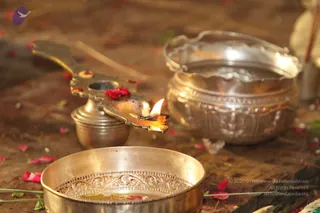
July 04 2016
Original wiki pageTitle
Declare Completion With Brahman -The Consciousness
Description:
"Paramahamsa Nithyananda enters into the next part of the Shanti Mantra of Kena Upanishad, revealing the deeper layers of the science of Declaration or Will by the Upanishads on 4th July 2016, Nithya Satsang, from Varanasi. Only a person whose 'inner image', i.e. the idea you carry about you, is integrated and authentic to the know the Sacred Truths, Dharma can declare and create a will that – May the Dharma, may Sadashiva manifest in me, for I am devoted to knowing and experiencing Him. Sadashiva has revealed atleast 200 techniques of Completion. The science of WILL is the highest form of Completion. Shanti Mantra Revealed mā mā brahma nirākarod-anirākaraṇamstva-nirākaraṇam me’stu | tadātmani nirate ya upaniṣatsu dharmāste mayi santu te mayi santu || auṁ śāntiḥ śāntiḥ śāntiḥ || ""May Brahman never deny me or withdraw Its grace from me. Let there be no separation. Let me have Completion with Brahman, the Consciousness; and let Brahman be complete with me. So be it. May all Dharma, the Sacred Truths declared by Upaniṣads be fully manifest and radiate in me, who, am integrated and authentically devoted to knowing and experiencing of that Truth, Ātma, the Self. May they manifest and radiate in me."" His Holiness also gives the jewels of Yoga, the original Vedic sciences. Hinduism or Vedic tradition and Yoga are inseparable. The moment one practices even Surya Namaskar, one becomes a practicing Hindu. For a true Yoga seeker, the original Sanskrit scriptures become the Source language to learn the pure Vedic Yogic sciences and Truths. By thinking in Sanskrit, the language or vibrations of Divine, one becomes enlightened." Watch, share and like the video's and
| Video | Audio |
Transcript:
nithyānandeśvara samārambhām nithyānandeśvari madhyamām | asmat āchārya paryantām vande guru paramparām ||
I welcome all of you with my love and respects. I welcome all the devotees, disciples, Sarvajnapeetha Yajamans, Samajis, Satsanghis, SriMahants, Mahants, Kotharis, Thanedar, visitors, YouTube subscribers, viewers who are sitting with us all over the world through Nithyananda TV, through two-way video conferencing having Nayana Deeksha. I welcome all of you with My love and respects. I will continue to expand on Shanti Pātḥa of Kenopanishad. Recite along with Me.
auṁ āpyāyantu mamāṇgāni vākprāṇaścakśuḥ
śrotram-athobalam-indriyāṇi ca sarvāṇi |
sarvaṁ brahmopniṣadam
mā’ham brahma nirākuryām mā mā brahma nirākarod-anirākaraṇamstva-nirākaraṇam me’stu |
tadātmani nirate ya upaniṣatsu dharmāste mayi santu te mayi santu ||
auṁ śāntiḥ śāntiḥ śāntiḥ ||
Yesterday I was explaining the part - mā’ham brahma nirākuryām mā mā brahma nirākarod. Understand just because your Dad did not give you pocket money, you can’t say, “My Dad does not exist or you are no more my Dad,” which we all usually do in many relationships, please understand. When you look at a relationship utility based, if your utility is not addressed, you go to the extreme of not just denying the relationship denying the very existence of the object or the other side, understand. If your father is not giving you pocket money, if it is for right reason, he is a good father. If it is for a wrong reason, he can be bad father, but you can’t say, he is NOT your father.
Denying the existence, that is the worst stupidity, stupid stand atheists have decided to take. I have seen many times people doing that, understand. This tendency of either be useful to me as I want or I will deny you to your very core, is the tendency of intense violence, which comes from intense violence.
You deny something for me, I deny something for you – is an equal fight, the mentality of the warrior, Kshatriya. If you deny something, I will find out ‘why’ and I will try to work with you, do some bargain and get it from you – is the mentality of Vaishya, businessman. Even if you deny, I will work with you, complete with you and make you be part of me – is the tendency of Brahmana, knowledge. If you deny something for me, I will deny your very existence, Chandāla. Not Kashi Chandāla. Kashi Chandāla, Sadāshiva Himself came as Chandāla to give darshan to Shankara, not Kashi Chandāla. In Kashi you can’t even think Chandāla as Chandāla. In Kashi you should be always aware, anything as be Sadāshiva.
(7.01)
If some of your utility is denied or you imagine it is denied, you deny the very existence of the other person. I think this tendency is the life denial approach towards existence. I have seen people suffering with this pattern. Many time if they fail in the examination, they will deny the whole authenticity of the education. Of course I am not interested in authenticating the present education system. But, that clarity came to Me after analyzing not by failing any exam. I never failed any exam in My life – I want to put this on record. Not by failing in exam. Just because one bank transaction did not go through, you cannot deny the very existence of money. Fools do that. That is why the Upanishad clearly declares.
And I wanted to put it on record this one corrections. Wherever I say, when I talk about Upanishad, “Upanishadic Rishis say”, you should make it as “Upanishad says” because we don’t even know whether some Rishis existed and recorded this, even that is a belief. I feel they are self-effulgent, they JUST came to exist. They are Self-effulgent, svayam-prakasha. So let me not add the load of the “Upanishadic Rishi” word. Let me use straight word – Upanishad.
The Upanishad declares here – mā’ham brahma nirākuryām |
The people of the book can never understand – a book can exist without people. But the people of Dhamma, know the Dhamma exists even if there are no people to follow. Understand, people of the book can never understand – a book can come into existence without people. People of Dhamma know Dhamma exists even if when there are no people to follow. Just because you tried with one girlfriend or boyfriend and failed, you can’t deny the very existence of relationship. You can’t deny the very existence of education system, because you failed one examination. Understand, I am neither attesting relationship nor attesting examination. I am only saying – by failing in one, you can’t deny the whole, that’s all. If you come to an understanding and enlightened, and then come to a conclusion, that is different.
Exams are like girlfriends. One, too many questions. Second, difficult to understand. Third, more explanation is needed. Fourth, result is always failed.
I am not supporting or promoting, I am only insisting, reminding. Denial of Whole because some part was not useful for you is Chandālatva, stupidity in its peak, cunningness in its extremity. I have seen people gambling with God, they will tell – “Today you have to do this, otherwise you are not existing, I know.” No people do it. People do all this with Ganapati, Hanuman, Shirdi Sai Baba, even with Mahadeva, people try to play all this game. “You have to do this today, otherwise I know you don’t exist. If you exist, do it.”
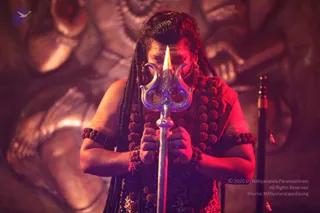
Kalabhairava has a clear policy. If somebody comes with a life-positive approach, He showers them. If somebody comes with a seeking, He gives them Completion.
(12.45)
Never deny the existence of Brahman – mā’ham brahma nirākuryām
Do not have incompletion with existence of Consciousness – mā mā brahma nirākarod. May Brahman never deny me or withdraw Its grace from me.
Understand, by you not denying the existence of Consciousness, you also create a will – let the Brahman not deny me. Let Brahman not withdraw Its grace from me. Actually He never withdraws. Either you stop or you don’t stop, that’s all, He doesn’t withdraw. You stop His grace flowing on you or you don’t stop His grace flowing on you, that’s it.
mā’ham brahma nirākuryām mā mā brahma nirākarod-anirākaraṇamstva-nirākaraṇam me’stu | anirākaraṇamstva-nirākaraṇam me’stu |
Let there be no separation. Let me have complete Completion with Brahman, the Consciousness; and let Brahman be complete with me. So be it.
anirākaraṇamstva-nirākaraṇam me’stu |
anirākaraṇamstva-nirākaraṇam me’stu |
I just enjoy every word, every word.
anirākaraṇamstva-nirākaraṇam me’stu |
anirākaraṇamstva-nirākaraṇam me’stu |
Let me have Completion. Understand, the most powerful Completion process is your Will and your Declaration. Your WILL, with a powerful, integrated will, declaring it, is the ultimate Completion technique.
If you are not ready to do that, then you need to be tortured with mirror. Gazing at your own face in the worst sufferings and worries in the mirror again and again is the most horror movie you would have ever seen in your life. I think many of the IA grads can really understand and connect immediately with what I am saying. In all the horrible moods of your past expressing through your face, you have to be gazing at the mirror. That’s the most horror movie. Its not a technique, it’s a method to terrorize you. So your WILL is awakened, you declare Completion, understand.
(17.10)
At least 200 techniques Sadāshiva is giving for Completion for various incompletions and various methods, process, procedures, systems, techniques for various background people and various genders for variety of people. But let Me put it on record – the most powerful, most powerful completion technique is – DECLARING WITH YOUR WILL.
I tell you, if you learn that, through your WILL, willful declaration bringing Completion, you have mastered the science of Completion and no suffering can come to you anymore in the life. You have reached a space, where all sufferings are redundant and irrelevant to your life. And its not difficult, that’s the good news I have for you guys. It’s not difficult. It is like a you always think, “oh! I can’t even lift 5 kg and work out. How can I lift 100 kg and work out. Only if I lift 100 kg and work out, the models’ photos I see my body can become like that!” Fool! Don’t you understand! First lift 2 kg, the strength which your system generates, with that you will be able to lift 5 kg. The strength which your system generates, with that you can go to 10. It is not supposed to be compared with where you are now and where you are supposed to be. No! That is the bad way of thinking, toxic thinking, toxic thought current. No!
Declare, now all your WILL, one victory will add more WILL in you, strength in you. Then that will take you to the next level of willful declaration, powerful declaration. That will take you to the next level.
“Oh, we can never reach where you are. Where is you? Where am I?” – this is the most cunning pattern you can develop and never allow Me to influence your life. I have seen people do that. “How can we compare ourselves with you?”
Listen. Listen. The other day somebody was asking me a question about this will. One of my team members asked, “How can I get out of some pattern, when I know it as a pattern?” Understand, be grown up! Be matured adult. When you know it as pattern, just break it. Decide to drop it. I tell you, just by your will, you can have Completion, you are a matured, grown up adult. Just by your will, if you can put your love or withdraw your love from some time, space, action, person, that is the ultimate maturity of emotion. By your will, able to complete some hatred. By your will, able to manifest love. By your will able to withdraw yourself. By your will, able to through yourself completely into it.
Listen, all techniques are nothing but trying to make your WILL catch this truth, trying to make your WILL catch this truth. YOUR WILL, YOUR WILL is the most powerful Completion technique.
Here Upanishad declares:
Let there be no separation. Let me have Completion with Brahman, the Consciousness; and let Brahman be complete with me. So be it.
anirākaraṇamstva-nirākaraṇam me’stu |
anirākaraṇamstva-nirākaraṇam me’stu |
It is just declaration. Prayer is the method of mentally retarded people connecting with God. Declaration is the method of matured beings connecting with God. Even to connect with God, don’t be mentally retarded.
Declaration. Declaration is the matured way of connecting with God.
anirākaraṇamstva-nirākaraṇam me’stu |
Declare. Make this as today’s declaration.
tadātmani nirate ya upaniṣatsu dharmāste mayi santu te mayi santu ||
May all Dharma, the Sacred Truths declared by Upaniṣads be fully manifested and radiating in me, let all that be fully manifest and radiate in me, who, am integrated and authentically devoted to knowing and experiencing all that Truth, Ātmā, the Self.
tadātmani nirate ya upaniṣatsu dharmāste mayi santu te mayi santu ||
May they manifest and radiate in me.
tadātmani nirate ya upaniṣatsu dharmāste mayi santu te mayi santu ||
I will give you the translation.
May all Dharma, the Sacred Truths declared by Upaniṣads be fully manifest and radiate in me, who, am integrated and authentically devoted to knowing and experiencing that Truth, Ātmā, the Self. May they manifest and radiate in me.
(27.44)
Declaration’s basic necessity is right inner image. Only a person who has the right inner image can declare – me, who is integrated and authentic, devoted to knowing and experiencing the Truth.
If you think you are a sinner, you can never have this inner image, you have to be praying forever. Only a person who knows he is integrated, he can declare. And person who builds himself through declarations, only he can have that inner image –he is integrated and authentic.
(28.44)
Understand, constantly people try to tell, ‘Yoga is not Hindu.” I tell you, the moment you start Surya Namaskar, you are Hindu. You are living Hinduism. You are practicing Hinduism and the prerequisite of Yoga is you believing your soul and you need to unite with it. The belief, ‘you are a sinner’ cannot be forming the basis of Yoga, understand. To practice Yoga the fundamental necessity is you believing – You are Consciousness and you have to become One with It. Not you are a sinner and you need salvation. No! So the moment you bend your body for YOGA, you PRACTICING HINDU. Whether you feel blessed or hurt is up to you, but the truth is the truth is the truth is the truth. Yoga cannot be removed from the great components of Yama and Niyama, the lifestyle thought currents. Yama is lifestyle. Niyama is thought currents. You can’t call Yama and Niyama as the cultural frills. No! You cannot separate Yoga from this two. It is Ashta-anga – means eight parts of Yoga not 8 steps. If you think, it is eight steps and if you translate it as 8 steps, you think, I can help you to jump two steps, miss two steps. No. And some people even claim themselves as a lift so that you don’t have to go through the two steps. No! It is not step, it is ‘anga – part.’ It is not step, it is ‘anga – part, Ashta-anga.’ If you don’t know Samskrit, ask the people who know Samksrit. Anga means part not step. Some people who don’t want to study Samskrit are talking about Yoga. Hey!
When I had a feeling connection and devotion to Sri Ramakrishna, the first thing I did – learning Bengali because I want to read the original words of Sri Ramakrishna. So when you fall in love with Yoga, first thing you will want to do is – read the original sutras. If you are doing only business out of Yoga, you will be very proud about, you don’t want to learn Samskrit; because all the people who read Samskrit tend to read the scriptures! Aye!
(33.02)
Understand, a right inner image only can DECLARE. And I tell you, I really tell you, this one statement I am making with tremendous responsibility after thoroughly analyzing mind, language, how they connect with each other I tell you, please understand.
A rich language like Samksrit and Tamil, for each emotion 2000 words exist, variety, subtlety. So when you know that language thoroughly, every time what is happening in you, you will identity it with a precise word, which gives you a deeper insight about you, which develops an amazing inner image, understand.
Think in Samskrit, you will become enlightened. Think in Samskrit, you will become enlightened because it gives you such wide variety. In that variety, you pick up the right word to identify what is happening in you and you use the right word to express what do you want to express, you build an amazing inner image. Amazing inner image! Even Tamil is that rich, no doubt. But study the original divine Tamil, the original works of Agastya, 18 Siddhas, the great Shaiva, Vaishnava Saints, that is the original Tamil. If you can study that Tamil, you will have the same experience, you will Live Enlightenment.
Upanishad declares.
tadātmani nirate ya upaniṣatsu dharmāste mayi santu te mayi santu ||
May all Dharma, the Sacred Truths declared by Upaniṣads be fully manifest and radiate in me, who, am integrated and authentically devoted to the knowing and experiencing that Truth.
I still remember one day while I was walking in Belur Mutt grounds in Calcutta , morning. I was intensely contemplating on this verse and I was walking alone and talking to myself loudly, means chanting this verse.
āpyāyantu mamāṇgāni vākprāṇaścakśuḥ
śrotram-athobalam-indriyāṇi ca sarvāṇi |
sarvaṁ brahmopniṣadam
mā’ham brahma nirākuryām mā mā brahma nirākarod |
How the kids prepare for the exams like that I was declaring to Myself. Especially this last statement
tadātmani nirate ya upaniṣatsu dharmāste mayi santu te mayi santu ||
May all Dharma, the Sacred Truths declared by Upaniṣads be fully manifest and radiate in me.
Of course, I was not thinking of translation. I was only thinking of the original verse.
tadātmani nirate ya upaniṣatsu dharmāste mayi santu te mayi santu ||
I still remember when I was uttering these words, I was walking under a tree, the whole tree showered Its flowers, that is the first time I have seen Nature powerfully responding to the Upanishad mantras, Upanishadic declarations. Like a few thousand flowers showered. The flower, long white flower we have even in our adheenam. When we go to temple, the whole road is that flower only. That same tree, I still remember, it just showered.
Start practicing declaring and manifesting. In one or two incidents, you will develop such an amazing inner image. Even if you start praying and manifesting what you want, it may not develop an amazing inner image. You may get what you want. It may not develop amazing inner image. But if you declare and start manifesting, not only you will get what do you want, you will develop an amazing inner image, amazing inner space.
tadātmani nirate ya upaniṣatsu dharmāste mayi santu |
The courage with which the Upanishad is declaring.
Let all the sacred truths manifest in me because I am integrated and authentic, devoted to knowing and experiencing the Truth.
My very authenticity, I want to know the truth, truth has to manifest through me, otherwise what for It exists? I want to experience Sadāshiva so He has to manifest through me; otherwise what for He is there? He is there only to manifest through whoever wants Him to experience.
Let this line be your today’s declaration.
anirākaraṇamstva-nirākaraṇam me’stu |
tadātmani nirate ya upaniṣatsu dharmāste mayi santu te mayi santu ||
Let me have Completion with Brahman, the Consciousness; and let Brahman be complete with me. May all Dharma, the Sacred Truths declared by Upaniṣads be fully manifest and radiate in me, who, am integrated and authentically devoted to knowing and experiencing that Truth, Ātma, the Self.
I bless you all: Let you all radiate, with integrity, authenticity, responsibility, enriching, causing Living Shuddhādvaita Shaivam, the eternal bliss, Nithyananda. Thank you. Be blissful.
Title:
Death & Fear || Part 1 || IA || 04 July 2016
Description
Name Of The Program : Inner Awakening
Session on: Fear and Death
Date : 04 July 2016
Venue : Varanasi
Title : Q&A session on Death and Fear Part-1
In this video Supreme Pontiff of Hinduism HDH Nithyananda Paramashivam answers the questions on Fear and Death relating to Suicide, Murder and Sleep pattern ,where Swamiji gives the insight that Completion with Death is the last step of completion to happen before the Enlightenment.
Why should we understand death?
All our fears are actually fear of death but under various disguises. Every single fear is related to the fear of death, but in a roundabout way. Because it is roundabout, we don’t see it as fear of death. Without fear, the word death itself loses the meaning that we have been associating with it. So what is death? You will tell me, ‘Death is what happens at the end of our lives.’ If death were nothing more than that, it would be so easy! But death is not something that happens at the end of our lives. It is something which is happening every moment of our lives. Every act of ours is unconsciously related to our death, the fear of dying. Death changes the very quality of our life.
| Video | Audio |
Title
Death & Fear || Part 2 || IA || 04 July 2016
Description
In this video Supreme Pontiff of Hinduism HDH #Nithyananda Paramashivam continues on Q&A session on #Fear and #Death relating to Suicide, Murder and Sleep pattern.He also leads into the completion of First level of fear(i.e the fear of losing name and fame or the identity)
Why should we understand death?
All our fears are actually fear of death but under various disguises. Every single fear is related to the fear of death, but in a roundabout way. Because it is roundabout, we don’t see it as fear of death. Without fear, the word death itself loses the meaning that we have been associating with it. So what is death? You will tell me, ‘Death is what happens at the end of our lives.’ If death were nothing more than that, it would be so easy! But death is not something that happens at the end of our lives. It is something which is happening every moment of our lives. Every act of ours is unconsciously related to our death, the fear of dying. Death changes the very quality of our life.
| Video | Audio |
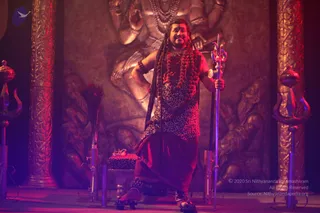
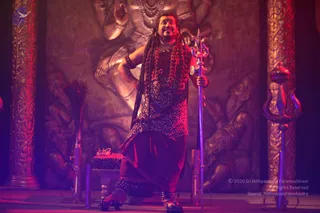
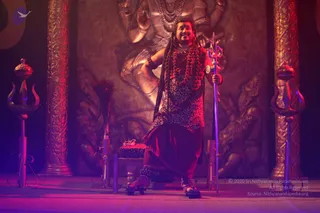
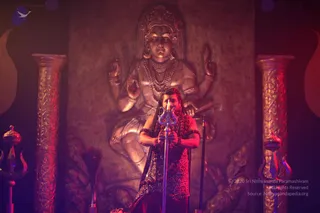
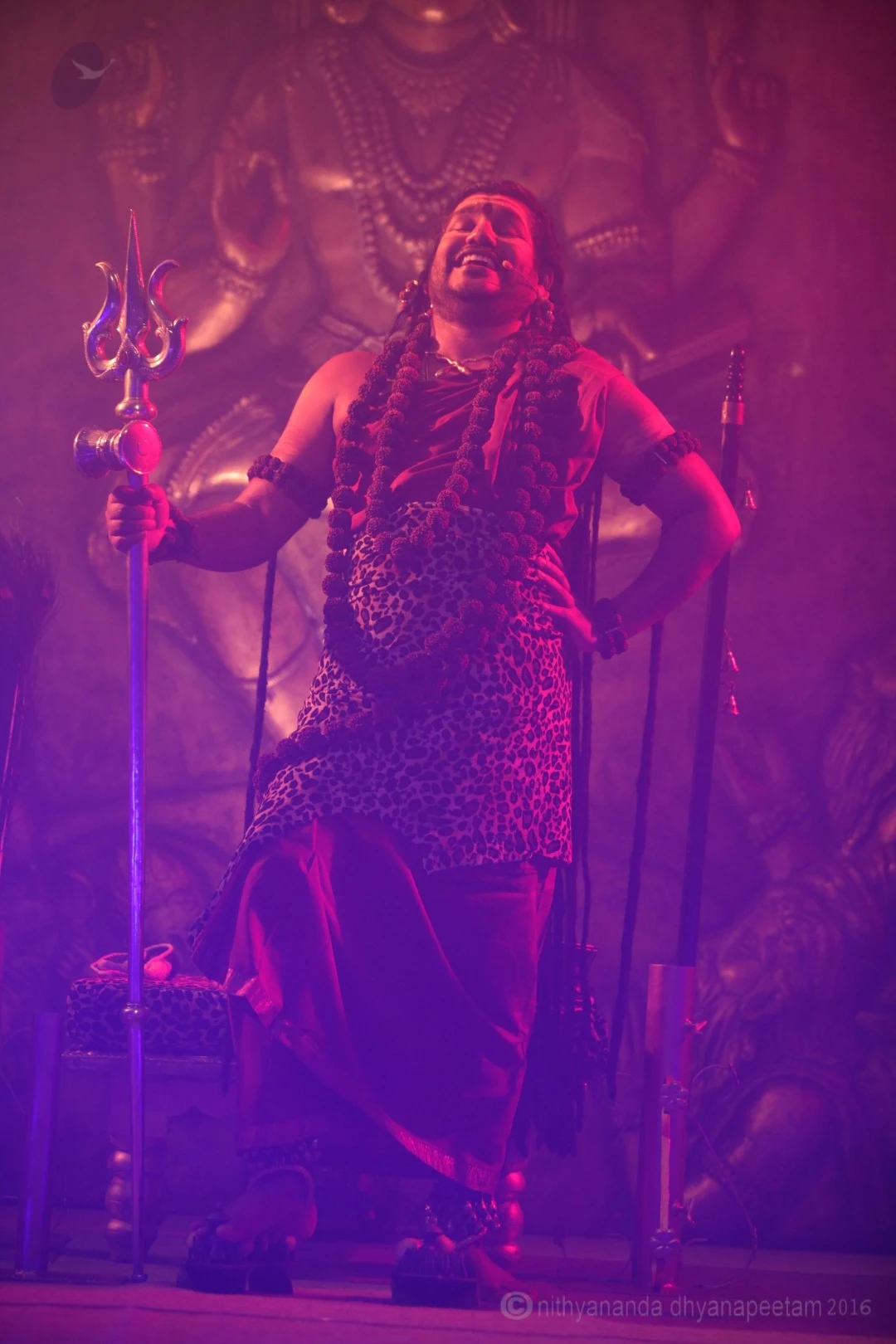
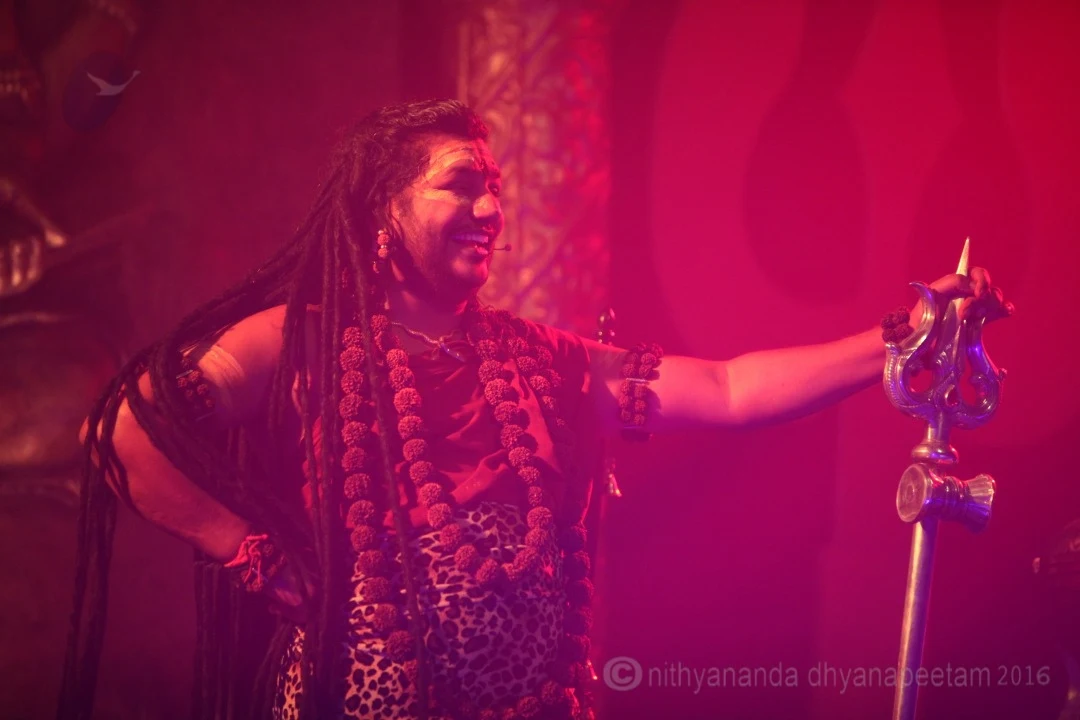
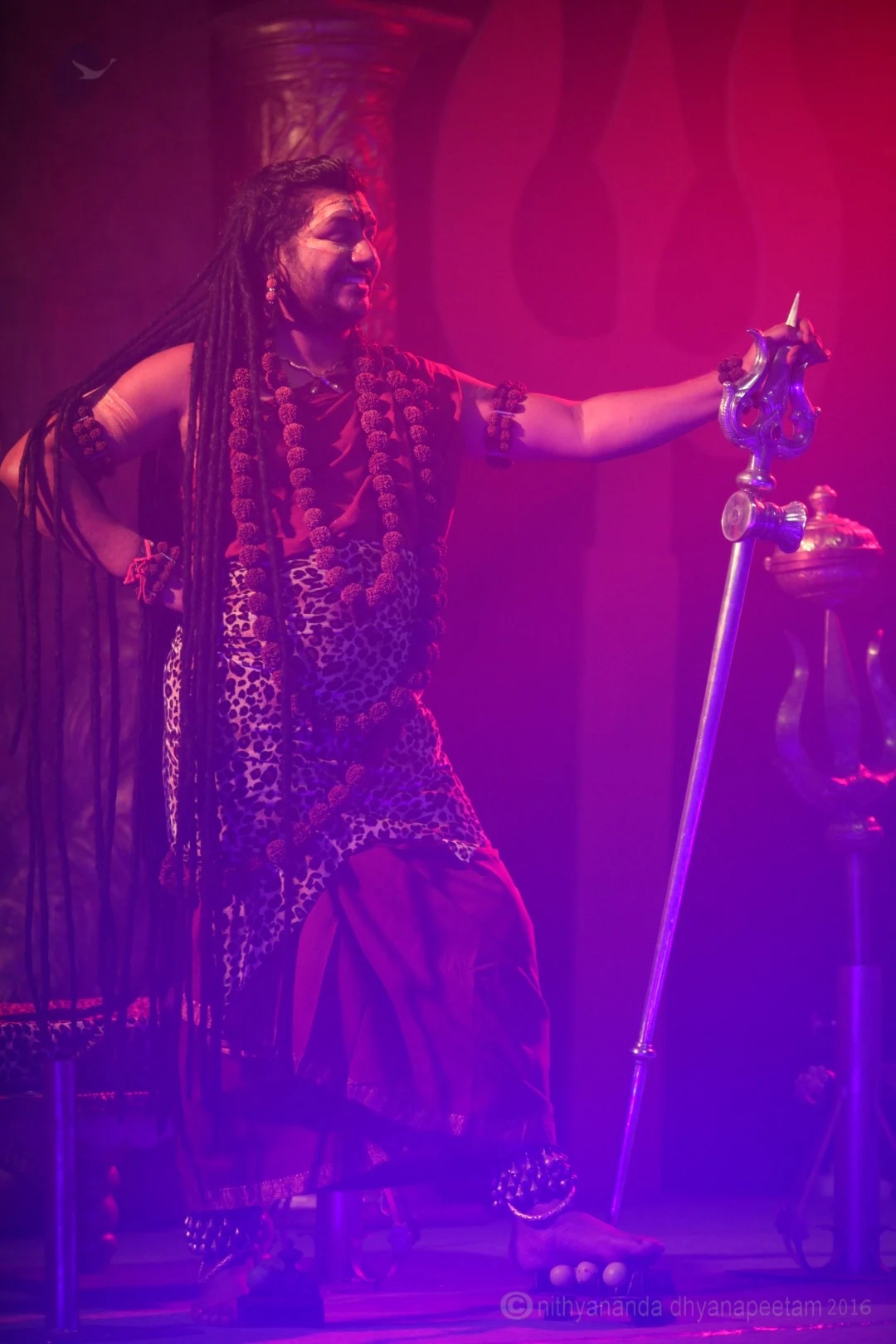
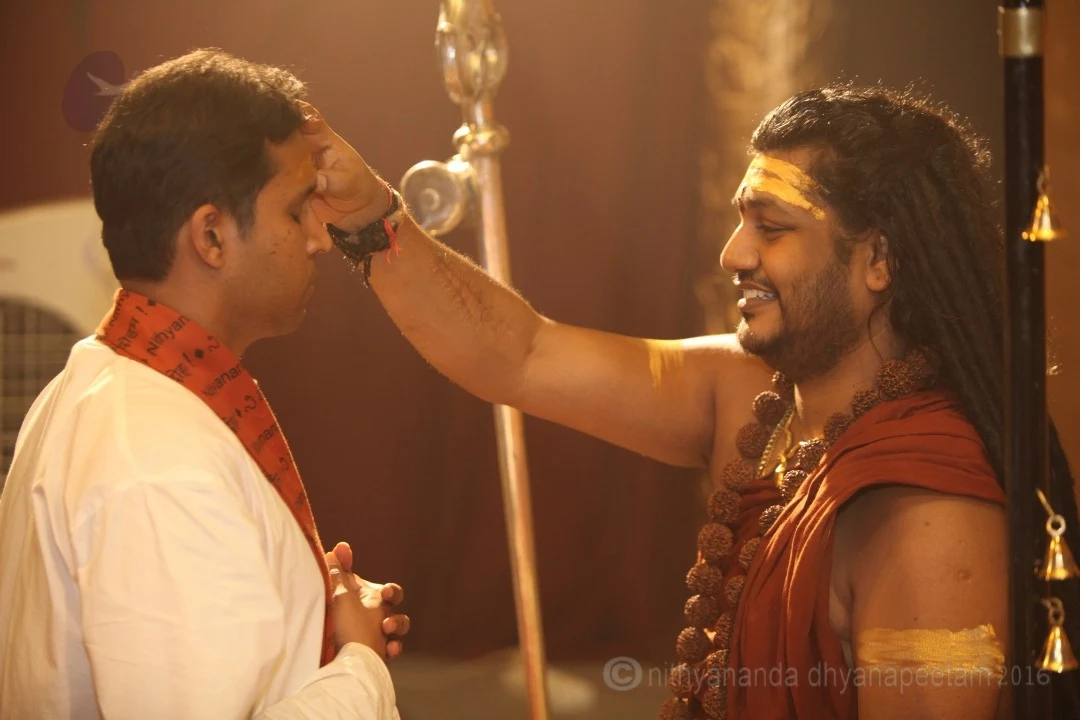
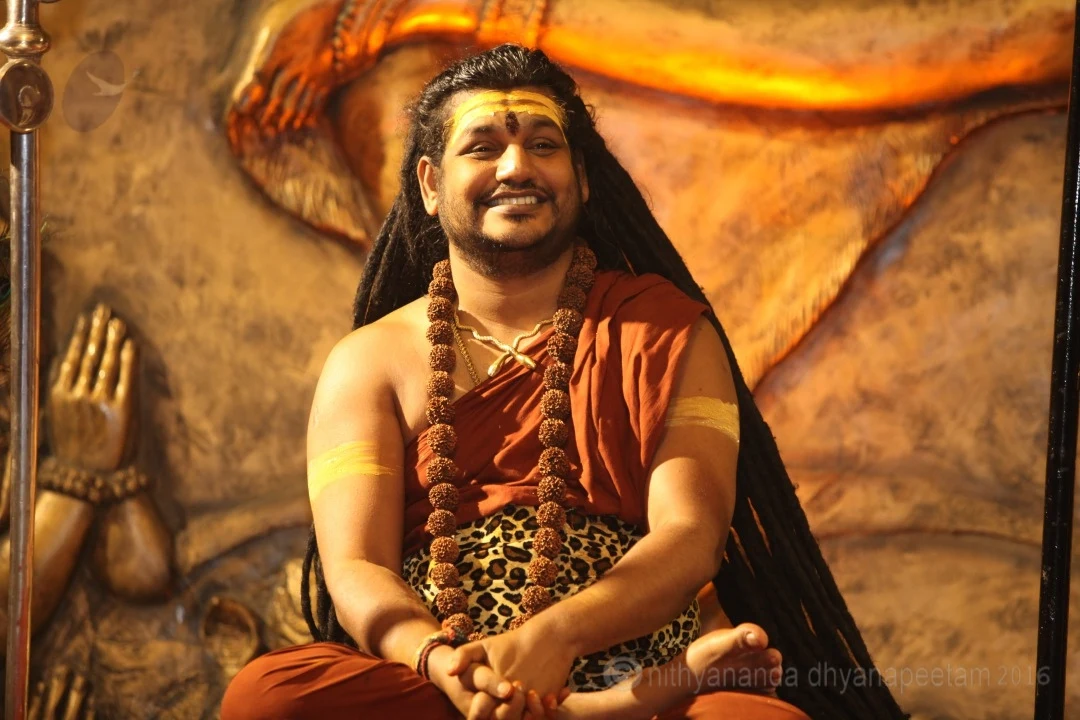
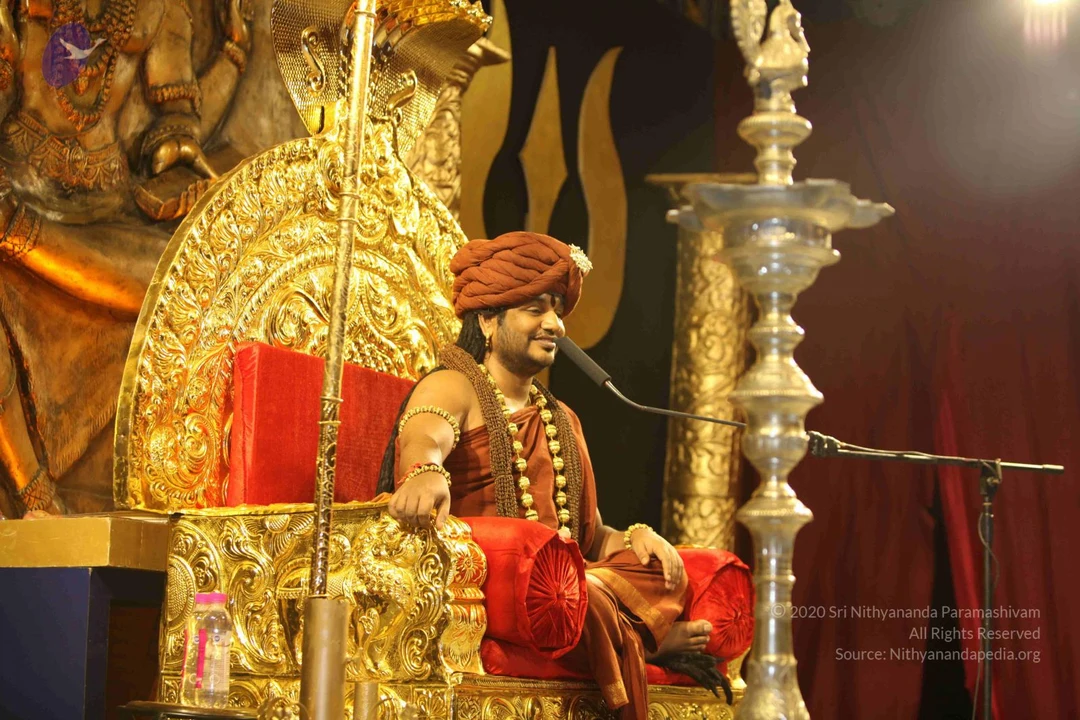
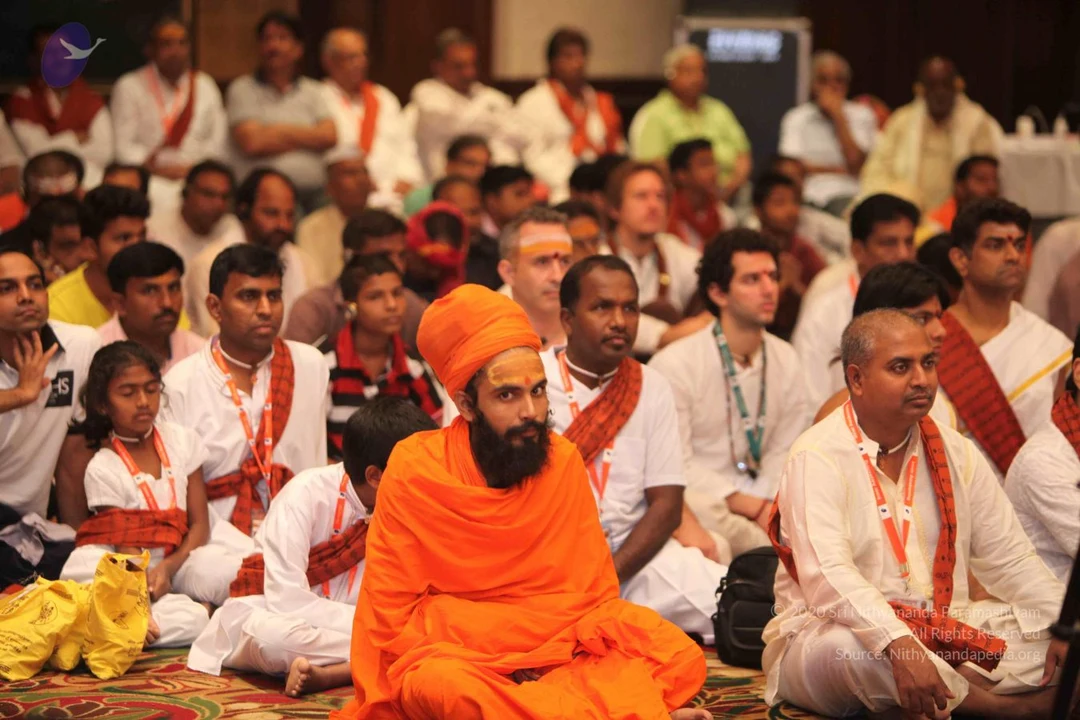
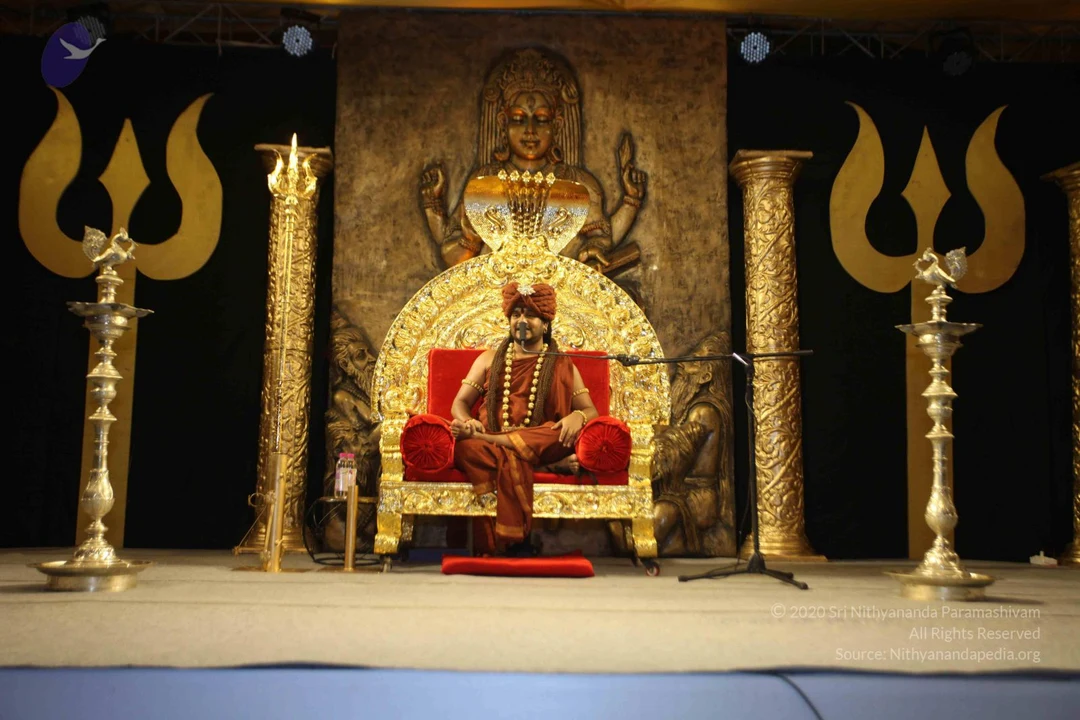
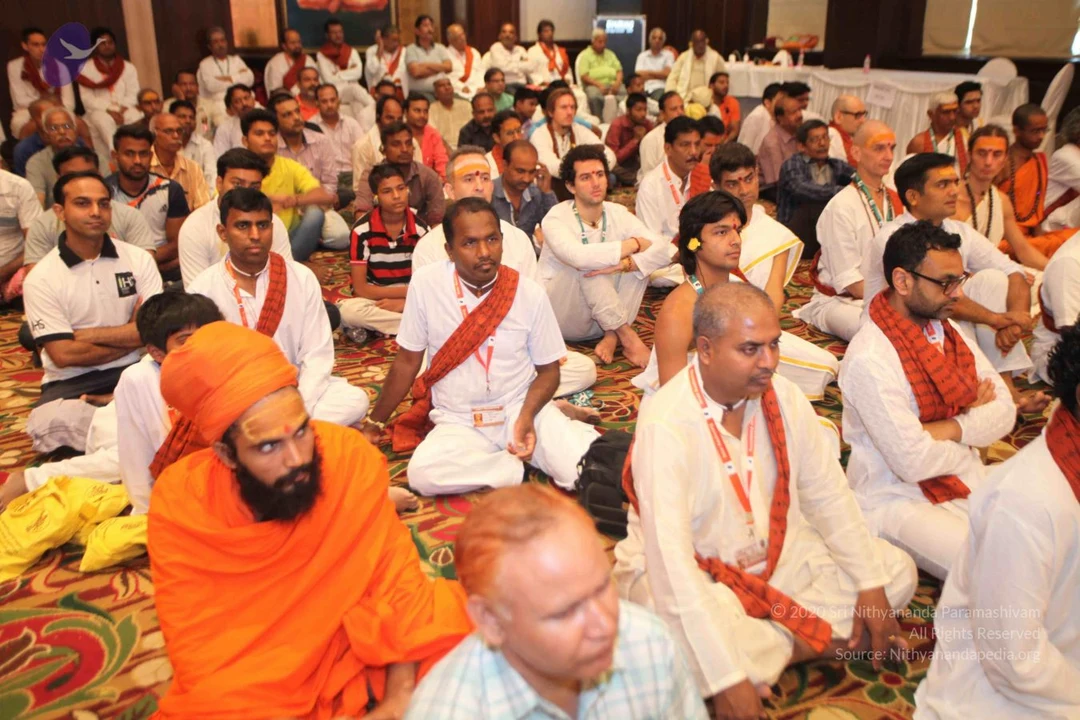
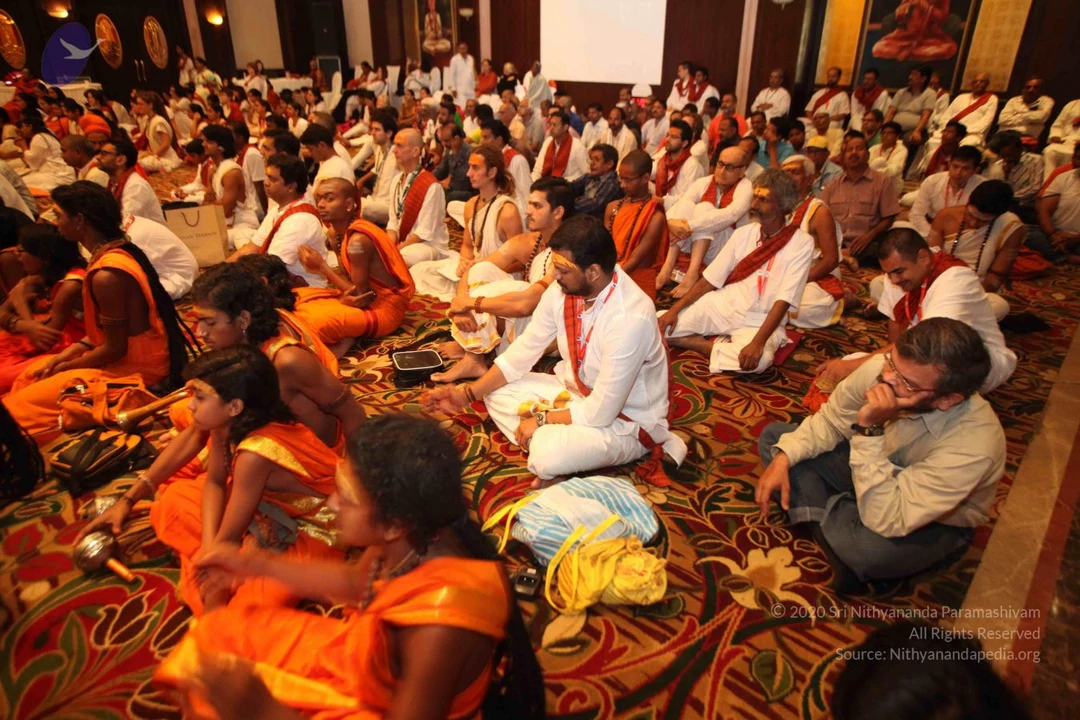
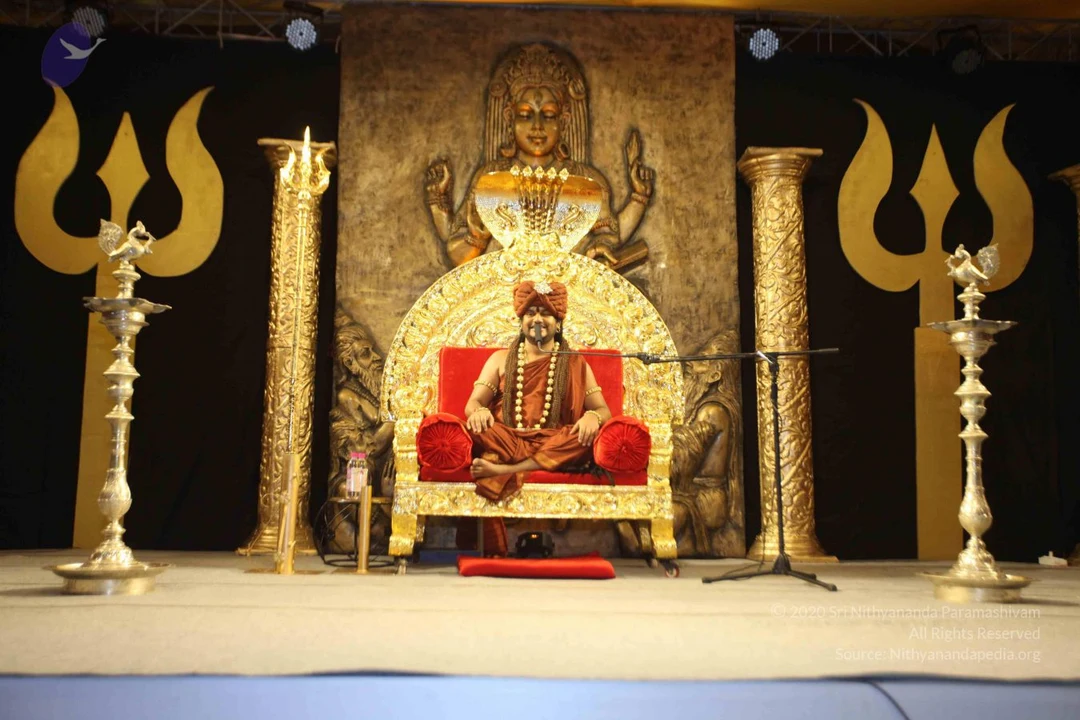
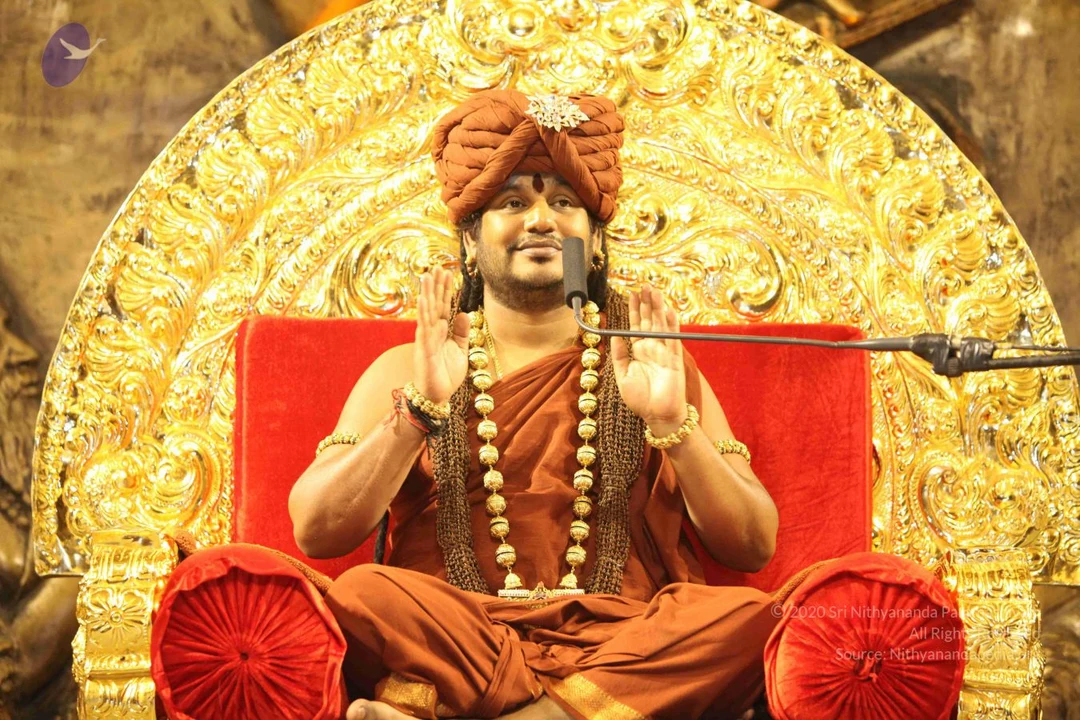
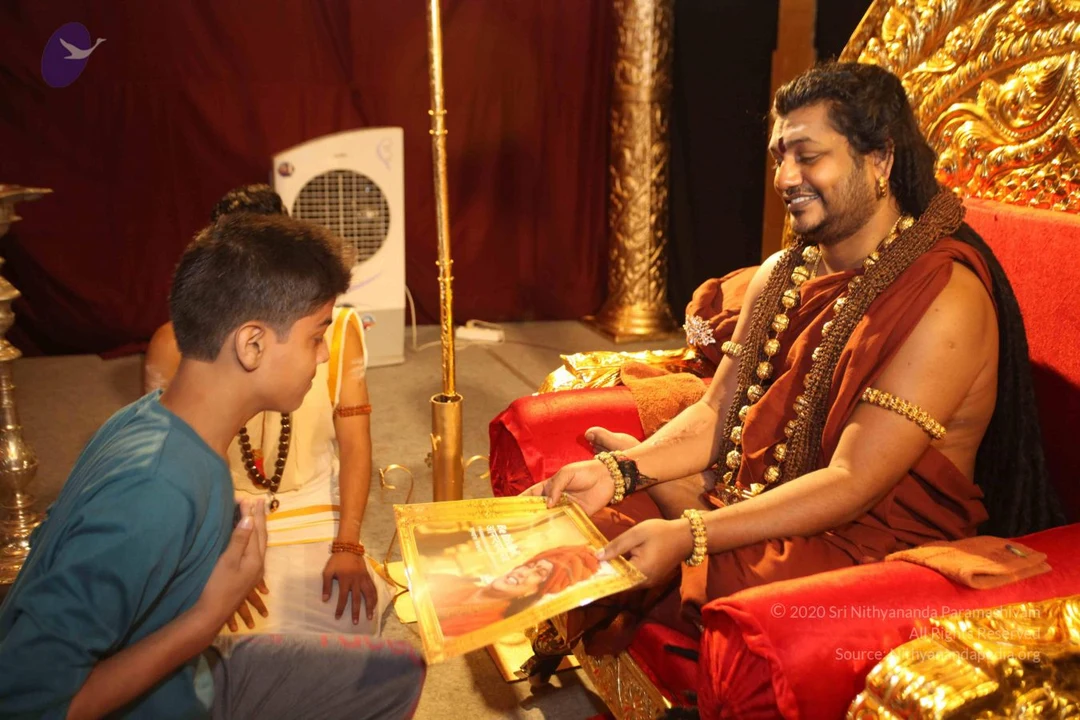
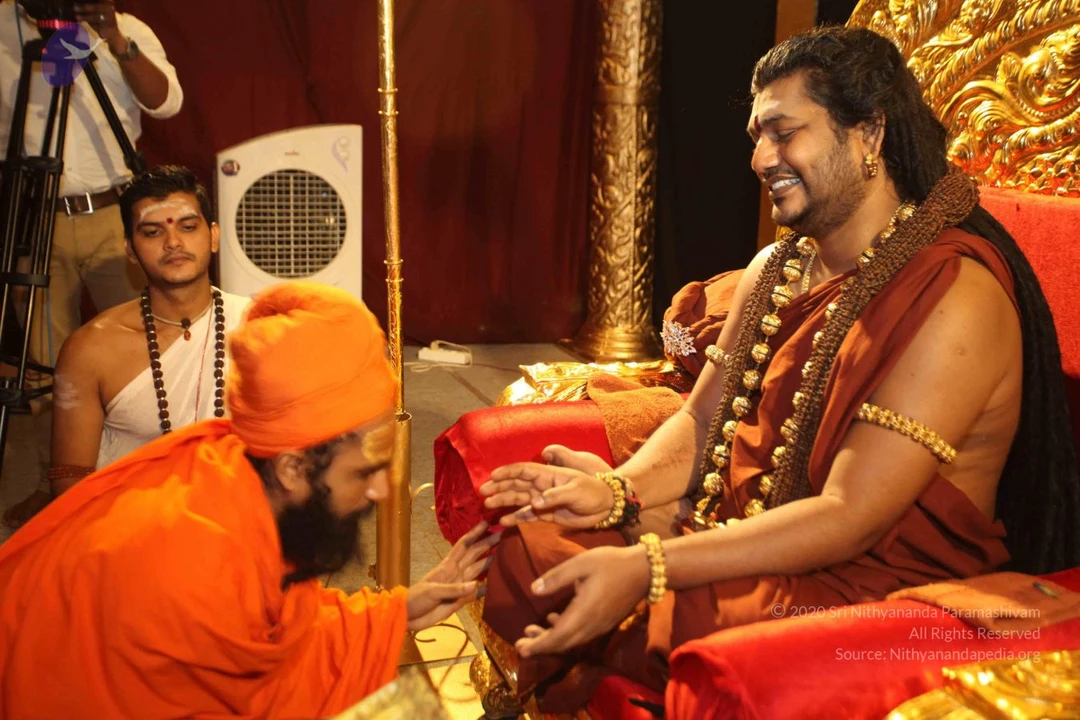
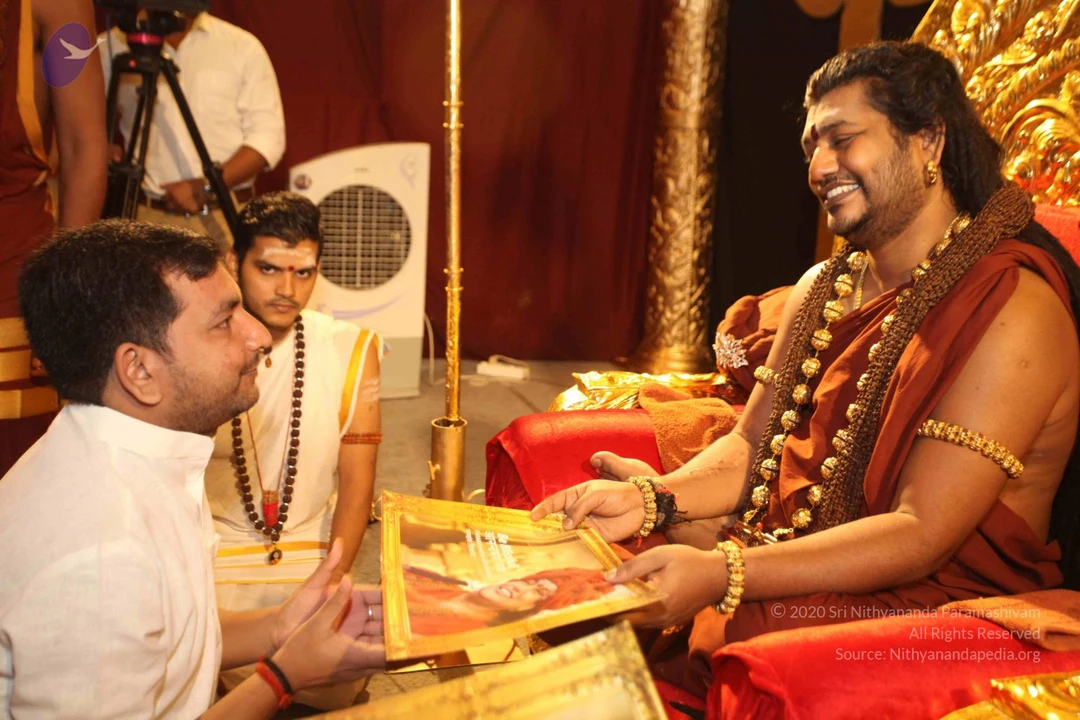
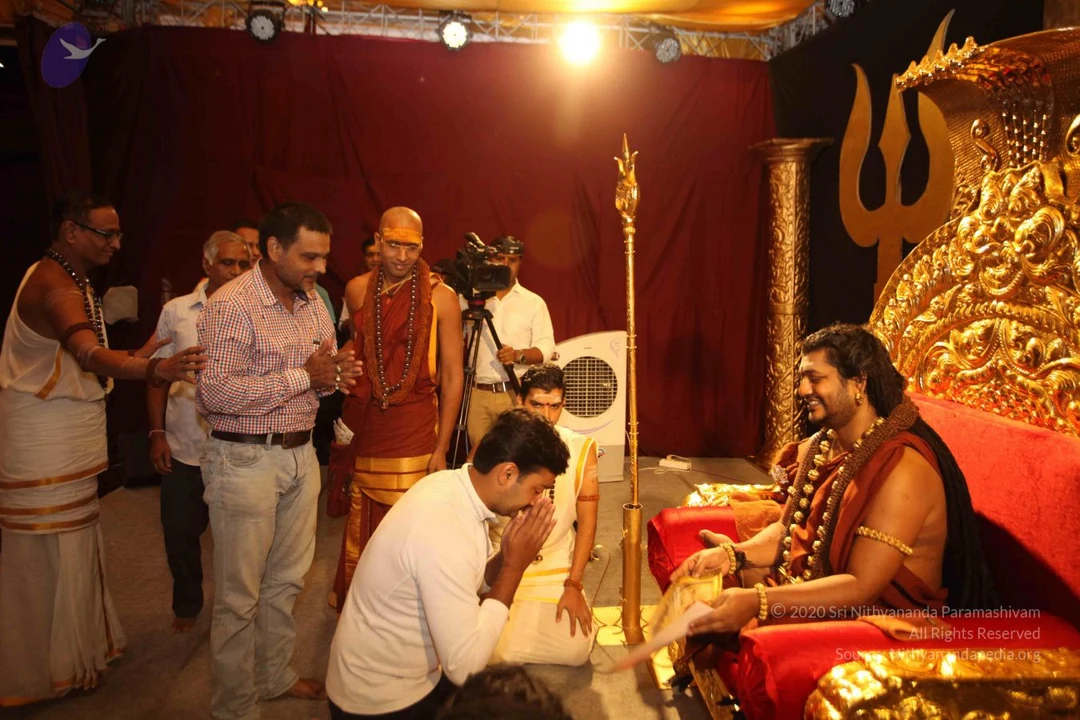
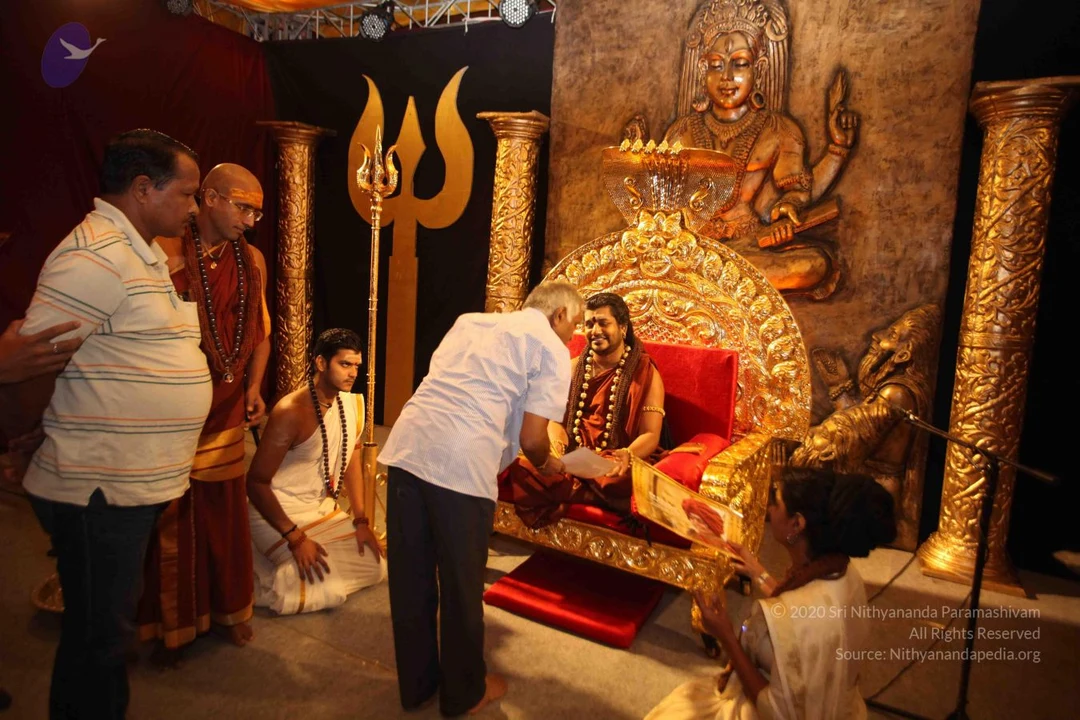
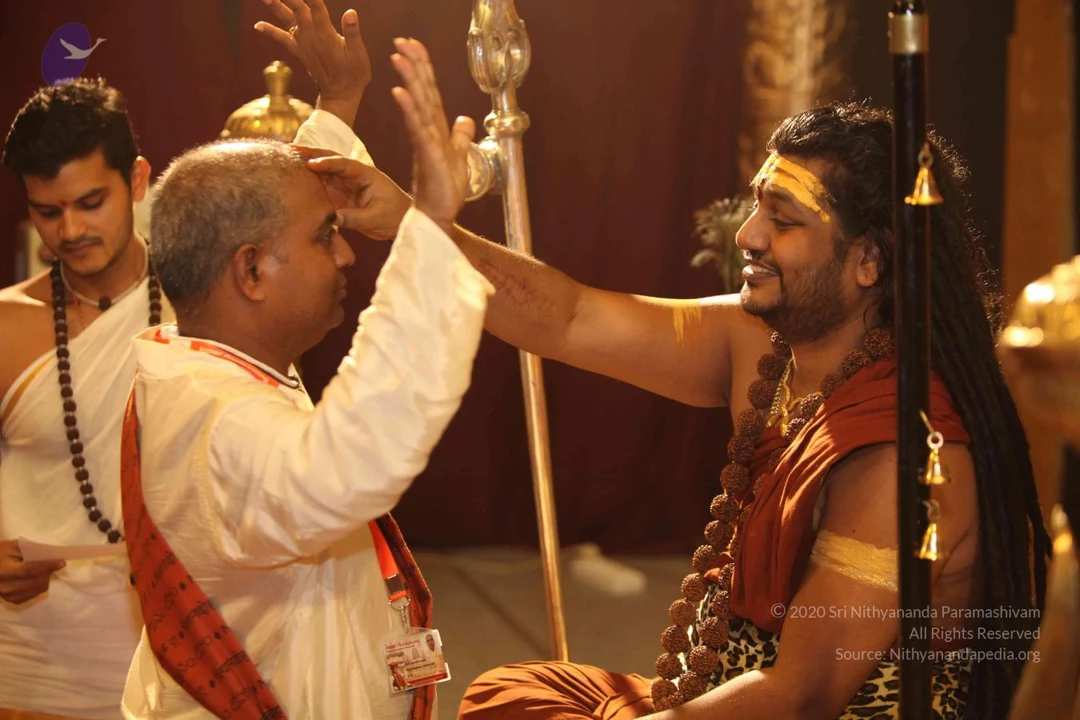
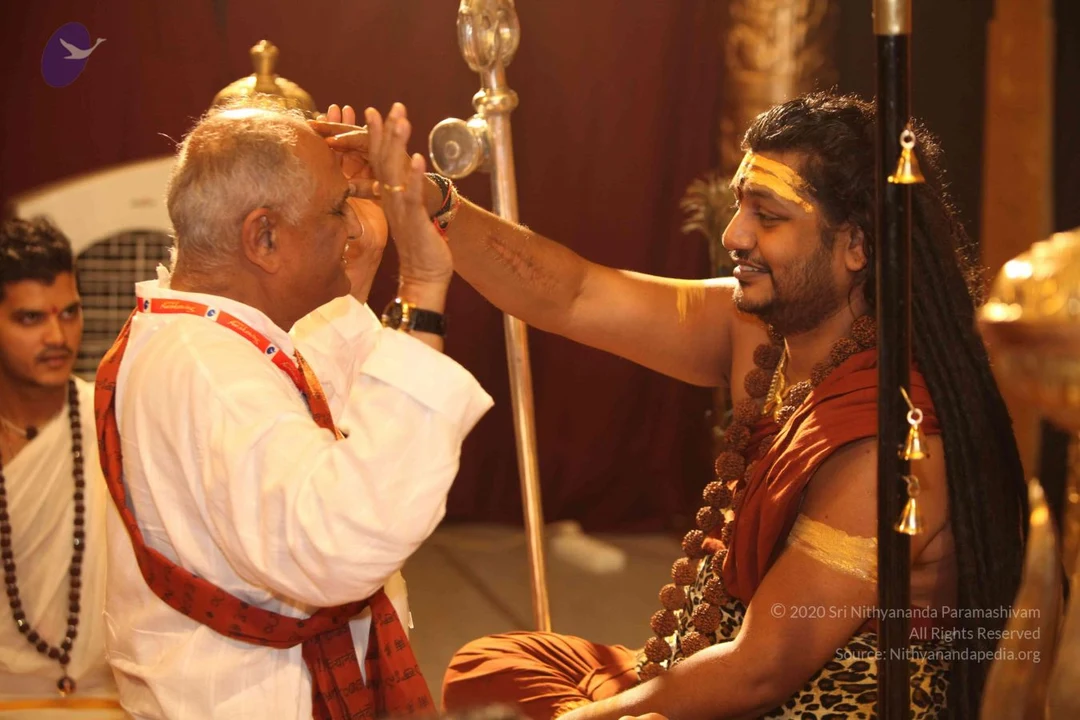
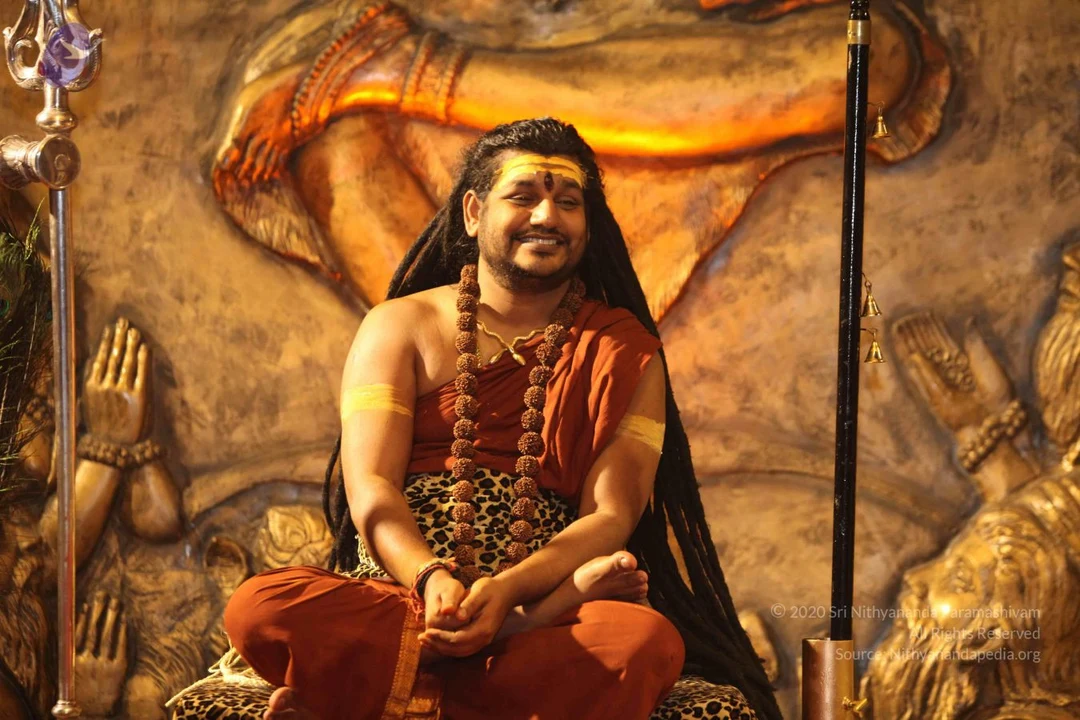
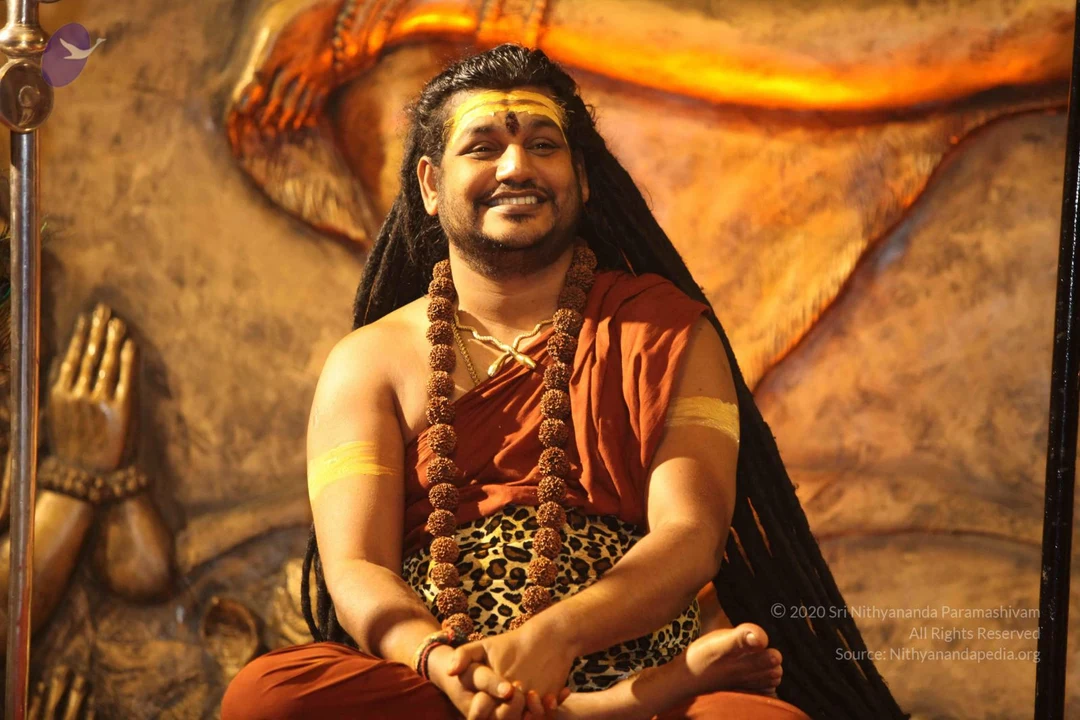
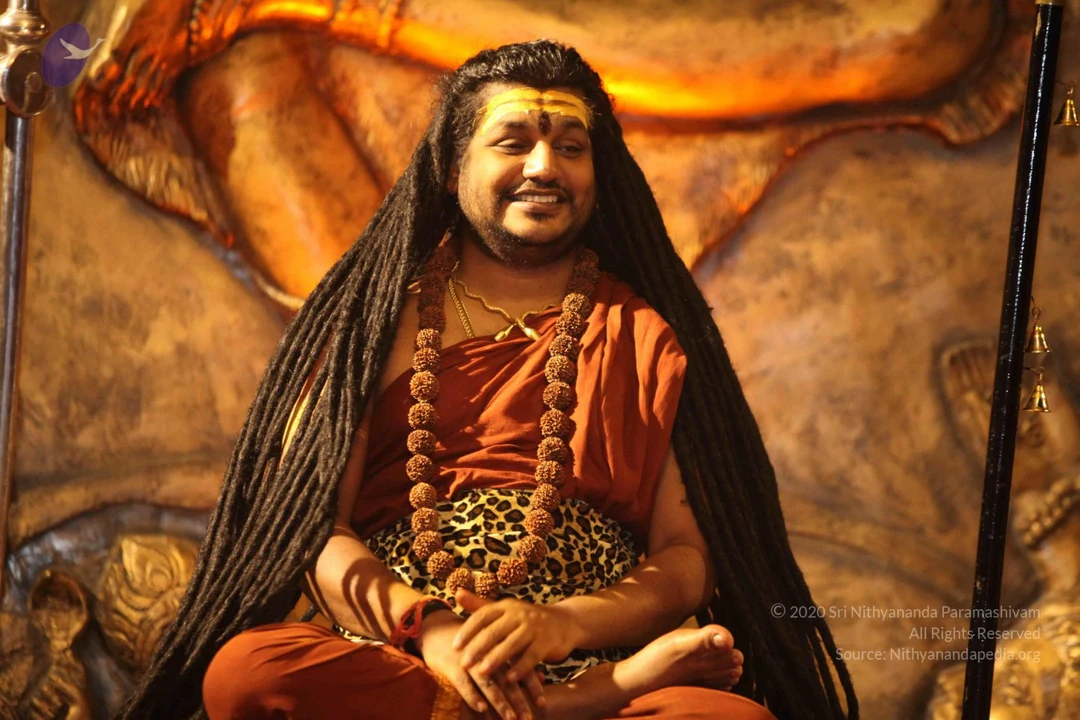
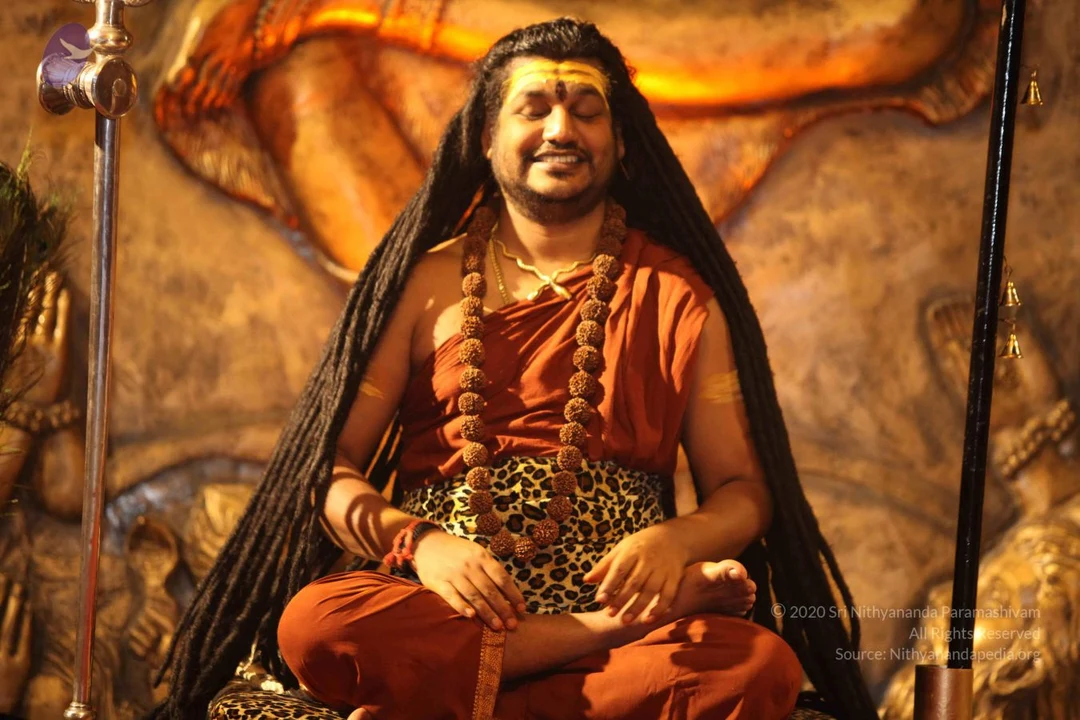
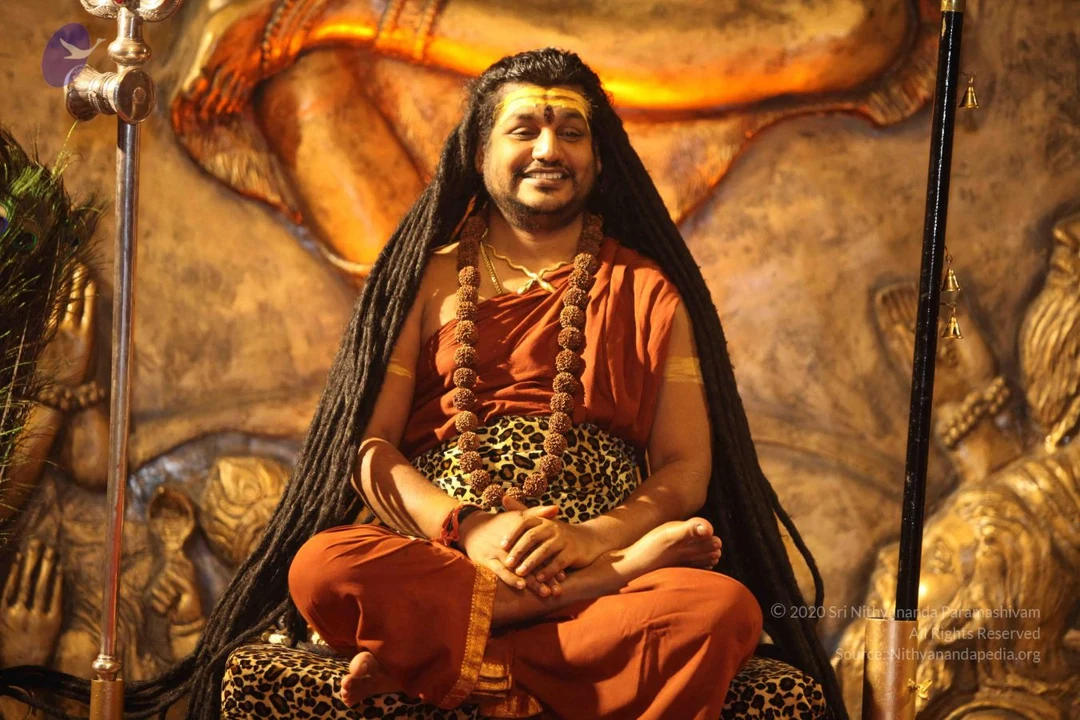
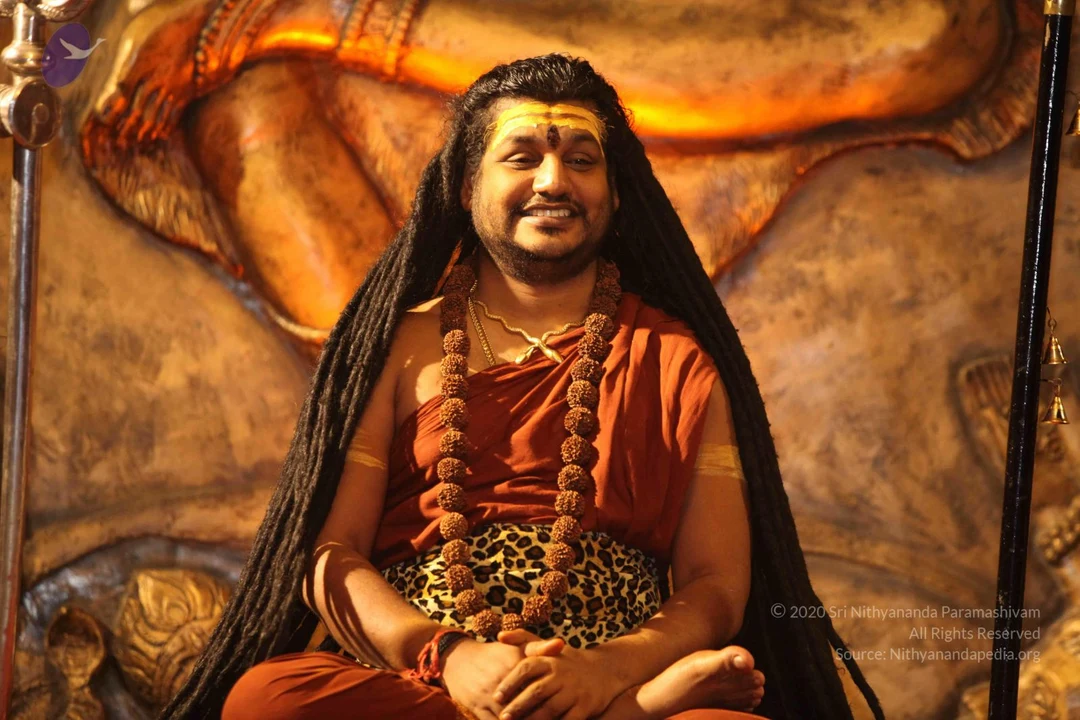
Photos From The Day:
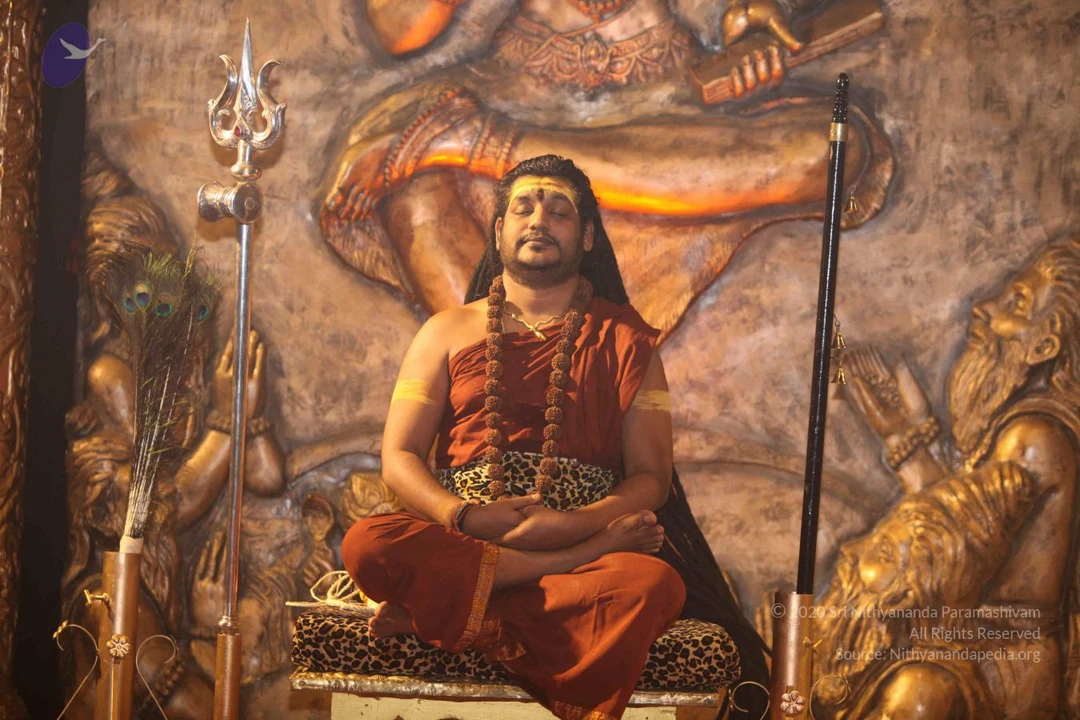
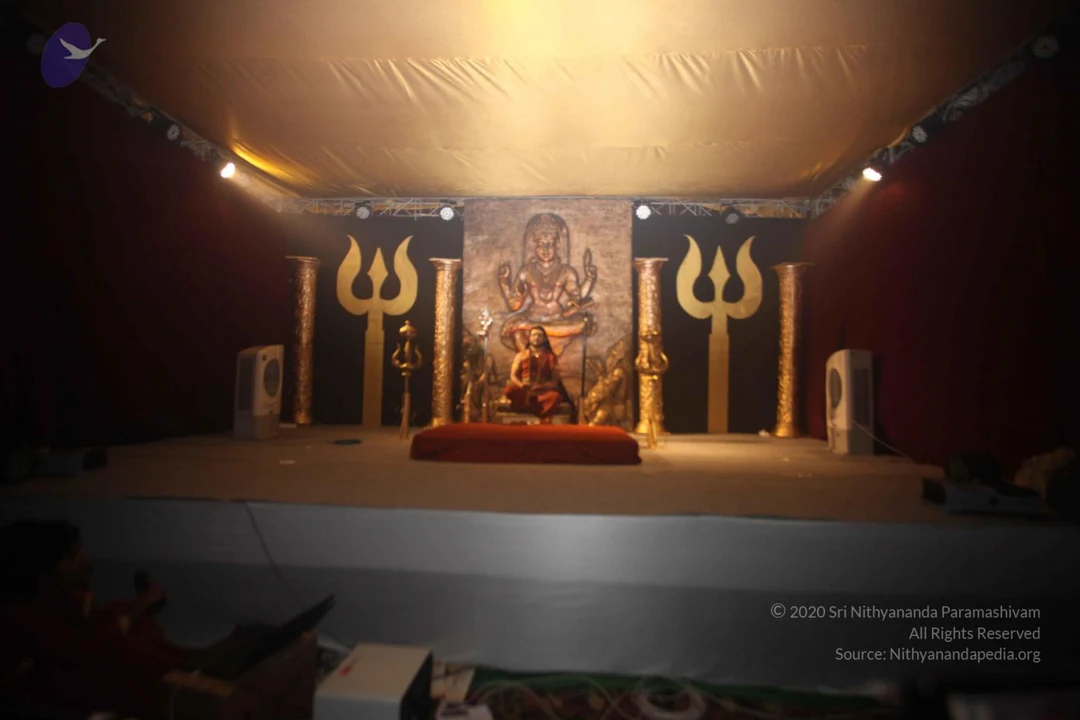
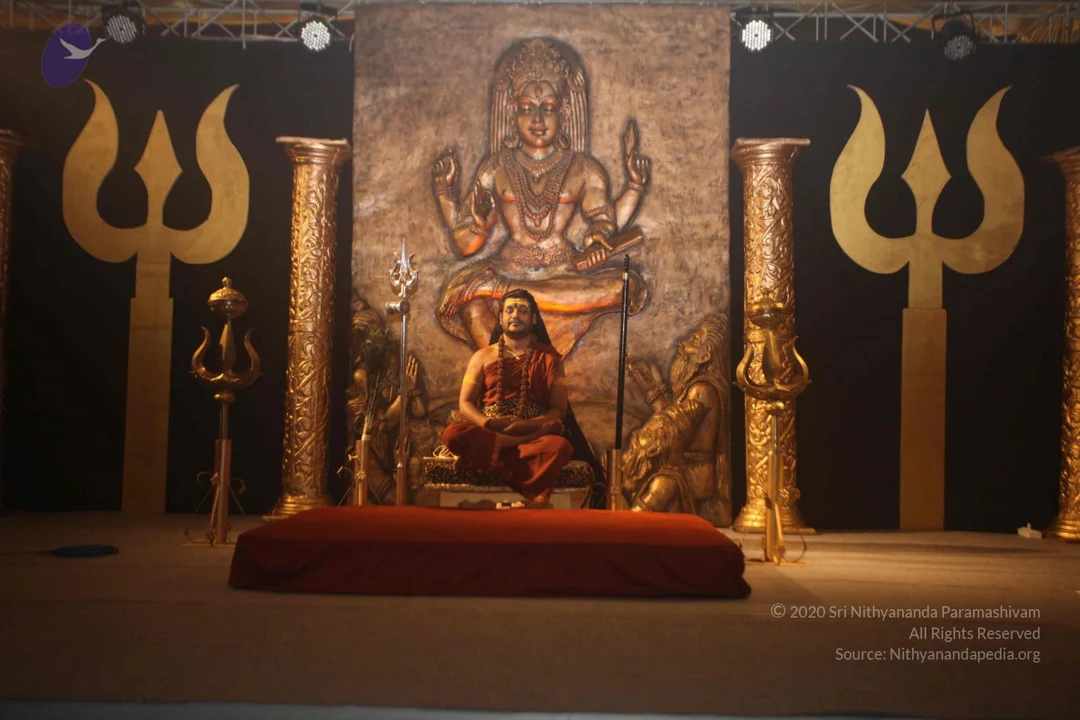
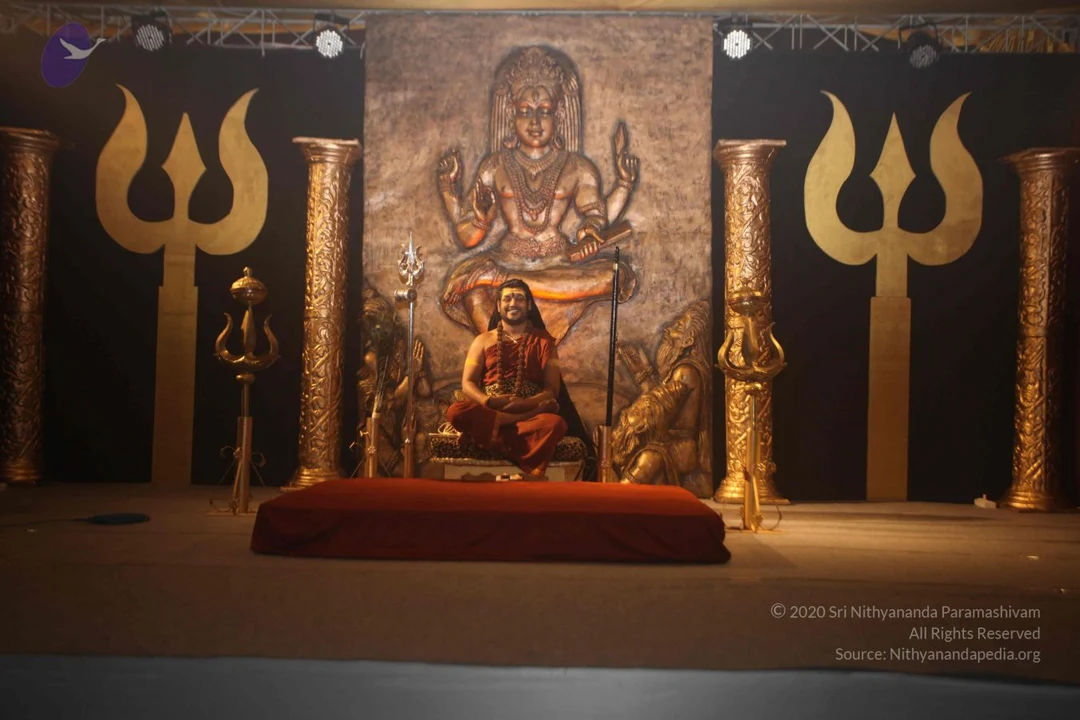
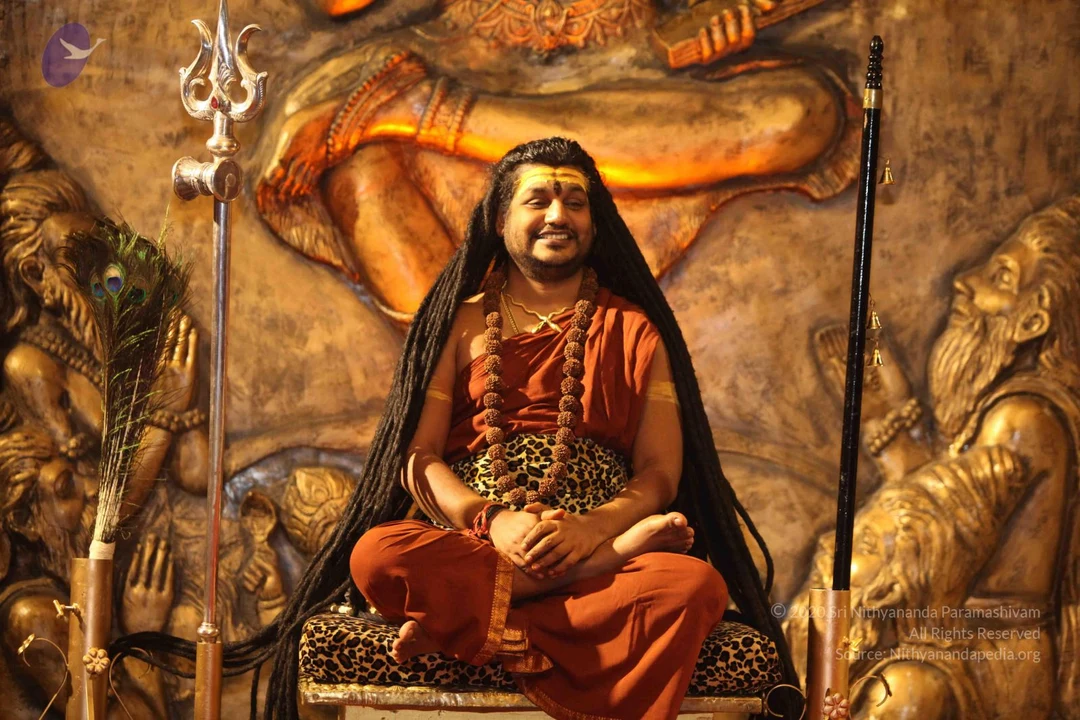
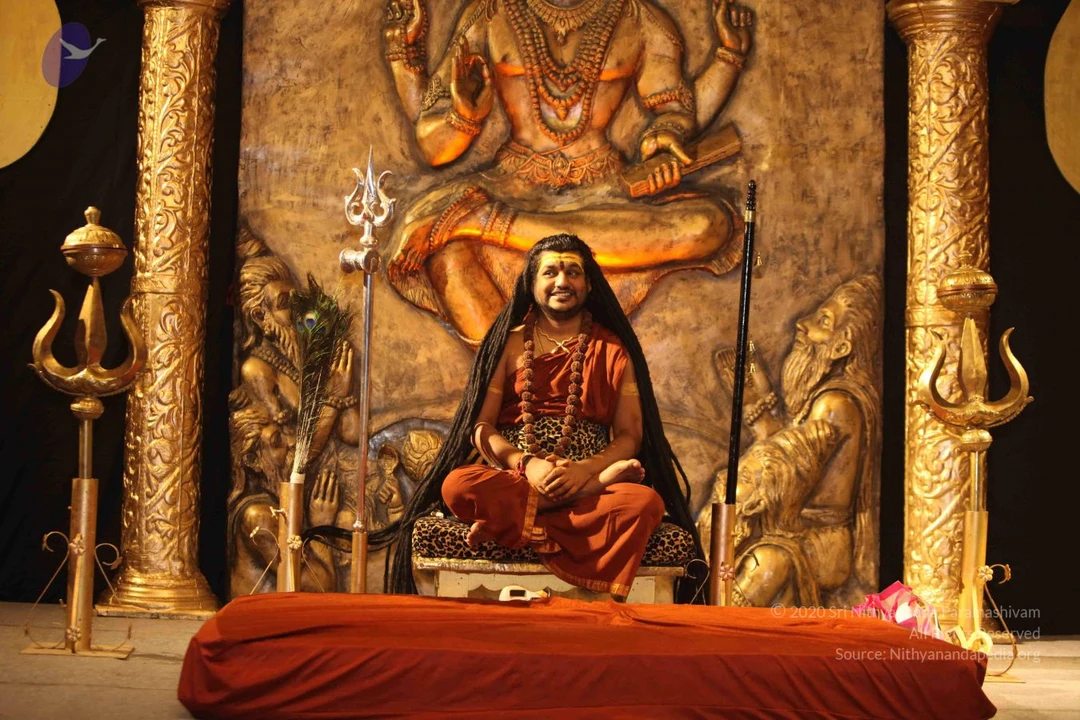
Nithya Satsang
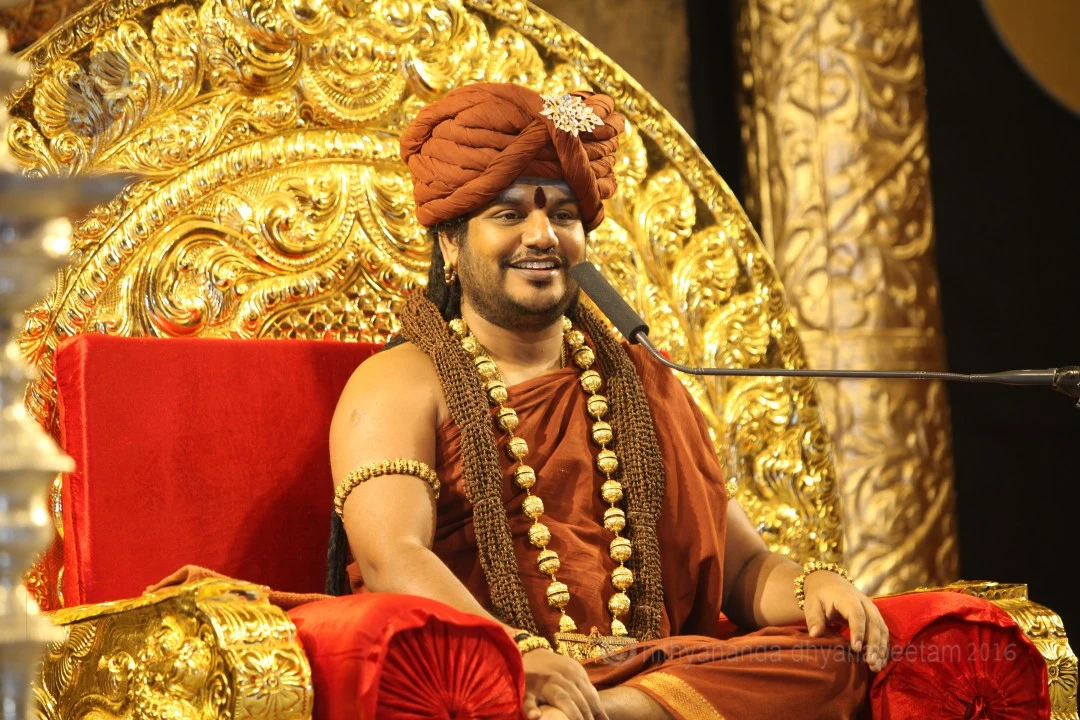
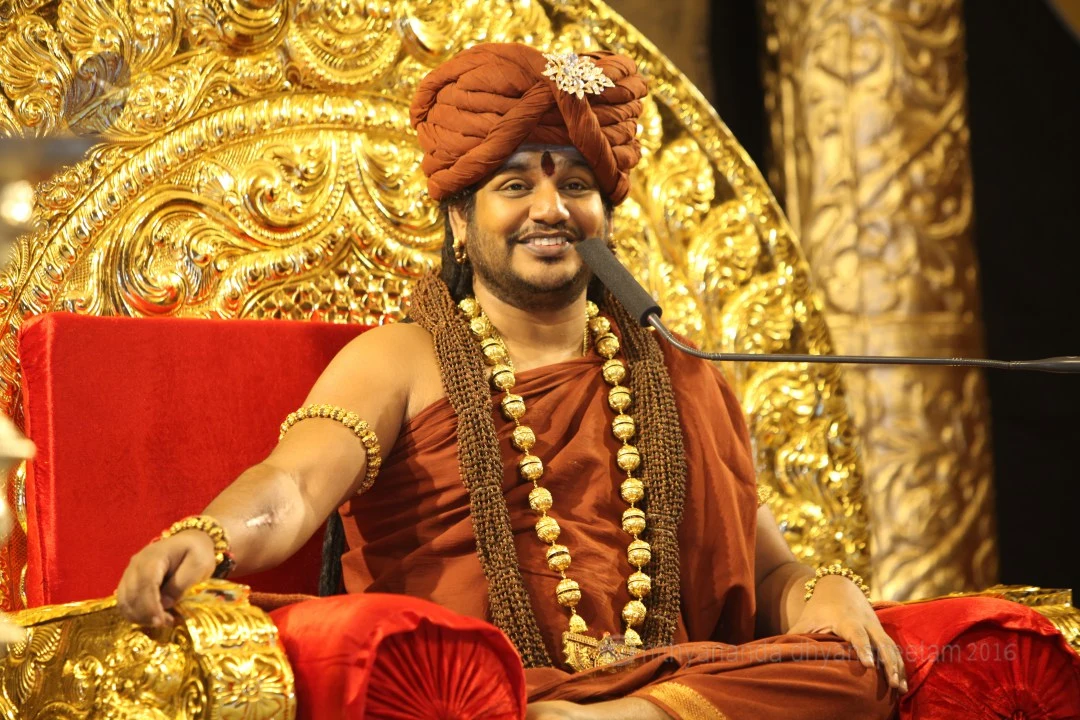

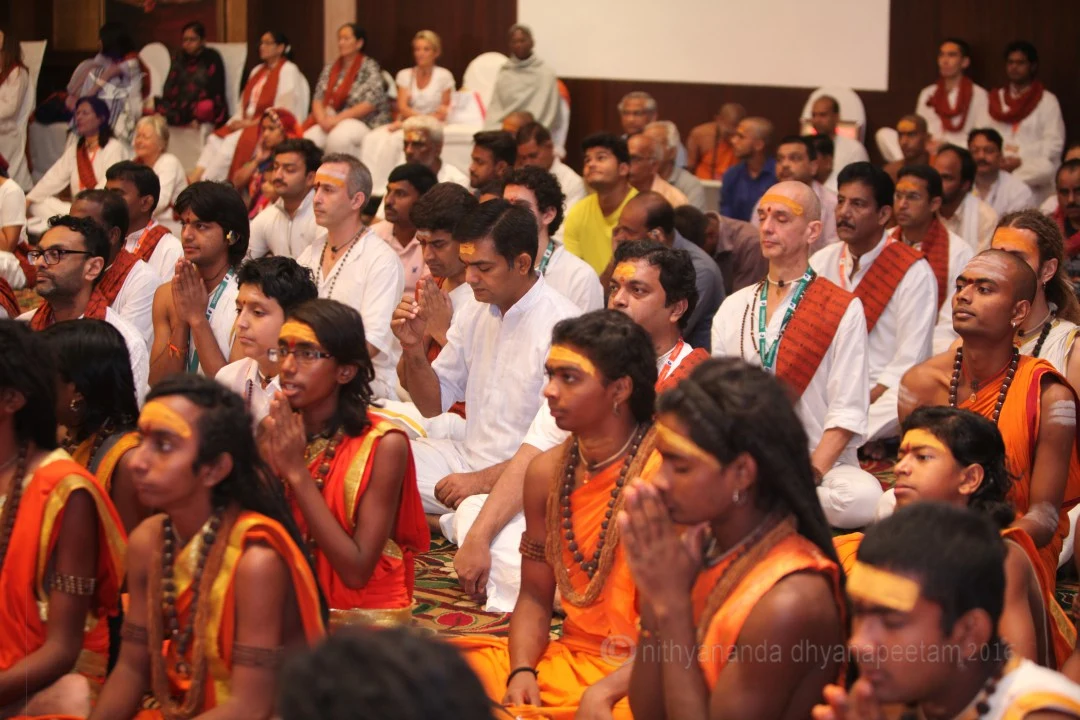
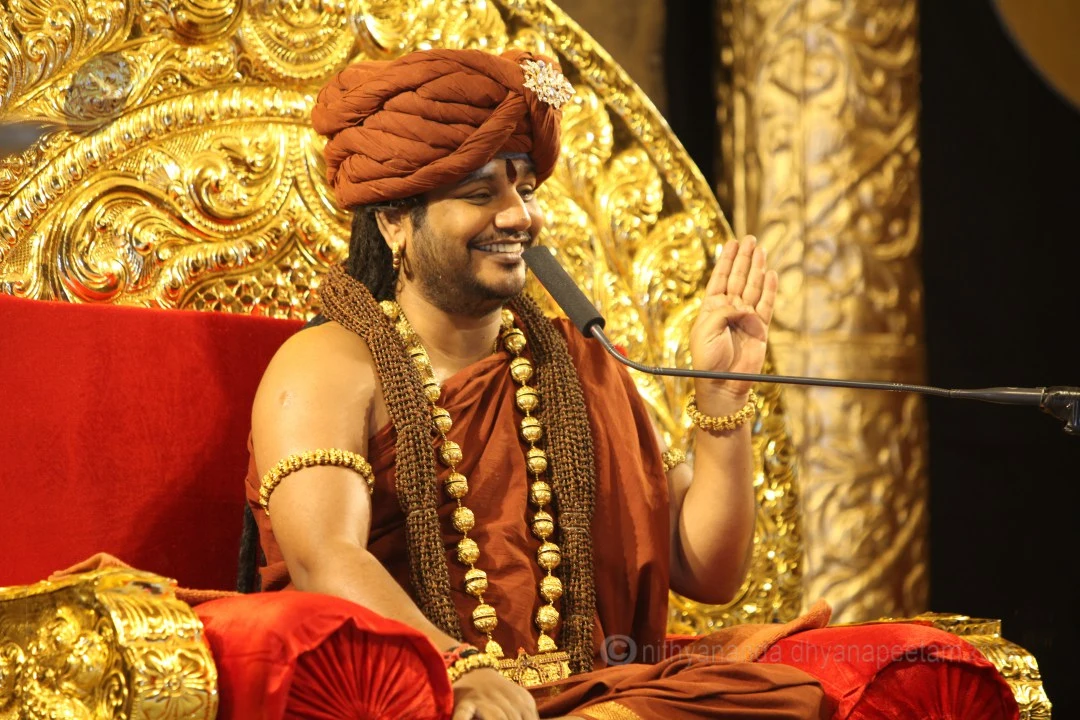
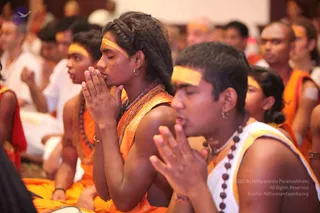
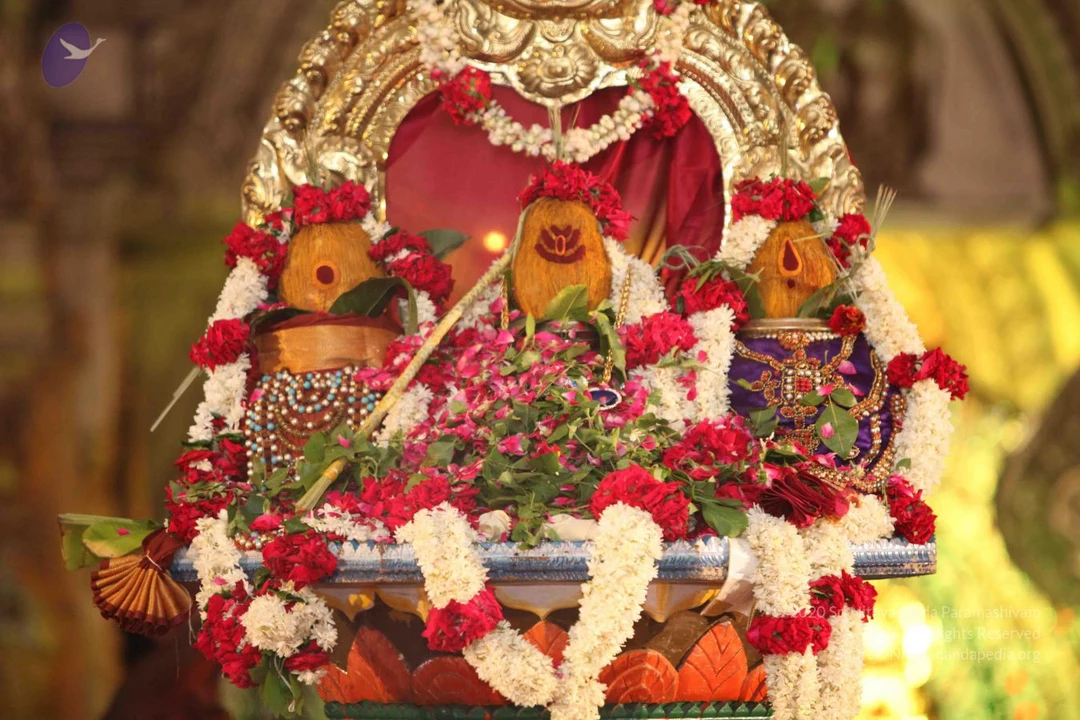
Kalpataru Darshan
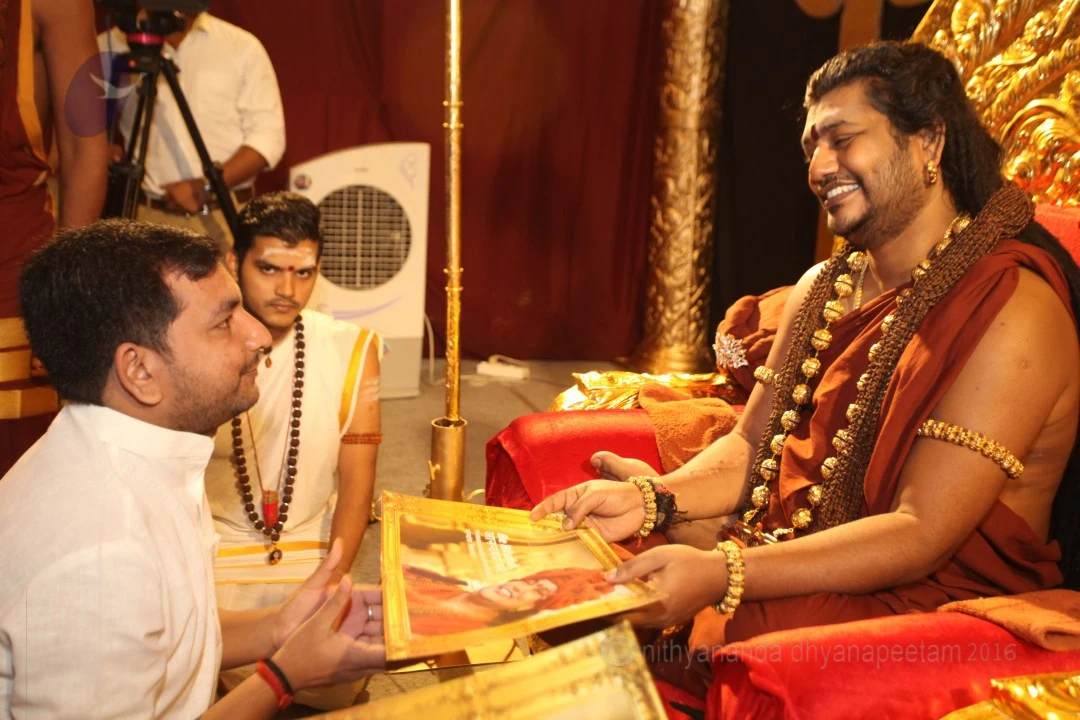
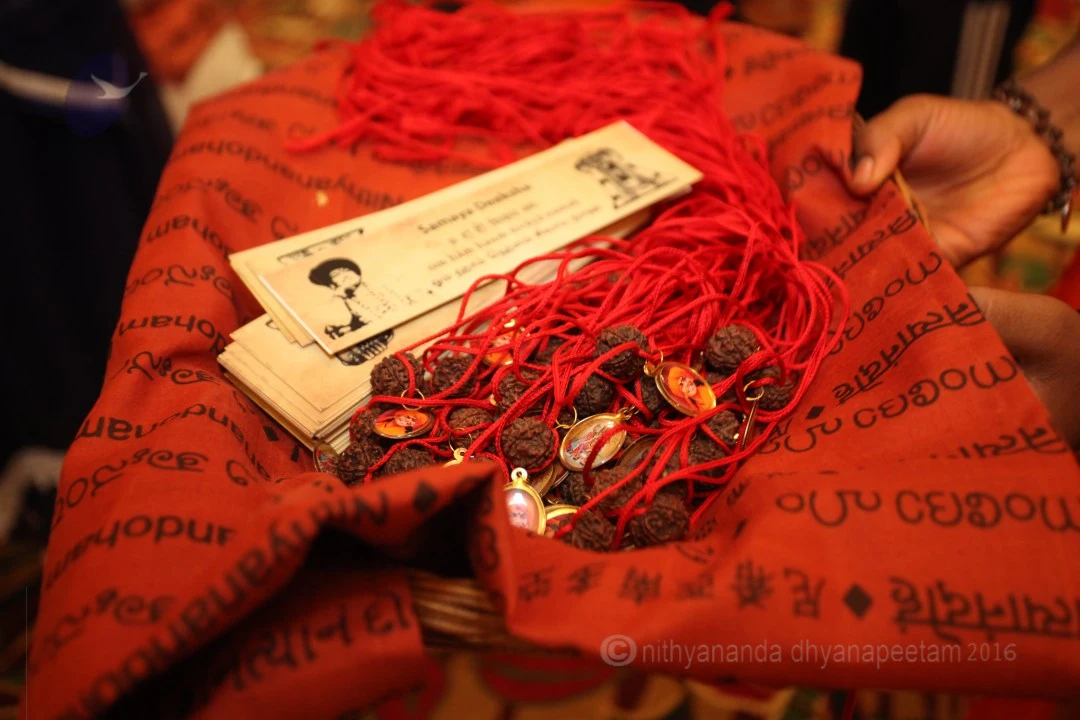
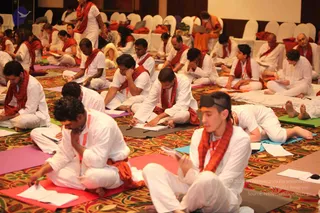
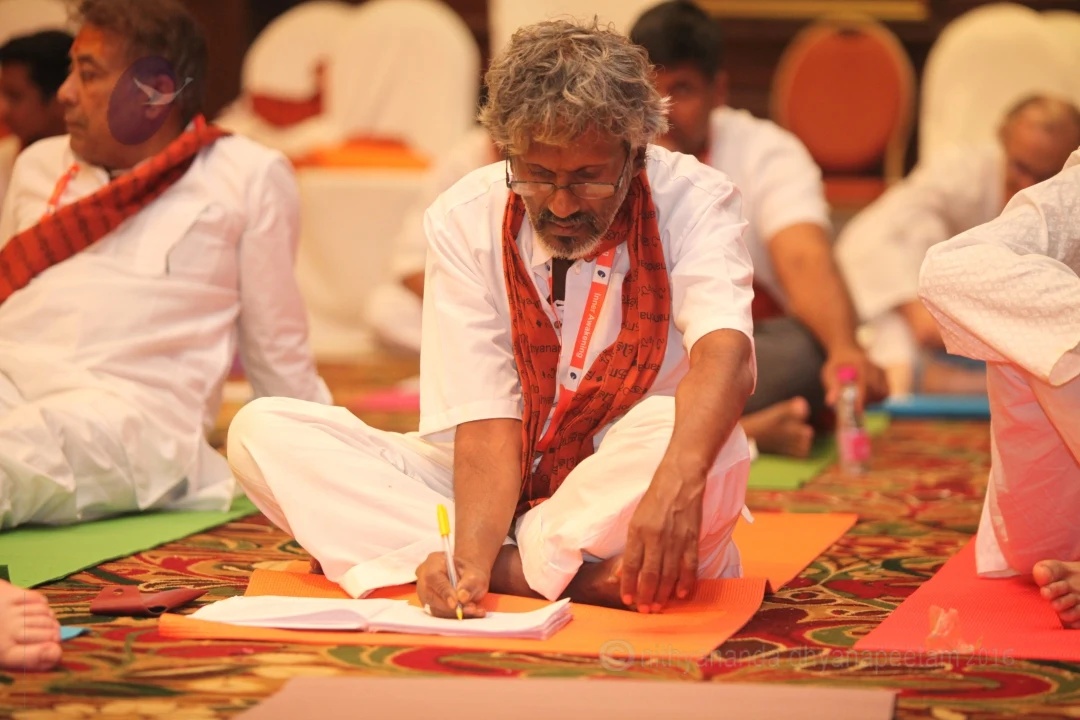
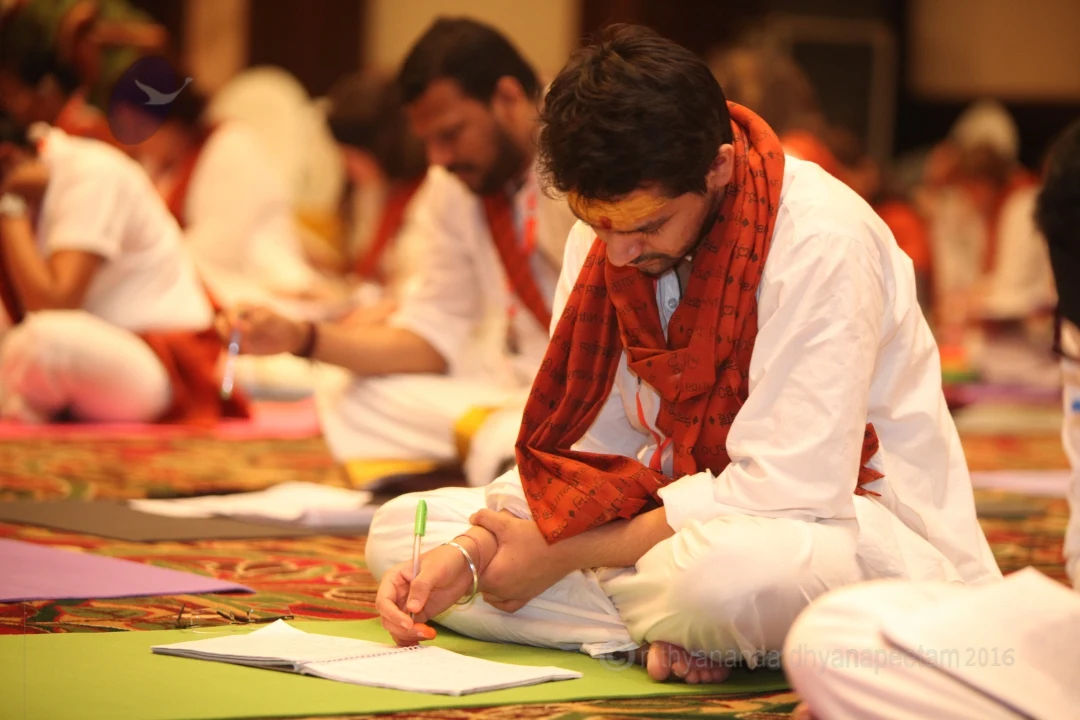
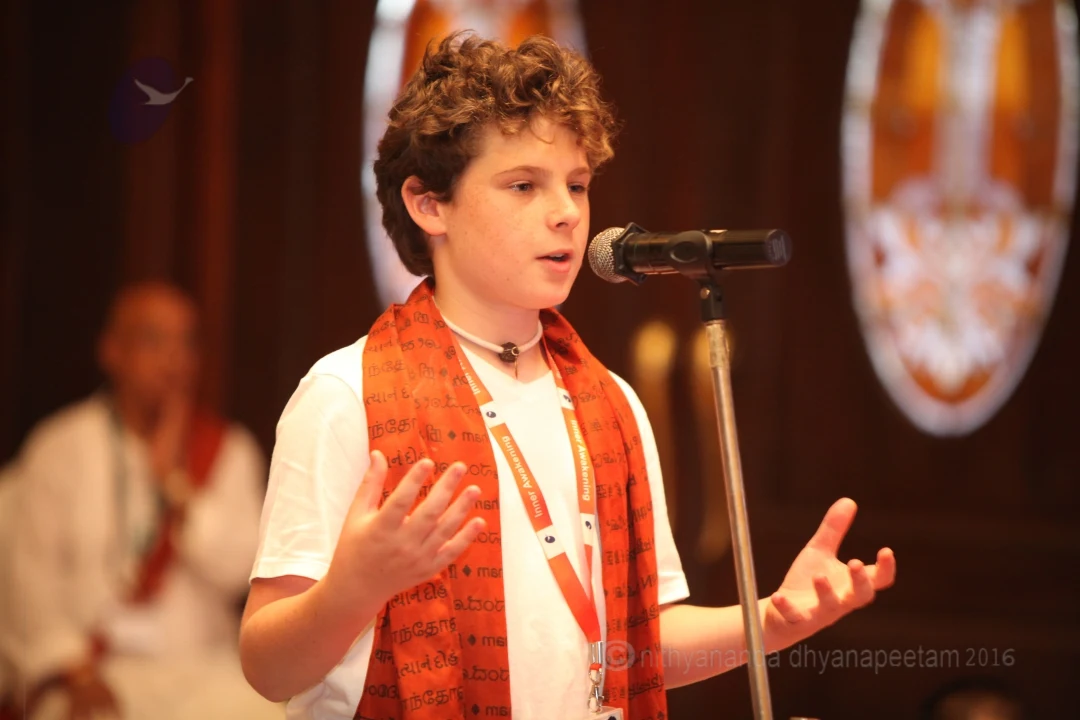
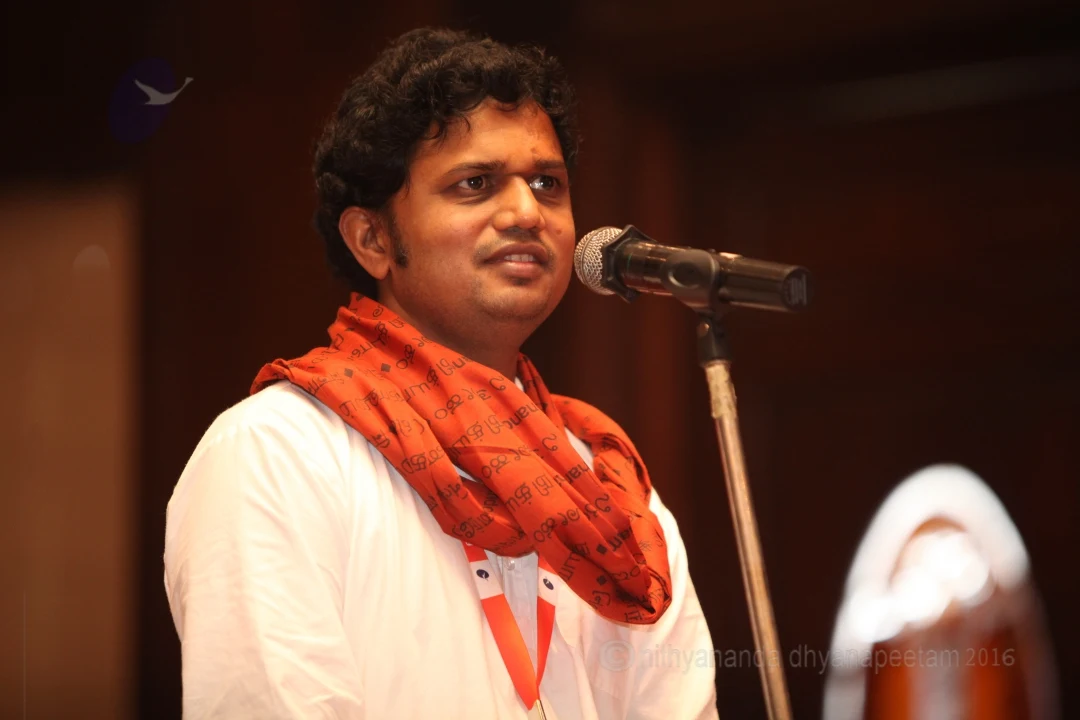
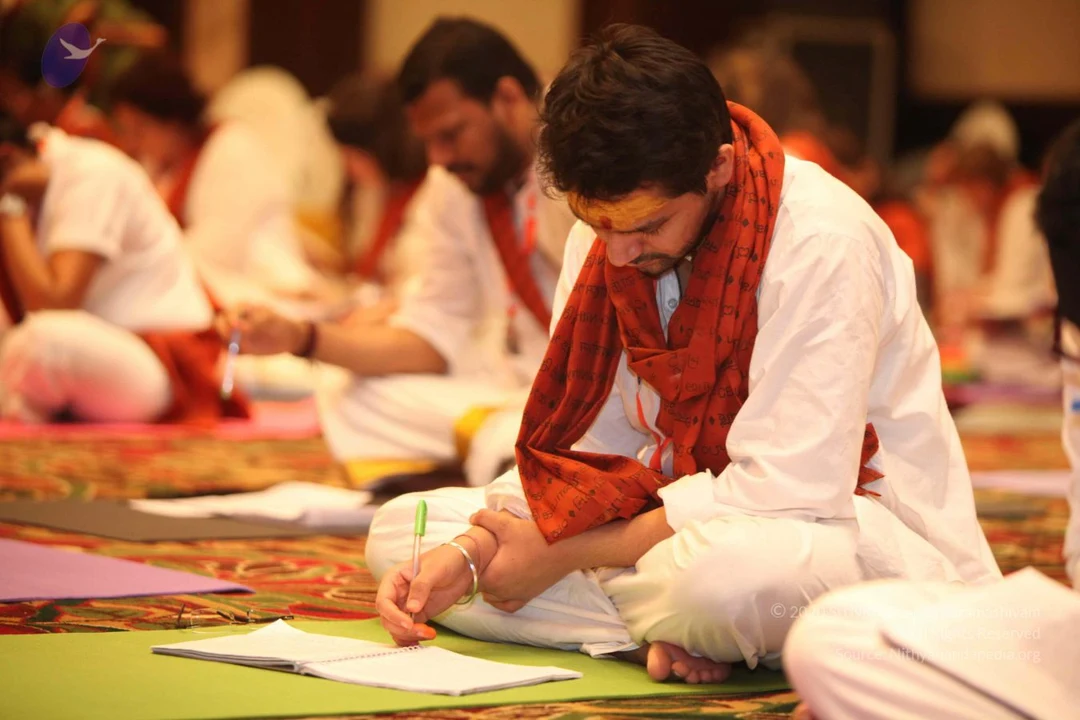
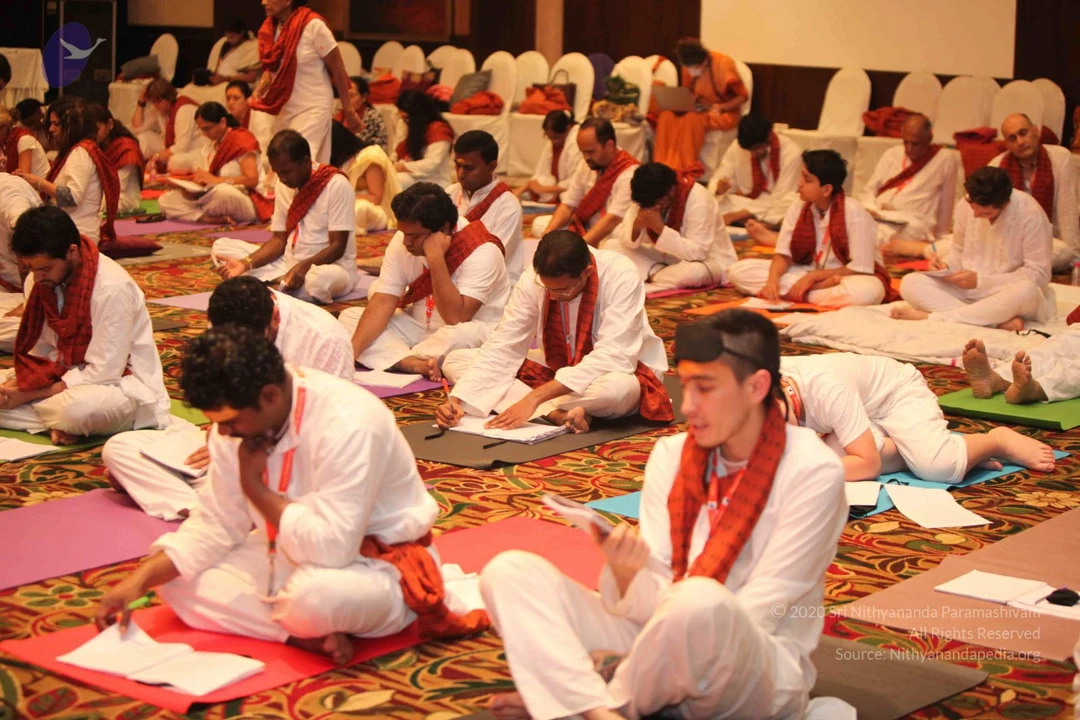
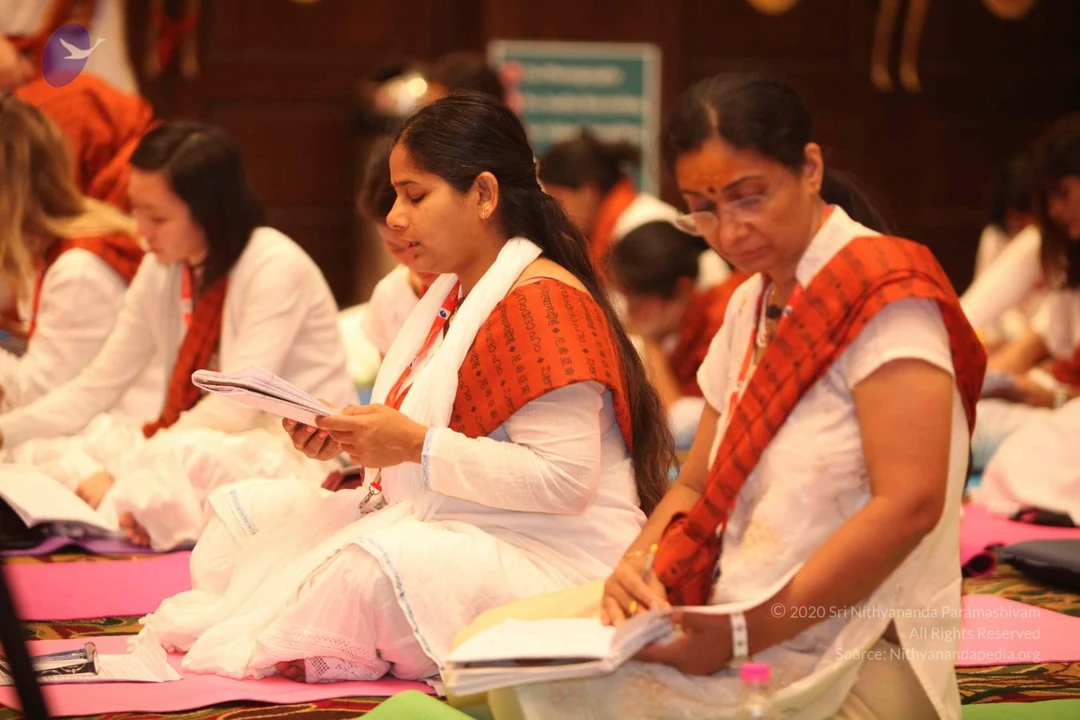
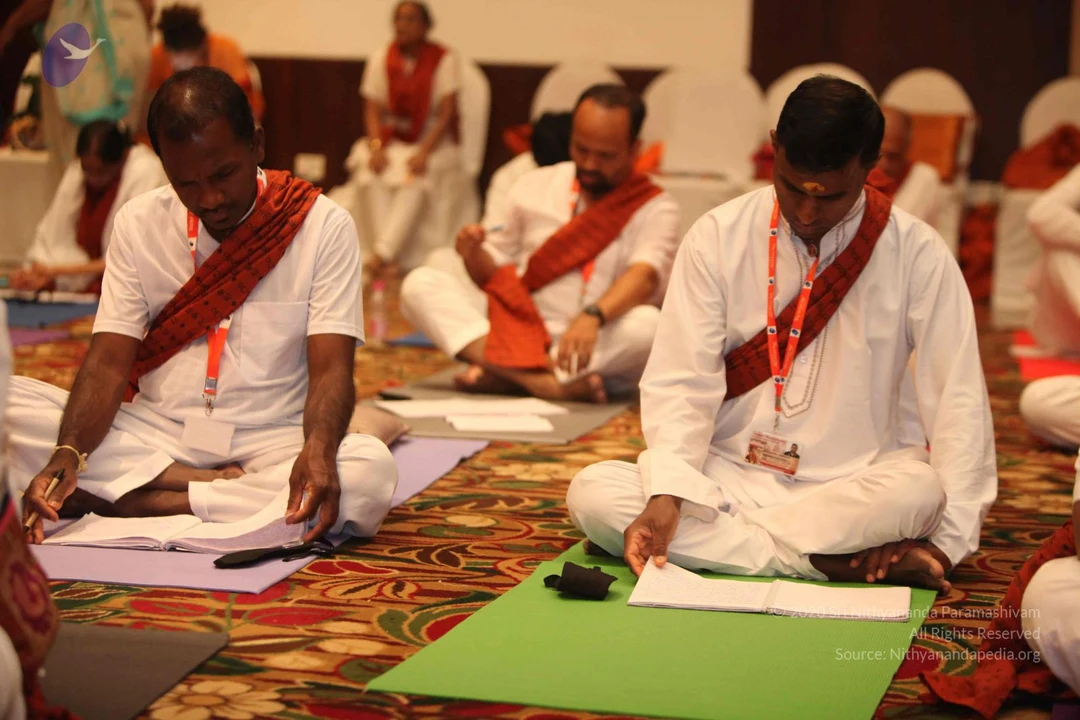
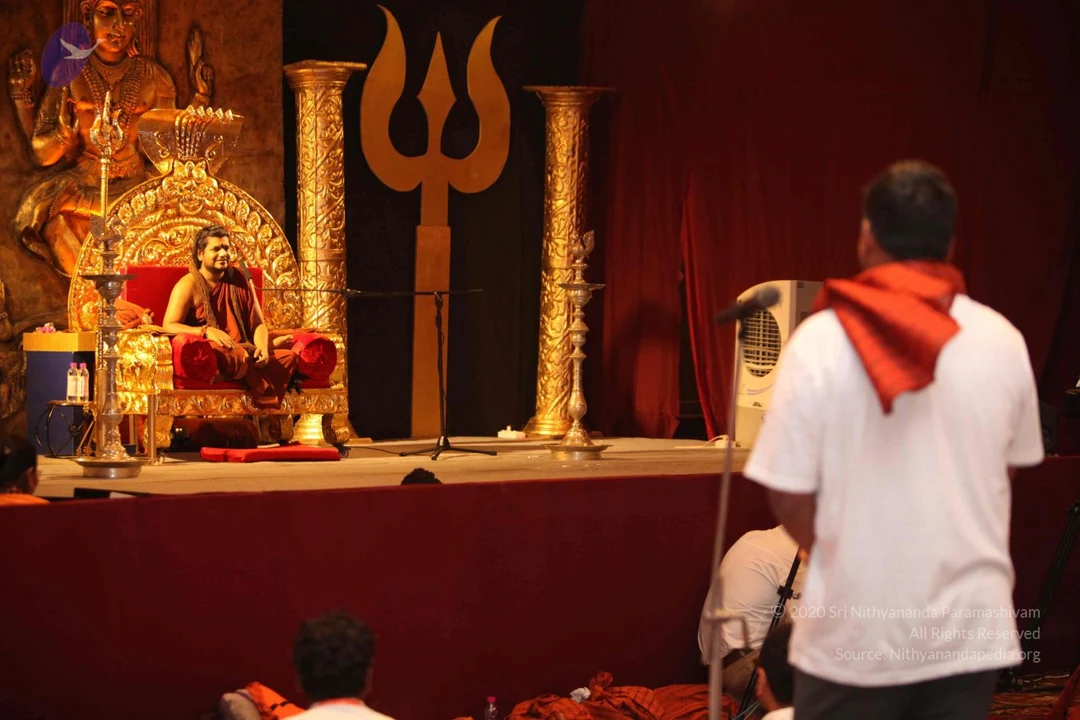
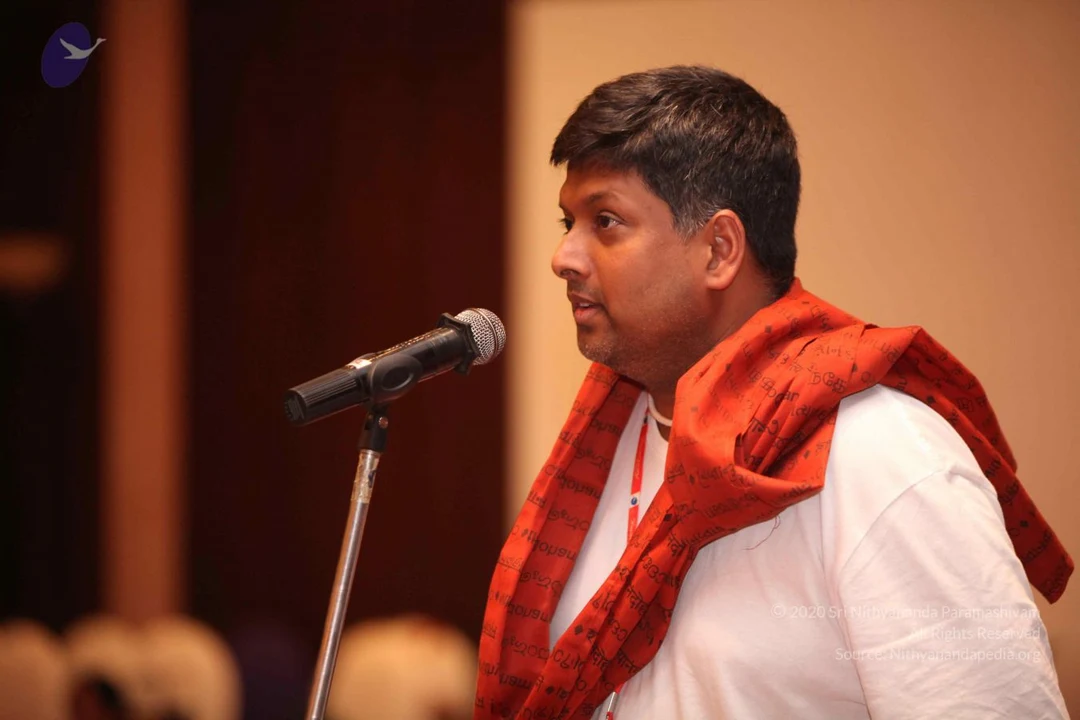
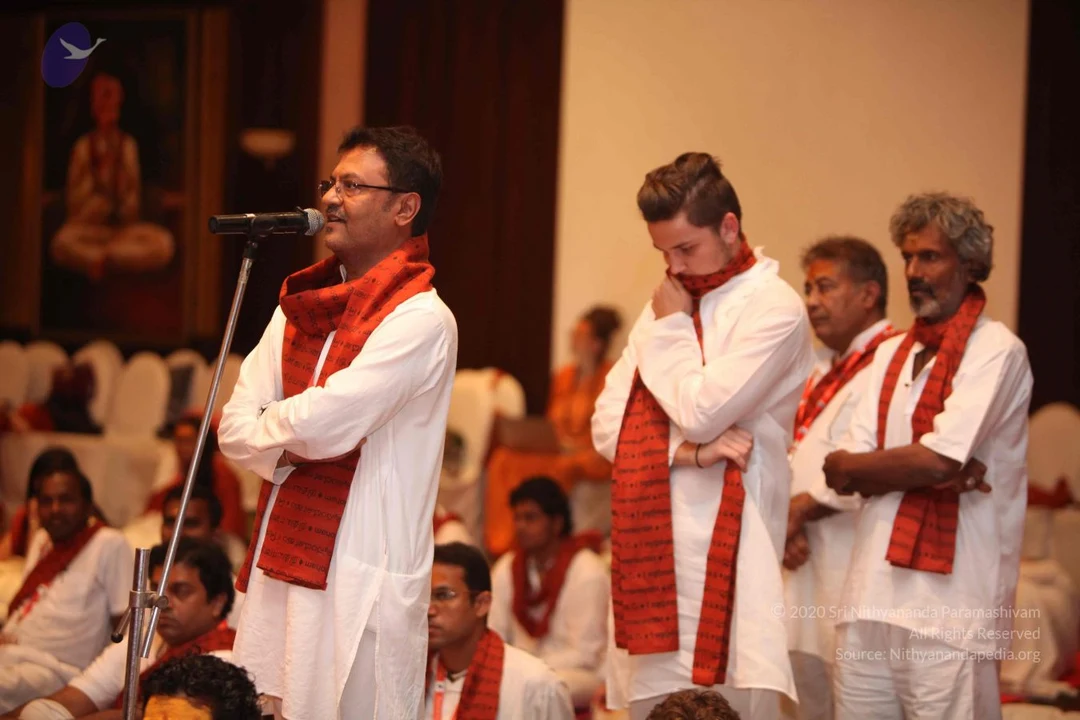
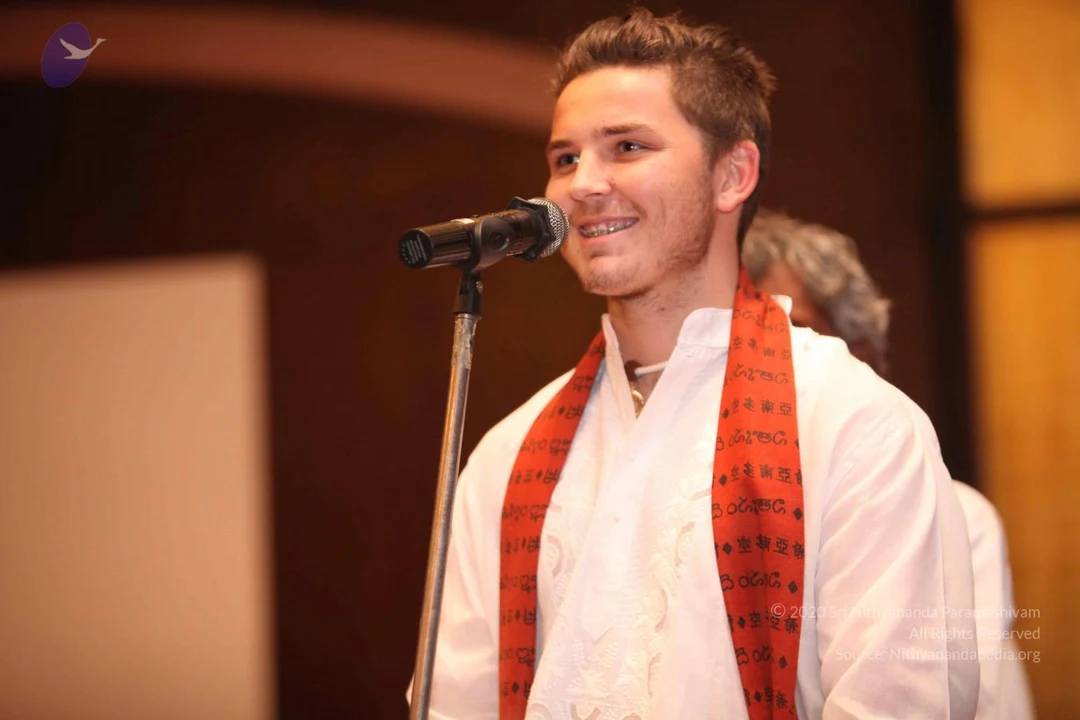
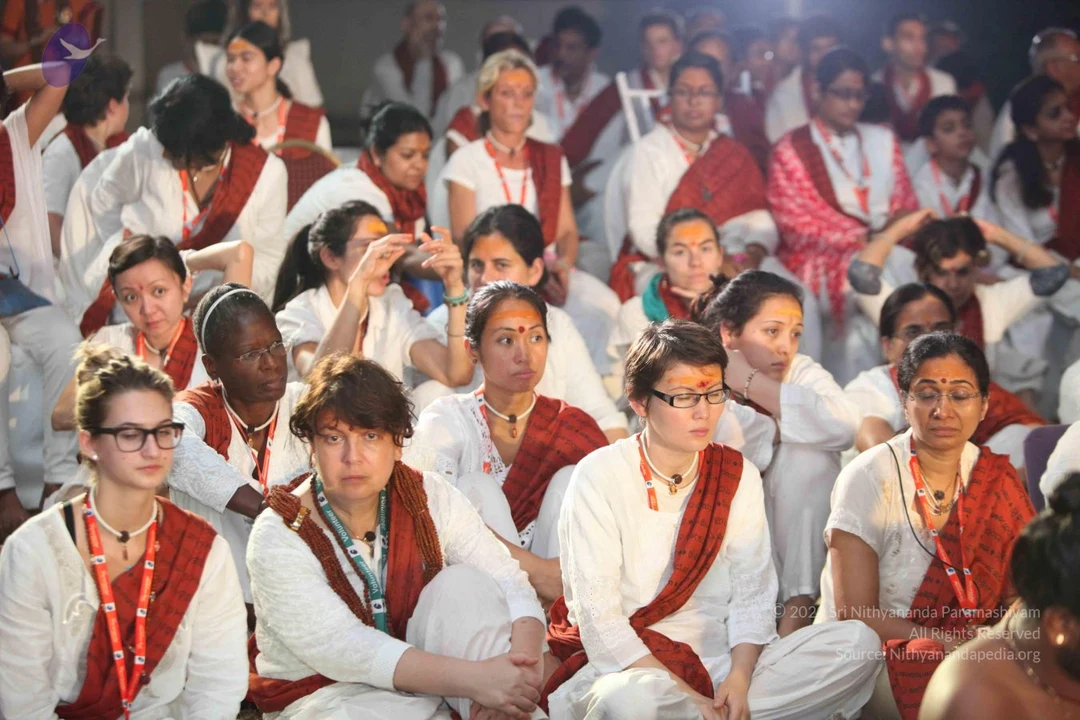
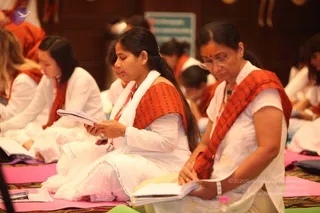
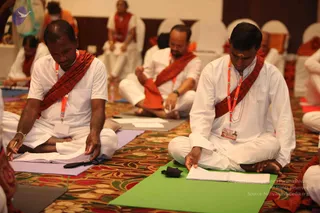
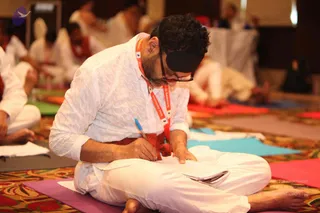
Session - Completion with Death
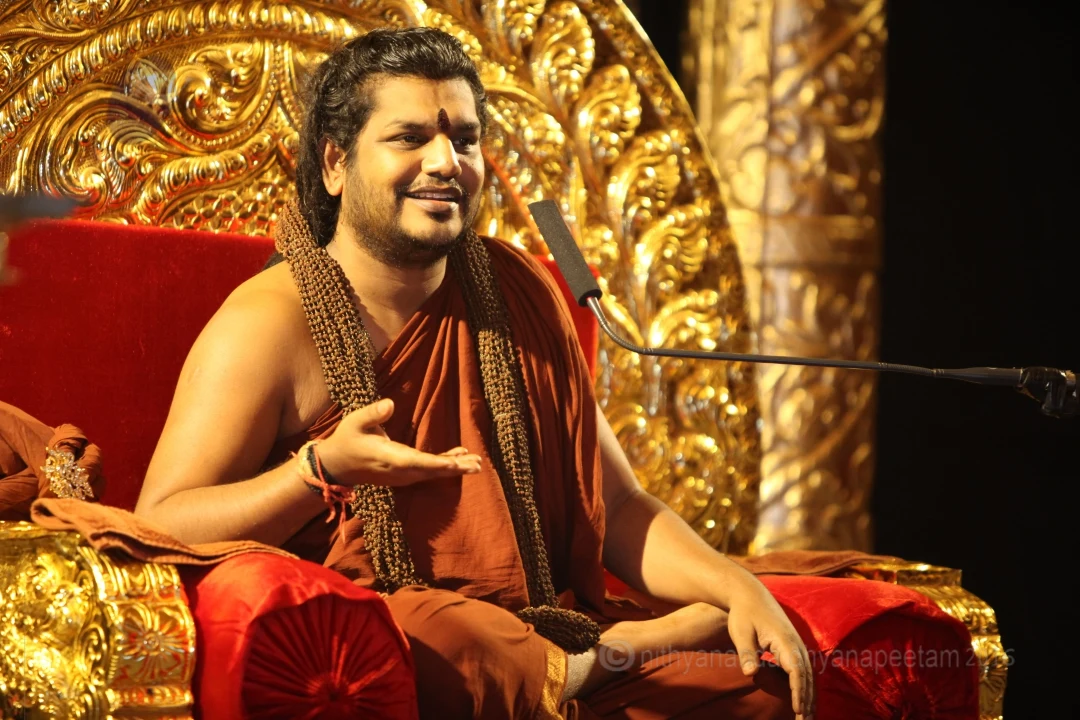
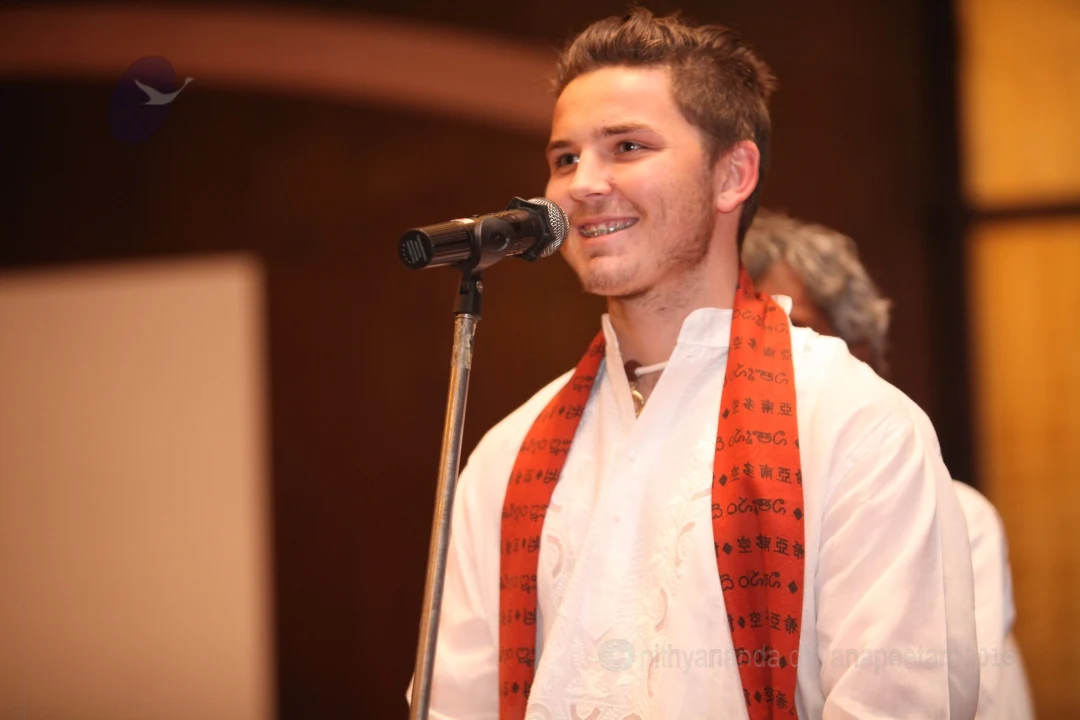
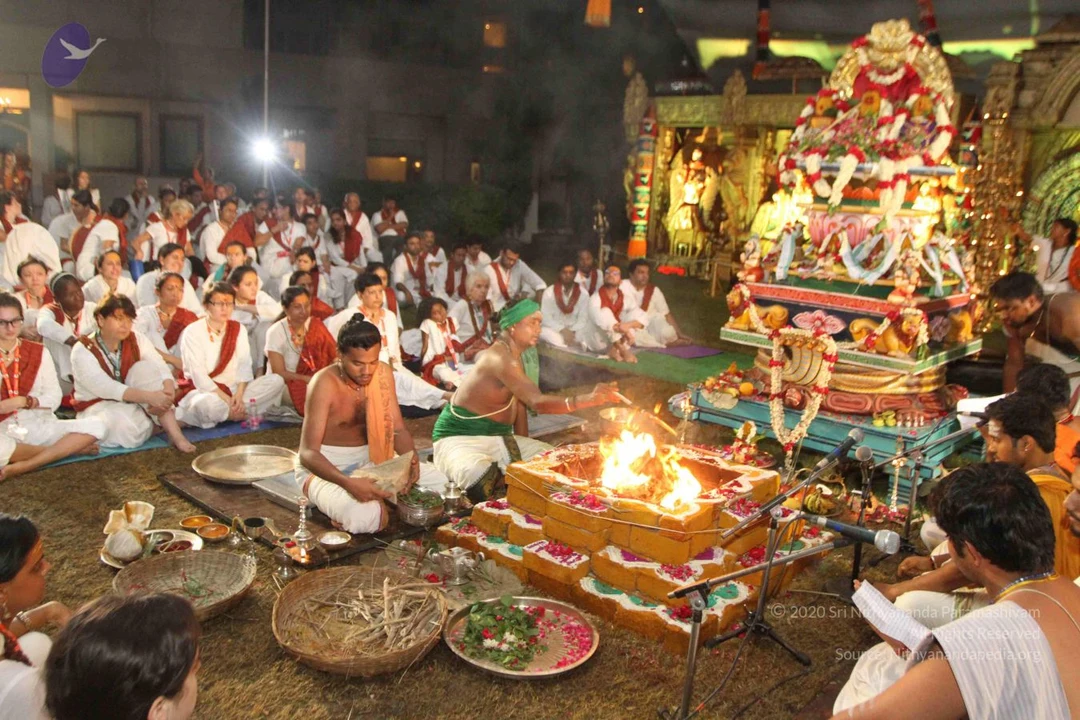
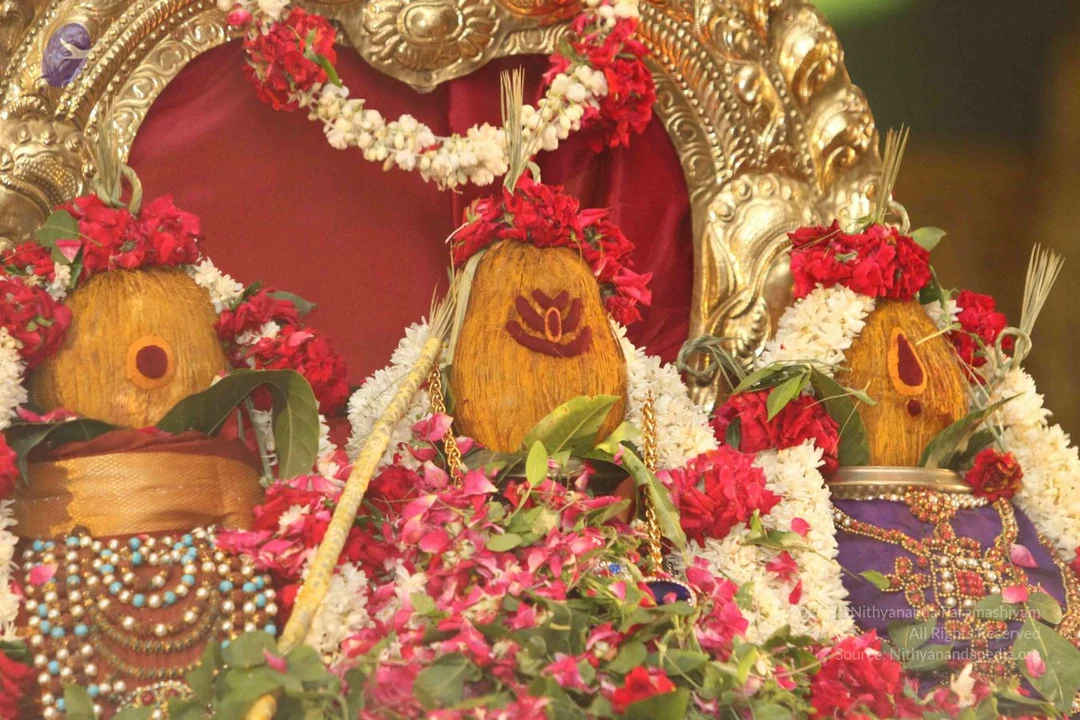
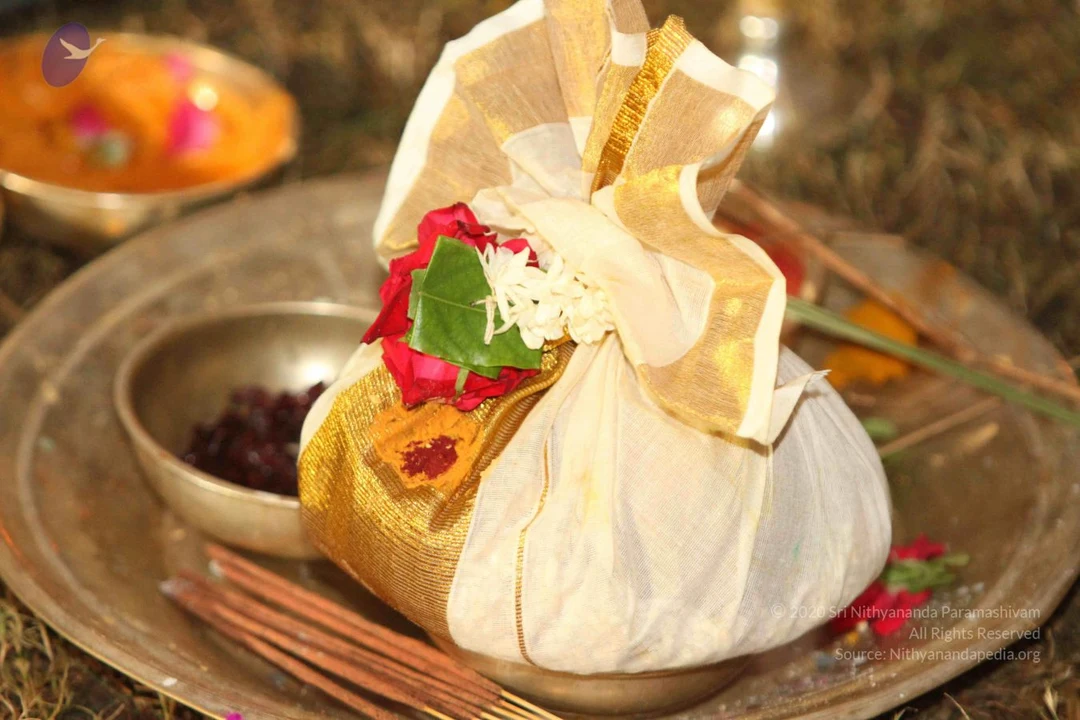
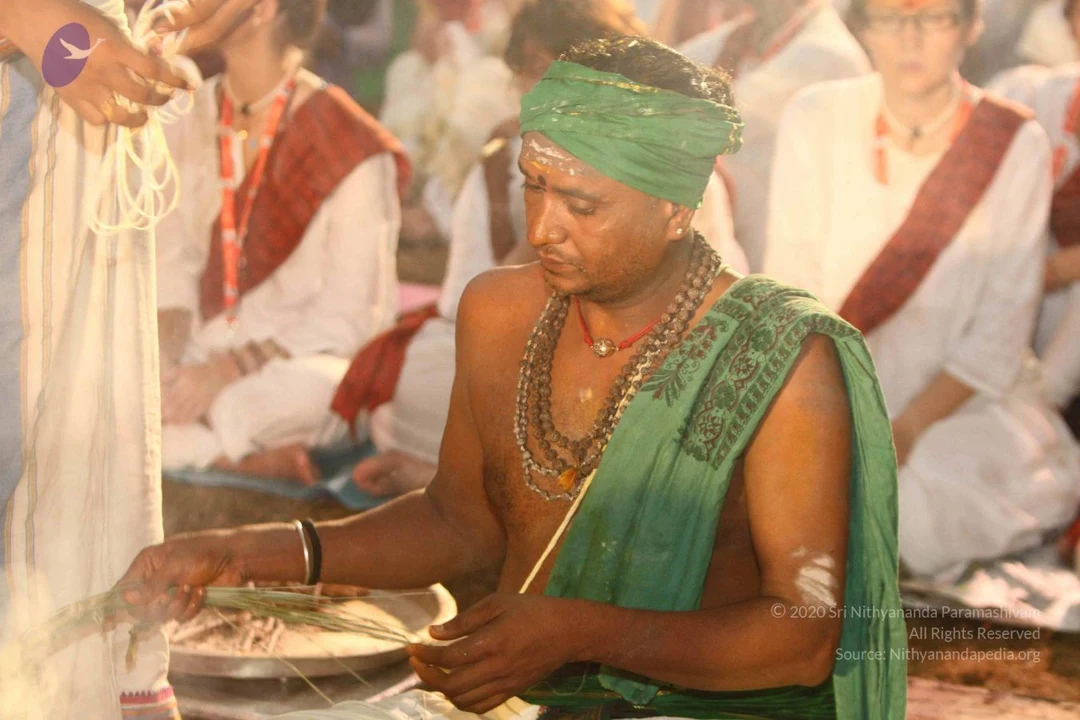
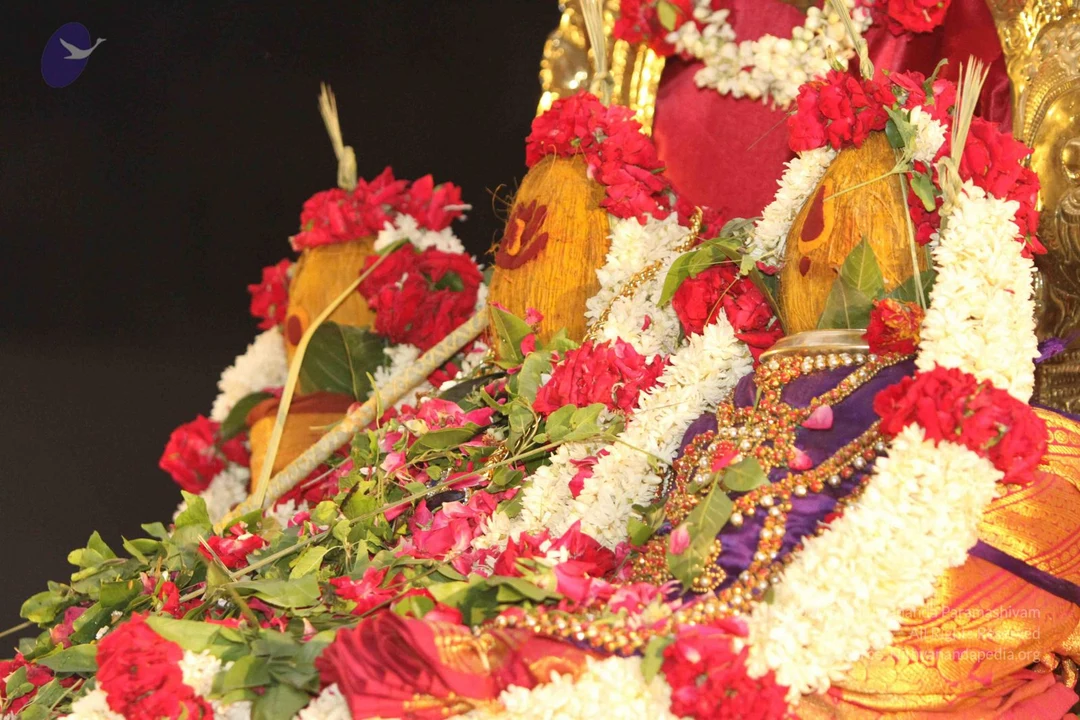
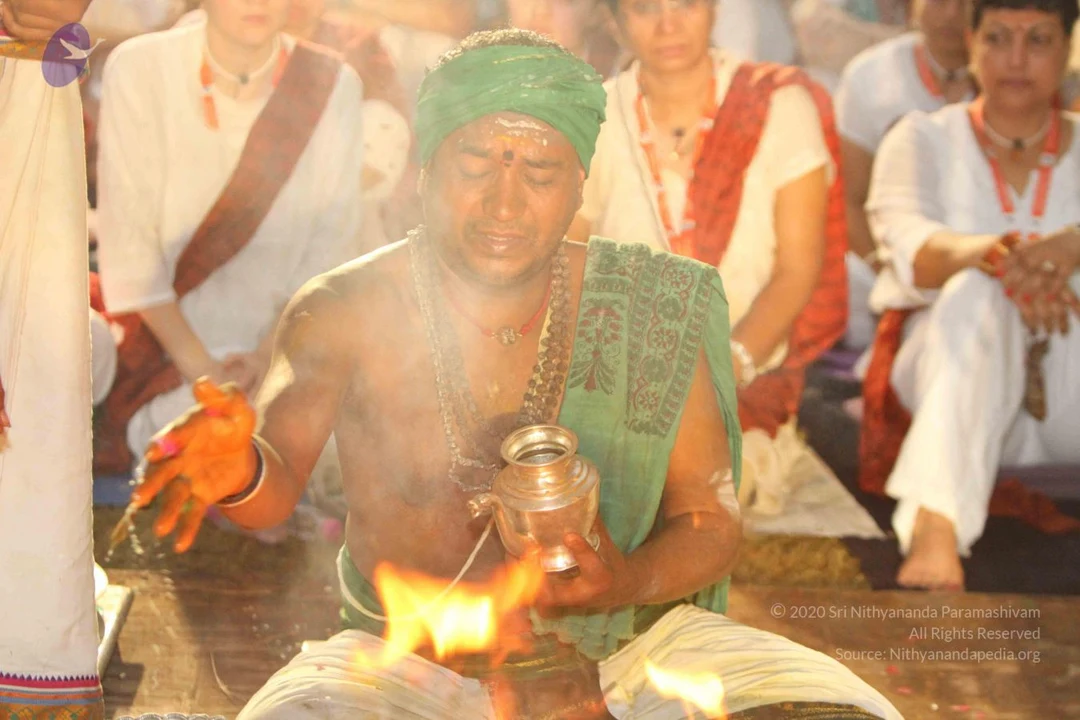
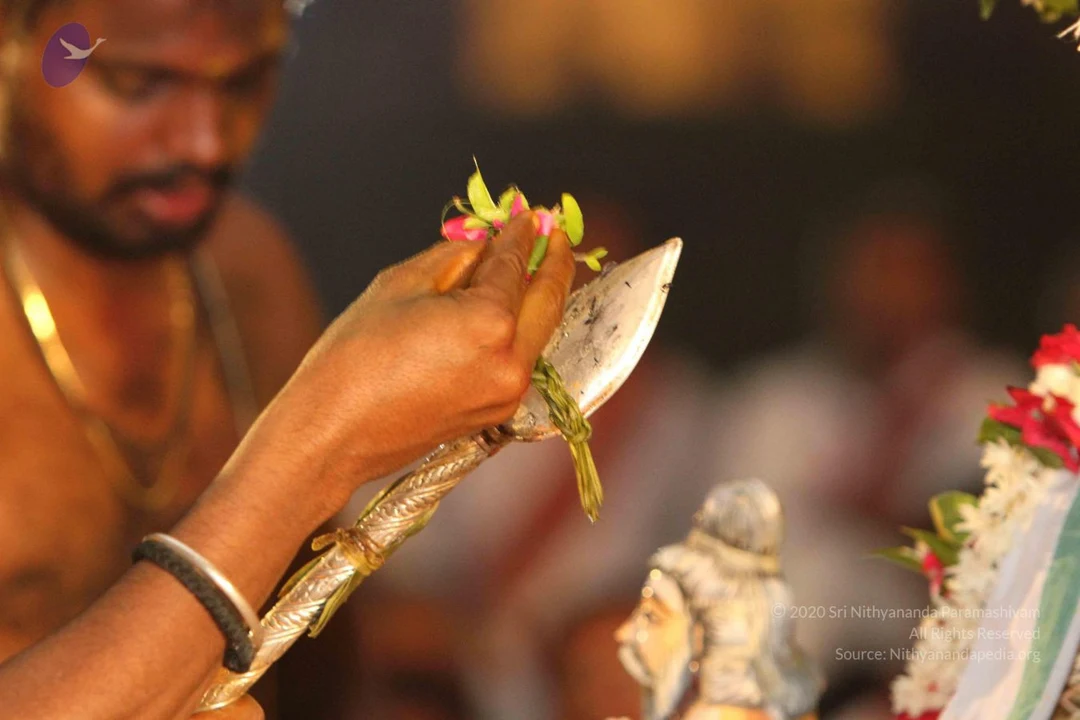
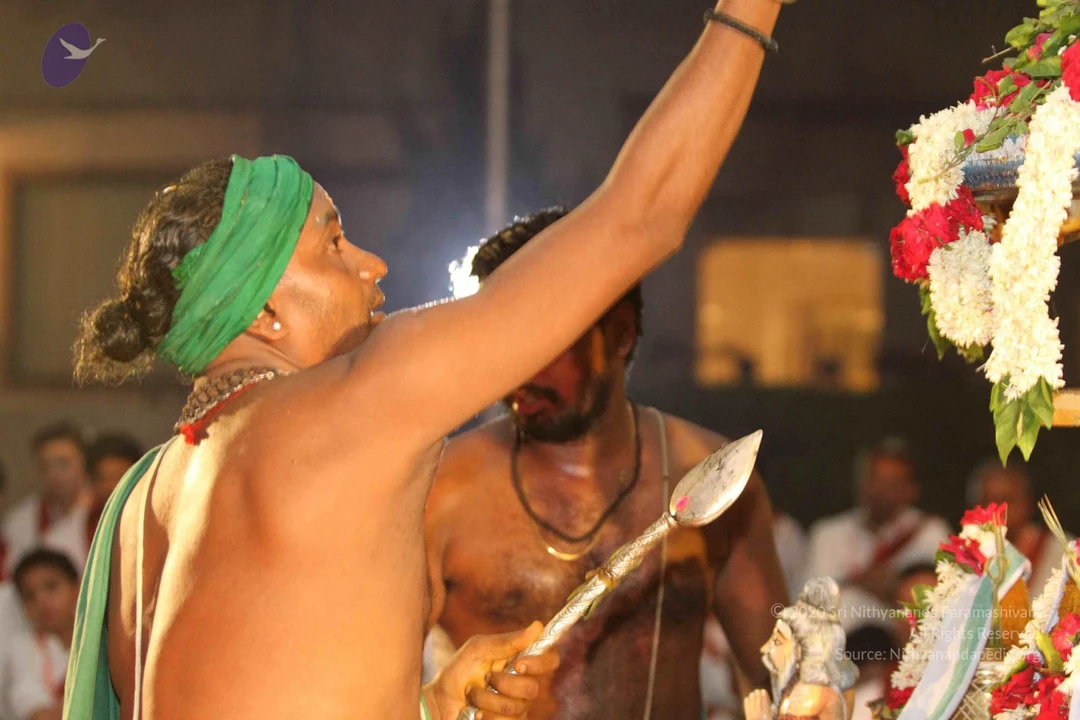
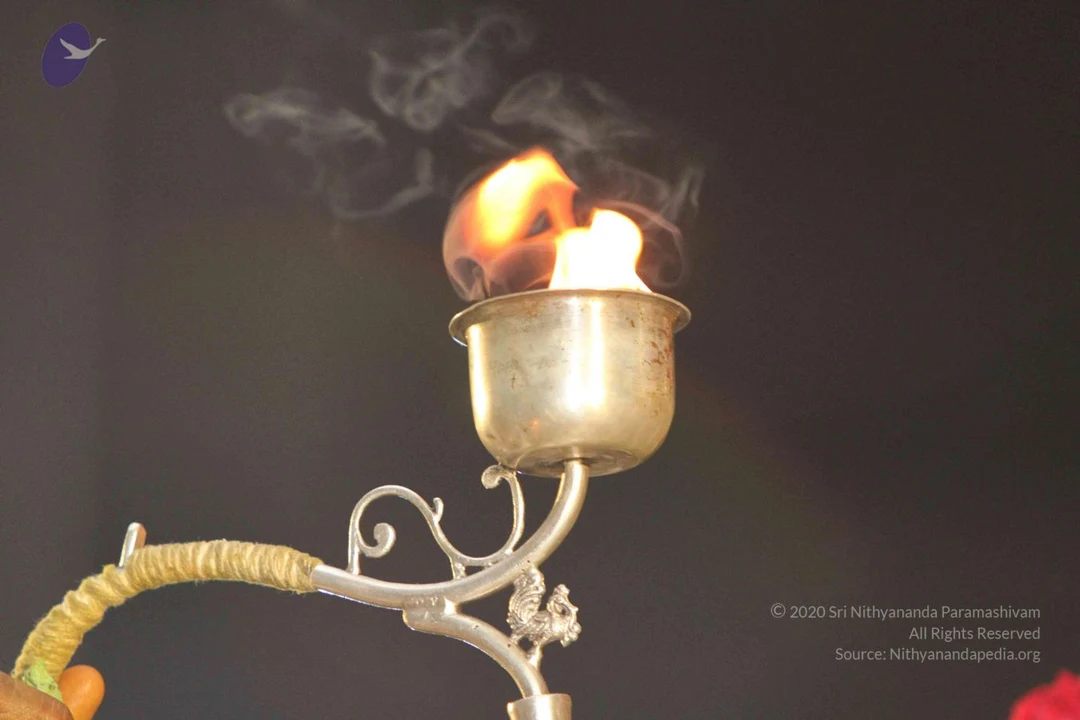
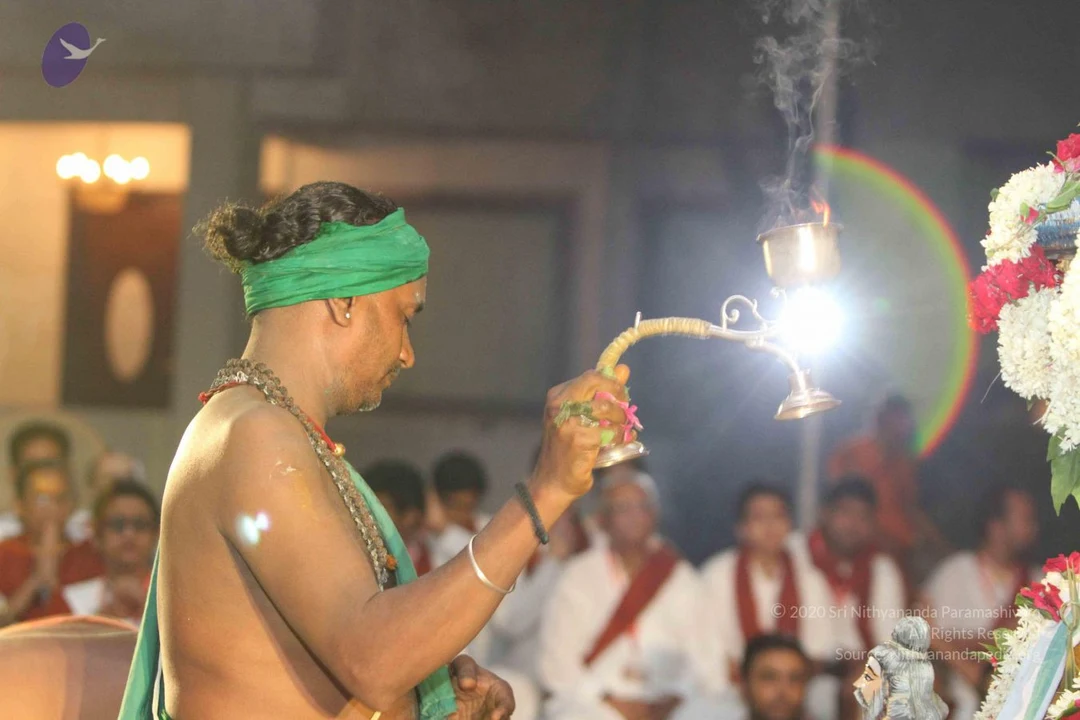
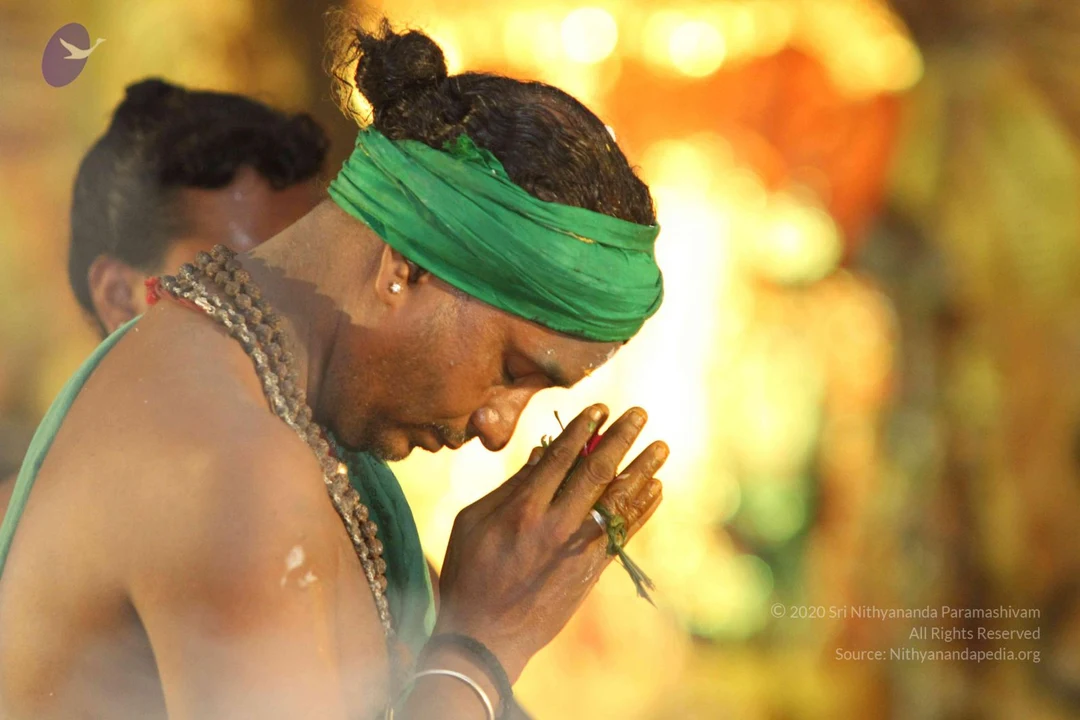
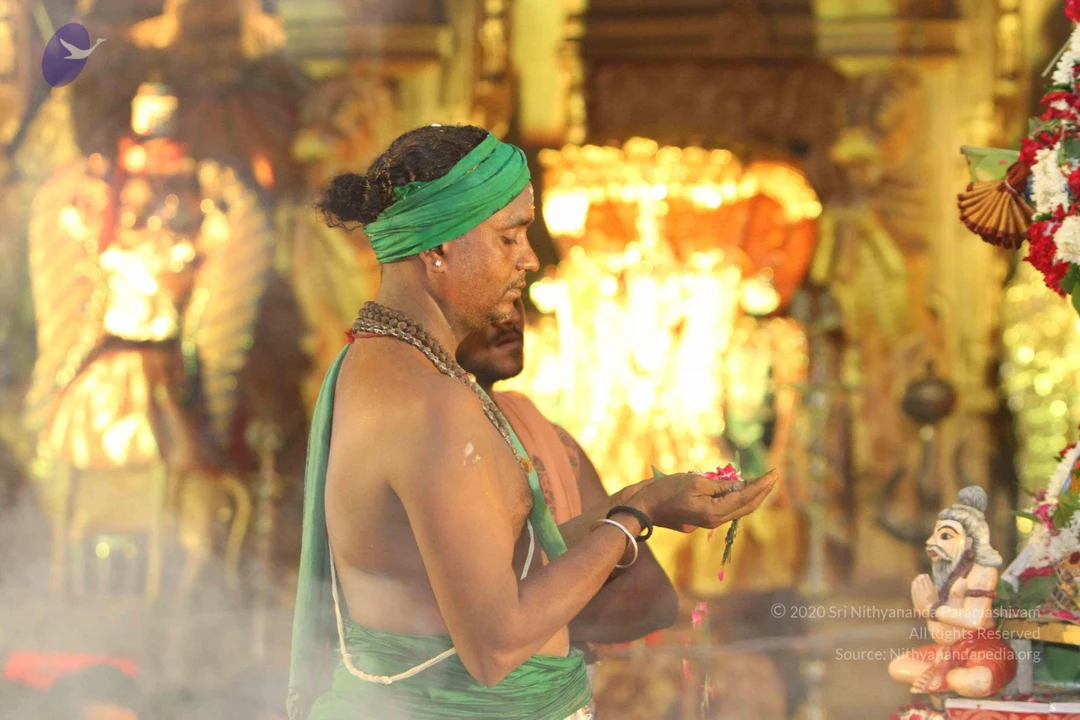
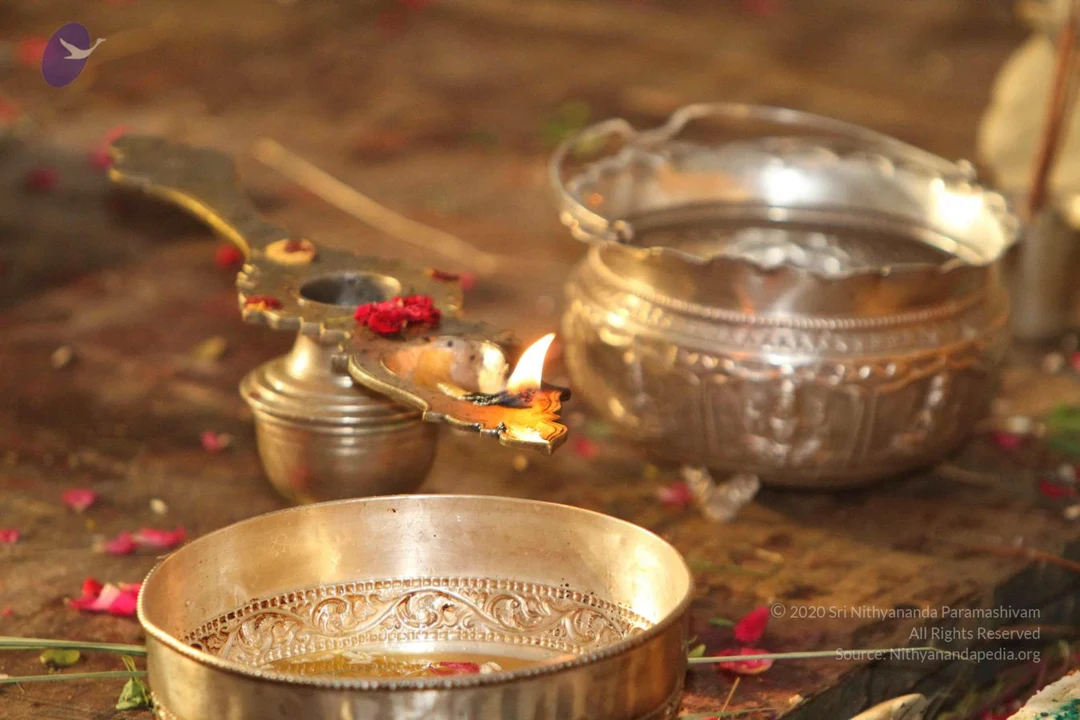
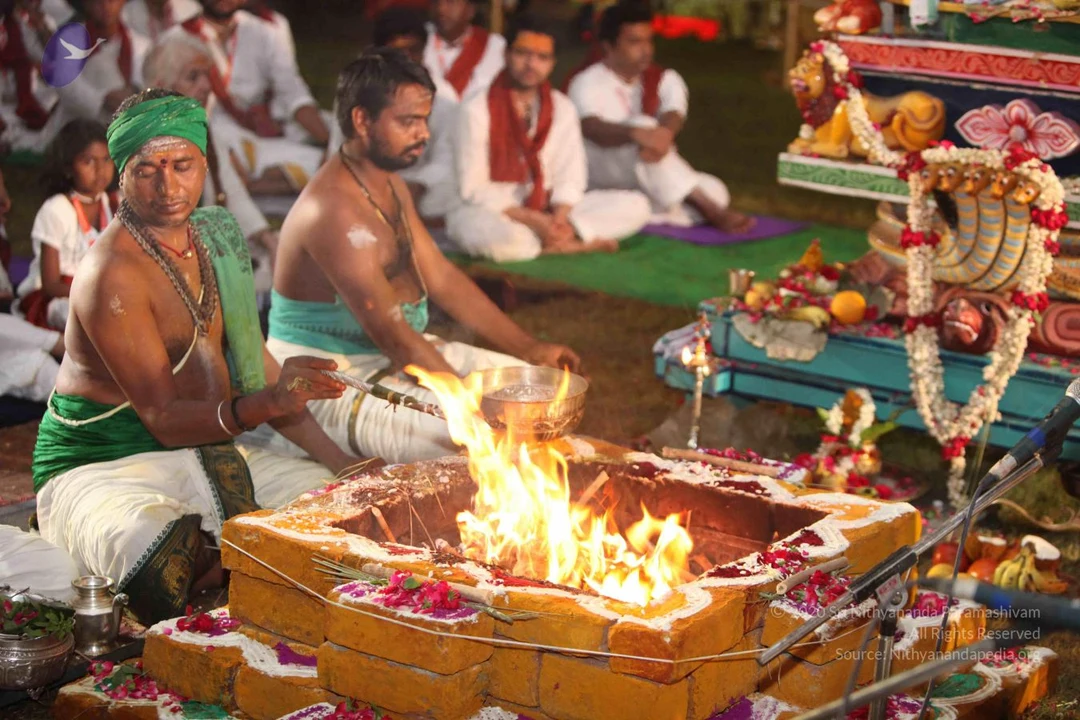
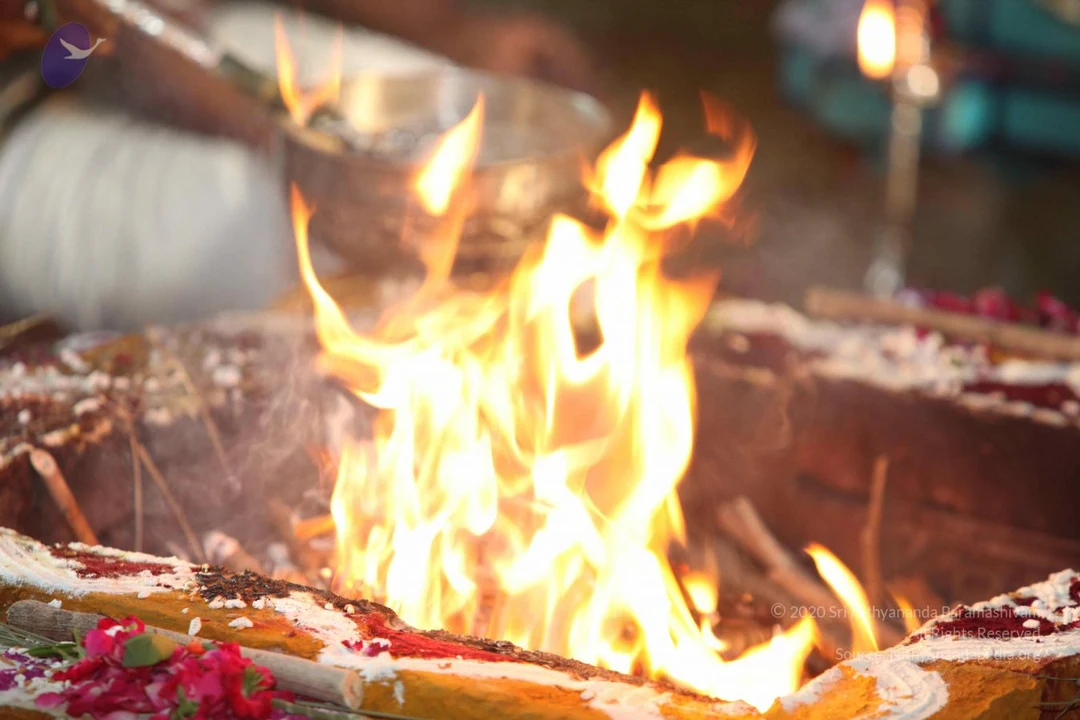
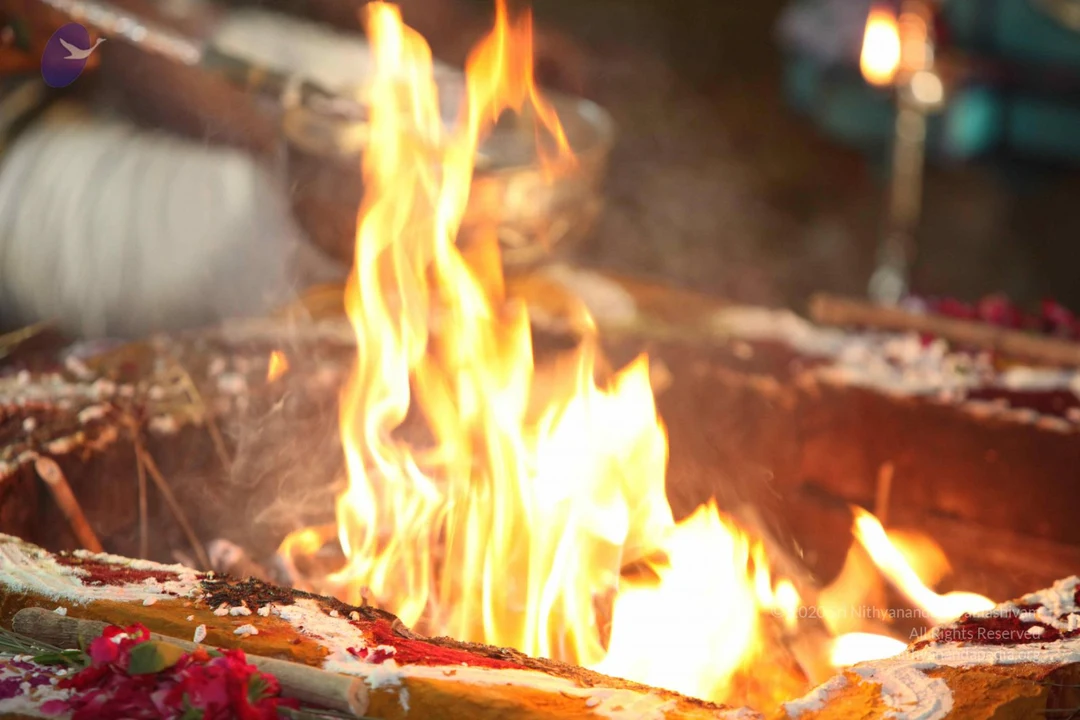
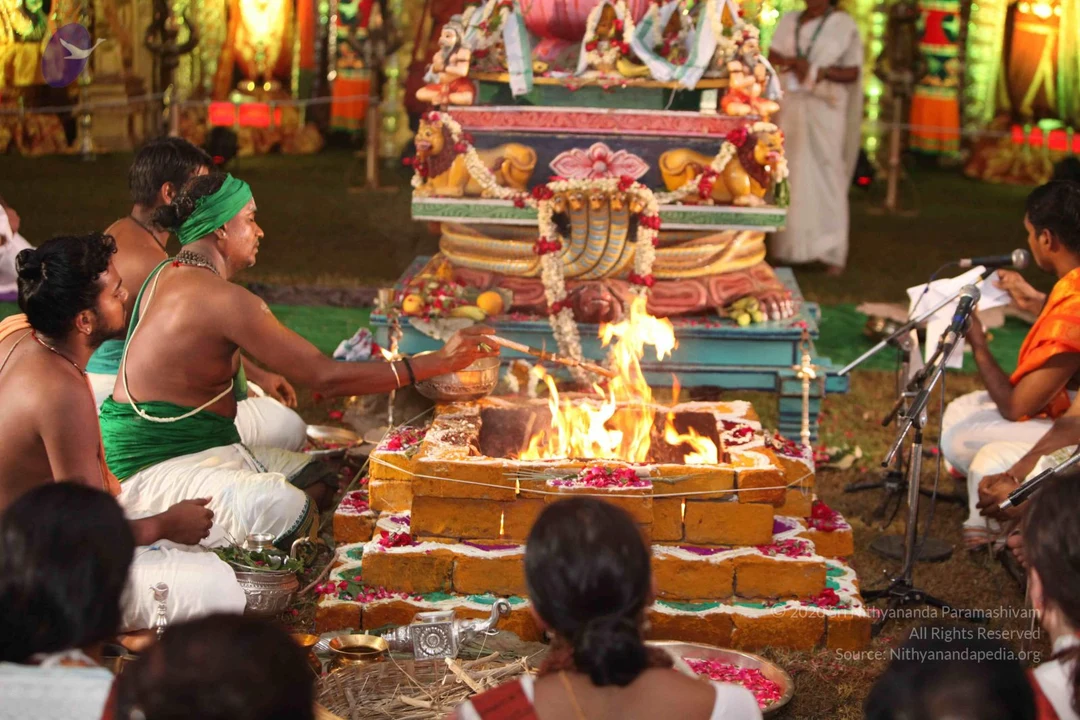
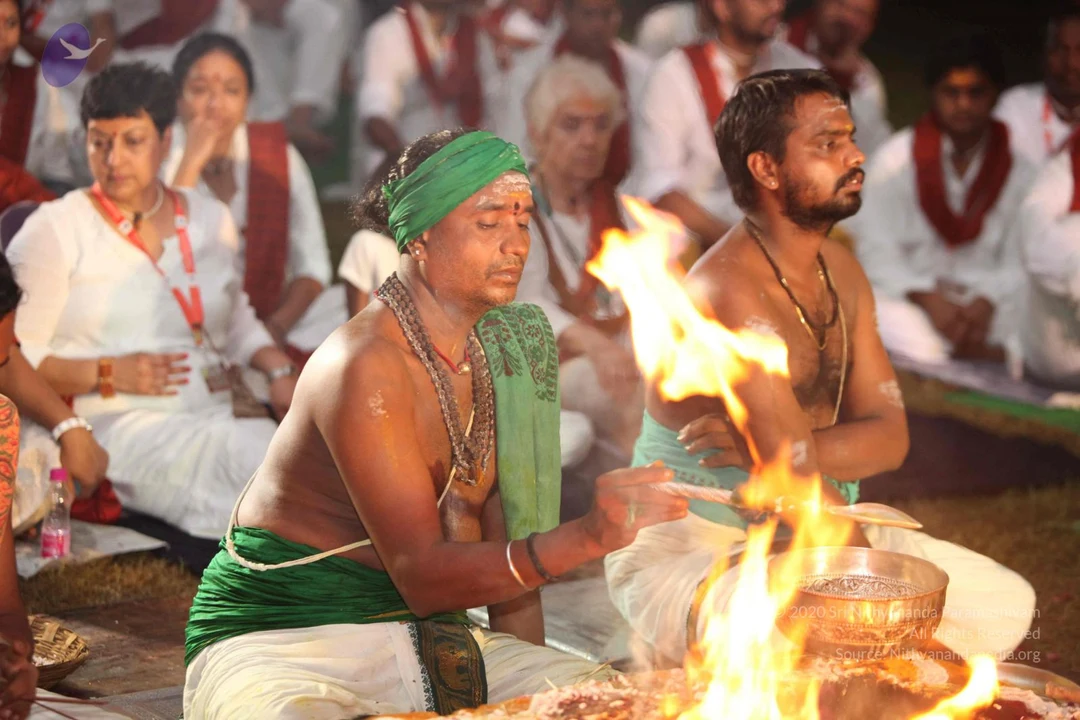
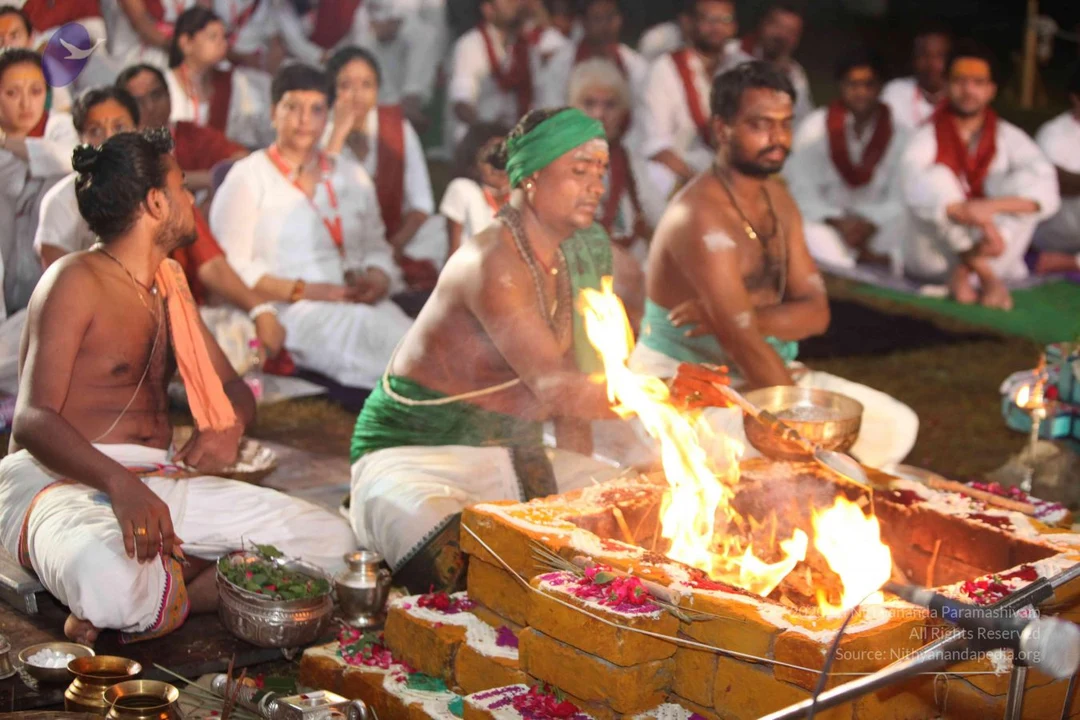
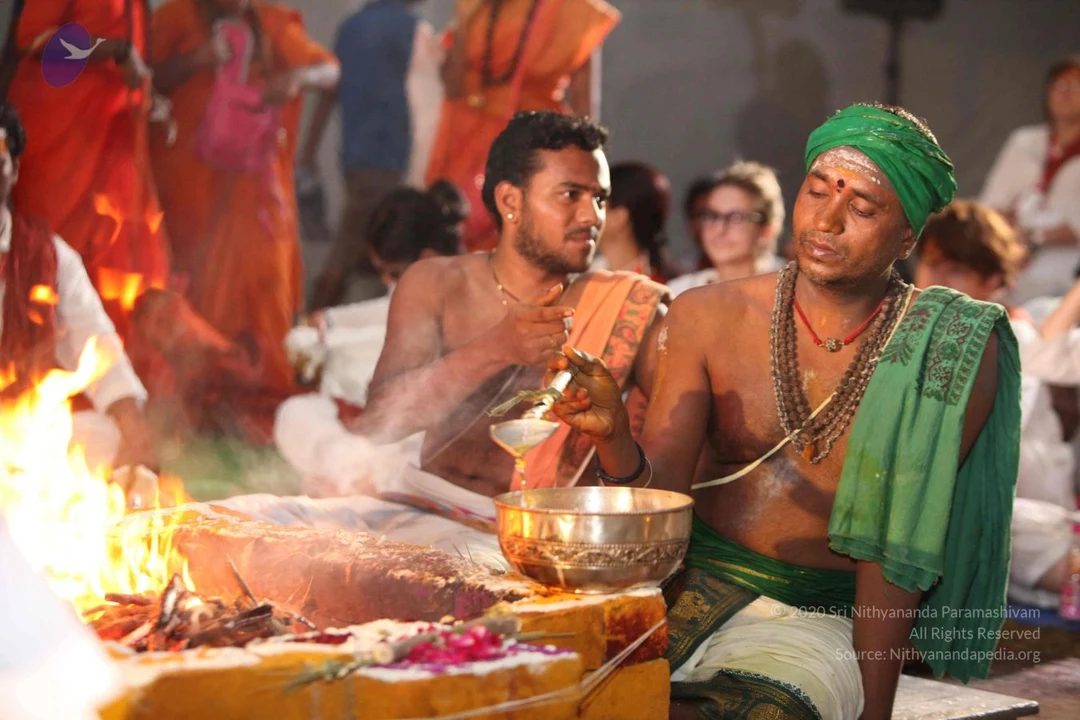
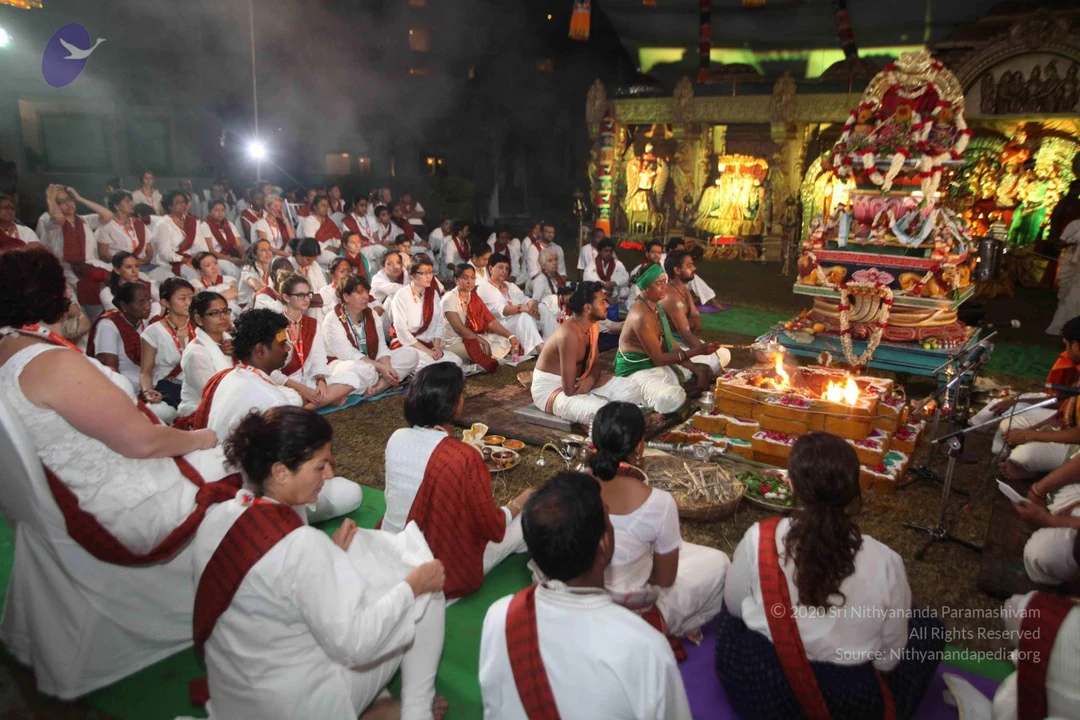
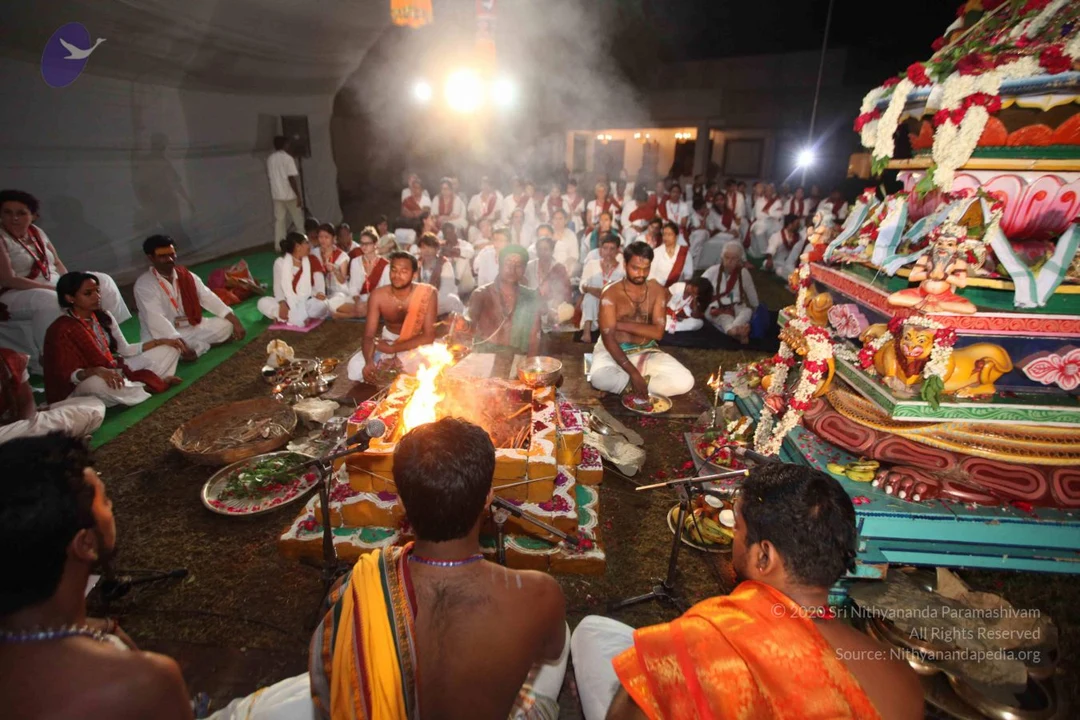
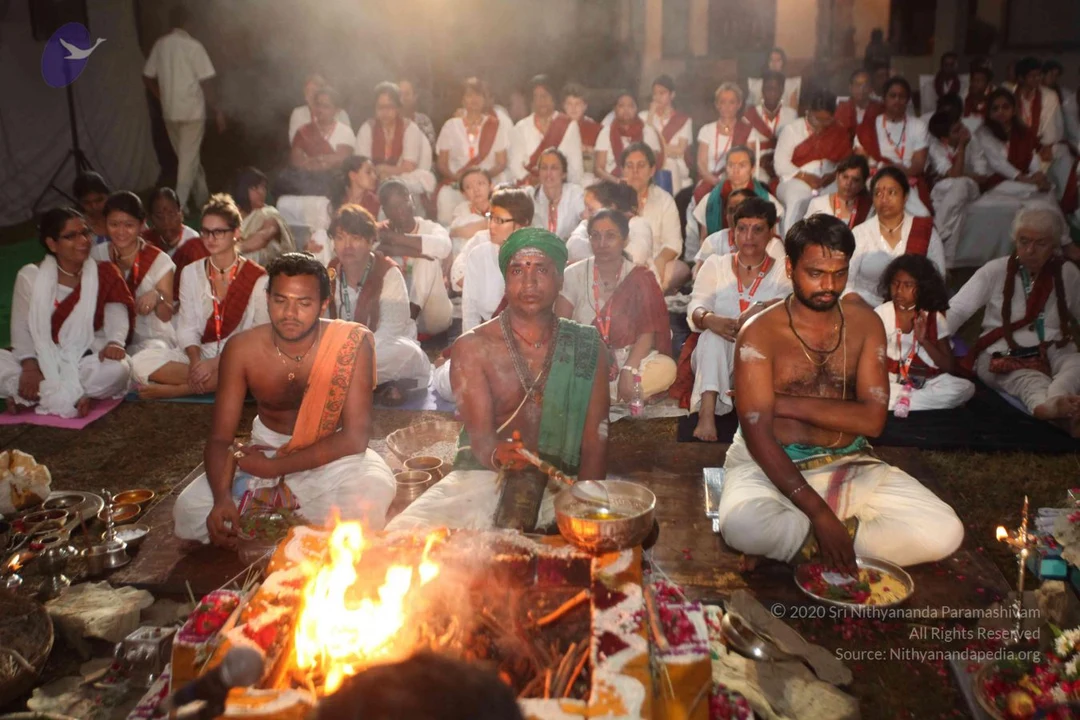
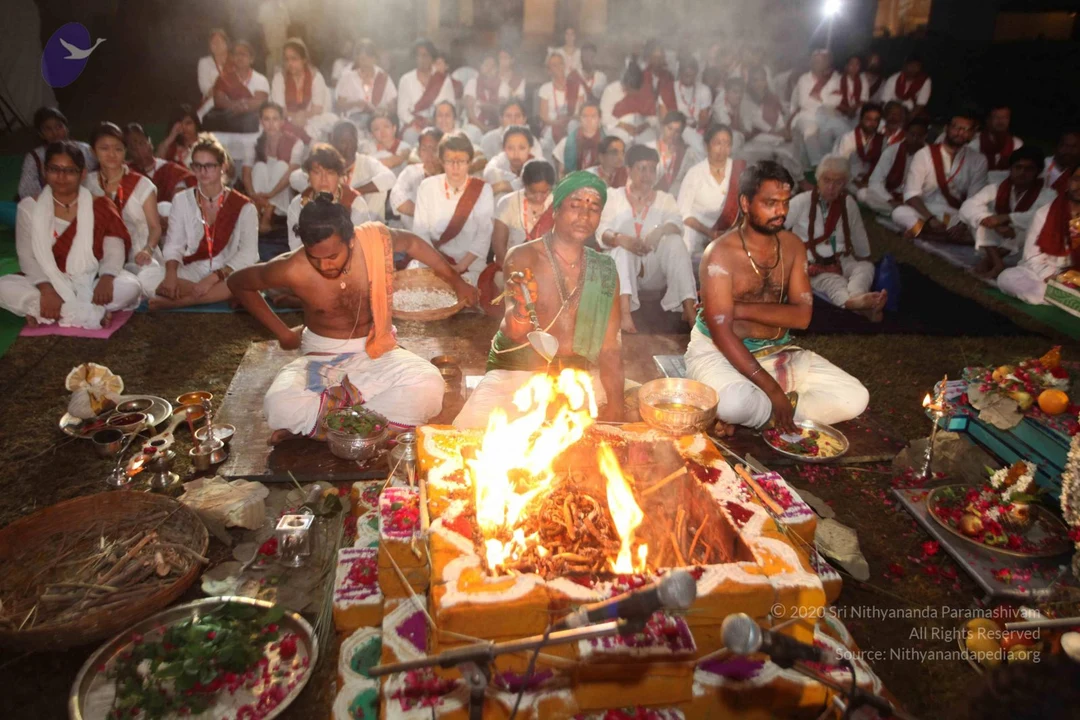
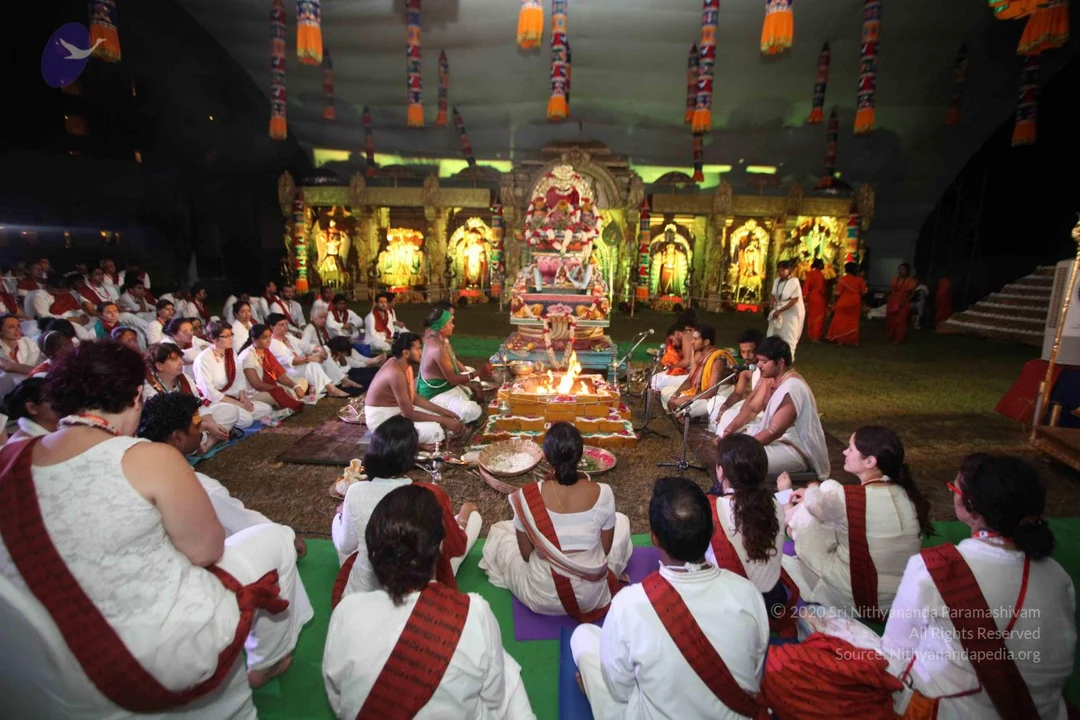
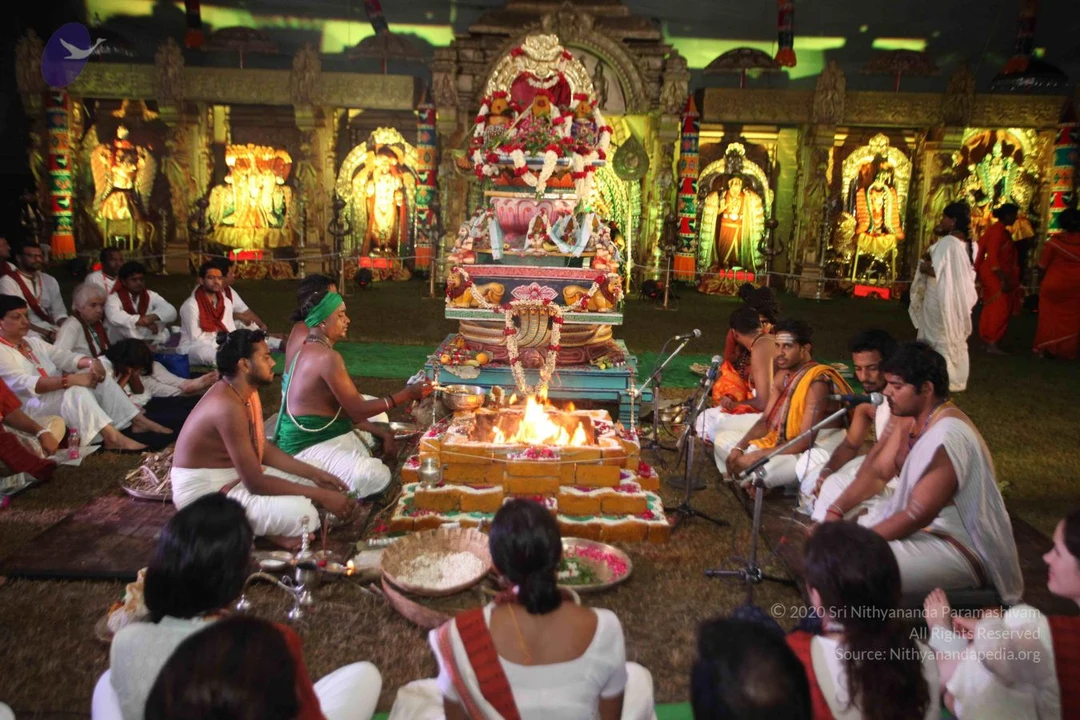
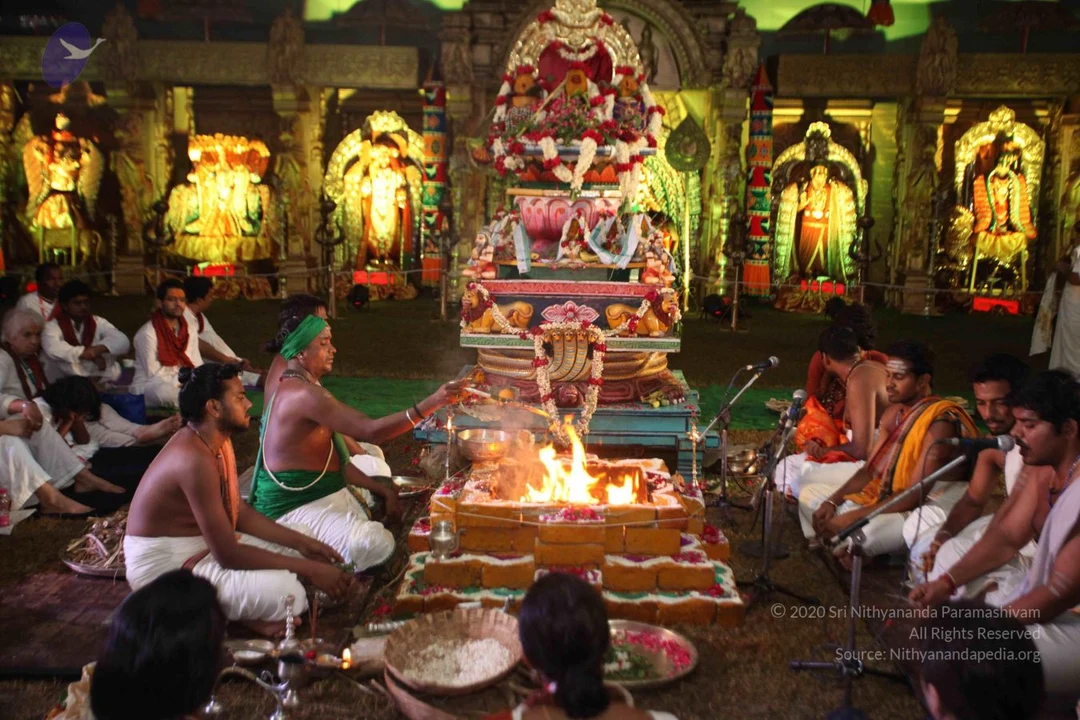
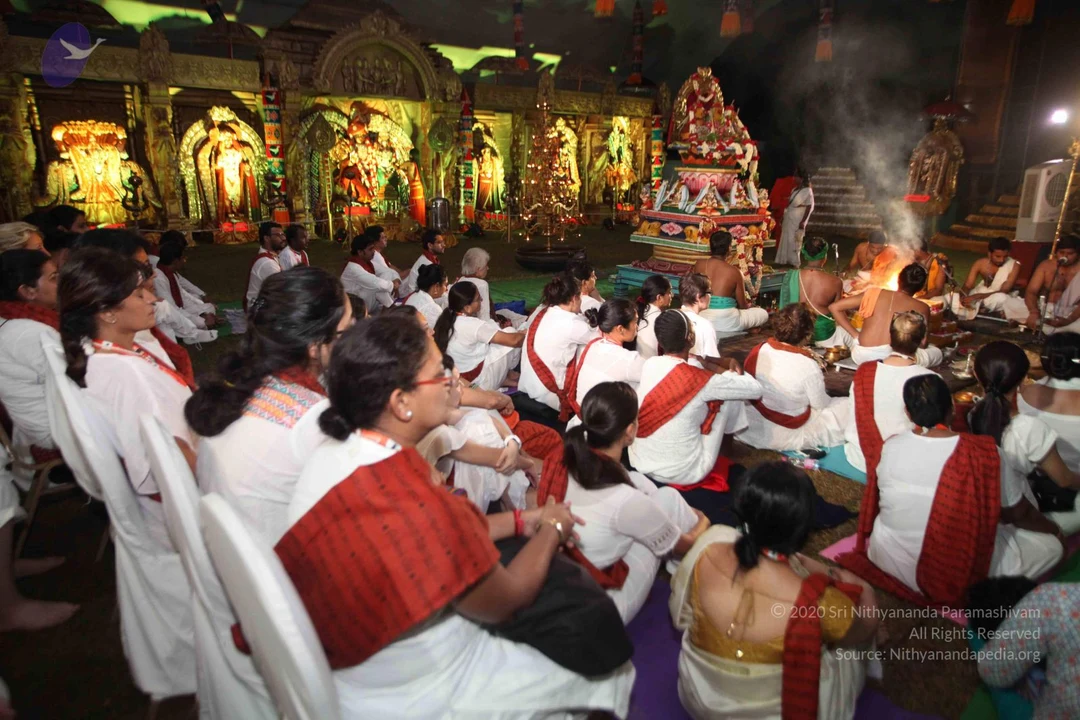
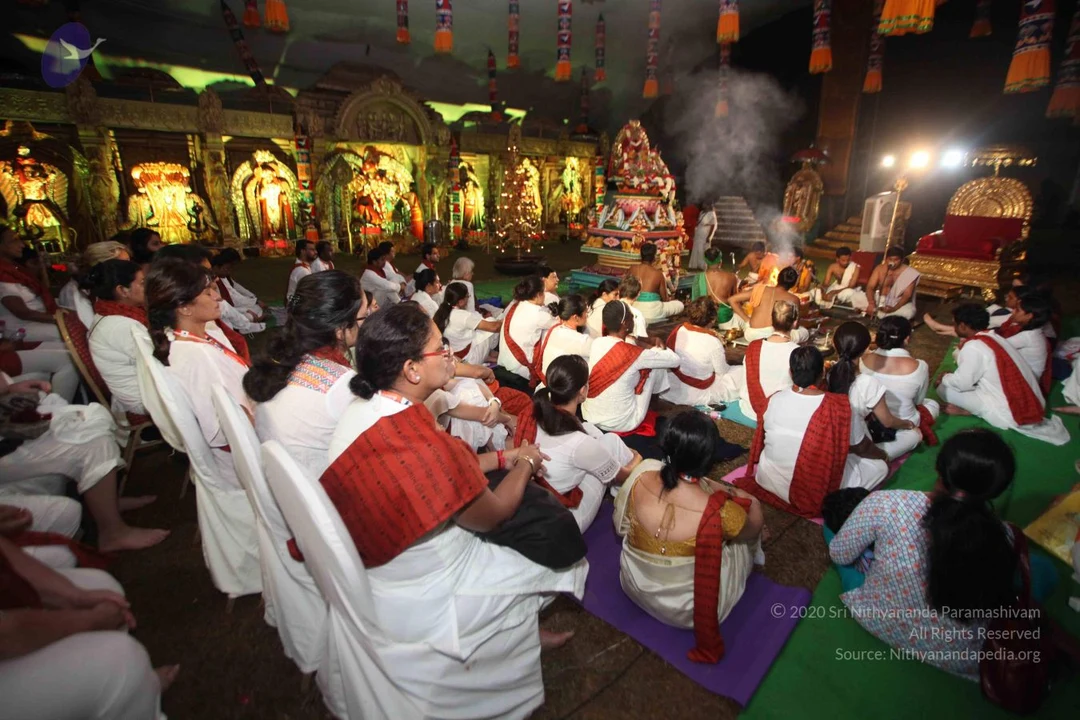
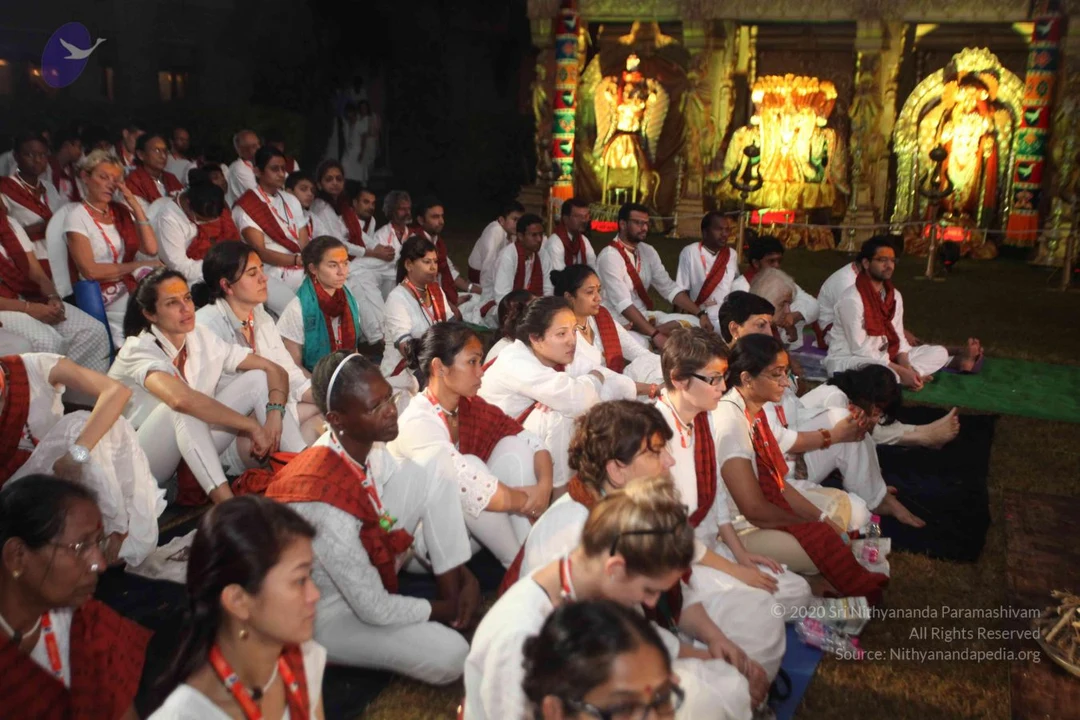
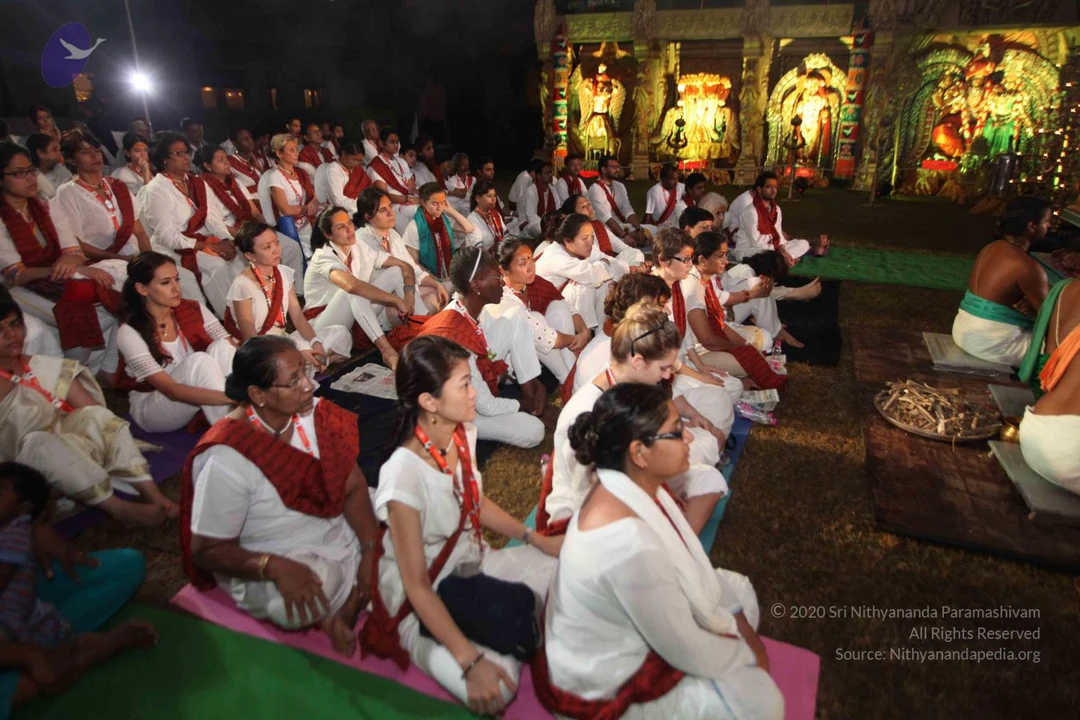
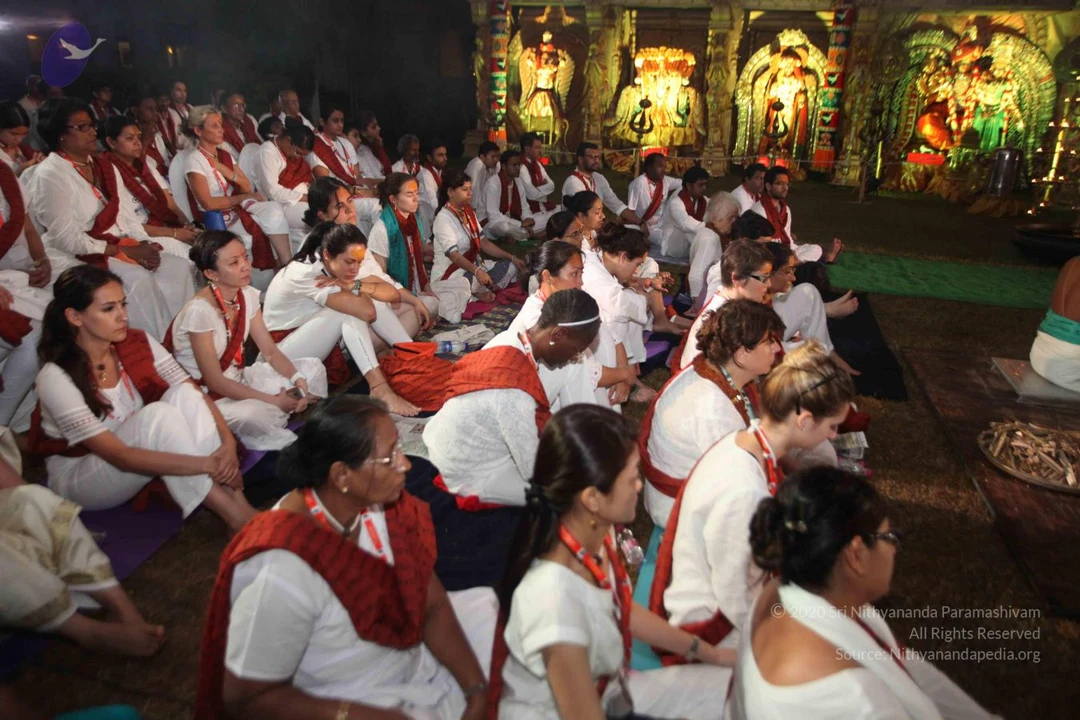
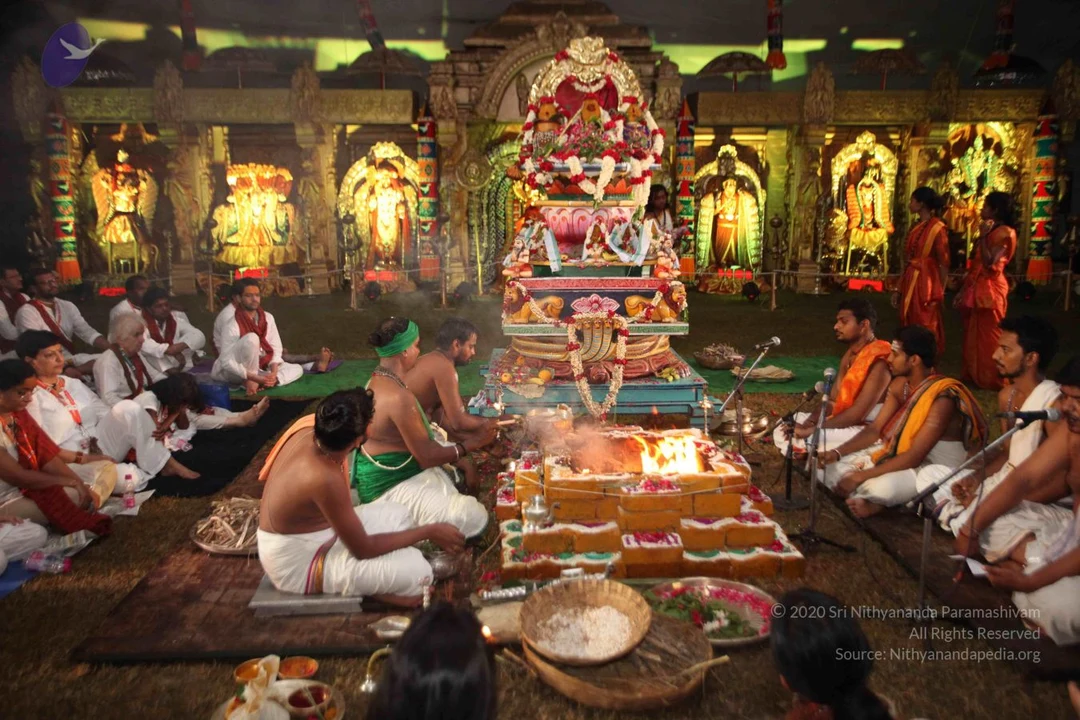
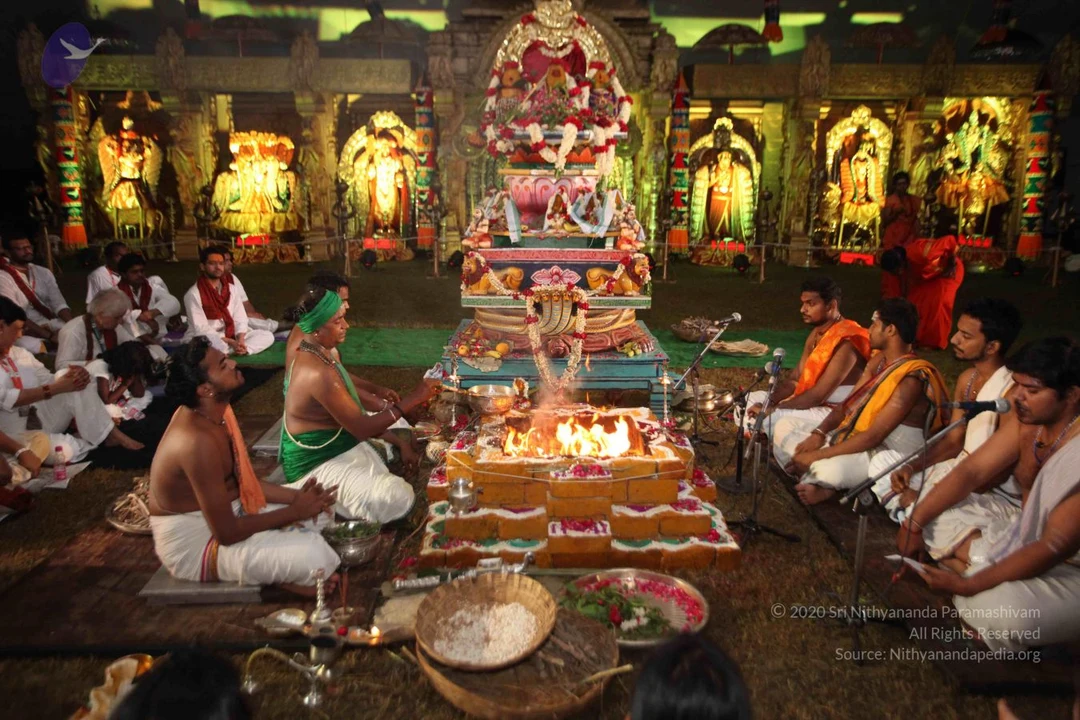
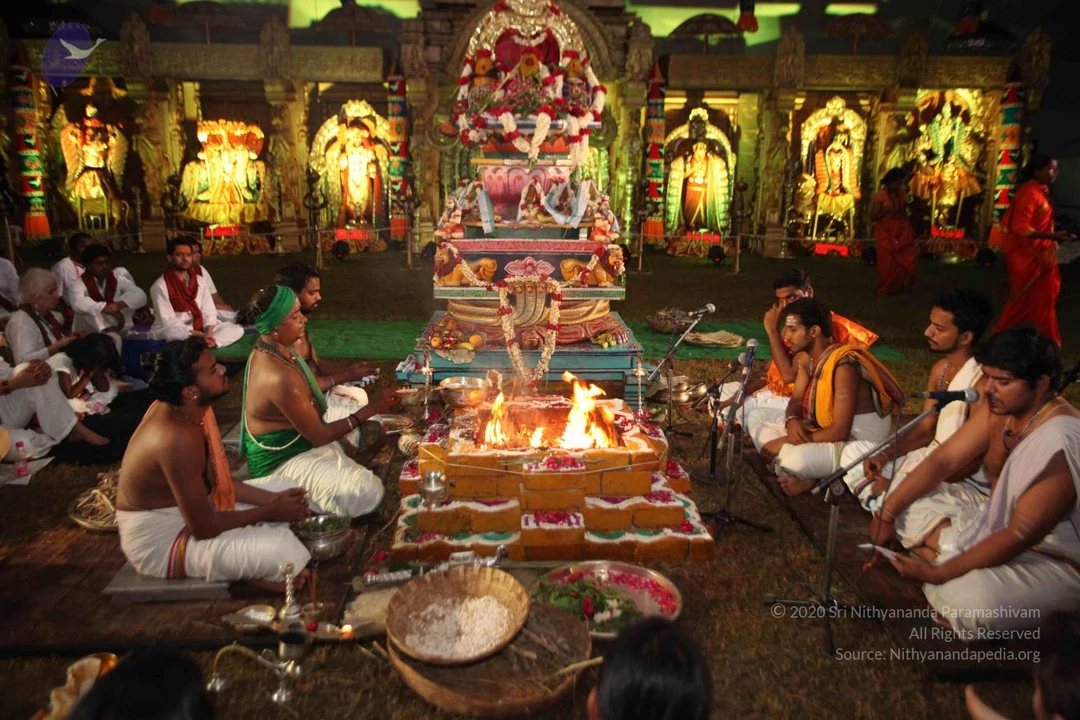
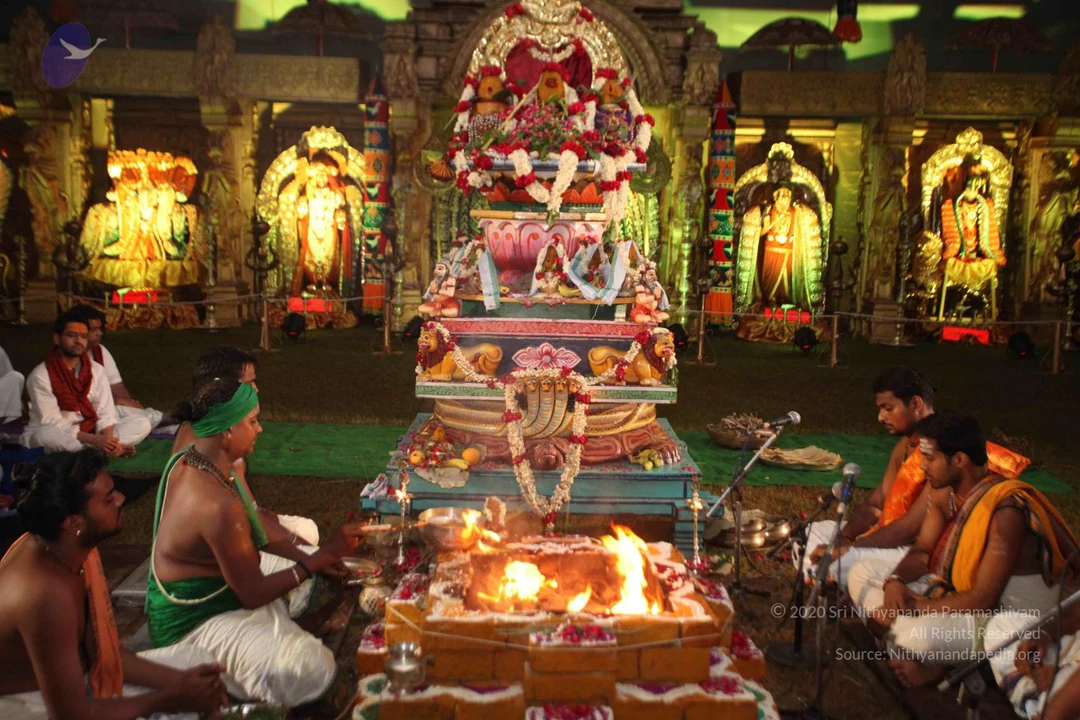
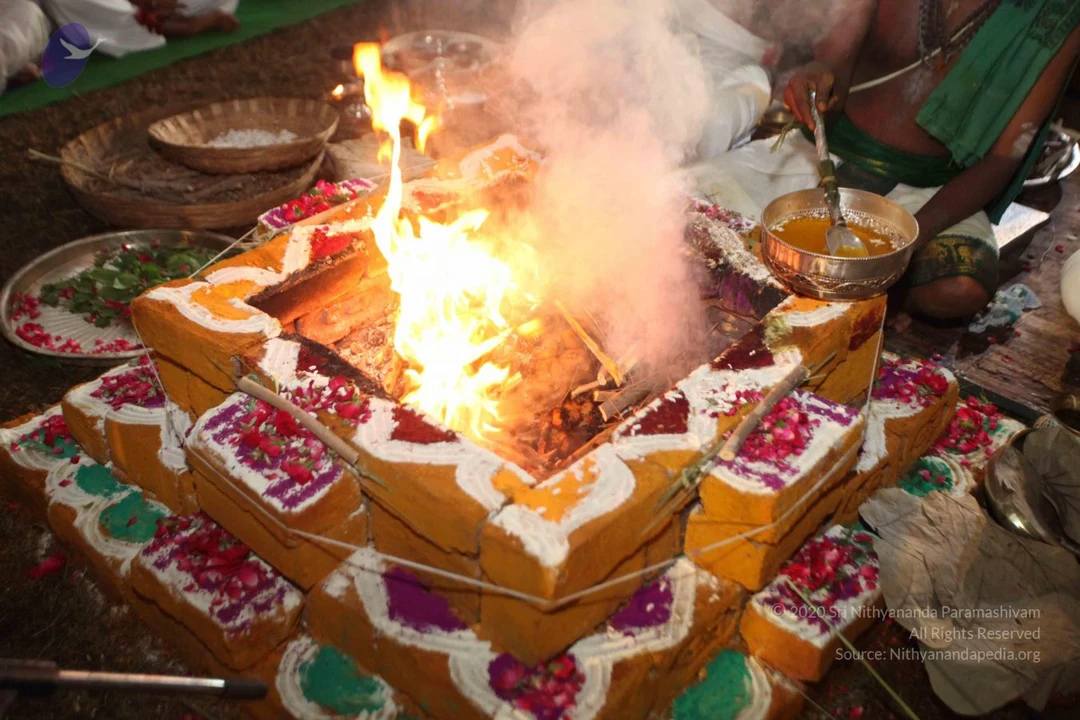
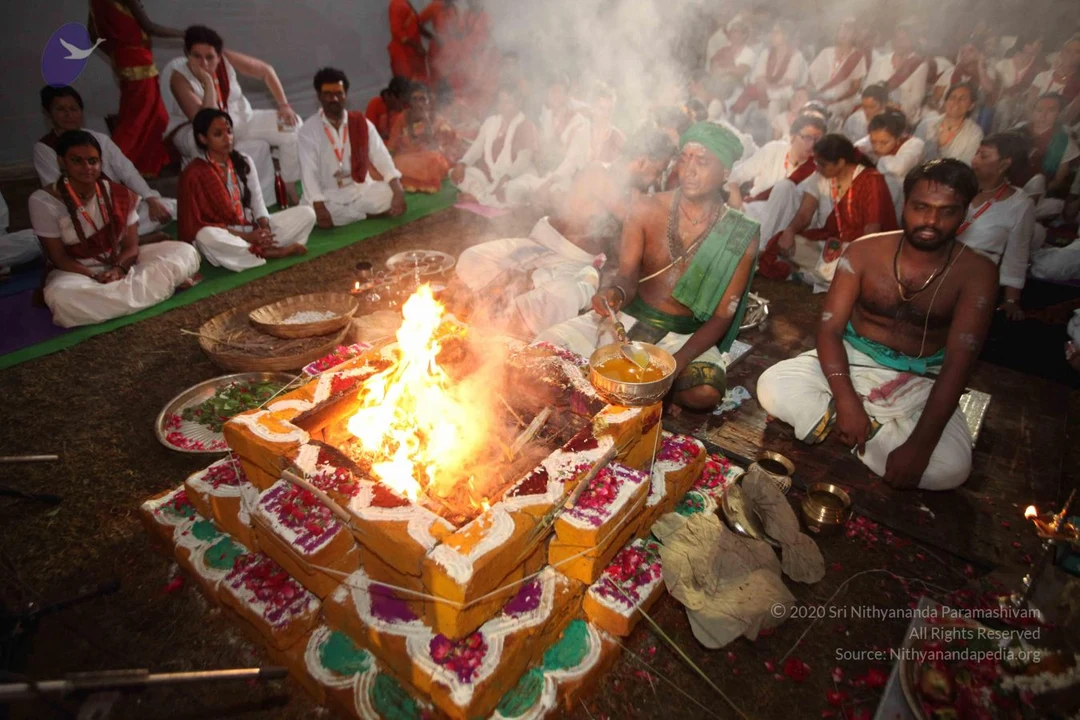
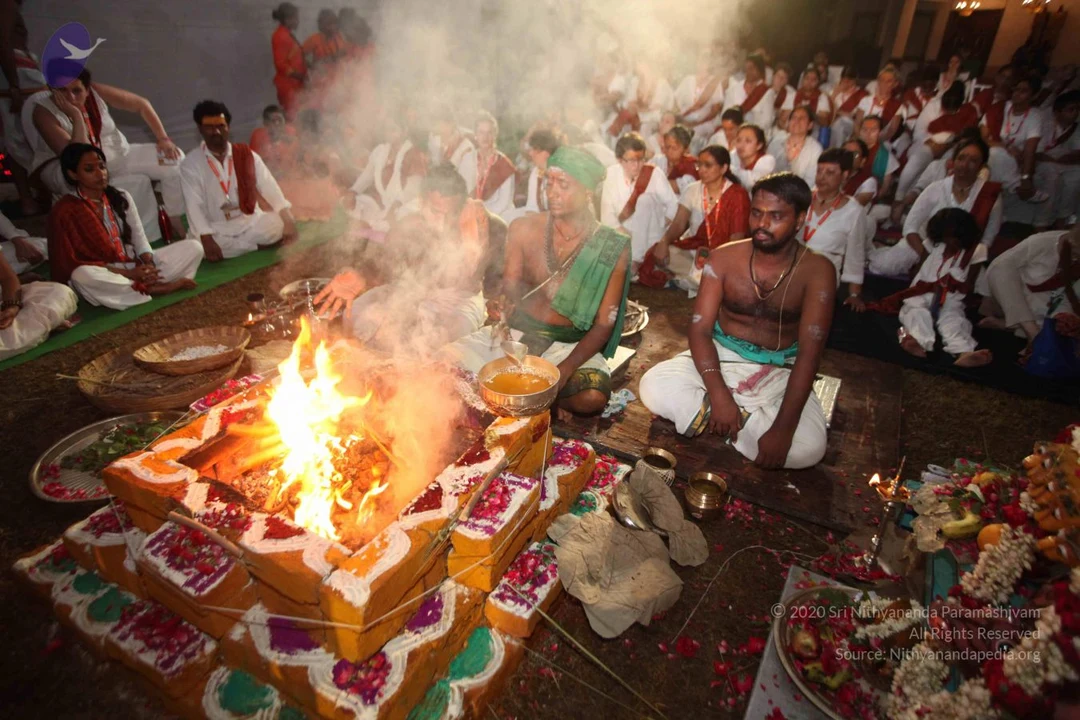
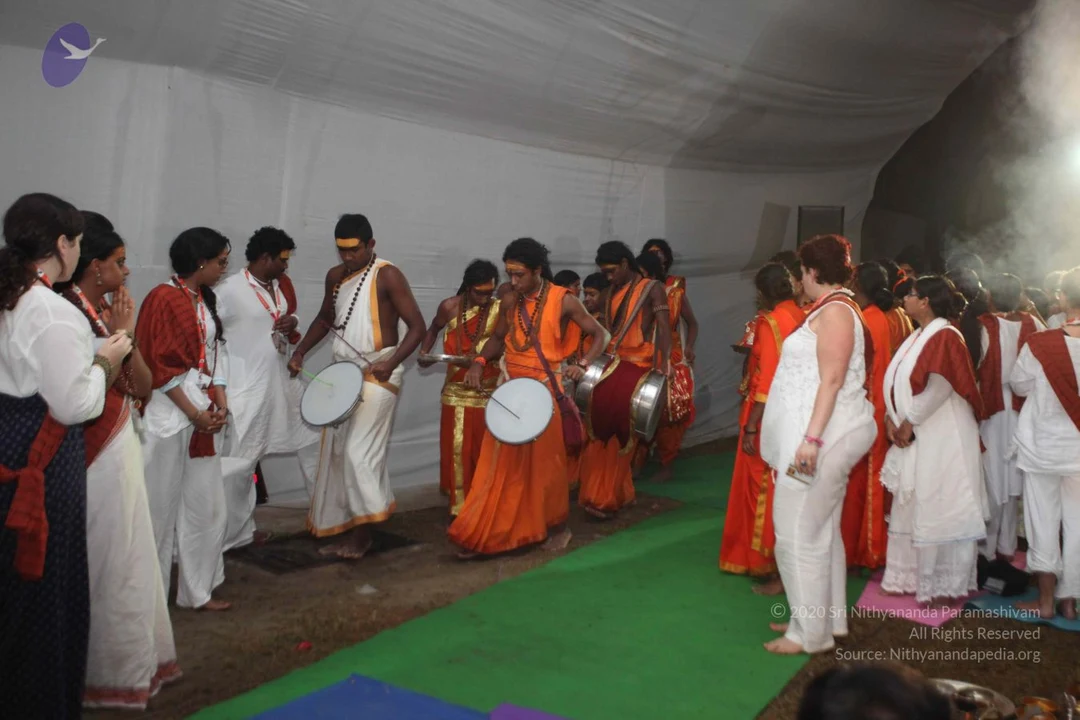
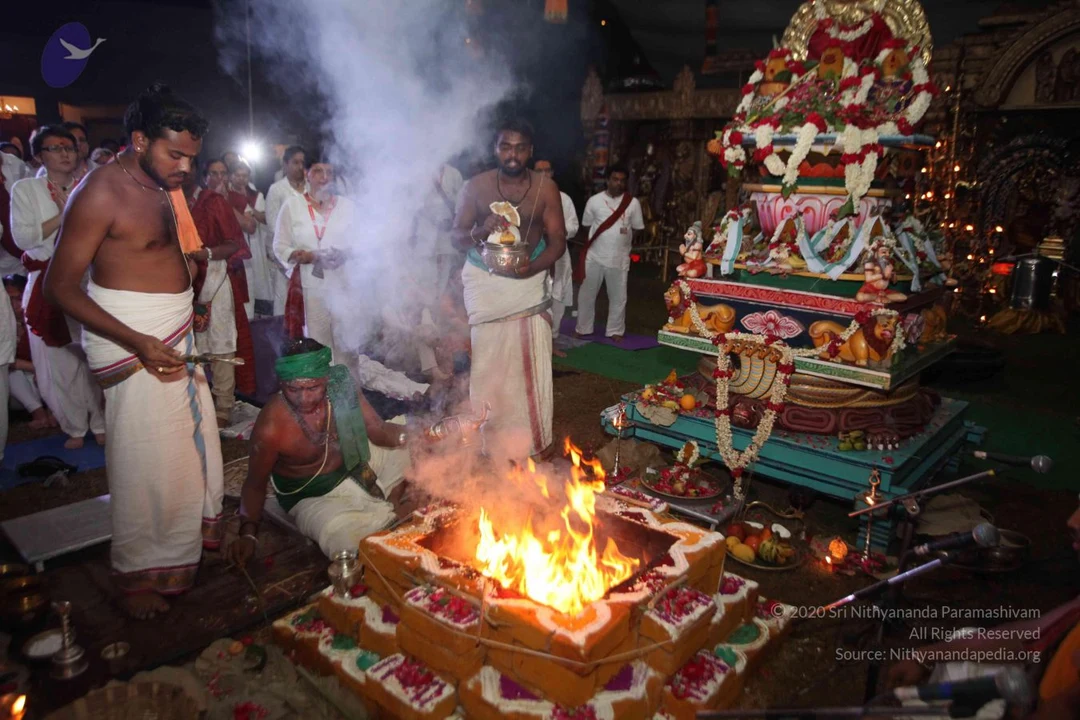
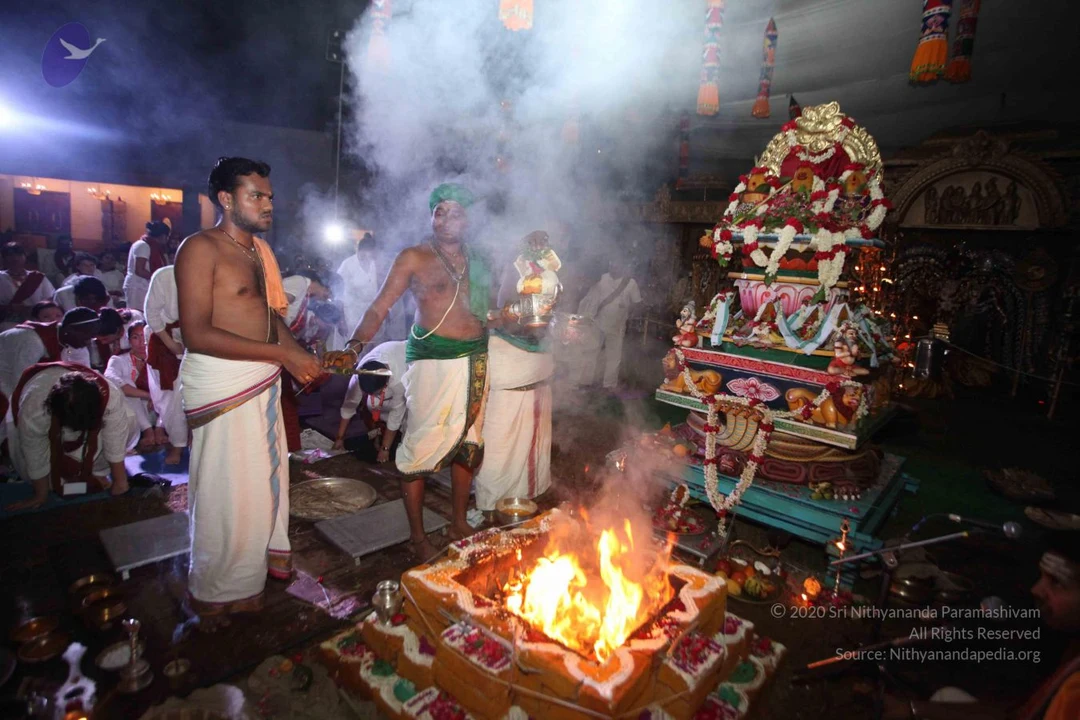
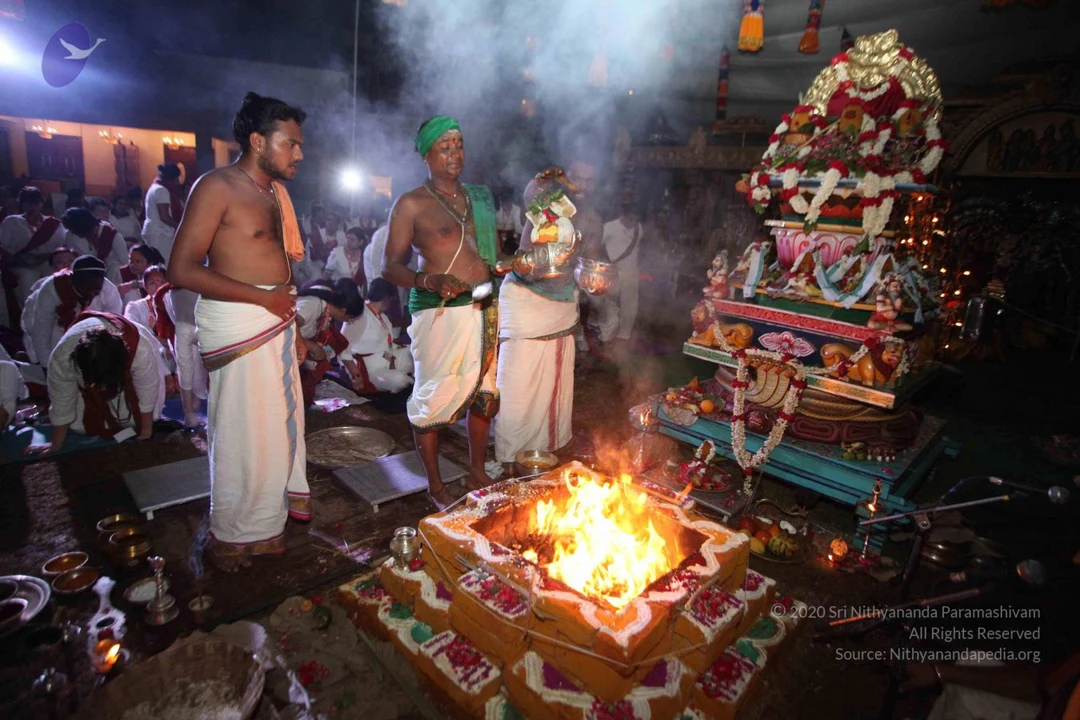
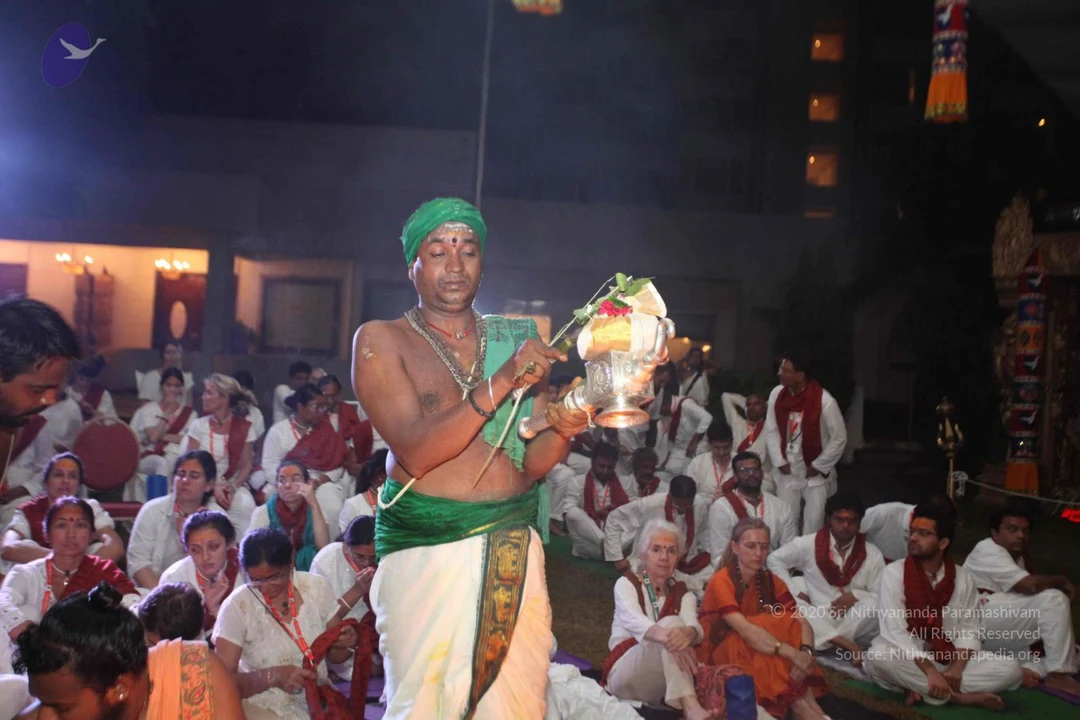
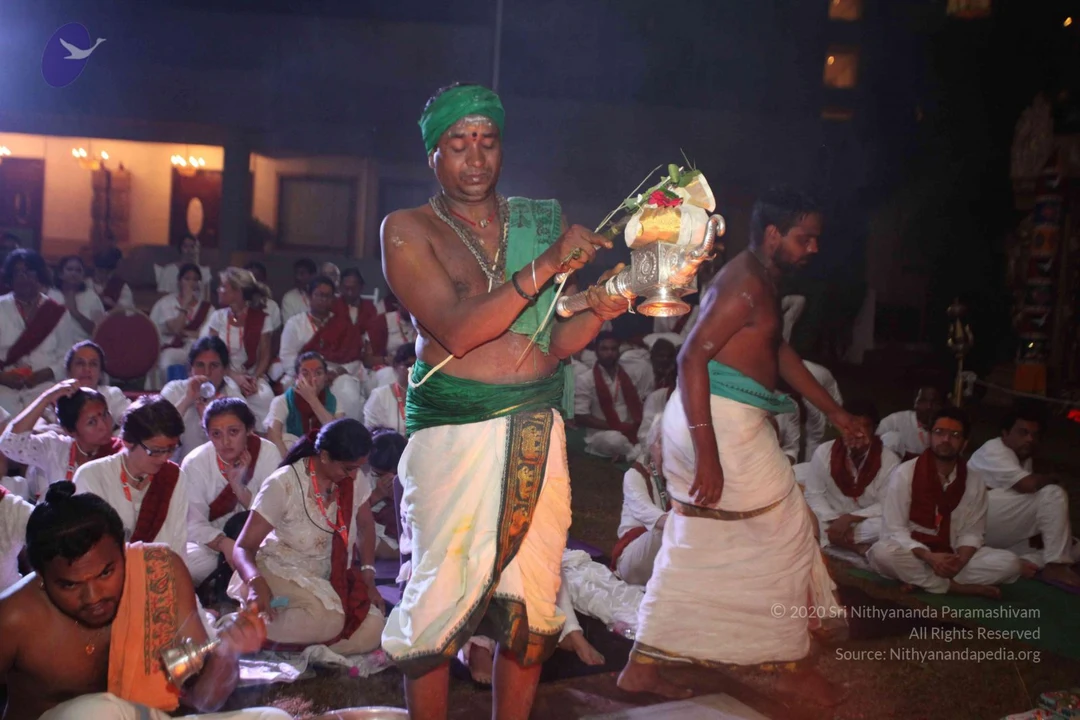
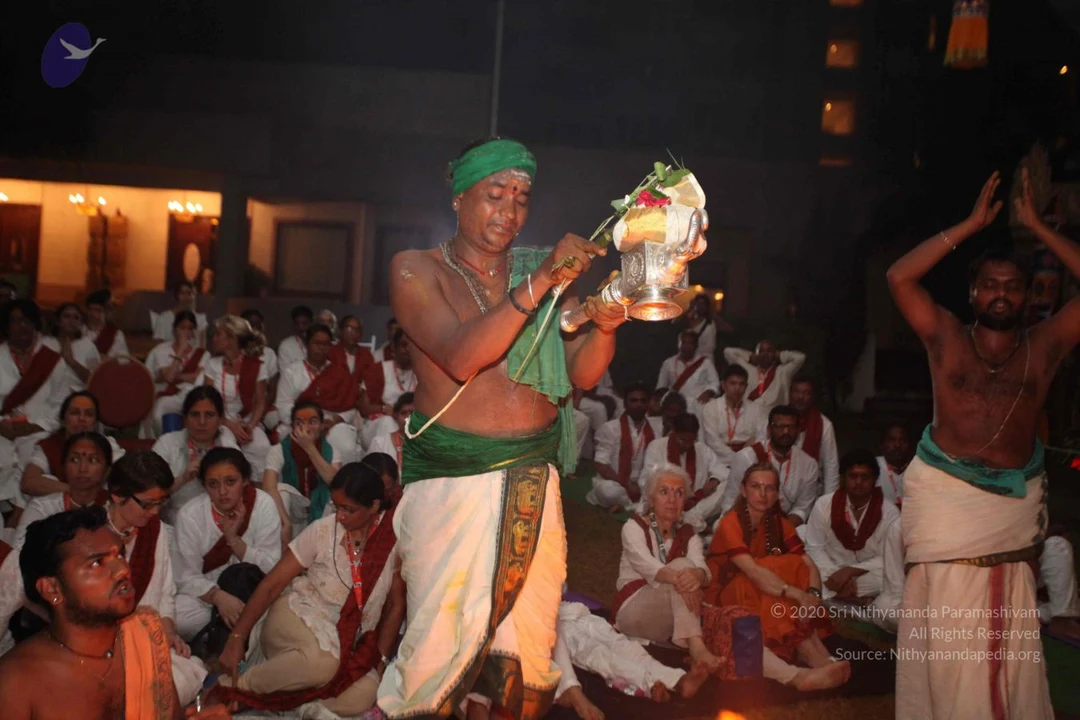
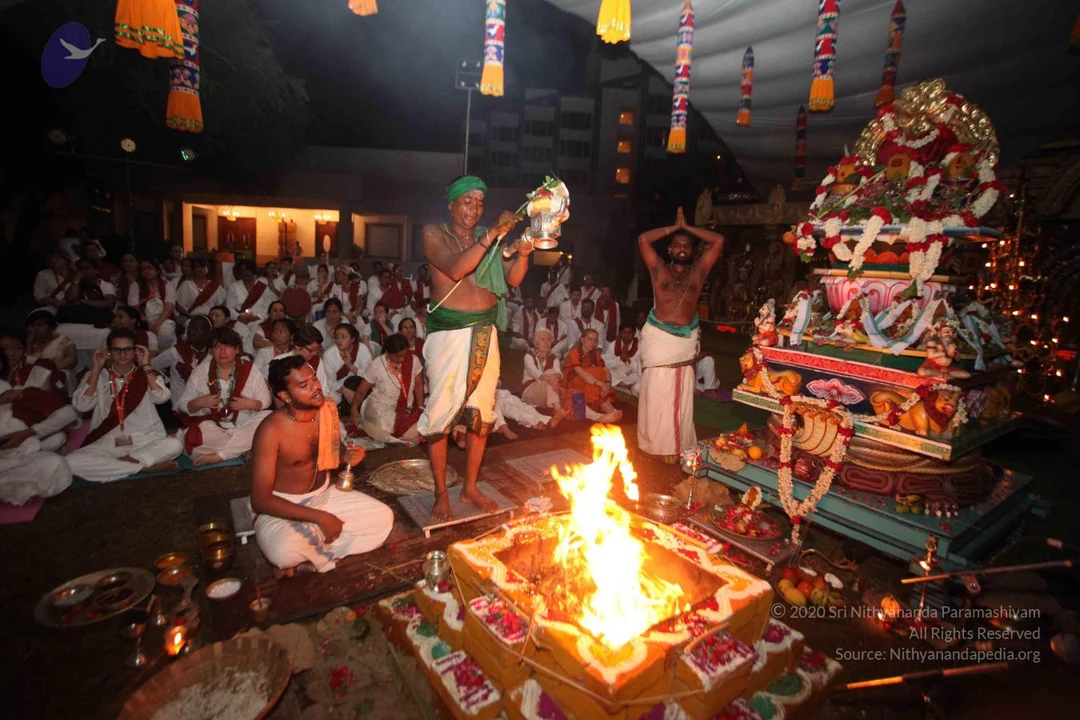
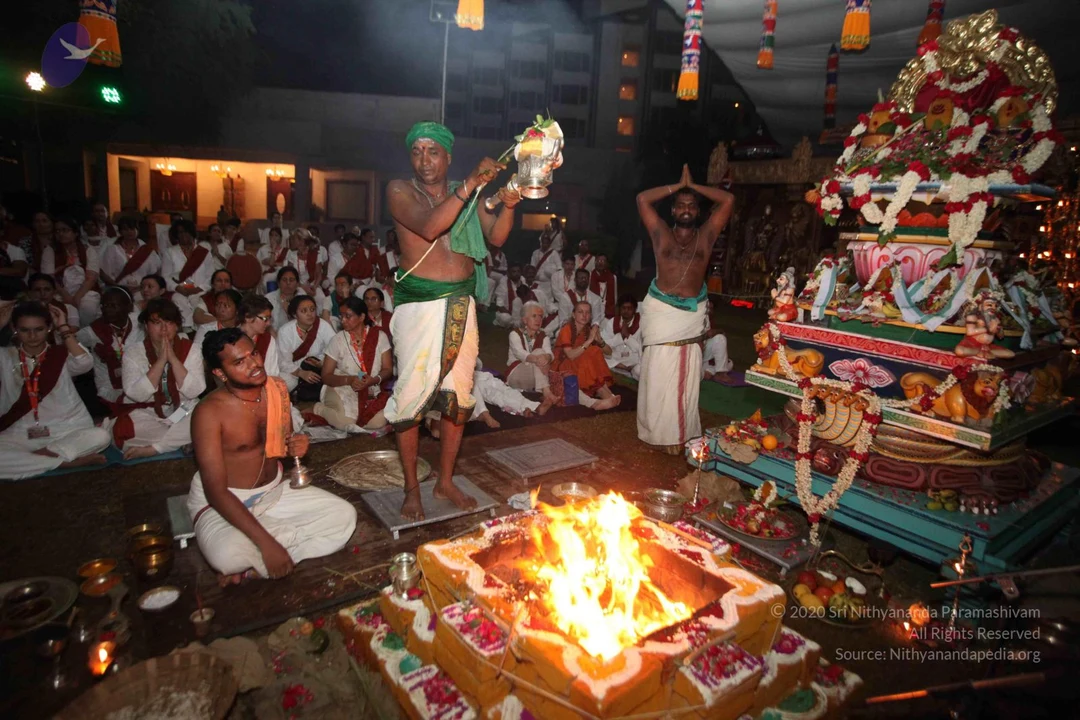
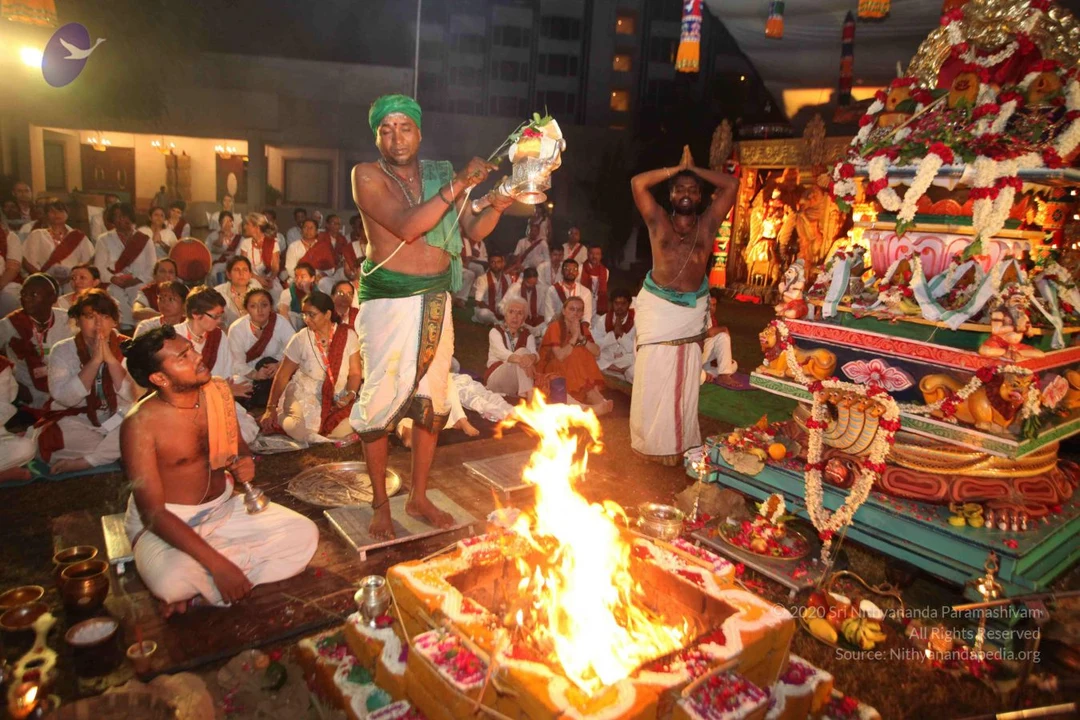
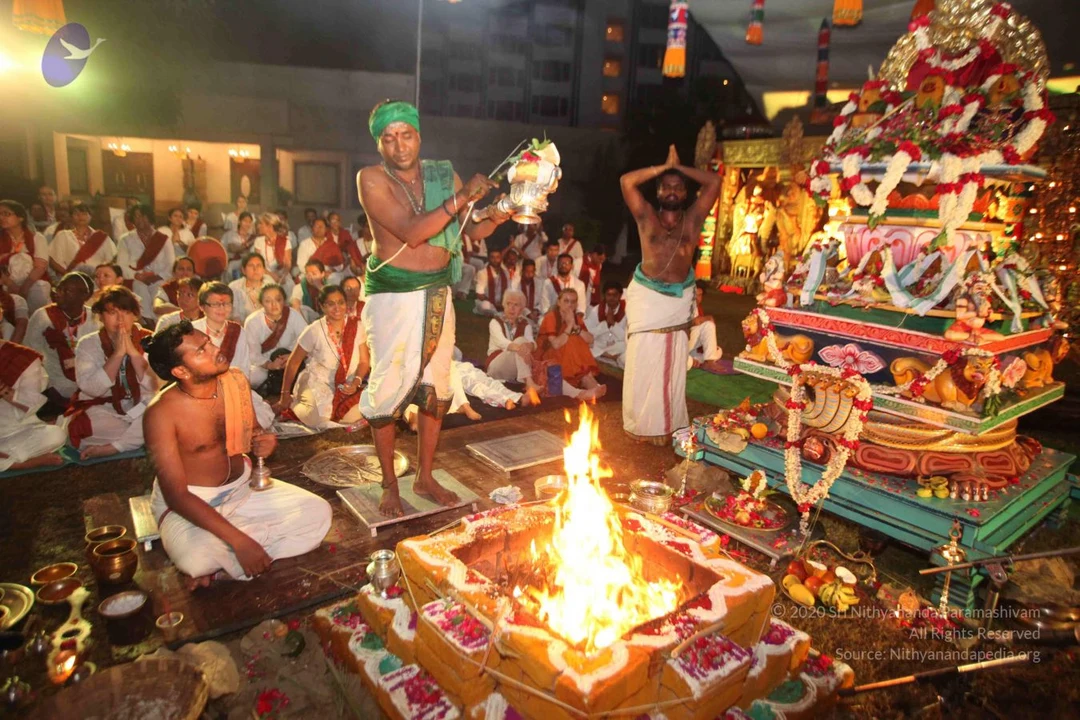
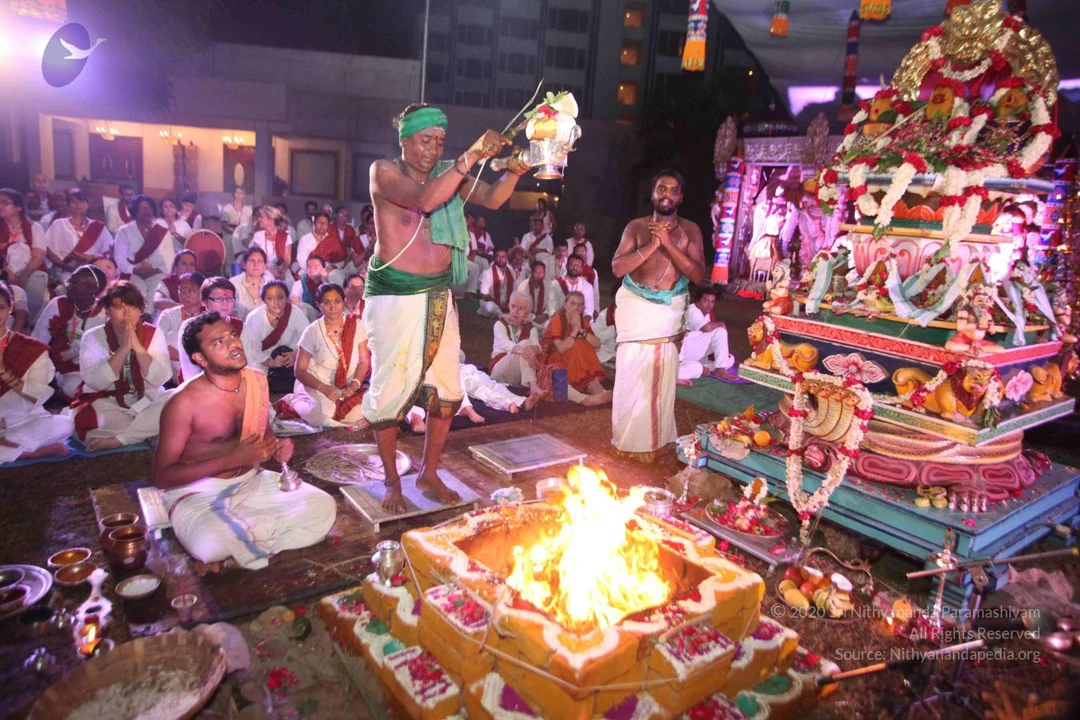
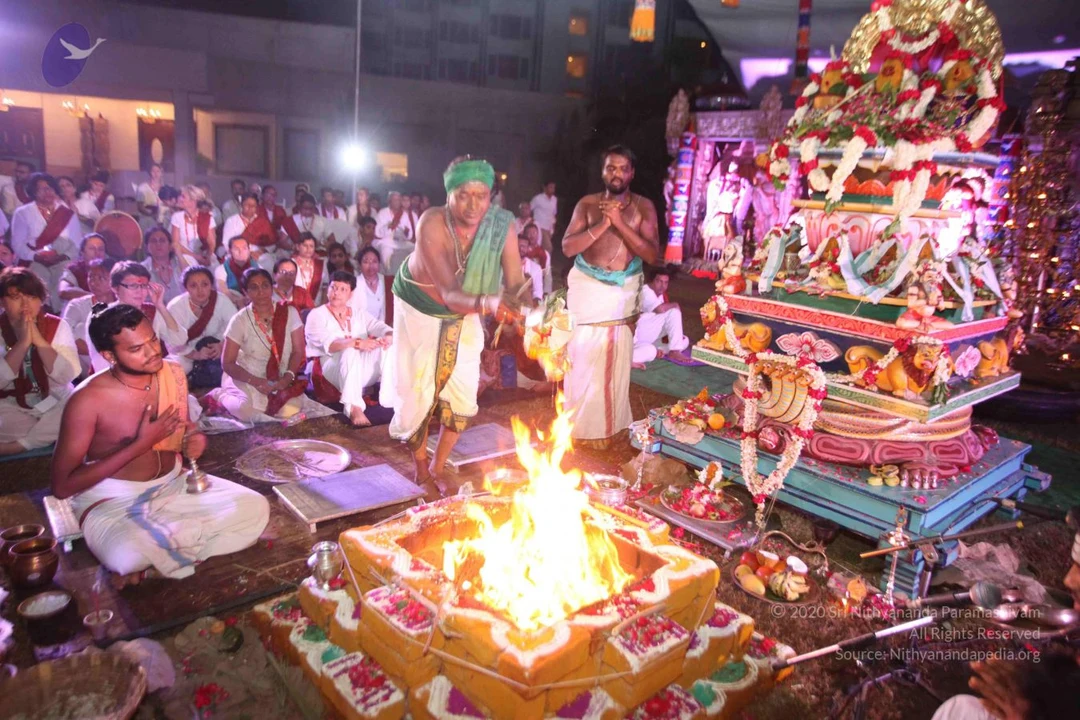
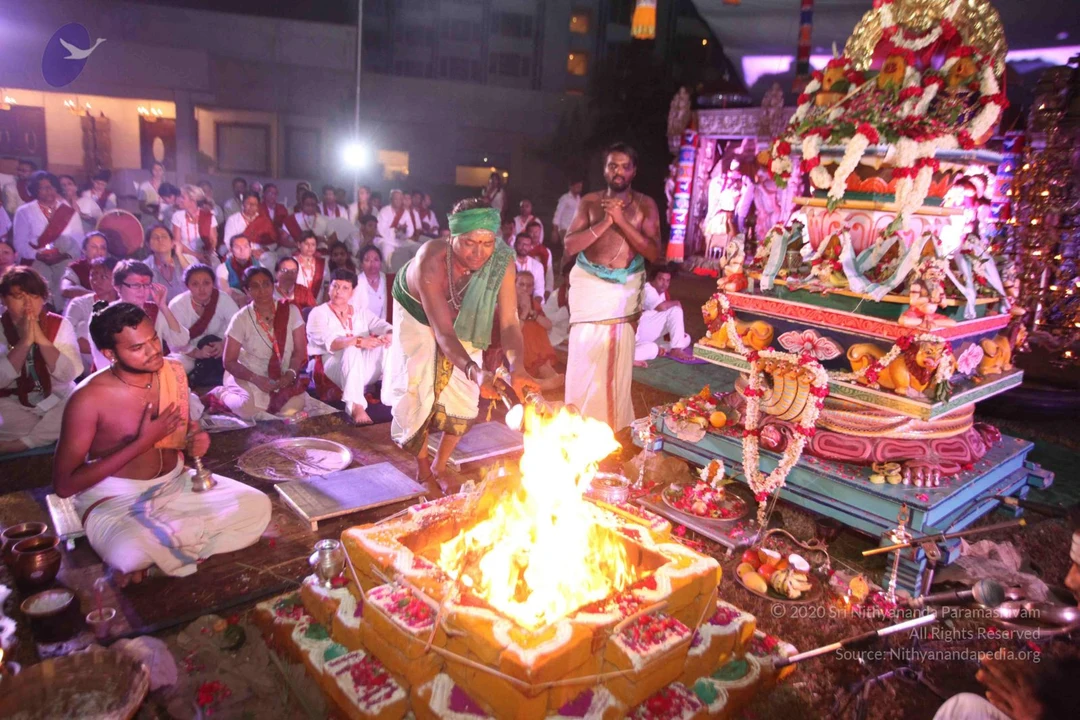
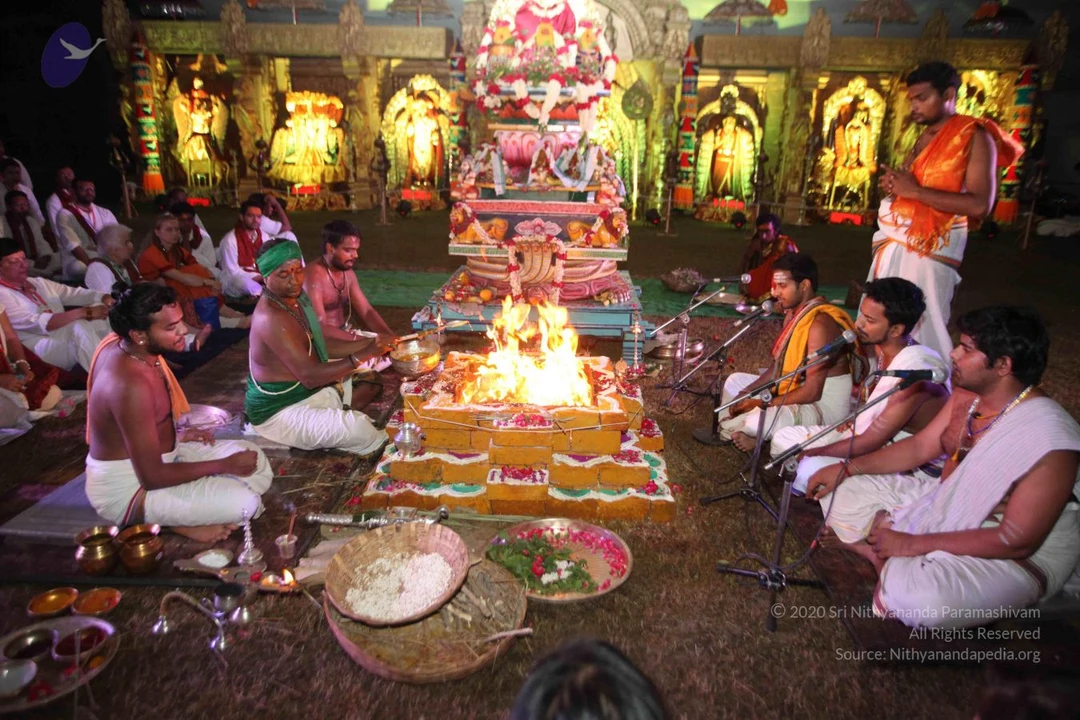
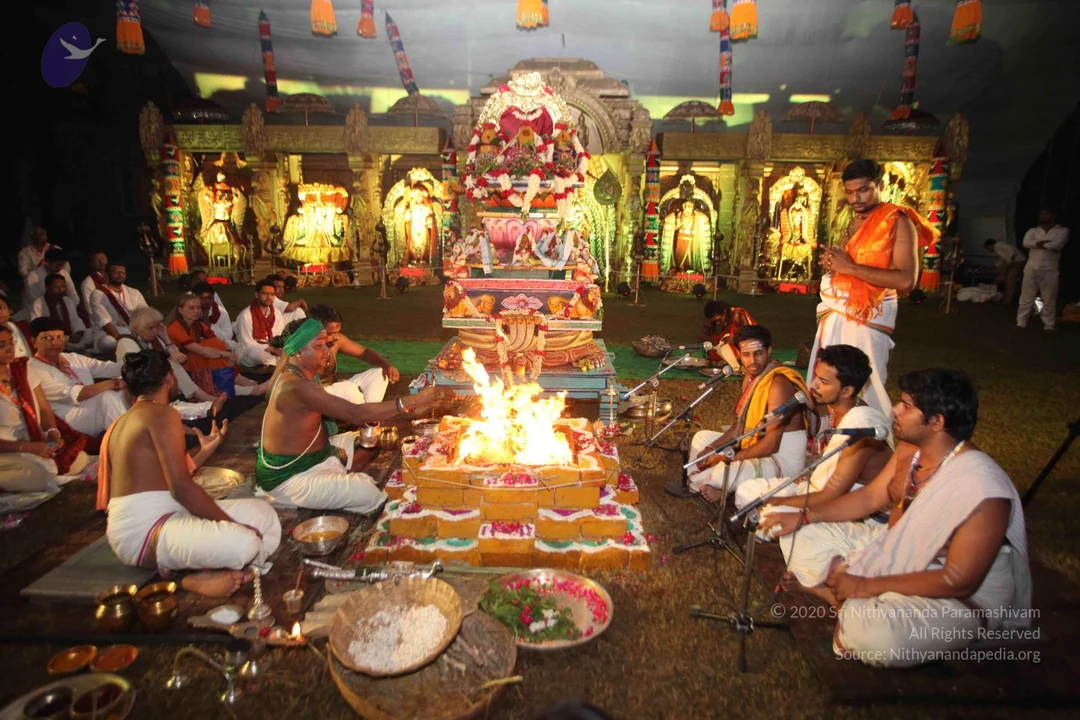
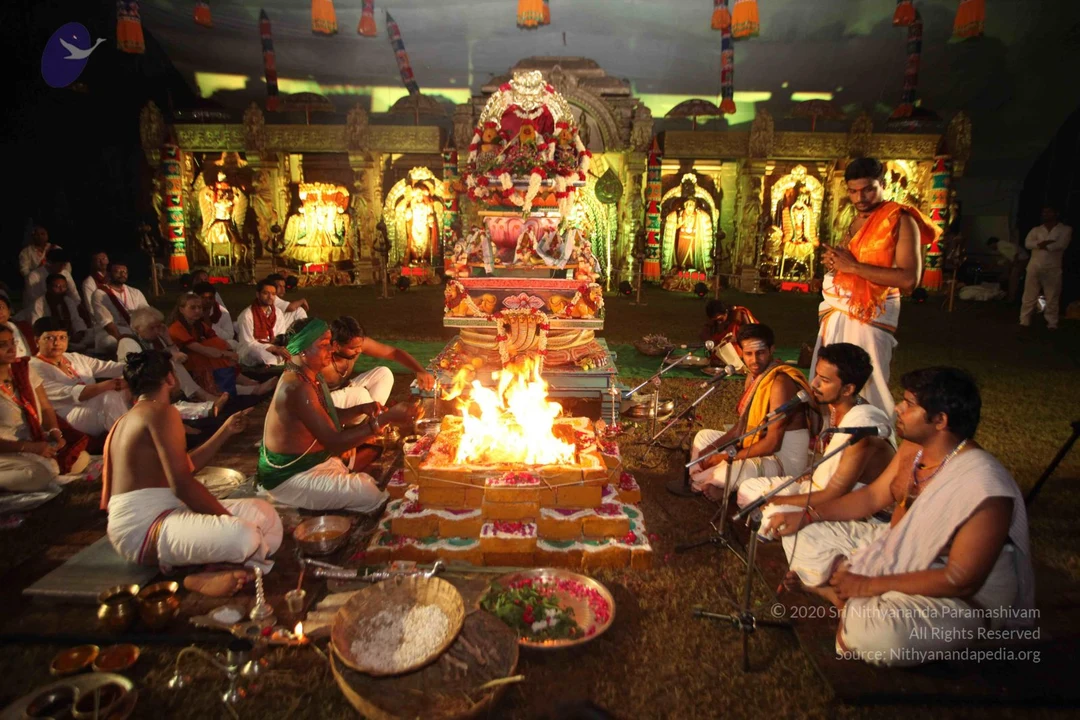
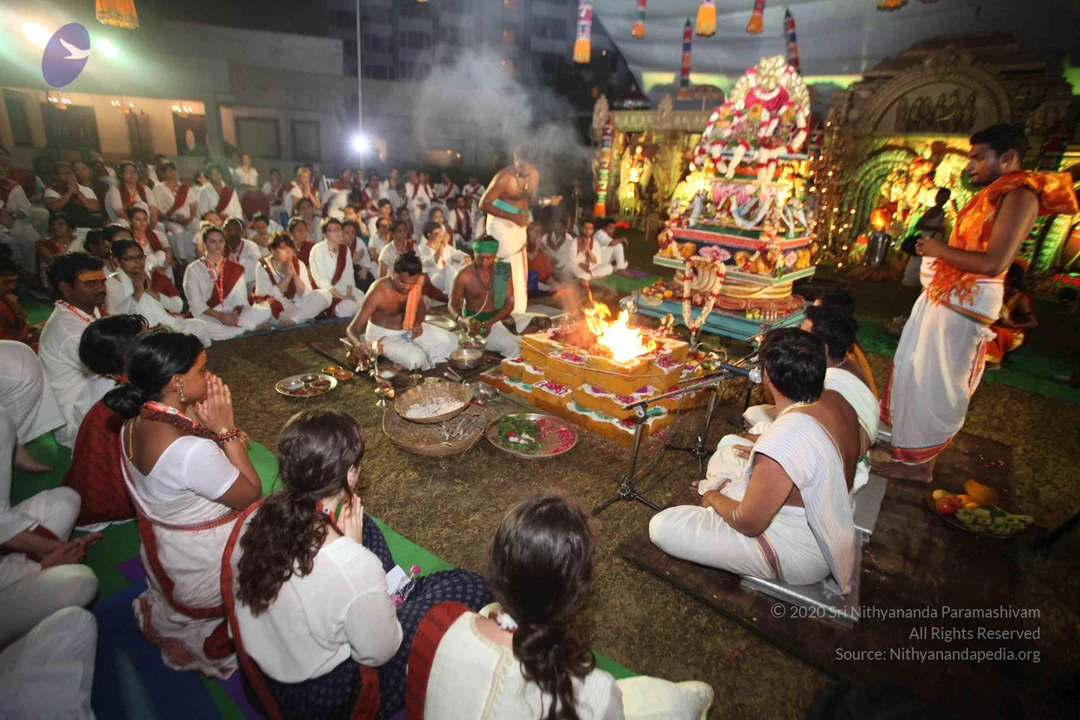
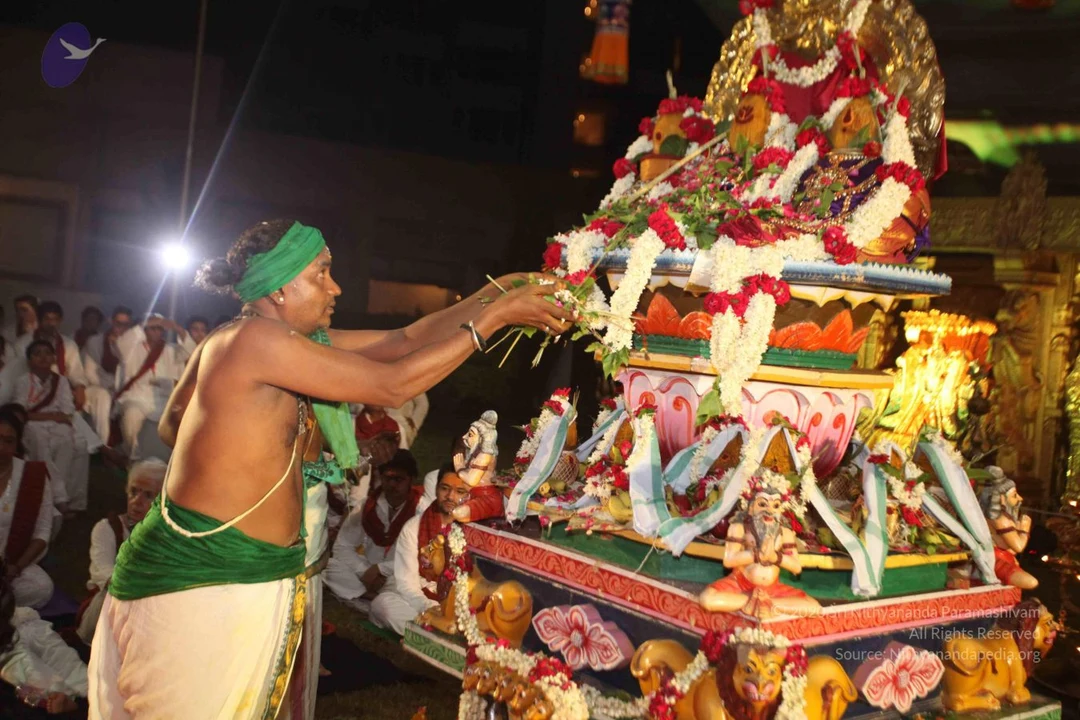
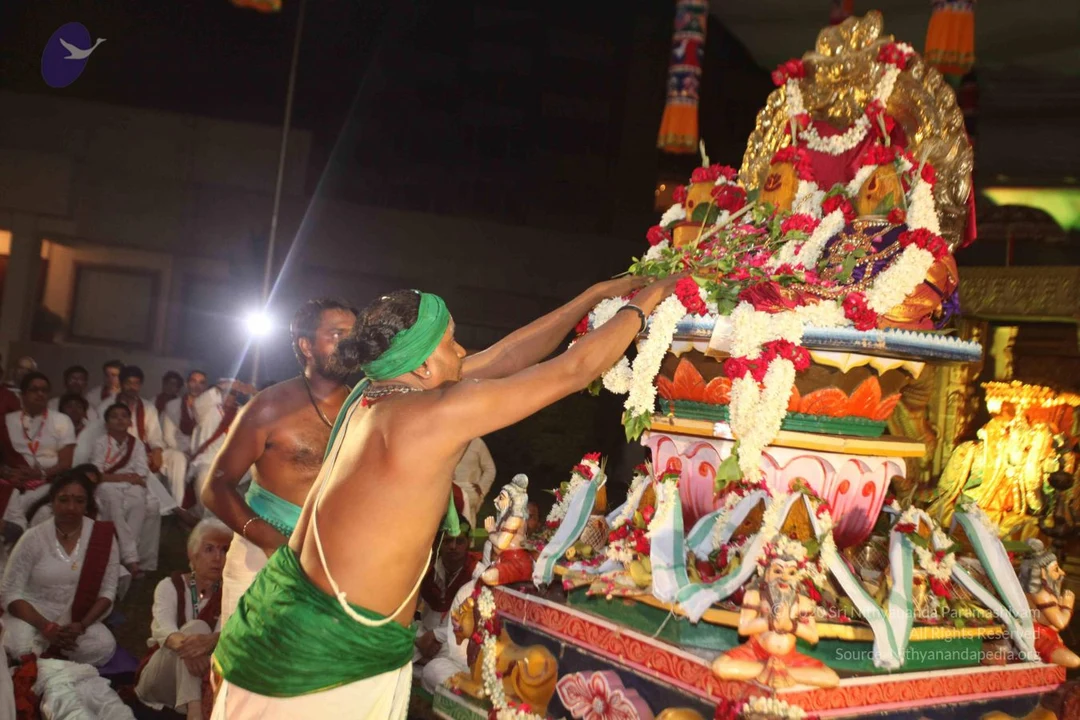
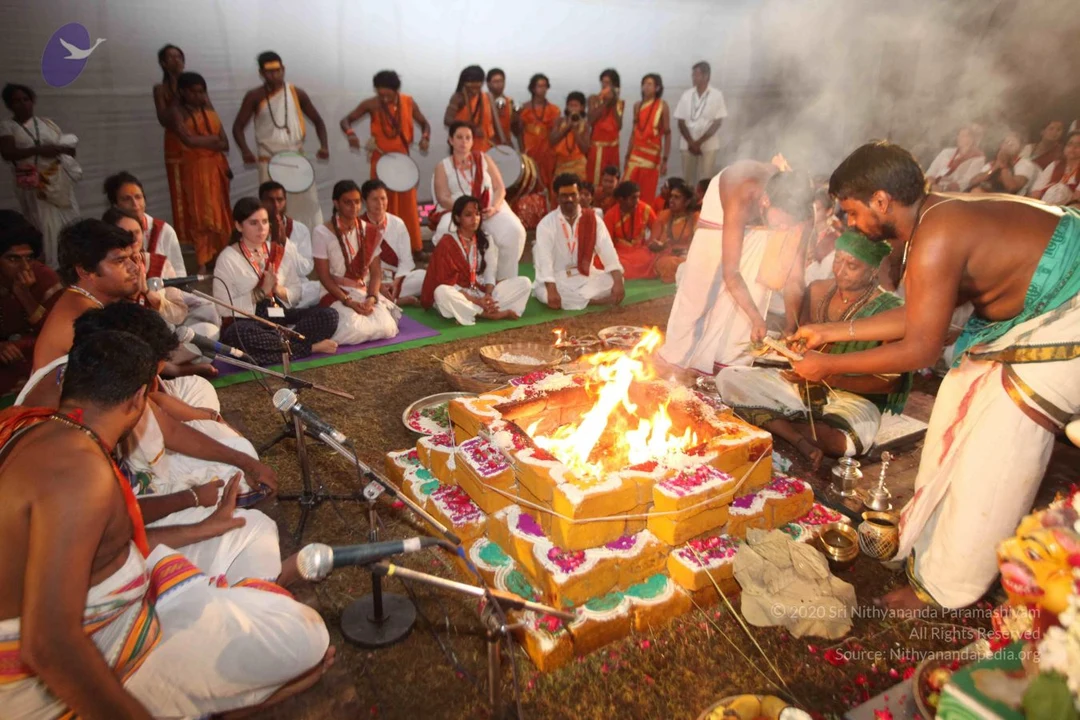
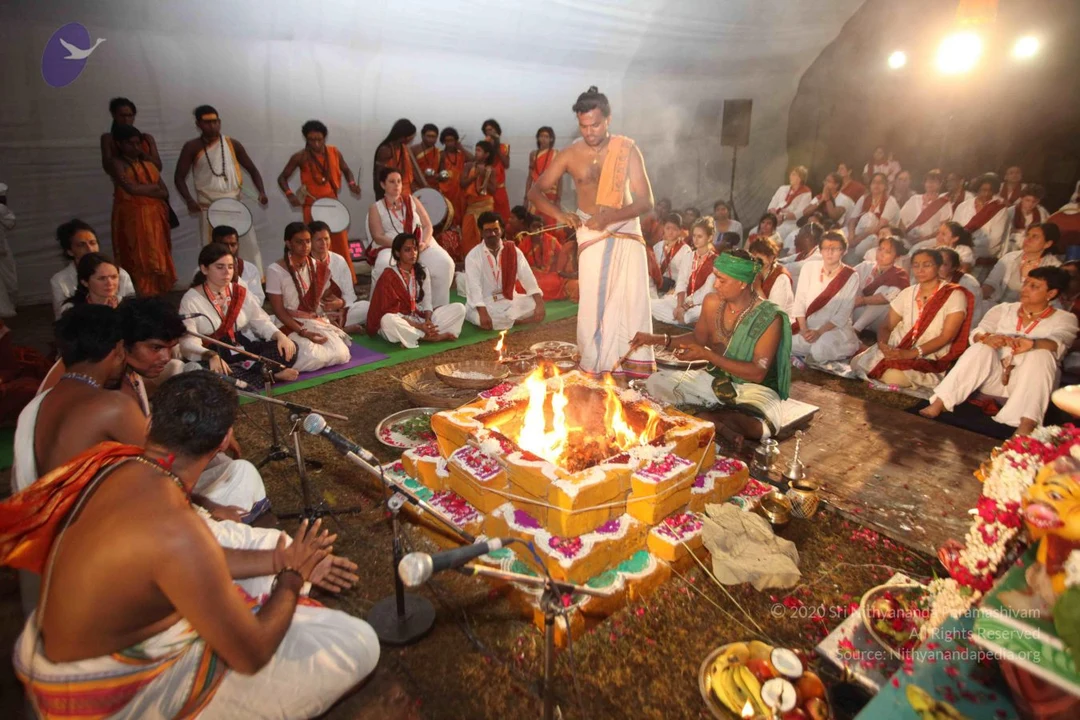
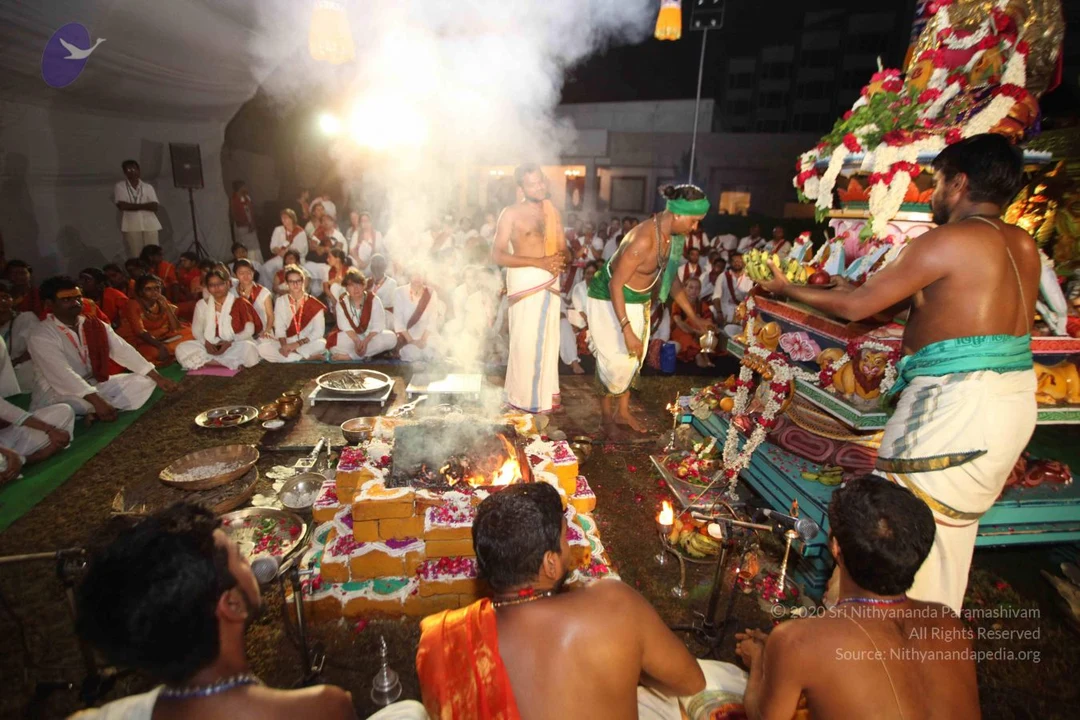
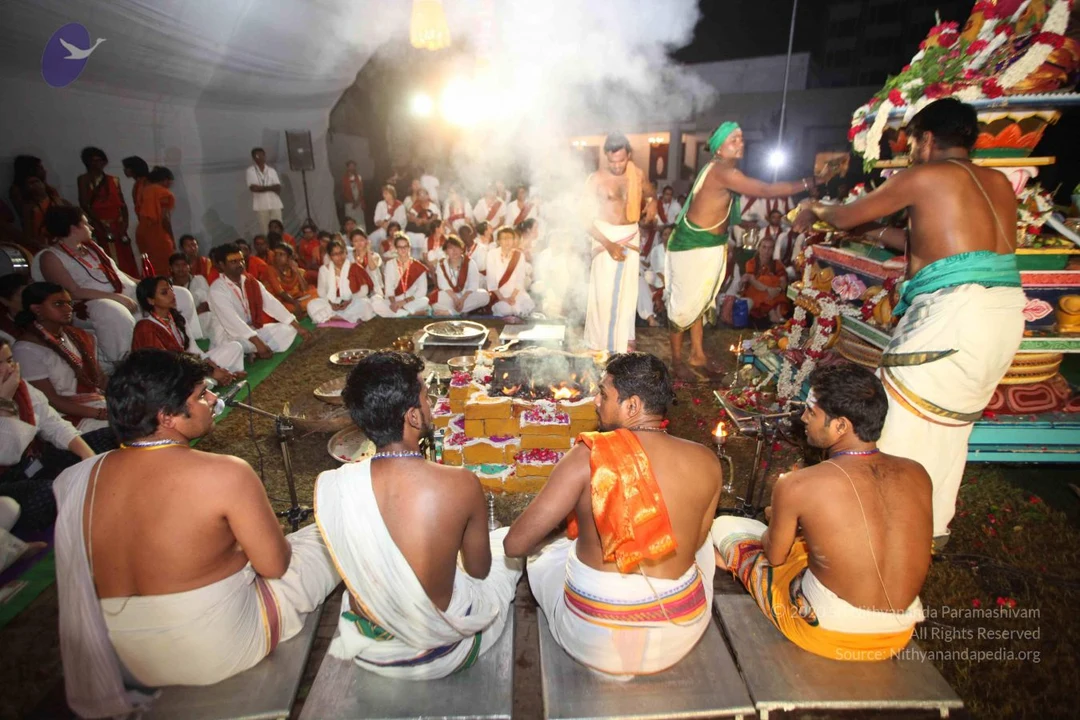
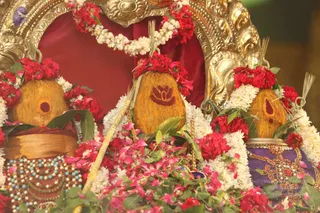
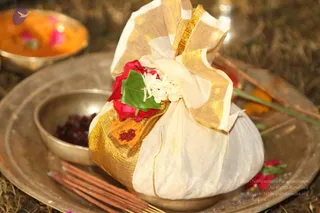
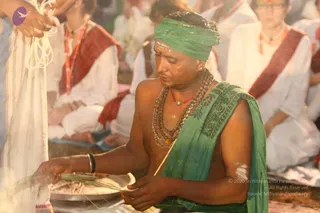
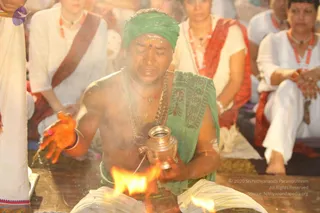
Kalabhairava Homa
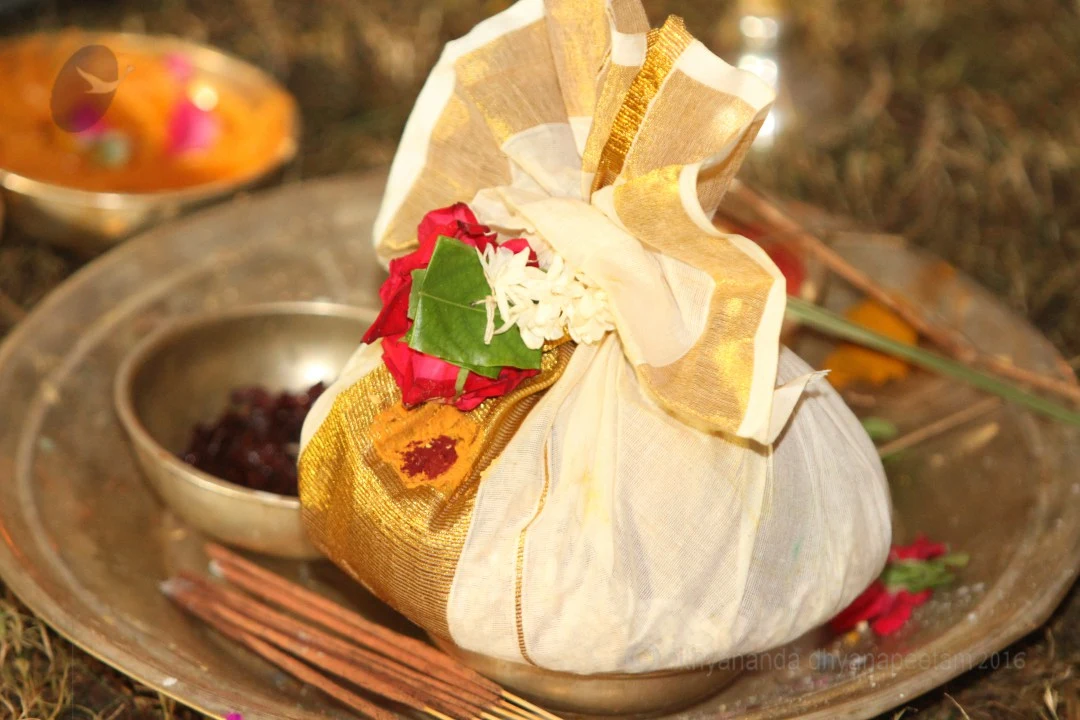
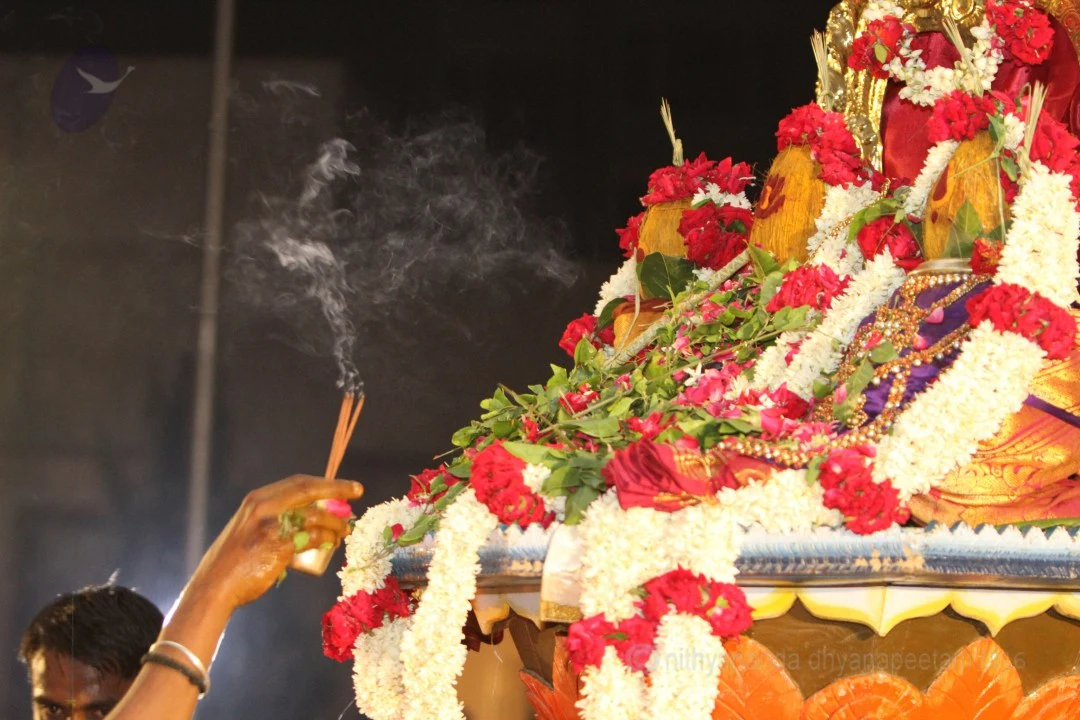
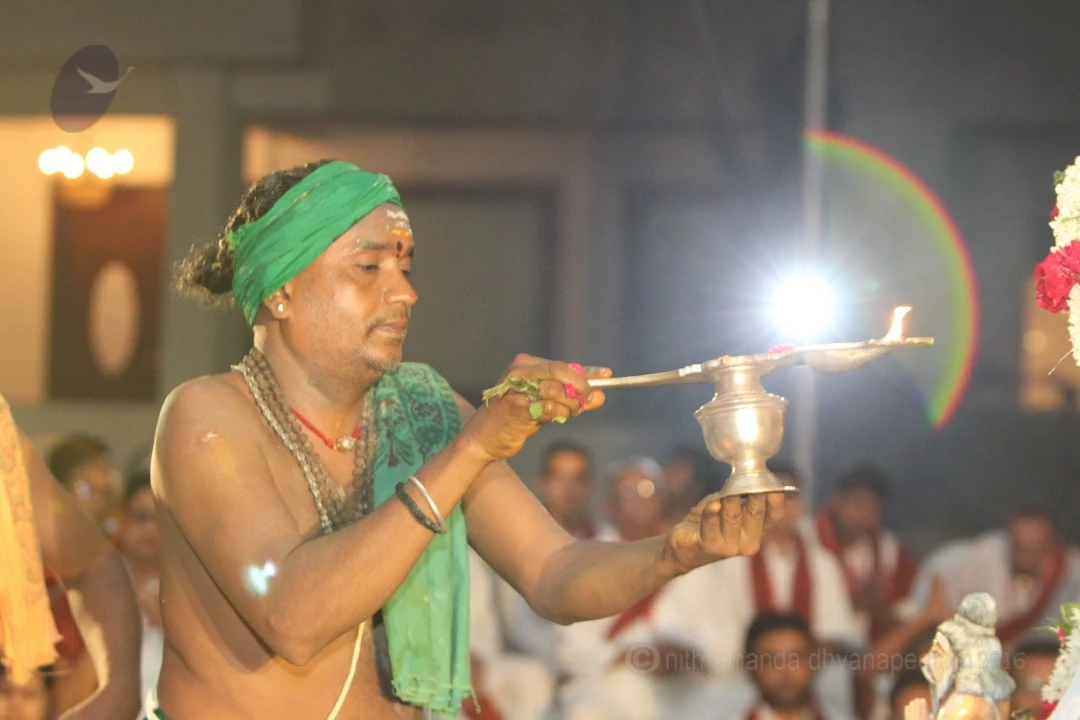
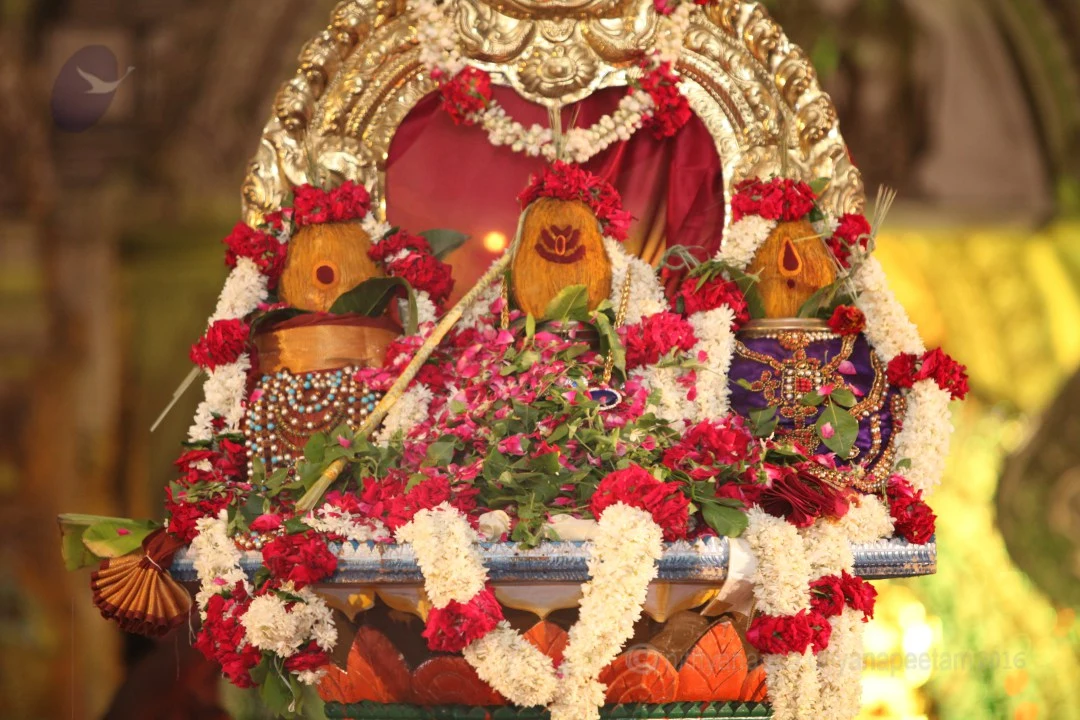
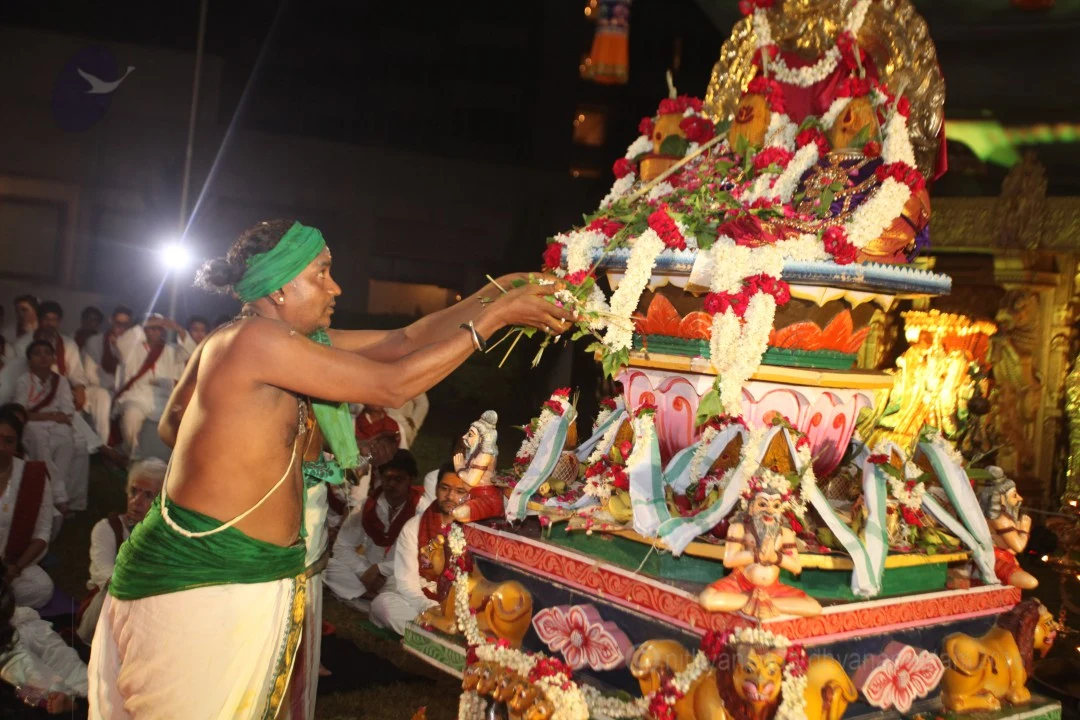
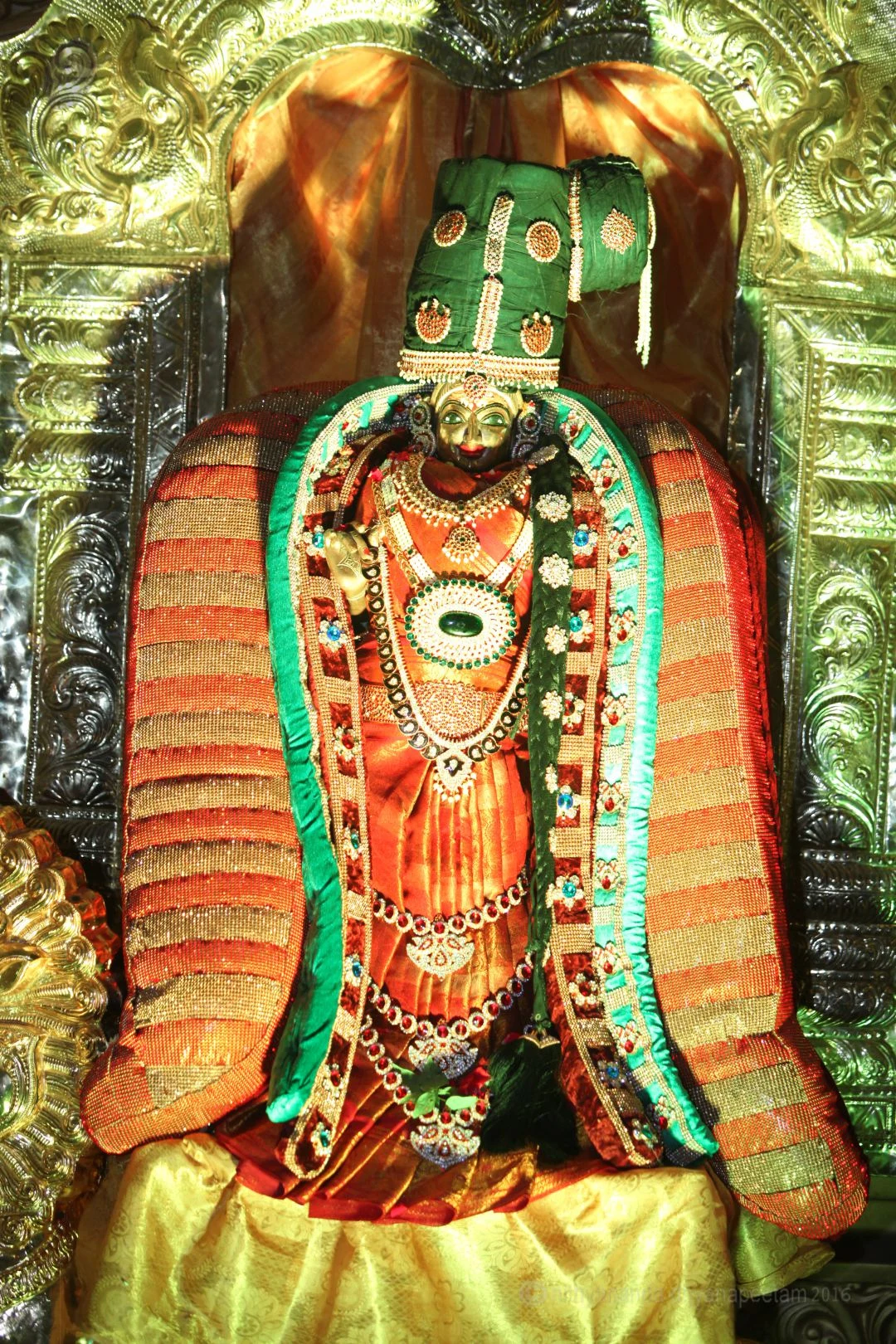
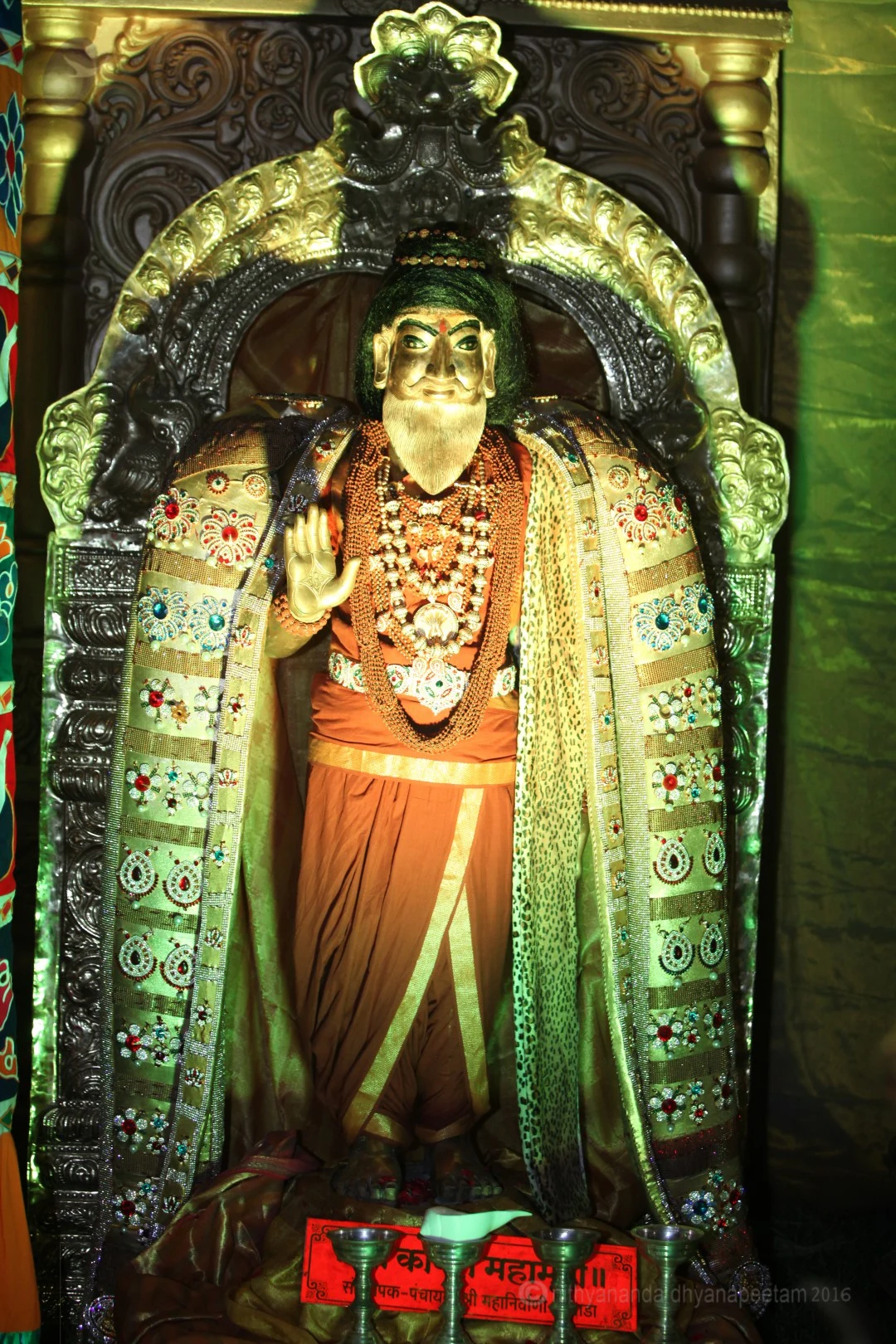
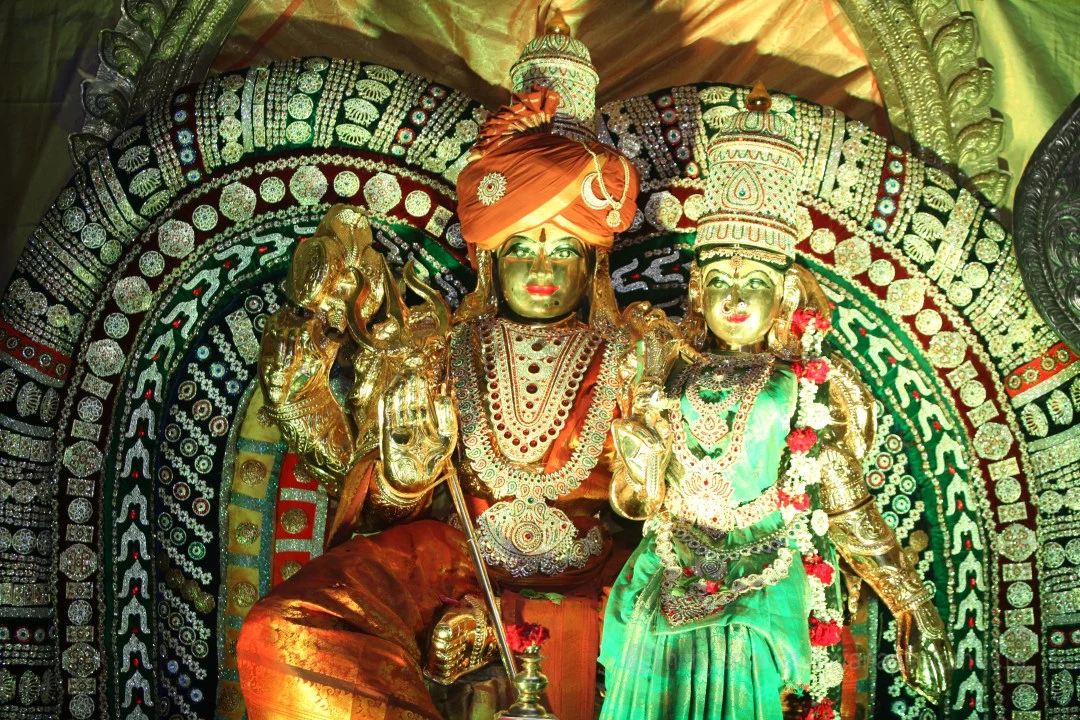
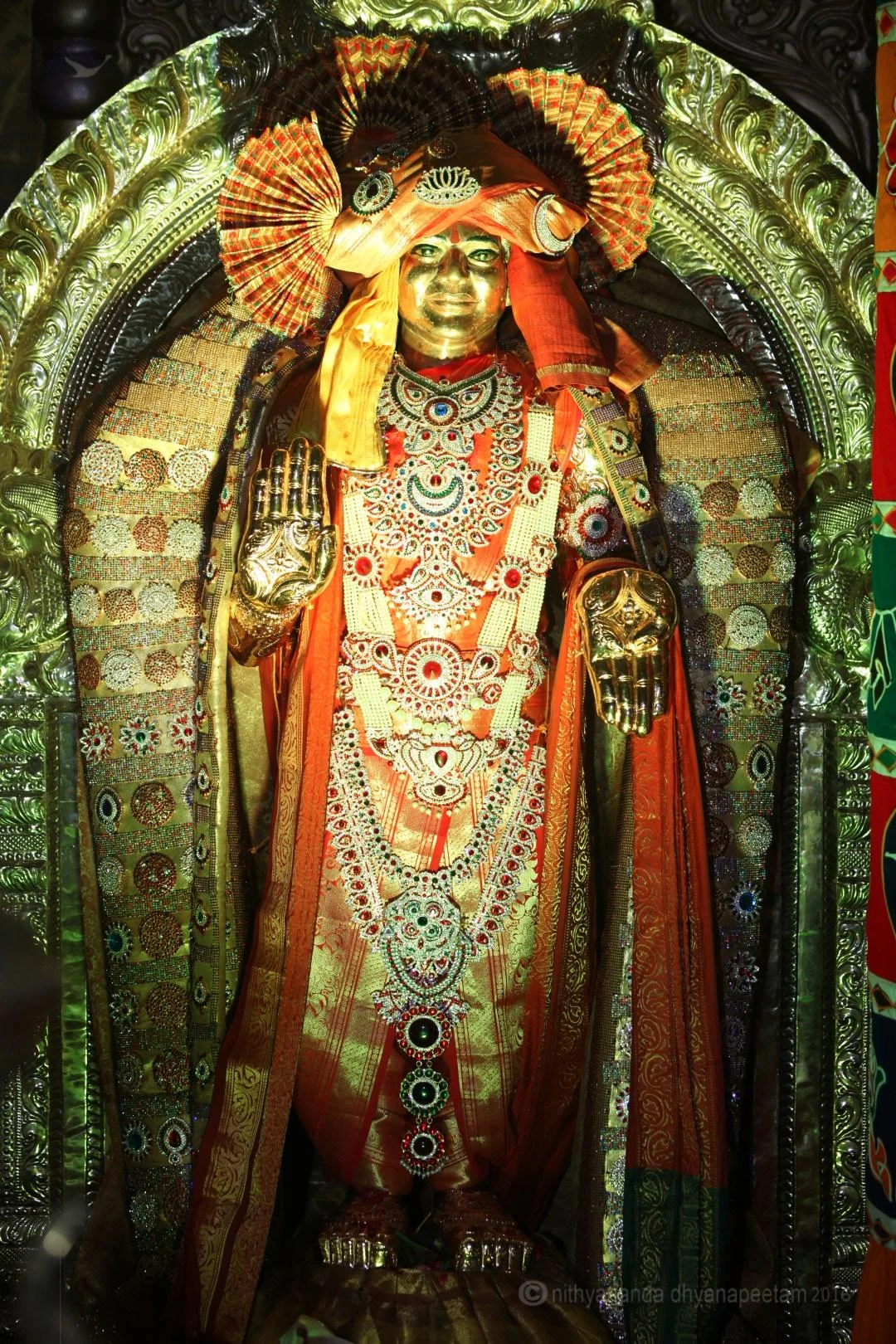
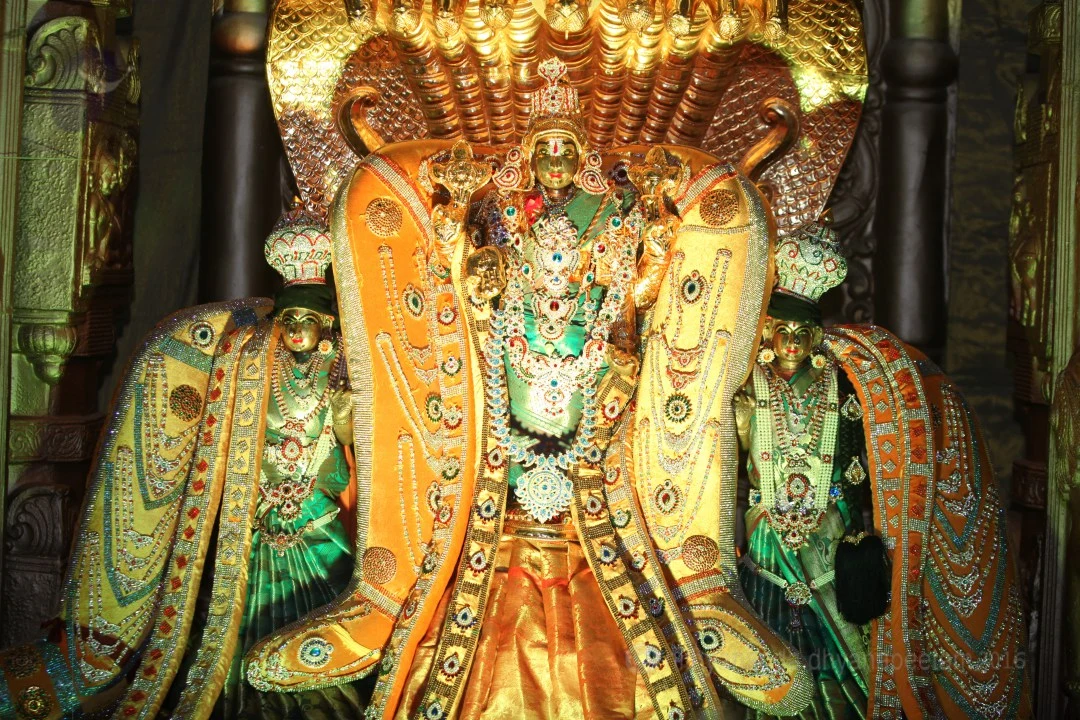
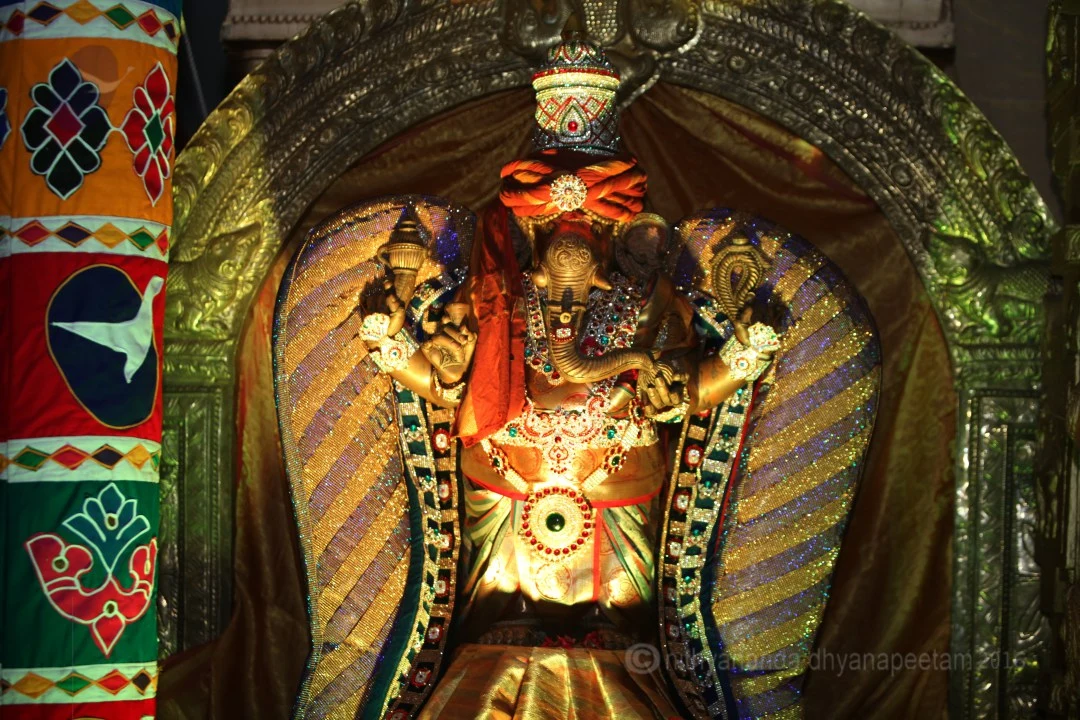
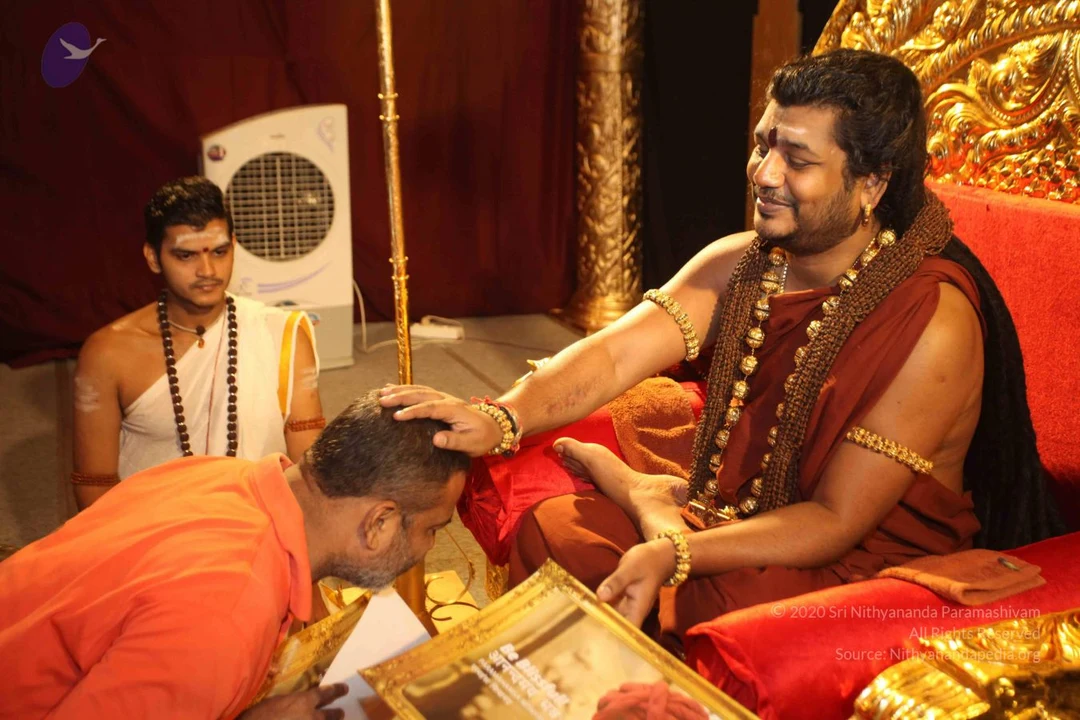
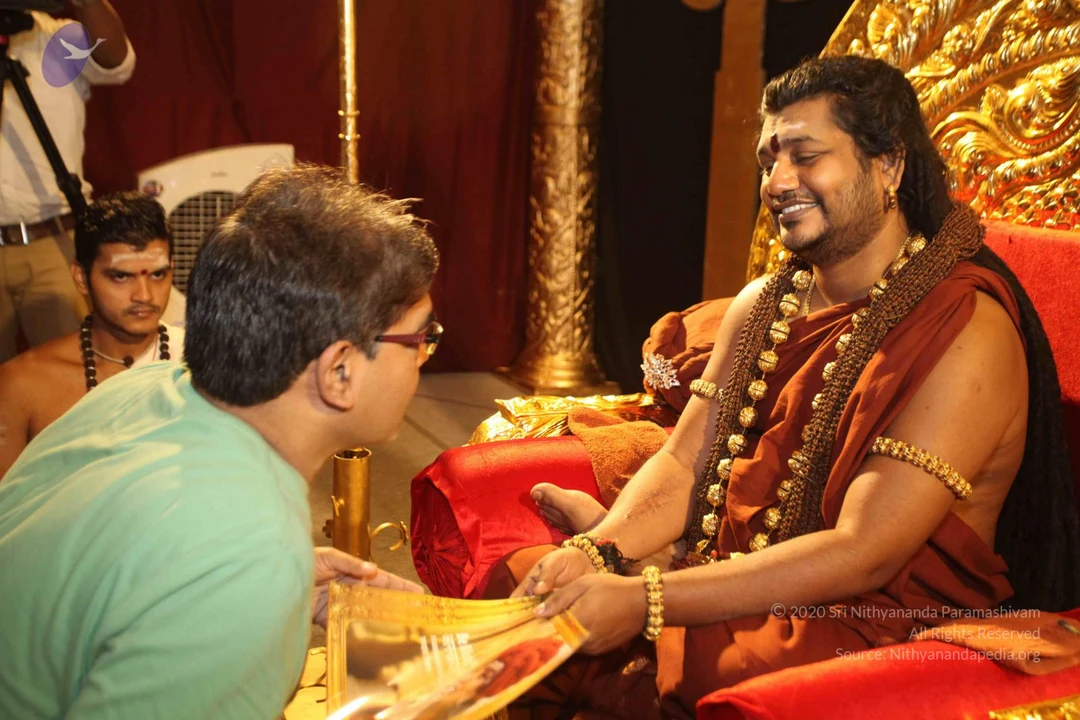
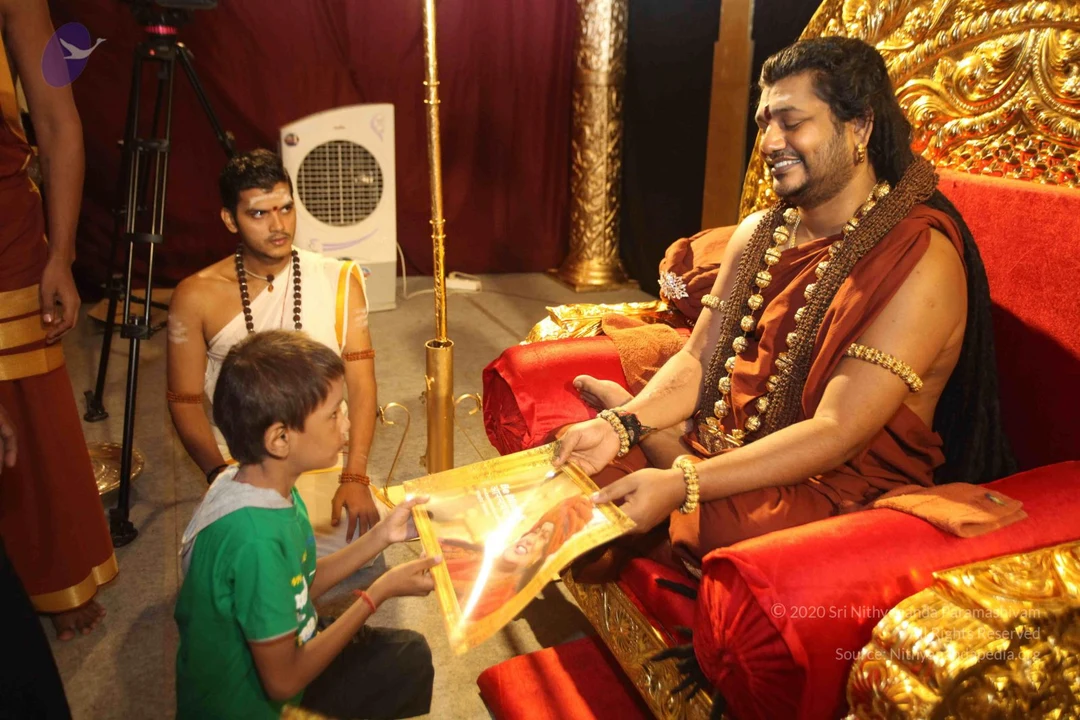
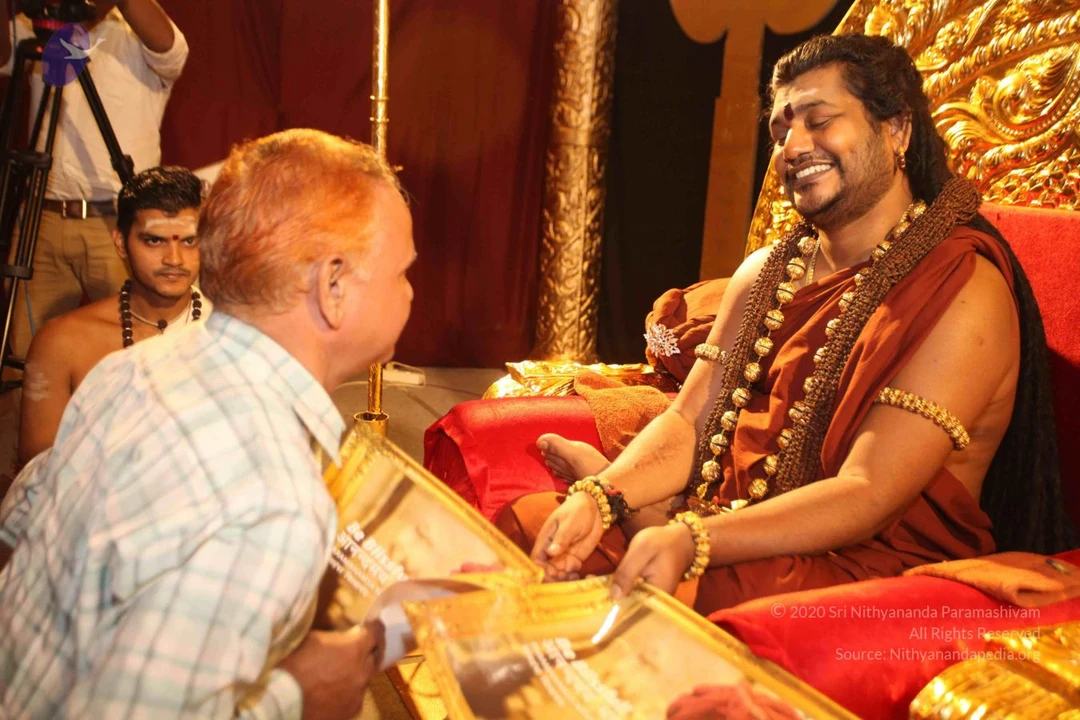
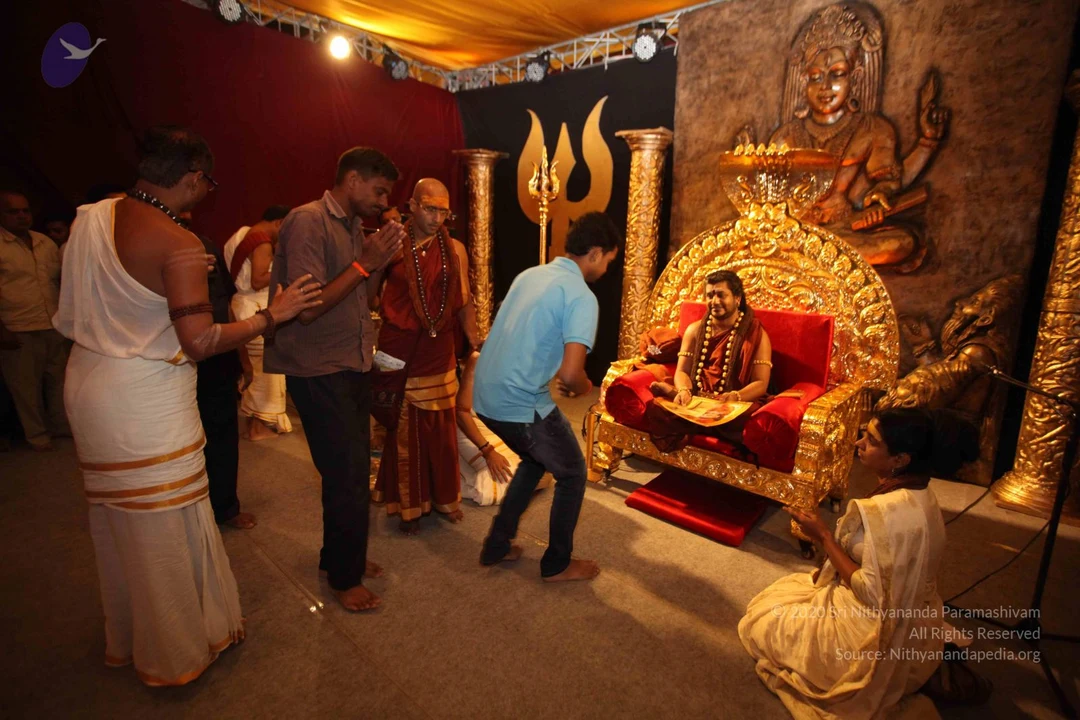
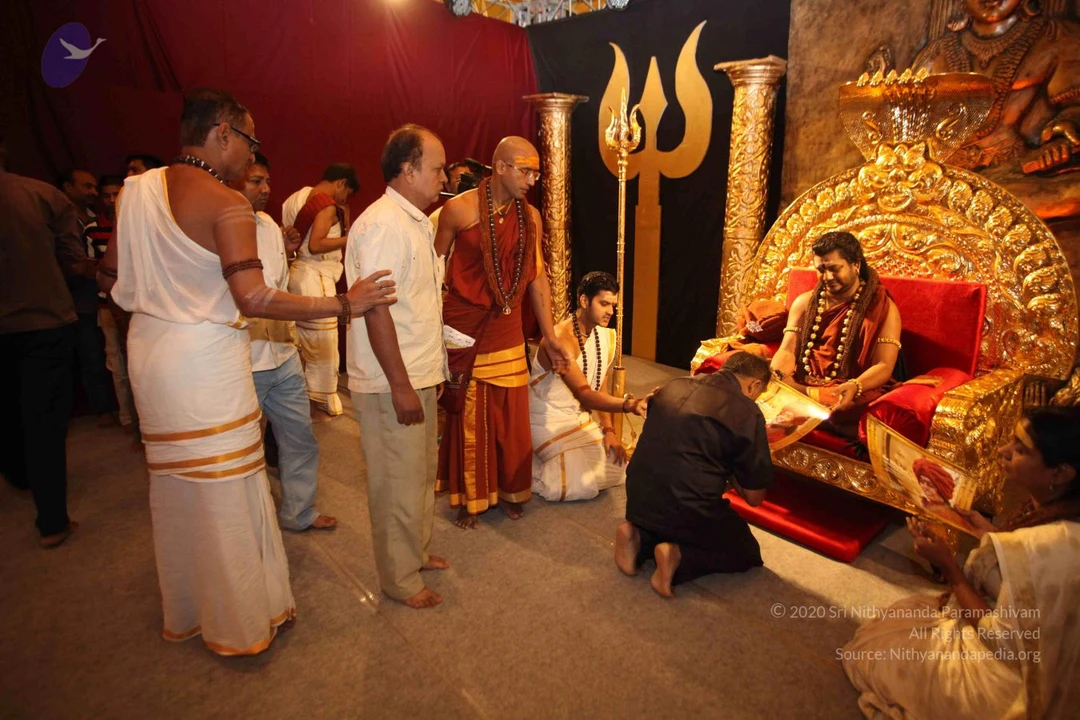
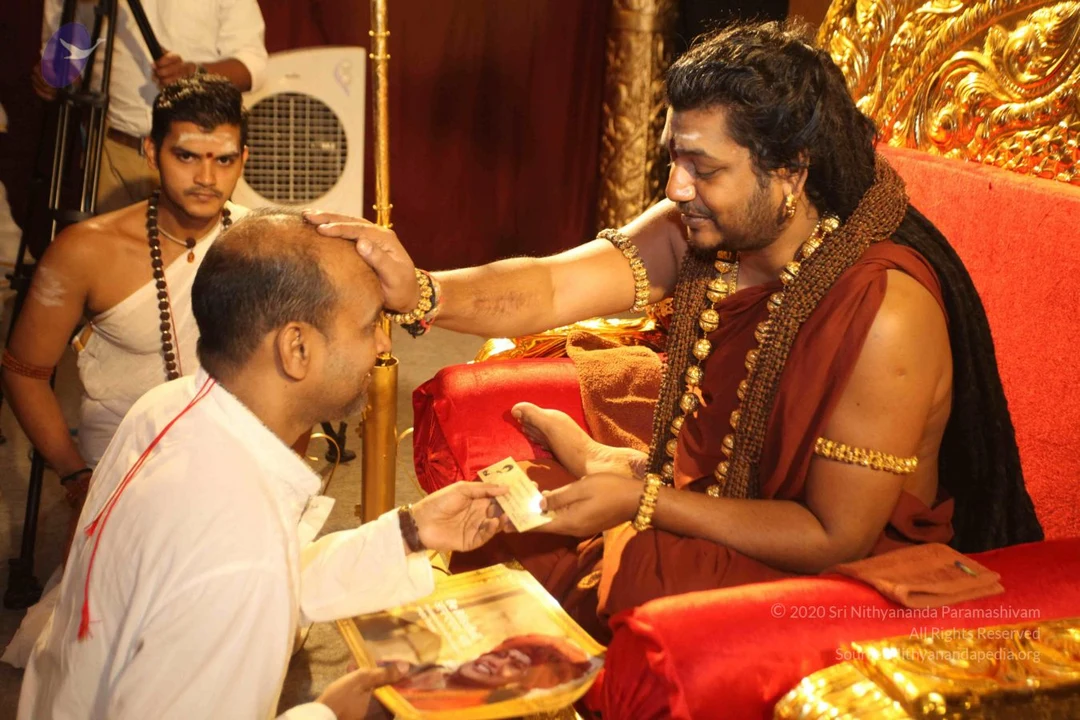
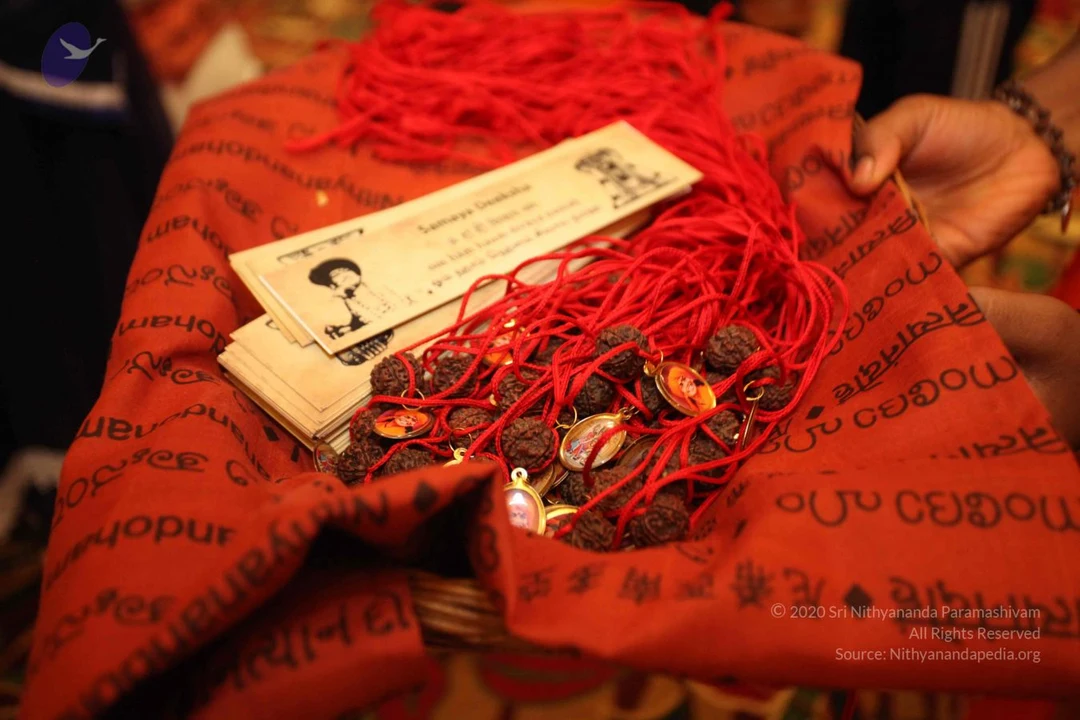
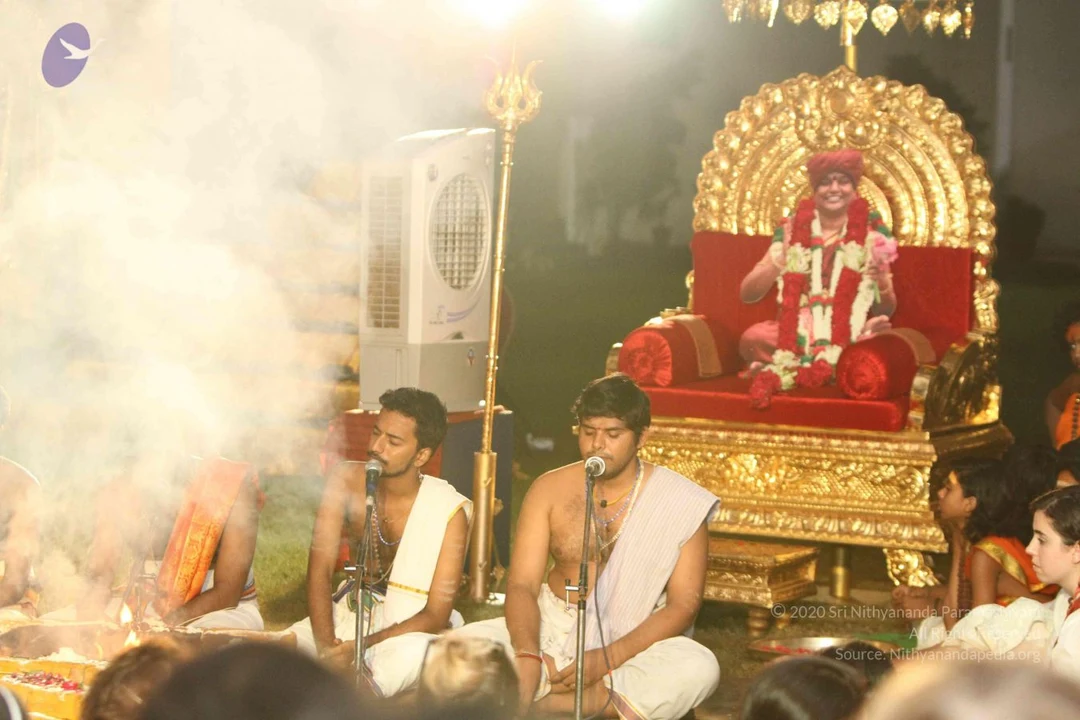
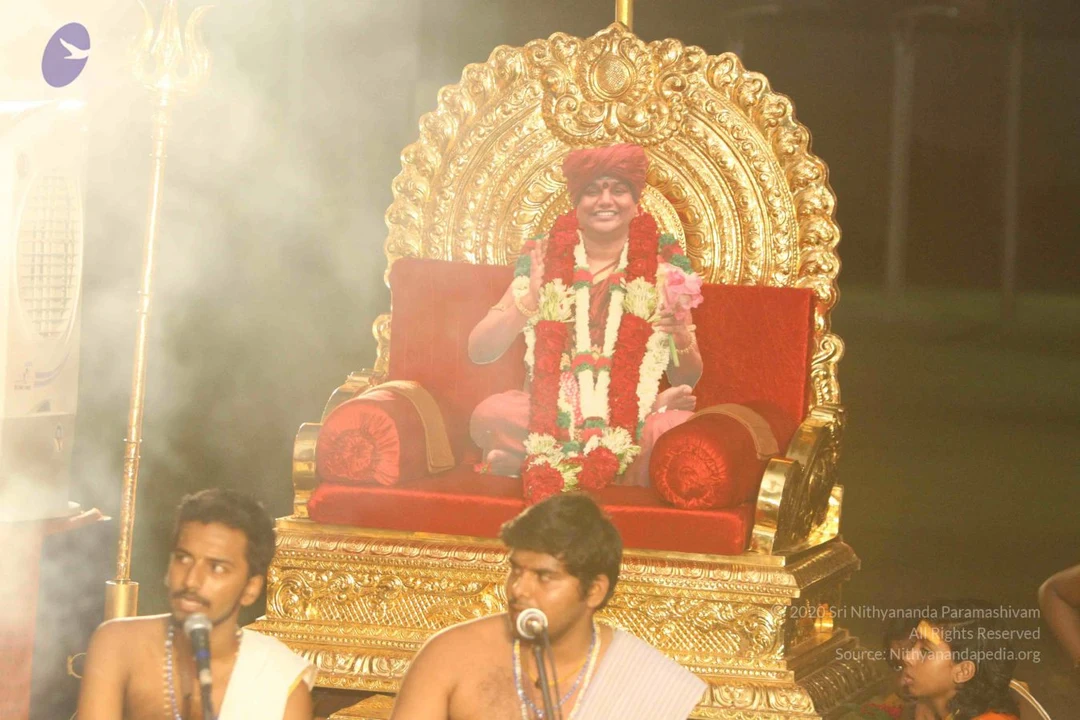
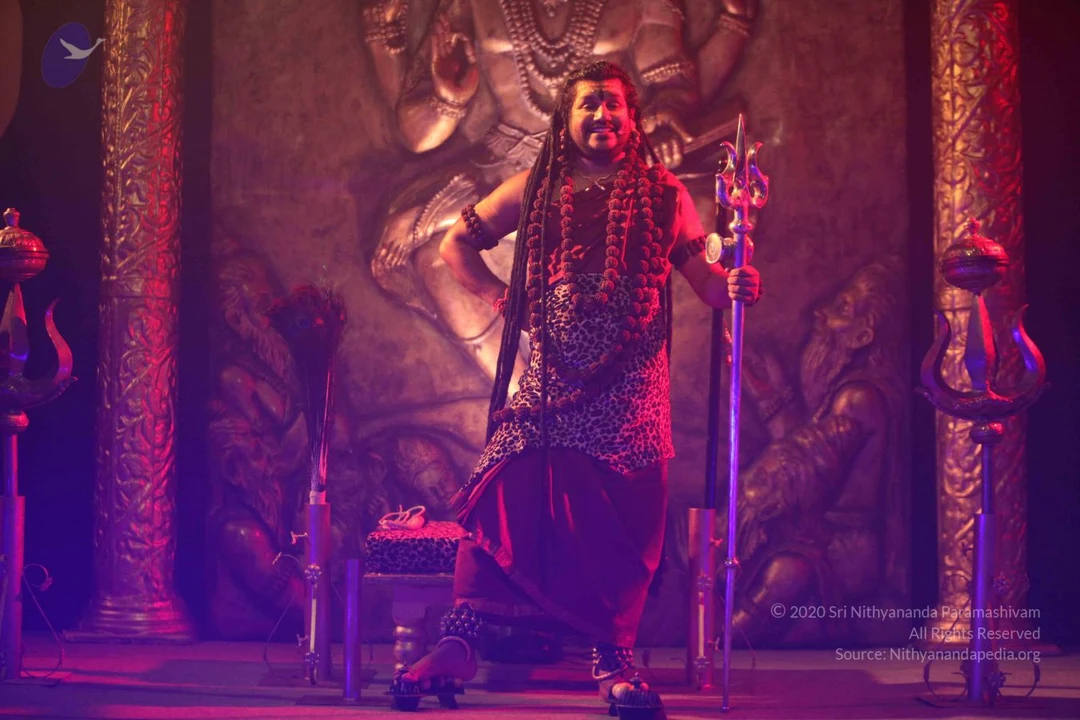
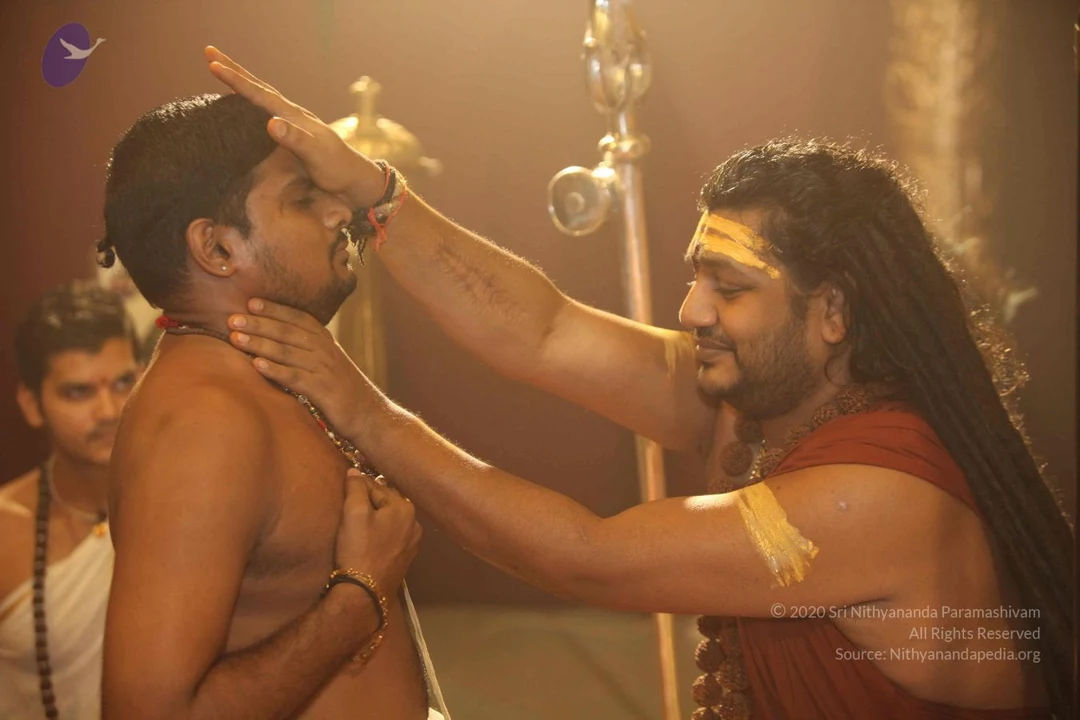
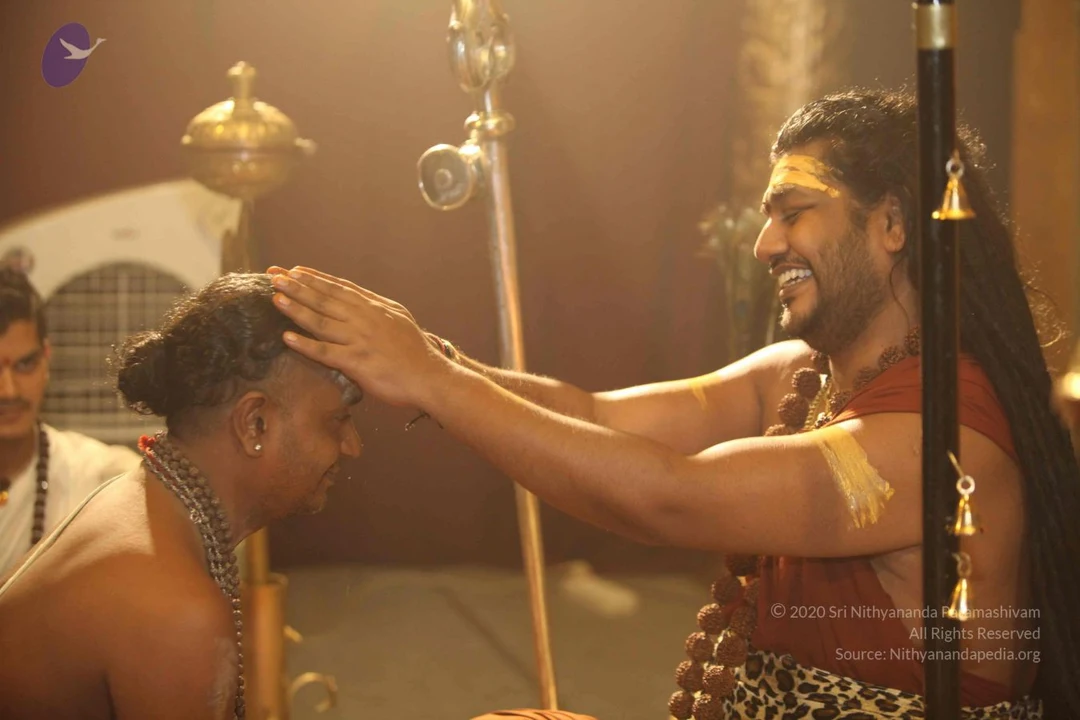
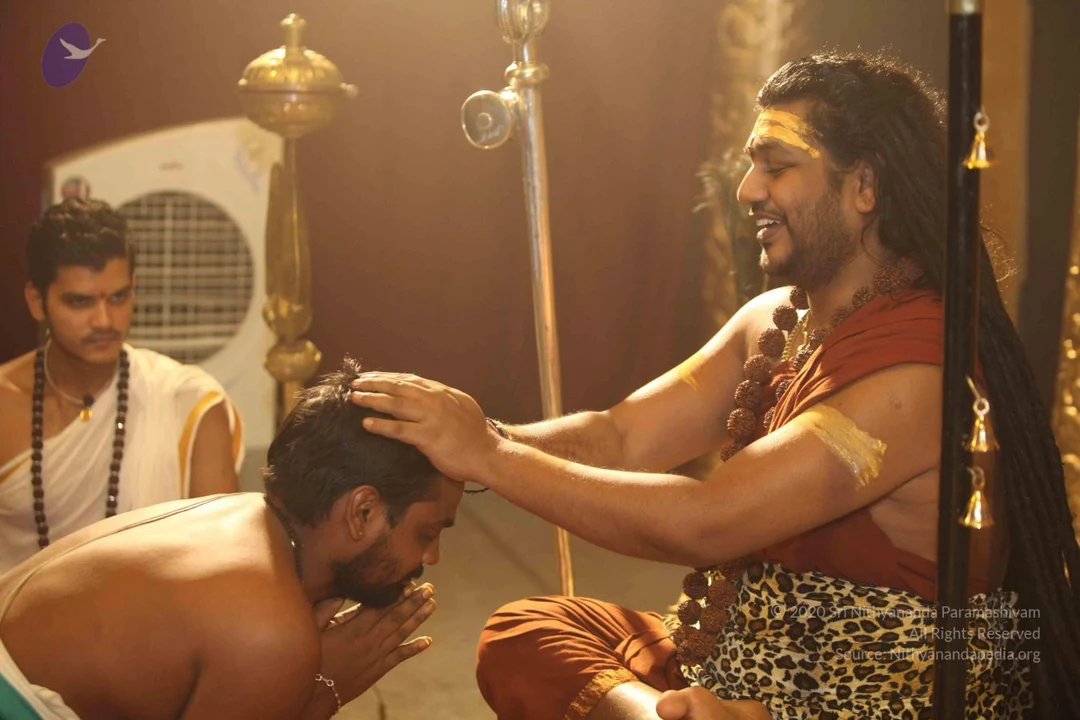
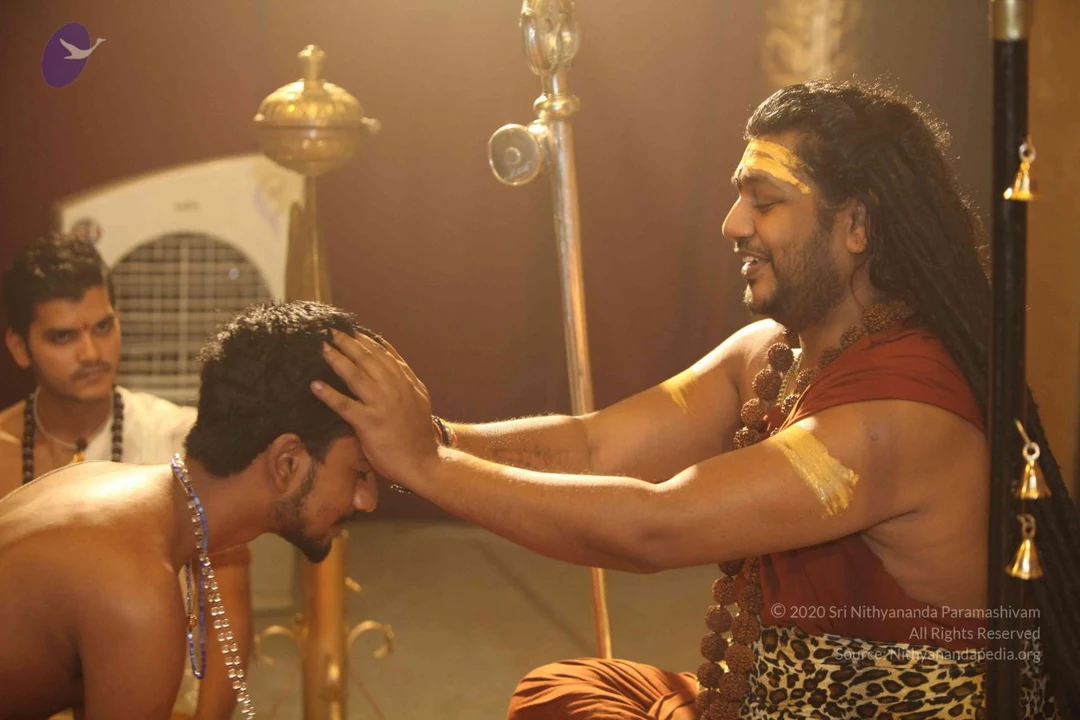
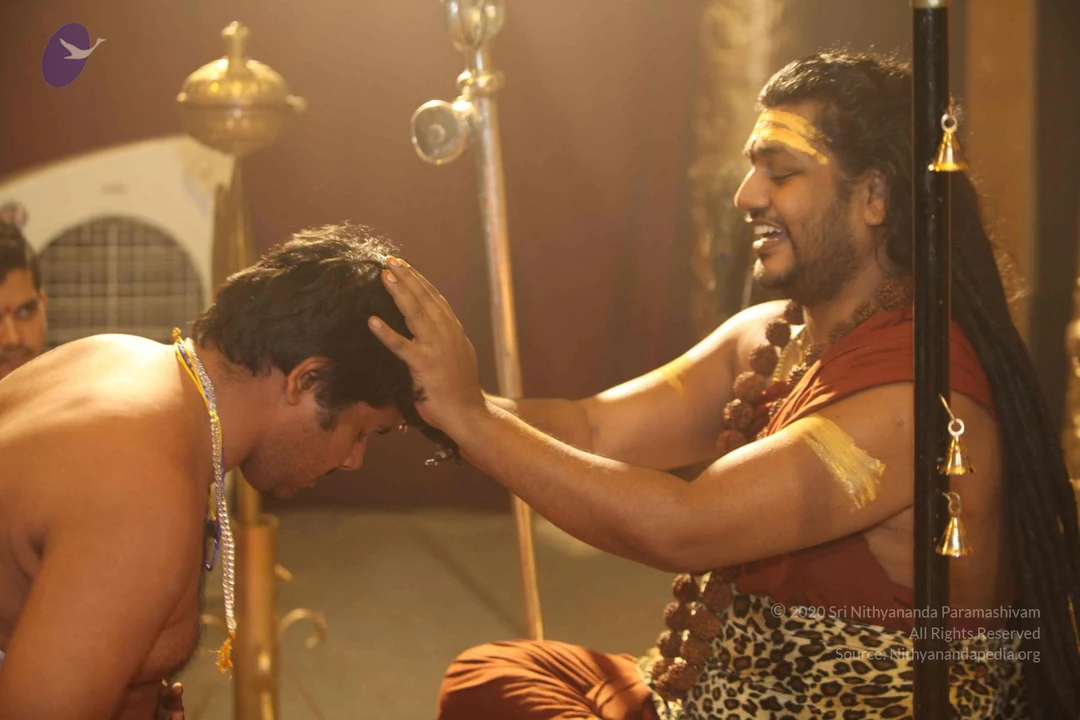
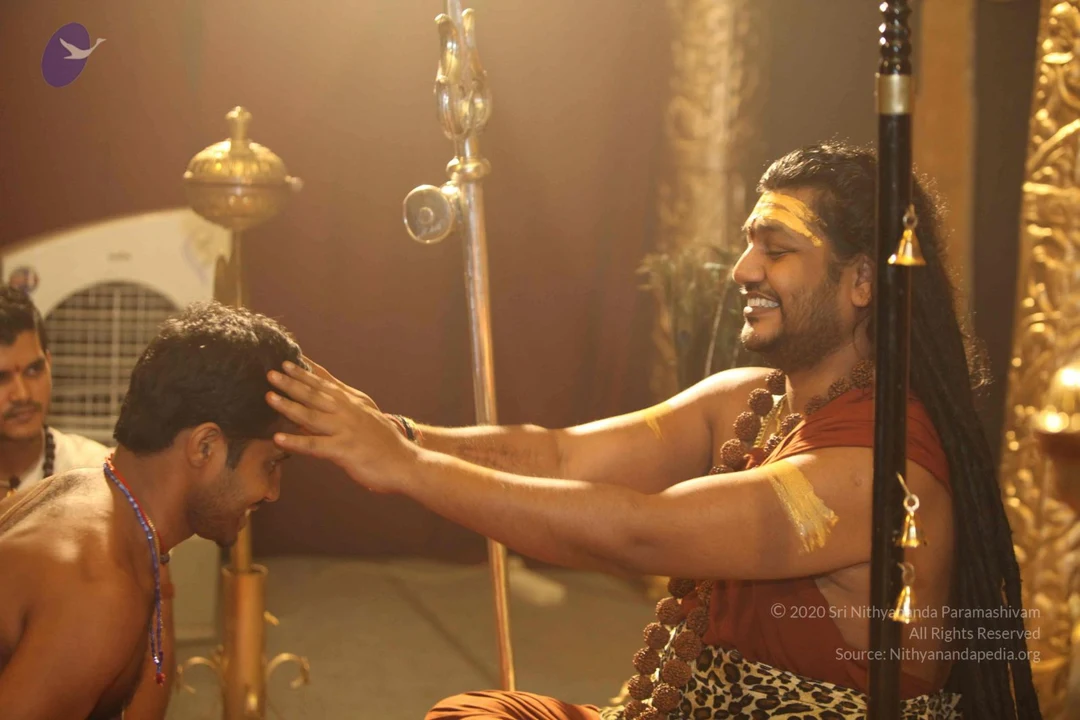
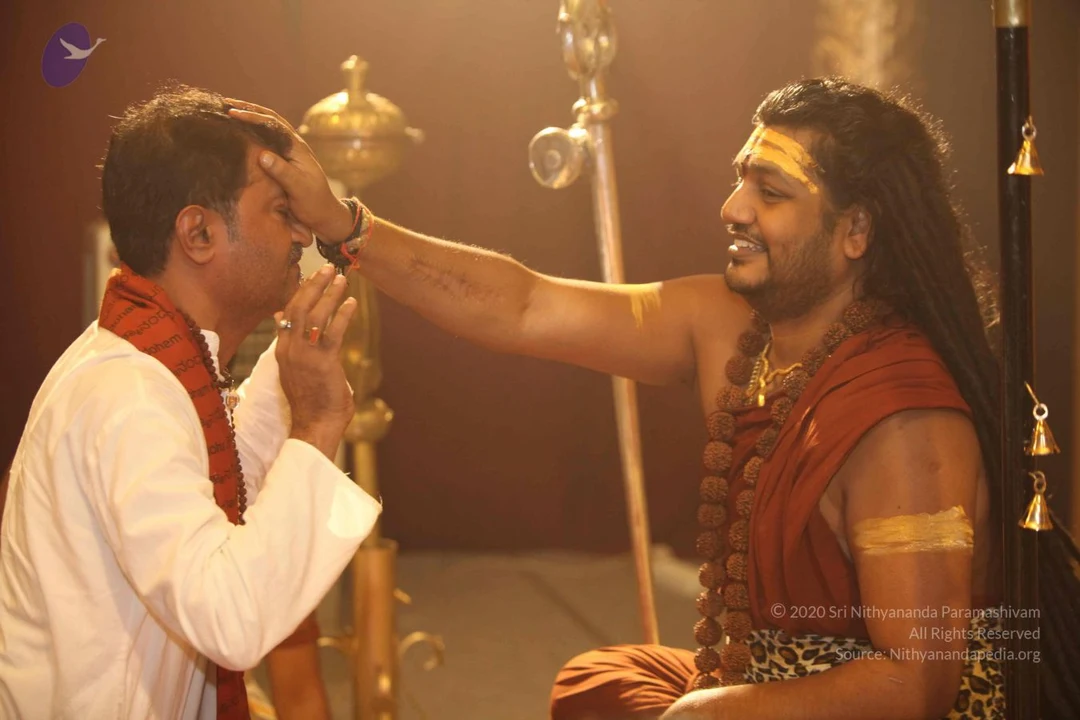
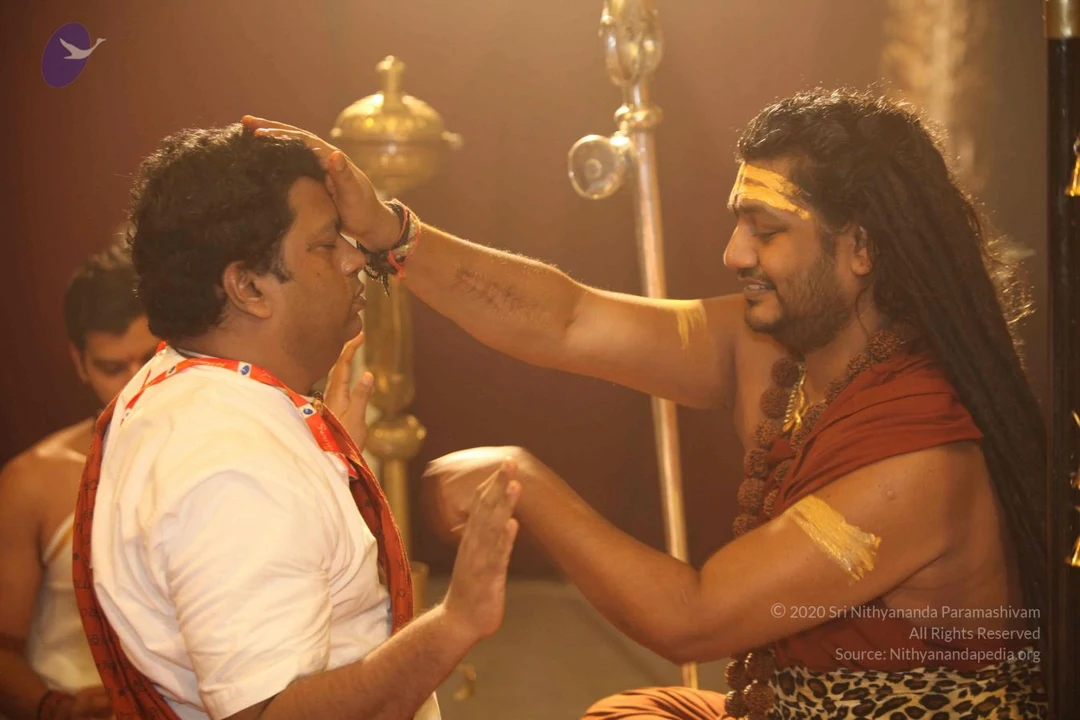
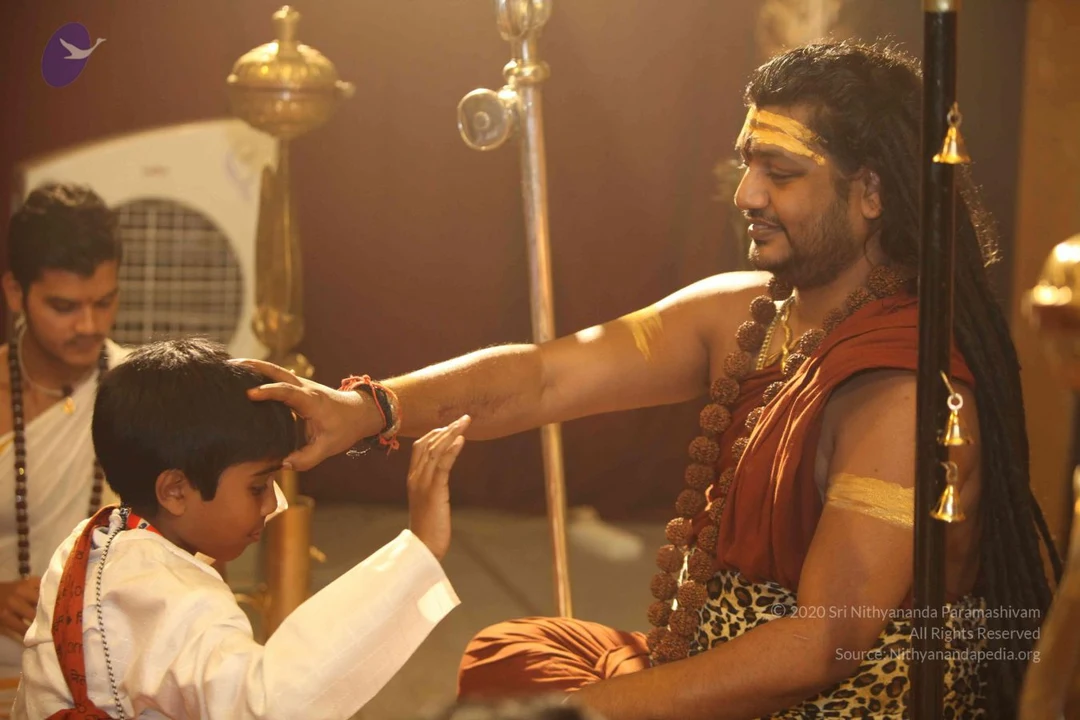
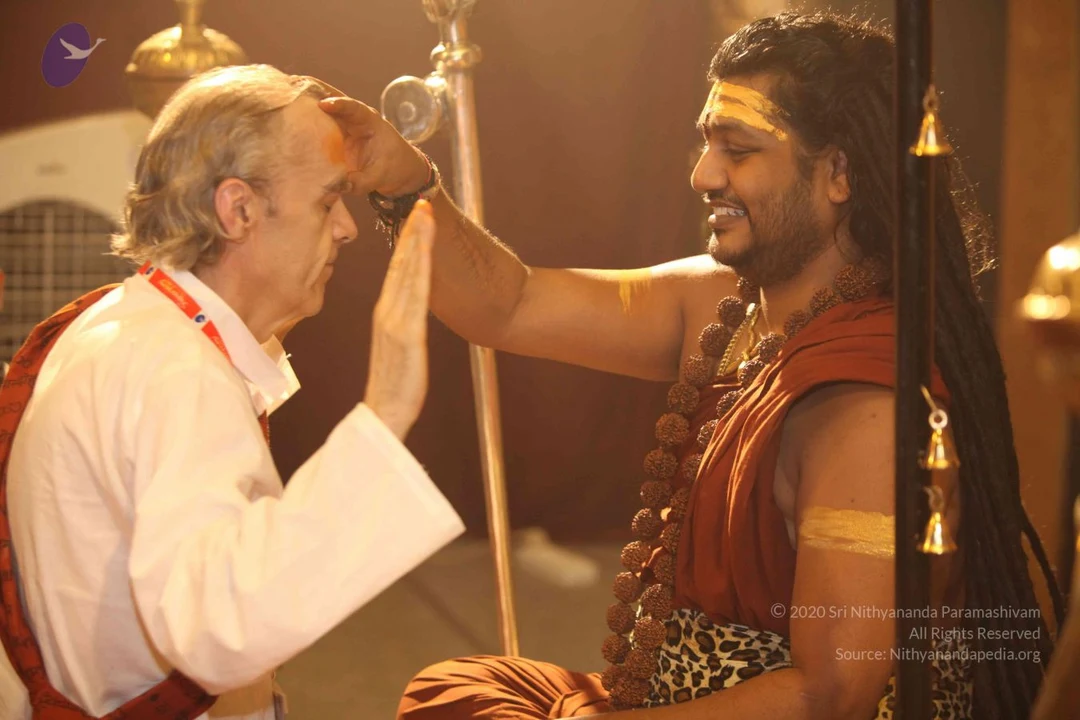
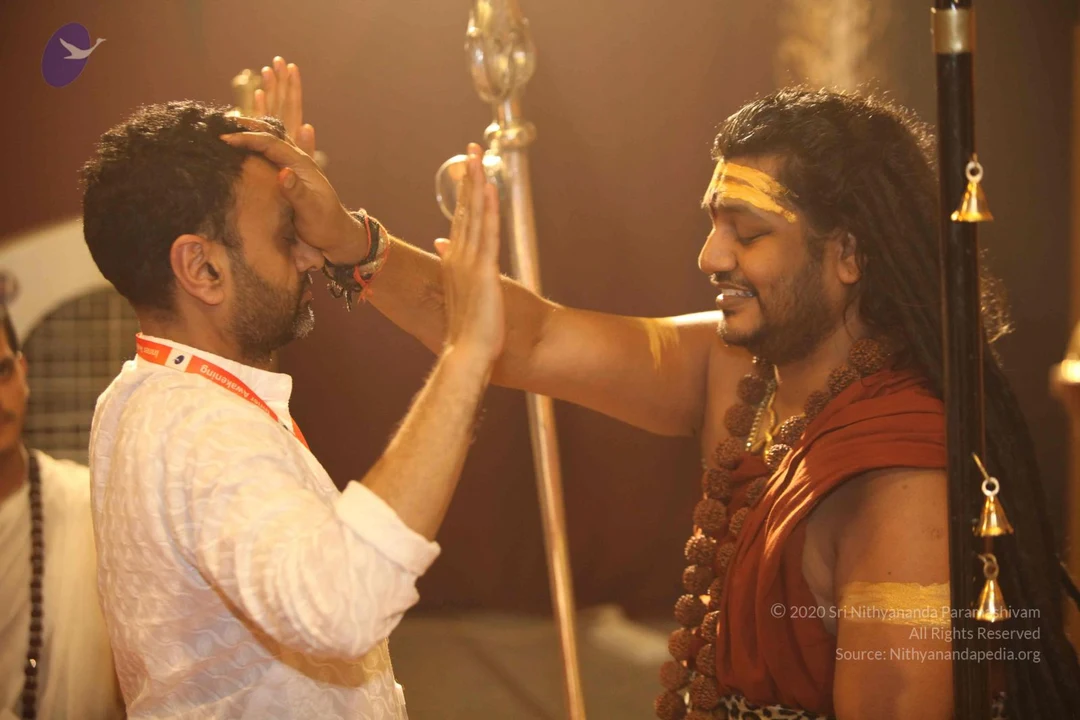
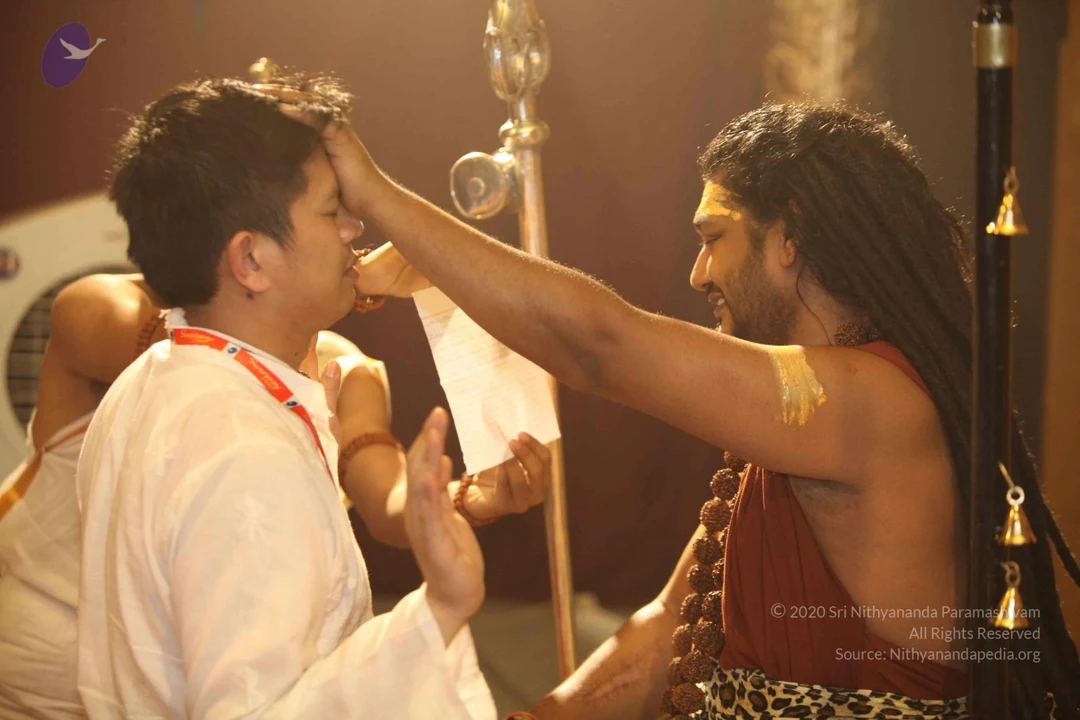
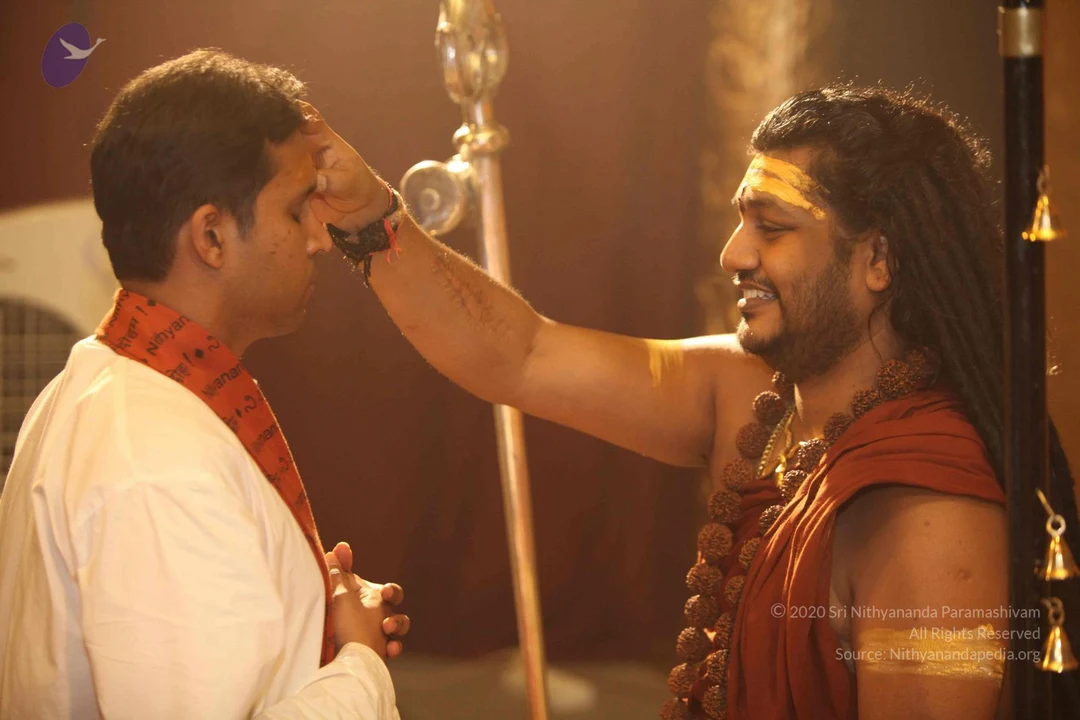
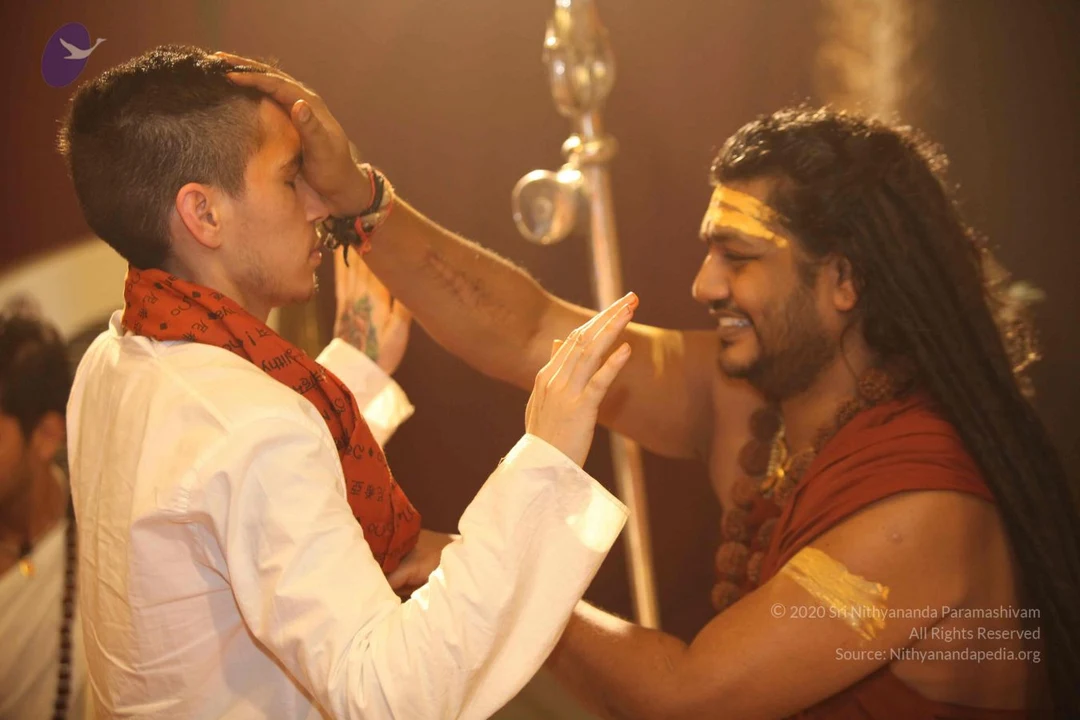
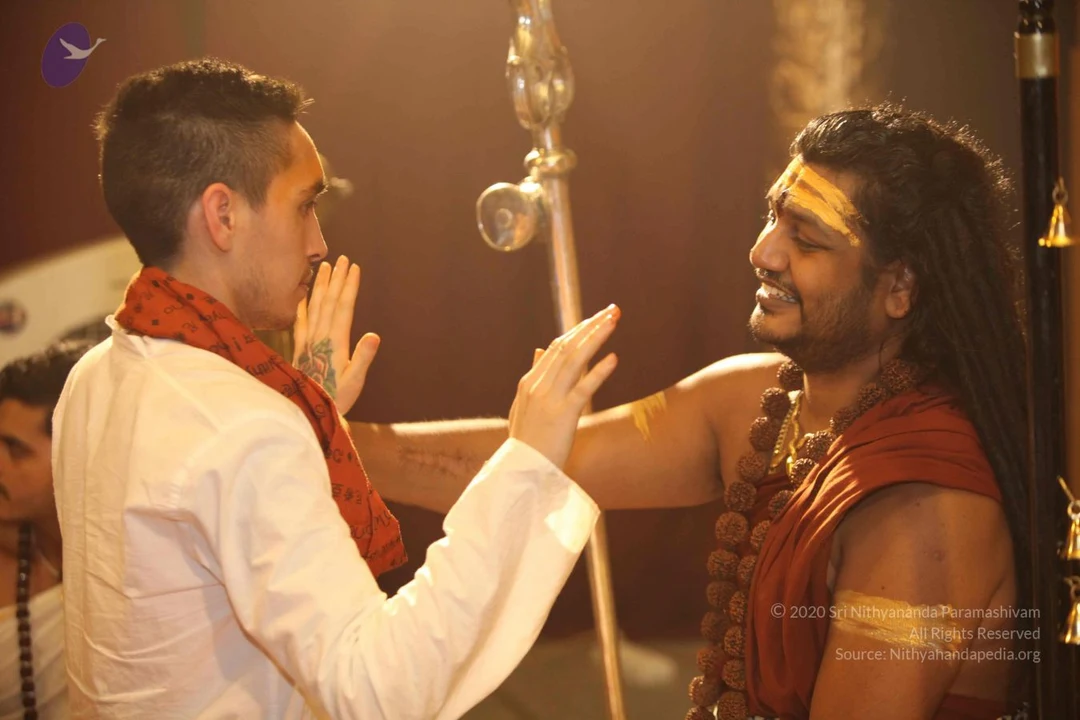
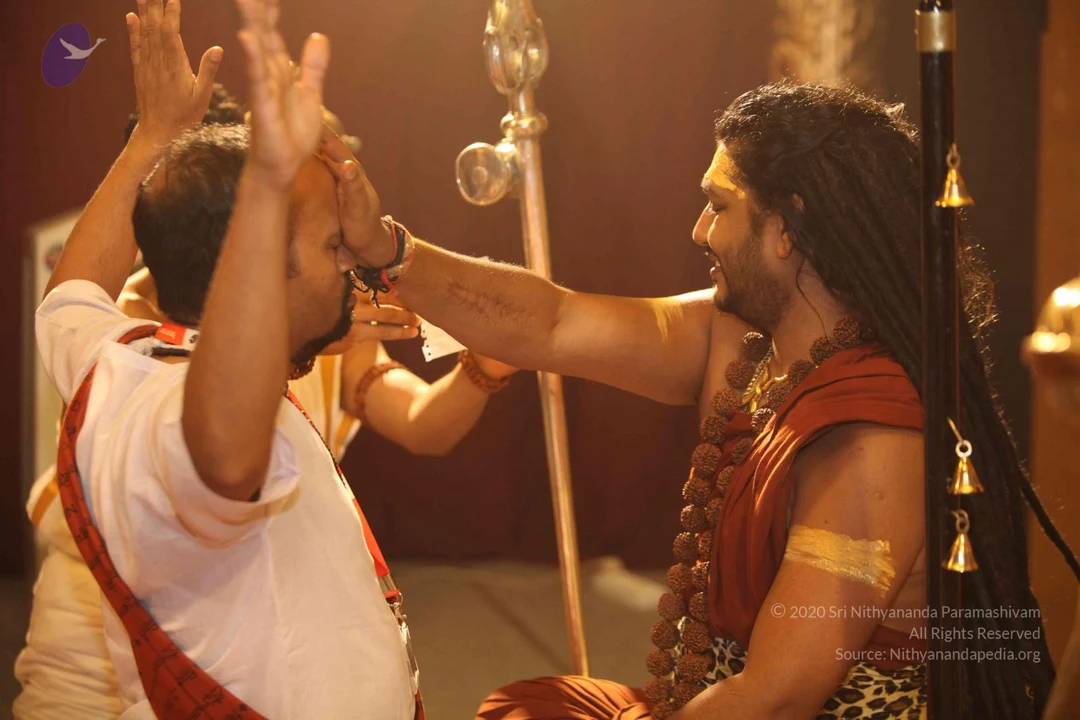
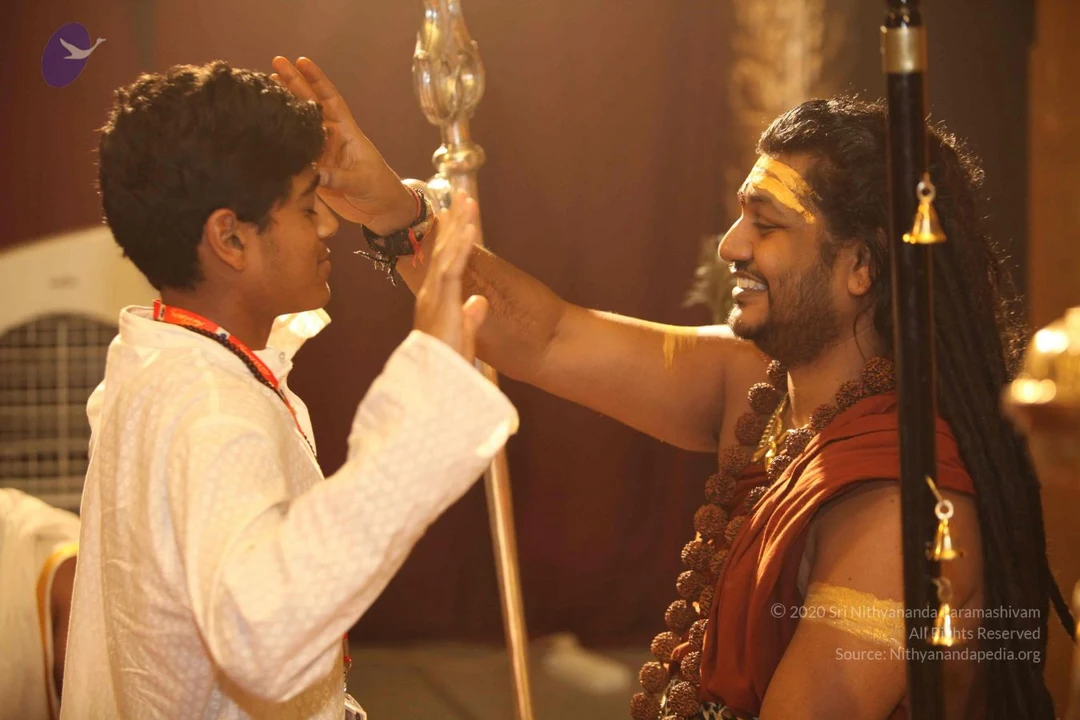
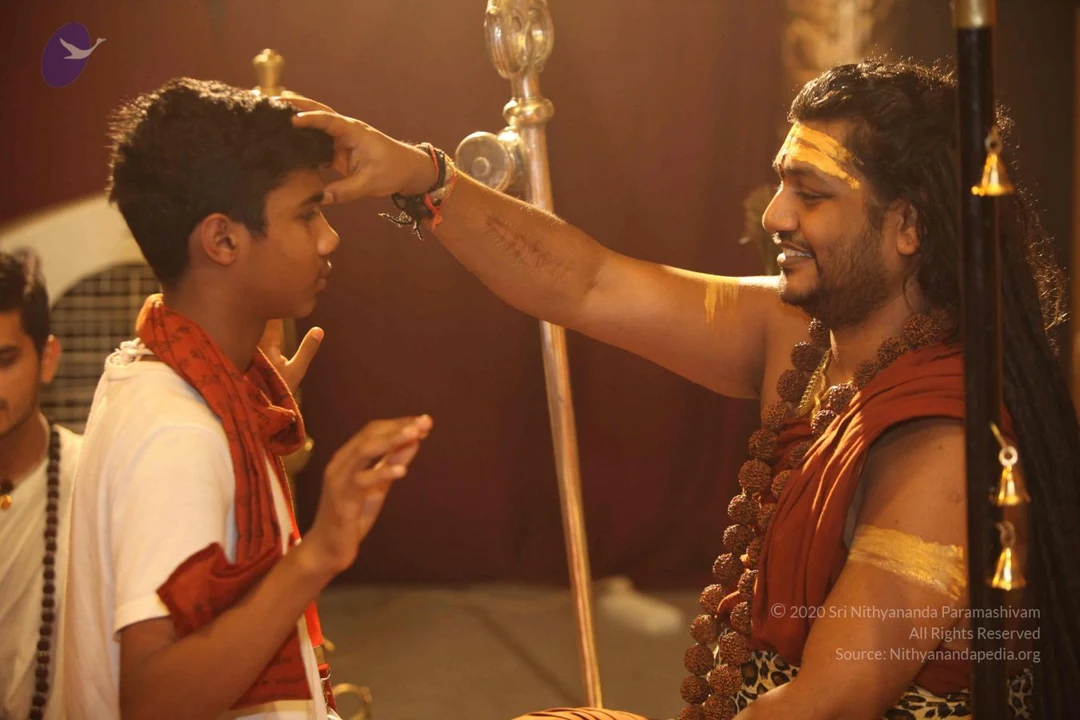
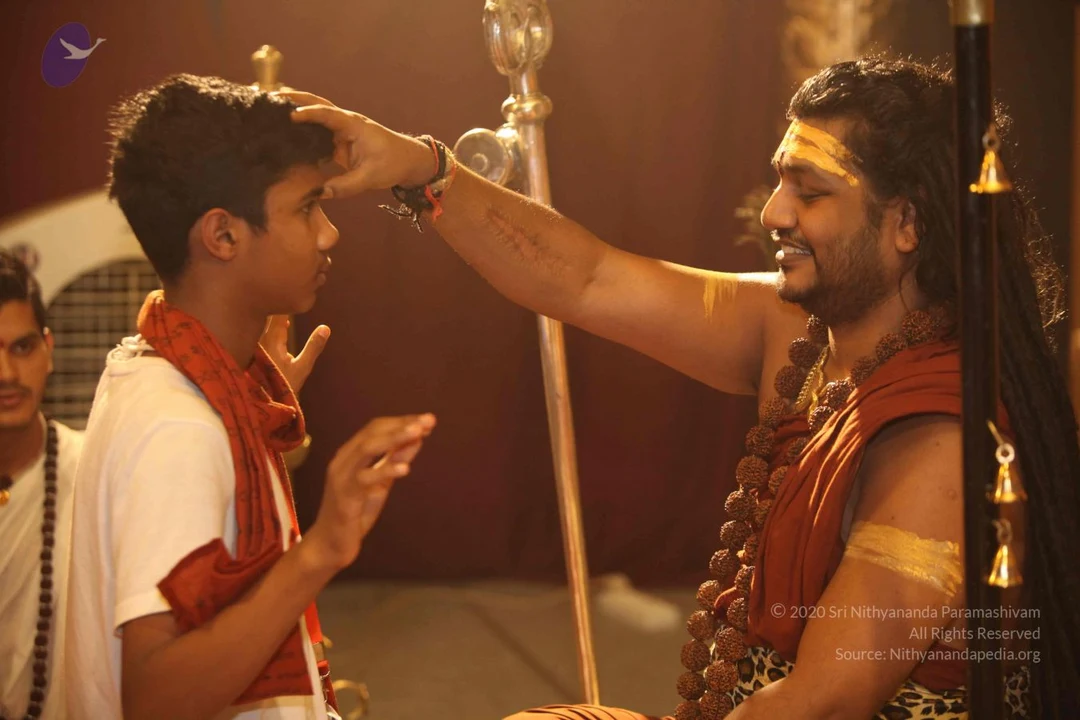
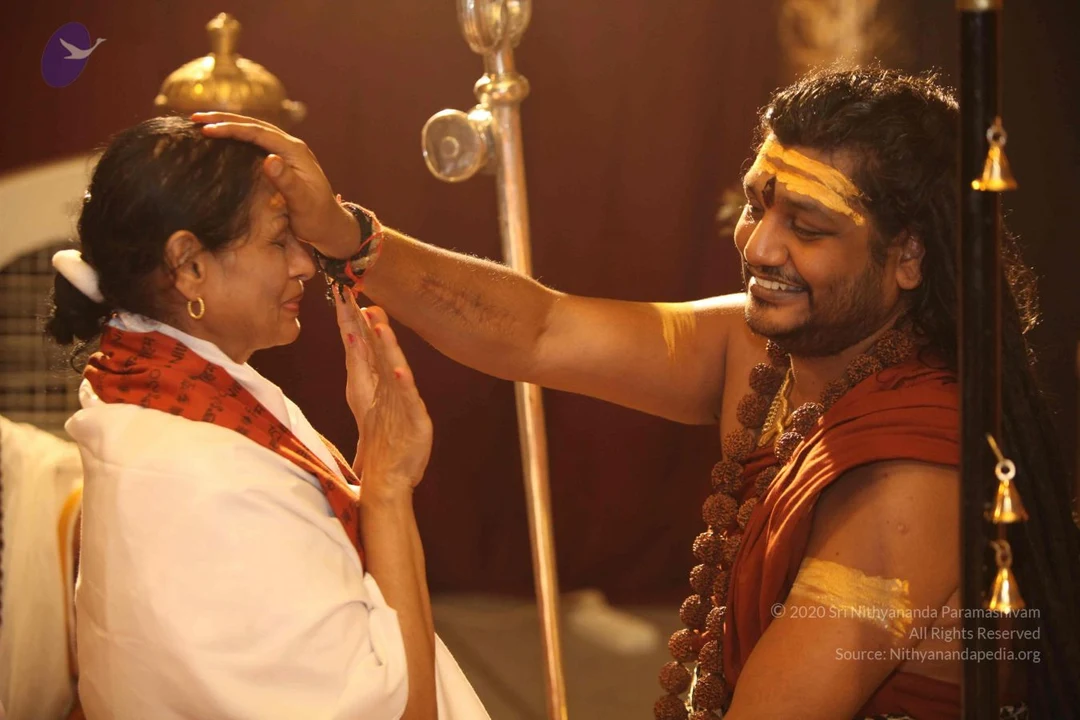
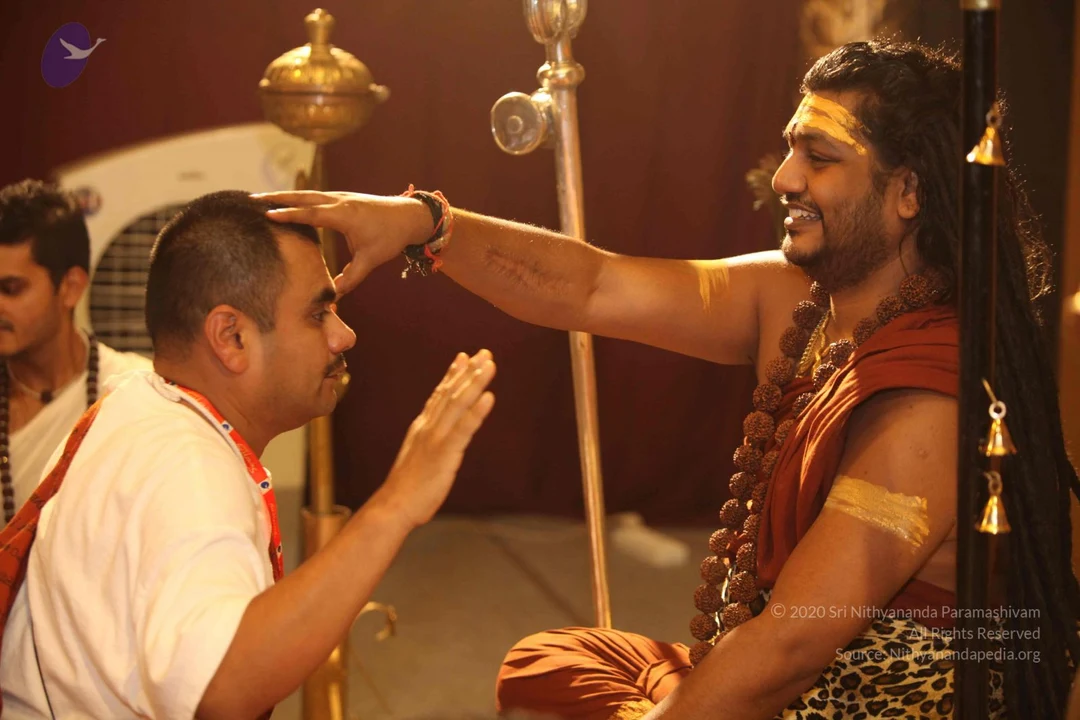
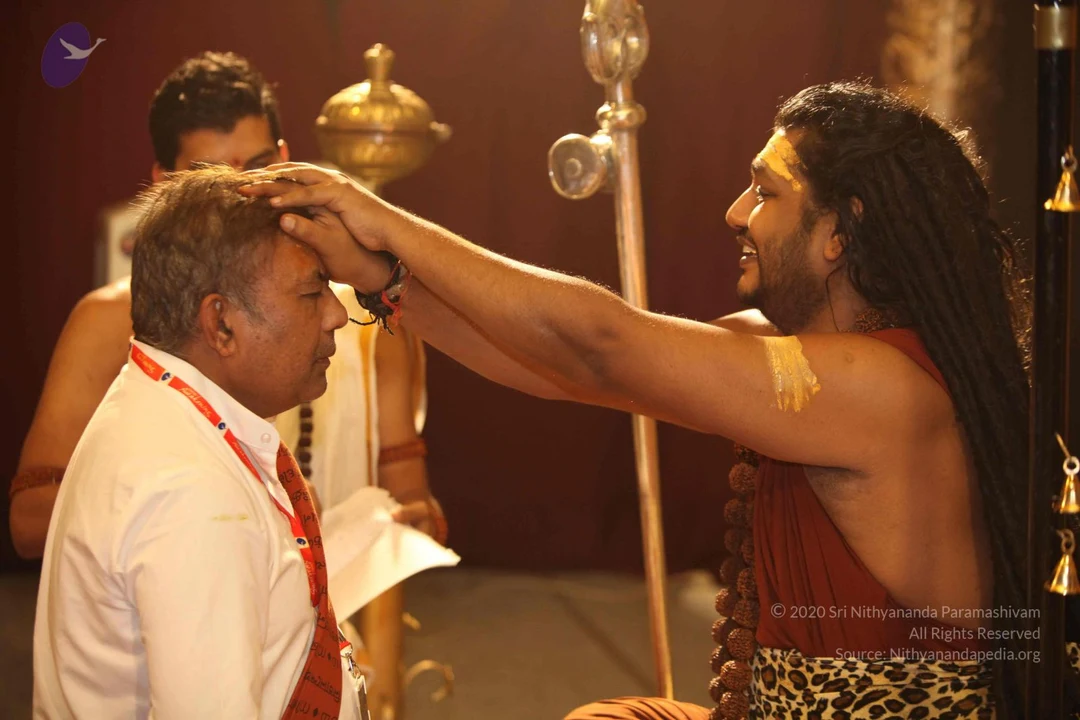
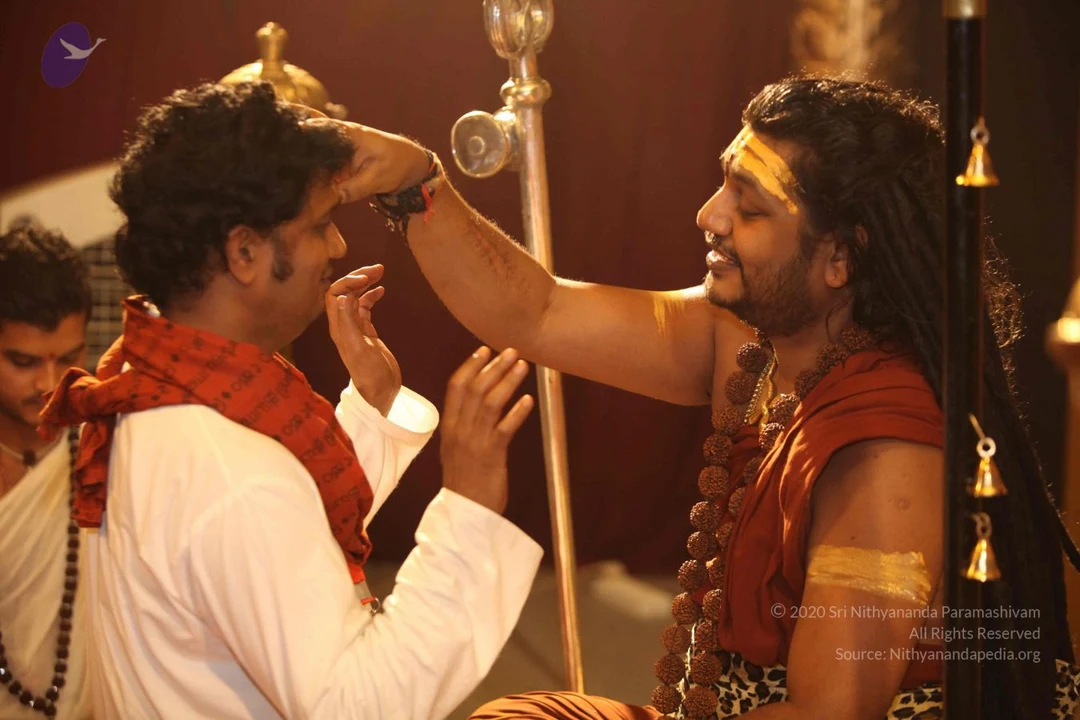
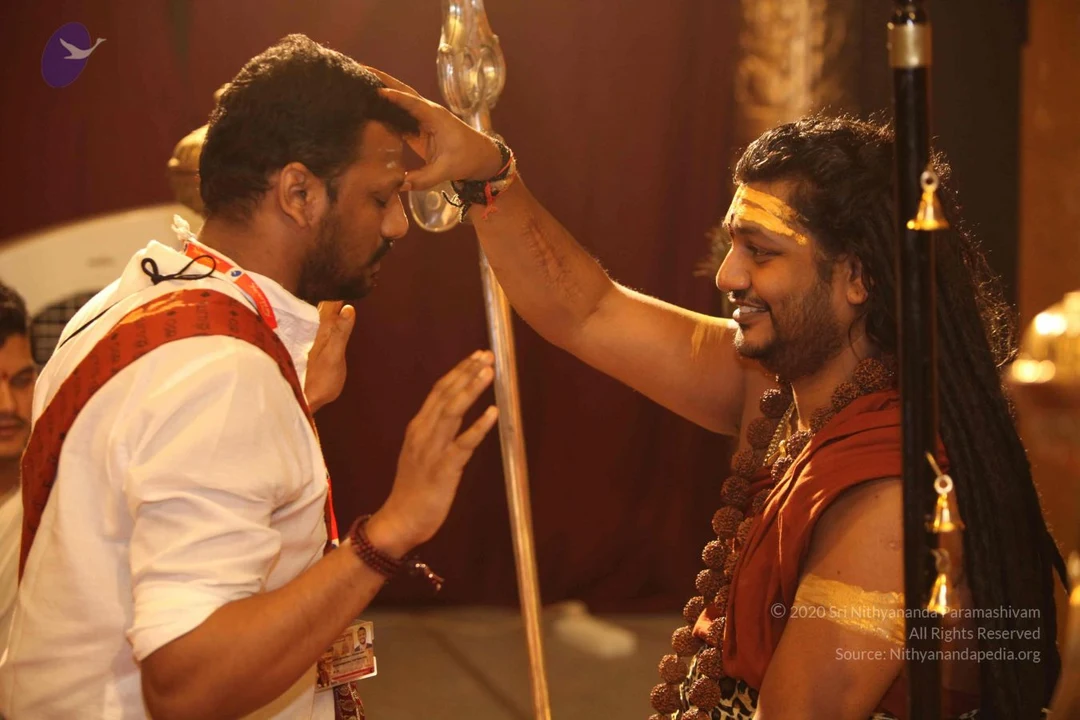
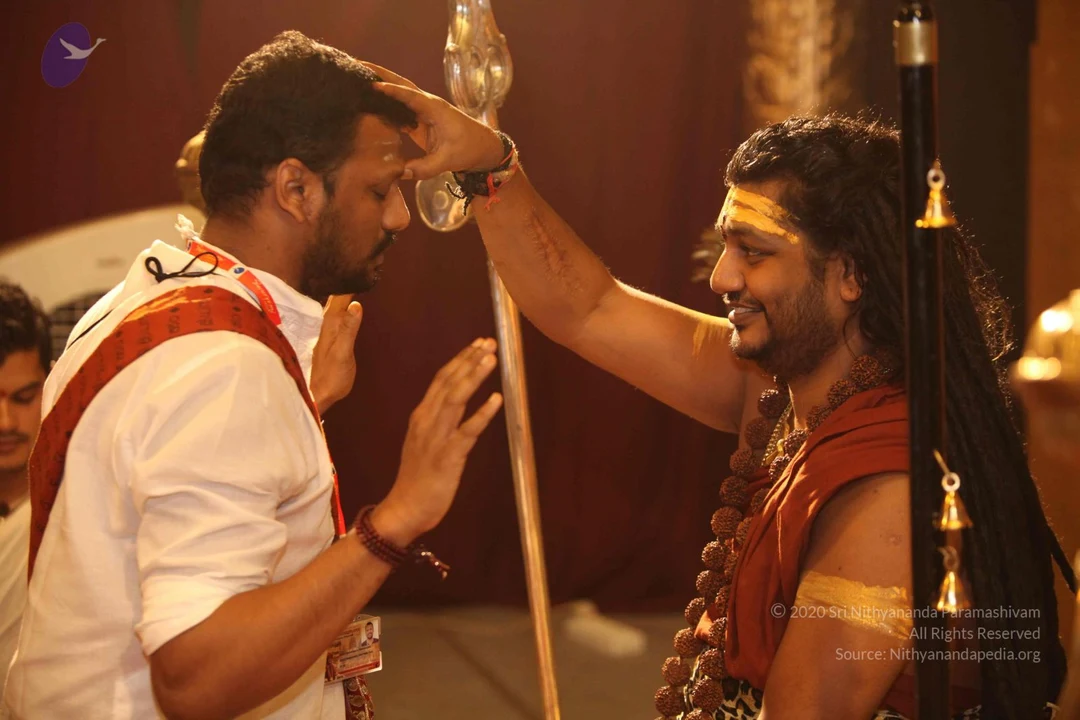
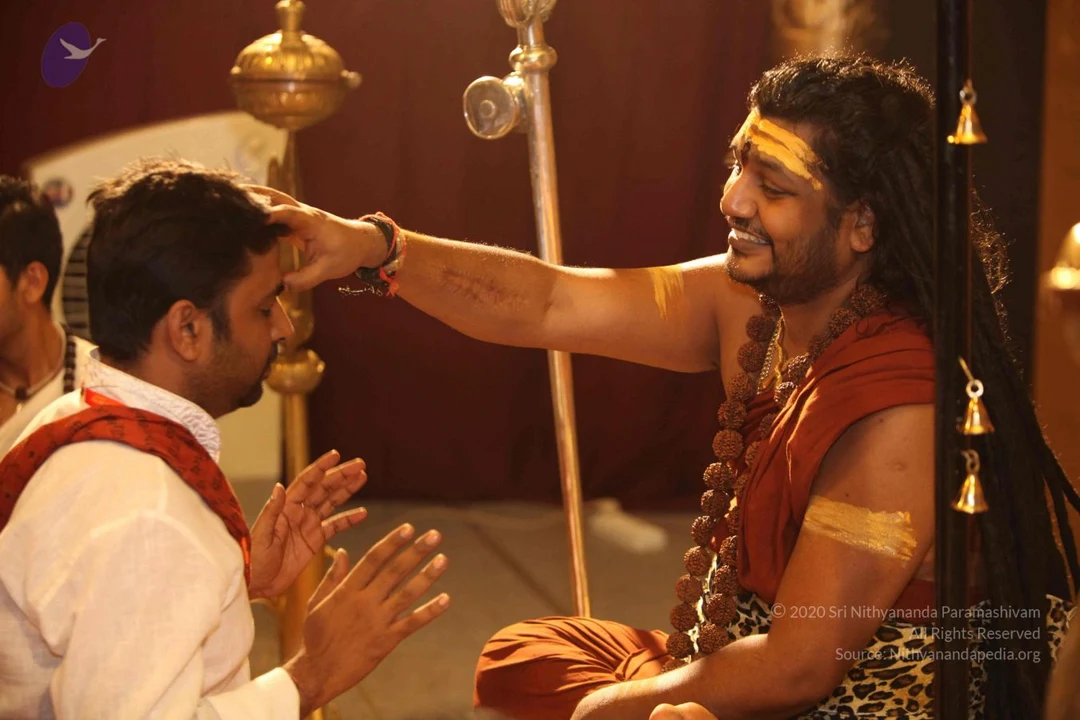
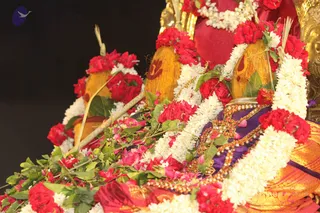
Kalabhairava Darshan - Swamiji
News
Photos Of The Day:
Morning-satsang
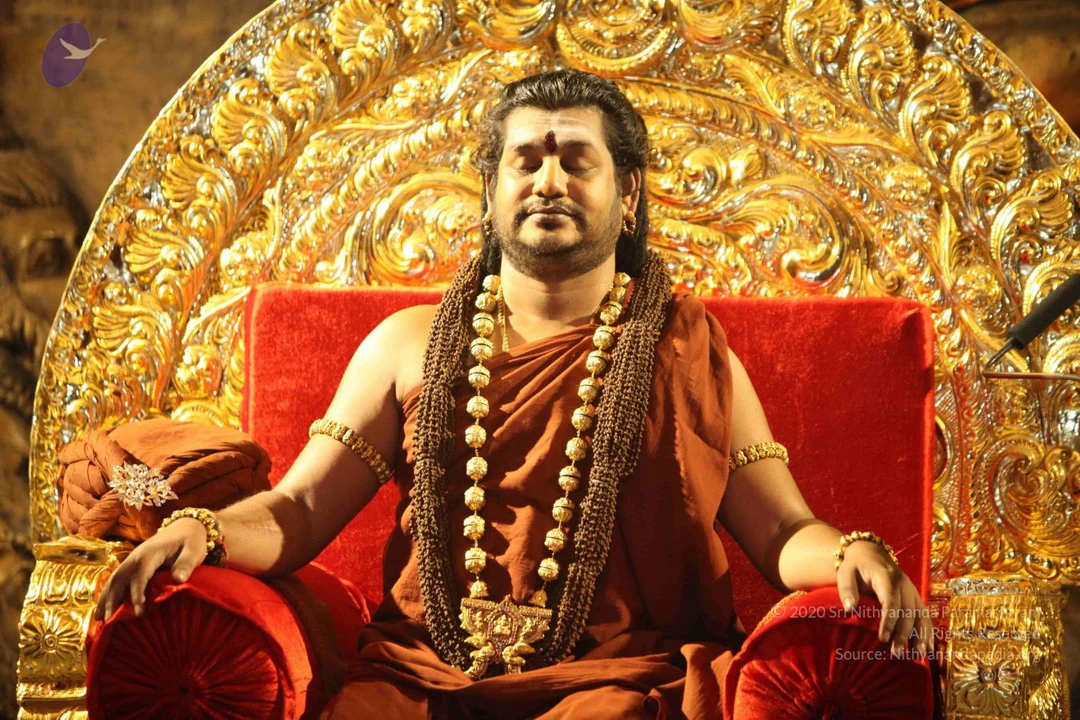
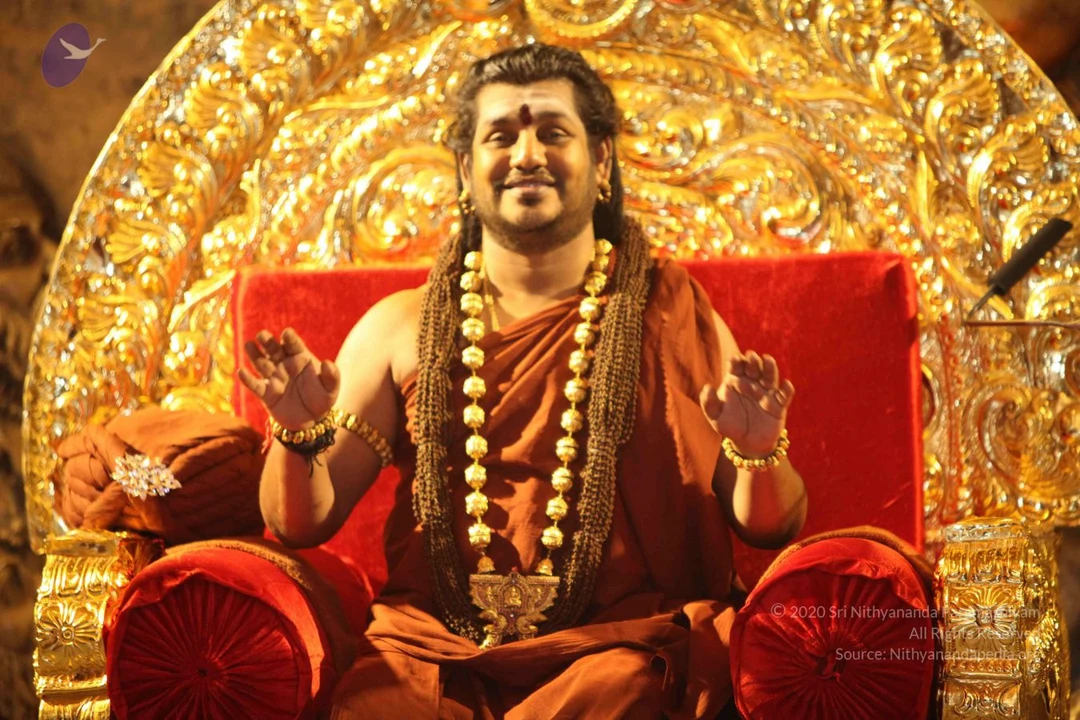
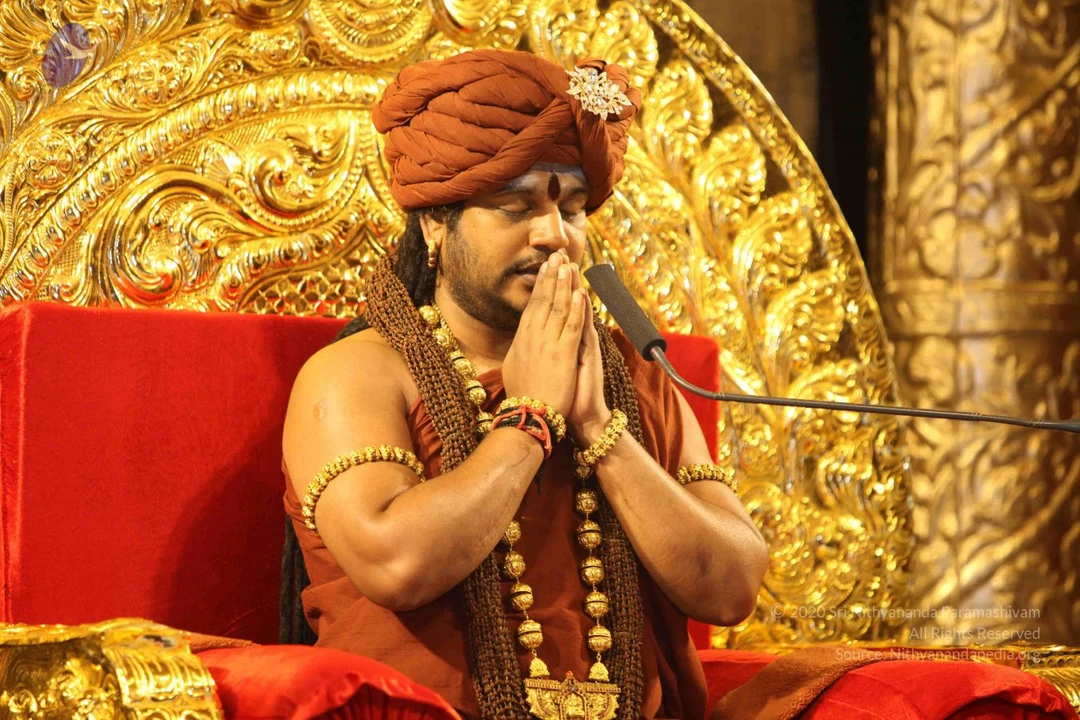
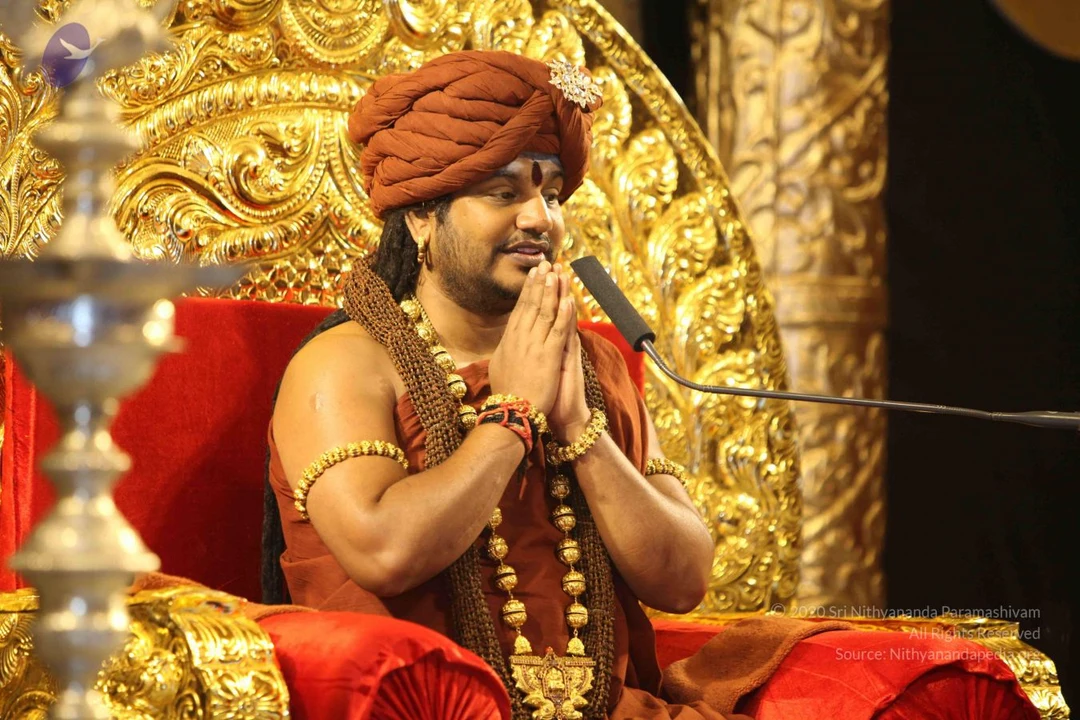
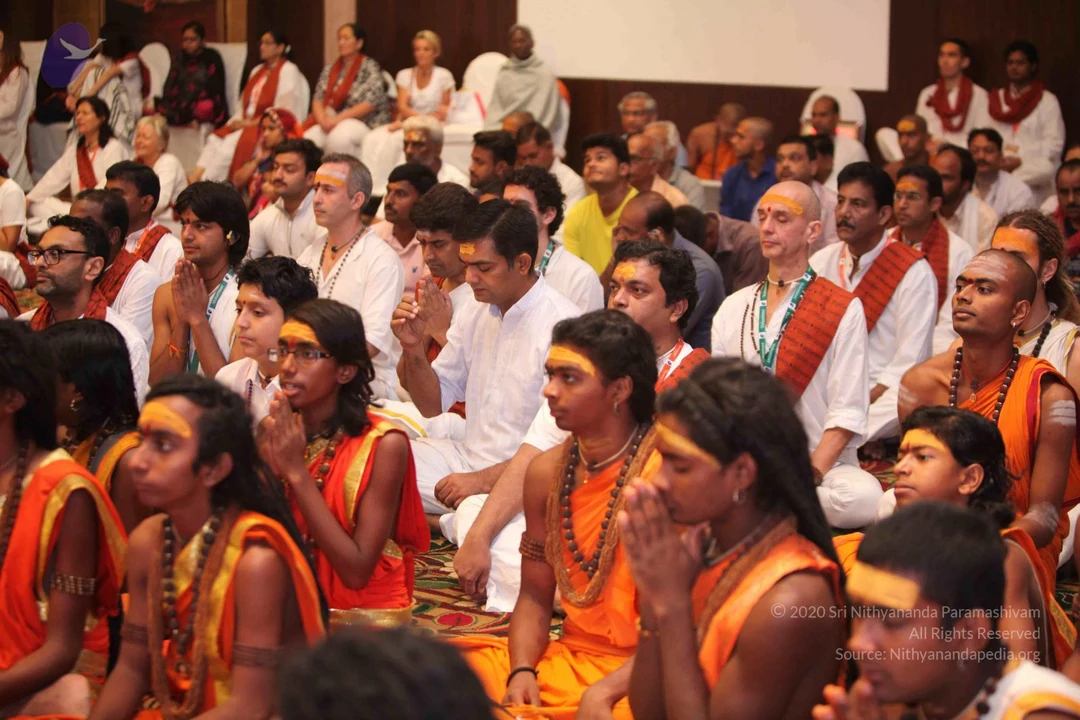
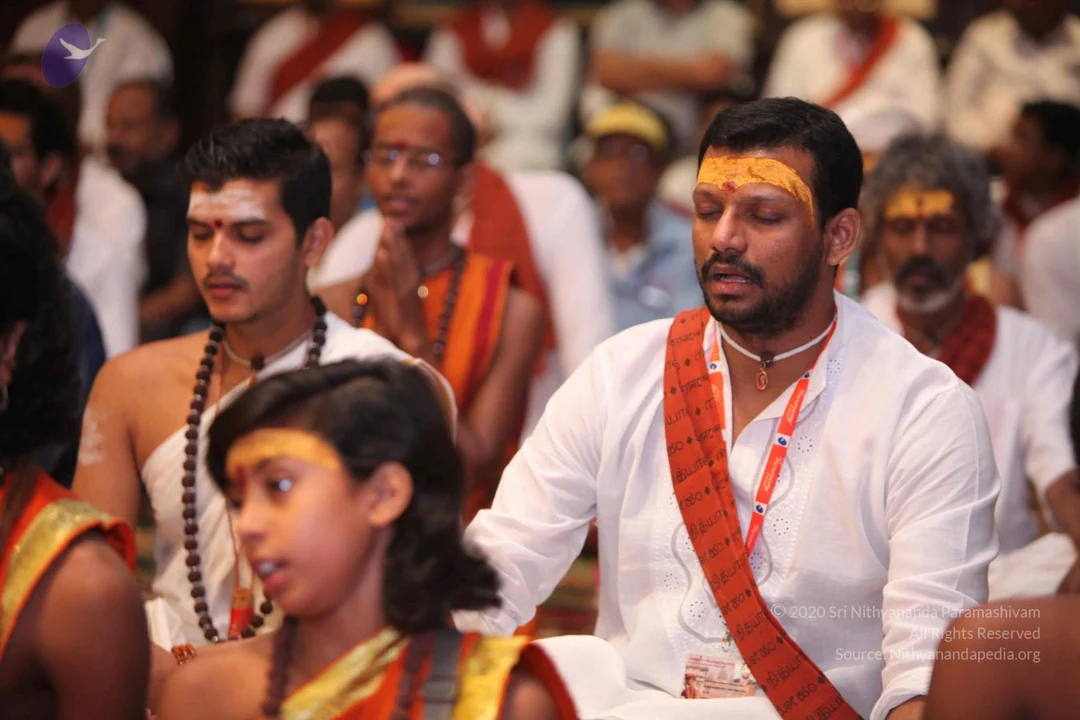
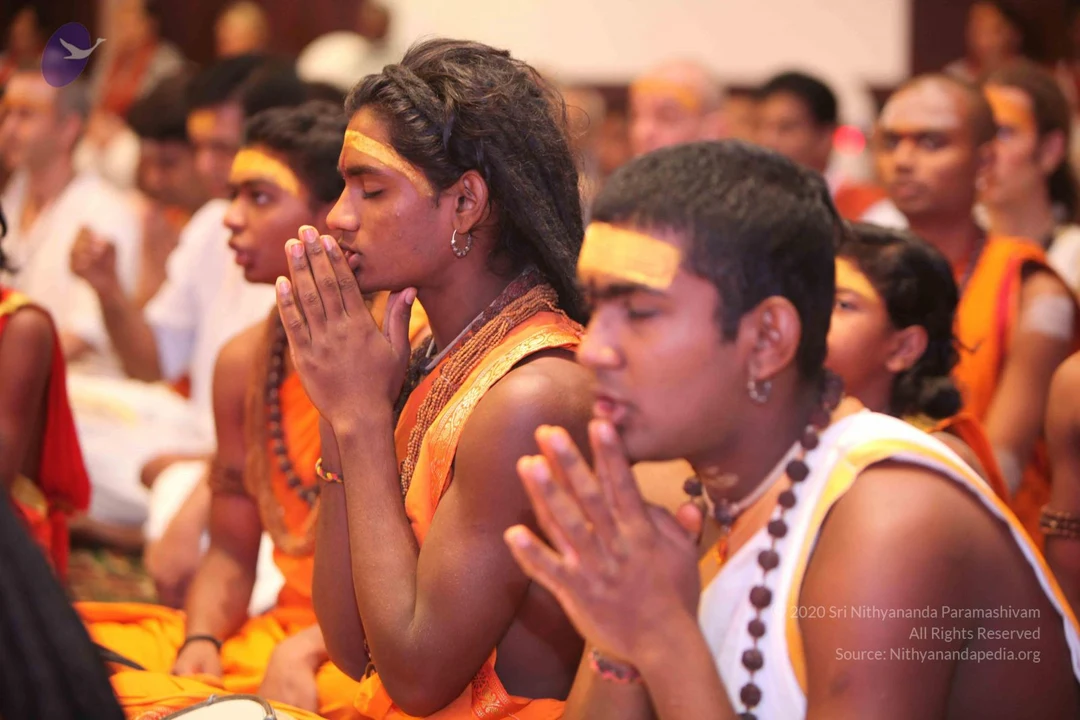
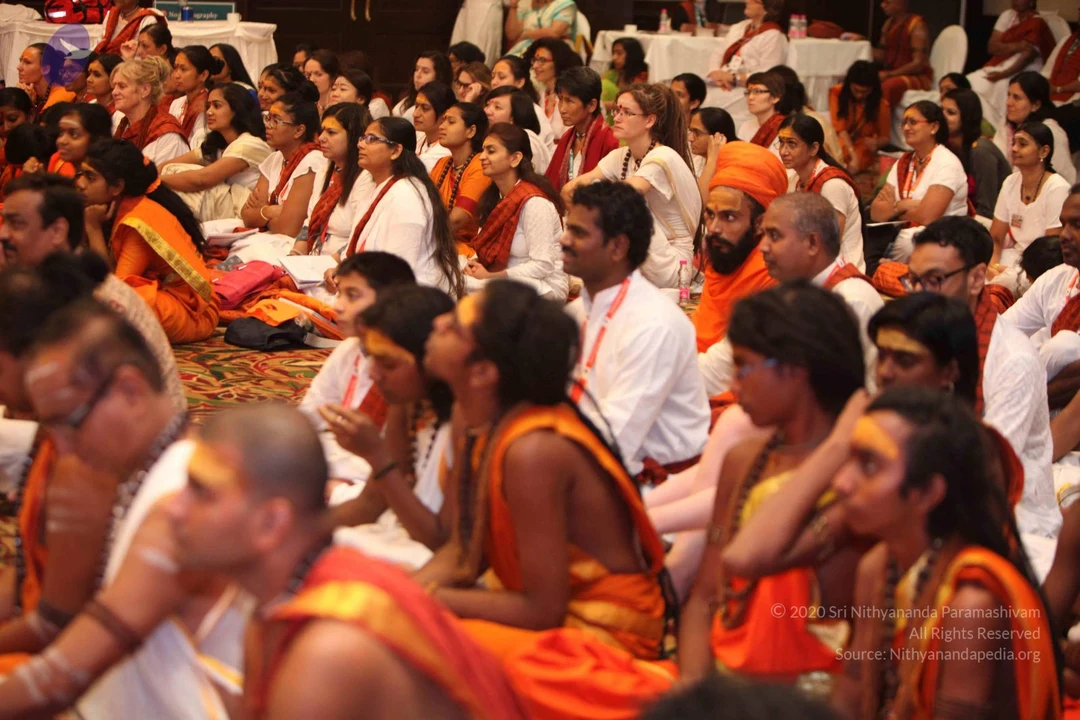
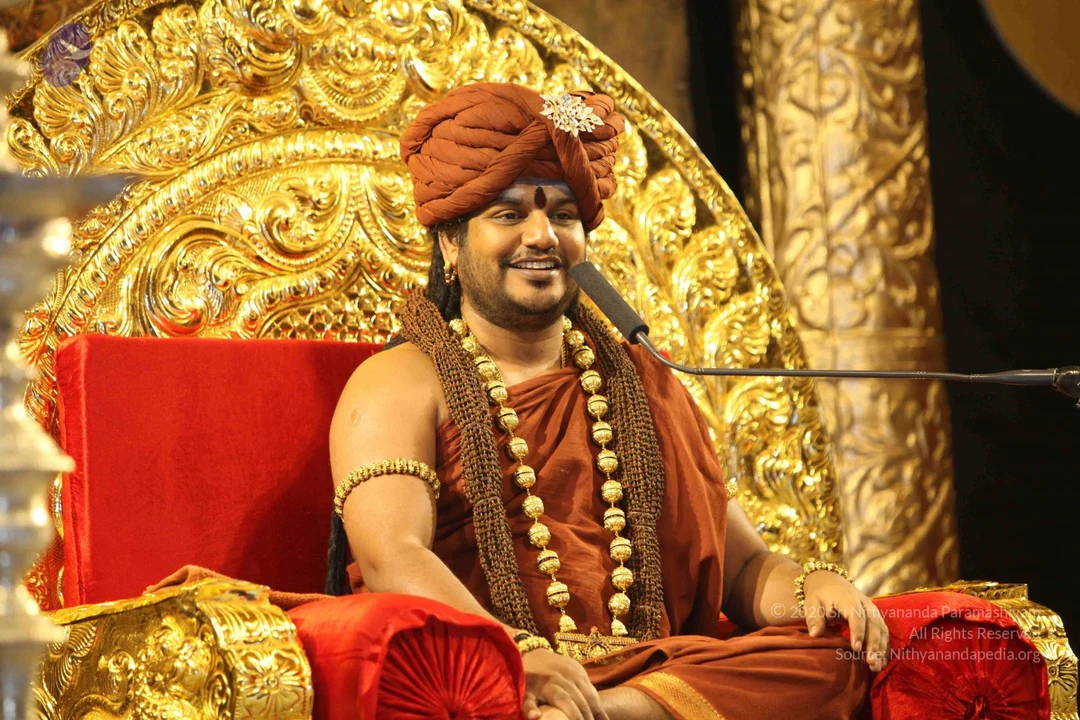
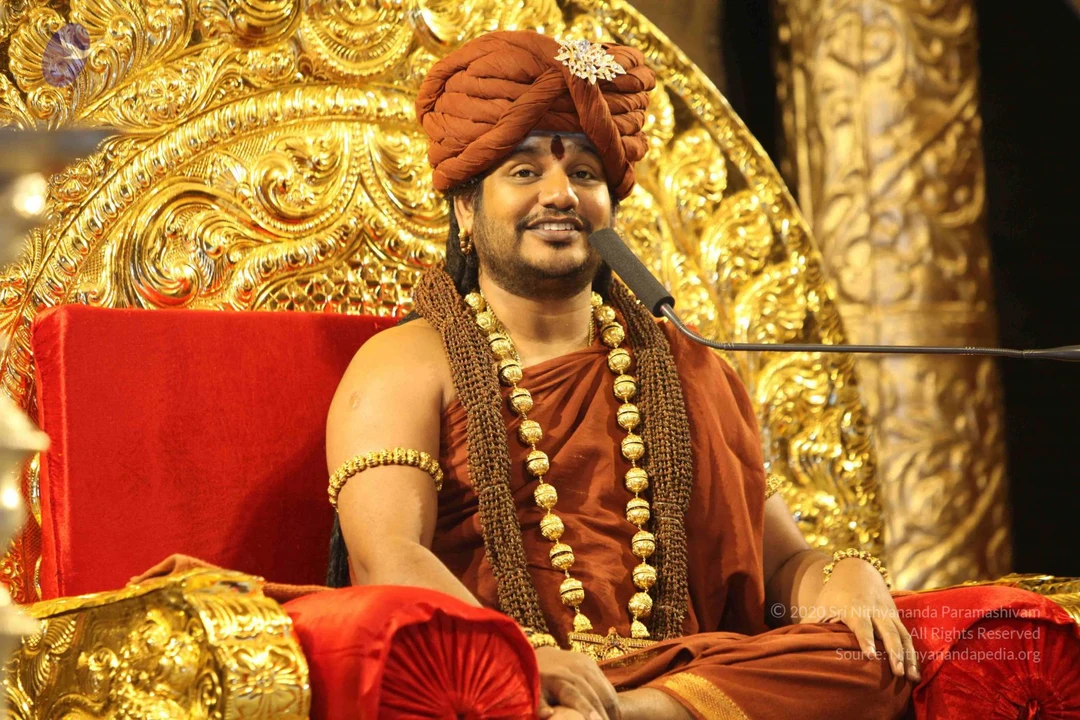
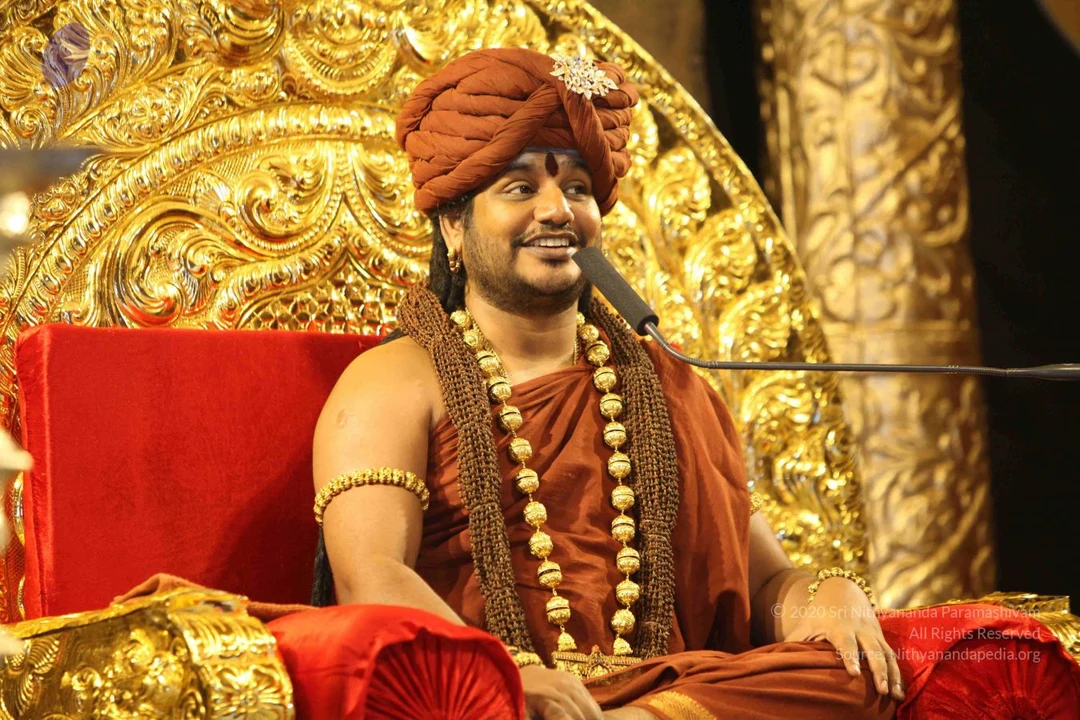
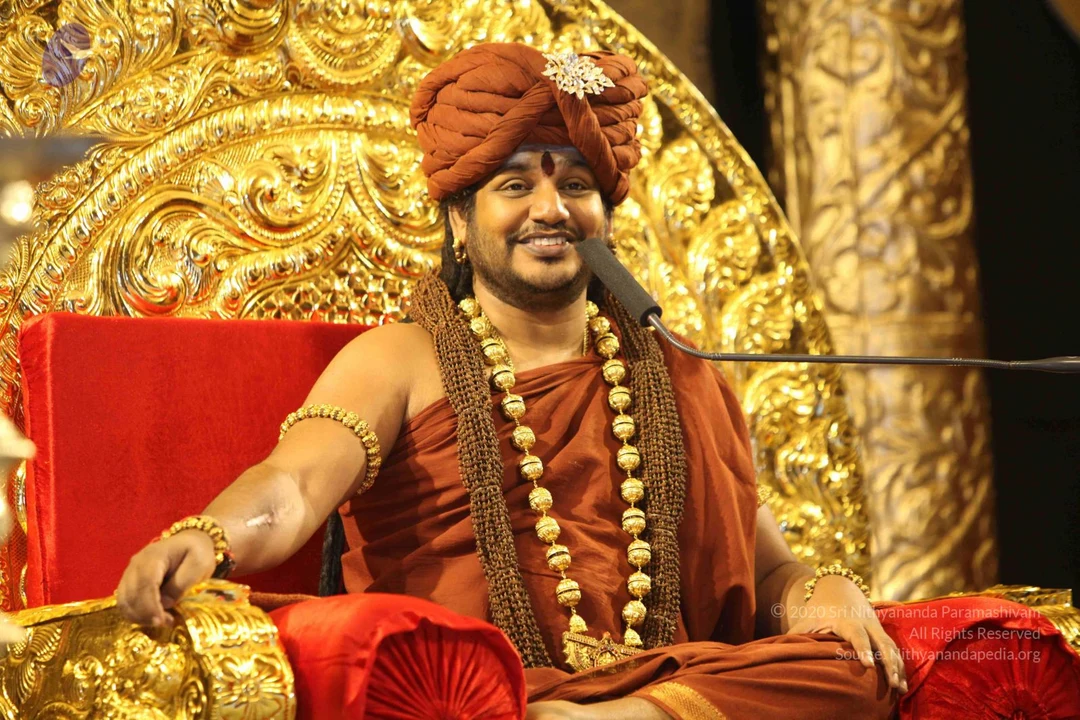
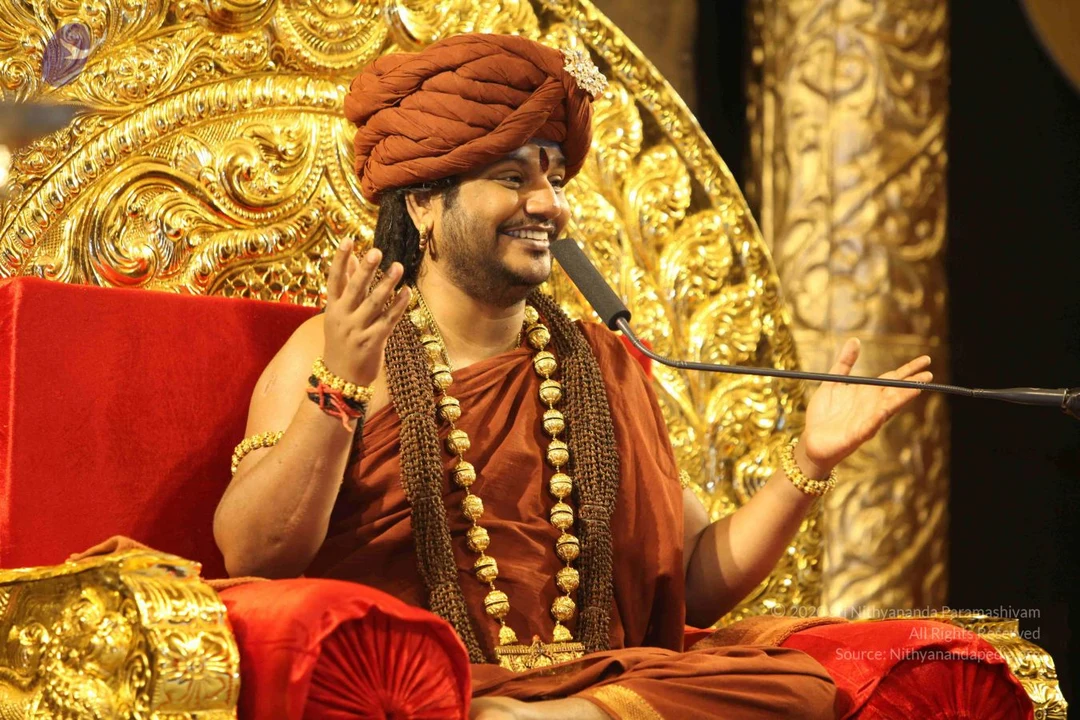
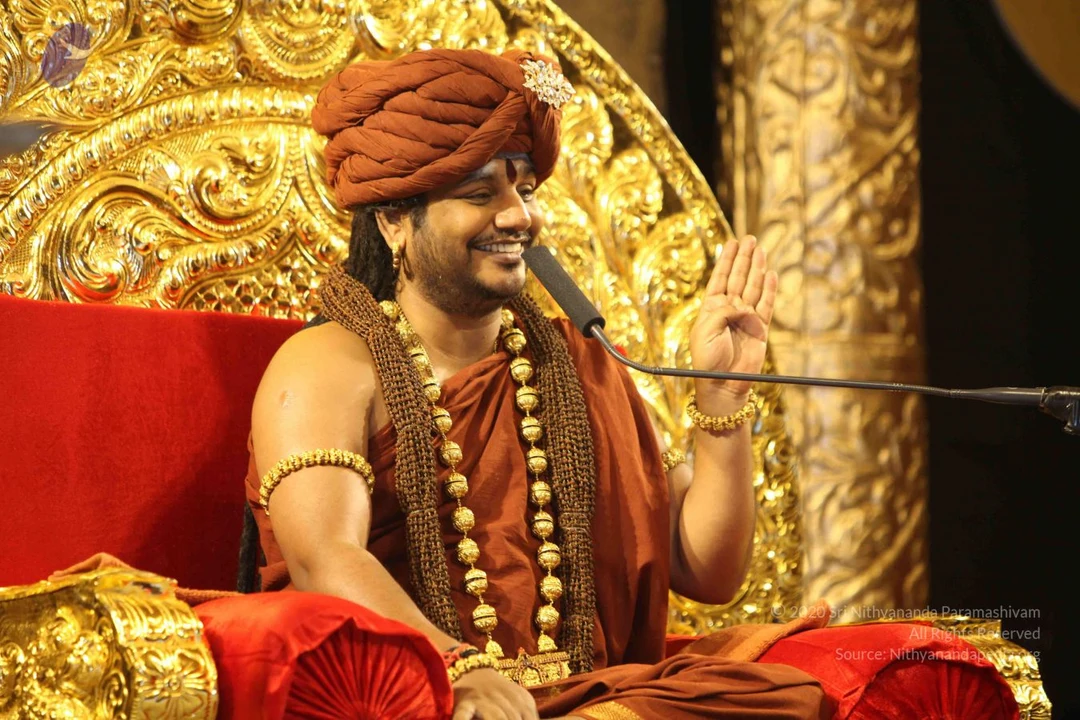
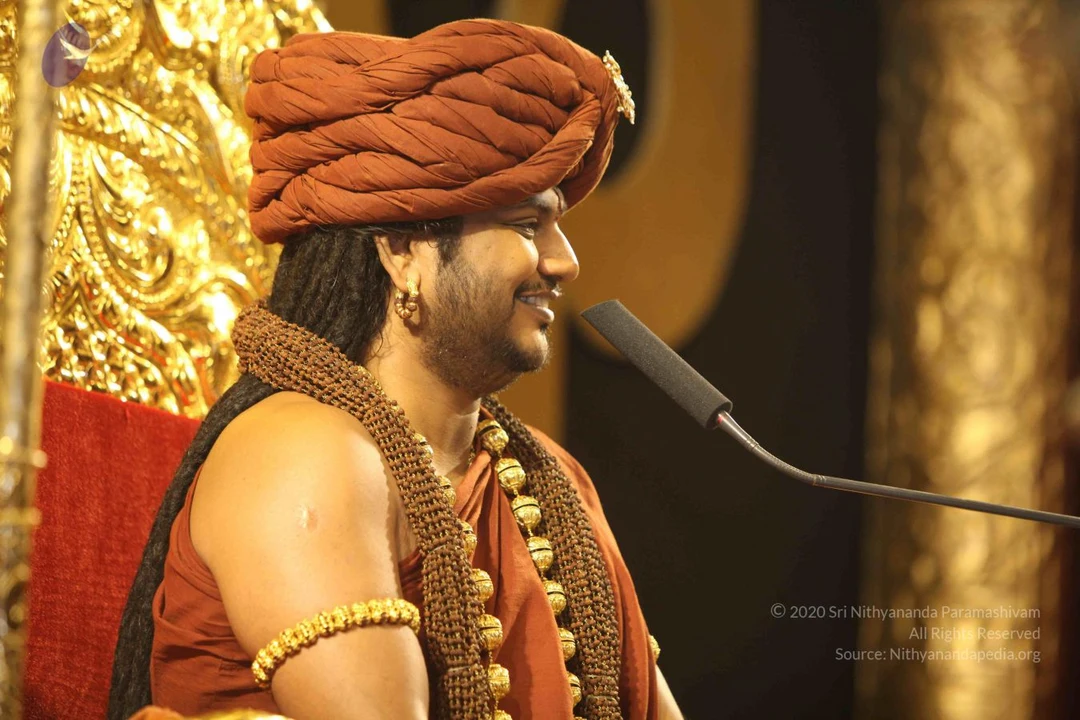
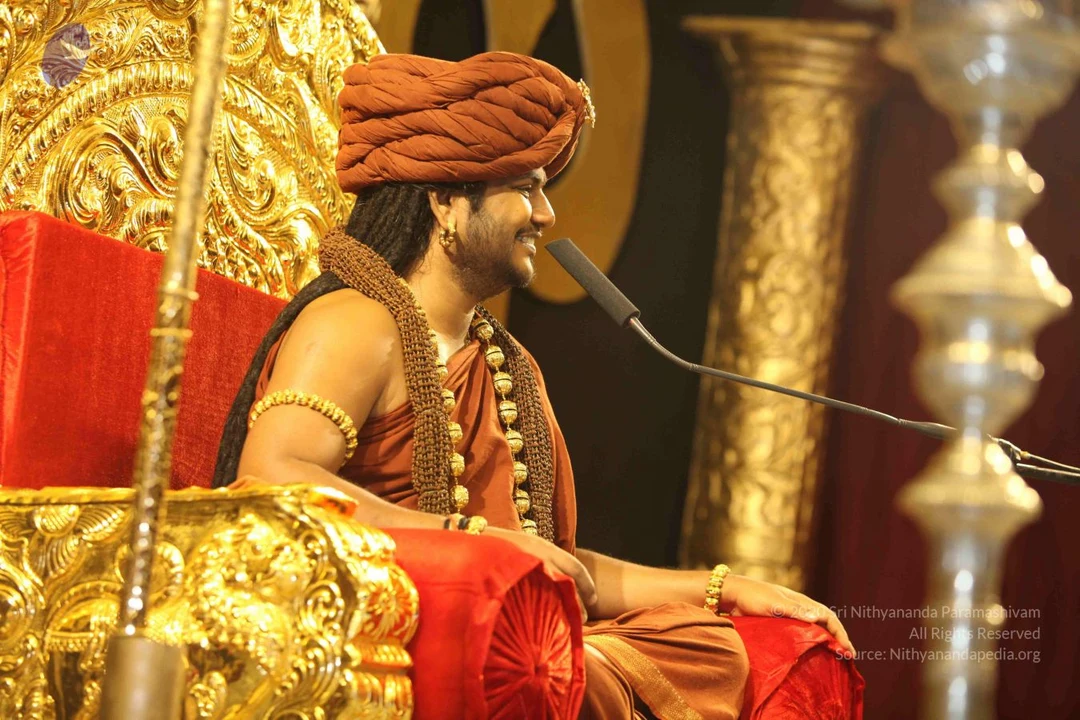
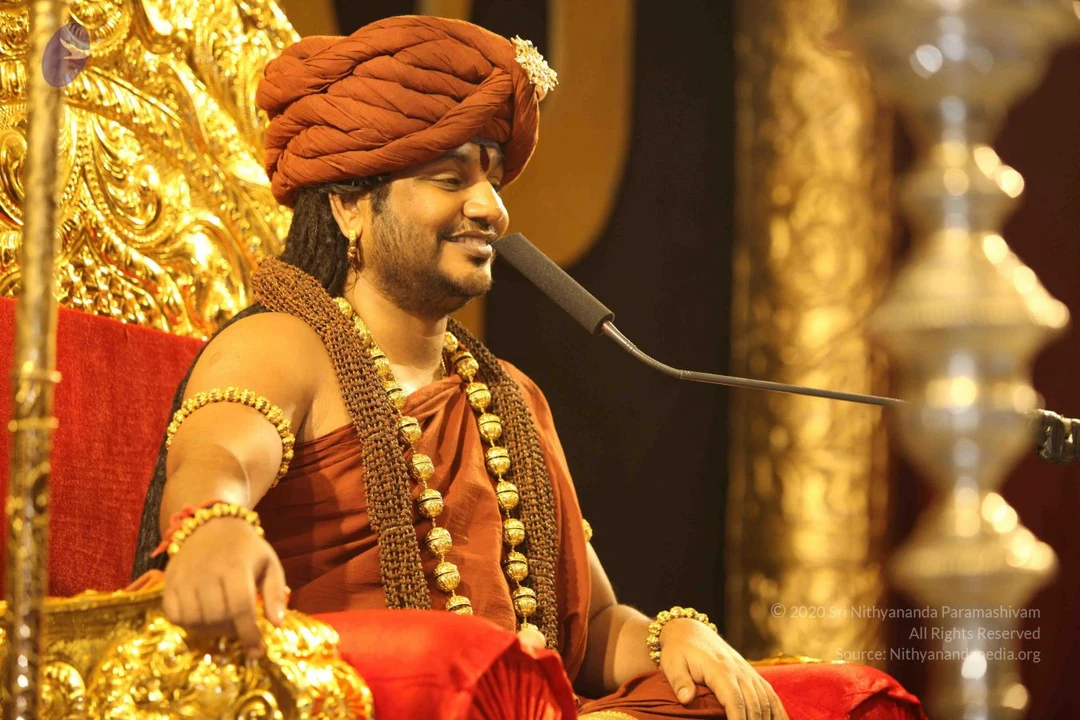

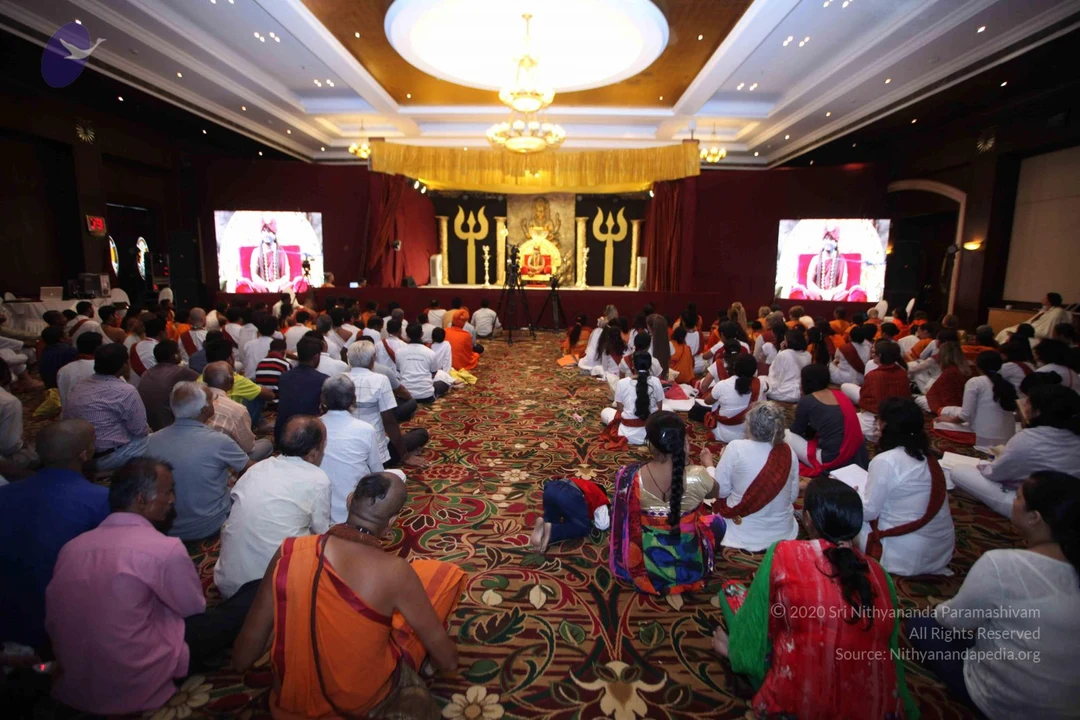
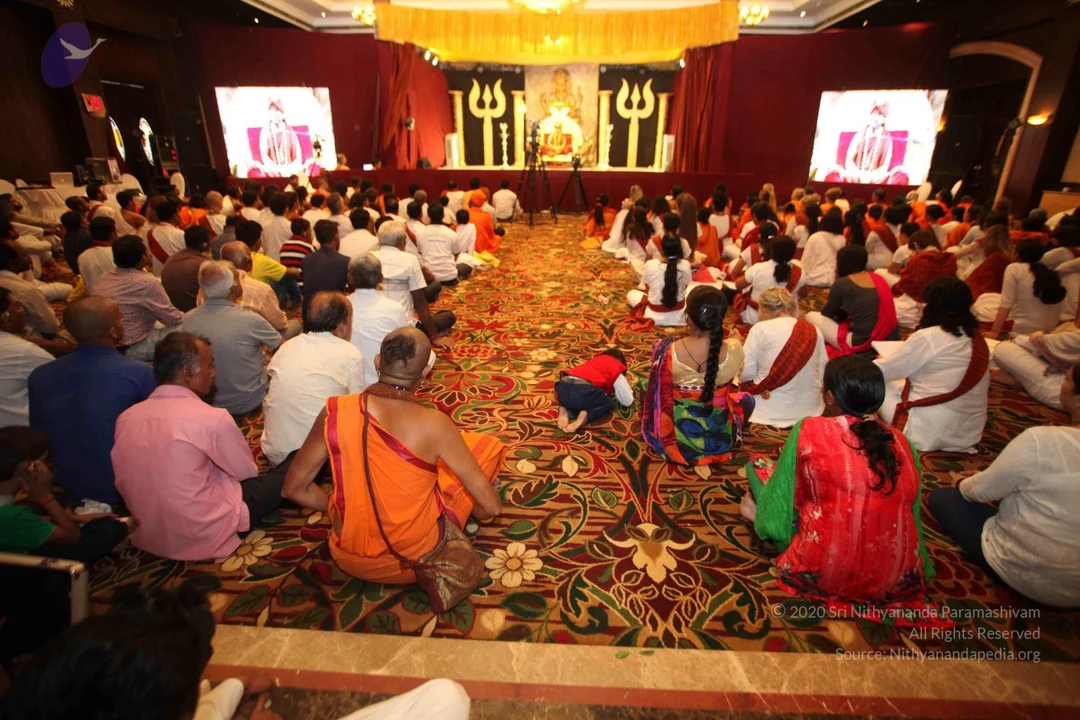
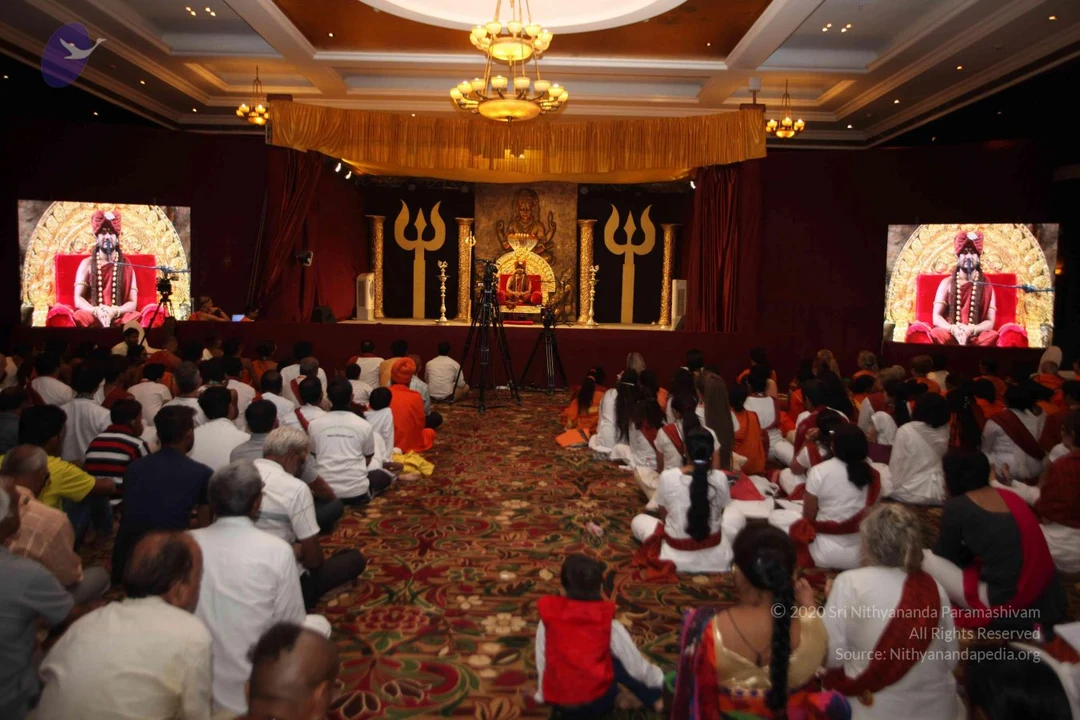
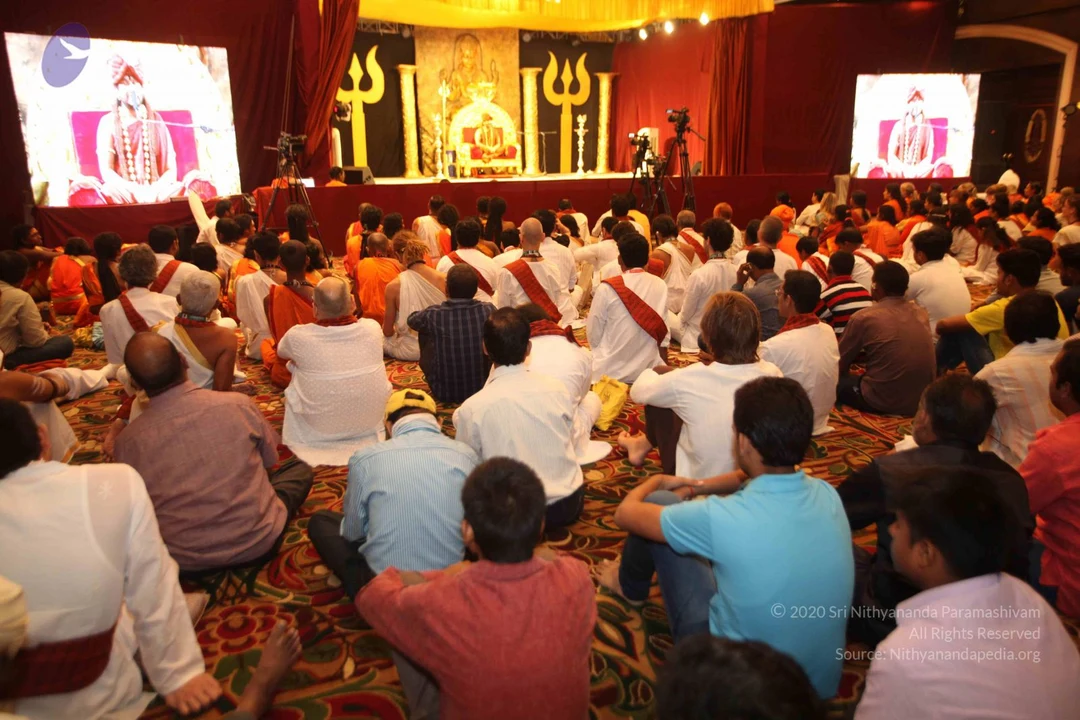
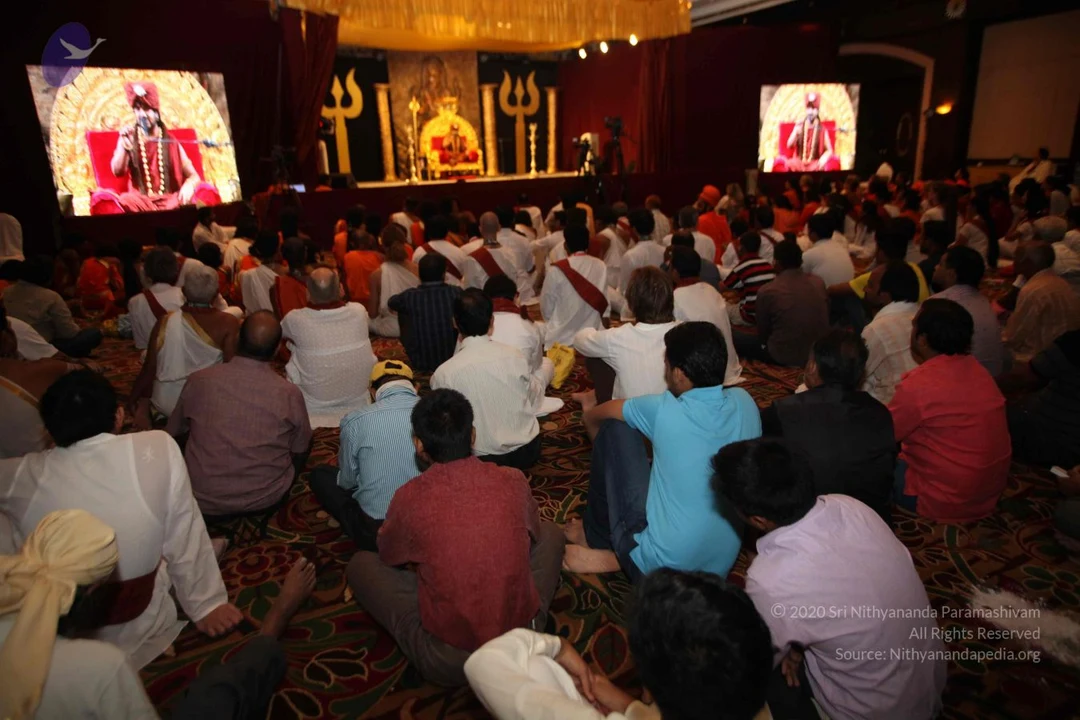
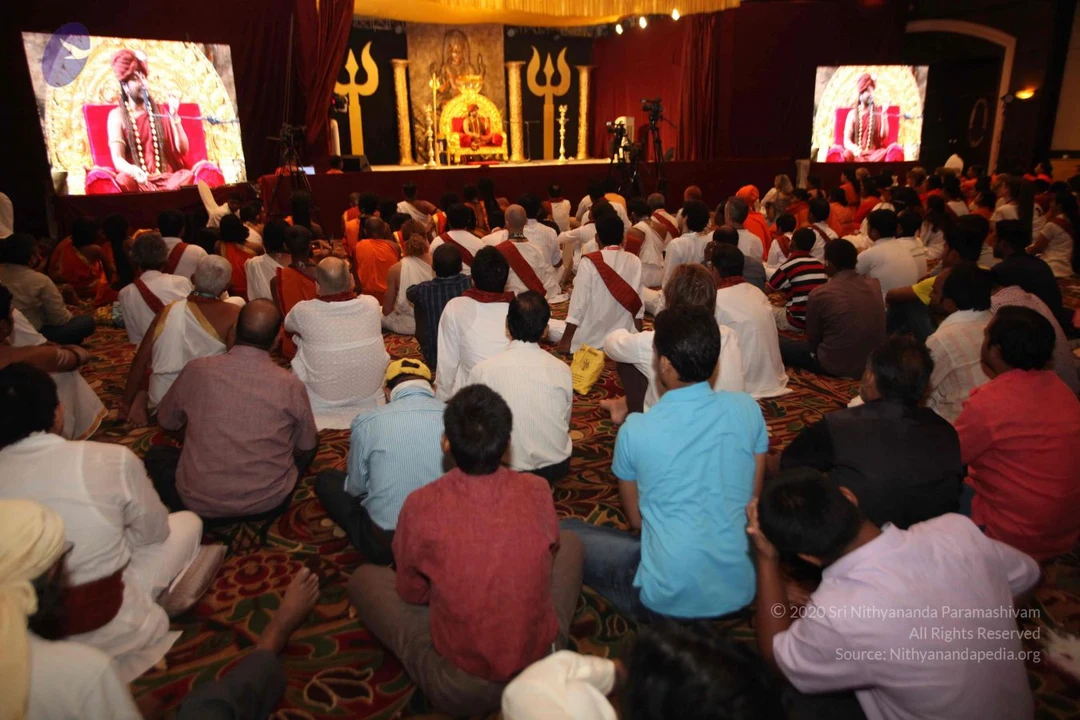
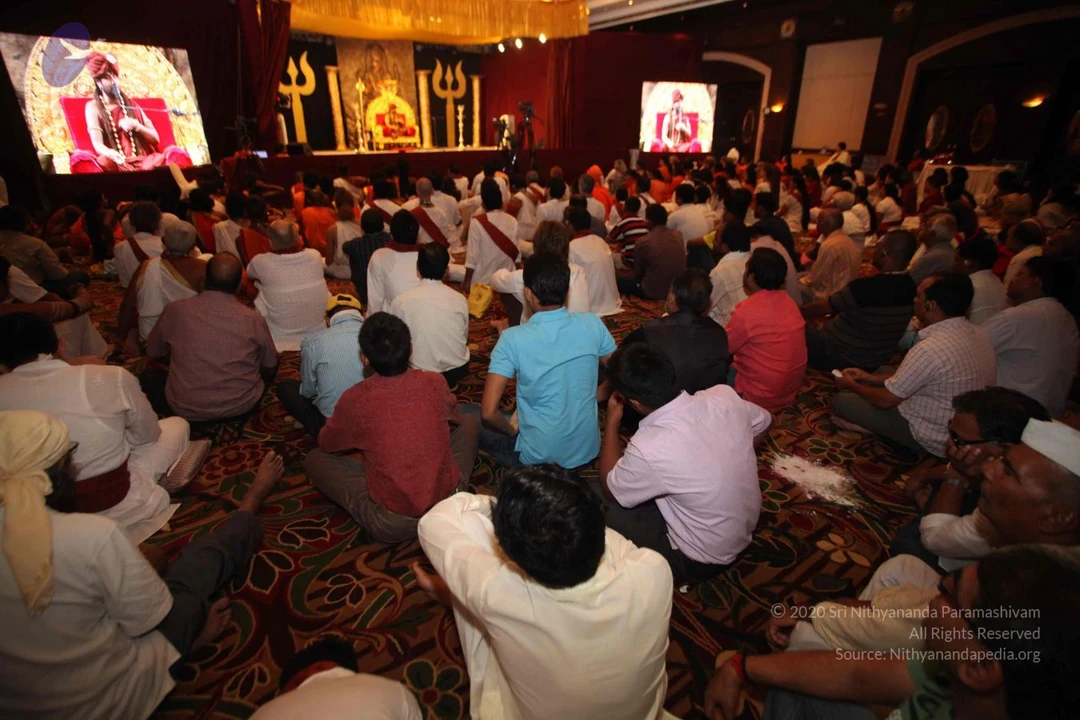
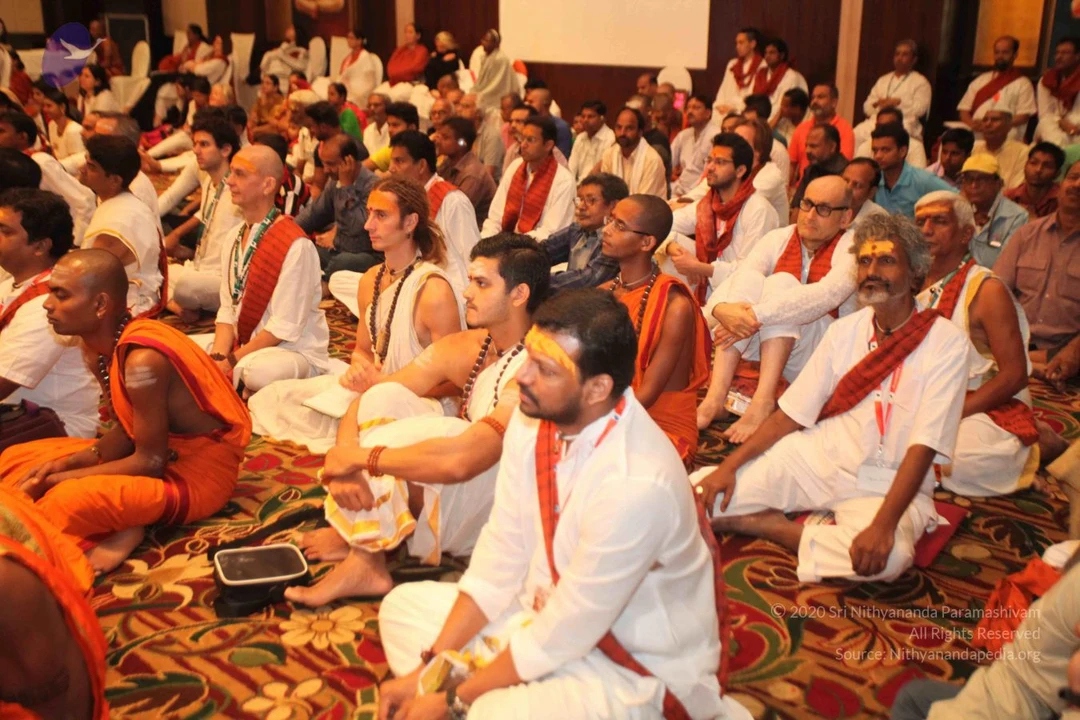

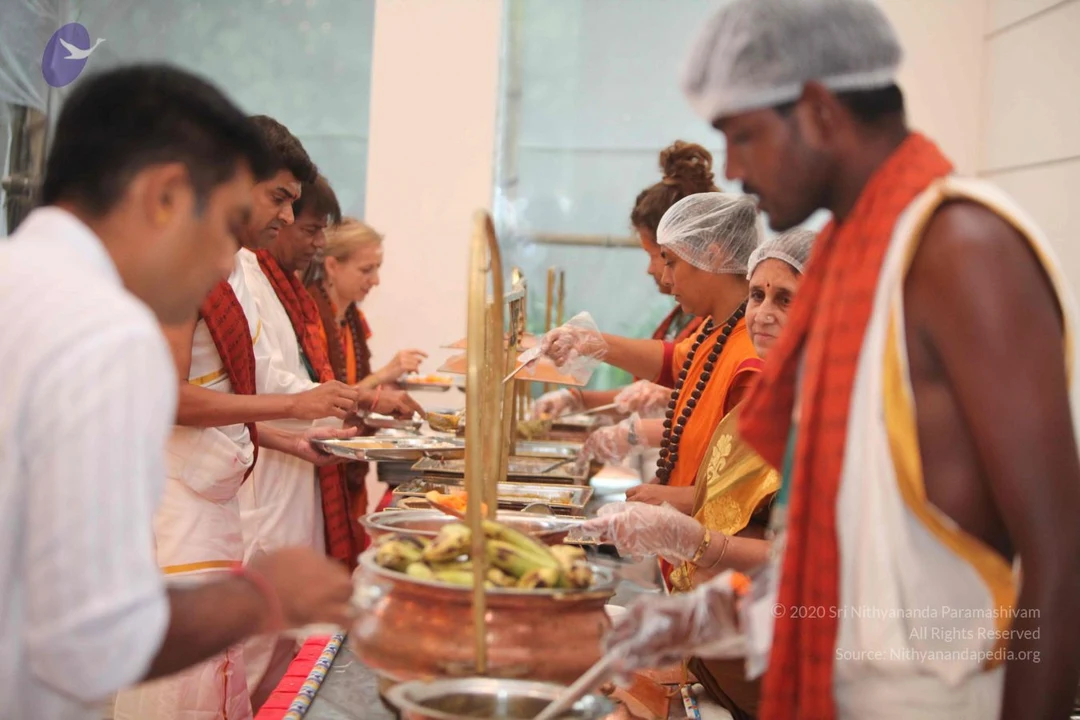
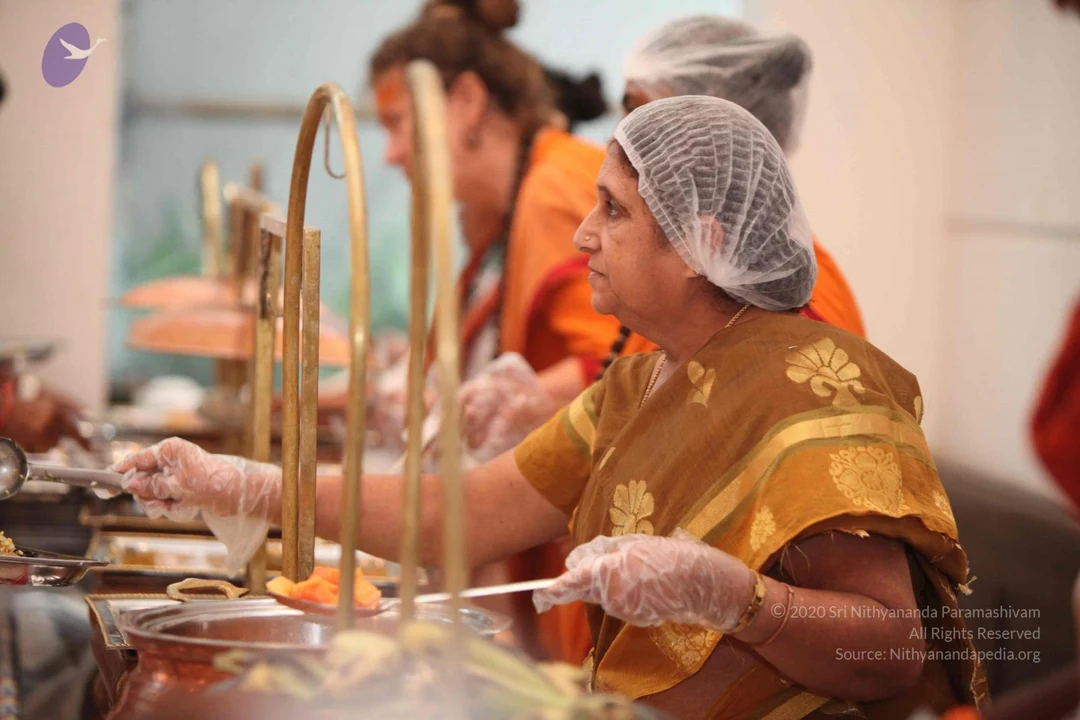
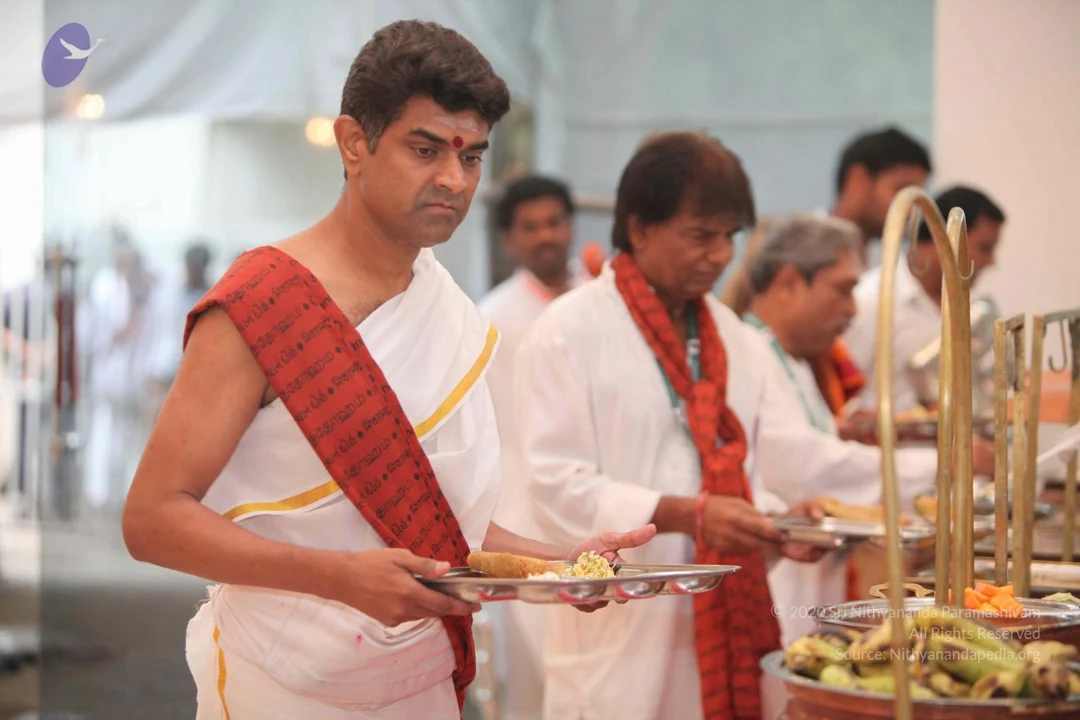
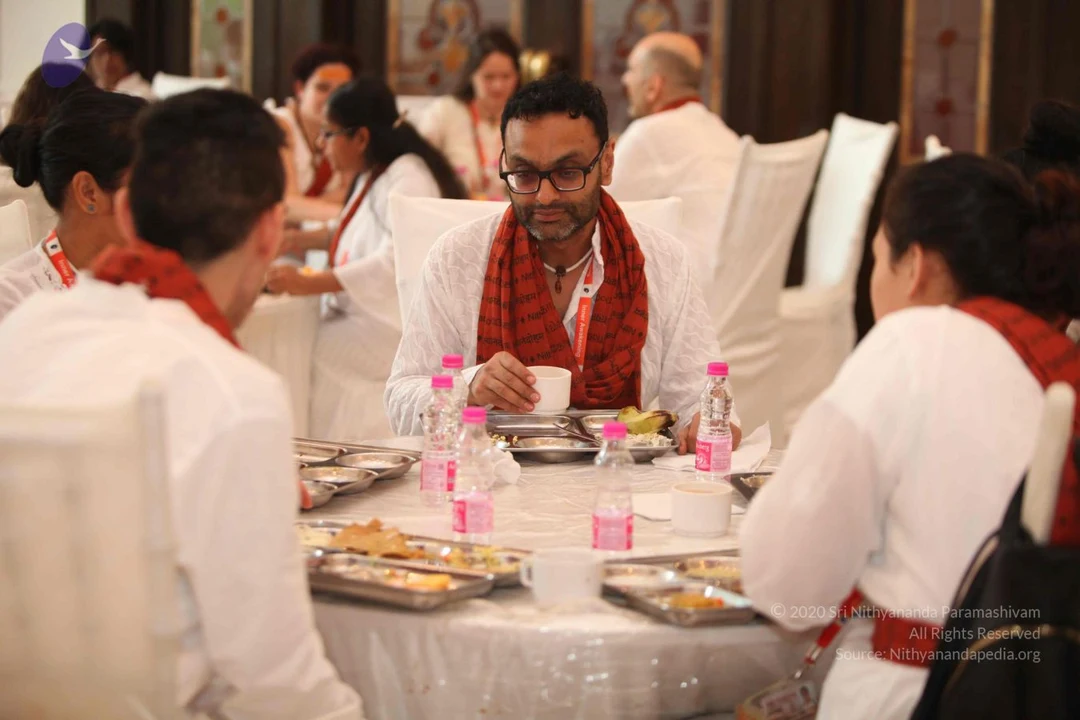
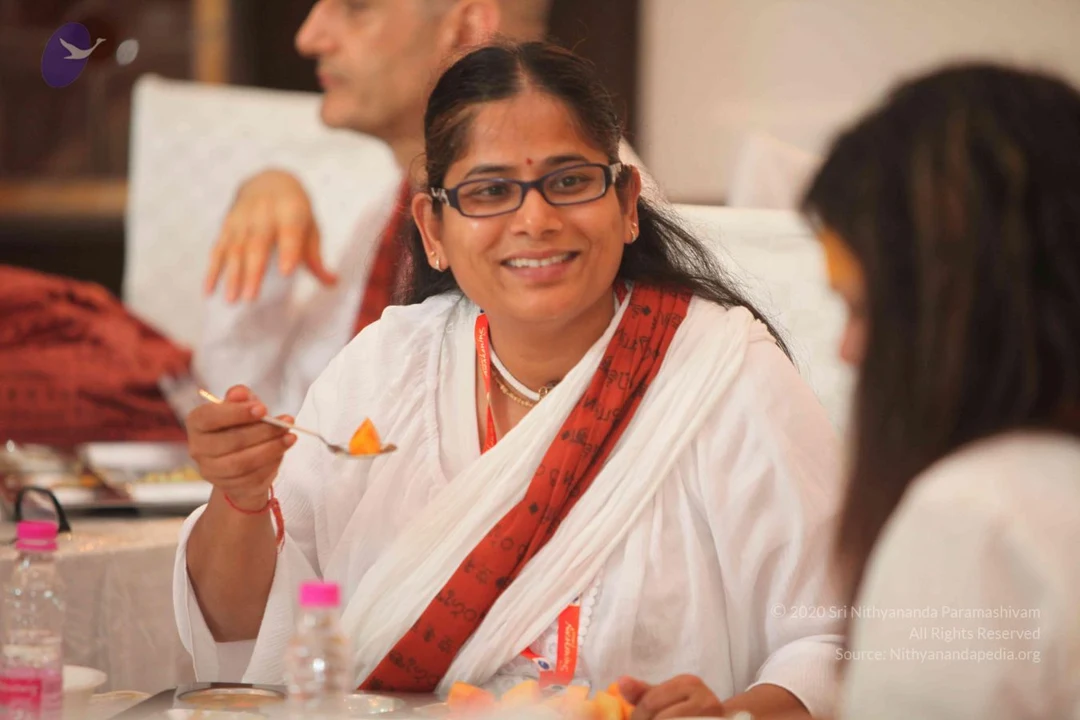
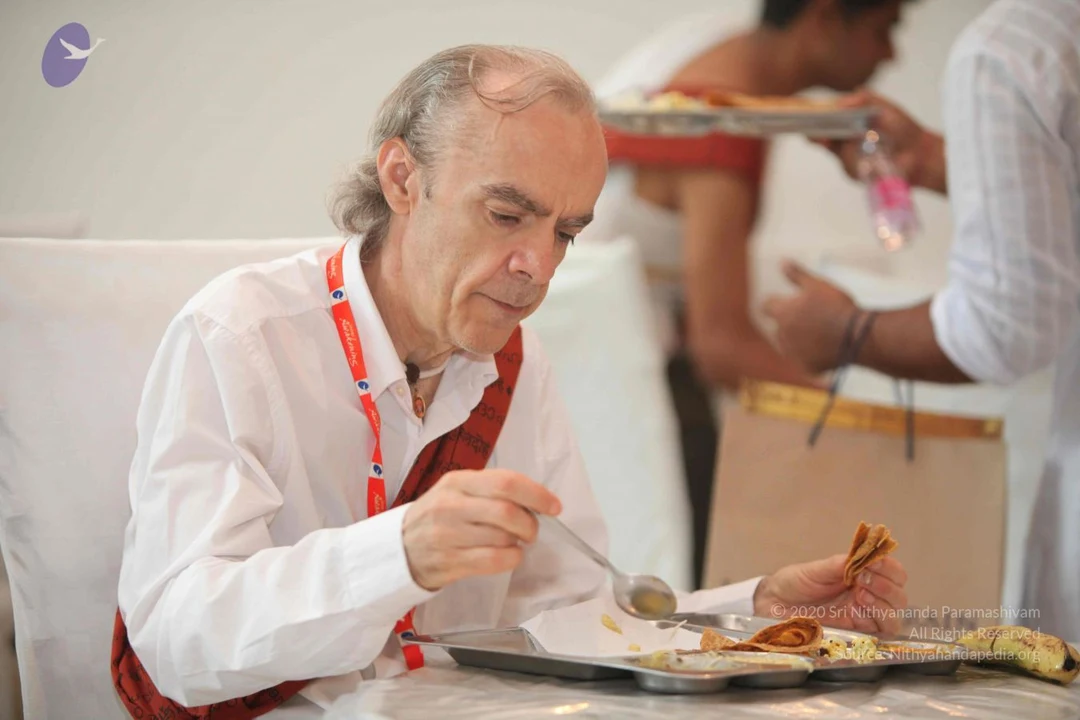
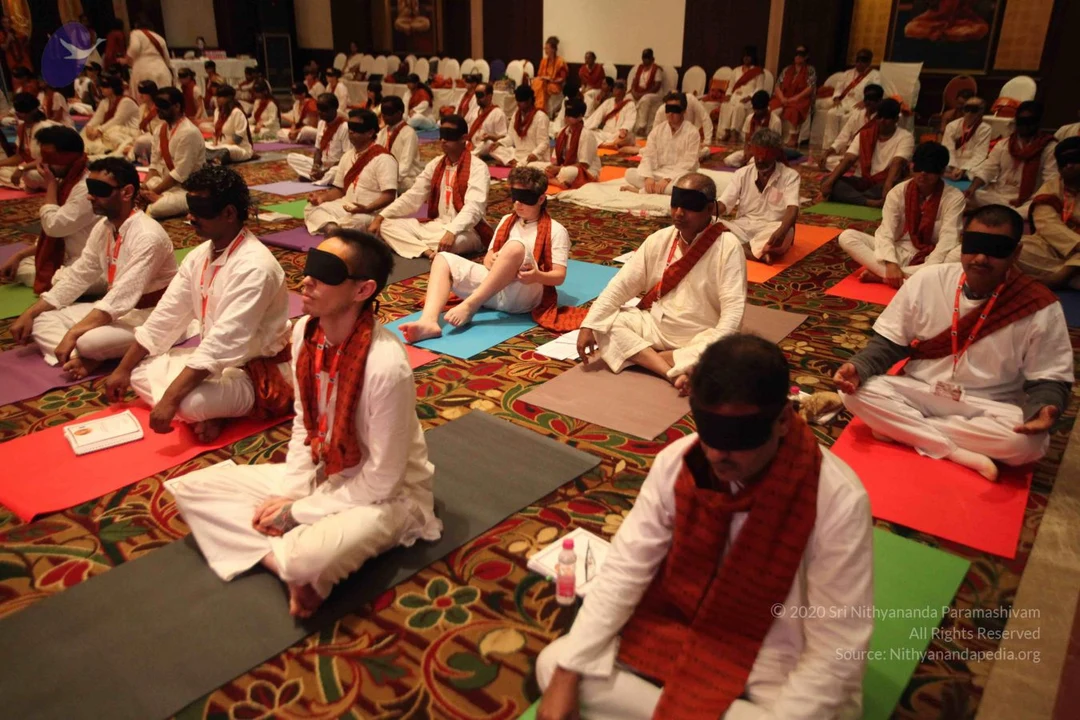
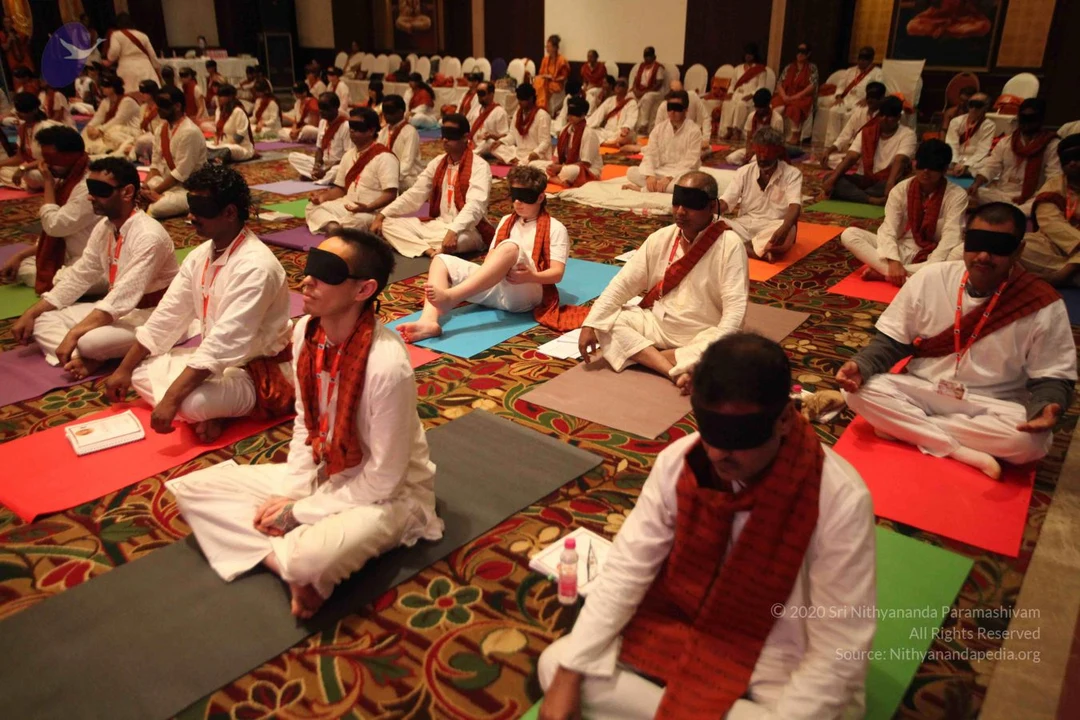
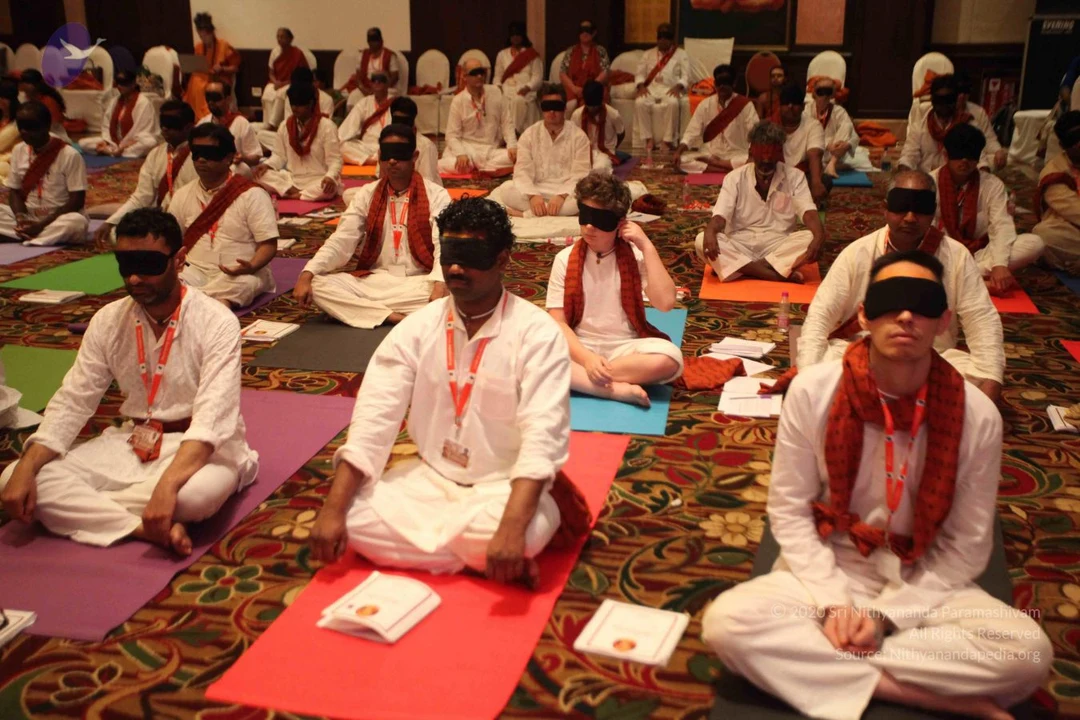
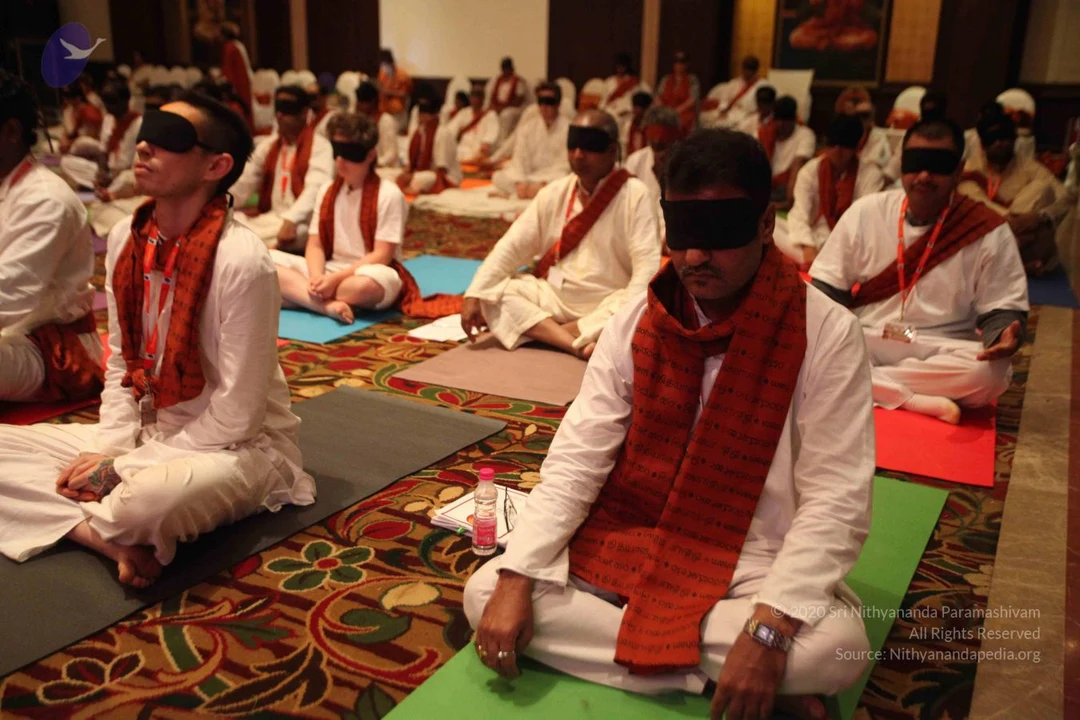
Death-Process
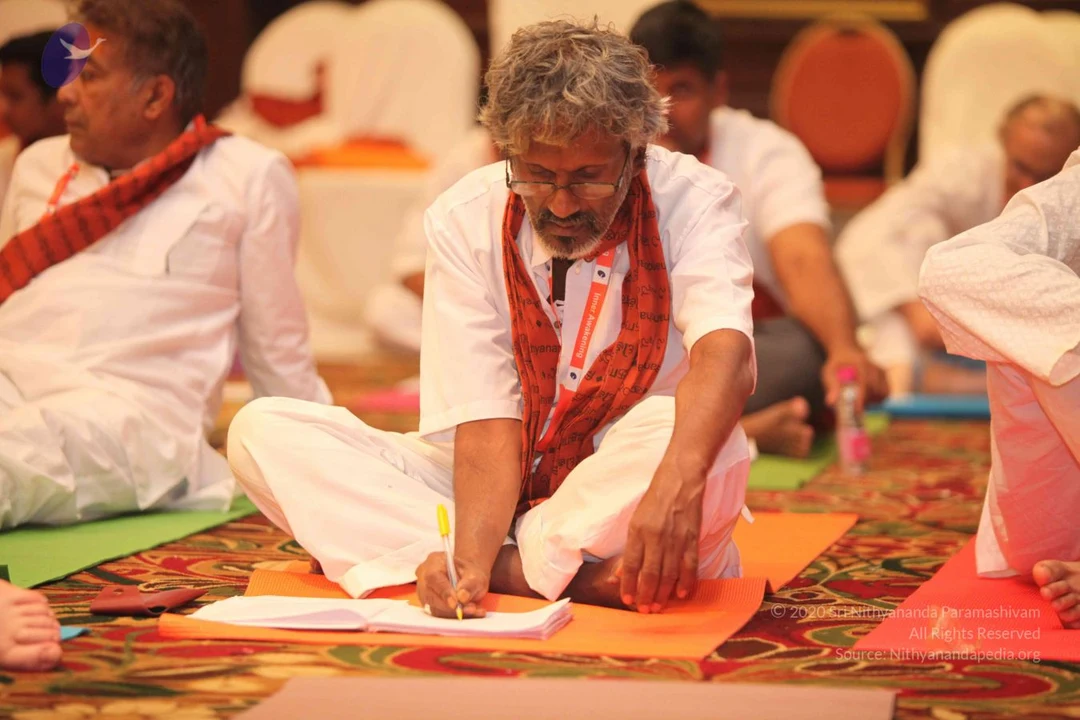
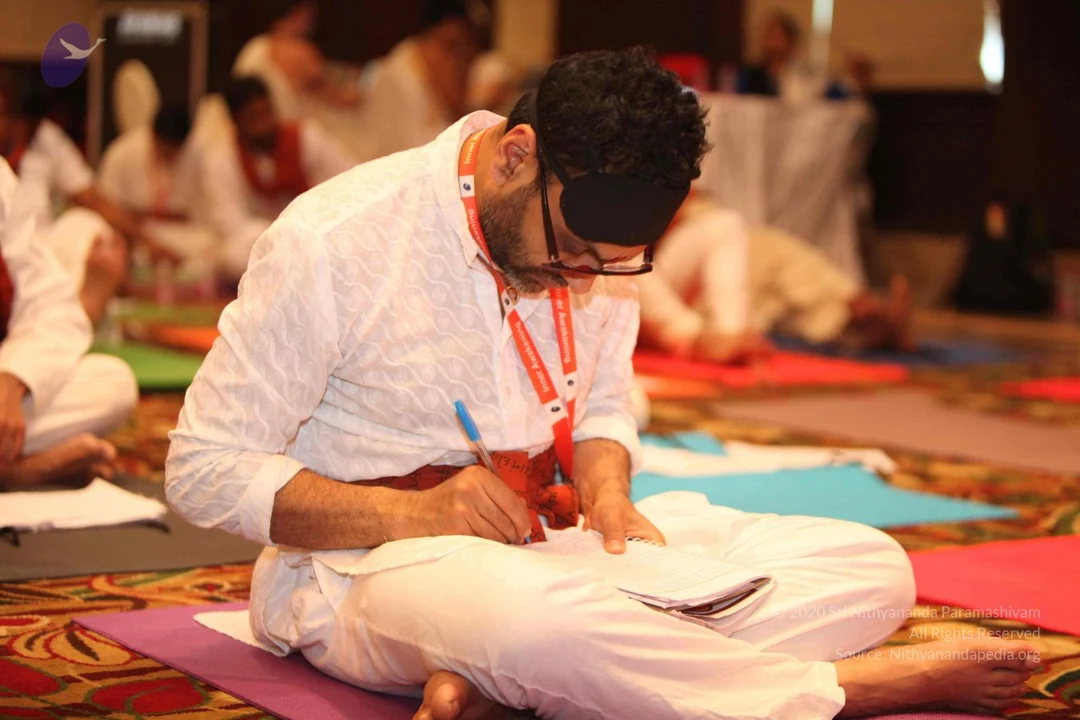
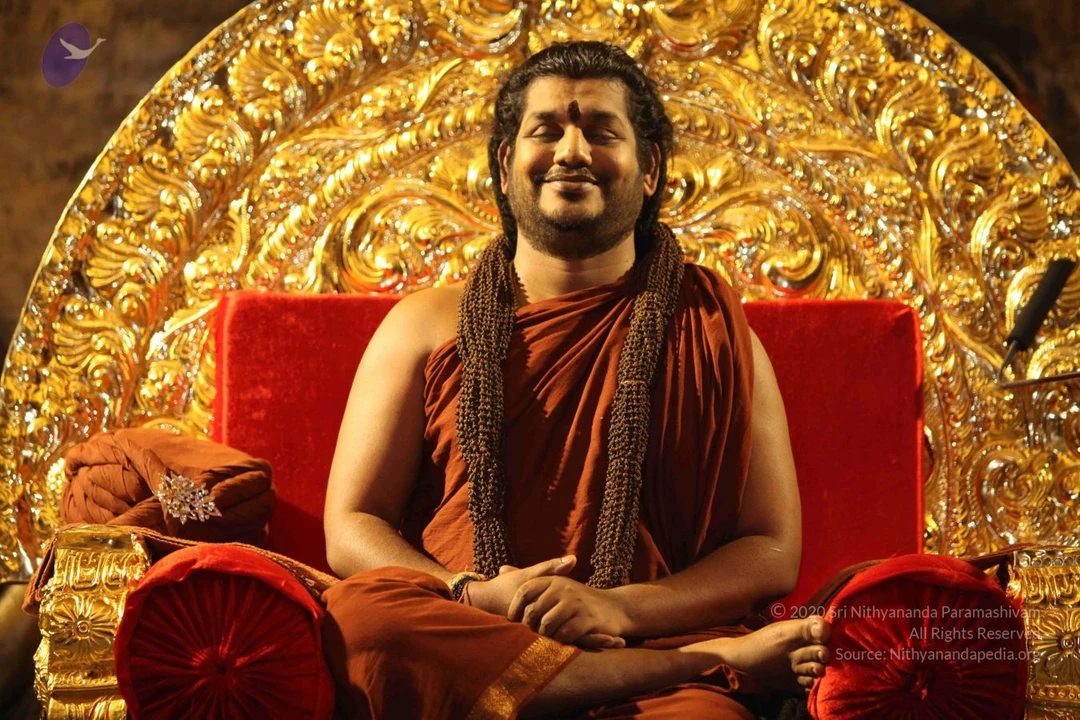
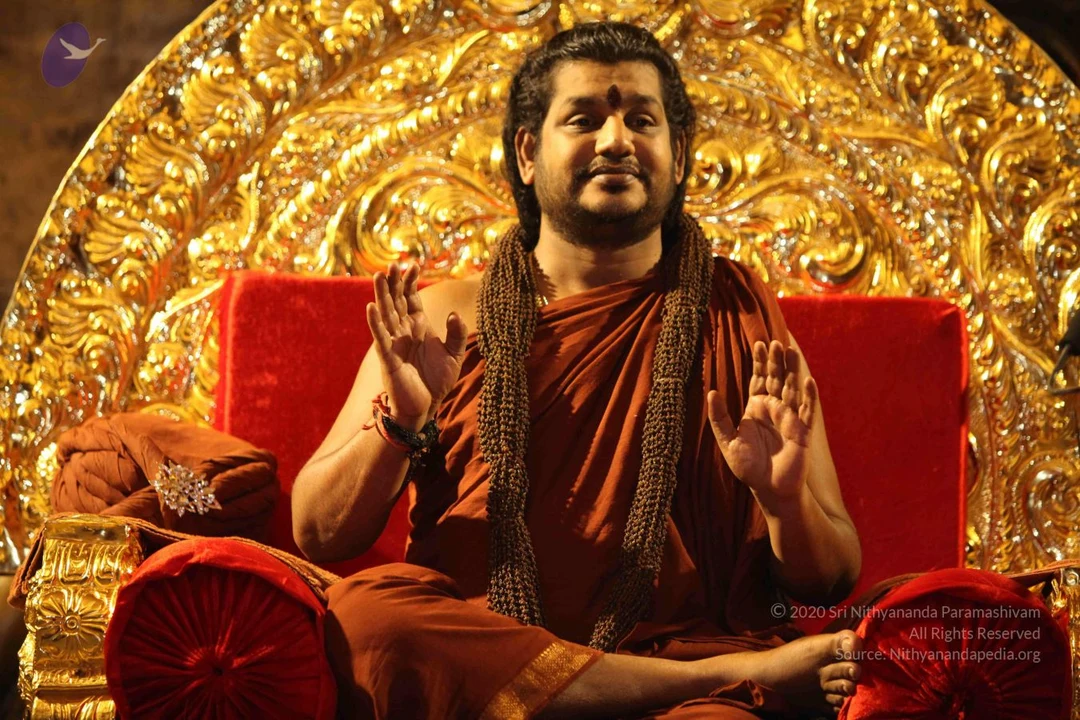
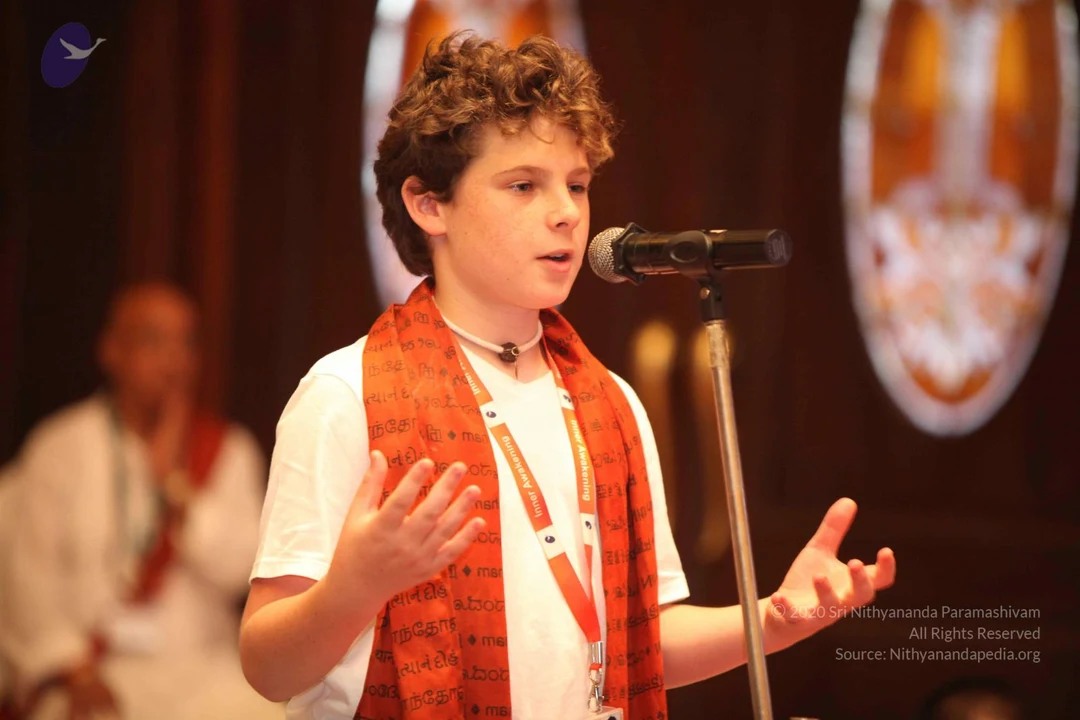

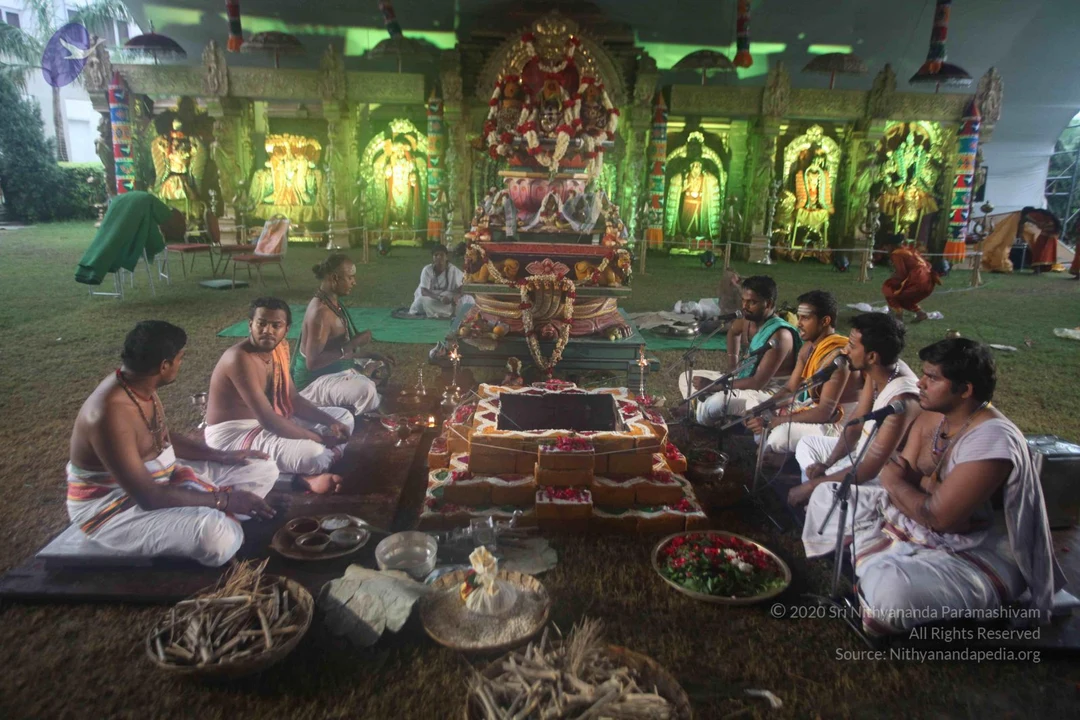
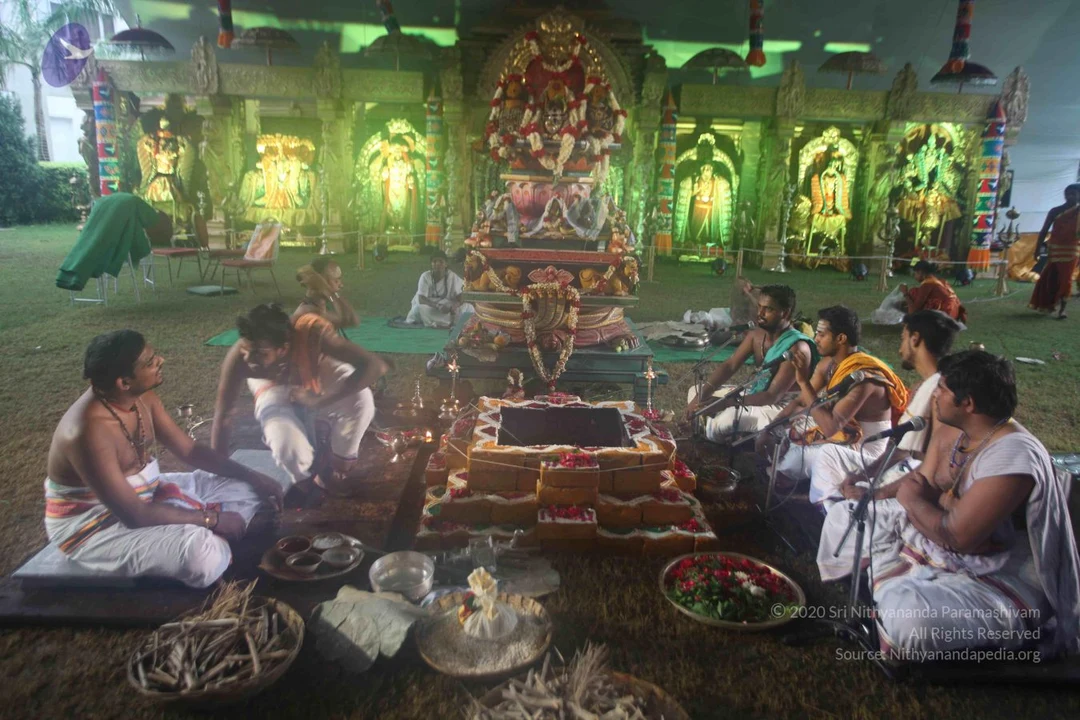
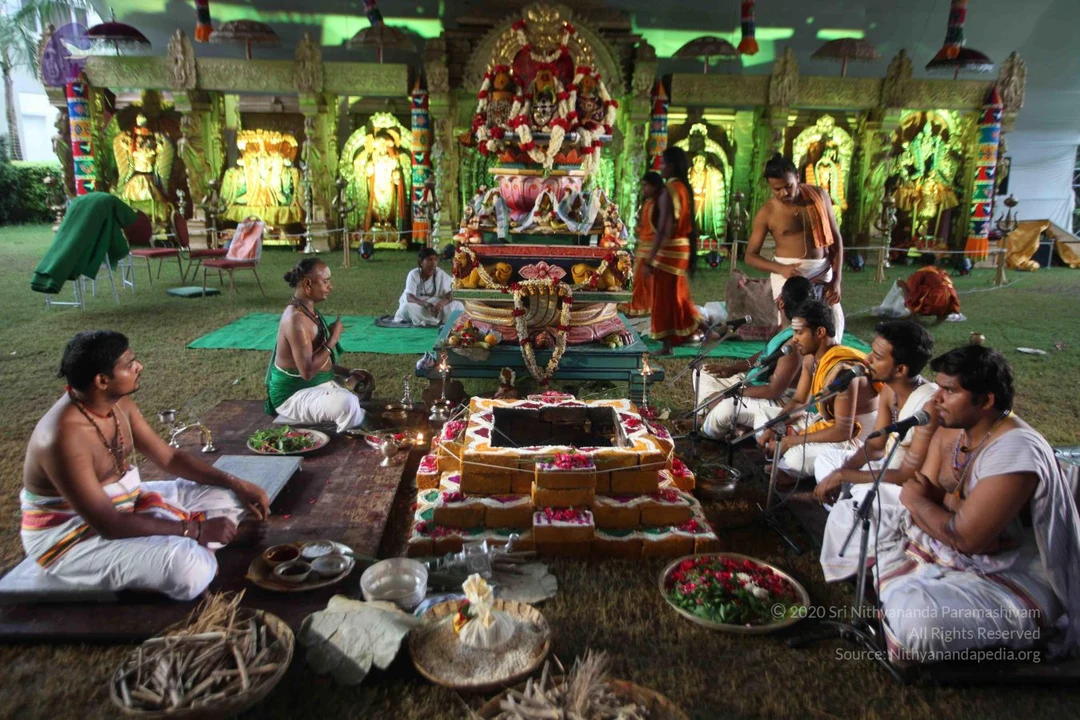
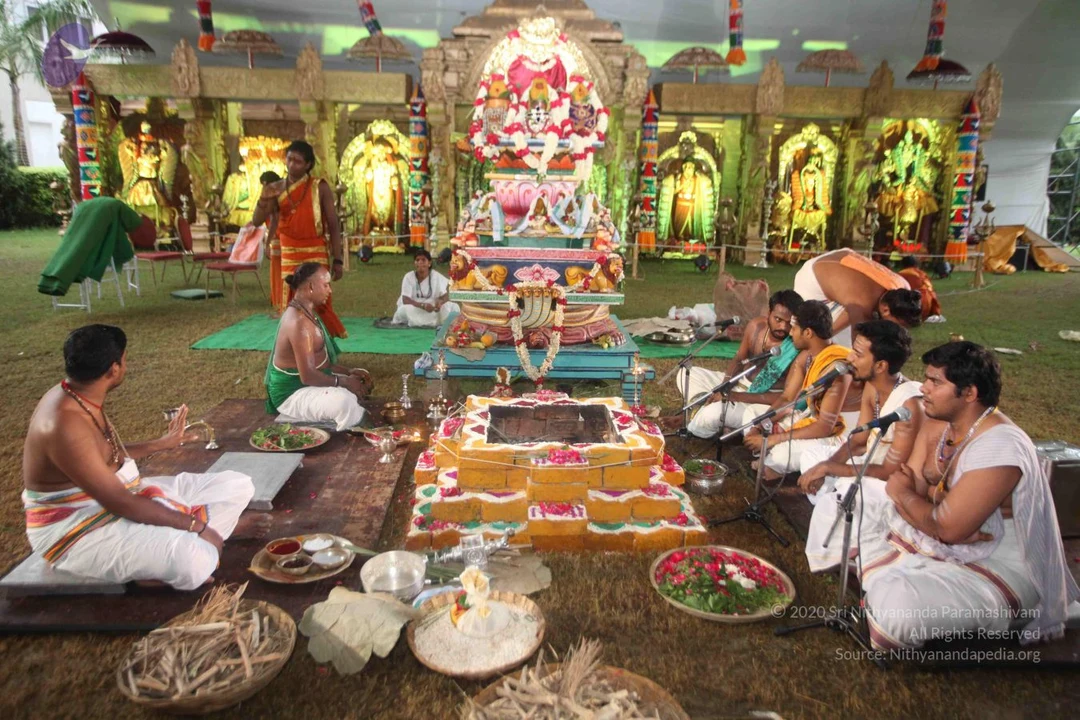

KB-Homa
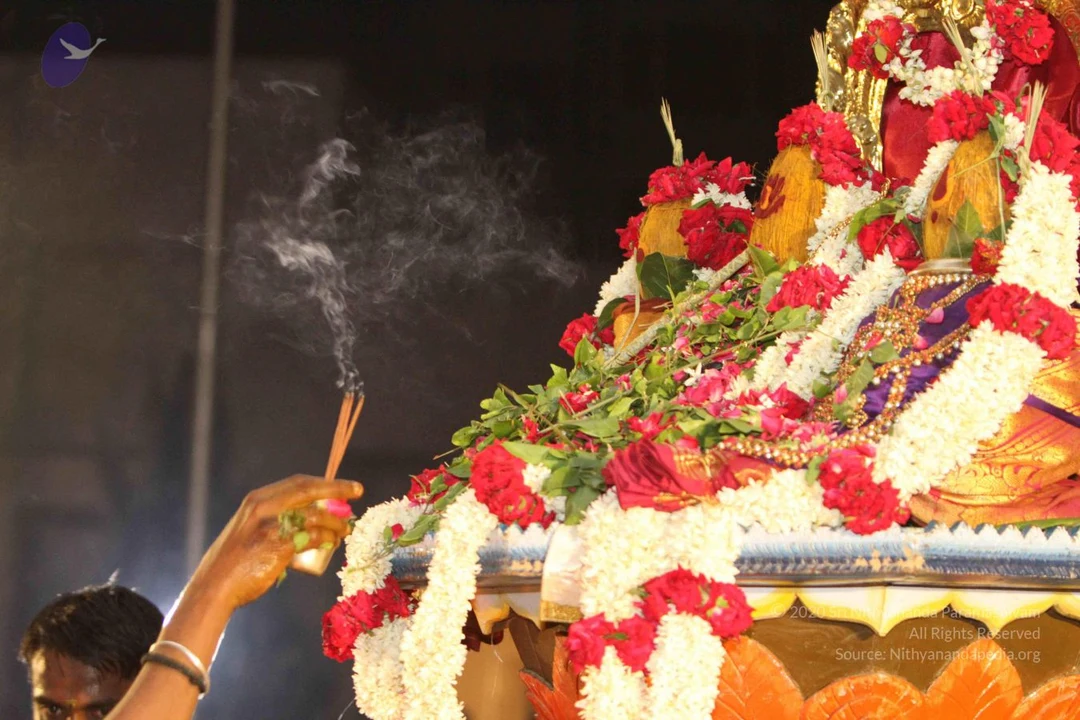
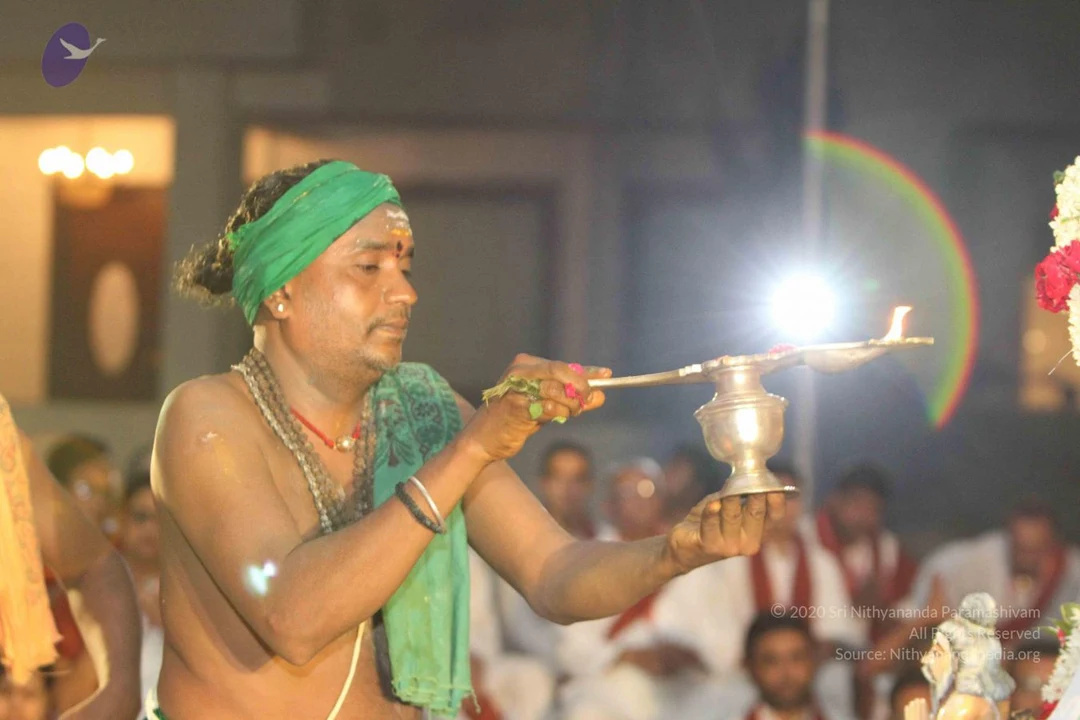
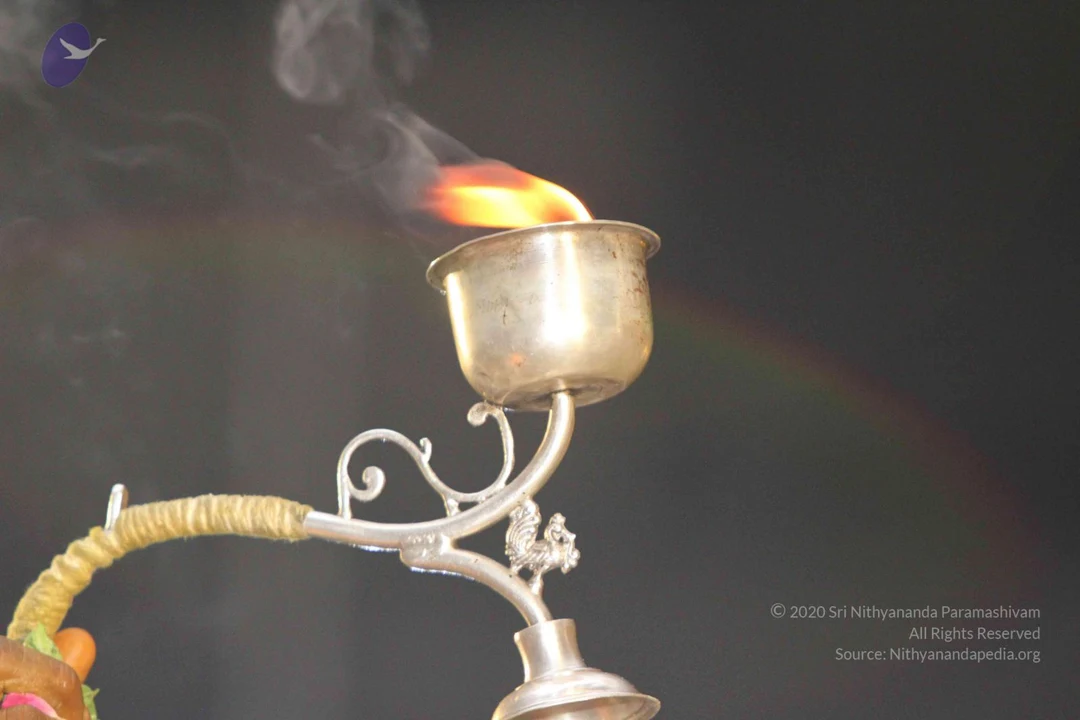
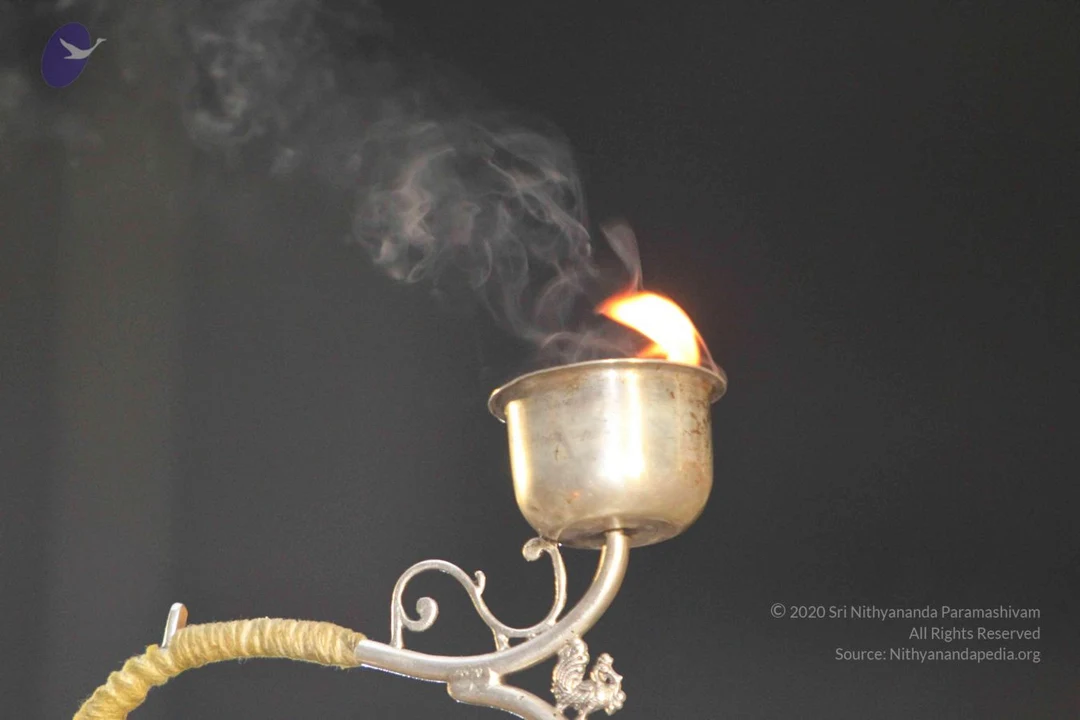
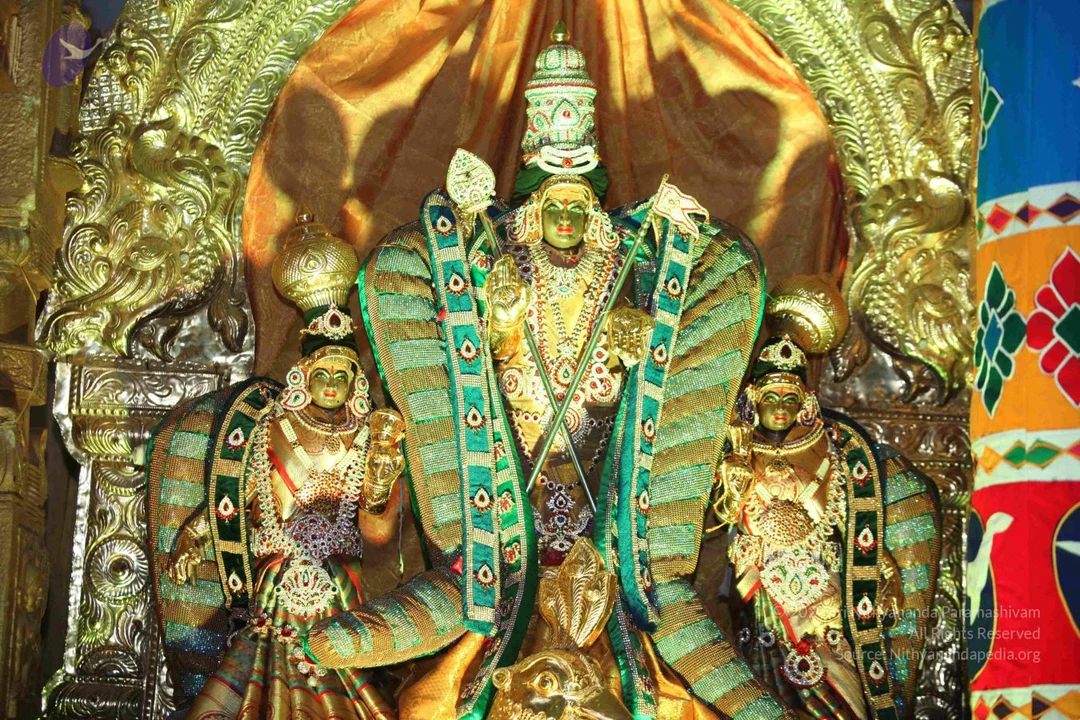
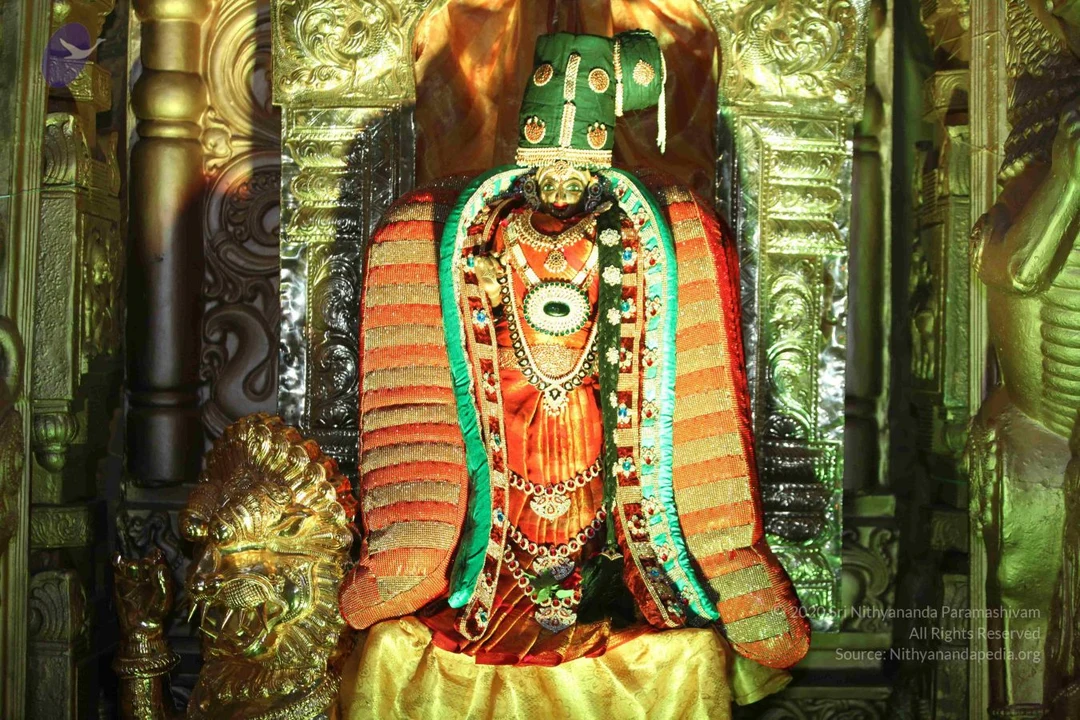
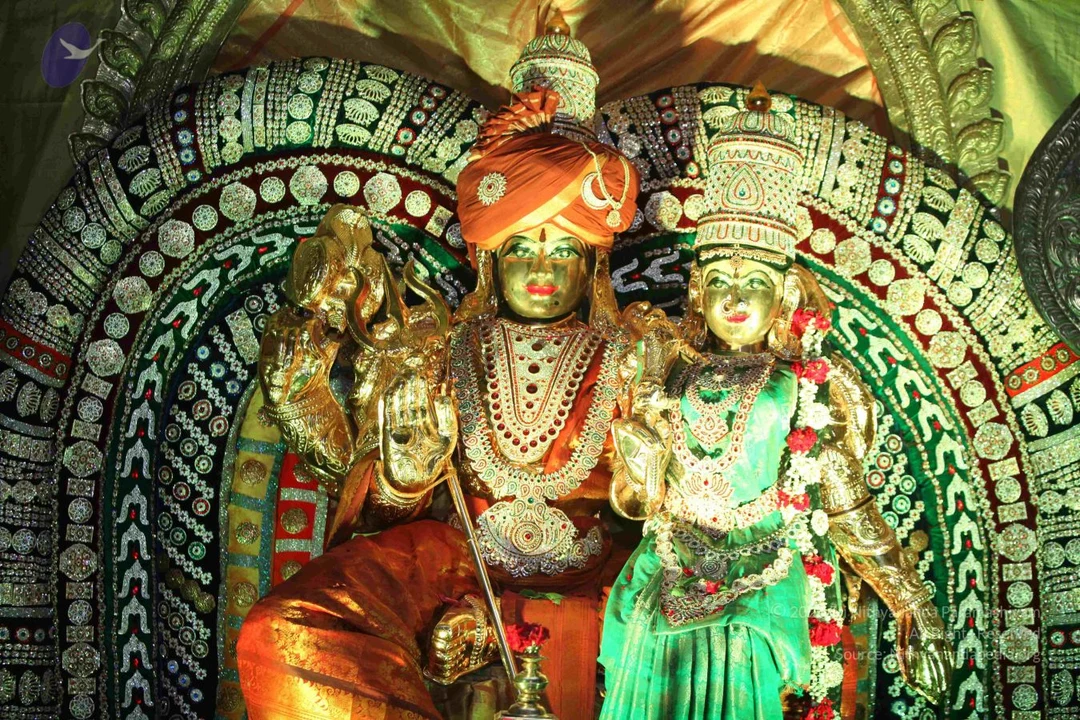
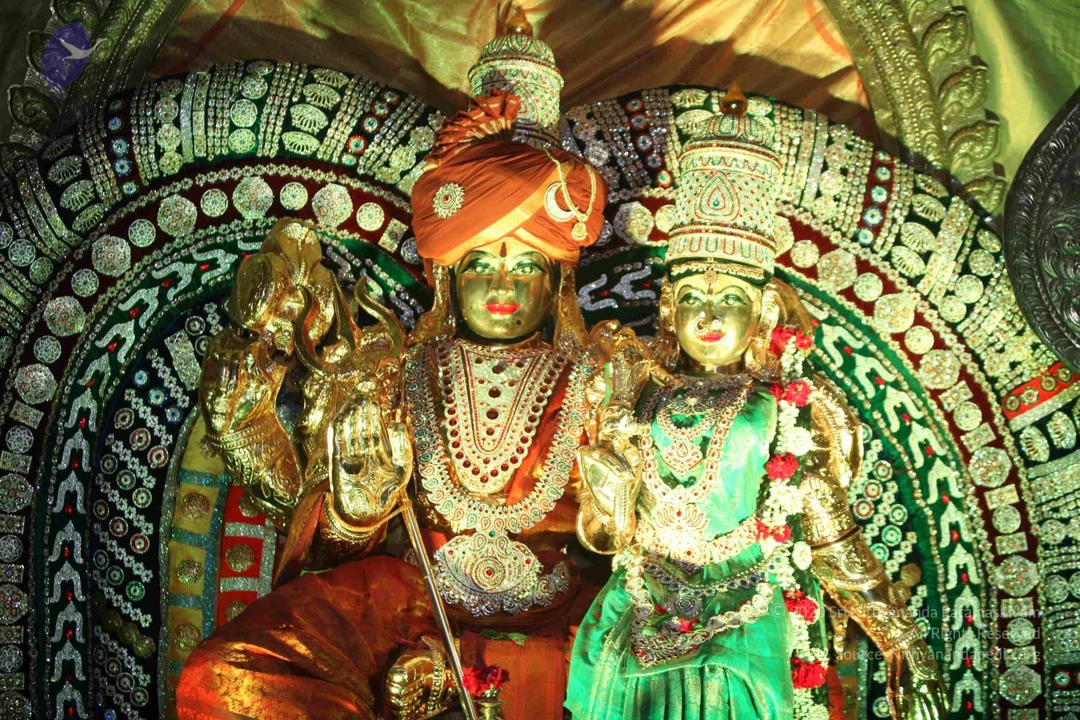
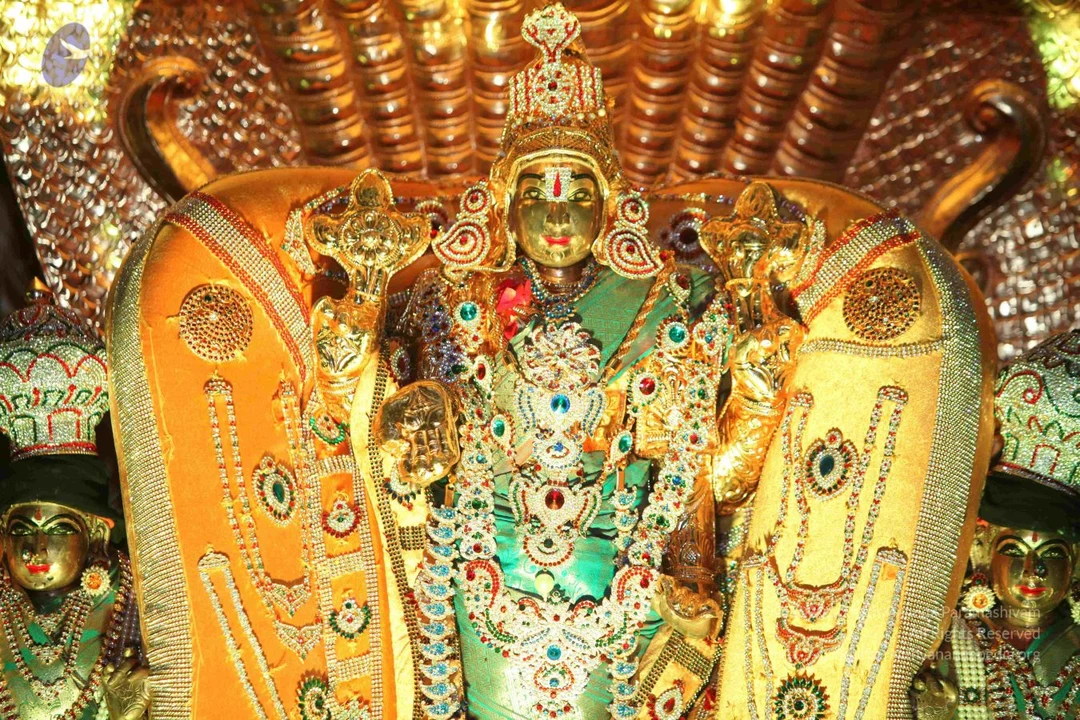
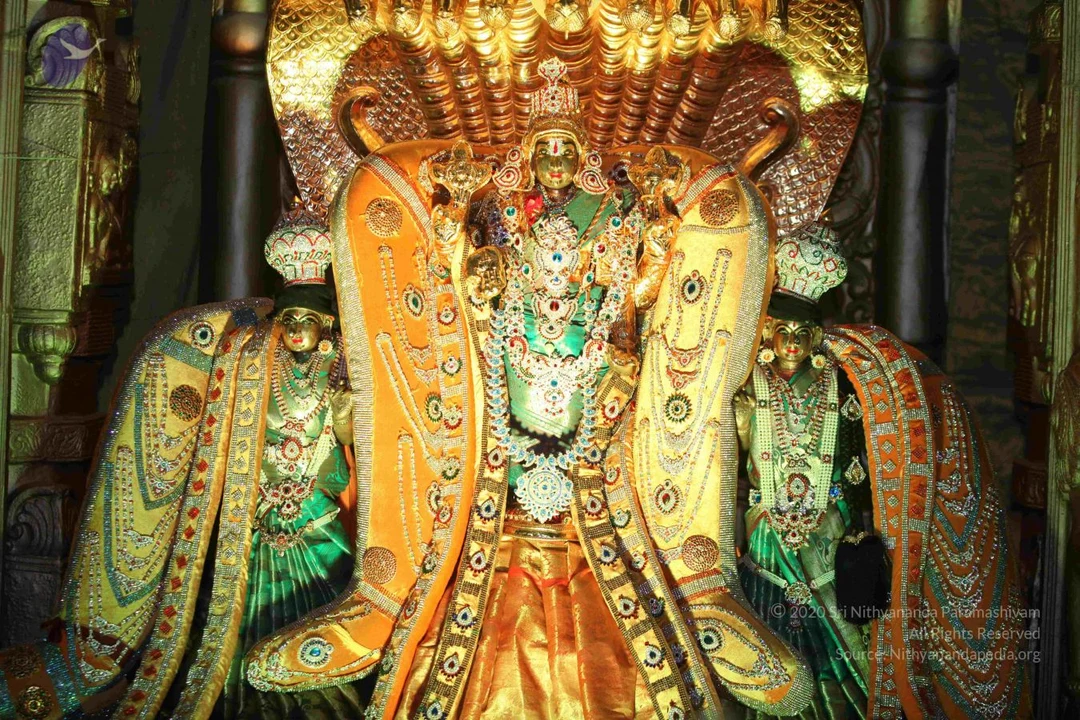
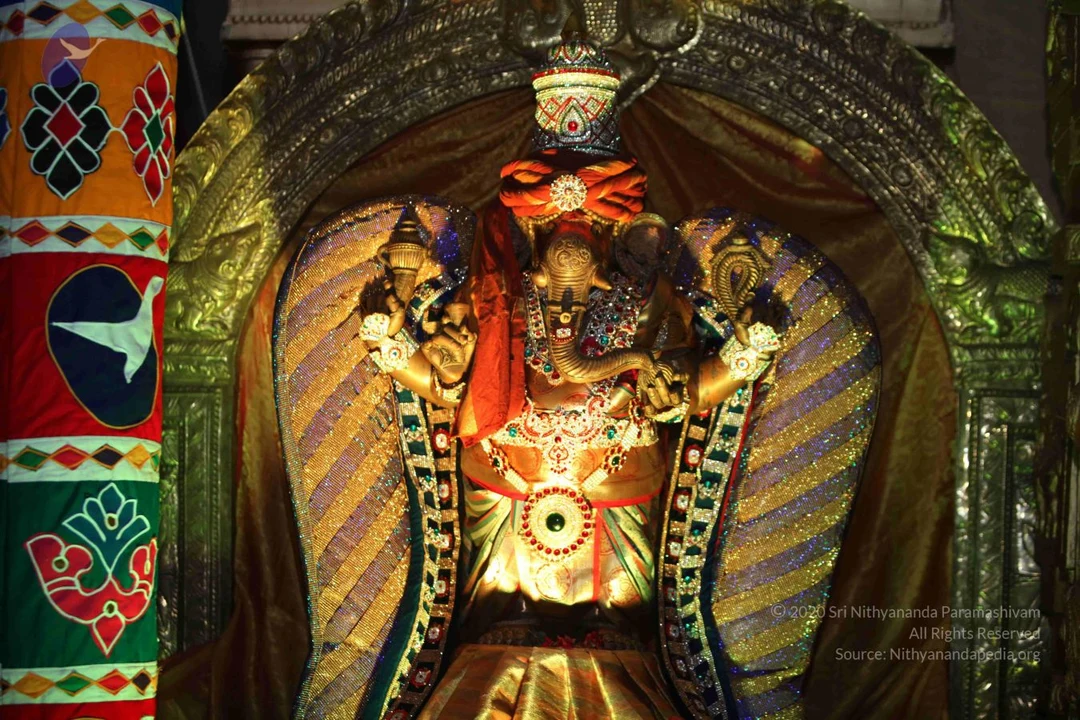
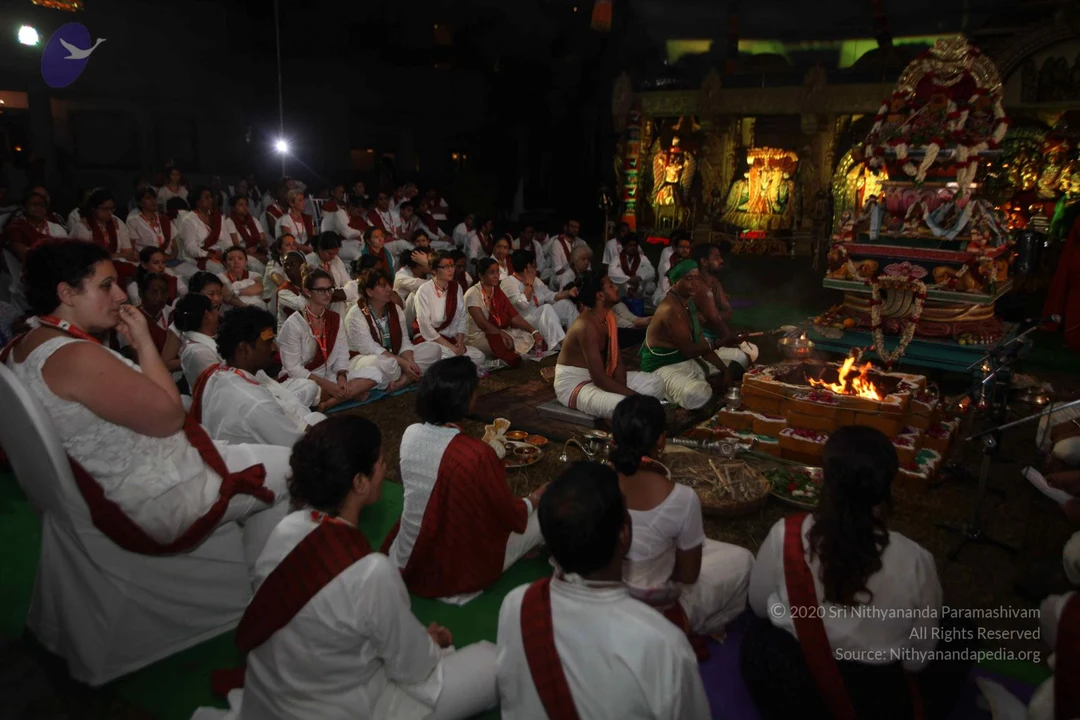
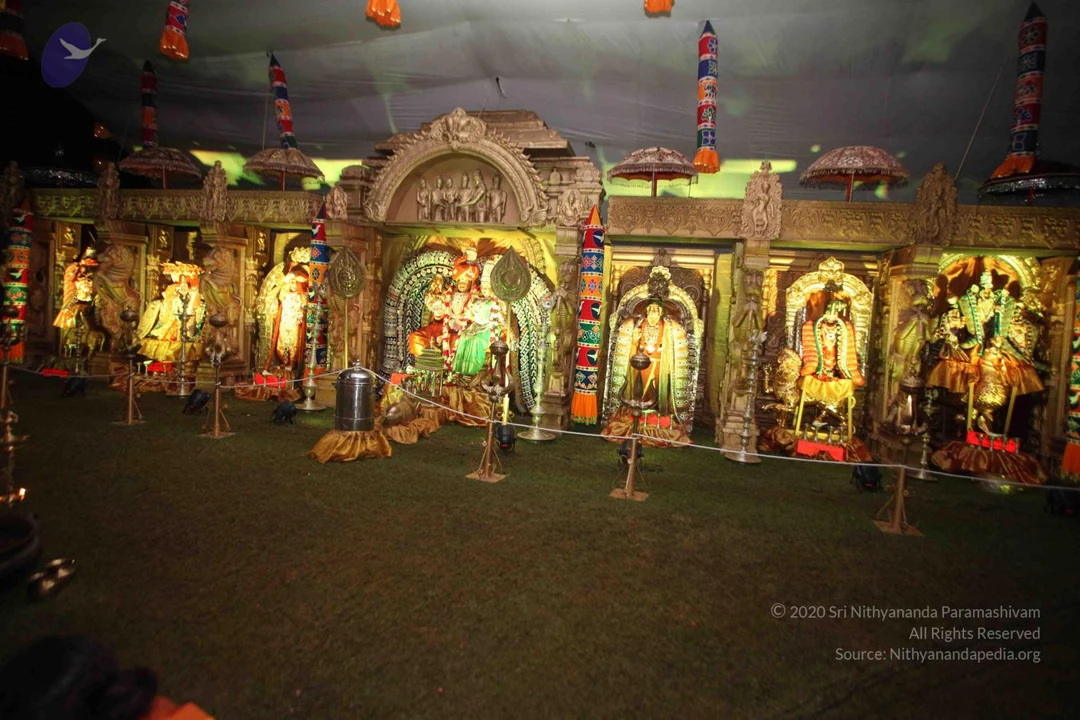
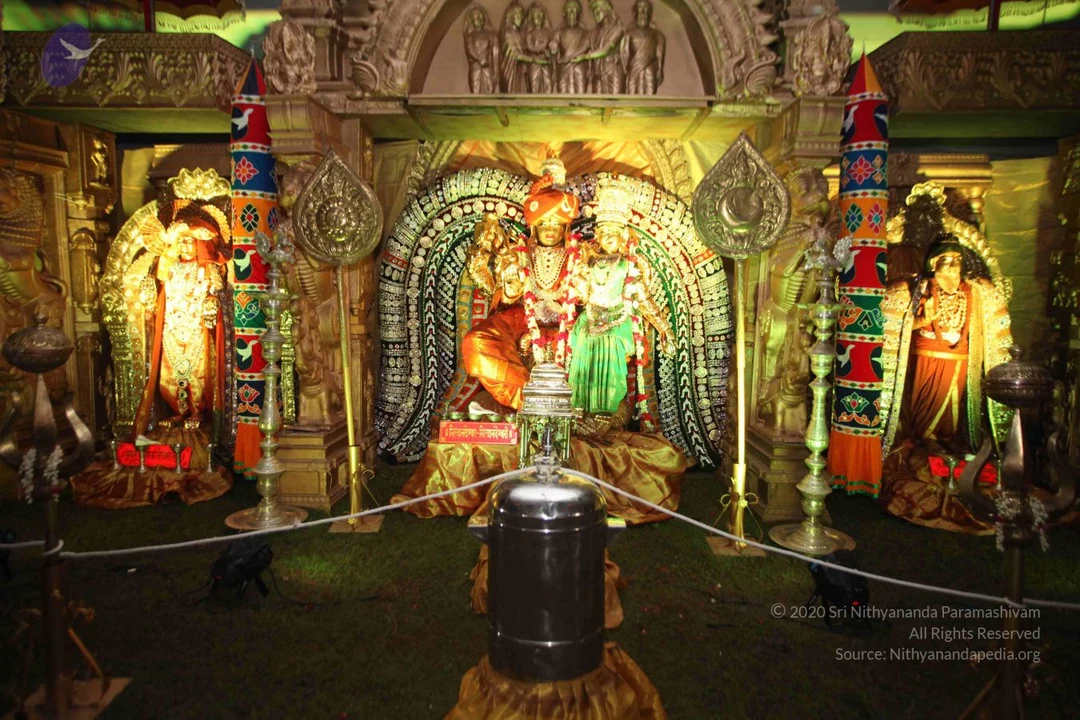
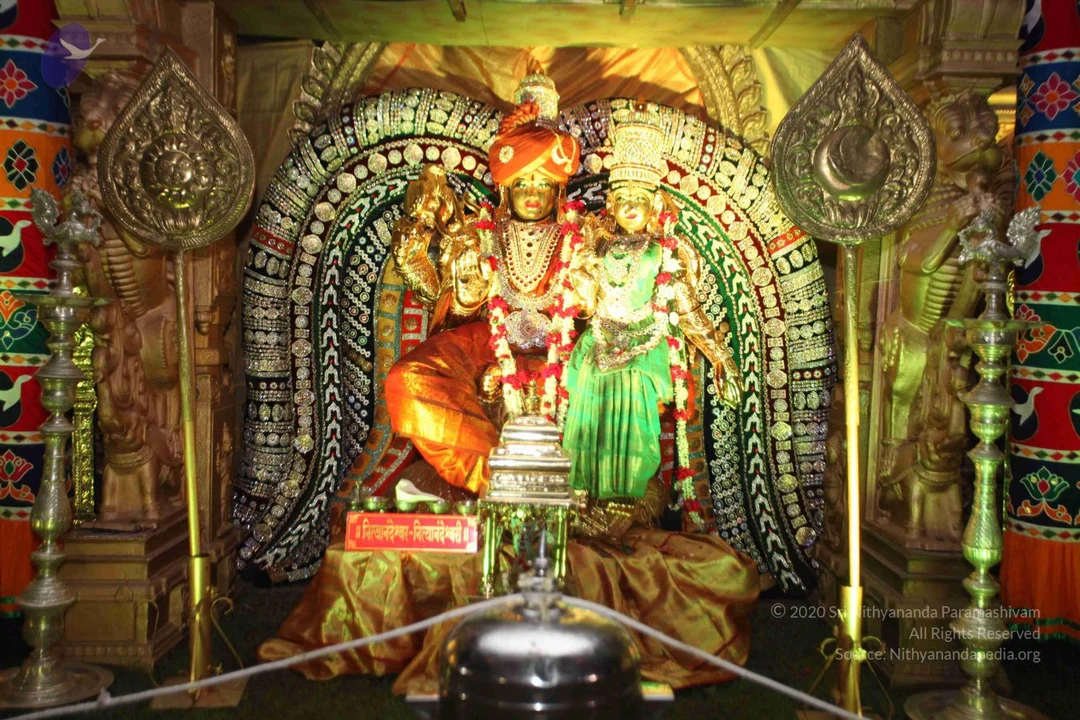
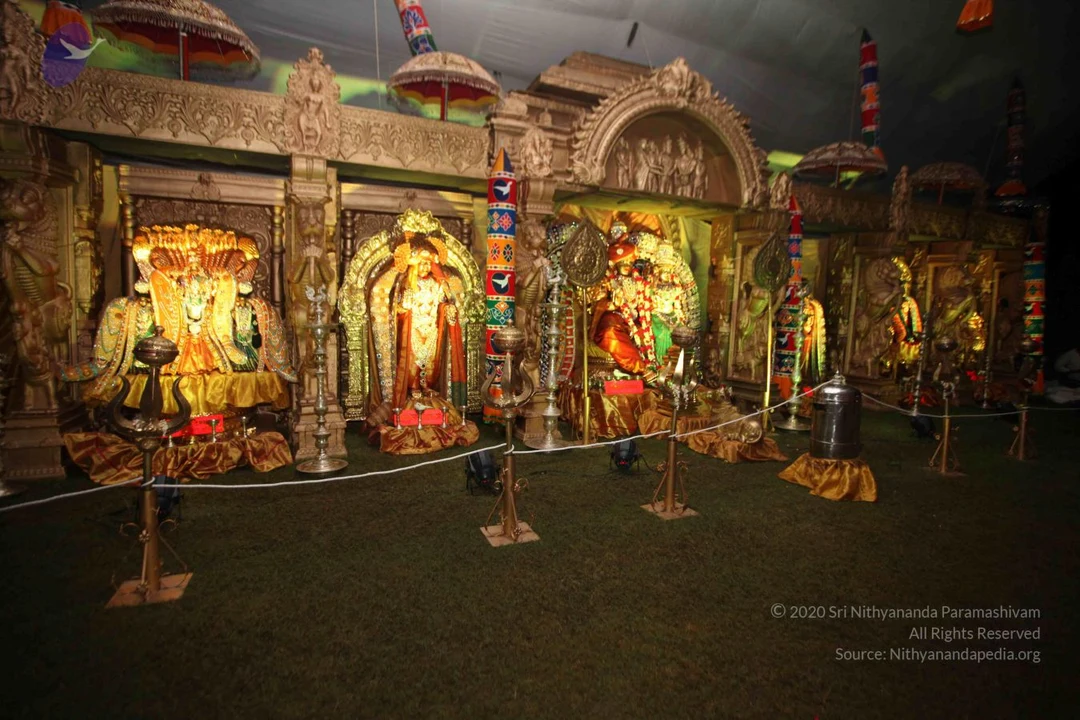
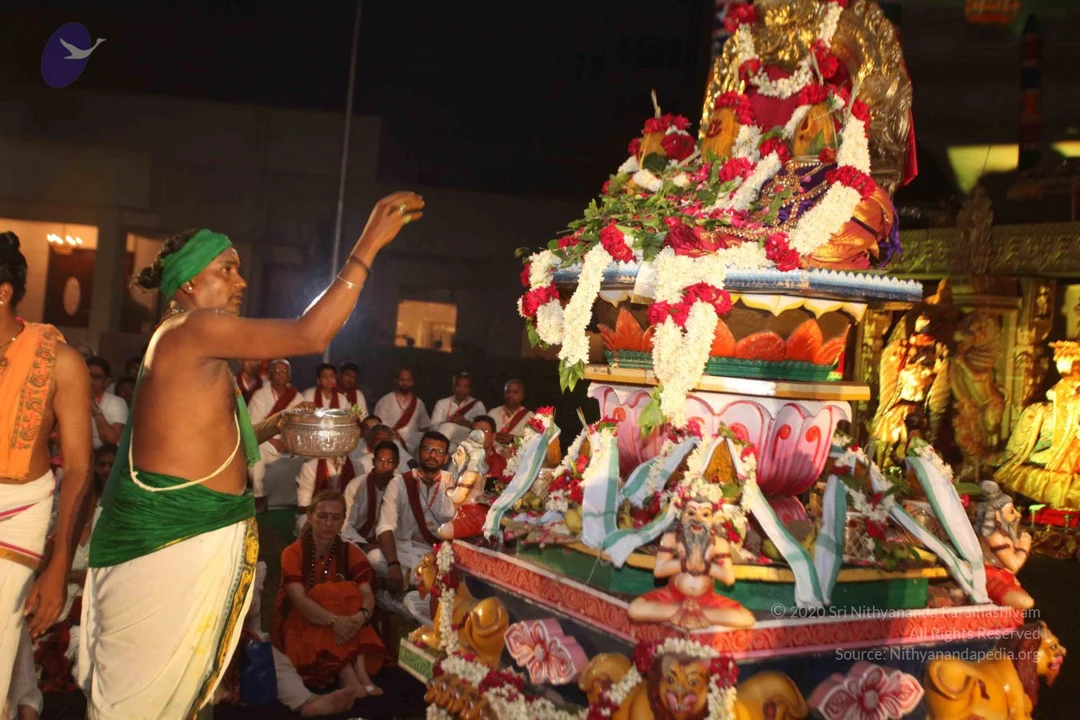
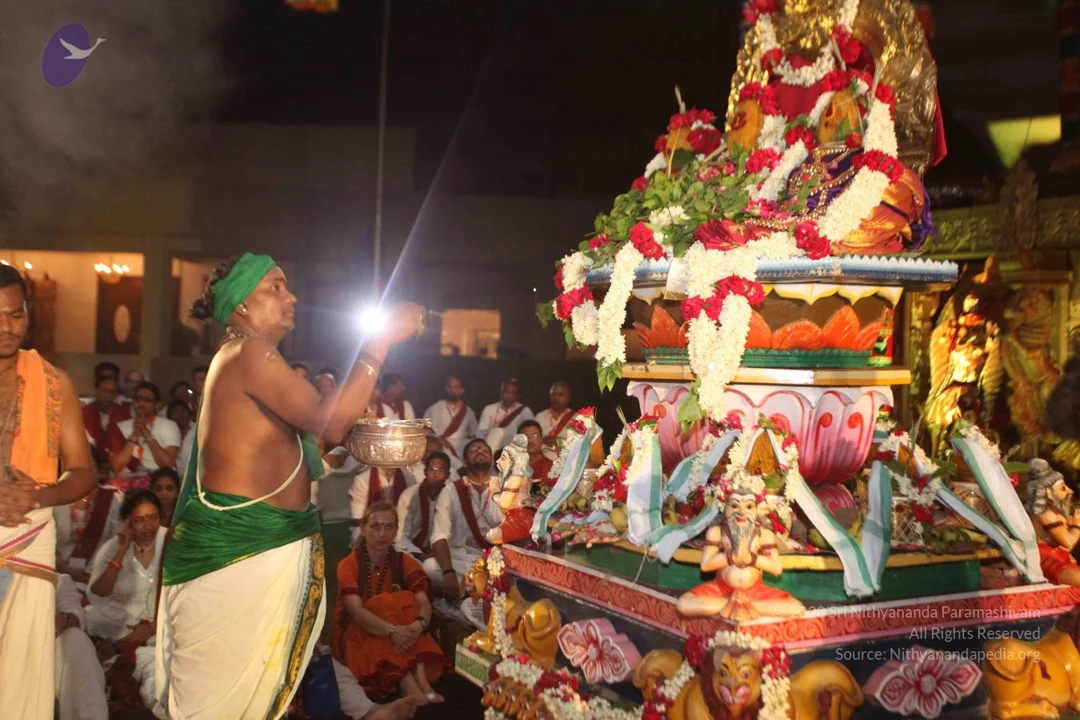
KB-Darshan
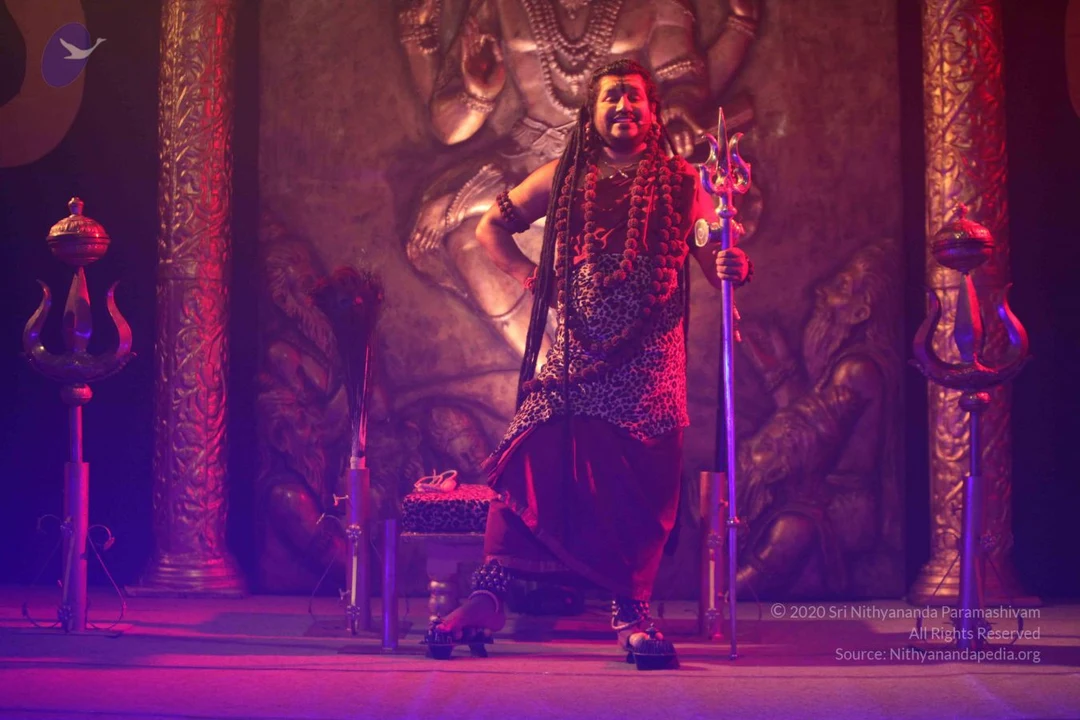
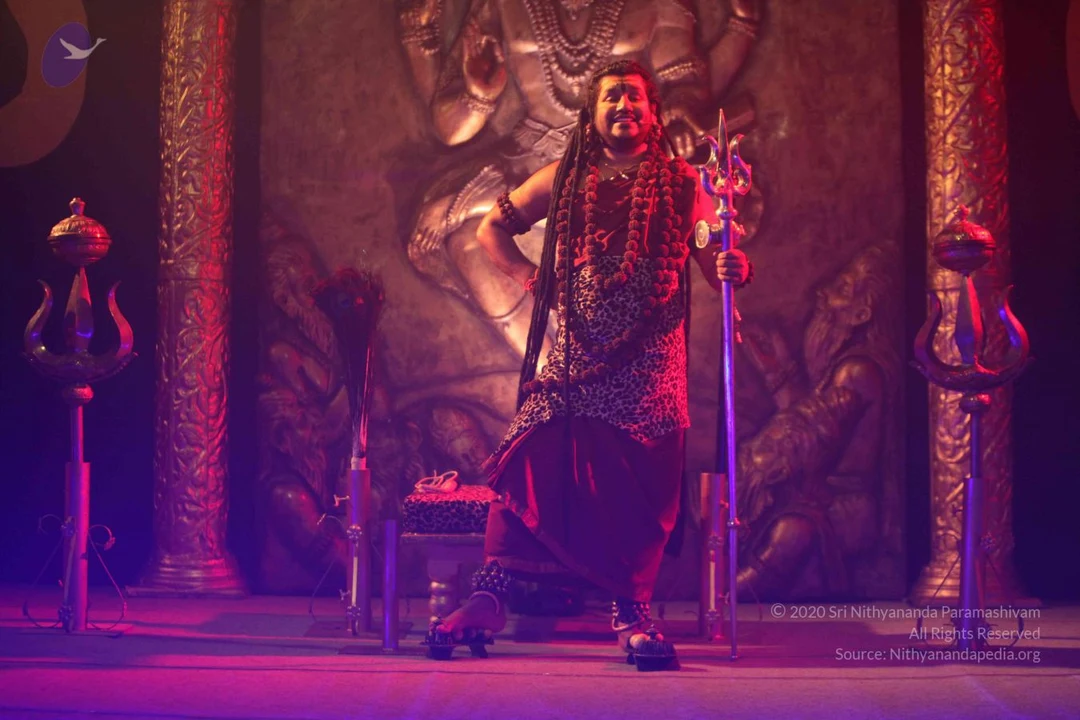

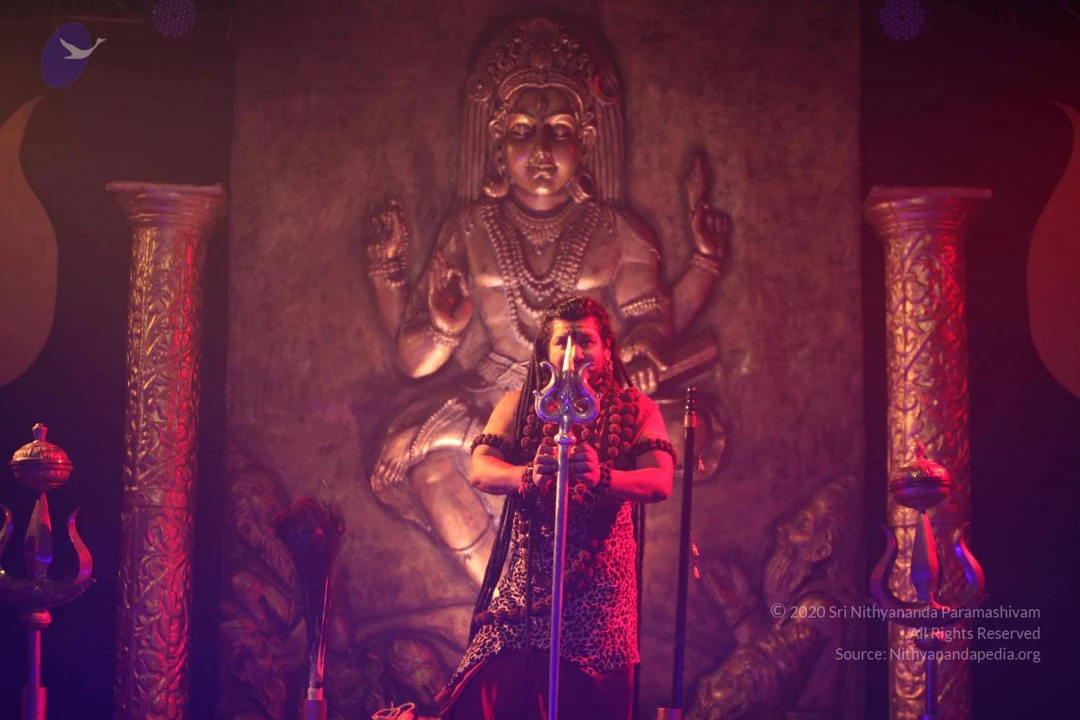

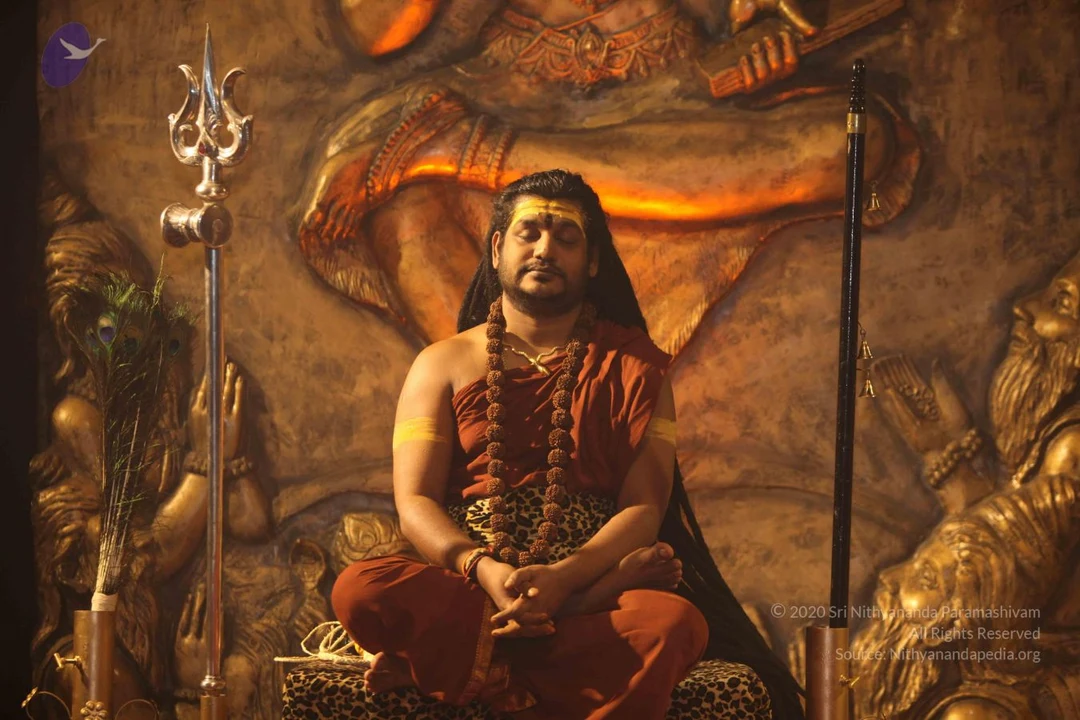
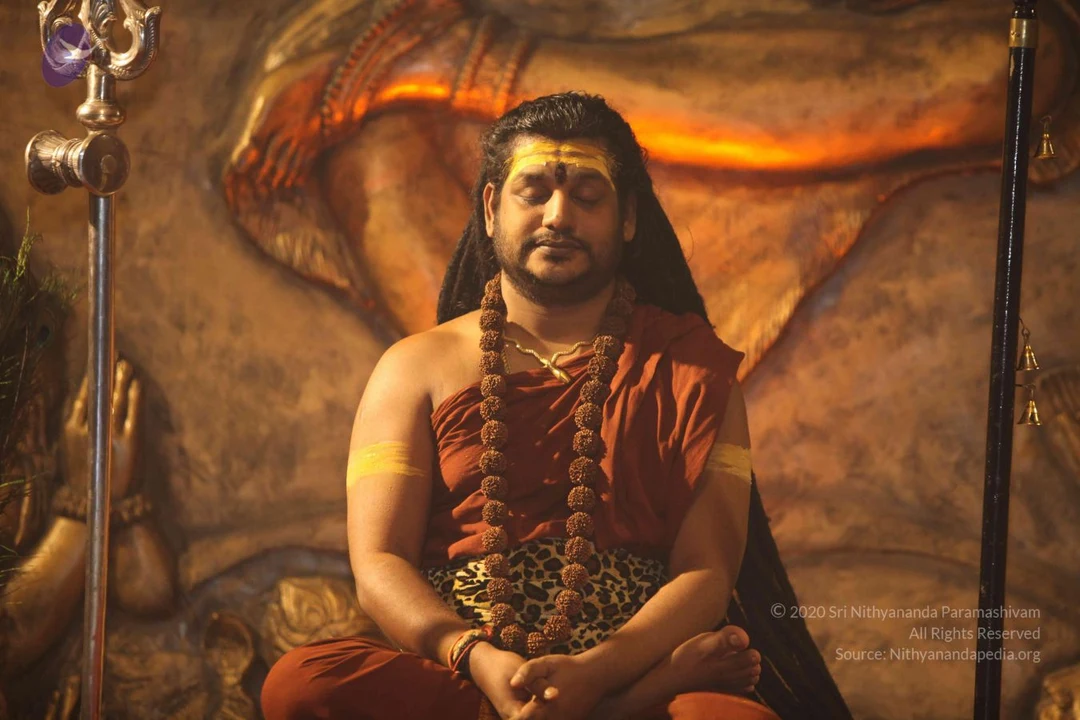

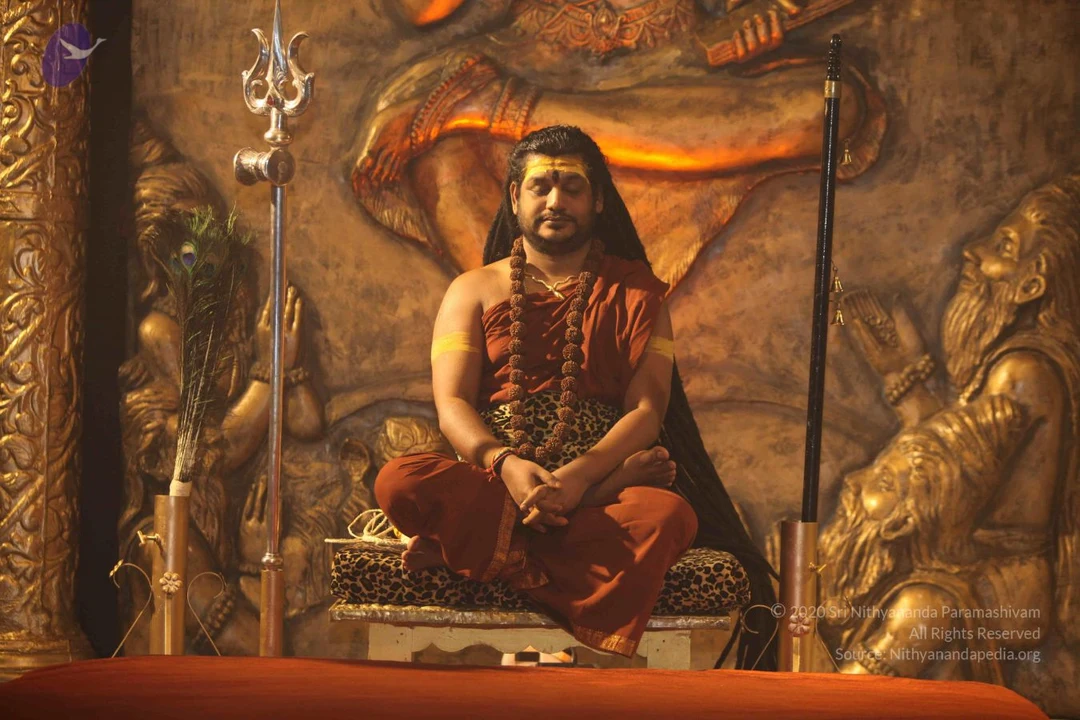
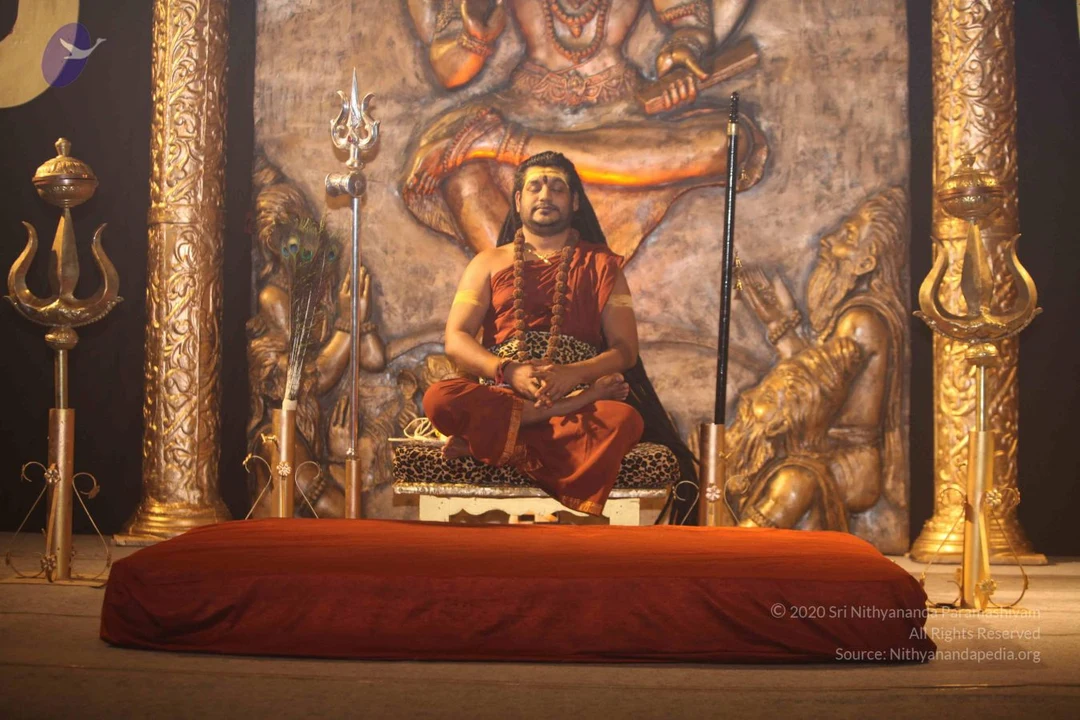
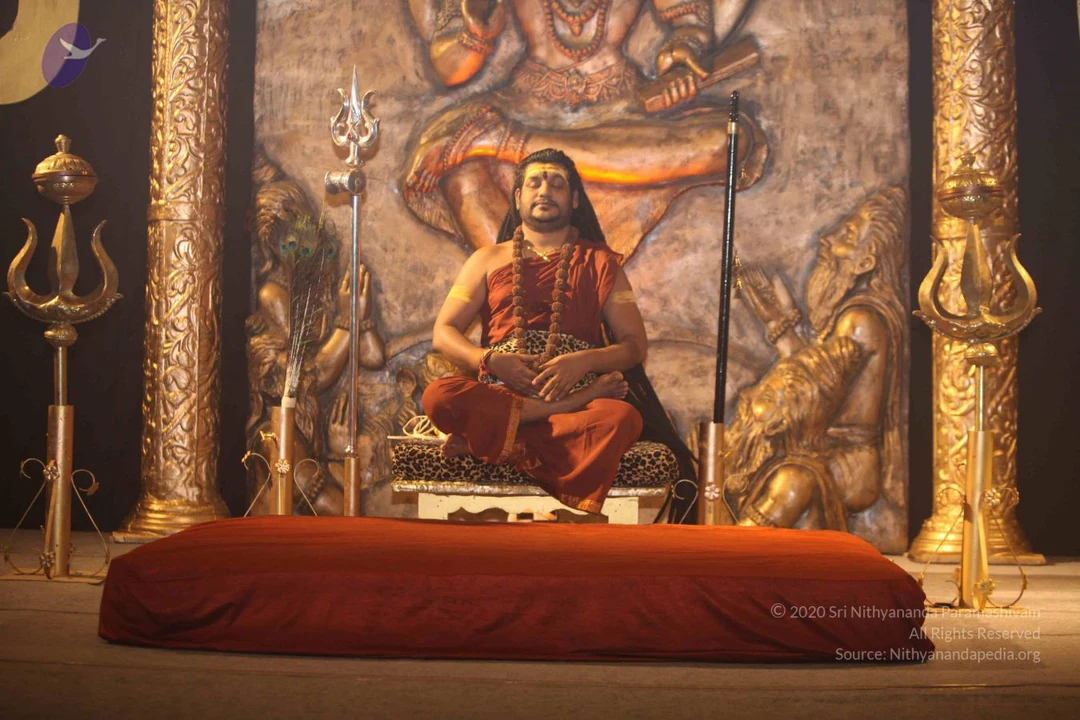
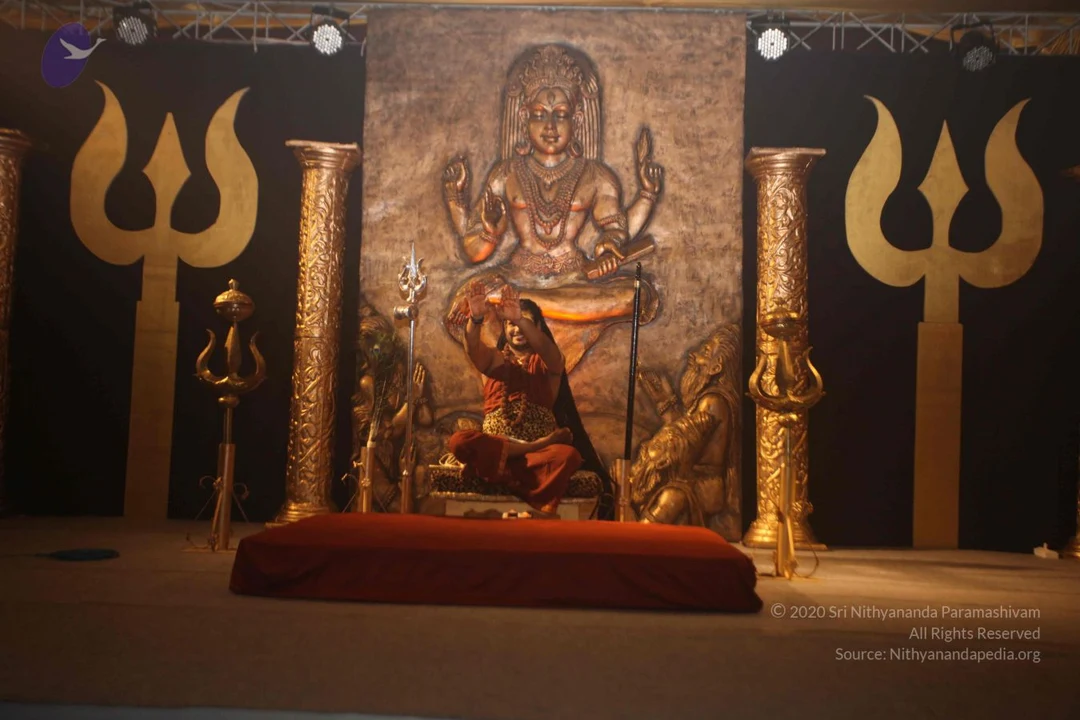
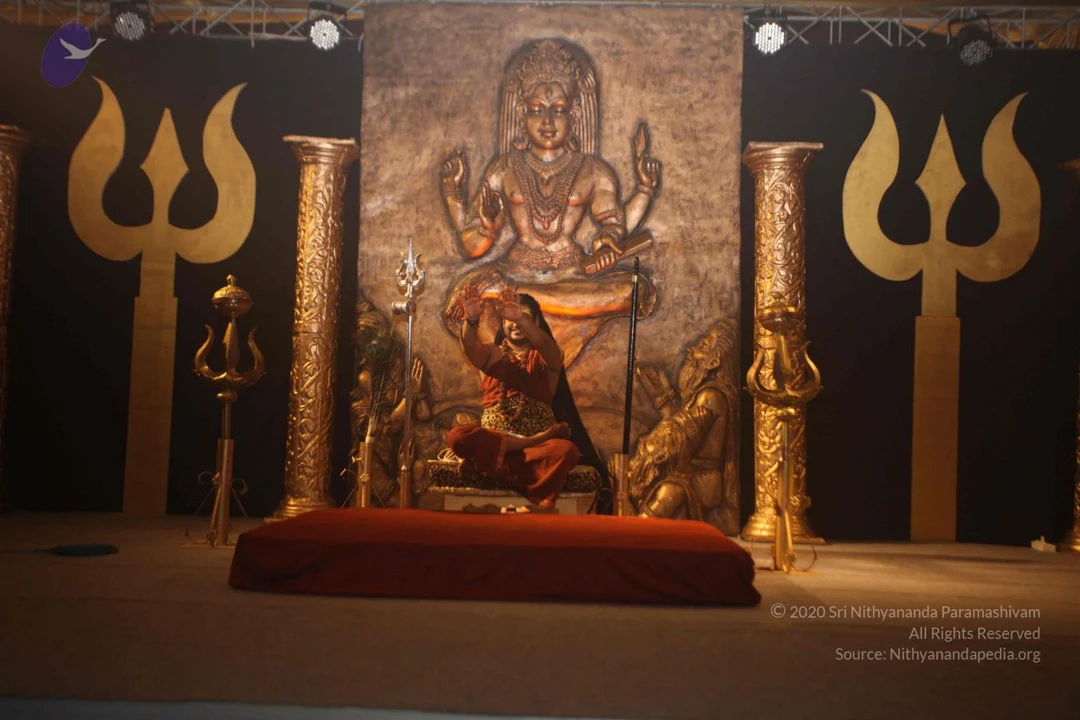
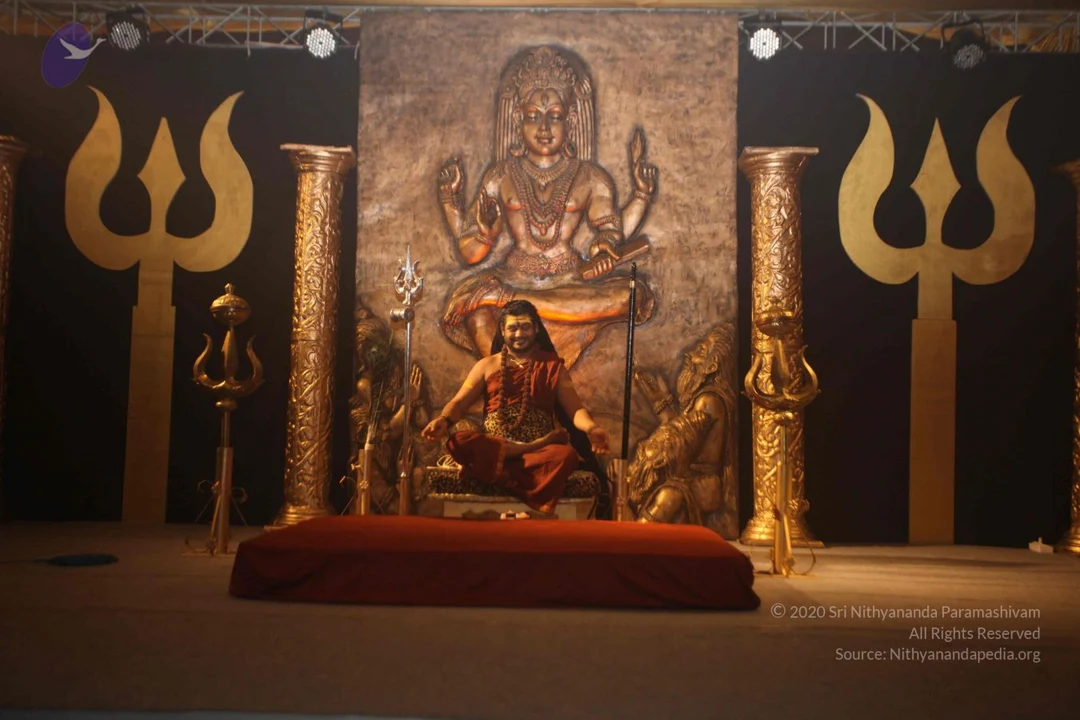
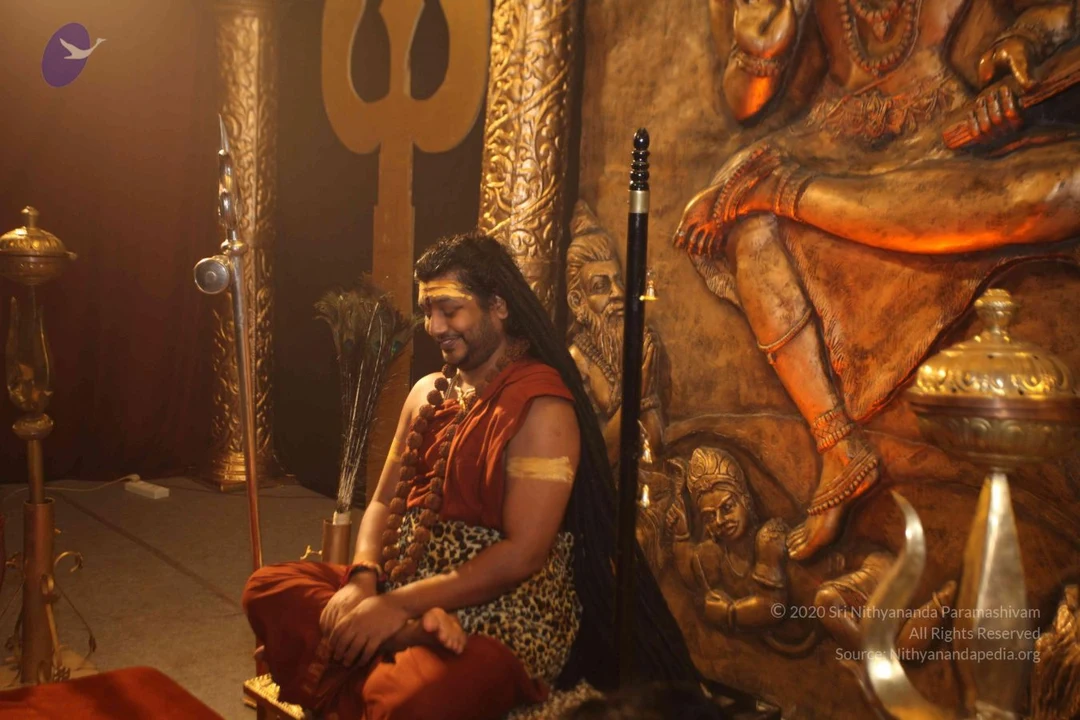
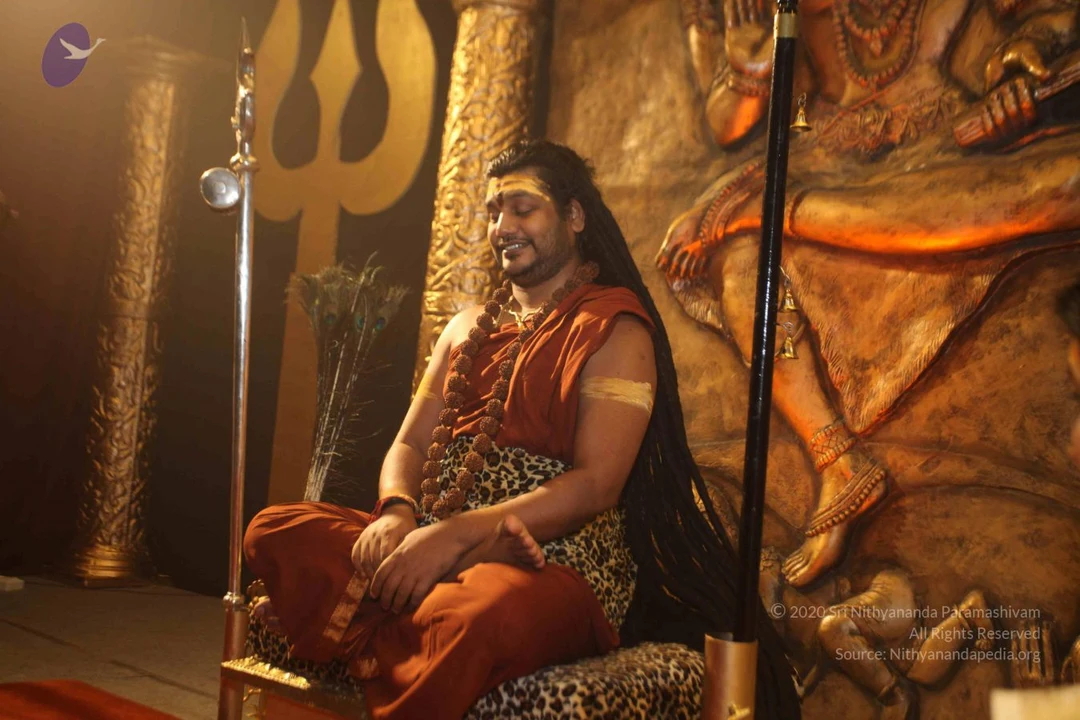
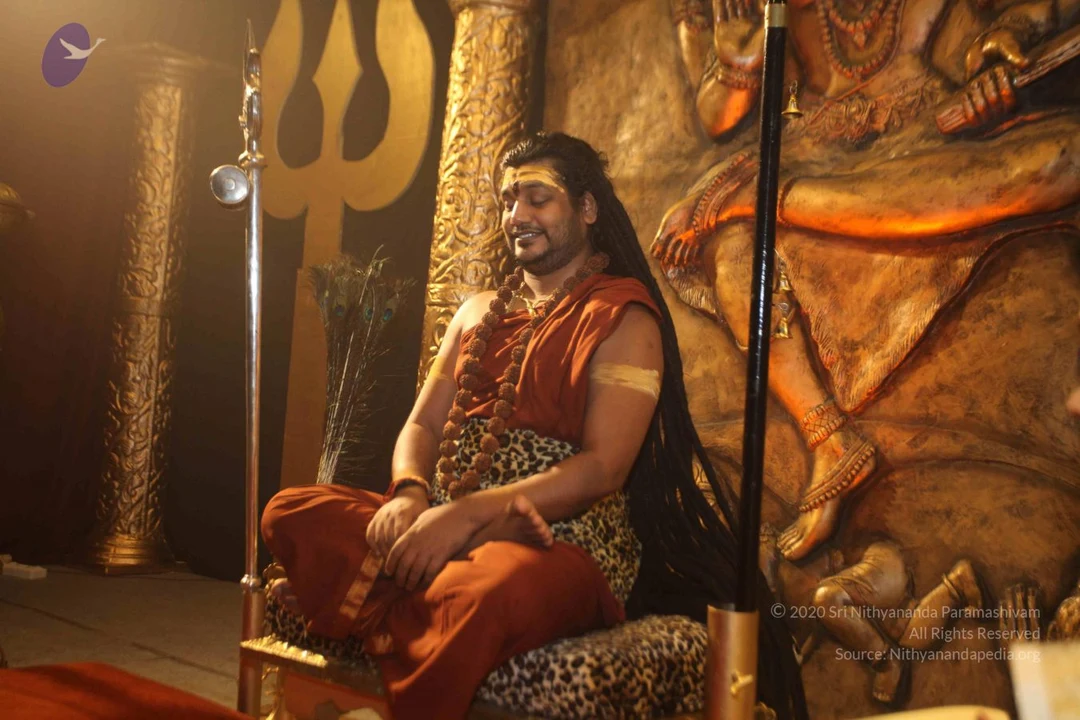
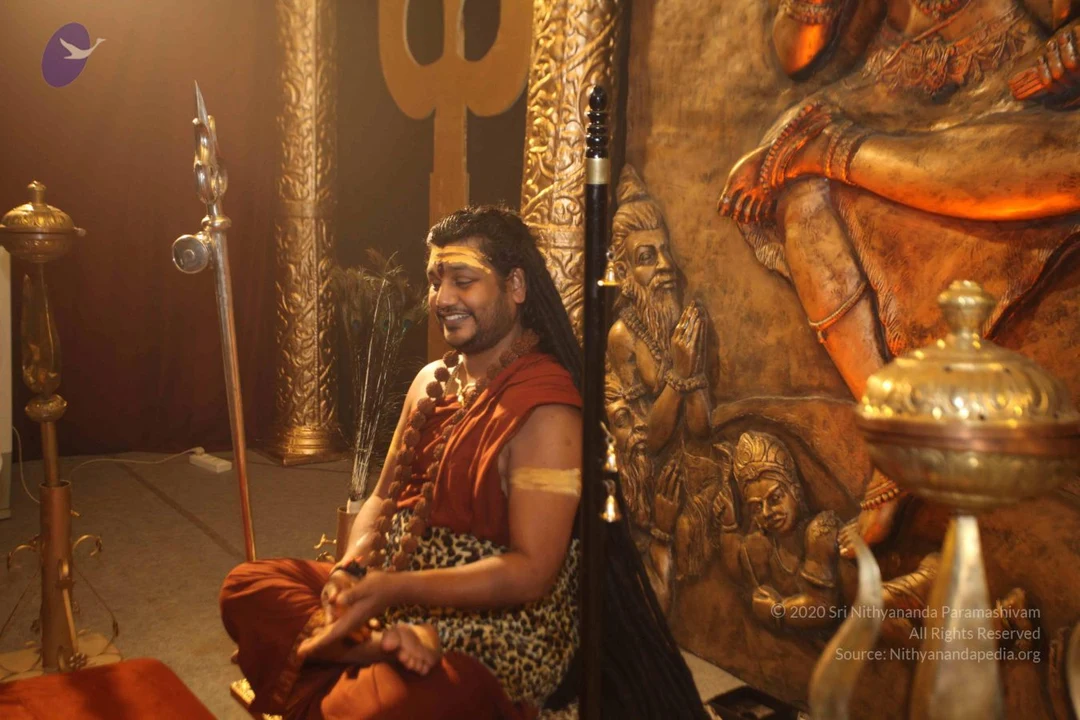
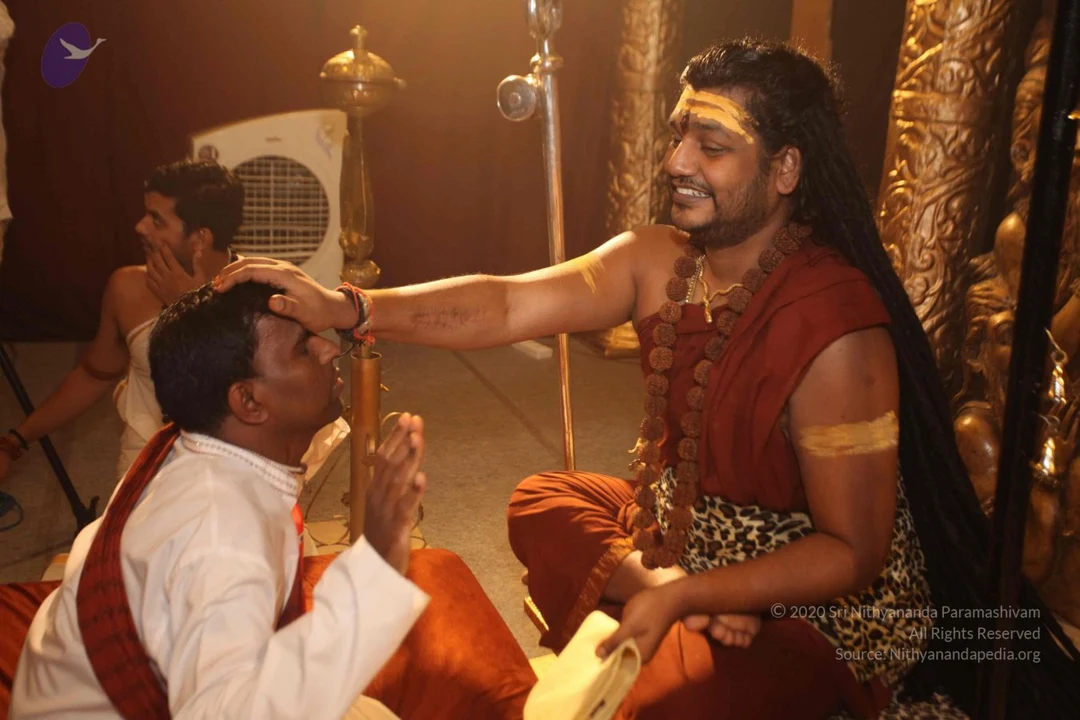
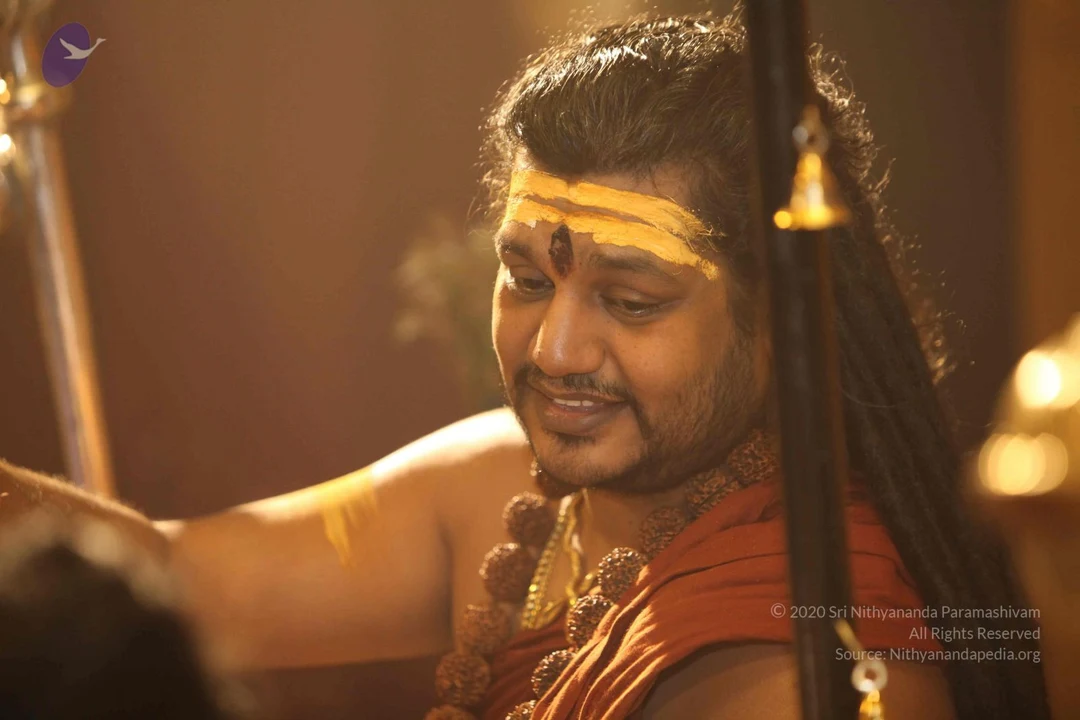
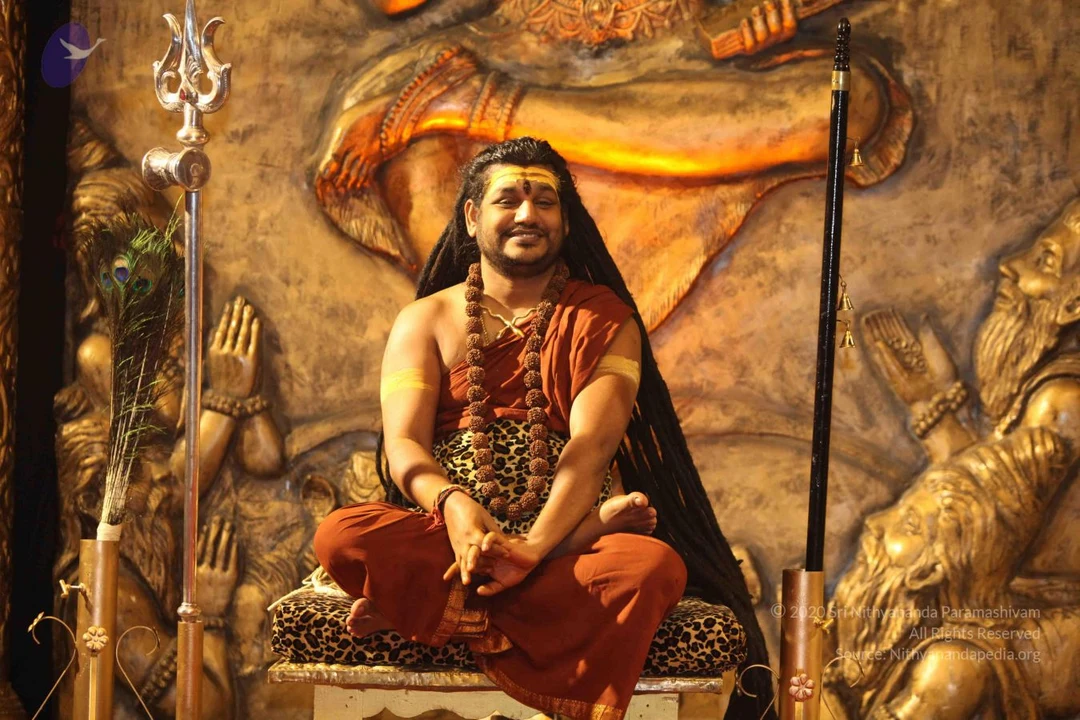
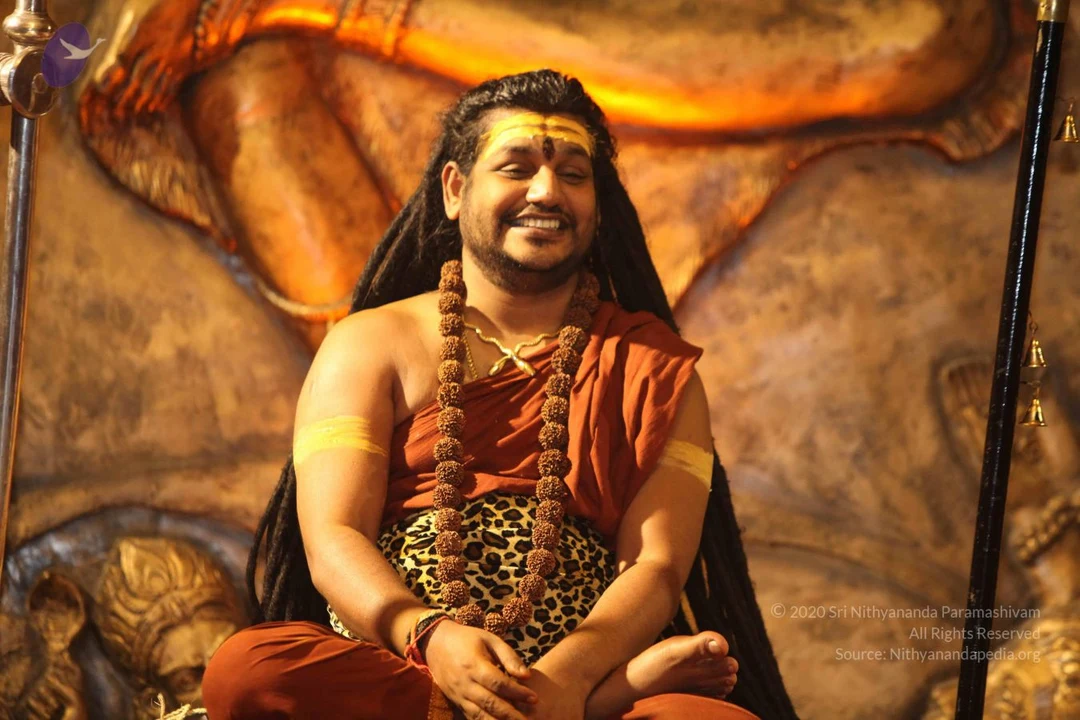
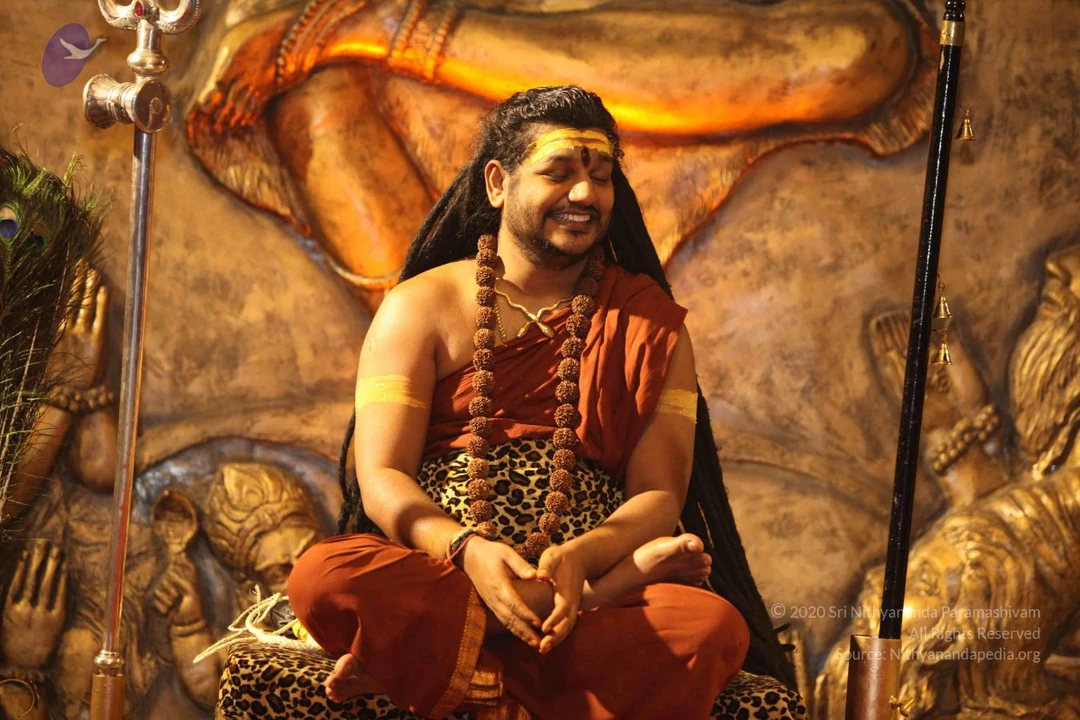
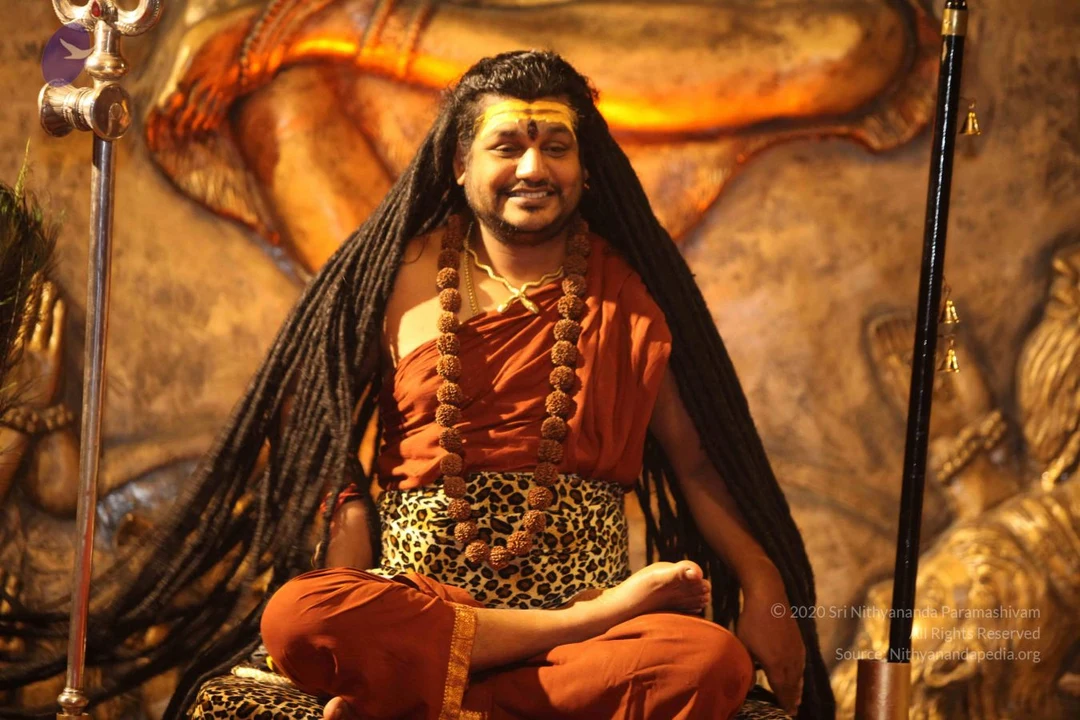
Photos from this day
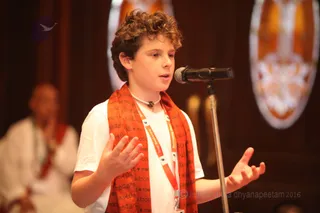
View all 249 photosNithya Satsang
3 photosSource gallery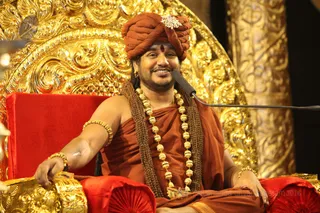
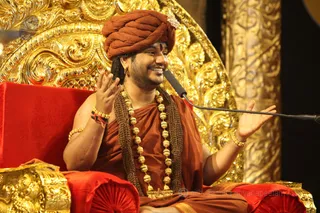
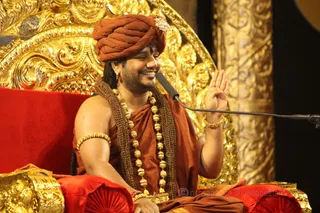
Session - Completion with Death
2 photosSource gallery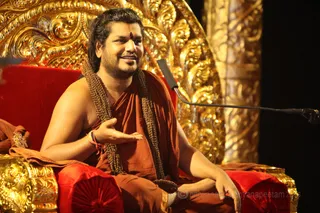
Kalabhairava Homa
3 photosSource gallery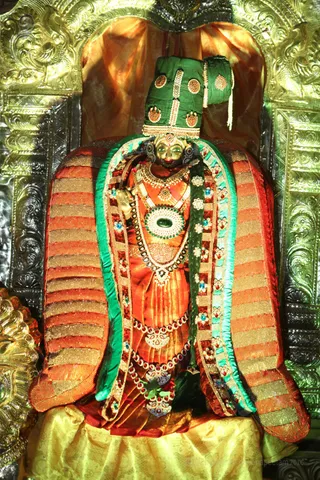

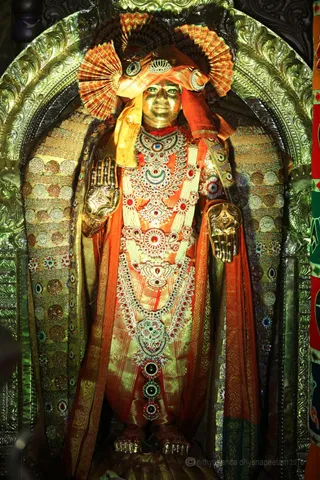
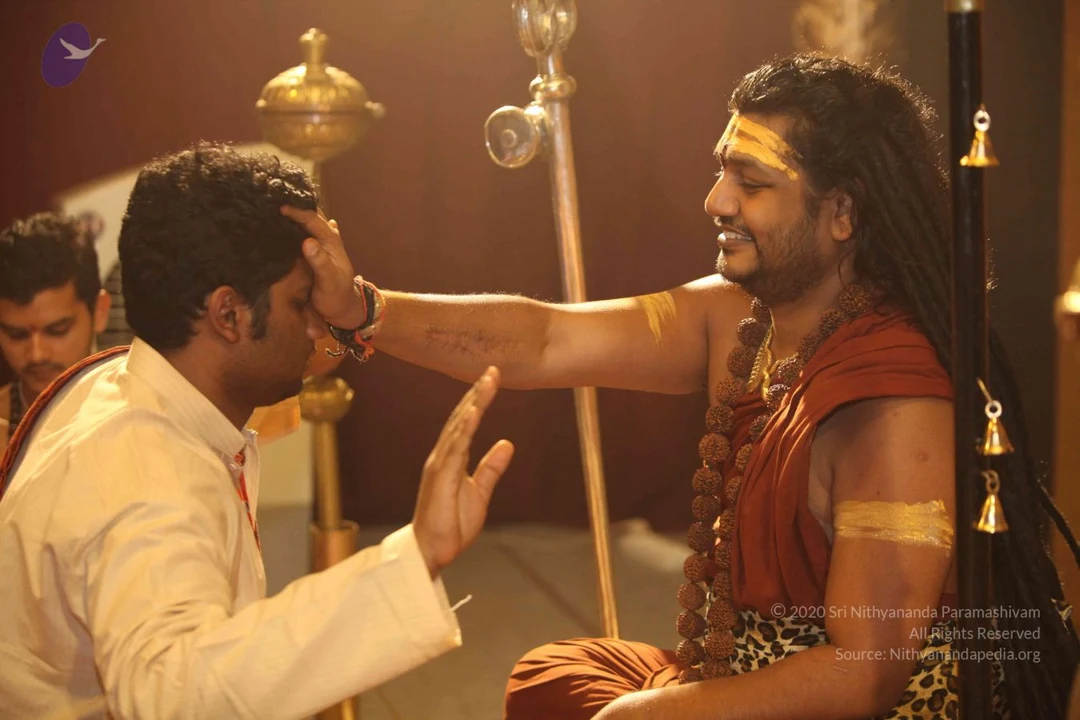
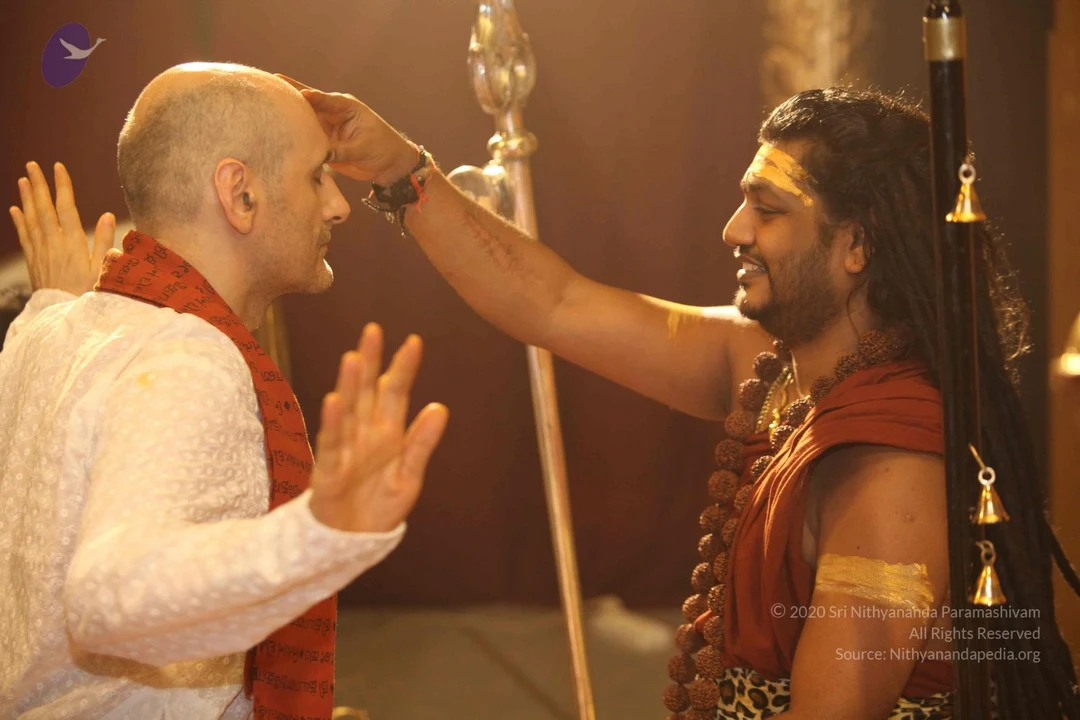
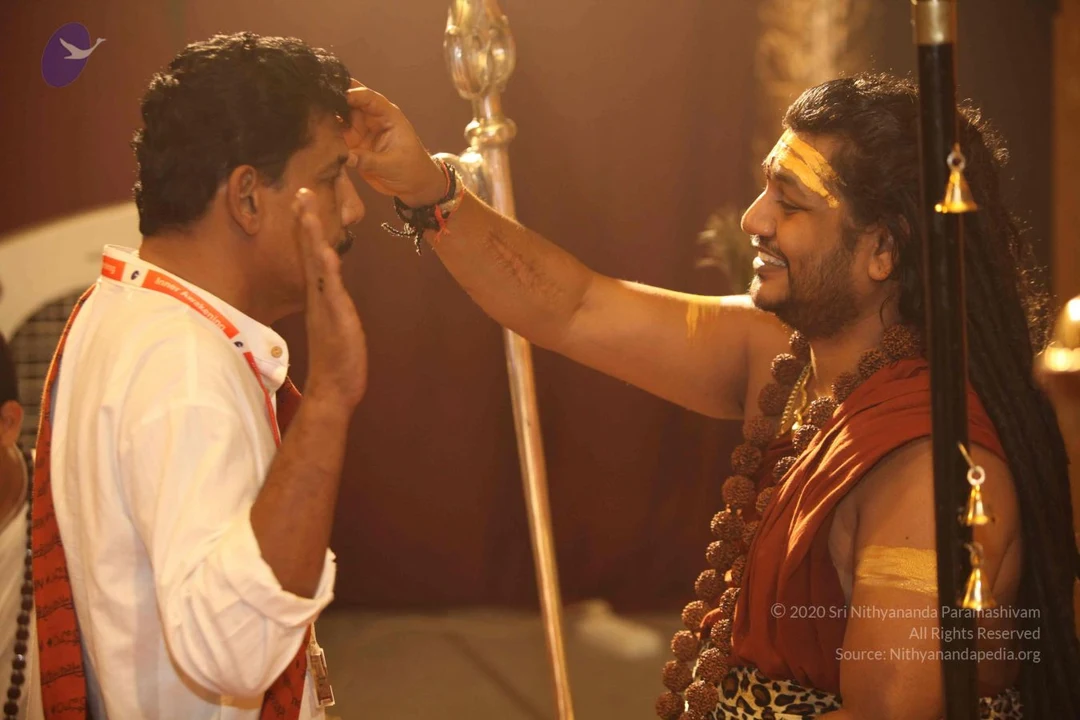
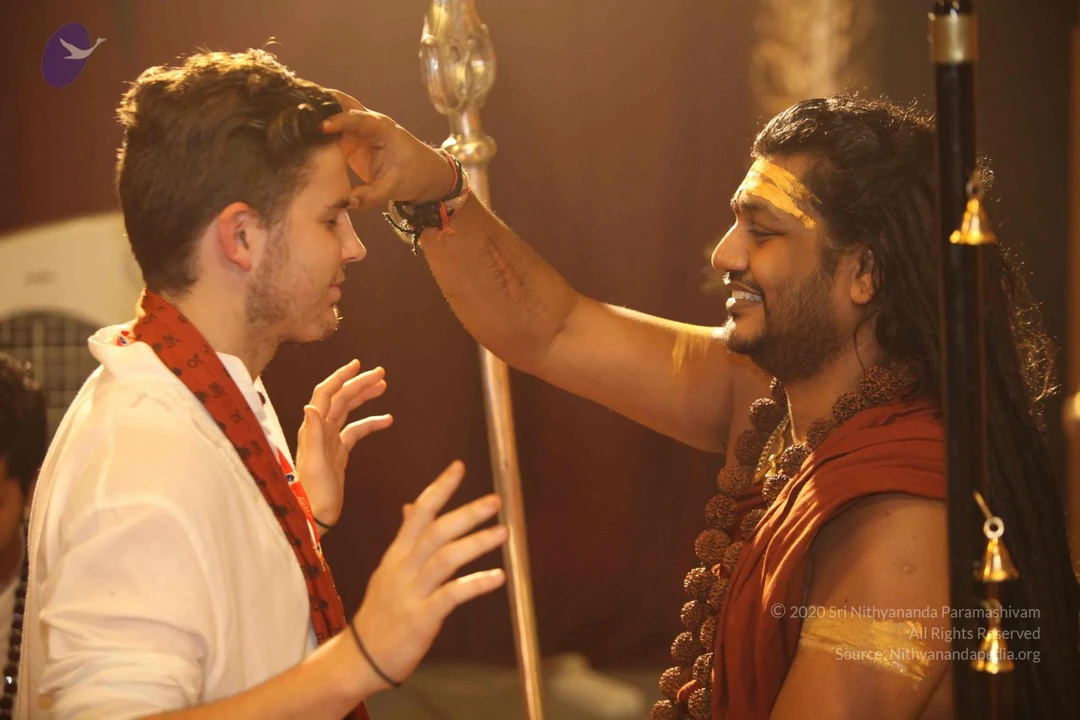
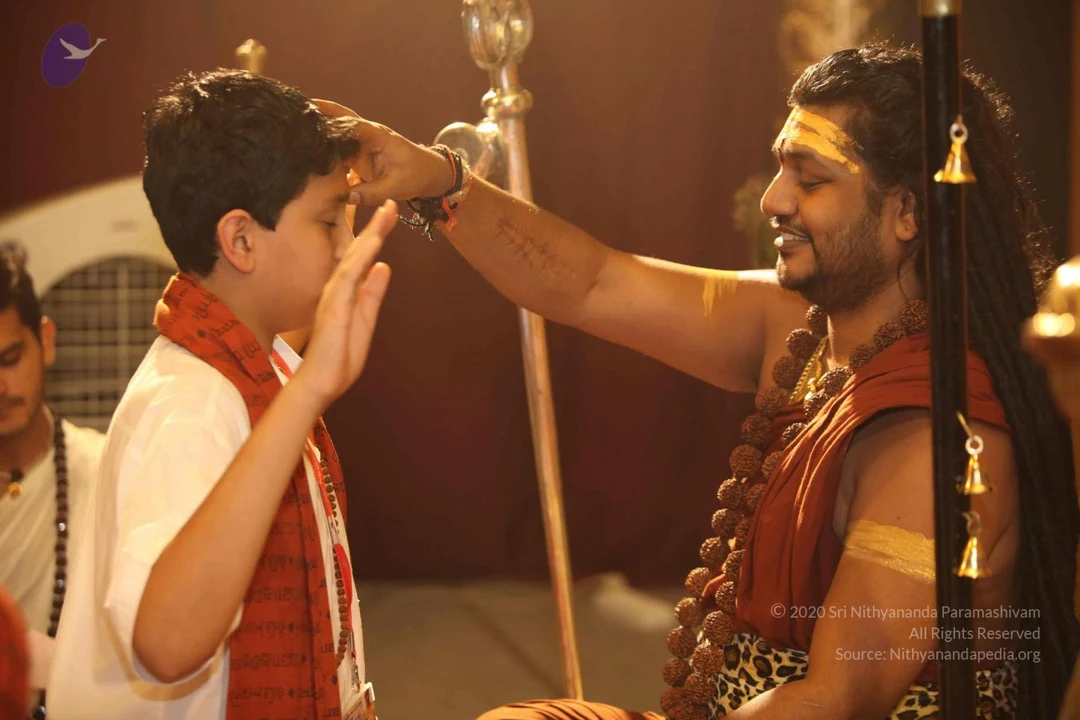
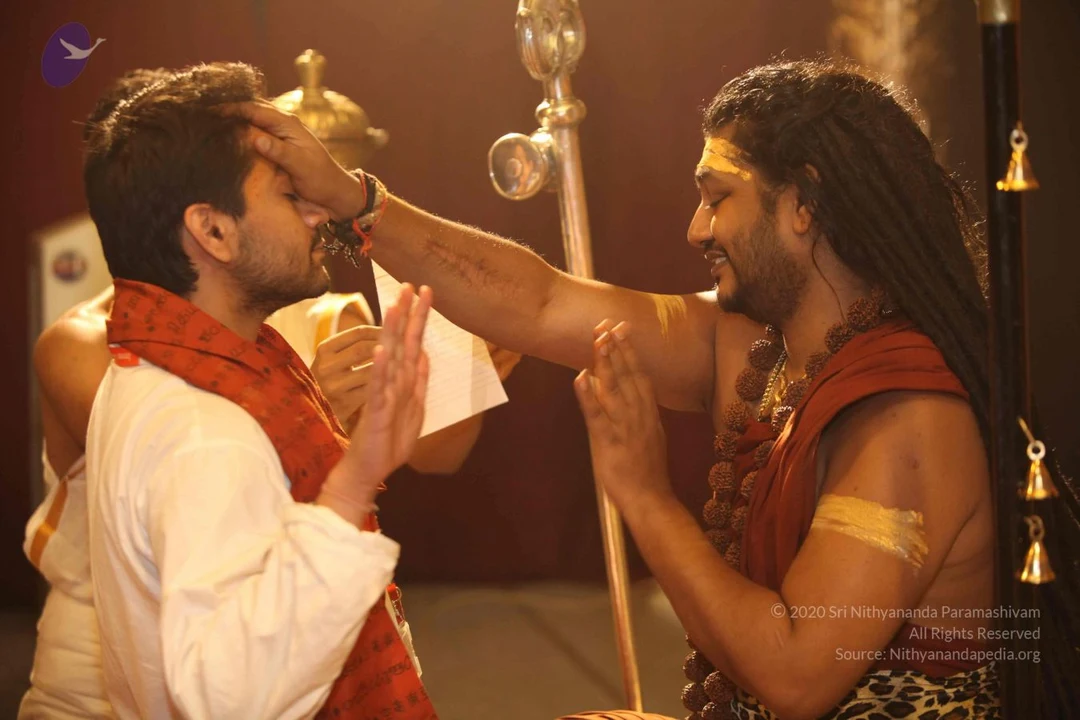
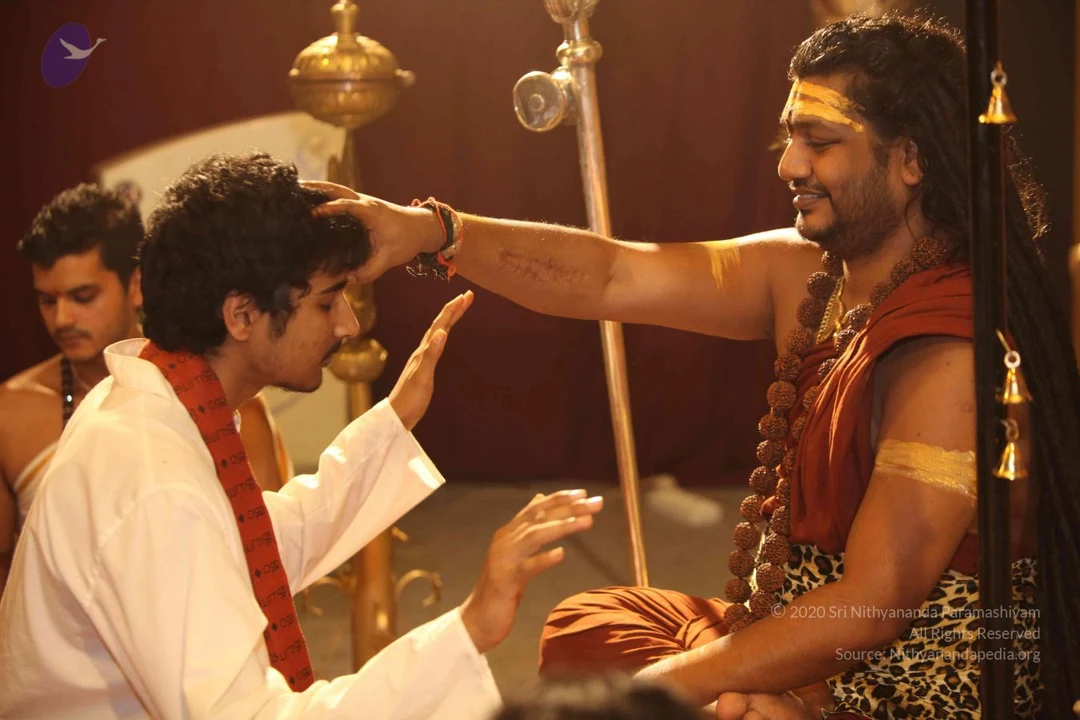
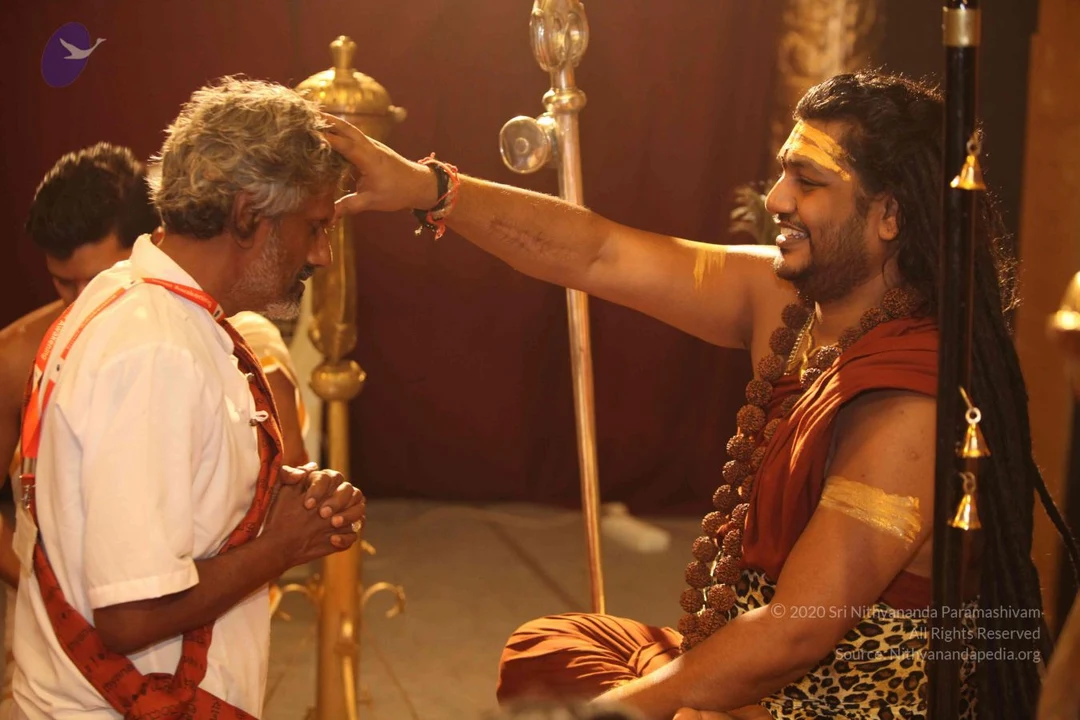
Kalabhairava Darshan - Swamiji
5 photosSource gallery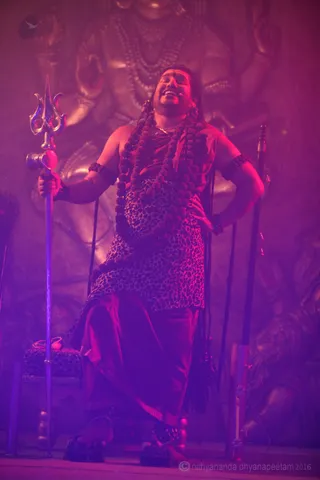
Morning-satsang
52 photosSource gallery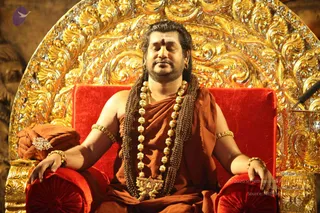
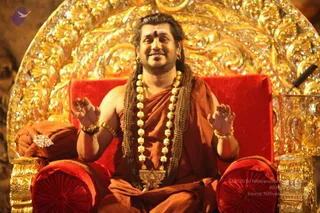
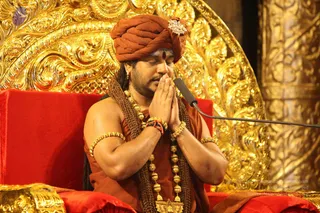
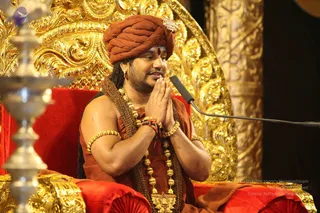
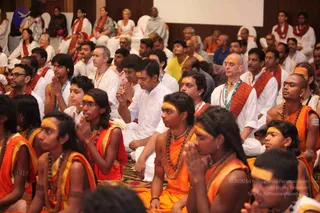
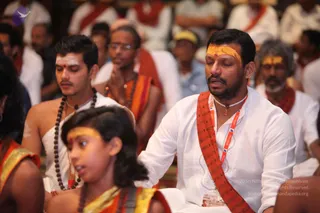
Death-Process
28 photosSource gallery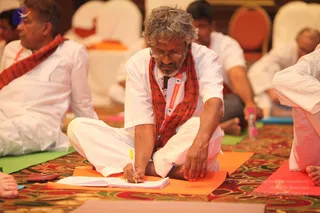
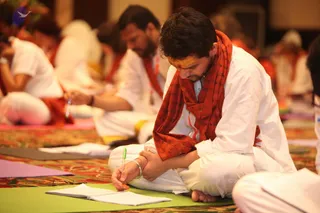
KB-Homa
85 photosSource gallery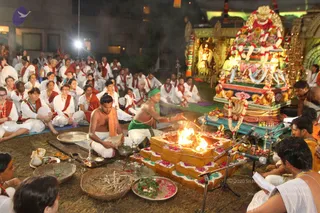
KB-Darshan
71 photosSource gallery