Sunday
3 July 2016
May You Never Deny the Existence of Consciousness
- Dated photos
- 254
- Source pages
- 1
- Media
- 2
July 03 2016
Original wiki pageTitle
May You Never Deny the Existence of Consciousness
Description:
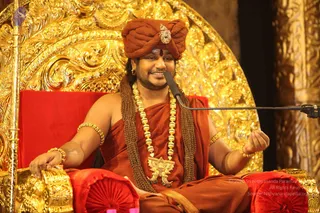
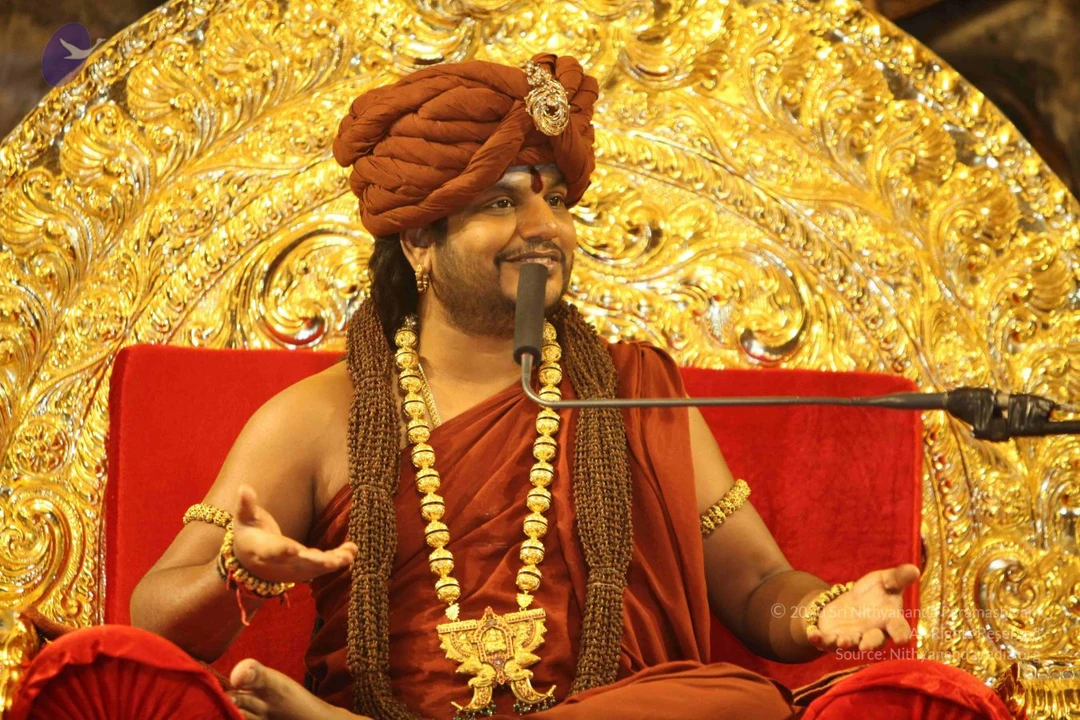
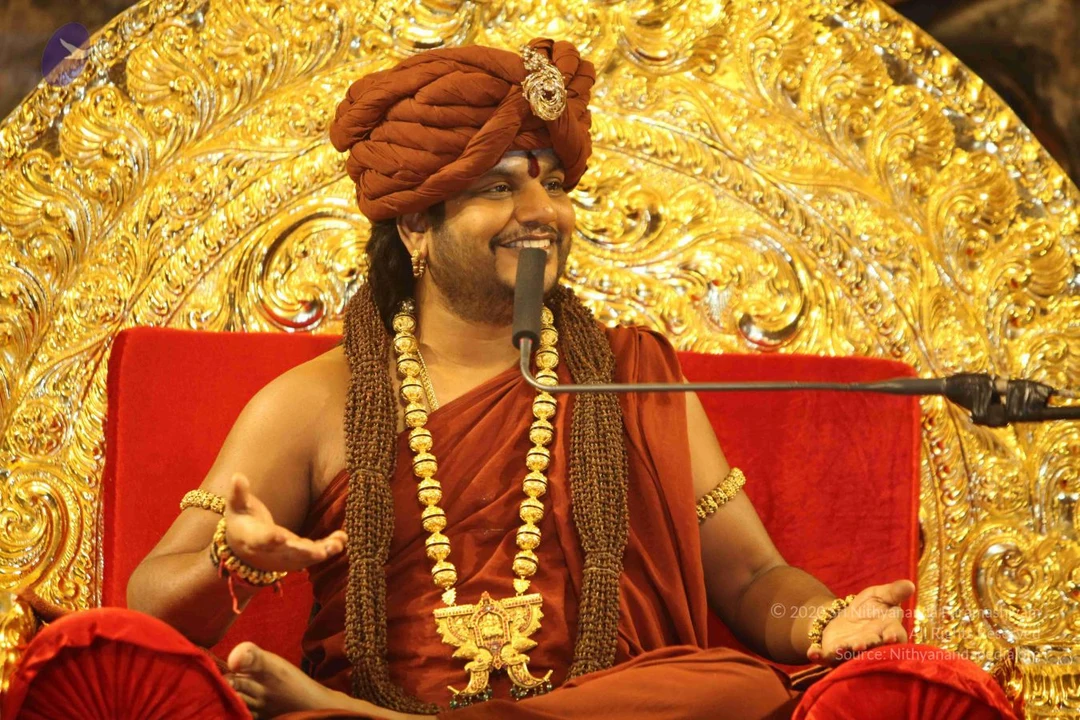
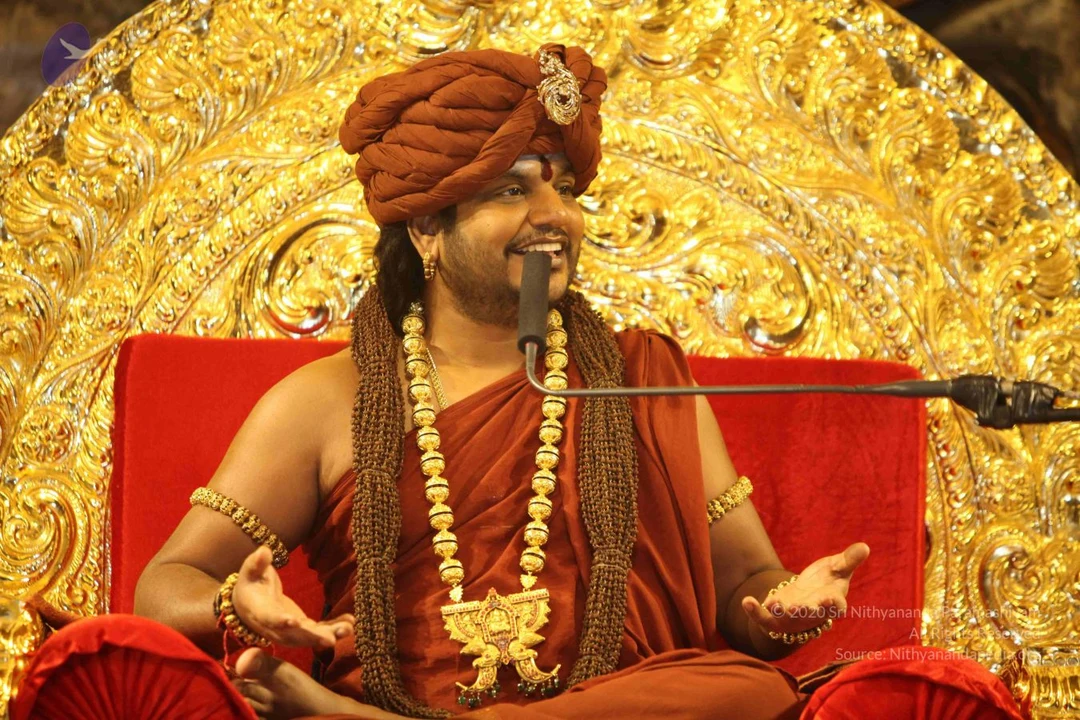
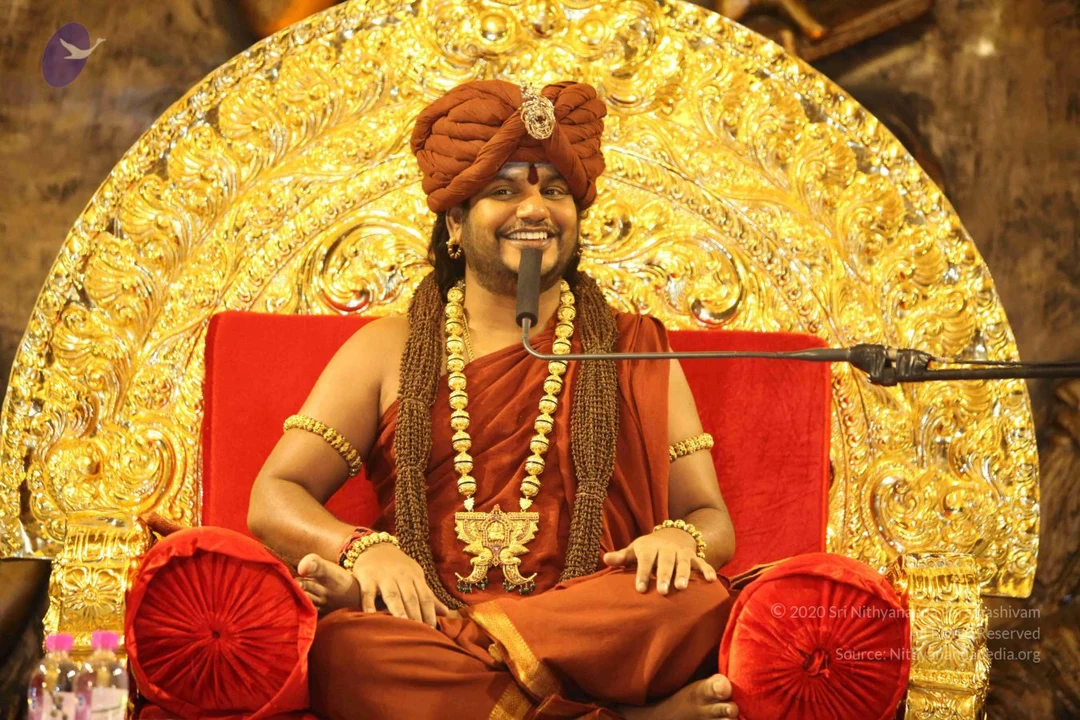
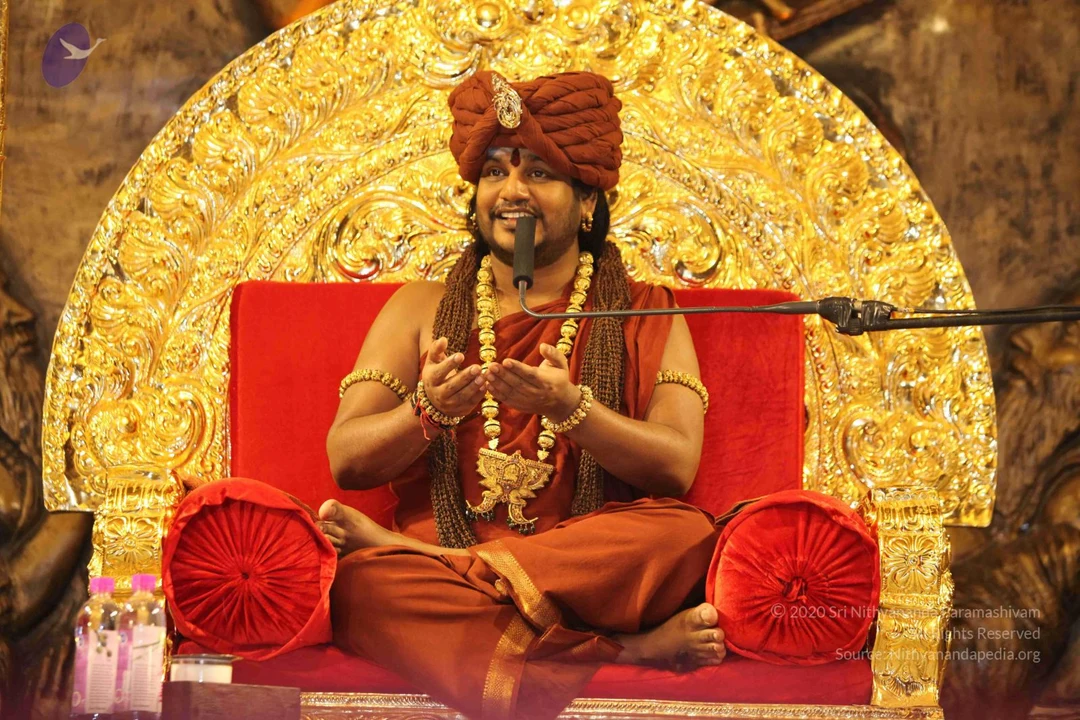
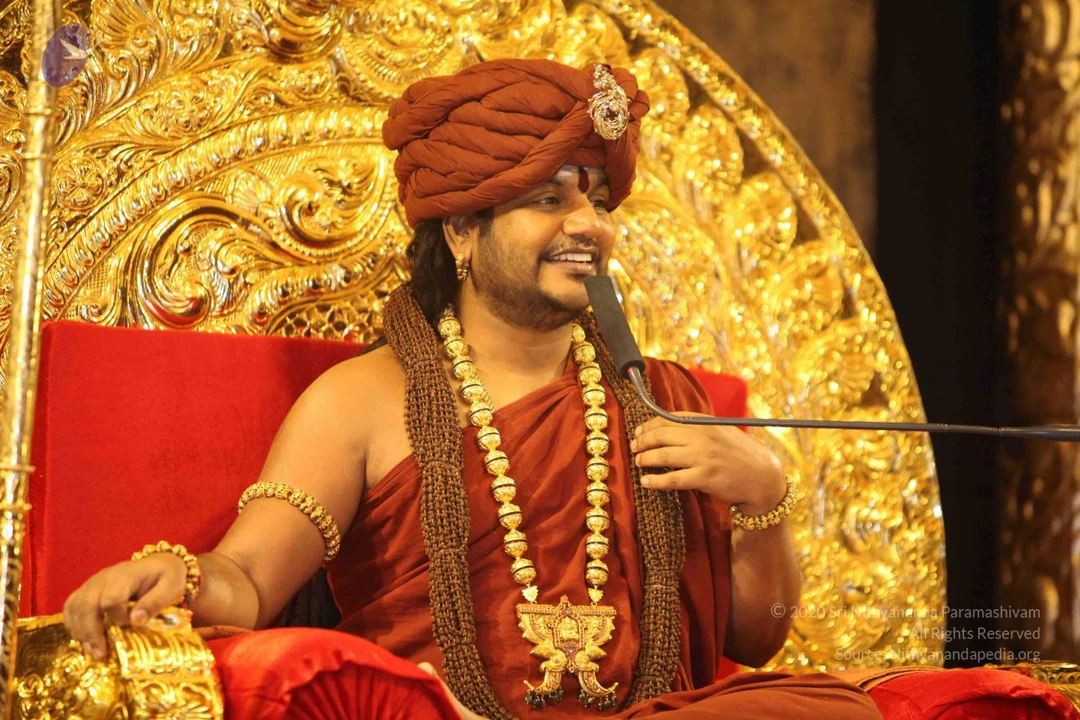
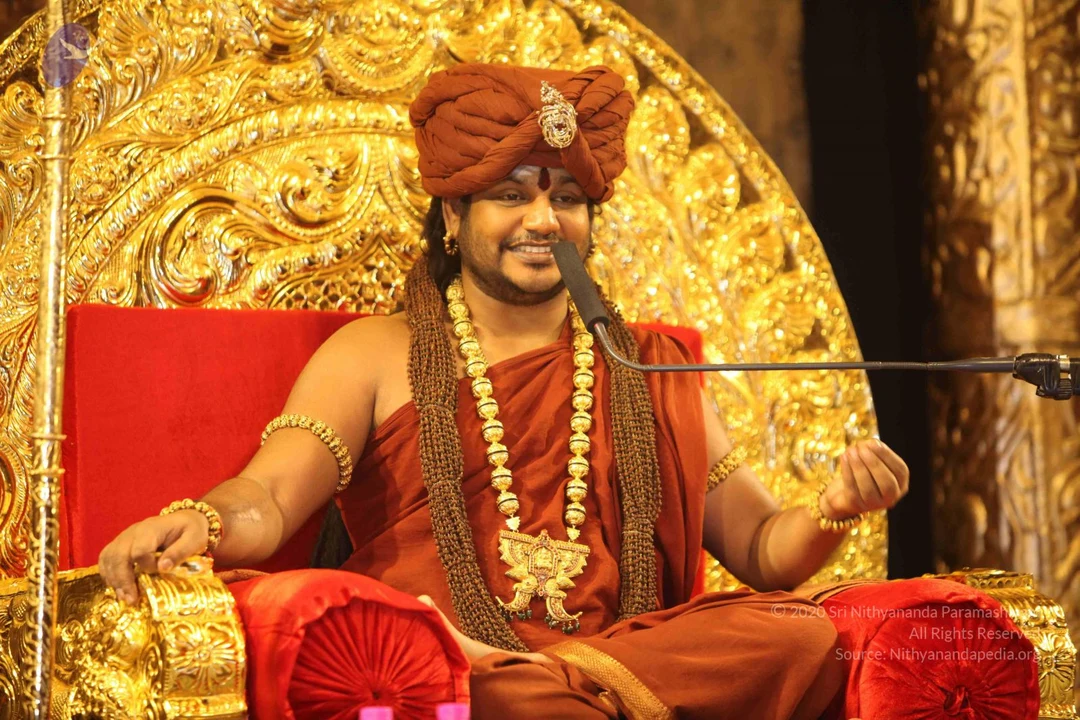
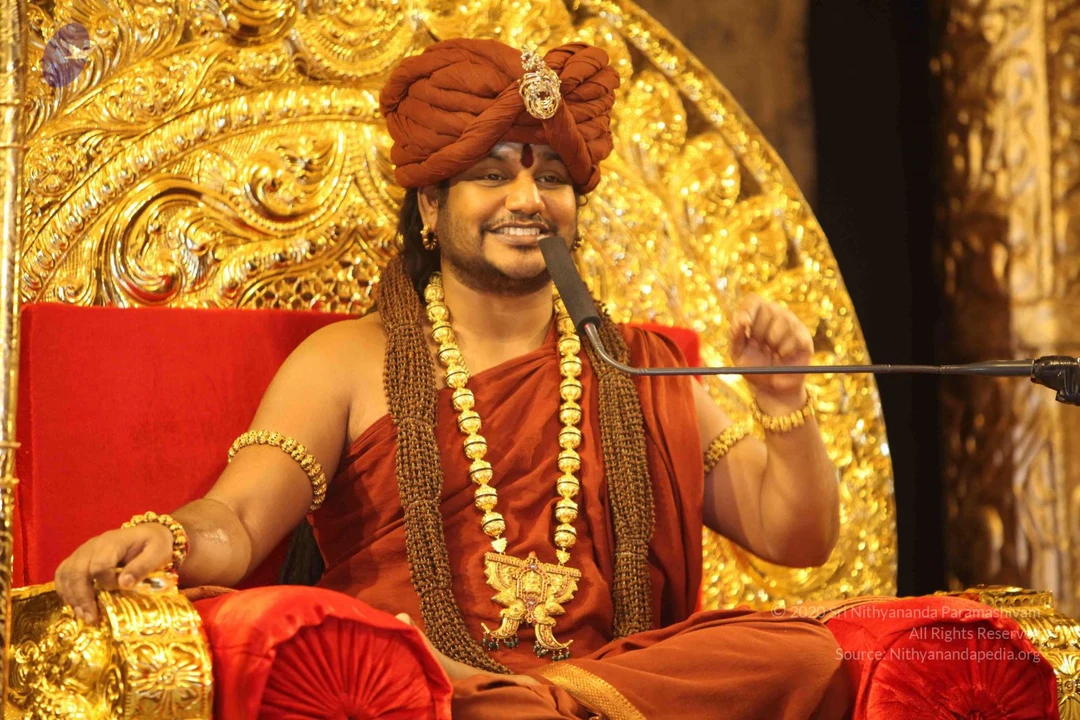
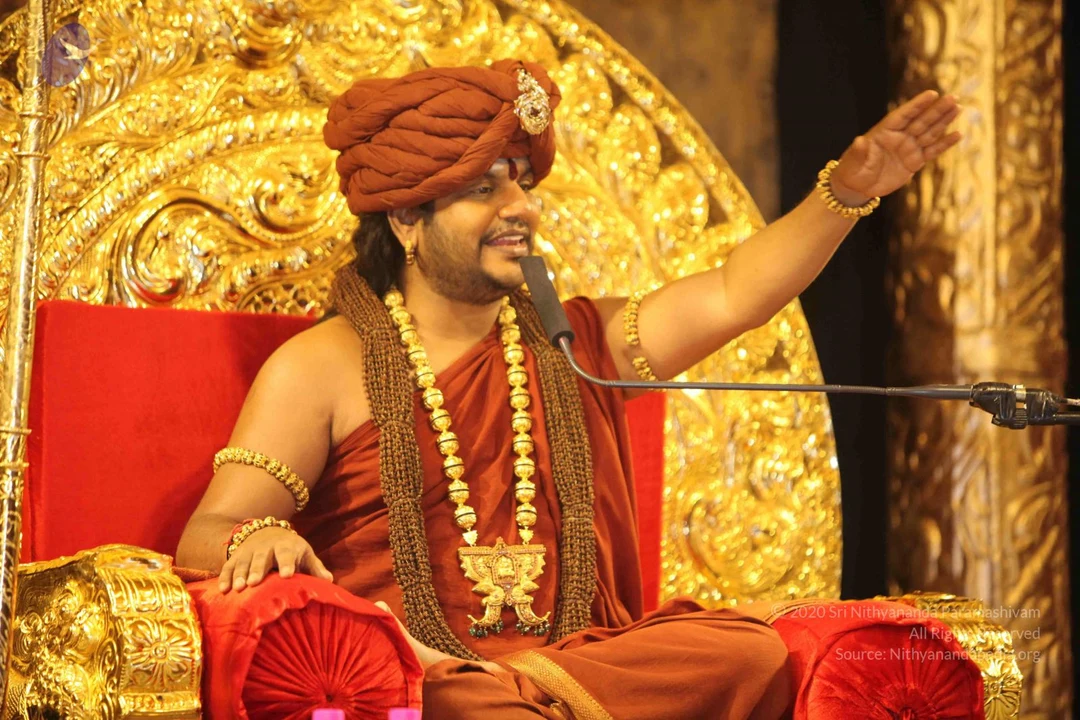
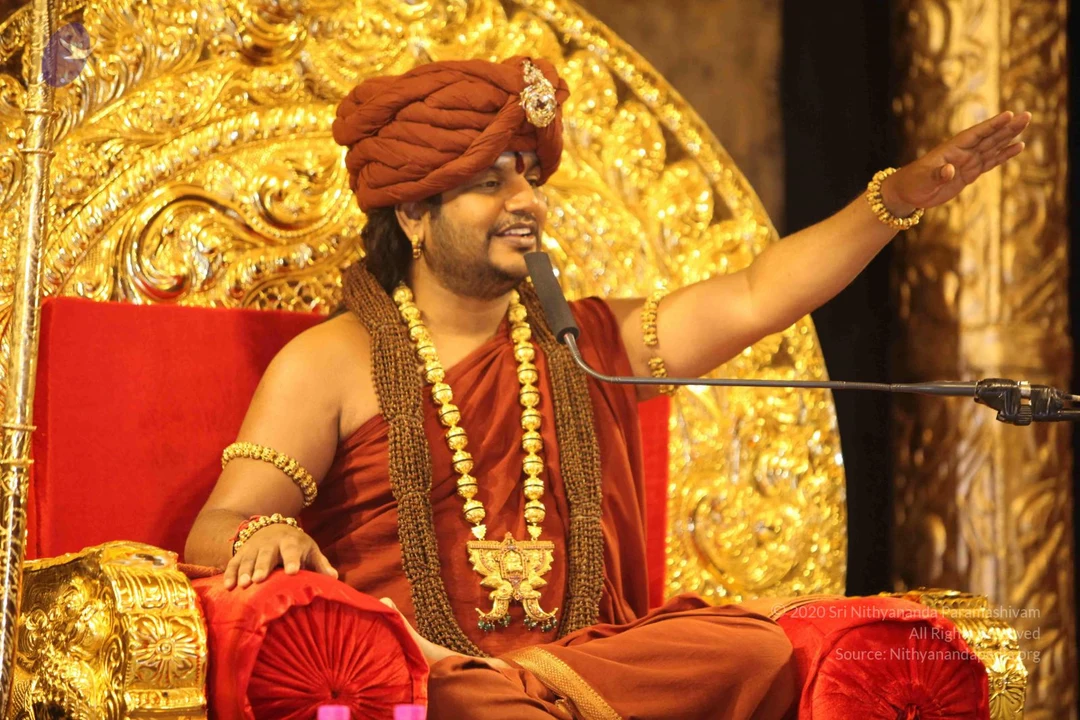
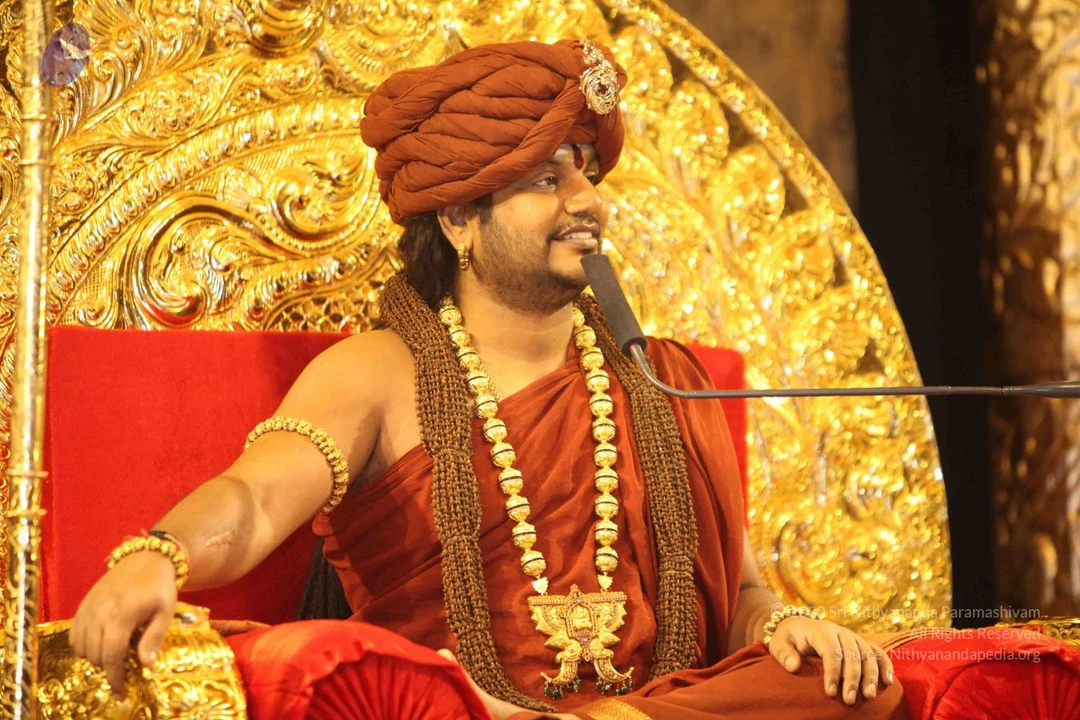
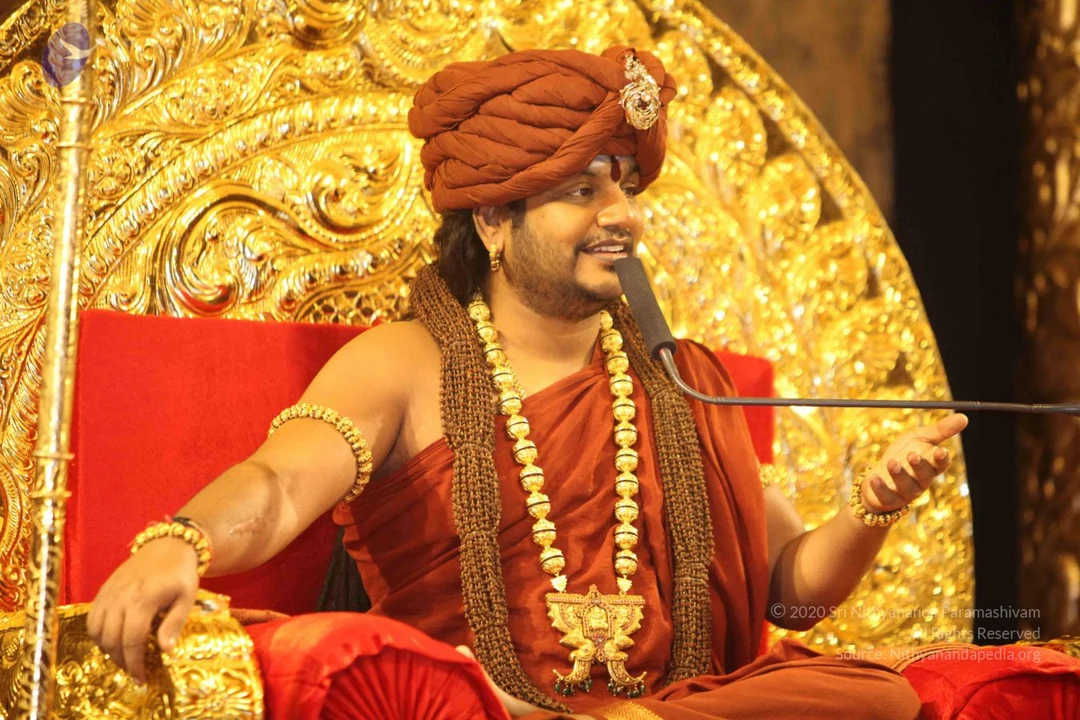
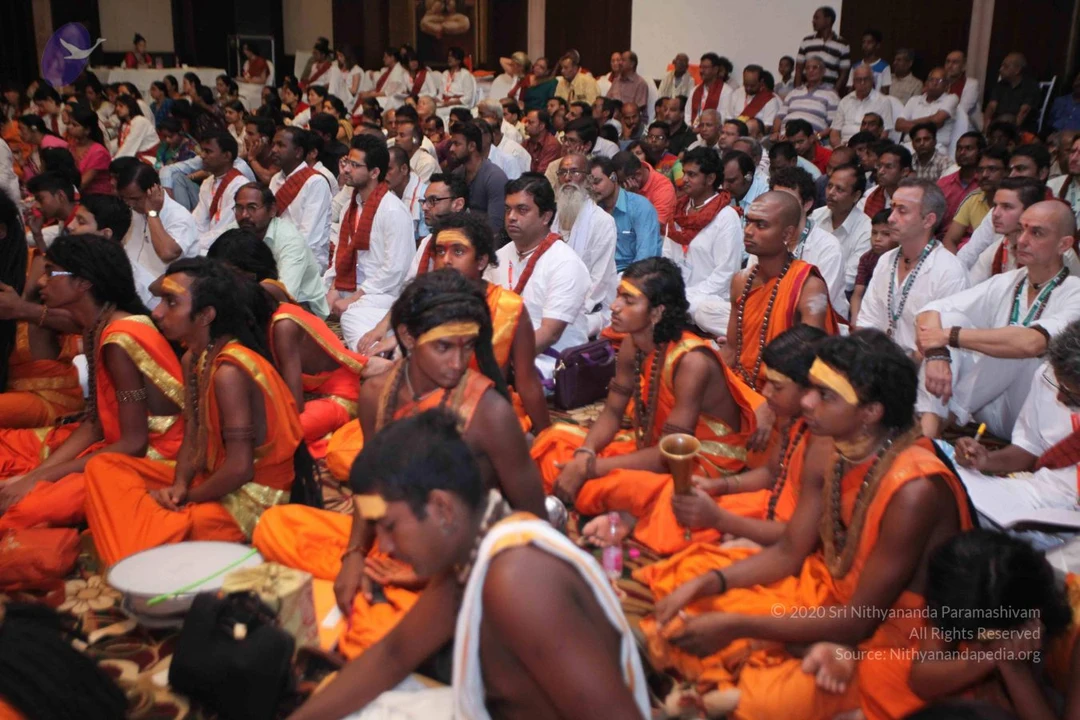
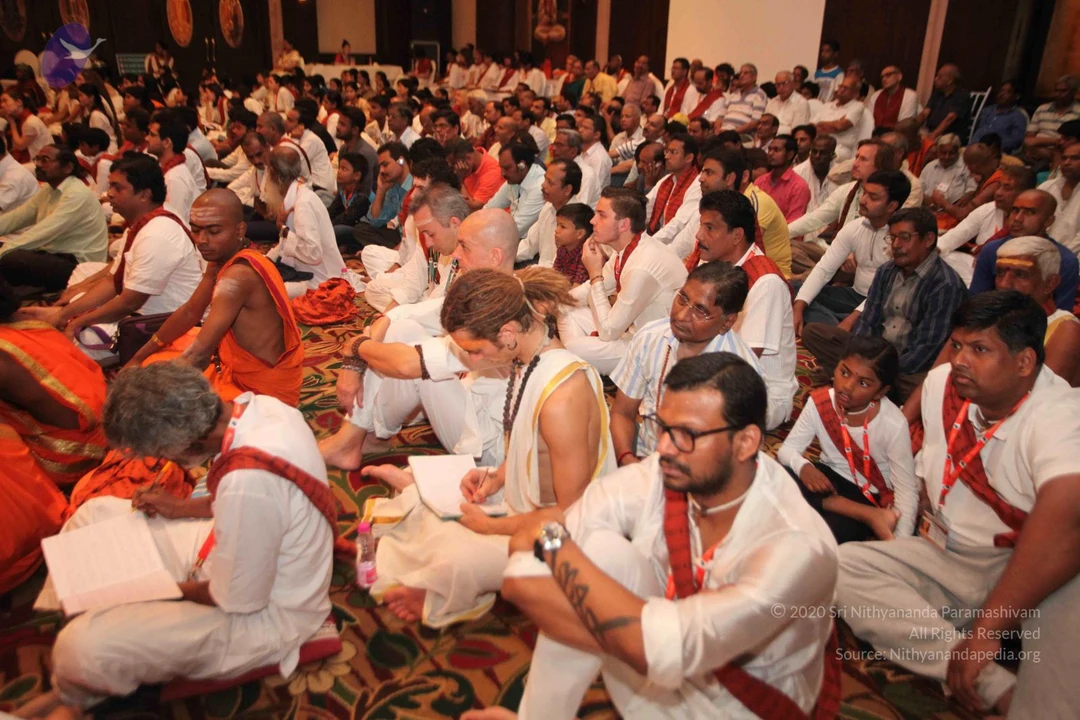
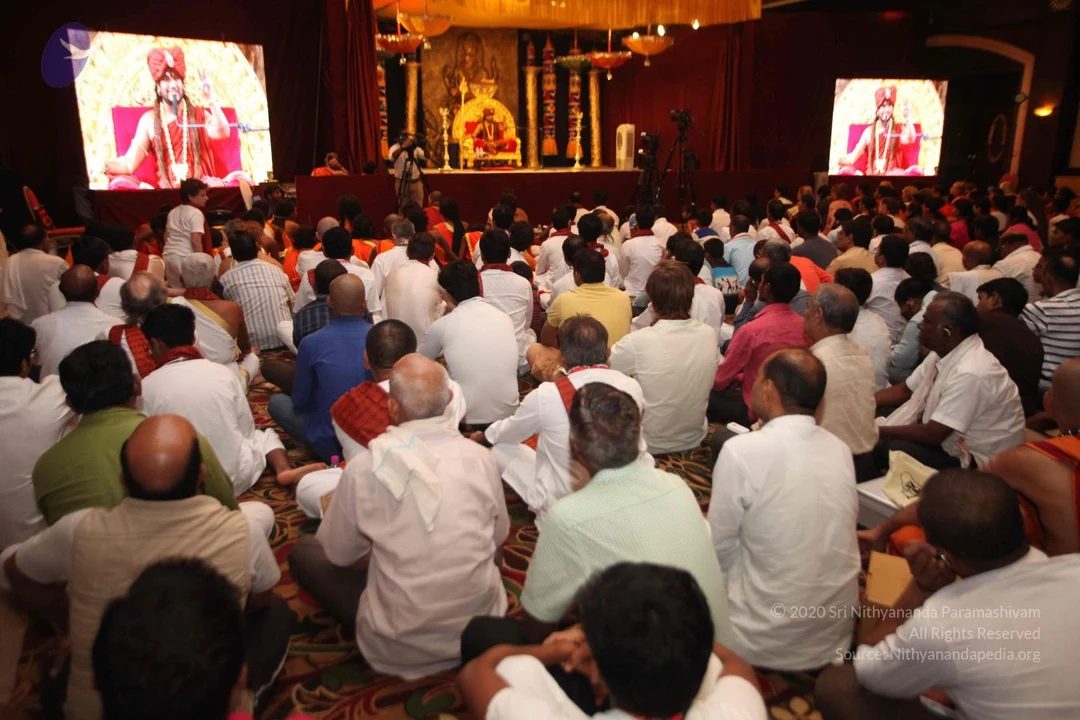
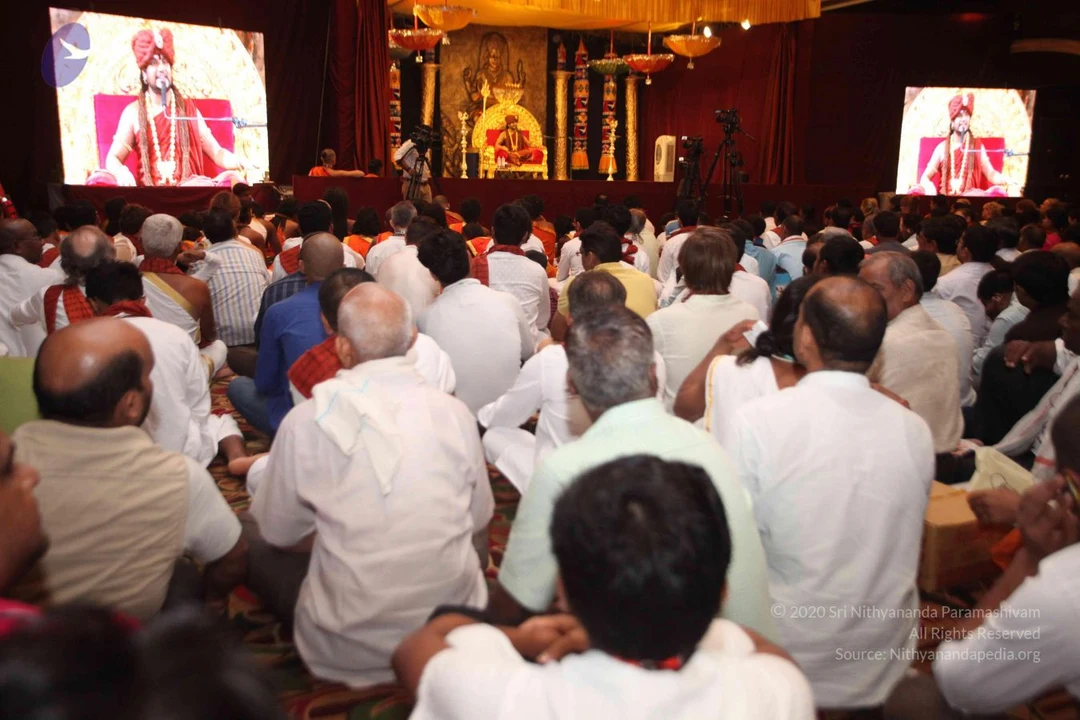
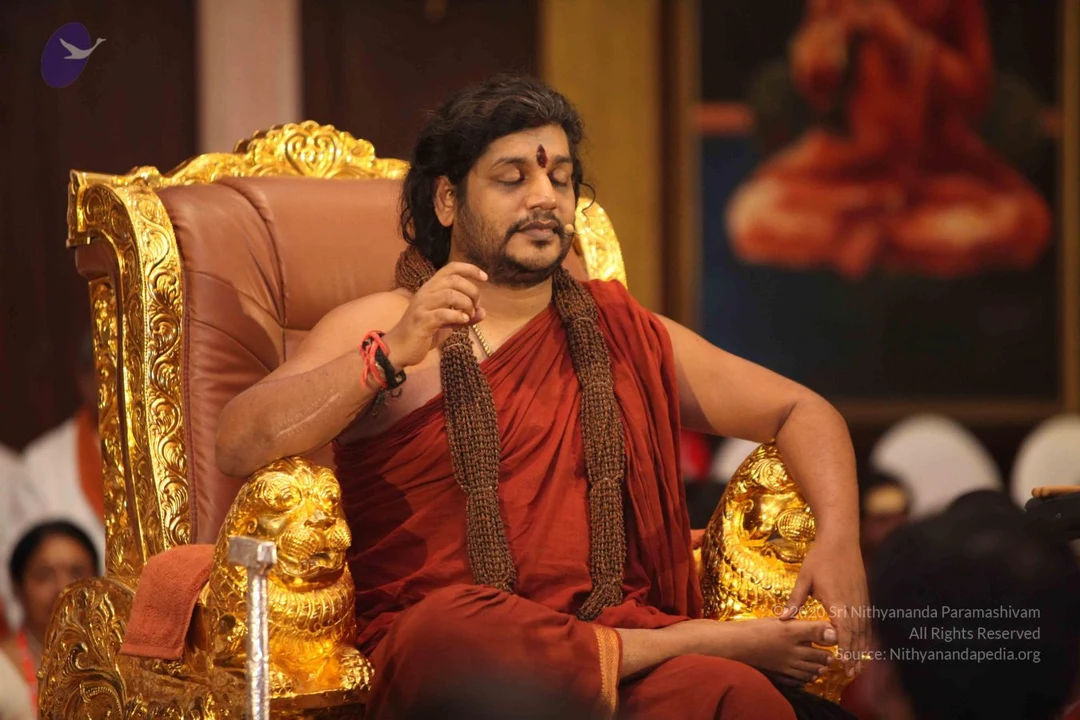
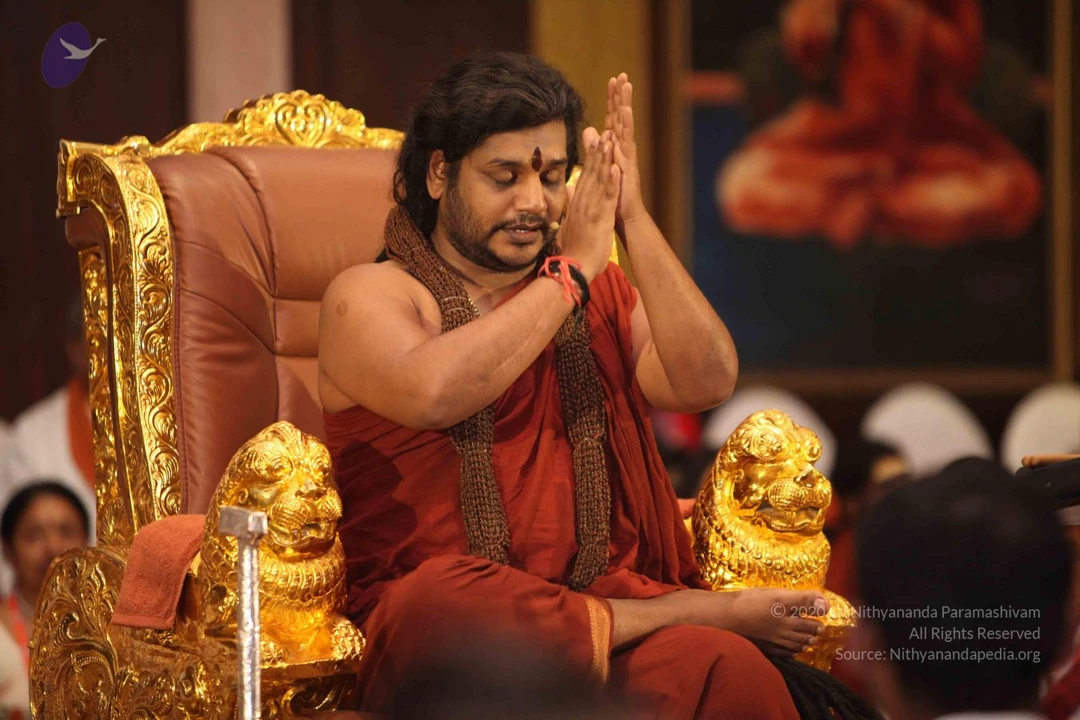
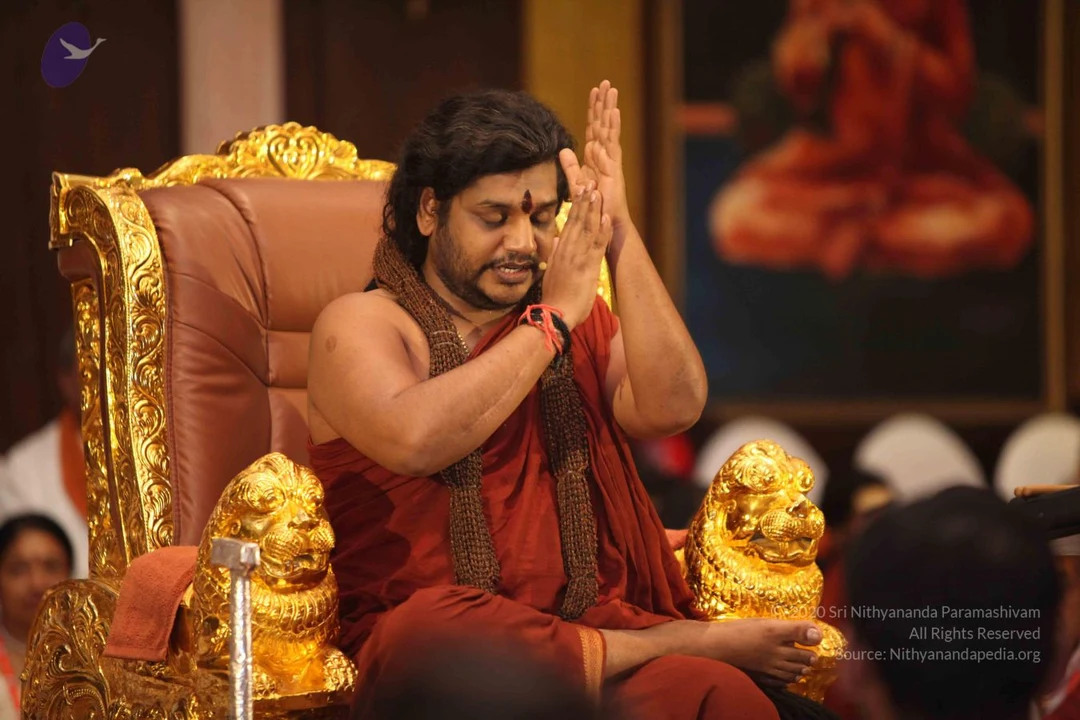
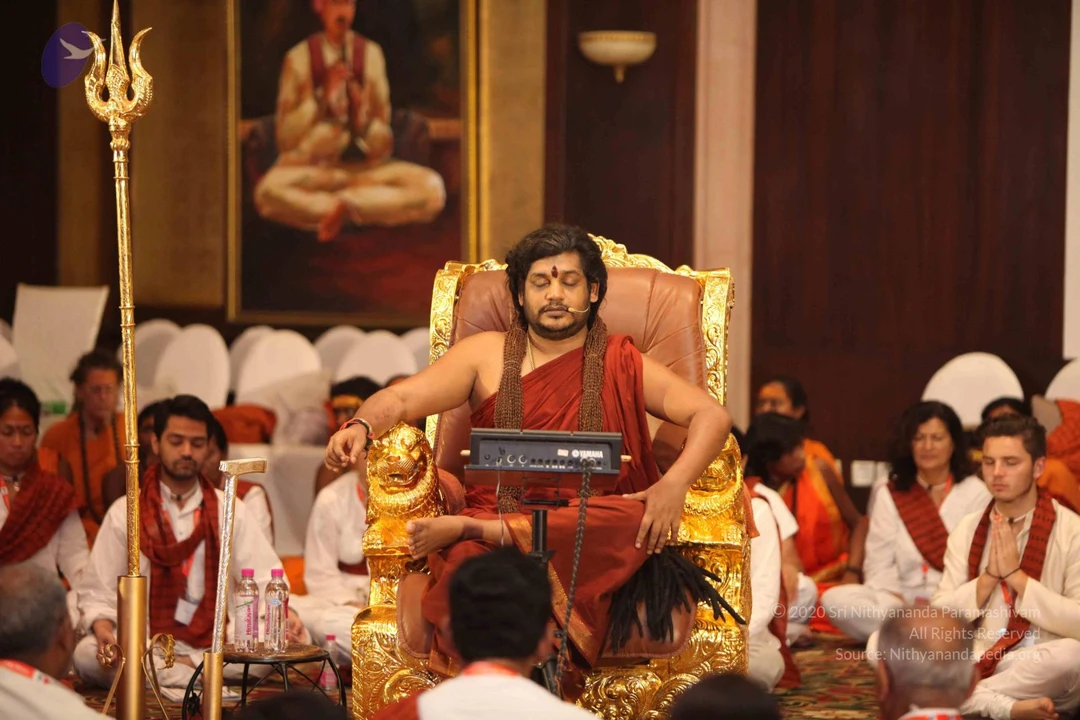
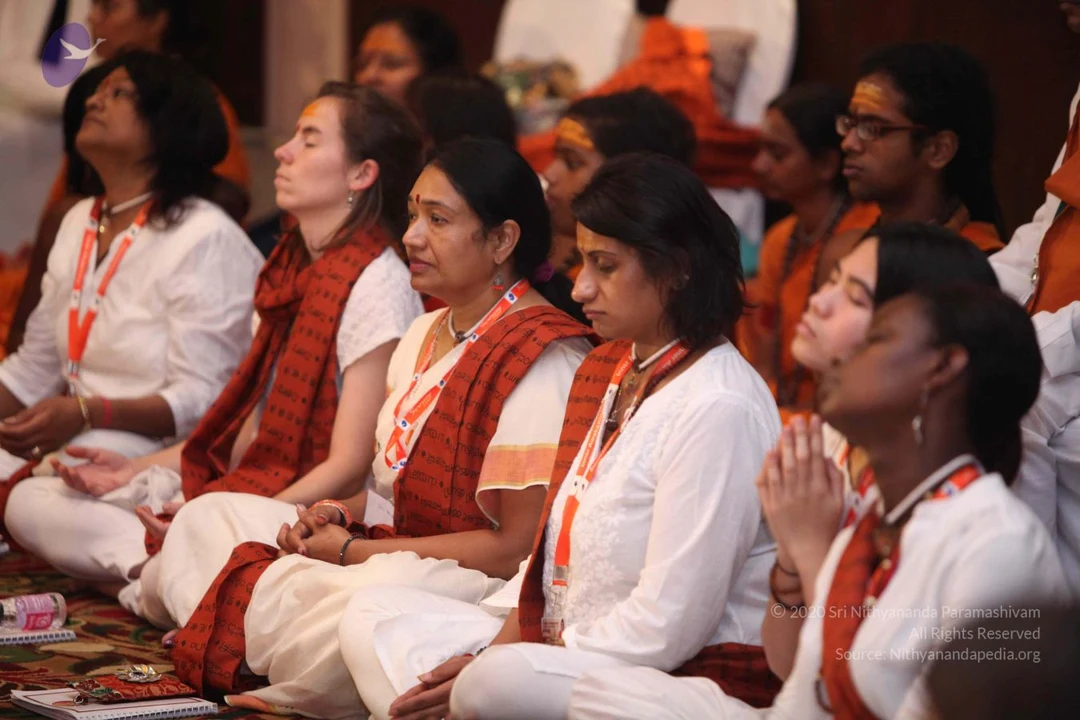
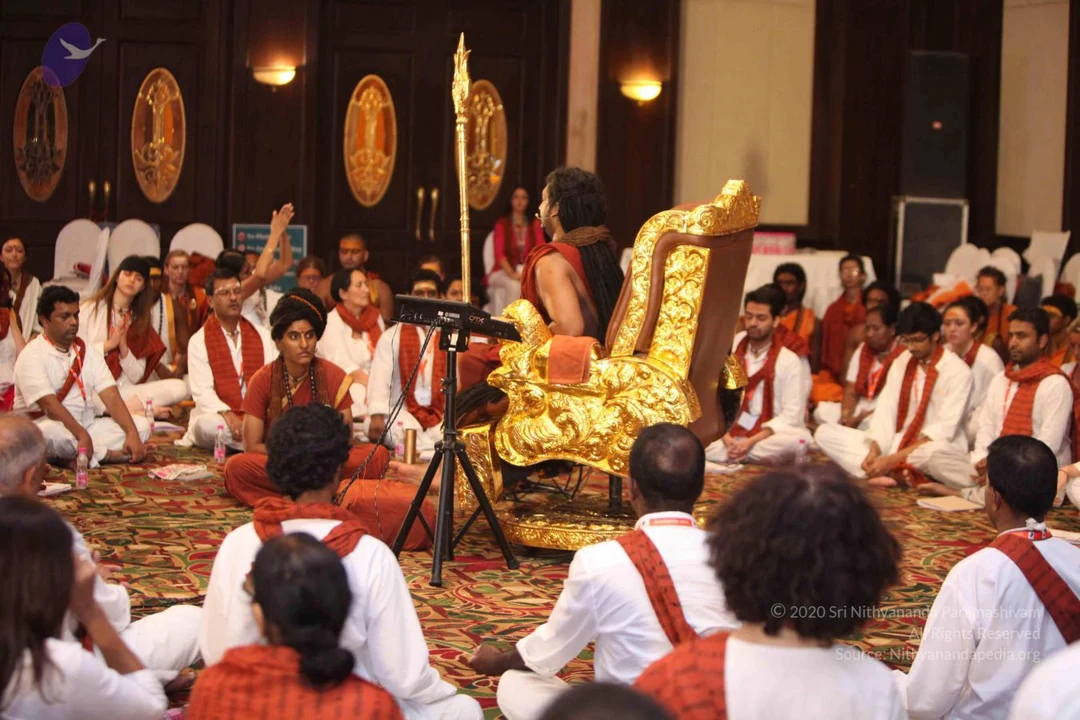
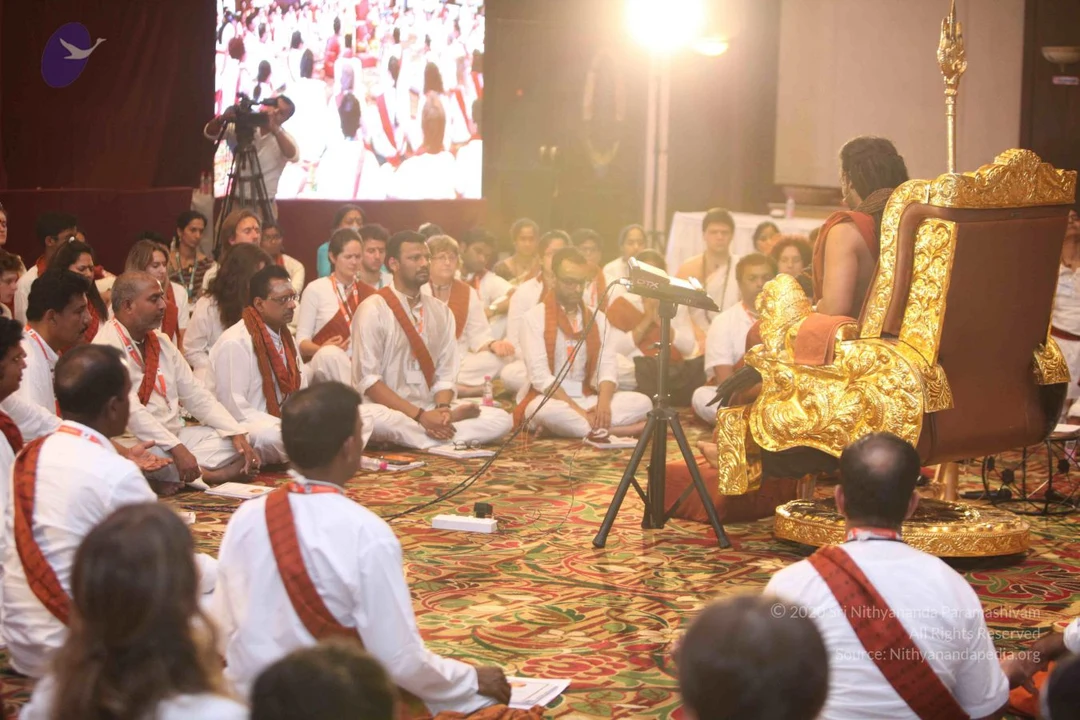
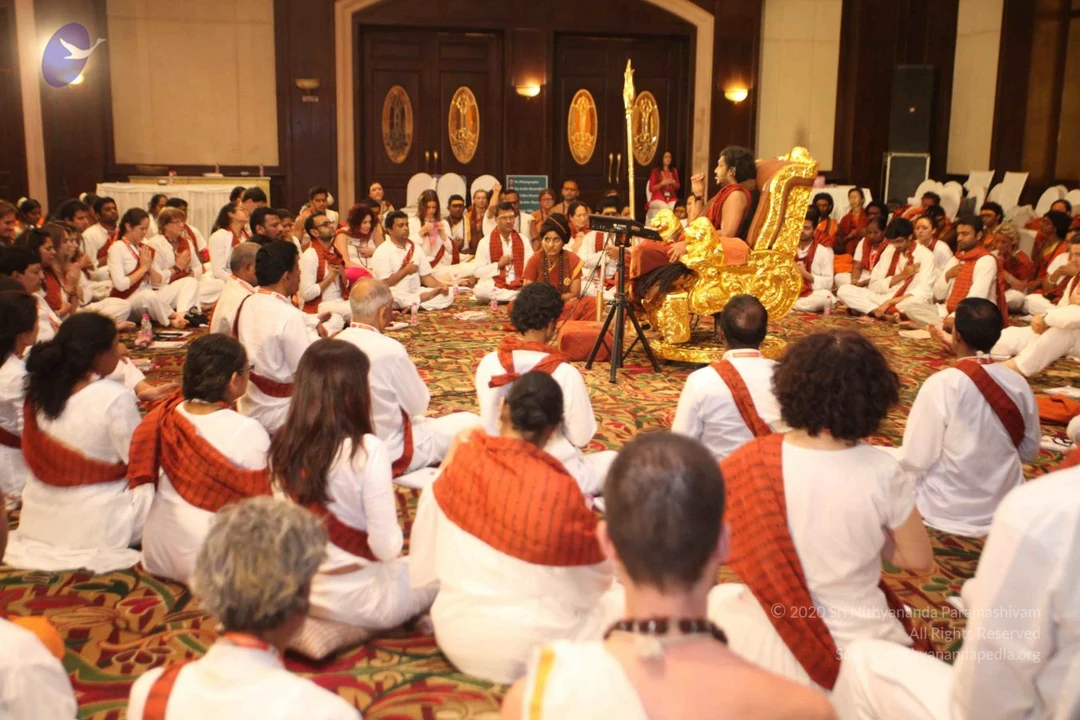
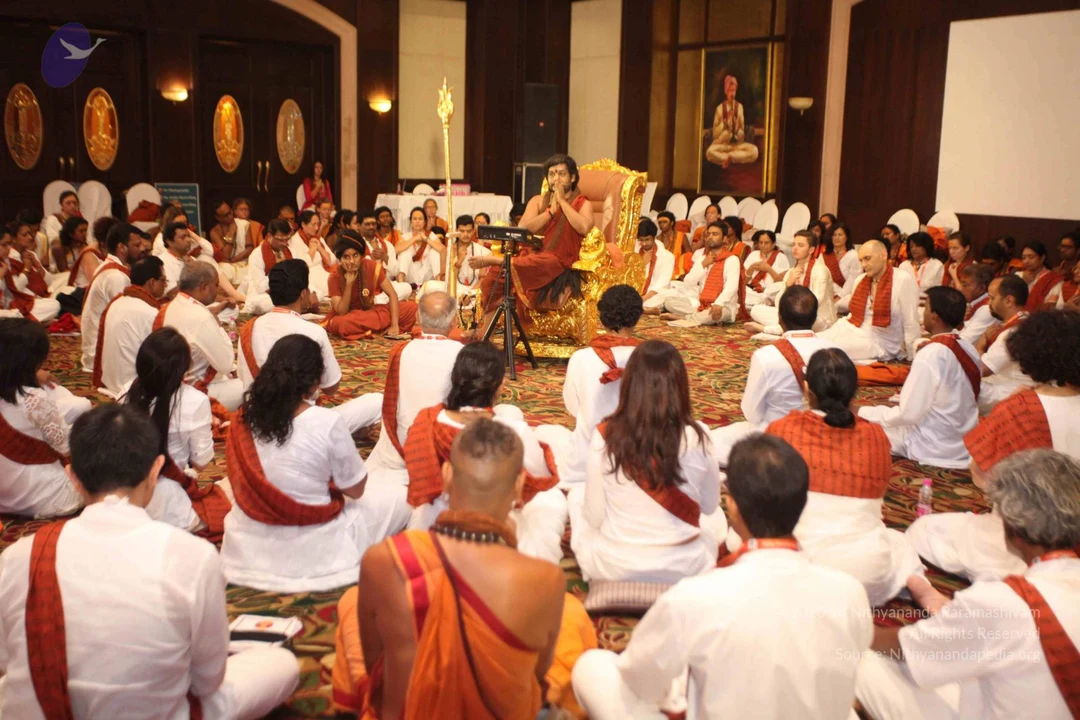
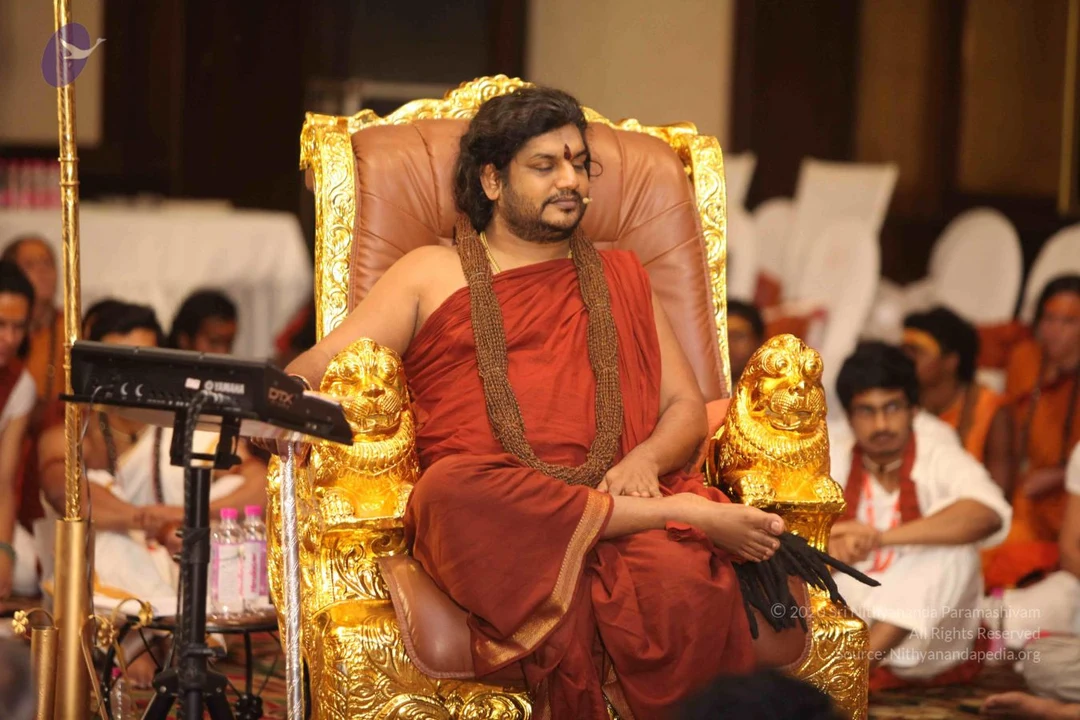
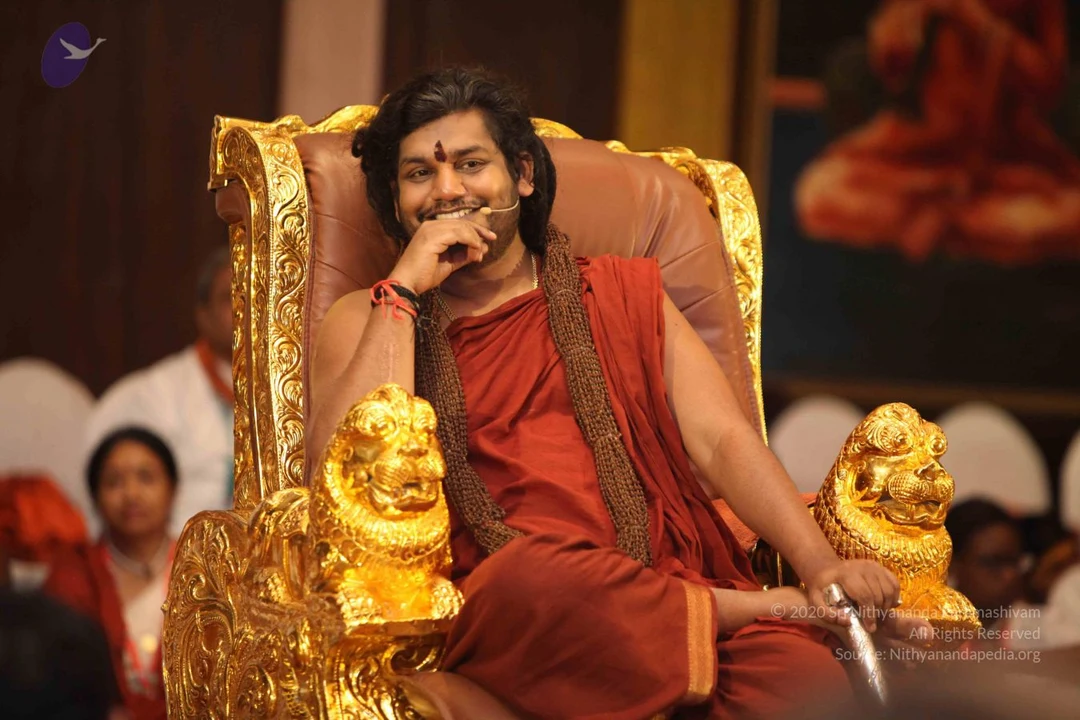
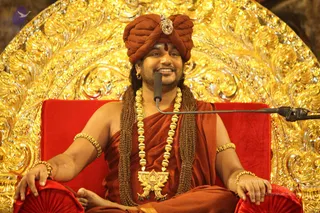
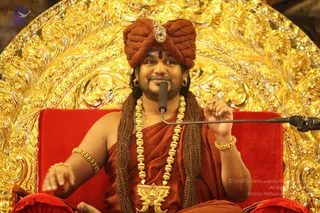
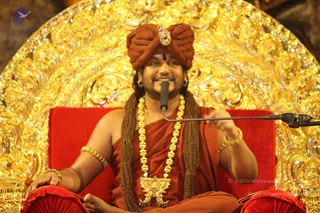
The kind of inner space you carry is you. You build your life based on the blue print of your life. Blessed are those who carry the Completion in their inner space or trying for Completion…"" reveals Paramahamsa Nithyananda, expanding deeper layers of sacred truths from the Shanti Mantra, Peace Invocation chant of the Kena Upanishad on 3rd July 2016, Nithya Satsang, from Varanasi. As one of the supreme peace mantra, this Shanti mantra teaches us to create Satsang in us, the company of truth, company of Completion, explaining the importance of being in community of people who have Completion in them or who are trying to live Completion or teaching others to have 'Completion' - the space of fulfilment; and teaches us to 'never deny the Existence of Brahman, the Cosmic Consciousness.."" Negating Existence, Brahman is likened to denying a board on which one writes 'there is no board.' or like denying the existence of a Father who has always nurtured us. His Holiness insists on dropping such misunderstood less informed cognitions about Brahman; and gives the message to all through this Shanti Mantra to DECLARE: māham brahma nirākuryām – May I never deny the existence of Brahman. mā mā brahma nirākarod – May Brahman never deny me or withdraw Its grace from me. Declare this and carry this space inside you."" Denying Existence is the mental setup of an atheist. He also reveals a profound component of the original Yoga System as revealed by Sadashiva, the Original Source of all Yoga Systems. Lord Sadashiva has revealed 'SHASTANGA - the six limbed yogic system' which is THE Original Yoga. In the SHASTANGA, the 5th limb or step is TARKA - which is intra-analyzing, arguing, debating with yourself or with a group the great truths of Life, till it becomes a foundation and base of your Life. And only with great Satsangis, the spiritual community tuned to Satsang, the company of truth such a 'Tarka' revealed by Sadashiva becomes possible. With completion you can change the structure of your inner space. Morning Yoga and Night Completion – is the essence of Nithyanandam, the core teaching of Paramahamsa Nithyananda." Watch, share and like the video's and Subscribe to our channel to be notified of the next upload.
| Video | Audio |
Transcript:
nithyānandeśvara samārambhām
nithyānandeśvari madhyamām |
asmat āchārya paryantām
vande Guru paramparām ||
I welcome you all with my love and respects.I will continue on Kenopanishad, Shanti mantra. Please recite along with me:
auṃ āpyāyantu mamāṇgāni vākprāṇaścakśuḥ
śrotram-athobalam- indriyāṇi ca sarvāṇi |
sarvaṁ brahmopniṣadam
mā’ham brahma nirākuryām mā mā brahma nirākarod-
tadātmani nirate ya upaniṣatsu dharmāste mayi santu te
anirākaraṇamstva-nirākaraṇam me’stu |
mayi santu ||
auṁ śāntiḥ śāntiḥ śāntiḥ ||
Listen, the kind of the inner space you carry, is YOU! Listen to the first statement.The inner space you carry is YOU! That kind of lifestyle only you are going to attract, that kind of people only you are going to attract, that kind of life only you are going to live, that is the way you are going to be respected, held by others.
The inner space you carry is your Life, that is the blue print of your Life. Knowingly or unknowingly whether you want or not, you will build your Life only based on the blue print you are carrying, understand! The inner space you are carry is the blue print you are carrying.
From morning till night if your inner space is all about physical pleasures, having or not having, you will only be around that kind of people, fighting with those kind of people, who are fighting for their physical pleasures. They do not know anything higher. Whole day if you are bothered only about others opinion, you will be living in the frequency where people run only for reward, award, noble prize, award, reward, name, fame, noble prize, you will be attracting only those people, you will be living amongst only those people.
Understand, blessed are those, who carry in their inner space, Completion or trying to be achieving Completion, even if you are struggling, trying for Completion, great, don’t worry, you are carrying the right blue print, you will achieve it. You will attract those kind of people, you will live around those kind of people, you will manifest those kind of situations in your Life.
Miss anything, never the company of people who live in Completion, who inspire you to live in Completion. Even if they are talking fake, even if they try to inspire you, but they are not living in the space of Completion, don’t worry. It means what, they are not living in the space of Completion but they are inspiring means what? They are also struggling to achieve Completion. They are not bad people, yet to be good people. Yet to be good does not mean bad. Listen carefully, yet to be good does not mean bad!
Whenever people inspire you to live in Completion, first thing you do, are you living? Hey! If he is living and he is giving you, he has money he gives you thousand rupee; if he is not living and he is giving you, even what he doesn’t have, he just collects here and there and he is giving you, don’t you understand, he is a tyagi [renouncer], look at that way, and when somebody is not living the Completion and he is inspiring you to live in Completion, remember, remember, he is not a bad person, he is yet to be good person – means he is also struggling, he knows what is right and he is working towards it. While he is working towards it, he is inspiring you. You should look at the whole thing as, even beggar trying to give dāna. Even beggars trying to do dāna, I have seen only in Varanasi, no really. Every year two time, I myself have attended bhandara in the Manikarnika Ghat, all the beggars from the Mughalsarai station will come and give bhandara. I don’t know how many of you know that, maybe Kashi Vashis know, all the beggars from Mughalsarai come to Manikarnika Ghat. Just behind the Manikarnika Ghat there is Mutt, they call the Sadhus and give bhandara. Every year twice I Myself attended. I Myself ate in that bhandara.
Even when they are begging, they are trying to give something which they can. Understand the goodness of them. Understand their goodness. Even though they are running their life by begging, they are trying to give something. I think when somebody is not living in the space of Completion, trying to tell you about Completion, help you to live in the space of Completion, you should look at them in that way – even though he has not yet achieved, he is trying to help you. He is trying to share something with you. I tell you in My whole Parivrajaka yatra, I have been given more food number of times by beggars then the so-called rich people, more number of times beggars shared their food with Me than the rich people. If I see, it is at least 70/30. 70% it is only the beggars who shared their food, or shared their basic comforts with Me. Only 30% from a person who is self sufficient, I received food or any basic comforts. So 70% it is beggars who shared their food or basic comforts like a blanket or chaadar [bedsheet] or I used to use salt and charcoal powder as toothpaste and neem stick as a brush. These basic things, 70% of the time I received only from beggars.
So even if somebody, he is not living Completion and he is inspiring you to live in Completion, please do not disrespect them, they are doing good, even though they do not have, they are asking you, they are inspiring you. You can lose anything in your life not the company of good people, who are inspiring you to live Completion, never lose that.
Even the great Masters, great Enlightened Beings, continue to keep the satsanga, continue to create satsang – right people’s company, who are inspiring you towards Completion, where the higher dimensions of Life is spoken, analyzed, researched, practiced.
(11.48)
Understand, in the Sashtanga Yoga – six parts of yoga, as Sadāshiva describes, you need to know, the original Yoga talks only about Sashtanga, Patanjali developed it into Ashtanga – eight parts, Sadashiva describes only as six parts.
In Sashtanga Yoga, tarka is one of the important component, fifth component, fifth part, is tarka. Sadashiva describes tarka as analyzing, alone or together,the great truths till it becomes your cognition and foundation for your decision making, is tarka. Analyzing, arguing debating, understand, the argument and debate, there is a difference. If you try to find out who is right, it is argument; if you try to find out what is right – that is debate. If you try to find out who is right, that is argument; if you try to find out what is right, that is debate.When it comes to the great truths, both should be done. When it comes to the great truths, both should be done.
Intranalyzing alone or together, through arguments, debates, the higher truths till that becomes your cognition, foundation for your action is Tarka.The much later period, in Vaidic time, it’s called Vaakyartha Sadas, the name
which we use. I personally feel Vedas were eternal, but penned down through the Rishis little after Sadāshiva revealed Agama. Please understand, Vedas has no age, it’s eternal, Apaurusheyatva means not be originated by any Purusha [man], not having any Purusha as origin. Vedas are eternal, but they were penned down,
revealed by the Rishis, a little after Sadashiva revealed the Agamas, because the verbosity of Vedas are not influencing the Agamas, verbosity of the Agamas are influencing Vedas. Understand, I am not talking about the content. I am talking about the way – the verbose – how they are presented, phonetic, linguistic, the way the words are organized like a jewels, all this put together I call it verbose.
The whole texture and structure of the Vedas seems to be heavily influenced by the Agamas. Tarka, intranalyzing, arguing, debating, with yourself or with a group the great truths of life till it becomes your cognition, foundation for your action and thinking is Tarka.
In the six parts of yoga as Sadashiva describes in Agamas, Sashtanga Yoga, tarka is the fifth step. Understand only with the great Satsangis you can have tarka, with others you can only have kutarka. People, who create kutarka in you, are dusanghis [bad company], run away from them as early as possible. Tarka is created only by Satsanghis; Vaakyartha Sadas can be done only with the Satsanghis.
I tell you, if you have Satsanga around you, even in the Moon or the Mars you can become enlightened. Do not live in a place where there is no Satsanga. You do not know the power of it till you start having it. A community, community is a most powerful important pre-requisite. Community is most powerful, important pre-requisite of any kind of growth, whether you want to grow in Yoga, Pilates, Tantra, even work out, body building, analyzing, research, anything, you need a community around you. If you get a scientist community to be around you, naturally you will excel in that field. If you get Yoga community to be around you naturally you will excel in that field. If you get Satsanga around you, naturally you will get excelled in that field.
Never ever live with tired, bored, sick people, oh God! Even physically sick is ok! It is not that infectious, only few diseases are infectious. Mentally sick, all mental sickness is infectious, understand. Never ever live with this tired, bored people.The moment you see them understand, “kandu muttu - kettu muttu” – moment you see it is dangerous for you – even if you hear about them it is dangerous for you”. Never live with this tired, bored mentally sick fellows. Never live around drunkards, because any one day you will become a drunkard. Even if you live around the womanizers they have some purpose. I am not saying womanize, I am not promoting it, at least they have some purpose, they try to be a little active, but these drunkards are the worst lot. It is slow suicide and they inspire you to commit slow suicide.
So, deciding your Satsanga, deciding your companions, friends, family, team matters a lot, it matters. The kind of the inner space you carry, you will attract only that kind of people, you will nourish cherish only that kind of things. I have seen in My own life with My own eyes, the kids who grow up in Sadhu Sangha, even in our own Akadha a lot of Balasants are there, in our Sangha Dhyanapeeta also a lot of Balasants are there. In our Akadha there is an unwritten rule, actually it is recorded, it is written actually, it’s a rule. Only when somebody has grown up in the Akadha, means who was given to the Akadha as a kid, 3 or 4 year old kid, and grows up as Balasannyasi [child monks] inside the Akadha can become Sri Mahants and Mahants and Sachiva, the top administrators. Only Balasants [child saints] grow up with a powerful introduction into Enlightenment, the science of Enlightenment and Sannyas.
[22.38]
Never give up the company of great Sadhus who remind you to live Completion. Never give up the company of great devotees, who remind you to live in the space of Completion. Never give up the company of the people who inspire you to live Completion. The space you carry attracts the situations, incidents in your life. So the situation and incidents you create around you, you naturally create that kind of space inside you. It is vice versa.
Carry Completion you will attract people who will inspire to be more complete. Live around the people who radiate Completion, you will start carrying Completion. Inner space you carry is you. With this clarity, by working-out you can change the structure of your body. By Completion you can change the structure of your inner-space.
Morning Yoga – Night Completion, over, the whole message of Nithyananda, whole Nithyanandam in two lines – morning yoga, night Completion, over. To lead you to the higher and higher level of Yoga, to lead you to the deeper and deeper level of Completion, I go on talking. But the essence is this two line; morning yoga, night Completion, everything else is jewel, these two is the core message, everything else is ornament, this two line is
the core message. Completion decides the kind of space you carry throughout the day. This verse is one of the supreme thought currents, can awaken Completion in you and create Satsanga around you.
mā’ham brahma nirākuryām mā mā brahma nirākarod |
mā’ham brahma nirākuryām mā mā brahma nirākarod |
mā’ham brahma nirākuryām mā mā brahma nirākarod |
May I never deny the existence of Brahman. May I never have incompletion with Brahman. May Brahman never deny me or withdraw Its grace from me. Some of the worst stupid things human beings does. Listen, when they have anincompletion suddenly they will deny the existence of God itself. I have seen, when they pass in the exam they will break coconut in front of Ganesha. When they fail in the exam they break Ganesha itself. When they pass they will break coconut in front of Ganesha, when they fail they break Ganesha itself.
When you have incompletion denying the very Existence, is the worst stupidity. Because your father did not give you pocket money, you can’t declare, “you are no more father for me.” Whether you declare or not he has already fathered you, nothing can be done. He is your father, because you are stupid enough to hold up boards, held a protest, you hold a protest like these stupid atheists do around, all these fellows gather around and put a board – “no God. No God.” God is going to disappear or what? no. It is like on the board you write – there is no board, no board. On the God only you can do protest there is no God. I saw an add on a hoarding two line –Does the billboard work. Next line: Yes it worked just now.
Does the billboards work? And next line: yes, it worked just now.
Understand, Existence only can even deny the Existence. Just because he did not give you your pocket money, don’t try to say that he is not your father that is only defaming yourself, that is only digging for you. Human Beings go to stupid extremes when you have some misunderstanding and incompletion, less informed cognition about Brahman, you even go to the extreme of denying it.
mā’ham brahma nirākuryām mā mā brahma nirākarod – Declare. May I never deny the Existence of Brahman, Cosmic Consciousness. May I never have incompletion with Brahman, Cosmic Consciousness.
mā’ham brahma nirākuryām mā mā brahma nirākarod –
May Brahman never deny me or withdraw Its grace from me. Actually we always have an insecurity – He may deny me, before that, let me deny Him. In this urgency to defend you, you created lot of enemies in your life.
The urgency to defend you is the first and foremost and original enemy of you. without having patience, powerfulness, powerlessness always pushes you into a kind of a urgency where you need to assert you. “Oh! If he is going to say ‘no’ to me, let me say ‘no’ to him before, up front.” If you look in your life, tons and tons
of time, you would have raised suffering in you in the urgency to deny the other person, imagining he may deny you. When you have this same incompletion with Brahman, the Cosmic Consciousness, “Oh! He may deny me, let me deny Him first.’ The mental set-up of – he may deny me, let me deny him first before that –
is the mental set-up of atheist.
May Brahman never deny me or withdraw its grace from me – is the mental set up of a devotee or a seeker.Today declare.
mā’ham brahma nirākuryām mā mā brahma nirākarod |
May I never have incompletion with Brahman, Consciousness. May Brahman never deny me or withdraw its grace from me.Declare this and carry this space inside you throughout. You will see how many wonderful things happening around you, how many wonderful things happening around you. Practice this, spread this, come back for the next Satsang, tomorrow’s Satsang, to manifest the powers and experiences of Sadāshiva.
Tomorrow we will have some of the deeper lessons about manifesting powers and experiences of Sadāshiva.
I bless you all: Let you all radiate, with integrity, authenticity, responsibility, enriching, causing Living Shuddhādvaita Shaivam, the eternal bliss, Nithyananda. Thank you. Be blissful.
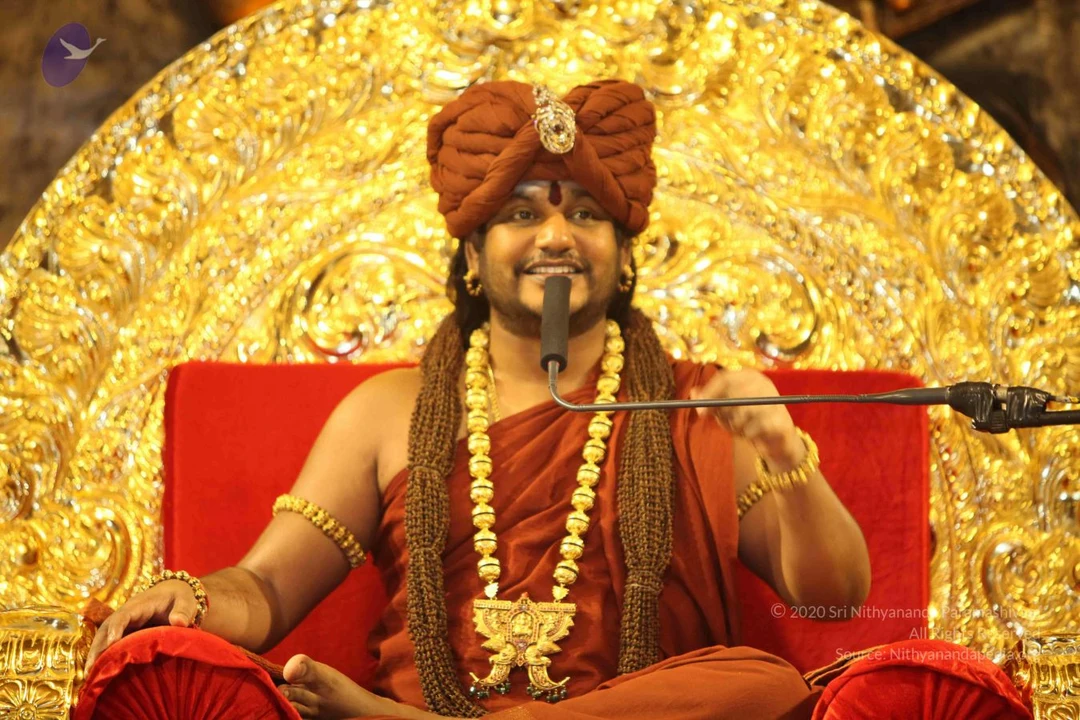
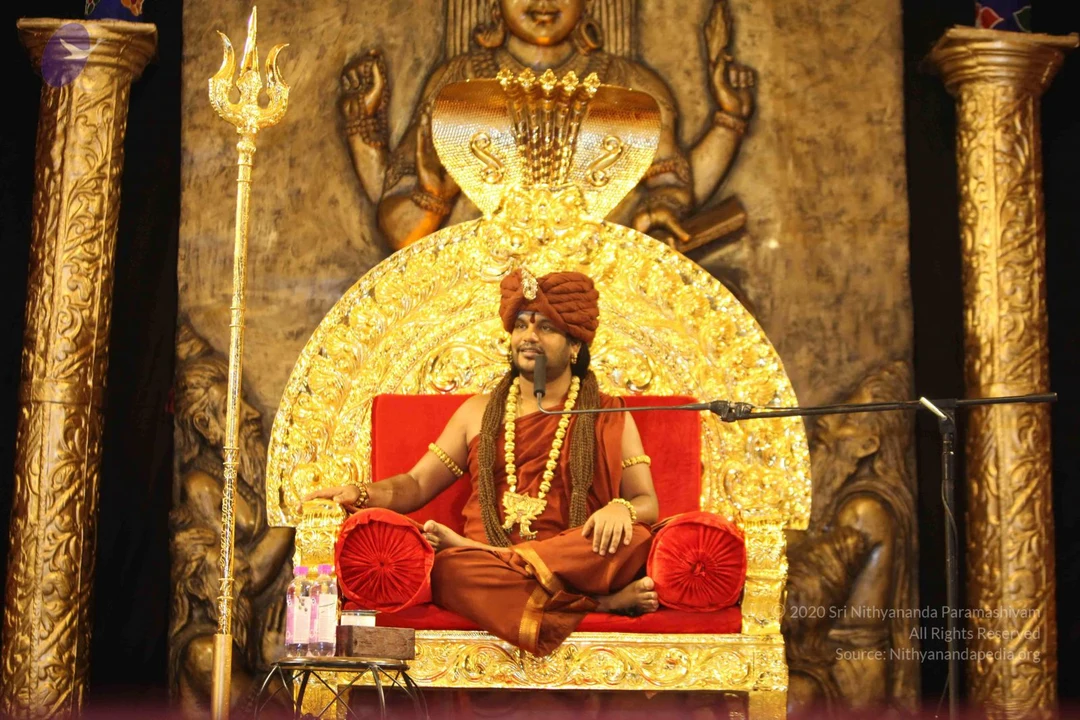
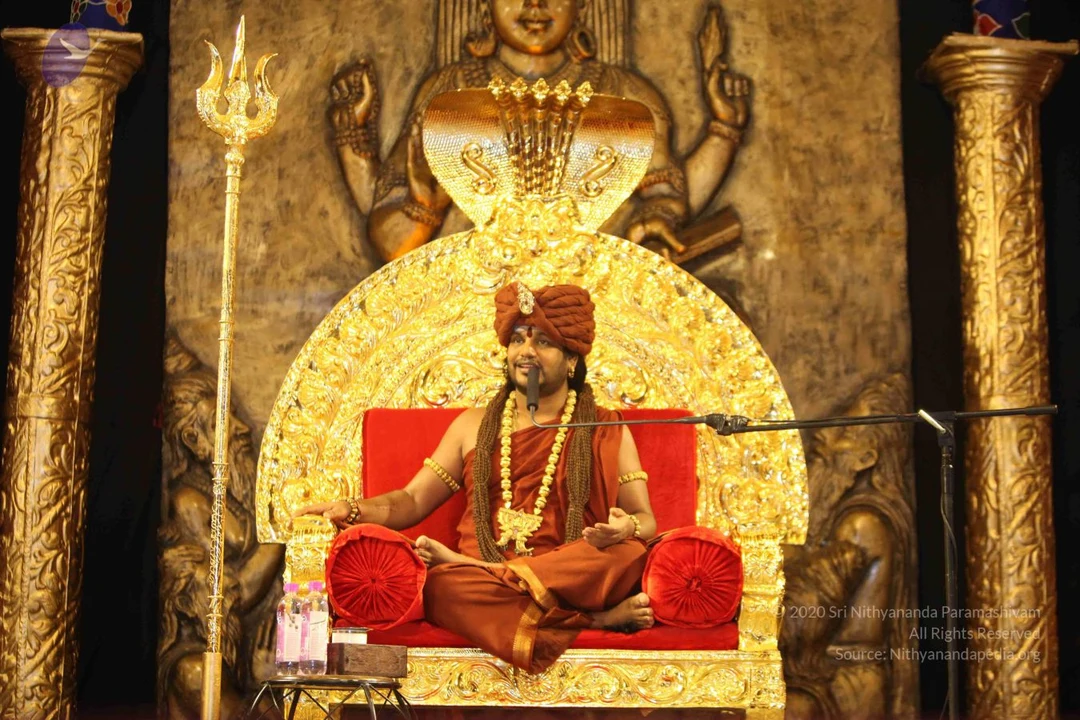
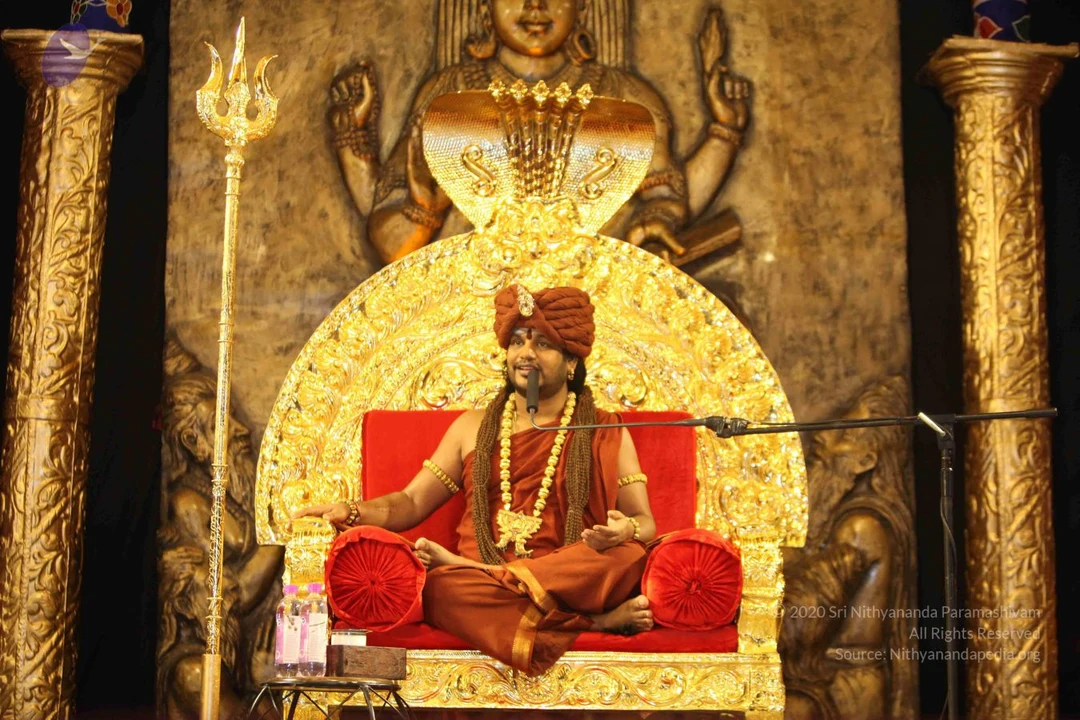
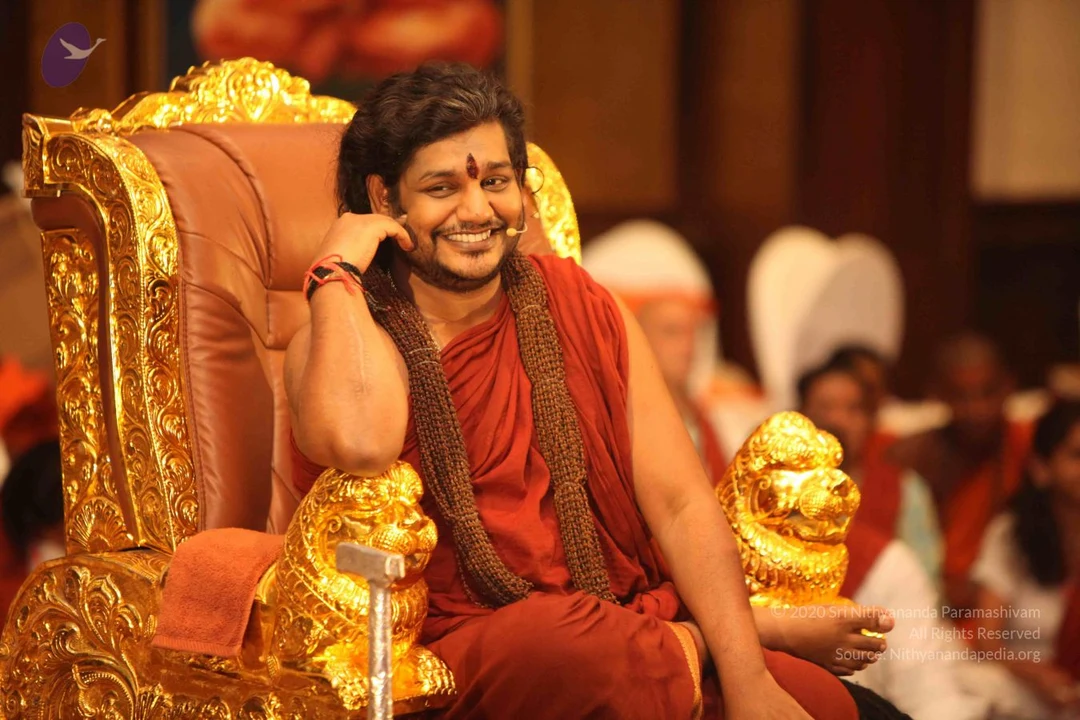
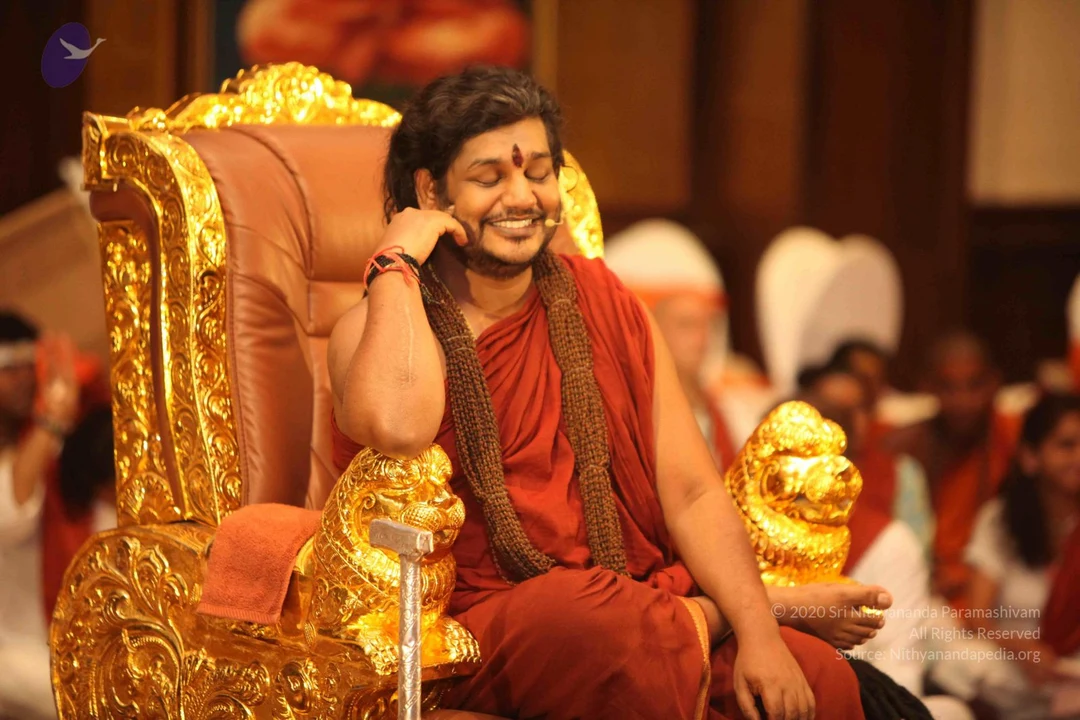
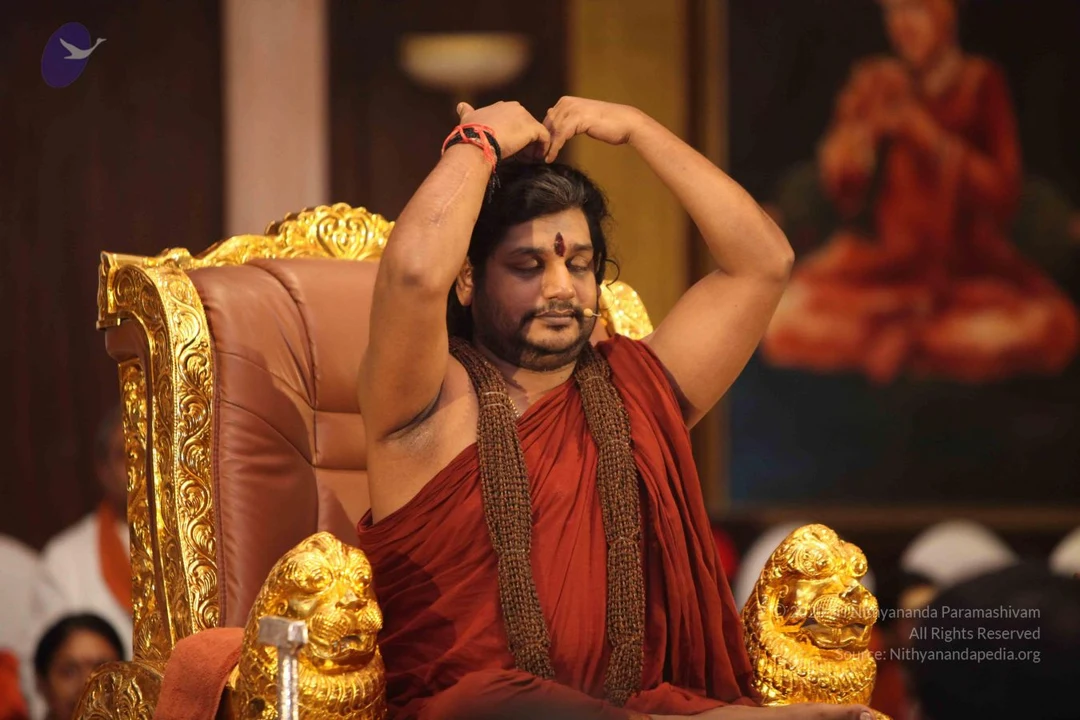
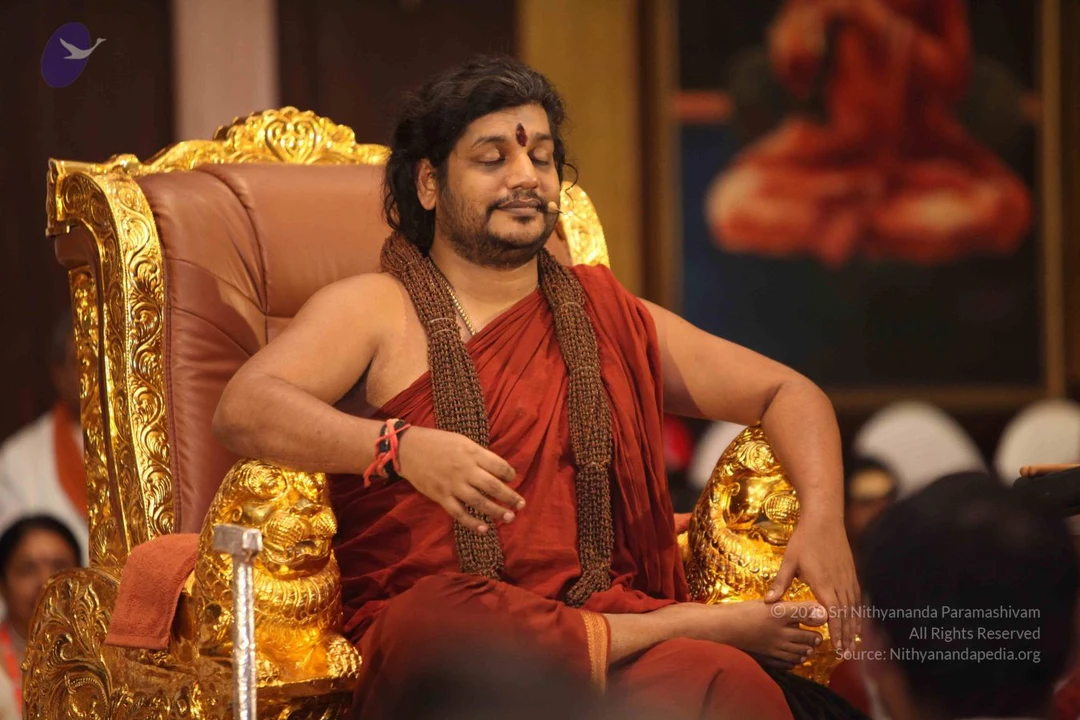
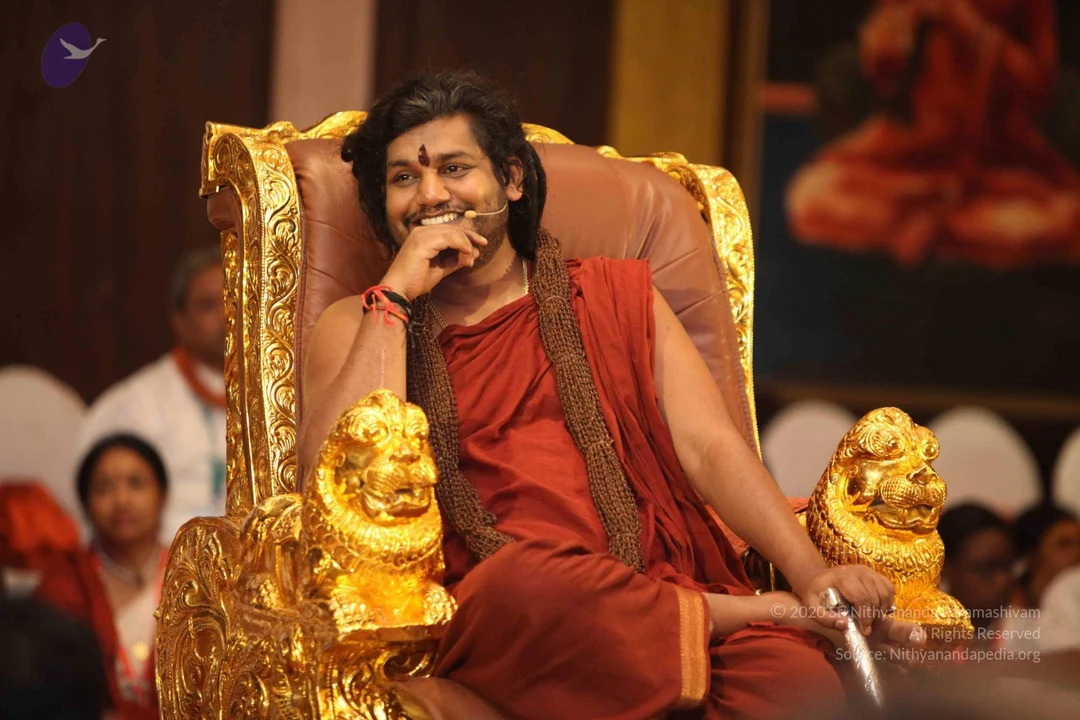
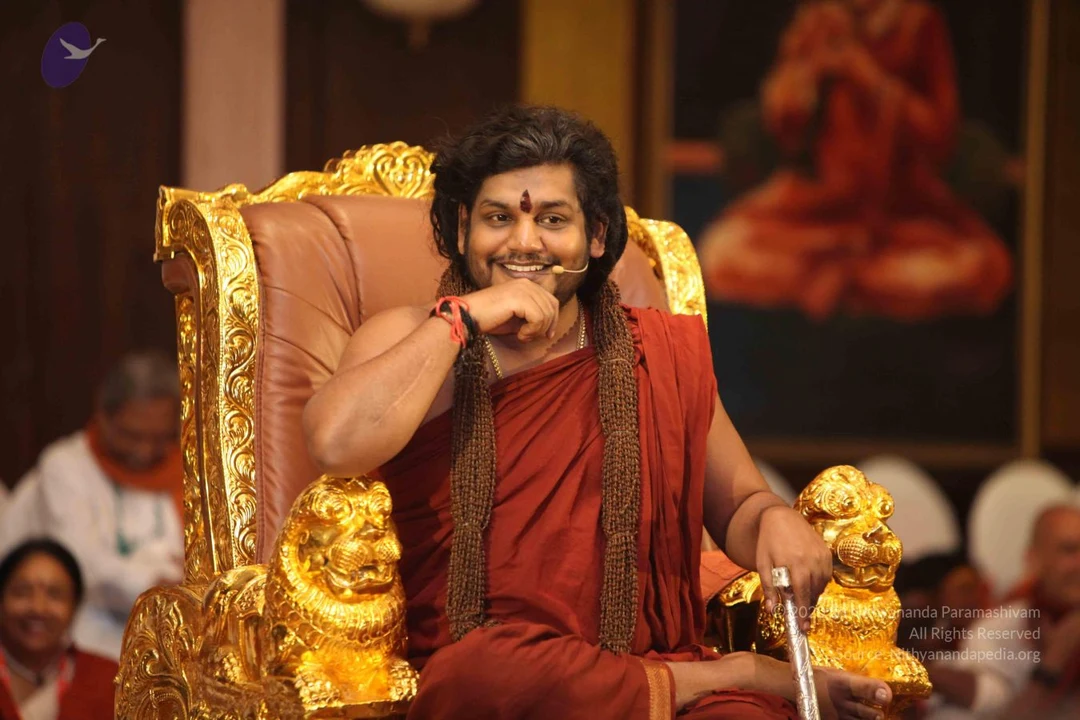
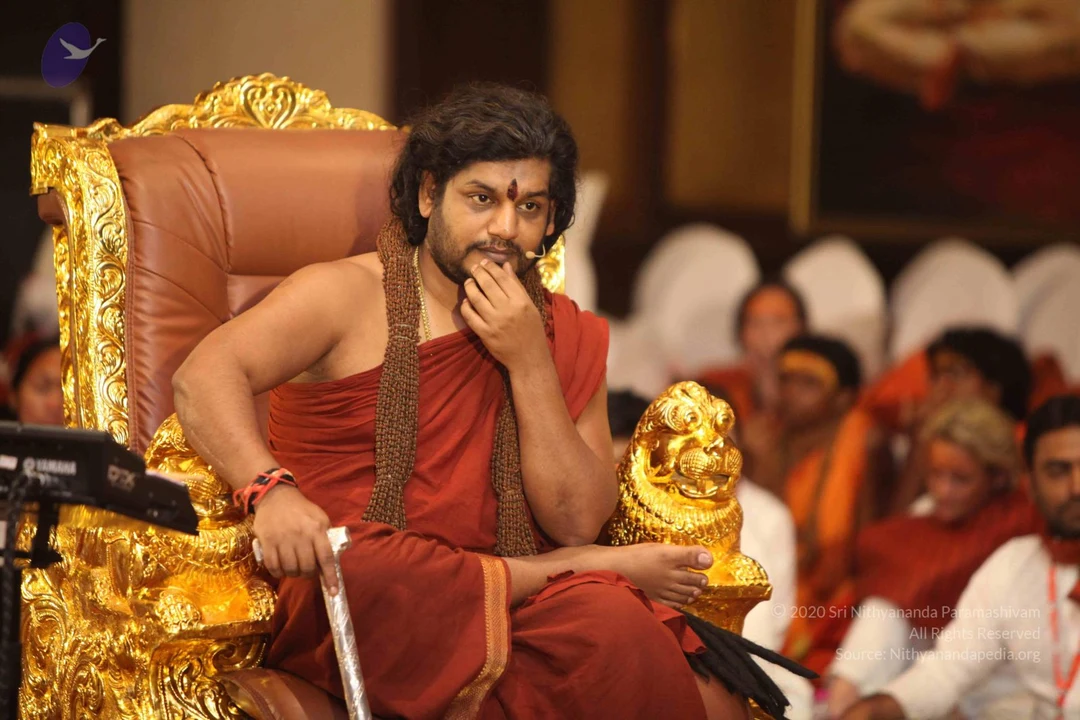
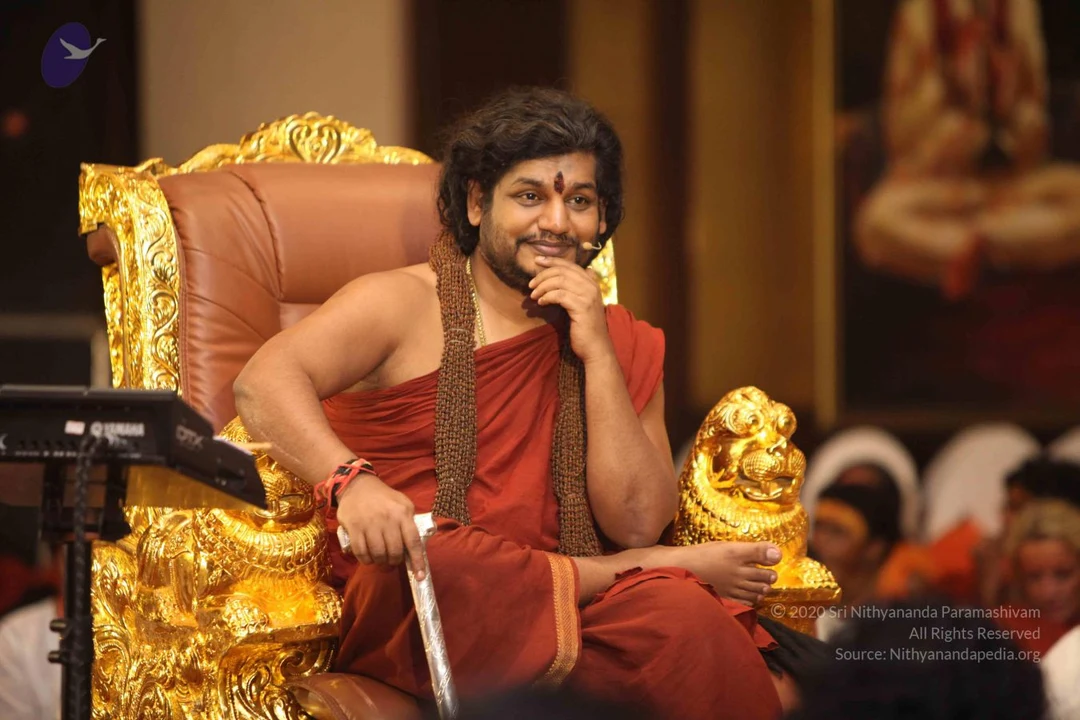
Photos from the Day
}
Nithya Satsang
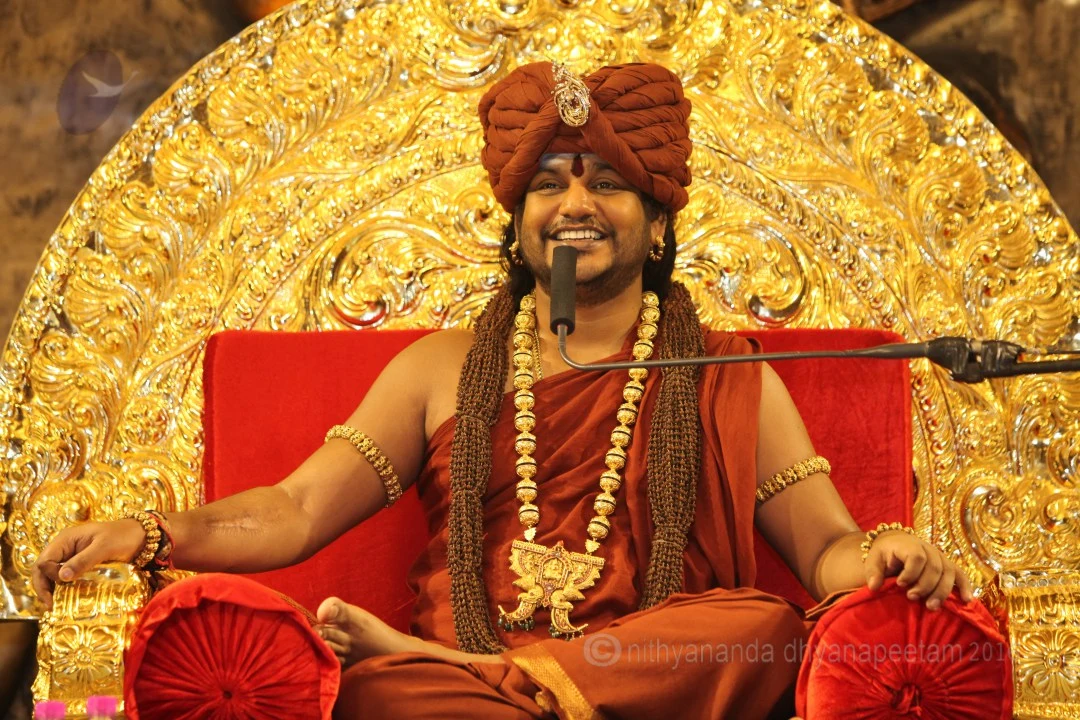
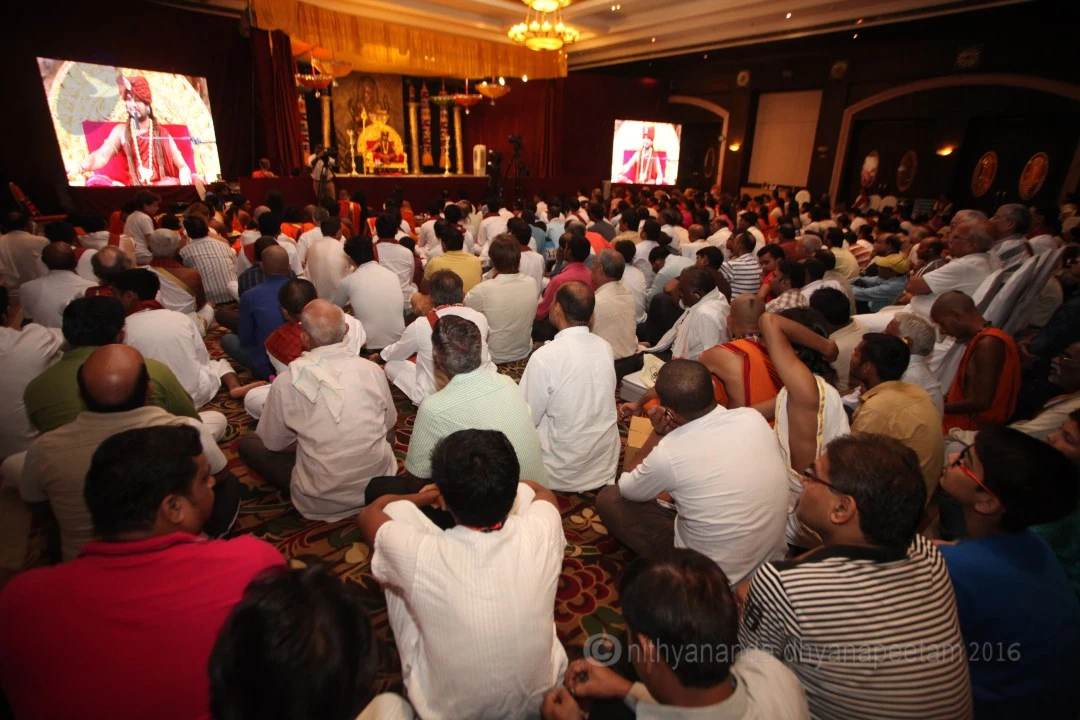
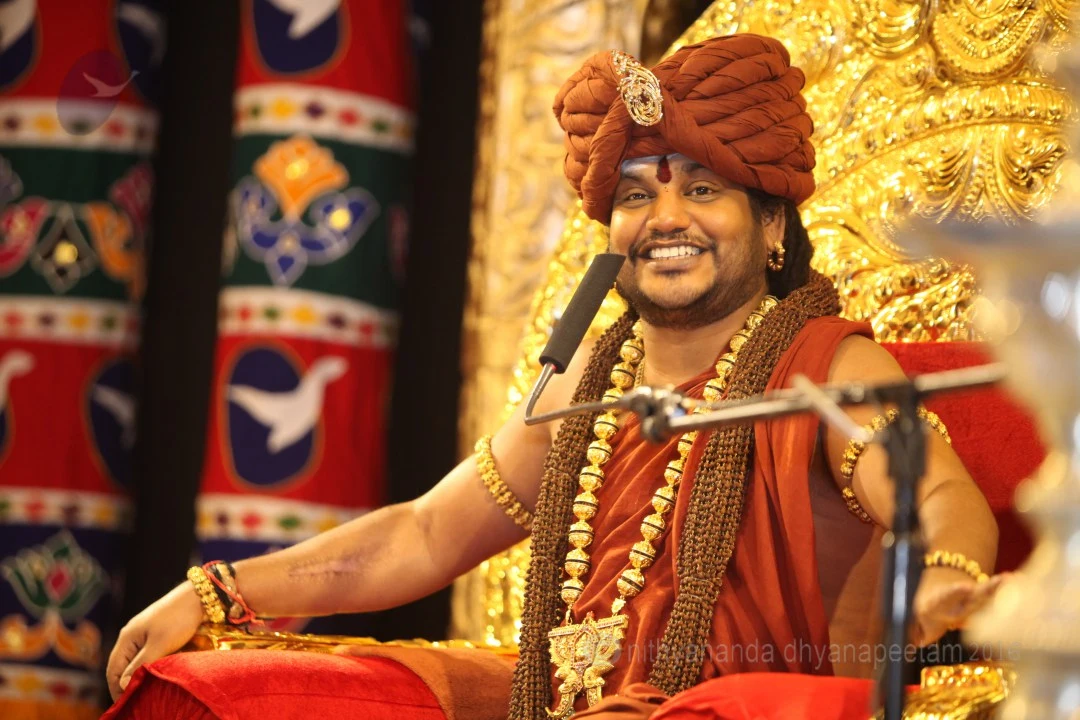
Kalpataru Darshan
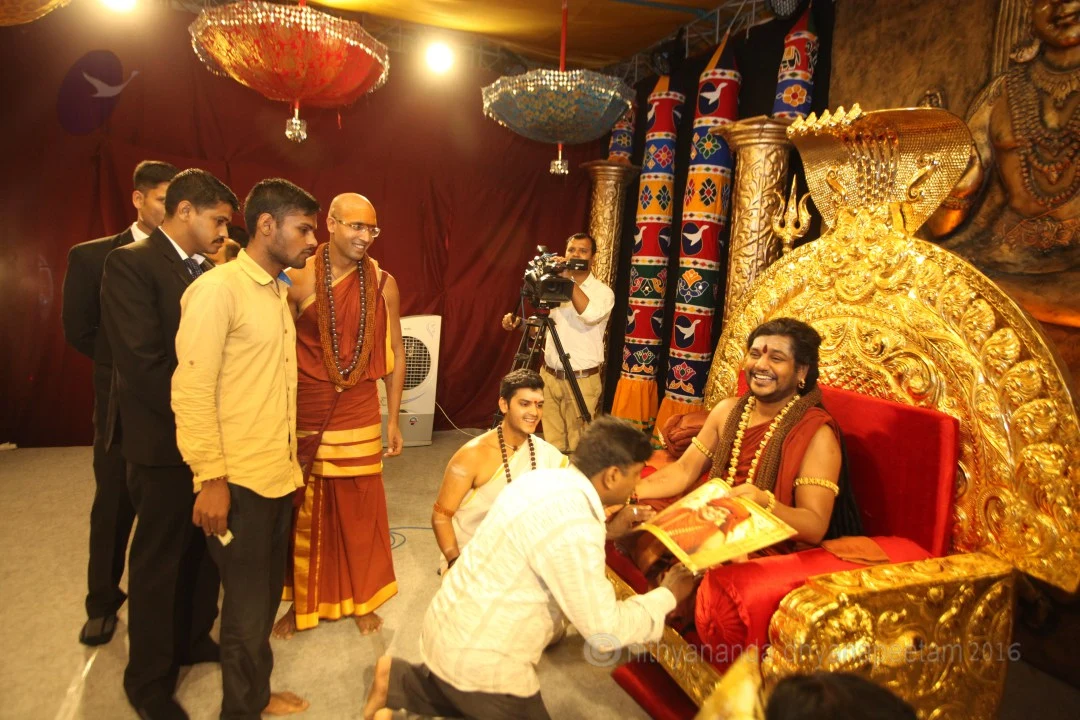
IA Session
Shivoham Process and Q&A Session
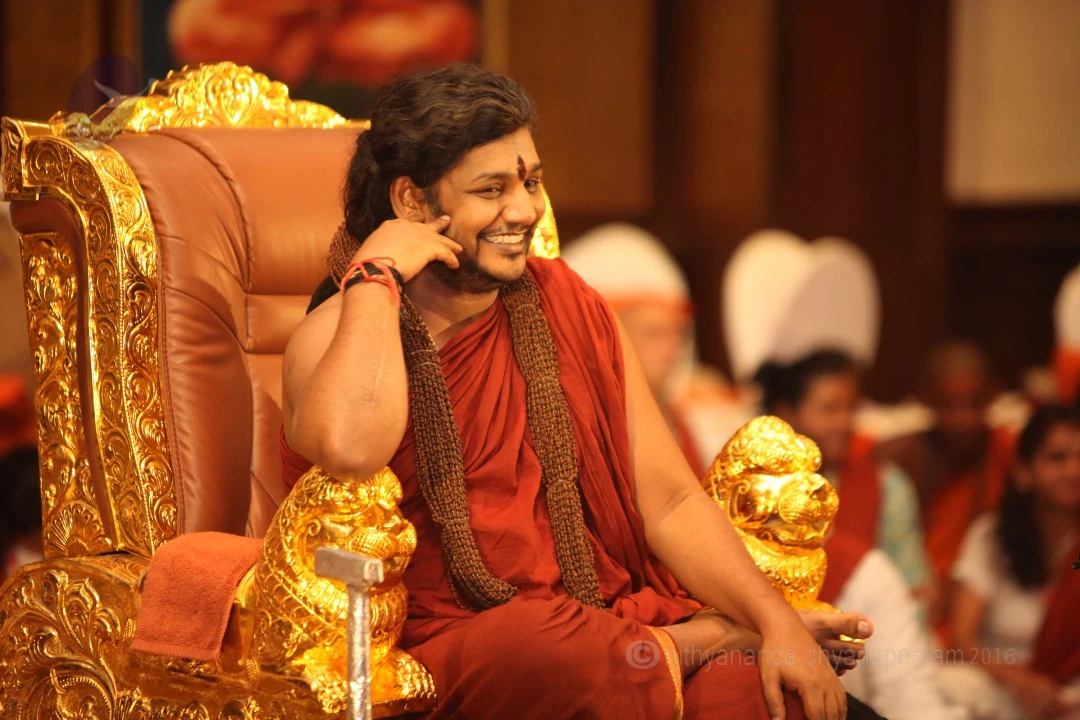
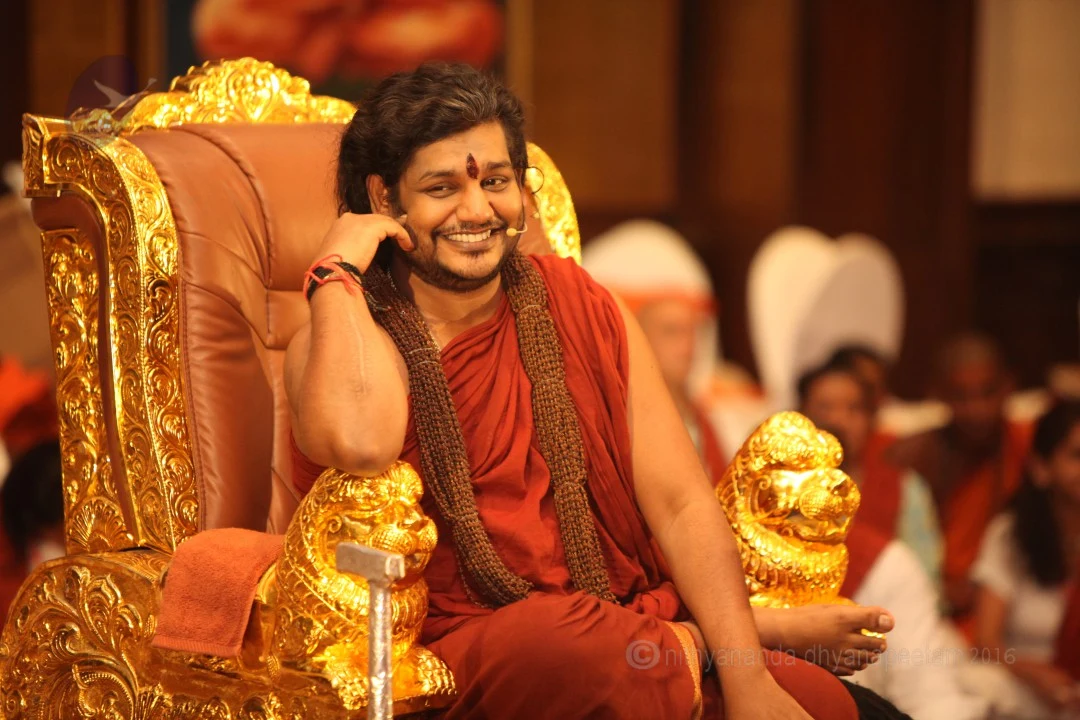
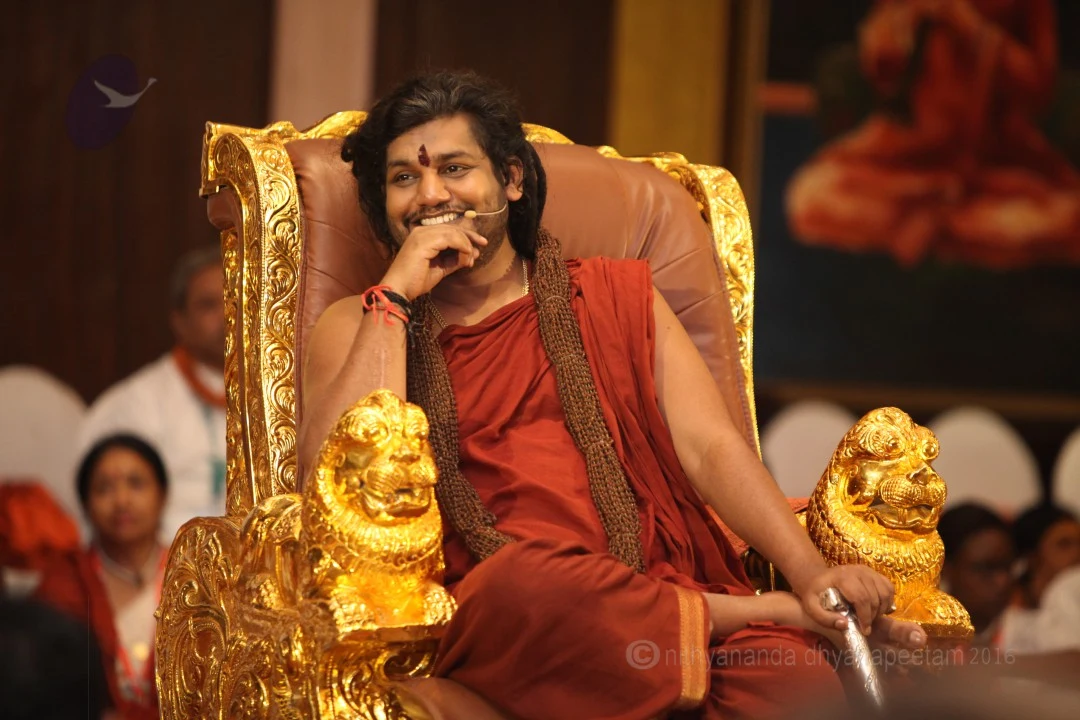
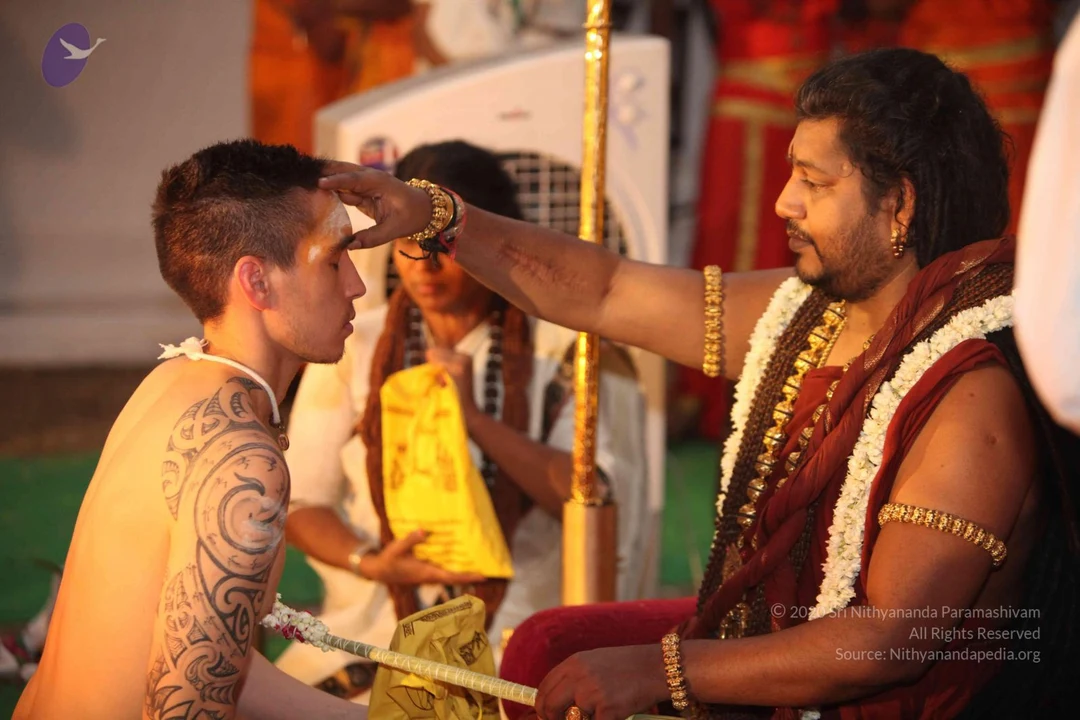
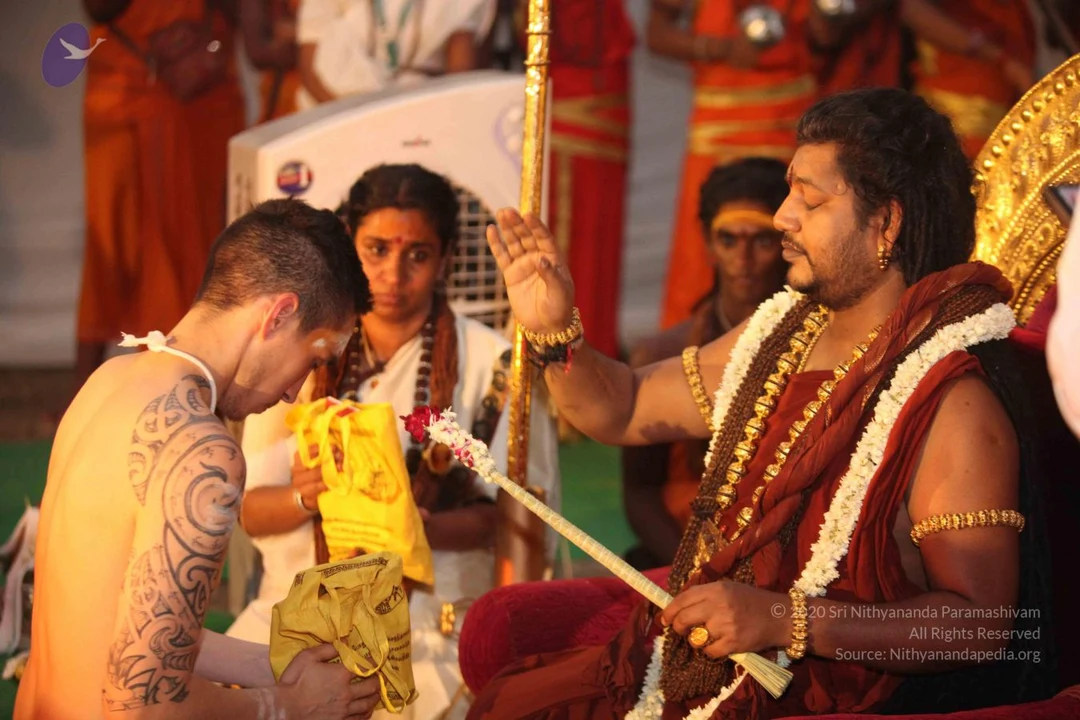
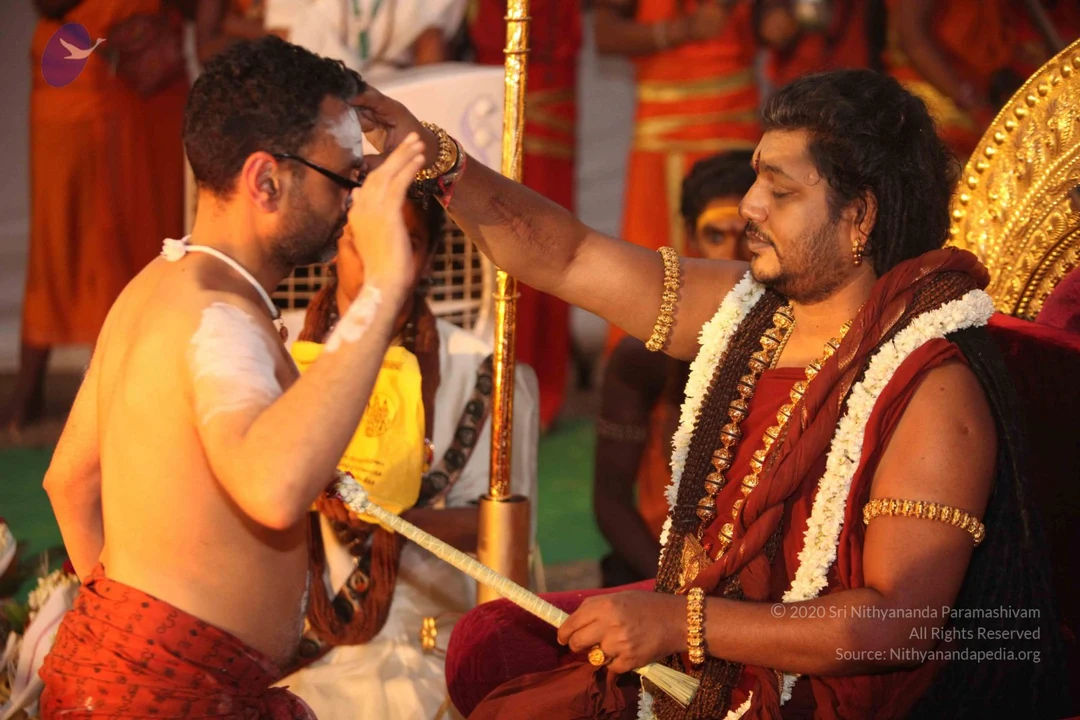
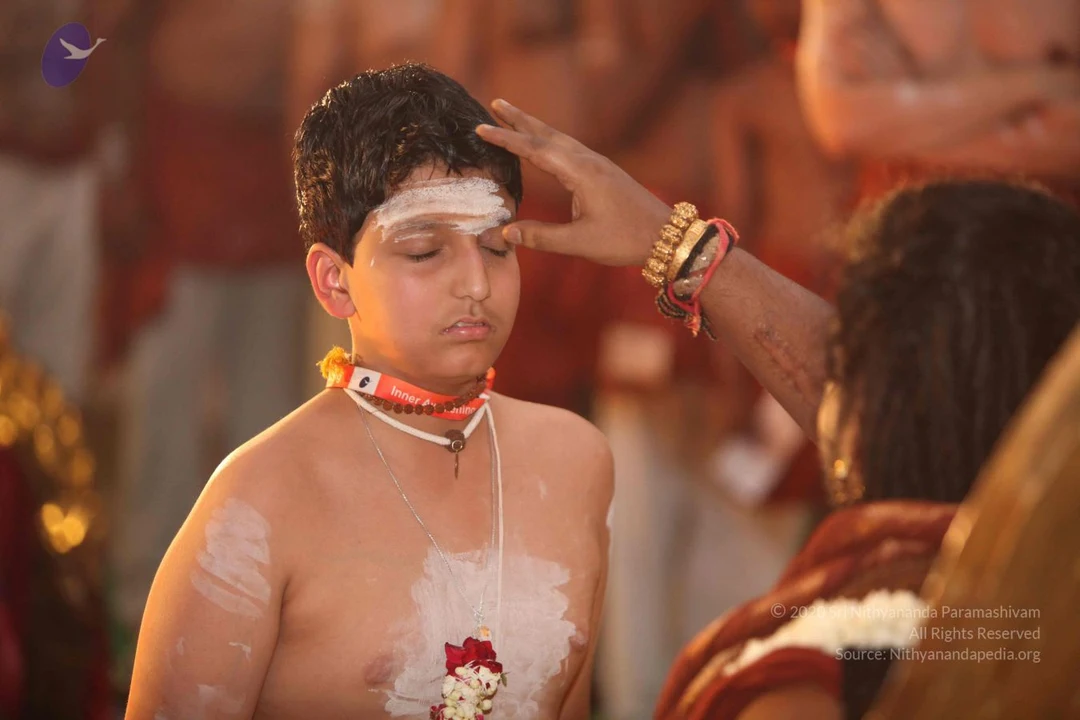
Shiva Deeksha
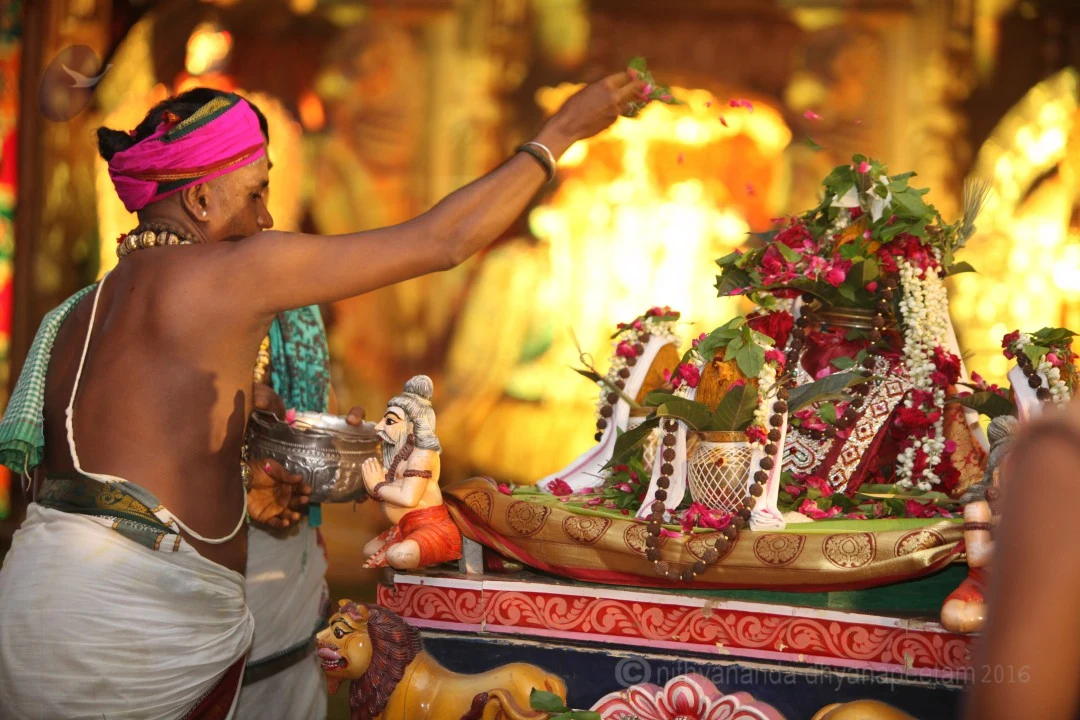
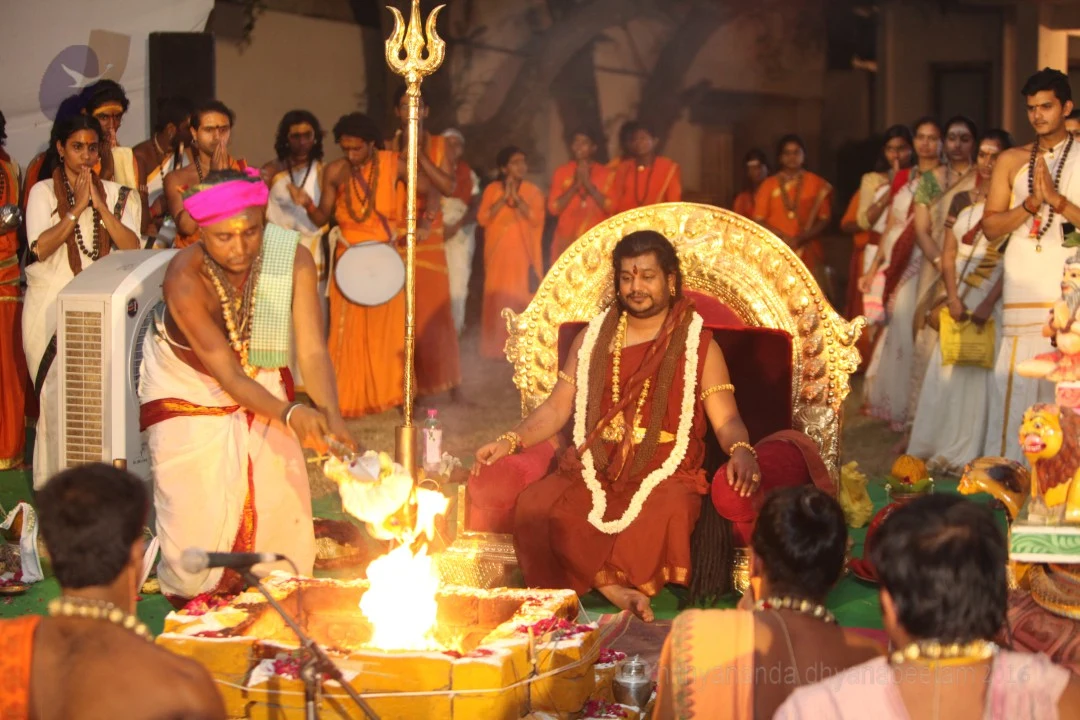
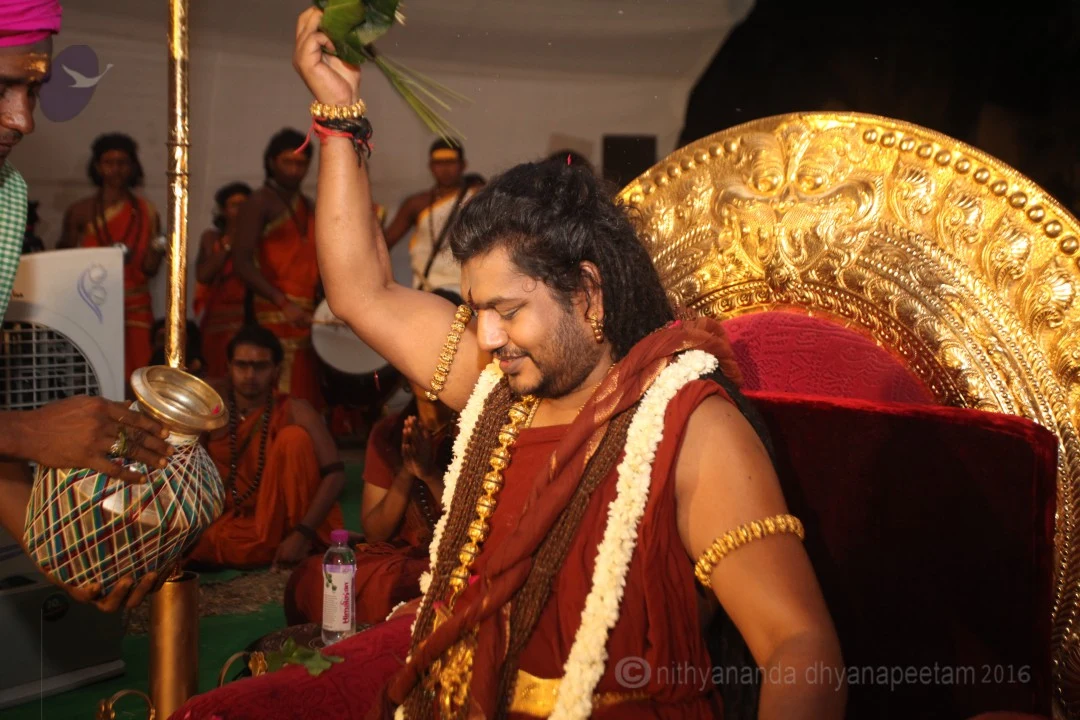
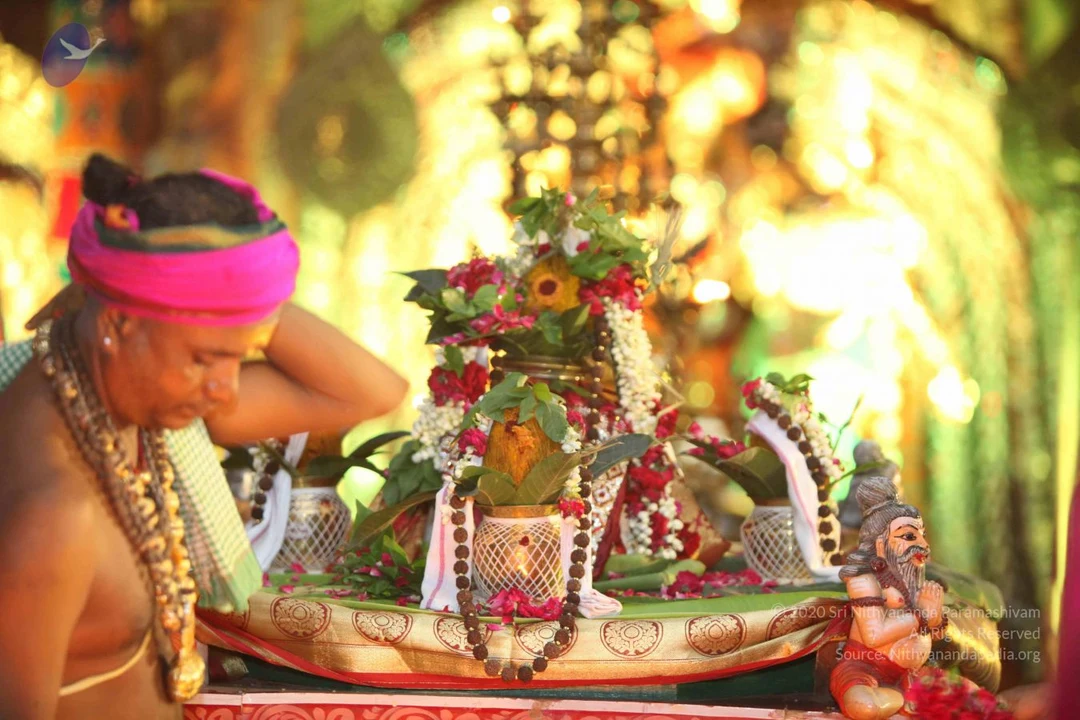
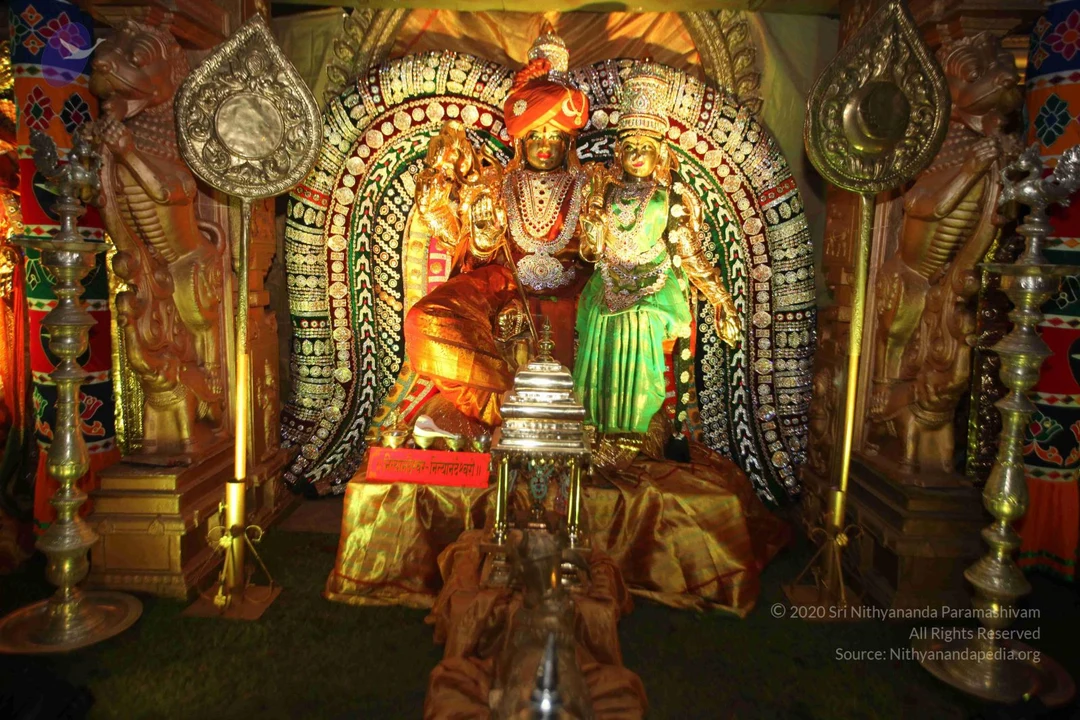
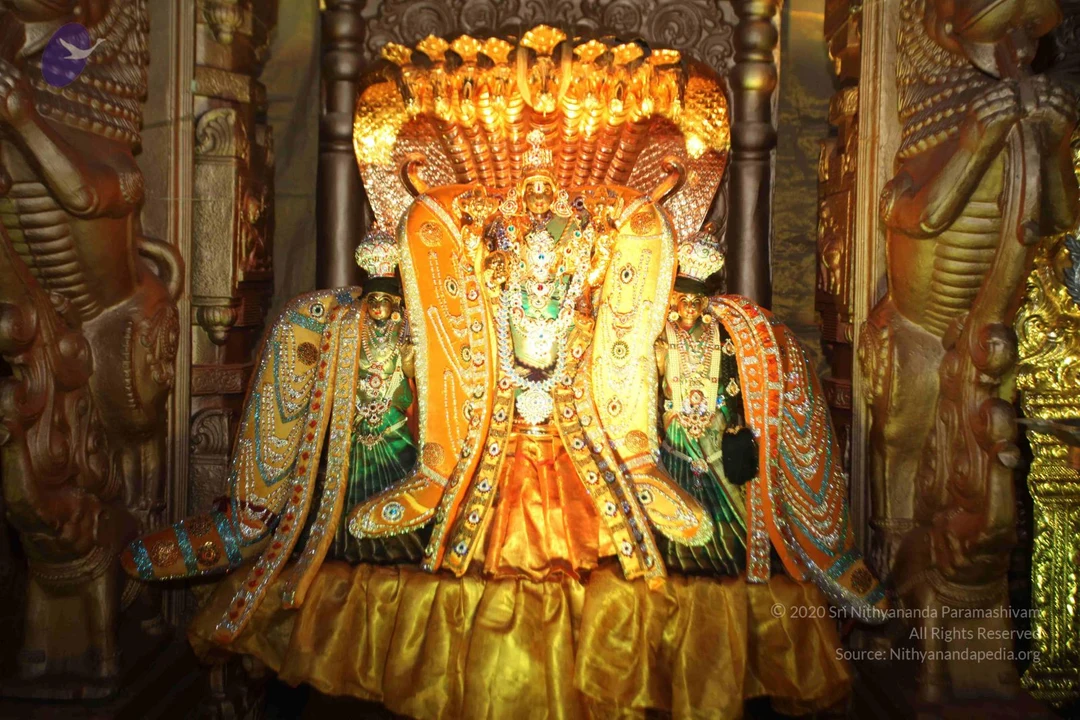
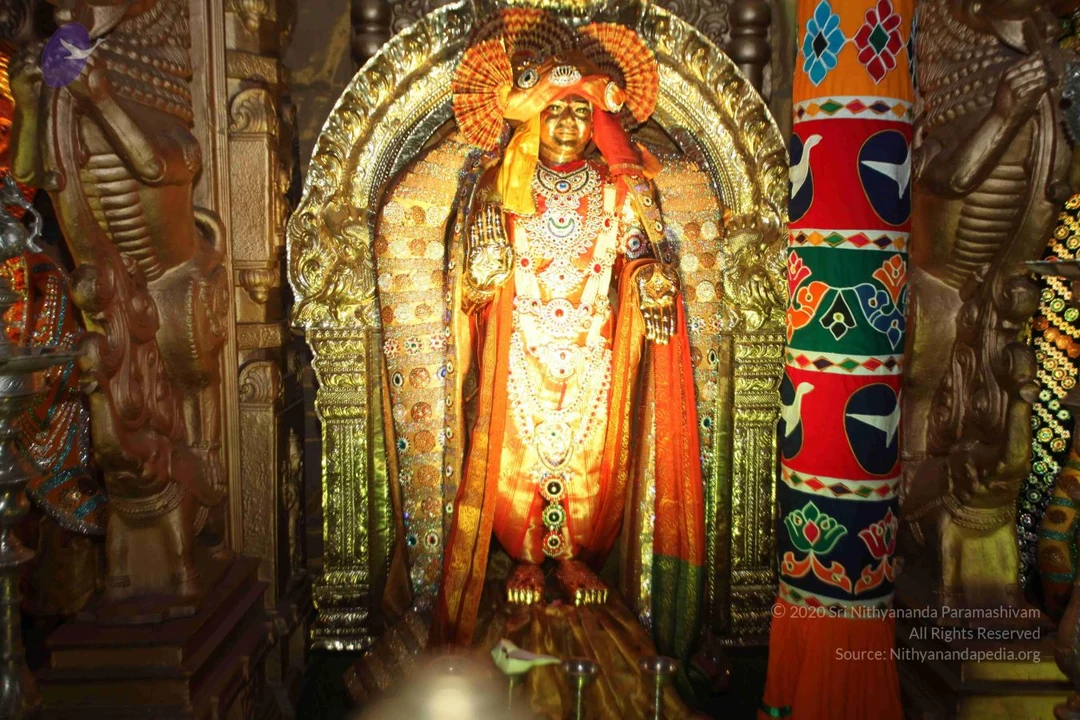
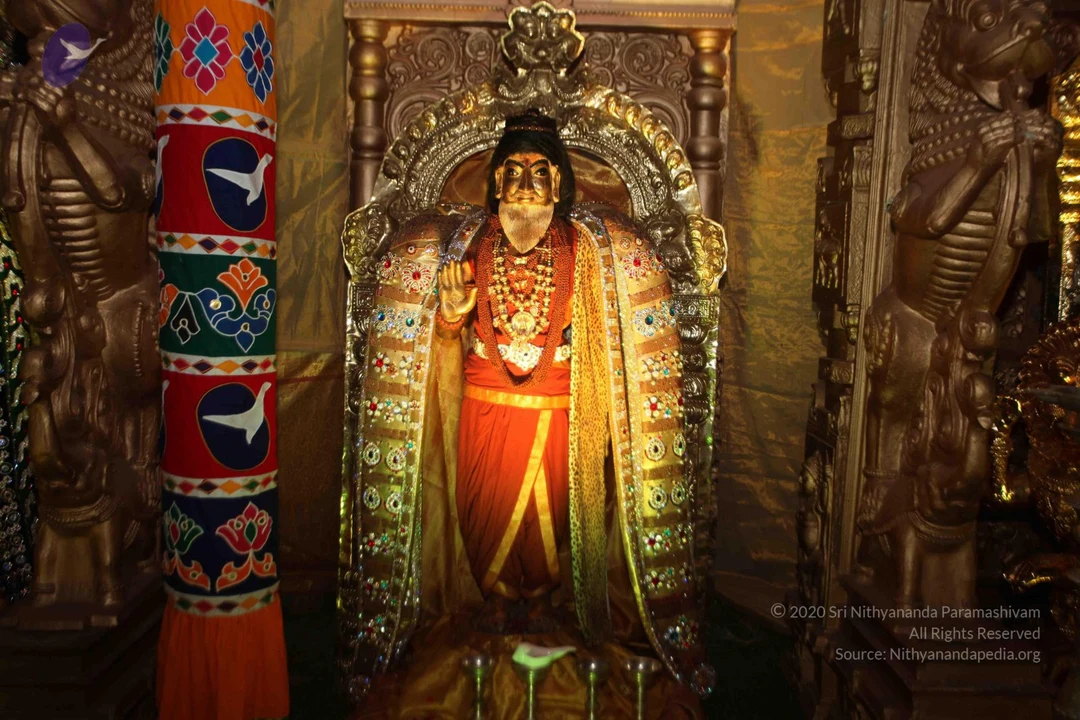
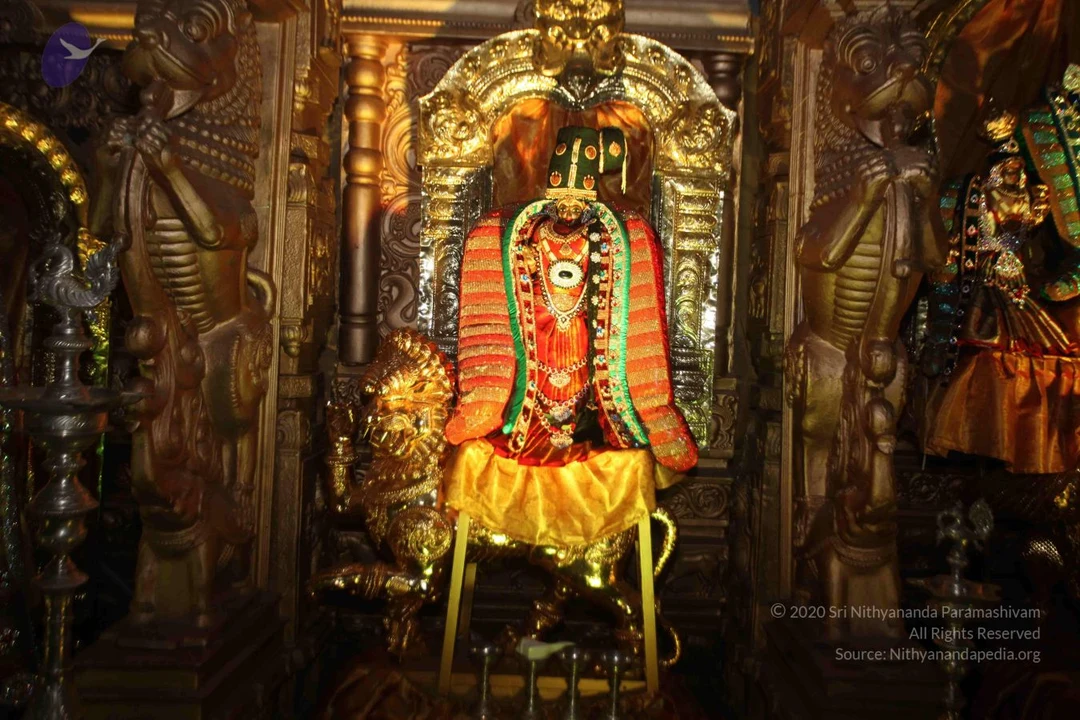
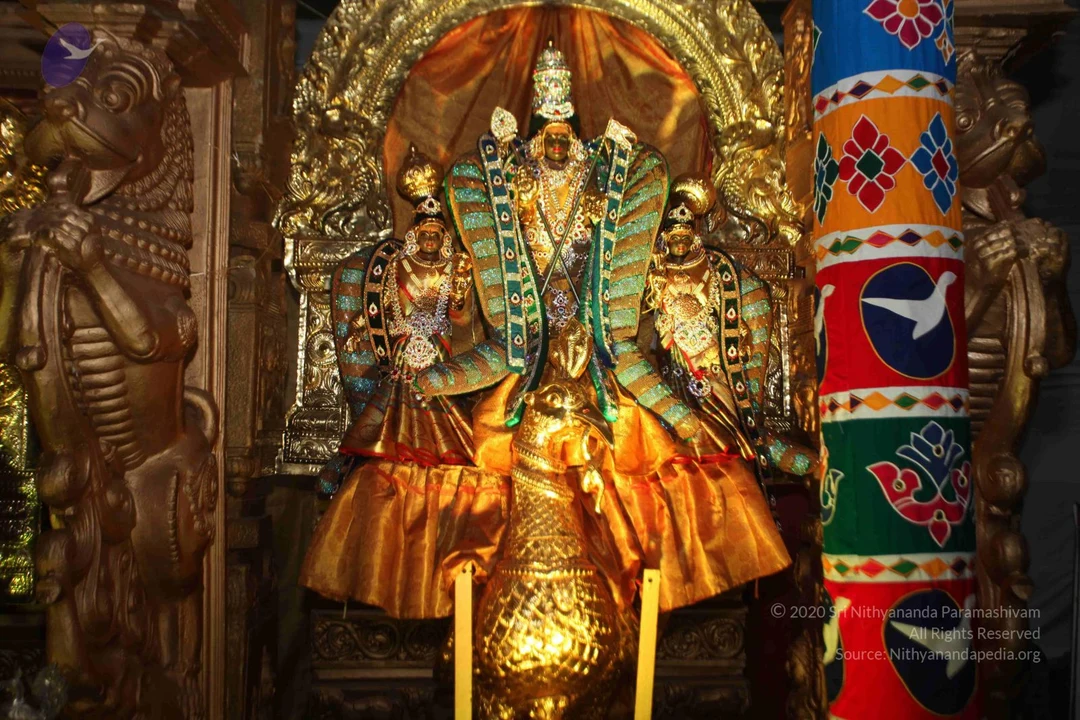
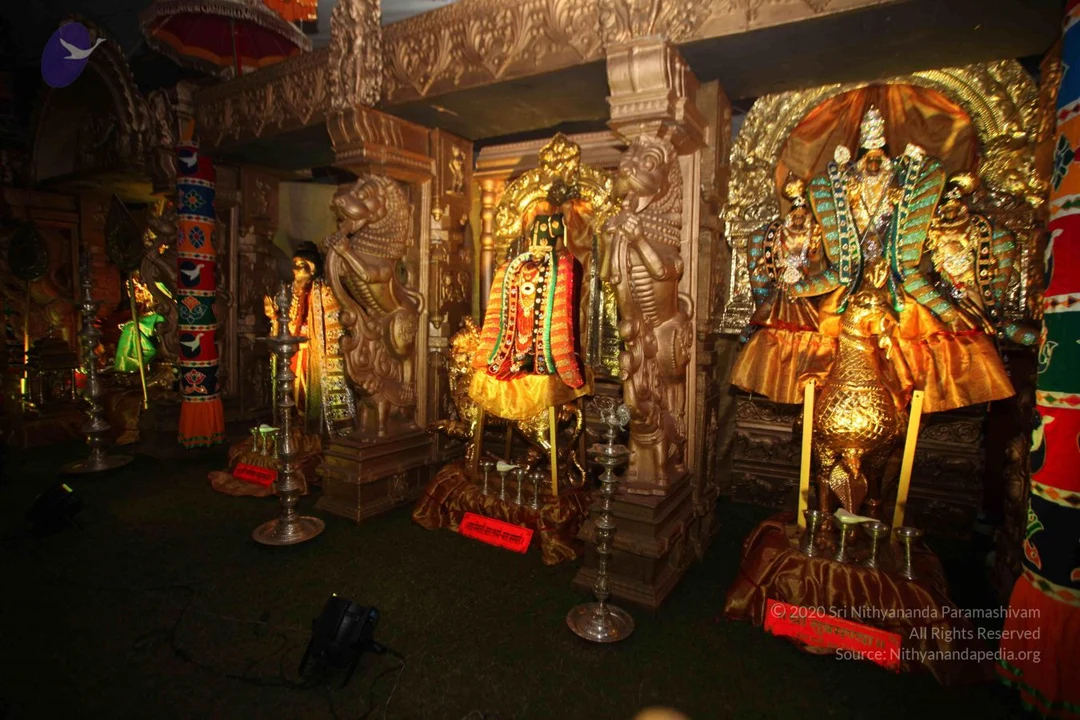
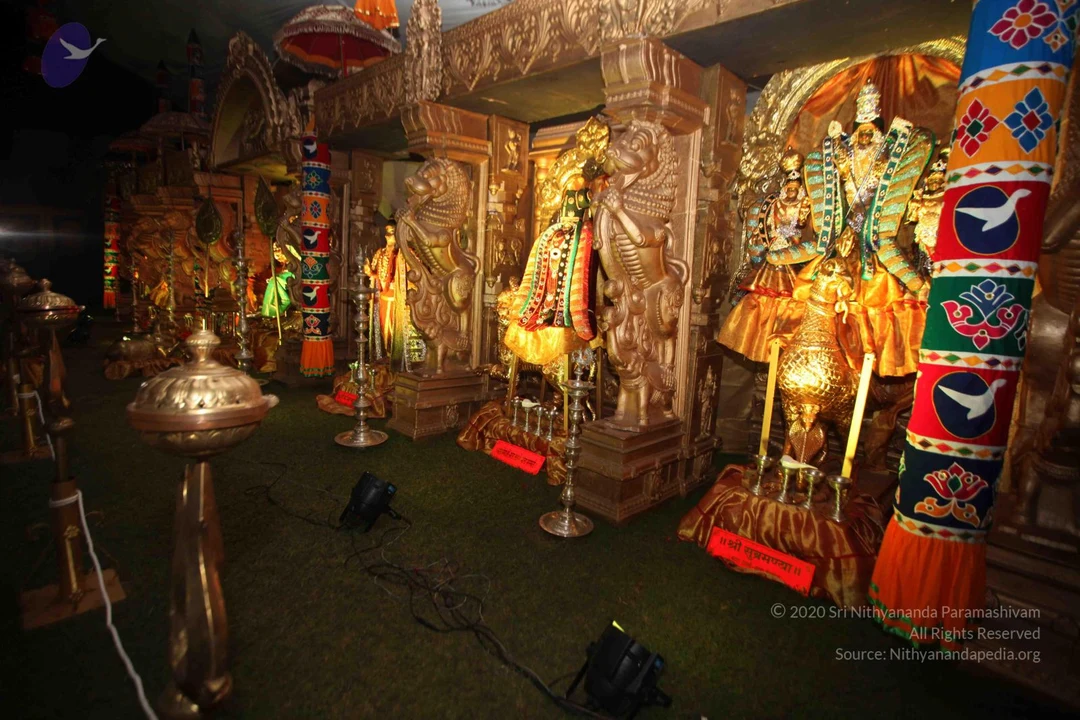
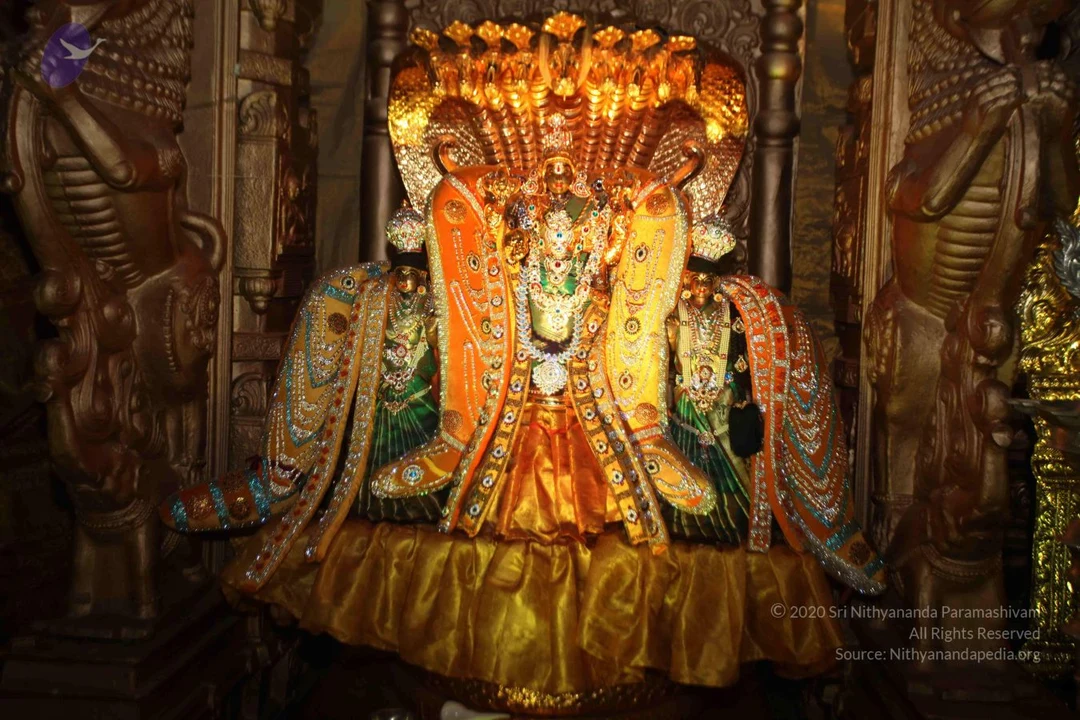
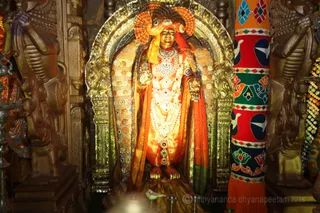
Temple Deities
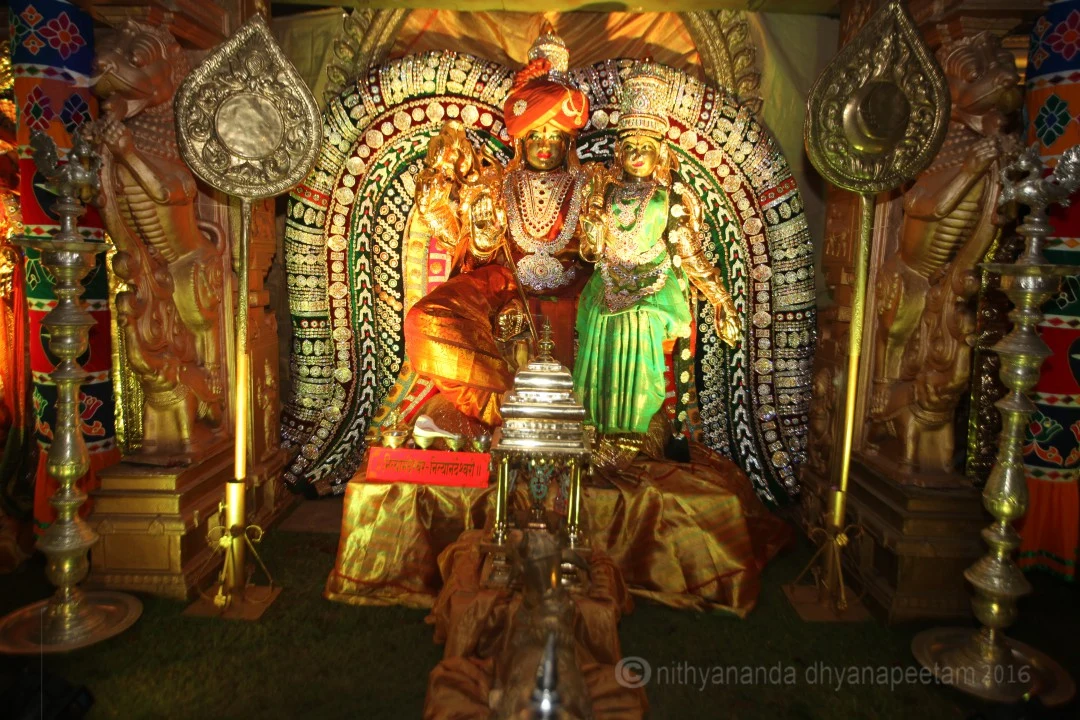
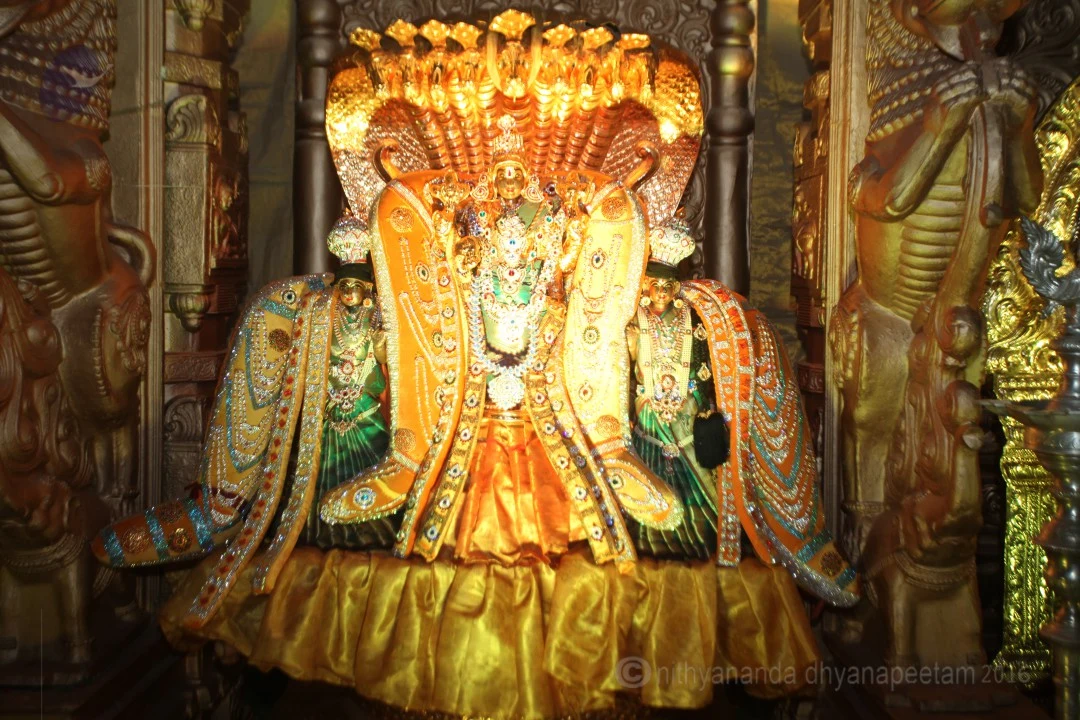
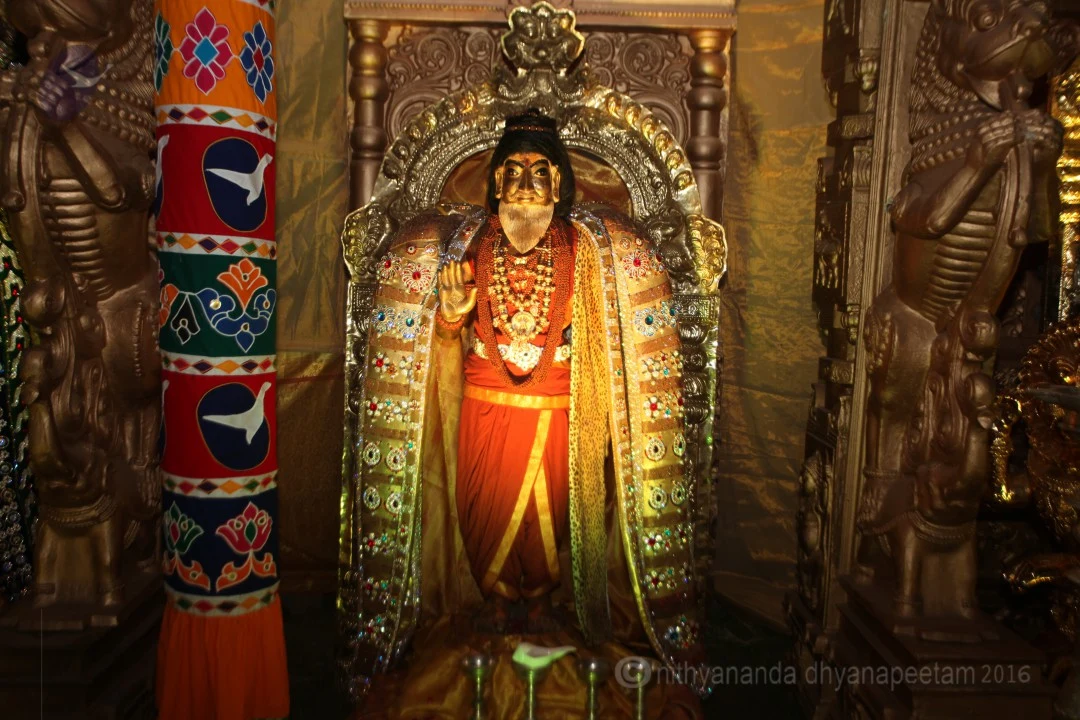
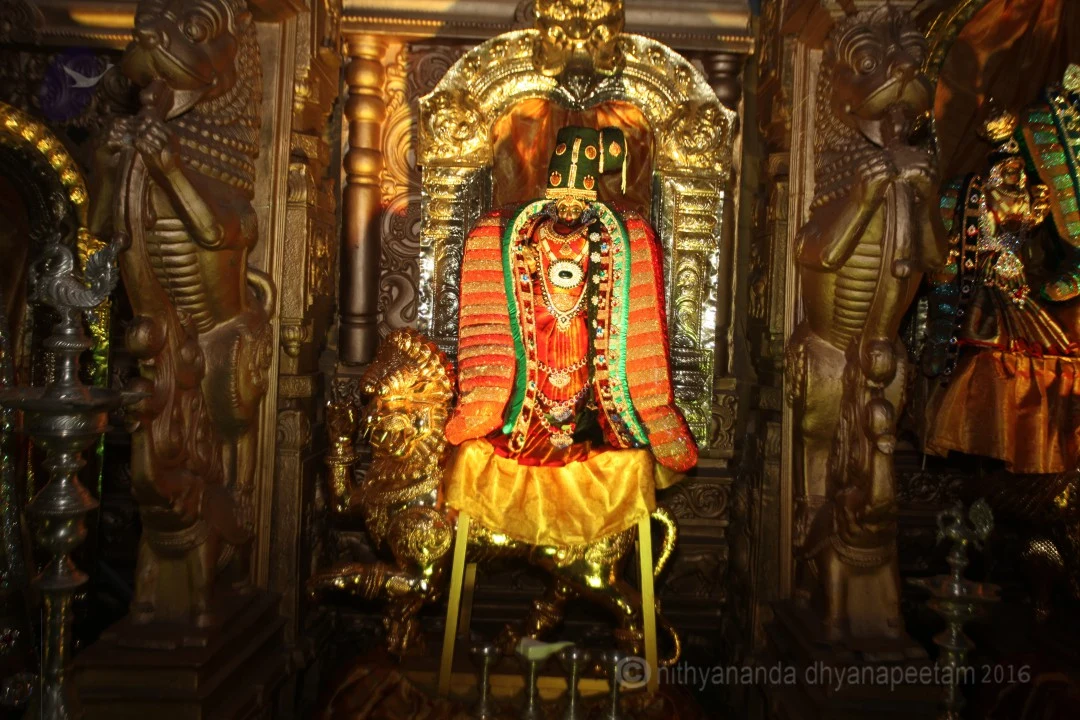
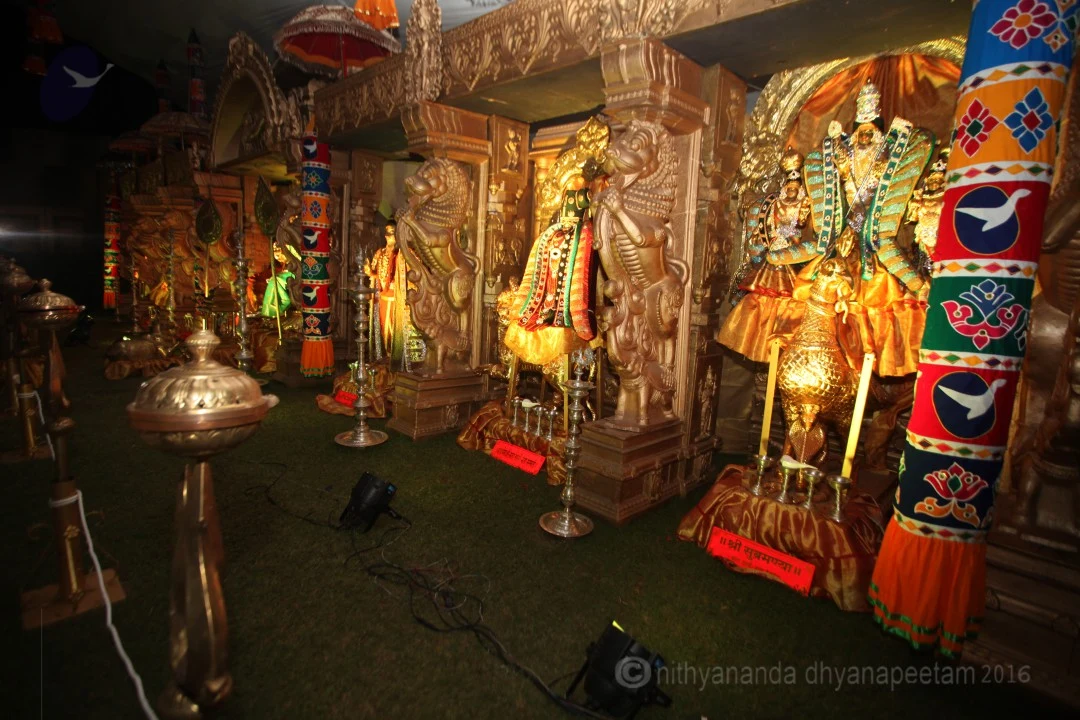
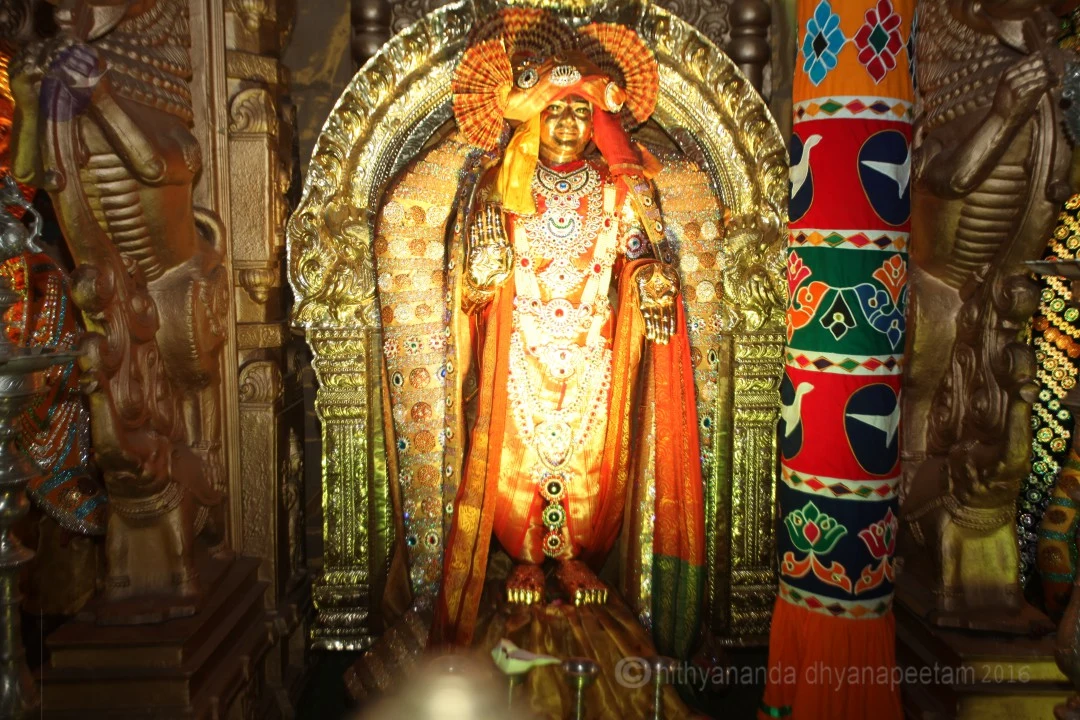
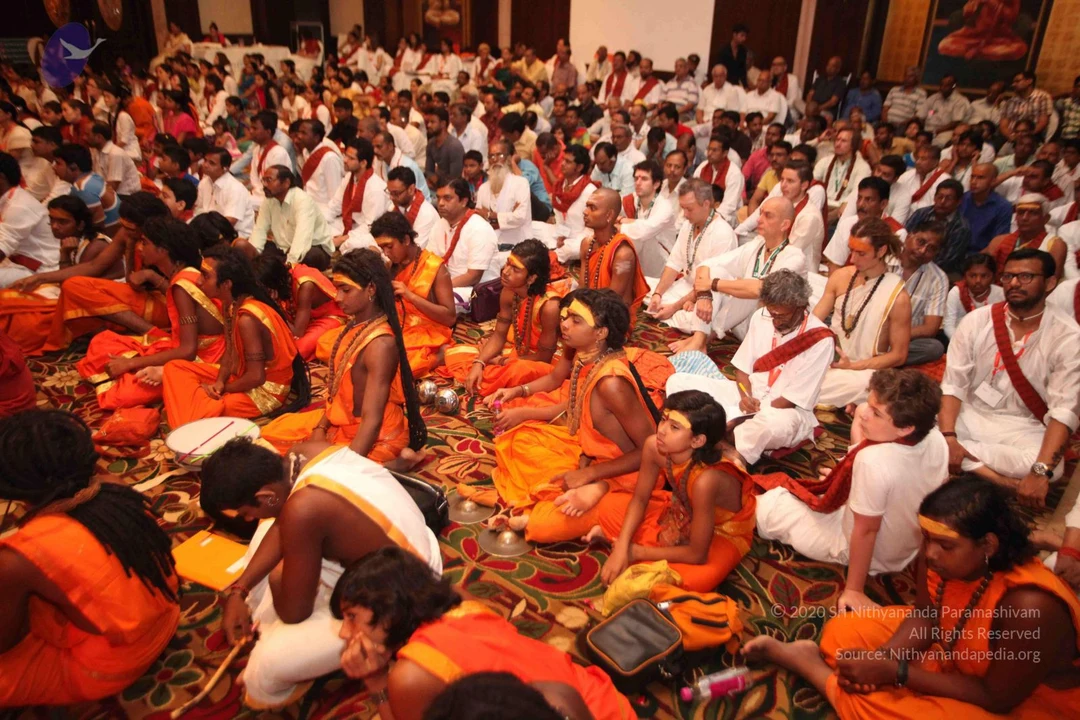
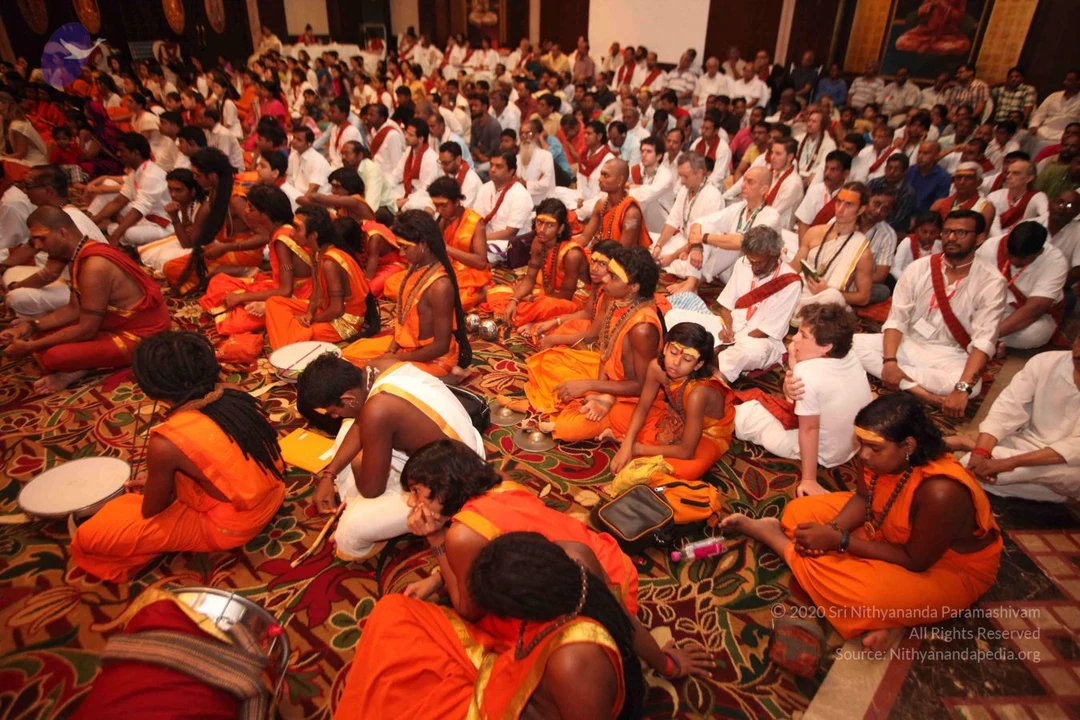
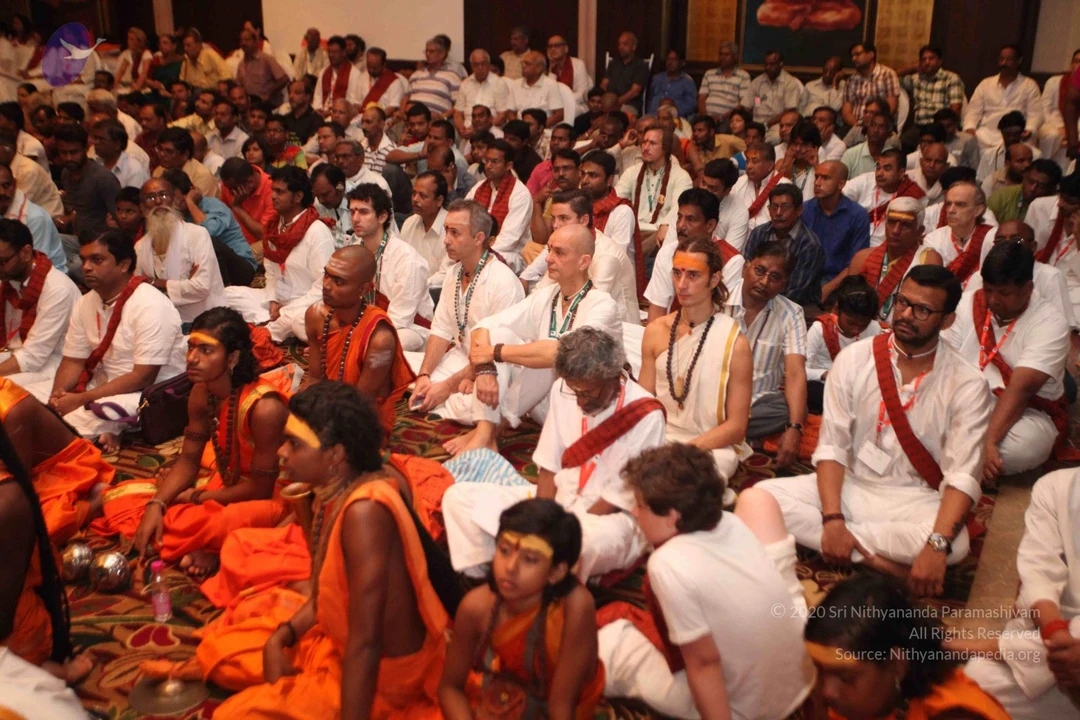
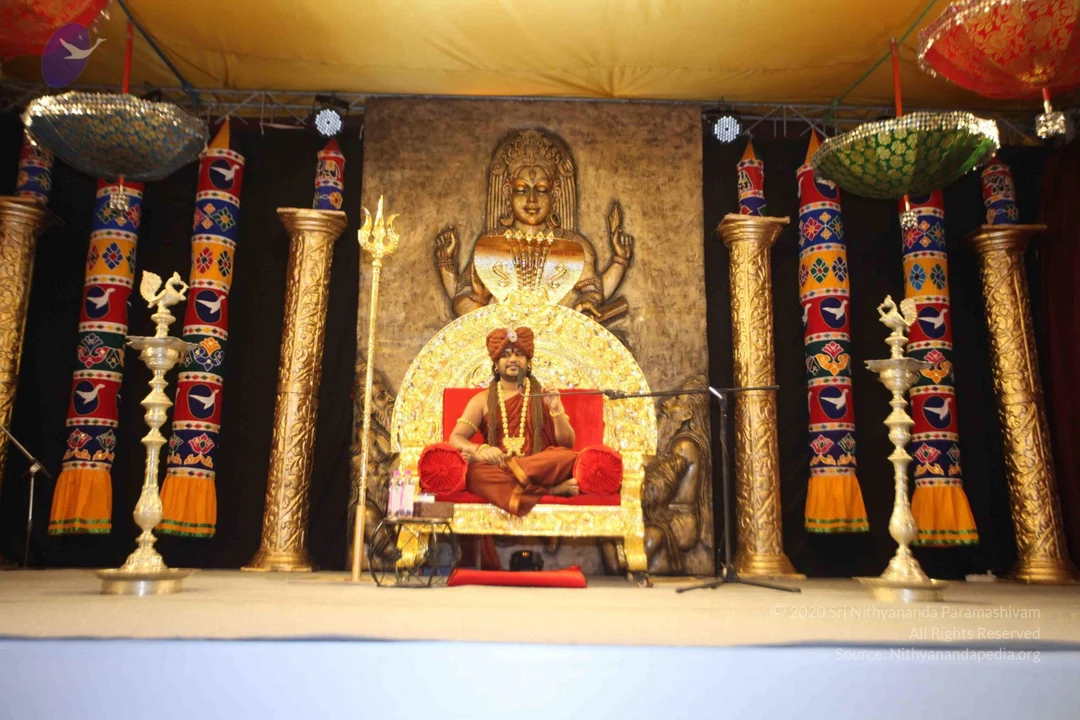
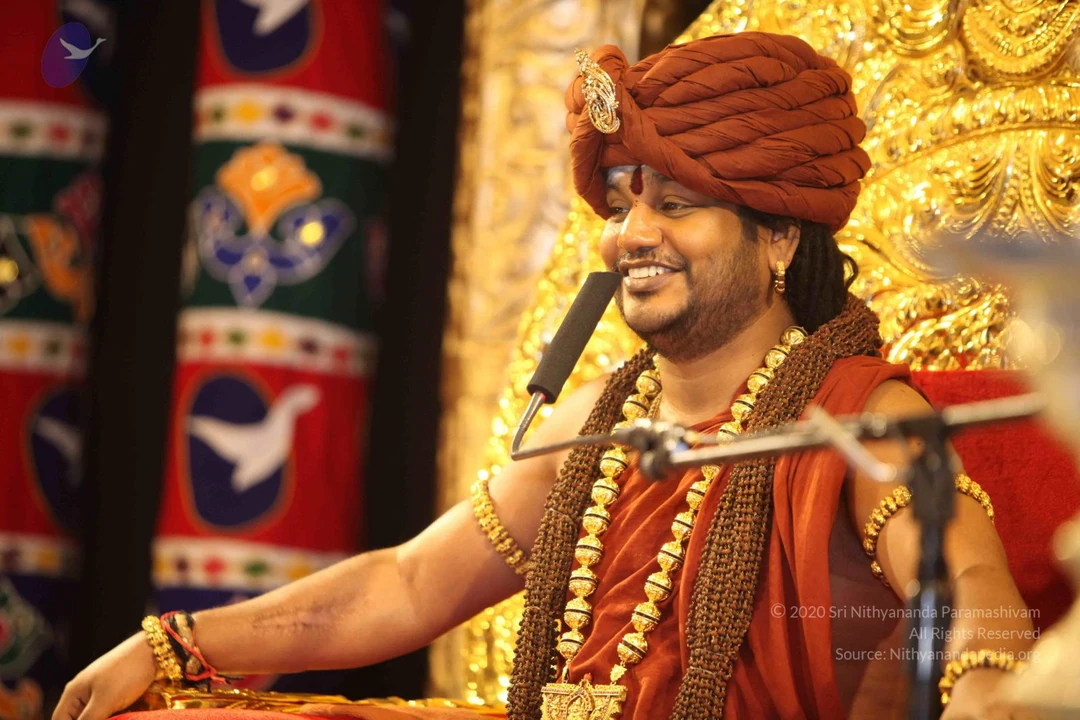
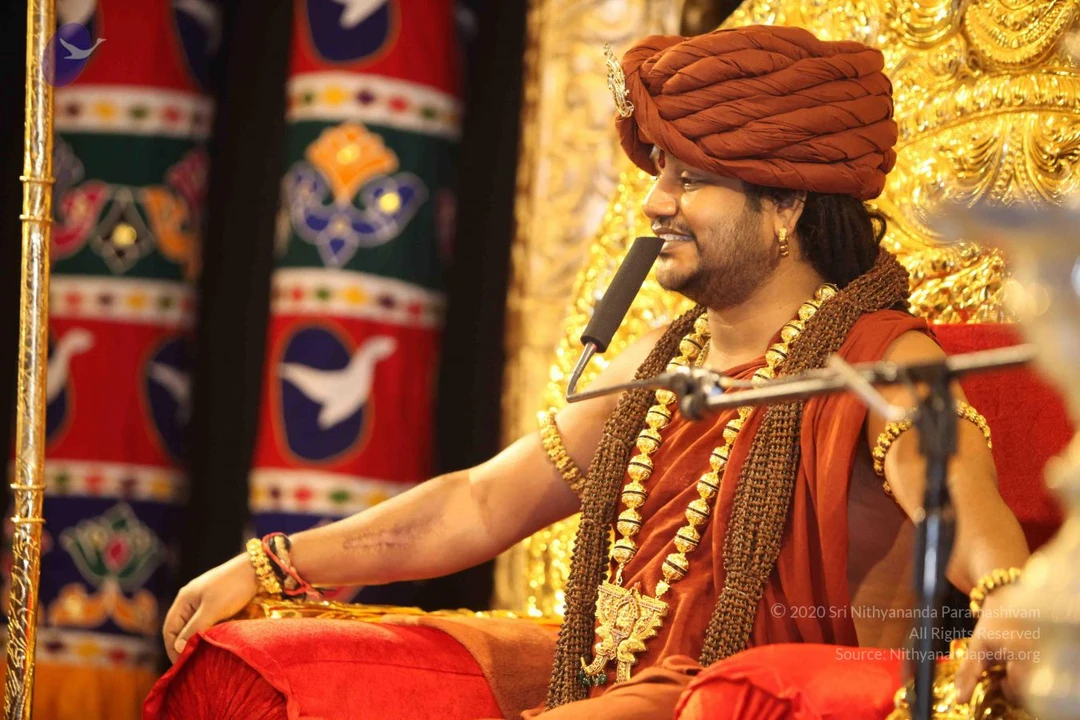
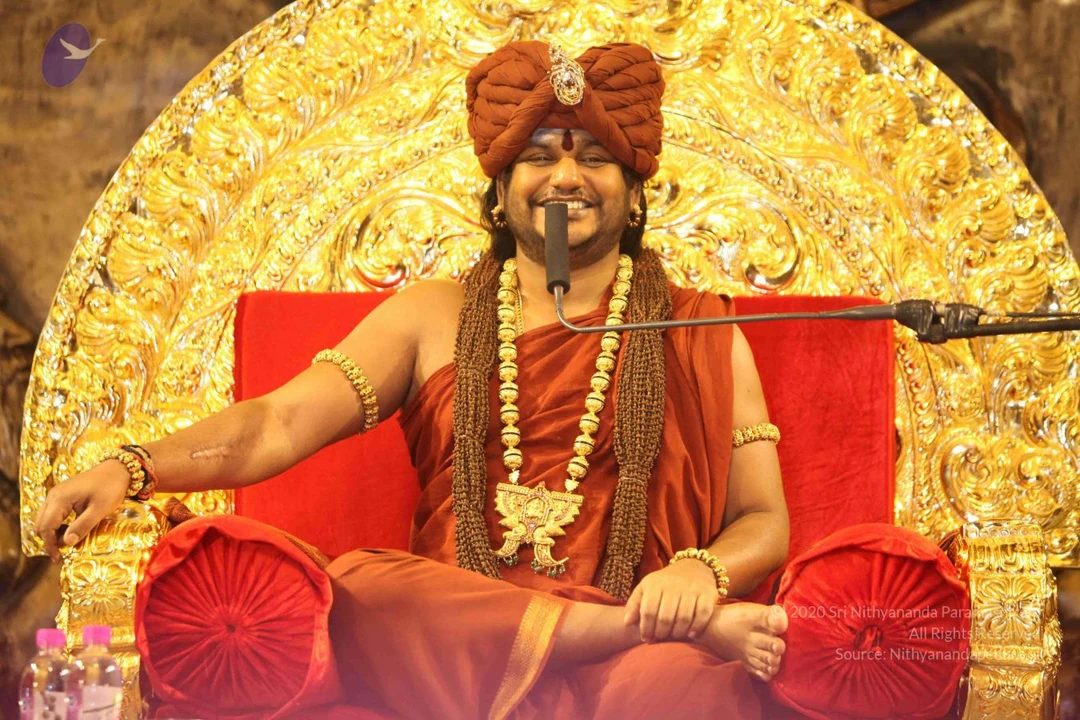
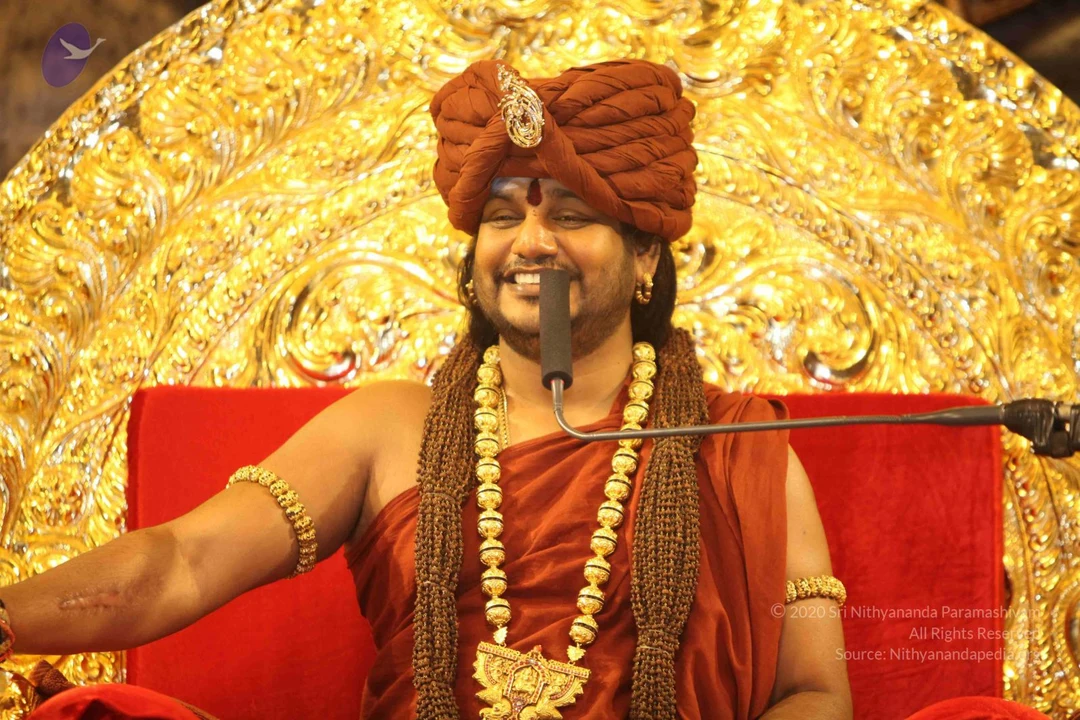
Photos Of The Day:
MorningSatsang
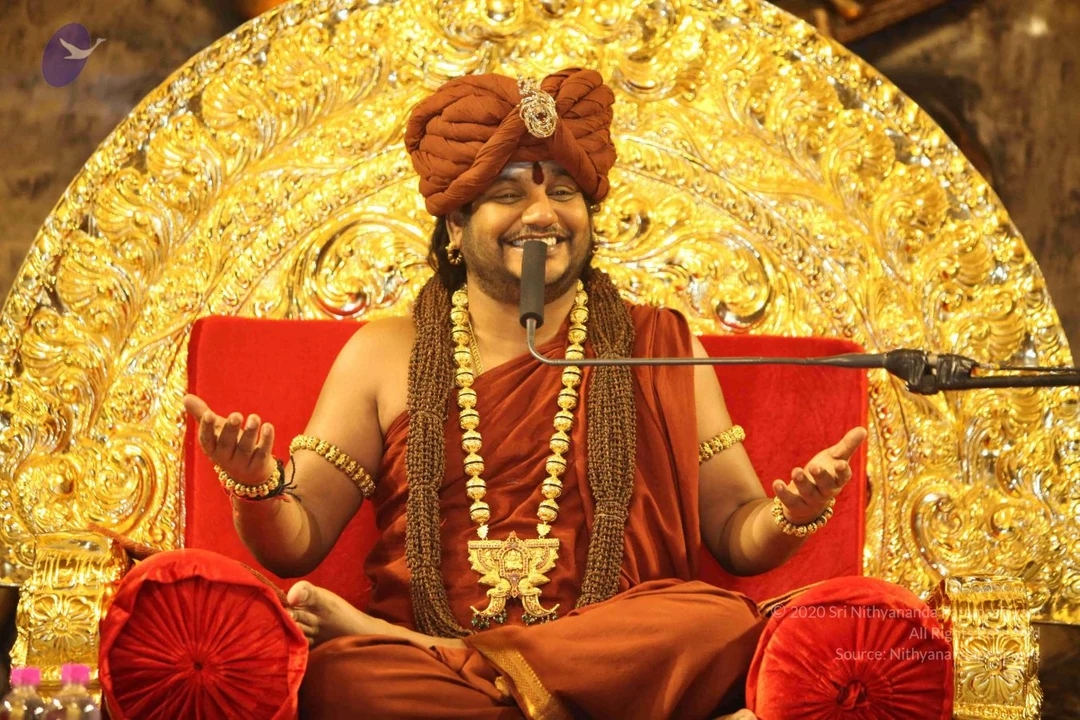
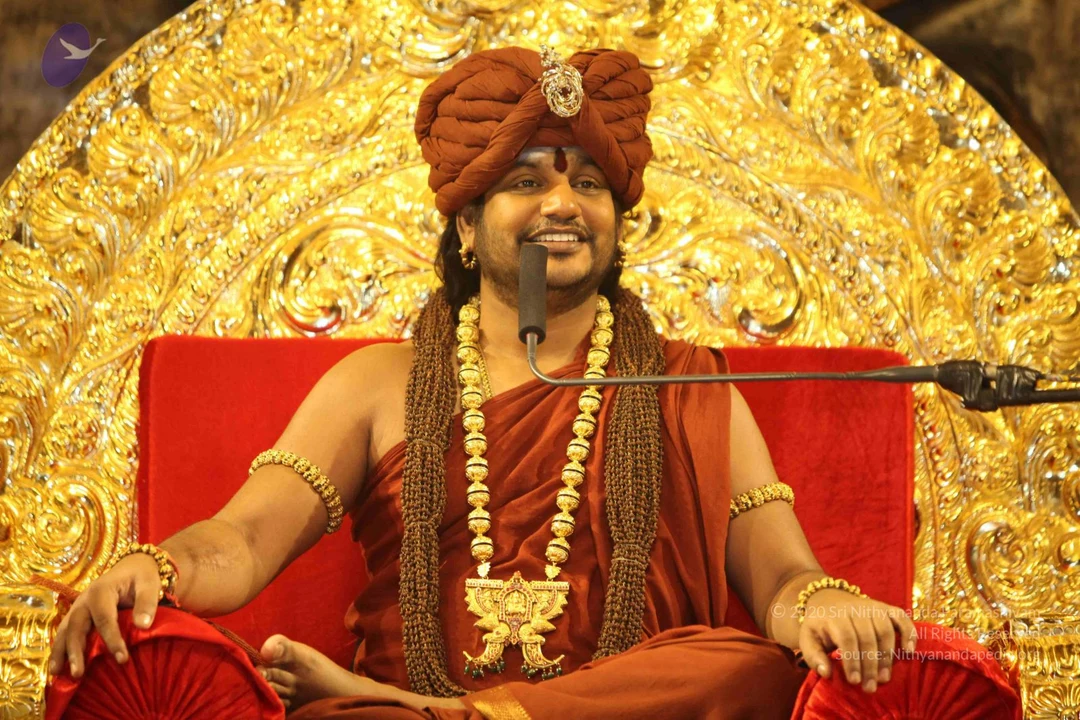
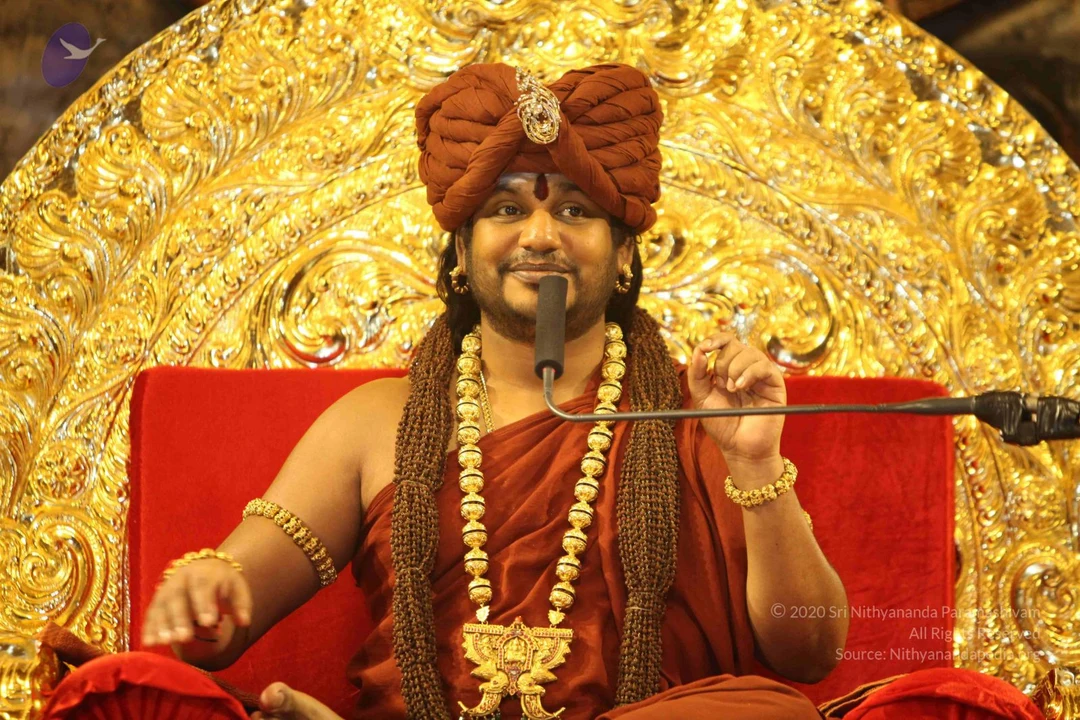
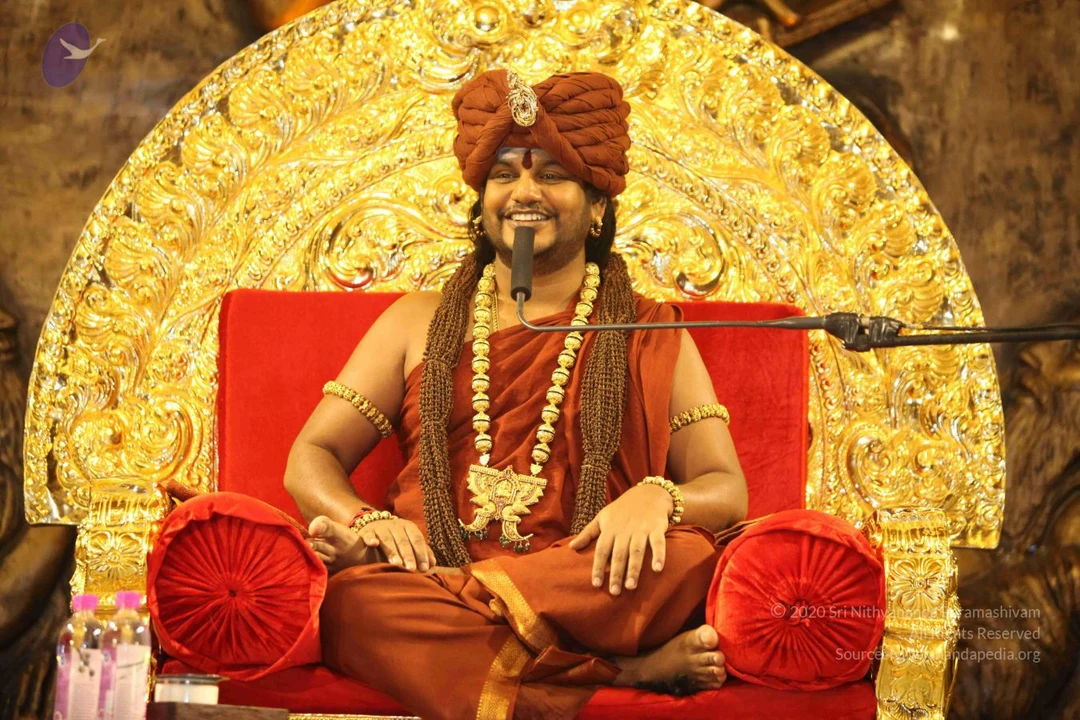
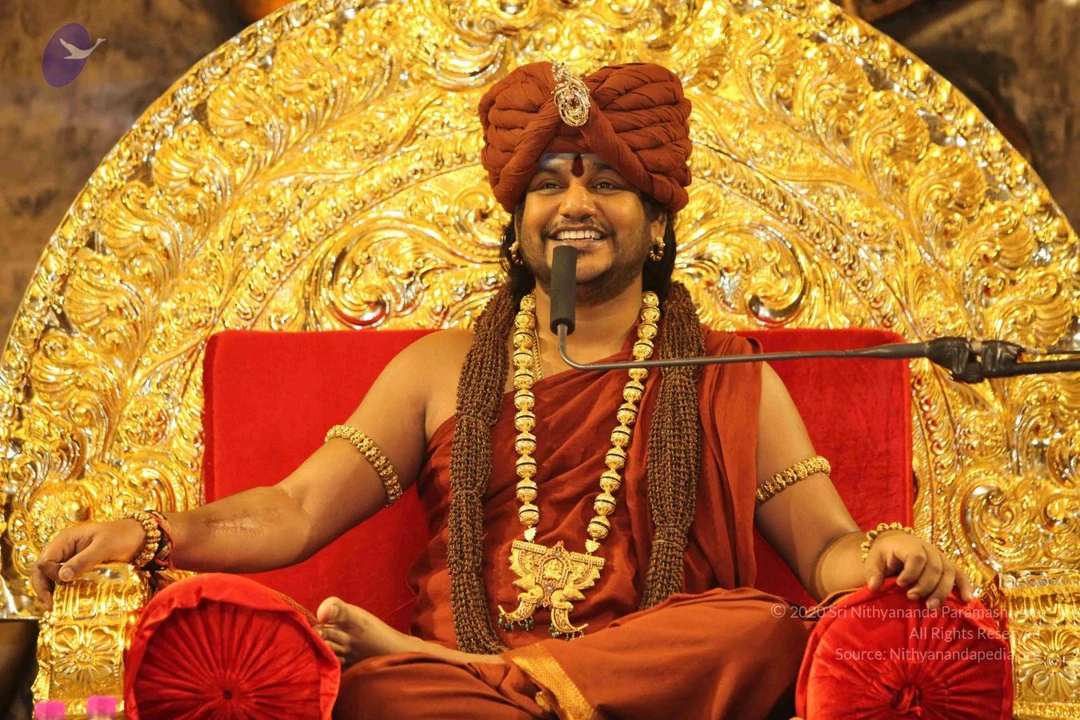
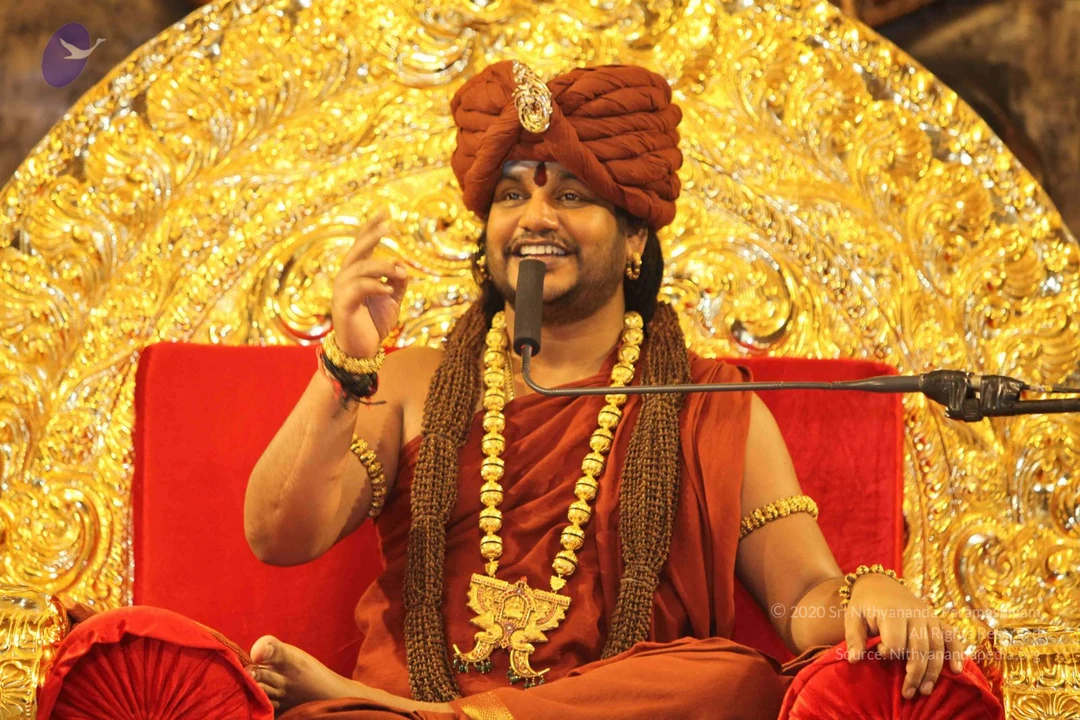
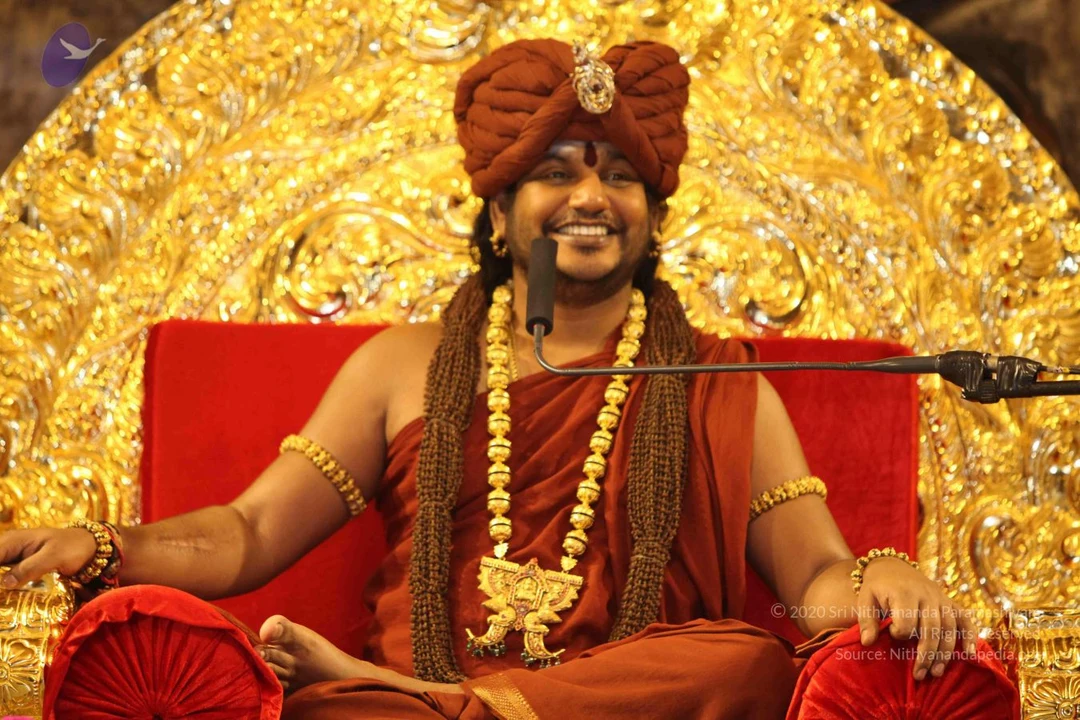



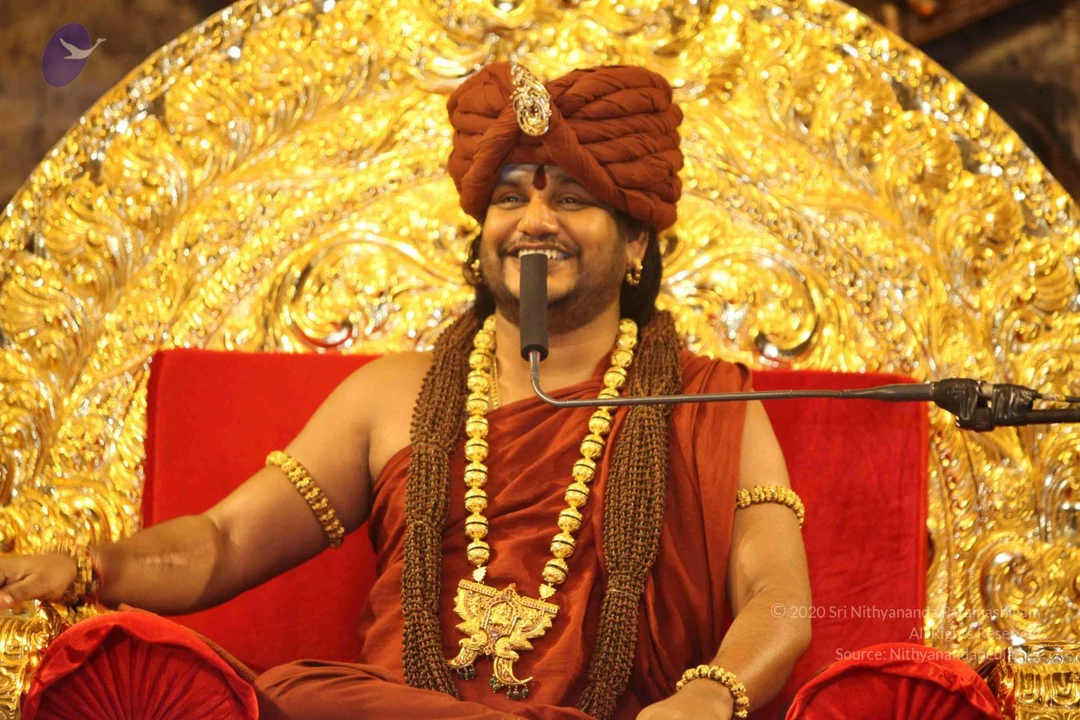


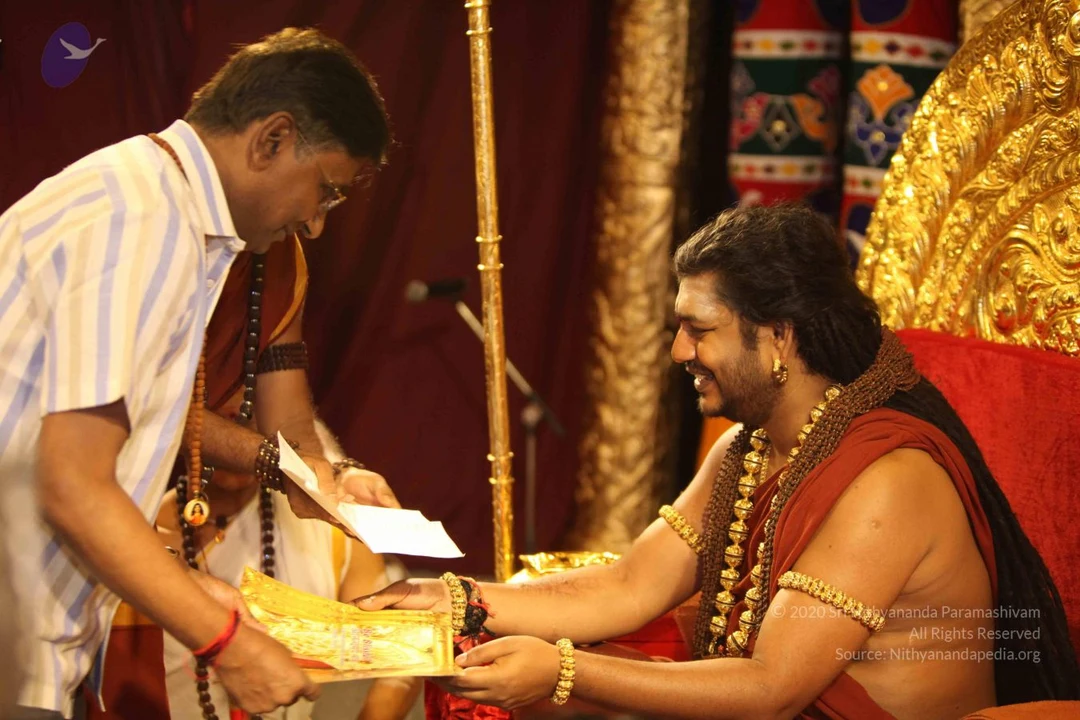
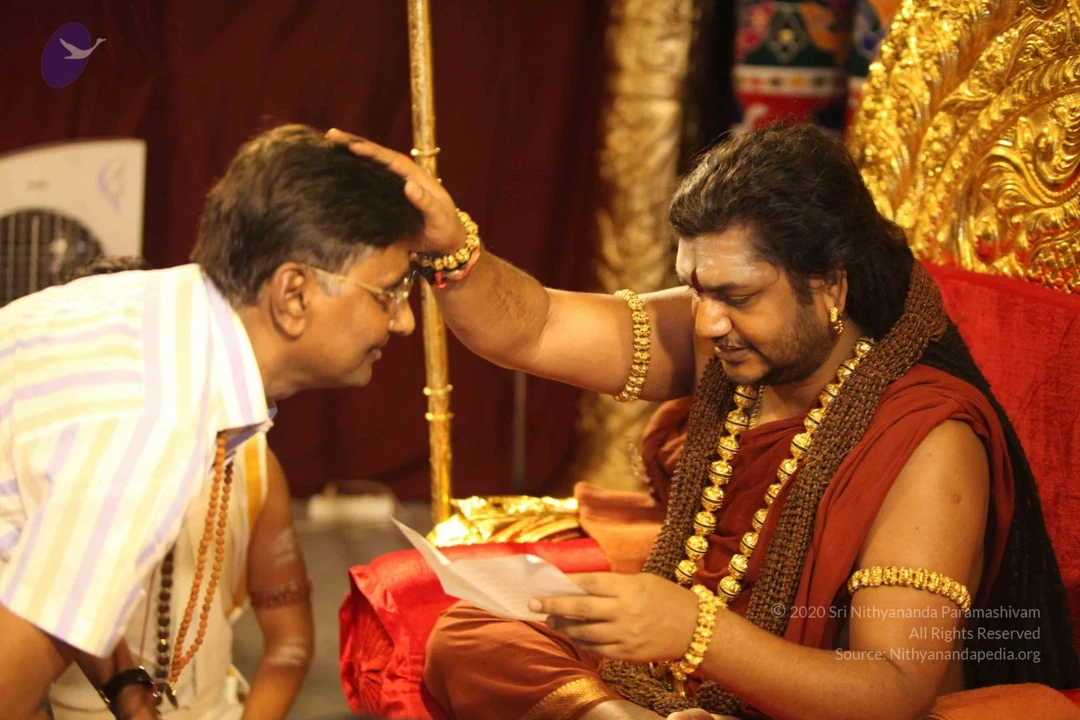
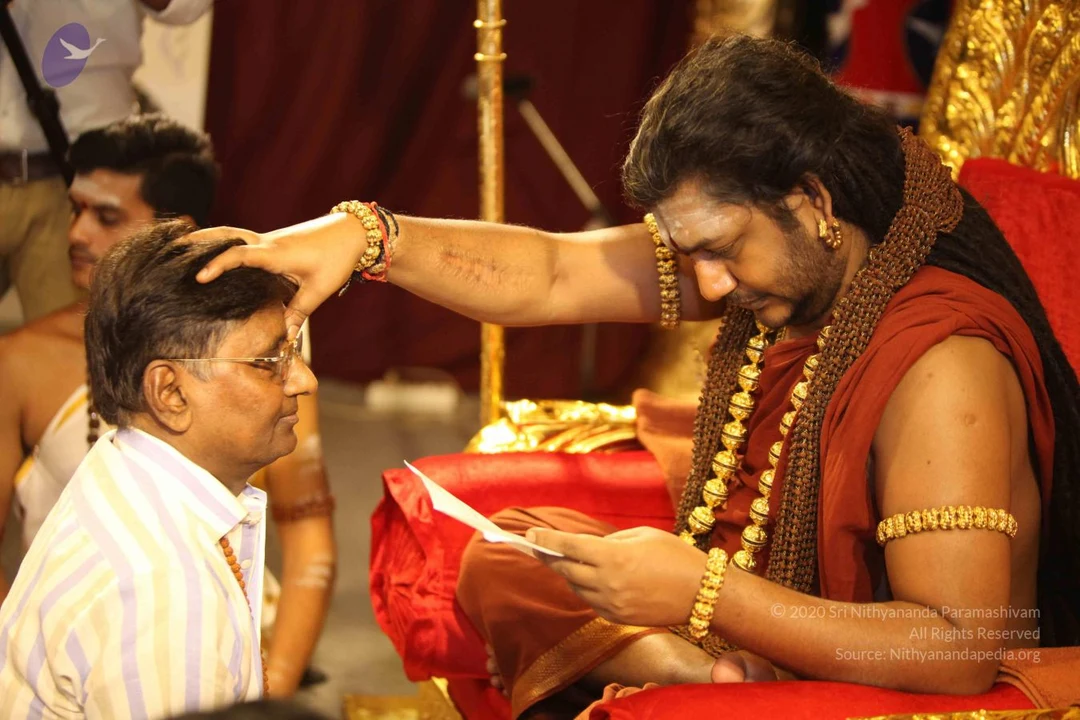

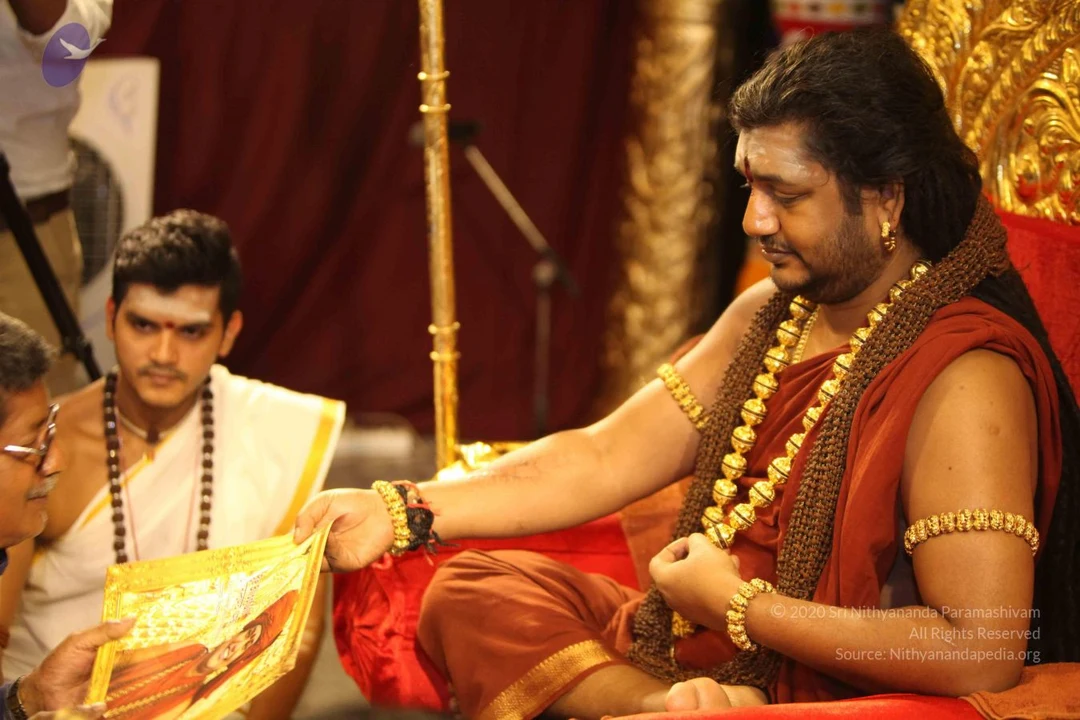
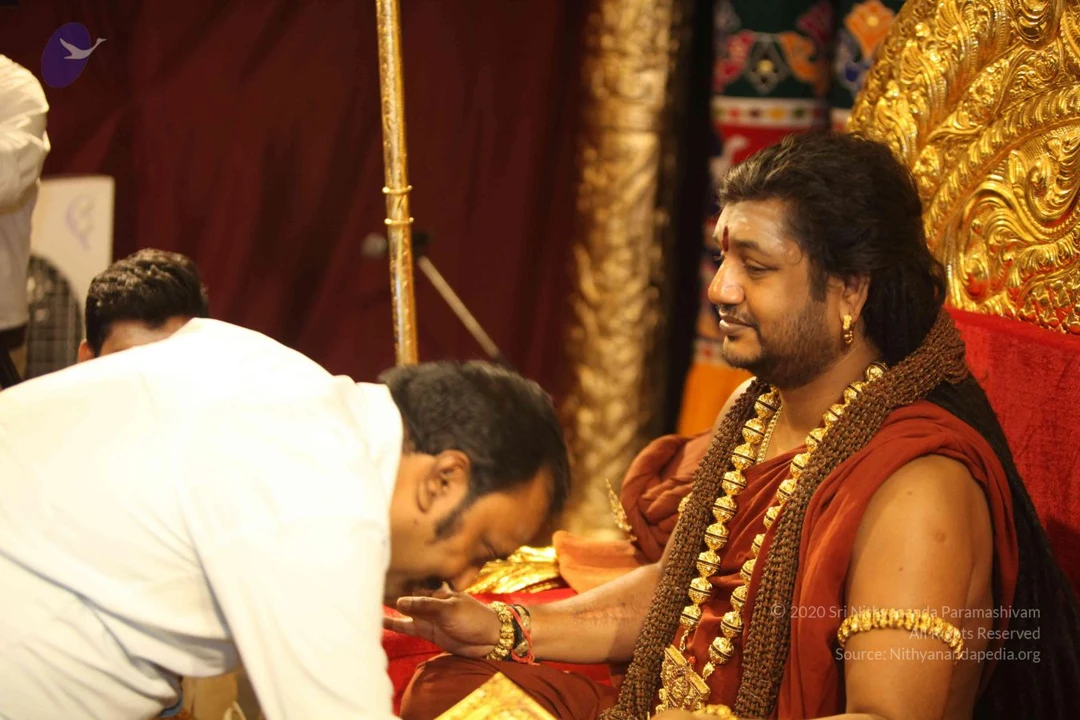
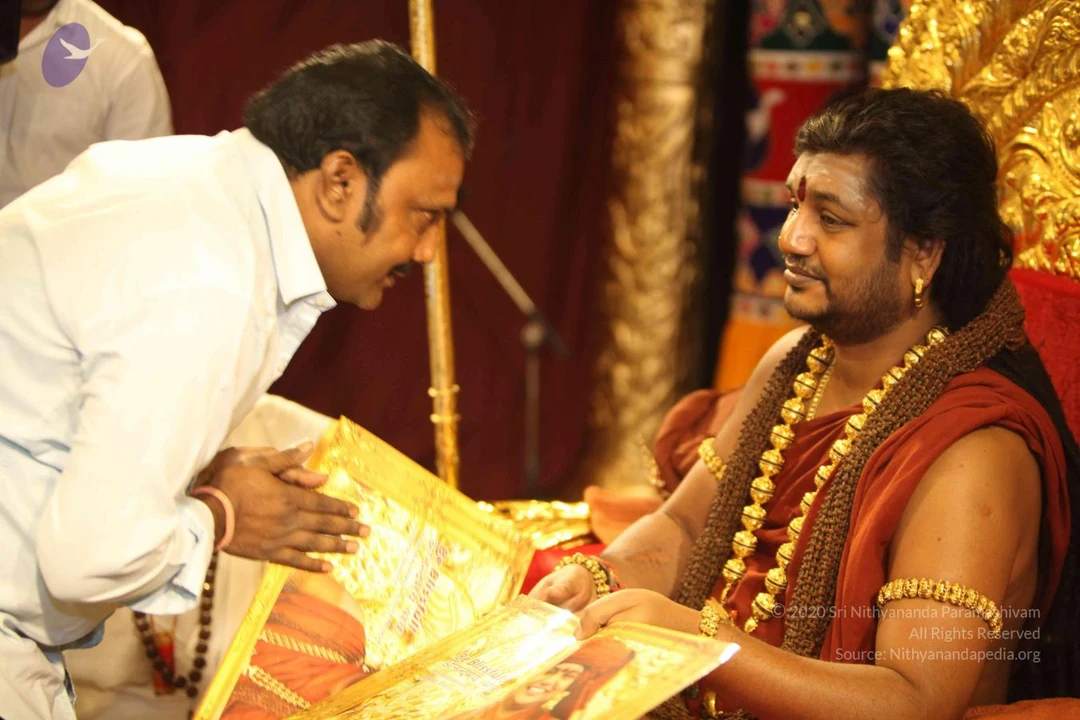
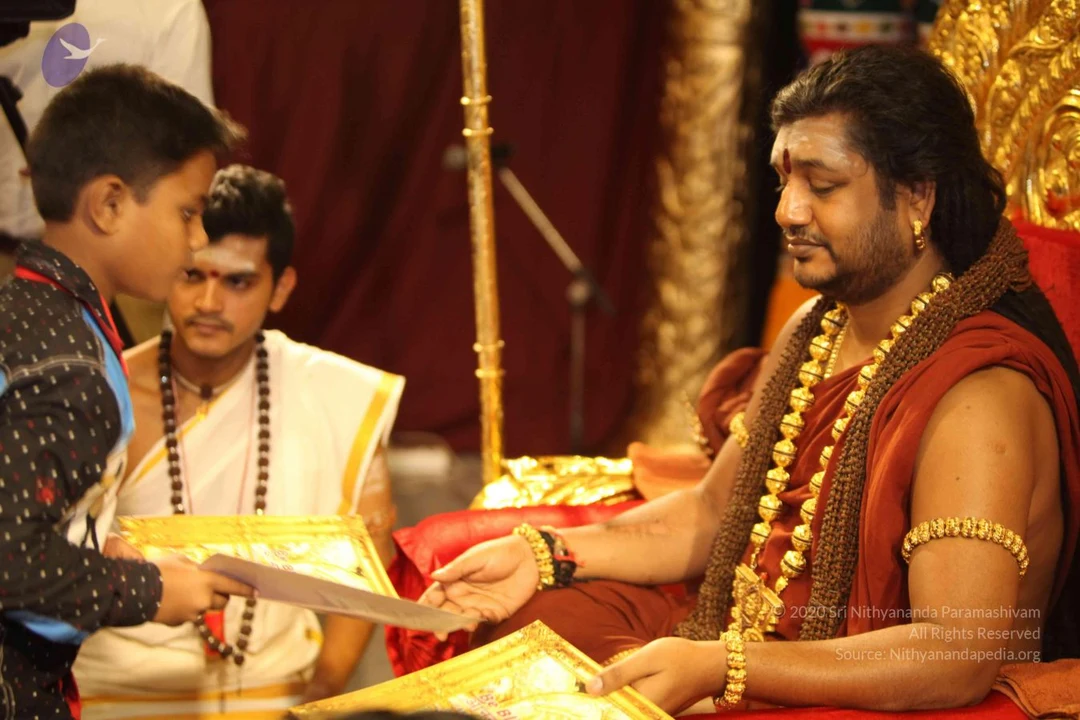
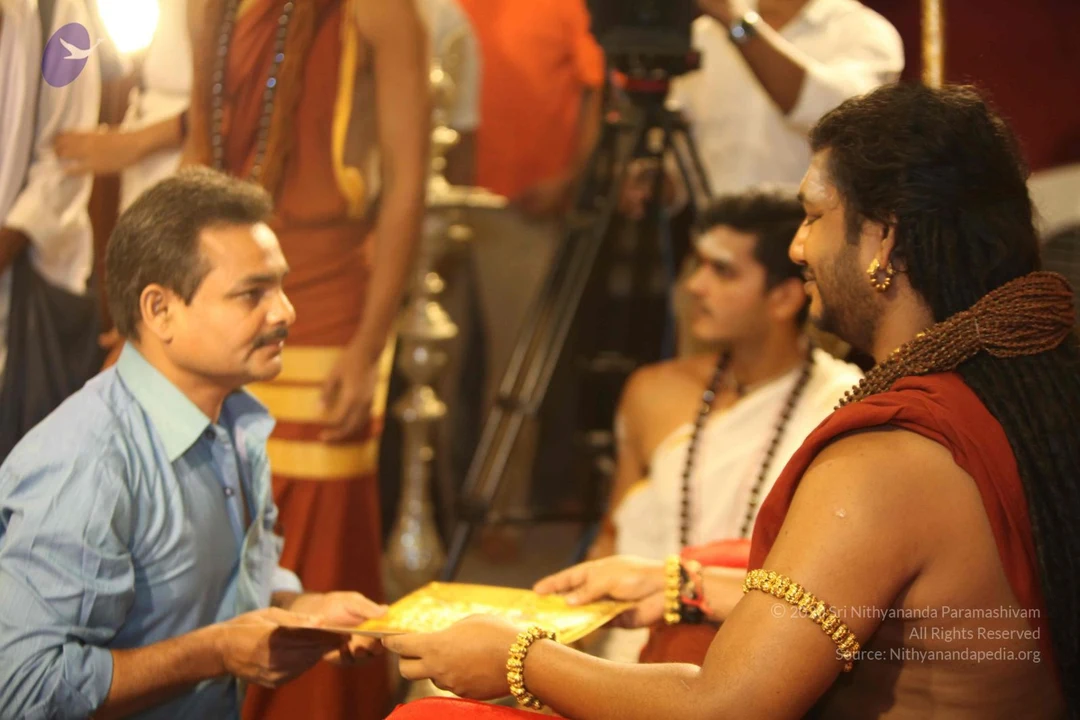
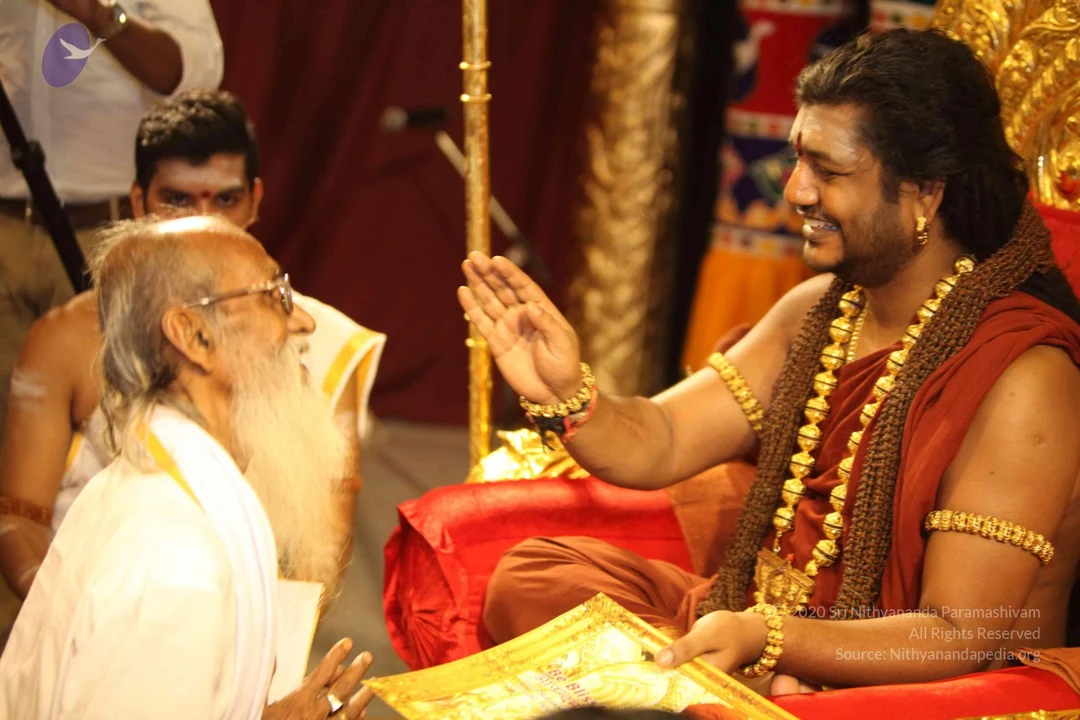
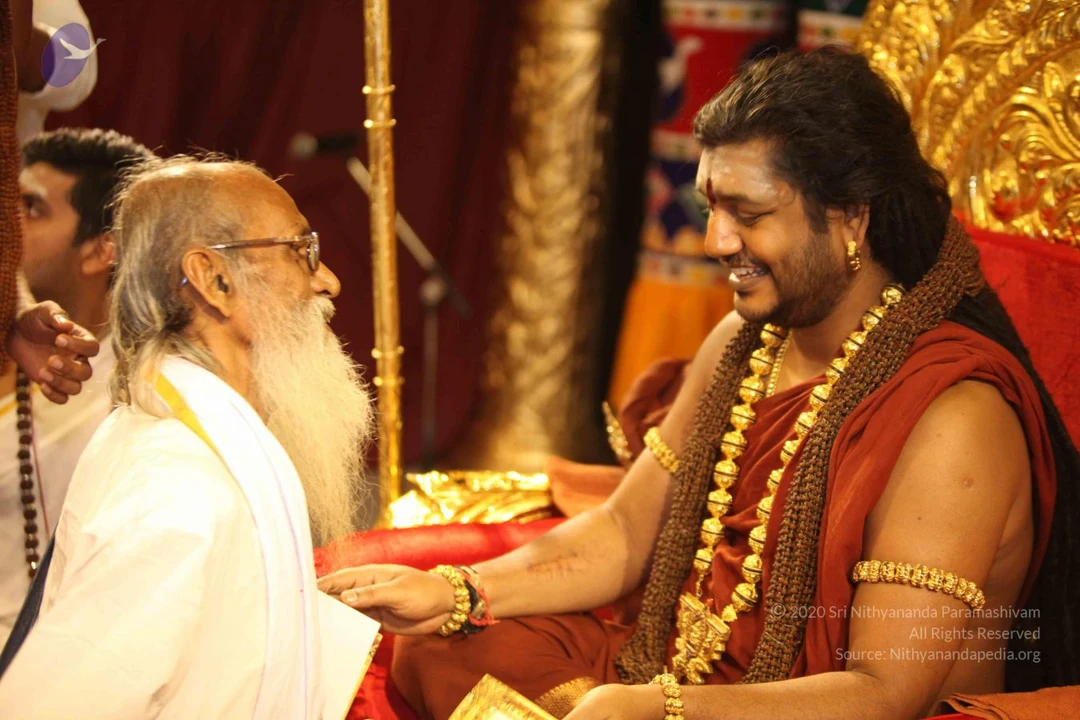
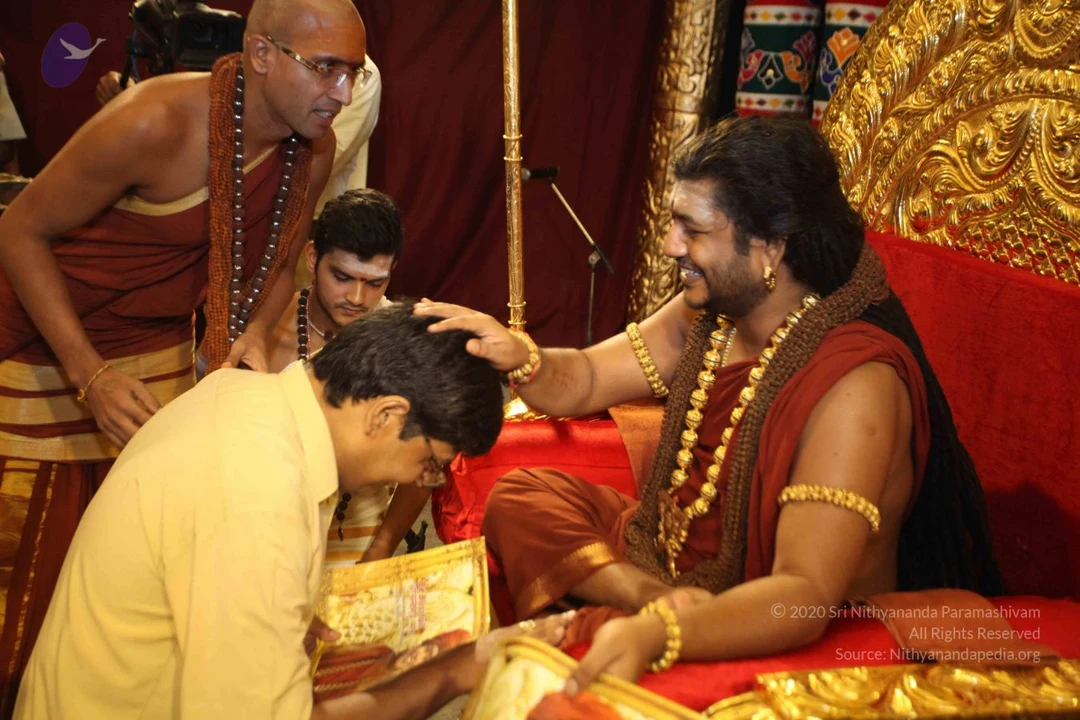
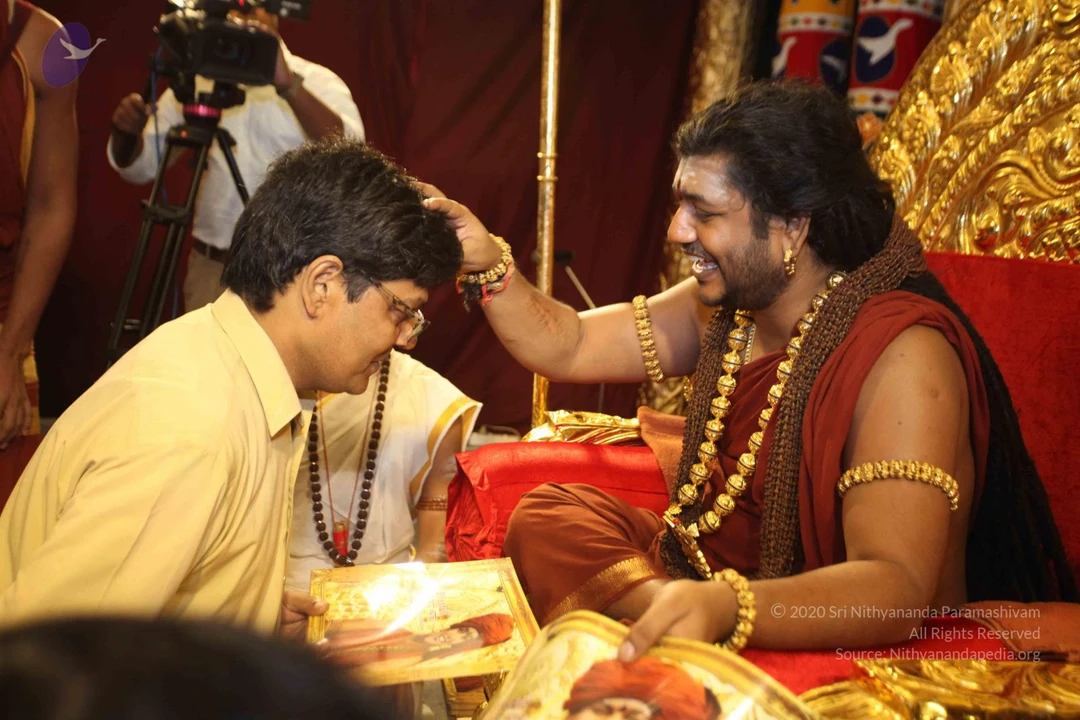
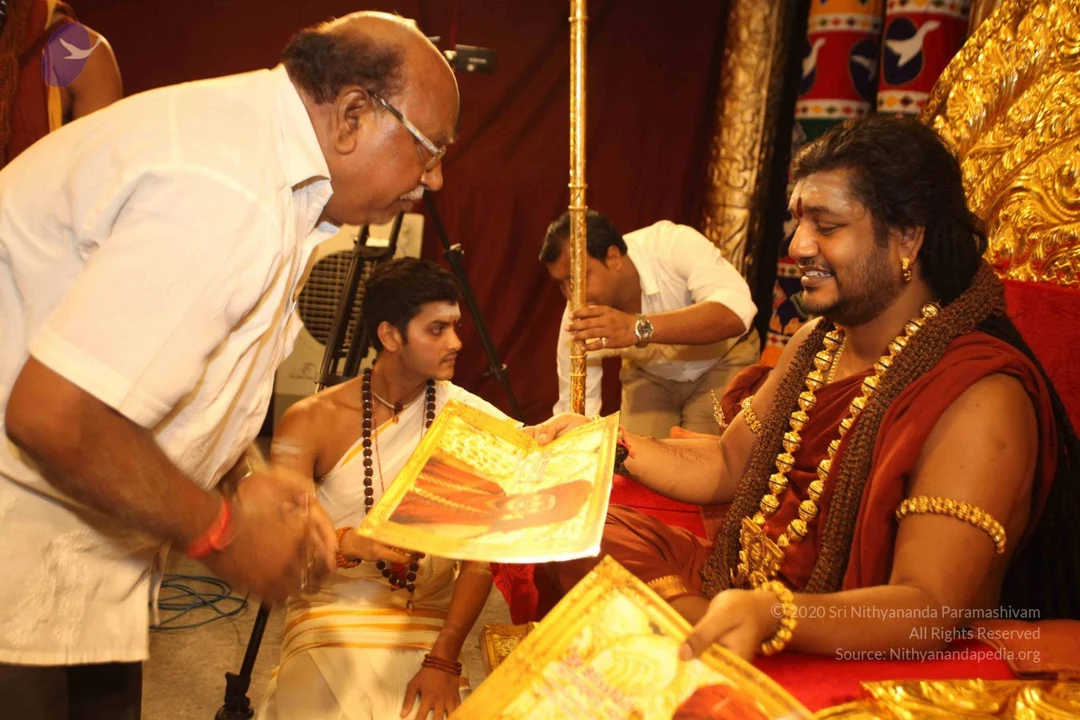
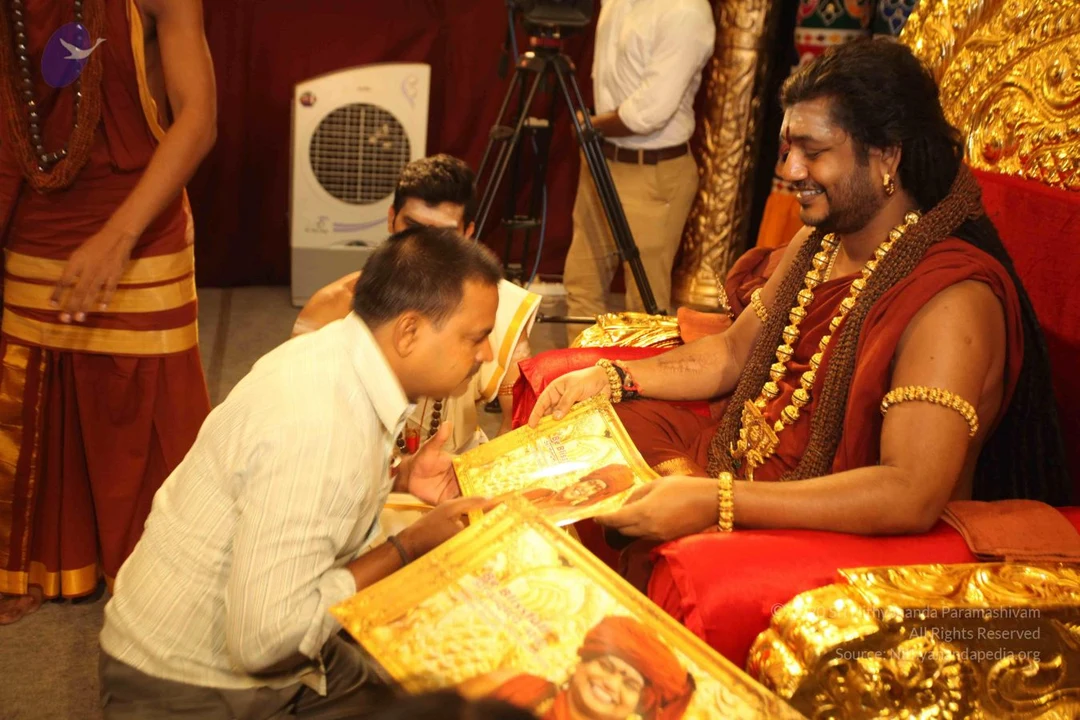
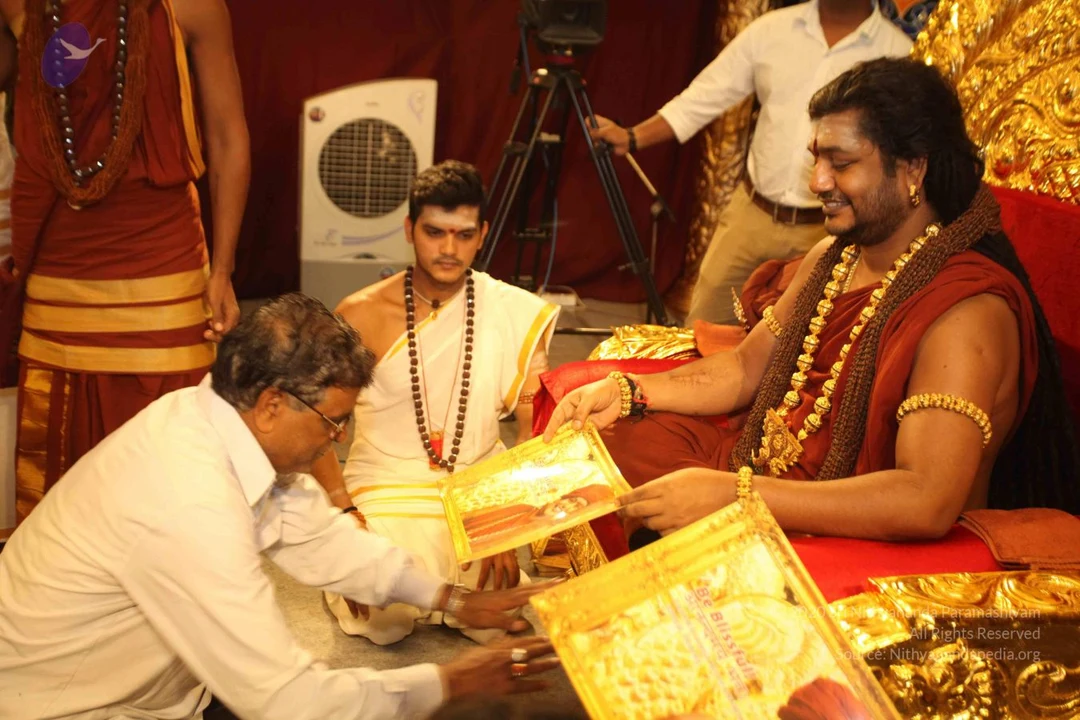
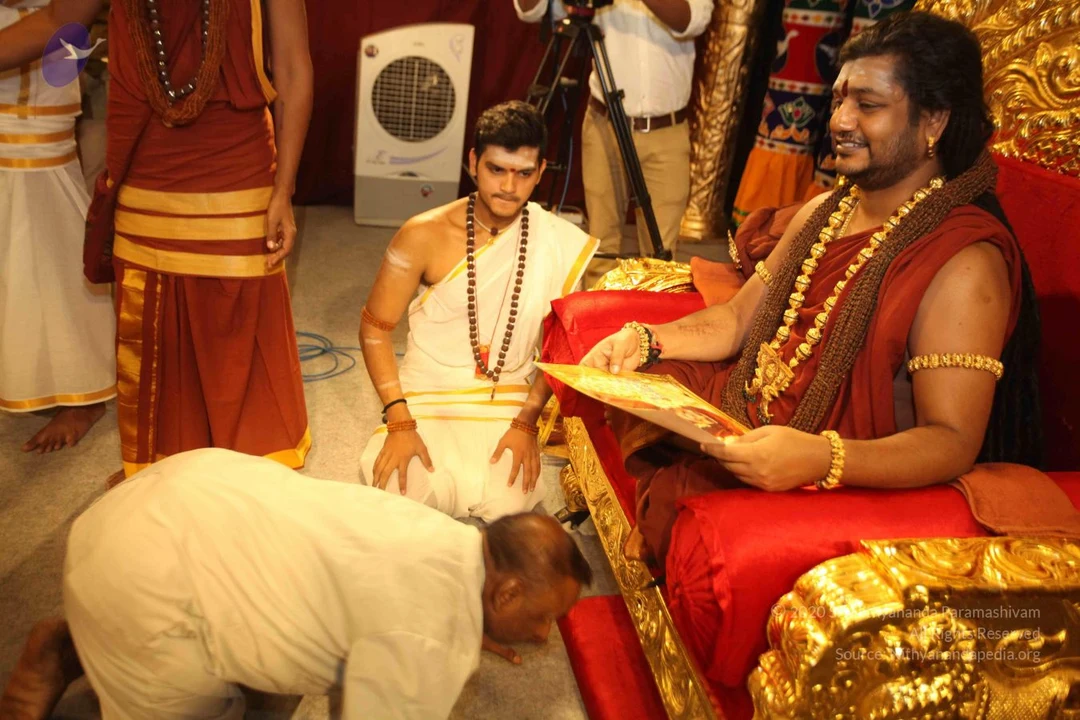
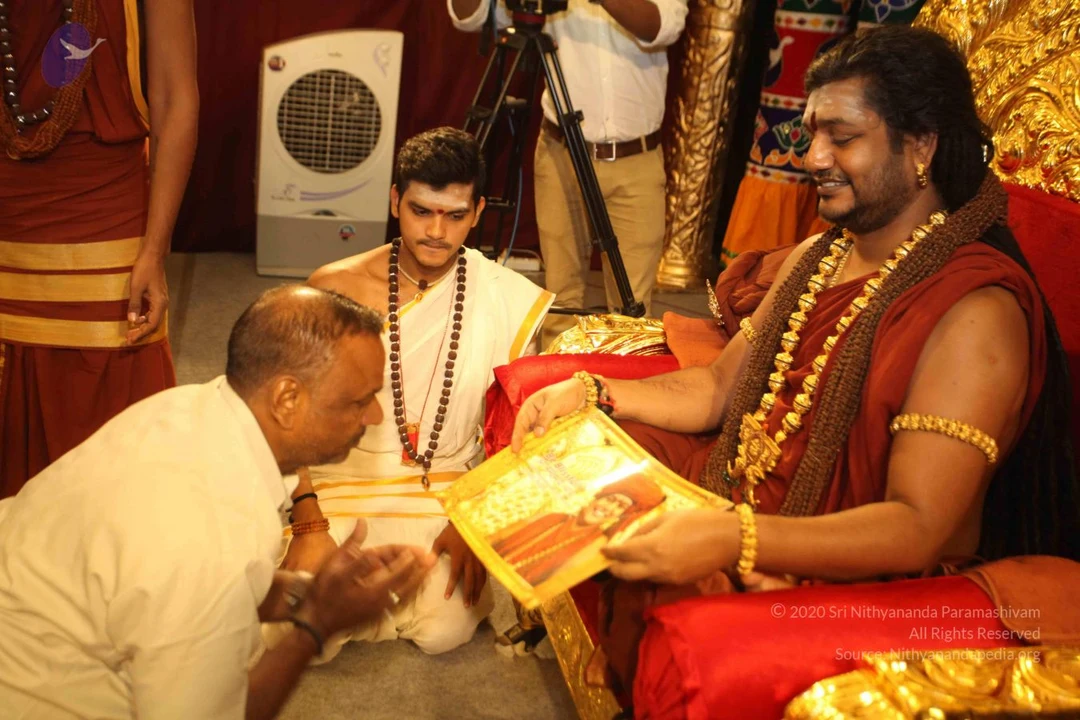
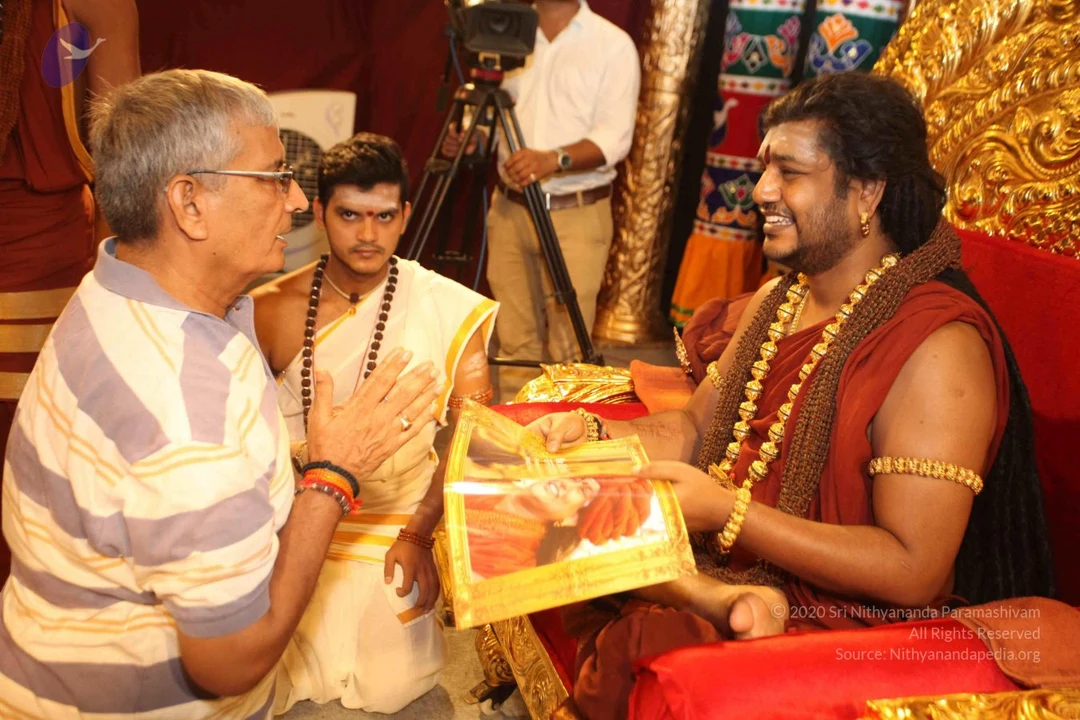
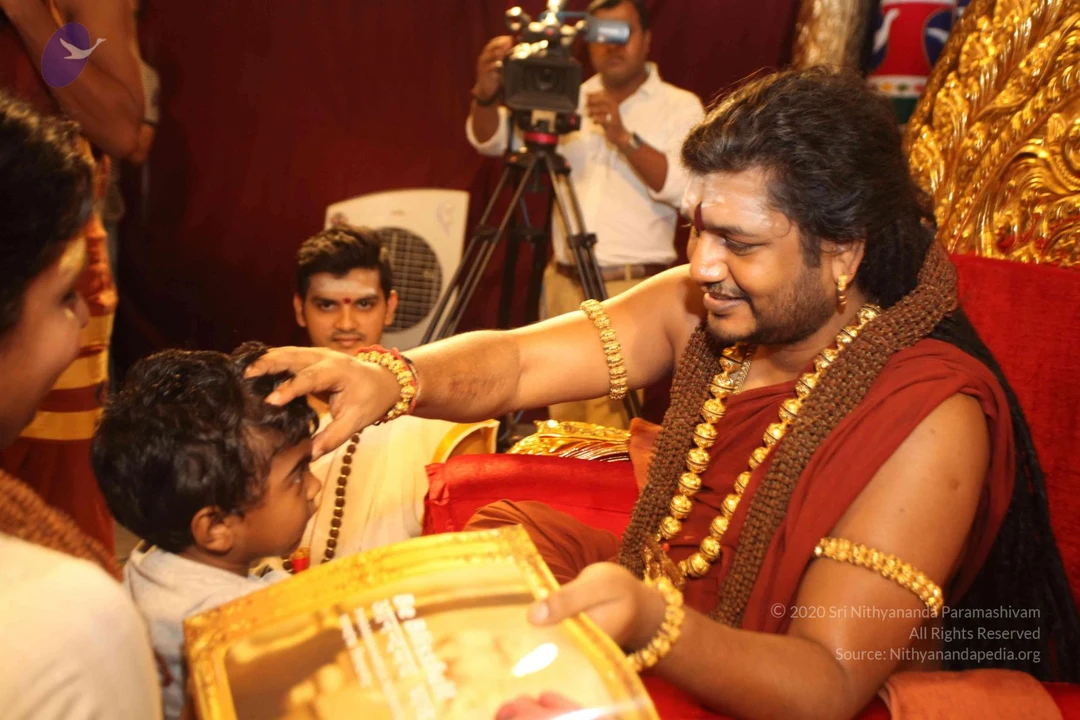


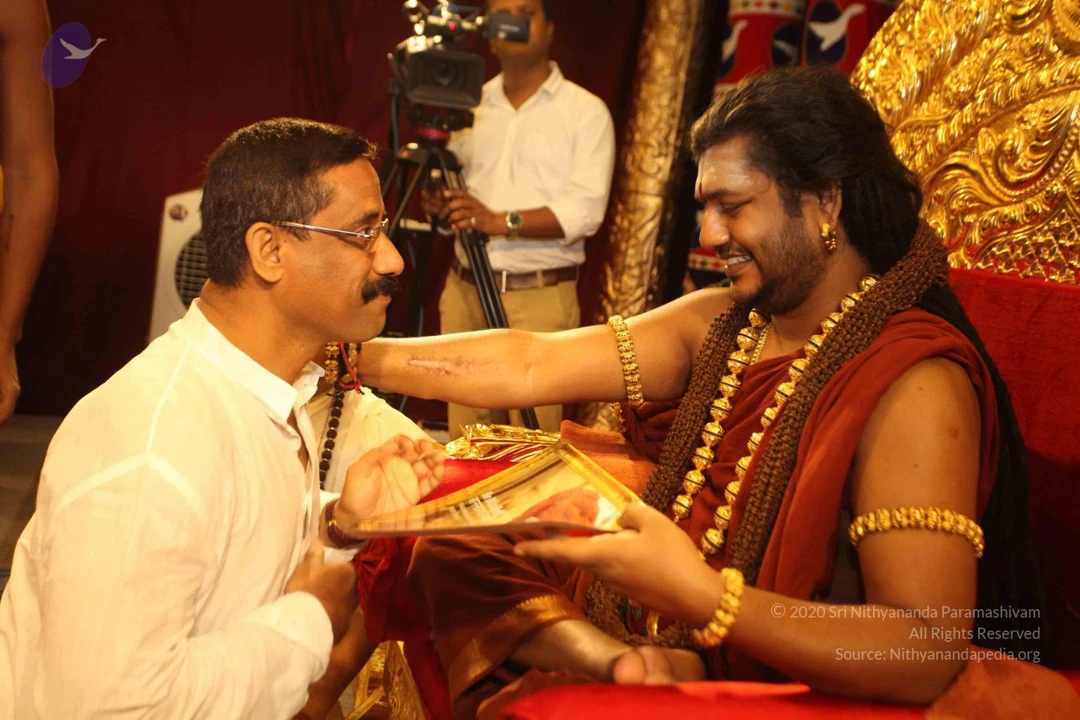
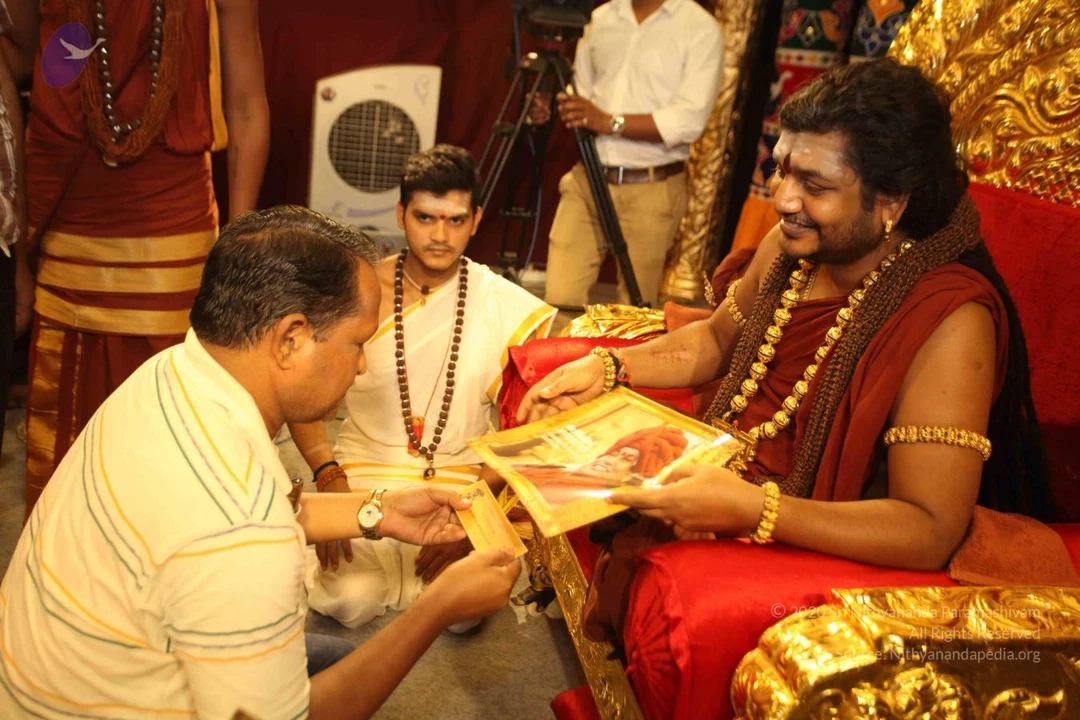
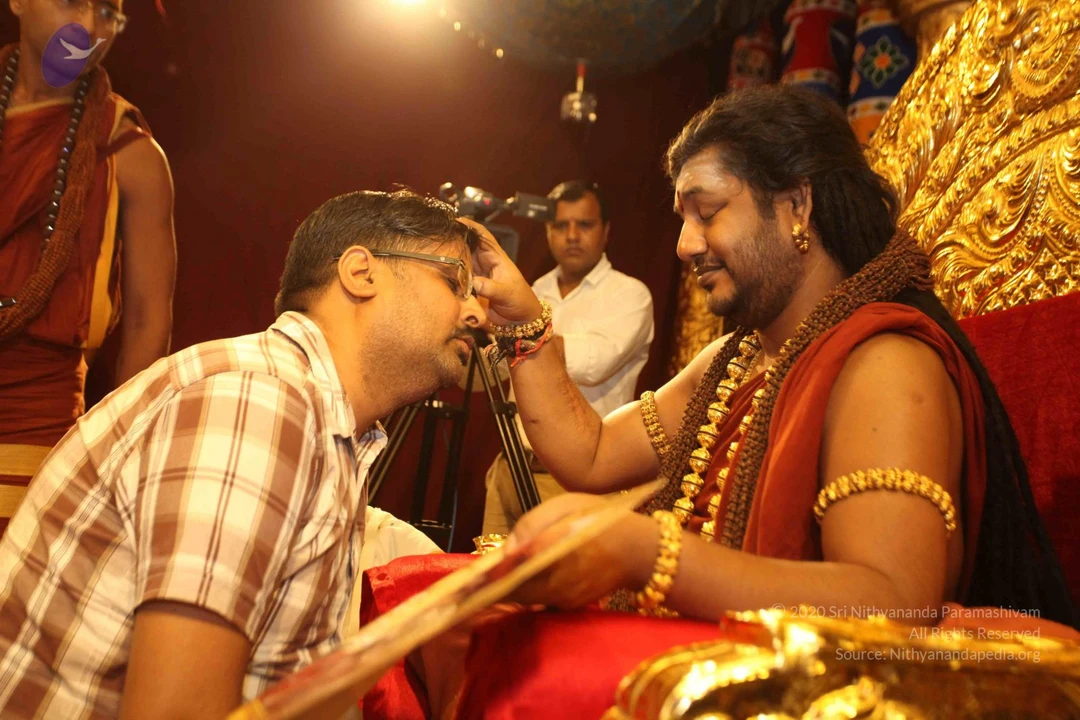
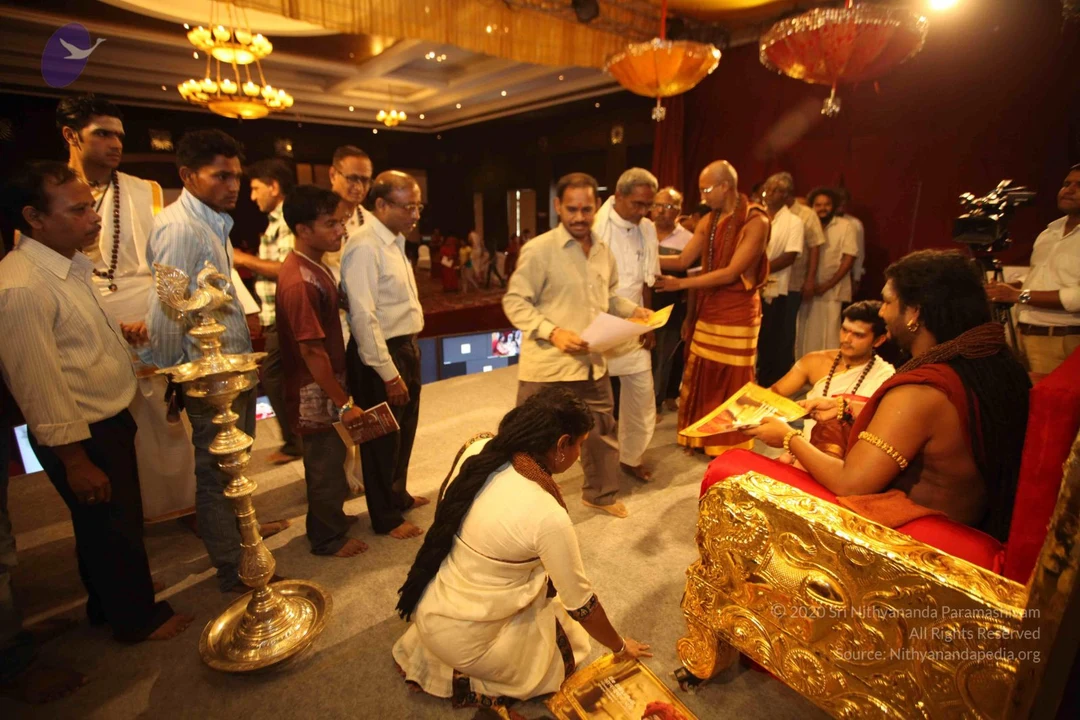
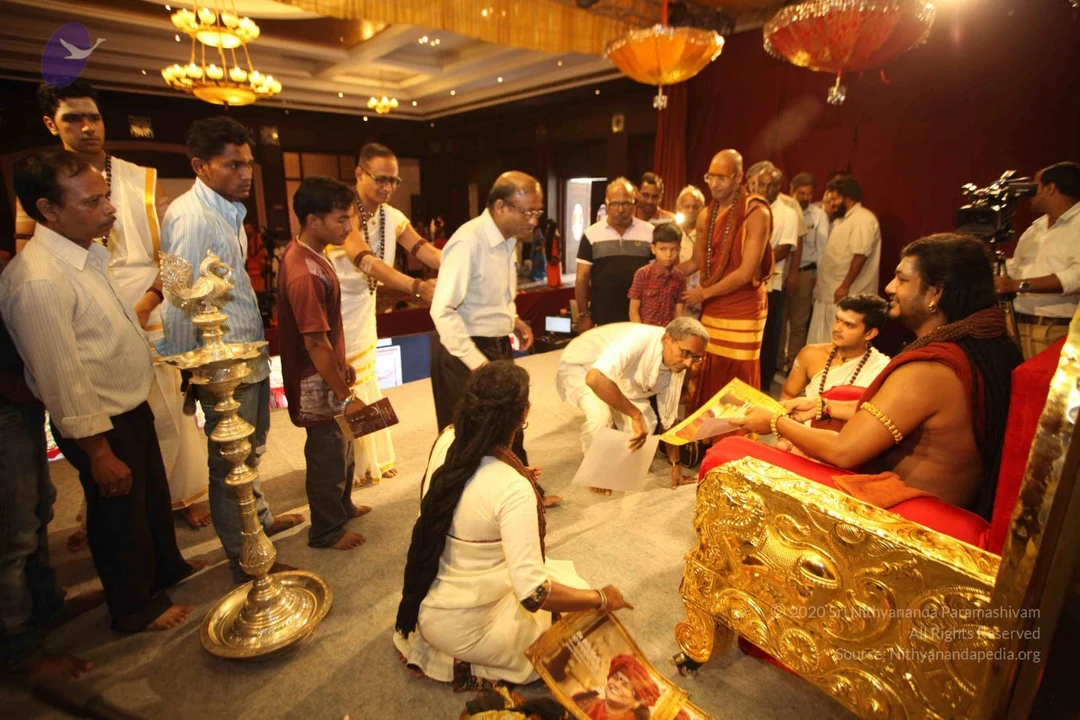
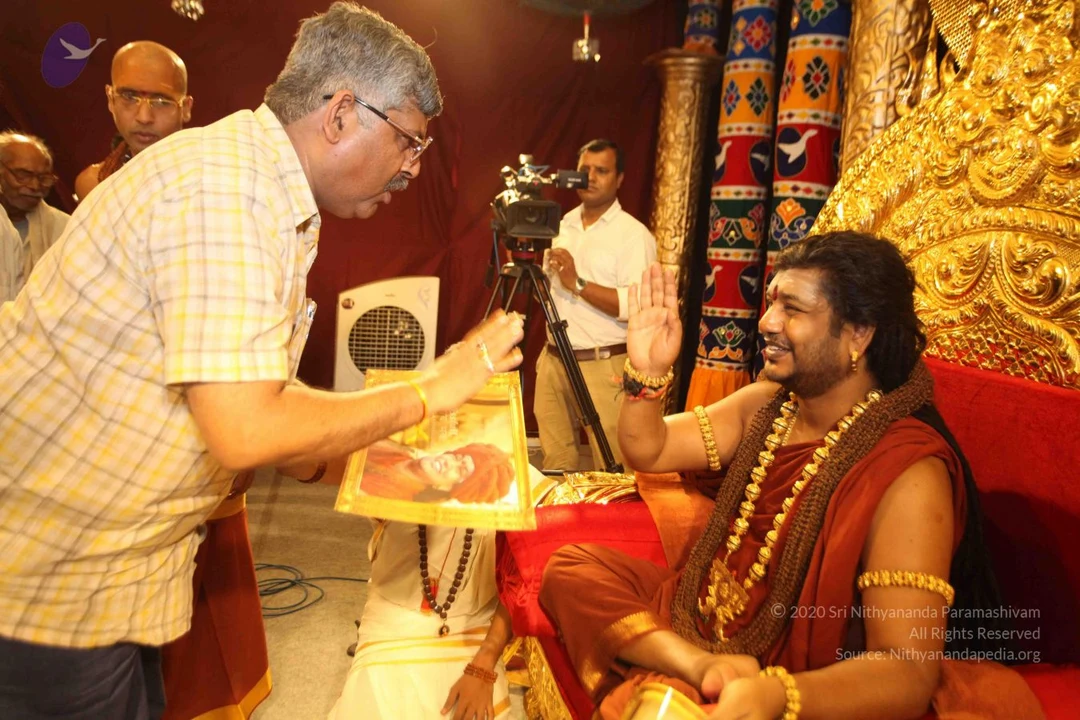
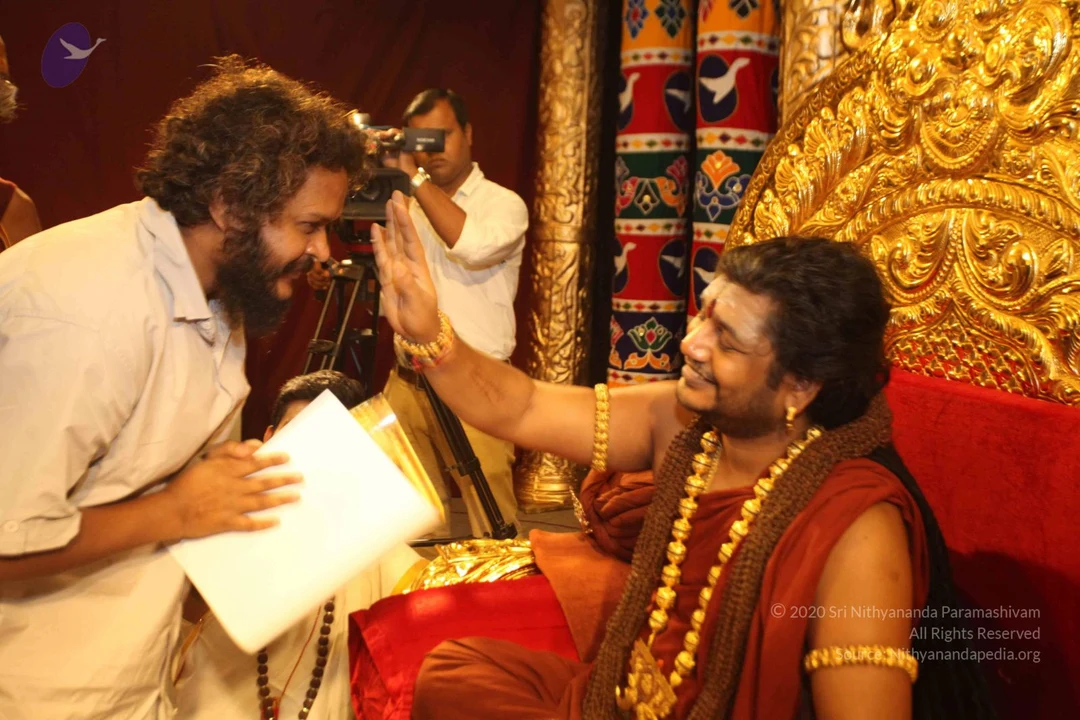
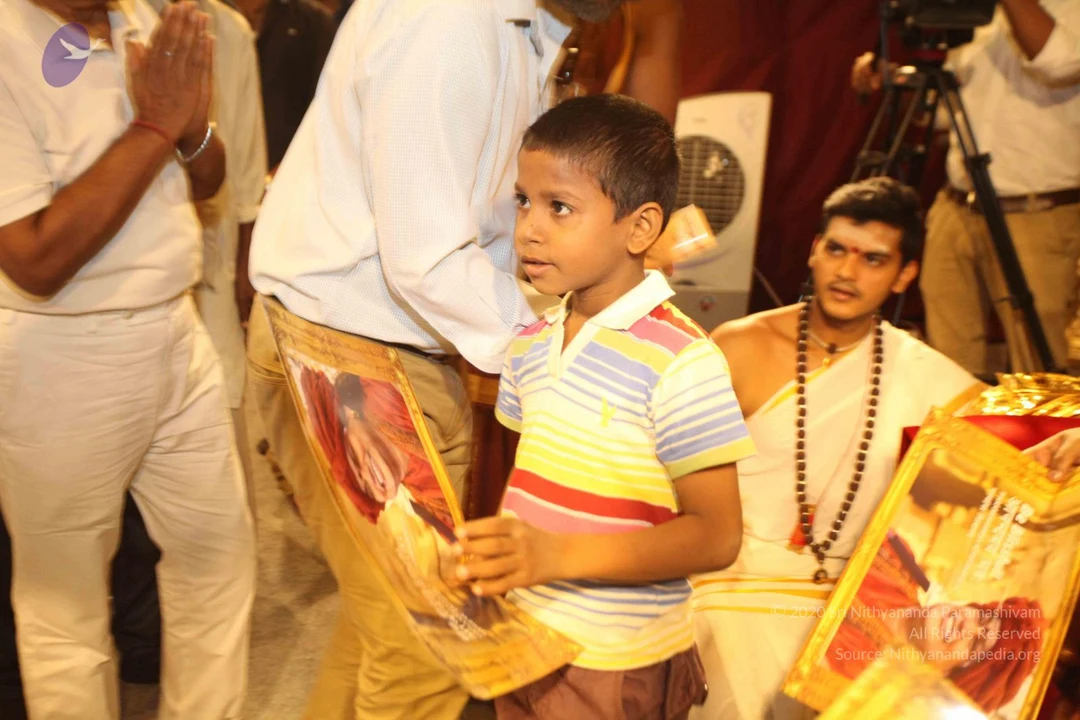

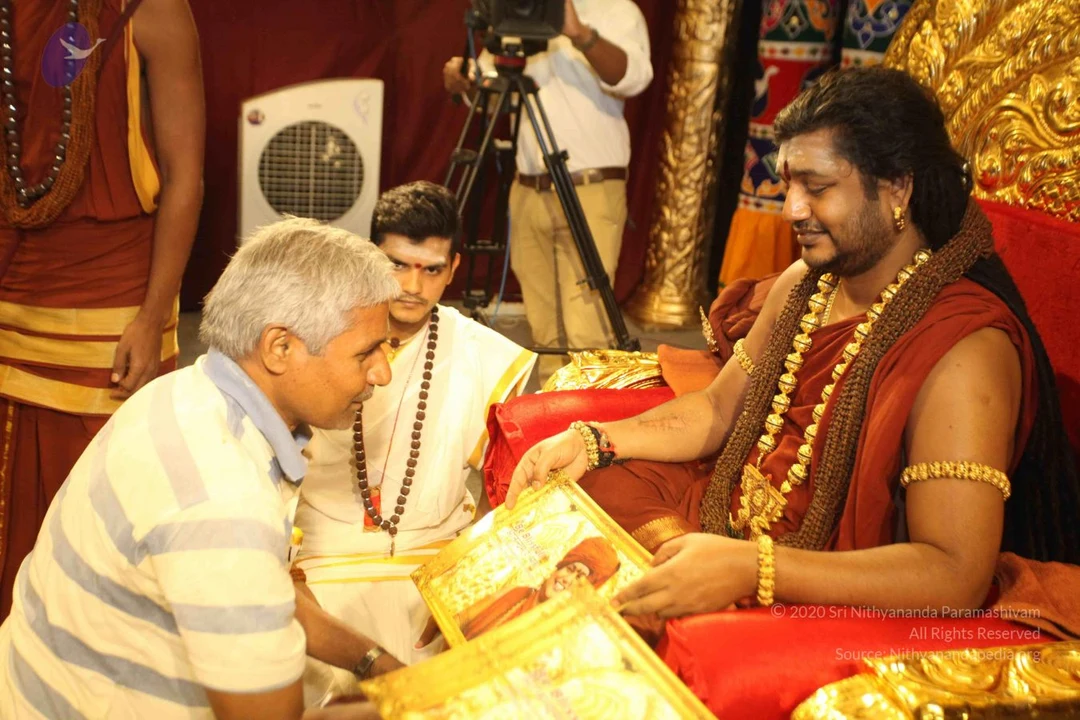
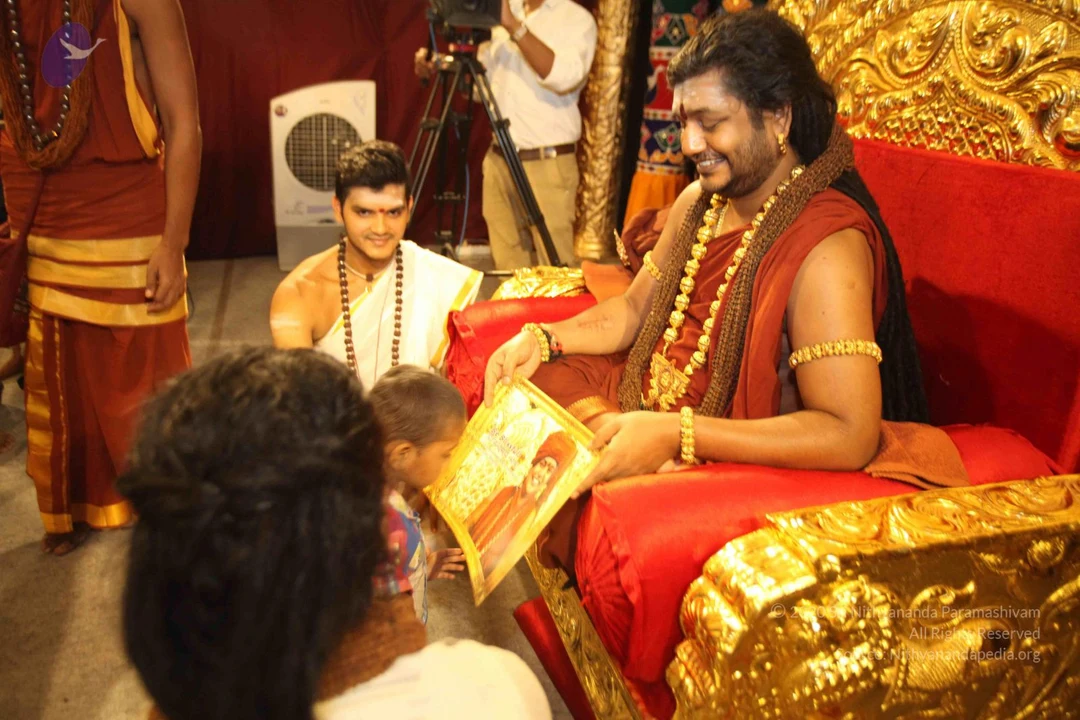
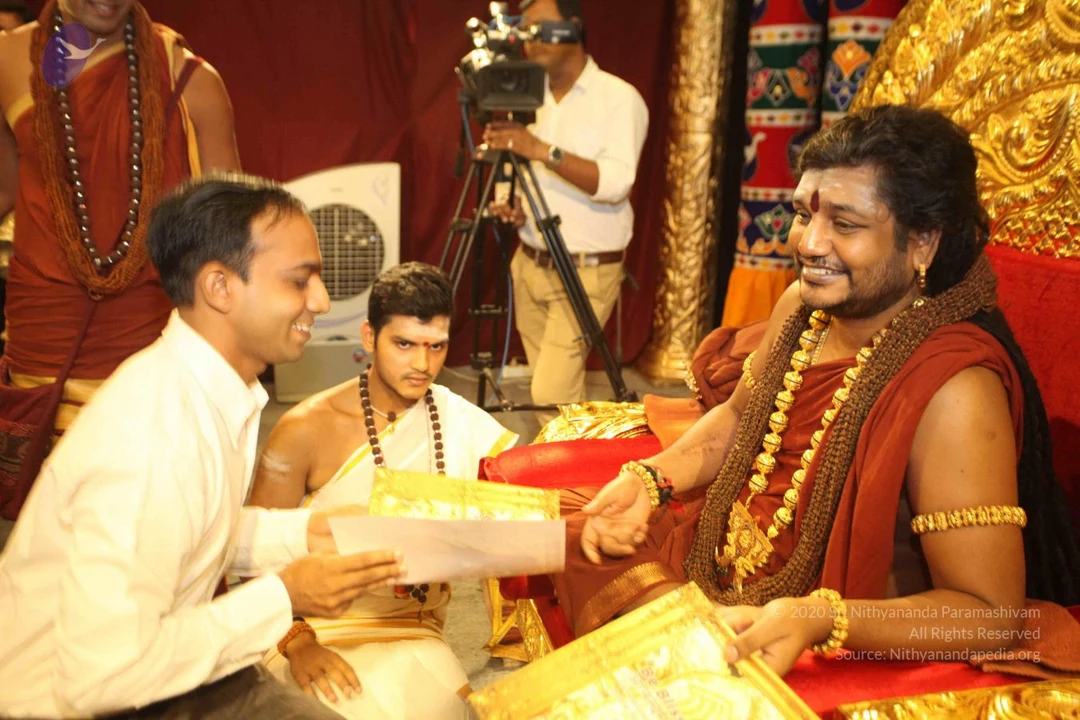
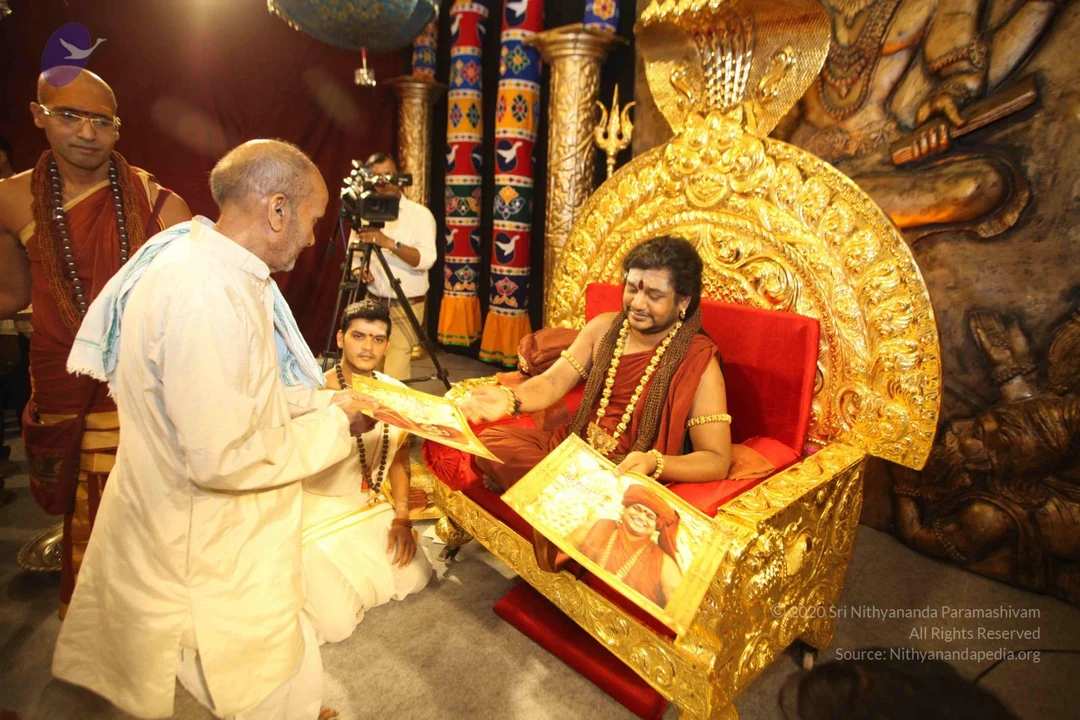
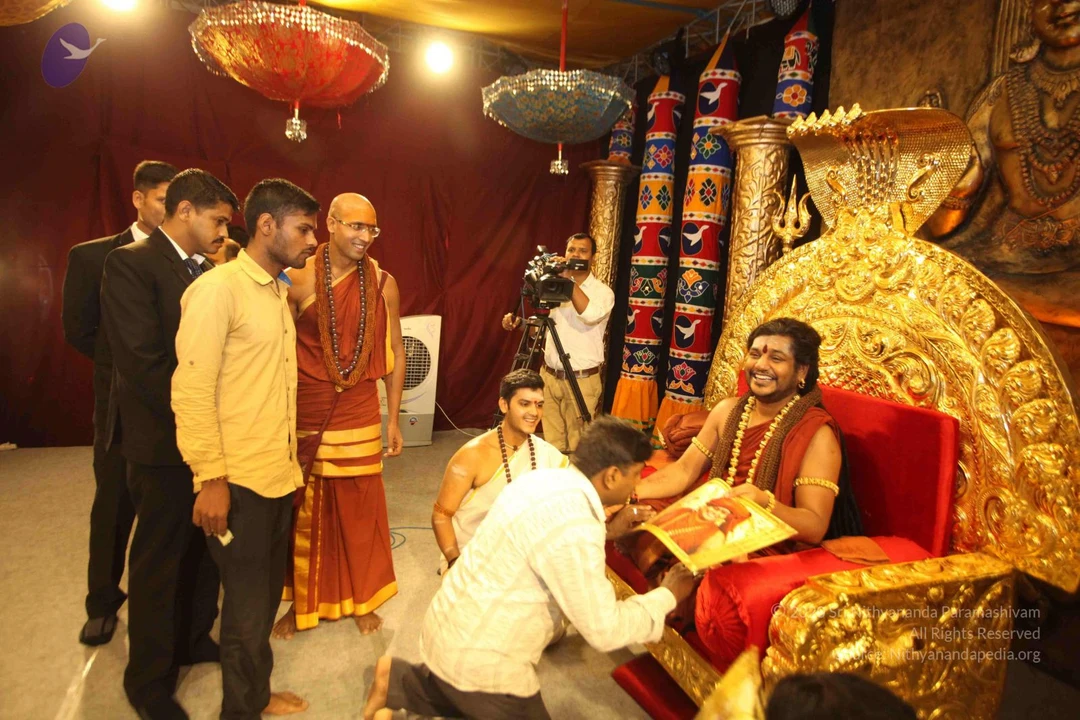
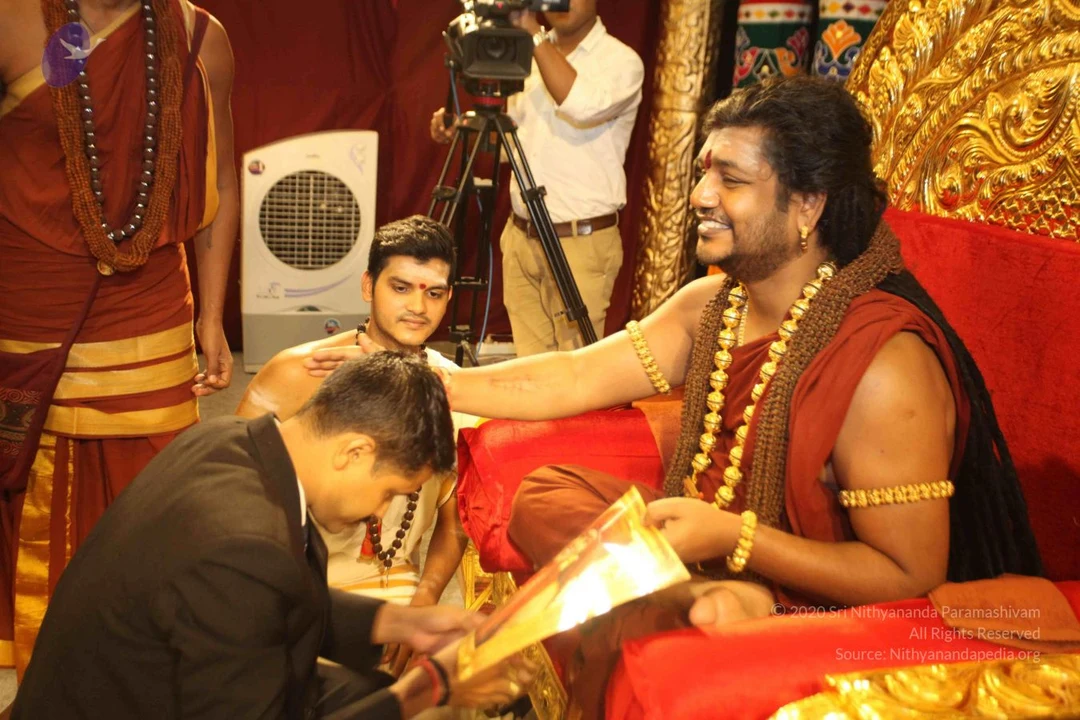

Tamilnadu-SMKT-Meeting
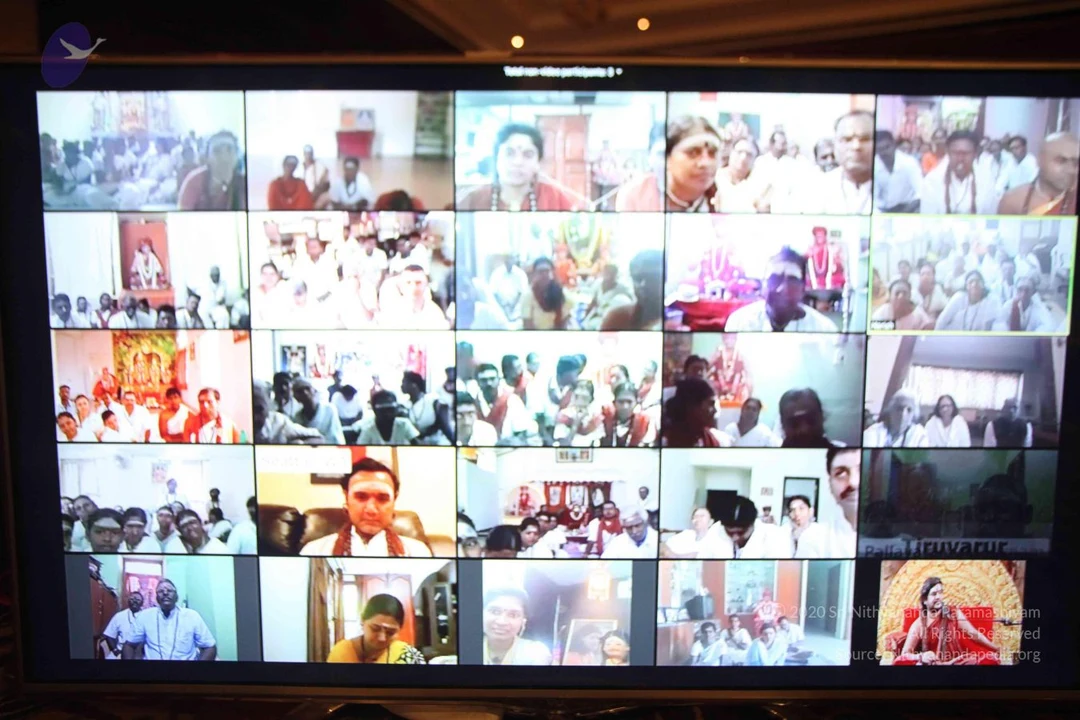
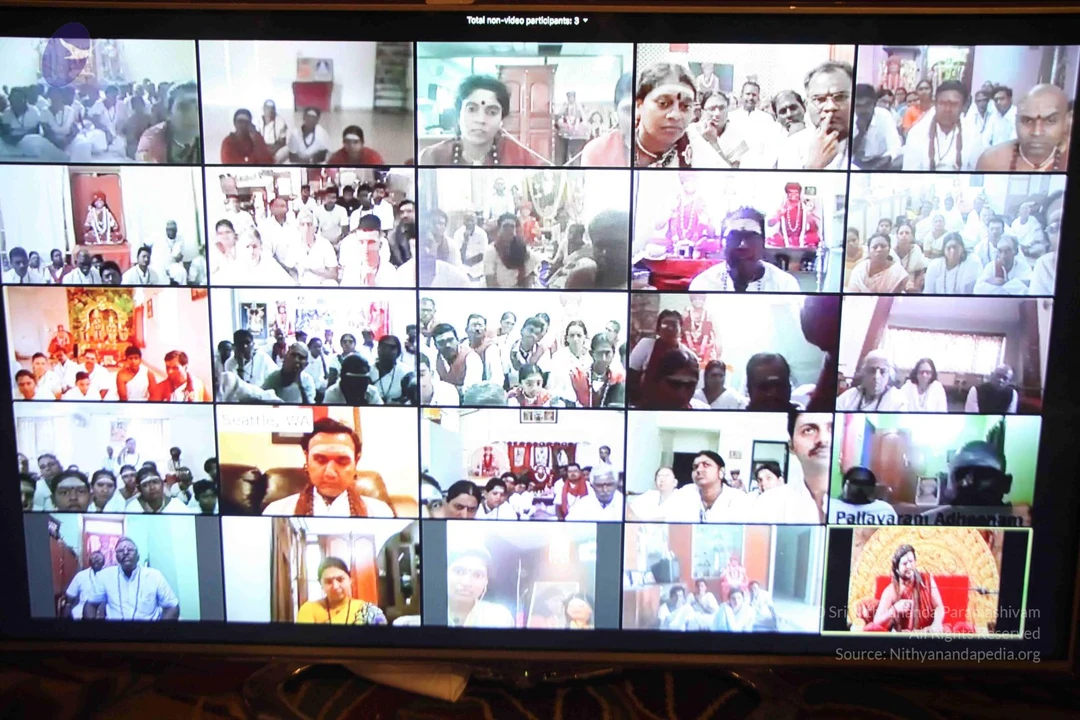
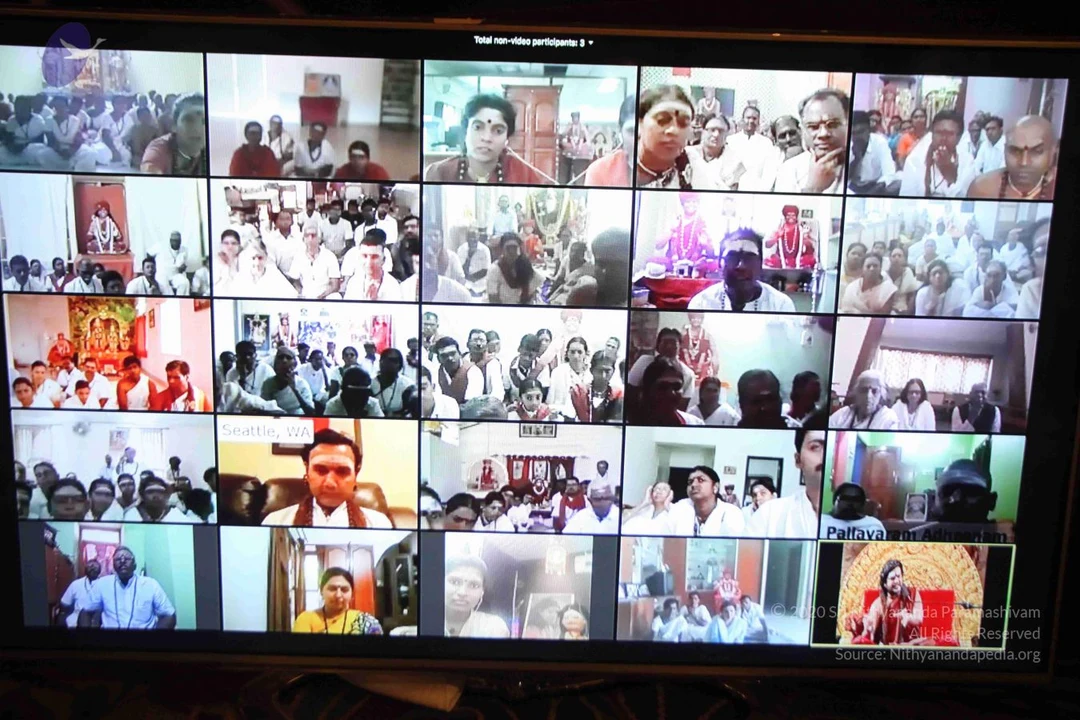
Shivoham
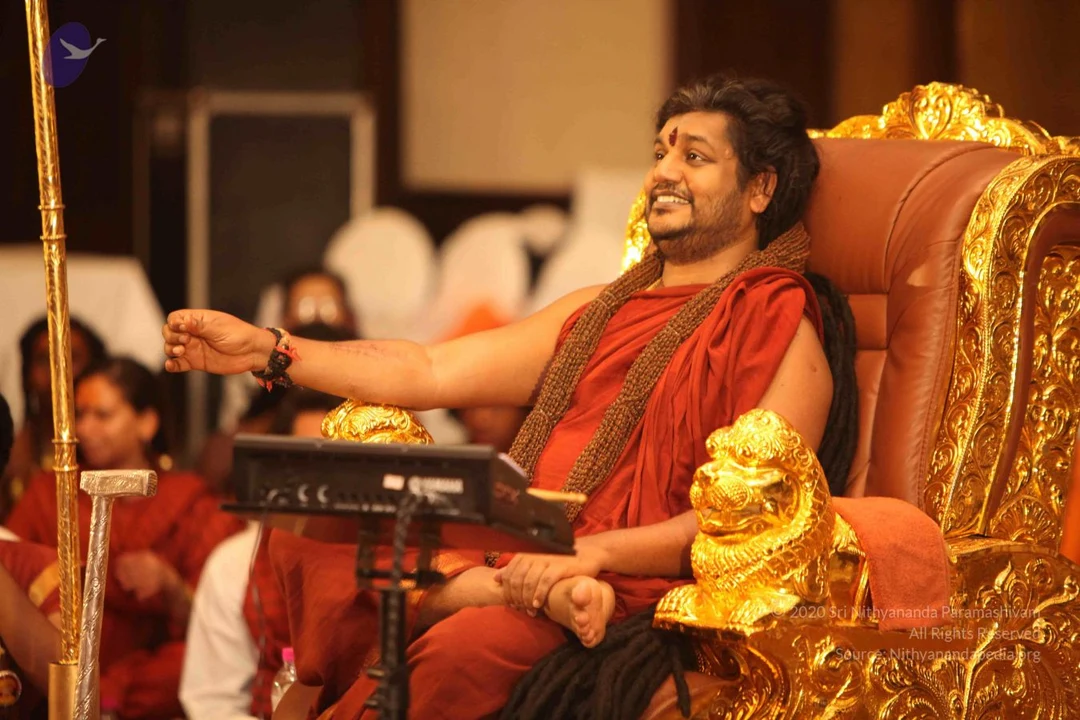
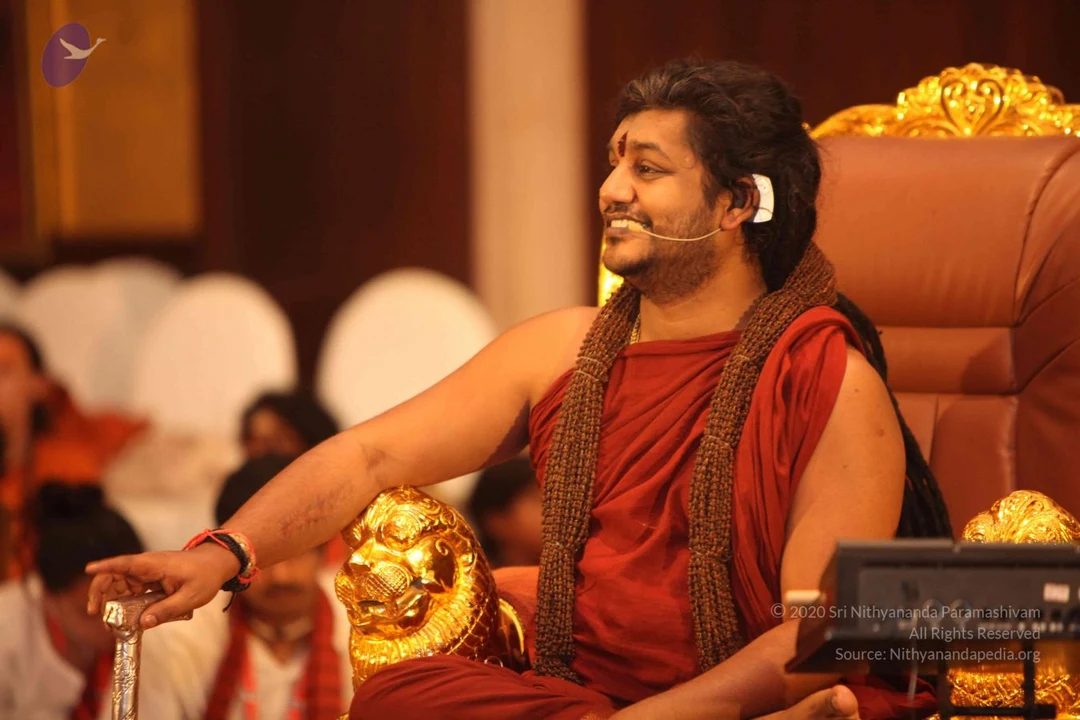
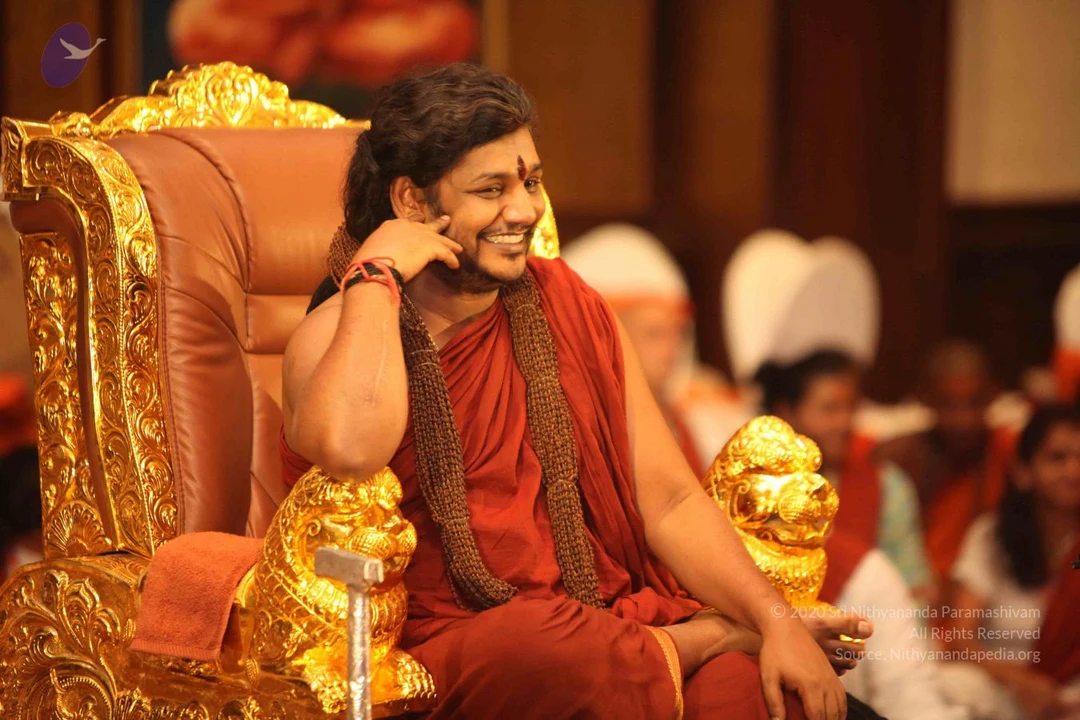

visheeshadeeksha
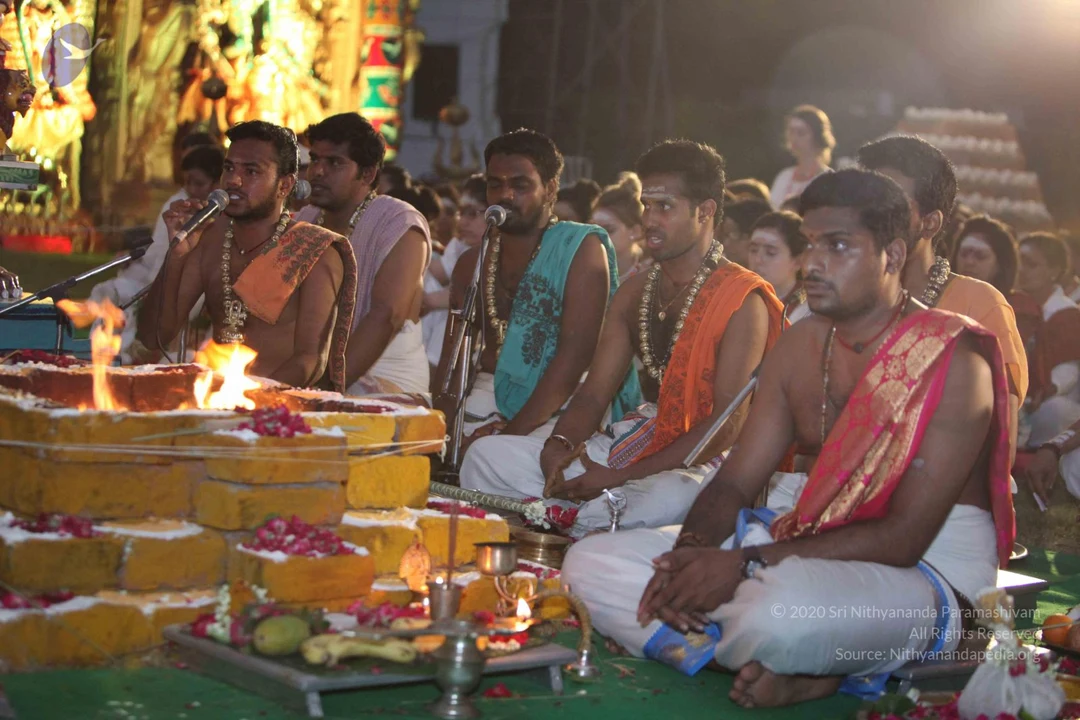
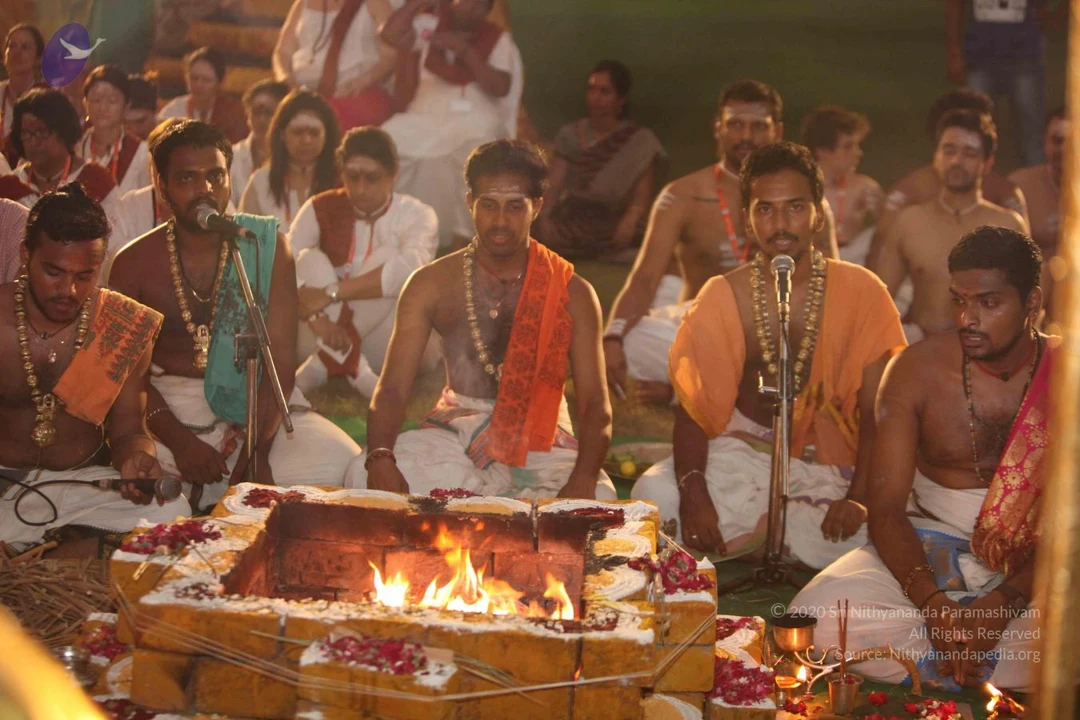
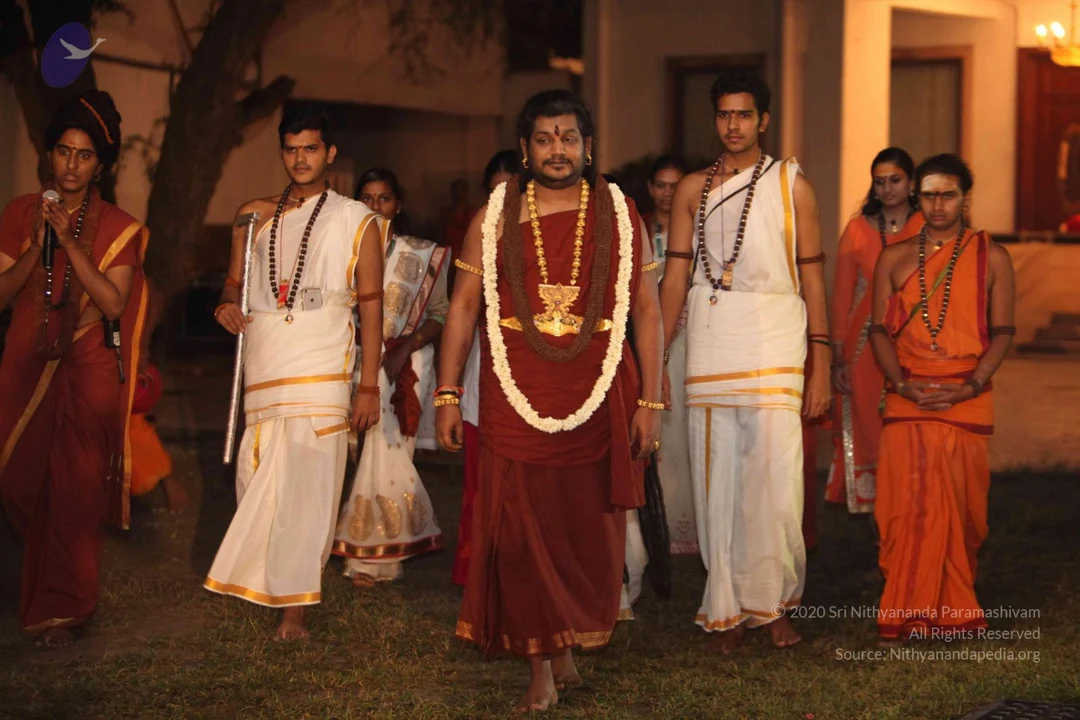
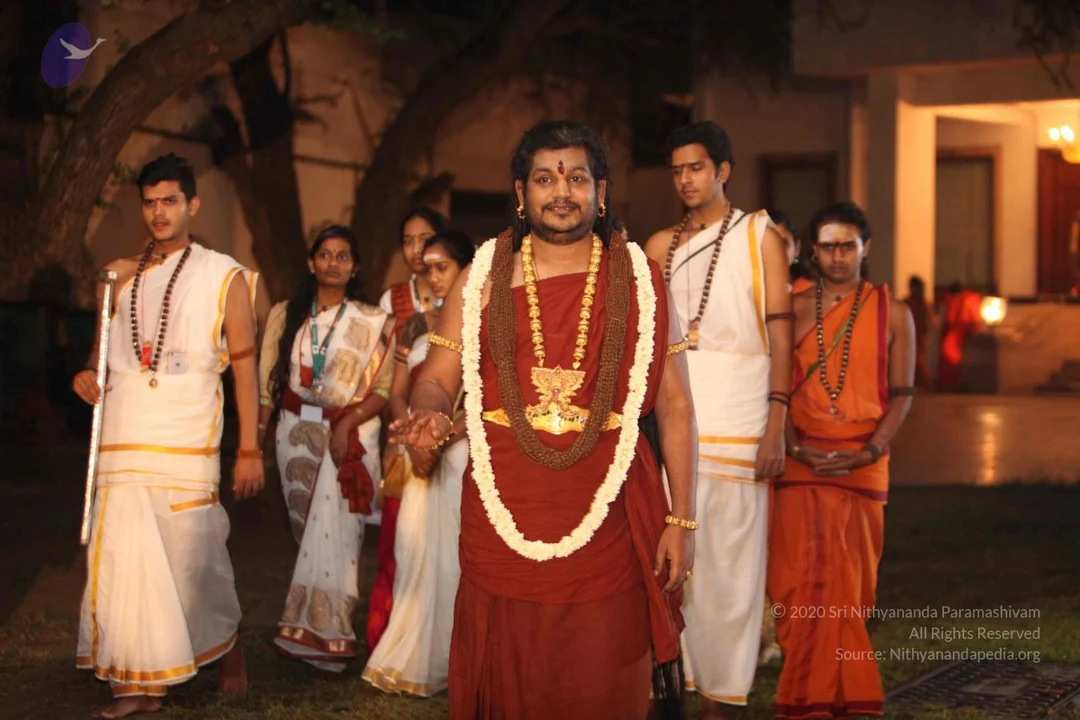
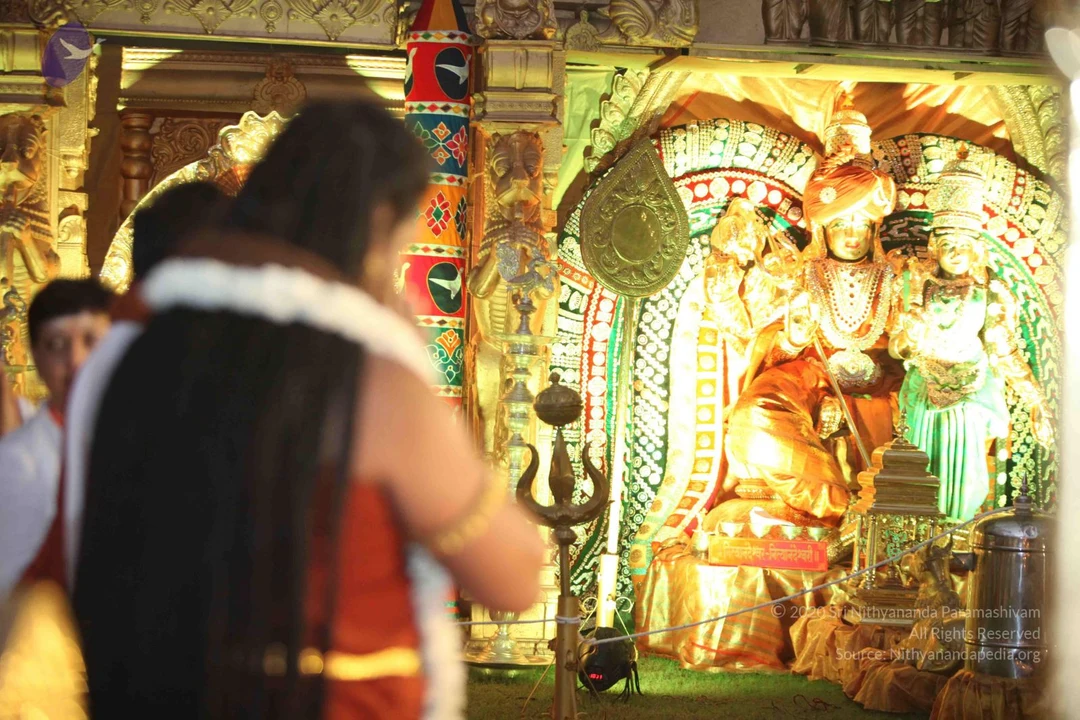
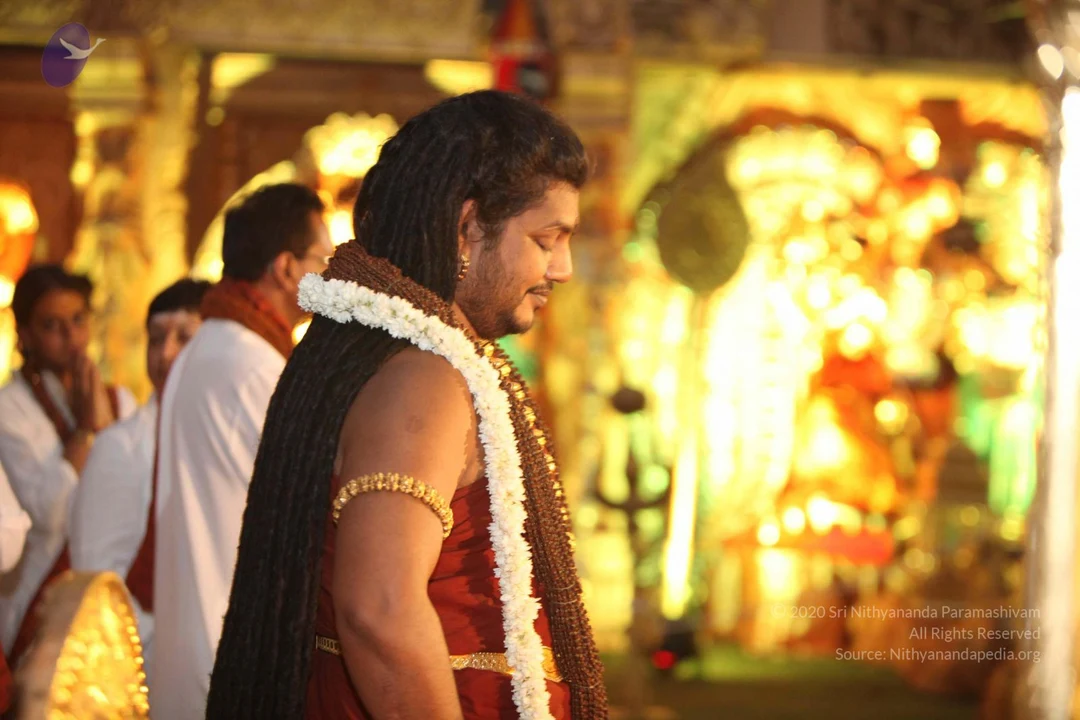
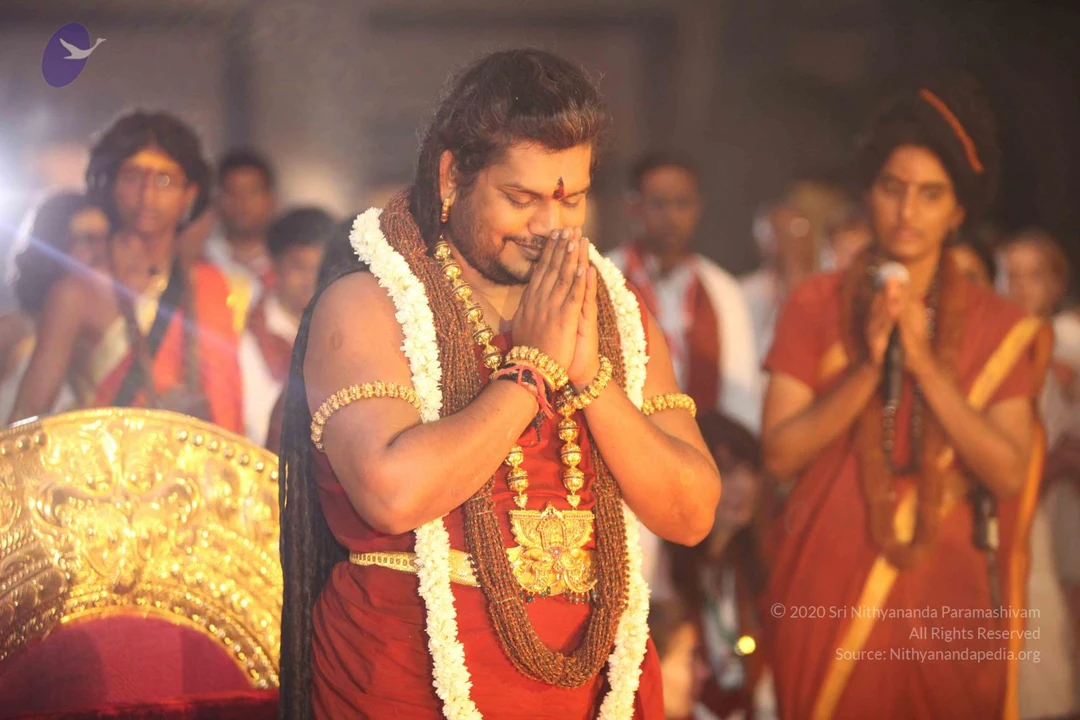
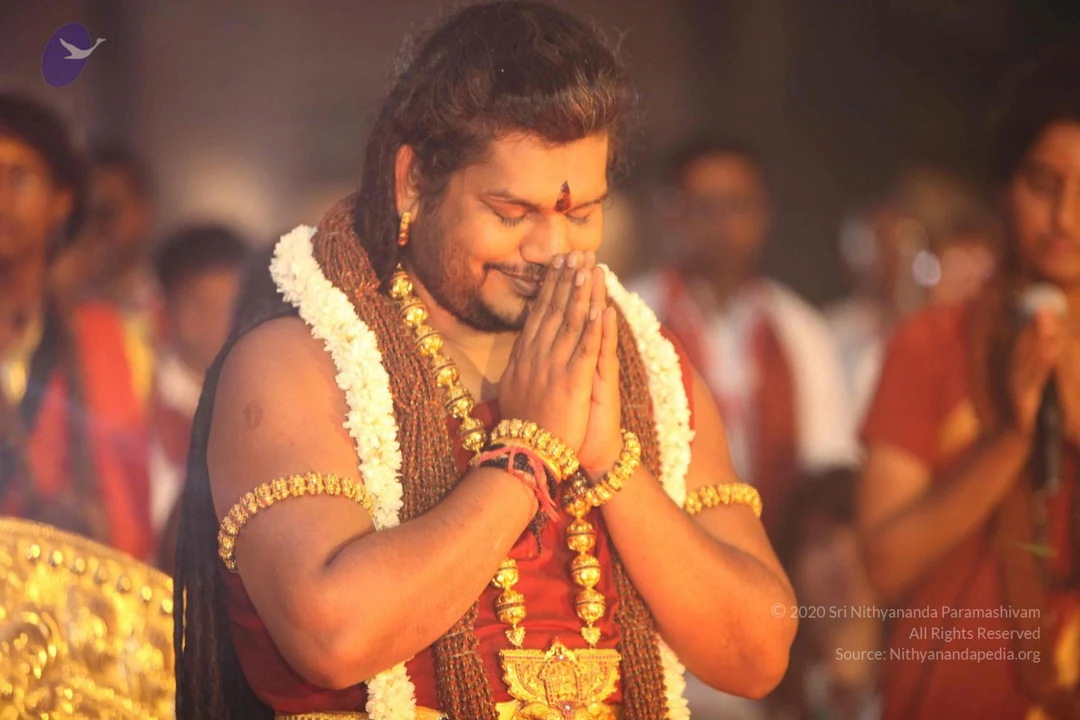
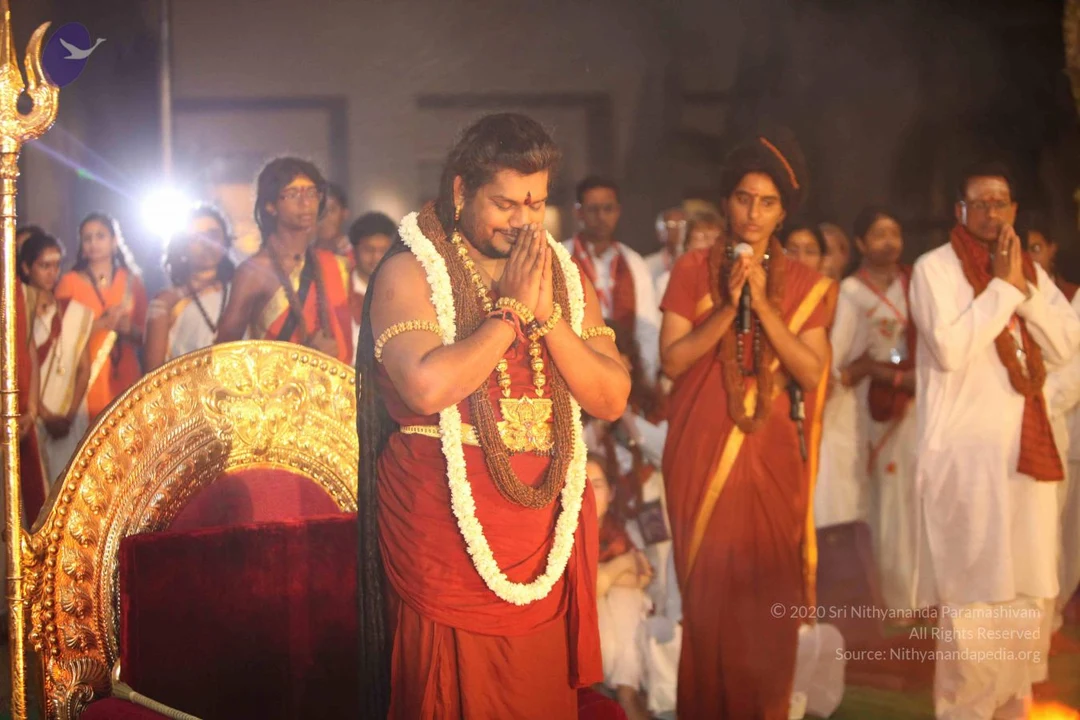
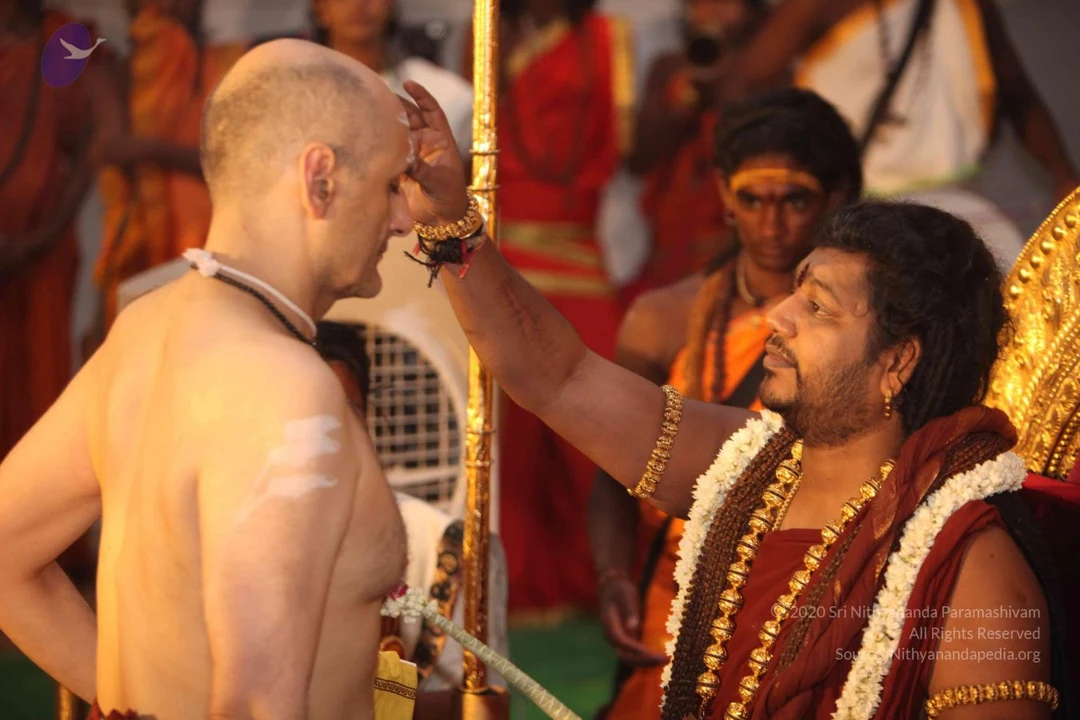
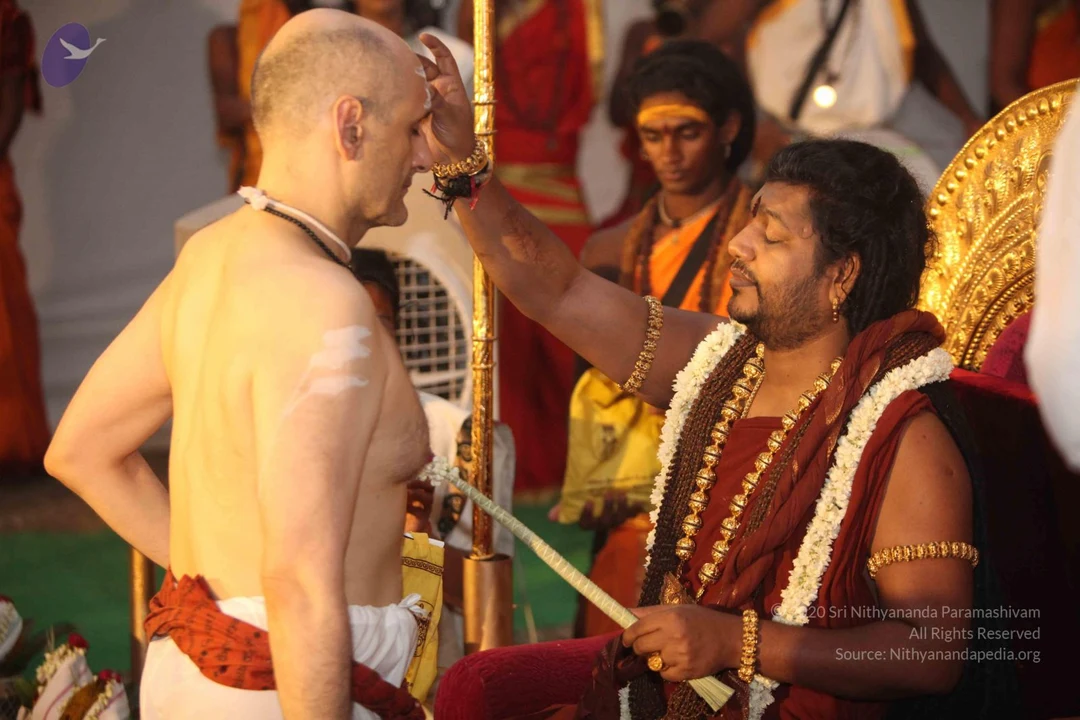
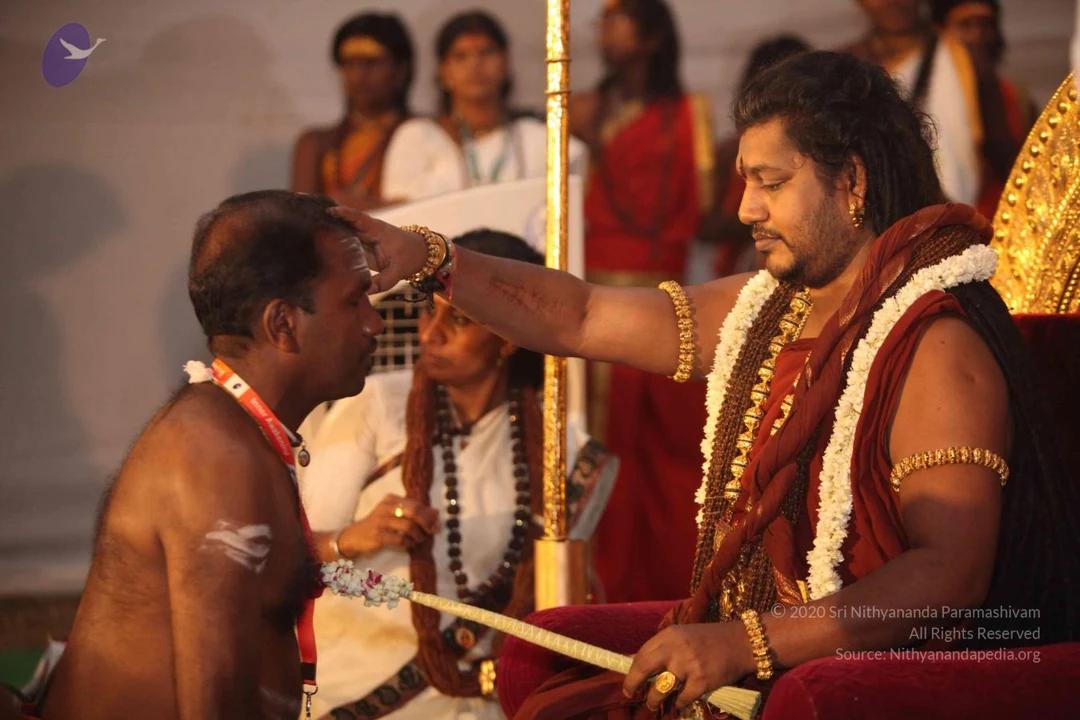
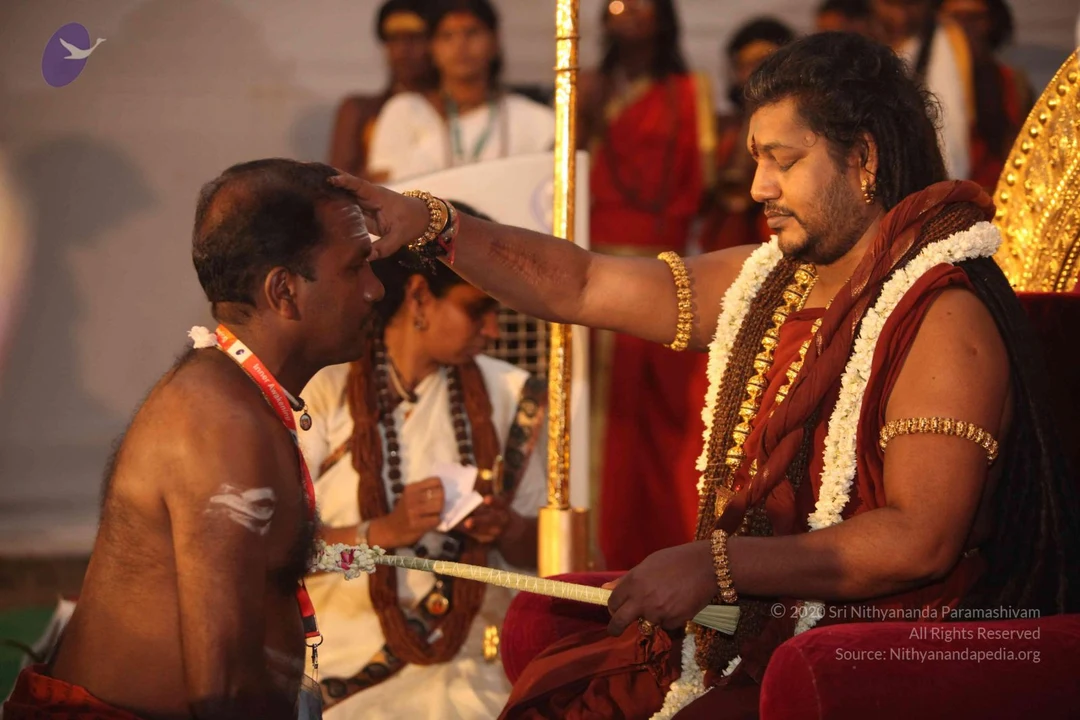
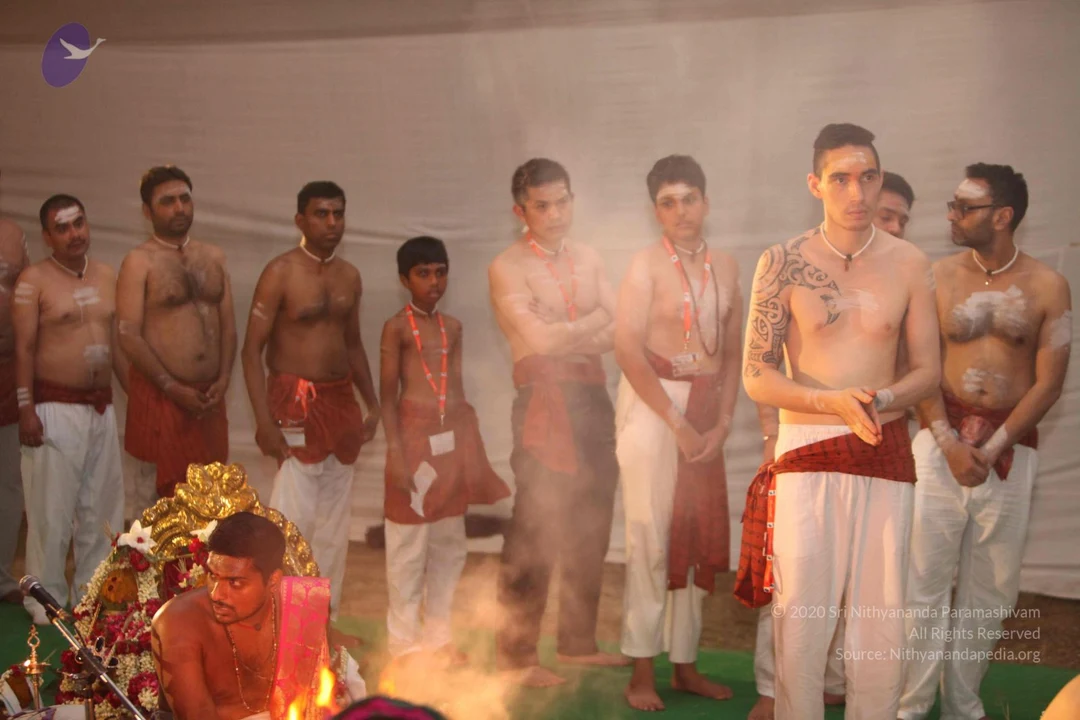

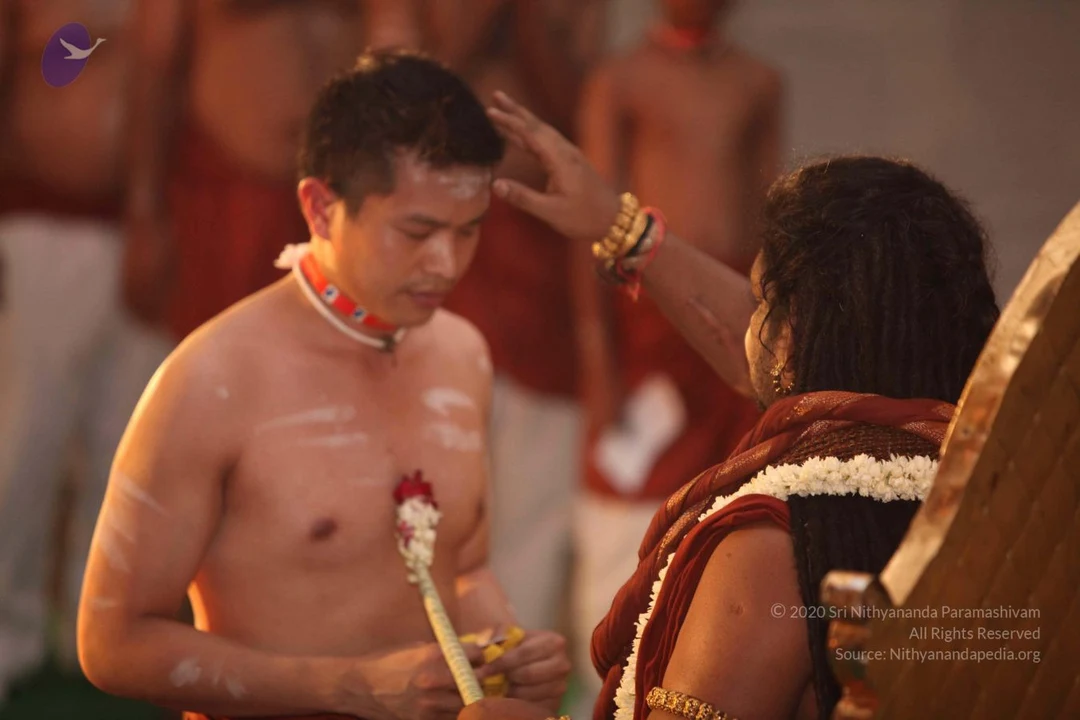


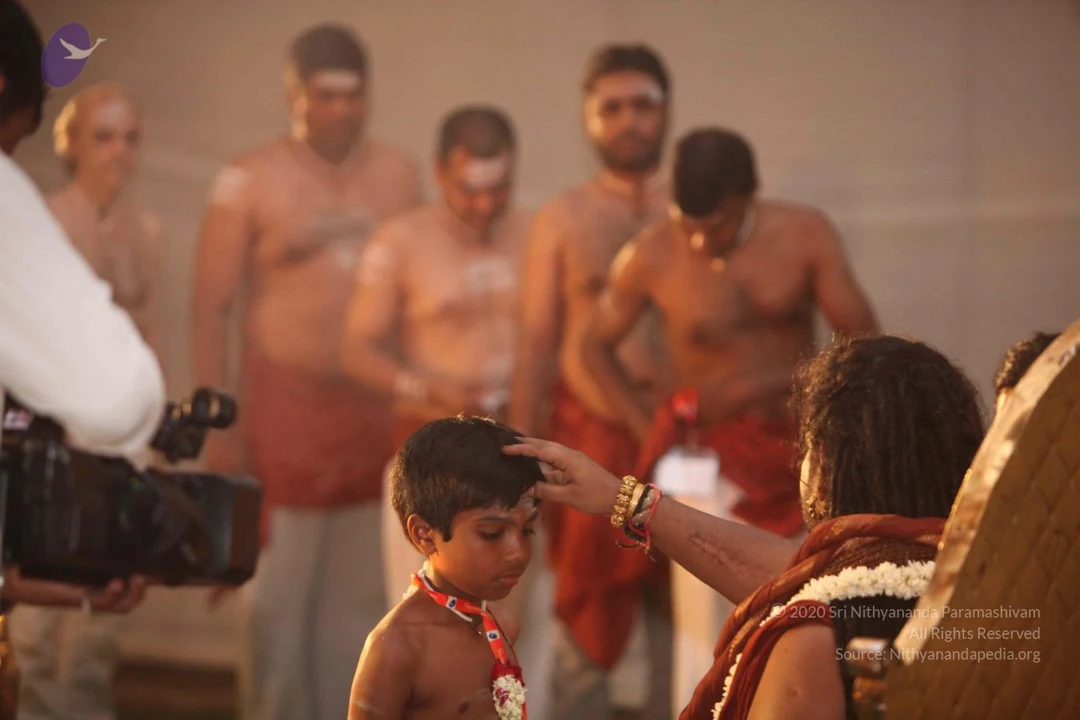

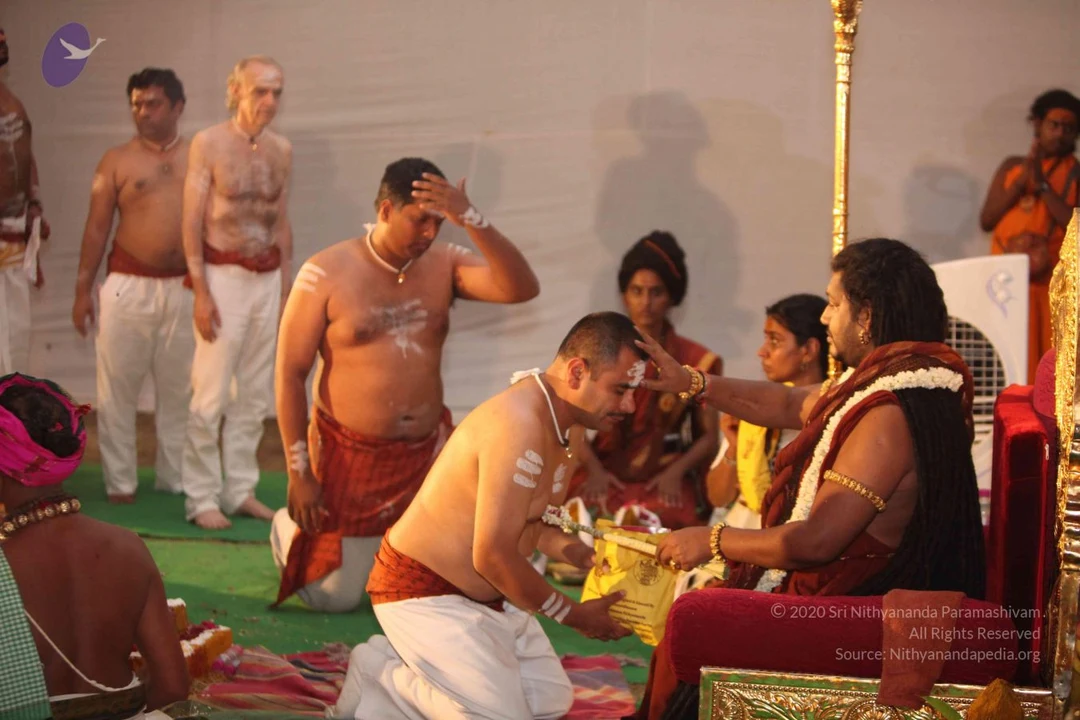
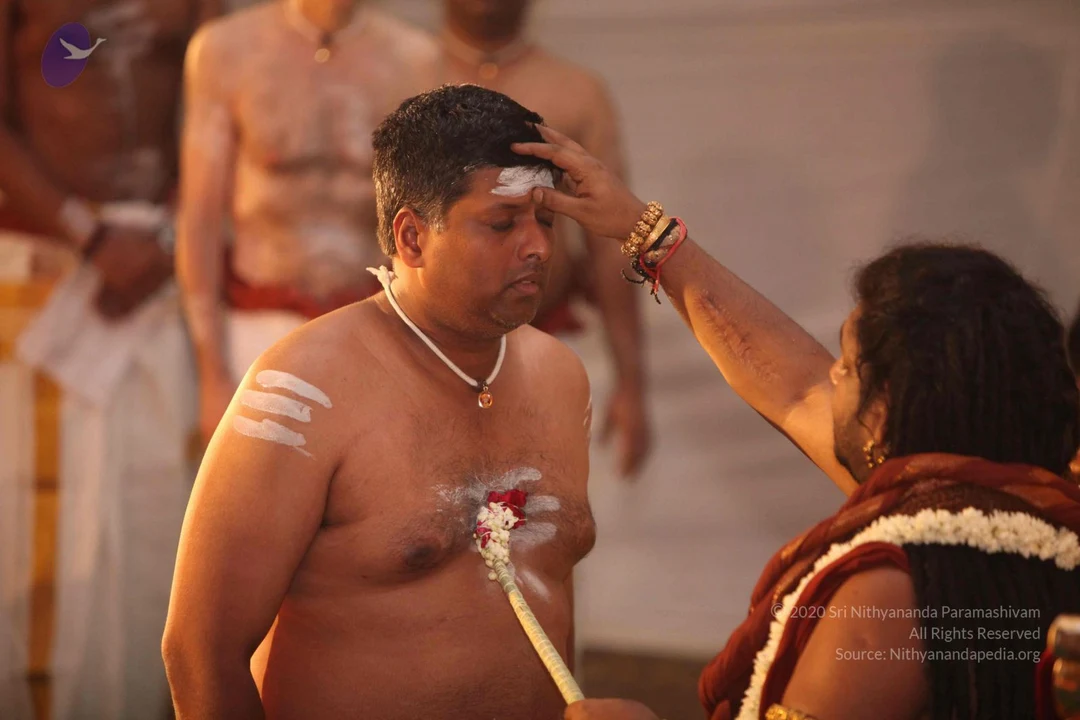

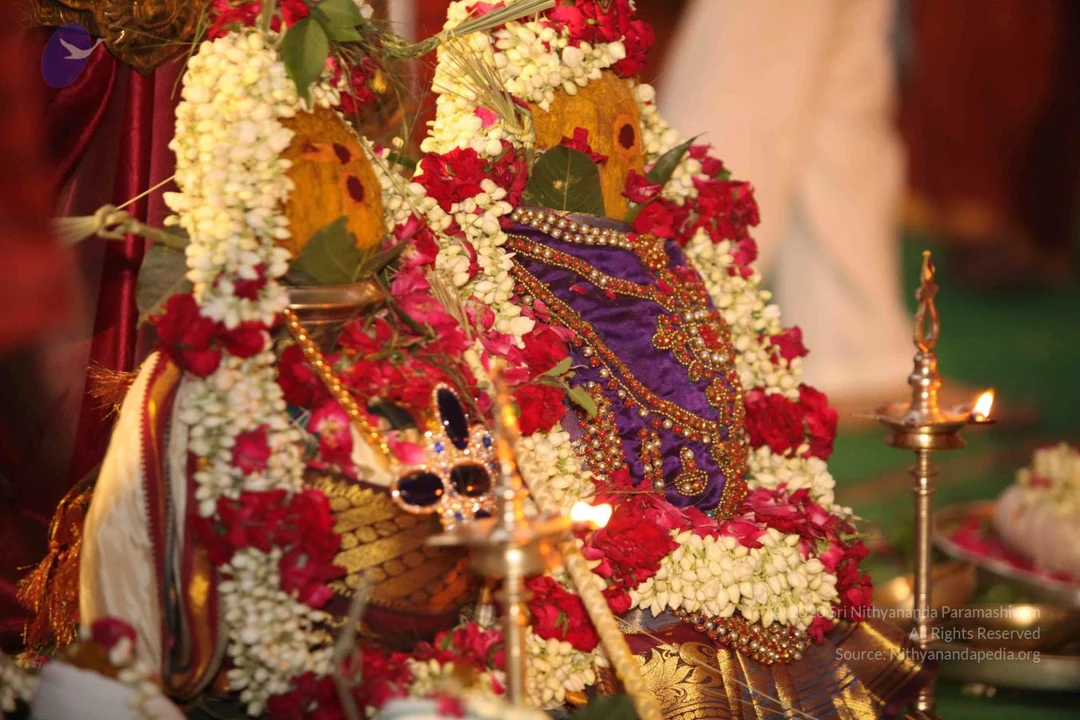
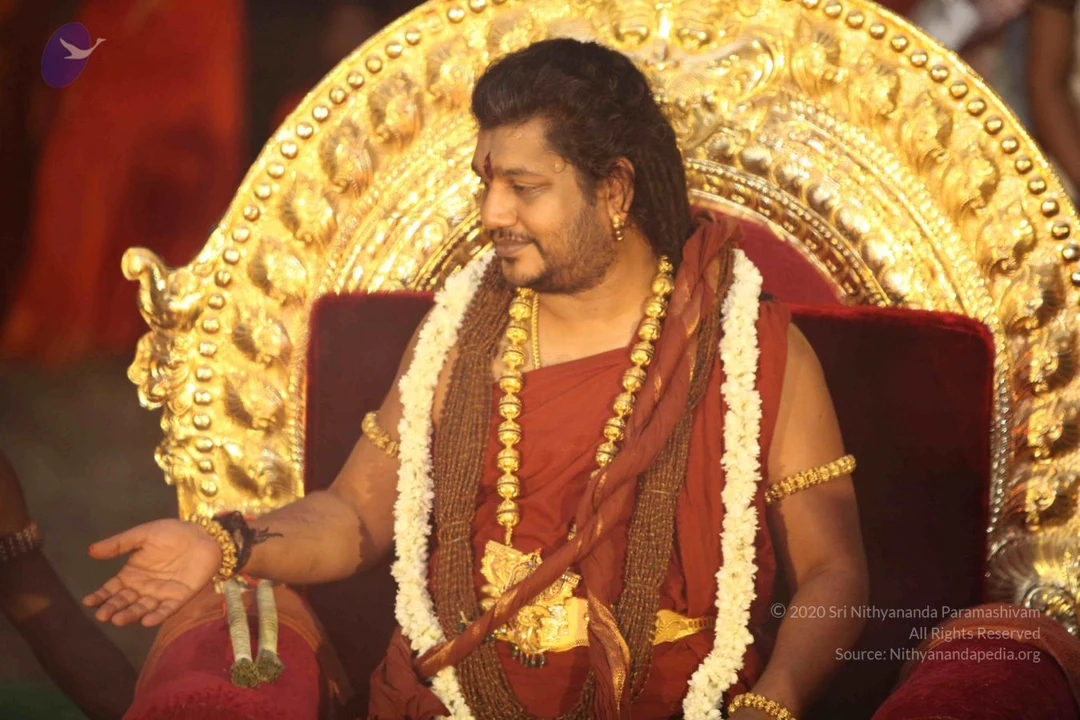
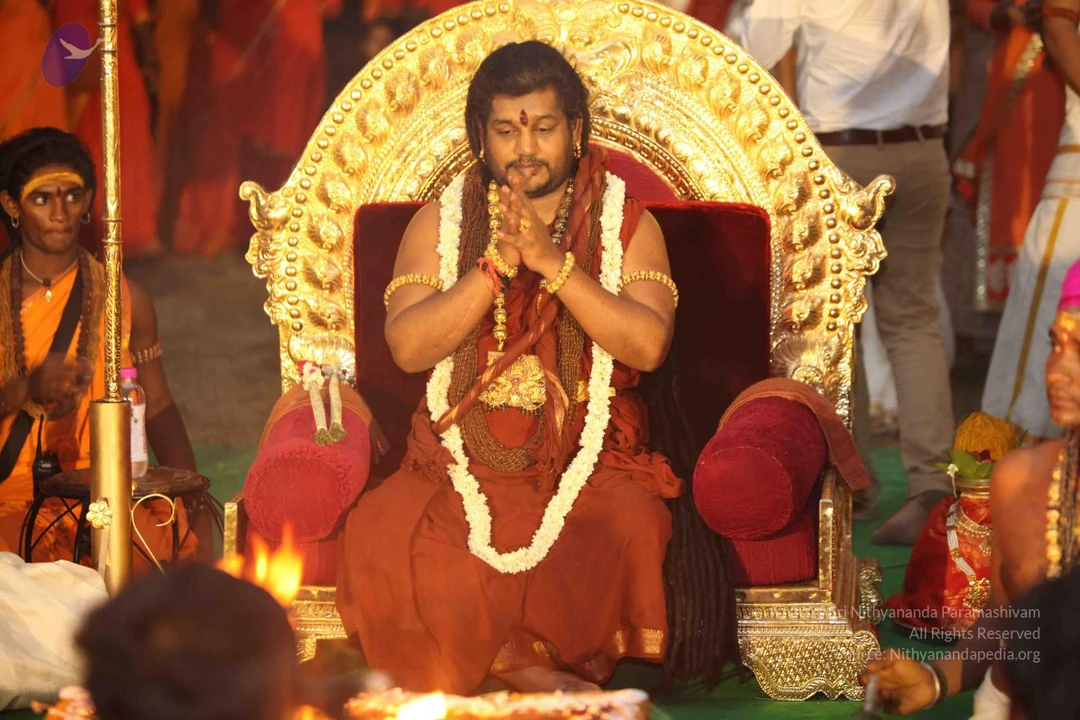
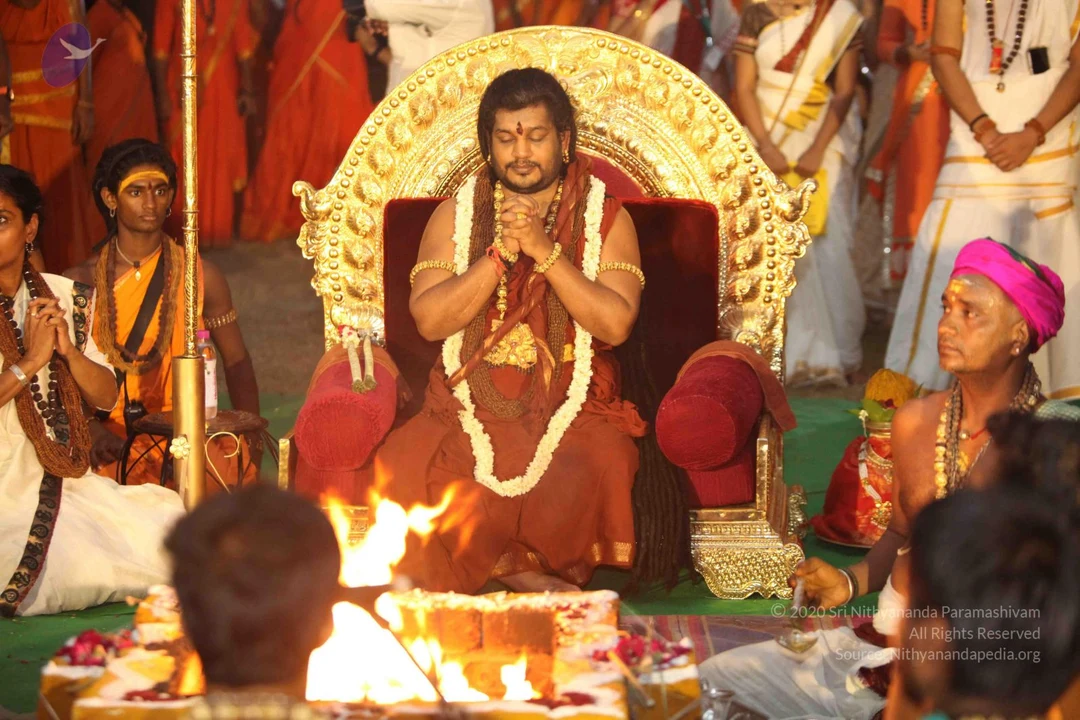
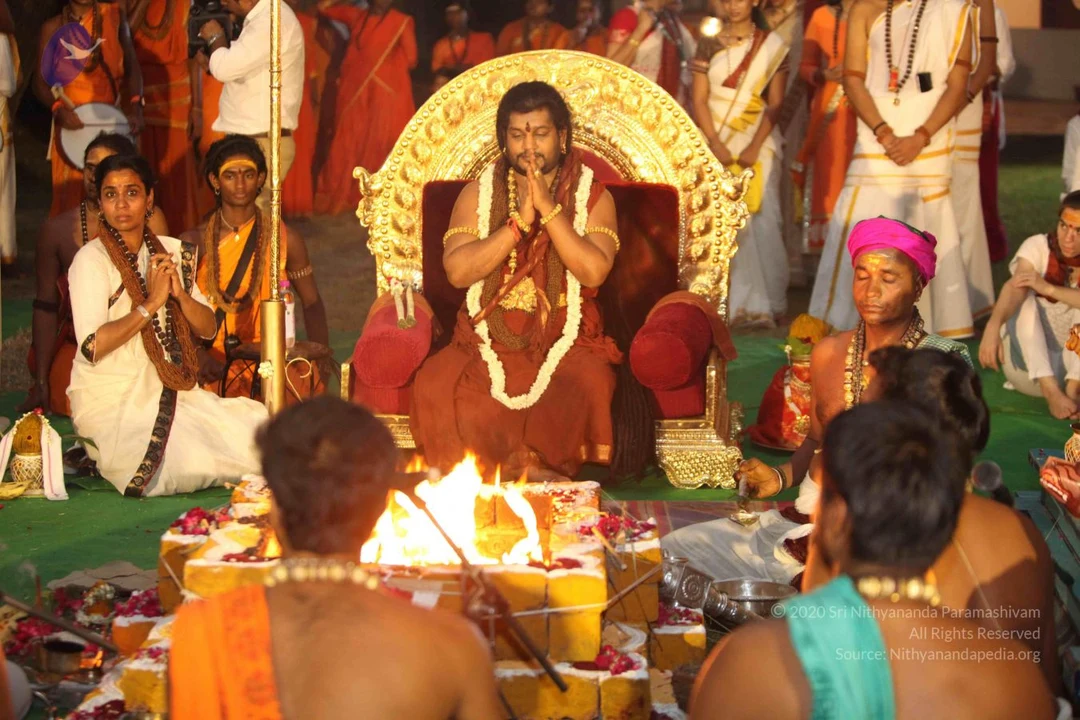
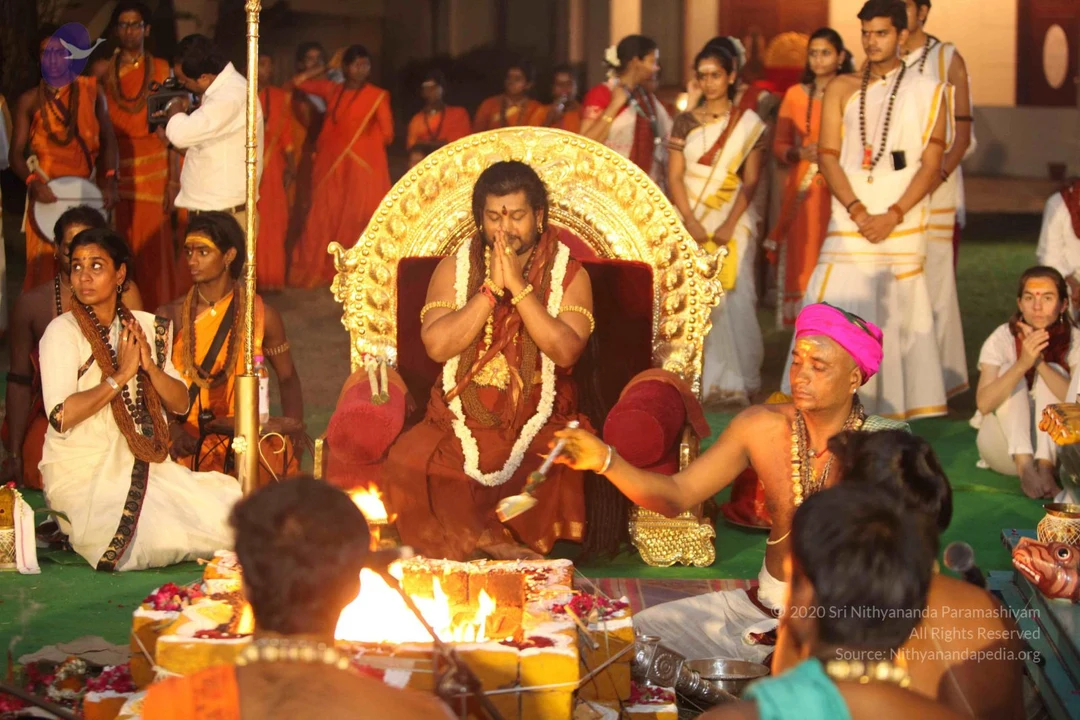
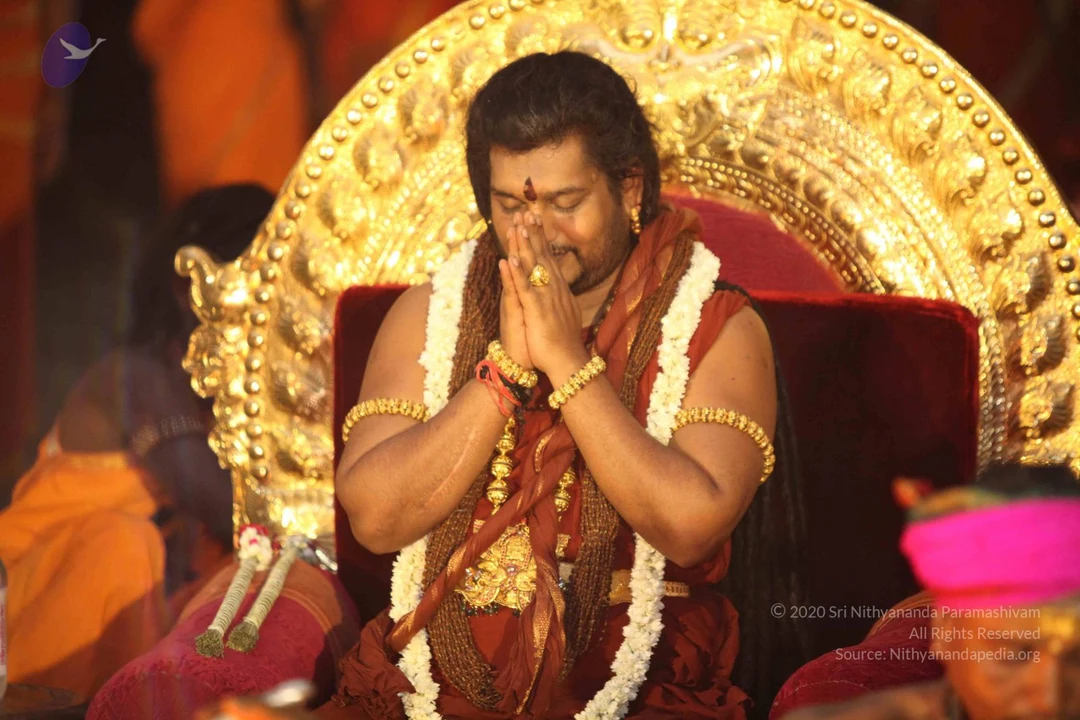
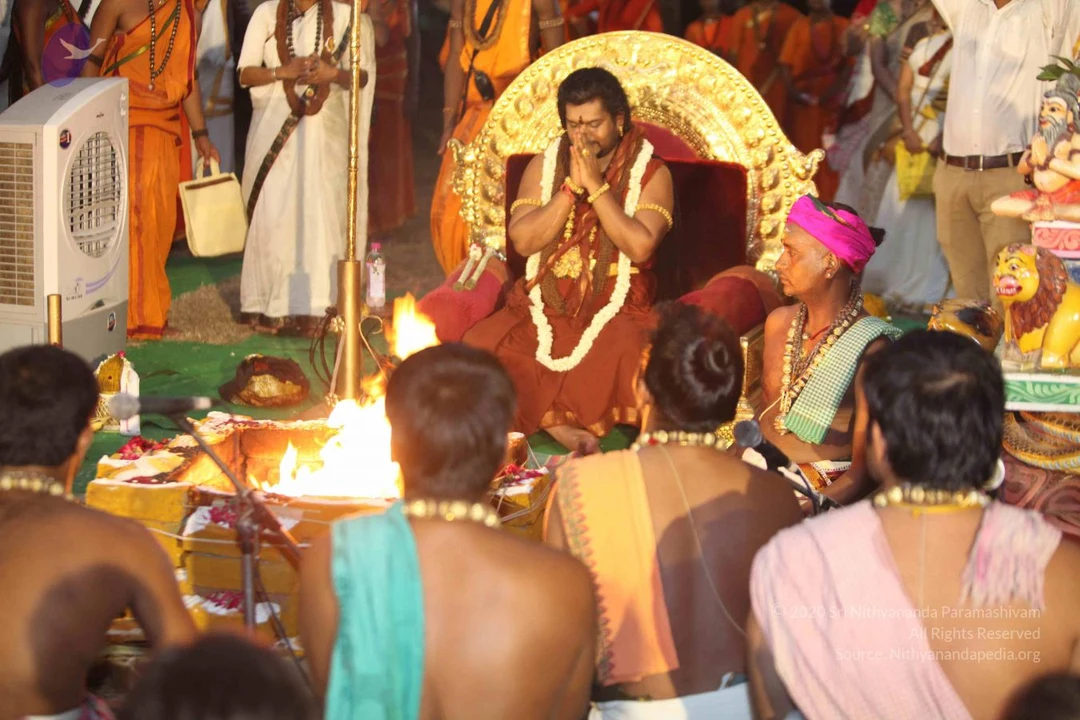
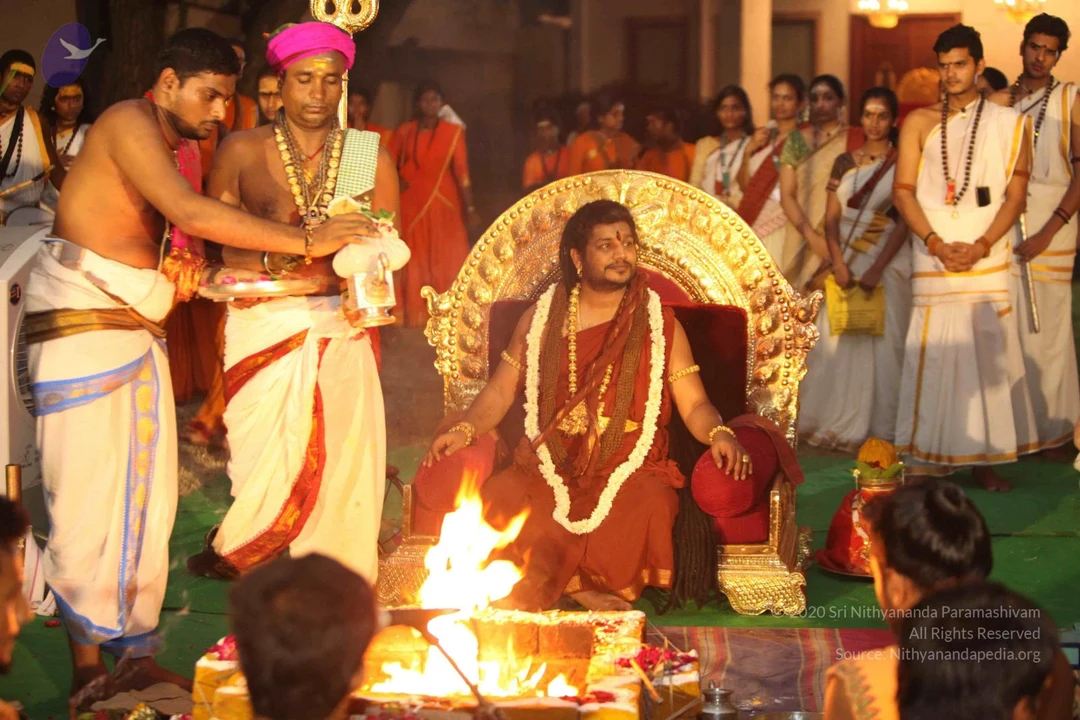
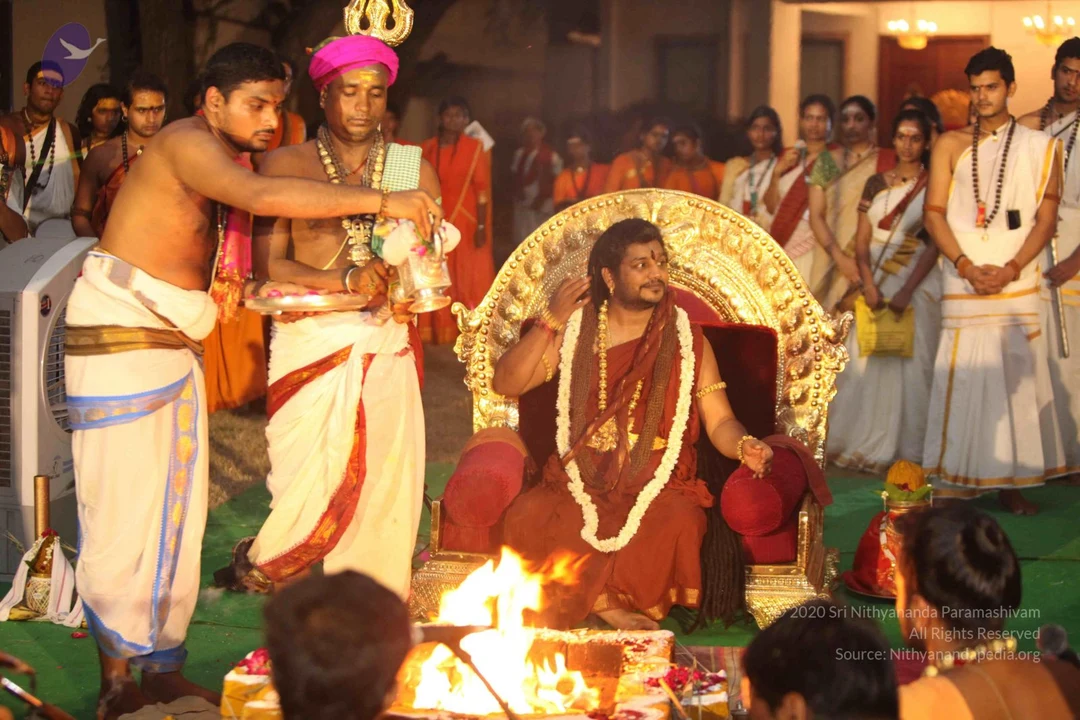
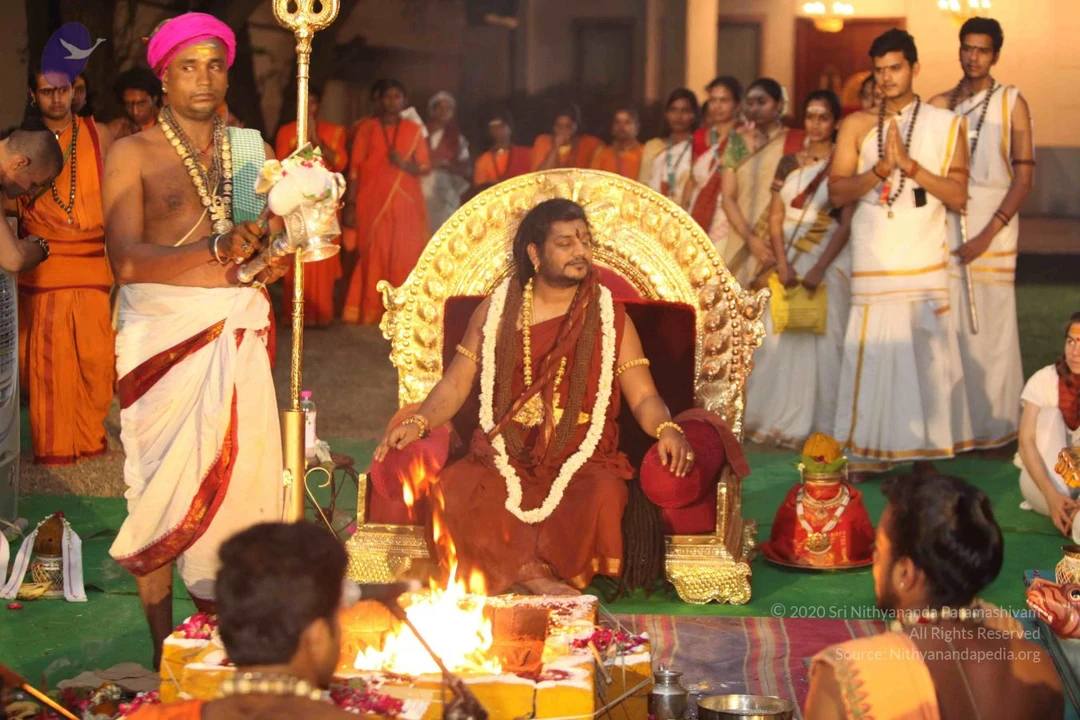
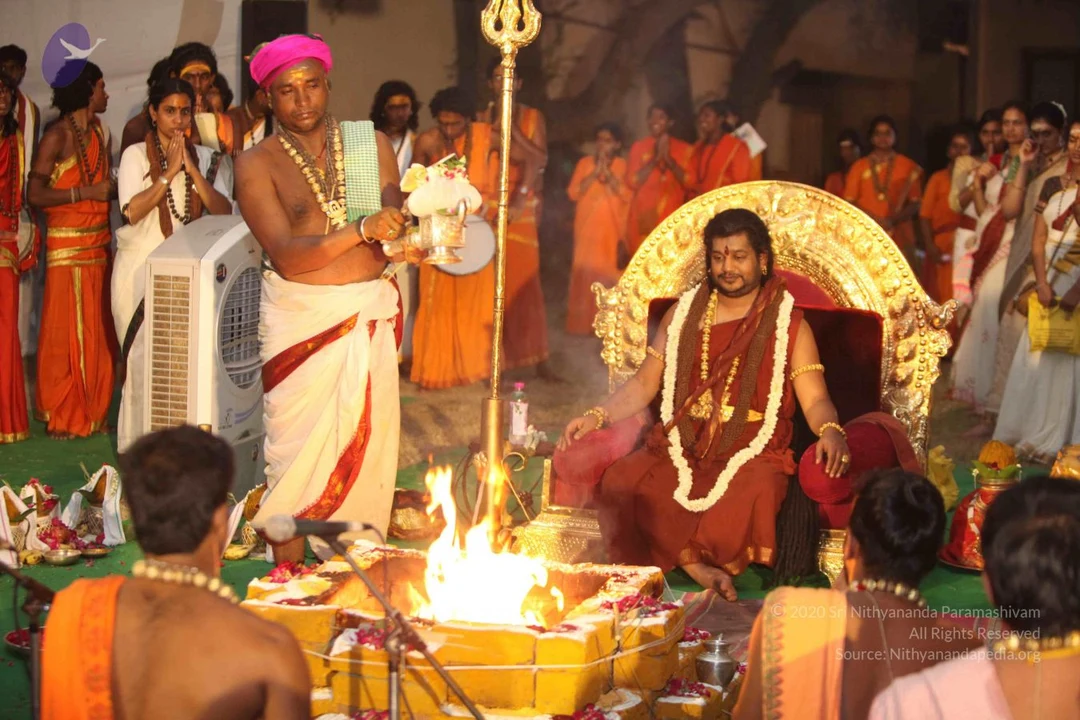
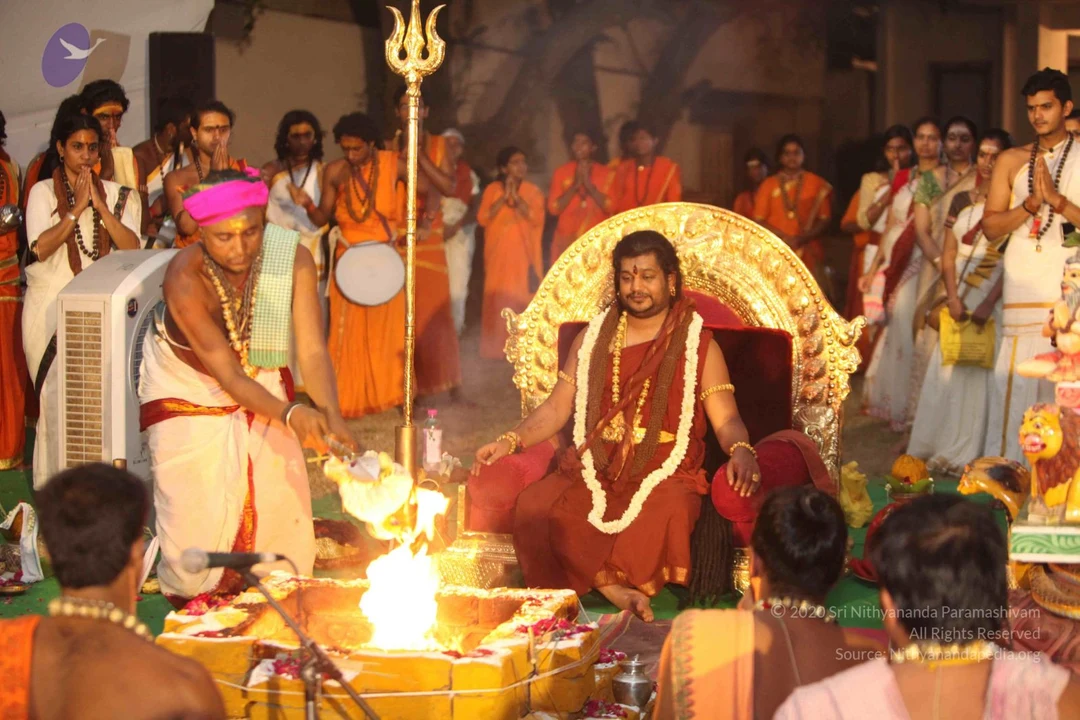
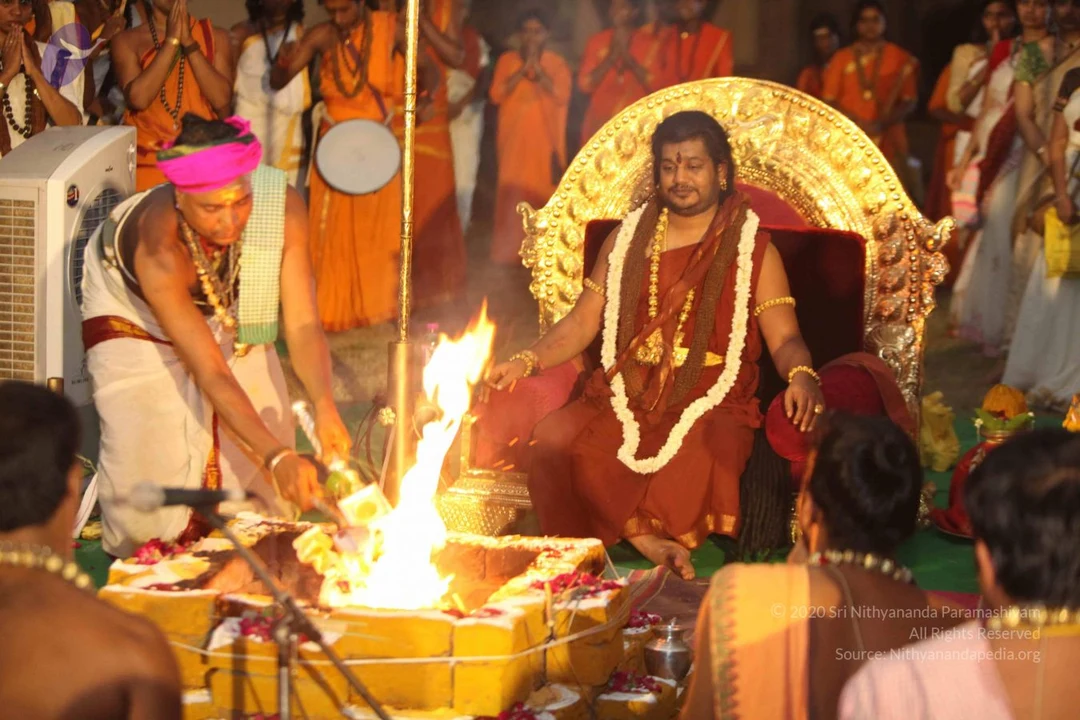
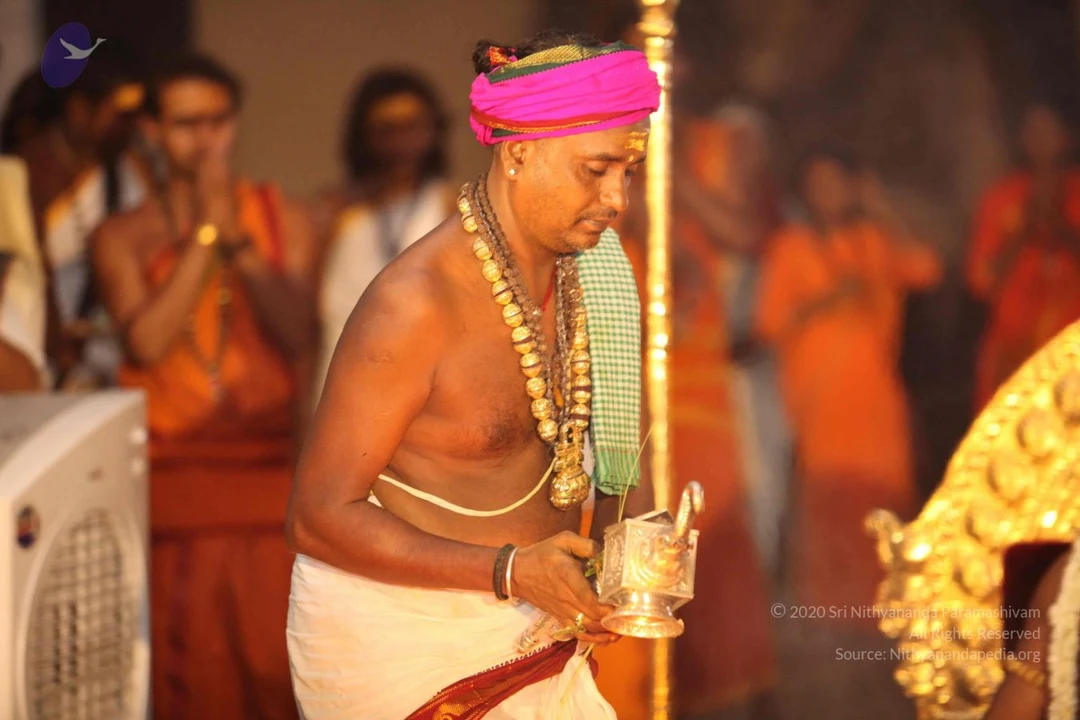
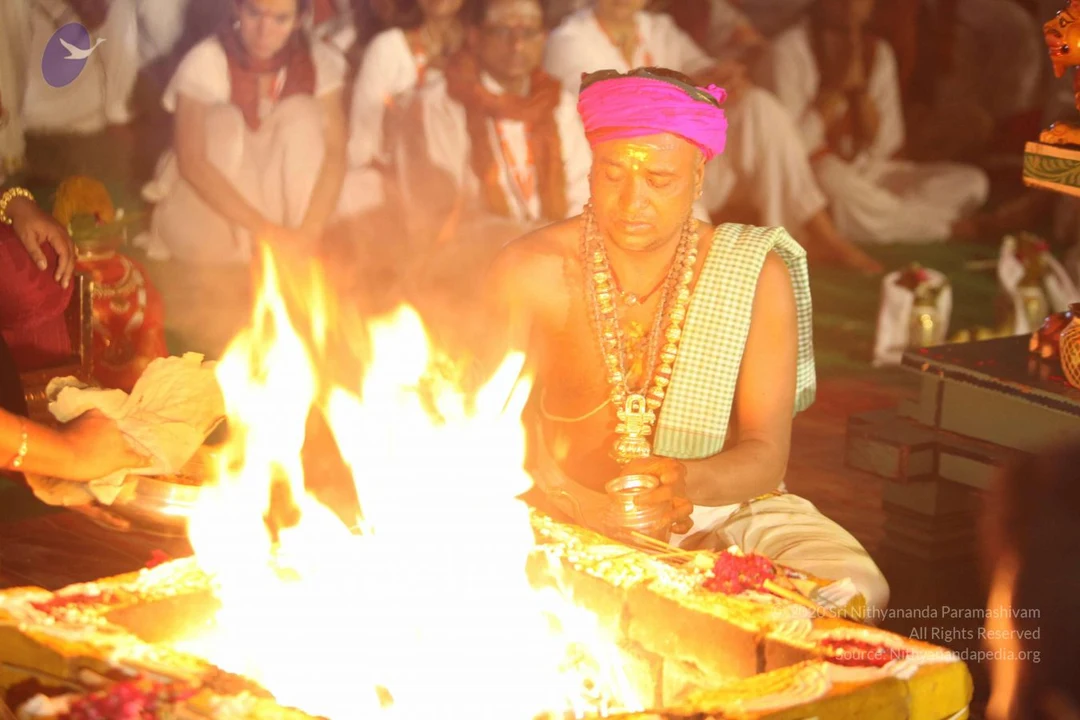
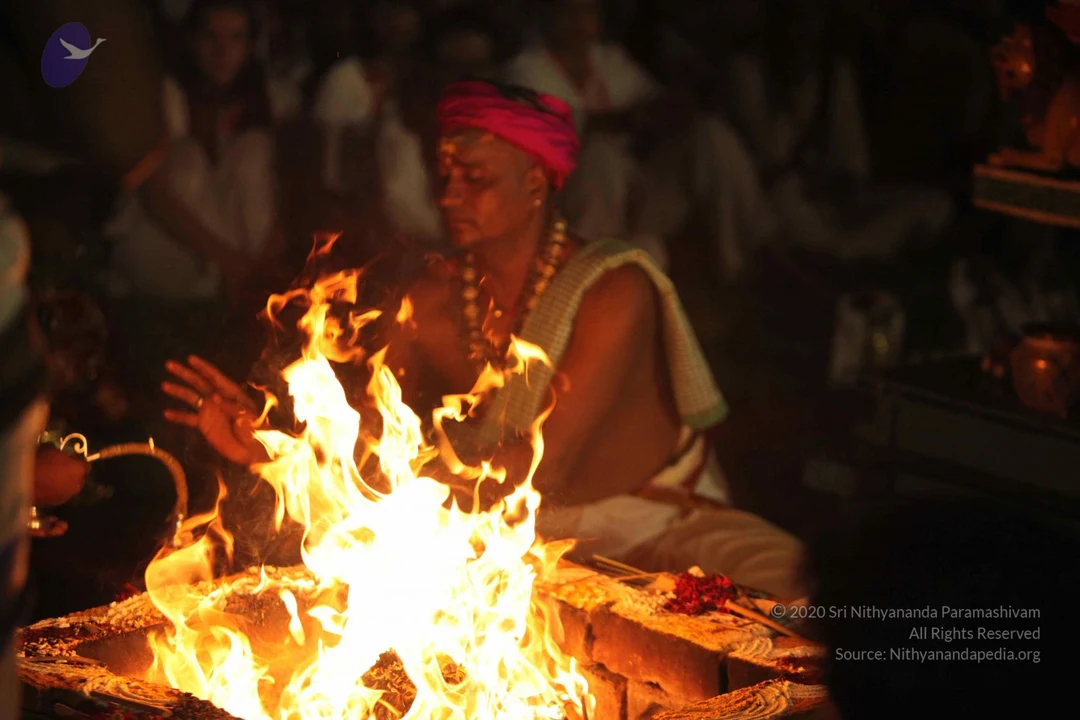
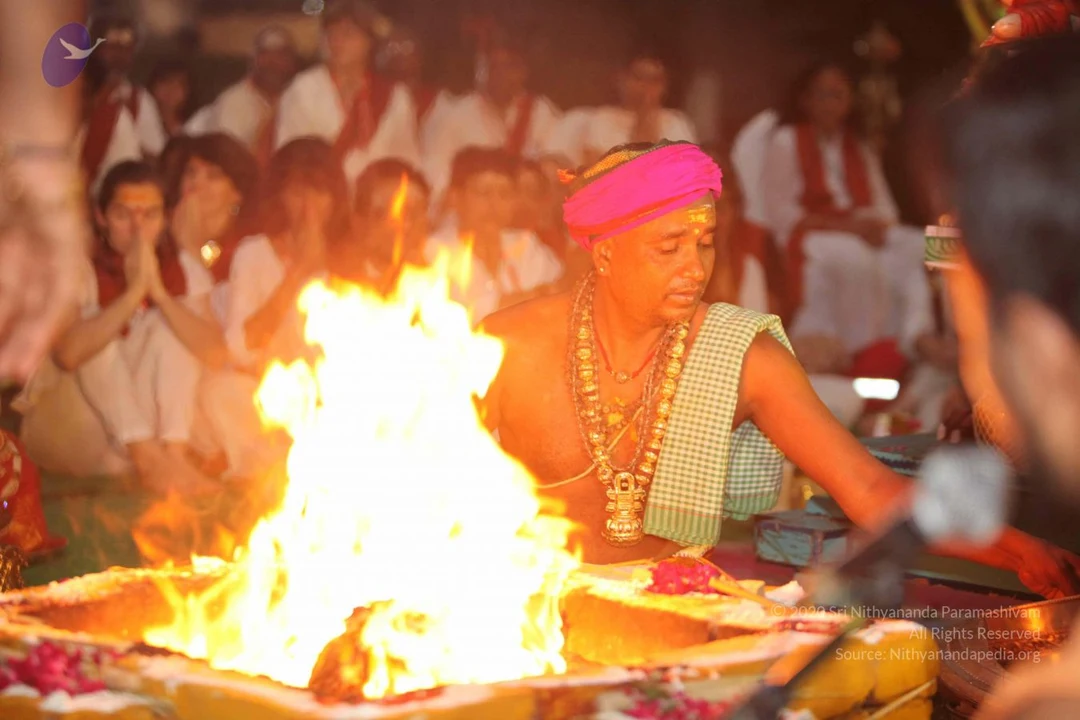
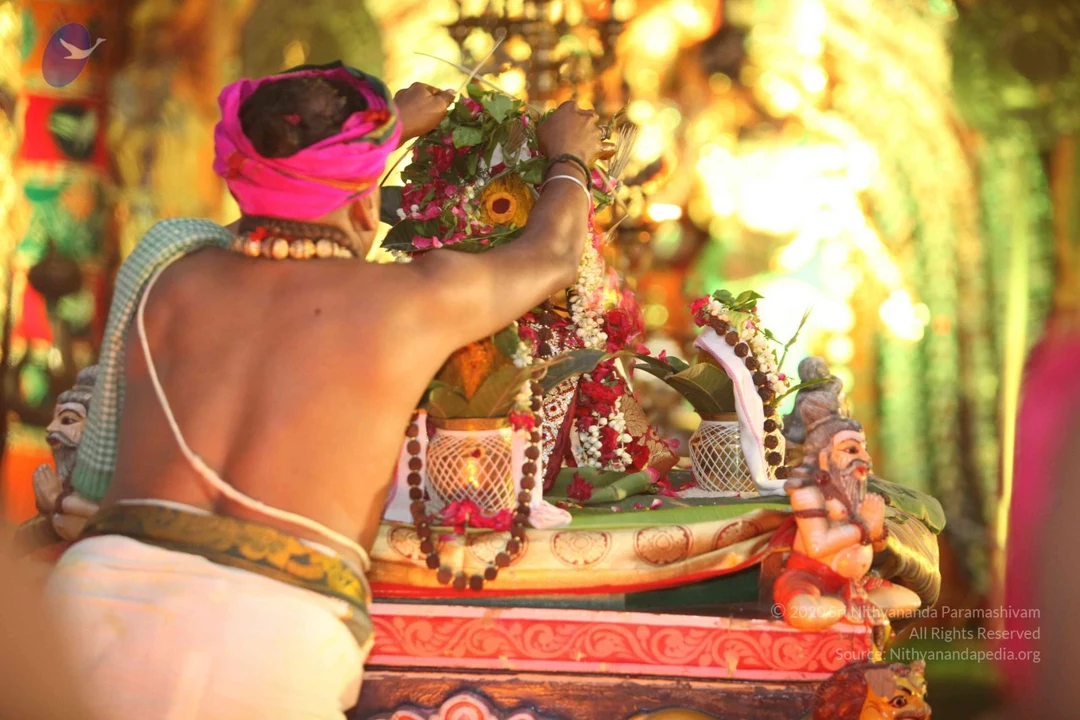
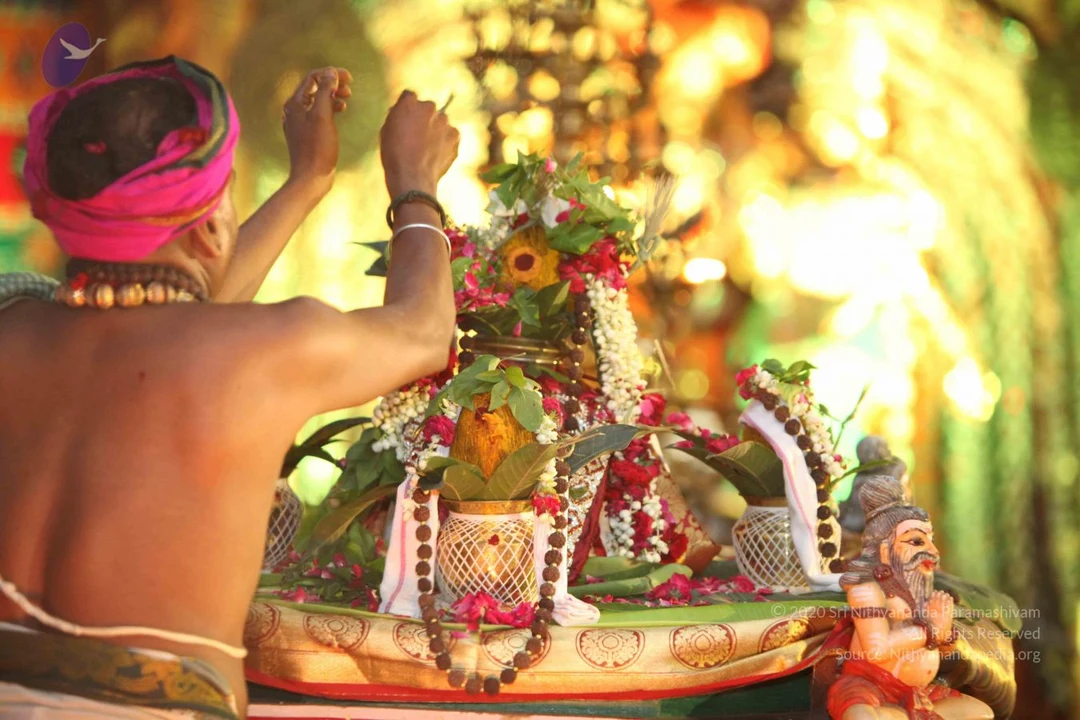

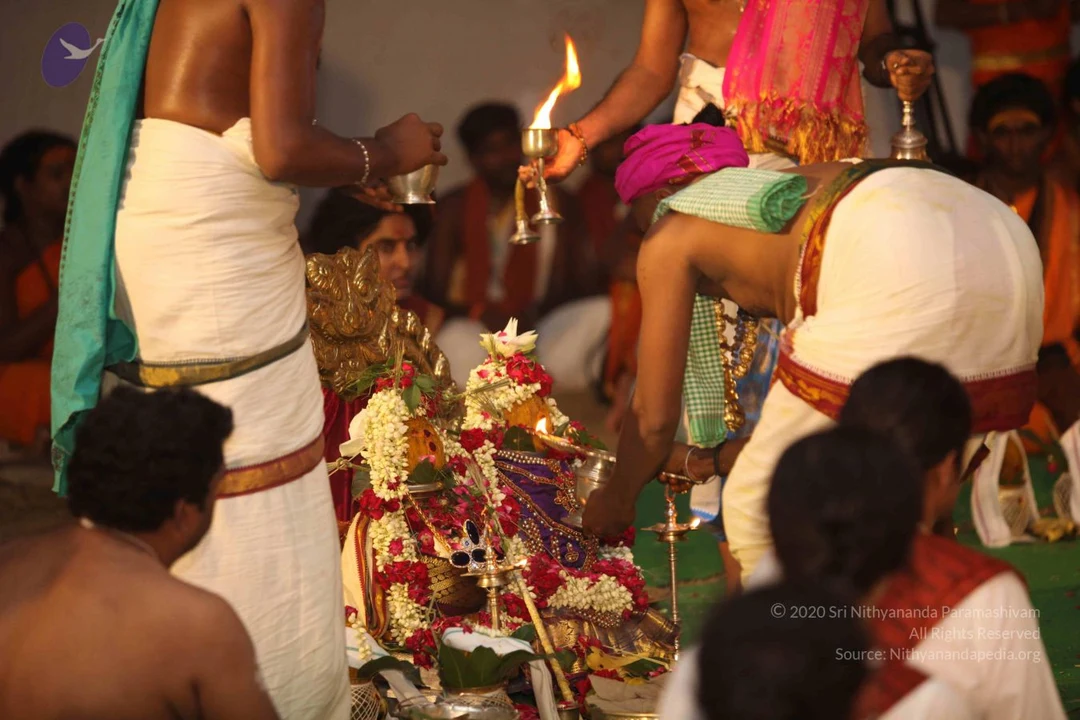
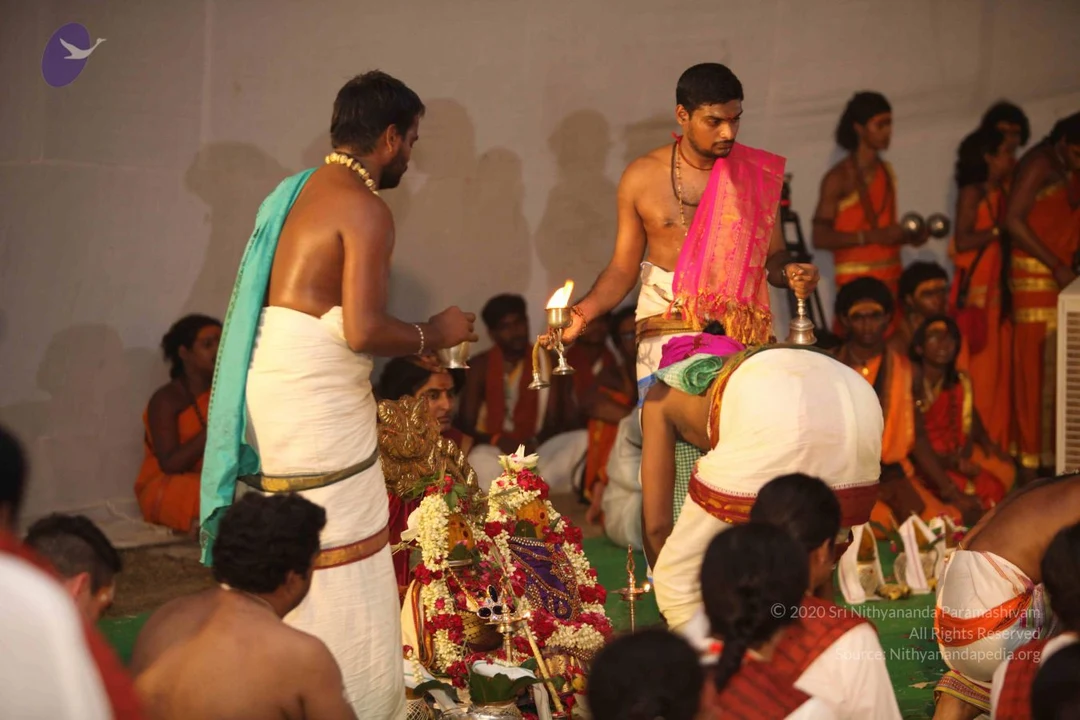
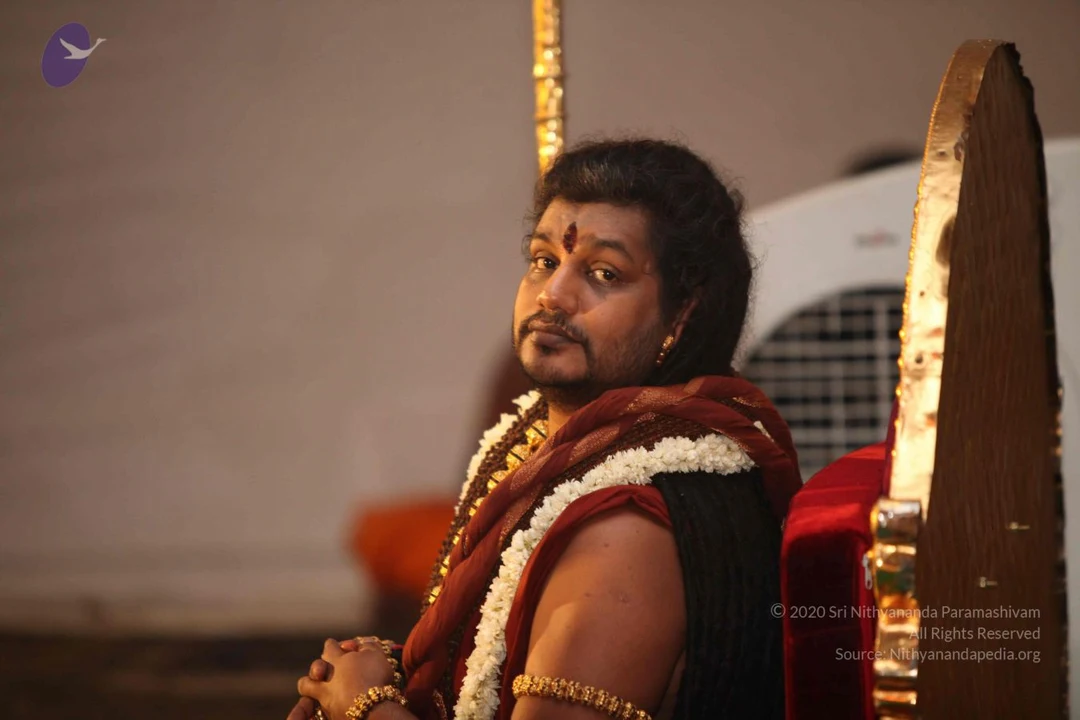
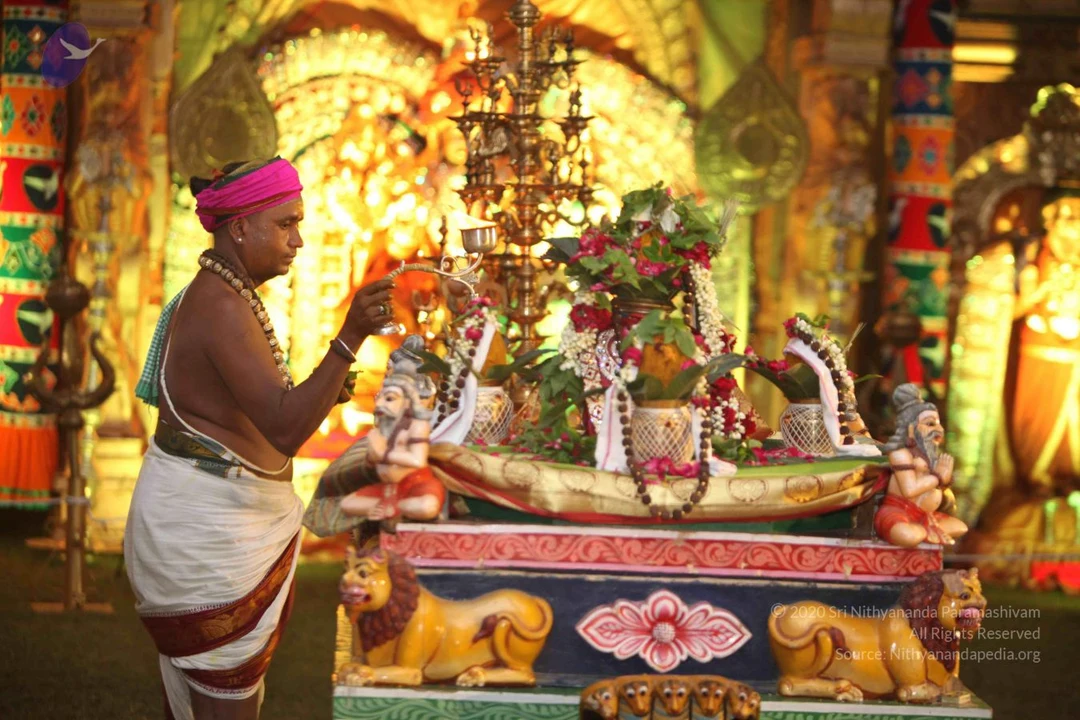

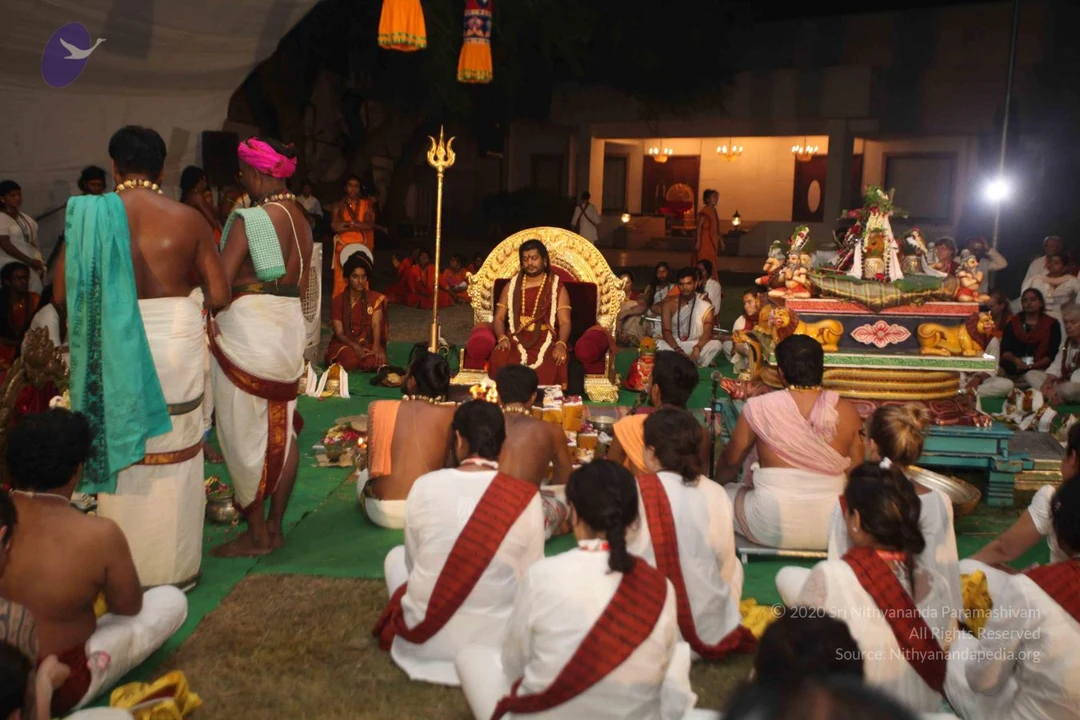
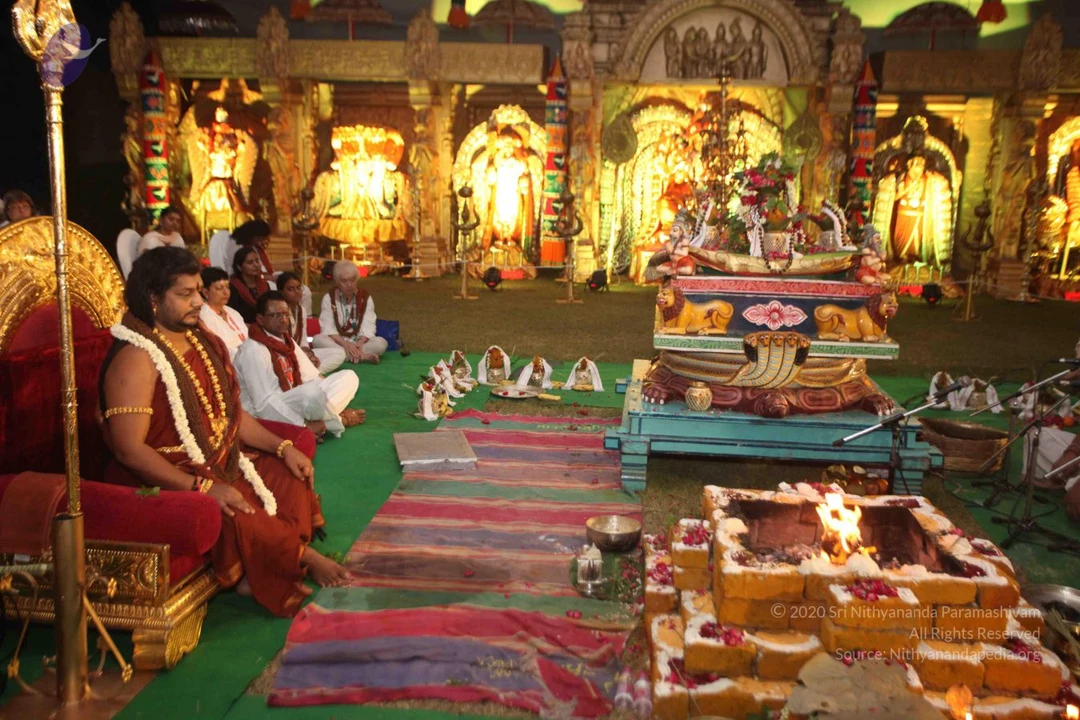
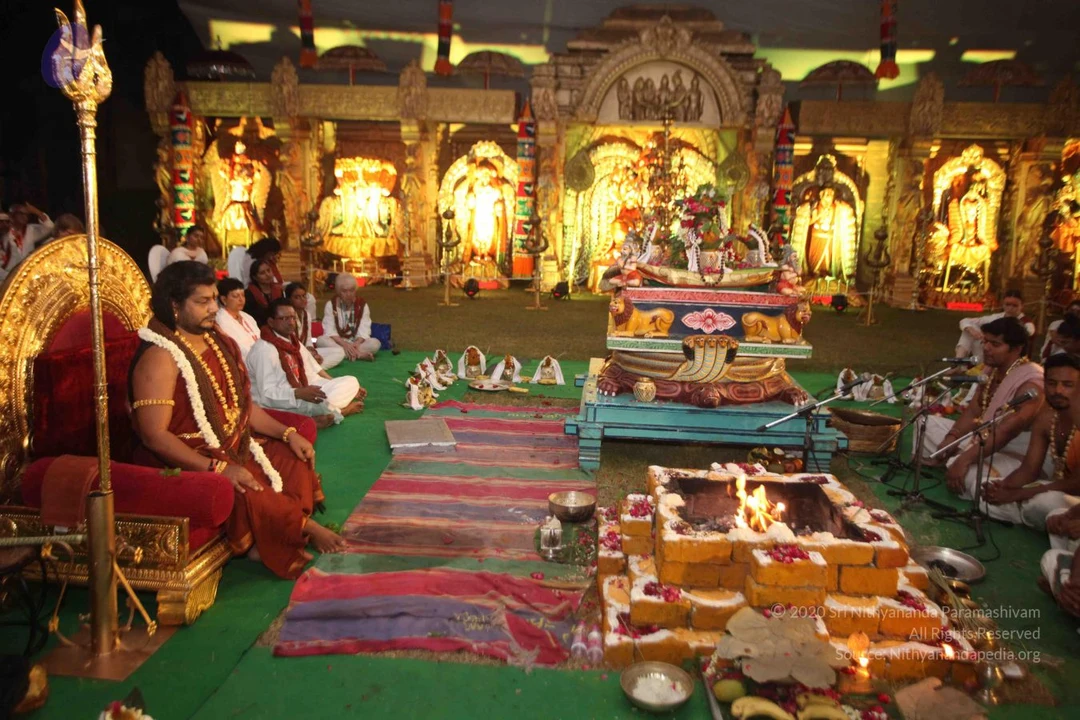
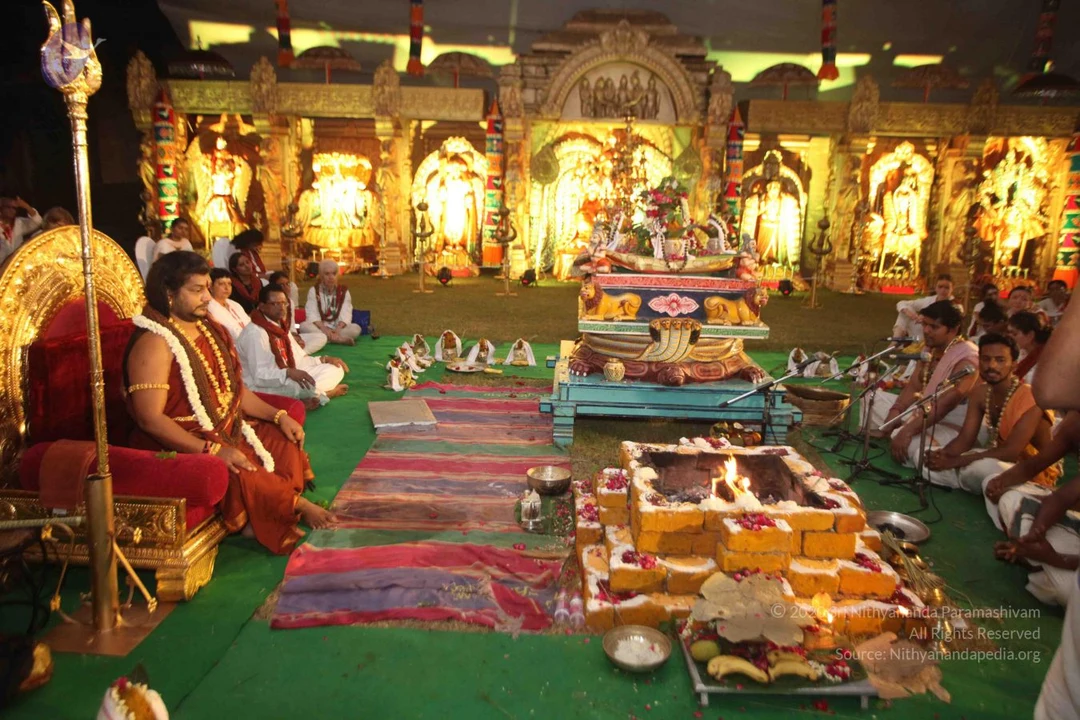
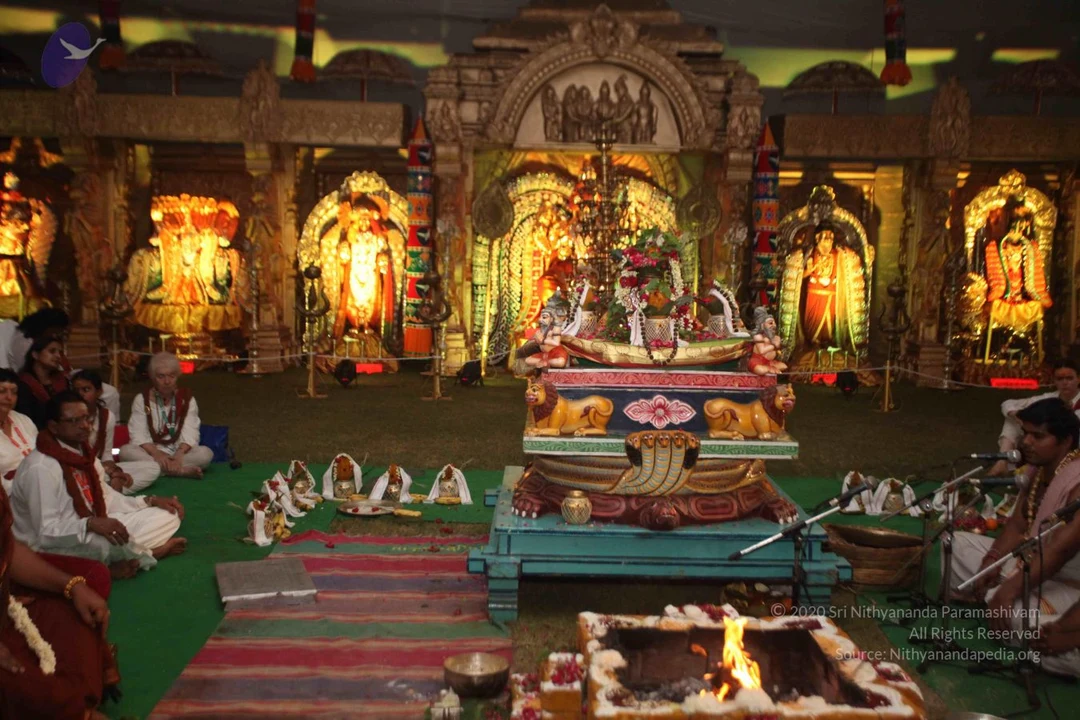
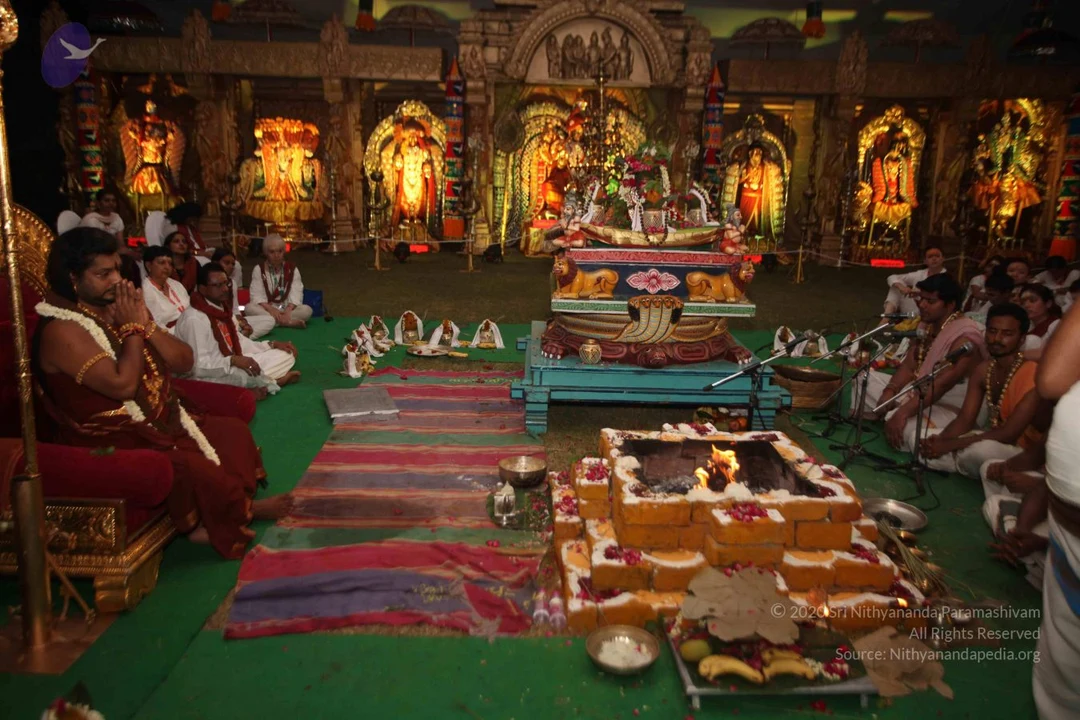
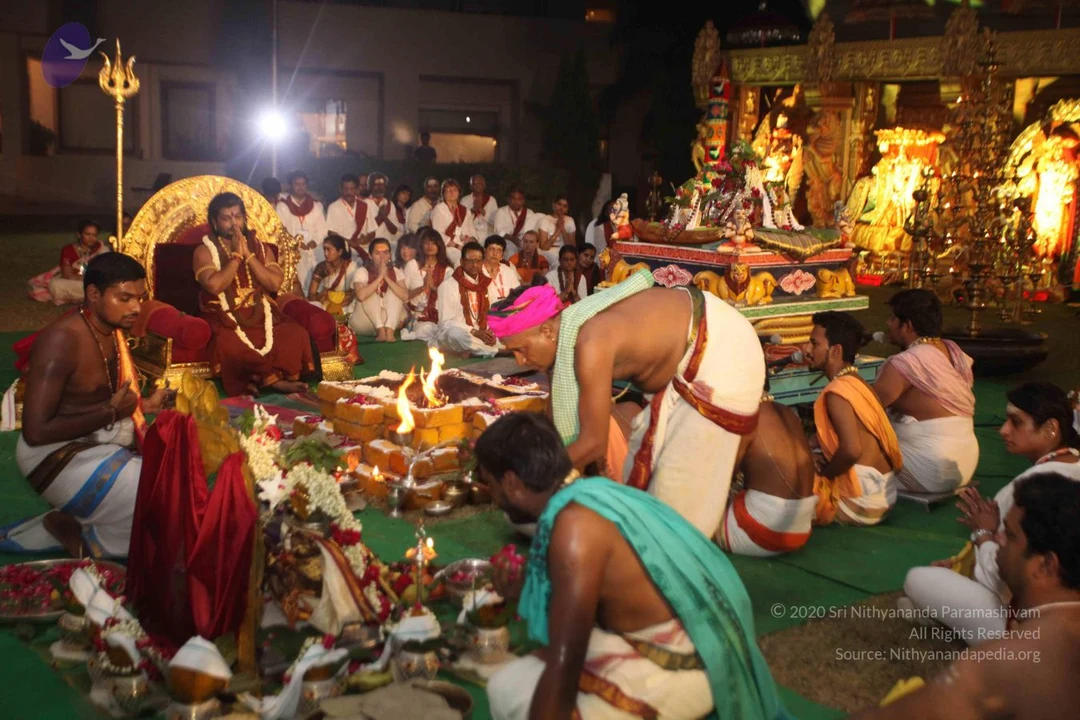
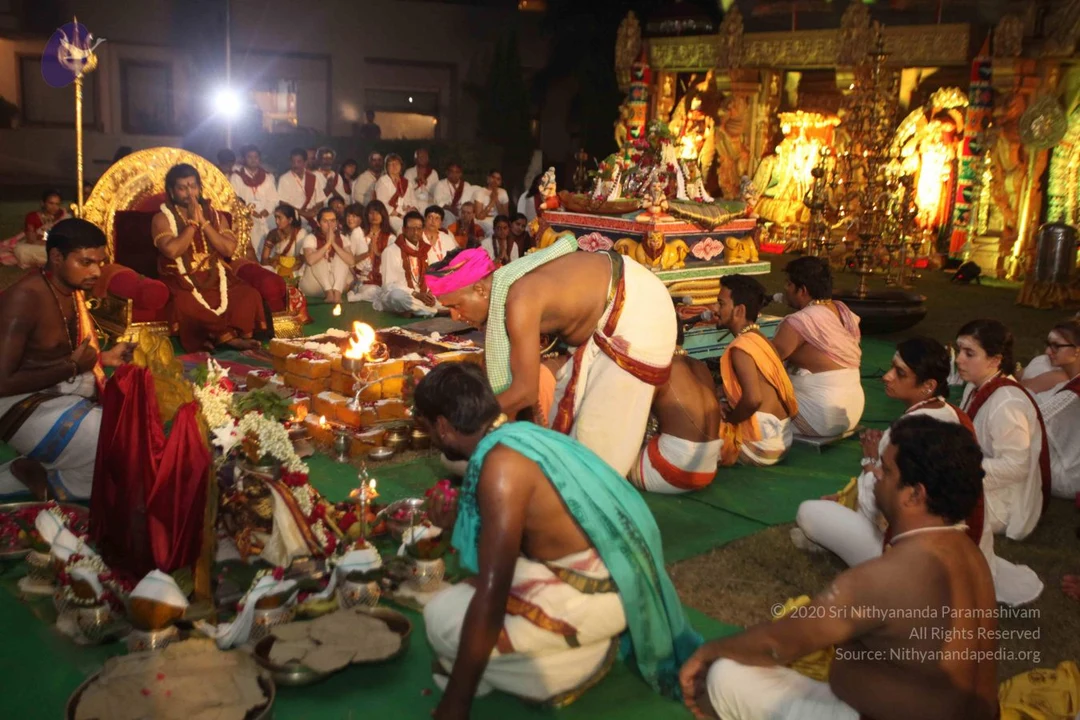
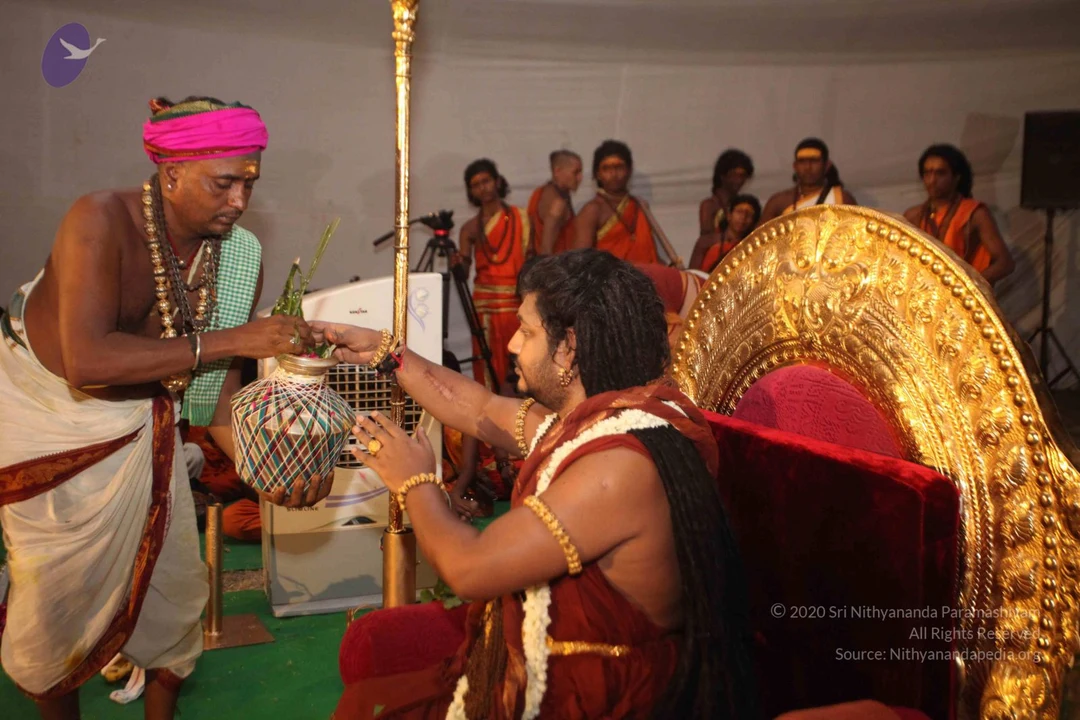
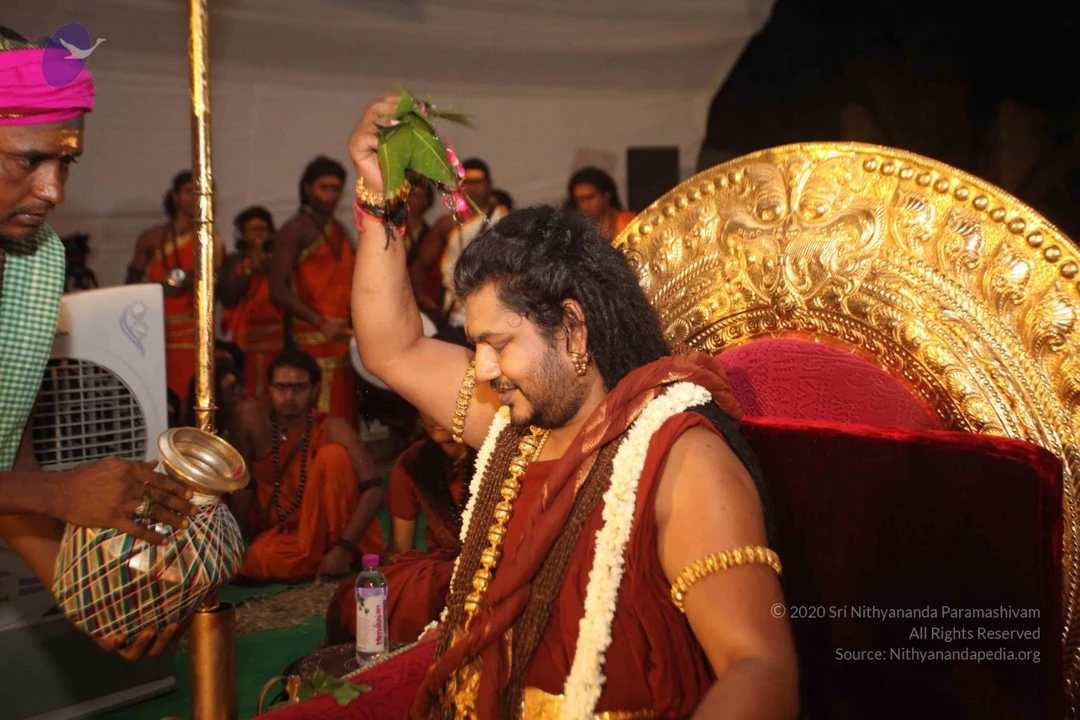

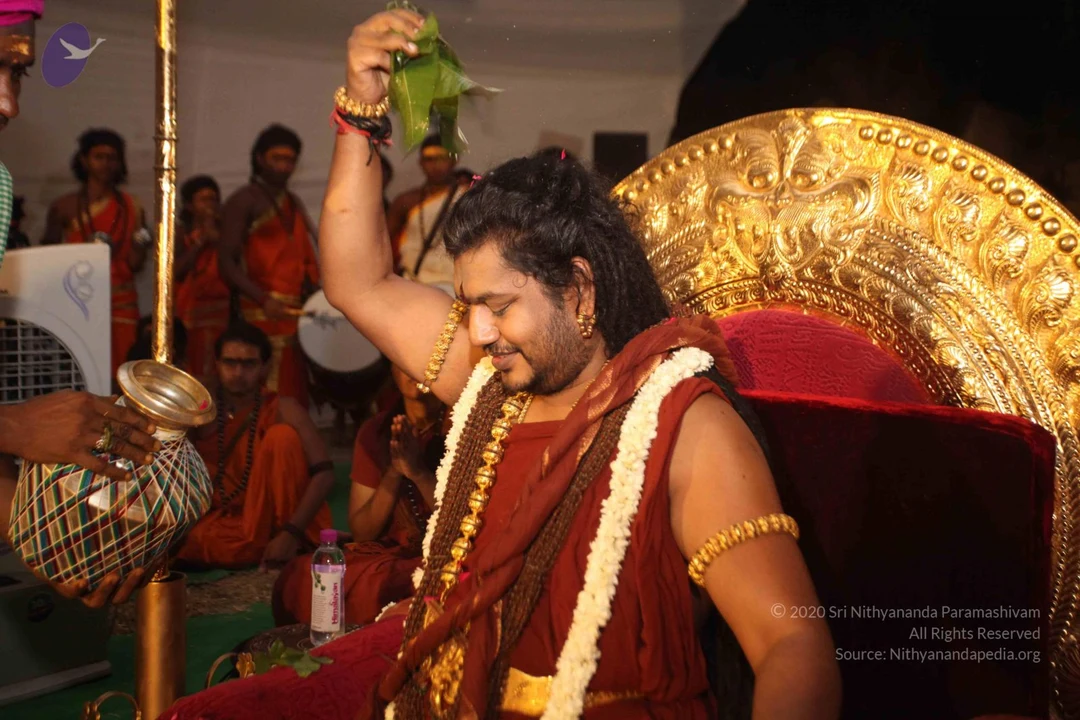


Photos from this day
View all 254 photosNithya Satsang
1 photoSource gallery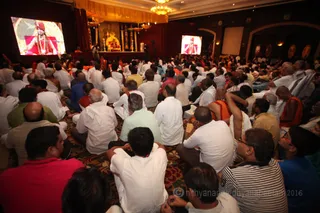
Temple Deities
4 photosSource gallery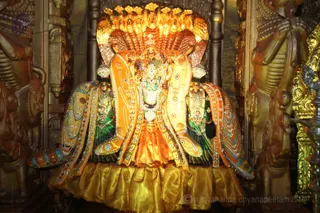
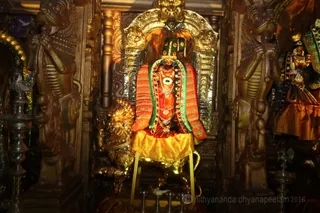
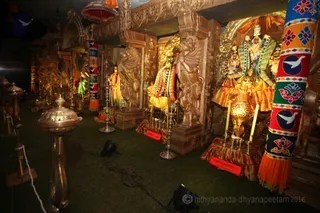
MorningSatsang
80 photosSource gallery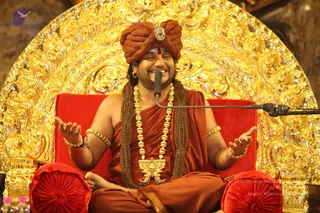
Tamilnadu-SMKT-Meeting
3 photosSource gallery

Shivoham
31 photosSource gallery
visheeshadeeksha
135 photosSource gallery