Skip to content
Thursday

4 July 2013

Dated photos
538
Source pages
1
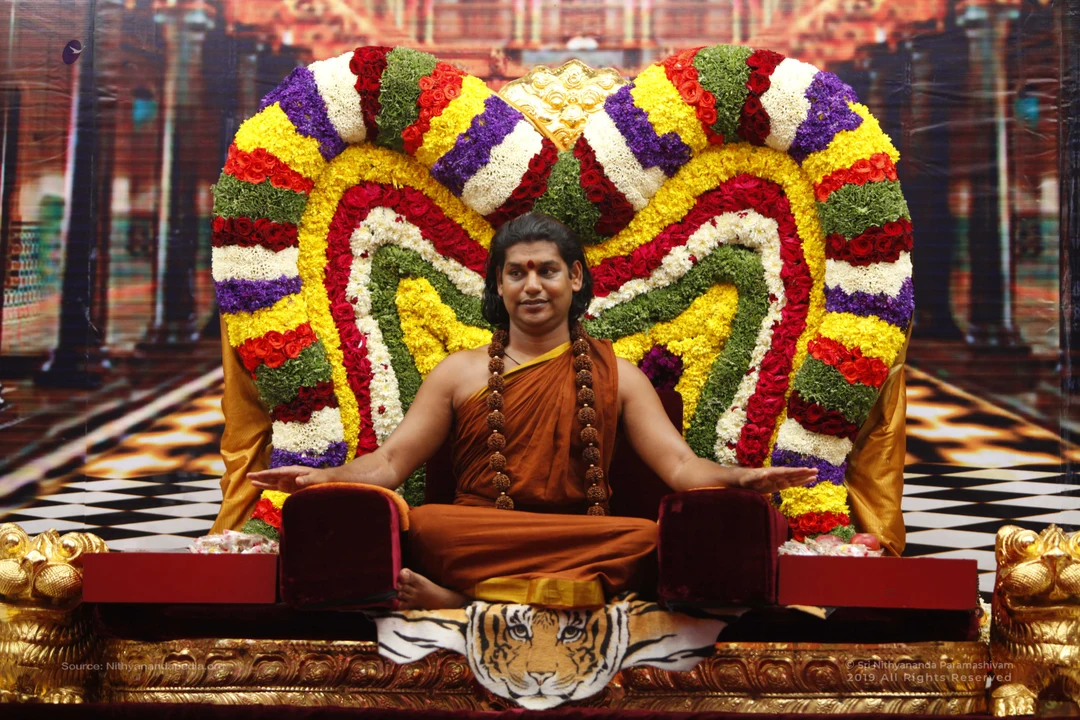
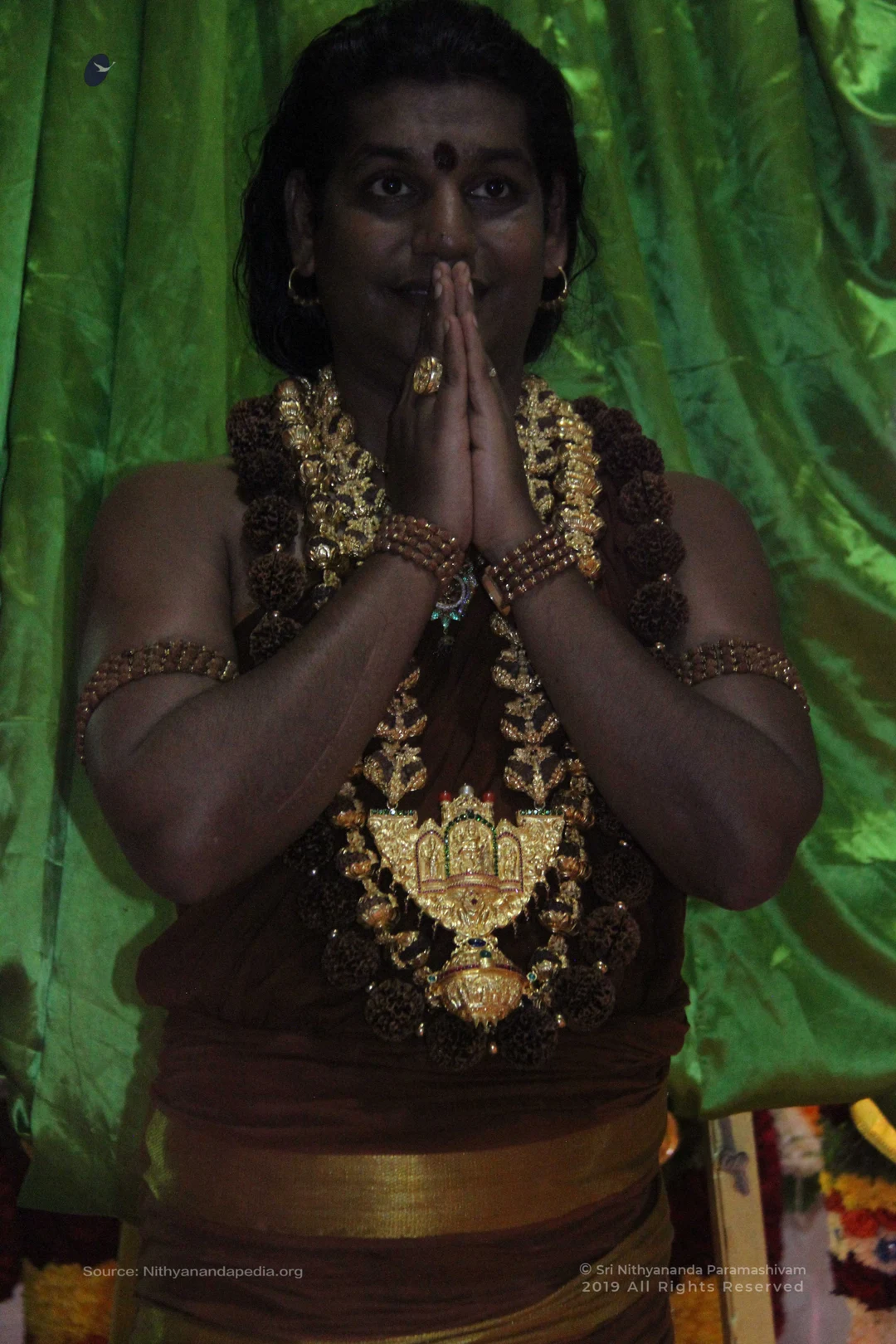
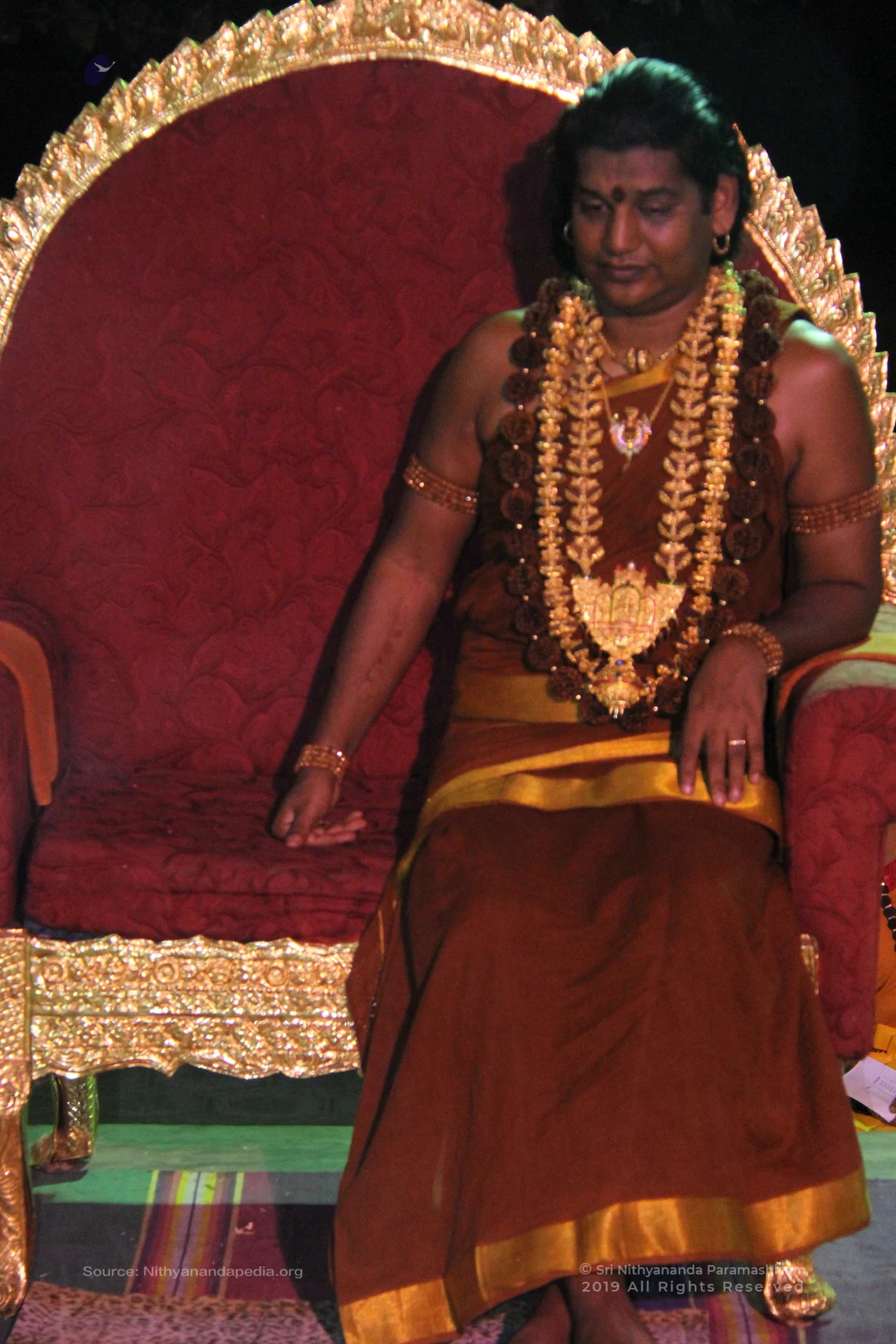
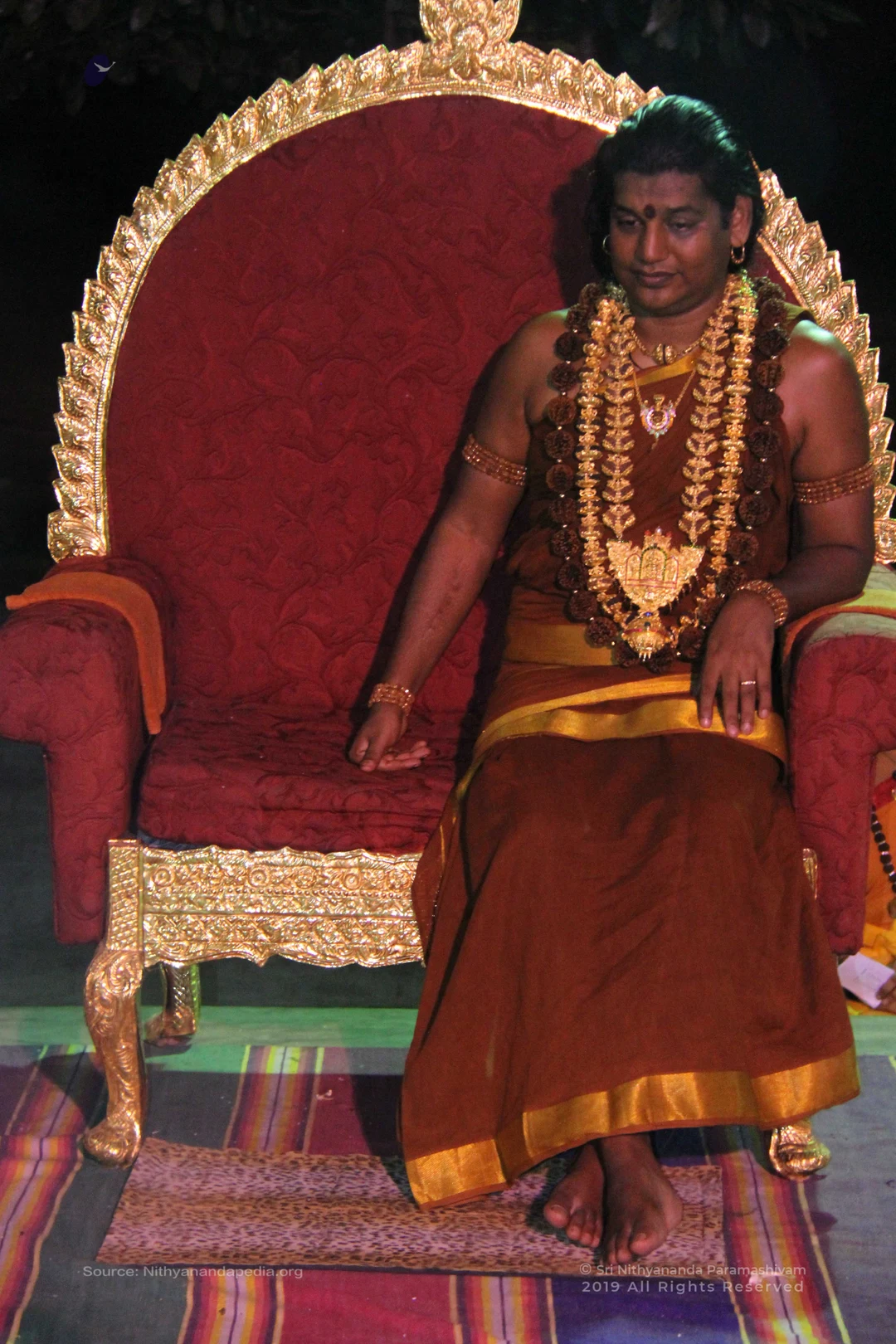
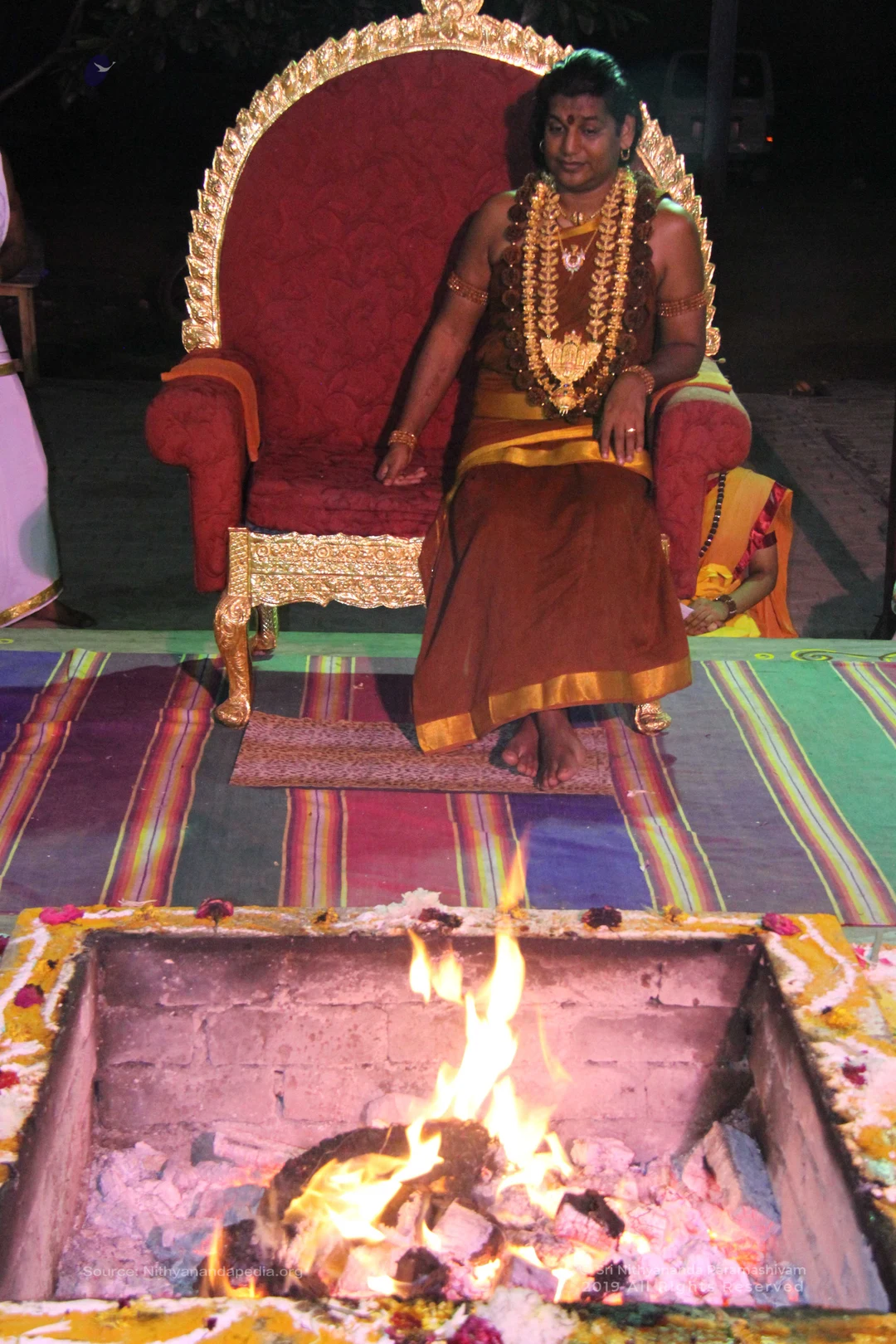
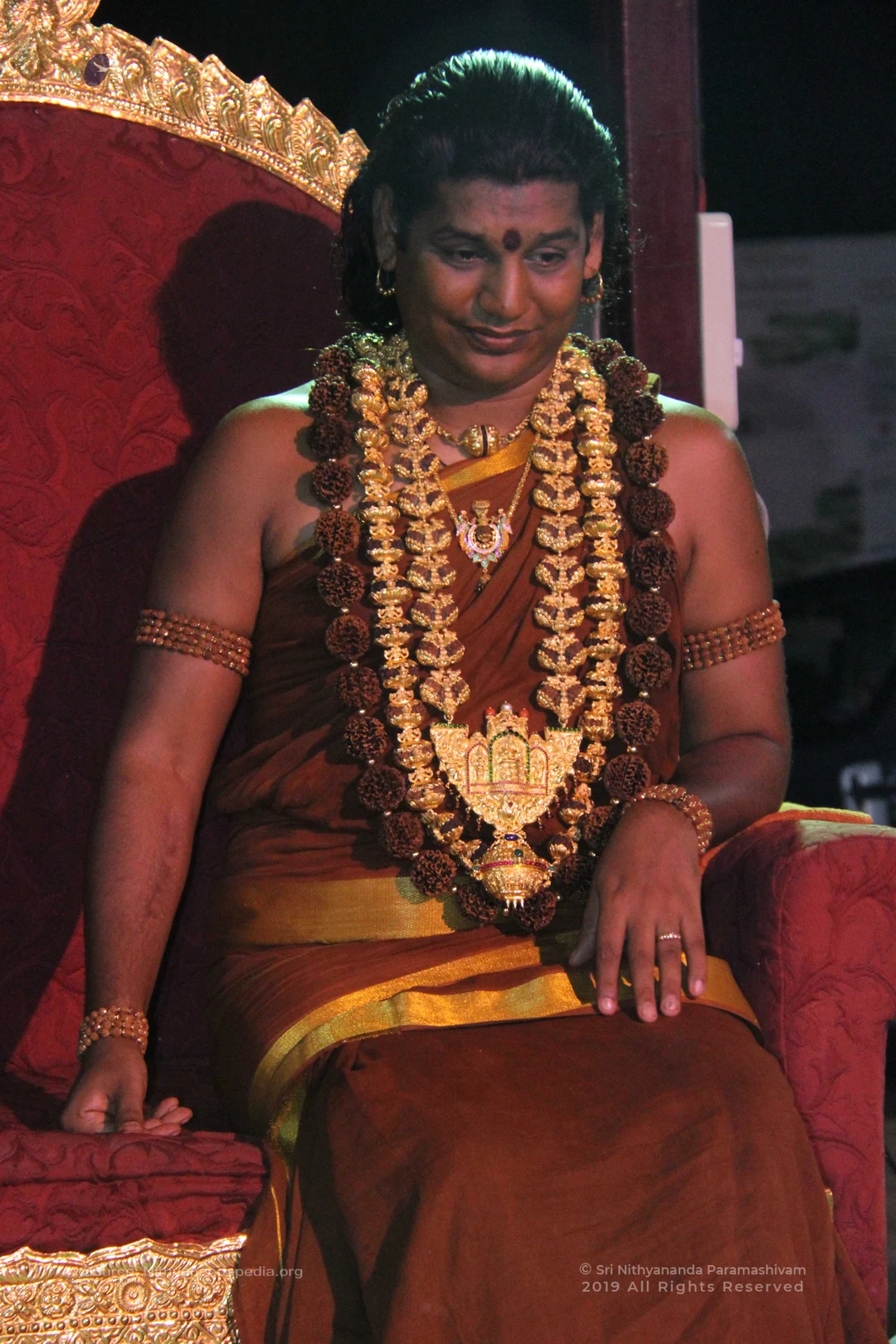
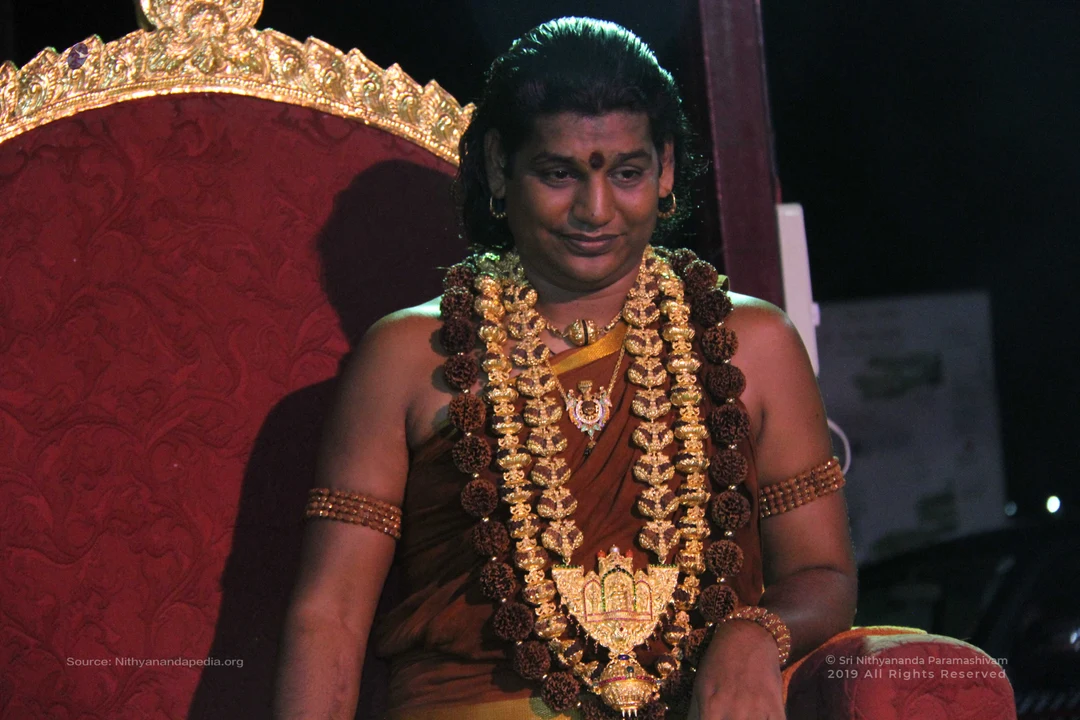
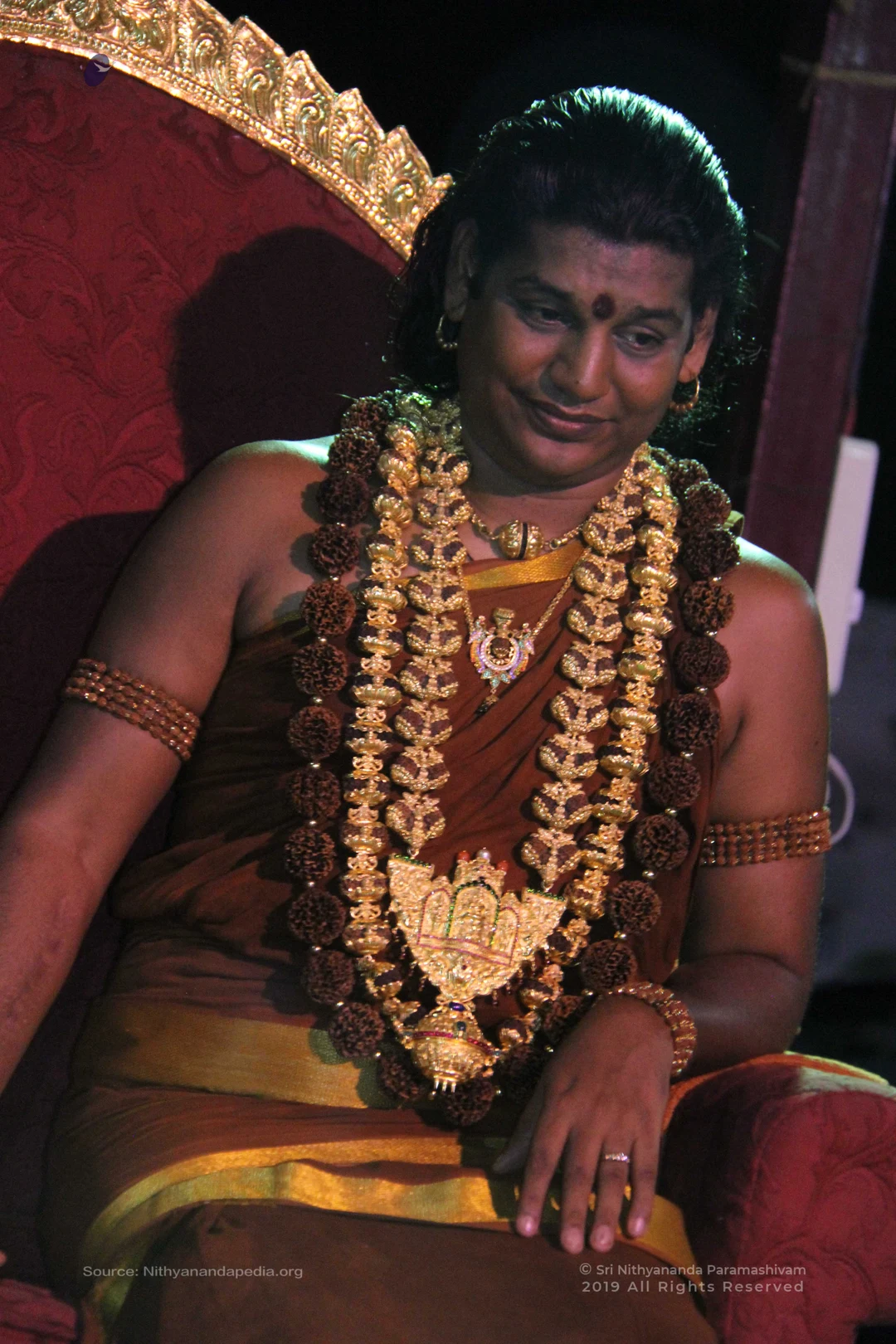
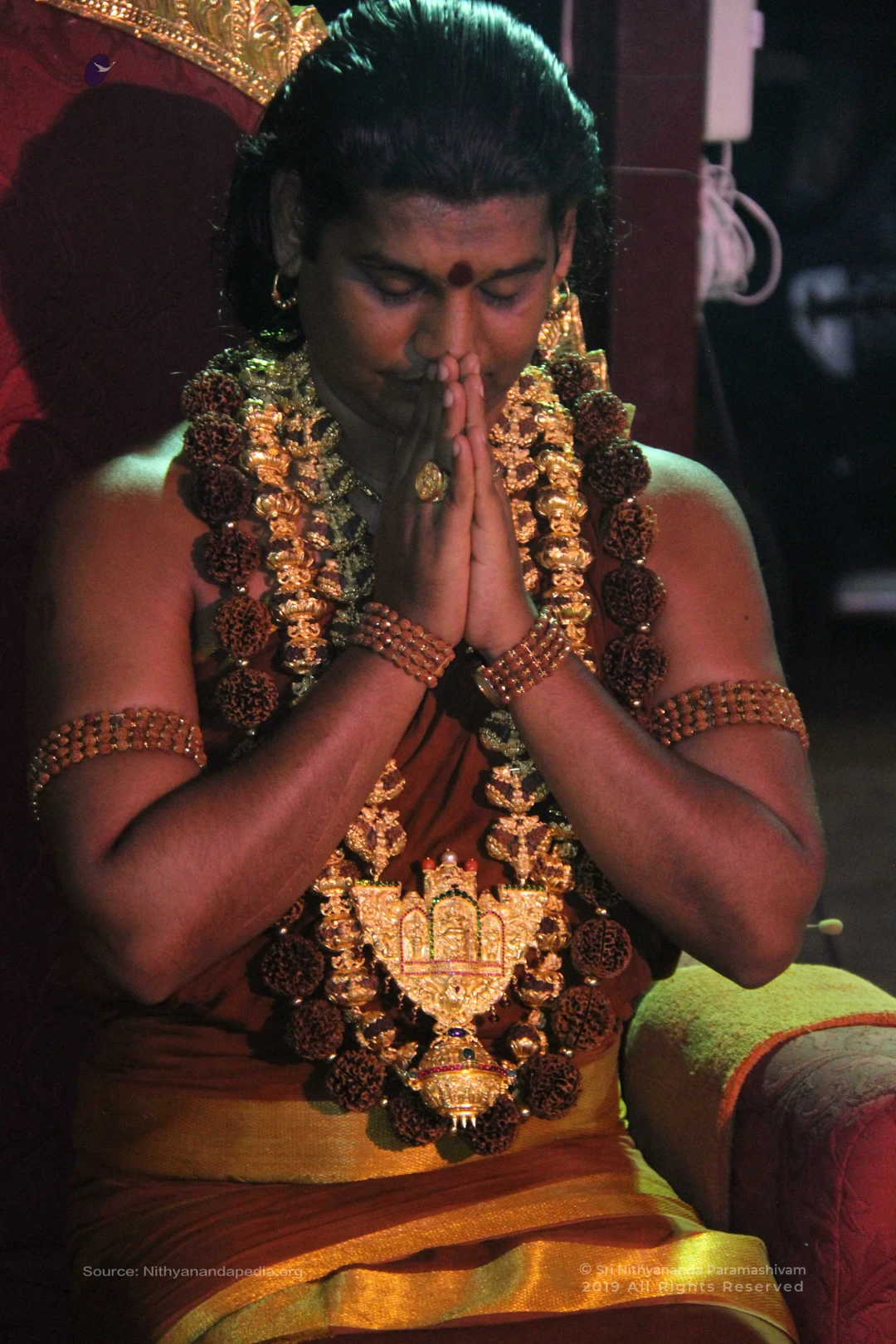
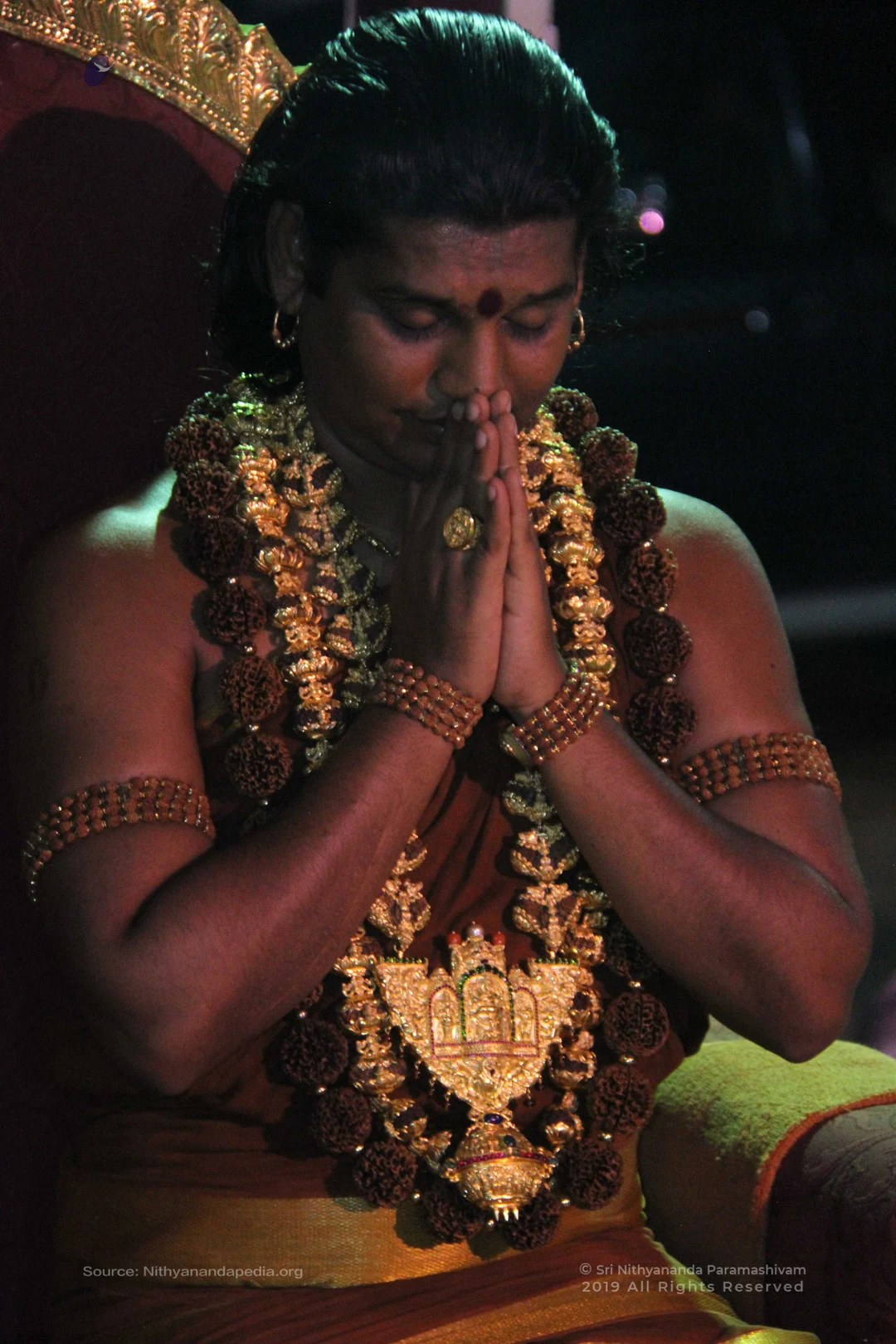
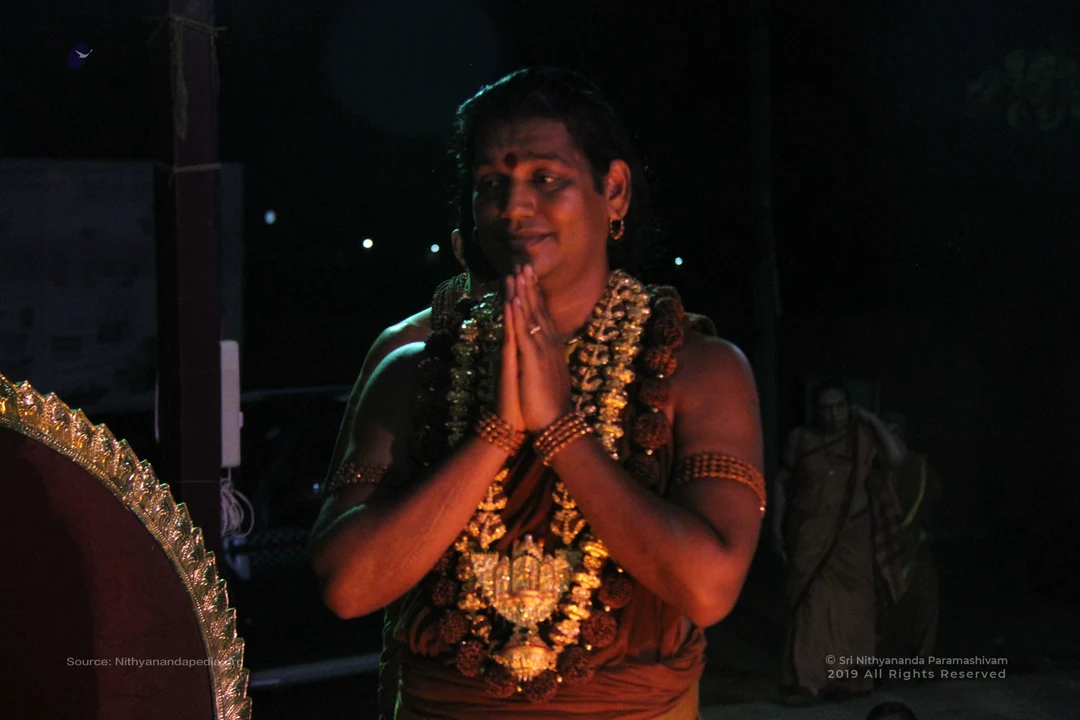
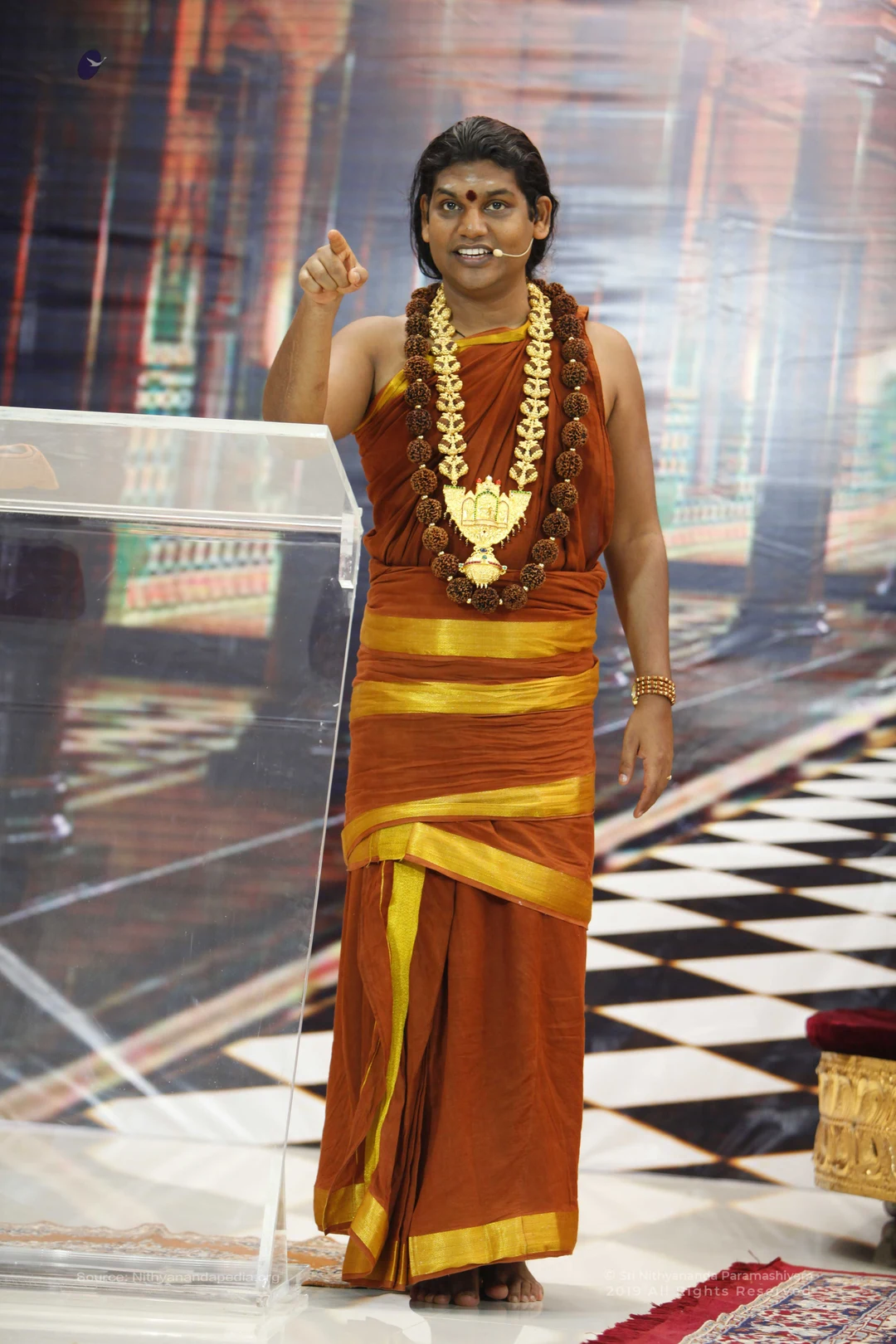
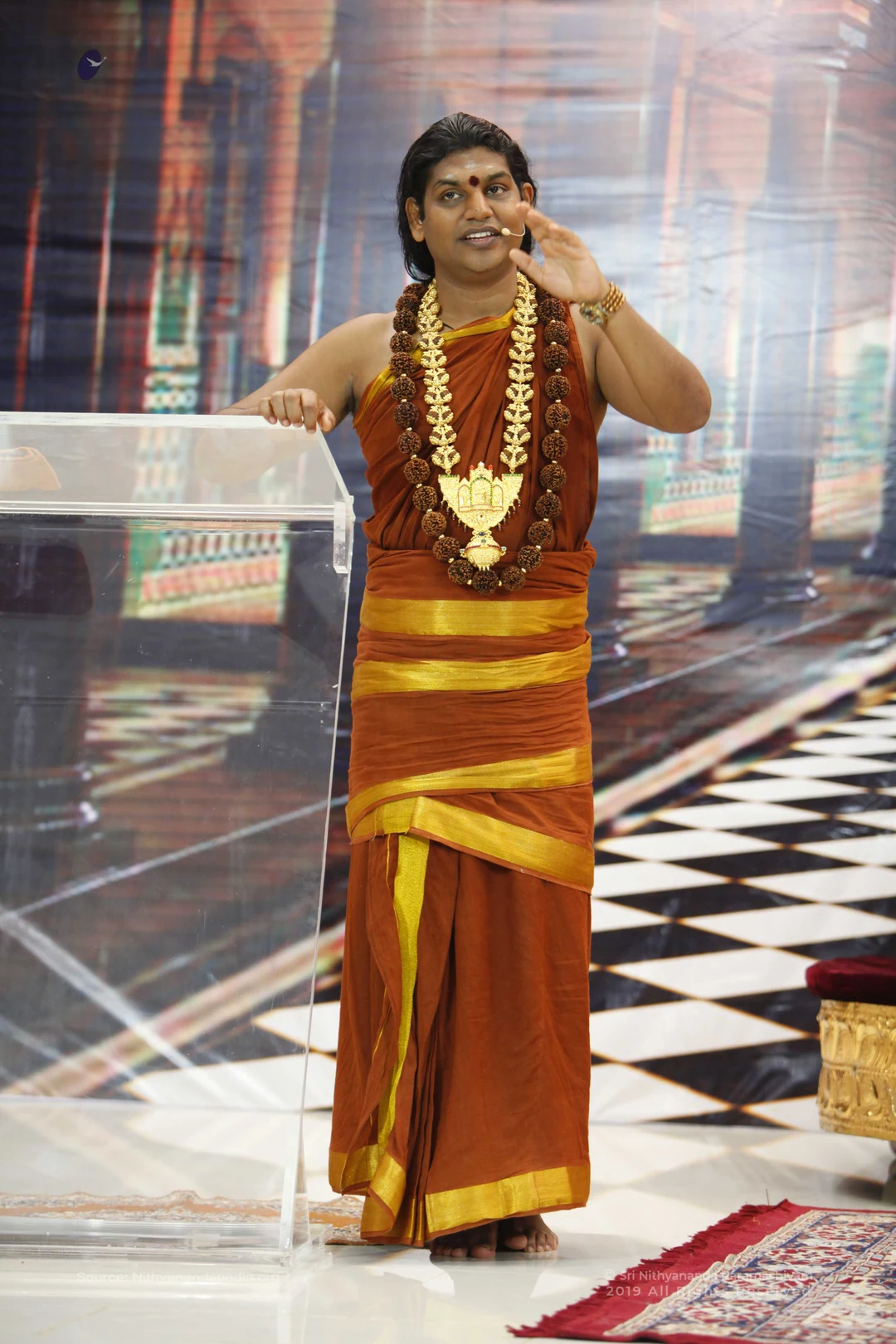
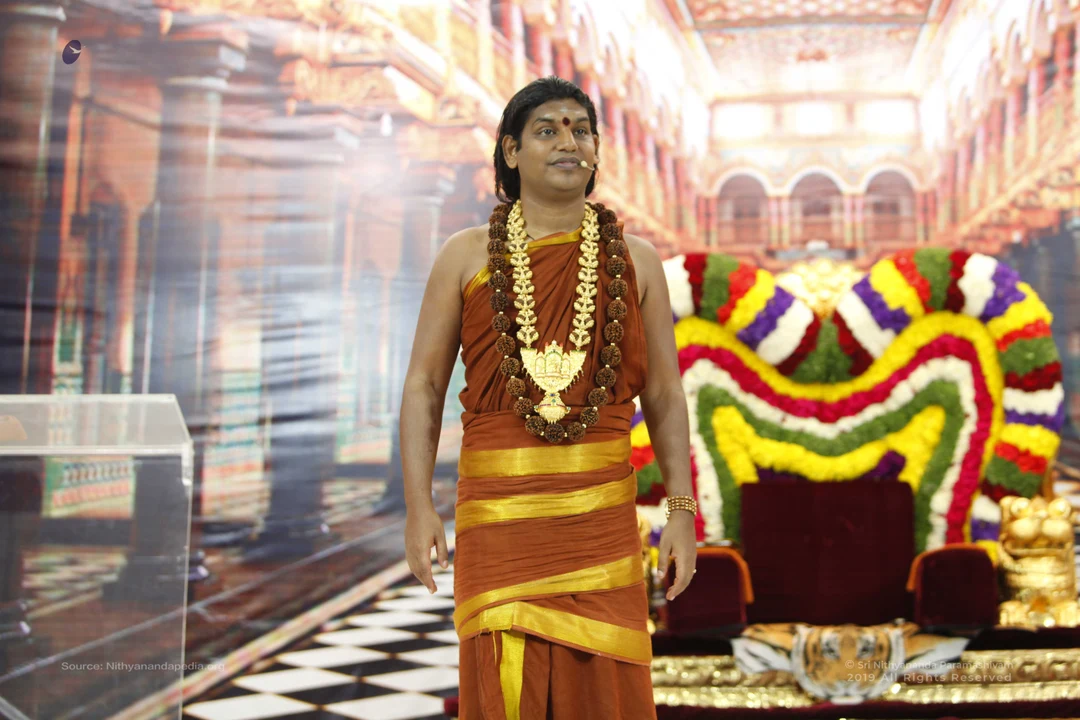
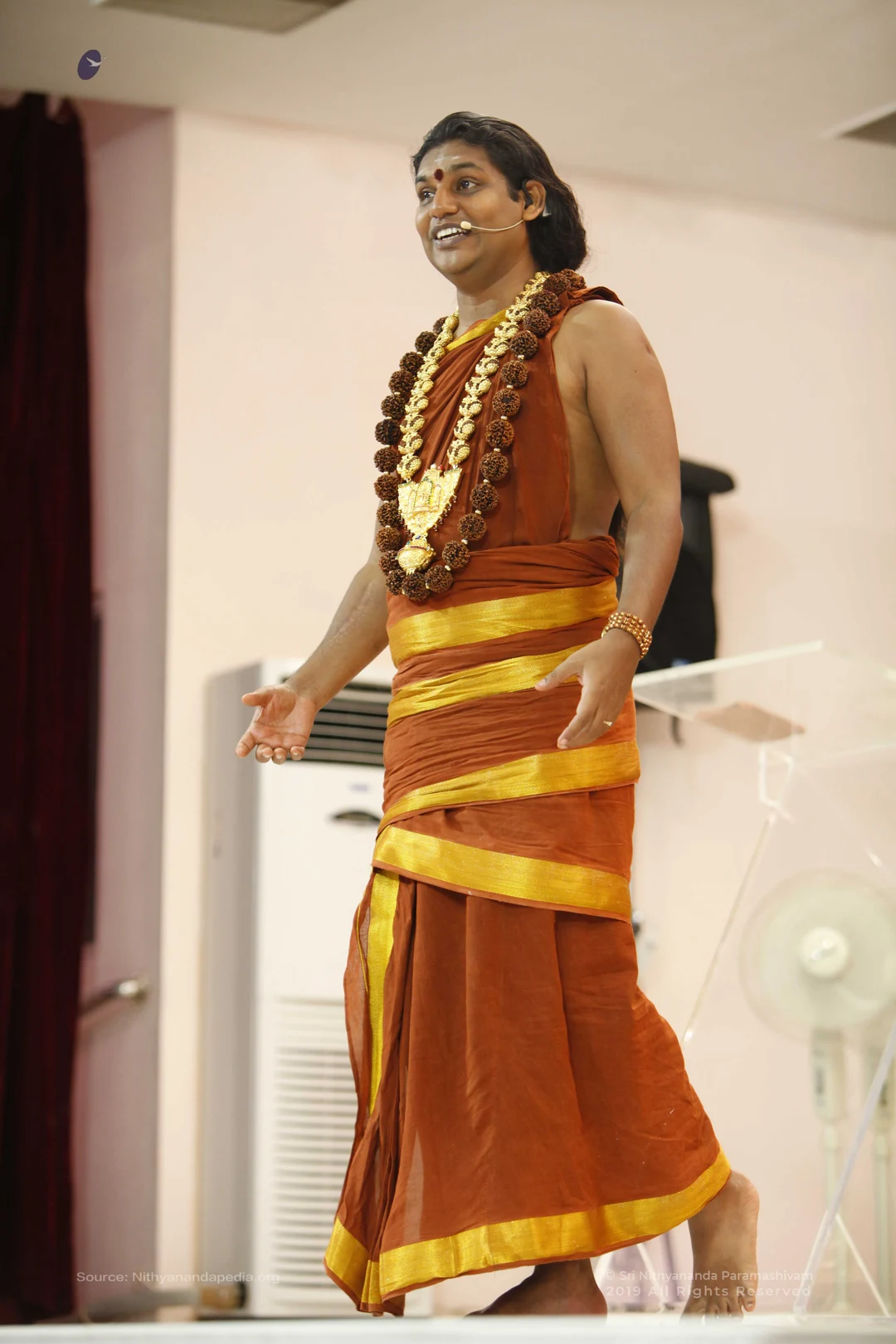
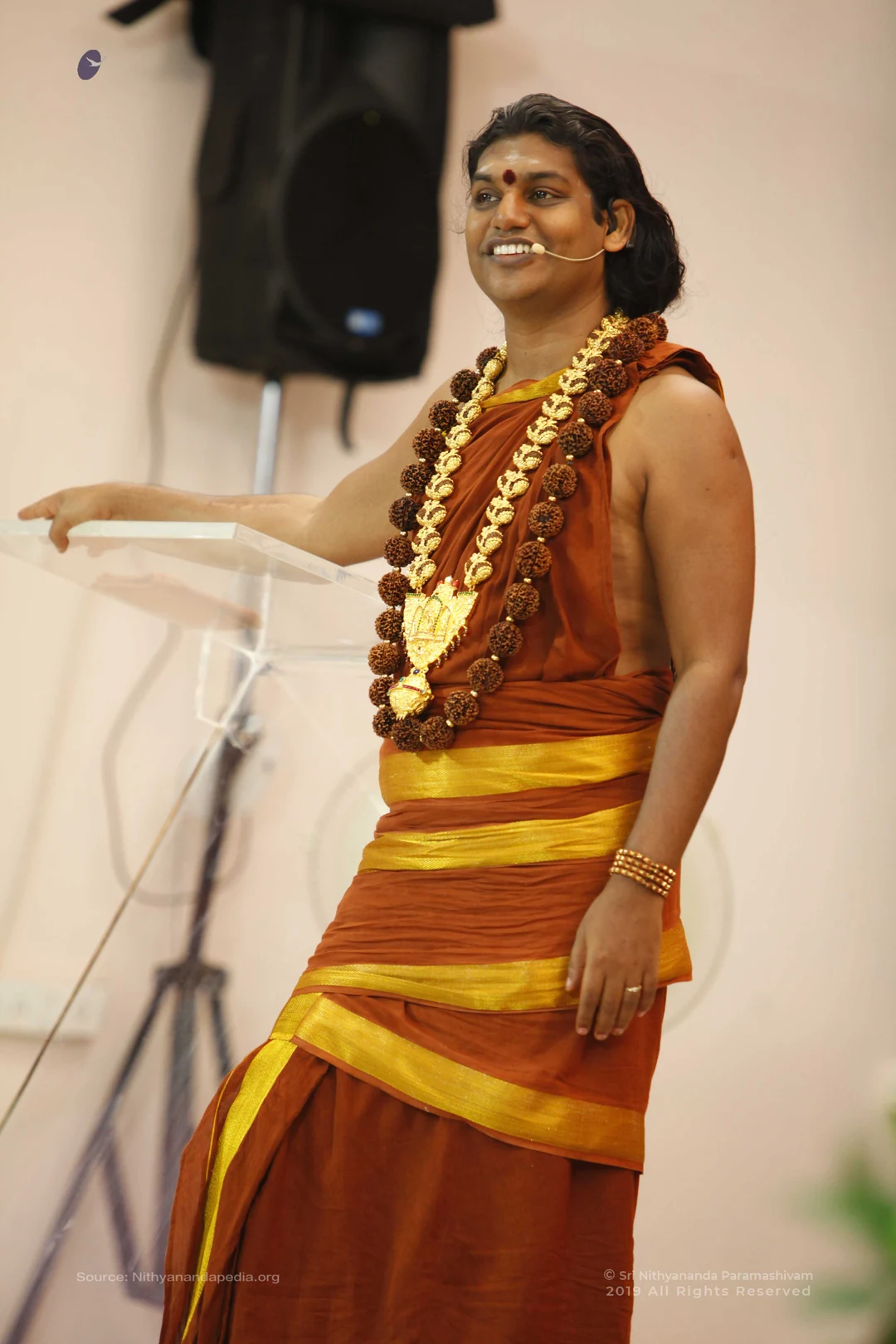
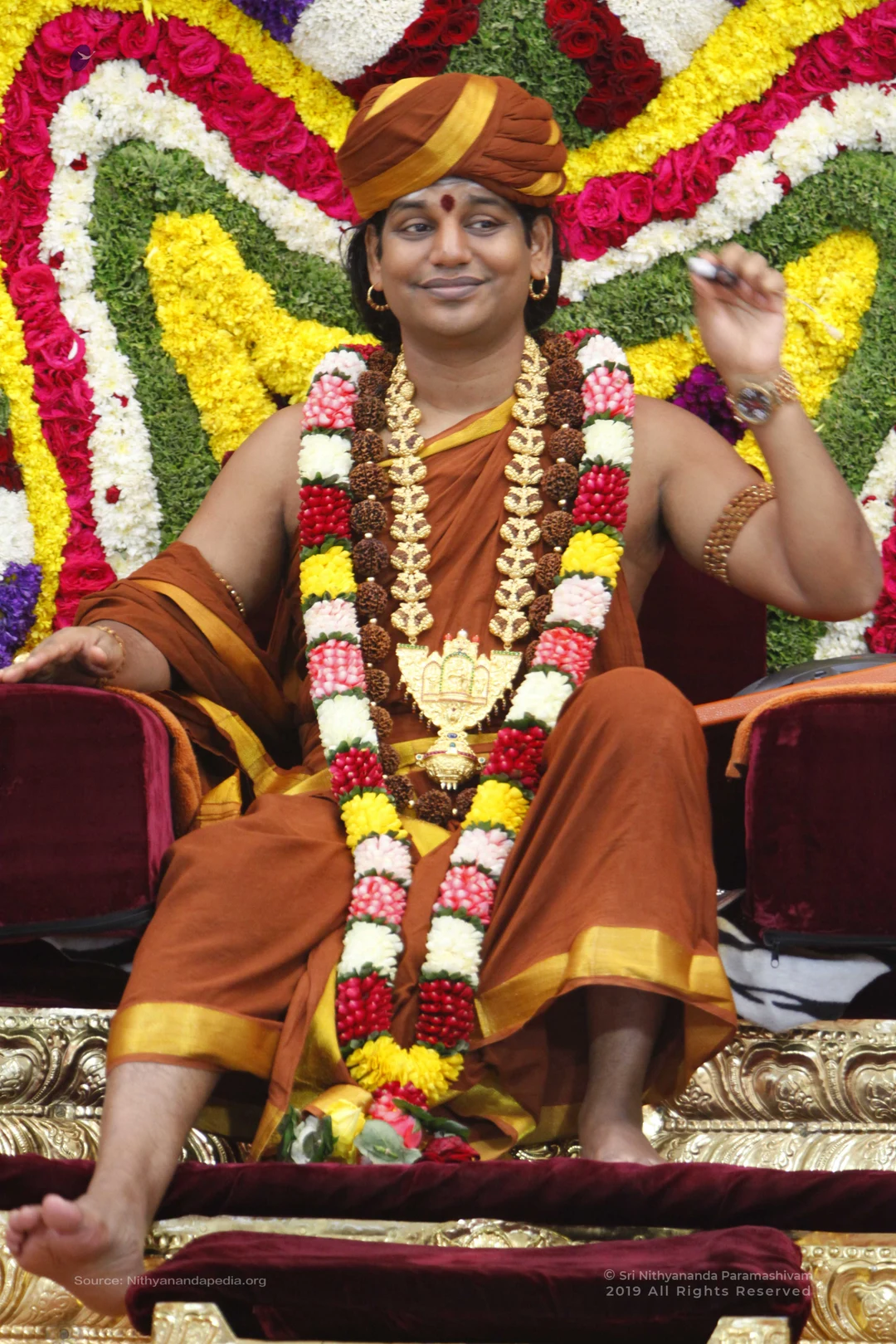
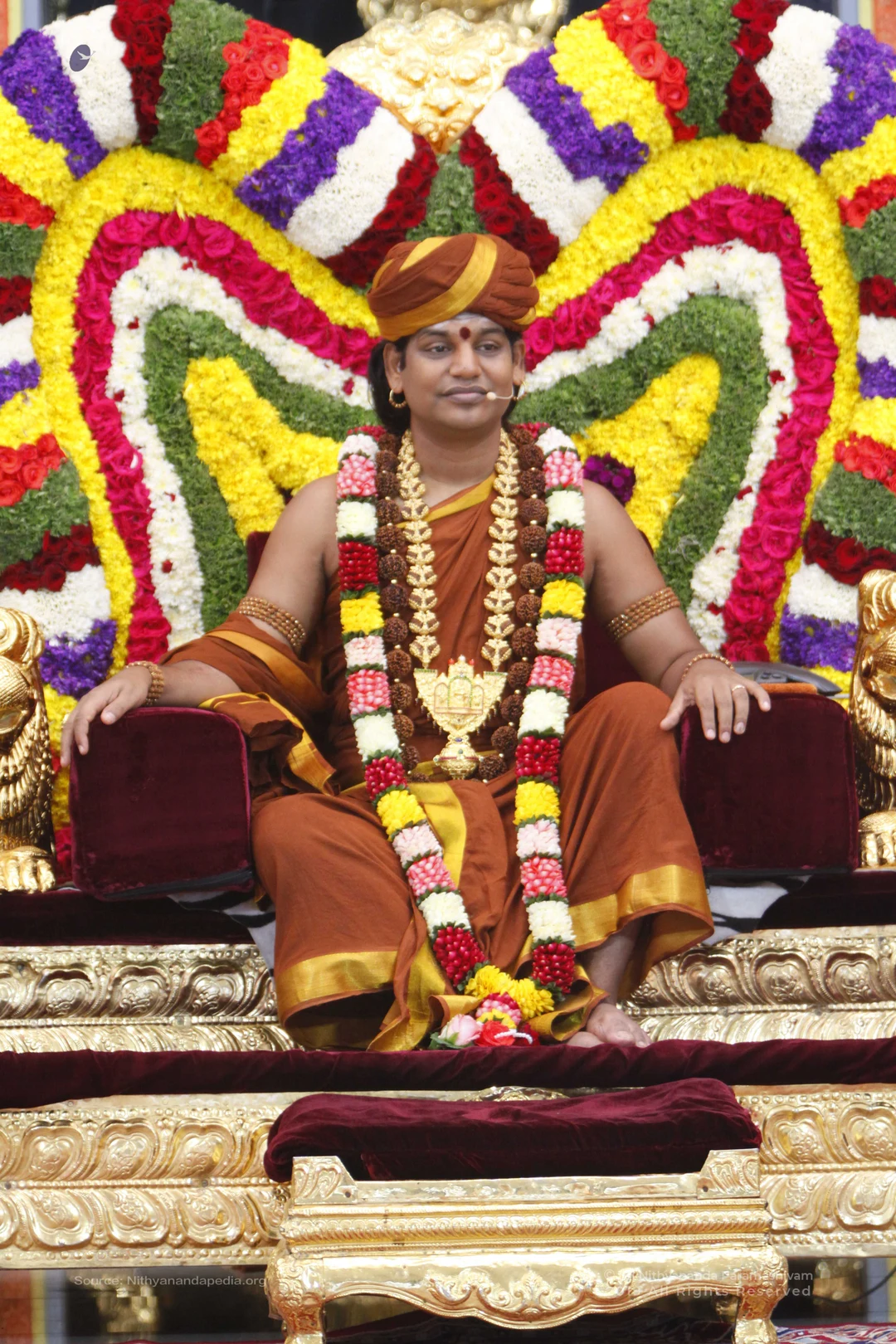
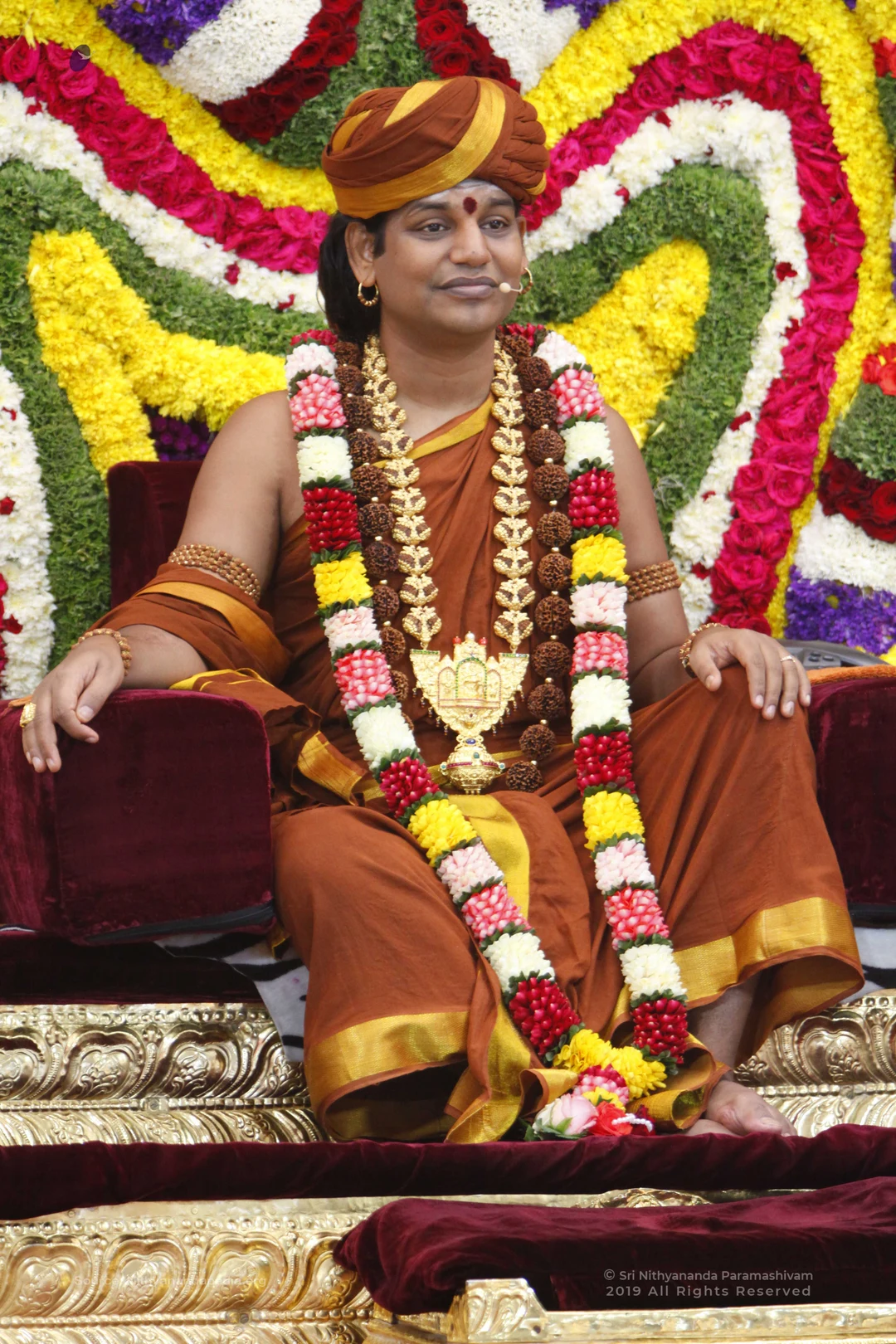
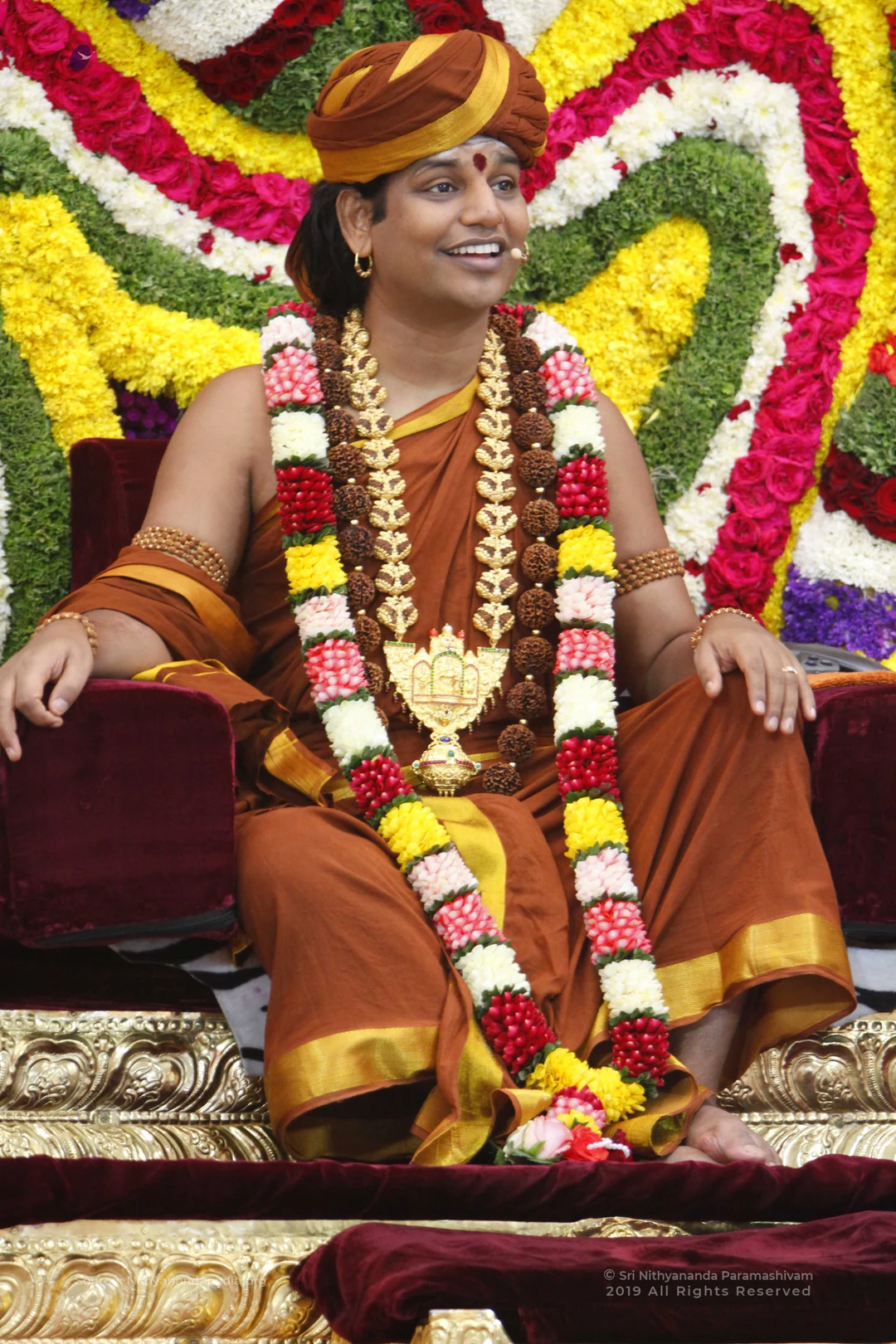
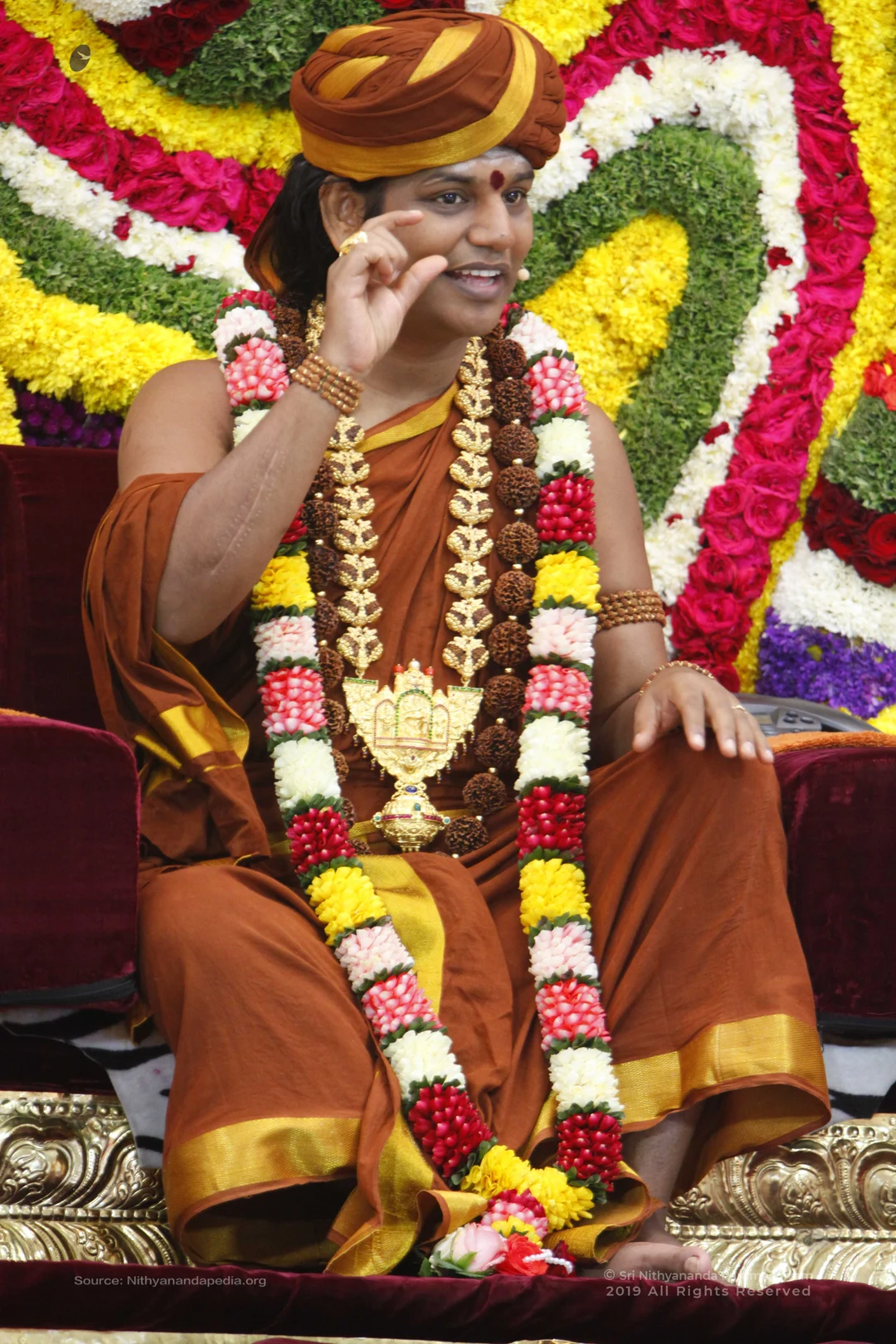
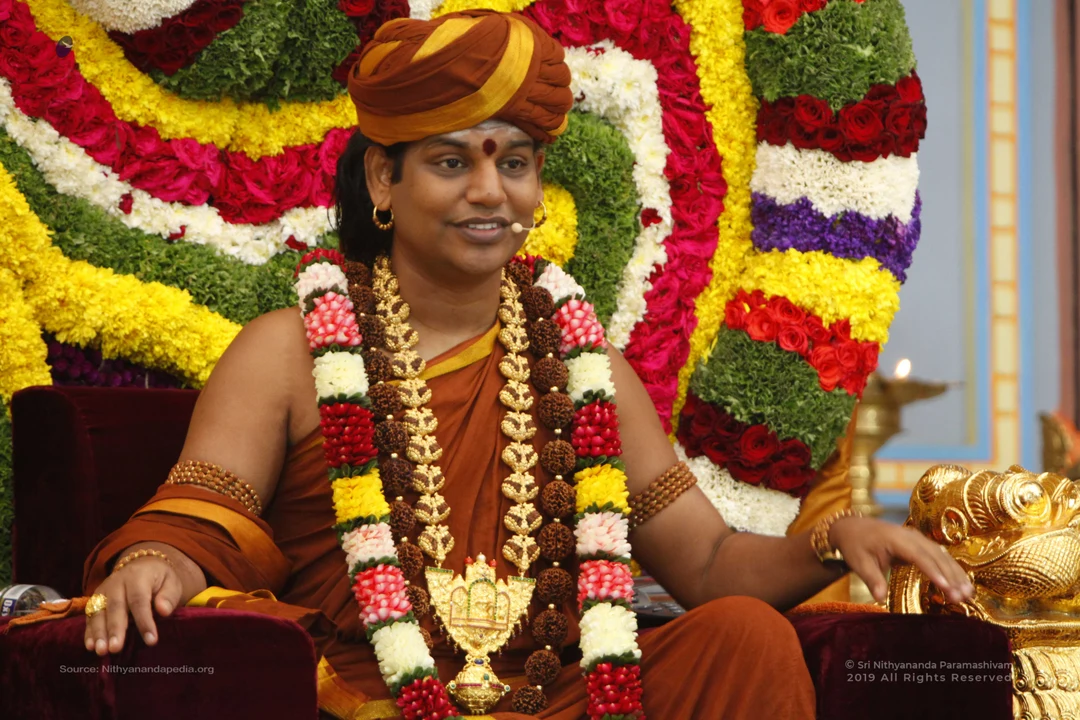
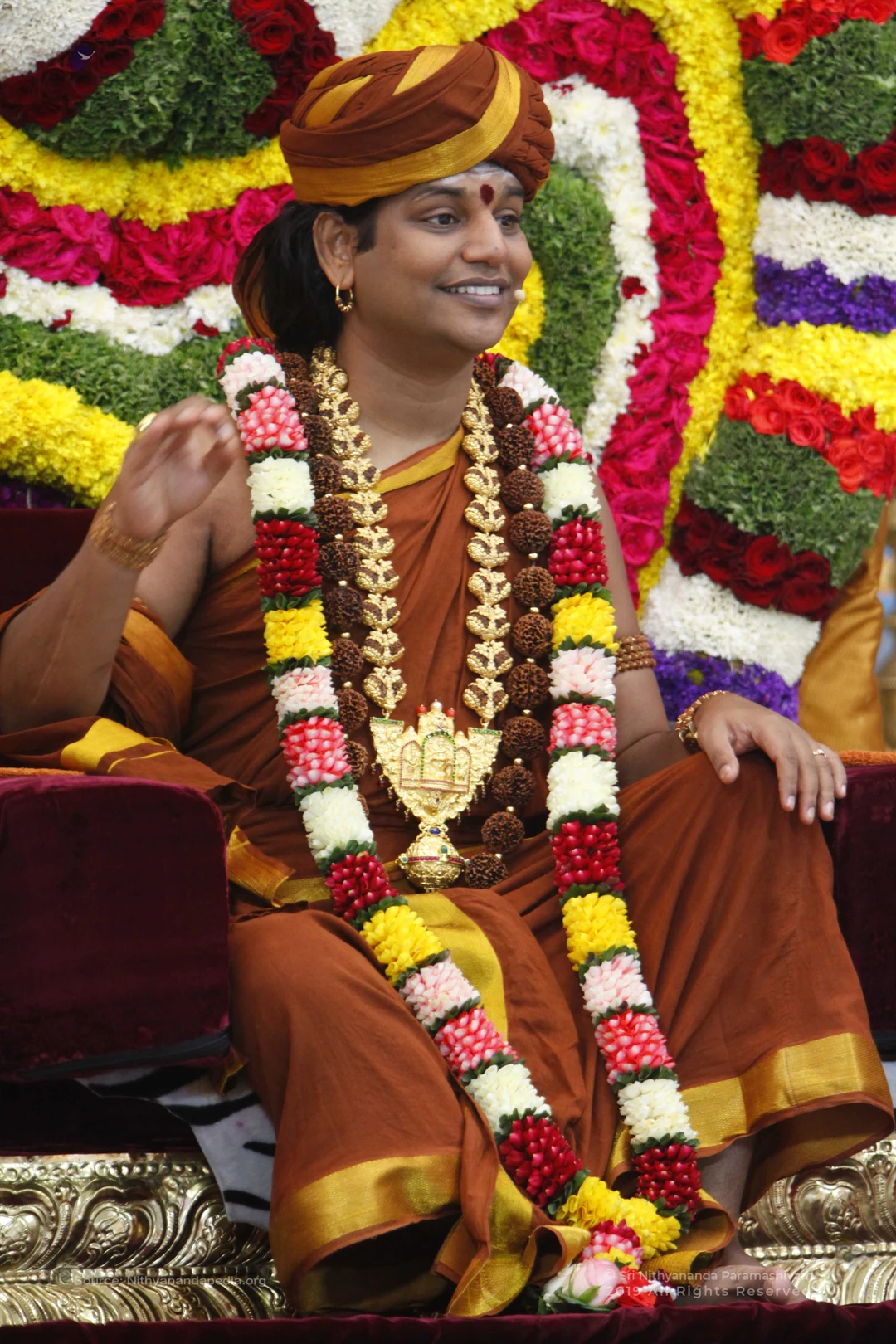
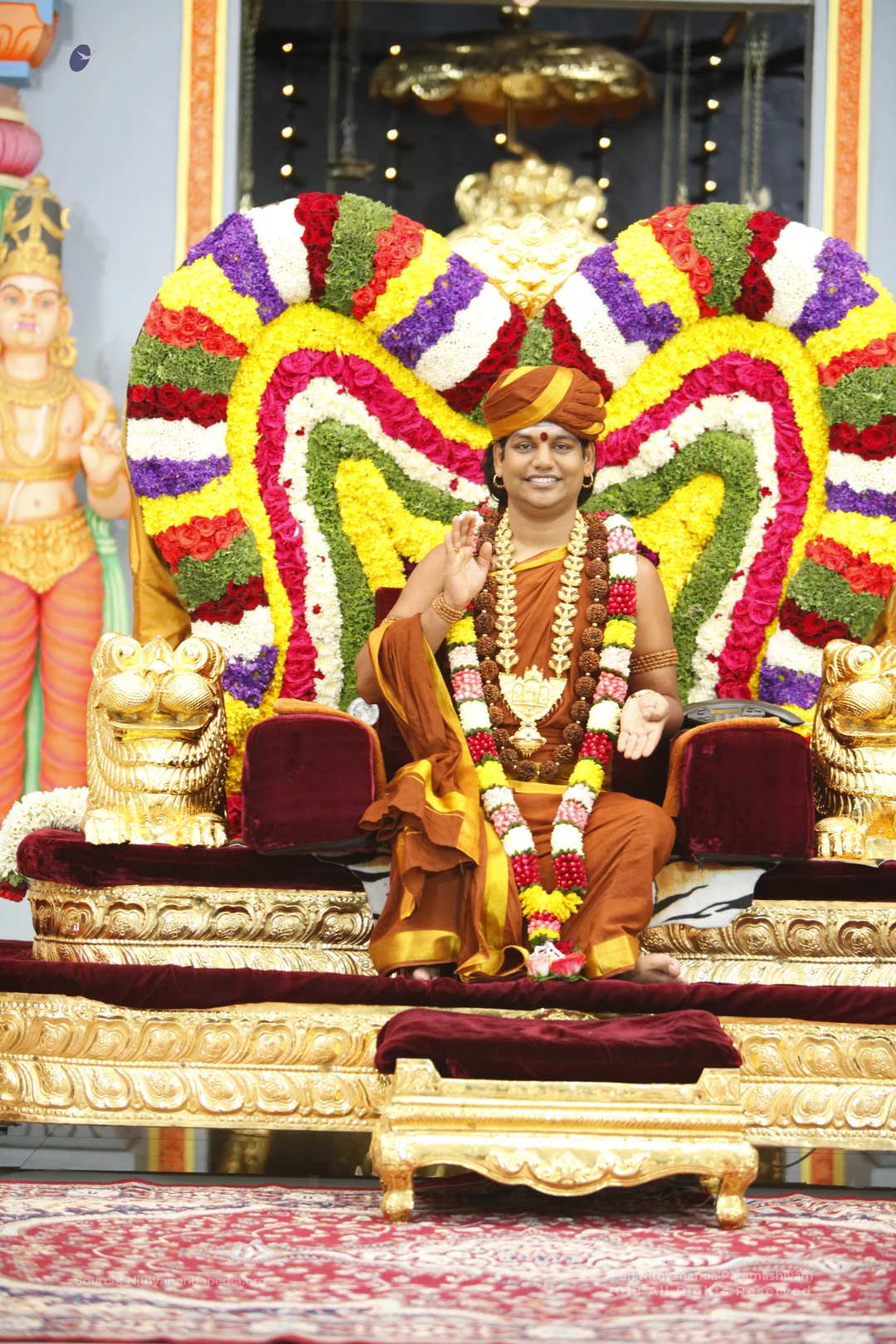
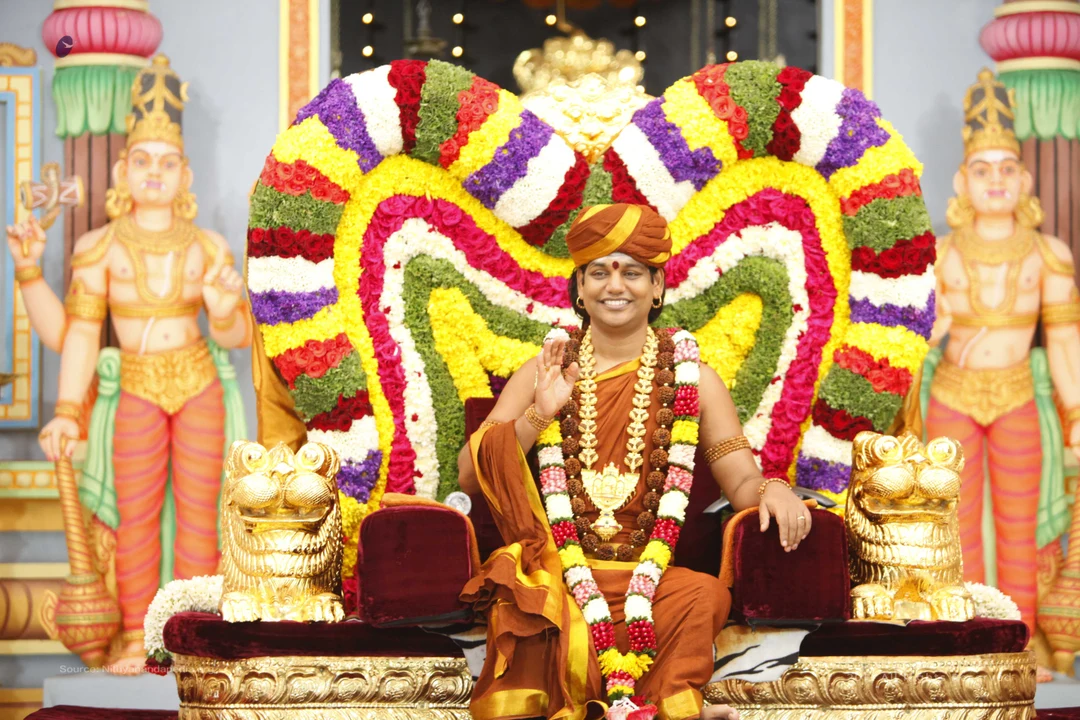
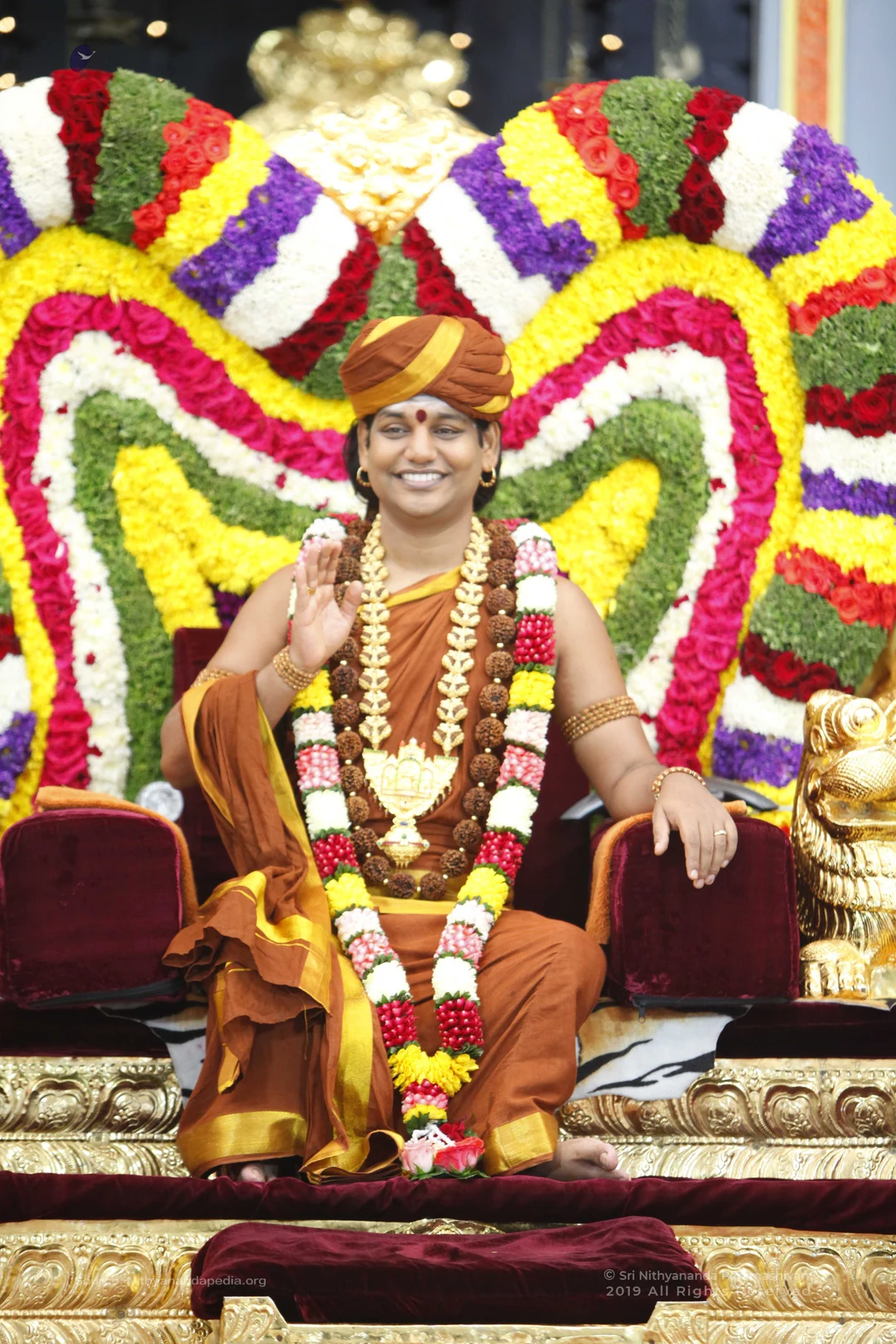
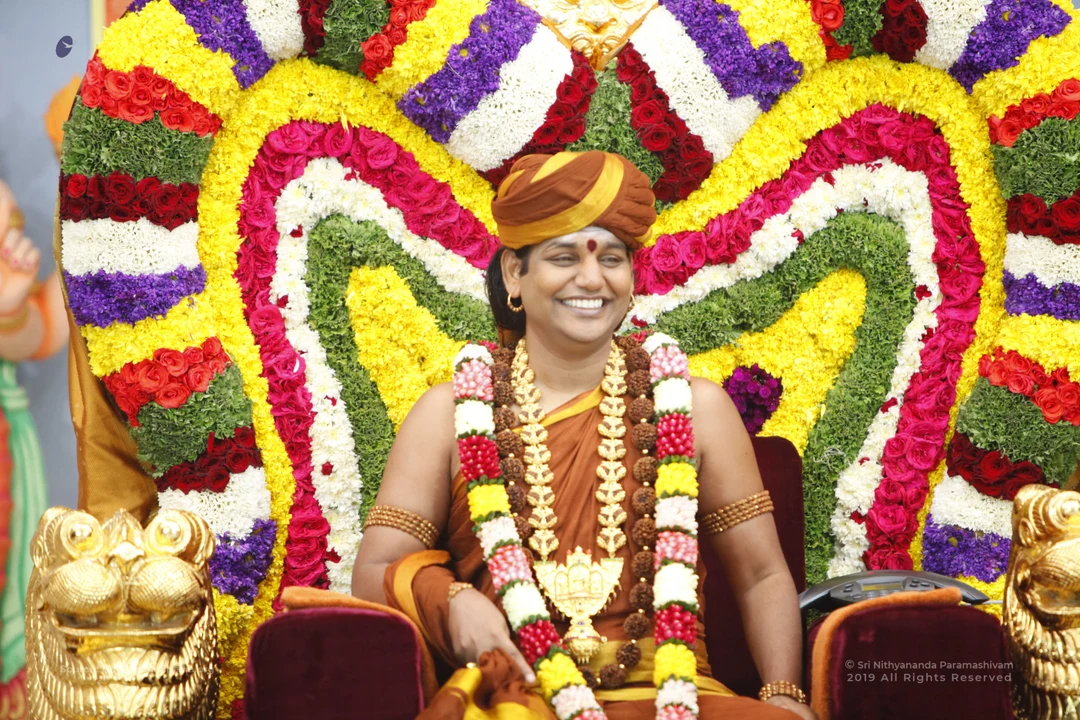
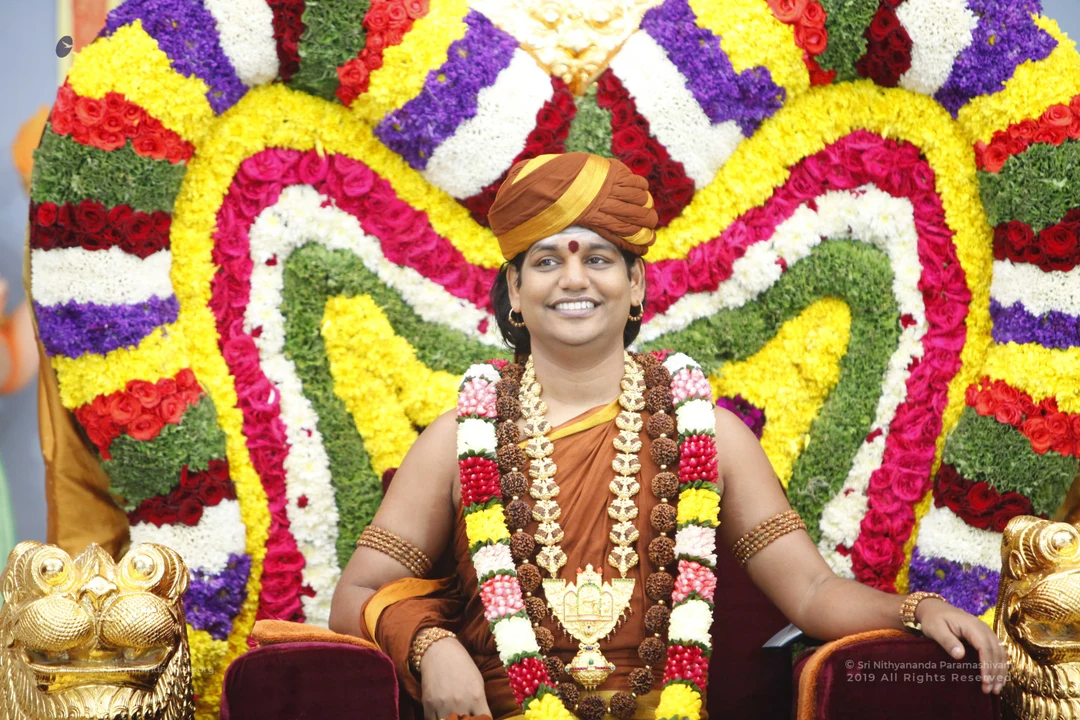
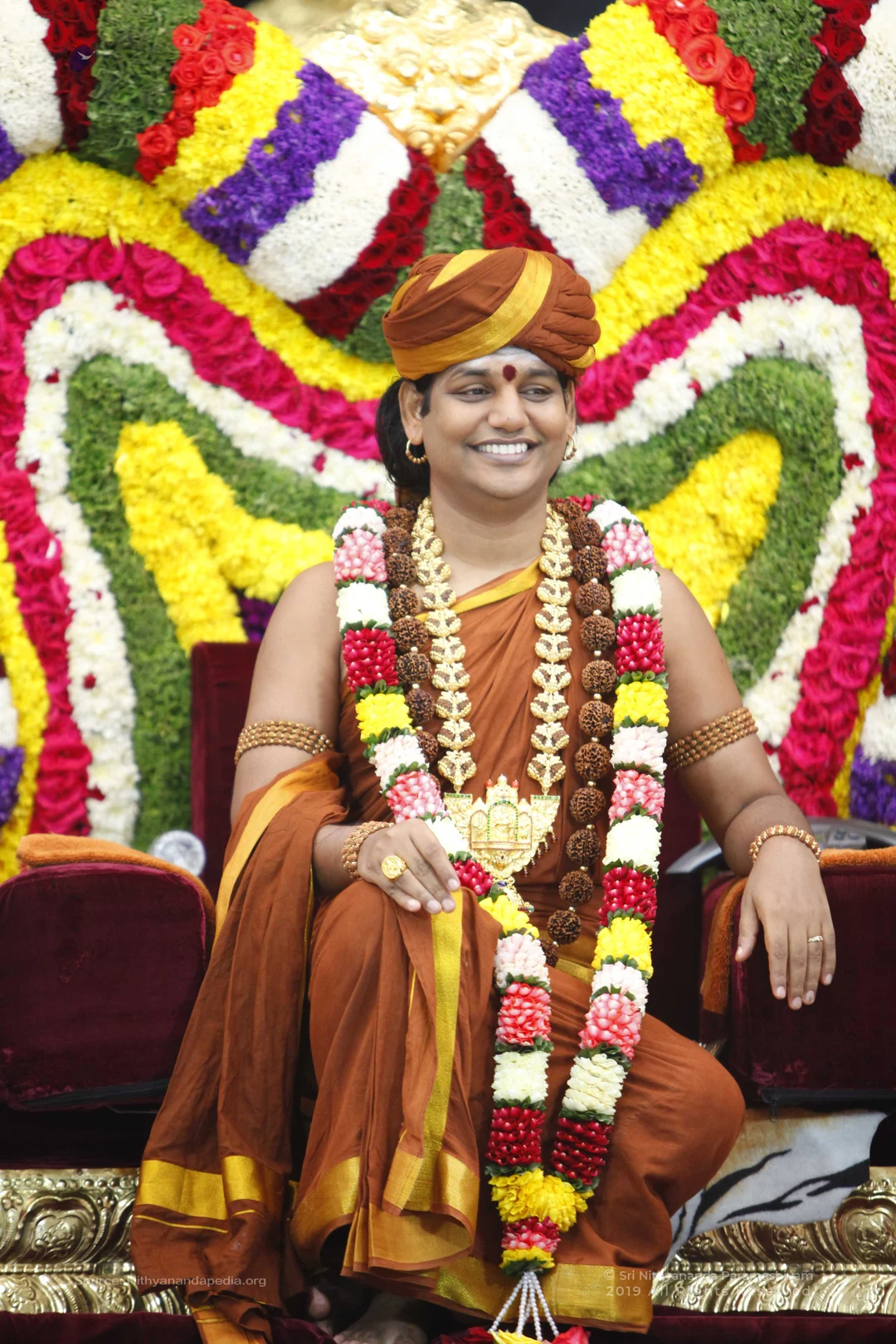
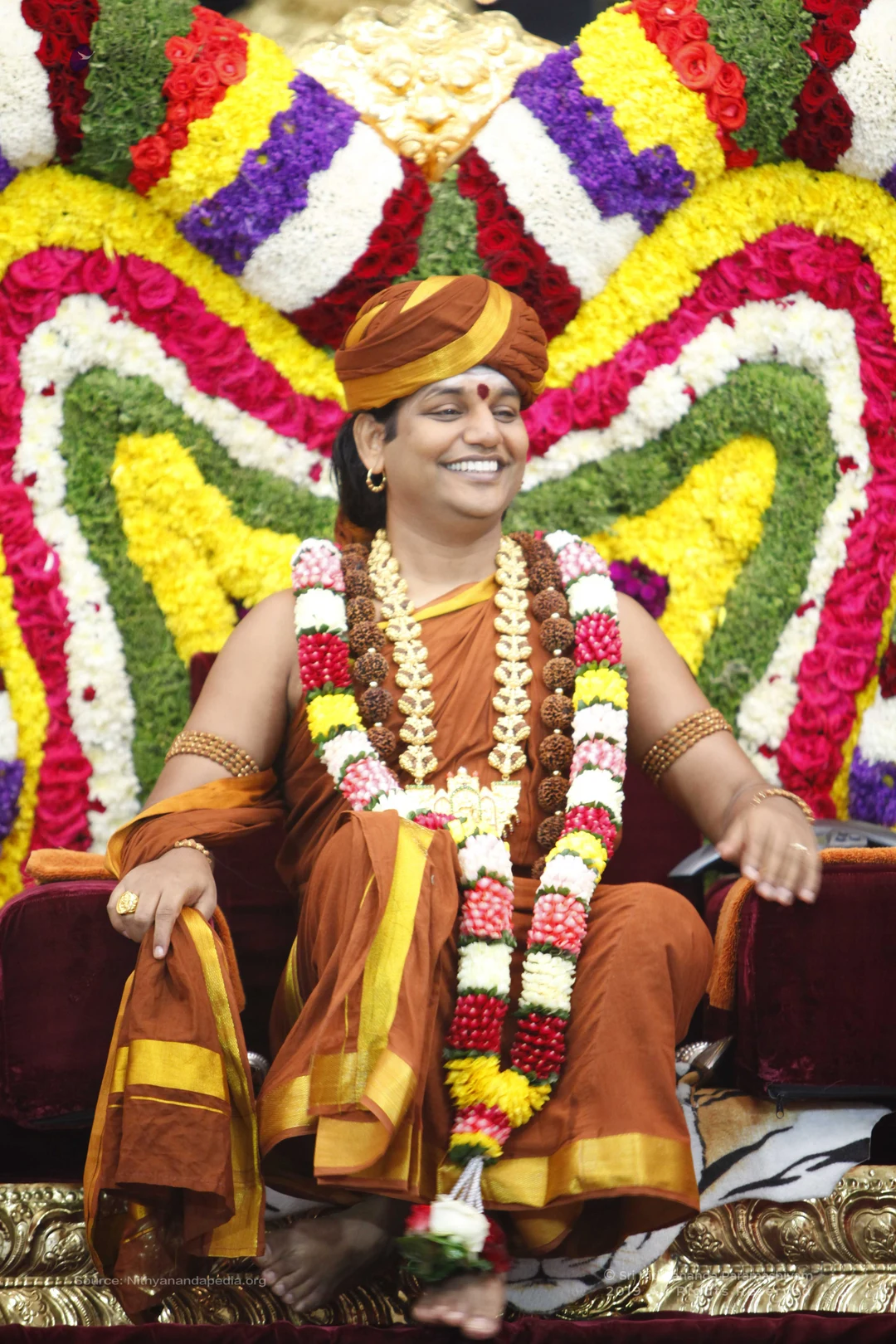
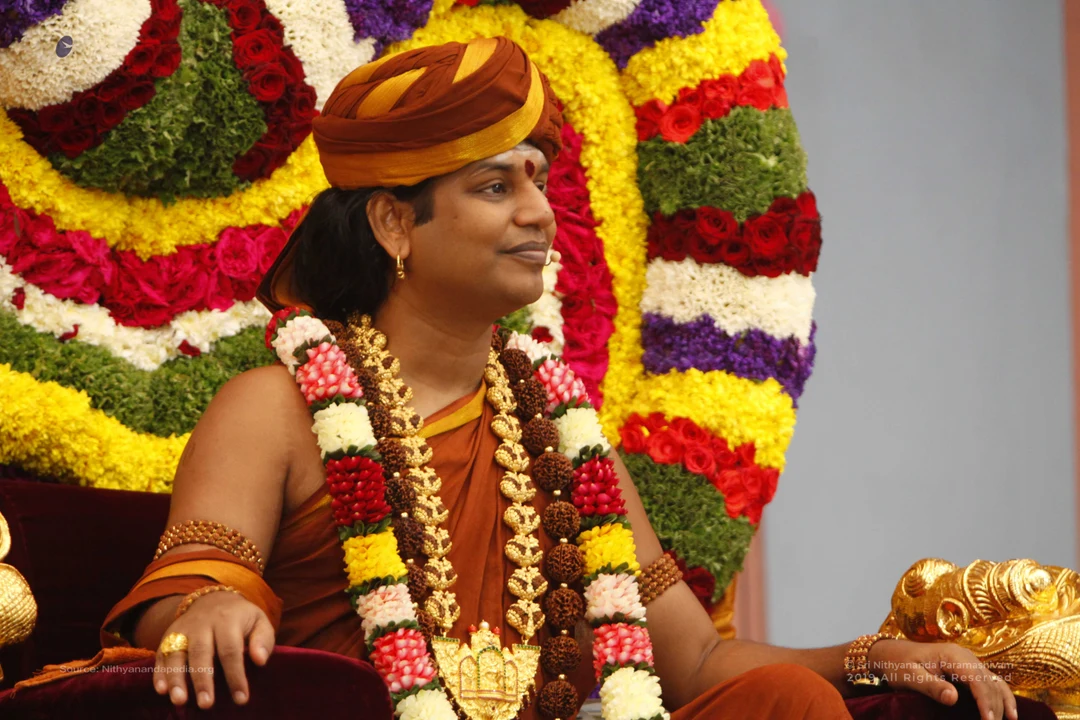
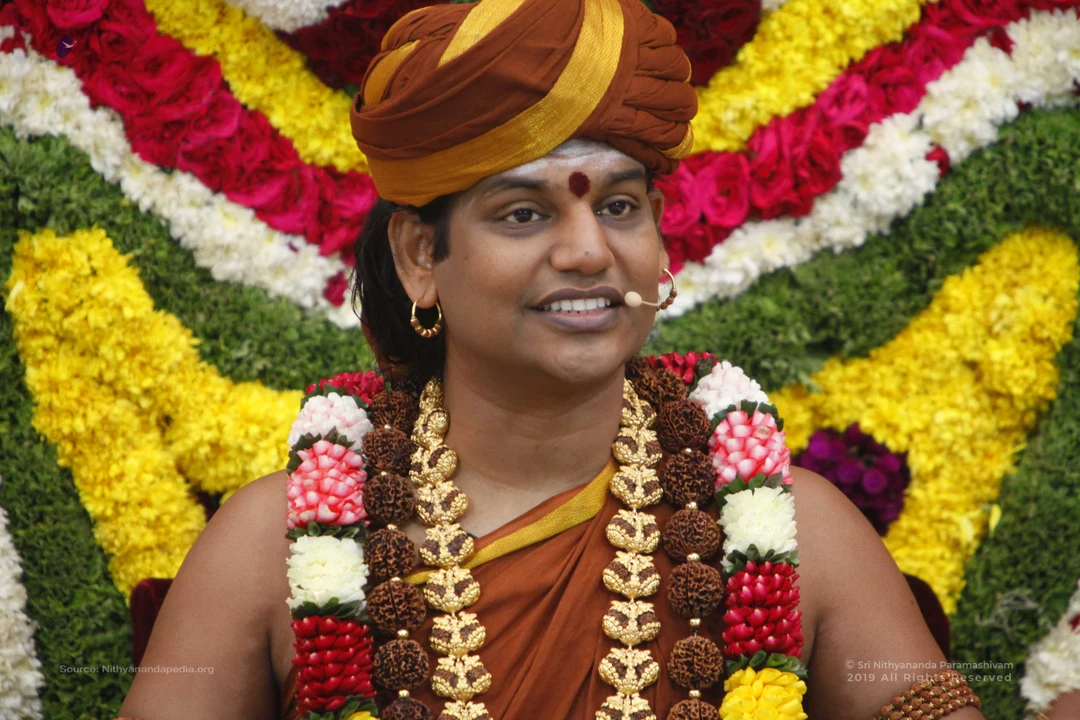
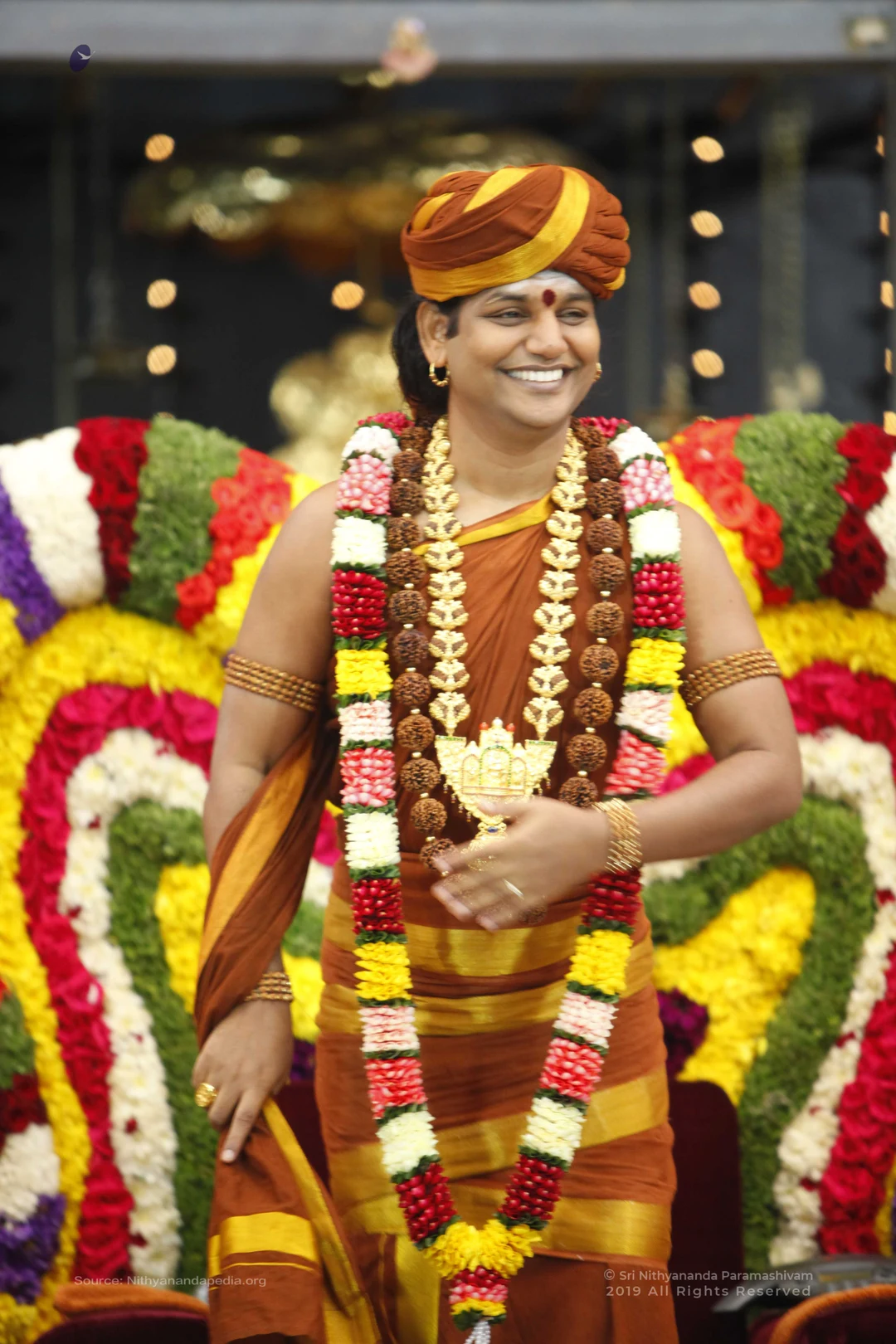
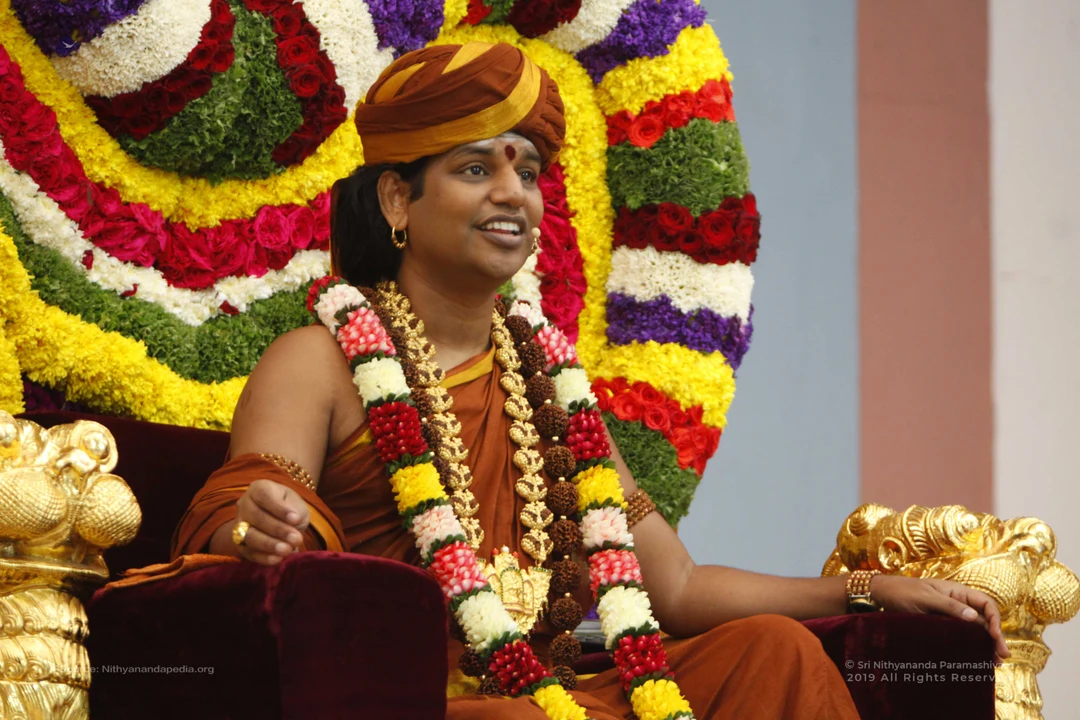
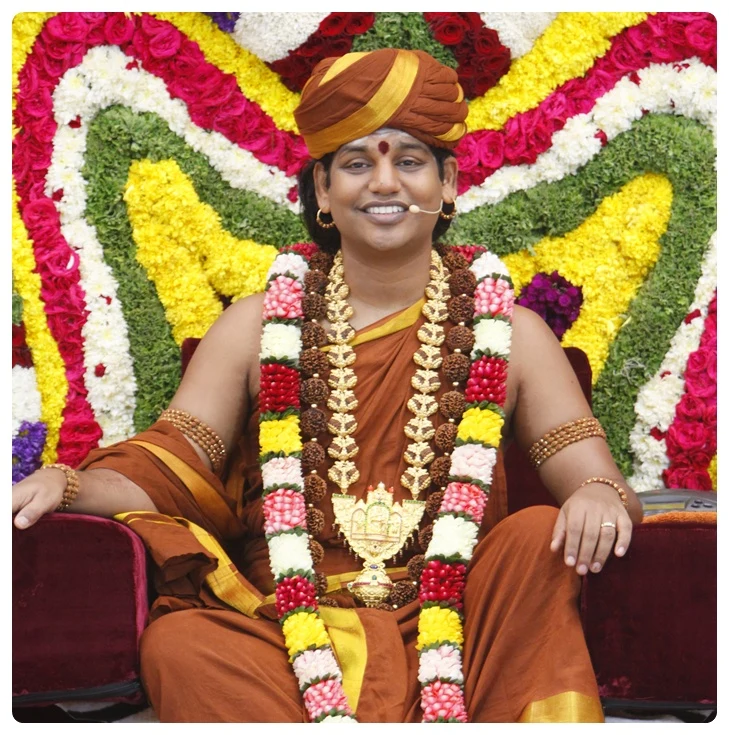
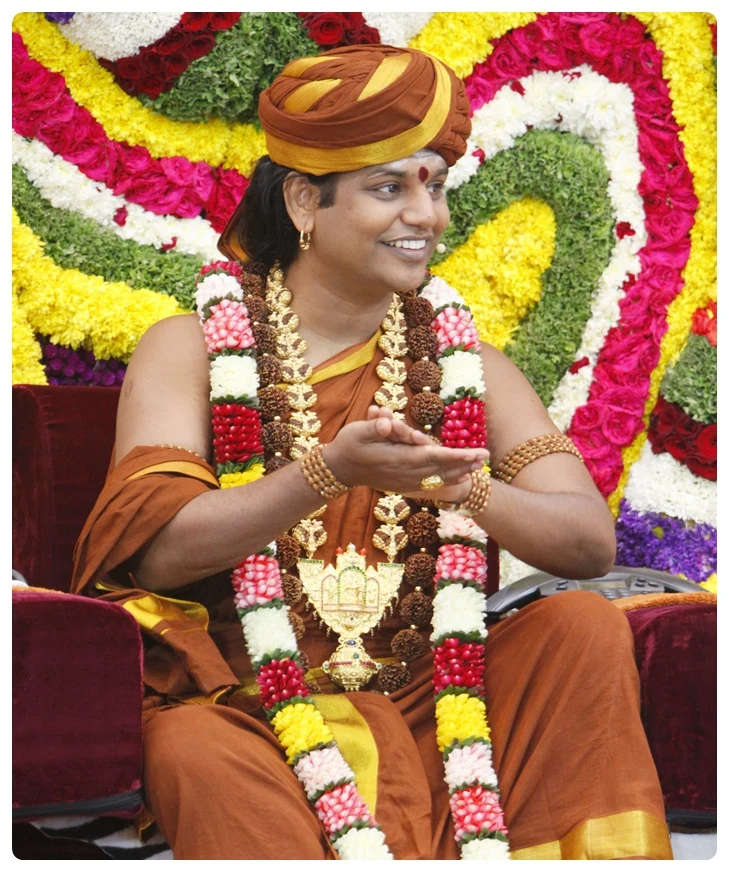
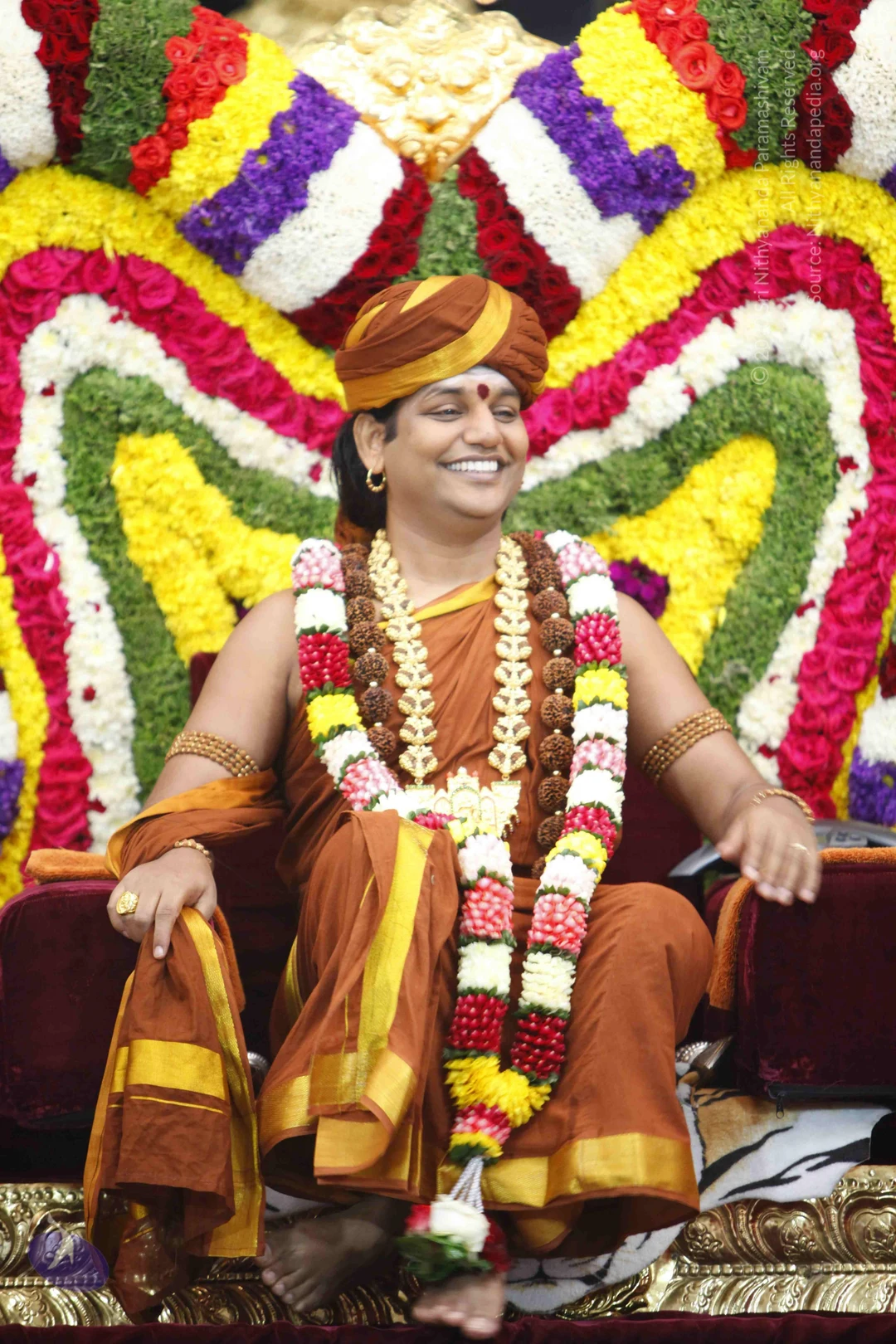
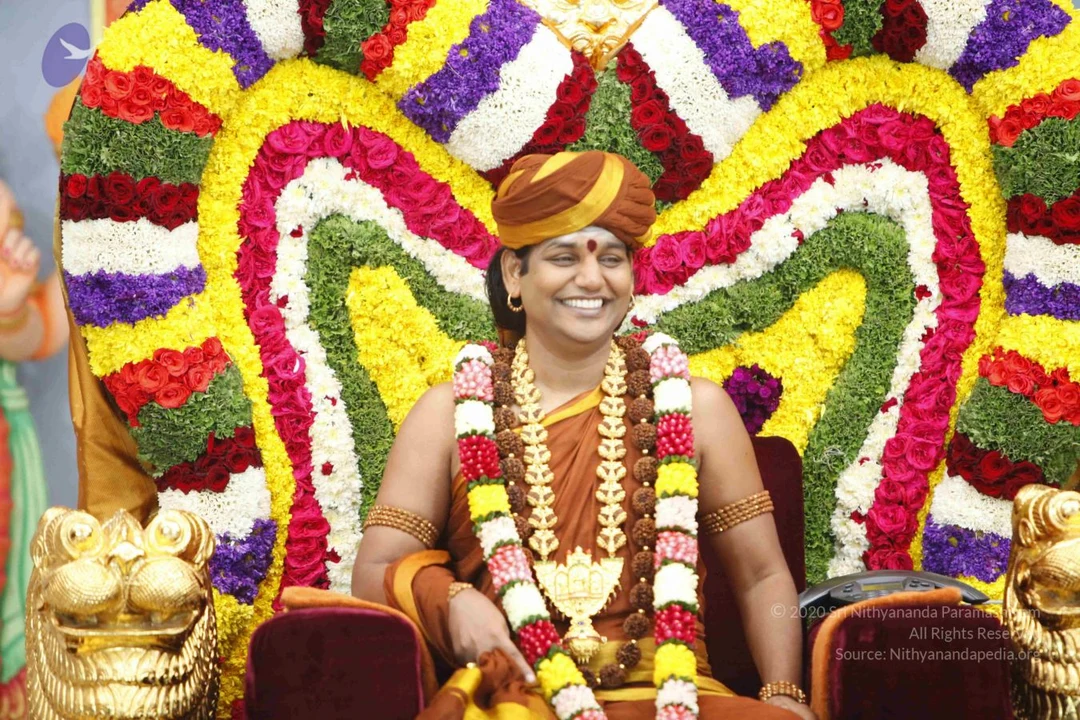
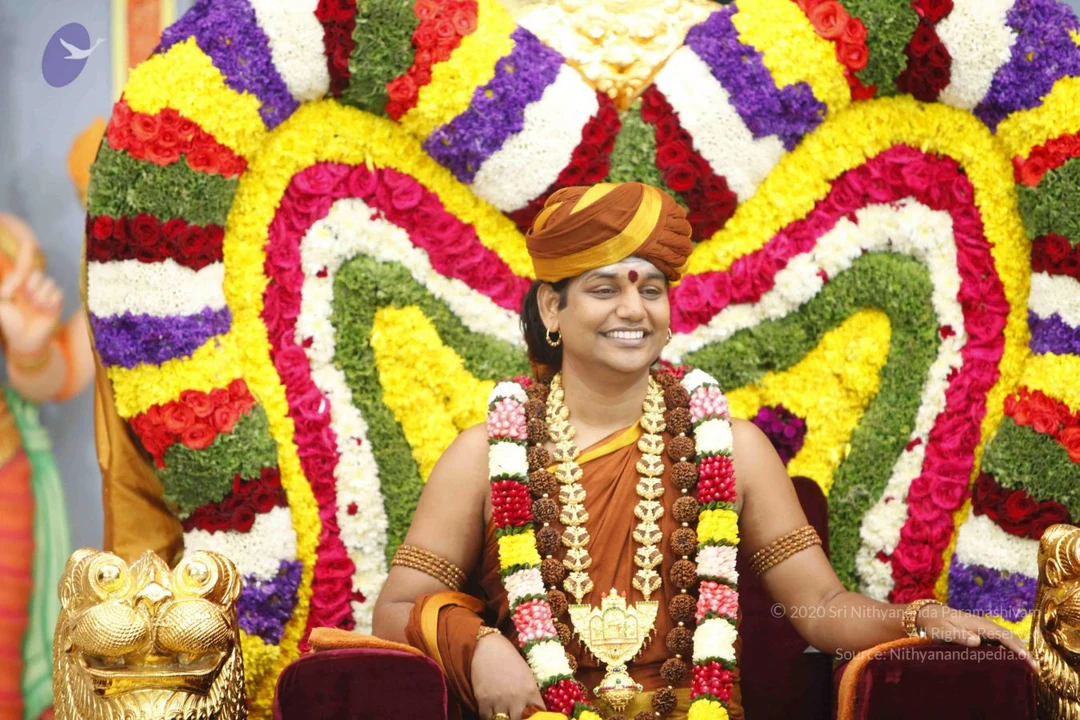
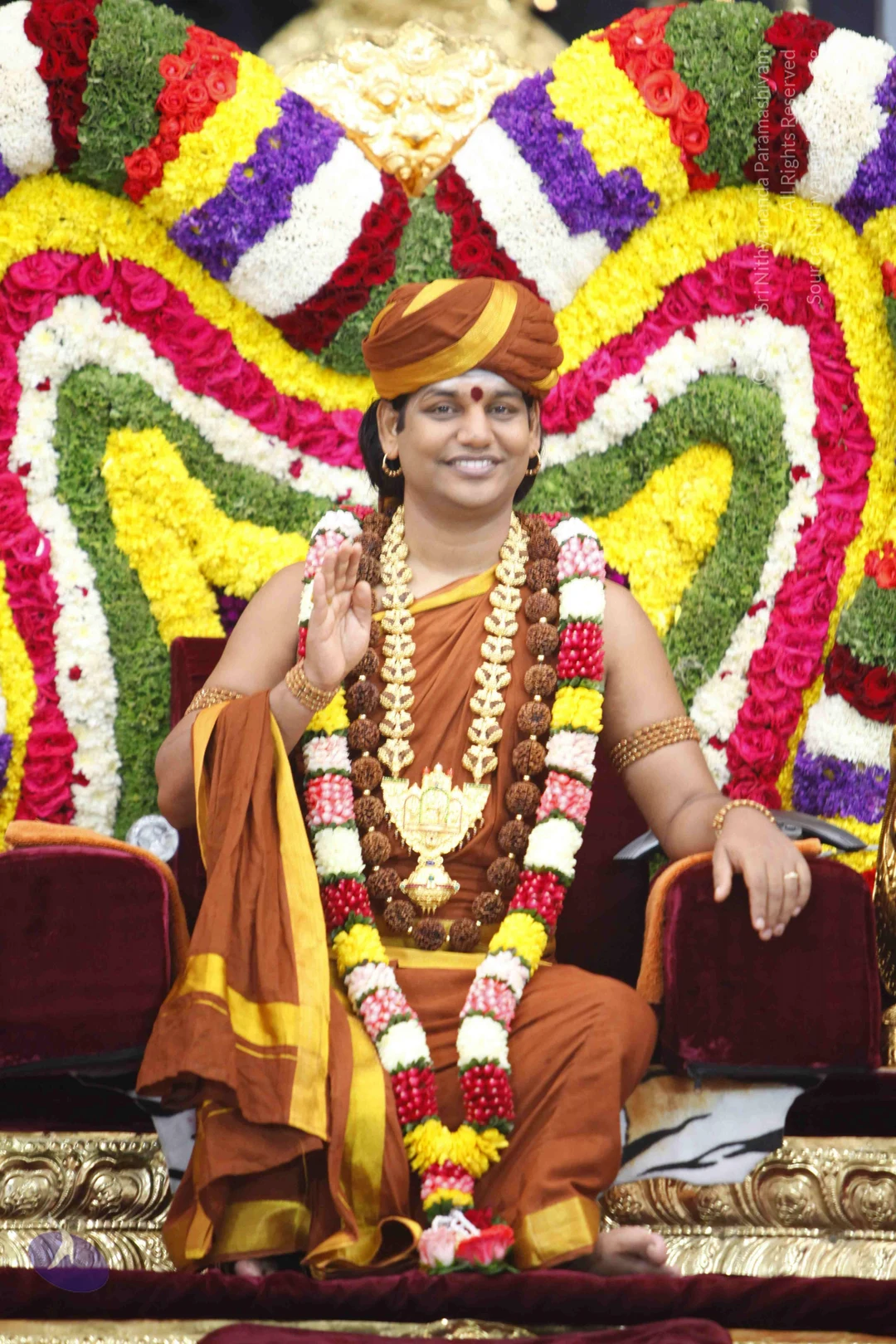
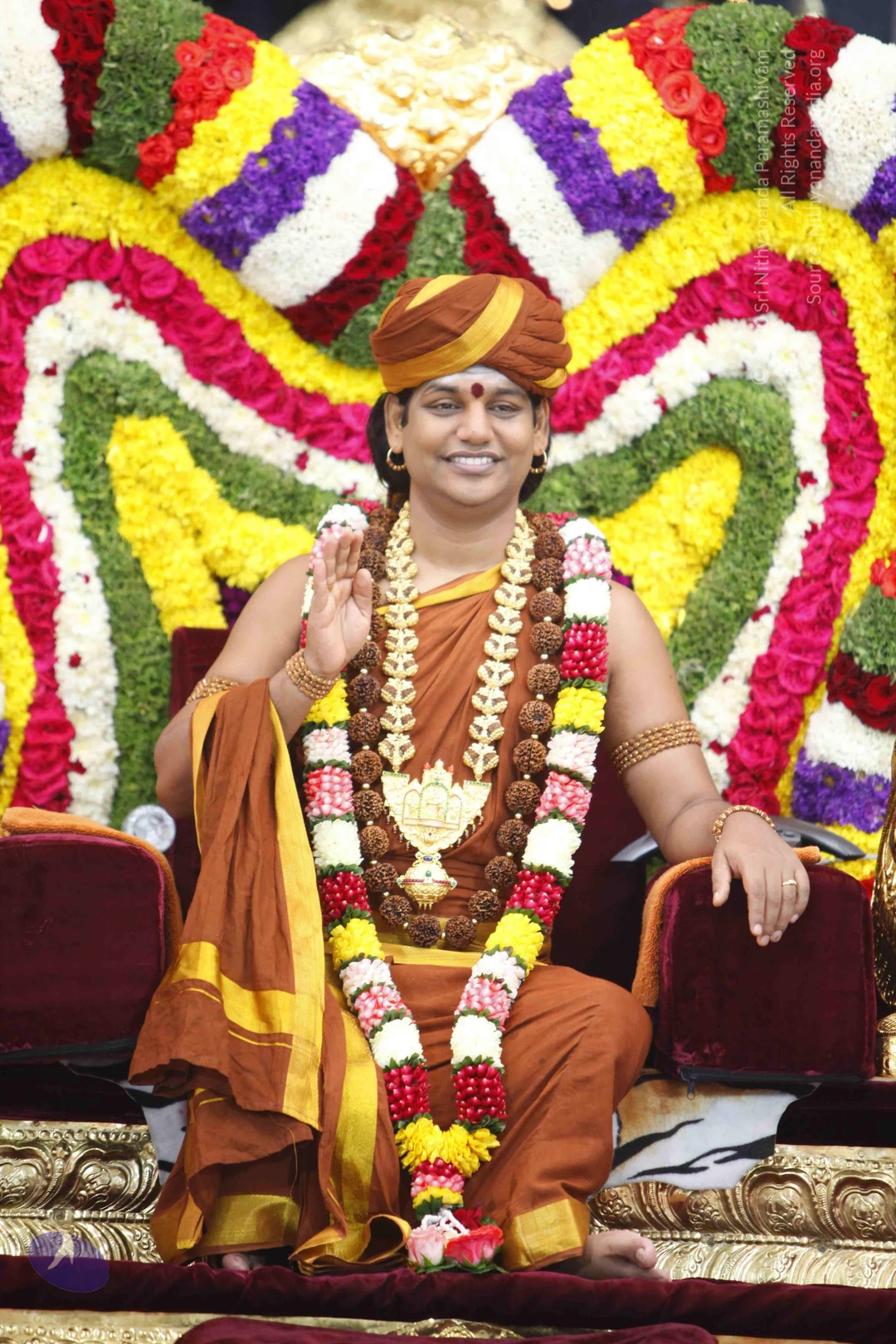
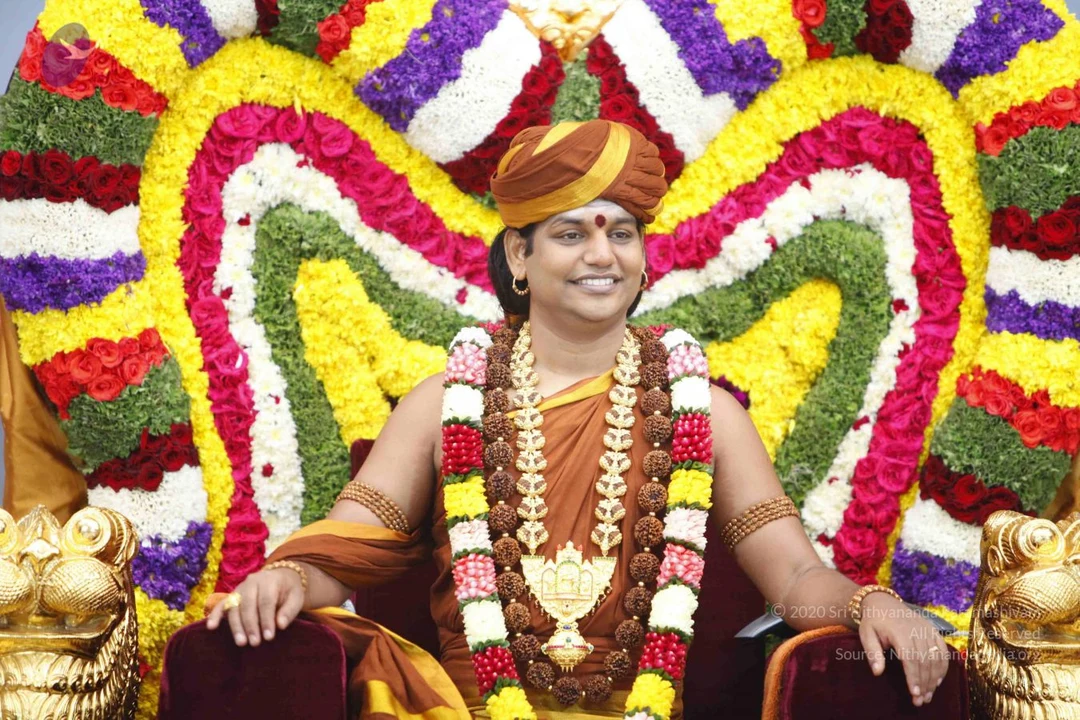
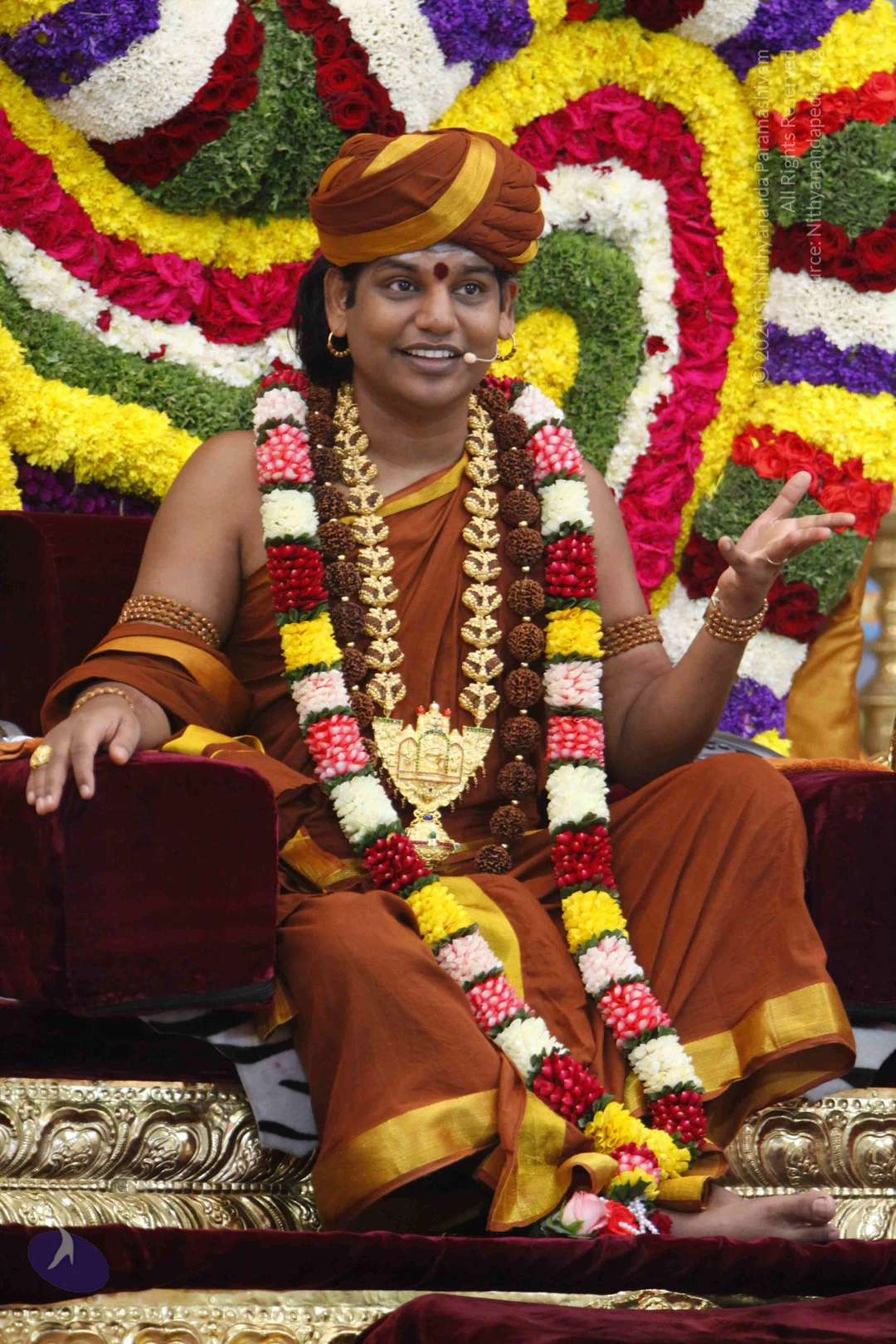
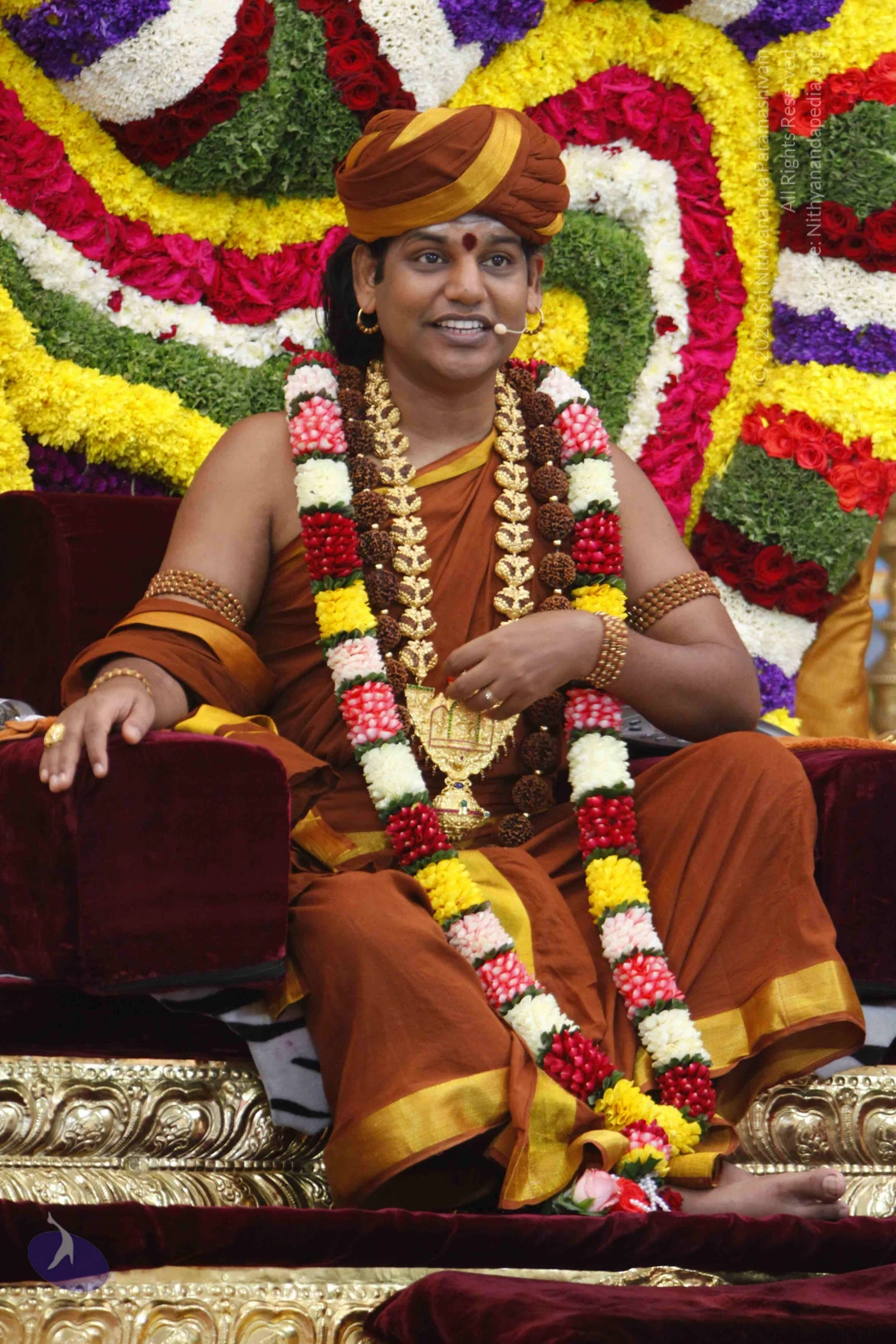
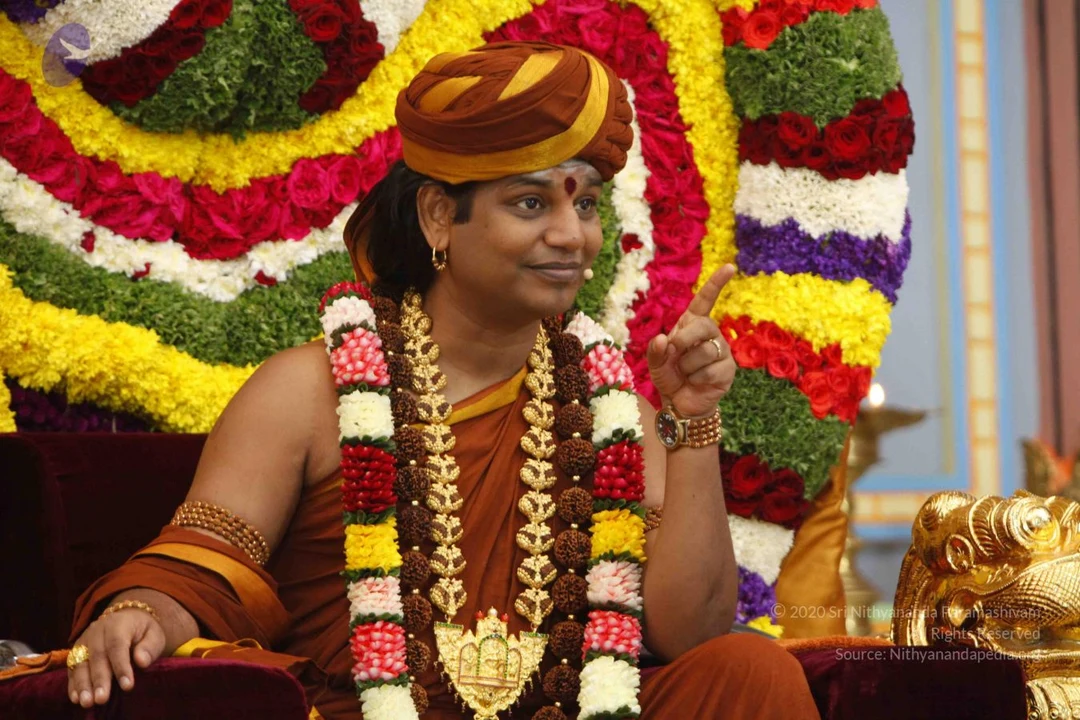
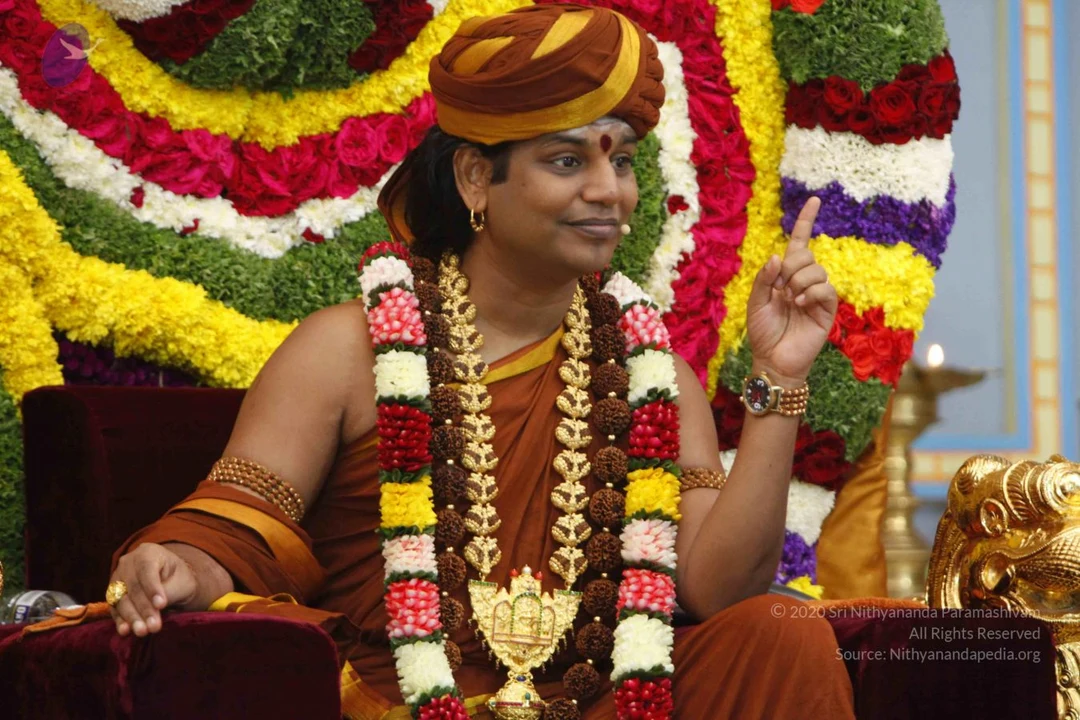
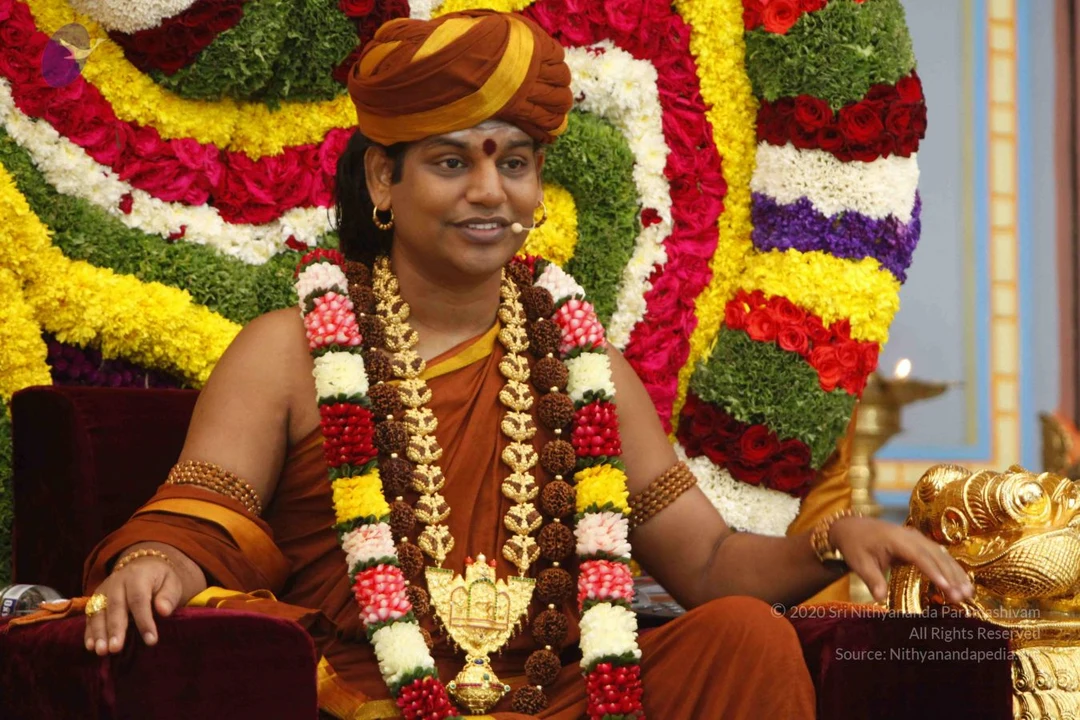
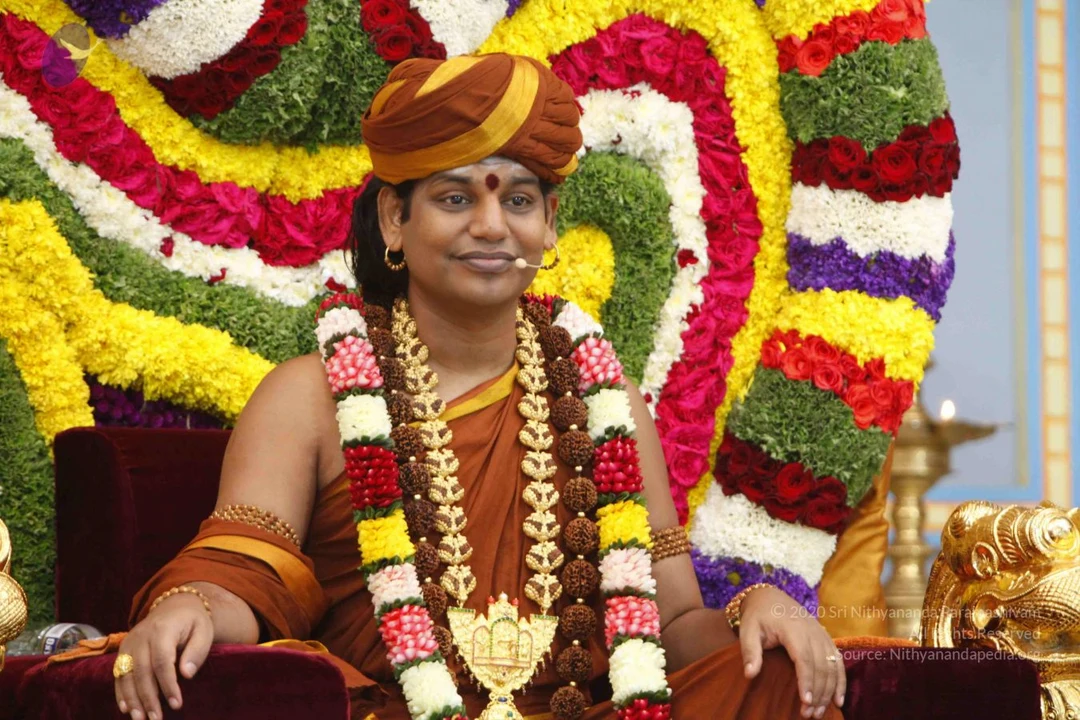
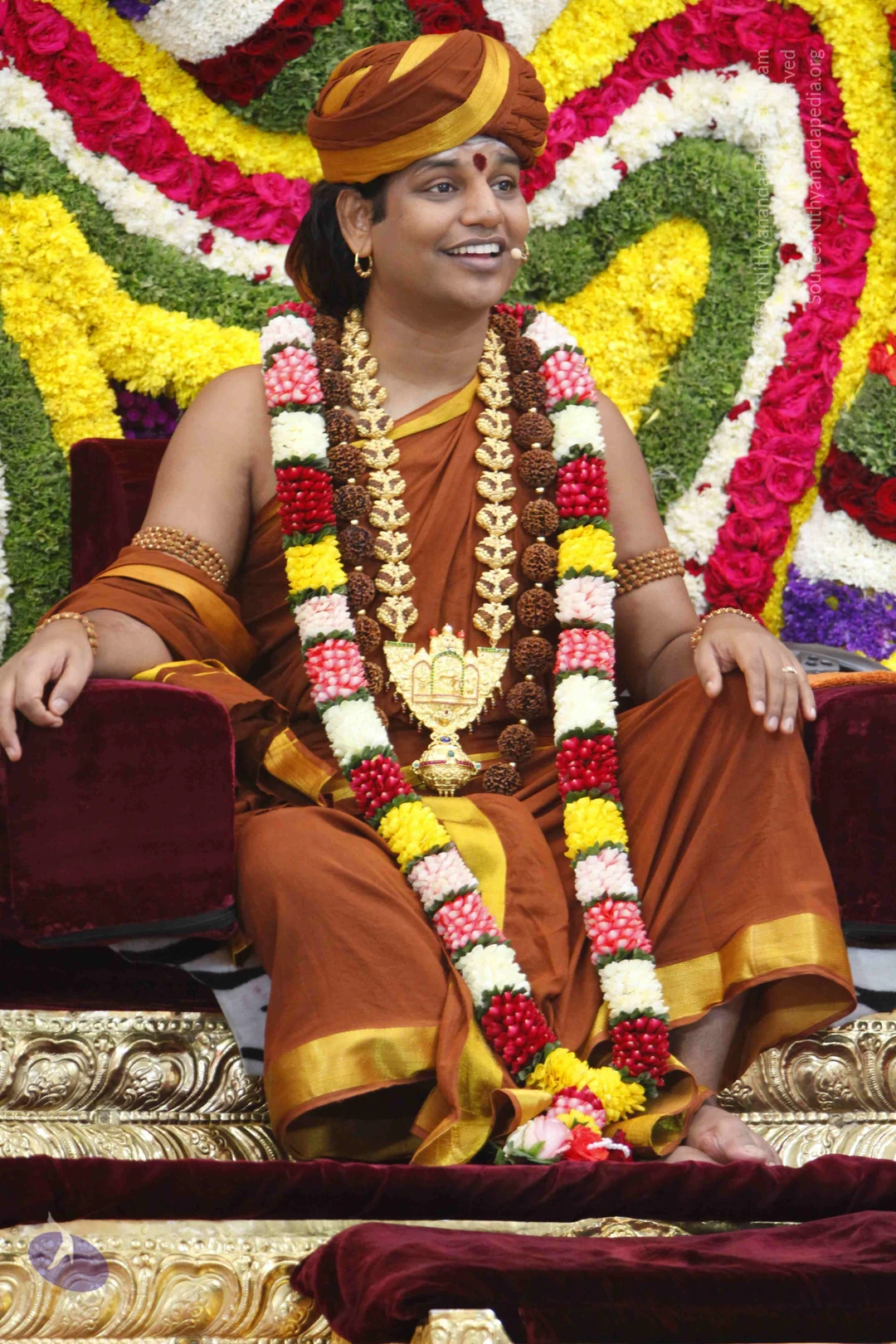
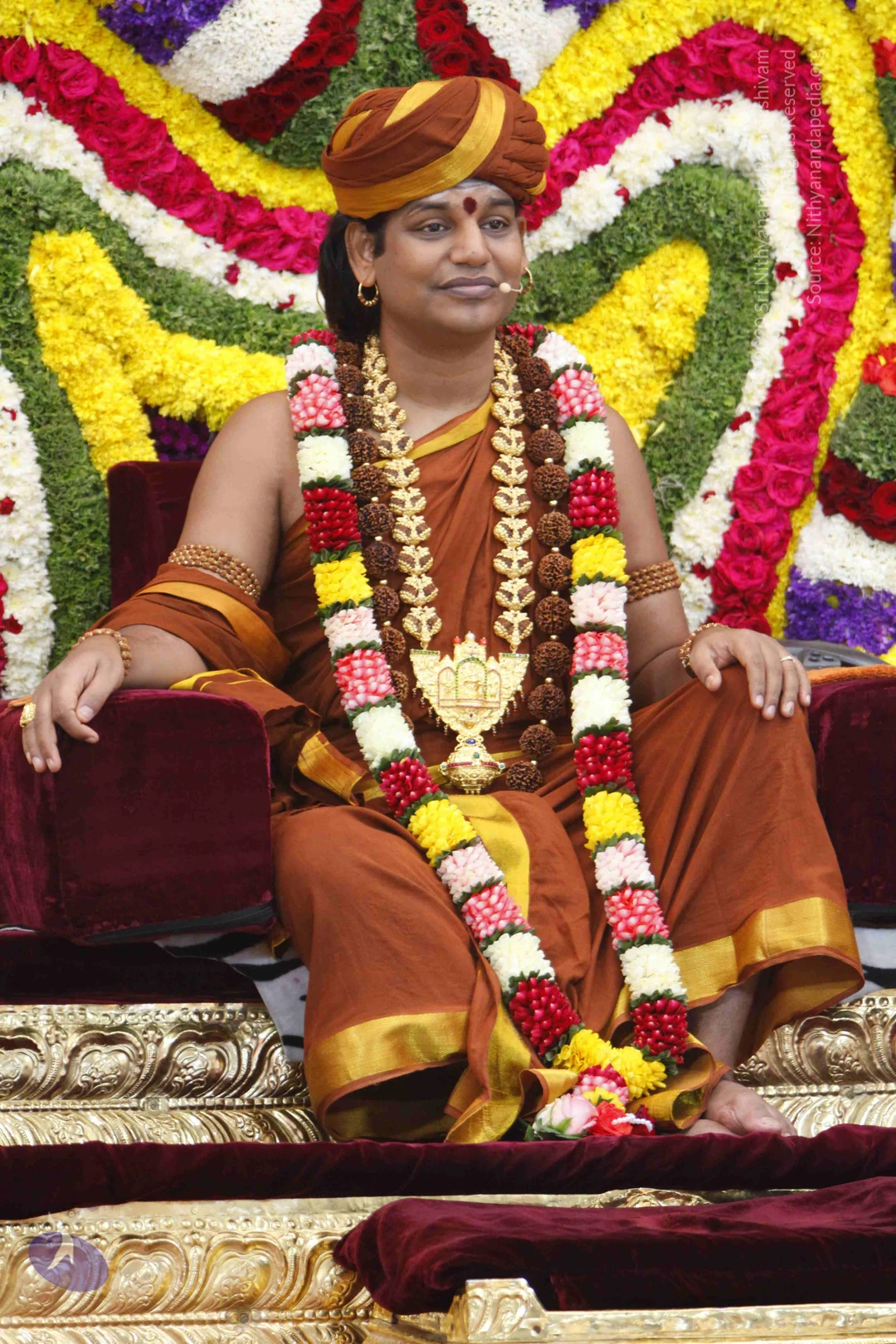
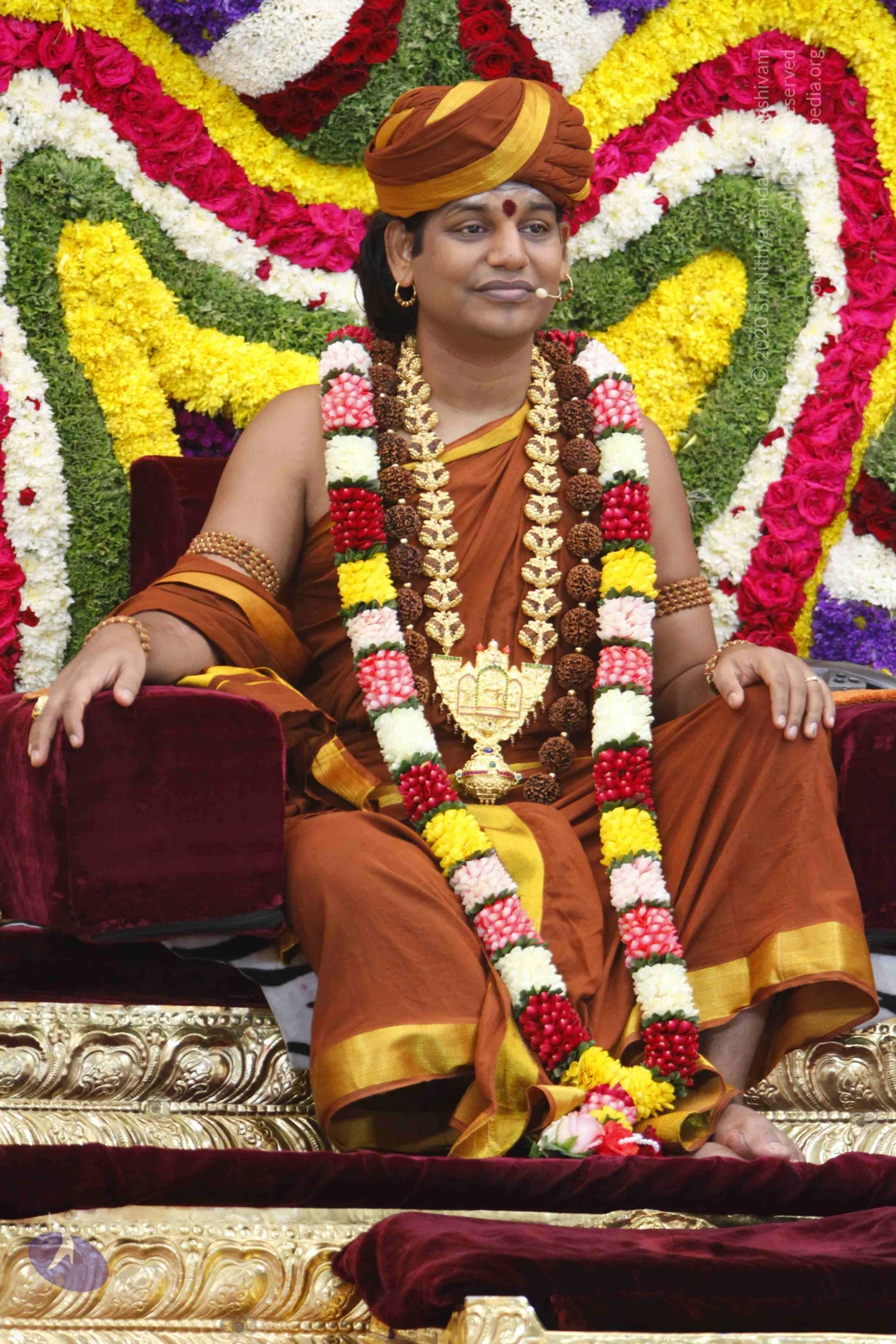
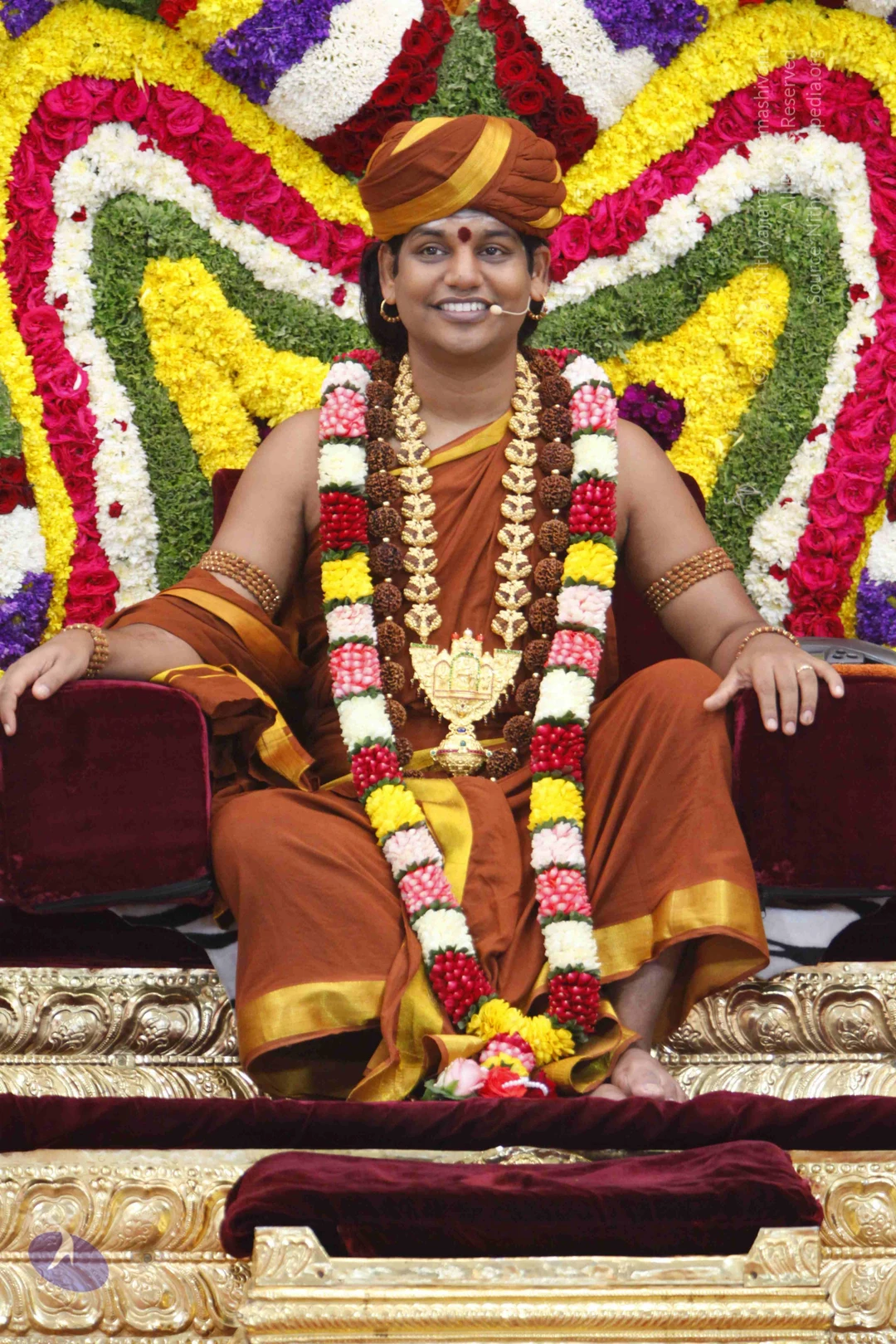
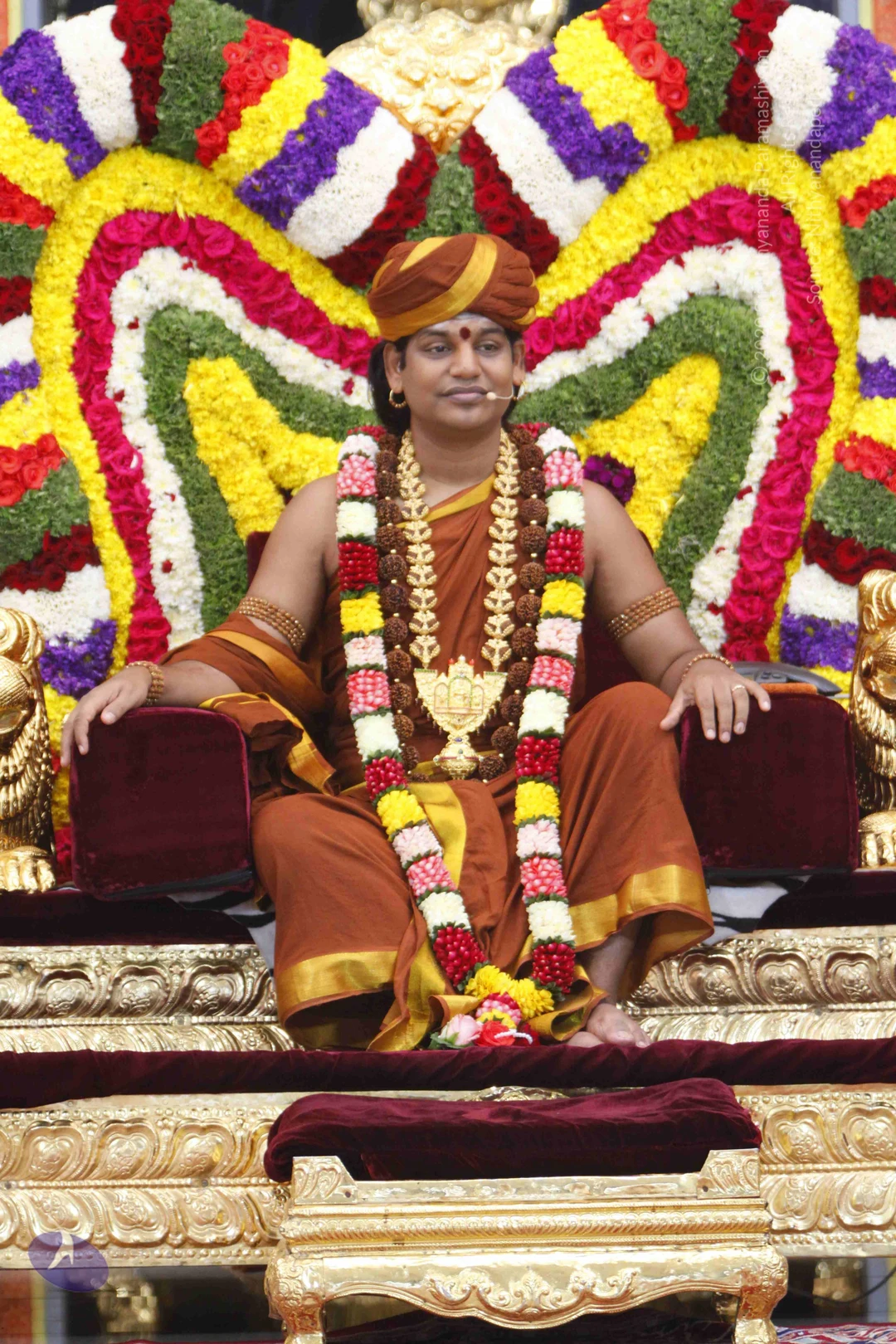
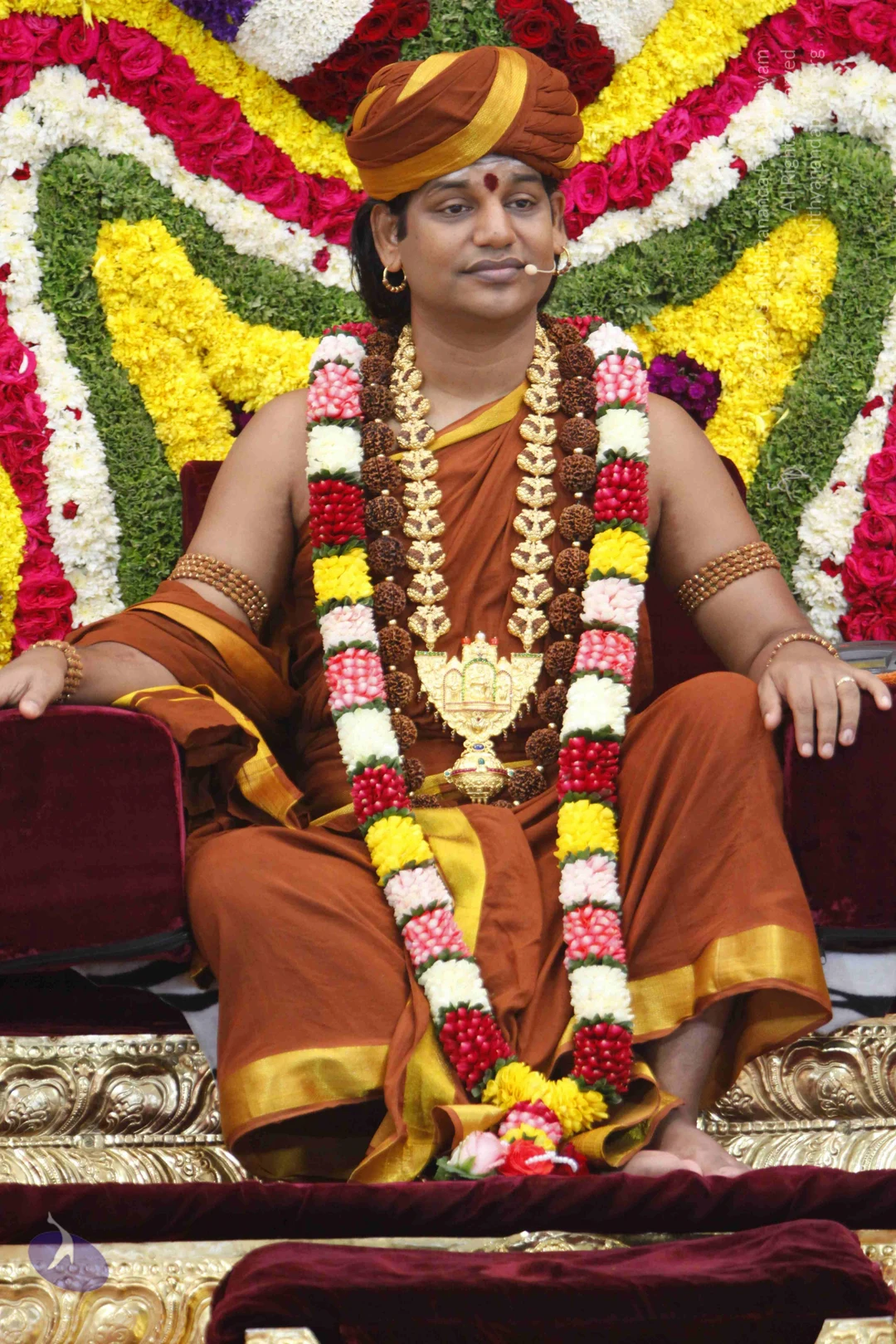
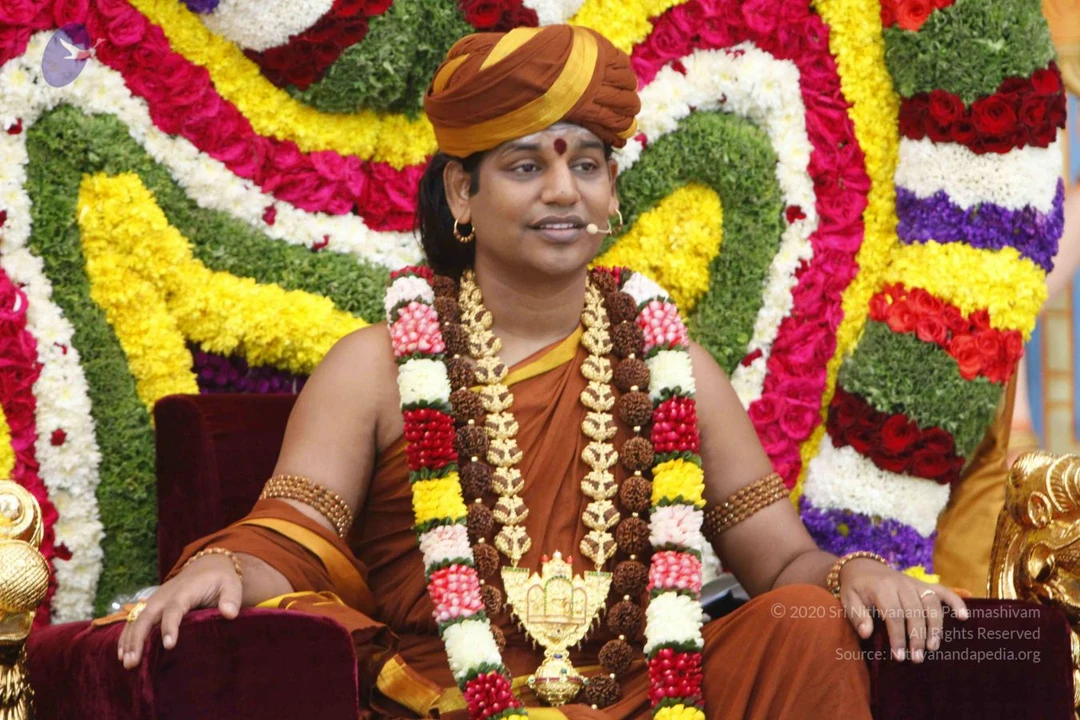
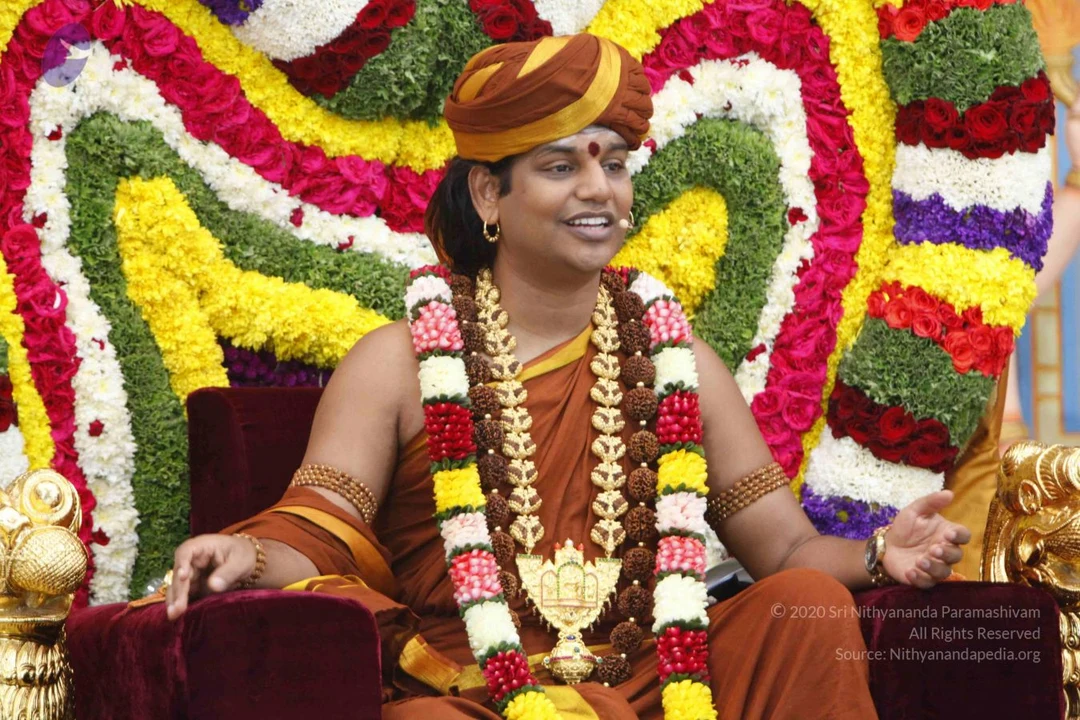
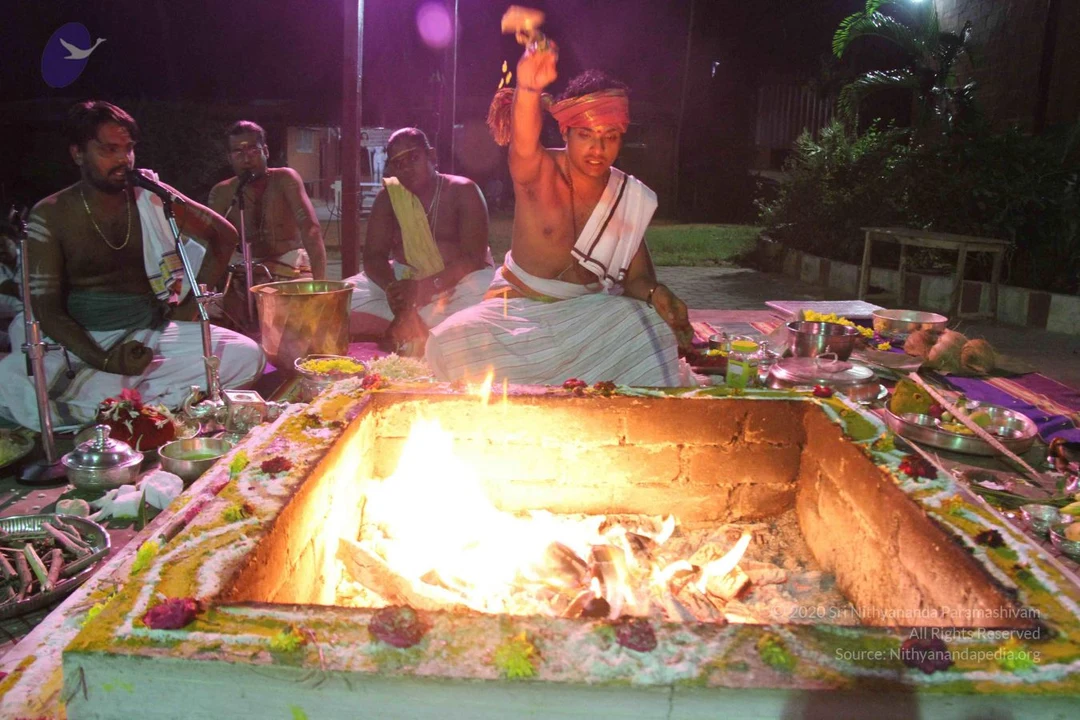
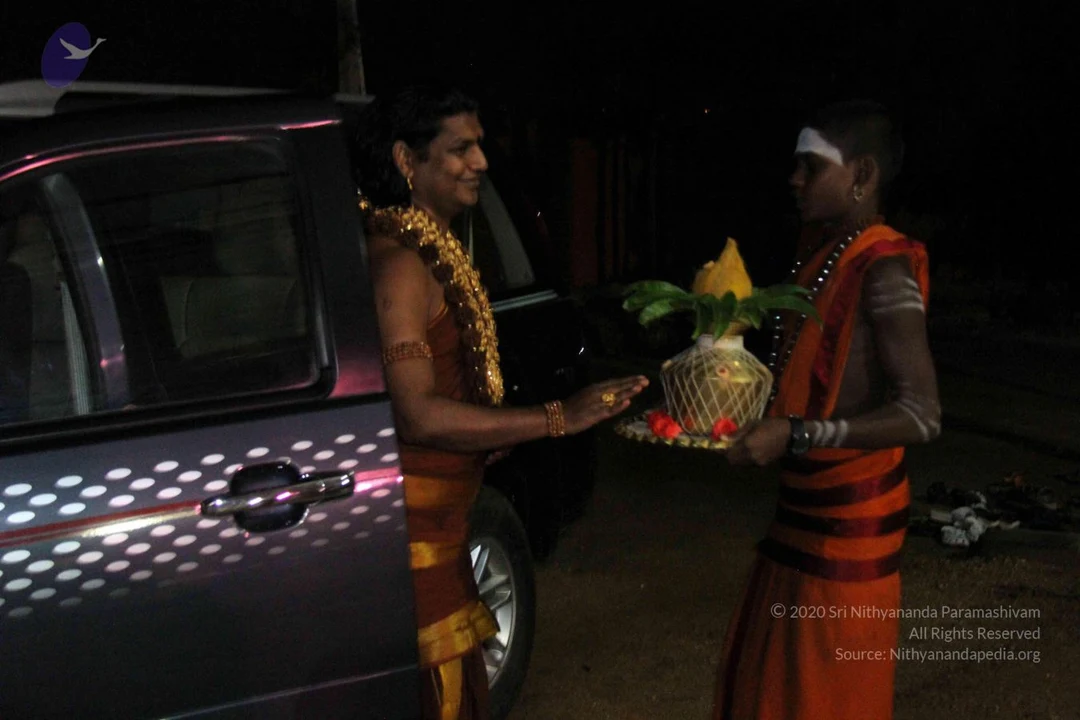
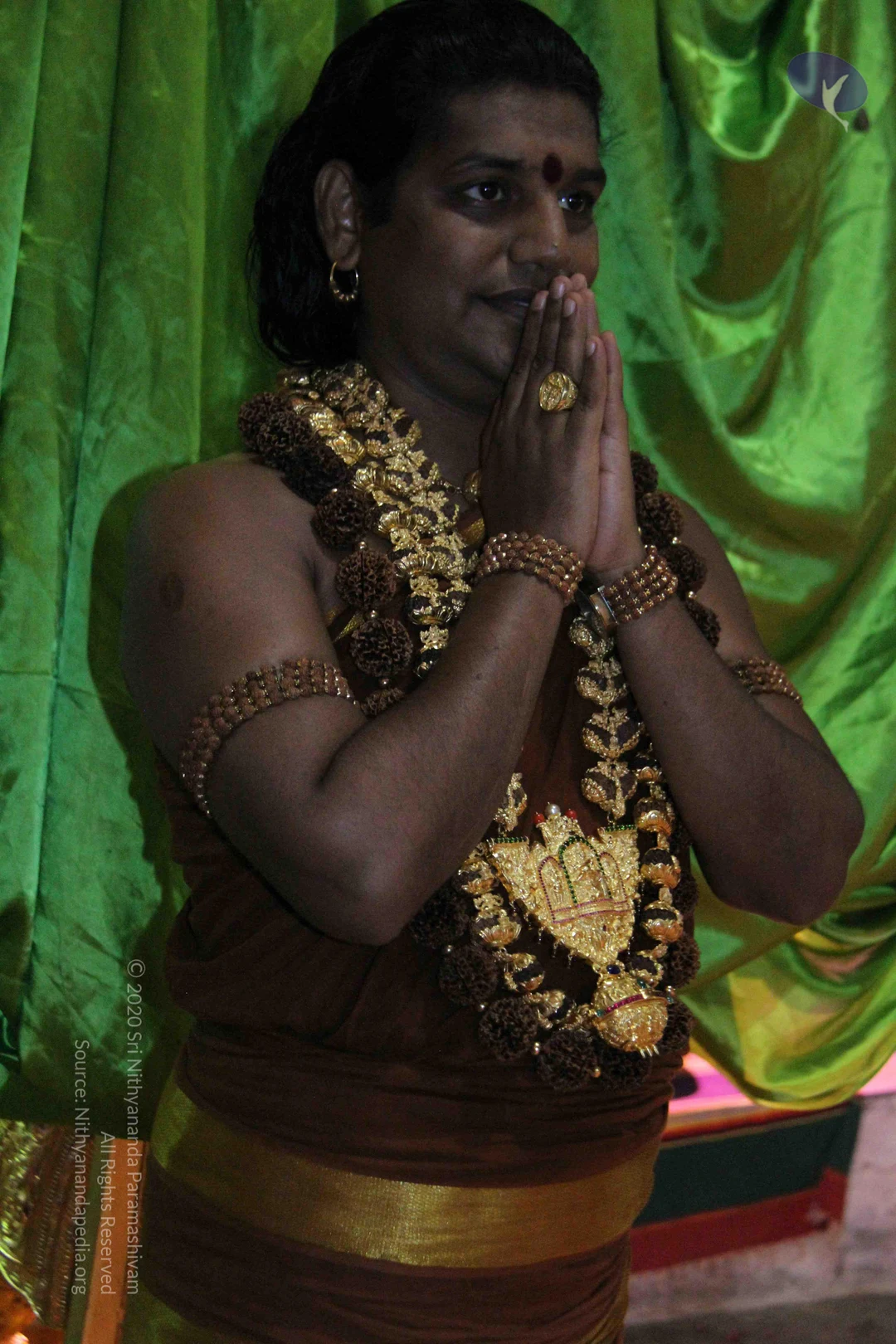
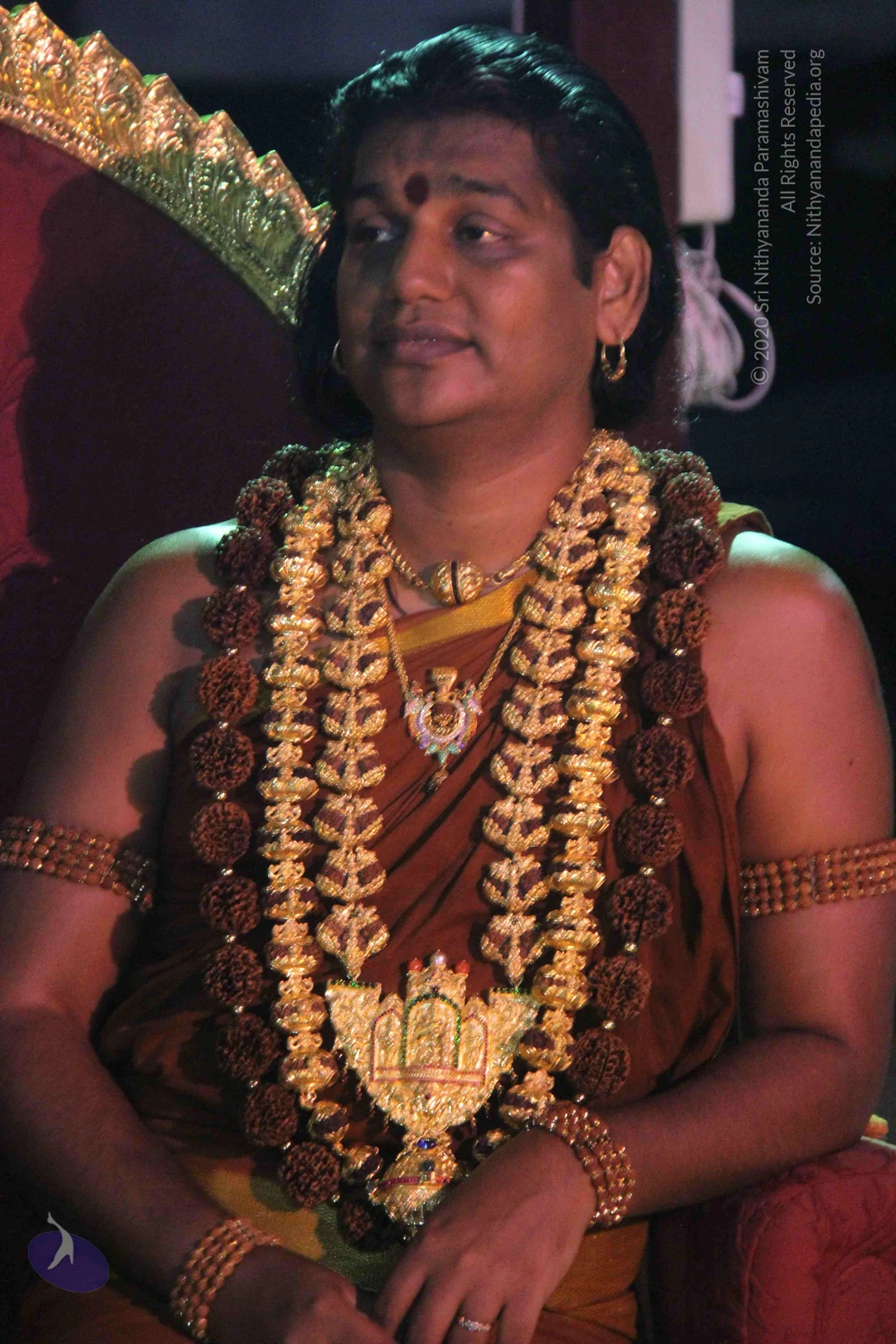
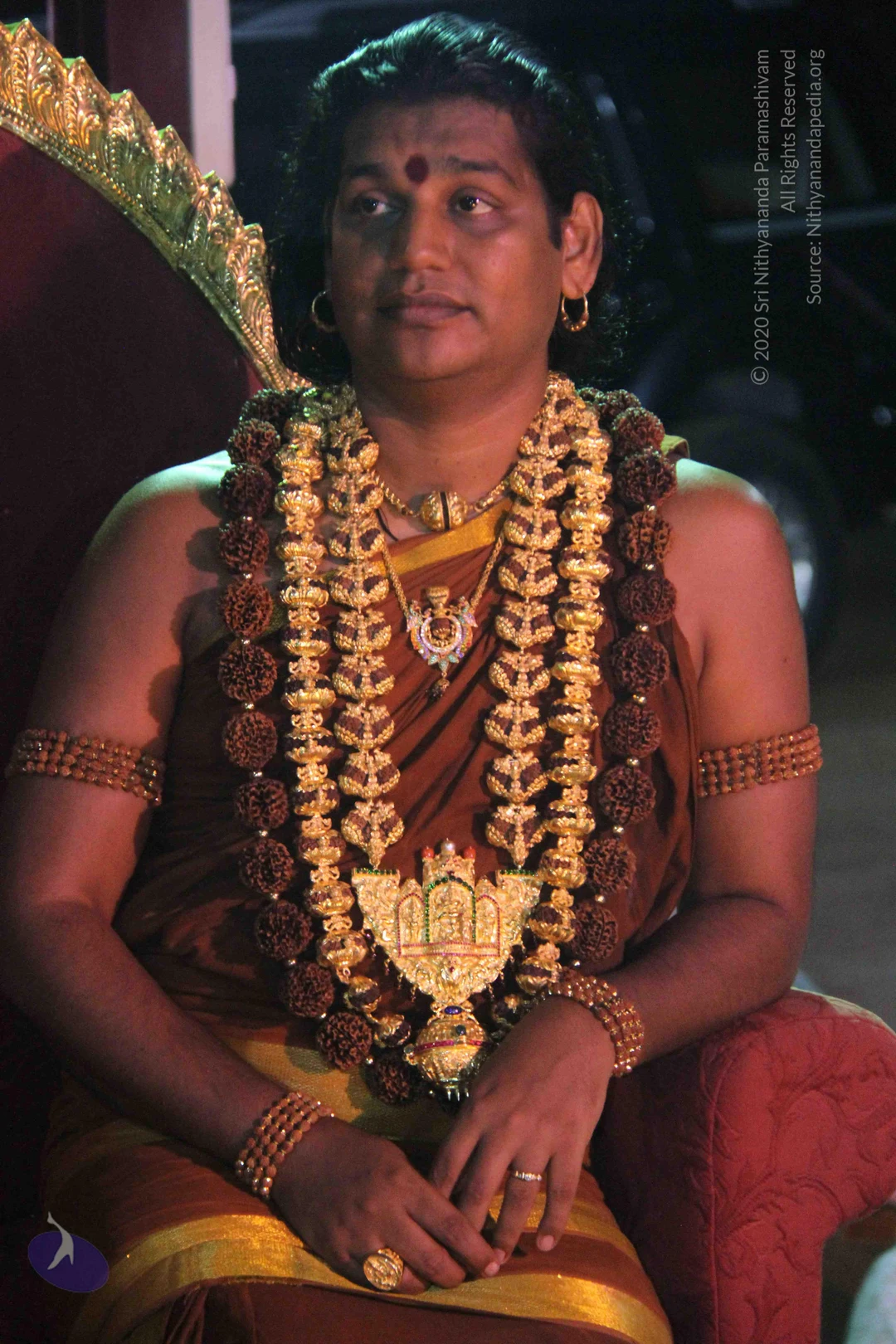
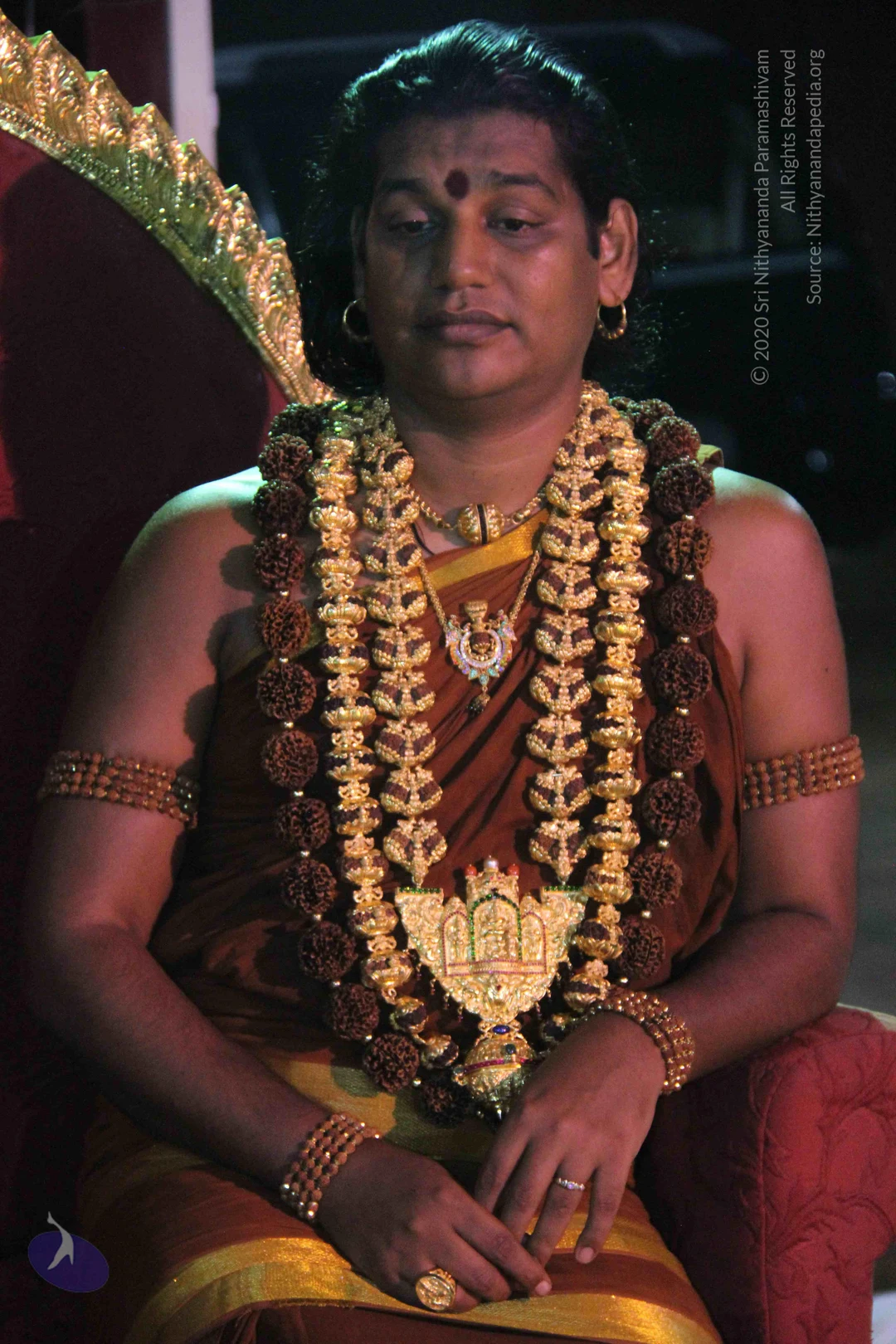
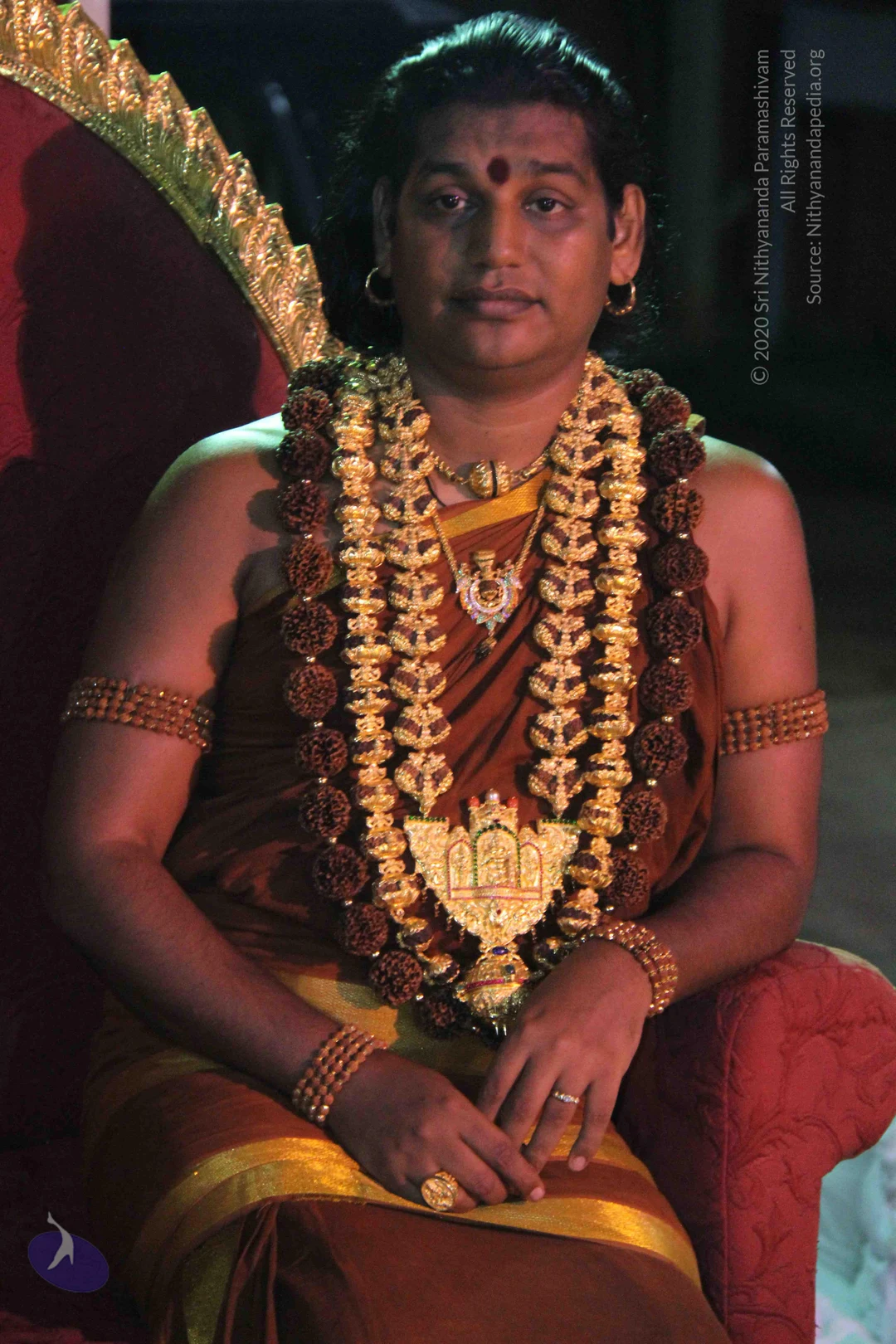
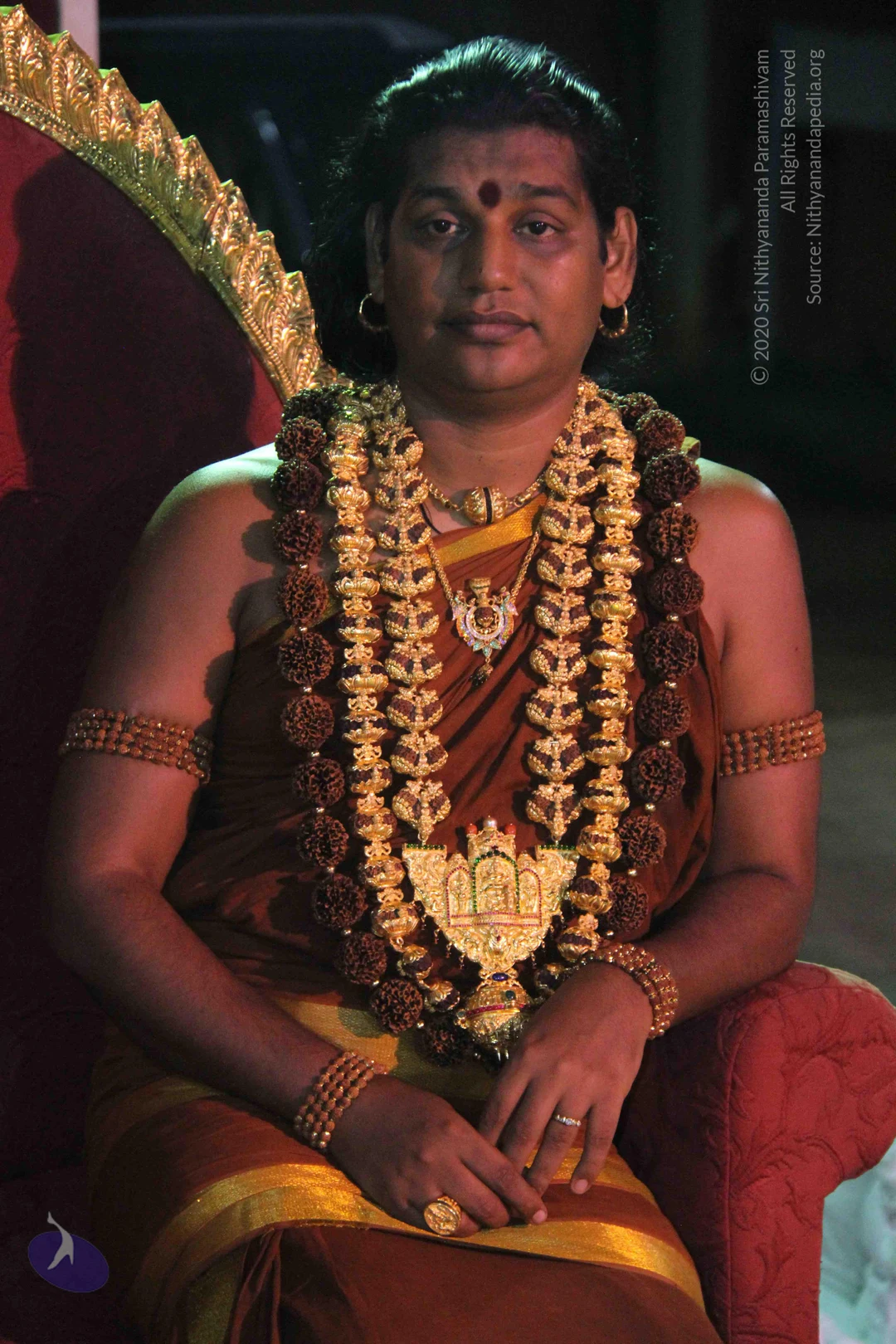
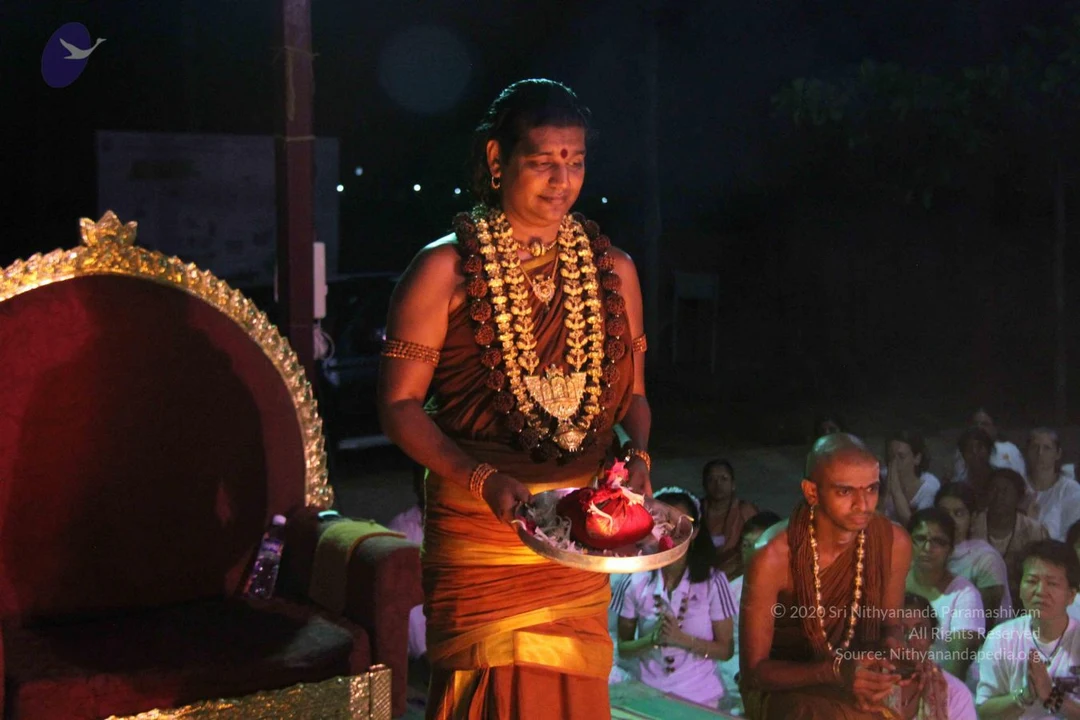
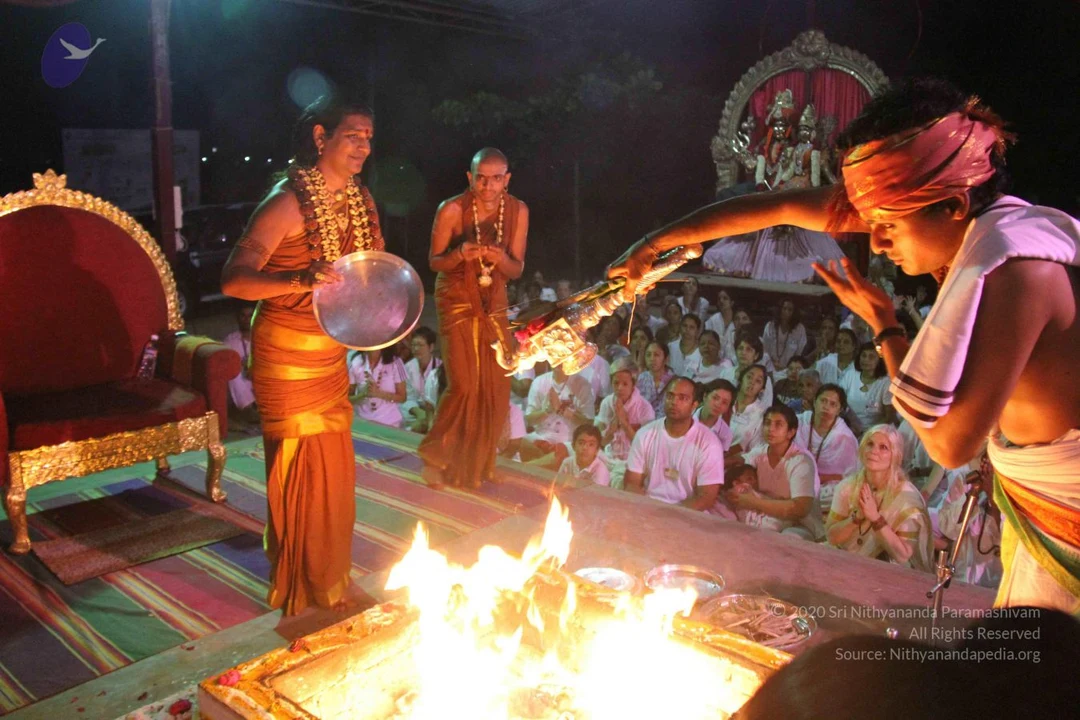
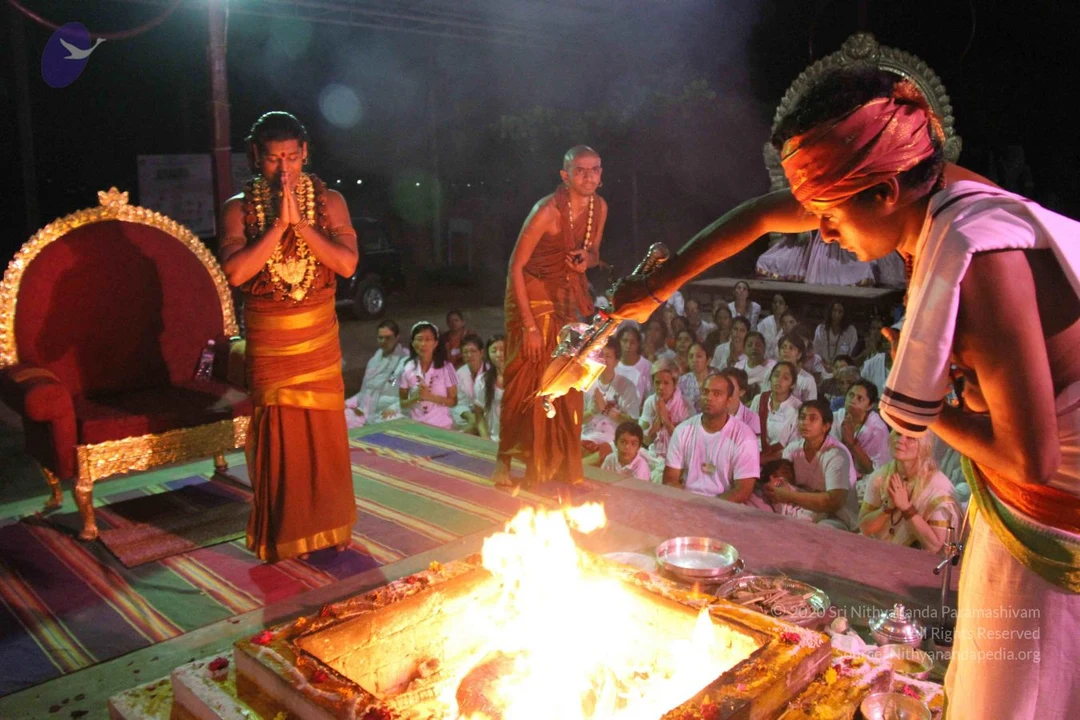
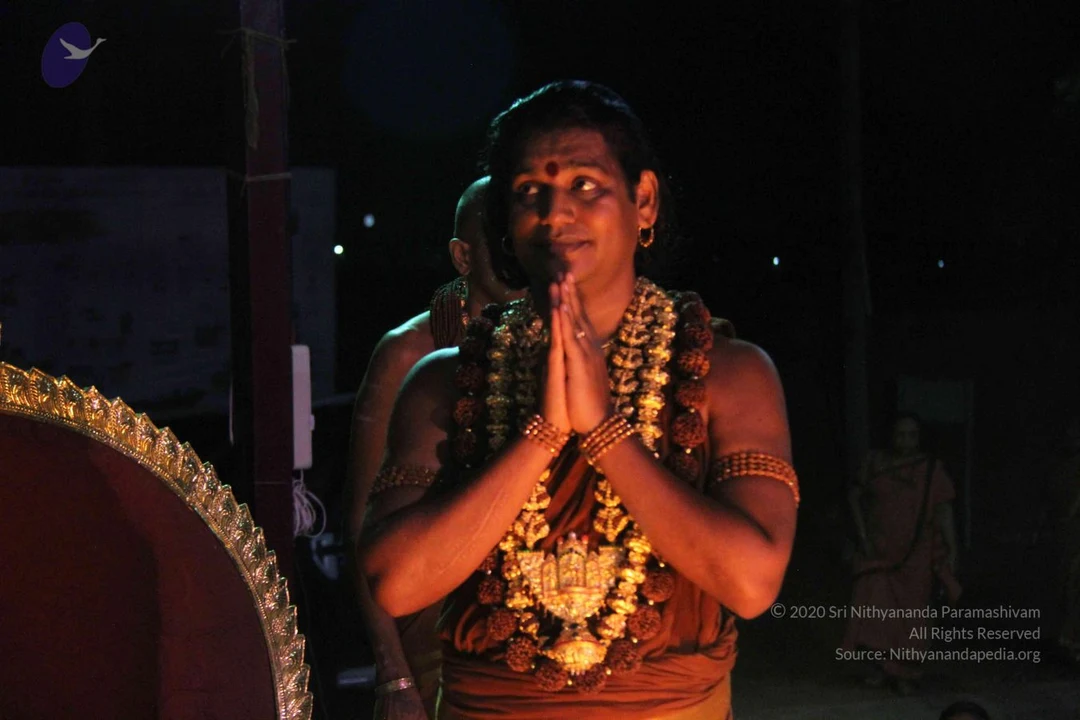
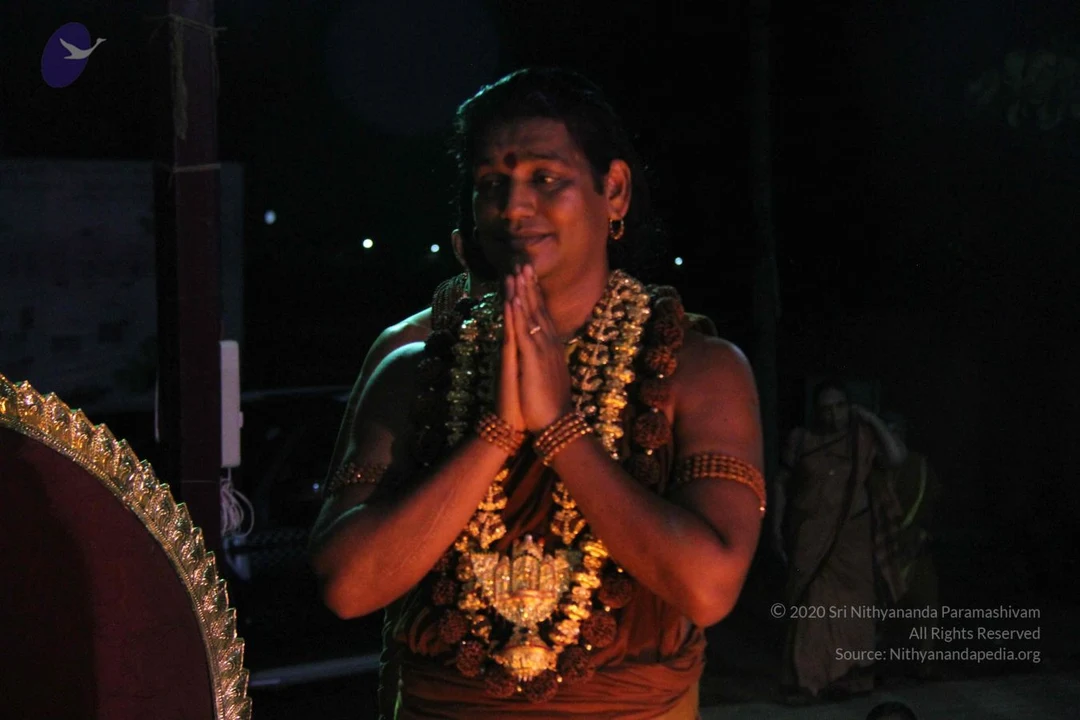
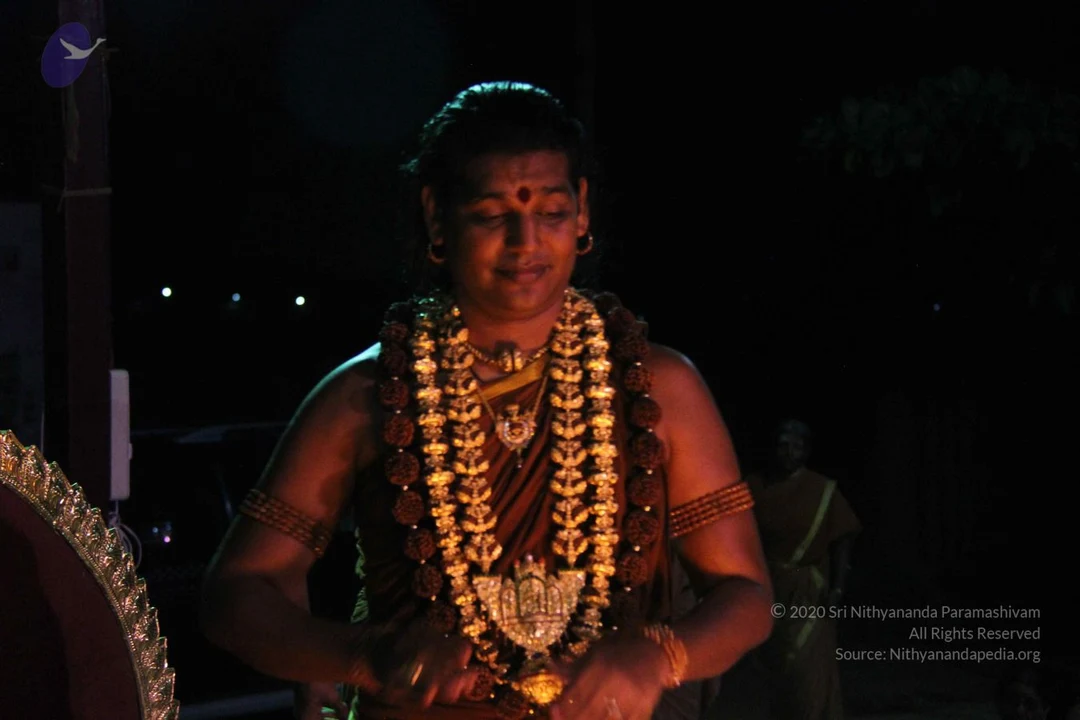
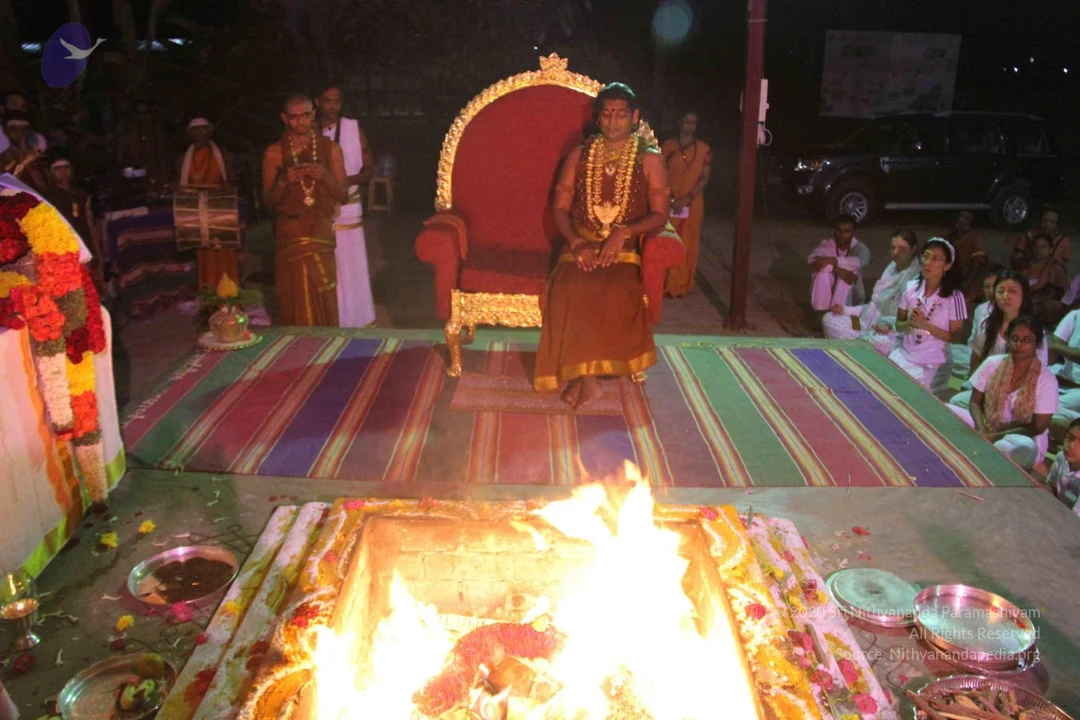
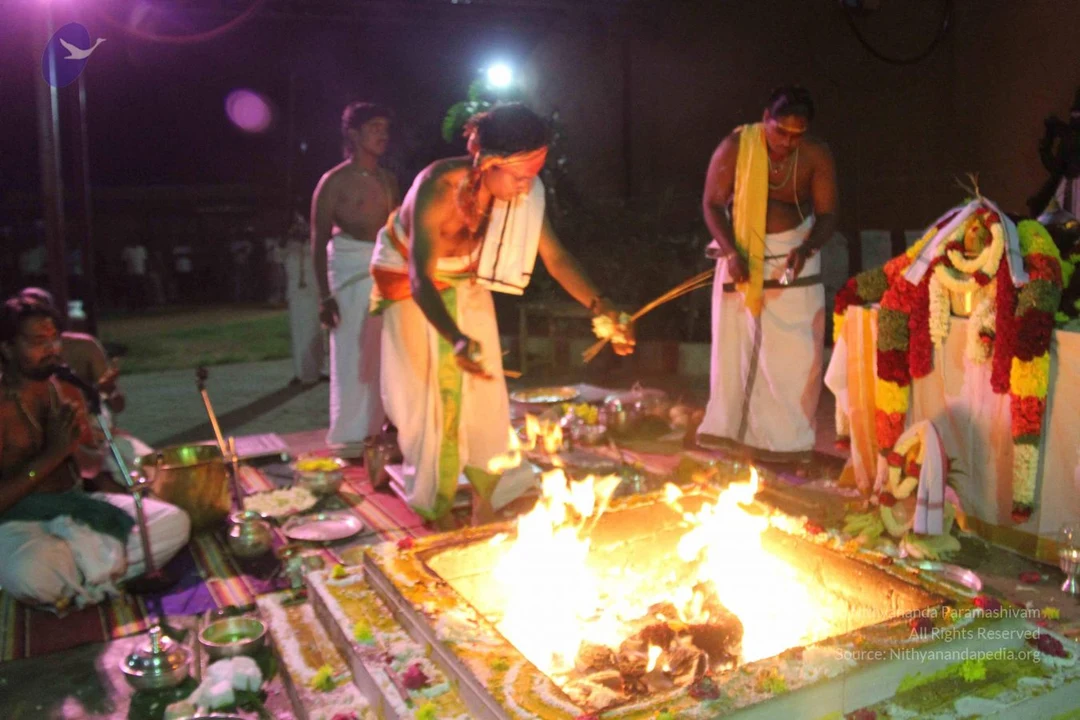
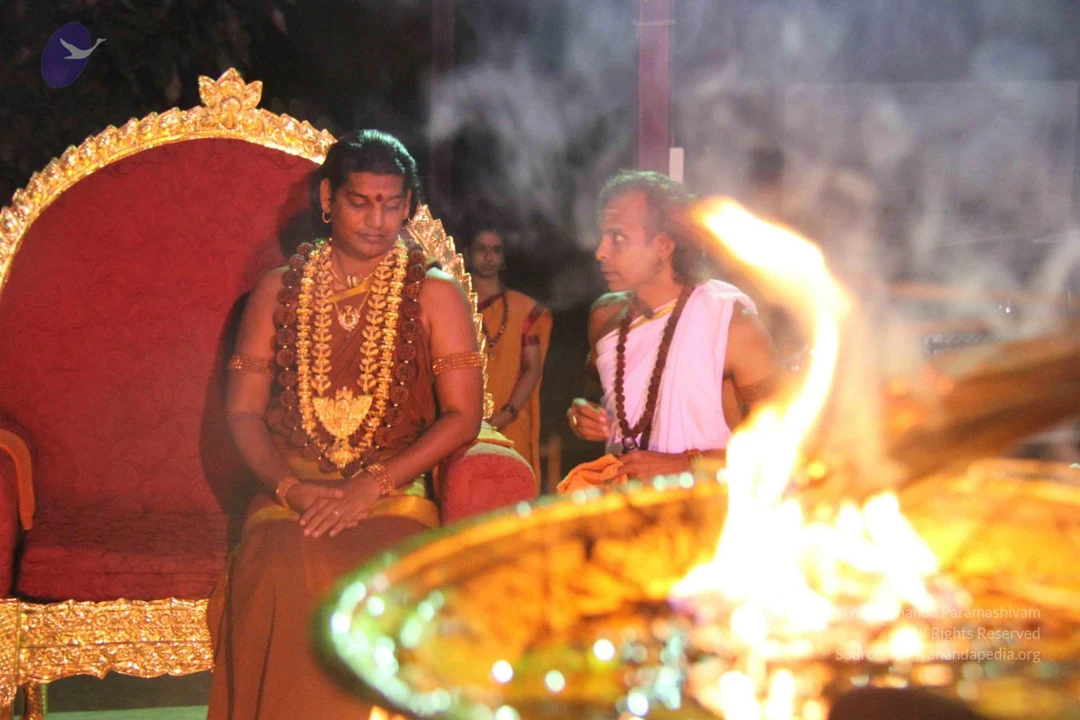
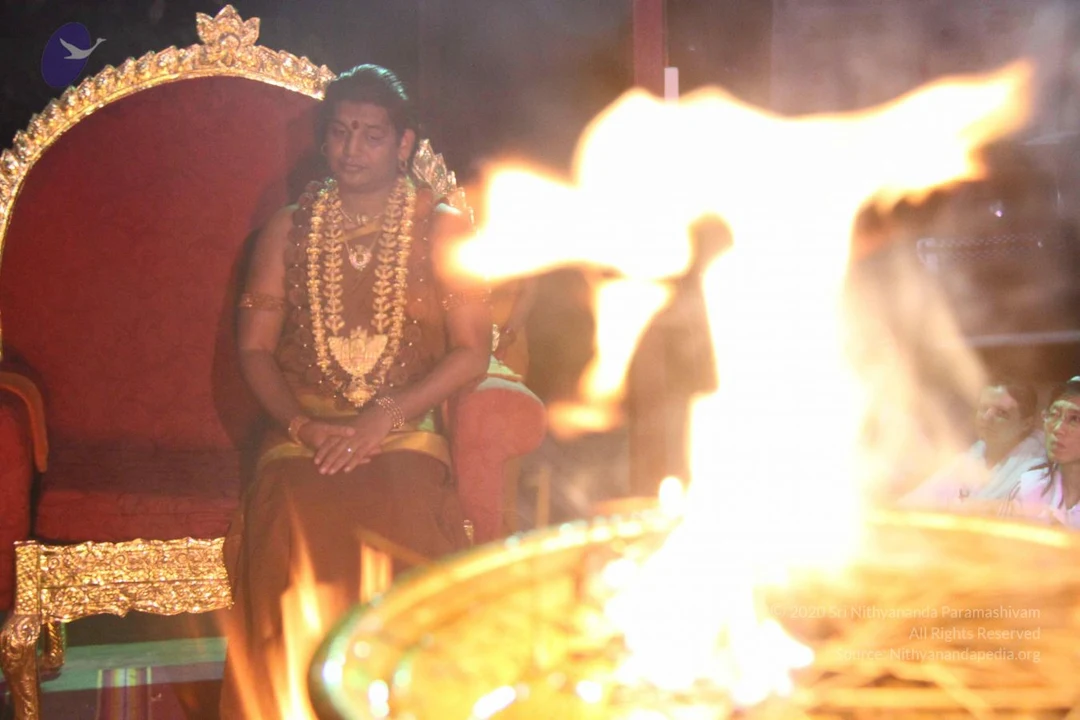
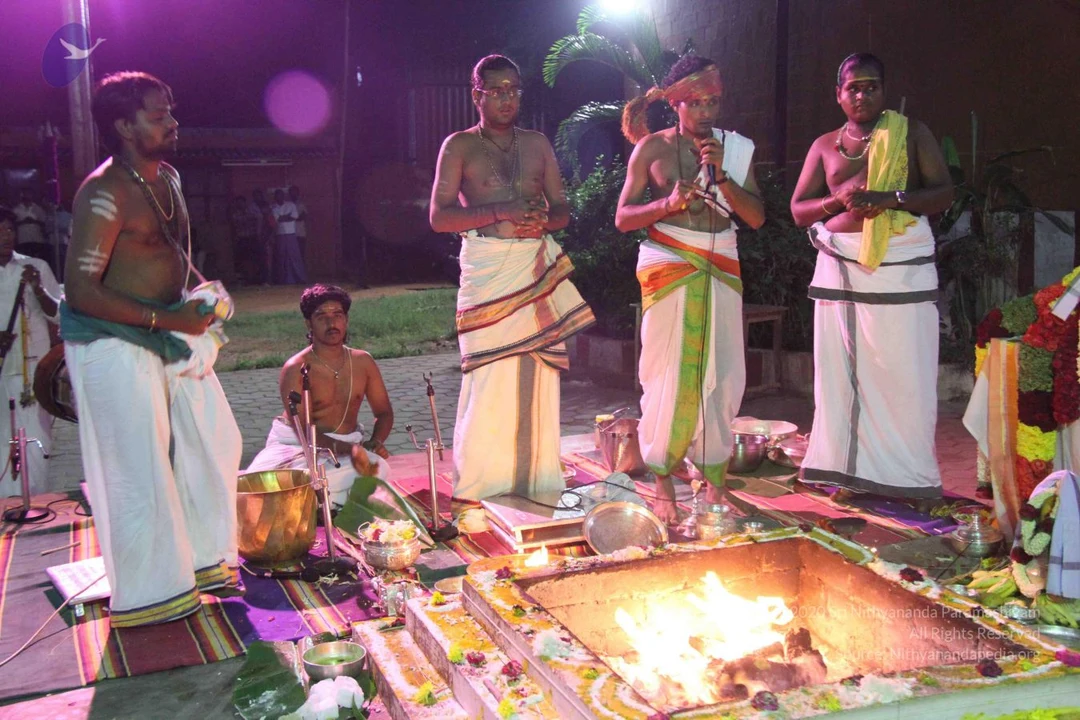
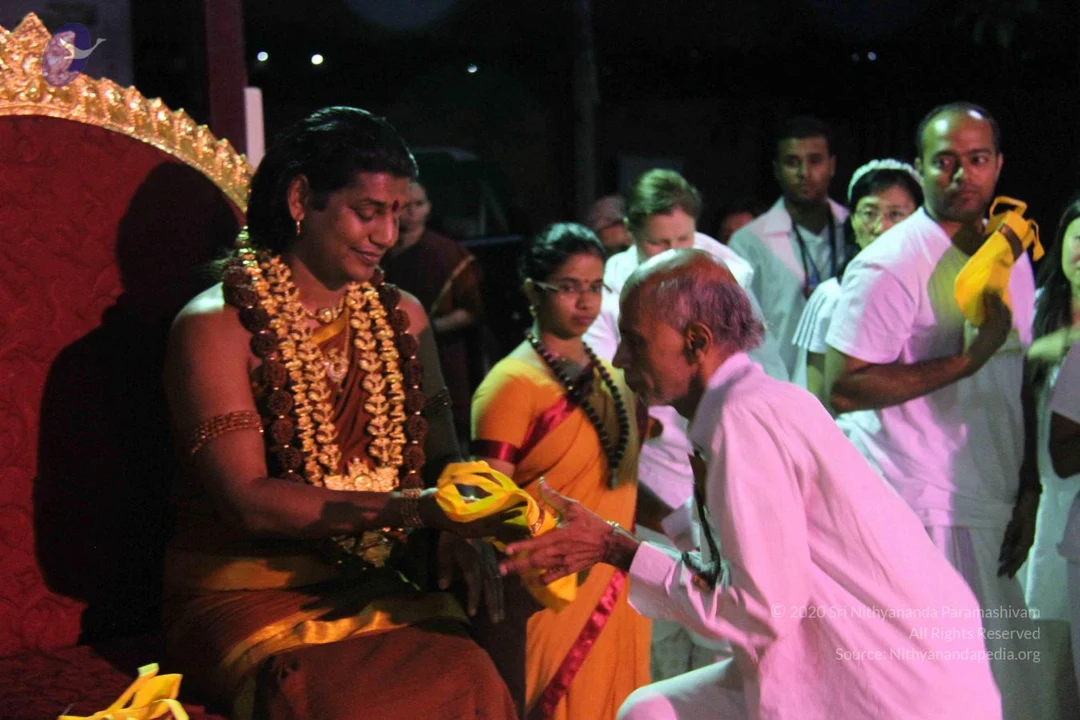
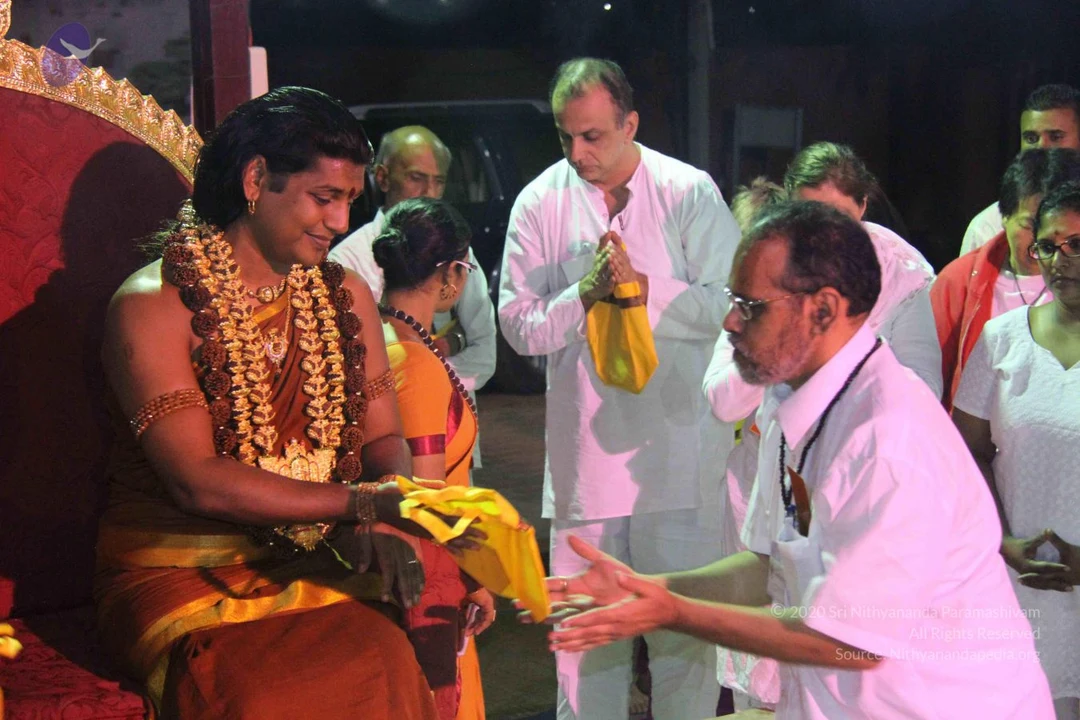
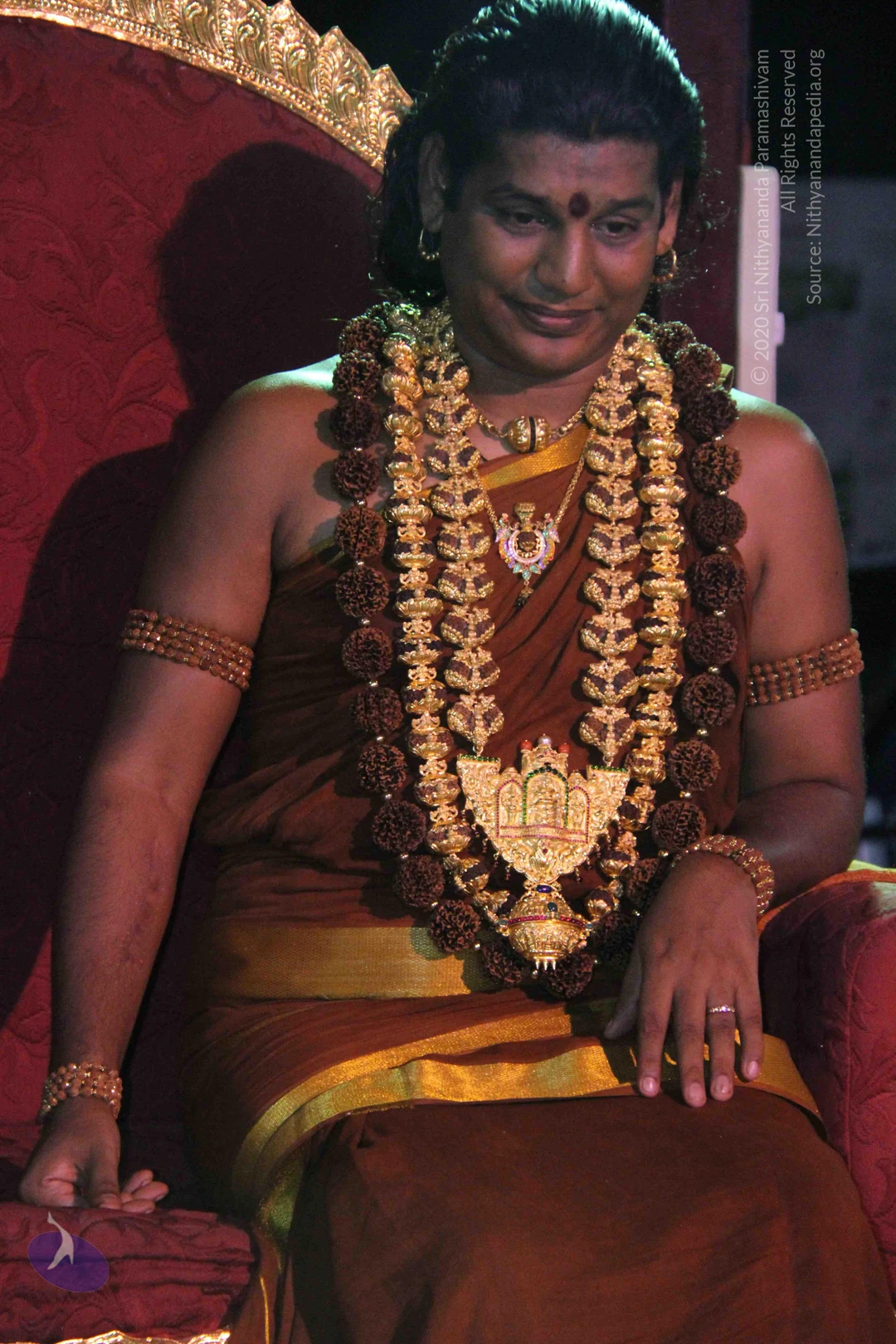
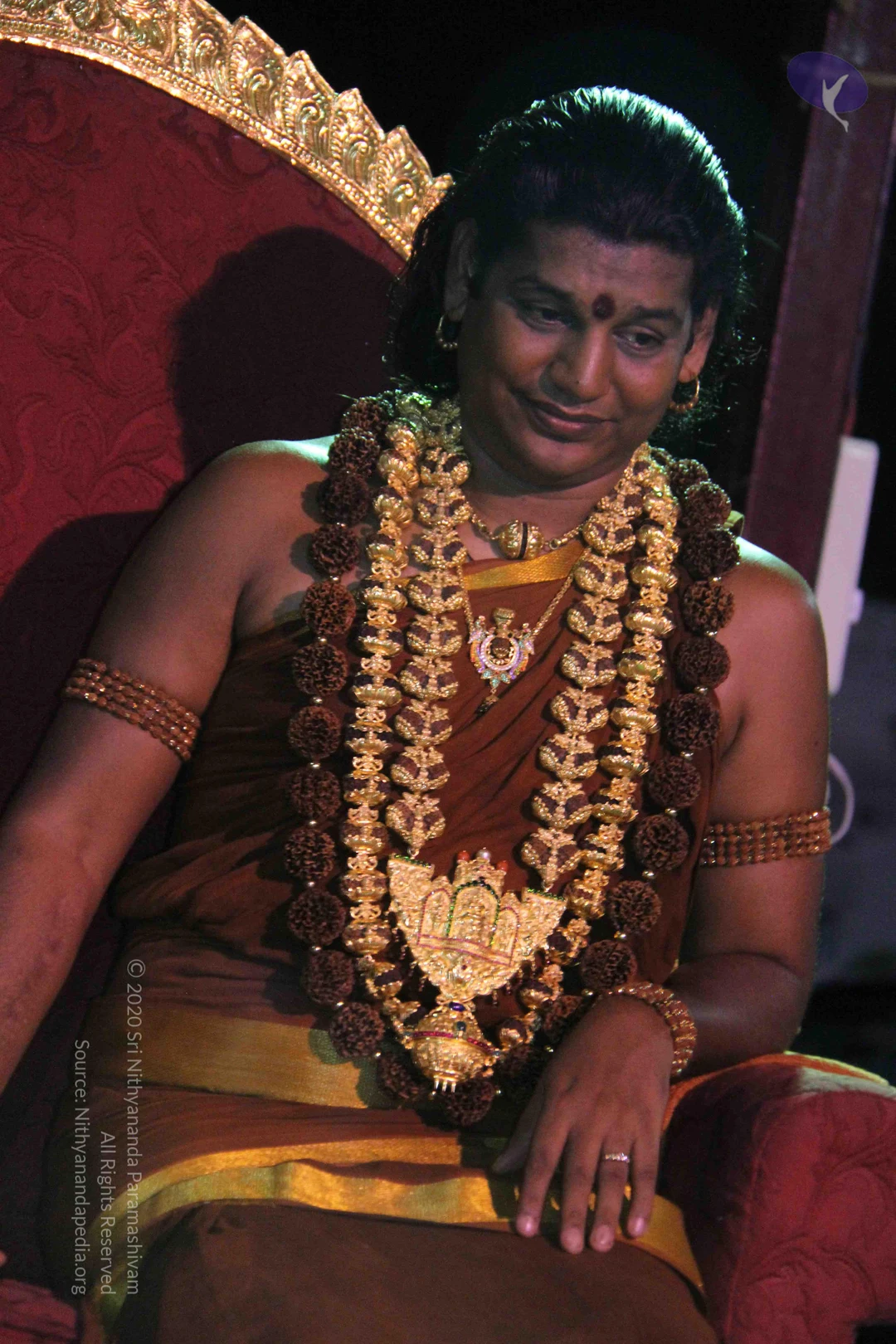
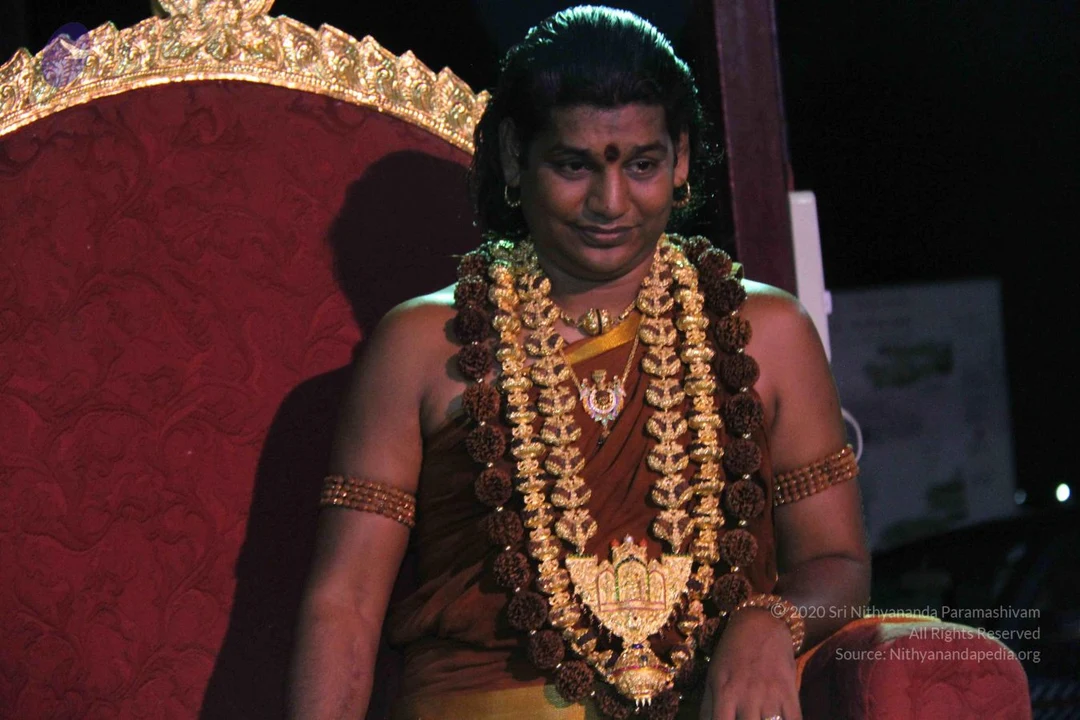
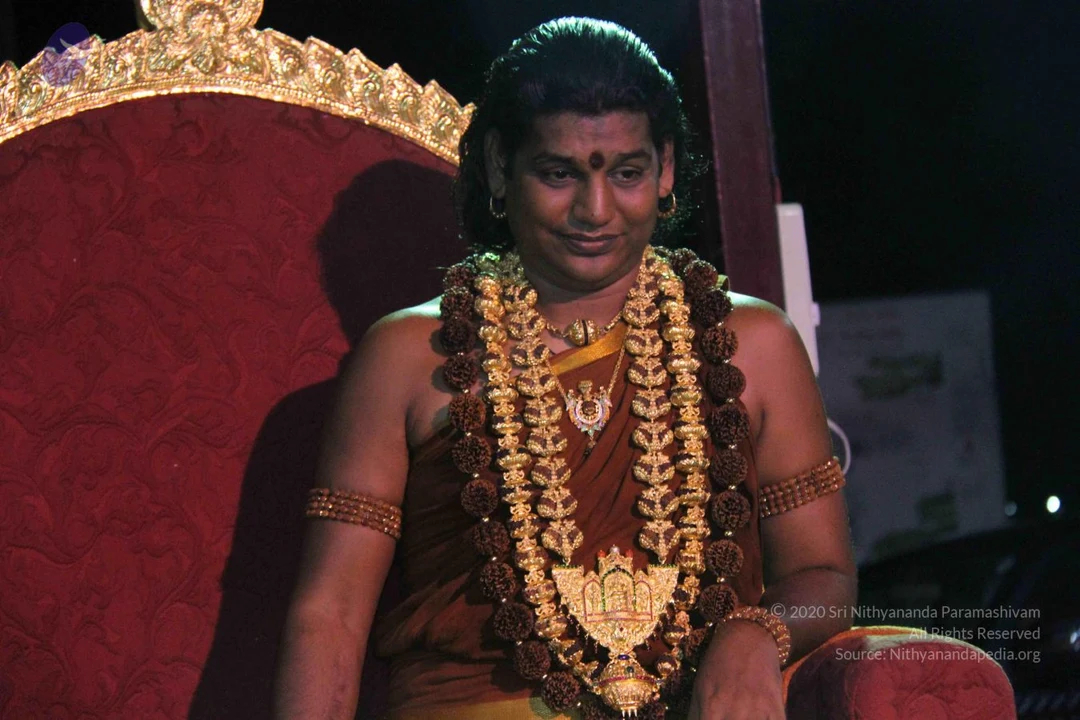
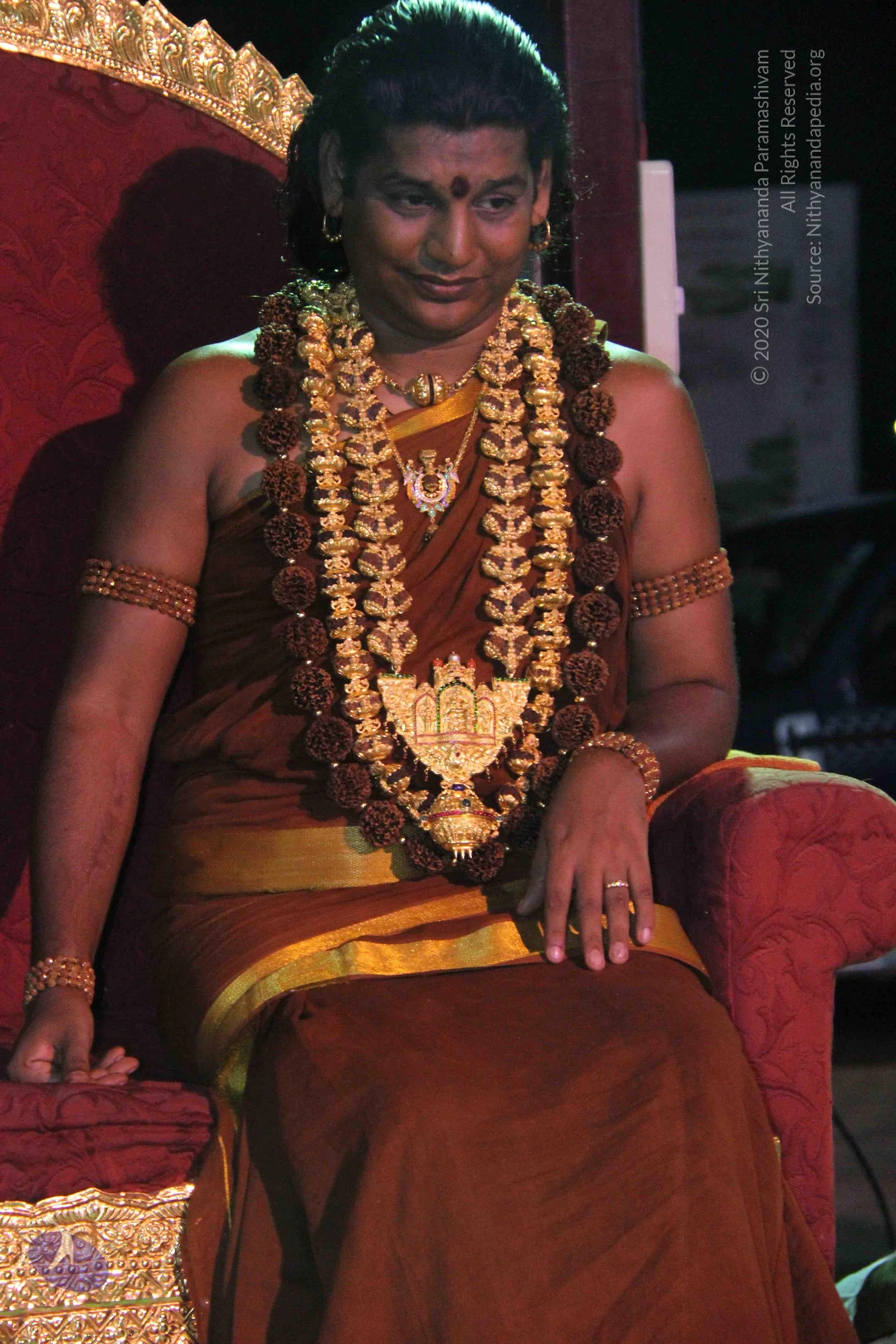
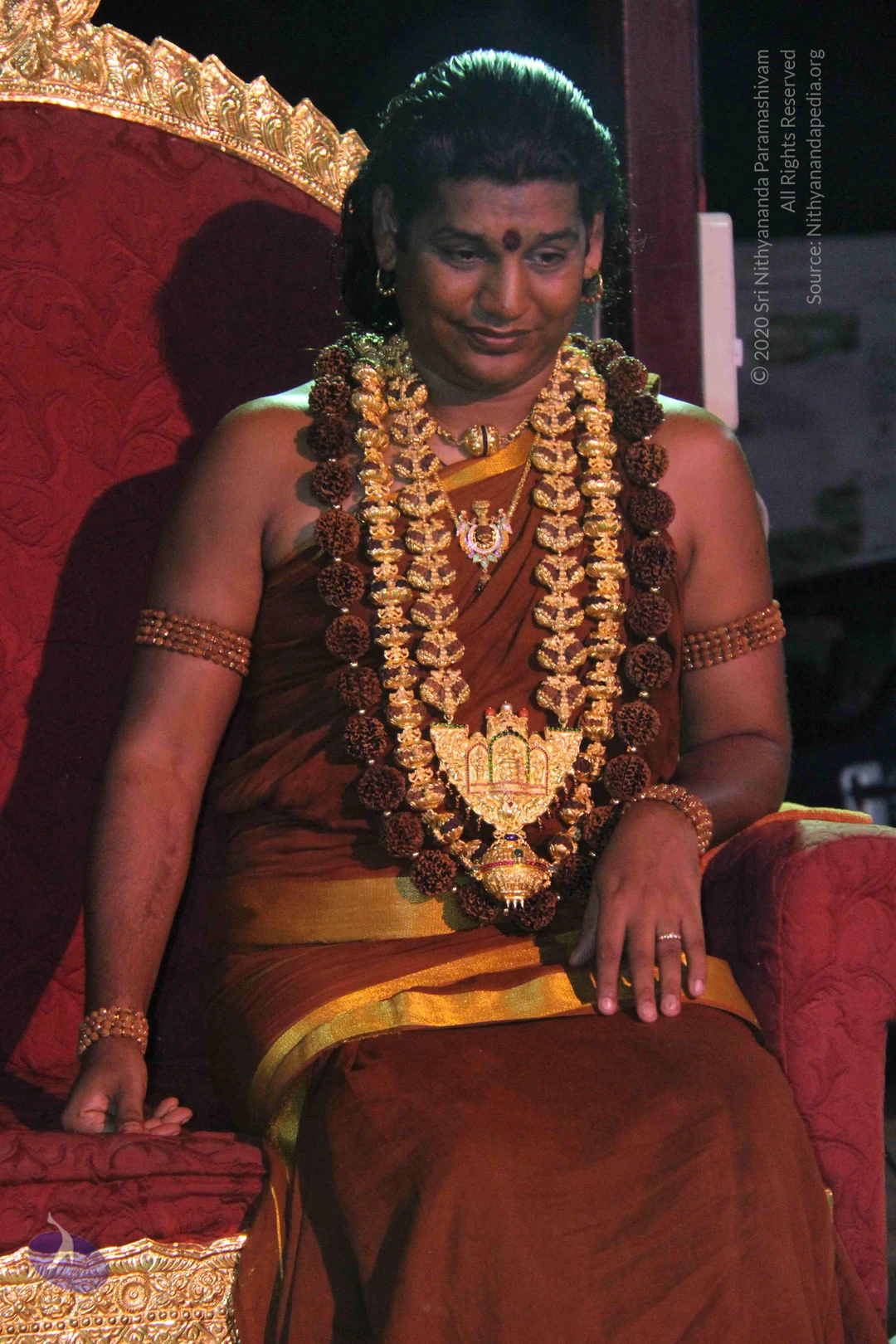
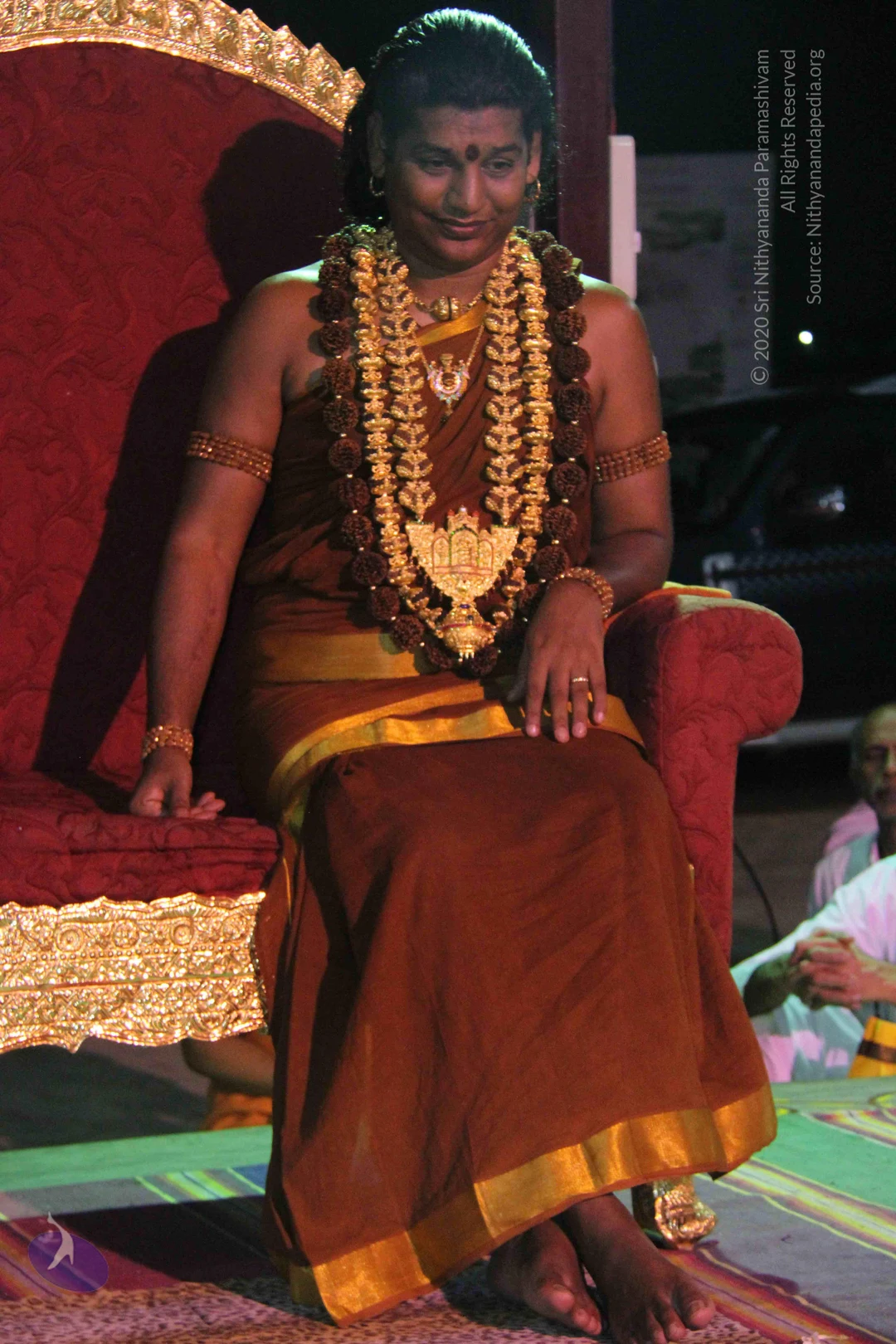
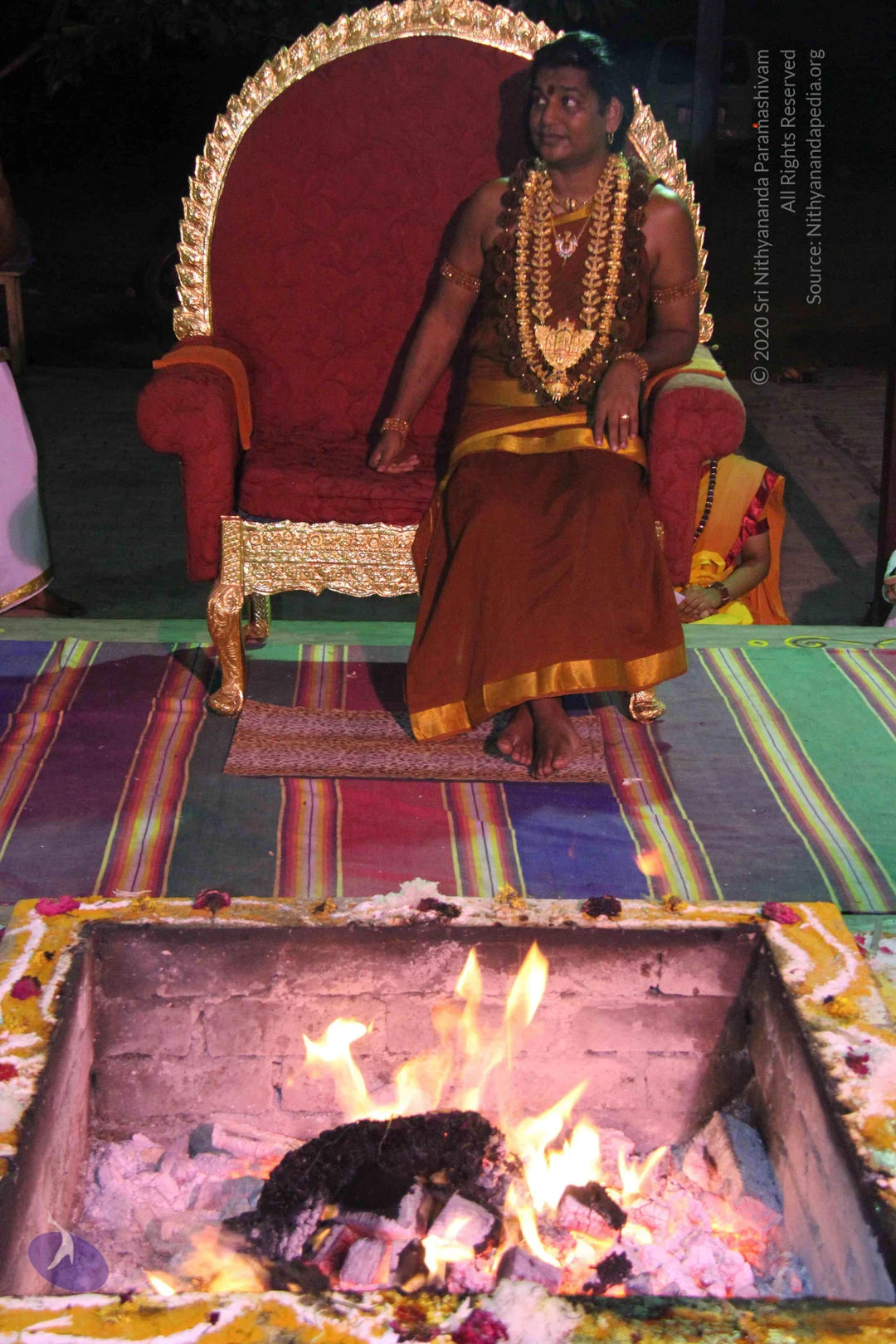
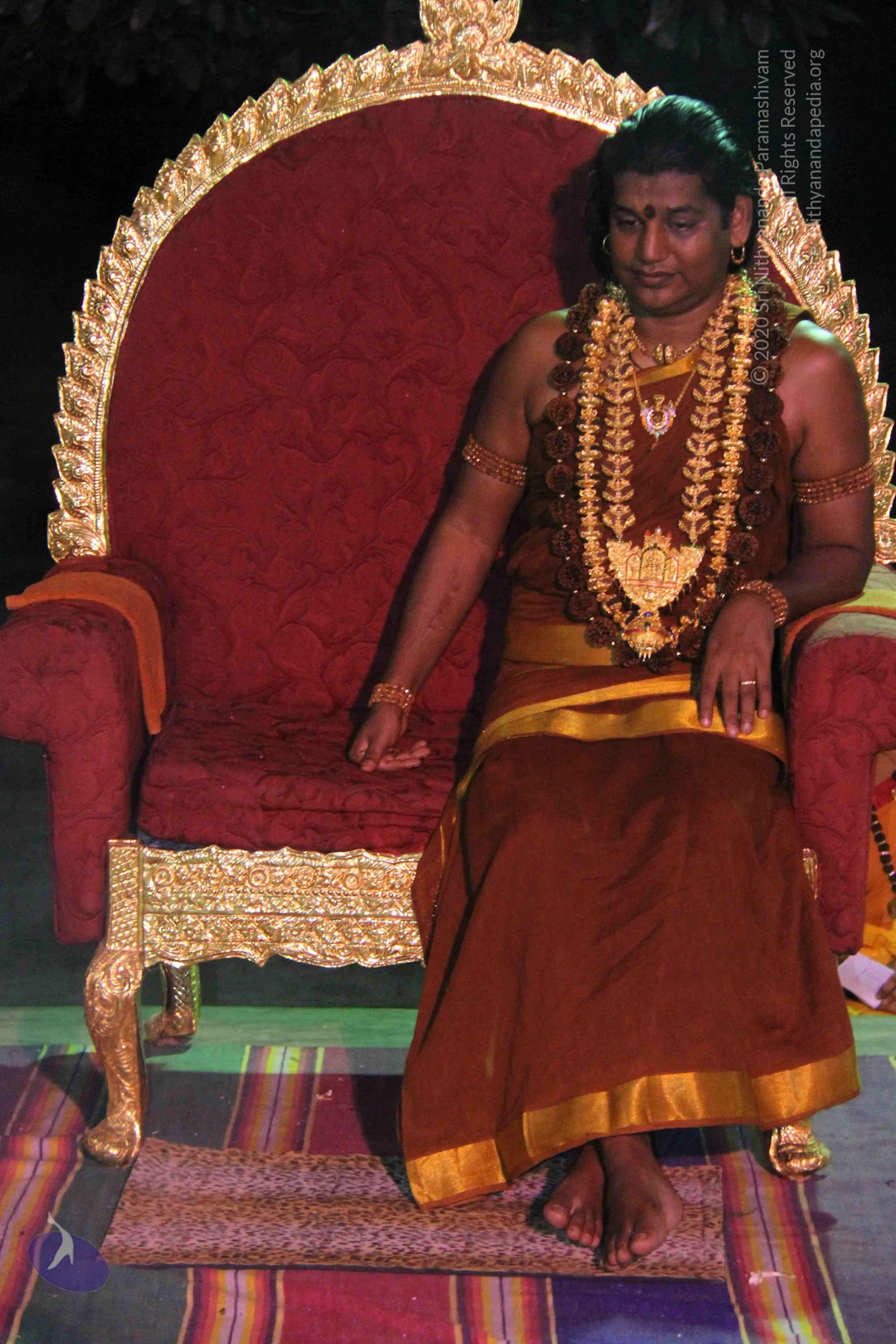
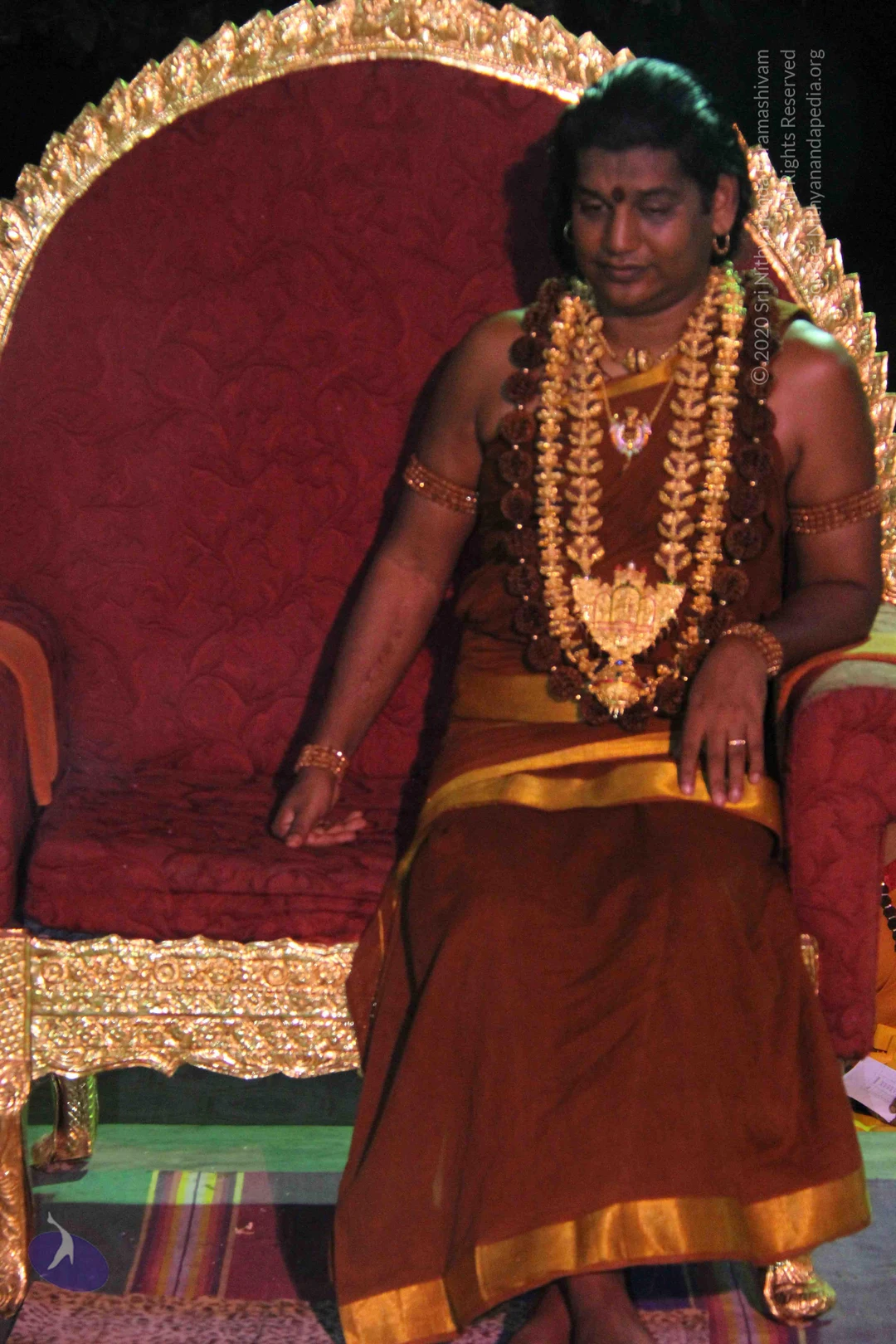
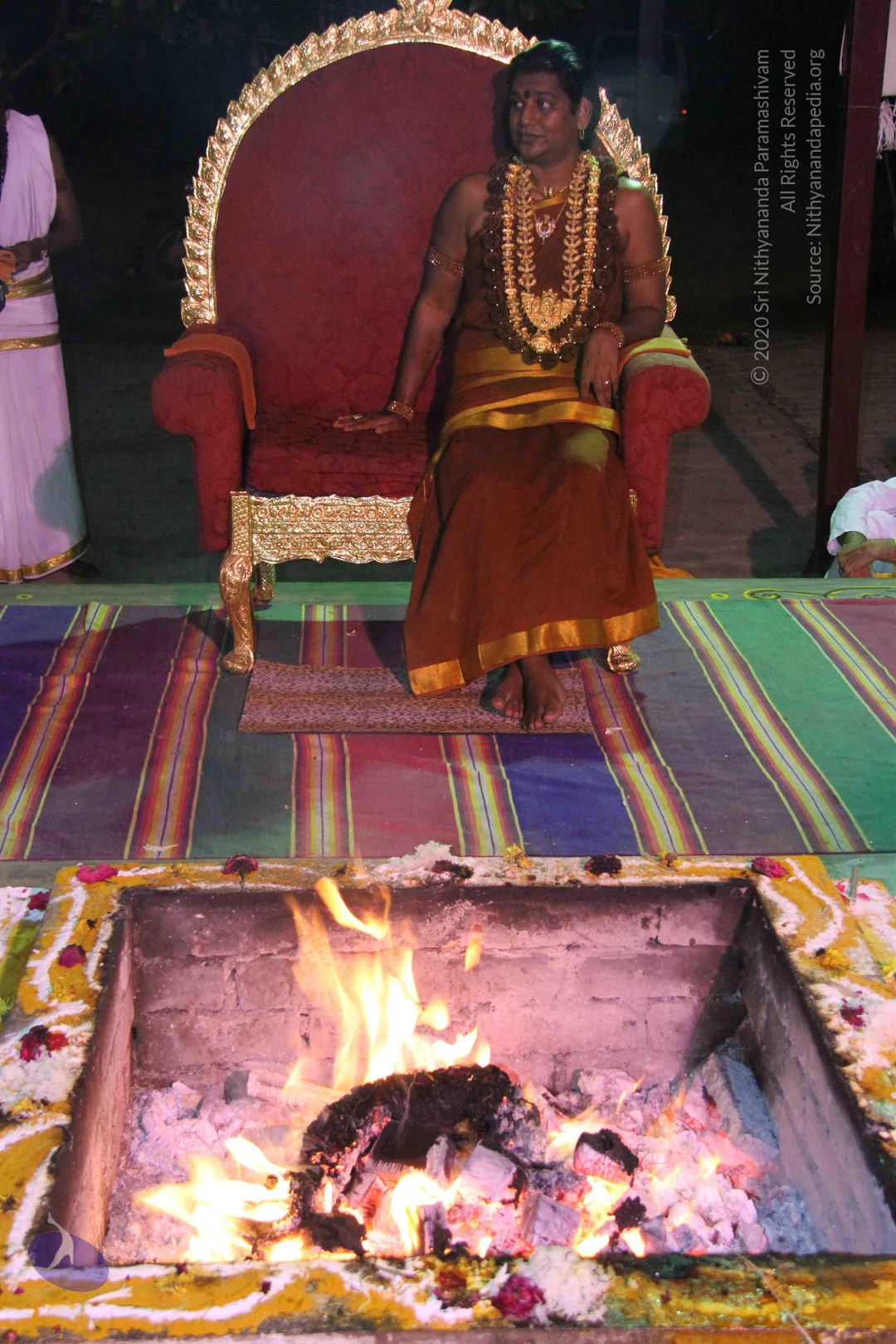
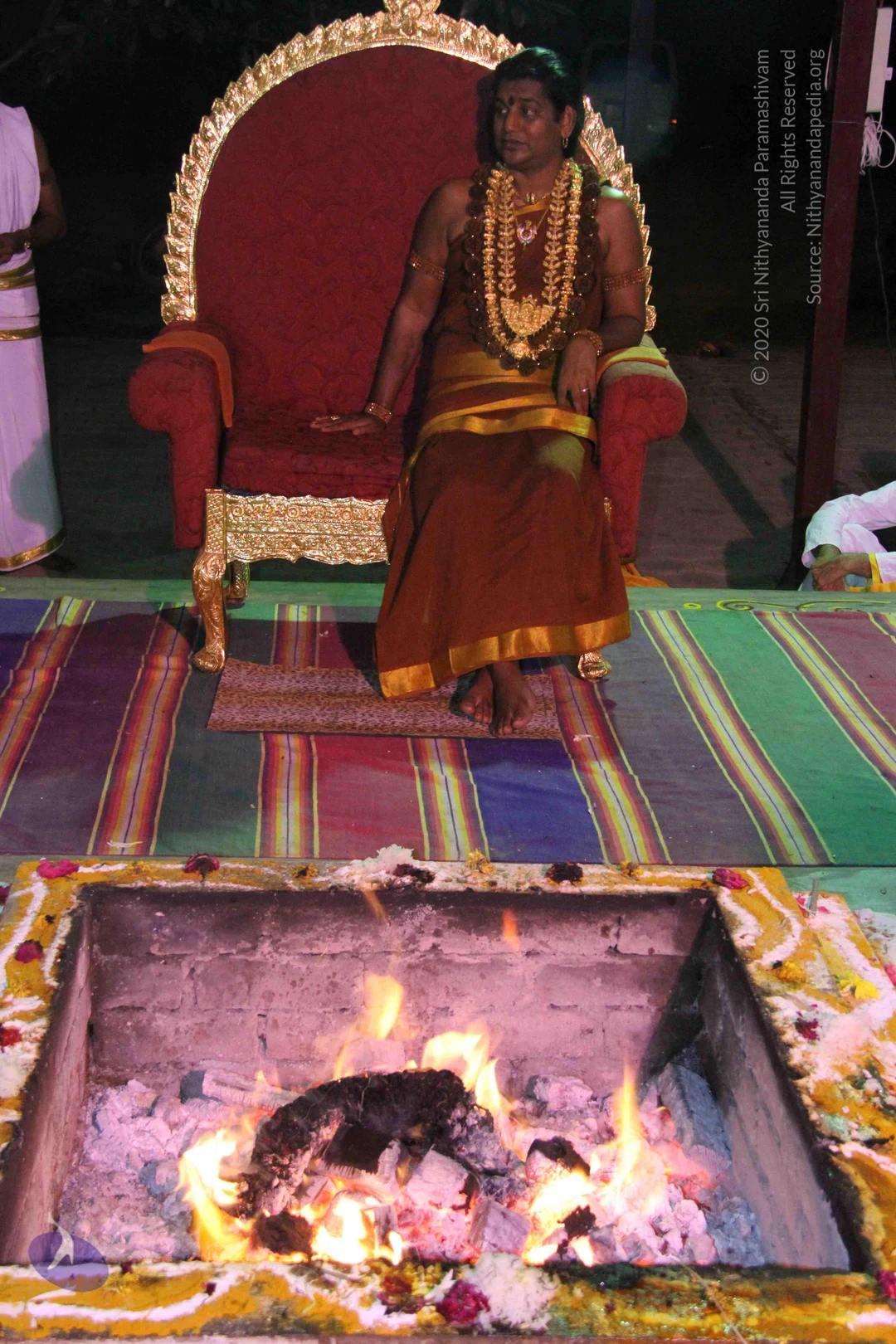
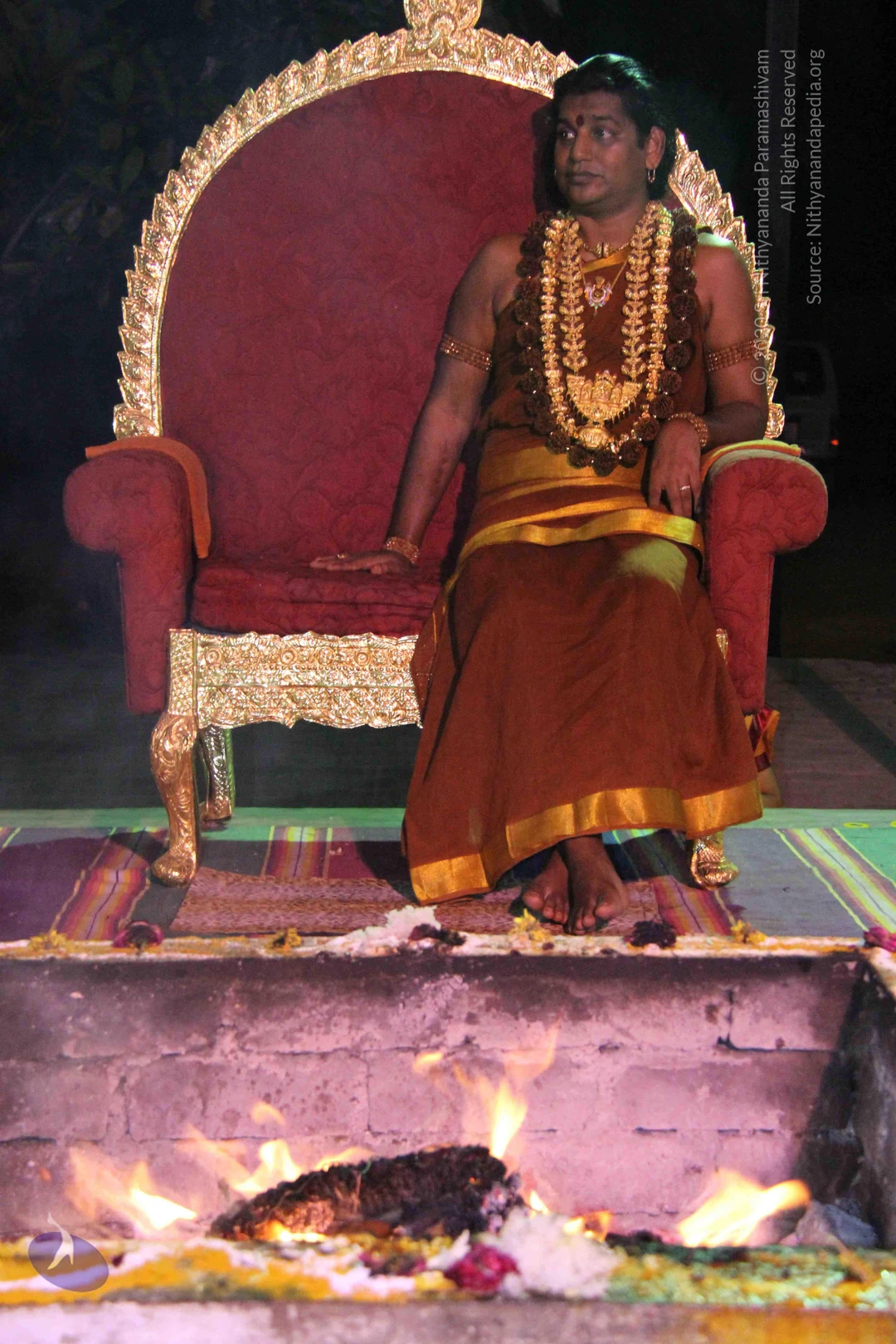
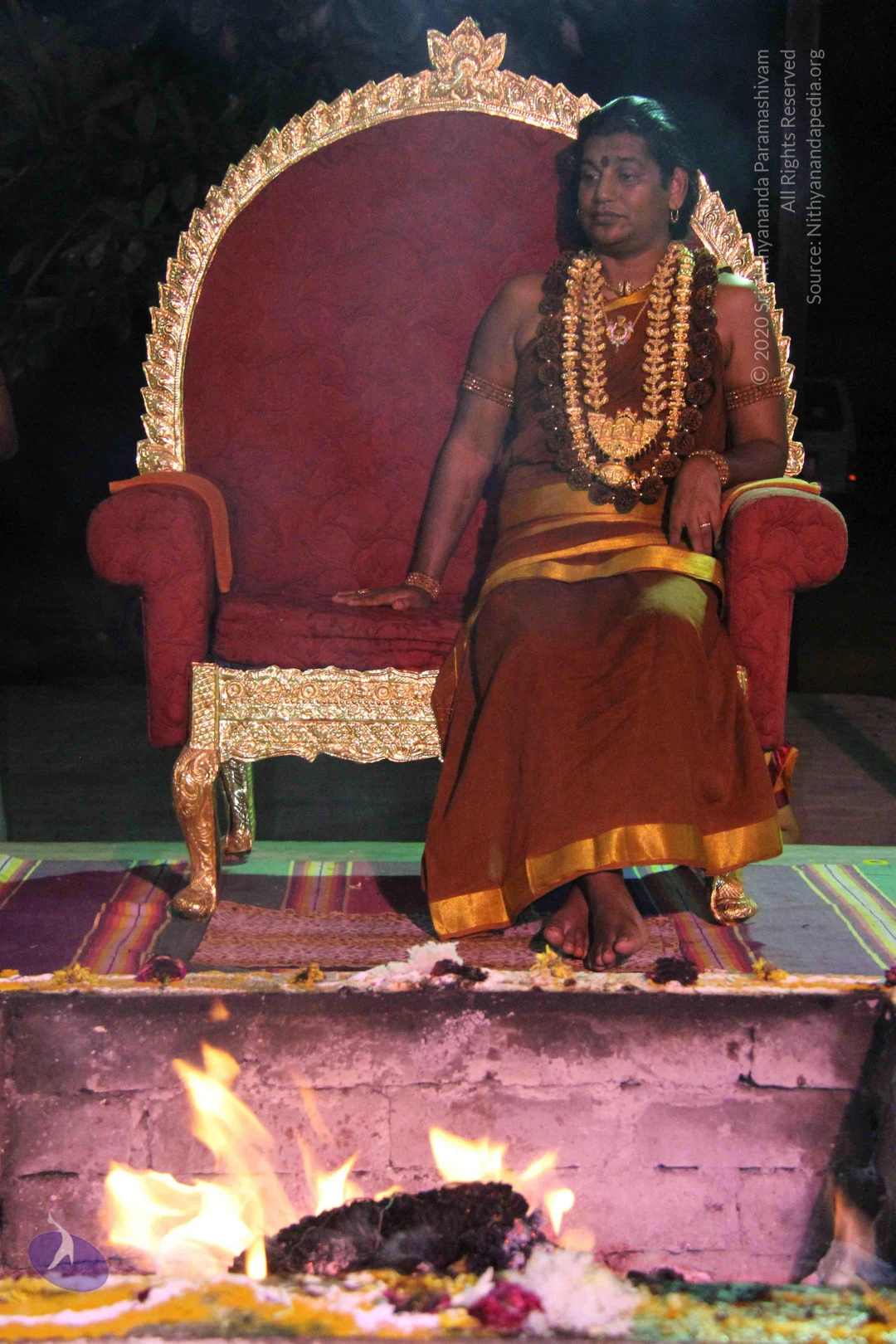
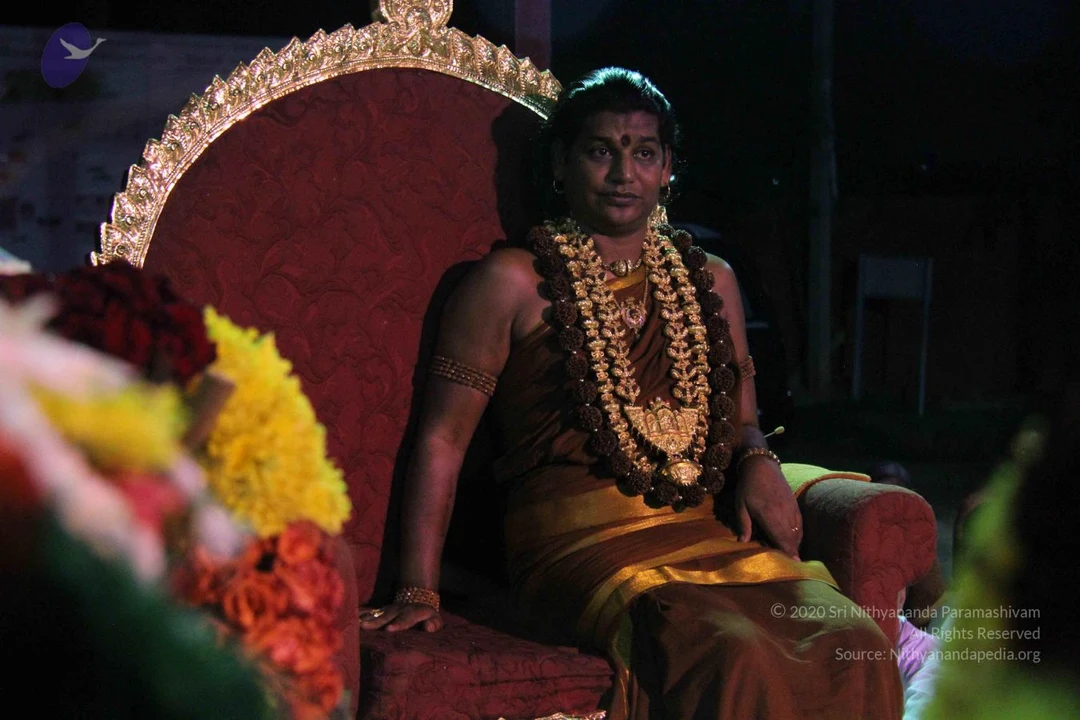
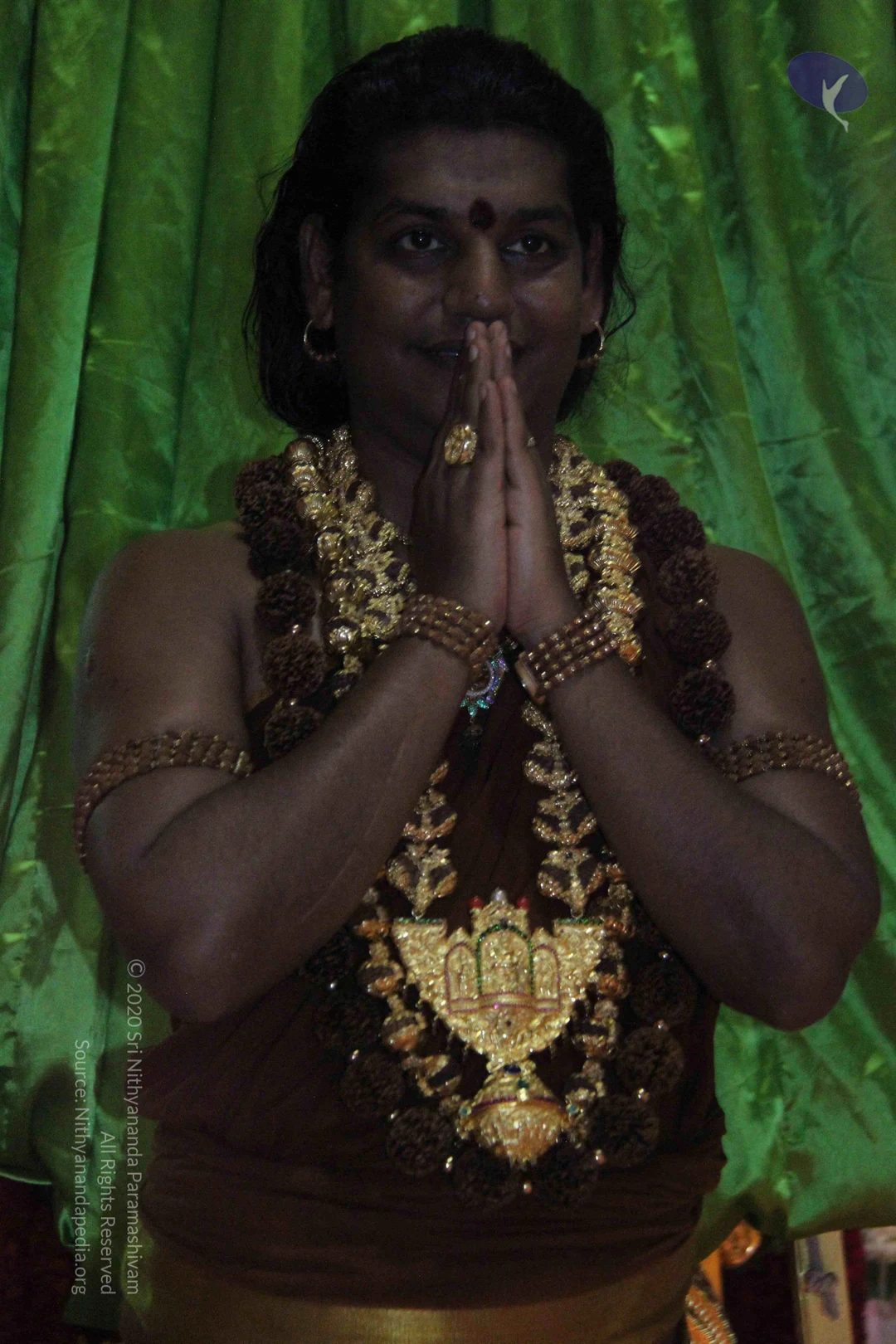
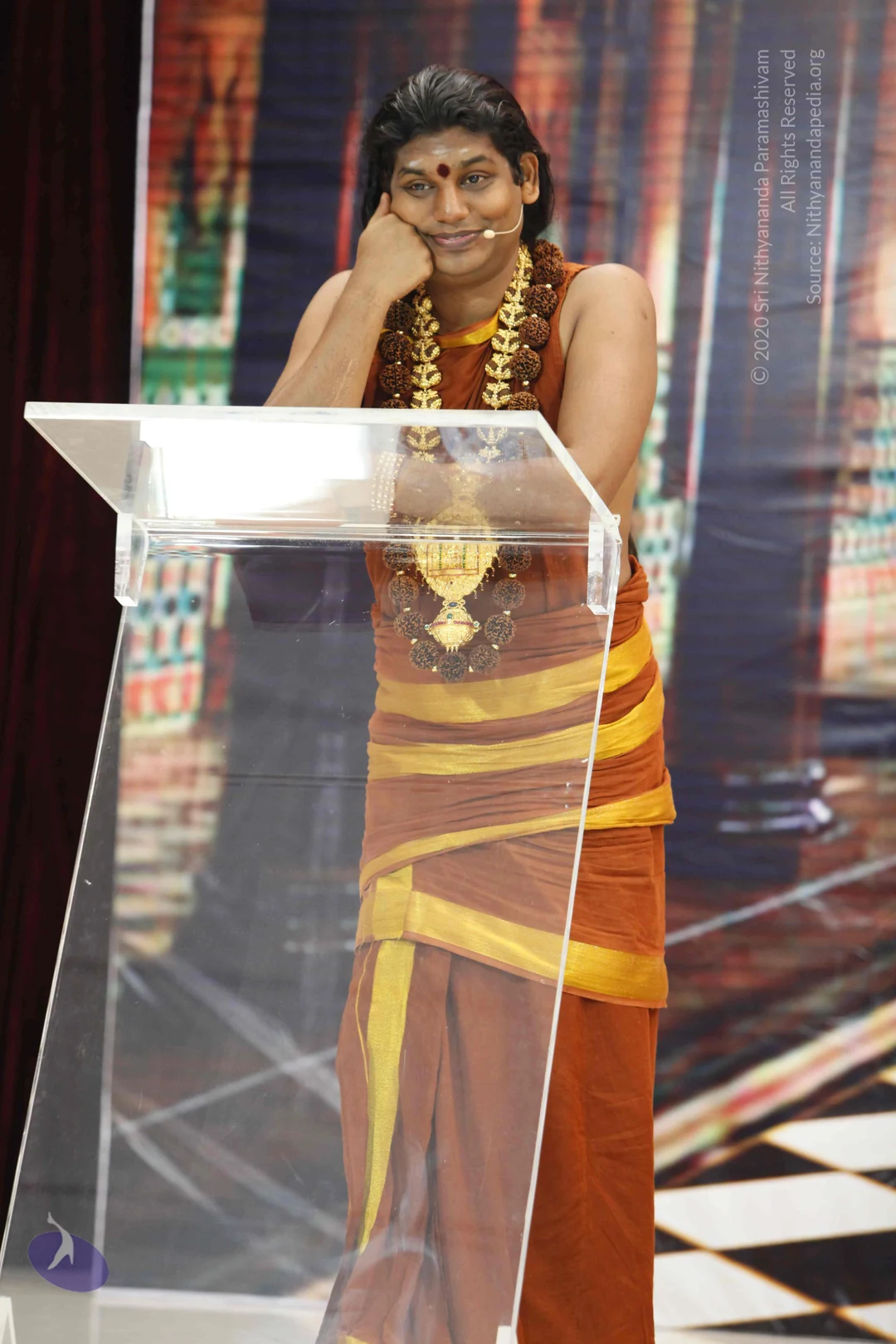
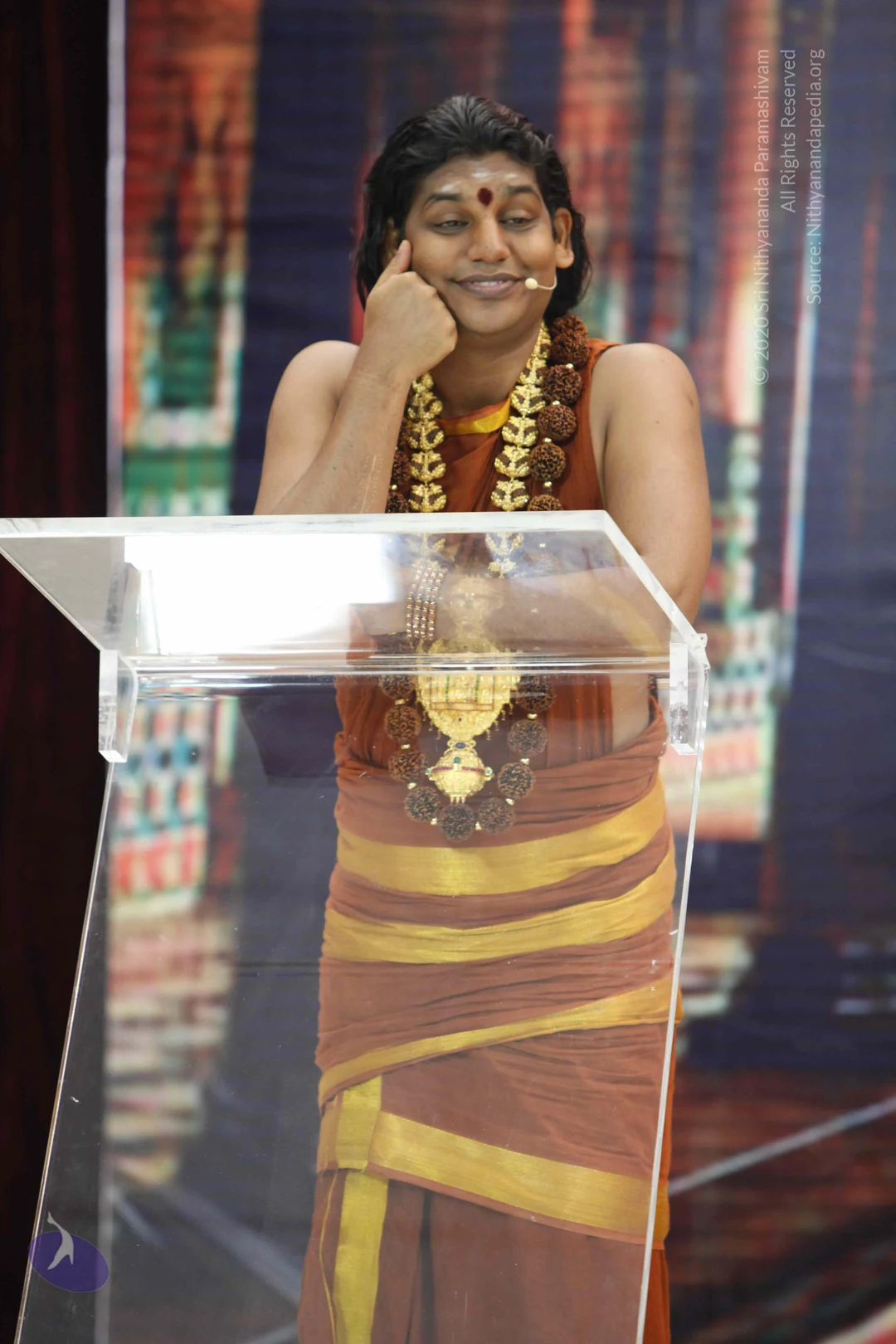
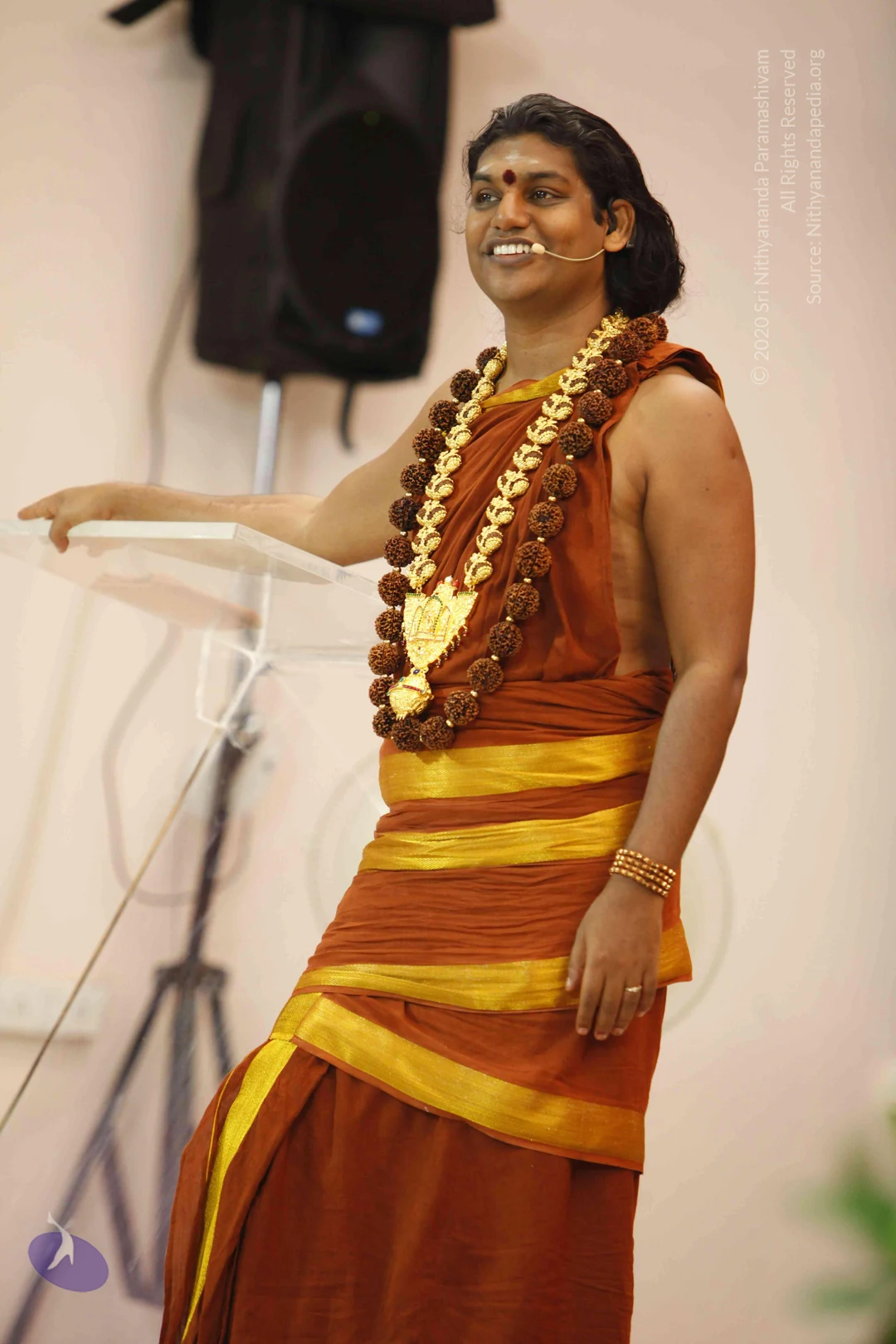
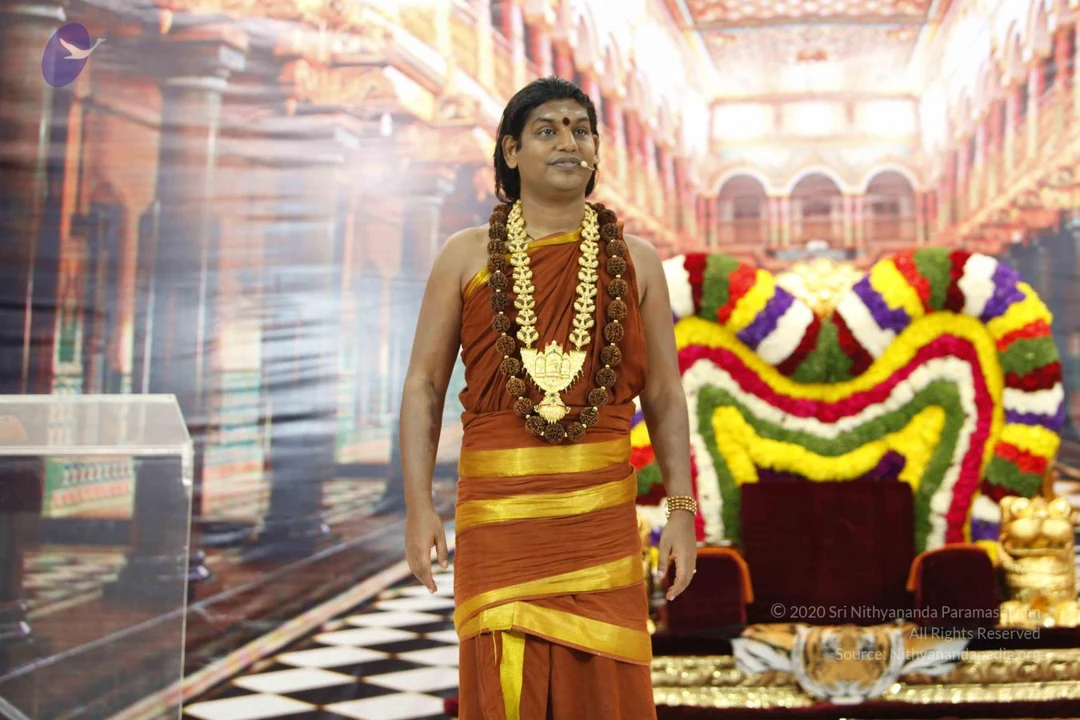
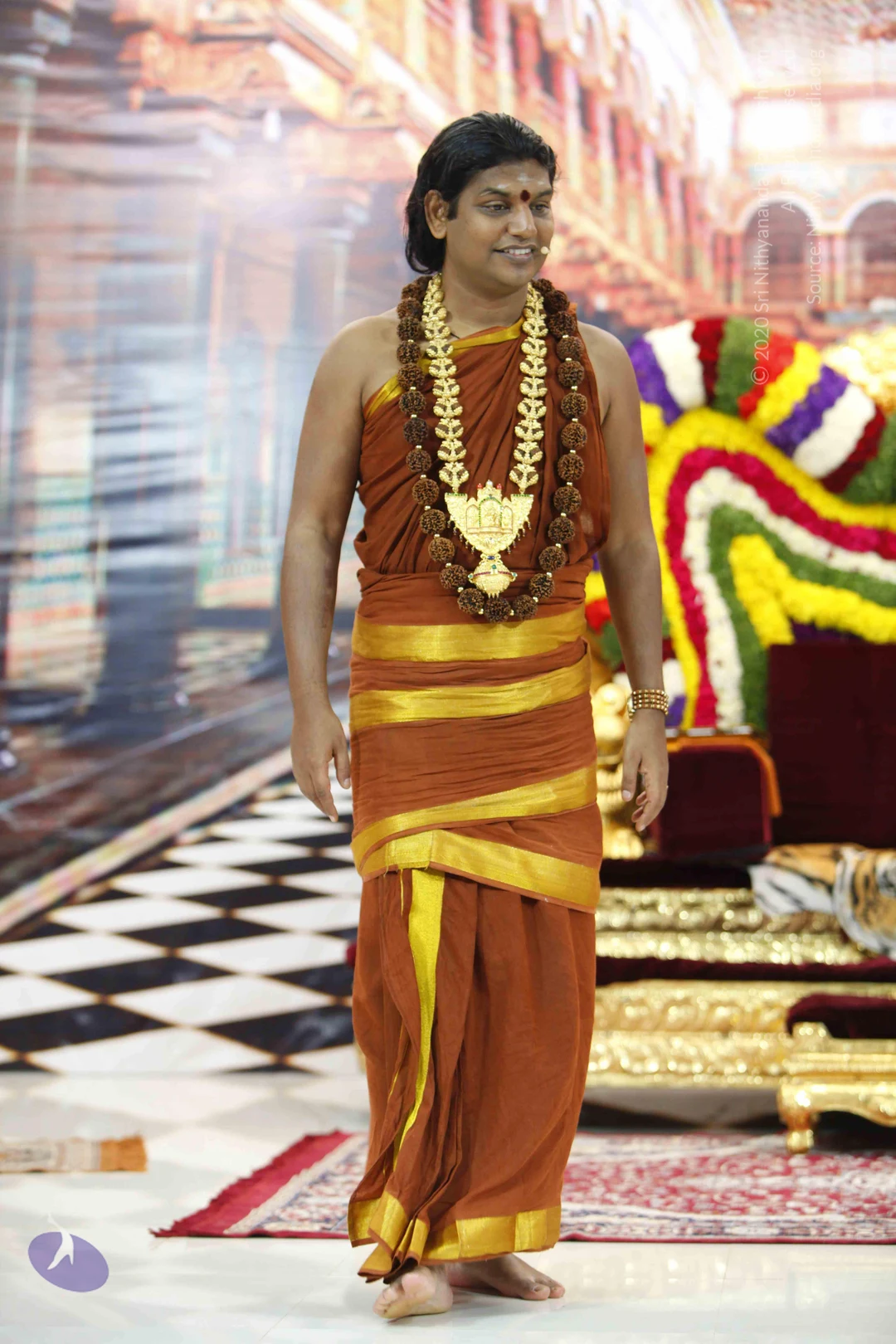
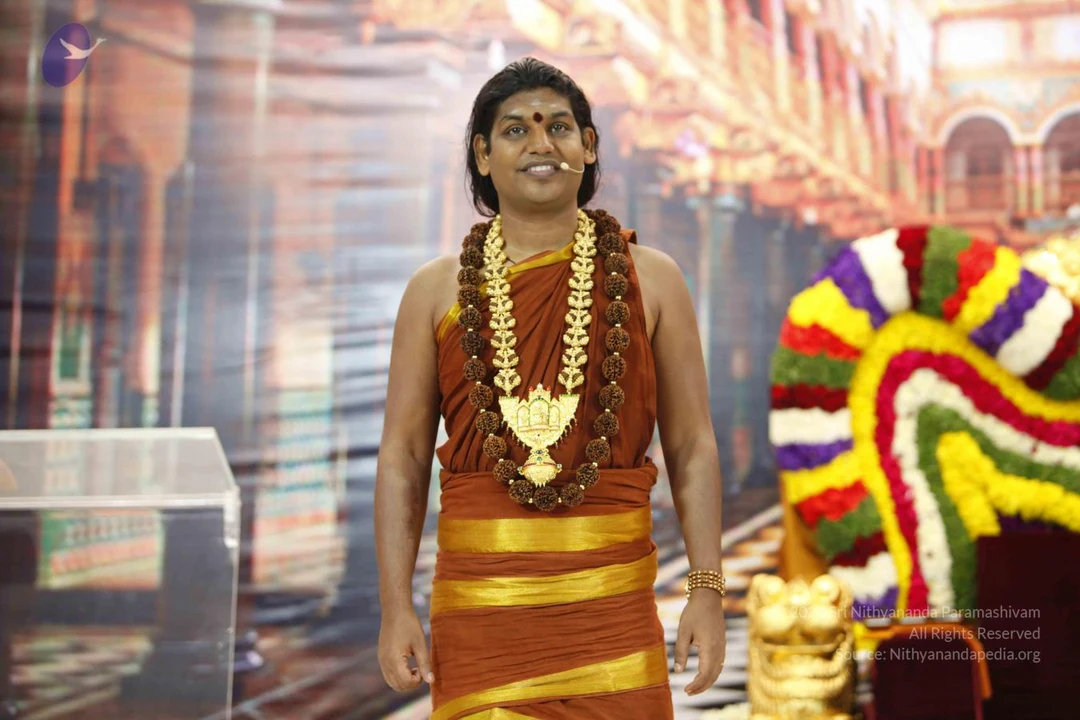
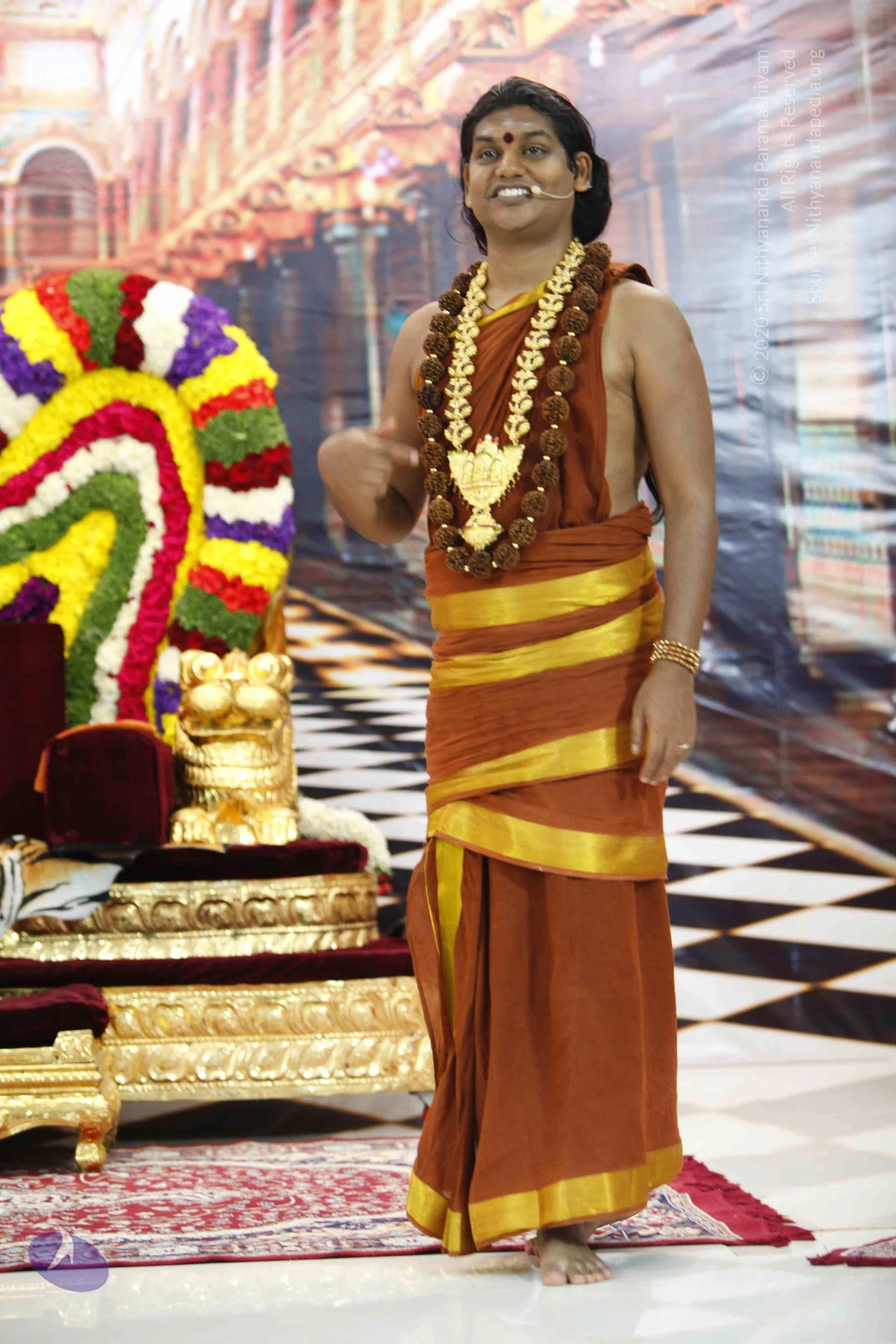
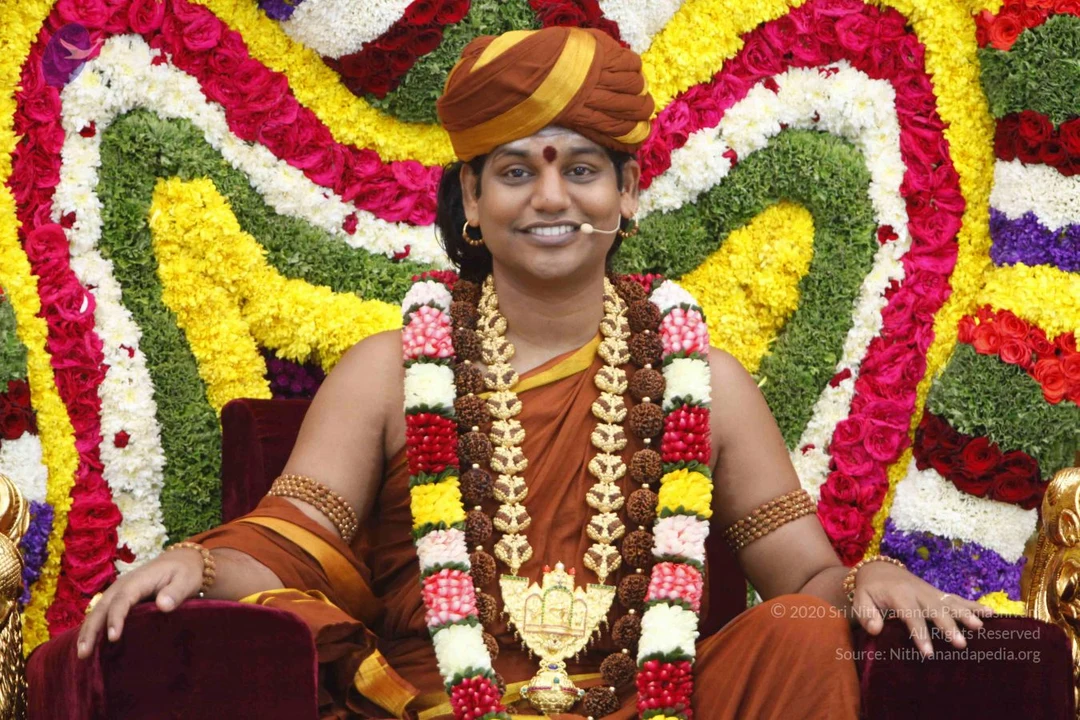
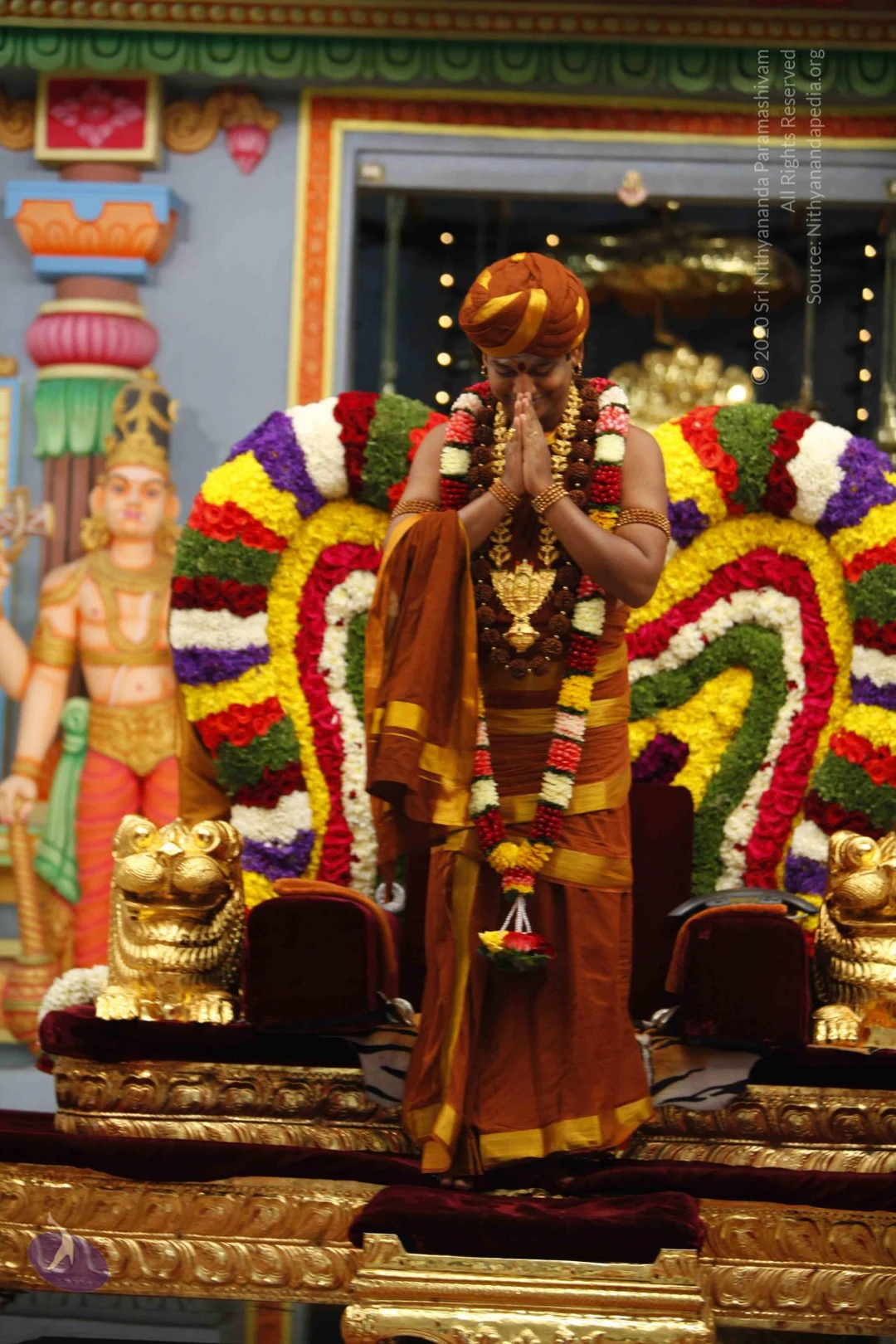
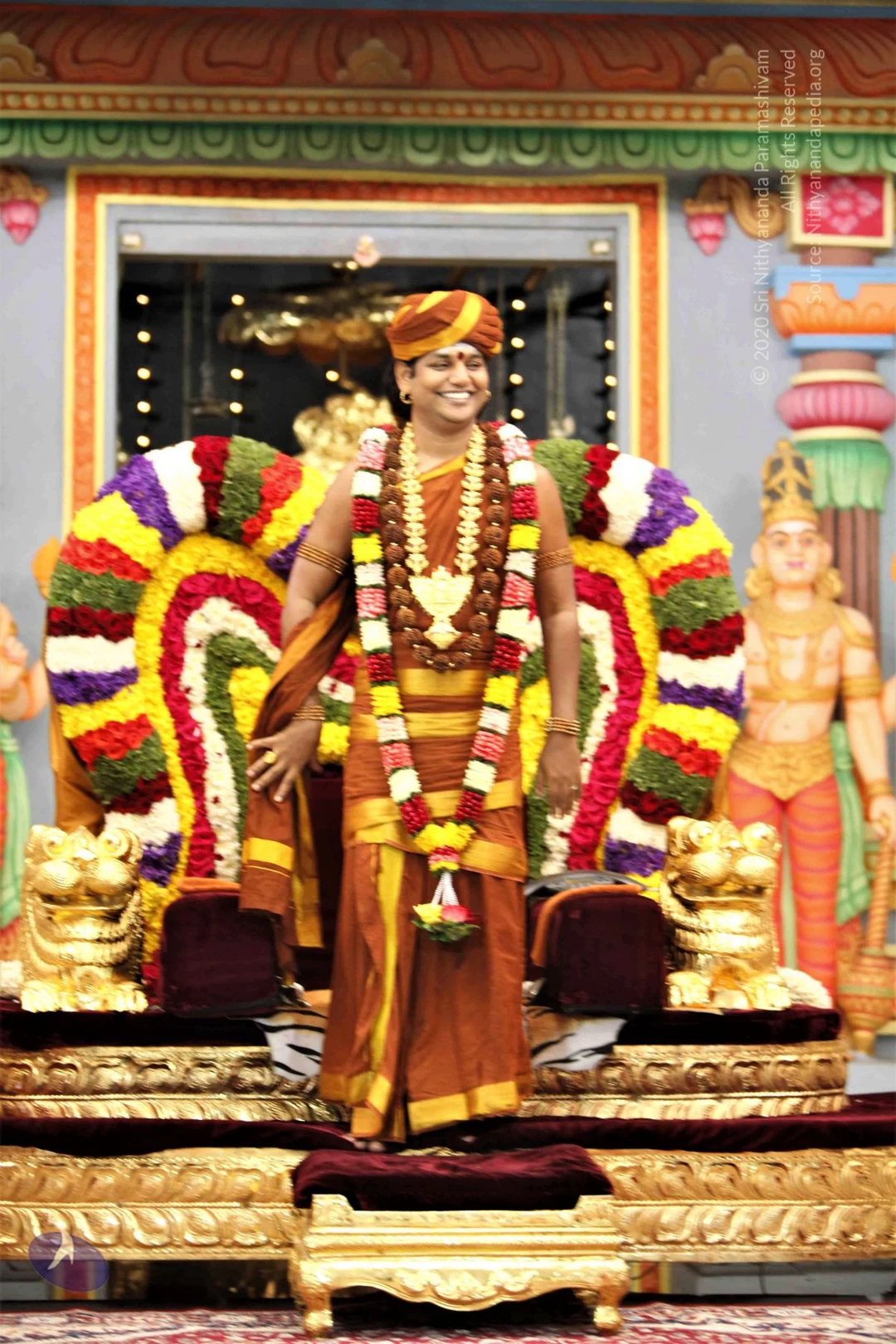
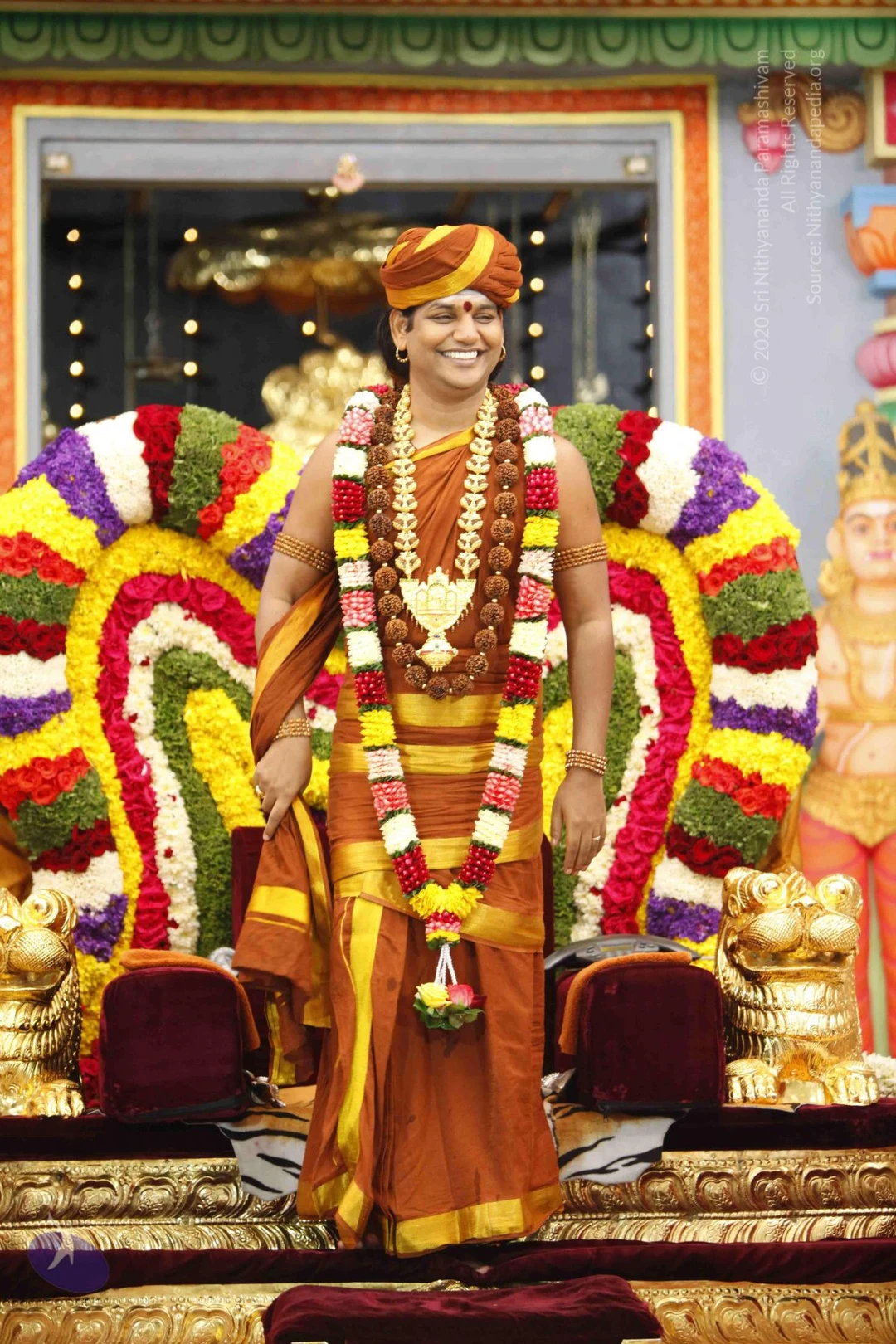
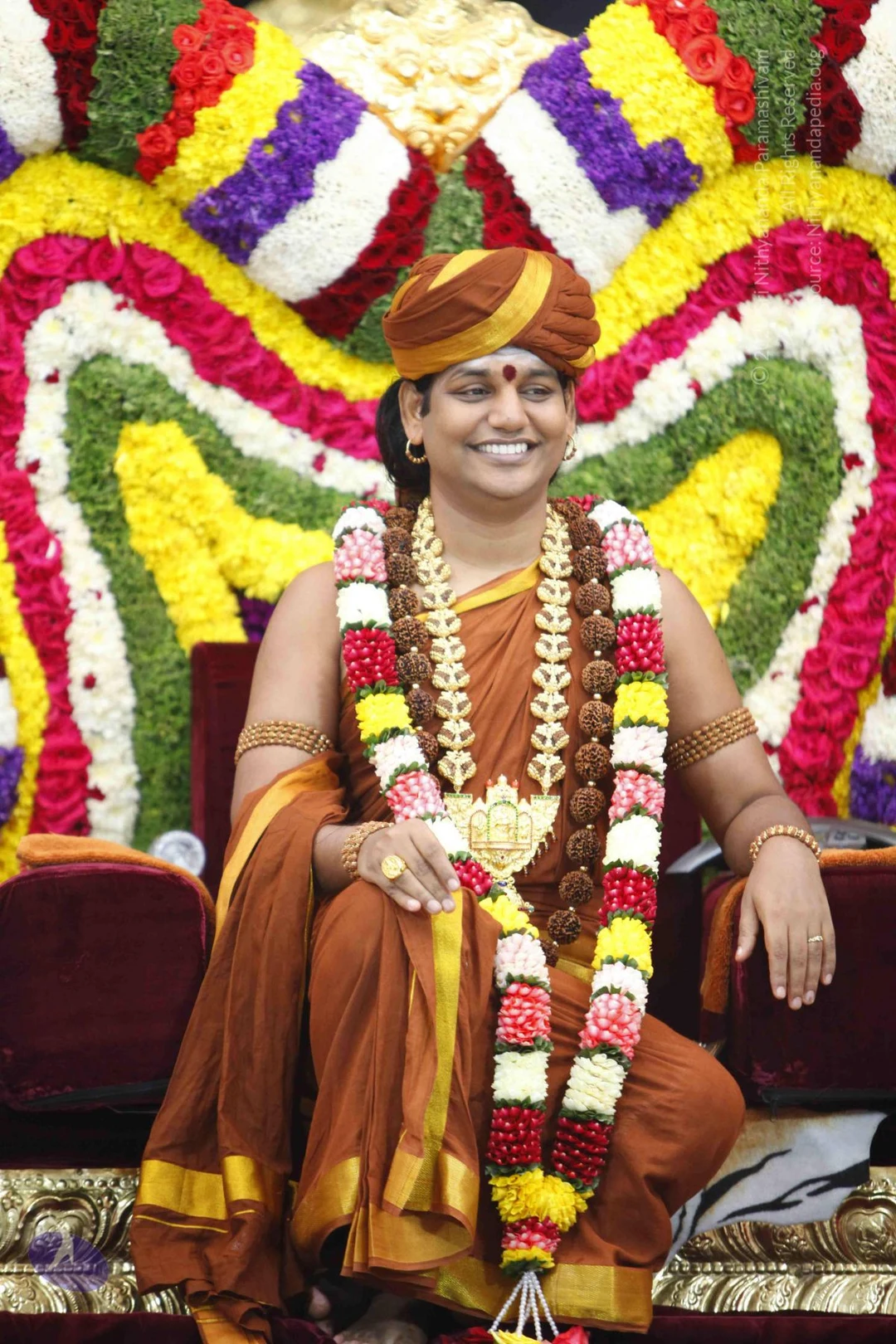
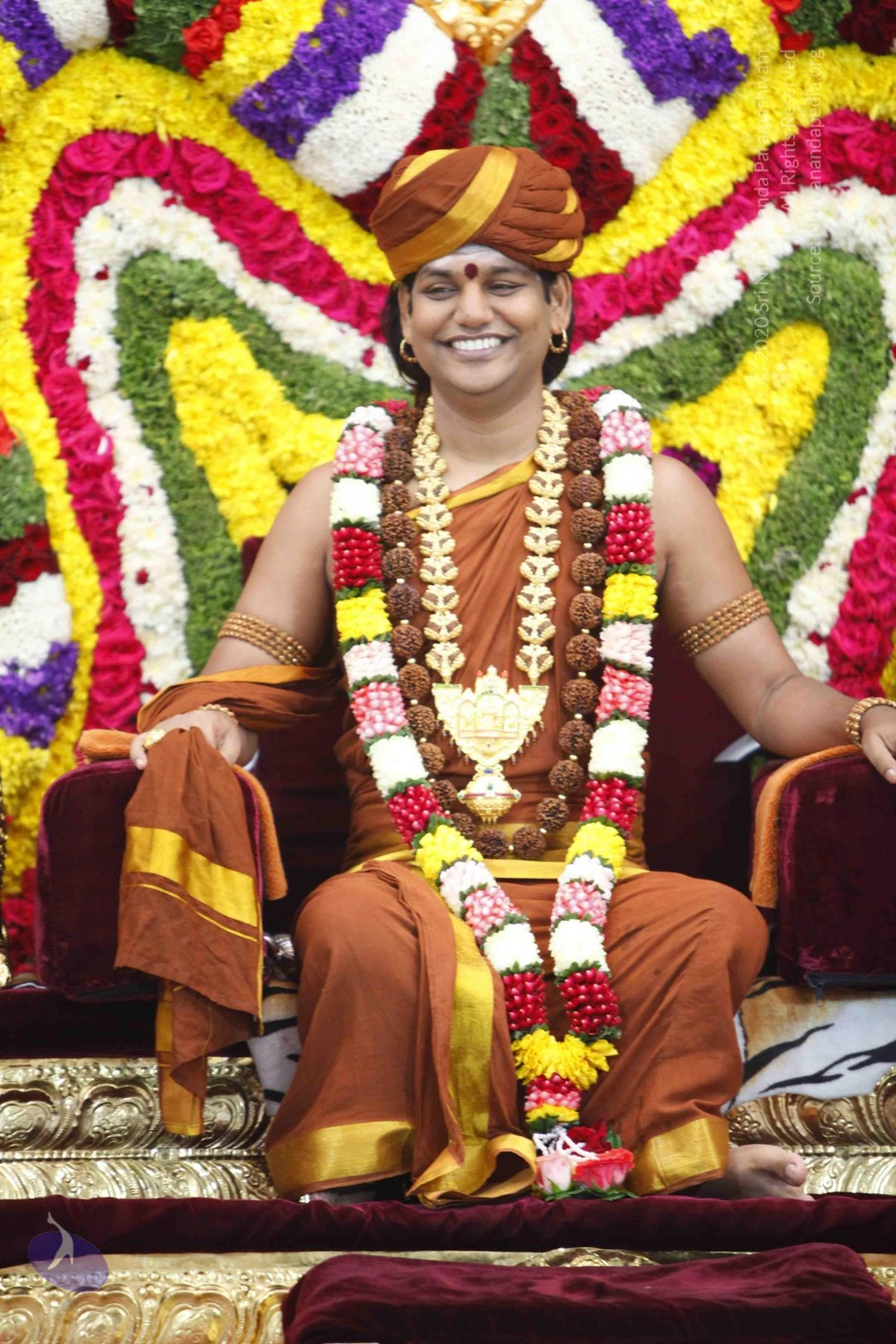
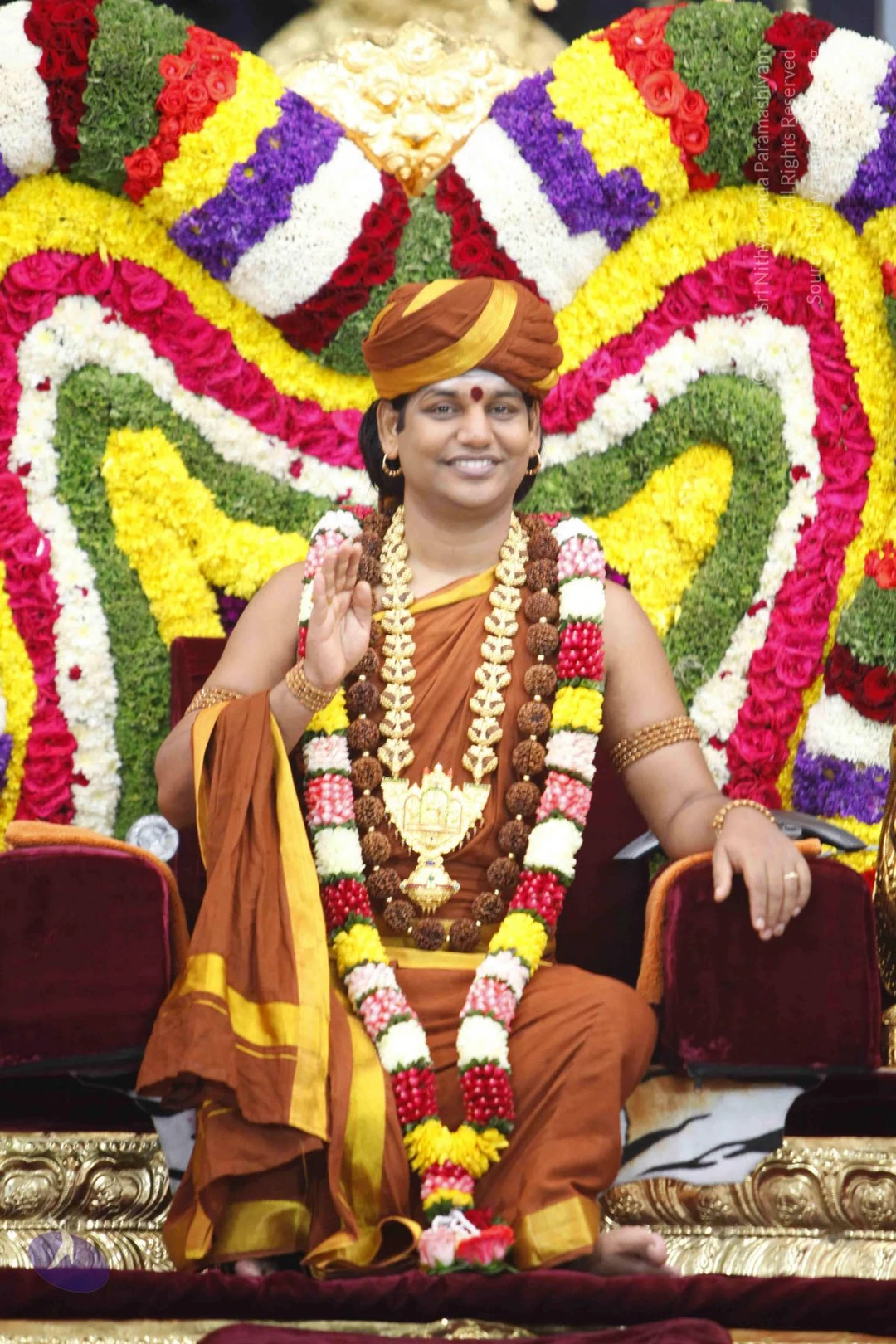
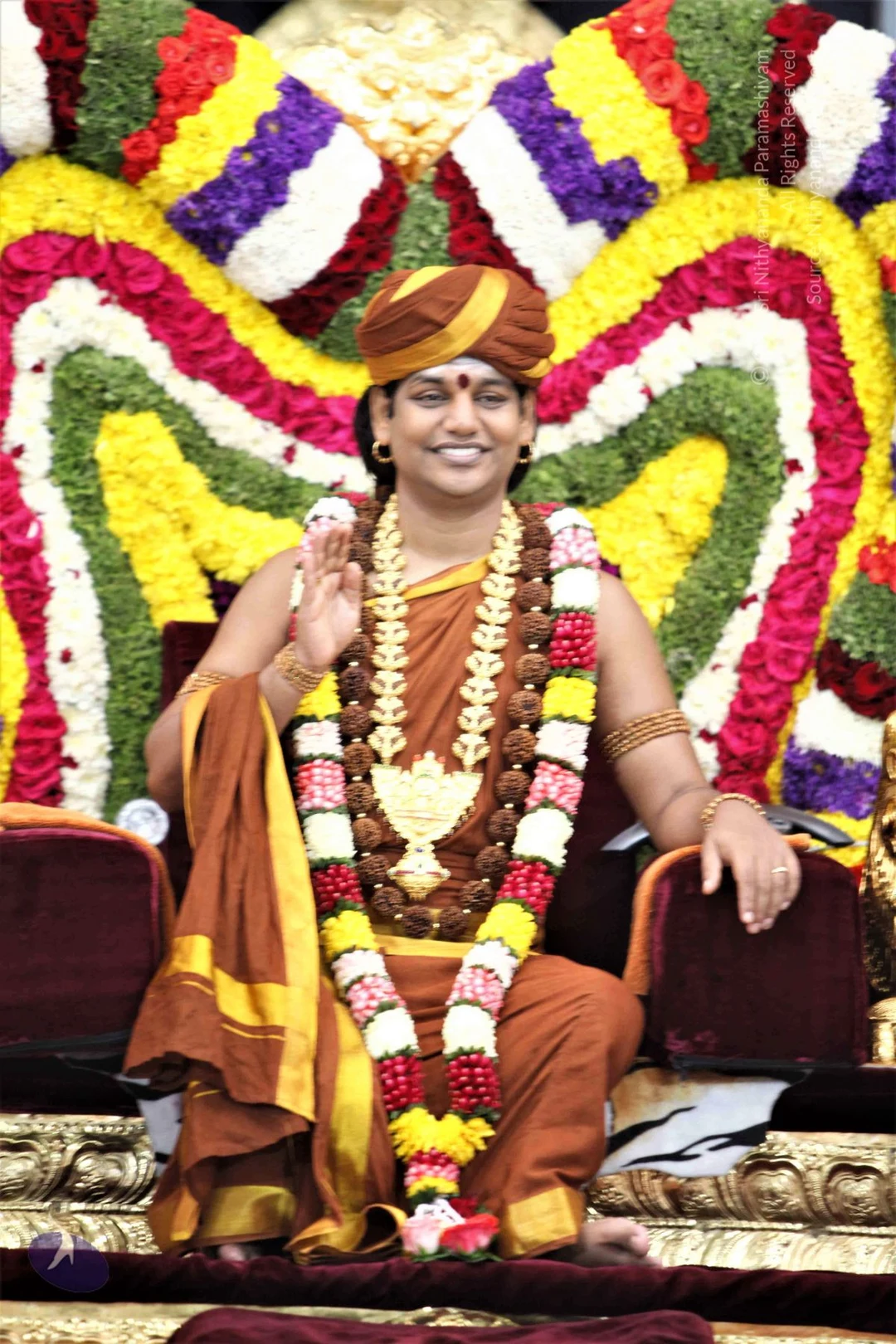
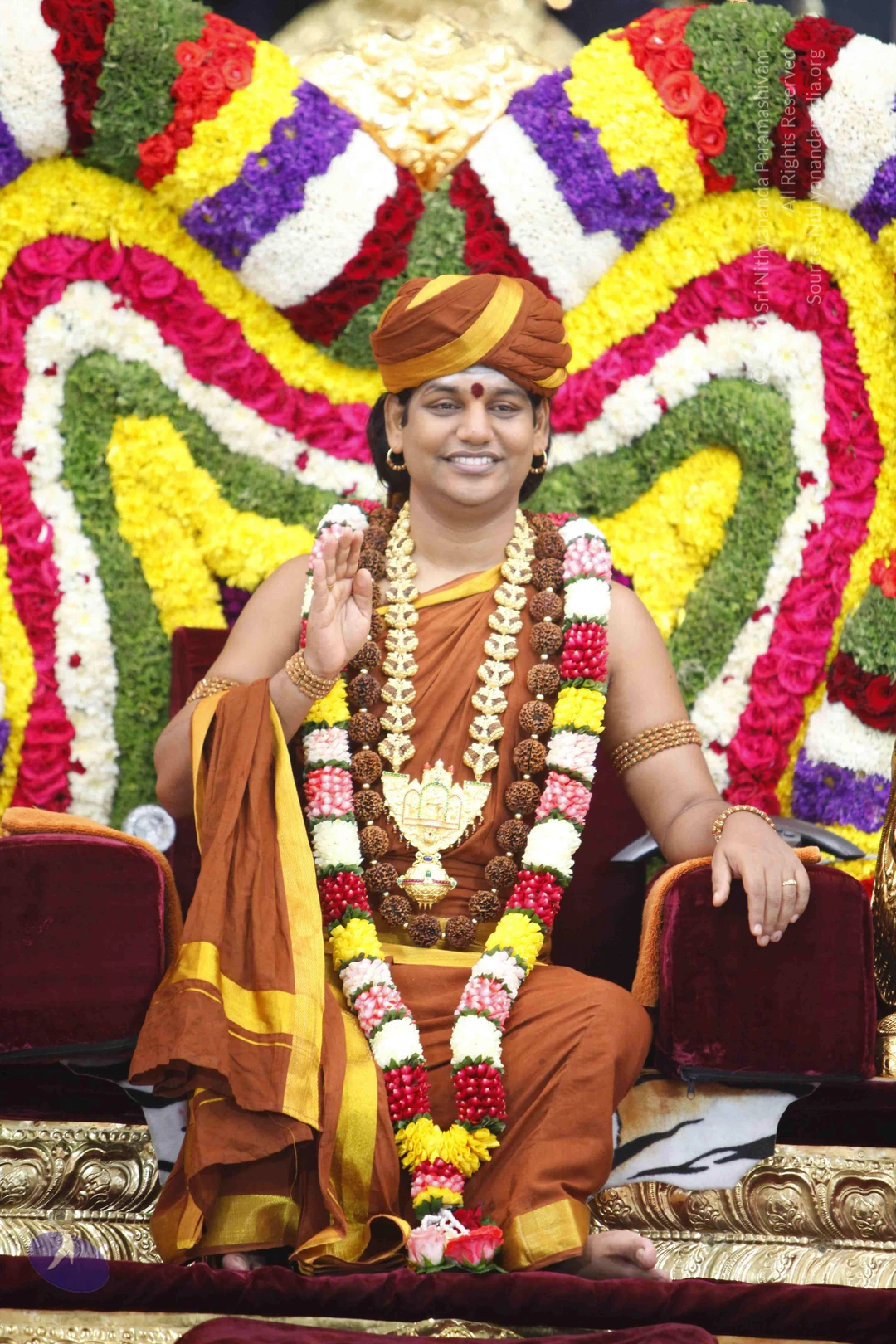
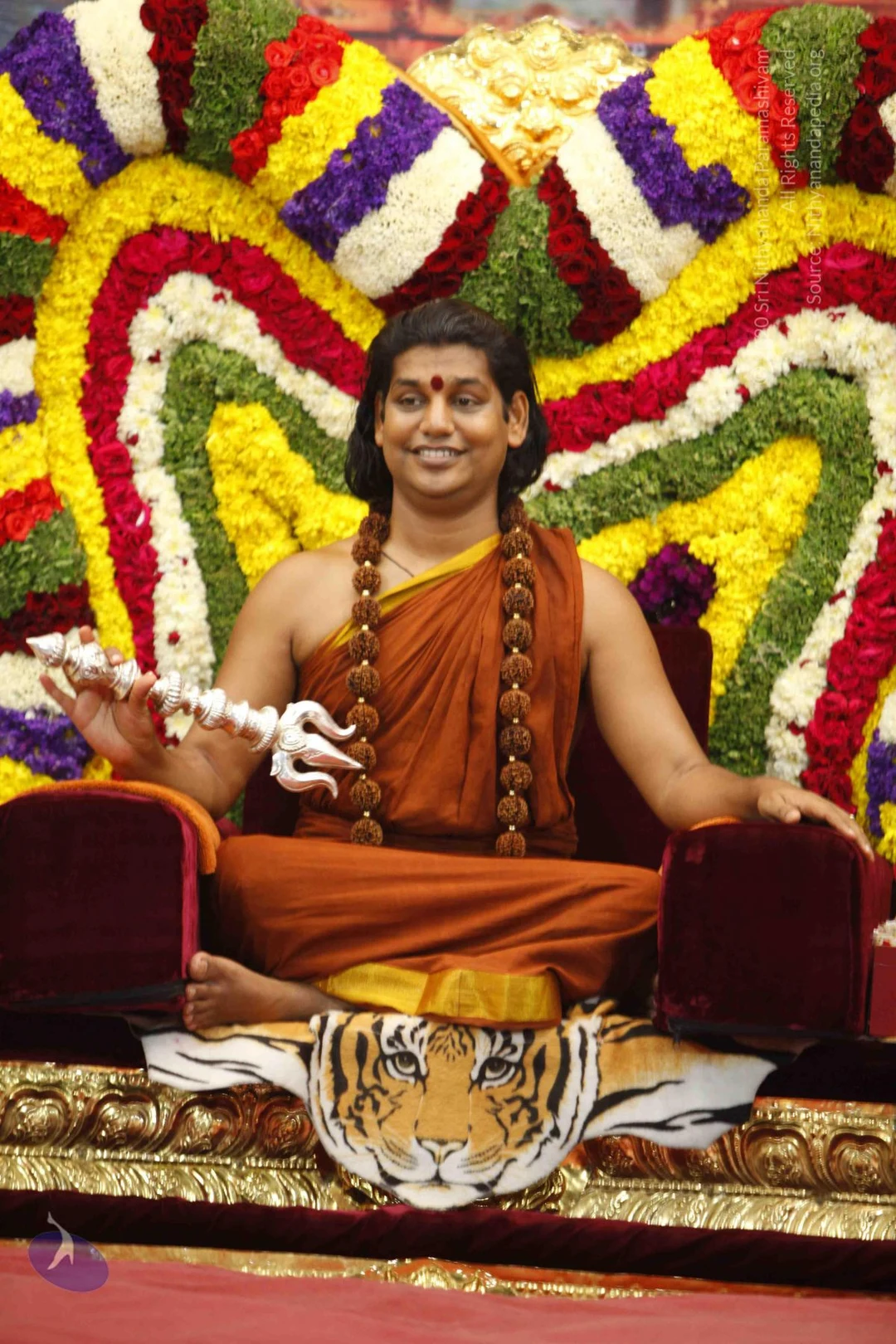
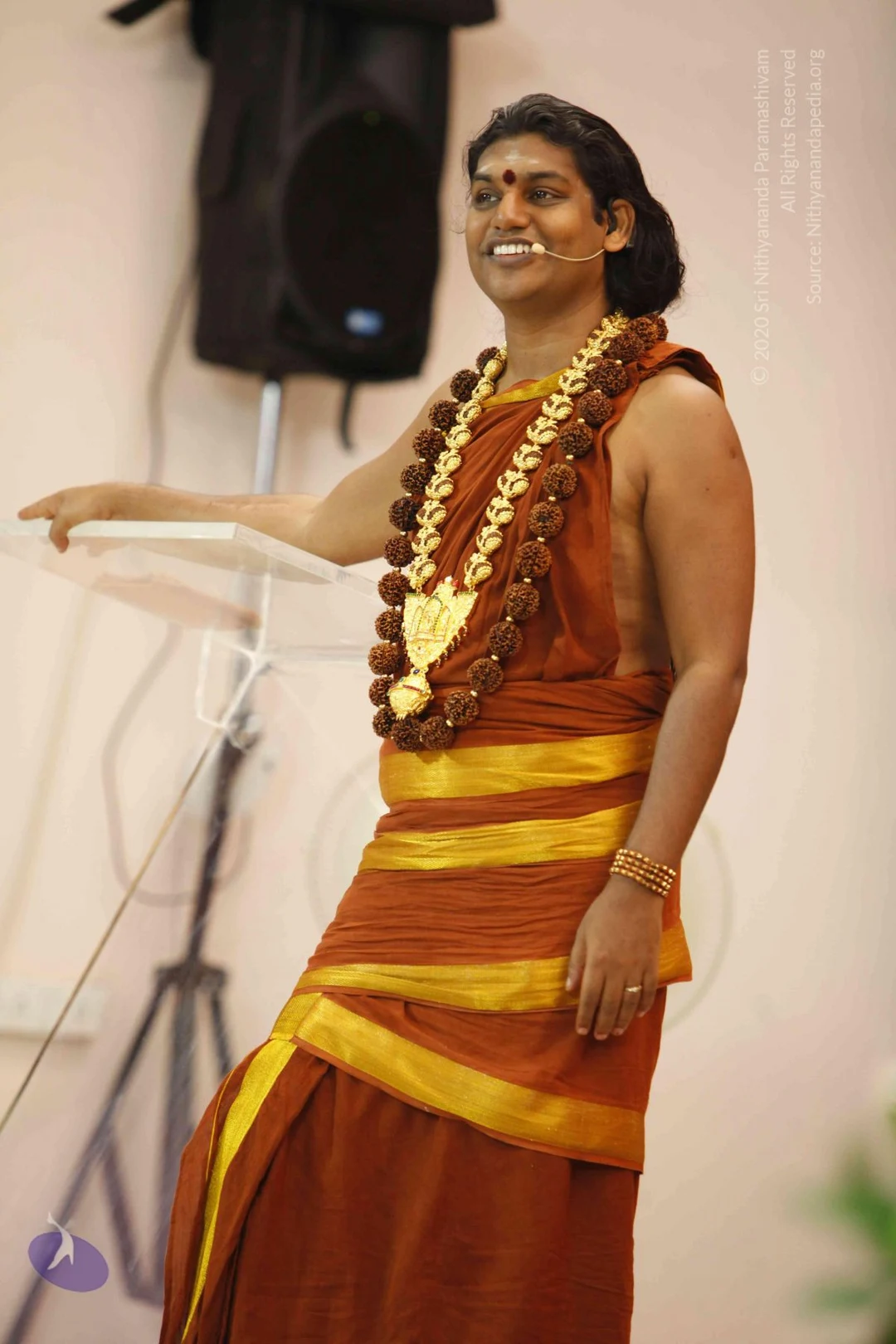
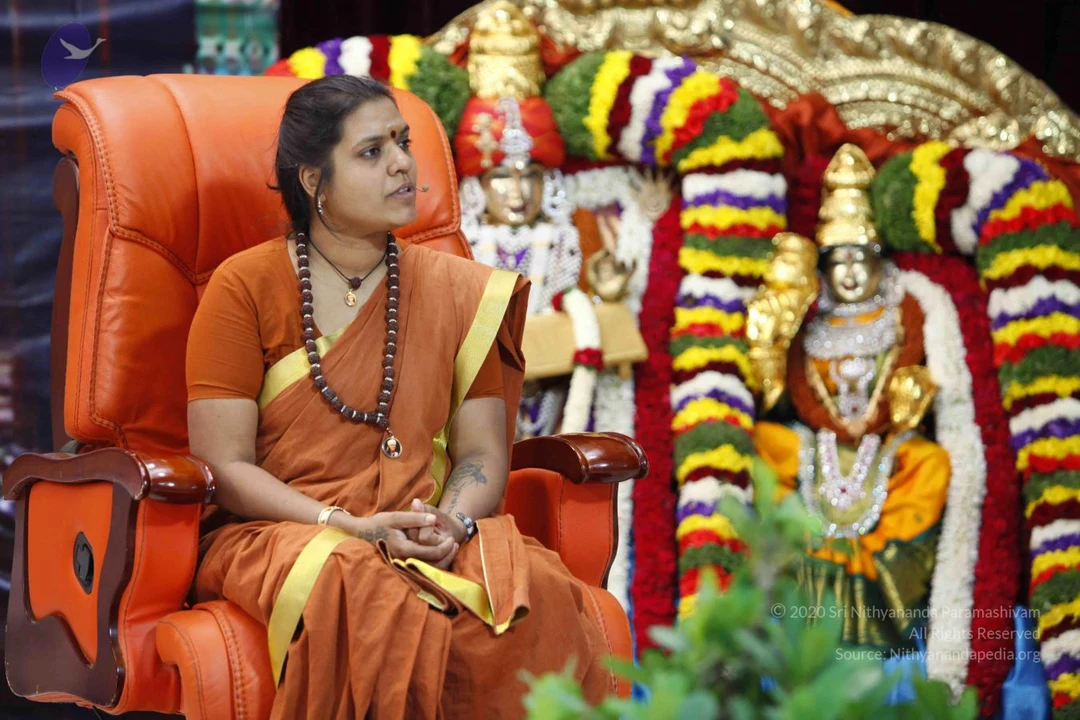
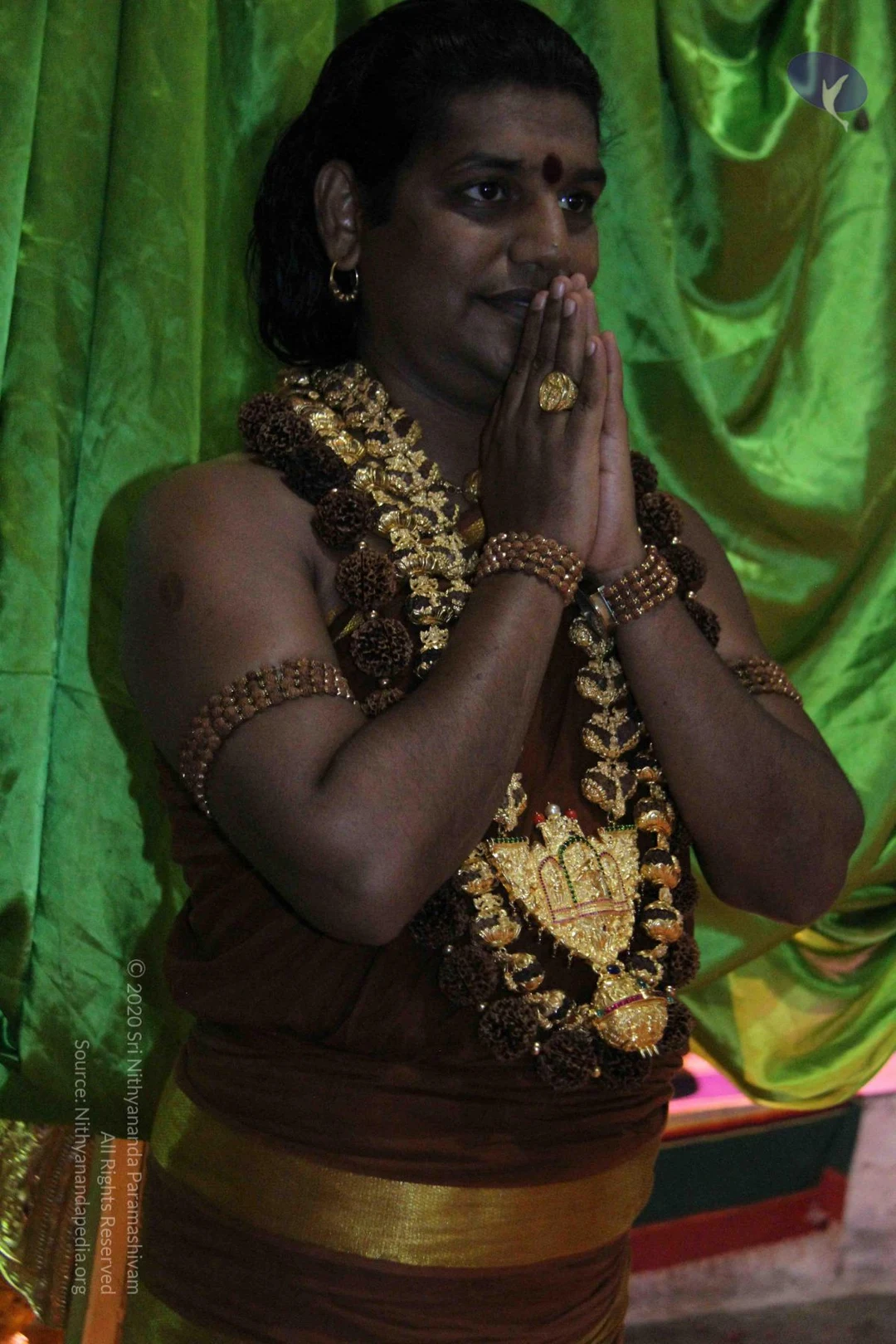
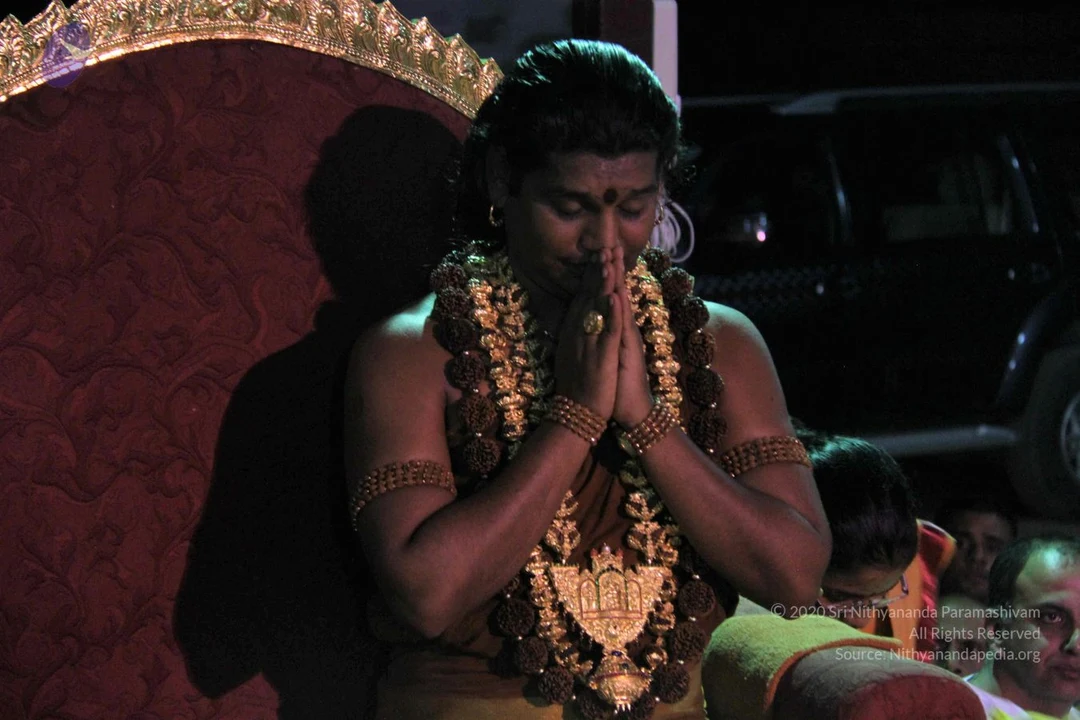
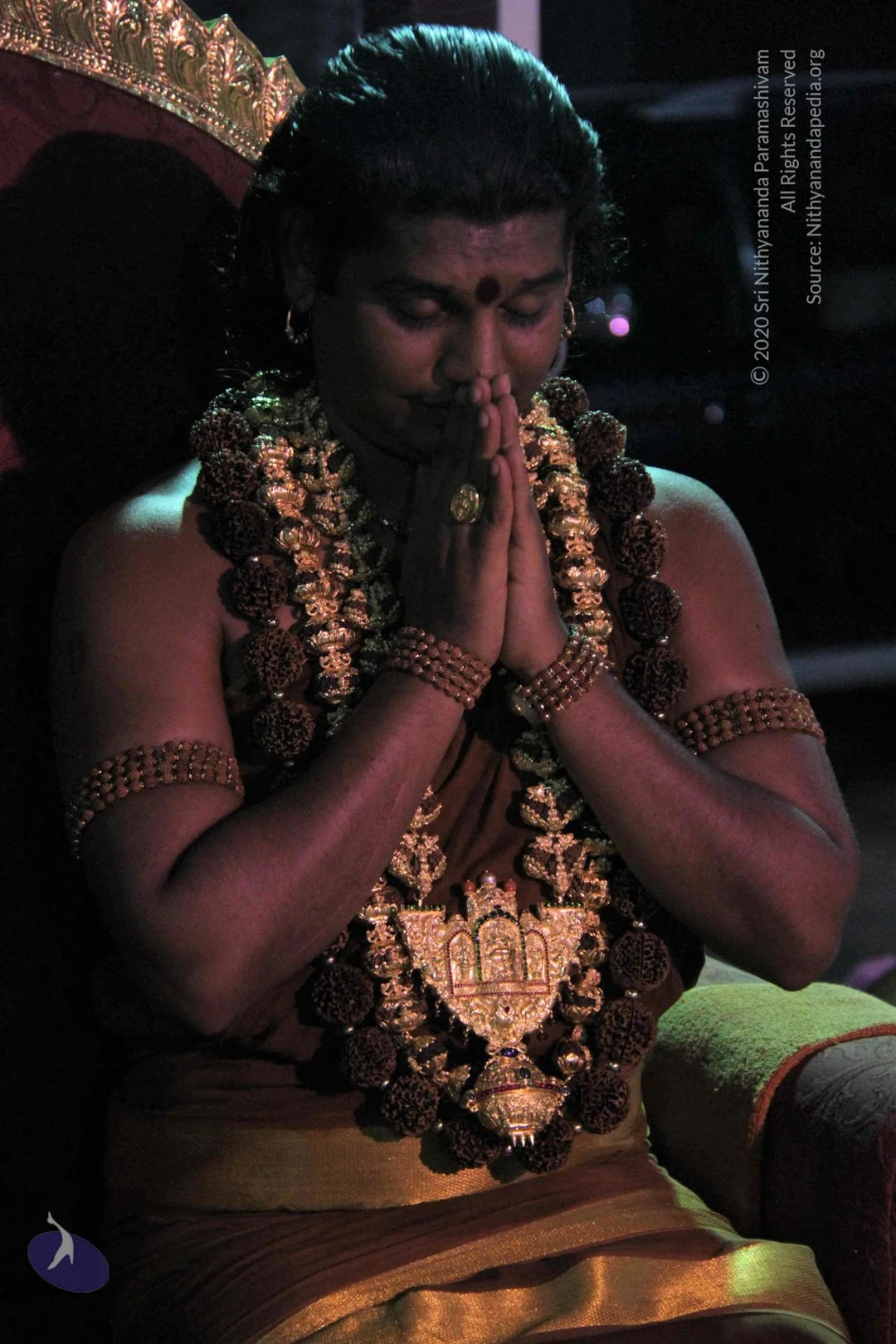
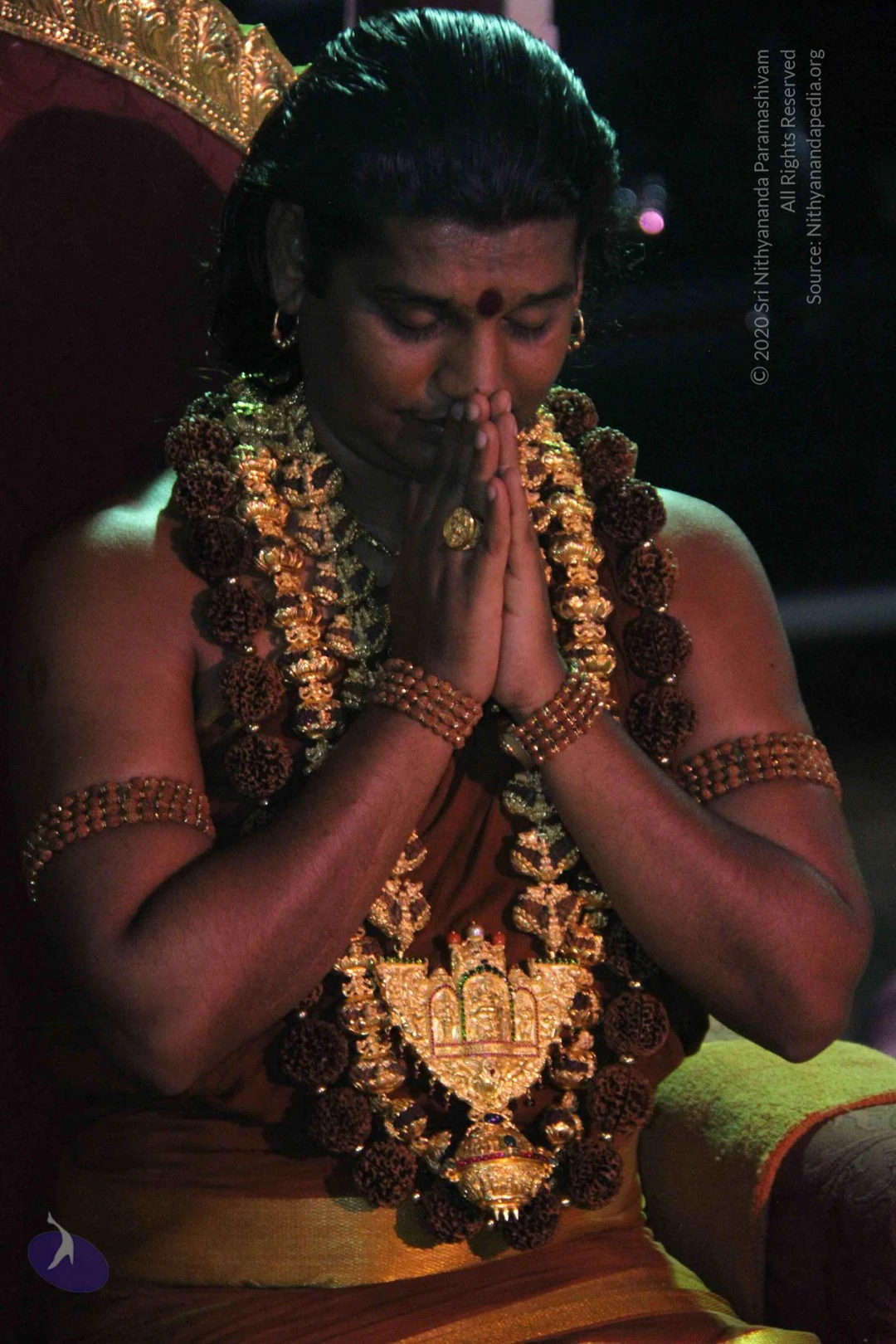
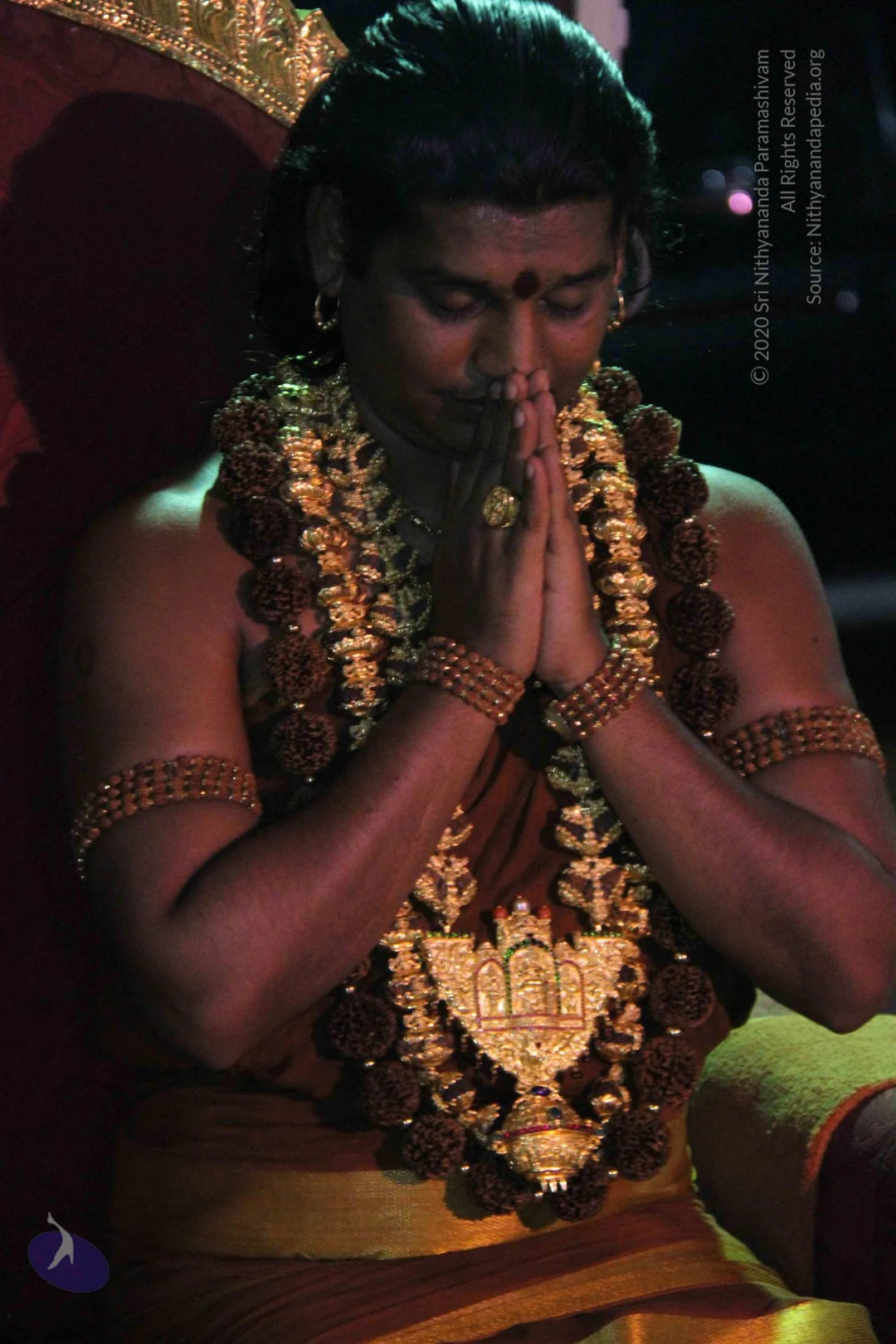
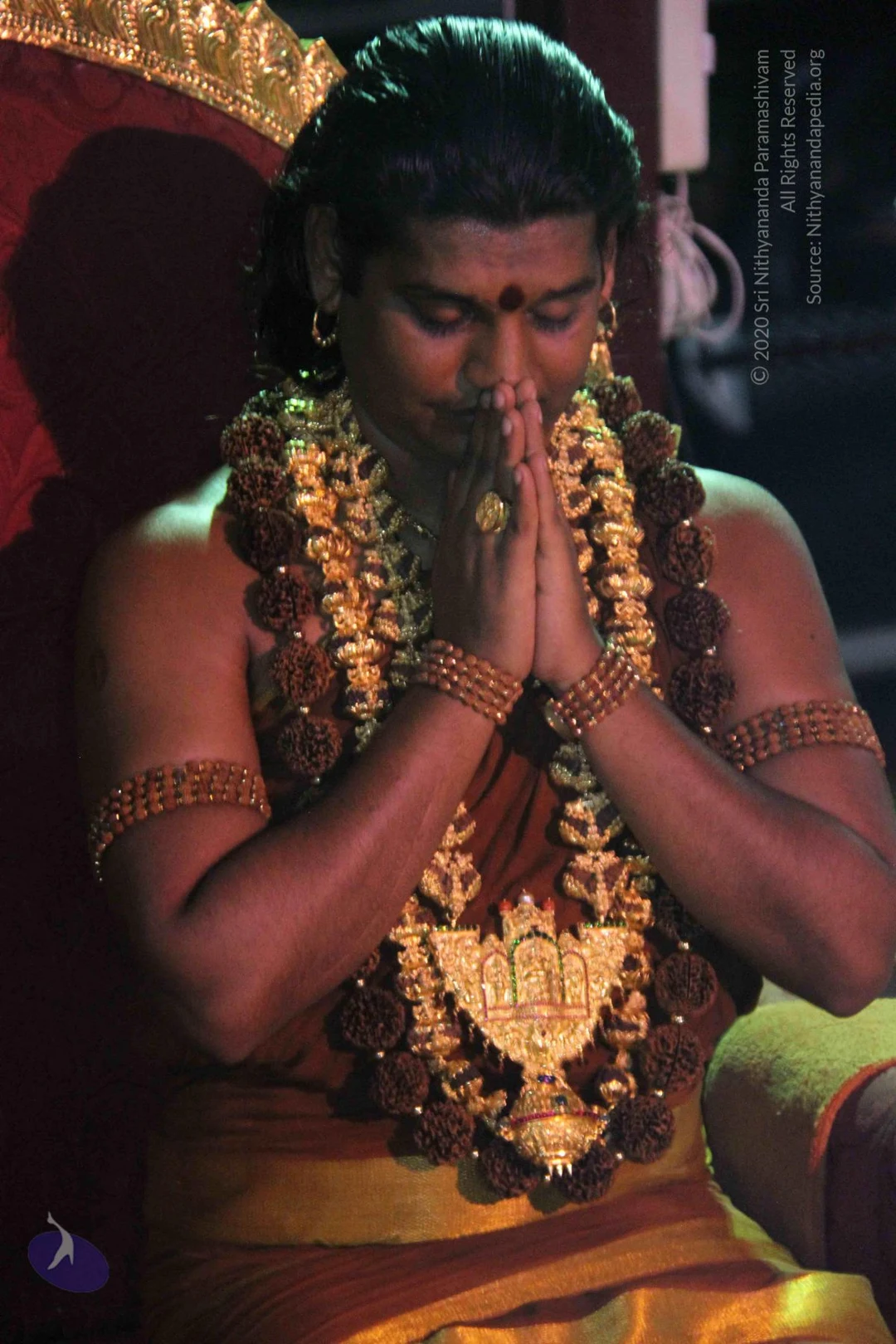
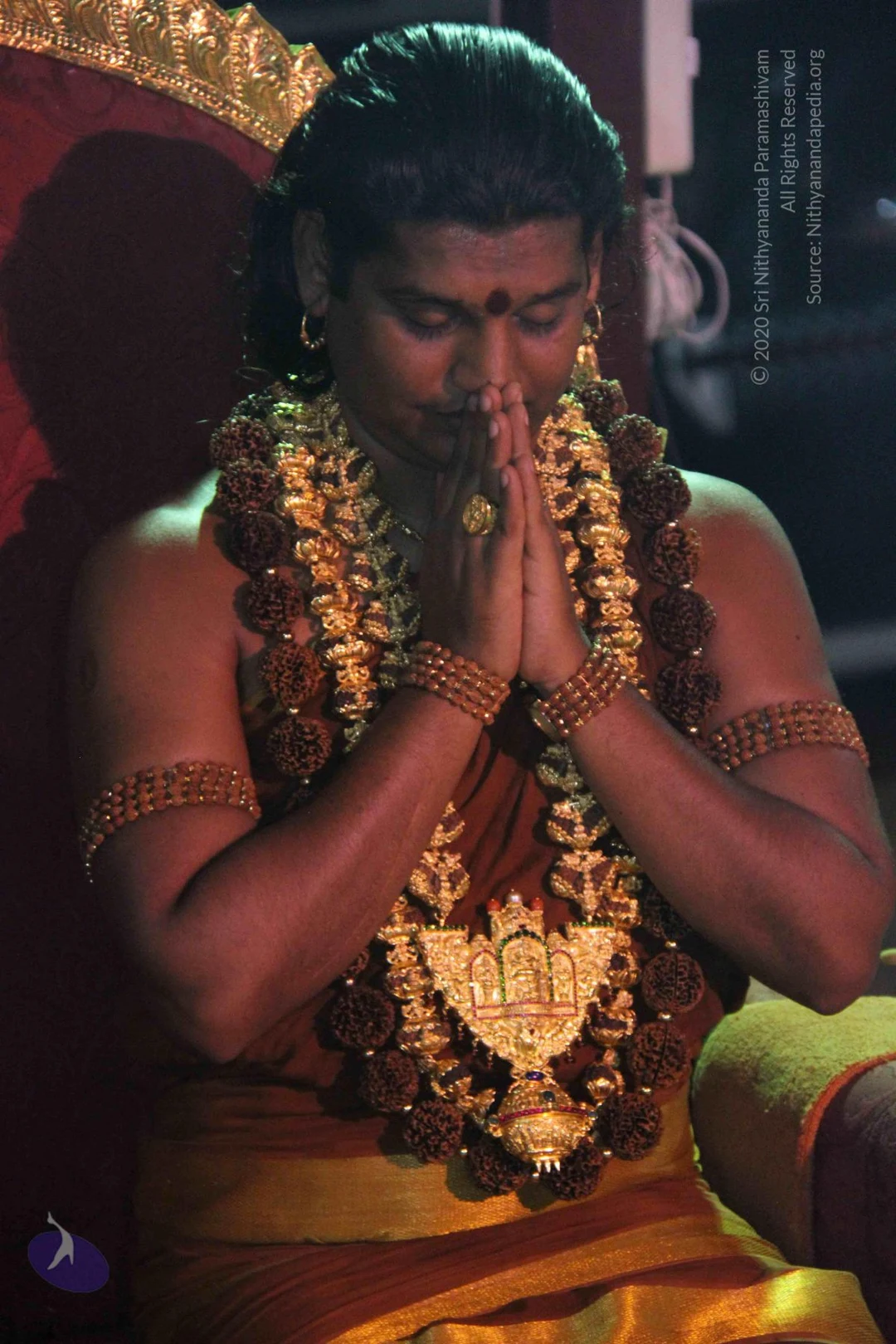
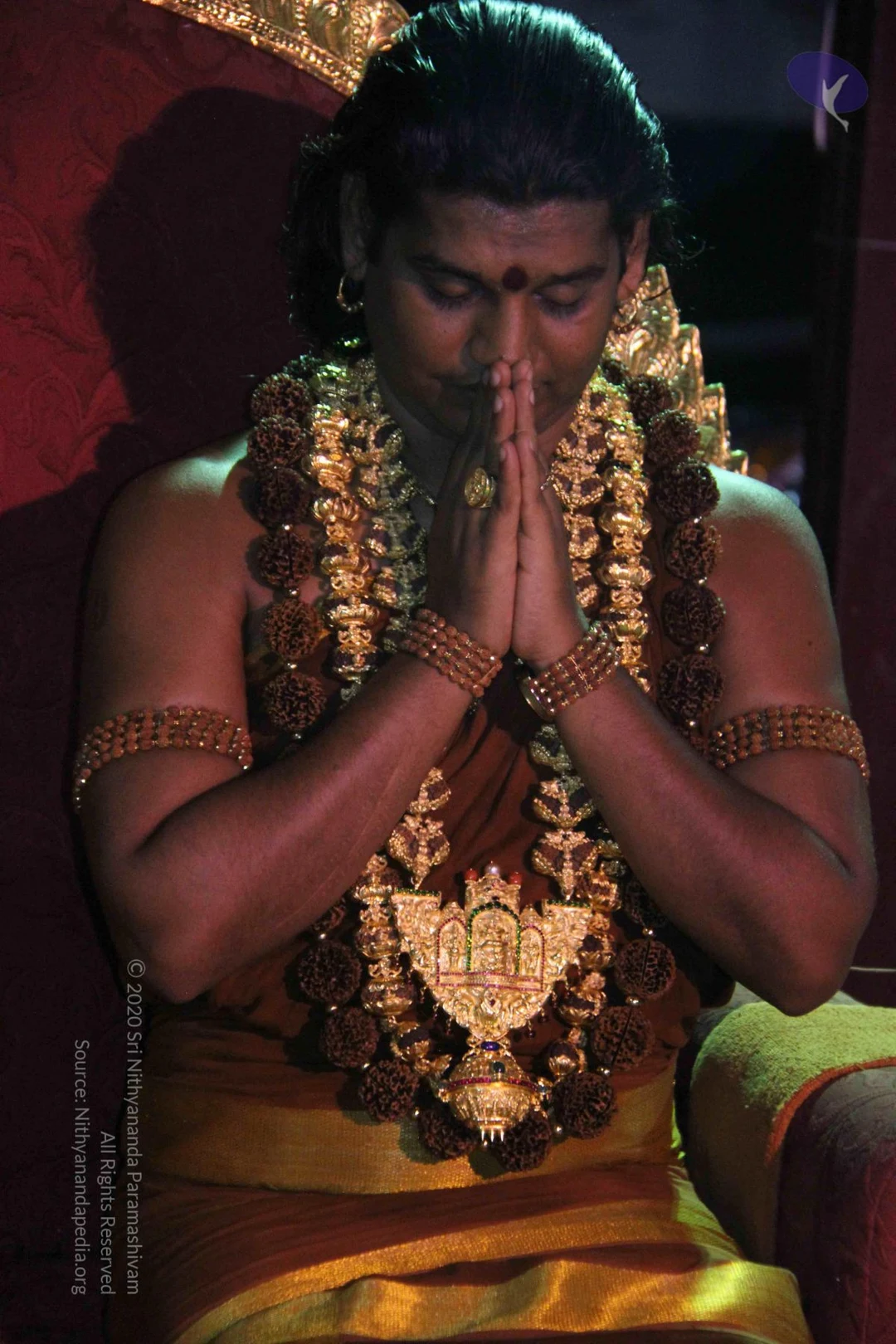
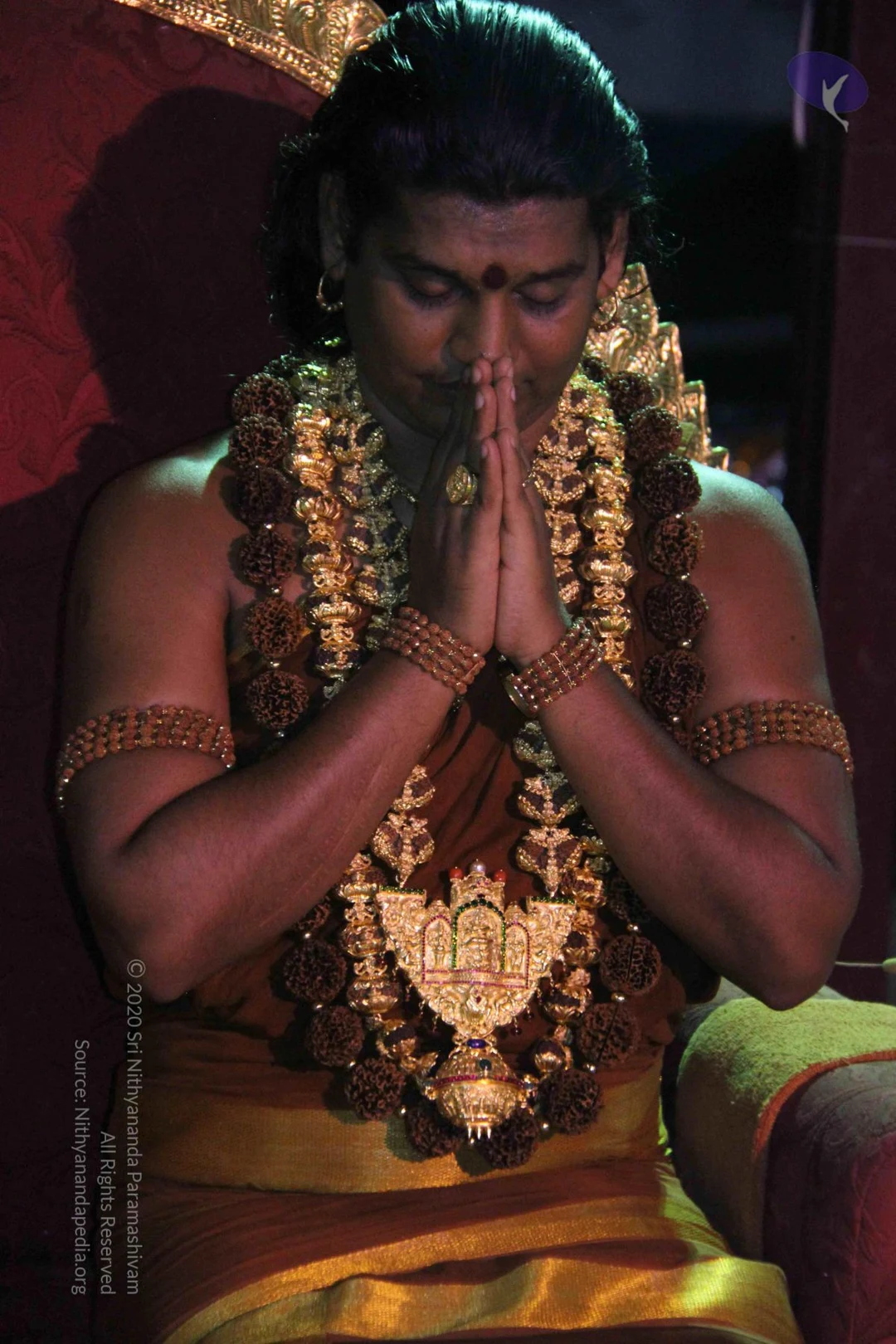
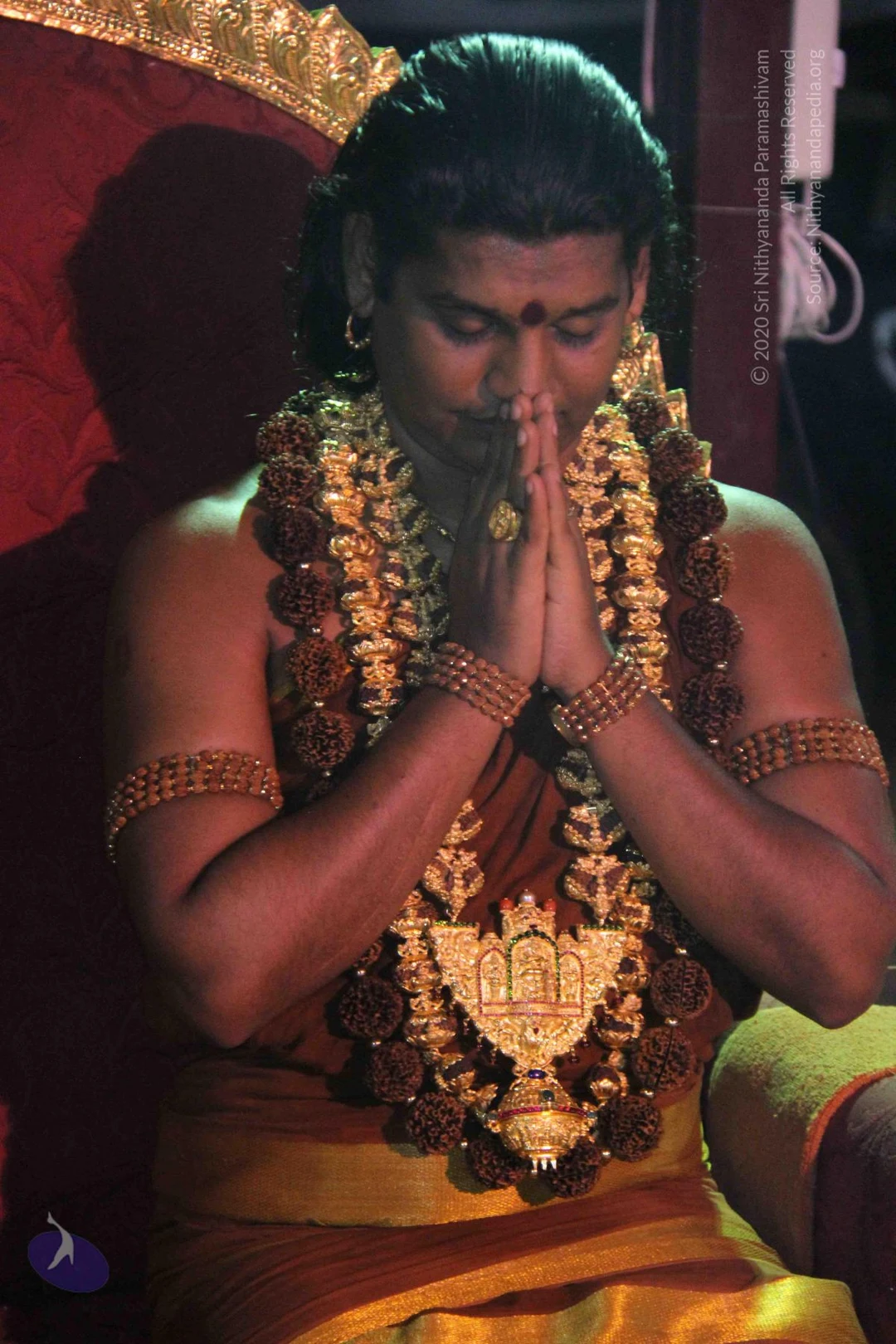
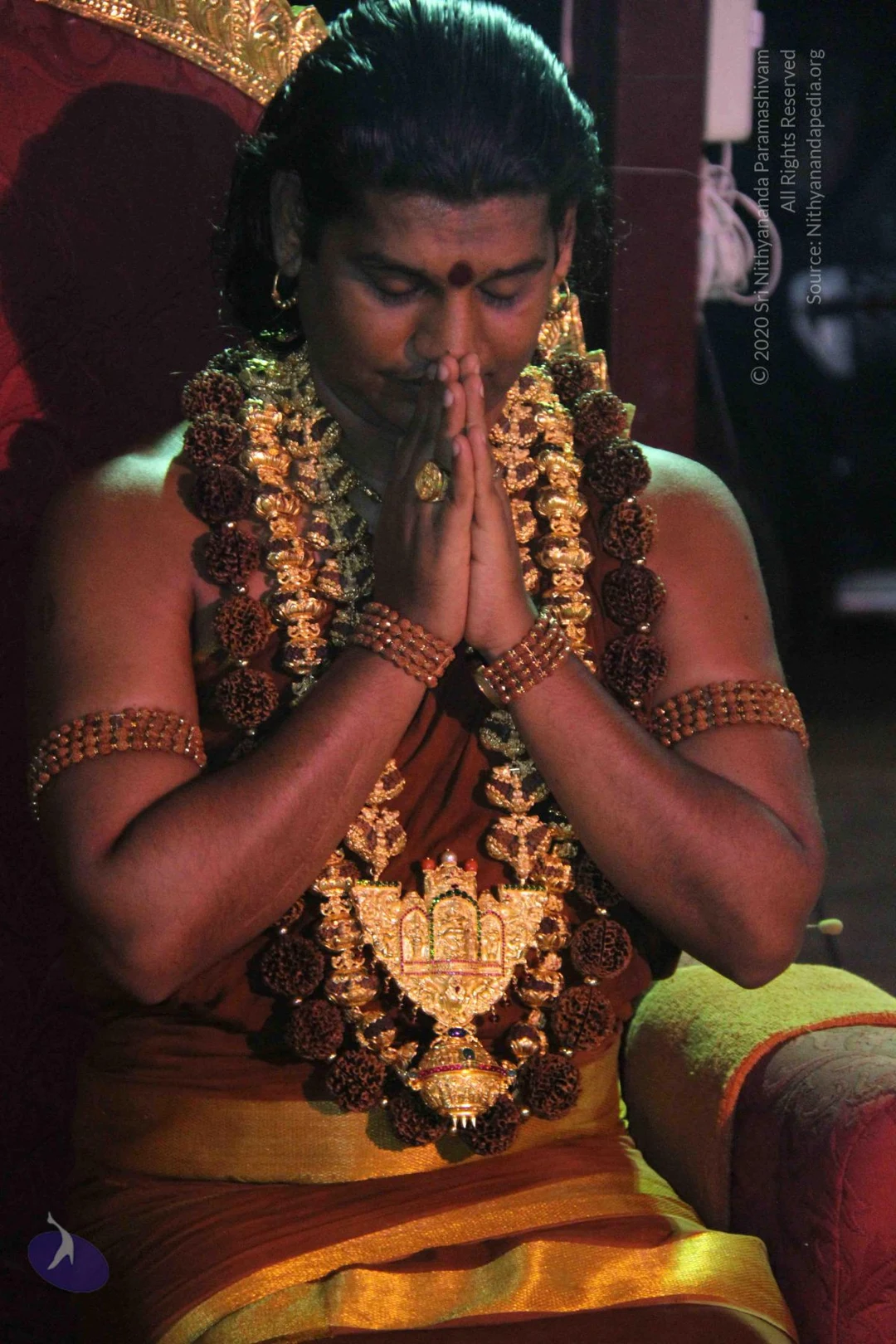
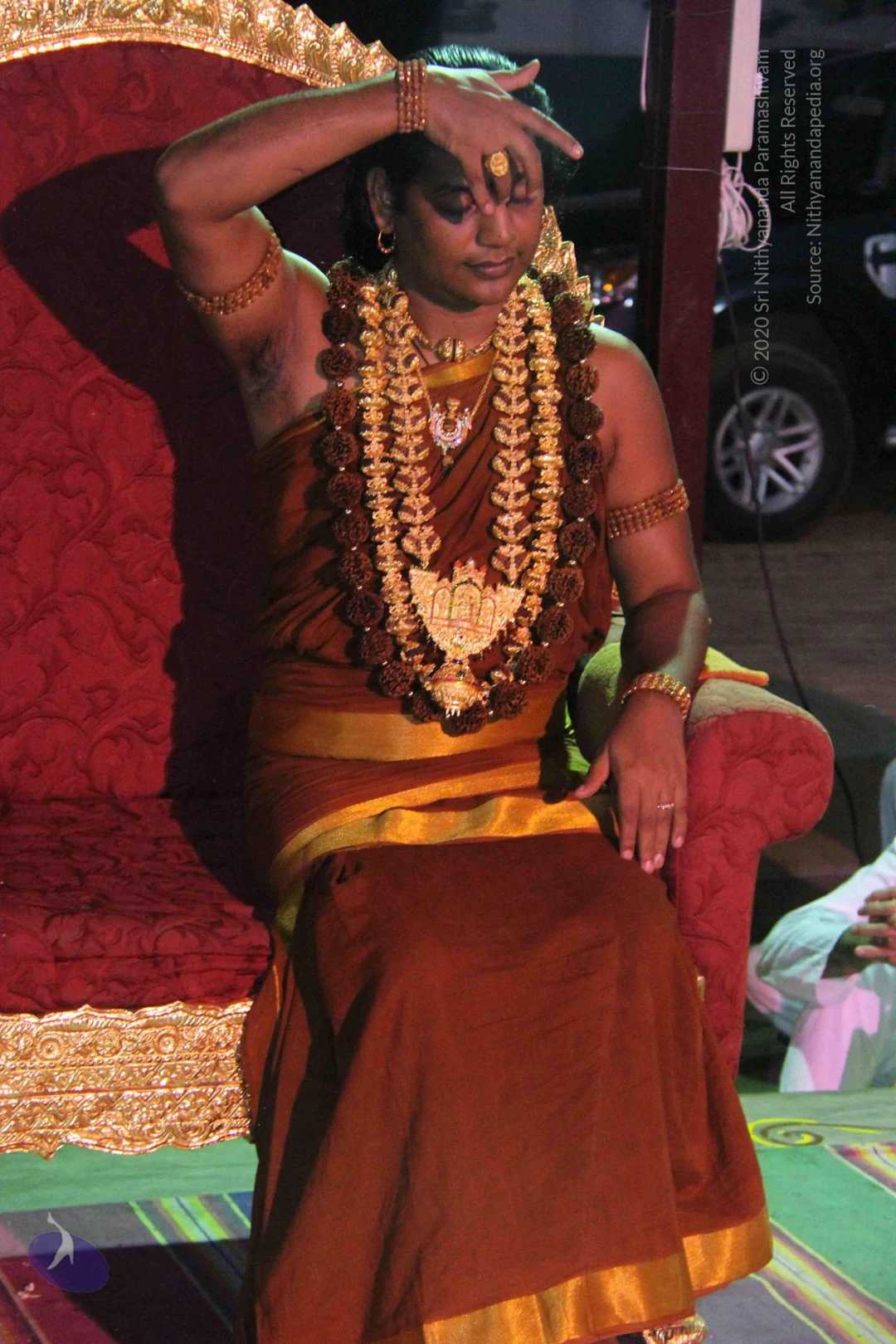
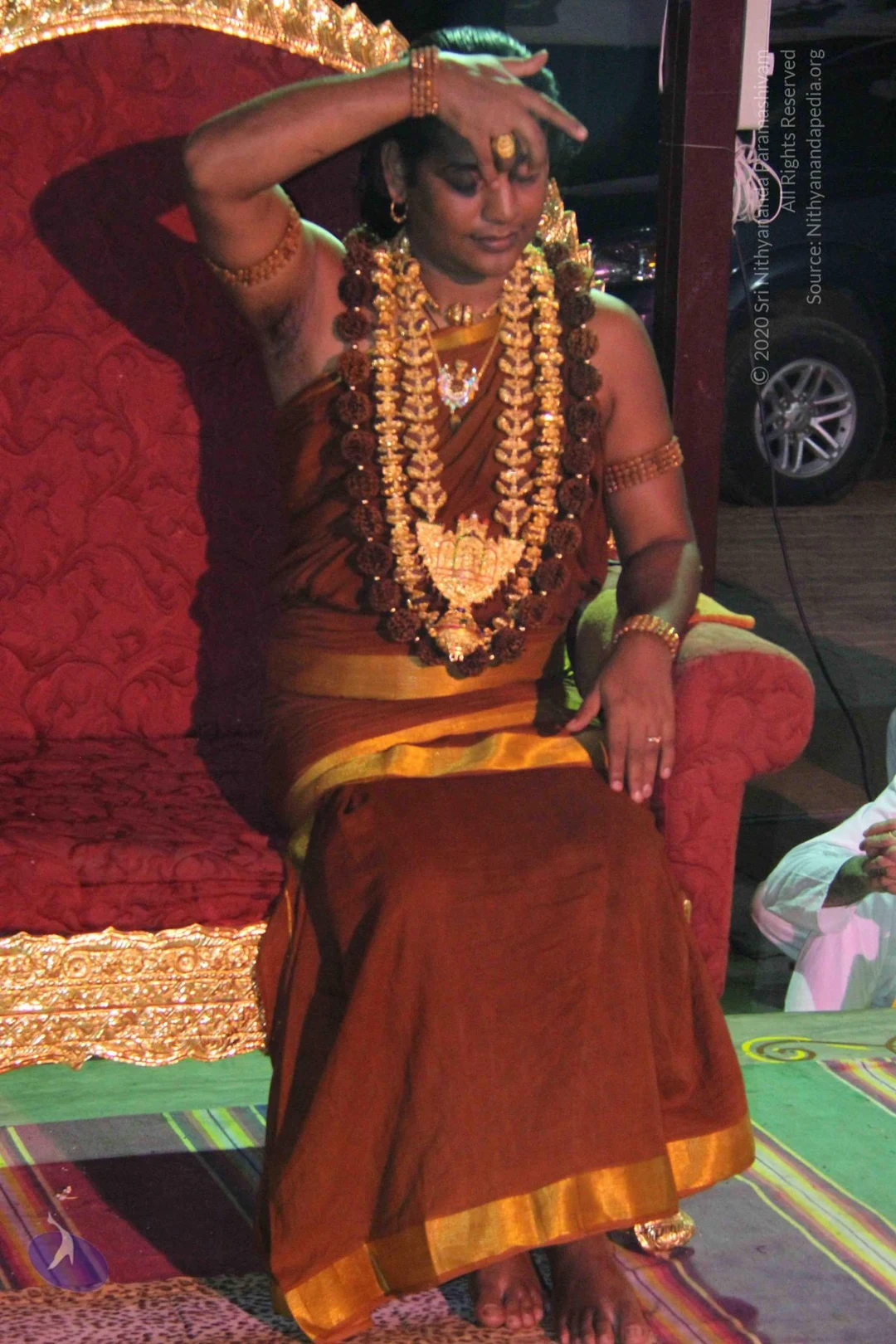
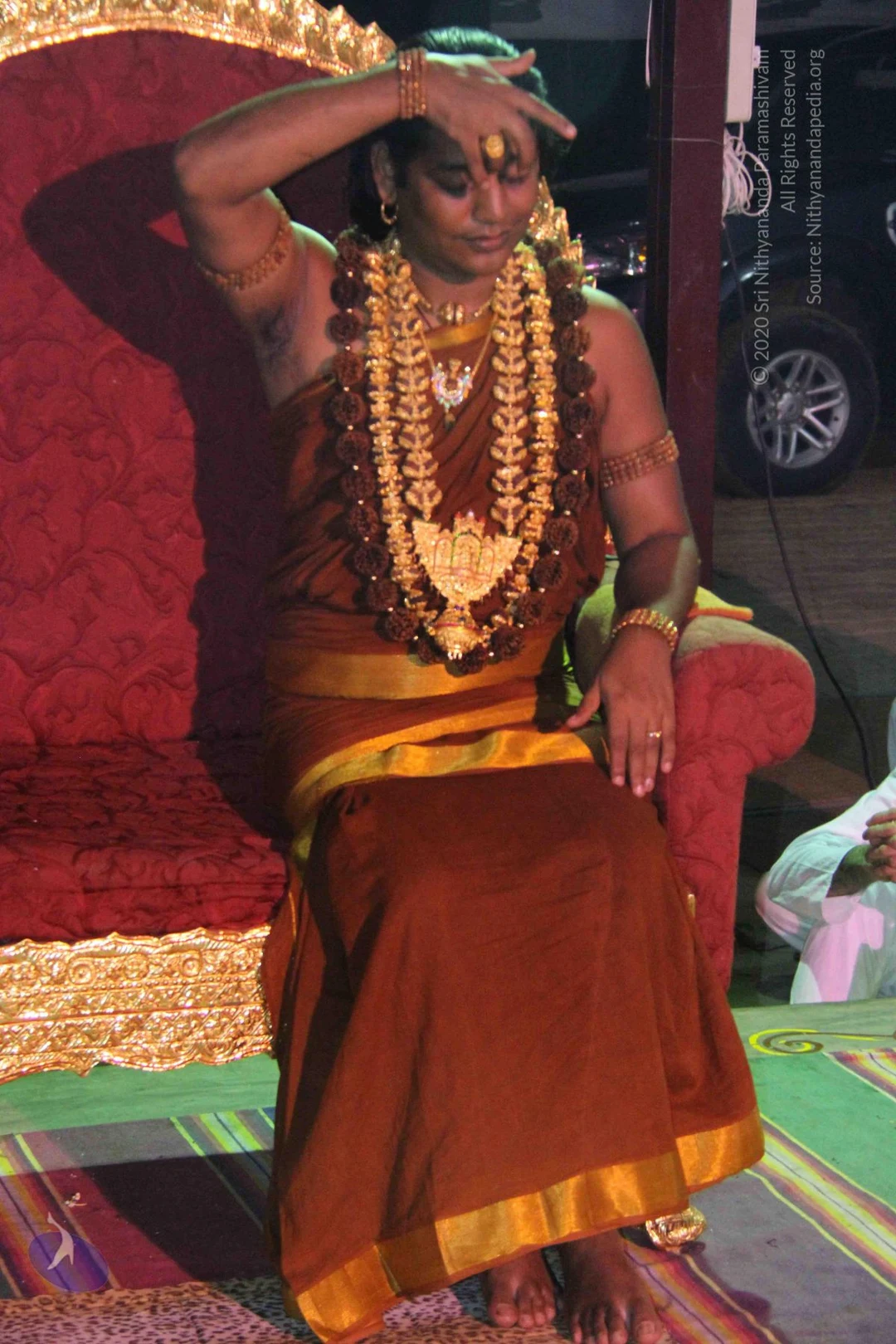
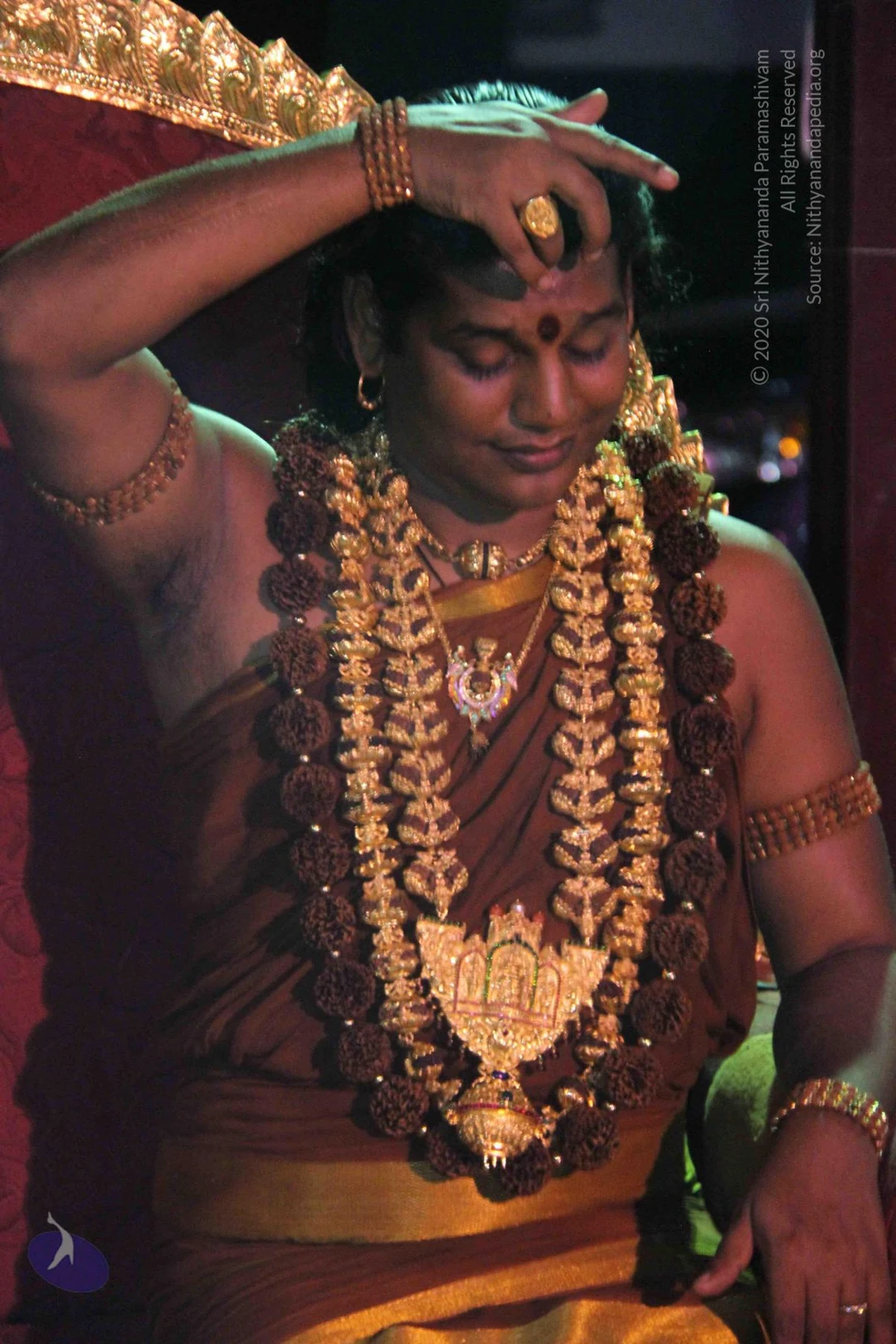
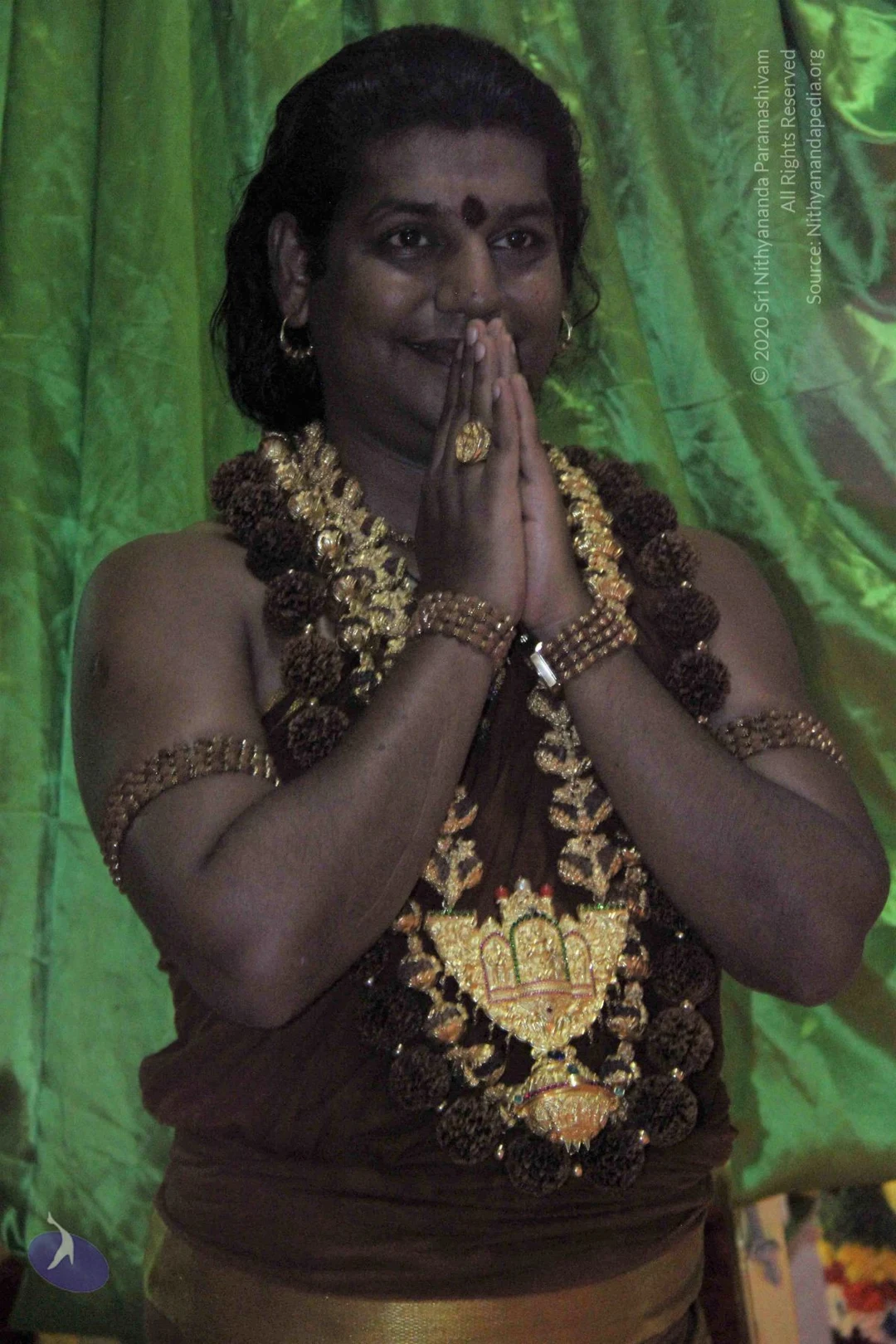
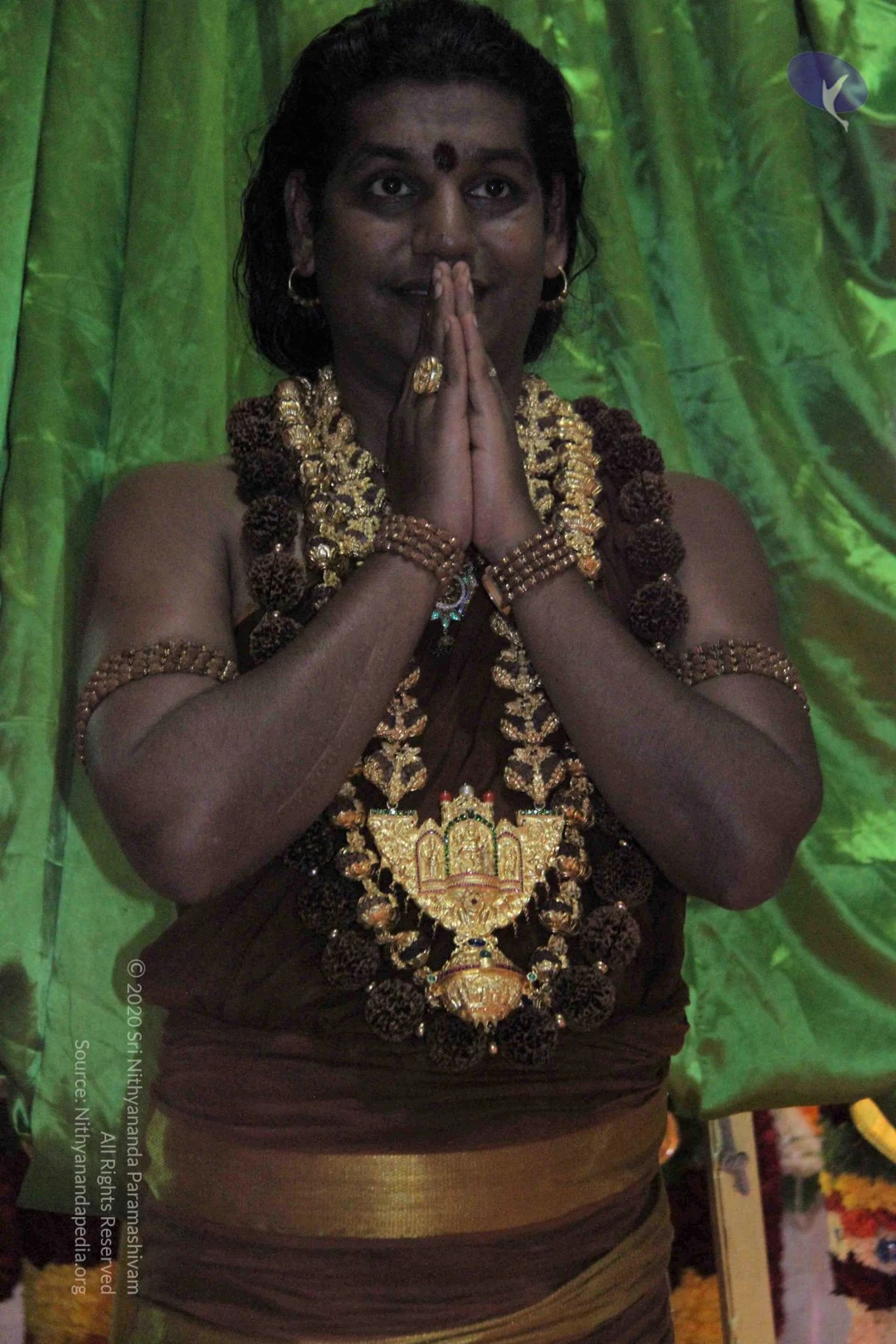
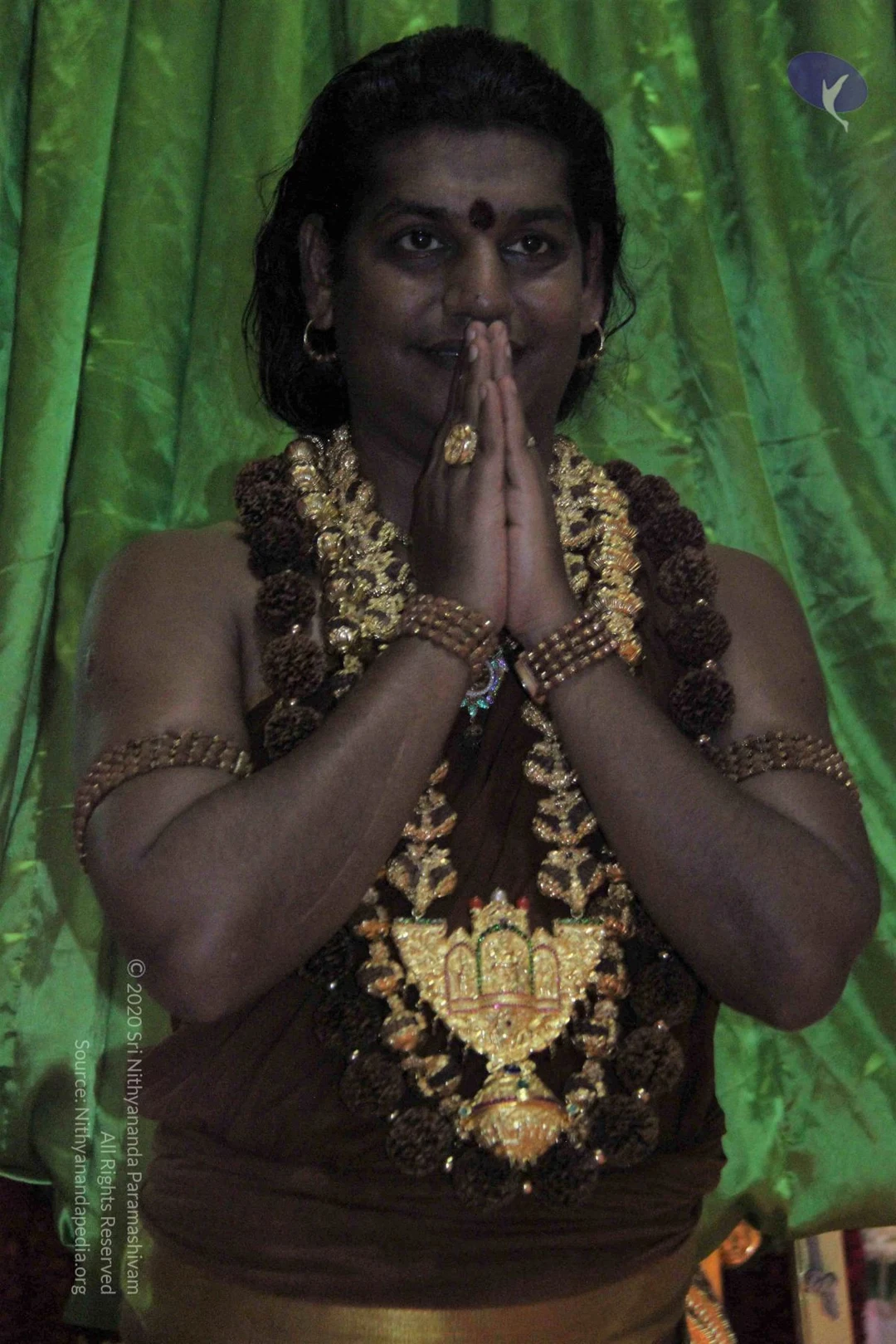
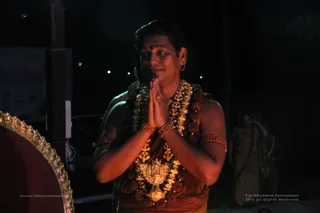
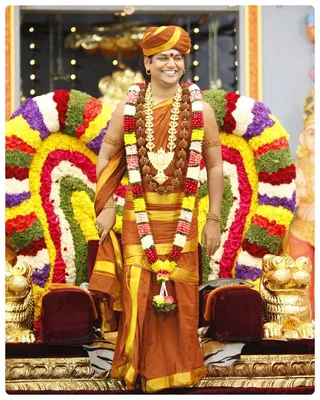
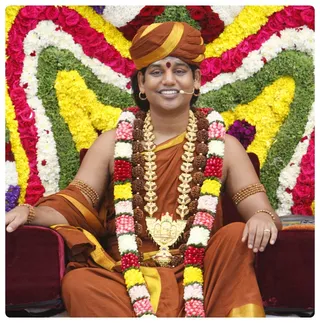
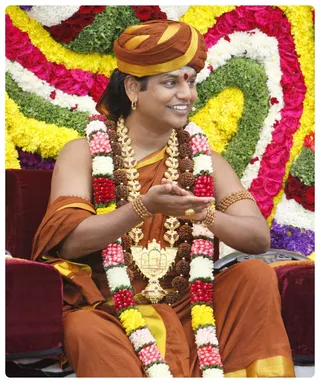
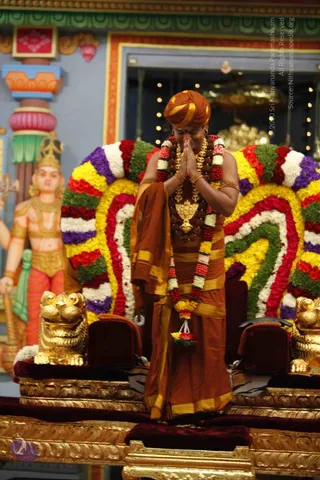
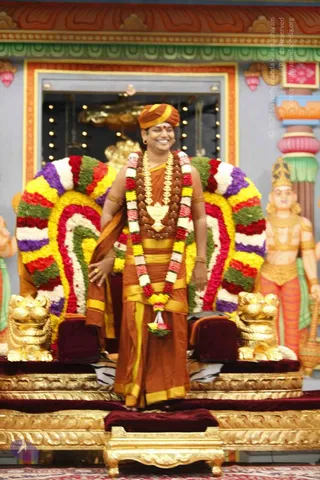
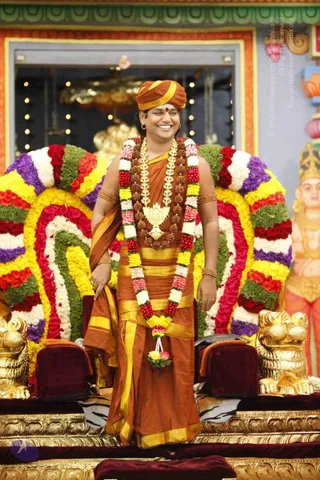
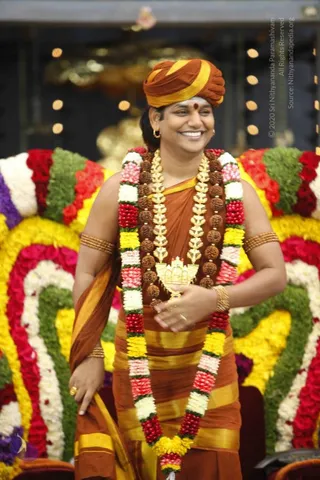
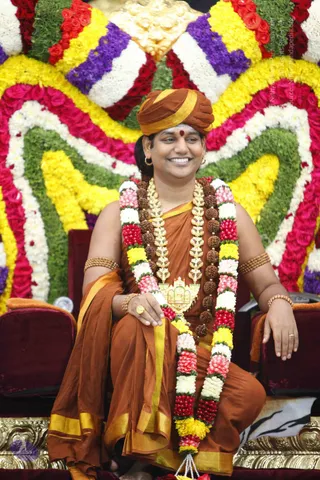
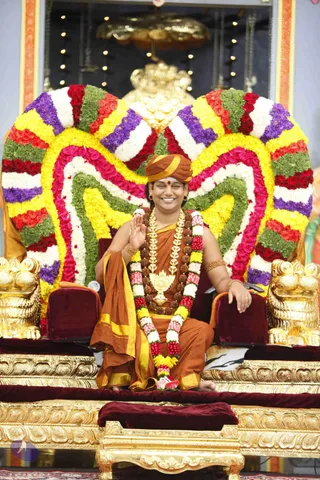
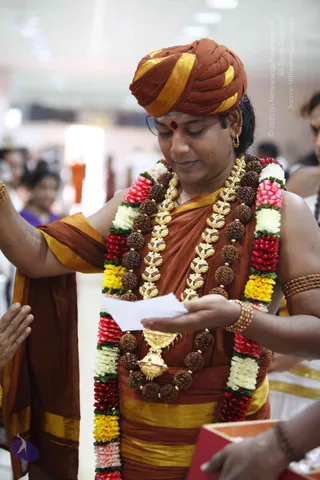
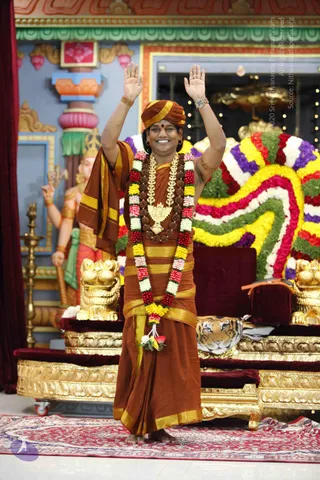
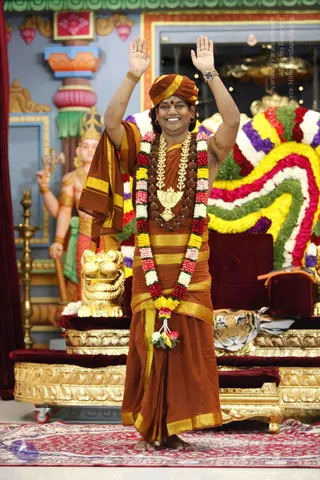
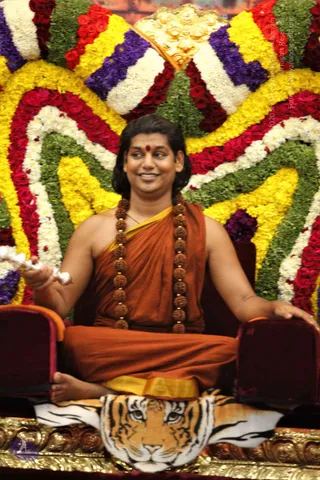
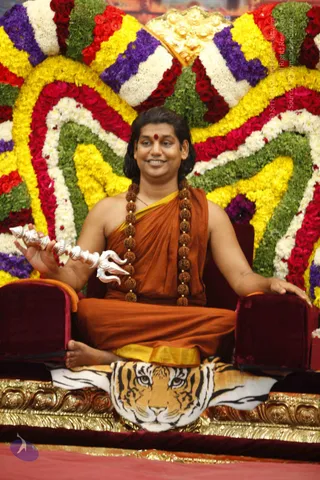
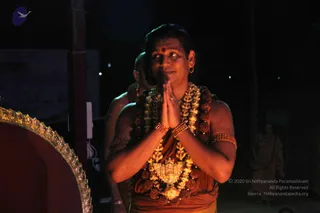
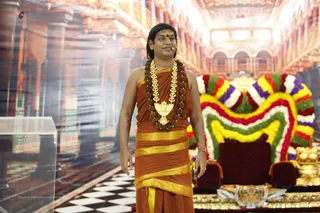
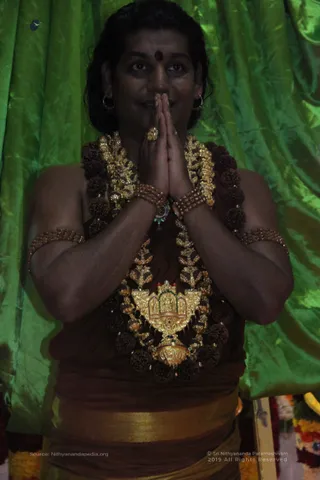
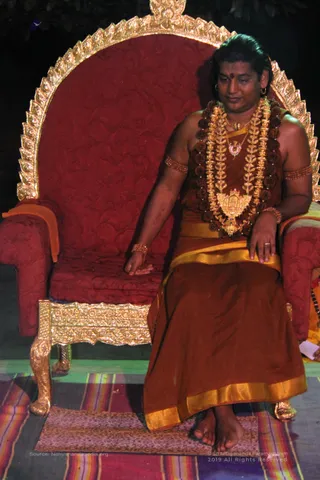
A man stands on a checkered floor in front of a painted temple-hall backdrop with ornate columns and arches. He wears an orange-brown saffron-toned draped garment with gold borders, a long multi-strand rudraksha mala, and a large gold ceremonial pendant necklace with a gold floral garland. A small red bindi marks his forehead, and a headset microphone is visible. To his right stands a large throne-like seat decorated with a multicoloured floral garland in red, yellow, green, white and purple, and a gold ornament sits on it. A glass lectern is at the left edge. a person candidate: long swept-back hair, saffron clothing and rudraksha malas, consistent with the probable identity; the page does not state he is present.A person stands in front of a green draped silk backdrop with palms pressed together in anjali mudra at chest level, wearing a brown silk garment with a gold-bordered waistband. Heavy gold ceremonial necklaces with a large gold pendant and multiple rudraksha malas hang across the chest, with rudraksha armlets and bracelets. A red bindi marks the forehead, with gold hoop earrings and a ring on one hand. Marigold garlands are visible at the lower edge beside the sitter, and a partly visible sign carries the copyright credit at the bottom.A seated man in a large red upholstered throne with ornate gold carved frame and armrests, on a striped multicolored floor rug with a leopard-print mat. He wears a rust-brown dhoti-style garment with gold border, multiple gold necklaces and a large gold pendant, a rudraksha mala, gold armlets and bangles, and a red bindi. His hand rests lightly on the seat cushion.

July 04 2013

Original wiki page
Contents

Title

Look In and Gain Real Freedom

Description

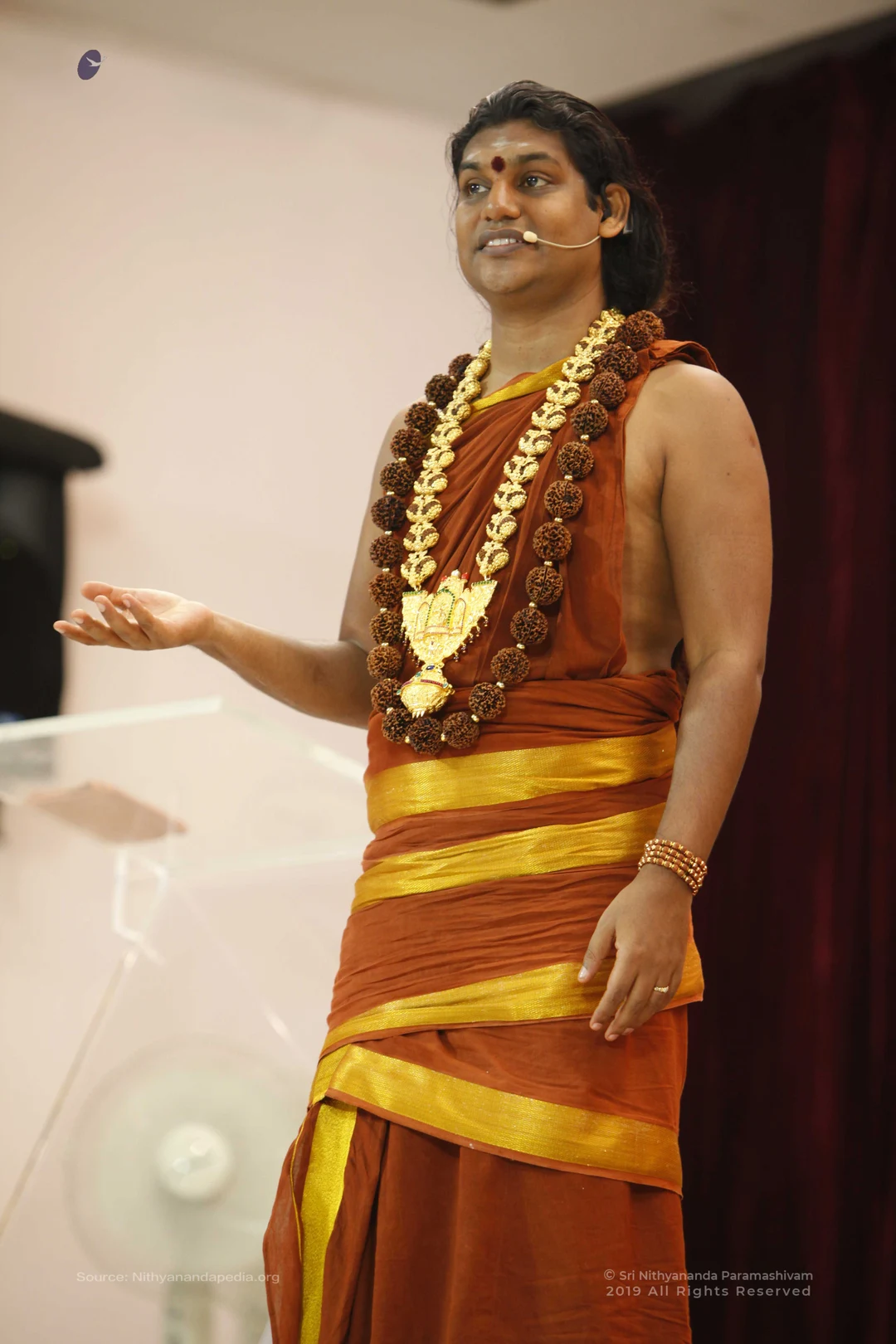
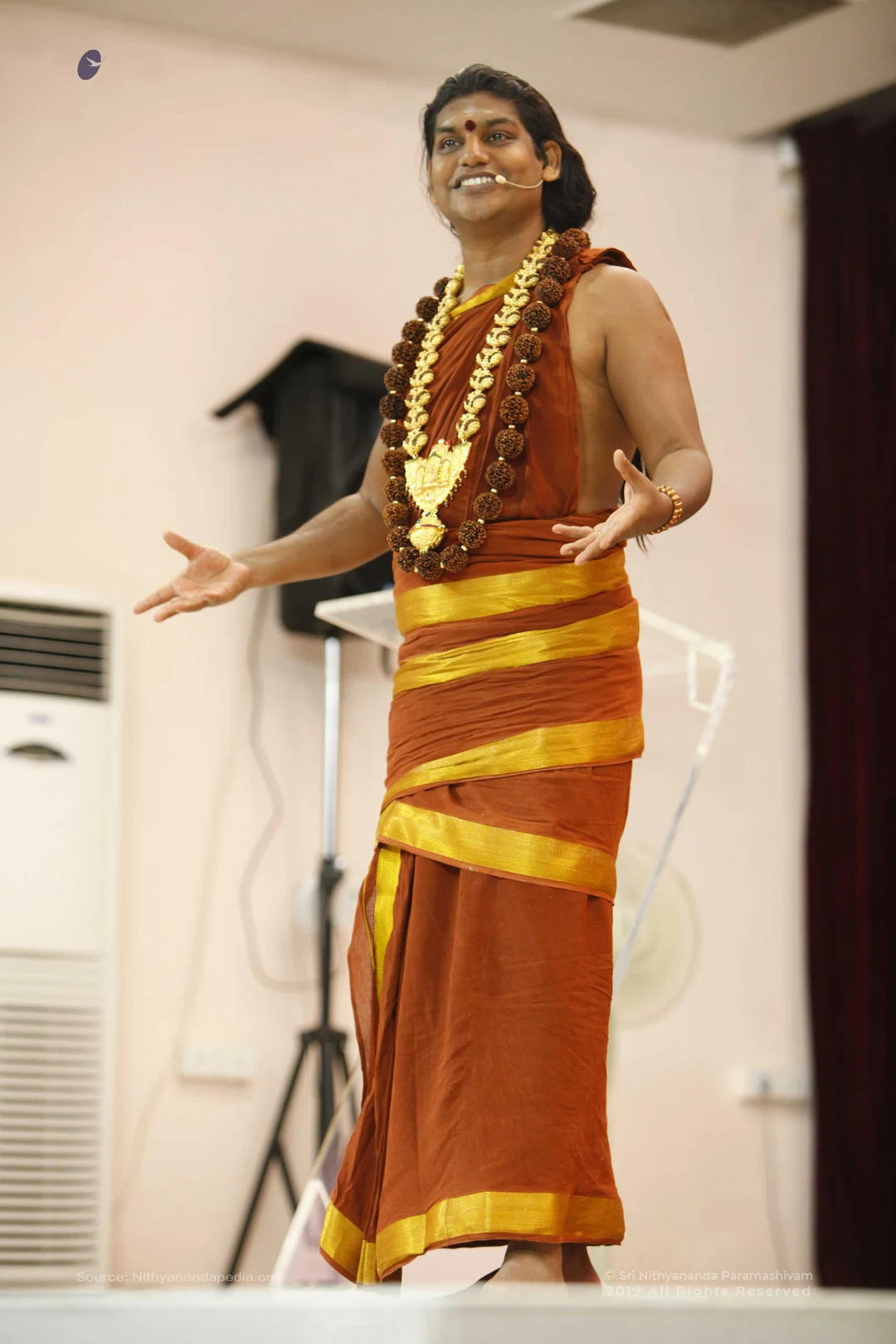
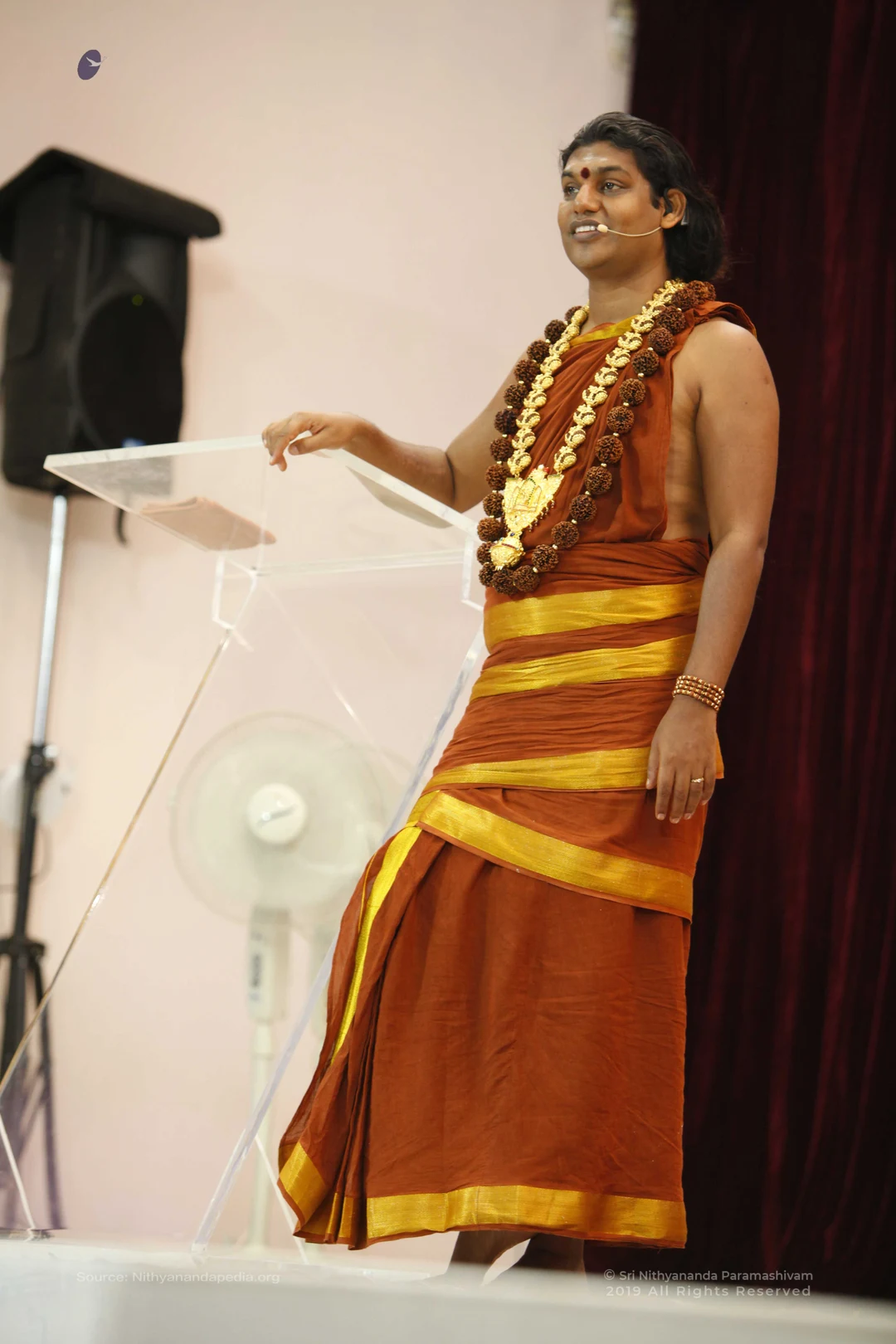
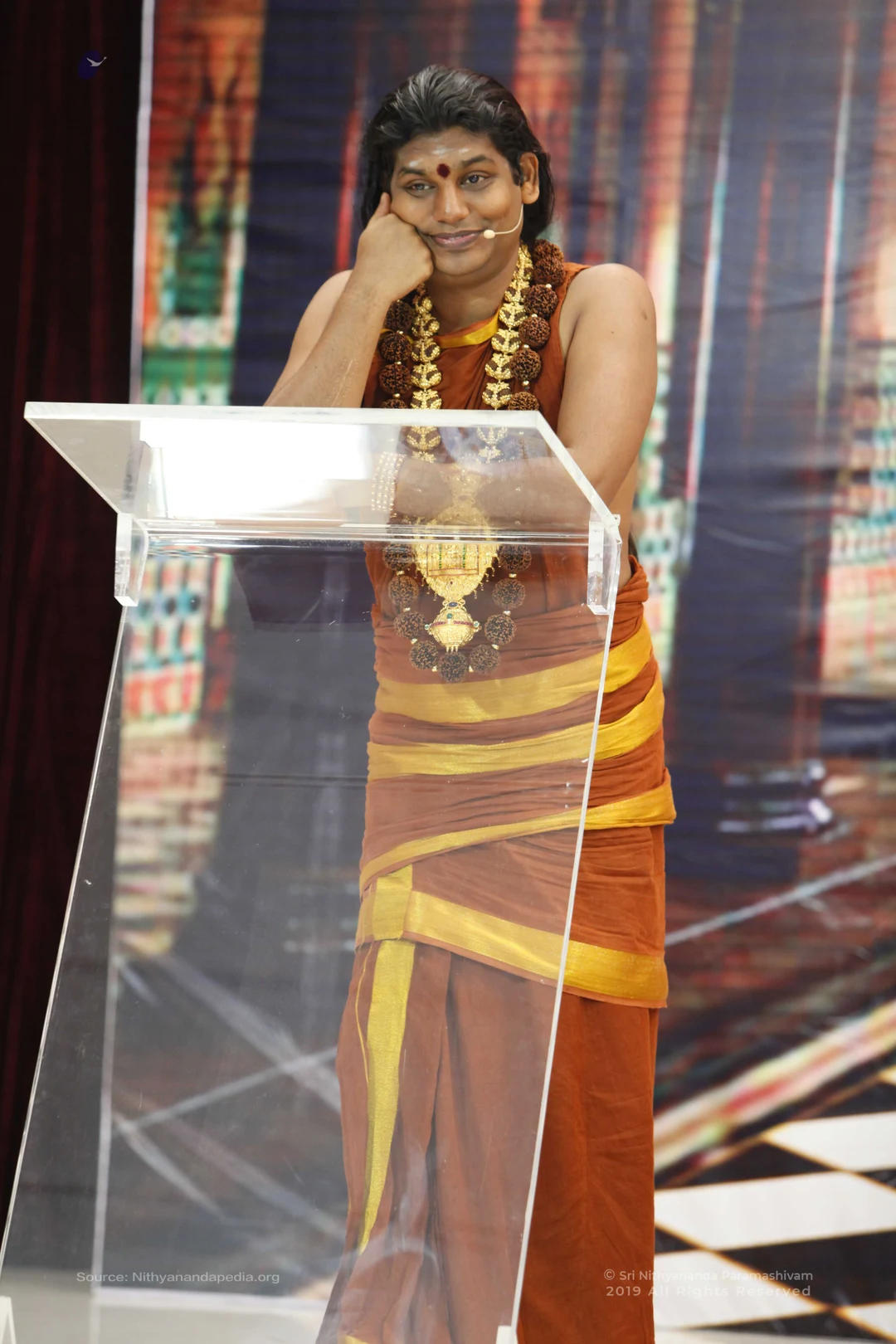
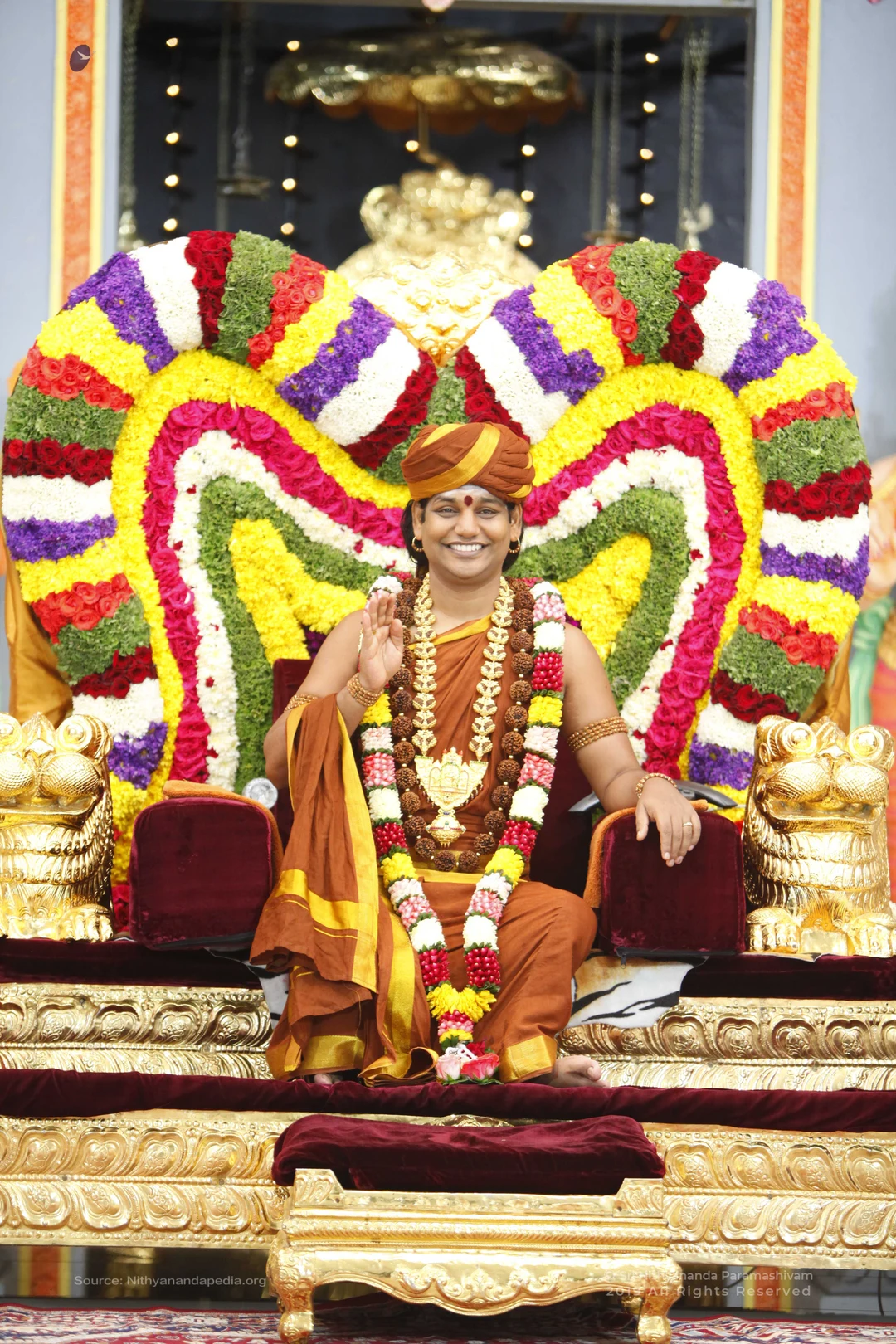
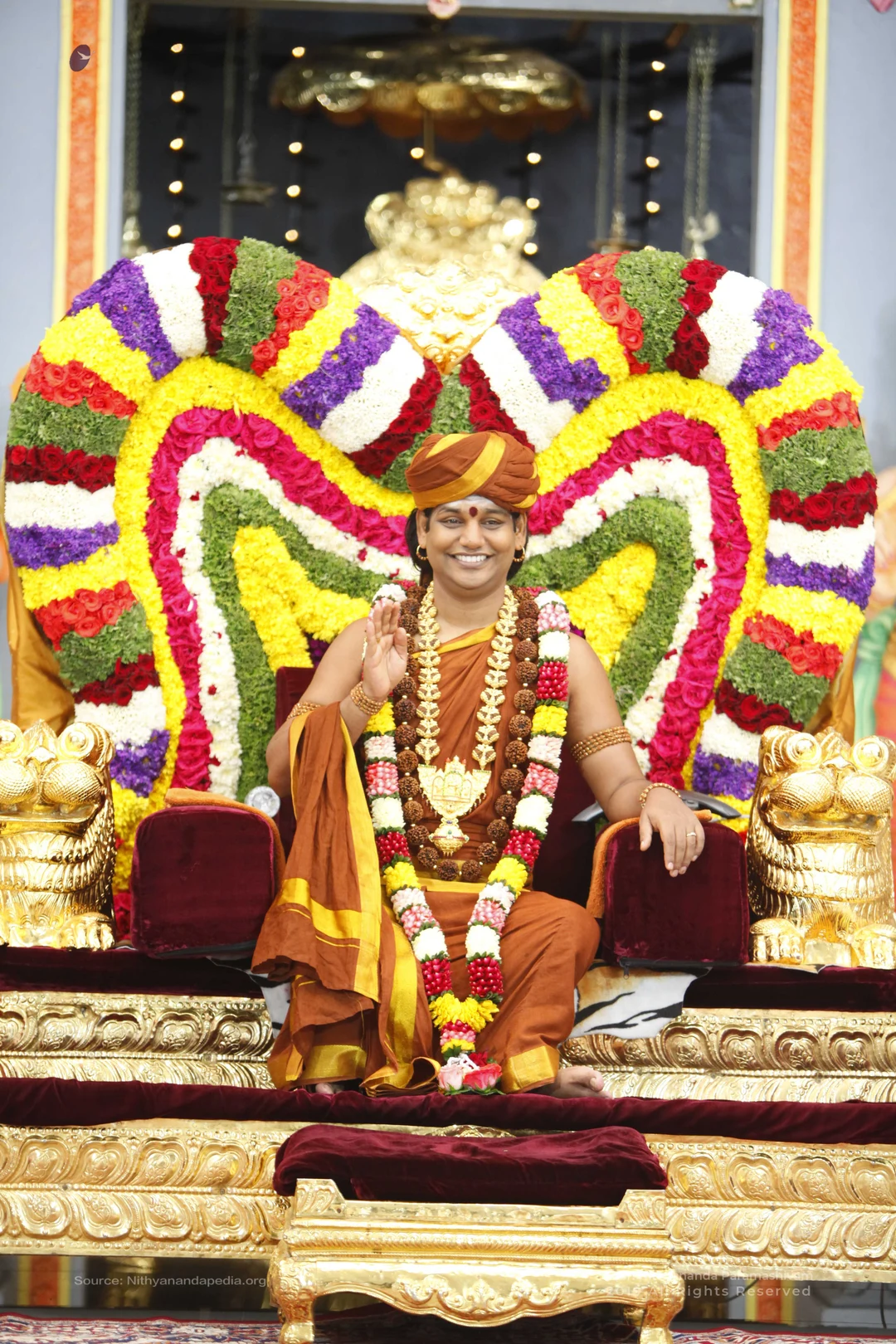
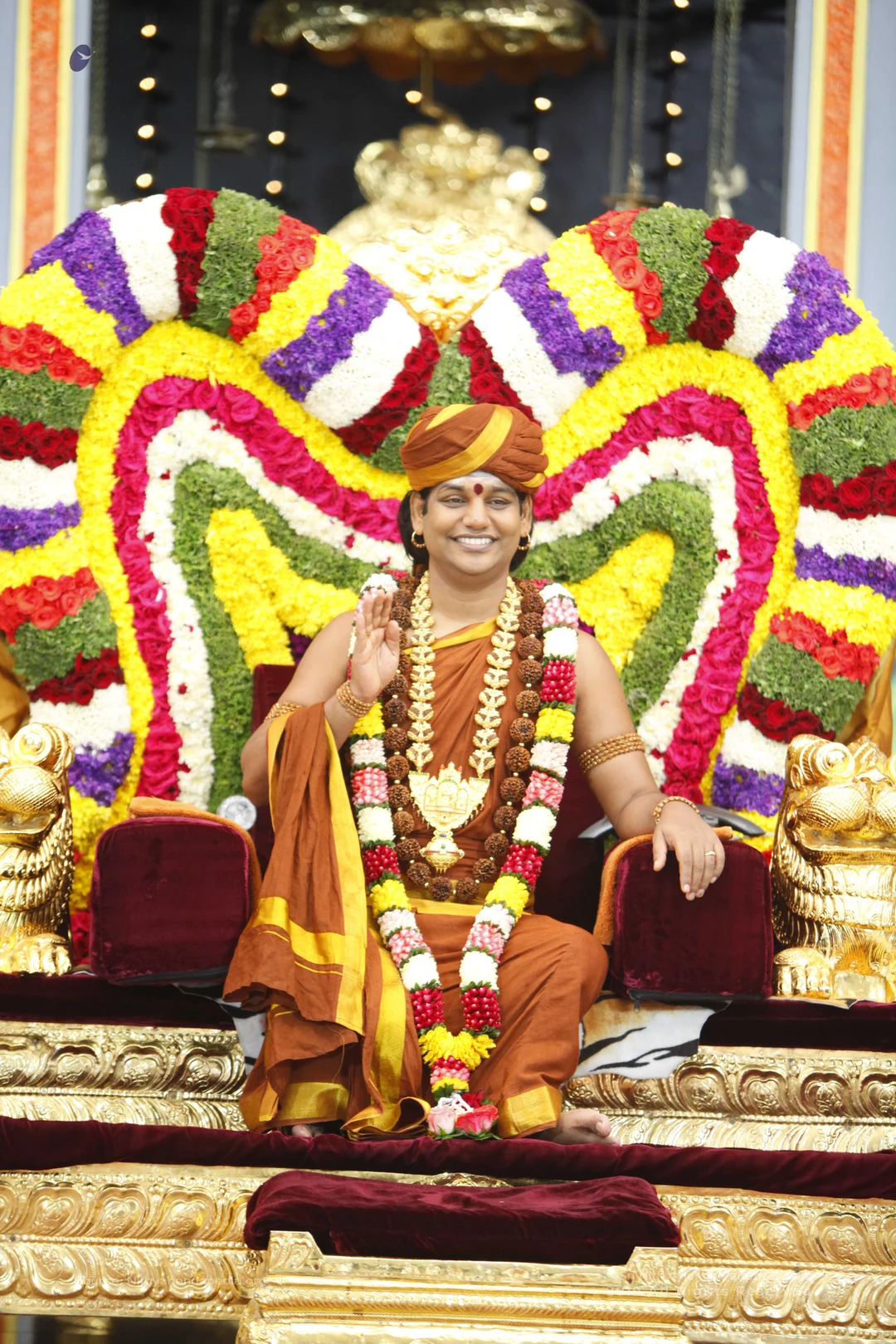
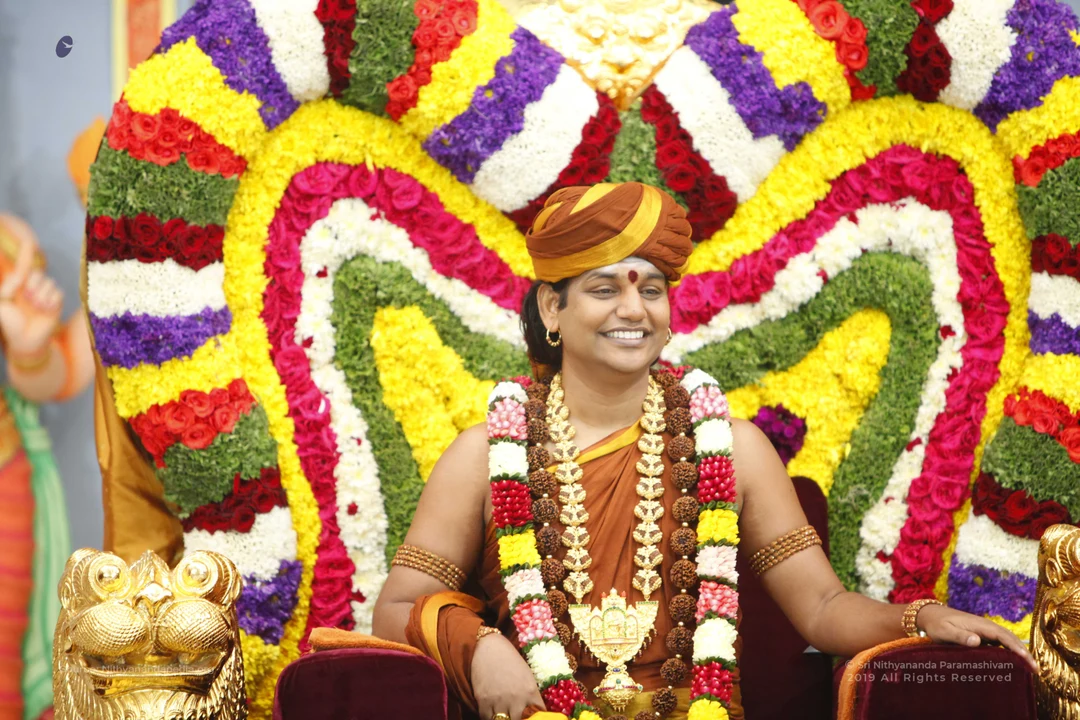
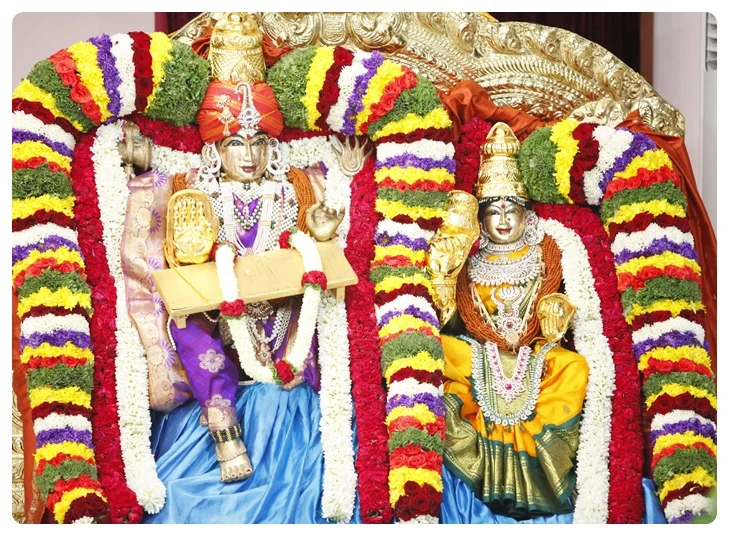
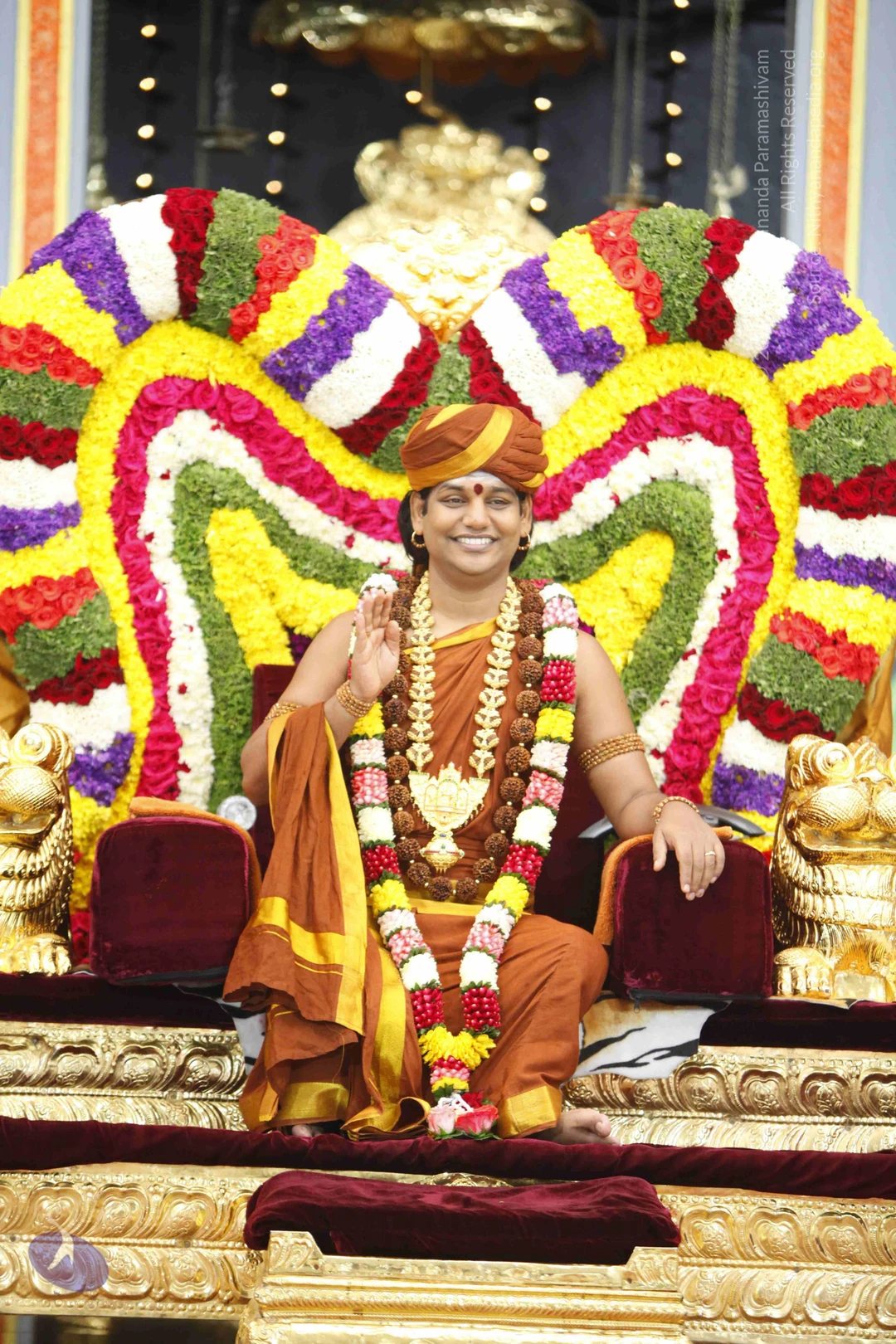
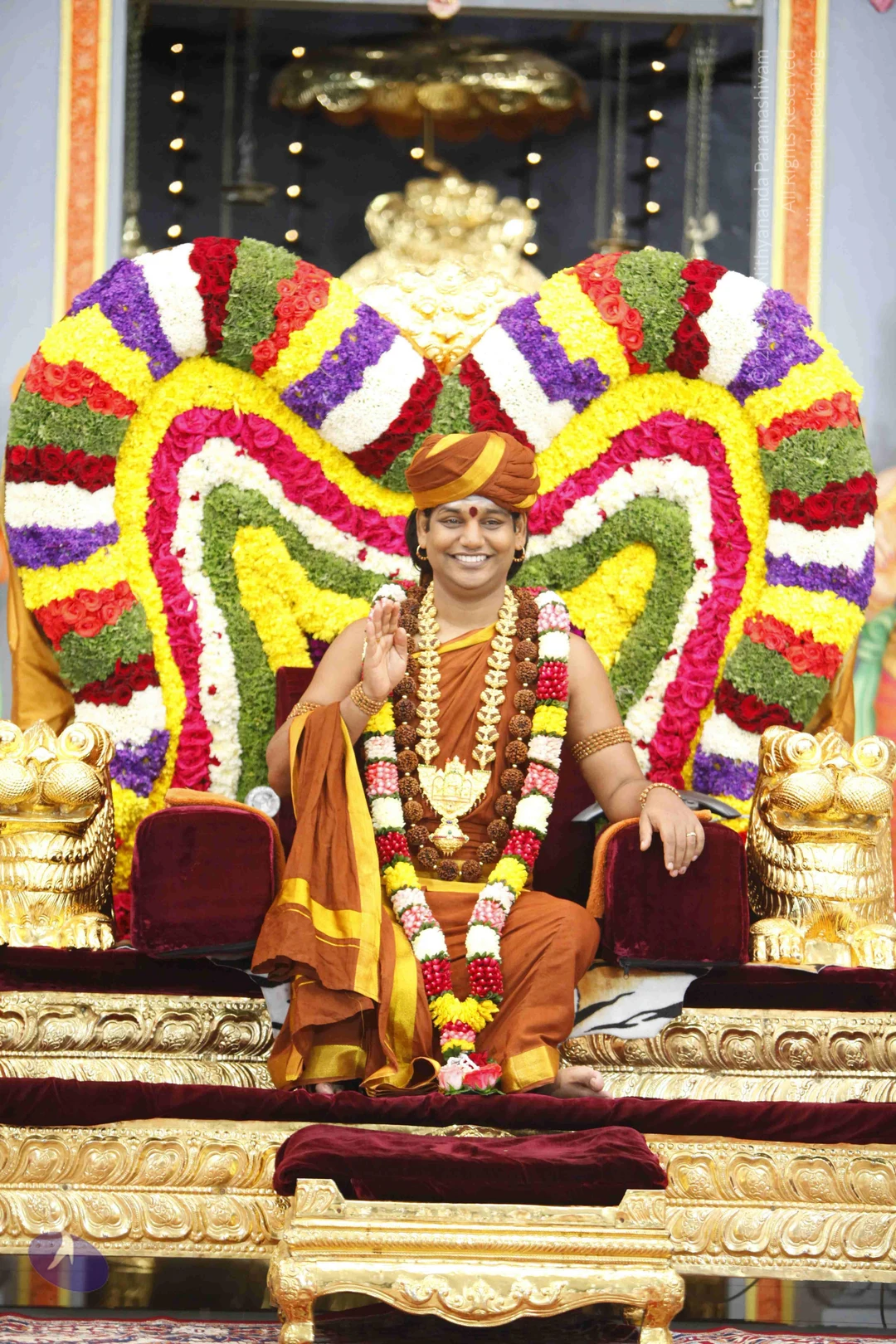
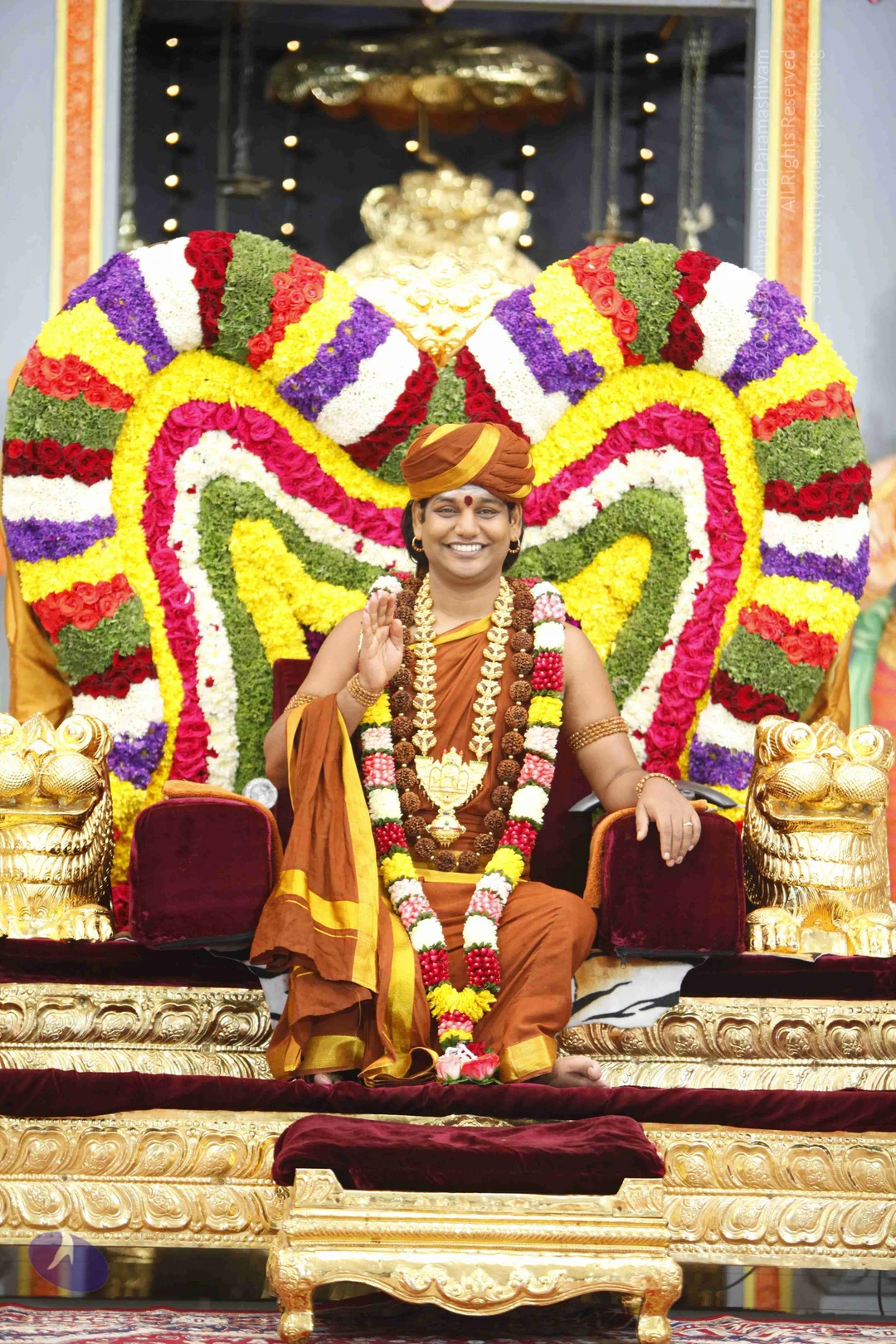
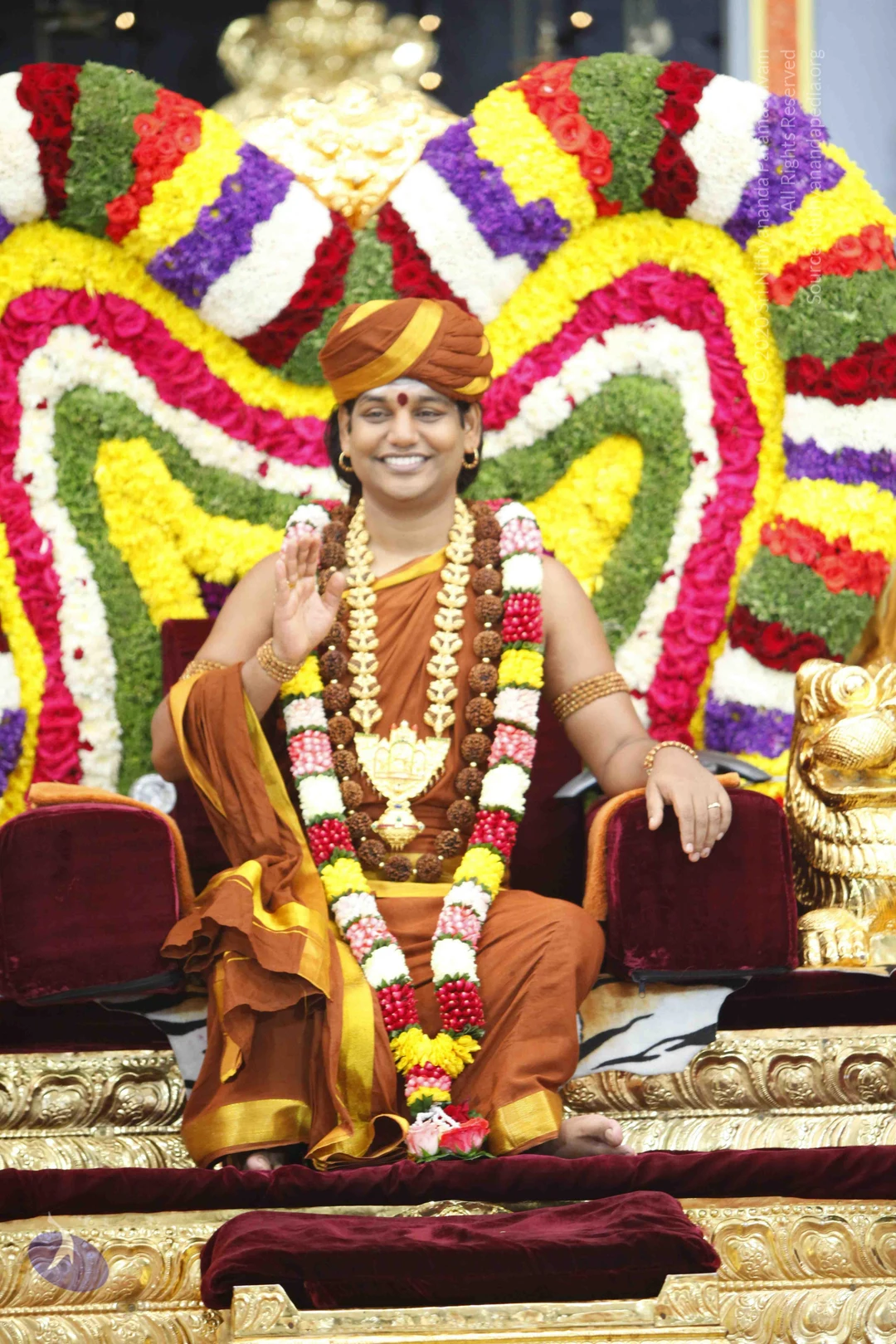
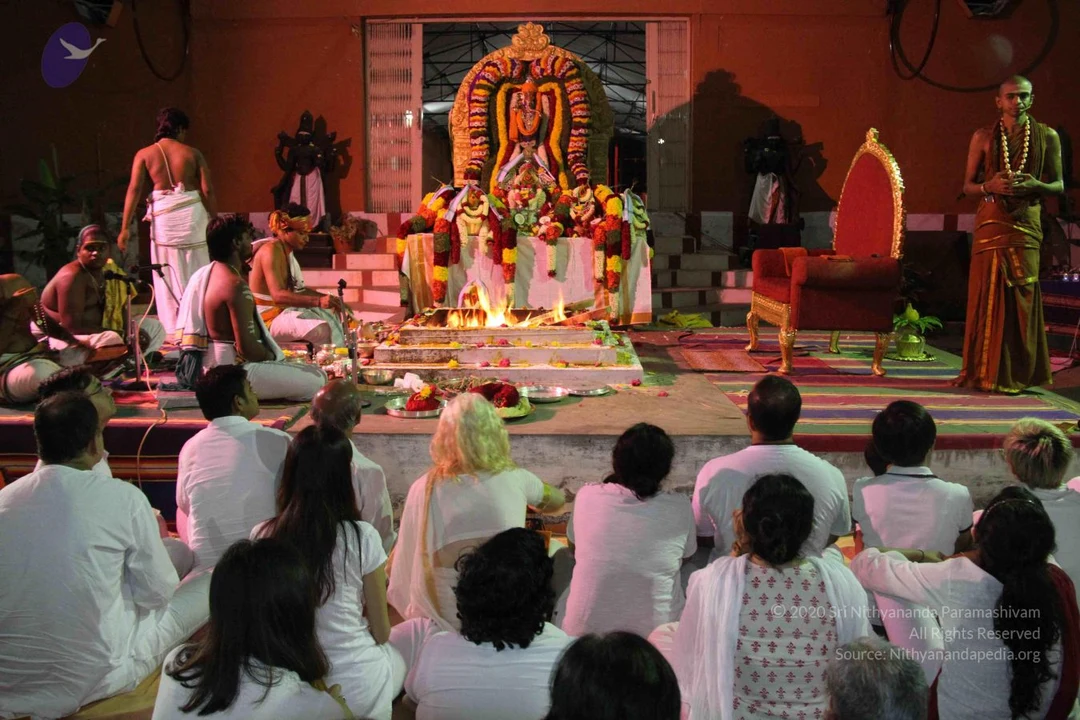
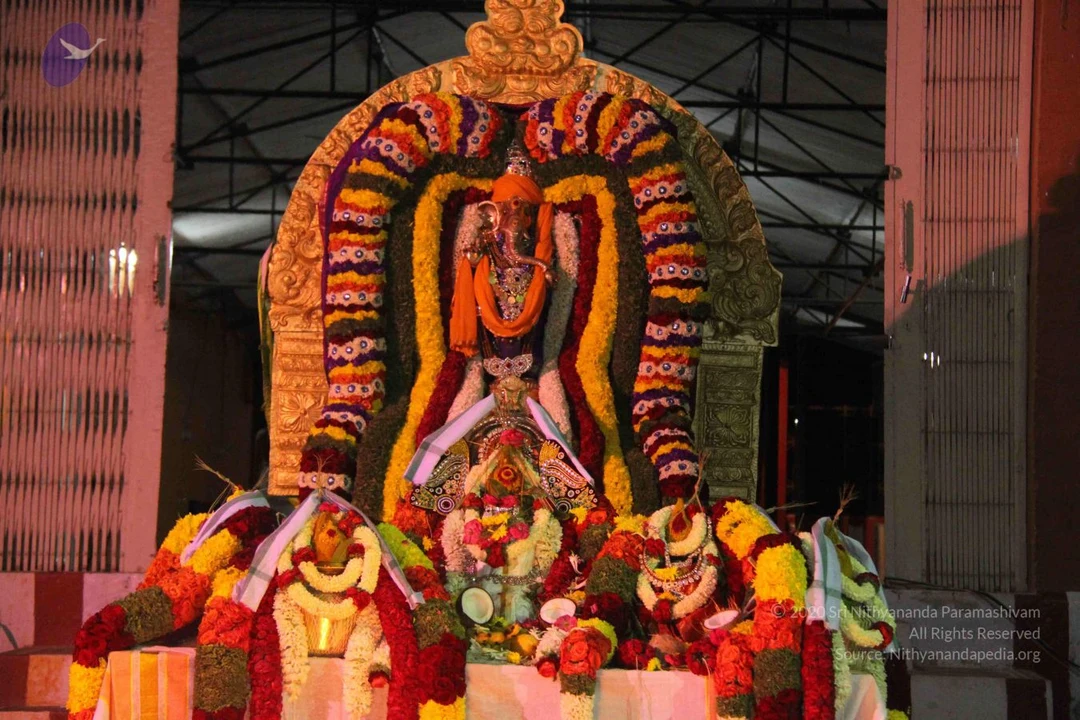
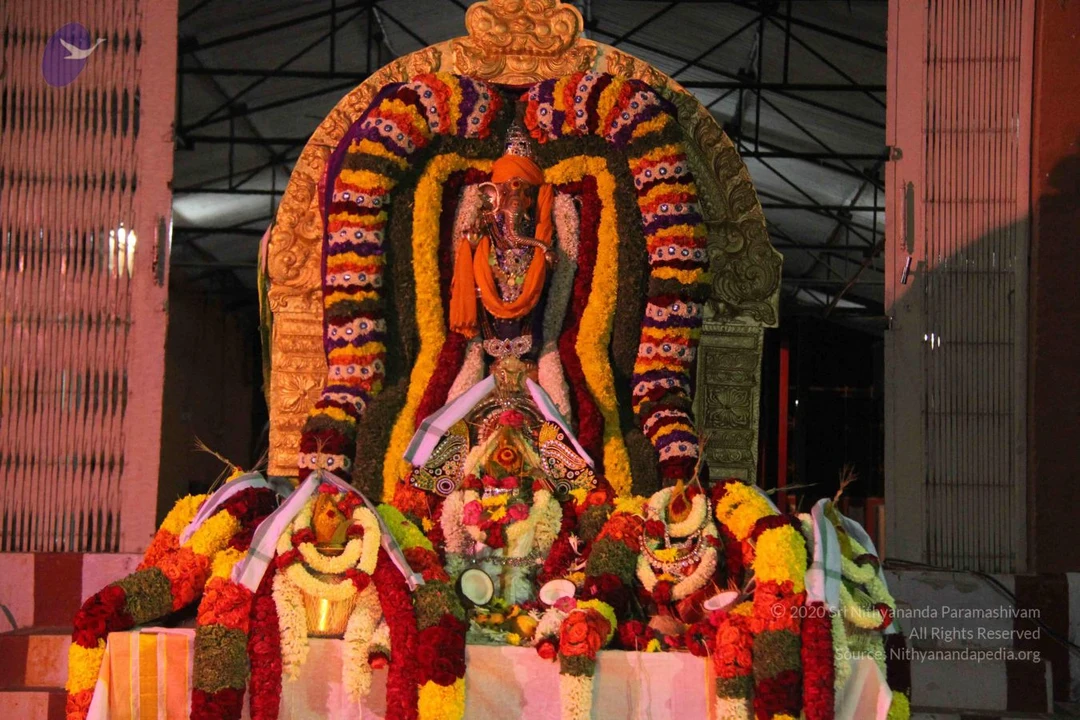
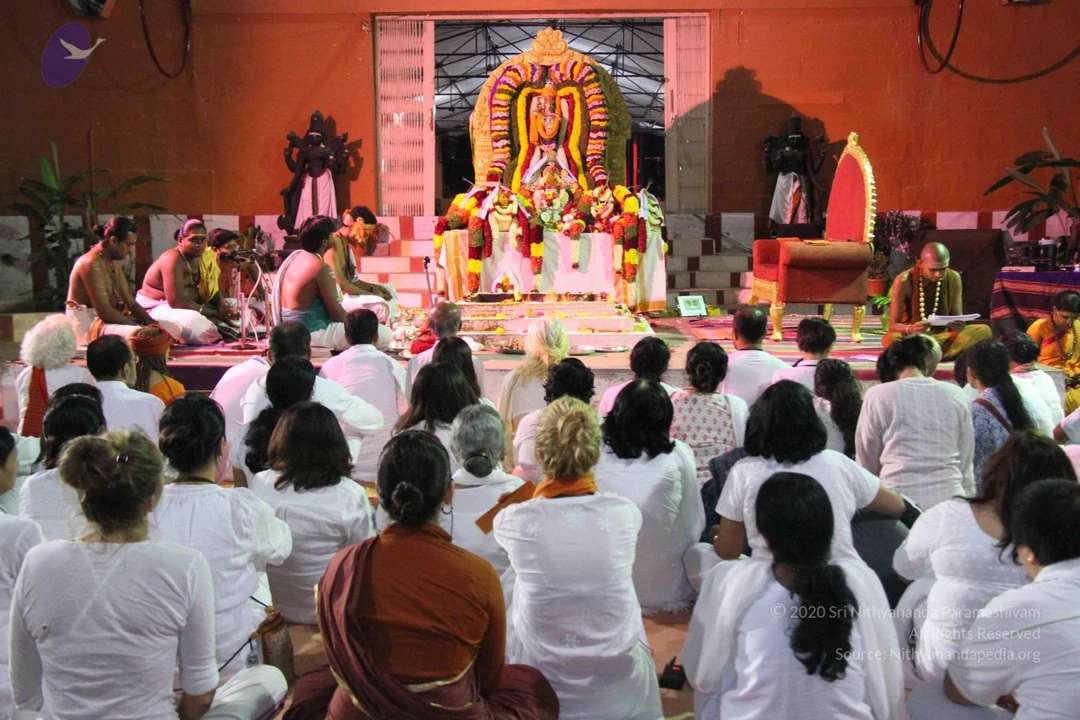
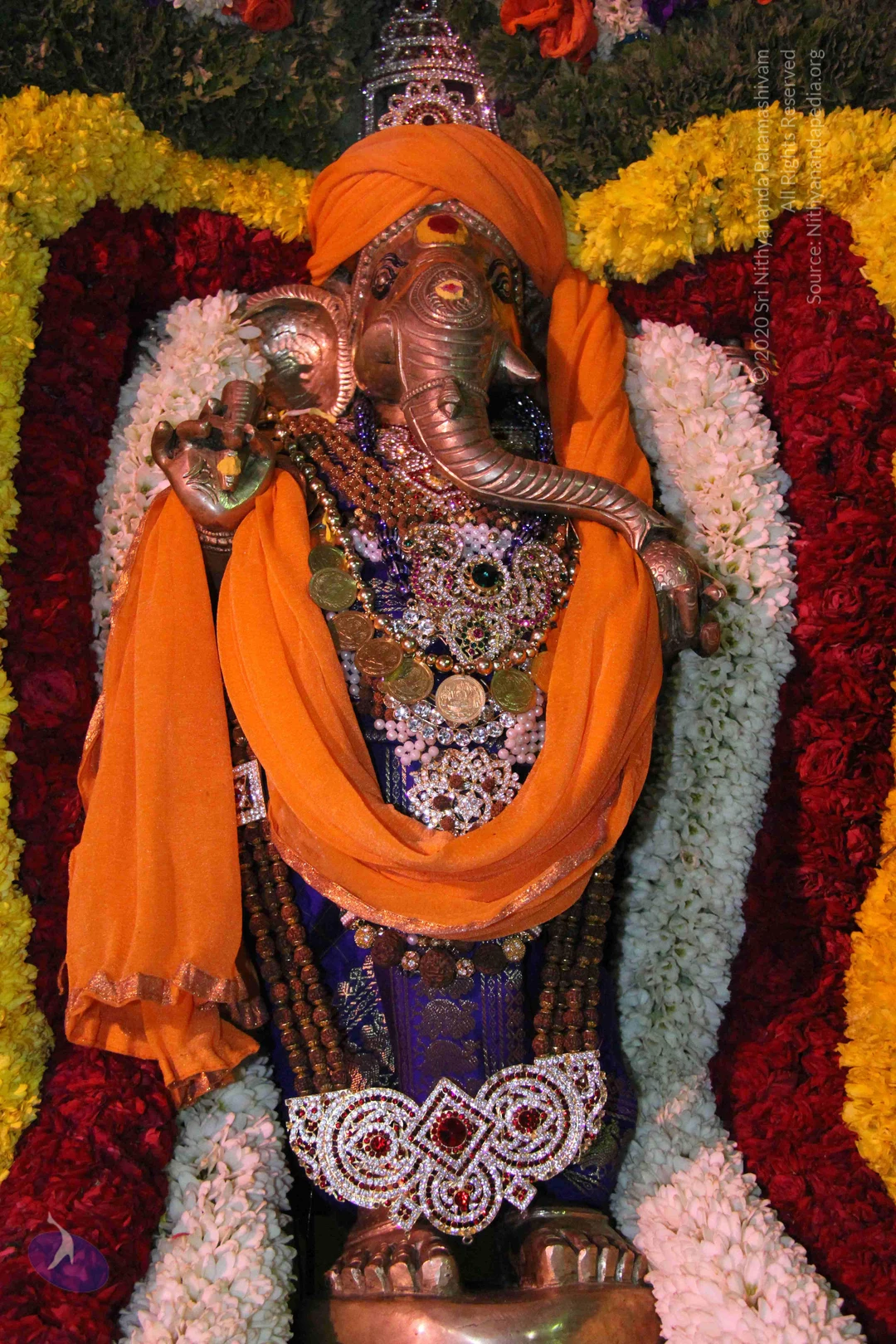
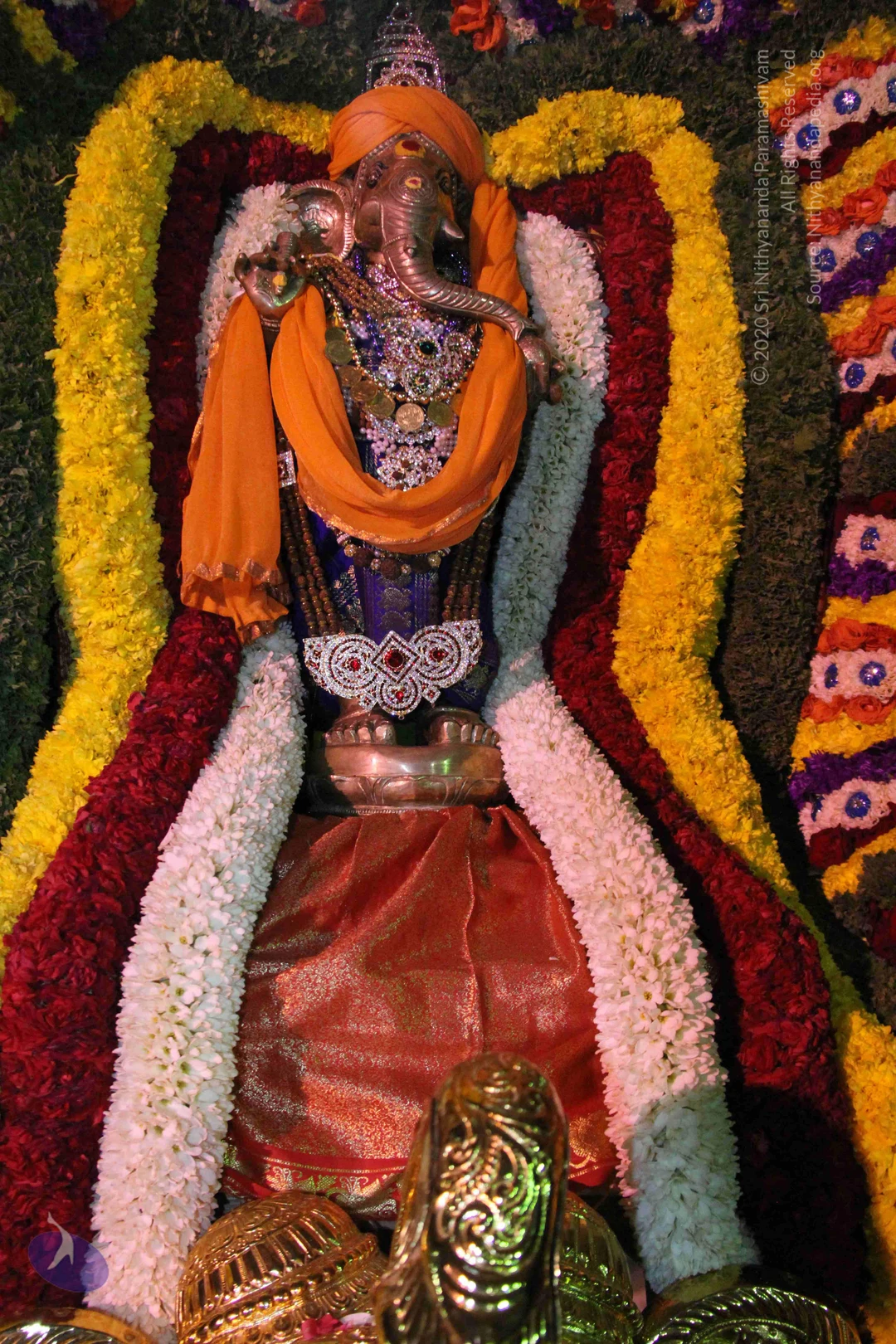
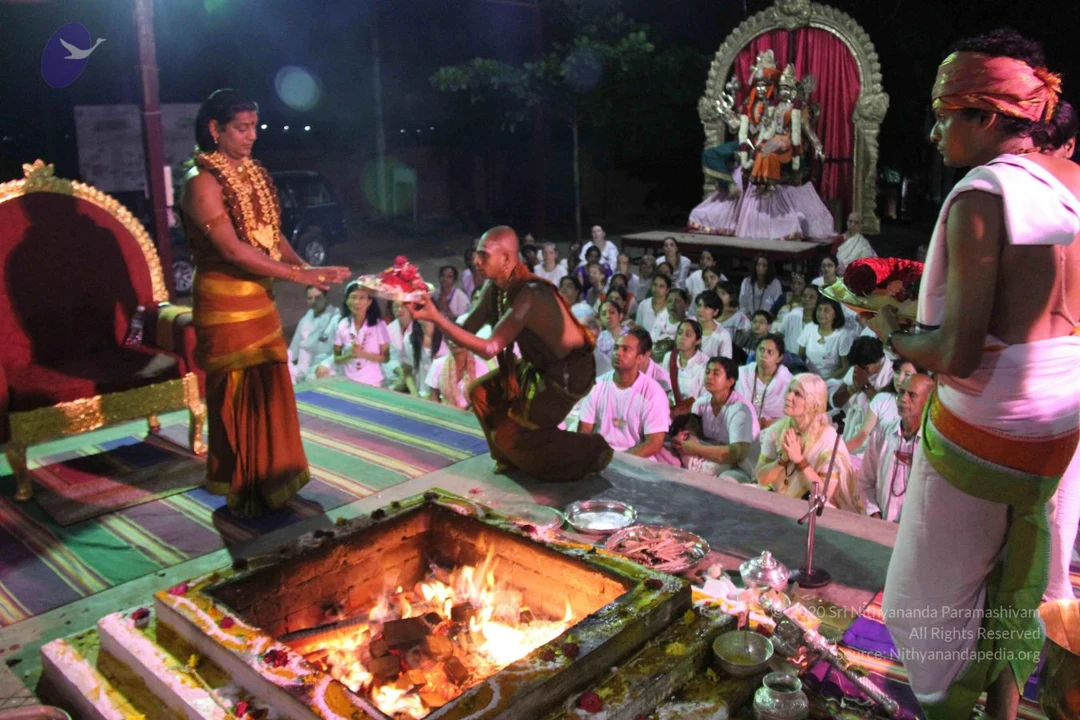
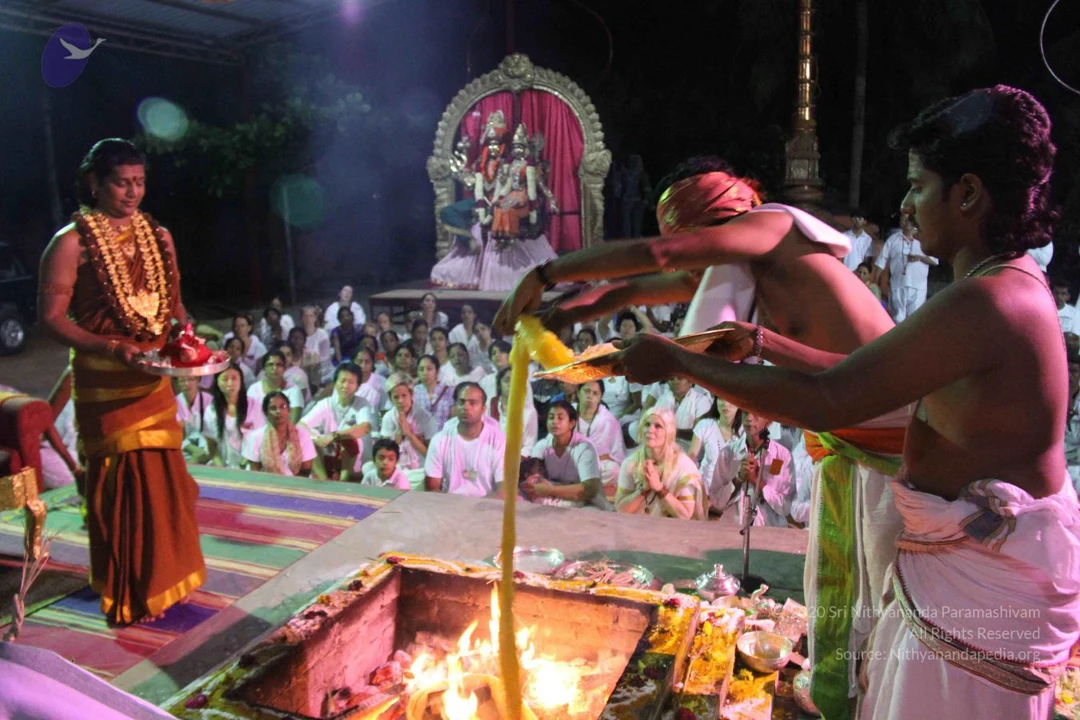
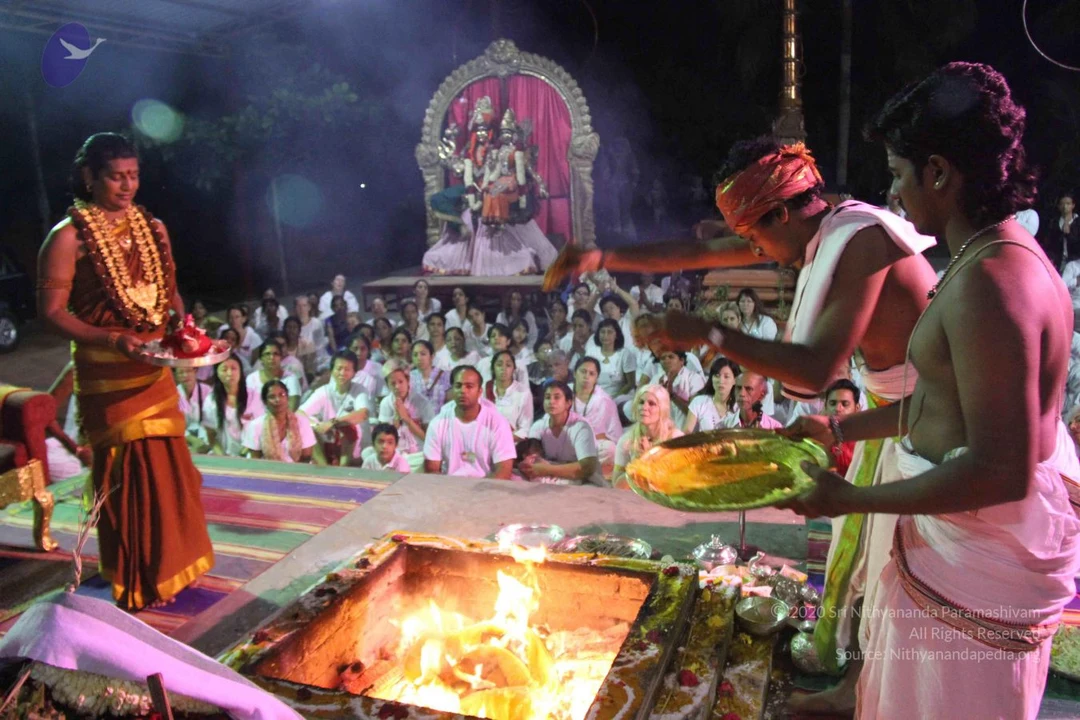
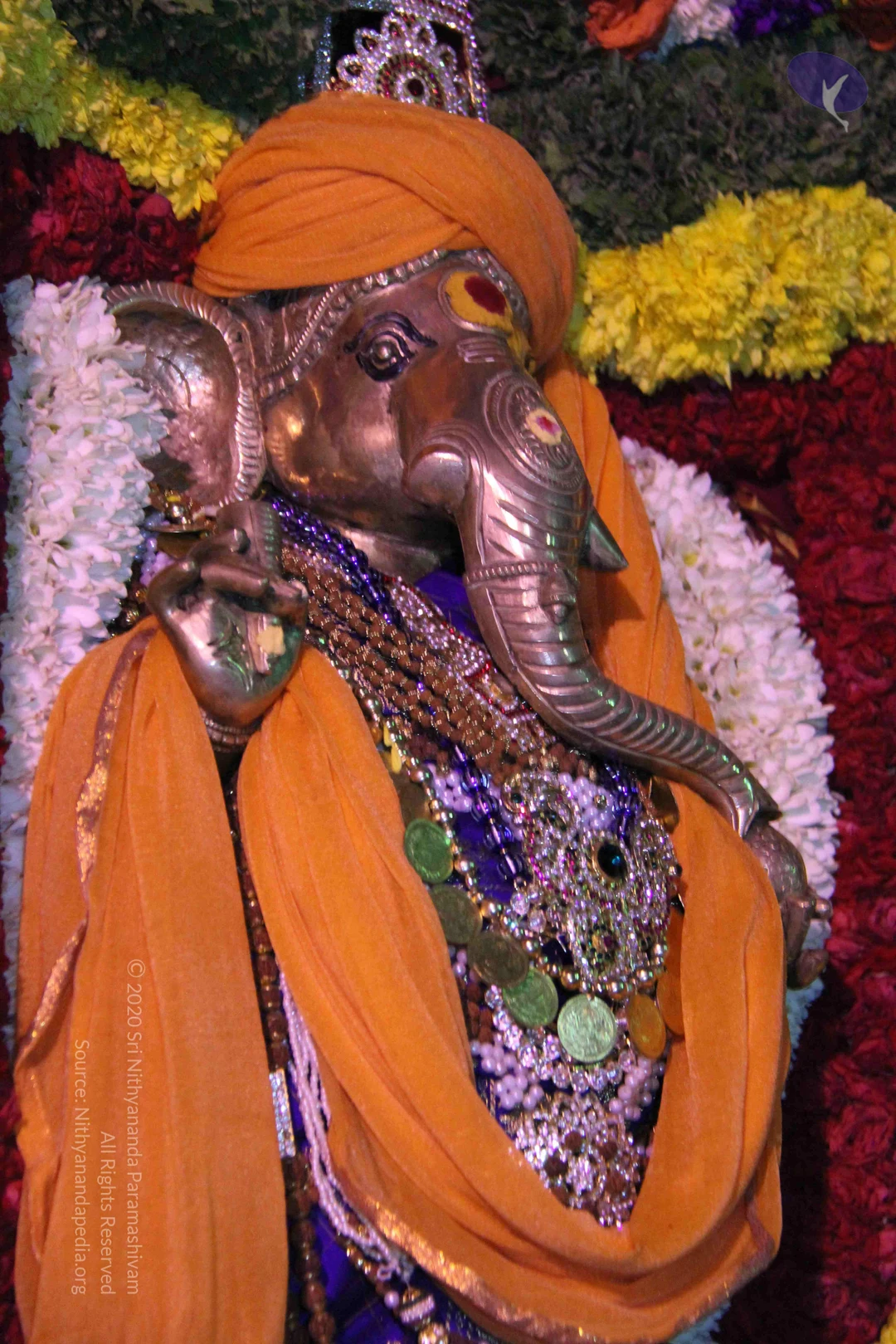
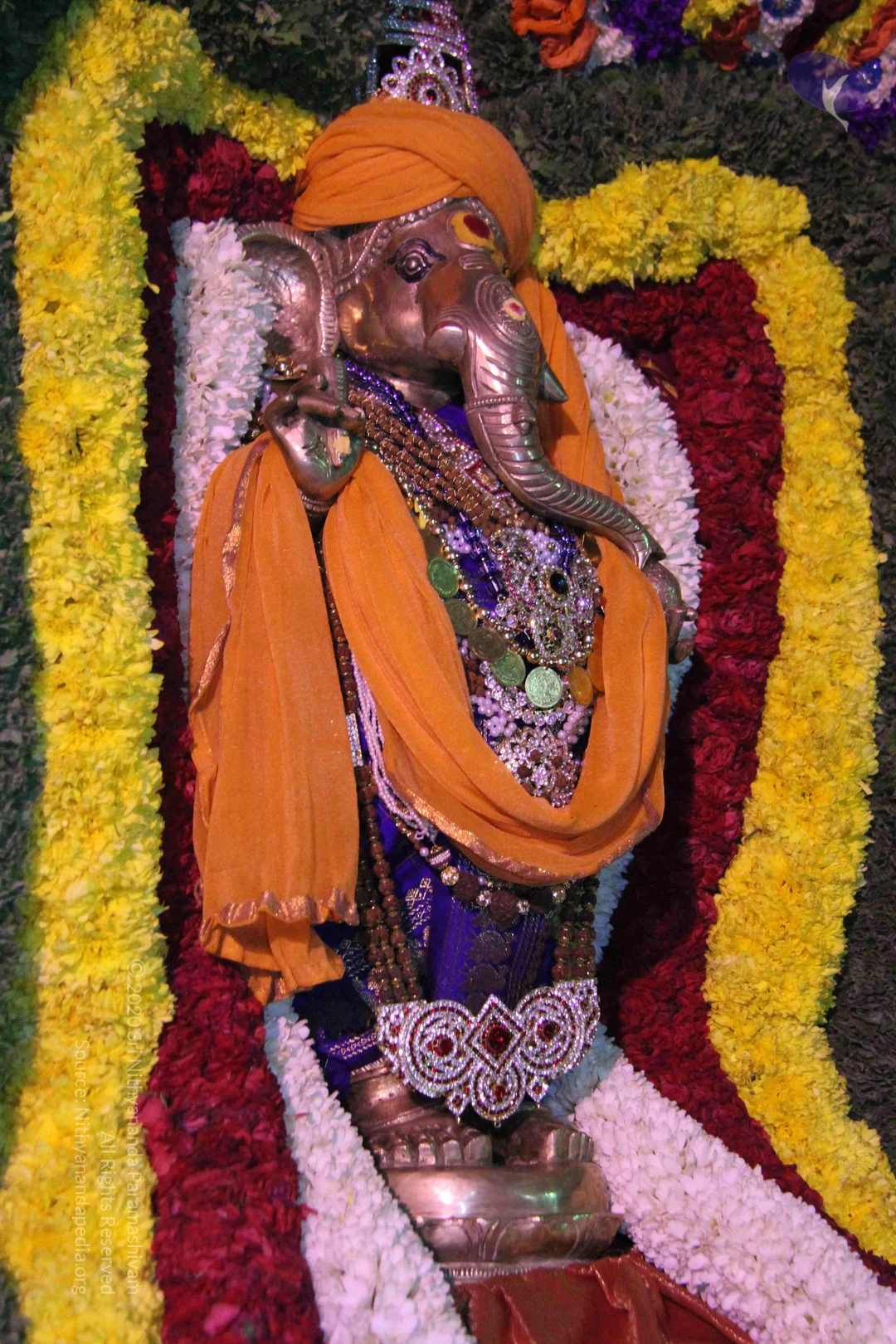
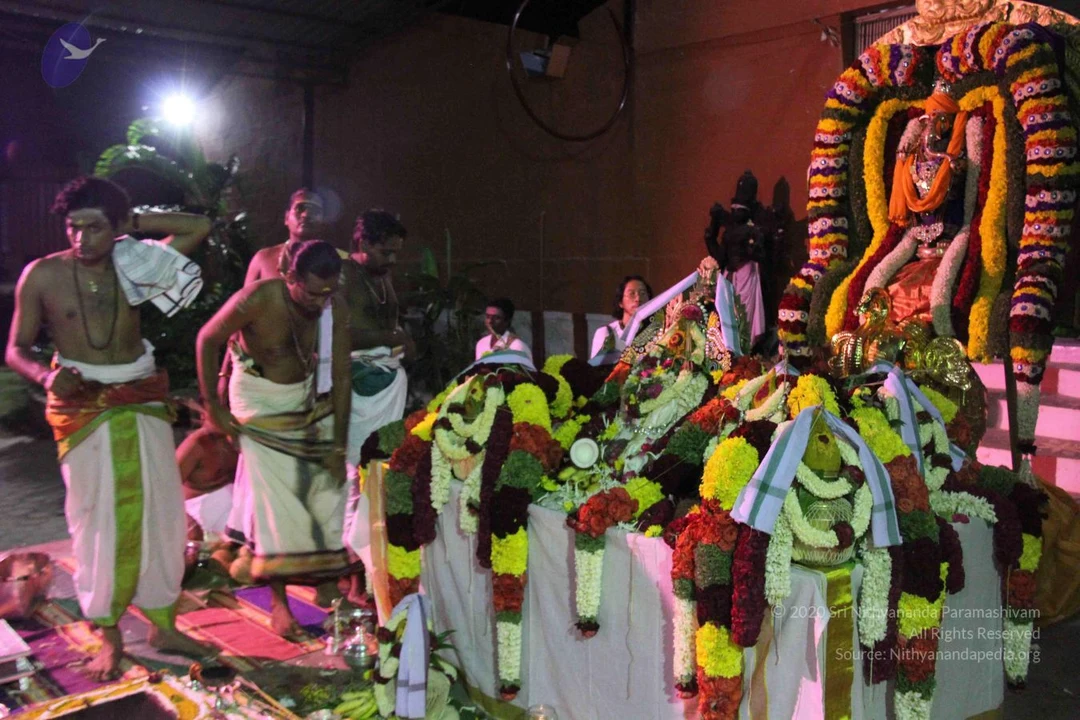
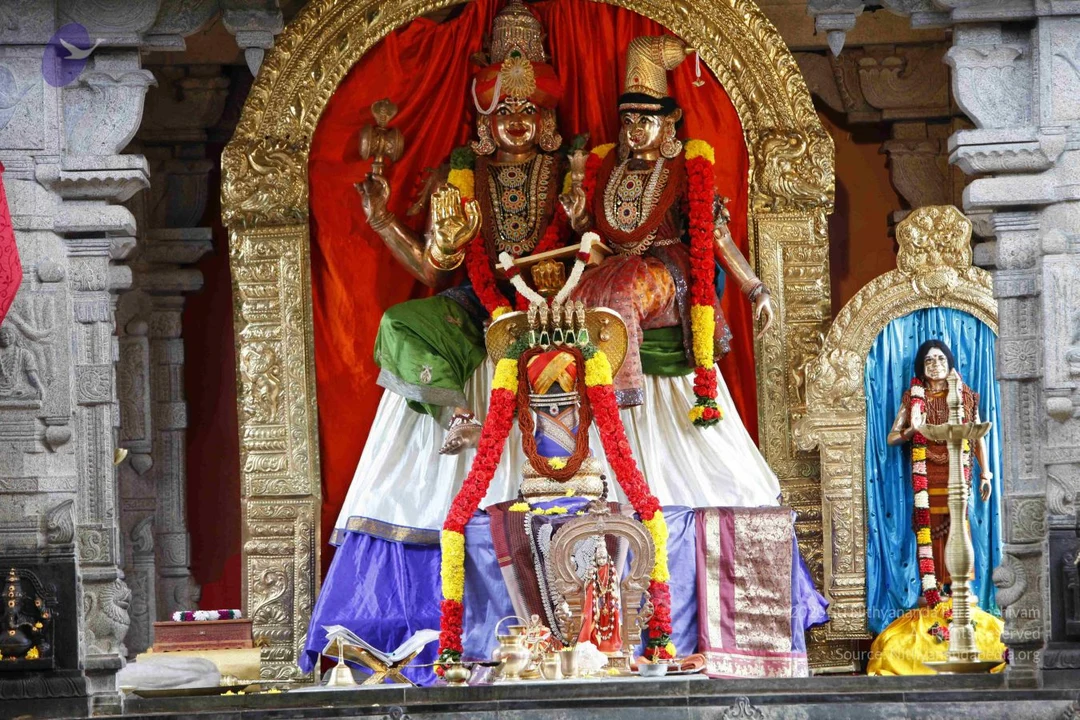
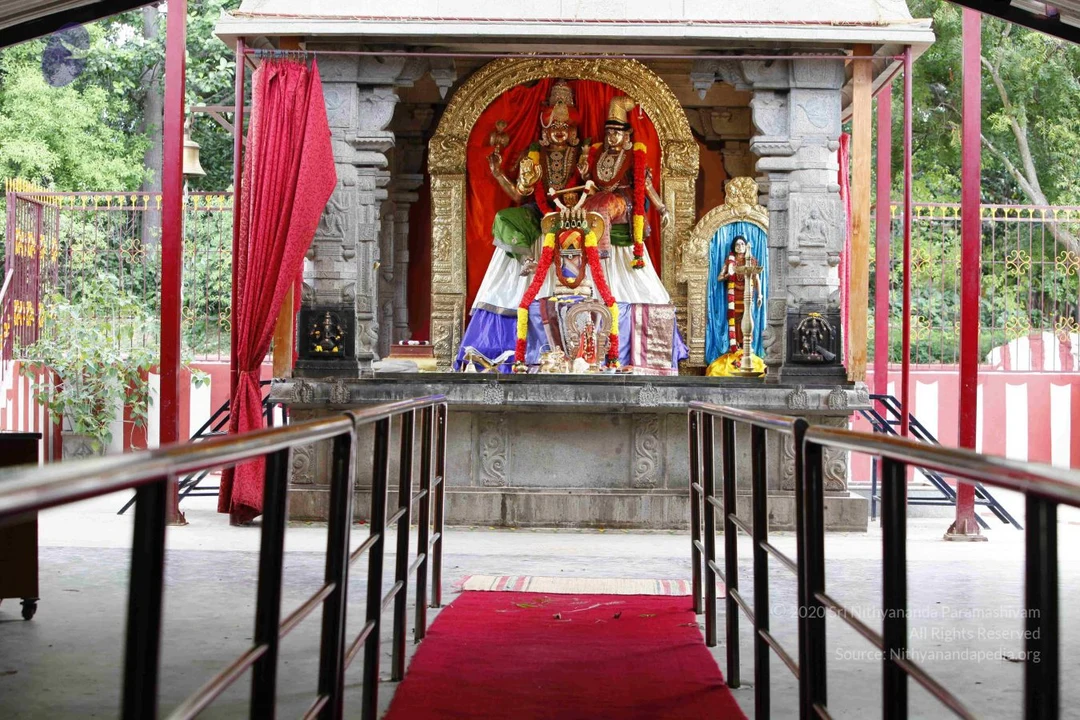
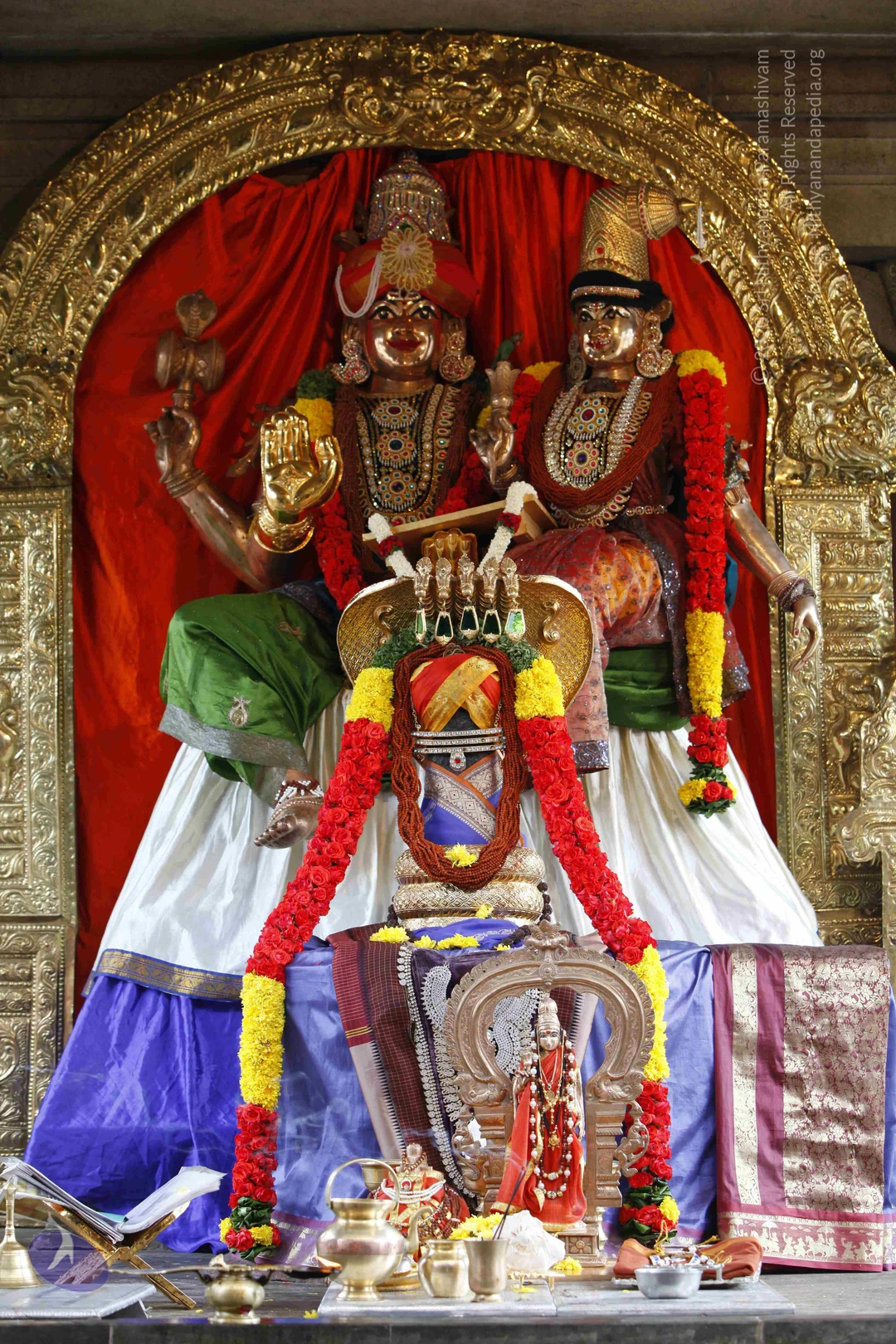
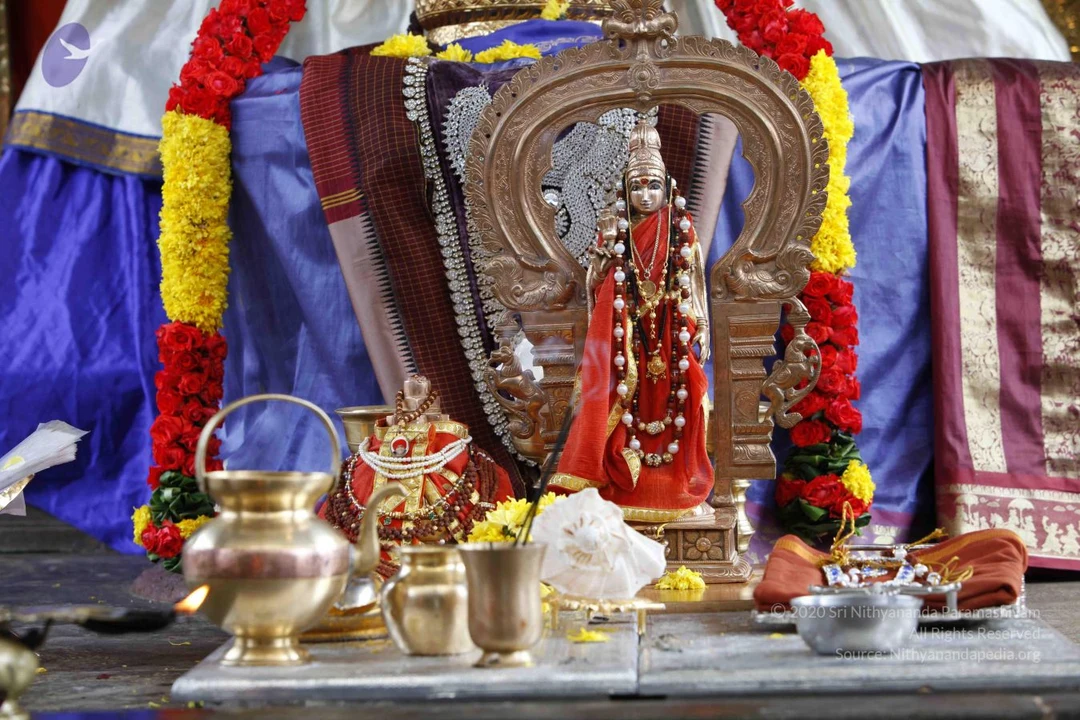
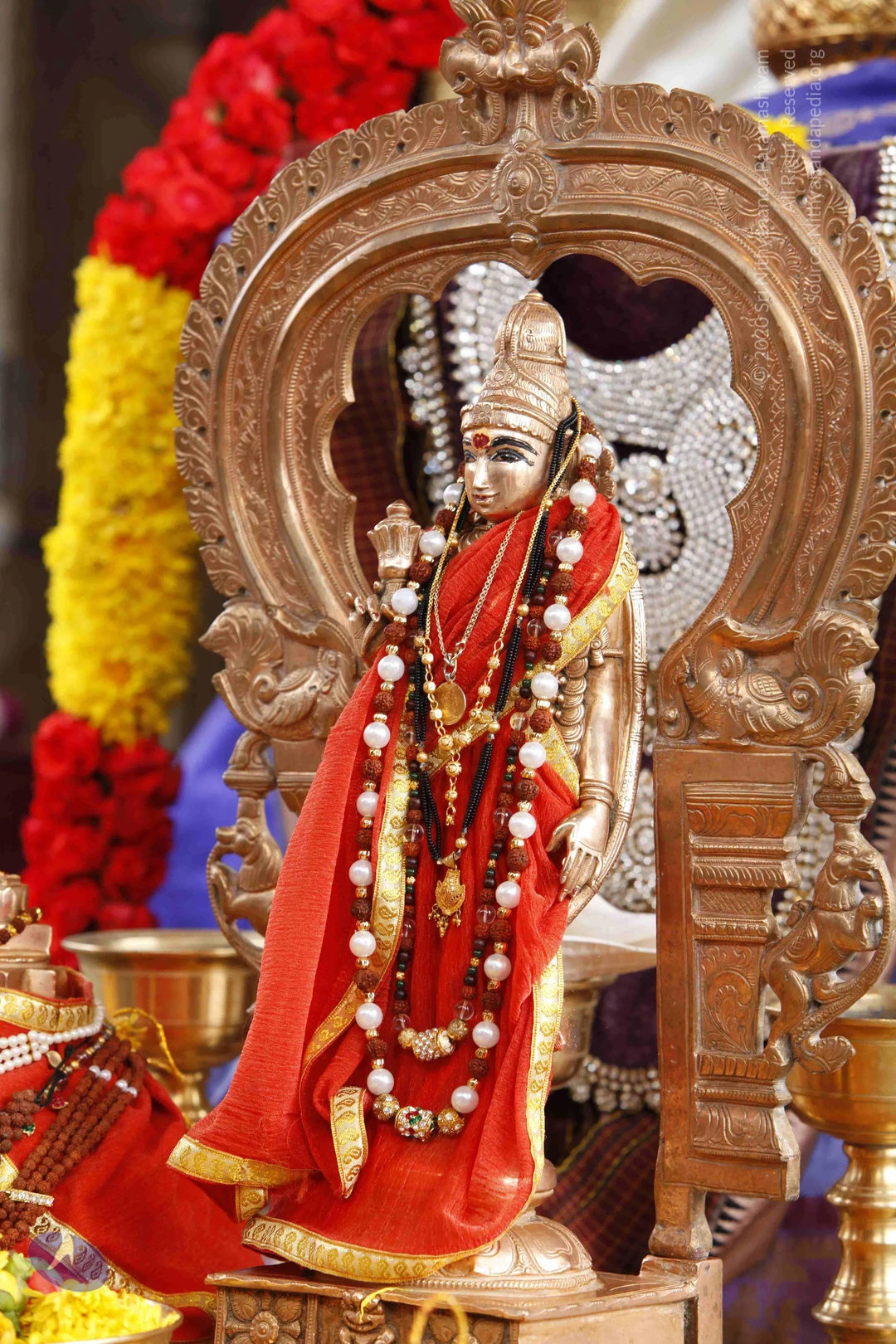
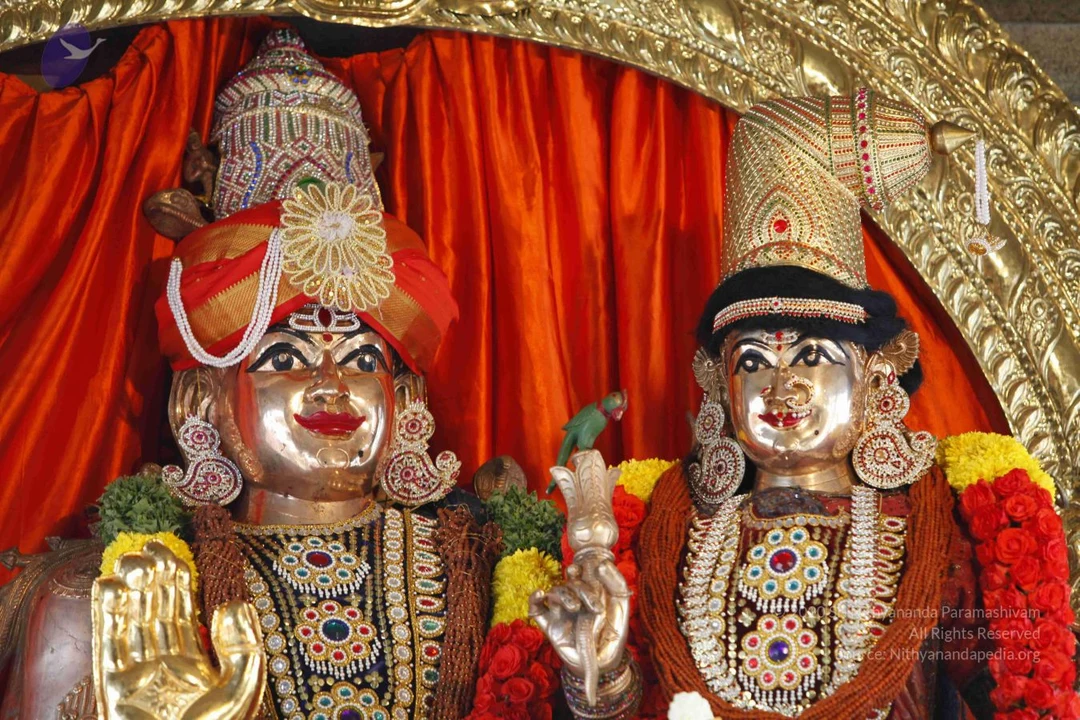
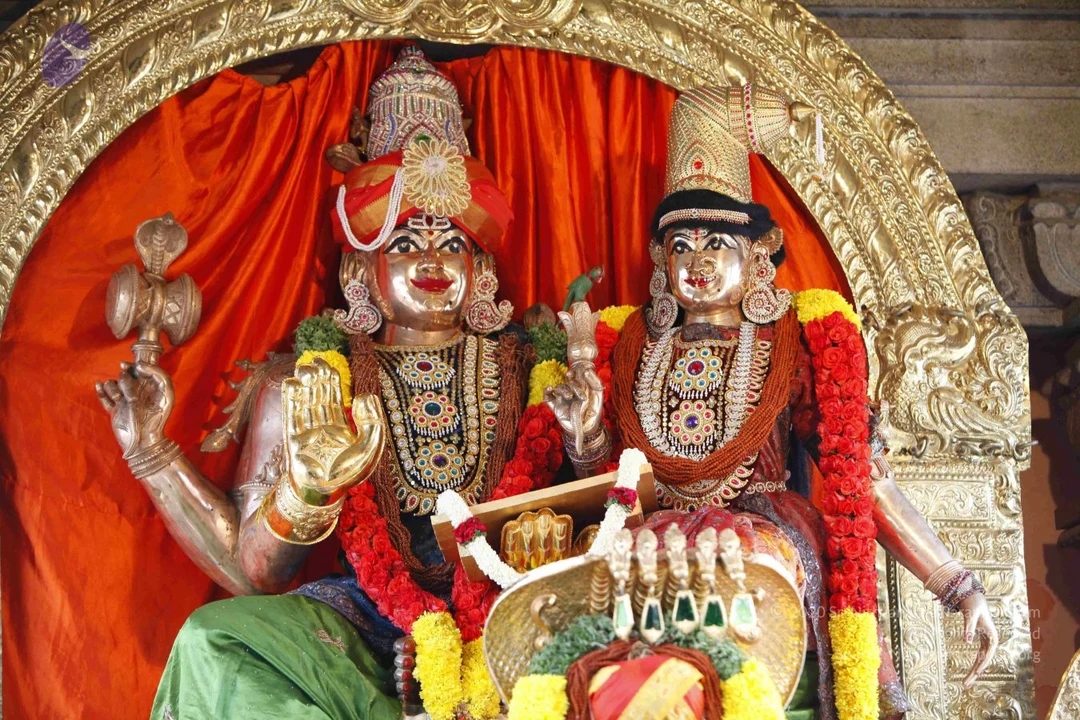
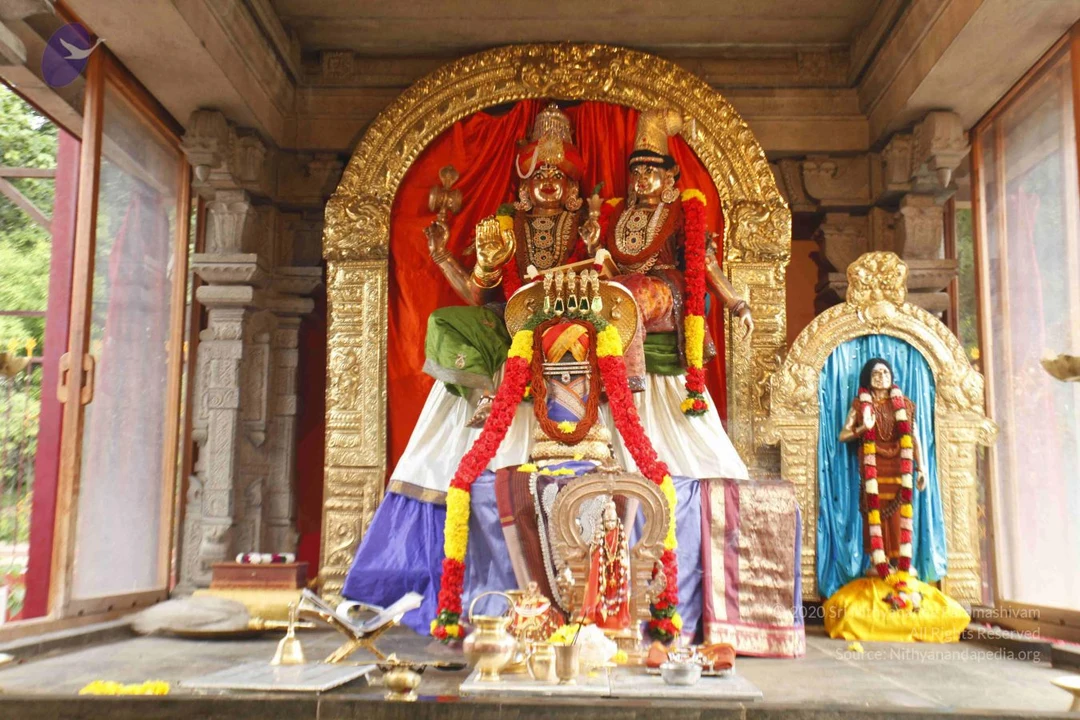
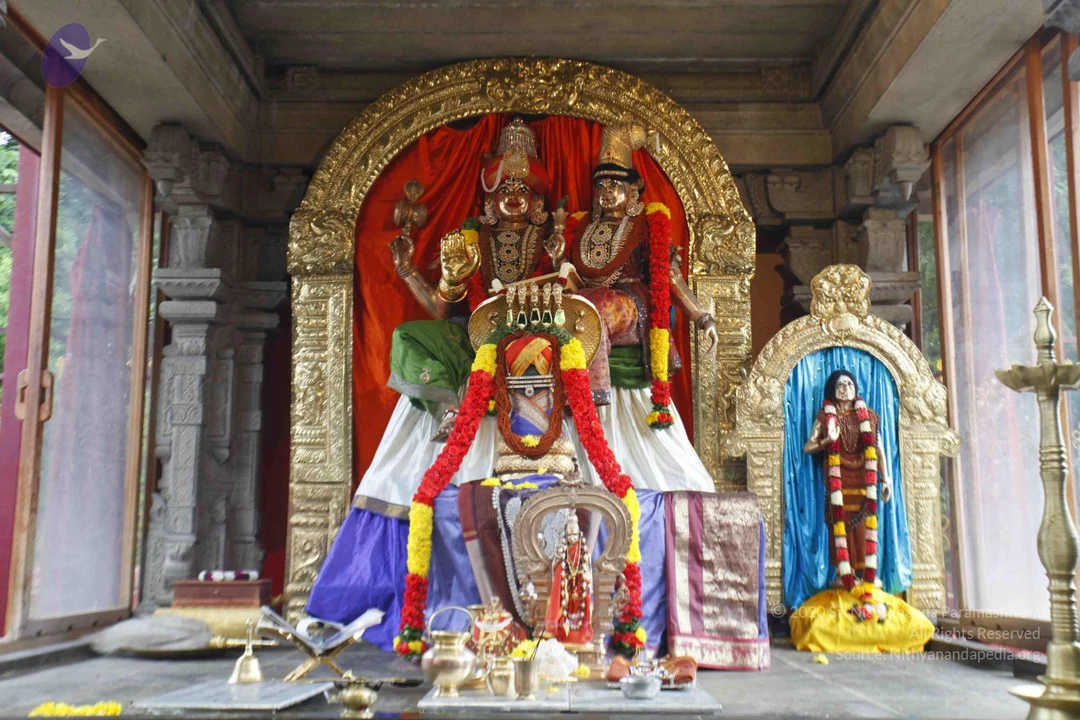
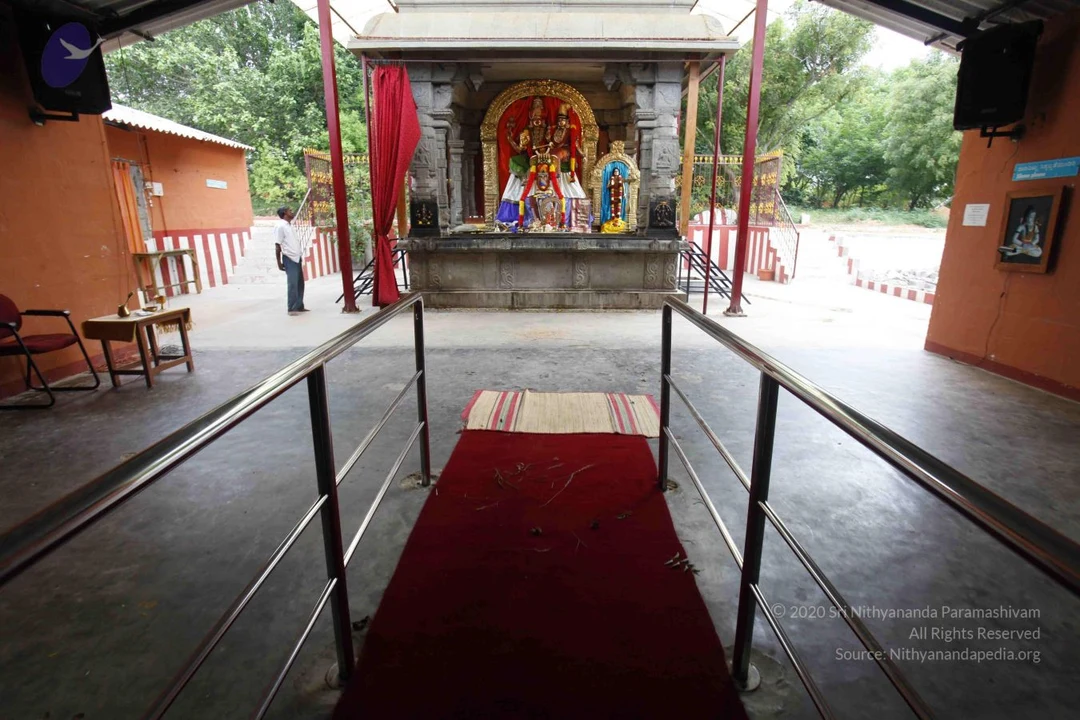
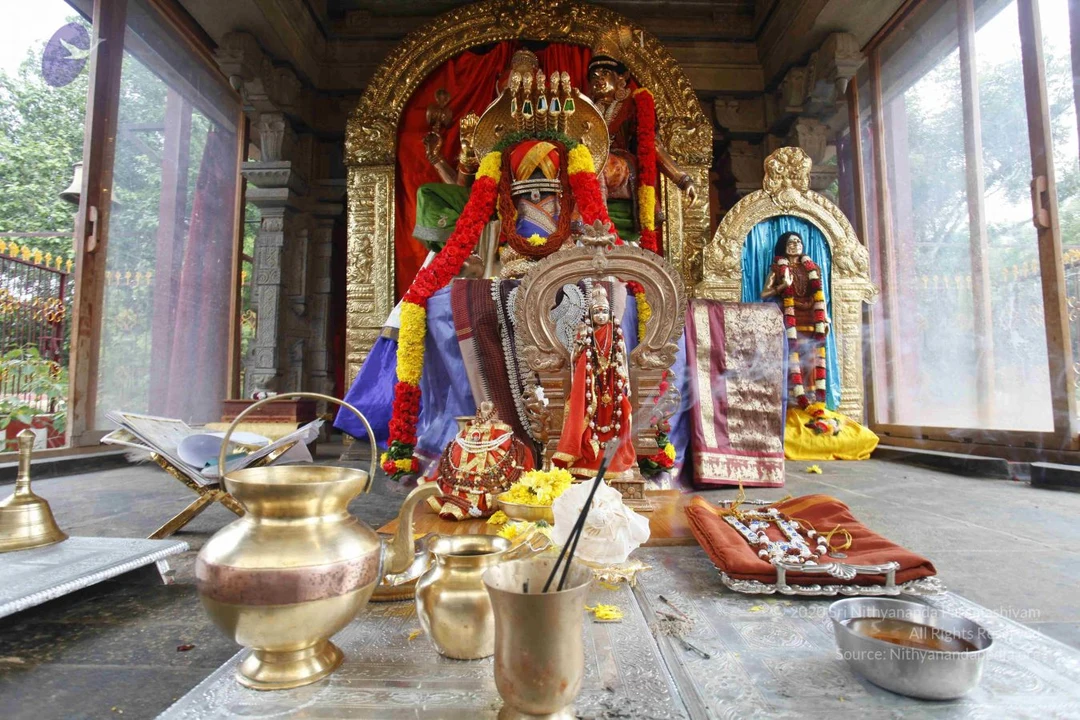
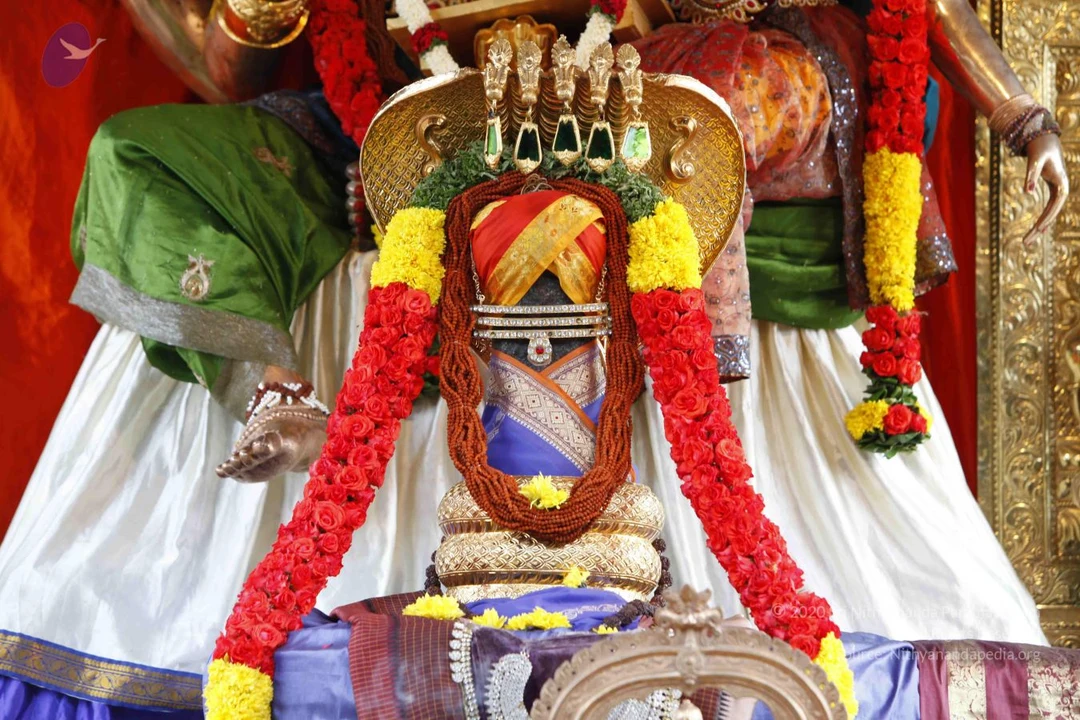
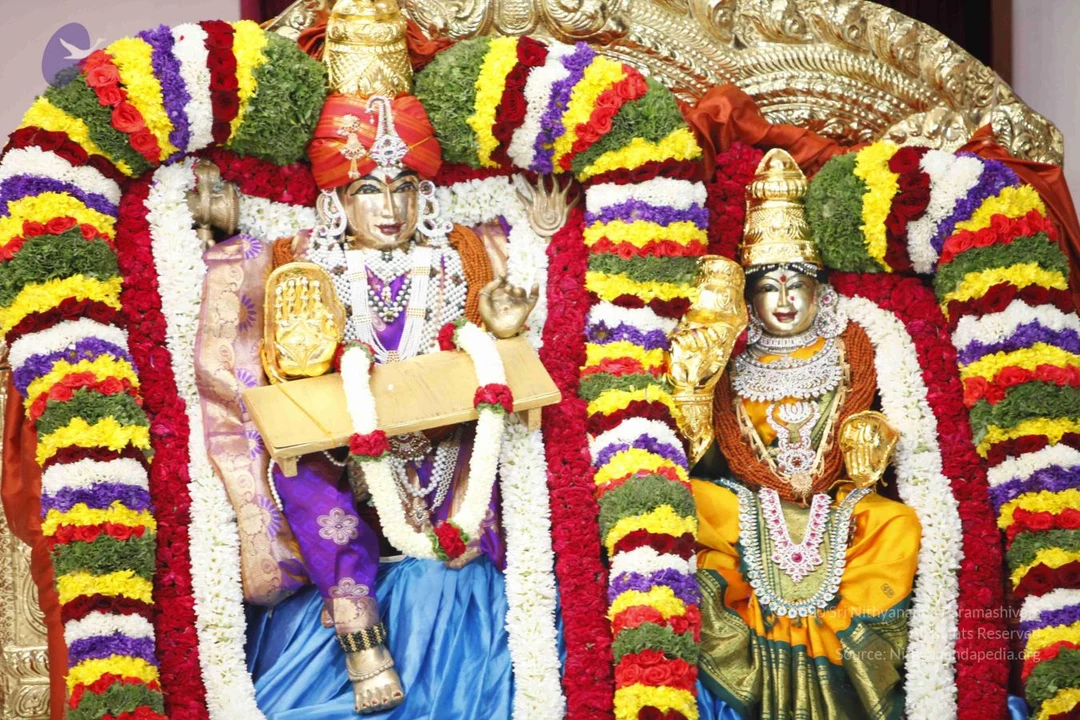
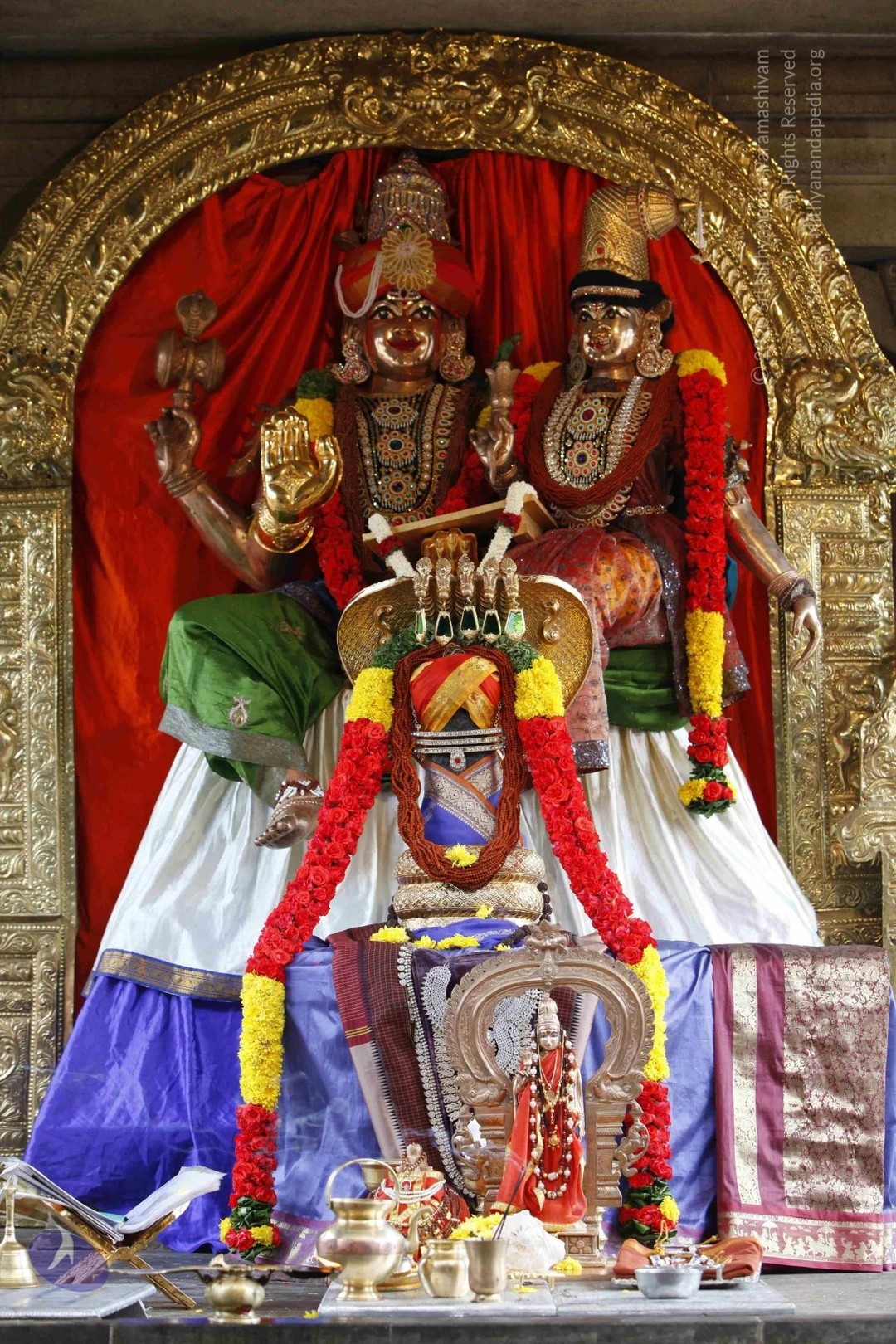
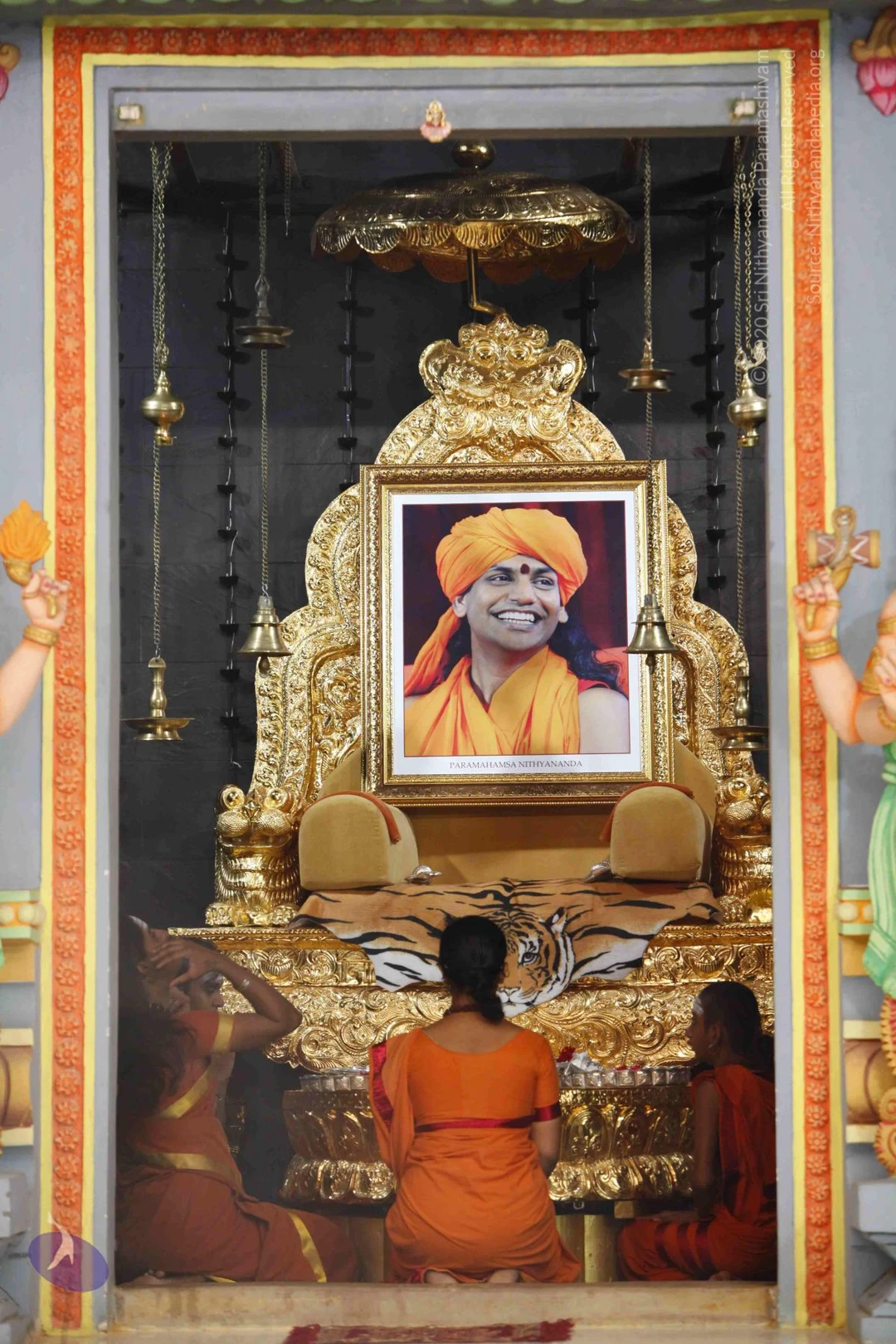
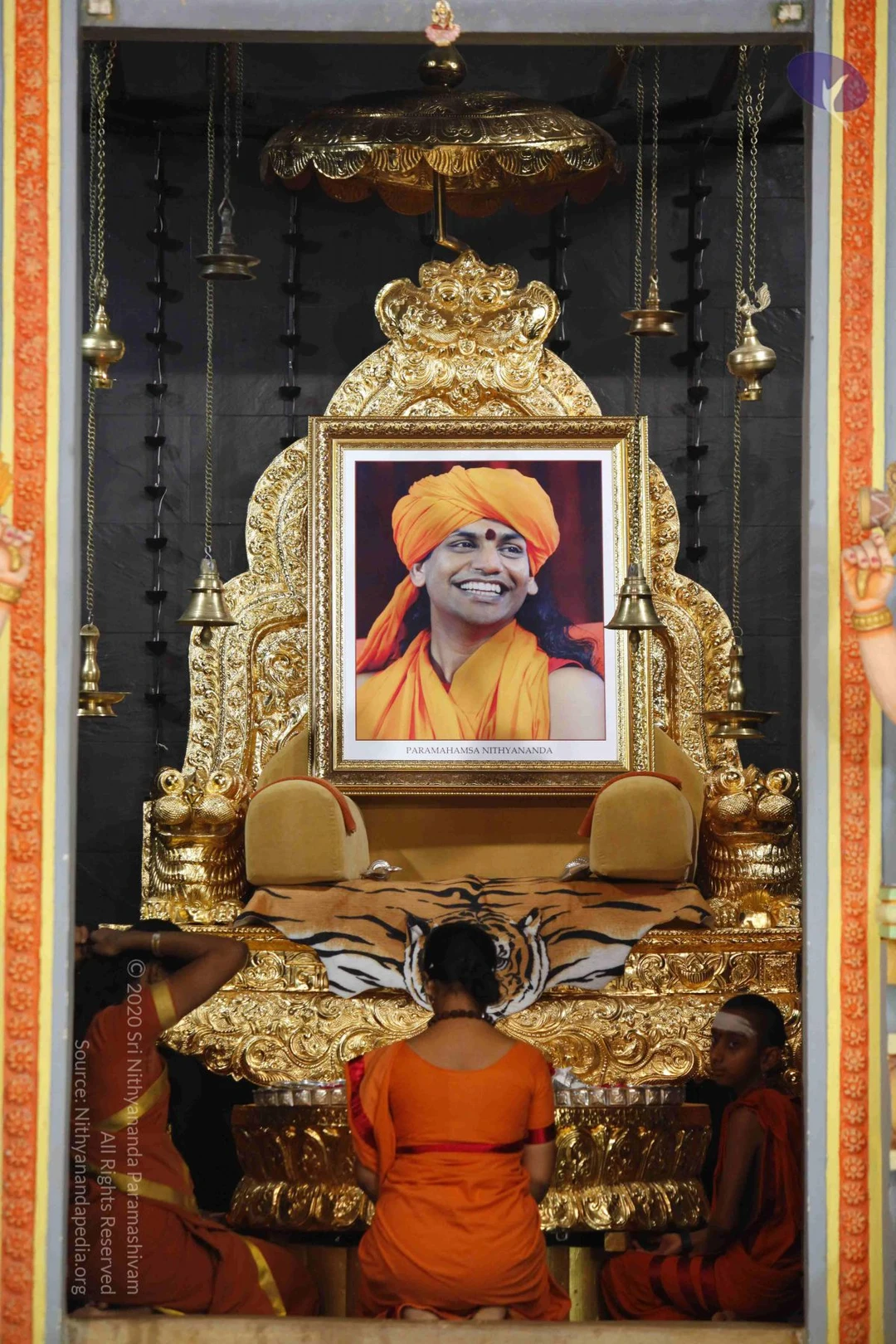
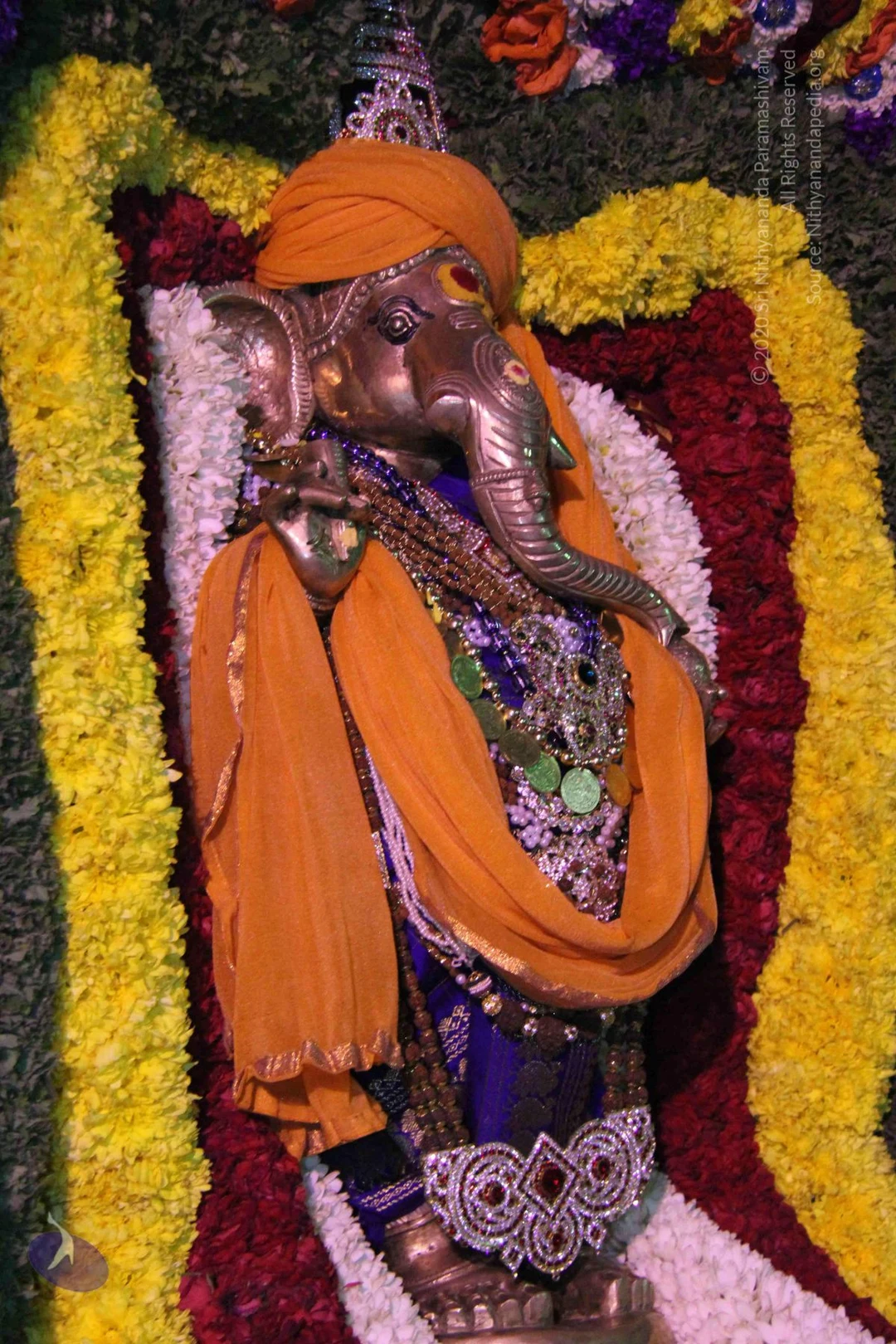
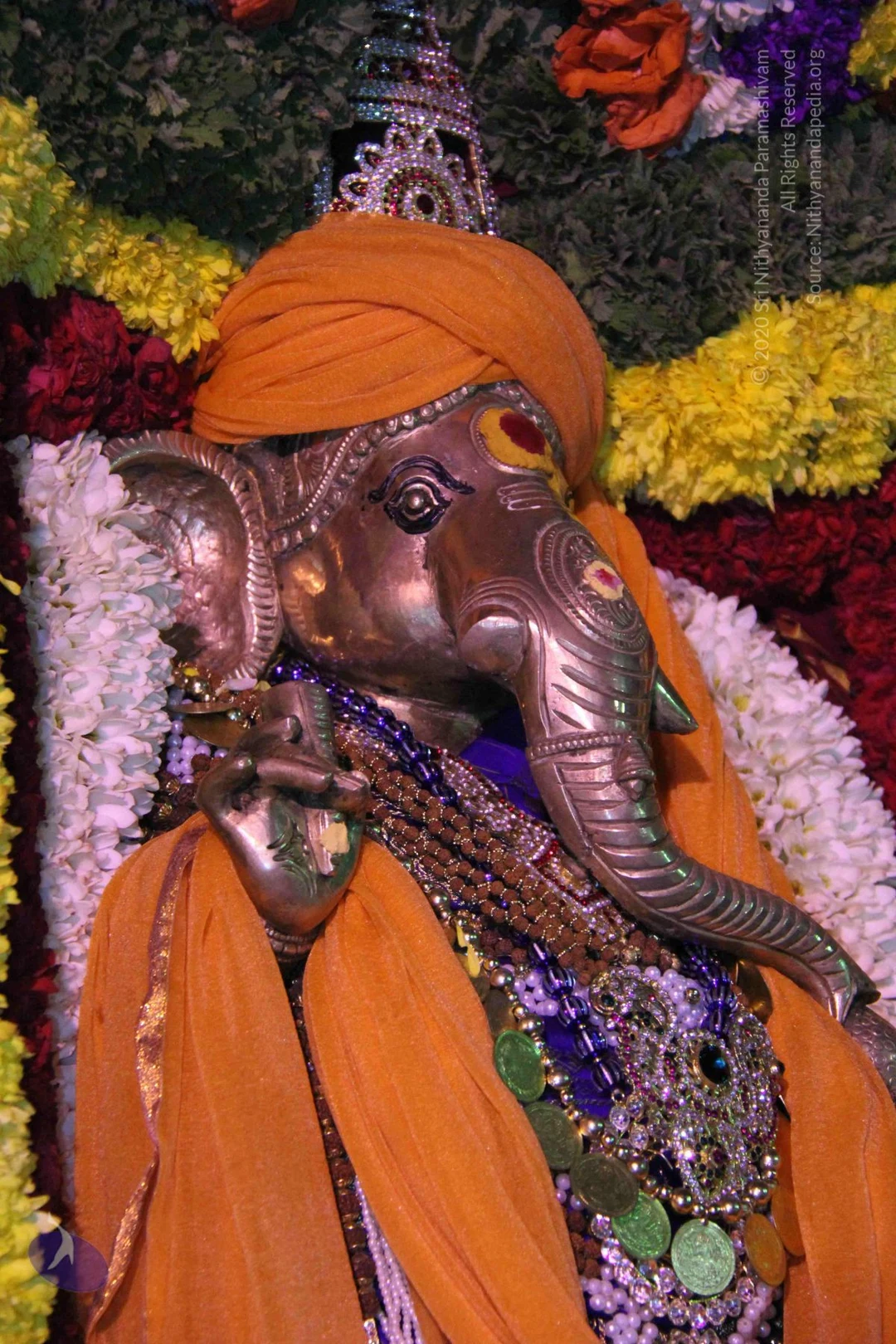
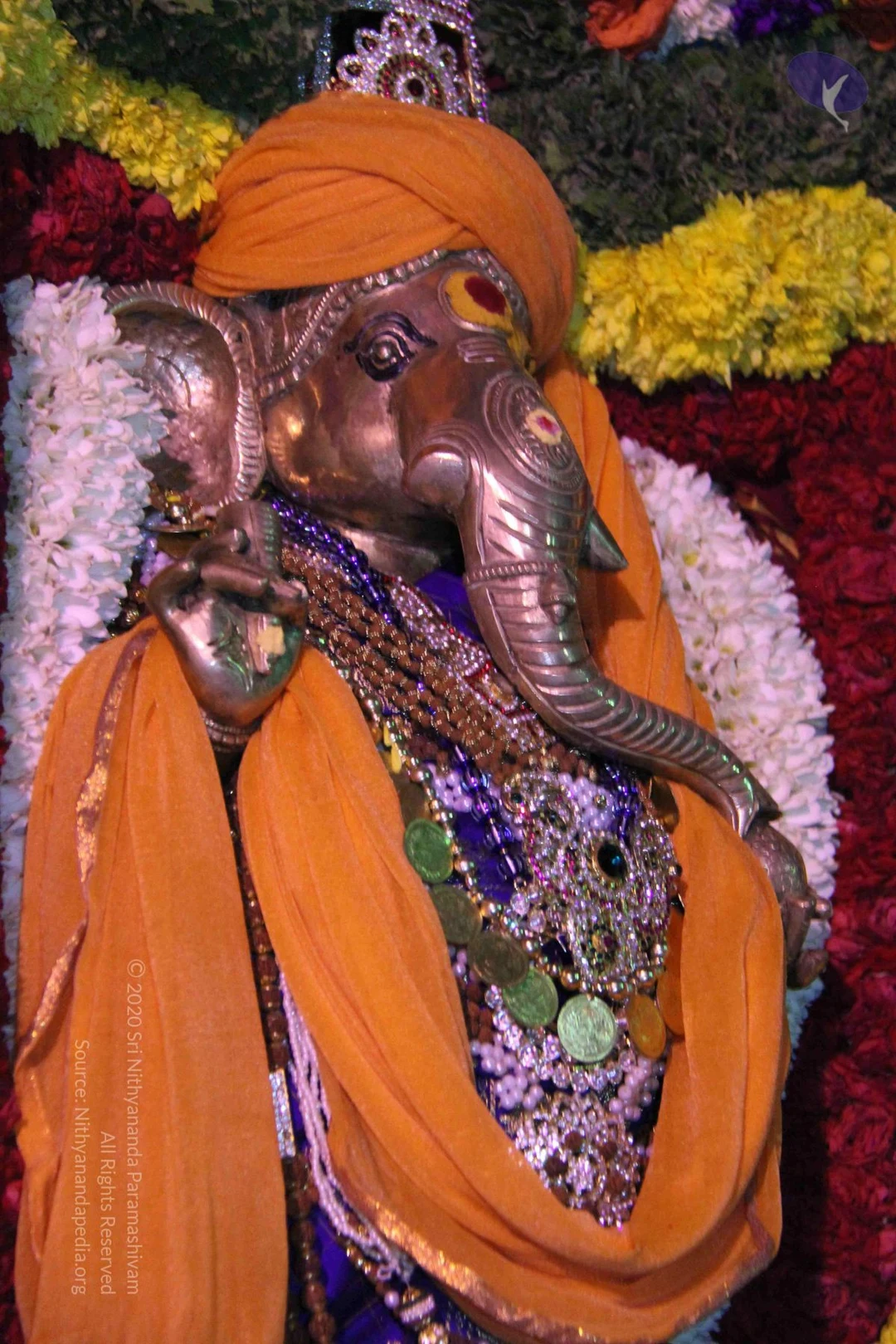
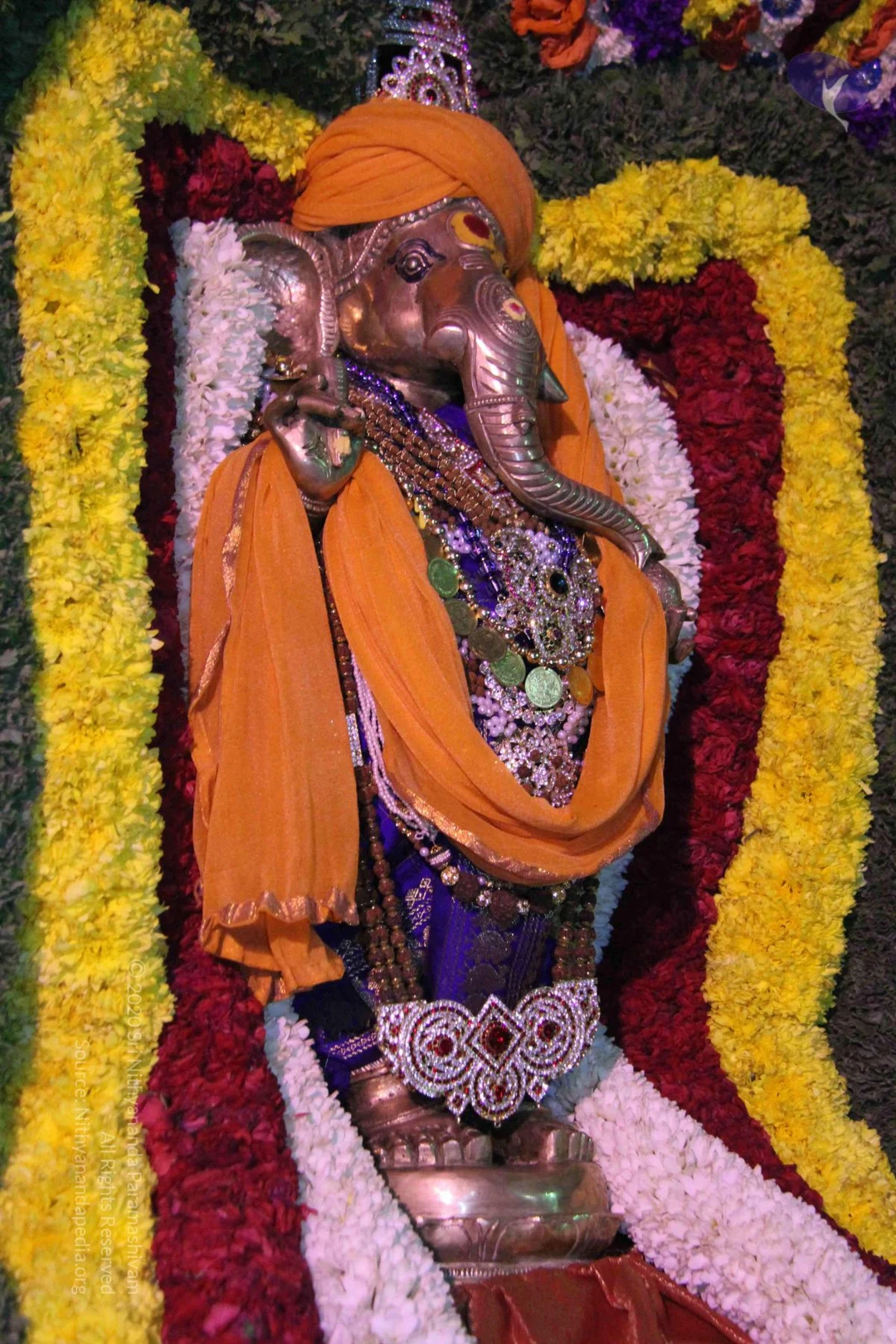
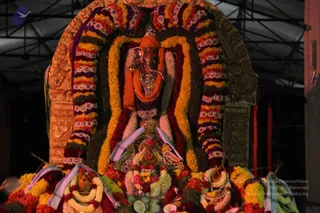
Today, Sundareshwara, Mahadeva is gracing us in the form of ‘Sanga Palagai Thandhadhu’. Means, he gave a mystical seat, Peetha, for conflict resolution. See, there is a Court of Poets where every day analyzing the concepts, truths, philosophies will happen in Madurai. So, to find out, finally, who will give the judgement, who will be the judge which is ultimately right, Mahadeva appeared and gave a divine seat, mystical seat. He says, anybody sits on this seat will not be able to talk out of root-pattern; will only be able to talk truth. Their root-patterns will disappear. So that is the seat.

Transcript

0:27 So, I welcome all of you with my love and blessings.

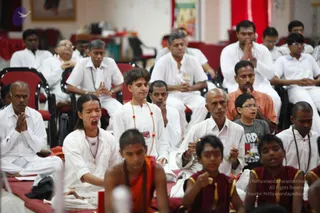
Today is 18th batch Inner Awakening, 4th day; 15th batch eN-Genius, 4th day; 15th batch Nirahara Samyama, level-2, 1st day; 7th The Samyama, 4th day.

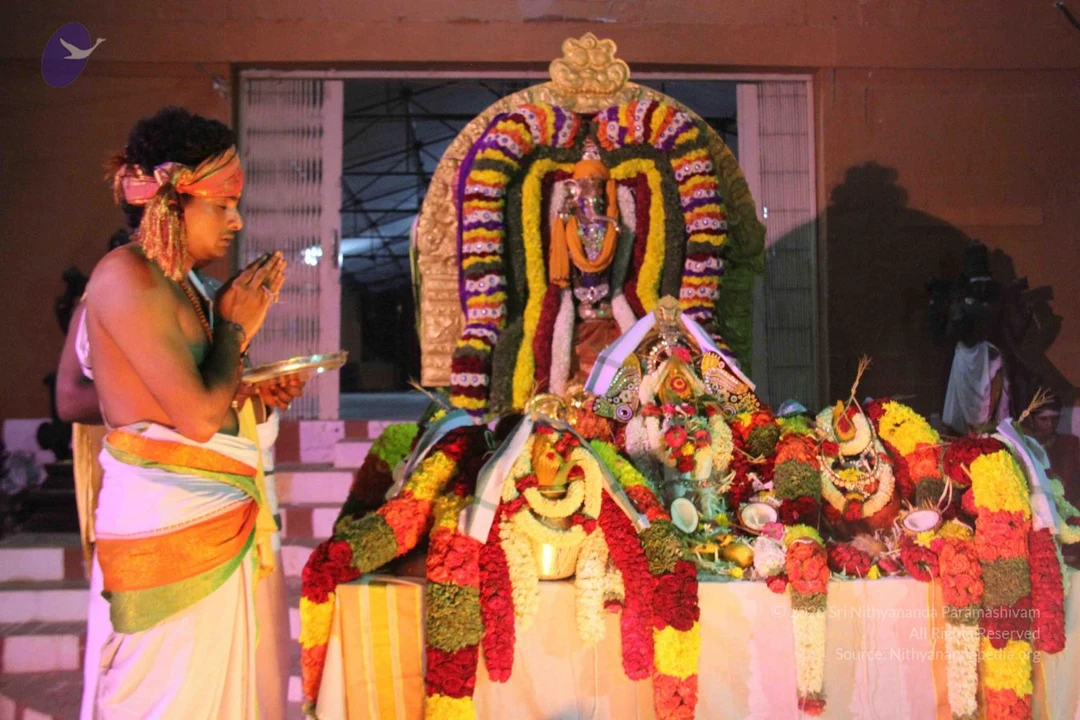
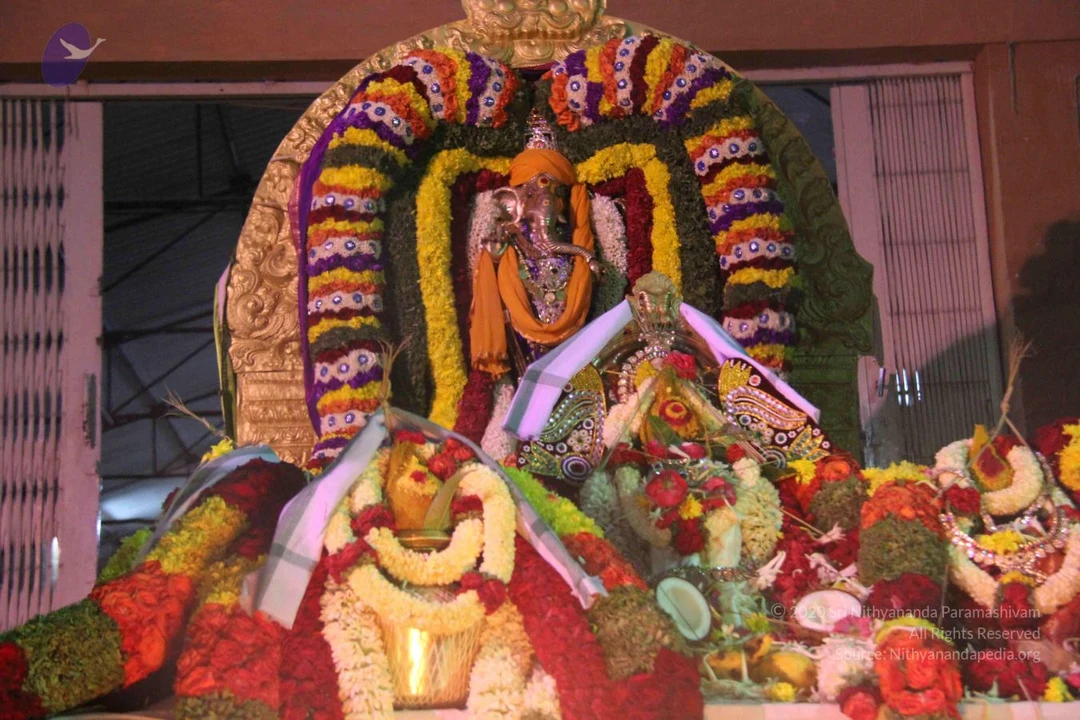
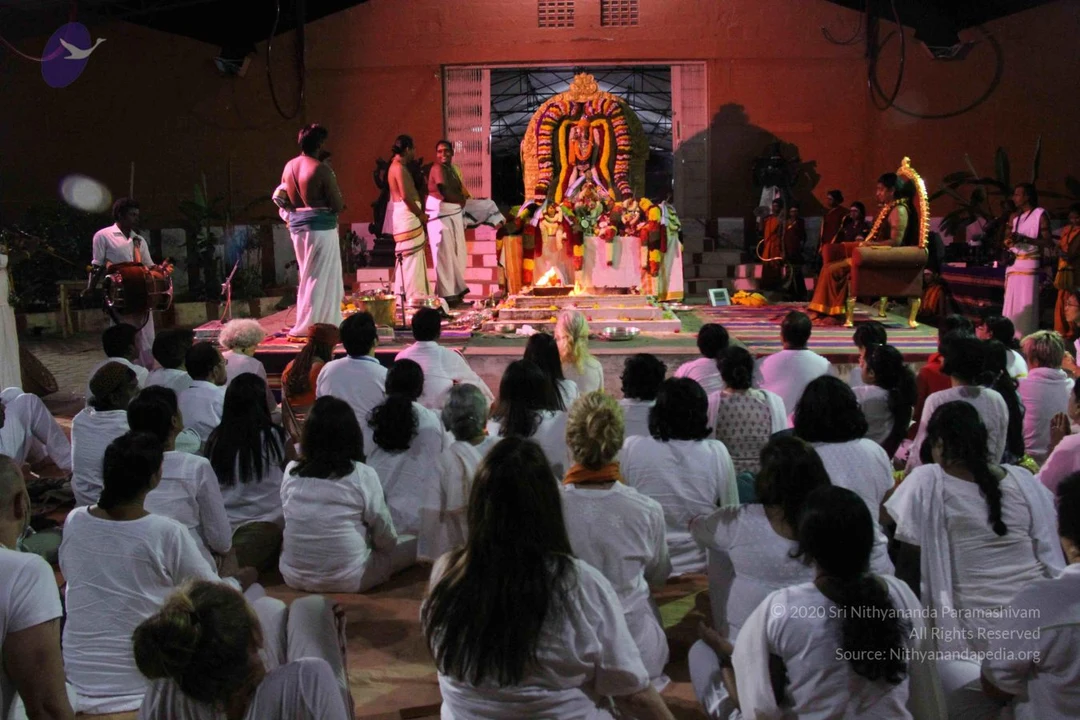
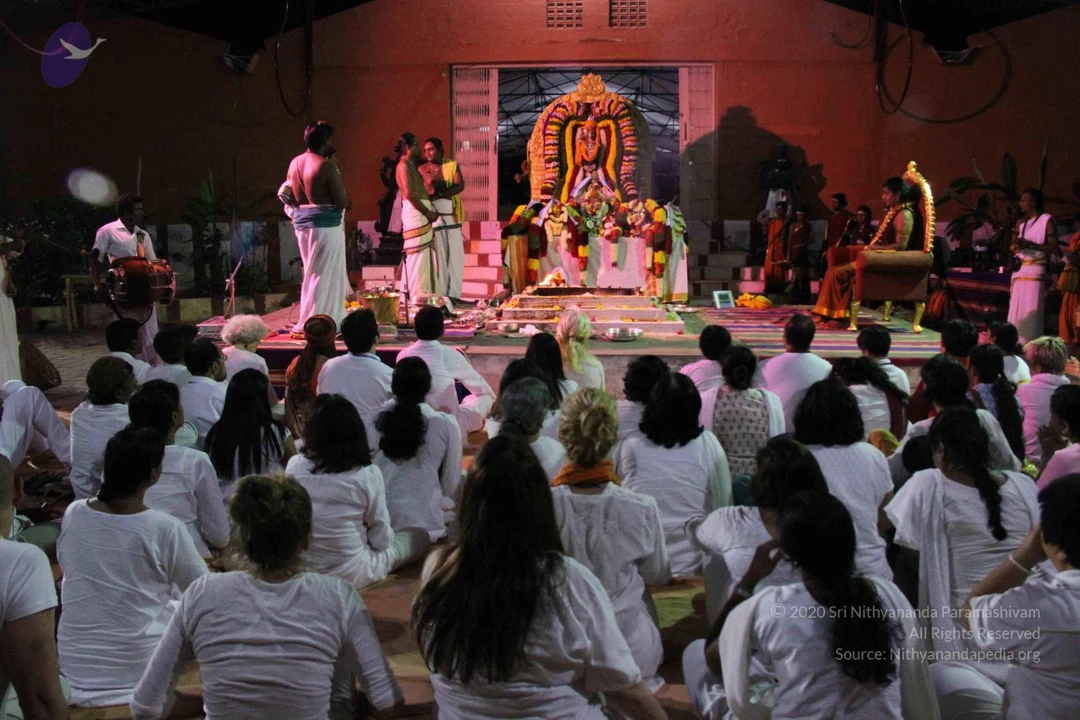
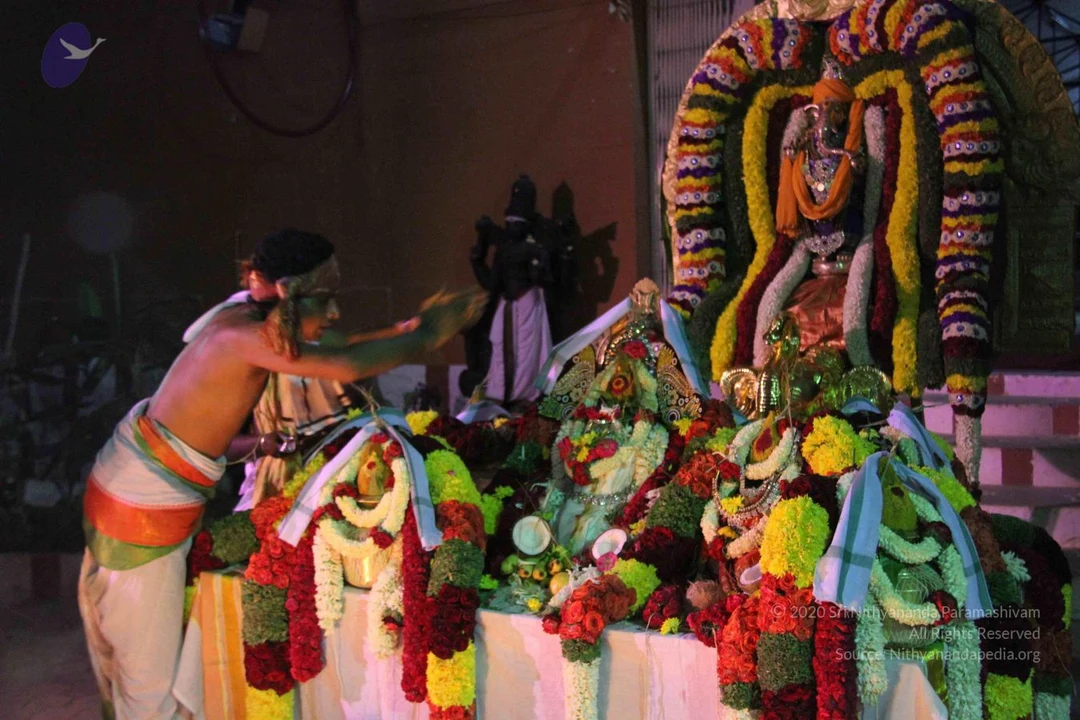
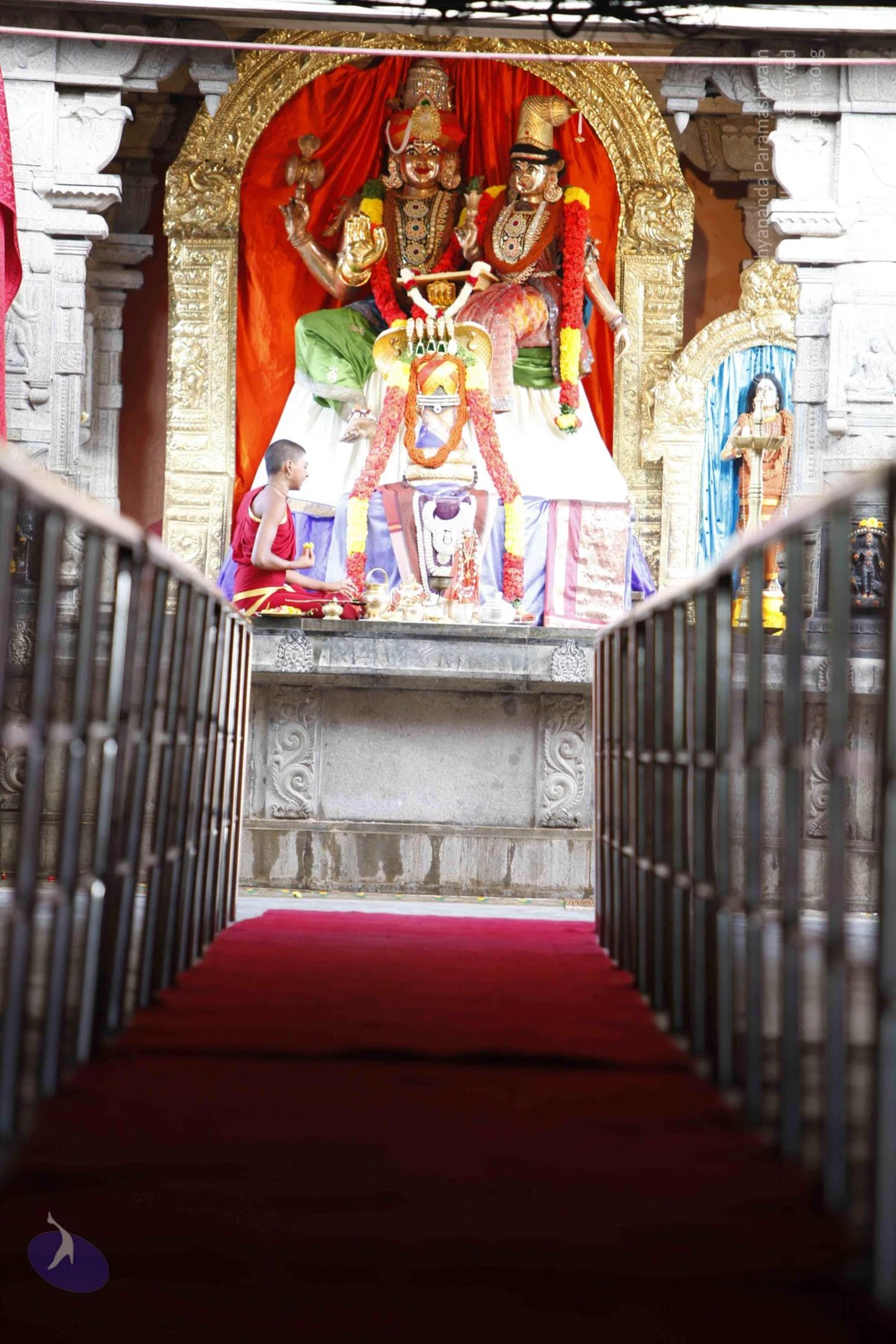
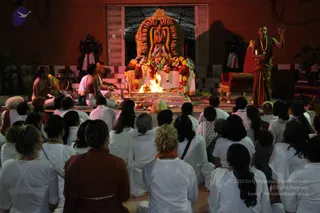
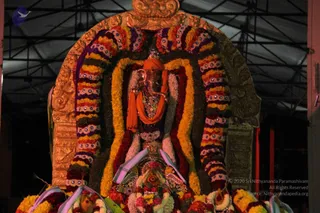
Today, Sundareshwara, Mahadeva is gracing us in the form of ‘Sanga Palagai Thandhadhu’. Means, he gave a mystical seat, Peetha, for conflict resolution. See, there is a Court of Poets where every day analyzing the concepts, truths, philosophies will happen in Madurai. So, to find out, finally, who will give the judgement, who will be the judge which is ultimately right, Mahadeva appeared and gave a divine seat, mystical seat. He says, anybody sits on this seat will not be able to talk out of root-pattern; will only be able to talk truth. Their root-patterns will disappear. So that is the seat. 

Hope, today Mahadeva will give us all that same seat and remove all the root-patterns we carry.

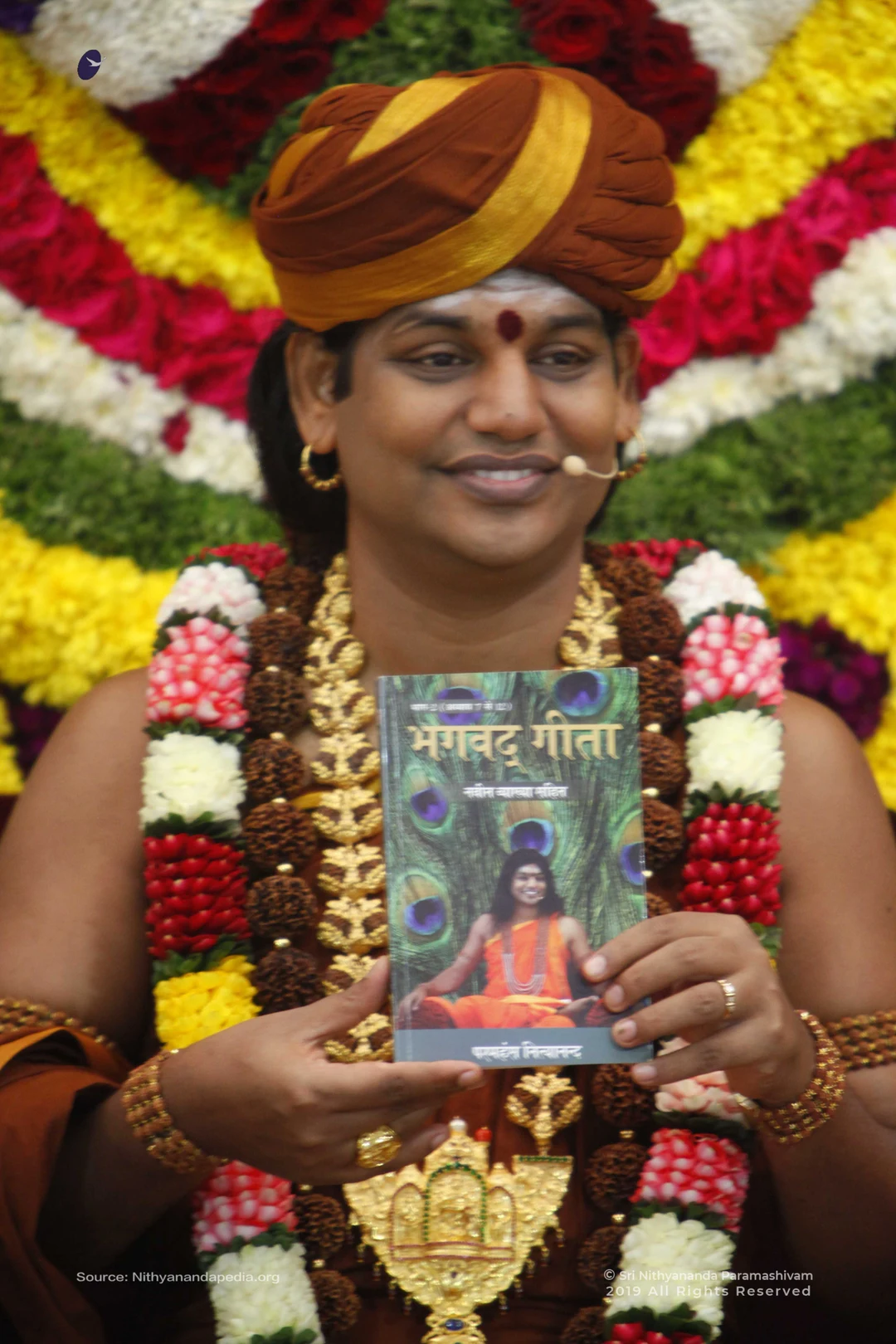
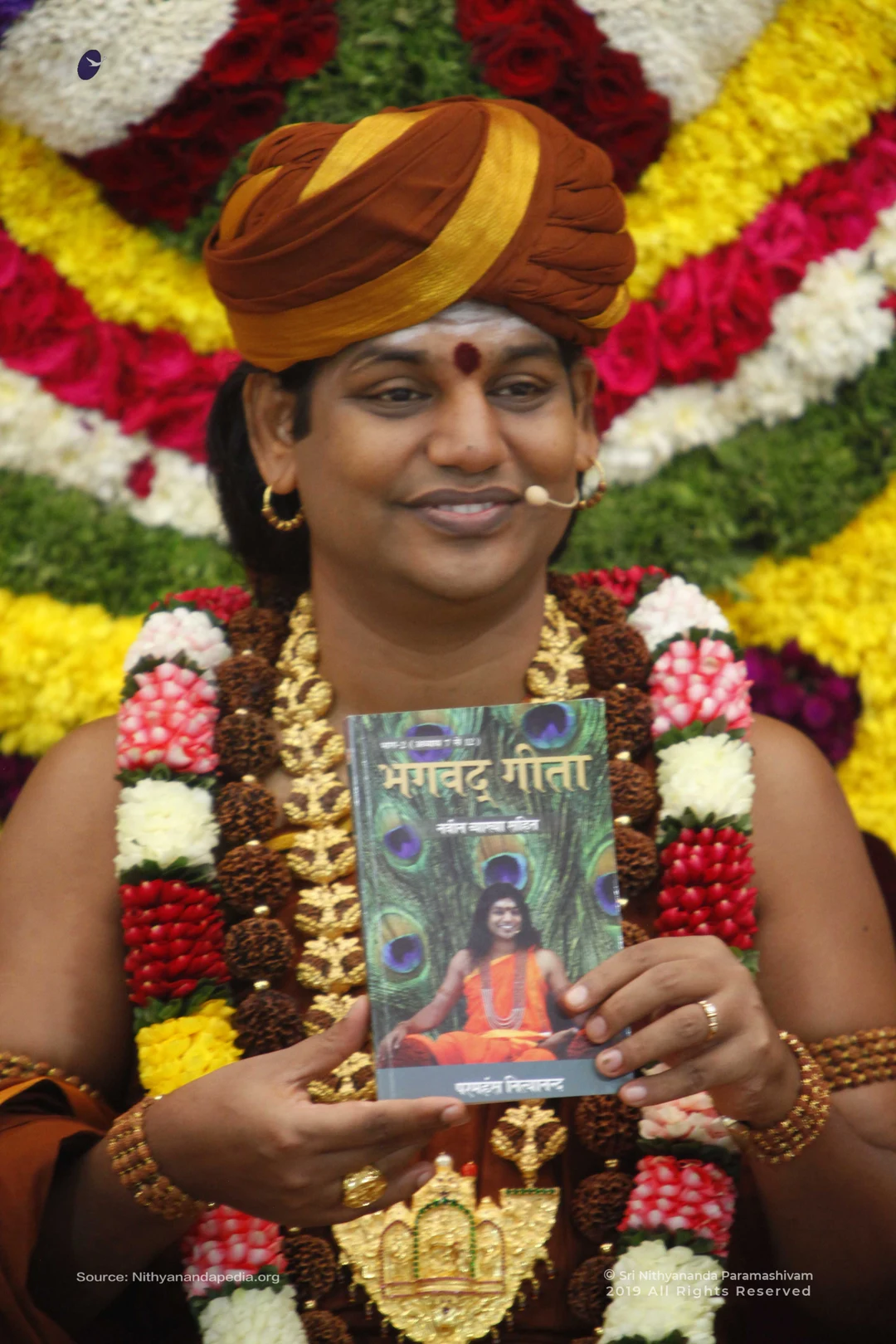
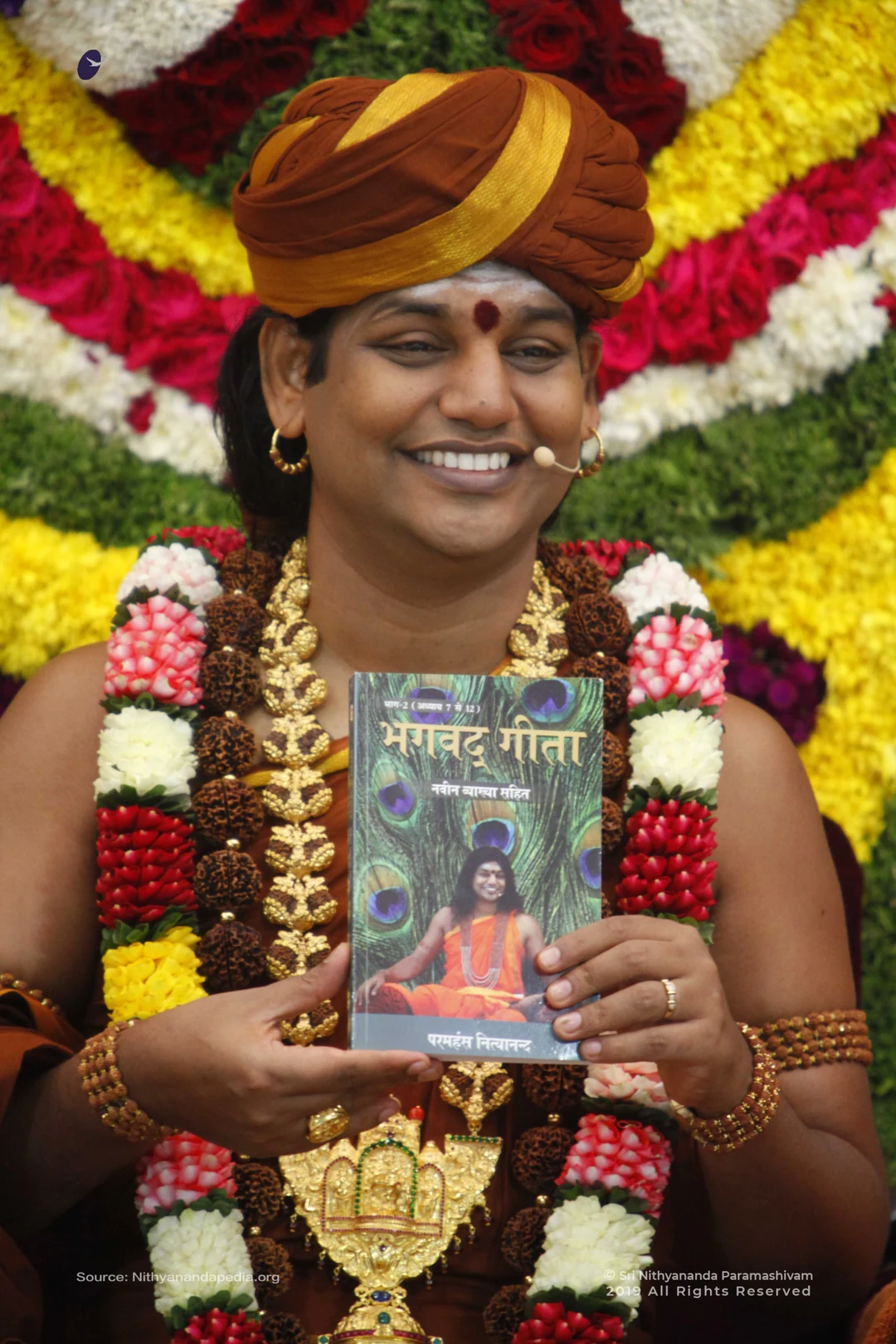
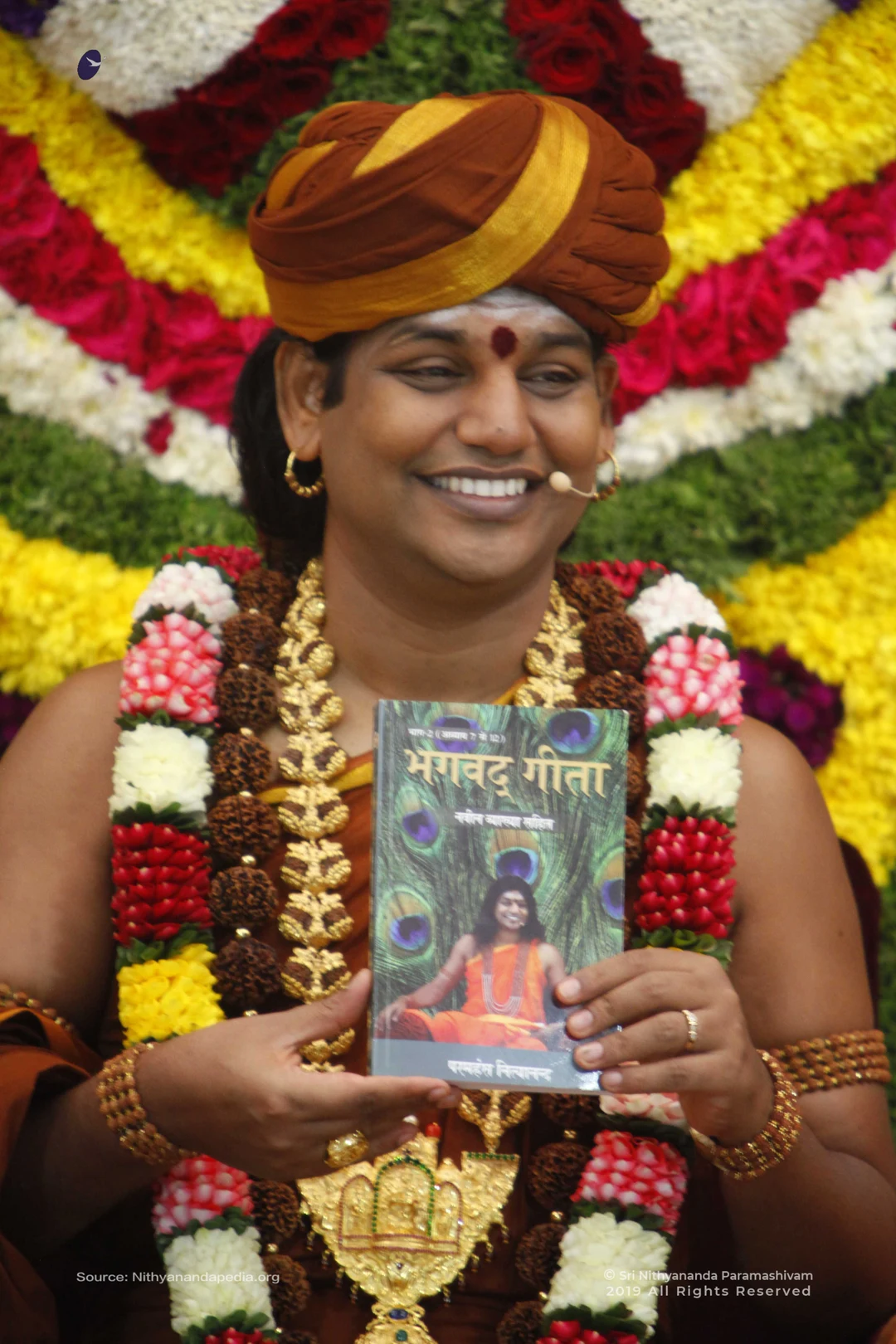
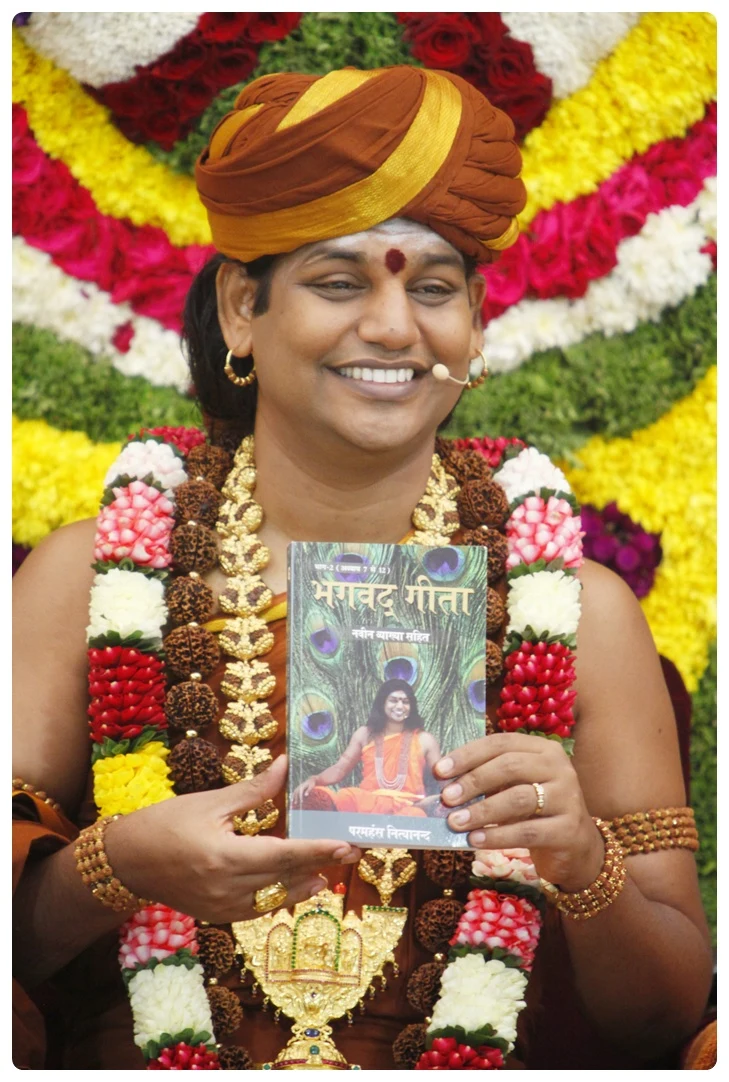
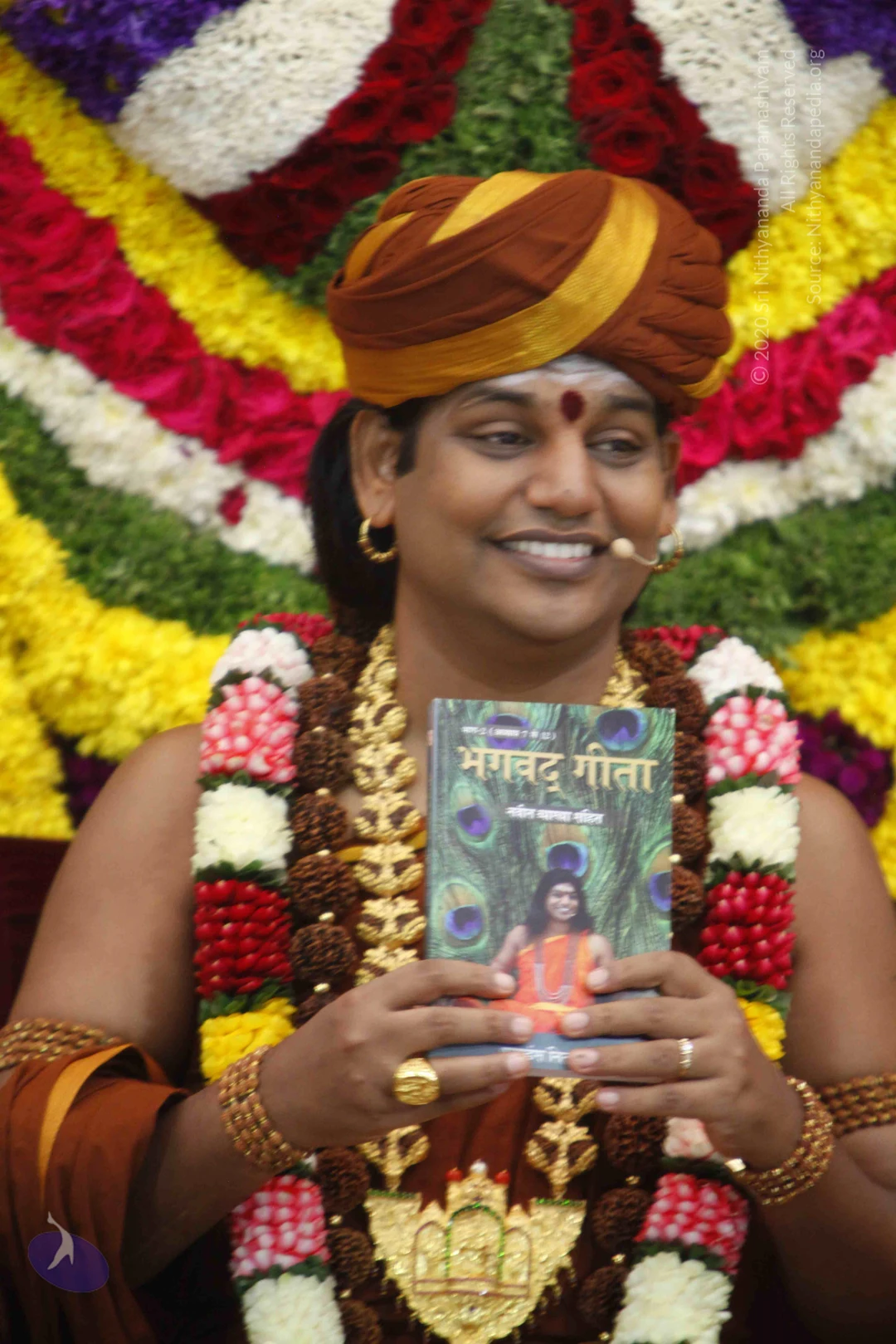
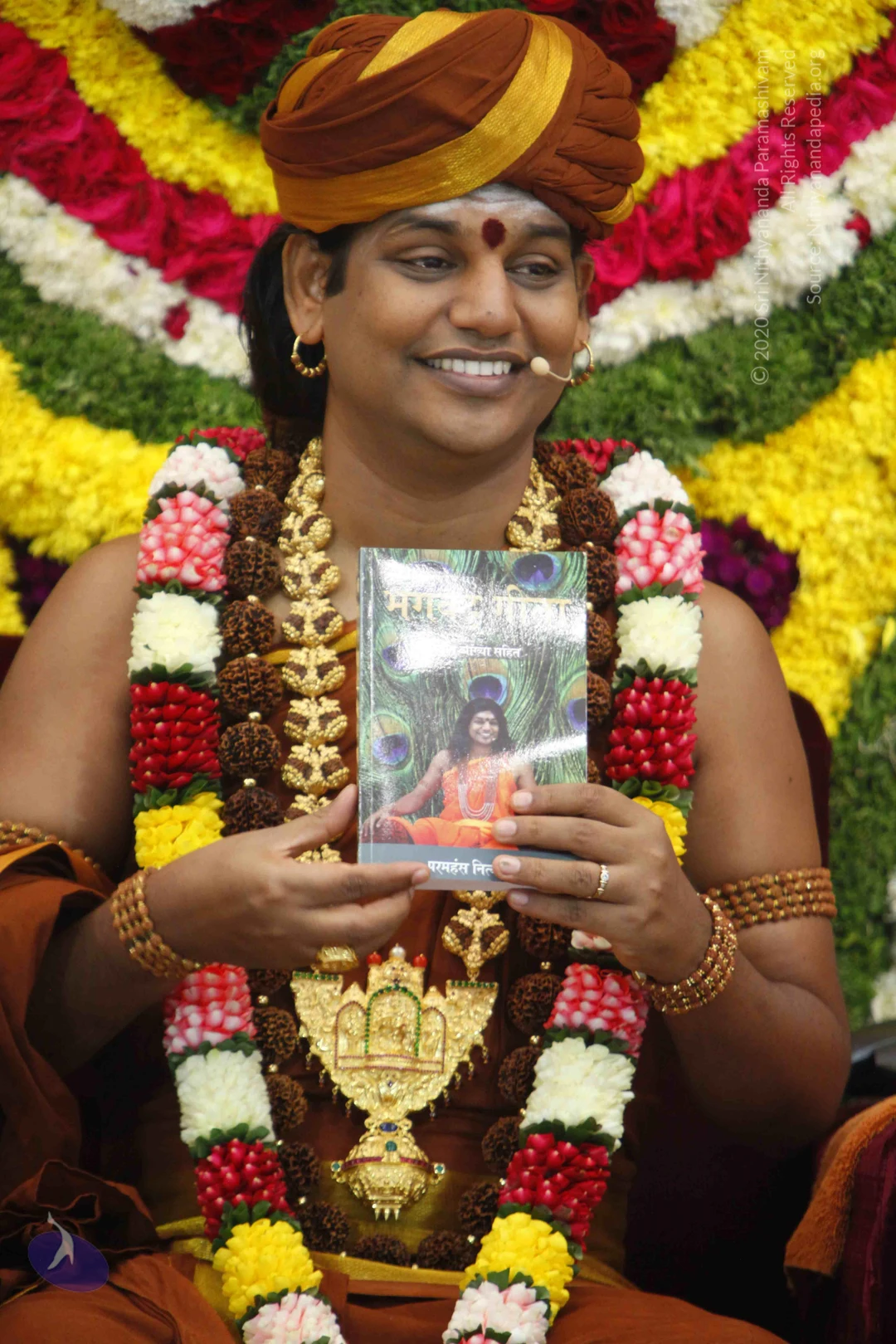
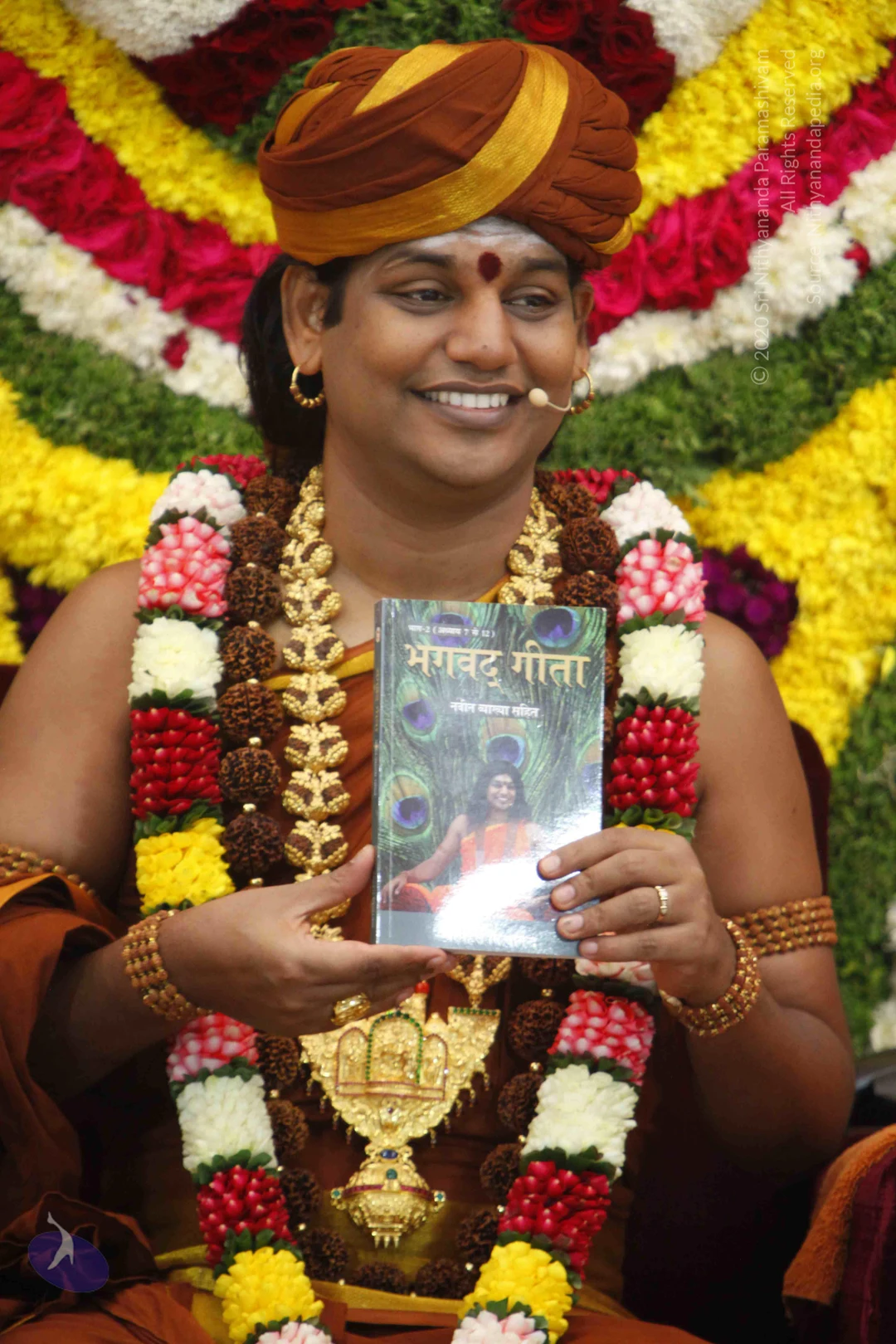
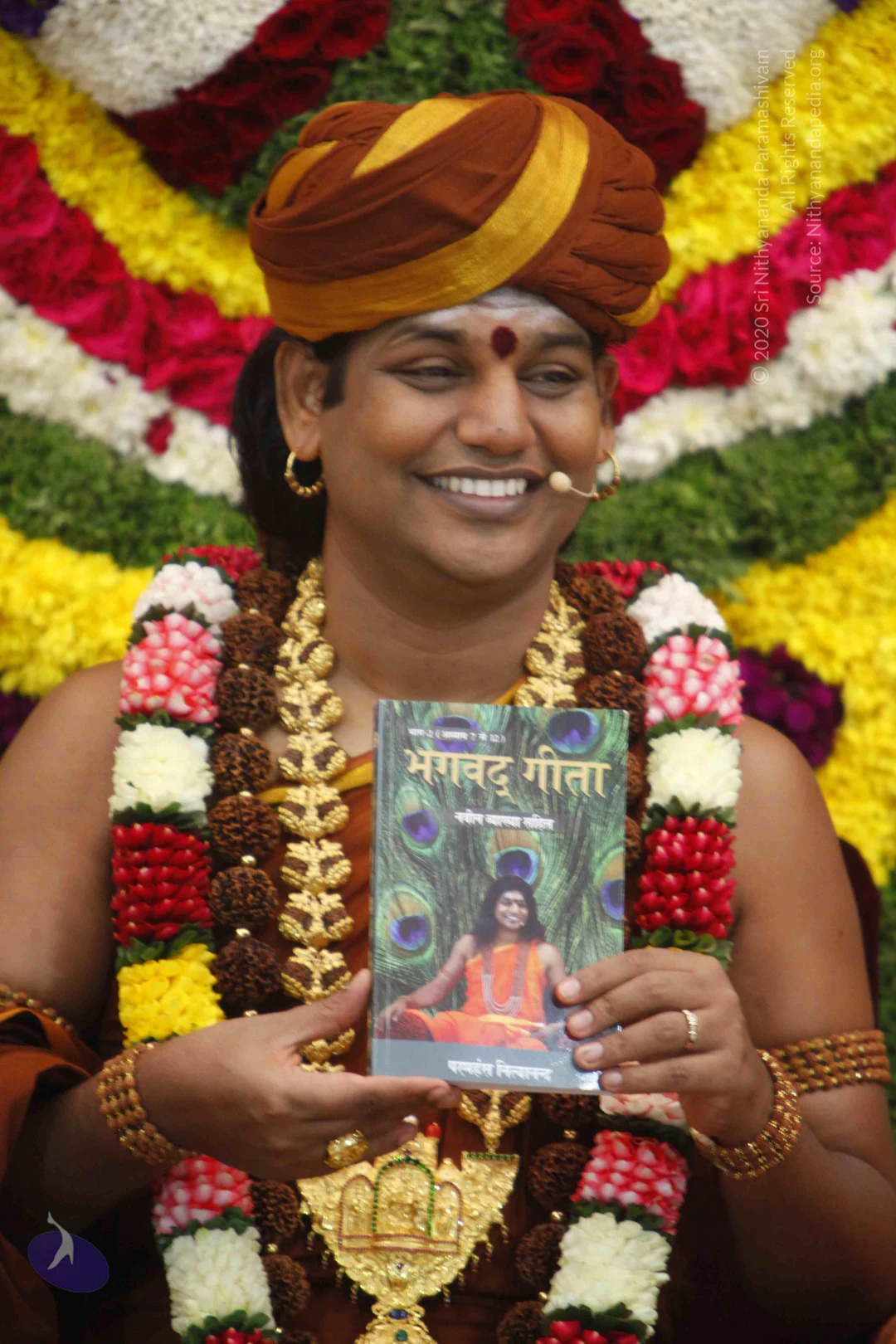
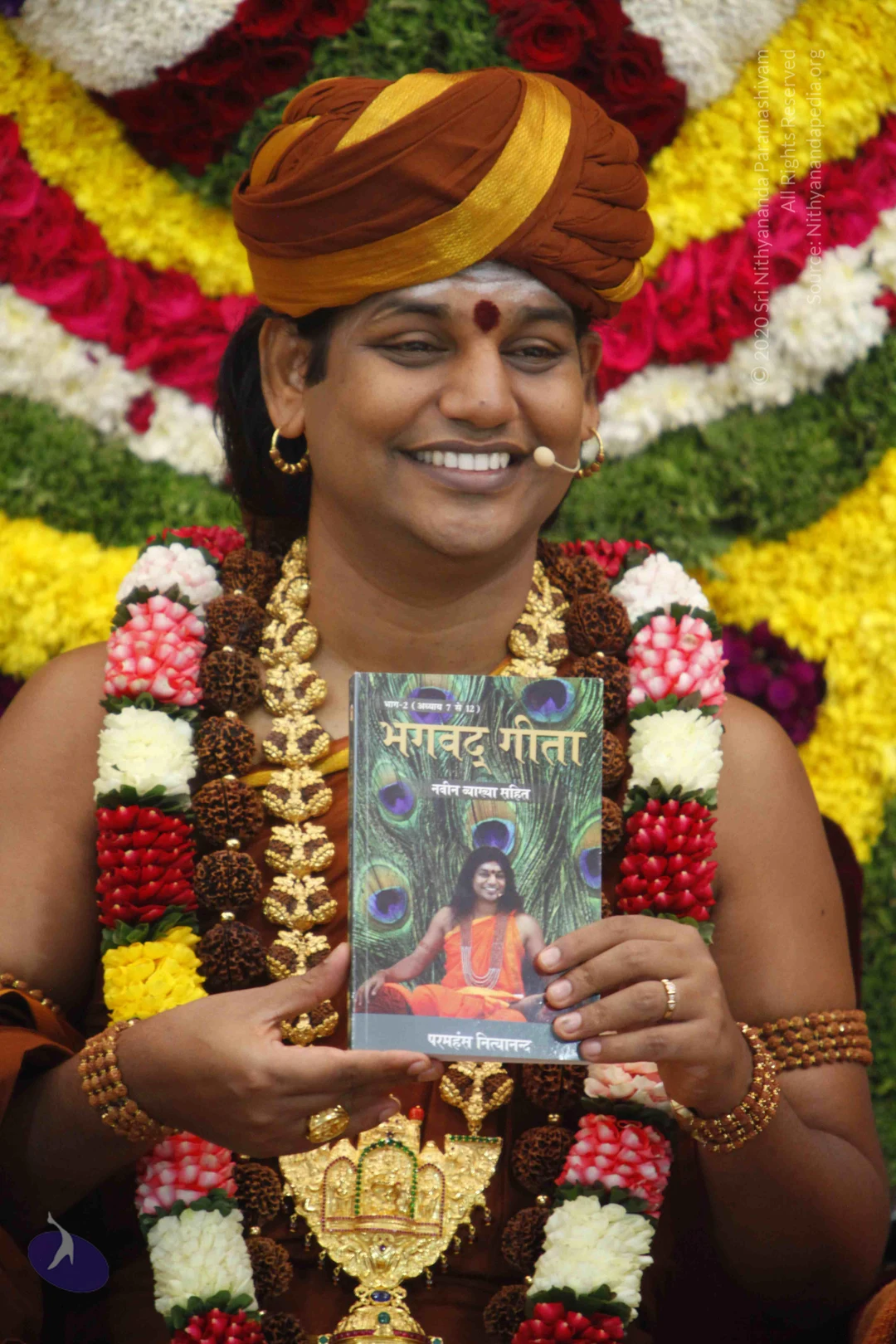
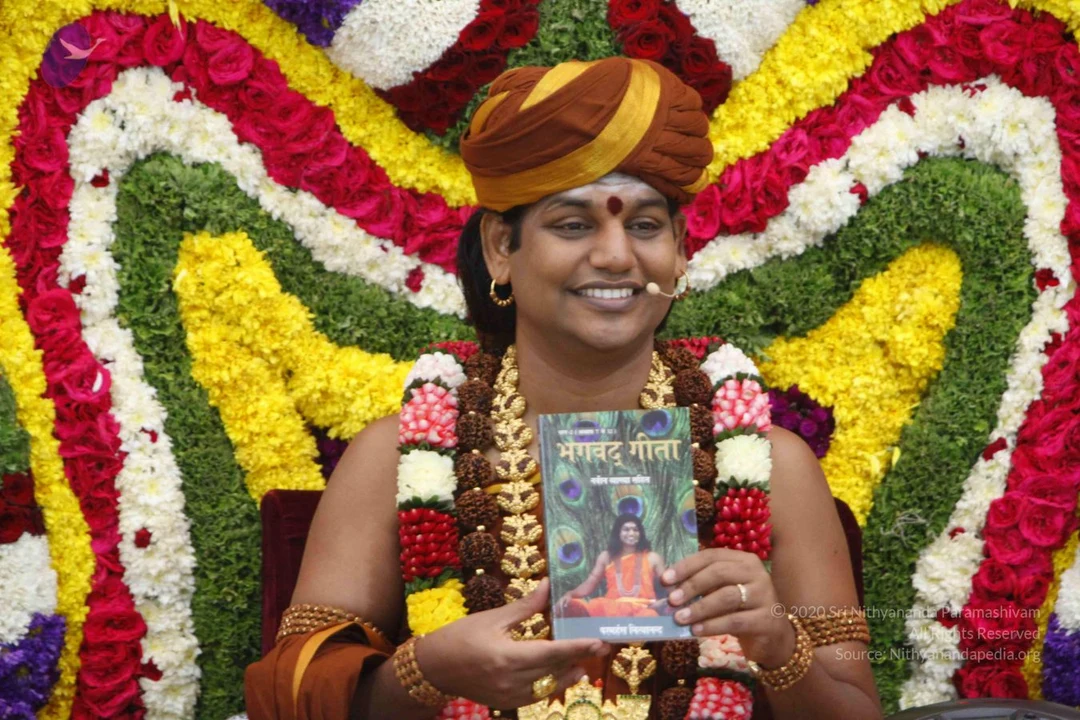
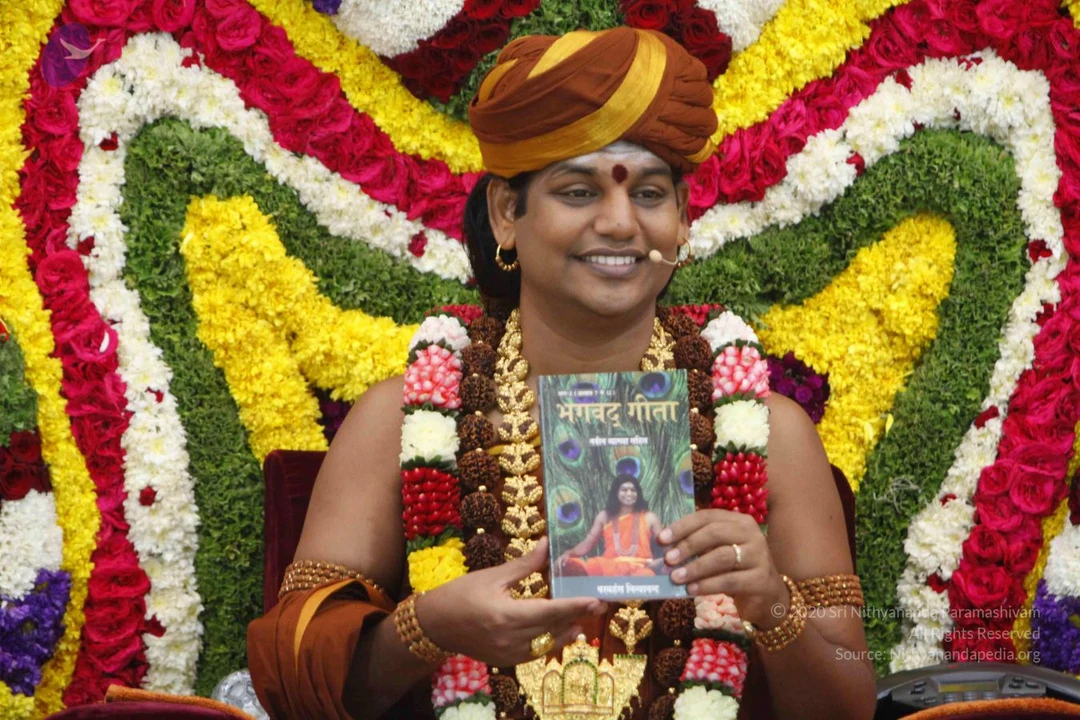
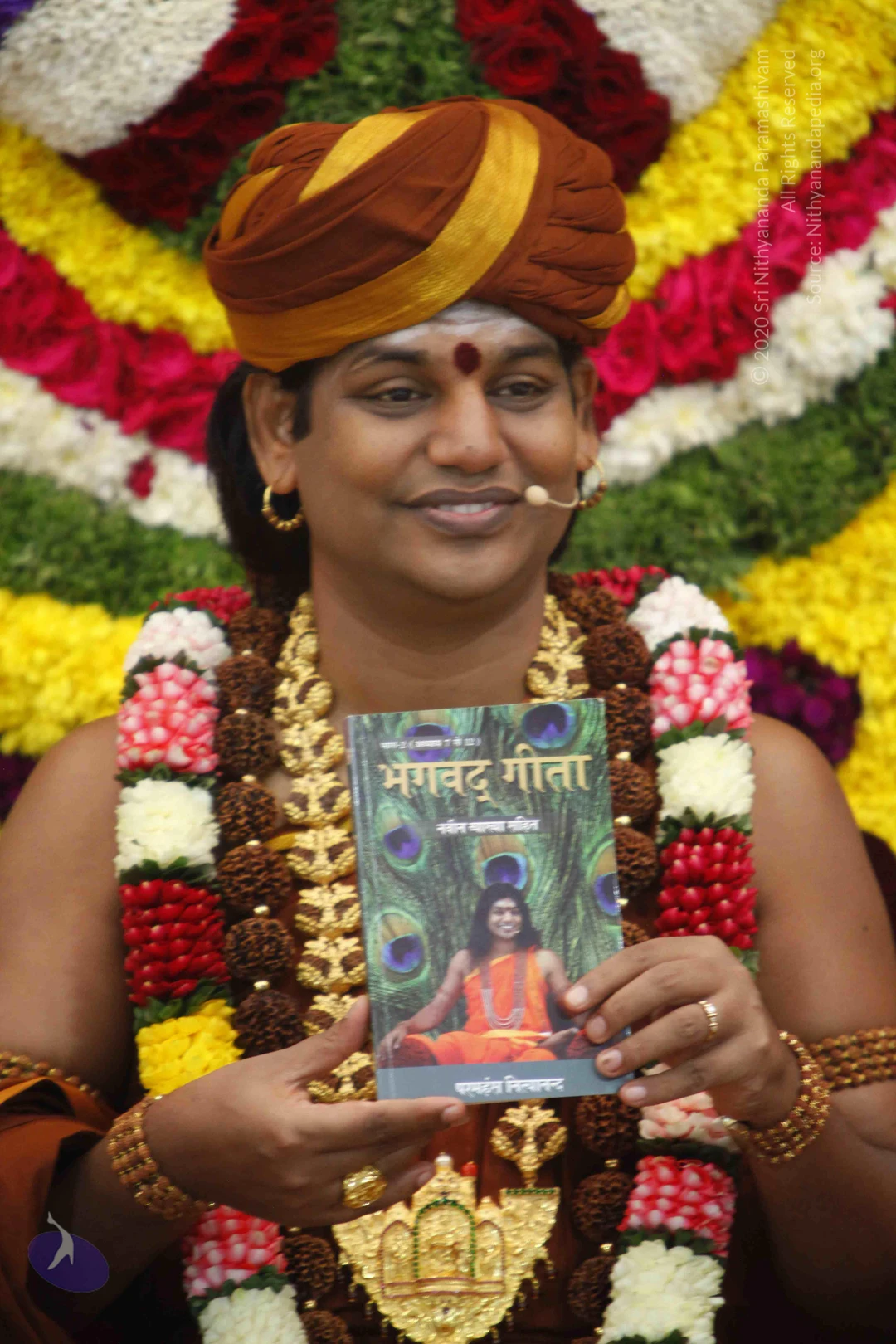
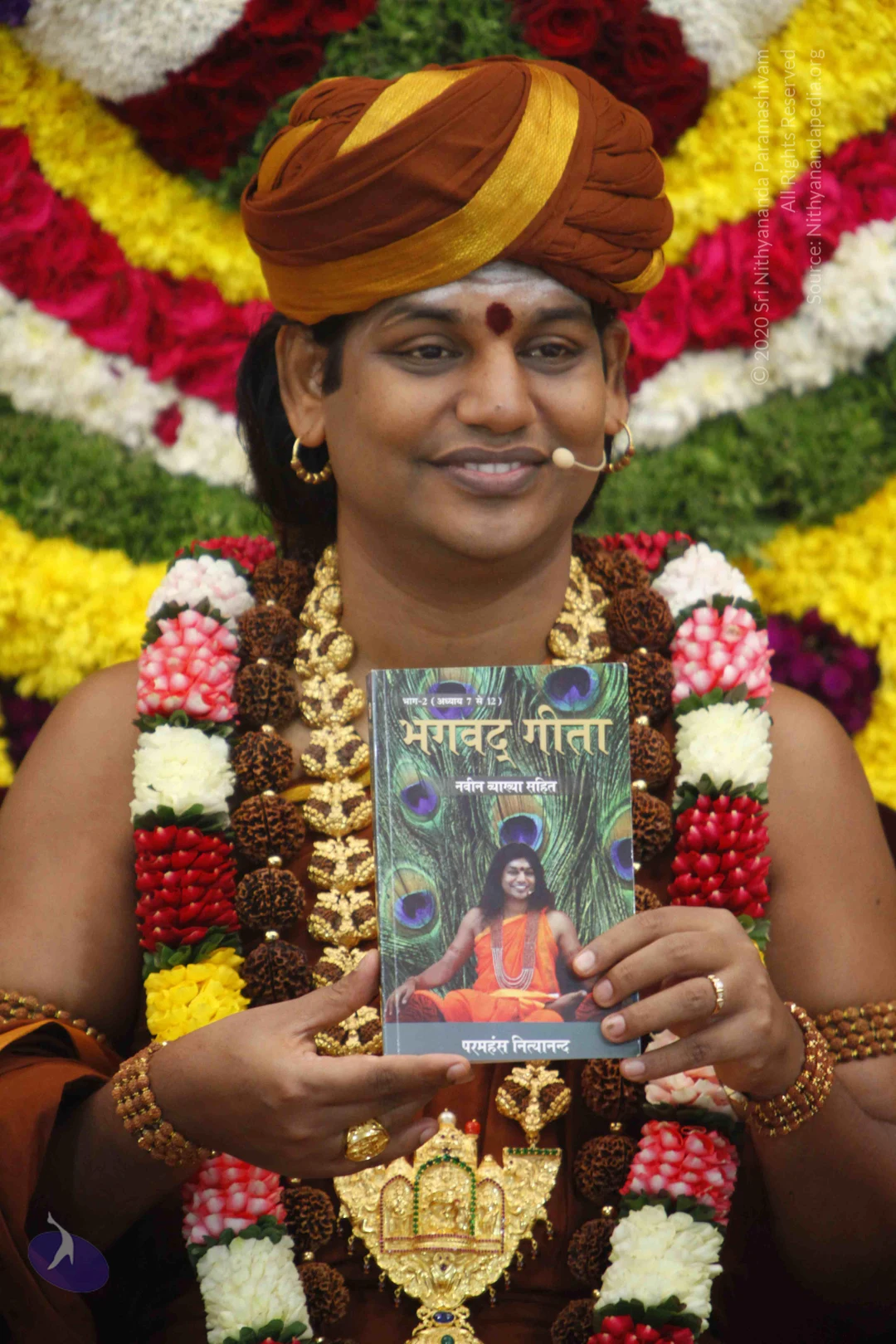
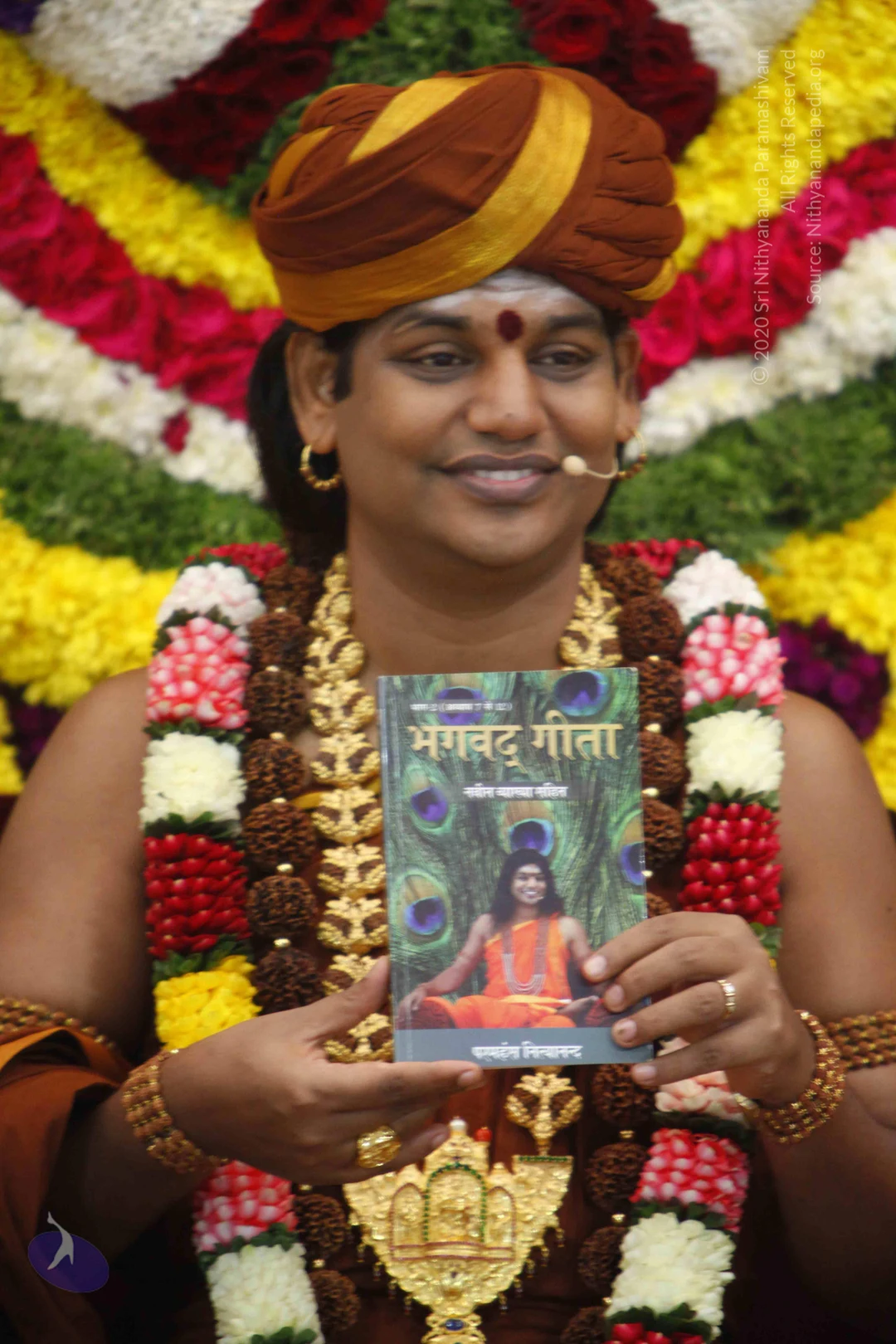
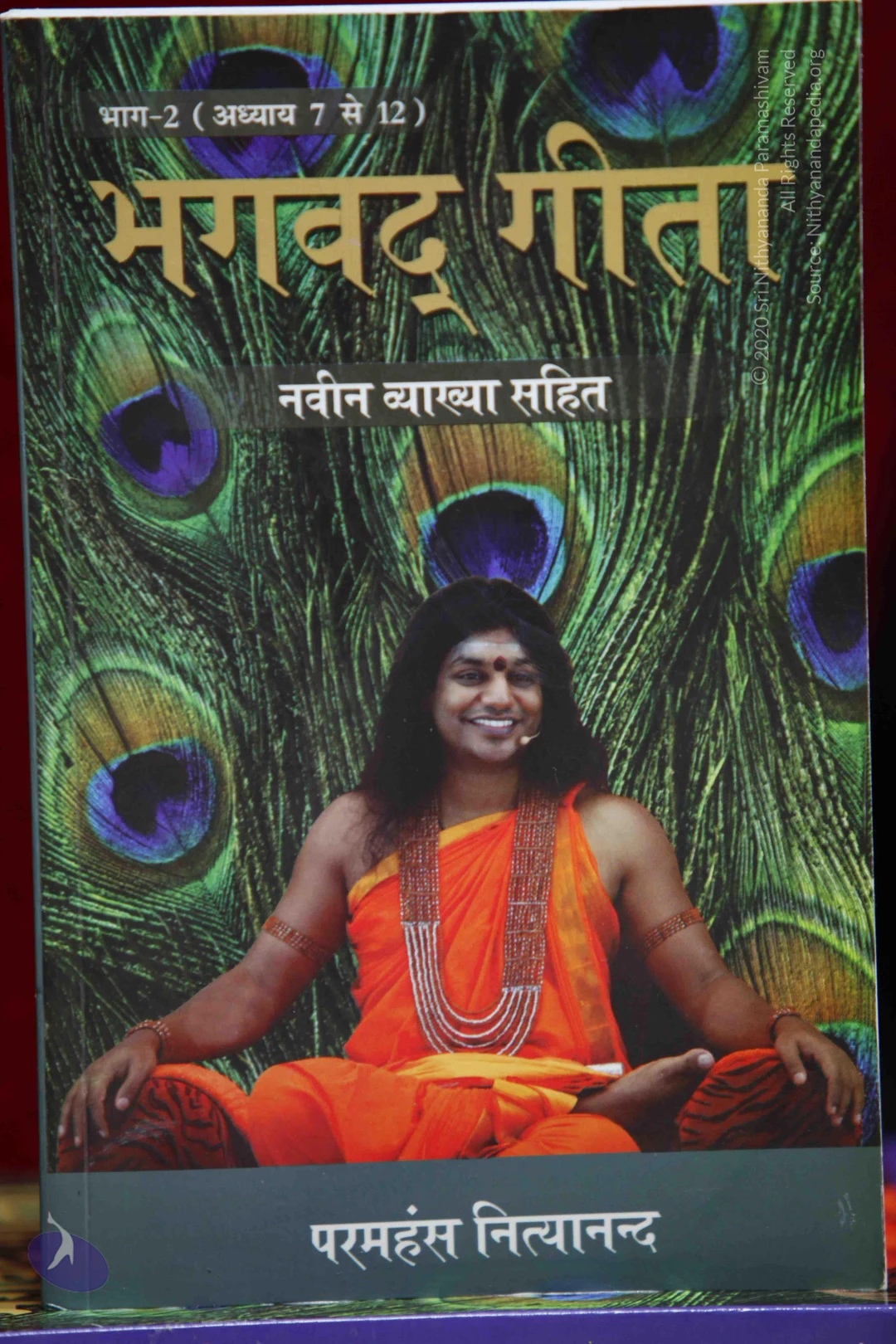
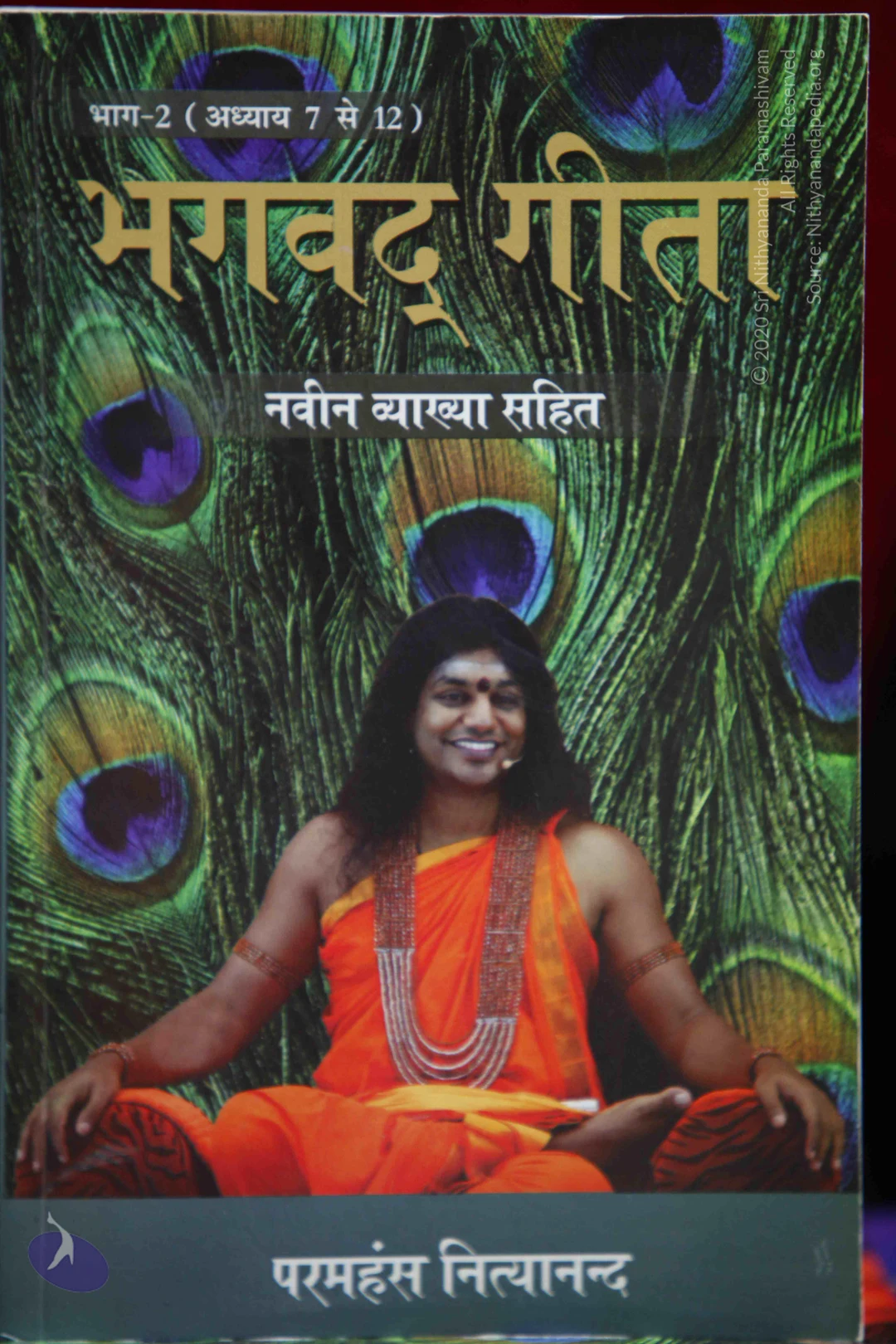
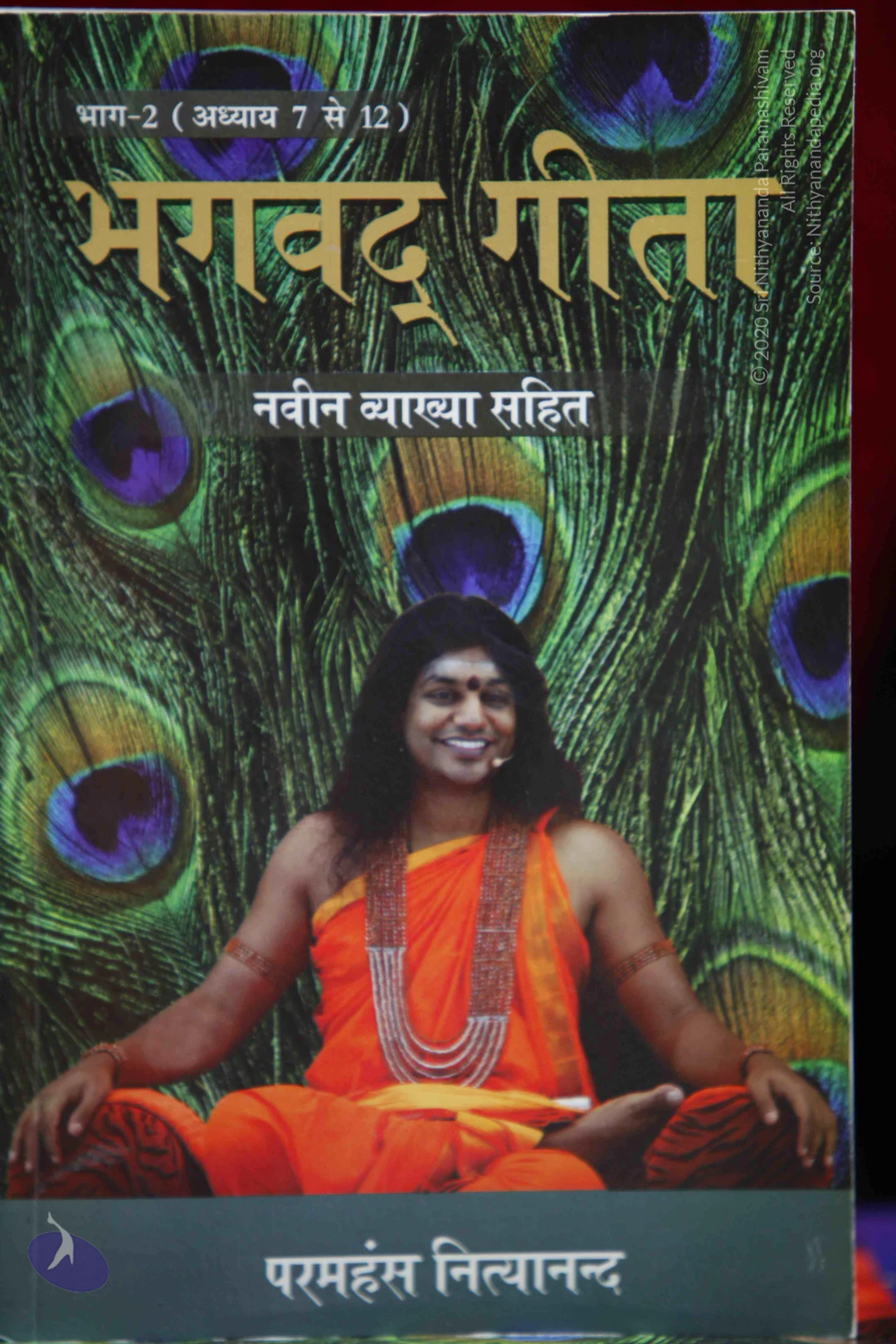
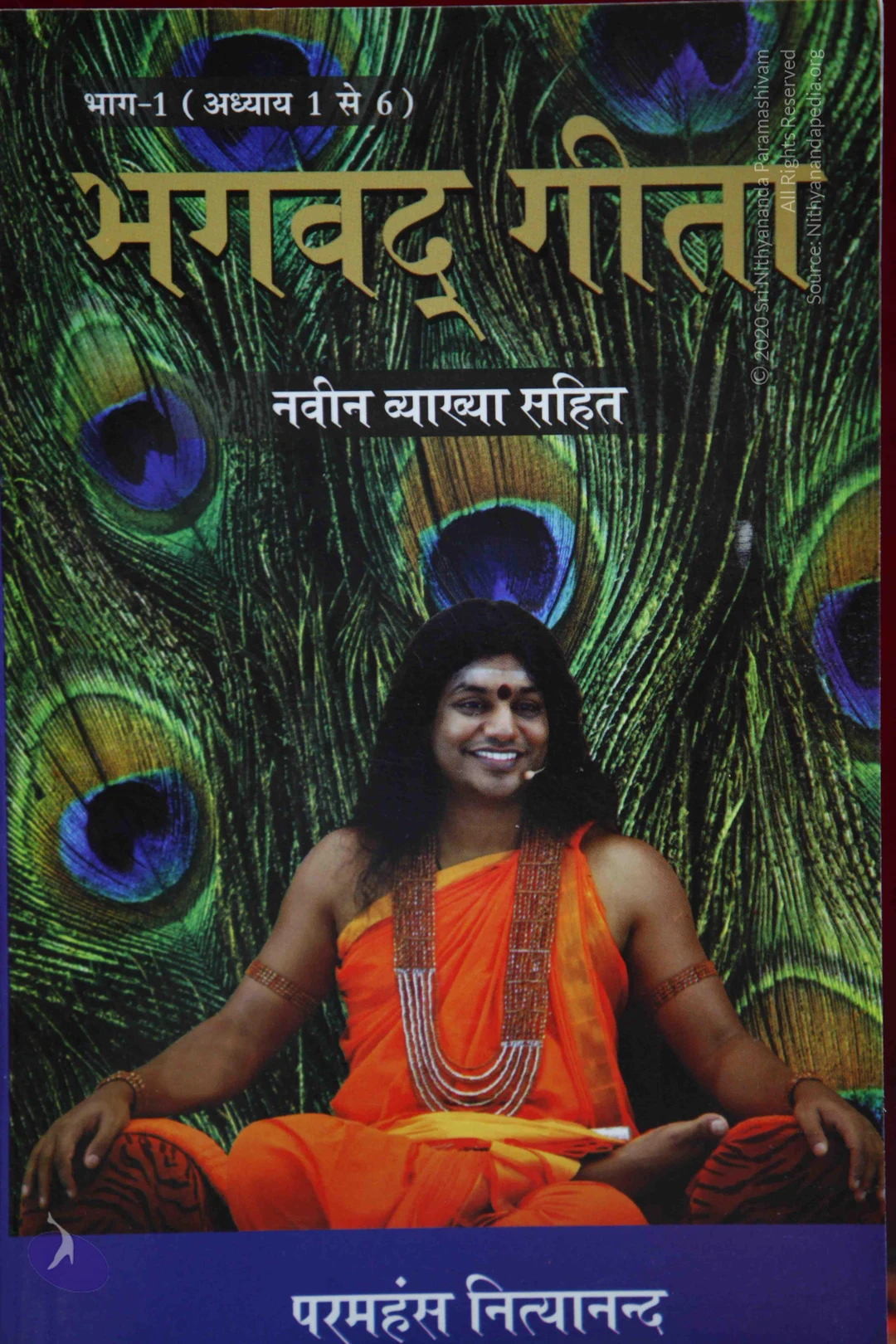
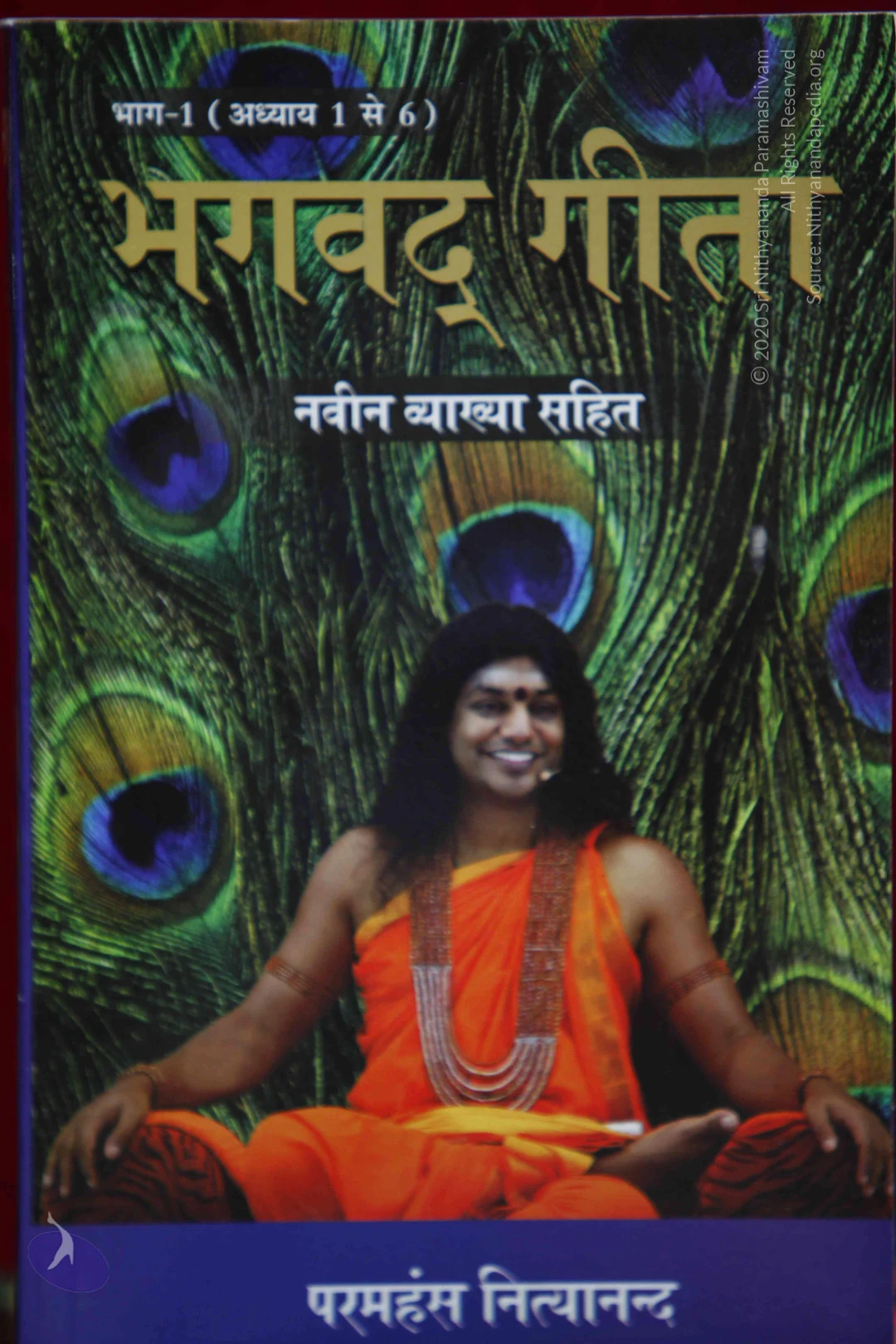
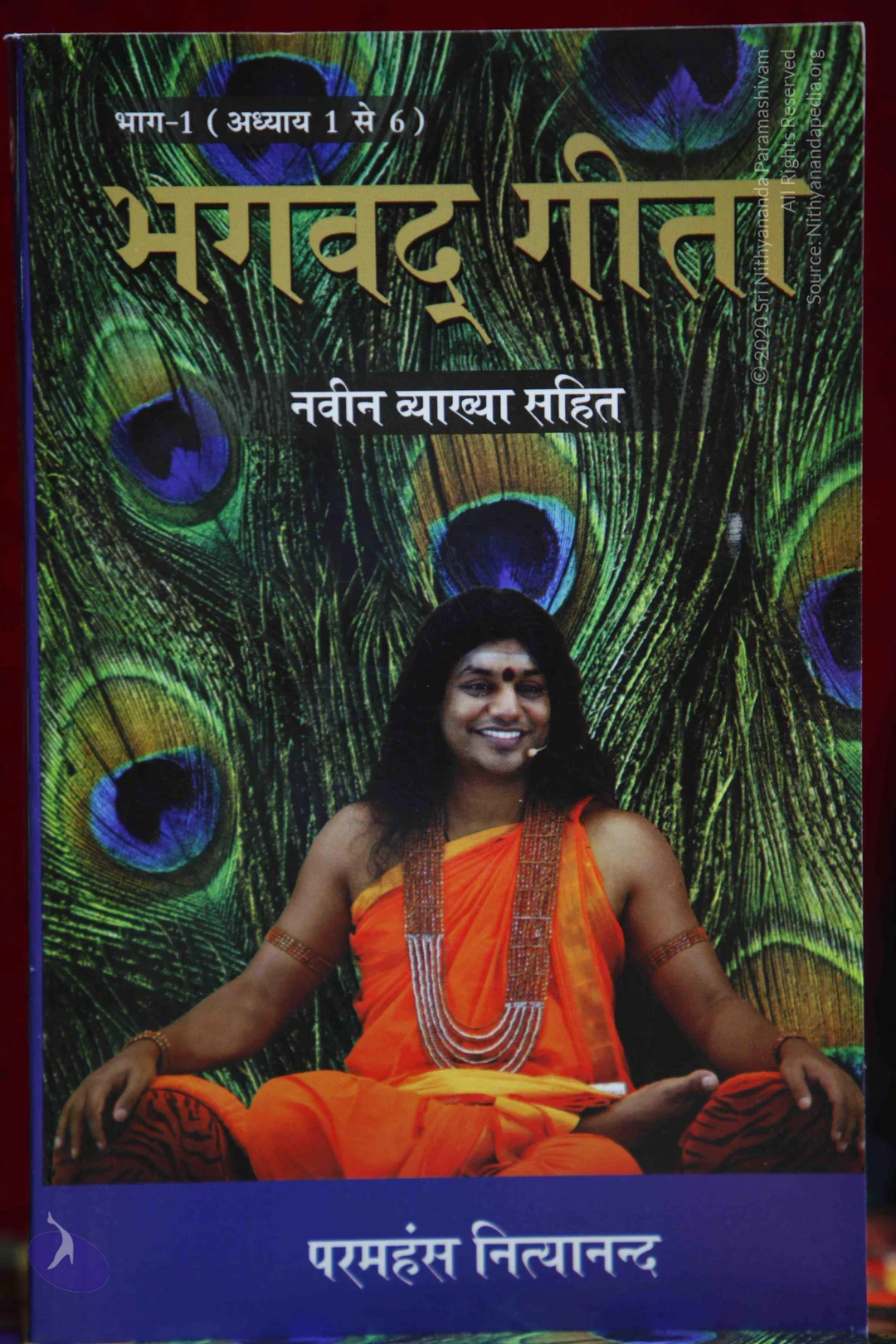
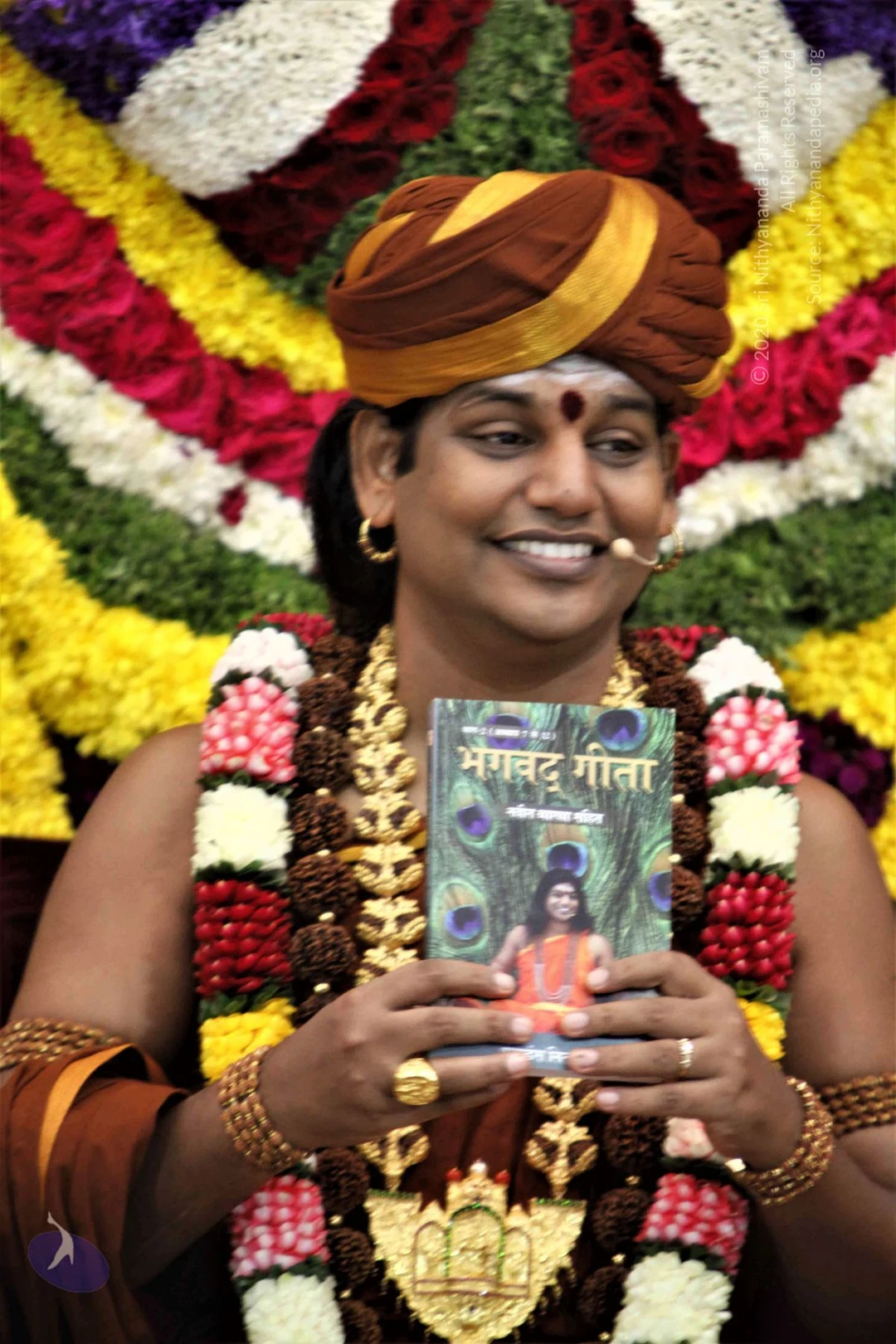
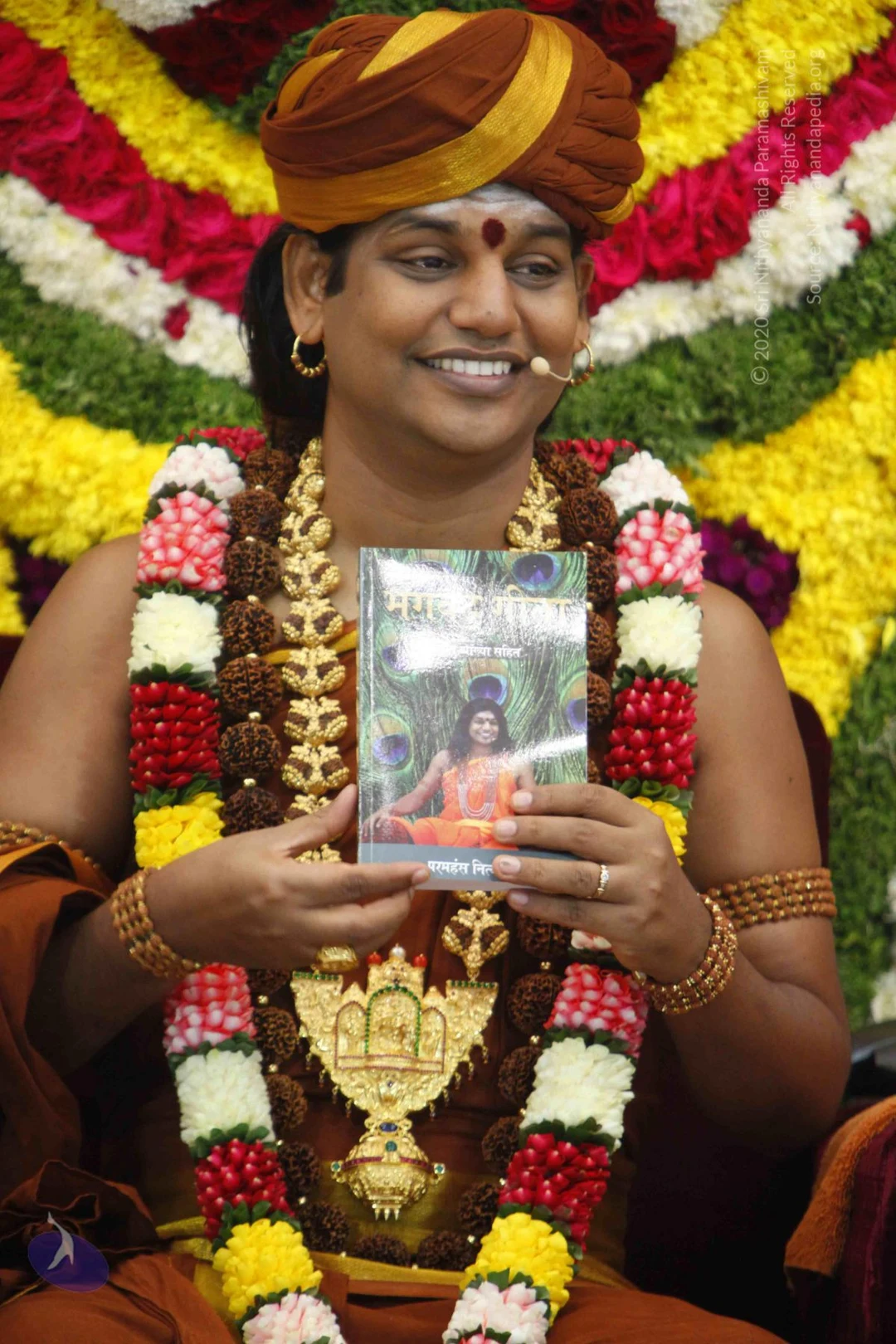
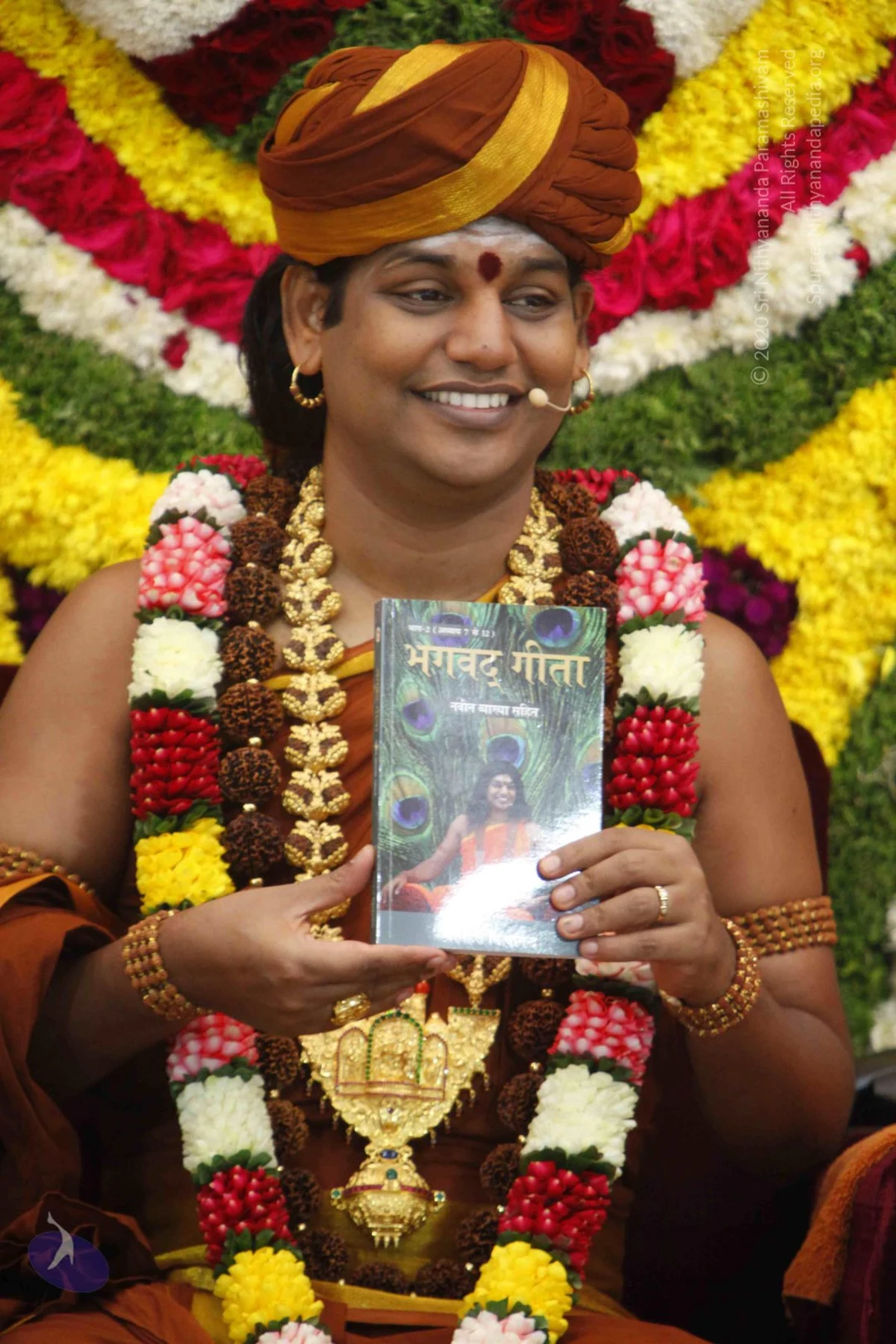
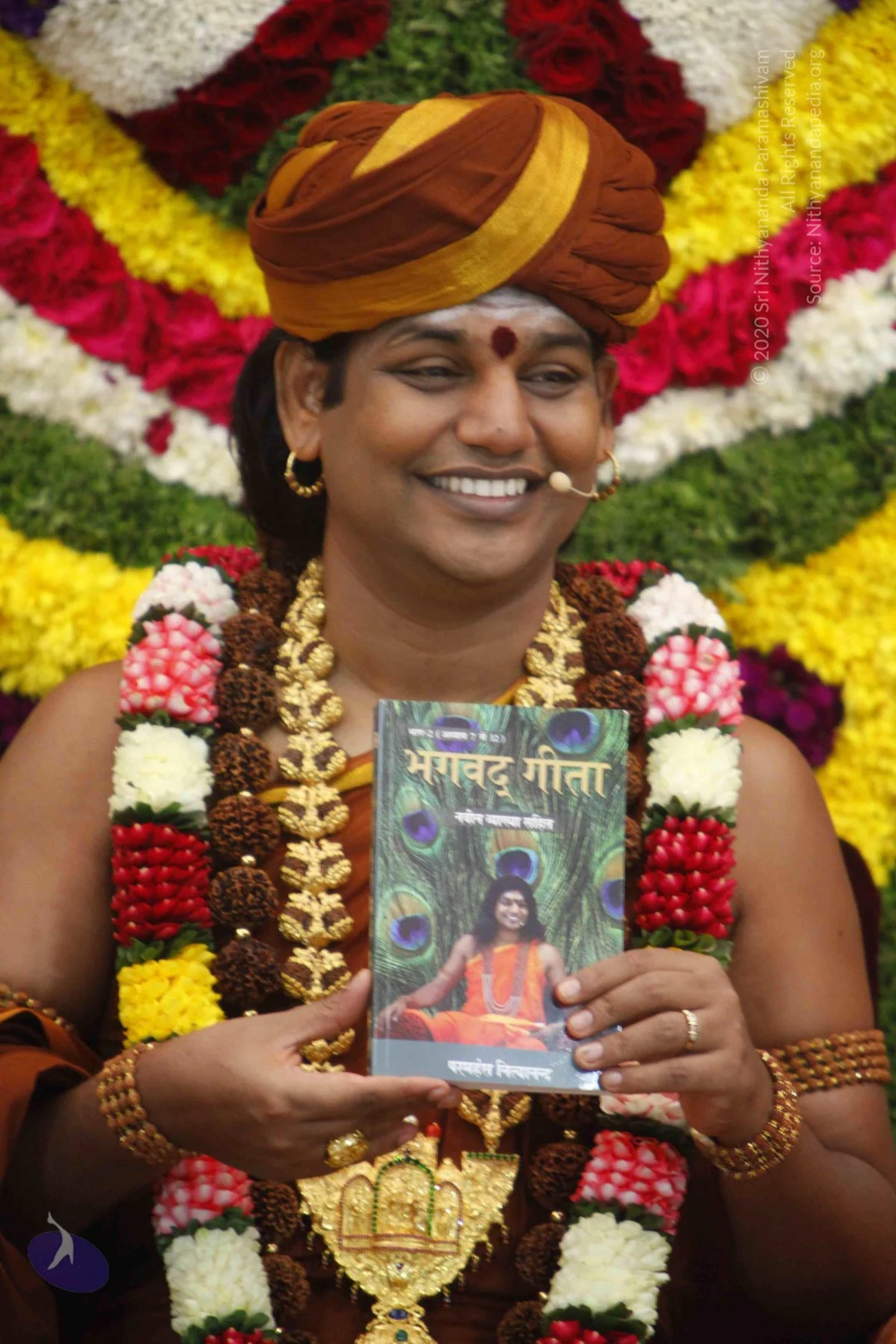
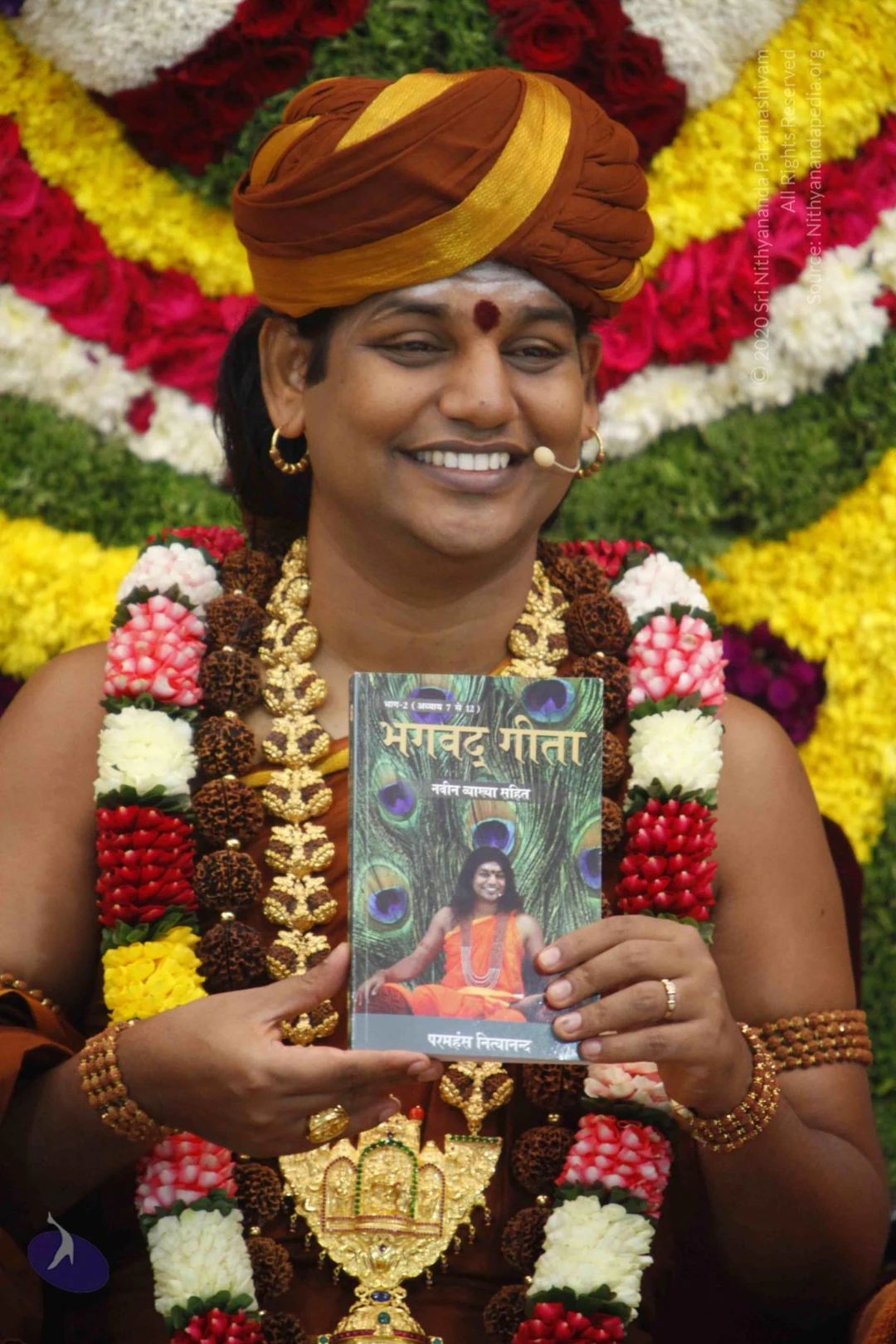
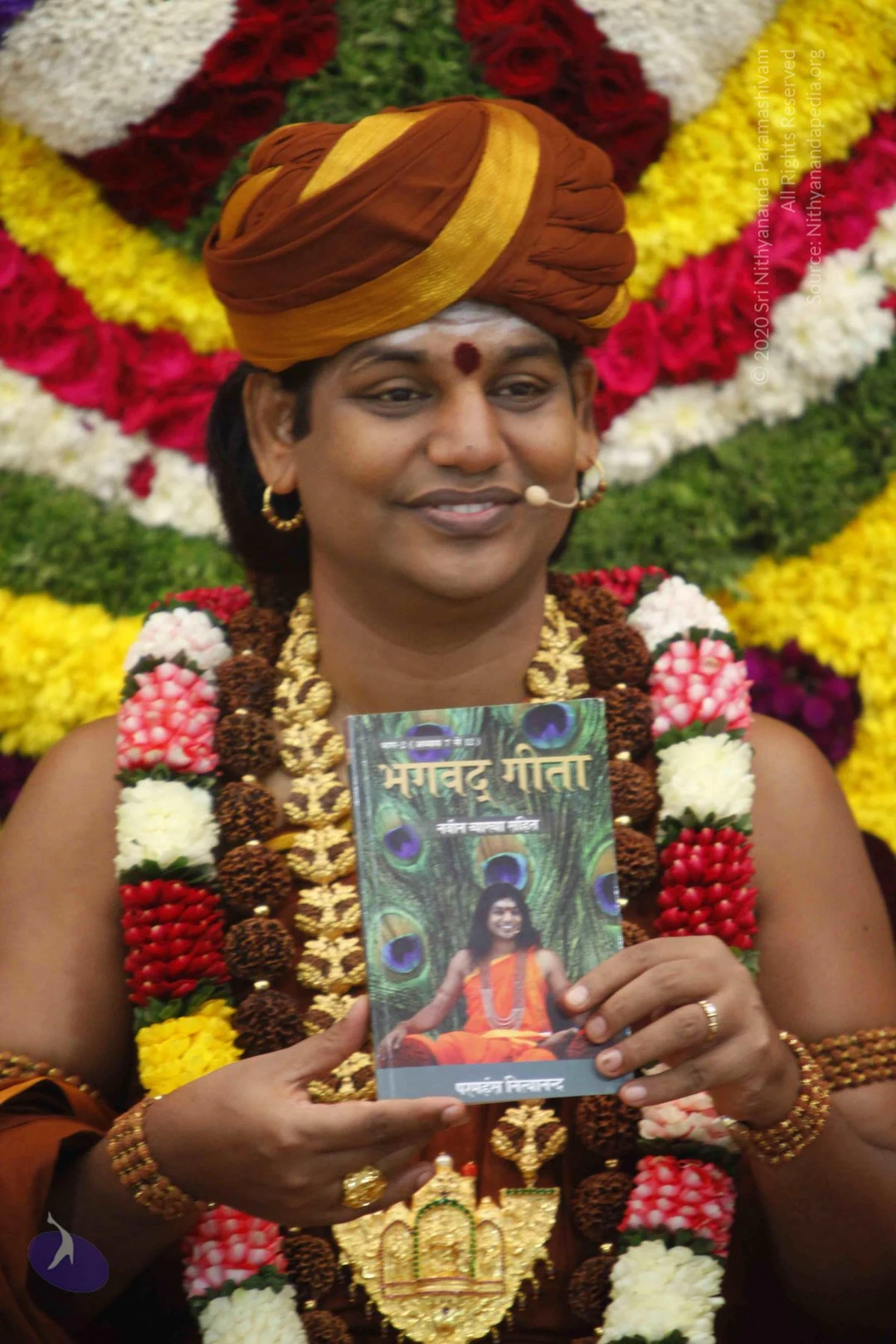
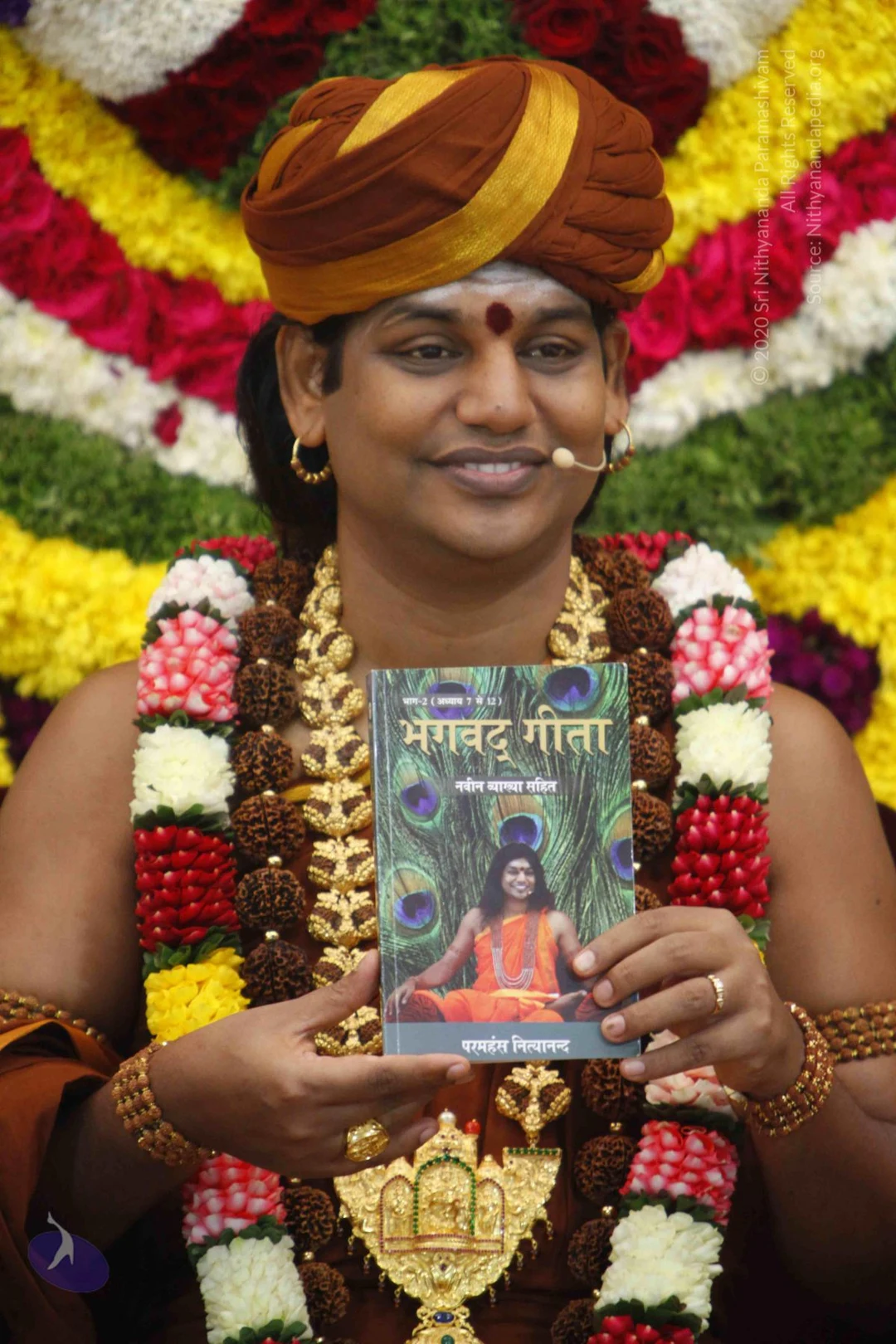
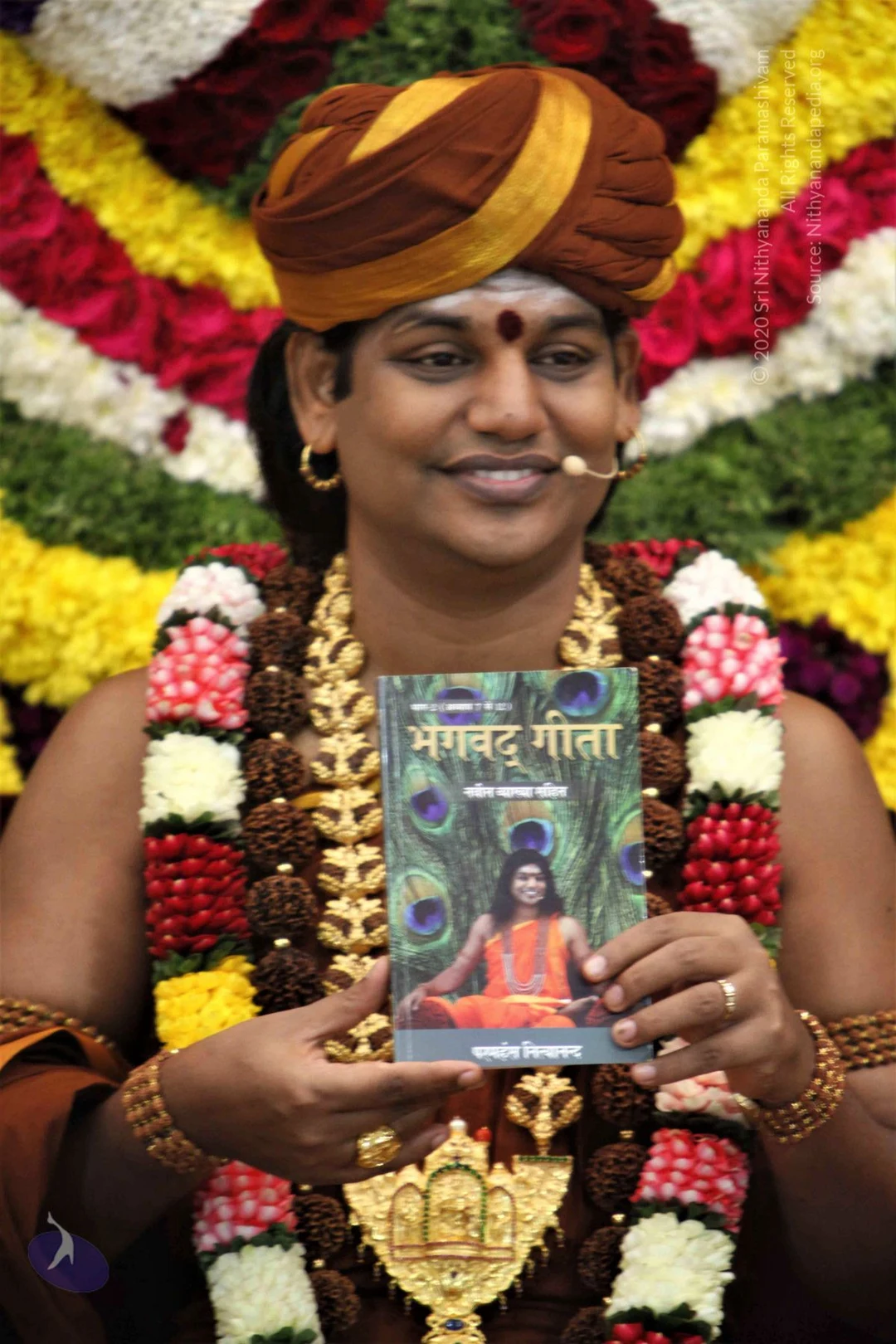
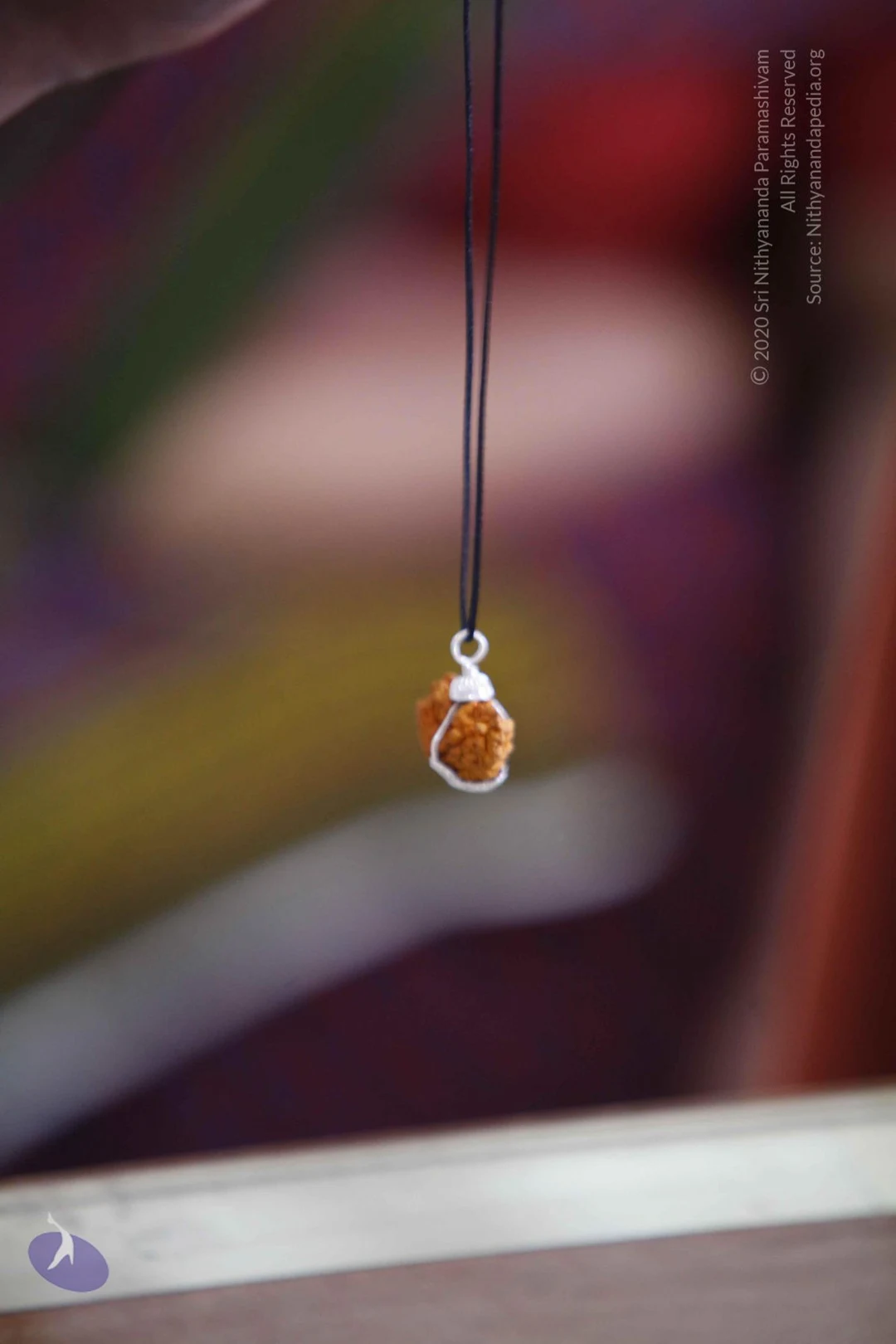
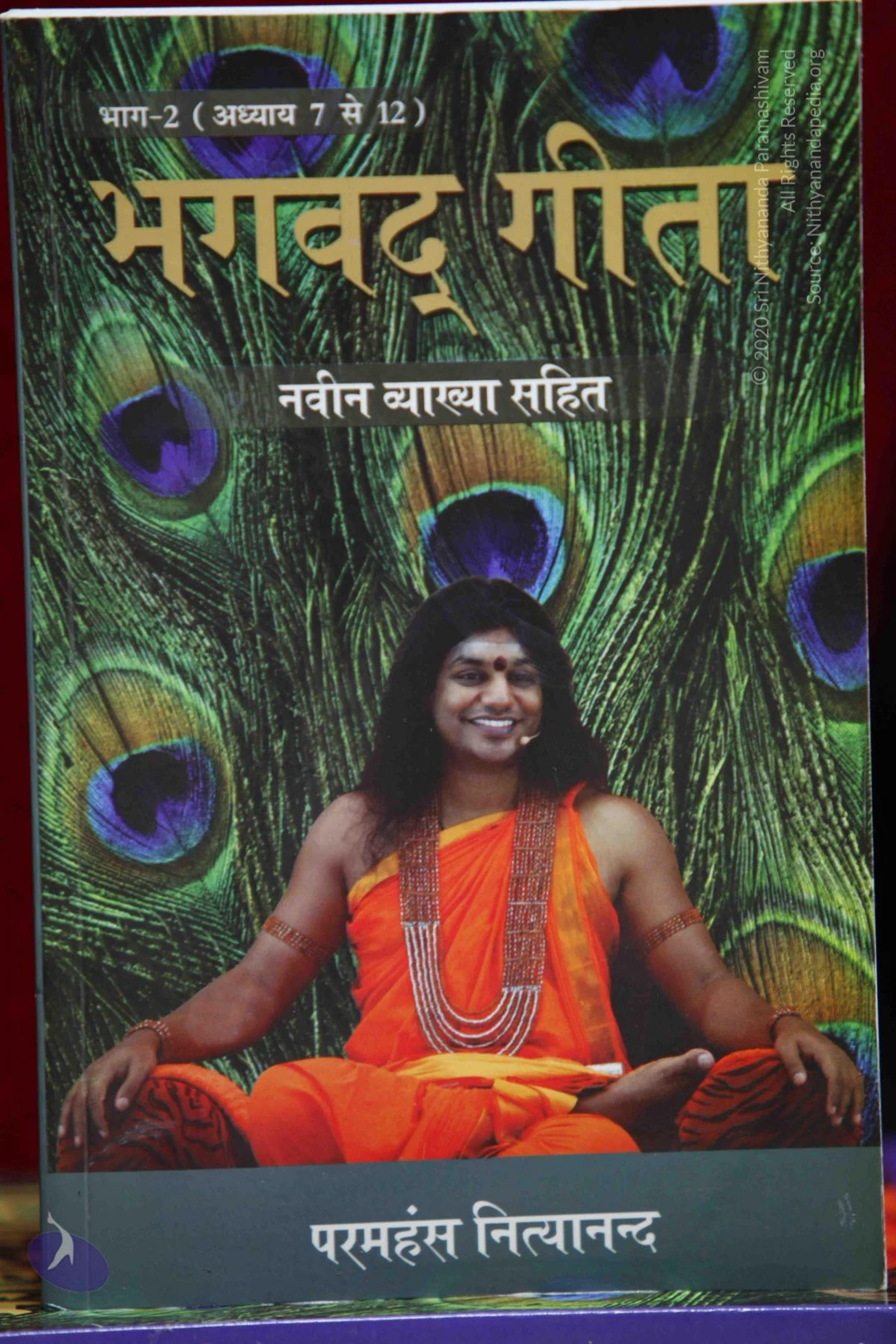
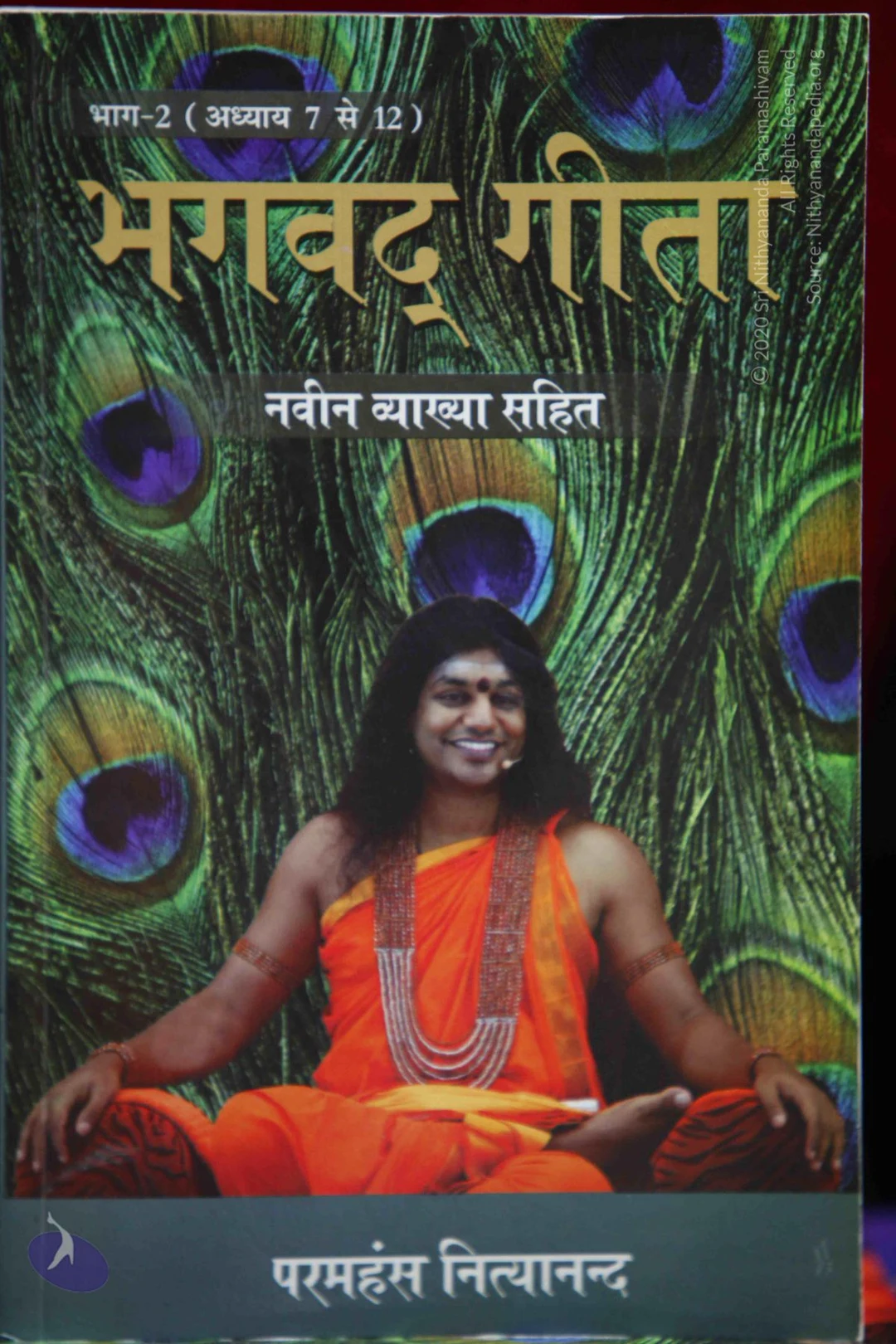
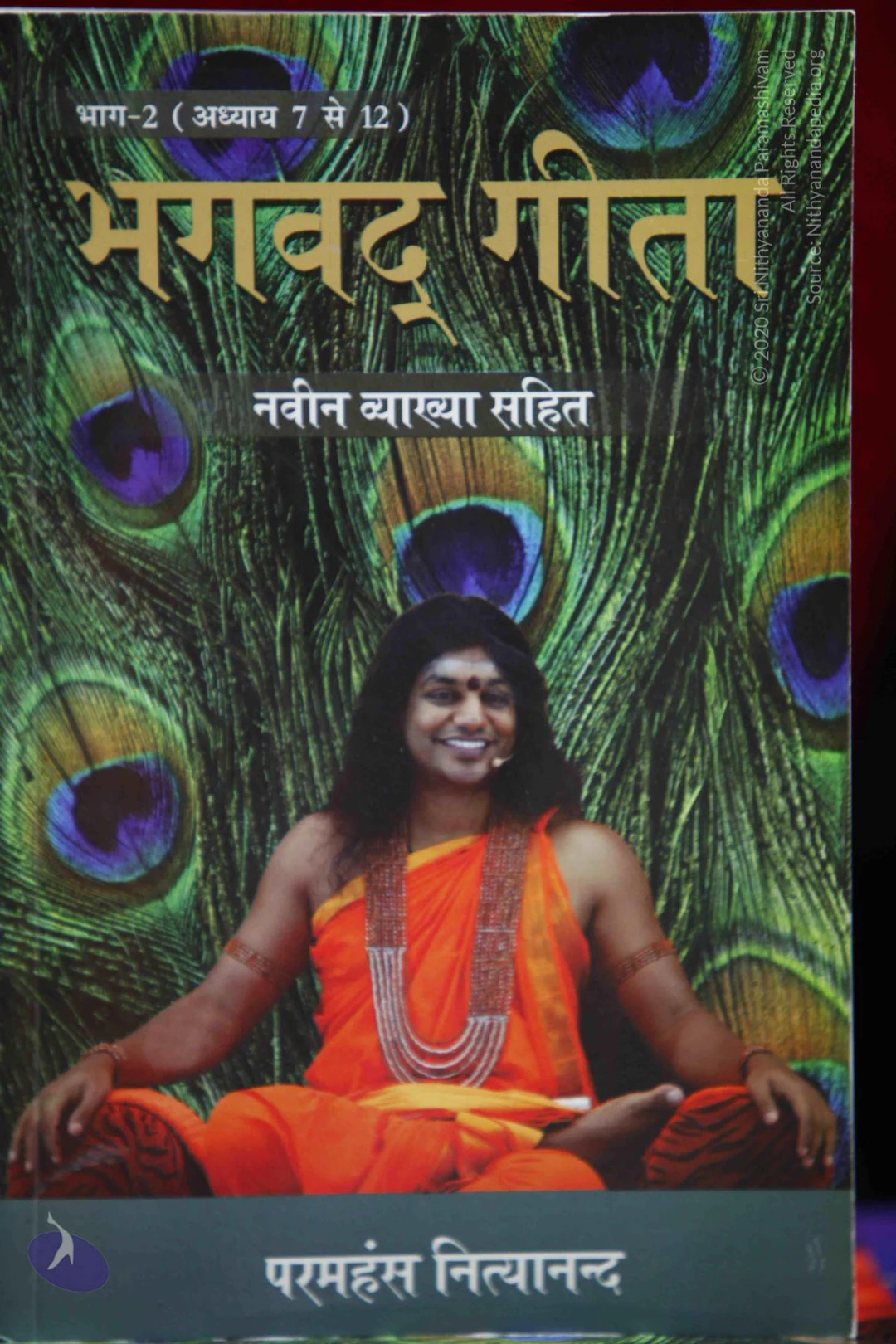
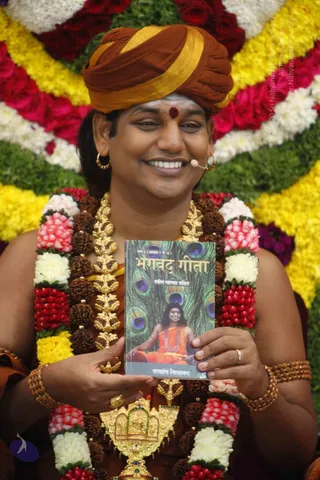
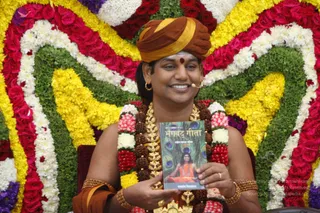
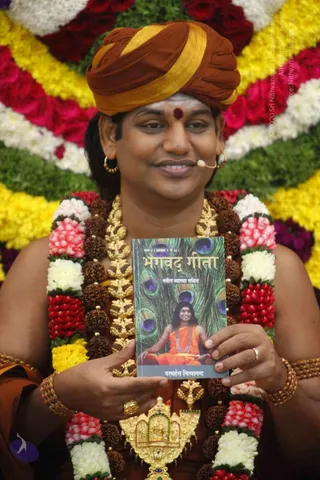
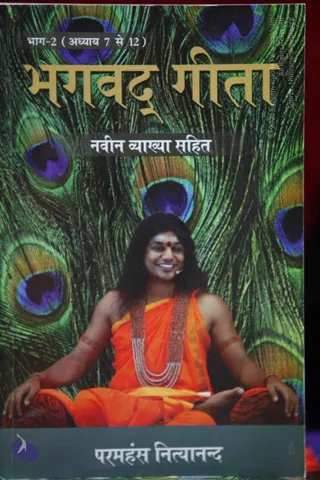
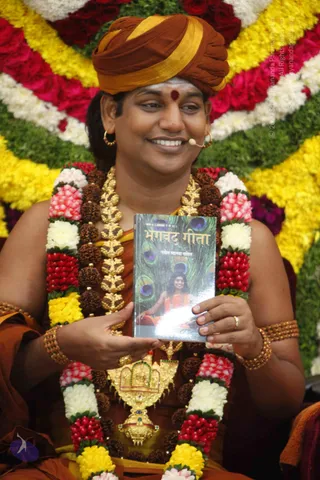
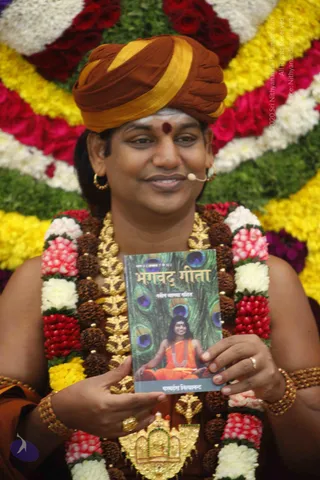
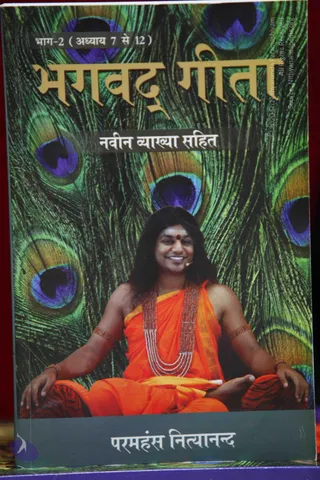
Today, the Nirahara Samyama is taken up by 835 people all over the world. Level-2, Nirahara Samyama Level-2 is starting today. From today, seven days this Samyama is done. From today, seven days you will be living on only liquid diet - juices and water, buttermilk.  3:00 Before entering into today’s Nithya Satsang, we have new release. Bhagavad Gita Volume 2, from 7th Chapter to 12th Chapter in Hindi we will be releasing. 

Let us enter into today morning Nithya Satsang.

I will continue on ‘STABILITY’, how, please understand, how Indian civilization was built on stability, how just preaching the pseudo concepts of freedom has destroyed our civilization. 

Please understand, when your body moves from a childhood to adulthood, means, when you become, when you are becoming from a child to a man, child to a lady, between 14 to 21, the things happen in your system such a way, you don’t feel that you can fit with anything available. It is the suffocation from inside, resistance from inside, fight happening inside. Because, suddenly you see, till yesterday you are playing with the same child, your classmate, same boy, same girl, your mind did not go one step further. But, now, it is going a step further than friendship. It thinks little more than friendship. You do not know what is happening in you. And between the high energy and low energy, please understand high energy is when you feel desire; low energy is when you feel guilt. Between the age of 14 to 21, you are bound to feel these two. You are struggling between desire and guilt. You need to be given intelligence to handle, not the anger that whatever exists is wrong. 

The destroyers of Vedic tradition, the anti-Hindu group which consists of Maoists, Islamic terrorists, Christian fanatics, the vested interest groups, British, wants to destroy the strength of the Vedic tradition which is the backbone, strength of this country. First thing they did, they started teaching the youth the pseudo idea of freedom and saying that what exists as a system is wrong.  7:47 Please understand, I am talking to you some of the very basic truths. They targeted our youth. It happened two generation before. Now all you fellows who are corrupted by British are old. Means, two generation is now over. I can say, even two-three generation is over. Between the age of 14 and 21, if you rebel against the existing system and try to do something to fulfill, to escape from that high energy - low energy oscillation which is happening inside you, means what, you are trying to find solution from outside for the inside problem. You have a wound in your face, but you put the Band-Aid on the mirror. You see a mirror and you put the Band-Aid on the mirror. Wound is in the face, you put the Band-Aid on the mirror. Are you going to get healed? No. When you, between 14 and 21, in the teenage, if you are constantly hitting at outside, developing anger, rebellious mood, did not attend to the source of the problem, I tell you, after 28, your life will be filled with depression. Because by 28, that blood will become cool. Blood will become cool by 28. I am so happy for my Gurukul kids, because in the teenage, constantly they understand to look into the source of the problem. Understand? Look into the source of the problem. Use the time to rebuild your being. Or, I can say, consciously build your being. 

See, between 14 to 21, the teenage, you are bound to go through these mood swings. The high desires which are just uncontrollable by your logic. It wants means, it wants; that’s all. And when the energy is released from the body, the hormones are released from the body, when it falls into the guilt, that’s it. No logic can get you out of the guilt. Guilt means, real guilt. Because of the suffocation inside, because of the suffocation inside, please understand, because of the suffocation inside, anything outside seems to be enemy. At that time if somebody convinces you, ‘Yes, this, this, this are all your enemies’, with little logic….over. Over! If somebody behaves with you very friendly way and convinces you these are all your enemies, over! Simply, you will start rebelling towards all that. That is why all the terrorists, fanatics, revolutionaries, all of them only catch teenagers and they behave with them very friendly.  13:01 It is so unfortunate, so unfortunate; Indian Hindus are used as a terrorist to destroy the same Indian Hinduism. 

If you are a Brahmin and not working for keeping the Hindu philosophies, lifestyle knowledge alive, and enriching the world with the Hindu philosophy knowledge, Hindu lifestyle philosophies, you are one of those terrorists.

If you are a Vaishya and not funding for these kind of causes, you are a terrorist.

If you are a Kshatriya and not defending the Hindu tradition, not protecting the Hindu knowledge centers, temples, you are a terrorist.

If you are a Shudhra and not working for keeping our lifestyle and knowledge alive, you are a terrorist.

Listen. I am using a categorical, clear word. I know I am talking in a national channel. With that responsibility I am talking. Yes. If you don’t protect, something is automatically is going to be destroyed. Then who is responsible for destruction? YOU who is supposed to protect and did not protect!

Today, when I introduce these words ‘Ahankaara’, ‘Mamakaara’, see, the people from other countries who come and attend the program, if they say, ‘Yes, these words are all very new for us.’, great, no problem. But almost 99% of Hindus, educated Hindus, Brahmin Hindus say, ‘Wow. What a new word.’ It is so unfortunate.

15:48 See, the western civilization is a child. American civilization is less than four-hundred years old. The whole Science is nothing but less than three-hundred years old. They do not know the necessity for stability. Those civilizations are born out of wars. Please understand, the context of American civilization is people who escaped from Europe; born out of running away. So what will be the first context, what will be the first requirement for them? Freedom! But, I tell you, root-pattern of the western civilization is, please understand, the Mamakaara of the western civilization is ‘I am controlled’, ‘I am powerless’. The Ahankaara is ‘I am the most powerful.’ Swa-Anyakaara is ‘Everybody is out there to destroy my country and swindle my wealth’. Understand, their image about others and life is ‘everybody is out there to destroy my wealth and my country’. Please understand, because their, the whole civilization is born out of threat, extreme powerless moments, extreme conflict moments, extreme survival threat moments. 

When I went to Chicago, I saw the museum there. How the people came from Europe and settled in all over U.S. and spread all over the U.S. When they came to this country, they were all completely shattered. They came just with their one Bible, one coat, just with two-three utensils, in the ships and boats. If you go to Chicago, you can trace your family tree and you can also find from which country your forefathers have came and settled in U.S. How many of you have seen the museum which I am talking about? Then you can understand. It means what? Their whole Constitution is born out of the moment of powerlessness. That was the survival threat, that was the situation when they wrote their actual inner image and outer image and image about life and others. I think, all the Inner Awakening participants can understand what I am talking, very clearly. If you see the Constitution, that is why, if you see the constitution it is all about freedom of speech. 20:10 Nowhere in the Manu Smrithi, the Indian Constitution – means, the Vedic Constitution, not the present, modern-day Indian Constitution. I am talking about the Vedic Constitution, Constitution of the Bharath. Nowhere in the Manu Smrithi the freedom of speech is guaranteed. It does not mean those days people did not have freedom of speech. They never bothered even this can be bound; because, an ordinary washer man speaks about the Queen and the King, Rama and Sita. And just listening to that, Sita has to leave the Kingdom. Then do you understand the amount of freedom of speech Rama Rajya had. 

Please understand, in India our civilization is born out of complete powerful moment, where our Rishis had enough food, beautiful Saraswathi, Sindhu and Ganga and everything necessary is fulfilled. They are overflowing with joy and lot of entertainment. In that powerful moments, the powerful people gathered together and created the Constitution. That is the Vedic Constitution, Constitution of the Bharath. That is why our inner image, actual inner image is Brahmanyam Bahuputhrathaam. I am the favorite inheritor of the Cosmos. Because whatever we need, everything is available and it is still showering. Brahmanyam Bahuputhrathaam. I am the favorite inheritor of the Cosmos. That is the actual inner image. And what was the outer image? ‘Annam Bahu Kurveetha’, means - ‘Let us share, let us produce and share’ and ‘Shrunvanthu Vishwe Amruthasya Puthraaha Vedhaaham Ekam Purushamahantham’, means - ‘I know the Truth’. Come on. Listen; let me share that with you all. 

Our image about life and others is ‘Loka Samastha Sukhino Bhavanthu’. Understand, the root-patterns of the Bharath Constitution is out of powerful moments. We defined about our self; we defined how we will project us to the world and our way of relating with the world and the others out of powerful moments. It arose from completion, out of completion; not out of incompletion.  25:11 Please understand, I am not against American civilization, I am not against western civilization, I just wanted to let them know, do not teach about how to live to us. That’s all I am saying. Don’t use your terrorist media on us and steal our next generation from us, rob our people from us. That is all I am saying. It pains when I see our next generation do not do anything about life and they are in the same depression which a teenager in America goes through. See, they go through because their forefathers only worked for bridge, dams and aircrafts. Oh Hindu kids, oh Indian youth, you don’t need to go through this suffering, because our forefathers worked for blissful life and created best lifestyle philosophy. It is not that we did not have the technology for dams and roads. We built whatever is required. The oldest dam still alive in the Planet Earth is the Kallanai Dam built on Cauvery in South India. Do you know, built something like 2,500 years before, in stone when there is no machineries available to divert Cauvery which is a live river. It is a very powerful technology. They put big rocks, and that rock sink in the mud. And then the next rock is dropped from the boat. They have a special boats which has a ramp in the backside. They just go and drop that rock, and the rock settle one on the other and the foundation is created. Just that way, on a live river they built a dam. 

Just a week before, Srirangam Temple, there was a illegal construction next to the temple compound wall. So they wanted to study the strength of the compound wall to restore it and remove those illegal construction. When they dug and put a bore well and checked, the foundation of the wall went up to twenty-seven feet. And you need to know, Srirangam is on the Cauvery bed. It is on the Cauvery island. Even now, more than four feet you cannot dig. After four feet, water comes. So, how did they build? How did they first of all dig and drain the water and build the wall, compound? The same technology! They slipped the huge rocks means huge stone blocks which sinks, sinks, sinks and they put more stones and the elephants are made to walk on those stones, those stone slabs, so that the stone slab sinks, more and more foundations are made. If ten elephants walk twenty times on a stone, after that the stone is not sinking, the foundation is done. That’s a clear technology. It’s not that we did not build all these. We did. But I tell you, more than that, our ancestors have done so much. For everything needed for a best civilization, they have done.  30:00 O, Youth of India. Go back to the original source of your ancestors. I tell you, you already suffered for last 60-70 years with the so-called Independent India, free India, the dirty ideas of freedom with your dirty jeans. It is enough. It is enough. Move, move, move back to the original source of knowledge. I tell you, it is so unfortunate, all the Indian laws are completely against stability in the name of pseudo freedom. Ok, all these pseudo freedom ideas are okay, but what will you do with that freedom? Freedom ‘from’ is okay. Freedom ‘for’, that question is not answered. Understand, the whole country law should have been created based on that basic truth – Stability. Western civilization is based on pseudo freedom. When we started imitating their laws, their values, we destroyed all the best things of India. I tell you, our medicine is literally dead, died. Millions of things we know about herbs, medicine, is dead because, at least hundred years before, all the sons and daughters of the doctors, traditional doctors have stopped listening to their parents. They have become clerks. Now the modern-day clerks are IT engineers. What happened to the science or art and architecture? You can’t imagine rebuilding Tanjore temple. You cannot imagine rebuilding Ranganatha Temple; the amount of work done. 

Please understand, there is a small, frog kind of animal which will live inside porous stones. See, from outside you can’t see, but when you break the stone, inside they will be sitting. It is called ‘Therai’ in Tamil. I don’t know what you use in English. It will be just like a frog. Means, there will be some stones, inside the stone there will be hollow area, porous part. Even if one stone of that hollow stone if it gets mixed in the construction of the temple, temple will collapse in maybe hundred years. It’s called ‘Toad’. One toad stone goes inside the construction by mistake; temple will collapse in hundred years because in hundred years, that porous part will collapse. More than hundred years that porous, that gap will not be, so the gap will collapse means that stone will collapse. Temple art is such, one stone collapsing will collapse the whole temple; at least that whole area. 34:44 Understand, then what is the way to, in those days, there was no x-ray machine or scanning machines to find out whether there is a toad in the stone or not. Just the sound of the stone while you carve, our sthapathis will find out the stone is with toad or not; just the sound of the stone while they carve. All the big temples which are standing more than hundreds of years, not a single stone with toad has gone inside. Can you imagine? In the modern day even to find, you see, sometime in the big granite pieces, inside there will be a less dense area. Even to find that, we use all the x-ray machines, scanning machine. Each temple, I don’t know how many million stones are used. And you can’t use that toad stone for carving, because while you are carving, suddenly when you carve the face, it opens up and the nose is not there. You can’t use a toad stone for any carving. Suddenly it will open up in the tummy, the toad will jump out and there is a gap. No. Suddenly there is a hole in the eye and the toad will jump out. No. Only in Madurai temple, three million, sorry, thirty million, three crore carvings are there. I am talking only about carving, not about the number of stones used for the compound wall and other stones, no, other pillars. Millions of stones are used. So, just to find out whether in this stone toads are there or not, toad is there or not, just for that they need at least thousand technicians. One-thousand technicians have to sit and everyday find out whether in this stone toad is there or not. Can you imagine? So, one-thousand fellows with that sensitivity; what happened to all this knowledge?

Even when this Victoria came to India, in a matchbox we presented her a silk saree which she can wear. In match box we presented a silk saree for her which she can wear. Full silk saree we presented in matchbox. Full silk saree can be folded and put inside a matchbox; our own hand-woven silk sarees, done by Banarasi artists, Varanasi villagers. What happened to all that? Everything, everything is lost just because of instability. Instability. Even now they produce. You can see a silk saree in the match box; full silk saree. I think this is modern-day. But the original, I have seen. It is ordinary, small matchbox, not this big matchbox. When we lost stability, we lost so many things. 

You may be wondering why I suddenly started speaking on Stability for the last two days. Anyhow, I will continue, continue to speak on Stability, because it is such a basic truth for Vedic tradition. See the contribution Buddhism has done to the world. Because stability. Once you become a sannyasi, monk, that is your life. Society will not accept you back. You can’t listen to your mood swings. And once you know the possibilities are not there, you will simply start growing in that field.

I will continue on Stability in the further satsangs. Now I will move to the Nirahara Samyama. 40:37 (HINDI)

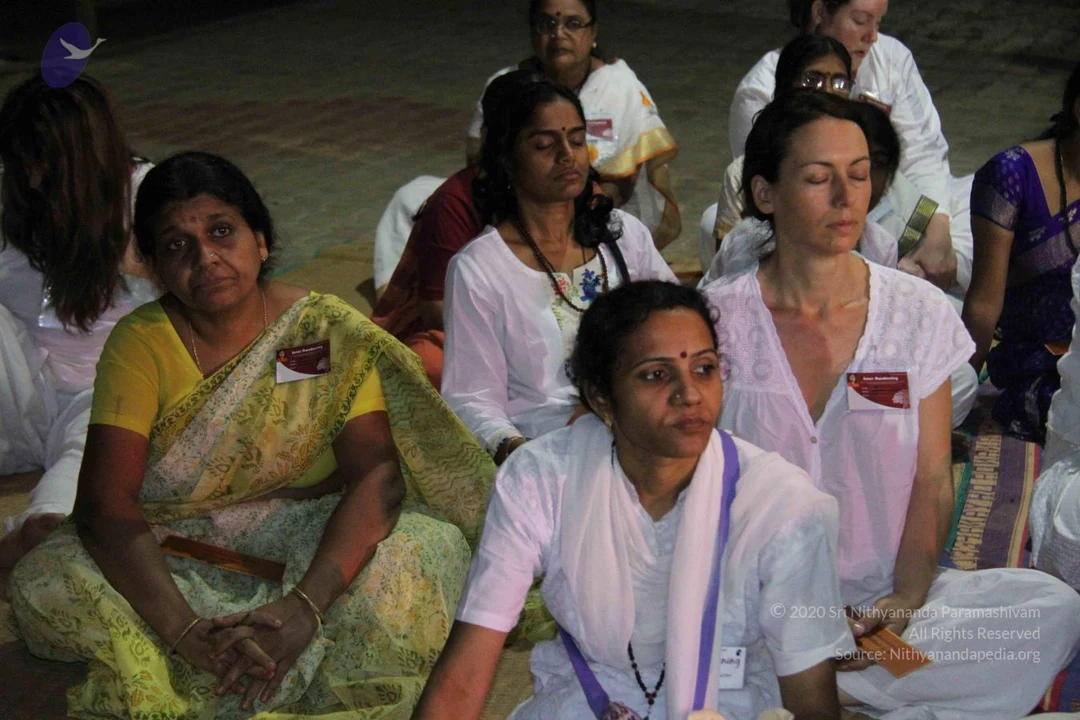
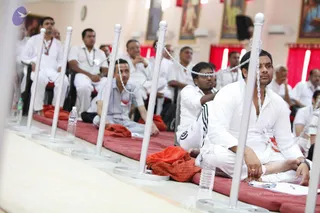
You can continue the samyama on our internet TV website – nithyananda.tv. Let’s move to Nirahara Samyama. All the participants all over the world, sit straight, close your eyes. Visualize you have become Bidadi Kalpavruksha and do the same Kriya - Inhaling through both the nostrils and the mouth, hold as long as you can by closing both the nostrils and the mouth very comfortably, when you can’t hold any more, exhale through both the nostrils, not through the mouth. With this continue, continue this Kriya for next twenty-one minutes. For next 21 minutes do this Kriya continuously. With my Integrity, Authenticity, Responsibility and Enriching I bless you all. Let you all experience Kundalini awakening and live health, bliss and enlightenment by producing the energy directly from space. Namah Shivaya.

Photos

Photos of the day
leela alankar

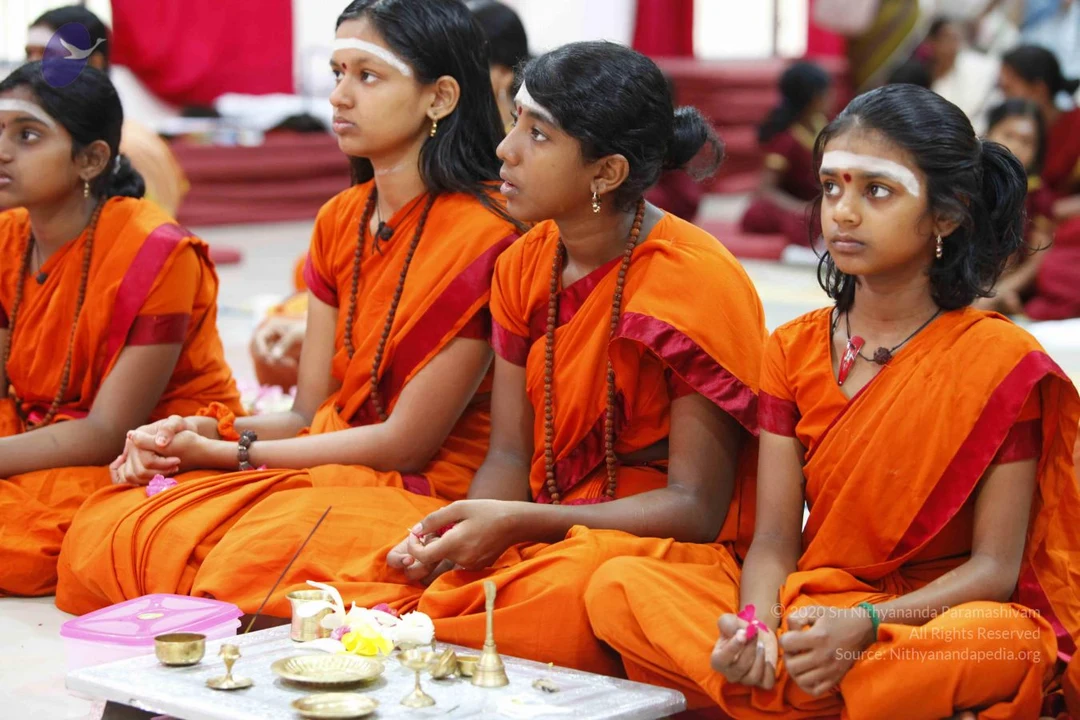
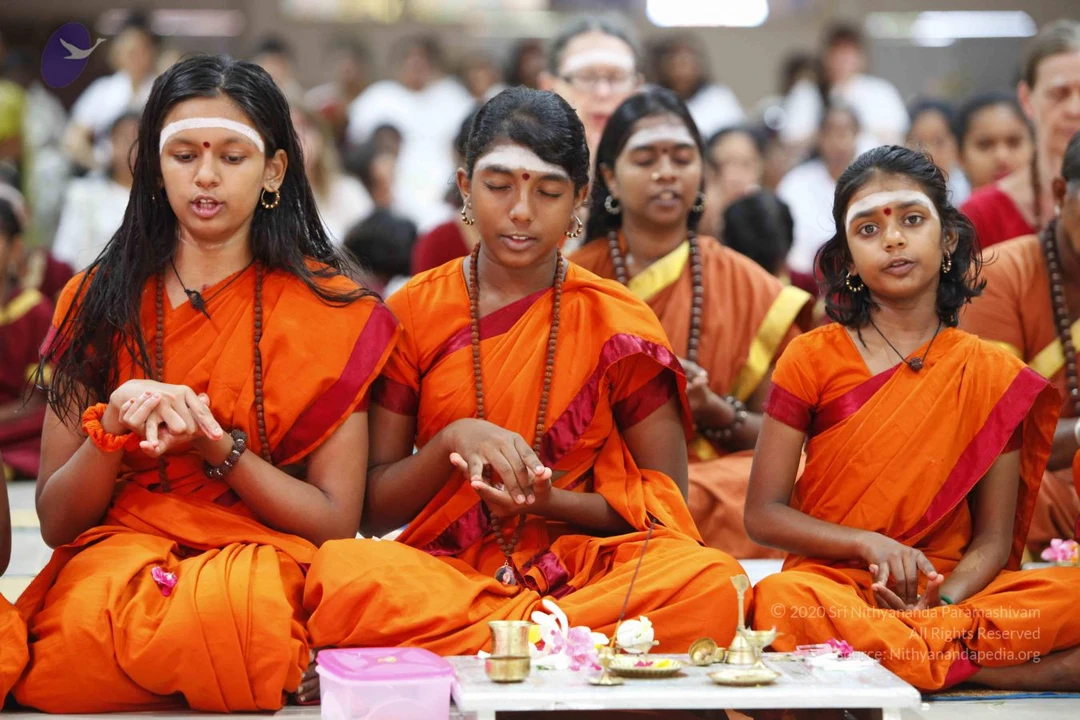
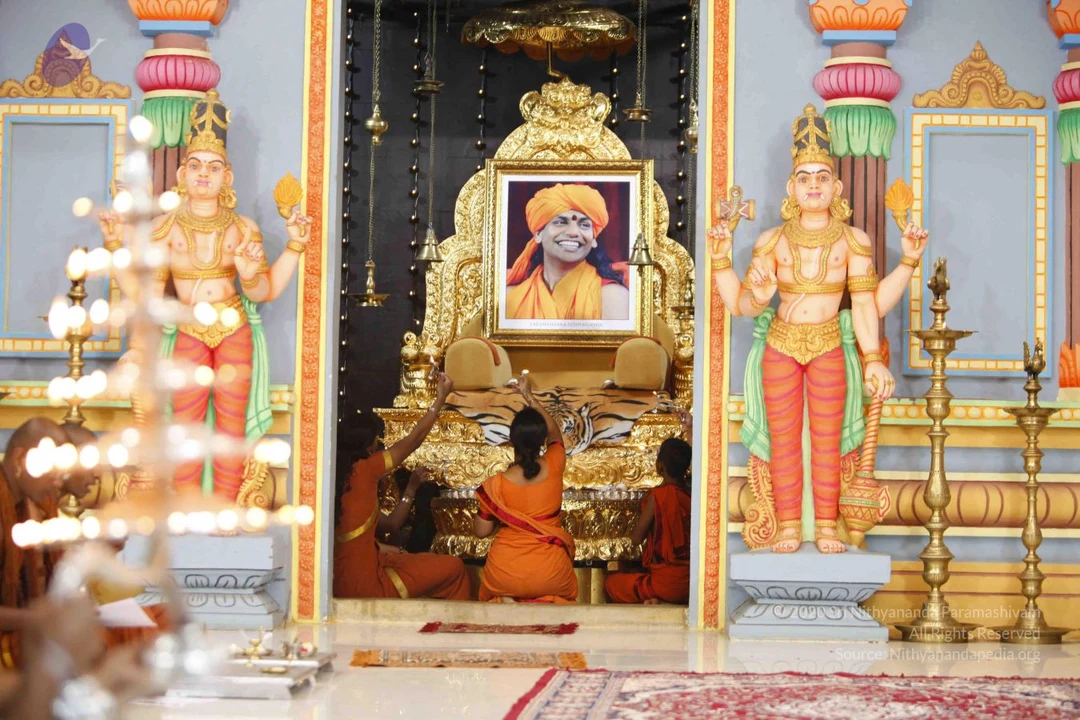
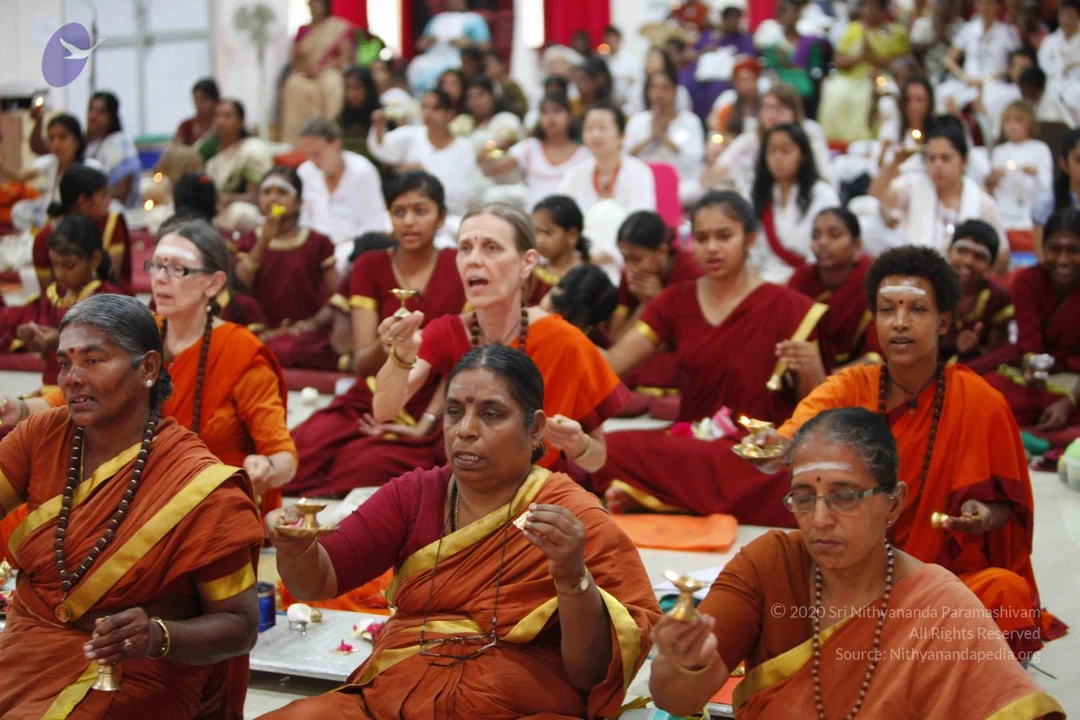
paduka puja

nithya satsang

Swamiji BhagavadGita Book

sarva darshan

final blessing

IA day 4

temple

sacred arts photo

galleria

Photos Of The Day:

Leela-Alankar

Deity-Darshan

Paduka-Puja

Satsang

Bhagavad-Gita-Book-release

IA-Darshan

IA

IA-Yoga

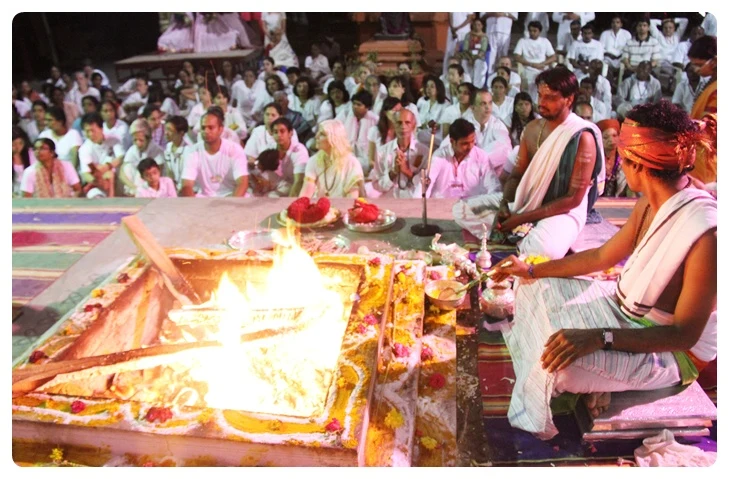
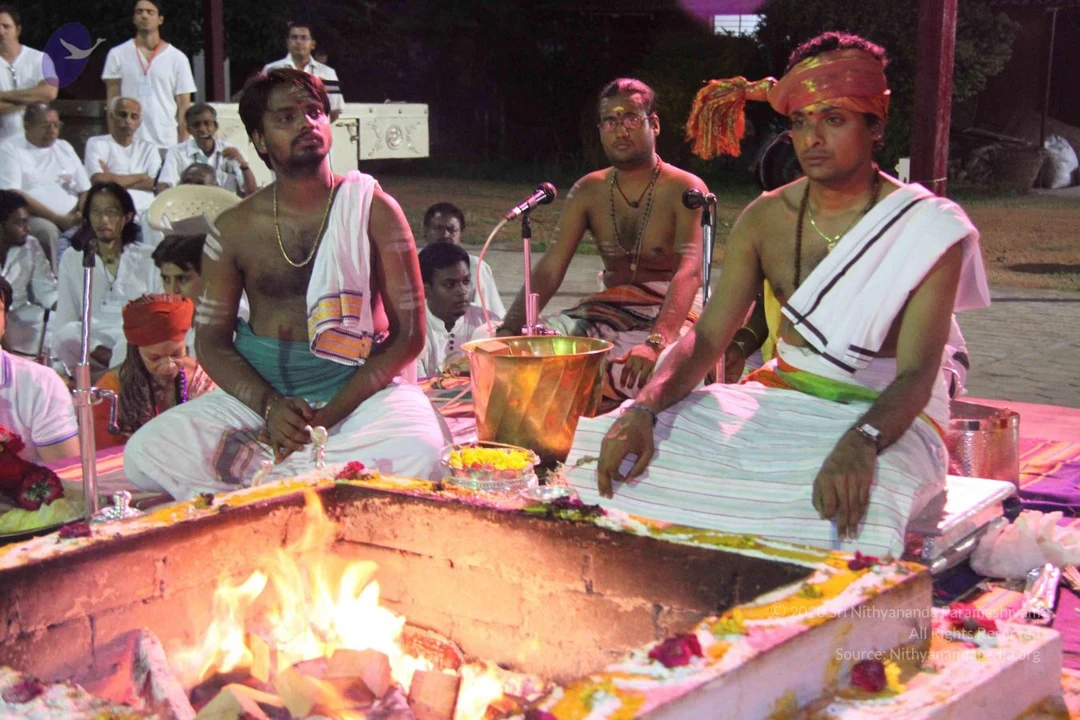
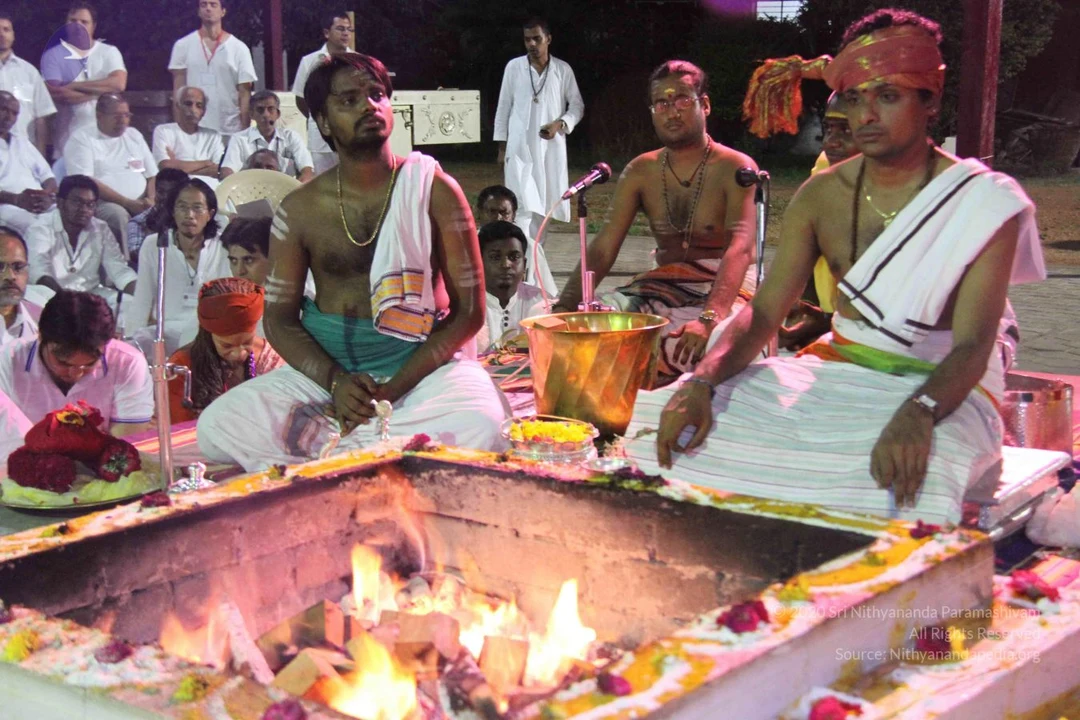
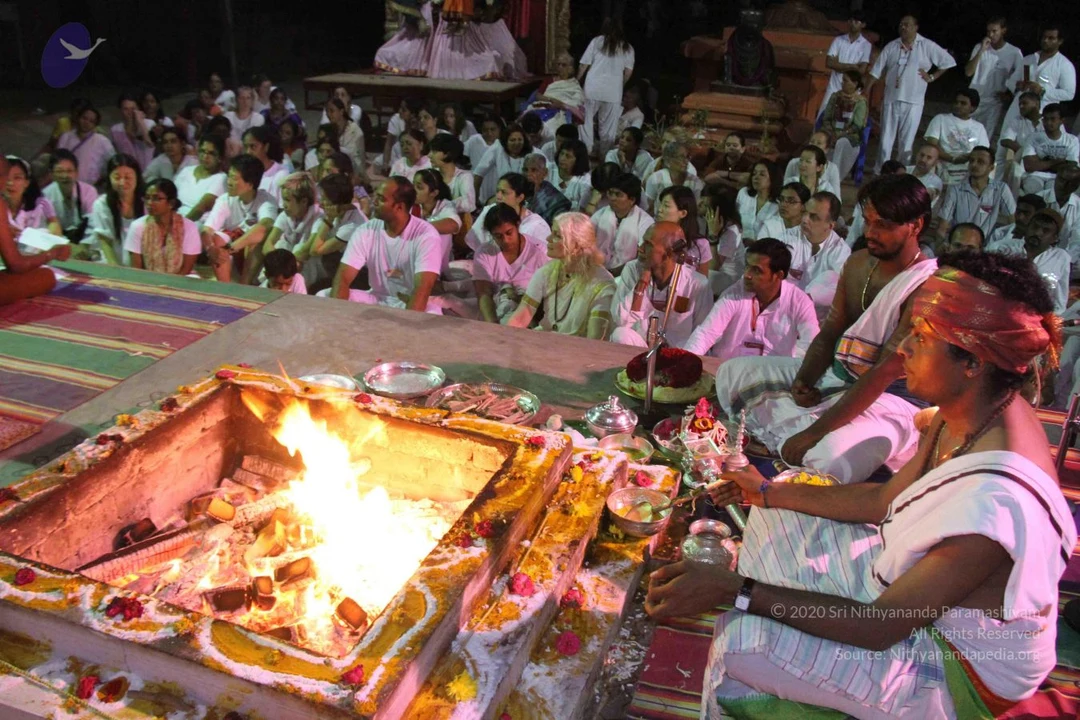
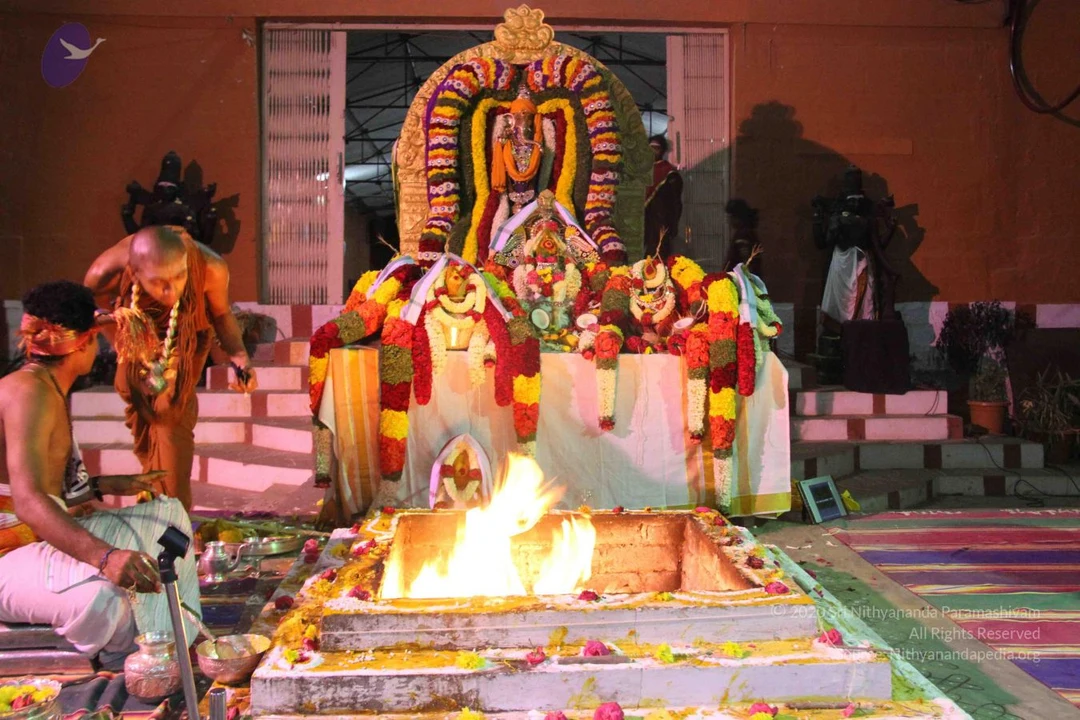
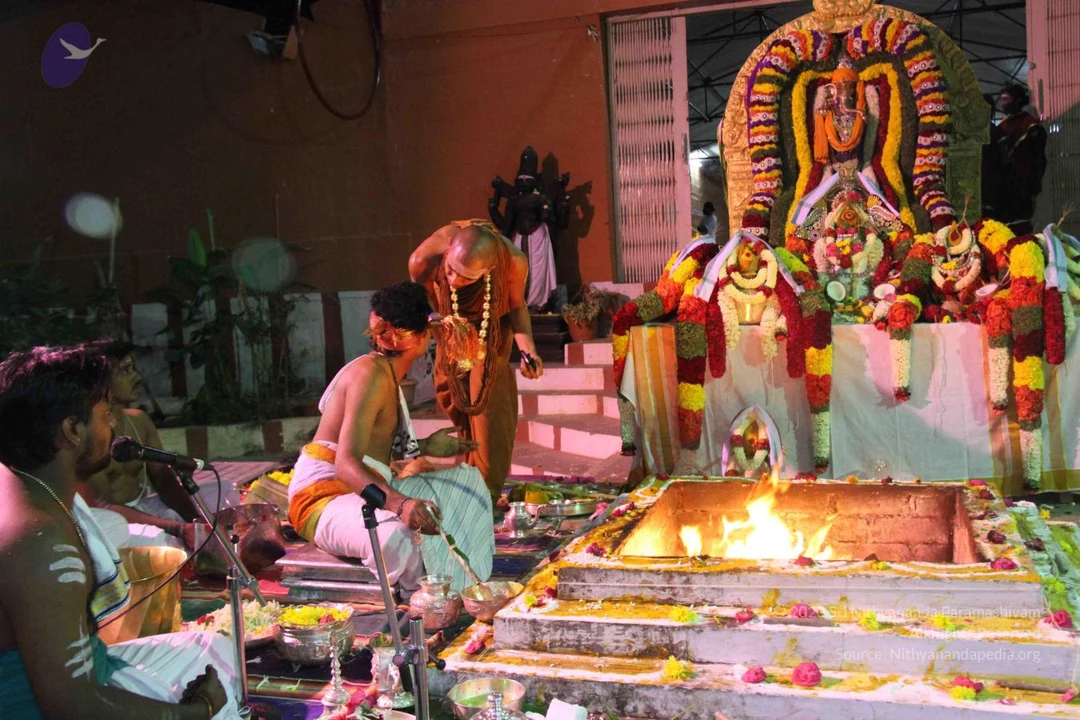
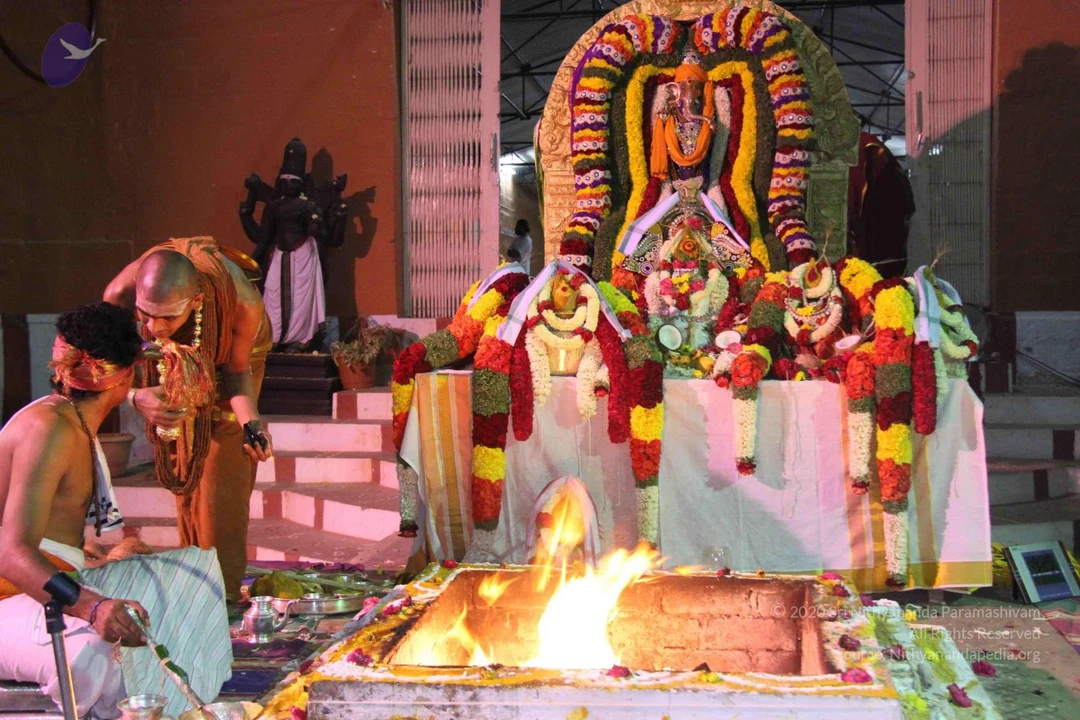
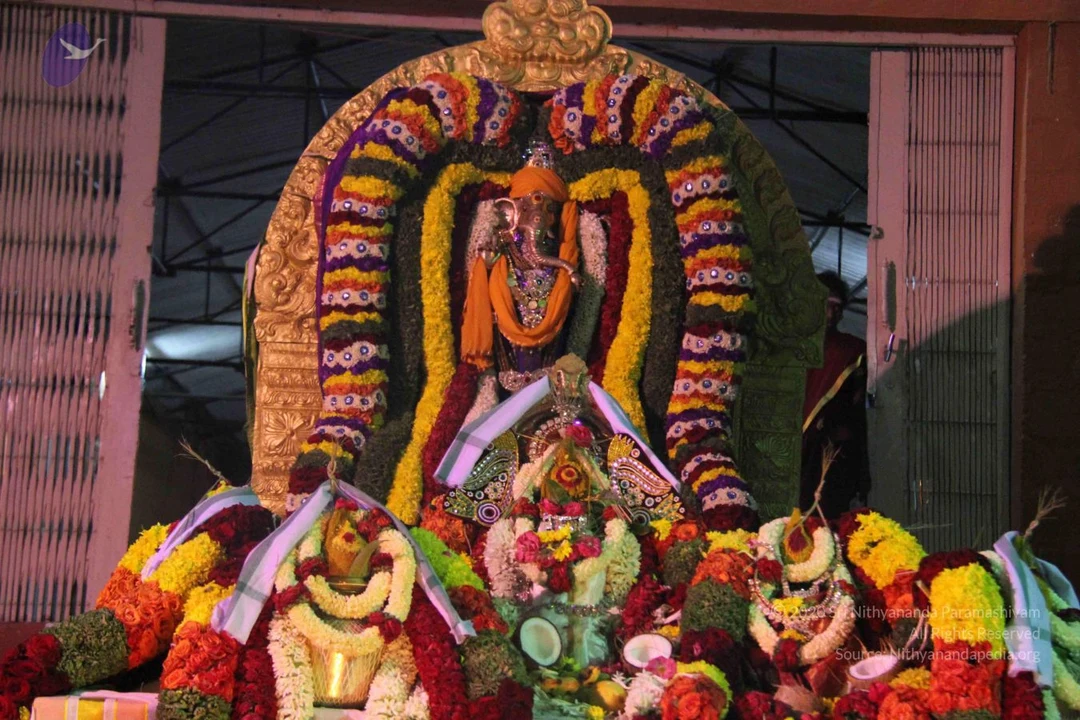
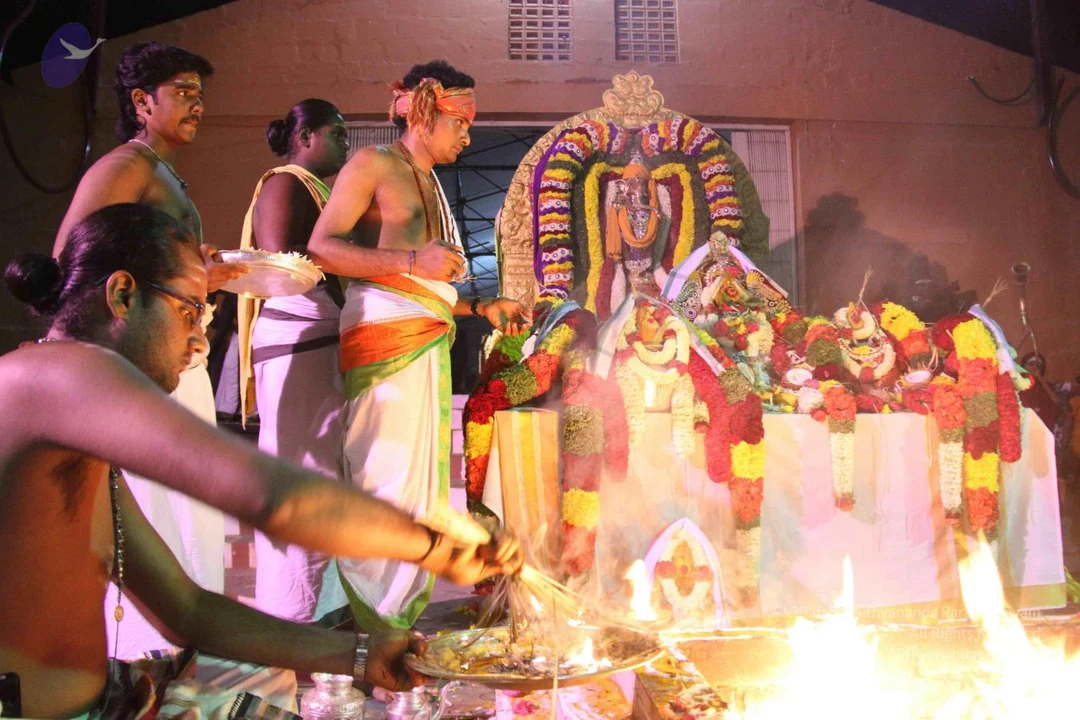
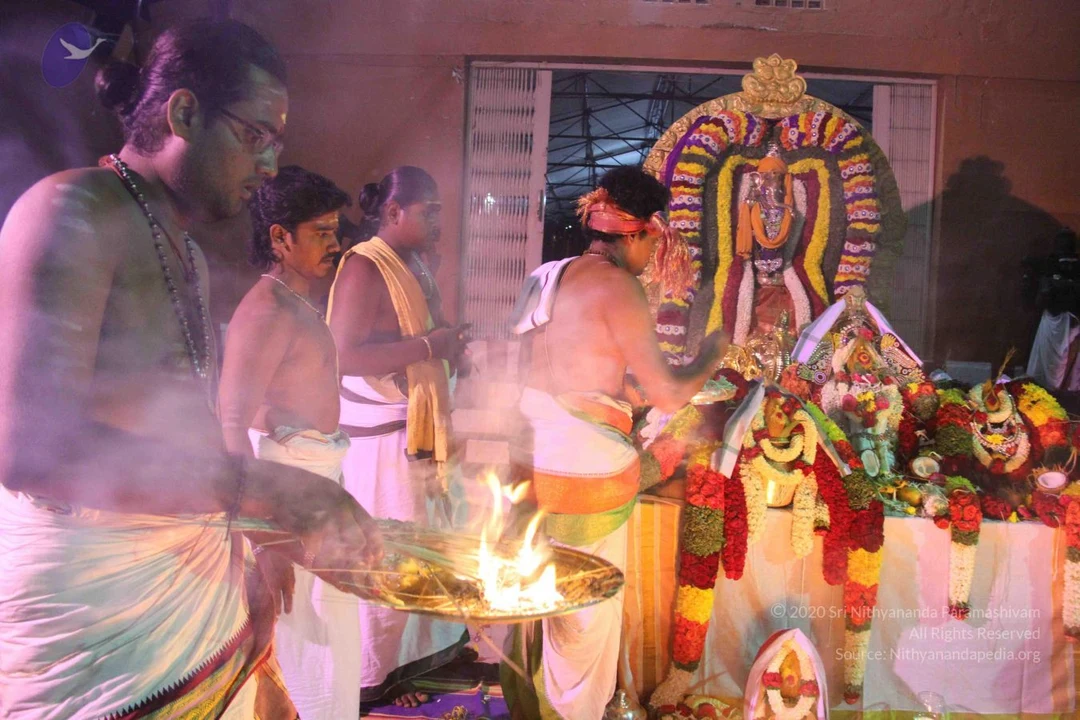
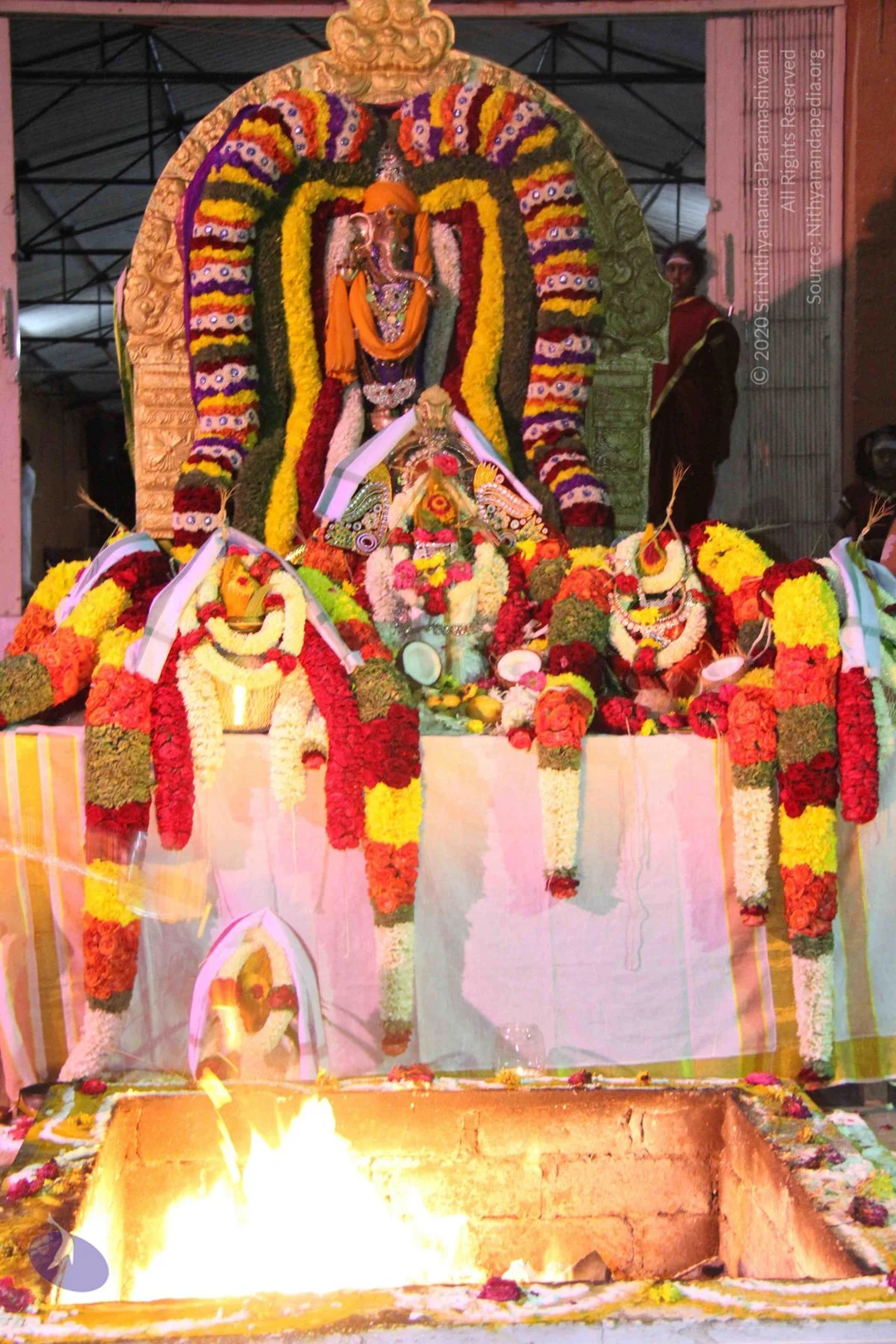
Ganapathy-Homa

Sacred-Arts

Photos Of The Day:

Deity-Darshan

Paduka-Puja

Satsang

Bhagavad-Gita-Book-release

Sarva-Darshan

IA-Darshan

IA

IA-Yoga

Ganapathy-Homa

Sacred-Arts

Photos from this day

View all 538 photos

Photos of the day
30 photosSource gallery
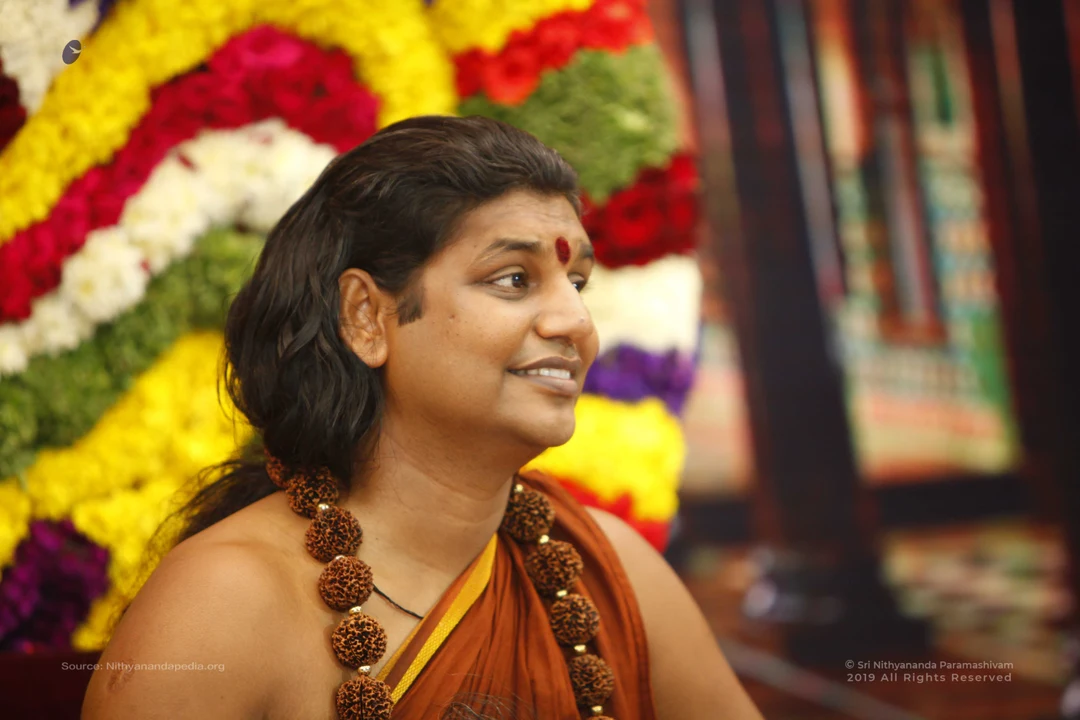
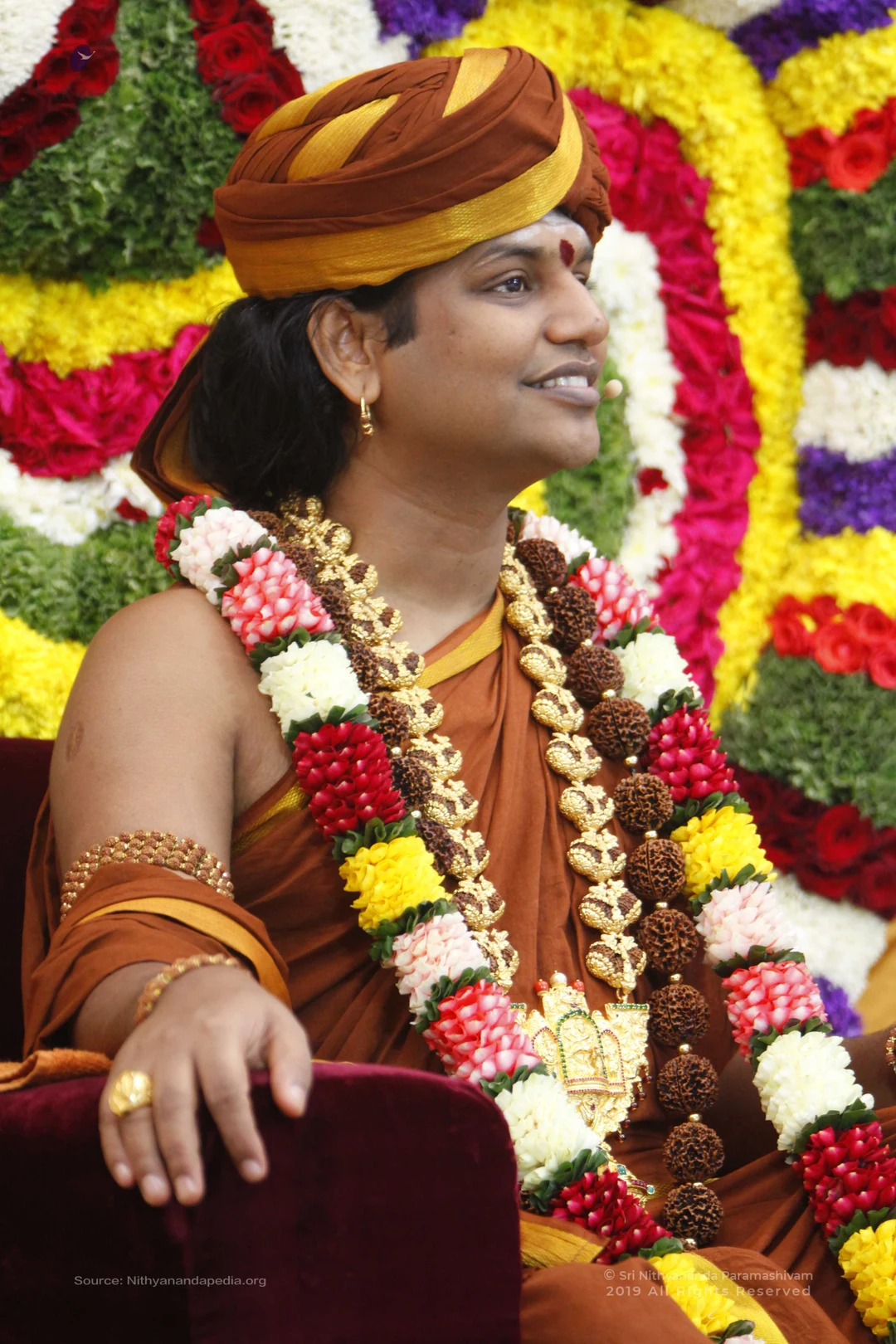
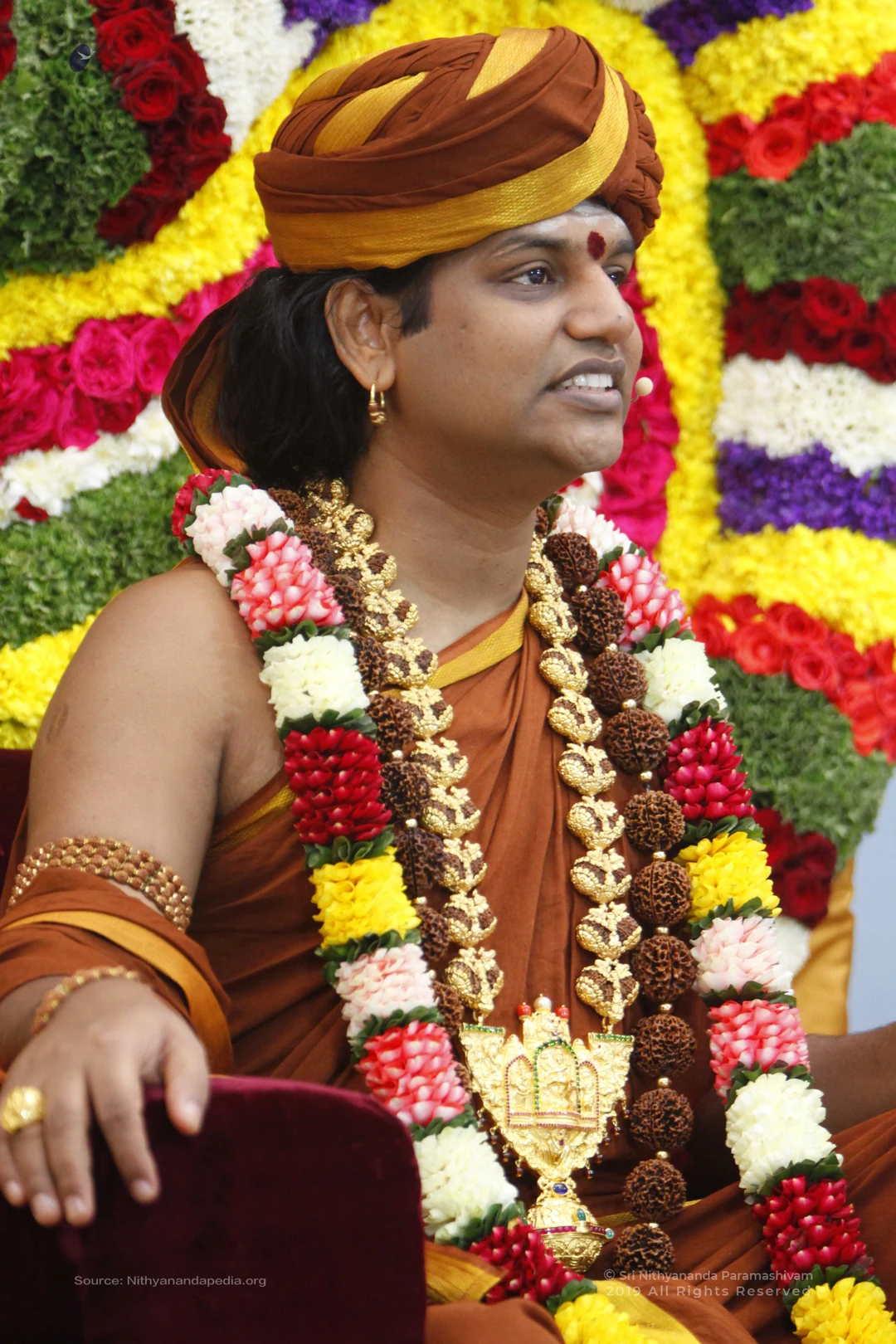
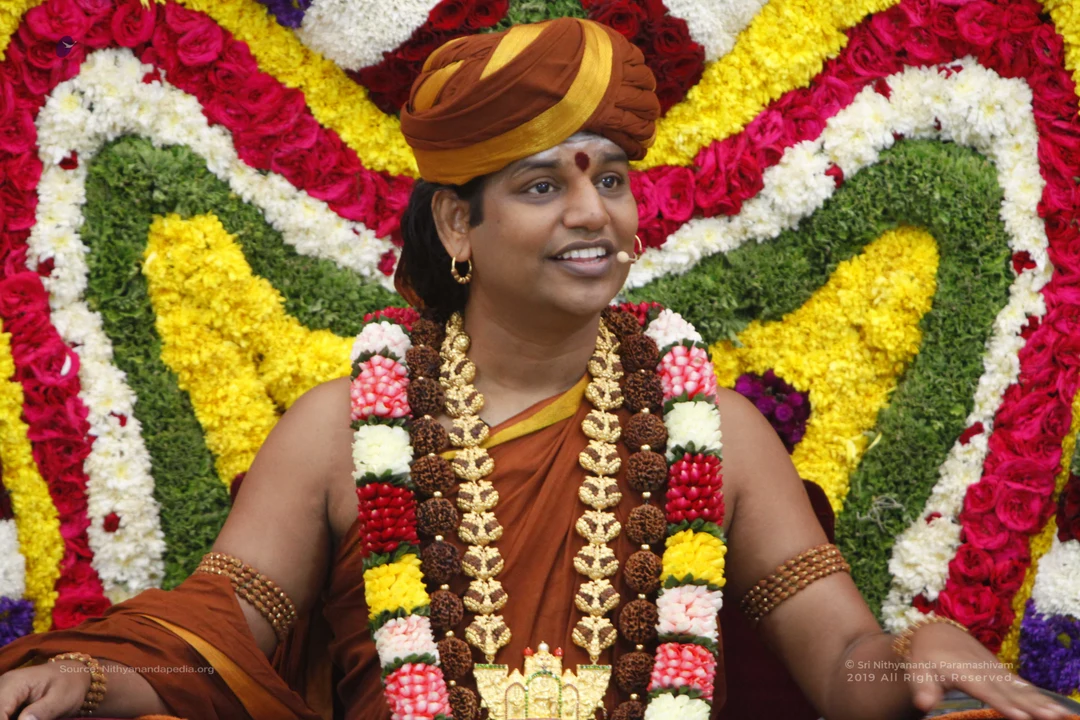
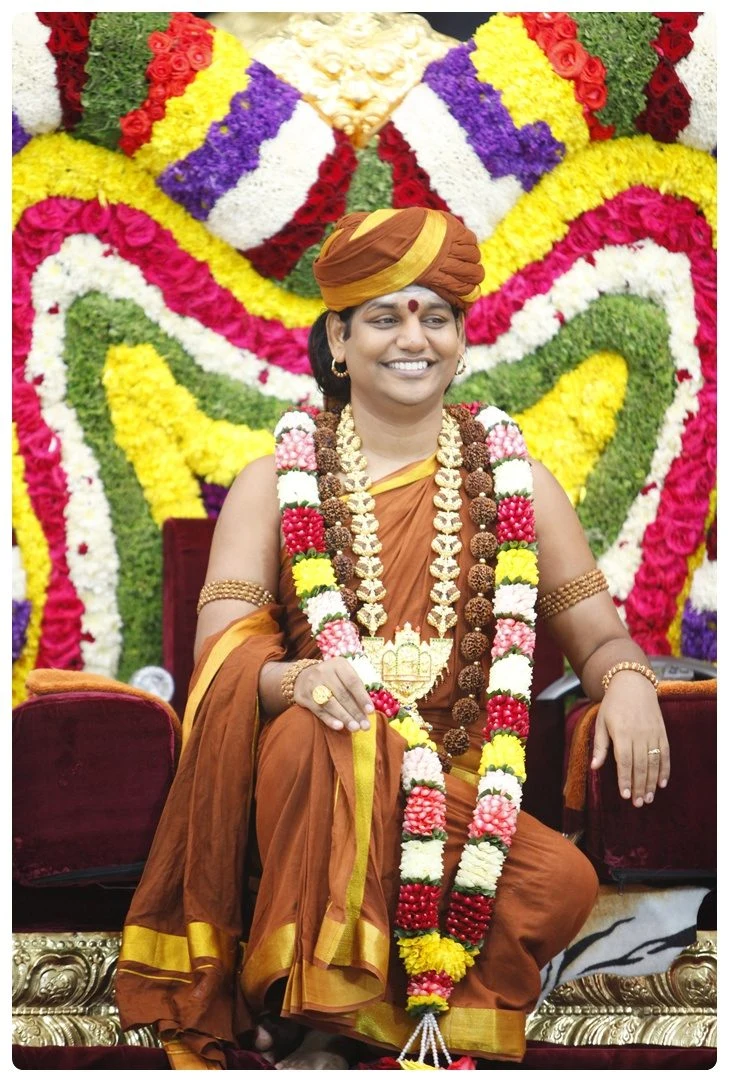
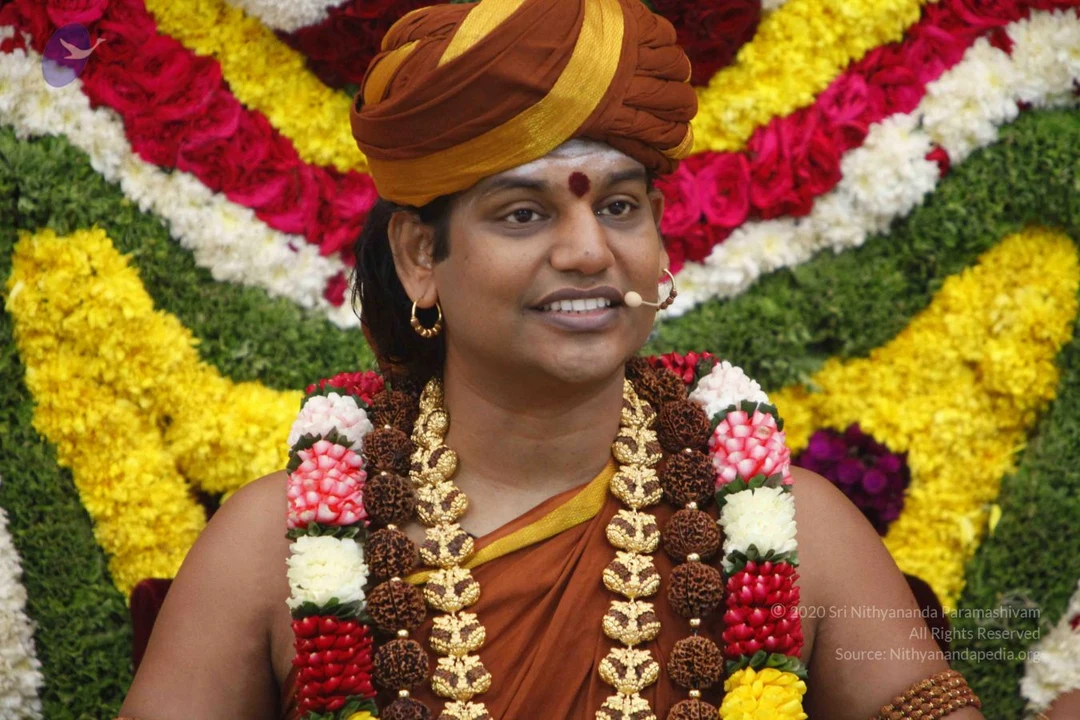
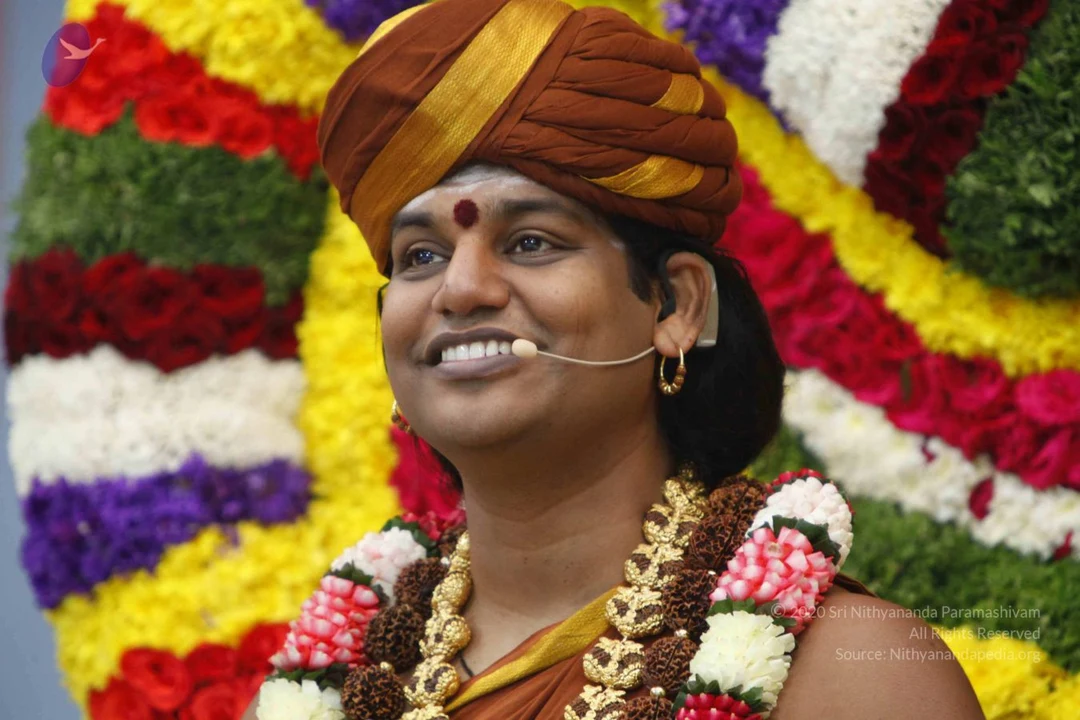
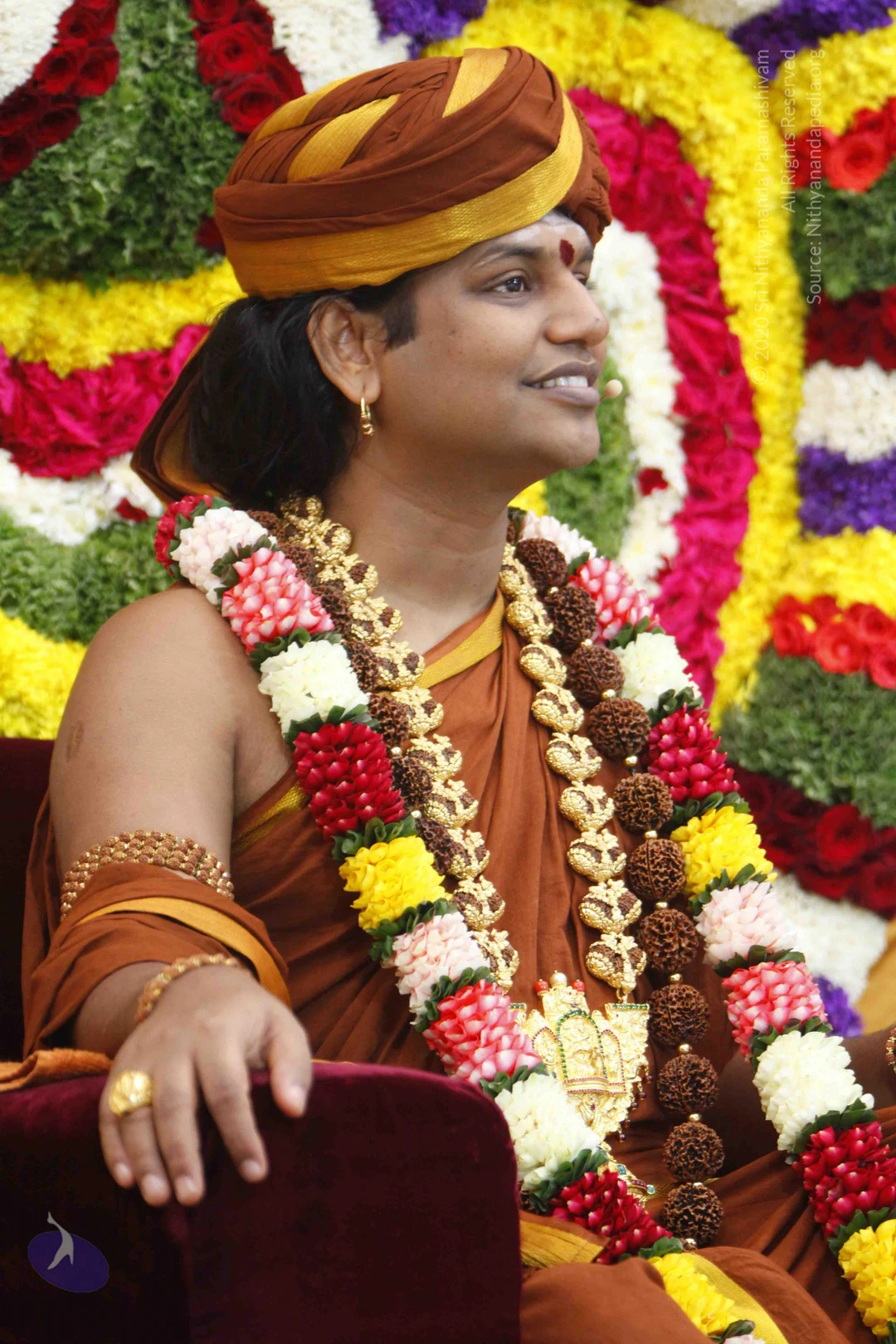
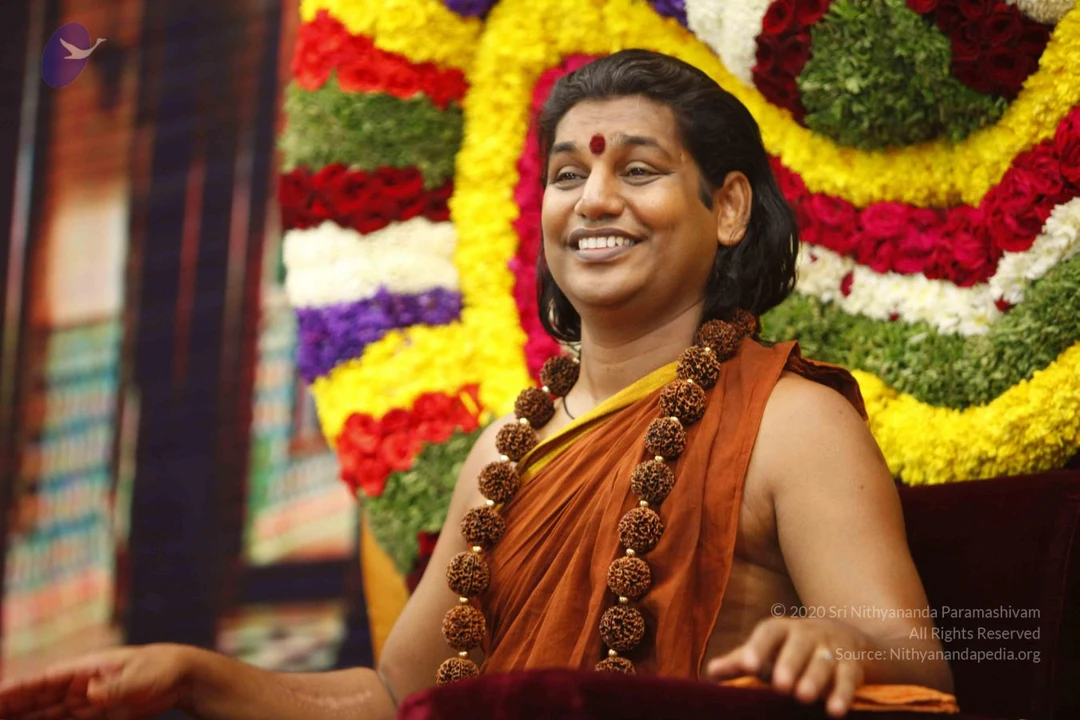
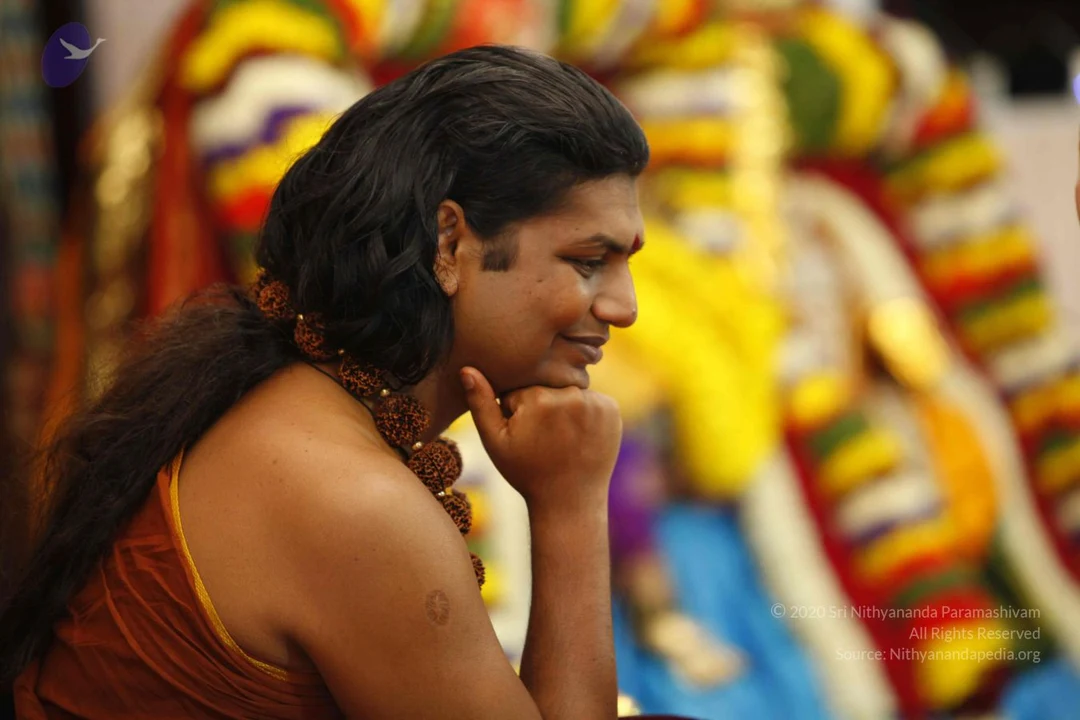
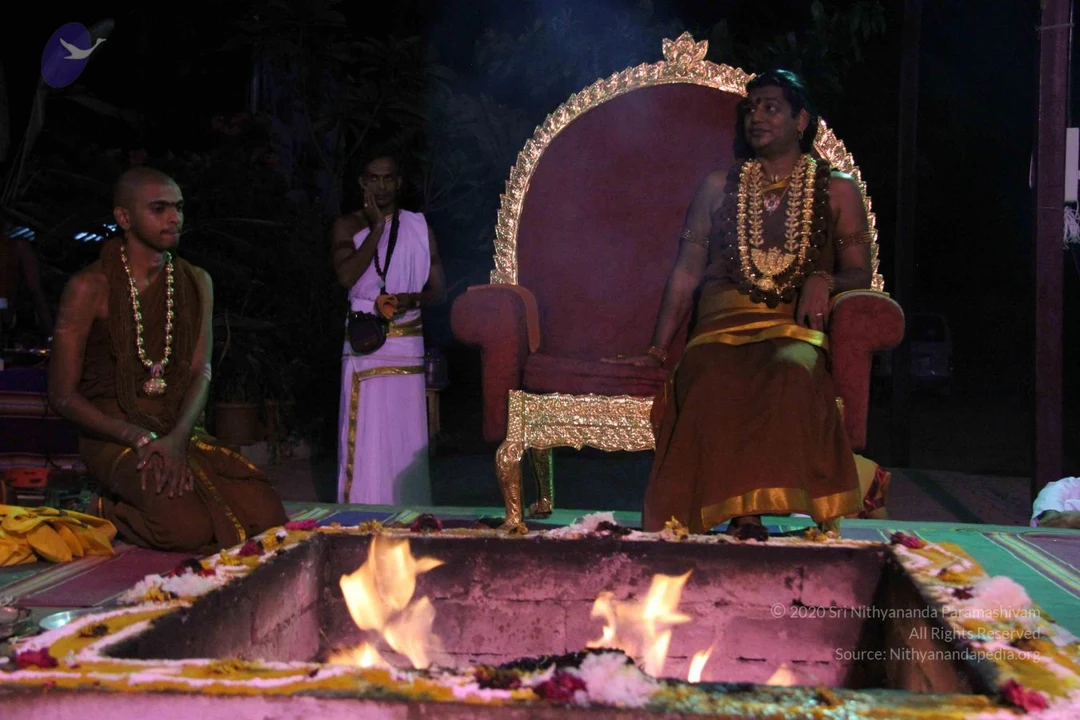
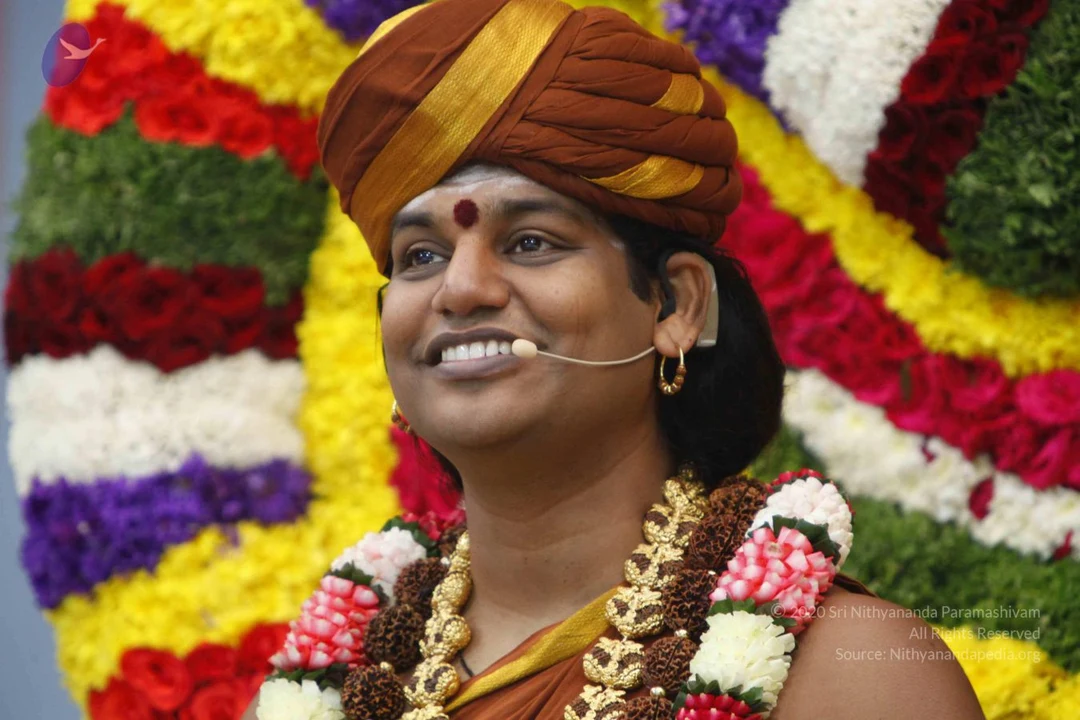
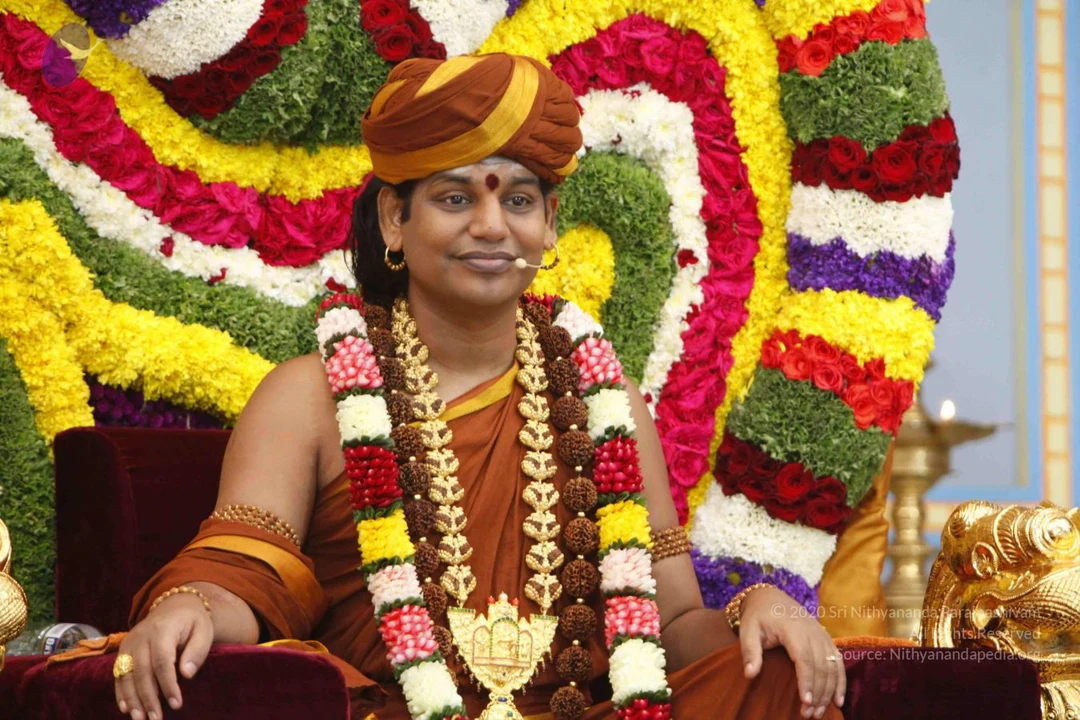
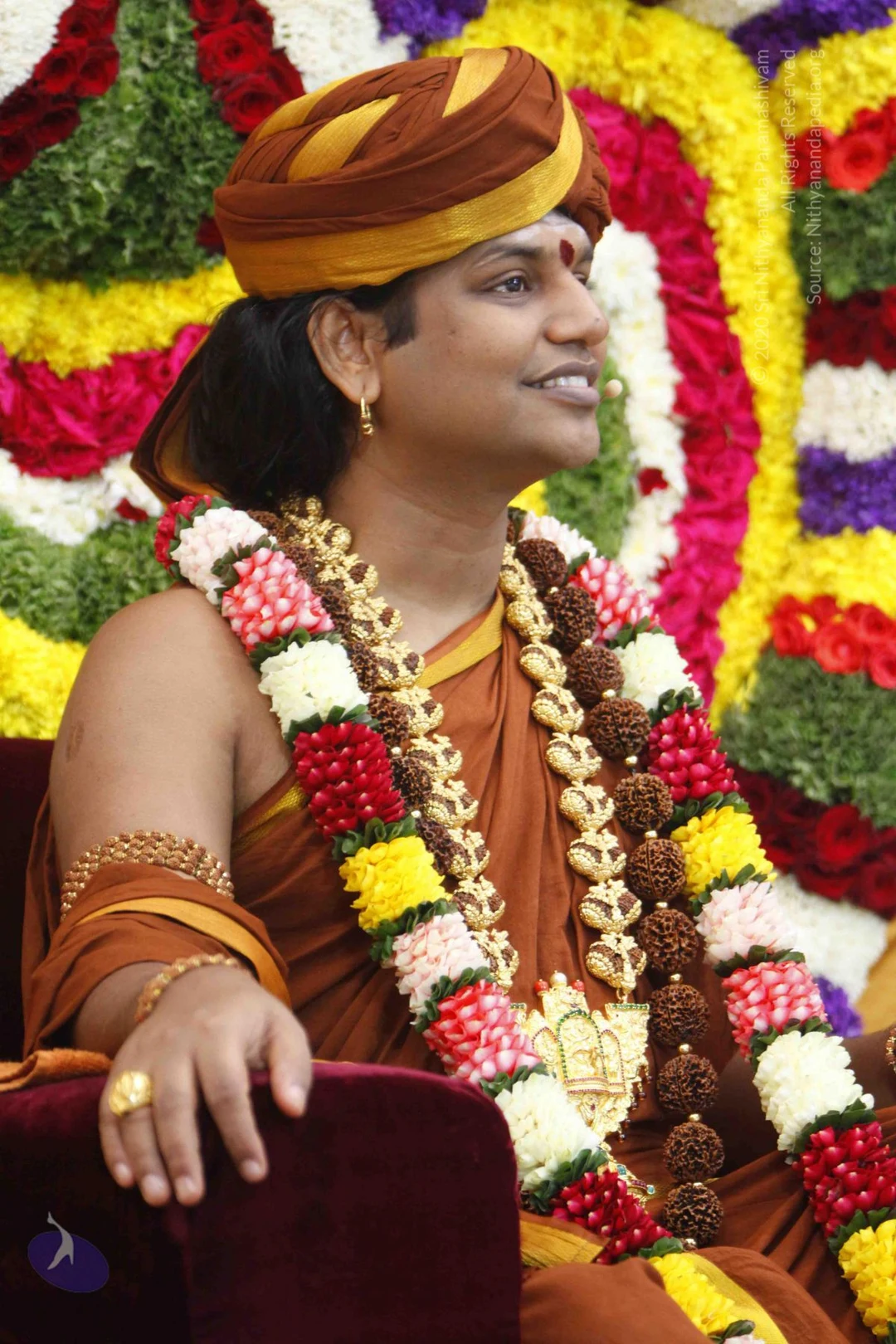
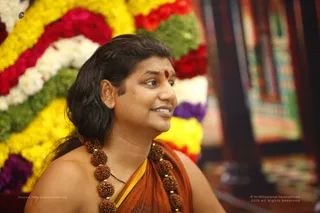
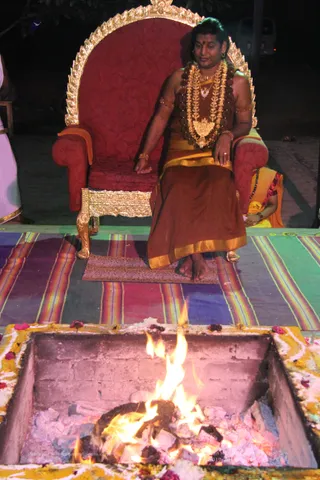
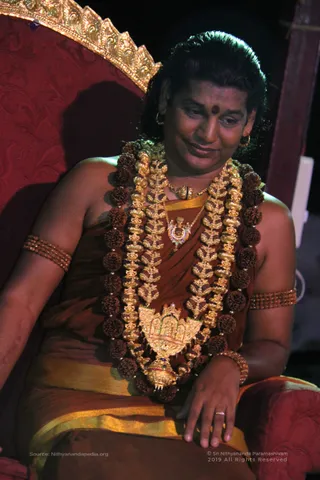
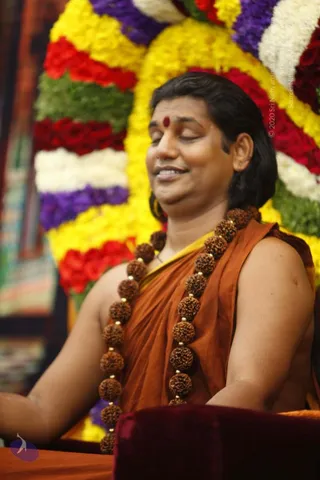
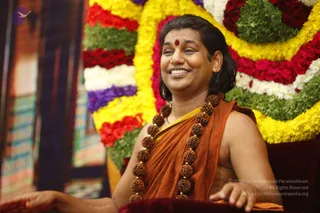
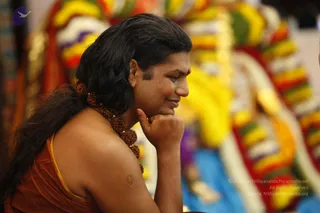
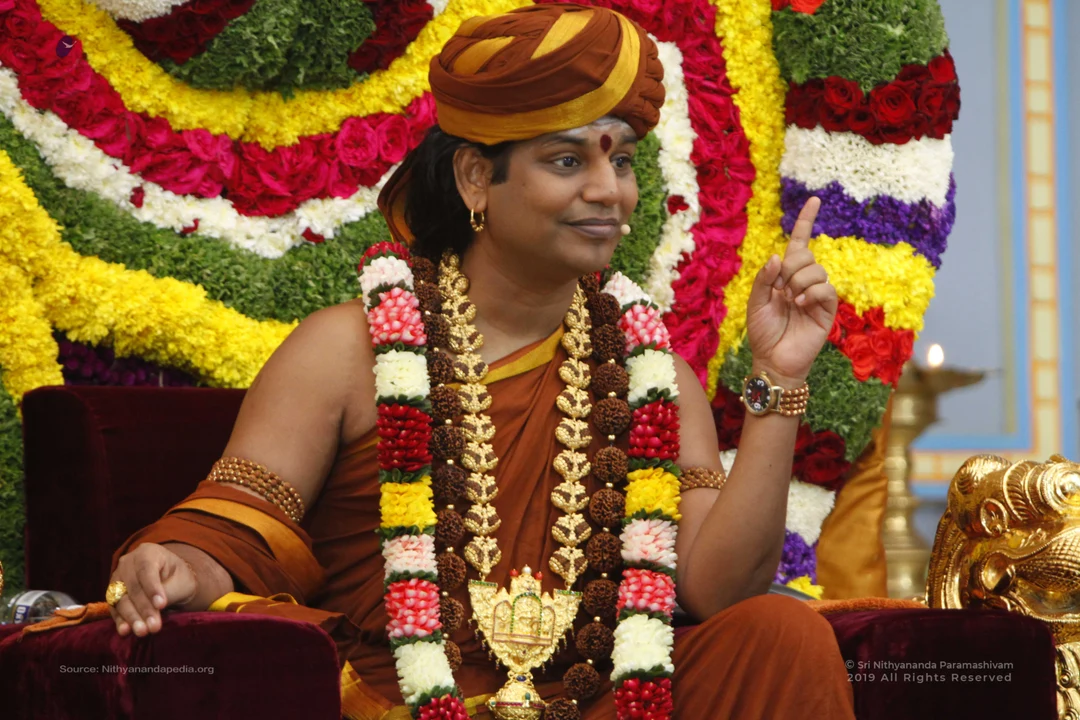
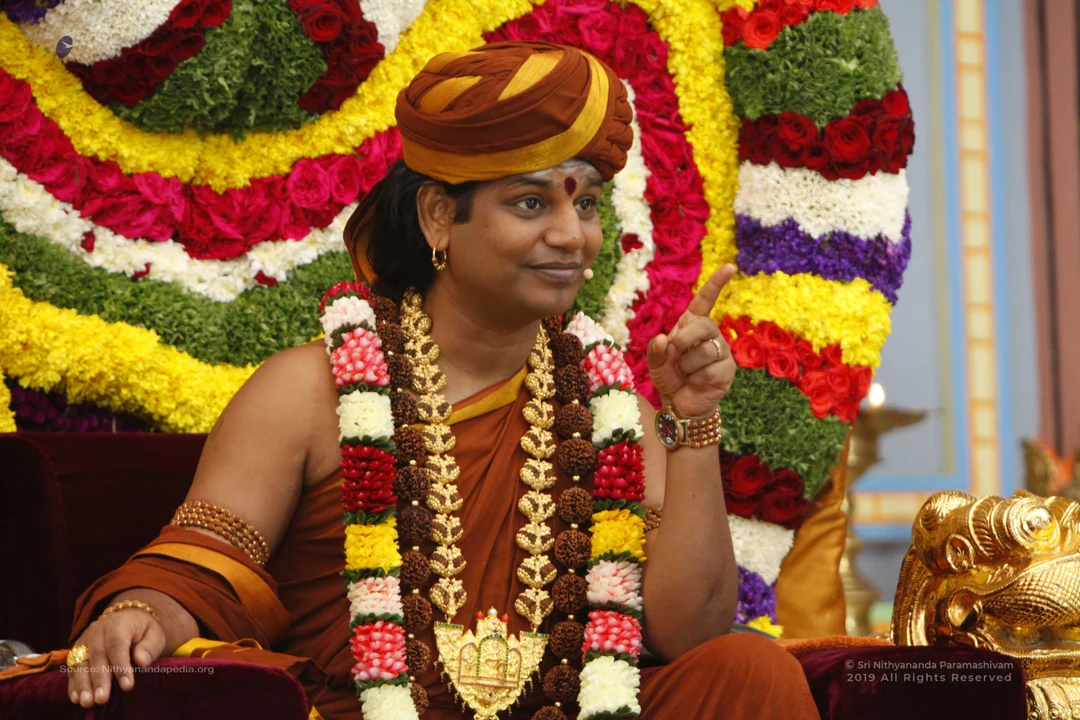
Close photograph of a man with long, swept-back dark hair and a red bindi on his forehead, seated in front of a backdrop of garlands of yellow, red, white, green and purple flowers. He wears an orange-saffron cloth draped over bare shoulders and multiple large brown rudraksha mala beads, with a yellow edge on the cloth. He looks off to the side and smiles. The background shows blurred colourful textiles and pillars.A person stands in front of a green draped silk backdrop with palms pressed together in anjali mudra at chest level, wearing a brown silk garment with a gold-bordered waistband. Heavy gold ceremonial necklaces with a large gold pendant and multiple rudraksha malas hang across the chest, with rudraksha armlets and bracelets. A red bindi marks the forehead, with gold hoop earrings and a ring on one hand. Marigold garlands are visible at the lower edge beside the sitter, and a partly visible sign carries the copyright credit at the bottom.A seated man in a large red upholstered throne with ornate gold carved frame and armrests, on a striped multicolored floor rug with a leopard-print mat. He wears a rust-brown dhoti-style garment with gold border, multiple gold necklaces and a large gold pendant, a rudraksha mala, gold armlets and bangles, and a red bindi. His hand rests lightly on the seat cushion.Night photo of a homa fire pit lined with marigold petals and flower garlands, burning with bright flames in the foreground. Behind it, a person sits on an ornate red upholstered throne with gold-leaf carved arches and armrests, placed on a striped rainbow cloth. The seated person wears an orange-brown garment with a gold border, a long gold leaf-shaped garland, a dense rudraksha mala, a pendant necklace, gold armlets and bangles, and a red bindi. Barefoot, with a leopard-print mat beneath the feet. A woman in orange and yellow sits to the right, and a figure in white stands at the left edge. The seated figure's appearance does not clearly support identification from the visible cues, so the role is described as a seated person.A man with swept-back dark hair and a red bindi sits on an ornate red throne with gold carved trim. He wears a rust-orange garment draped over bare shoulders, layered gold and rudraksha mala necklaces, a jewelled pendant, gold armlets and bangles, and a ring on one hand, resting it on his lap. A dark background surrounds him.Night photograph of a bare-chested man with his palms pressed together in anjali mudra, a namaste greeting. He wears a long saffron-orange cloth, layered garlands of white flowers and rudraksha beads, a gold ceremonial pendant necklace, gold armlets and bangles, and a small red tilak on his forehead with gold earrings. A gilded, ornately edged item is visible at the lower left, and a woman in a pale sari stands in the background on the right. The setting is dark with scattered lights.

Photos of the day
11 photosSource gallery
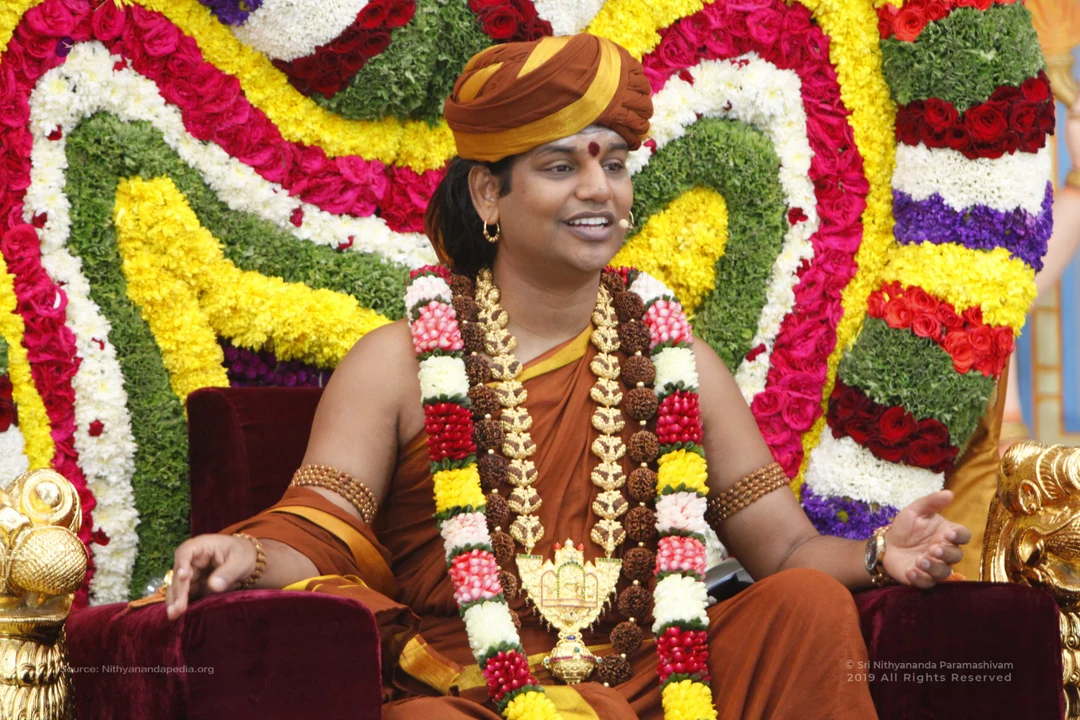
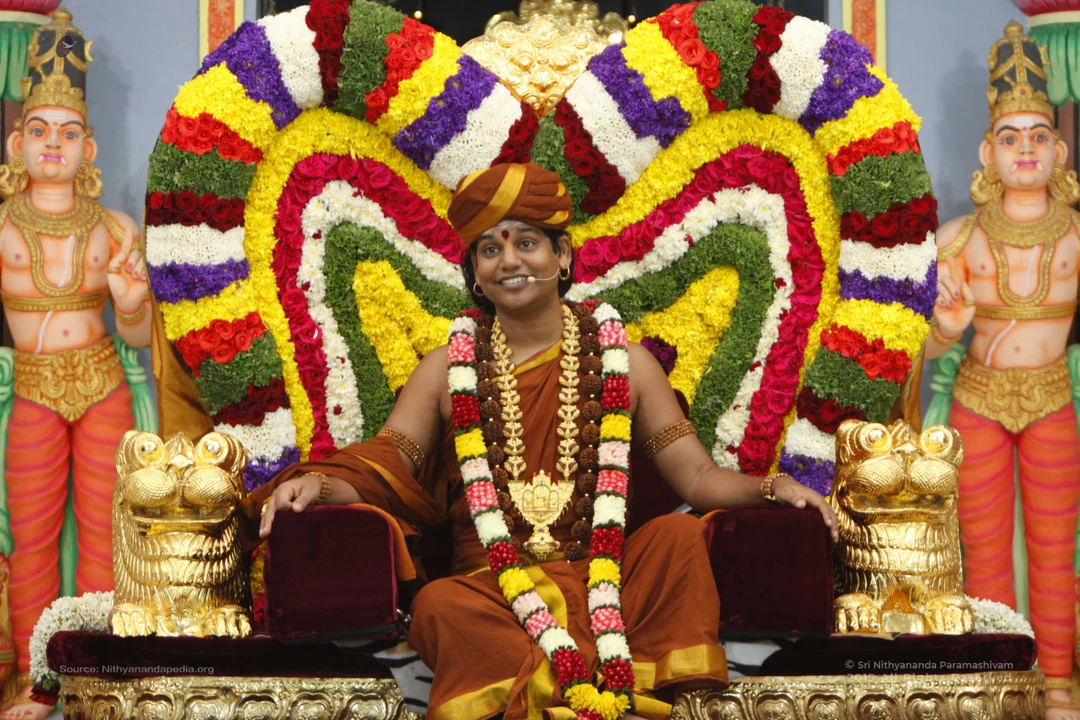
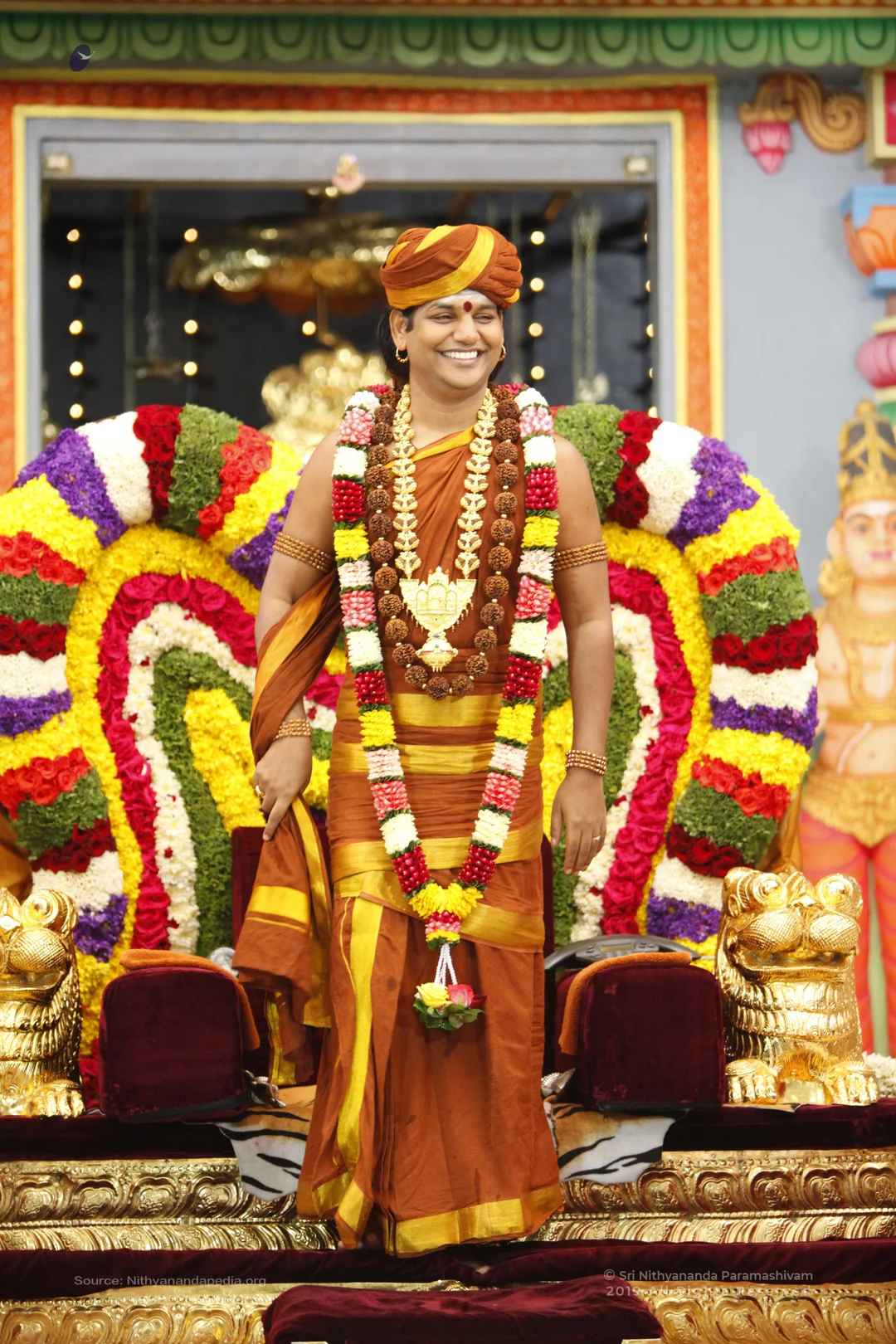
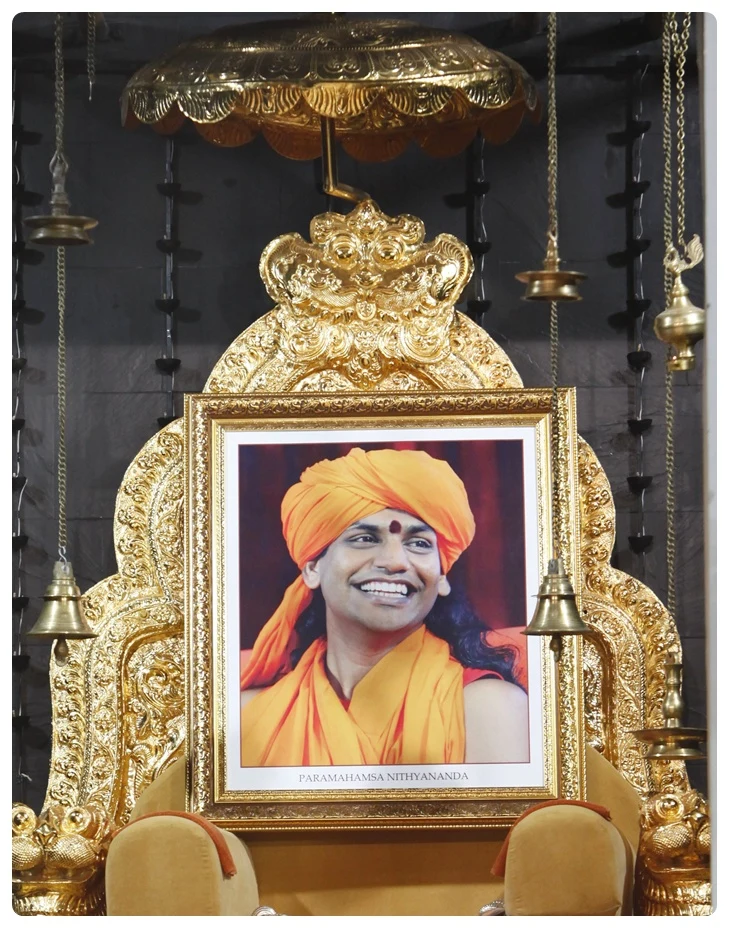
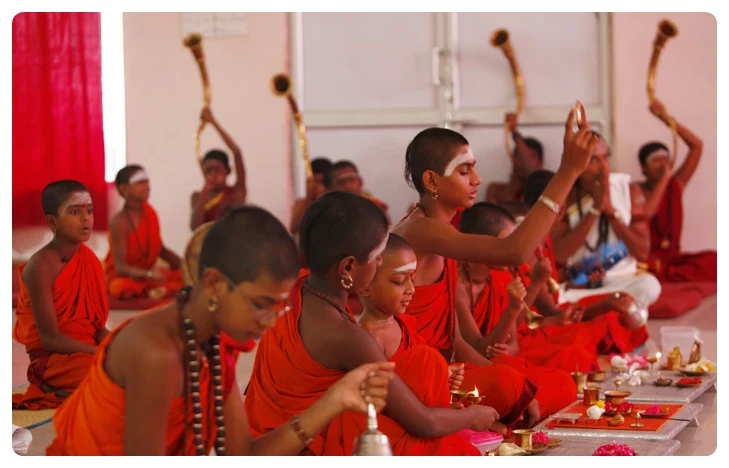
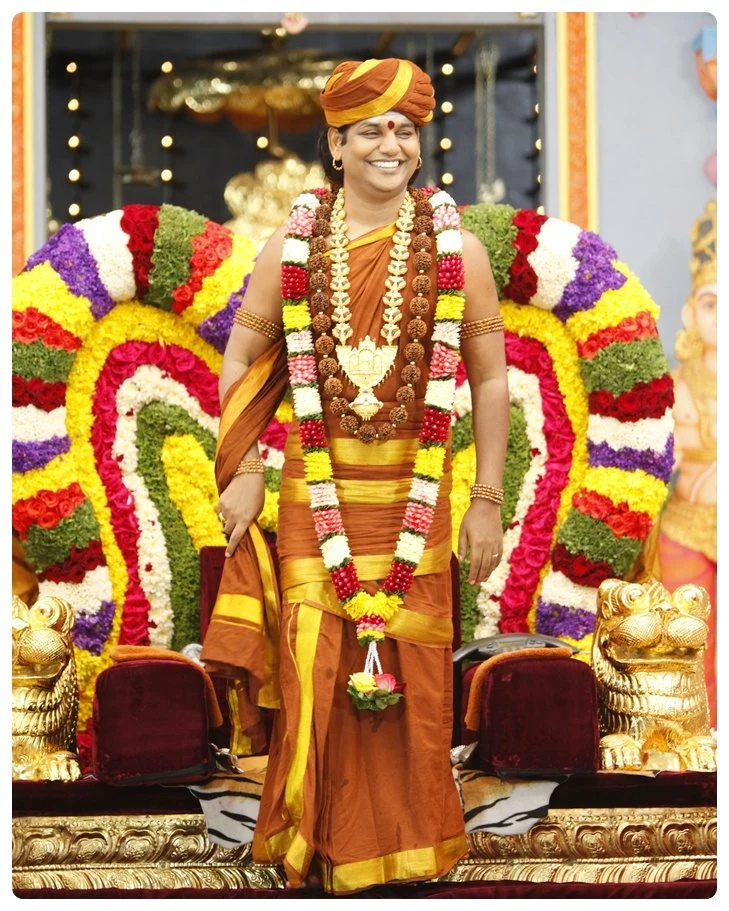
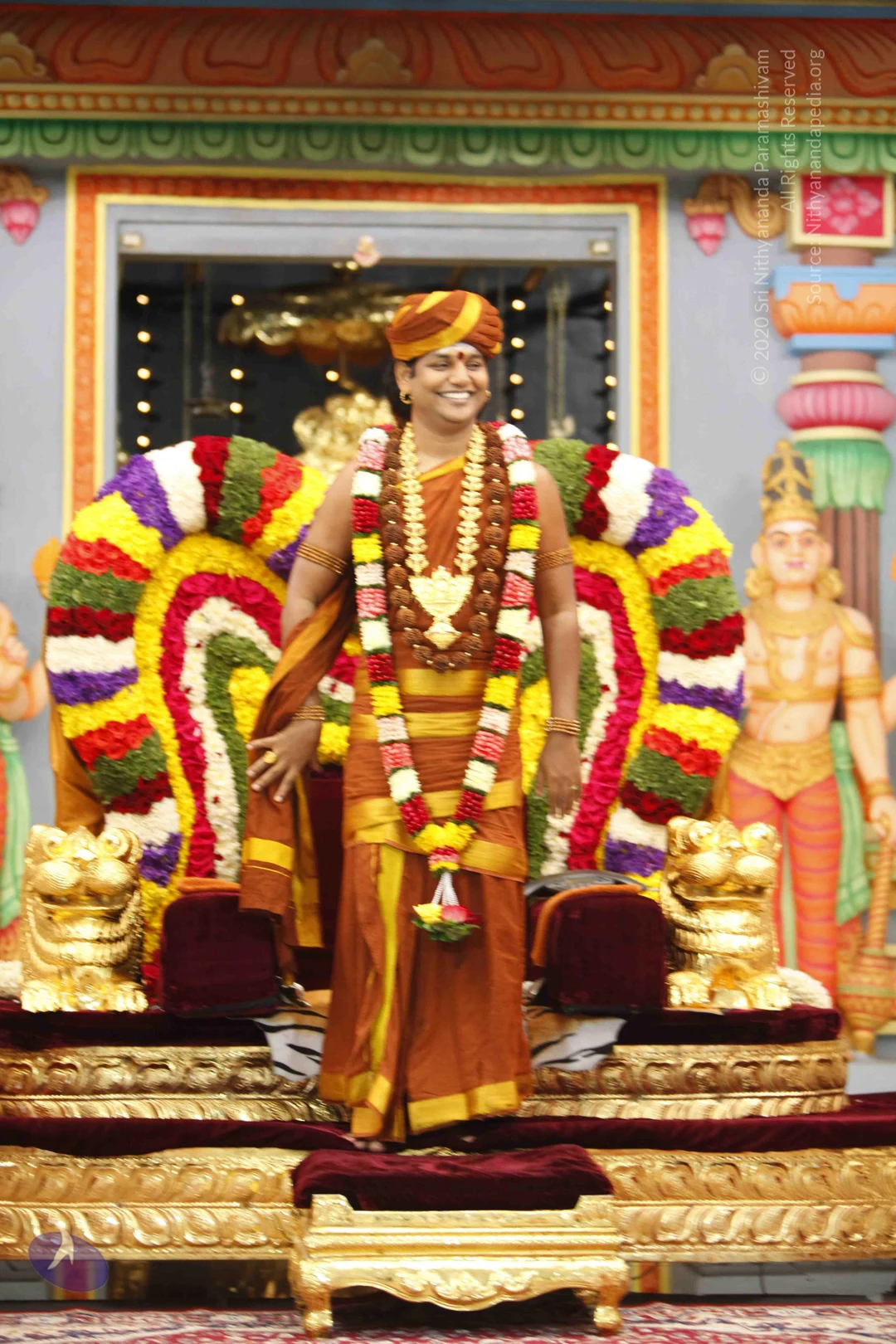
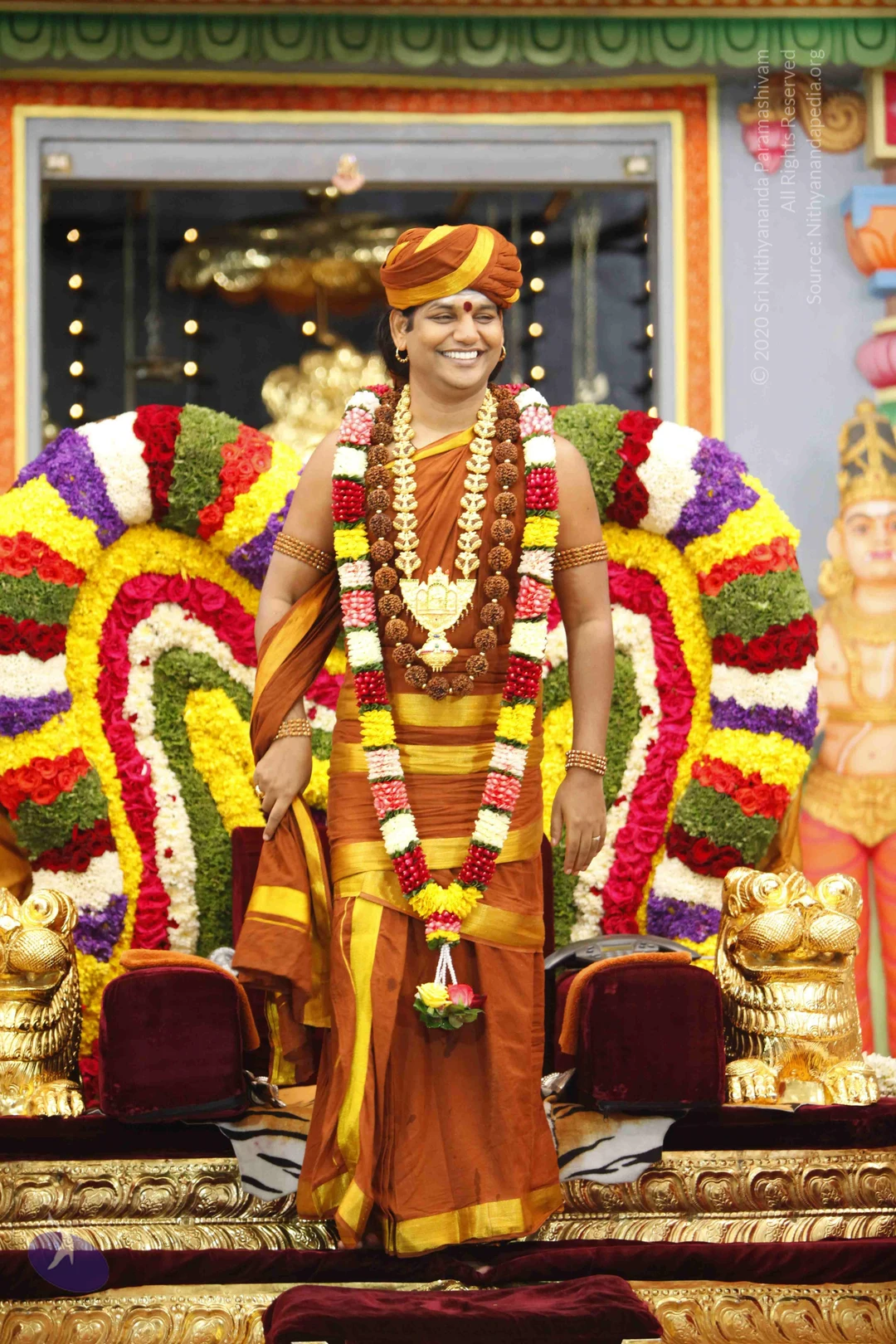
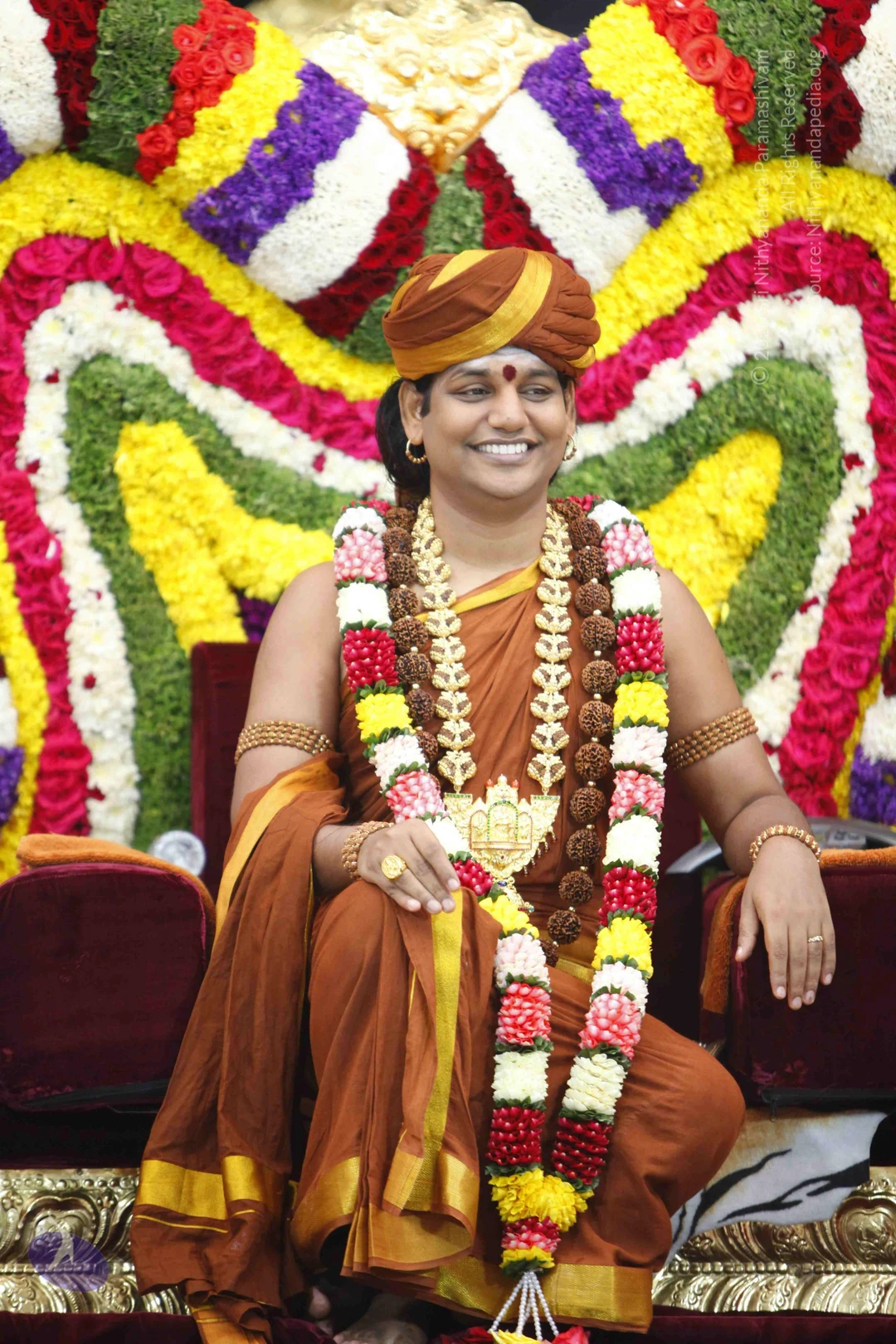
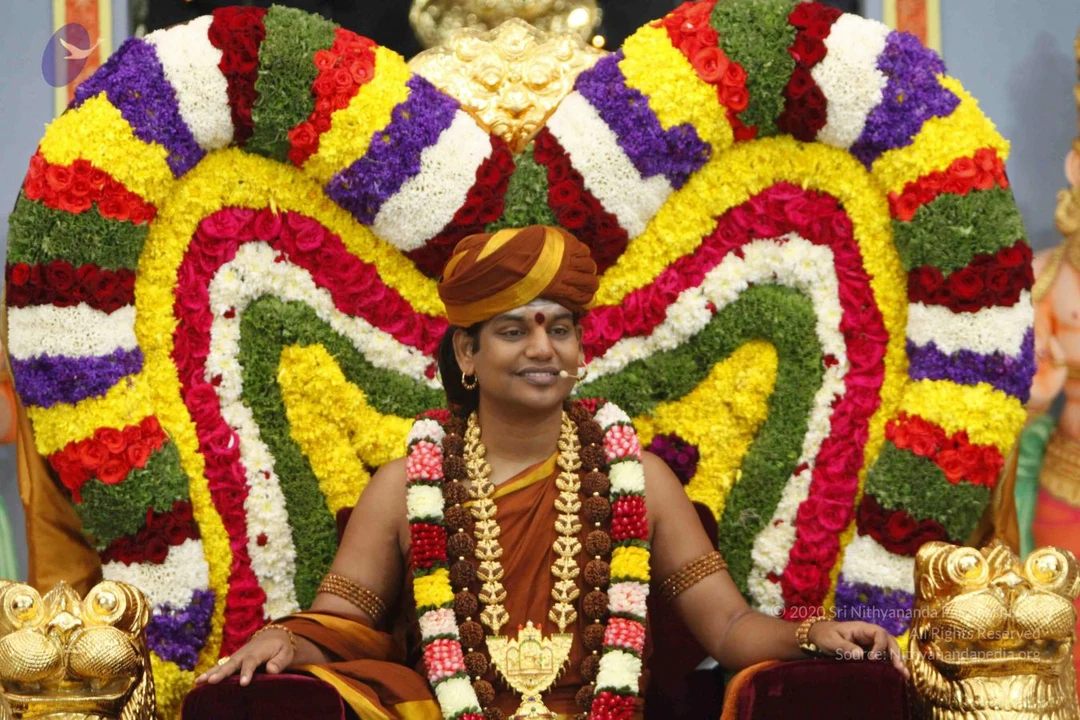
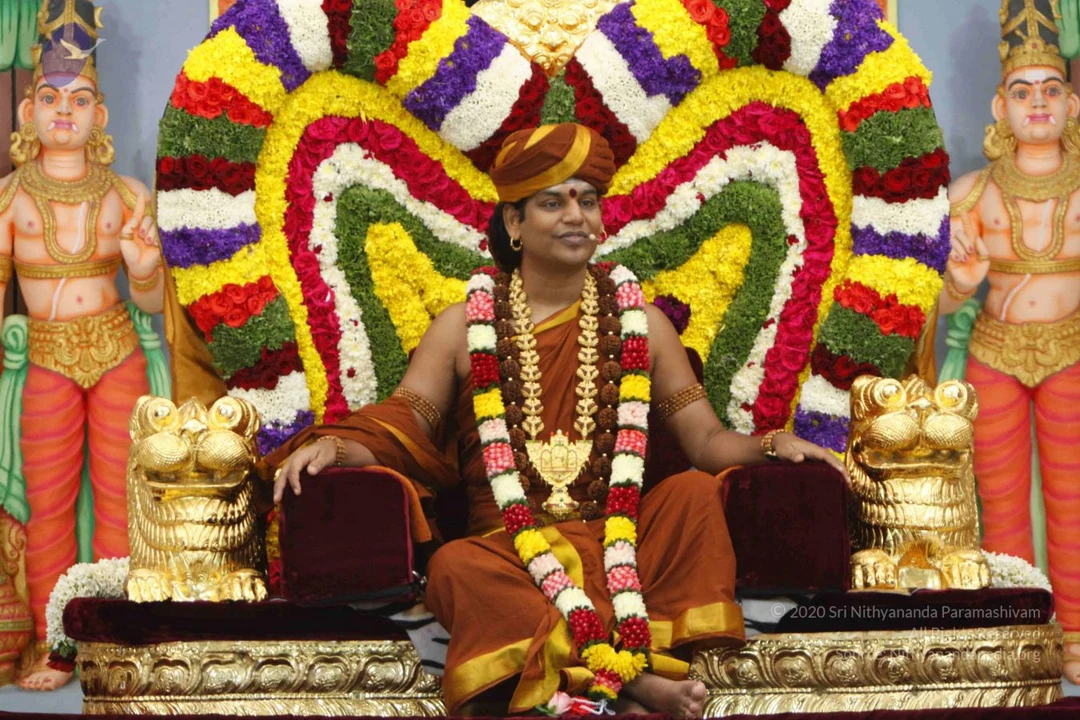
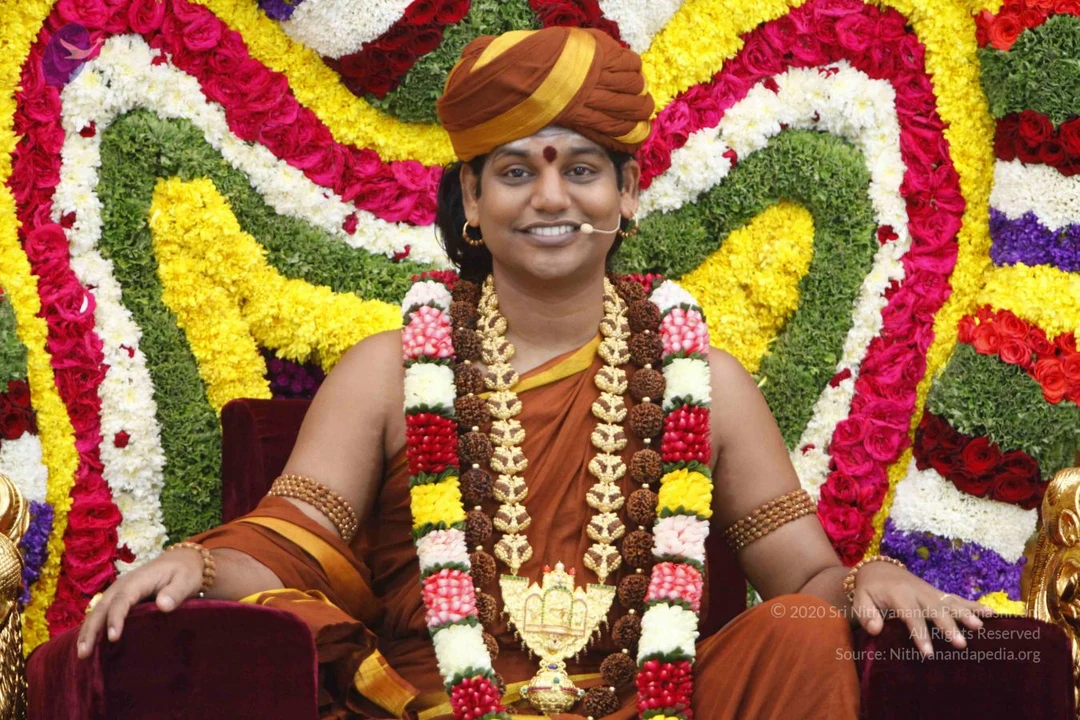
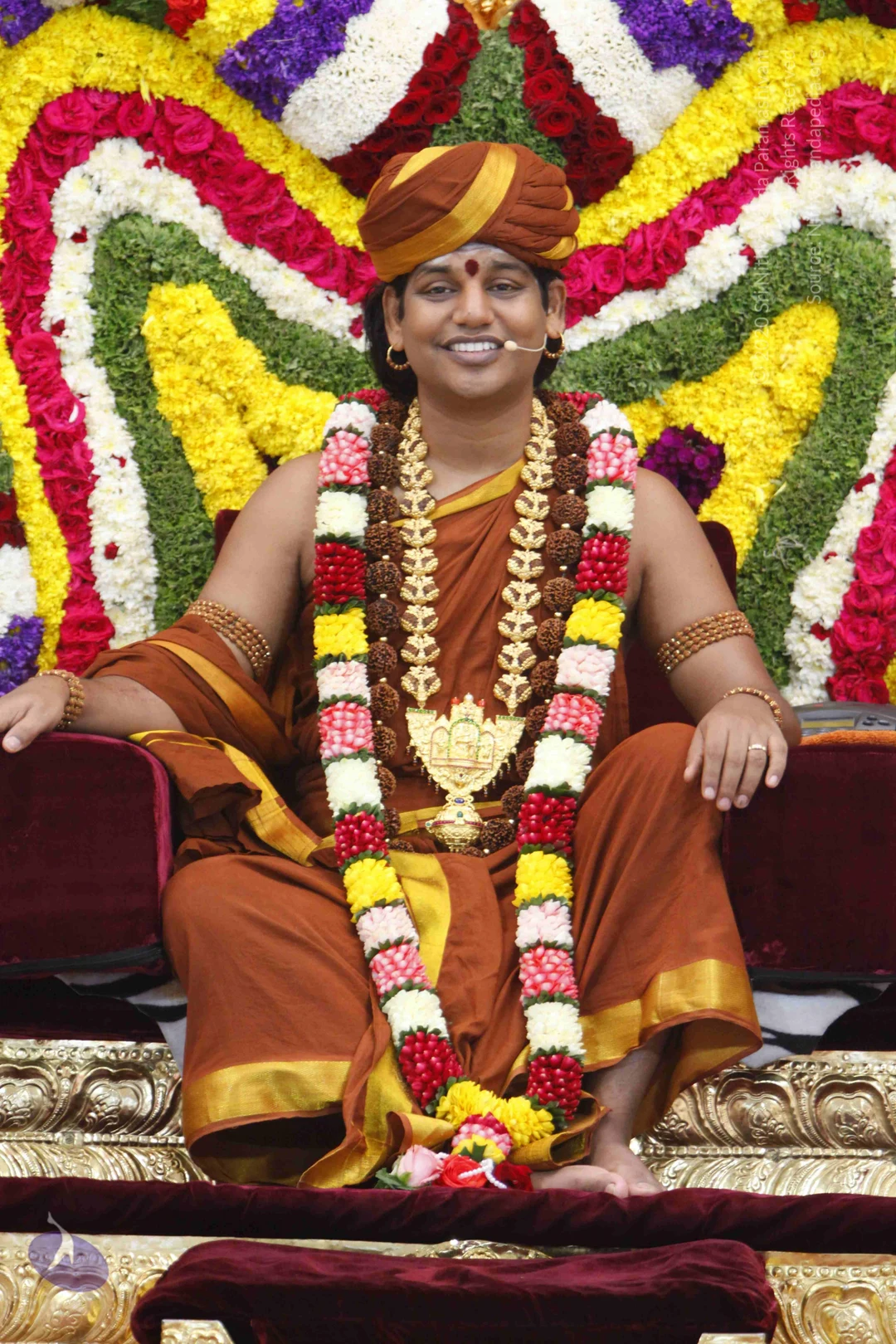
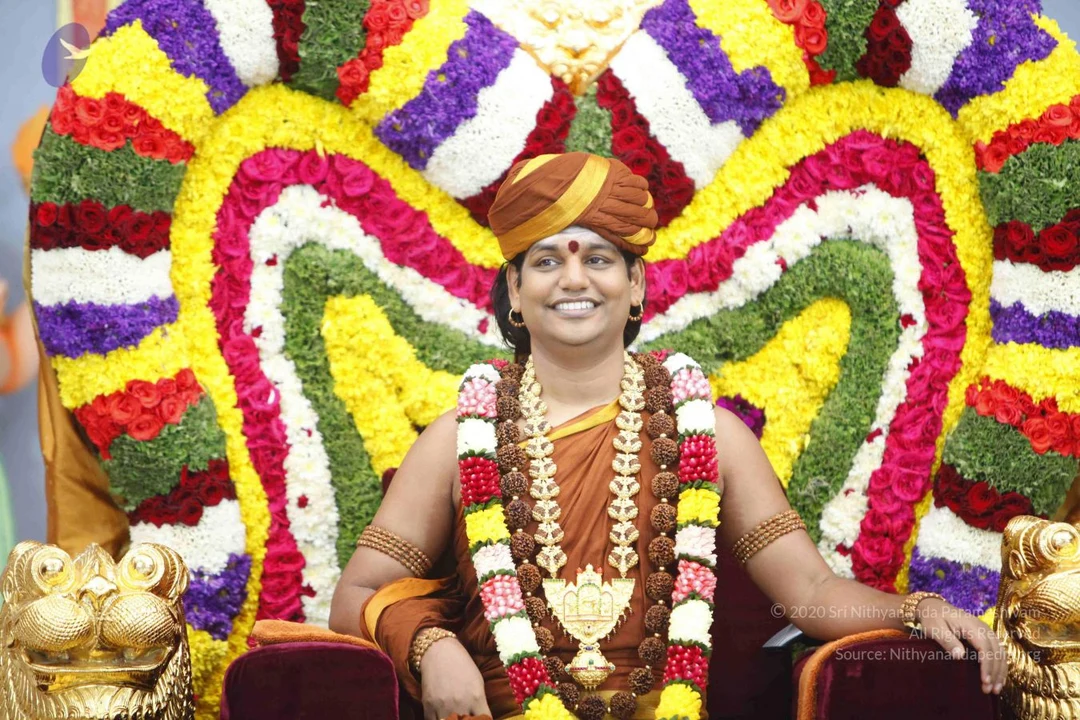
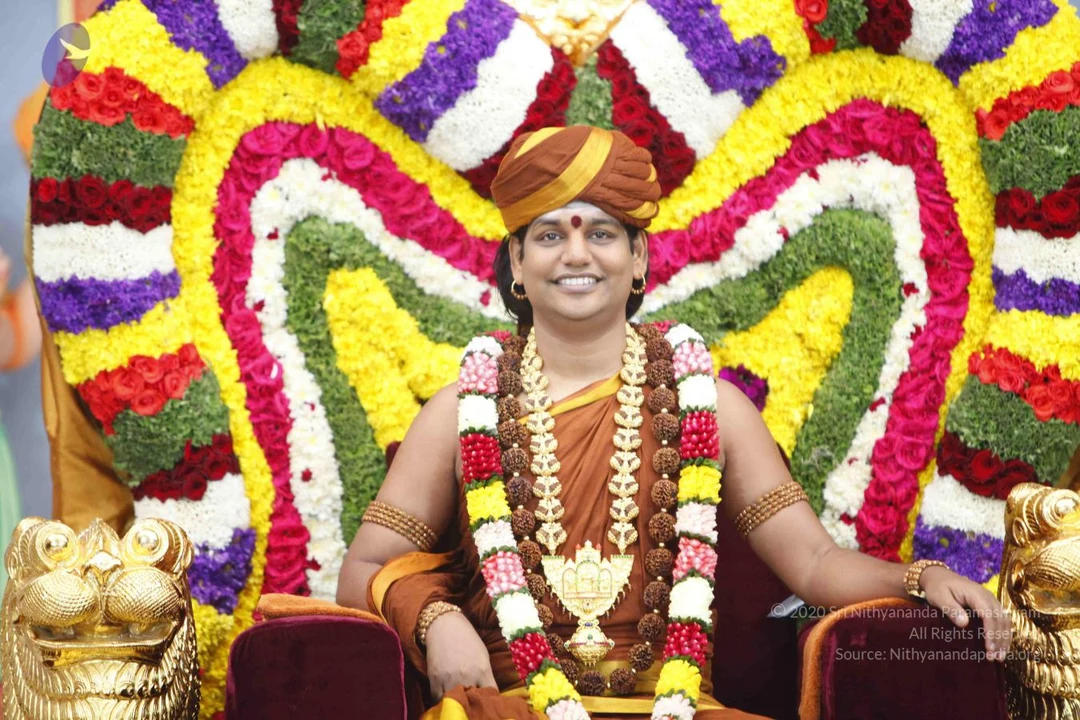
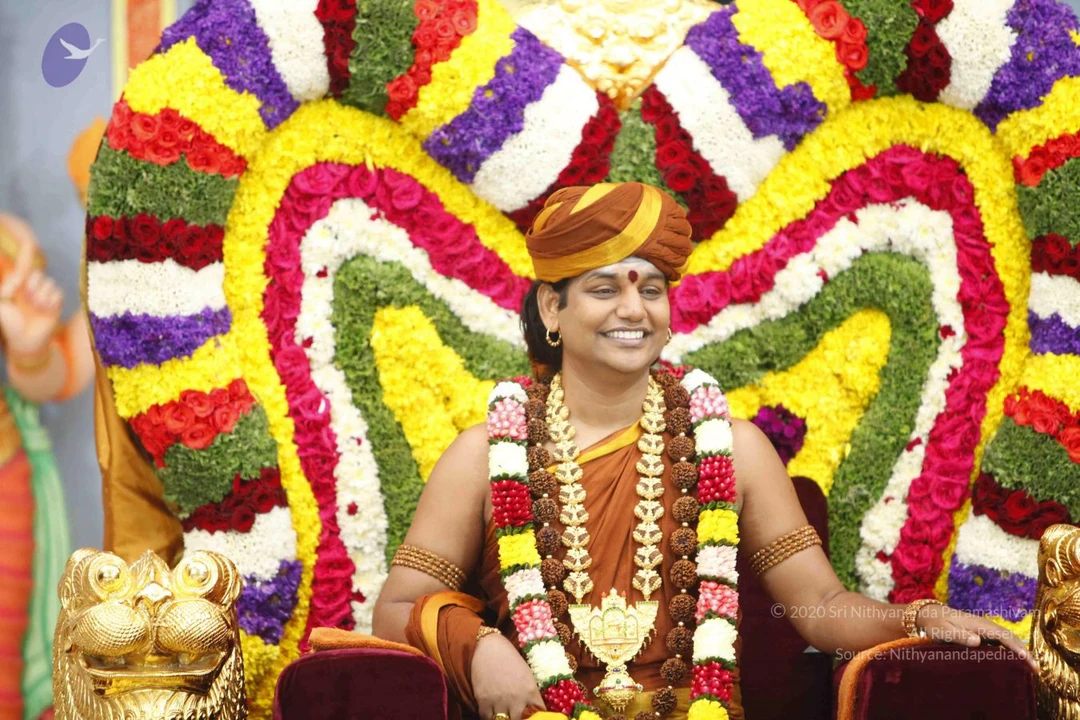
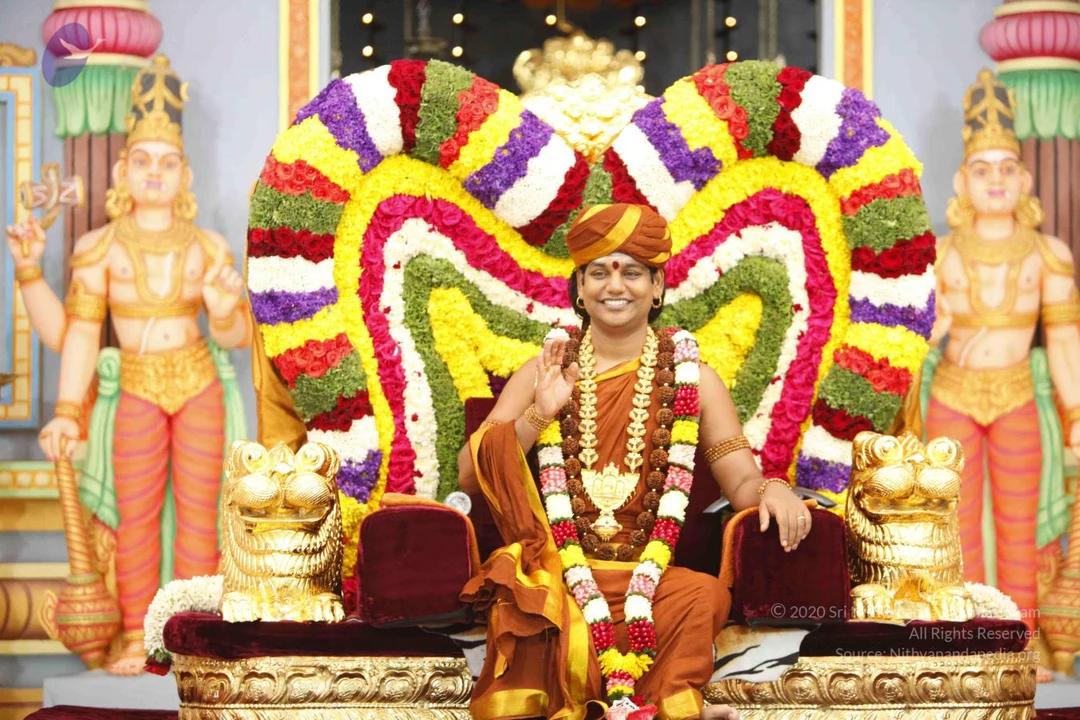
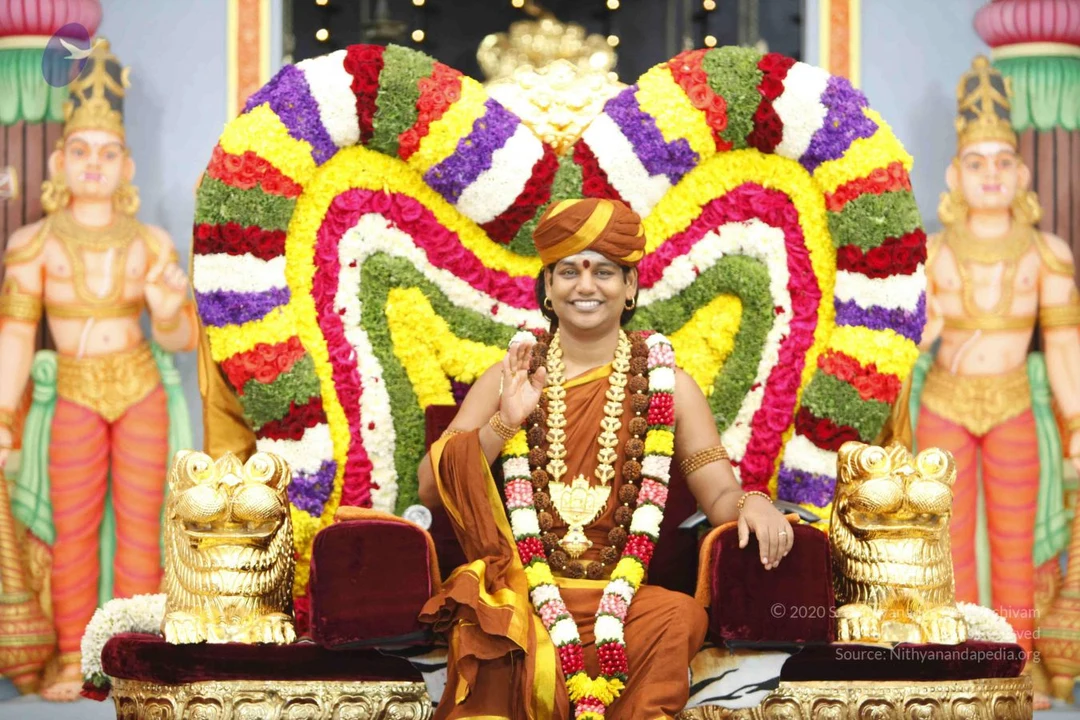
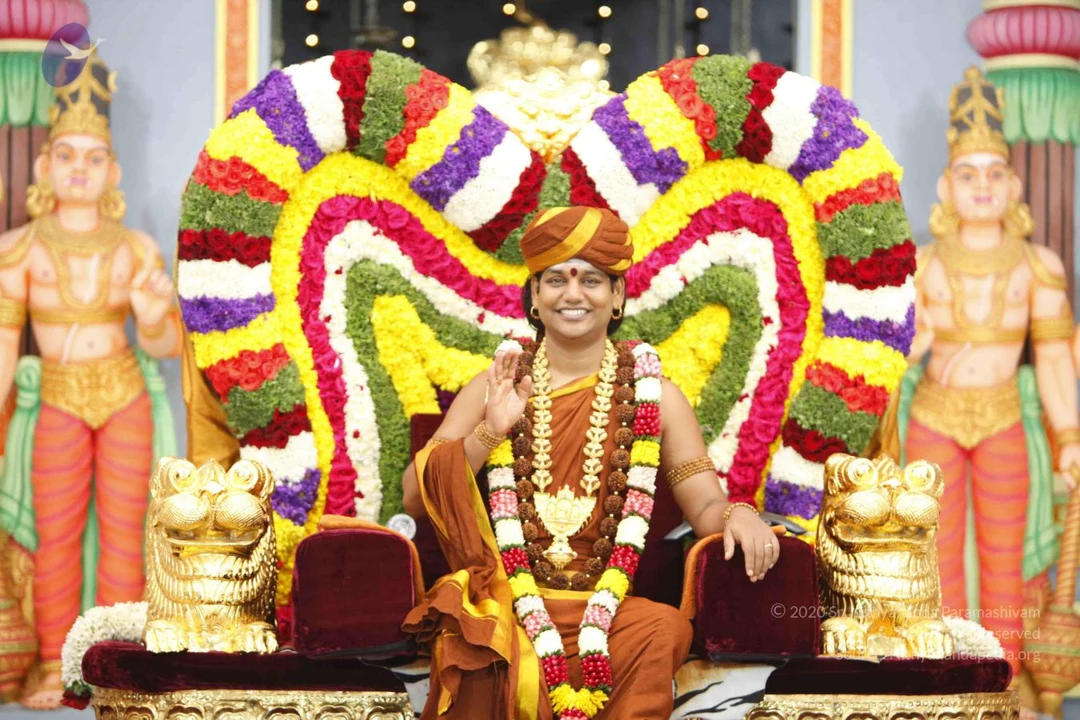
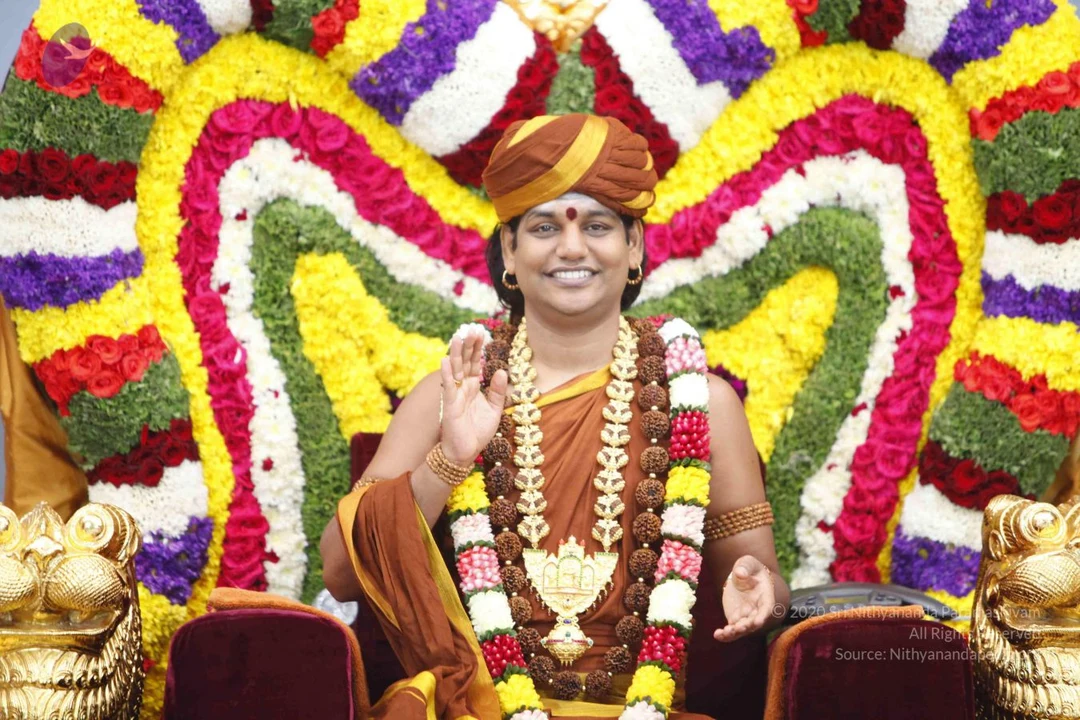
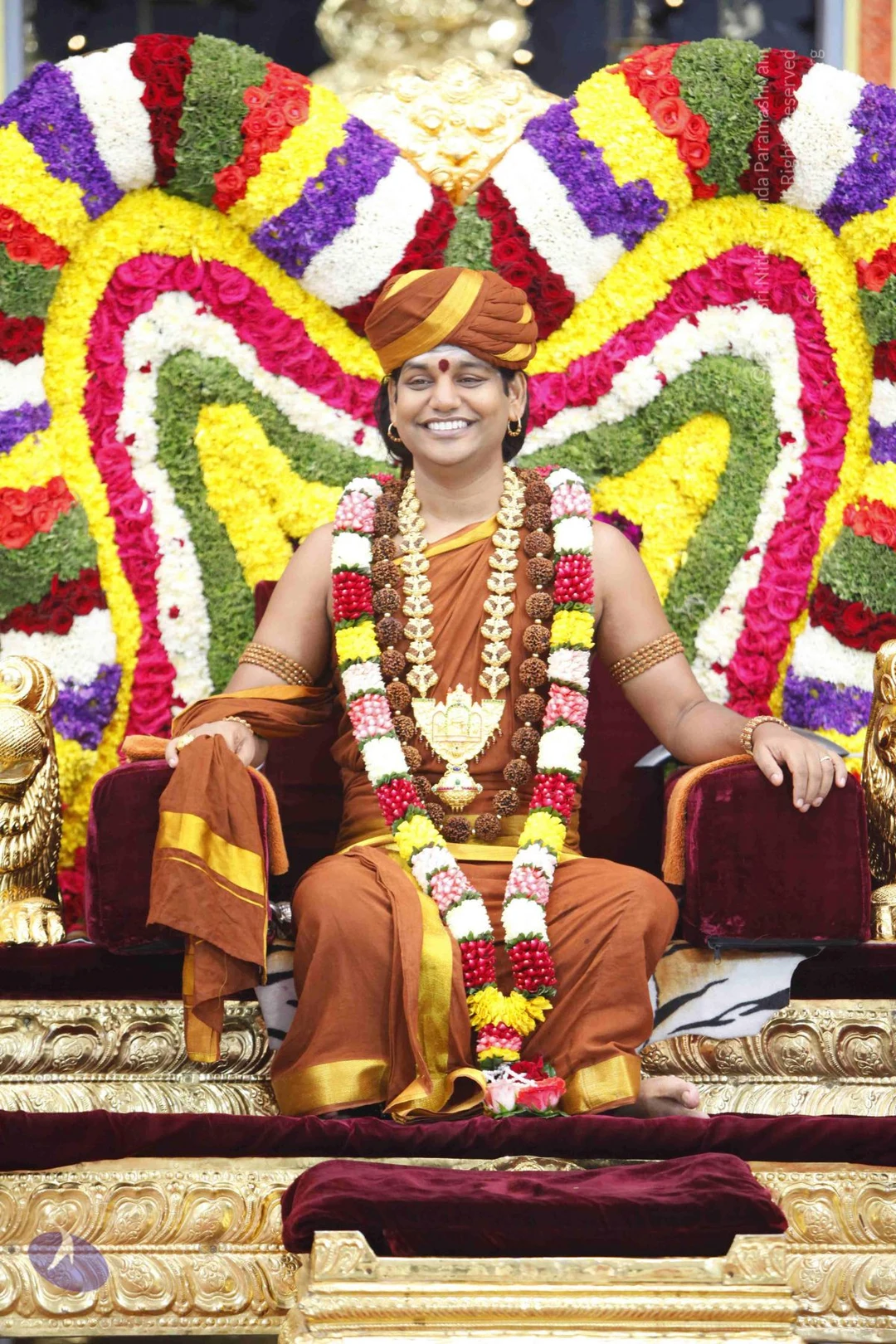
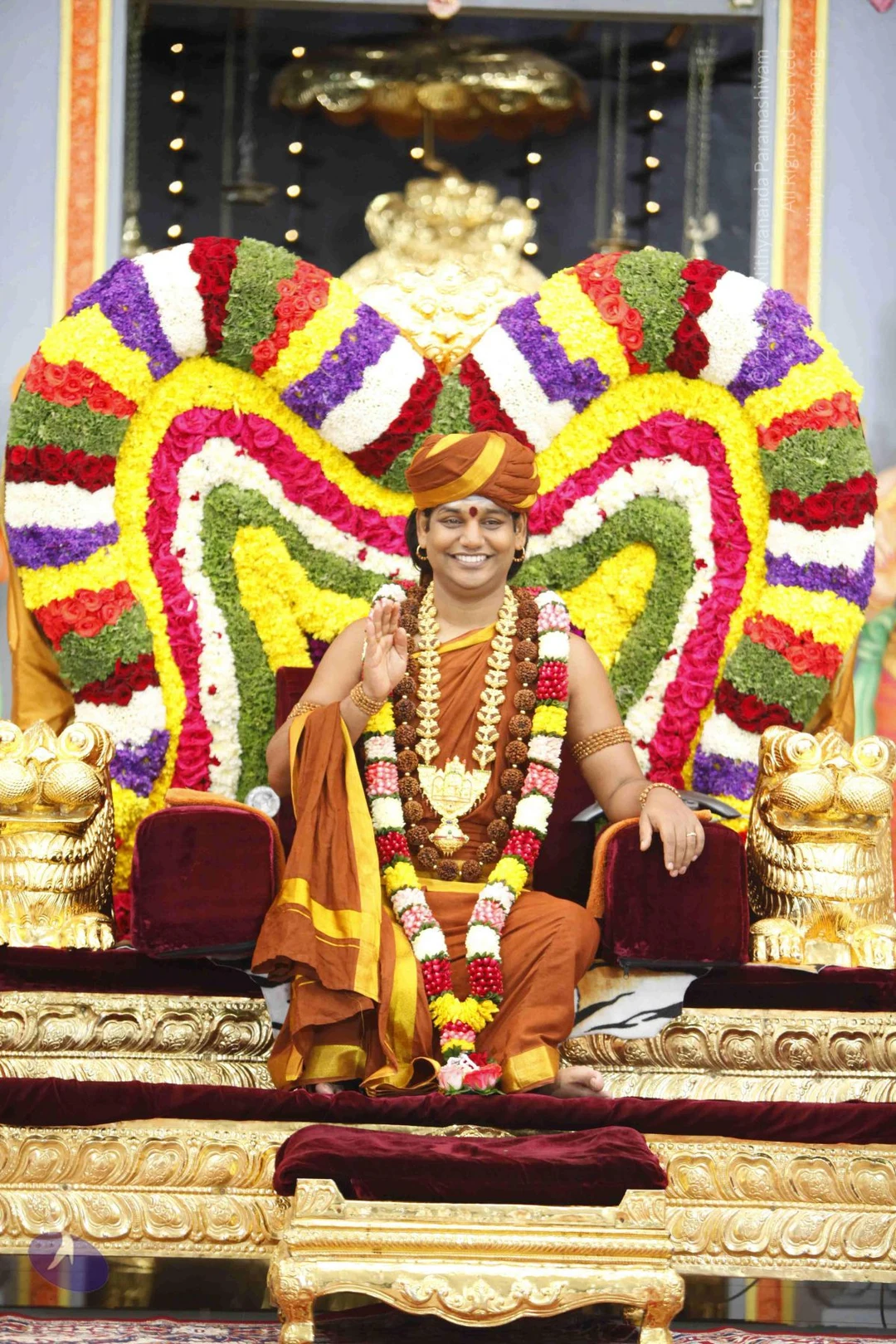
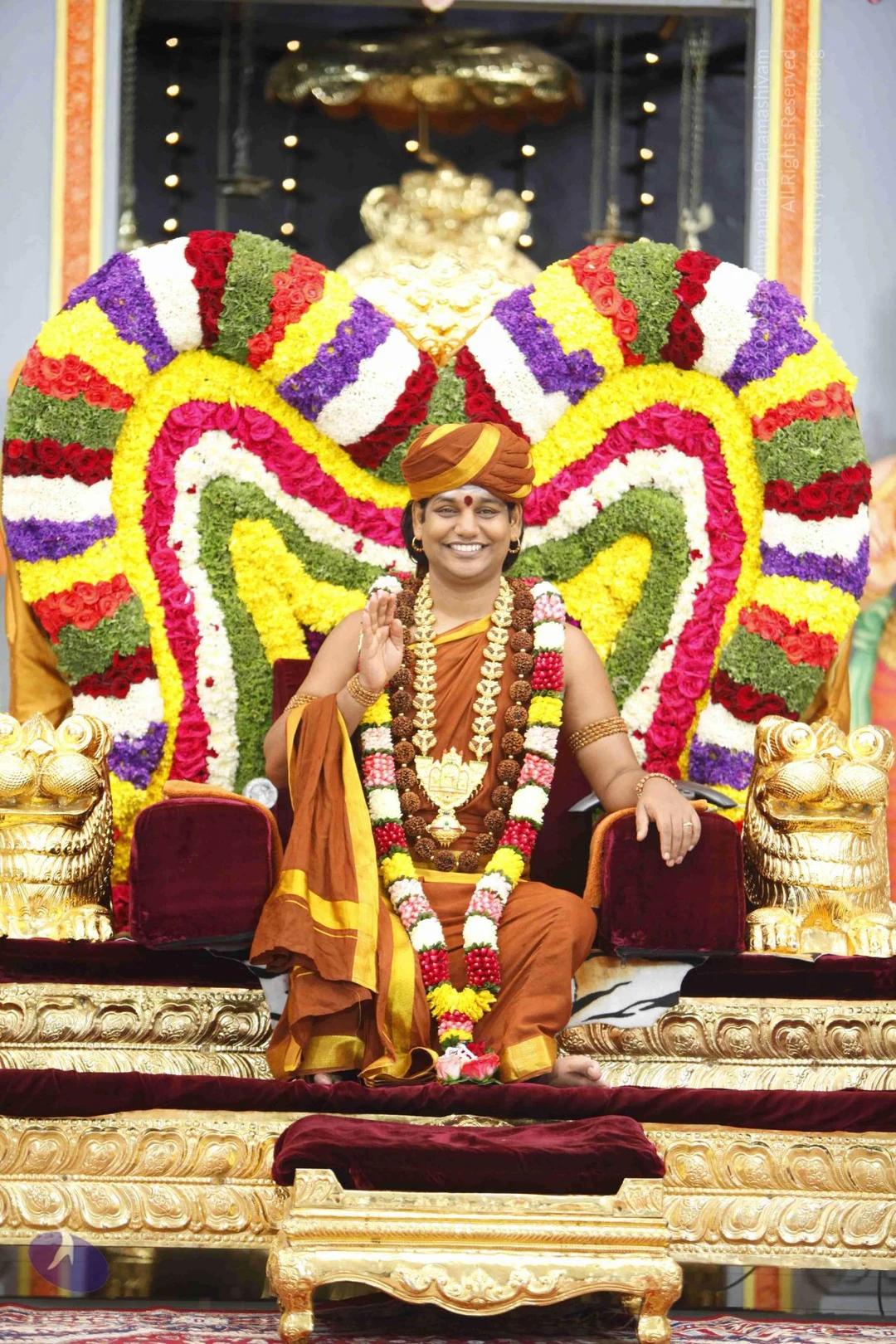
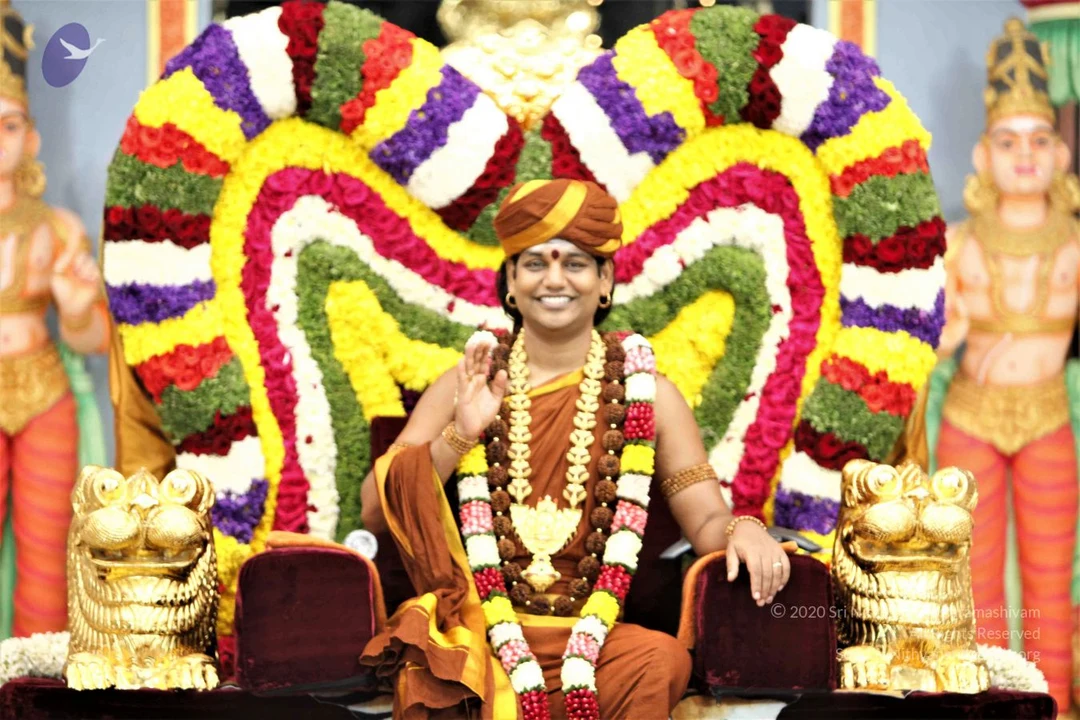
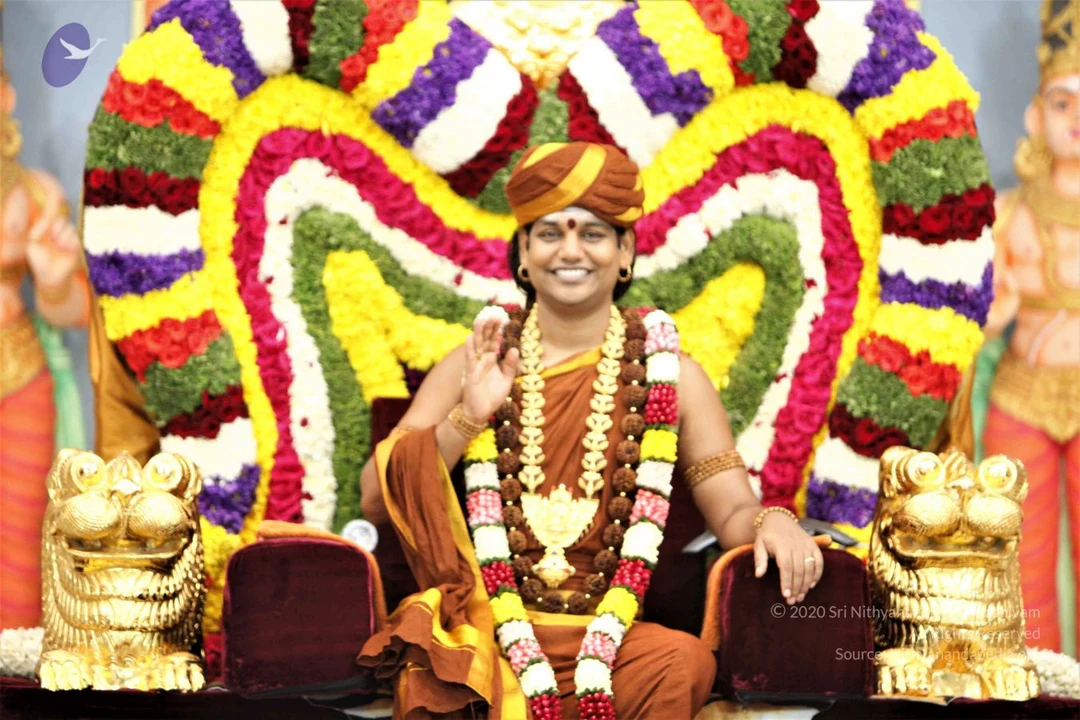
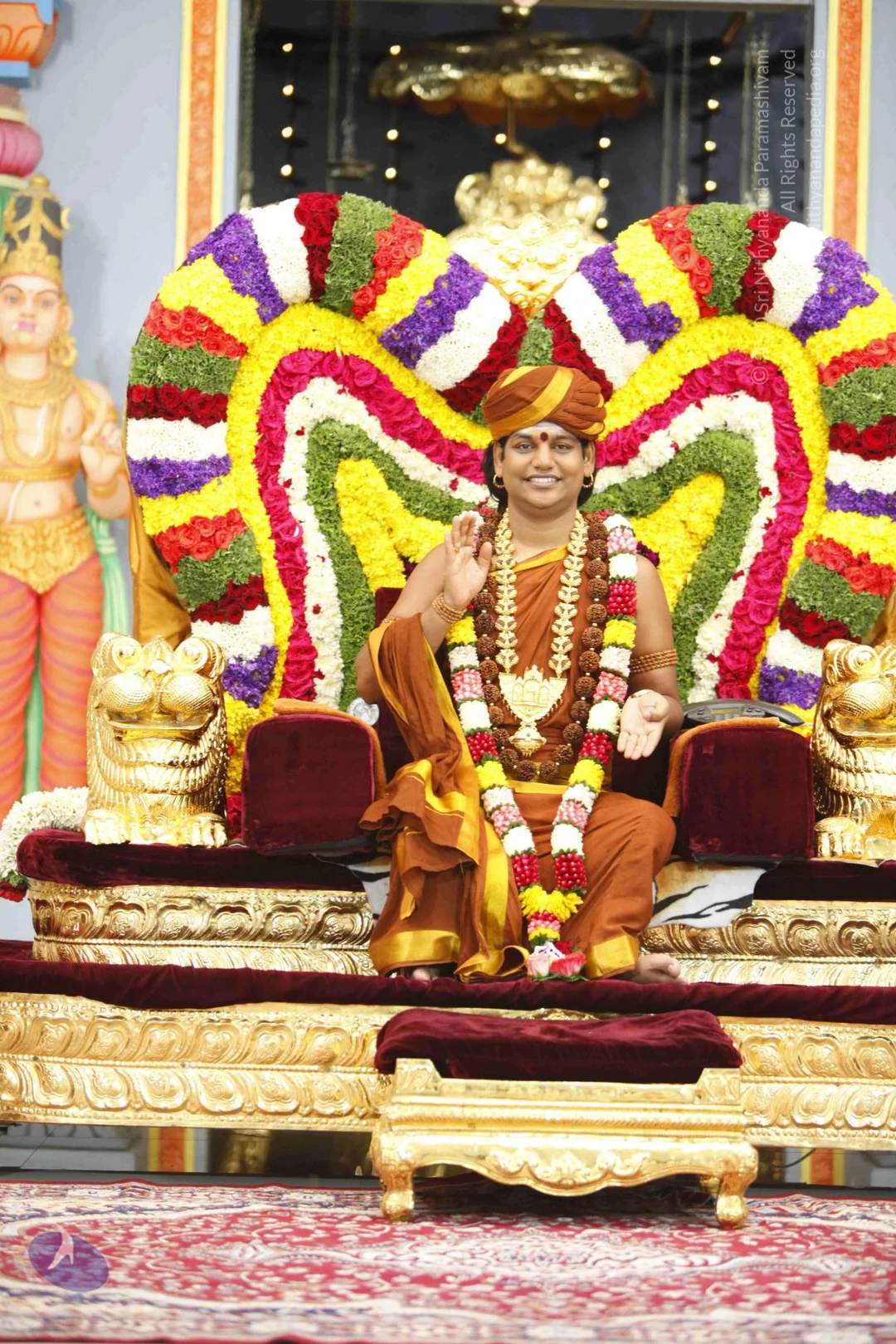
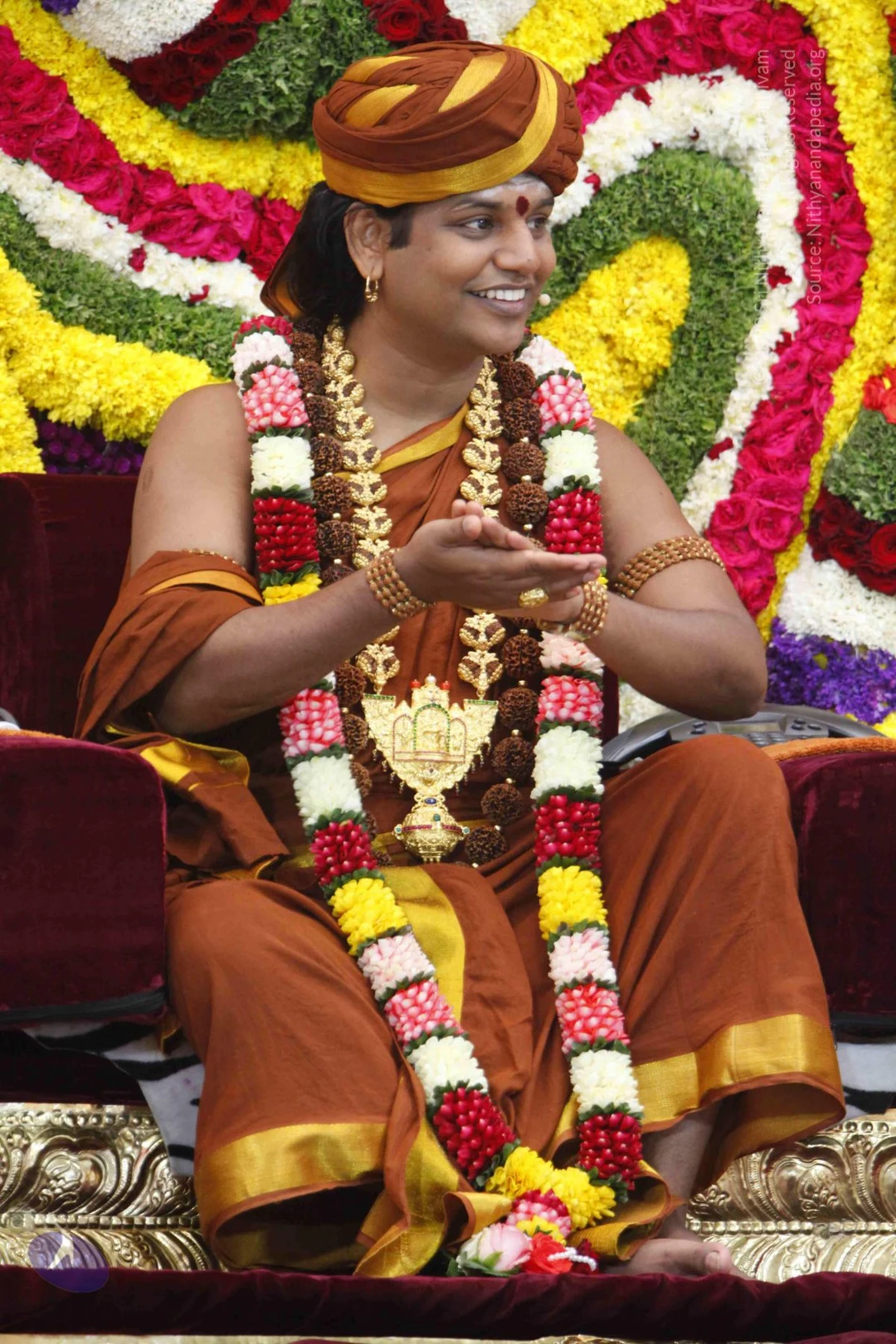
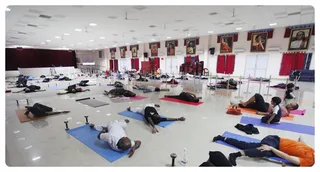
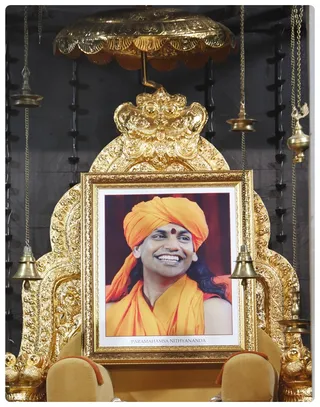
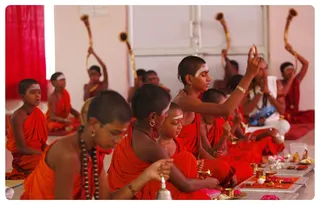
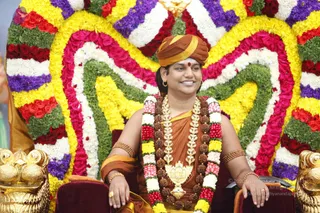
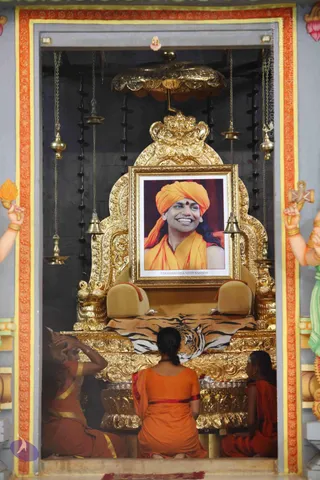
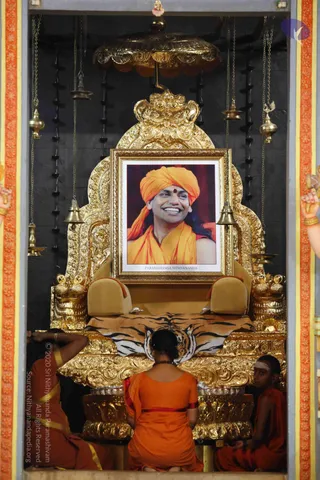
A large bright hall with white tiled floor and red curtains where many people lie prone on colored yoga mats in rows, performing a floor posture practice. Several portraits in gilded frames hang on the wall above, including a large framed picture of a man with long hair. Dumbbells and small bottles are placed near the mats, and a few children in pale shirts participate at the right. Roughly two dozen people are visible across the room, most in dark or white clothing, one in an orange top at lower right.A framed portrait labelled "PARAMAHAMSA NITHYANANDA" sits centred on an ornate gold throne-style seat (peetha) with a gold canopy above. The portrait shows a smiling man in an orange turban, orange shawl and a red bindi, with long hair visible at the shoulders. Hanging brass oil lamps and bells flank the throne, and the empty cushioned seats in front are orange. No physical people are visible; the figure is a printed portrait, so a person is depiction.A group of young shaven-headed boys and young men in saffron-orange robes sit cross-legged on a red mat during a ritual. Several raise long brass horns overhead while others hold small brass oil lamps and a bell. A boy in front shakes a bell with his right hand, and a young man in the centre holds a lit lamp near a tray of flowers and small brass vessels set on a low altar. Some wear white tripundra marks on their foreheads and rudraksha malas, and a few have white and red sandalwood marks. Red curtains hang at the left. Puja objects, marigold petals and lamps are arranged on the altar in front of them.A smiling person stands in front of a large floral backdrop of concentric arcs in red, yellow, white, green and purple blooms, flanked by gold lion-shaped seats. He wears a saffron-brown turban, an orange-brown dhoti-style garment with gold borders, a long multi-coloured garland of red, white, yellow and pink flowers, a dense rudraksha mala and a gold ceremonial pendant, plus gold armlets and bangles. A red bindi marks his forehead and a golden deity figure appears at the right edge.A smiling man seated on a dark red velvet throne in front of a large floral backdrop of red roses, white and yellow marigolds arranged in curved bands. He wears an orange turban with gold border, saffron-orange ascetic robes with gold trim, multiple rudraksha mala strands, an ornate gold necklace with a gold pendant, gold armlets and bangles, and a red-and-white flower garland draped over his shoulders. A small red bindi marks his forehead and a headset microphone is clipped near his face. Appearance-based label: a person, seated in person.A smiling man seated on a red velvet throne-like chair against a backdrop of large floral arrangements in red, yellow, white and green roses and marigolds. He wears an orange-brown turban with gold trim, an orange-brown dhoti and shawl with gold border, multiple rudraksha mala necklaces interlaced with pink and white flower garlands, a gold ceremonial pendant, gold bangles and a small red tilak on his forehead. His hands are held together in front of his chest in a gesture of greeting. Appearance-based candidate: Swamiji (probable), given the page's note that he is at this event, based on saffron/orange ceremonial clothing, turban, rudraksha malas and gold necklace.

leela alankar

2 photosSource gallery
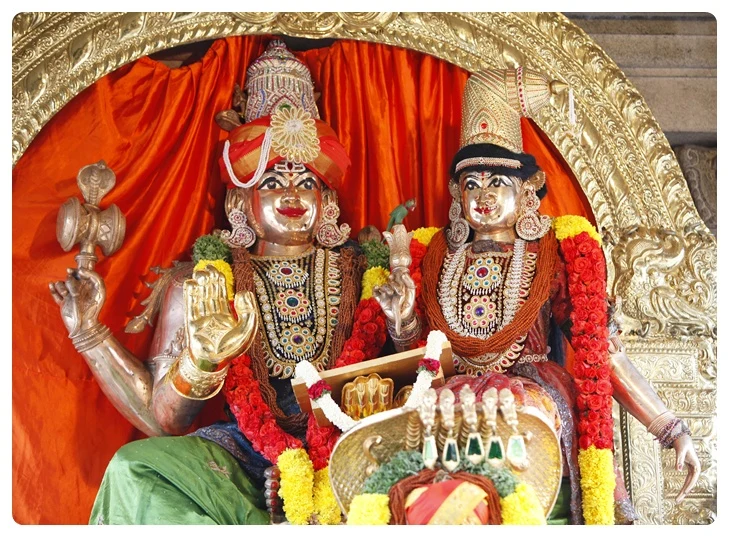
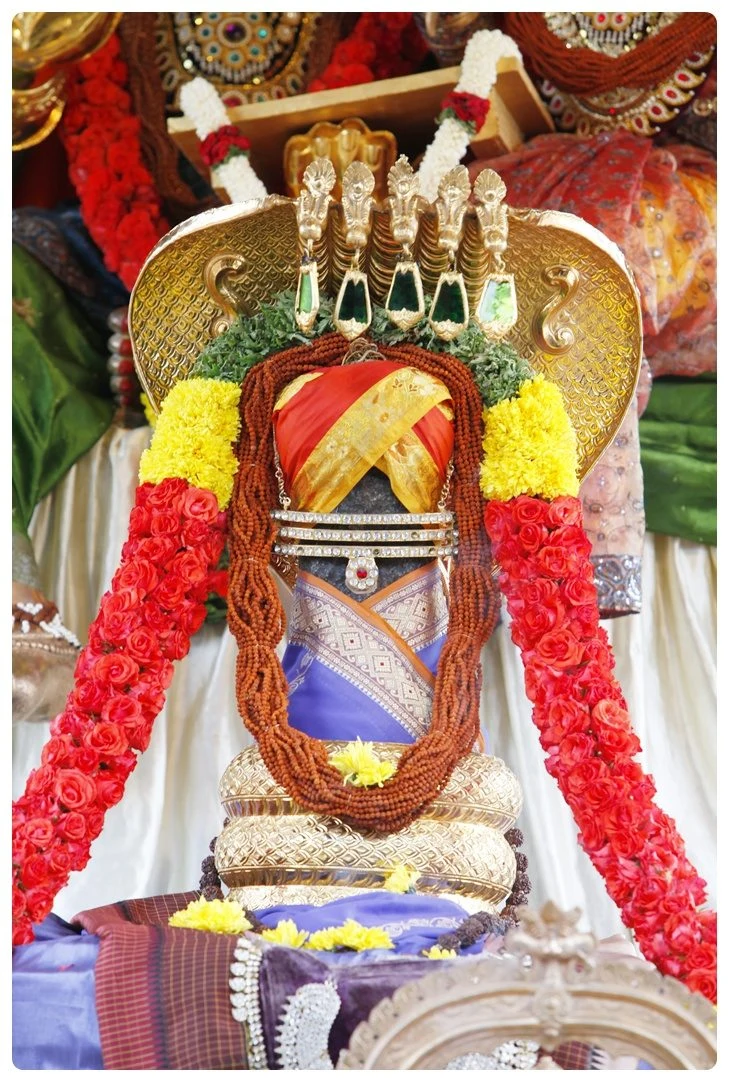
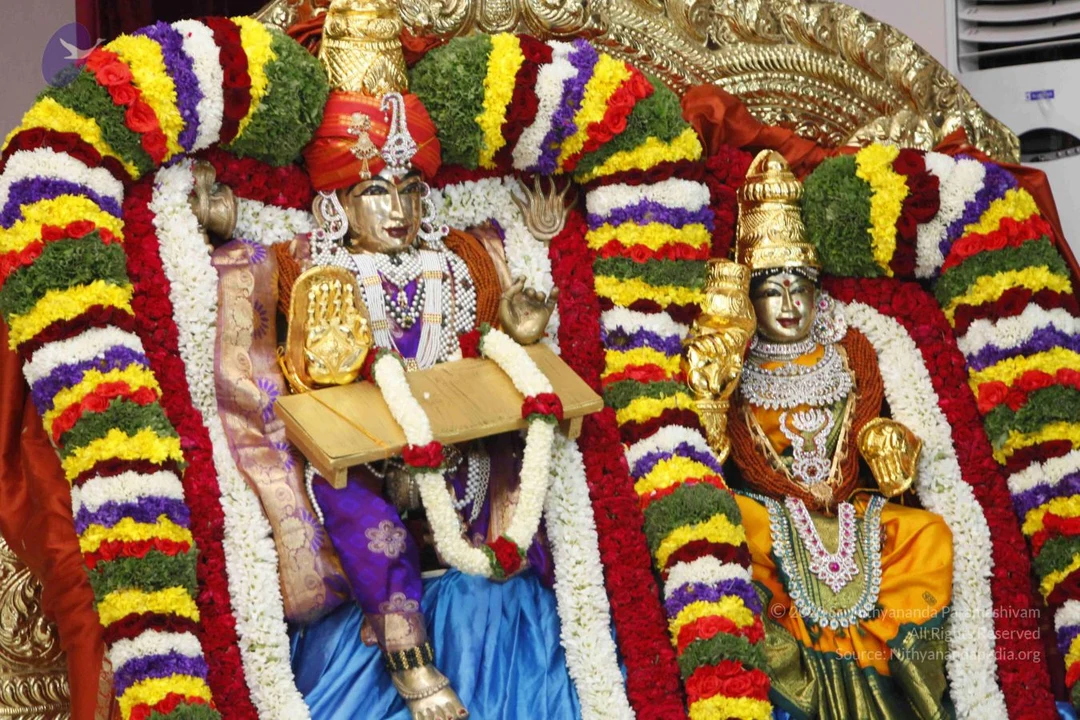
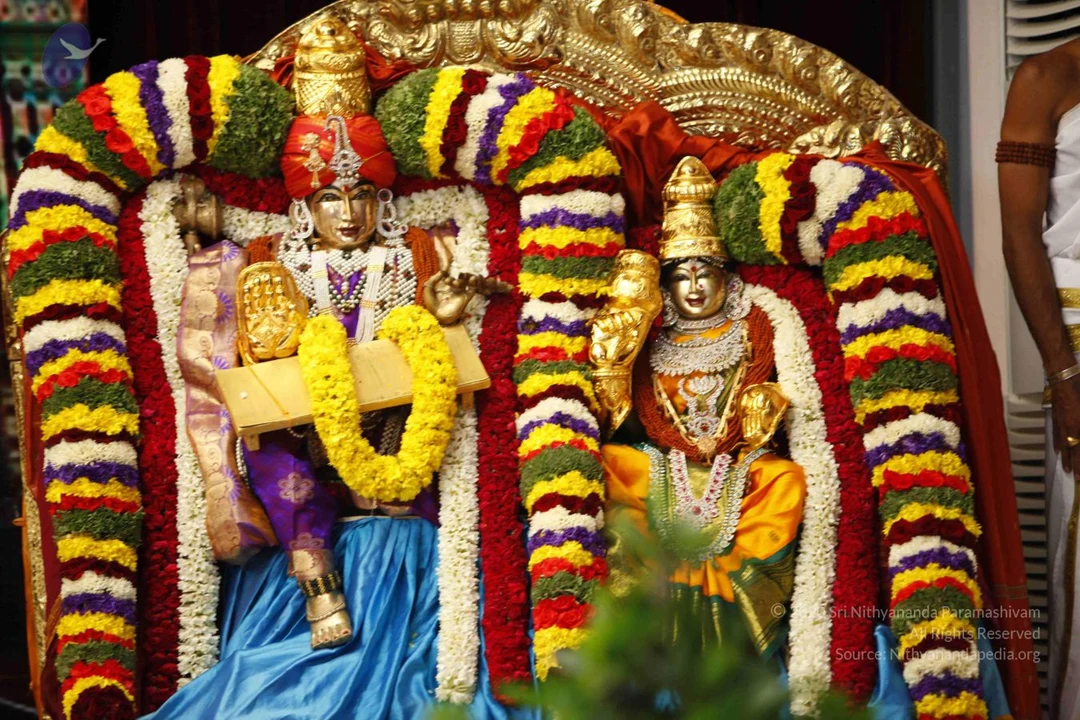
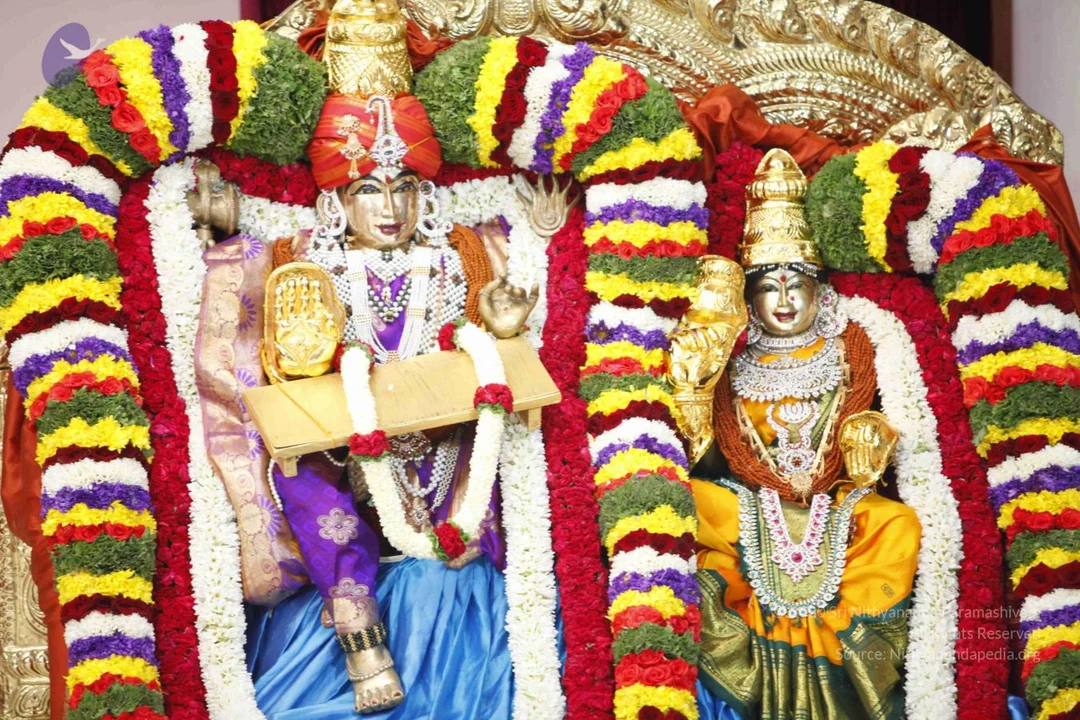
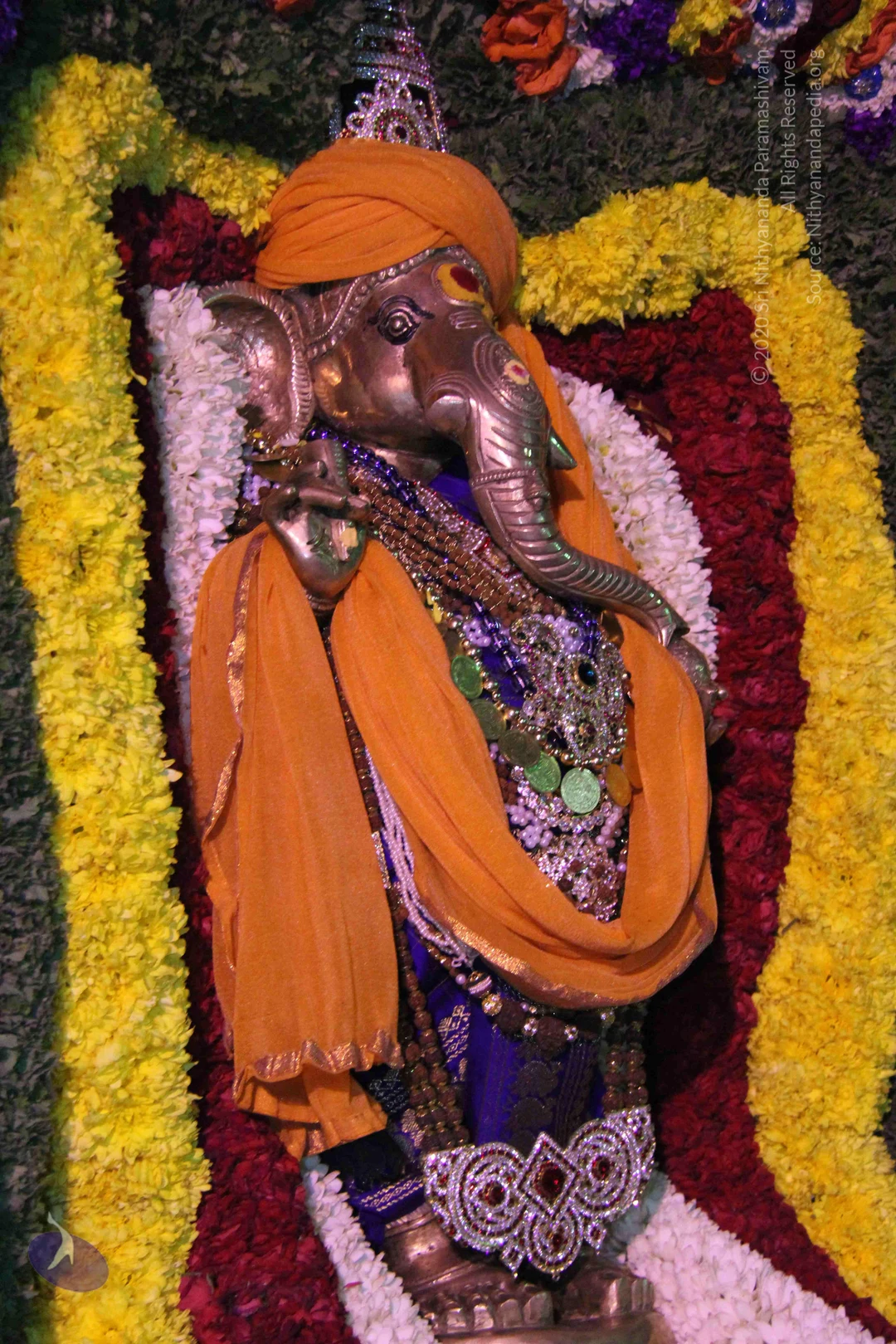
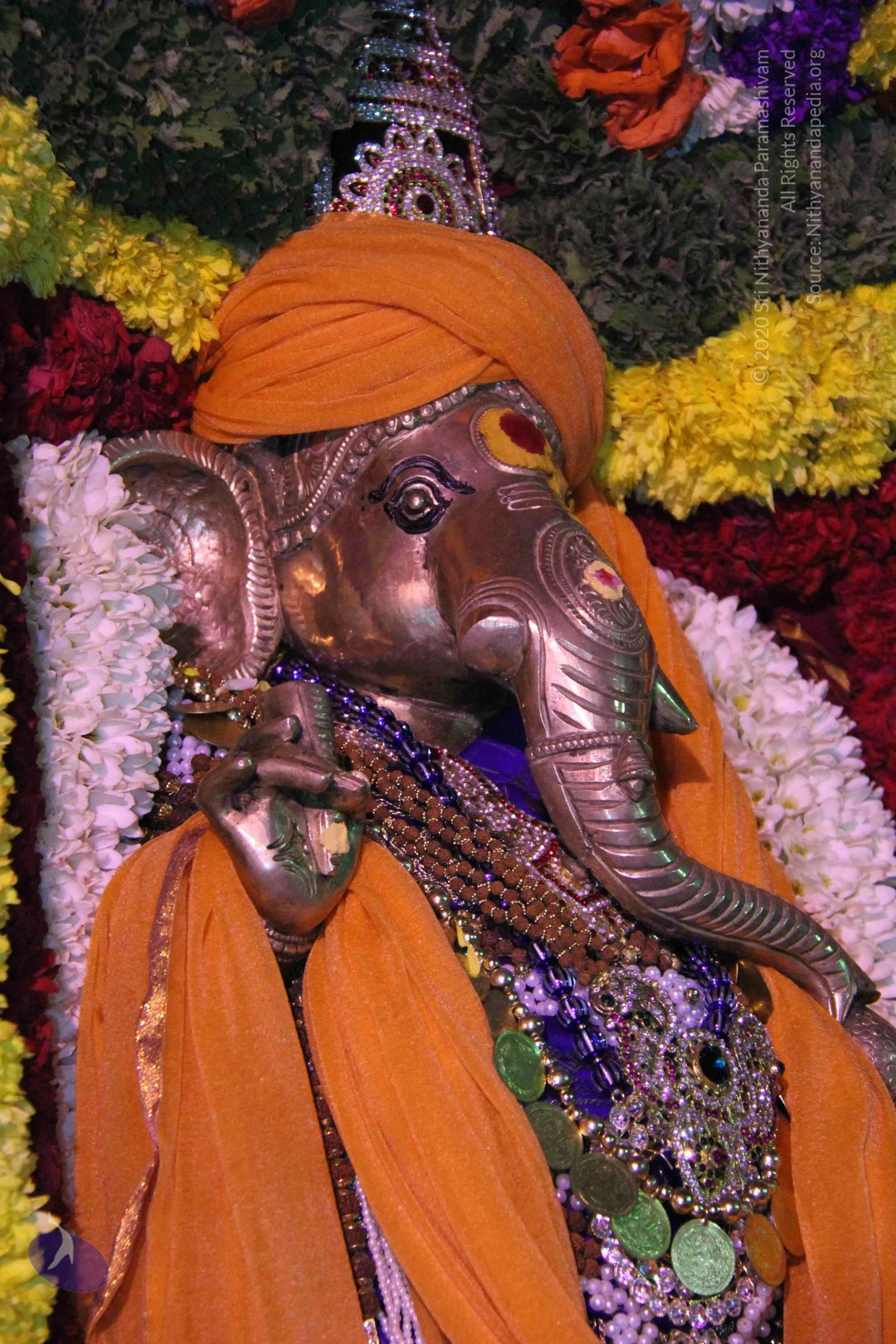
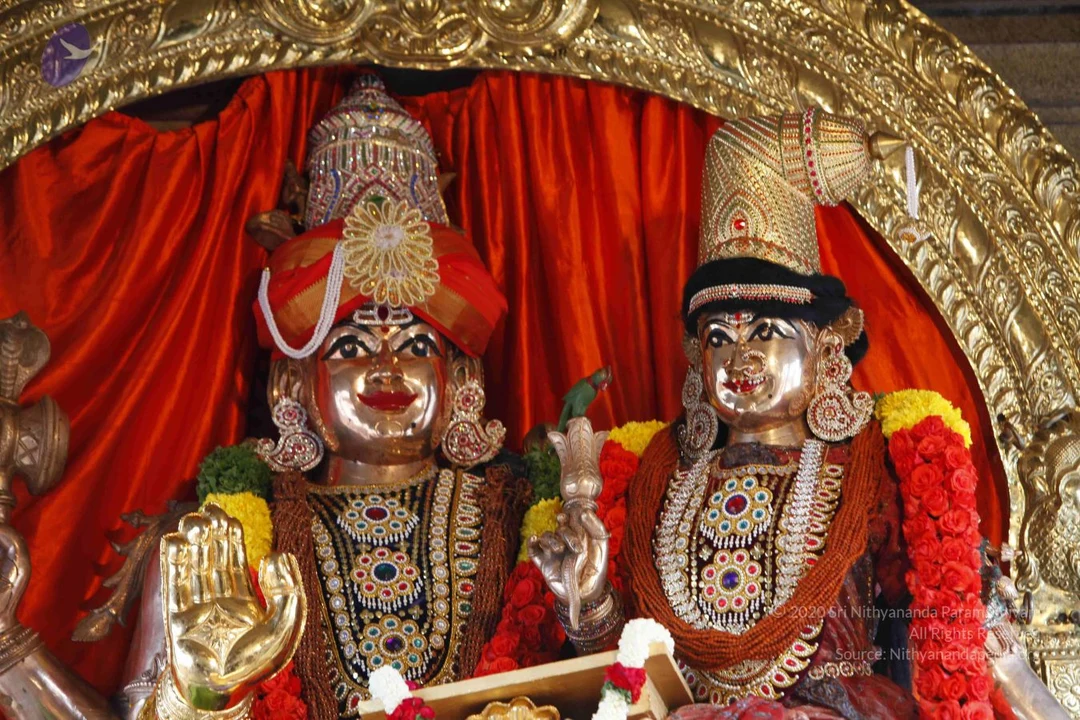
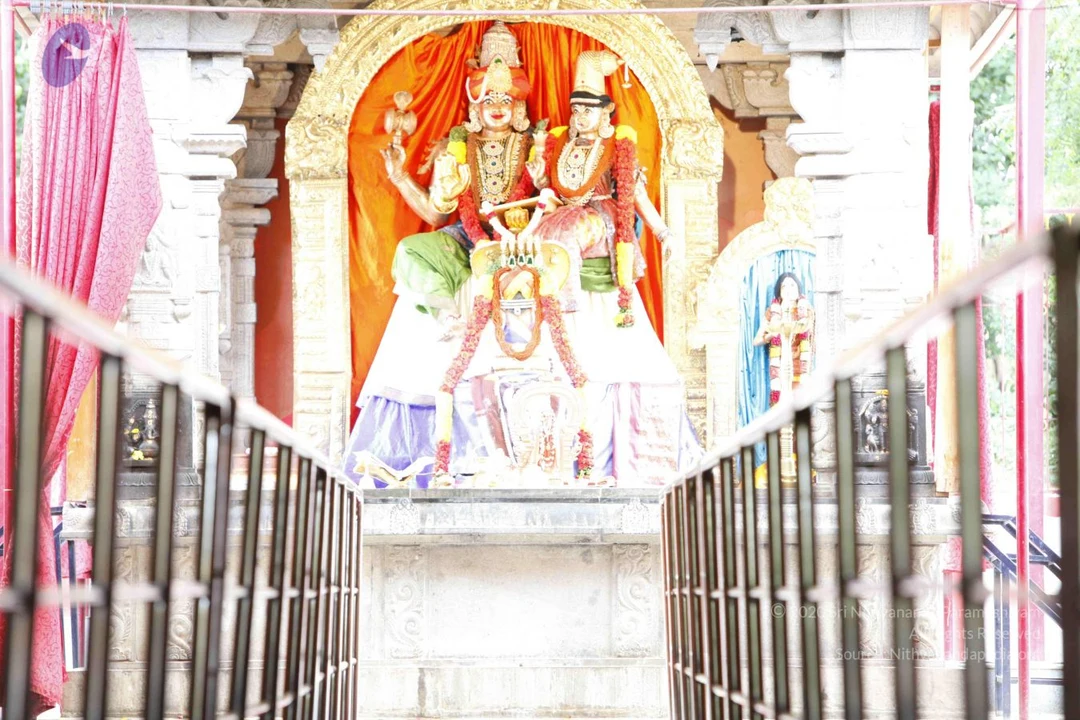
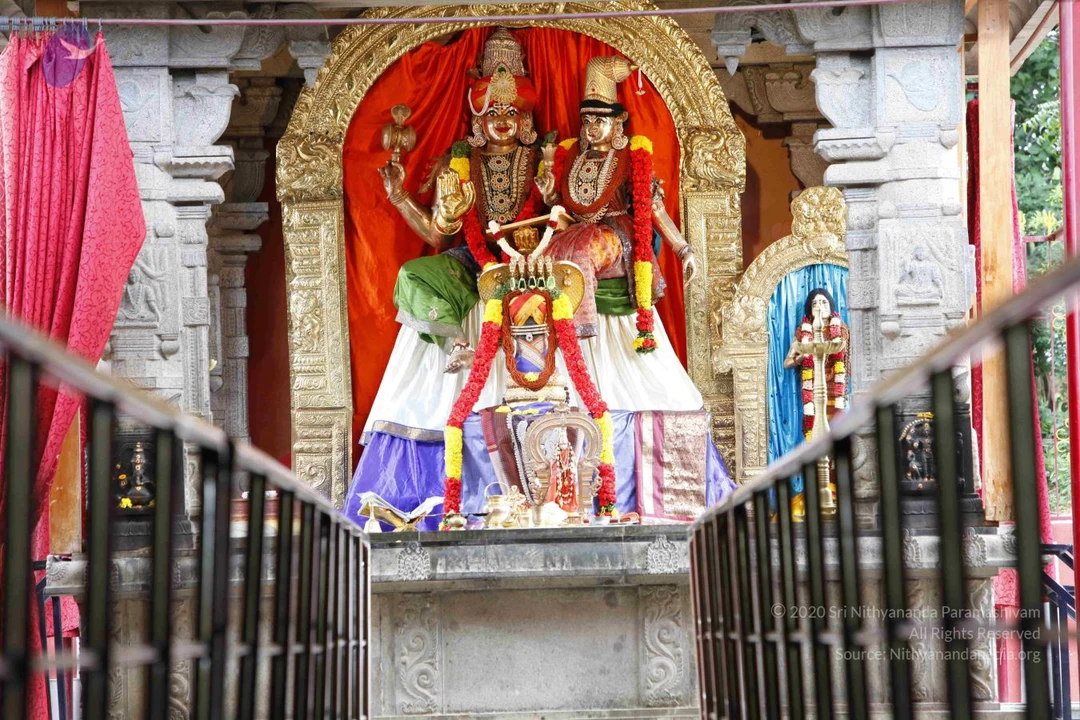
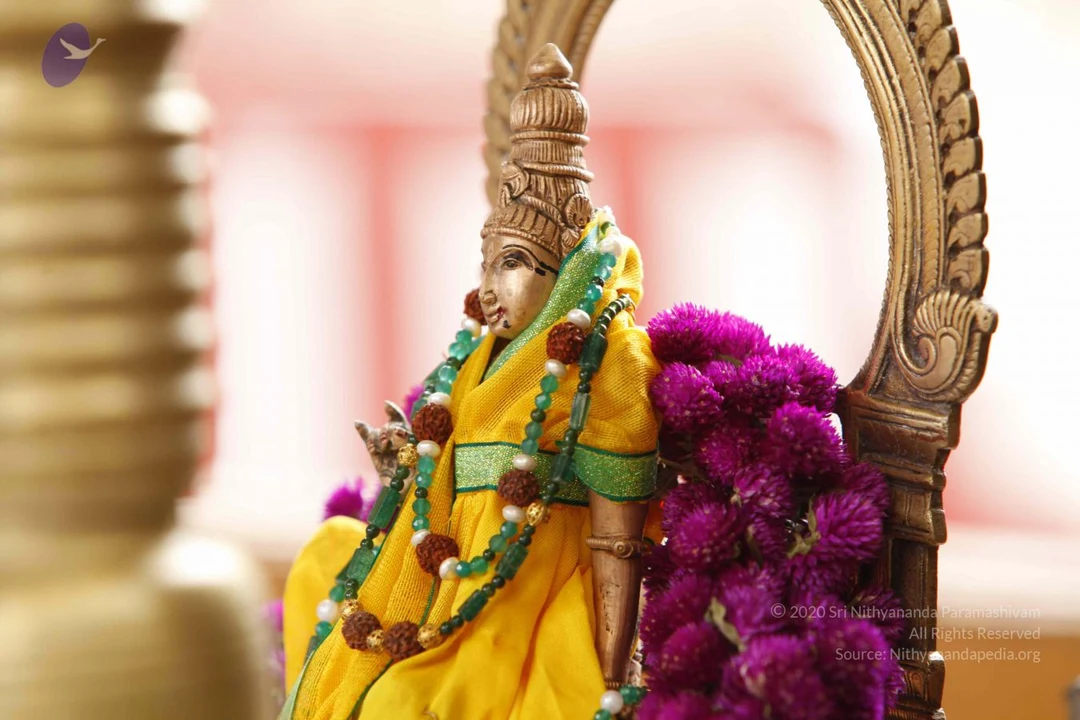
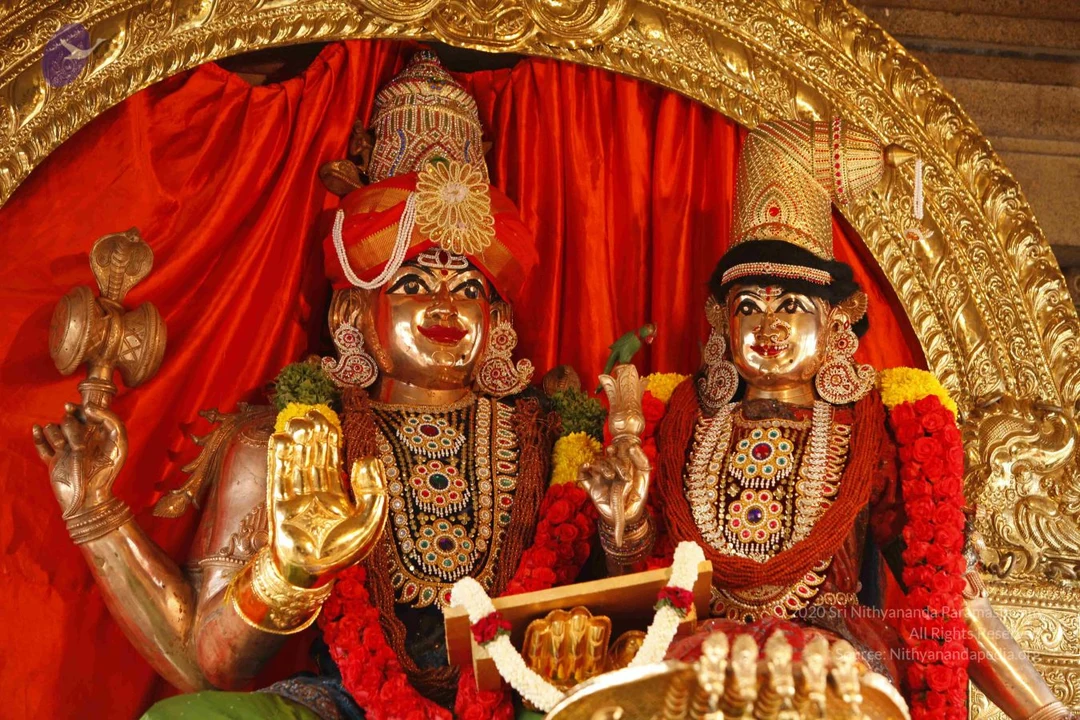
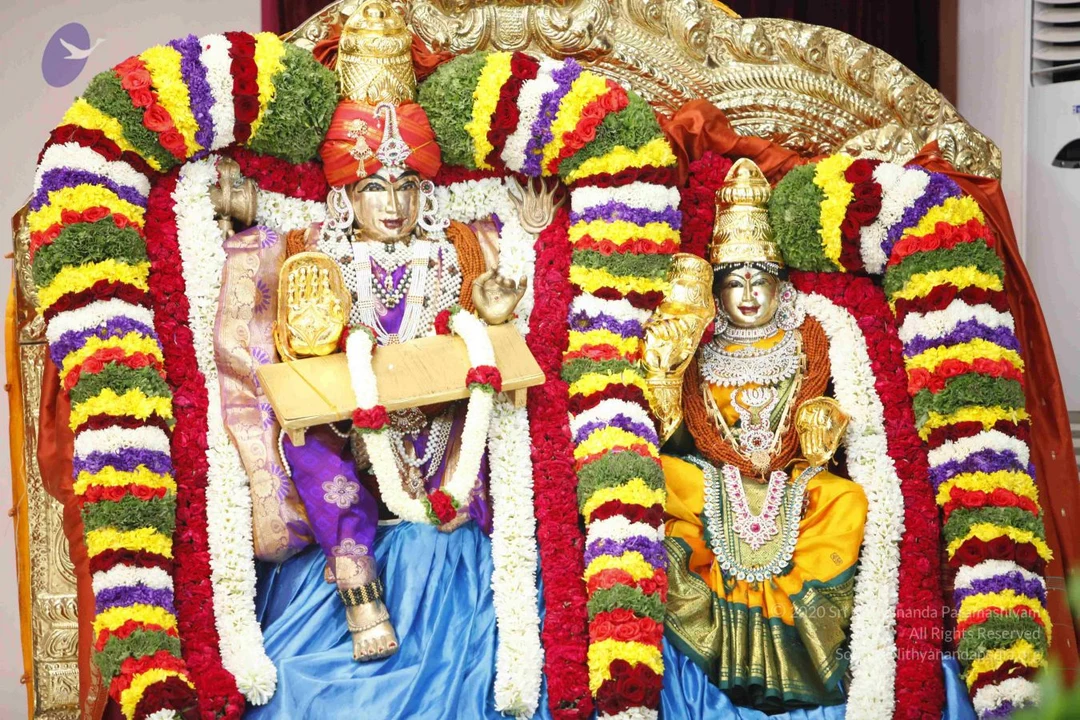
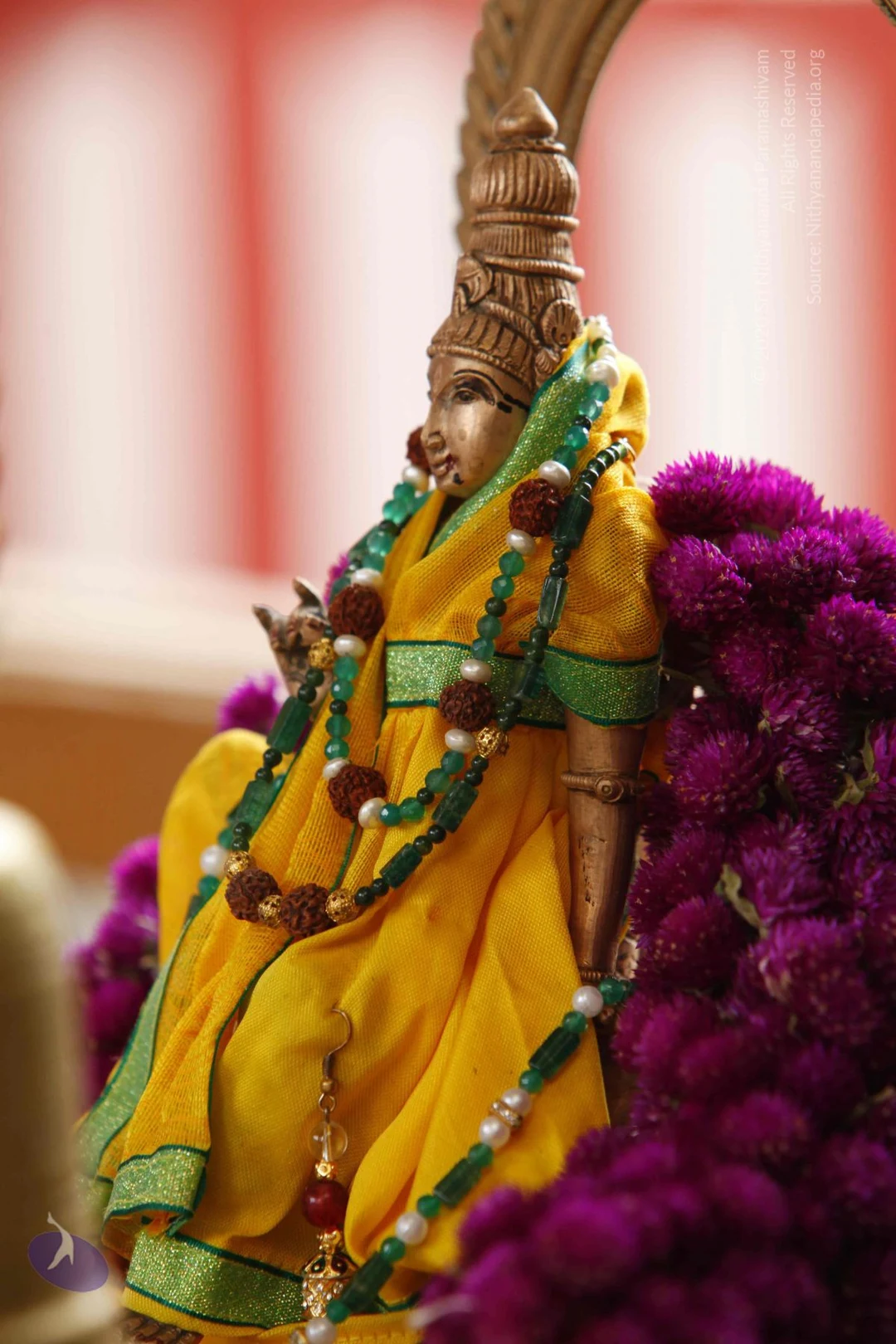
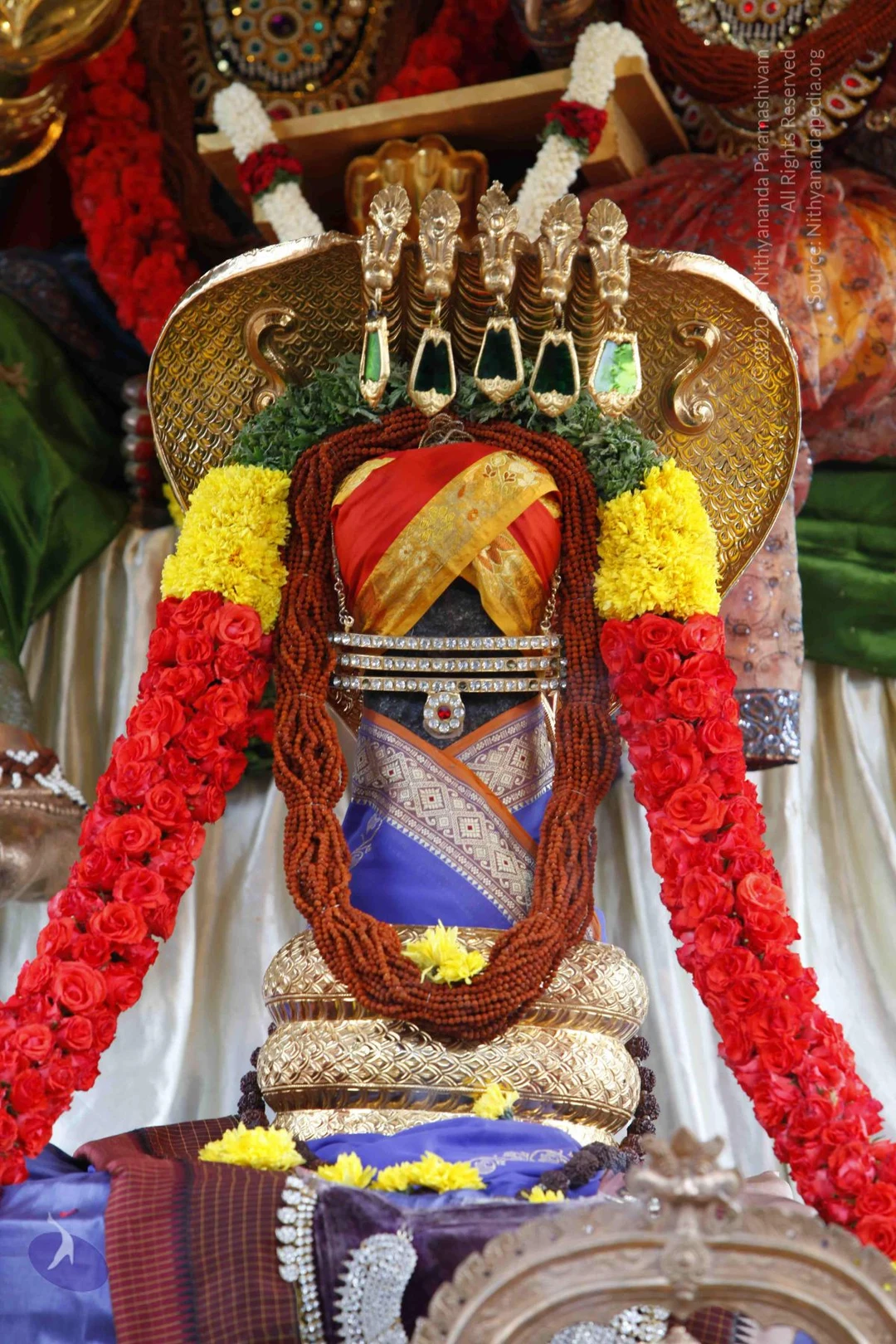
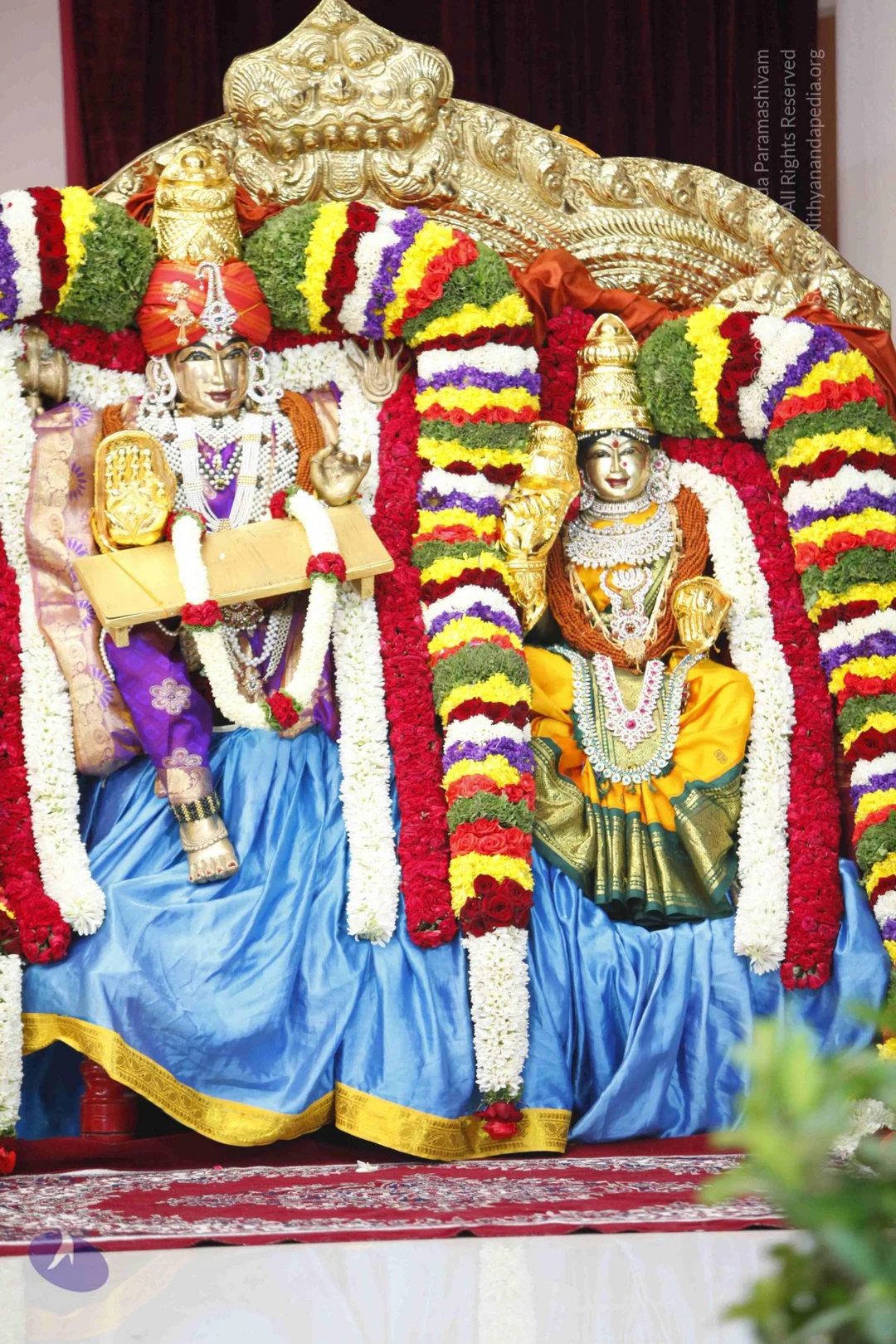
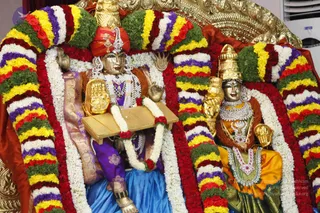
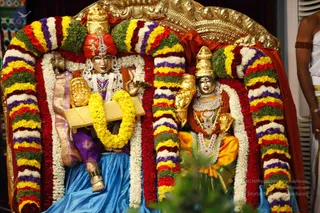
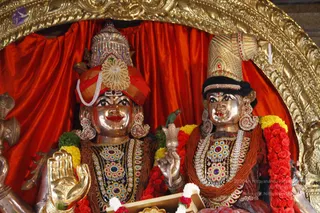
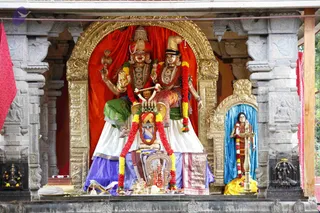
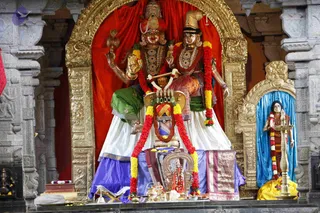
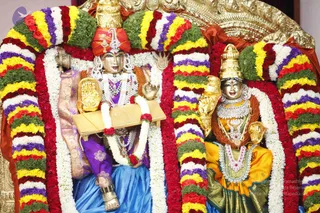
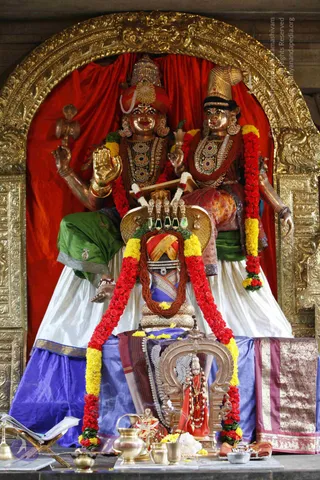
Two metallic deity murtis seated side by side on a decorated platform, framed by an elaborate arch of fresh flower garlands in red, yellow, white, purple and green. The figure on the left wears a red and gold turban, a purple and gold dhoti, white pearl necklaces and a long rudraksha-style mala, with one hand raised in a blessing gesture and a wooden seat before him. The figure on the right wears a tall gold crown, a rich orange and gold sari, layered silver and red jewelled necklaces and gold armlets, holding a golden object. A gold-toned ornate backdrop and a white wall air conditioner appear behind. No living people are visible.Two golden metal deity murtis seated side by side on a decorated throne-like peetha, both draped and framed by thick garlands of red, yellow, white, purple and green flowers. The male murti on the left wears a red crown, a purple garment with gold embroidery, a sacred thread and beaded necklaces, and holds a small golden rod or mace-like object. The female murti on the right wears a gold crown, a white-and-gold beaded necklace, and an orange and green sari. A blue silk cloth drapes the seat below, with gold ornamental backing behind. A partially visible person in white dhoti and gold bangles stands at the right edge, and a green plant is in the foreground.

paduka puja

4 photosSource gallery

nithya satsang

46 photosSource gallery
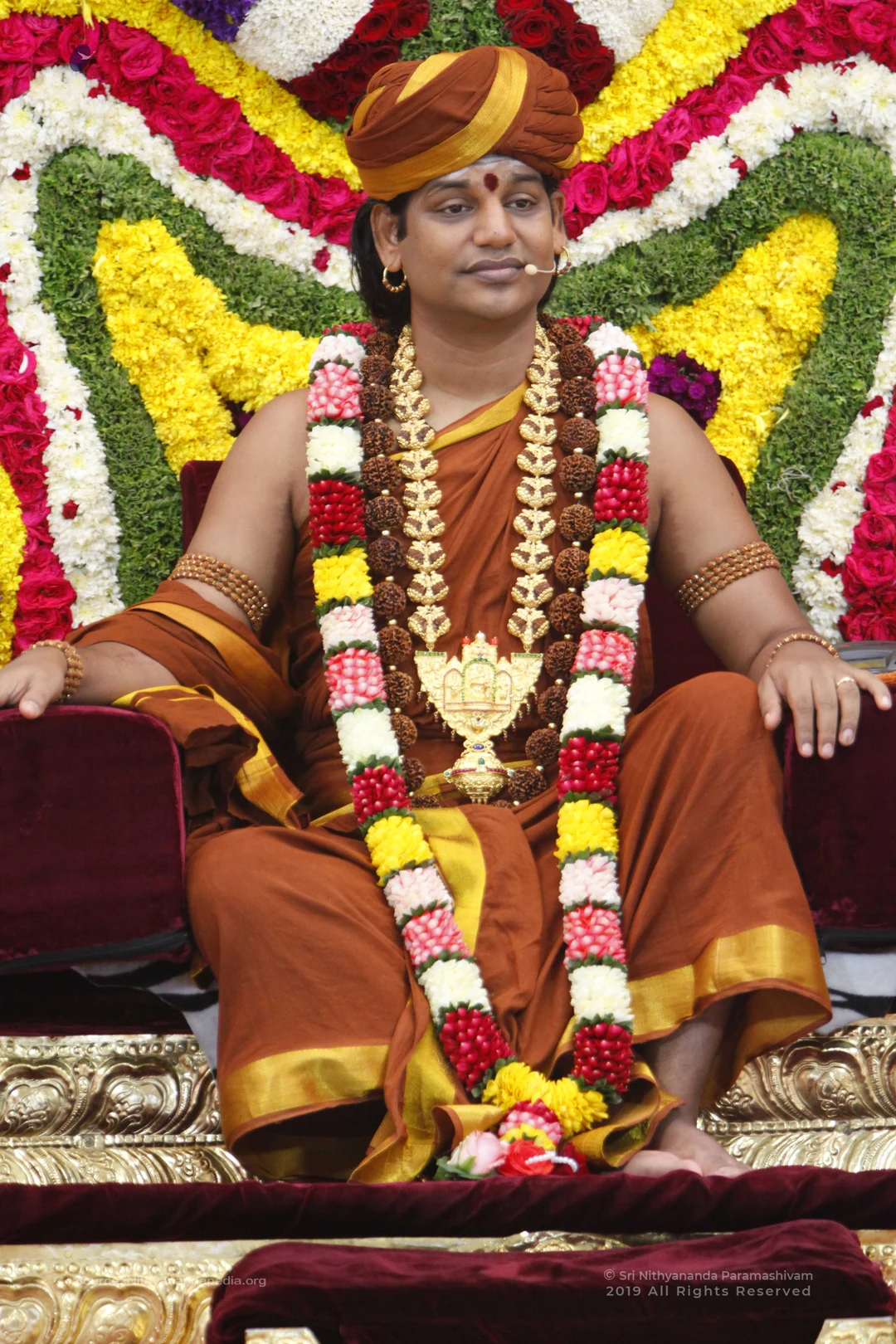
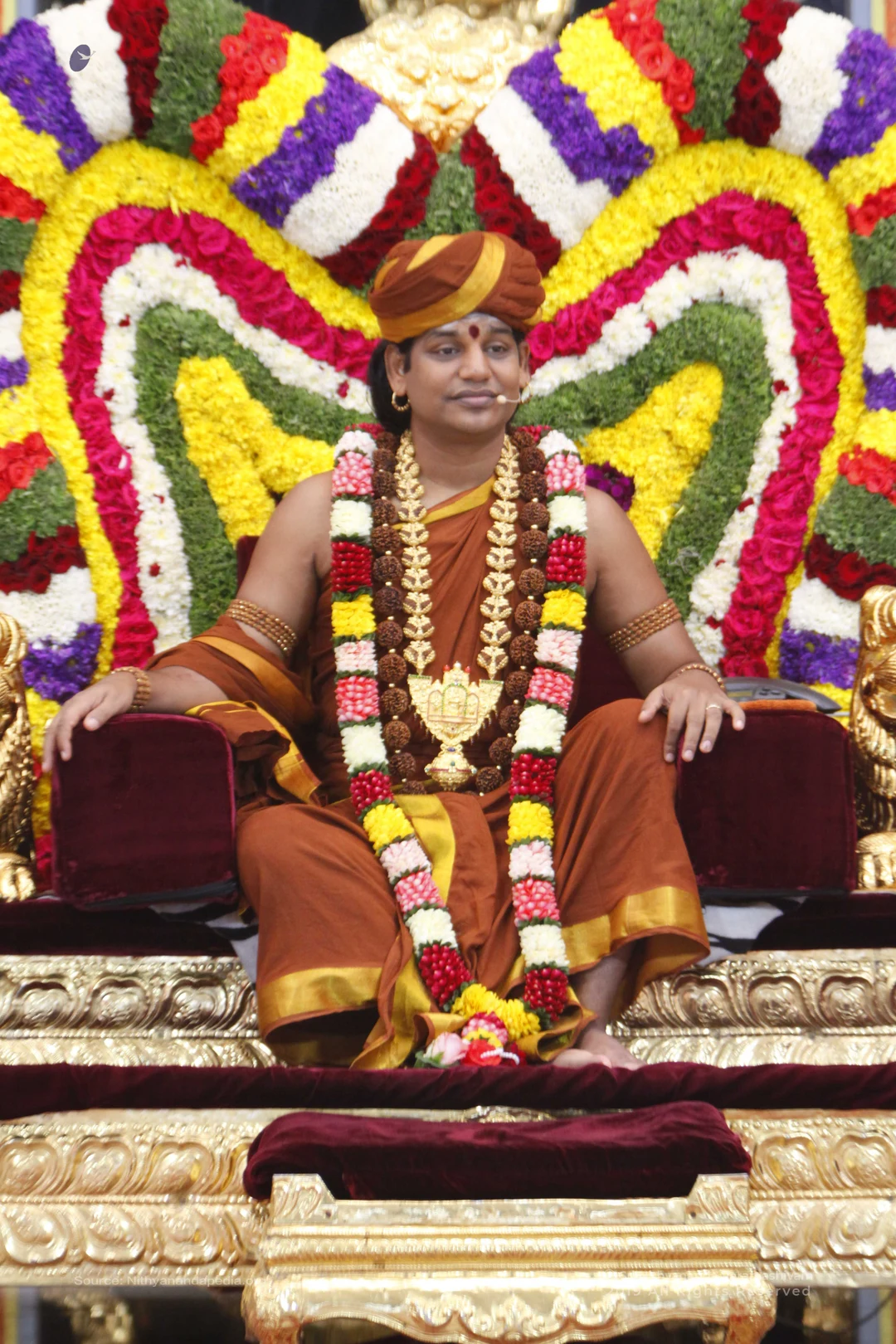
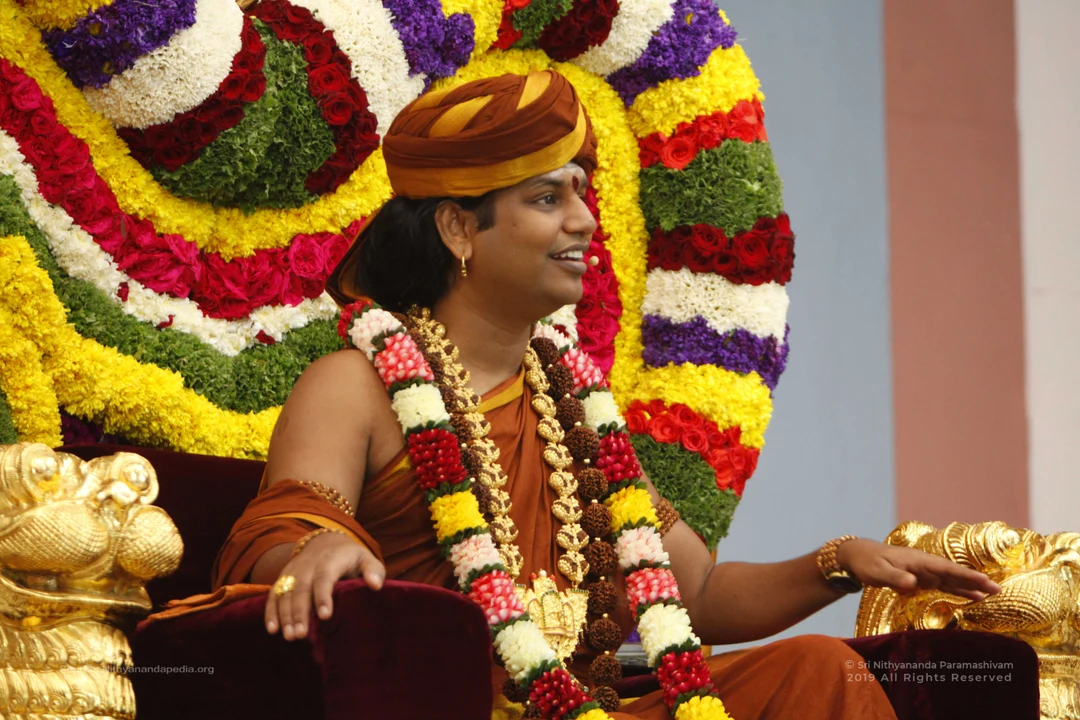
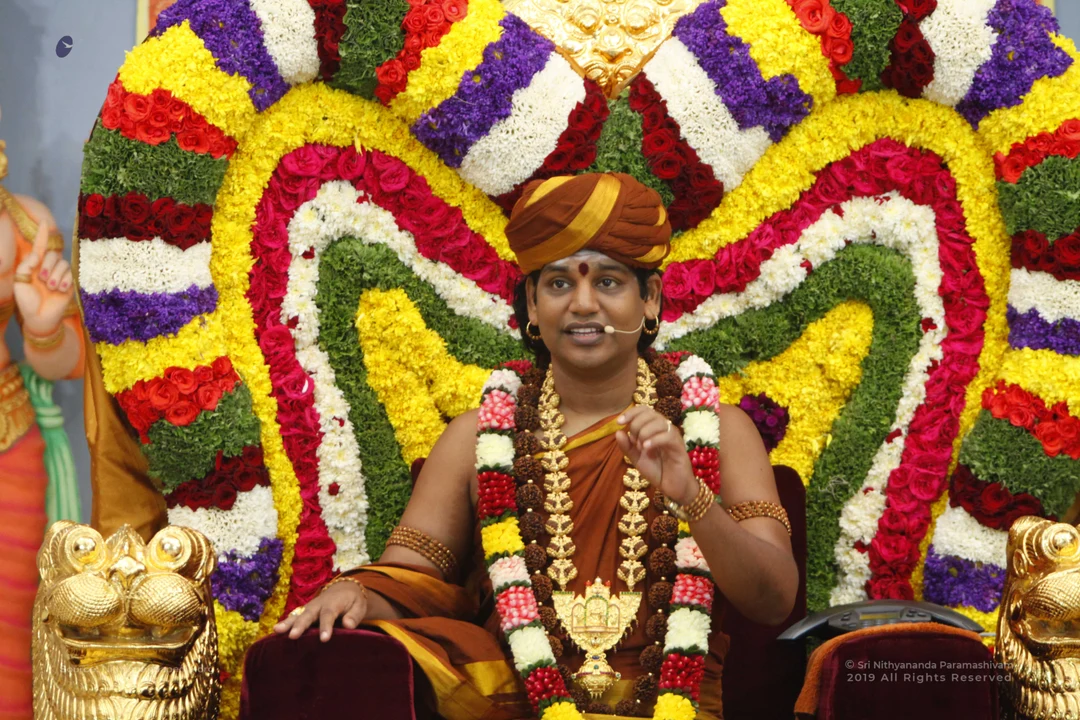
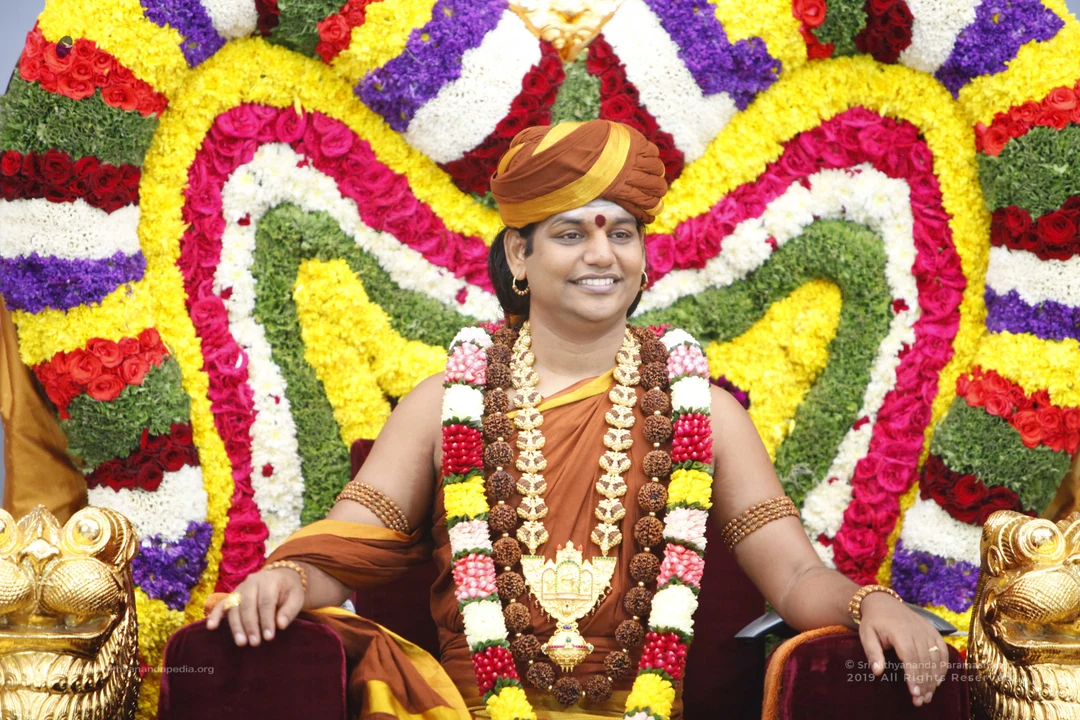
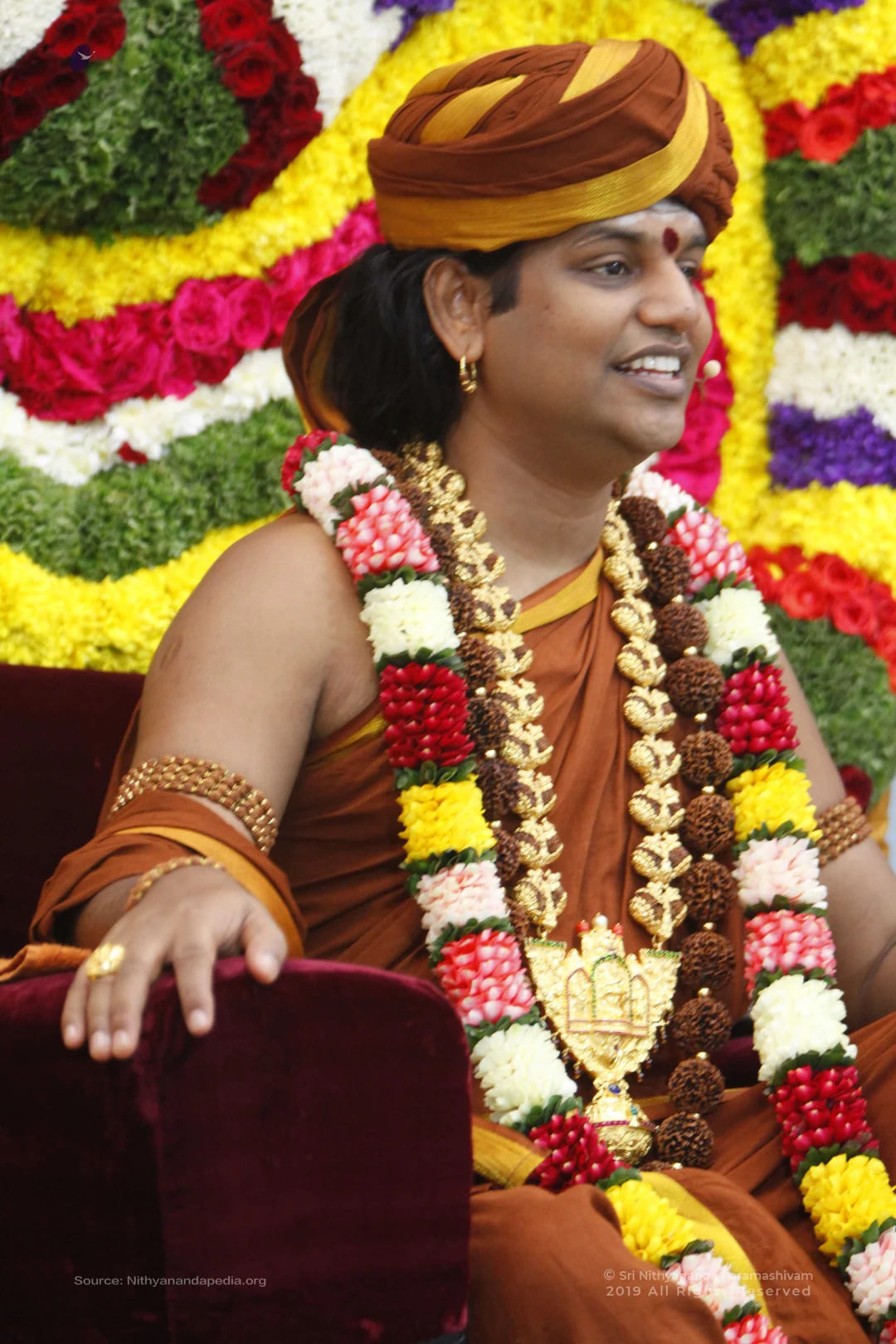
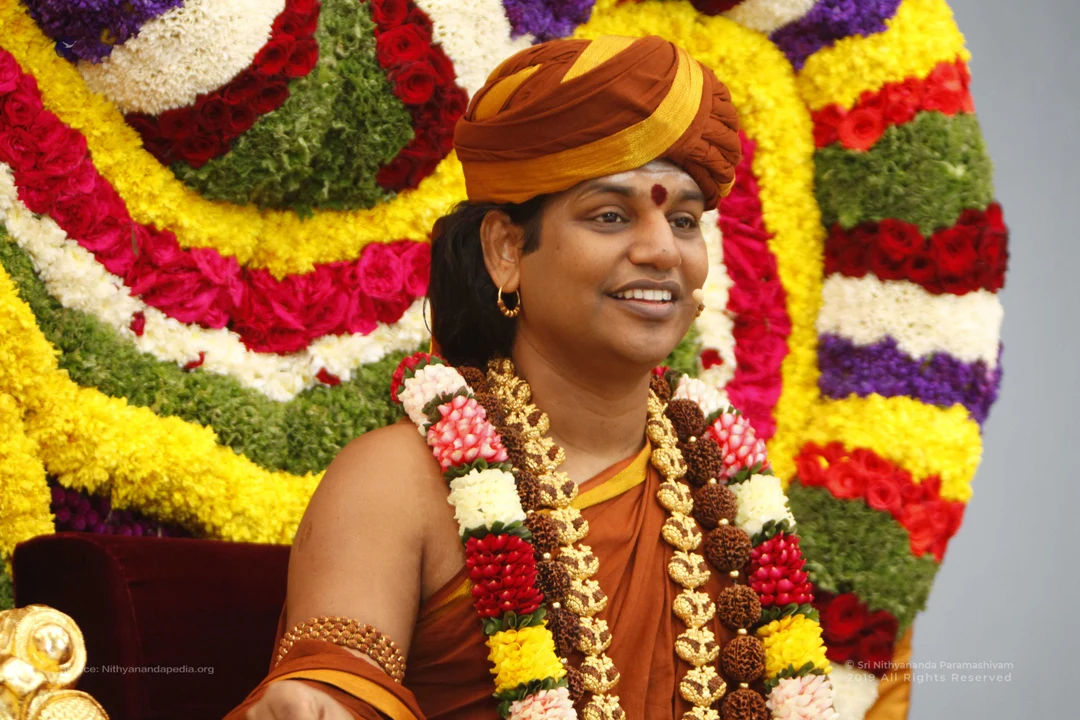
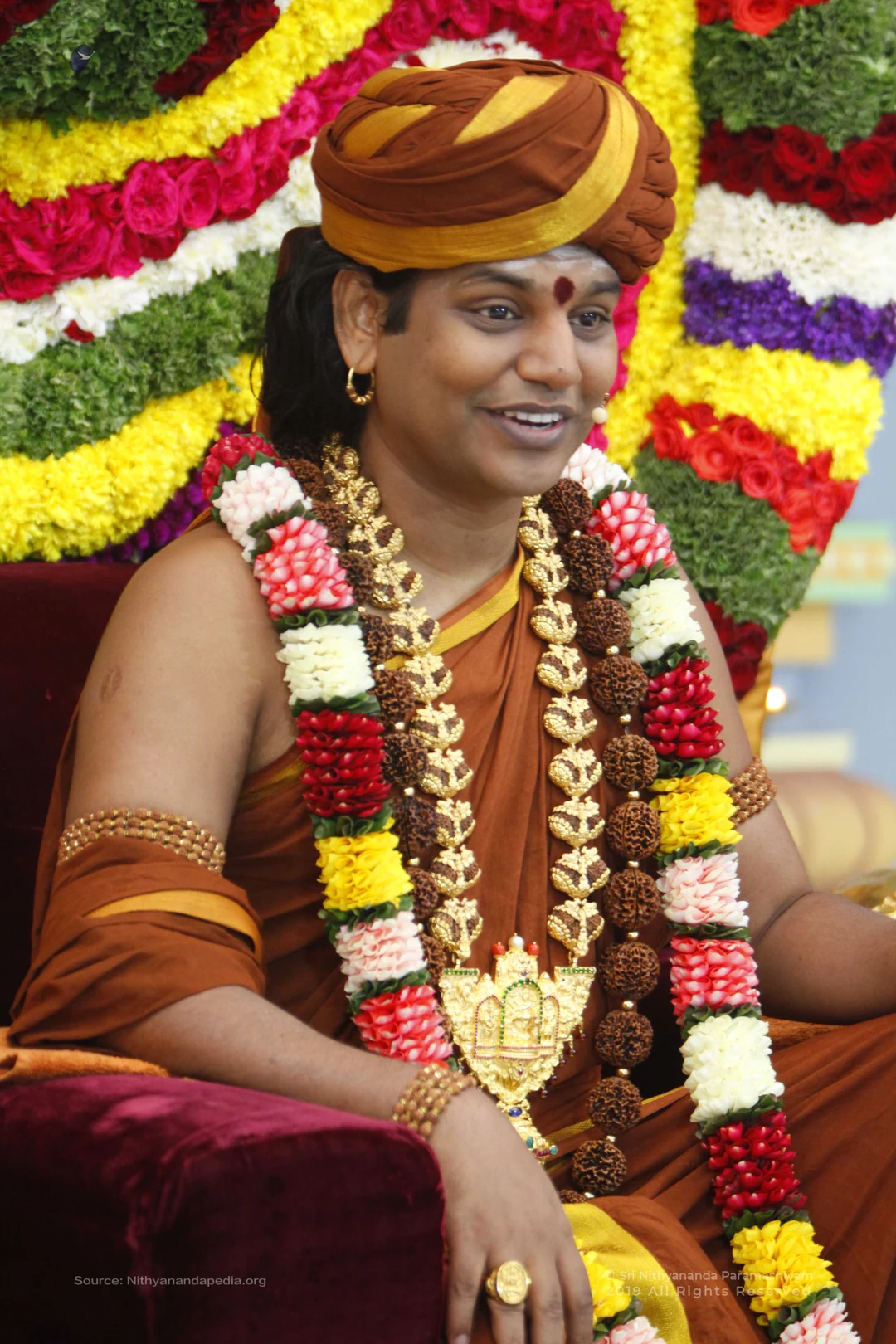
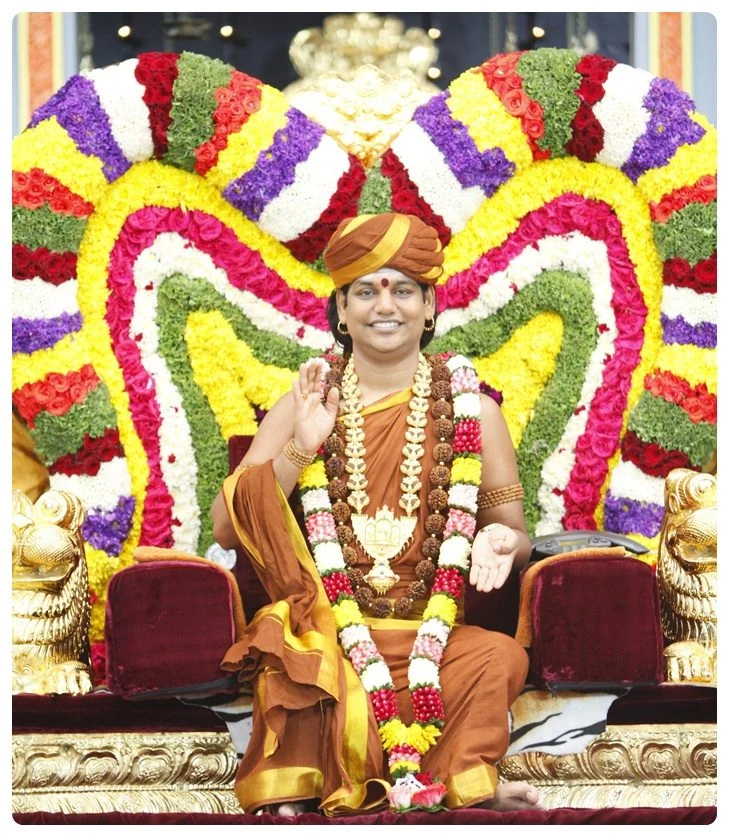
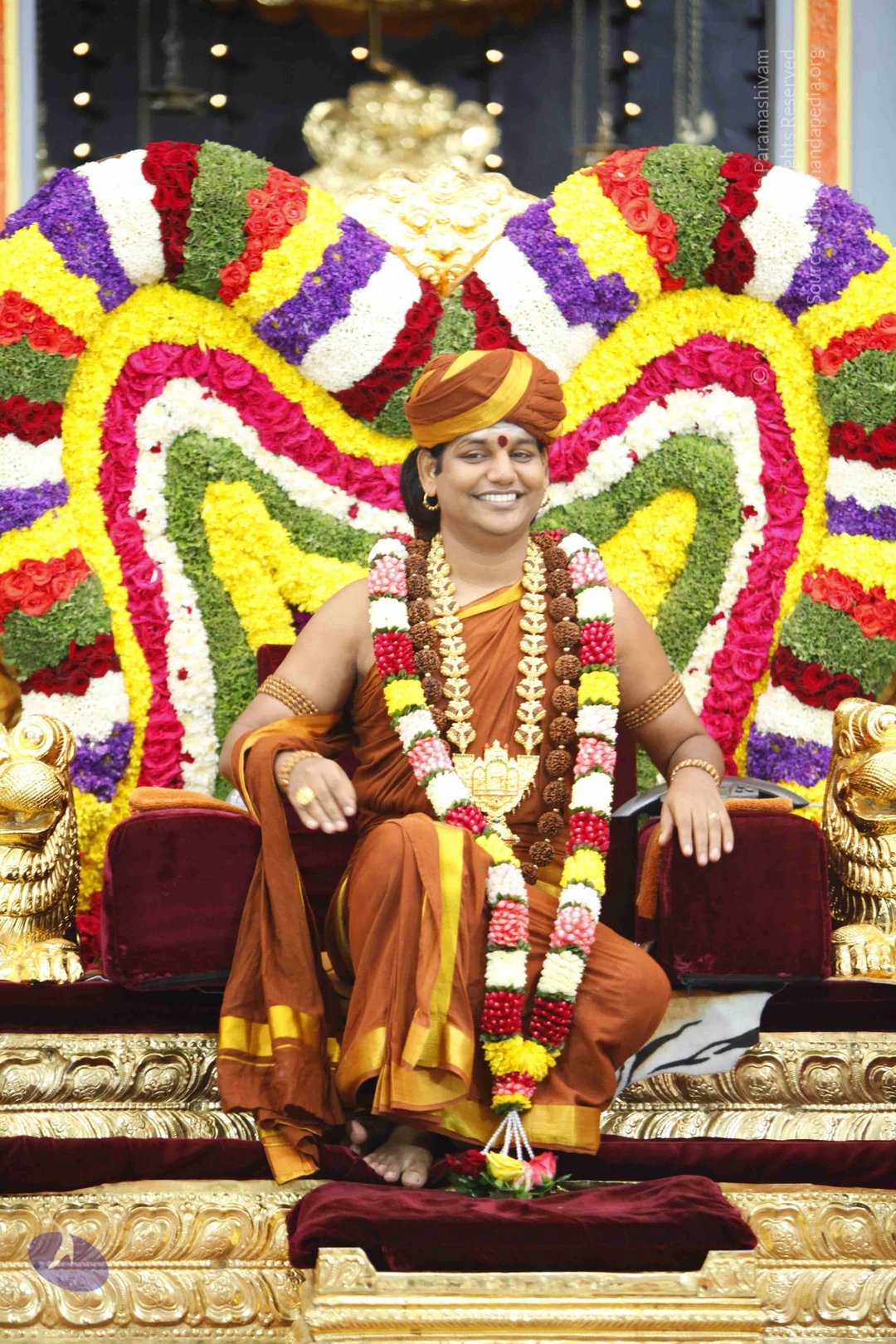
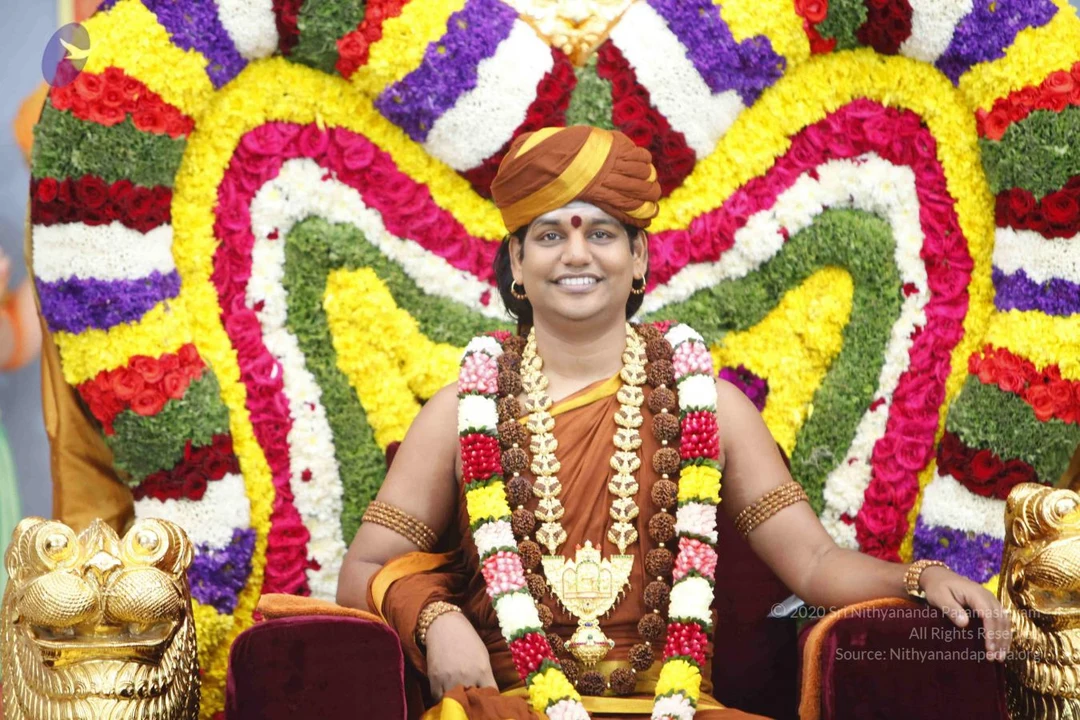
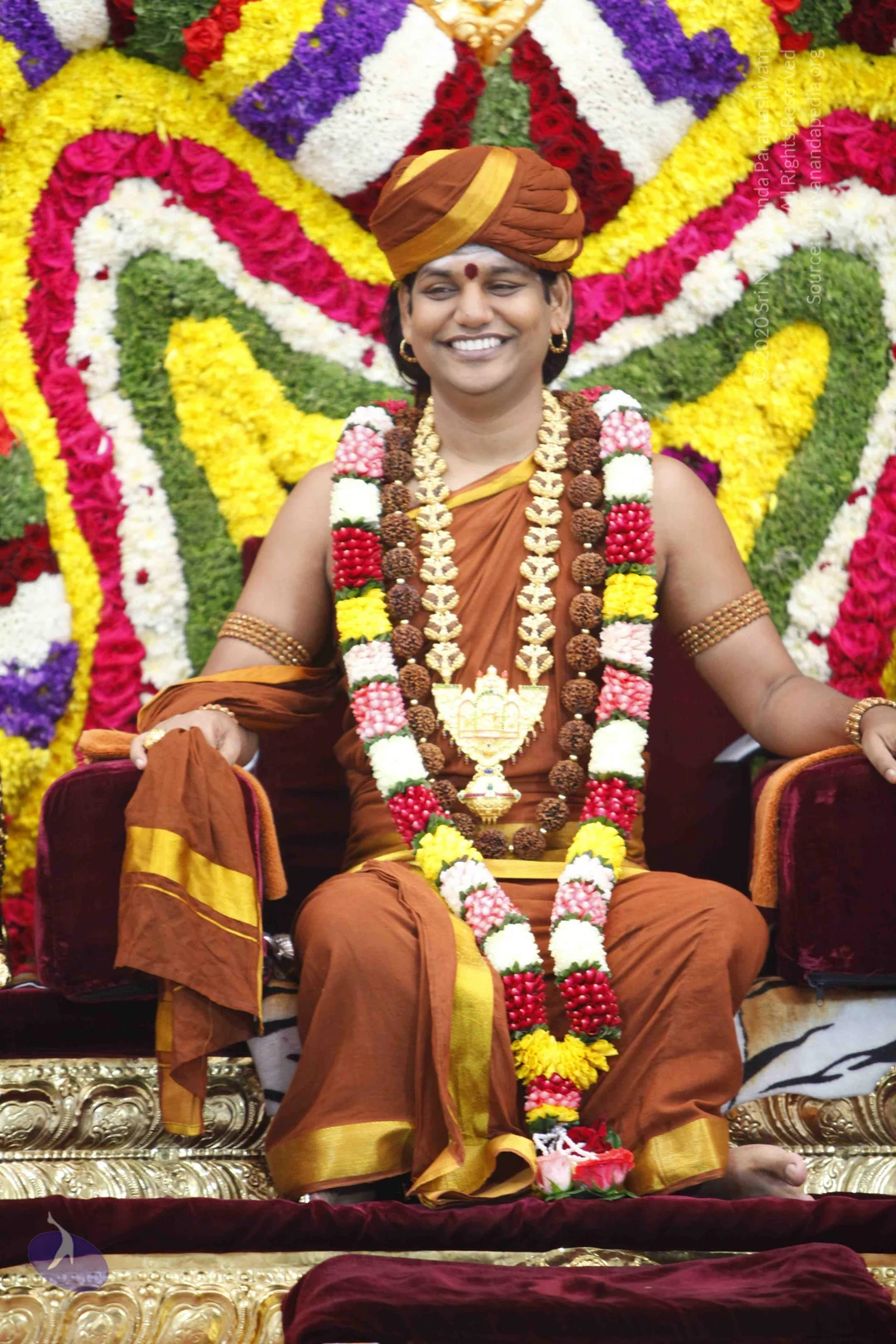
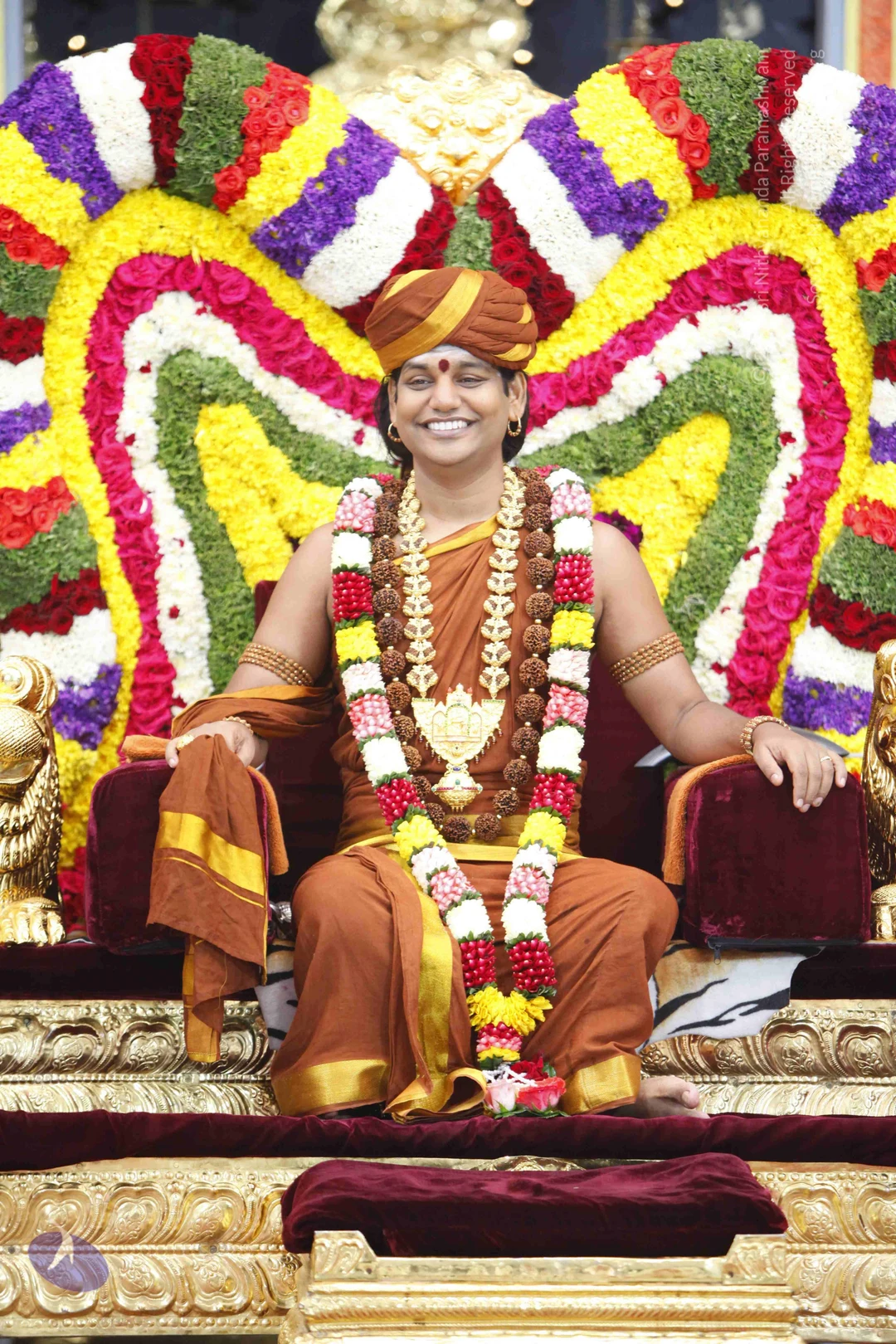
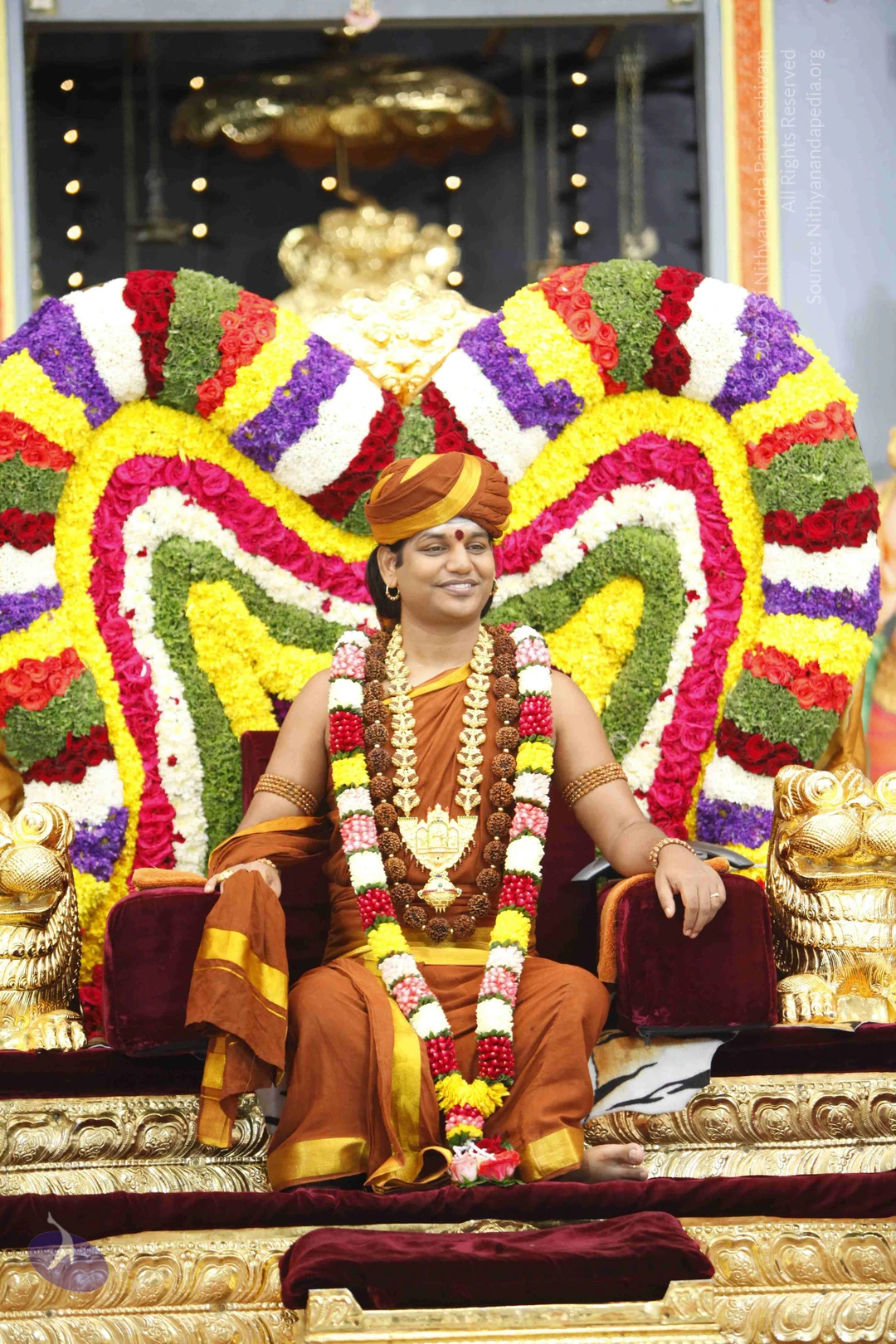
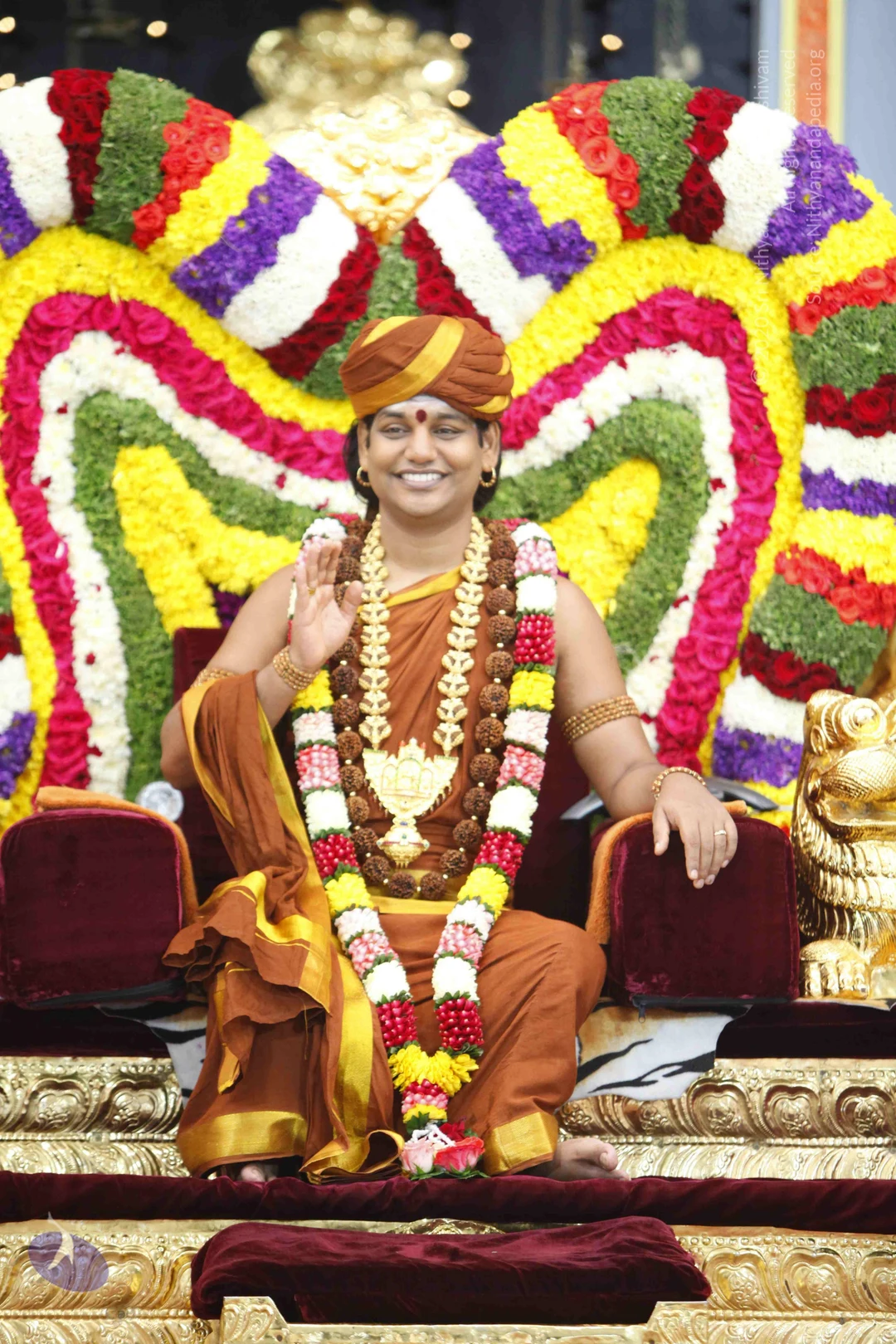
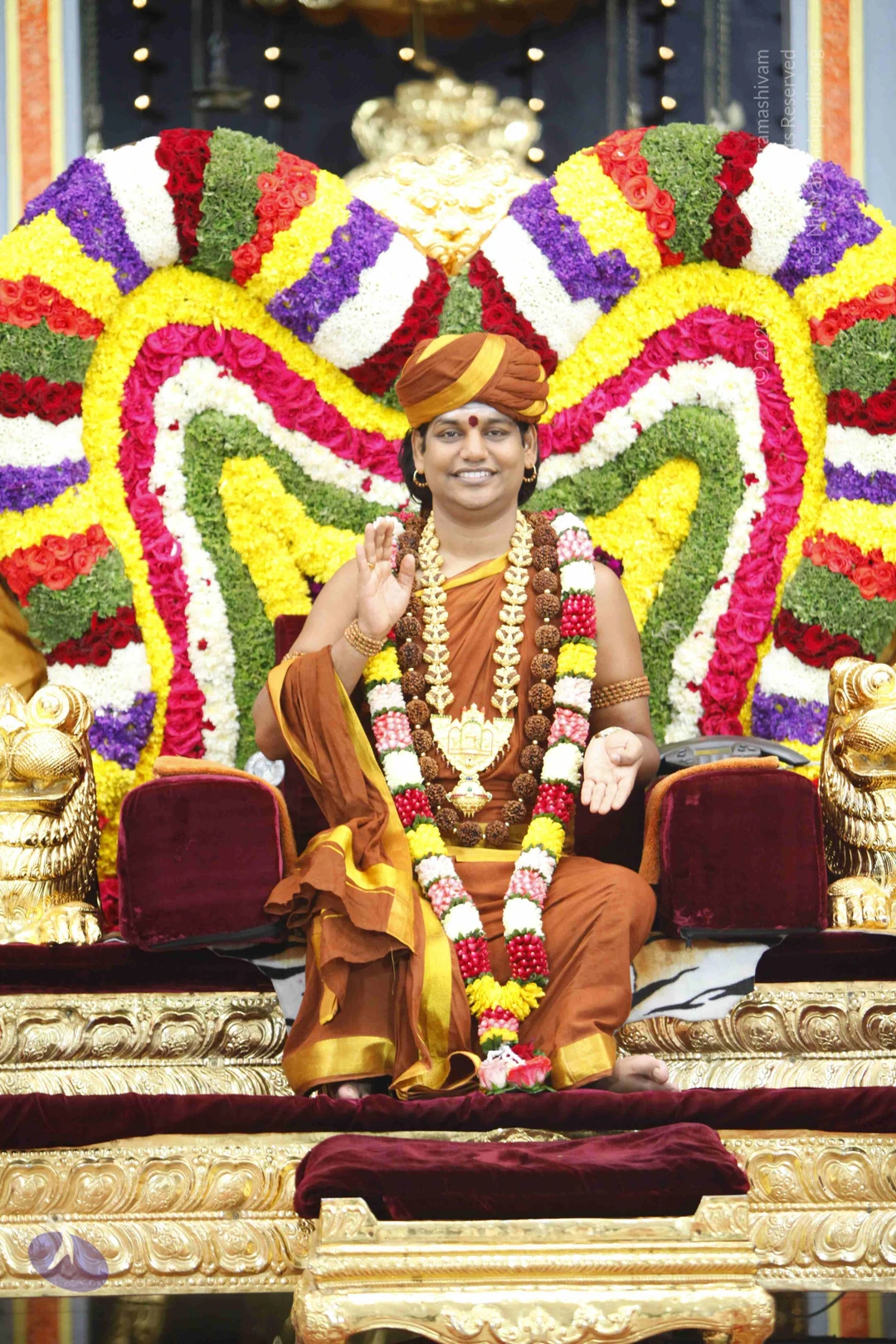
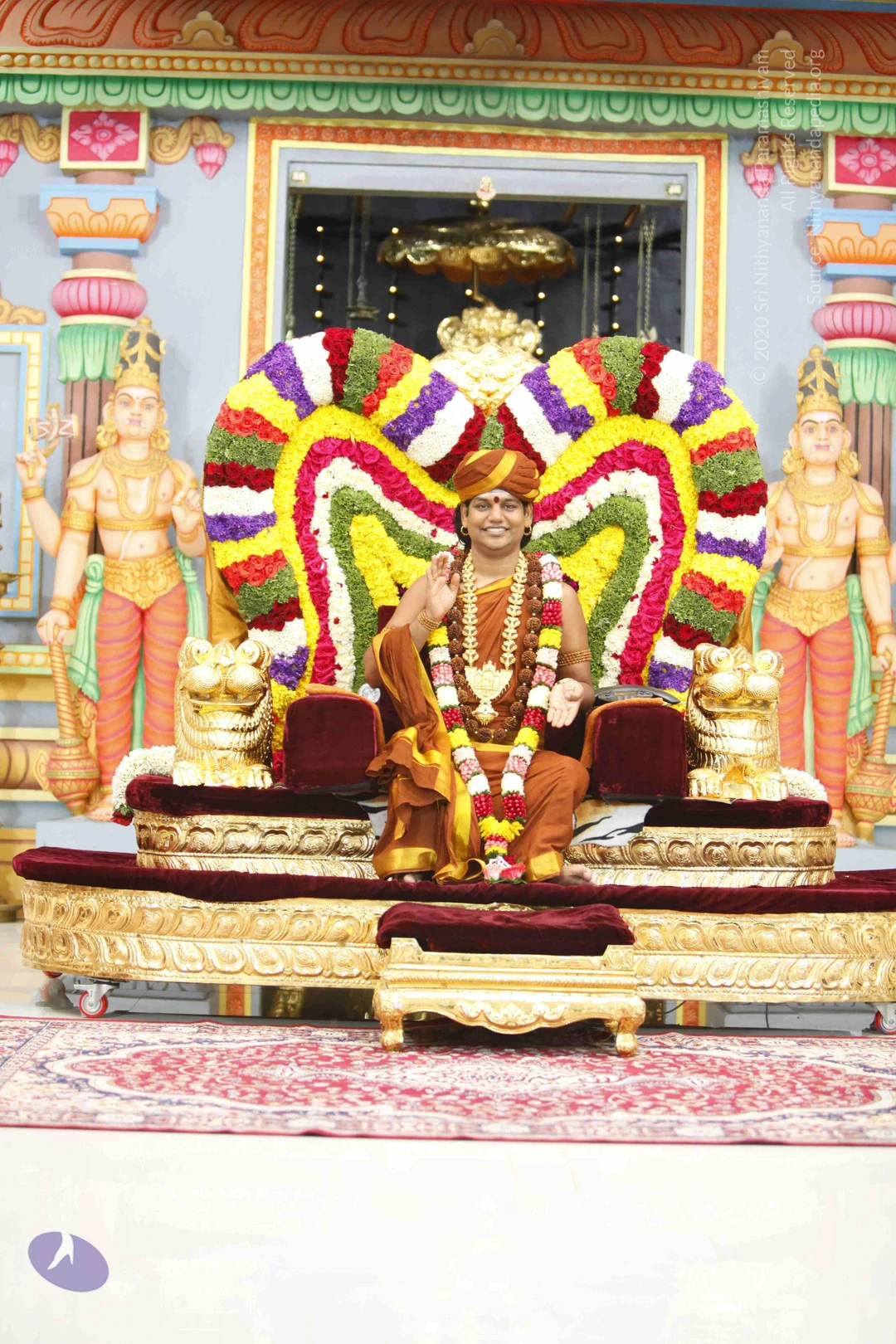
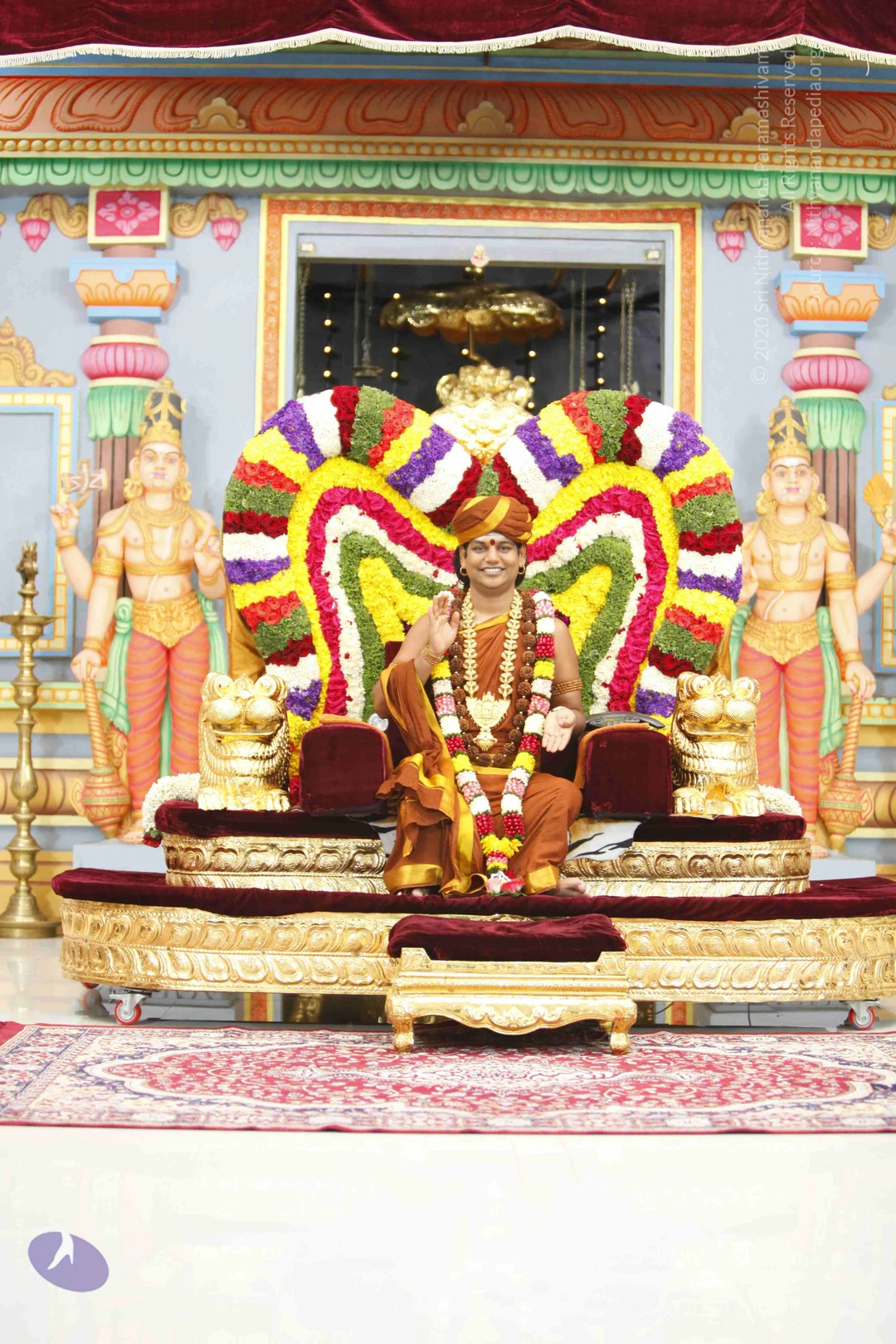
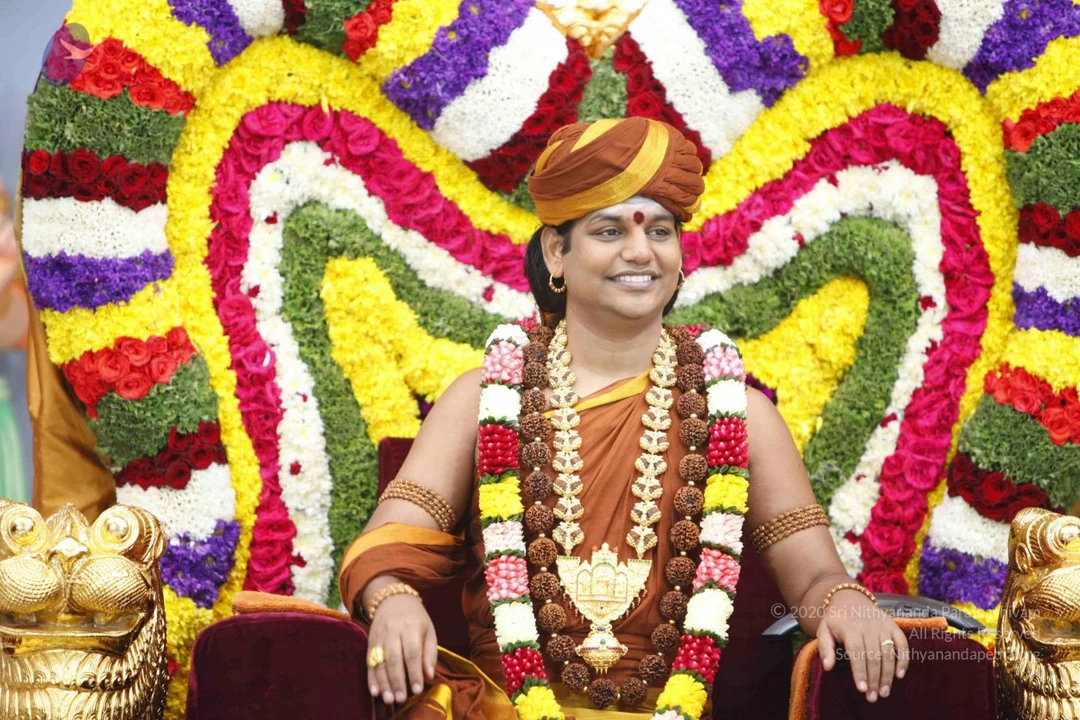
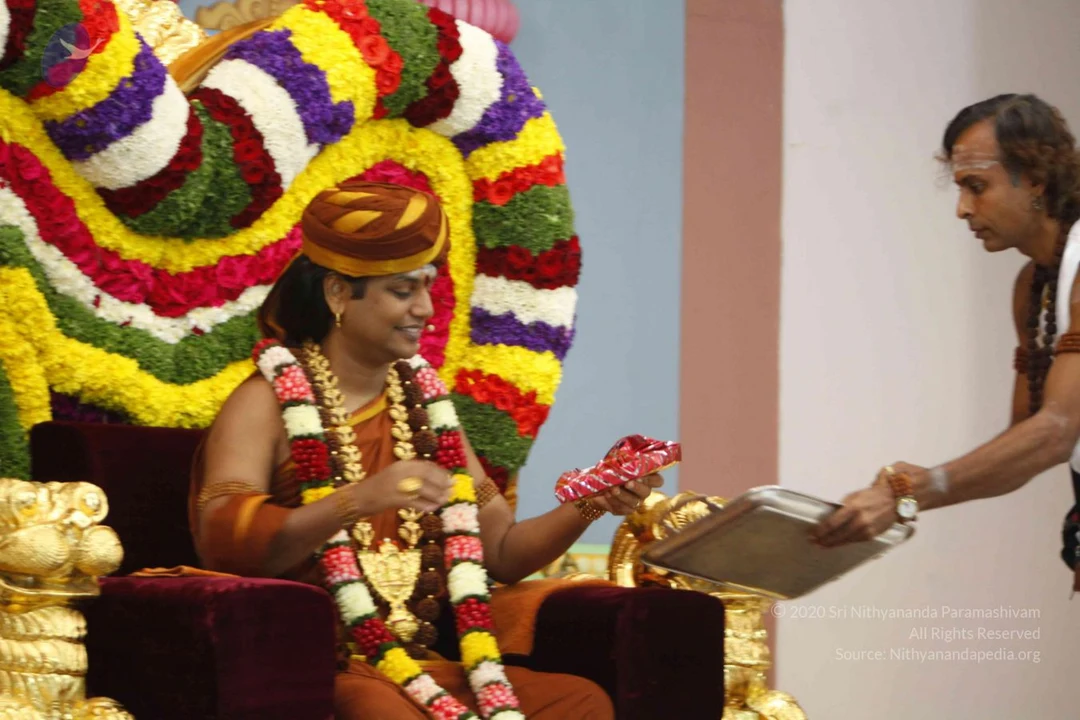
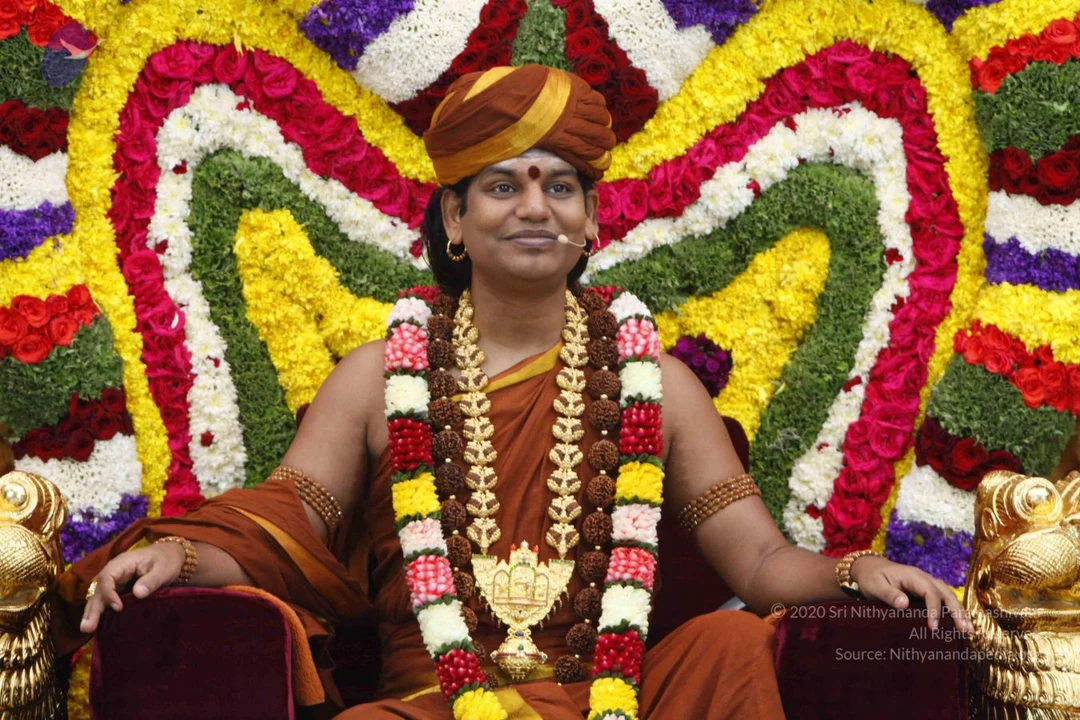
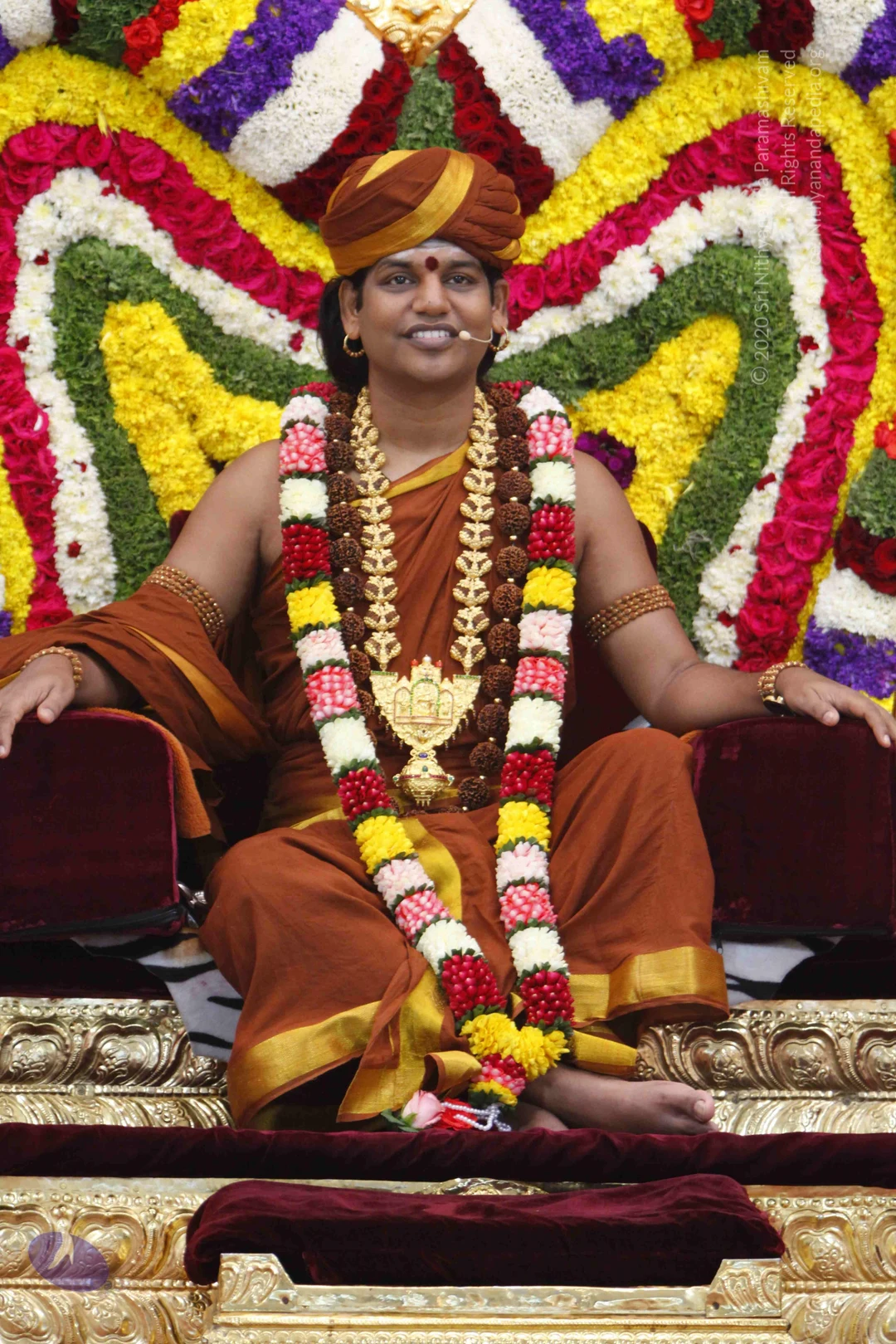
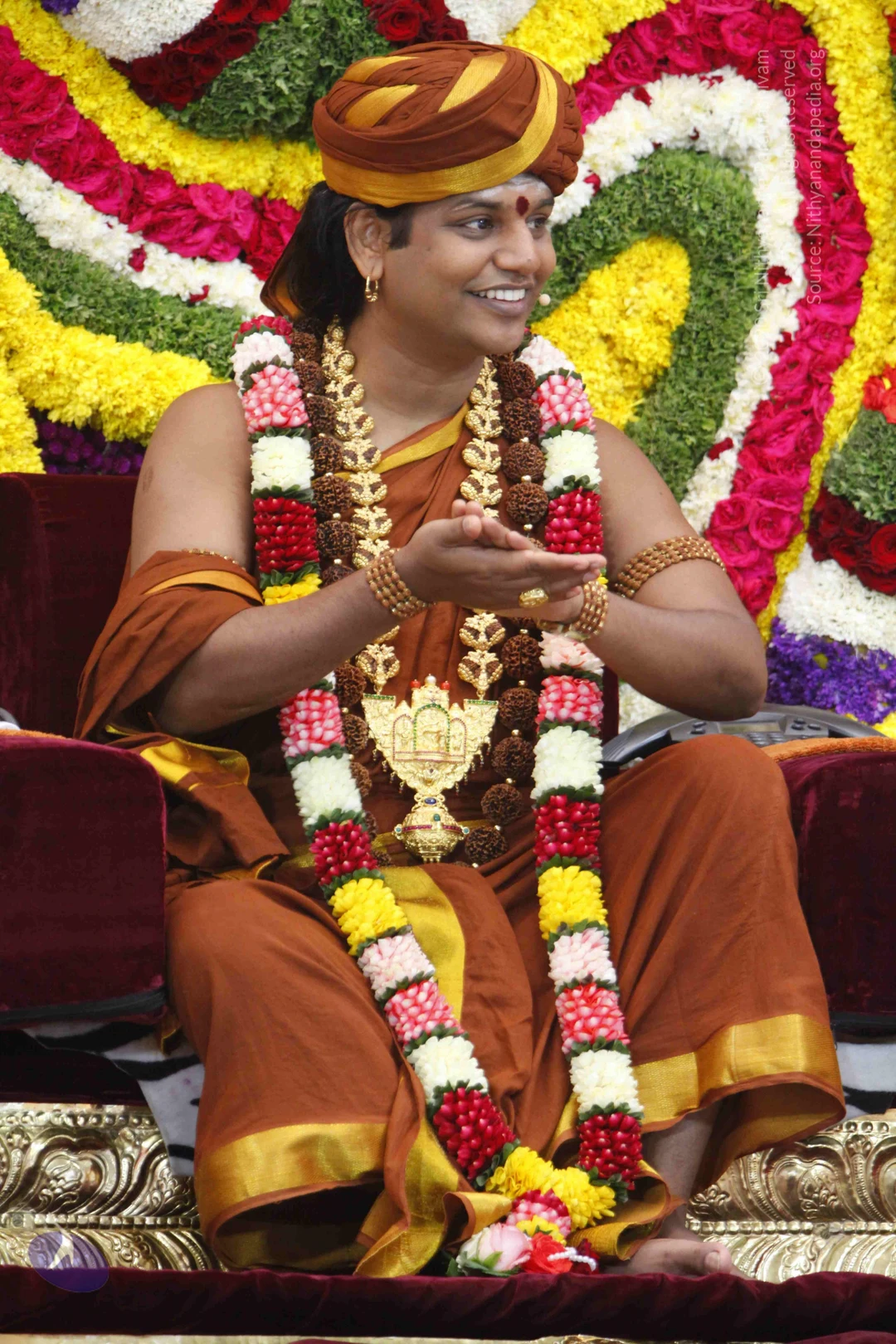
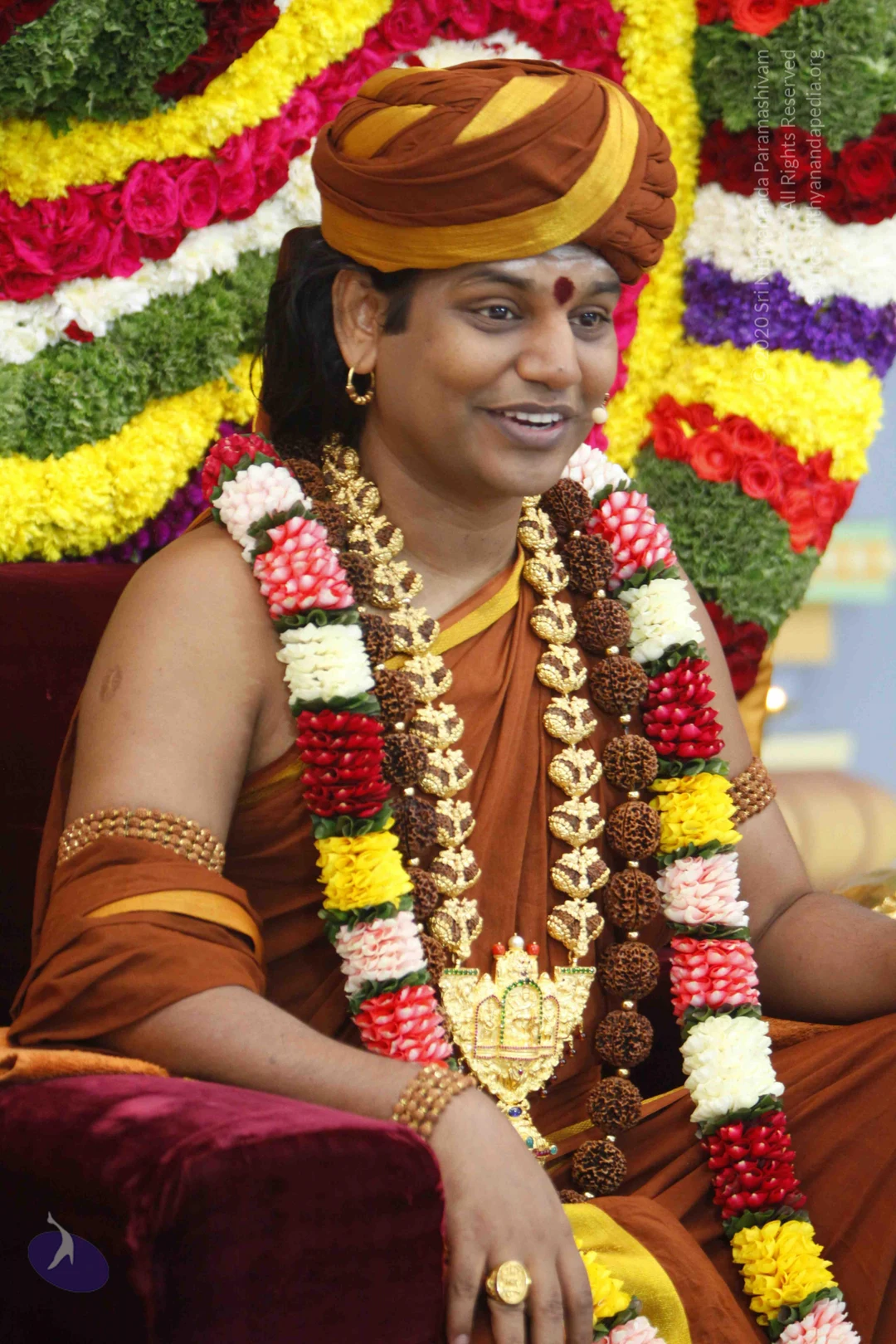
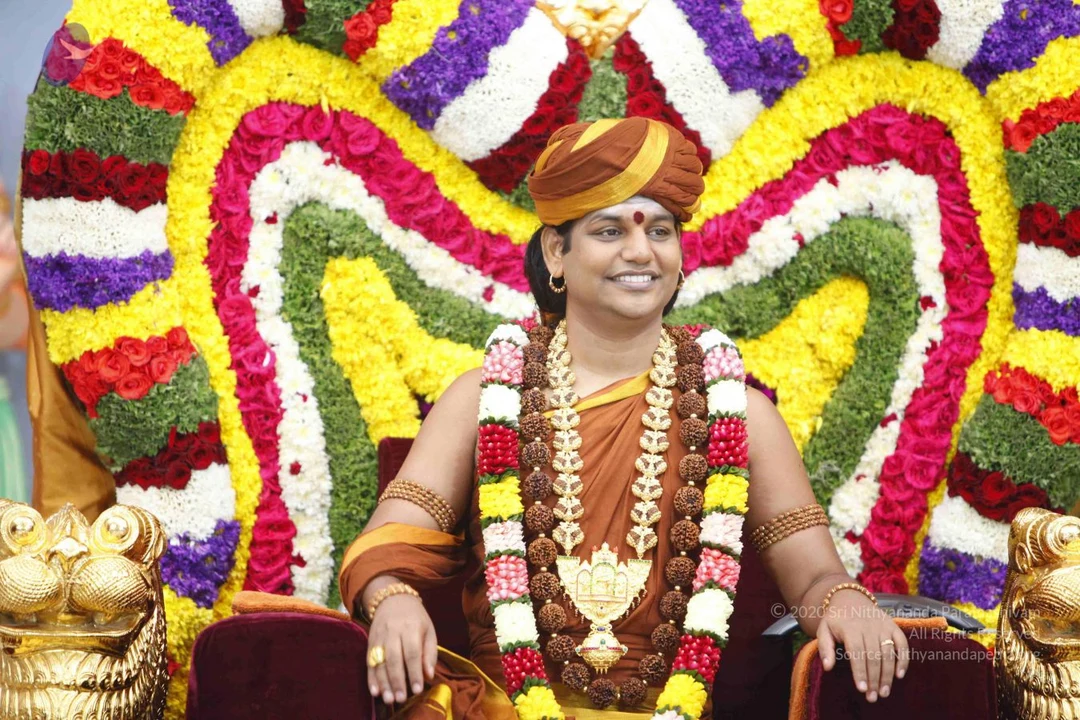
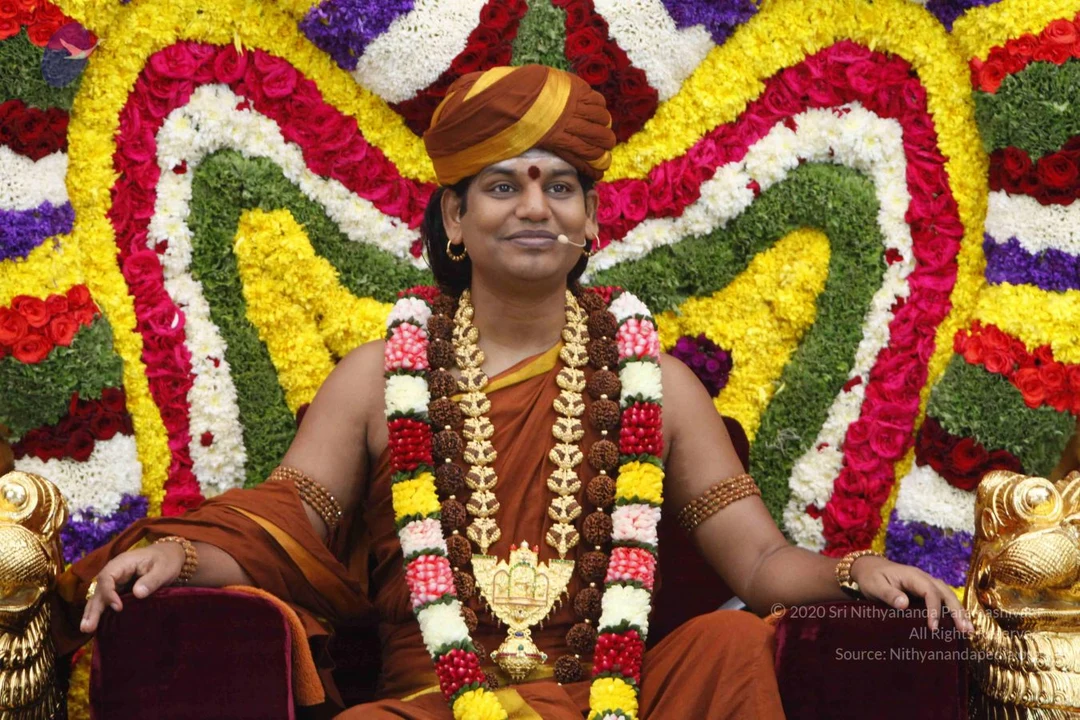
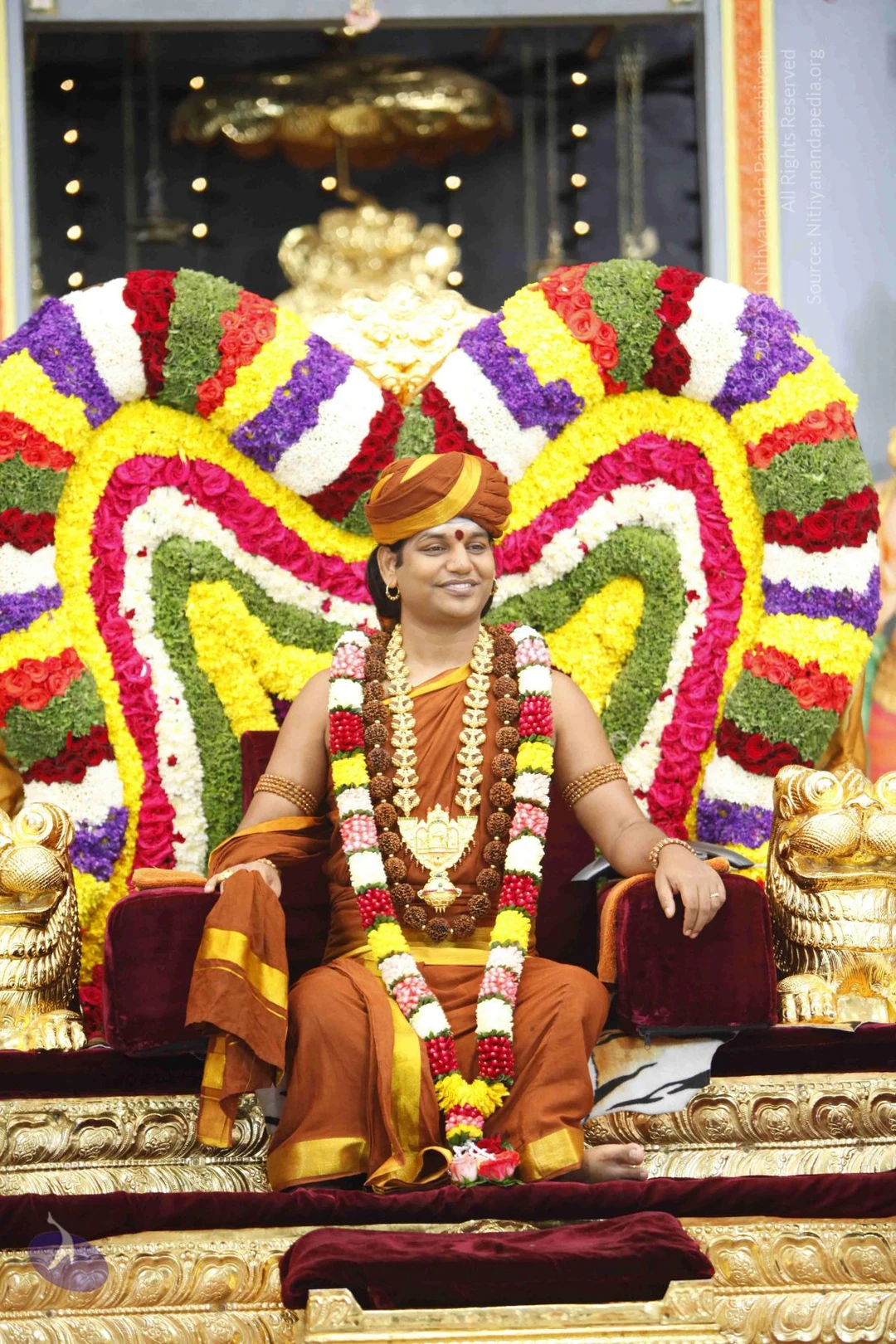
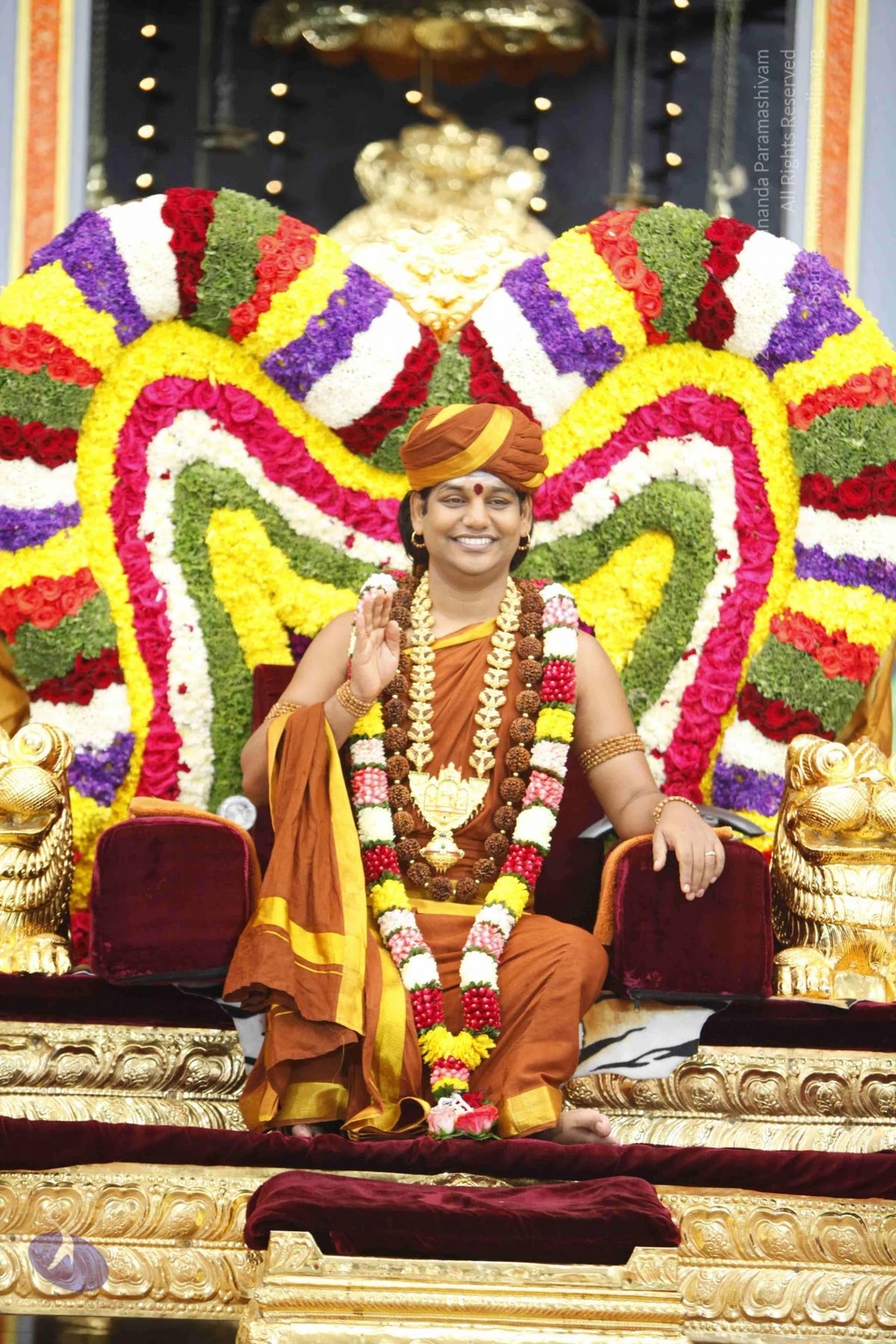
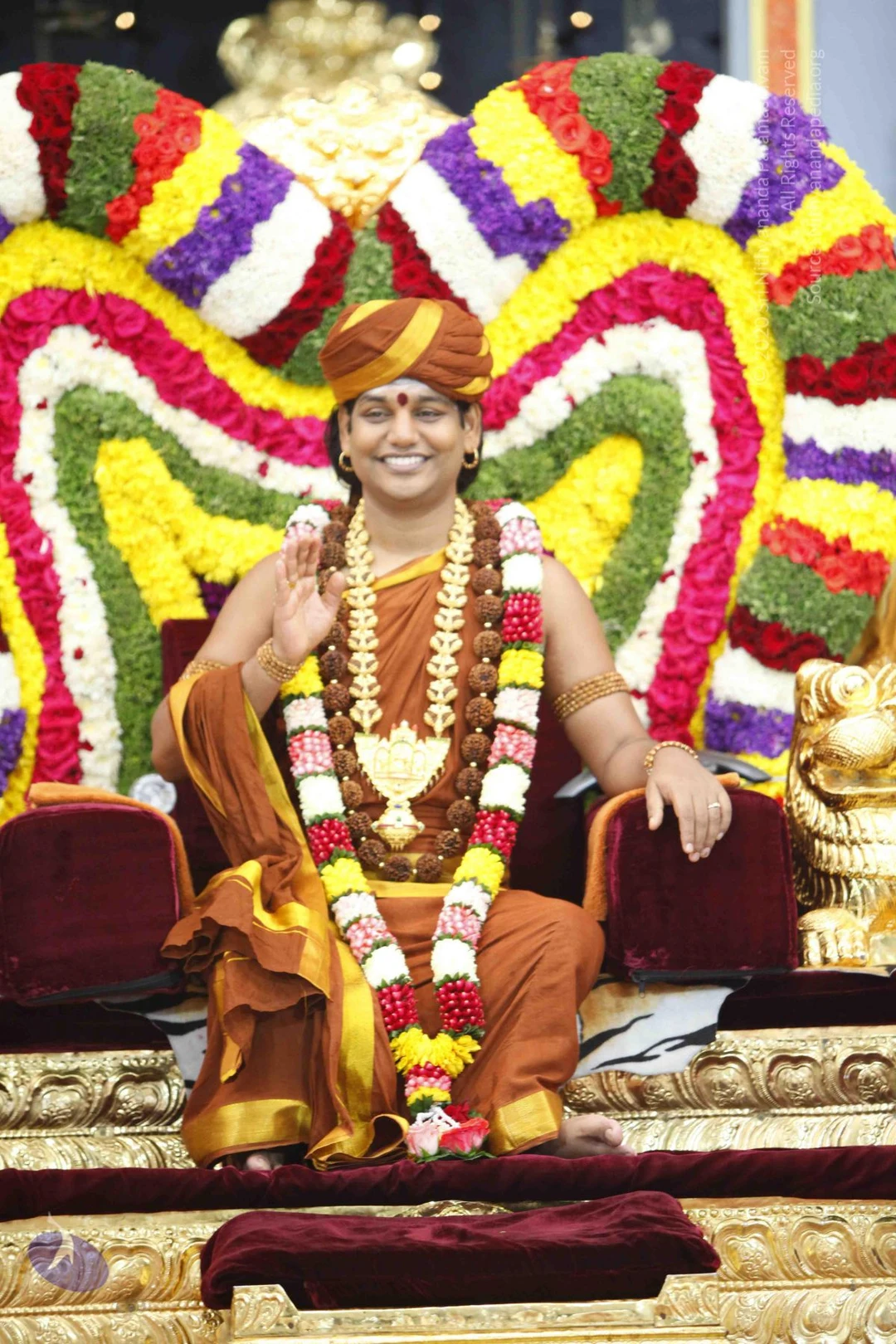
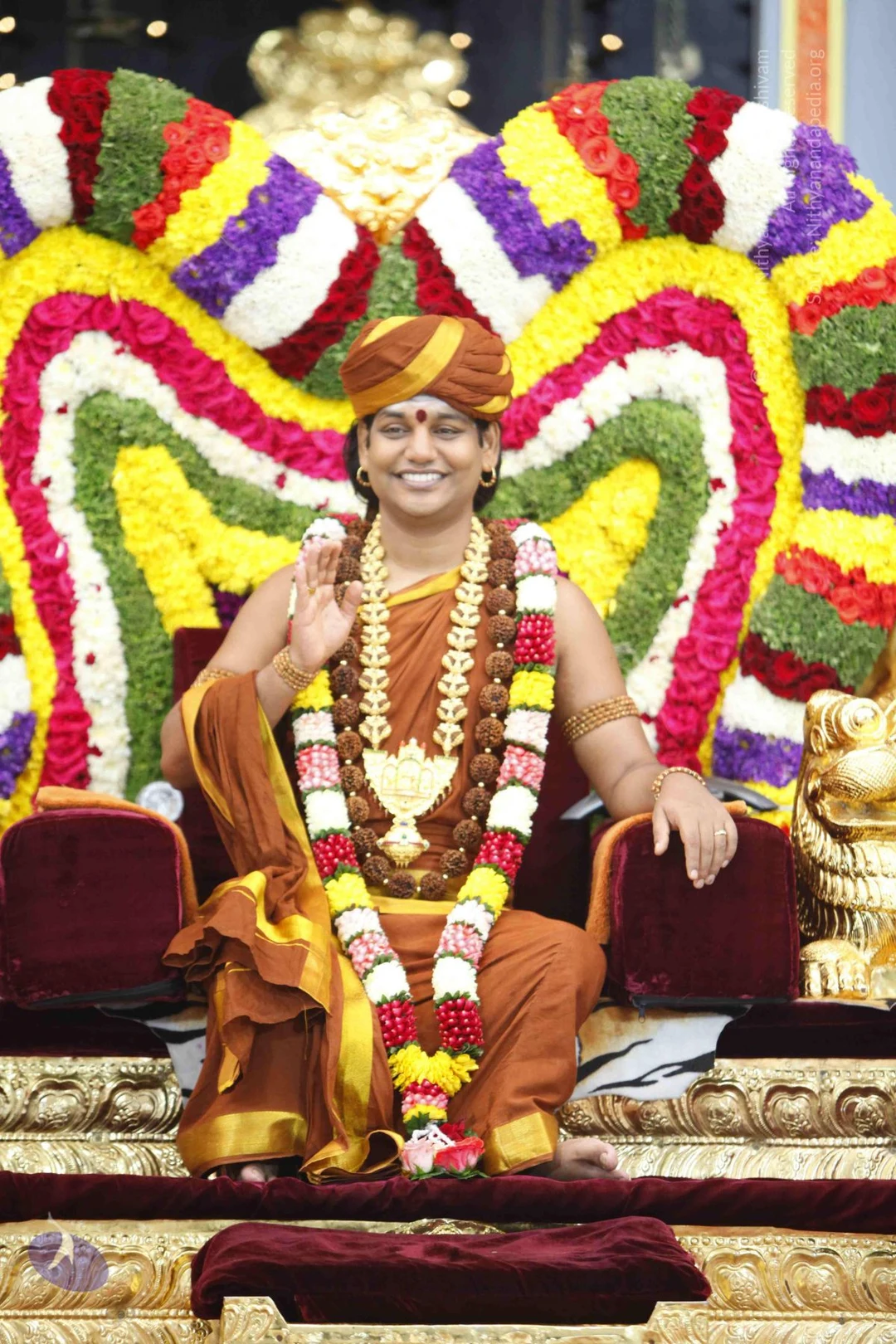
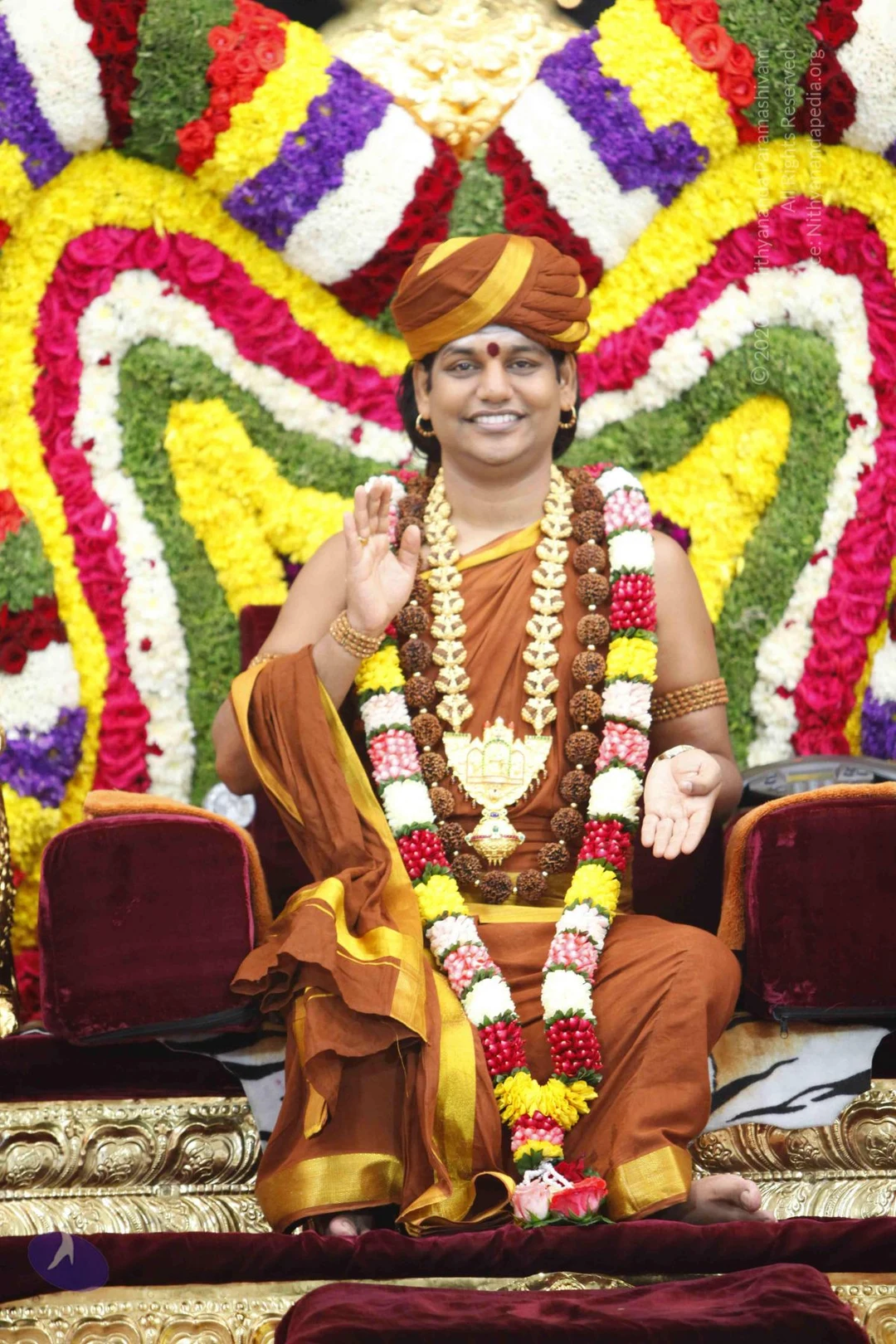
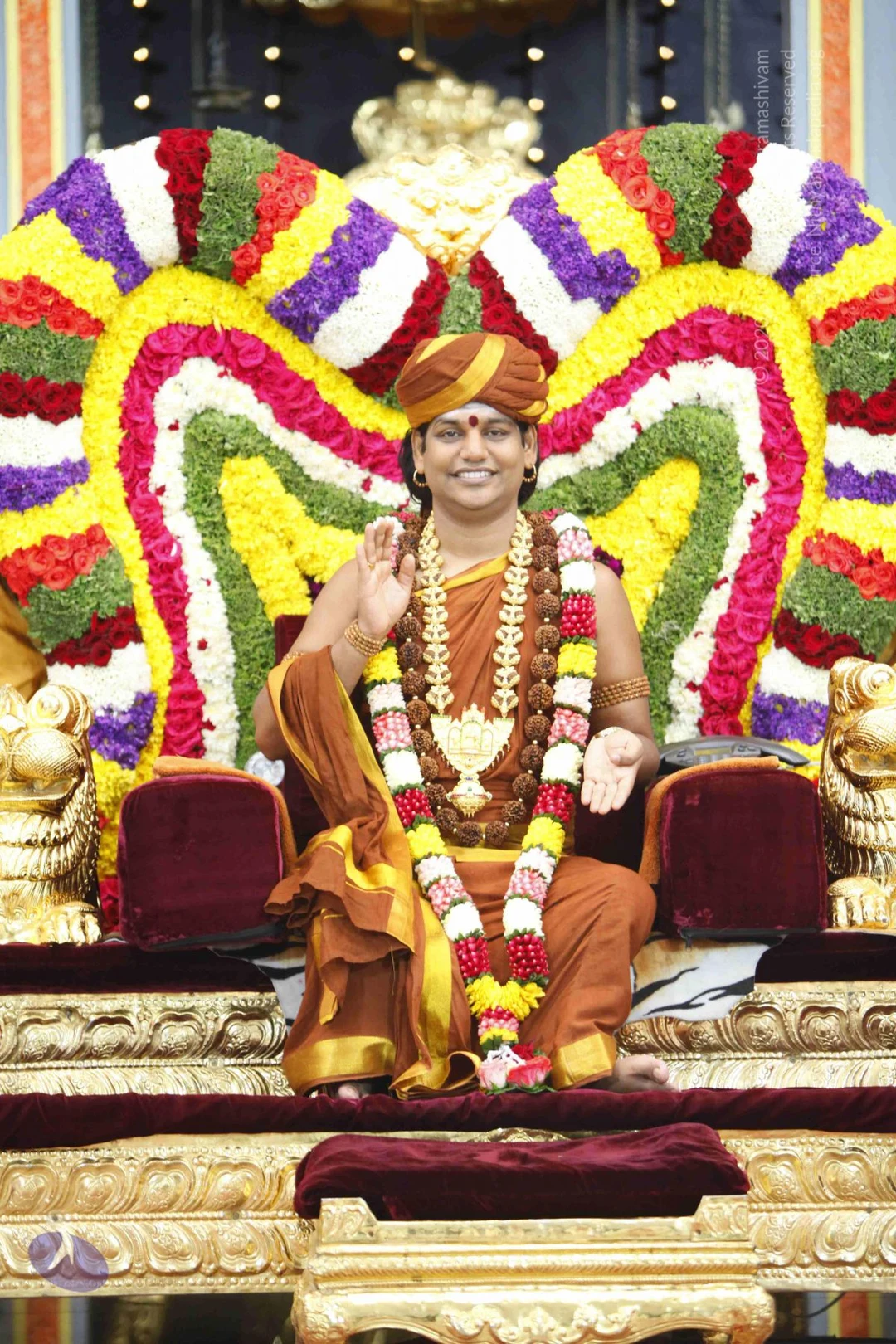
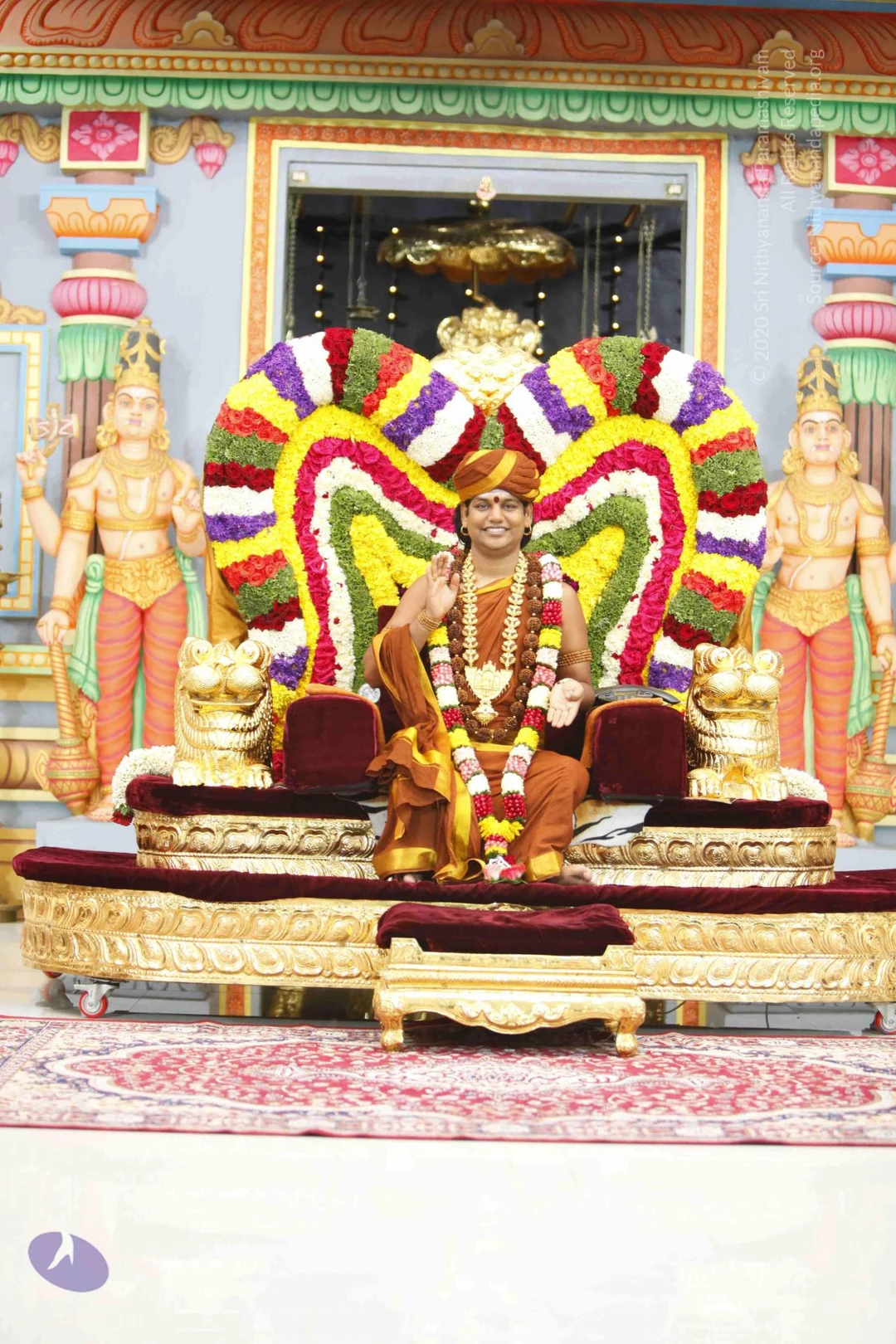
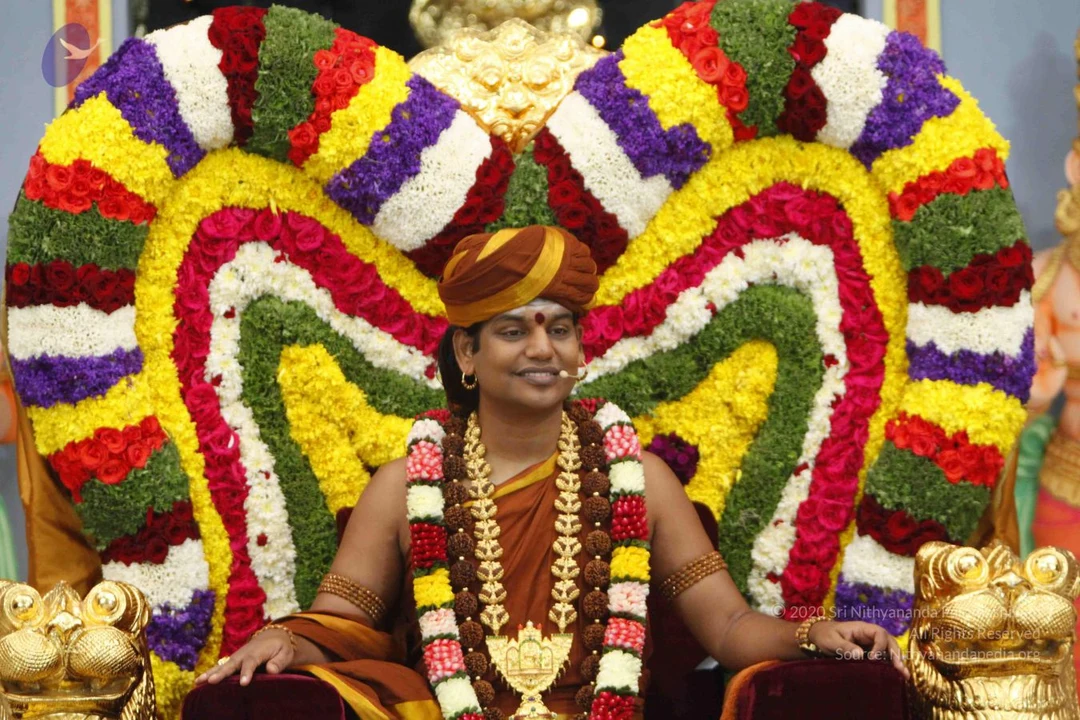
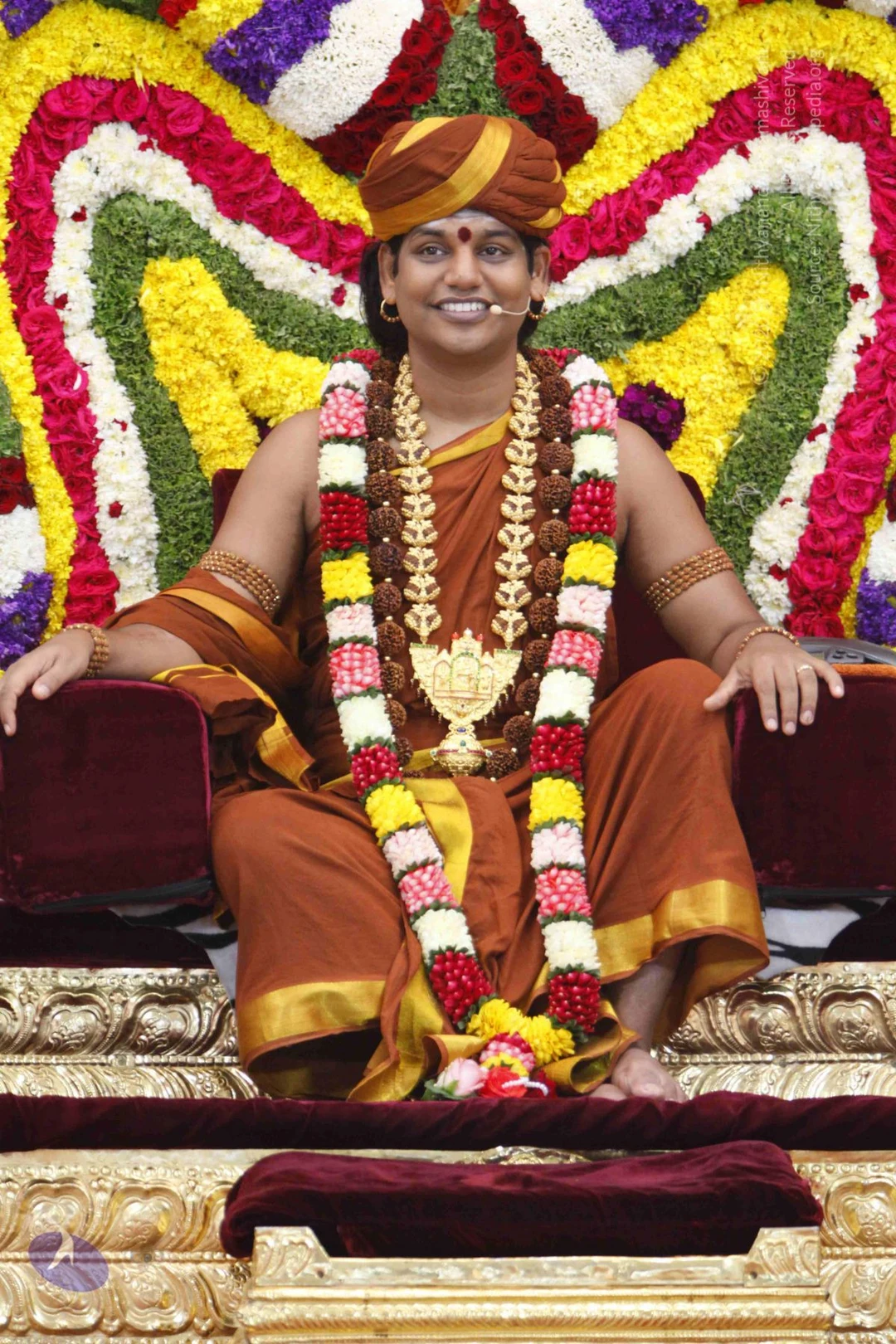
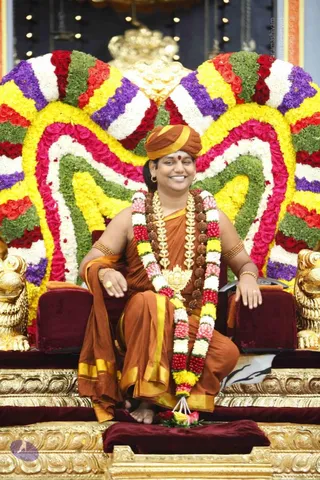
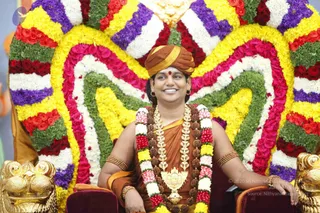
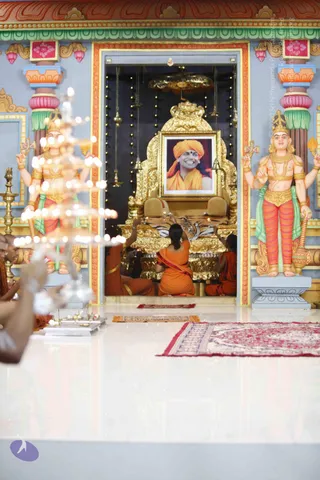
A seated man in saffron-orange robes and an orange turban smiles on a gilded throne (peetha) framed by a large flower arrangement of red, pink, white, yellow, purple and green blossoms. He wears a gold ceremonial necklace, multiple rudraksha malas, gold armlets and bangles, a red bindi, and a long multicoloured garland of pink, white and yellow flowers. Golden lion figures flank the throne and gold-carved steps lie below him. A small bouquet rests at his feet on a maroon cushion.

Swamiji BhagavadGita Book

4 photosSource gallery
A smiling man in a rust-orange and gold turban, with a red bindi and a wired headset microphone, holds up a book titled 'भगवद् गीता' (Bhagavad Gita) with a peacock-feather cover and an orange-robed figure. He wears layered rudraksha malas, gold ceremonial necklaces, a gold pendant with a deity figure, gold bangles and a ring. Behind him is a large arrangement of red, yellow, white and pink flower garlands. The book's cover reads 'परमहंस नित्यानन्द' beneath the figure. The subject appears to be a presenter in ceremonial dress, presenting the book to an audience.A seated man in a saffron-orange turban and an orange-brown shawl smiles broadly while holding up a book with a blue-green peacock-feather cover. He wears layered rudraksha mala necklaces, gold ceremonial necklaces, gold bangles and a red bindi on his forehead, with a small microphone clipped near his face. Behind him is an elaborate arrangement of red roses, white and yellow marigold-type flowers and green foliage in arching patterns. The book cover shows a woman in orange robes seated in meditation and carries Devanagari title text reading भगवद् गीता (Bhagavad Gita). The setting is a formal satsang-style stage with floral decoration.A seated man in a rust-orange turban and brown-orange shawl holds up a small book titled Bhagavad Gita, its cover showing a peacock-feather background and a woman in orange robes. He wears layered rudraksha malas, heavy gold necklaces, gold bangles and a ring, and has a red bindi on his forehead with a small microphone at his cheek. Behind him is a backdrop of red roses, white and yellow marigolds and green foliage arranged in a heart-shaped pattern. Appearance is not sufficient to confirm identity, so the person is described by role only as a seated speaker presenting a book.A smiling man in an orange-brown turban with a gold stripe and a red tilak on his forehead sits in front of a backdrop of red, yellow and white flower garlands. He wears a microphone headset, gold hoop earrings, layered rudraksha malas and a heavy gold ceremonial necklace with a gold pendant, plus rudraksha bracelets. He holds up a book with a green peacock-feather cover showing a seated figure in orange, titled in Devanagari as Bhagavad Gita with a new commentary, Volume 2 (chapters 7 to 12), with the author line Paramahamsa Nithyananda printed below. a person appearance cues are present: turban, ornate gold and rudraksha adornments, and a book by him; this is an appearance-based candidate in person.

final blessing

1 photoSource gallery
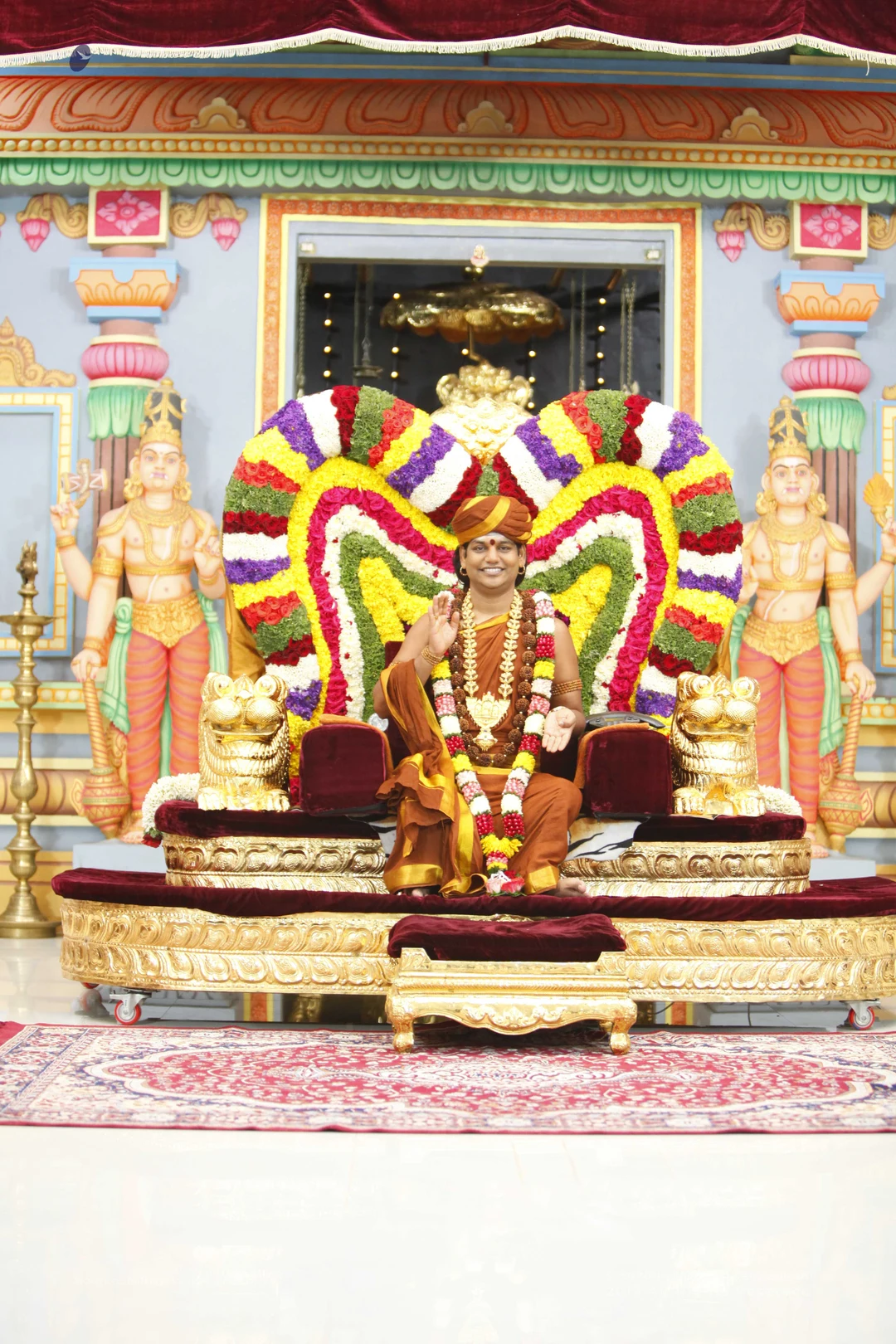
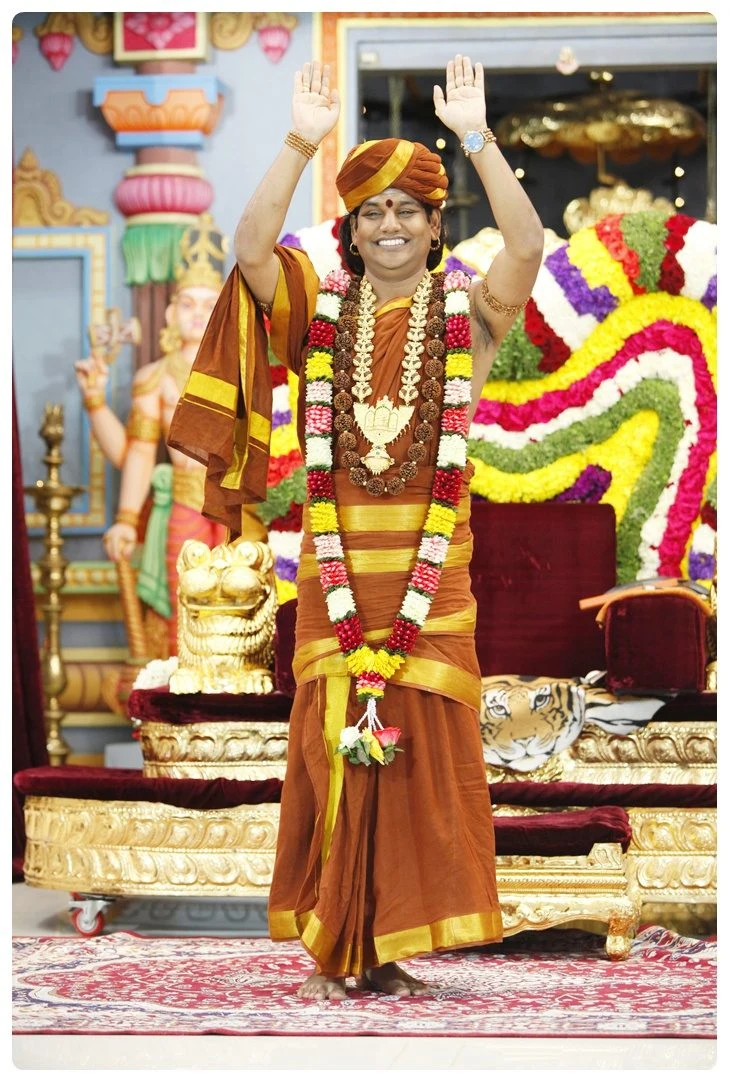
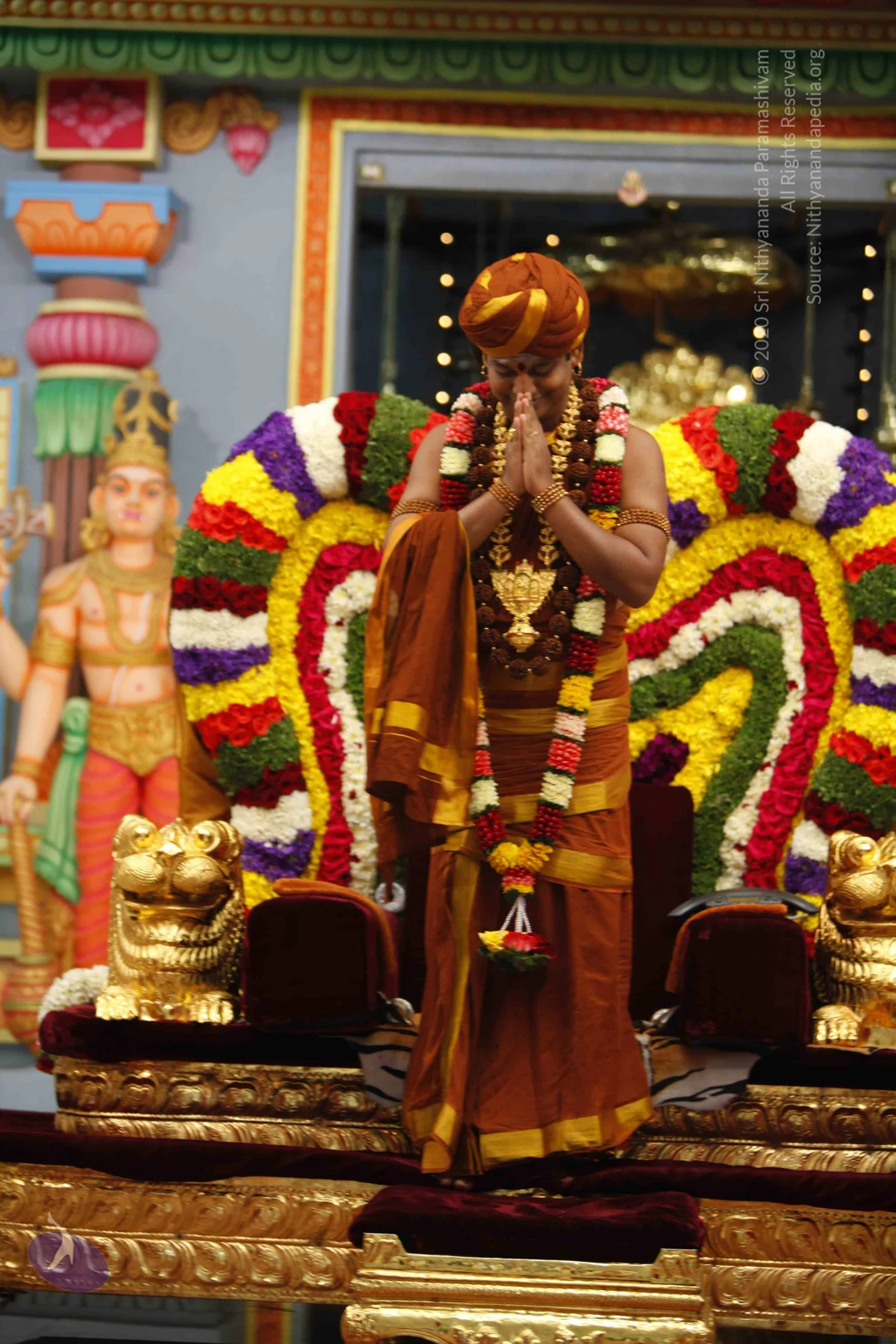
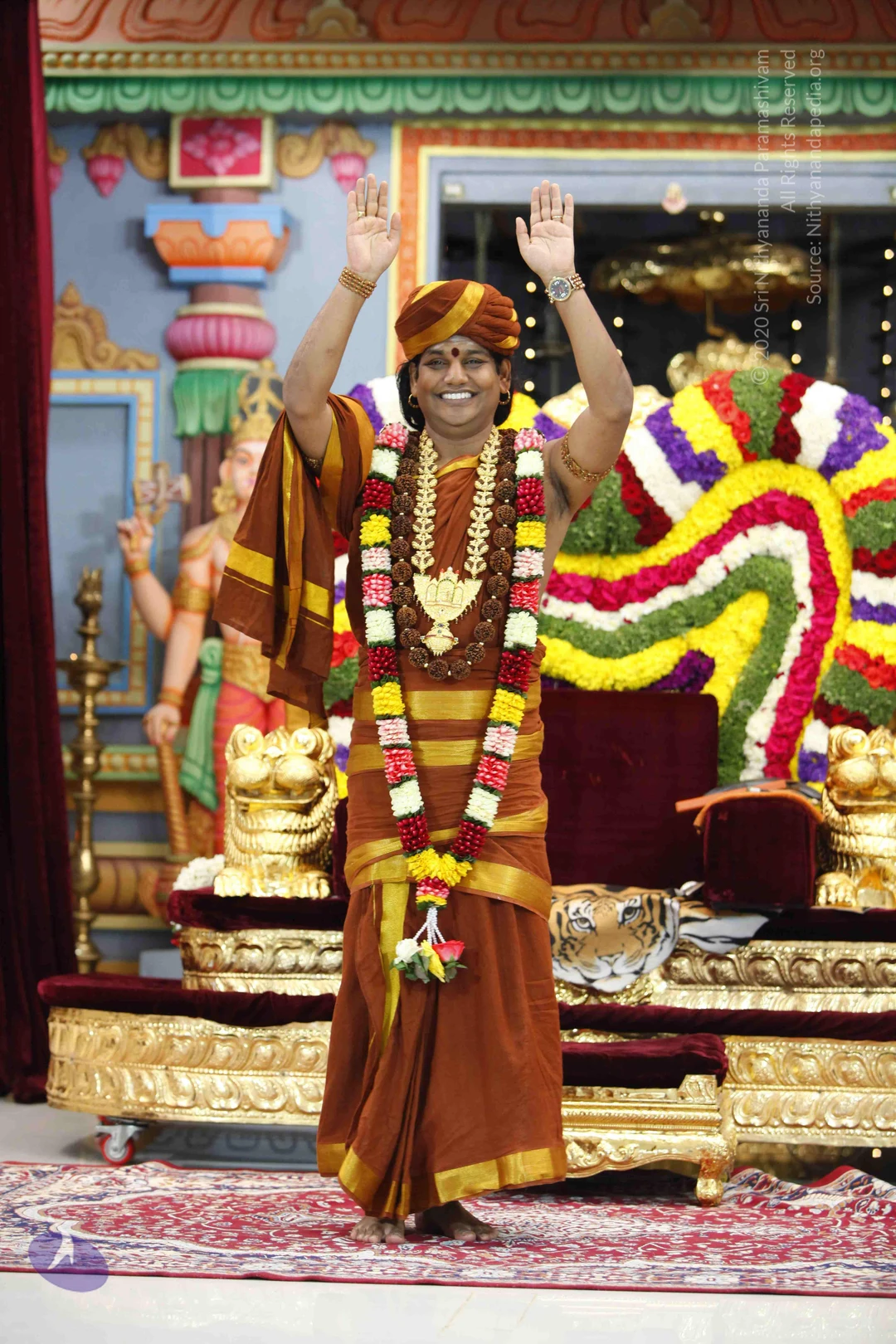
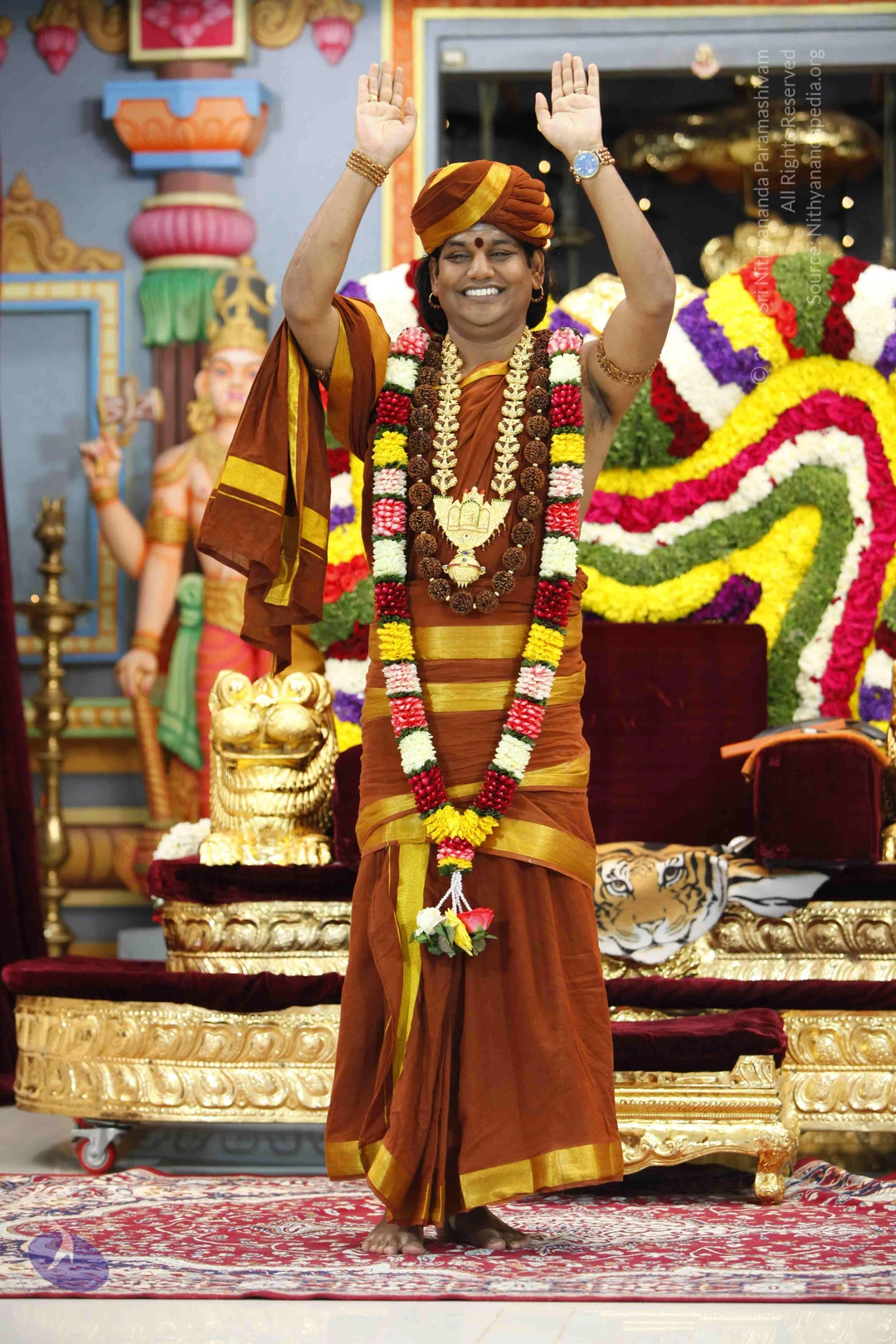
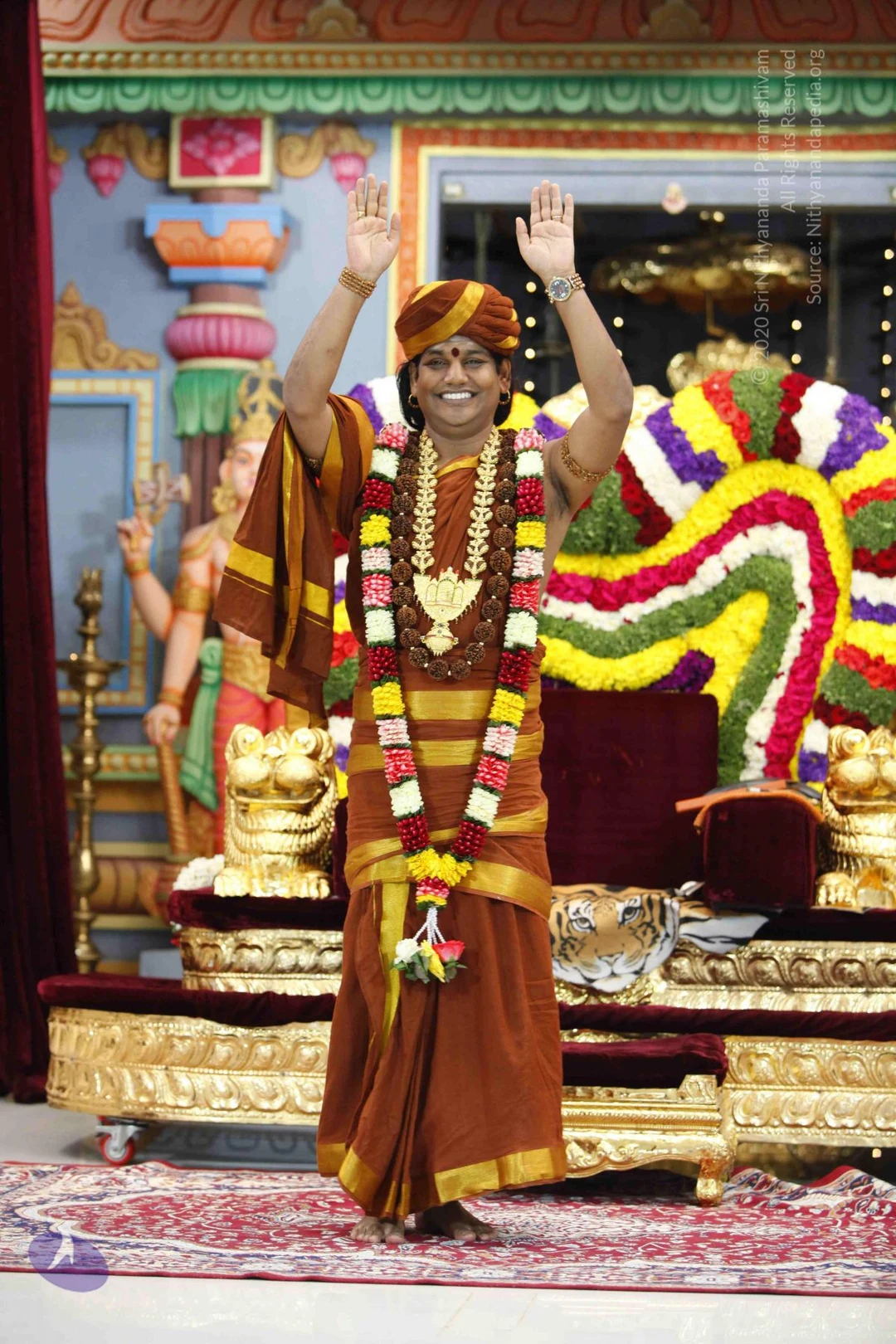
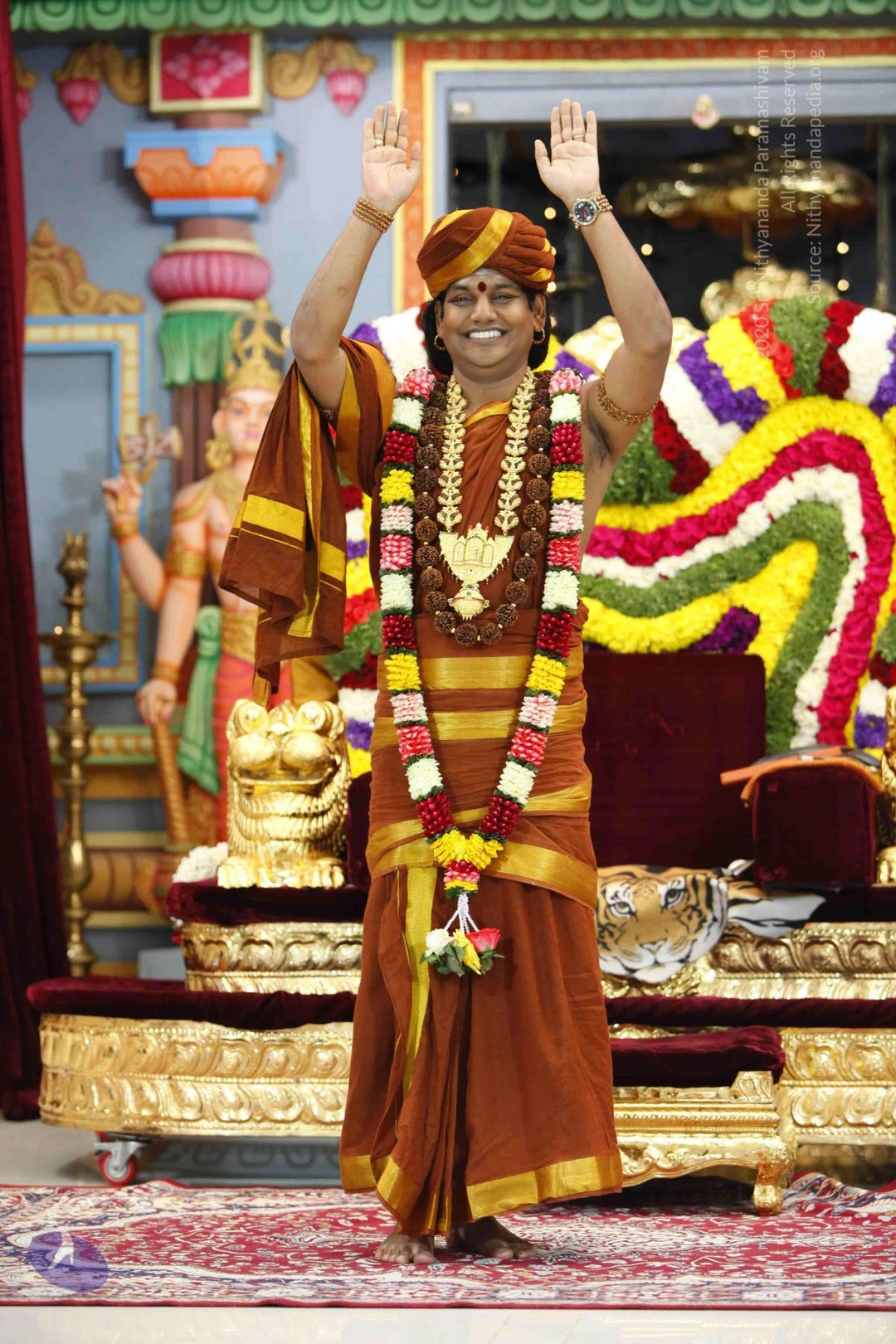
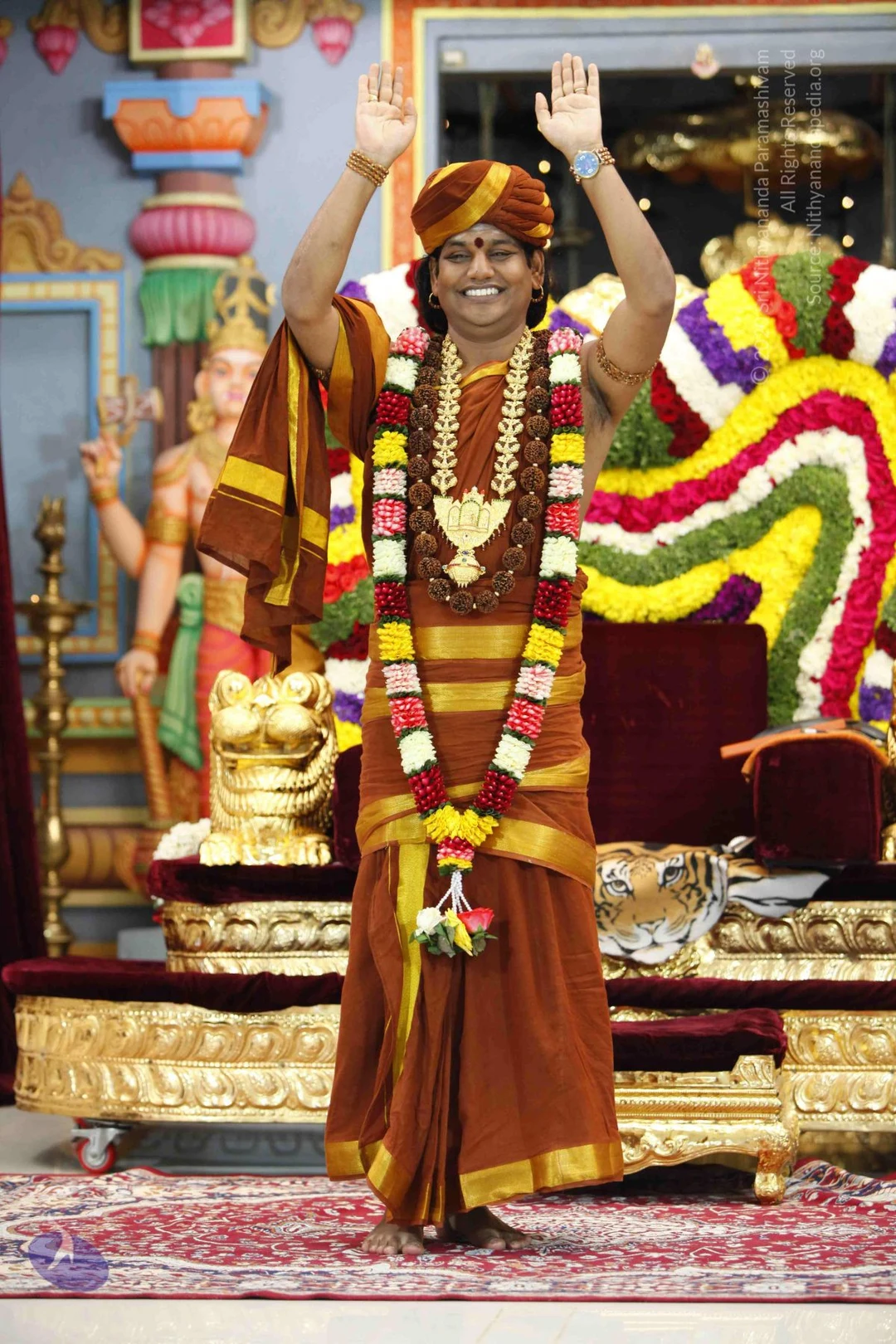
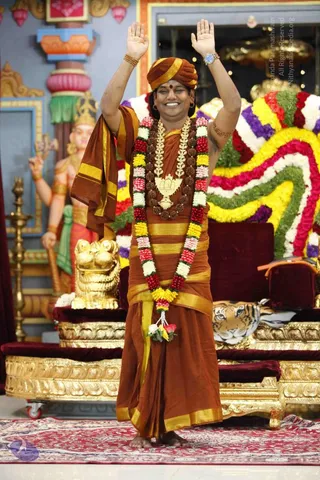
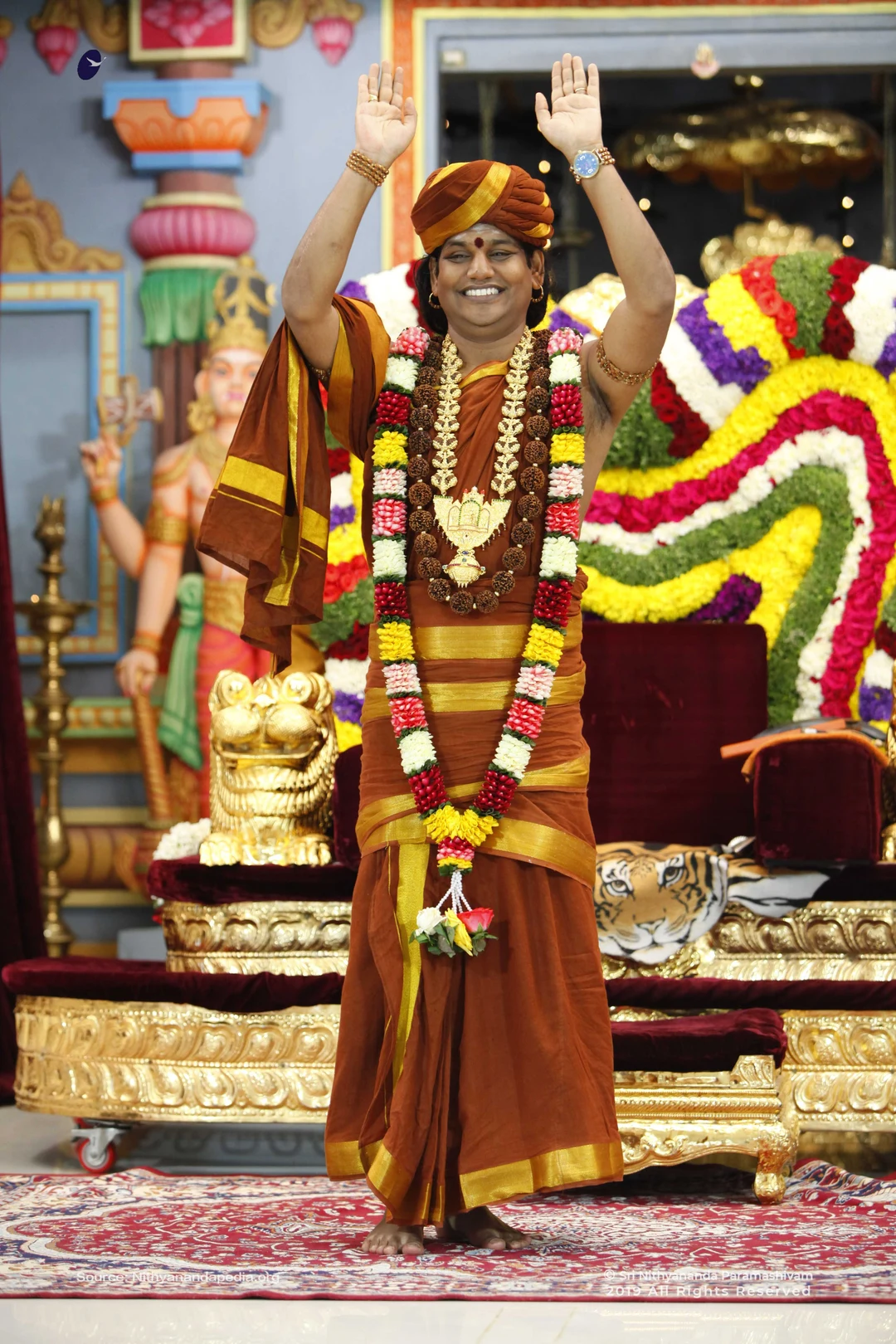
A smiling man stands barefoot on a red patterned carpet with both arms raised in greeting. He wears a rust-brown turban, rust-brown robe with gold borders and a drape over one shoulder, and a long garland of red, white and yellow flowers over a rudraksha mala with a gold ceremonial pendant. Behind him are a gold lion-shaped seat and a gold-framed throne draped with a tiger-print cloth, decorated with bands of flowers in red, yellow, green and purple. A painted deity figure with a crown and a trident stands at left beside a brass oil lamp. Only one physical person is present.

IA day 4
214 photosSource gallery
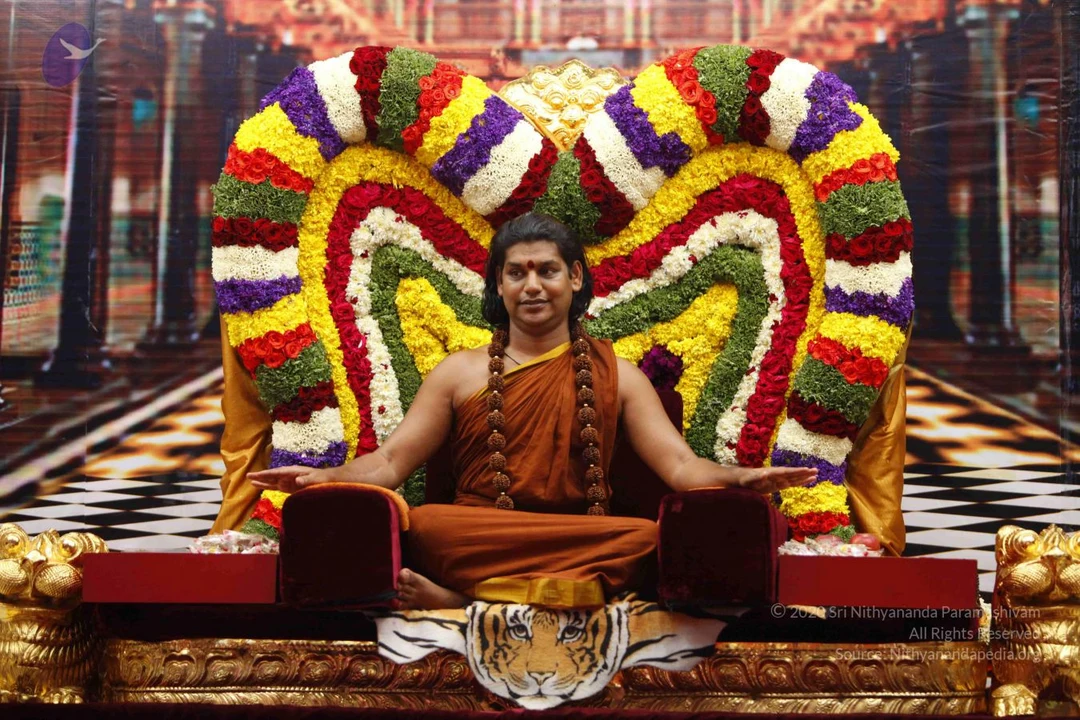
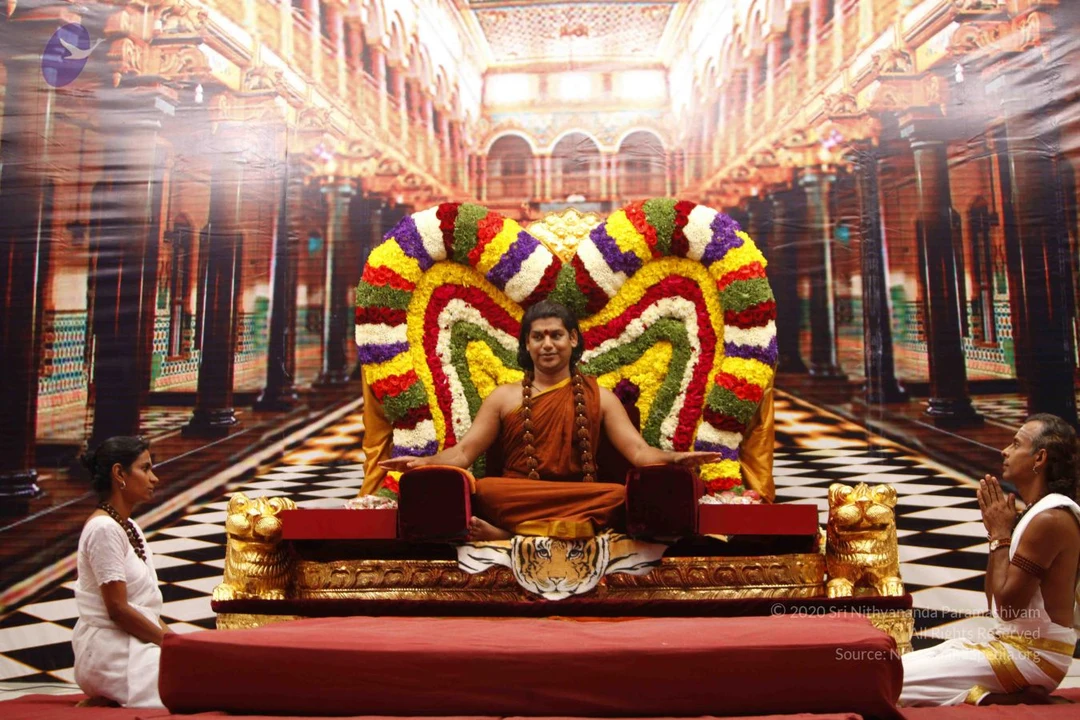
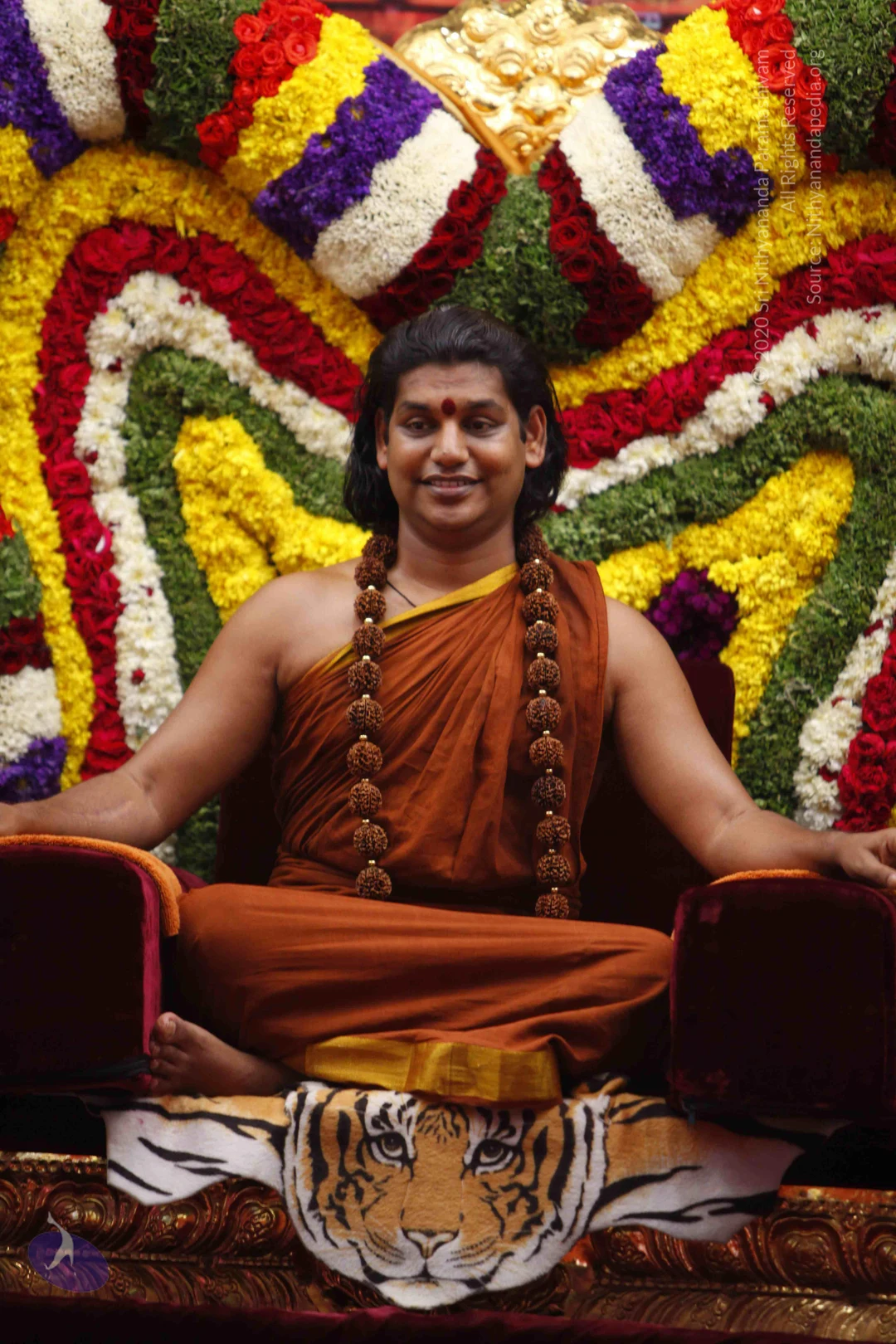
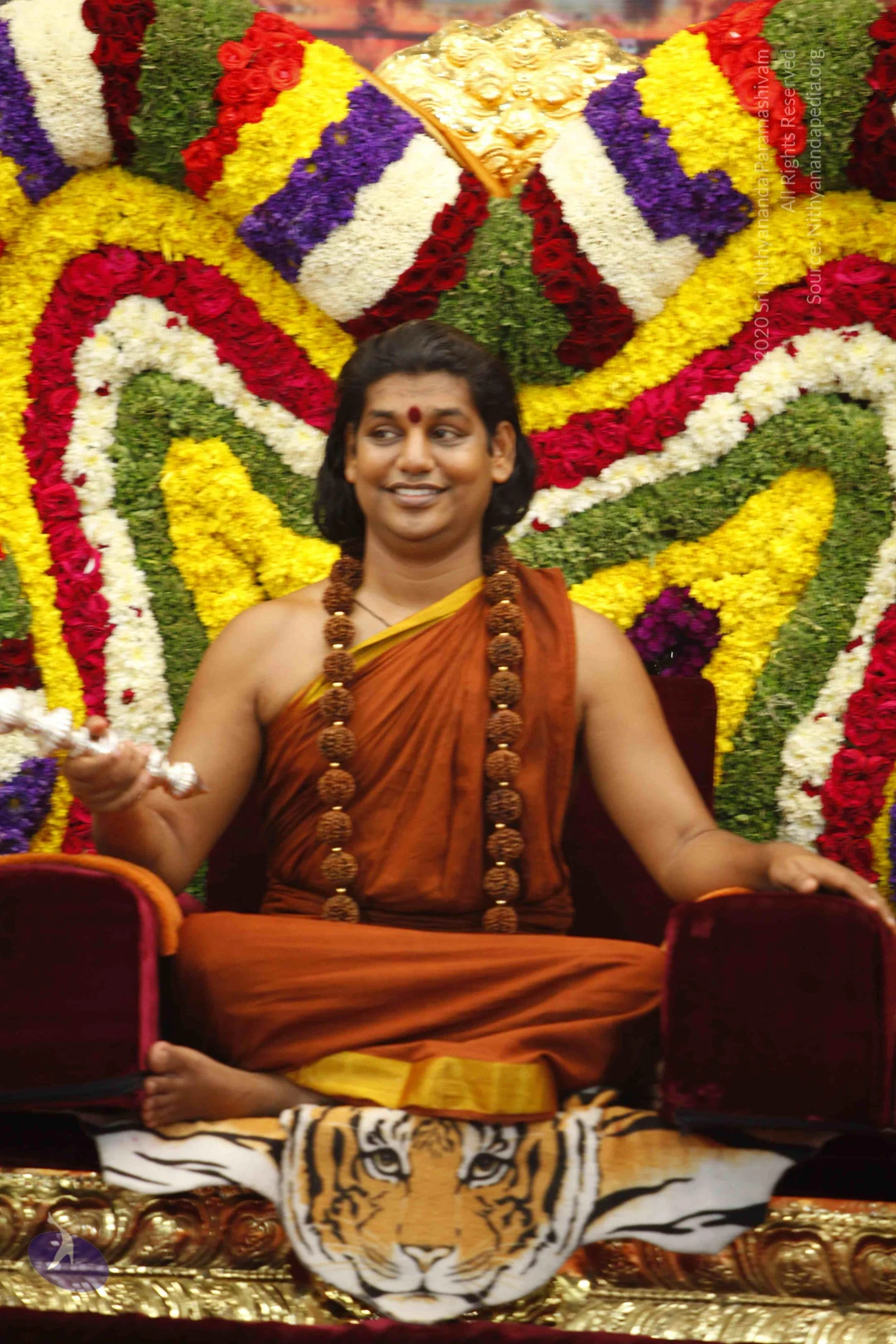
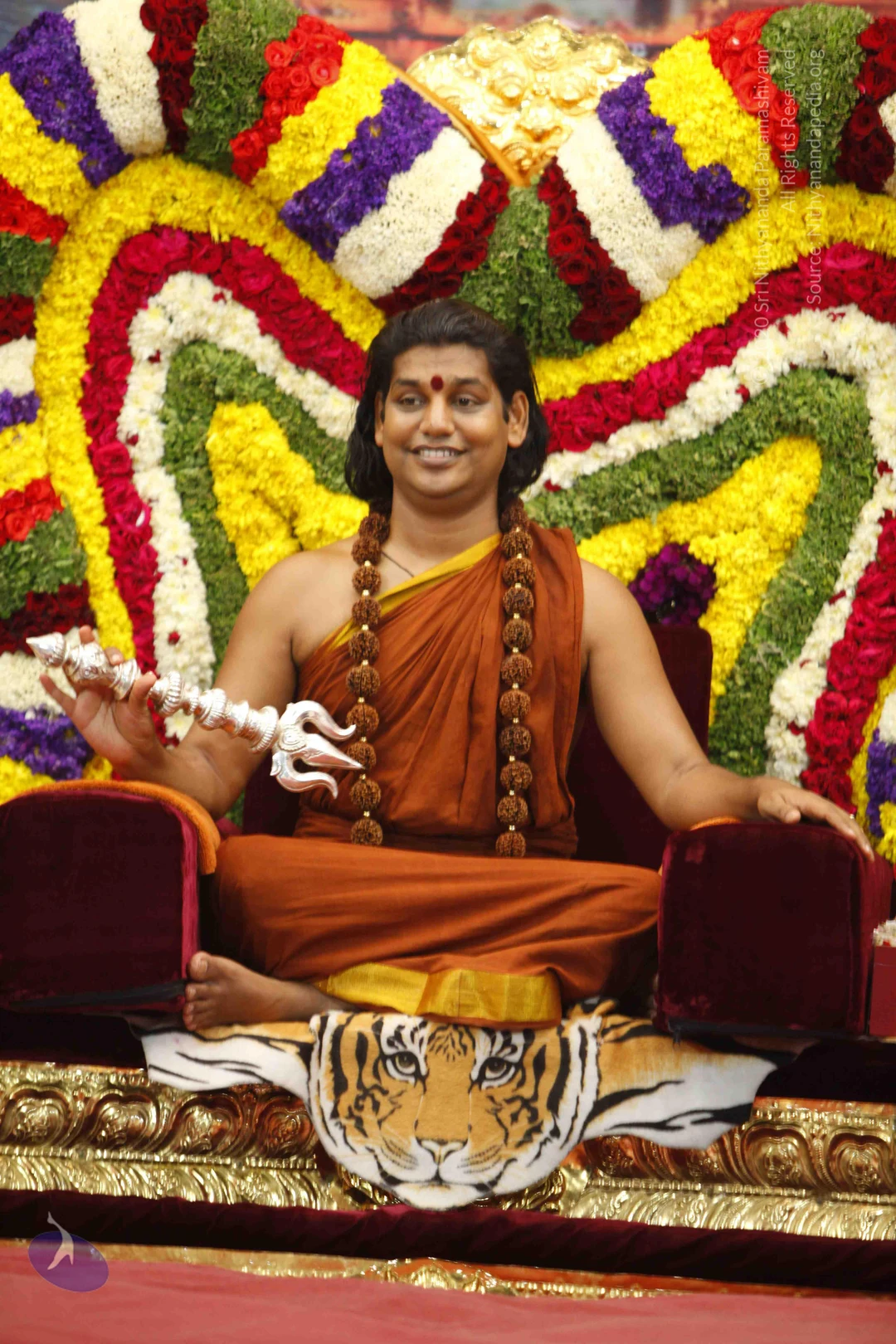
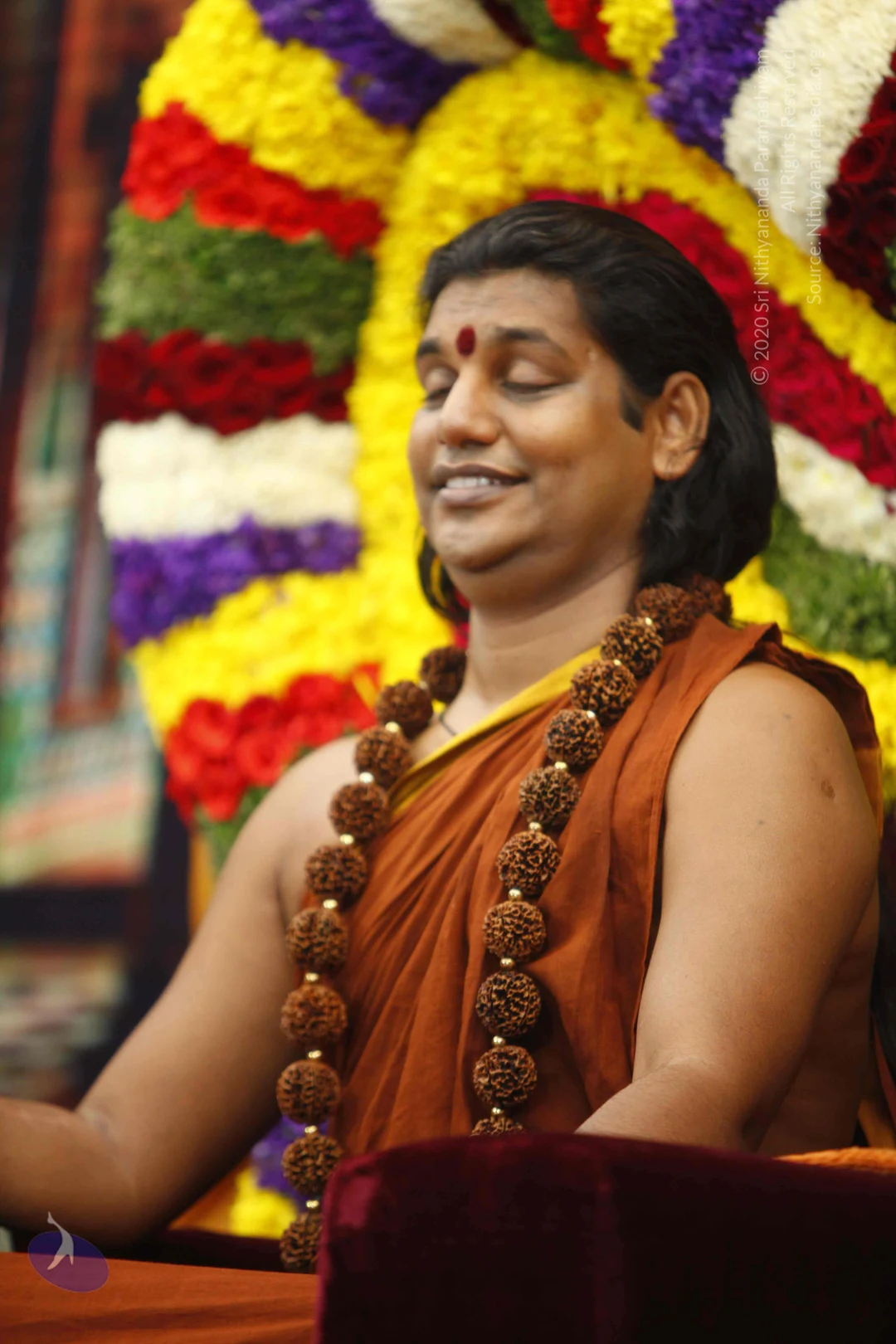
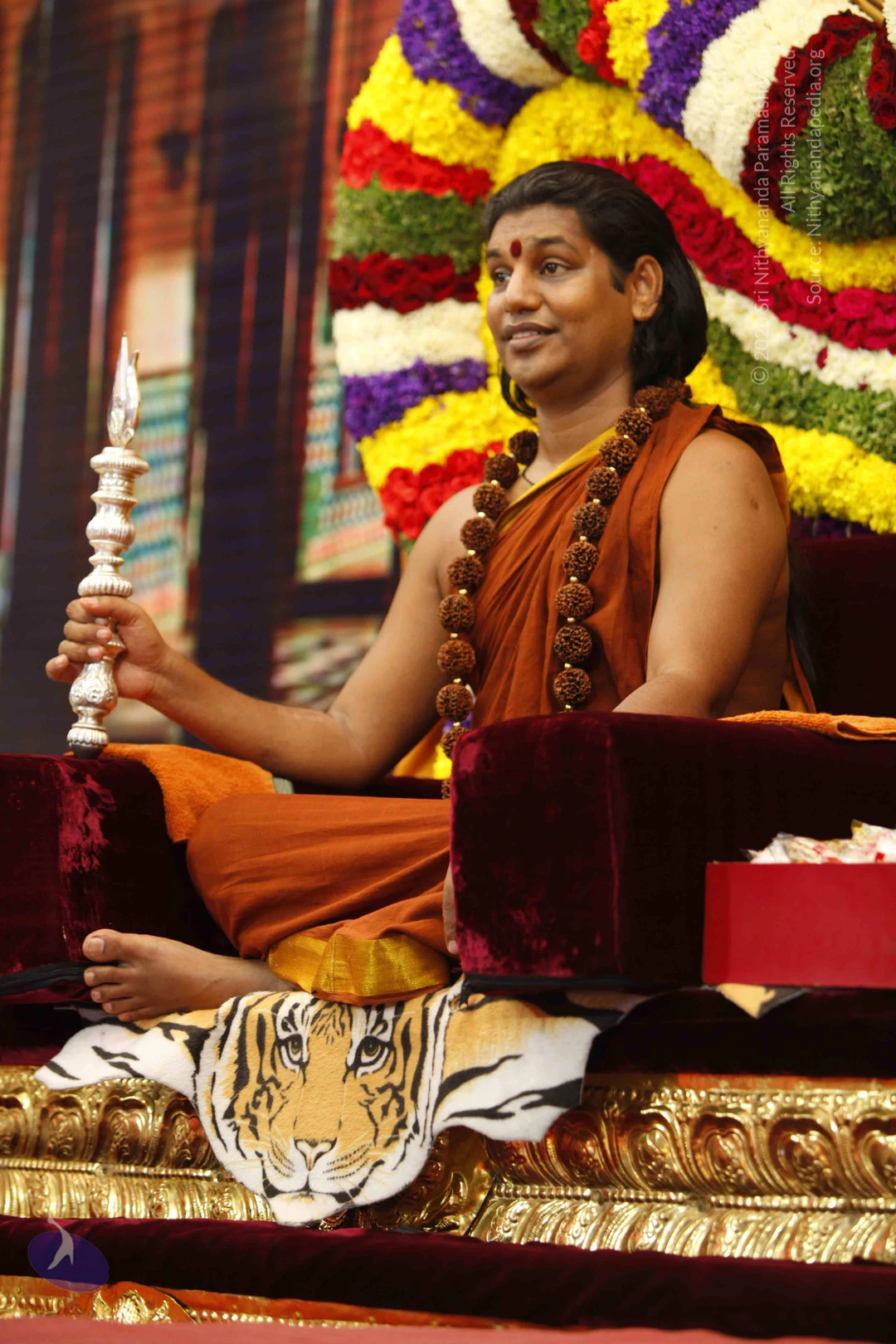
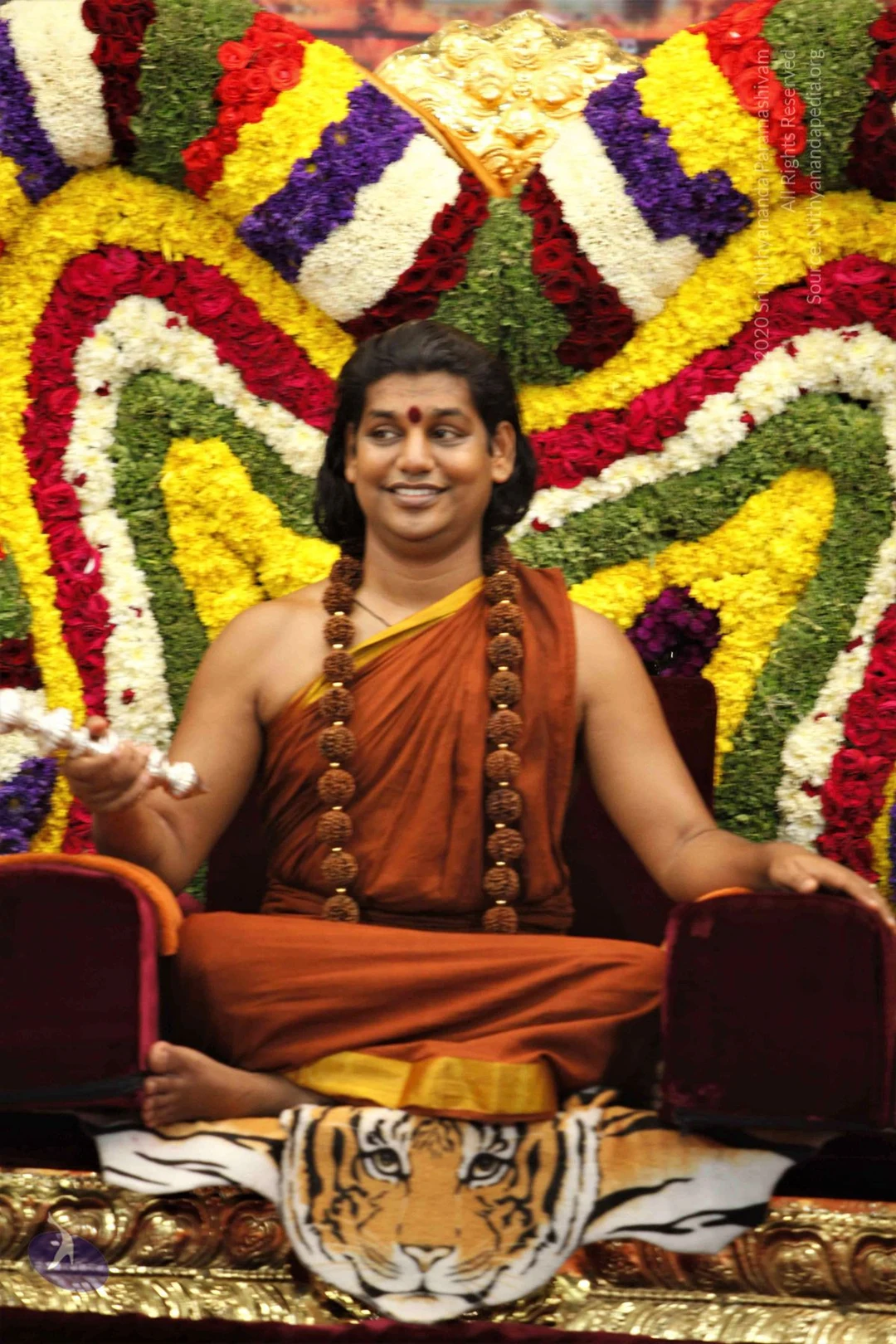
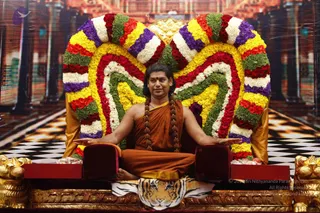
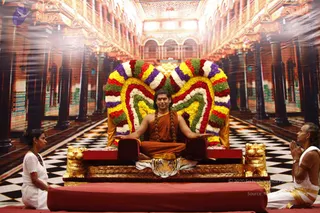
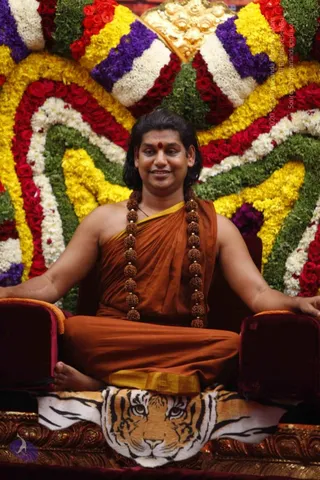
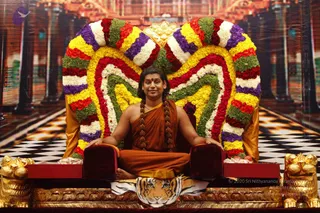
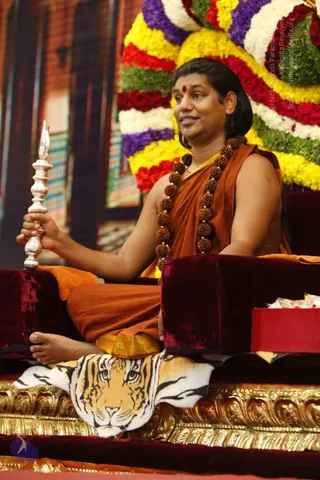
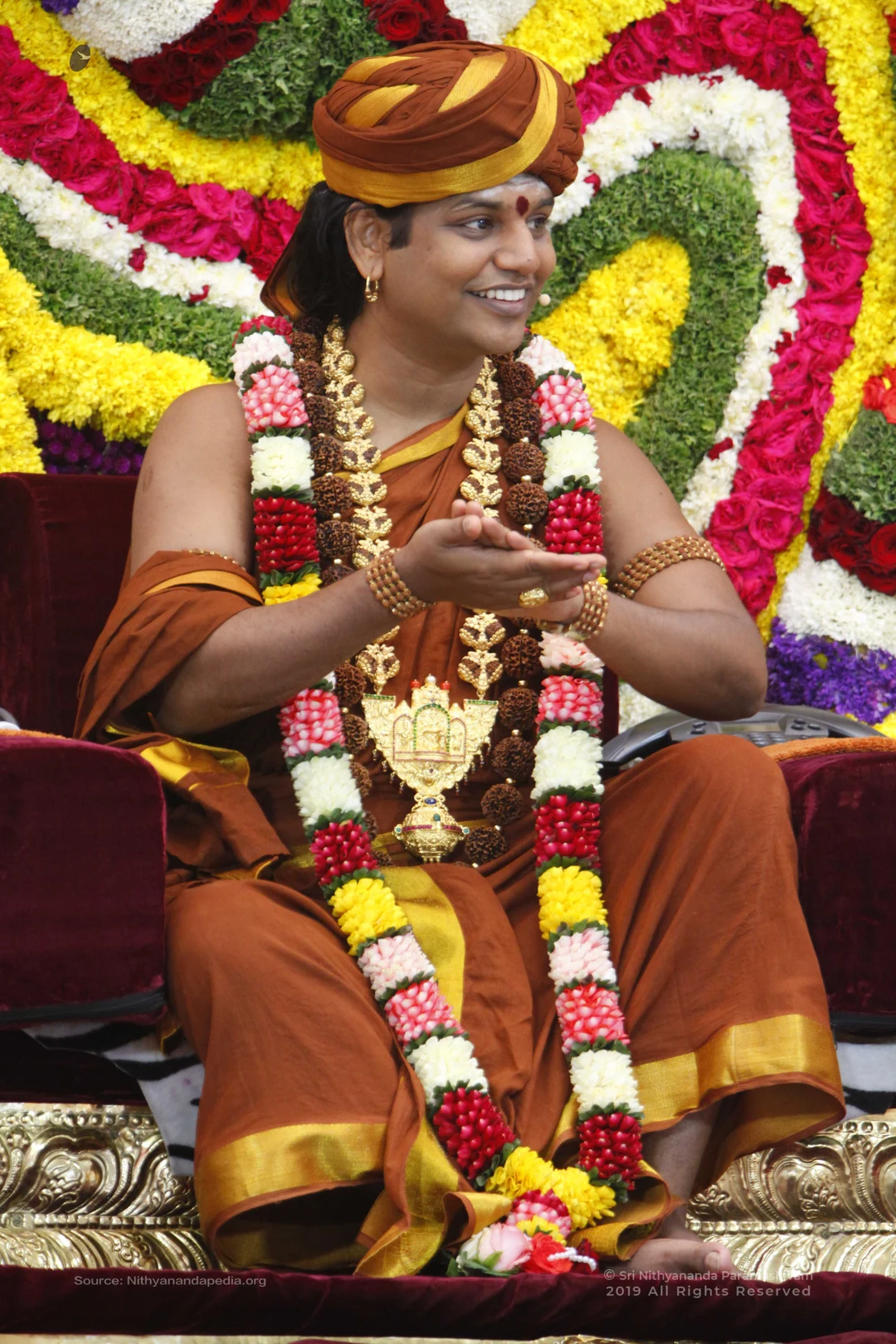
A man with bare upper torso wearing an orange-saffron dhoti and shawl sits cross-legged on an ornate gold throne (peetha) with a tiger-skin cloth draped at its base. Long rudraksha mala beads hang from his neck and a red bindi marks his forehead. His arms rest open on red velvet armrests. Behind him a large heart-shaped backdrop of marigolds and roses in yellow, red, white, green and purple frames the seat, with a golden crown ornament at the top. A checkered black-and-white floor and temple-like pillared backdrop surround the setting. a person: the figure has long swept-back hair, rudraksha malas and saffron clothing, seated on the throne.A seated man in saffron-orange robes sits cross-legged on an ornate golden throne against a backdrop of a painted Indo-Arabic hall with checkered floor and arches. The throne has a large arched back of multicoloured flower garlands in red, yellow, green, white and purple, and gilded lion armrests; a tiger-skin cloth is draped at its base. The seated figure wears long dark hair, a saffron shawl and multiple rudraksha malas, with hands resting on red cushioned armrests. A woman in white with a mala kneels at left, and a man in white dhoti with gold border and bare upper body kneels at right with palms pressed together in namaste. A red carpet covers the floor in front. The figure has distinctive long hair, saffron robes and rudraksha malas, but the appearance alone is not conclusive. Three people are visible.A seated man in an orange-saffron robe and gold-edged waist cloth sits cross-legged on a maroon-upholstered throne draped with a tiger-face rug. He wears a long rudraksha mala with gold spacer beads over his bare shoulder, and has a red bindi and long swept-back dark hair. Behind him is an elaborate floral backdrop of red roses, yellow and white flowers, green foliage and purple blooms arranged in arches around a gilded crown ornament, and he smiles while gazing to the side. The setting resembles a Peetha throne presentation. a person is seated on the throne, with the rudraksha mala and saffron robe as cues.A seated man in an orange-saffron dhoti and shawl sits cross-legged on a golden throne, bare-chested with a long dark hair and a red tilak on his forehead. He wears a long rudraksha mala around his neck and rests his hands on maroon armrests. Behind him a large arch of fresh flowers in red, yellow, white, purple and green frames the throne. A tiger-skin cloth covers the dais, flanked by golden lion figures, with a black-and-white checkered floor and temple-pillar backdrop behind. Visible flower offerings sit beside the armrests. Appearance-based label: a person, seated on a peetha.A seated person with shoulder-length dark hair and eyes closed, smiling, wears a red bindi and an orange-brown saffron wrap over a yellow inner cloth, with a long rudraksha mala of large brown beads with gold spacers draped across the chest. Behind them is a wall of marigold and rose garlands in bands of yellow, red, white, purple and green. A maroon velvet cushion or seat edge is in the lower foreground.A seated man on a maroon velvet throne with gold carved base, draped over a tiger-face rug. He wears an orange saffron wrap over his shoulders, a long rudraksha mala with a golden spacer down his chest, and a red bindi on his forehead. He holds a silver ceremonial staff topped with a flame-like finial in his raised right hand and speaks while looking to the side. Behind him is a large arrangement of garlands in red, yellow, white, green and purple flowers. A small red box sits beside the throne.

temple

56 photosSource gallery
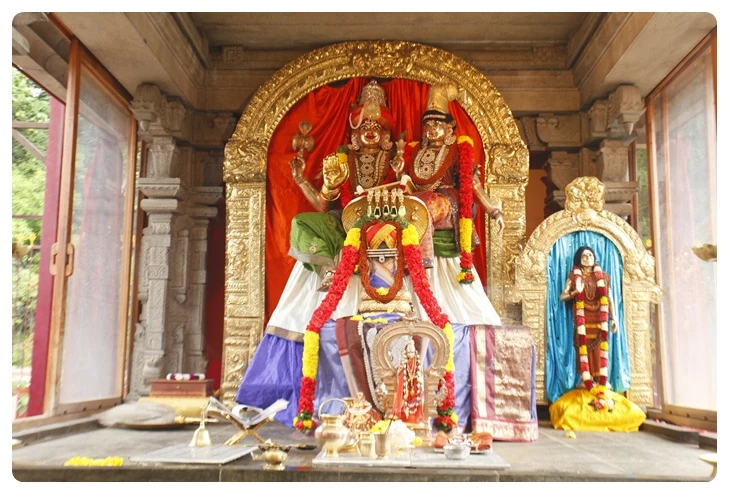
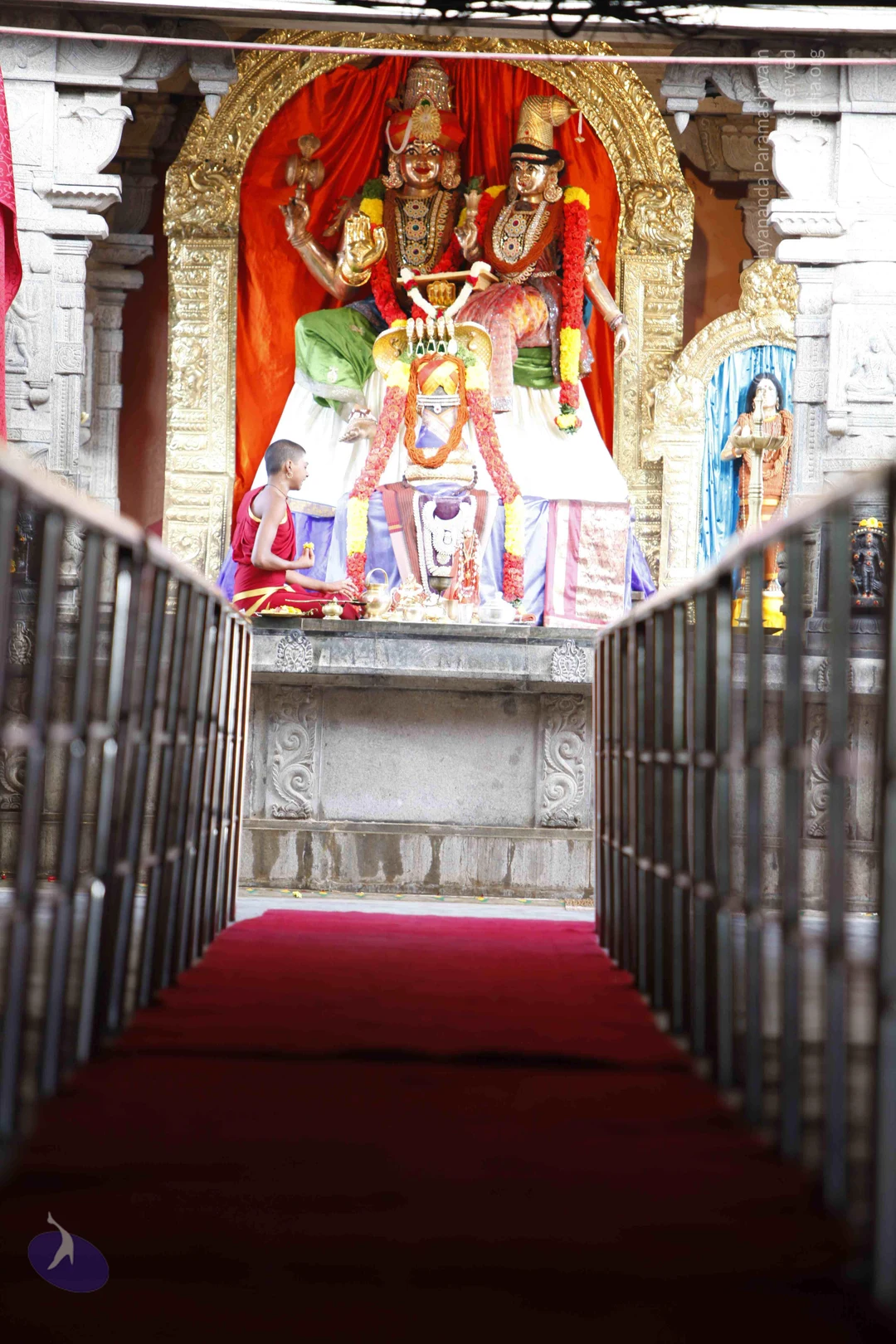
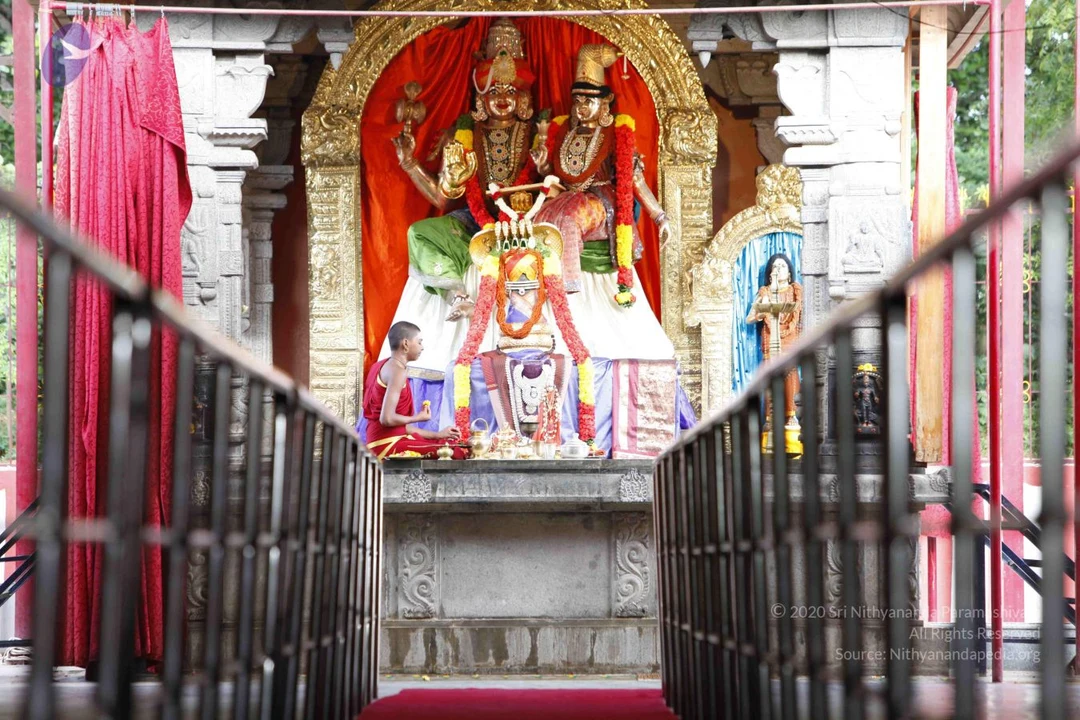
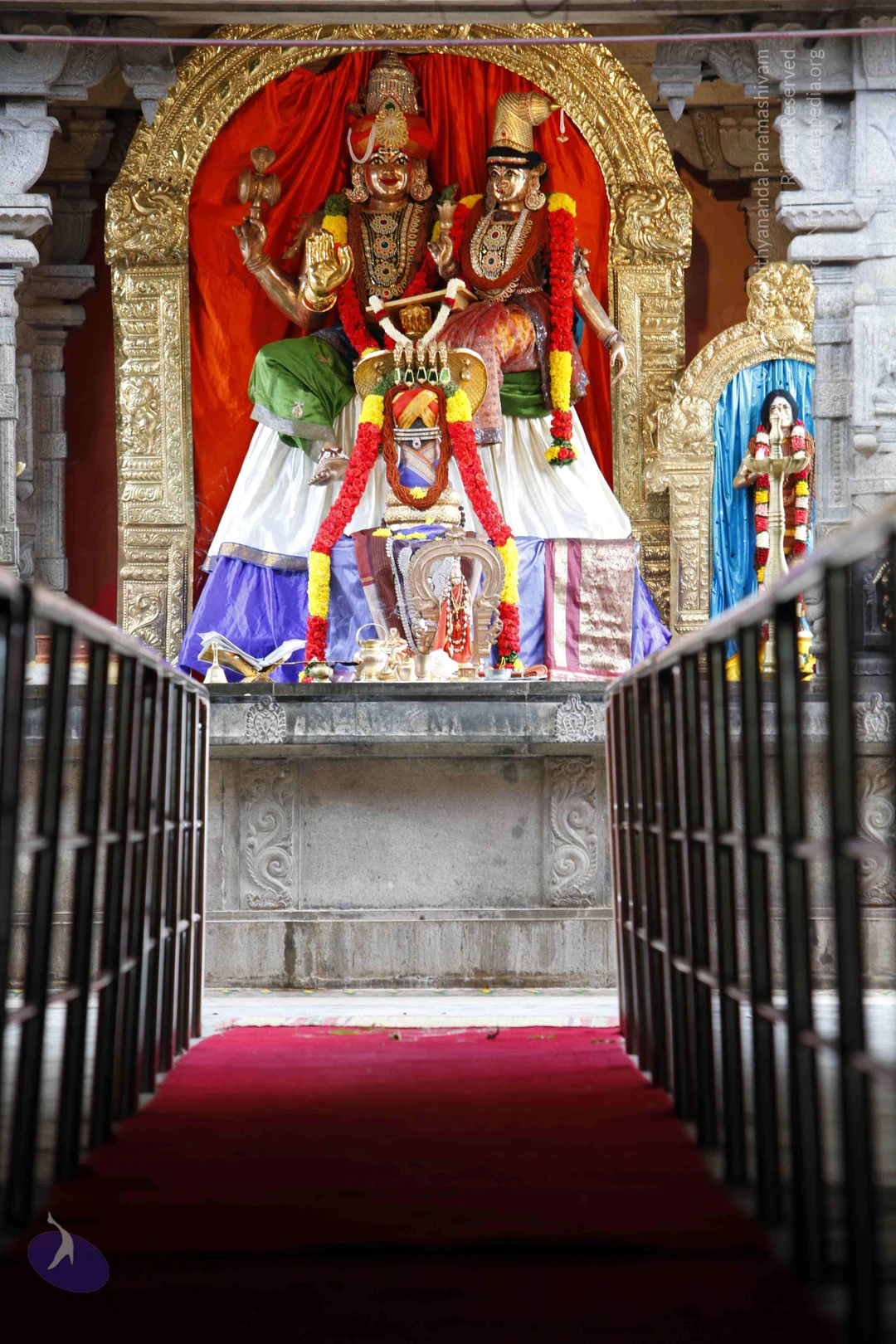
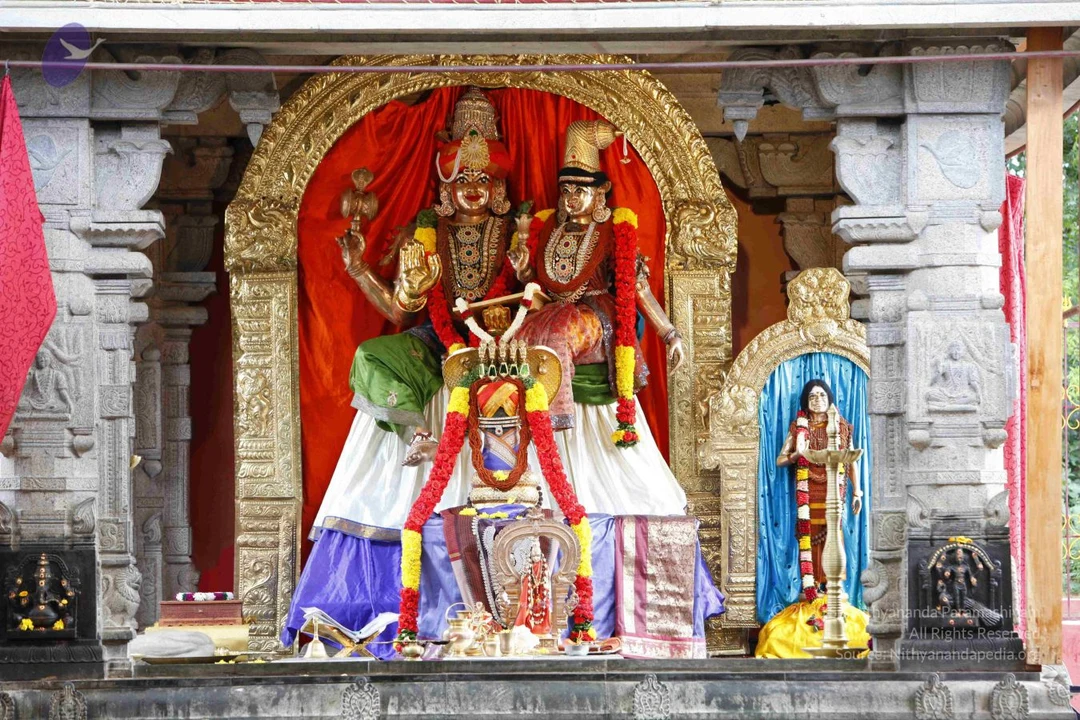
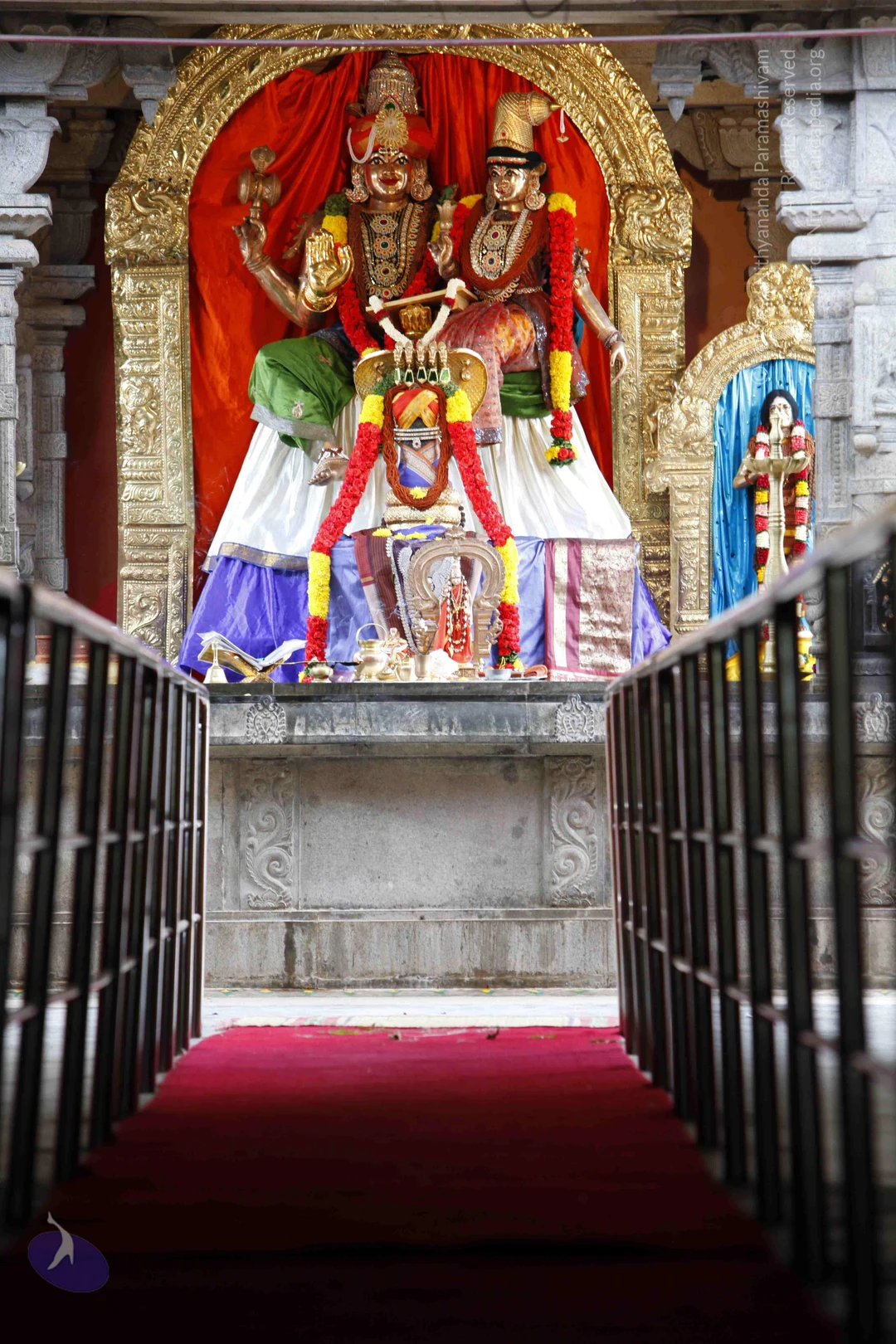
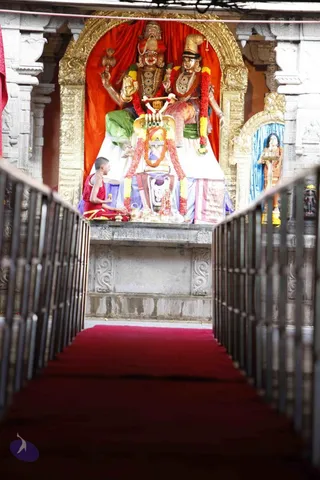
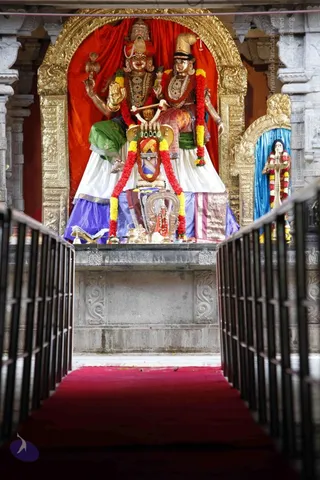
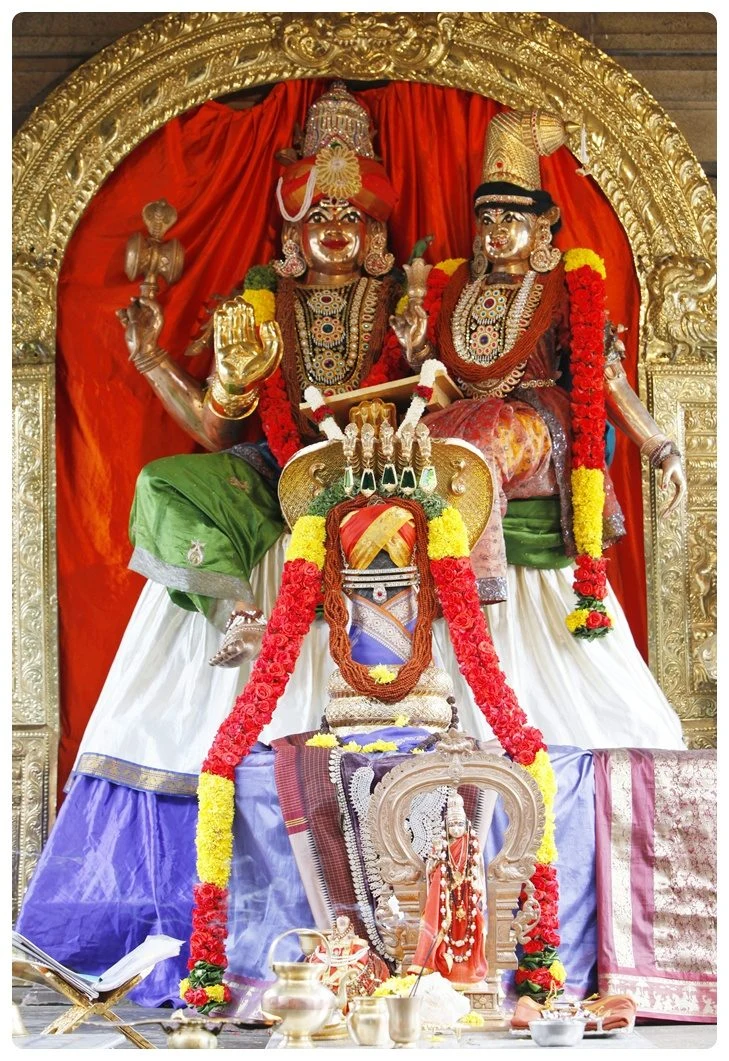
A photo of a temple sanctum with a large golden-framed shrine holding a pair of deity murtis seated on a throne, draped in red curtains and garlanded with red and yellow flowers. A shaven-headed young priest in red-and-saffron robes sits cross-legged at the lower shrine, facing the deities, with brass vessels and offerings before him. A red carpet runs down the centre aisle between metal railings toward the shrine, and a small figure stands to the right in a blue-curtained niche.Interior of a South Indian temple shrine with a deity murti of Sundareshwara and his consort, garlanded with marigold and yellow flower garlands, seated before a bright red cloth backdrop framed by carved stone pillars and a gold arch. In the foreground a shaved-headed young monk in red-saffron robes sits cross-legged in meditation or puja on a stone platform facing the deities, with brass vessels and oil lamps set before the altar. A red carpet runs down the centre aisle between black metal railings, with a blue-draped figure in a side niche to the right.A photograph of two gilded deity murti seated side by side before a deep orange-red drape within a richly carved golden arch. The figure on the left wears a red and gold turban with a jeweled crown ornament, a large embossed gold medallion, a pearl garland and a beaded rudraksha-style necklace over an ornate jeweled collar; its raised right hand shows an open palm with a gold ritual mudra. The figure on the right wears a tall gold and jeweled crown with a red tilak, large jeweled earrings and a layered pearl and red bead necklace. Red roses, yellow marigolds and white flowers adorn both figures, and a small green parrot sits near the right figure's shoulder.A small gold-toned metal murti of a female deity stands on a carved gold pedestal, dressed in a red sari with gold border and draped in multiple strands of rudraksha, white pearl and black beaded malas with gold pendants. She holds a small gold ritual vessel in one raised hand. Behind her hang an elaborate white and silver stone necklace and a purple and blue cloth backdrop with yellow flower garlands at the edge. Blurred brass vessels and marigold petals fill the foreground. No physical people are visible.A photo of a shrine housing a pair of painted deity murti seated side by side on a stone platform before an orange cloth backdrop. The figures wear gold crowns, ornate necklaces and red-and-yellow garlands, and one holds a ceremonial staff; one wears green and the other a lavender-and-white lower garment. Metal railings guide the approach through a stone pillared hall with pink curtains at the left and a blue-draped niche with a small figure at the right. No people are visible in the scene.Photograph of a temple shrine with a large deity murti pair, a male and female form seated together under a gilded arch and red drape. Both figures wear ornate necklaces and crowns, and red and yellow marigold garlands drape their bodies and the seat. A small peetha or throne sits at the base with a kalasha, lamps and brass offerings on a stone platform. Metal railings in the foreground frame the view, with a blue-draped side shrine and a smaller standing figure garlanded at right. No living people are visible.

sacred arts photo

15 photosSource gallery
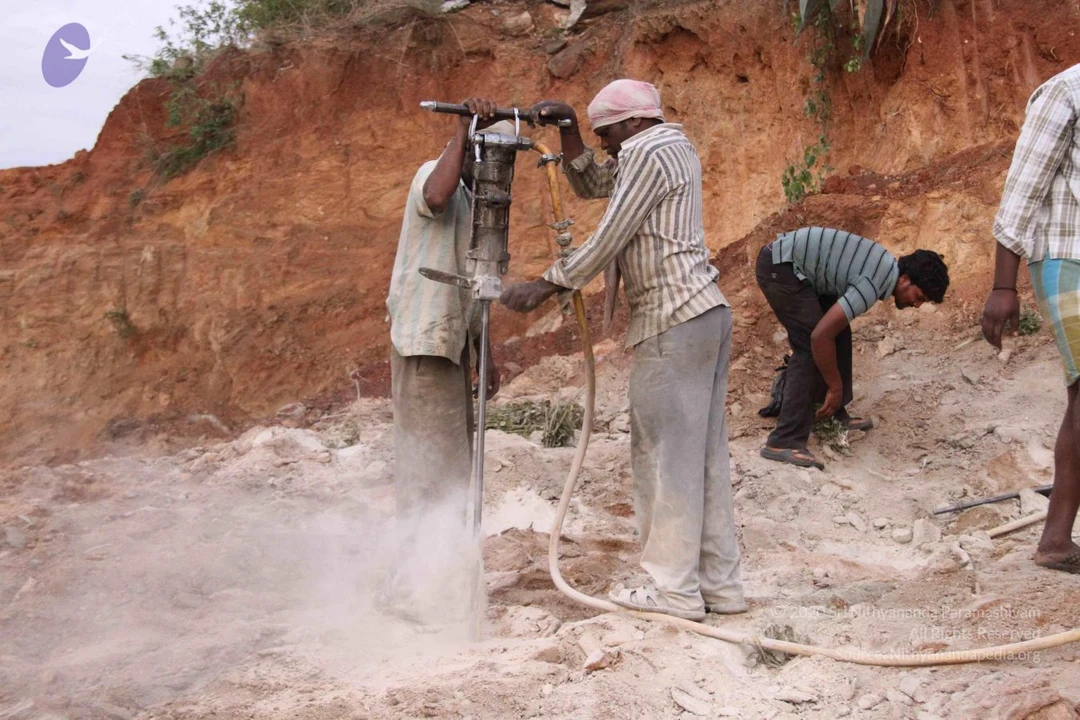
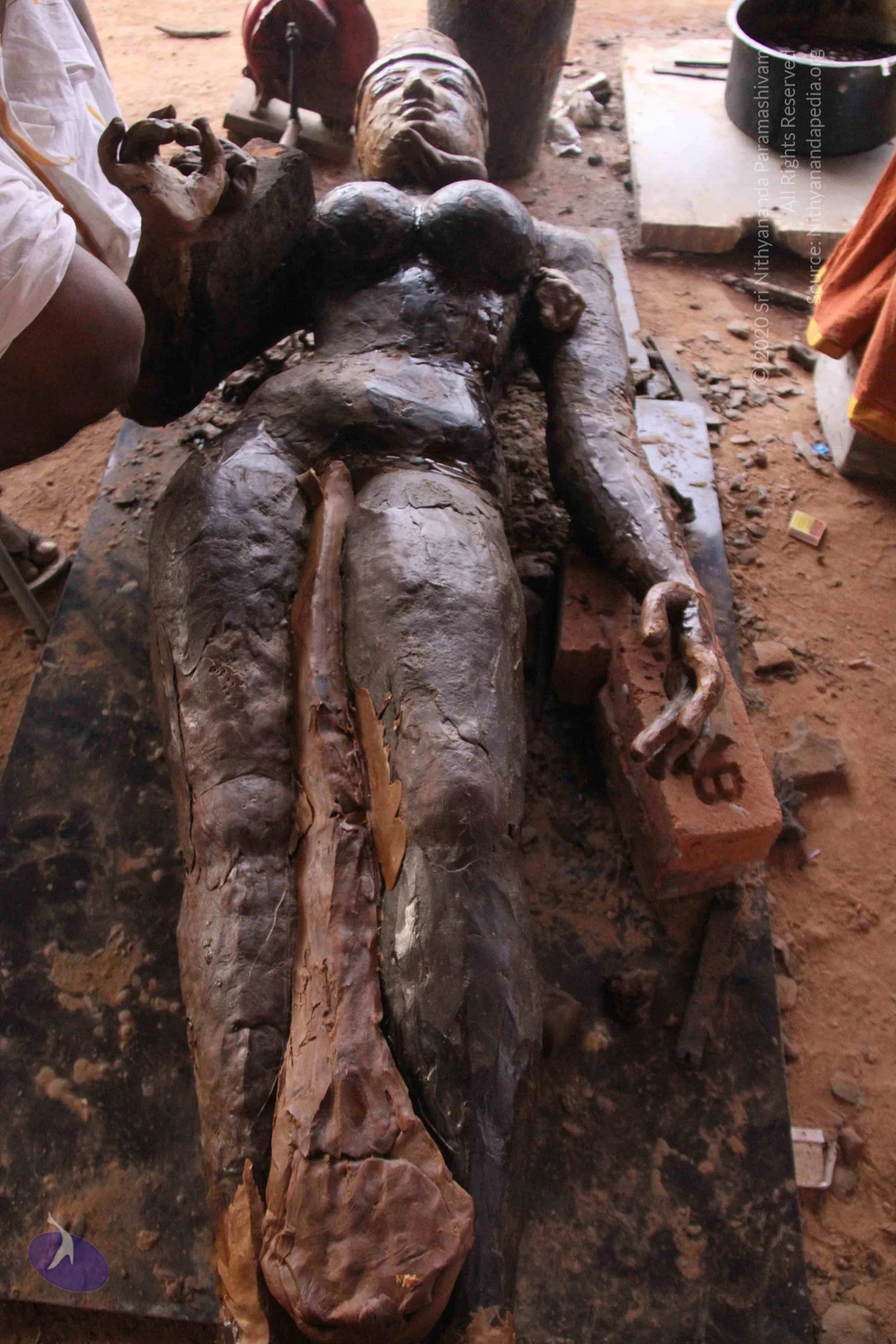
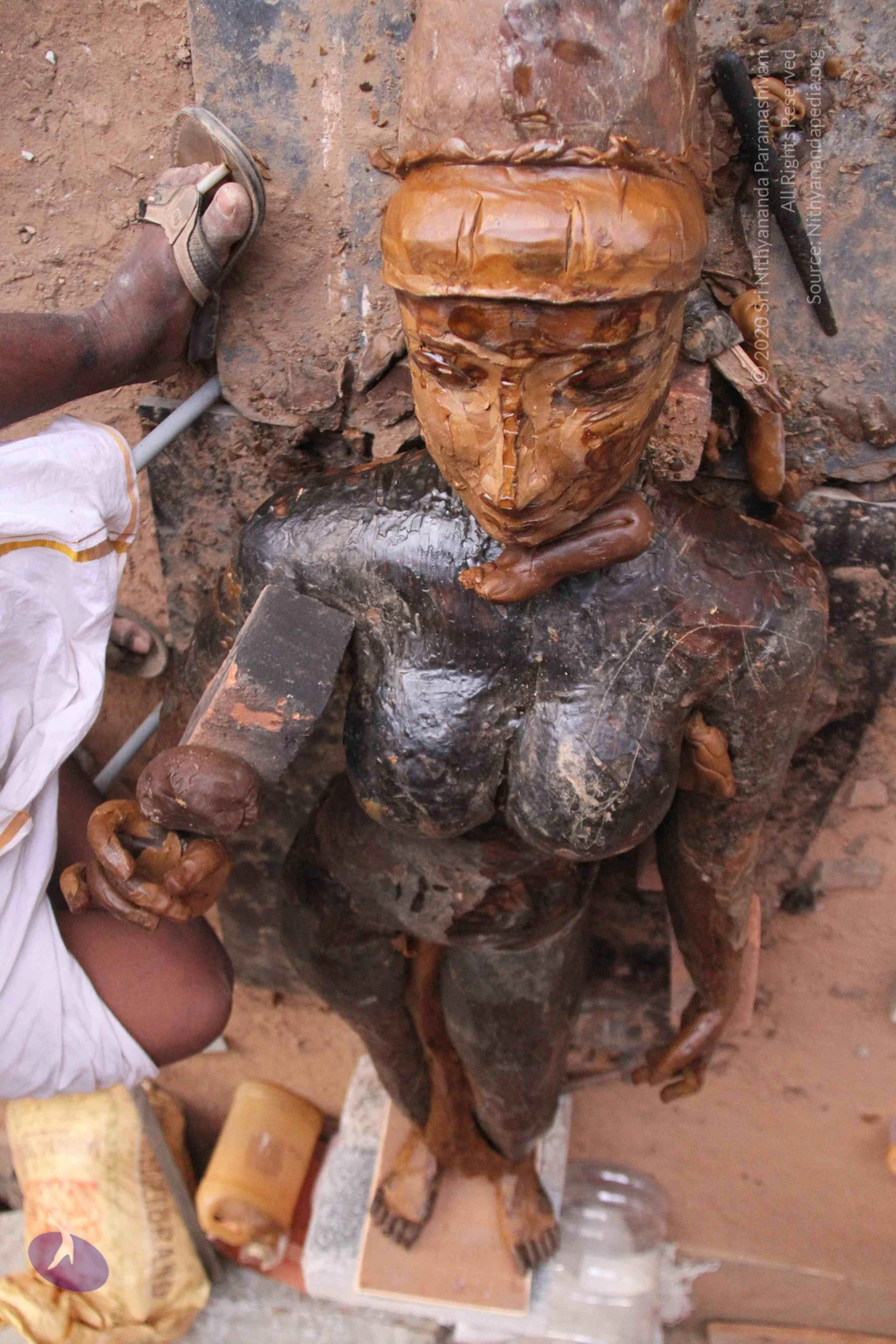
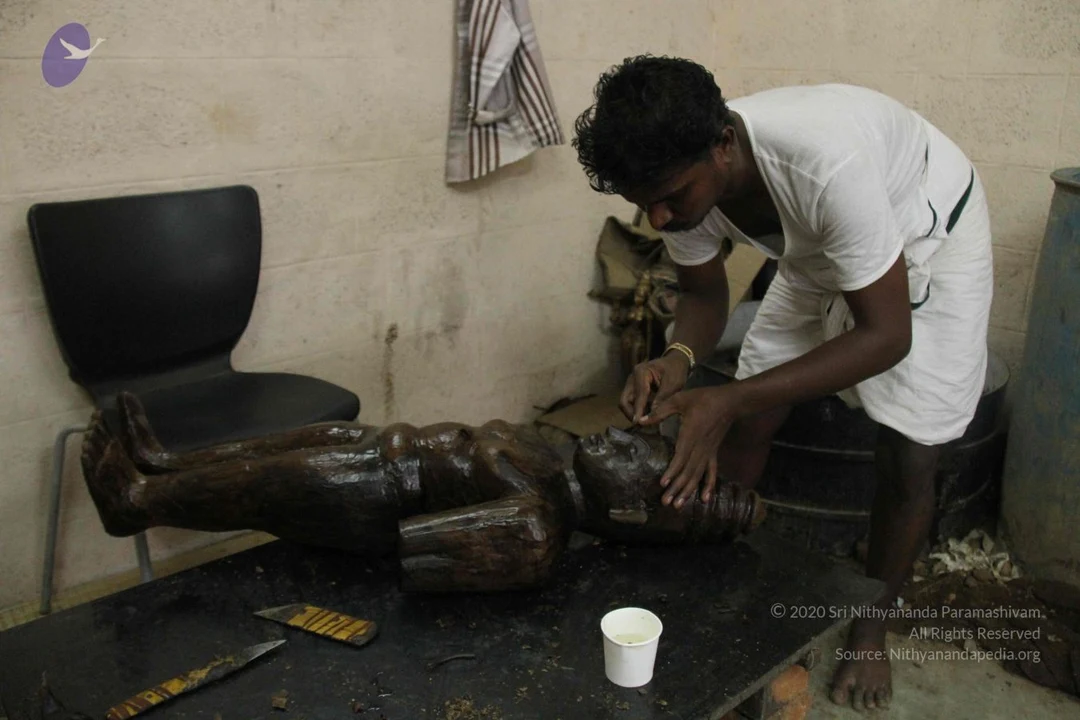
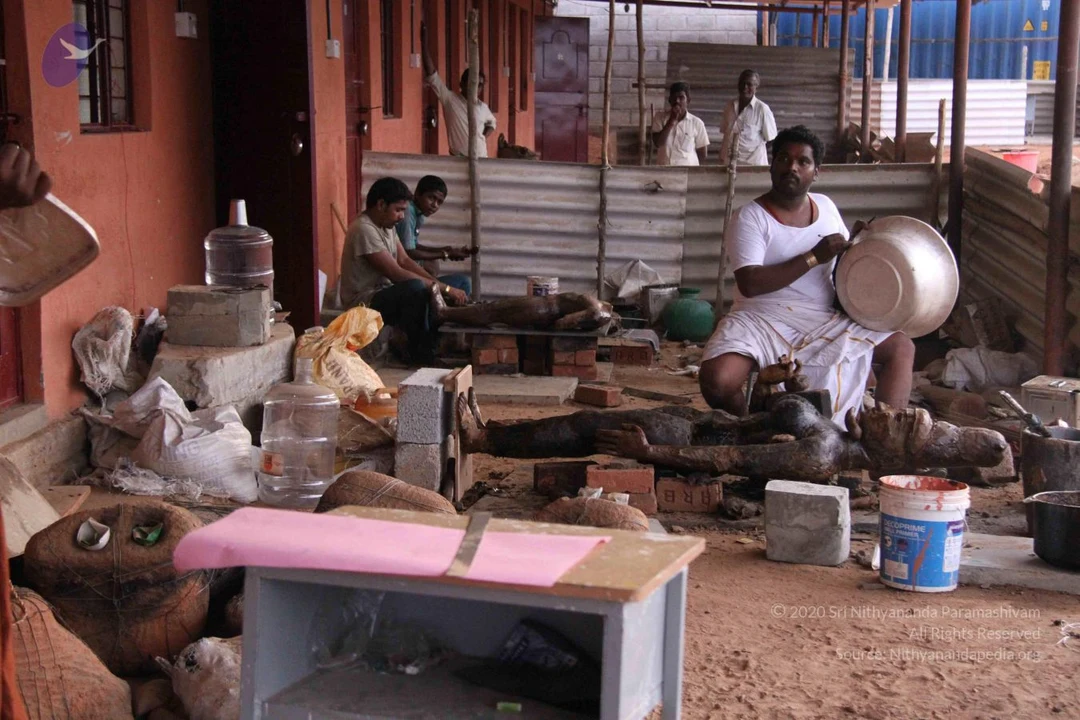
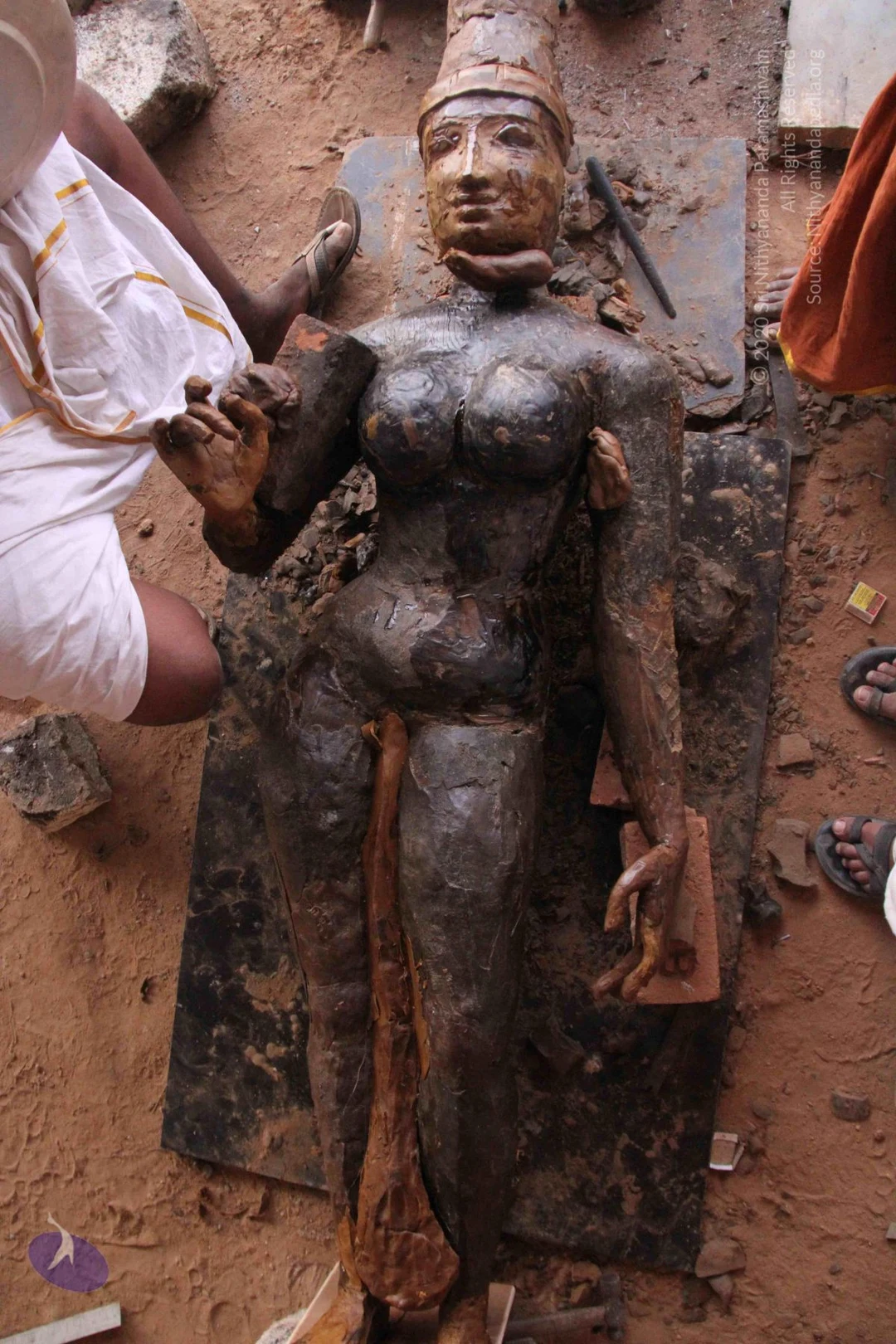
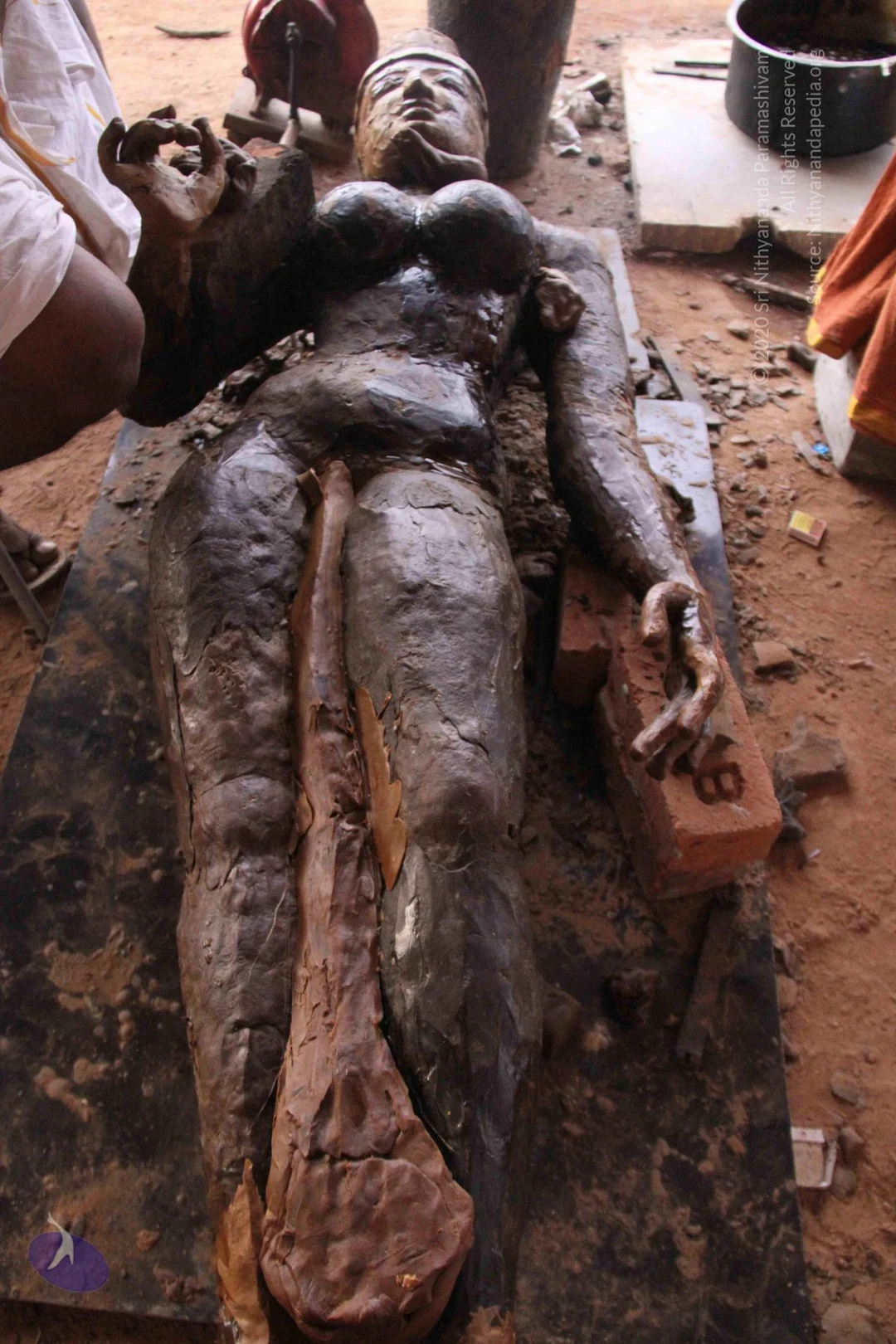
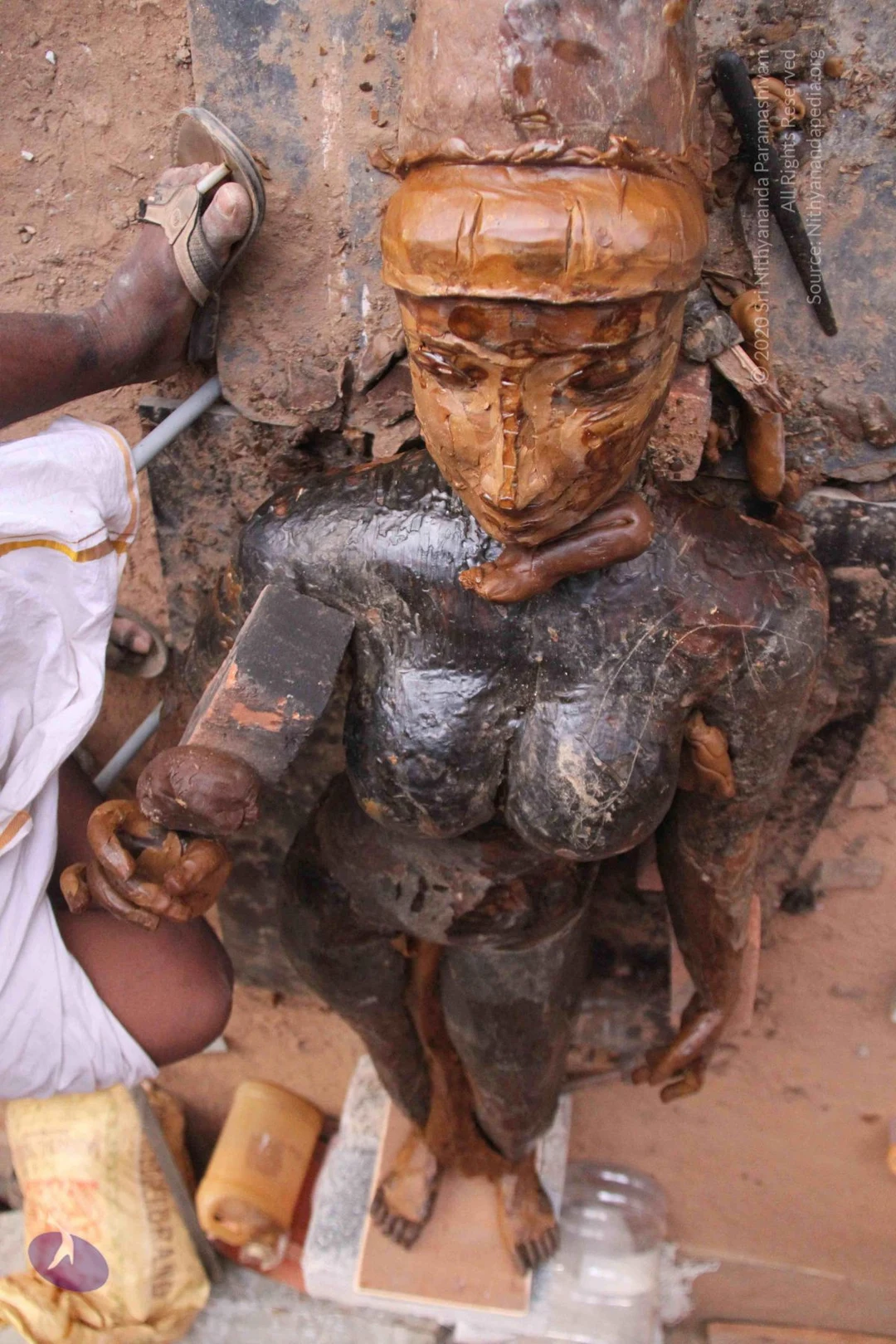
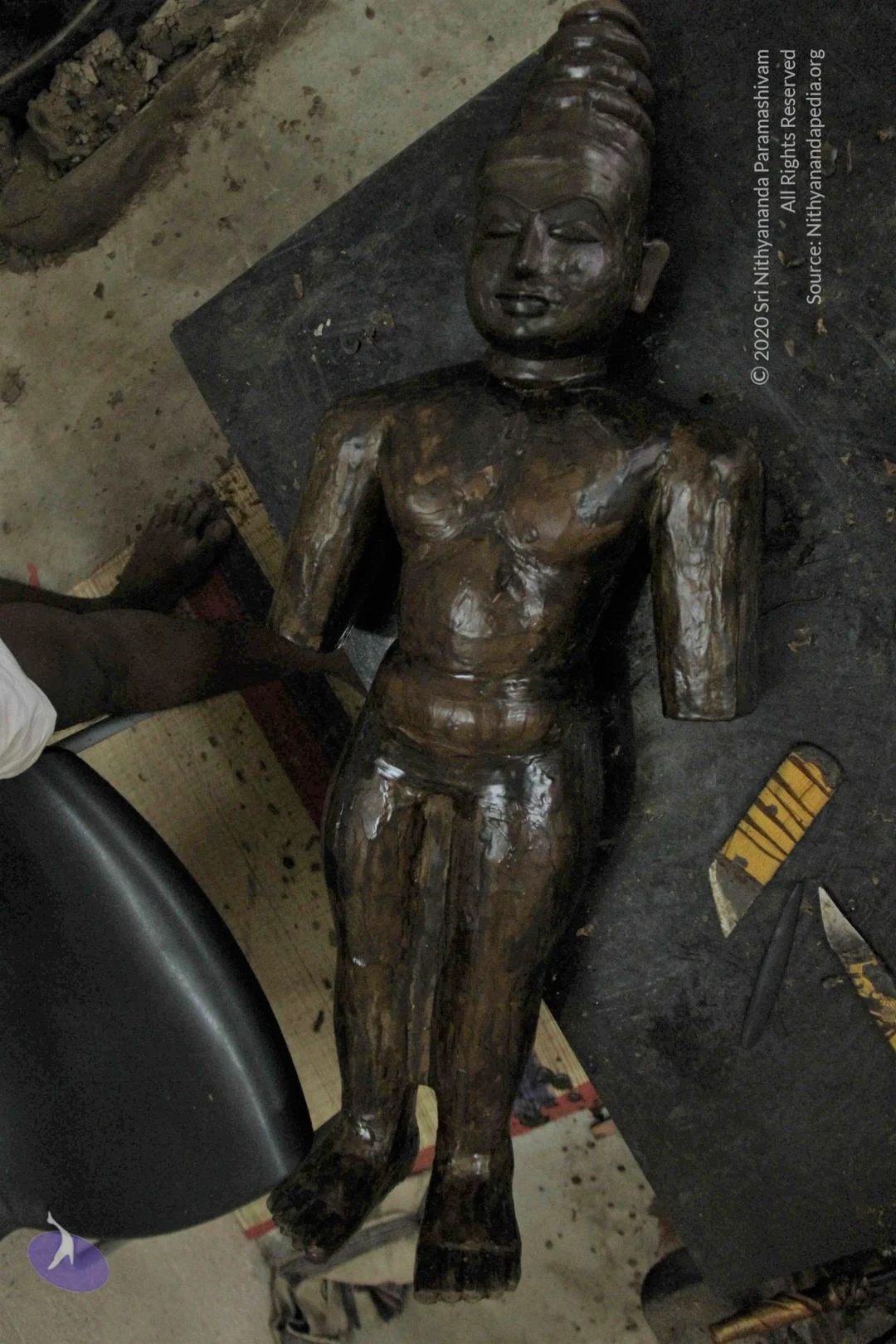
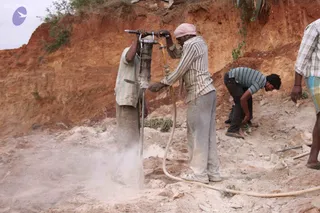
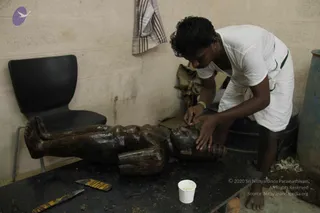
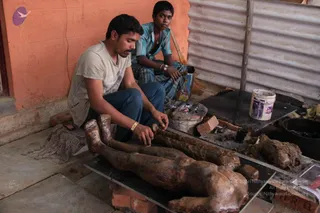
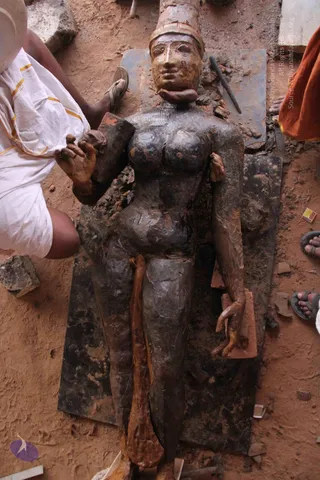
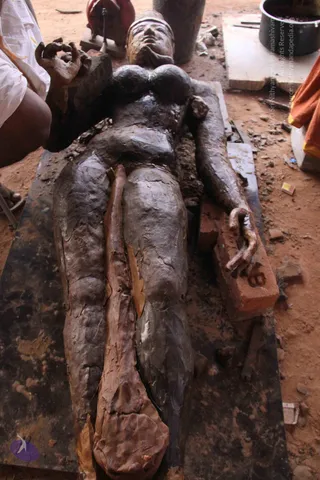
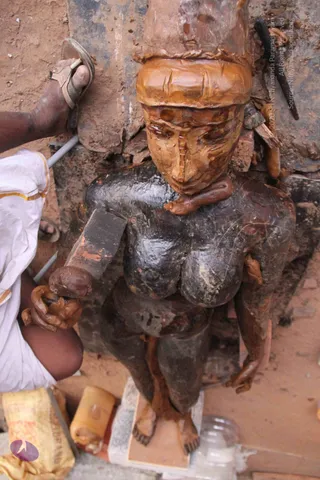
Three labourers operate a heavy handheld rock drill against a reddish-brown earth cutting. A man in a striped shirt and pale trousers, with a pink head cloth, grips the drill handles while a younger man in a grey shirt steadies the body beside him. Dust rises from the drilling point, and a yellow air hose runs along the ground. Another worker in a striped shirt and dark trousers bends over the rubble at right, and a partly visible man in a checked shirt stands at the edge. Loose stones and dry grass cover the ground.A man in a white short-sleeved shirt and white dhoti leans over a reclining wooden figure lying on a dark workbench, carving or finishing its face with a small tool. The figure is a dark-brown wooden sculpture of a reclining human form with bare legs and feet. Two carving knives with yellow handles lie on the table, a small white paper cup sits nearby, and a black chair stands against a pale concrete wall with a striped cloth hanging above. Wood shavings are scattered on the floor.A photograph of a large dark brown wooden sculpture lying horizontally on a black work surface in a dim workshop. The carved figure is seen from above with arms and legs extended, its head at right with carved facial features, and the glossy surface shows a light sheen. A pair of carving tools with yellow handles and a black chair are at the upper left, and a partially visible person's bare legs and white cloth appear at the top edge. No one is seated on the figure; the sculpture is being worked on.A photograph of two young men working outdoors in front of an orange wall and corrugated metal sheet. A man in a grey t-shirt and dark trousers crouches on a concrete floor, shaping a large unfinished light-brown clay or plaster figure of a limb or torso lying on a dark board, with a second figure part beside it. A younger boy in a blue checked shirt and checked lungi sits behind him holding a stick and a tin. Nearby are bricks, a bucket, a small charcoal or clay fire, a dark metal stand and scattered materials. No a person appearance is visible.A photograph of two young men working in a sunlit courtyard beside an orange-painted wall. The man on the left wears a light grey t-shirt, blue trousers and gold bangles, and is filing or shaping a large rough, rust-coloured cast figure lying across a dark metal bench on red bricks. The teenager on the right wears a blue-and-white checked shirt and a checked lungi, and sits beside a small brazier with a flame. Other unfinished bronze-coloured figure parts and tools lie on tables, a white bucket, a metal waste bin and a broom stand nearby.A photograph of an ornate silver-toned rectangular tray or seat panel lying on a concrete floor, viewed from above. Its surface is densely embossed with symmetrical floral scrollwork, acanthus-like leaves, beaded borders and a central oval medallion with a cross-hair motif, surrounded by four corner scroll designs. No people are visible.
galleria

10 photosSource gallery
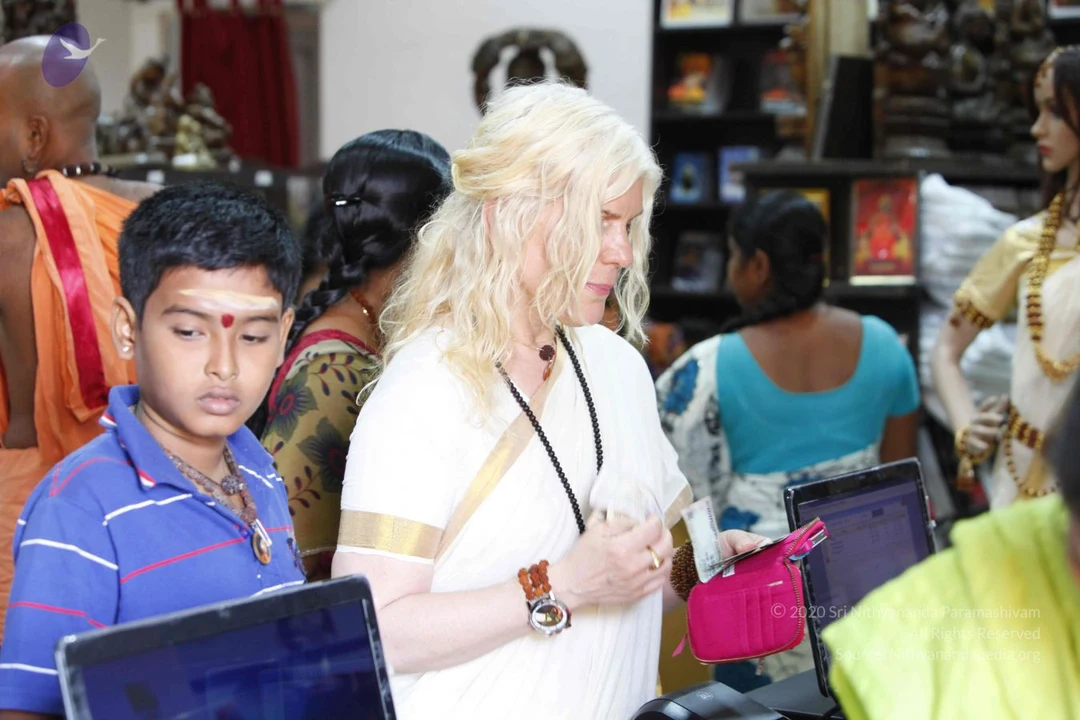
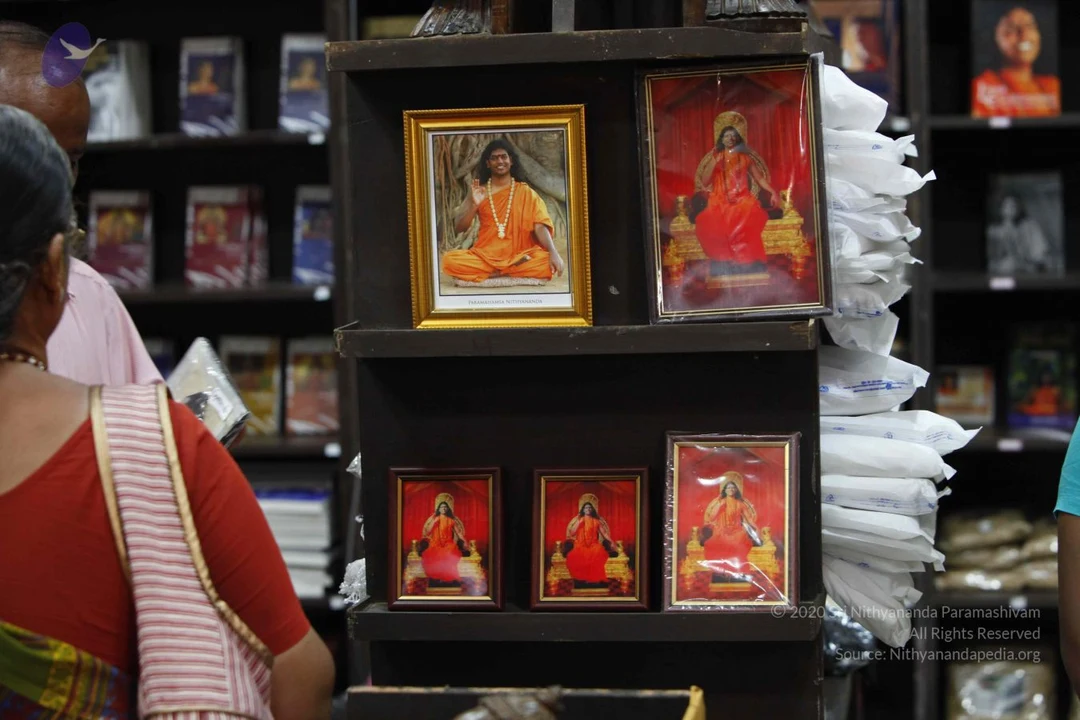
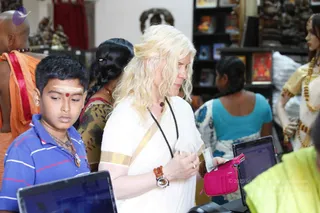
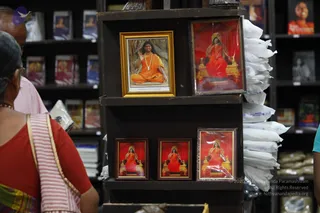
A photograph of a busy shop interior with shelves of religious statues and framed images behind the counter. In the foreground a light-haired woman in a white sari with a gold border and a black beaded mala stands at a counter, holding cash and a pink wallet. A boy in a blue striped polo shirt with a white tilak and red bindi stands beside her, looking down. Behind them a man in an orange robe with a red sash, a woman in a green-and-red sari, and a woman in teal stand near the shelves. A laptop screen and a cash register are in the foreground, and a shop assistant in yellow is at the right edge.Framed portraits displayed on a dark wooden shelf in a bookshop or retail stall. The top-left framed print shows a long-haired figure in saffron robes with a white bead necklace, seated and raising one hand, with a caption reading "Paramahamsa Nithyananda". The right-hand and lower framed prints show a figure in saffron-orange robes seated on a golden throne against a red backdrop with a halo behind the head. Behind the shelf, stacks of white plastic bags and rows of books are visible. Two women in the foreground, one in red with a striped bag and one in pink, face the display.Close-up photograph of a single rudraksha bead set in a small silver wire cap and loop, hanging on a dark cord against a heavily blurred background of muted red, green, yellow and purple tones with a wooden frame edge at left. No people are visible; the bead is the sole sharp subject.Book cover photograph of a Hindi edition titled Bhagavad Gita with the subtitle 'नवीन व्याख्या सहित' (with new commentary) and 'भाग-2 (अध्याय 7 से 12)' (Part 2, chapters 7 to 12). The cover shows a seated man in an orange saffron garment and a long beaded necklace, legs crossed, hands resting, with long dark hair and a red bindi, set against a background of peacock feathers. A printed caption on the cover reads 'परमहंस नित्यानन्द' (Paramahamsa Nithyananda). The man on the cover is a depiction on printed material, and the pictured figure matches the appearance-based cues for a person, including long swept hair, saffron clothing and a ceremonial beaded necklace.Book cover for the Hindi-language Bhagavad Gita with new commentary, Part 1 covering chapters 1 to 6. A smiling man with long dark hair, a red bindi and a headset microphone sits cross-legged in front of a backdrop of peacock feathers. He wears an orange saffron shawl, layered beaded necklaces and beaded armbands, with his hands resting on his knees. The title is printed in gold script at the top, with the author line 'a person' in white Devanagari at the bottom. A vertical copyright notice runs along the right edge.Book cover for Bhagavad Gita with new commentary, part 1 (chapters 1 to 6). The cover shows a seated figure in an orange robe and a beaded necklace, cross-legged in front of a large background of peacock feathers with blue and green eyes. The name printed at the bottom reads Paramahamsa Nithyananda, attributed to the cover text. The image is a graphic cover design rather than a live scene, so no physical people are present beyond the figure pictured on the cover.

Leela-Alankar

2 photosSource gallery
Two metallic deity murtis seated side by side on a decorated platform, framed by an elaborate arch of fresh flower garlands in red, yellow, white, purple and green. The figure on the left wears a red and gold turban, a purple and gold dhoti, white pearl necklaces and a long rudraksha-style mala, with one hand raised in a blessing gesture and a wooden seat before him. The figure on the right wears a tall gold crown, a rich orange and gold sari, layered silver and red jewelled necklaces and gold armlets, holding a golden object. A gold-toned ornate backdrop and a white wall air conditioner appear behind. No living people are visible.Two golden metal deity murtis seated side by side on a decorated throne-like peetha, both draped and framed by thick garlands of red, yellow, white, purple and green flowers. The male murti on the left wears a red crown, a purple garment with gold embroidery, a sacred thread and beaded necklaces, and holds a small golden rod or mace-like object. The female murti on the right wears a gold crown, a white-and-gold beaded necklace, and an orange and green sari. A blue silk cloth drapes the seat below, with gold ornamental backing behind. A partially visible person in white dhoti and gold bangles stands at the right edge, and a green plant is in the foreground.

Deity-Darshan

44 photosSource gallery
Interior of a South Indian temple shrine with a deity murti of Sundareshwara and his consort, garlanded with marigold and yellow flower garlands, seated before a bright red cloth backdrop framed by carved stone pillars and a gold arch. In the foreground a shaved-headed young monk in red-saffron robes sits cross-legged in meditation or puja on a stone platform facing the deities, with brass vessels and oil lamps set before the altar. A red carpet runs down the centre aisle between black metal railings, with a blue-draped figure in a side niche to the right.A photograph of two gilded deity murti seated side by side before a deep orange-red drape within a richly carved golden arch. The figure on the left wears a red and gold turban with a jeweled crown ornament, a large embossed gold medallion, a pearl garland and a beaded rudraksha-style necklace over an ornate jeweled collar; its raised right hand shows an open palm with a gold ritual mudra. The figure on the right wears a tall gold and jeweled crown with a red tilak, large jeweled earrings and a layered pearl and red bead necklace. Red roses, yellow marigolds and white flowers adorn both figures, and a small green parrot sits near the right figure's shoulder.A photo of a shrine housing a pair of painted deity murti seated side by side on a stone platform before an orange cloth backdrop. The figures wear gold crowns, ornate necklaces and red-and-yellow garlands, and one holds a ceremonial staff; one wears green and the other a lavender-and-white lower garment. Metal railings guide the approach through a stone pillared hall with pink curtains at the left and a blue-draped niche with a small figure at the right. No people are visible in the scene.Photograph of a temple shrine with a large deity murti pair, a male and female form seated together under a gilded arch and red drape. Both figures wear ornate necklaces and crowns, and red and yellow marigold garlands drape their bodies and the seat. A small peetha or throne sits at the base with a kalasha, lamps and brass offerings on a stone platform. Metal railings in the foreground frame the view, with a blue-draped side shrine and a smaller standing figure garlanded at right. No living people are visible.Photograph of a temple shrine with an ornate gilded arch framing a large murti of a seated deity pair in gold and ochre tones, adorned with red and yellow marigold garlands and gold necklaces. A red cloth backdrop hangs behind them, and a smaller standing figure in a blue-curtained niche sits to the right beside a brass lamp stand. In front, brass vessels, a kalasha-like pot, offerings and a decorated altar cloth are arranged. No physical people are visible; the figures are statues.A photograph of a temple shrine with a large golden-framed alcove and a red drape behind it. Two crowned deity murtis stand side by side, Shiva and Parvati-form figures, with multiple arms holding ritual objects, adorned with gold jewelry and garlands of red and yellow flowers. In front, a Shiva lingam wrapped in garlands sits on a peetha with brass vessels and a kalasha. A smaller statue of a woman in a blue-curtained niche holds a garland, next to a tall brass oil lamp. A small Ganesha figure appears at the left edge. No people are visible.

Paduka-Puja

9 photosSource gallery
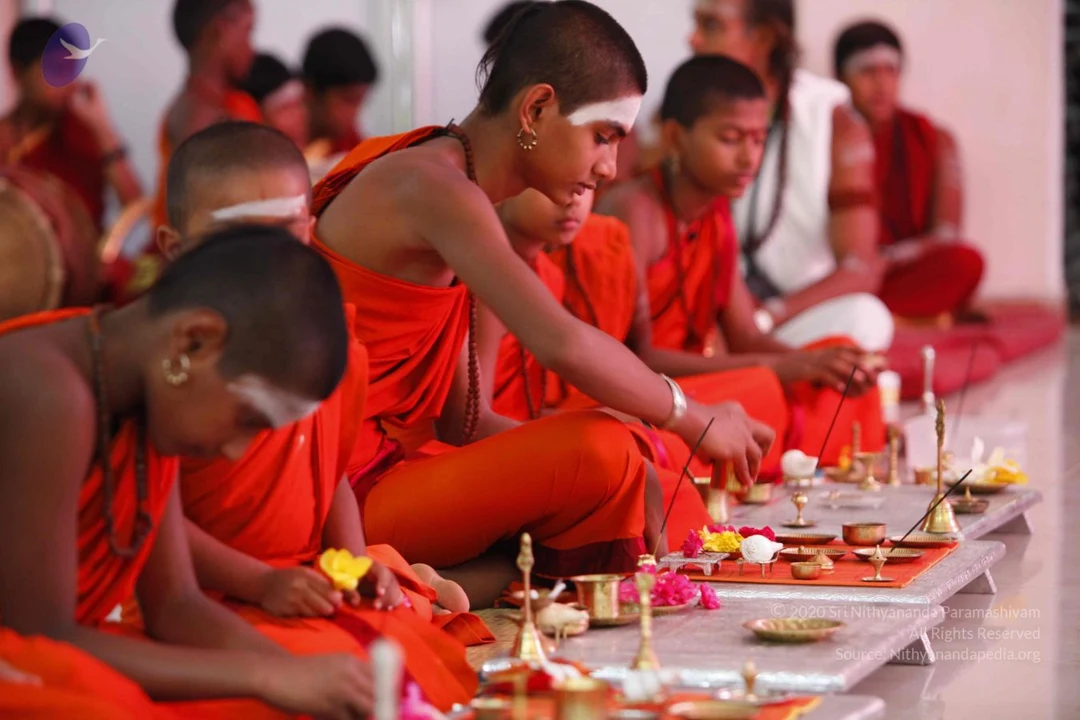
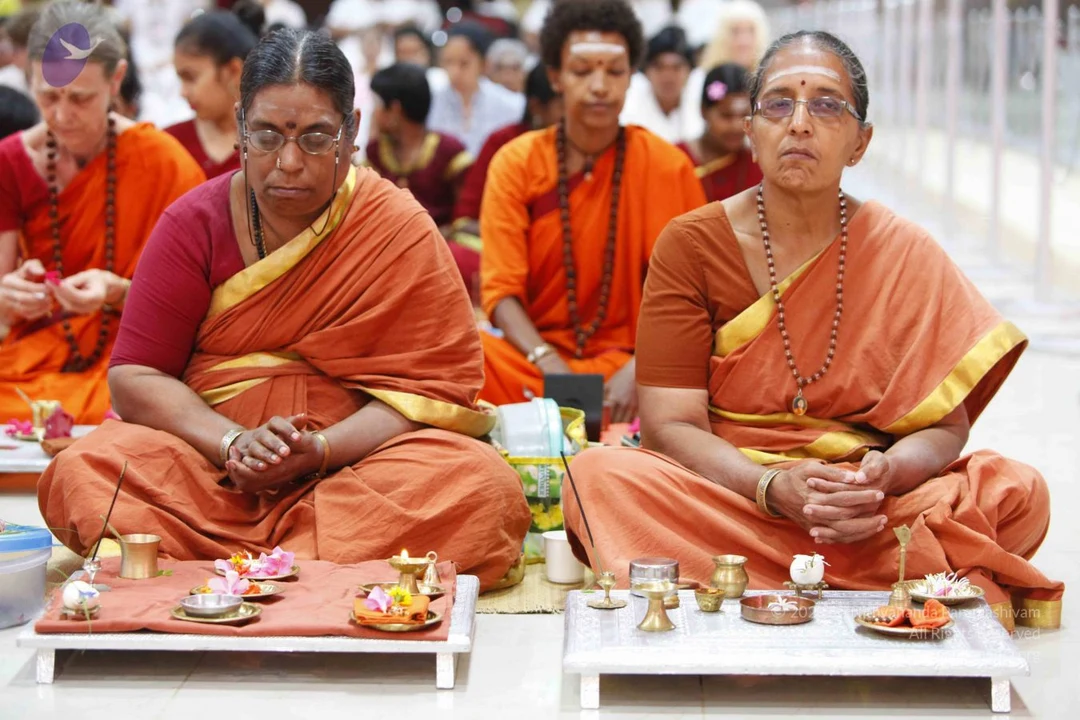
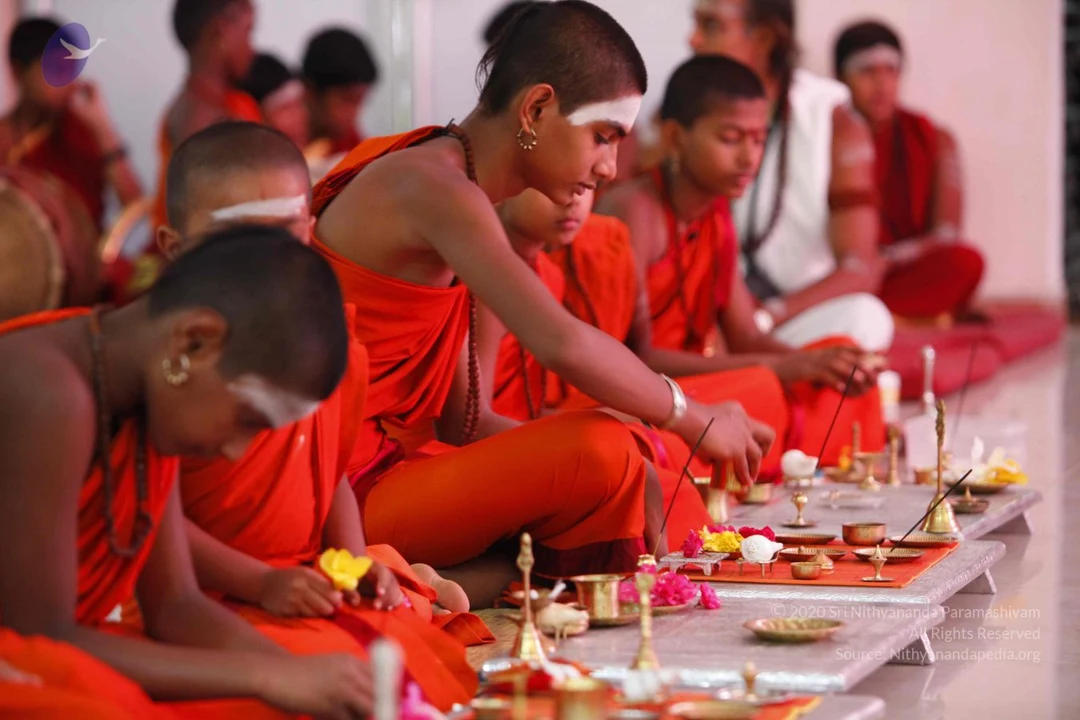
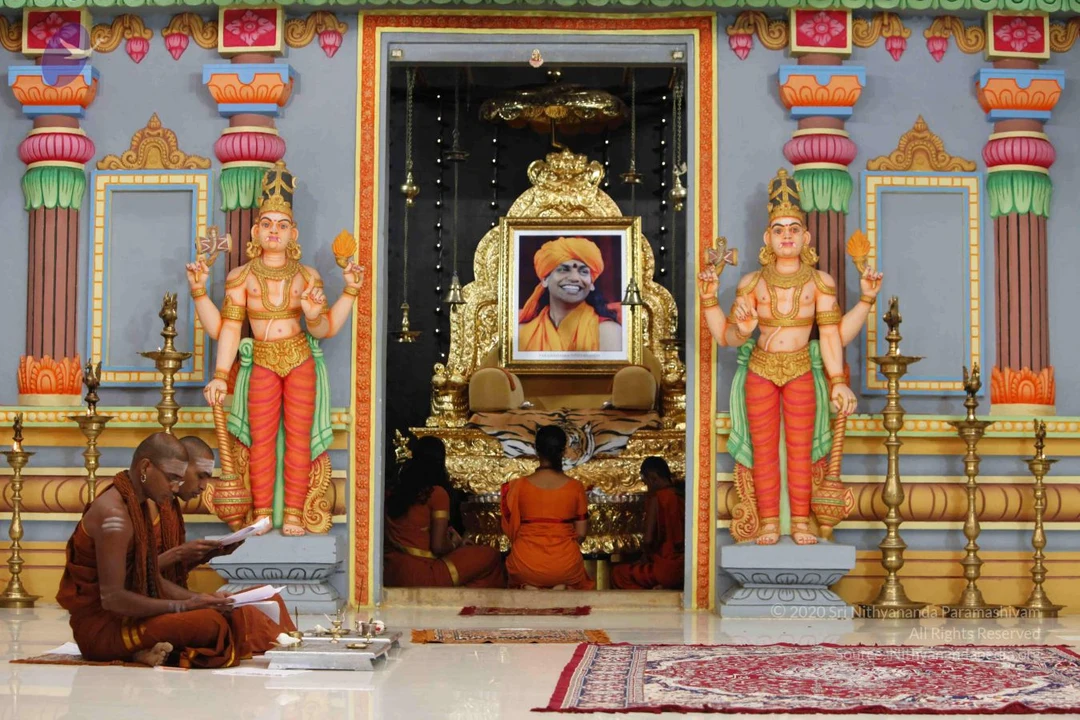
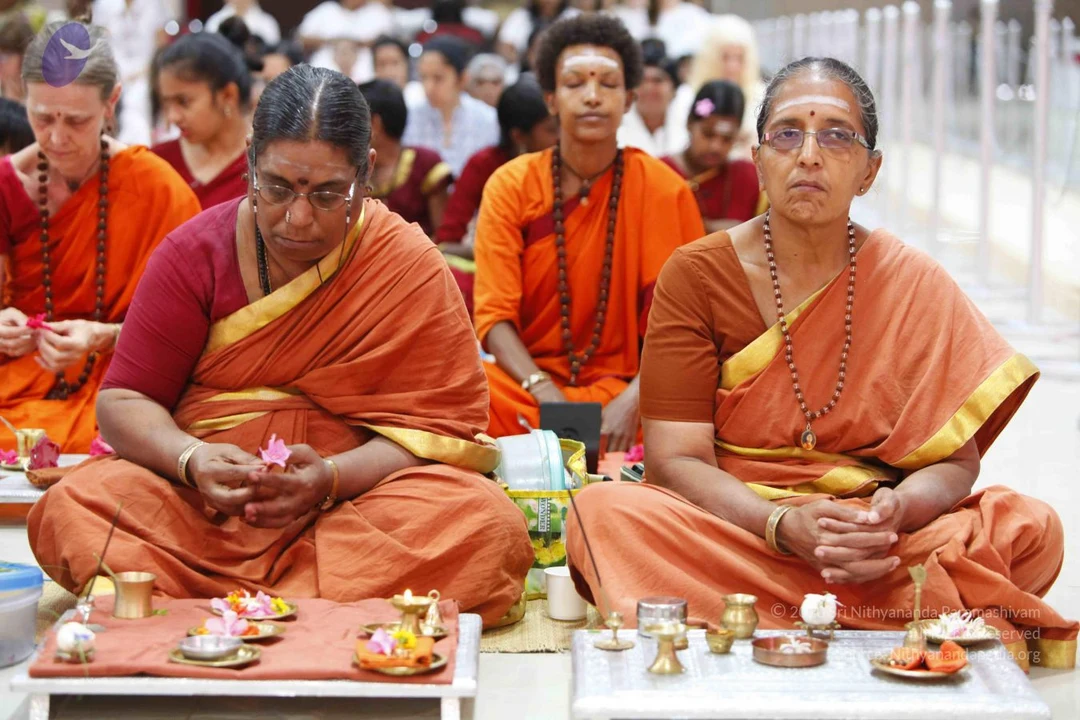
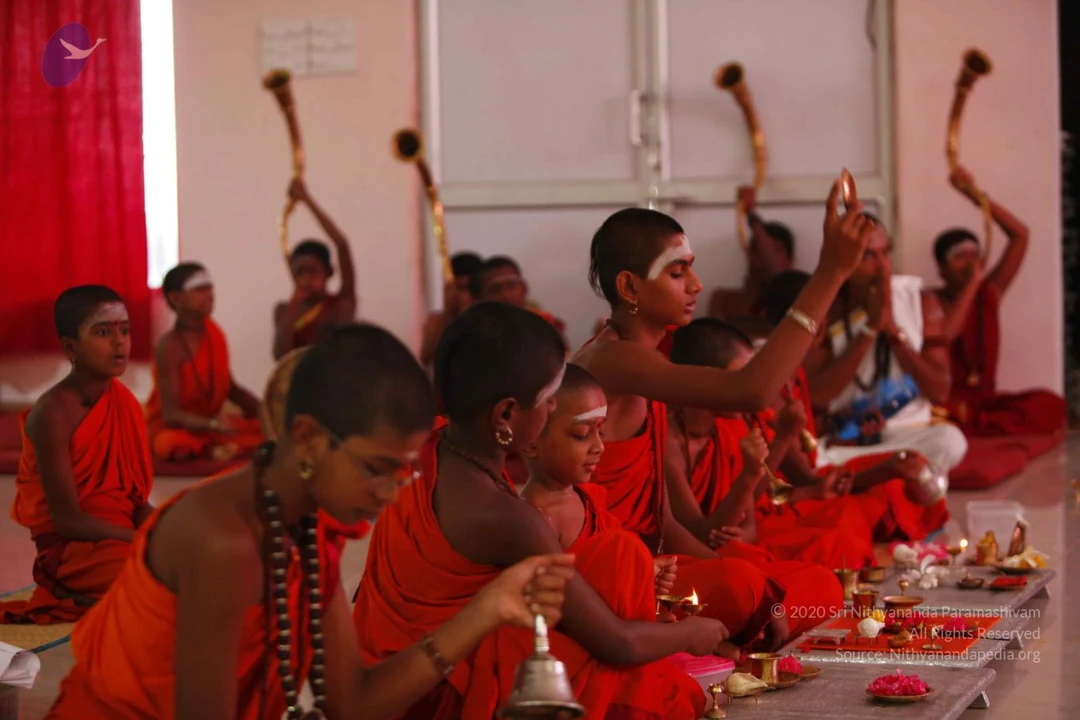
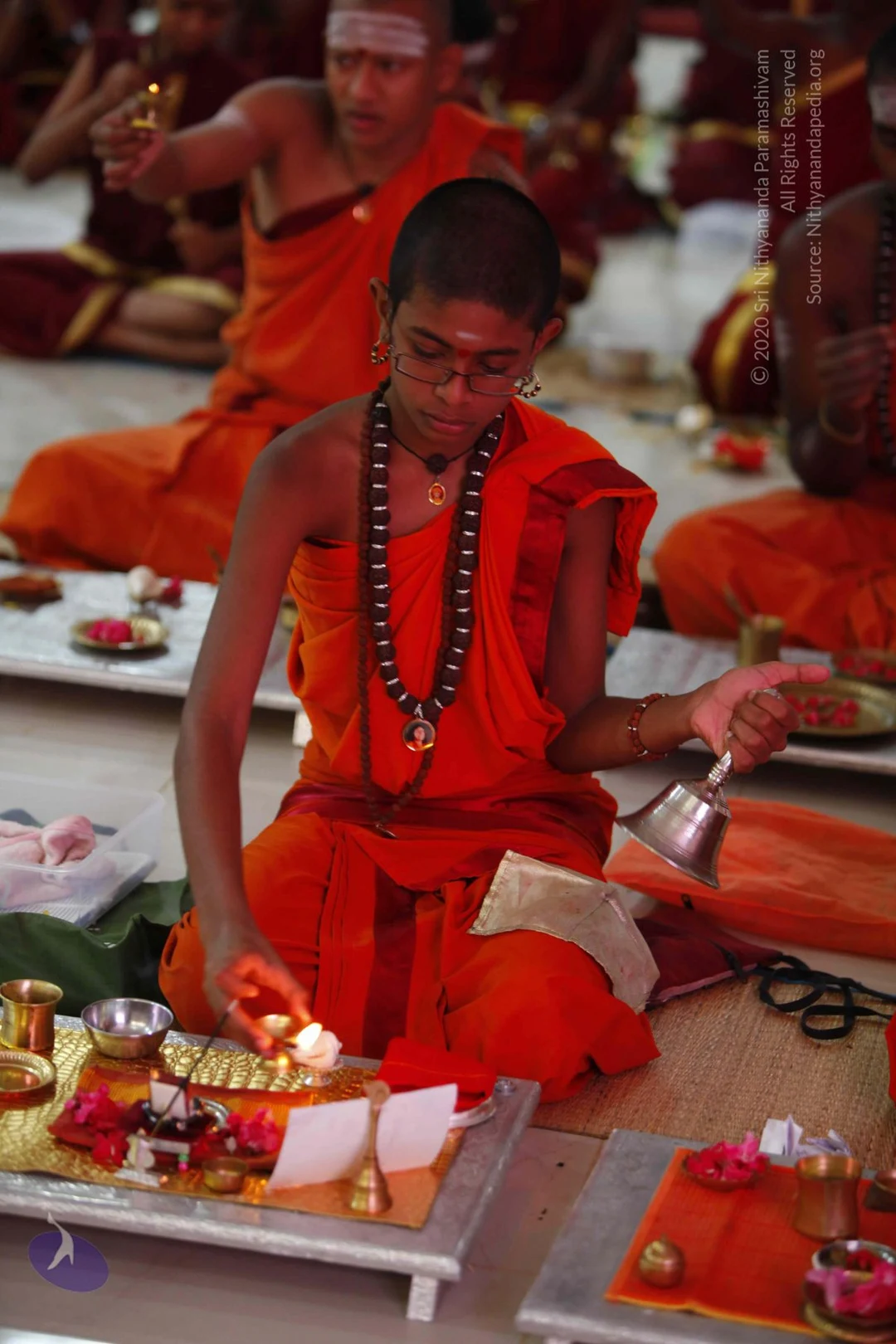
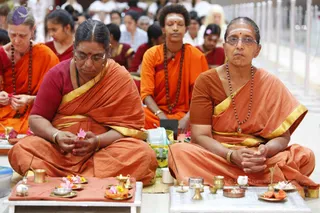
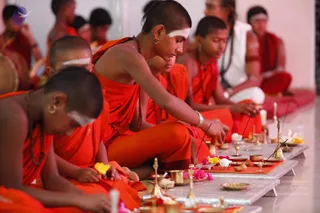
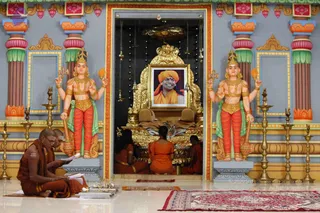
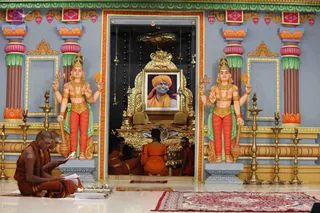
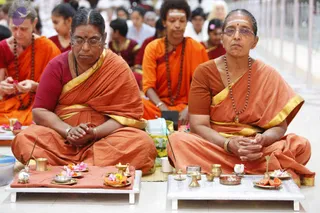
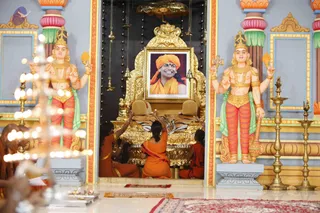
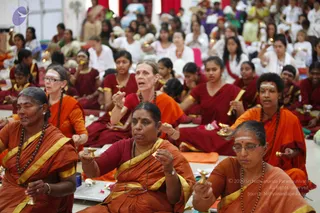
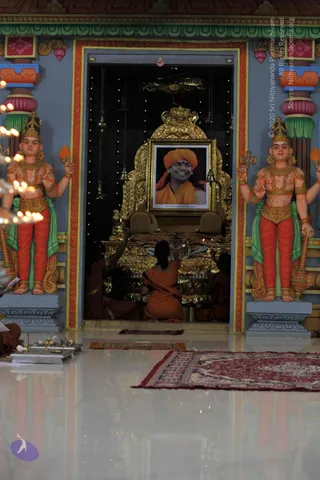
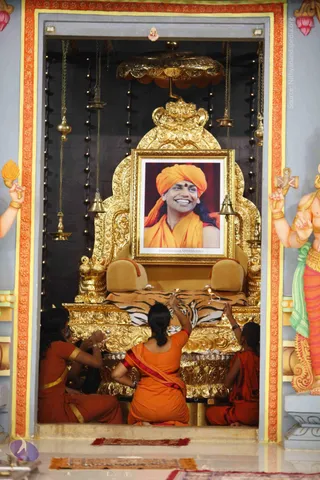
A photograph of a ritual puja in progress. Several young men with shaved heads, wearing saffron-orange robes and rudraksha malas, sit cross-legged on a raised marble platform. Their foreheads bear white sacred ash markings. In the foreground a young man in orange adjusts items on the altar, placing incense sticks and offerings. Brass lamps, small bowls, a brass kalasha, pink and white flowers, and yellow marigolds are arranged on an orange cloth. Behind them, other devotees in orange and red sit in the background, and a figure in white stands further back.Interior temple shrine photo. Two saffron-robed men sit cross-legged on the left floor, one holding open books and reading aloud while another follows. Behind them, a central doorway opens onto a golden throne-like seat draped with a tiger-skin cloth, flanked by seated figures in orange clothing. Above the seat hangs a framed portrait of a smiling man with a shaved head, wearing an orange turban and orange garment. Two tall painted dvarapala-style guardian statues stand on either side wearing orange dhotis, green sashes, gold ornaments and holding ritual objects. Brass oil lamps line the walls, and a red-and-blue carpet lies on the marble floor. The portrait is a printed image on a screen-like frame, not a physical person.A temple shrine hall with painted pillars in blue, pink and green. Two tall painted dvarapala-style guardian statues with four arms, gold crowns and gold necklaces stand on either side. At the centre is an ornate gold throne with a tiger-skin cloth and a framed portrait of a smiling man with an orange turban and orange robe, placed as a depiction and not a physical person. Brass oil lamps stand on the floor. In front, three saffron-robed sannyasis sit on the marble floor, one reading from palm or paper pages, and a woman in orange sits in the centre facing the throne. A red carpet lies in the foreground.Several women in saffron and orange saris with gold borders sit cross-legged on a white floor in a hall, eyes closed in meditation or prayer. The two foreground women sit before small white wooden puja trays holding brass lamps, a small brass kalasha, a silver dish, flower petals and orange cloth. Behind them, more people in orange and red clothing sit in rows, some wearing rudraksha malas, with a glimpse of a person in an orange robe and a fan-like structure to the right. Incense sticks rise from the left tray, and the scene suggests a puja or satsang session.Photograph of a decorated shrine interior with a gilded throne-like altar framed by two large painted statues of dvarapala guardian figures in crowns, gold necklaces and orange-red dhotis with green sashes, holding ritual items. At the centre is a framed portrait of a smiling man with an orange turban and orange robe, set above a gilded peetha draped with a tiger-striped cloth and two cushioned seats. Several people in orange and saffron clothes kneel and sit at the base of the altar, one woman in an orange sari reaching toward the seat. Brass oil lamps stand on both sides and a lit chandelier-like lamp blurs in the foreground.A photograph of a large seated gathering in a hall, with many women and girls in orange and maroon saffron-toned robes holding small brass oil lamps and lit lamps. In the foreground, several older women wear orange saris with gold borders and rudraksha malas, holding brass lamps and flower offerings on a tray. Behind them, younger women in maroon dresses with gold trim sit and hold lamps, some with white forehead markings. The scene resembles a group aarti or puja with lamps lit among the participants, and the background shows more seated devotees in white and colourful clothing.

Satsang

8 photosSource gallery
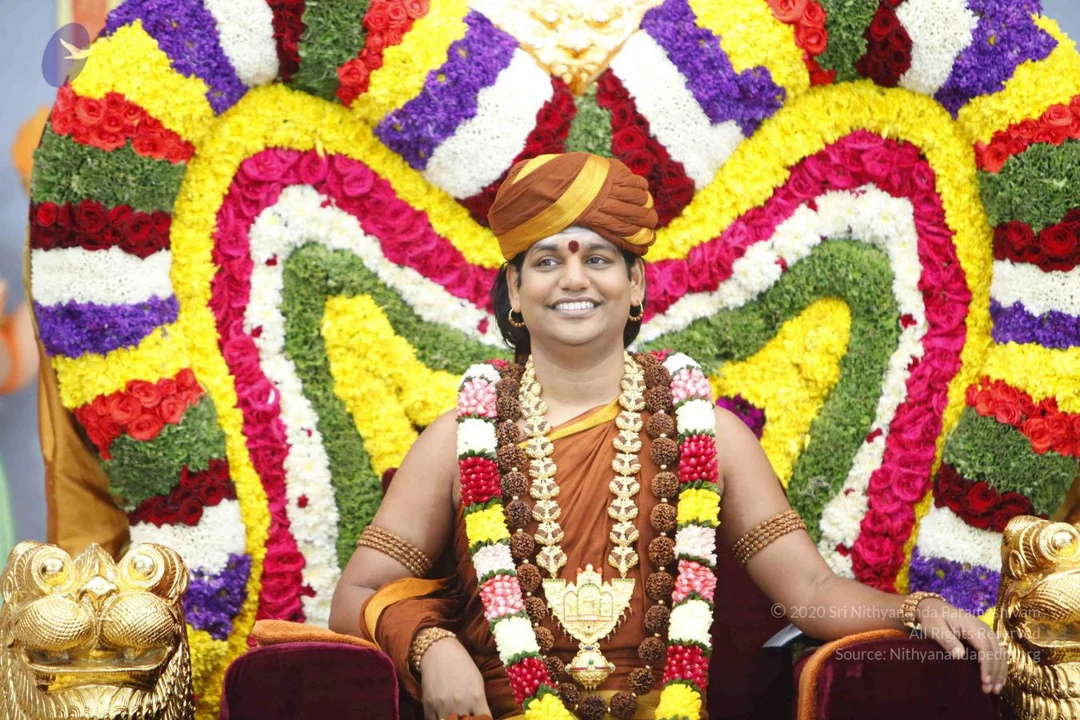
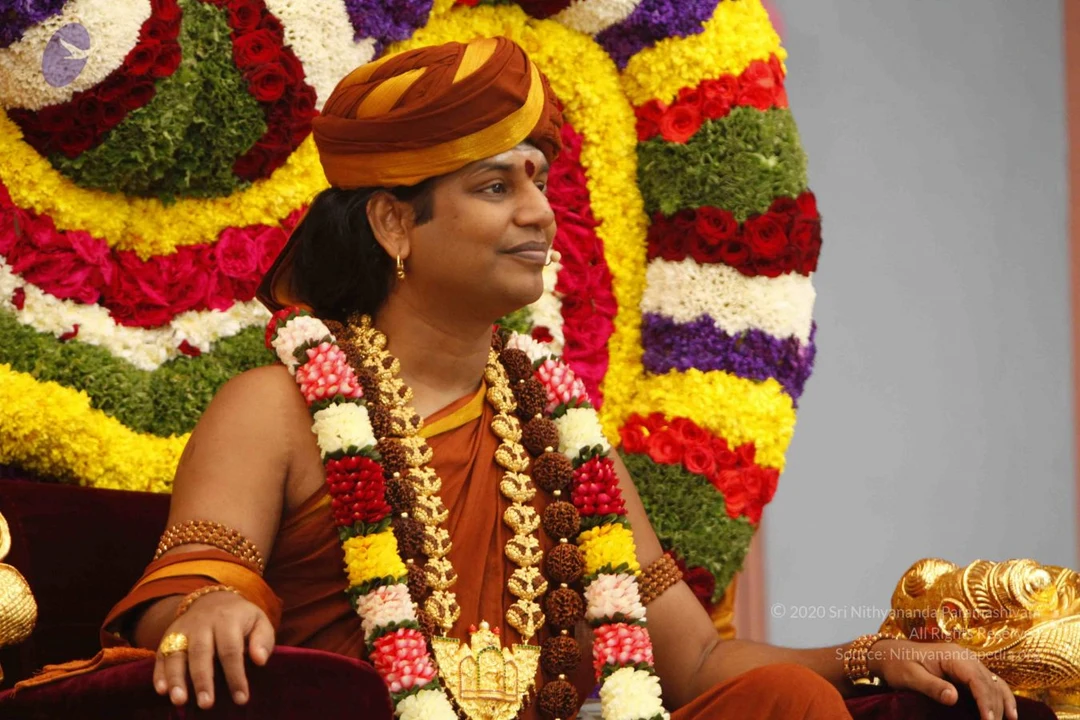
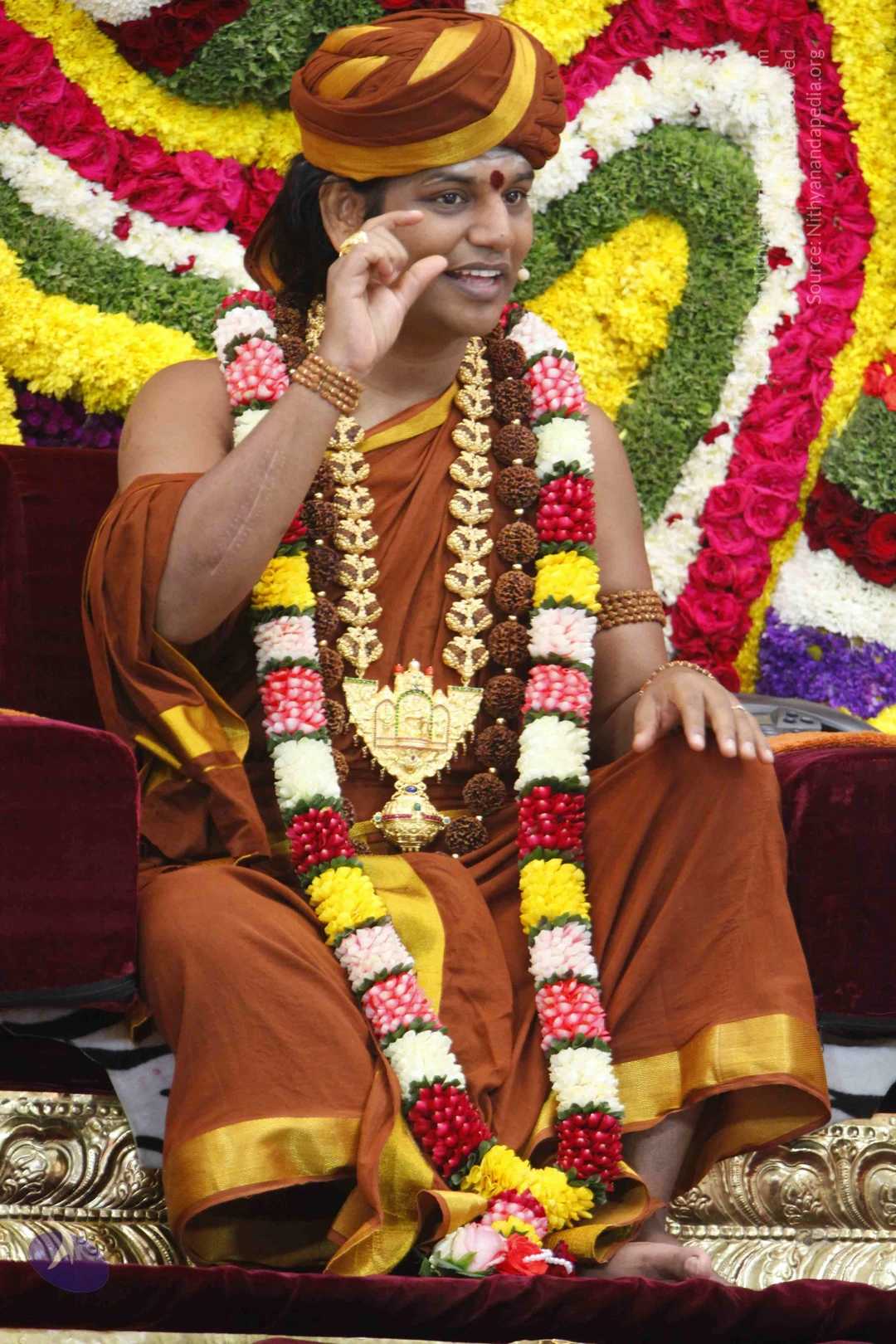
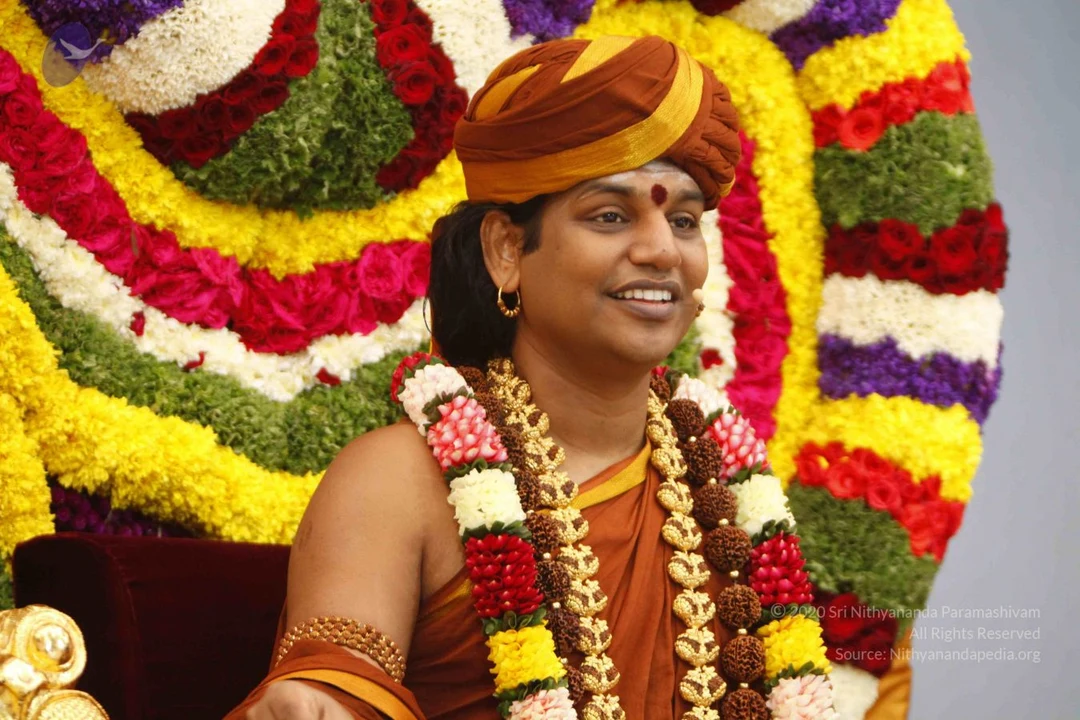
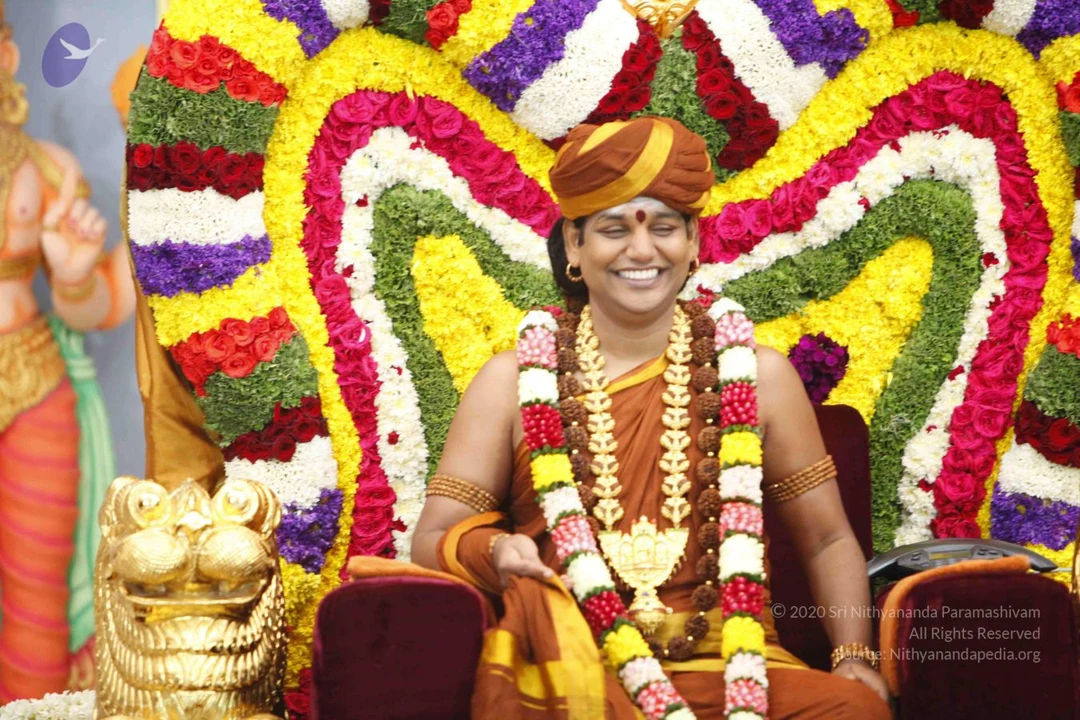
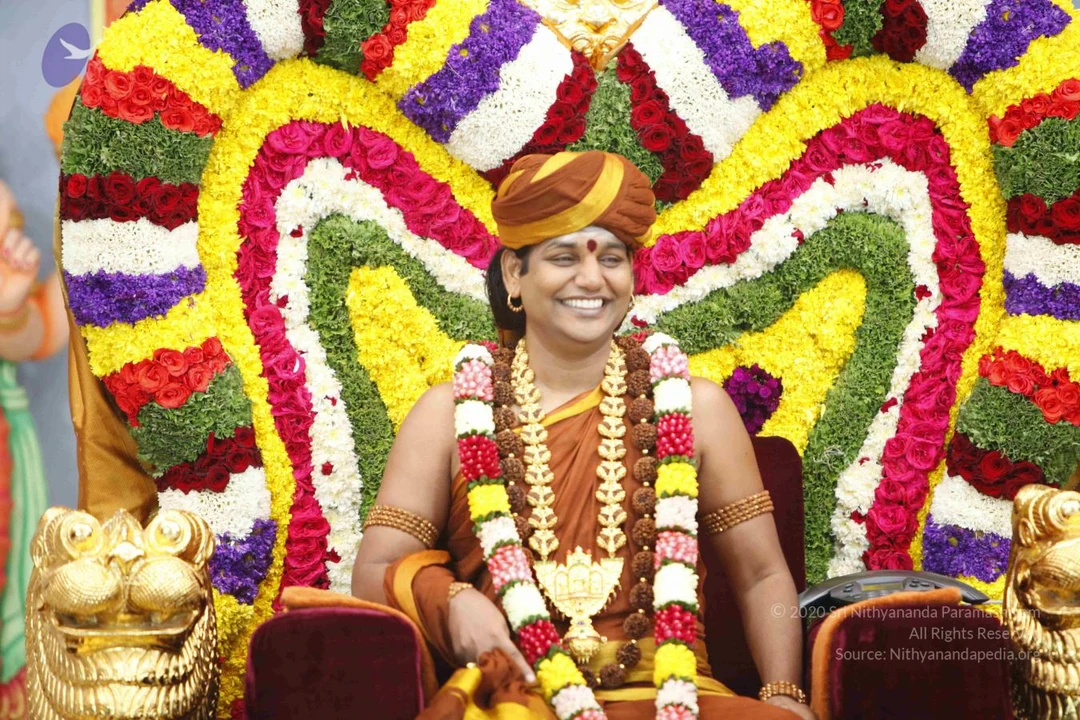
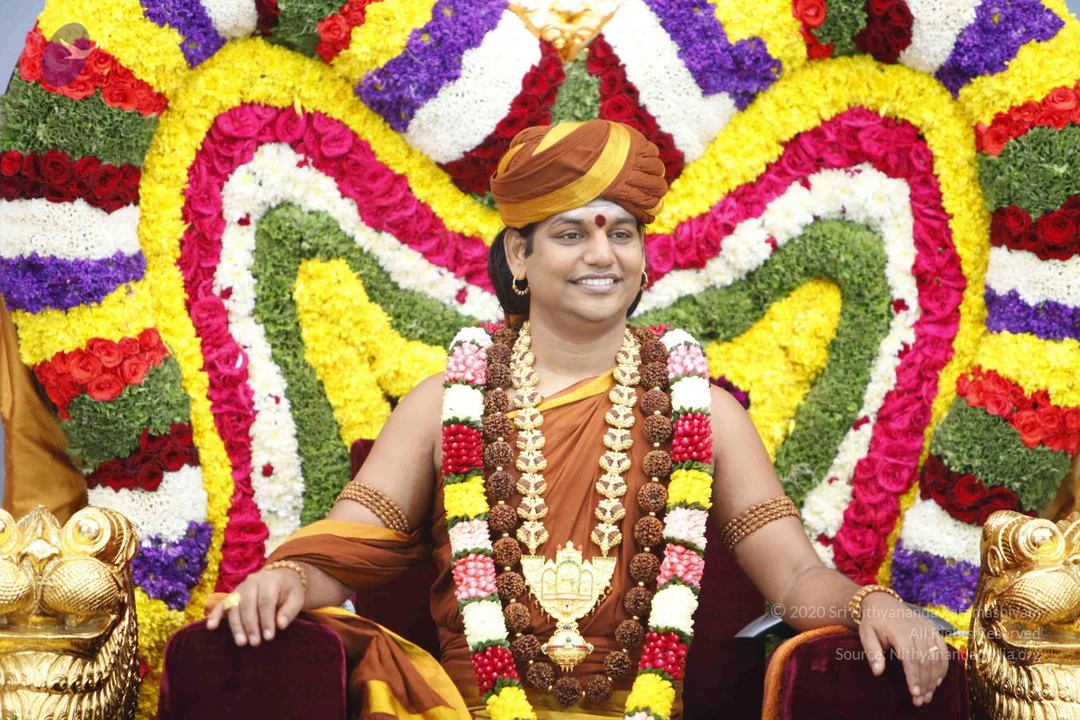
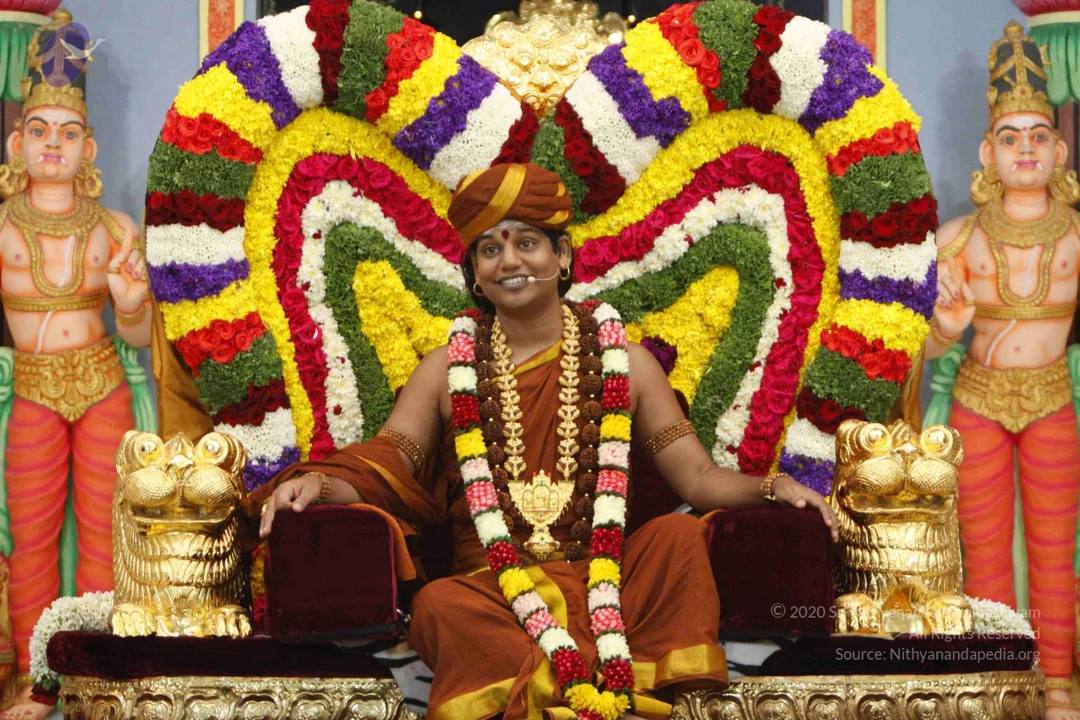
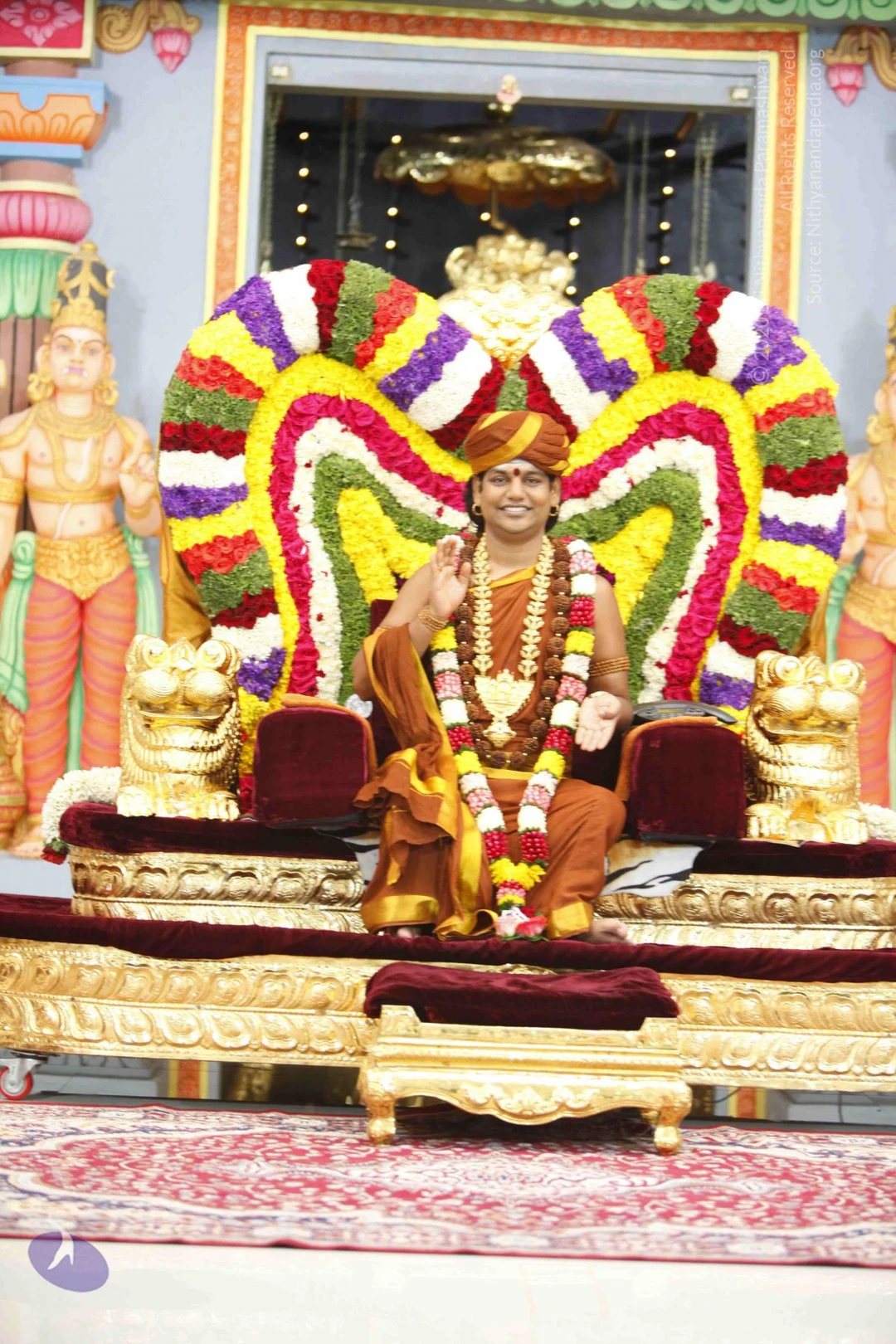
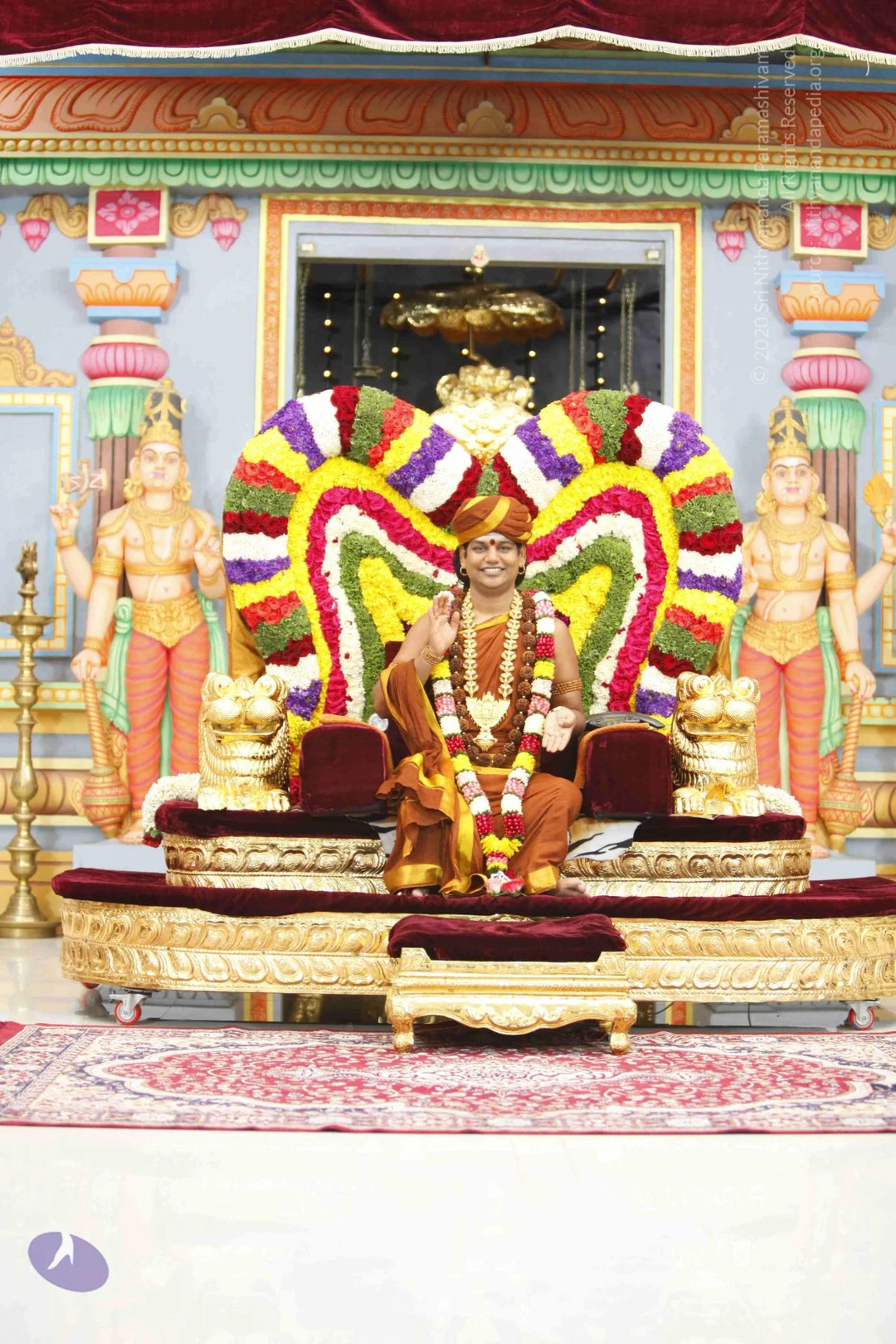
A smiling figure in saffron-orange robes and an orange turban sits on an ornate throne decorated with a heart-shaped arrangement of red, pink, yellow, white and purple roses and marigolds. A rudraksha mala and layered gold necklaces with a gold pendant hang on the chest, and gold bangles are worn on the wrists. Golden lion-head armrests frame the seat, and a green-and-pink backdrop is partly visible at left. The person's hand rests on the armrest. Ceremonial seated presentation, with a figure of visible presence and cues consistent with a ceremonial seat of honour.A smiling man in saffron-orange robes and an orange turban sits on an ornate throne decorated with a large floral backdrop of red, pink, yellow, purple and white flower garlands arranged in arched bands. He wears layered rudraksha malas and a gold ceremonial pendant necklace with white and pink flower garlands, plus gold bangles and a red tilak on his forehead. Golden lion-head armrests flank the seat, and a painted deity figure appears at the left edge. a person appearance is a probable candidate, based on the saffron robe, turban, rudraksha malas and ornate gold necklace, but the image contains no printed name tying him to the throne.A person in orange-saffron robes and an orange turban sits on an ornate golden throne with lion-head armrests, set against a large floral backdrop of roses and marigolds in red, yellow, white, purple and green. He wears a rudraksha mala, a gold ceremonial necklace and a long mala of red, white and yellow flowers, and raises one hand in greeting. Two painted standing deity figures with crowns flank the throne in a temple hall.A seated person in saffron-orange robes sits on an ornate throne with gold lion-head armrests, backed by a large arch of flower garlands in yellow, white, red, purple and green. The seated person wears an orange turban with a red tilak, a rudraksha mala, long gold ceremonial necklaces and a golden vessel pendant, raising one hand in blessing. Two painted deity statues flank the throne, one with a gold crown and orange-and-green dhoti. The seated person appears to be a person in a ceremonial seated darshan, with the throne, flowers and statues around them. A faint copyright overlay appears in the lower right corner.A smiling man sits on an ornate throne backed by a large floral arrangement of yellow marigolds, red and pink roses, white blossoms, purple flowers and green foliage arranged in heart-like tiers. He wears an orange-saffron turban with a gold stripe, a red bindi, gold hoop earrings, saffron robes with a gold border, multiple rudraksha beads and a long gold ceremonial necklace with a central pendant. Floral garlands and gold-beaded bangles adorn his arms, and gold lion-shaped armrests frame the seat. The photograph shows a single seated person whose appearance is uncertain. The page does not place him at this event.Two gilded murti of a deity couple sit side by side on a decorated throne framed by a dense arch of garlands in red, yellow, purple and white flowers. The male figure wears a red and orange turban, a purple and blue dhoti-style lower garment, a pink shawl, pearl and bead necklaces and a sacred thread, holding a gold hand gesture and a wooden tablet. The female figure wears a gold crown, layered necklaces, a yellow and orange sari with green border and a red and white garland. No living people are visible; the figures are statues. a person is not depicted.

Bhagavad-Gita-Book-release

2 photosSource gallery
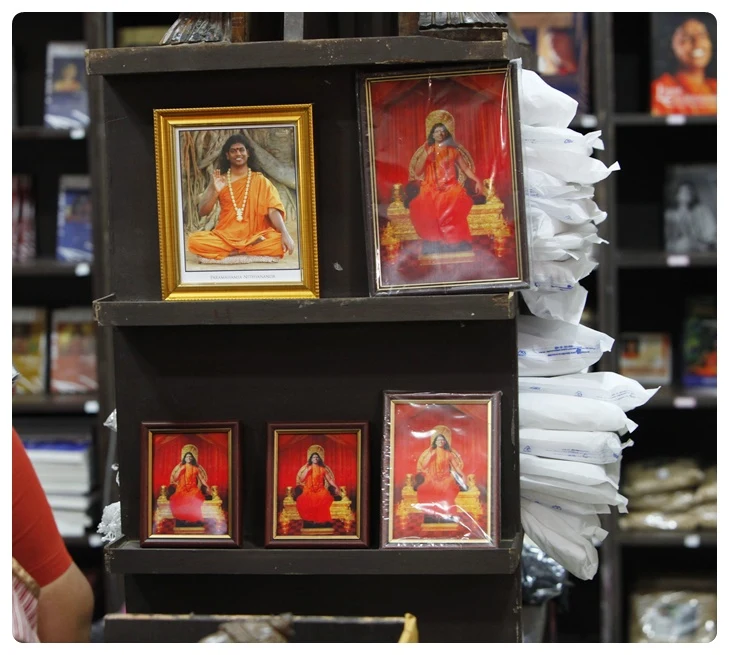
A photograph of a busy shop interior with shelves of religious statues and framed images behind the counter. In the foreground a light-haired woman in a white sari with a gold border and a black beaded mala stands at a counter, holding cash and a pink wallet. A boy in a blue striped polo shirt with a white tilak and red bindi stands beside her, looking down. Behind them a man in an orange robe with a red sash, a woman in a green-and-red sari, and a woman in teal stand near the shelves. A laptop screen and a cash register are in the foreground, and a shop assistant in yellow is at the right edge.Framed portraits displayed on a dark wooden shelf in a bookshop or retail stall. The top-left framed print shows a long-haired figure in saffron robes with a white bead necklace, seated and raising one hand, with a caption reading "Paramahamsa Nithyananda". The right-hand and lower framed prints show a figure in saffron-orange robes seated on a golden throne against a red backdrop with a halo behind the head. Behind the shelf, stacks of white plastic bags and rows of books are visible. Two women in the foreground, one in red with a striped bag and one in pink, face the display.

IA-Darshan

48 photosSource gallery
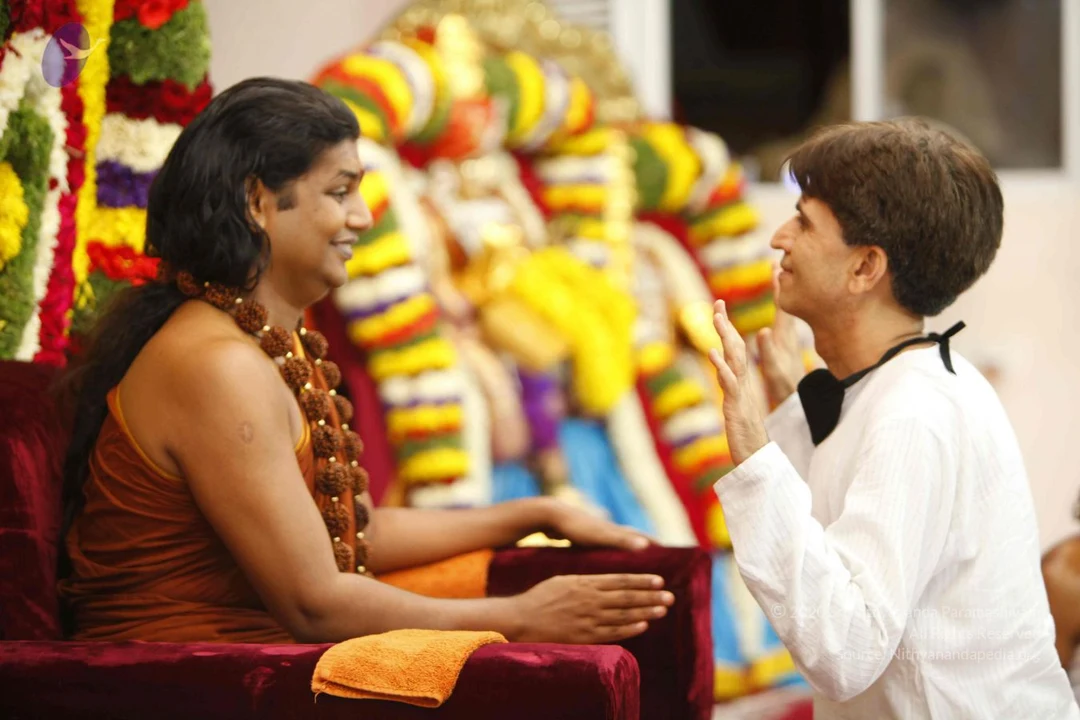
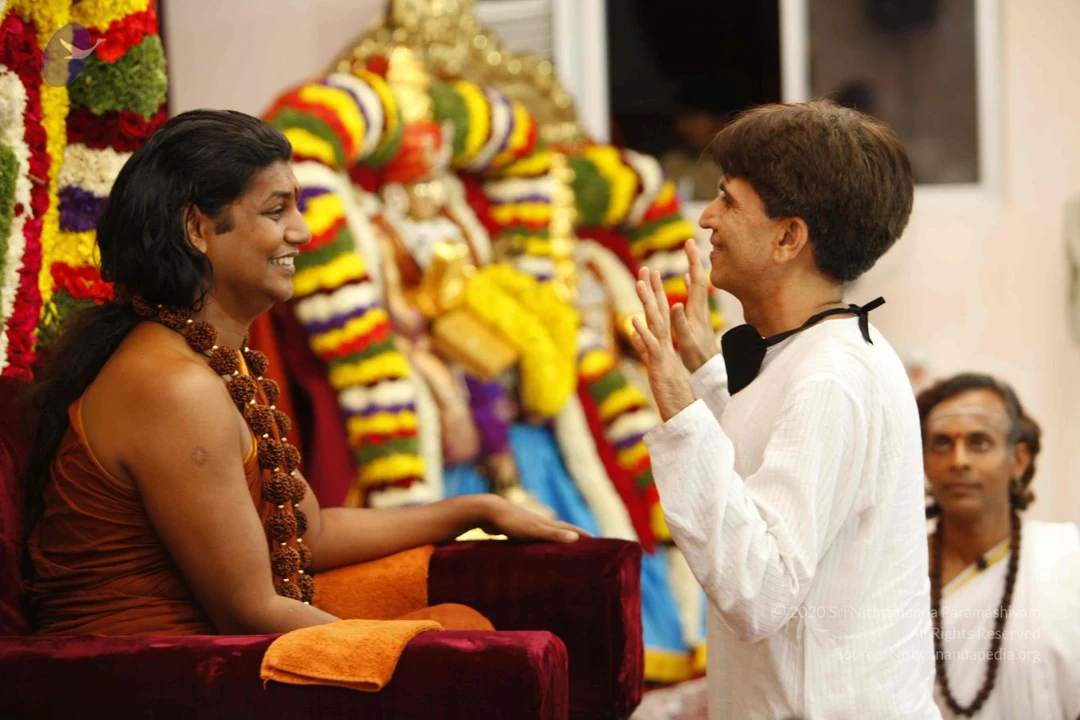
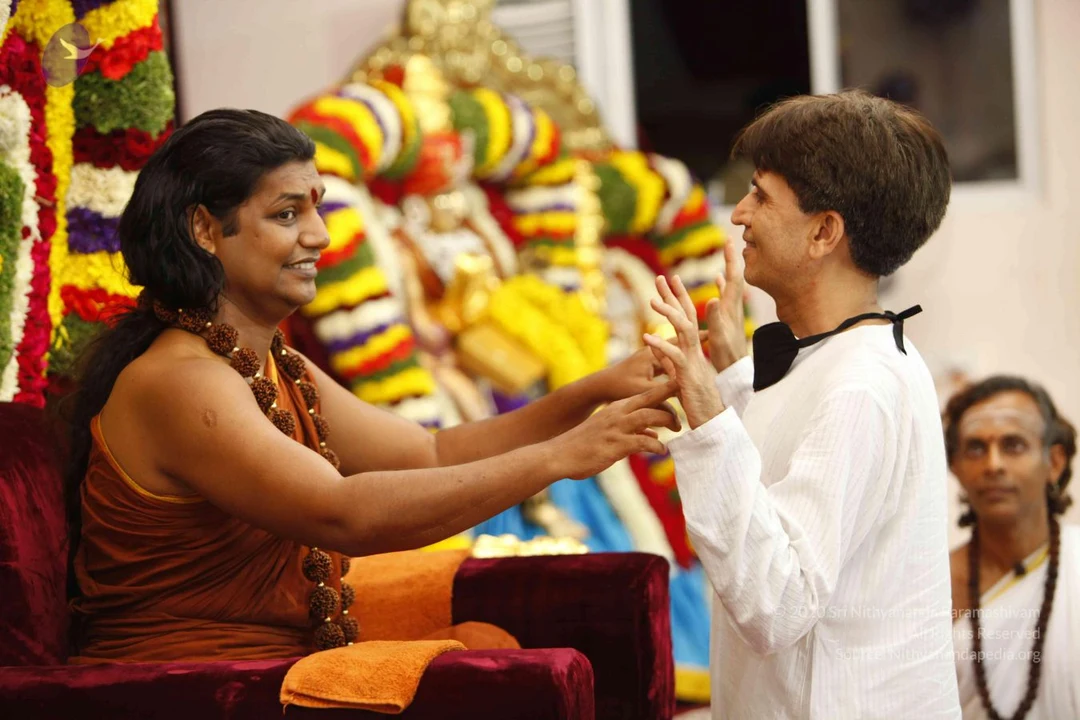
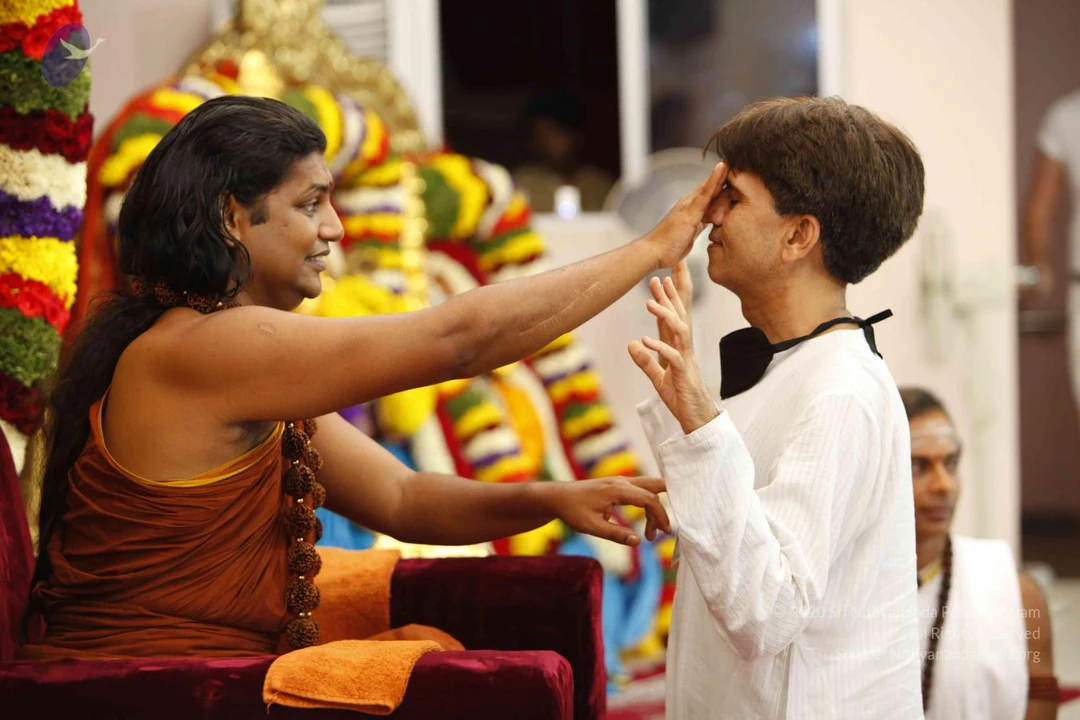
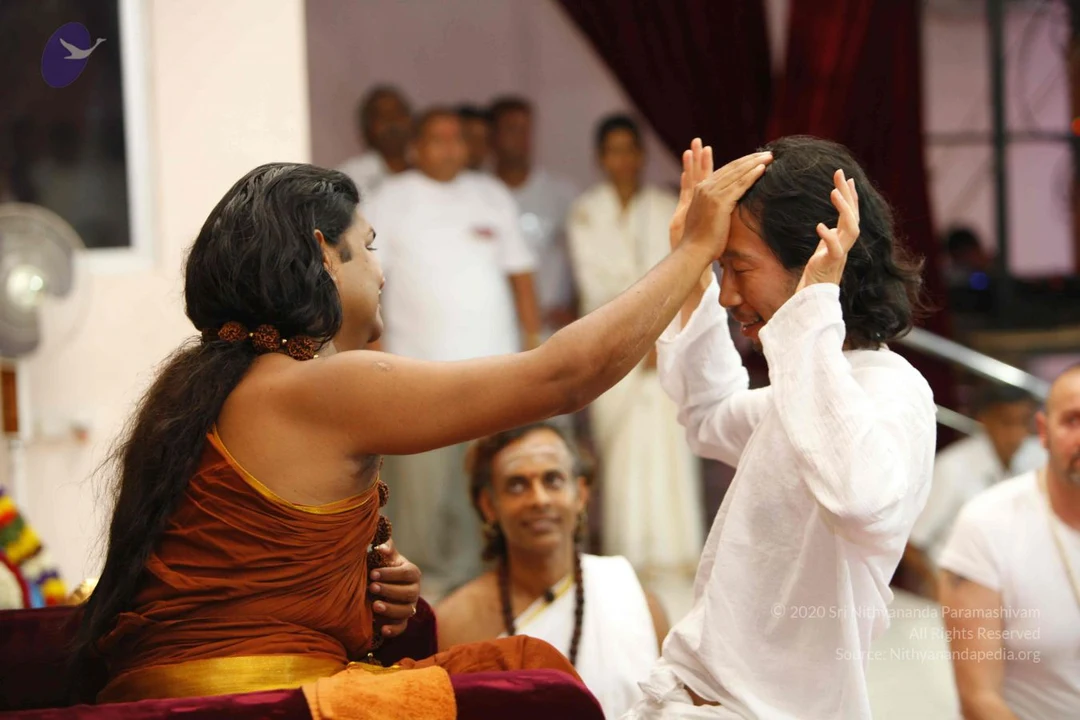
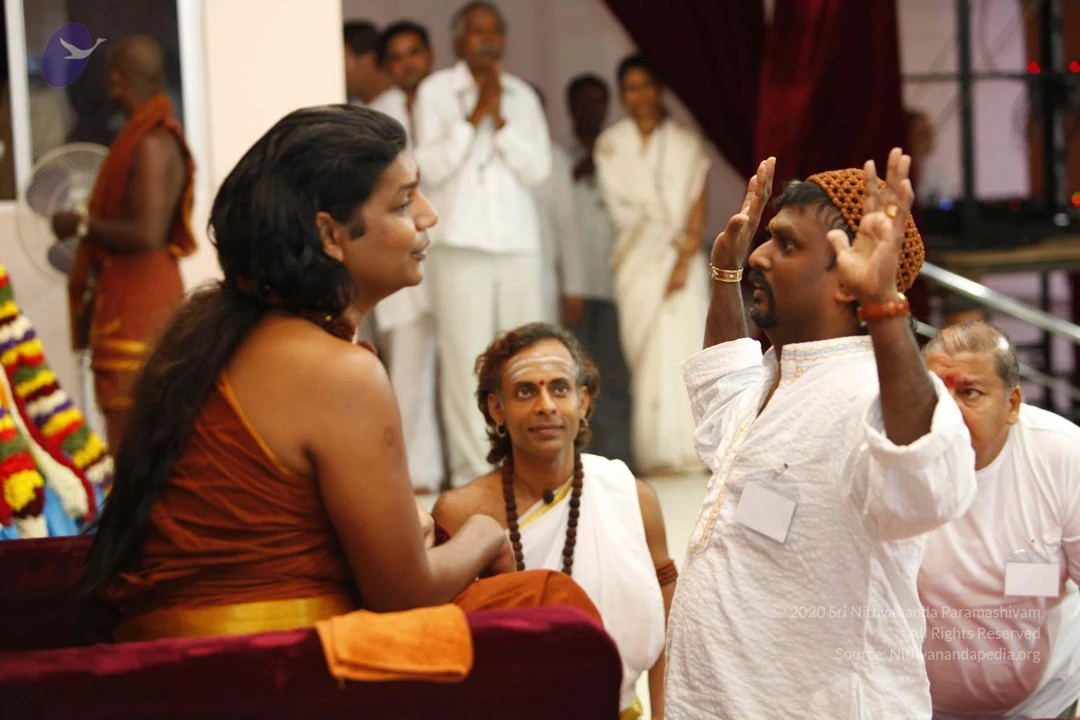
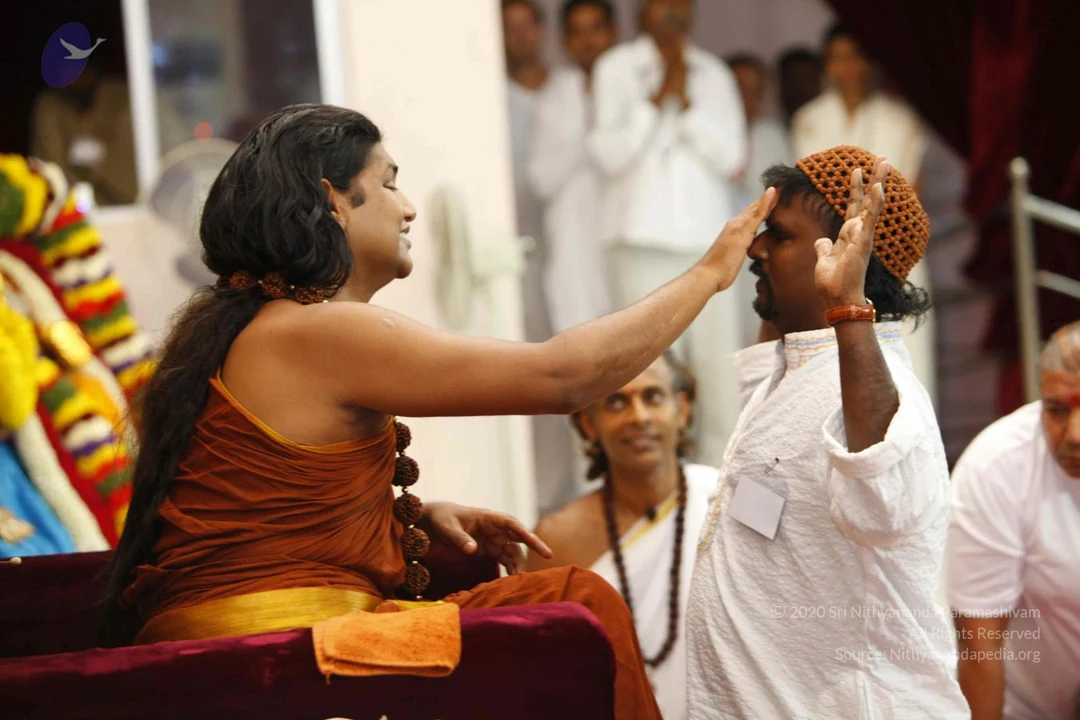
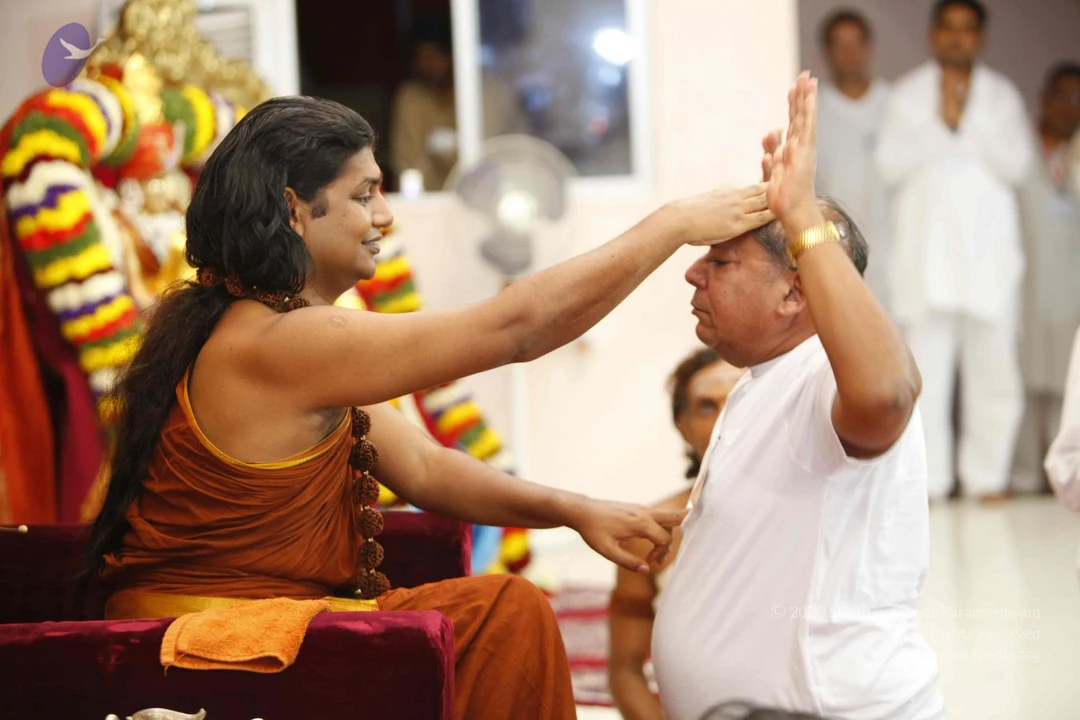
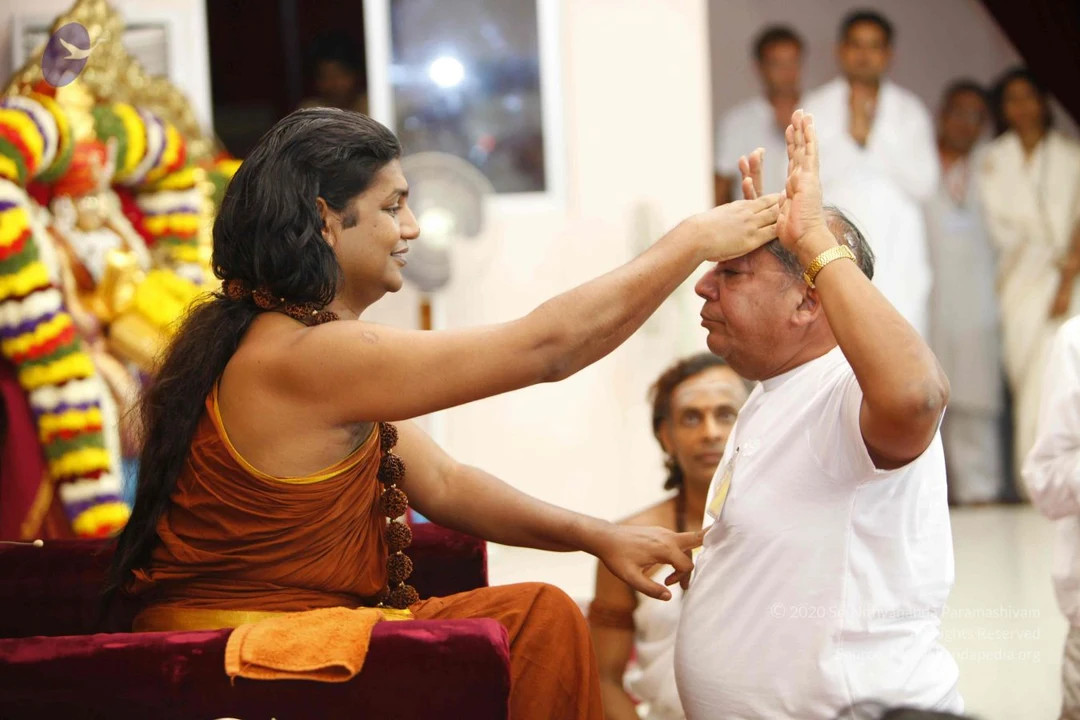
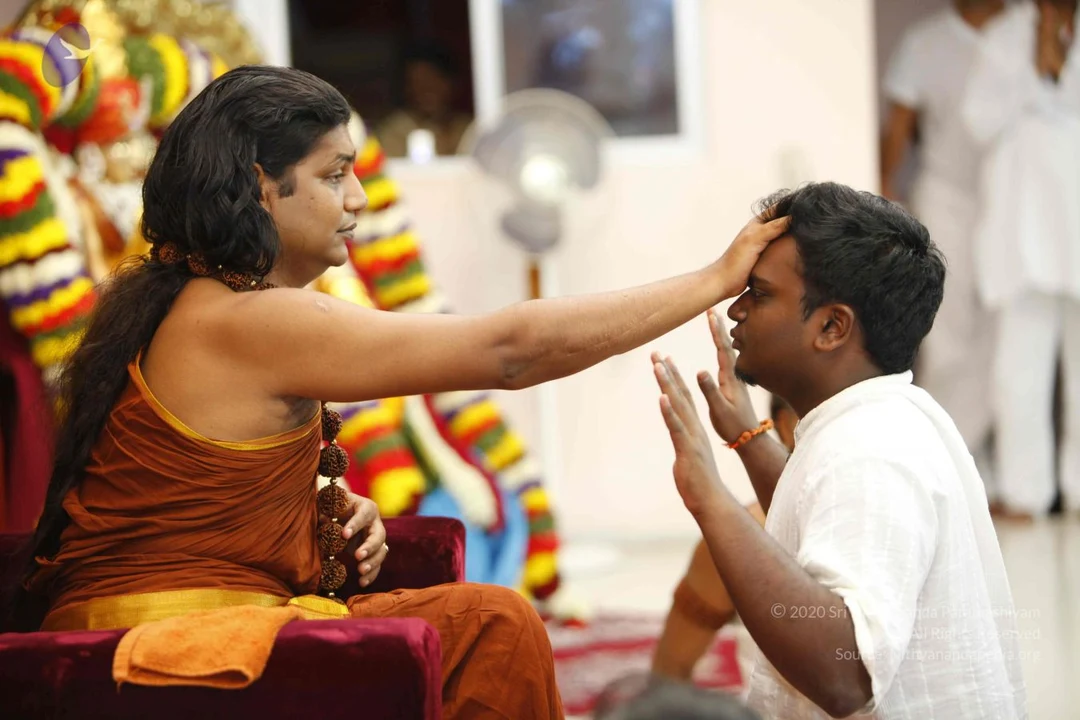
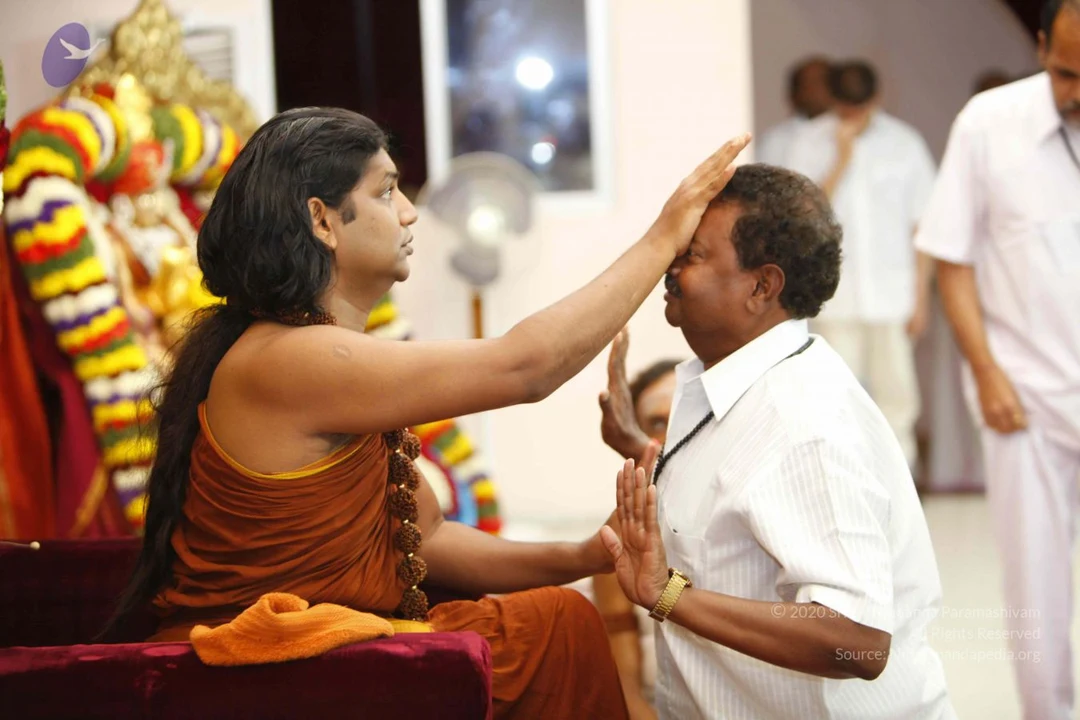
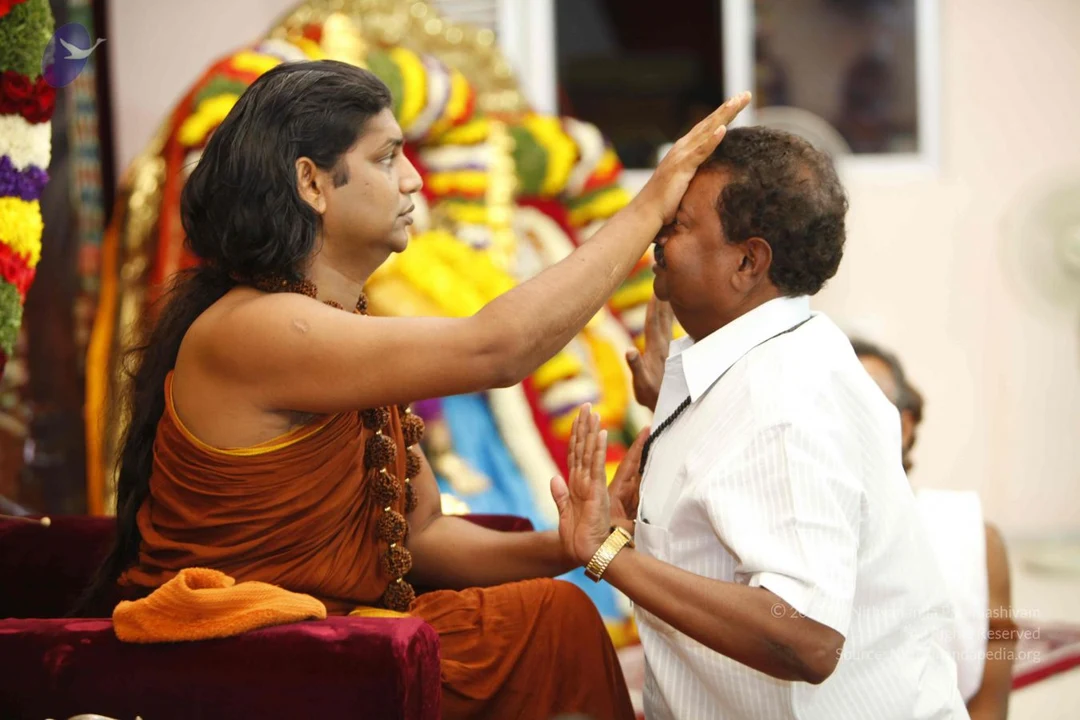
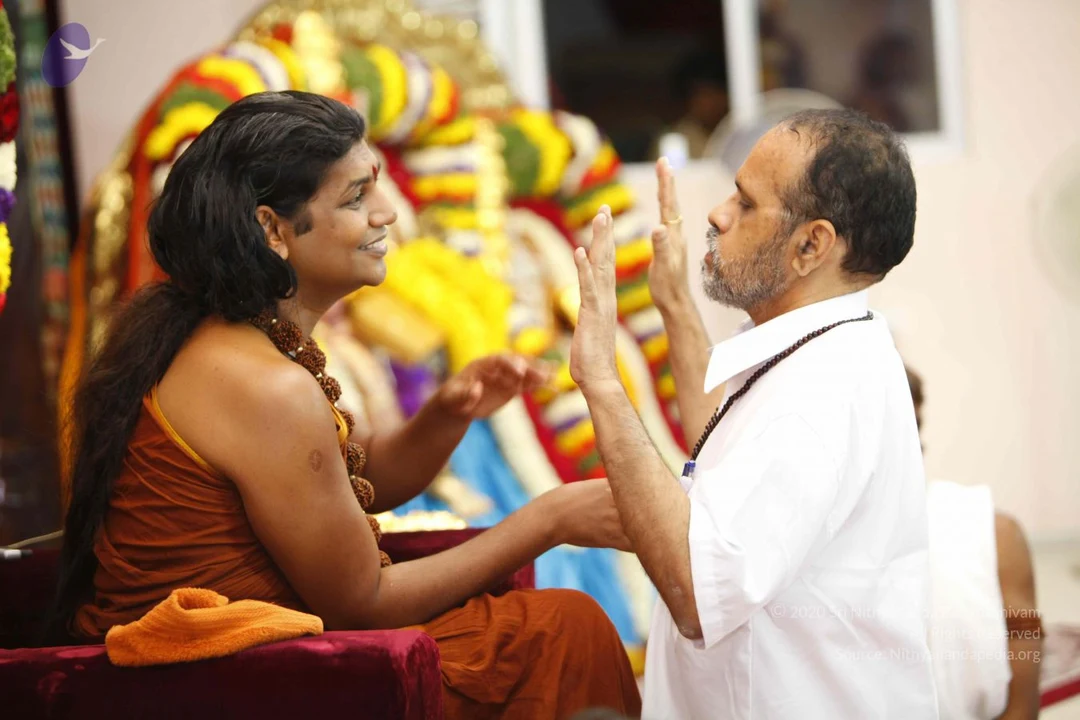
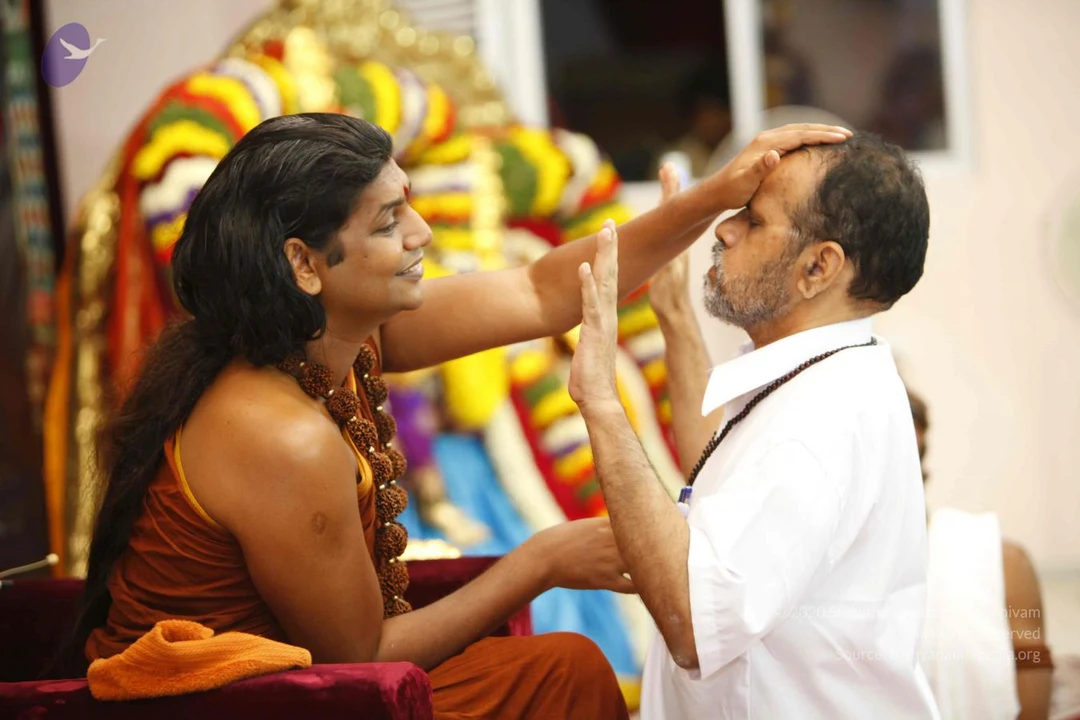
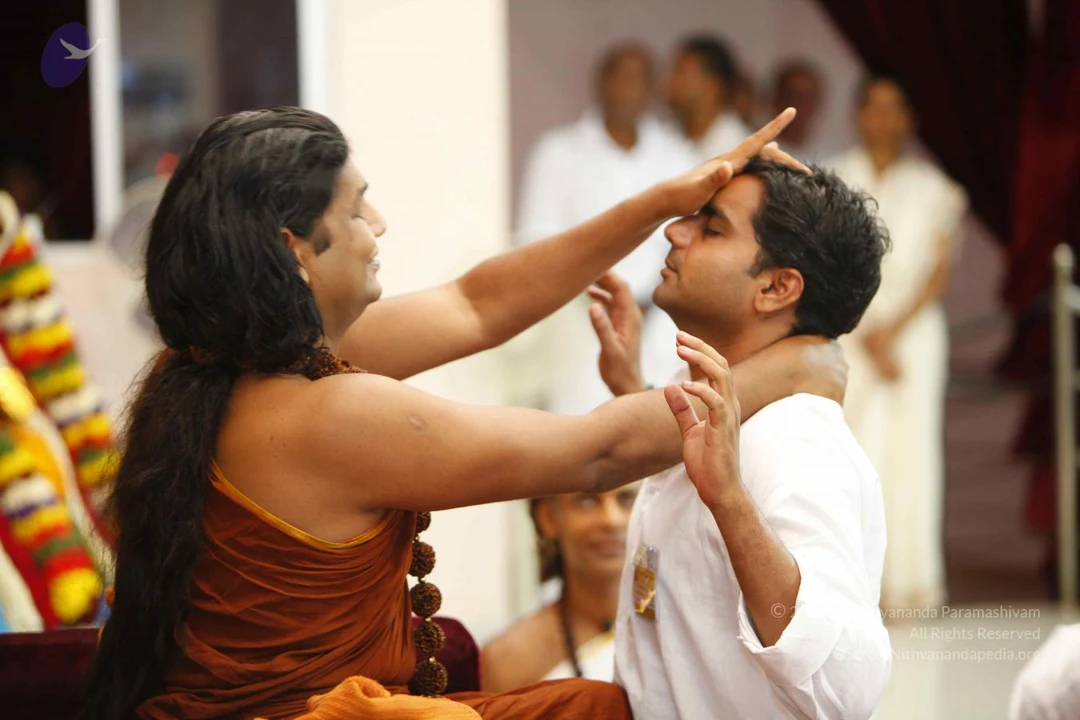
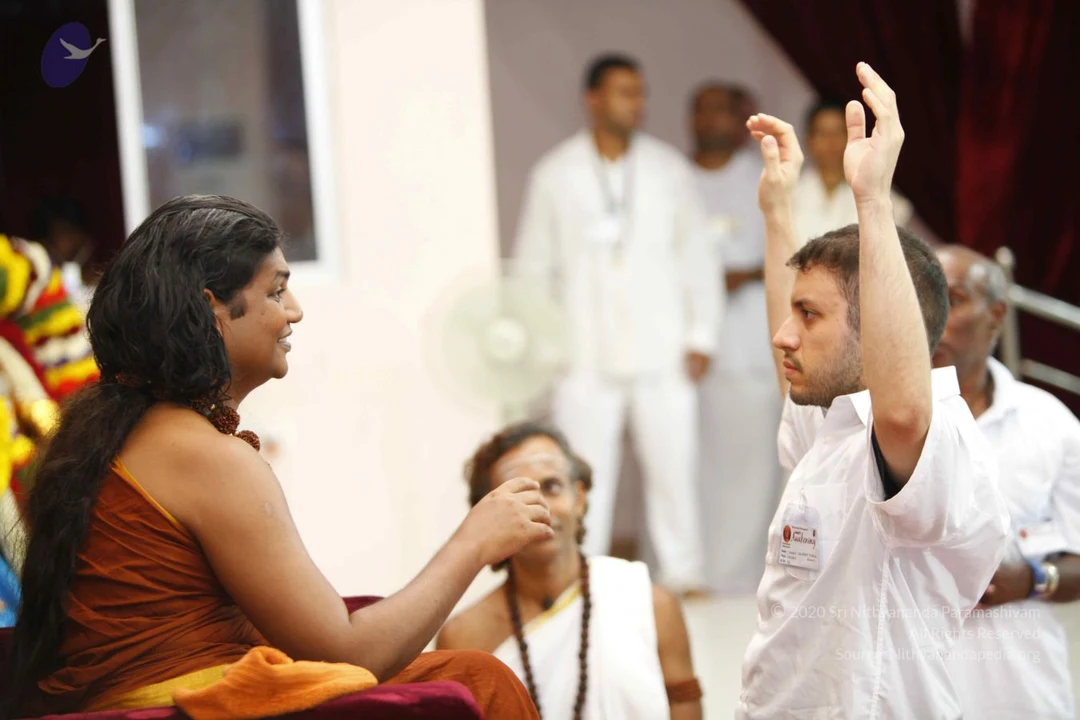
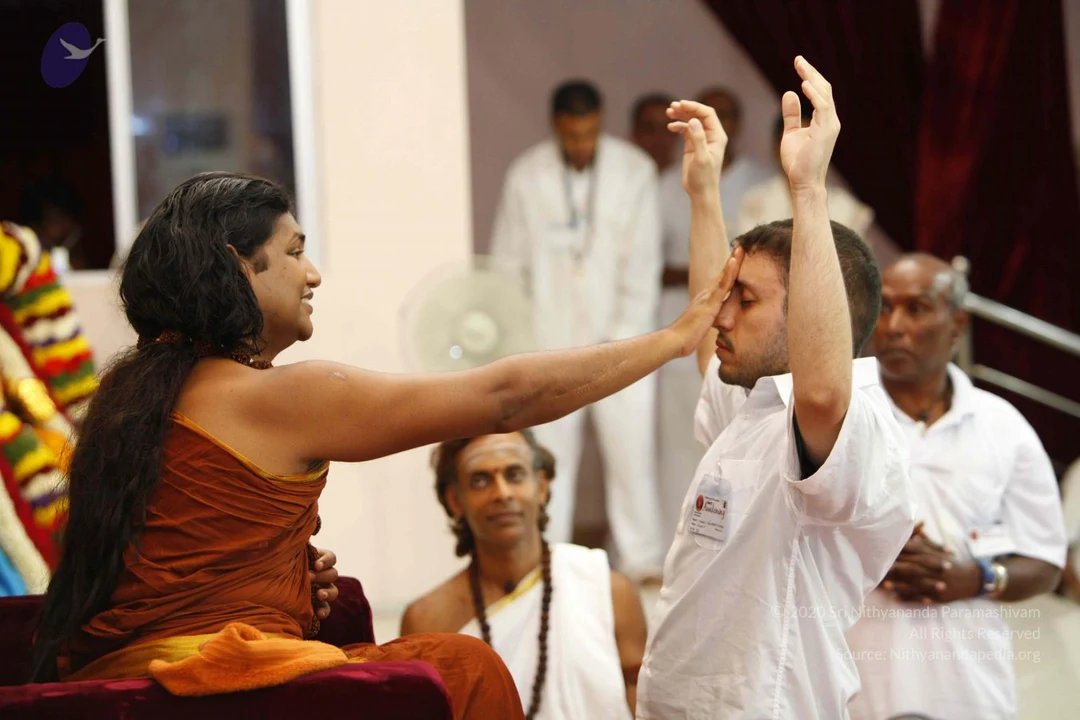
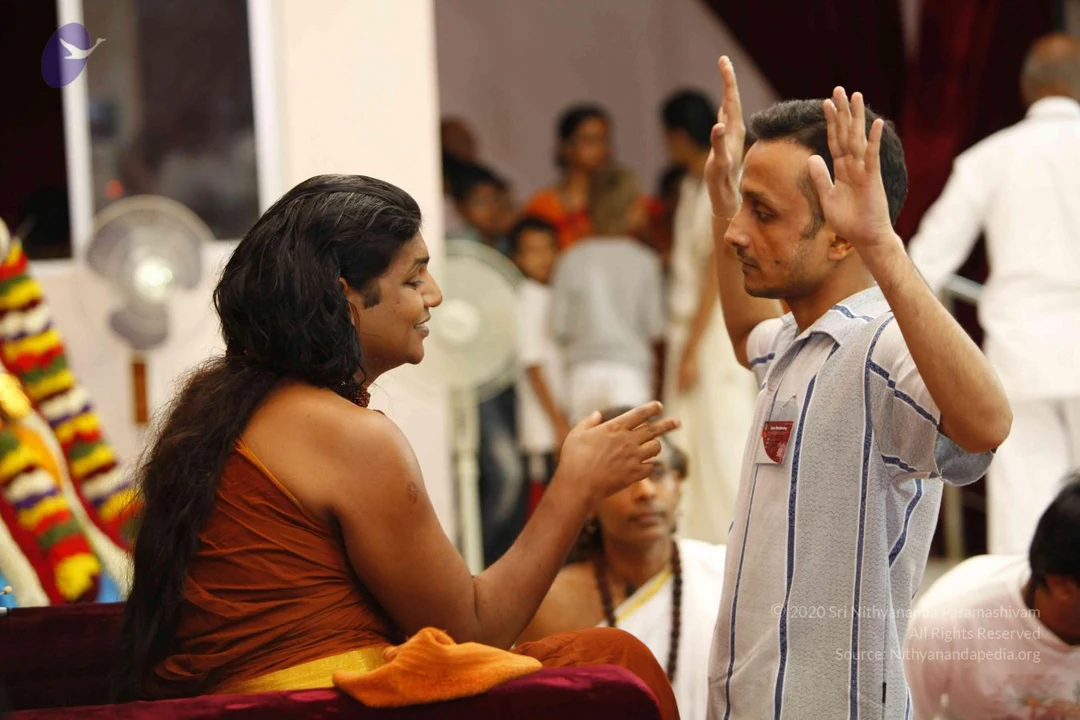
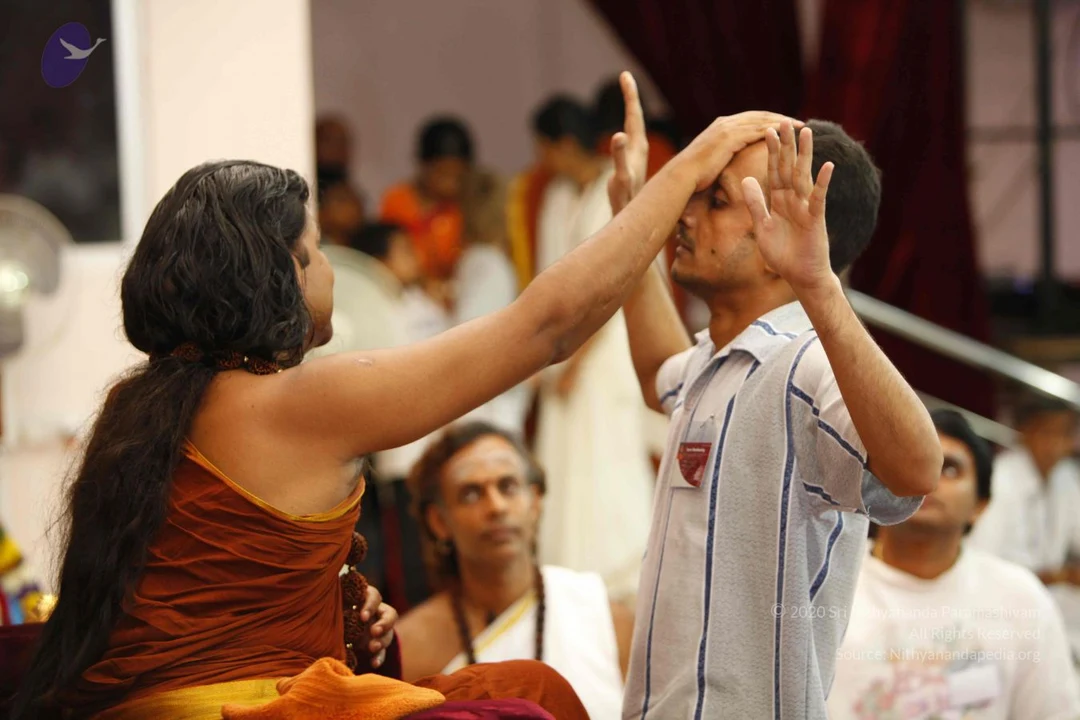
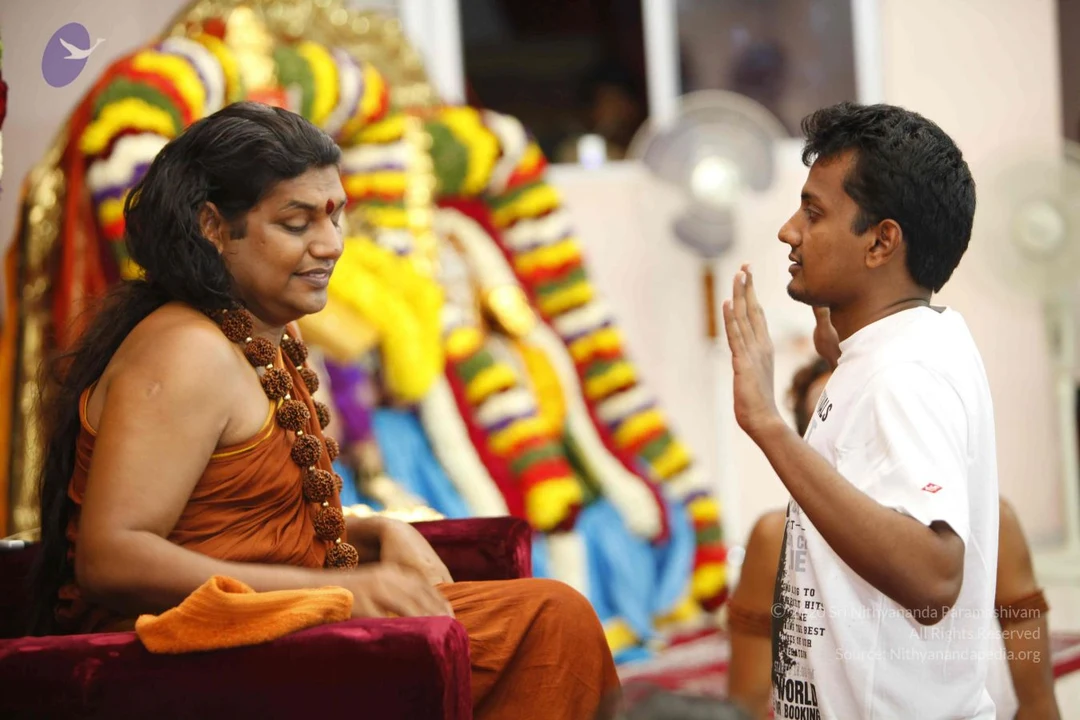
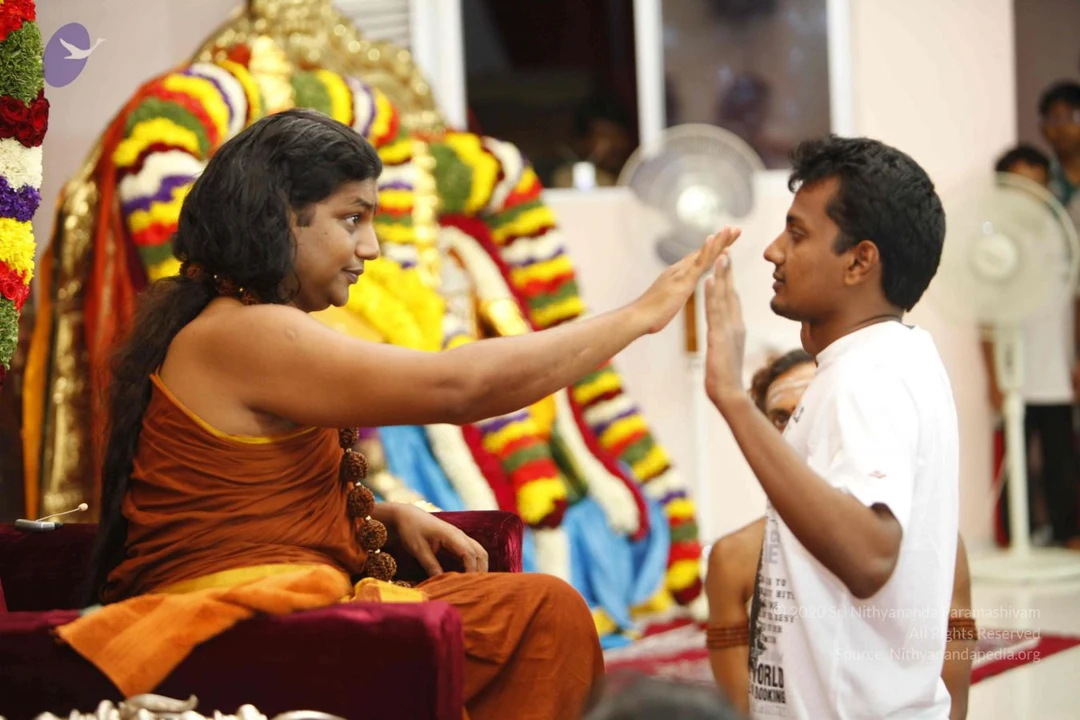
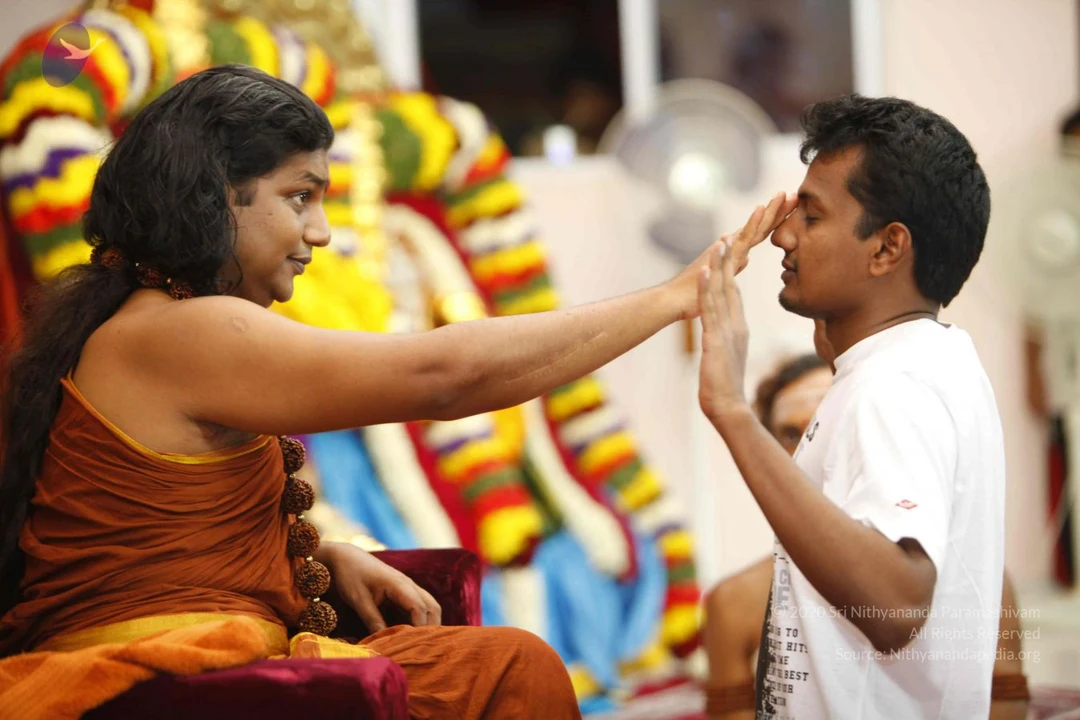
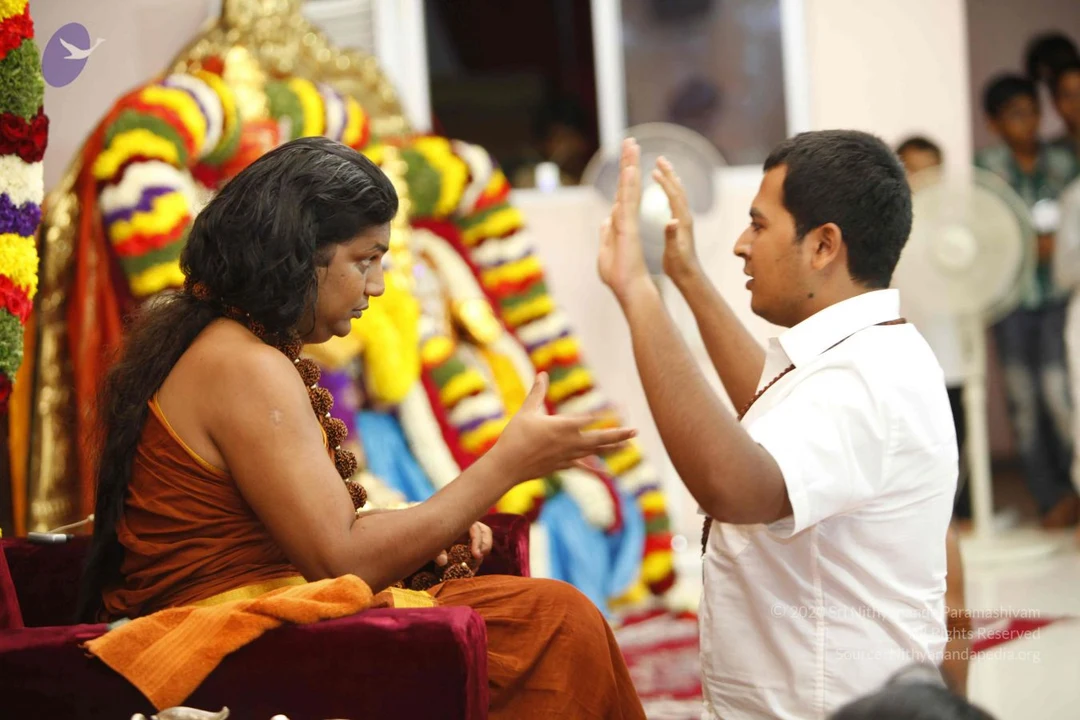
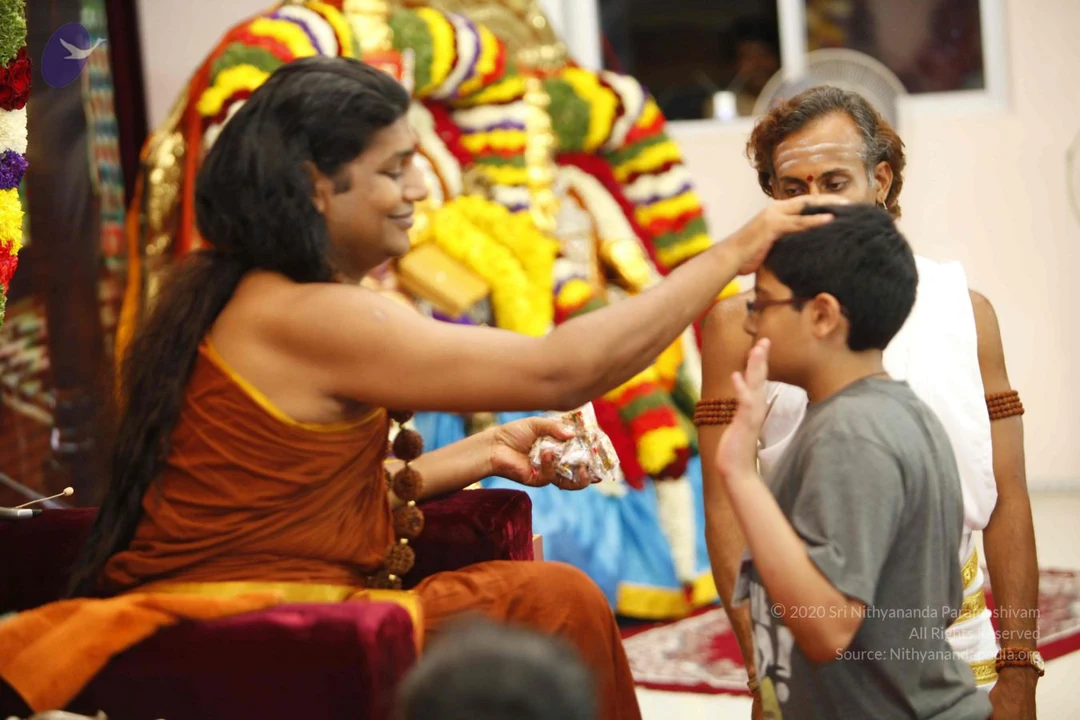
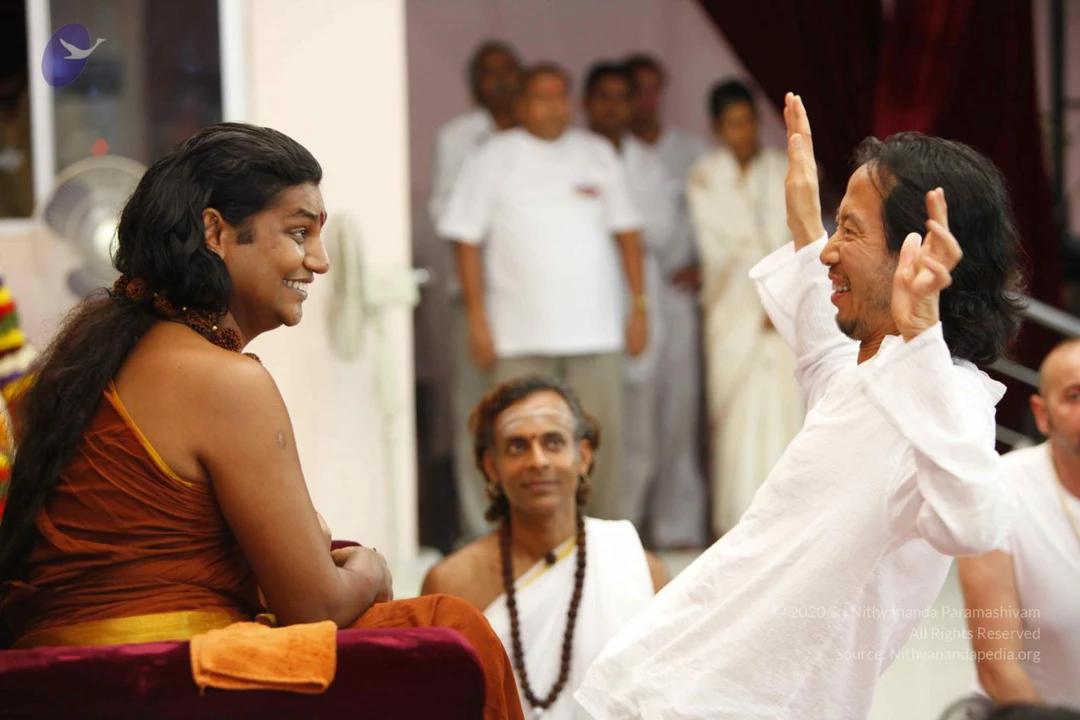
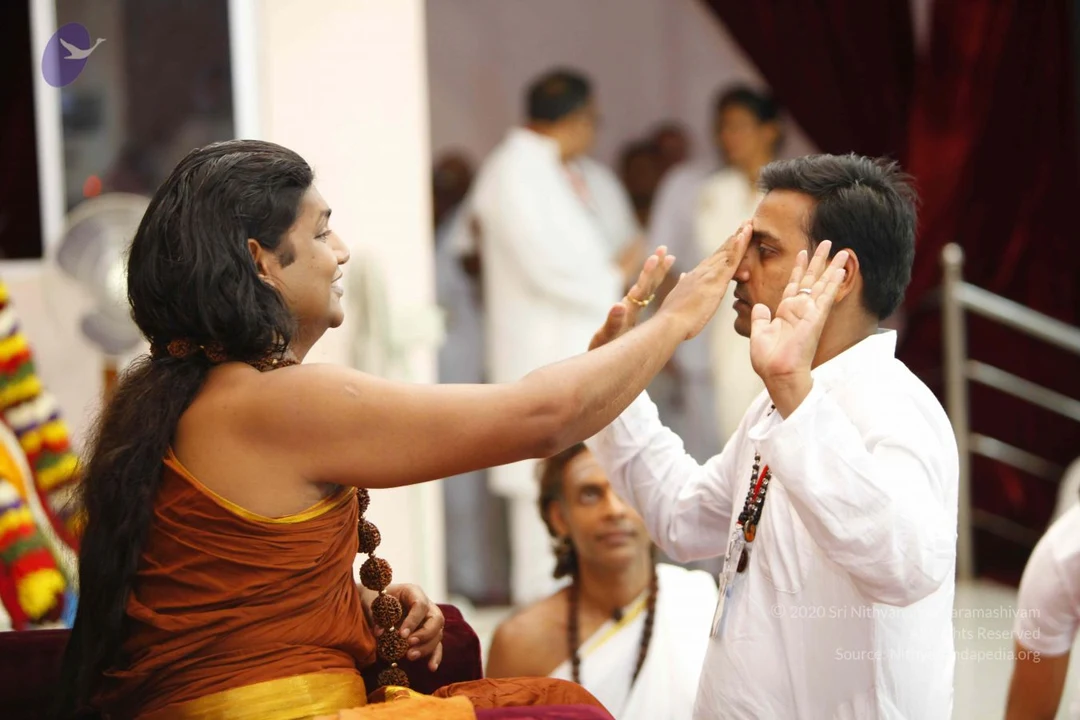
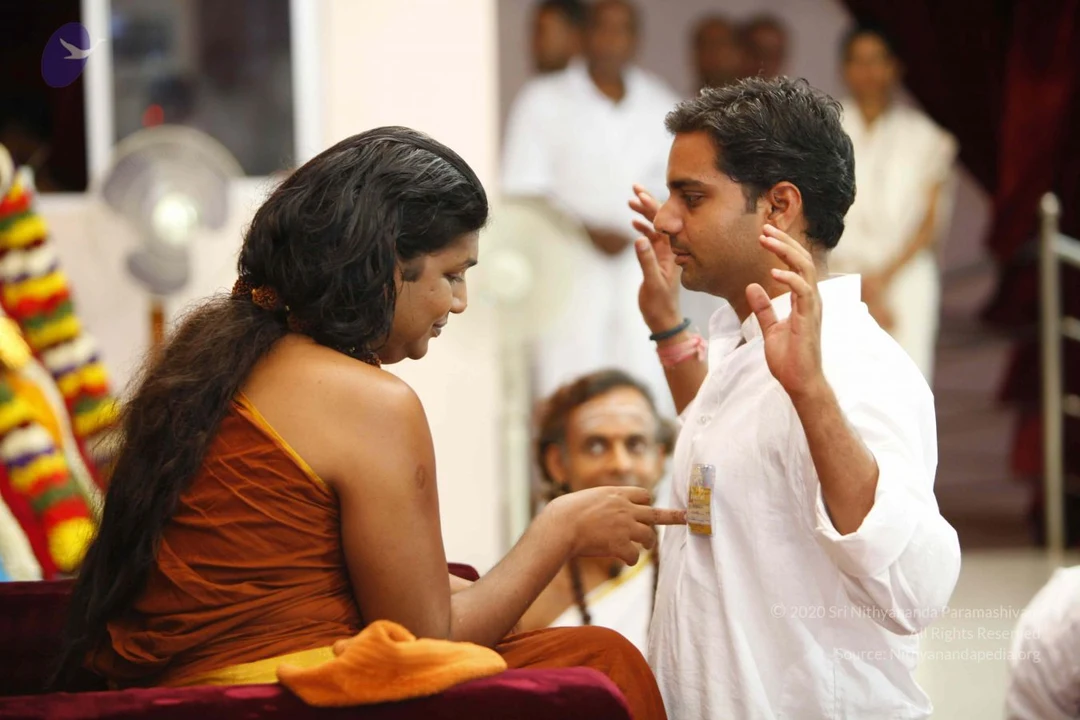
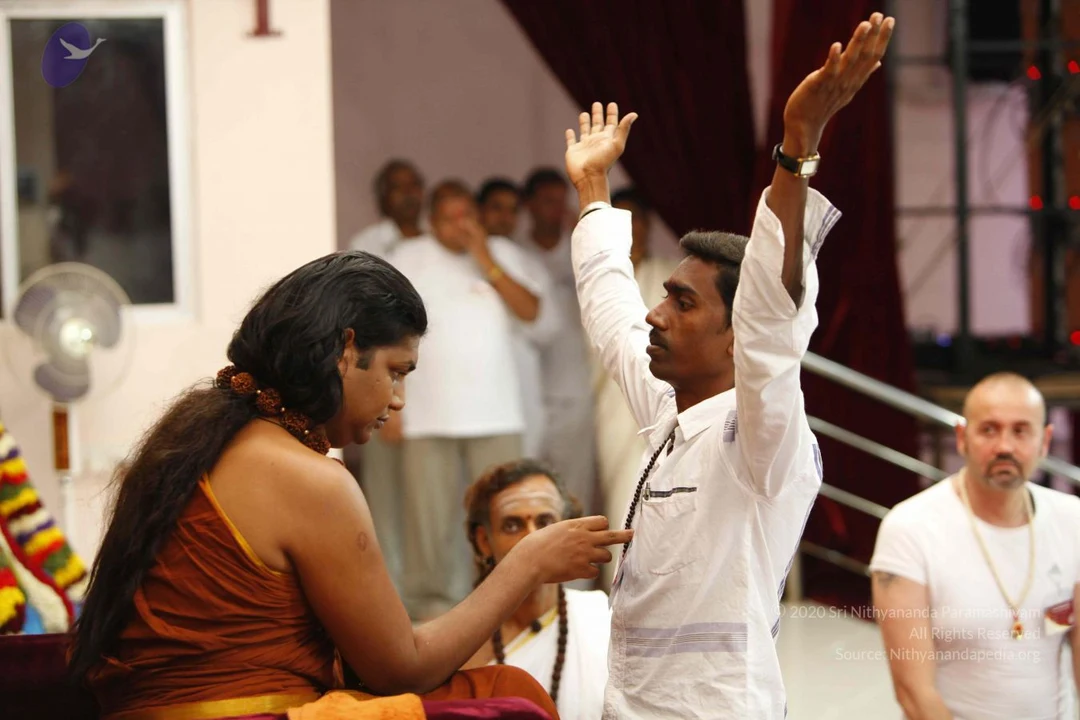
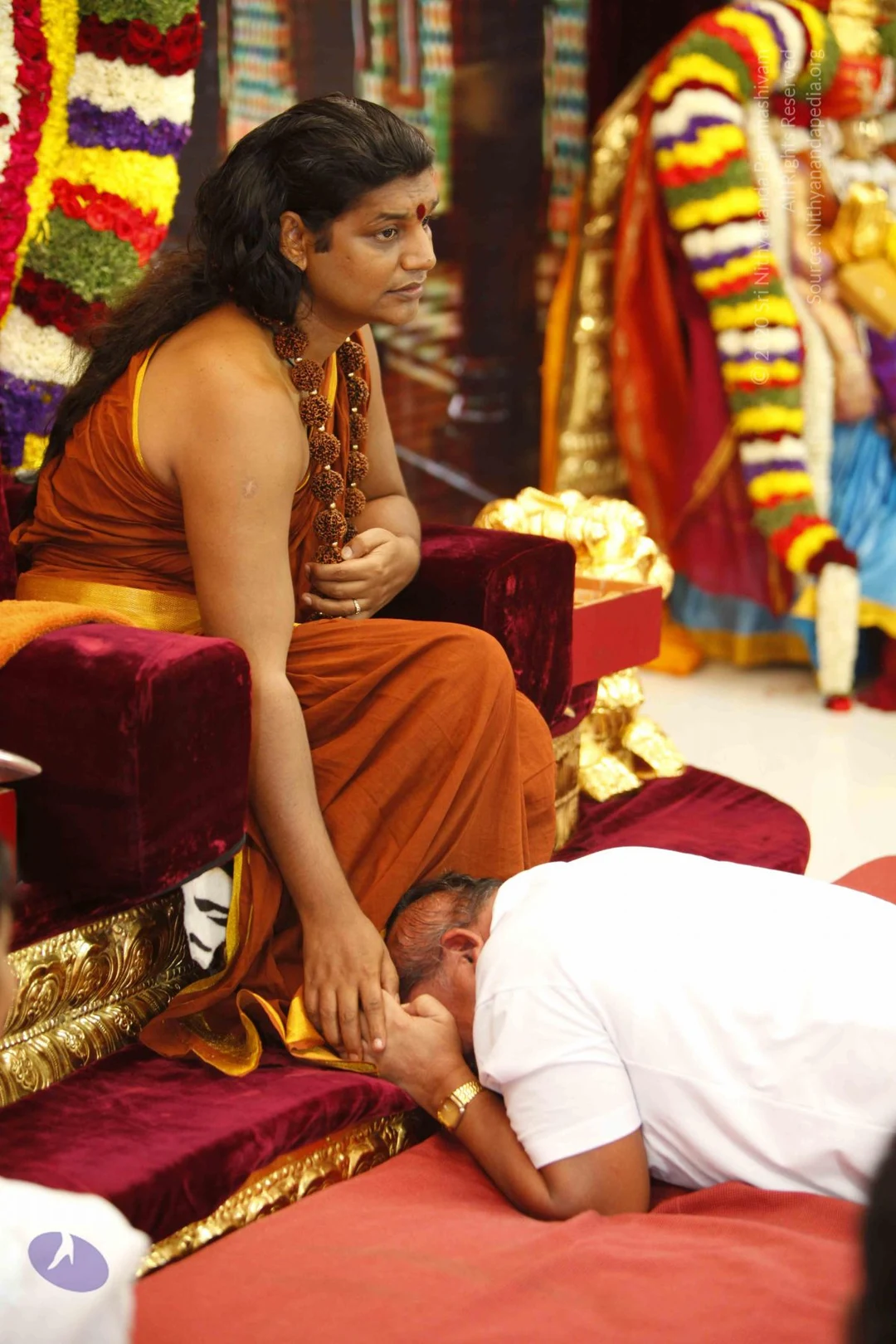
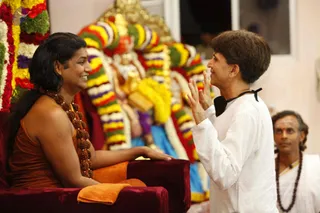
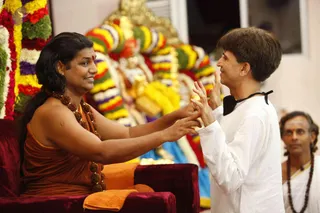
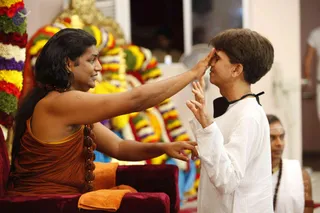
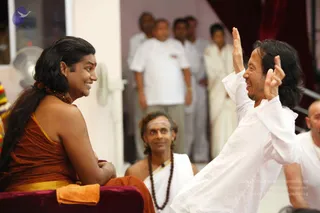
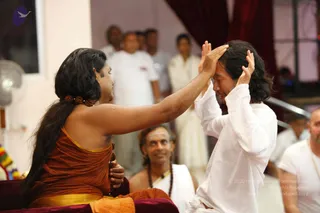
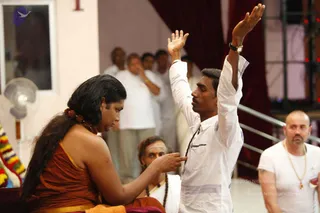
A smiling man with shoulder-length dark hair and a red bindi sits on a dark maroon throne-like seat in front of a large backdrop of garlands in yellow, red, white and purple flowers. He wears an orange-saffron shawl over a bare chest and a long rudraksha mala with a gold-toned clasp. His right hand rests on the armrest and his left hand is raised slightly in front. The setting suggests a ceremonial satsang seat decorated with flowers.A photograph of two people in conversation before a richly garlanded deity murti. On the left, a long-haired person in an orange robe and a rudraksha mala sits on a maroon cushioned seat, smiling, with one hand resting on the seat and an orange cloth beside them. On the right, a man in a white kurta with a black bow tie gestures with both raised palms toward them. Behind, a garland of yellow, red, green and white flowers frames the deity murti, and a man in white with a tilak and a beaded necklace sits at the right edge. The setting is a bright indoor hall with a window at the top right.A photograph of a seated person in an orange-brown sannyasi-style wrap with long dark hair, a red bindi and a long rudraksha mala, sitting on a deep red velvet seat with an orange cloth draped over the arm. Facing them, a man in a white kurta with a black bow tie gestures with both raised hands in conversation. Behind them stands a large deity murti or decorated figure garlanded with multicoloured flower garlands in yellow, red, green and purple. A third man at the right edge wears white with a vertical tilak and rudraksha beads.A seated figure in an orange-brown saffron robe with a long dark braid and rudraksha mala beads presses a hand to the forehead of a young man in a white kurta with a black bow tie. The seated figure's other arm is extended toward him, and a bright floral garland of red, yellow and white flowers hangs behind them. A third man in white with a rudraksha mala watches from the right edge. The seated figure rests on a deep maroon cushioned seat with an orange cloth draped on the armrest. Setting appears to be a temple or ashram hall with flowered decorations.Photograph of a seated figure in an orange-saffron garment with long dark hair and a rudraksha mala, facing a man in white ritual clothes who is raising both arms in an animated gesture. Behind them, a seated man with a tilak and a rudraksha mala watches, and a group of standing devotees in white and light clothing stands near a red curtain. The setting appears to be a discourse or satsang hall, with a purple cushioned seat in the foreground.A photograph of a woman in an orange-brown sari with a gold border and rudraksha beads in her hair, seated on a maroon cushioned seat and placing both palms on the head of a man in a white kurta who kneels before her with his hands raised. Behind them, several men in white dhotis and shirts stand and watch, and a seated man in a white dhoti with rudraksha beads sits to the side. A fan and a red curtain are visible in the room.

IA

11 photosSource gallery
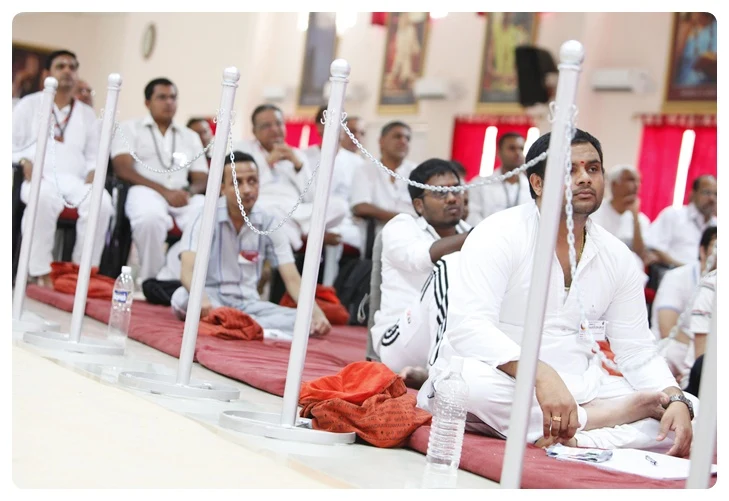
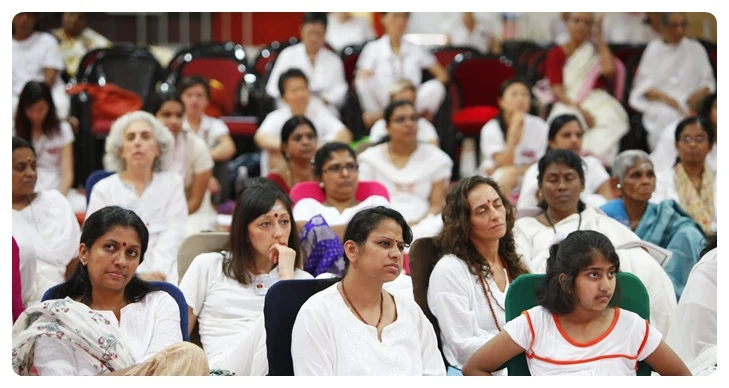
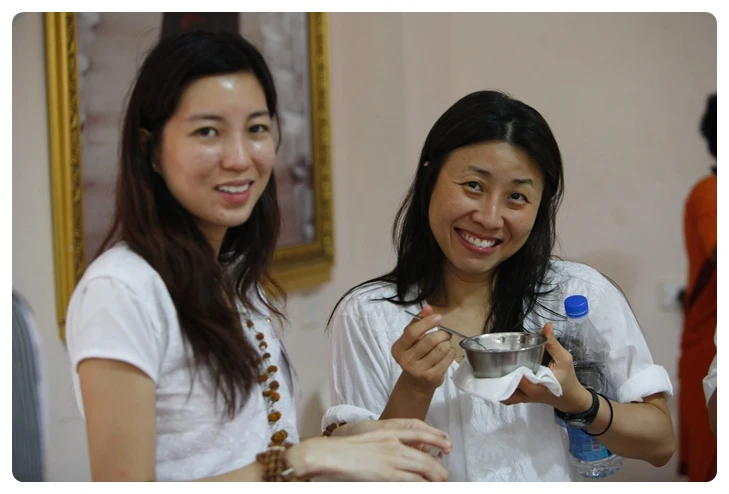
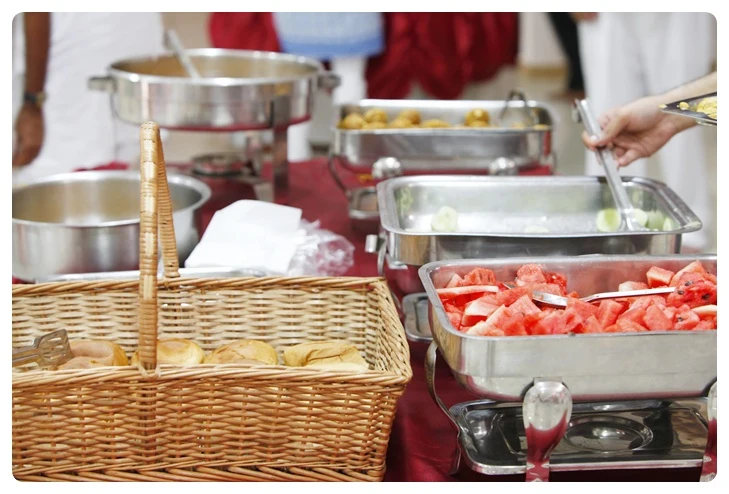
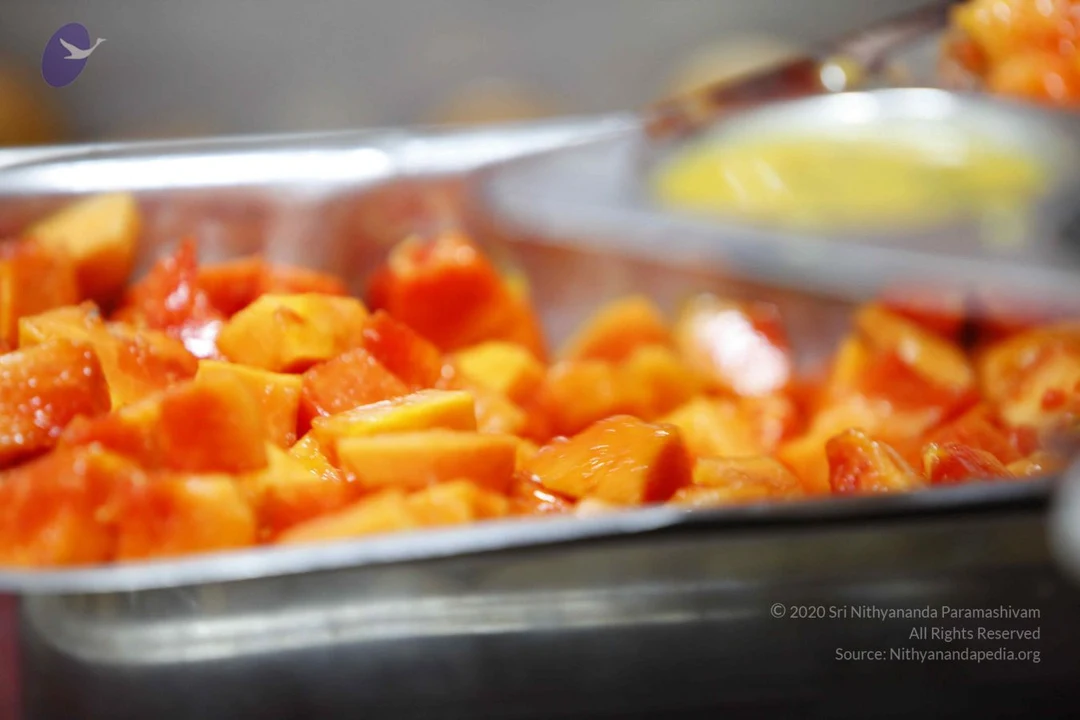
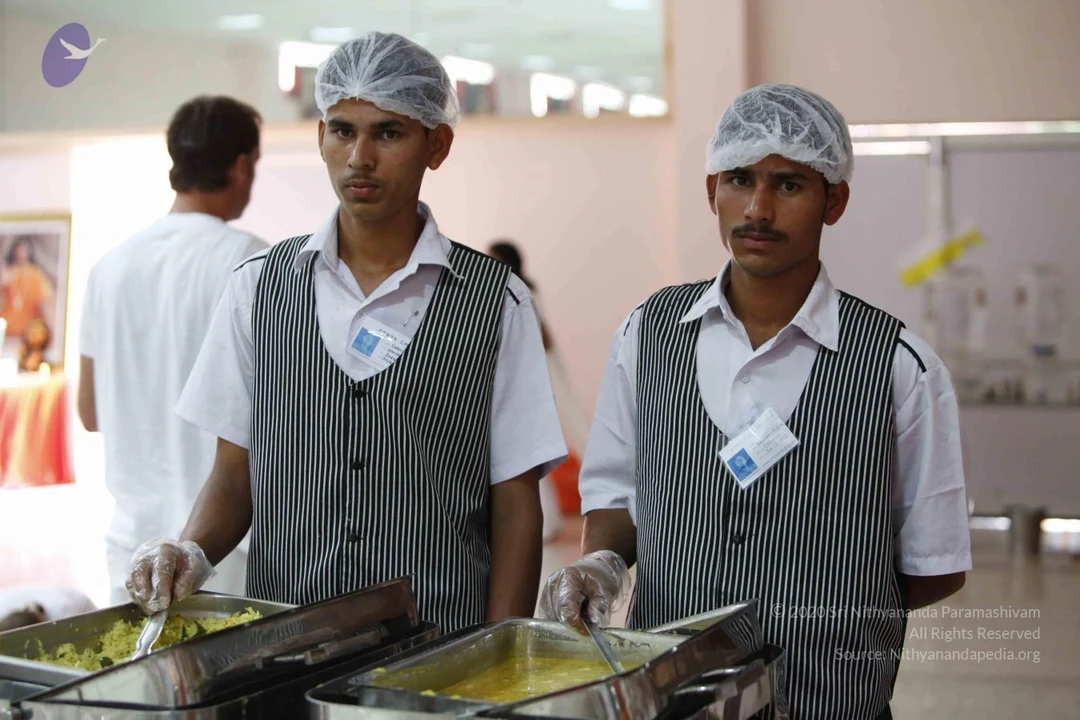
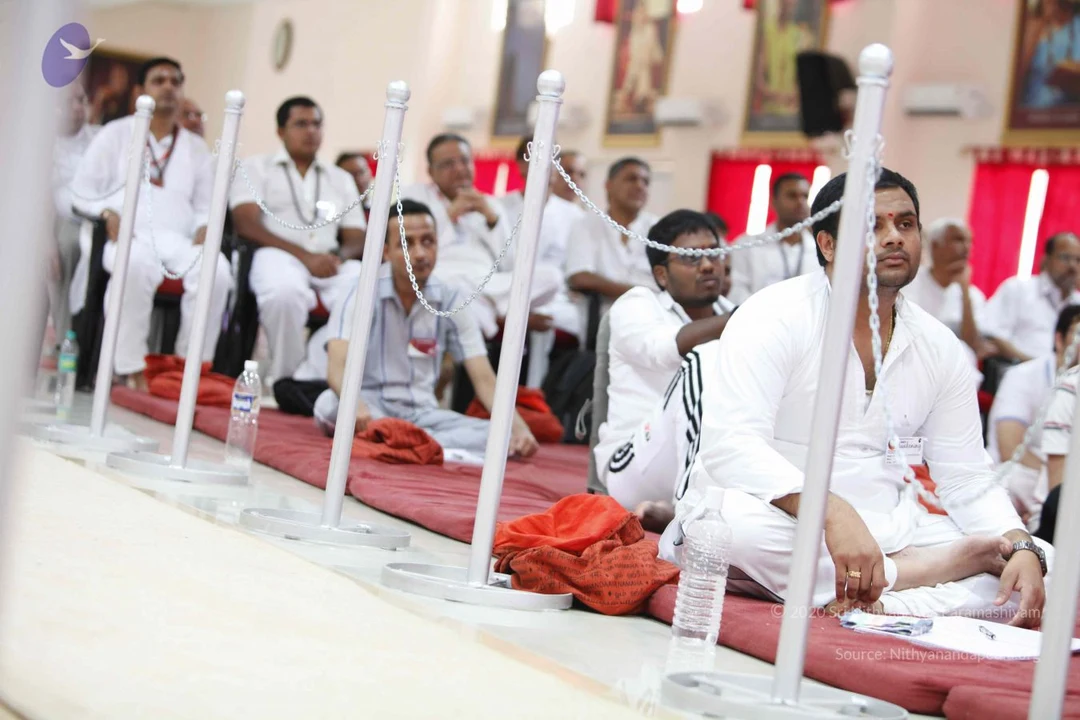
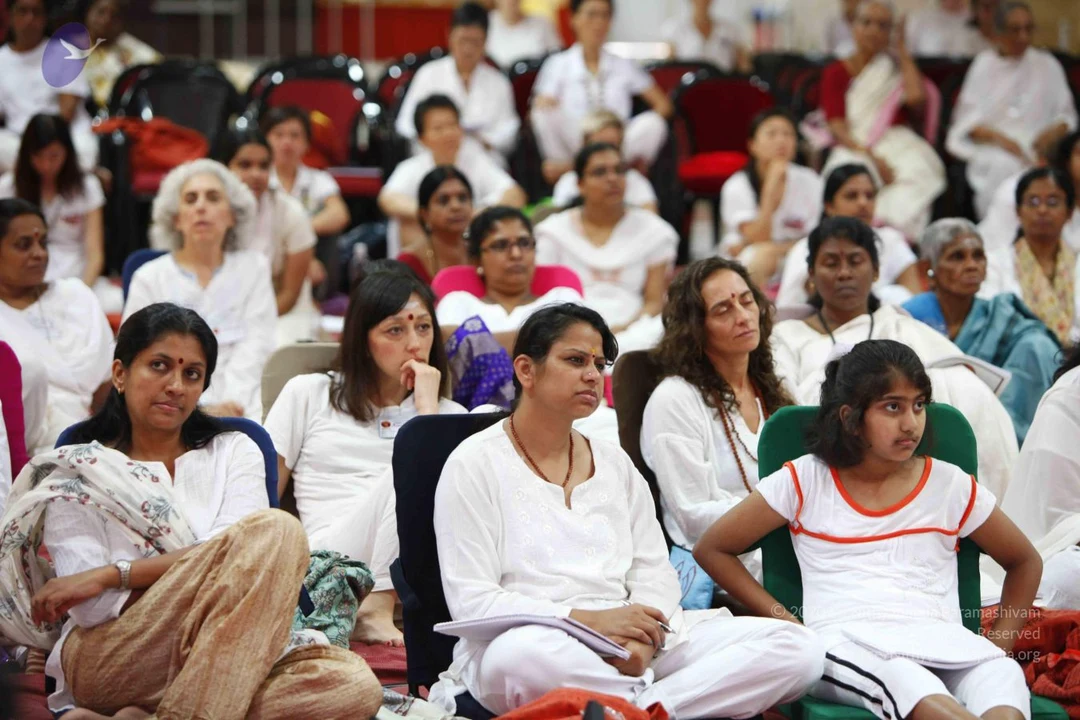
Close-up photo of a stainless steel serving tray filled with cubed ripe orange papaya pieces, glistening and slightly glossy. A blurred metal serving spoon or ladle and a pale yellow item sit in the background. No people are visible. The image is a food-serving scene.Two young men in white shirts and black-and-white striped vests serve food from steel chafing dishes on a buffet counter. Both wear white hairnets and clear plastic gloves, and each has an identity badge clipped to the vest. Yellow curry-like dishes sit in the trays. Behind them a man in a white shirt stands at a distance, and a framed portrait of a woman in orange hangs on the left wall. The setting is a bright, pale-pink hall.Two smiling women stand close together indoors in front of a cream wall and a gold-framed picture. The woman on the left wears a white t-shirt and a strand of rudraksha beads, with long dark hair. The woman on the right wears white ritual clothing with rolled sleeves, holds a small steel bowl and spoon, and has a white cloth draped over her hand. A water bottle is visible at her side, and an orange-robed figure stands partly visible at the right edge.Close-up photograph of a stainless steel tray held at an angle in the foreground, carrying a serving of diced orange and red papaya-like fruit pieces beside a folded pale green-grey flatbread, possibly a dosa or chapati, with a white sauce or chutney spread on the tray. The background is blurred, showing other steel trays or food containers. No people are visible in the frame.Seated devotees in white clothes listen in a hall with red padded mats and metal stanchions linked by chains. In the foreground a man in white kurta with a red bindi and a wristwatch sits cross-legged on the red mat, while a wrapped orange cloth and a water bottle lie nearby. Behind the chains, rows of men in white and grey shirts sit attentively. Red curtains and framed religious pictures line the walls behind them.A seated audience of women dressed in white garments fills the hall, many attending a programme with focused, attentive expressions. In the foreground a woman in a white kurta and loose cream trousers with a floral shawl sits on a dark blue chair, while a woman in white with a red bindi and rudraksha-style beaded necklace holds a notebook and pen. A young girl in a white top with orange trim sits on a green chair beside them. Others in the background wear white, saffron-toned and pastel saris, and red chairs are visible. No a person candidate is visibly present in this crowd shot.

IA-Yoga

6 photosSource gallery
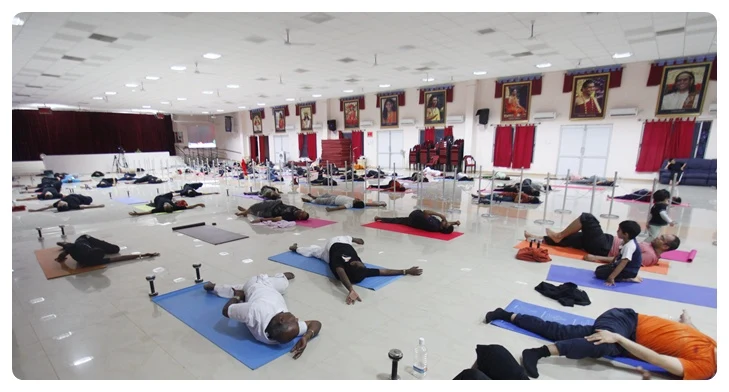
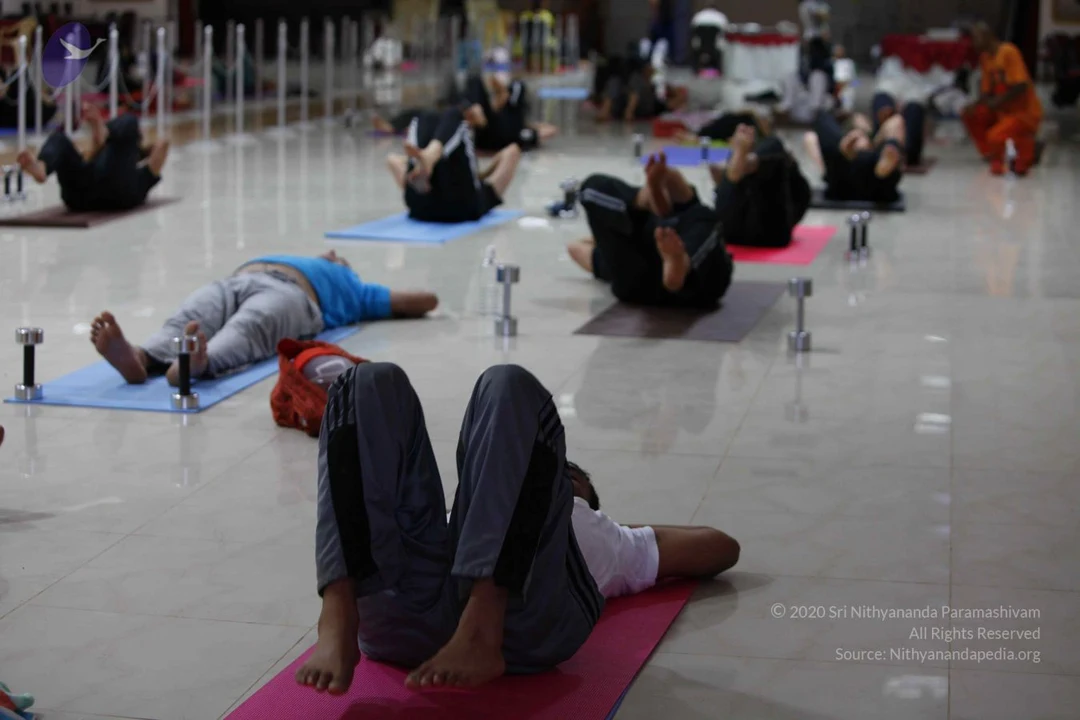
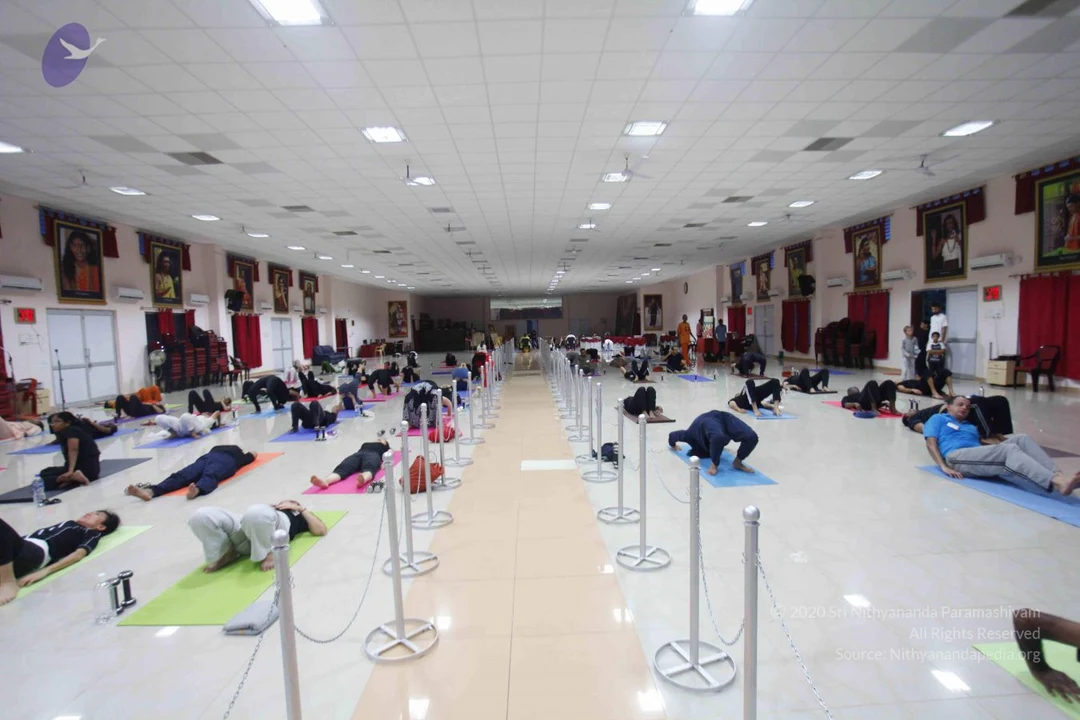
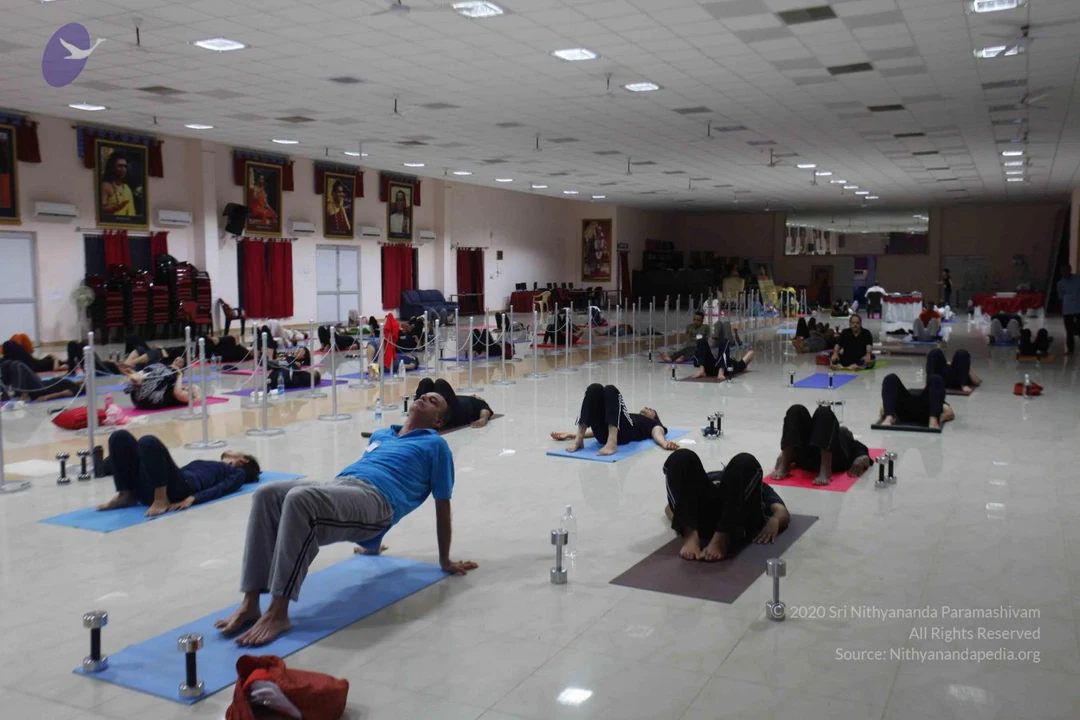
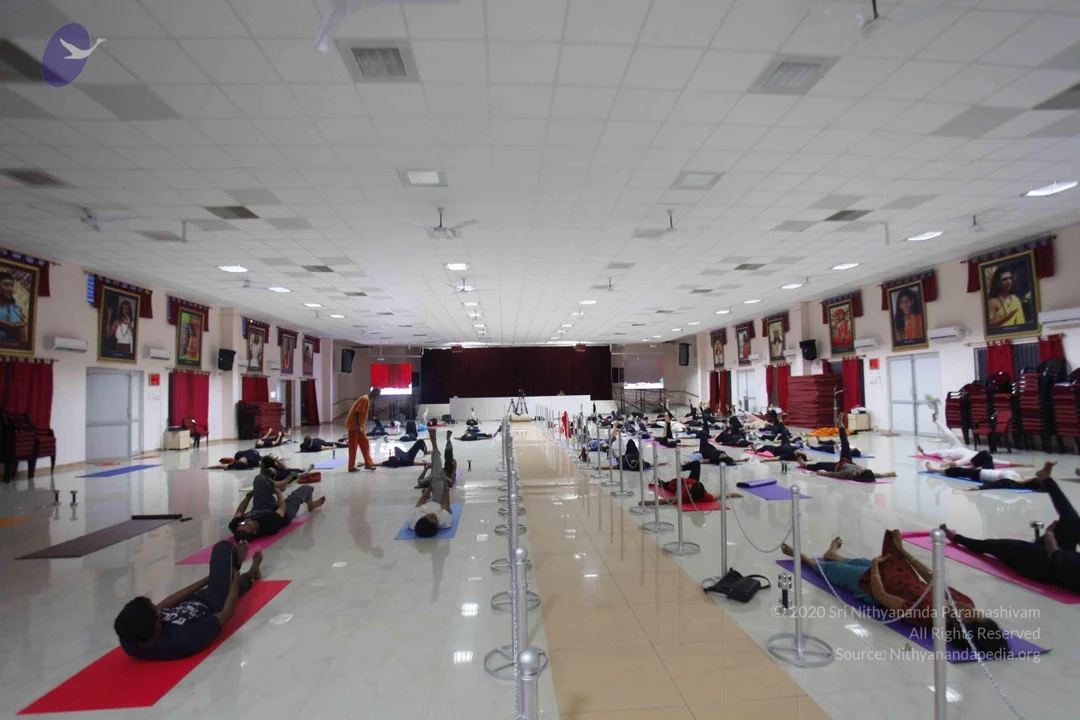
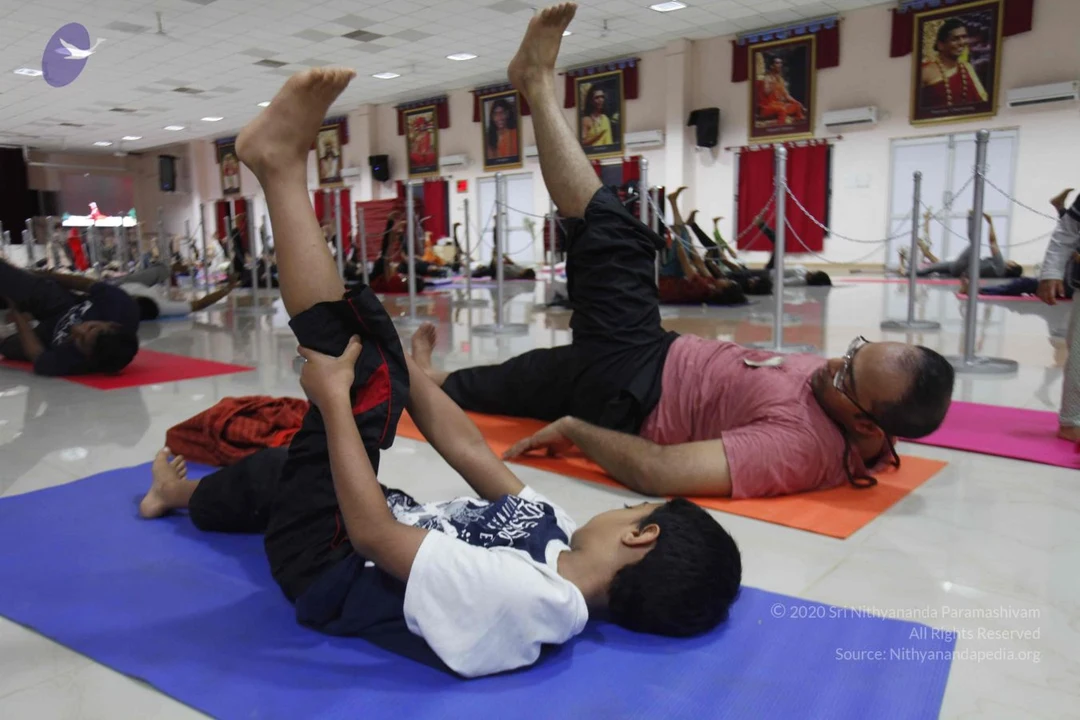
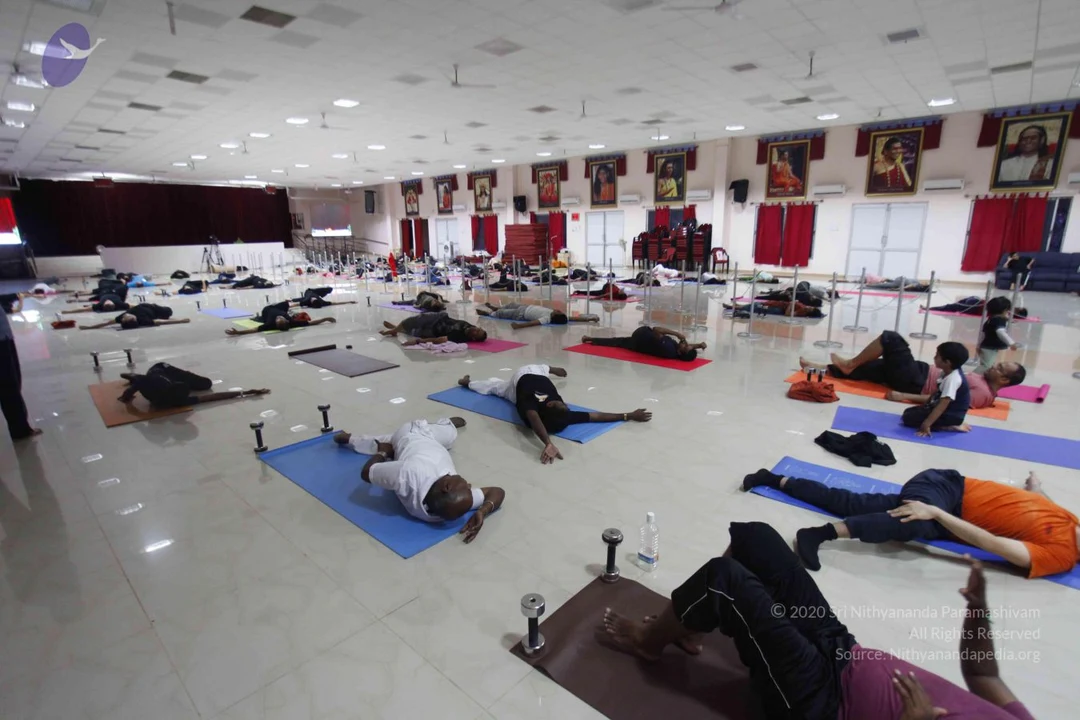
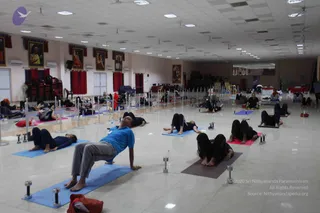
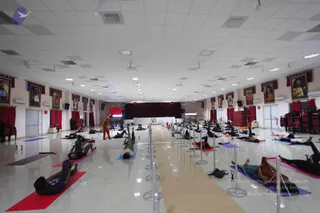
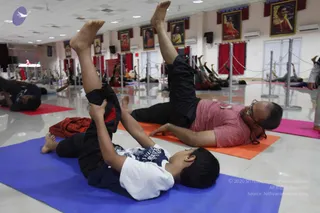
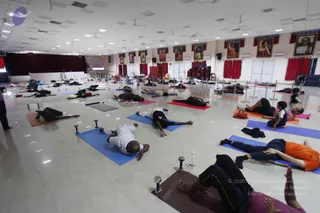
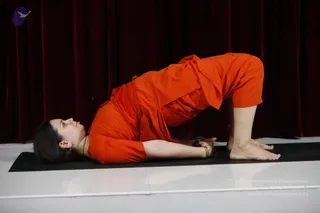
Indoor yoga session on a polished tiled floor, with several participants lying on coloured exercise mats doing supine leg and core exercises. In the foreground, a man in grey track pants with black stripes and a white top lifts his legs toward the ceiling on a pink mat. Behind him, others in dark athletic wear and a person in blue and grey clothing lie on blue, purple and brown mats. Small silver dumbbells sit between the mats. At the far right, a figure in orange robes sits upright on the floor, apart from the exercisers. Pale walls and red items in the background suggest a large hall.A large hall with cream walls and a ceiling of square lights holds a long row of participants on coloured yoga mats, lying prone and in forward-bent postures. Metal stanchions with chains divide a central aisle. Framed portraits of saints hang along the walls between red curtains. Some participants wear blue, navy and black clothing, and a person in a light blue shirt lies on a blue mat at the right. Several people stand near the far end in the background.A large bright hall with tiled floor and rows of participants doing floor yoga exercises on colored mats, several lying back in bridge or arched poses, others seated folded forward, with metal dumbbells placed between mats. Framed portraits hang on the back wall above red curtains, and red-cushioned chairs are stacked along the left. The a person flag is no, so no identity is asserted; the portraits are unidentified framed pictures.Wide photograph of a large bright hall with a white tiled floor where many participants lie on coloured yoga mats, mostly red, blue and purple, arranged in rows along aisles divided by metal stanchions and chains. A man in an orange uniform stands near the centre-left, and a stage with dark red curtains and a white platform is at the far end. Framed portraits hang along the side walls, and rows of red chairs are stacked at the right. Ceiling fans and lights are visible above.A yoga session in a large hall with framed portraits and red drapes on the walls. In the foreground, a young boy in a white t-shirt and black pants lifts his legs overhead on a blue mat, holding his feet, while an adult man in a pink t-shirt and black pants lies on an orange mat beside him, legs raised. Many other participants lie on mats in rows across the room, some on red and pink mats, with steel stanchions and ropes dividing the space.A large bright hall with white tiled floor where many people lie on yoga mats doing supine stretches or relaxation poses, some with arms outstretched. Participants wear dark tracksuits, white shirts and dark trousers, with mats in blue, red, orange and brown. Dumbbells and a water bottle lie on the floor. Along the back wall hang framed portraits of saints and gurus under red valances, with red curtains on windows and a stage at the far left. Ceiling fans and lights overhead. Practice appears to be a yoga or exercise session.

Ganapathy-Homa

77 photosSource gallery
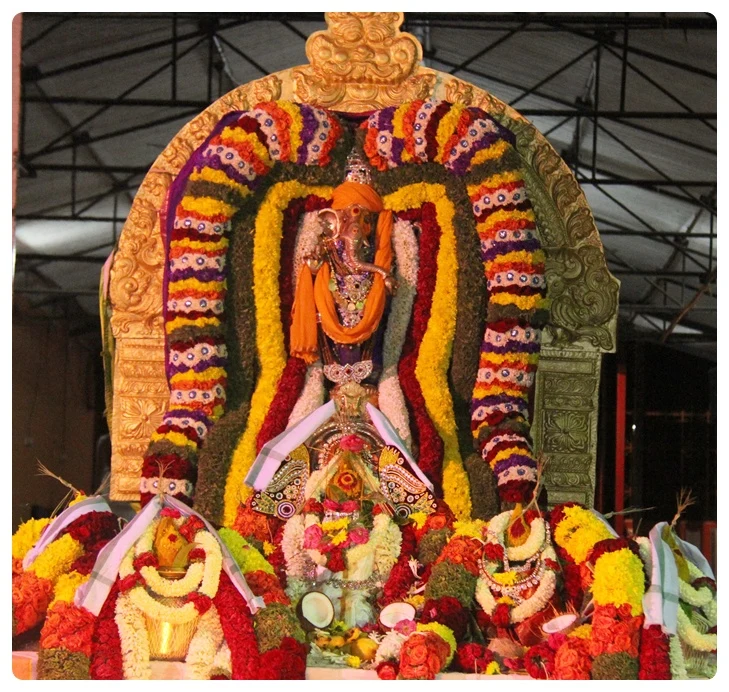
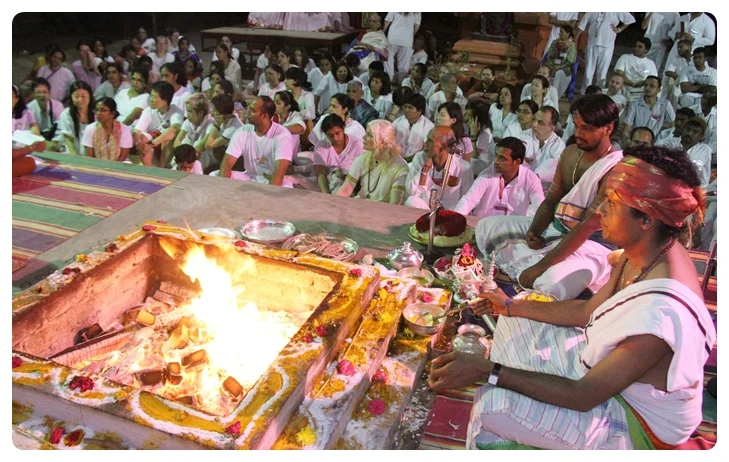
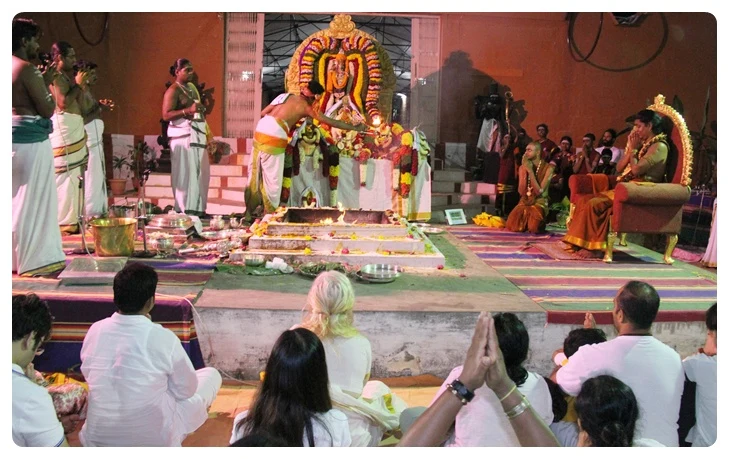
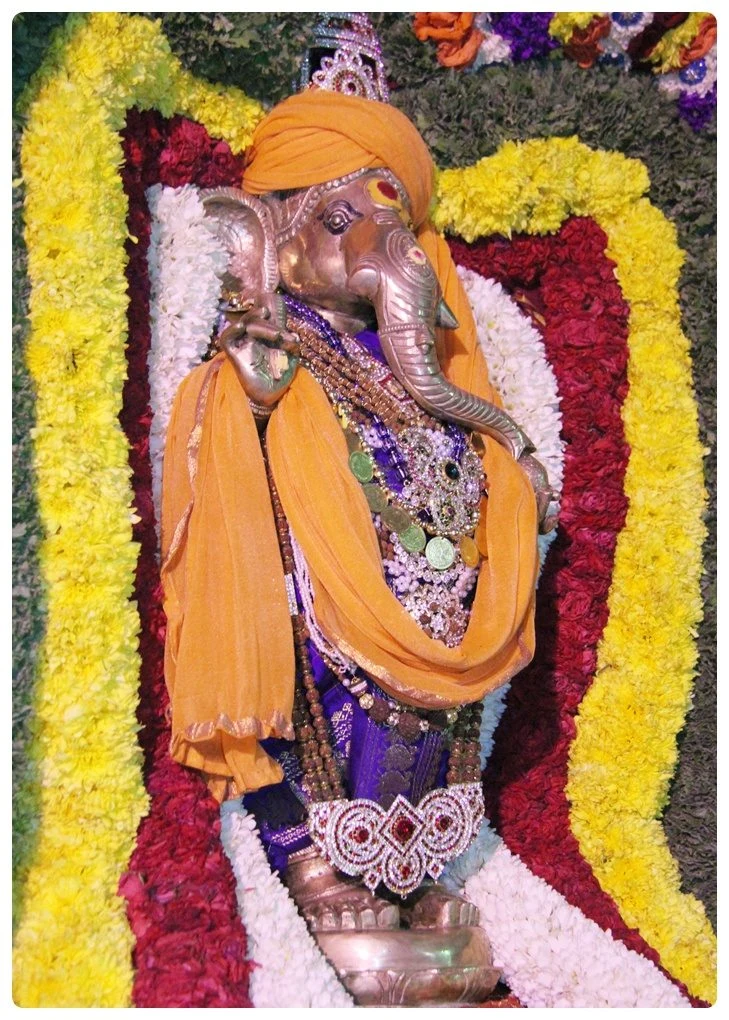
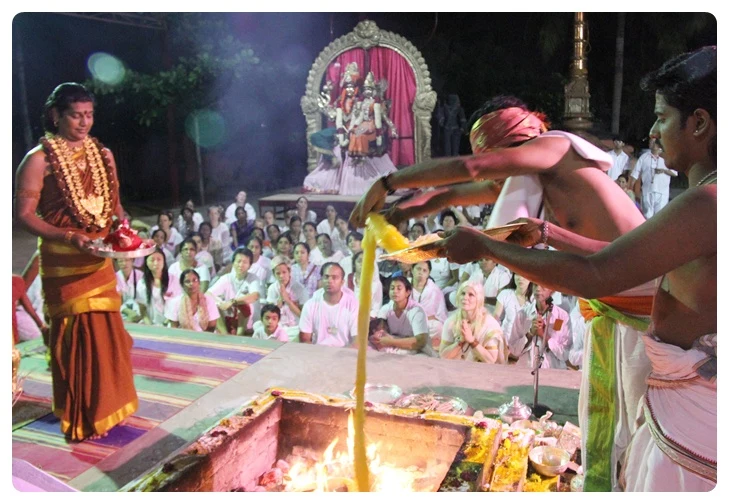
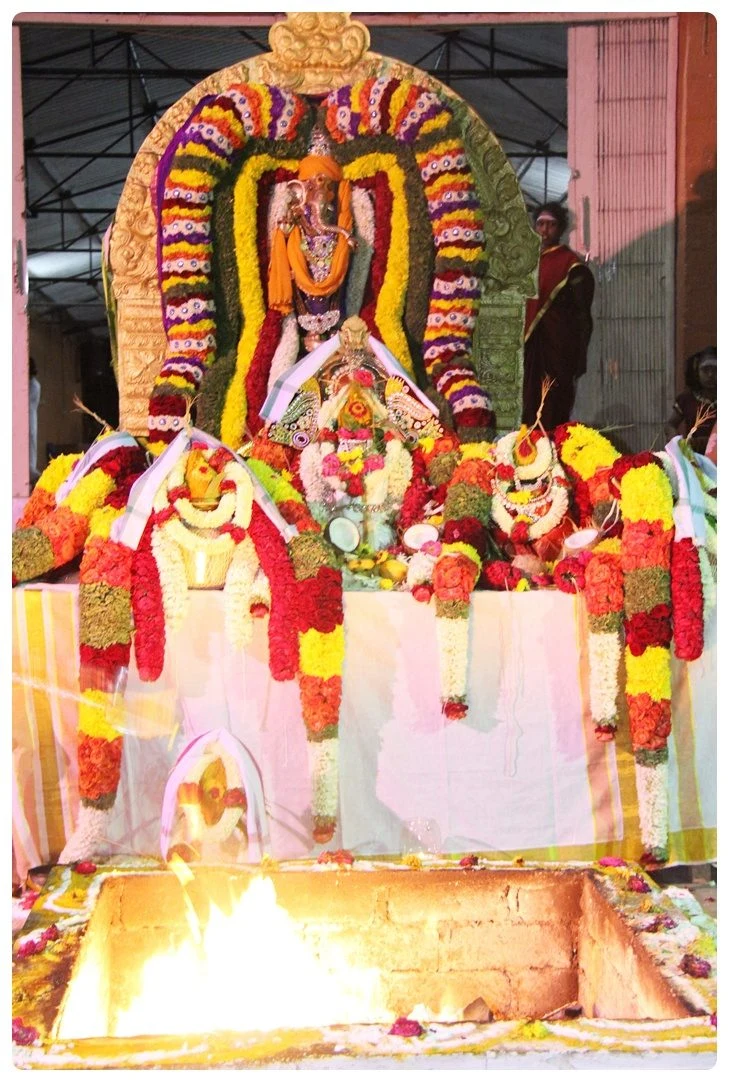
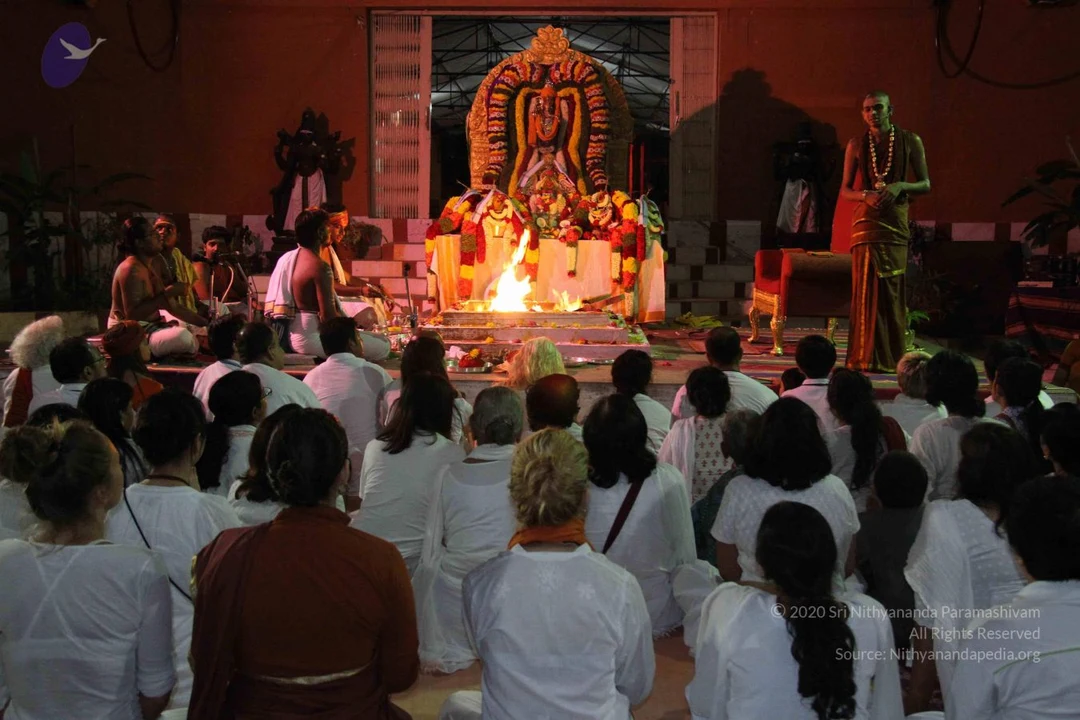
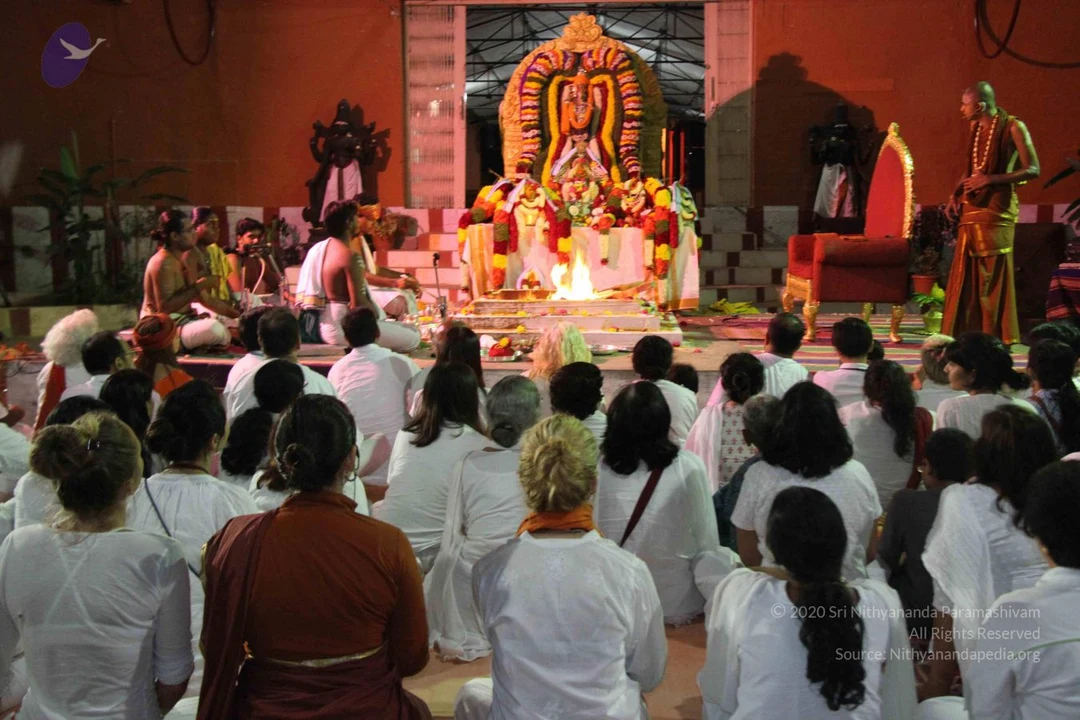
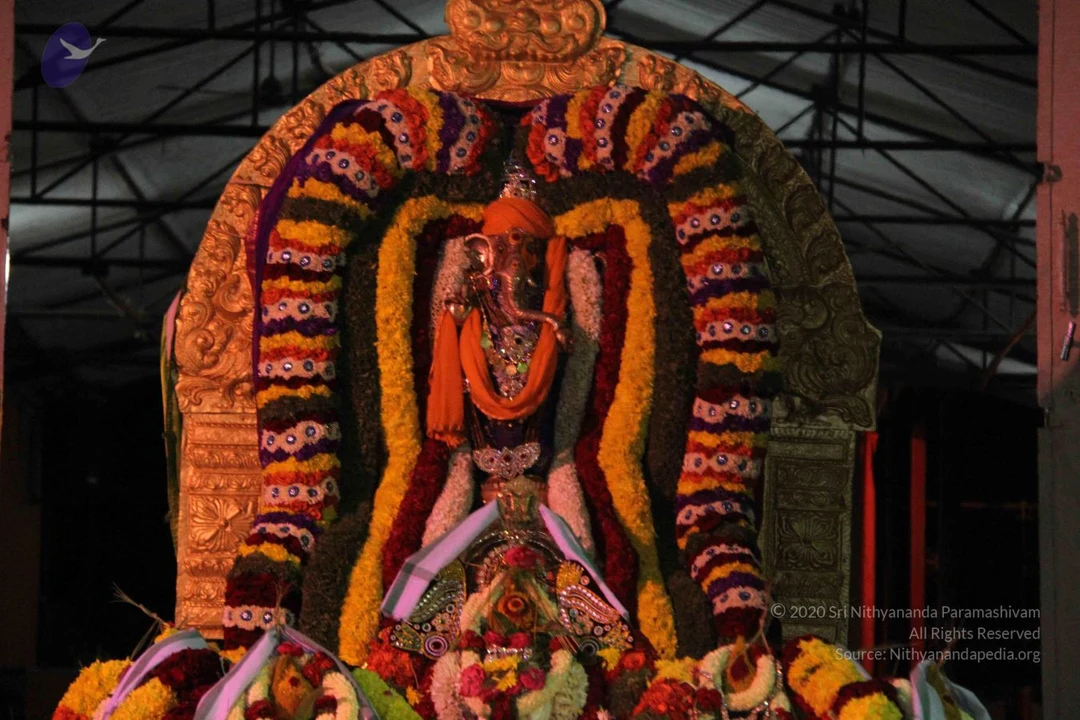
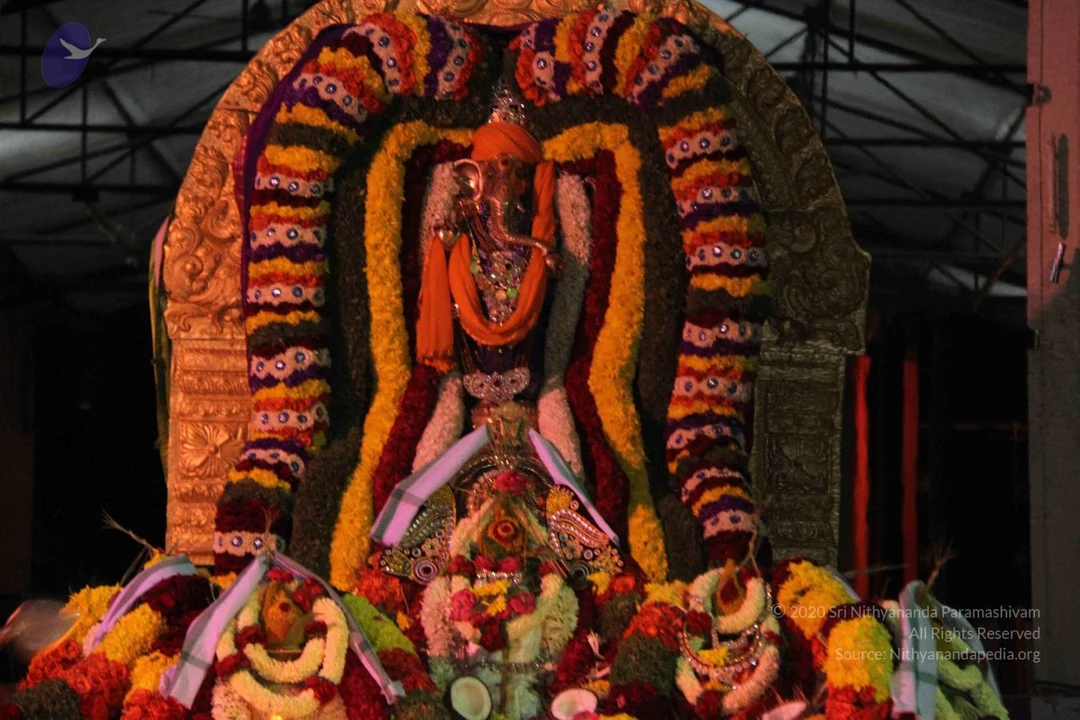
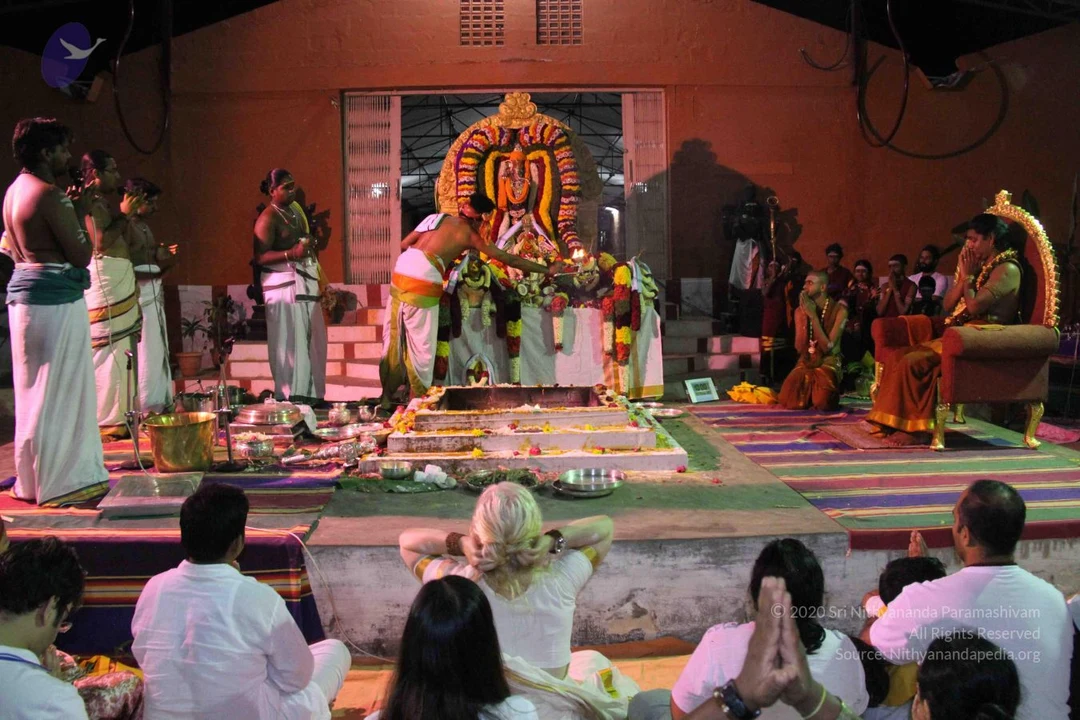
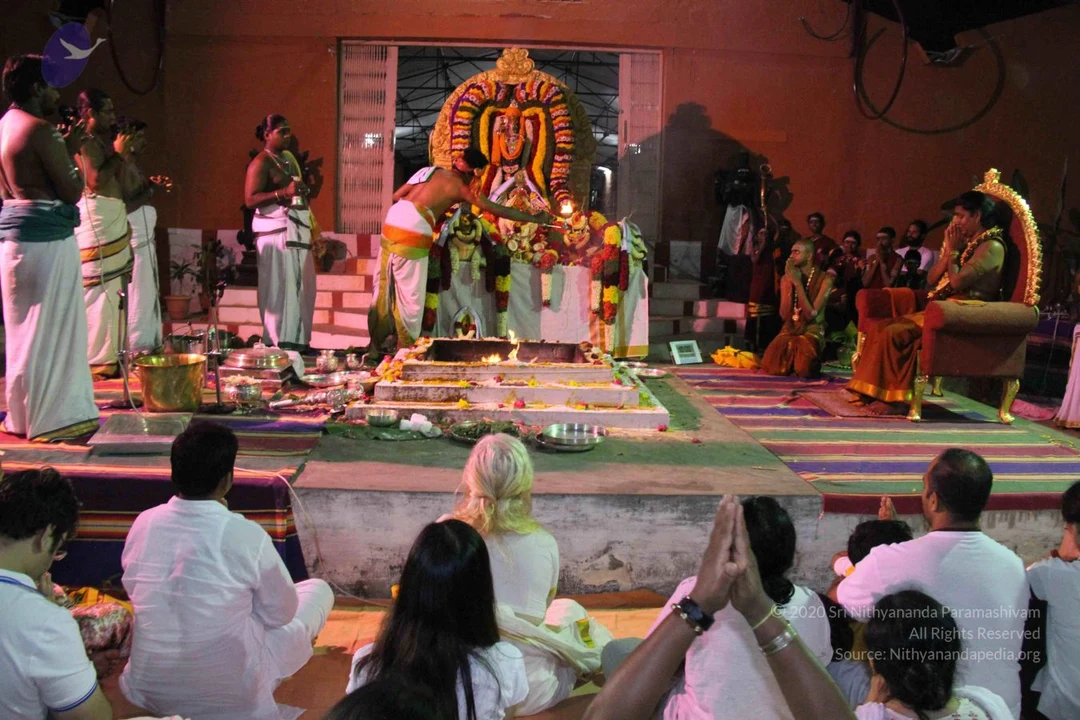
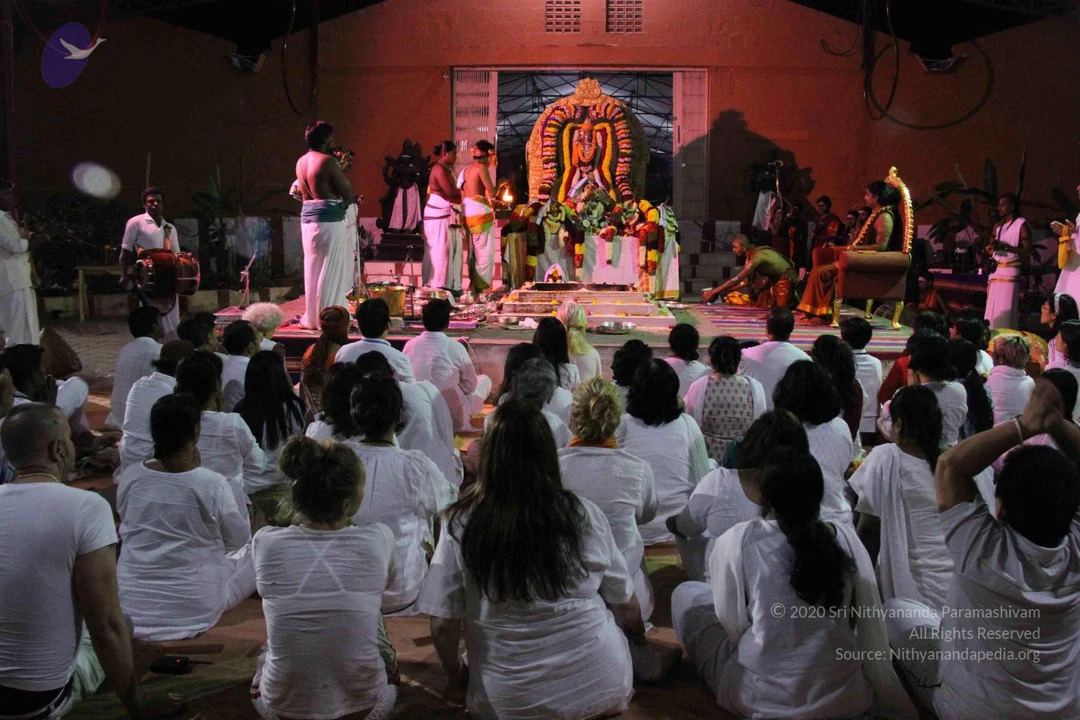
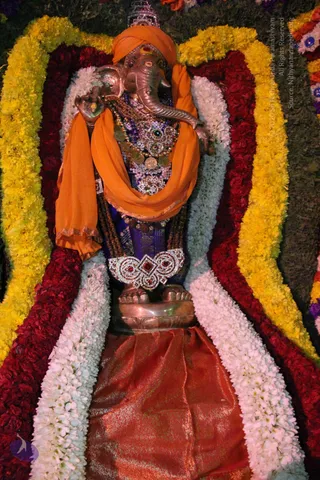
Evening ritual in a temple-style hall lit with warm orange light. At centre, a decorated deity murti stands behind a large flower-garlanded shrine framed by marigold and rose garlands, with a lit fire pit (homa) burning in front of it on a raised platform. Several seated priests in bare upper bodies and white or saffron dhotis perform the rites, one tending the fire. On the right, a standing figure in a saffron-brown robe with a rudraksha-style bead necklace gestures with one hand while speaking, beside a red-cushioned seat. Dozens of seated devotees in white clothes face the shrine, many with hair tied back, some in saffron shawls, watching the homa.A large audience in white clothes sits on the floor facing a stage during an evening ritual. At centre, a deity murti is decorated with orange and yellow flower garlands and stands behind a small fire pit with a bright flame and offerings. On the left, several seated priests with bare upper bodies and white cloths attend the fire. On the right, a standing man in an orange-brown dhoti and shawl, wearing a rudraksha mala, stands beside a red and gold seat. Oil lamps and flowers surround the altar, and the room has red walls.Photo of a ritual in an indoor hall with orange-red walls. At the centre, a deity murti is decorated with marigold and orange garlands, with a fire burning on an altar in front of it and offerings laid out. Several seated priests with bare upper bodies and white dhotis perform the rite at left, with one playing a small instrument. Rows of devotees in white clothes sit cross-legged facing the altar, many with hair tied back. On the right, a standing figure in an orange-gold robe with a rudraksha mala stands beside a red velvet chair, which may be a throne. Plants frame the stage.A photograph of a deity murti, apparently an elephant-headed Ganesha form, framed by a large arch of ornate gold-coloured carved metalwork. The murti wears an orange turban, an orange shawl draped over the shoulders, and ornate jewellery. It is covered in dense garlands of flowers in orange, yellow, red, purple and white, with decorative pink-and-white ribbons at the base. The setting is dark with a lattice-like ceiling above. No people are visible.A photograph of a deity murti of Ganesha, the elephant-headed god, decorated with a dense arrangement of garlands. The murti wears an orange cloth wrap and an orange turban-like headdress, with a bright orange and gold sash draped over its chest. Behind it, an ornate golden arch frames the murti, and it is ringed with bands of marigolds in yellow and orange alongside red and purple flower strands. Offerings in front include small pink and white flower garlands, pink cloth-wrapped trays and decorated plates. The setting is dim, with a metal roof structure overhead and no visible people.A photograph of a temple-style ritual in an ornate hall with orange walls. A large deity murti, Sundareshwara form, is decorated with marigold garlands and sits behind an altar where a fire burns in a homa pit surrounded by flower offerings and plates. Several priests in white dhotis, some bare-chested, sit and chant around the fire, one playing a small instrument. On the right, a standing man in a saffron-orange dhoti and shawl with a beaded mala holds his hands together in prayer beside an empty red and gold throne. In the foreground, around twenty seated devotees in white clothes face the altar, with some women in white saris visible. The scene centers on a fire ritual with a deity and an empty throne.

Sacred-Arts

14 photosSource gallery
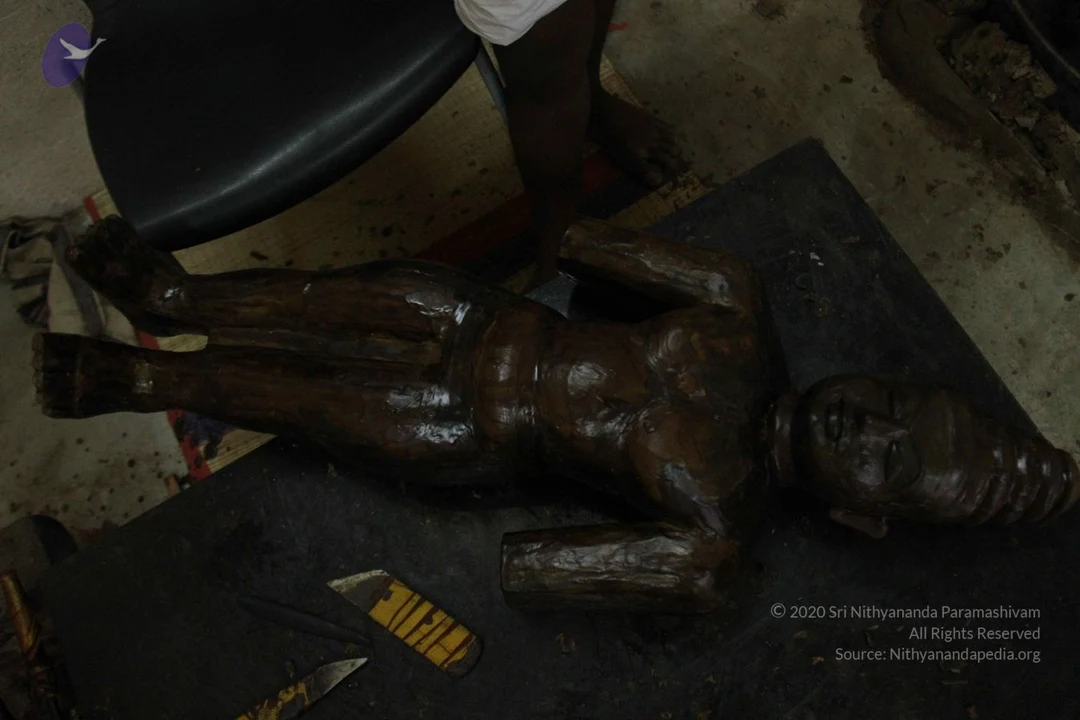
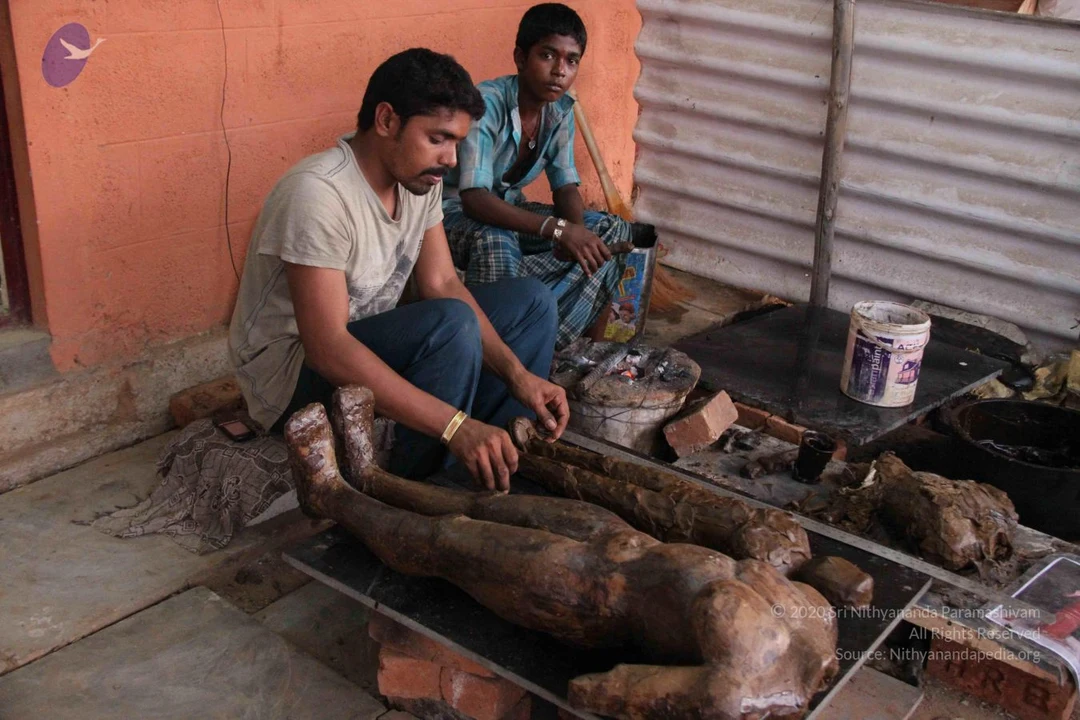
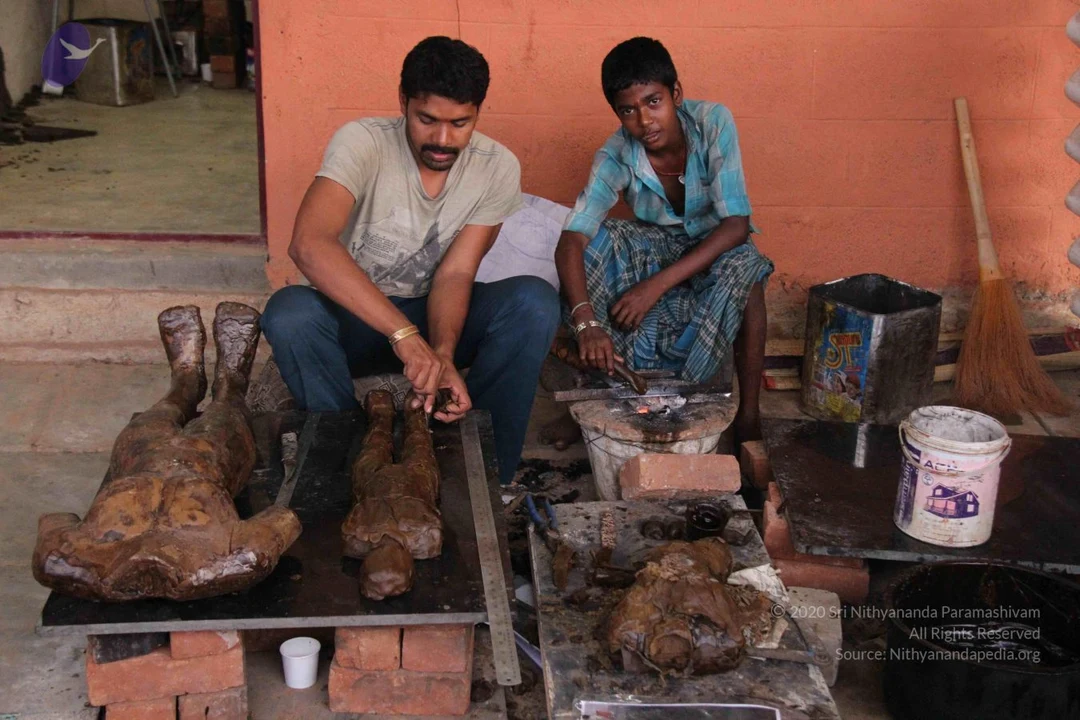
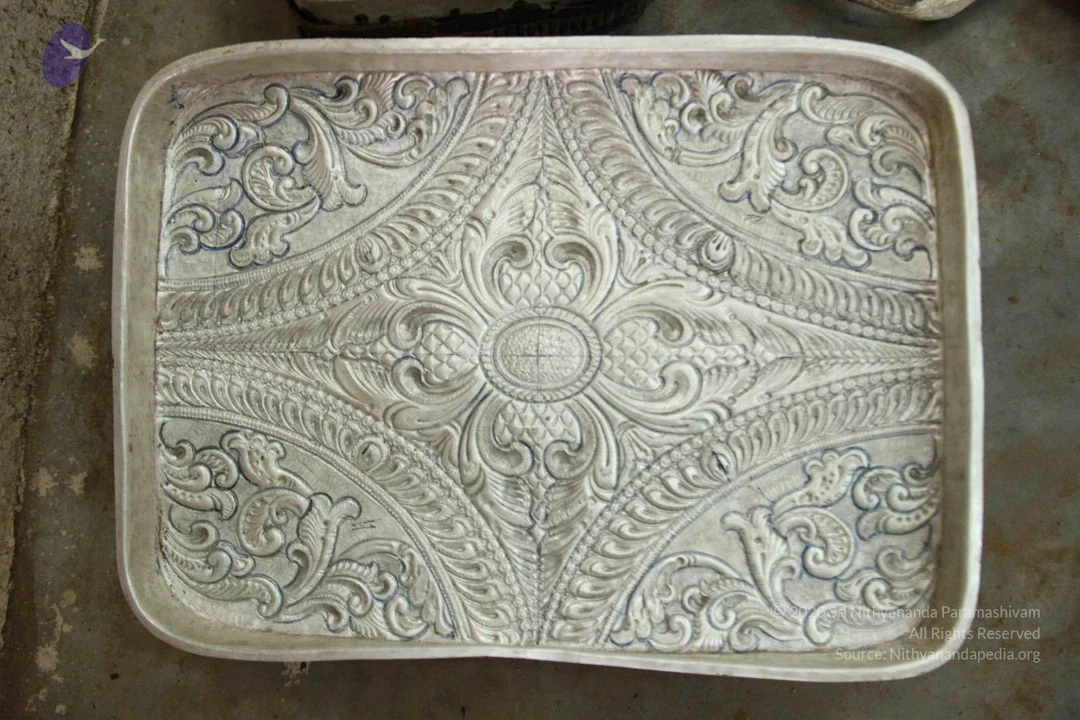
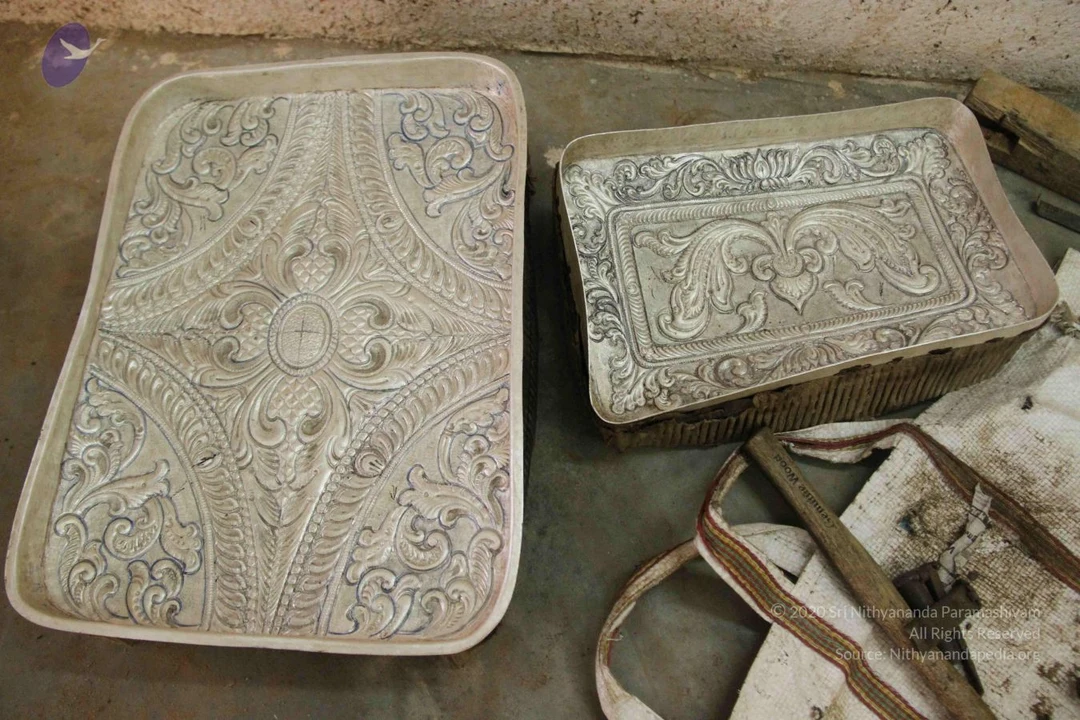
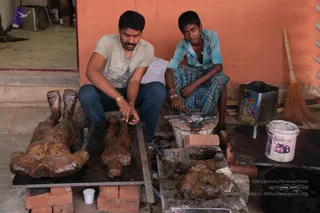
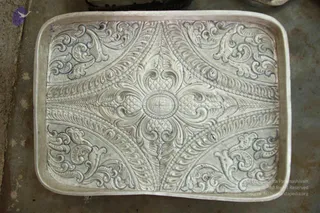
Three labourers operate a heavy handheld rock drill against a reddish-brown earth cutting. A man in a striped shirt and pale trousers, with a pink head cloth, grips the drill handles while a younger man in a grey shirt steadies the body beside him. Dust rises from the drilling point, and a yellow air hose runs along the ground. Another worker in a striped shirt and dark trousers bends over the rubble at right, and a partly visible man in a checked shirt stands at the edge. Loose stones and dry grass cover the ground.A man in a white short-sleeved shirt and white dhoti leans over a reclining wooden figure lying on a dark workbench, carving or finishing its face with a small tool. The figure is a dark-brown wooden sculpture of a reclining human form with bare legs and feet. Two carving knives with yellow handles lie on the table, a small white paper cup sits nearby, and a black chair stands against a pale concrete wall with a striped cloth hanging above. Wood shavings are scattered on the floor.A photograph of two young men working outdoors in front of an orange wall and corrugated metal sheet. A man in a grey t-shirt and dark trousers crouches on a concrete floor, shaping a large unfinished light-brown clay or plaster figure of a limb or torso lying on a dark board, with a second figure part beside it. A younger boy in a blue checked shirt and checked lungi sits behind him holding a stick and a tin. Nearby are bricks, a bucket, a small charcoal or clay fire, a dark metal stand and scattered materials. No a person appearance is visible.A photograph of two young men working in a sunlit courtyard beside an orange-painted wall. The man on the left wears a light grey t-shirt, blue trousers and gold bangles, and is filing or shaping a large rough, rust-coloured cast figure lying across a dark metal bench on red bricks. The teenager on the right wears a blue-and-white checked shirt and a checked lungi, and sits beside a small brazier with a flame. Other unfinished bronze-coloured figure parts and tools lie on tables, a white bucket, a metal waste bin and a broom stand nearby.A photograph of an ornate silver-toned rectangular tray or seat panel lying on a concrete floor, viewed from above. Its surface is densely embossed with symmetrical floral scrollwork, acanthus-like leaves, beaded borders and a central oval medallion with a cross-hair motif, surrounded by four corner scroll designs. No people are visible.Two ornately embossed silver-coloured metal panels rest on a concrete floor. The larger rectangular panel has a central quatrefoil medallion with a cross-like motif surrounded by scrolling acanthus-style foliage and curved arch designs. The smaller box-shaped piece has a framed central floral motif with lotus-like petals and a border of repoussé scrollwork. Beside them lie a wooden pole, a folded cloth and woven striped straps. No people are visible.

Deity-Darshan

10 photosSource gallery
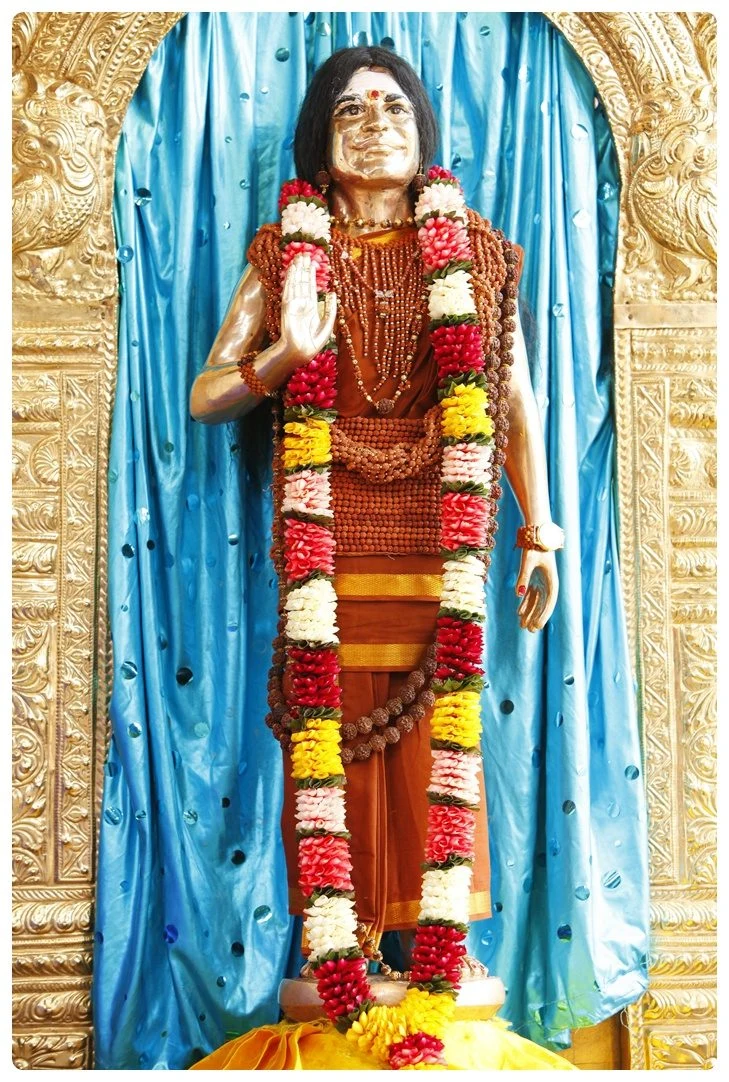
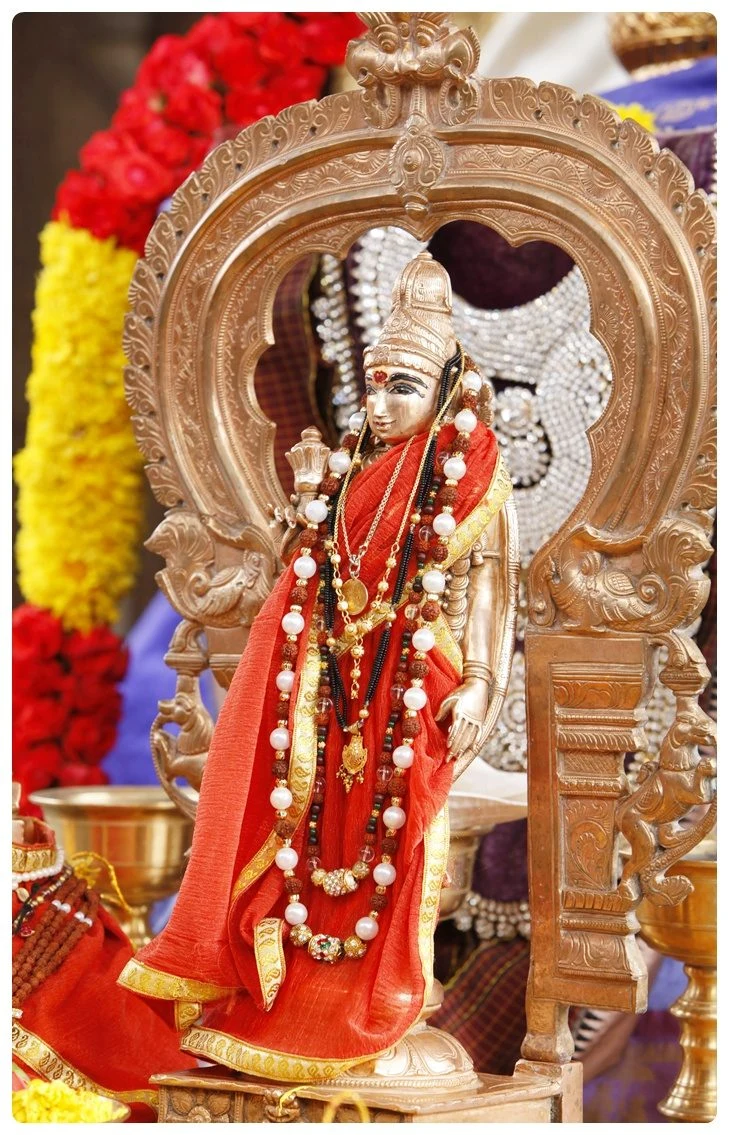
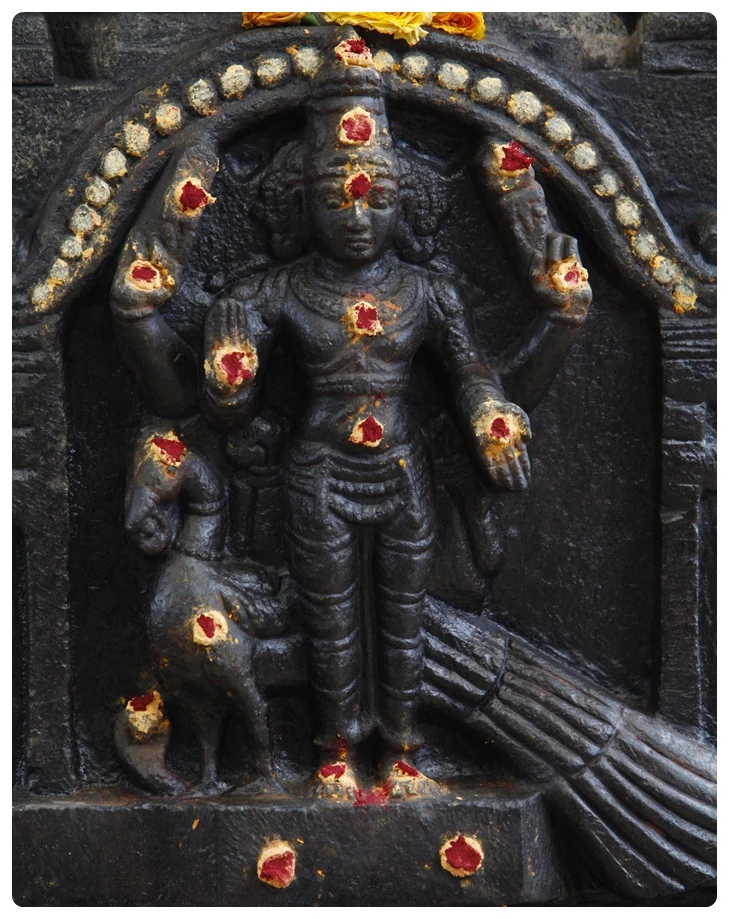
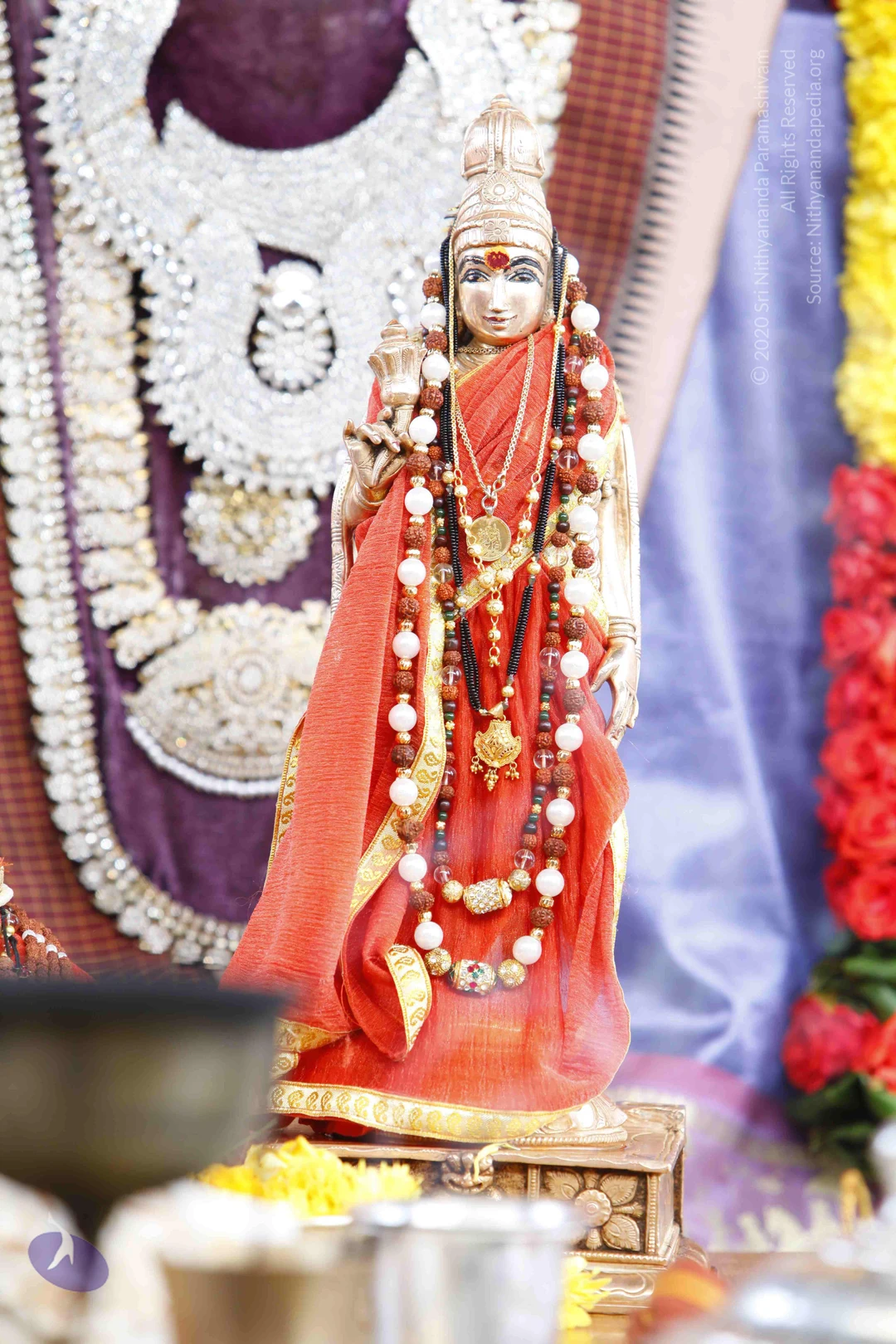
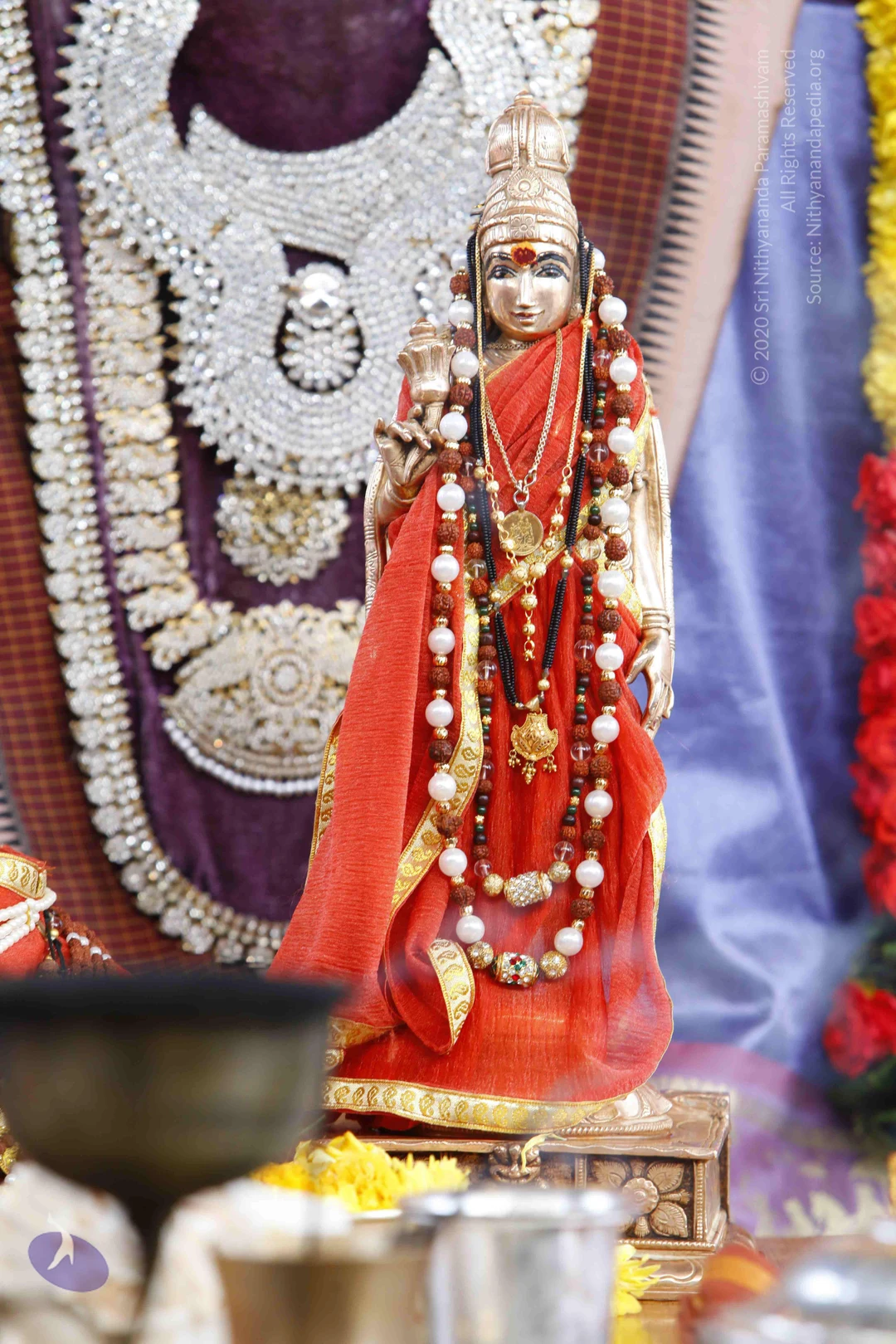
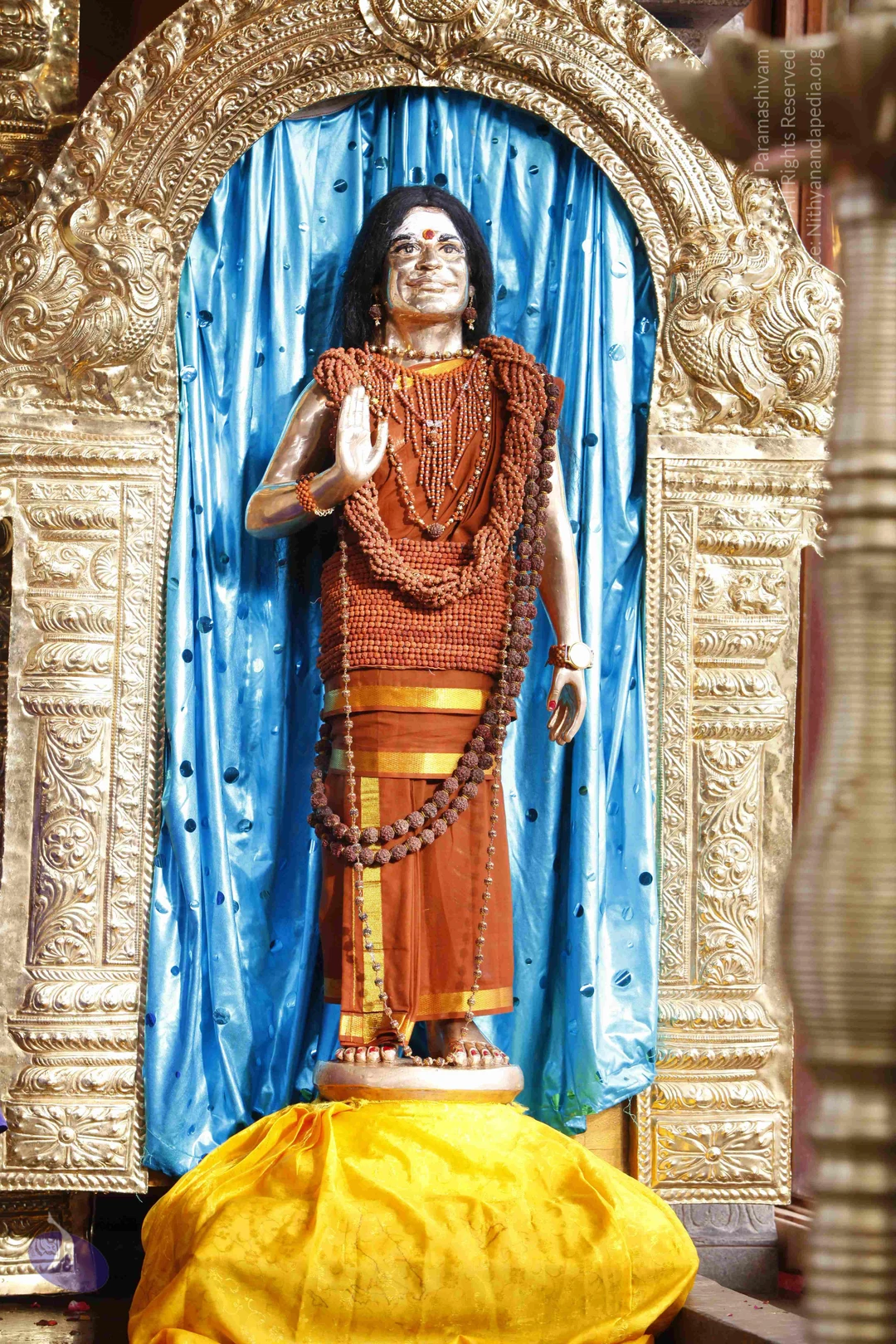
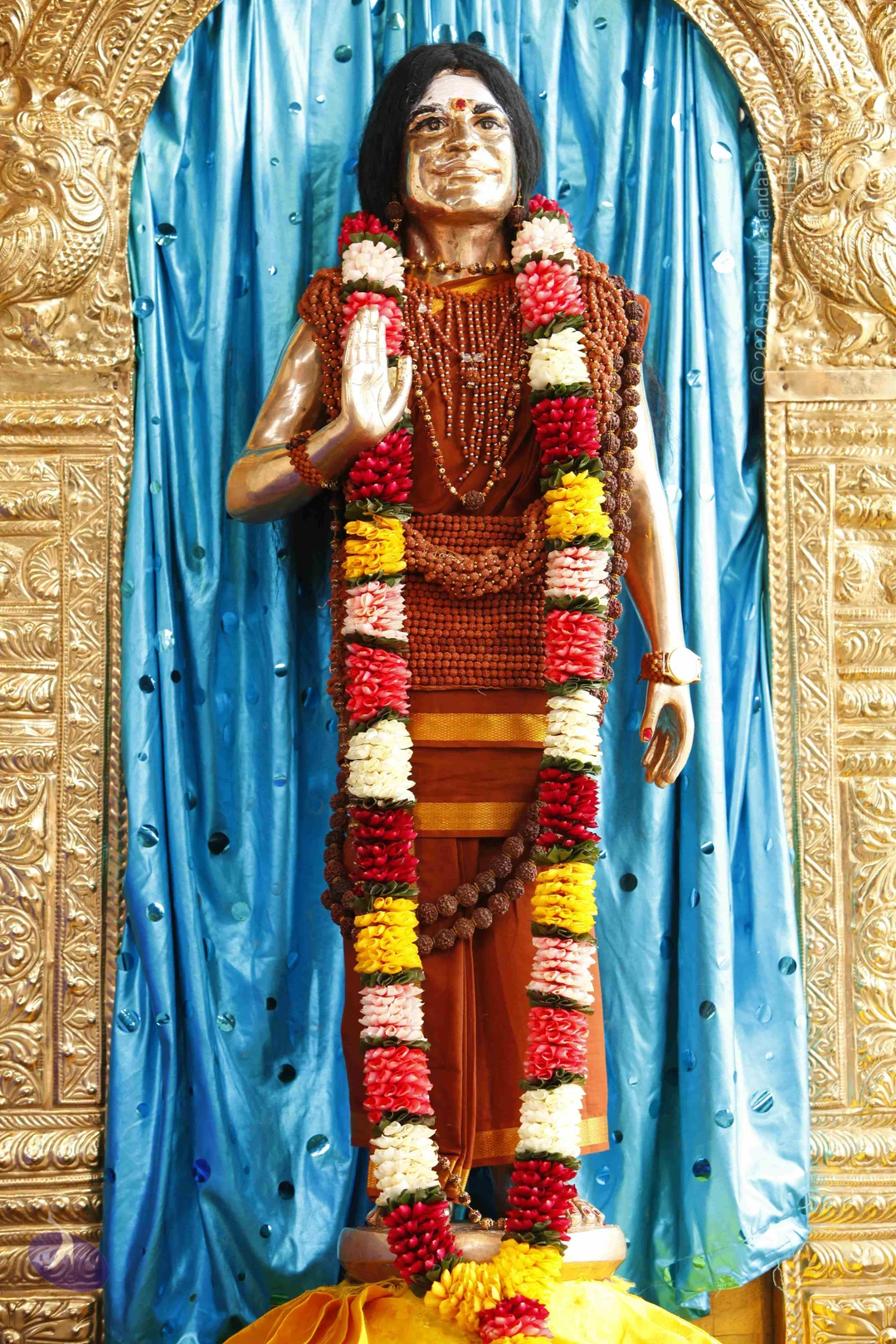
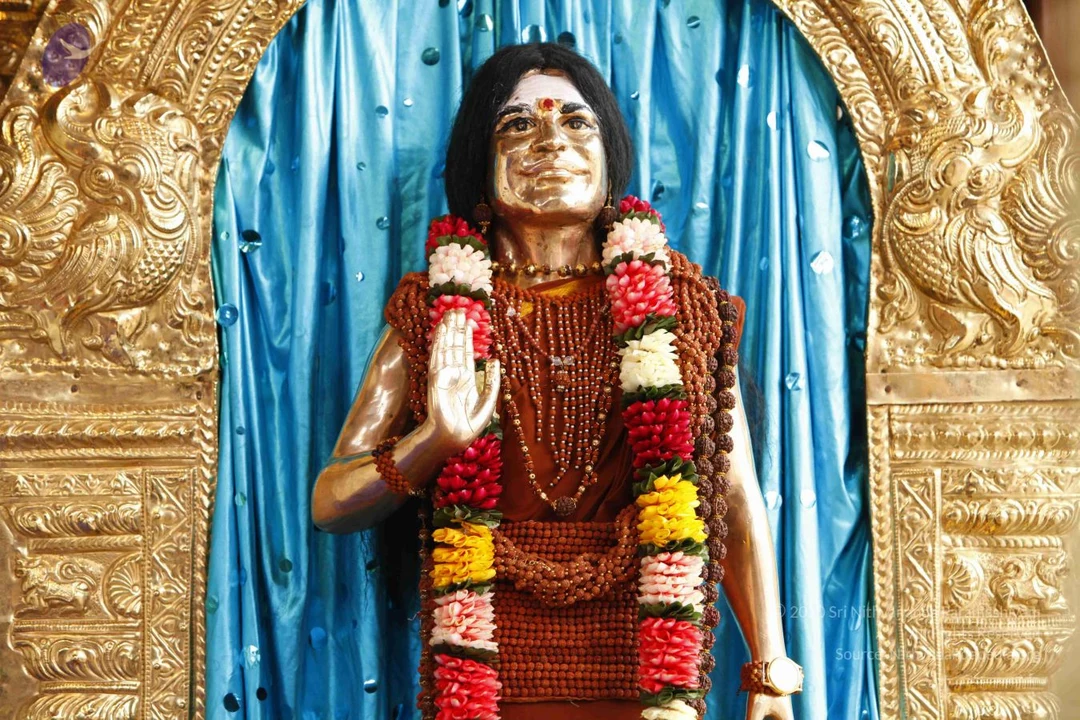
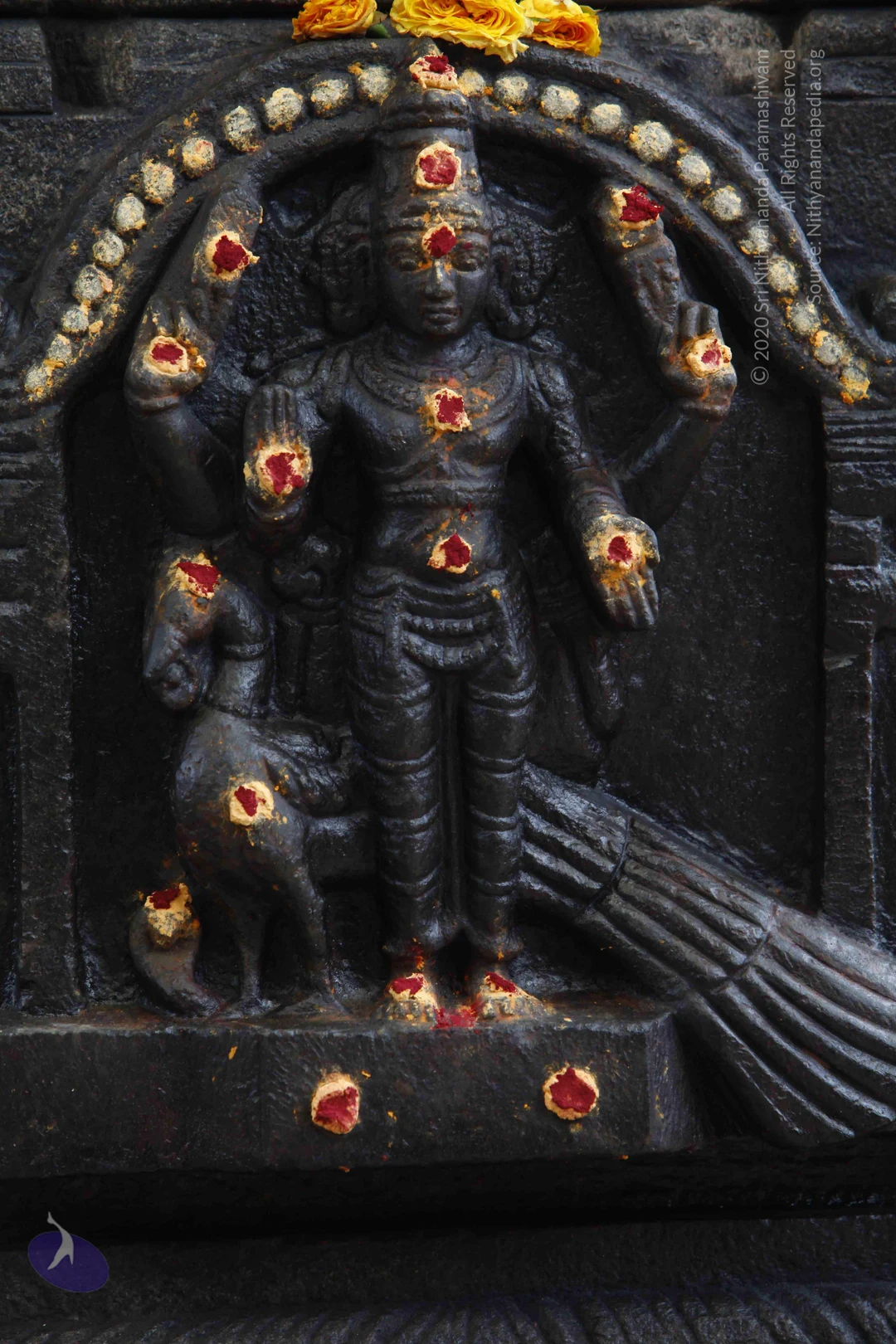
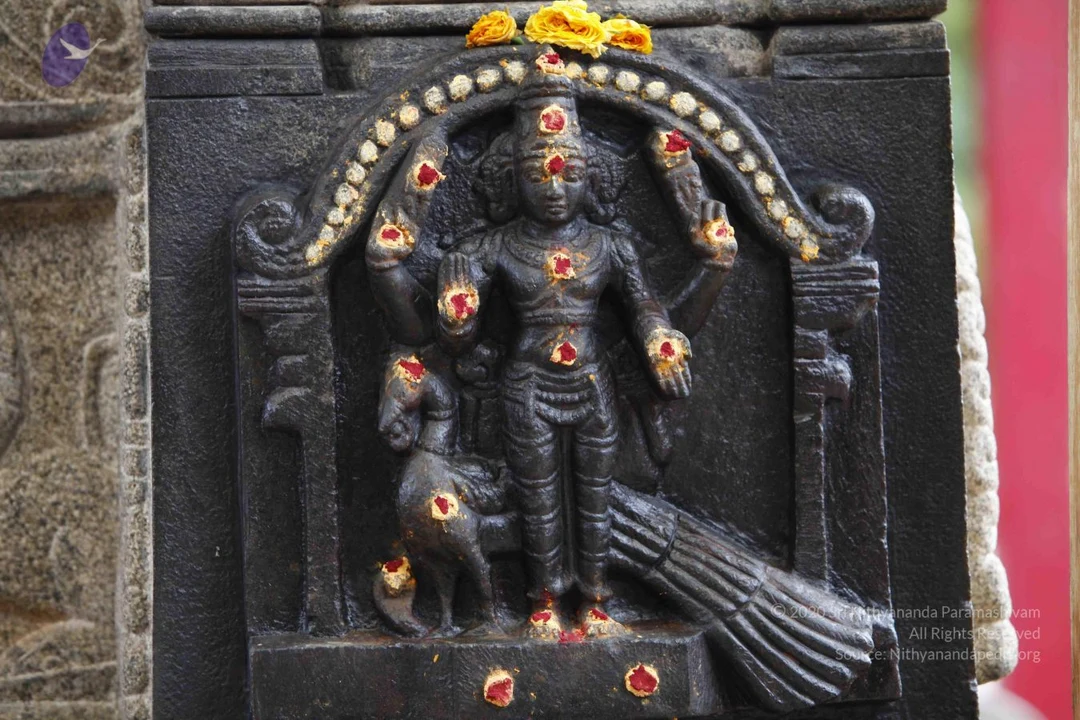
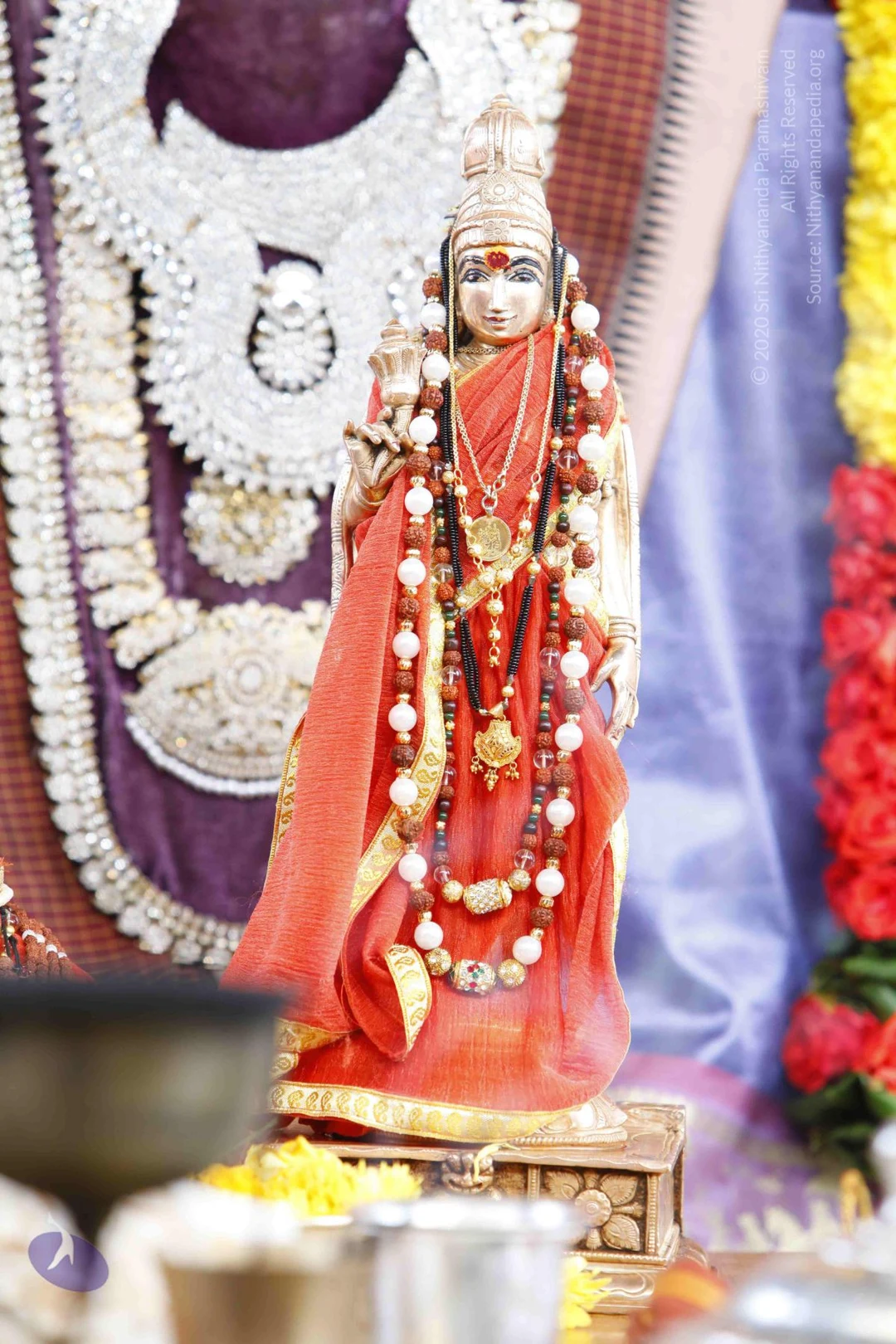
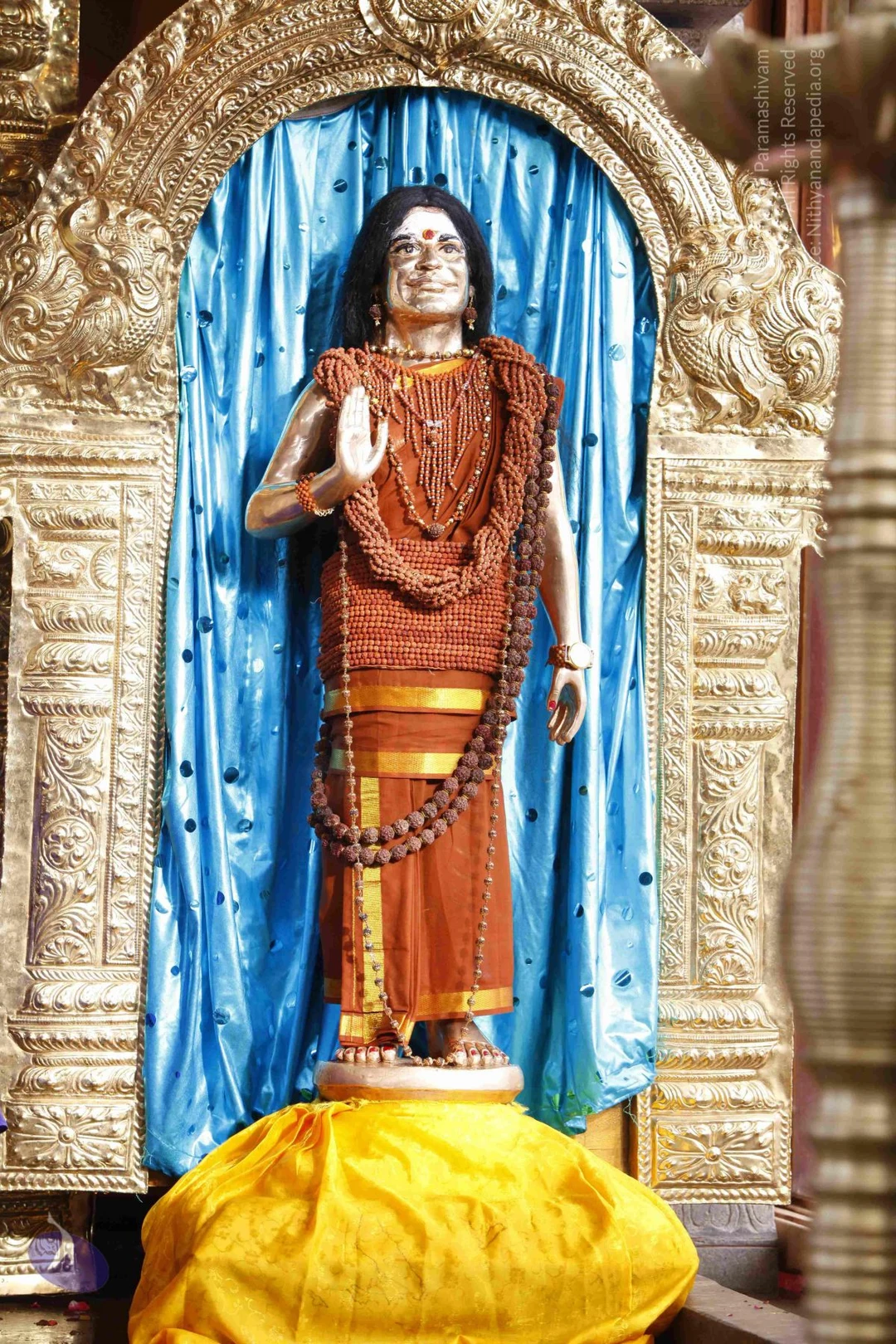
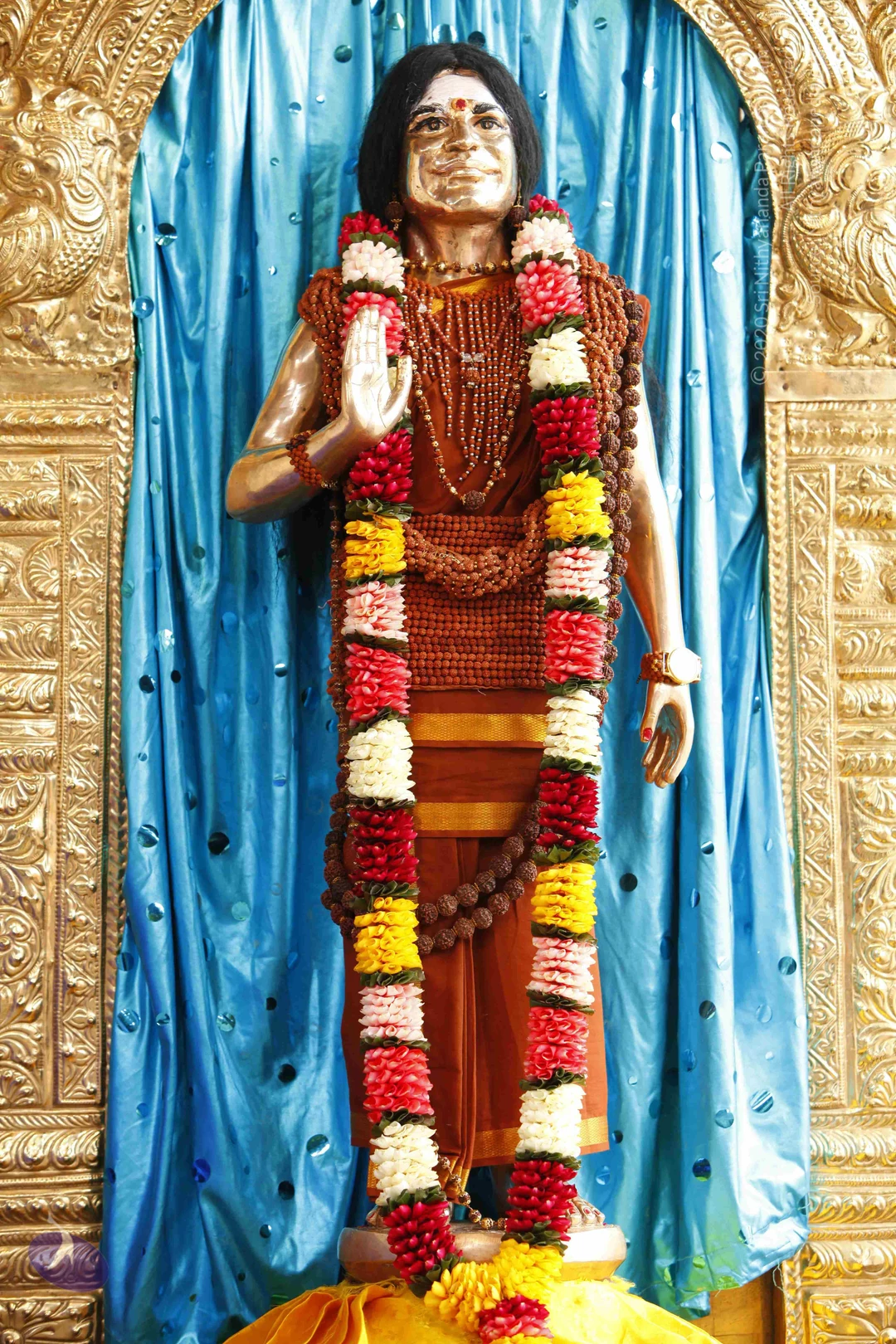
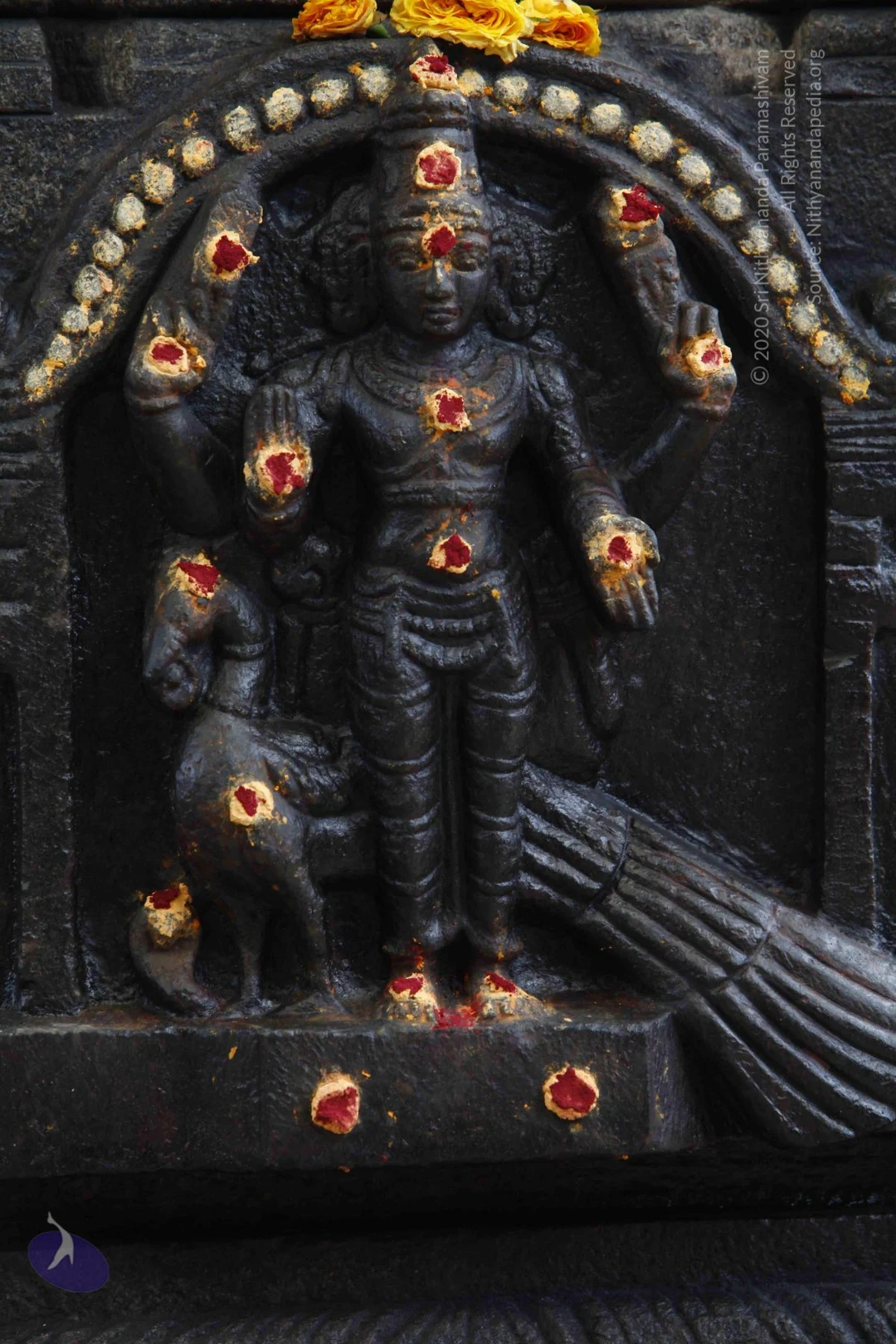
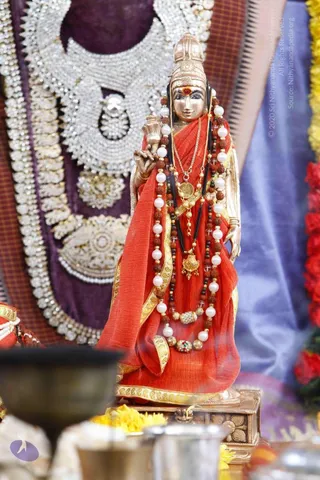
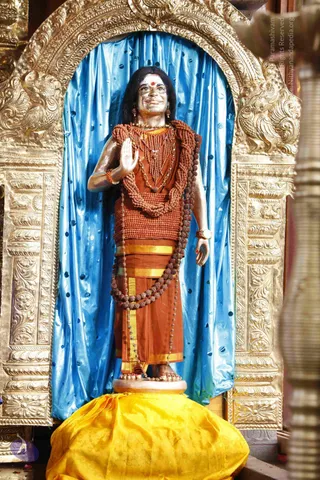
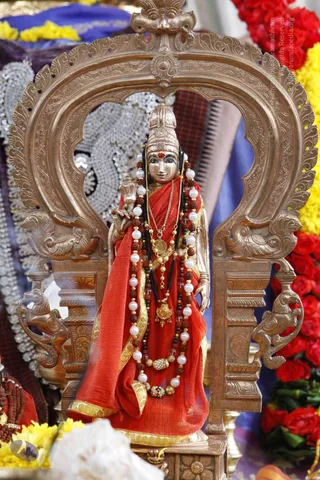
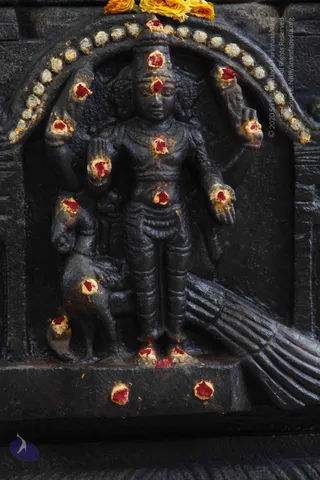
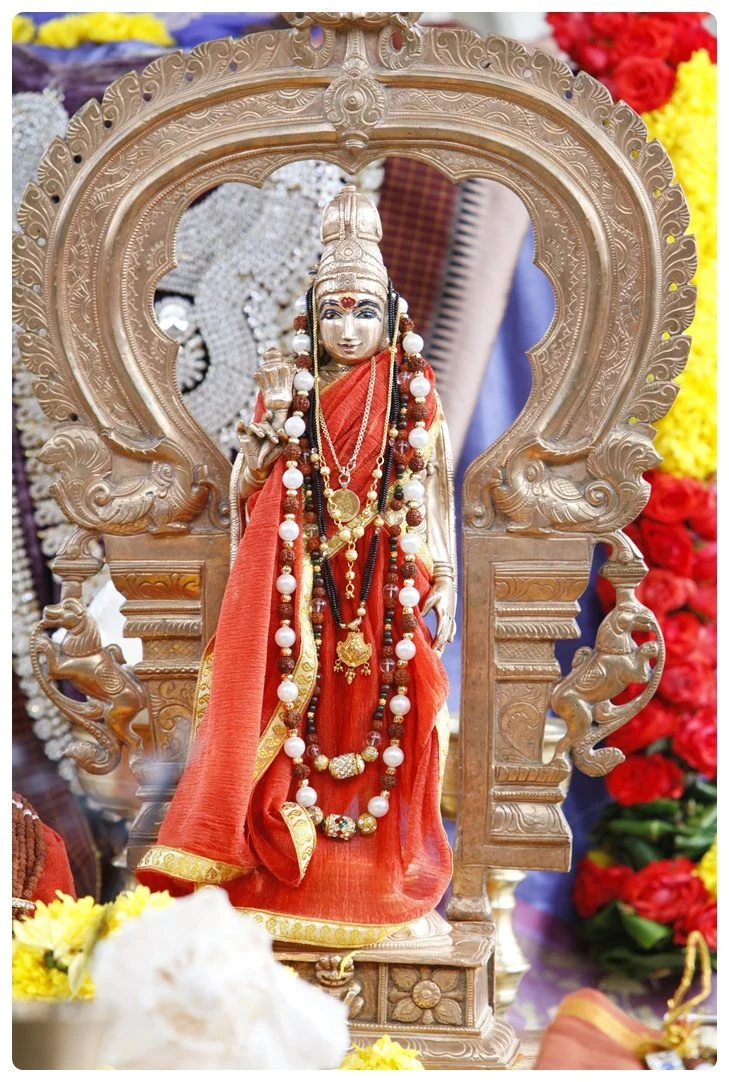
A standing metal murti of a goddess in a red-orange sari with a gold border, draped with long strands of rudraksha beads, white pearl-like beads, black beads and gold chains with a coin pendant. She holds a small object in one raised hand, with a red tilak on her forehead and a tall ornate crown. Behind her hang a silver-white jewelled garland and a purple cloth, with yellow and red flower garlands at the right edge. Blurred brass vessels and yellow flowers sit in the foreground on an ornate wooden stand, indicating a puja setting.A life-size statue of a long-haired figure stands in a gilded arched niche lined with blue satin drapery with small dots. The statue wears a rust-orange robe with gold borders, layered rudraksha and bead malas across the chest and shoulders, bangles, and a red tilak on the forehead. Its right hand is raised in blessing, and a golden cloth rests at its base.A photograph of a gilded shrine inside a temple-style hall. Two large golden-hued metal murti of a deity couple sit on a raised stone platform beneath an ornate gold arch against a red drape. The male figure holds a trident-like staff and a raised hand; the female figure is adorned with jewellery and a tall crown. Both wear red and yellow-orange and white-green garments, with garlands of red and yellow flowers draped over them. In front lies a red-and-yellow garlanded linga-like form, a small ornate seat, brass vessels and offerings. A red carpeted aisle leads toward the shrine between black metal railings. To the right, a smaller figure in a blue niche holds a lamp with a flower garland. No living people are visible.A temple shrine dressed for worship with two large gilded metal deity figures seated against a red velvet backdrop within an ornate gold arch. The figure on the left holds a raised hand and wears a red and gold headdress, while the figure on the right wears a tall crown and jewelled necklaces. In front, a black stone form wrapped in a red and gold cloth and draped with red and yellow flower garlands sits on a silver base. Brass vessels, a small oil lamp, a bell and an open book on a stand rest on the platform. No people are visible.A bronze murti of a goddess stands in an ornate arched bronze frame with carved yali and lion motifs, decorated with garlands of yellow and red flowers. She wears a red sari with gold border, a tall crown with a red bindi, pearl and rudraksha mala necklaces, and a gold pendant. She holds a small ceremonial object in one hand. The bronze figure is a deity murti, not a living person. The background includes a silver-embellished cloth and red roses.A dark stone carved relief of a multi-armed deity murti standing within an arched niche, its many hands marked with red and yellow kumkum and turmeric dots. Yellow flowers rest on top of the arch, which is lined with small white beads. Beside the figure is a carved animal, and a bundled sheaf-like object lies at the right. Red kumkum smears dot the base of the sculpture and the platform beneath it.

Paduka-Puja

7 photosSource gallery
Interior shrine view showing an ornate gilded throne (peetha) with a tiger-skin cloth draped over its seat and a large framed portrait on its back labelled "PARAMAHAMSA NITHYANANDA". The portrait shows a smiling man in an orange turban and orange shawl with a red bindi. Below, three women in orange saris kneel before the throne in devotion; the centre woman faces the throne with her back to the camera, the left woman holds her hands to her head, and the right woman sits in profile. A gilded umbrella canopy hangs above, with brass oil lamps and bells suspended on chains, and painted deity figures with multiple arms frame the doorway.A golden ornate throne (peetha) with a canopy and hanging oil lamps frames a framed portrait of a smiling man in an orange turban and orange shawl, labelled "PARAMAHAMSA NITHYANANDA" on the print. A tiger-skin cloth lies on the throne seat before the portrait. Three people in orange robes sit or kneel at the base: one in the centre with her back to the camera, and two others at the sides, one with a white tilak. The portrait is a printed depiction, not a physical person.Interior shrine view of a temple hall with a golden ornate throne draped with a tiger-striped cloth. Framed on the throne is a photograph portrait labelled "Paramahamsa Nithyananda", showing a smiling man in an orange turban and orange shawl. Two painted orange-skinned guardian statues with multiple arms, gold crowns and green sashes stand on either side of the doorway. A woman in orange robes kneels before the throne, and a few other figures in orange sit to the sides, with oil lamps lit in front. Brass lamps and a tray sit on the polished white floor, and red patterned rugs lie in the foreground.Photograph inside a colourfully painted temple shrine. A framed portrait of a smiling man in an orange turban and orange shawl sits on a gilded throne draped with a tiger-skin cloth, under a golden canopy. Several people in orange robes kneel before the throne; one woman in an orange sari with hair in a braid lights or offers something at the seat. A tall lit brass lamp stands in the foreground, and two painted standing deity figures with four arms flank the doorway. a person's identity in the portrait is not stated by the page, and the people kneeling are not clearly identified.Inside a gilded shrine niche, a large framed portrait labelled "PARAMAHAMSA NITHYANANDA" sits above an ornate golden throne draped with a tiger-striped cloth. The portrait shows a smiling man with an orange turban, red tilak and orange shawl; it is a printed depiction, not a person present. Three women in orange saris kneel before the throne, one in the centre raising a lamp, the others tending flames and small offerings. Hanging brass oil lamps, bells and a golden canopy surround the throne, and painted deity figures stand on either side of the doorway.A tiered silver oil-lamp stand (multi-level deepam) with many lit wicks, held up in front of a deity murti painted in red and green in a temple setting. A hand holds the stand's curved silver base at the bottom. A blurred seated figure in reddish-brown clothing sits in the background.

Satsang

15 photosSource gallery
A smiling person seated on a red velvet throne-style chair in front of a large floral backdrop of red, yellow, white, purple and green flowers arranged in heart-like arches. The seated person wears an orange-brown robe with gold border, an orange-brown turban, a red bindi, rudraksha bead malas and a gold ceremonial necklace, plus rudraksha armbands and a gold ring. Long garlands of red, pink, white and yellow flowers hang from the shoulders. A gilded ornament sits at the top of the flower display.A smiling man seated on a red velvet and gold throne, in front of a large floral backdrop of yellow, red, white, purple and green flowers arranged in heart-like arches. He wears a saffron-orange turban with a gold stripe, a red bindi, gold earrings, a saffron-orange garment with gold border, and a long garland of red, pink, white and yellow flowers over multiple rudraksha malas and a gold ceremonial necklace with a central gold pendant. Gold bangles are on his upper arms and he holds the end of a saffron cloth on the armrest. Appearance-based candidate: a person, seated on a peetha in a flower-decorated dais setting.A seated man in saffron-brown ochre robes and a matching turban sits on a gold-trimmed throne with red velvet armrests and gold lion-head arm ends. He wears multiple rudraksha malas, a gold ceremonial necklace with a pendant, gold armbands, and a long multicolour garland of roses and flowers in red, yellow, white and pink. A red bindi marks his forehead. Behind him is a large arch of densely packed flowers in rows of yellow, red, white, green and purple, with a gold canopy and hanging lamps in the background. He smiles and rests one hand on the armrest. Appearance cues include the saffron ochre clothing, turban, rudraksha malas and ceremonial gold necklace; the page does not state a person is present, so this is an appearance-based candidate only.A smiling man in a rust-orange turban and orange-saffron robes sits on an ornate velvet throne in front of a large floral backdrop of red, yellow, white, purple and green garlands. He raises his right hand in a blessing wave and wears layered rudraksha malas, a long gold ceremonial necklace with a heart-shaped pendant, gold bangles and earrings, with a red bindi on his forehead. Garlands of pink, white and yellow flowers drape his body, and a tilted gold throne base is visible at the bottom. Appearance-based label: a person, seated in person on the throne, receiving a floral reception.A smiling man in an orange-brown turban and matching saffron-brown robe sits on a crimson velvet throne with gold-trimmed armrests, raising his right palm in blessing. He wears layered garlands of red, pink, white and yellow flowers, long gold leaf necklaces, a large gold pendant, rudraksha beads, gold bangles and a red bindi. Behind him stands a huge arch of marigolds and roses in yellow, red, white, purple and green. A gold relief ornament rises at the top.A smiling figure in an orange-brown turban and saffron-brown robes sits on an ornate gold throne with carved lion-head arms and a deep red velvet seat. He raises one hand in greeting and wears a long garland of pink, white and yellow flowers, a rudraksha mala, a gold pendant and gold bangles. Behind him a large floral backdrop of yellow, red, pink, green, purple and white blossoms frames the throne. Gold-toned lamps hang in the background.

Bhagavad-Gita-Book-release

10 photosSource gallery
A smiling man wearing a rust-orange and gold turban, a red bindi and a small headset microphone sits in front of a backdrop of red, yellow and white flower garlands. He wears layered rudraksha malas, heavy gold ceremonial necklaces, a gold pendant, gold bangles and an orange-brown robe, and holds up a book titled Bhagavad Gita with a peacock-feather cover. A tall flower garland drapes his shoulders. The scene appears to be a satsang discourse.A seated man in a saffron-orange turban and an orange-brown shawl smiles broadly while holding up a book with a blue-green peacock-feather cover. He wears layered rudraksha mala necklaces, gold ceremonial necklaces, gold bangles and a red bindi on his forehead, with a small microphone clipped near his face. Behind him is an elaborate arrangement of red roses, white and yellow marigold-type flowers and green foliage in arching patterns. The book cover shows a woman in orange robes seated in meditation and carries Devanagari title text reading भगवद् गीता (Bhagavad Gita). The setting is a formal satsang-style stage with floral decoration.A seated man in a rust-orange turban and brown-orange shawl holds up a small book titled Bhagavad Gita, its cover showing a peacock-feather background and a woman in orange robes. He wears layered rudraksha malas, heavy gold necklaces, gold bangles and a ring, and has a red bindi on his forehead with a small microphone at his cheek. Behind him is a backdrop of red roses, white and yellow marigolds and green foliage arranged in a heart-shaped pattern. Appearance is not sufficient to confirm identity, so the person is described by role only as a seated speaker presenting a book.A smiling man in an orange-and-gold turban, a red bindi and a small headset microphone sits before a backdrop of red, white, yellow and pink flower arrangements. He wears layered rudraksha malas, a large ornate gold necklace and gold bangles, and holds up a book titled Bhagavad Gita with a peacock-feather cover showing a seated figure in orange robes. A printed pedia.org' run down the right edge of the photoA close-up photograph of a single rudraksha bead pendant hanging on a thin black cord against a softly blurred background of red, pink, green and yellow tones. The bead is brownish-orange with a textured surface and is wrapped in a silver wire cage with a silver cap and loop at its top. A wooden surface edge is visible at the bottom of the frame.A printed book cover titled in Hindi Bhagavad Gita with the subtitle navin vyakhya sahit and the label Bhaag-2 (Adhyay 7 se 12). The cover shows a seated smiling man in orange saffron robes with a long strand of white beaded necklaces, a red tilak on his forehead, and a headset microphone, set against a background of peacock feathers with blue and green eyes. The bottom band reads Paramahamsa Nityanand. The book is displayed as a poster-like cover photographed in an ashram or bookstore setting, with no physical people present. The cover photo shows a figure with long hair in orange clothing and distinctive beaded necklaces, matching the appearance cues of a person depicted in print.
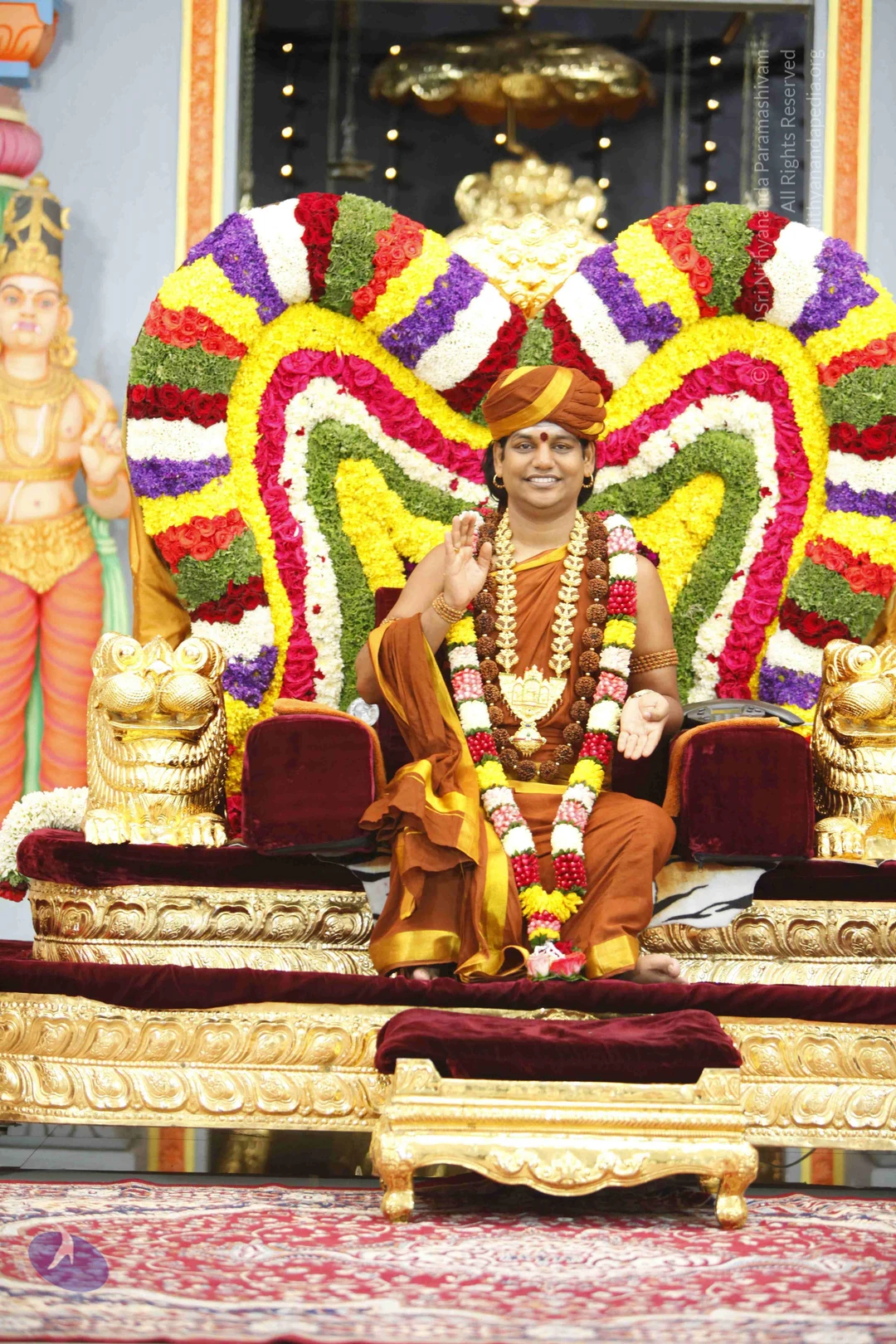
Sarva-Darshan

3 photosSource gallery
A man in a saffron-orange turban with gold stripes and a saffron-orange shawl with gold border stands reading a small white paper held in his open palm. He wears long multi-strand garlands of red, pink, white and yellow flowers, rudraksha beads and gold bead necklaces with a gold pendant, plus a gold bangle and a sacred red bindi. Behind him, a second person in orange is partially visible, and a person with folded hands stands at the left edge. A red box is partly visible at the lower right. The setting looks like an indoor hall with bright ceiling lights and blurred people.A smiling man in a brown turban with a gold-bordered brown robe stands barefoot on a red patterned rug, arms raised in greeting. He wears a long multicoloured garland of white, yellow, red and pink flowers, a rudraksha mala with a gold ceremonial pendant, and gold bangles. Behind him is a golden throne with lion-head armrests and a tiger-skin cushion, decorated with a large floral backdrop of yellow, red, white and purple blossoms. A painted deity figure and a brass lamp stand to the left. Physical people visible: one. Appearance-based candidate: a person, shown in person with the turban, rudraksha mala and ceremonial gold ornaments; the photo's caption identifies the event as Madurai Sanga Palagai Thandhadhu.A smiling man stands barefoot on a red patterned rug, both arms raised with palms open in a greeting. He wears a rust-brown and gold-bordered robe draped over one shoulder, a matching rust-brown turban with a gold stripe, a long multicolour flower garland of red, yellow, white and pink blooms, and a necklace of rudraksha beads with a gold pendant. Behind him stands a golden lion-footed throne with a tiger-striped cushion, flanked by a gold lamp stand, a painted deity figure holding a staff, and large arched arrangements of marigold and rose flowers in yellow, purple, white and red.

IA-Darshan

7 photosSource gallery
A seated man in an orange-saffron robe and a yellow waistband sits cross-legged on a maroon-upholstered throne draped with a tiger-face cloth. He wears a long rudraksha mala across his chest, a red bindi on his forehead, and holds a white flower garland in his raised right hand while smiling. Behind him is an elaborate arrangement of marigolds, red roses, white jasmine and purple flowers in arching patterns, topped by a gold ornamental crest. Appearance-based a person: long swept-back hair, saffron robe and rudraksha mala on a throne with floral backdrop.A seated man in an orange-saffron robe, bare-chested with a yellow-gold border, wears a long double strand of rudraksha beads and a red bindi on his forehead. He sits cross-legged on a red velvet throne with arm rests, atop a tiger-skin rug and gold-carved dais, holding a silver trident-topped sceptre in one raised hand. Behind him is a large floral backdrop of red roses, yellow and white marigolds, purple flowers and green foliage arranged in arches, with a gold crown-like ornament at the top. He is smiling. Appearance-based probable match to a person on the throne with rudraksha malas and saffron clothing, though the page does not confirm his presence at this event.A photograph of a seated woman with long dark hair, wearing an orange-brown garment and a rudraksha bead garland at her hair, leaning forward and gesturing with her hand toward a man in a white shirt and trousers who stands with both arms raised high. Behind them, several men in white clothes stand in a room with maroon curtains, a metal railing, and a small pedestal fan. In the foreground right, a bald man in a white t-shirt and gold chain looks on, and a man with a tilak on his forehead and rudraksha mala sits in white near the seated woman. The setting resembles a satsang or meditation hall.Side profile of a person with long dark hair swept back, seated with chin resting on the hand, smiling softly. He wears rudraksha beads on the shoulder and neck, a red bindi on the forehead, and an orange-brown garment with a yellow edge. Behind him, blurred garlands in yellow, red, green and blue fill a decorated backdrop. Appearance-based label: a person, seated in person, with long swept-back hair, rudraksha malas and orange clothing as the qualifying cues.A long-haired figure in an orange-saffron robe with a gold-edged border and a rudraksha mala necklace sits on a red velvet throne with gold-carved arms, with a red bindi on the forehead. A man in a white short-sleeved shirt and gold wristwatch kneels and bows his head forward, touching the seated figure's foot with both hands in reverence. Behind them are garlands of red, yellow, white and purple flowers, a gold-draped deity murti in red and blue cloth, and a red-lidded box with gold offerings. The scene suggests a darshan or padapuja at a peetha seat.A woman with long dark hair pulled back, wearing an orange-brown saffron garment with a gold border, reaches forward to press her palm onto the forehead of a young man in a white short-sleeved shirt with a small checked collar. He stands with one hand raised palm-out and eyes closed. Behind them a man in white with a rudraksha mala and a white-clad man with arms folded look on, and several people in white clothes stand in the background near red drapes and a window. The setting resembles an indoor ritual or blessing moment. The woman's identity is not established by the page.
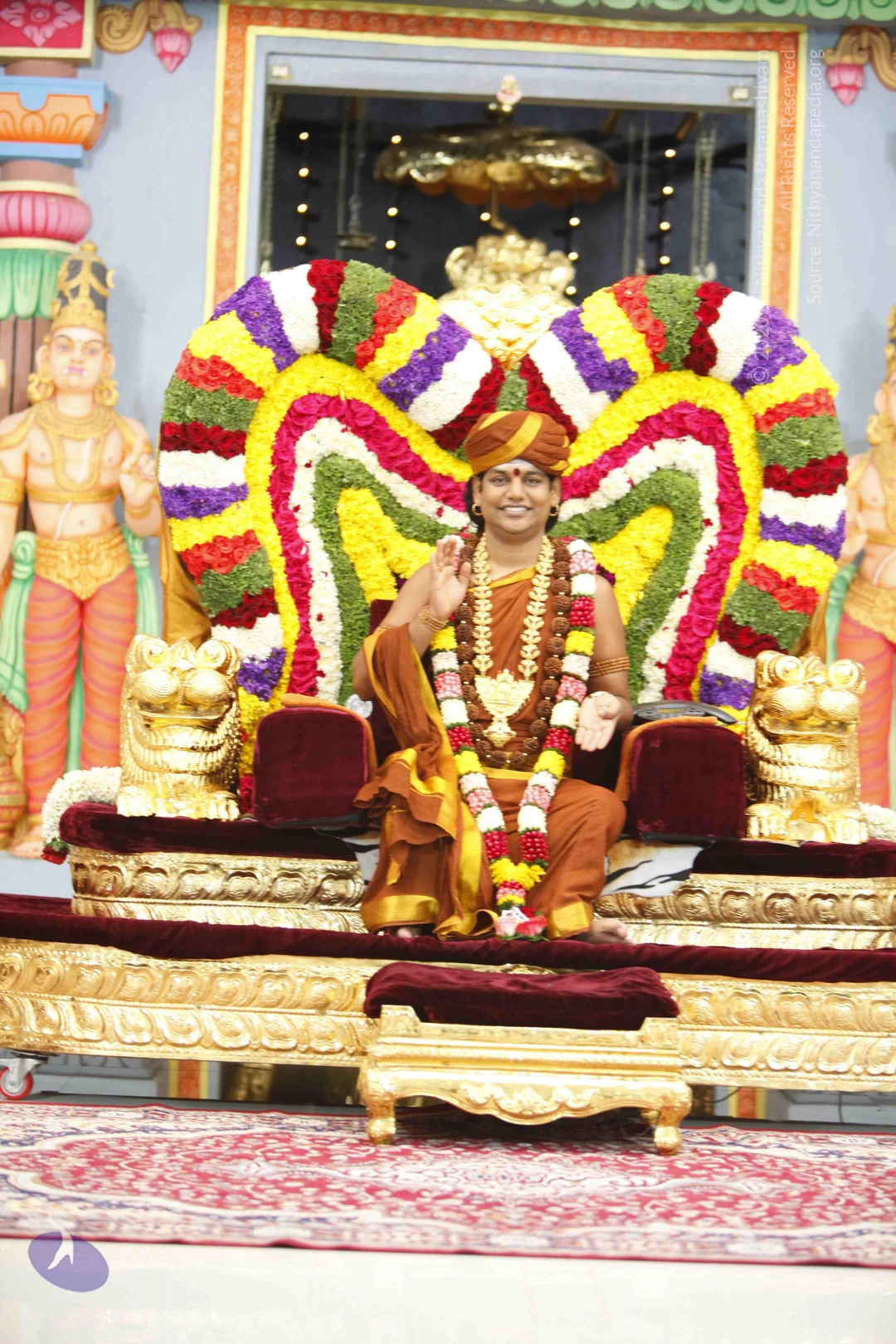
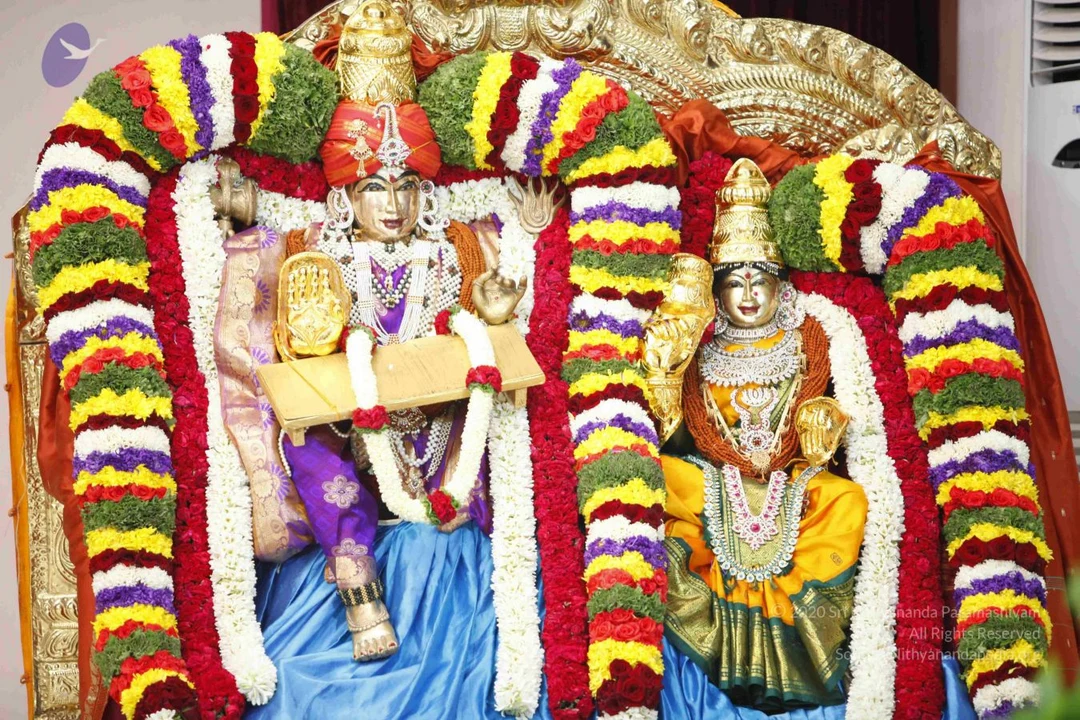
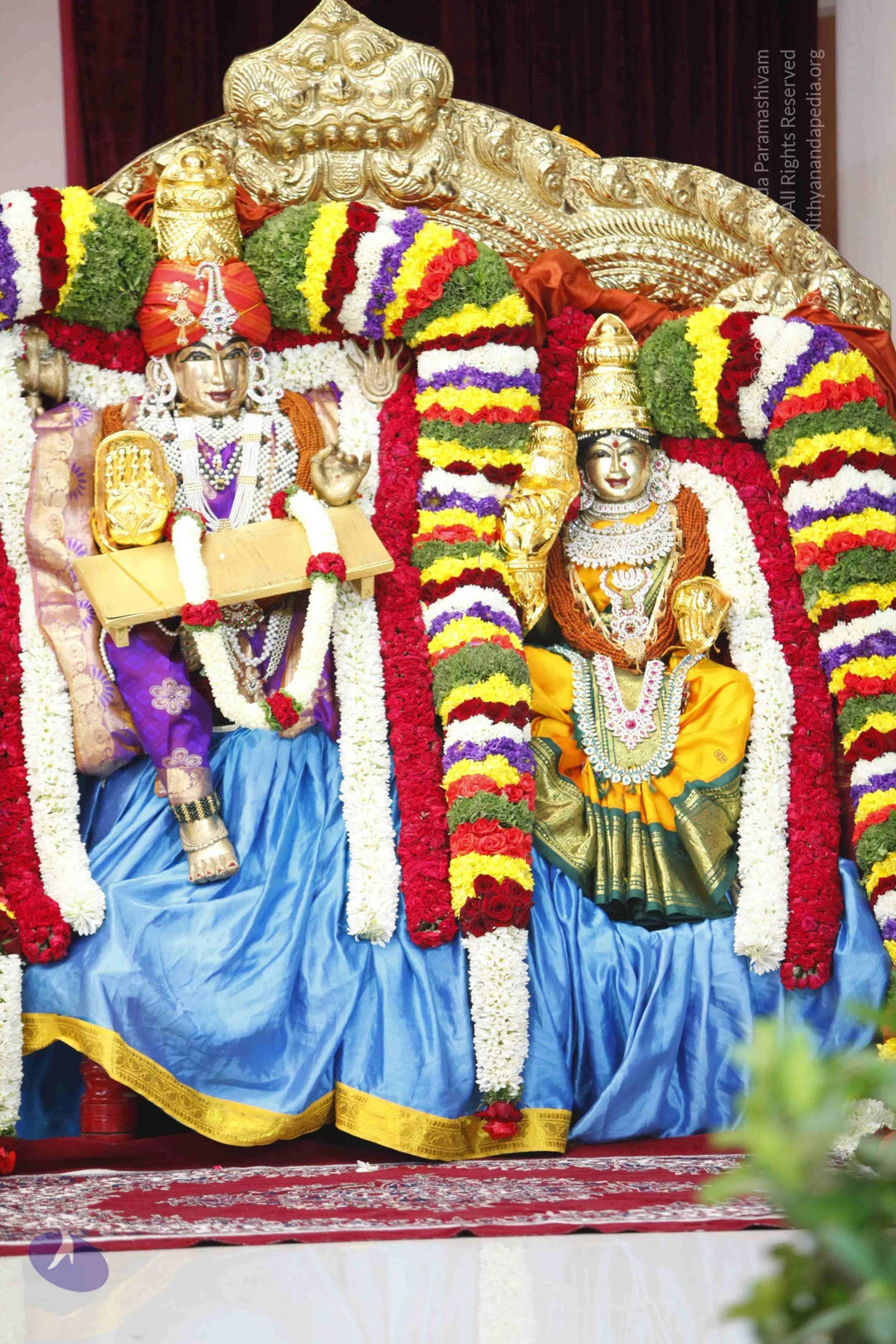
IA

4 photosSource gallery
A smiling man stands beside a clear acrylic lectern on a stage, speaking into a small headset microphone. He wears rust-orange draped robes with broad gold-bordered bands wrapped at the waist and a sleeveless drape over the shoulder, a long rudraksha mala with gold ornamental beads and a gold pendant, a red bindi on the forehead and a gold-toned bracelet on his wrist. His left hand rests on the lectern while his right hand hangs at his side. Behind him a black speaker hangs on a stand against a pale pink wall.A woman in saffron-orange robes with a gold-bordered yellow edge sits in an orange leather armchair, speaking with her hands clasped in her lap. She wears a dark rudraksha mala and a pendant, with a red bindi and a wristwatch. Behind her, two gold-crowned deity murti stand before a richly garlanded backdrop of red, yellow, white and purple flower strands, with an ornate gold canopy above. Green leaves blur the foreground.A smiling woman in a white embroidered kurta and yellow block-printed trousers stands at a silver microphone stand, holding a white notepad with both hands. Behind her, a woman in white with a red bindi and a person in white clothing stand near a red curtain. On the right, a bespectacled person in white kurta and white trousers stands with hands clasped. The setting appears to be an indoor hall with a red backdrop.A smiling young woman with shoulder-length dark hair stands at a microphone stand, wearing a white embroidered chikan-style kurta with a short placket and three-quarter sleeves, a thin chain at her neck and a dark bangle on her wrist. Behind her, partly visible, another woman in white with a red bindi stands against a deep red backdrop. The frame is a photograph of a speaker addressing an audience during a session.

IA-Yoga

1 photoSource gallery
A woman in an orange-red sannyasi-style outfit performs a yoga backbend bridge pose on a black mat in front of a deep red velvet curtain. Her head rests on the mat, her hips are raised high, and her bare feet press into the white floor. Her long dark hair is pulled back, and she wears small earrings and a gold bangle on one wrist. The photo is a practice session, with no ritual objects, deities or other people visible.

Ganapathy-Homa

23 photosSource gallery
A photograph of a metal Ganesha murti, elephant-headed deity, adorned for worship. The murti wears an orange cloth draped over its shoulders and an orange turban-like headdress, layered bead and coin necklaces, a large jewelled ornament at the chest, and a red and gold silk skirt at its base. It stands on a lotus-shaped base framed by thick garlands of yellow marigolds, red rose petals and white jasmine strands. The murti is a statue, not a living person.A metallic deity murti of Ganesha, the elephant-headed deity, dressed in an orange shawl draped over the shoulders and a saffron-orange turban, with a red tilak on the forehead. The figure wears layered jewelled necklaces with gold coins, rudraksha malas, pearls and stone-set pendants, a jewelled waist belt, and a purple garment. It is surrounded by thick garlands of white jasmine, yellow marigold and red roses, and the trunk curls toward the right side. The statue stands in a flower-decorated shrine setting.A photograph of a decorated Ganesha murti in an arched frame, draped with multicoloured flower garlands in red, yellow, orange and purple, with an orange shawl over its shoulders. A pink and white cloth covers the altar table, with smaller garlanded idols, coconuts, fruits and brass vessels arranged in front. A square brick fire pit blazes in the foreground, scattered with rose petals. A figure in a maroon garment stands at the right edge of the frame. No a person candidate is visible.Night-time photo beside a dark grey car with its rear door open. A man in a golden garland and gold necklace, wearing an orange-and-gold dhoti and gold armlet, stands with his hands extended. Opposite him, a younger person with a shaved head and white forehead band wears an orange robe with dark stripes and a rudraksha mala, holding a brass tray with a fruit-topped kalasha, green leaves, and red flowers. Bags of footwear lie on the ground nearby.Close photo of a woman in profile with short dark hair and a gold hoop earring, eyes lowered, wearing a rust-brown garment and heavy layered gold-and-rudraksha malas with large dark seeds. A red vertical tilak mark is visible on her forehead. Behind her, out of focus, a person in white clothing stands in a dimly lit hall with warm red and pink lighting.A man stands at night in front of a dark background, palms pressed together in namaste at his chest. He wears an orange-red dhoti or wrap, multiple rudraksha malas, a long gold-and-bead garland with a large ornate gold pendant, gold bangles on his wrists and a gold armlet on his upper arm, and a small red bindi on his forehead. Beside him on the left is a large ornate gold-edged peetha or throne. A second person in an orange garment stands partly behind him, and another figure in orange is faintly visible on the right.

Sacred-Arts

4 photosSource gallery
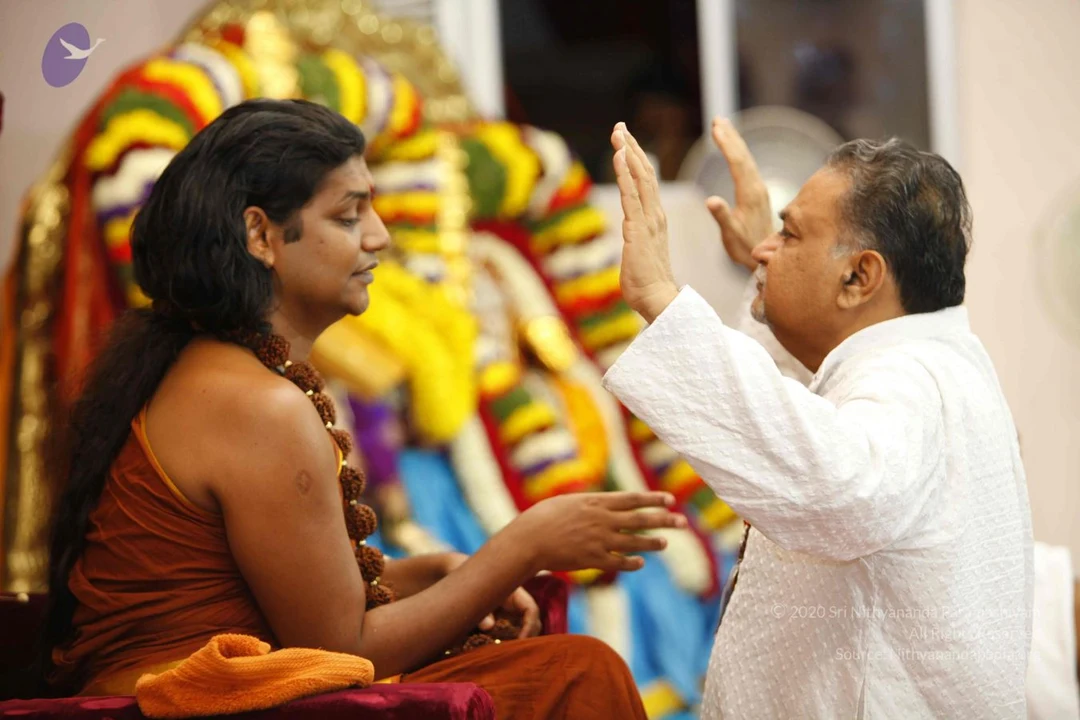
A photograph of an unfinished, dark clay-and-wood sculpture of a standing female deity lying on the ground, its tall headdress and face visible, with one hand raised holding a short object and the other arm hanging by the side. The figure rests on dark boards amid scattered red earth, broken clay and stone chips. At the left edge a person in white dhoti with yellow-striped border sits, and at the right edge an orange-robed sleeve and bare feet in sandals appear.A photograph of an unfinished clay sculpture lying flat on a dark board on a dusty ground in a workshop. The figure is a reclining, partly finished human-form statue with a dark grey clay body, one hand raised in a mudra and the other arm resting along its side. A separate carved head with a crown-like headpiece sits at the top of the frame. A brick, scattered debris and a pot sit nearby, and a partly visible person in white clothing is at the left edge, with orange cloth at the right edge. The statue is a depiction, not a living person.A large clay figure of a female deity murti is being shaped on a muddy ground by a man in a white dhoti with a gold border, seen only from the knee down, whose foot presses a wooden tool. The figure has a tall cylindrical crown or headdress, a rounded face with carved eyes and nose, and a dark glossy body with a pronounced bust and waist. Small added clay limbs and ornaments, a pale wooden stick and a plastic bottle sit around the base, with sacks and a concrete block nearby.A photograph of an unfinished wooden figure of a standing male deity murti lying on a dark workbench in a workshop. The figure has a tall tiered topknot, a carved face with closed eyes, bare chest and arms that are still partly unshaped, and a rough, glossy brown finish. Carving tools with yellow and black handles lie to the right, and a partially visible hand with a white sleeve rests at the left edge. Dust and debris cover the floor. No people are fully visible, and the setting is a sculptor's workshop rather than a ritual event.