Thursday
30 June 2016
Satsang on Kenopanishads
- Dated photos
- 245
- Source pages
- 1
- Media
- 9
June 30 2016
Original wiki pageTitle
Satsang on Kenopanishads
Day's Event
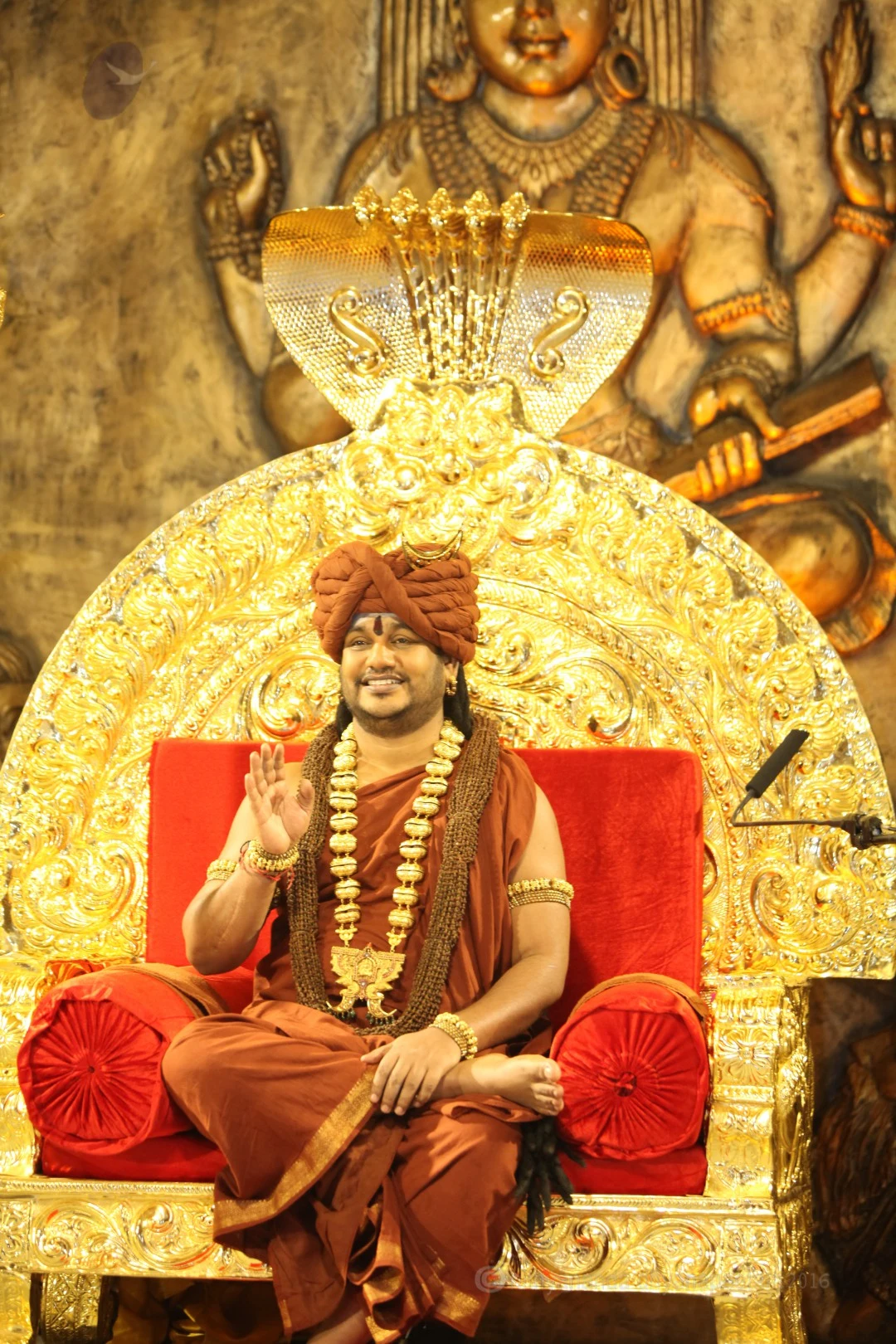
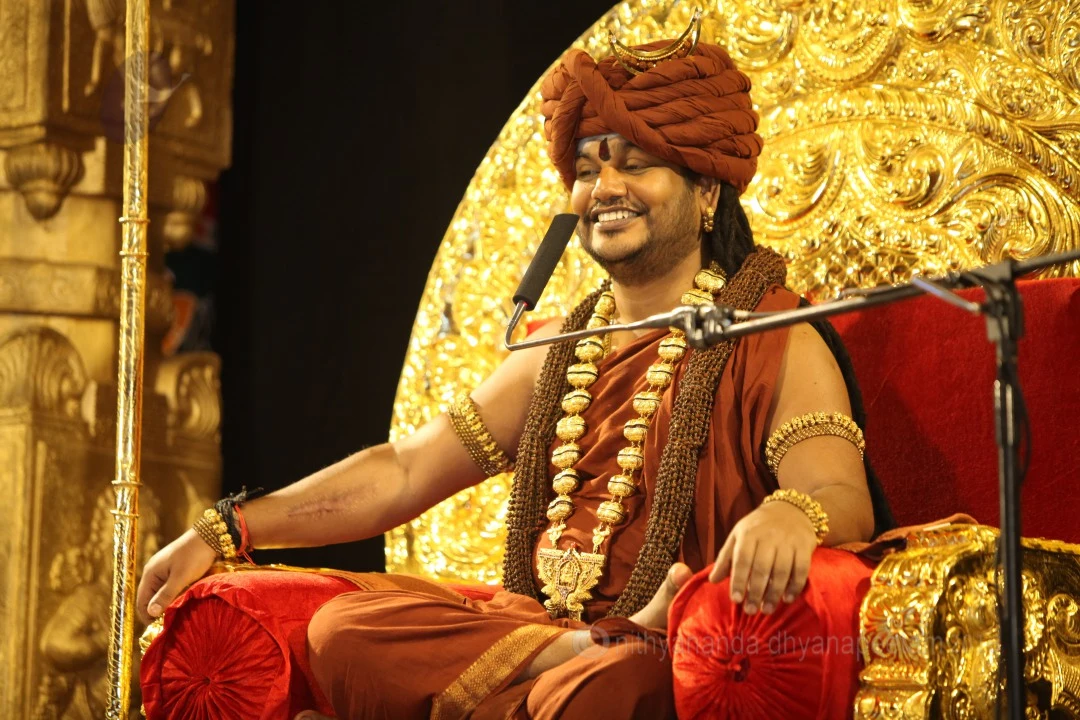
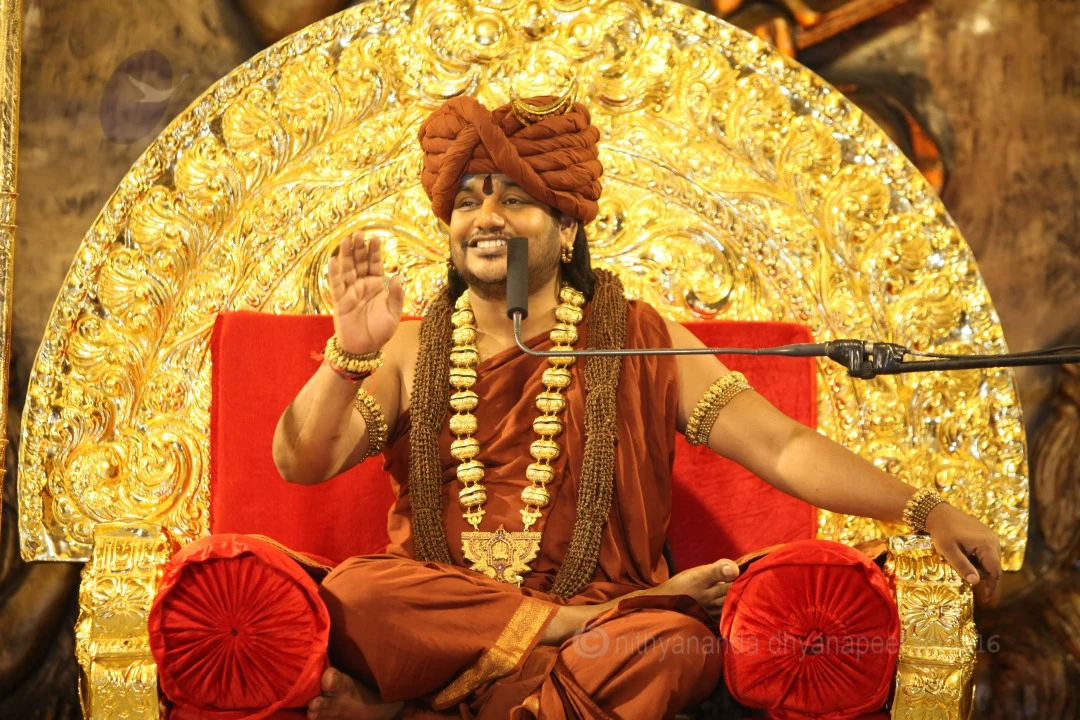
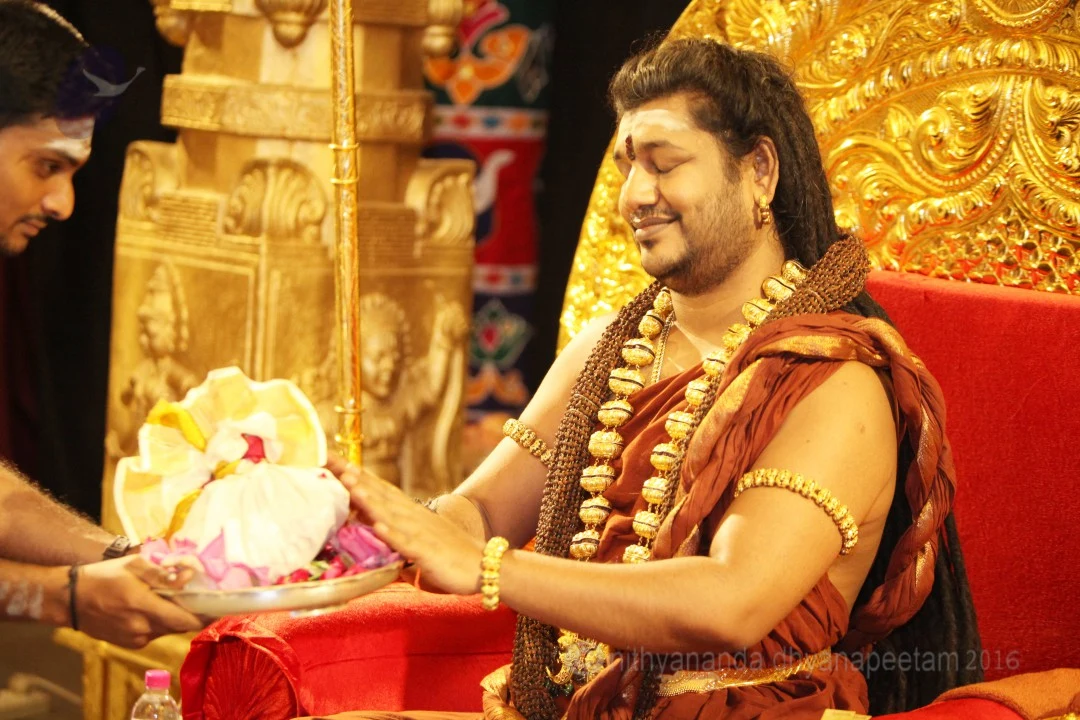
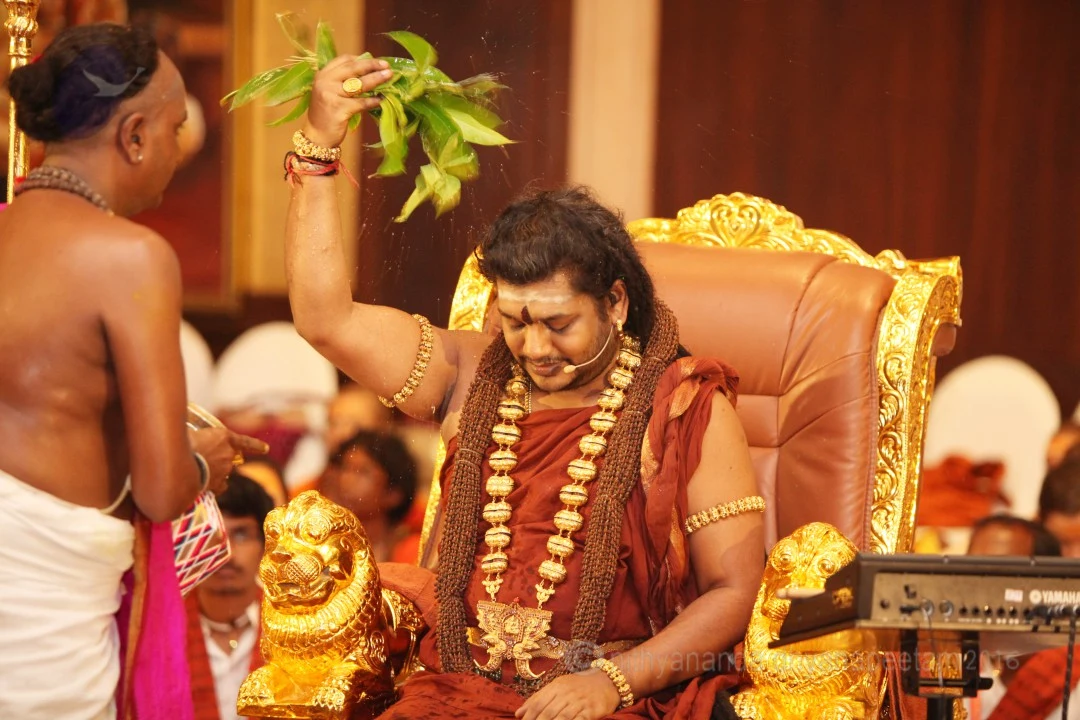
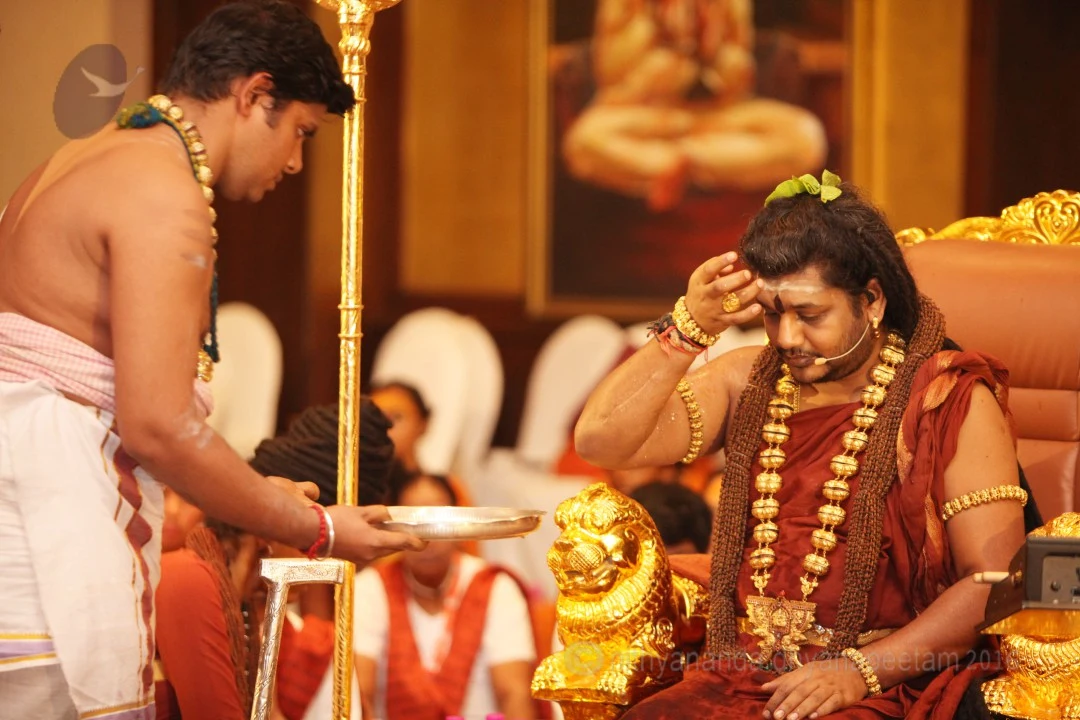
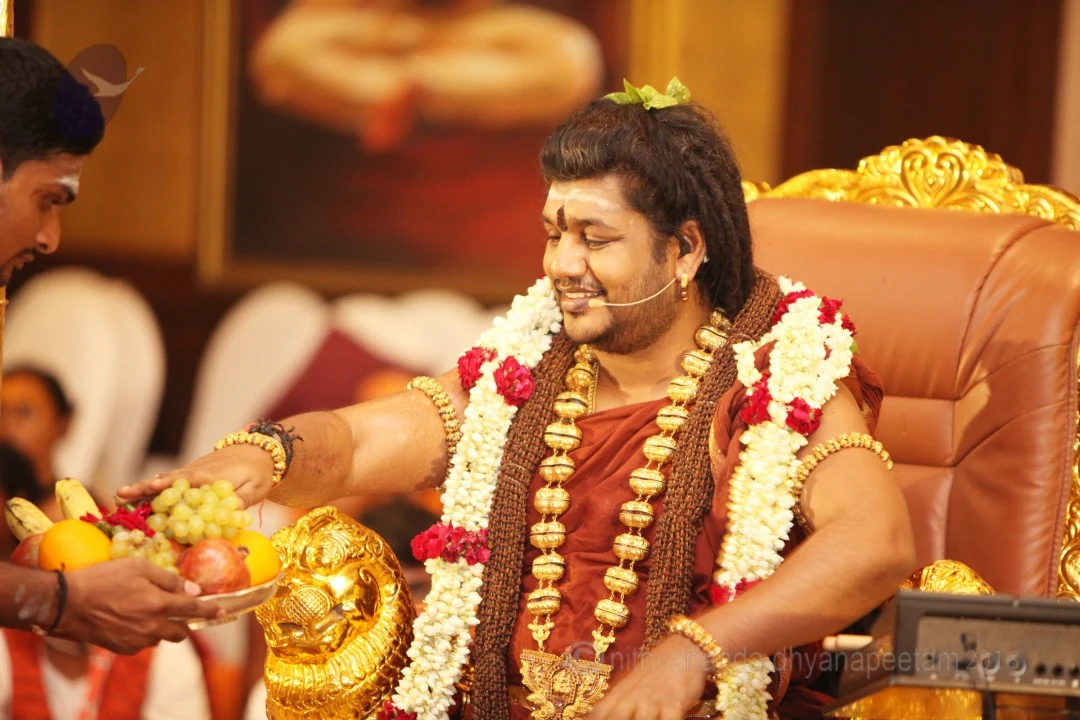
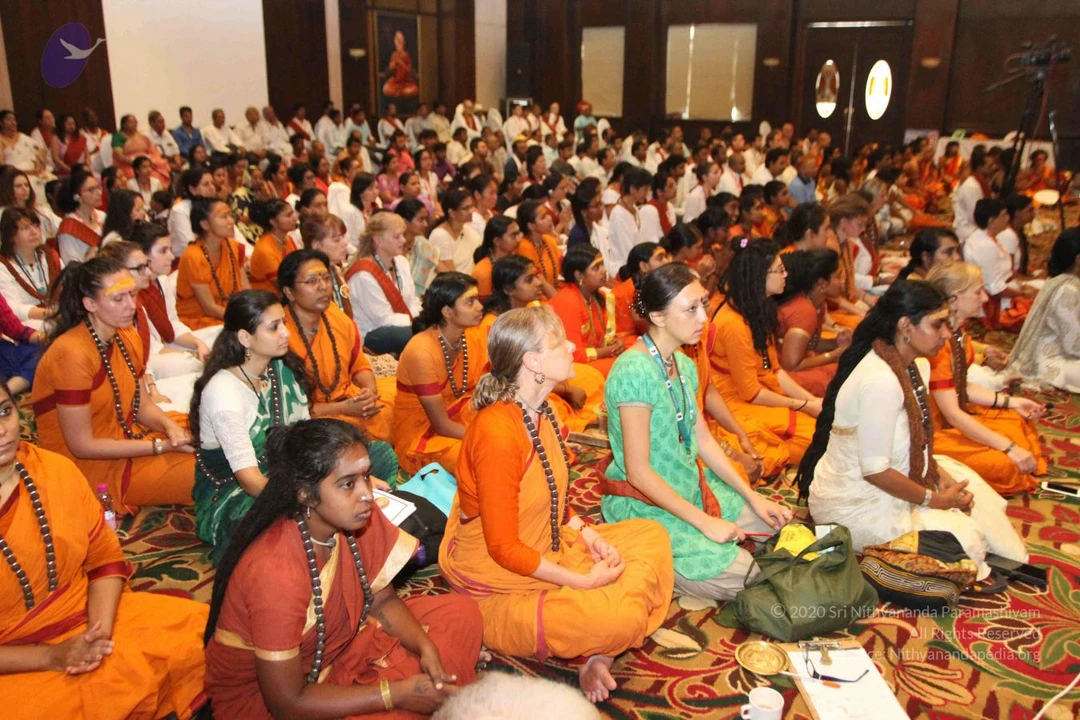
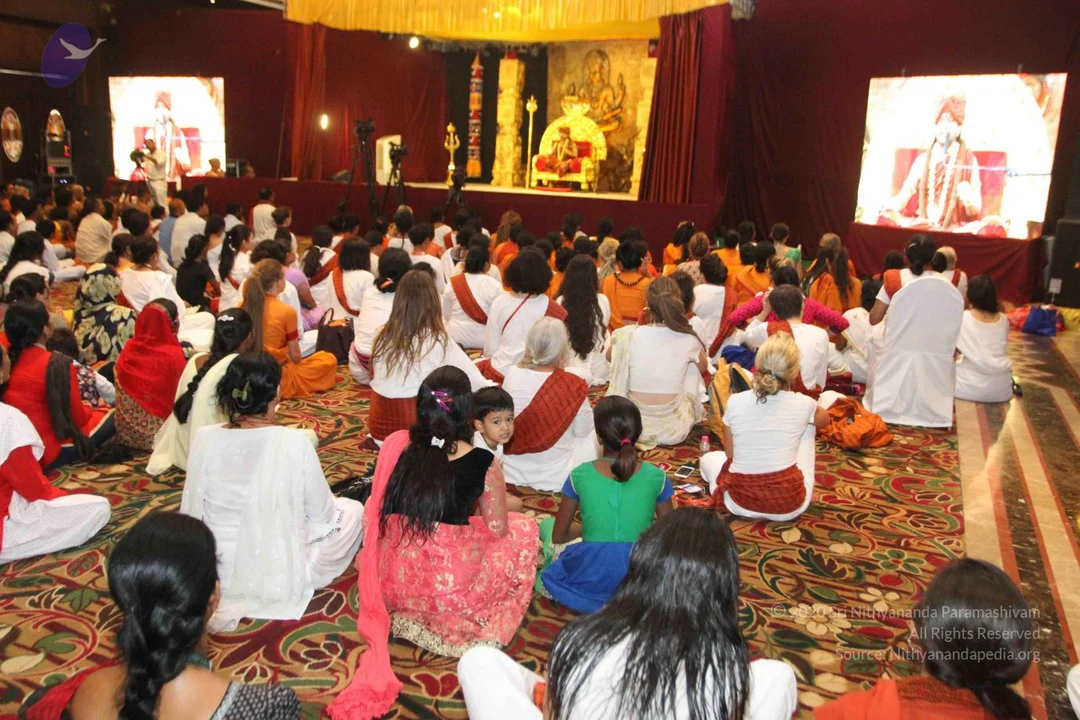
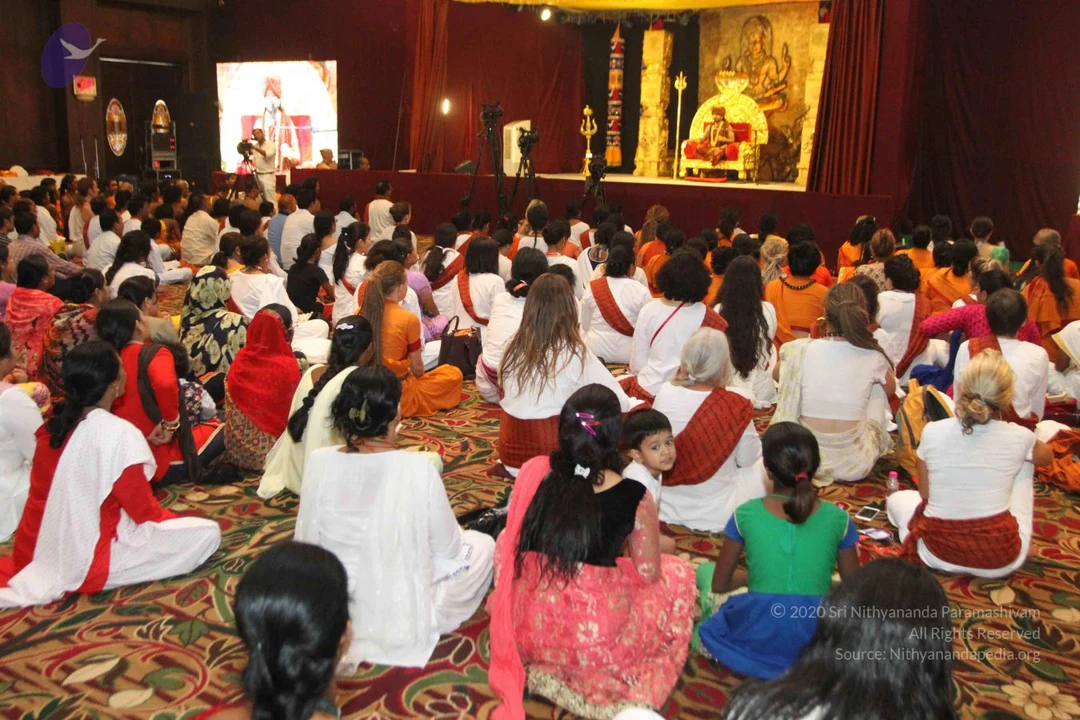
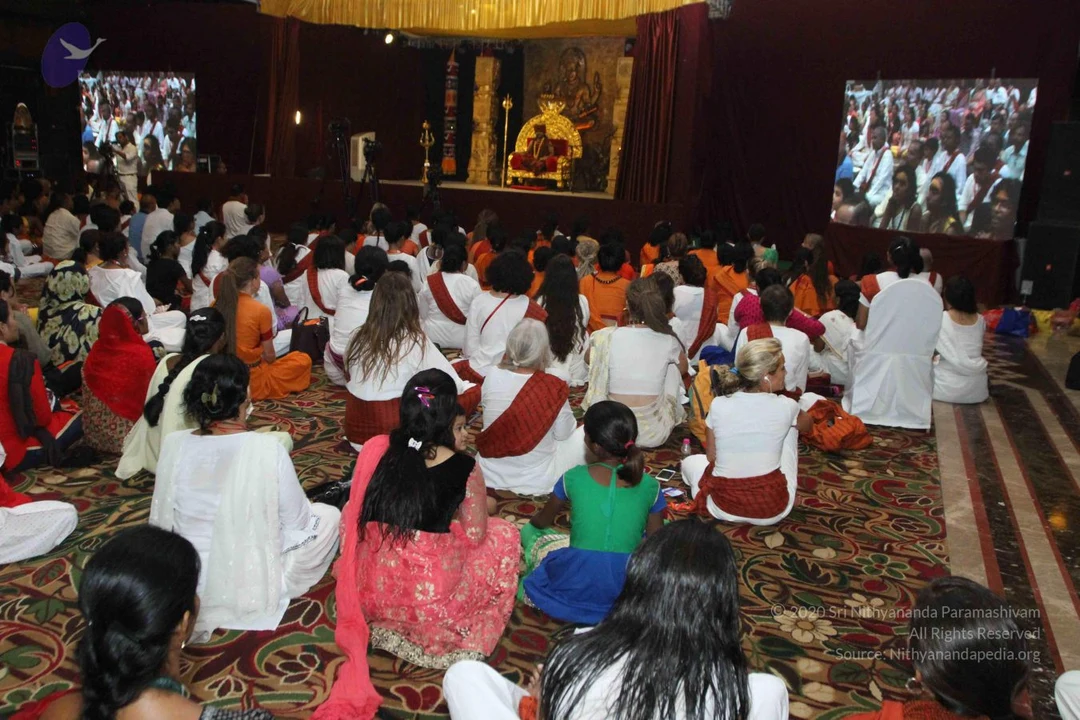
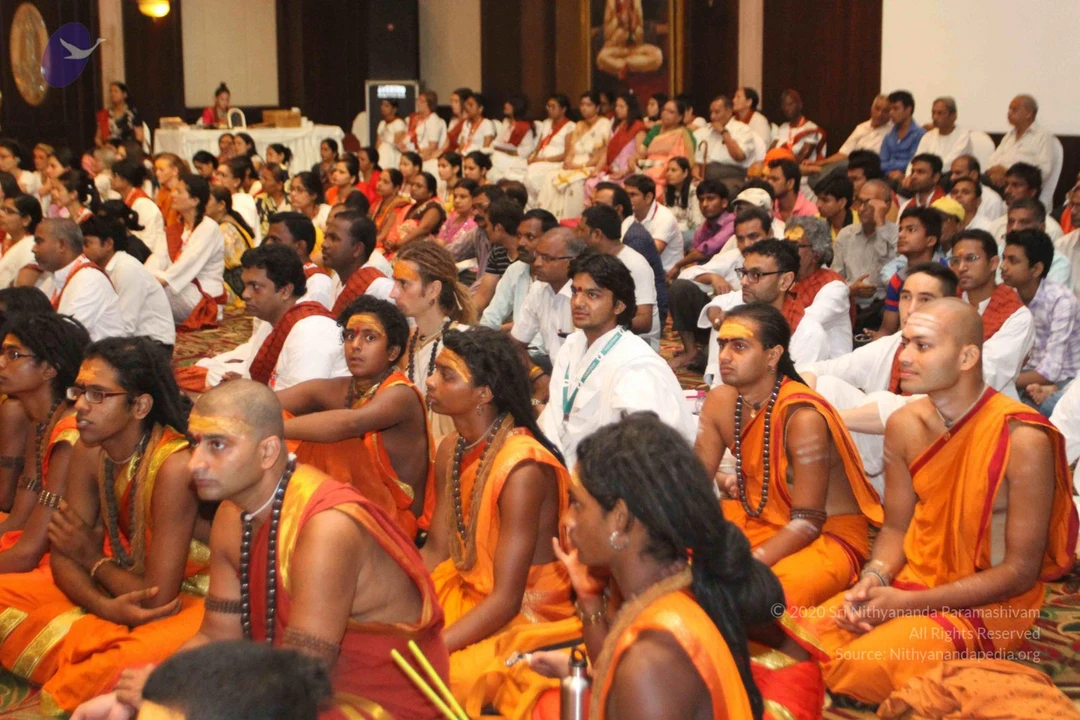
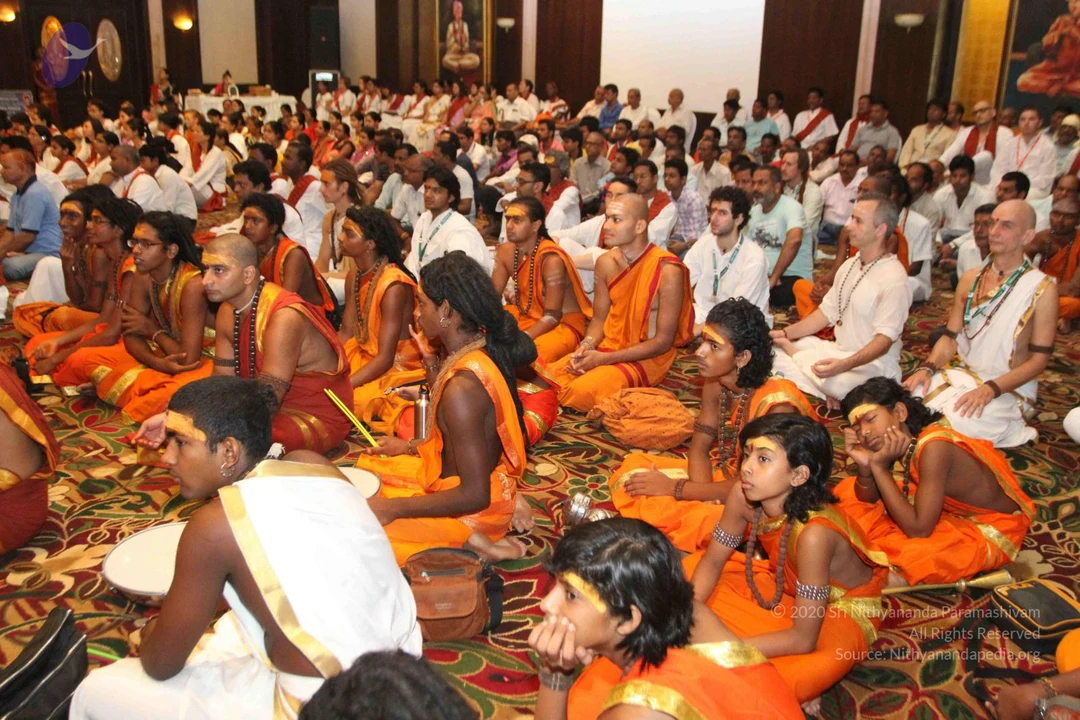
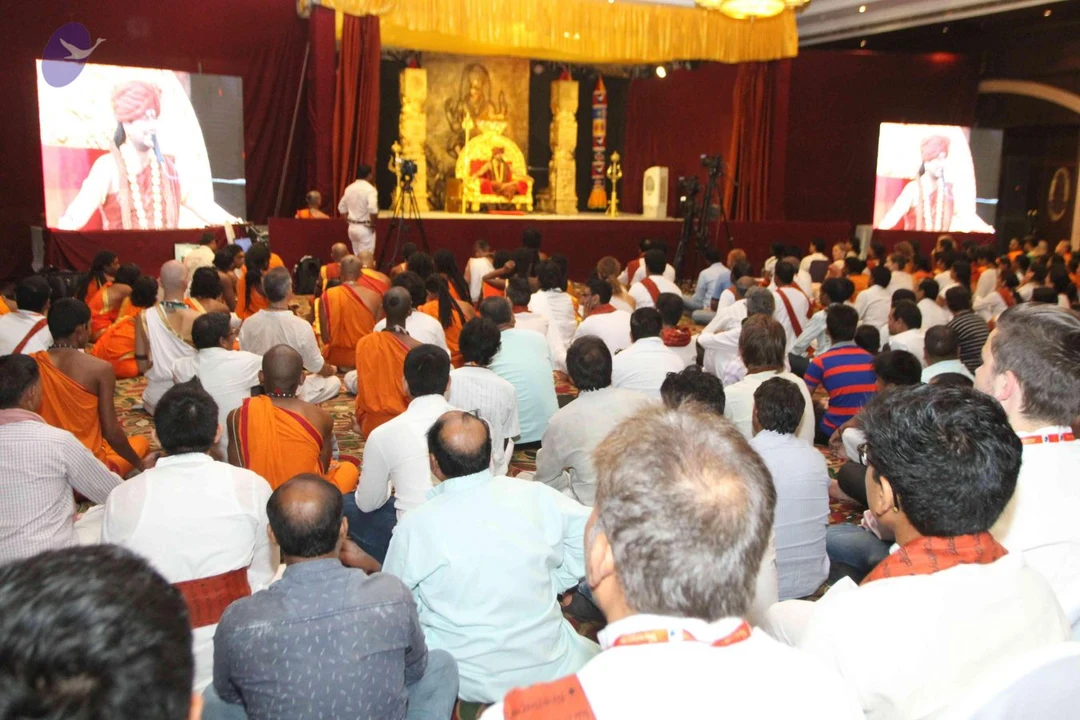
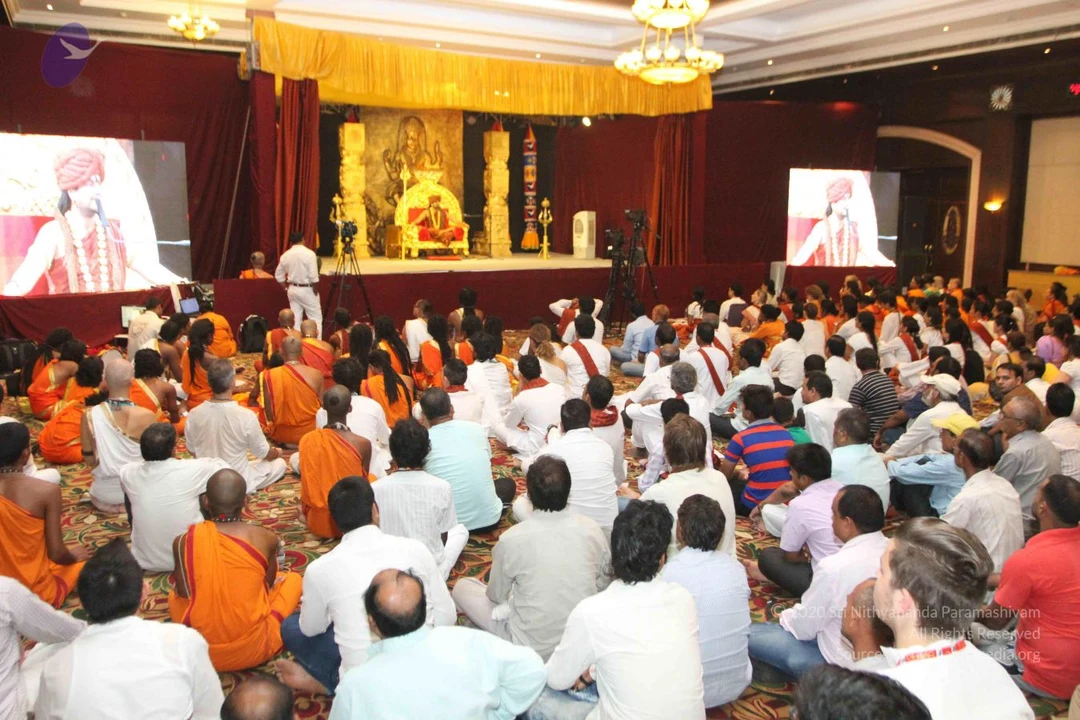
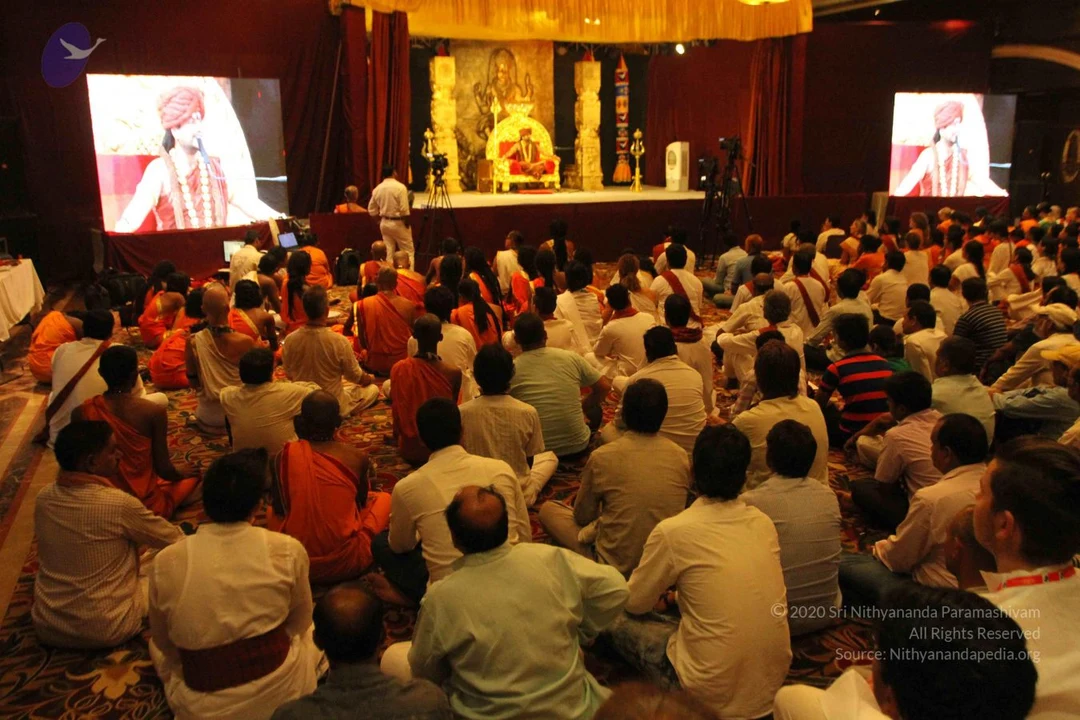
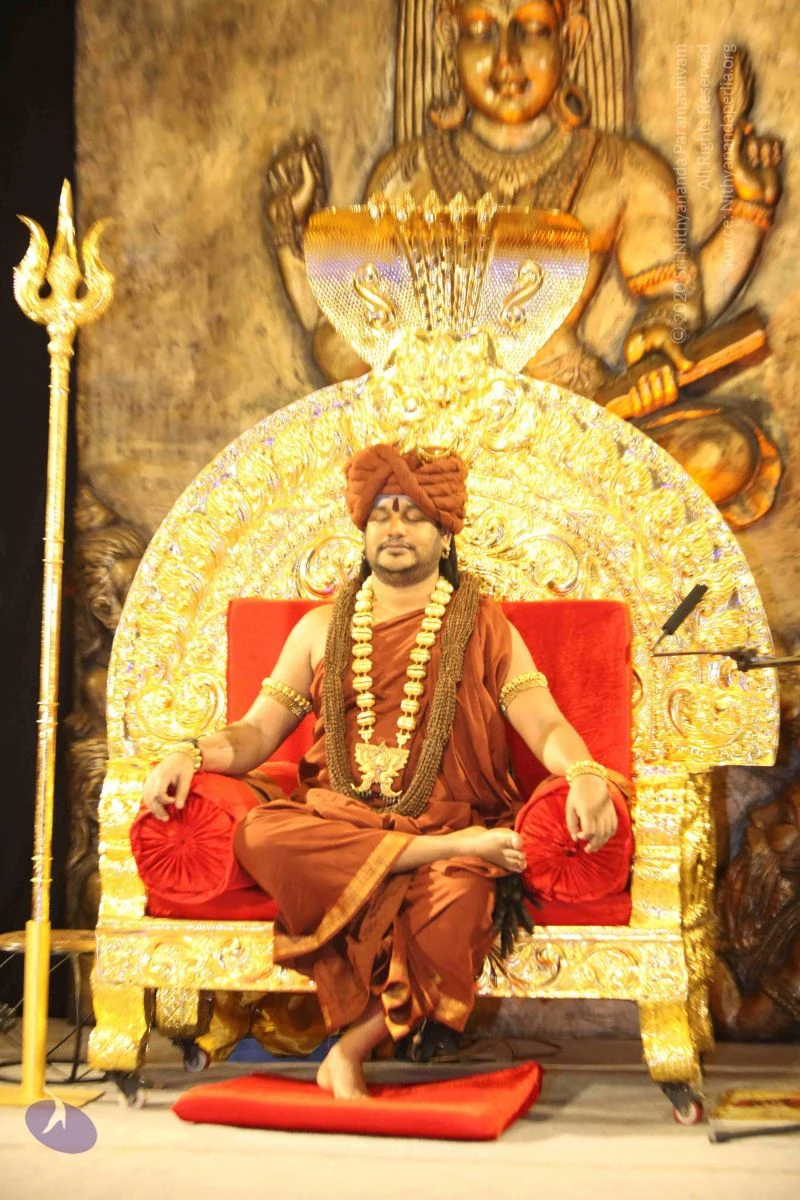
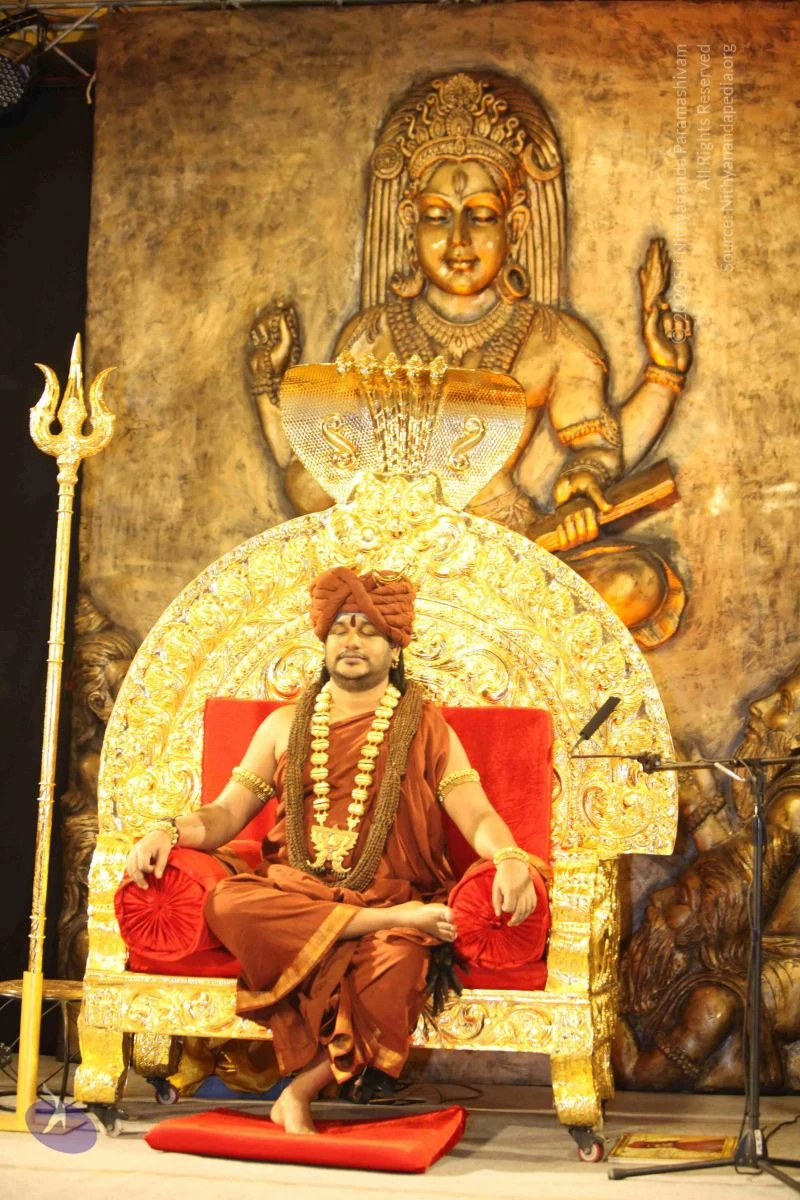
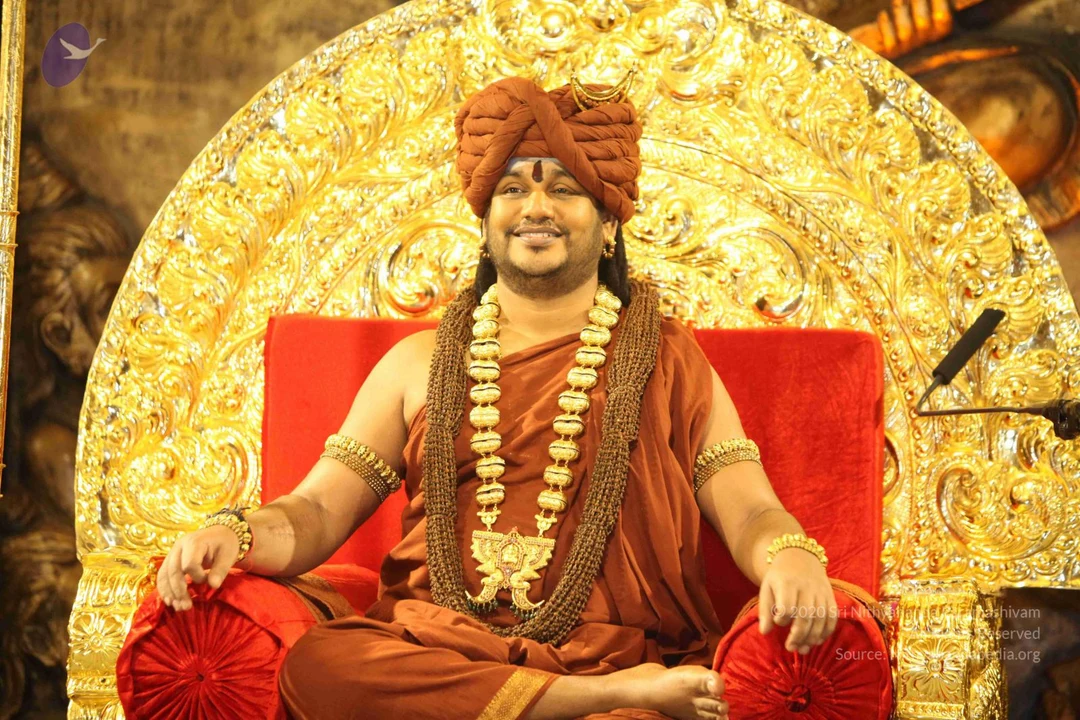
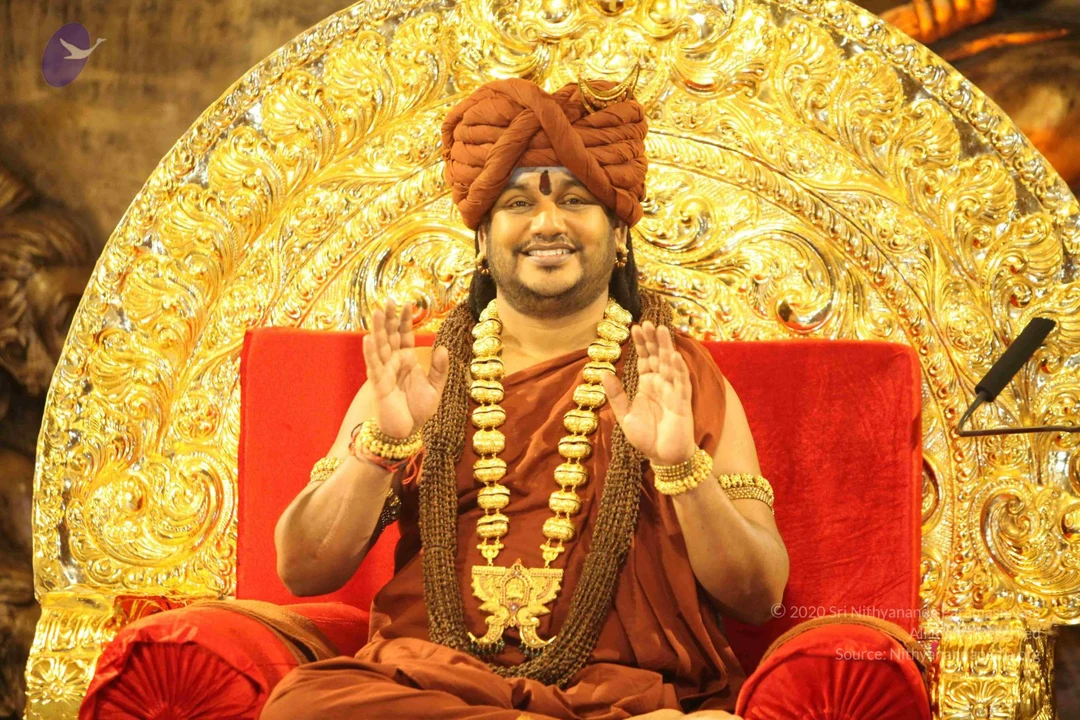
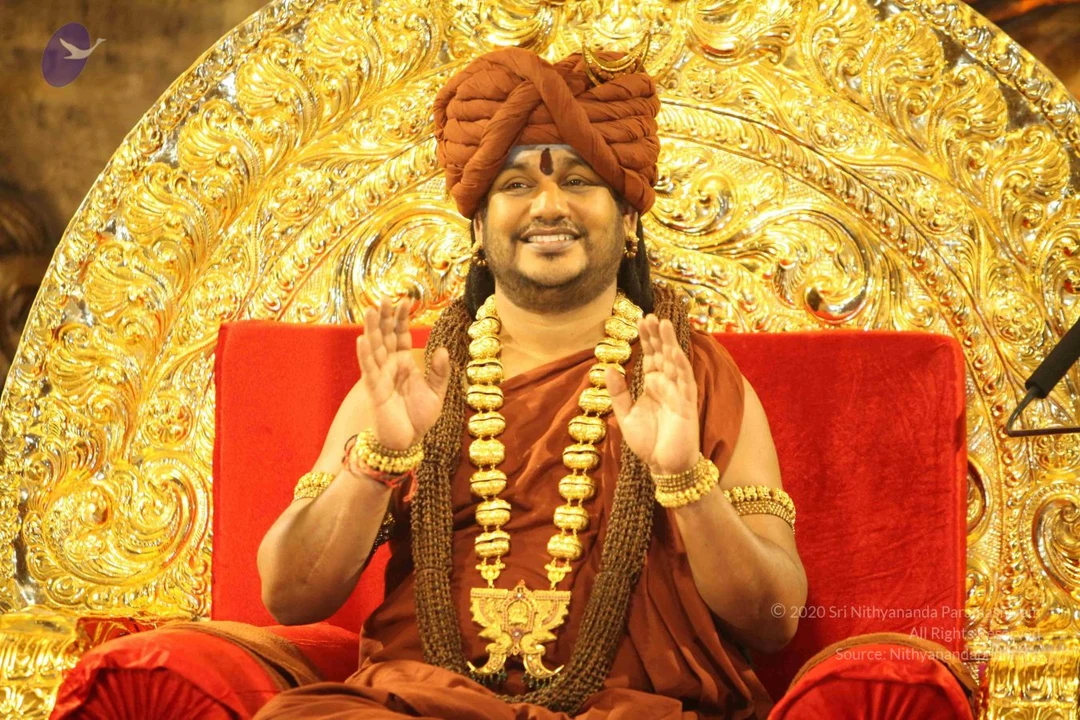
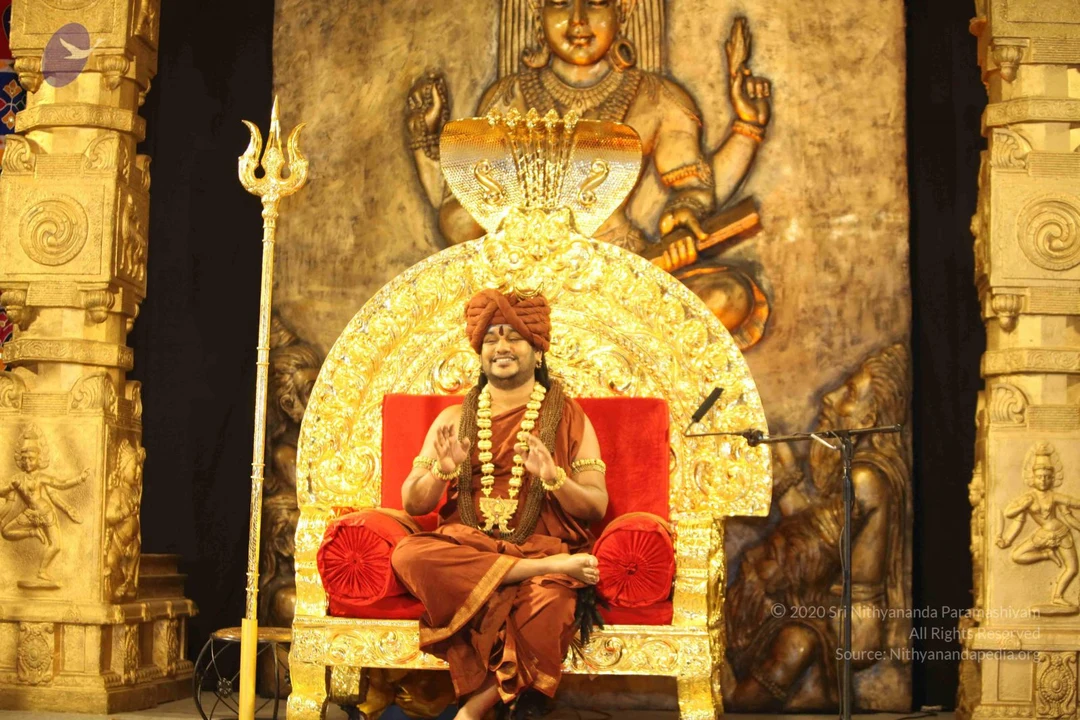
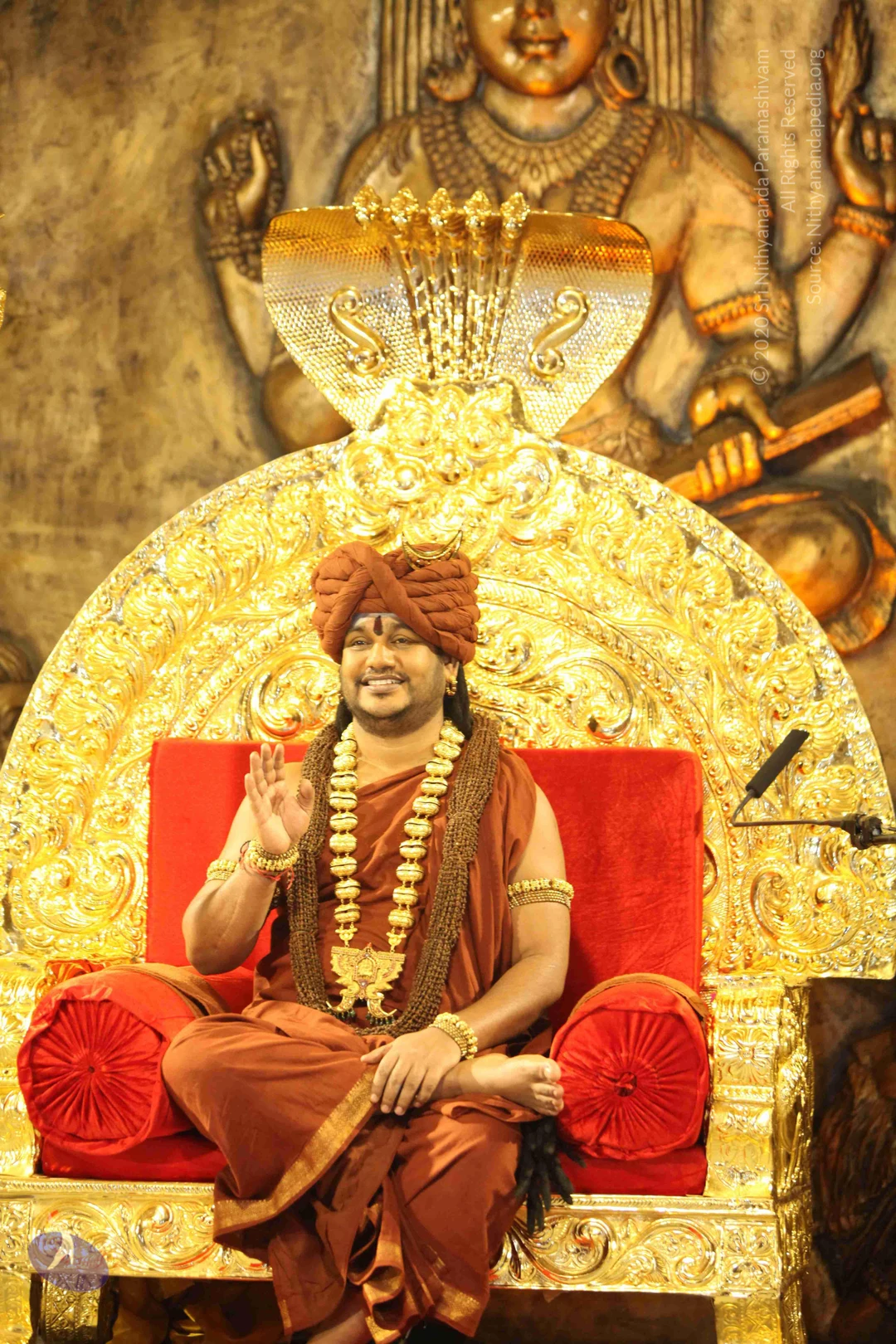
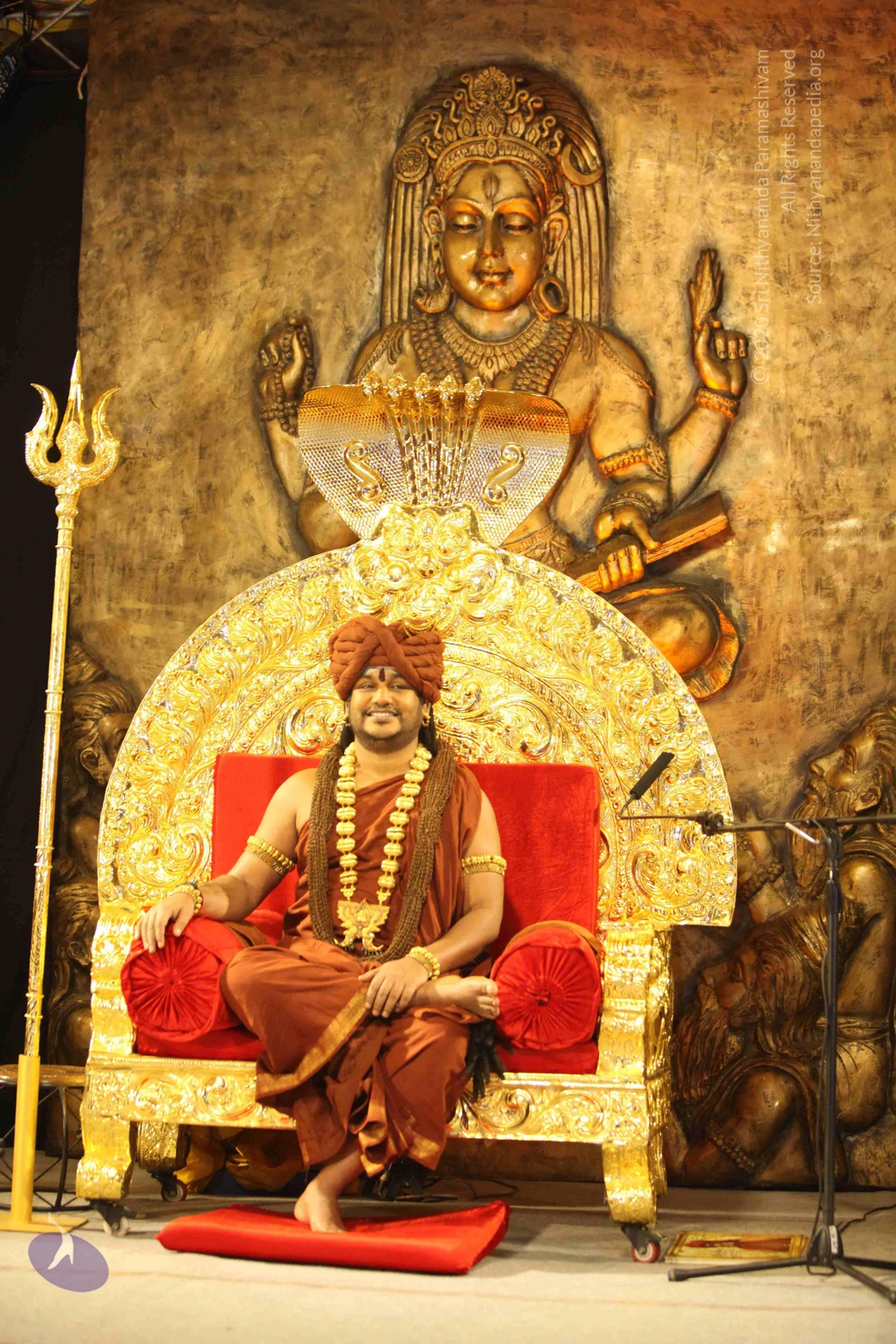
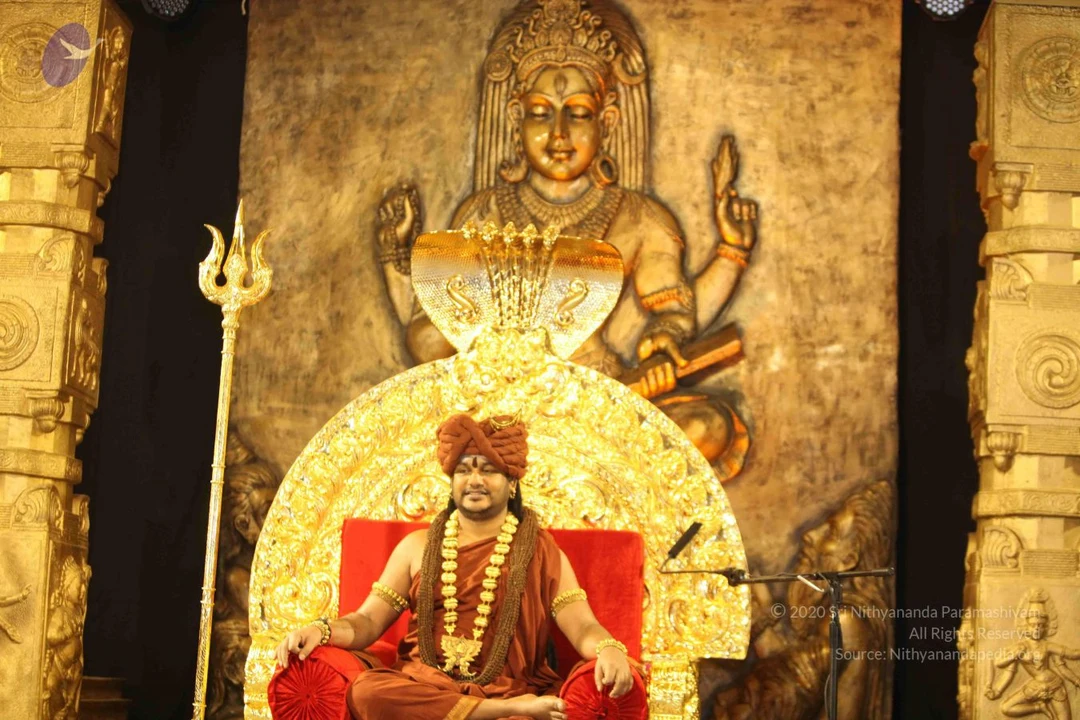
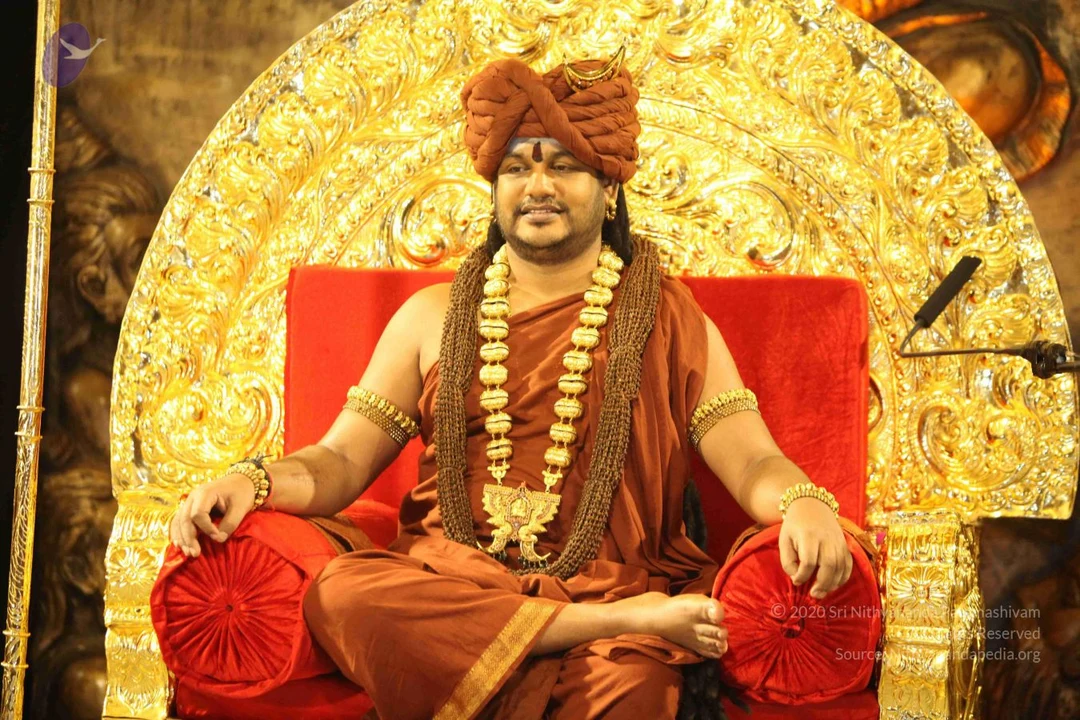
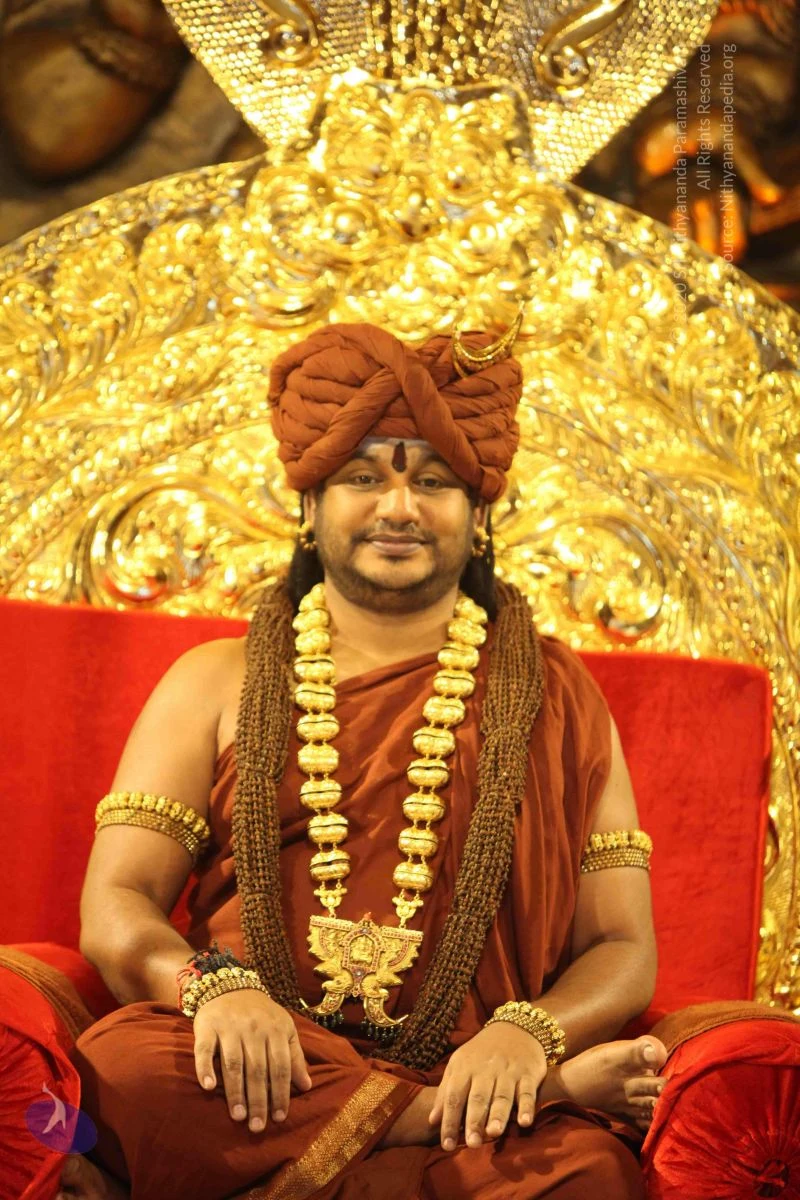
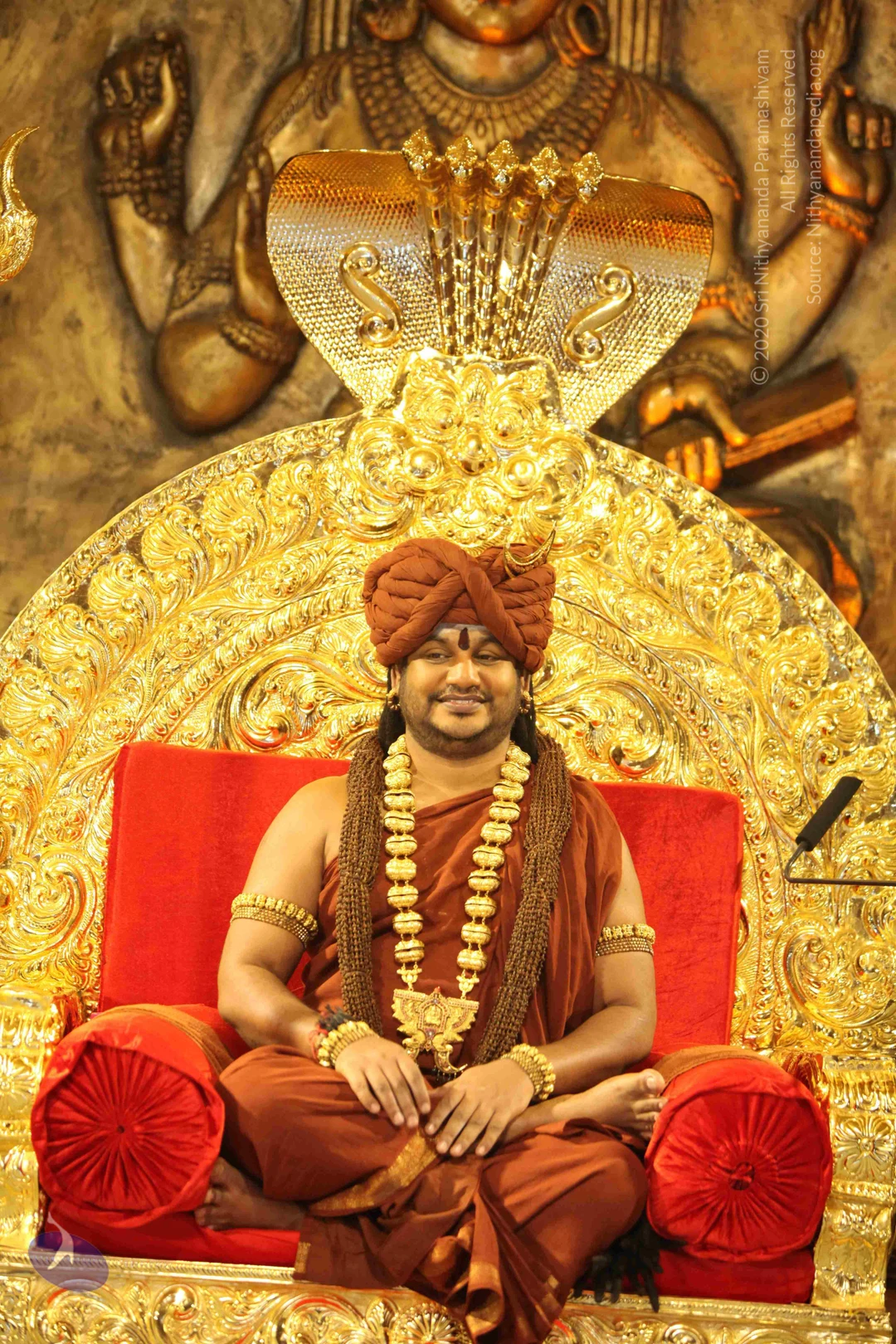
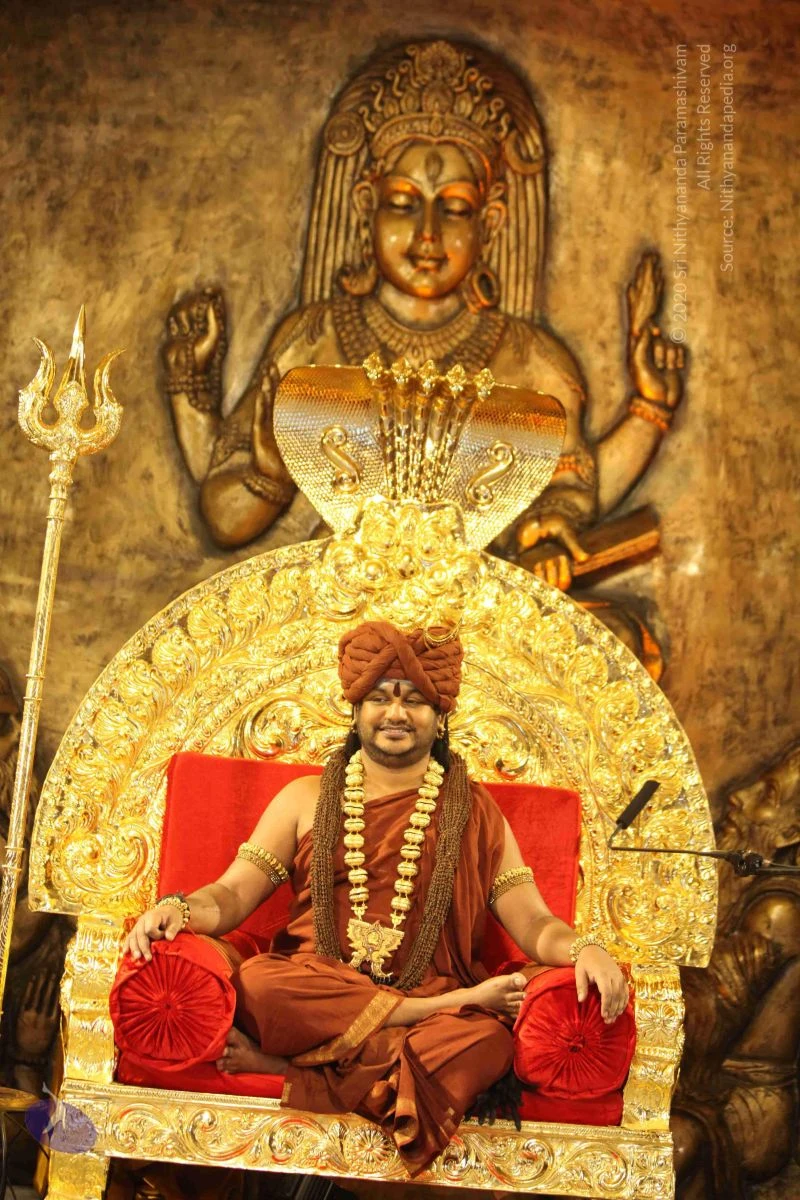
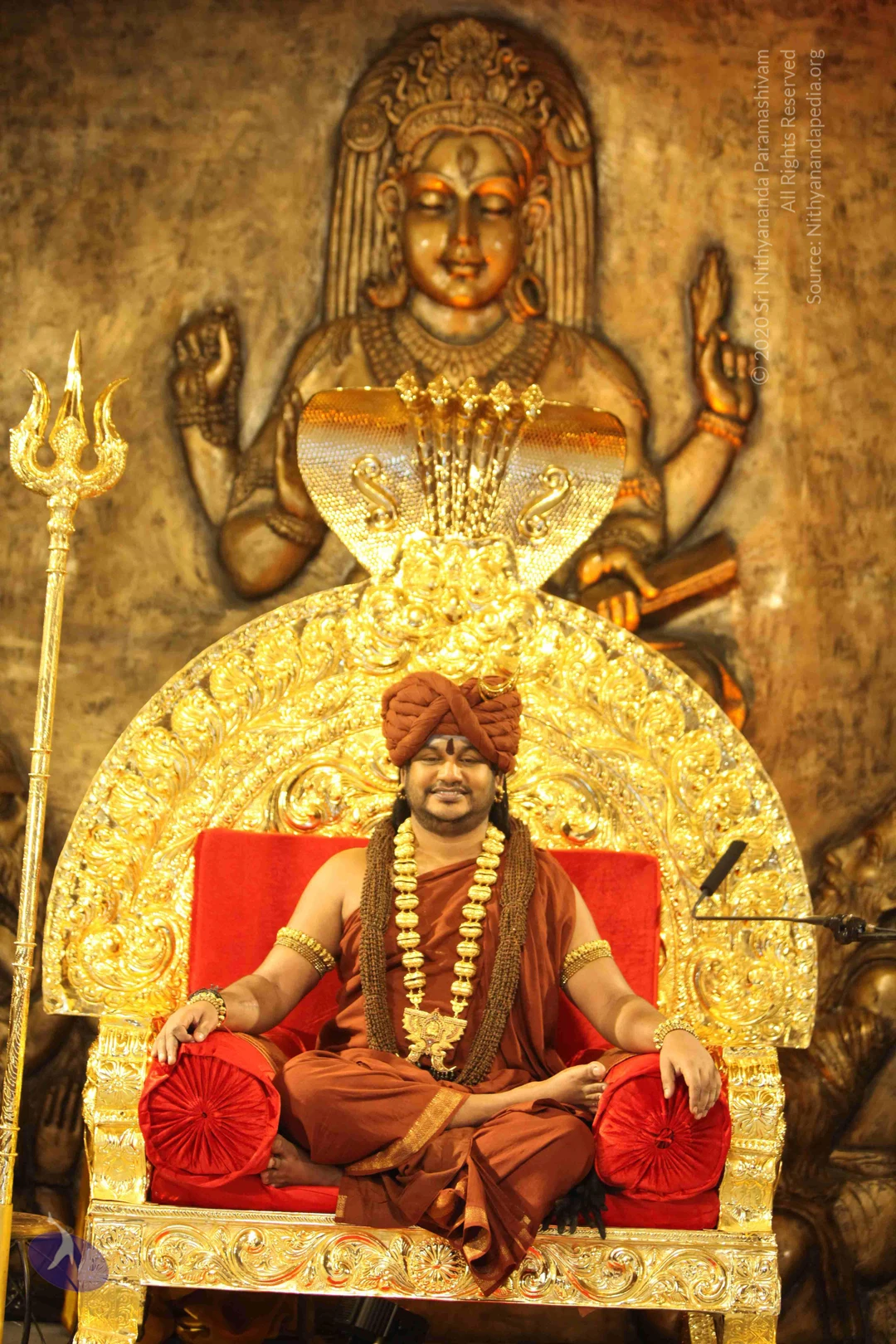
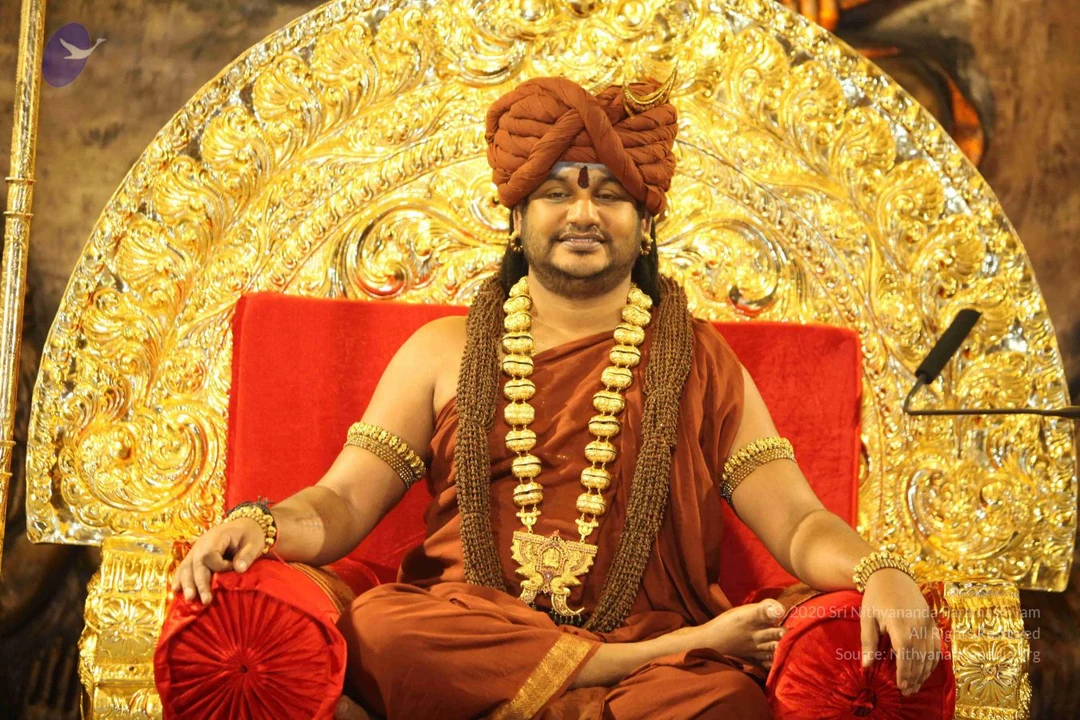
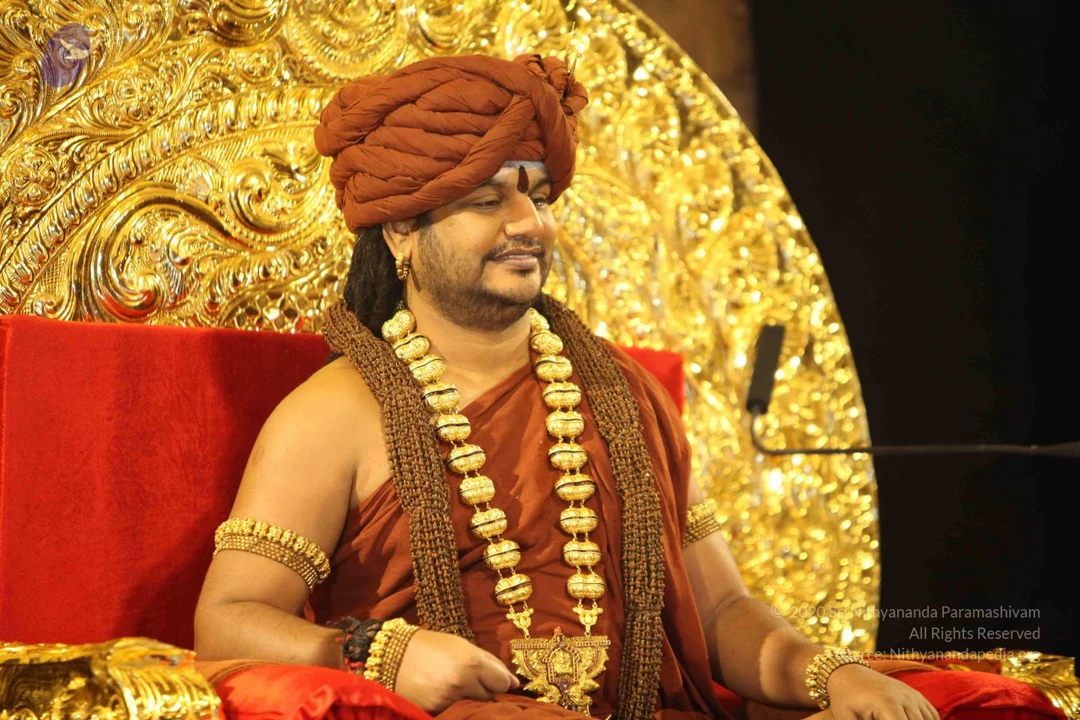
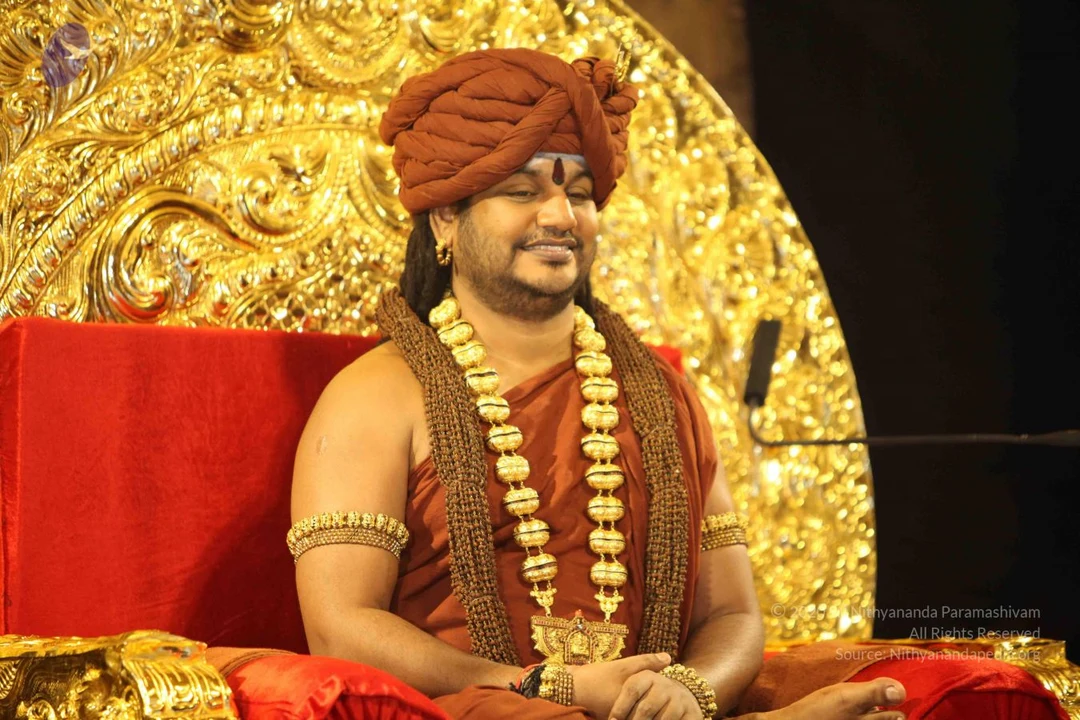
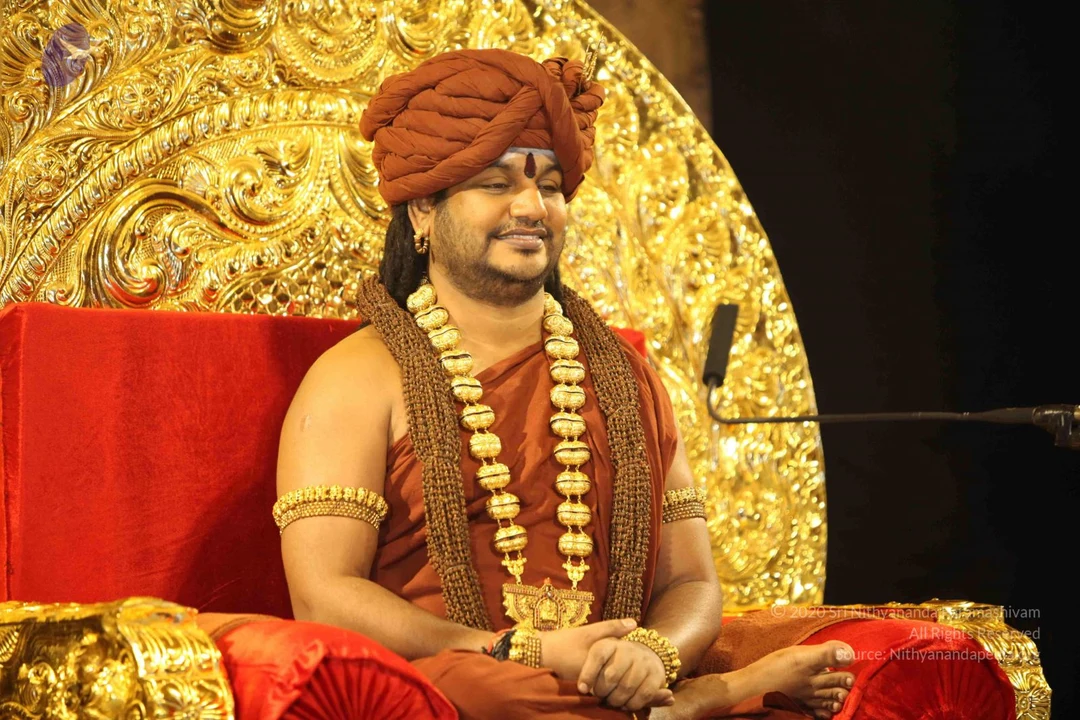
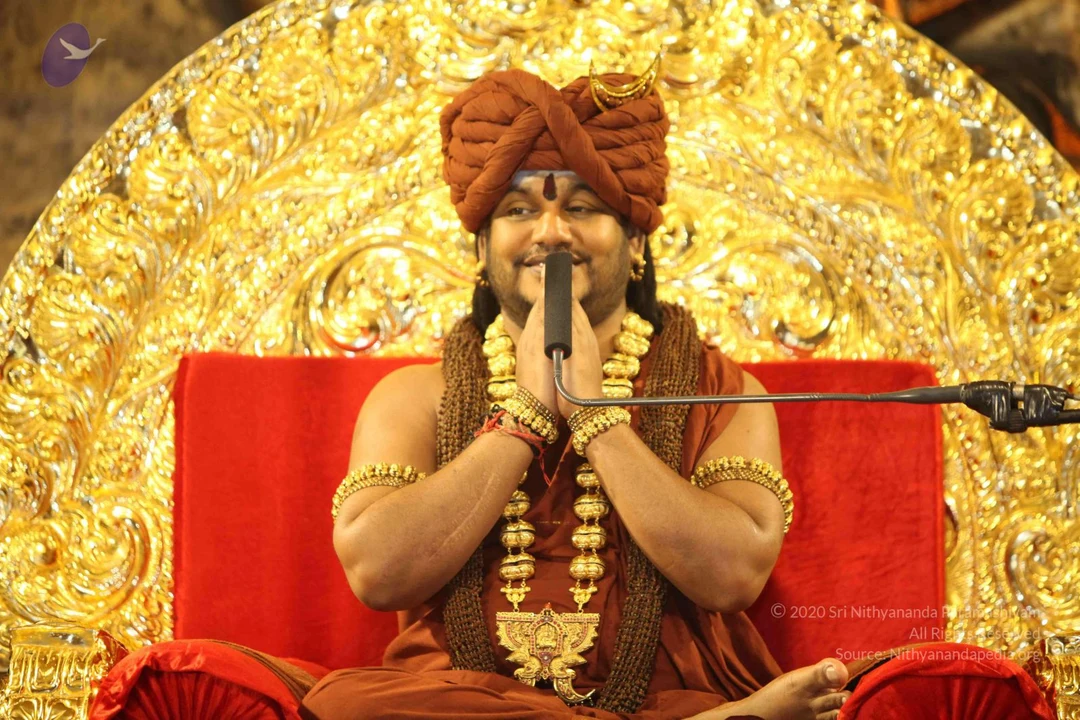
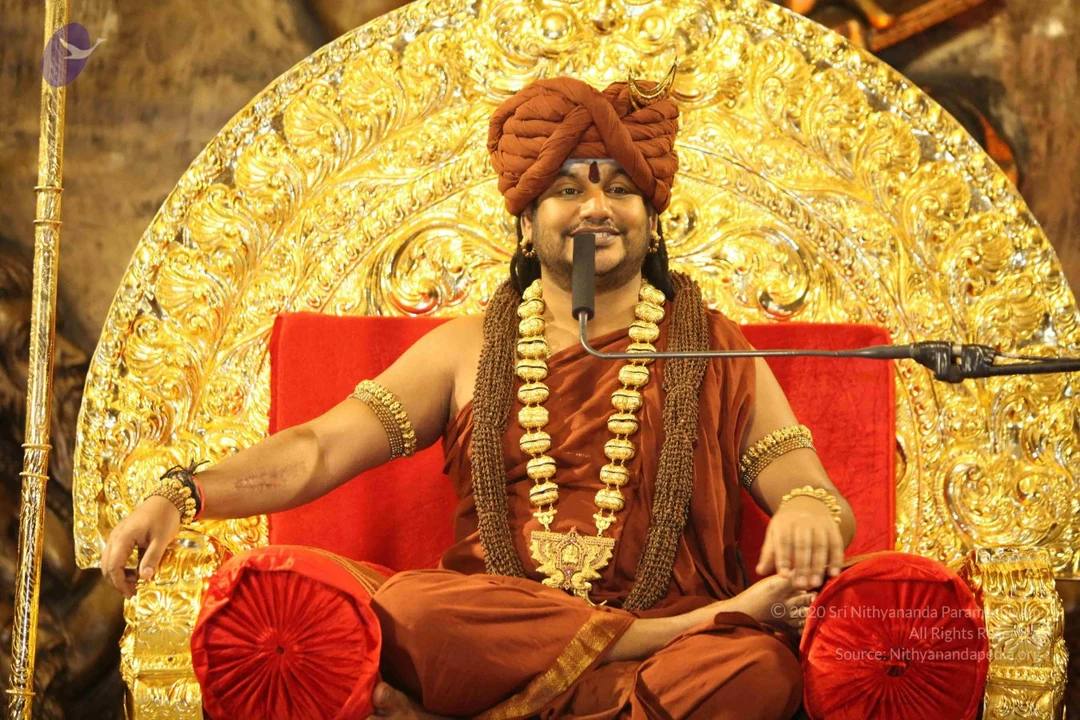
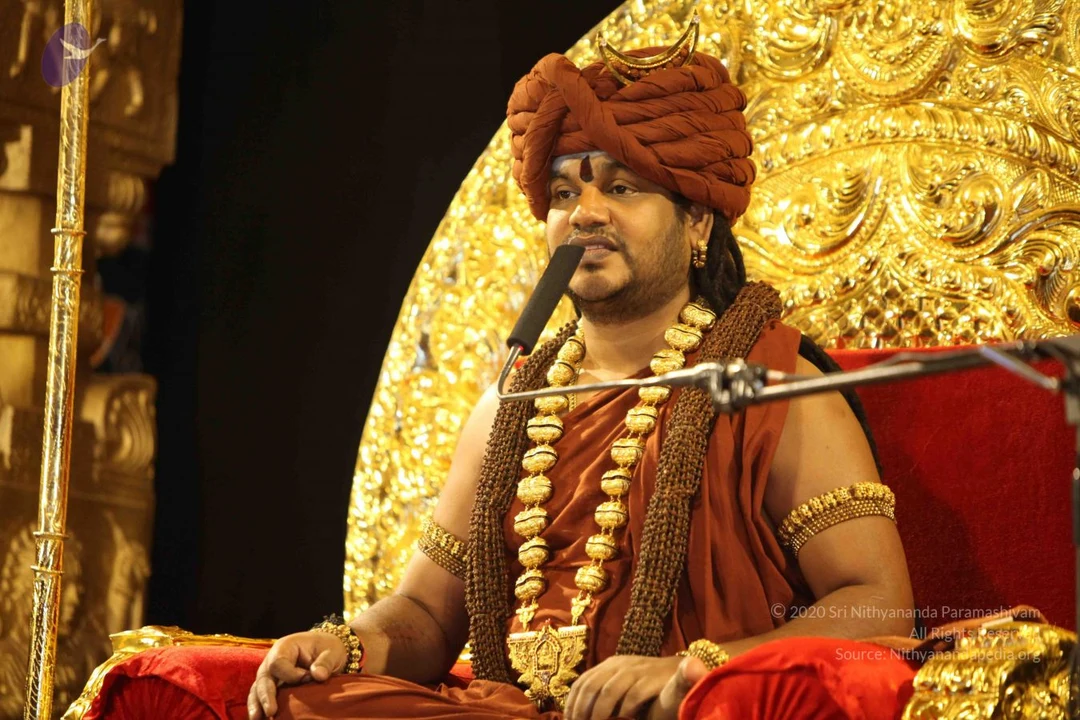
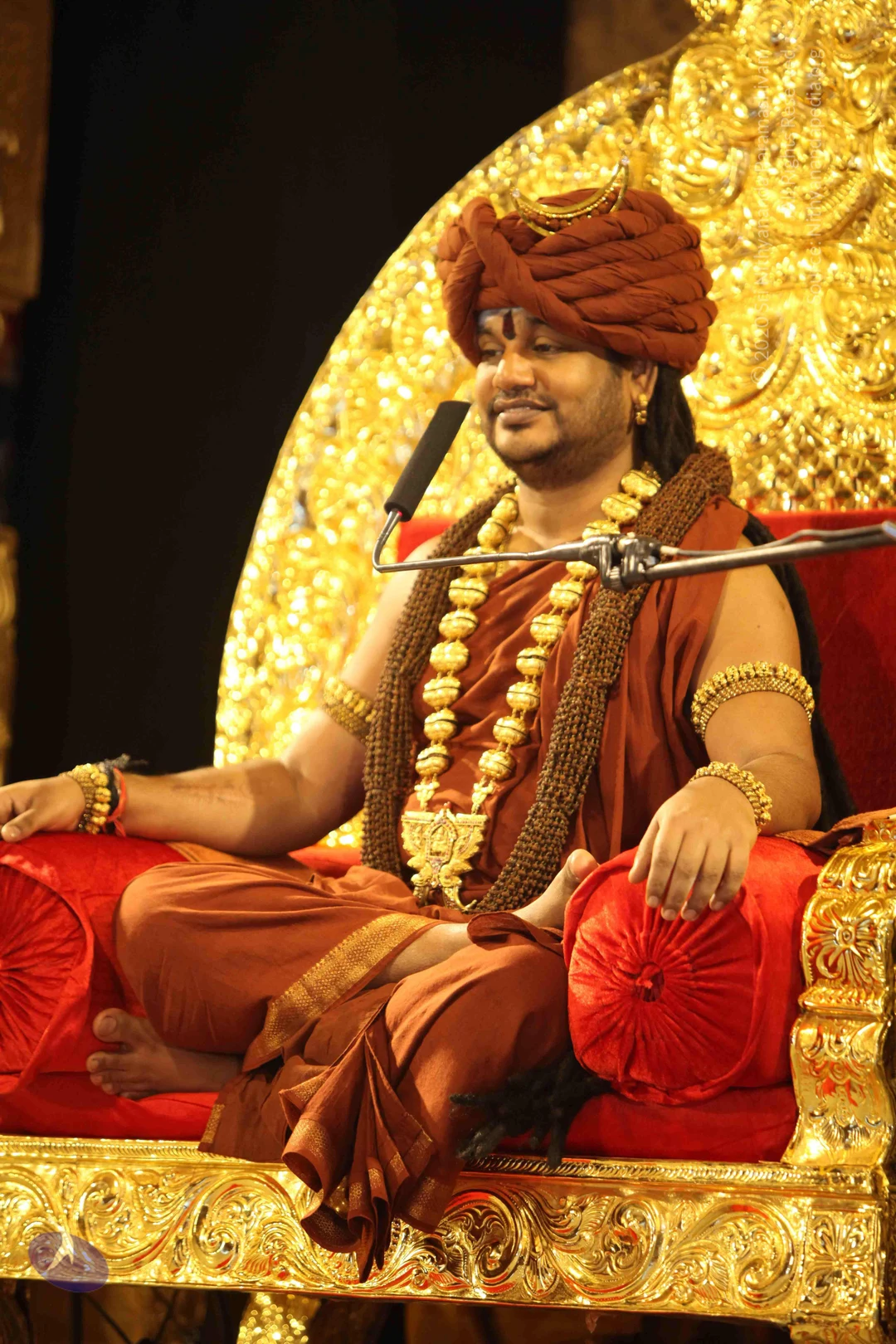
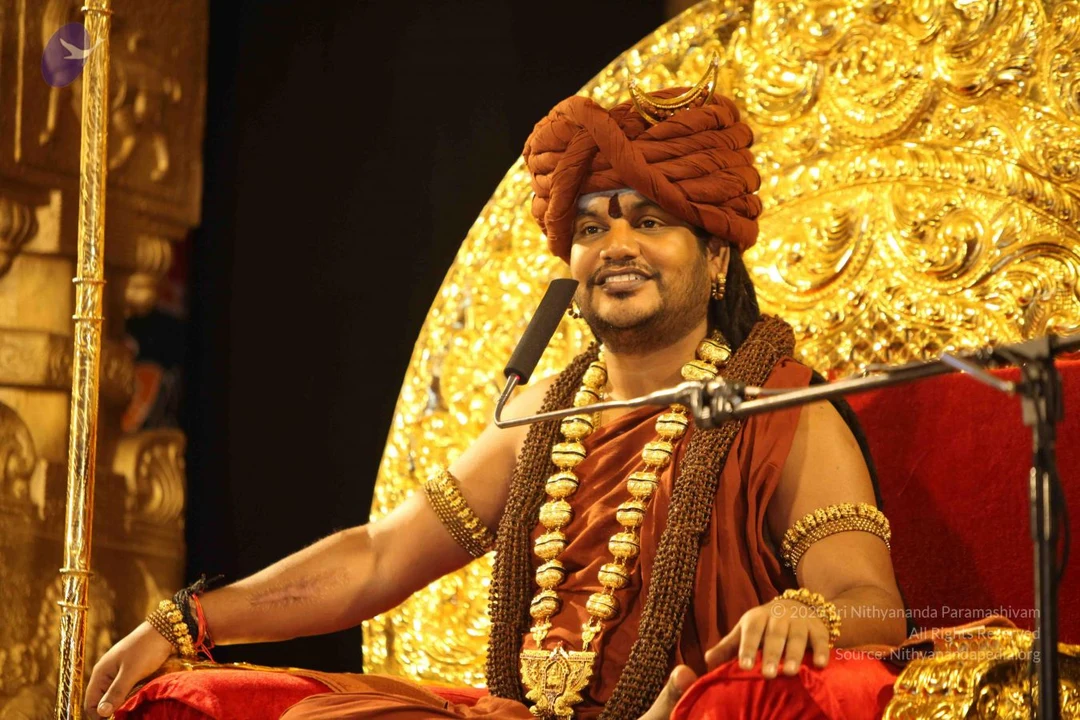
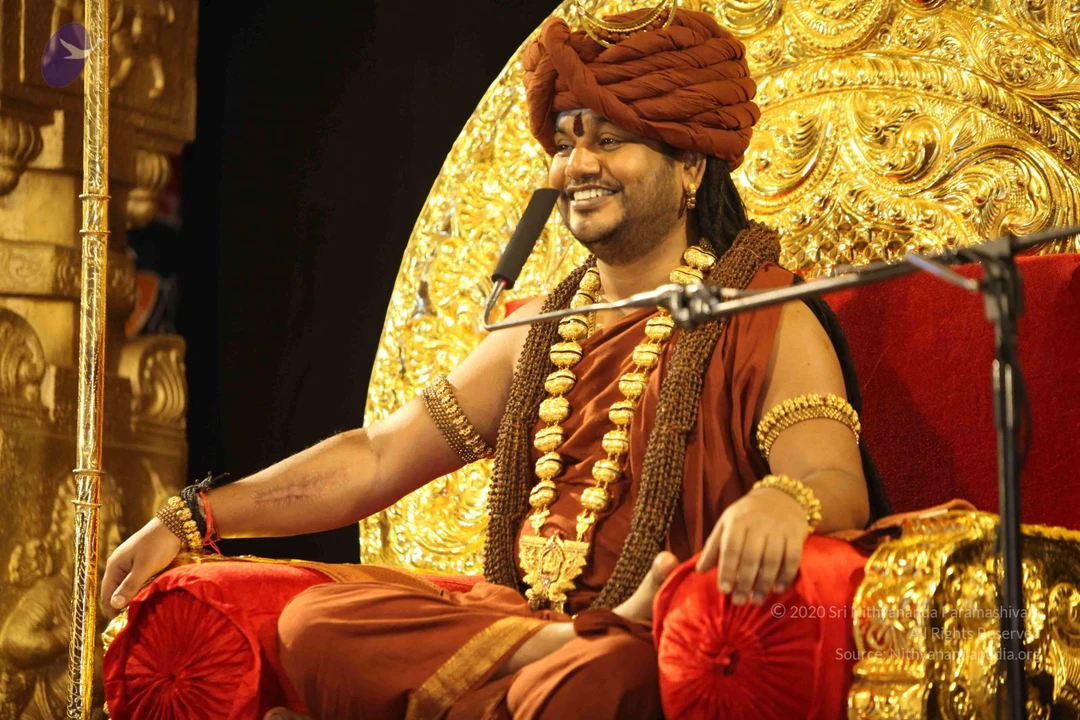
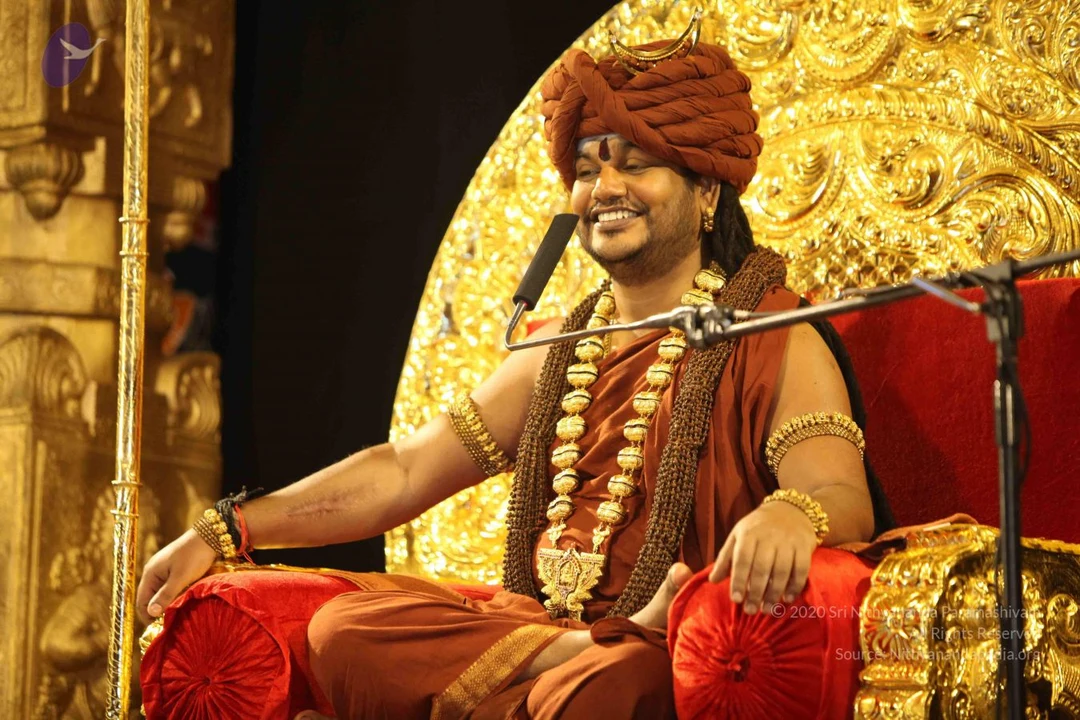
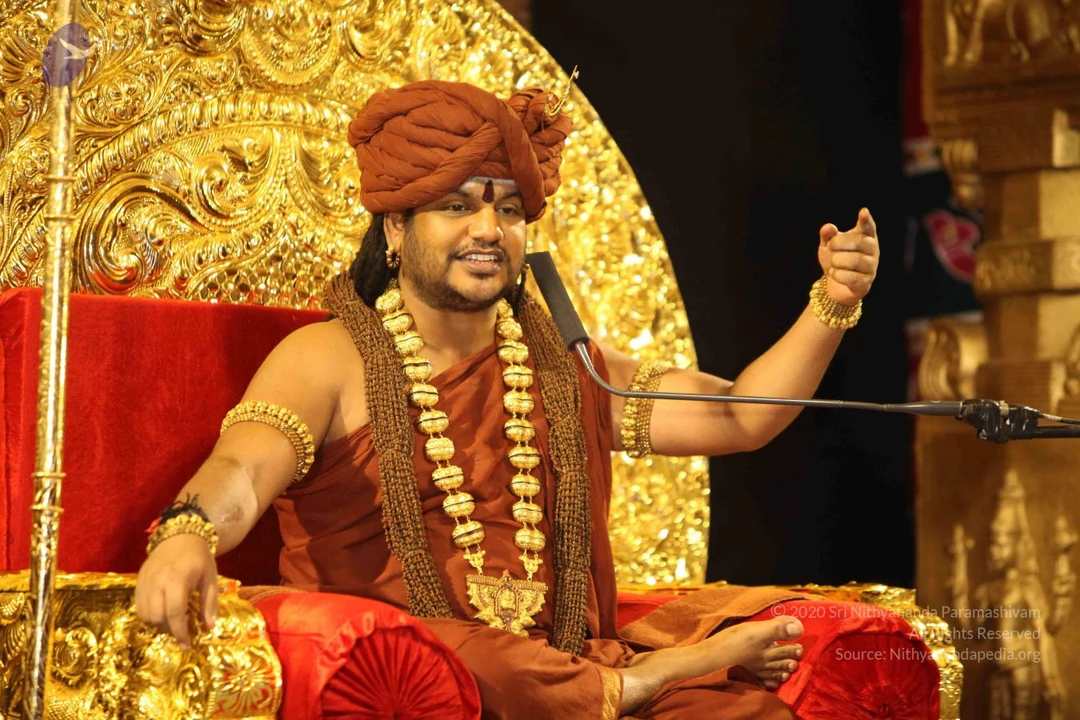
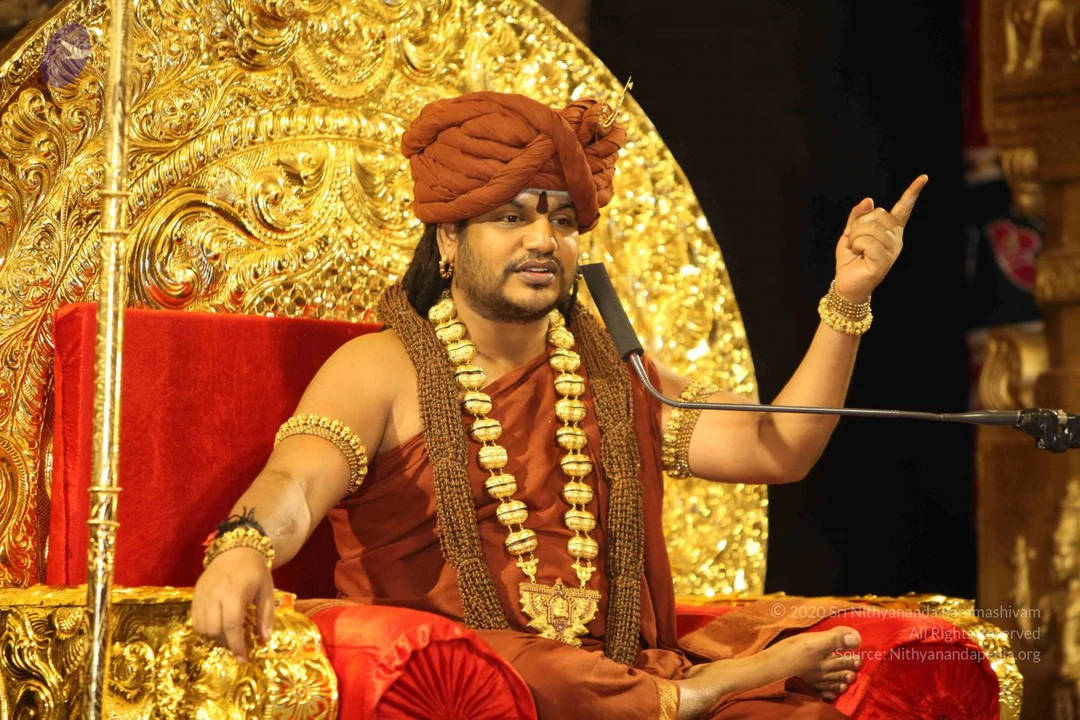
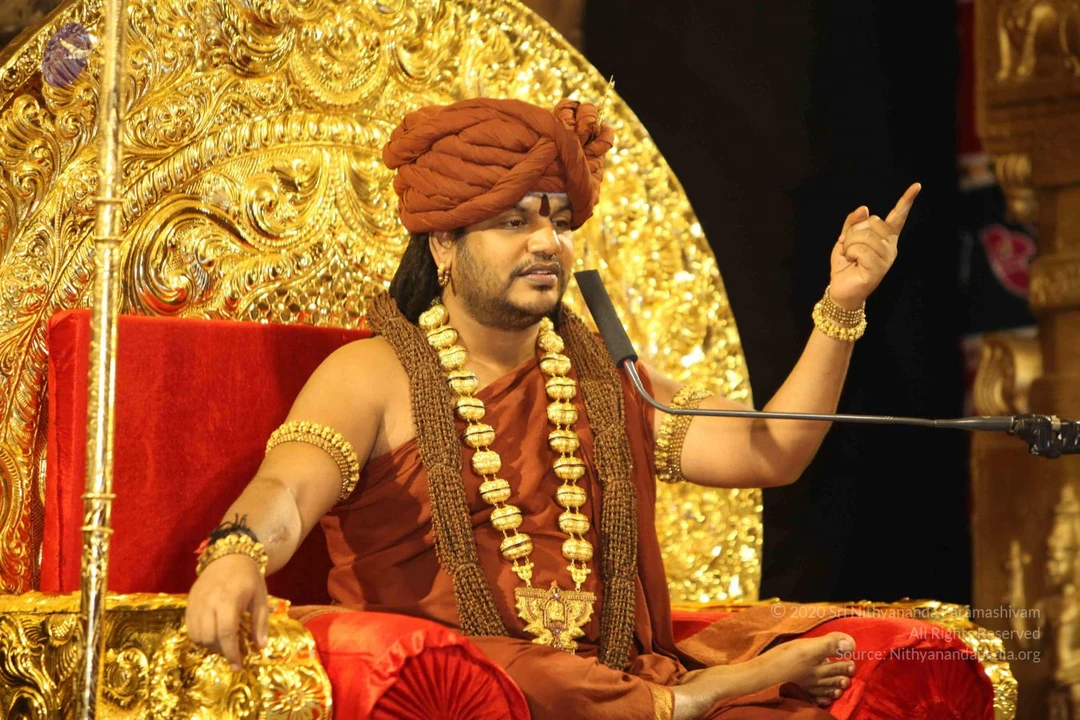
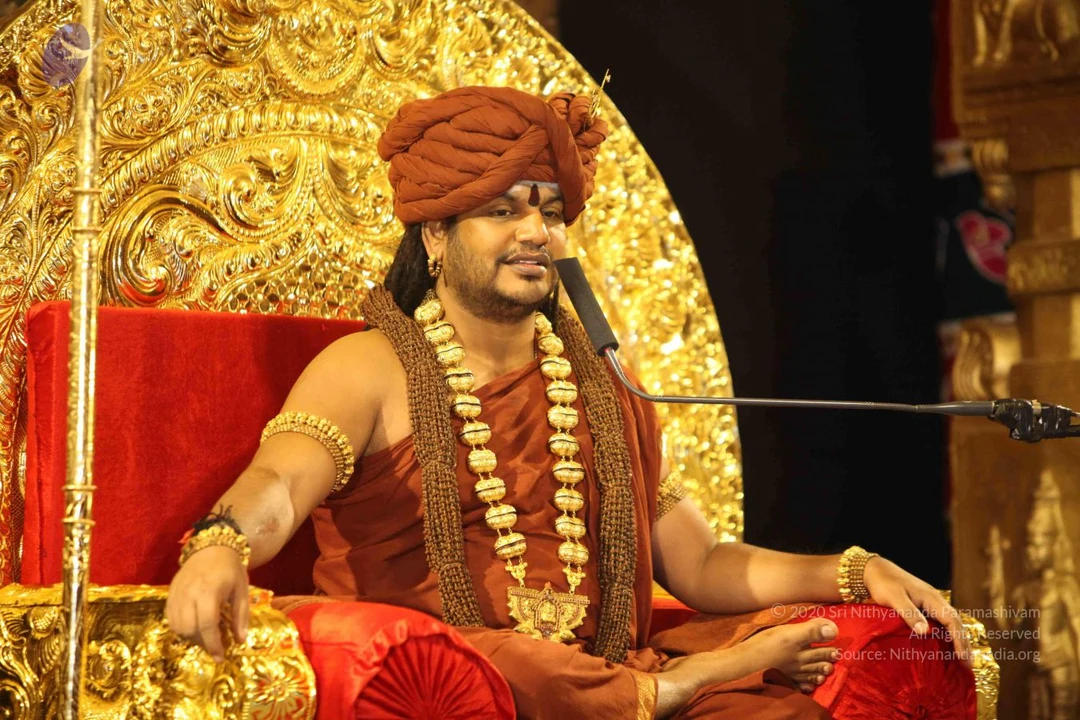
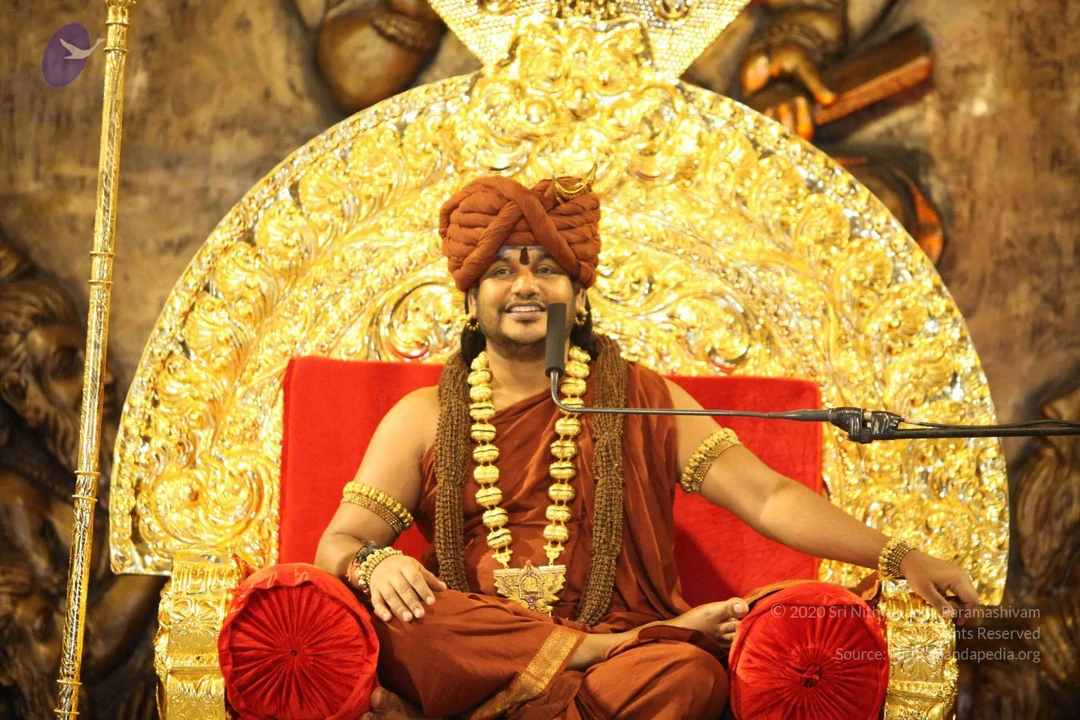
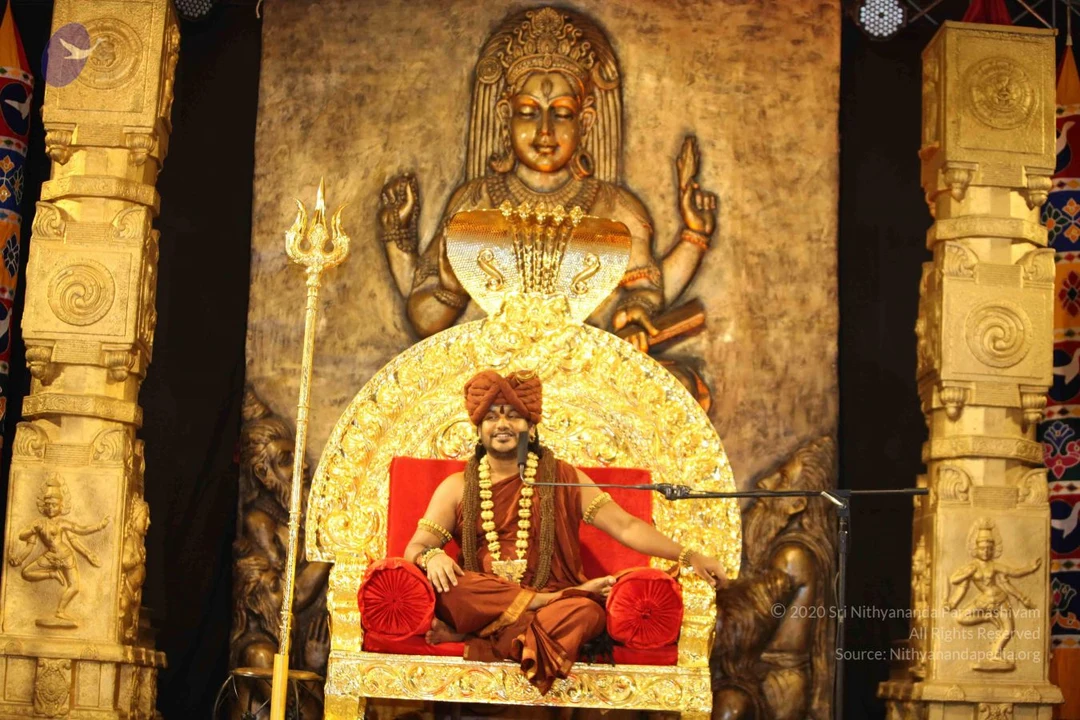
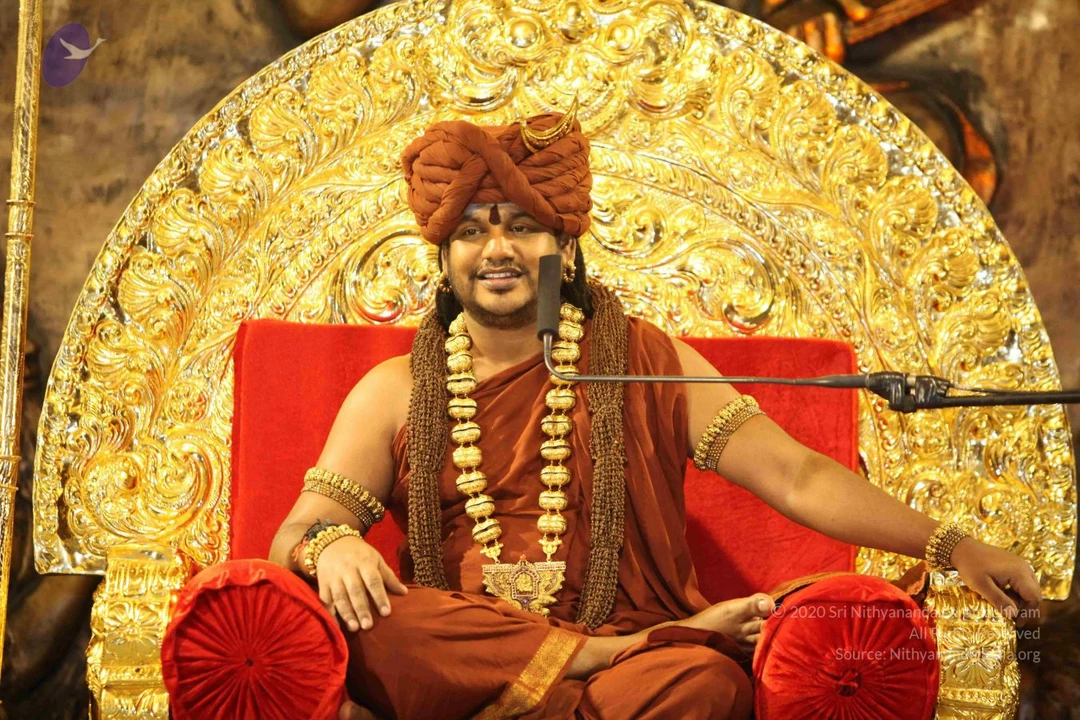
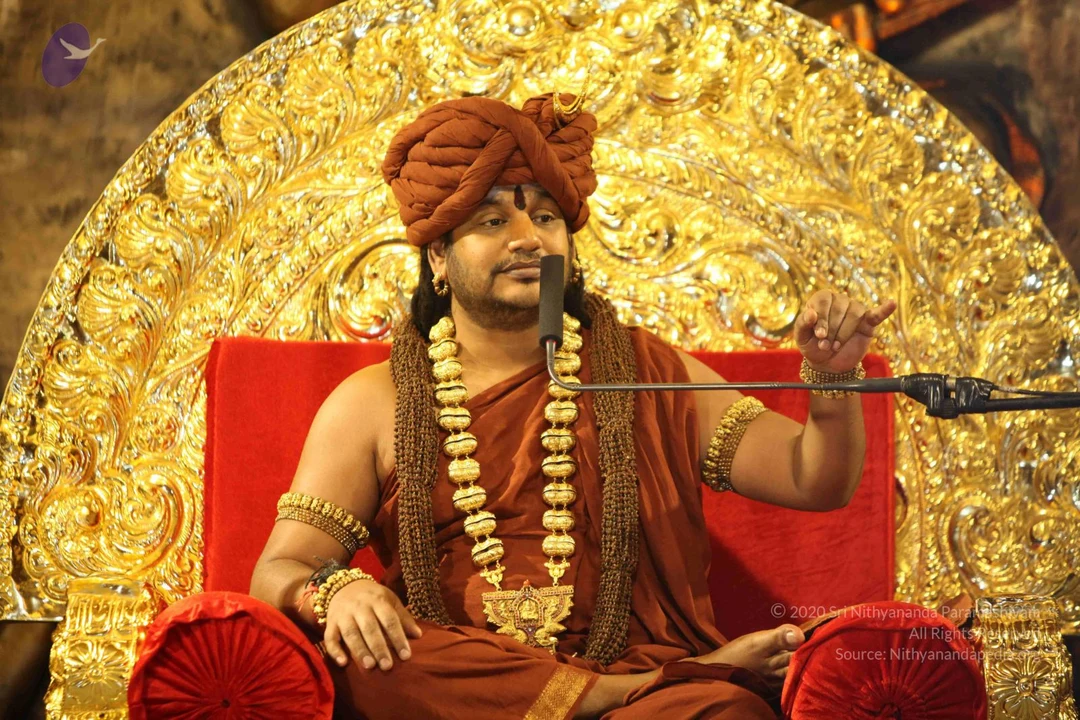
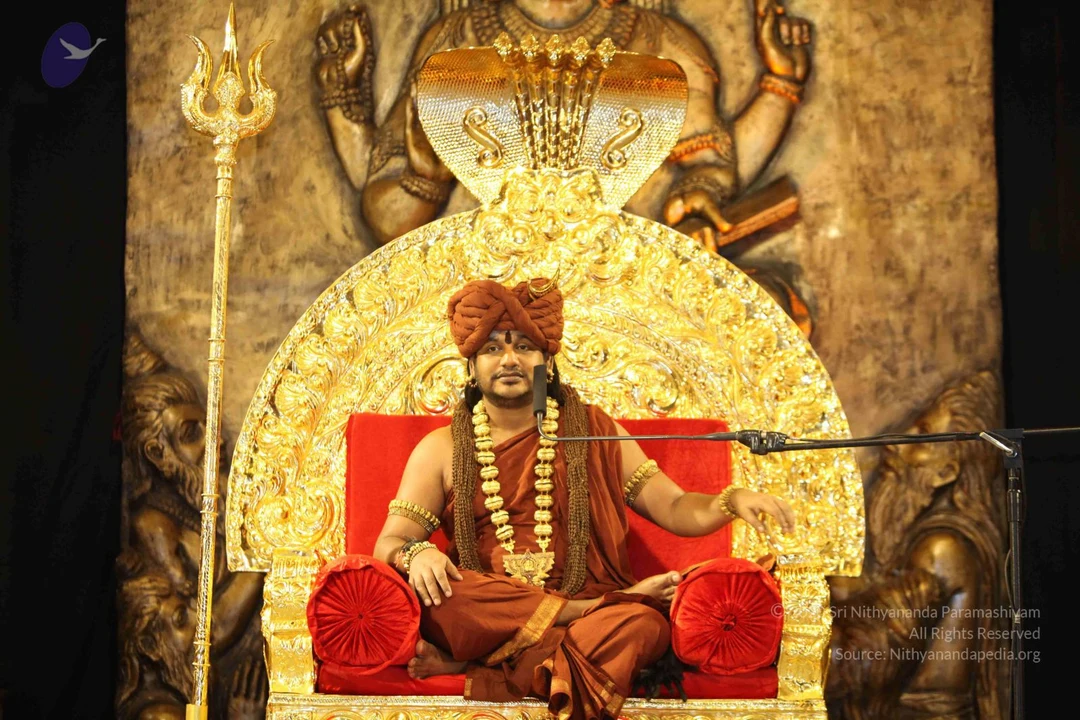
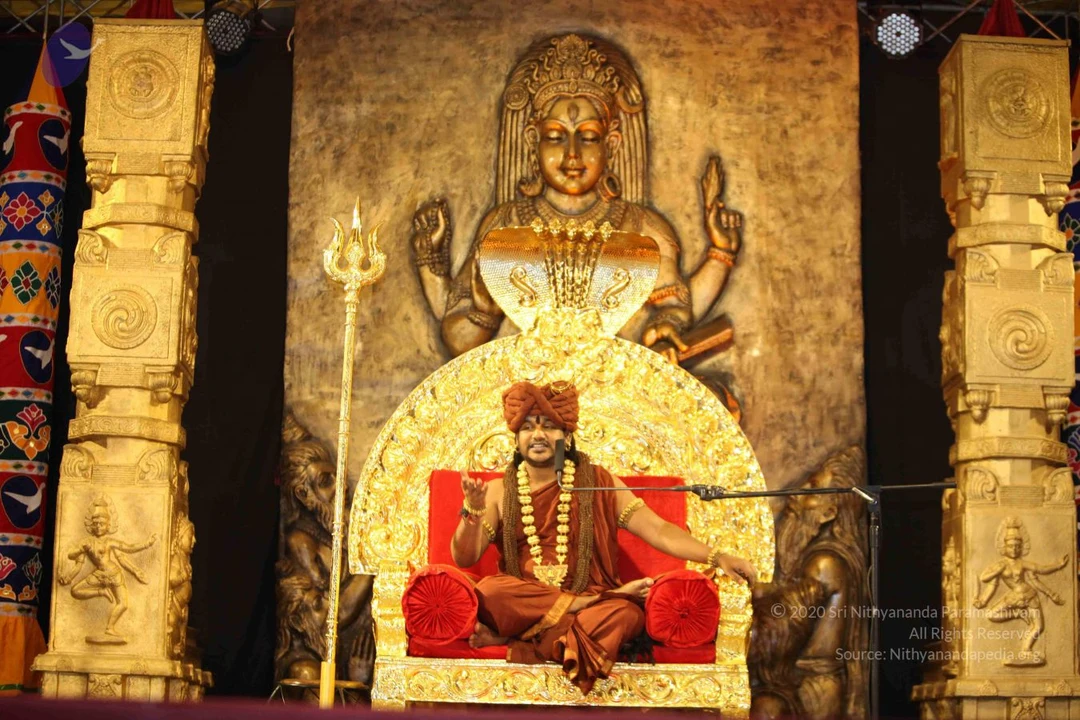
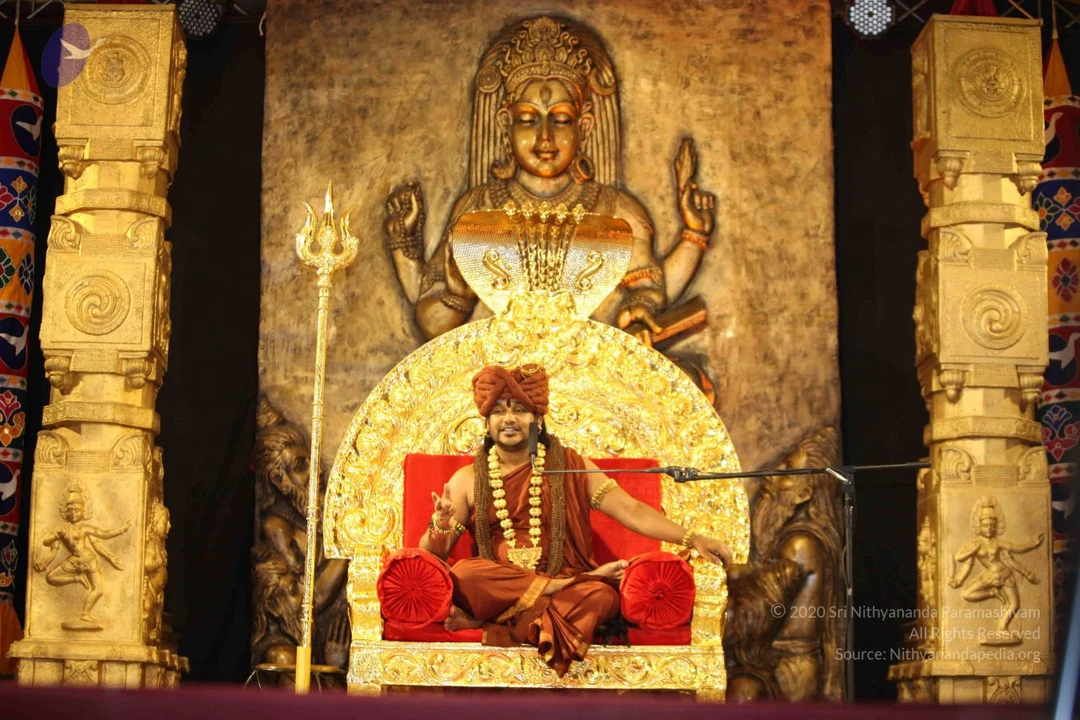
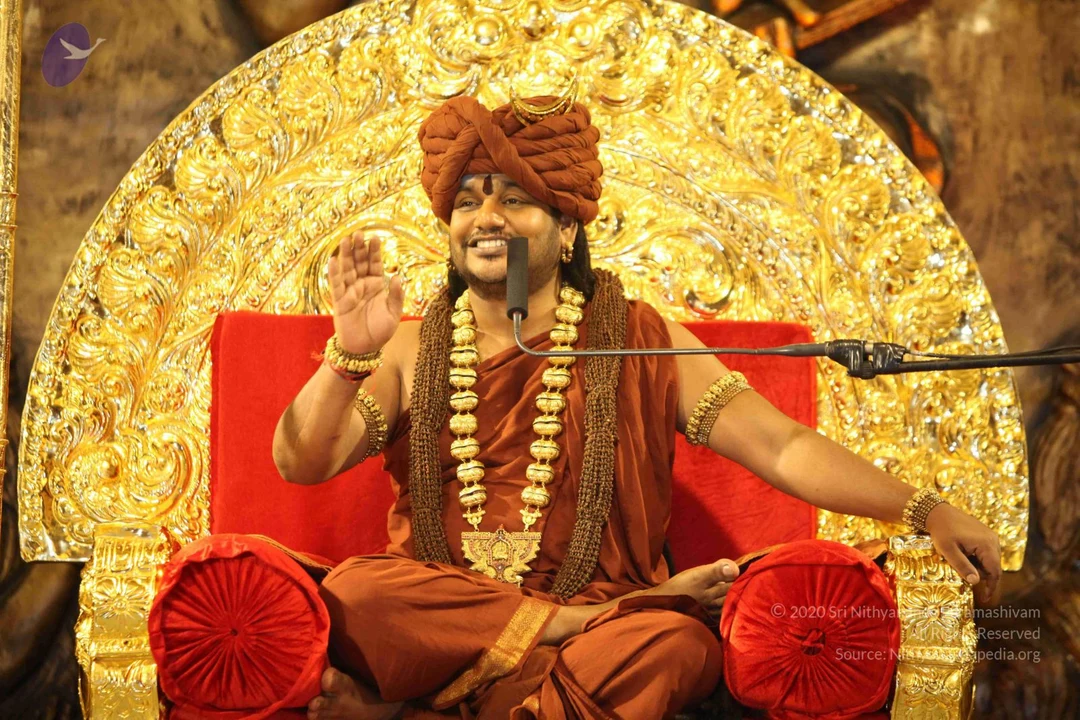
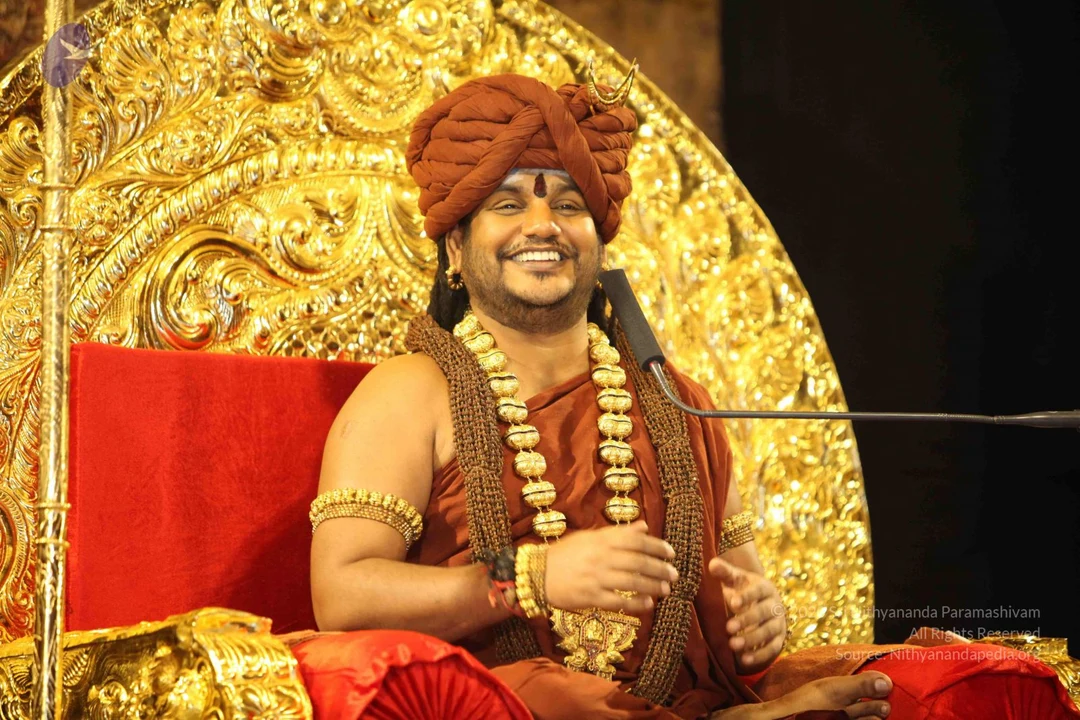
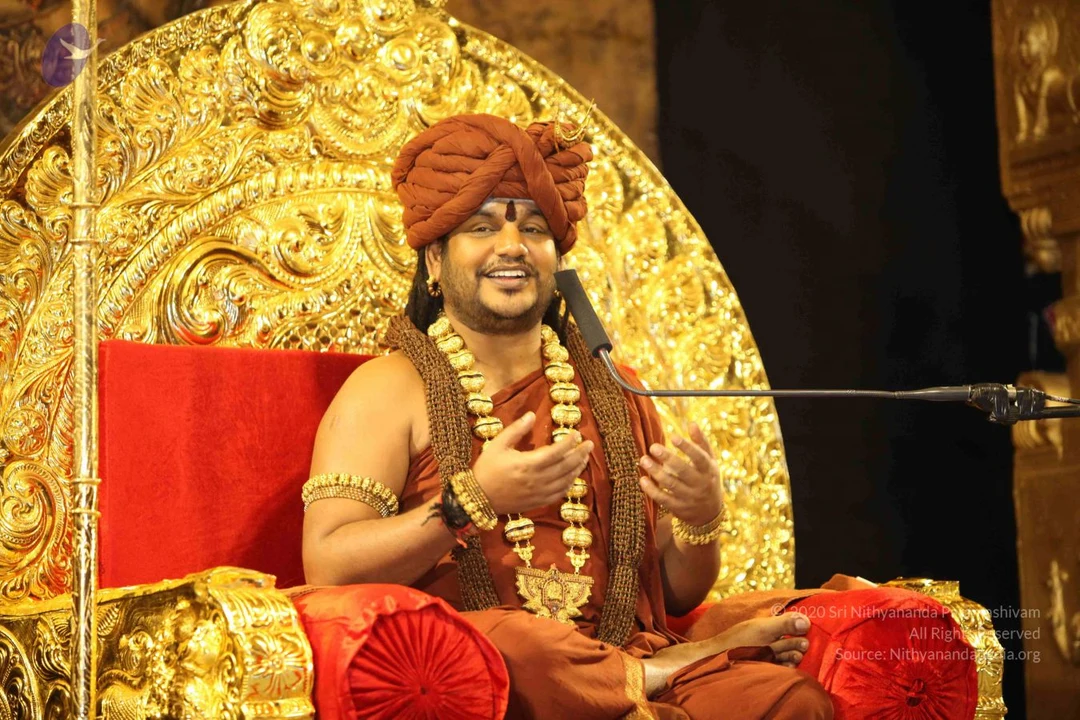
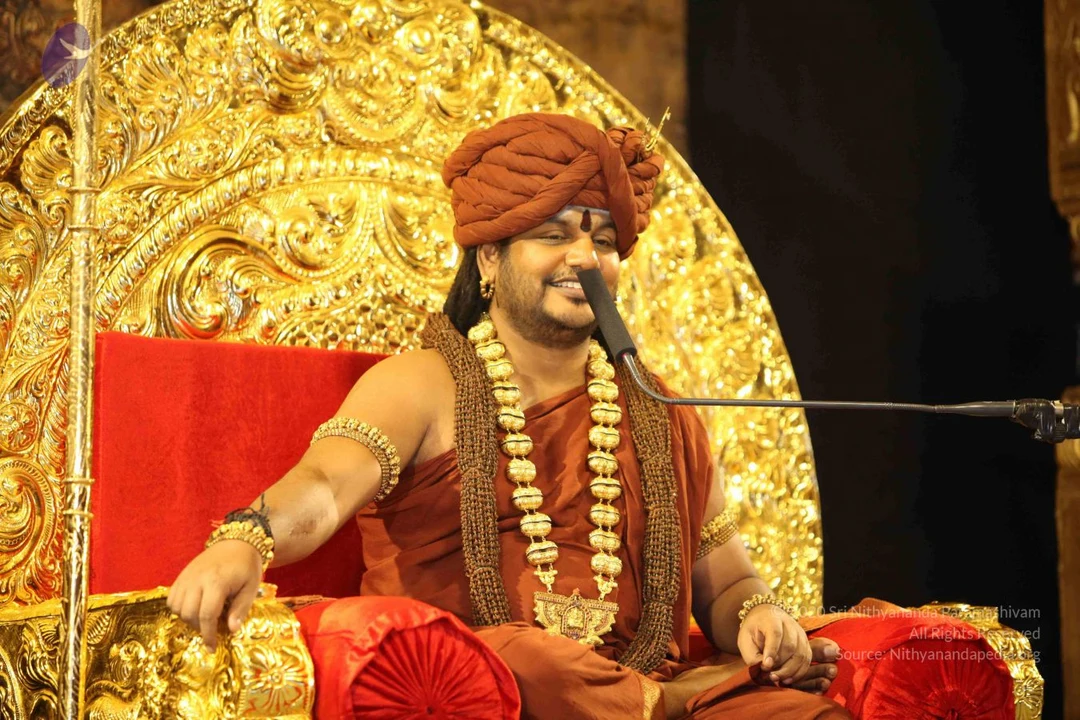
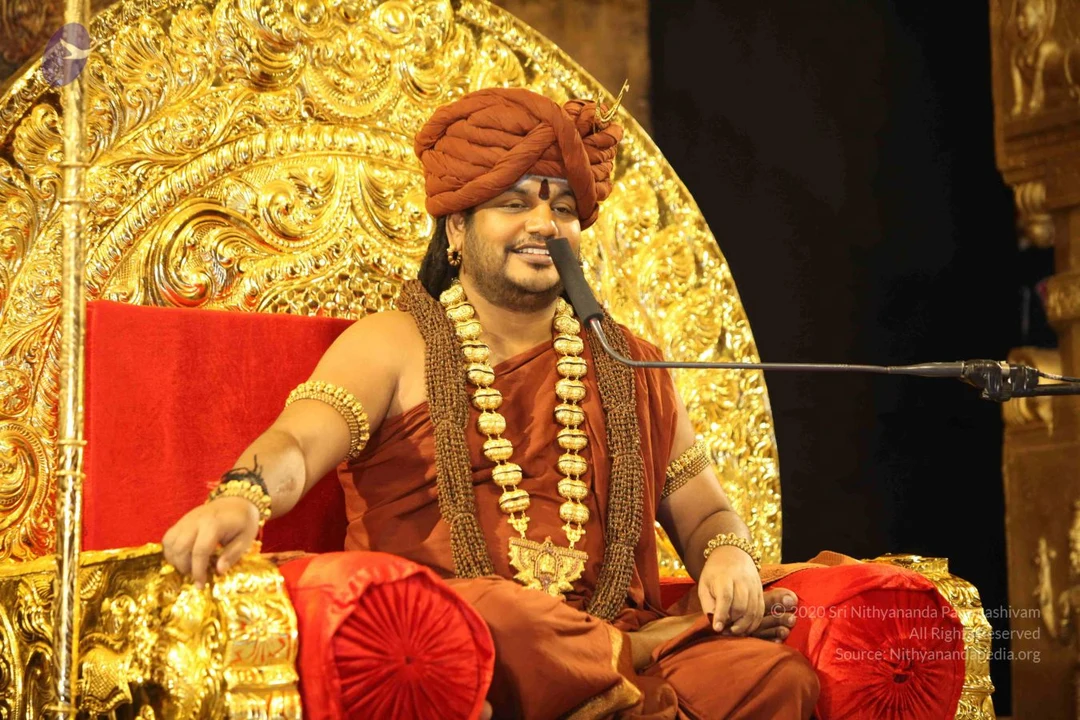
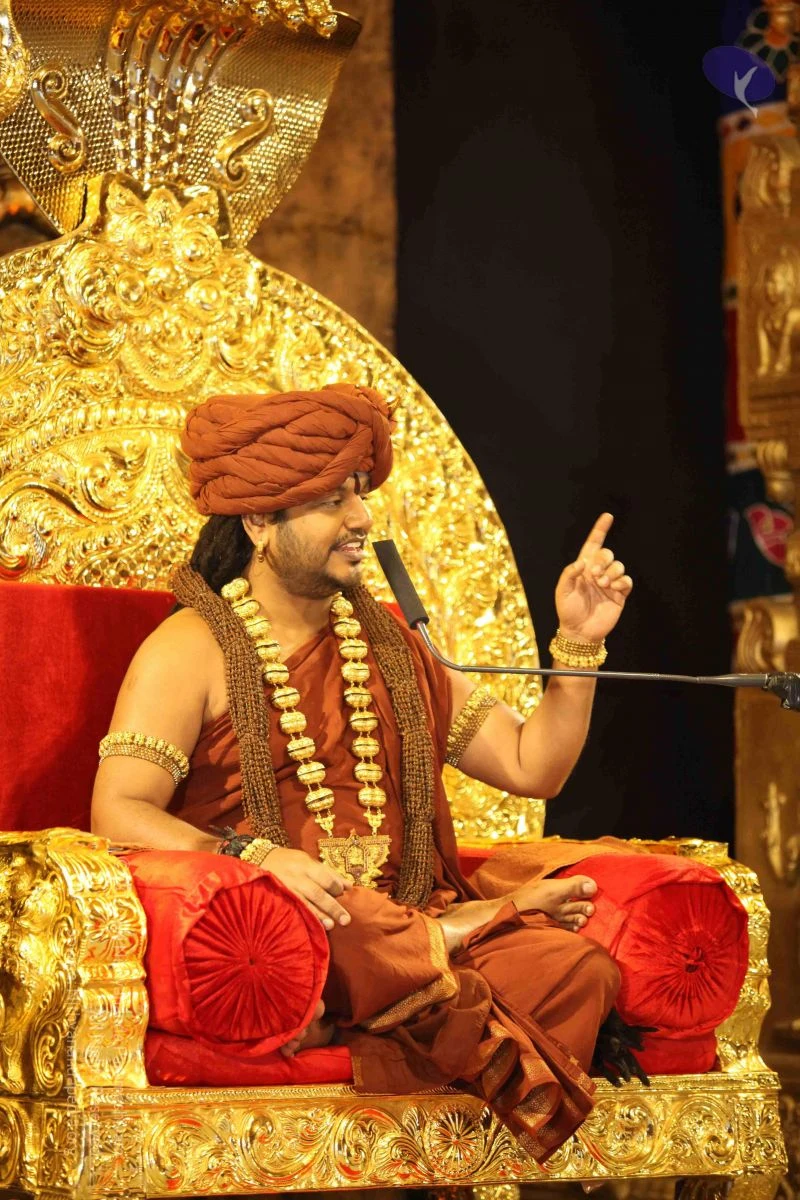
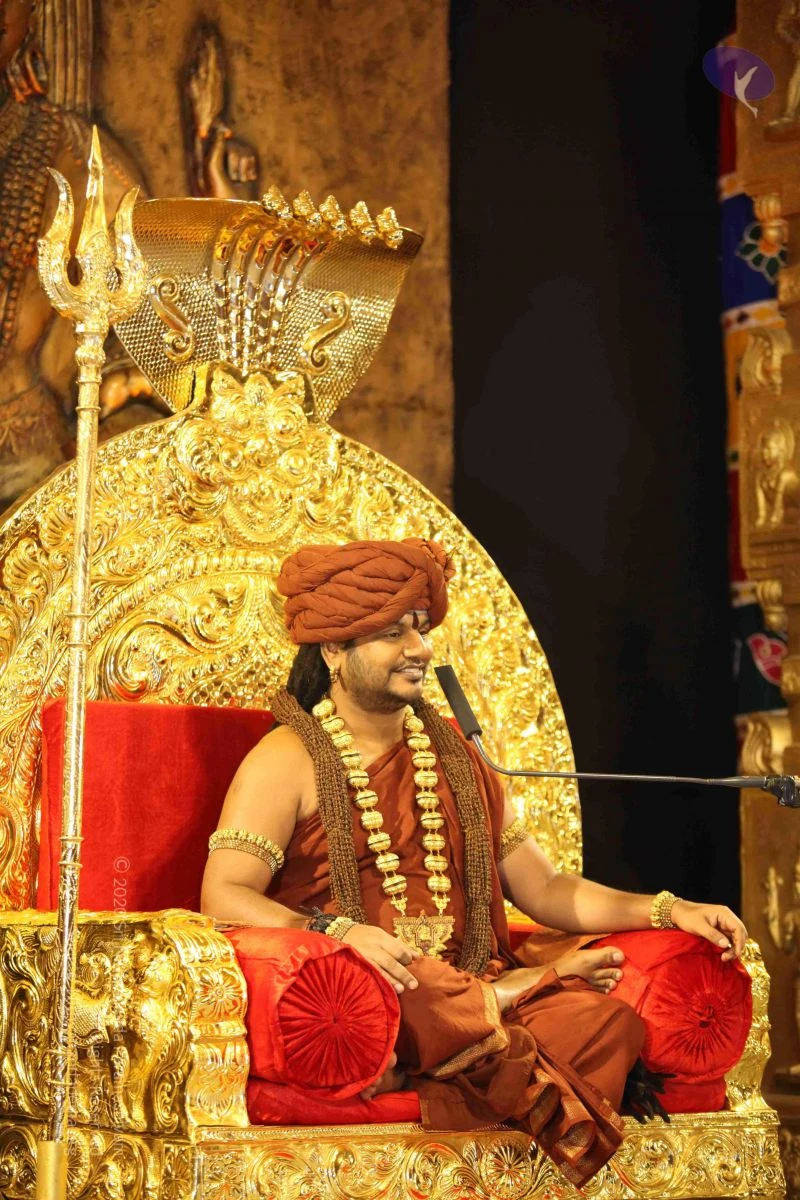
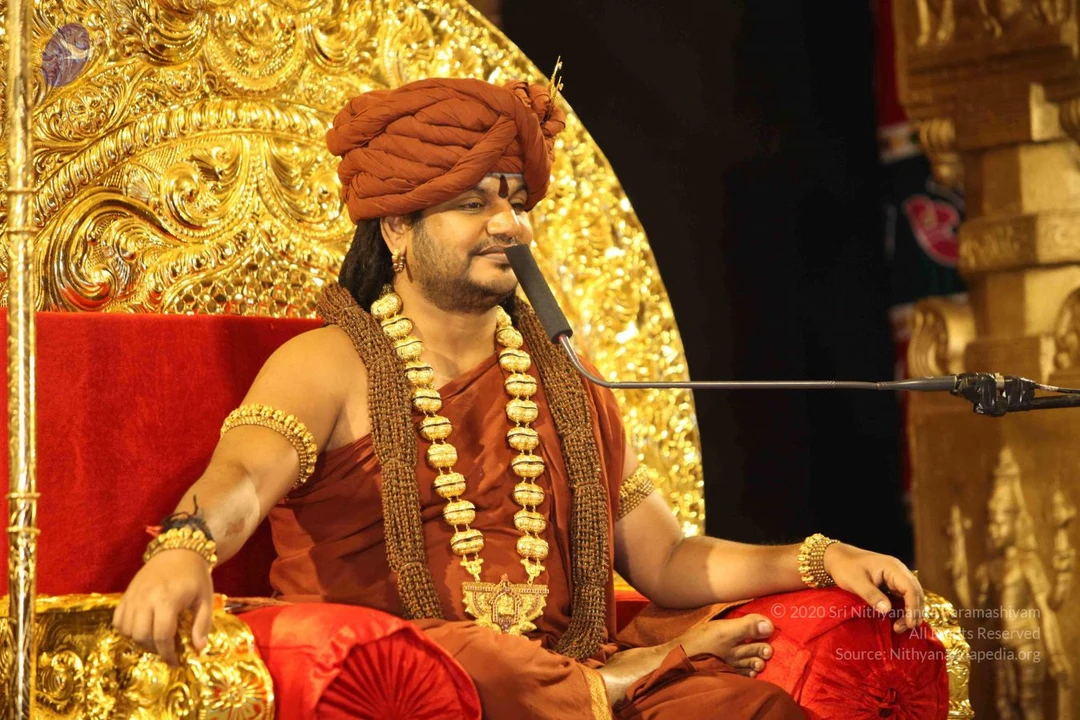
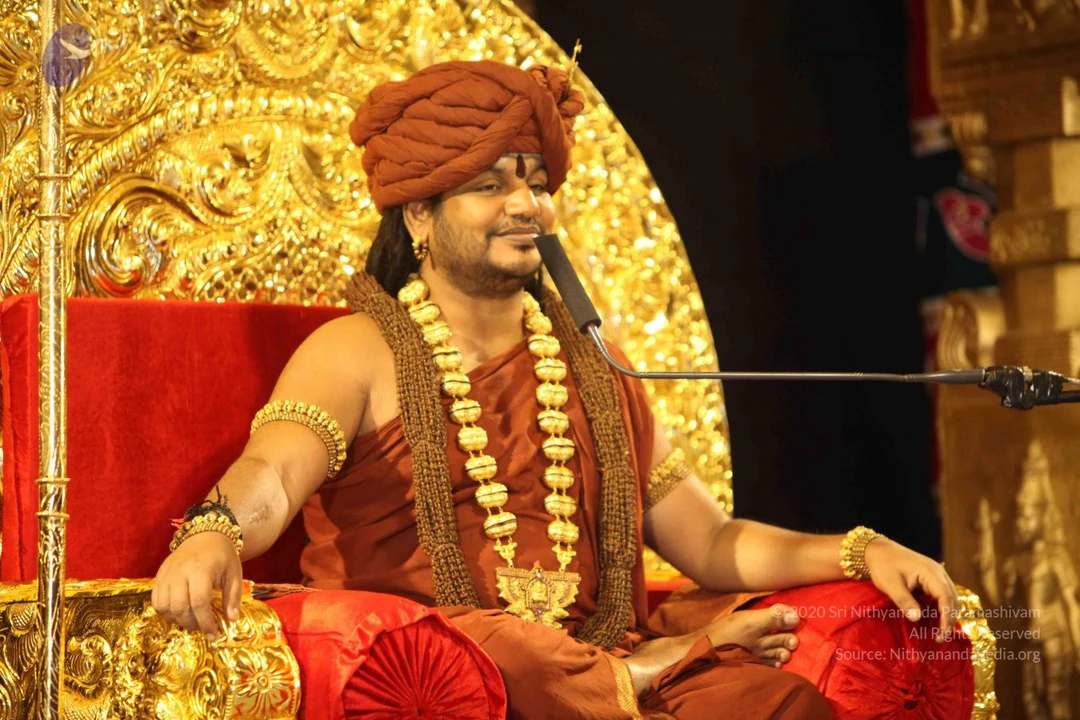
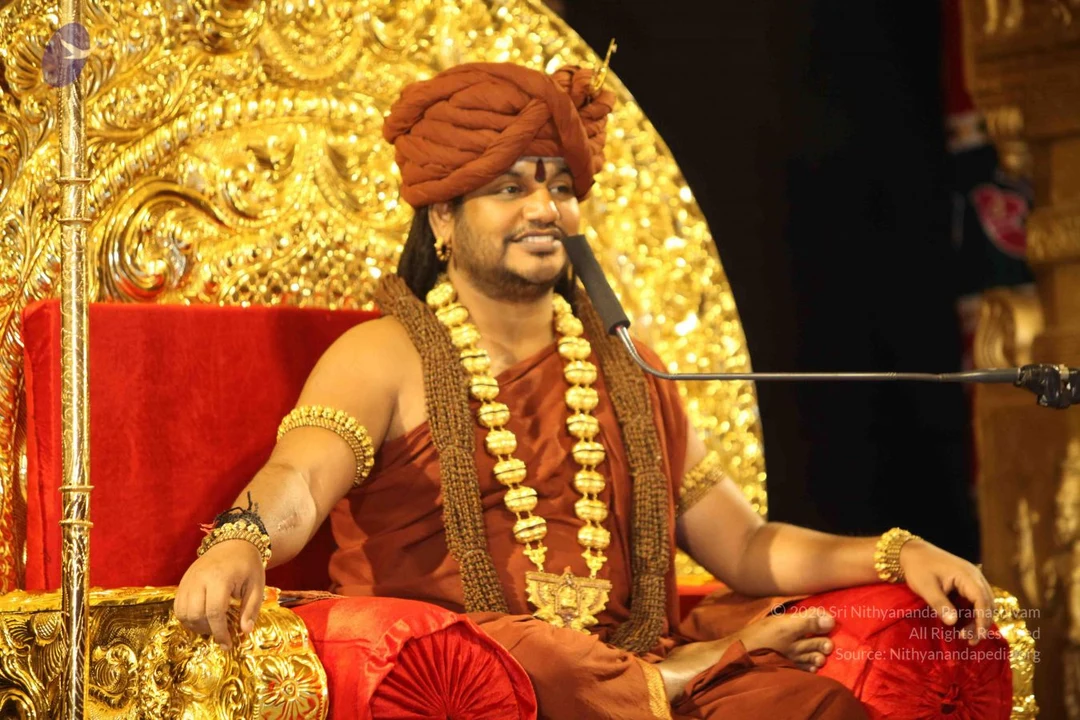
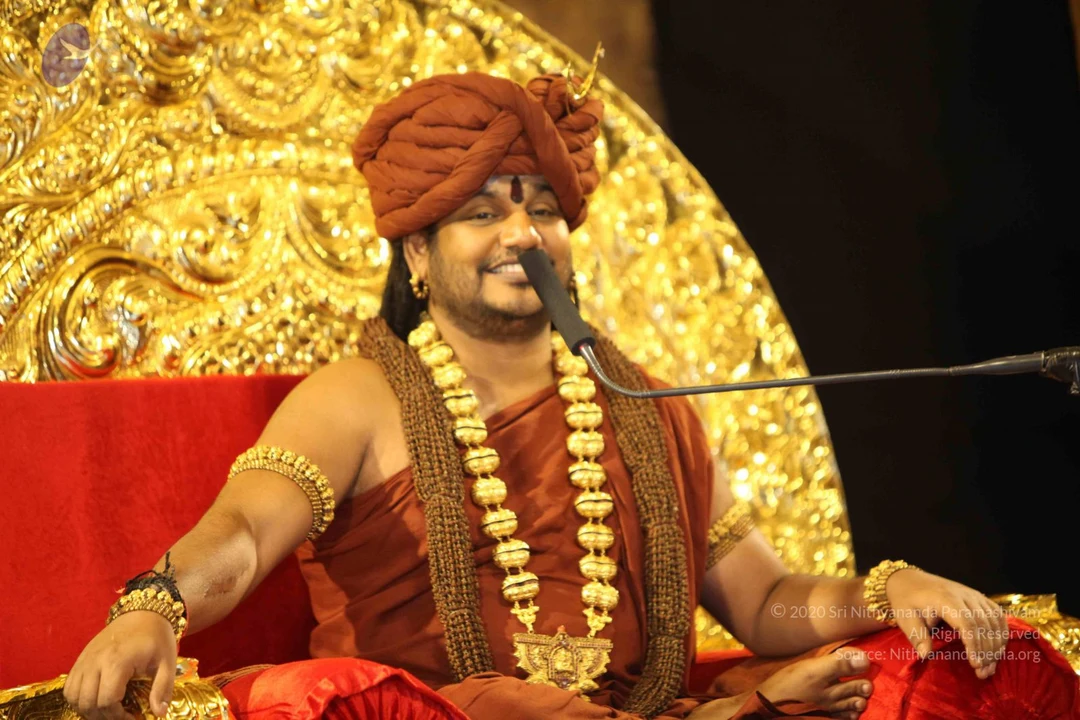
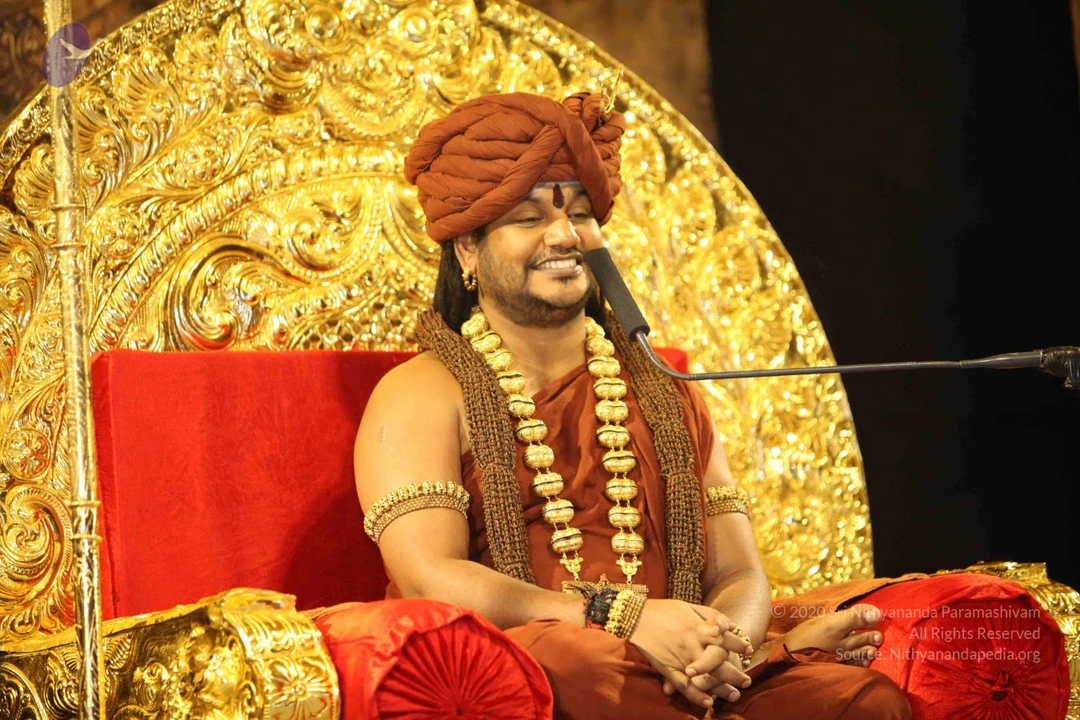
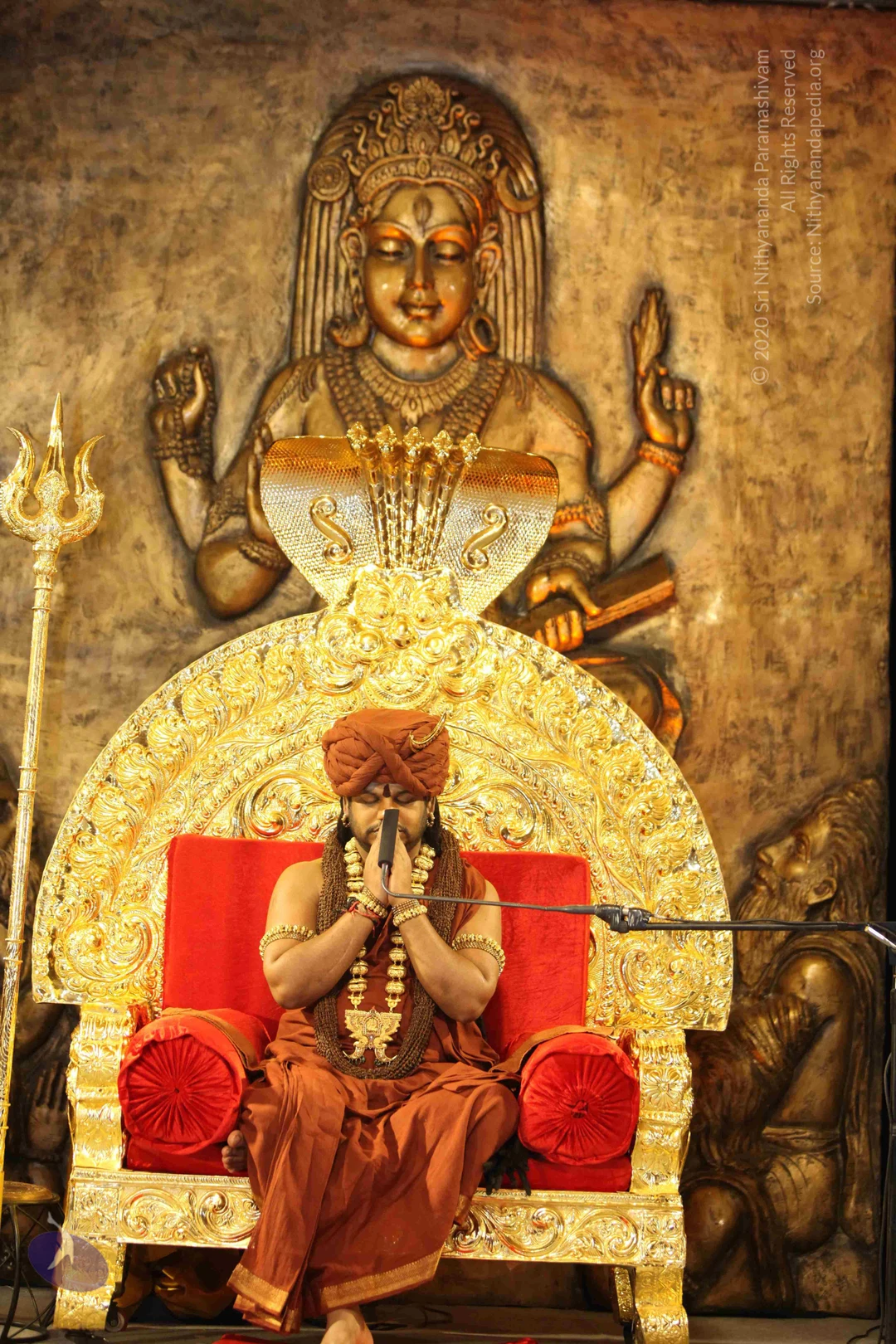
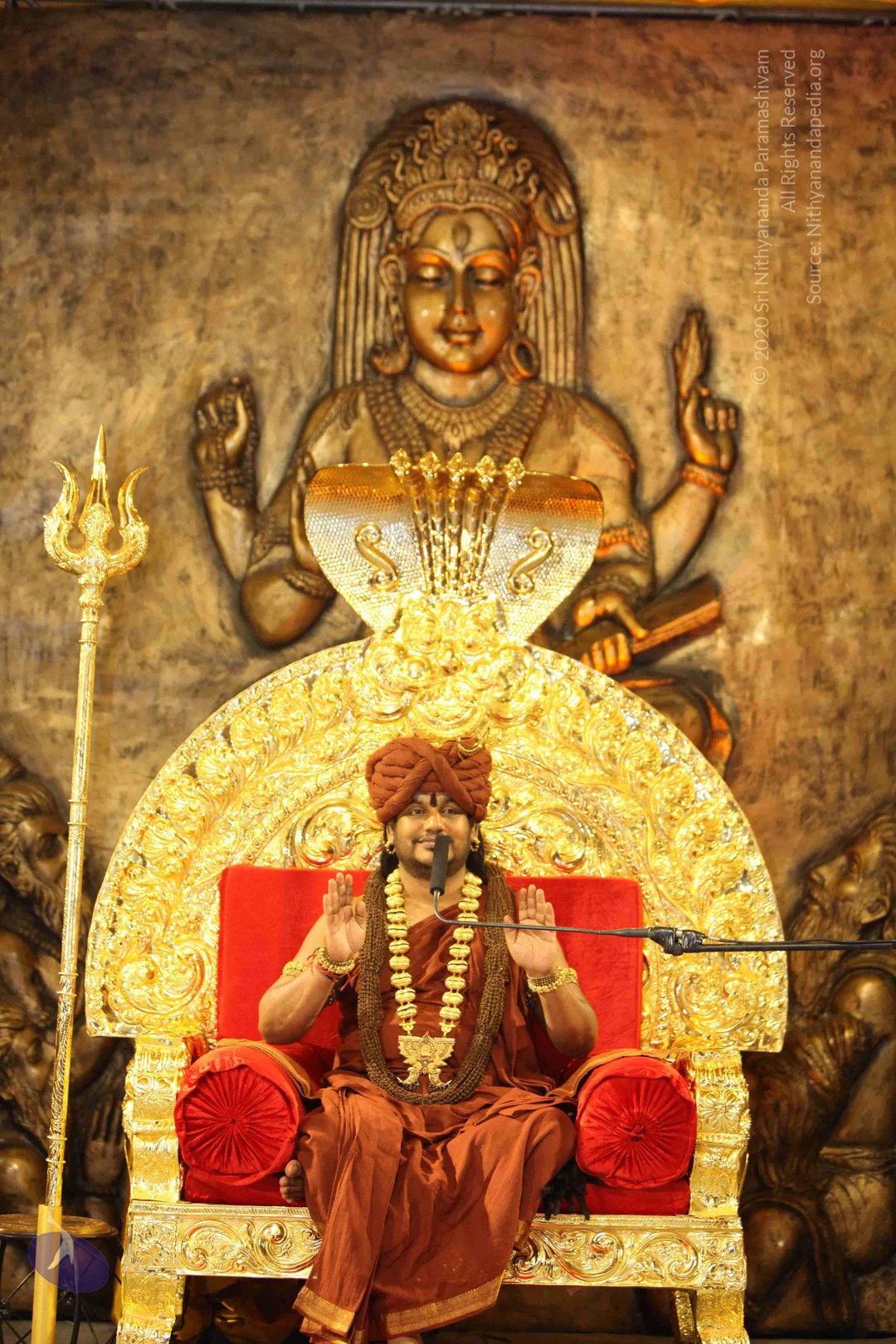
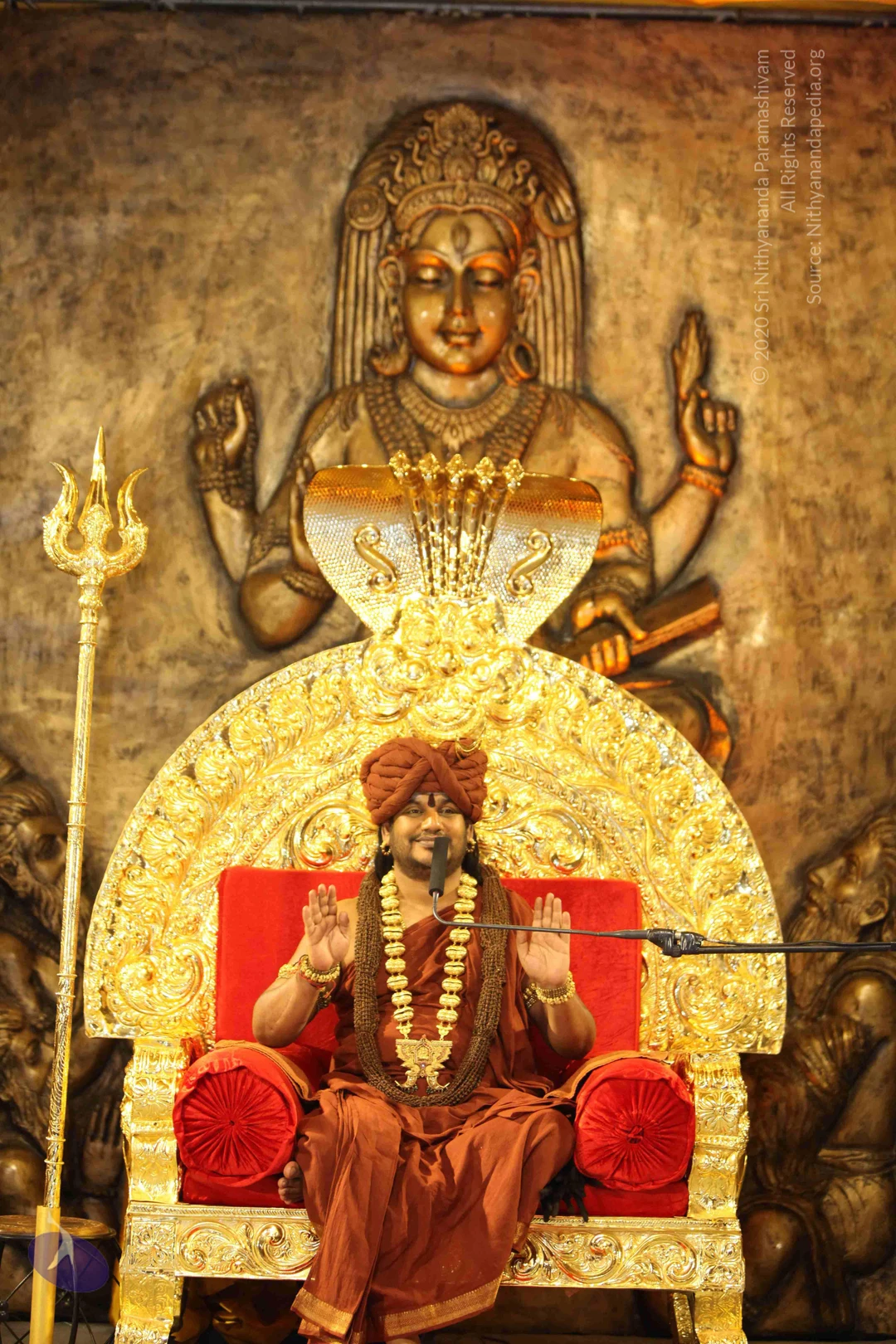
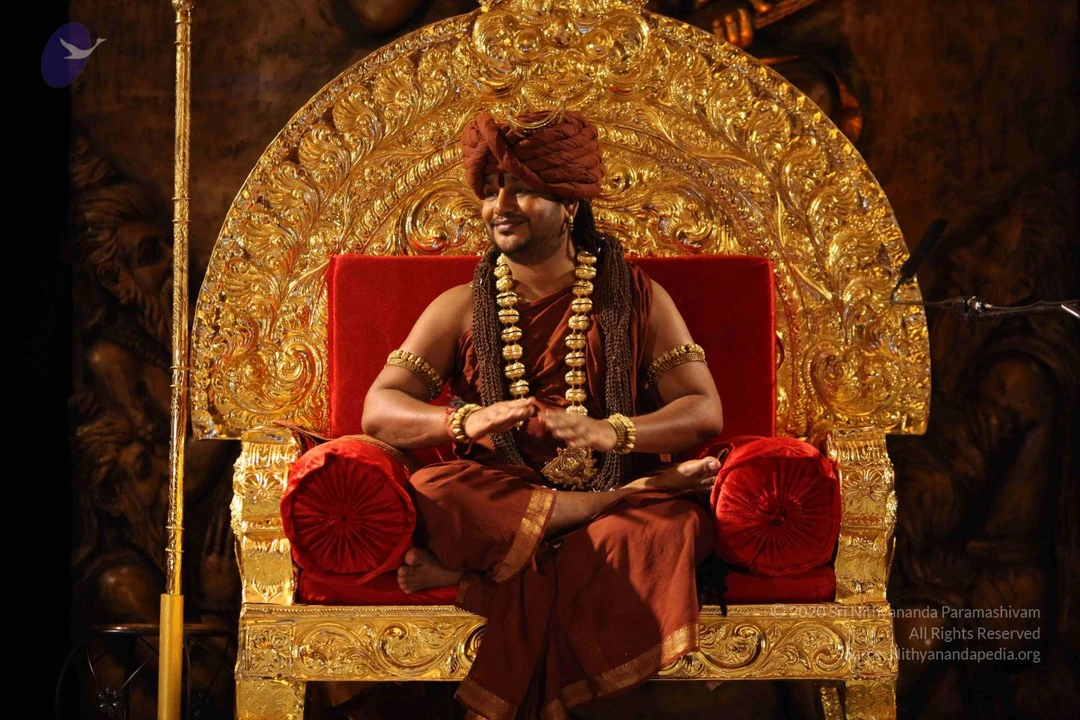
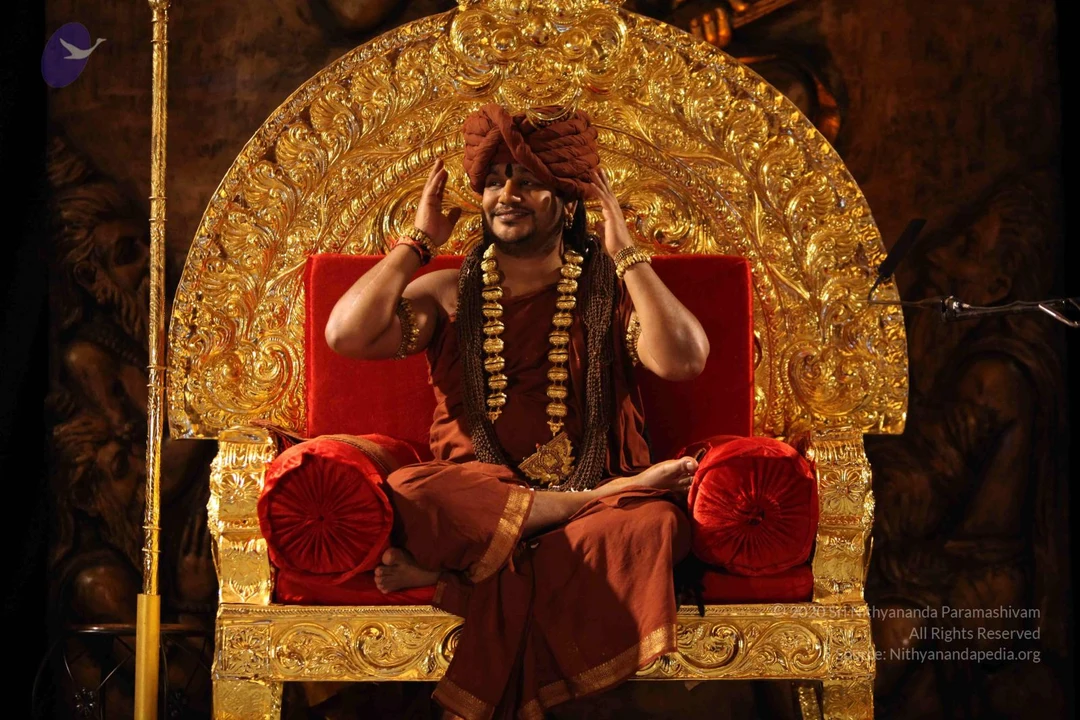
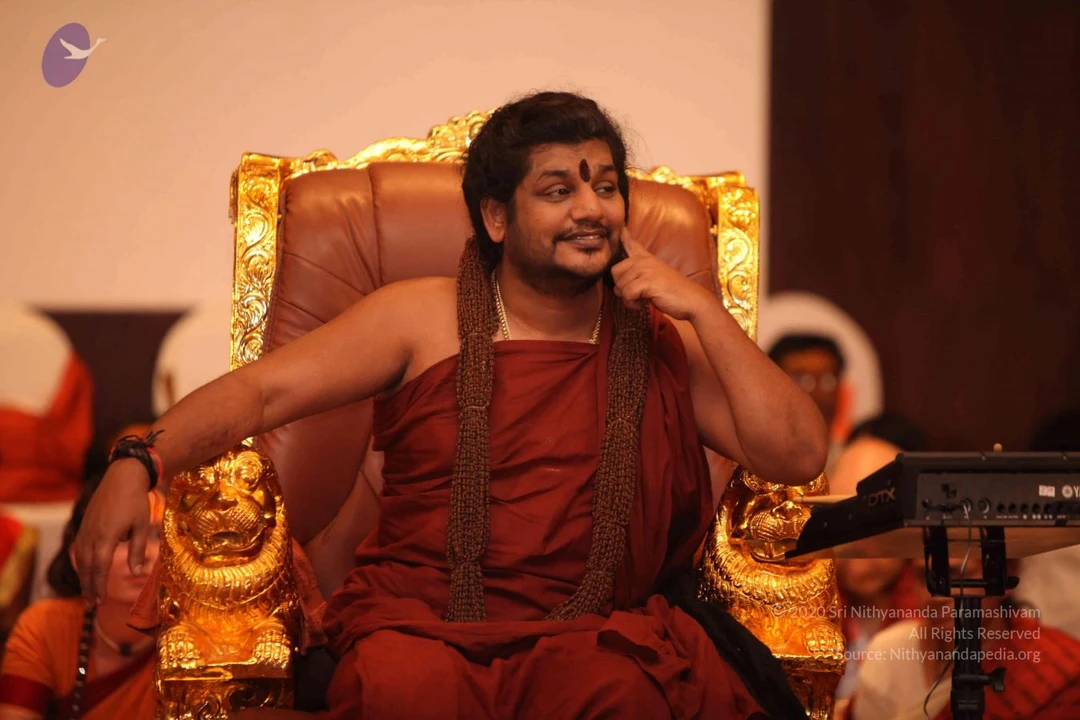
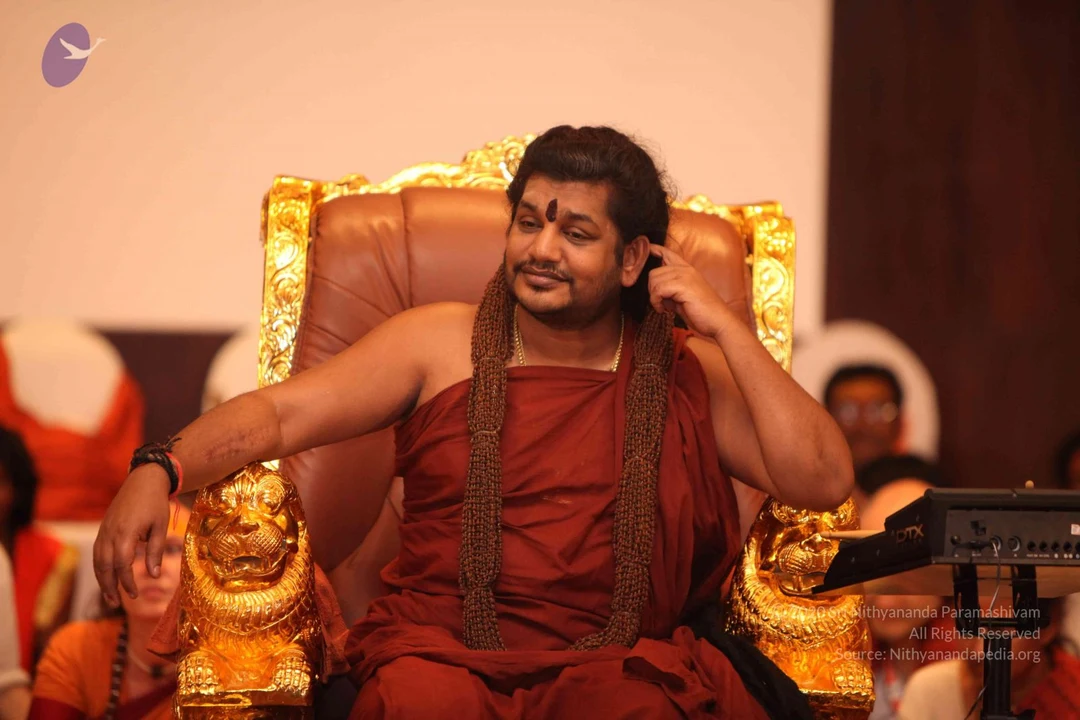
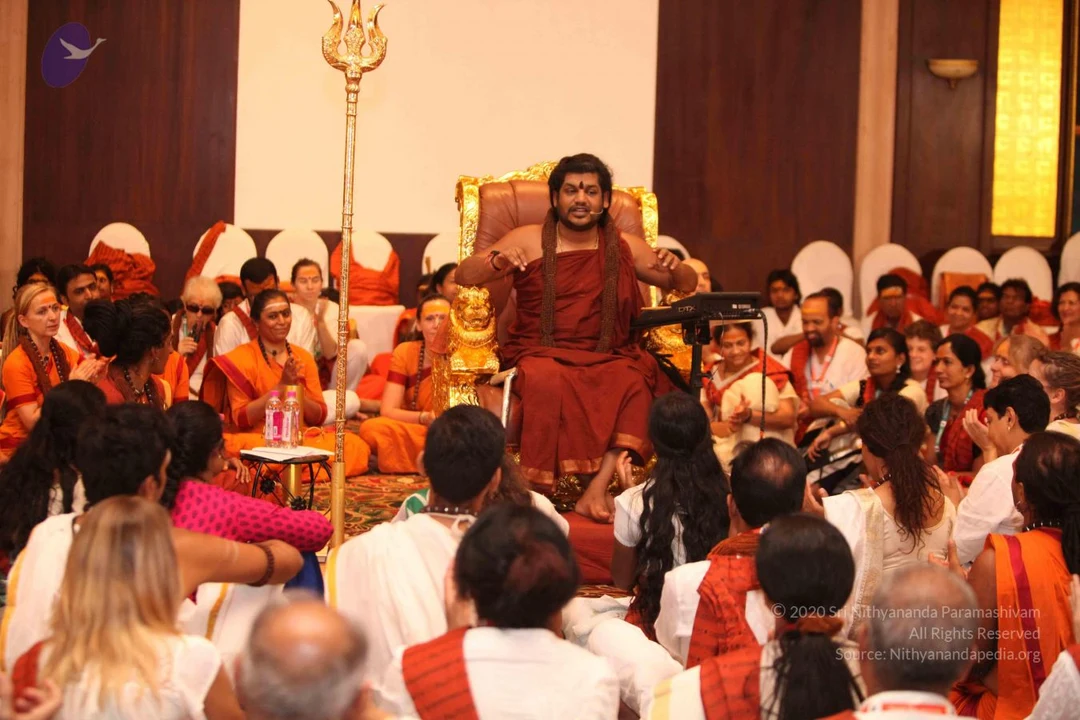
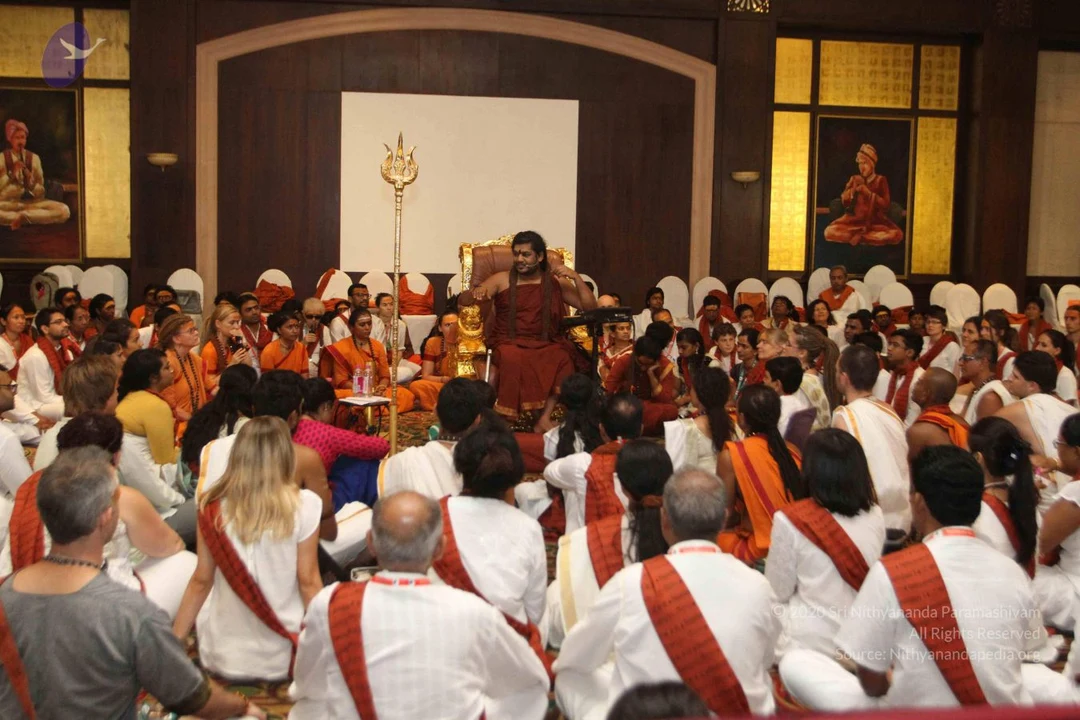
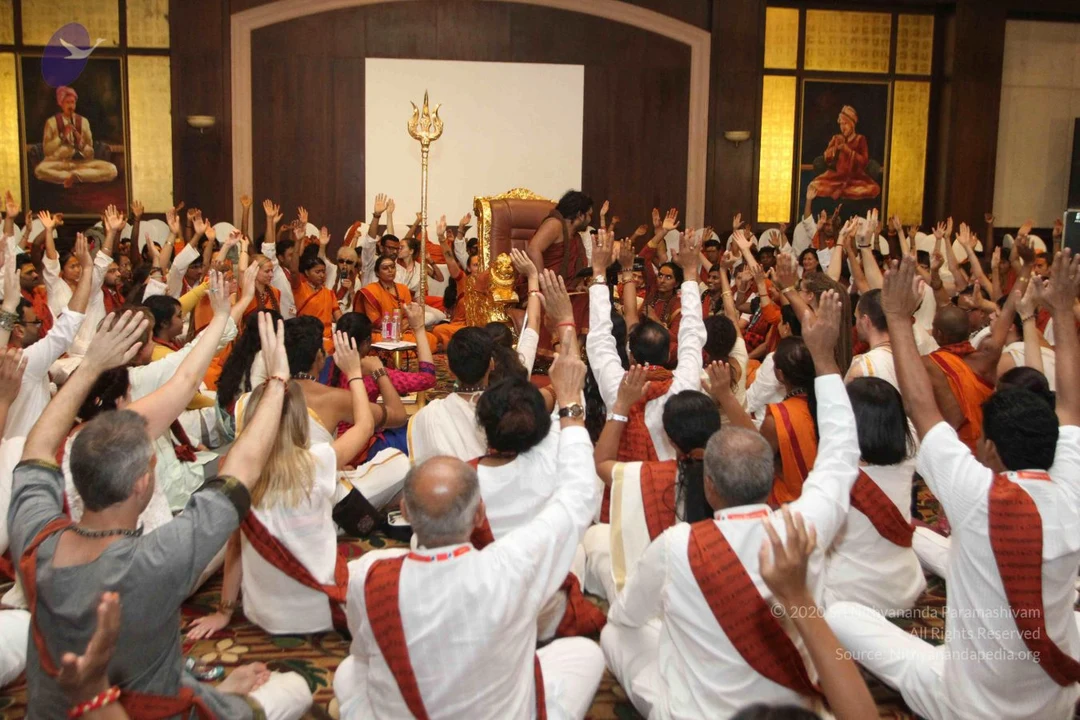
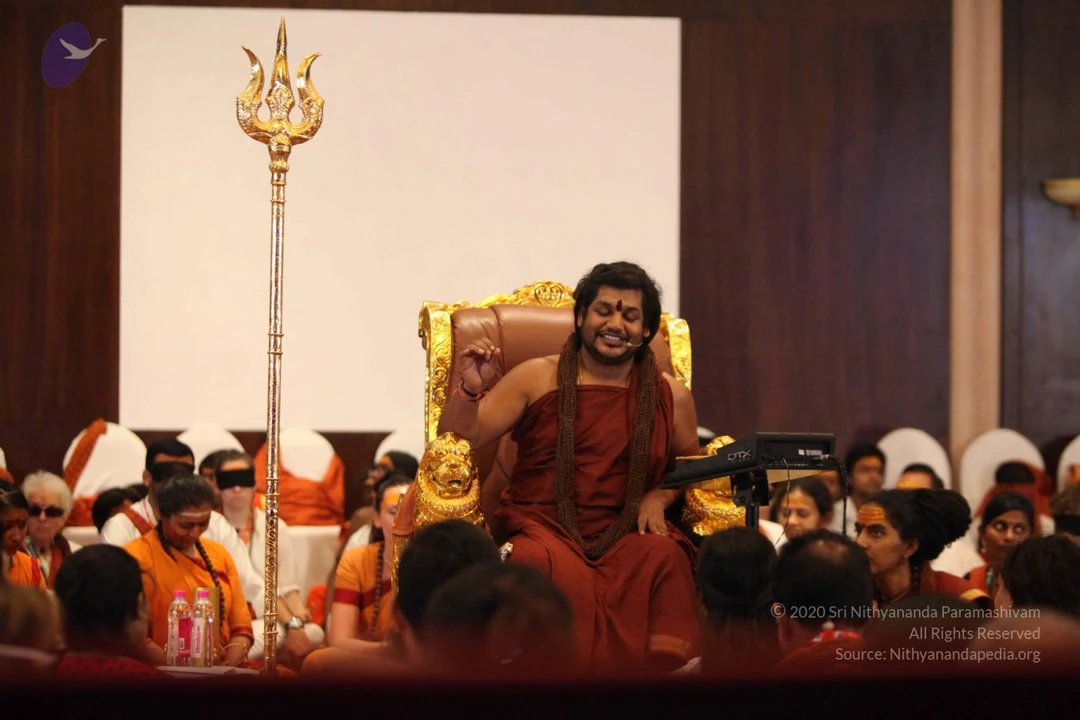
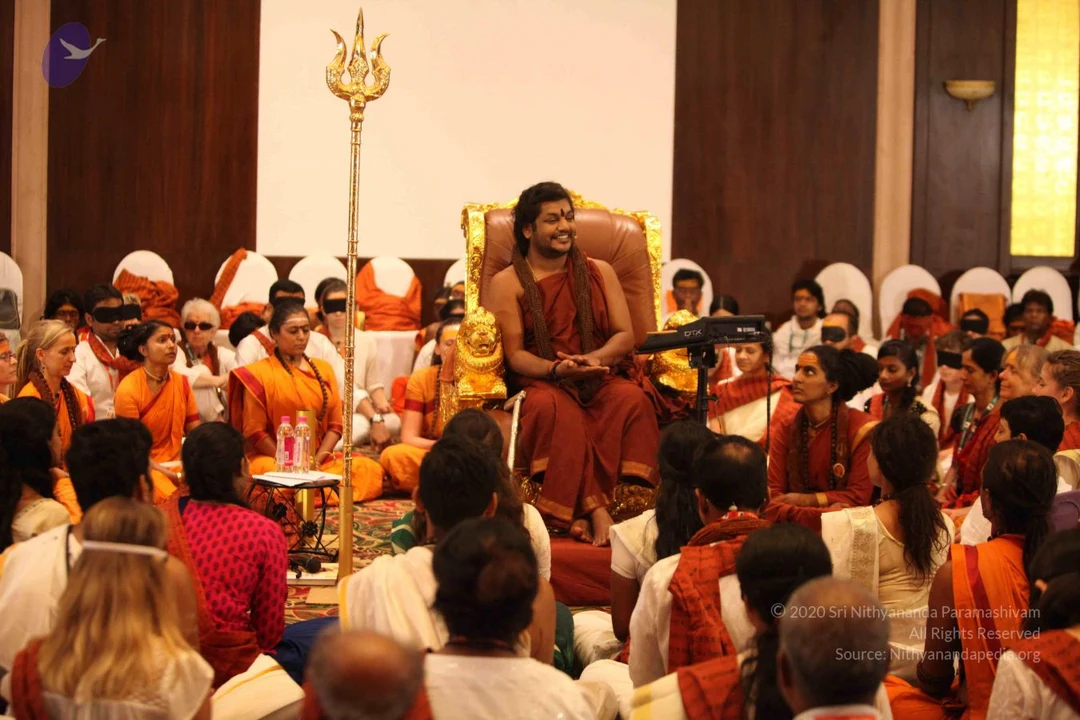
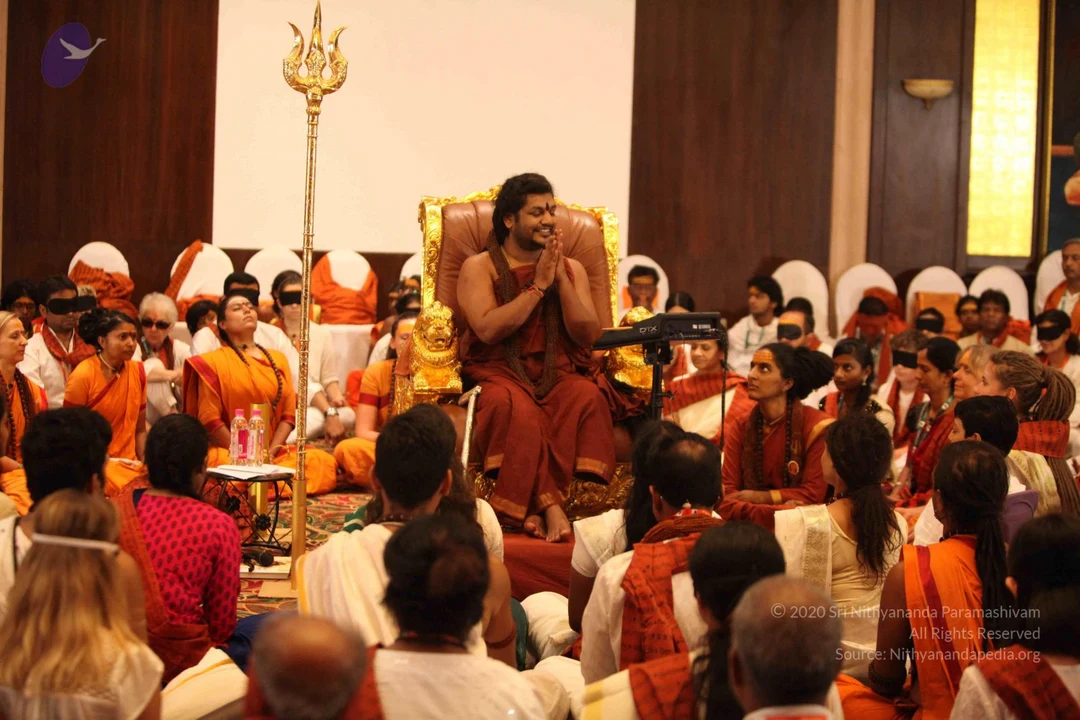
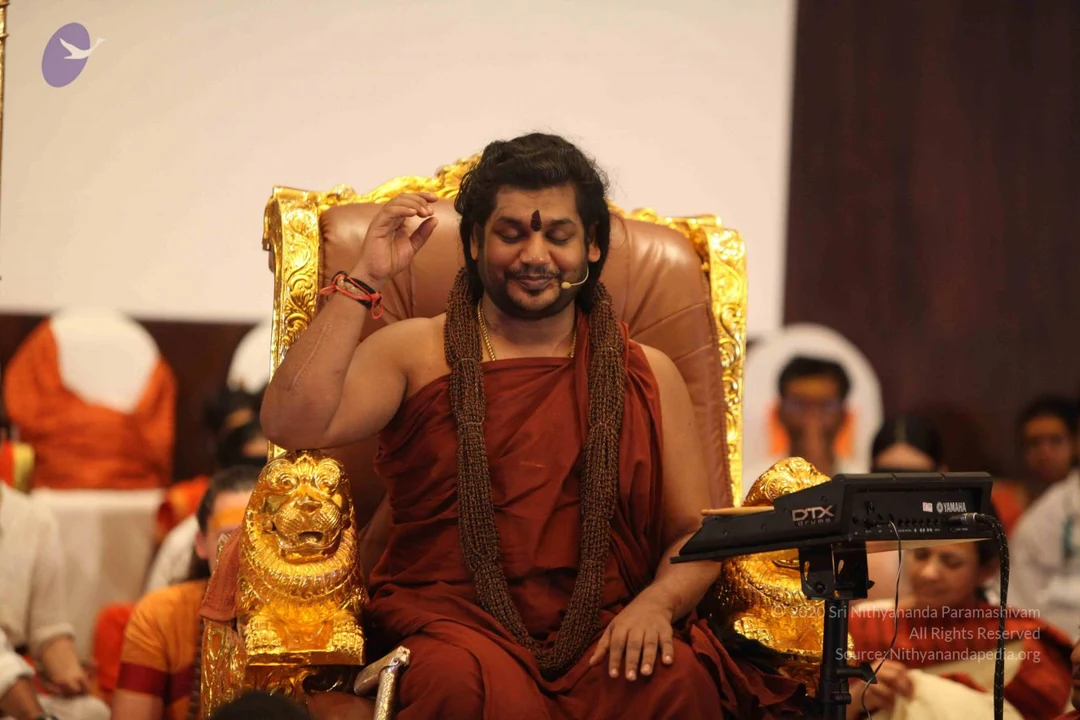
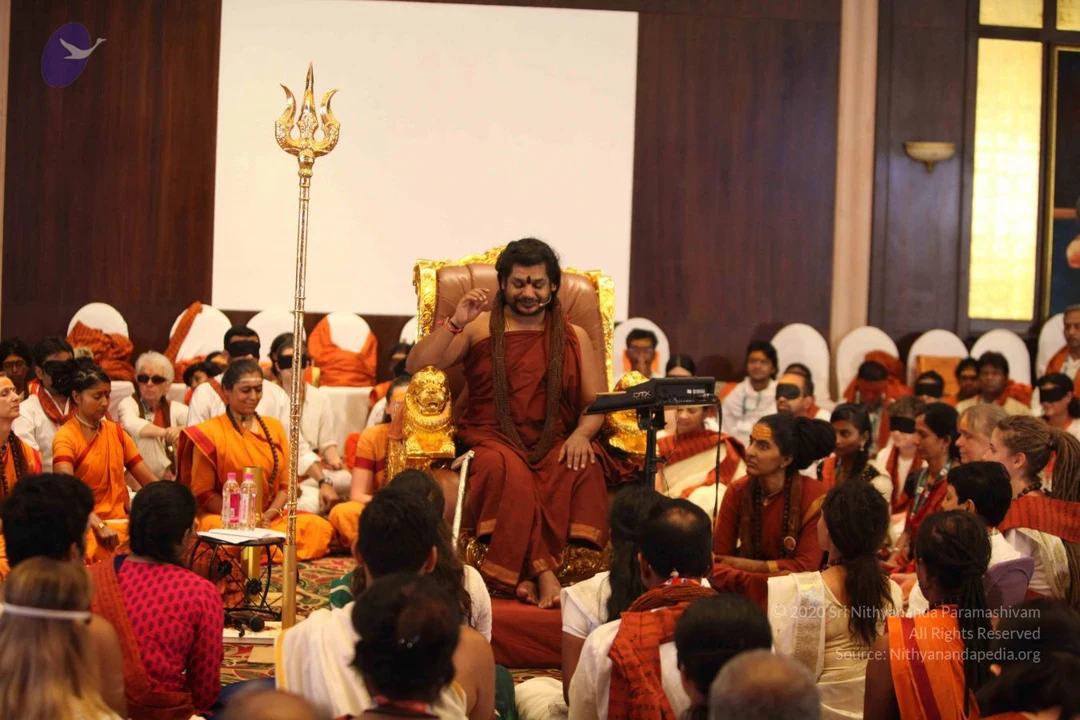
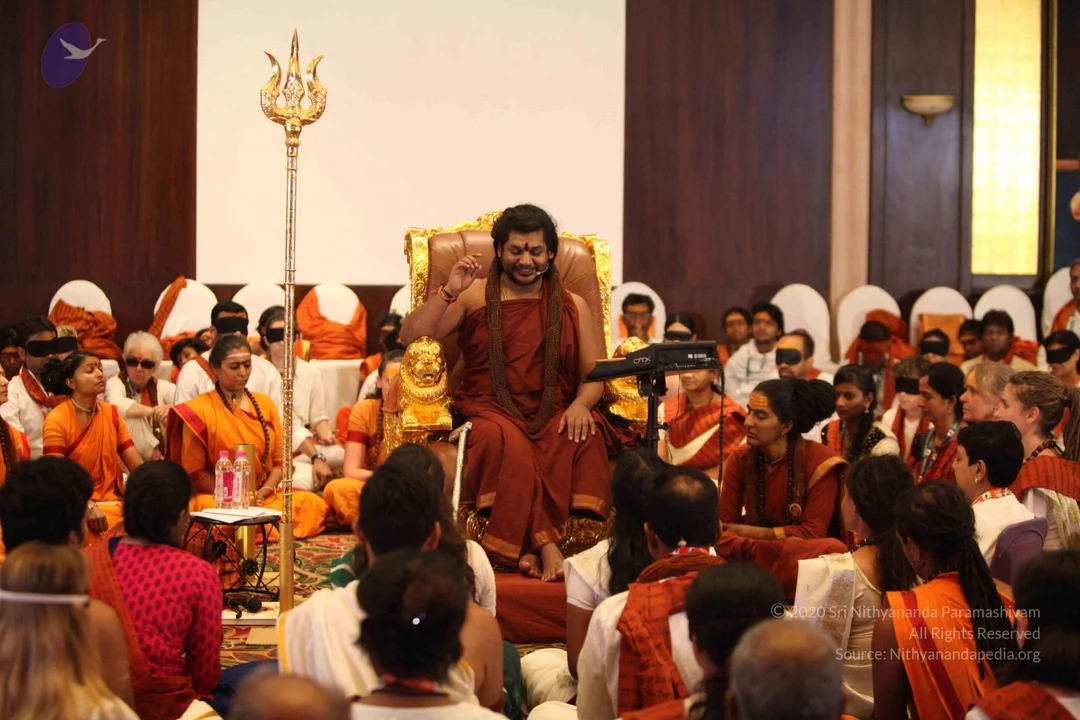
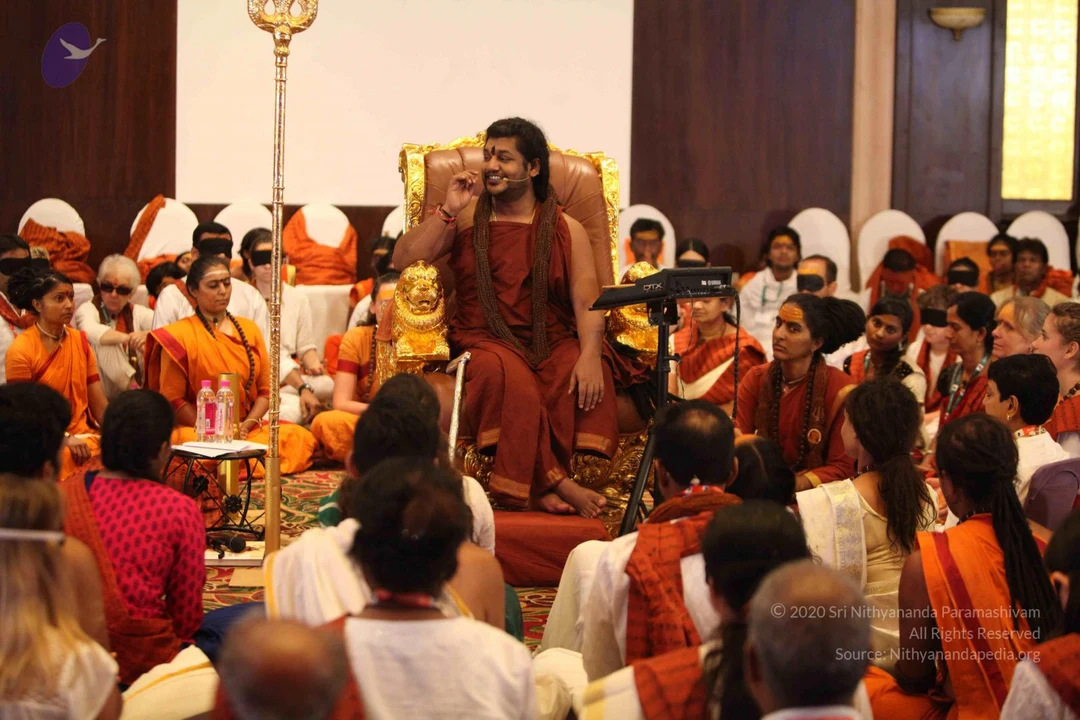
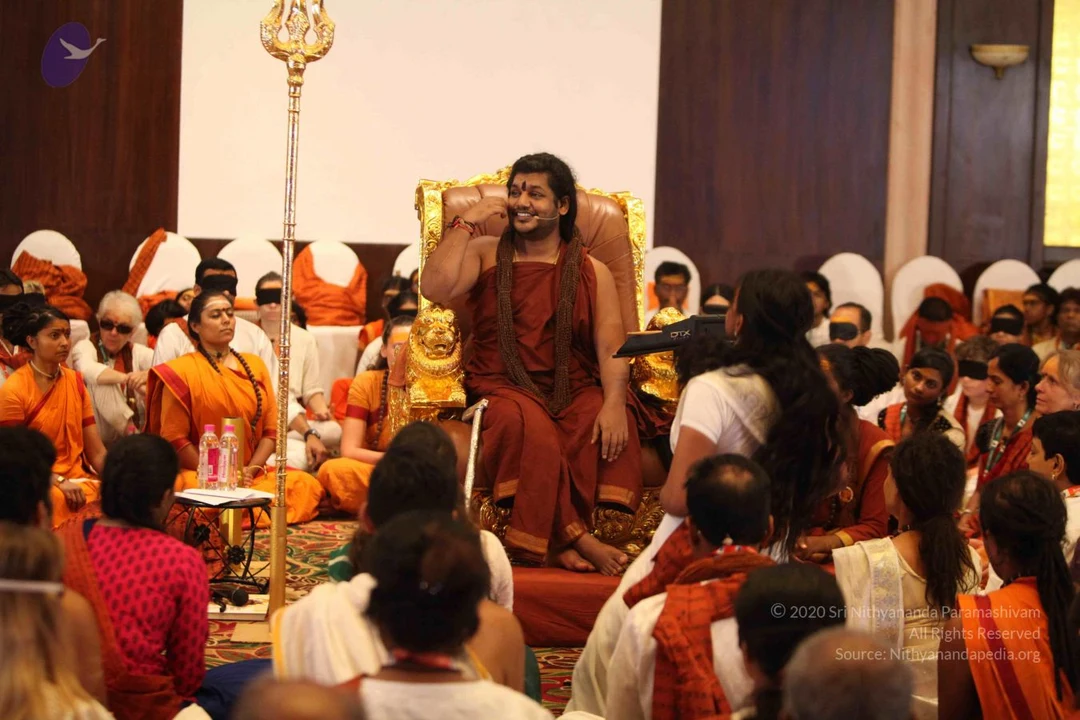
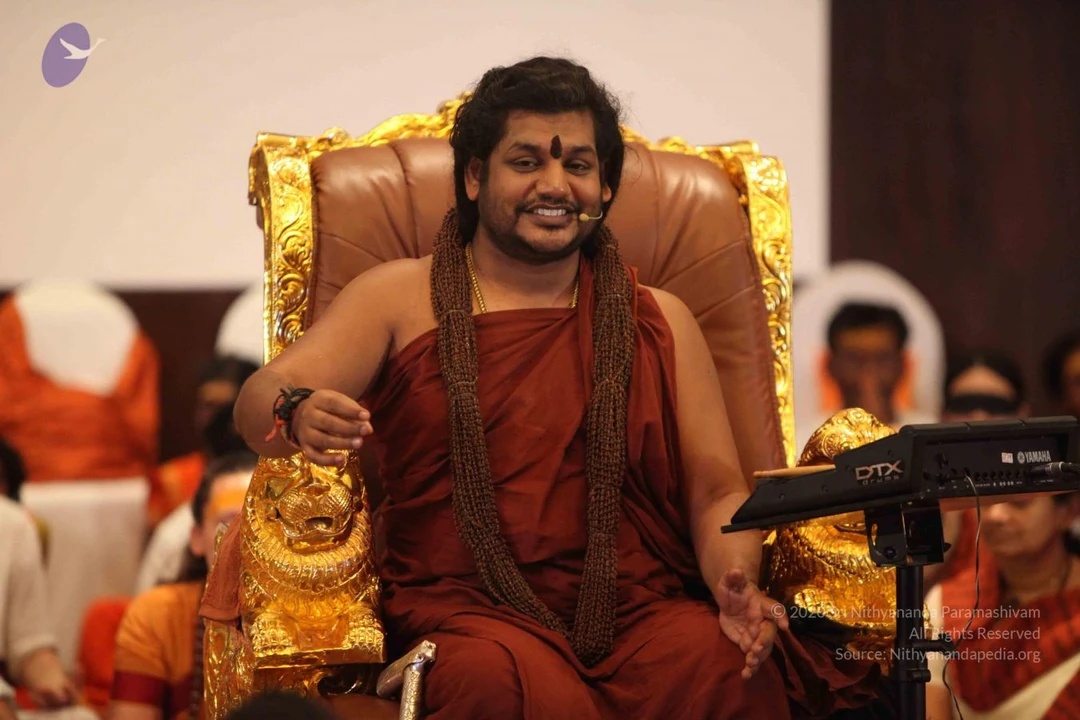
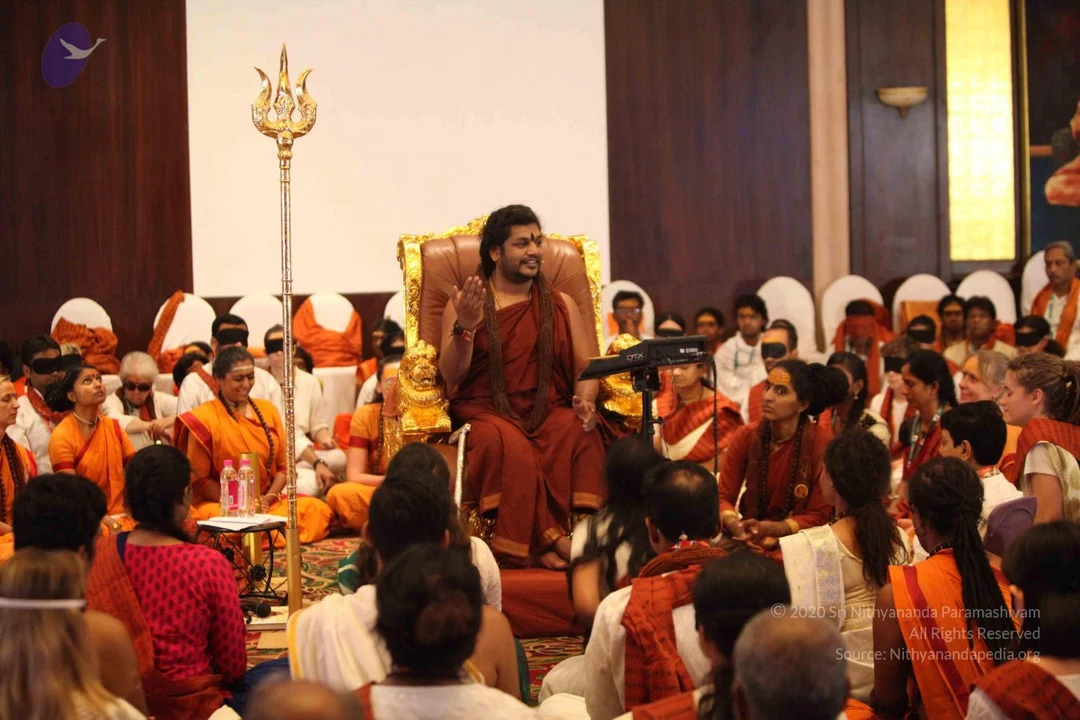
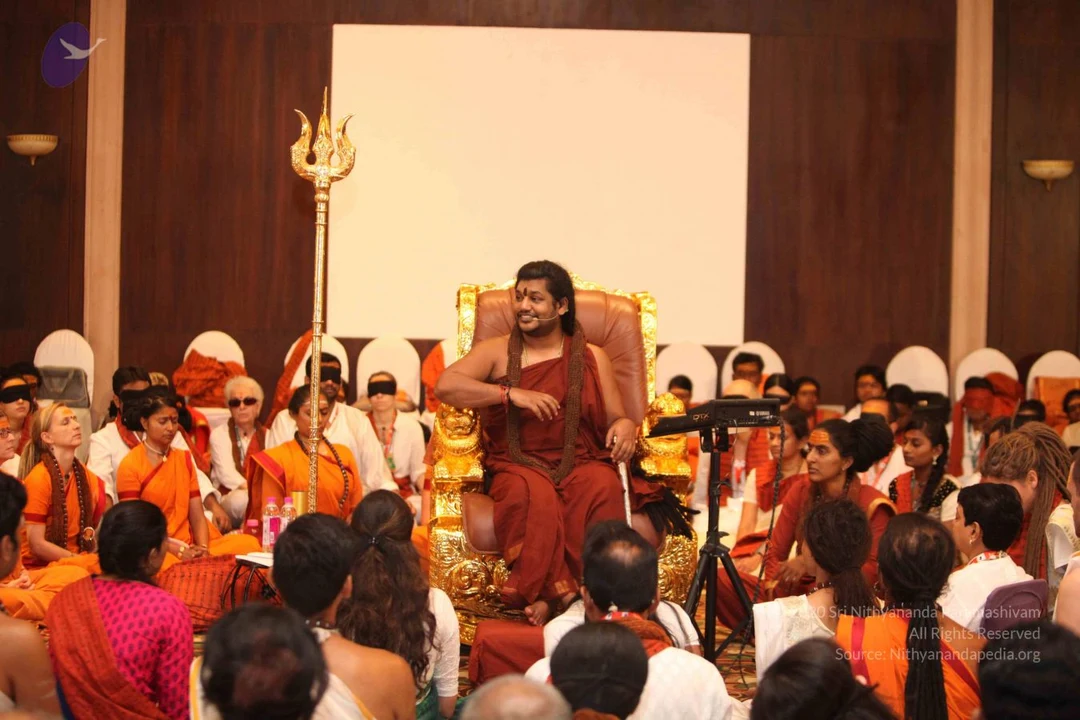
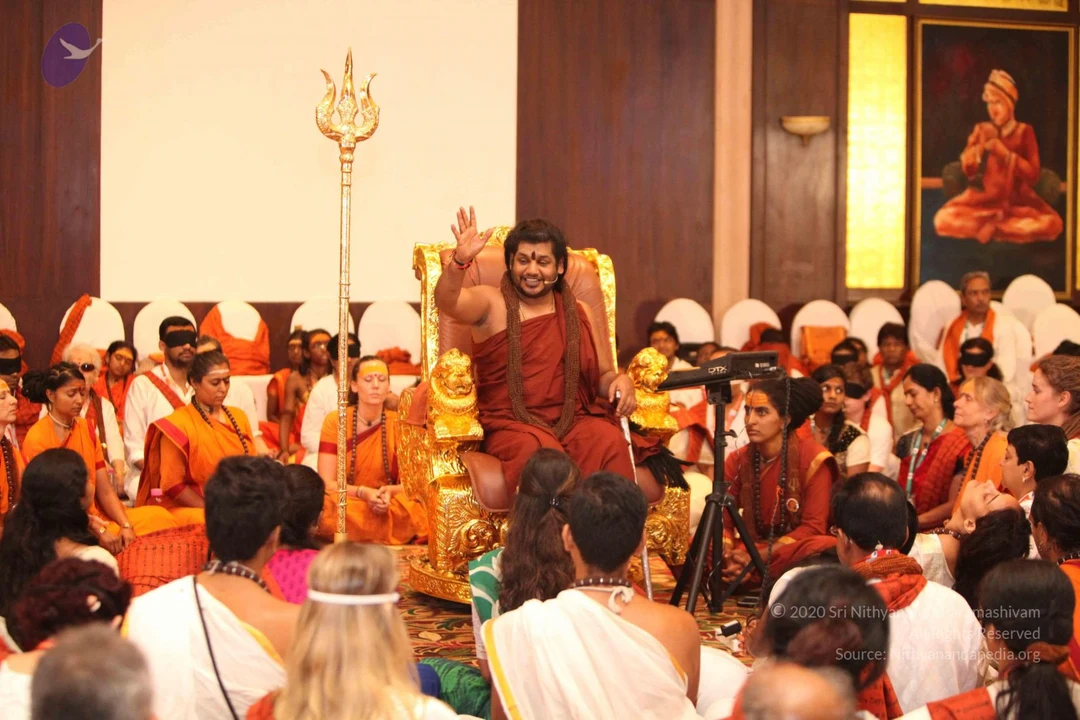
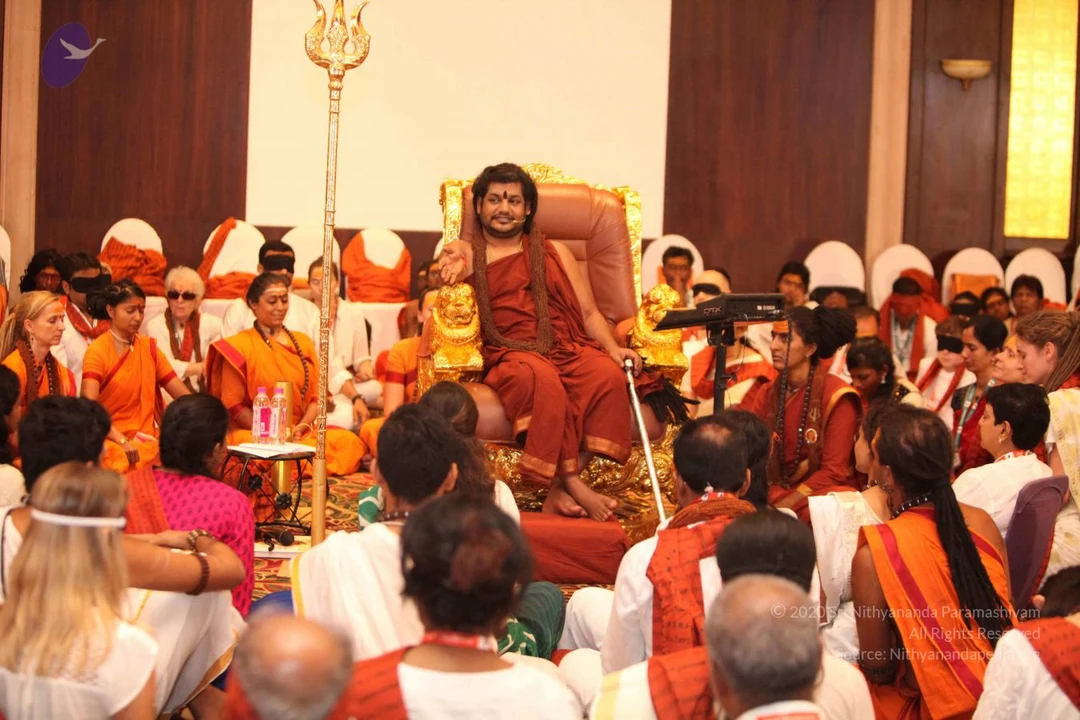
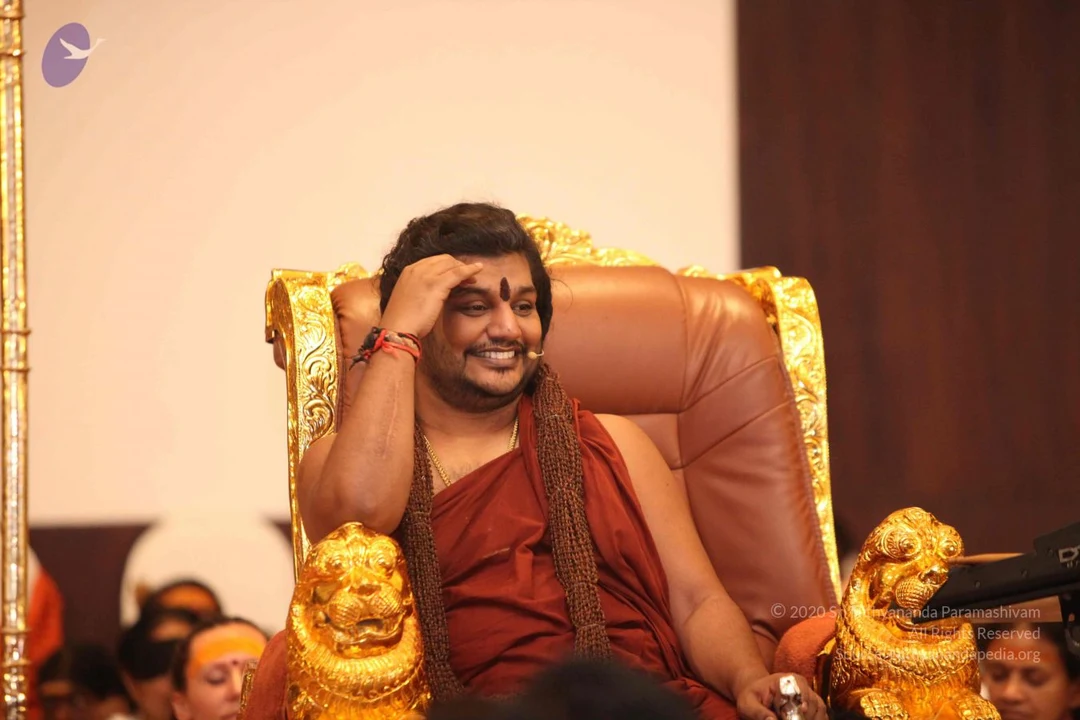
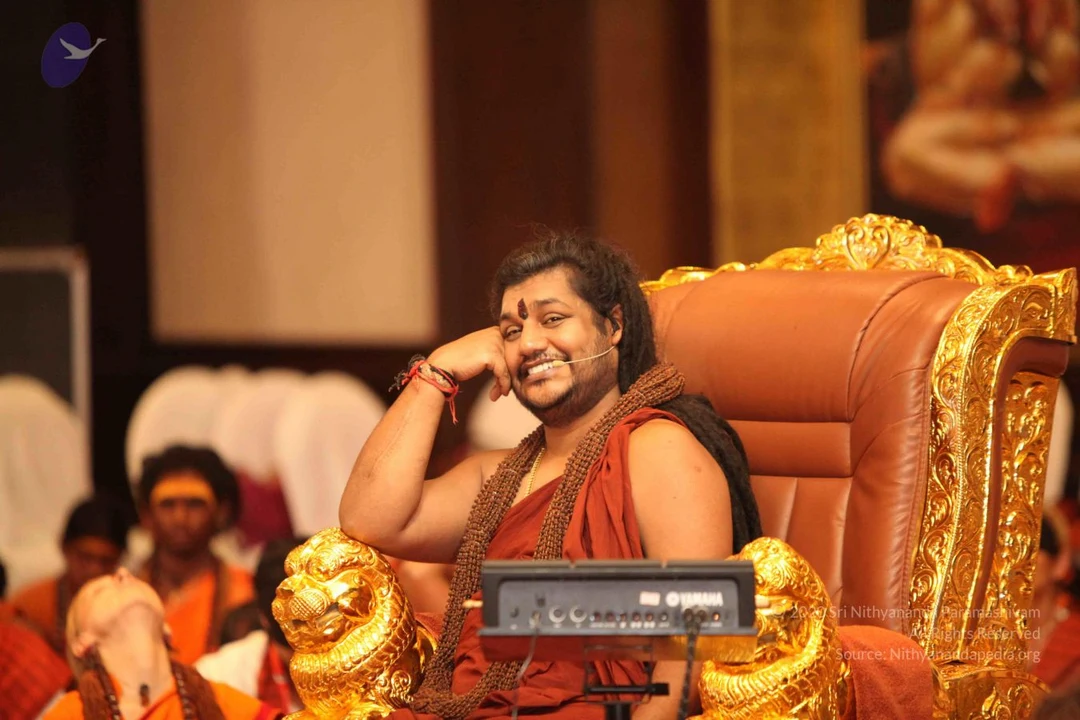
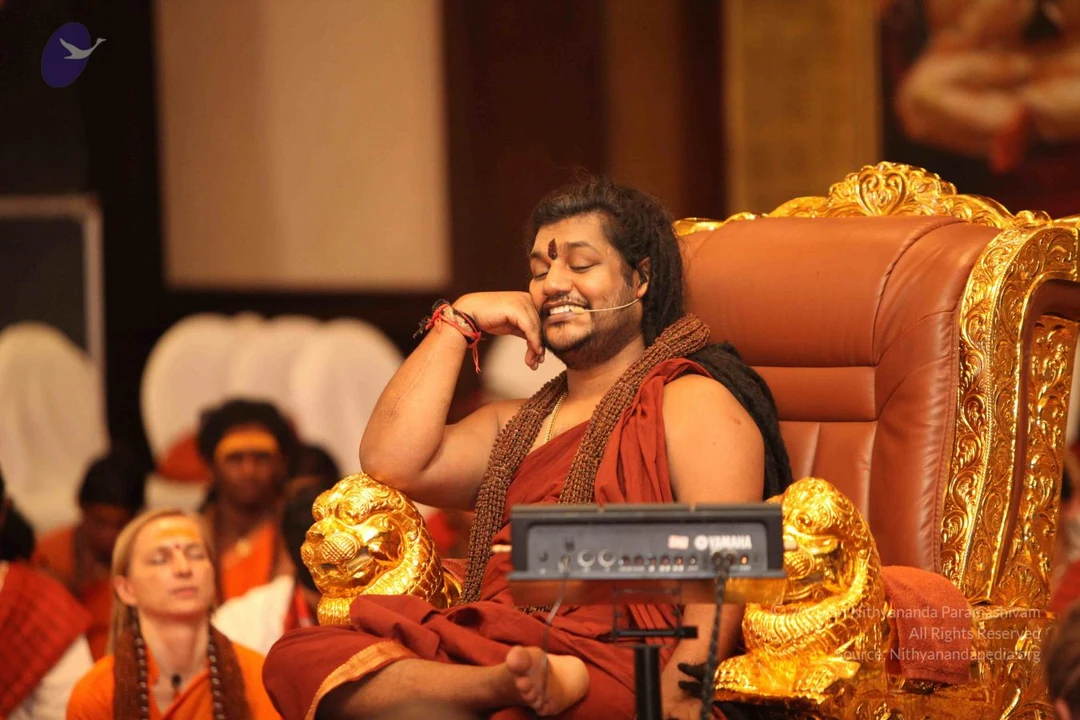
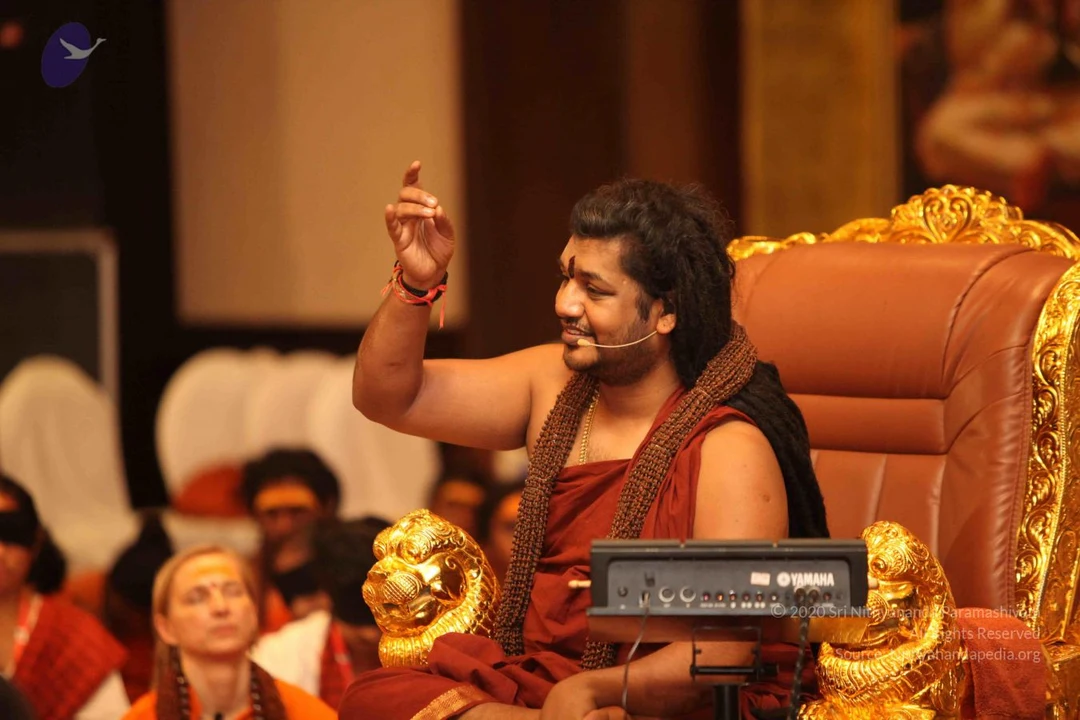
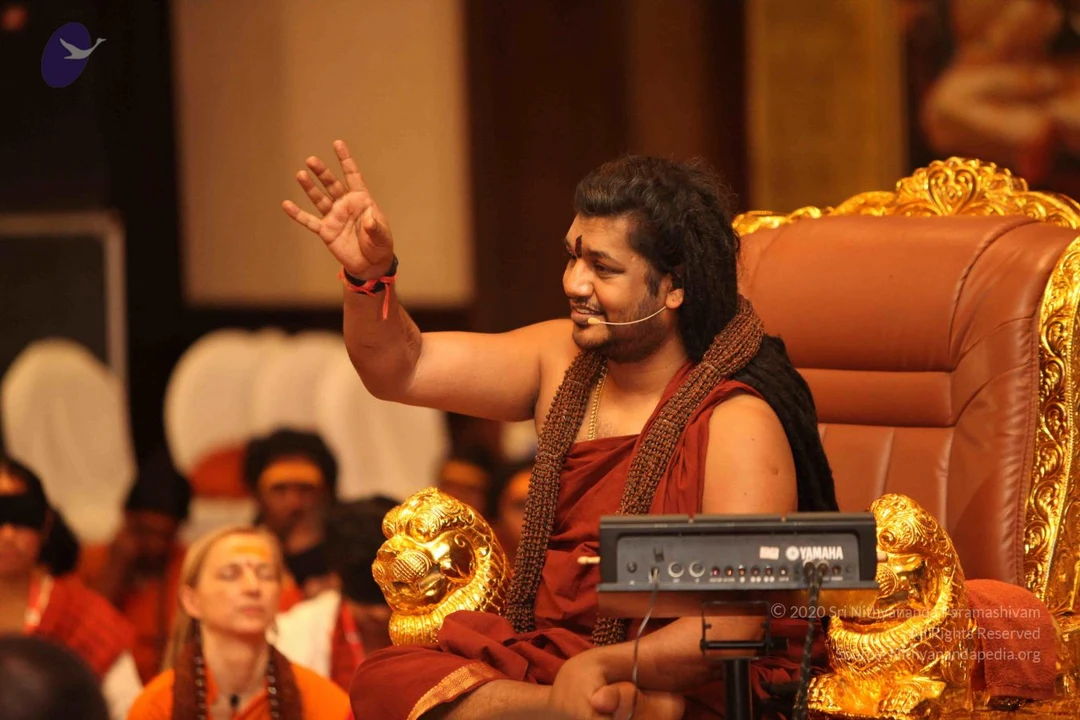
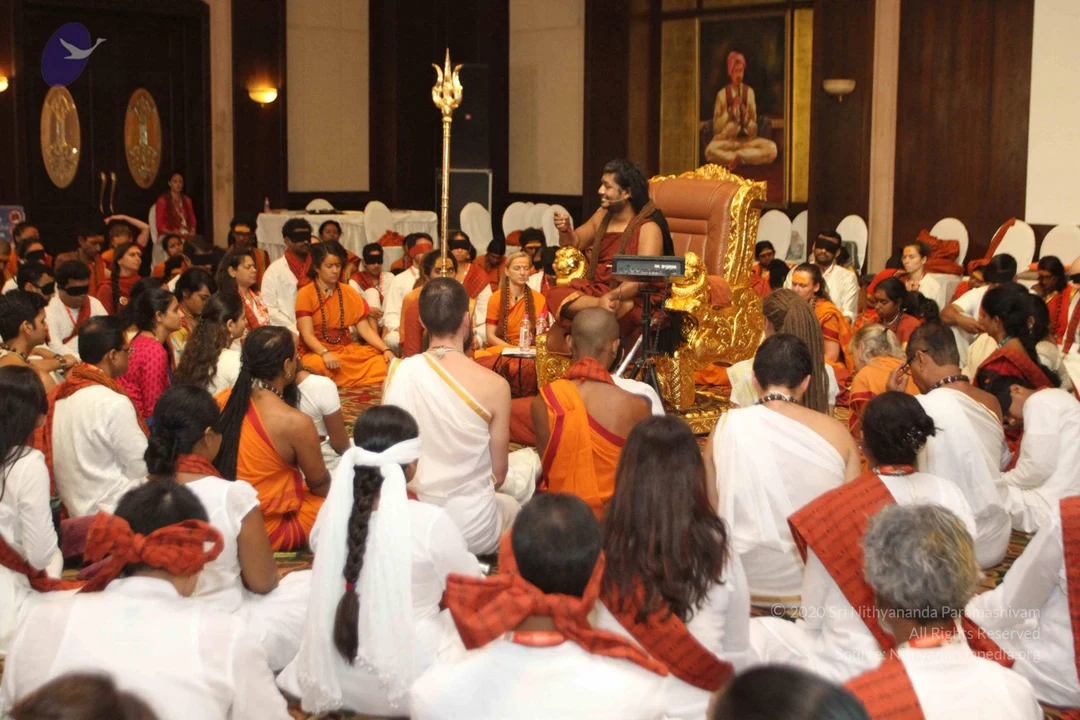
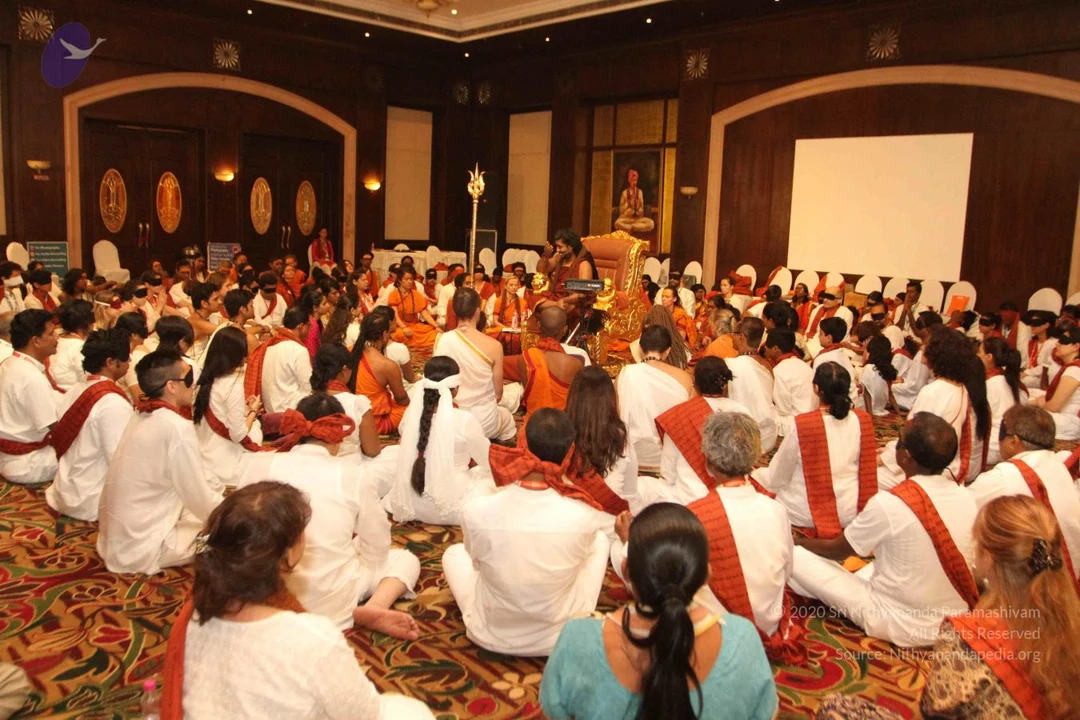
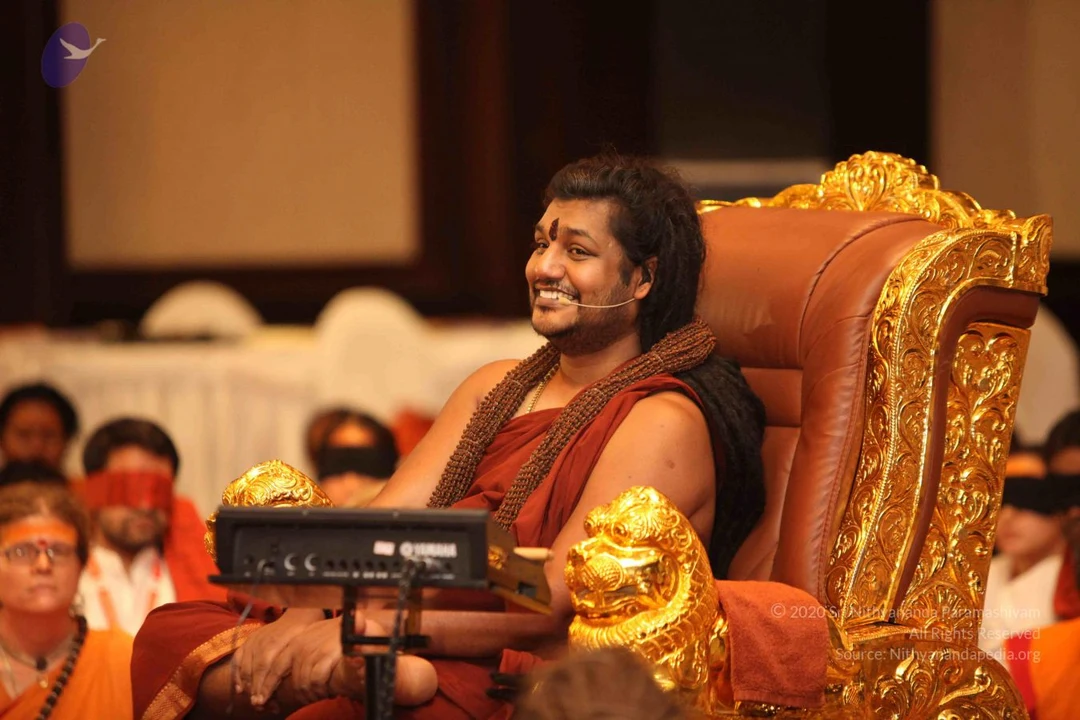
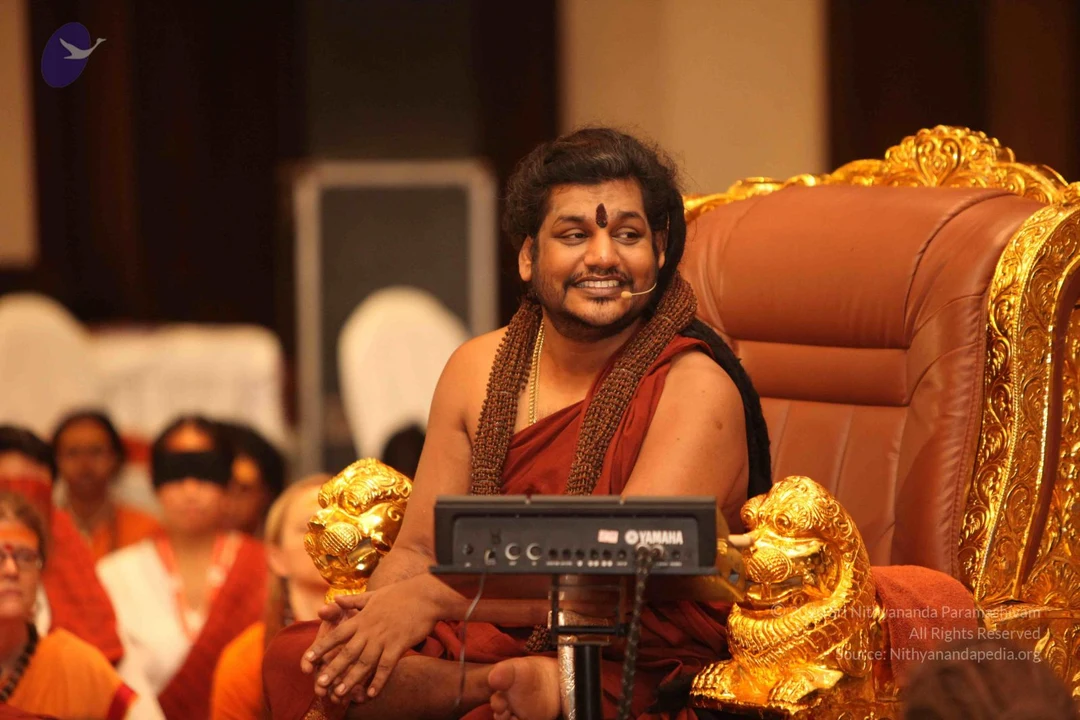
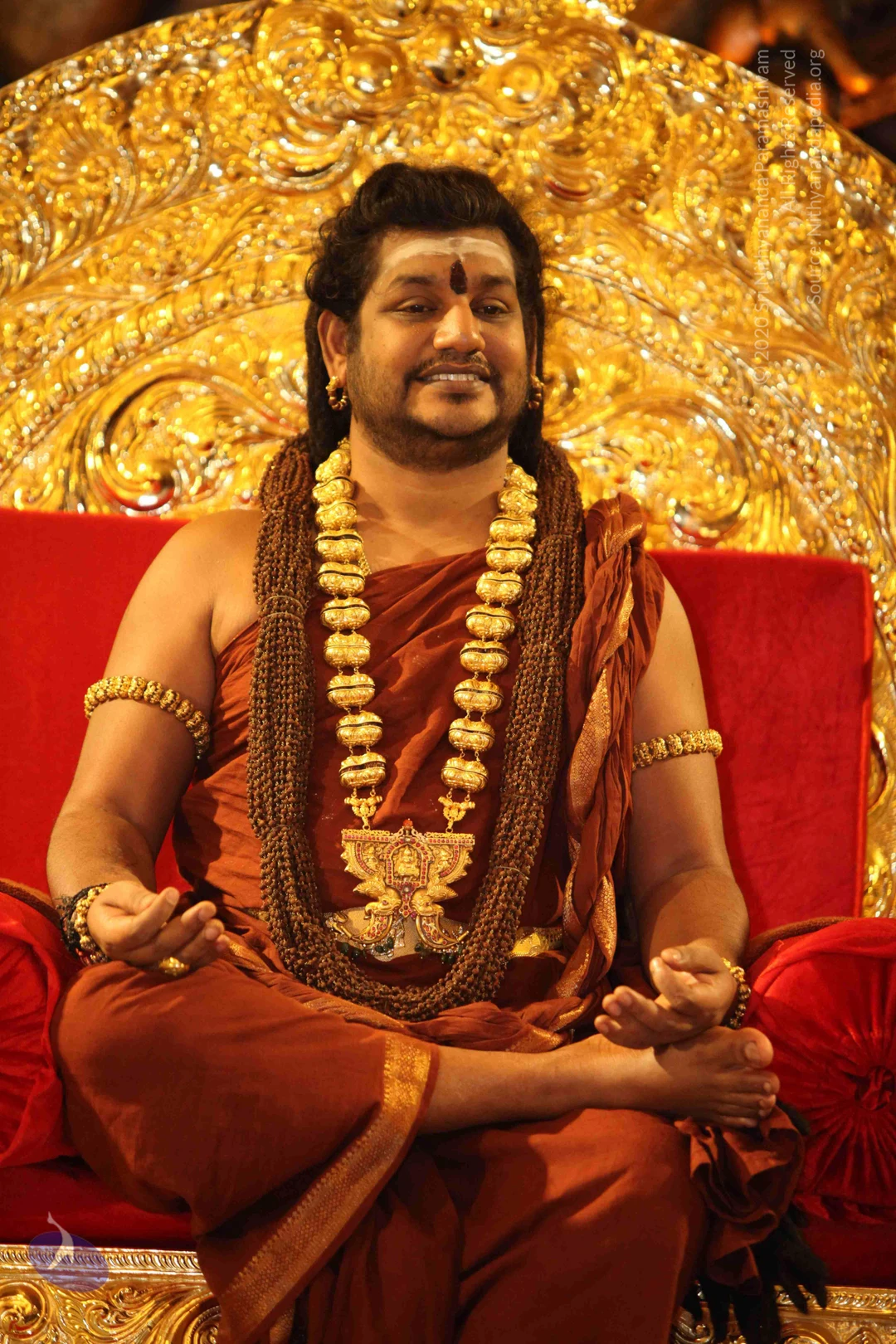
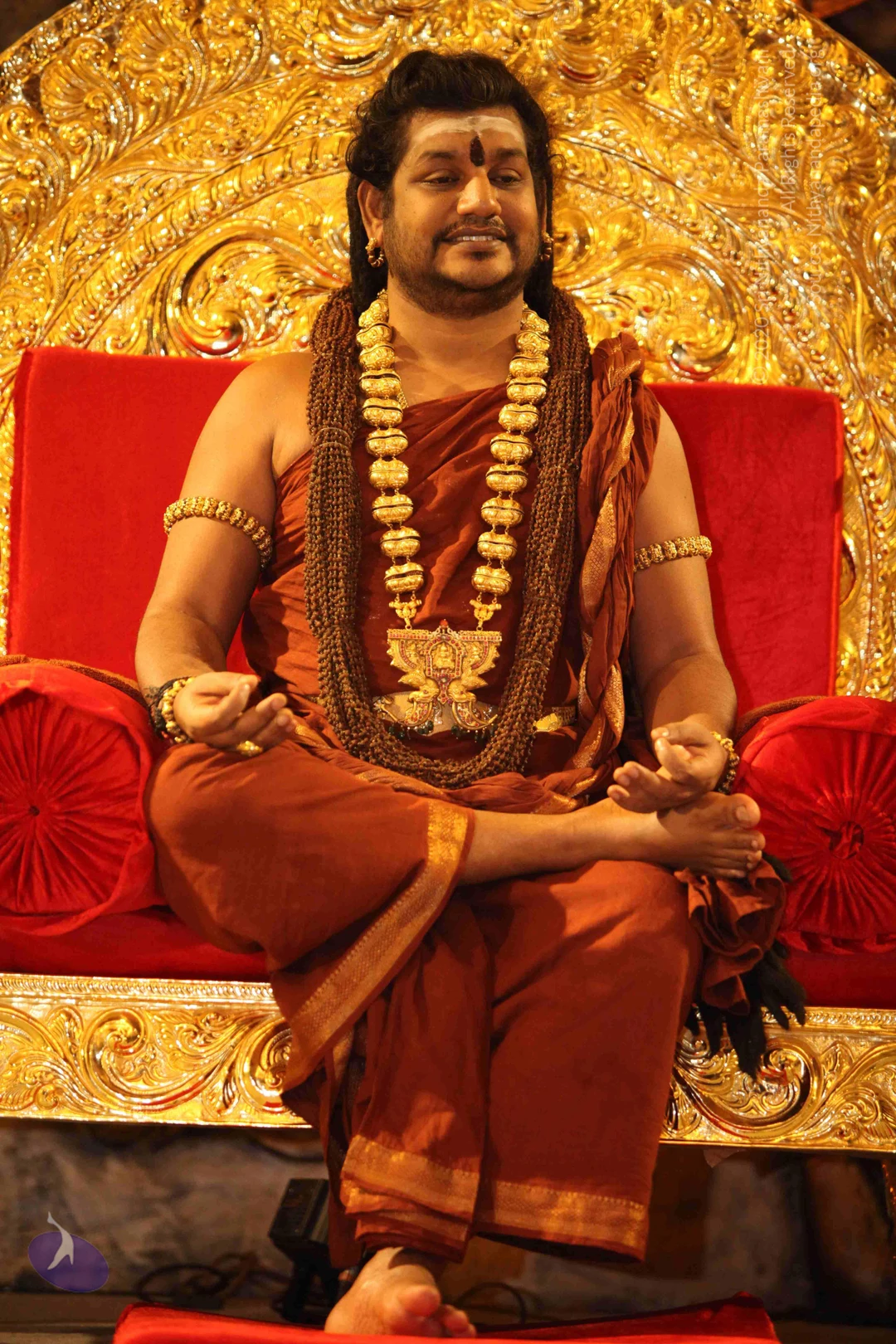
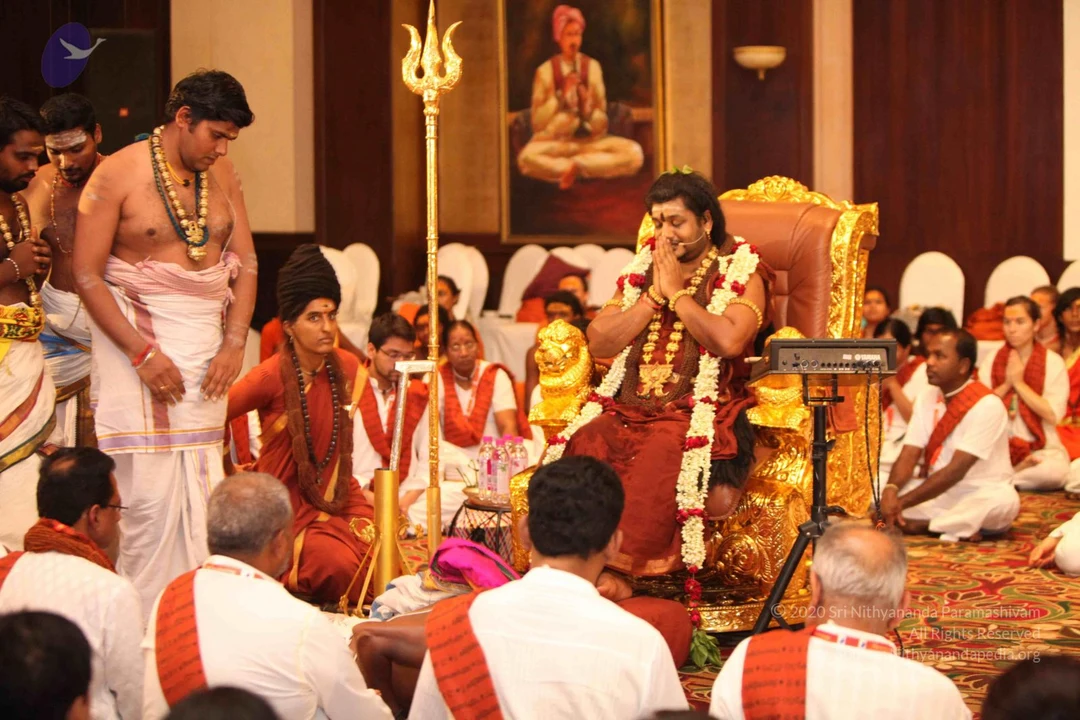
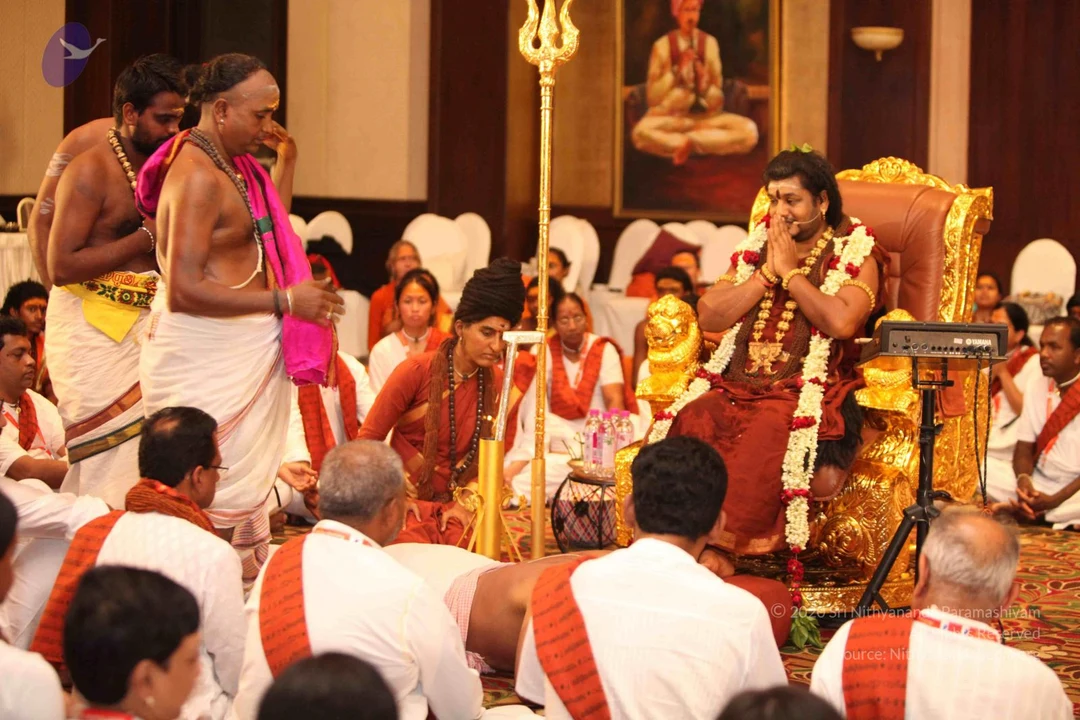
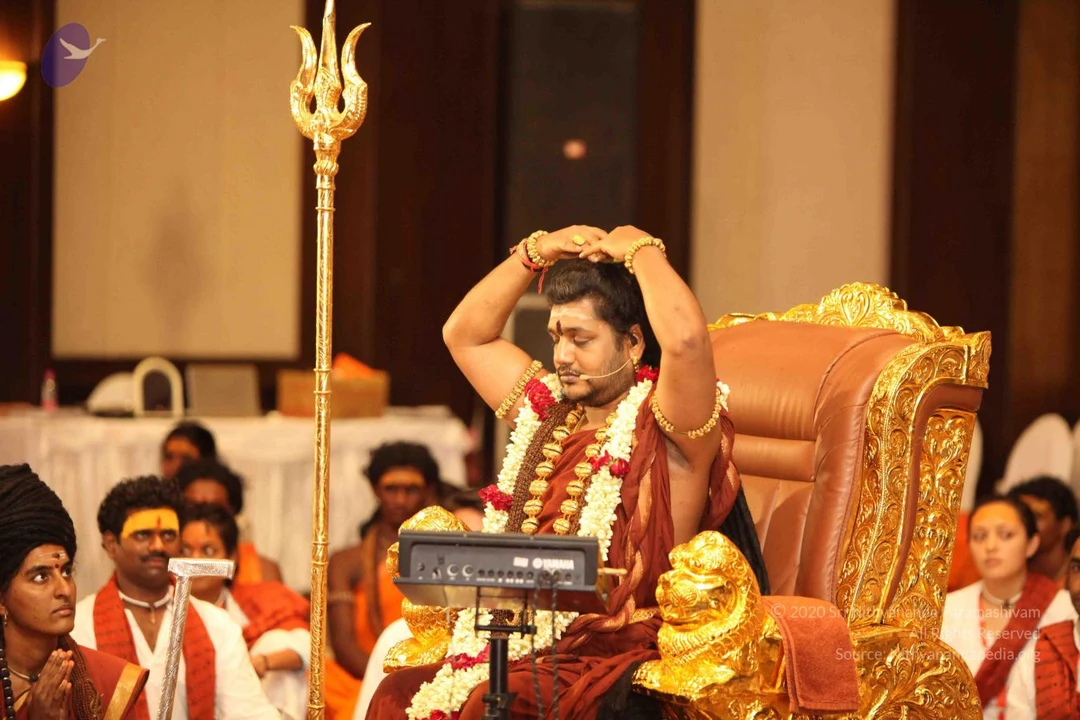
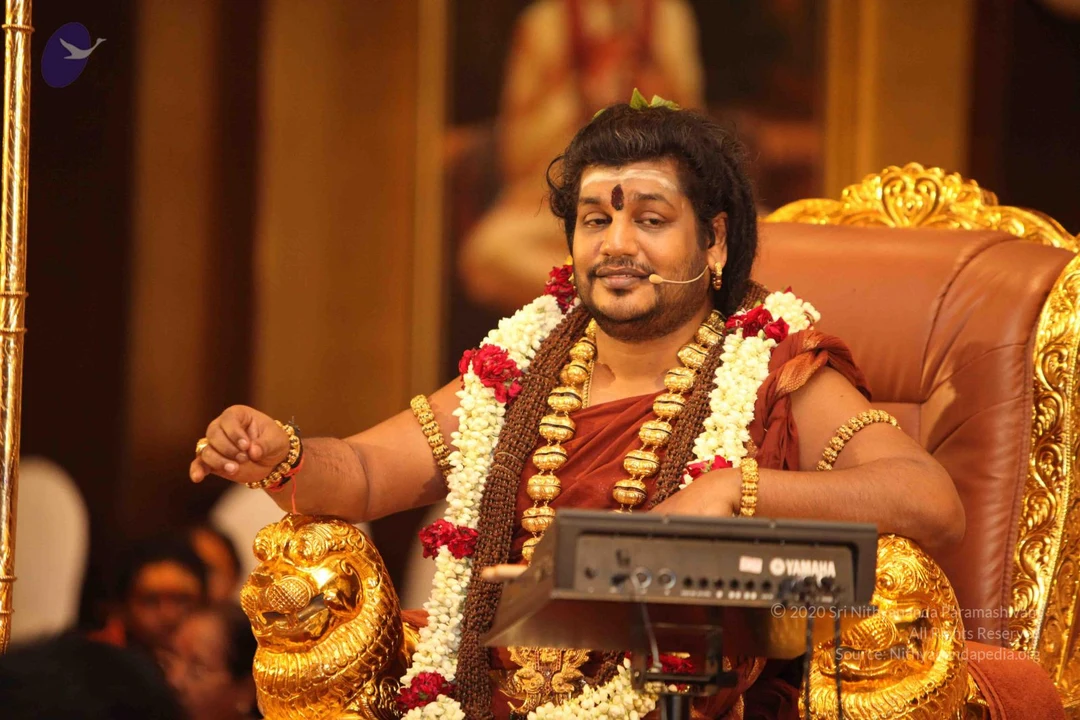
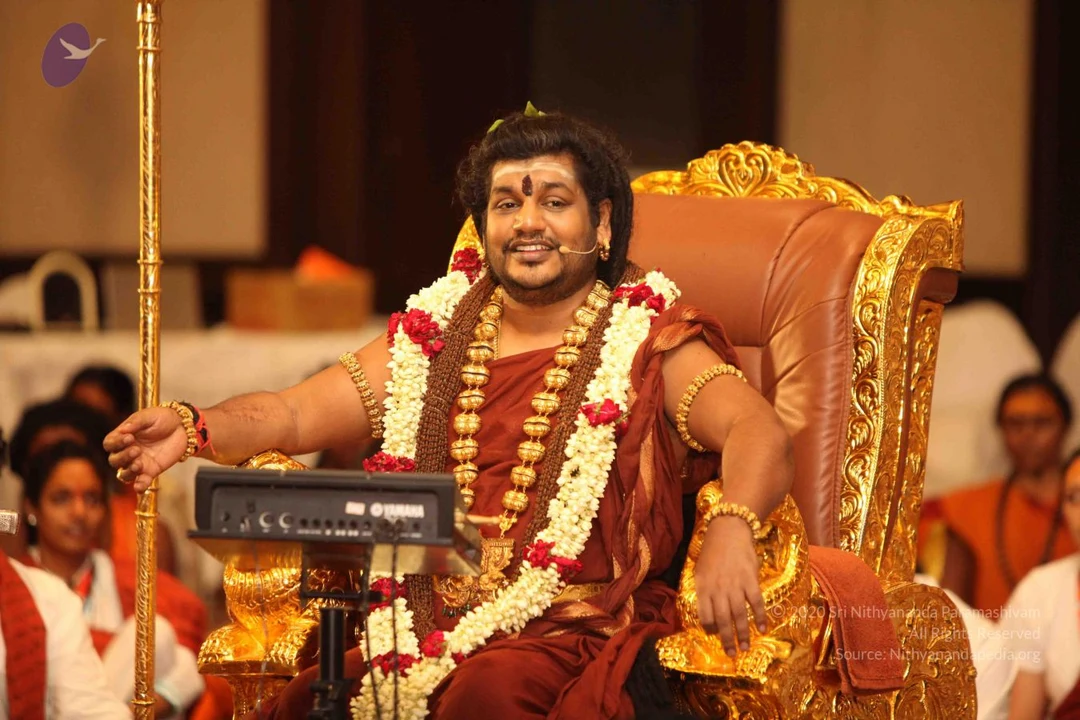
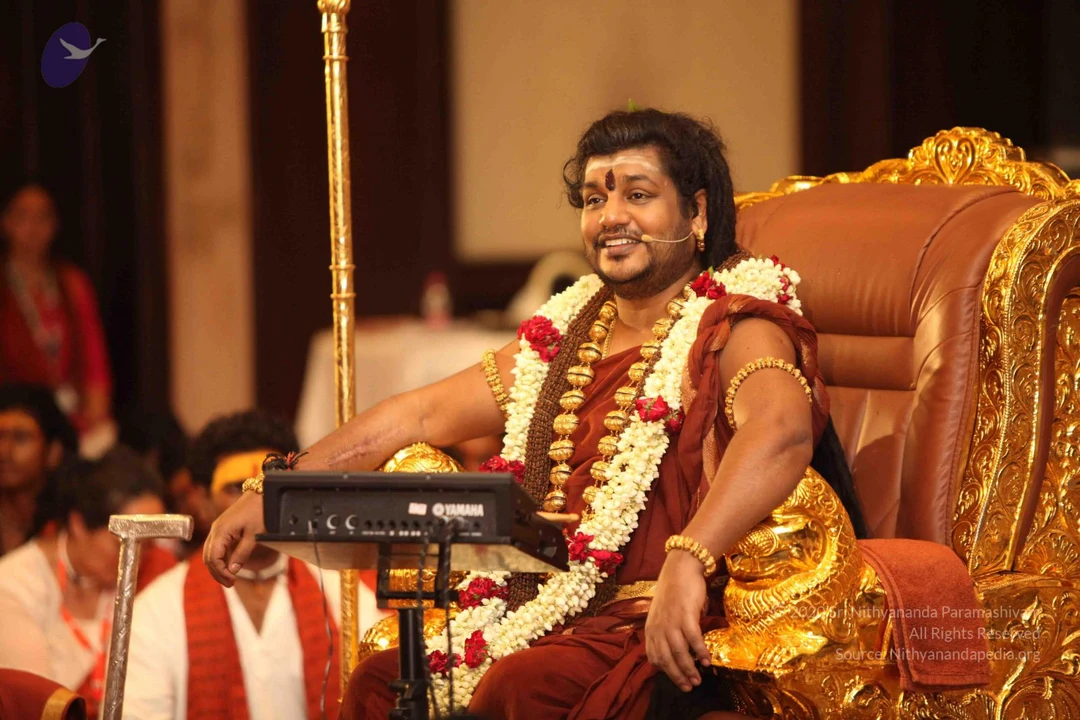
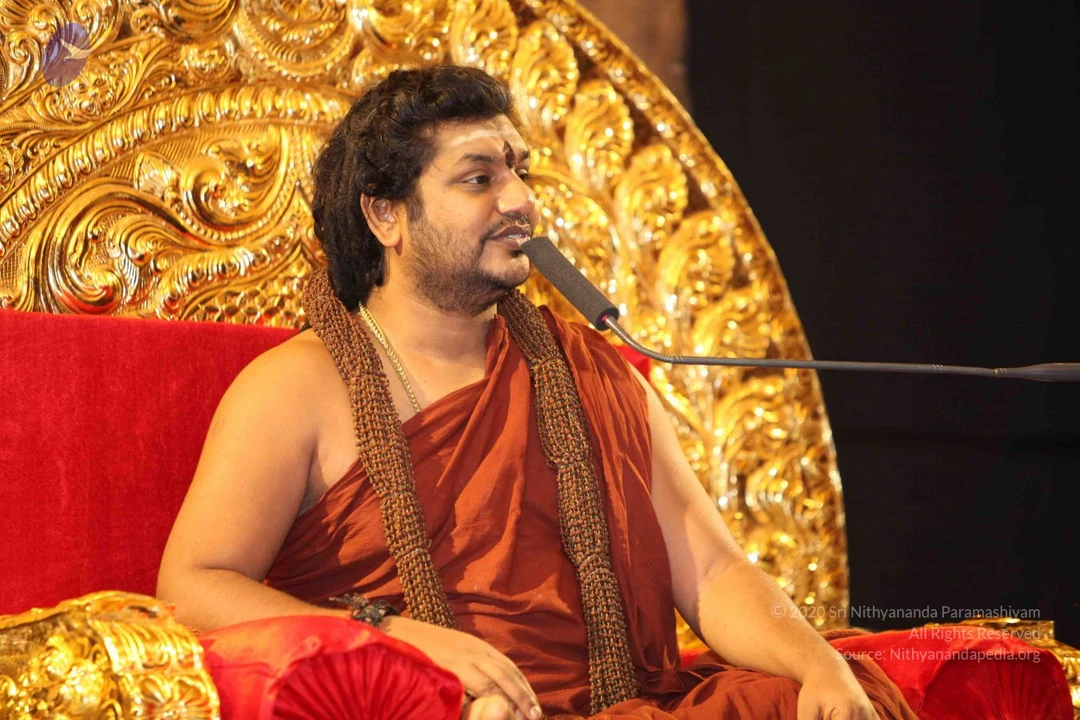
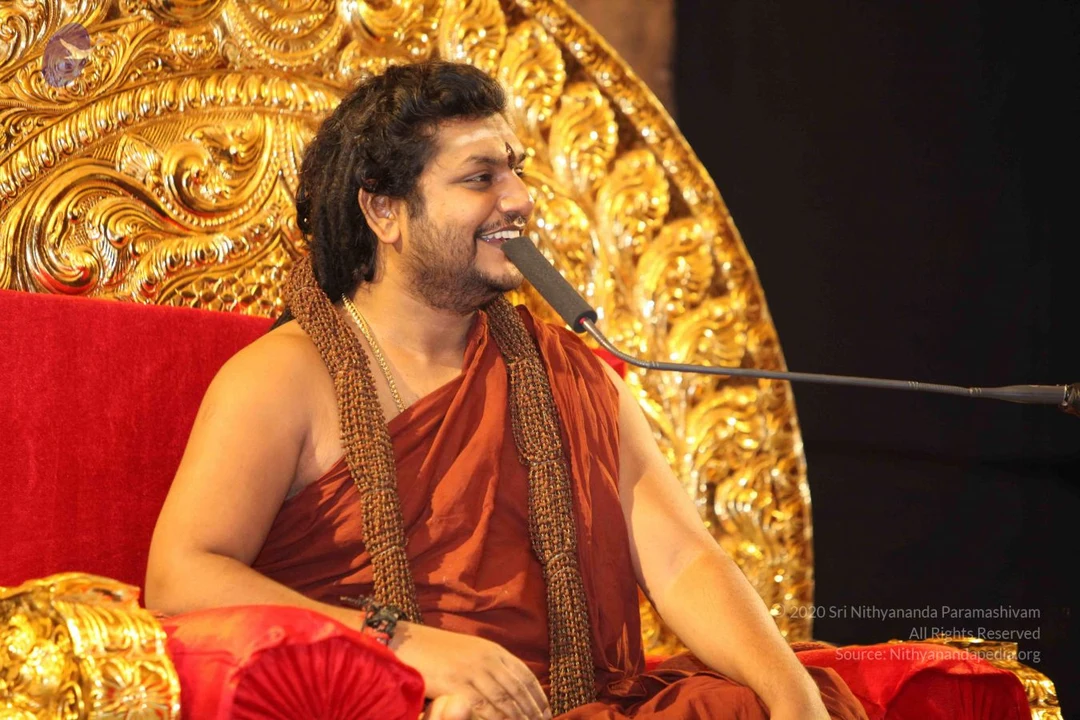
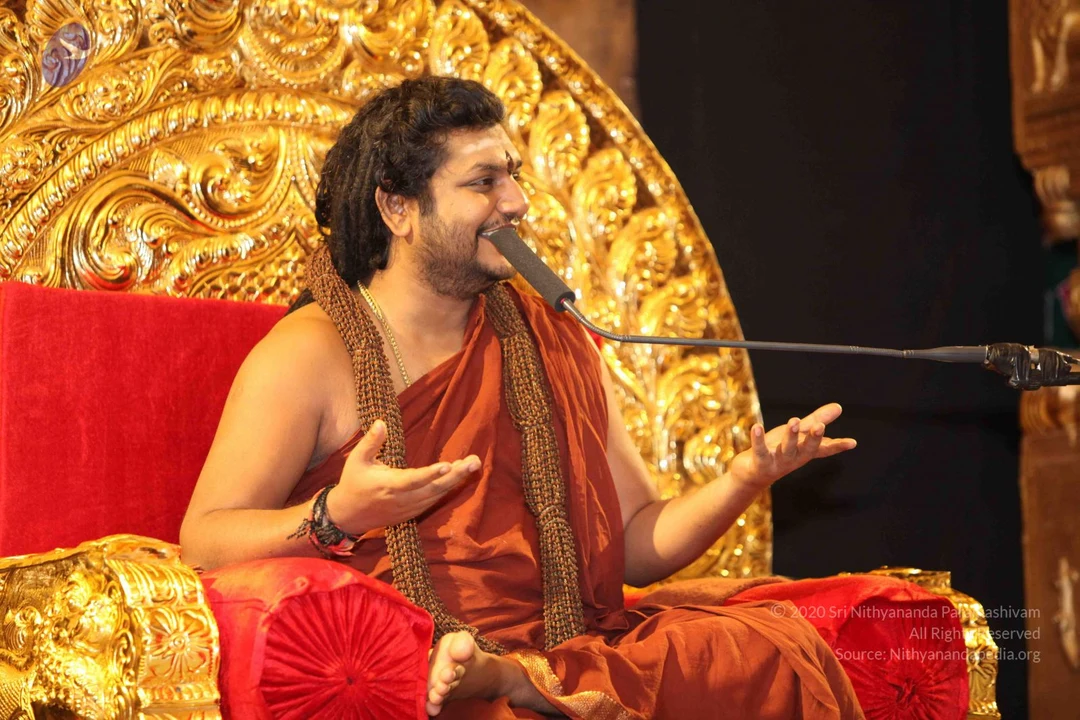
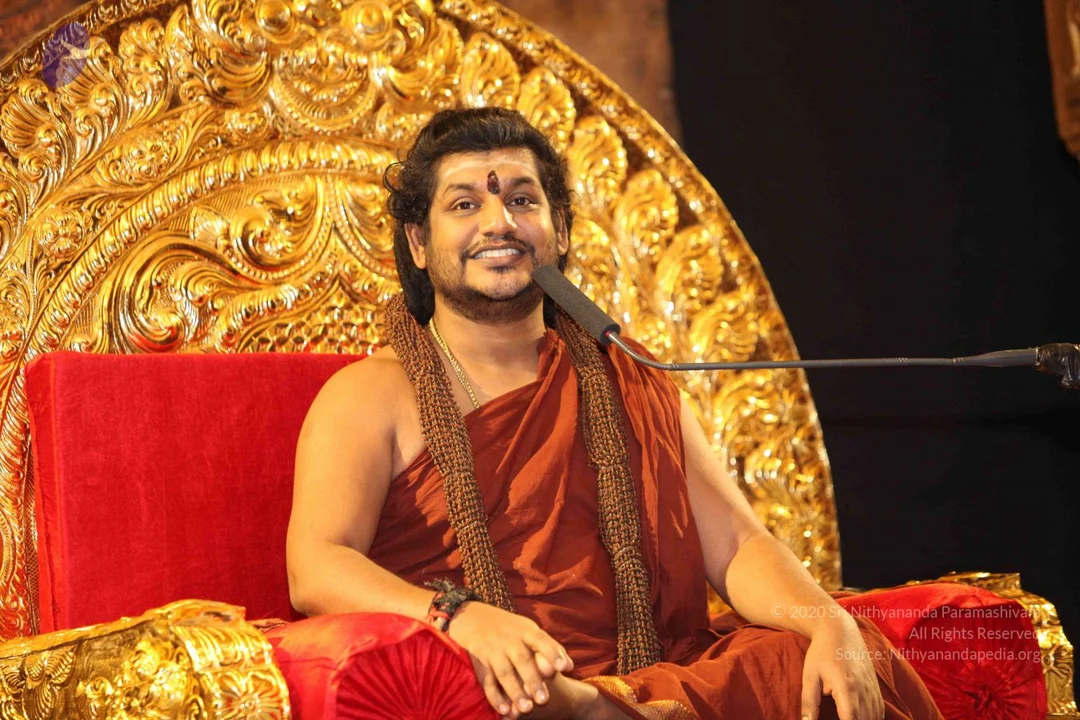
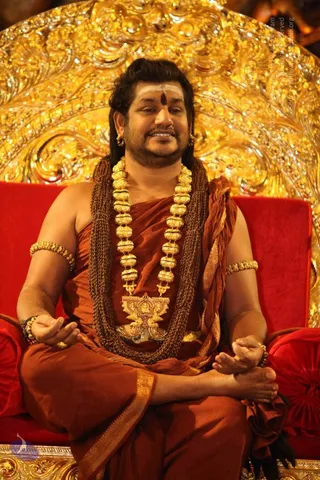
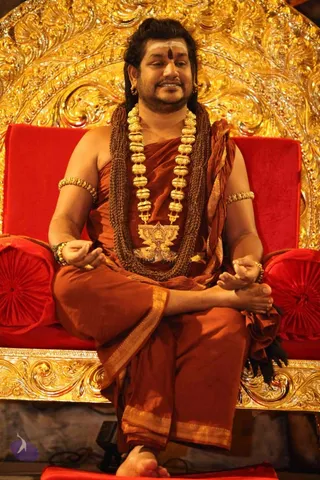
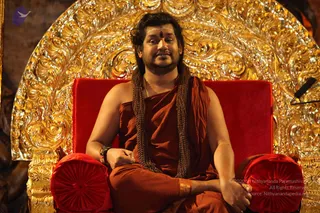
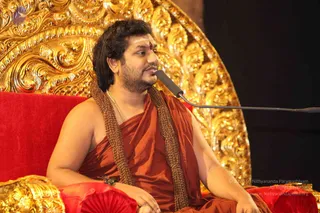
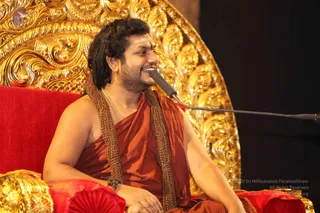
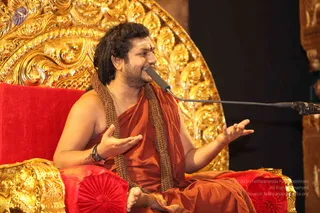
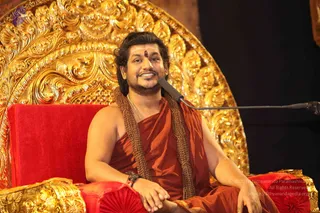
Paramahamsa Nithyananda continues revealing the 'Power of Will (ajna)' or Declaration with Shanti Mantra of Kena Upanishad on 30th June 2016, Nithya Satsang, from Varanasi.
This peace invocation chant is a declaration from the Upanishad Rishis that enriches us with the power of will. Vedic tradition is witness to the Rishis, the courageous saints whose power of declaration could not deny them the response from Lord Brahma, Vishnu and Sadashiva. Their declaration, which is the 'power of will' manifested Sadashiva Himself in front of them, reveals His Holiness.
Human beings should be taught this technology, ability to invoke any thought current we want which makes life blissful, joyful, peaceful. "Awaken the power of WILL. You will understand whole Universe is your own. Whole universe is your friend. When you declare and integrate your being, the kind of a power you radiate, the kind of a knowledge you shower on yourself and others, the kind of an energy you experience as Life is extraordinary." Entering deeper into the Shanti Mantra pada, He explains: " Sarvam brahmopniṣadam – All is Brahman, Consciousness that is revealed in the Upaniṣads. All is Consciousness. Everything is from and is established, exists and goes back to the Consciousness. māham brahma nirākuryām – May I never deny the existence of Brahman. Let this high energy always be in me, where my confidence, my trust is maintained. May I never have incompletion with Brahman, Consciousness. mā mā brahma nirākarod – May Brahman never deny me or withdraw Its grace from me. anirākaraṇam astu anirākaraṇam me astuLet there be no separation from Brahman; Let me have Completion with Brahman, the Consciousness; and let Brahman be complete with me. So be it. – Contemplate on this. Declare – You will always have strong feeling connection and experience the existence of Brahman, never entertain any thought current which brings incompletion with Existence."
Description:
"Paramahamsa Nithyananda continues revealing the 'Power of Will (ajna)' or Declaration with Shanti Mantra of Kena Upanishad on 30th June 2016, Nithya Satsang, from Varanasi. This peace invocation chant is a declaration from the Upanishad Rishis that enriches us with the power of will. Vedic tradition is witness to the Rishis, the courageous saints whose power of declaration could not deny them the response from Lord Brahma, Vishnu and Sadashiva. Their declaration, which is the 'power of will' manifested Sadashiva Himself in front of them, reveals His Holiness. Human beings should be taught this technology, ability to invoke any thought current we want which makes life blissful, joyful, peaceful. ""Awaken the power of WILL. You will understand whole Universe is your own. Whole universe is your friend. When you declare and integrate your being, the kind of a power you radiate, the kind of a knowledge you shower on yourself and others, the kind of an energy you experience as Life is extraordinary."" Entering deeper into the Shanti Mantra pada, He explains: "" Sarvam brahmopniṣadam – All is Brahman, Consciousness that is revealed in the Upaniṣads. All is Consciousness. Everything is from and is established, exists and goes back to the Consciousness. māham brahma nirākuryām – May I never deny the existence of Brahman. Let this high energy always be in me, where my confidence, my trust is maintained. May I never have incompletion with Brahman, Consciousness. mā mā brahma nirākarod – May Brahman never deny me or withdraw Its grace from me. anirākaraṇam astu anirākaraṇam me astu - Let there be no separation from Brahman; Let me have Completion with Brahman, the Consciousness; and let Brahman be complete with me. So be it. – Contemplate on this. Declare – You will always have strong feeling connection and experience the existence of Brahman, never entertain any thought current which brings incompletion with Existence.""" Watch, share and like the video's and Subscribe to our channel to be notified of the next upload. click http://bit.ly/20j90wr to subscribe. Website and Social Media: http://www.nithyananda.org http://www.nithyananda.tv http://www.innerawakening.org https://twitter.com/SriNithyananda https://www.facebook.com/ParamahamsaNithyananda
Link to Video:
| Video | Audio |
Title:
Building Better Relationships || Completion with Others
Link to Video:
Program Name: Inner Awakening
Session On: Completion with Others || The World and My World
Venue: Varanasi, India
Date : 30th June 2016
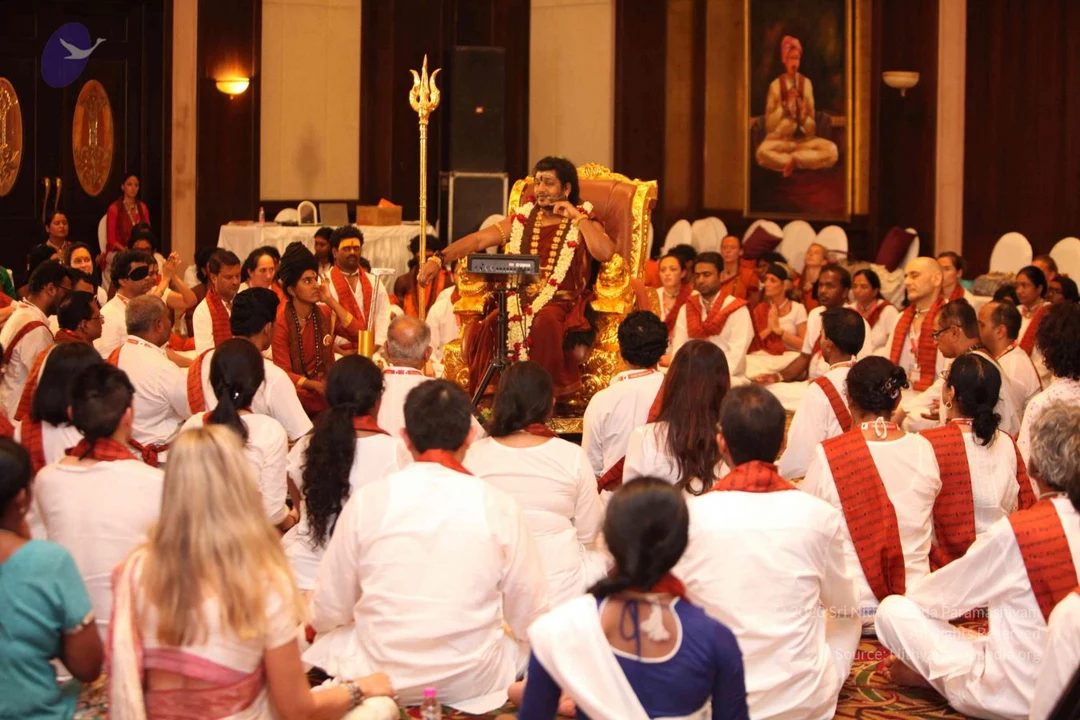
In this video, Swamiji shares about the different perceptions of The World and My World and how incompletions arise therein. He then leads everyone into the process of completion with others.
| Video | Audio |
Transcript:
nithyānandeśvara samārambhām nithyānandeśvari madhyamām | asmat āchārya paryantām vande guru paramparām ||
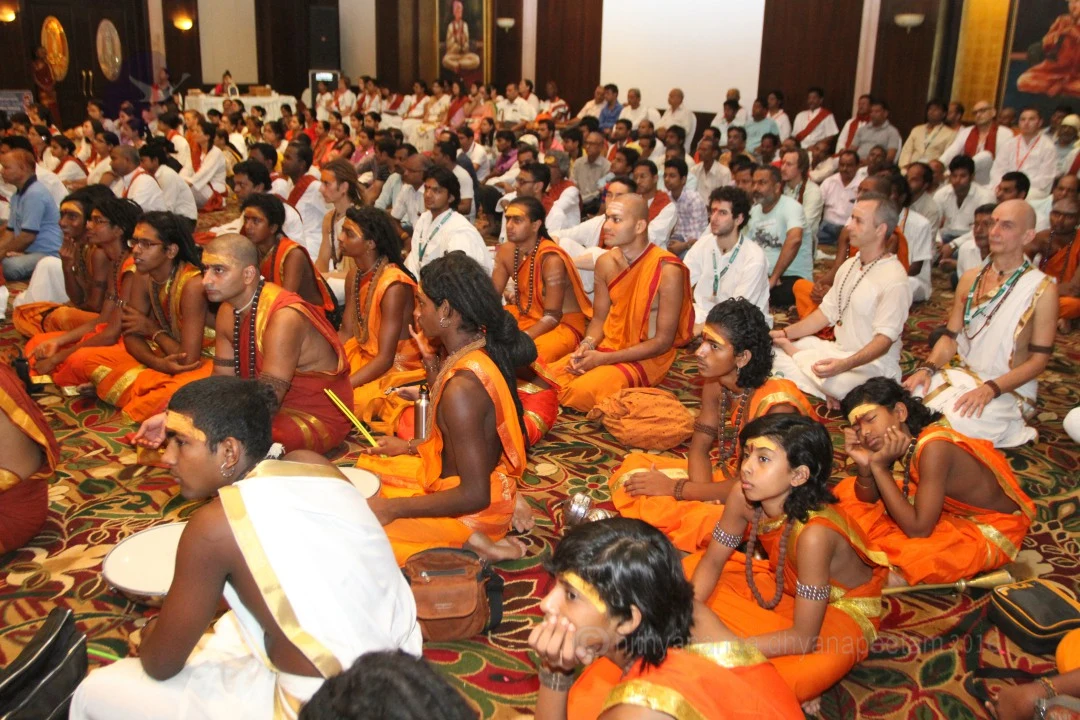
I welcome all of you with my love and respects. I welcome all the devotes, disciples, Sarvajnana Peeta Yajamans, Samajis, Satsanghis, Sri Mahants, Mahants, Kotharis, Thanedars, visitors, You Tube subscribers, views sitting with us all over the world, through Nithyananda TV, two-way, video conferencing having Nayana Deeksha all over the world. I welcome all of you with my love and respects.
I’ll continue on the Shanti mantra, the Shanti Patha of Kenopanishad. Please recite the mantra along with me first.
auṃ āpyāyantu mamāṇgāni vākprāṇaścakśuḥ śrotram-athobalam-indriyāṇi ca sarvāṇi | sarvaṁ brahmopaniṣadam mā’ham brahma nirākuryām mā mā brahma nirākarod-anirākaraṇamstva-nirākaraṇam me’stu | tadātmani nirate ya upaniṣatsu dharmāste mayi santu te mayi santu ||
oṁ śāntiḥ śāntiḥ śāntiḥ ||
I was explaining about the power of declaration. Today, not only the power of declaration, we are going to make itself is something extraordinary, beautiful.
sarvam brahmopanishadam |
Please understand, first thing Upanishadic Rishis are making a WILL. First thing they are teaching you is, strengthen your limbs, listening, seeing, body, mind, vital life-energy, strengthening all of that, create a will to mature and strengthen your body and mind.
4:40
Next, sarvam brahmopanishadam |
Understand, whatever exists is consciousness including what you don’t like in the life. People say, “everything is okay”, but who invented this examination and office? When you are a child you think, “everything is okay.” When you think everything is okay, who invented this office; even the things you feel you don’t like, not part of you remember – sarvam brahmopanishadam – everything is Consciousness – means you made everything in your life, you made everything in your life. Understand, I am not talking this idea that – you made everything in your life – as a philosophy, moral, no! I am talking, I am uttering these words, as the simple facts you need to know, the truth you need to be informed before you strategize about your future existence. Life is all about strategizing for future existence, you exist to strategize for your future existence.
(7:03)
For the right strategy to happen in you, you need to be informed of these basic truths.
sarvam brahmopanishadam | Everything exists is Concsiousness. Everything, everything exists is Consciousness.
I still remember, I was 8 or 9 year old boy sitting with two of My Gurus. I had the fortune of having four or five Gurus, continuously making all their time and energy available to me. So with two of my Gurus I was sitting, with two of My Gurus, and the temple bell rang, the lifestyle of Arunachala is so beautiful. You know it is only morning when you hear the temple bell, you know it is breakfast time by listening to the crackers in the temple. Every puja, there will be temple crackers, all the 6 pujas there will be temple crackers, only listening to that sound we know time. So the temple bell rang, means Naivedhyam, food is being offered to Sadāshiva, both my Gurus immediately looked at me and said; go and bring the prasadam. After the Naivedhyam is done, it will be given to all the devotees, it’ll be shared with all the devotees.
They were both sitting in one corner and asked me, “go and bring.”
I went to the place where they distribute the prasadam and waited, puja was over, the rituals got completed and they started serving and I stretched My hand and the priest gave one share, it’s like a one share itself will be almost half a kg rice in one big leaf, they’ll give, and then the Pujari [priest] was telling, the pujari saw before going to the puja that I was sitting with both my Gurus, and the pujari is very greatly devoted, highly devoted to both the Gurus.
So the Pujari saw and said, “Hey take 2 more for them also, they are sitting, take one for you and two more for them.”
I was a little reluctant because one of the boy and girl who were My classmates are standing in the cue next to me, they will laugh at Me, “taking so much, all for one person.” So for this purpose only you are sitting in the temple the whole day. That’s the way they usually make fun of kids and I know they are gazing at me in the mood of fun. I felt a little pride, I am from a big family and again and again I have been told from the beginning that you are from a big family, and you have to behave yourself like that in the public. So I told the Pujari, “no, no need. This enough”, and I brought the naivedhyam to both My Gurus.
They asked; “Hey where is our share, did the pujari not give?” As if they both eat, actually both the fellows don't eat anything. Very rarely they will touch and put 2, 3 grains in the mouth and give it to other people who are sitting and I said, “No, you don’t eat, you eat rarely, this is more than enough for all three of us.”
They asked, ‘No, did that pujari give or not?”
I said, “Yes he gave, he wanted to give, he asked me, ‘take 2 more to both the Swamis’. Then they asked; “Why did you refuse?”
“No, no, behind Me My classmates are standing, they’ll make fun of Me that I’m taking so much and am I going to eat so much, and for this food only I am in the temple, they’ll tease Me, I don't want to get teased by them so I brought only My portion.”
(12:47)
Till this moment they were very casual, laughing, smiling. Immediately I saw Kuppammal starting at My eyes and saying, “Go to their shop street and beg and bring the food.” That’s the word she uttered. They both own a shop, that means their father owns a shop, the same street where also My father owns a shop, one shop and the whole street is literally run by My grandfather, he is the head of that whole association. So I always walk on that street with a pride, I am a grandson of this guy you know and all the shop owners are either family or friends. So any shop we enter and eat anything, whether it is jaggery or dal or anything, in any of the shops is free and we will go directly and sit, and in village actually we know everyone’s name and it’s a different lifestyle. But in that same street I have to beg now, all will make fun! What happened to your grandfather and all his wealth? They will ask all questions and they will tell My grandfather that is the next problem, that your grandson is begging in the street, why you are not giving food for him?
Of course, one good thing I had, I think this is the greatest boon Sadashiva gave – just obeying the Guruvak. I think that is the greatest wealth I brought with Me. I tell you, the future may think, future may describe, various things as My main contribution, some may say my Gurukul is My contribution and some may say the science of manifesting powers is My great contribution, some may say the science of Enlightenment is My great contribution, but I tell you, the greatest thing I brought, which was useful for Me is – surrender to the Guruvak.
If any of you feel in a very short span, in a very young age, in a small number of years, I have done big work, whoever feels, if you feel that, if you want to know the secret, I tell you, complete surrender to the Guruvak to the letter and spirit that reduced a lot of time wastage.
The moment My Guru said, “Go and beg, the same street in the same shop and bring food”, I know now it is a serious, it’s not casual, it’s not fun anymore. It means I have done something out of My pattern or out of the context which My Masters are correcting. I tell you, I stood up, straight went to that street, begged and brought whatever I got. Naturally all friends, family they all gave so many things. I have to take a small pulling cart. In villages there will not be rickshaw, the hand pulled cart, so I have to hire a small hand pull cart to bring all the items I got as bhikshā to My Guru. So I hired a small vehicle and put the whole thing at the feet of both the Gurus and I realized, understand, that was one of the greatest realization I had – I should not be bothered about imaginary opinions of others. I tell you the liberation that happened at that moment is till now useful for Me.
(16:44)
Next day I had a chance to talk to both My friends. They were asking Me, “Hey, why were you going for bhikshā in all the shops, did you do any prayer or is it any Divine commitment?” In villages we have a habit, if somebody is sick they pray to Venketeshwara and Kuladevata, that they will go for bhikshā and bring and offer it in the Hundi. Still we do that, every Purattasi month all the Vaishnavas they go for bhikshā, and take it and offer it to Vishnu temple and Shaivaites every Margashirsha go for bhikshā and offer it to the Shiva temple. They asked, when both the friends asked Me that, “Hey did you have any prayer, why were you begging?” In the mind I was thinking, “only you fellows were responsible for My begging and now only I understand you guys did not even have the idea of which I was thinking you guys will be having.”
(19:57)
Understand, if you understand this one truth, the amount of time you are wasting in your life without moving towards your goal will be cut 80%. I am telling you, My idea that this is what they will be thinking, even though they are not thinking and even if they are thinking that should not be postponing or pushing My decisions and My actions, but imagining this is what they will be thinking and not doing what I am supposed to do. Please understand, this is one of the most powerful, sickening patterns in which all of us are stuck, sickening pattern. Yes, if I worked on Completion, I myself would have got out of that pattern, but when I am fifty. Fortunately, I had that implicit surrender to Guruvāk, it only took 50 minutes for Me to get out. When I was going and doing bikshā [[[seeking]] alms], I just know the pattern, there is some pattern, that is the reason, some reason, something is not right in Me. That is the reason I did not take that Prasad [sacred food offered to Deity] and just come, and came back. Not taking the temple Prasad and coming back, is too small act, it’s not a big thing, and if they just shout from where they are sitting the priest himself will bring and give it, because he was only audible distance, they were sitting inside the temple only. They could have shouted, “hey! Get the naivedyam”, and he would have come and given. The act is too small, but they know the reason is too bad. That pattern cannot be allowed to live in Me.
(22.47)
Guru is the most sweetest Being who sacrifices everything, just to get you out of the exact patterns where you are stuck. Job, job of Sadashiva first and foremost job of Sadashiva, when He assumes the human body, He sacrifices, He is Tyāga Raja [king of sacrifices] – He sacrifices anything and everything just to get the disciple out of his pattern, just to get the disciples out of their pattern. And it’s not that if I would have brought the temple prasadam, both of them would have sat and ate the whole thing or both of them were hungry. I have never seen these 2 fellows having anytime full meal. I tell you, I lived around them at least 12-15 years, with one 12 years, with another one 15 years. I have never seen them having full meal, means like a full meal, having in a plate and eating, no. Some devotee will bring something, and they will will pester, and he or she will pick up a little and put in the mouth, with both that is the case, Vibhudananda Puri or Yogananda Puri, with both that is the case. It’s not that they want the food, or they want whatever I begged and brought, no. They are very clear, they are not going to let me get stuck in that pattern.
(25:10)
That one Completion is responsible for my svatantratva, the freedom I carry, from public opinion, the one and only reason is – My Gurus have completed and liberated Me from that one important pattern, not caring about the imaginary opinions of others and the opinions others inserted into us, about life, about life, about right, about wrong, about living, about Consciousness. Even about your life and death, you carry so many stupid ideas from people who are stupid by themself, who are stupid by themself, their own existence they are stupid. But the ideas they vomited you carry on your head. You have been given a beautiful golden bowl, and you keep that on your head carrying their vomit. Wash the bowl.
(26:50)
Listen, this is the conclusion, immature ideas and cognitions you carry because of your immaturity from the immatured people, is what makes you feel that there is something which is not God in the Existence. Whenever you feel that there is something which is not God in Existence, sit and dig out what makes you feel something is not God in the Existence. You will find it is always some of your immature cognitions put inside of you because of your immaturity by some immature fellows, who are caught in the suffering because of their own Existence, because they are a large number you also want to conform to the populist belief.
(28:12)
Understand, life is not democracy, your government may be democracy, life does not run by democracy. It’s not that if all of us vote together and say, “Let fire not burn, we are all voting together,” fire is going to stop burning? If you all vote together, let Ganga not drown people, you think Ganga will stop?
(28:28)
Understand, populist beliefs does not mean they are right. It is great to run a government, democracy is great to make common decisions, common laws for the country, for the land, but laws of the nature is different. Laws of Existence is different, laws of life is different. In laws of life, there is no democracy; you just need to understand it. It may be a simple act performed, by not taking the prasadam, the consecrated food, because this boy and girl are standing and I thought they would be laughing at Me, they would be making fun, “Oh that is why you are in the temple the whole day, vaa? to eat so much,” and I walked away from the queue, just with one share, the act may be small, but the context, the reason why I did the act is dangerous.
(30:37)
Understand, all the great things of the life you miss, only with the stupid small patterns, it is not, you will miss great things because of the great mistakes, No! I am telling you from the existential experience, you miss great things only by small mistakes. You miss the life just by tying three knot! It’s a small mistake not great mistake. All mistakes are small mistakes.
I want this to be one of the lesson for our Gurukul syllabus: One of the important lesson for the Gurukul syllabus, all the Gurukul’s, and weekend Gurukuls, full time Gurukuls, residential Gurukuls take note of this: every seeker whether a child or adult, every seeker should be taught this truth — anything they feel in their life which is not part of God or with anything they are not comfortable, they are uneasy, disconnected, they should sit and dig out, the core experience of disconnect, why? It will always be immatured cognitions swallowed by you because of your immaturity, which is from immatured people. Immatured cognitions swallowed by you, because of your immaturity, which is by itself from immatured people.
(33:18)
Being completely comfortable, flowing with everything and knowing all the existential flow and law, yama, niyama, when you know the flow that does not mean you will try to break the flow, even though you have a power to break the flow, you are so beautiful to flow with everything. First and foremost thing you need to do in your life is – sarvam brahmopanishadam, everything is Consciousness, God, with anything I am not comfortable let me dig out why, it will always be immatured cognitions put inside you because of your immaturity by immatured people. Dig out, at least know it! Know it, at one day you may gain the wealth of surrender to Guruvak after enough of torture by the life, that day at least you will come out of this pattern.
(34:51)
I tell you, the greatest wealth in the life is surrender to Guruvak [words of Guru] because that comes after being beaten enough, only if you have been beaten enough, that comes. Surrender is not something beneficiary to Me, when you do; you save, wasting your life behind stupid patterns. I tell you, at that time, when My Gurus asked Me, go and beg and come in the same street, I did not understand what that is going to impact Me, how that act is going to impact multiple dimensions of My life. When I went and saw the Completion in half an hour, now I can see that one Completion gave Me the spine to stand up. That one Completion, that one act which I did, implicitly obeying the Masters without knowing its side-effects and after-effects. If I am sitting and arguing with them, “come on, why should I? What is the reason you are telling Me to go and beg in the same street? How will I beg in front of my classmates?” I always show I am a big hero in front of them, and not only the pride of the big family, I have been given many of the powers by My Gurus, so wherever I go I may…like a rich father’s son, the great Guru’s disciple, respected even by My classmates. If I would have argued with them, what patterns I am going to loose? What Completion I have to have? Why should I do? Maybe I would jave completed the pattern after I Myself faced the life and went through enough of torture at the age of 50, too big mistake! Wasting life in the patterns is the biggest mistake, because you are not wasting time, you are wasting life. After 50, you come out of one pattern, then what about the second pattern, at 90, third pattern [Swamiji raises his hands and eyes upwards]. The implicit surrender to the Master’s words have reduced tremendous wastage of life. Money saved is money earned. Time saved is time earned, life saved is life earned.
(38:40)
That one Completion, acalatva, I am not talking out of arrogance or pride, please understand. I am explaining the truth, the acalatva. This acalatva is a gift from My both Gurus from that one incident, that Completion, that Completion. That Completion liberated Me from the cognitions, immatured cognition of being bothered about the immatured opinions of immatured people, which may, may not even be there. Actually next day I was shocked, when they both asked Me that question, because, “hey, I was thinking you guys will mistake Me, that is why I made a blunder and I have done begging and you guys did not even have that idea that is what you guys would be thinking about Me.”
(40:30)
We are all terrorized by ghost, not even a real problem; not even a real problem, ghost. Problem which we think may be there, because he will think like that, she will think like that, he has told like that, she has told like that, he may think like that, she may think like that, the immatured cognitions of the people you imbibed due to your immaturity, immature cognitions by immatured people you imbibed by your immaturity.
(41:33)
sarvam brahmopanishadam – this should be the basic lesson for all my Gurukuls. Sit, analyze, list out anything with which you are not comfortable with, it can be any situation, it can be people, it can be thought currents, it can be your beliefs, anything which makes you uncomfortable, when you dig out and understand, it is immatured cognitions of immatured people swallowed by you because of immaturity. Suddenly those immatured cognitions will loose power over you. When you disrespect your incompletions they will lose power over you. The moment your respect for your incompletions is lost, your incompletions loses power of you.
(42:56)
Today this is the lesson for all the Satsanghis, the essence, status for all of you: sarvam brahmopanishadam – Everything exists is Consciousness, God, Sadashiva, Guru. Everything exists is God Himself. Anything makes you uncomfortable is from immatured cognition of immatured people, you swallowed due to your immaturity.
Today do this manana, intranalyzing, come back tomorrow with the power of nididhyāsan, ability to live. Shravana, listening, manana, intranalyzing, nididhyāsan, ability to live, ability to manifest. Come back tomorrow with the prasada, ability to manifest.
With this, I bless you all: Let you all radiate with integrity, authenticity, responsibility, enriching, causing Living Shuddhādvaita Saivam, the Eternal Bliss. Nithyananda. Thank you. Be blissful.
Title
Completion with Bio and Muscle Memory || Part 1 || IA || Varanasi || 30 June 2016
Description
Completion with Bio and Muscle Memory Part 1
Convention name: Inner Awakening
Place: Varanasi, India
Date: 30 June 2016
In this video Supreme Pontiff HDH Nithyananda Paramashivam works on removing the incompletions by creating mystical sounds called mantra into the muscle memory and bio memory through which good health, wealth, bliss, auspiciousness, enlightenment and completion can be attained.
The Supreme Pontiff of Hinduism Jagatguru Mahasannidhanam His Divine Holiness Nithyananda Paramashivam (HDH) is the reviver of #KAILASA - the ancient enlightened civilization and the great cosmic borderless Hindu nation. Revered as the incarnation of Paramashiva - the primordial Hindu Divinity, HDH has a following of 2 billion Hindus worldwide with de facto spiritual embassies in over 150 countries. He has worked untiringly for over 26 years for the revival of Kailasa, for global peace and to give super conscious breakthrough to humanity. He has survived the worst persecution of multiple assassination attempts on person and on character by anti-Hindu elements. He is collecting, organising, preserving, time capsuling, decoding, spreading and reviving 20 Million source books of Hinduism and the 64 sacred arts & sciences like Ayurveda, music, dance, sculpting, astrology, vastu and much more. Close to 20,000 hours of HDH’s timeless talks have been recorded till date (Sep 2020), which are a treasure trove of powerful cognitions to solve individual and global problems of any kind.
Link to Video:
| Video | Audio |
Title
Completion with Bio- & Muscle Memory || Part 2 || IA || Varanasi || 30 June 2016
Description
Completion with Bio and Muscle memory Part 2 Program name: Inner Awakening Place: Varanasi, India Date: 30 June 2016
In this video Supreme Pontiff HDH #Nithyananda Paramashivam works on removing the incompletions by creating mystical sounds called mantra into the muscle memory and bio memory through which good health, wealth, bliss, auspiciousness, enlightenment and completion can be attained.
The Supreme Pontiff of Hinduism Jagatguru Mahasannidhanam His Divine Holiness Nithyananda Paramashivam (HDH) is the reviver of #KAILASA - the ancient enlightened civilization and the great cosmic borderless Hindu nation. Revered as the incarnation of Paramashiva - the primordial Hindu Divinity, HDH has a following of 2 billion Hindus worldwide with de facto spiritual embassies in over 150 countries. He has worked untiringly for over 26 years for the revival of Kailasa, for global peace and to give super conscious breakthrough to humanity. He has survived the worst persecution of multiple assassination attempts on person and on character by anti-Hindu elements. He is collecting, organising, preserving, time capsuling, decoding, spreading and reviving 20 Million source books of Hinduism and the 64 sacred arts & sciences like Ayurveda, music, dance, sculpting, astrology, vastu and much more. Close to 20,000 hours of HDH’s timeless talks have been recorded till date (Sep 2020), which are a treasure trove of powerful cognitions to solve individual and global problems of any kind.
Link to Video:
| Video | Audio |
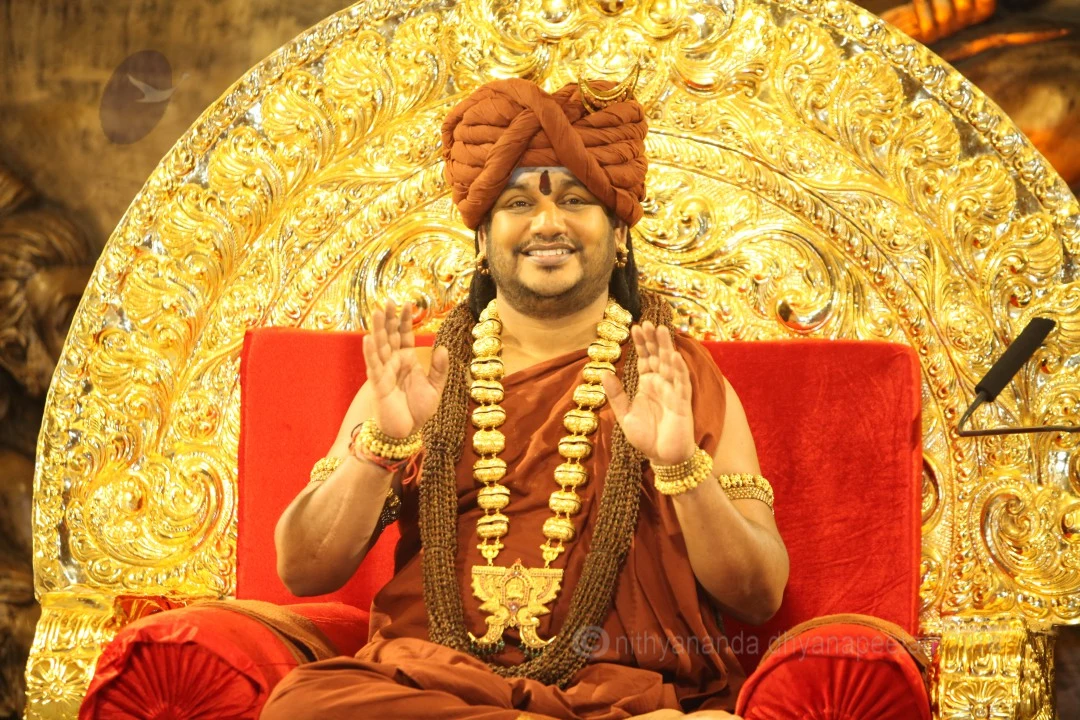
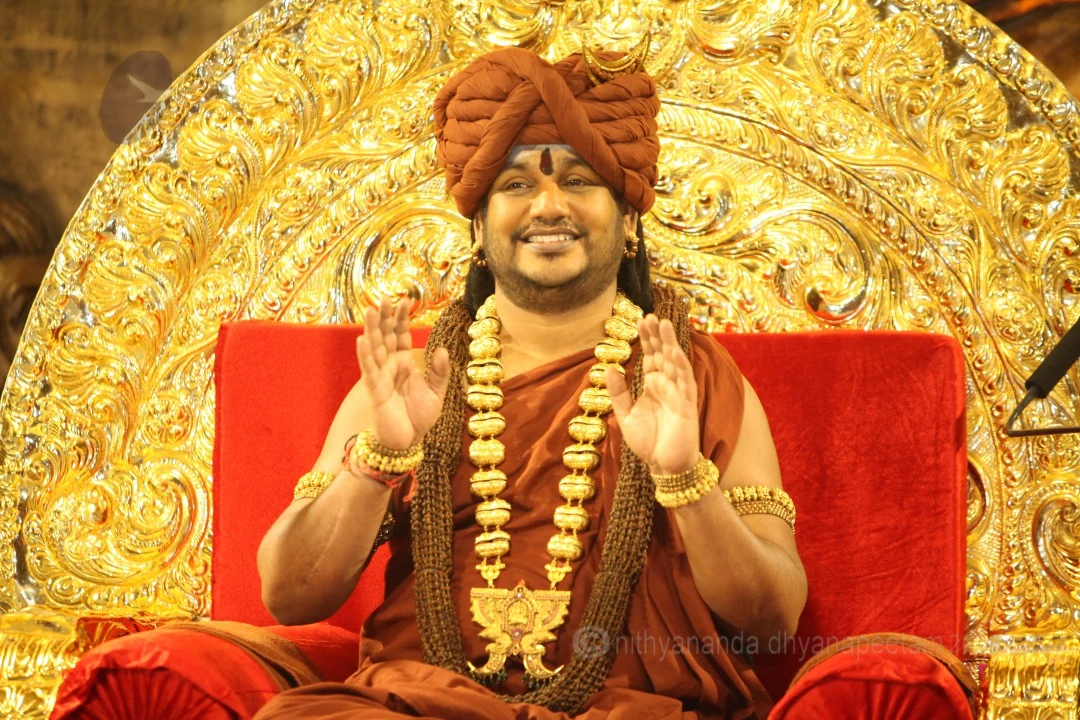
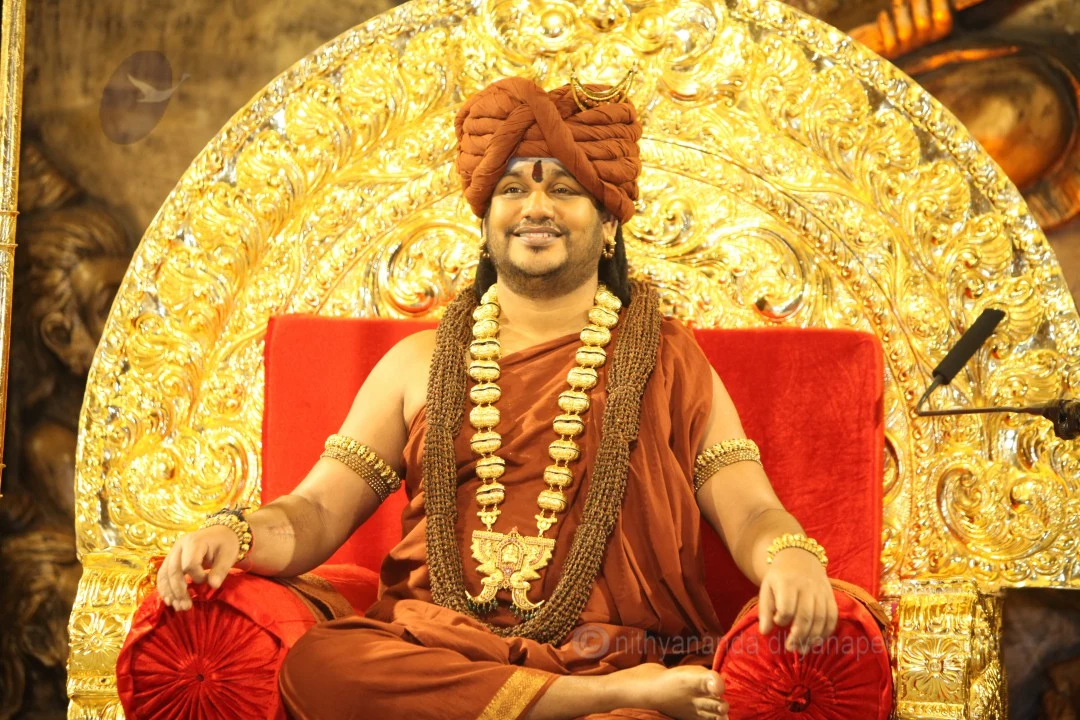
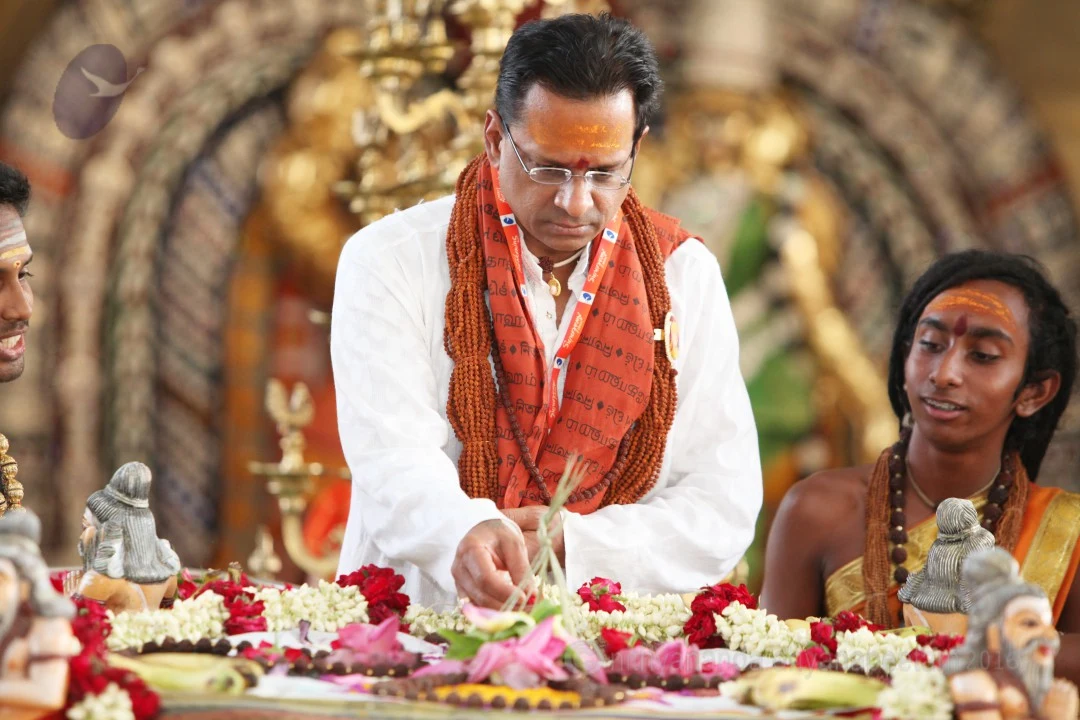
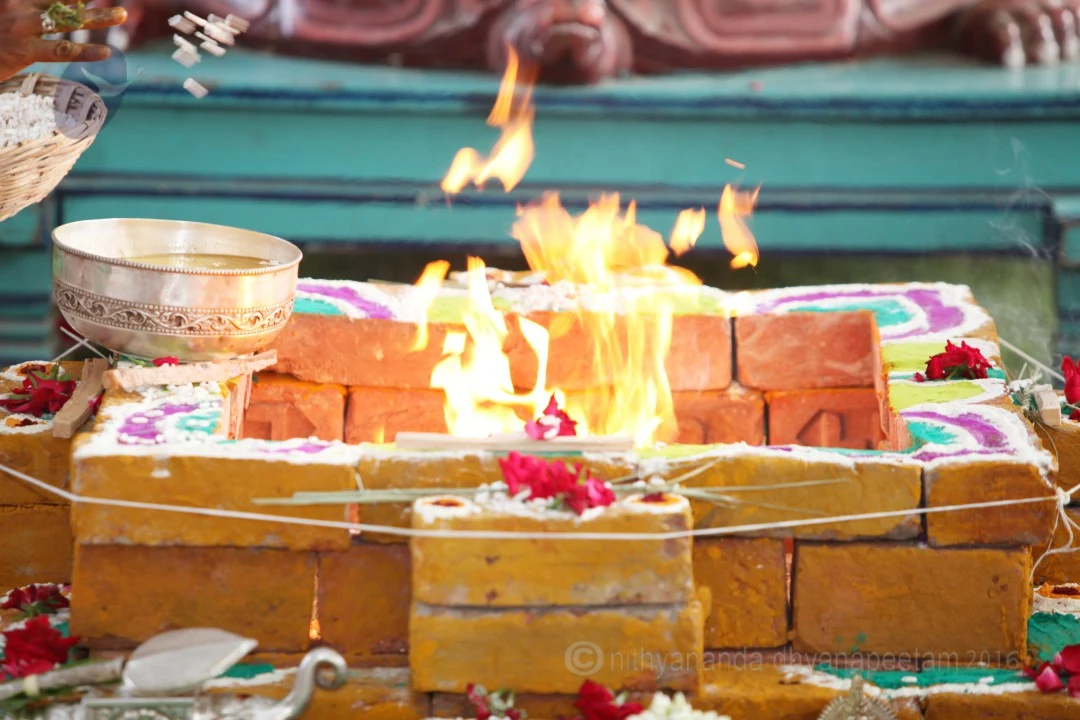
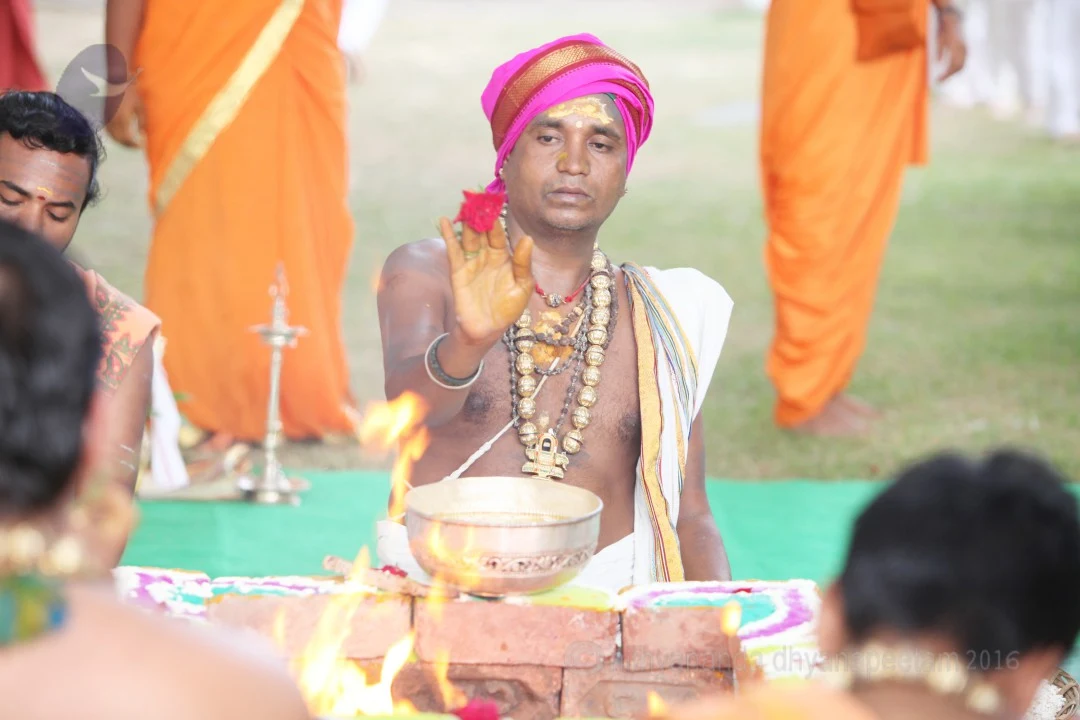
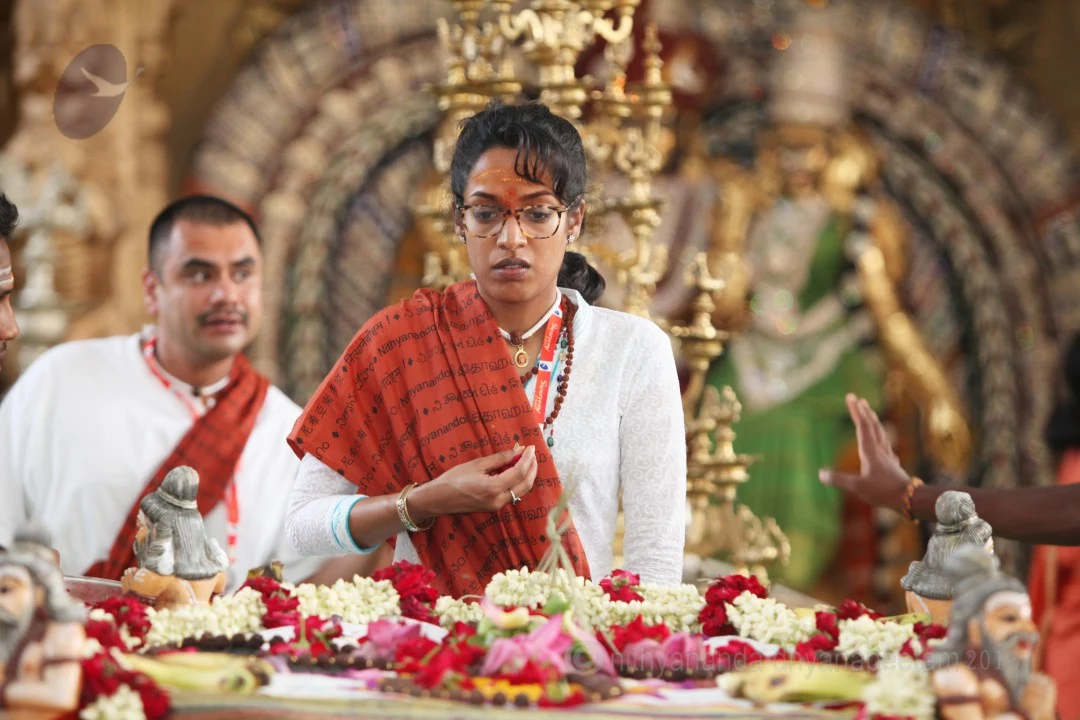
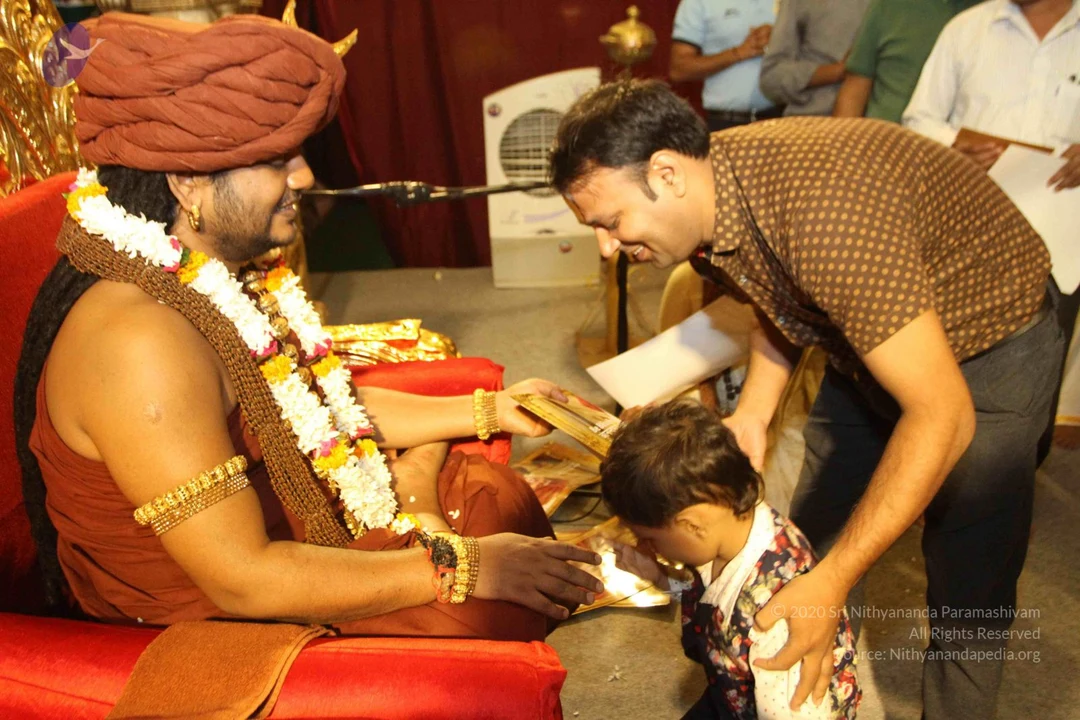
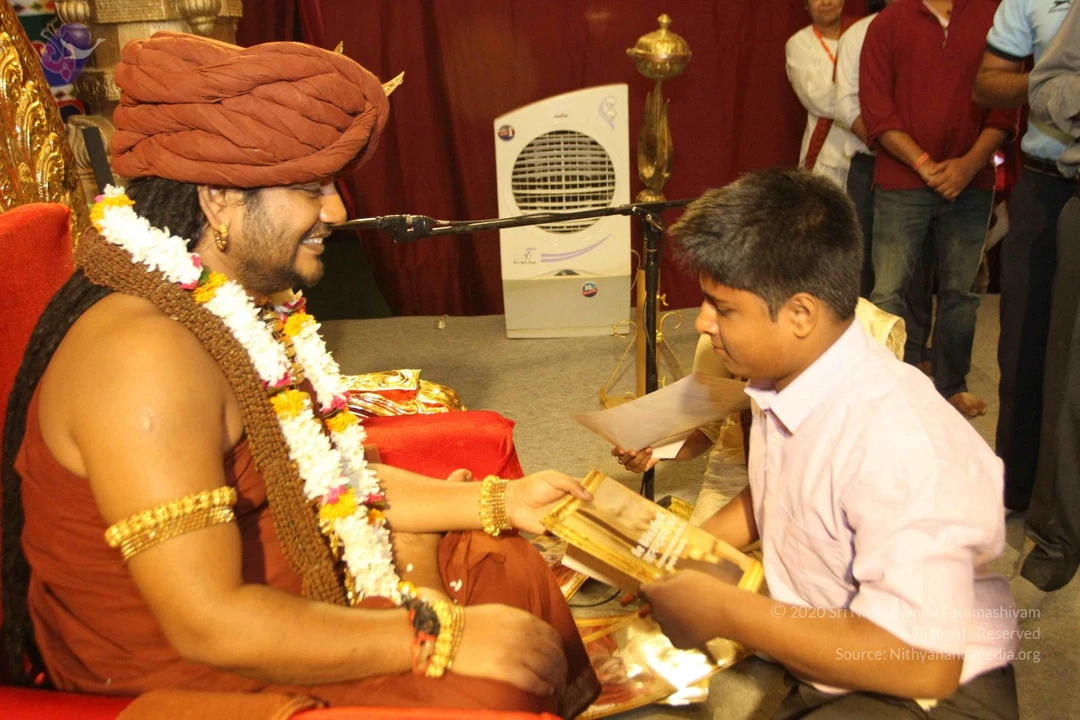
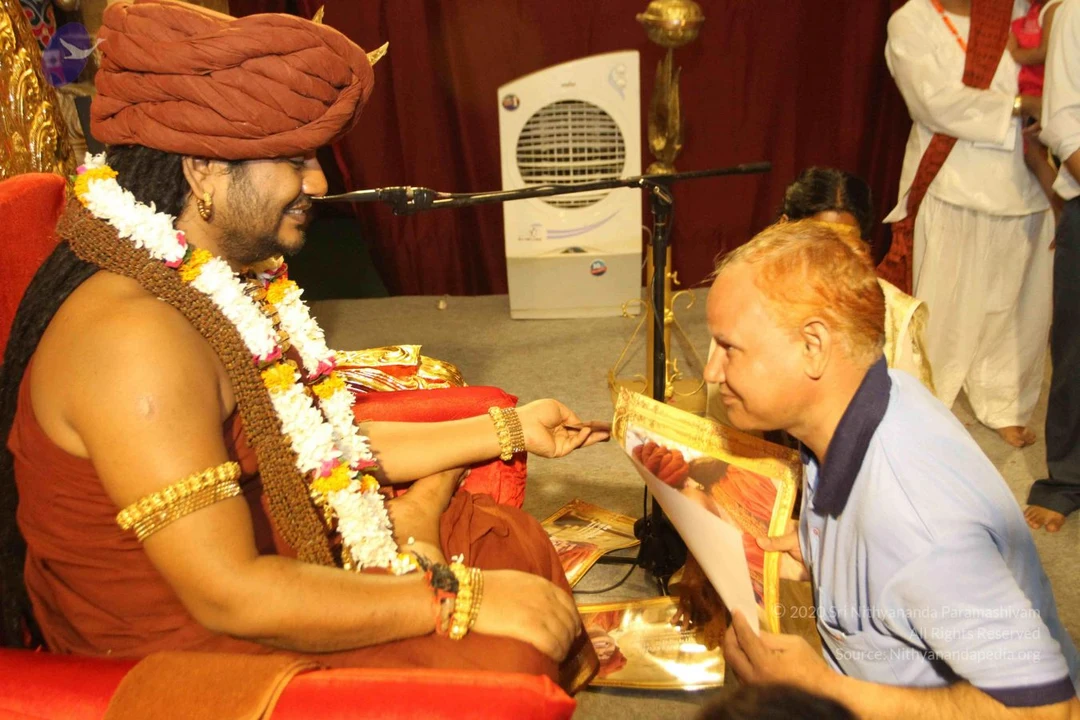
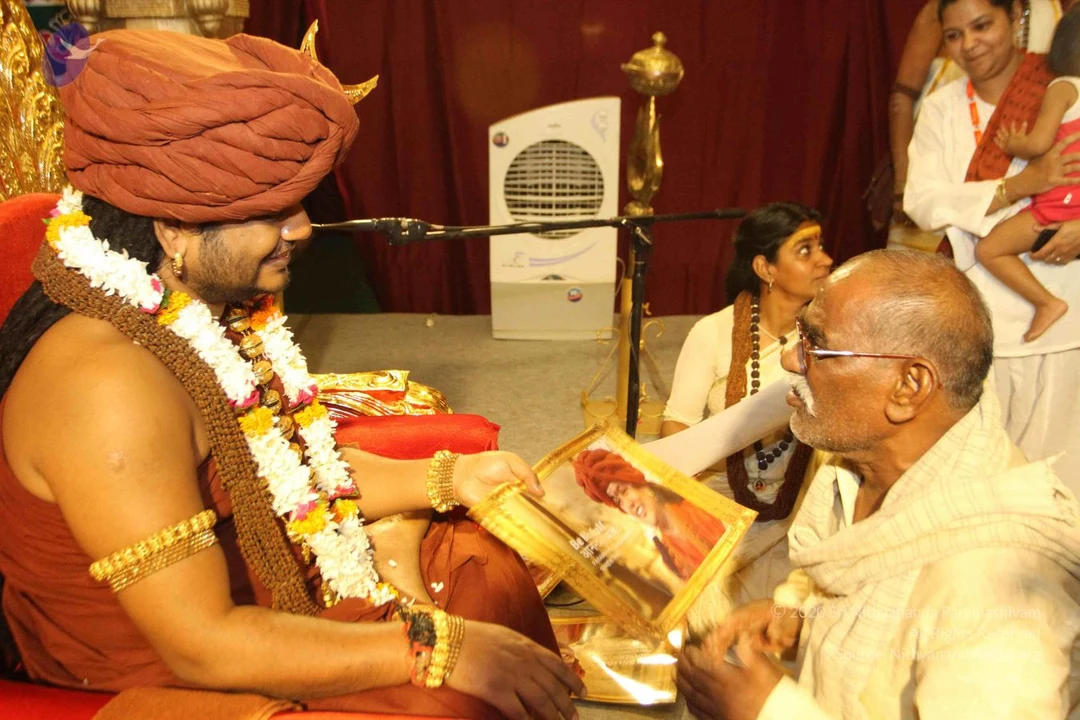
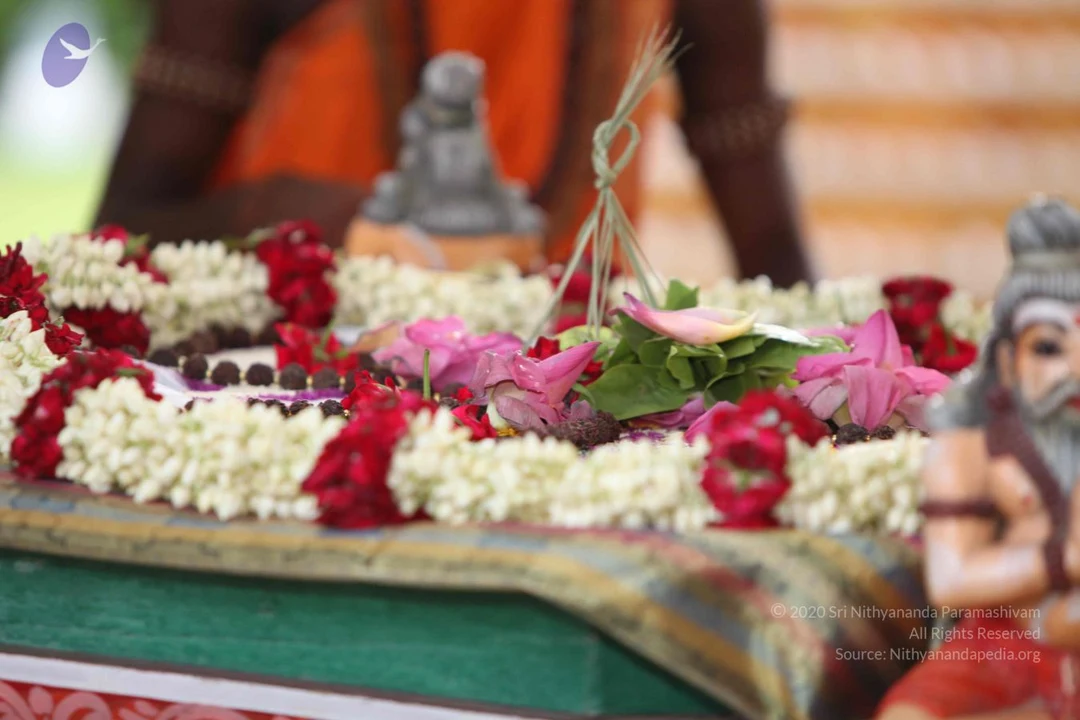
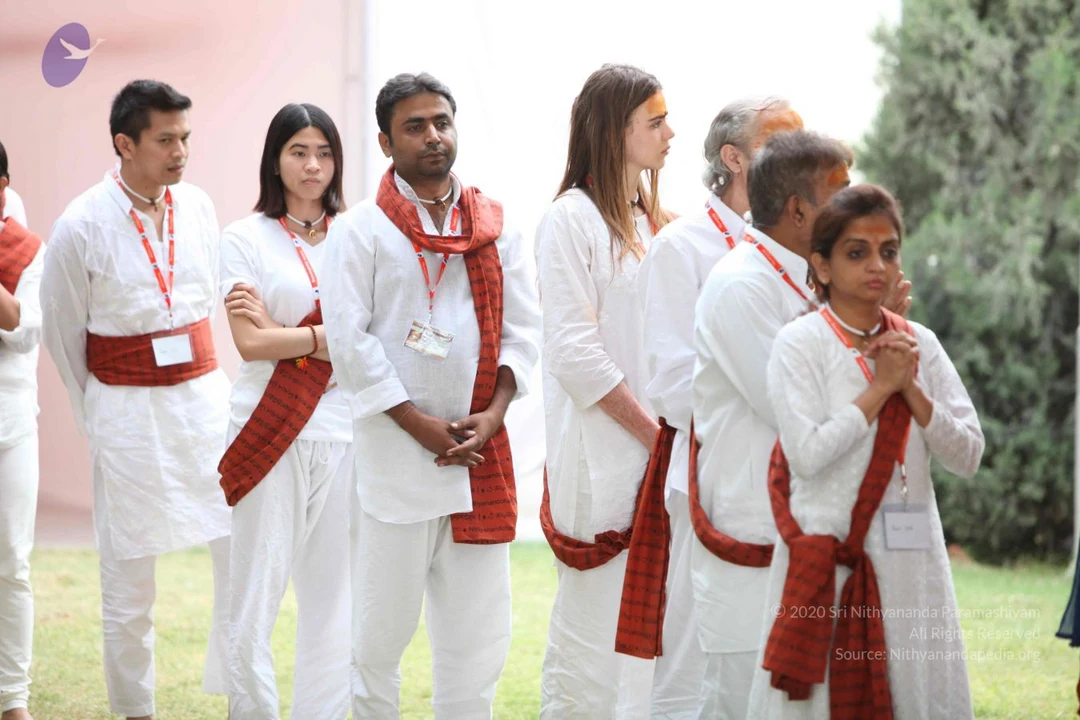
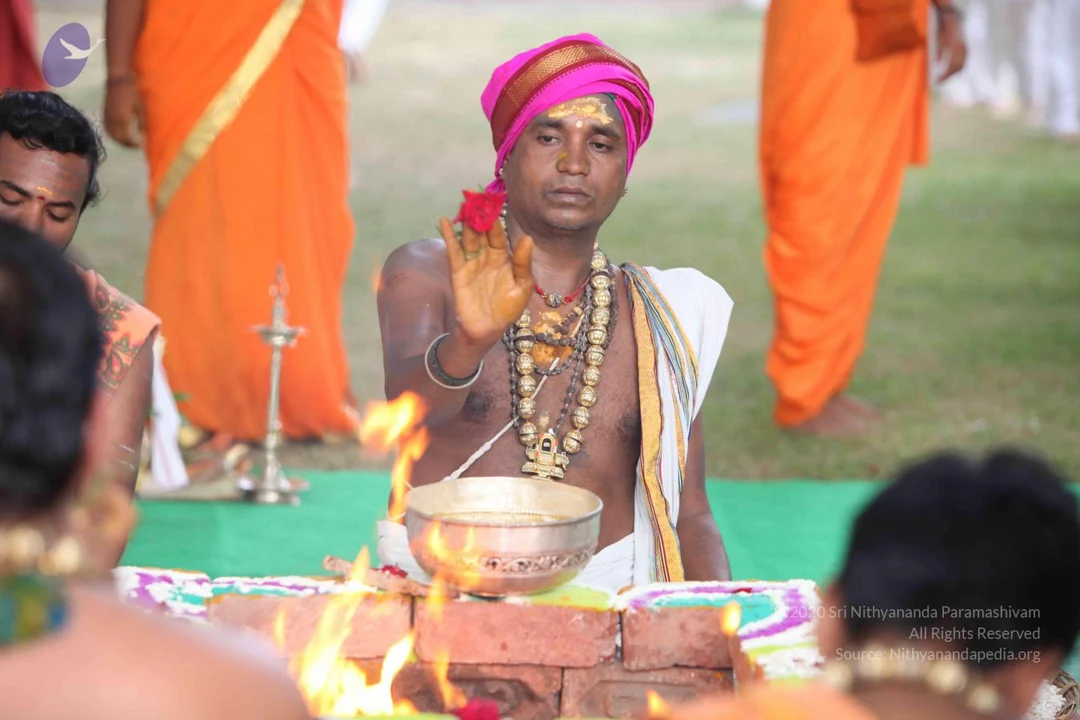
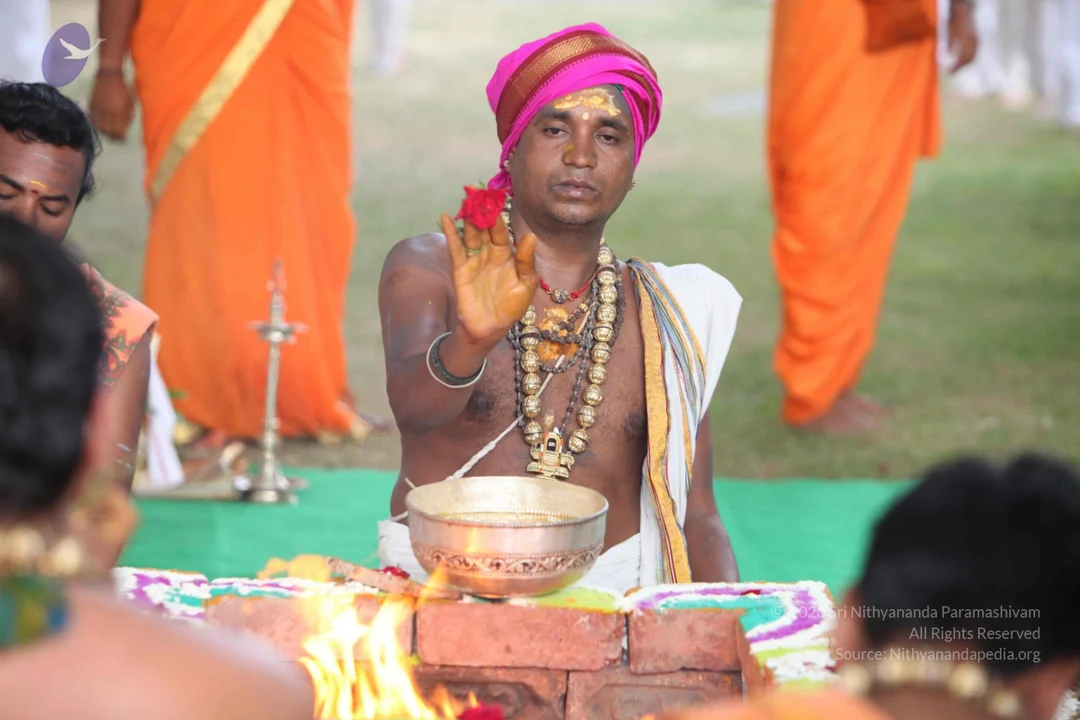
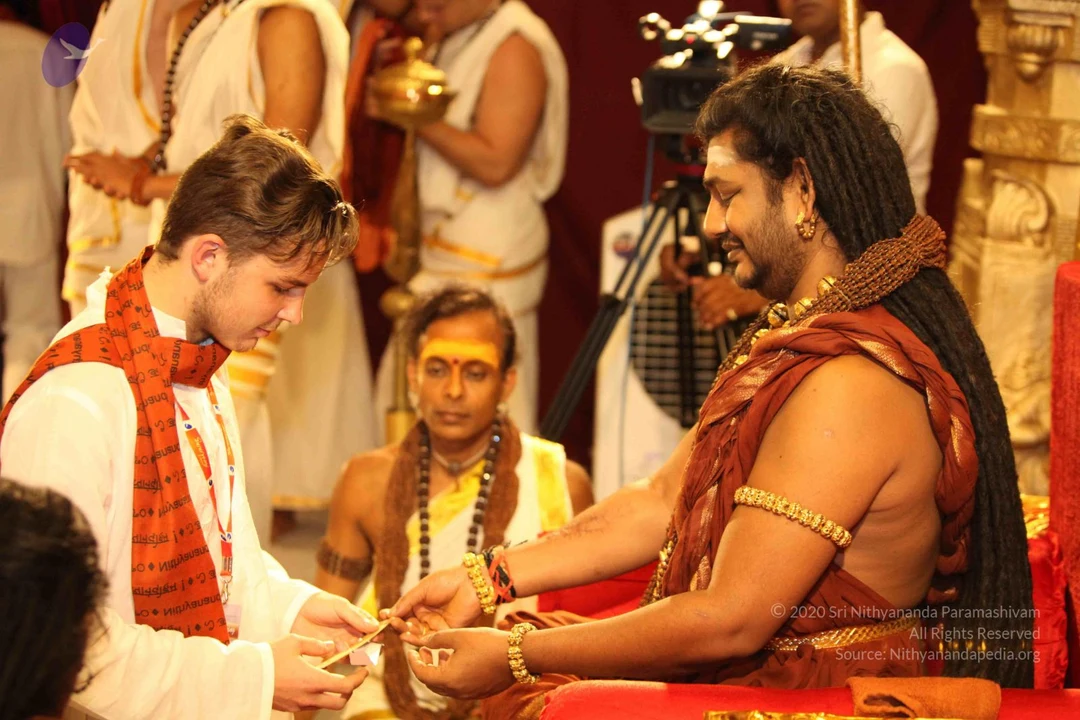
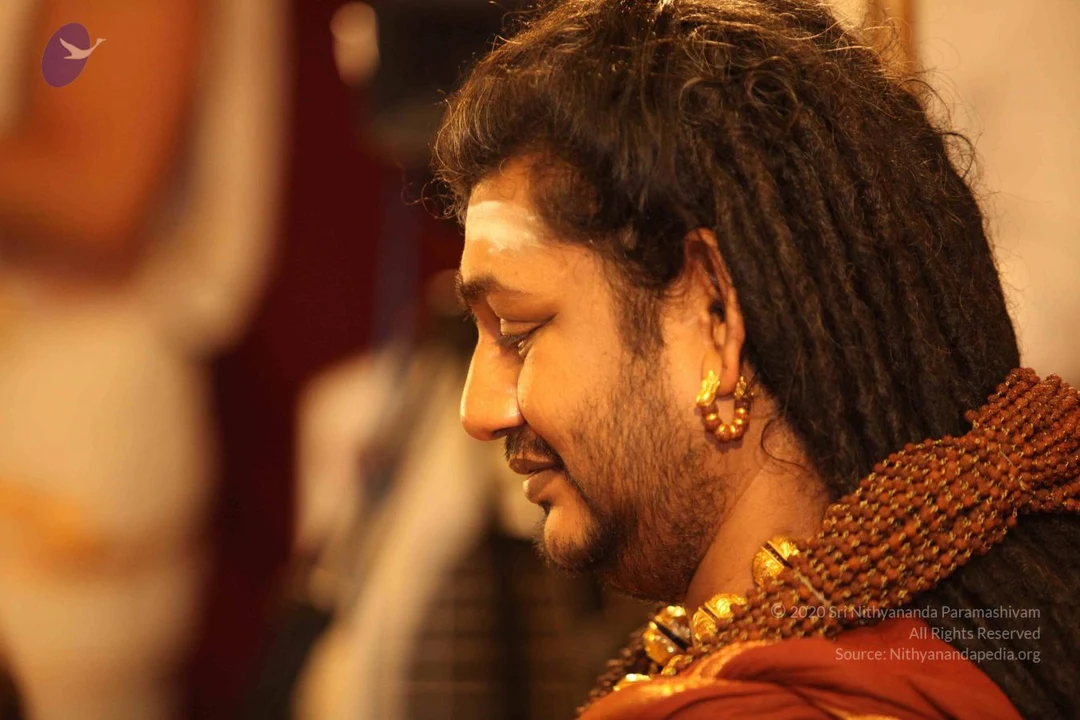
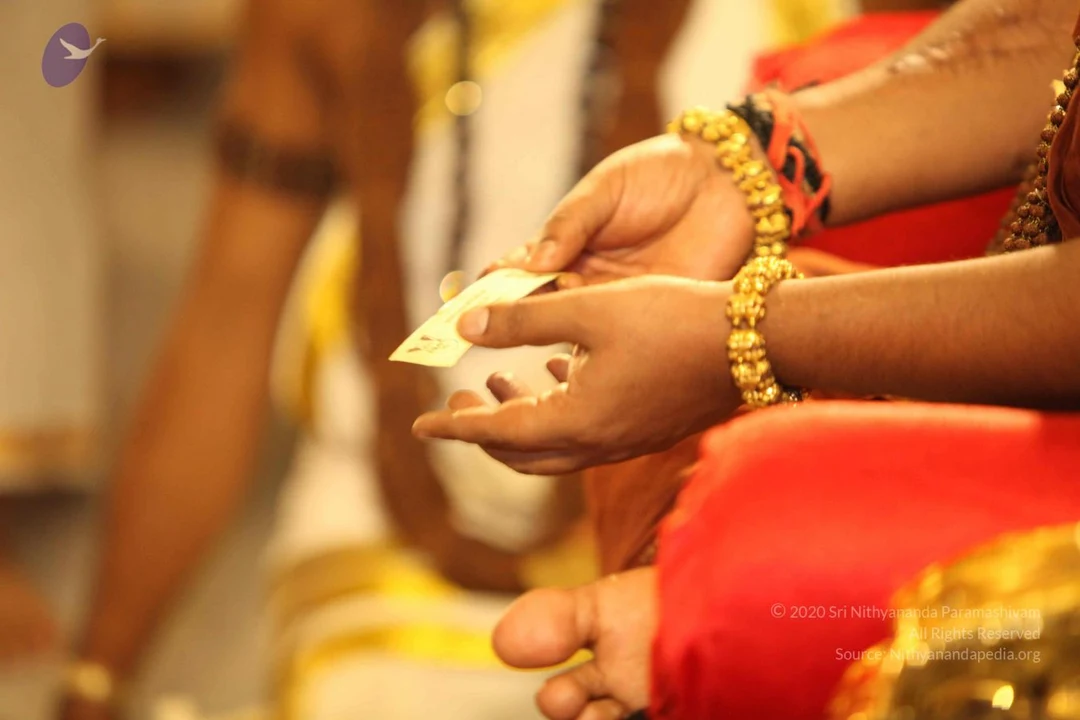
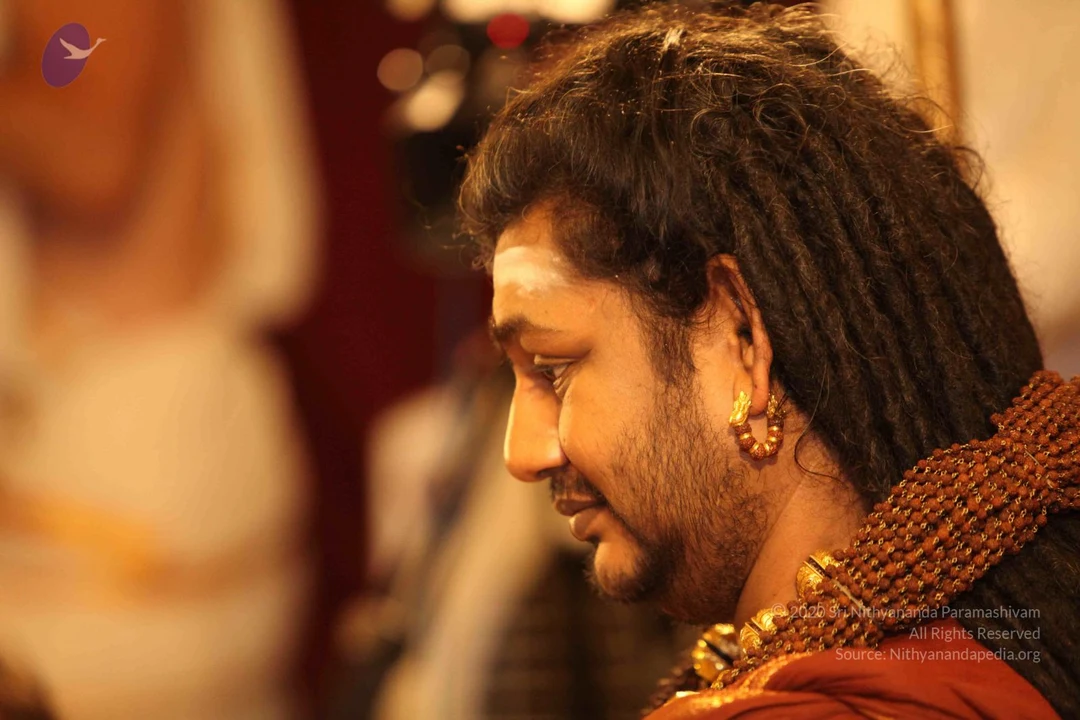
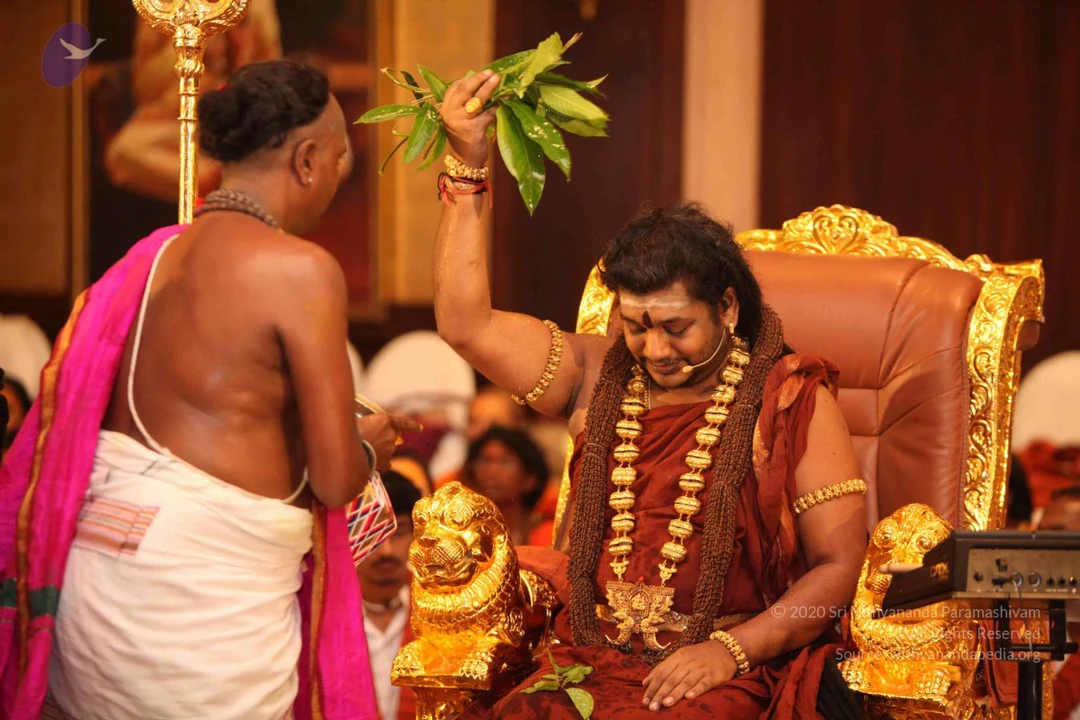
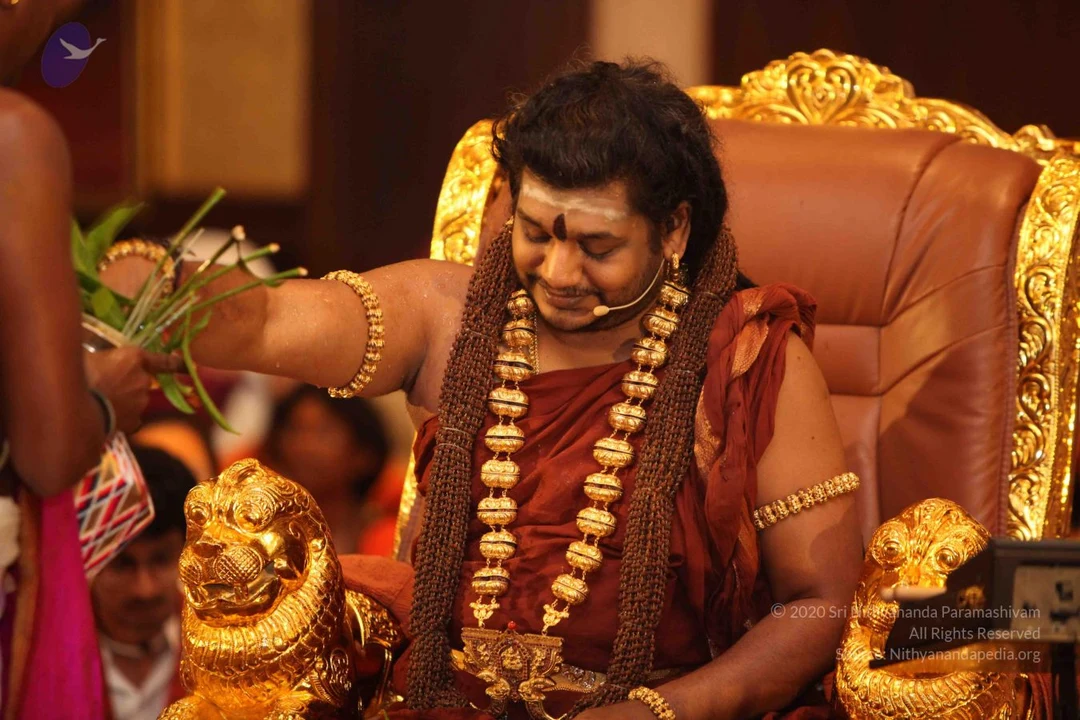
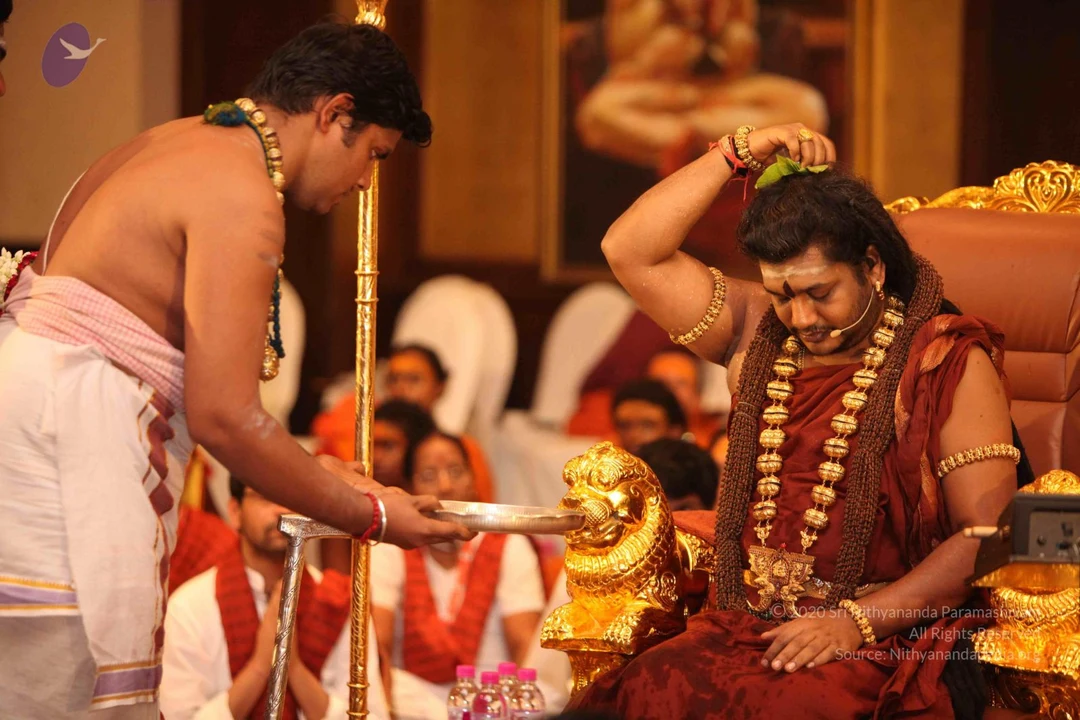
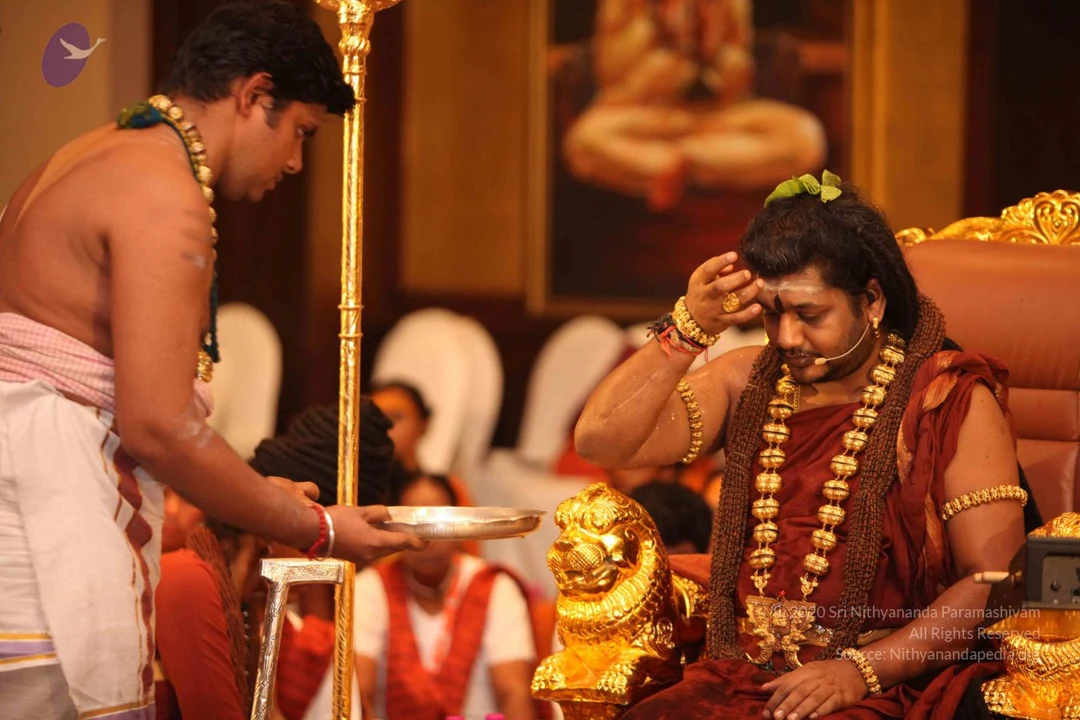
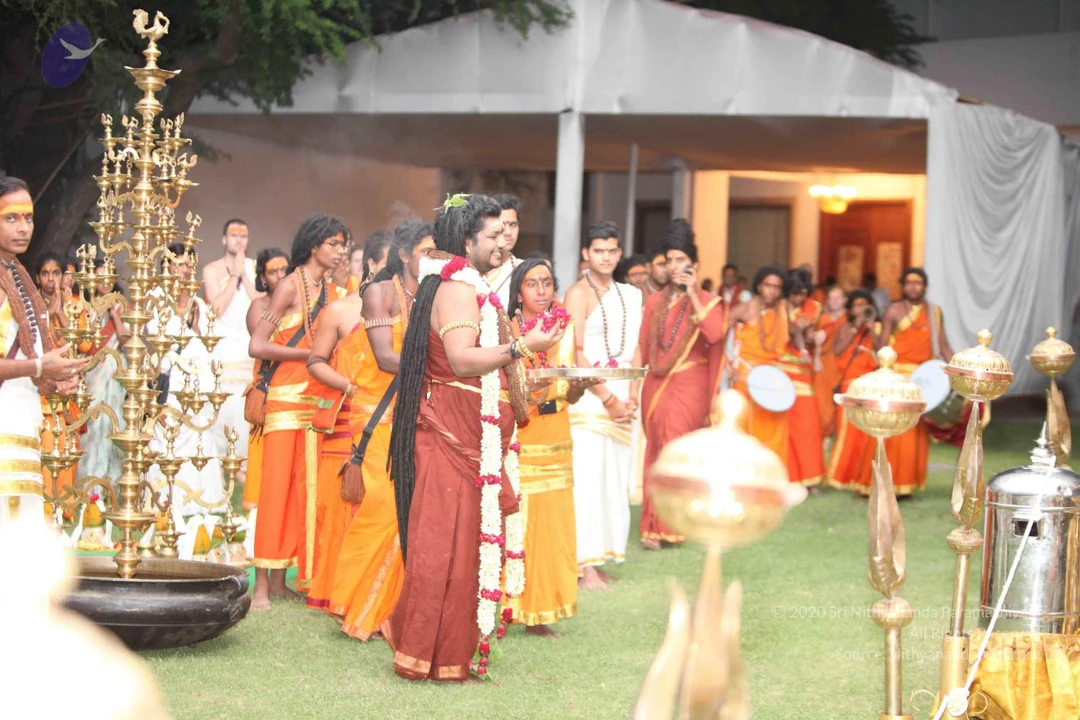
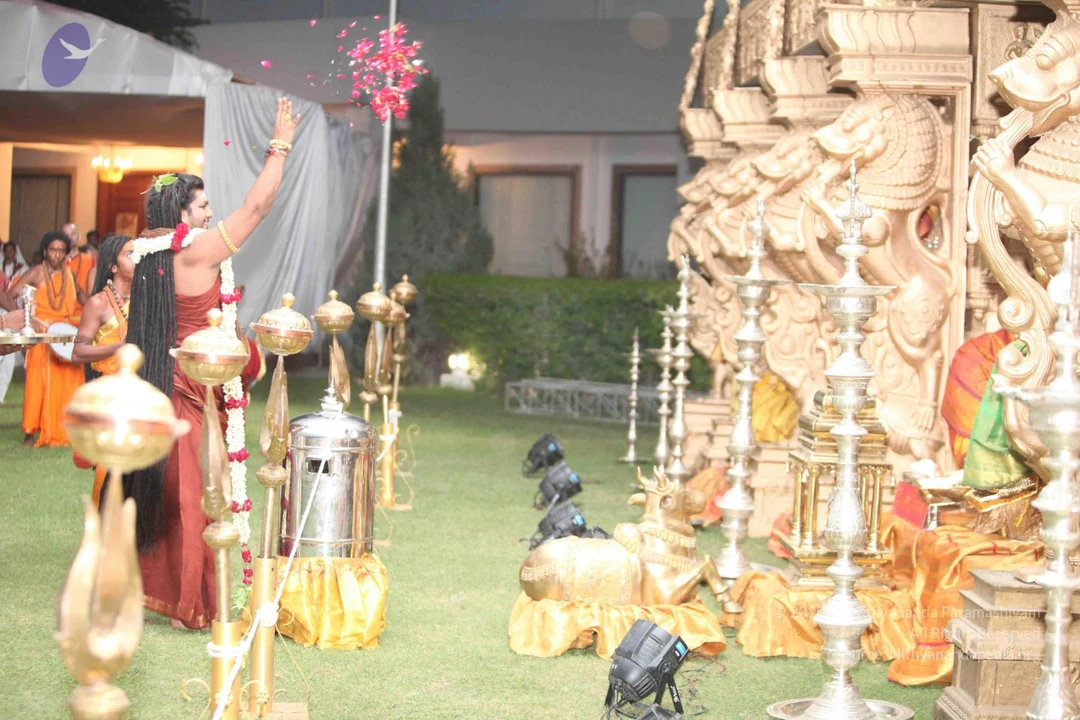
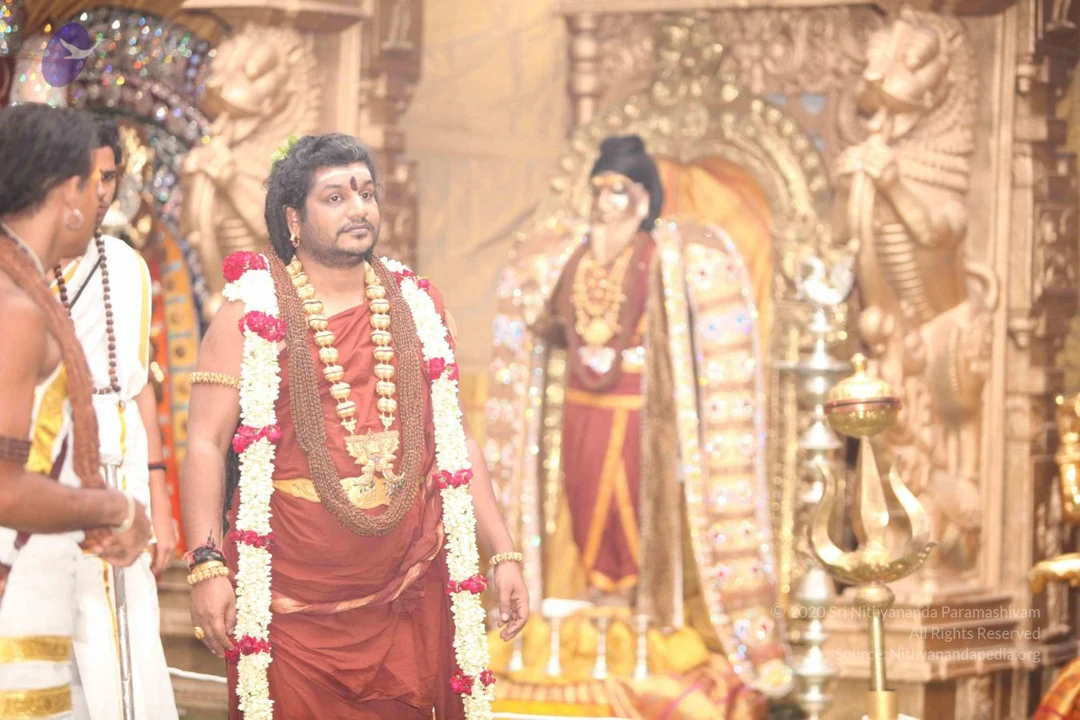
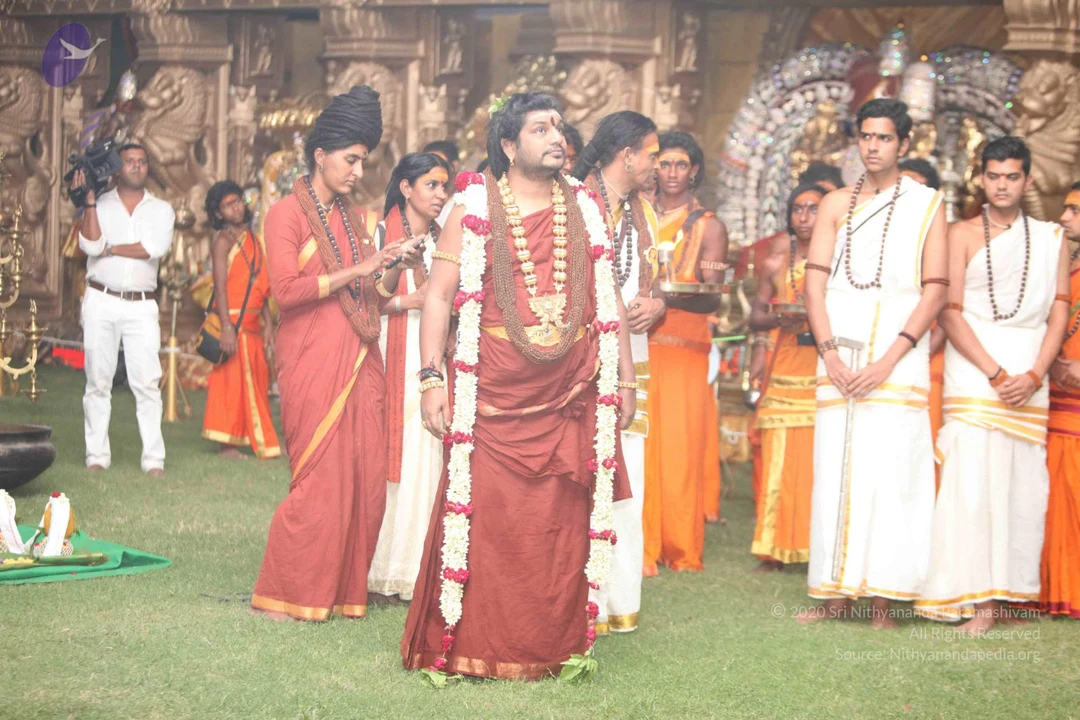
Photos From The Day:
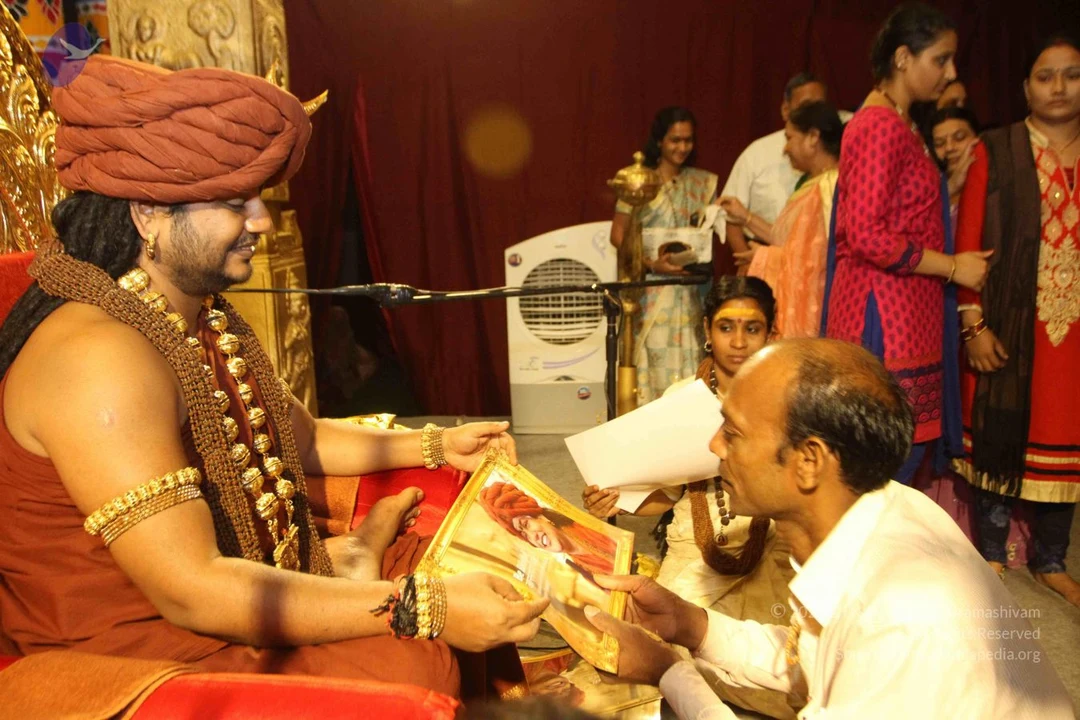
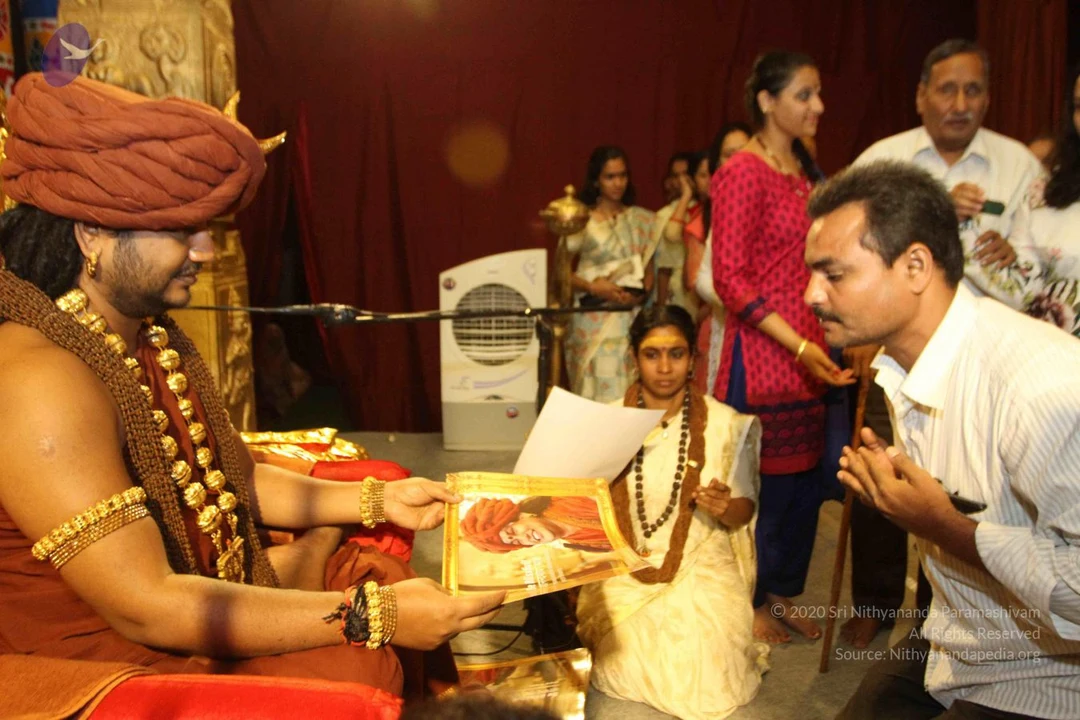
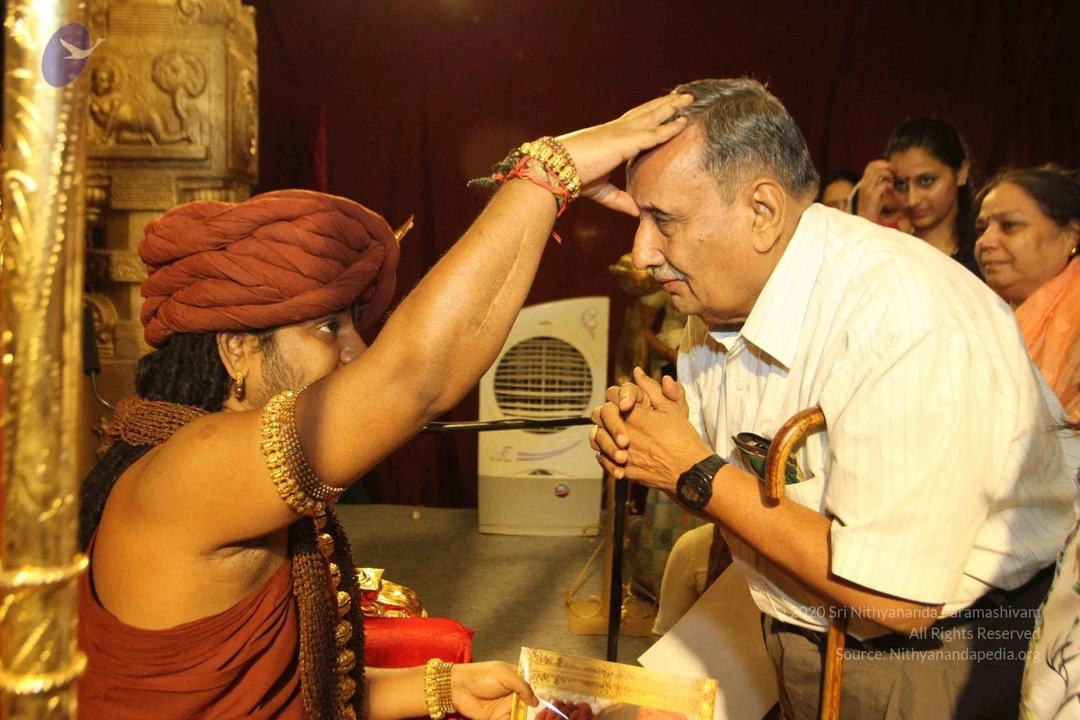
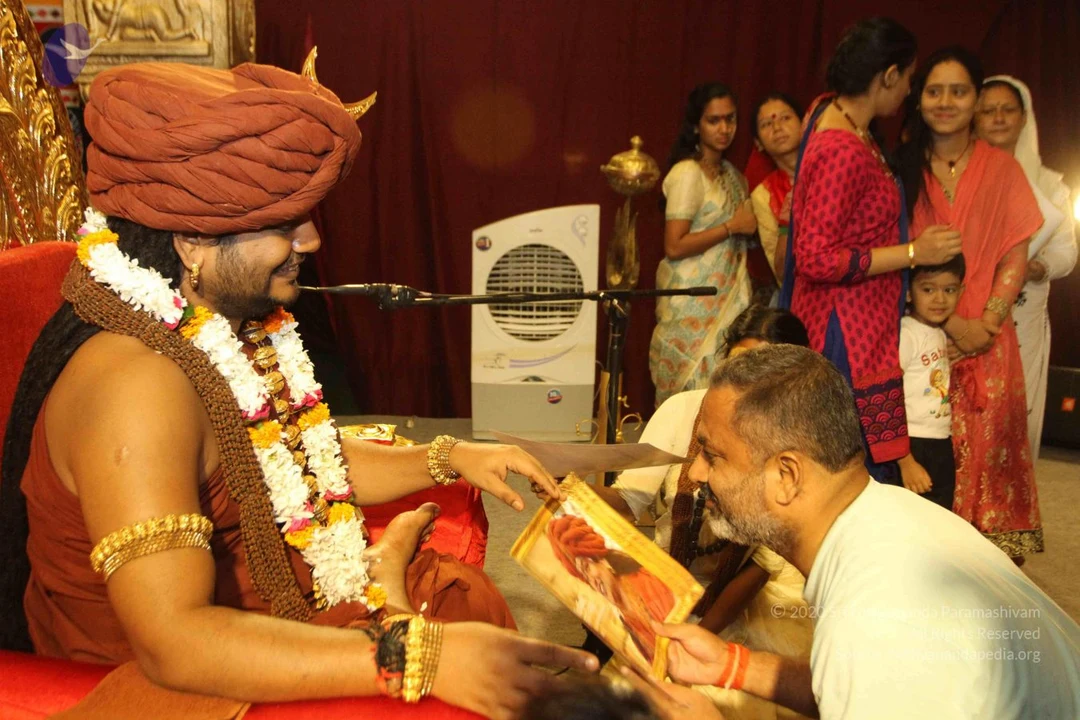
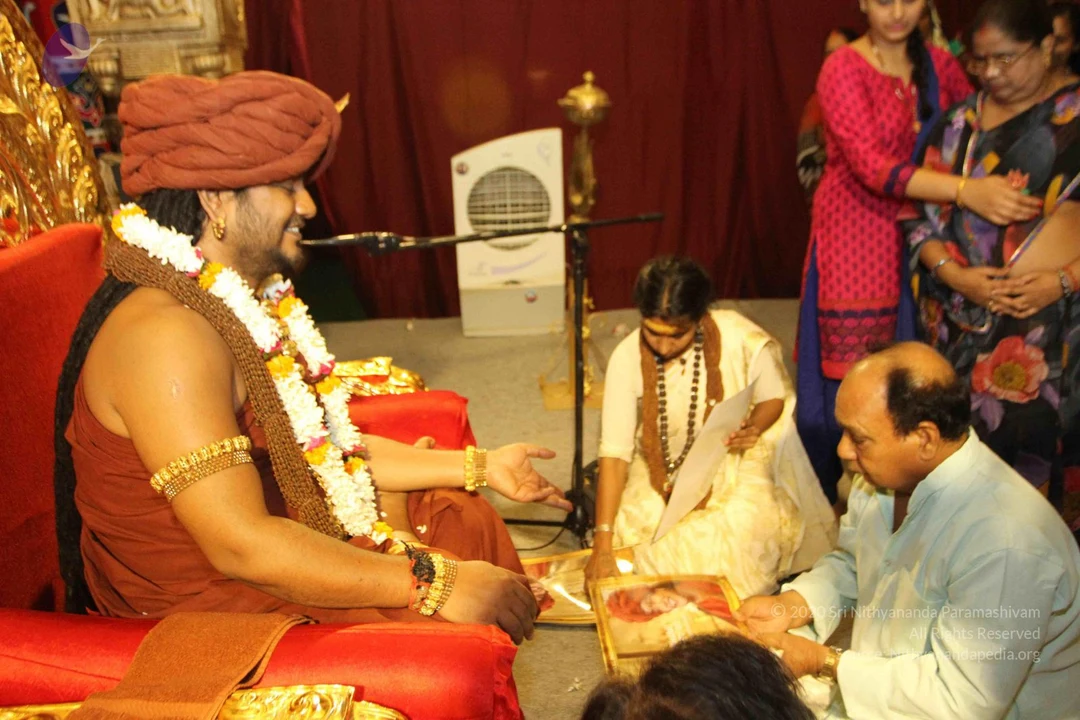
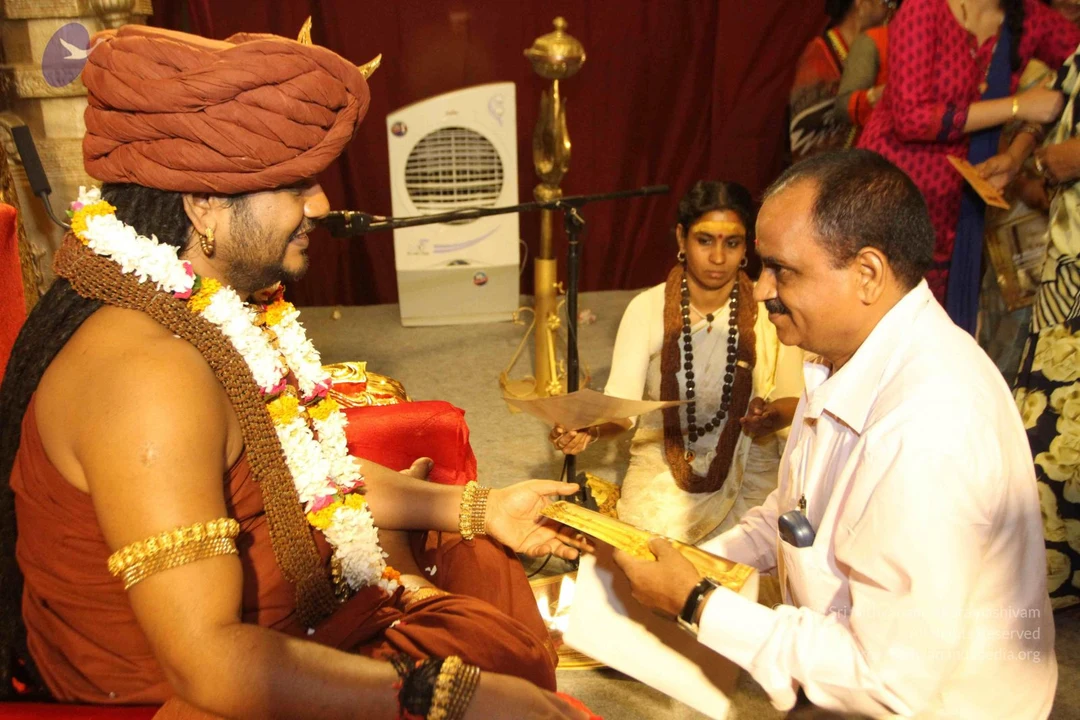
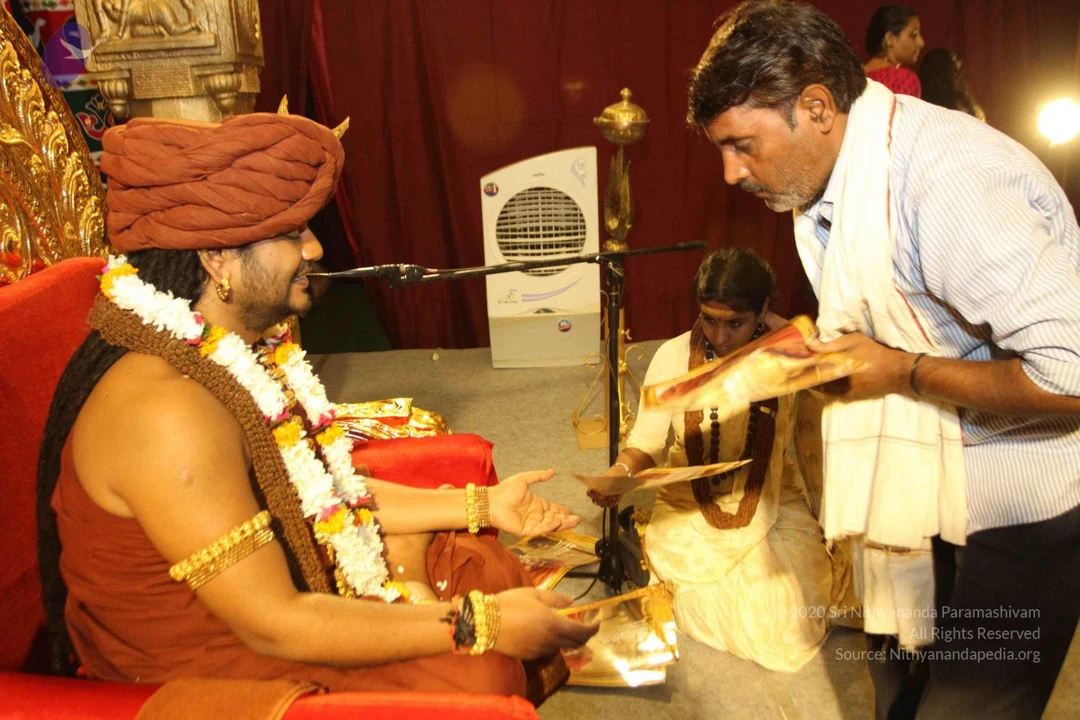
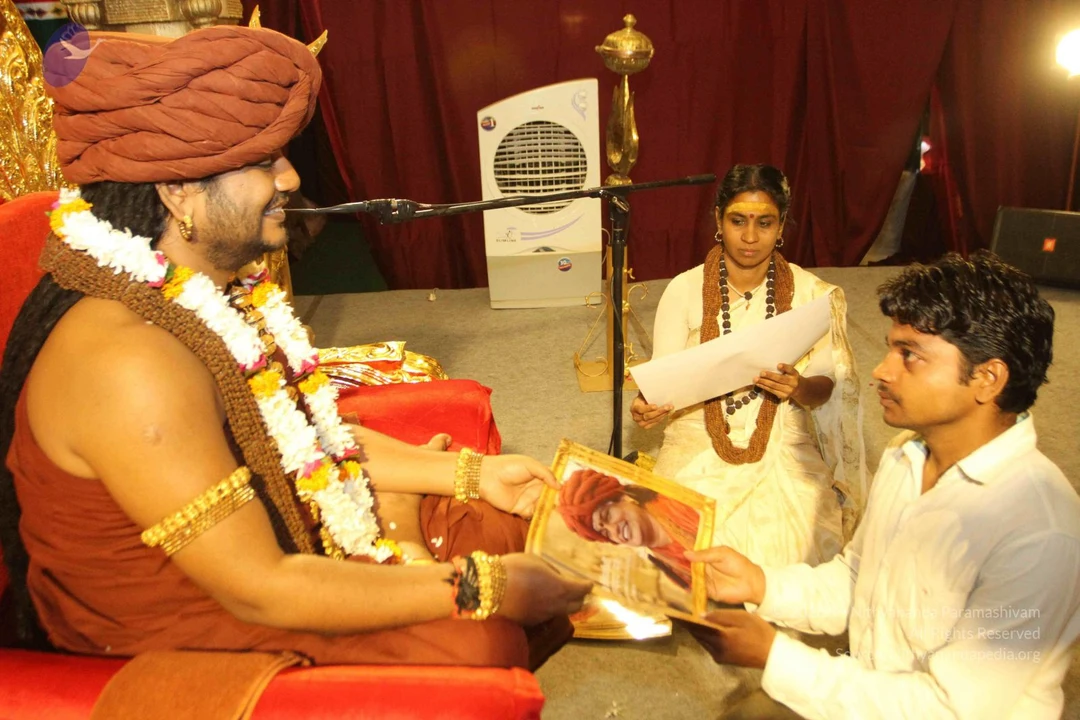
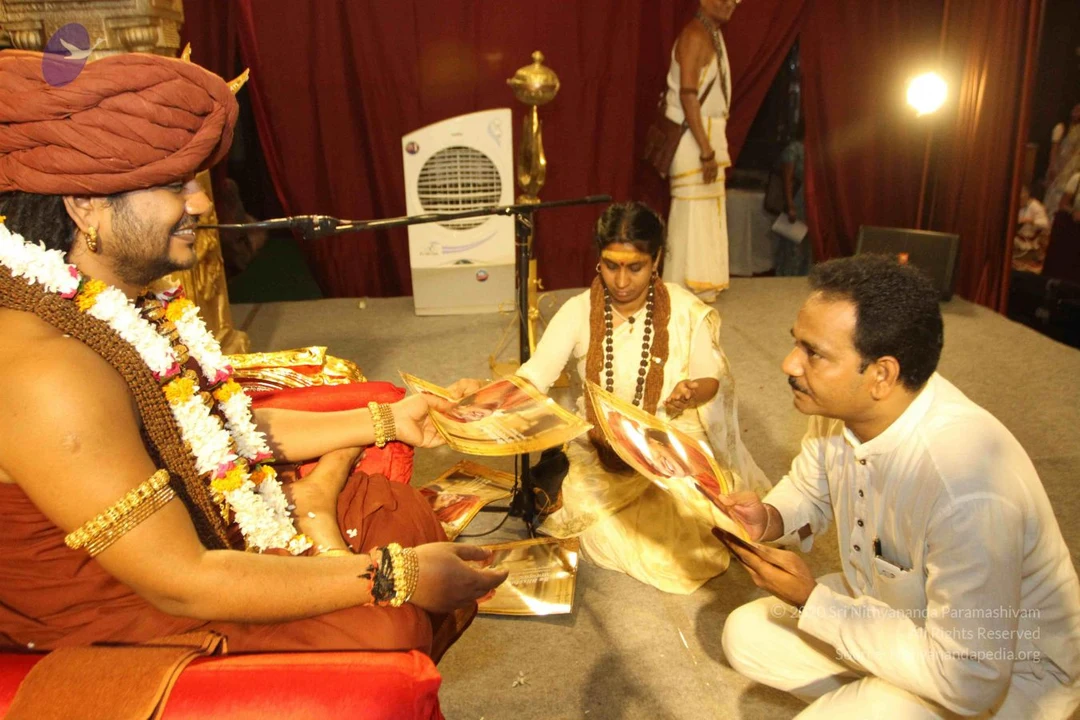
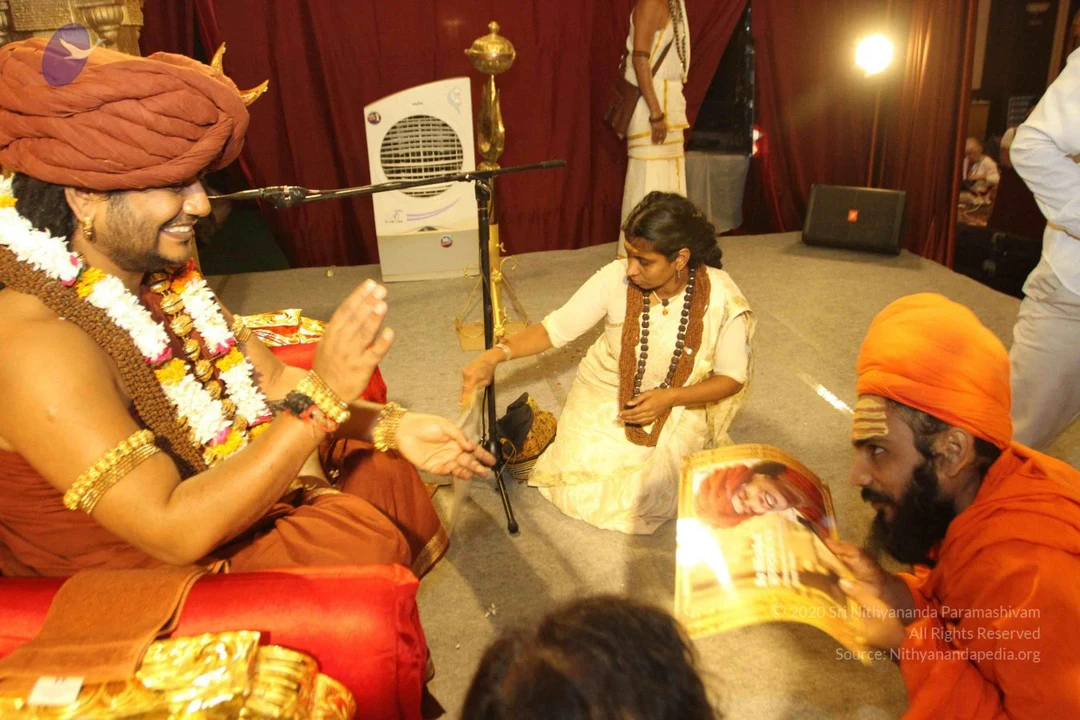
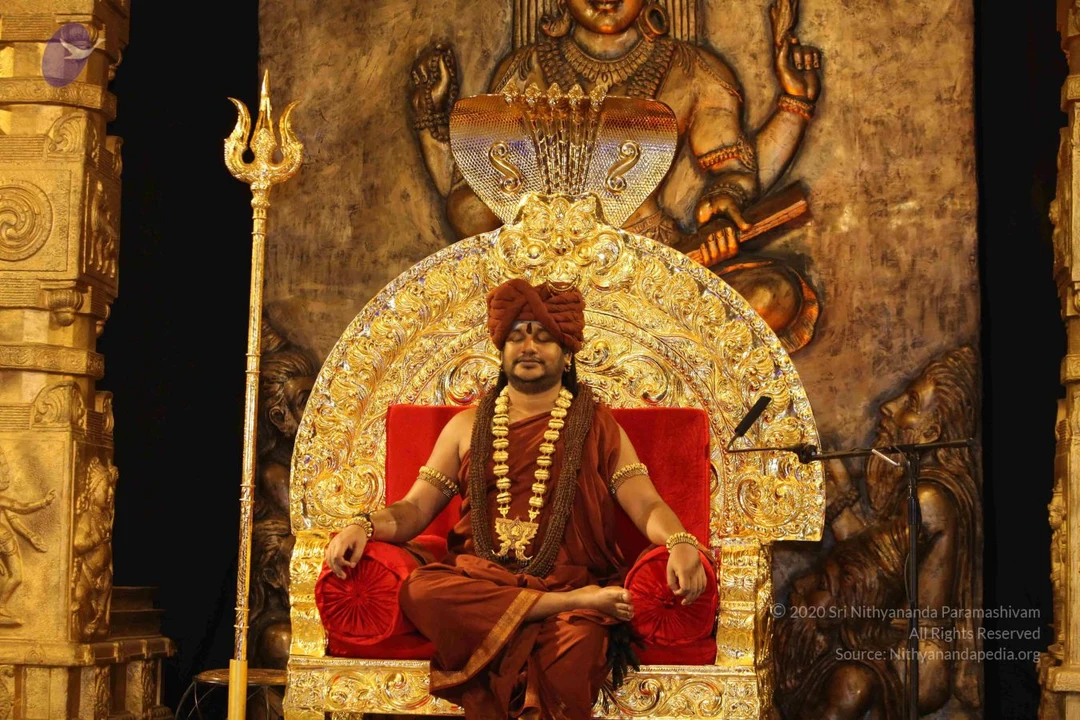
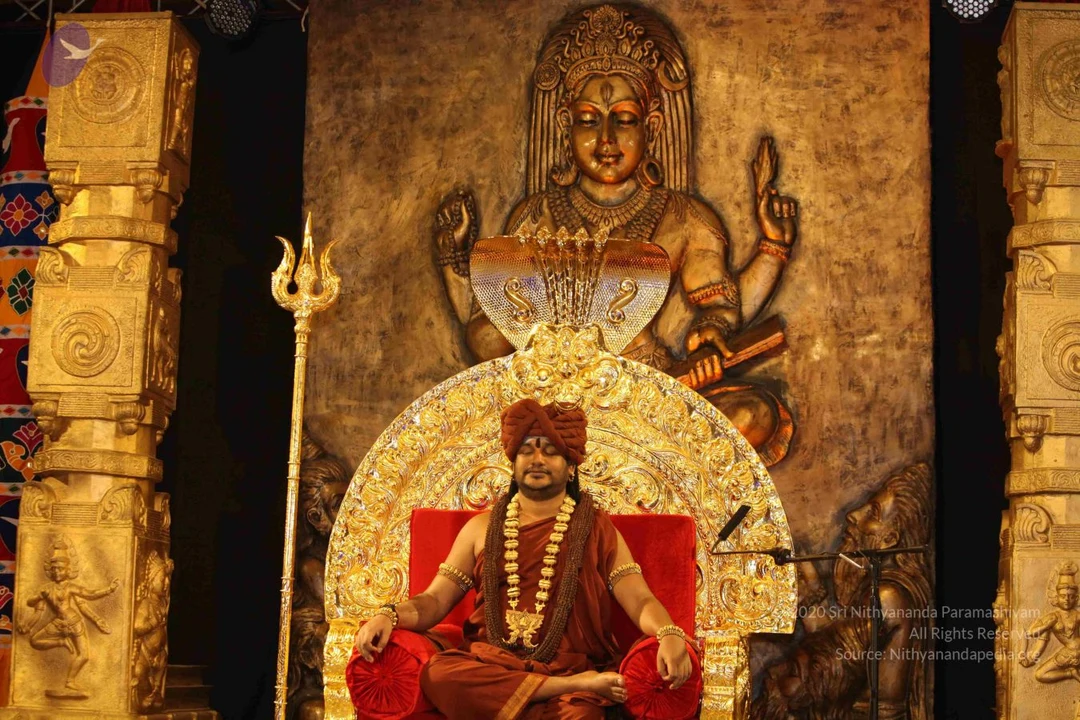
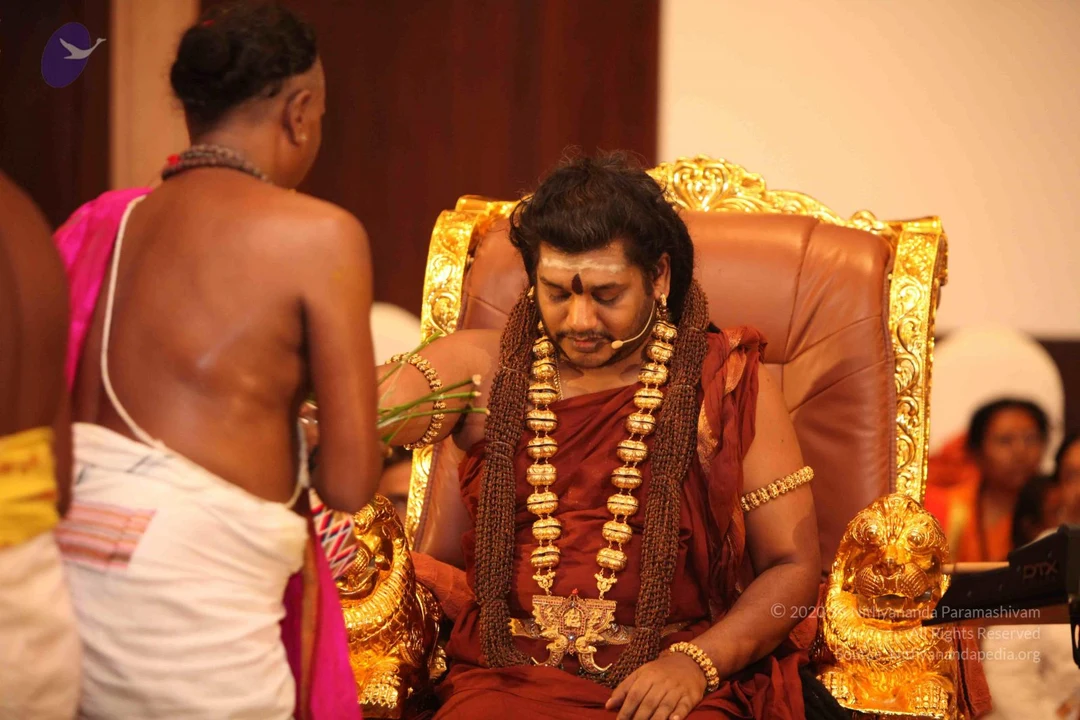
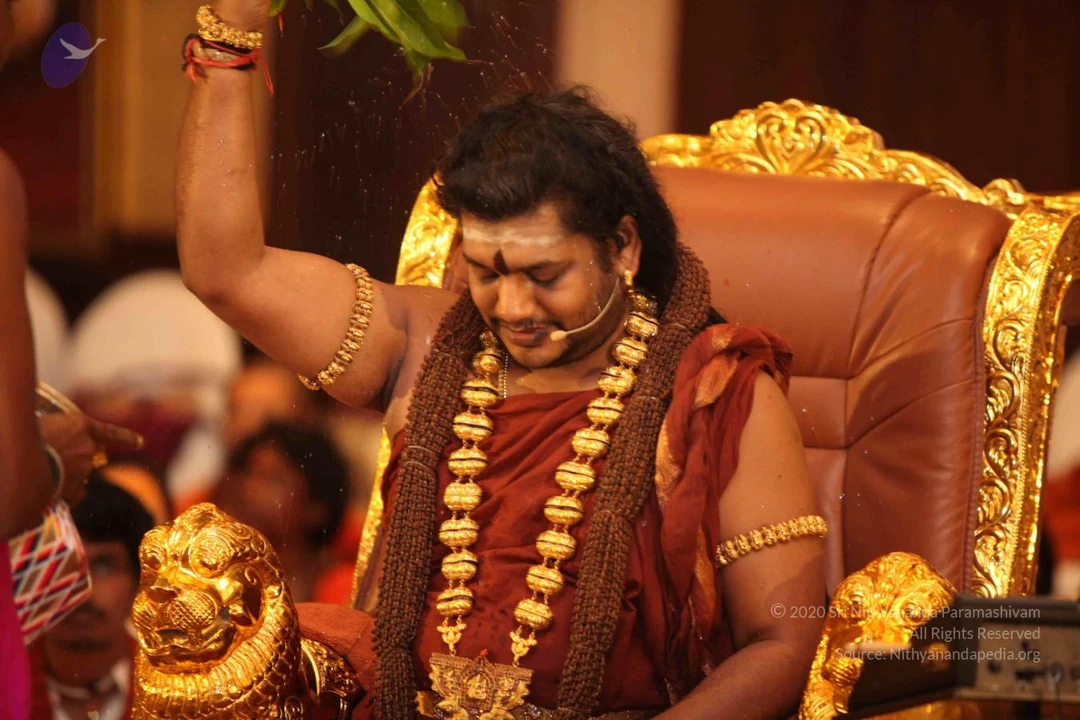
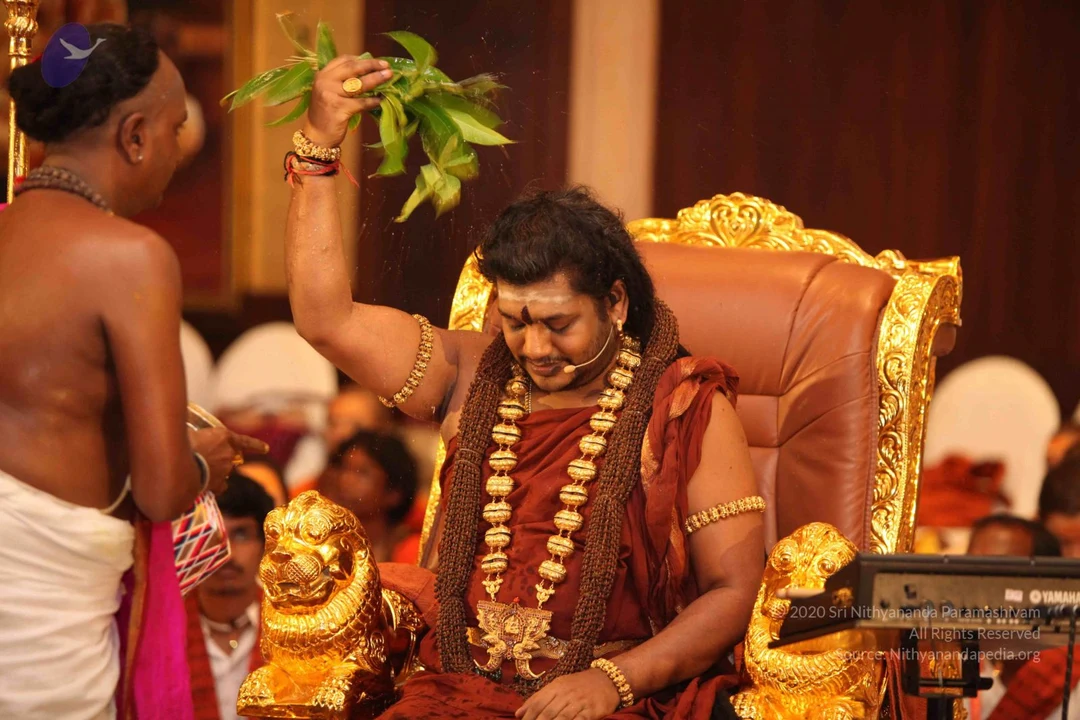
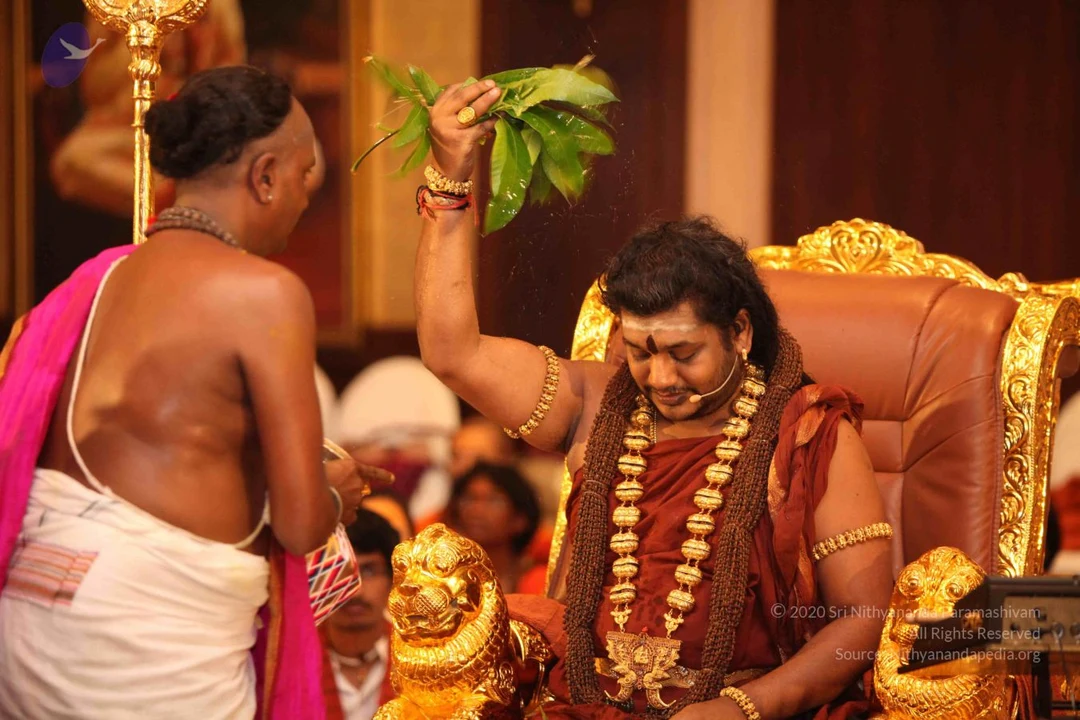
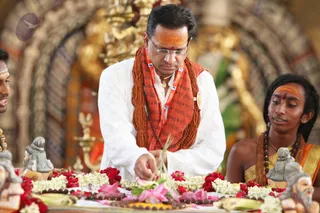
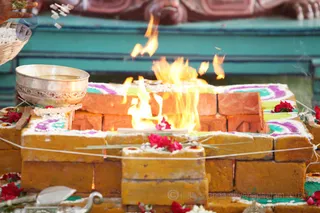
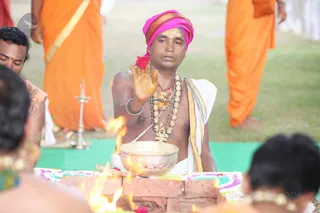
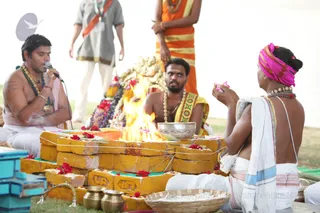
Nithya Satsang
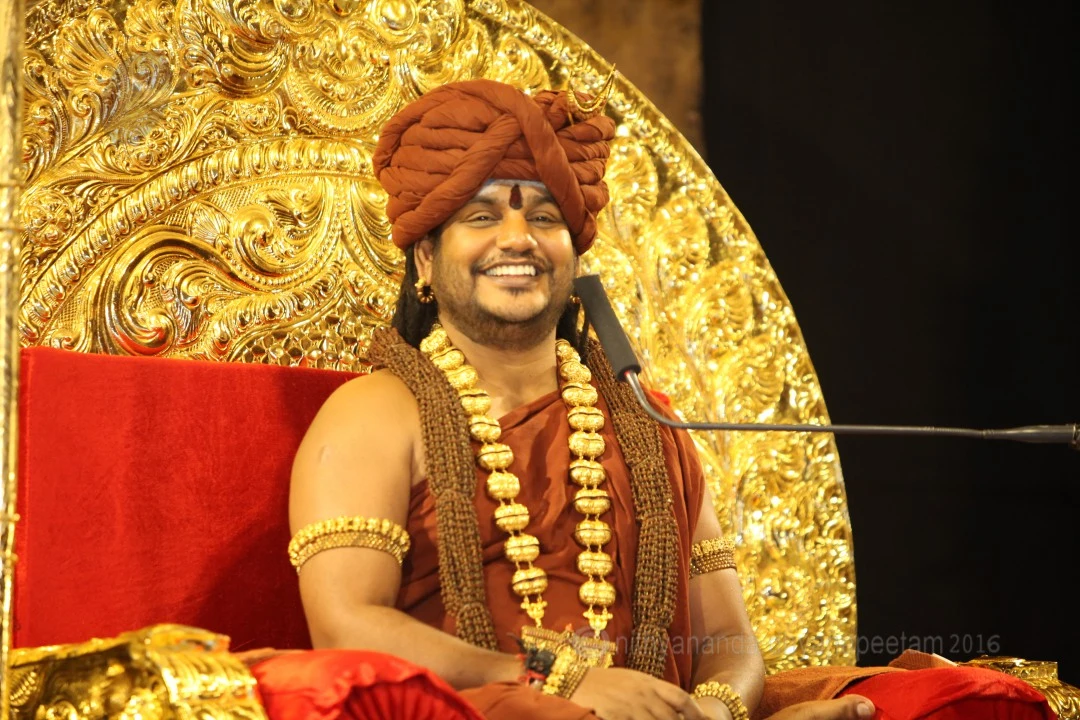
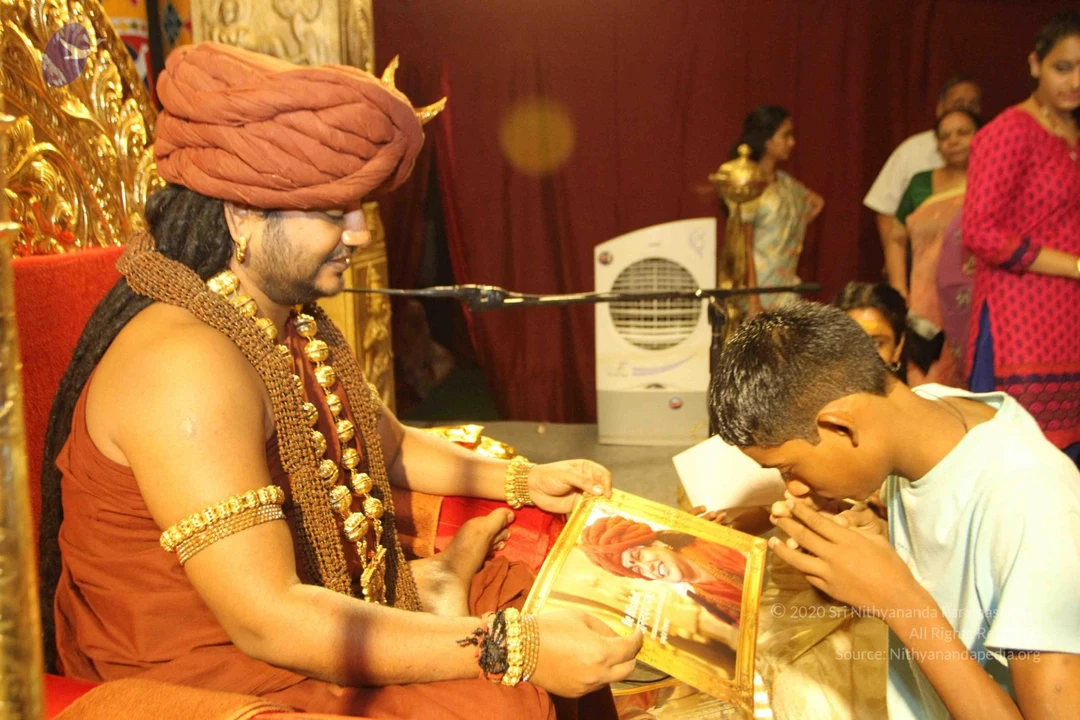
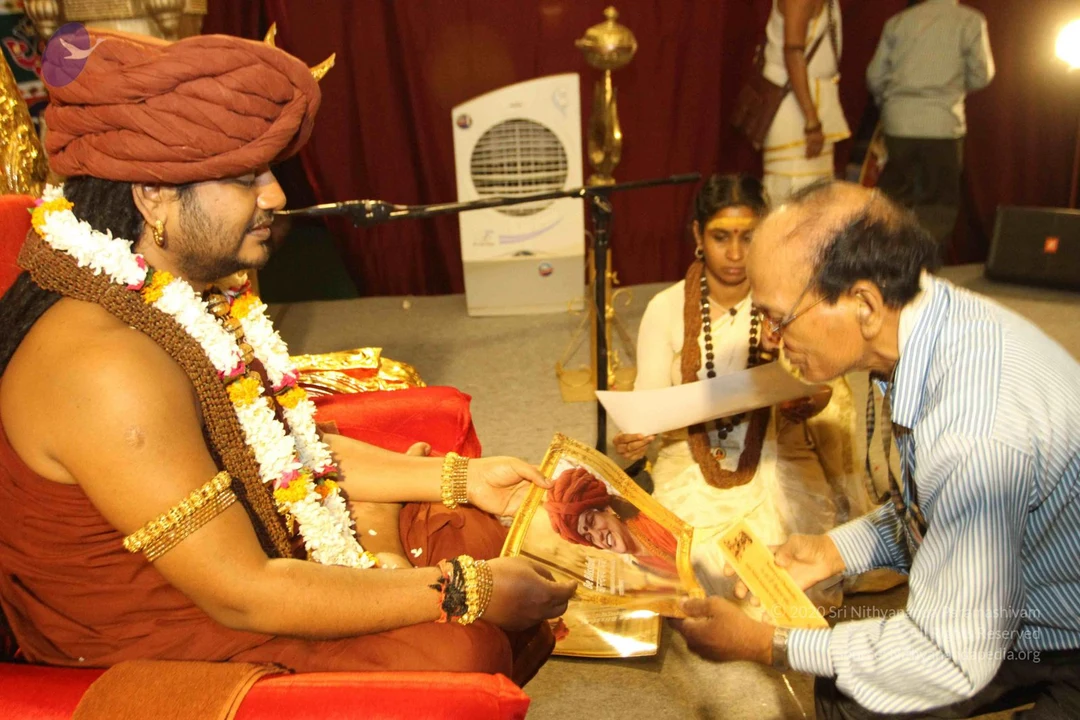
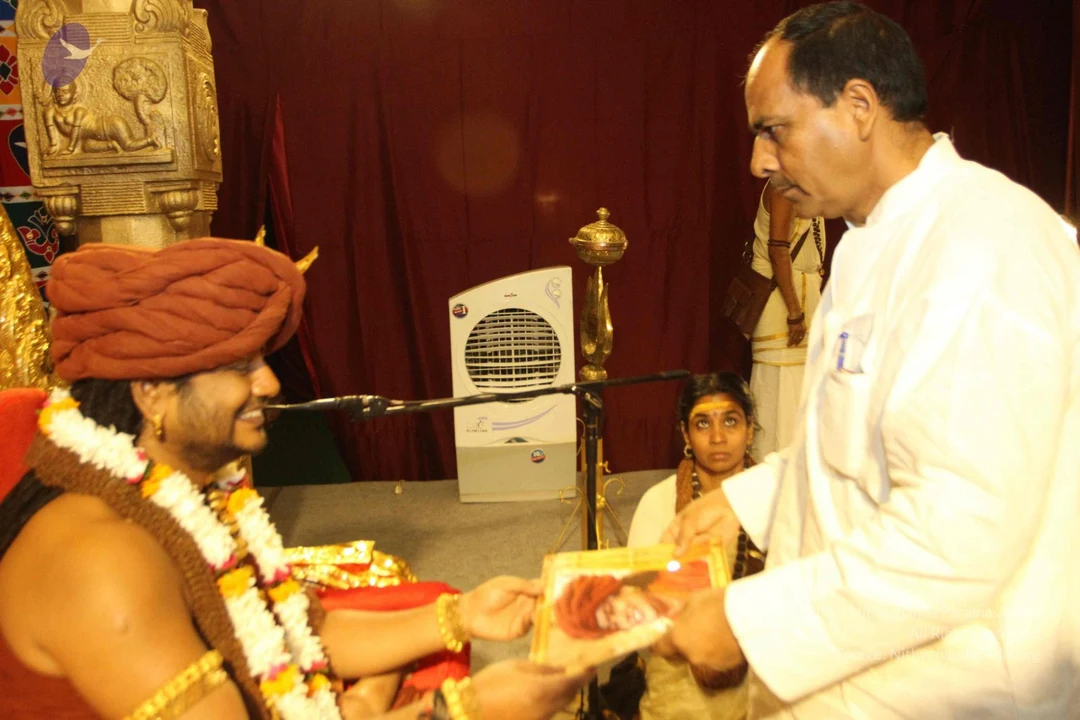
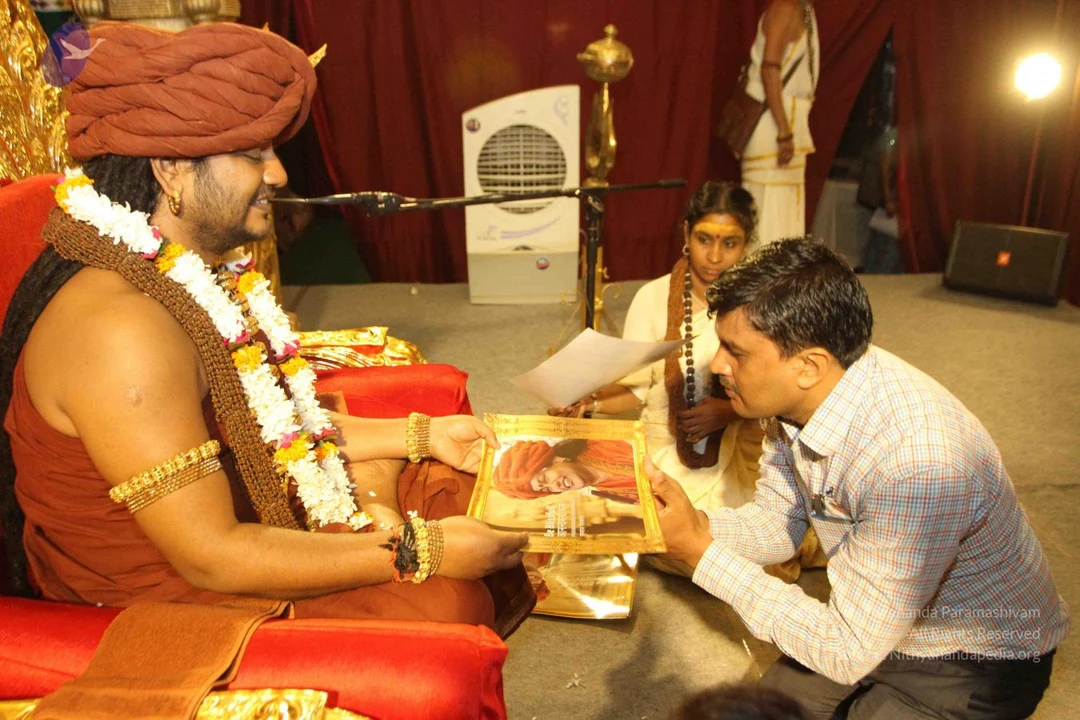
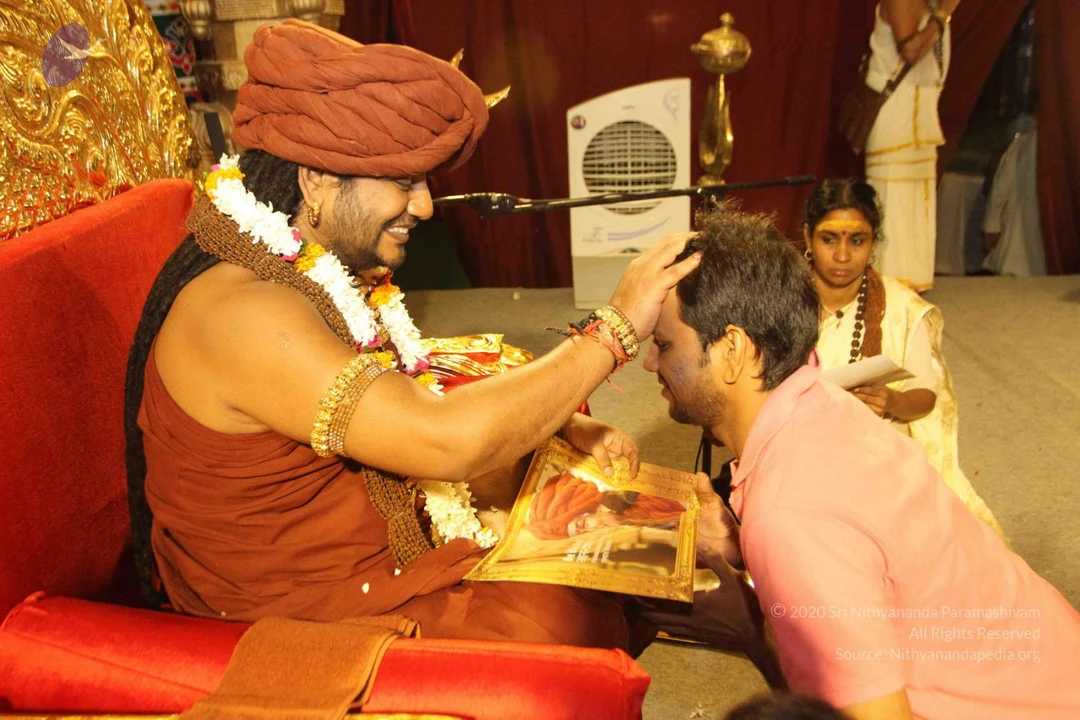
Kalpataru Darshan
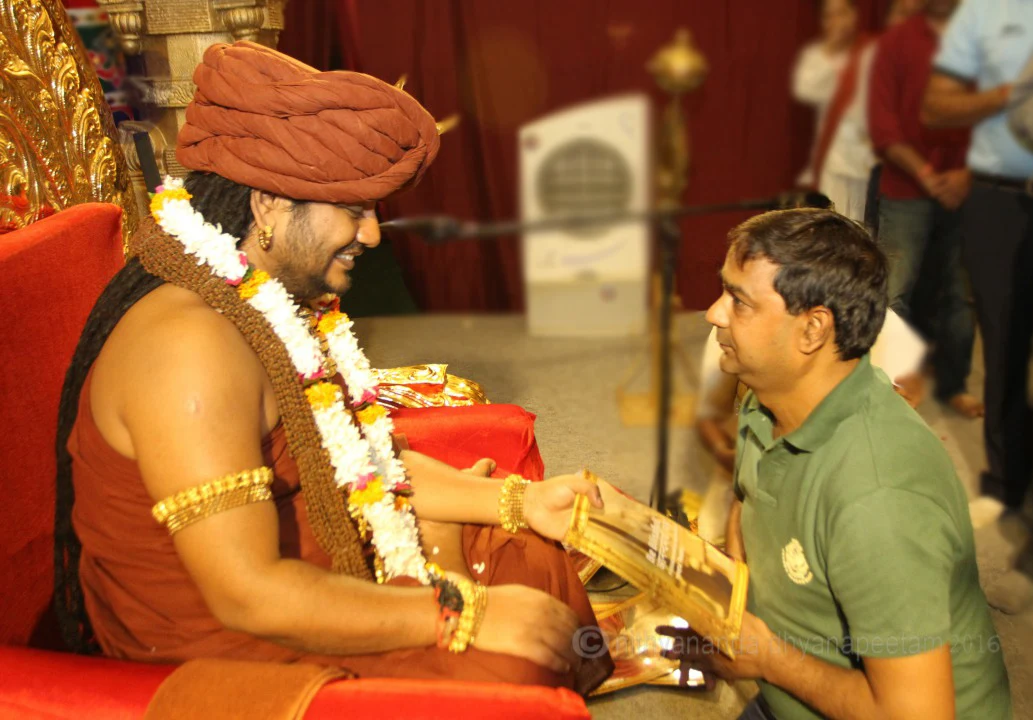
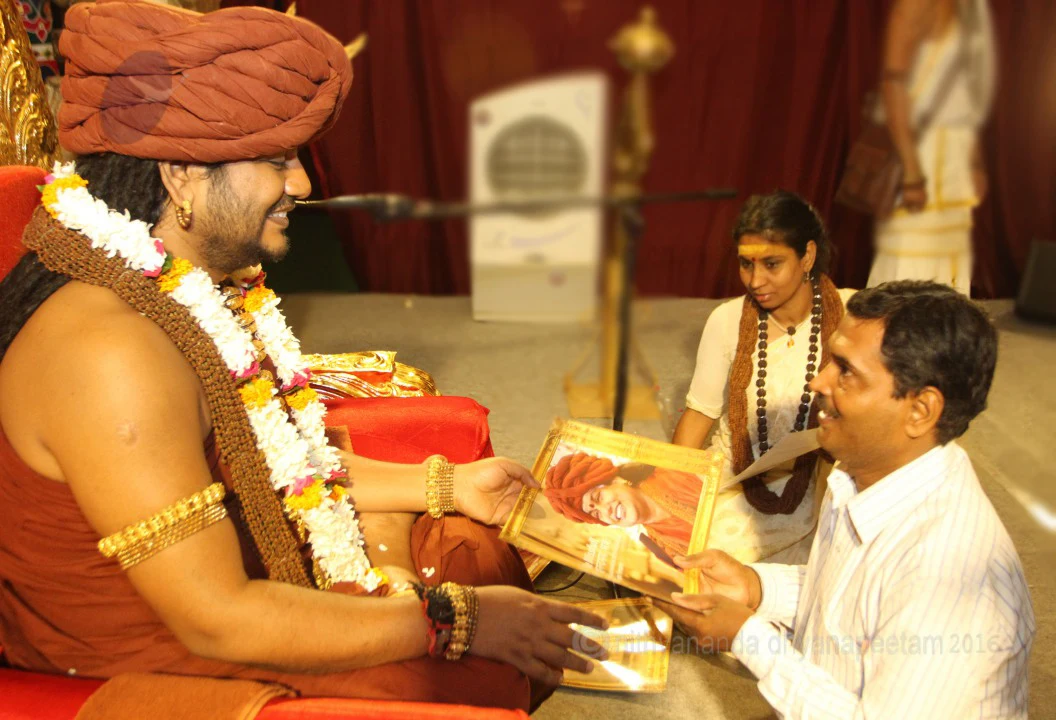
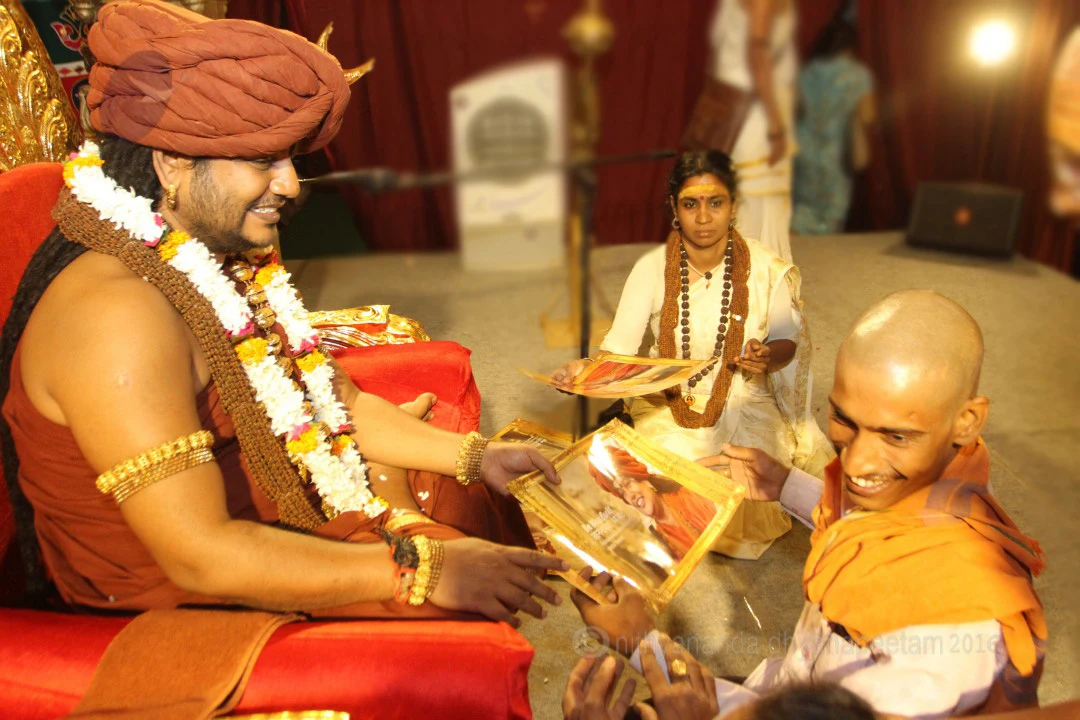
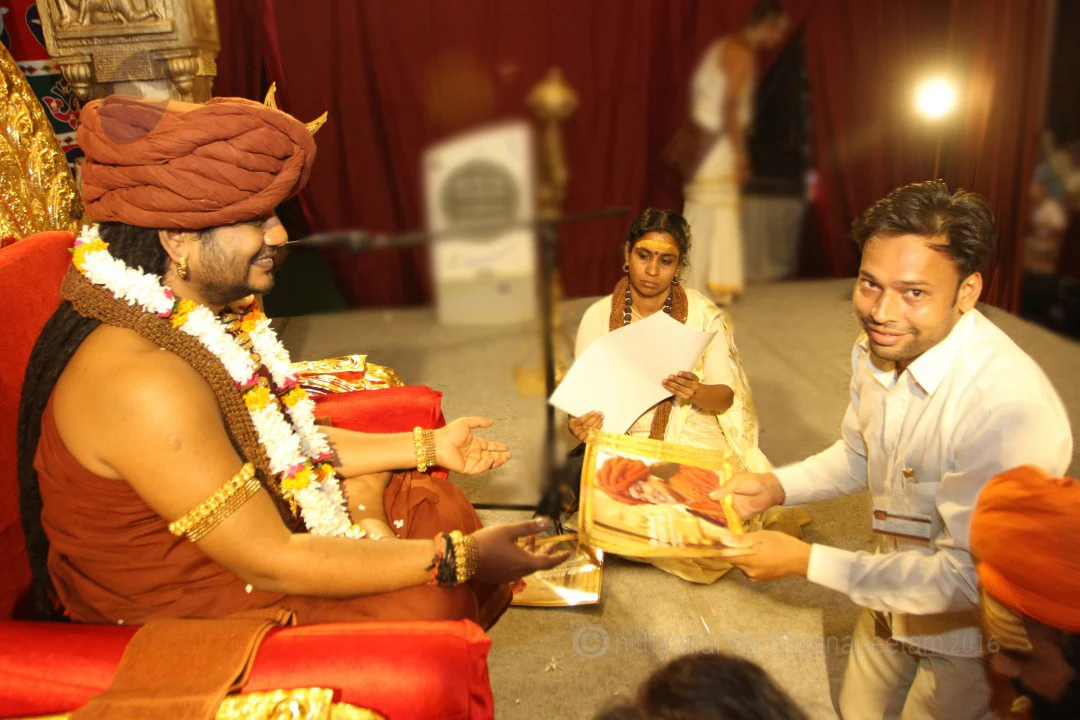
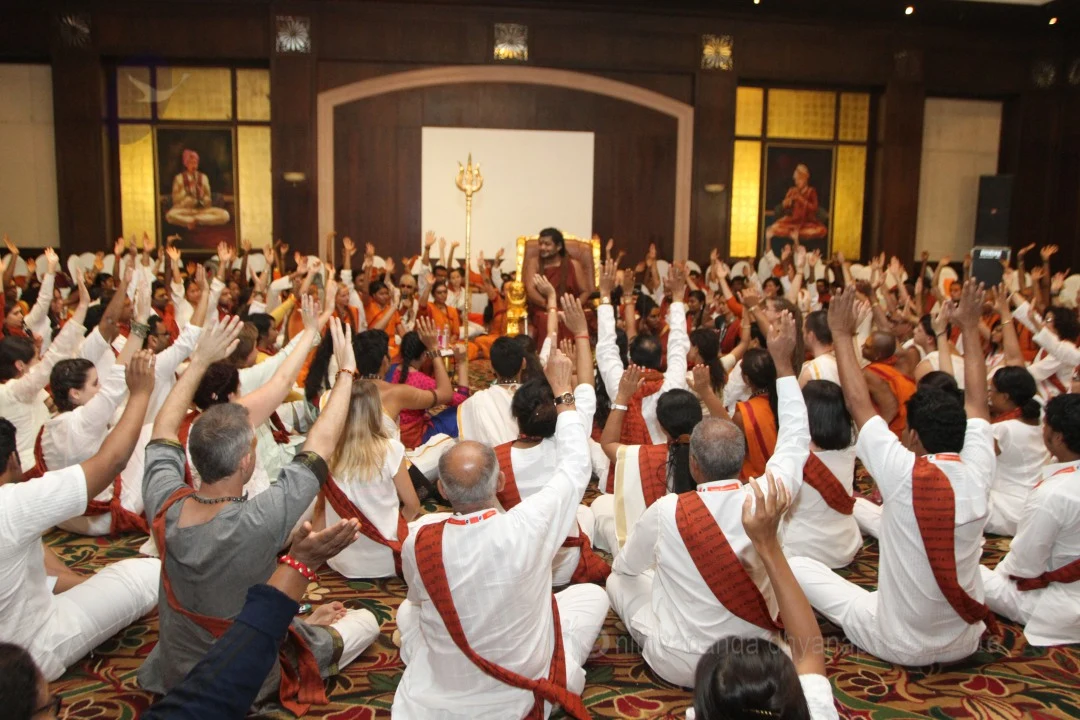
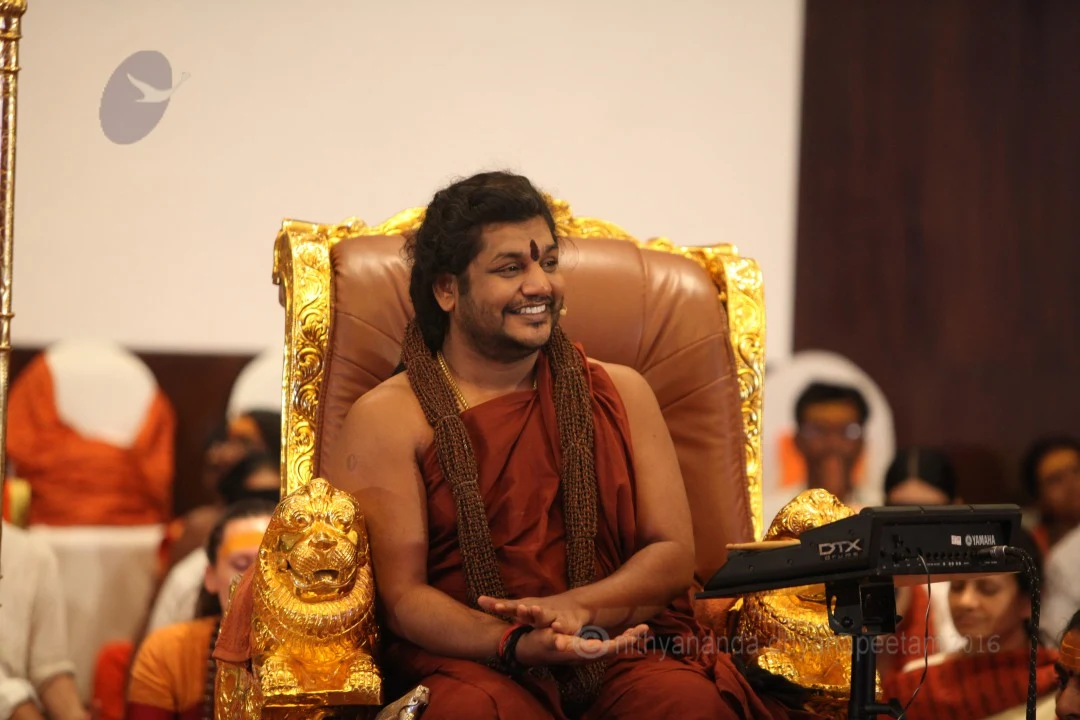
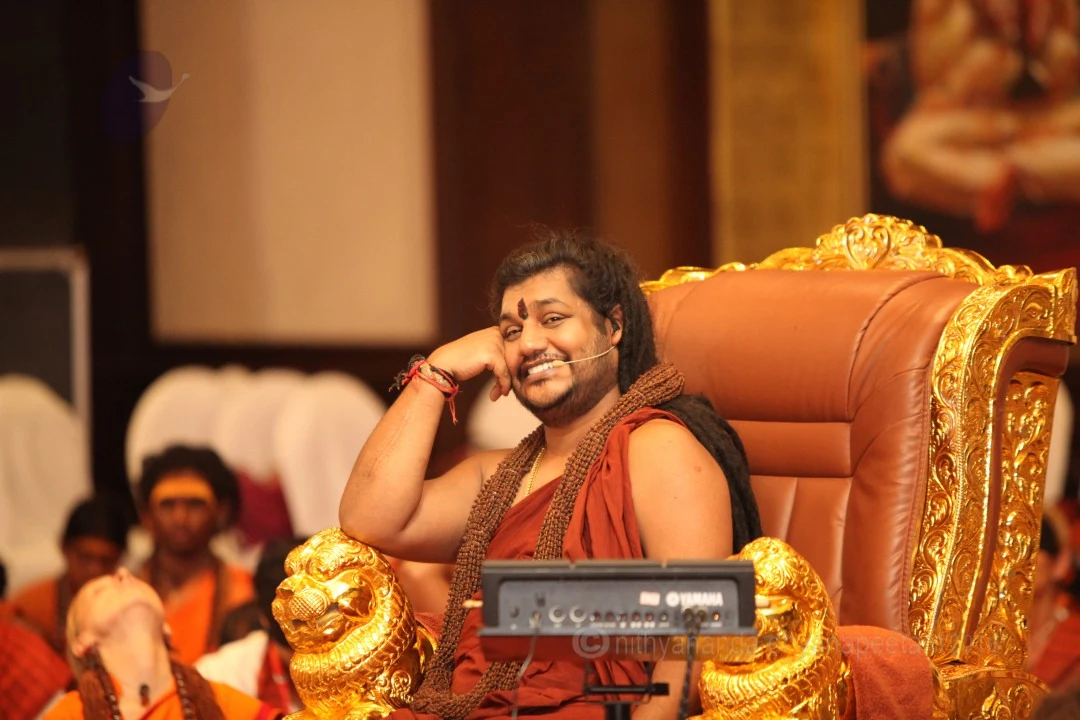
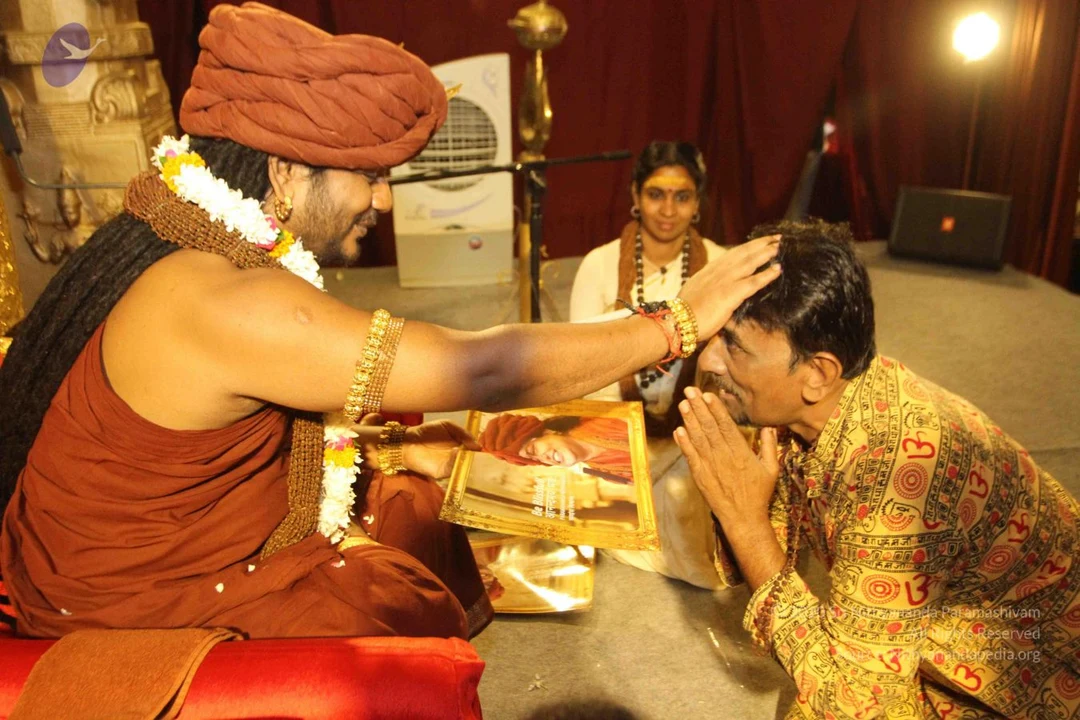
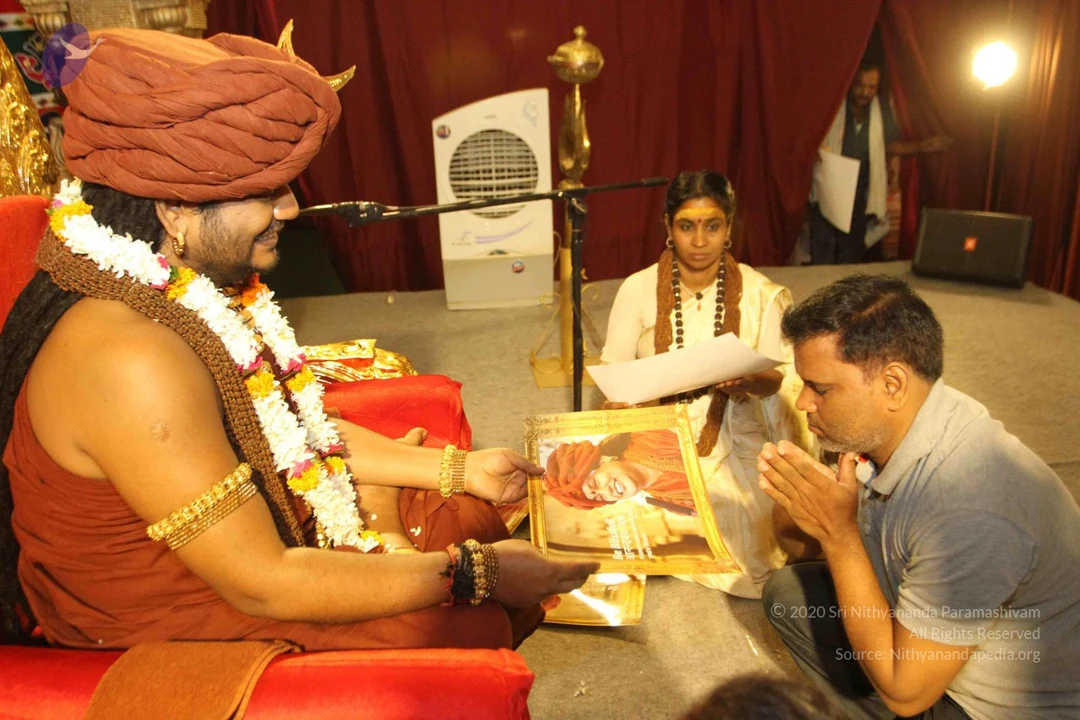
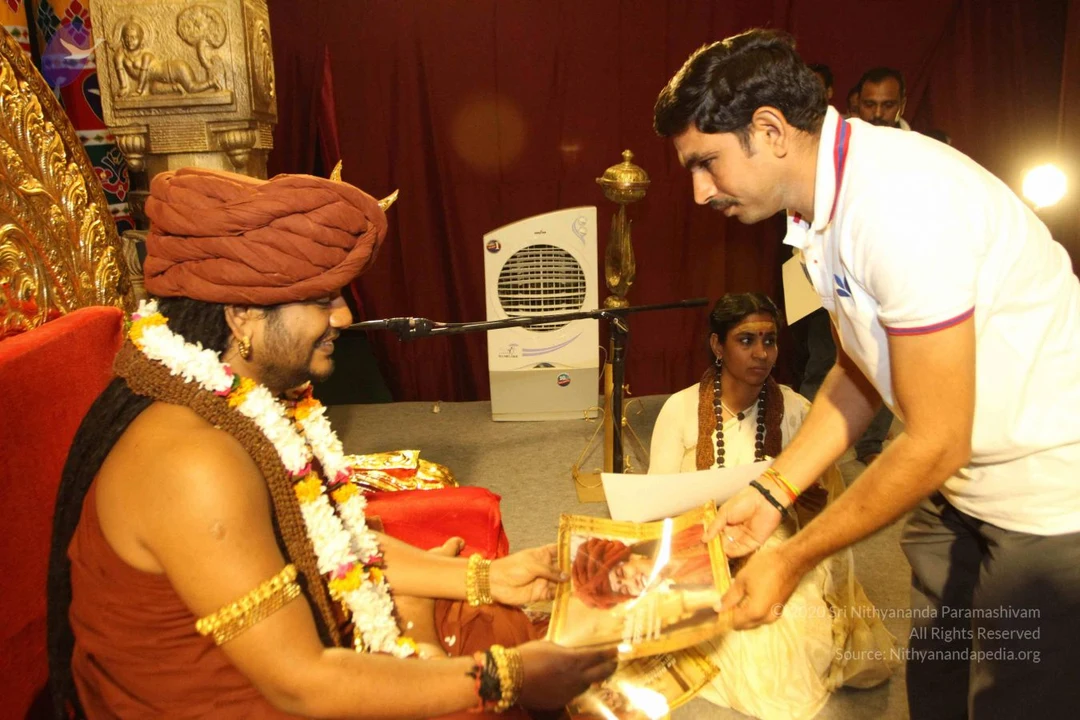
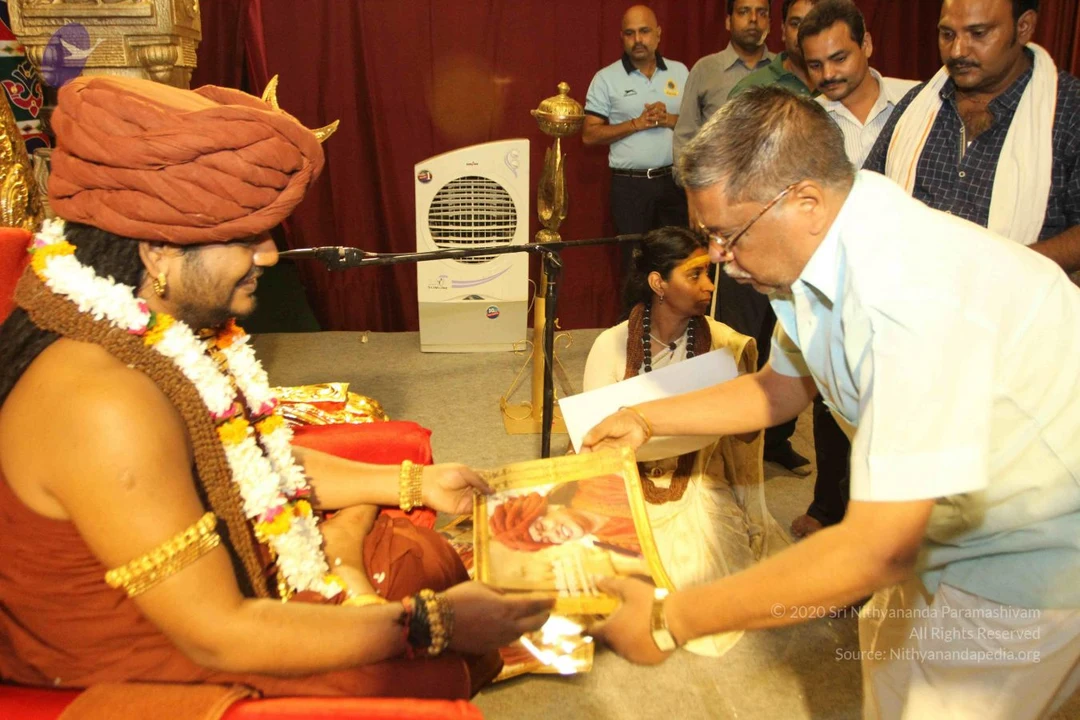
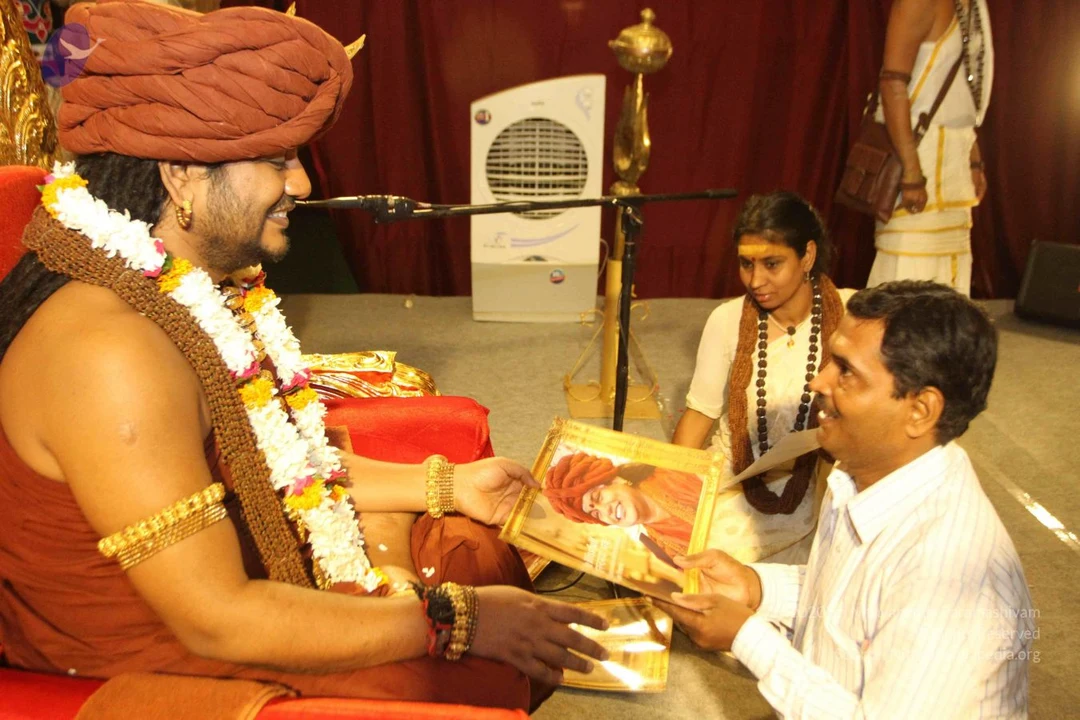
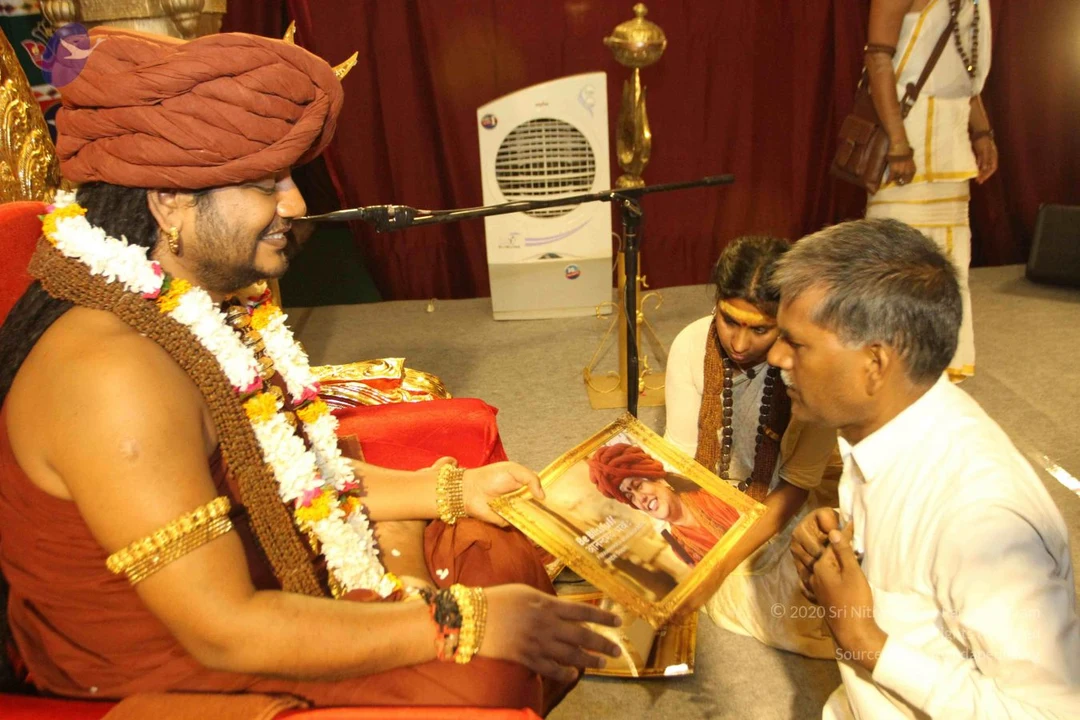
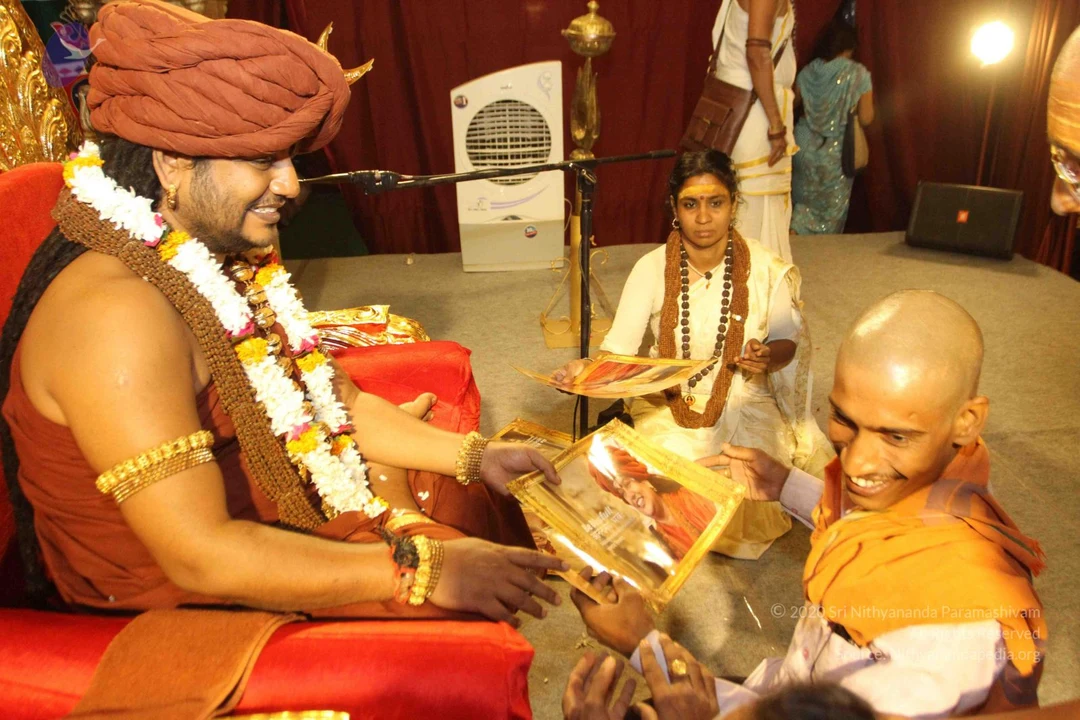
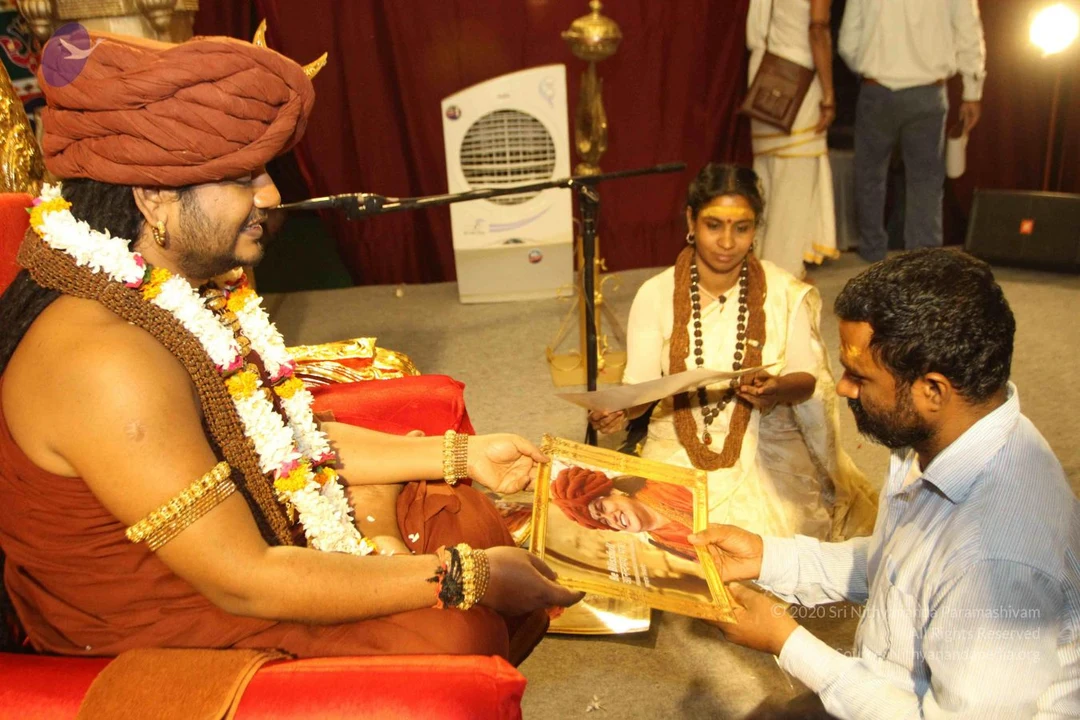
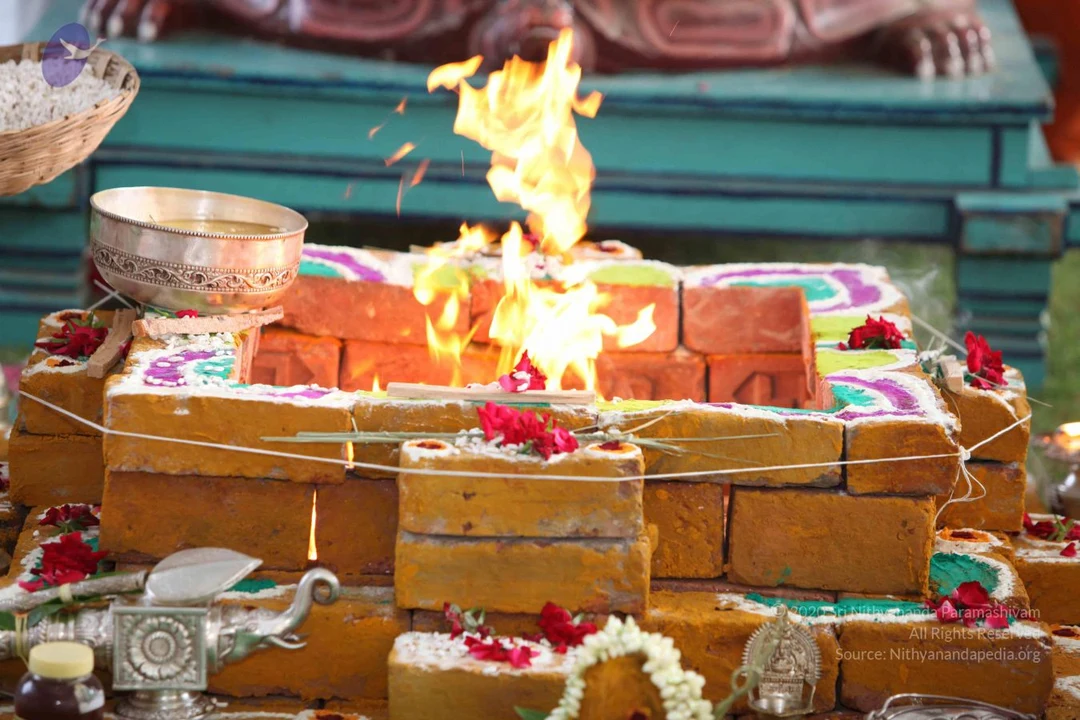
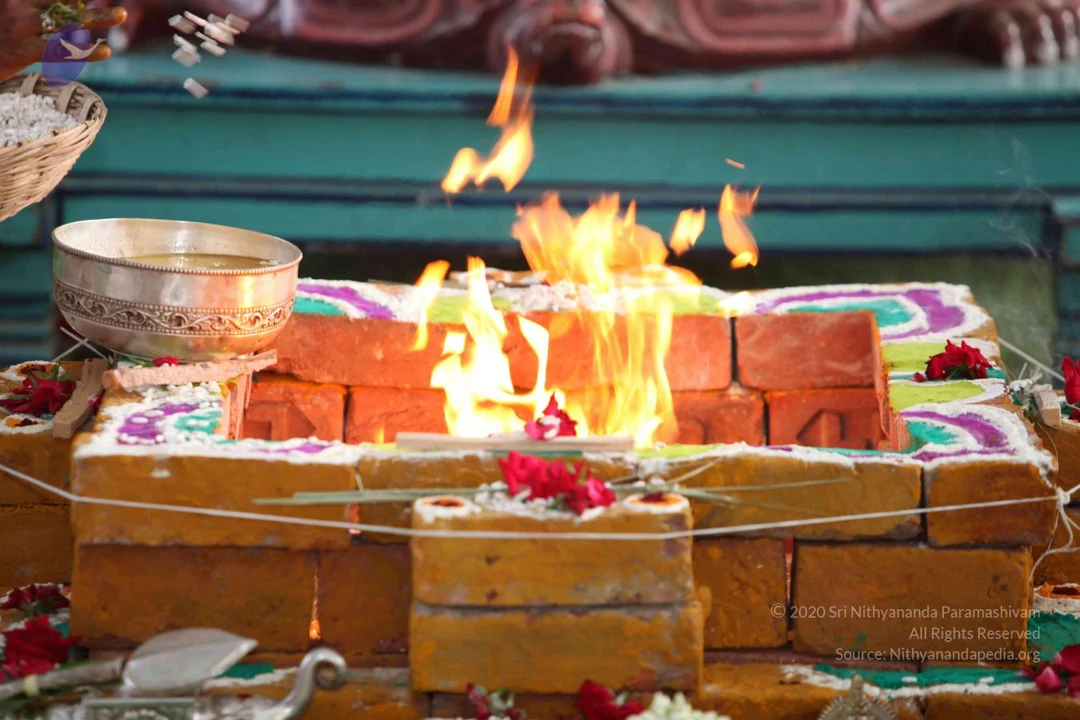
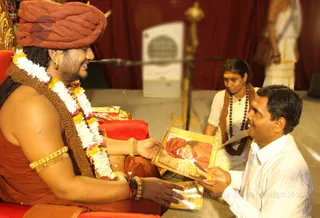
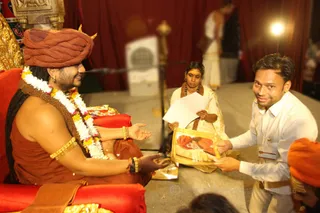
Shiva Deeksha



Tags:
Enriching Materials
Sarvam Brahmopanishadam, Everything is god, Power of Will, Kena Upanishad Shanti Mantra
ata
I still remember, I was 8 or 9 year old boy sitting with two of My Gurus. I had the fortune of having four or five Gurus, continuously making all their time and energy available to me. So with two of my Gurus I was sitting, with two of My Gurus, and the temple bell rang, the lifestyle of Arunachala is so beautiful. You know it is only morning when you hear the temple bell, you know it is breakfast time by listening to the crackers in the temple. Every puja, there will be temple crackers, all the 6 pujas there will be temple crackers, only listening to that sound we know time. So the temple bell rang, means Naivedhyam, food is being offered to Sadāshiva, both my Gurus immediately looked at me and said; go and bring the prasadam. After the Naivedhyam is done, it will be given to all the devotees, it’ll be shared with all the devotees.
They were both sitting in one corner and asked me, “go and bring.”
I went to the place where they distribute the prasadam and waited, puja was over, the rituals got completed and they started serving and I stretched My hand and the priest gave one share, it’s like a one share itself will be almost half a kg rice in one big leaf, they’ll give, and then the Pujari [priest] was telling, the pujari saw before going to the puja that I was sitting with both my Gurus, and the pujari is very greatly devoted, highly devoted to both the Gurus.
So the Pujari saw and said, “Hey take 2 more for them also, they are sitting, take one for you and two more for them.”
I was a little reluctant because one of the boy and girl who were My classmates are standing in the cue next to me, they will laugh at Me, “taking so much, all for one person.” So for this purpose only you are sitting in the temple the whole day. That’s the way they usually make fun of kids and I know they are gazing at me in the mood of fun. I felt a little pride, I am from a big family and again and again I have been told from the beginning that you are from a big family, and you have to behave yourself like that in the public. So I told the Pujari, “no, no need. This enough”, and I brought the naivedhyam to both My Gurus.
They asked; “Hey where is our share, did the pujari not give?” As if they both eat, actually both the fellows don't eat anything. Very rarely they will touch and put 2, 3 grains in the mouth and give it to other people who are sitting and I said, “No, you don’t eat, you eat rarely, this is more than enough for all three of us.”
They asked, ‘No, did that pujari give or not?”
I said, “Yes he gave, he wanted to give, he asked me, ‘take 2 more to both the Swamis’. Then they asked; “Why did you refuse?”
“No, no, behind Me My classmates are standing, they’ll make fun of Me that I’m taking so much and am I going to eat so much, and for this food only I am in the temple, they’ll tease Me, I don't want to get teased by them so I brought only My portion.”
Till this moment they were very casual, laughing, smiling. Immediately I saw Kuppammal starting at My eyes and saying, “Go to their shop street and beg and bring the food.” That’s the word she uttered. They both own a shop, that means their father owns a shop, the same street where also My father owns a shop, one shop and the whole street is literally run by My grandfather, he is the head of that whole association. So I always walk on that street with a pride, I am a grandson of this guy you know and all the shop owners are either family or friends. So any shop we enter and eat anything, whether it is jaggery or dal or anything, in any of the shops is free and we will go directly and sit, and in village actually we know everyone’s name and it’s a different lifestyle. But in that same street I have to beg now, all will make fun! What happened to your grandfather and all his wealth? They will ask all questions and they will tell My grandfather that is the next problem, that your grandson is begging in the street, why you are not giving food for him?
The moment My Guru said, “Go and beg, the same street in the same shop and bring food”, I know now it is a serious, it’s not casual, it’s not fun anymore. It means I have done something out of My pattern or out of the context which My Masters are correcting. I tell you, I stood up, straight went to that street, begged and brought whatever I got. Naturally all friends, family they all gave so many things. I have to take a small pulling cart. In villages there will not be rickshaw, the hand pulled cart, so I have to hire a small hand pull cart to bring all the items I got as bhikshā to My Guru. So I hired a small vehicle and put the whole thing at the feet of both the Gurus and I realized, understand, that was one of the greatest realization I had – I should not be bothered about imaginary opinions of others. I tell you the liberation that happened at that moment is till now useful for Me.
Next day I had a chance to talk to both My friends. They were asking Me, “Hey, why were you going for bhikshā in all the shops, did you do any prayer or is it any Divine commitment?” In villages we have a habit, if somebody is sick they pray to Venketeshwara and Kuladevata, that they will go for bhikshā and bring and offer it in the Hundi. Still we do that, every Purattasi month all the Vaishnavas they go for bhikshā, and take it and offer it to Vishnu temple and Shaivaites every Margashirsha go for bhikshā and offer it to the Shiva temple. They asked, when both the friends asked Me that, “Hey did you have any prayer, why were you begging?” In the mind I was thinking, “only you fellows were responsible for My begging and now only I understand you guys did not even have the idea of which I was thinking you guys will be having.”
Sakshi Pramana:
sharing from Inner awakening
Photos Of The Day:
NithyaSatsang


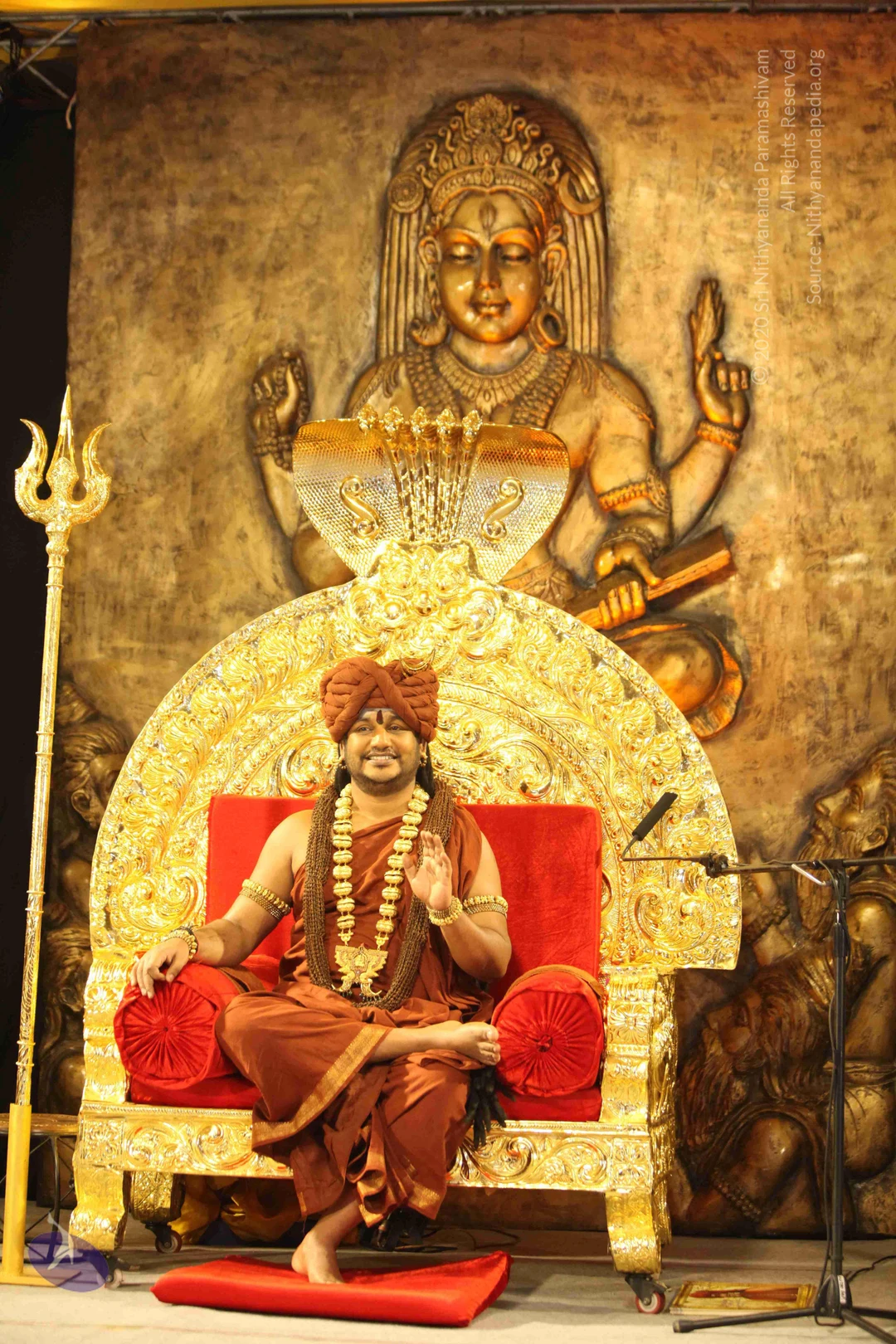
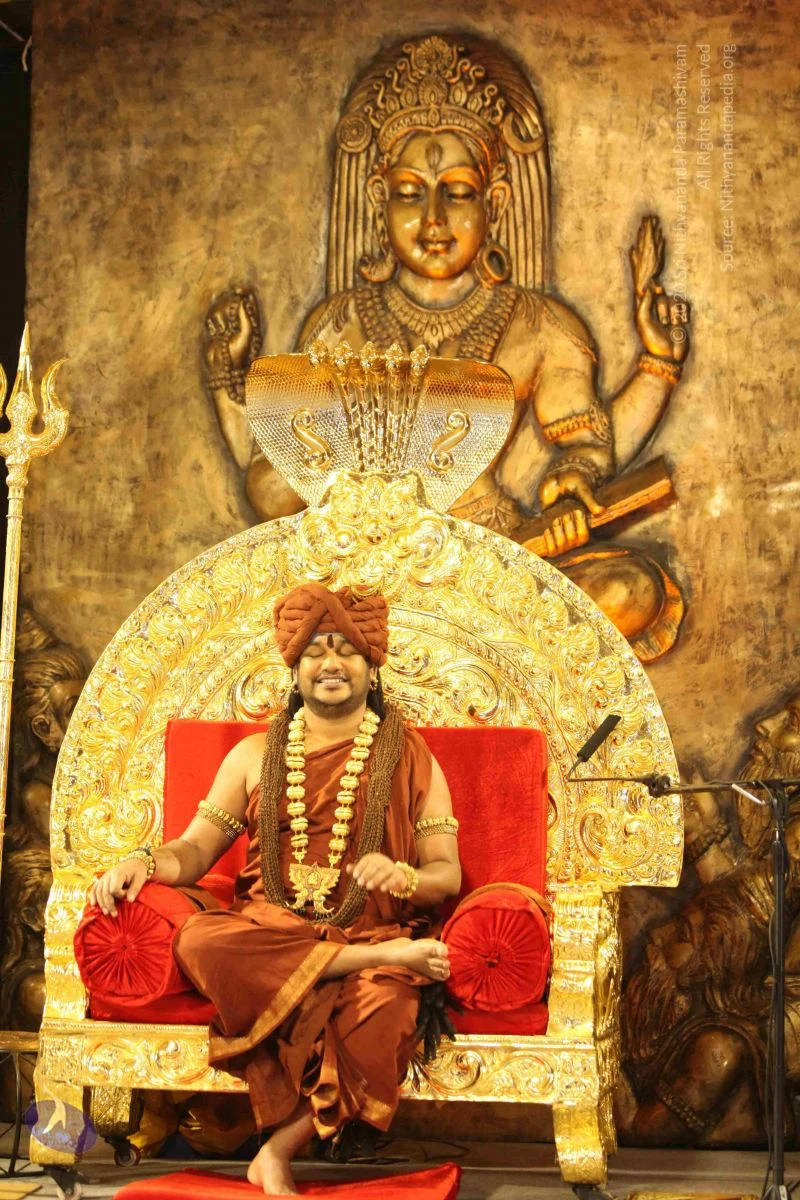
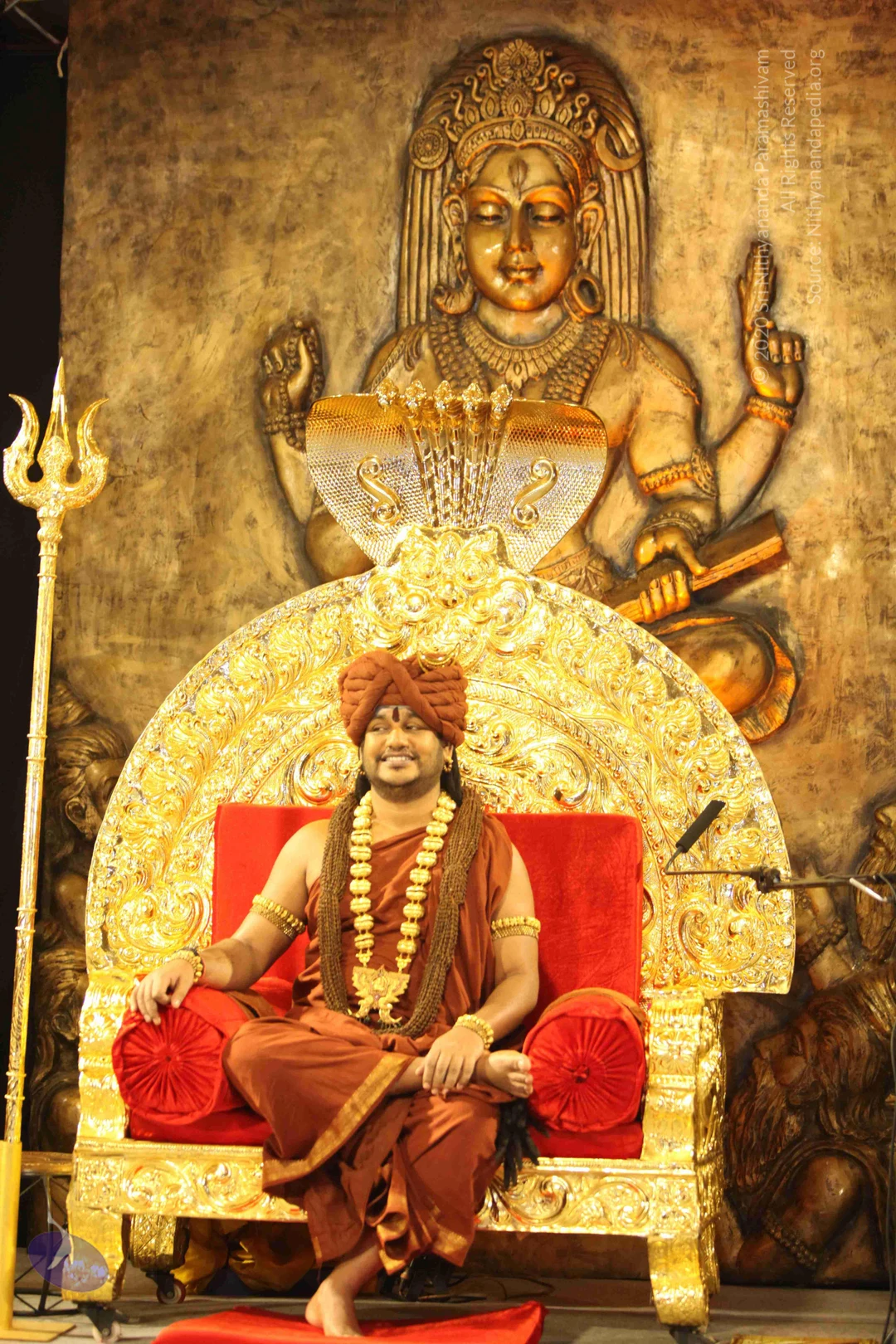
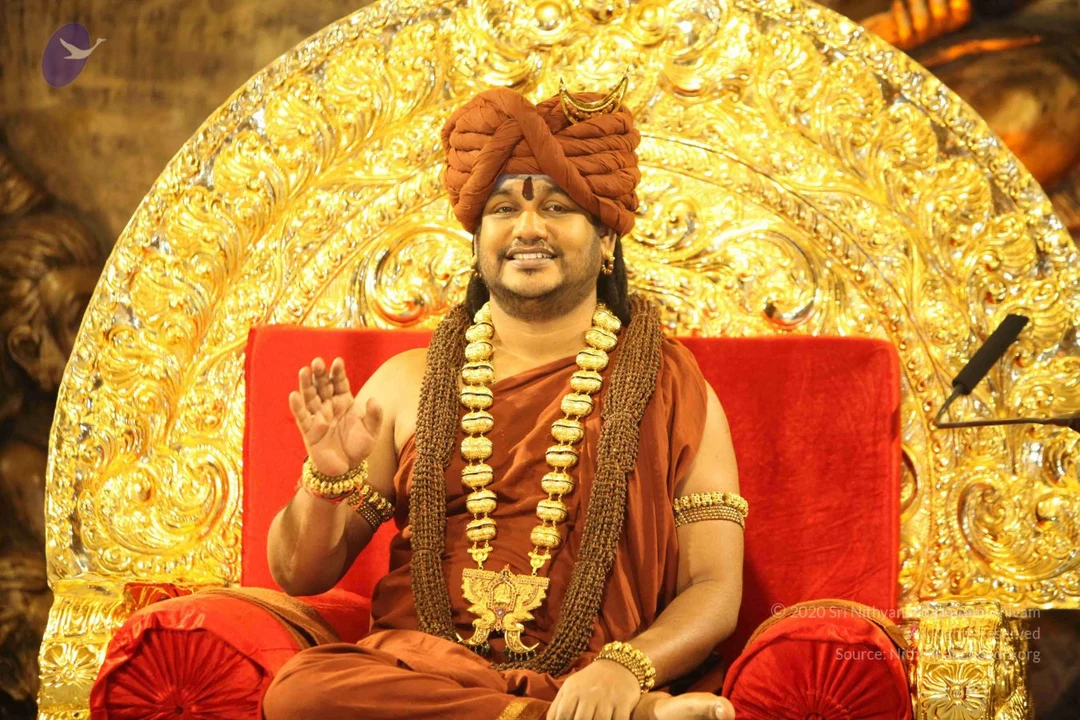
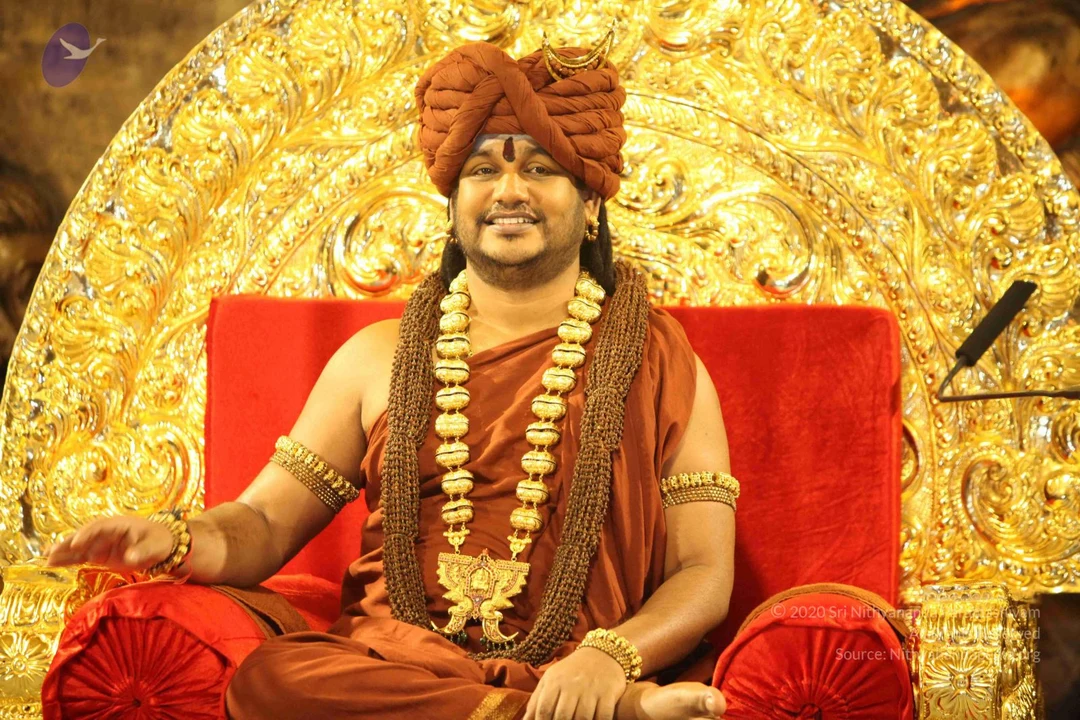
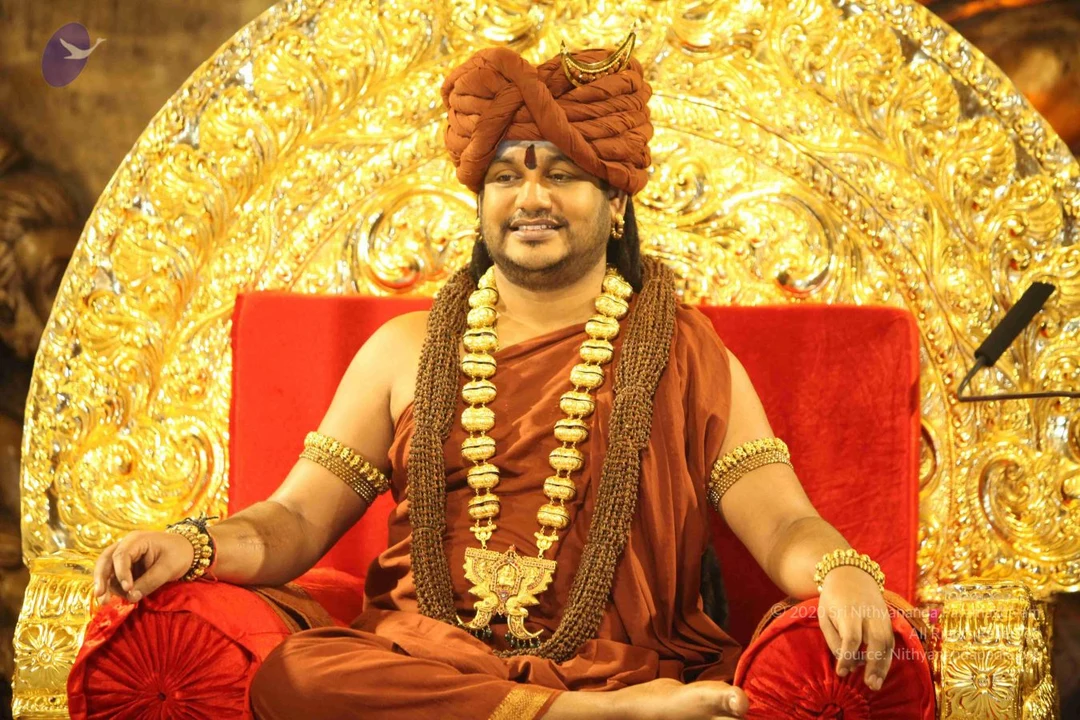
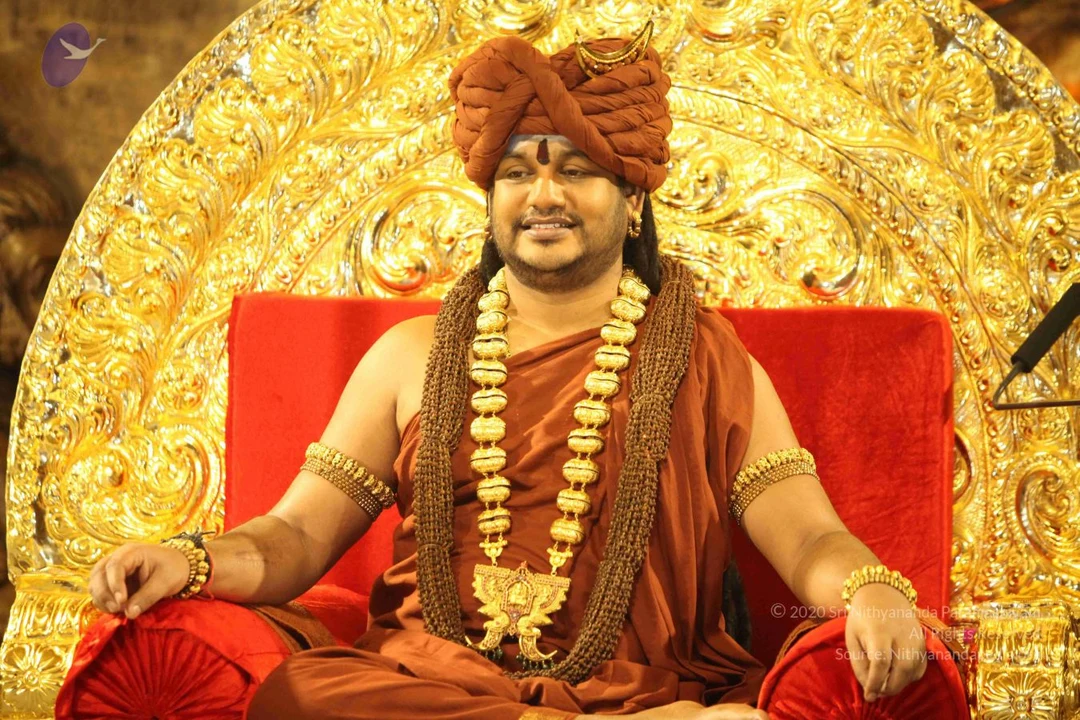
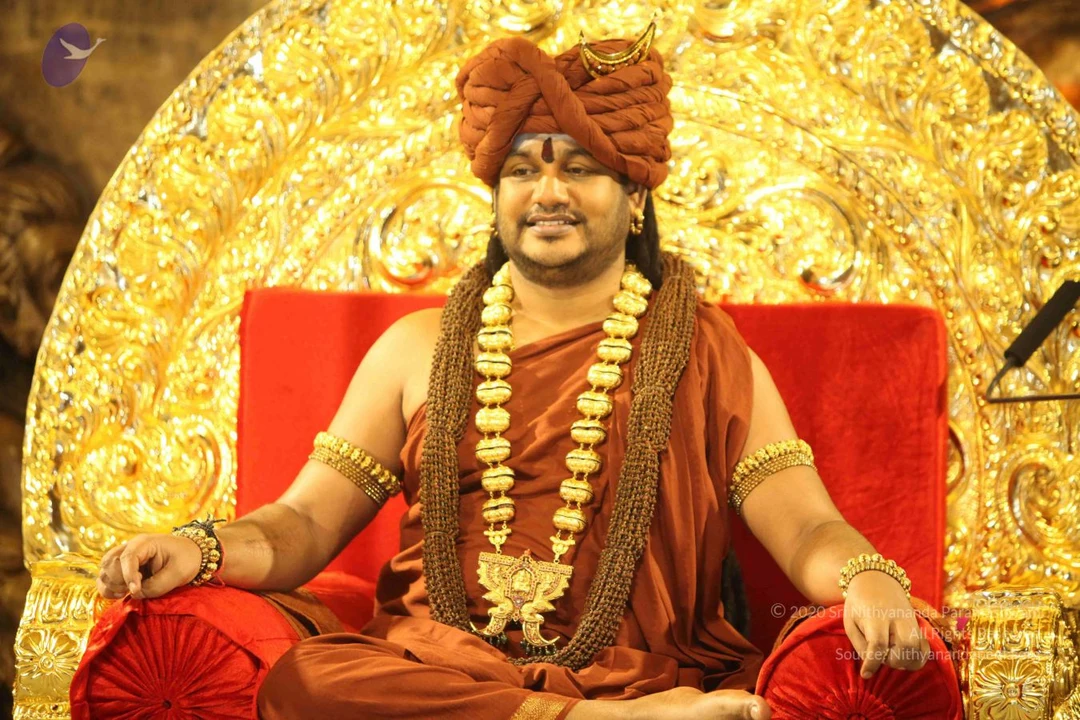

Shivoham


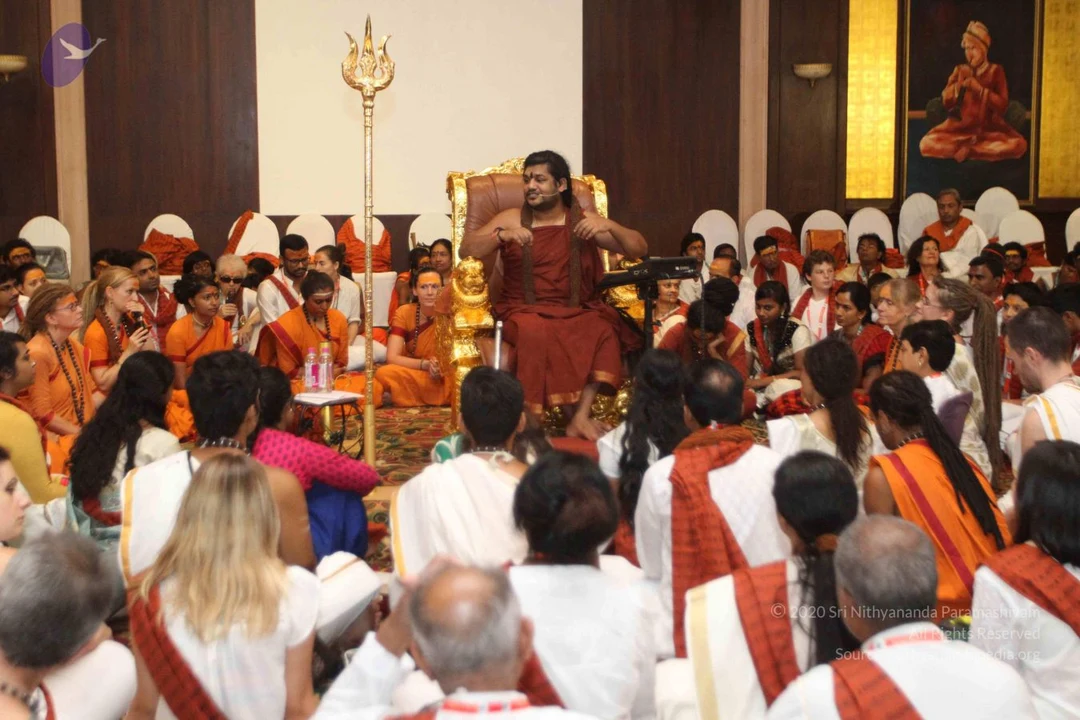
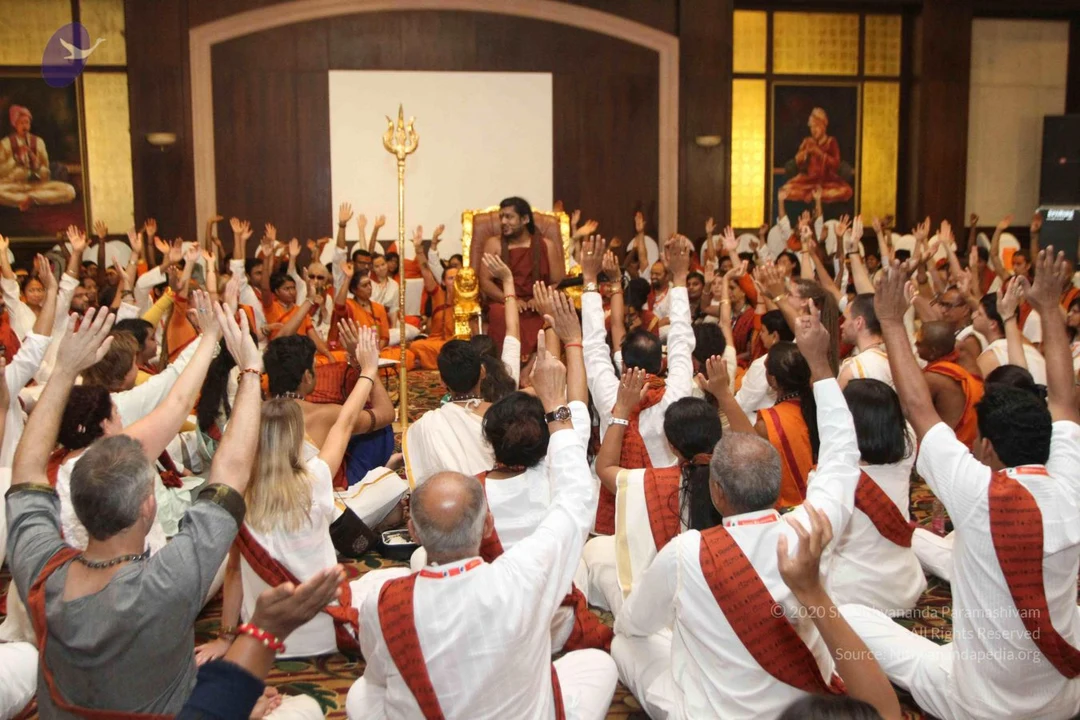
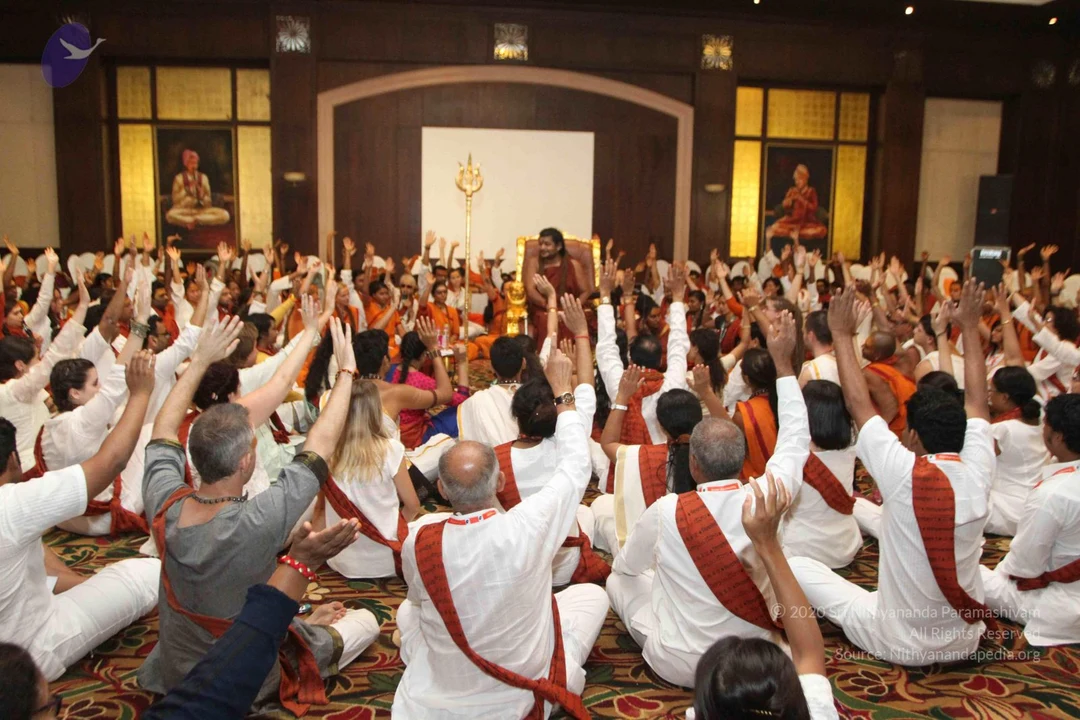
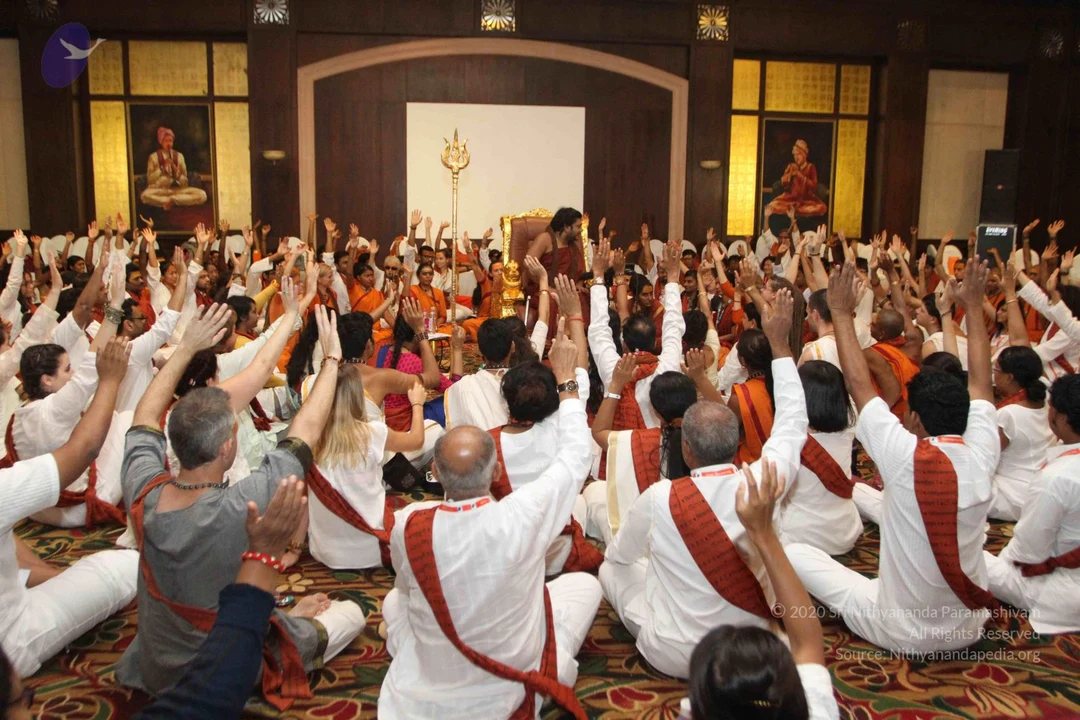
Shivdeeksha
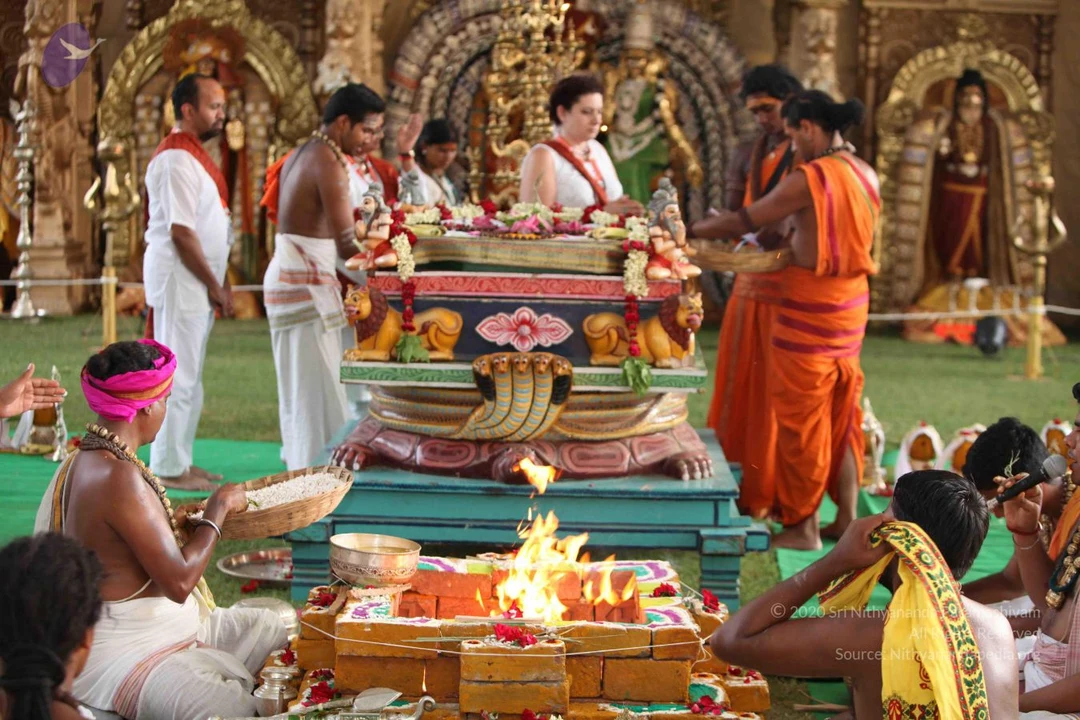
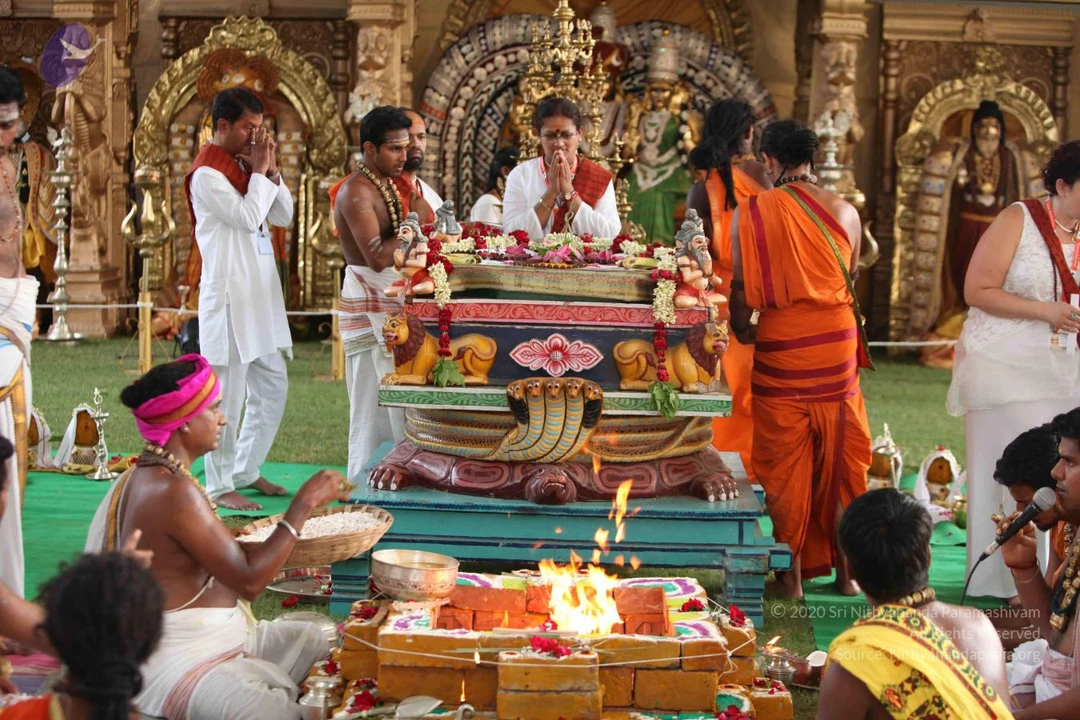
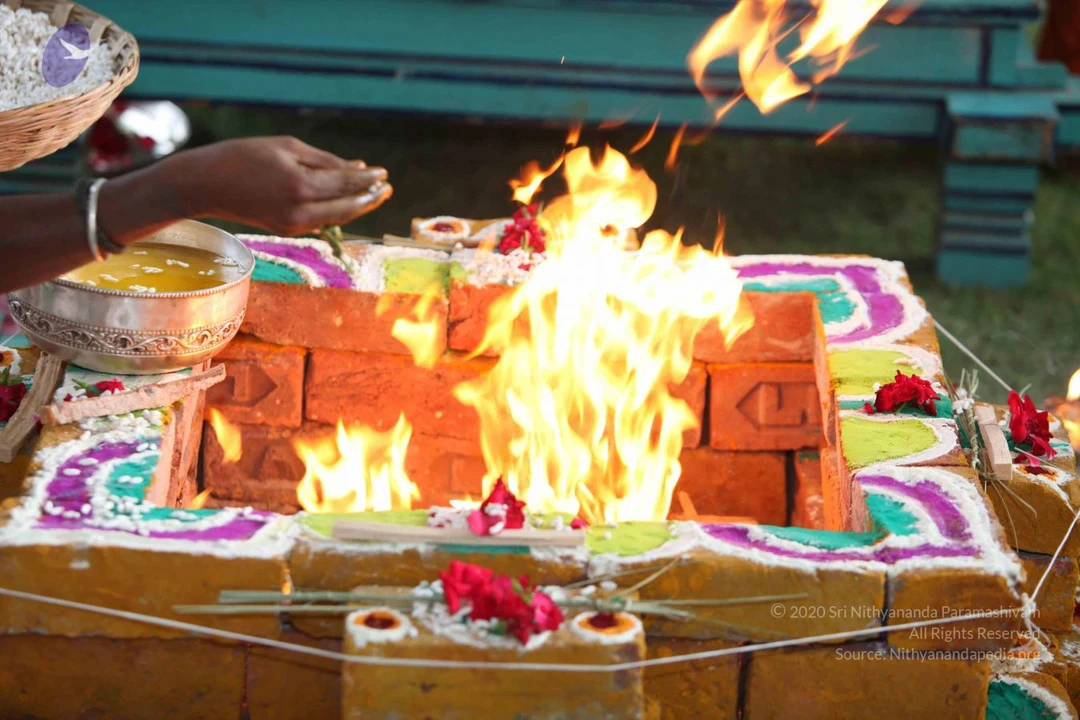
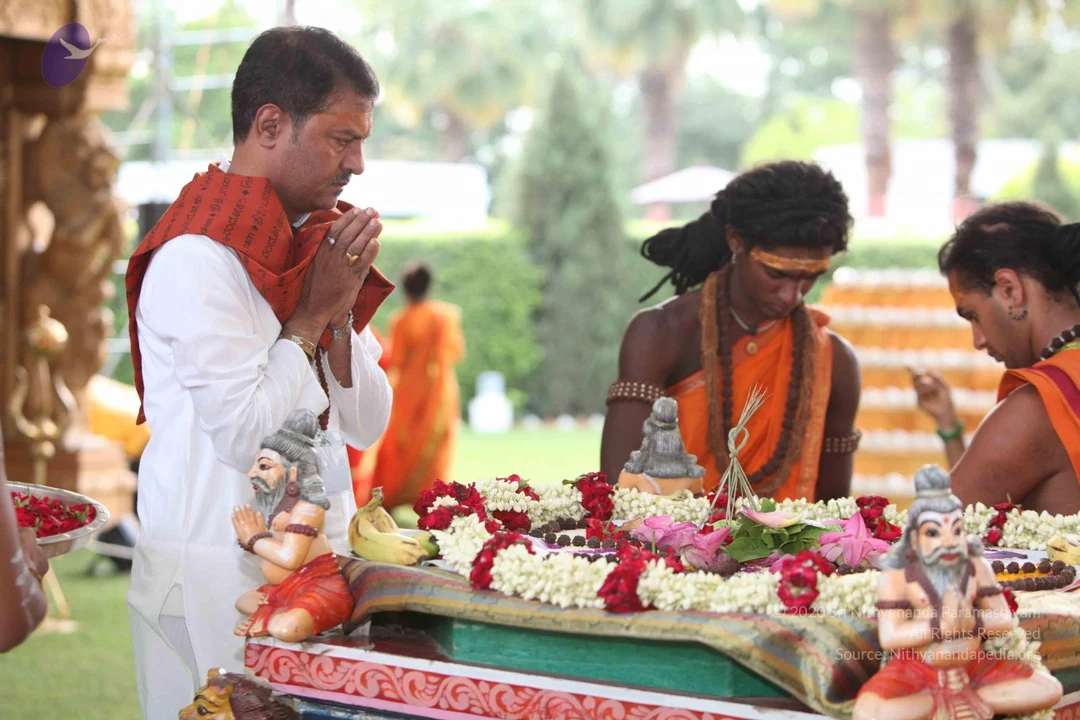

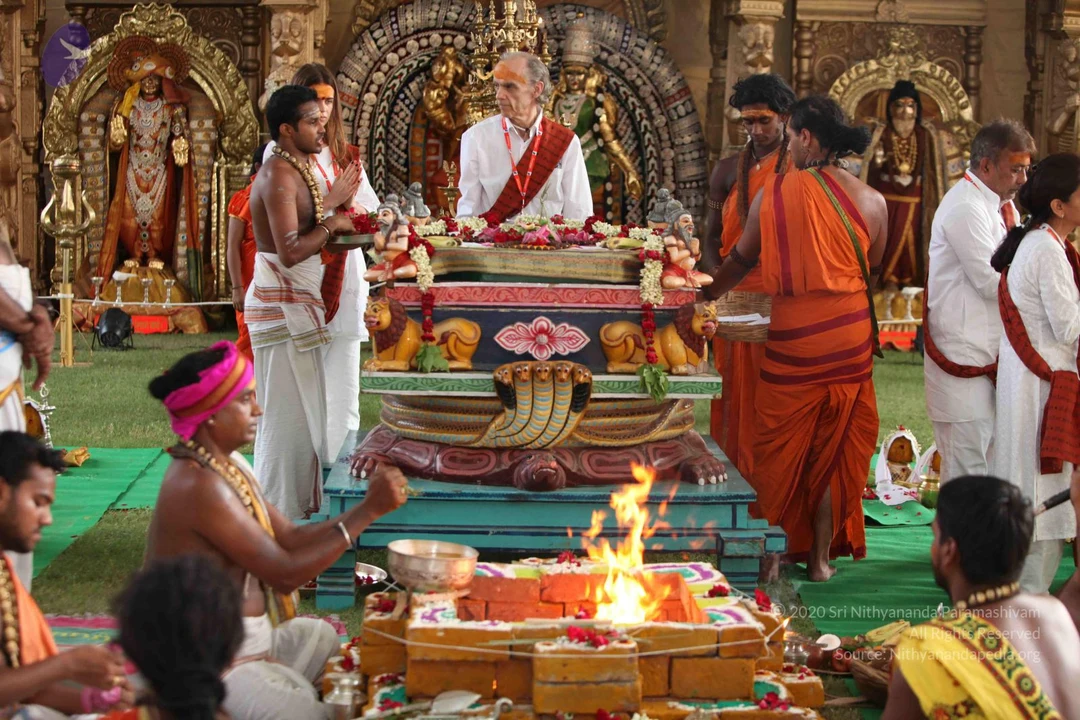
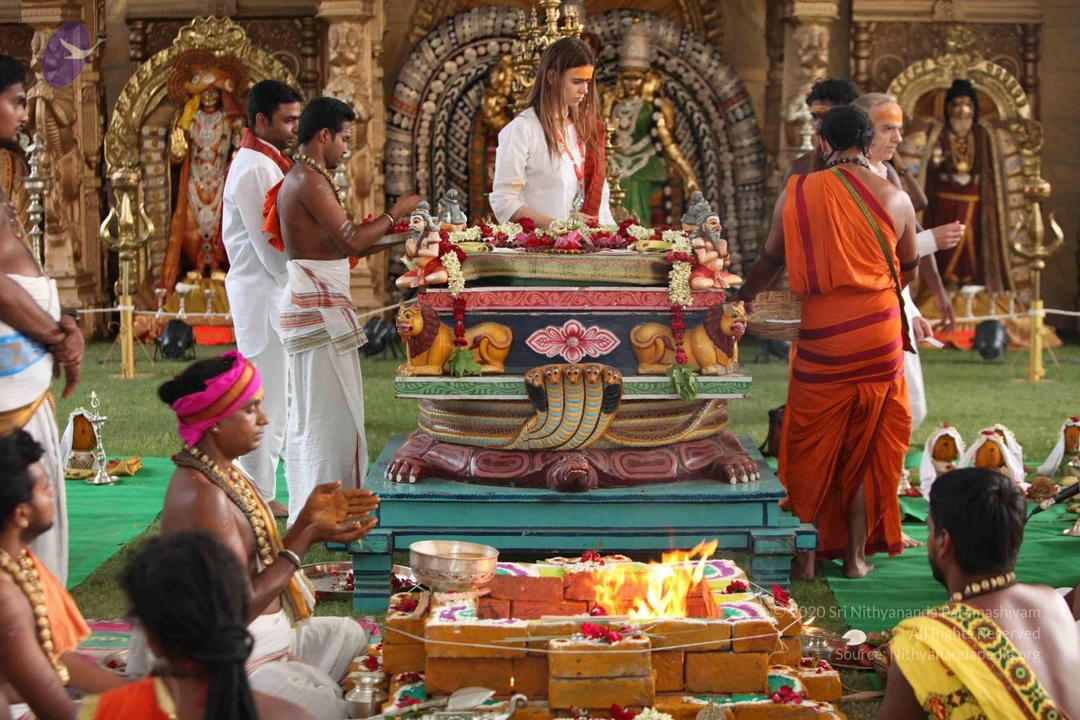
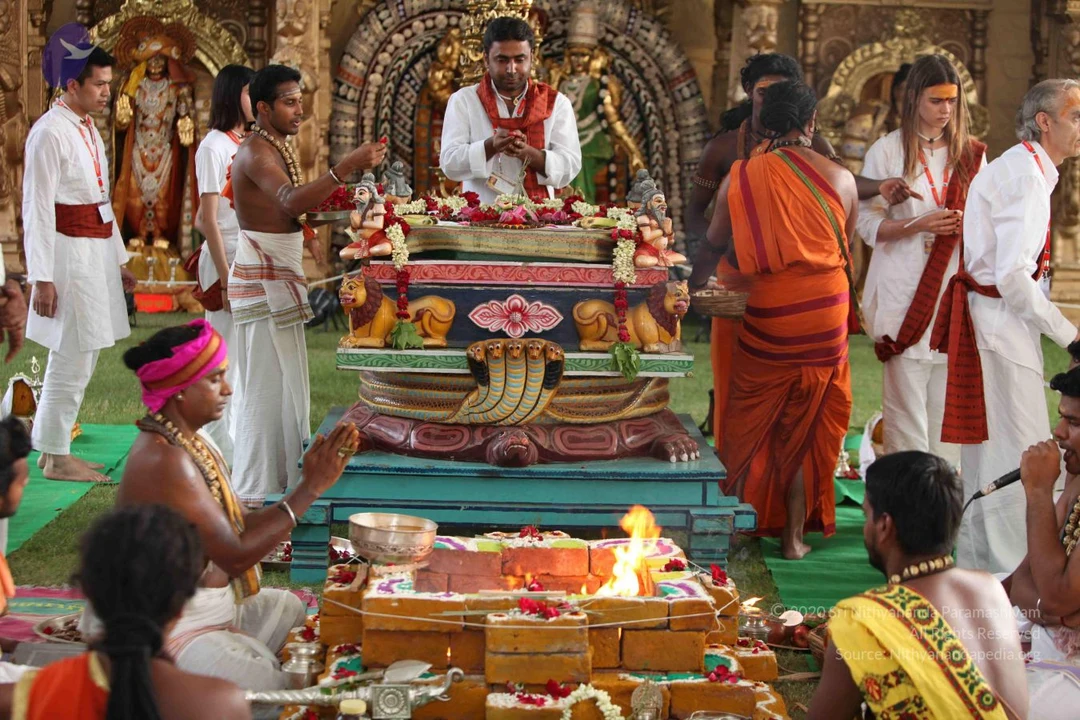
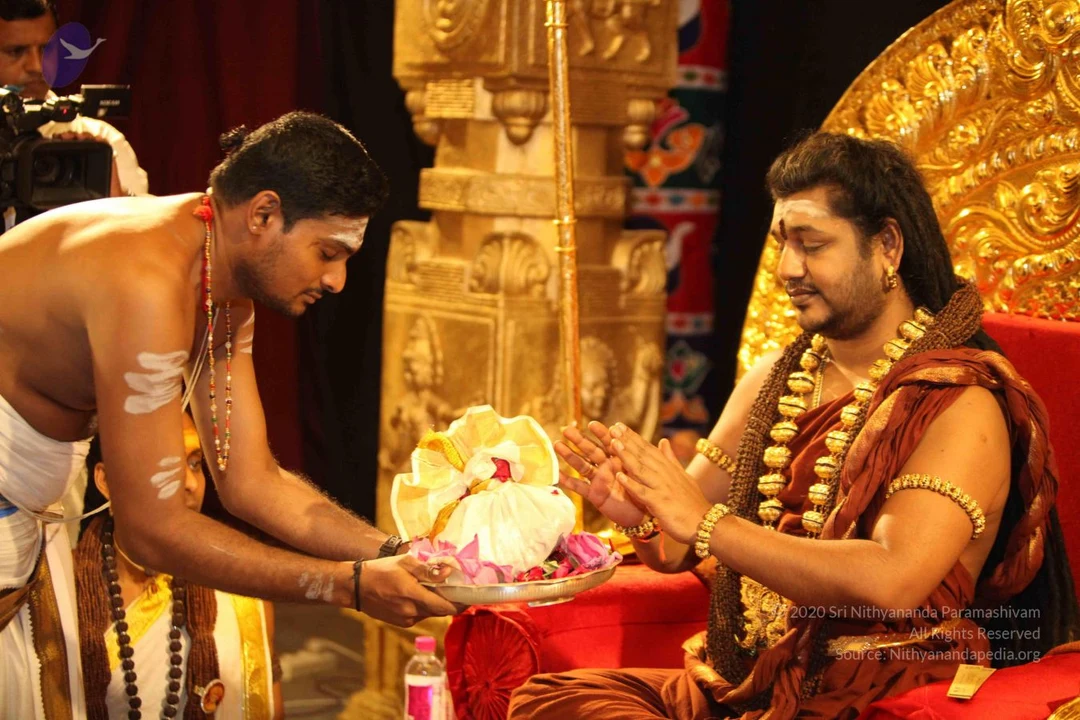
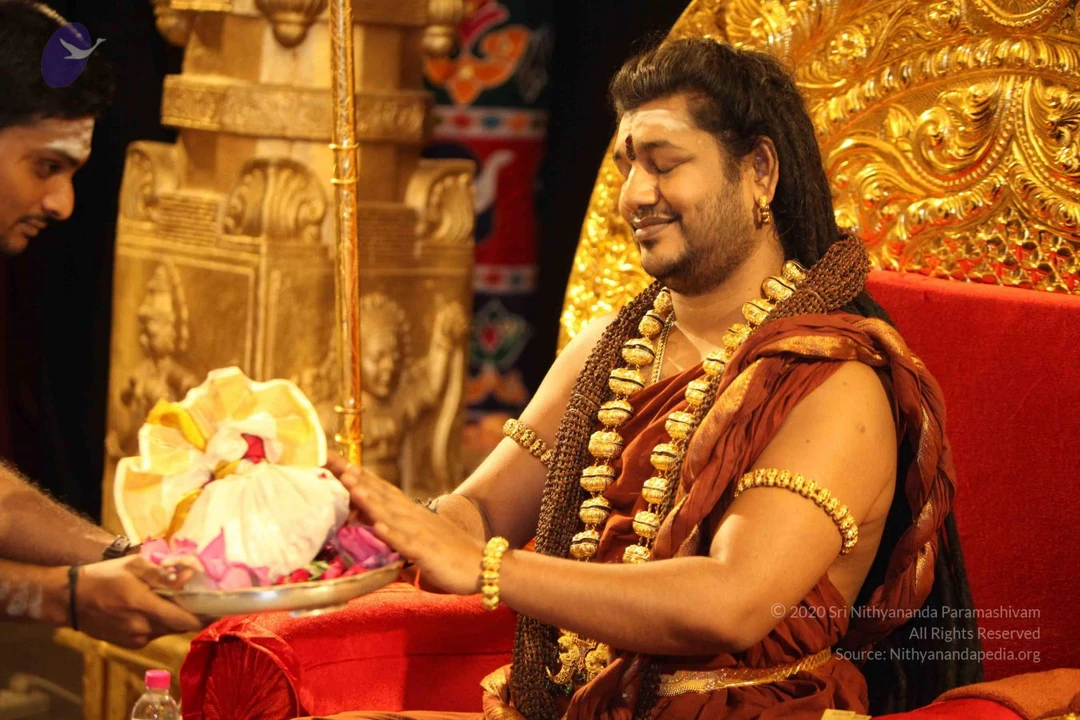
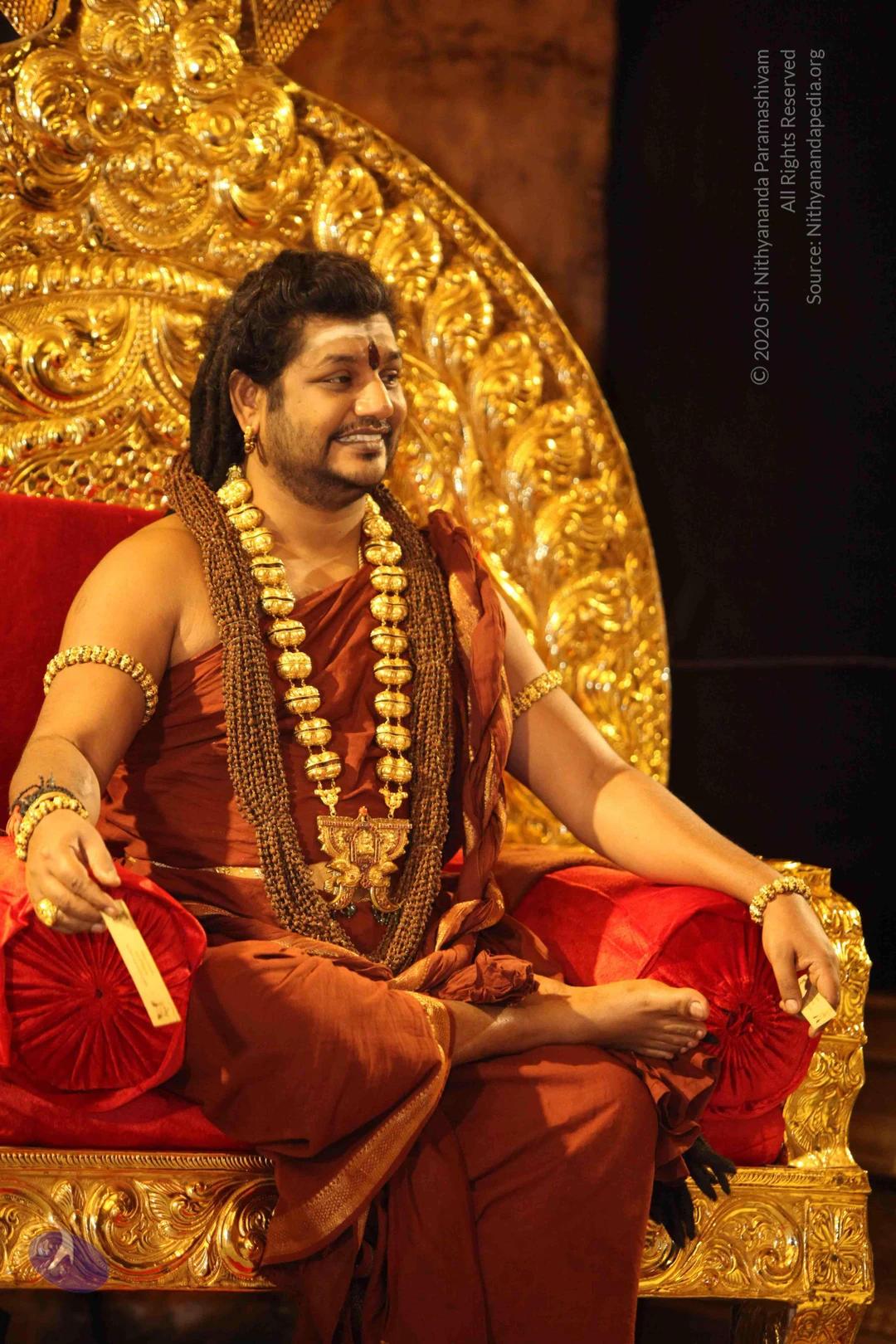
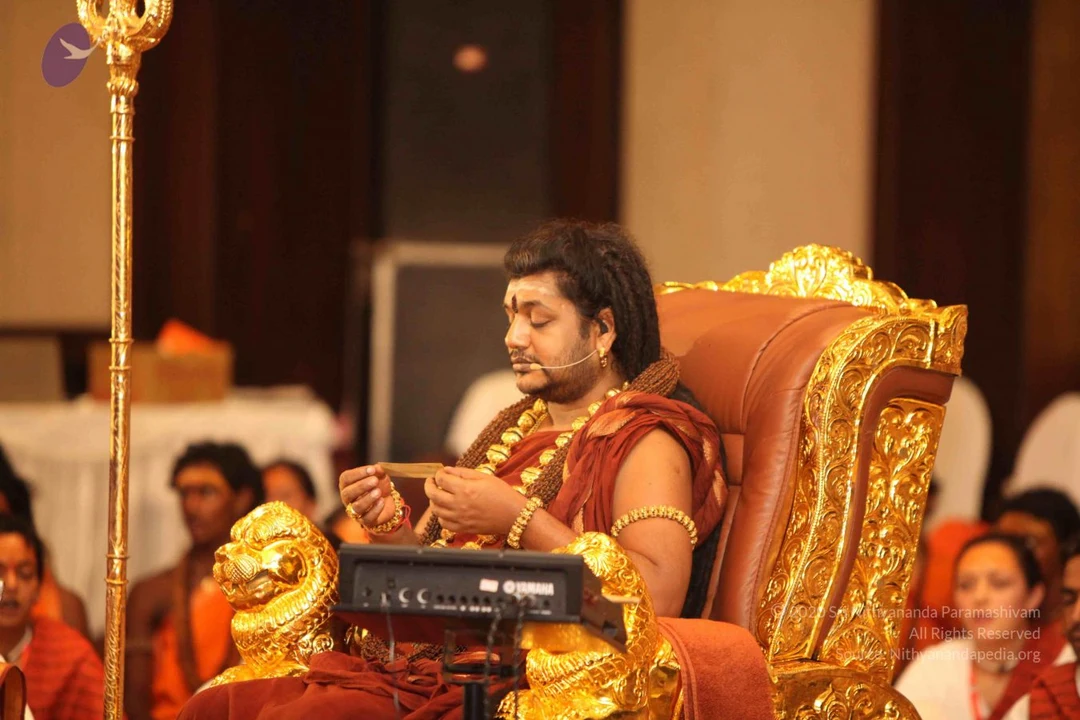
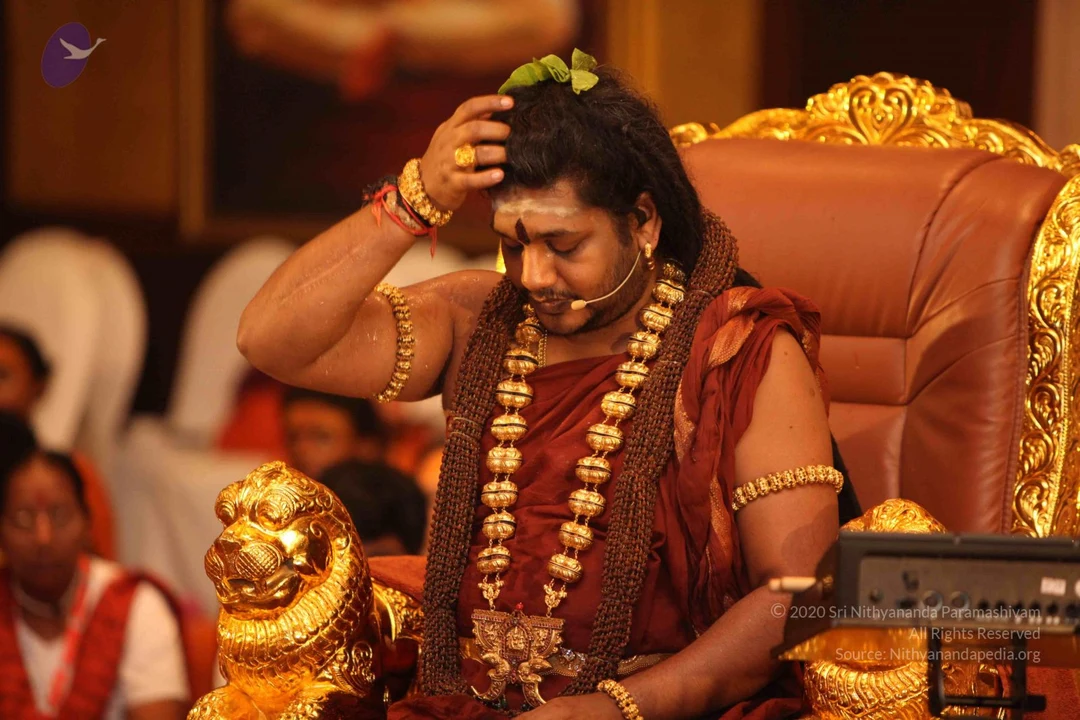
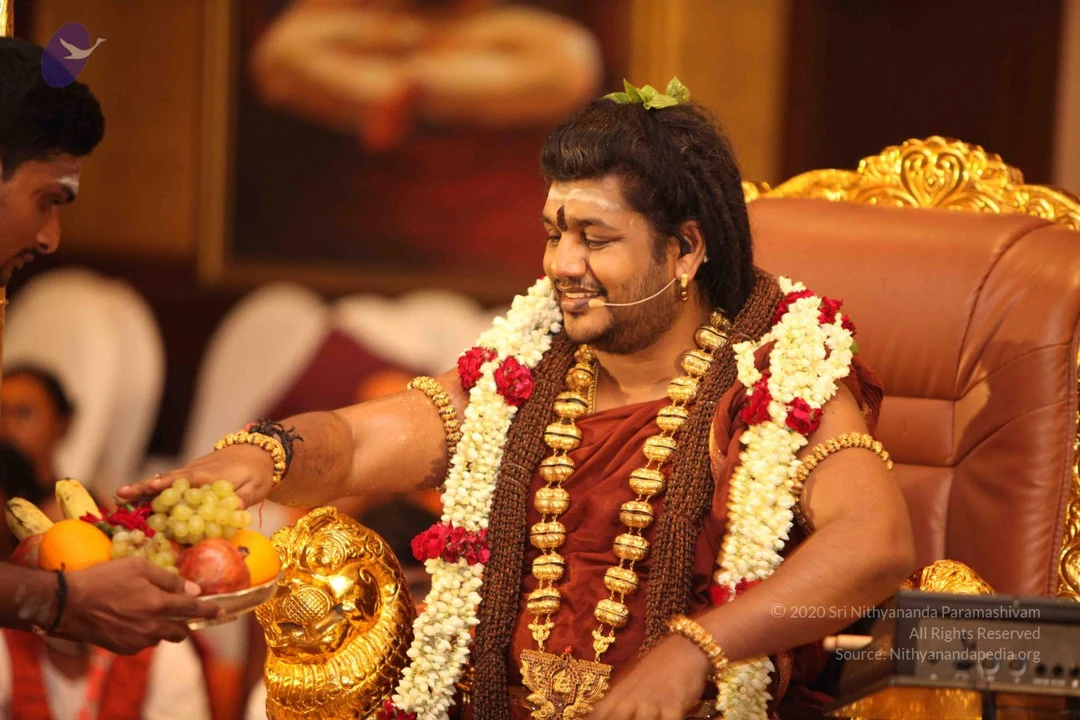
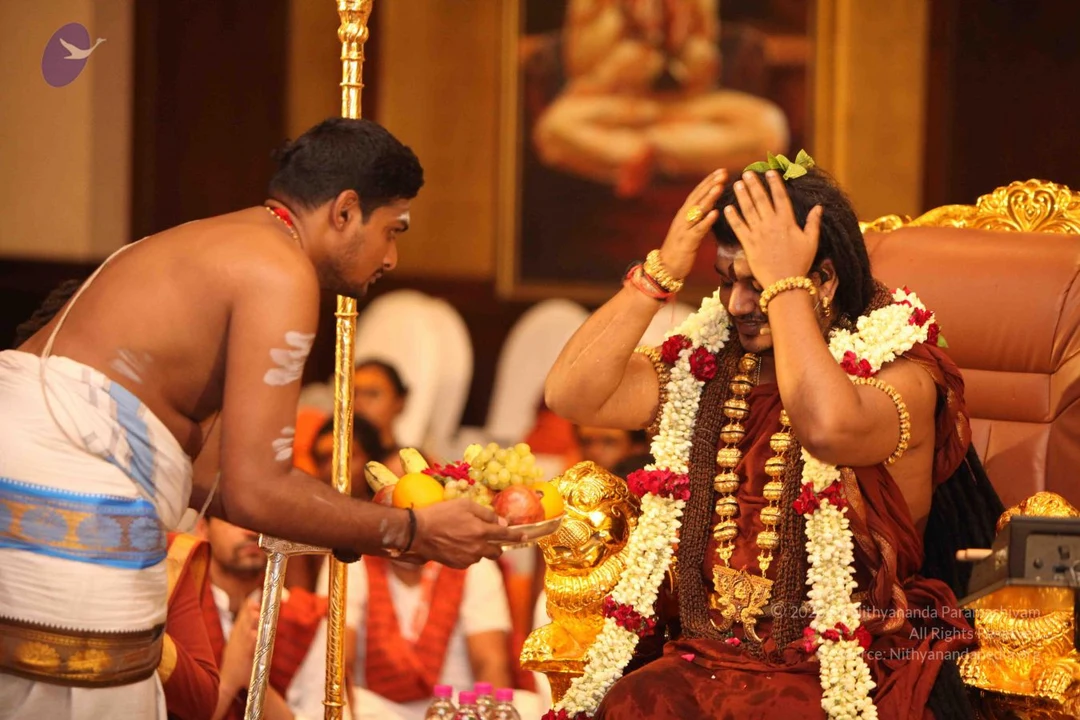
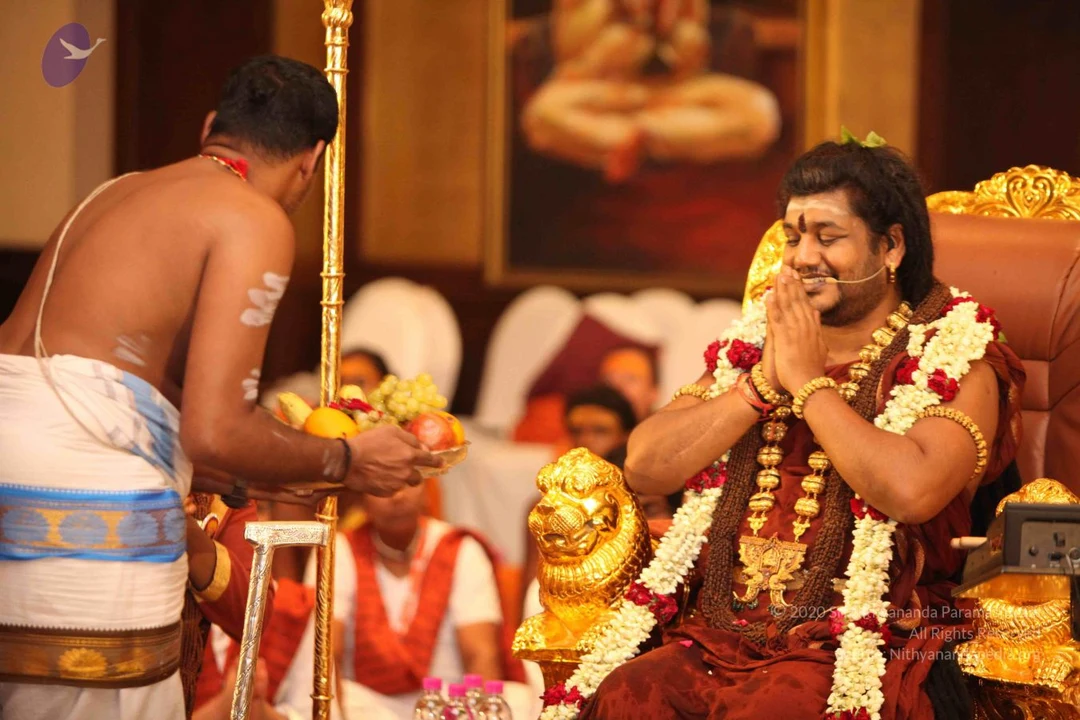
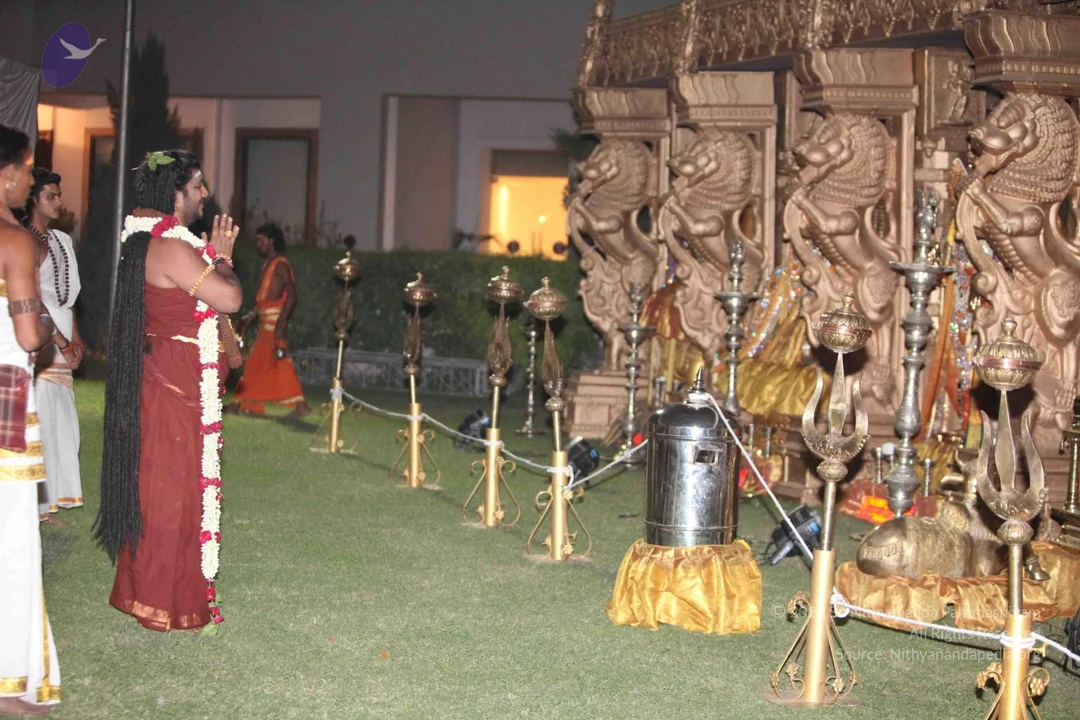
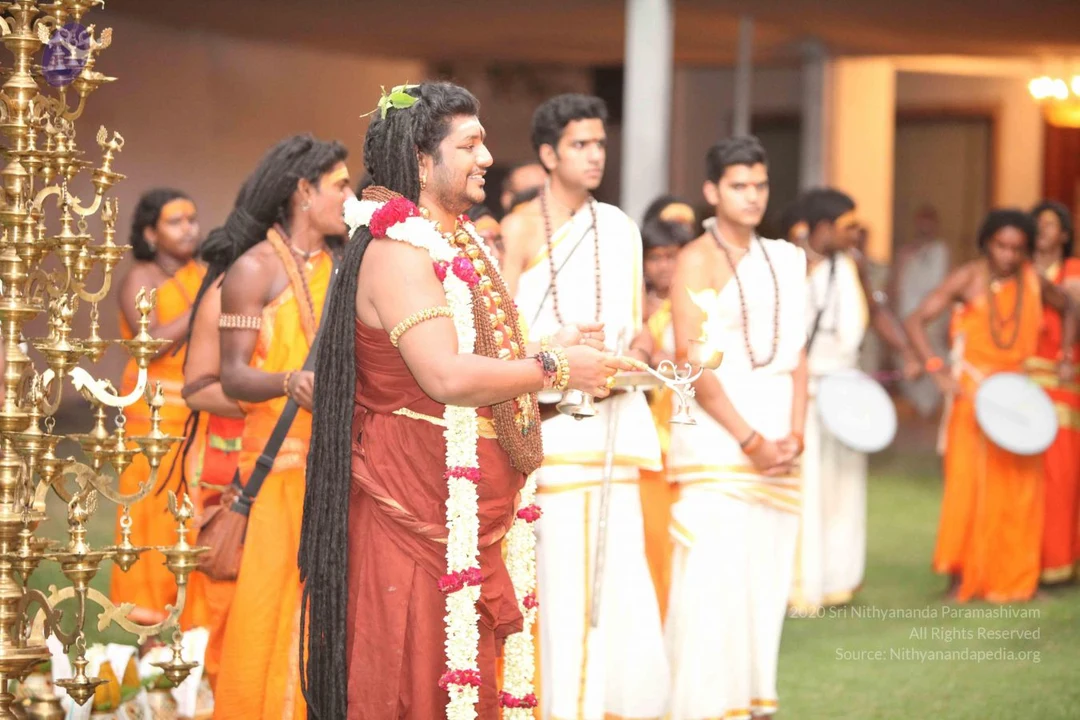
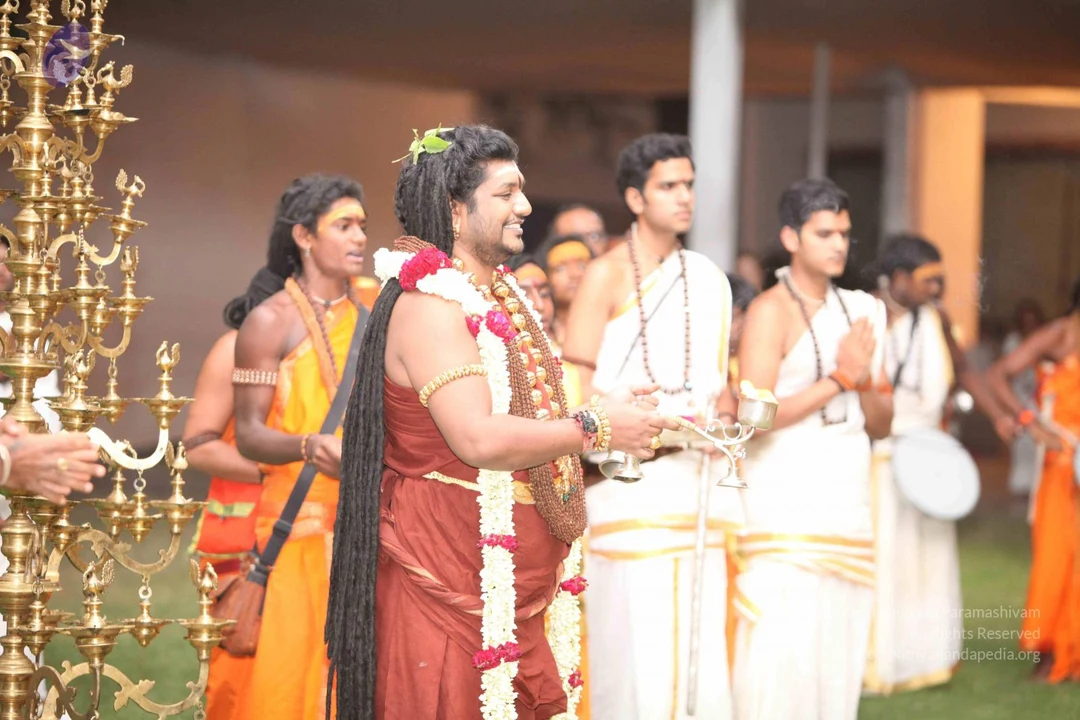
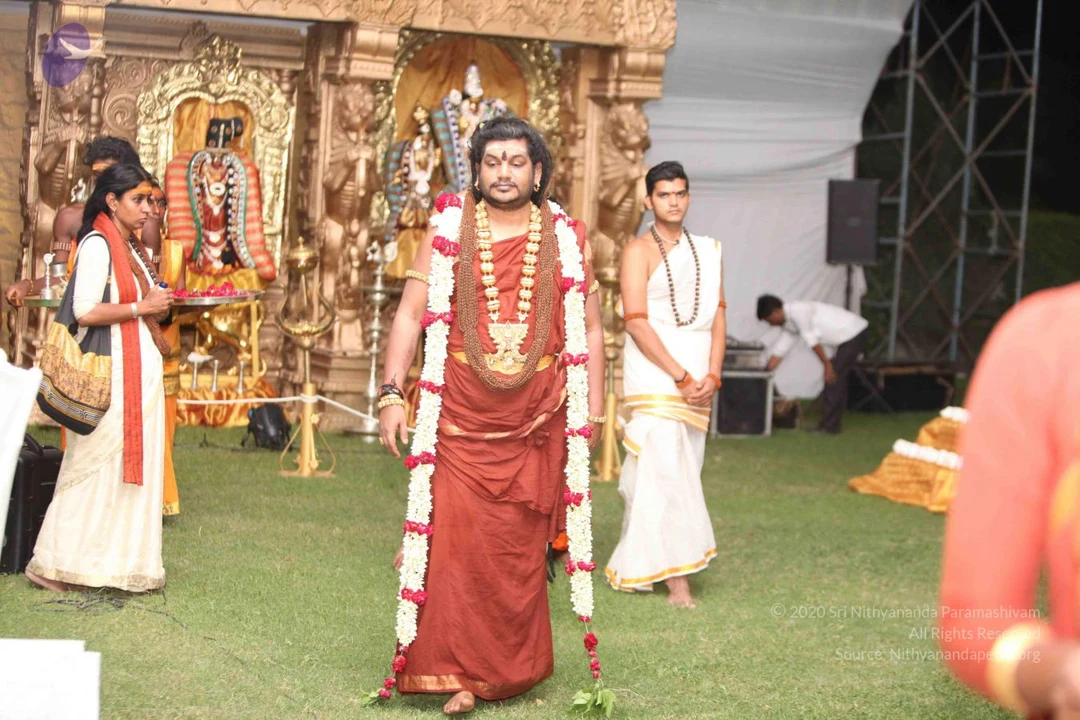
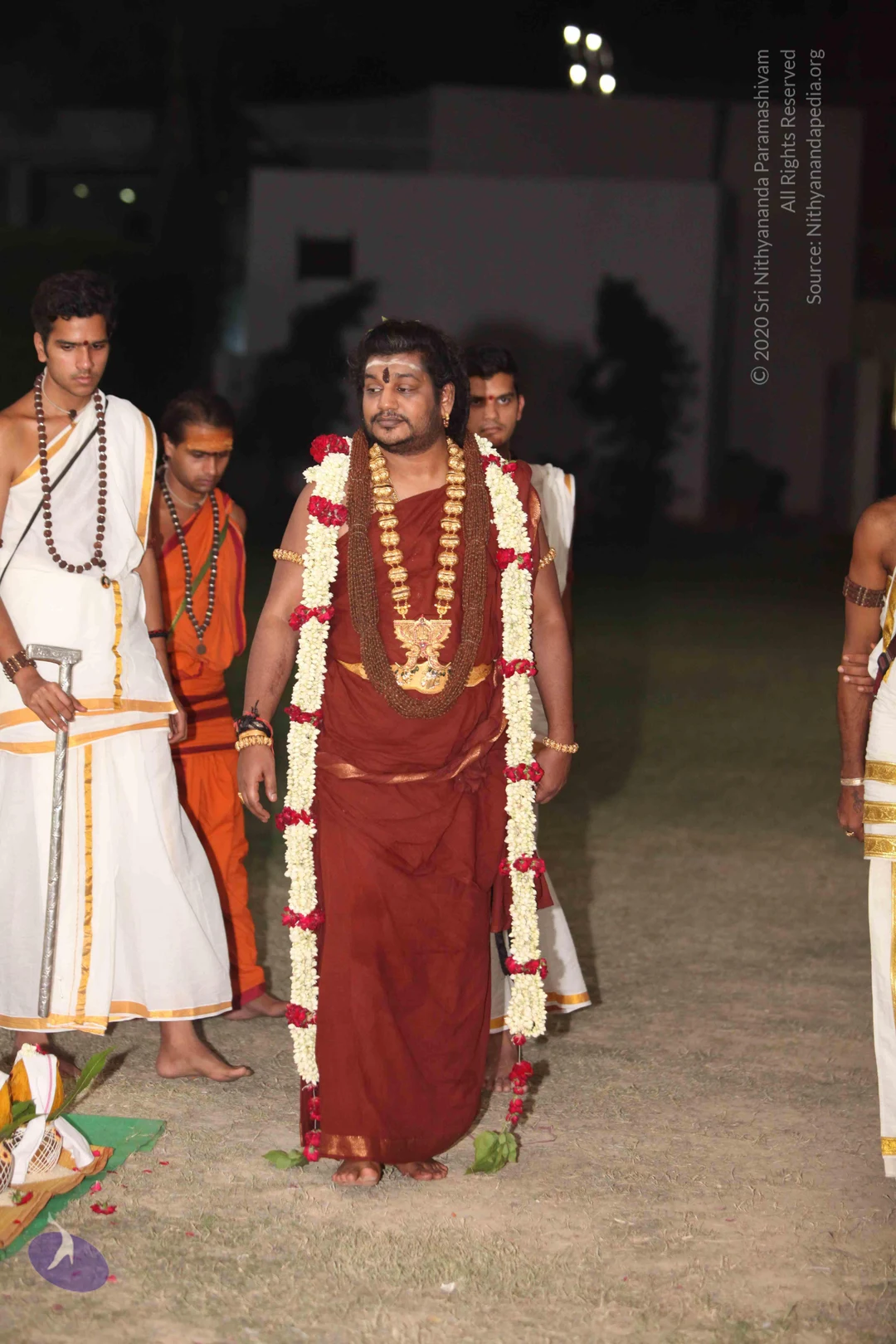
theworldandmyworld
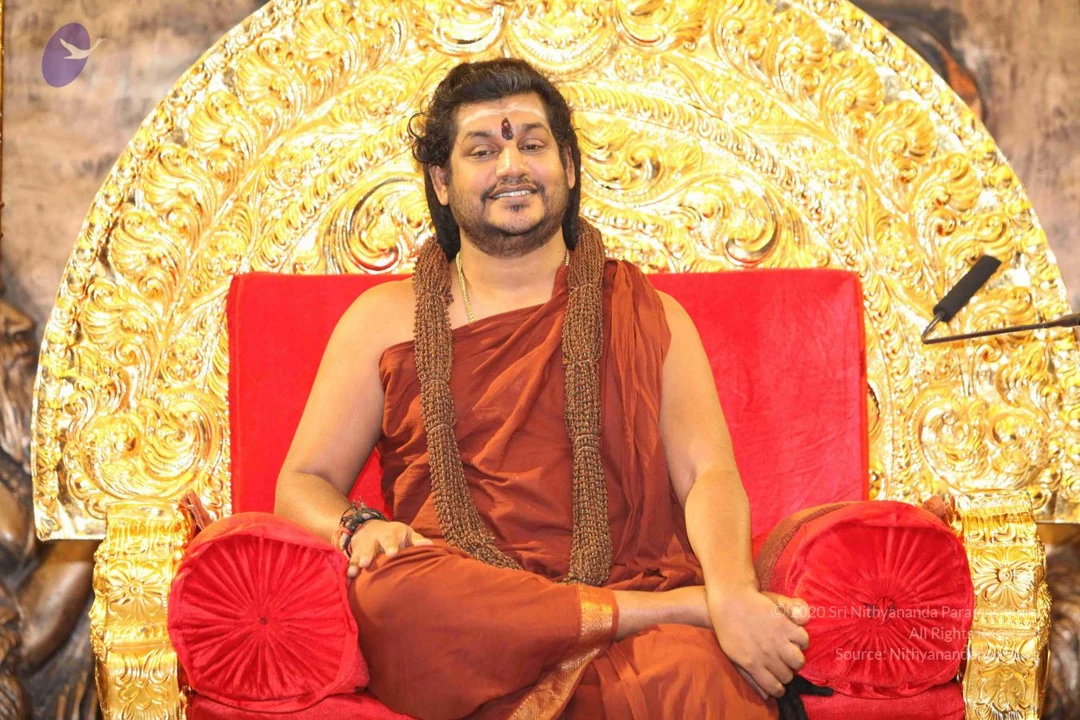
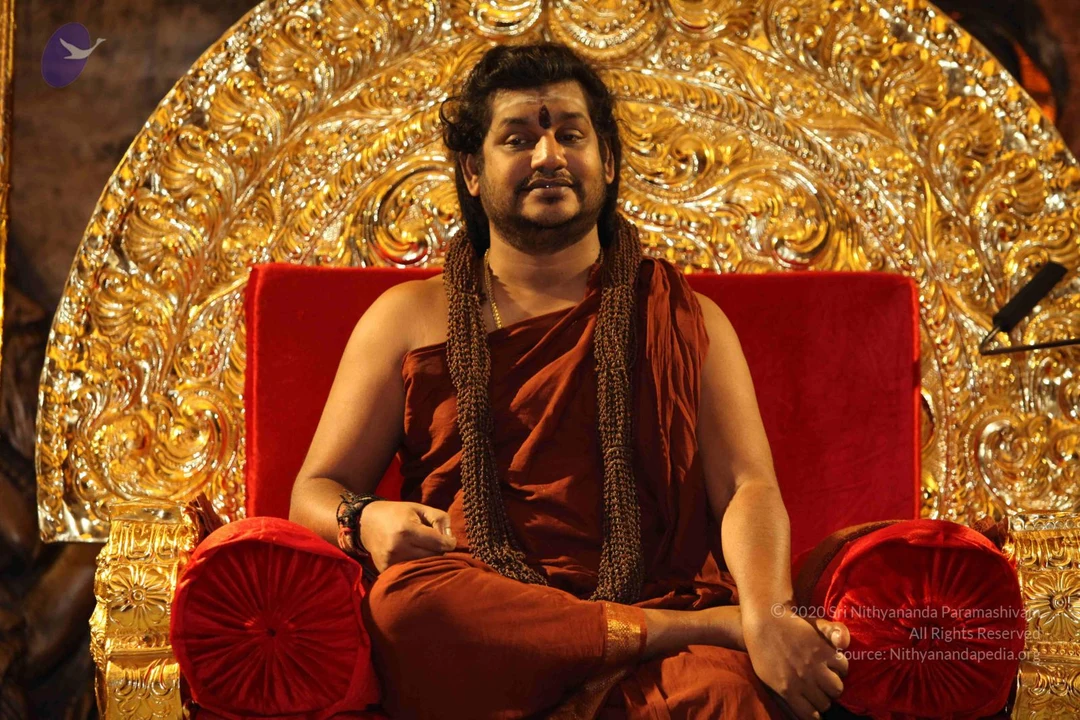
Photos from this day
View all 245 photosKalpataru Darshan
3 photosSource gallery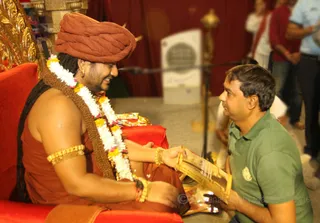
Shiva Deeksha
11 photosSource gallery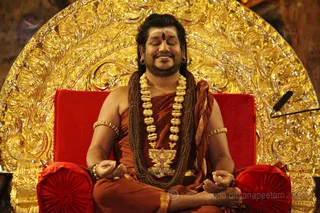
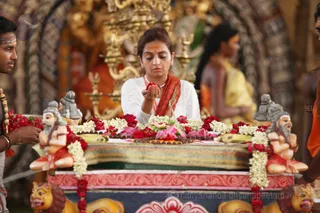
NithyaSatsang
105 photosSource gallery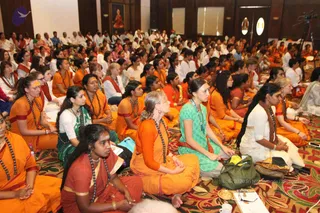
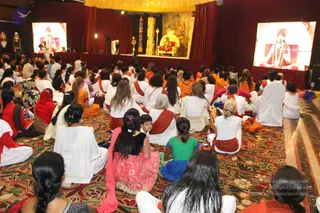
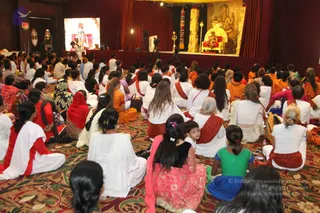
Shivoham
45 photosSource gallery
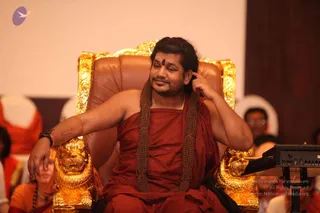
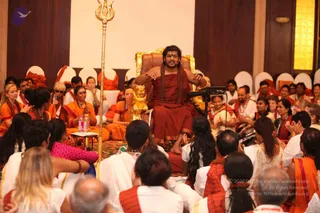
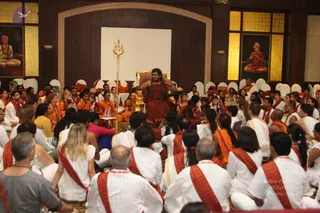
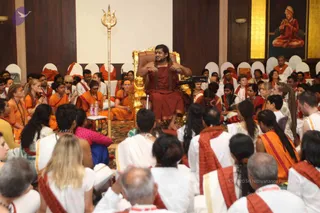
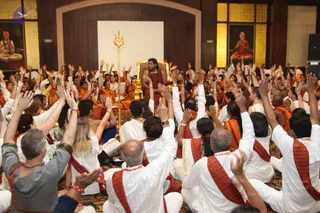
Shivdeeksha
73 photosSource gallery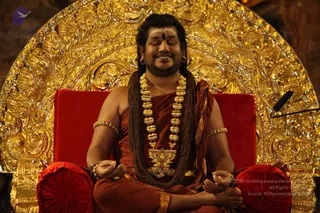
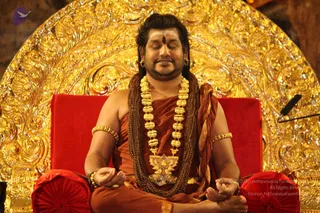
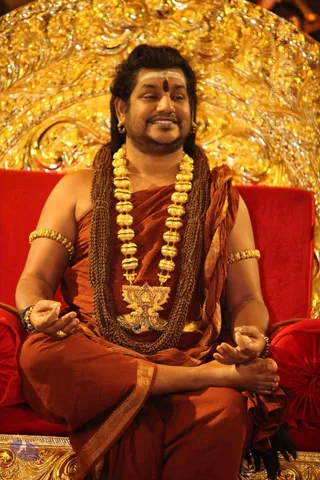
theworldandmyworld
6 photosSource gallery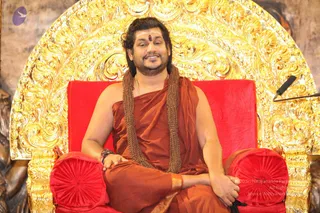
June 30 2016
2 photosView all