Wednesday
29 June 2016
The Science of Will
- Dated photos
- 112
- Source pages
- 1
- Media
- 3
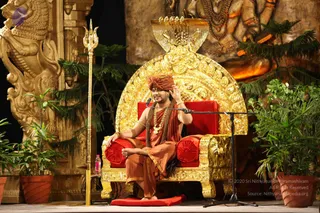
June 29 2016
Original wiki pageTitle:
The Science of Will
Description:
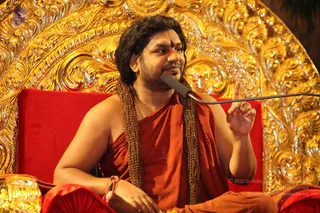
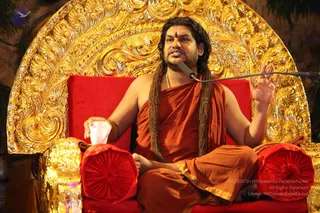
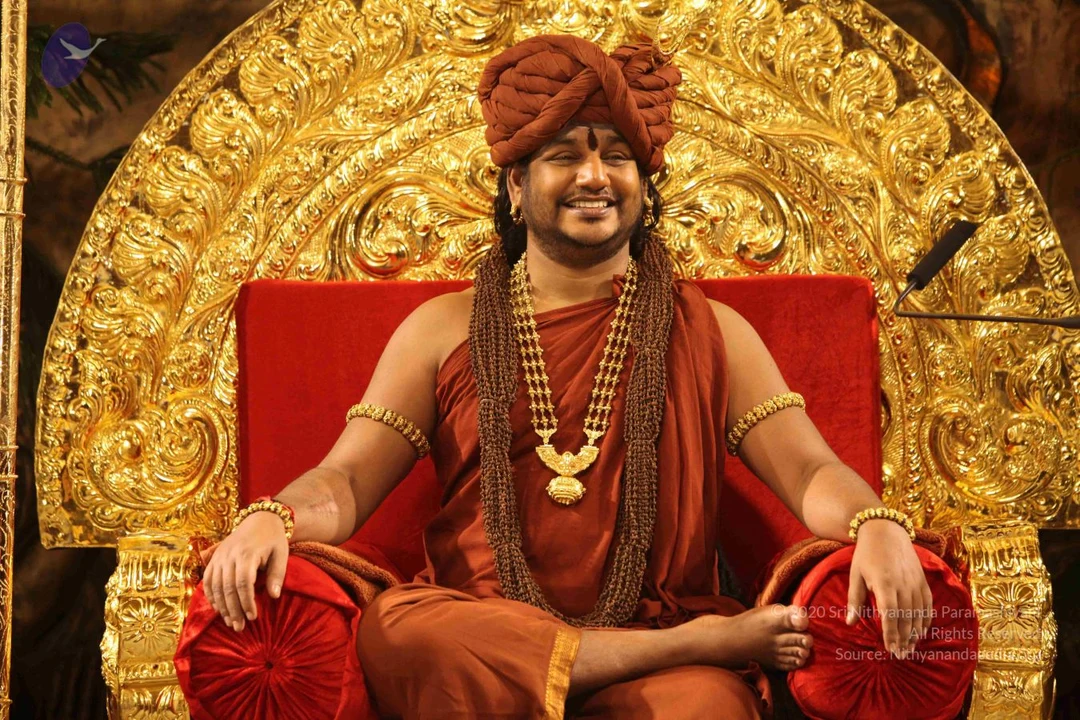
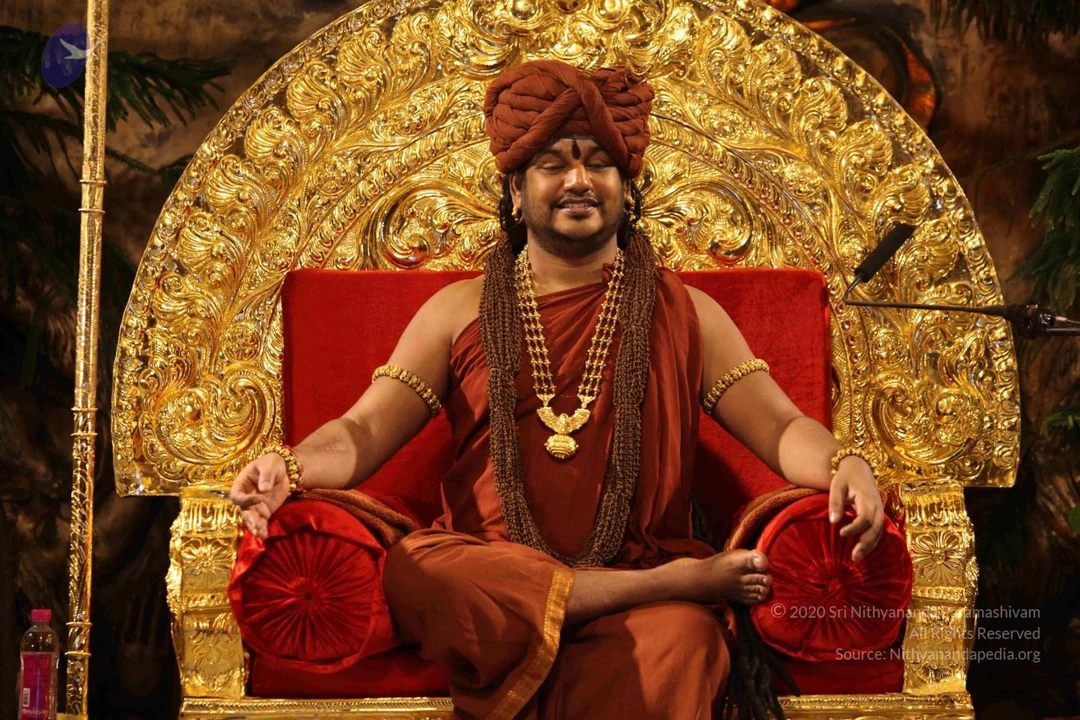
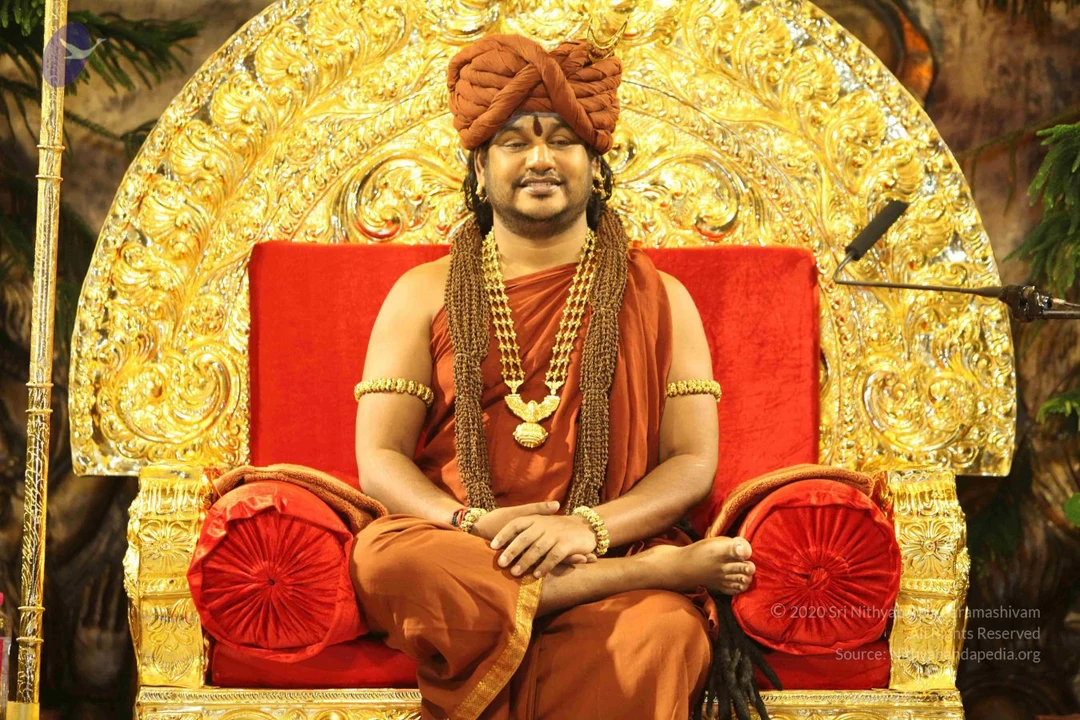
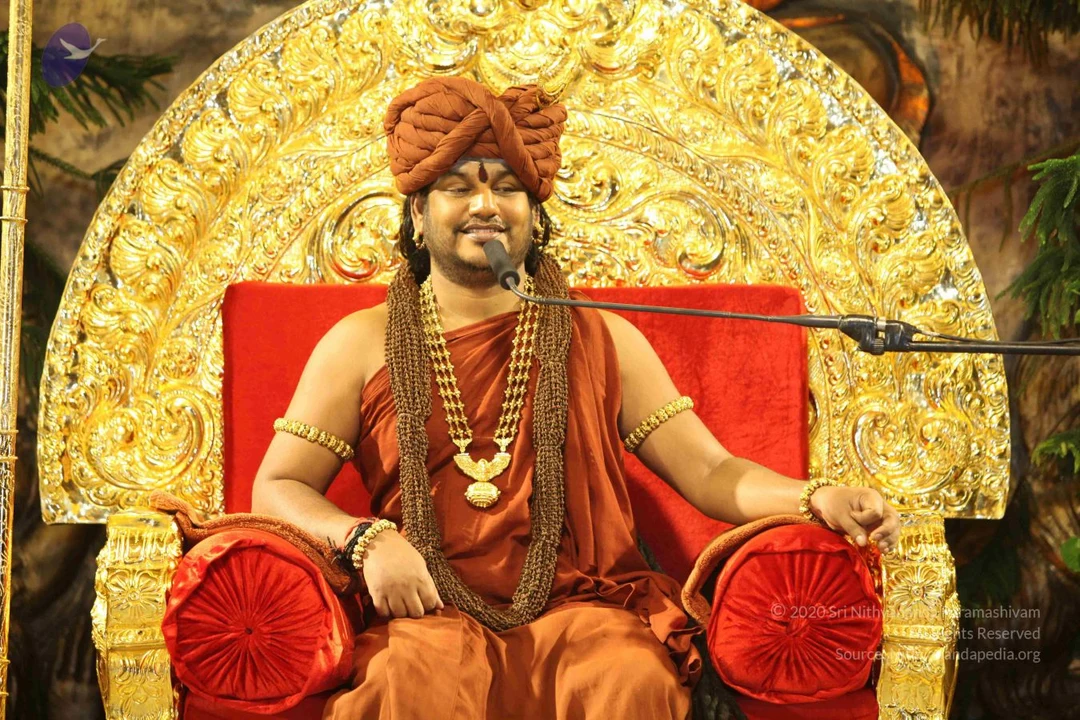
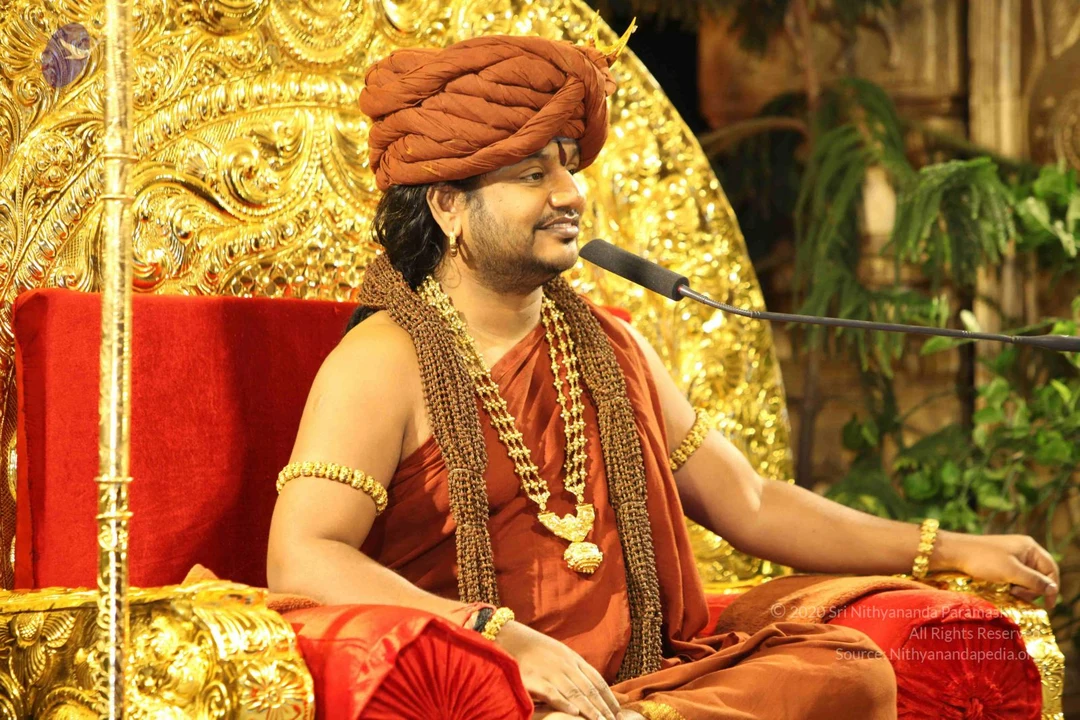
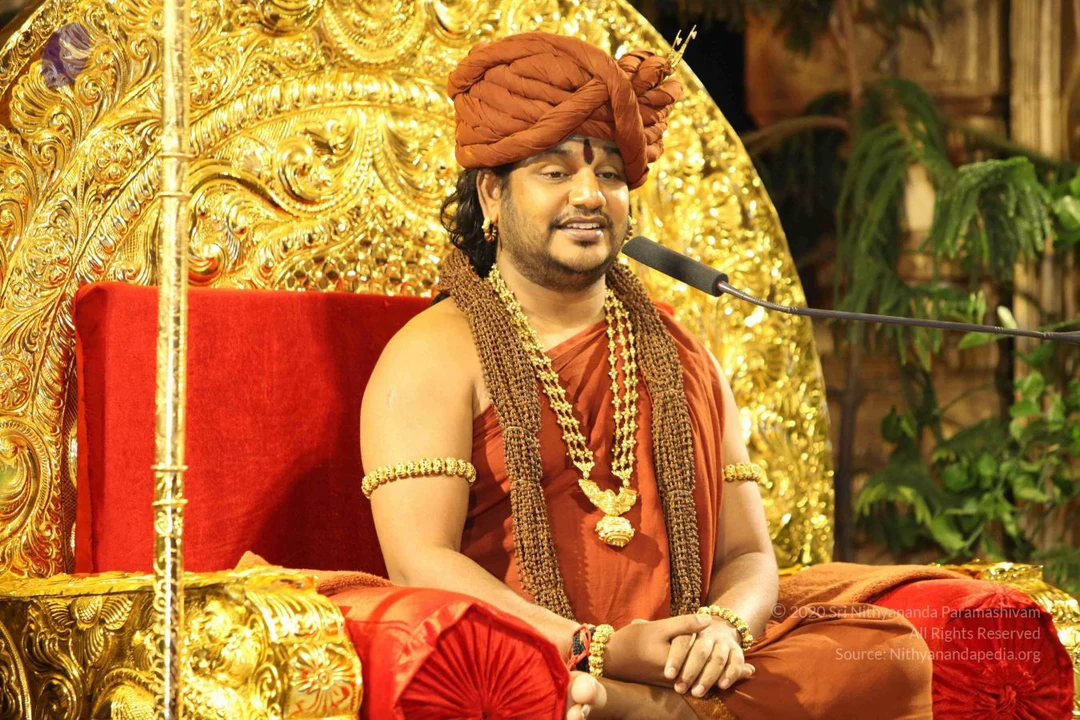
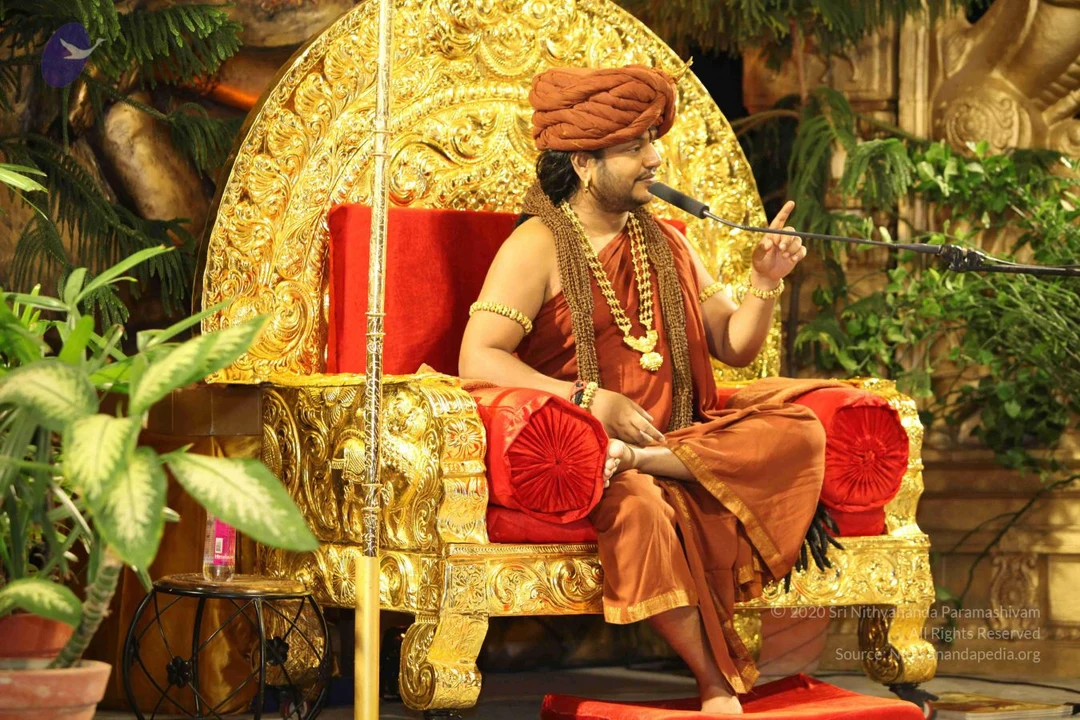
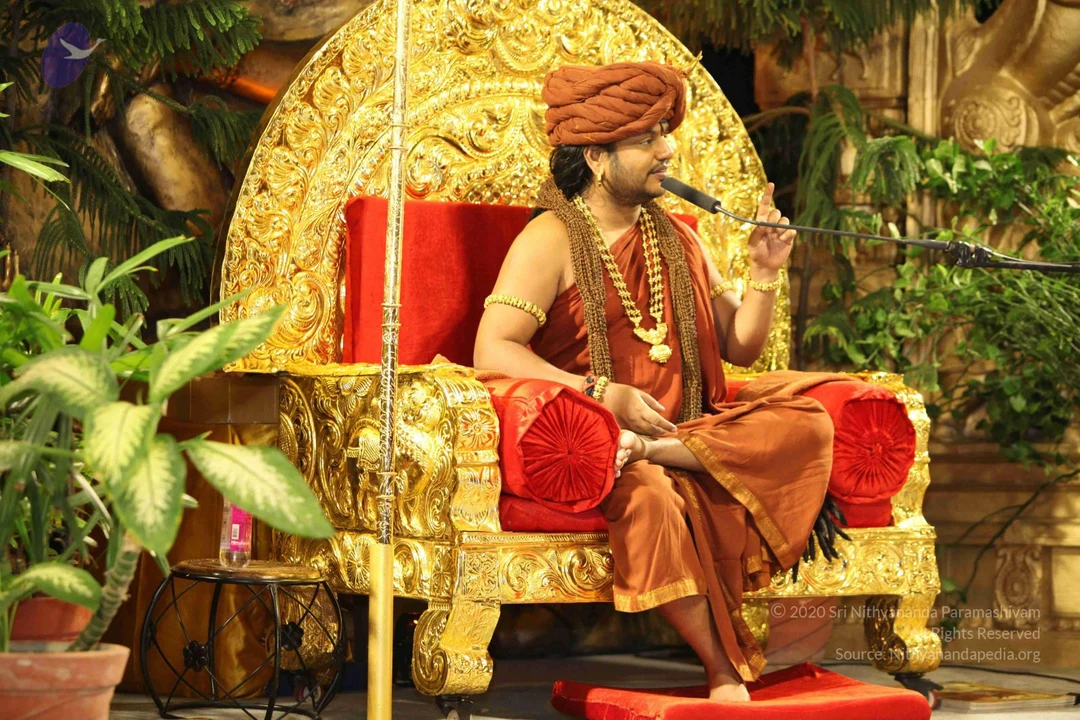
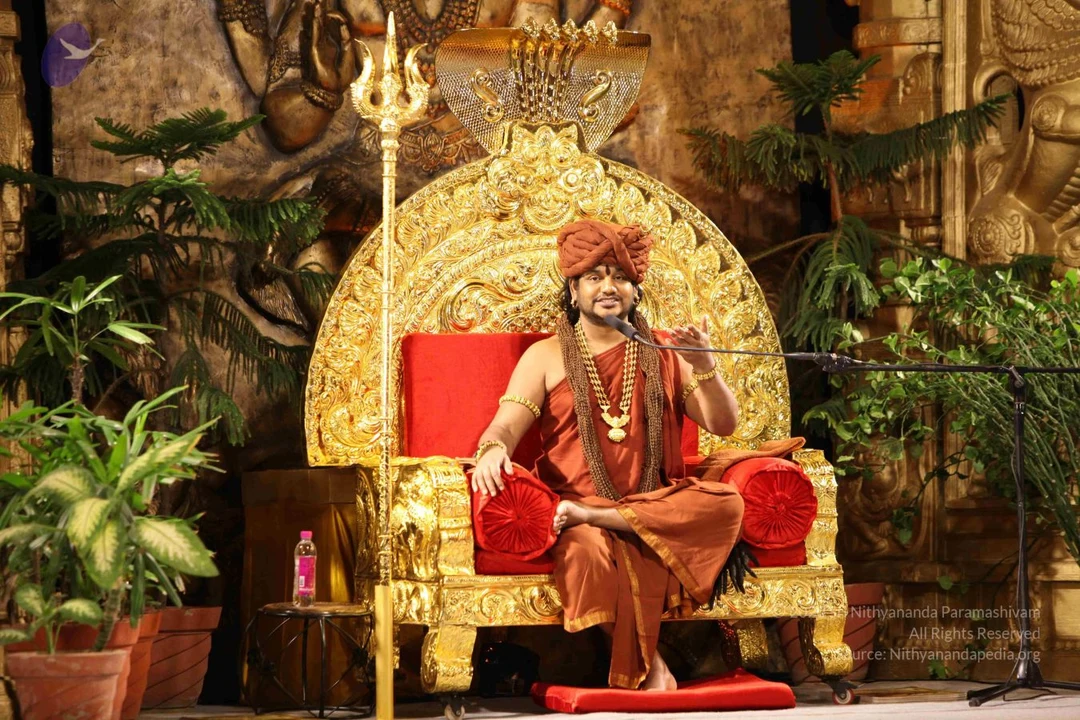
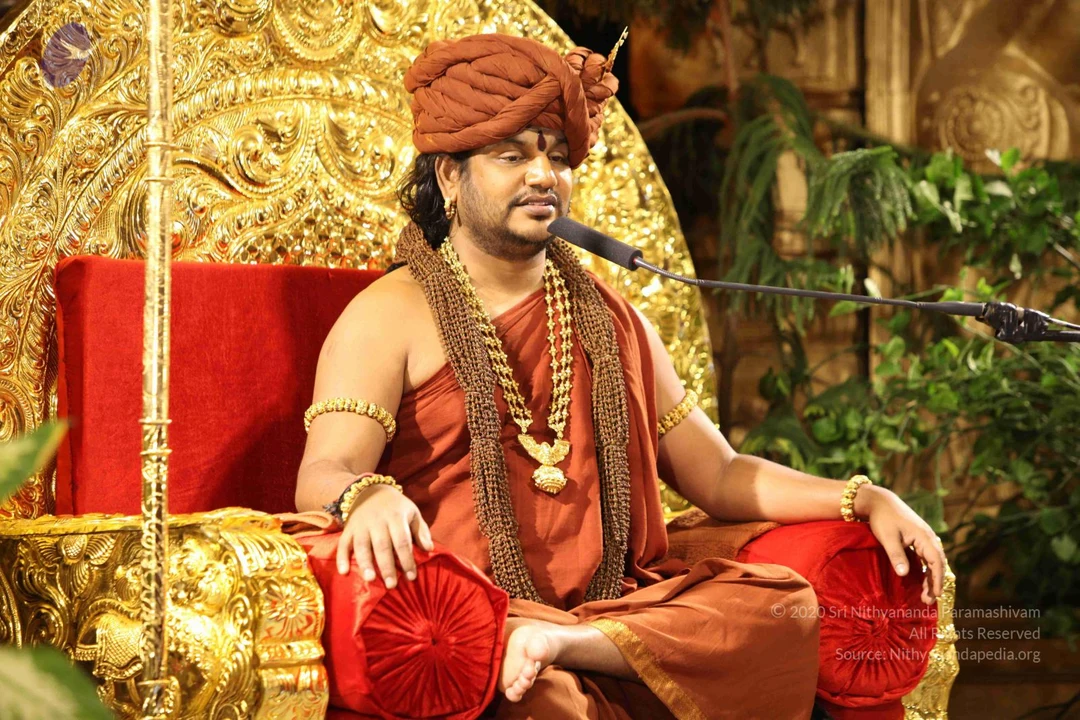
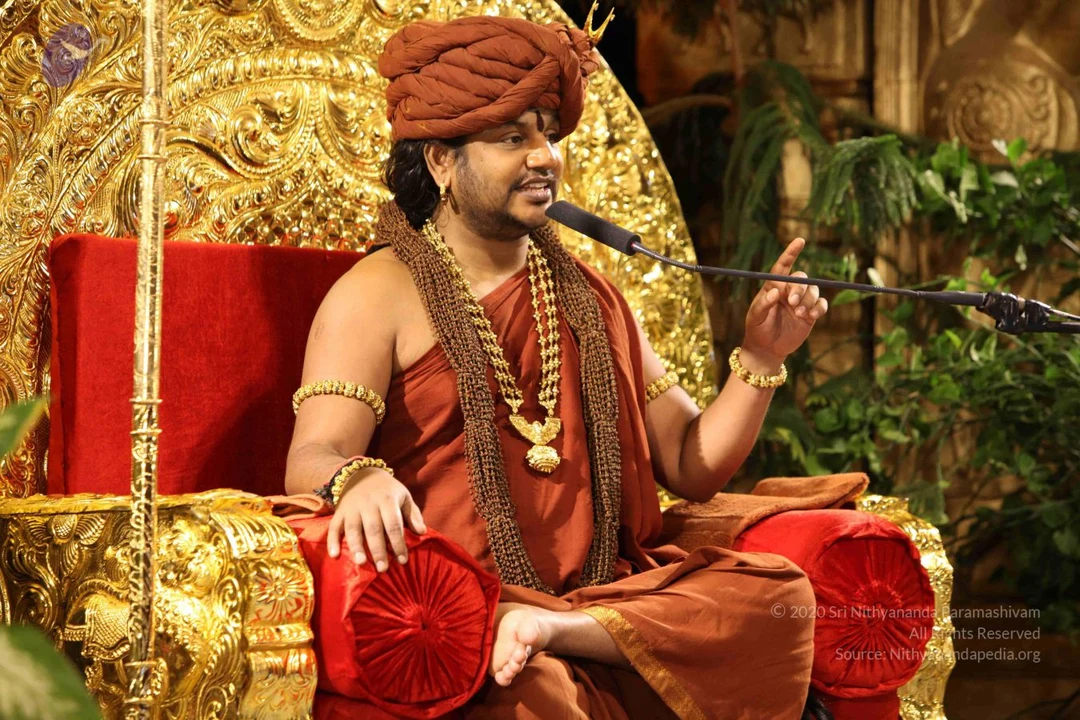
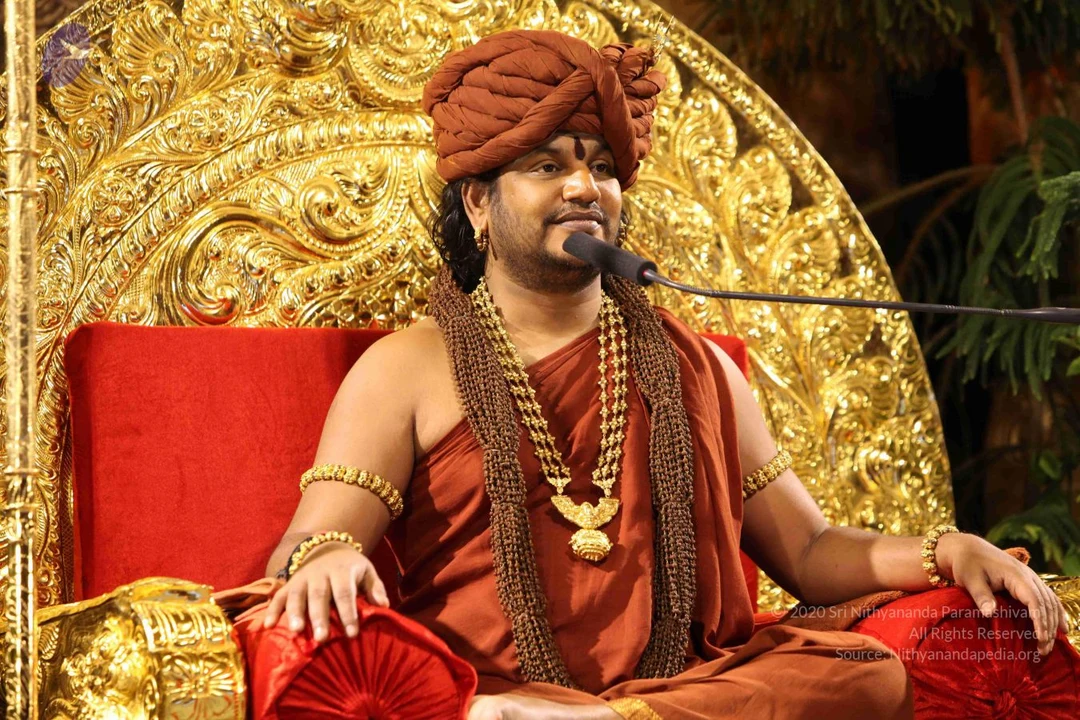
"Paramahamsa Nithyananda intercepts into the first part of Shanti Mantra, which is chanted before the Kena Upanishad, in this Nithya Satsang as on 29th June 2016, live from Varanasi. This glorious declaration by the Upanishadic Rishis is the 'declaration of WILL"" forming the science of WILL. His Holiness reveals that the one core truth that the whole Hindu tradition accepts indisputably, be they from the Shakta, Shaiva, Kaumara, Ganapatya, Saurya, Jain, Buddha traditions or any of the 6 Darshanas of Hinduism is the sacred sound – AUM, the cosmic vibration and the sacredness of 'cows'. This Shanti Mantra or peace invocation begins with AUM, and makes a declaration of WILL, which fully integrates us and enriches (āpyāyantu) with MATURITY, STRENGTH, ENERGY. Paramahamsa Nithyananda enters into the deeper meanings of this verse with the essence of MATURITY. He defines: Maturity means being integrated to your WILL. Maturity does not mean you become handicapped; you become filled with strength and energy. Revealing the sacred moments from his childhood, He narrates how He had tuned Himself to the Sannyasa life at age 6 by declaring to His Guru and integrating his whole system which became matured to the decision of Sannyasa. Shanta Mantra aum āpyāyantu mamāṇgāni vākprāṇaścakśuḥ śrotram-athobalam-indriyāṇi ca sarvāṇi | Translation: Aum. May my limbs, speech, vital life-energy (prāṇa), eyes, ears, and all the senses be fully matured and be enriched with strength and energy." Watch, share and like the video's and Subscribe to our channel to be notified of the next upload. click http://bit.ly/20j90wr to subscribe. Website and Social Media: http://www.nithyananda.org http://www.nithyananda.tv http://www.innerawakening.org https://twitter.com/SriNithyananda https://www.facebook.com/ParamahamsaNithyananda
Link to Video:
| Video | Audio |
Transcript
|| Nithyānandeśvara Paramashiva Samārambhām Nithyānandeśvari ParāShakti Madhyamām | Asmatācārya Paryantām Vande Guruparamparām ||
0:48
I welcome all of you with My love and respects. I welcome all the Devotees, Disciples, Sarvajnapeeta Yajamans, Samajis, Satsangis, Shri Mahants, Mahants, Kotaris, Thanedars, Visitors, Viewers, YouTube Subscribers, who are sitting with us all over the world, at this time through Nithyananda TV and through 2- way Video Conferencing having Nayana Deeksha. I welcome all of you with My love and respects.
1:37
Today I’ll enter into the Shanti Paatha of Keno upanishad. Last two days I was explaining the context and the intricacies. I’ll enter into the Shanti Paatha today. Please recite along with Me.
Om āpyāyanthūmamāngāni vākprānahachakshuhū shrothramathobalamindriniyāni cha sarvānisarvambrahmahaupanishatham maahambramhanirākuryām māmābrahmanirakarodh anirākaranamasthvanirākaranam measthūthathāthmaniniratheya upanśhadsūdharmāsthe mayisanthu the mayisanthu Om shanti shanti shantihi:
4:00
Listen. This is one of the most beautiful verse, teaching you the ‘Science of Will’. Understand. Each part of you is independently intelligent. Only if you integrate all of them and Will, that will become reality or if you create such a strong Will, which integrates all of them, it will become reality. If your ears are willing something and eyes are willing something and lungs are willing something, kidney is willing something, then which will become reality? Yes, the confusion will be reality. All the Wills fighting with each other, the confusion will be reality. Either your Will should be so powerful, it should integrate you, all parts of you or you should integrate all parts of you and create the Will.
5:21
Integrating all parts of you and creating the Will is the path of Yoga, where you integrate your body through yoga, then integrate your mind through Prathyahara, then you integrate your emotions through dharana, then you integrate all your emotional currents through Dhyana, then you create a Will, you enter into Samadhi. That is the path of yoga. Straight away, creating a Will and the power of the Will is such, it enters into you like a cyclone, like a tsunami and integrates all parts of you, is the path of Shaiva.
(6:25)
Anything intense, you are afraid. Anything intense, you are afraid. Understand. I have seen people who take bath in Ganga everyday. When there is a heavy flood, they won’t go near the Ganga. Array! even if it is a heavy flood, you are going to take only in the banks. And it’s not that suddenly it is going to swallow you. But anything intense, people are afraid. Whether it is nature…. that is why the pseudo middle class morality is designed, it’s made, it’s making you believe, all good things will not be intense. Love, soft…. You have not tasted Sadashiva’s love, that is why you think, love is soft, soft. All cheating love is soft, give you the feel good feeling and nothing ever happens in you. No benefits, only feel good feeling. Those loves are all very soft. “Ooooo. Oooo”, very soft. But I tell you, real love is nothing, but exposing all your blind spots to you, all your blind spots to you.
8:33
Yesterday My New York Mahant has taken a session. First time I allowed My disciple to speak and I sat and listened. He was taking a session about blindspots in our organisation. I was so happy, somebody is identifying all the blindspots and bringing it to My notice. So, I can see through My Third eye, it will be cleared. It was lot of effort. I tell you, I felt a real sincere love he carries for Me and the Sangha. When he was exposing all the blindspots to Me, I felt such a sincere love he carries for Me and the Sangha. It was... I tell you the real thing, whoever exposes your blindspot to you, understand, they are doing the best to you. They are doing the best to you. Sometimes they will do it out of their love for you, sometimes they will do it out of their anger for you, but best is being done to you.
10:01
You should only look at what is done to you and from that you should decide, whether the person is loving you or not, doing good to you or not. Do not bother about their intention, because you will never be able to find that. Look at what happens in your end, from there start. But if you decide, “No, no, no, I’ll find out his intention, then I’ll decide whether he loves me or not”, it will go on forever in doubt. It will go on forever in doubt. See, all your doubts in your relationships, is not trusting what is happening to you, what is being done to you, but trying to discover the secret intention, which you imagine may be hiding behind the act.
11:18
Being light means, I always tell people, be light, you will always be around Me. Being light means - trusting whether you are loved or not based on what is being done to you, not trying to find the source’s intention. You cannot find. A salt doll will get into the Pacific ocean and find the depth of the ocean and come out and tell the depth? You are a salt doll and you are trying to enter into Sadashiva’s inner space and find a reason? Be reasonable, even if you try to find a reason. Understand. Being light means, decide only based on what is being done to you. Do not go on wasting your time in trying to find the intention.
12:52
Anything exposes your blindspots to you, is love. And I tell you, all love when it is real, not the plastic rose love. I am really shocked, when people tell Me about this mother’s day, father’s day and all. No, really! “Oh mothers day, I went and wished my mom”. I can’t understand. It is our lifestyle, everyday morning we touch the mother’s feet and father’s feet, when we wake up and go for our routine or if they are not in the body at least, we offer a flower or a incense and bow down. Even in a village grocery shop, in every Indian village, you can see their parent’s photo and their Ishta Devata’s photo. It may be Ganesha, Karthikeya, Shiva, Devi, Durga whoever, their Ishta Devata and parent’s photo. I am not talking about that day, the people who, whose love celebrates once in a year as mother’s day, father’s day, No! I am not talking about mother’s day, father’s day love. Real love when enters into you, it exposes all your blindspots to you. That’s the first thing love does. It exposes your blindspots to you. If you are afraid of your own unknown dimensions, you will be afraid of My unknown dimensions.
15:21
Love exposes your blindspots to you. When the real tsunami of love happens in you, your ‘Whole’ gets integrated. When the real tsunami of fear happens in you, your ‘Whole’ gets integrated. That is why, when there is a survival threat, you express so much of energy, whether to fight or flight, for both. The speed with which you fight or the speed with which you run away, both will be extraordinary, when there is a survival mode, because, it integrates you completely. Same way, when you are in love, it integrates you completely. Both the emotions, fear and greed integrates you. If you use your love to integrate you and make your declaration reality, you are a bhakta, devotee, path of devotion you are traveling. If you use your fear, integrate you and make your declarations into reality, you are using the path of renunciation. I tell you, alway use your love to integrate you, that will be the most sweet safest path. Declarations are sweet, declarations are tasty, declarations are powerful when love becomes base material. When the love is a lubricant, Will is so powerful.
18:14
I tell you, some of the very simple things I can tell you. Even while you are manifesting powers, your son or a daughter, somebody, has already started manifesting the power, have them near you in your lap, let them sit around you, you will start manifesting the power. And I tell you, if you keep your parents, father, mother, or father in law, mother in law, in their old age with you, you will have the best old age, when you are getting old, because your...your bio memory will learn to go through that peacefully. Understand. If you have your father in law, mother in law, father, mother, with you when they are old and take care of them, it’s a training for your bio memory to face your old age. You won't be shocked, you will not be surprised, you will not be shaken, you will not be terrorised, when you face your old age.
19:37
Whenever I see our devotees take care of their parents, I am so happy, “Eh, you are living real hindu culture”, because that is our culture. That is our culture. If you are not a sanyasi, you are bound to take care of your elderly parents and elderly inlaws. When you take care of them, your biomemory gets trained to face your own old age. I have seen so many times in My life, the sadhus who take care of these elderly sadhus in their old age, when they themself become old, they have such beautiful old age. They have such beautiful smooth sailing through their old age. Now I have seen at least two generation, don’t ask how.
21:21
Love is a powerful lubricant to integrate your ‘Whole’ and make a Will. It’s a science. If you have a kid which manifests extraordinary powers, whose kundalini is awakened, then I can experientially show you. When you are initiated into Third Eye, if you are struggling to manifest the power, have your son or daughter, your kid who is manifesting the power next to you,you will see your biomemory catches and manifests the power just like that, in few seconds, because love is a powerful lubrication, for your Will to get integrated. So start with that love, being in that space of love.
22:35
Listen. Listen to this translation and the truths expressed in this great verse. ‘Om’- the sound with which this mantra starts, not only this mantra, all the mantras in Hindu tradition, starts with ‘Om’, because that is the Cosmic sound. There are only one or two things all Hindu Sampradayas agree. Hinduism is such vast tradition, such a vast collection of religions. We have so much of freedom. We have so much of research and development done. We don’t agree with anything. Agreeing looks very weak. Very rarely all of us agree. This one truth ‘Om’, all the Hindu Sampradayas agree. Whether it’s Shaiva, Vaishnava, Shaktha, Goura...sorry Goumara, Soura, all Sampradayas, including Avaidika- Boudha, Jaina, all the Sampradayas, Asthikya, Nasthikya, Tattva, Darshana, all the Sampradayas agree with one thing, that is ‘Om’.
24:52
All of us agree, ‘Om’ is the primary, primordial, original sound of Cosmos, symbol of Universe. That is why, ‘Om’ became the non controversial, thoroughly accepted symbol of Hindu tradition. ‘Om’ and cow, even Gau-Seva, Shaiva, Shaktha, Vaishna, all Sampradayas accept - ‘Om’ and Gau-Seva. Other than that we don’t agree with anything. For everything else we have our own methodology. Our own... Shaivites have theirs, Vaishnavites have theirs, Shakthas have theirs, Souras have theirs, and Goumaras have theirs, Ganapathyas have their own. Hinduism is like a universal mall. It is so wide and so beautiful, so rich. You enter into Hinduism, you will see the tons of varieties of possibilities for Enlightenment and JeevanMukthi.
26:32
‘Oh, why so many Gods you have?’ - because I am the type of person who represent complete Hinduism, wherever I go I will have as many Gods as possible. And when I walk in the street also, it is not that I will bow down only to big temples, big Gods. Every small stone, every corner stone, I will bow down and ask them, ’How are you? doing well?’ I’ll enquire and I’ll go round, and put little flower or even if I am going in the care, I’ll bow down to everyone whom I see on the way. I typically represent a Hindu villager, maybe old Hindu village man and I enjoy that. For us everything is God. Everything is God.
27:42
‘Om’ is the sound all of us agree, all the Sampradayas, Shaiva, Vaishnava, Shaktha, Soura, Gaumara, Ganapathya, all the Darshanas - Uttara mimamsa, Purva mimamsa, Yoga, Nyaya, Vaiseshika, all the Sampradayas, all of us agree with this one truth-‘Om’ is the symbol of the universe. Mantras starts with ‘Om’. Recently, I was reading an article in the internet that when scientists of NASA tried to record the sound of Sun, and bring it to our frequency, condense it to our frequency, they discovered it’s the sound ‘Om’, was the sound of Sun. Whether you discover today or tomorrow and thousands of things you have not discovered, we don’t care about it what our Vedic Rishis have declared is truth. More and more you evolve, more and more you will discover us - we are right. That’s all is the truth. Earlier, I used to quote all these names, nowadays, I decided,”Aah”. One thing I can be sure, the fellows who discover the truths declared by Upanishads and Hindu traditions - true, they are evolving.
29:52
First sound ‘Om’ which is accepted by all of us as the Cosmic sound. Next word, ‘āpyāyanthūmamāngāni’. Let me give you the translation - ‘May my limbs, speech, vital life energy-Prana, eyes, ears, and all the senses be fully matured and be enriched with strength and energy’. Listen. The first Will, the first declaration, Rishis make, limbs- that's the external part of us - hands, legs, that's the most outward part of us. ‘Let my limbs, speech, vital life energy-Prana, life, eyes, ears, all the senses be fully matured’. Understand. The word matured need to be understood here. Matured means integrated to your goal. Integrated to your goal.
31:39
Yesterday, there was a discussion, one of the devotee was asking Me that, “Why so many Sanyasinis naturally stop having their female periods. Why it happens automatically?” It means their body is getting matured, with their declaration of being a Sanyasi. Without any side effect, illness, sickness, health difficulties, smoothly it is happening. Understand. When I was six, My Guru asked Me, ‘Do you want to be Sanyasi or Grihastha in your life? I said, ‘Sanyasi’. Just put his hand on My head and made My Will as My declaration, integrating My whole physiology and psychology and the whole system to it. That’s all. From that time, body, mind, physiology, psychology, whole thing became matured to that decision.
33:19
Here, when Rishis declare,” All the senses be fully matured”, it means, being integrated, in tune with your decision. The moment My guru has blessed, over, the whole body and mind is in tune with the Sanyas lifestyle. Anything other than the Sanyas lifestyle just disappeared, they became redundant. The word matured means being integrated to your Will, being integrated to your Will. ”May my limbs, speech, vital life energy-Prana, eyes, ears, and all the senses be fully matured and be enriched with strength and energy” That’s the beautiful line. Matured does not mean, it will become handicapped. No! Filled with strength and energy. Matured does not mean, you get...you become handicapped. You become filled with energy and strength. What a declaration!
35:09
āpyāyanthūmamāngāni vākprānahchakshuhū shrothramathobalamindriniyāni cha sarvāni
“May my limbs, speech, vital life energy-Prana, eyes, ears, and all the senses be fully matured and be enriched with strength and energy”. Make this as your declaration today, with intensity, make this as your declaration, you will really see, your whole Being integrated and radiating strength and energy. I think you should experience step by step. I will make you experience it step by step. This is the status for all the SMASH team and all the followers. Make this as a declaration - “May my limbs, speech, vital life energy-Prana, eyes, ears, and all the senses be fully matured and be enriched with strength and energy”. You will see really diseases and ill health withers away from you. Your system is integrated. Your system is integrated. Make this declaration today consciously. That’s the first step to manifest all the powers.
37:25
With this, I bless you all. Let you all radiate with Integrity, Authenticity, Responsibility, Enriching, Causing, Living ShuddhadvaitaSaivam, the Eternal Bliss - Nithyananda. Thank you. Be Blissful.
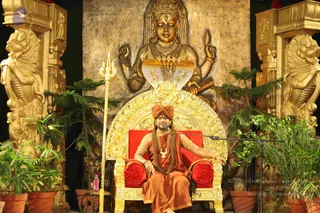
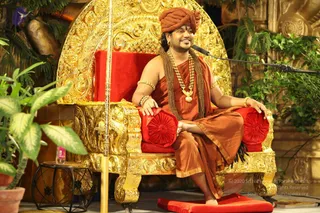
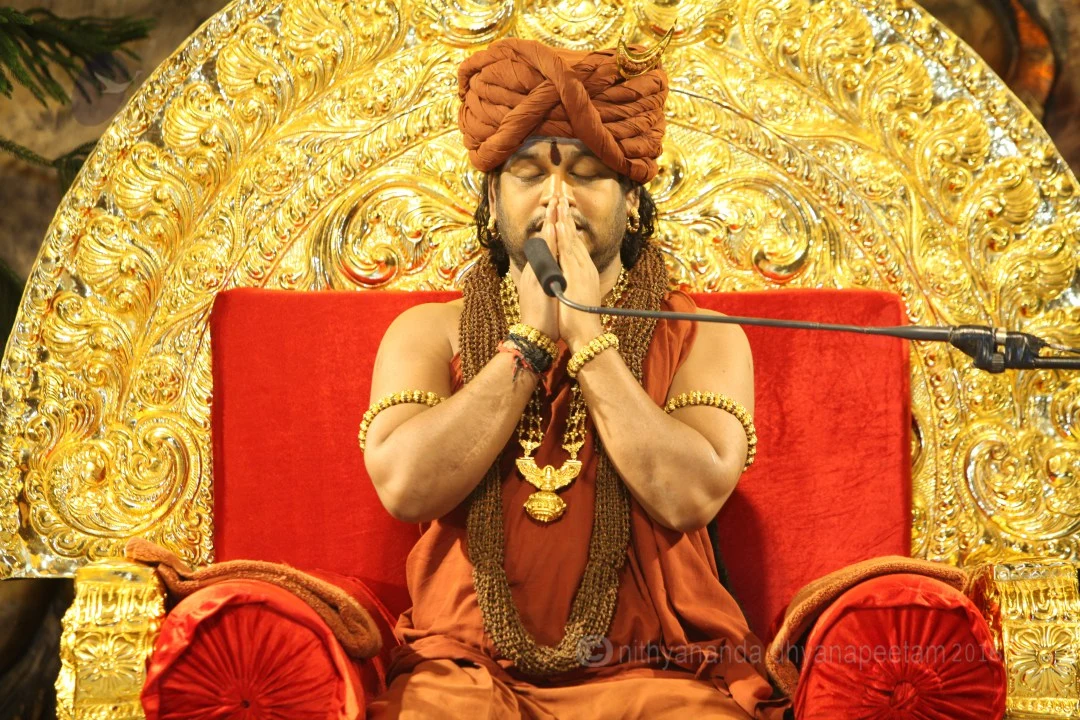
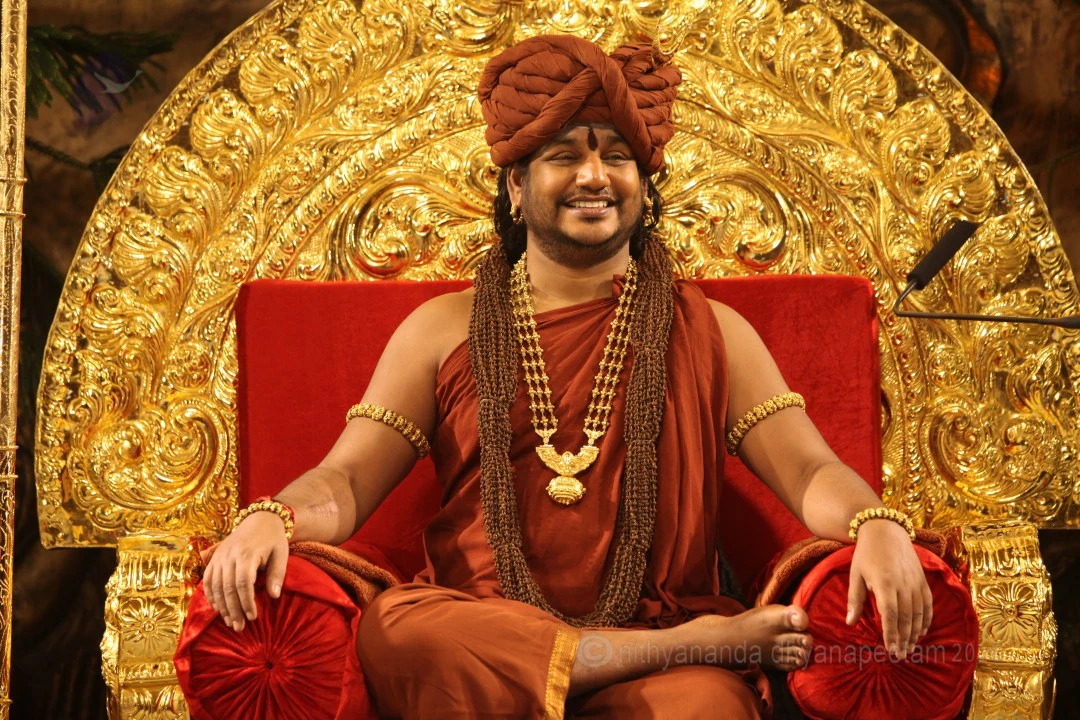
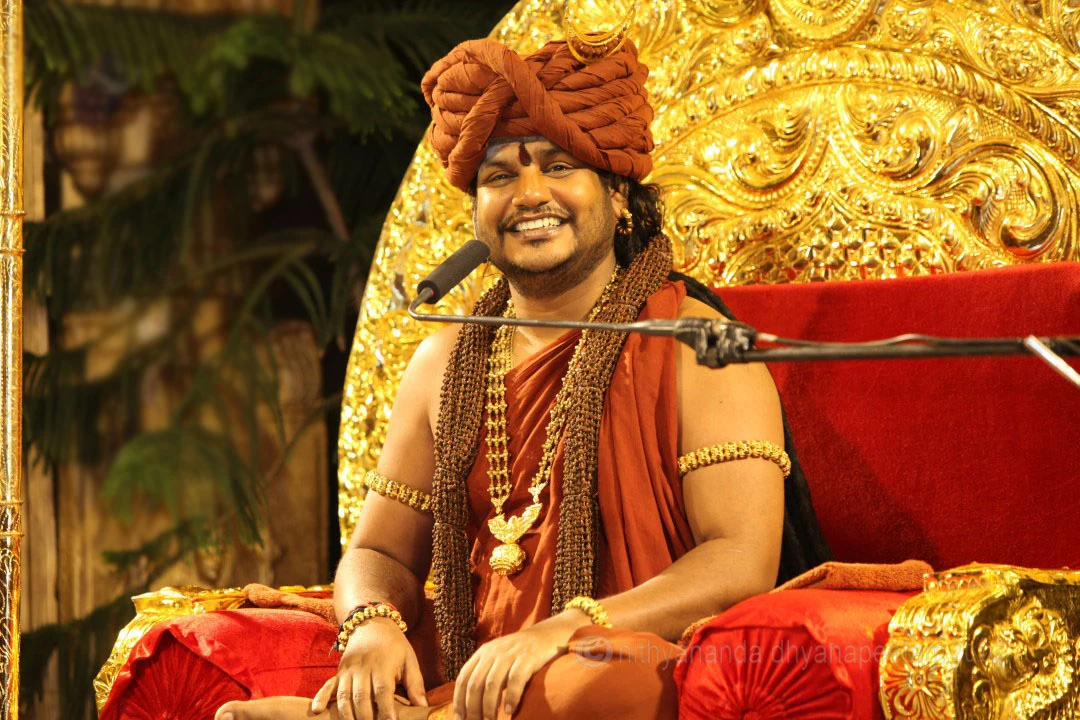
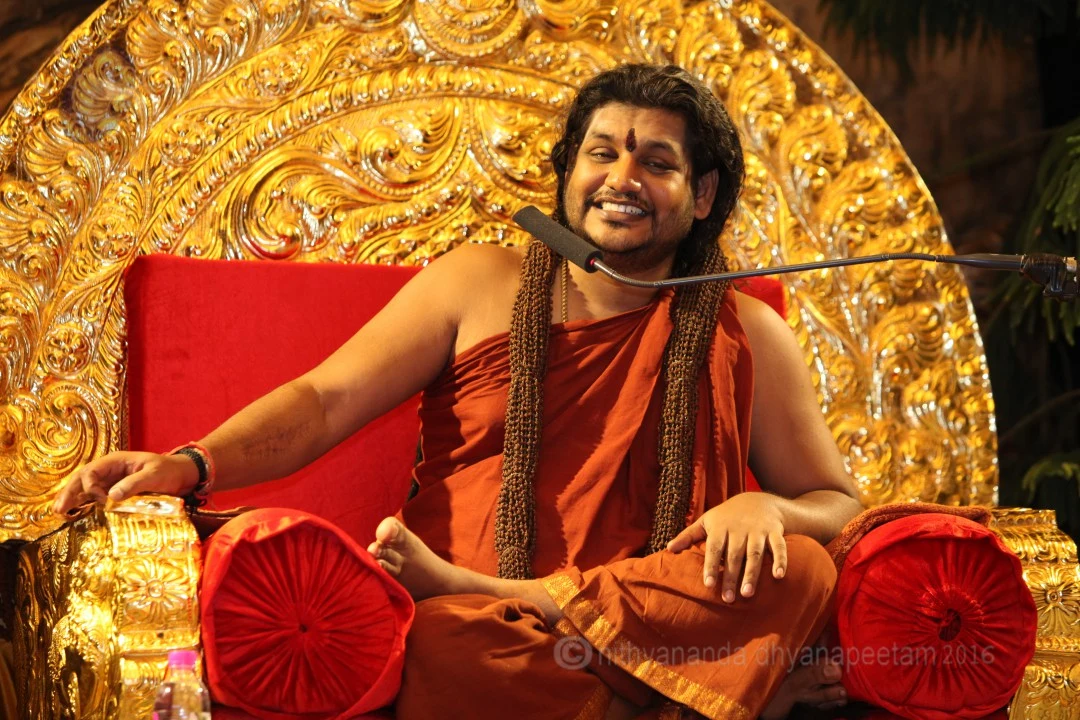
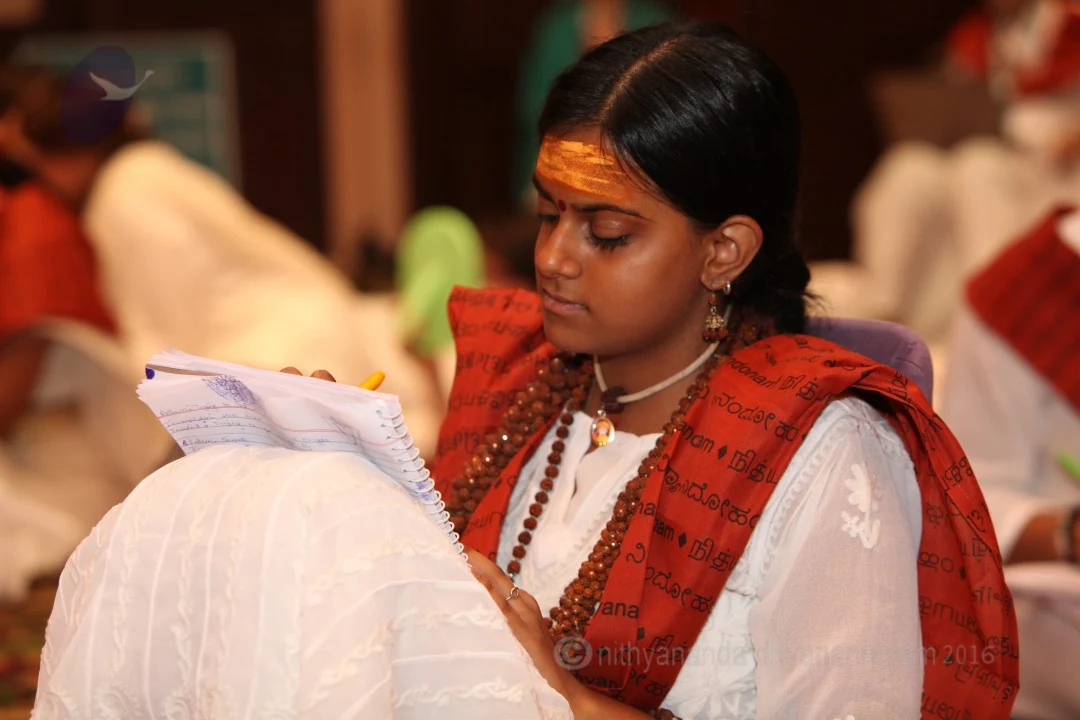
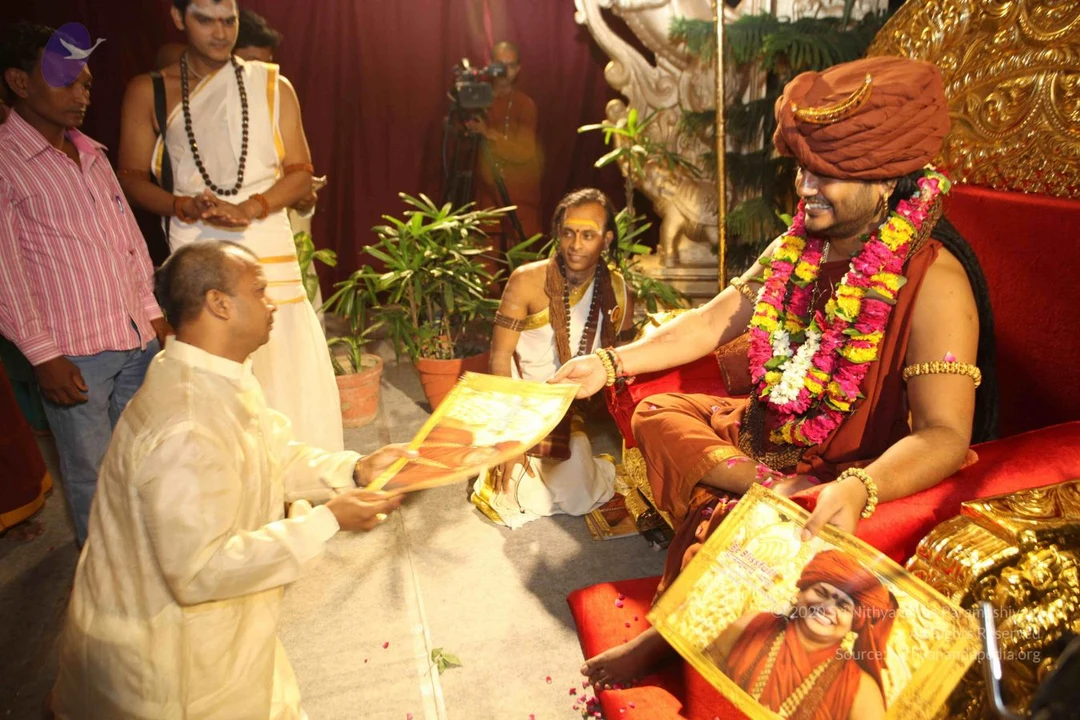
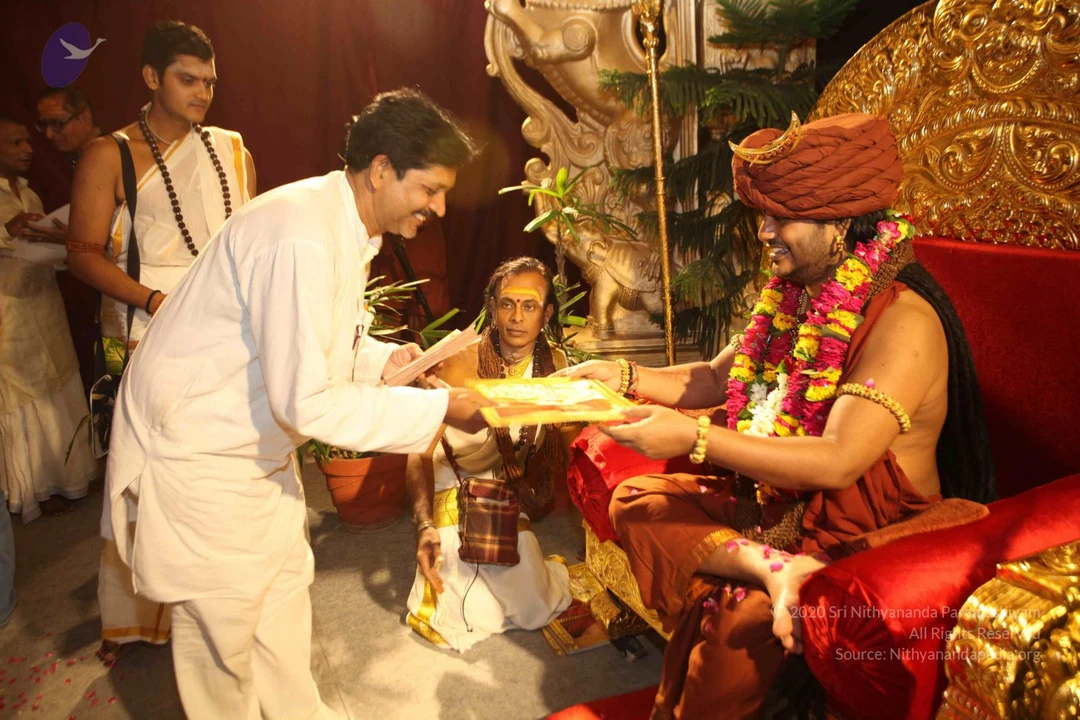
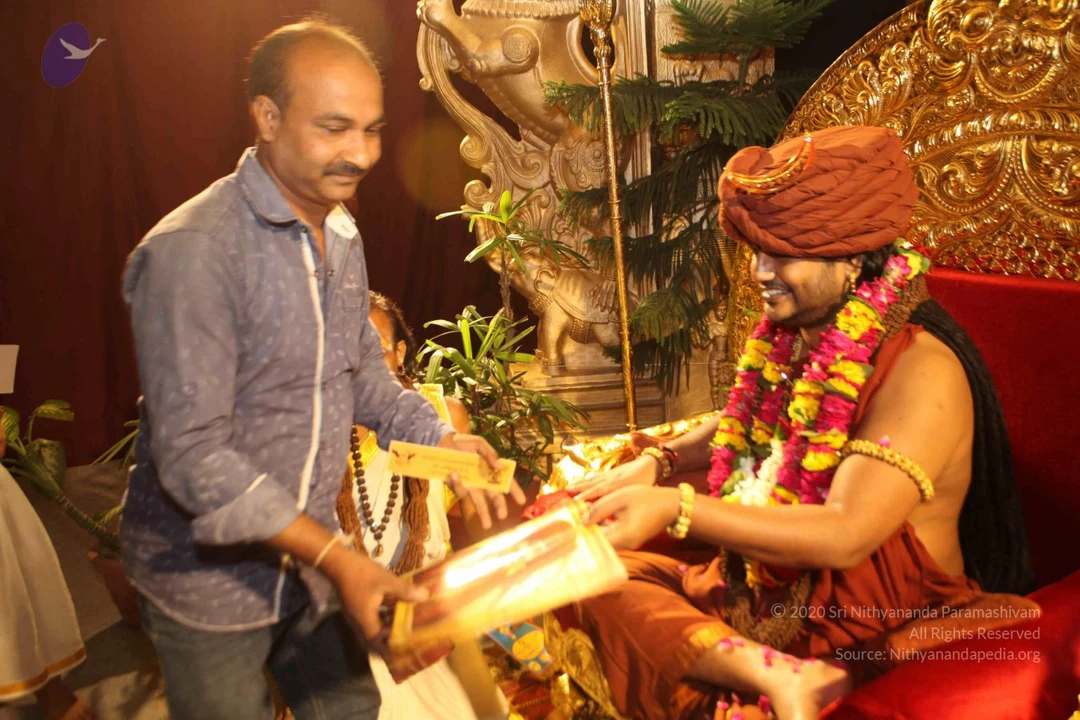
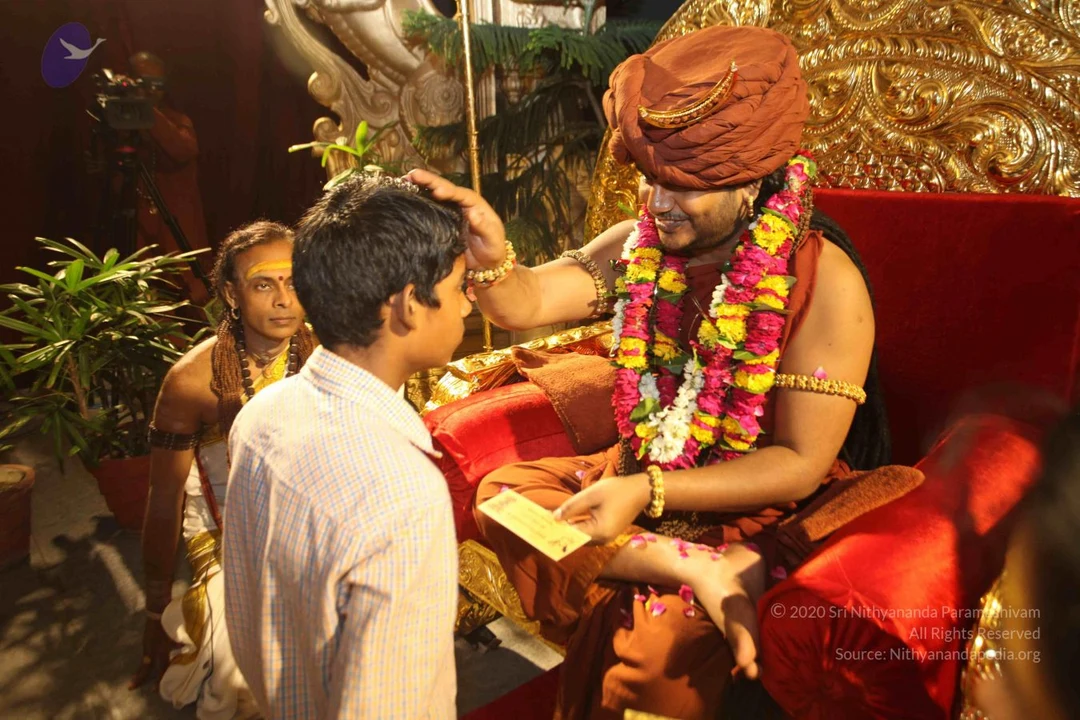
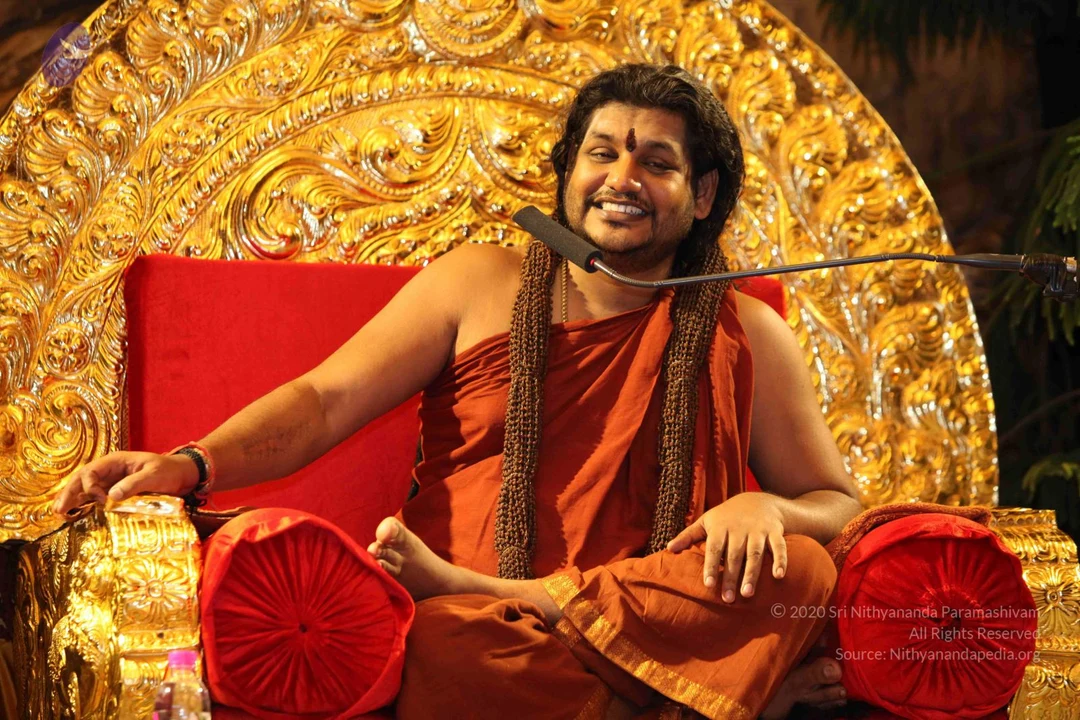
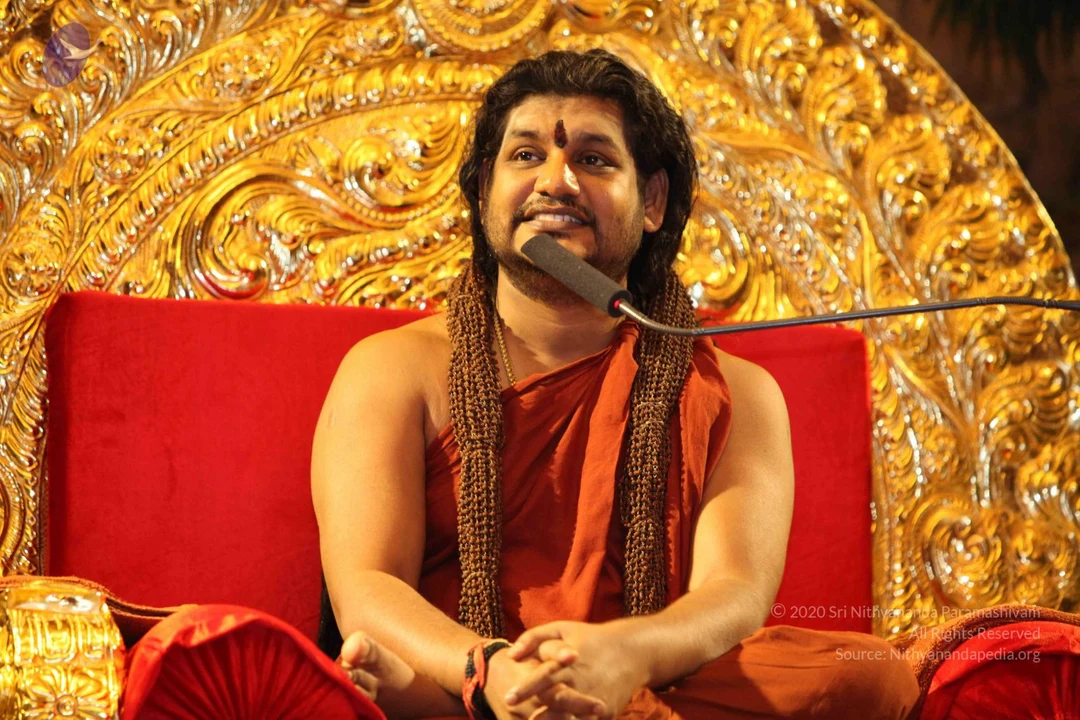
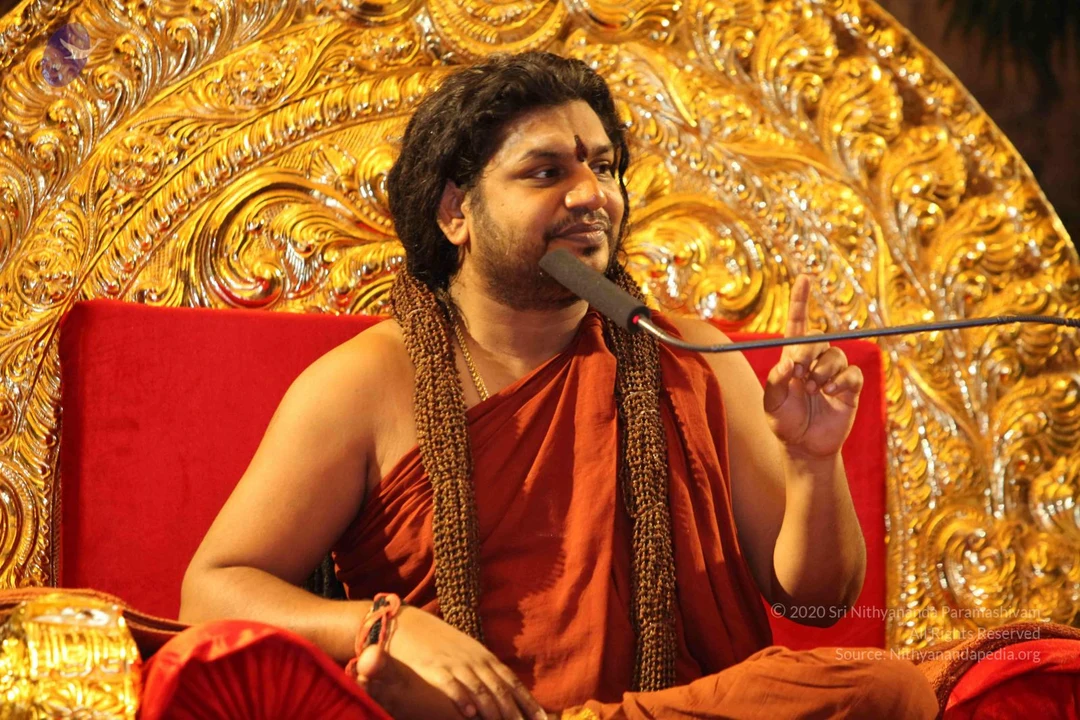
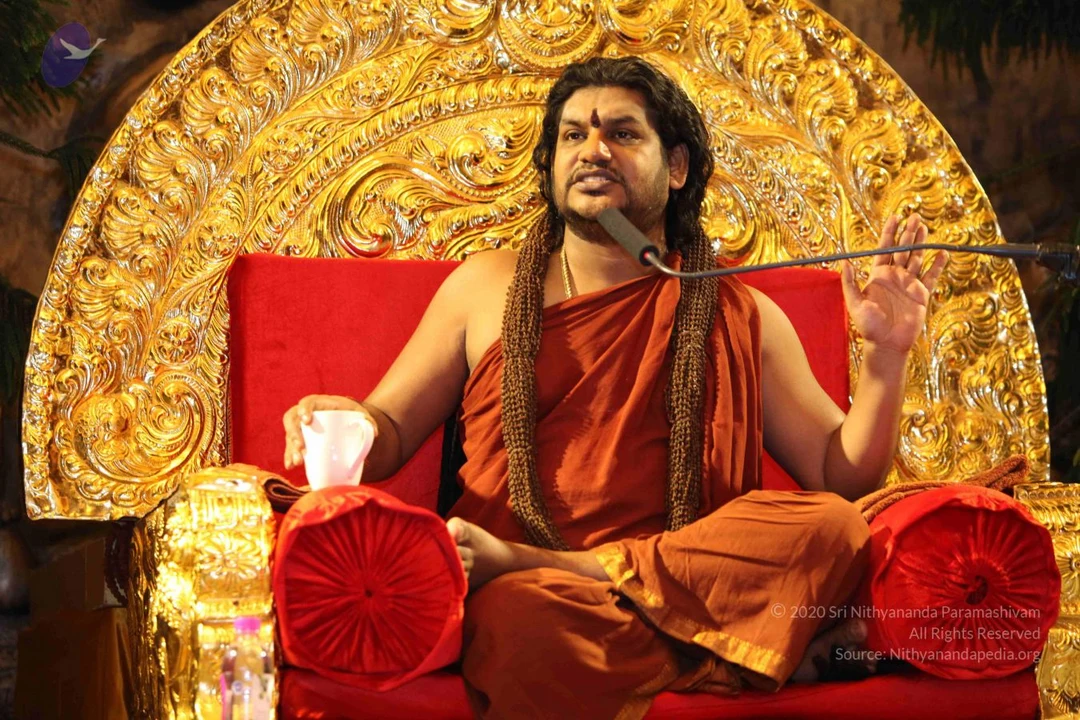
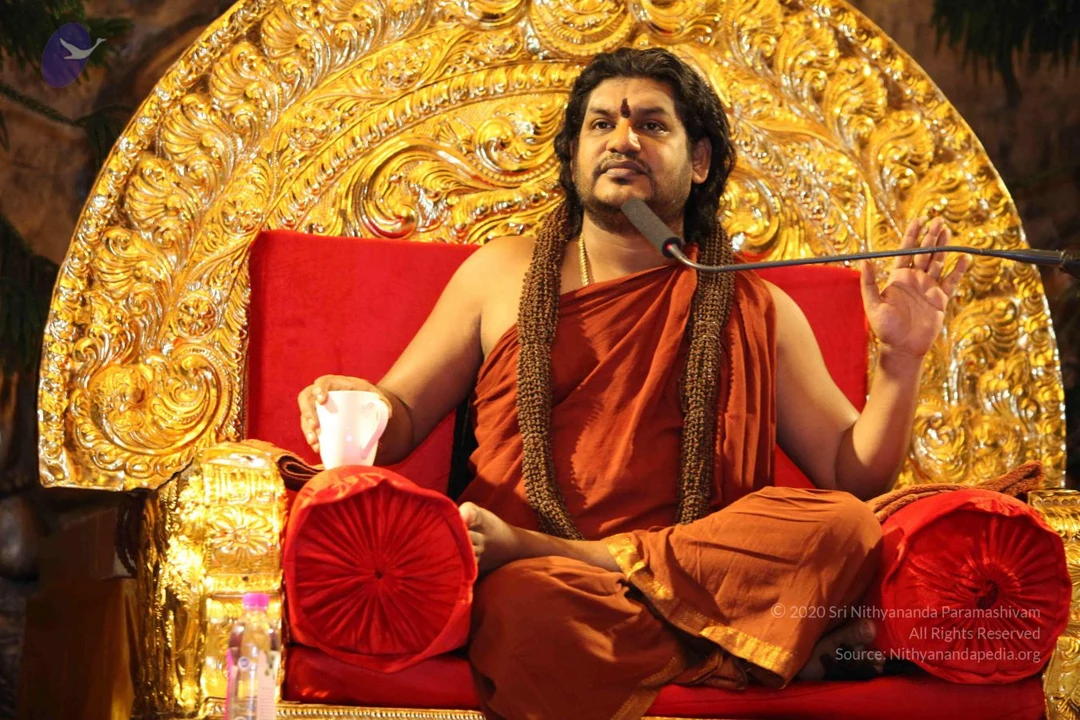
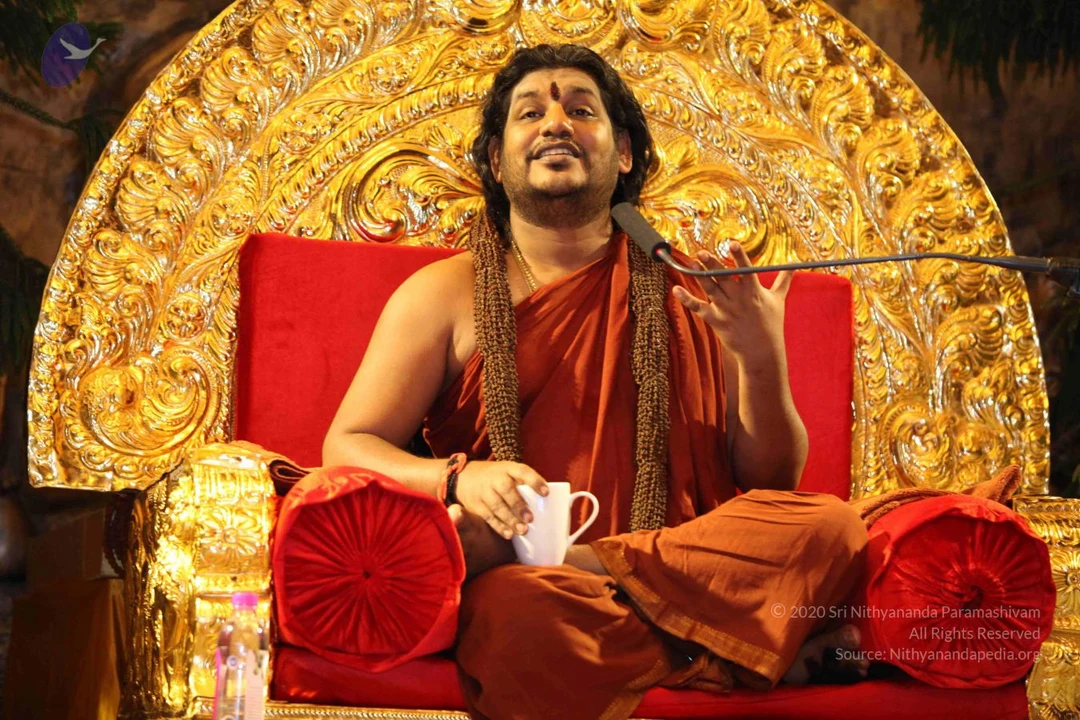
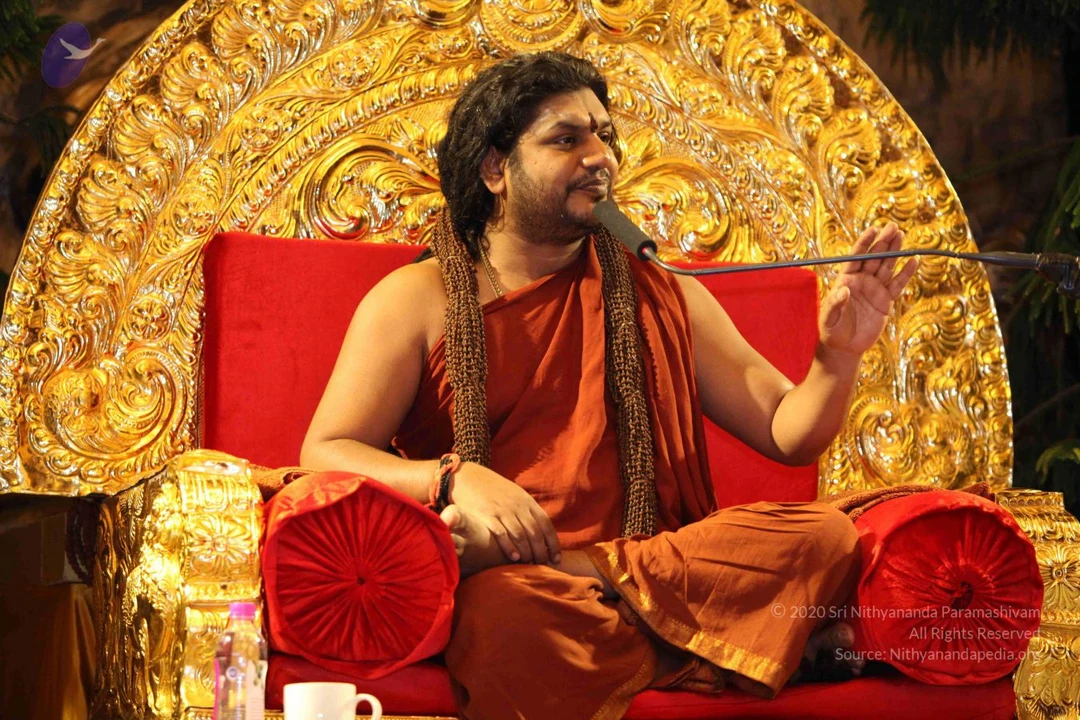
Photos From The Day:
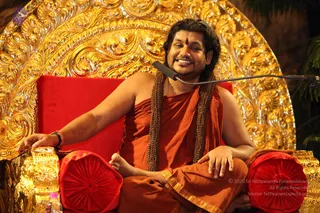
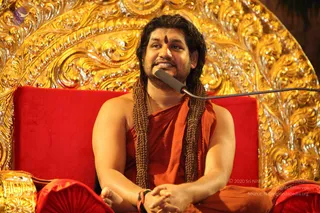
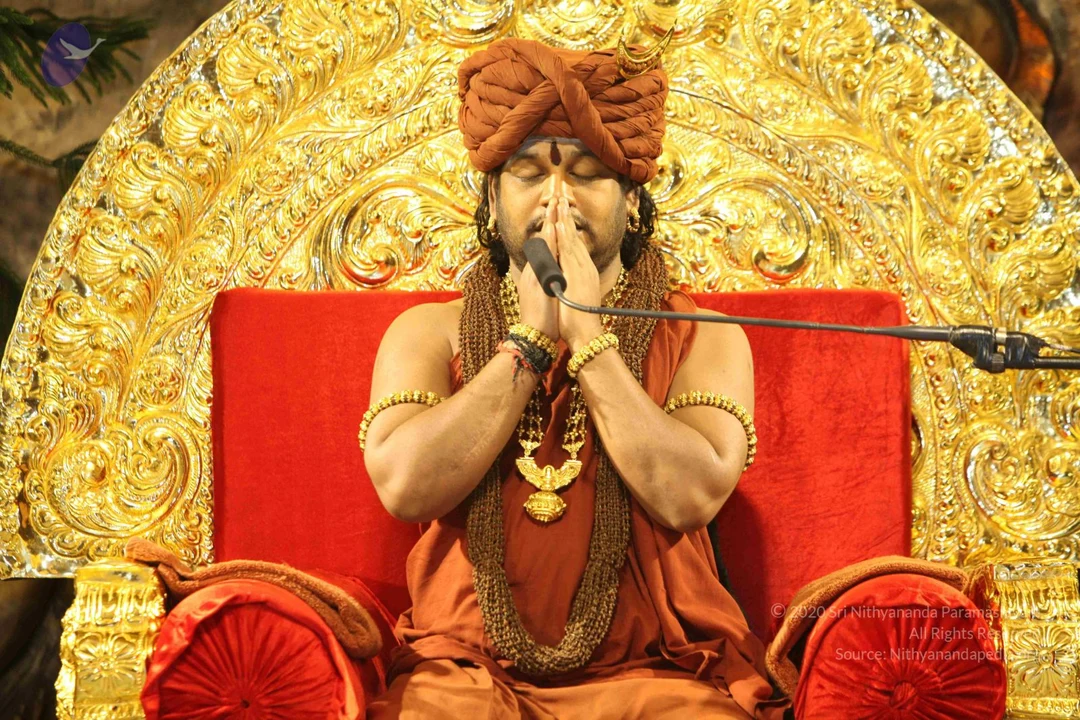
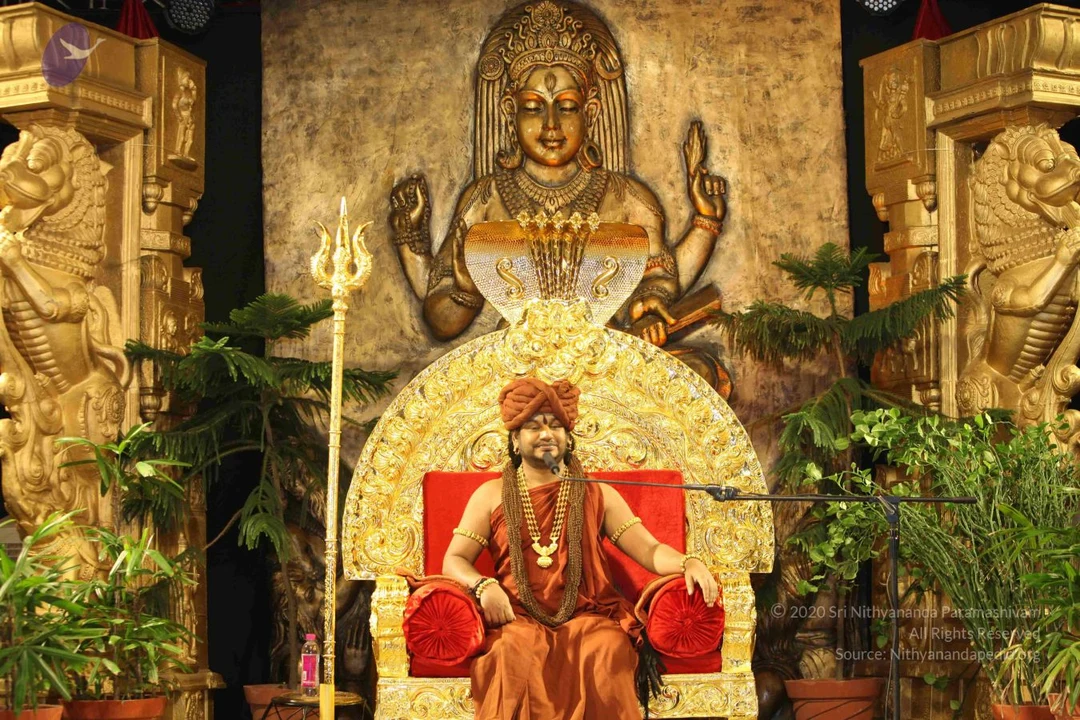
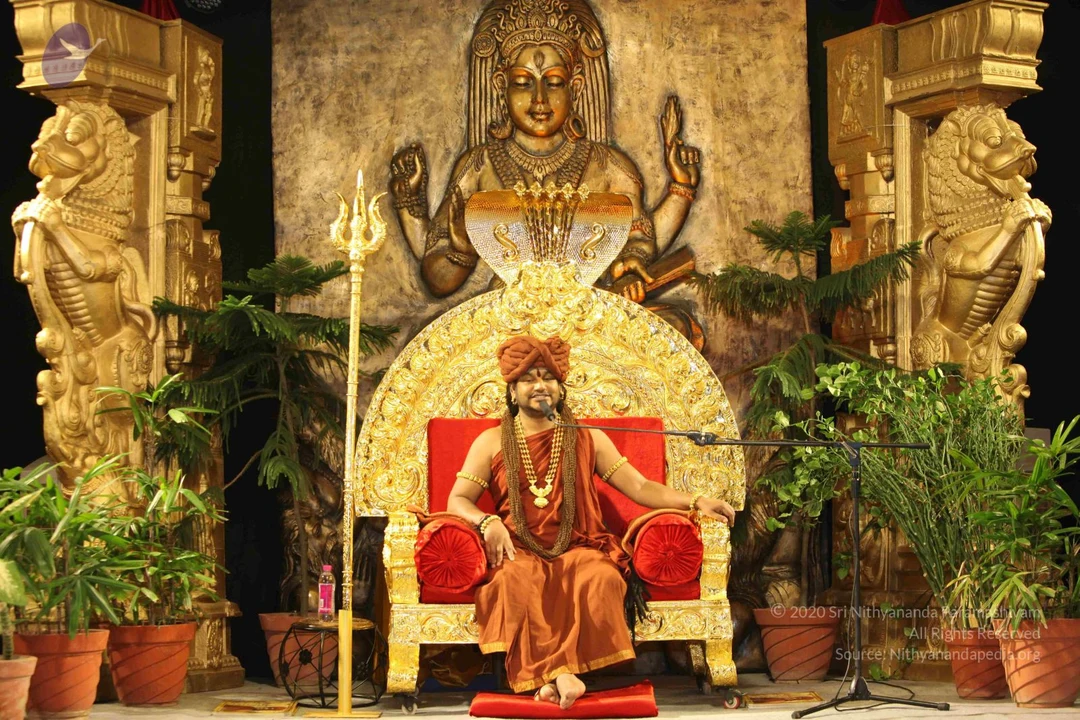
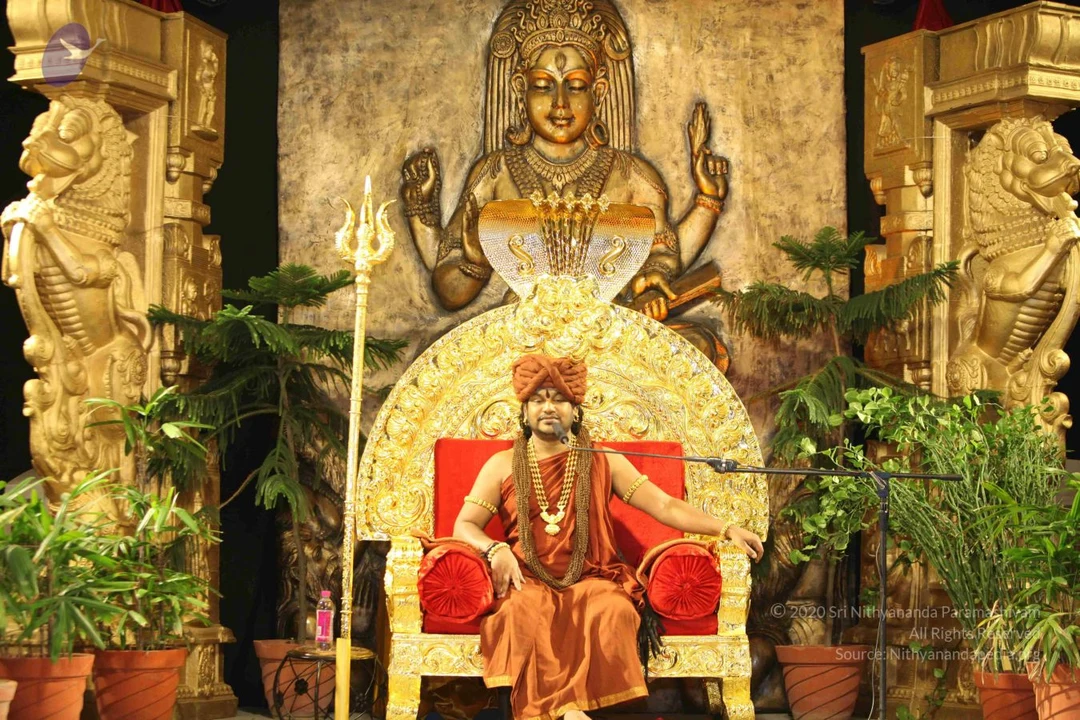
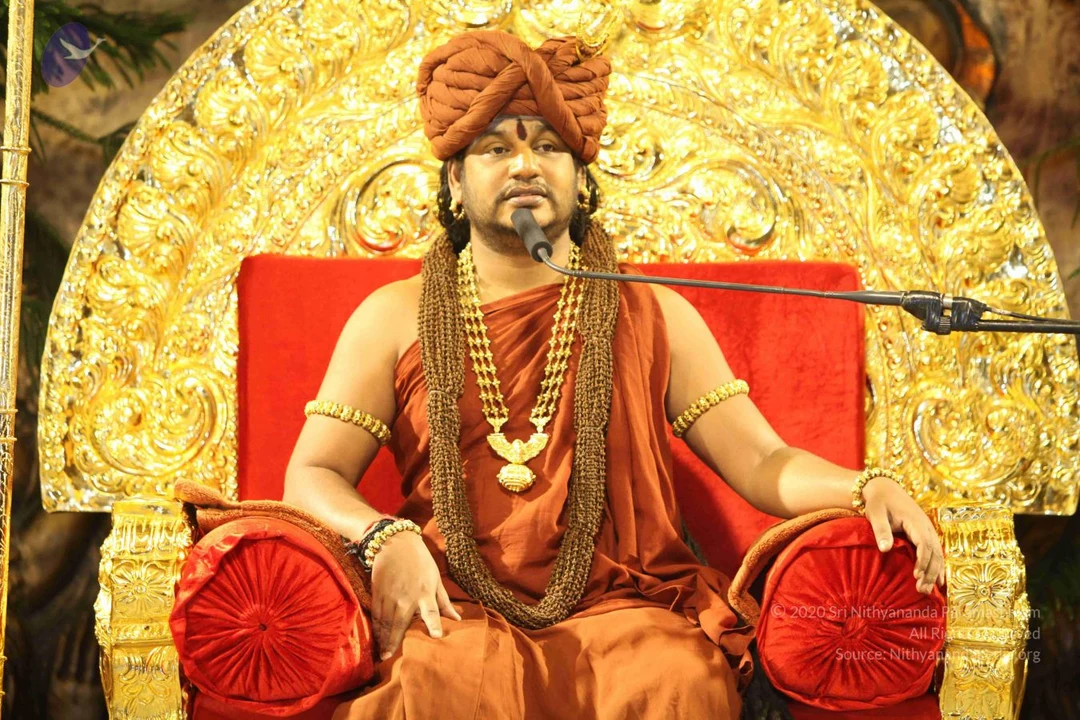
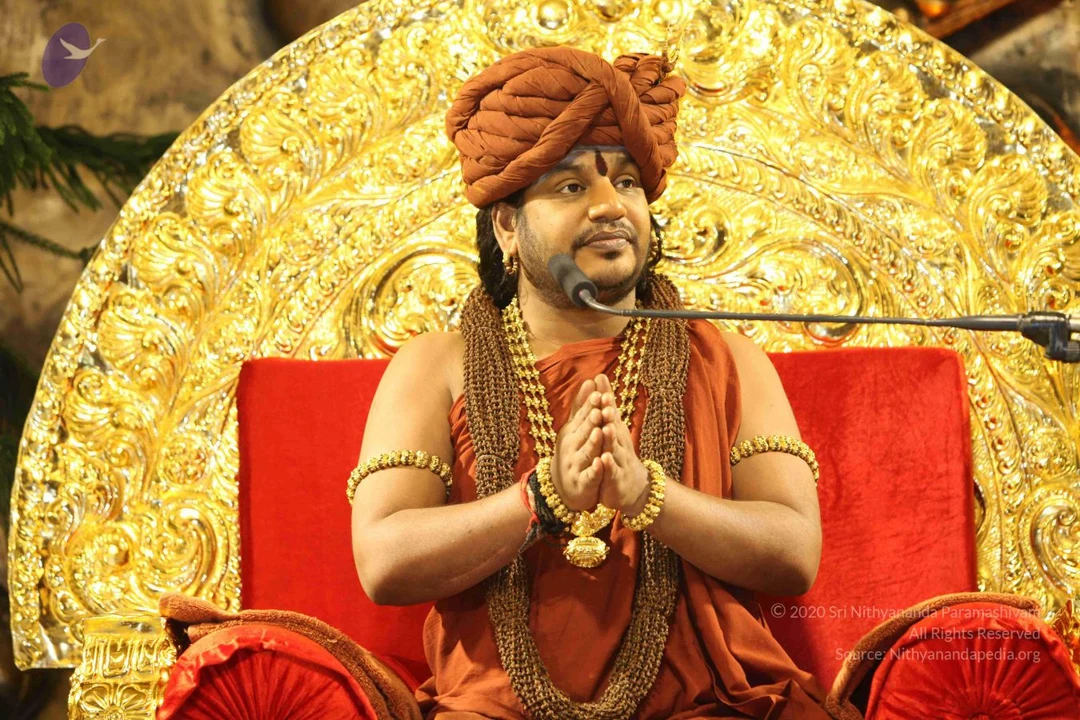
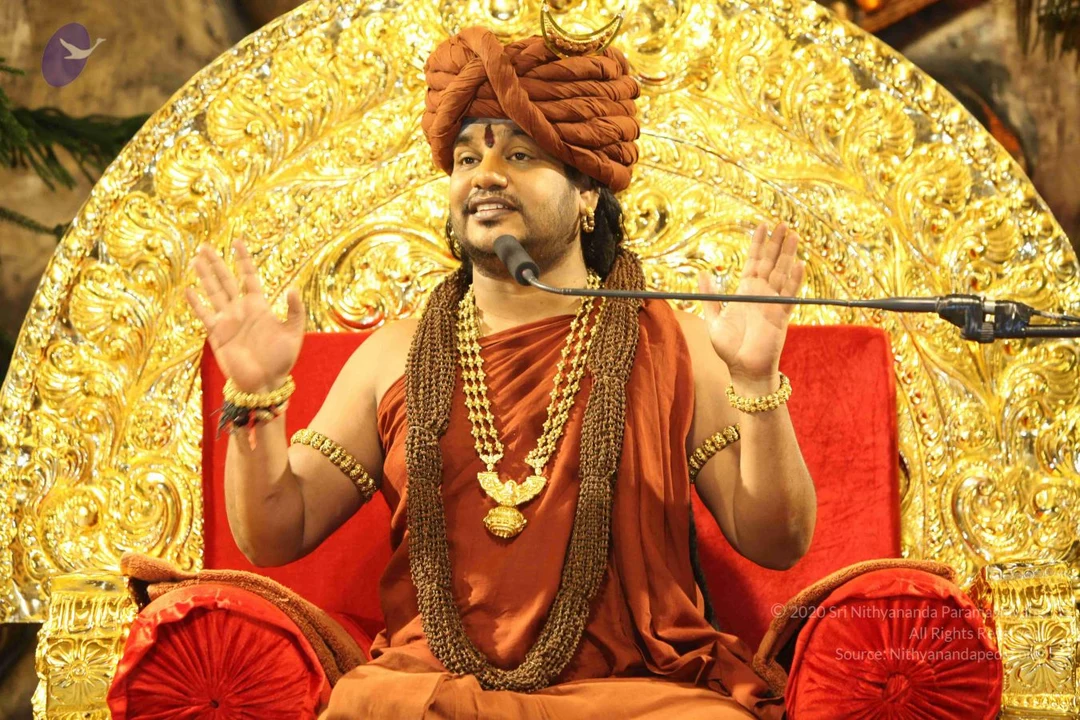
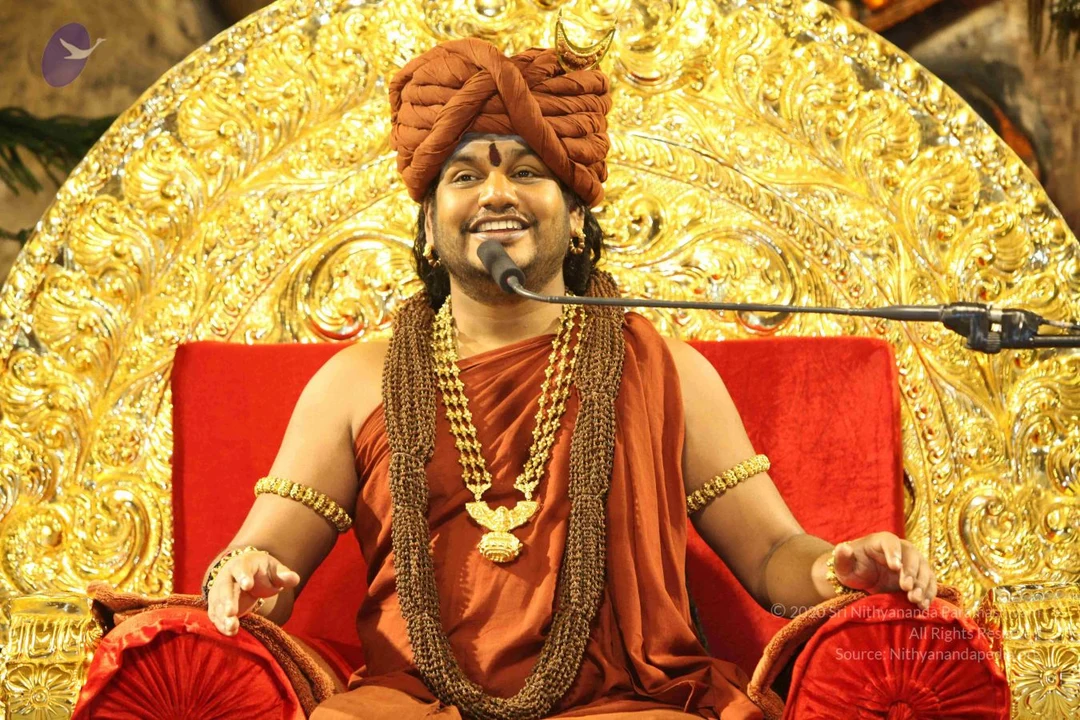
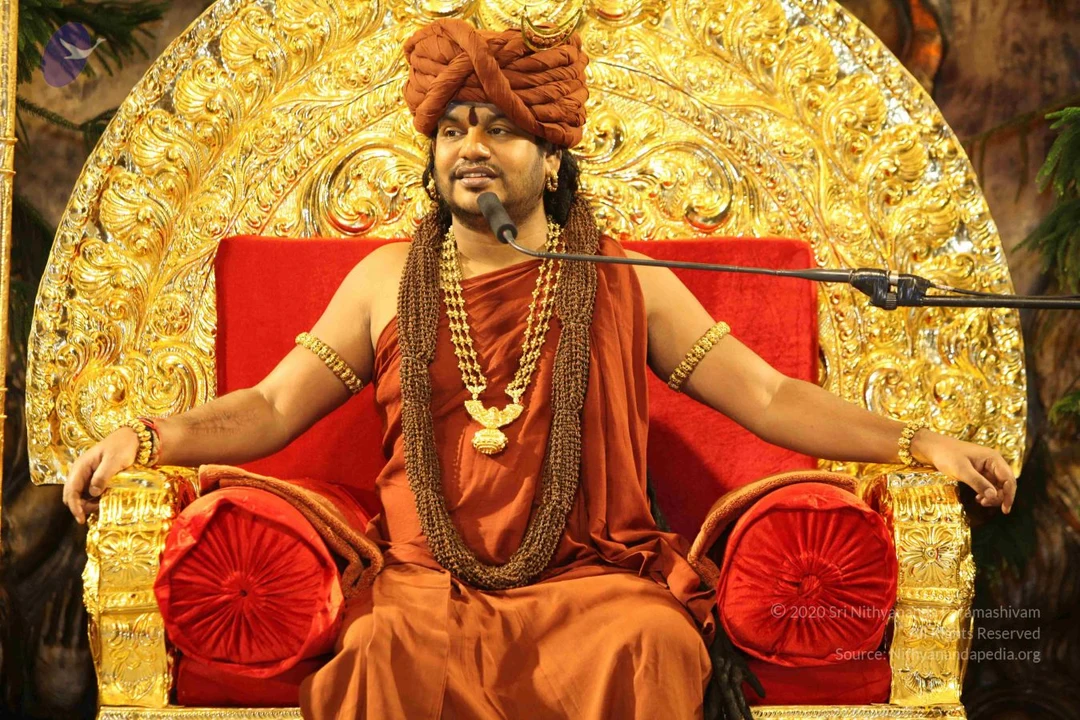
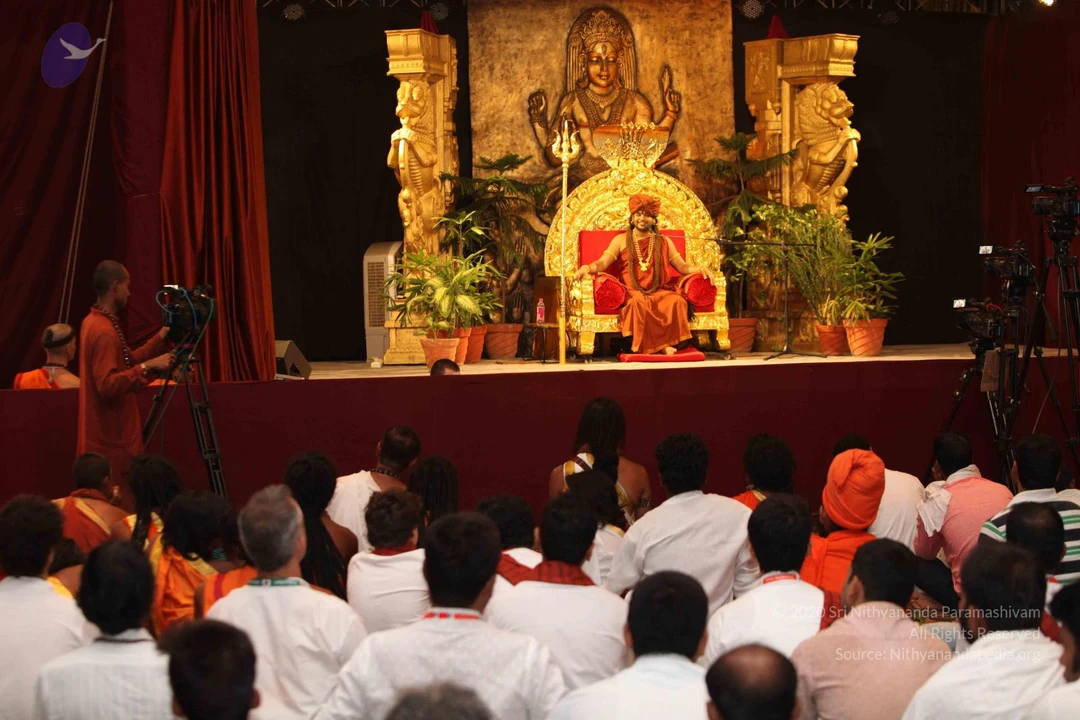
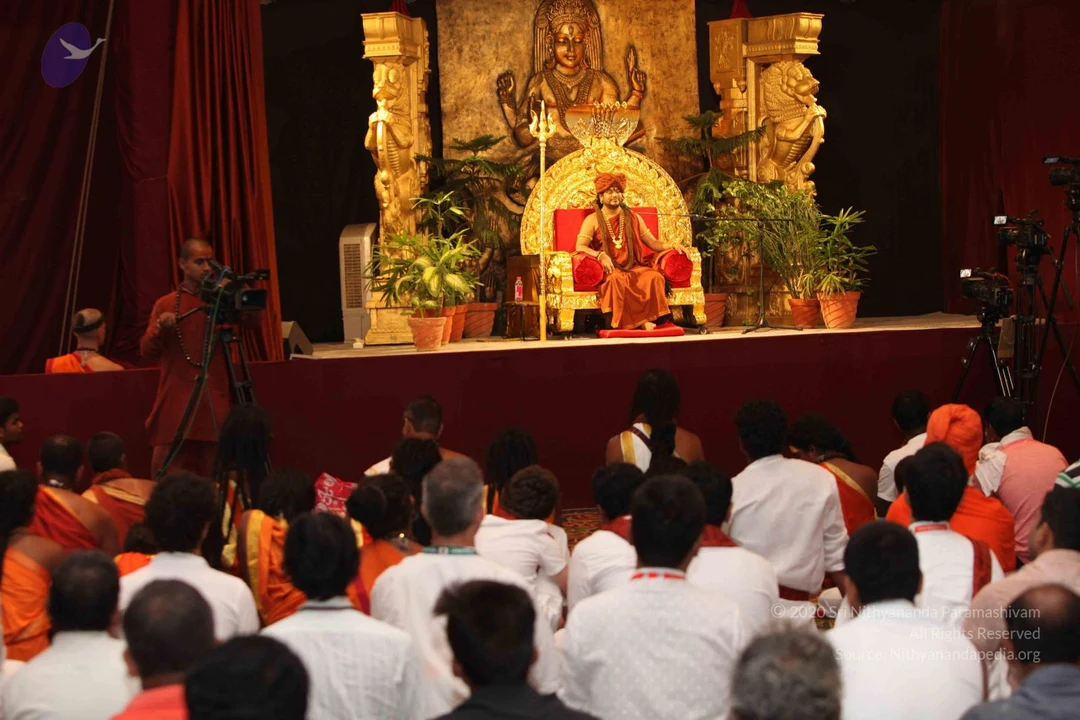
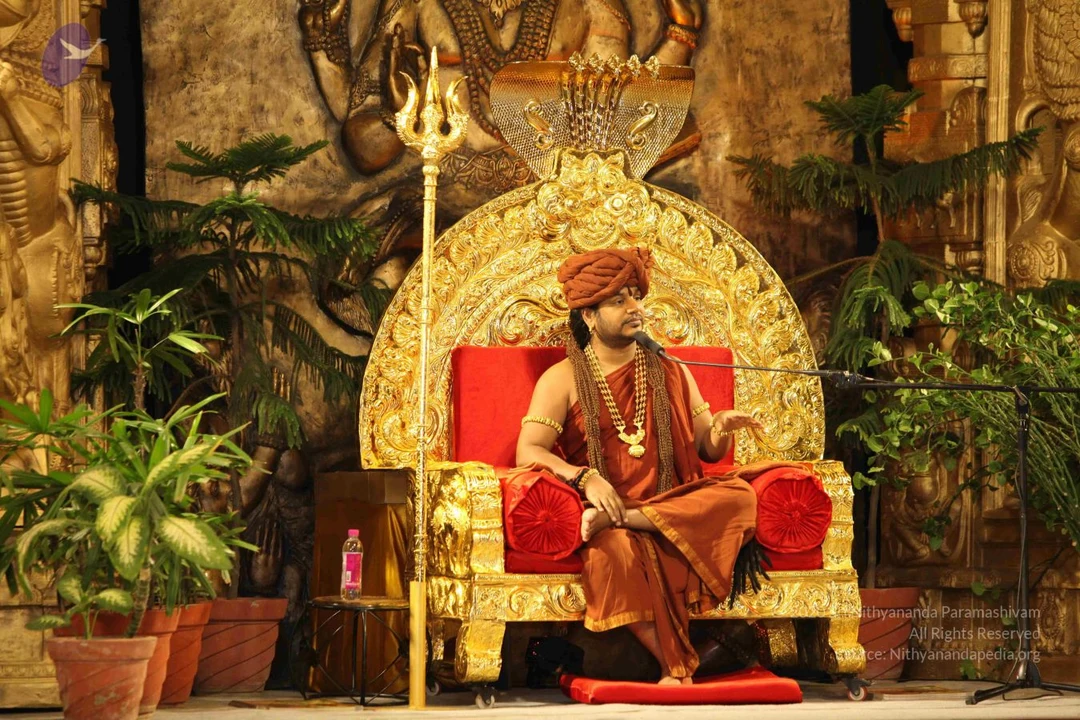
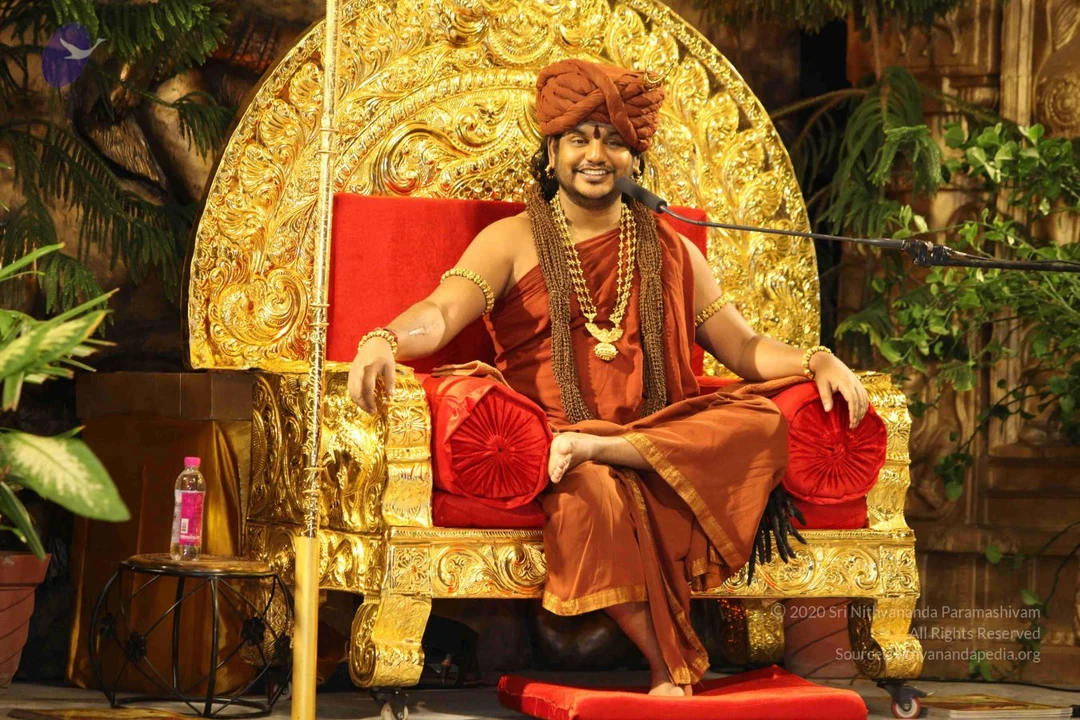
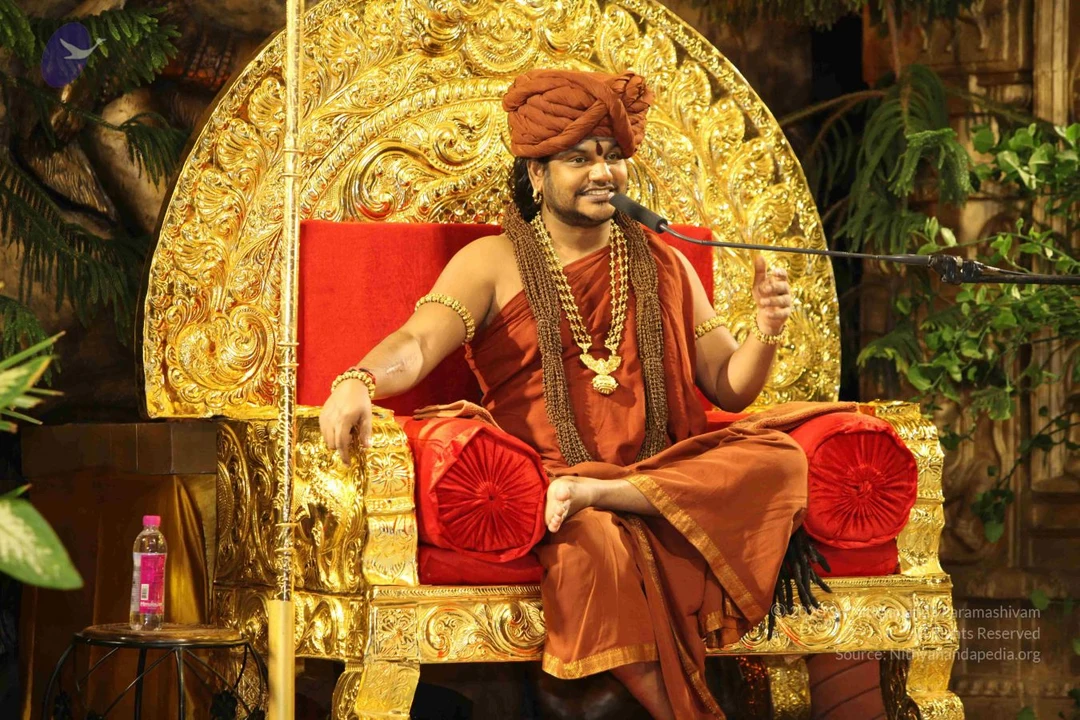
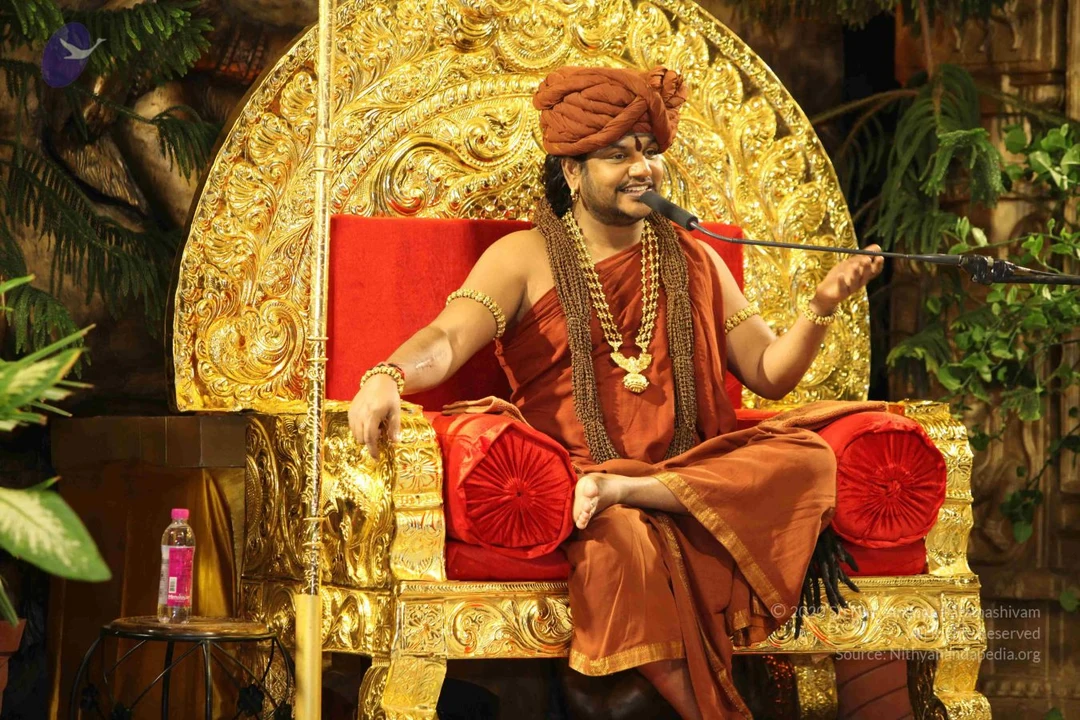
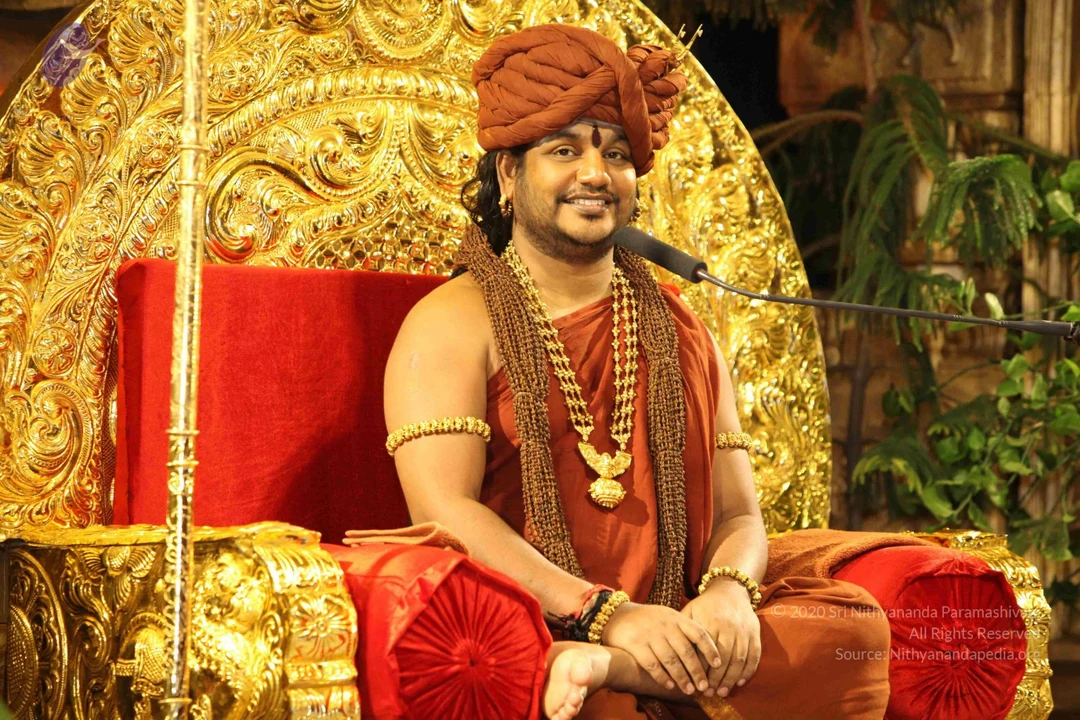
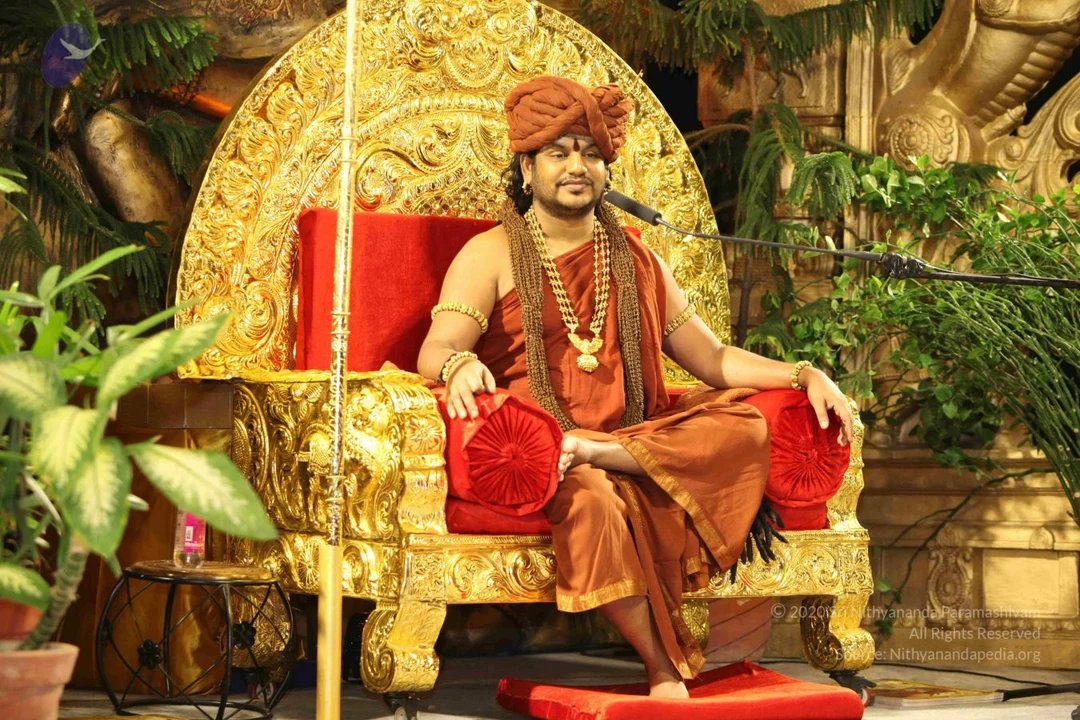
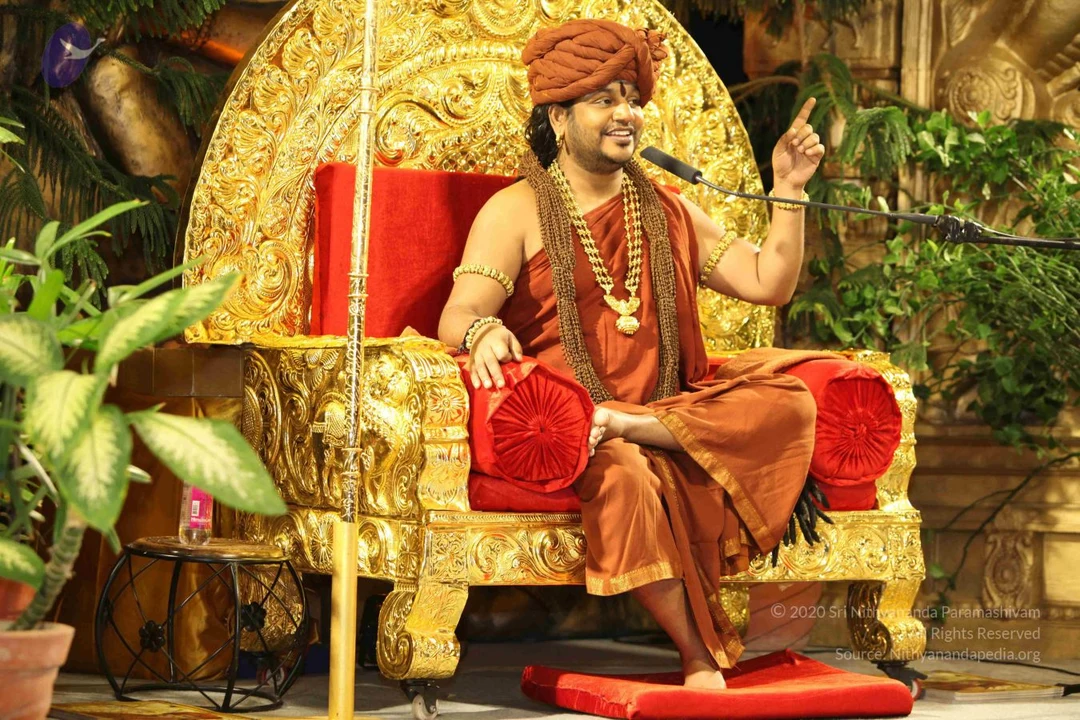
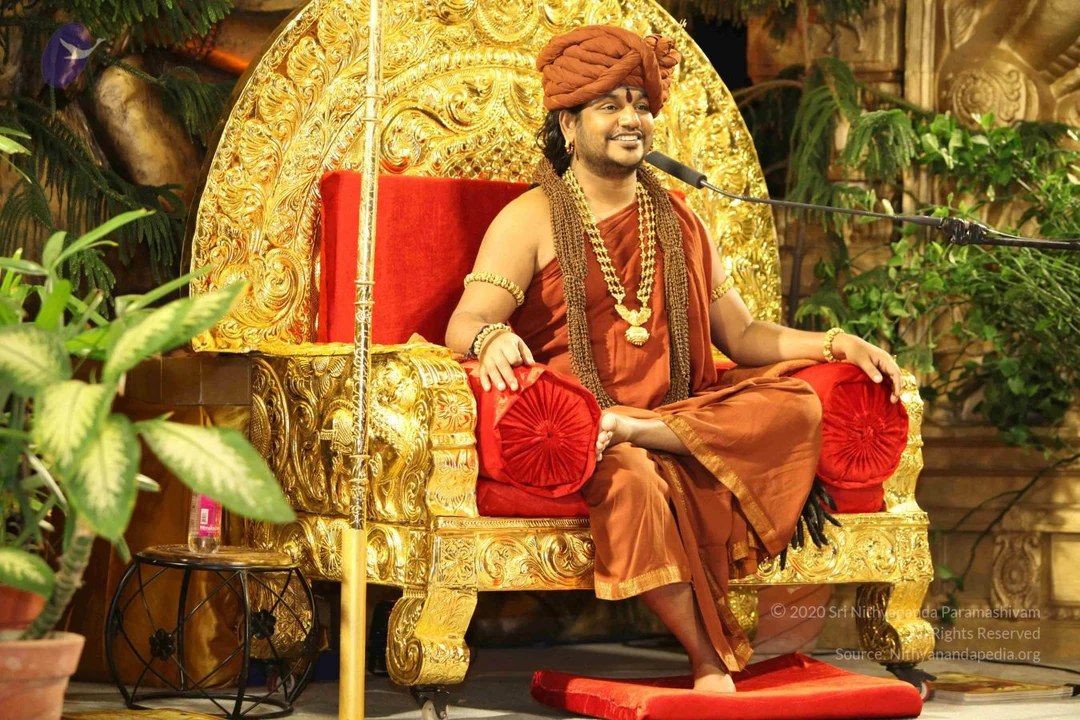
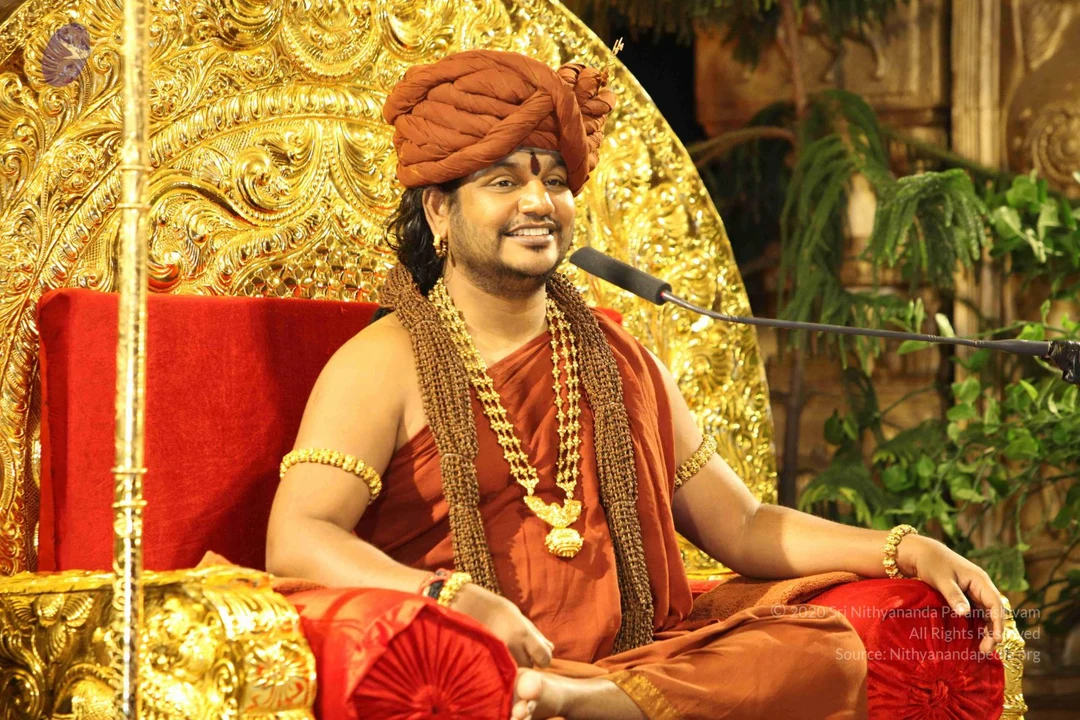
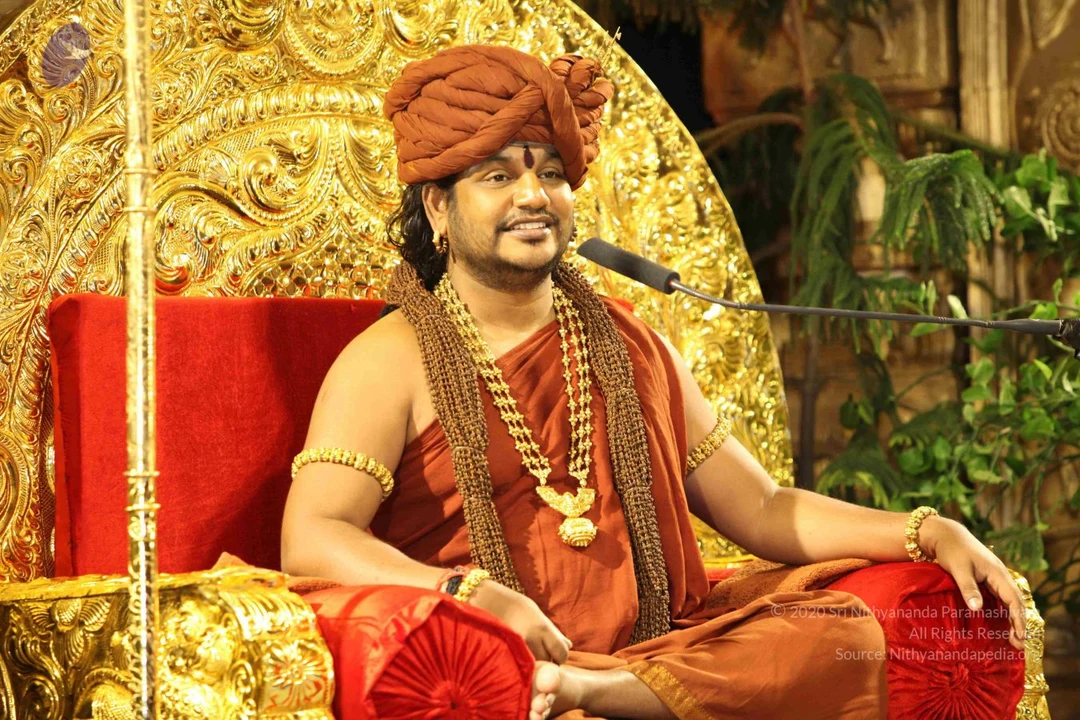
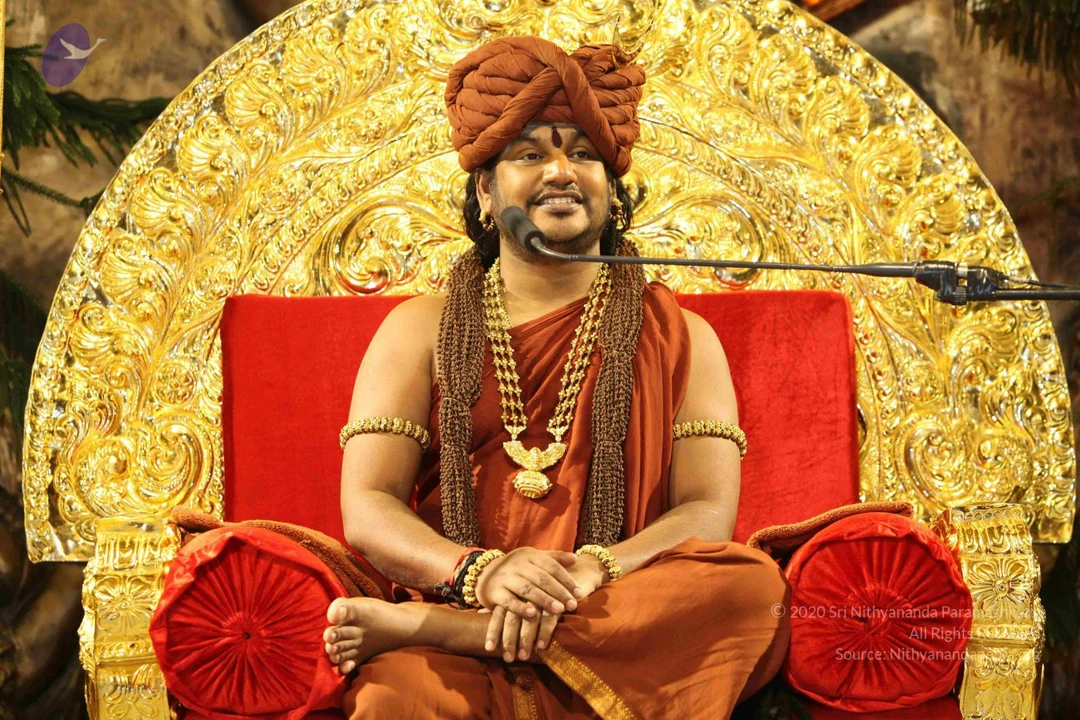
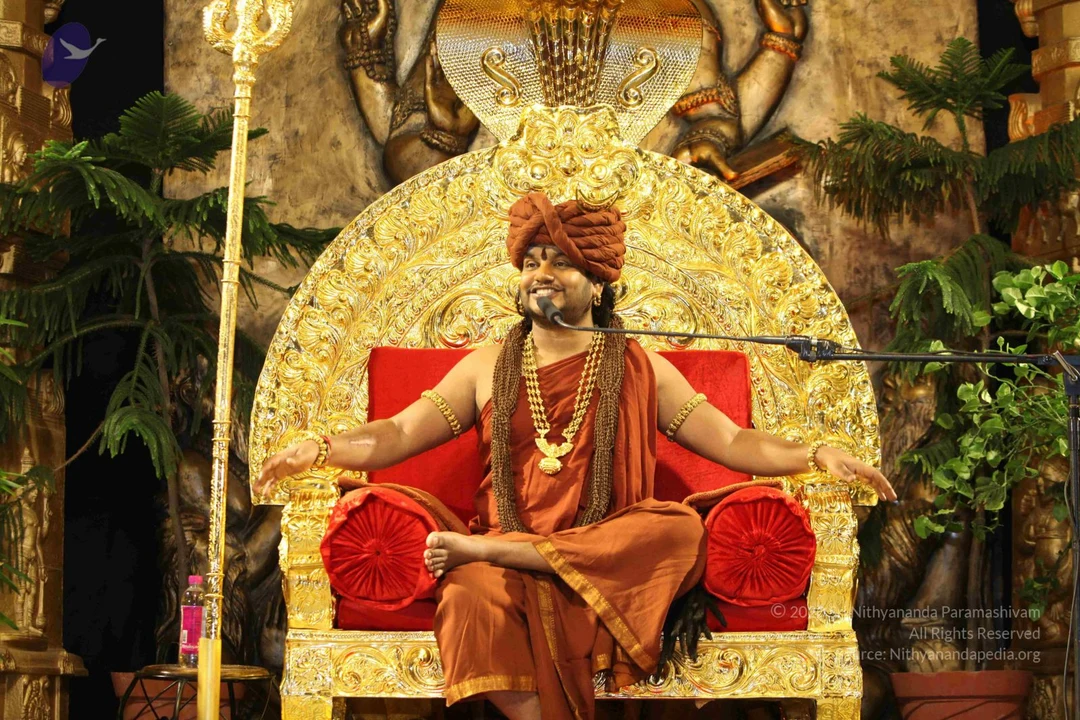
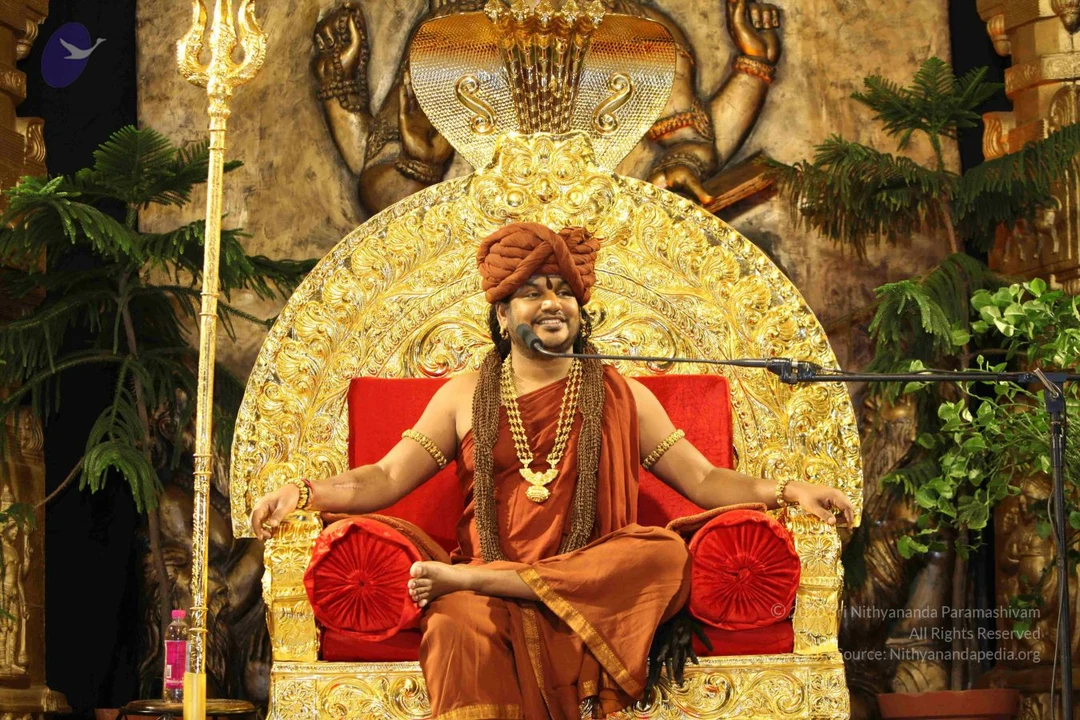
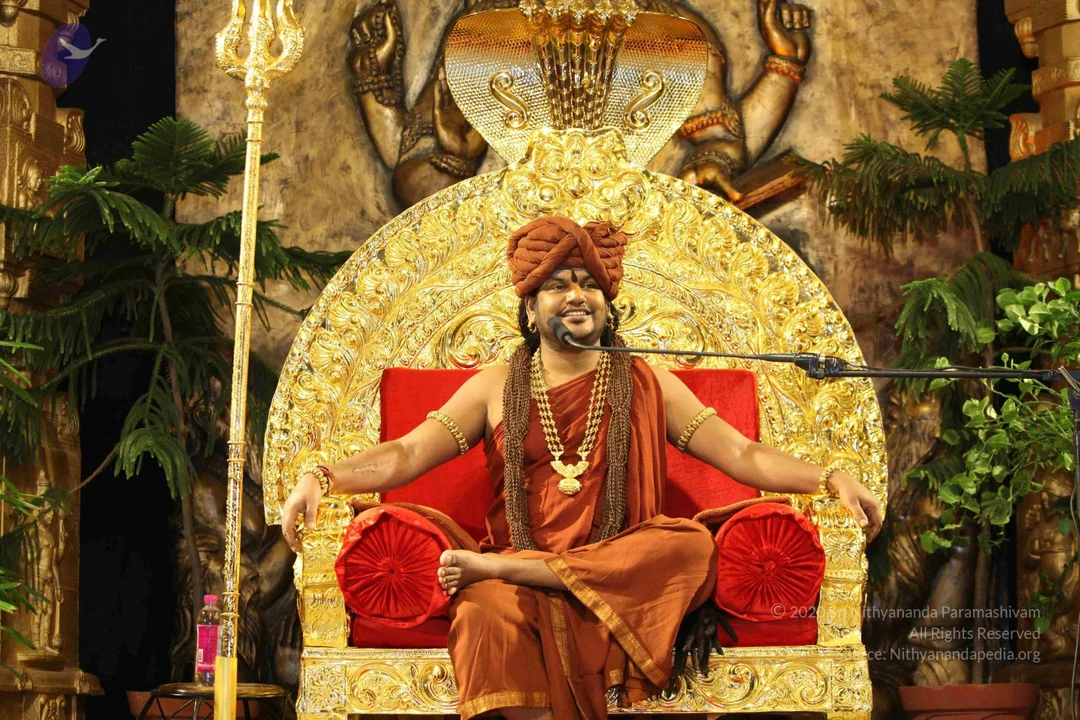
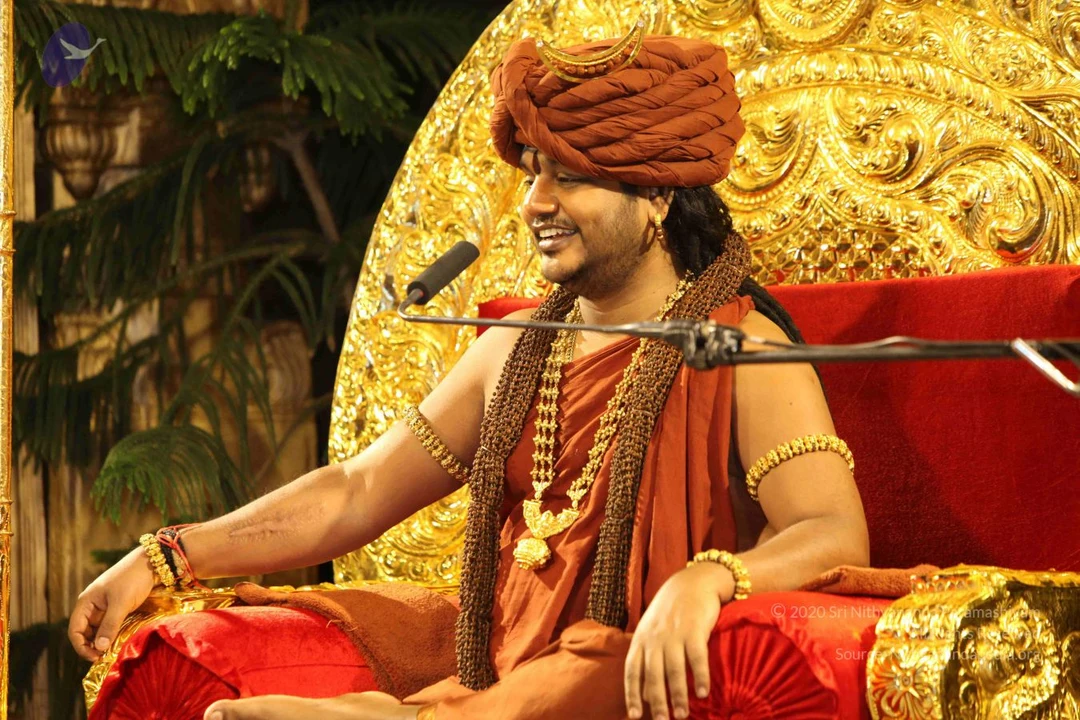
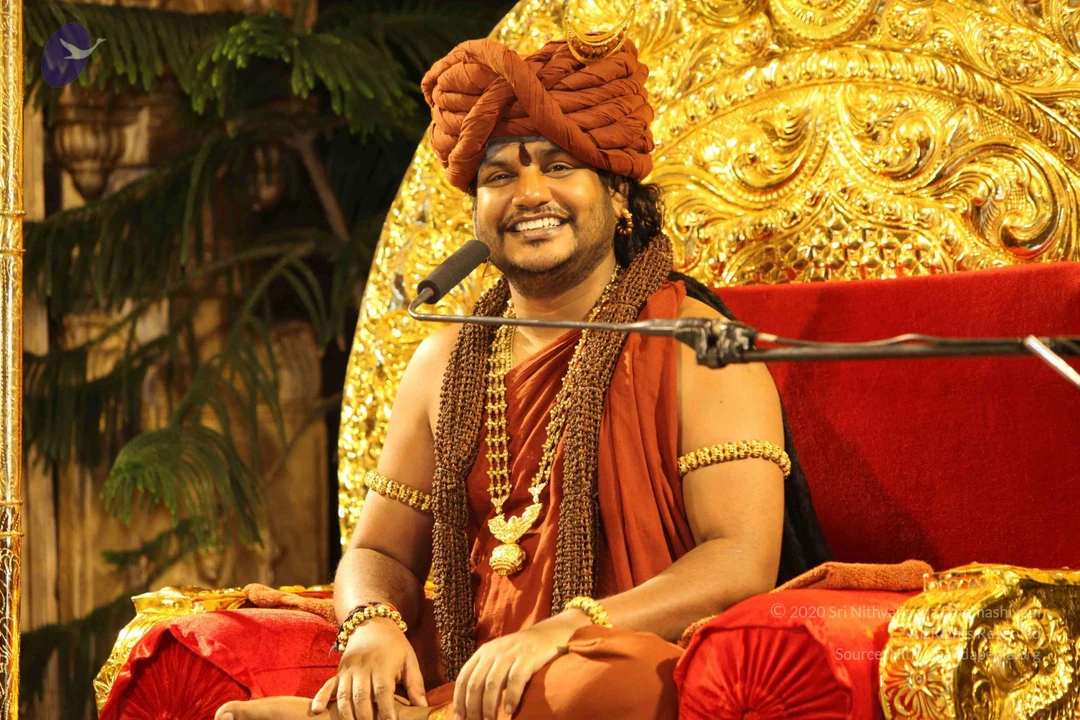
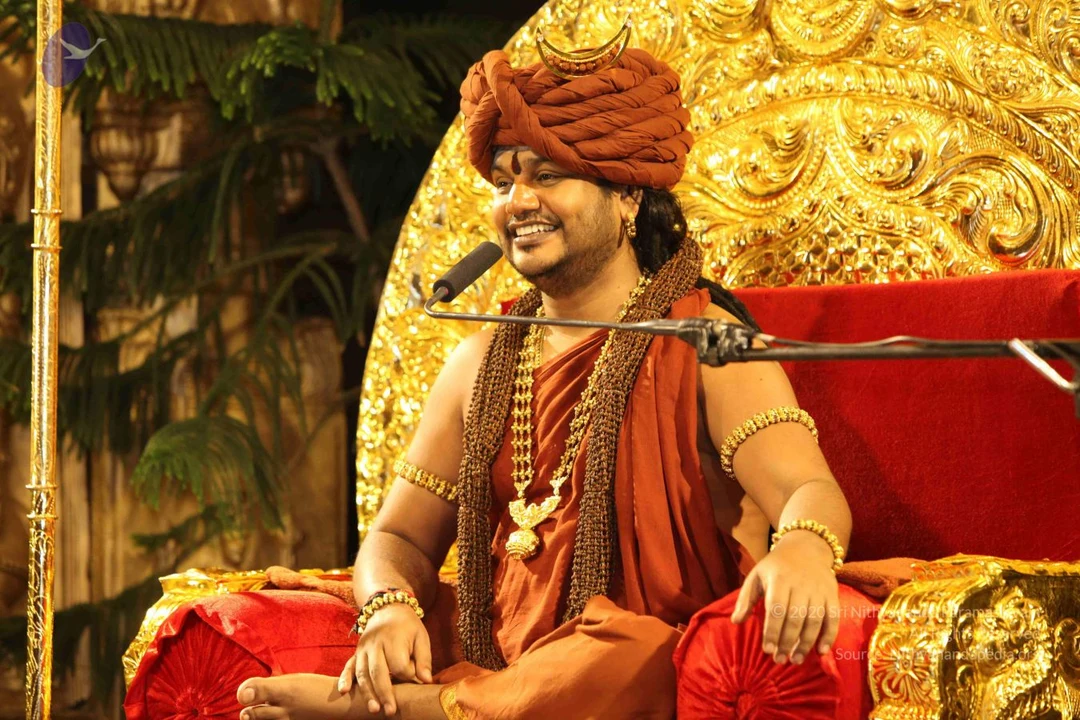
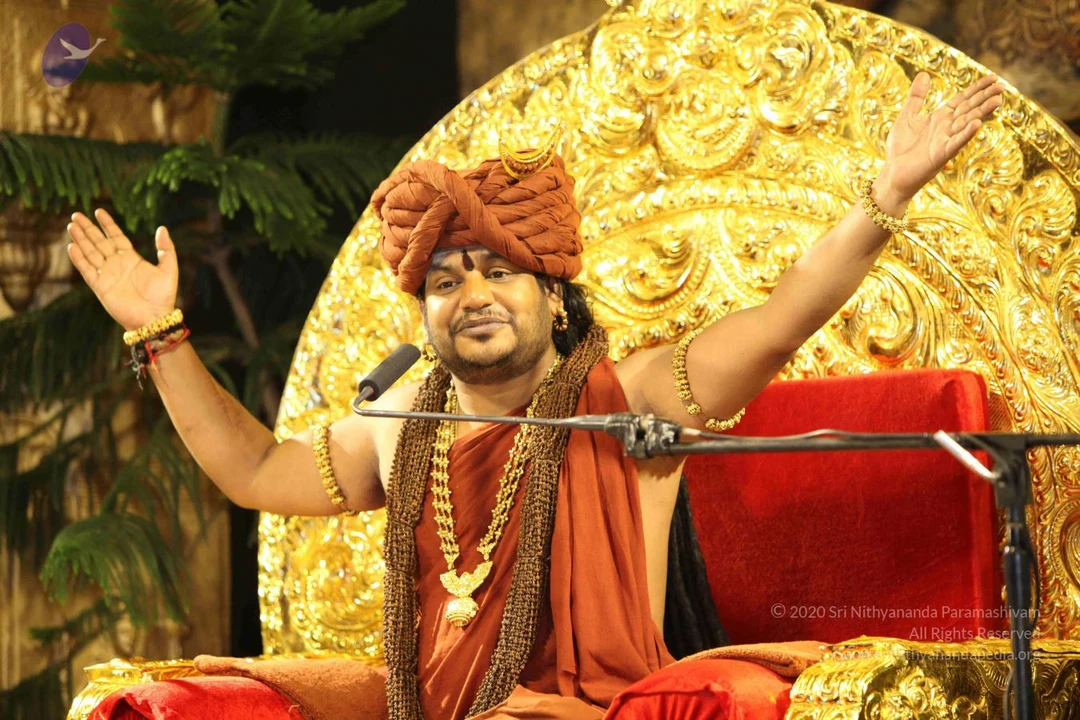
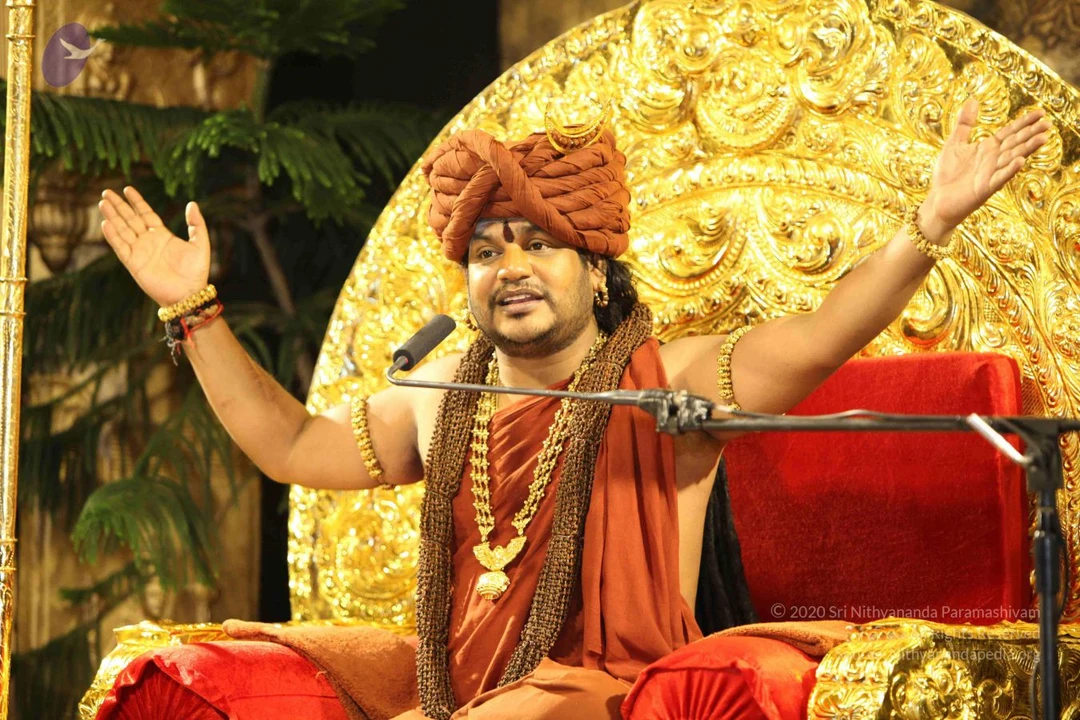
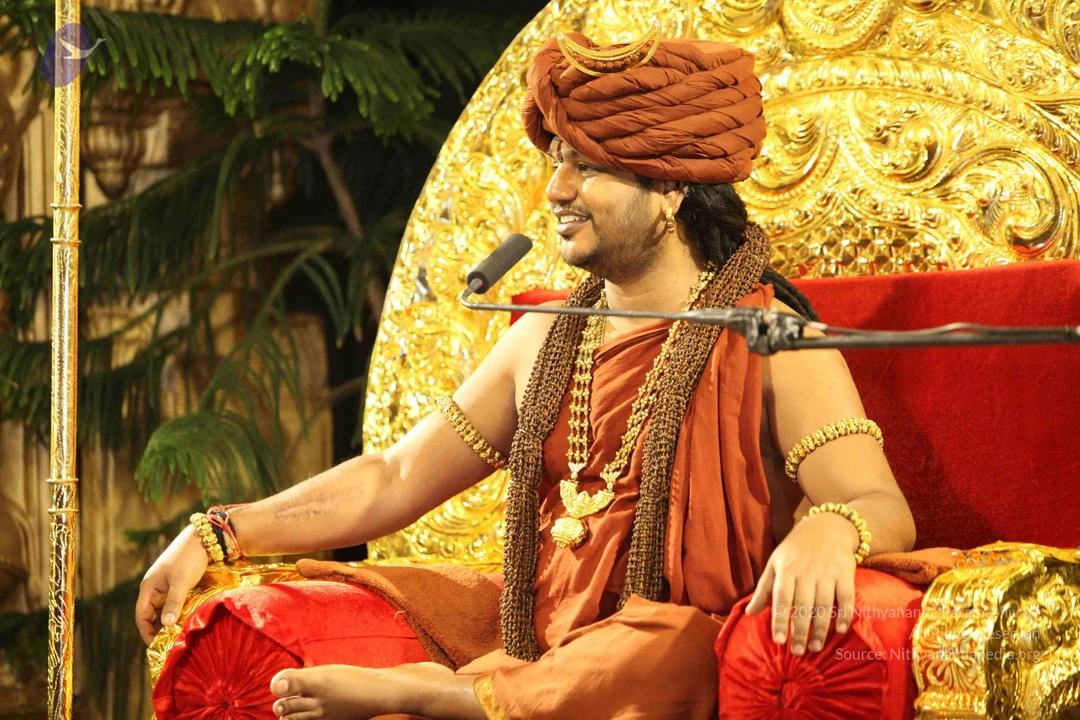
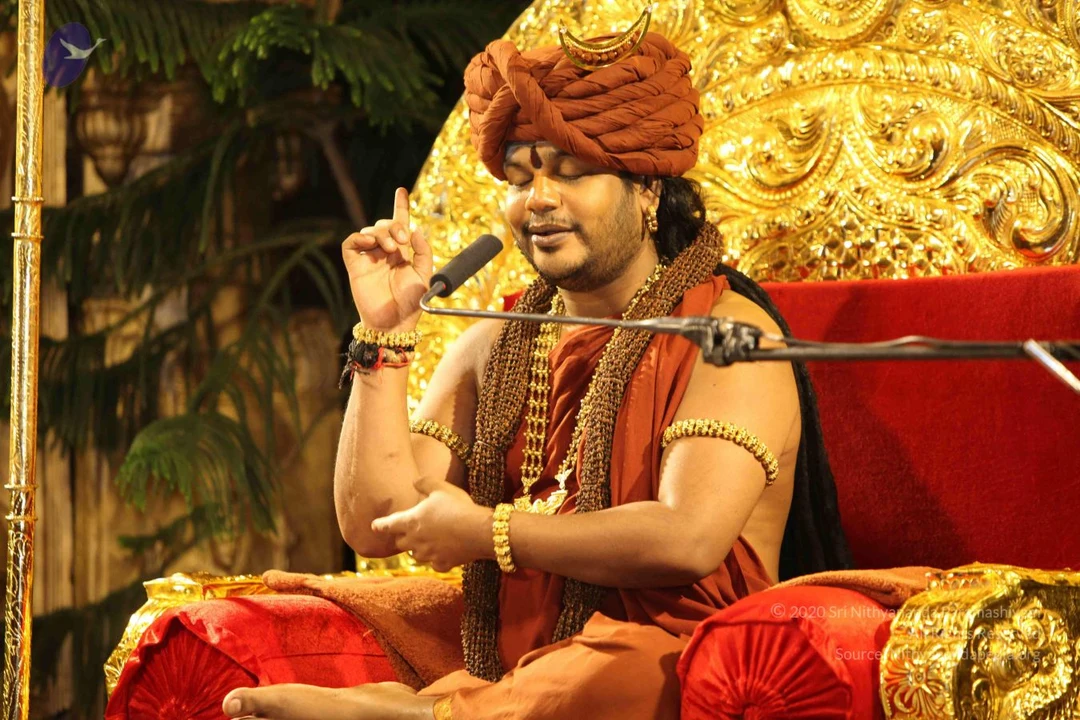
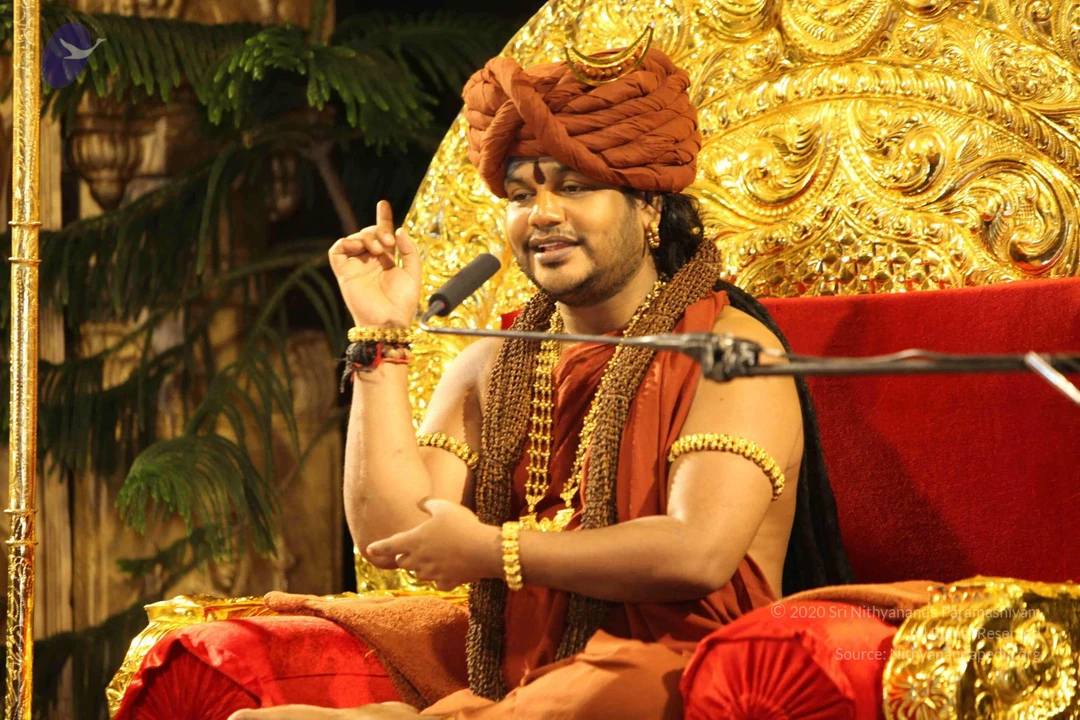
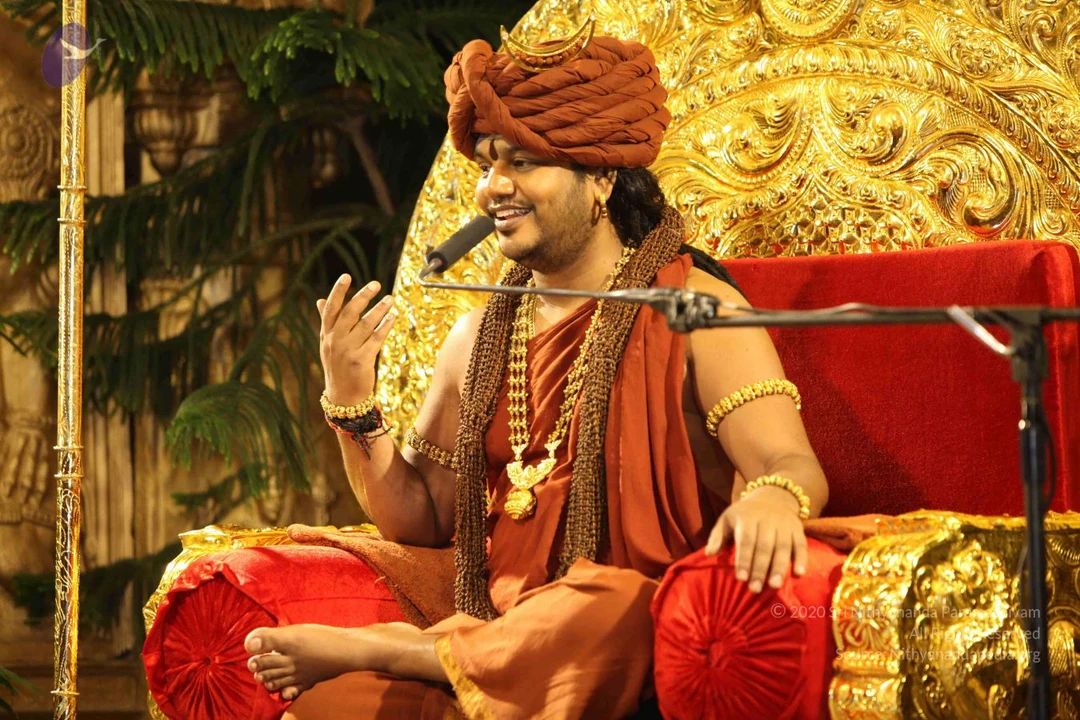
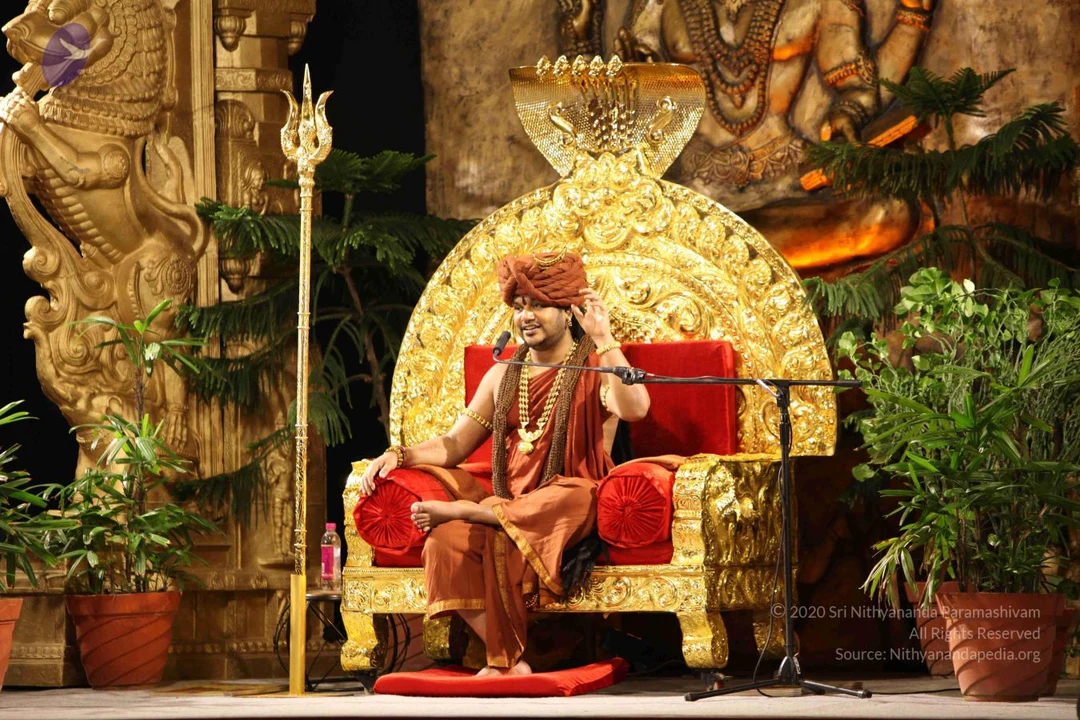
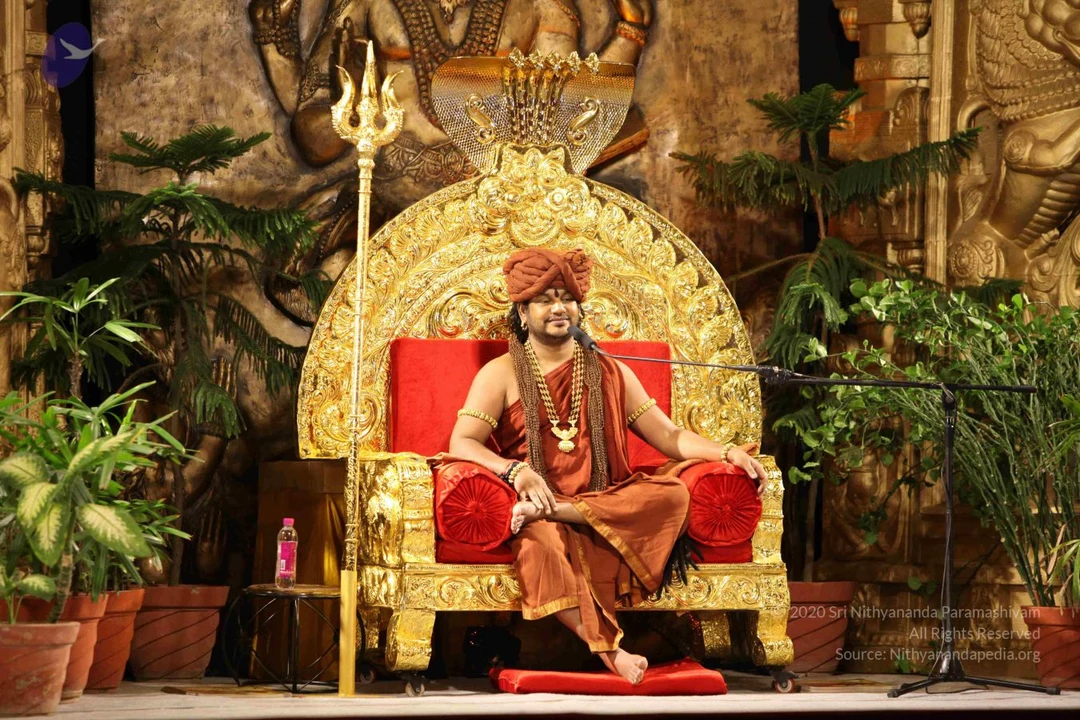
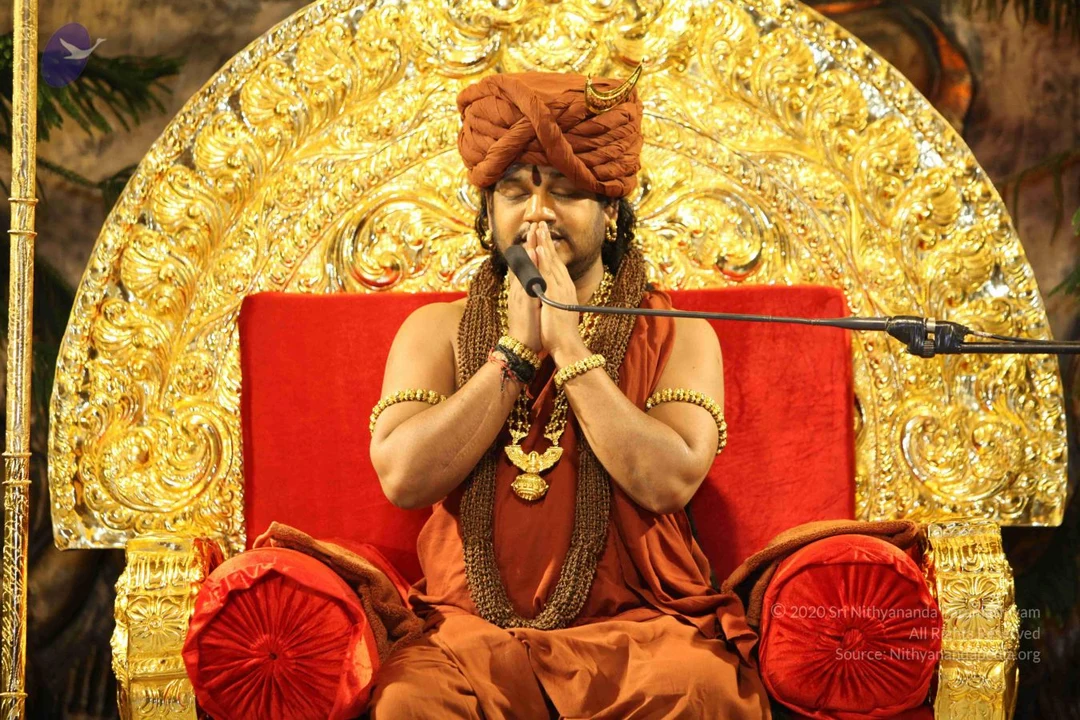
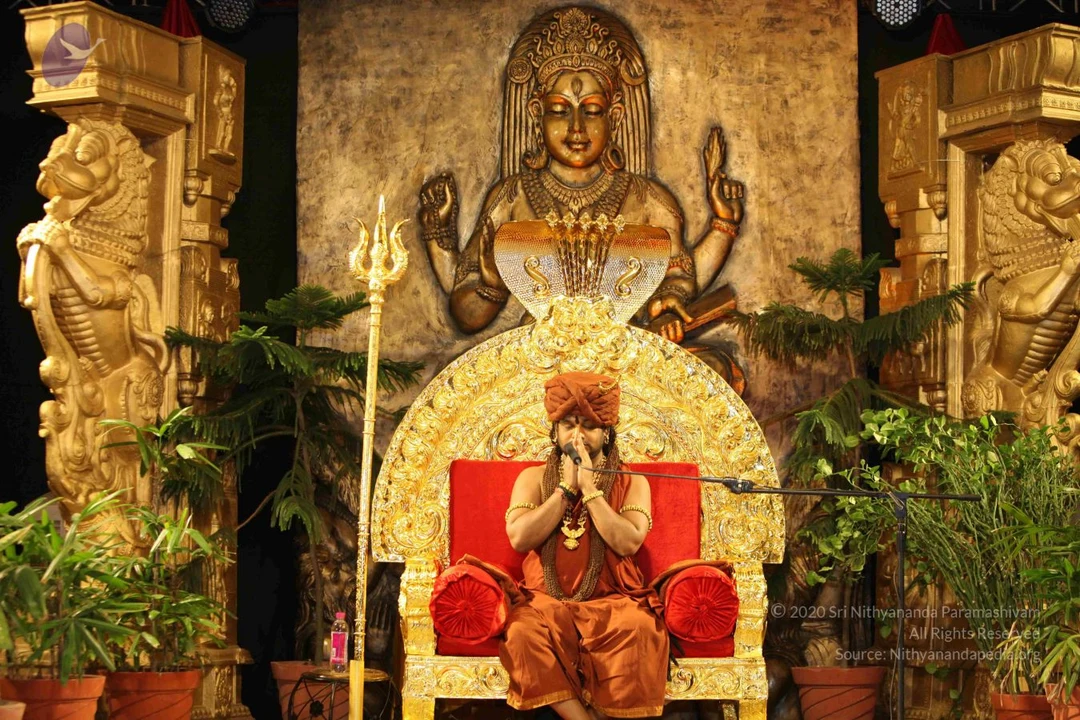
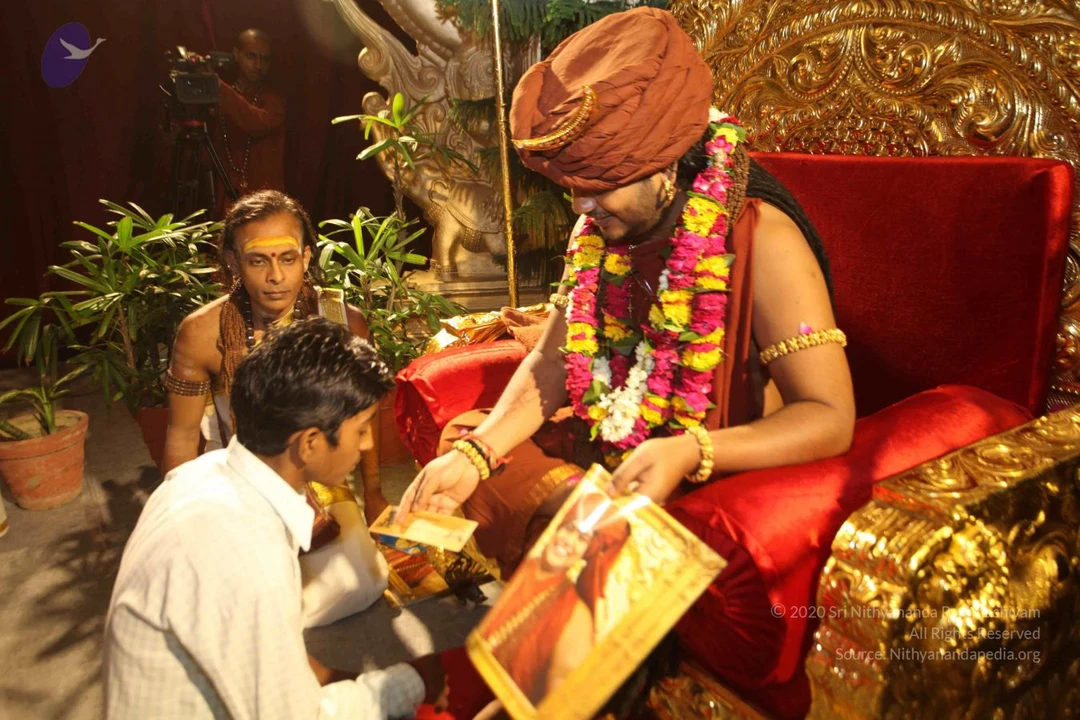
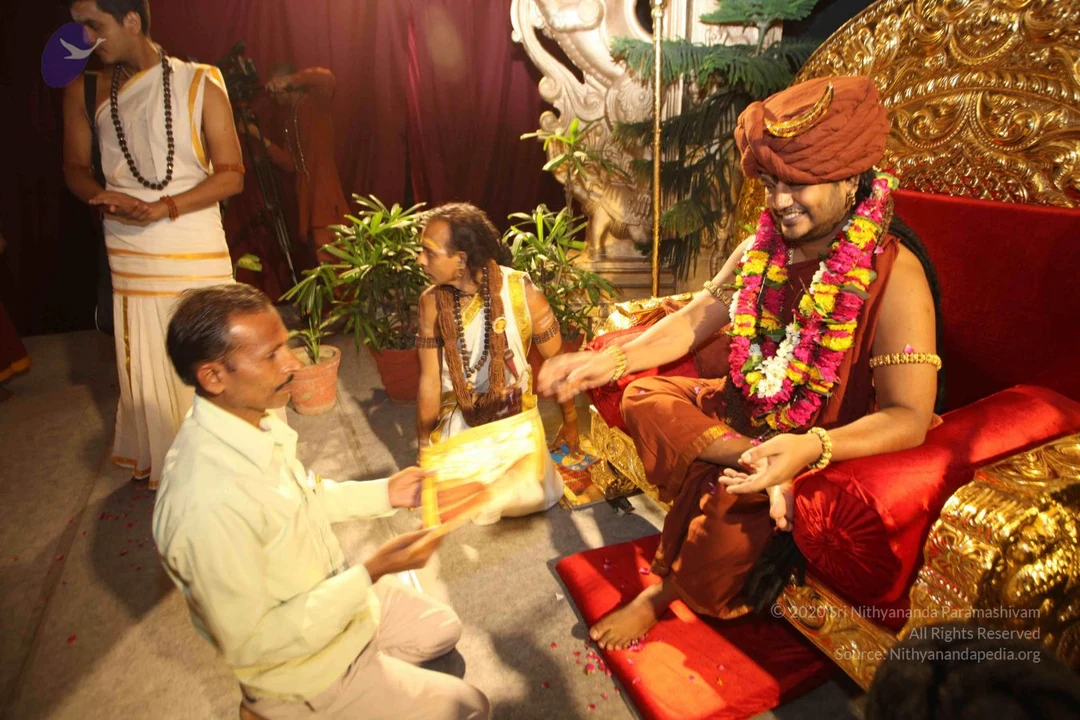
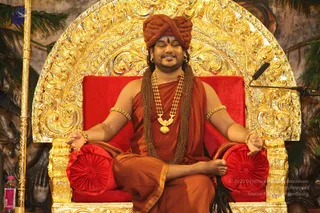
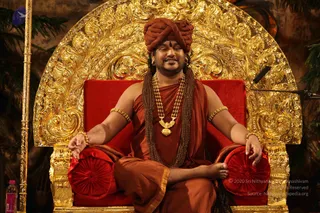
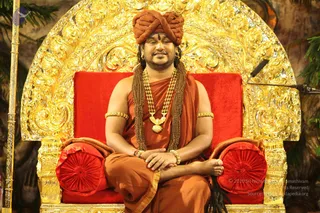
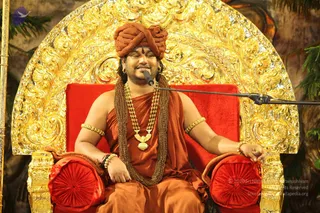
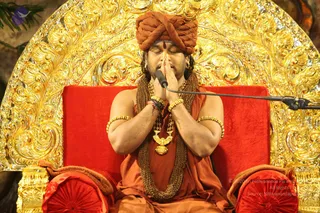
Nithya Satsang
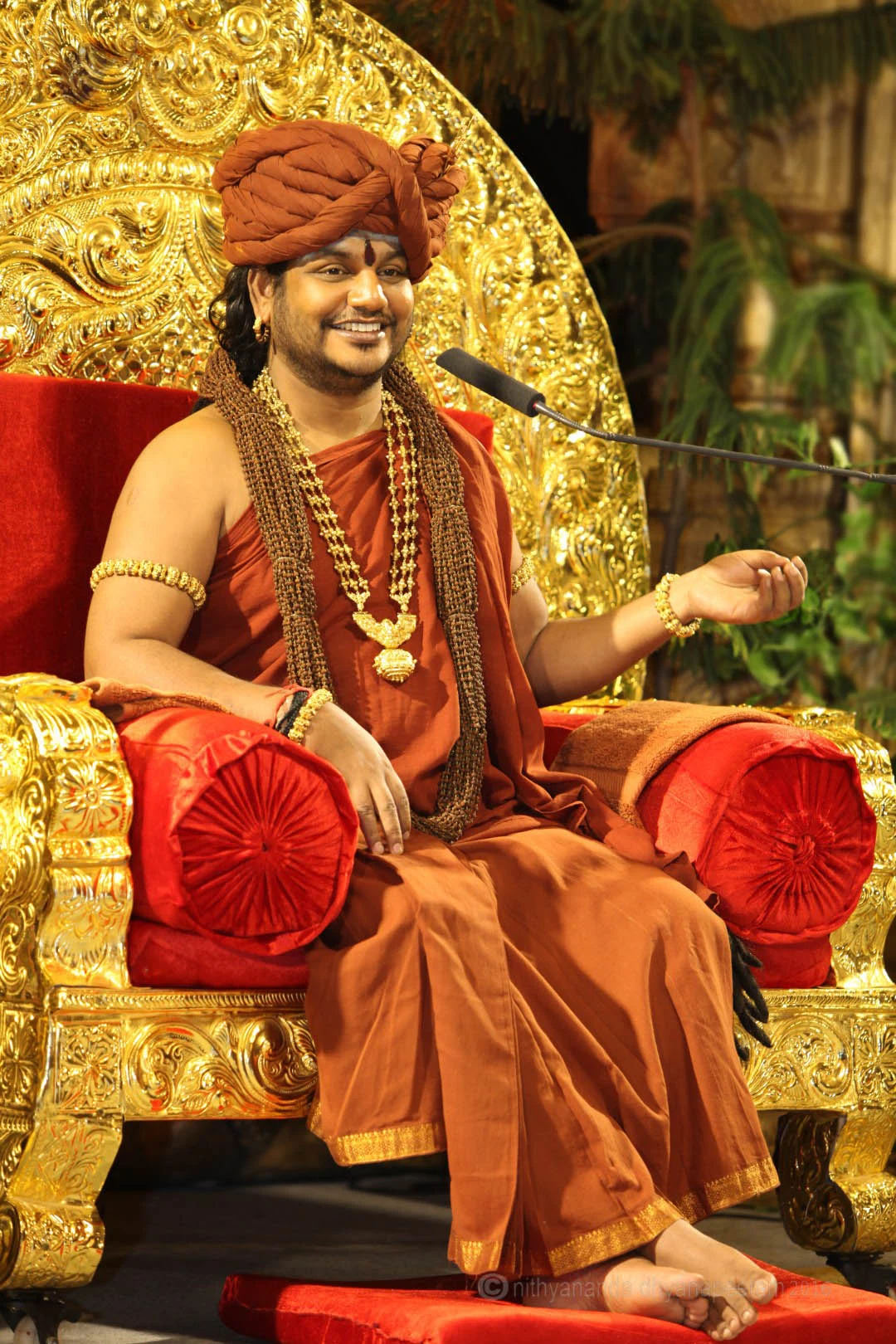
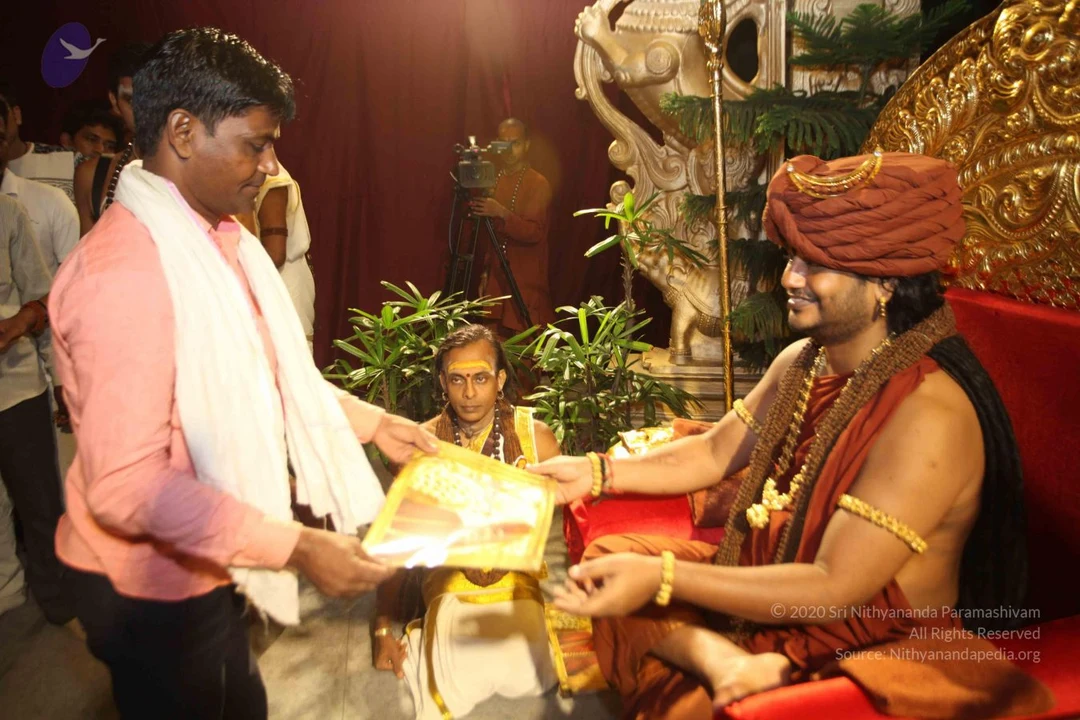
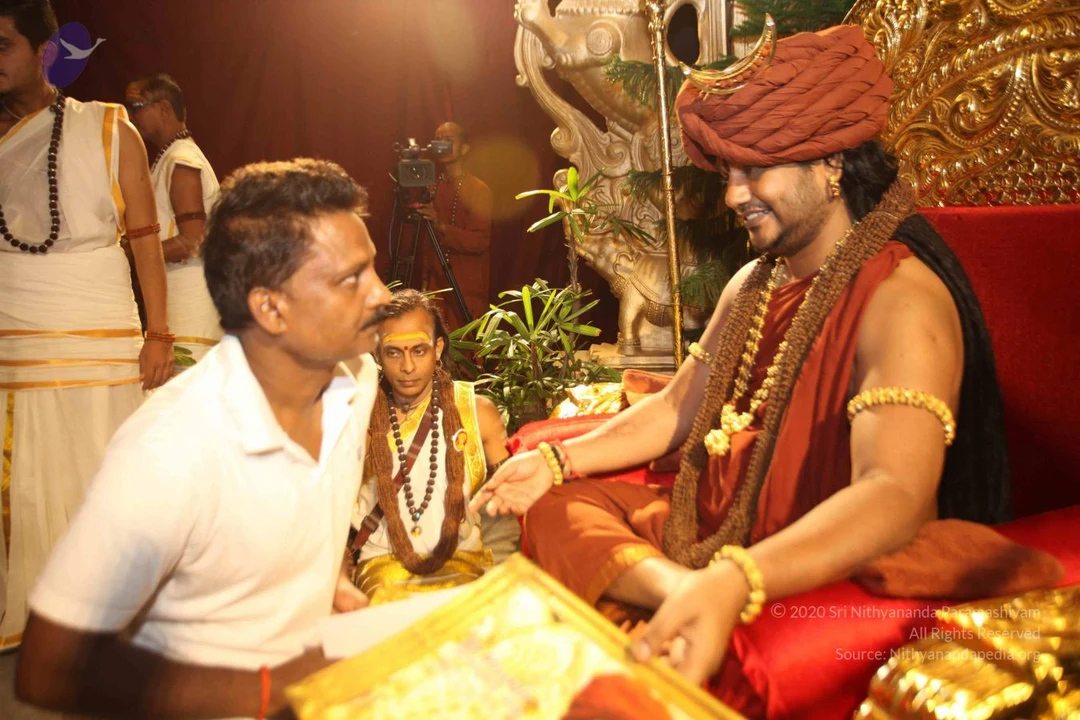
Kalpataru Darshan
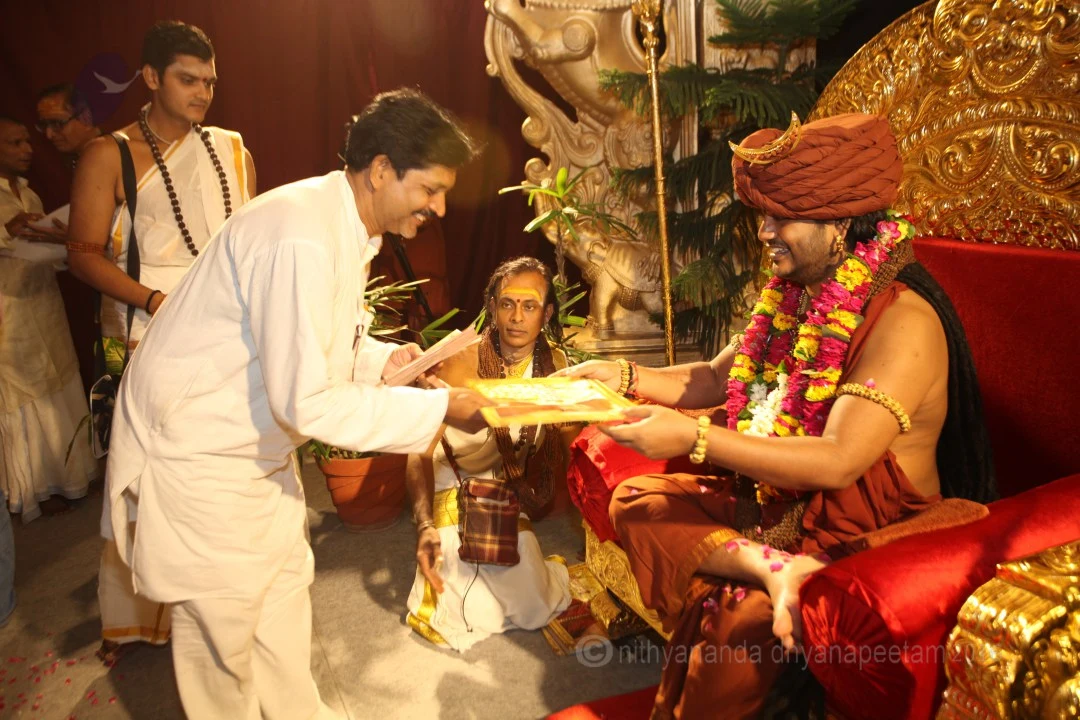
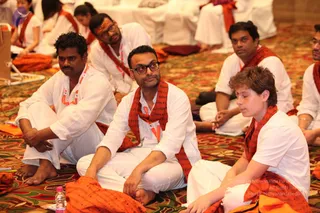
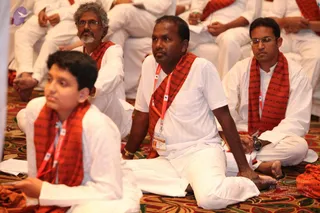
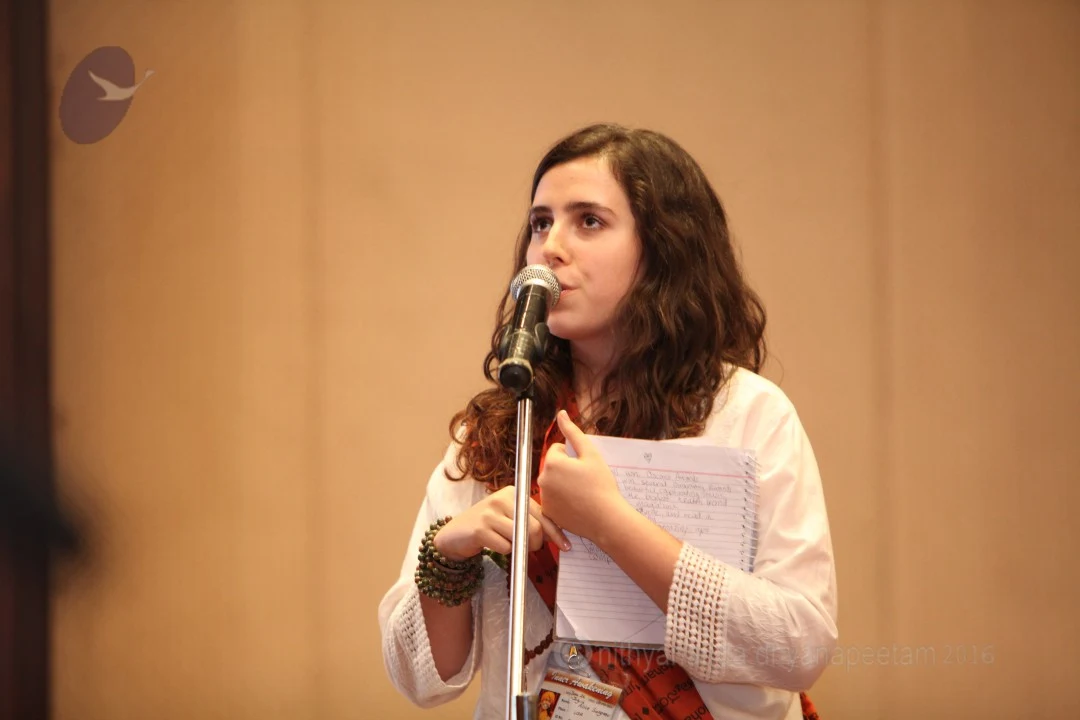
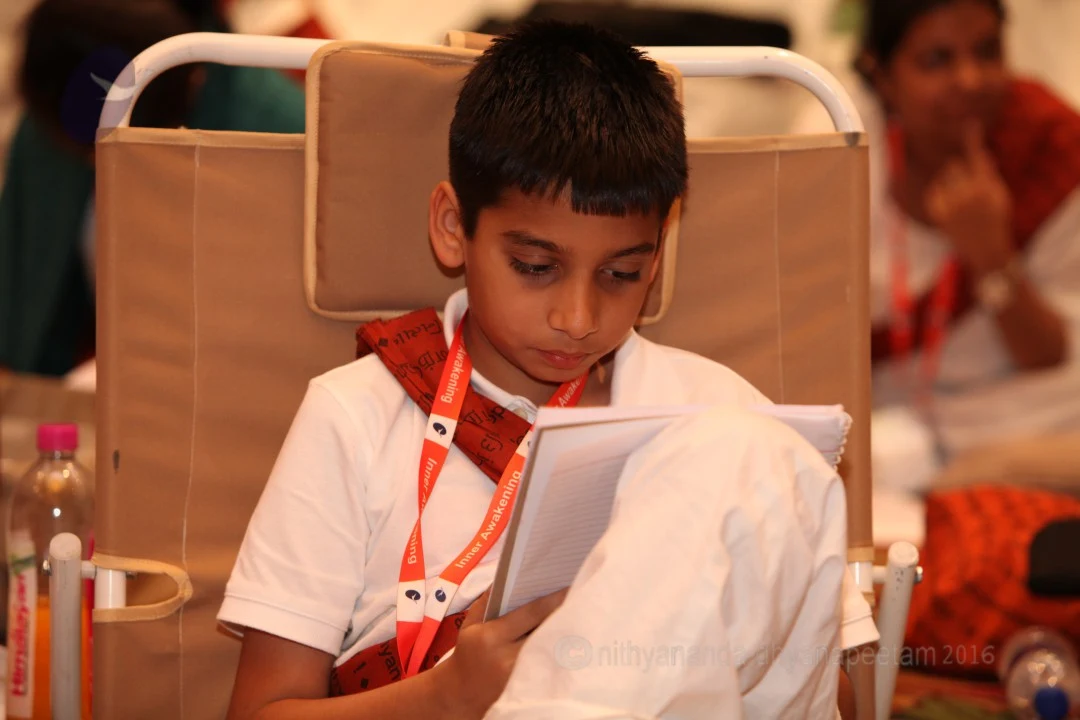
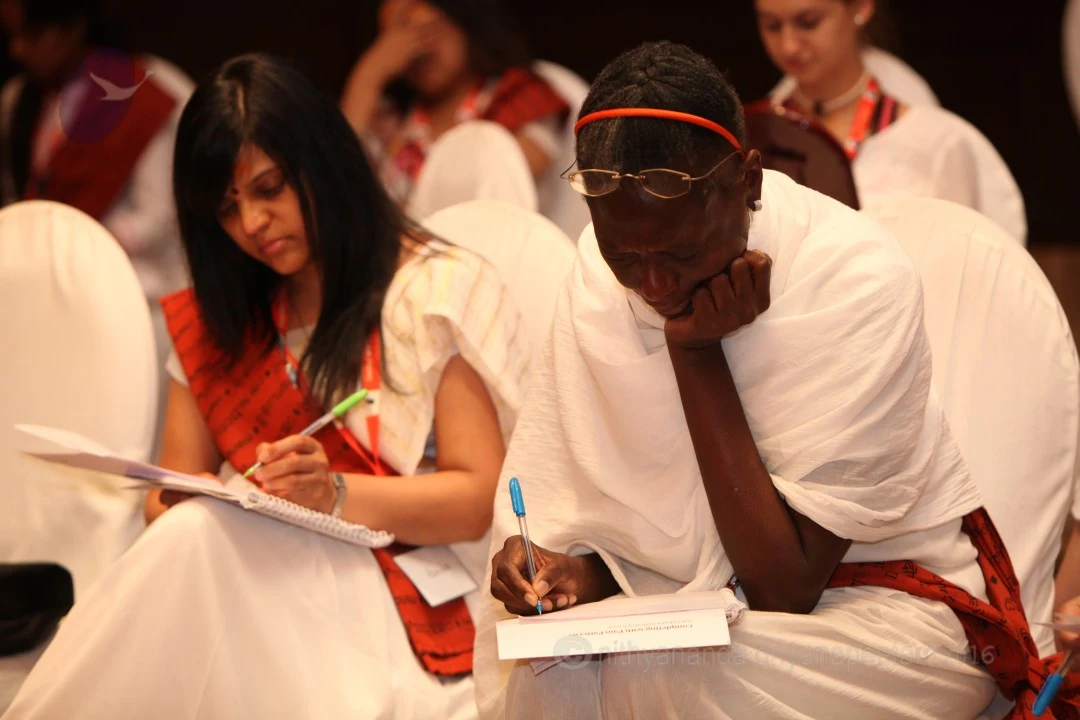
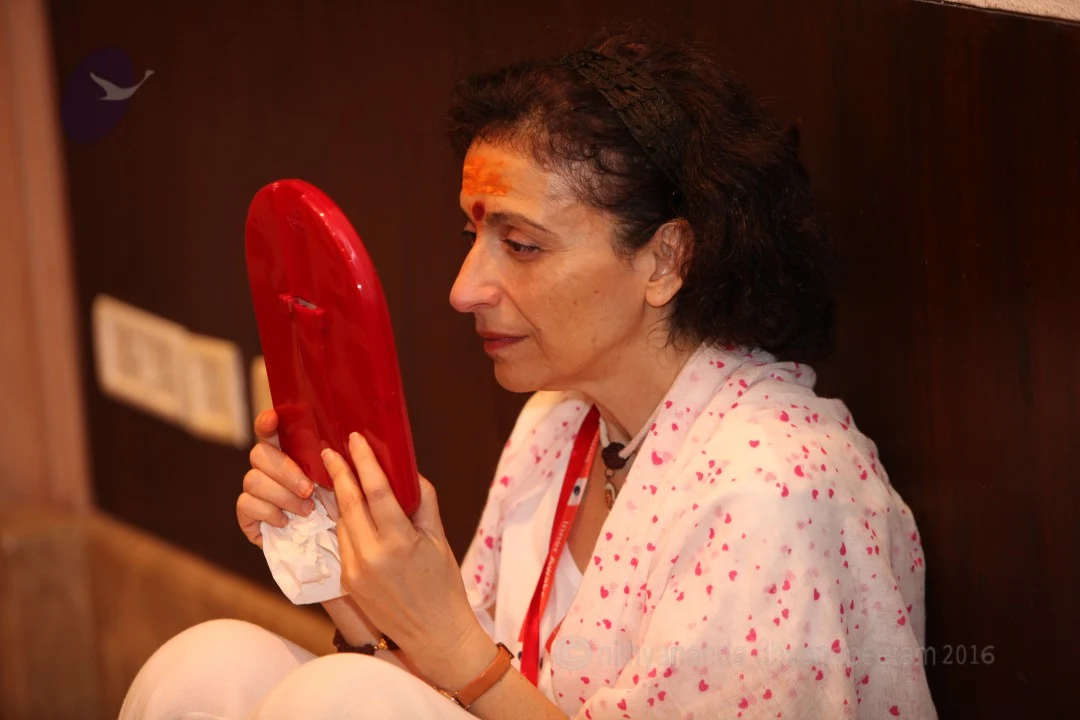
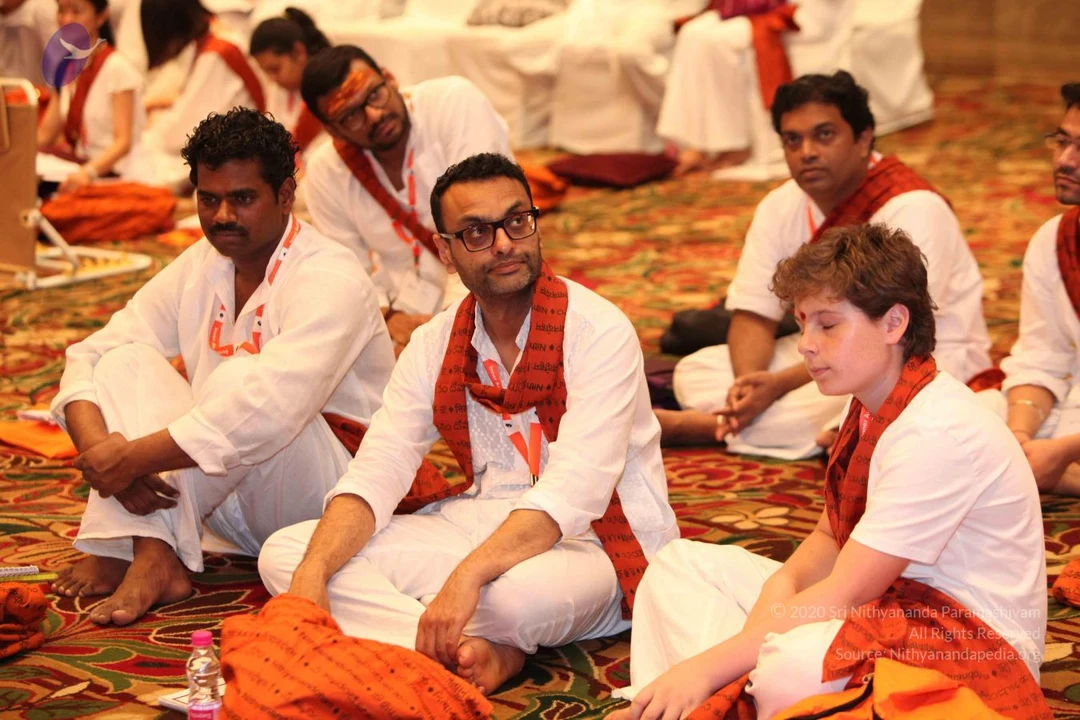
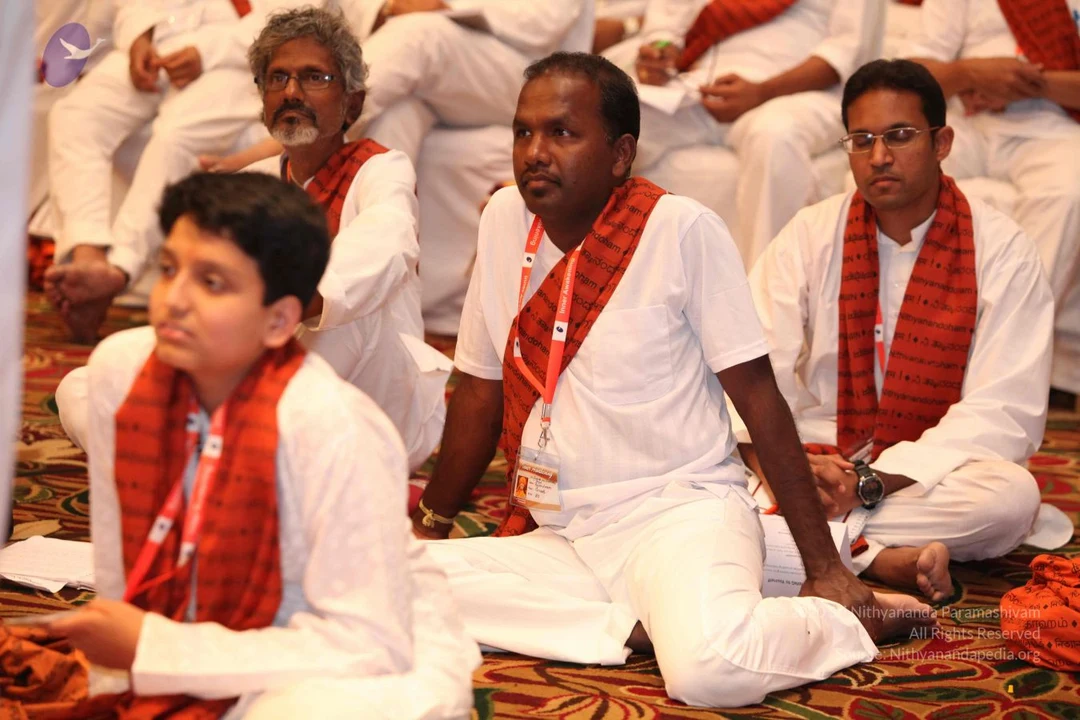
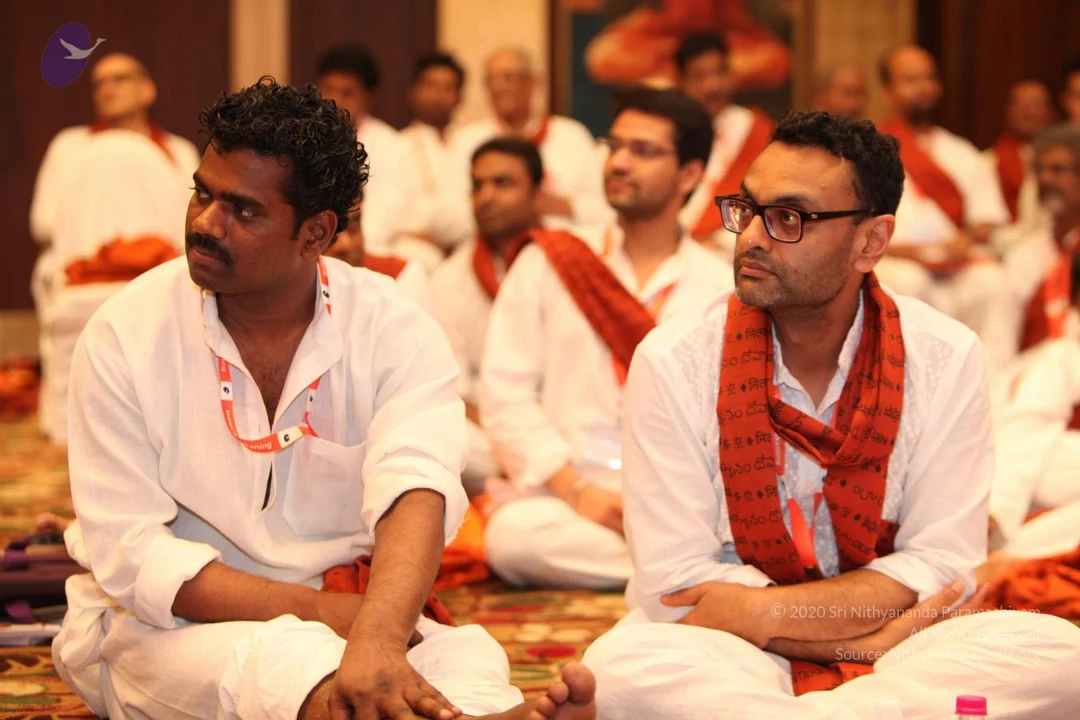
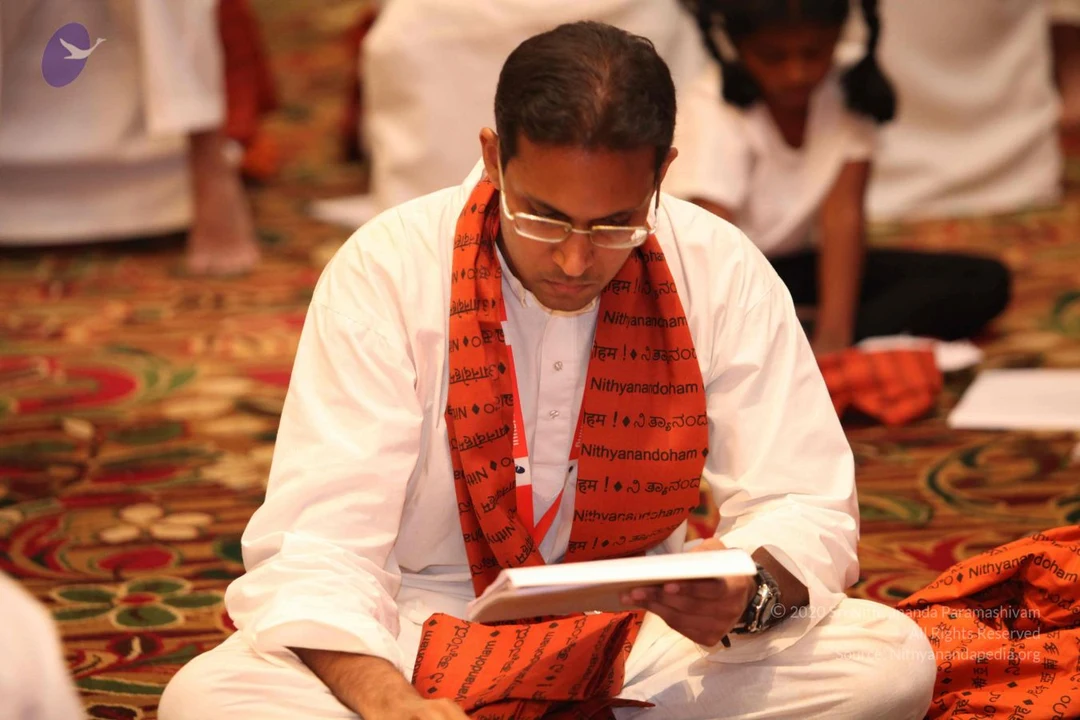
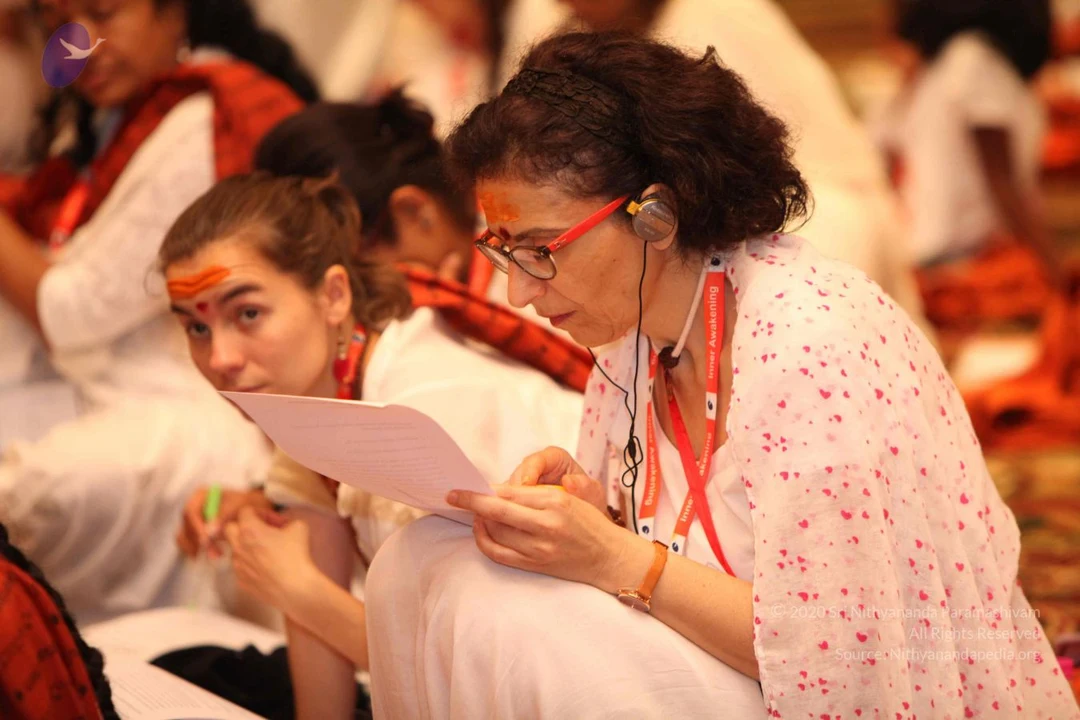
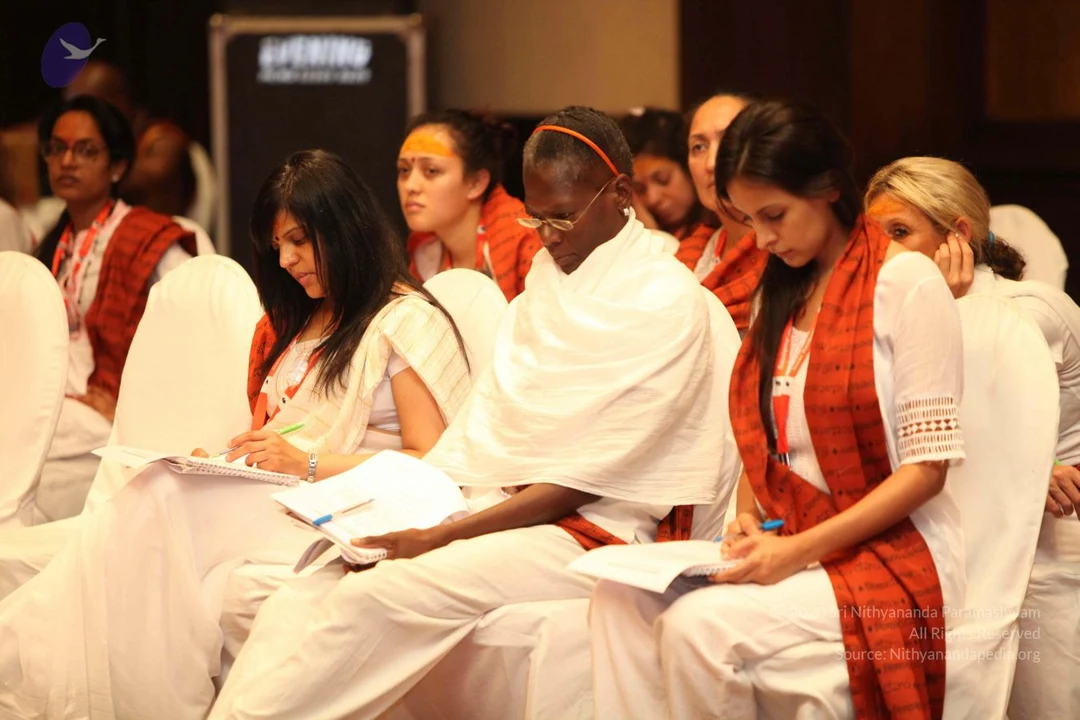
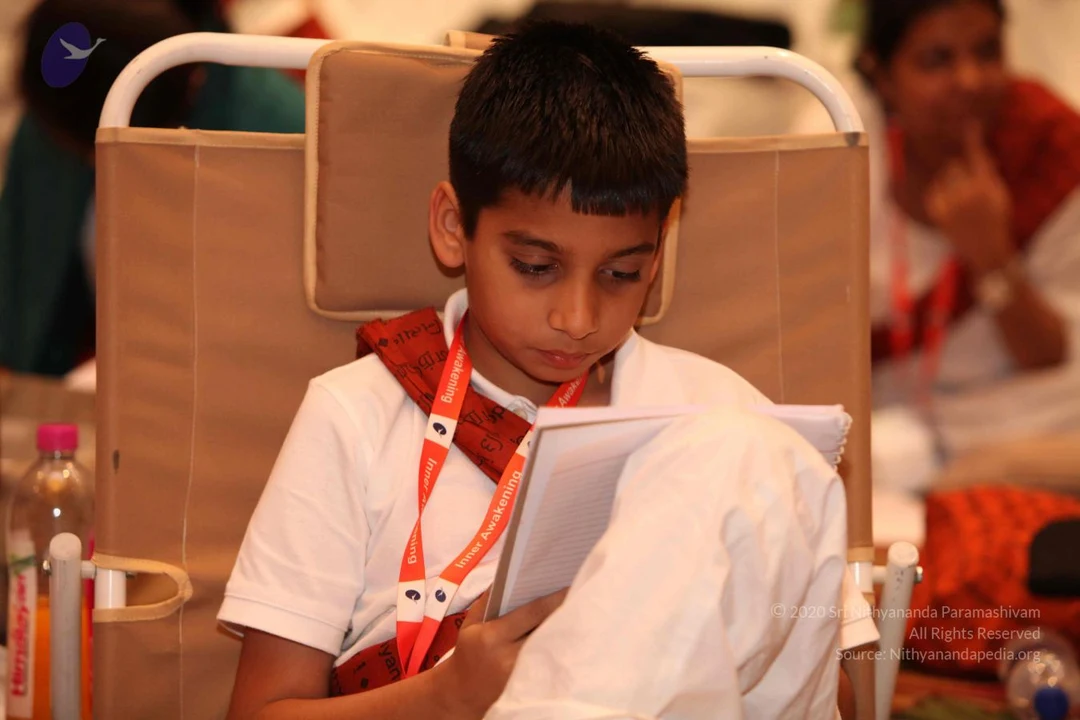
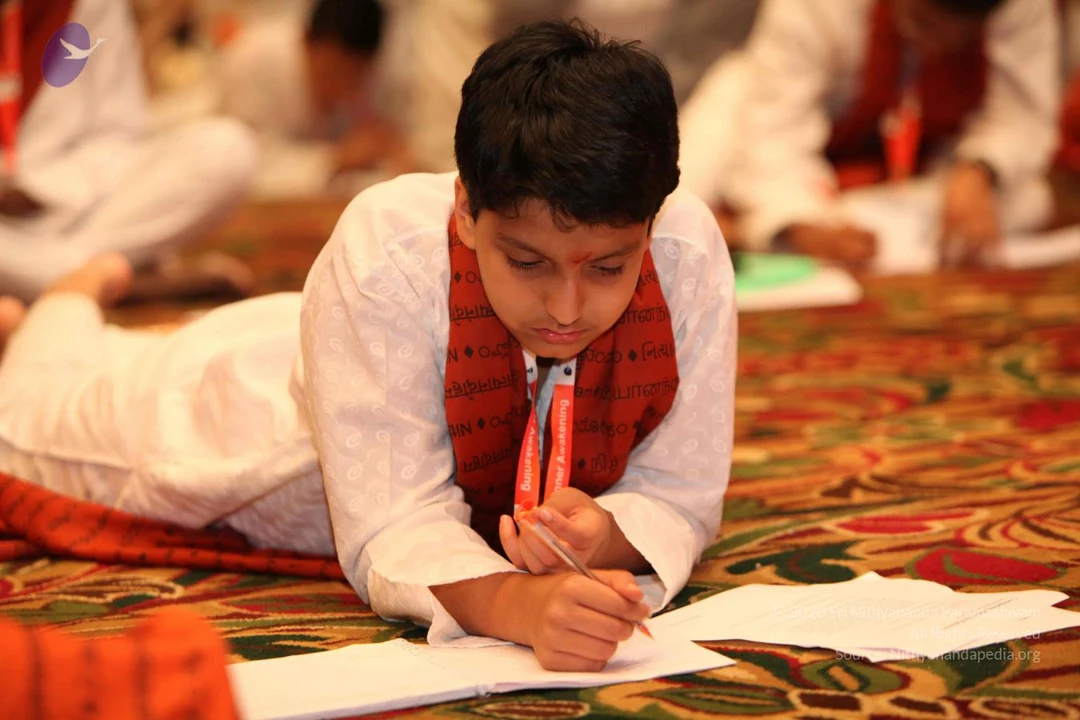
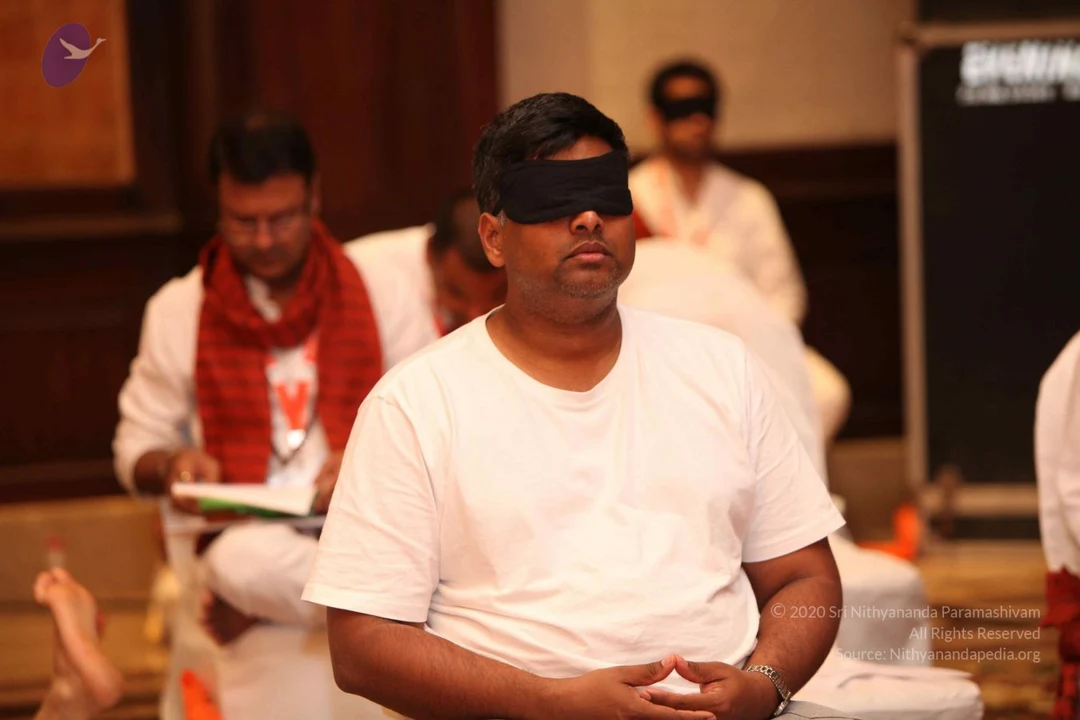
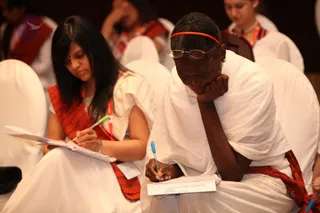
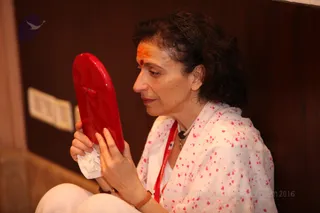
Inner Awakening Sharing Session and Completion Sessions
Tags:
Science of Will, Will Power, Declaration of Will, Declare your will
Sakshi Pramana:
sharing from Inner awakening
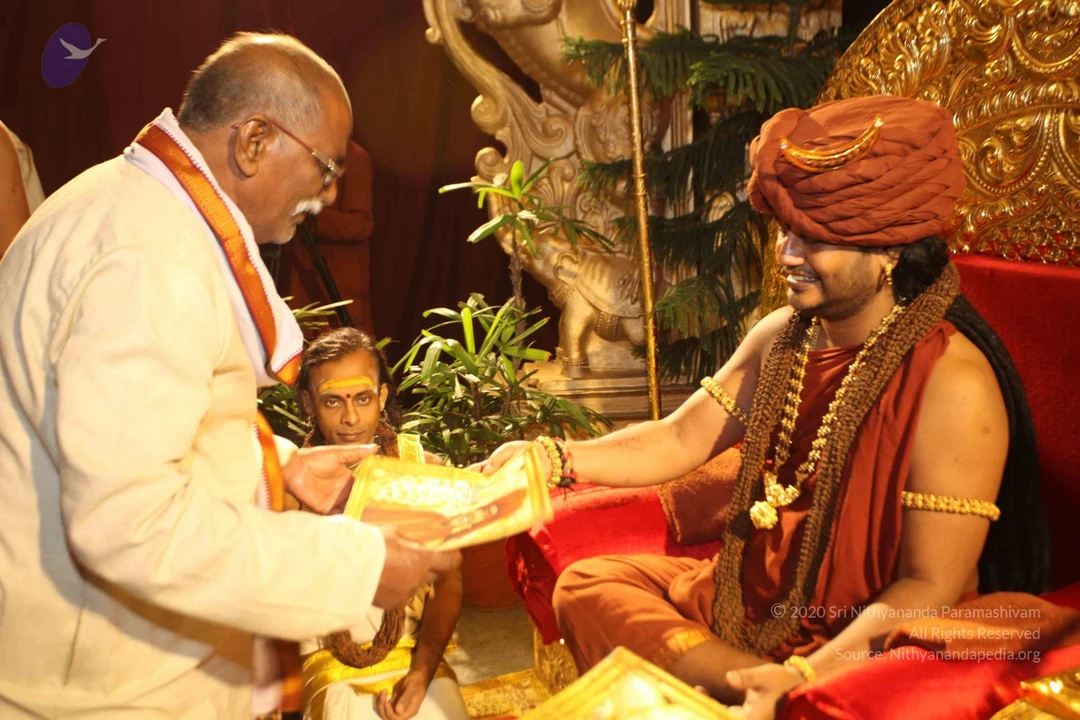
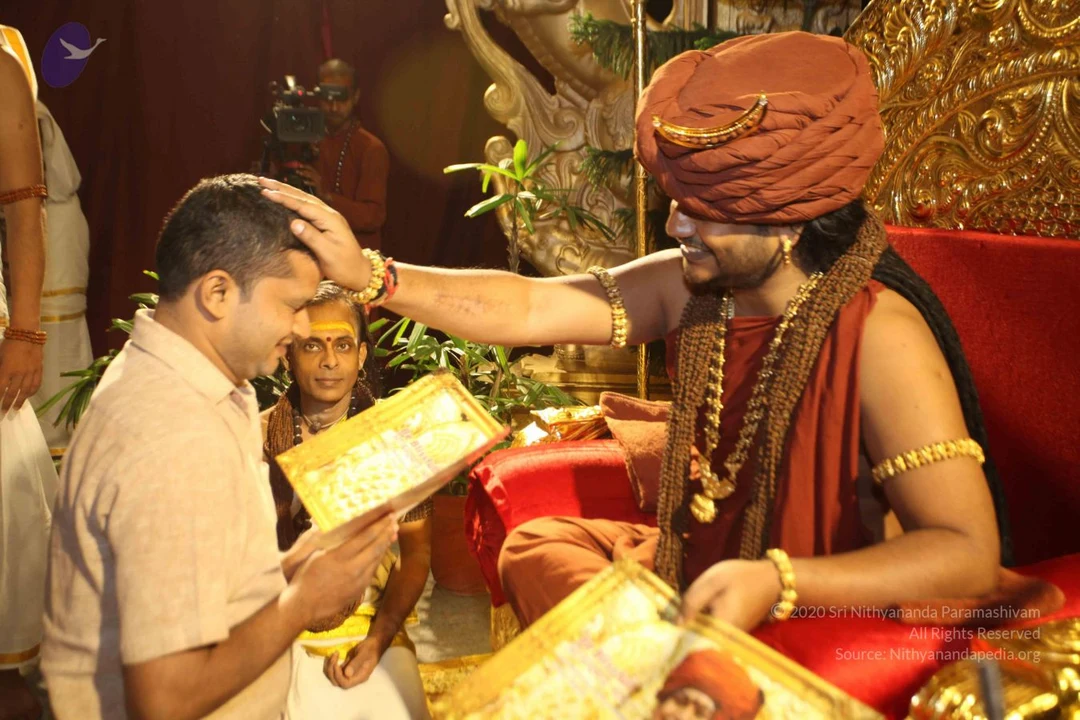
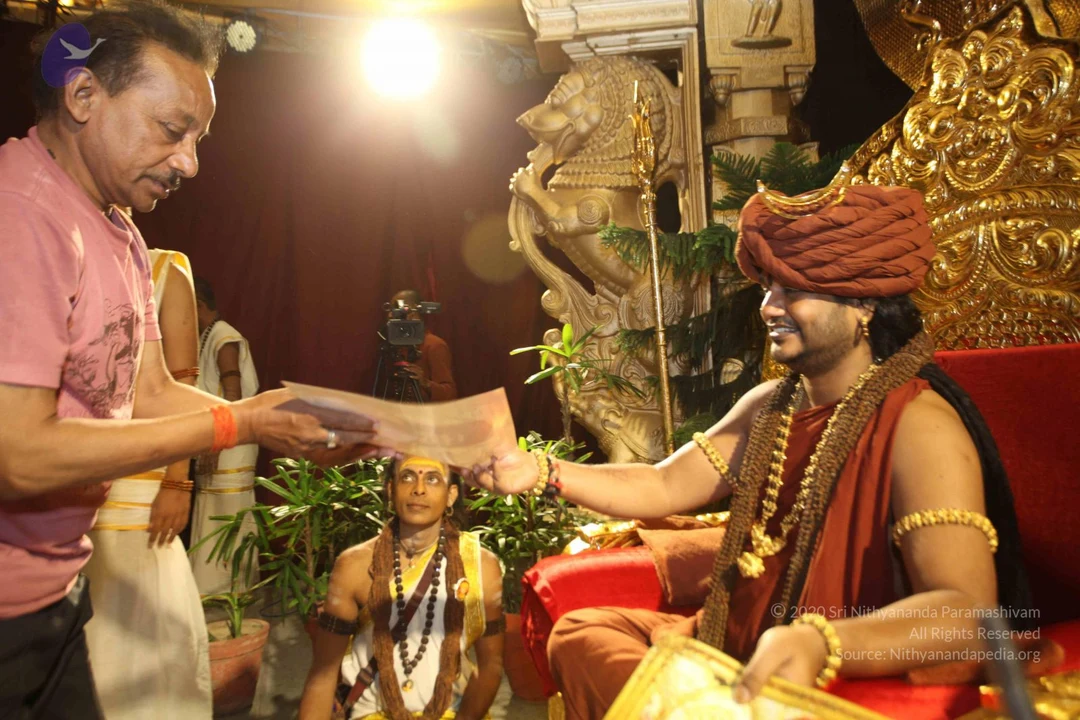
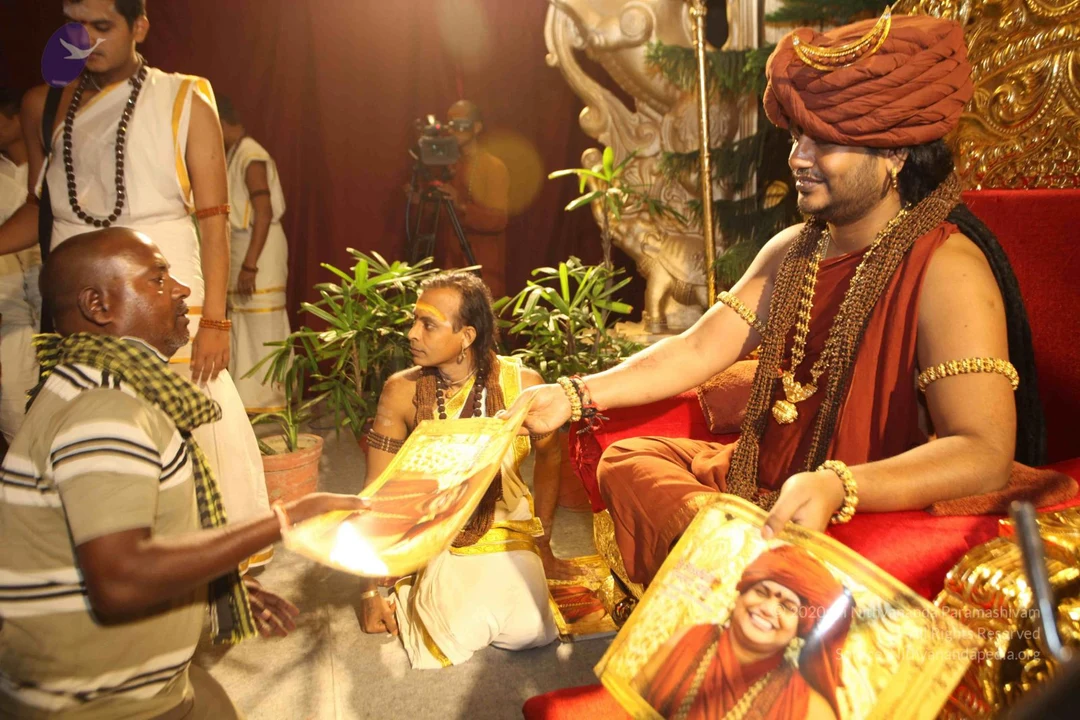
Photos Of The Day:
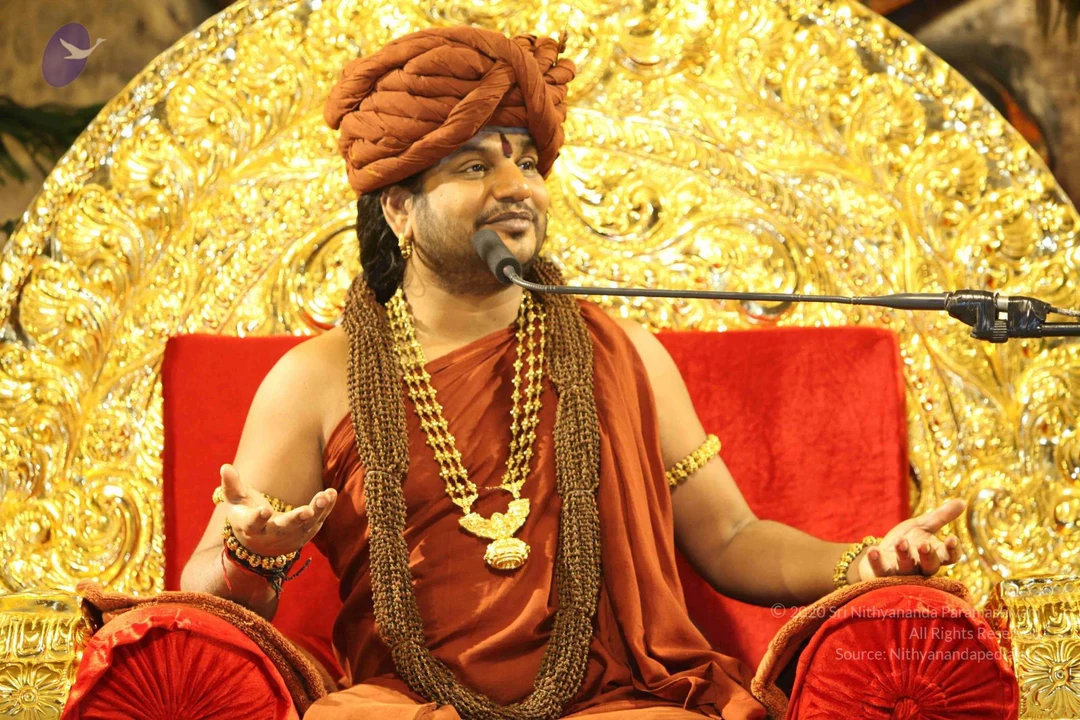
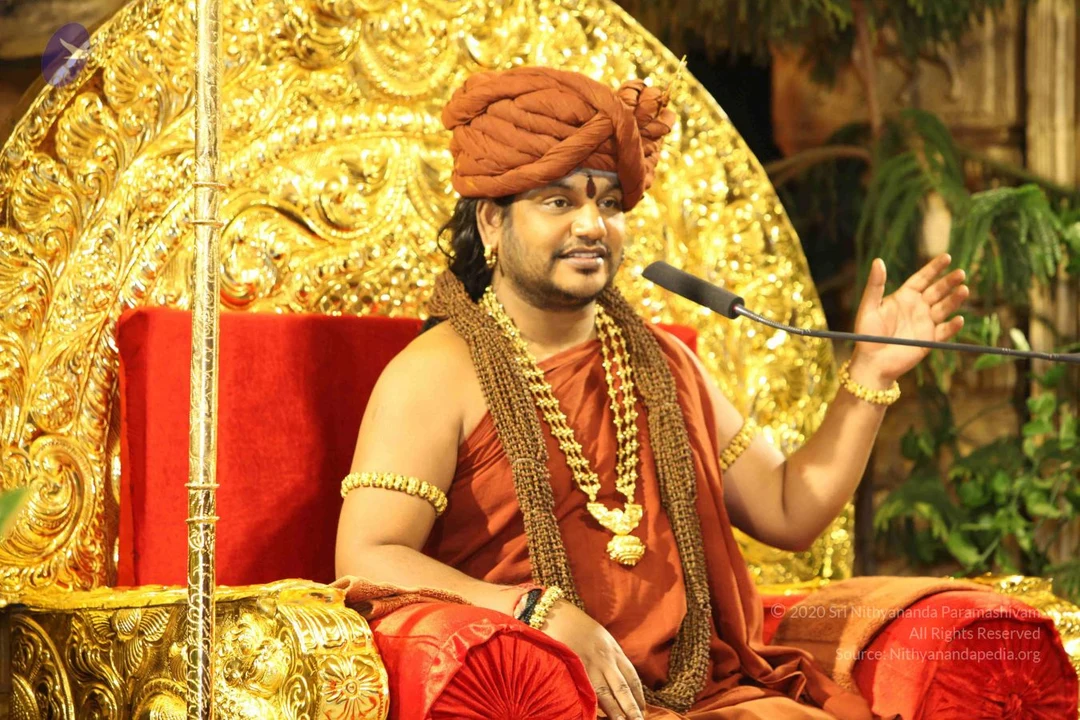
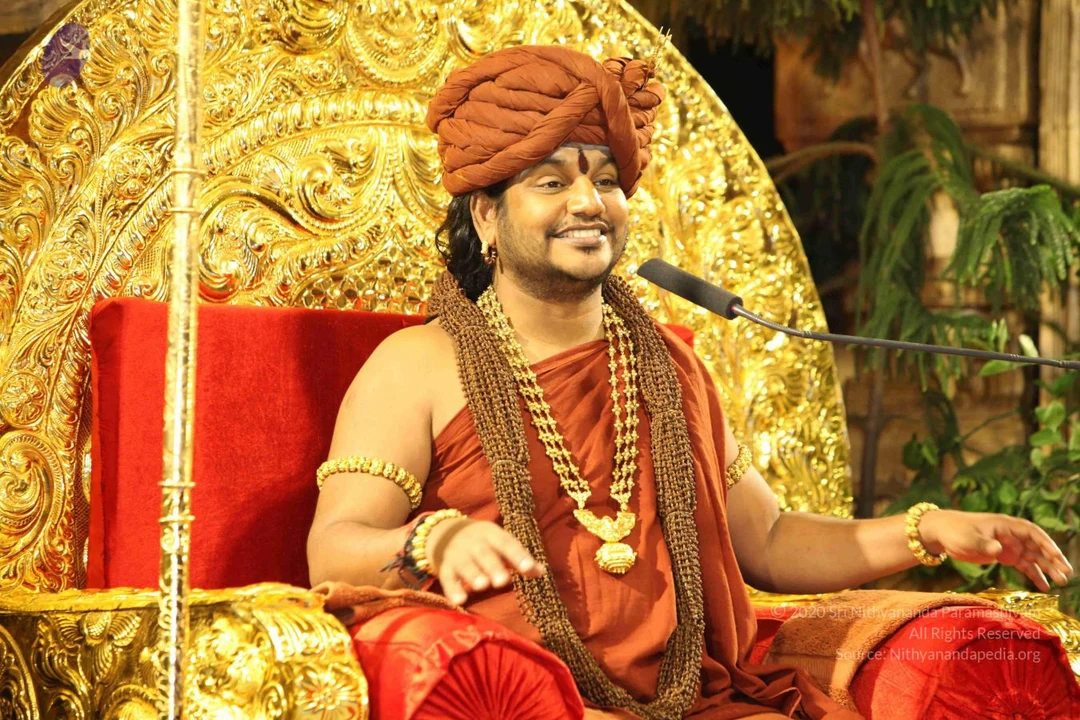
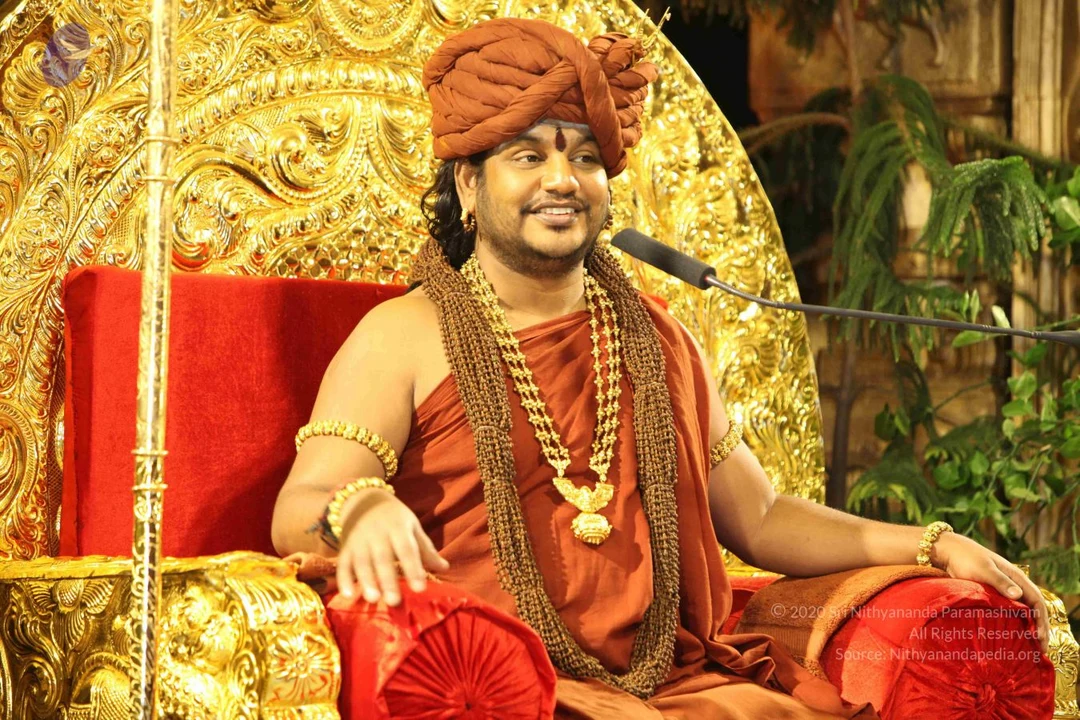
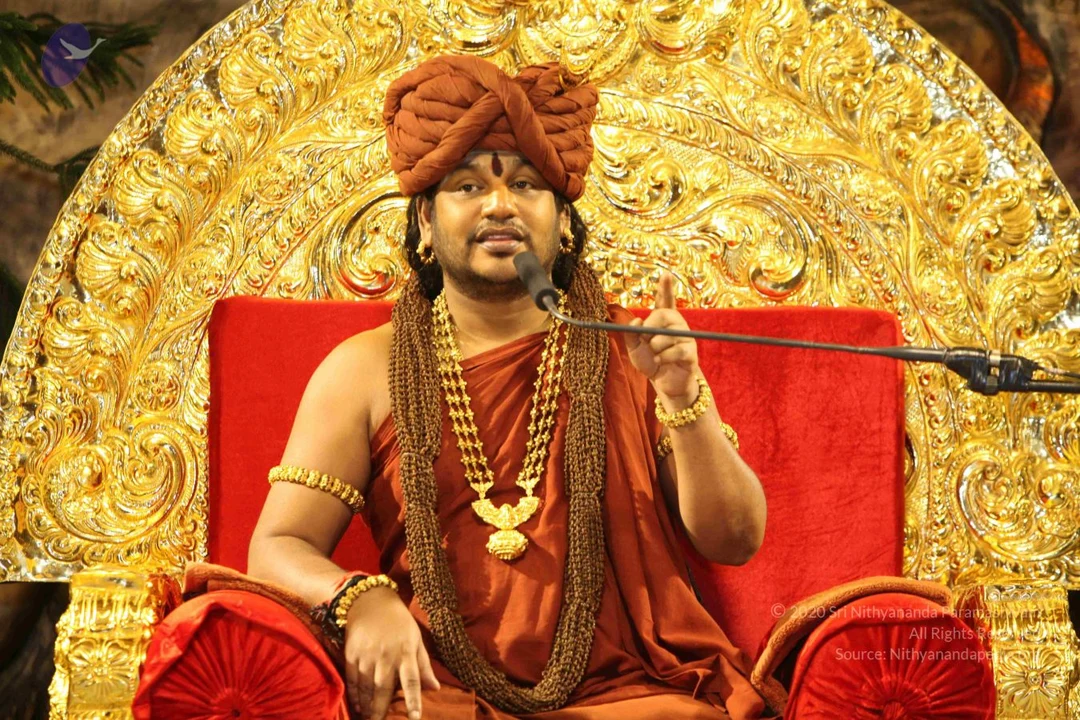
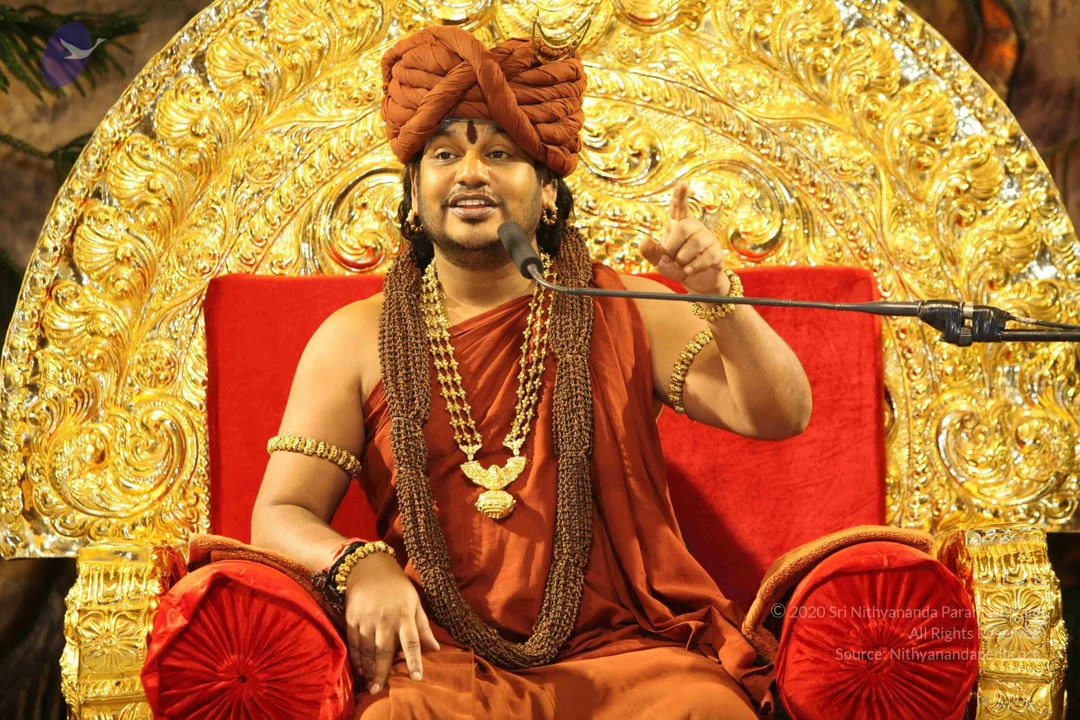
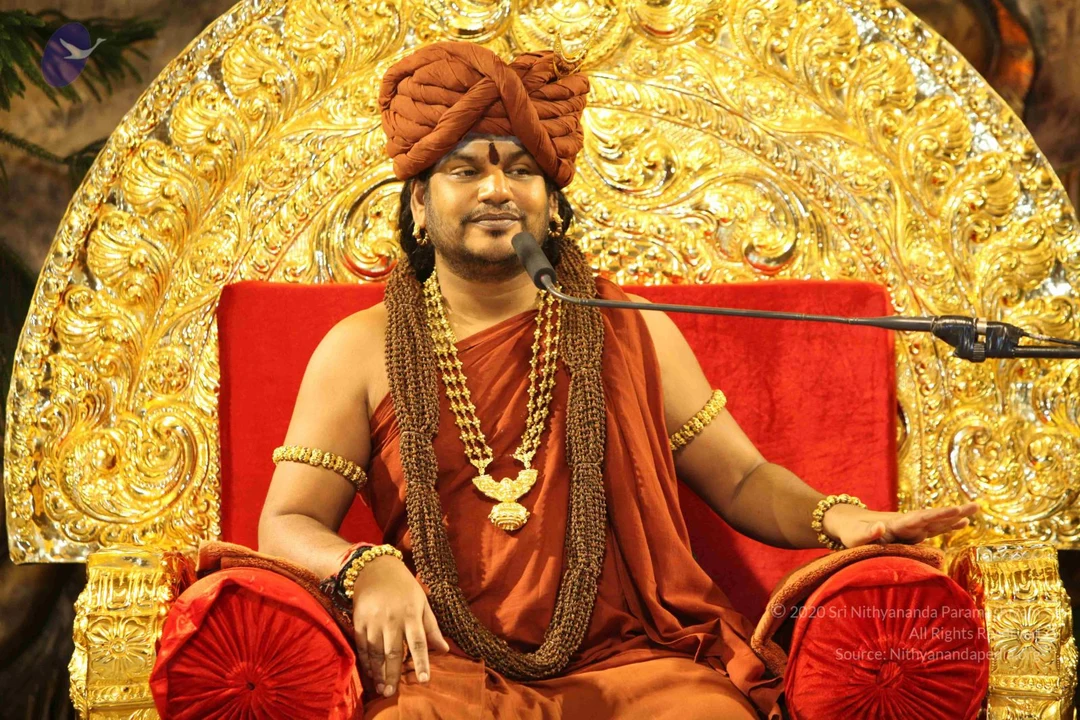
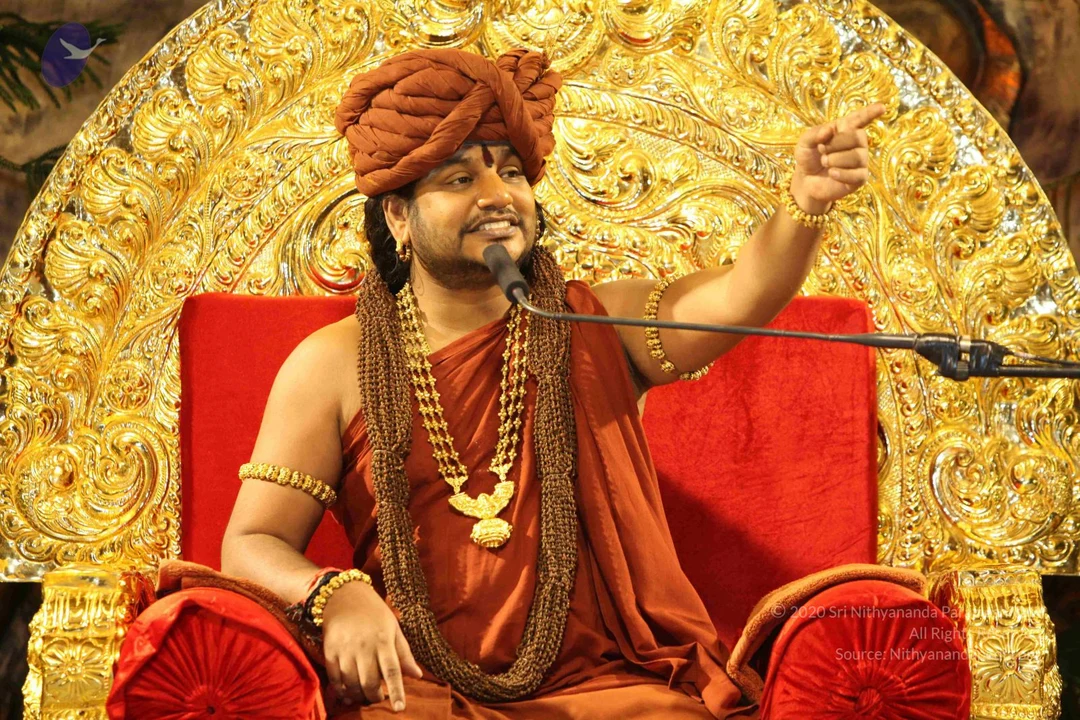
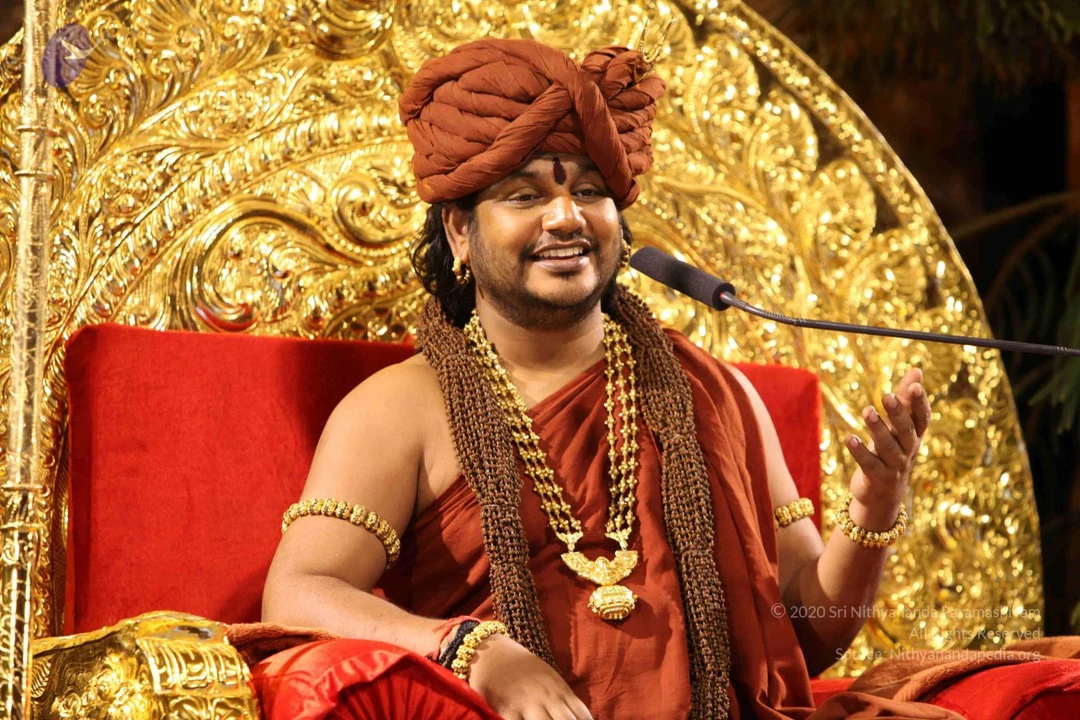
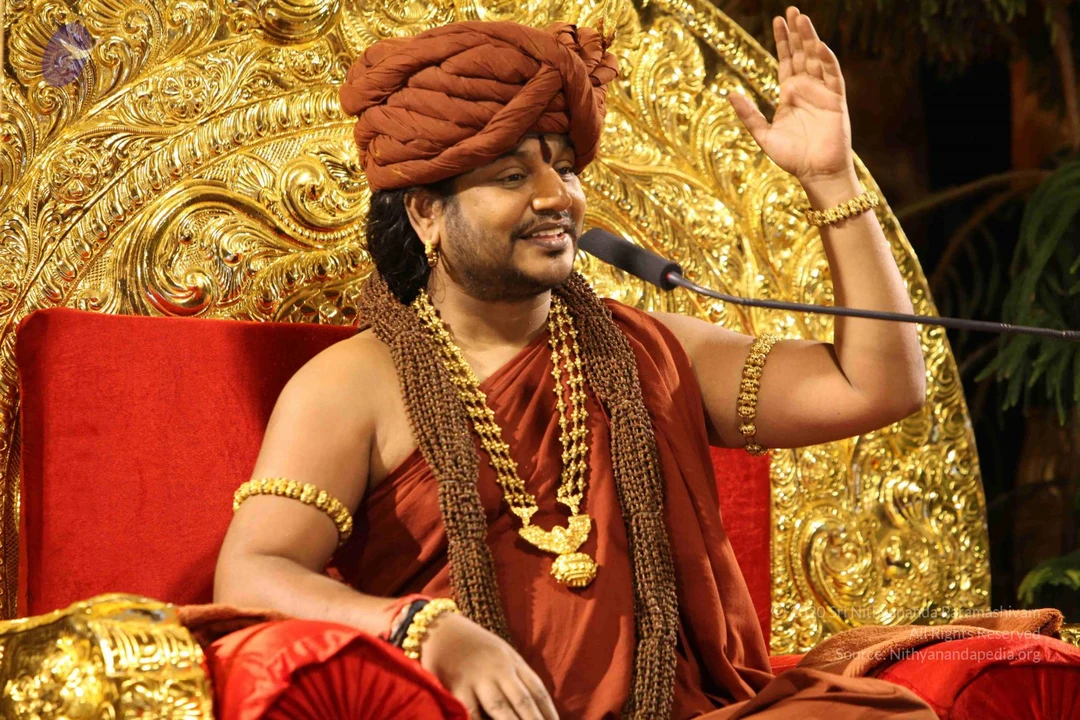
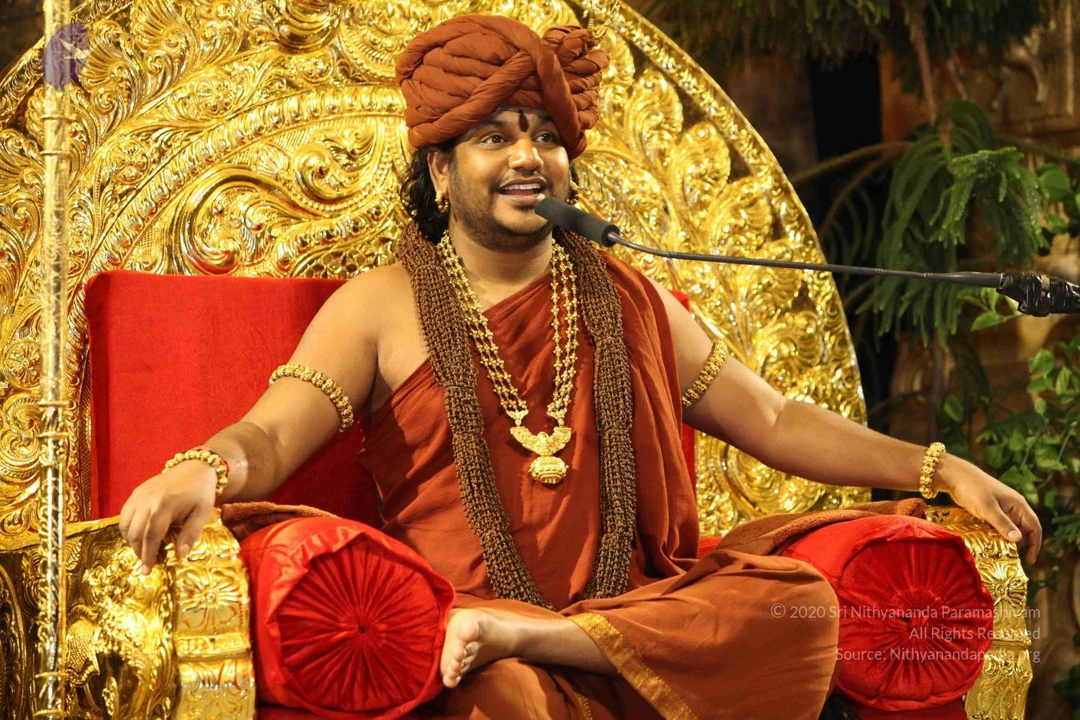
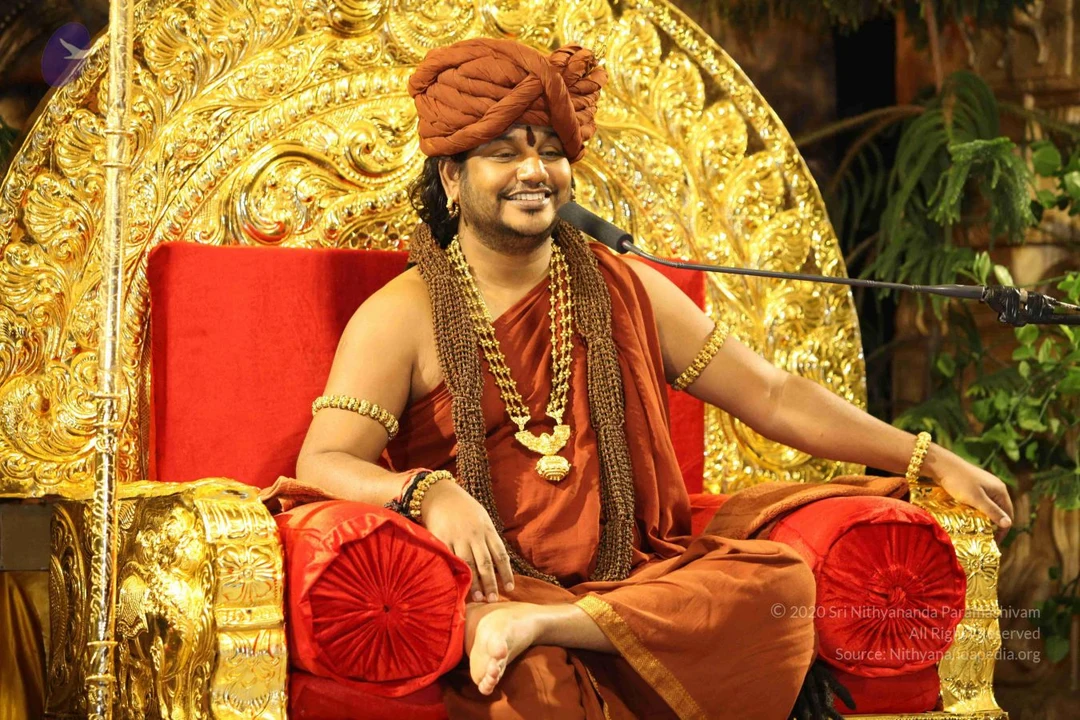
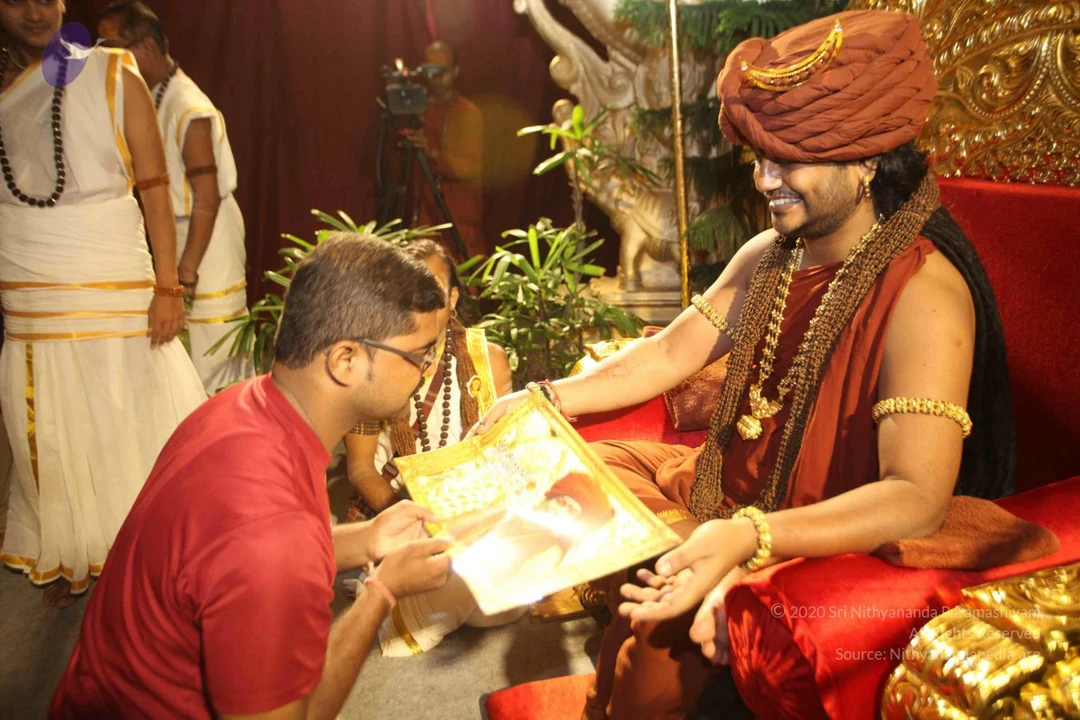
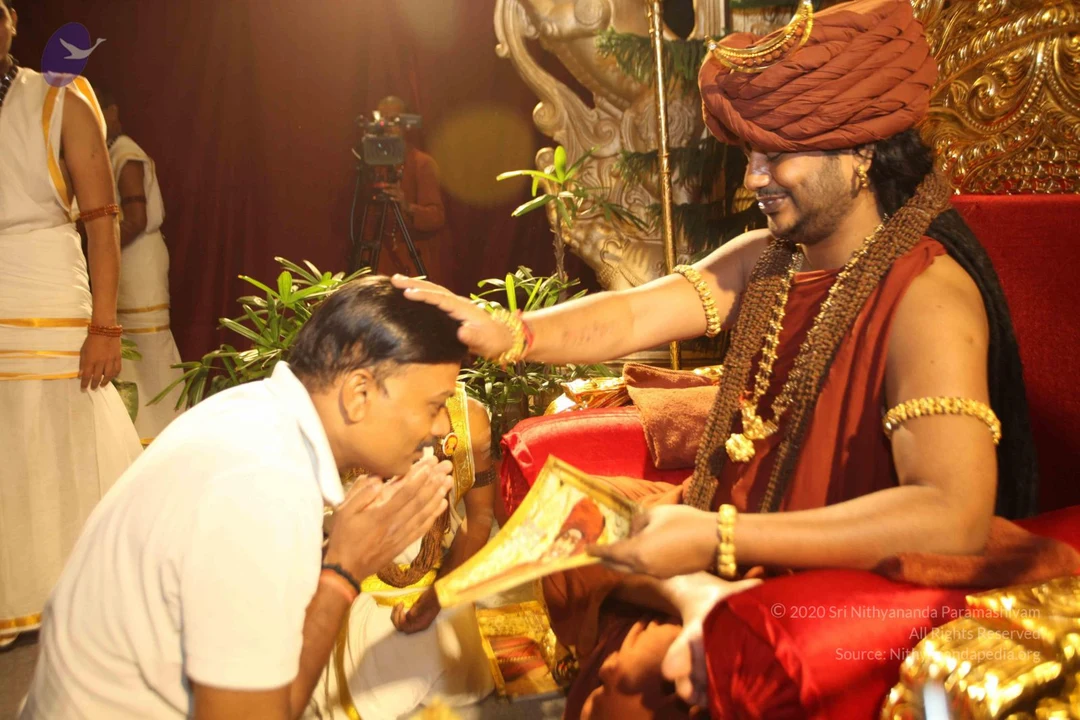
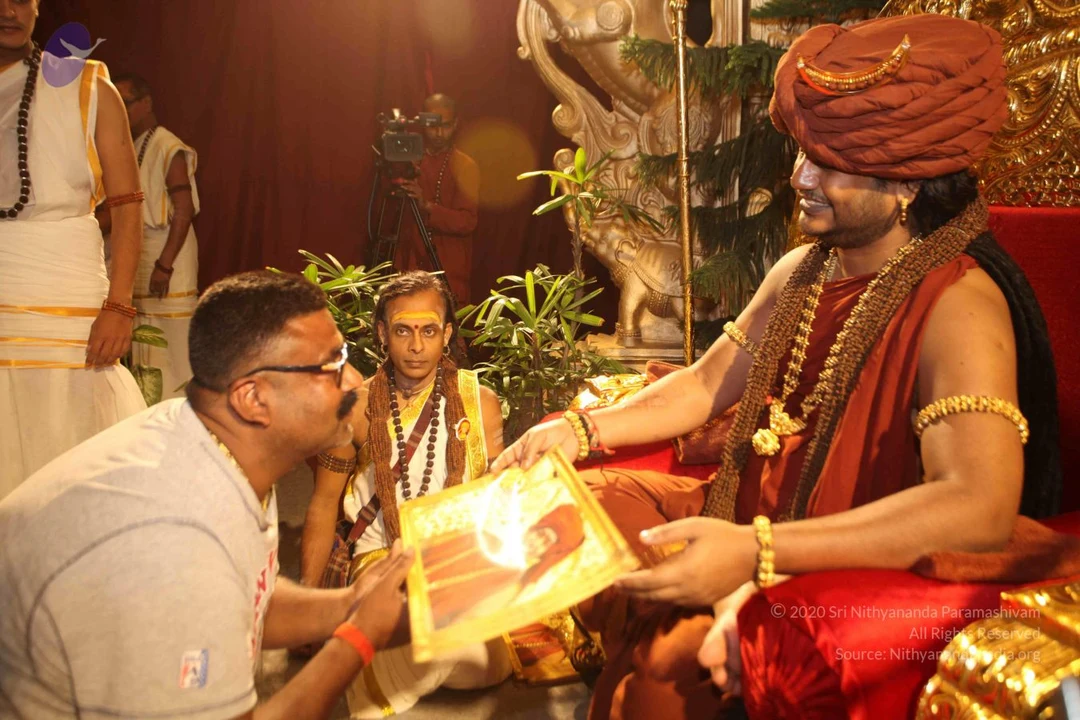
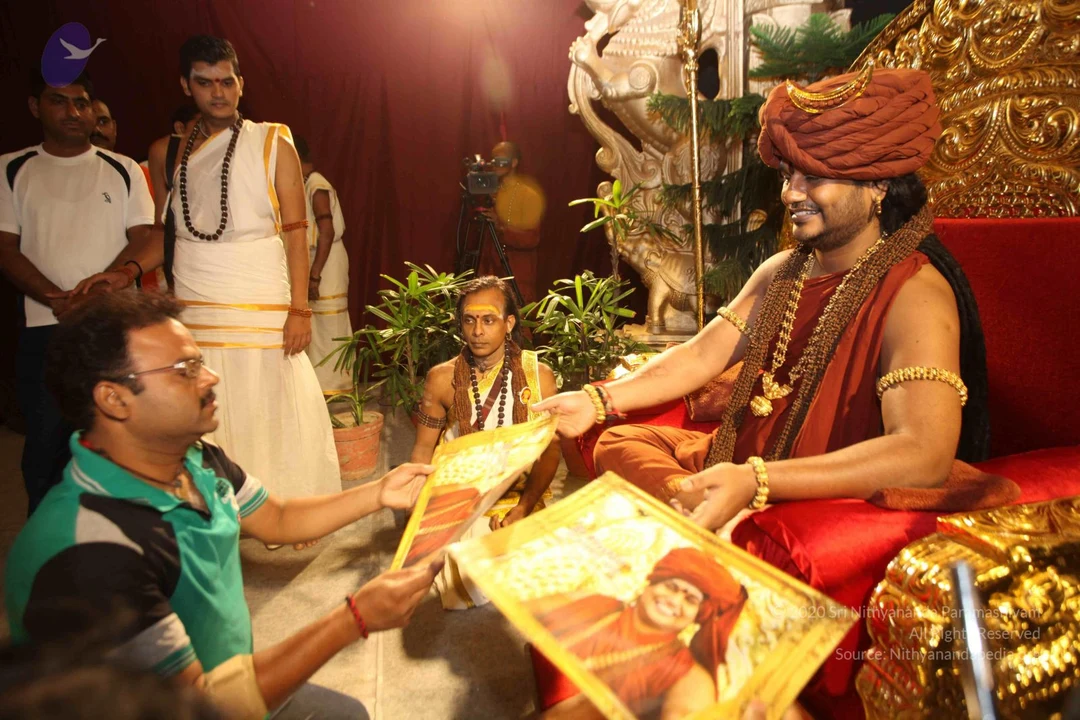
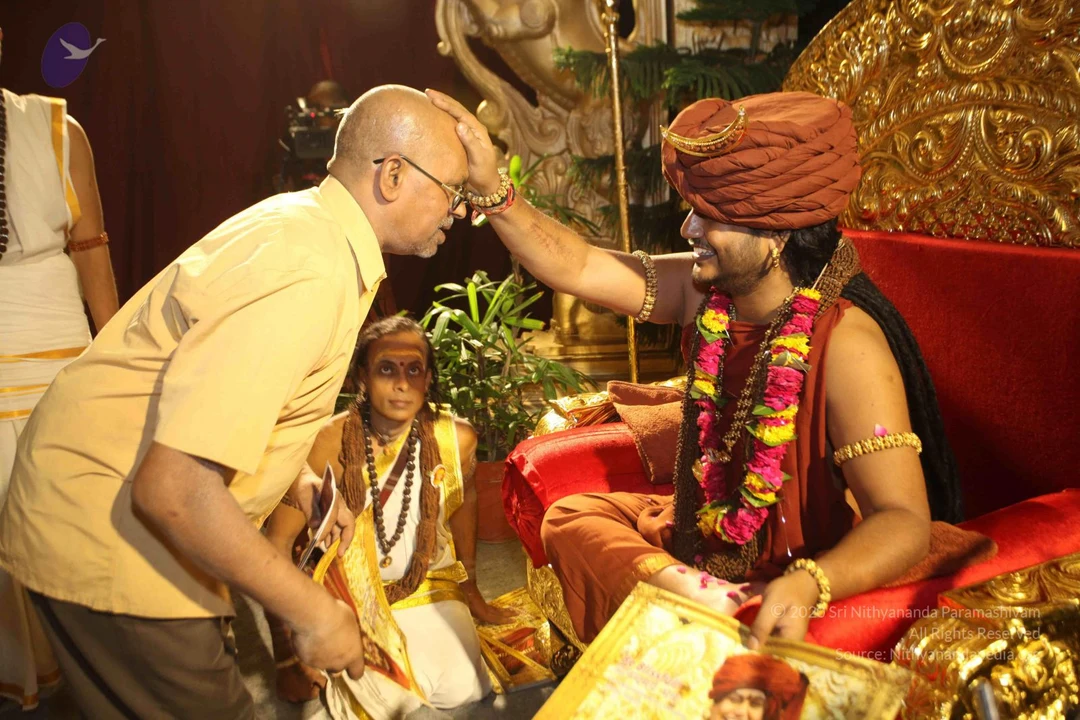
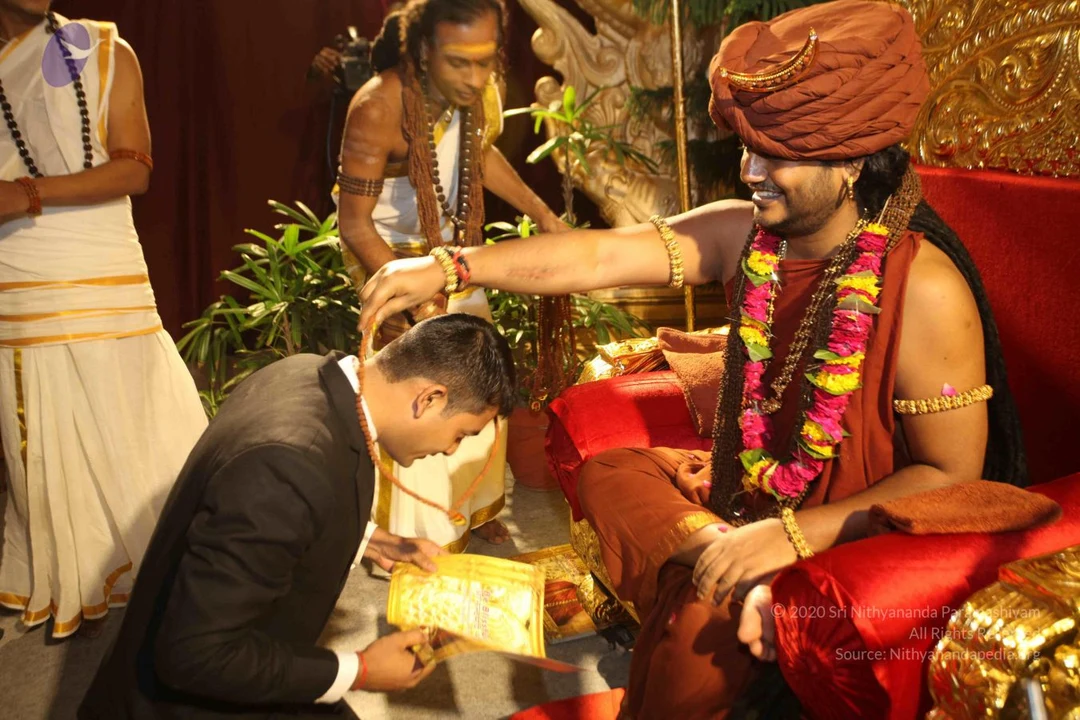
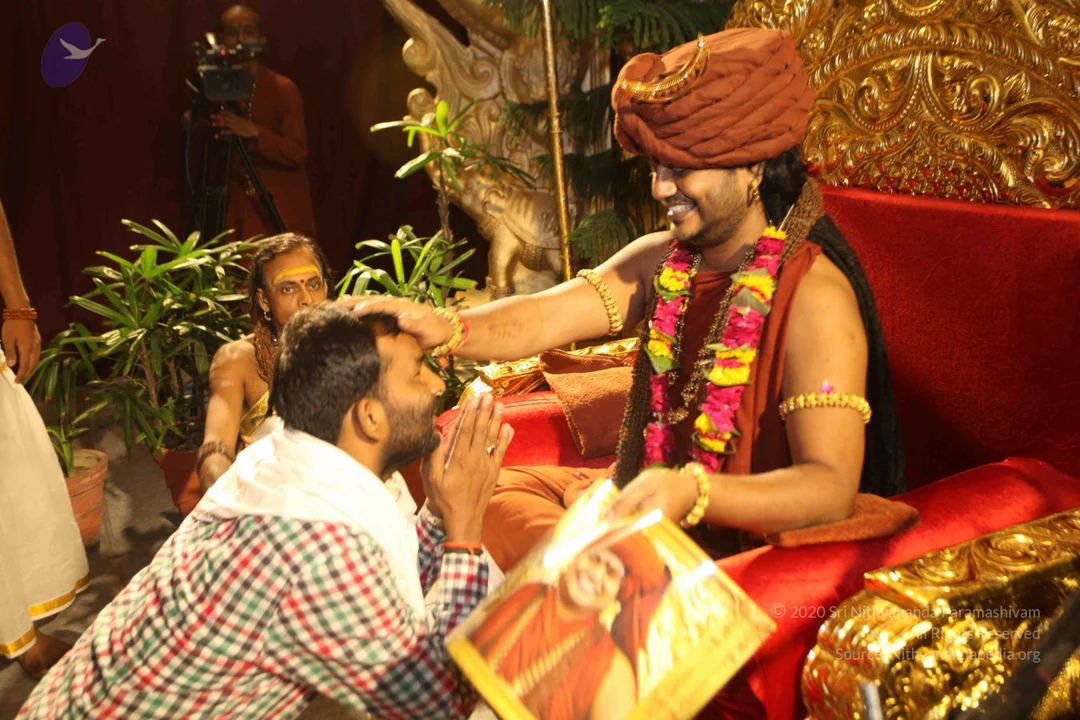
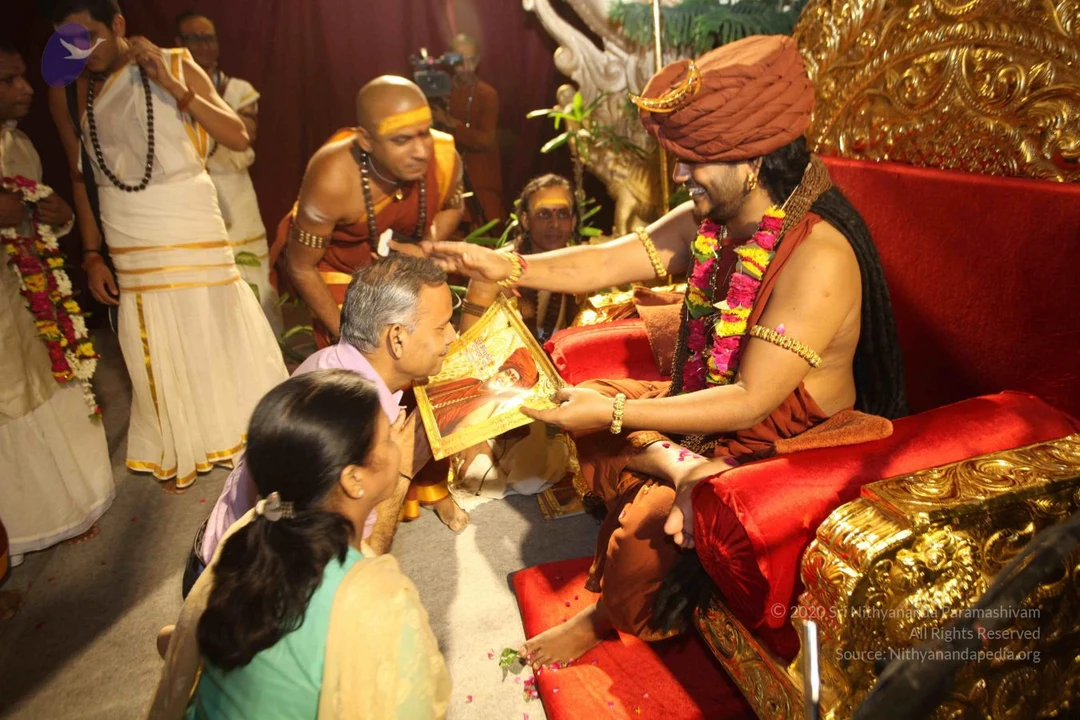
NithyaSatsang






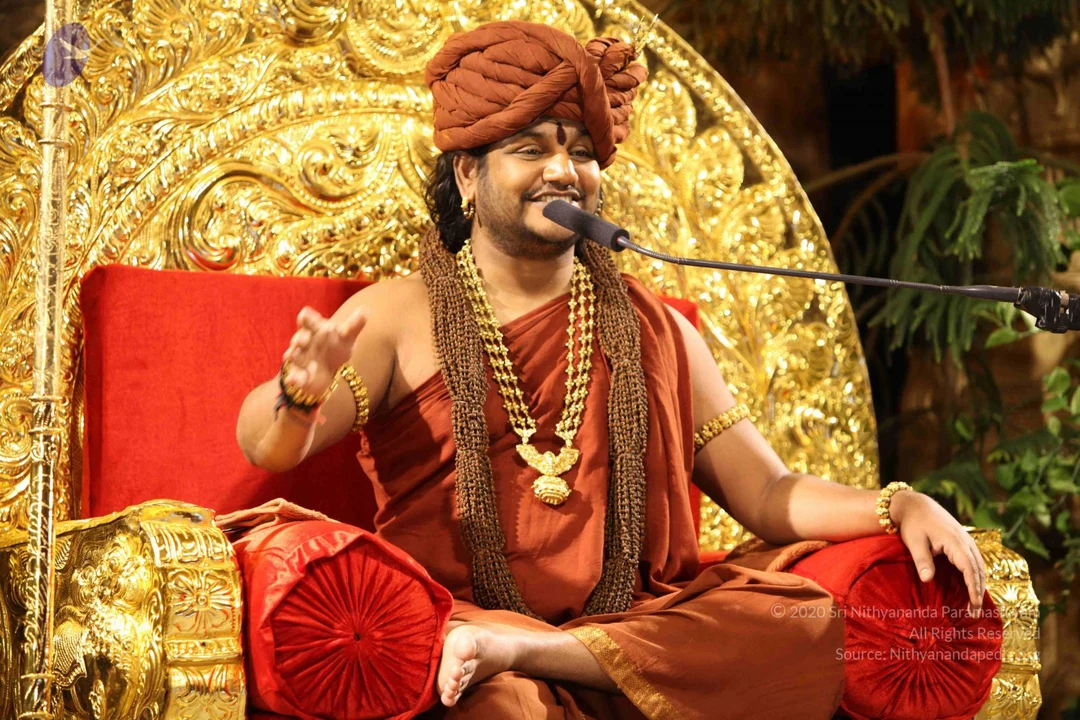
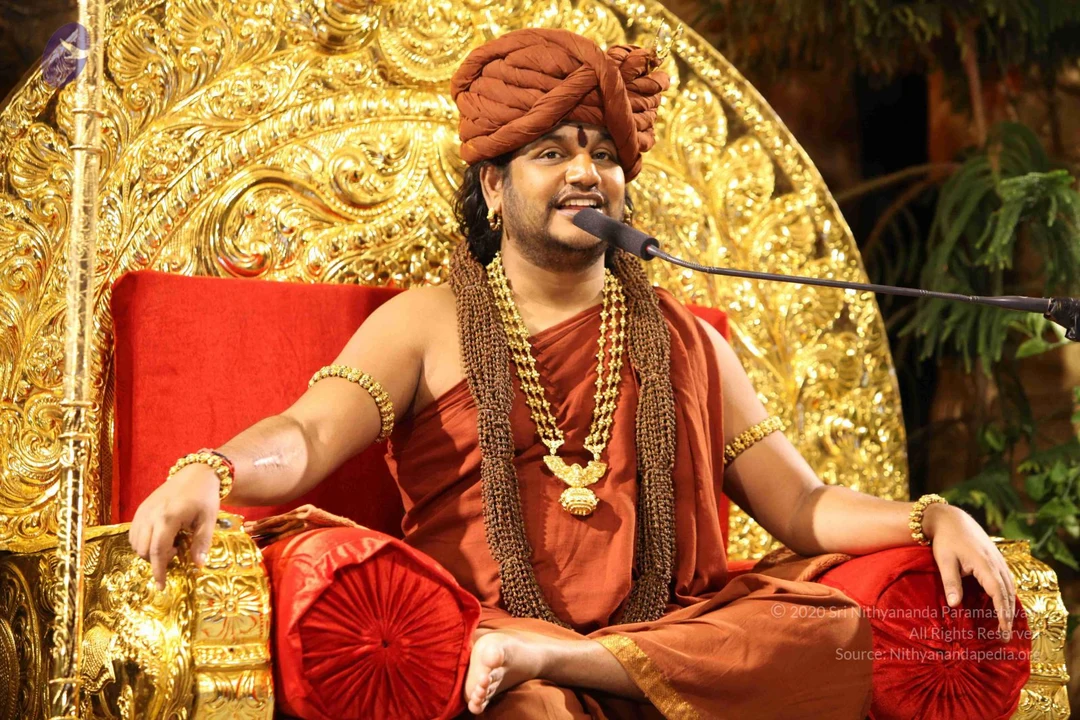
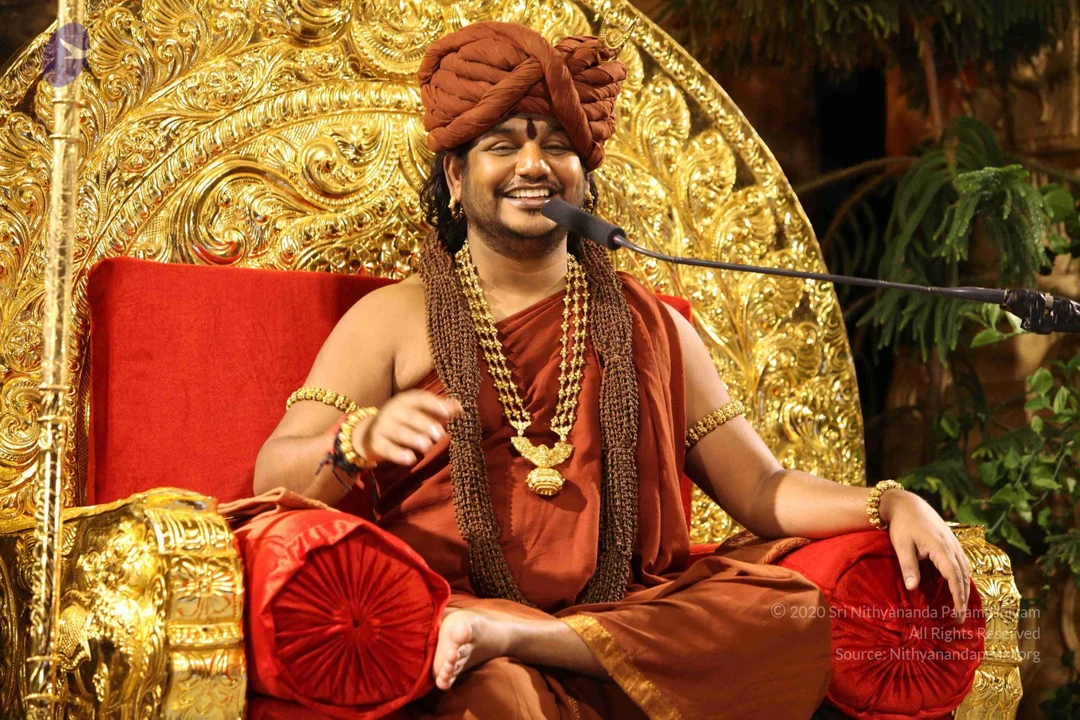
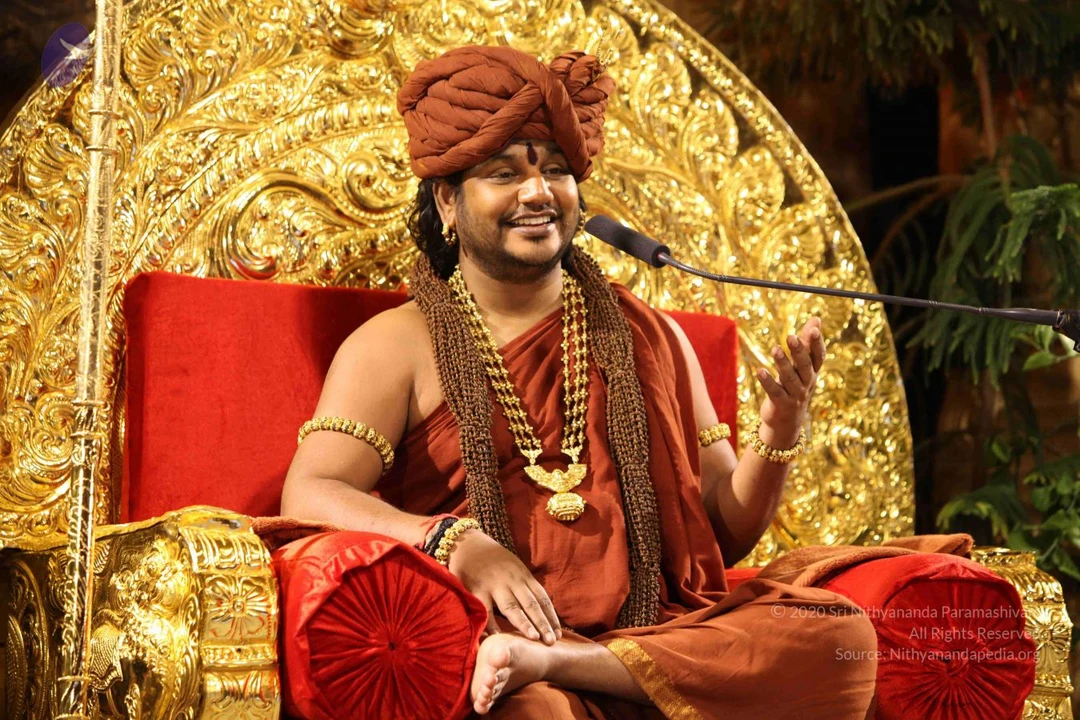


Sharing_Session

Photos from this day
View all 112 photosNithya Satsang
1 photoSource gallery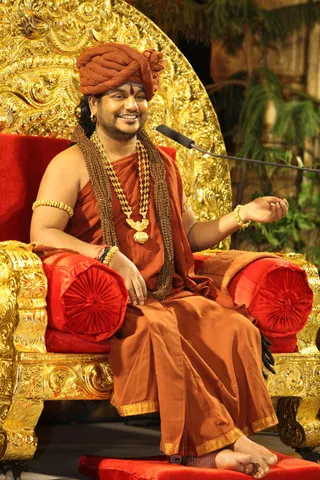
Inner Awakening Sharing Session and Completion Sessions
3 photosSource gallery
NithyaSatsang
91 photosSource gallery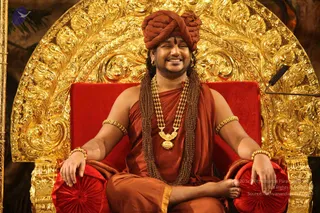
Sharing_Session
17 photosSource gallery