Skip to content
Saturday

30 June 2018

Retelecasted Satsang - Static Matter, Dynamic activity || Carve Your Divya Sarira - Pure Spiritual Identity || Uttamotama seva || Power Manifestation ||

Dated photos
19
Source pages
1
Media
3
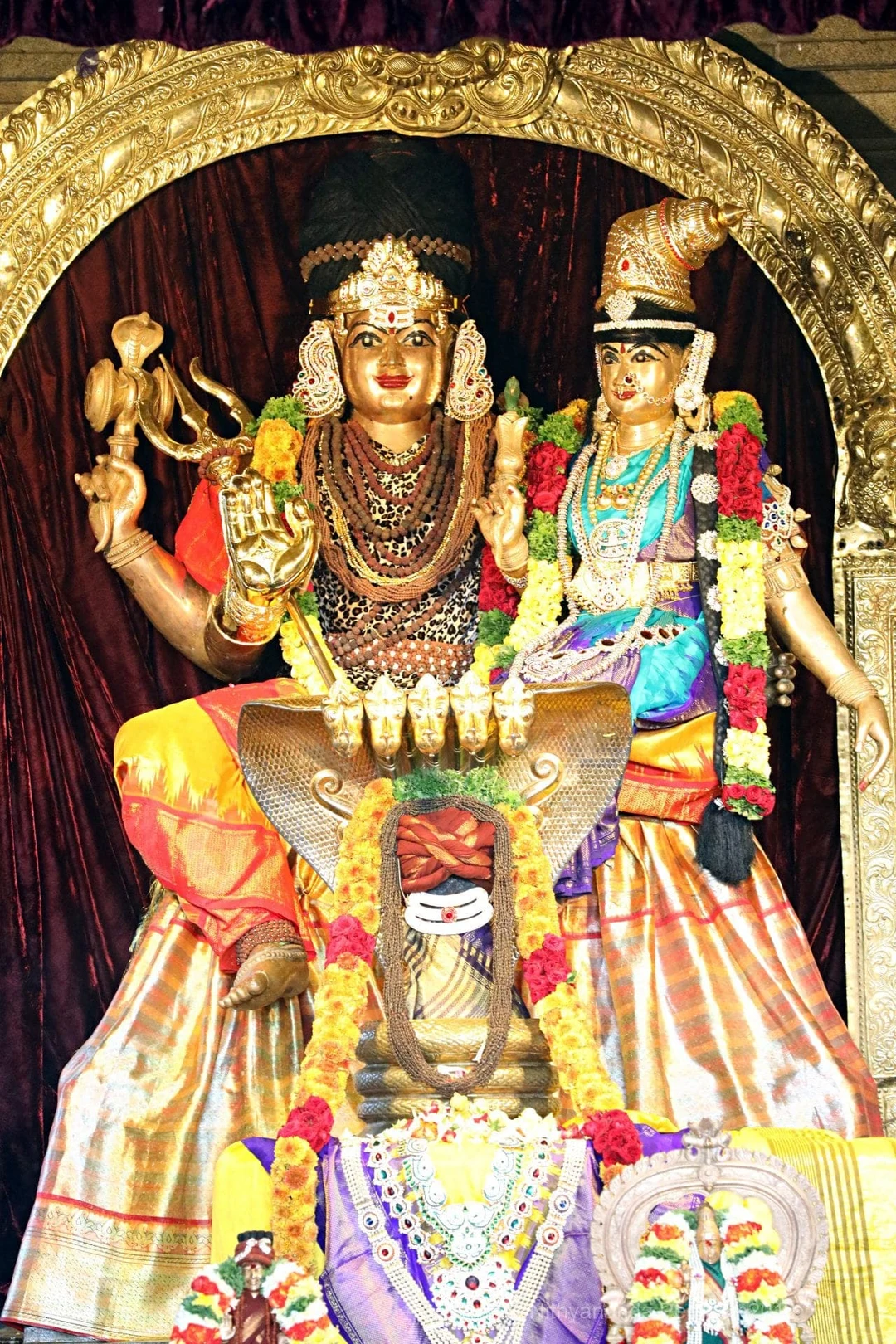
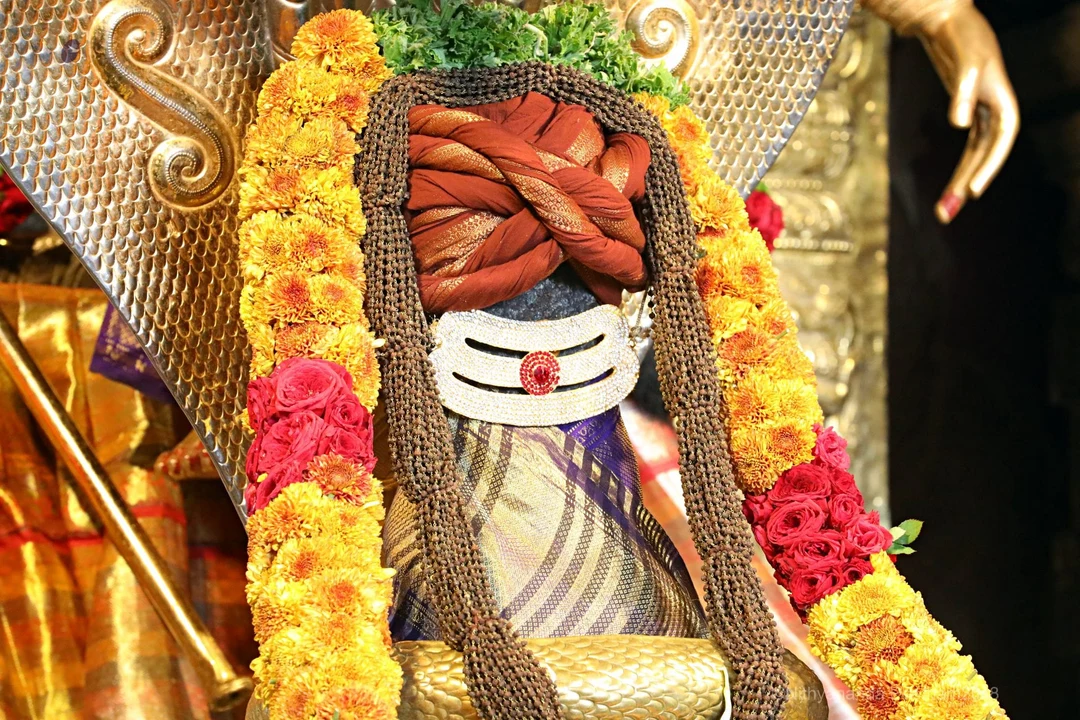
A seated figure in a saffron-red robe and matching turban sits in lotus-style posture on a silver-framed throne before a shrine. The figure wears layered rudraksha malas, a gold ceremonial necklace, bangles and a red tilak, with one palm raised in blessing. Behind, a gilded arch frames deity murtis adorned with flower garlands; to the left, two attendants in saffron cloth stand near a tray of offerings and a small lamp, and a figure at right holds a garland. Deep maroon velvet drapes flank the scene. The seated figure appears to be a statue or lifelike sculpture rather than a living person, given its stillness and the surrounding display. Probable Swamiji cues are present: a turban, rudraksha malas and ceremonial gold necklace, but the figure is a depiction, not a physical person.A photograph of a temple hall with a red-and-white striped mat floor where a long line of young girls in traditional silk saris stands in formation. Their saris are in orange, red, magenta and green, with gold necklaces, bangles and hair ornaments; many wear hair in buns with flowers. Several girls in the foreground stand with hands folded at the waist. Behind them stand more girls and a few adults. To the right are brass oil lamps on a stand, and to the left a gold-and-wood palanquin or throne structure. Tall decorated pillars and colourful flags are visible in the background.Golden deity murti pair dressed and adorned for ritual worship, shown in a gilded arched shrine. The male form has a crown, trident, cobra hood and rudraksha malas over a leopard-print cloth, while the female form wears a teal and purple silk sari, gold jewellery and a long braid. Marigold and red rose garlands drape both figures and a shivalinga with a tripundra-marked base sits in front, surrounded by flower garlands and jewelled offerings. A small silver-framed figure appears at the lower edge. Statues only; no physical people are visible.

June 30 2018

Original wiki page
Contents

Title

Retelecasted Satsang - Static Matter, Dynamic activity || Carve Your Divya Sarira - Pure Spiritual Identity || Uttamotama seva || Power Manifestation ||

Narration

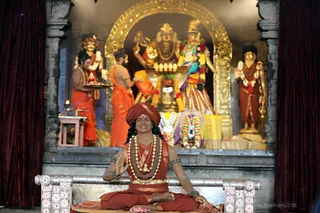
KAILASA's Department of Information Broadcasting, in collaboration with SHRIKAILASA Uniting Nations for Peacekeeping, aimed at eradicating violence and promoting peace, telecasted the Nithyananda Satsang on Static Matter, Dynamic Activity revealed by The Supreme Pontiff of Hinduism, Jagatguru Mahasannidhanam, His Divine Holiness Bhagavan Nithyananda Paramashivam. His Divine Holiness (HDH) expounded upon the Cosmic Principle of Sattva Tattva.

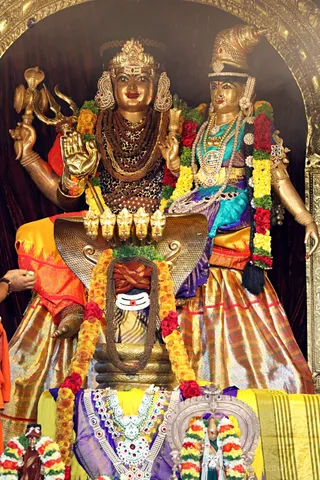
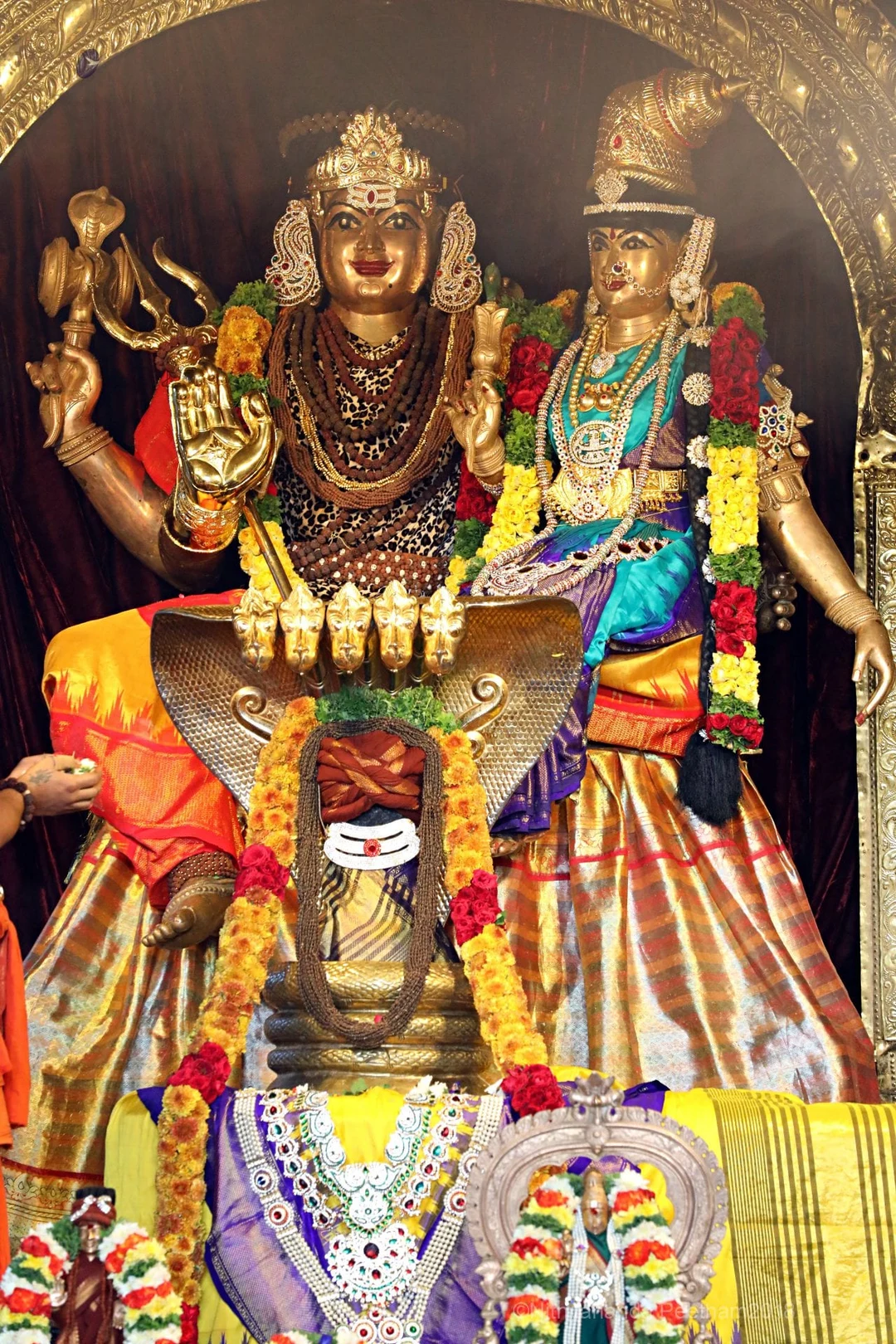
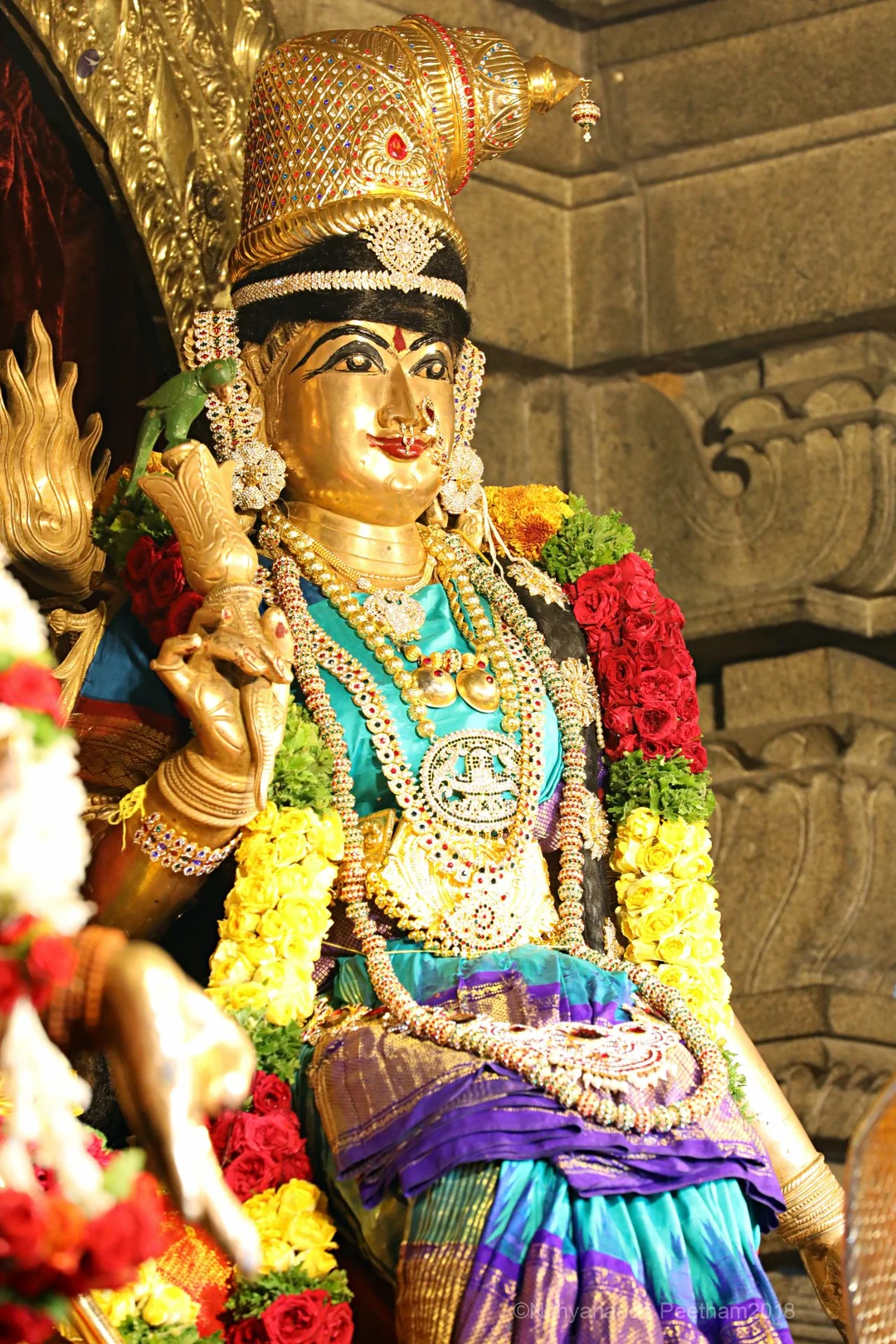
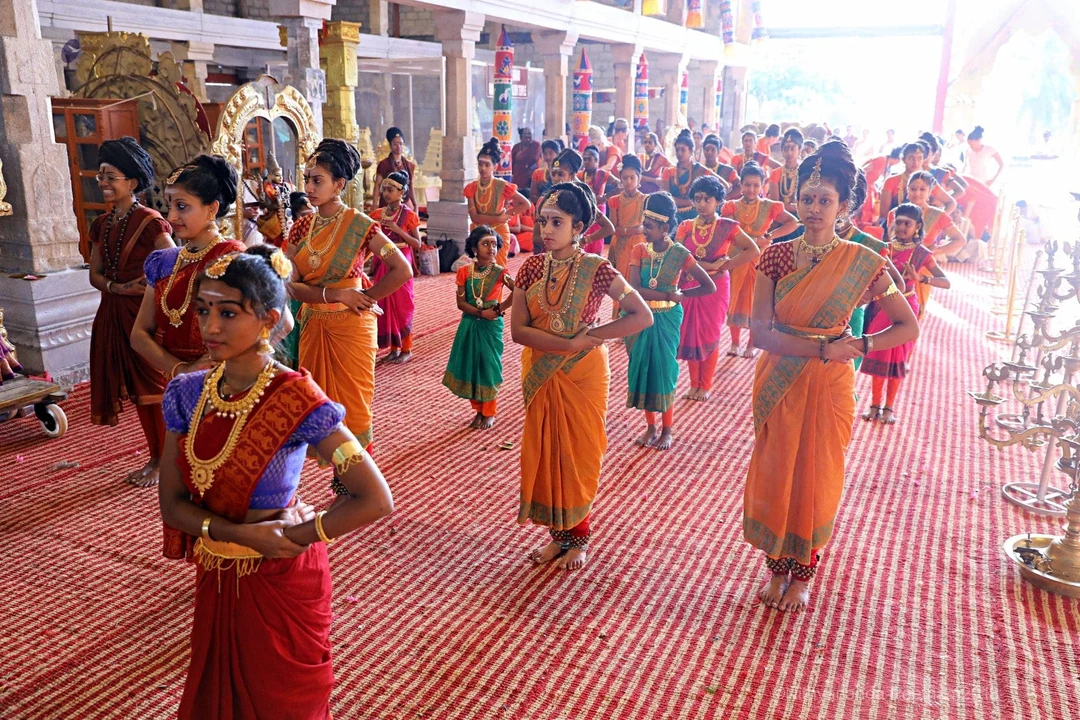
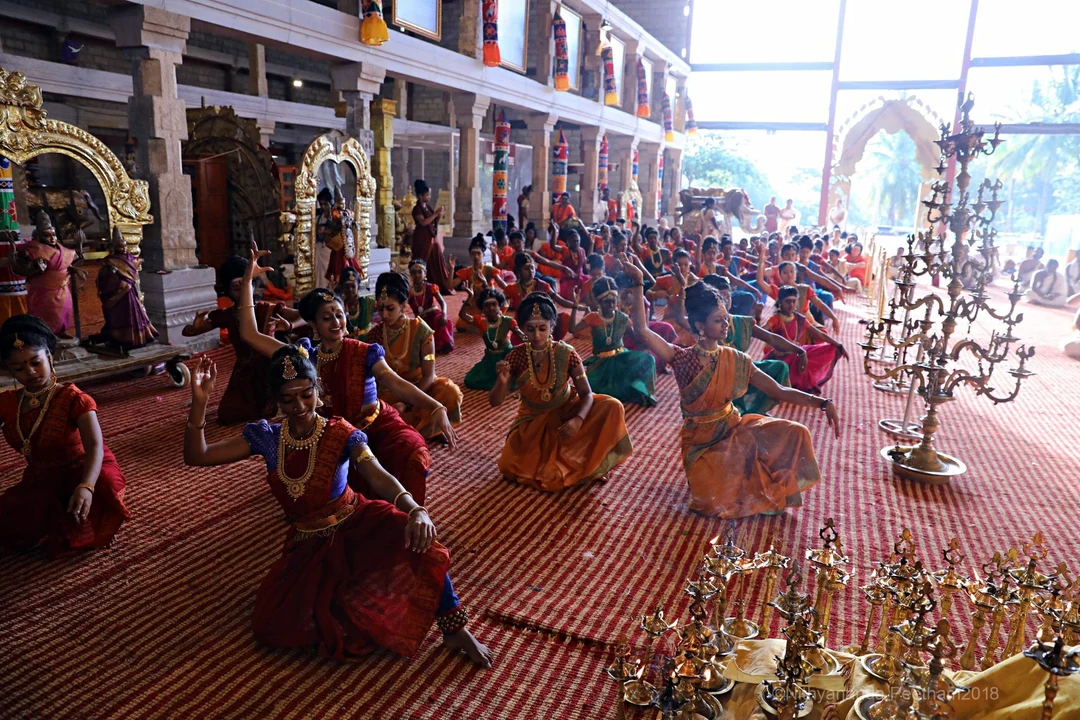
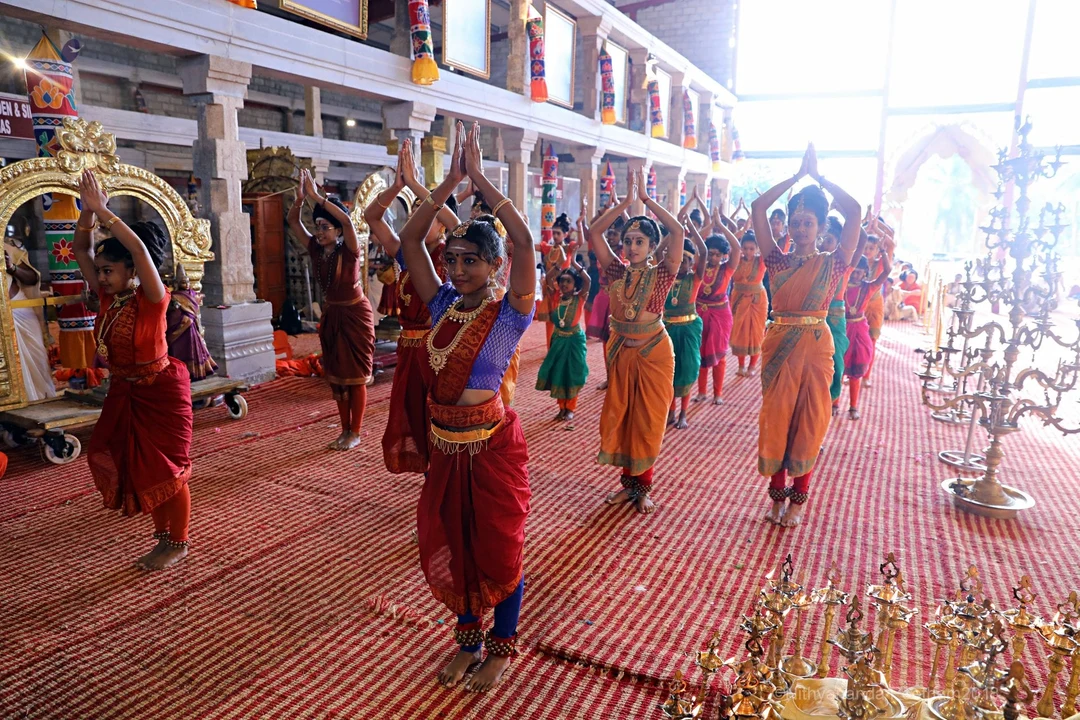
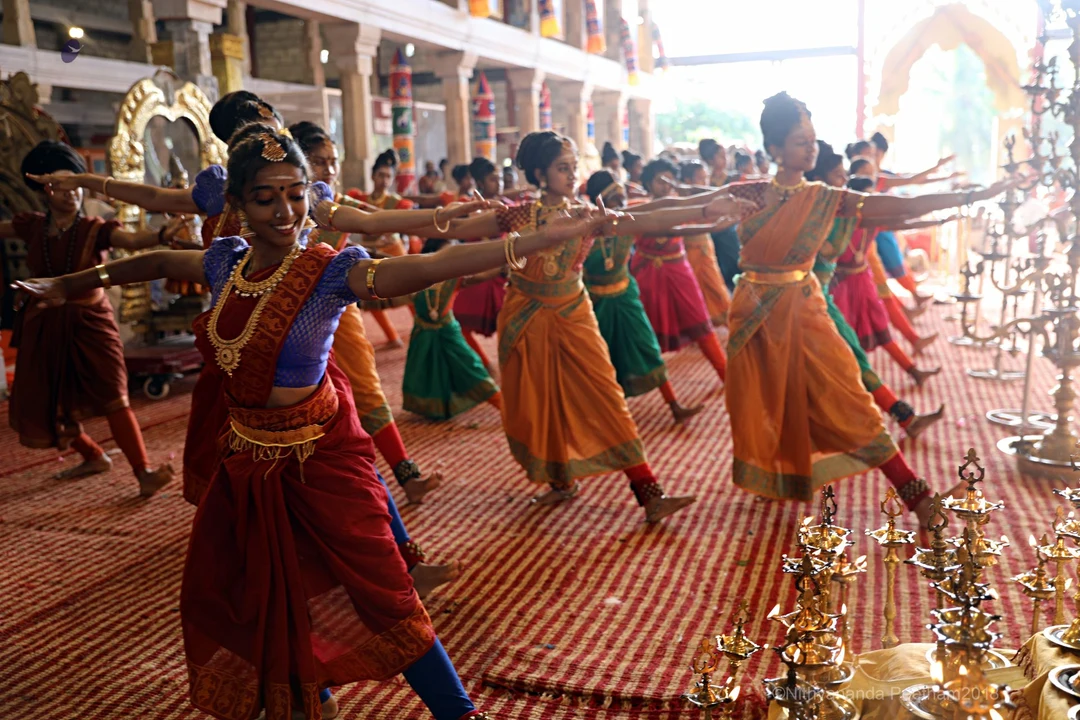
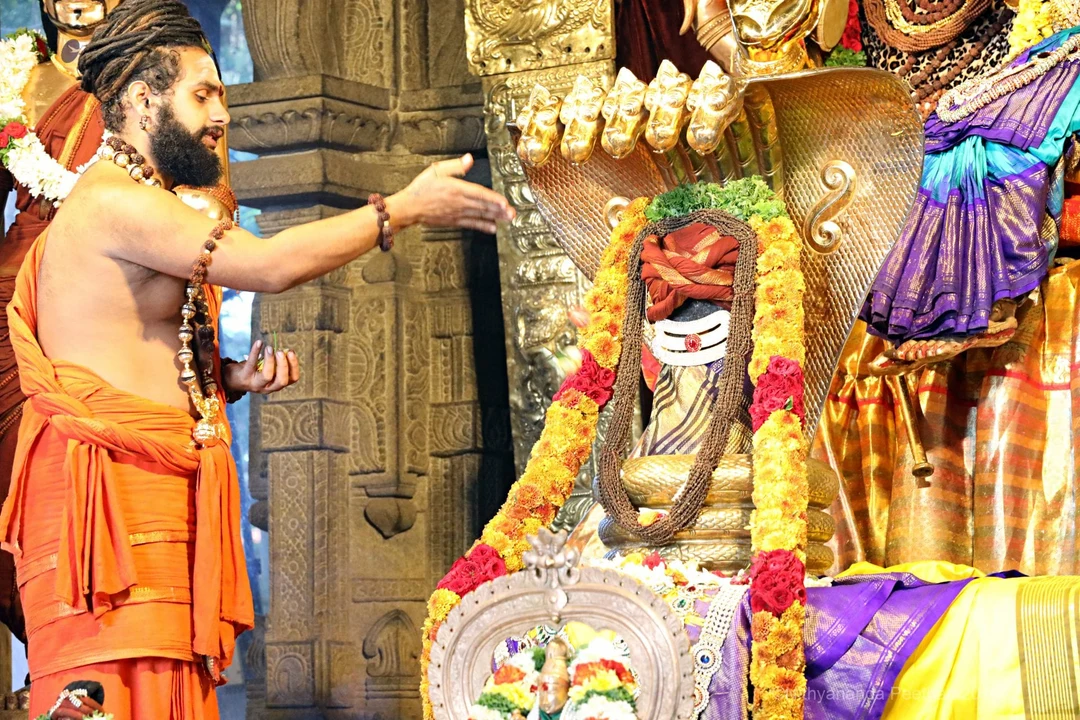
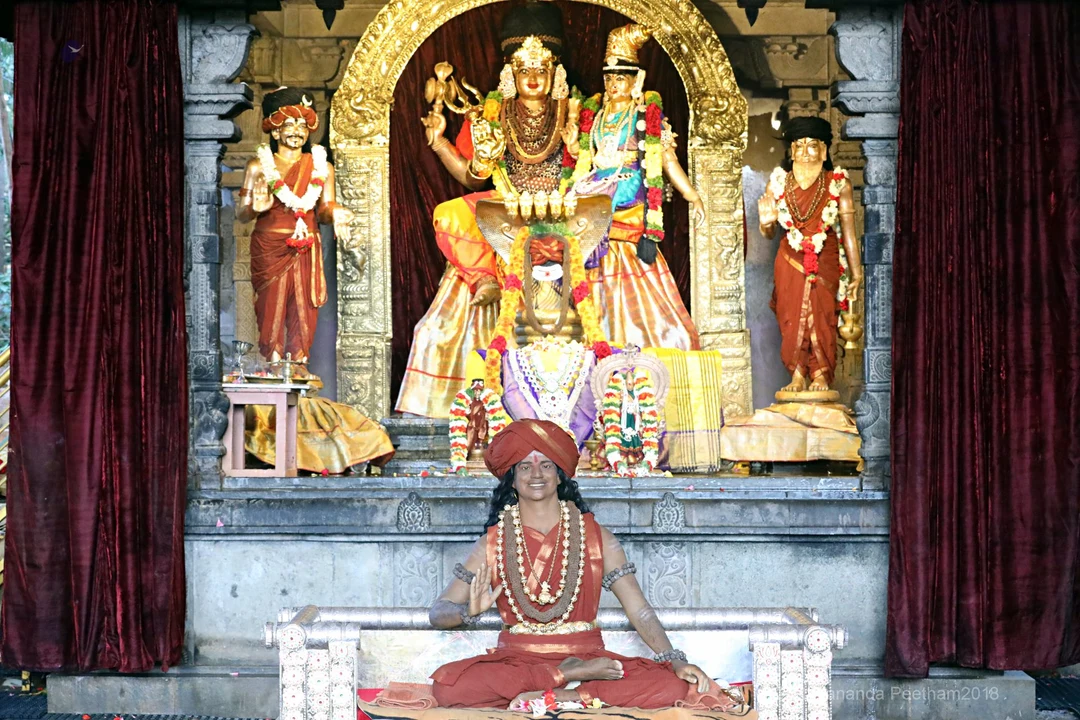
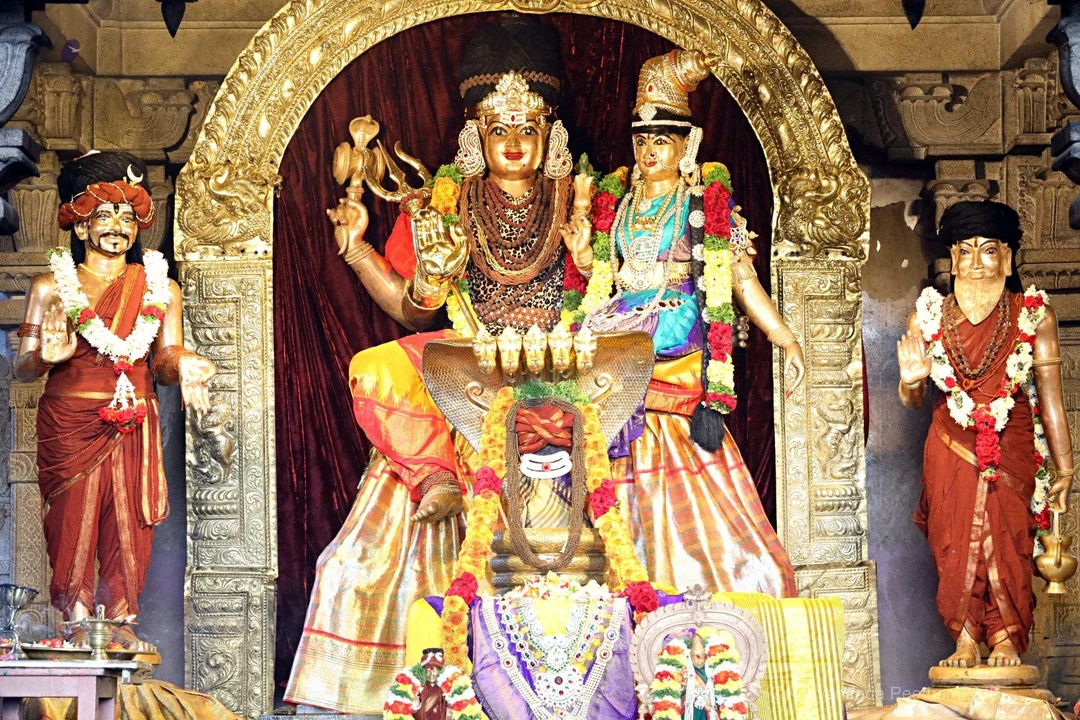
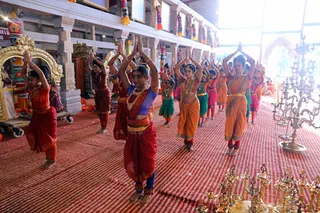
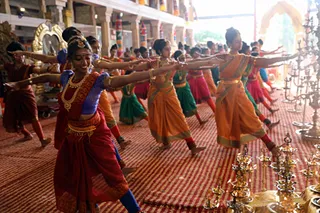
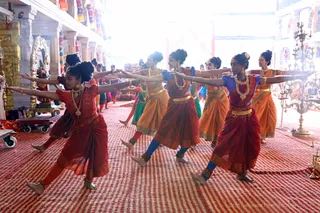
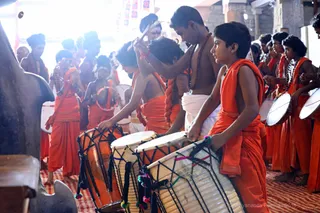
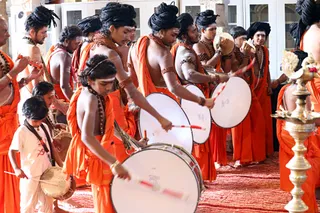
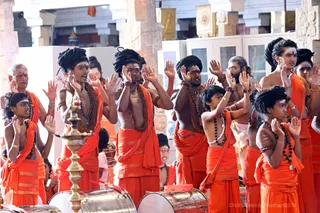
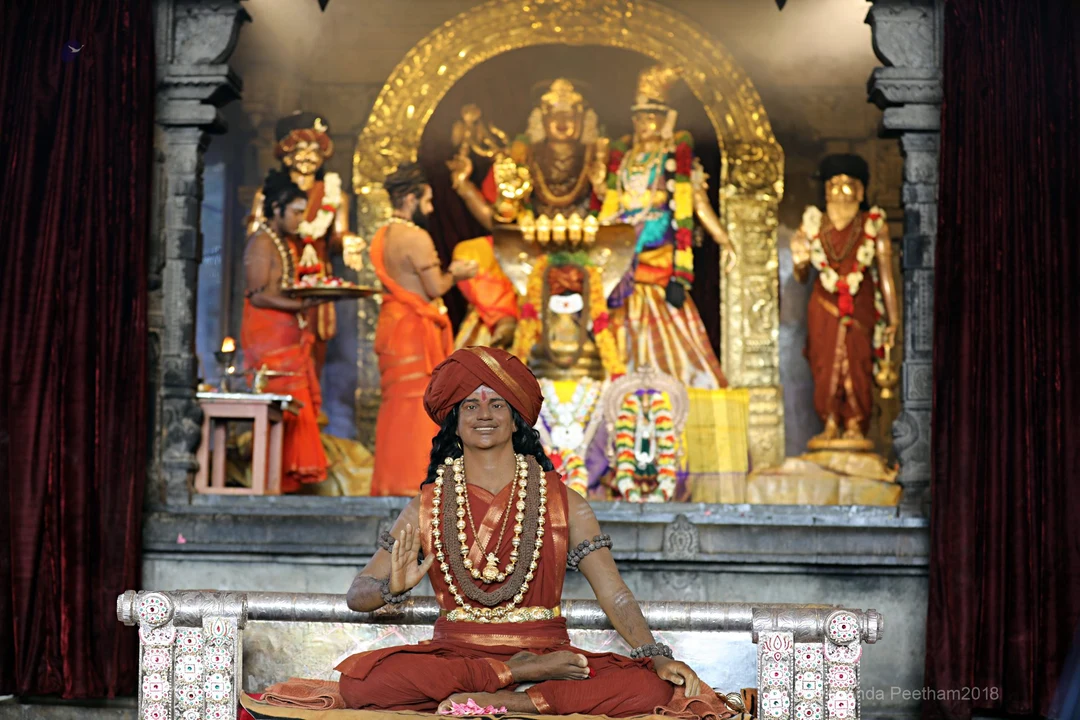
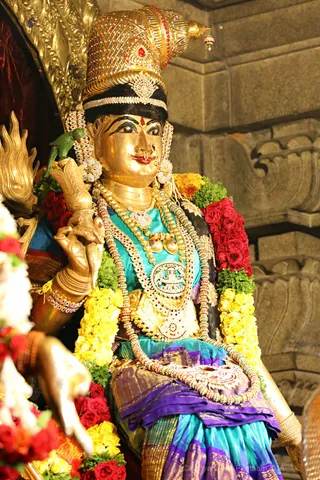
Uttamotama Seva was offered at Nithyanandeshwara Sahashiva Devasthanam to Nithyanandeshwara Mahasadashiva Parashiva and Nithyanandeshwari Parashakti, and various rituals, Sevas, activities and Power Manifestations took place around the world. Glimpses from HDH’s past satsangs, photos and videos, and upcoming program announcements were shared, inspiring millions towards the Science of Hinduism.

Link to Video:

VideoAudio

Link to Video:

Photos From The Day:

Uttamotama Seva
,

Photos from this day

View all 19 photos
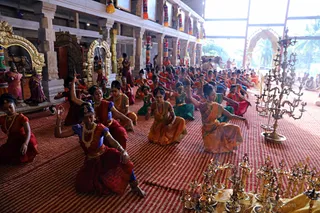
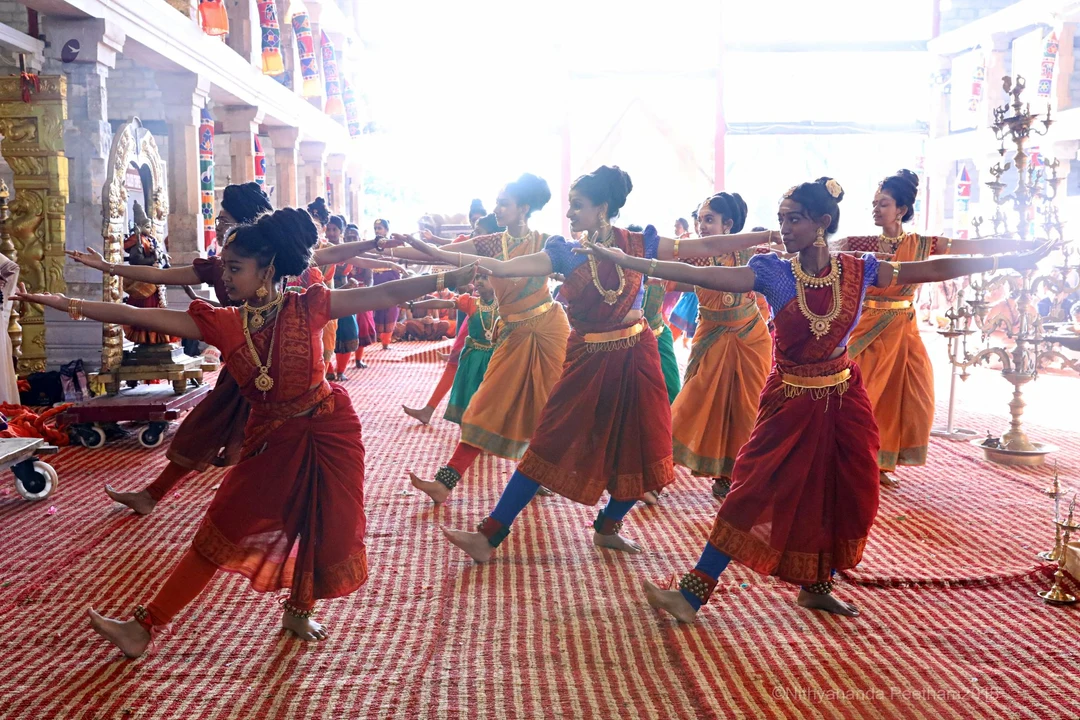
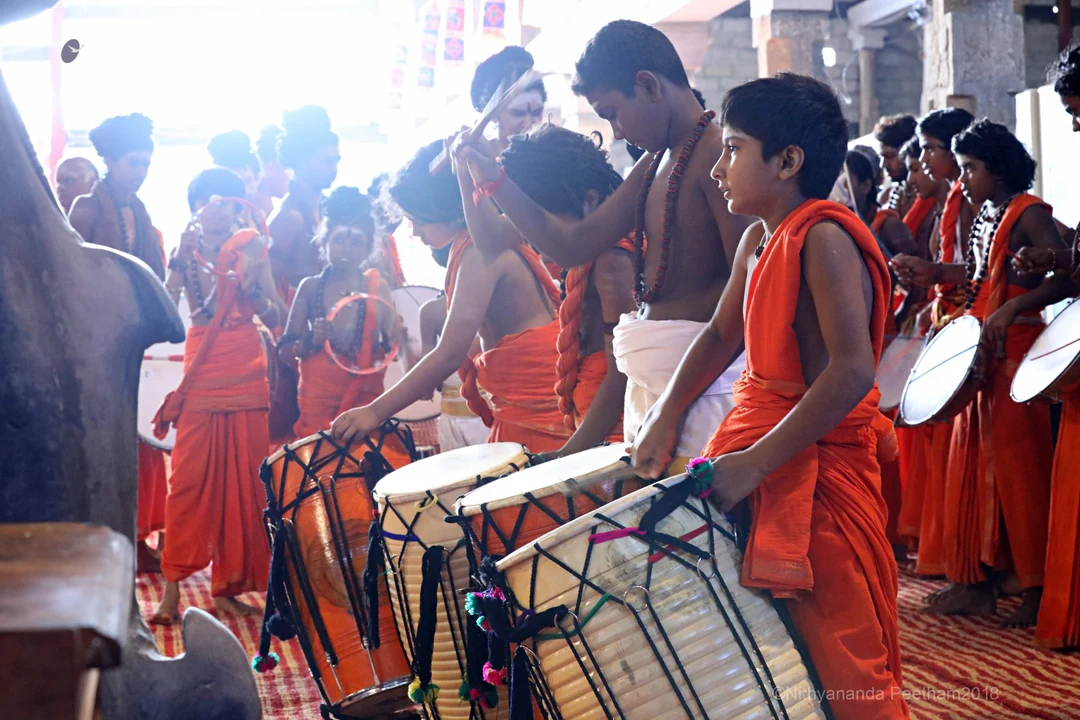
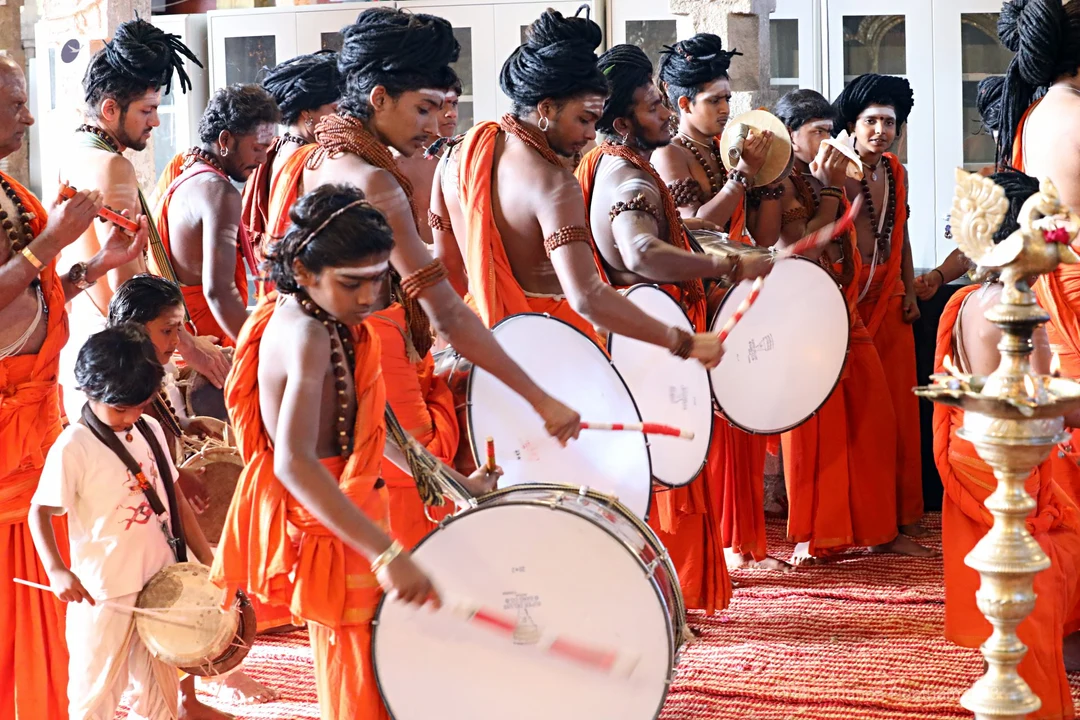
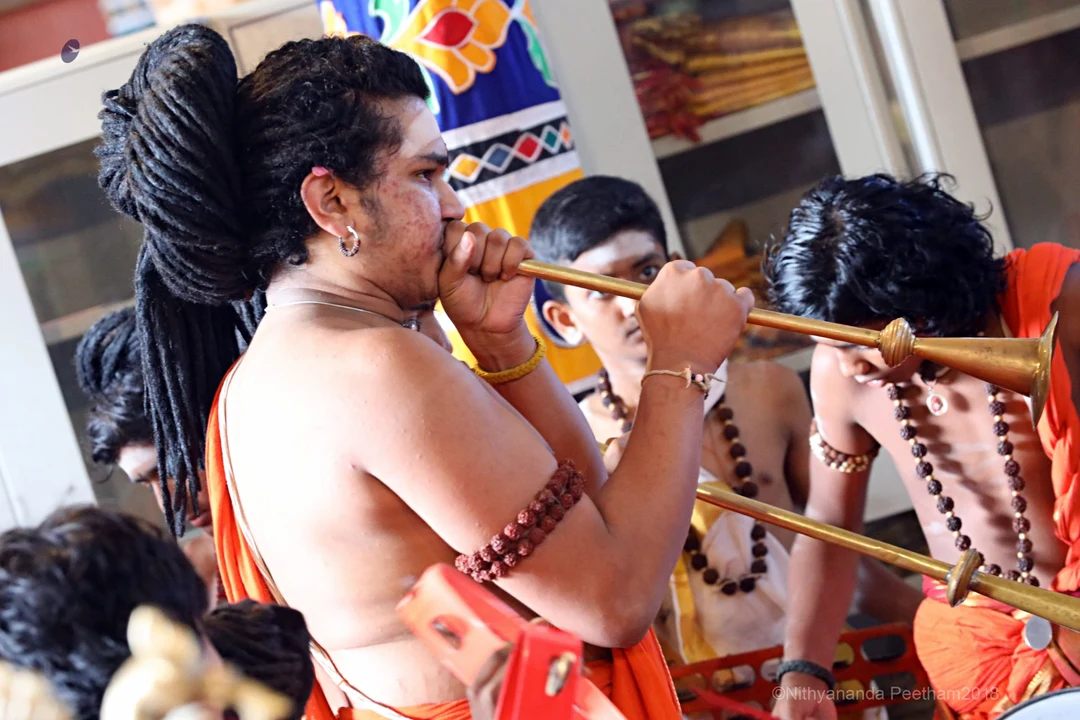
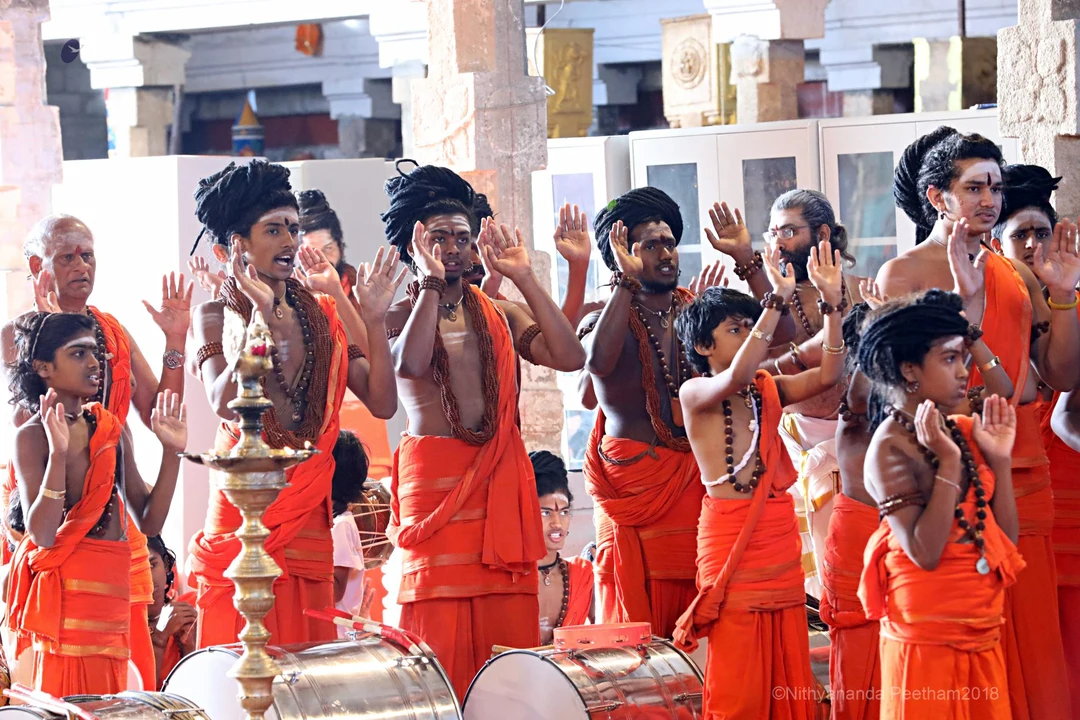
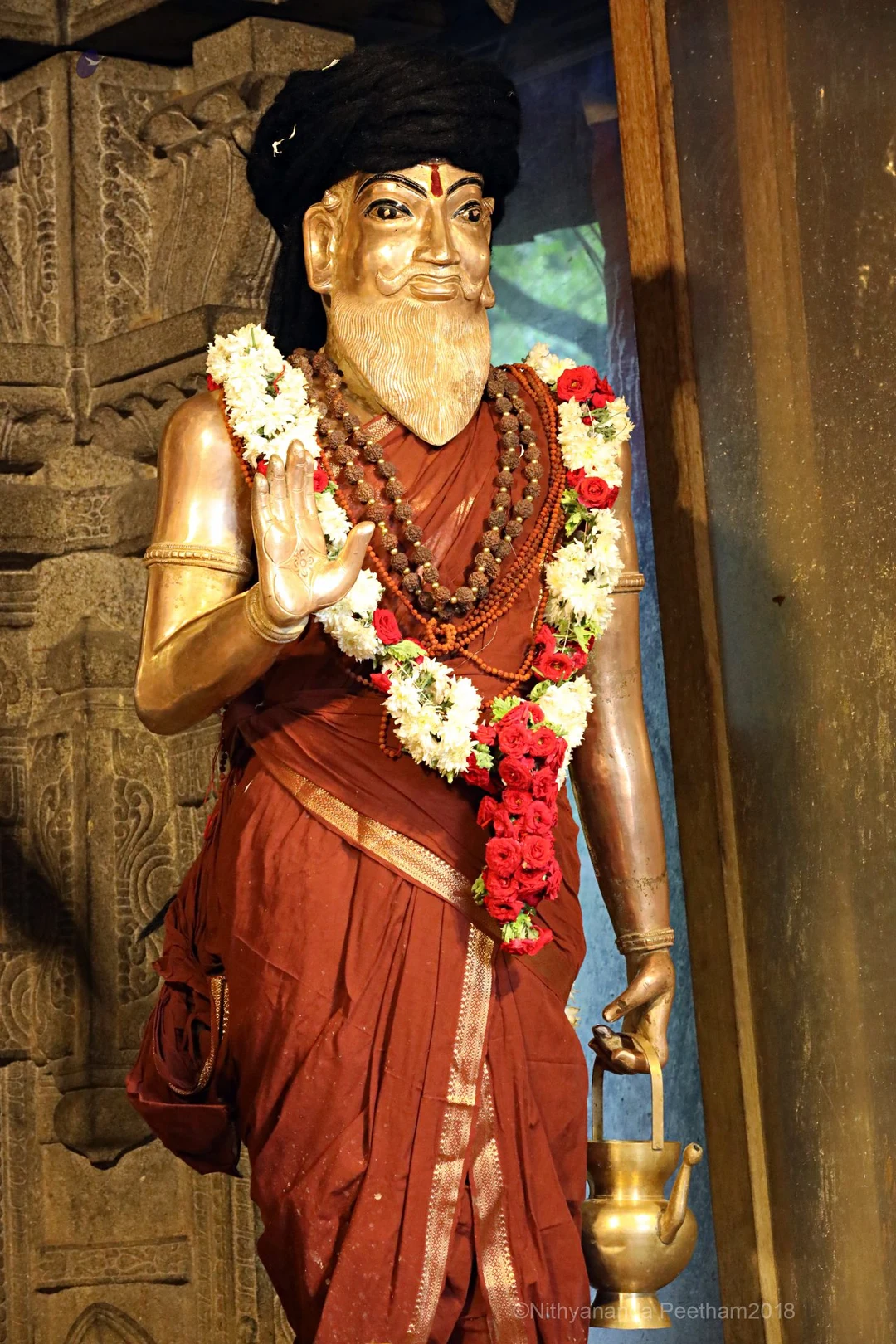
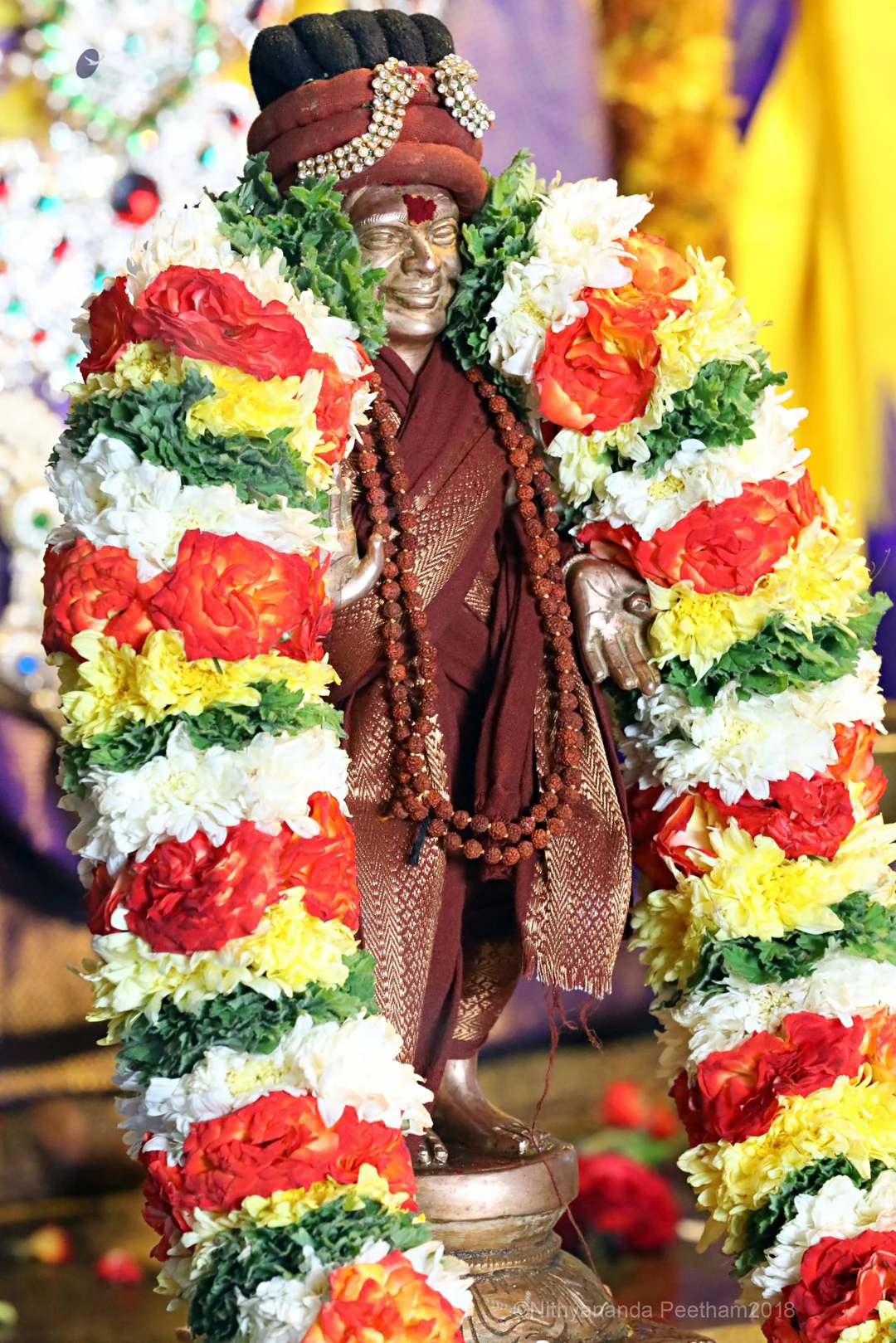
A seated figure in a saffron-red robe and matching turban sits in lotus-style posture on a silver-framed throne before a shrine. The figure wears layered rudraksha malas, a gold ceremonial necklace, bangles and a red tilak, with one palm raised in blessing. Behind, a gilded arch frames deity murtis adorned with flower garlands; to the left, two attendants in saffron cloth stand near a tray of offerings and a small lamp, and a figure at right holds a garland. Deep maroon velvet drapes flank the scene. The seated figure appears to be a statue or lifelike sculpture rather than a living person, given its stillness and the surrounding display. Probable Swamiji cues are present: a turban, rudraksha malas and ceremonial gold necklace, but the figure is a depiction, not a physical person.Golden deity murti pair dressed and adorned for ritual worship, shown in a gilded arched shrine. The male form has a crown, trident, cobra hood and rudraksha malas over a leopard-print cloth, while the female form wears a teal and purple silk sari, gold jewellery and a long braid. Marigold and red rose garlands drape both figures and a shivalinga with a tripundra-marked base sits in front, surrounded by flower garlands and jewelled offerings. A small silver-framed figure appears at the lower edge. Statues only; no physical people are visible.A golden deity murti, a female form, seated and richly adorned. She wears a tall golden crown studded with red and multicoloured stones, a teal blouse and a blue-and-purple silk sari with gold zari border, layered gold and jewelled necklaces, and a red bindi. She is draped in garlands of red roses, yellow roses and orange marigolds, and holds a golden trident-like ritual staff. A gold stone-carved temple wall and a gold flame-shaped backdrop frame the figure. A statue, not a living person, with no visible people present.A photograph of a temple hall with a red-and-white striped mat floor where a long line of young girls in traditional silk saris stands in formation. Their saris are in orange, red, magenta and green, with gold necklaces, bangles and hair ornaments; many wear hair in buns with flowers. Several girls in the foreground stand with hands folded at the waist. Behind them stand more girls and a few adults. To the right are brass oil lamps on a stand, and to the left a gold-and-wood palanquin or throne structure. Tall decorated pillars and colourful flags are visible in the background.A photograph inside a temple hall showing a large group of young women in colourful silk saris performing a synchronized dance, kneeling and reaching arms outward on a red and gold striped mat. Many wear gold necklaces and bangles, with red, orange, green and blue saris. Rows of brass oil lamps stand in the foreground, and gold-framed arches and pillars with hanging garlands line the hall.A row of young female dancers in traditional Indian dress performs a synchronized welcome pose inside a temple hall, hands raised in anjali above their heads. Their saris and dance skirts are orange, red, green and blue, with gold jewellery, bangles and anklet bells. They stand barefoot on a red-and-white striped mat. To the right, tall brass lamp stands and small brass oil lamps line the floor, and to the left a gilded ornamental arch frames a shrine area with coloured tassel-decorated pillars behind.A group of young women performing a synchronized Bharatanatyam-style dance in a temple hall with a red-and-white striped mat floor. The dancers wear saris in red, orange, green and magenta, with gold necklaces, bangles and jhumkas, and extend their arms outward in unison. Their faces are visible, with bindis and hair buns. In the foreground on the right stands a row of tall brass oil lamps, and at the left edge a few people are partially visible. Coloured pillars and an ornate gold archway frame the hall. No a person candidate is visibly present.A group of young women performing a synchronized classical dance in a temple hall with a red and white striped mat on the floor. Dancers wear red, orange, and blue saris with gold borders, gold necklaces, bangles, and hair buns with flowers, arms extended sideways and one leg lifted in a bent posture. Behind them stand brass oil lamps on tall stands, a gilded ornate shrine structure, and colorful hanging fabric banners. Many dancers are visible in the background, some partially obscured. Bright daylight enters through the open side of the hall.Photograph of a group of young boys in saffron-orange dhotis and shawls playing large cylindrical drums, with the drumheads facing the viewer, inside a temple hall. Several boys wear rudraksha malas and marigold garlands, and one wears a white undergarment. Drumsticks are raised in mid-strike, with a curved drum frame and a dark stone pillar at the left. Behind them, more boys in orange stand in a row, some wearing headwear and ornaments, on a red and white patterned floor mat. The scene suggests a temple drumming ritual during a seva.A group of young men in saffron-orange dhoti-style garments with rudraksha malas and copper-coloured bangles play large drums with red-tipped sticks in a hall with red floor covering. Their hair is tied in high dark topknots and some have sandalwood or vibhuti markings on their foreheads and arms. A small boy in white clothes stands at left beside a drum, and a brass lamp stand with an oil lamp appears at right. The scene suggests a drum procession group performing during a ceremony.Photograph of a temple musician playing a long brass horn (kahal-style trumpet) during a ritual. In the foreground a young man with a tall, coiled topknot and small hoop earring blows the horn, holding it with both hands; he wears an orange cloth wrapped at the waist, a rudraksha band on his upper arm and a silver chain. Behind him, two more young men in orange and white cloths wear rudraksha mala strands and stand beside a second brass horn, with a red drum-like instrument at the lower edge. A colourful striped cloth hangs in the background, with a window frame and glass behind. Photo credit appears in the corner.A photograph of a group of young male and some older devotees in matching saffron-orange dhotis and shawls, many with bare chests, rudraksha malas and beaded necklaces, performing a ritual with raised open palms in a temple courtyard. In the foreground a brass oil lamp (deepa) stands on the left, and two silver-toned drums are placed low in front of the group. Several performers have long dreadlocked or upswept hair and ash or tilak marks on their foreheads. White display cabinets and stone pillars are visible behind them.