Sunday
26 April 2015
SEEK FOR WHAT AM I
- Dated photos
- 384
- Source pages
- 1
- Media
- 23
April 26 2015
Original wiki pageTitle
SEEK FOR WHAT AM I
Description:
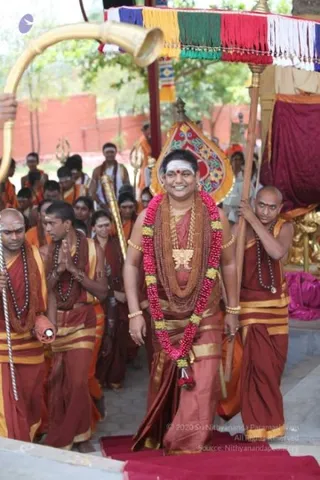
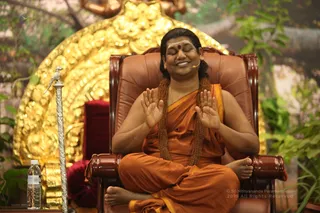
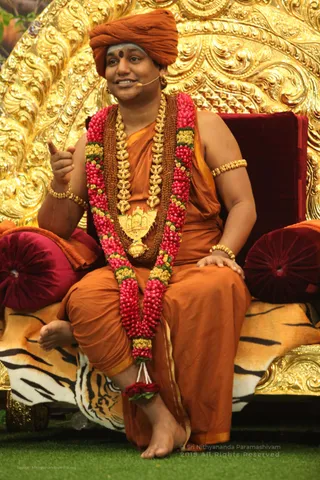
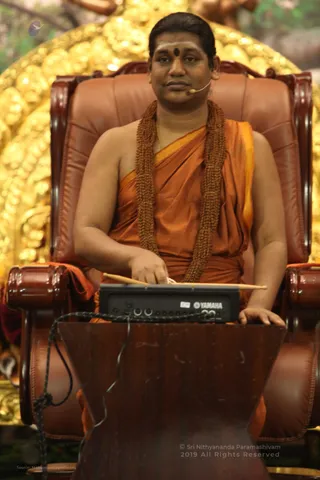
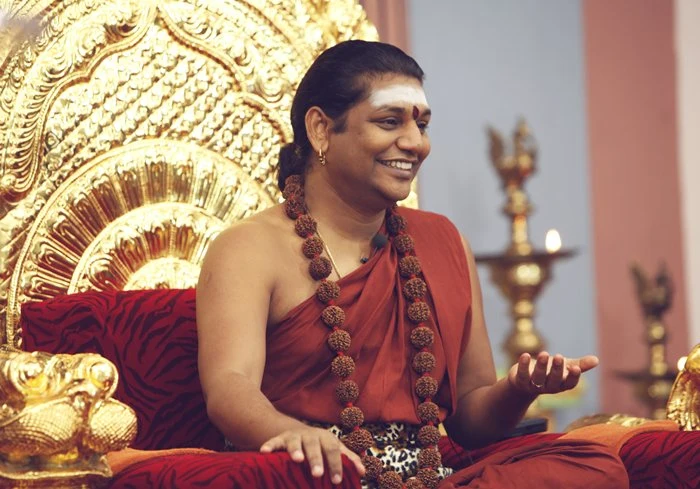
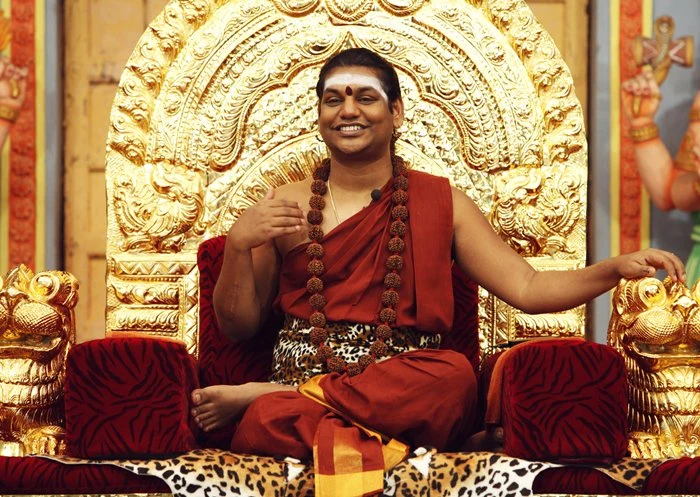
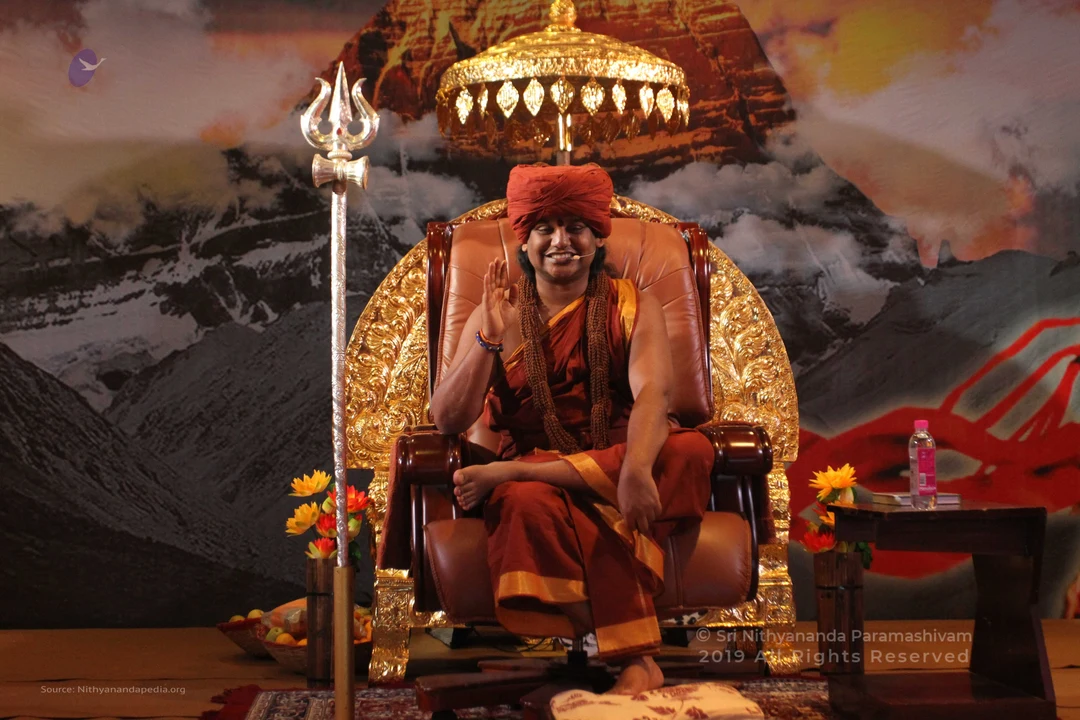
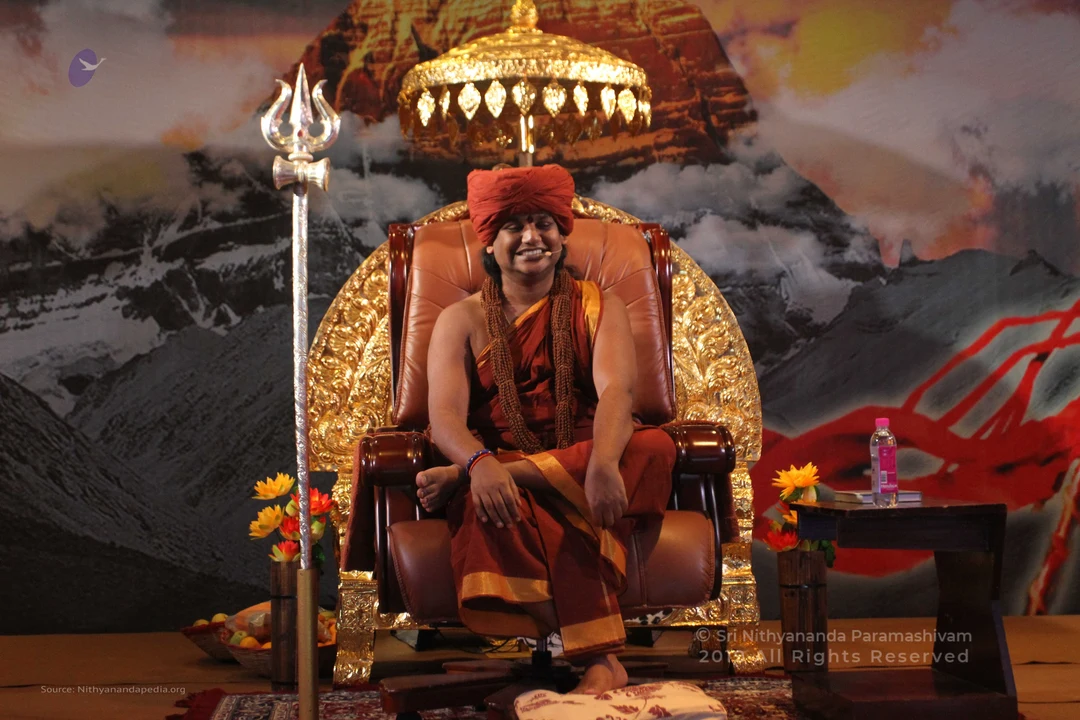
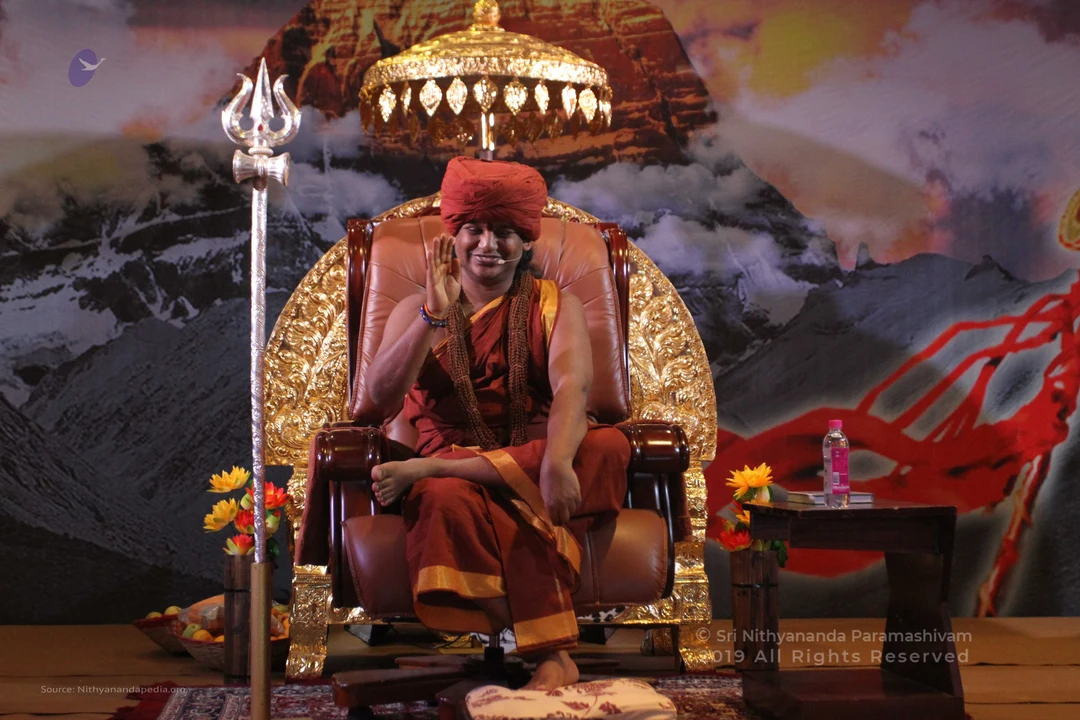
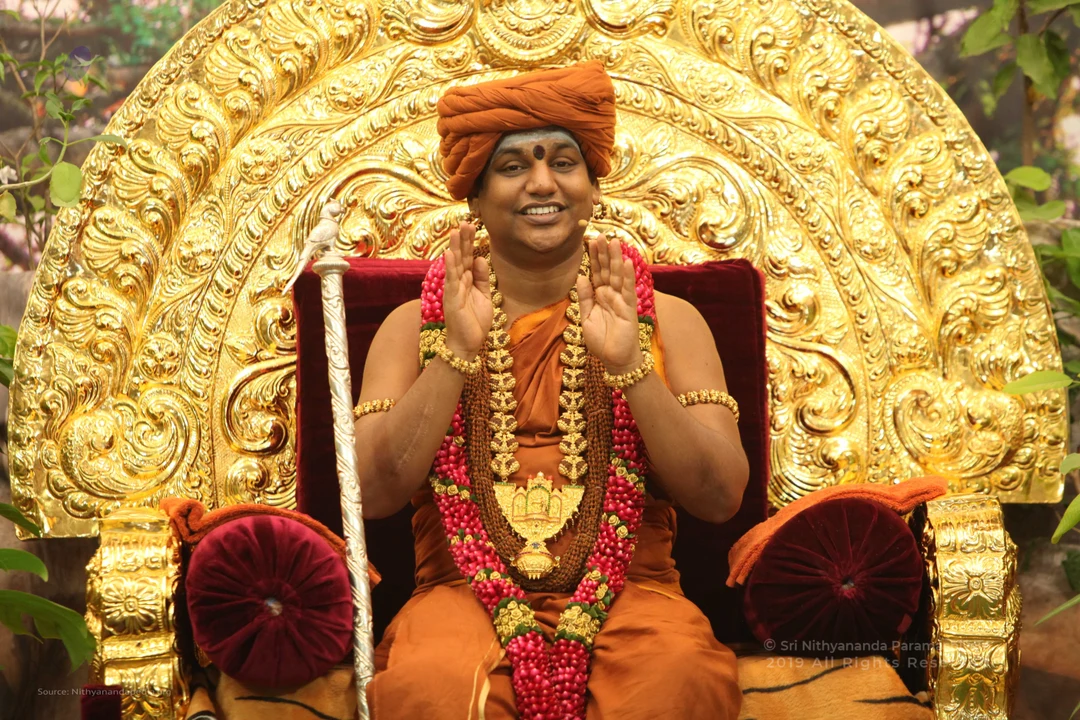
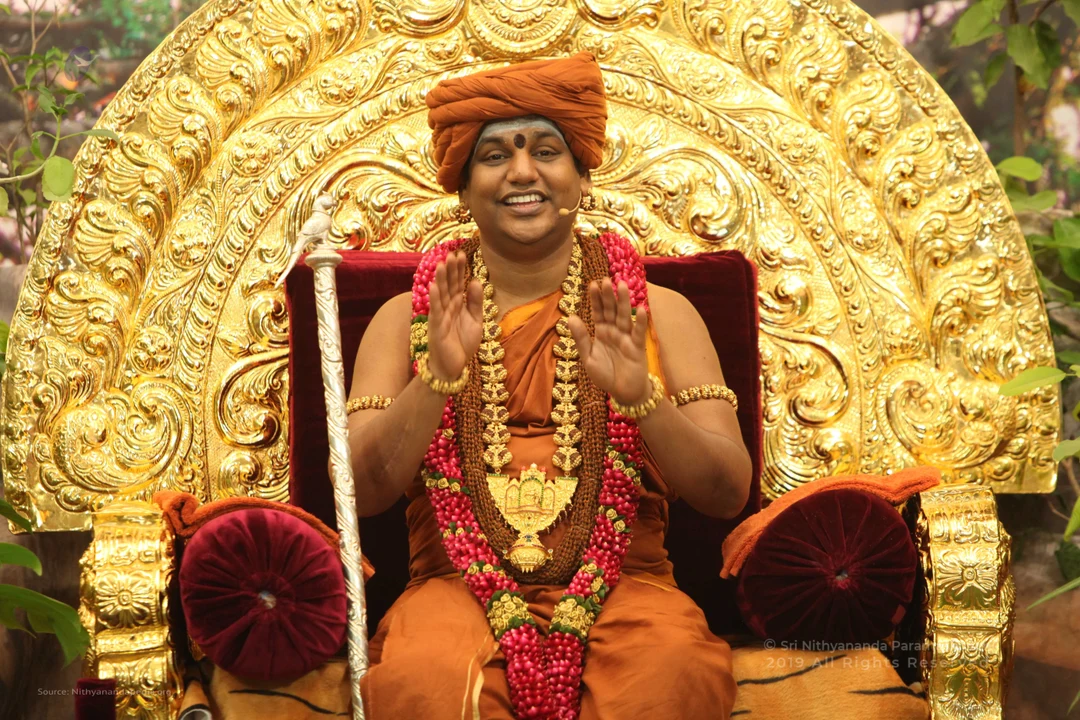
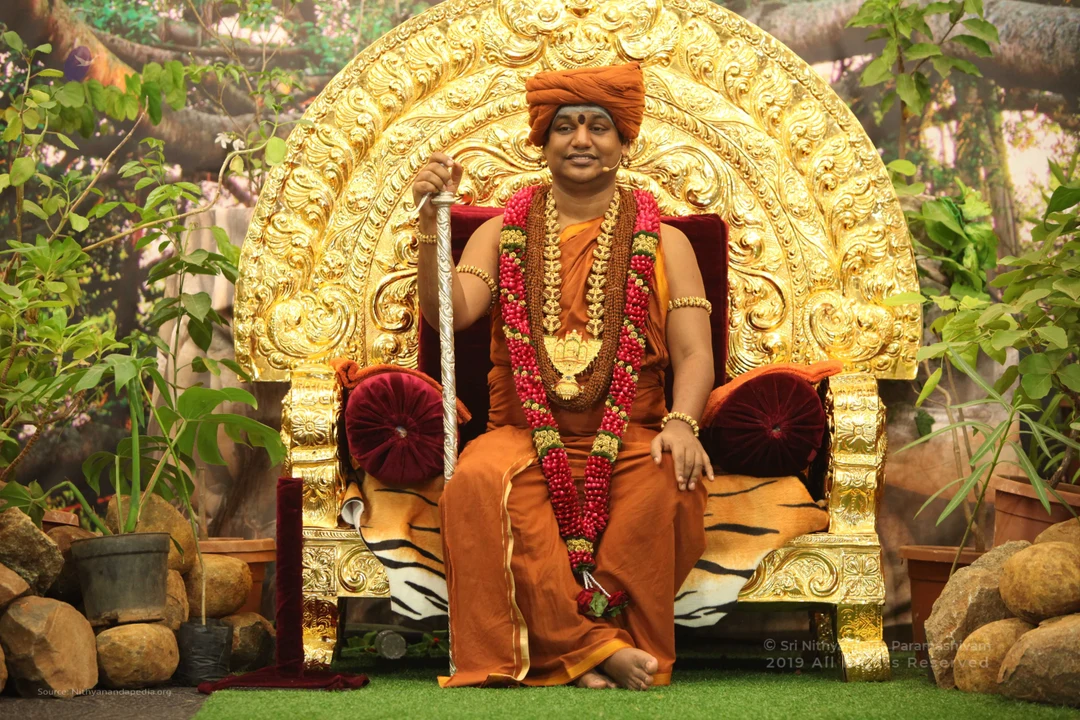
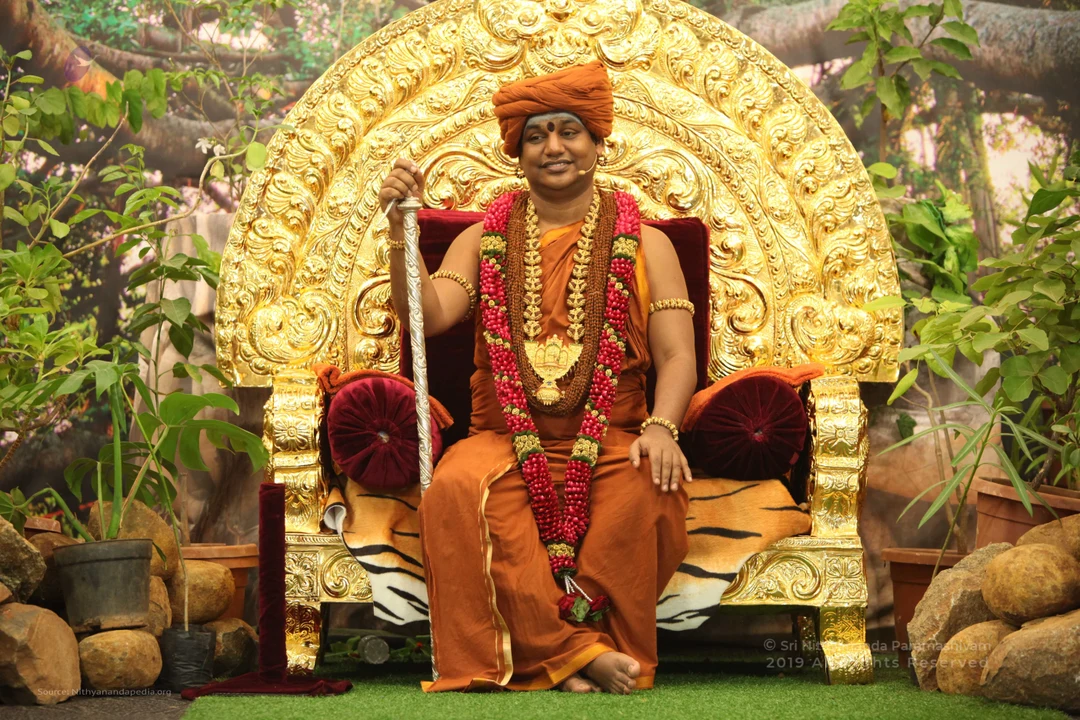
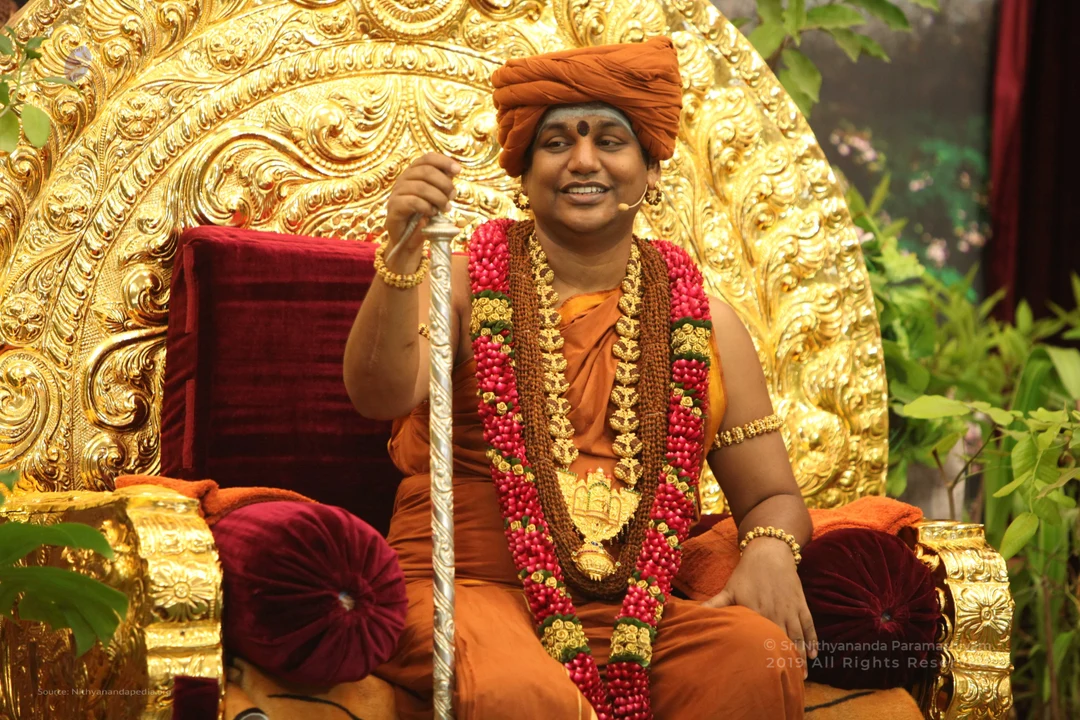
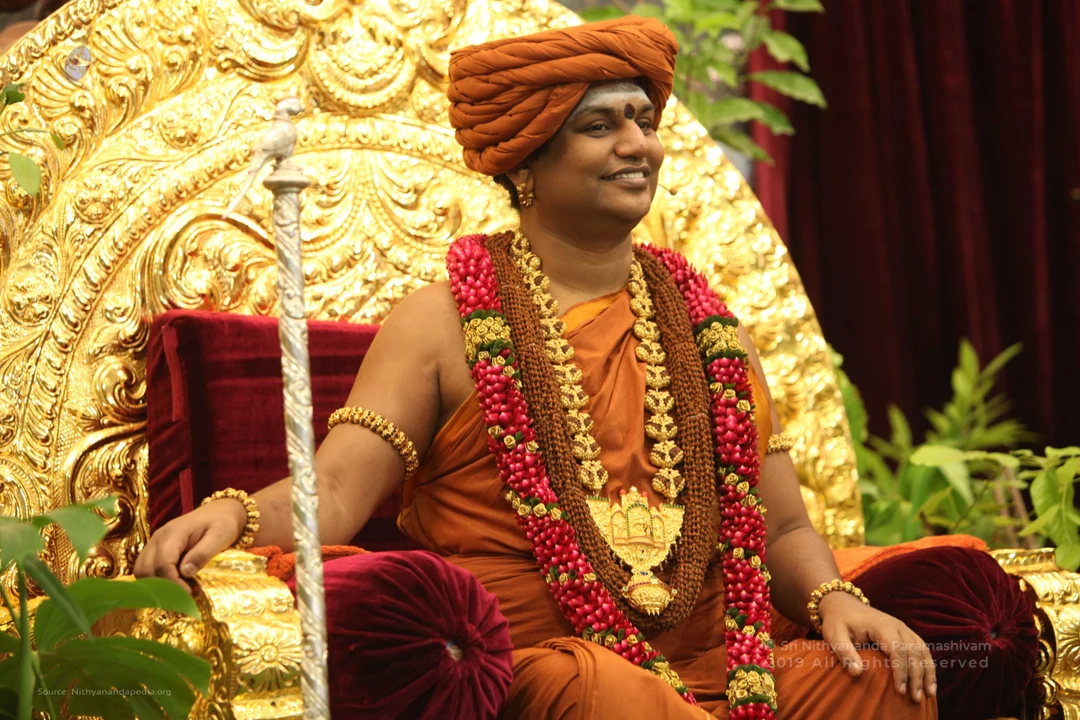
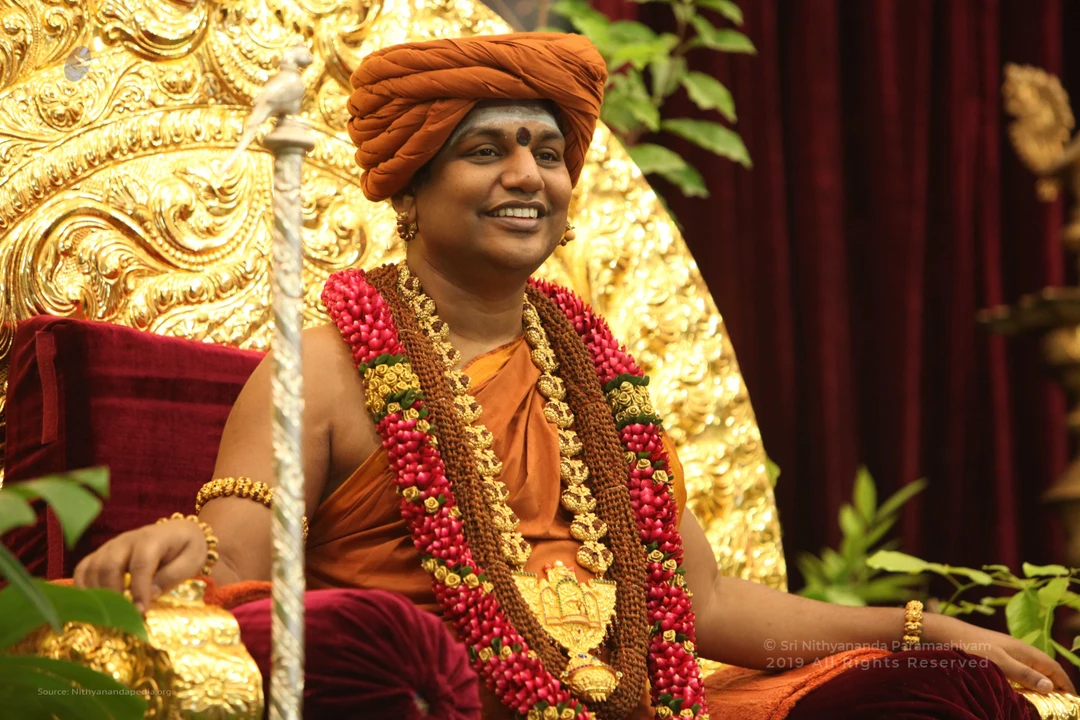
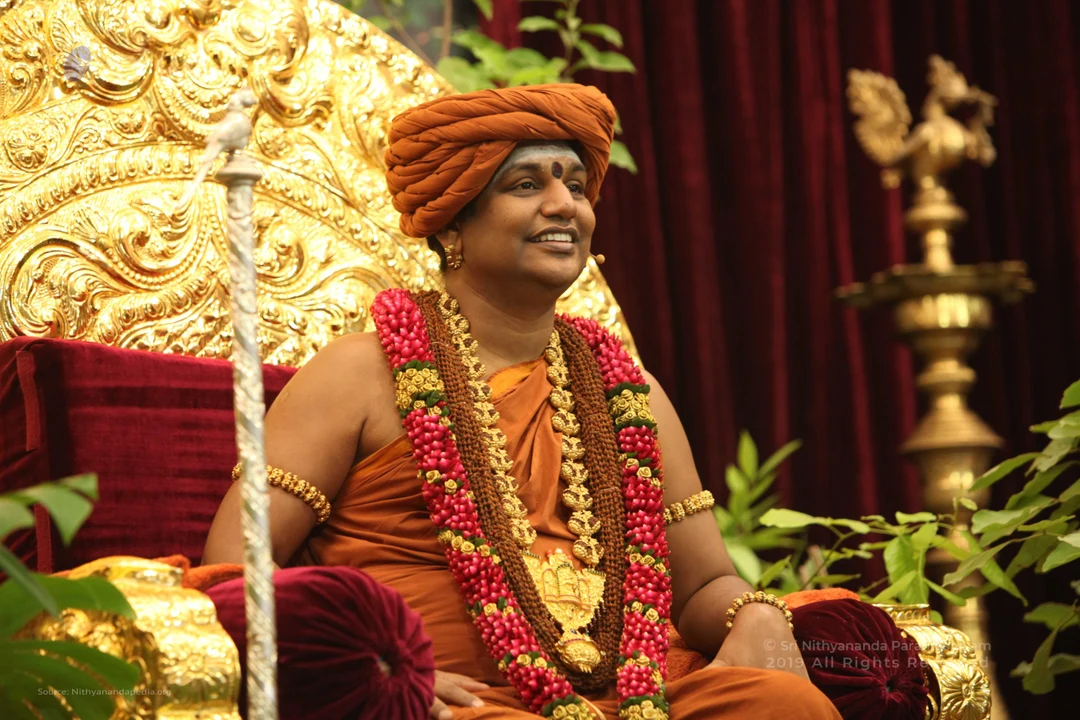
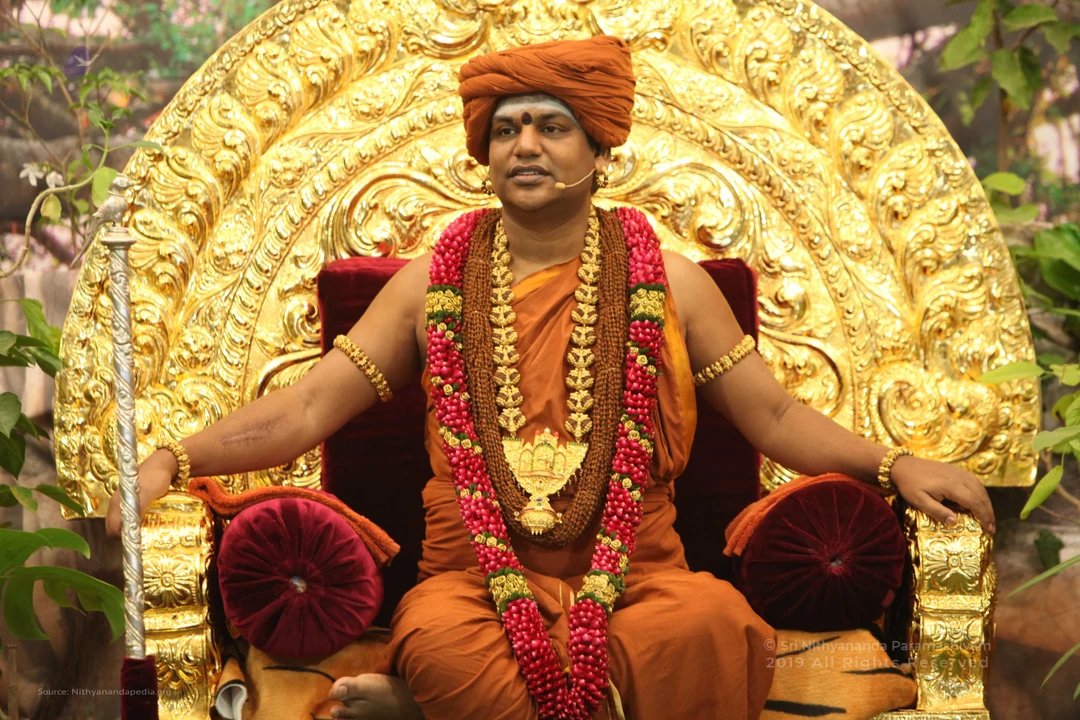
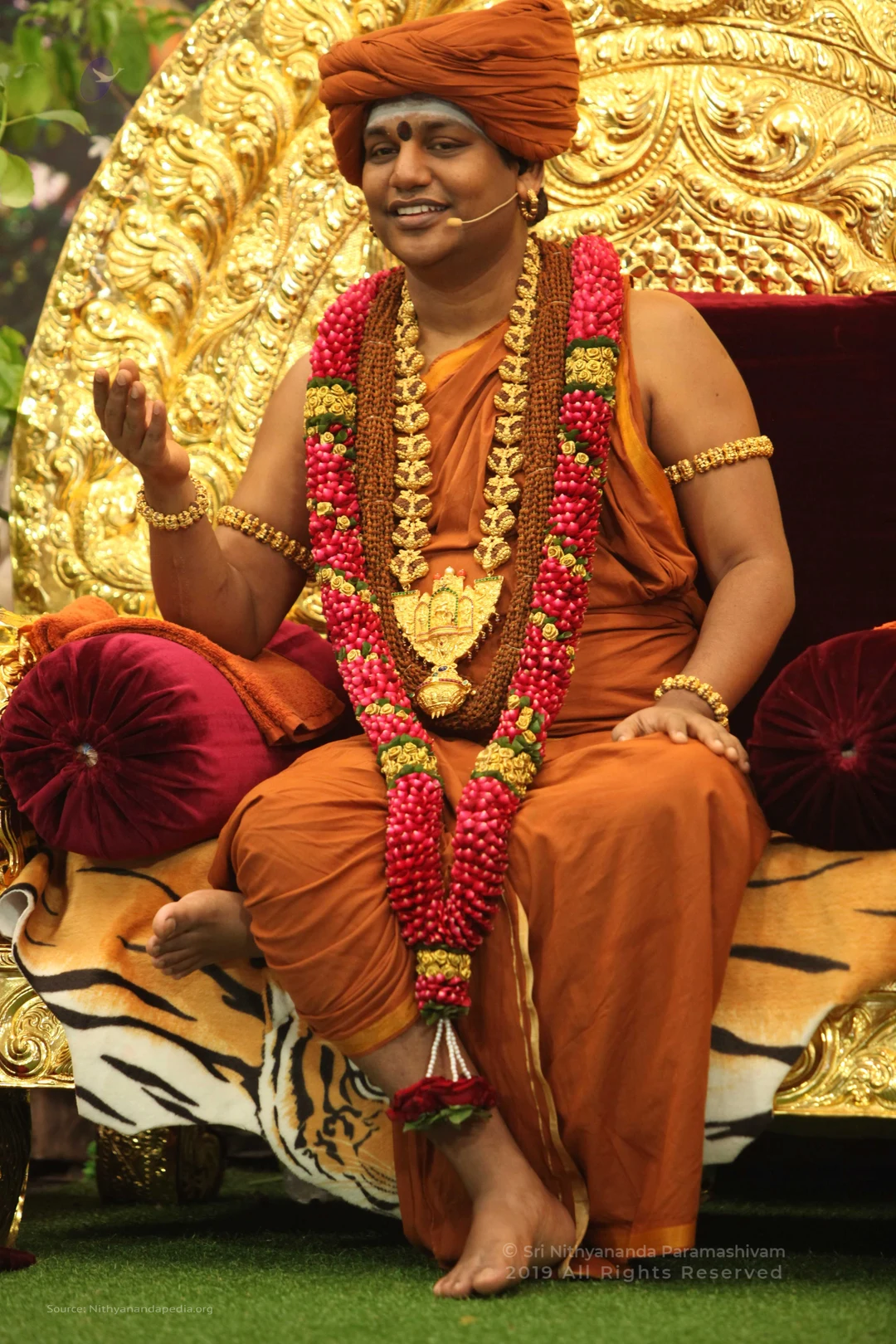
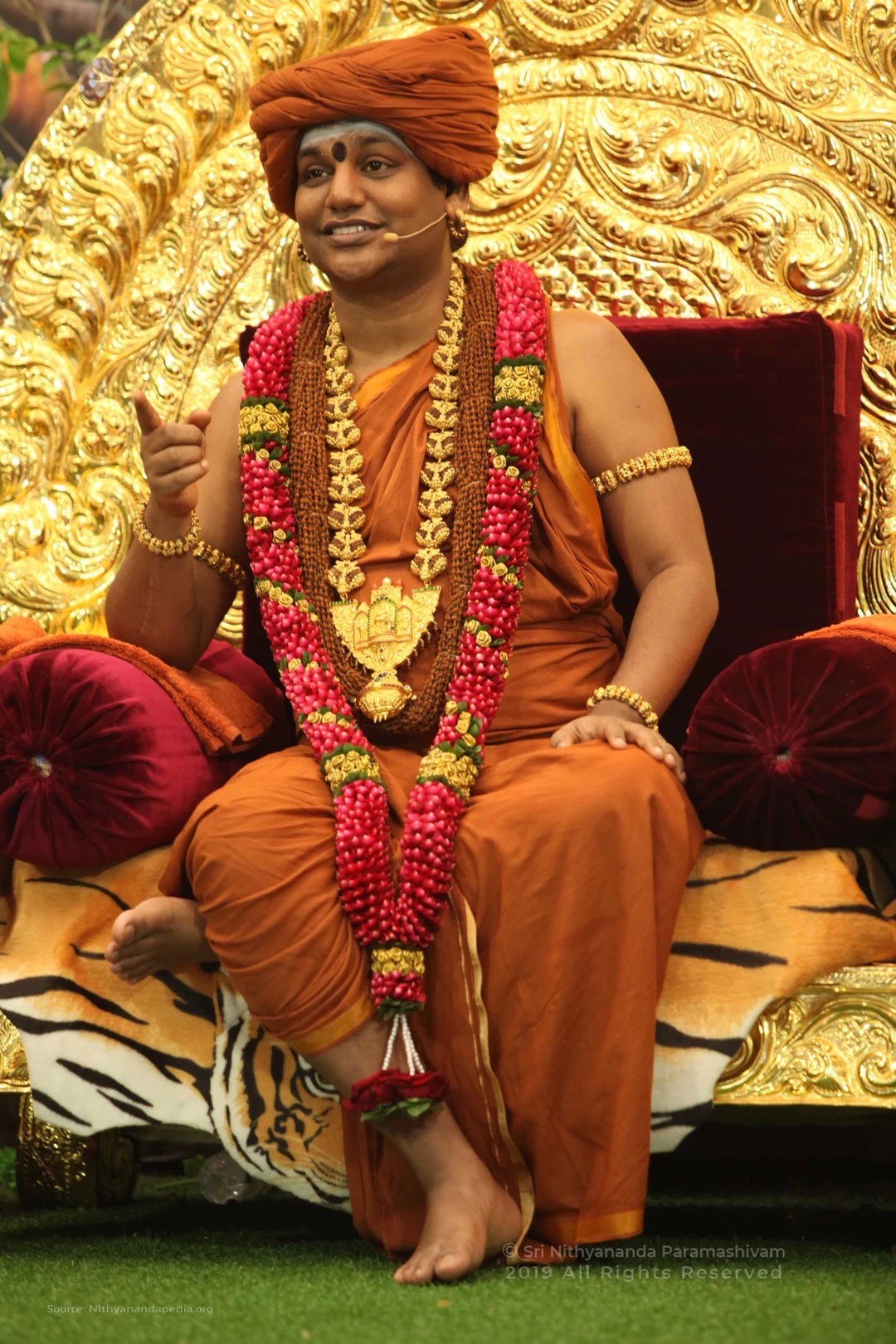
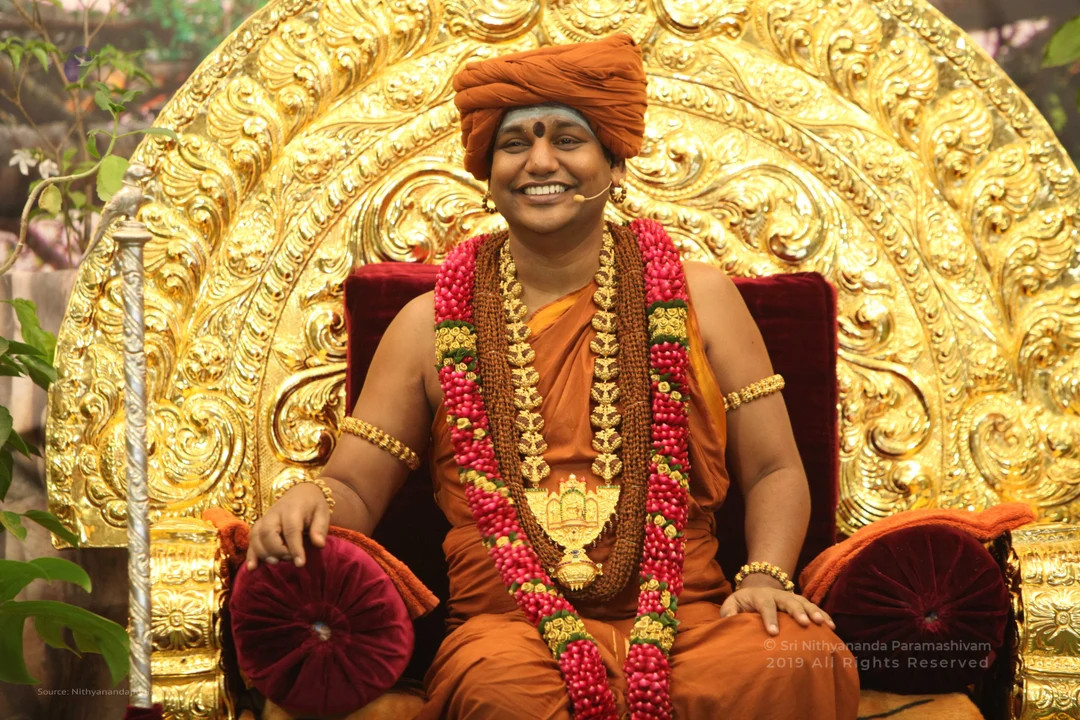
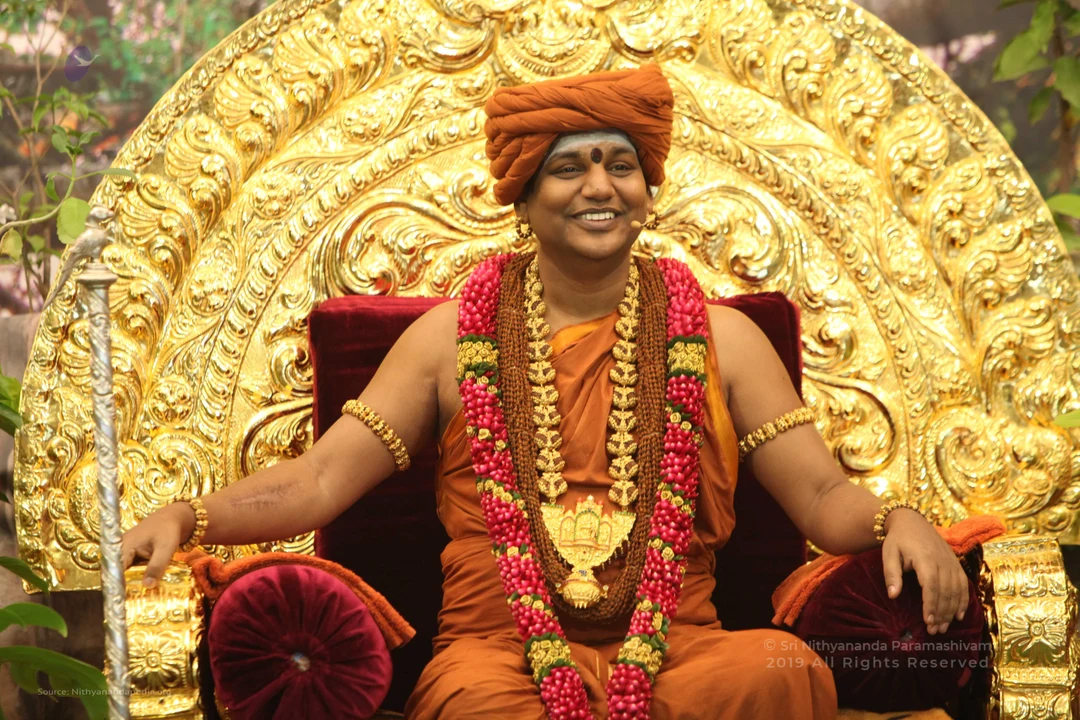
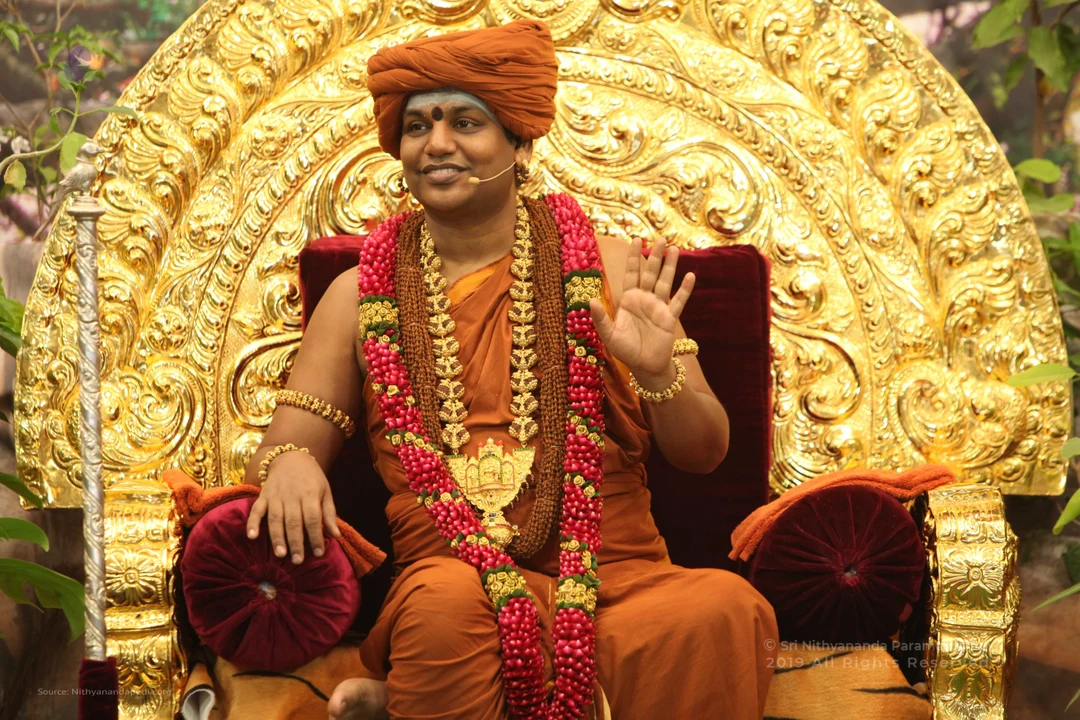
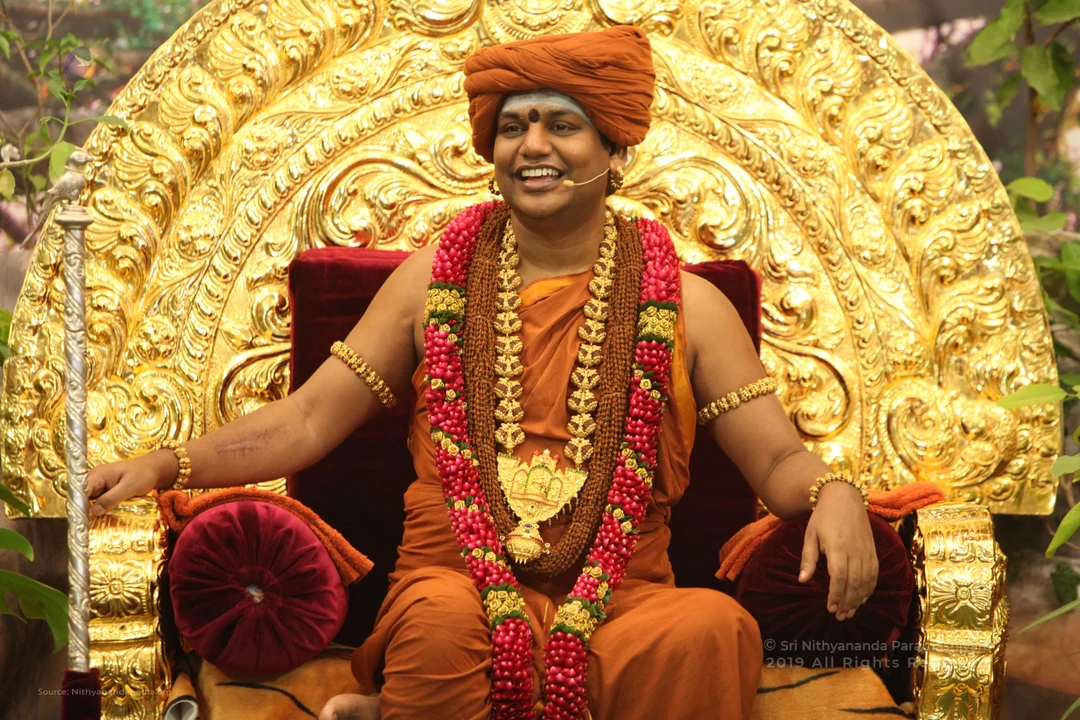
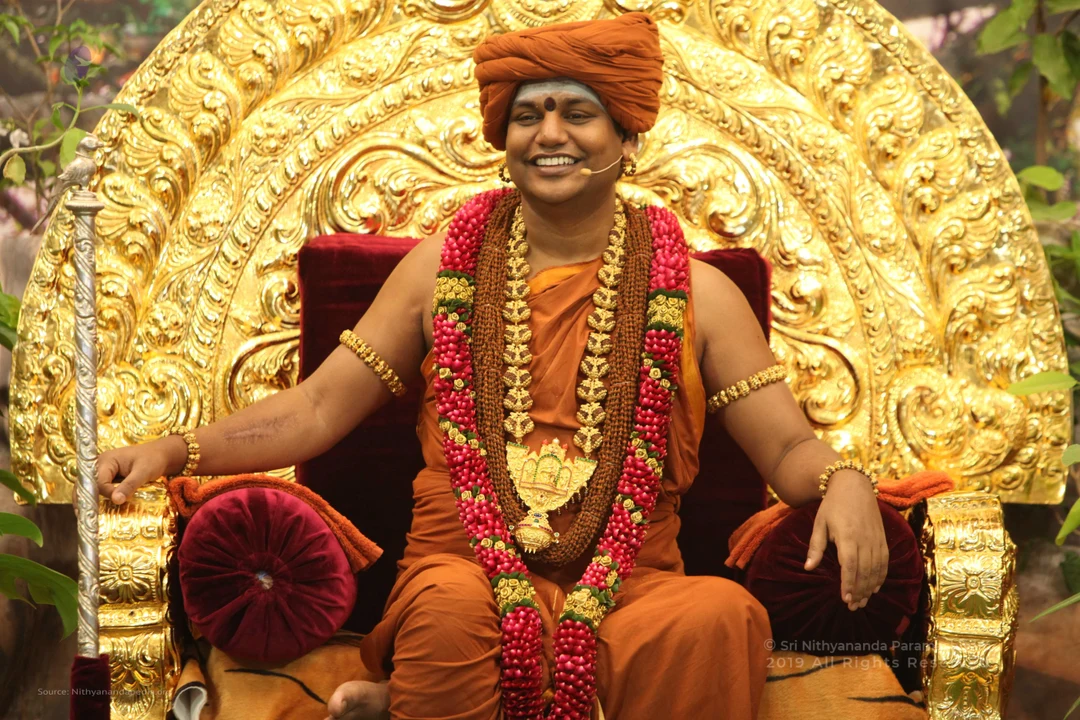
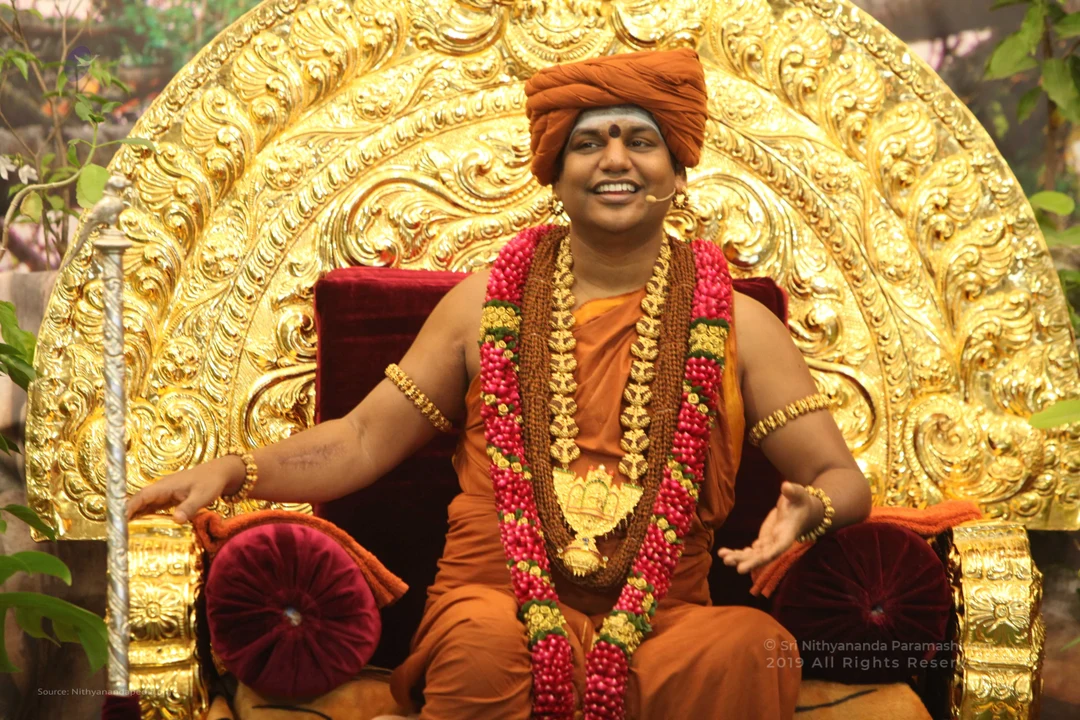
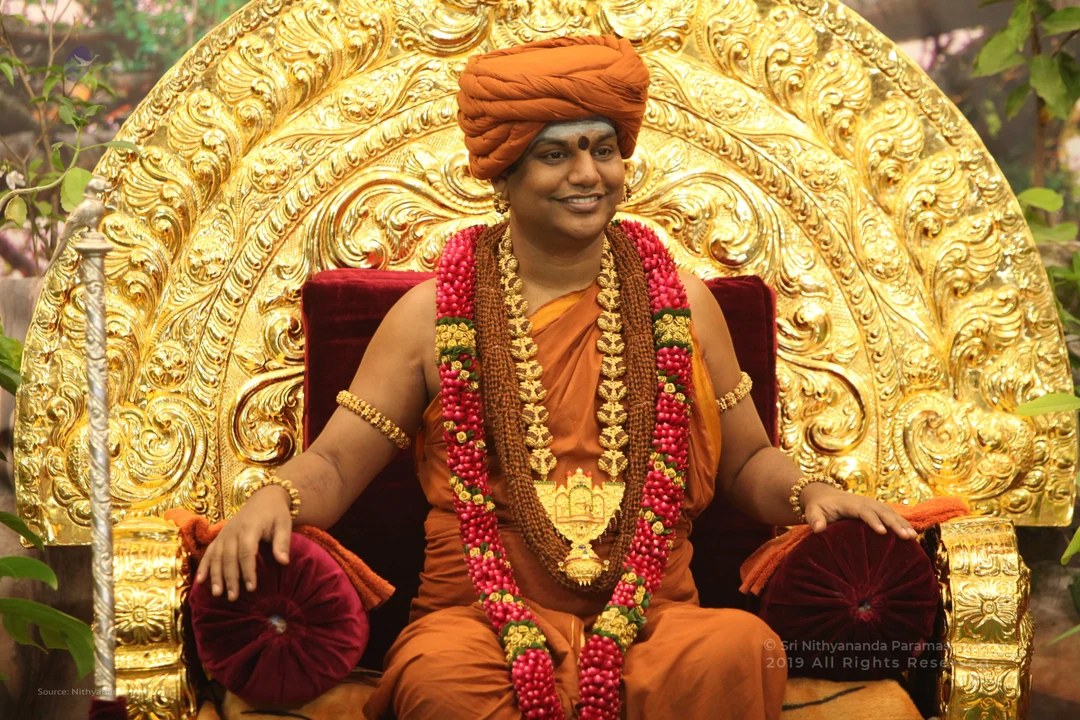
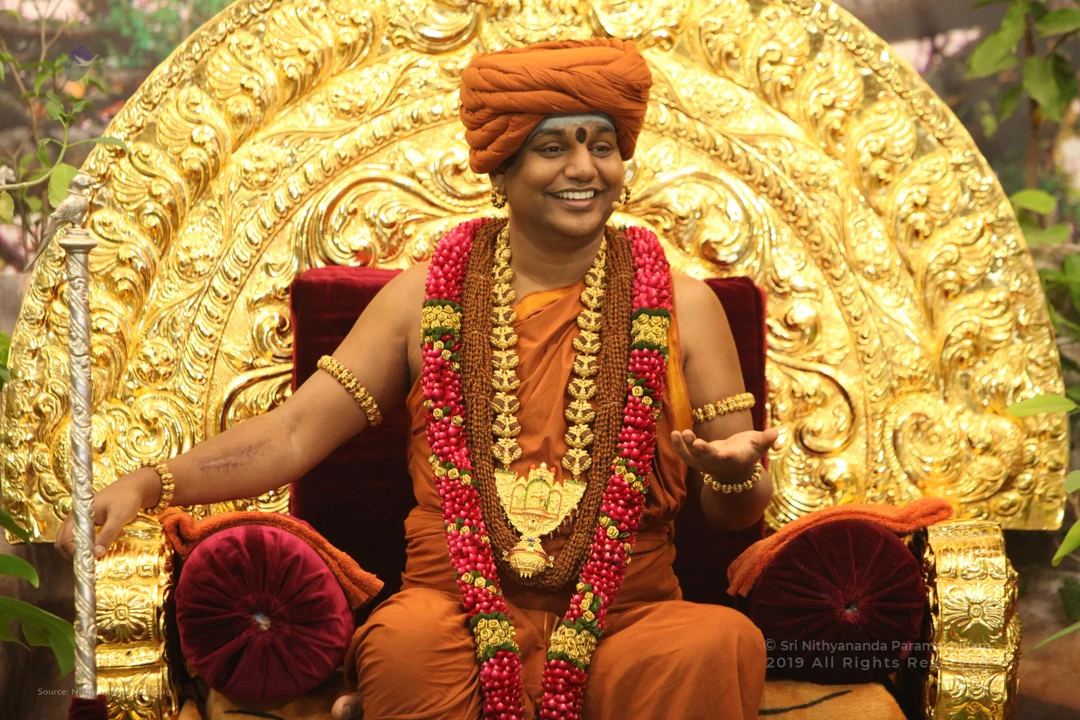
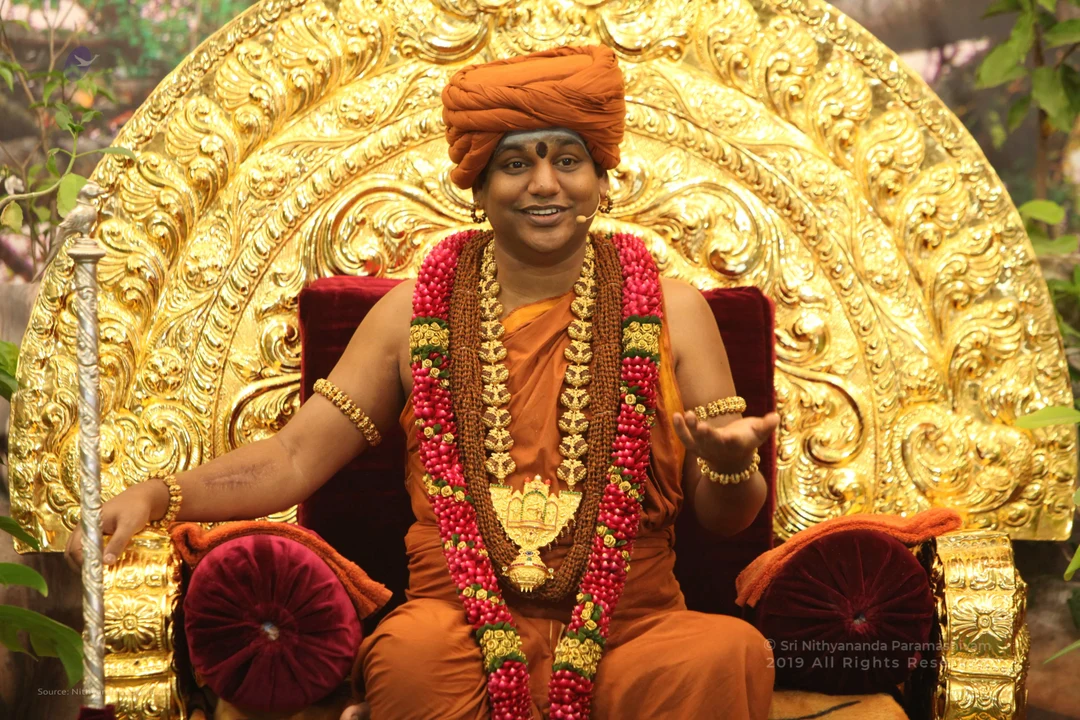
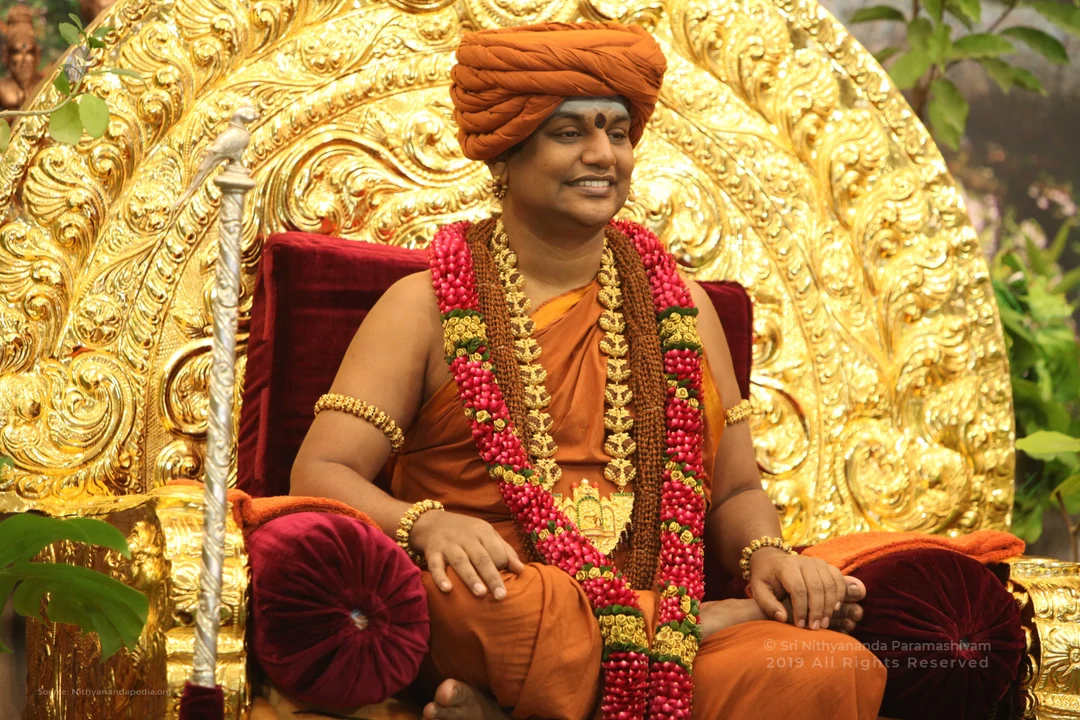
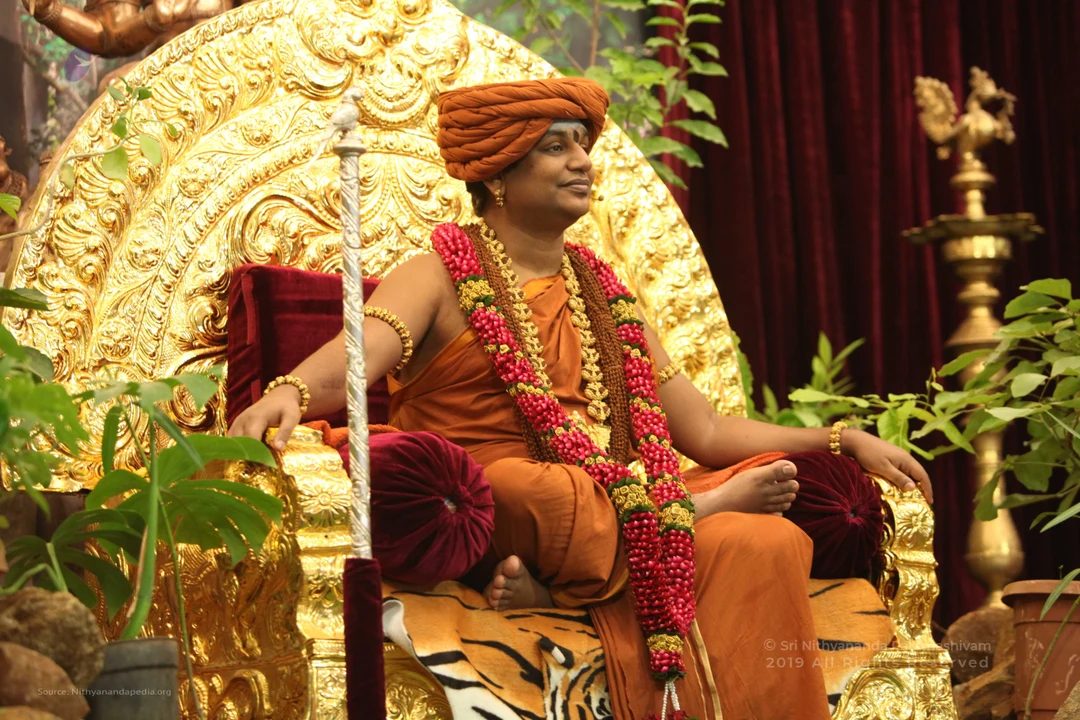
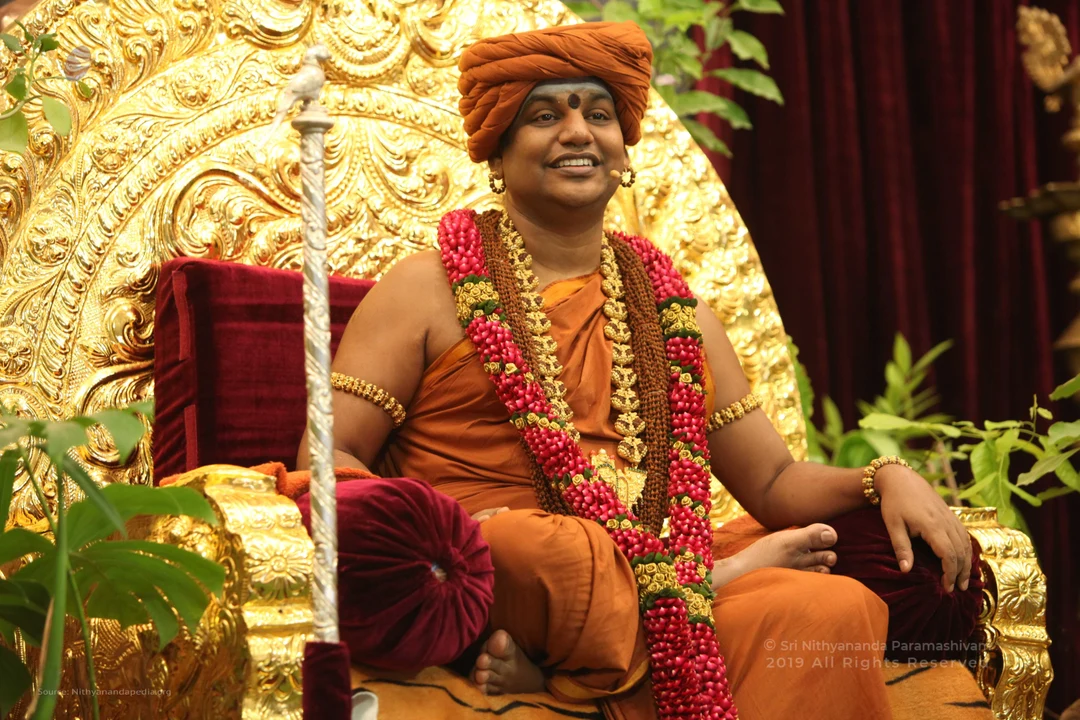
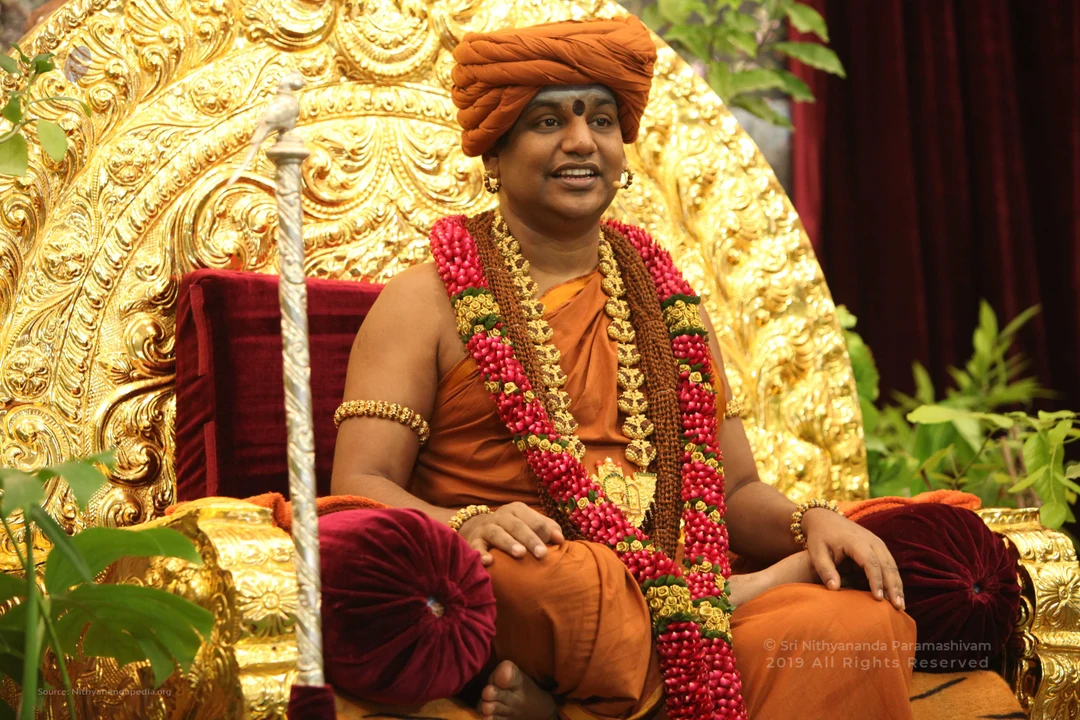
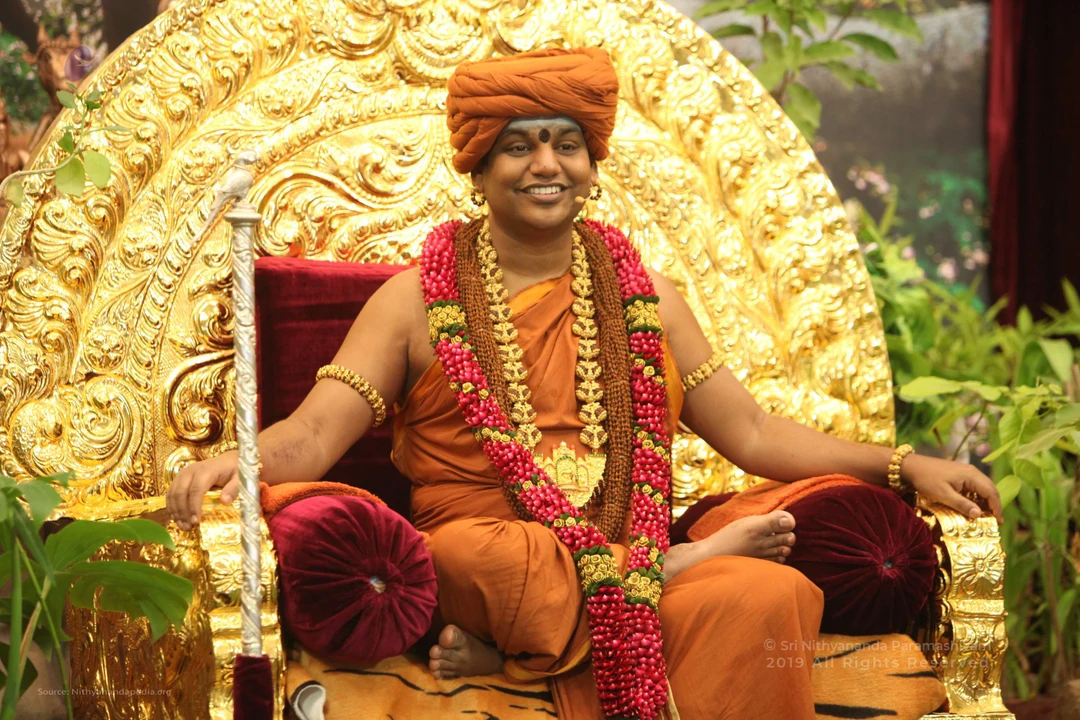
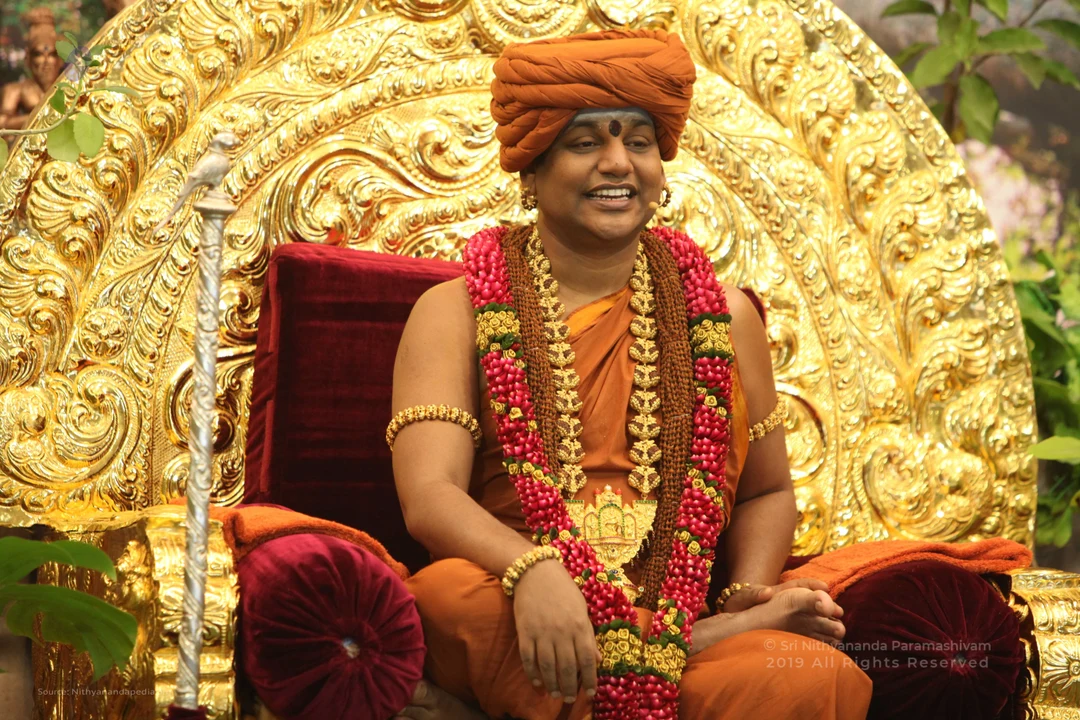
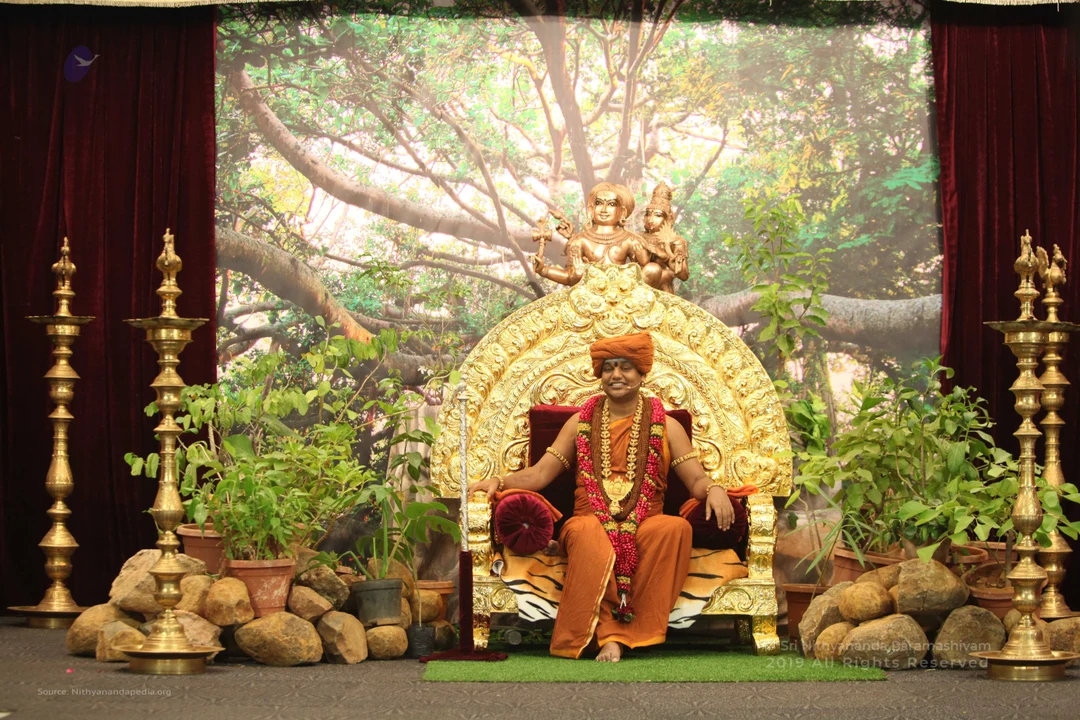
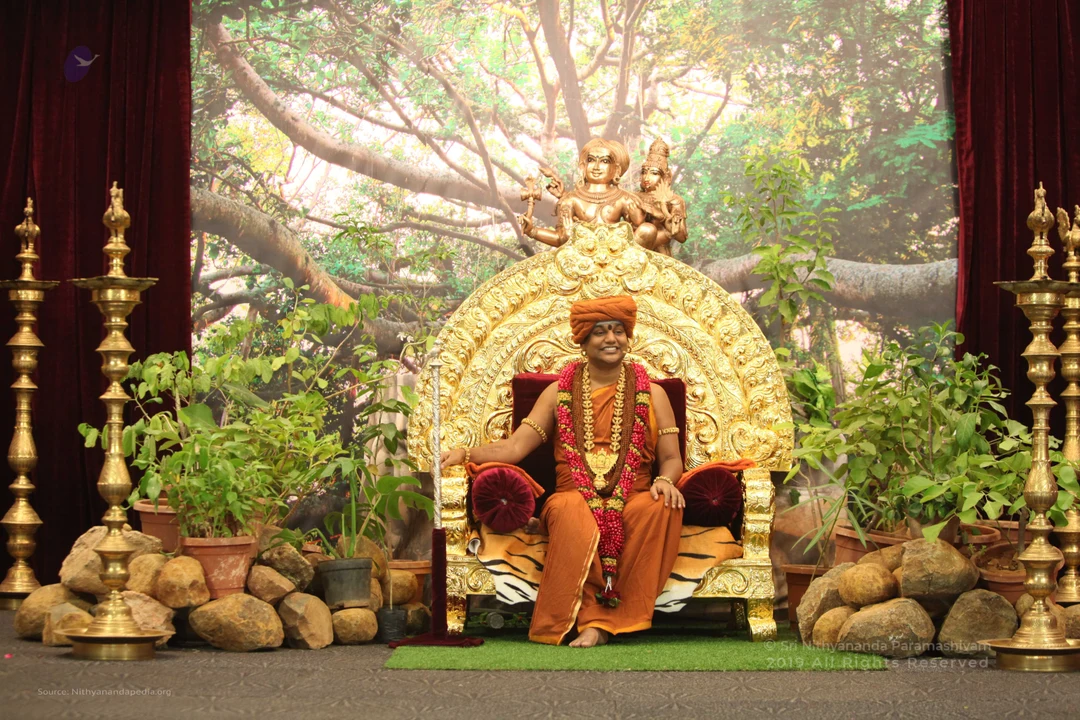
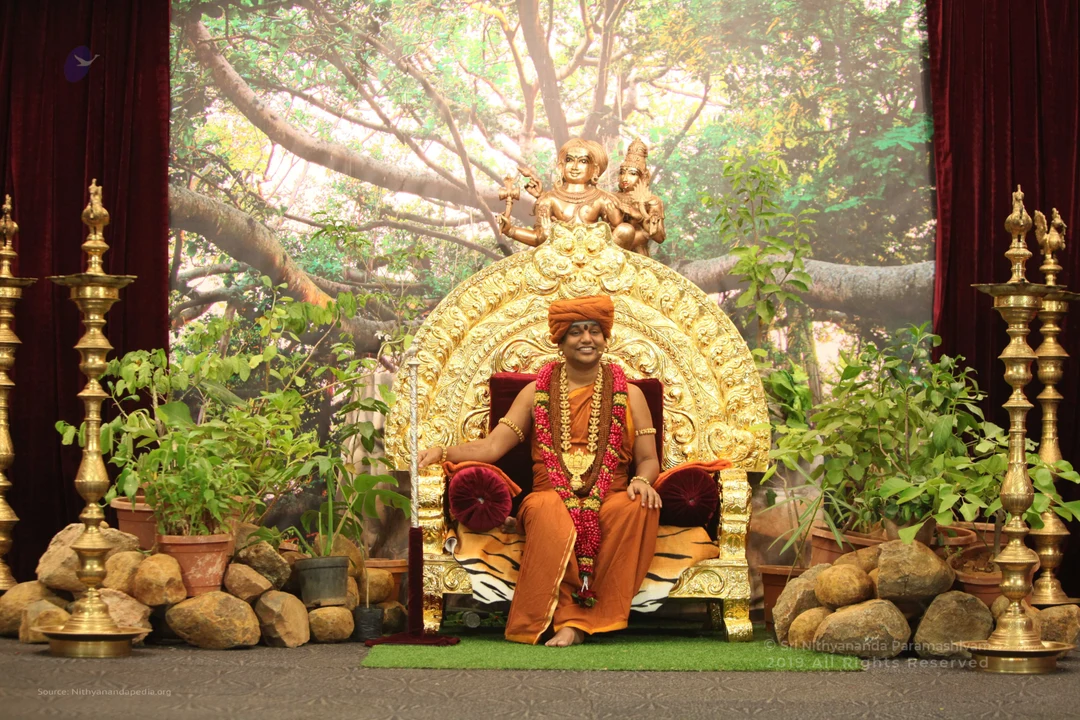
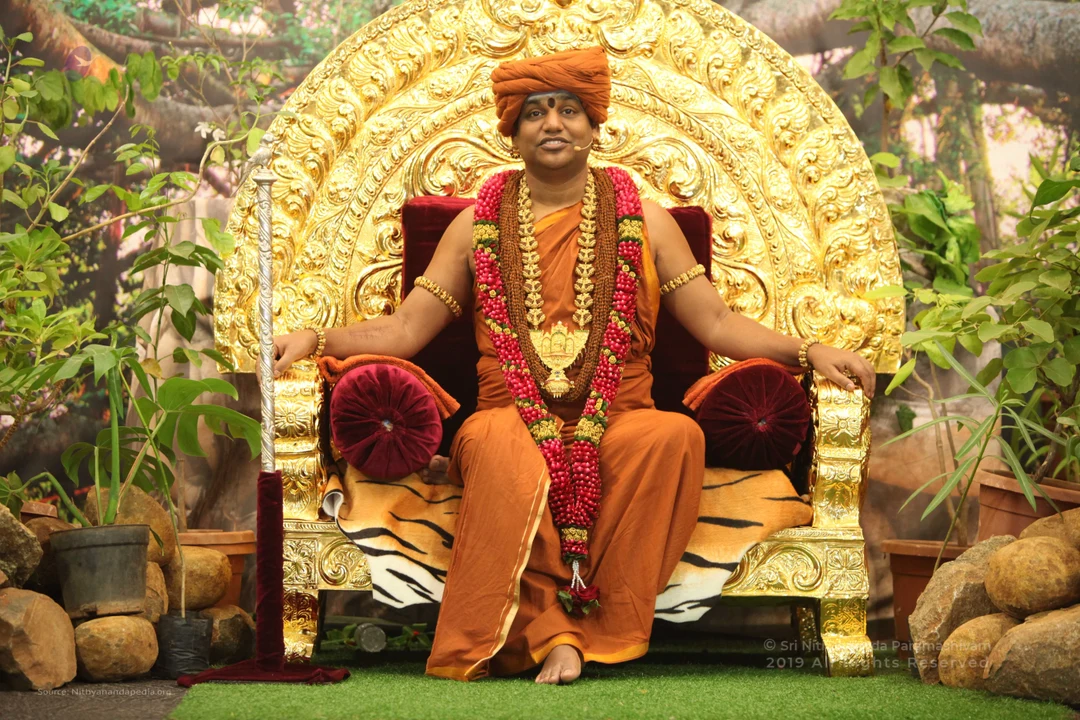
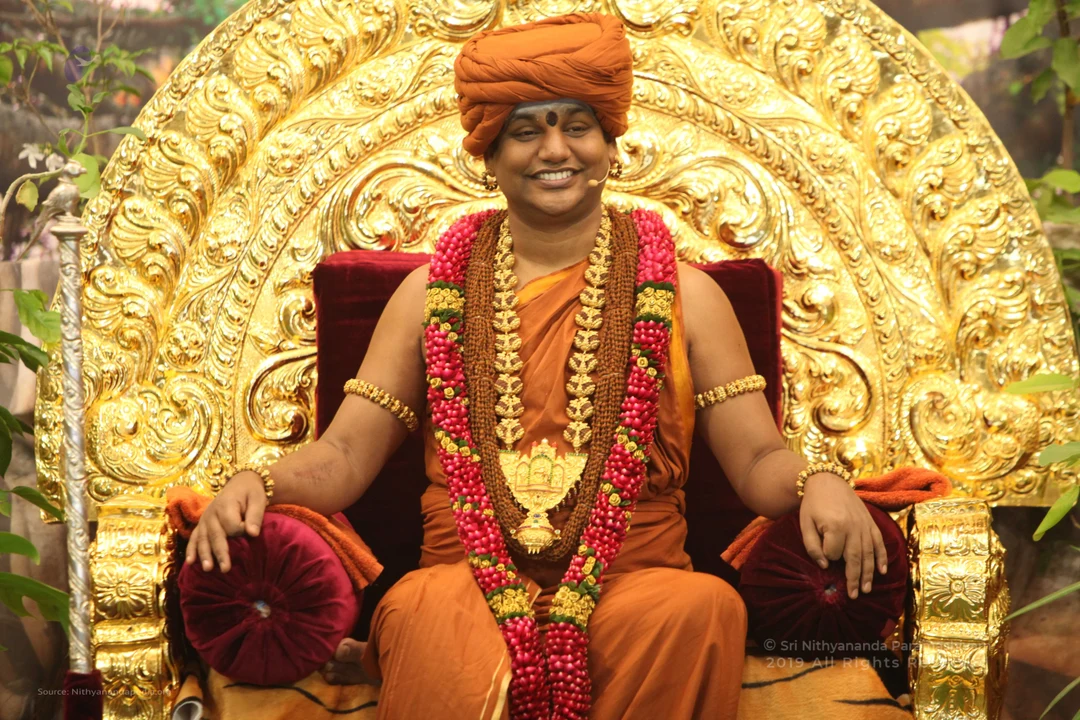
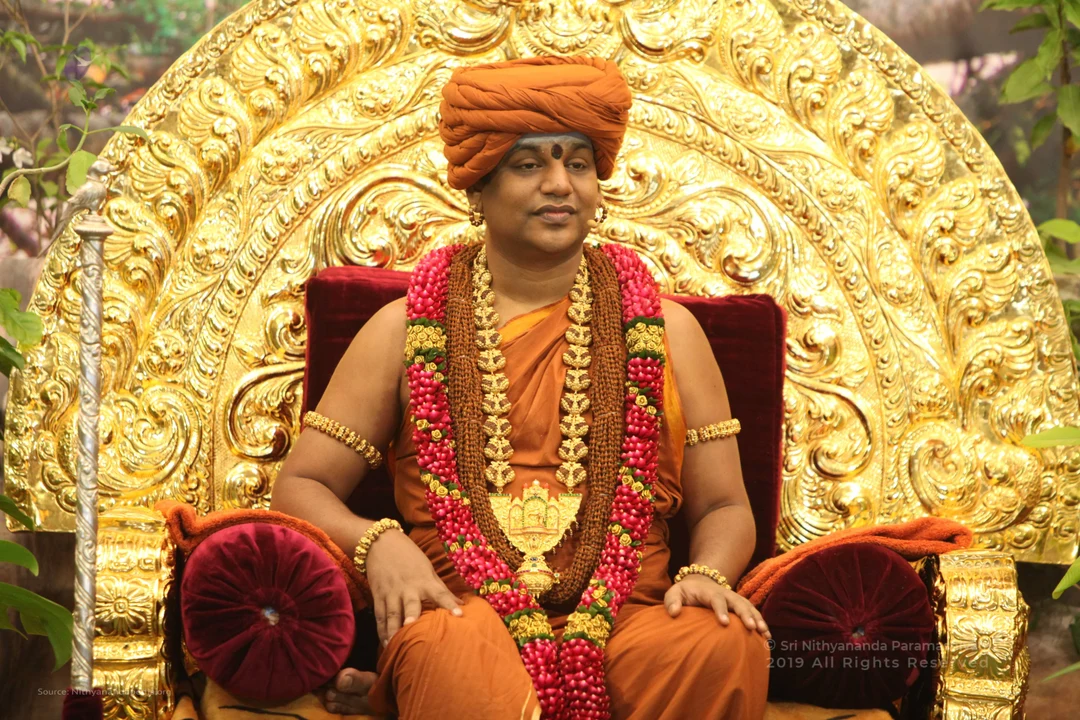
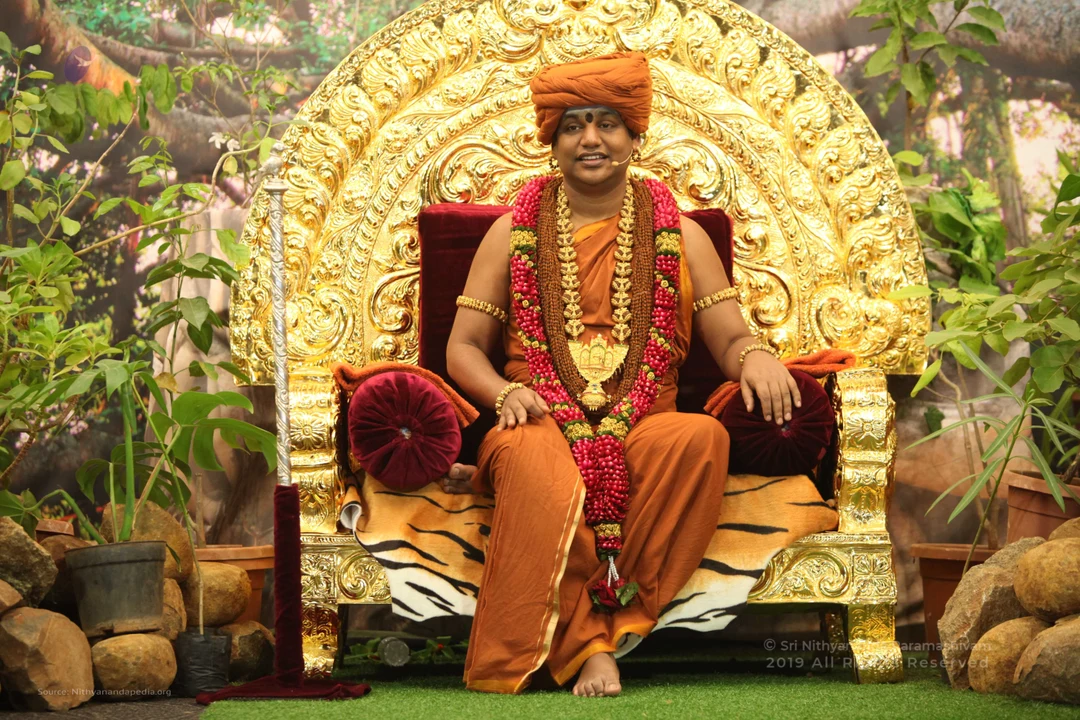
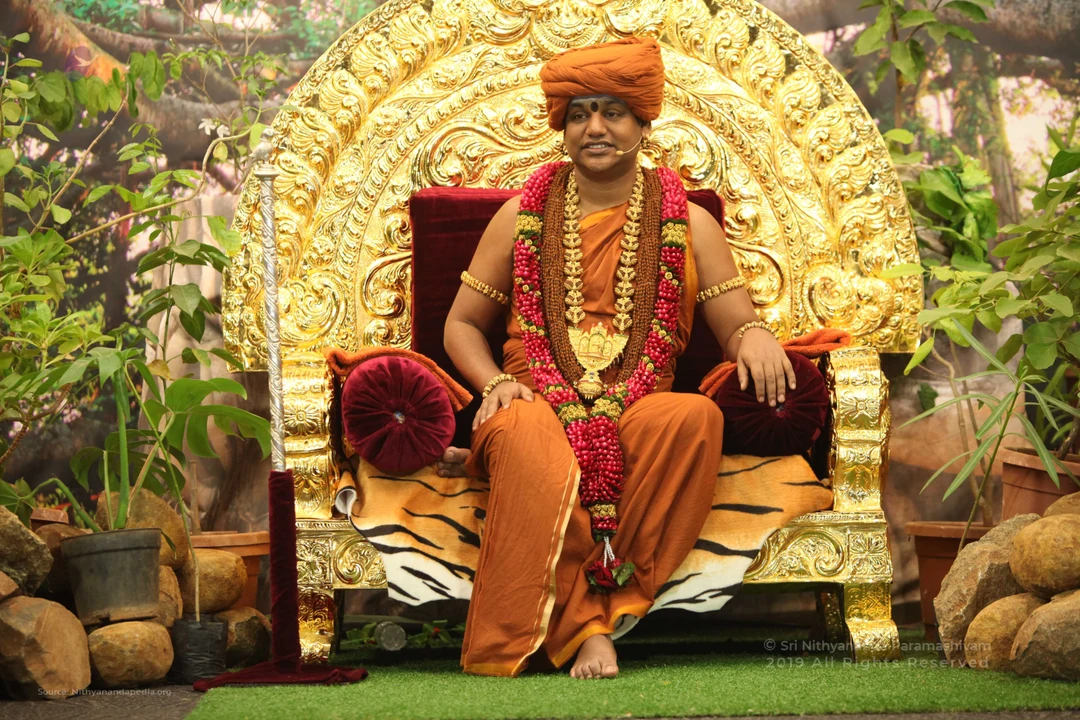
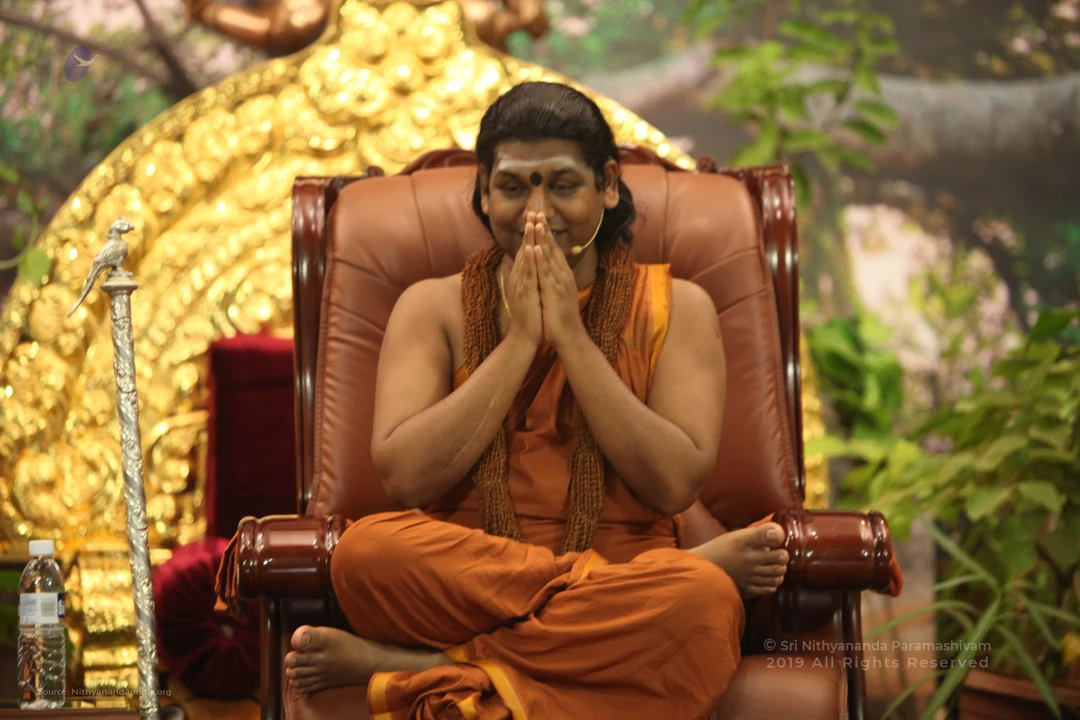
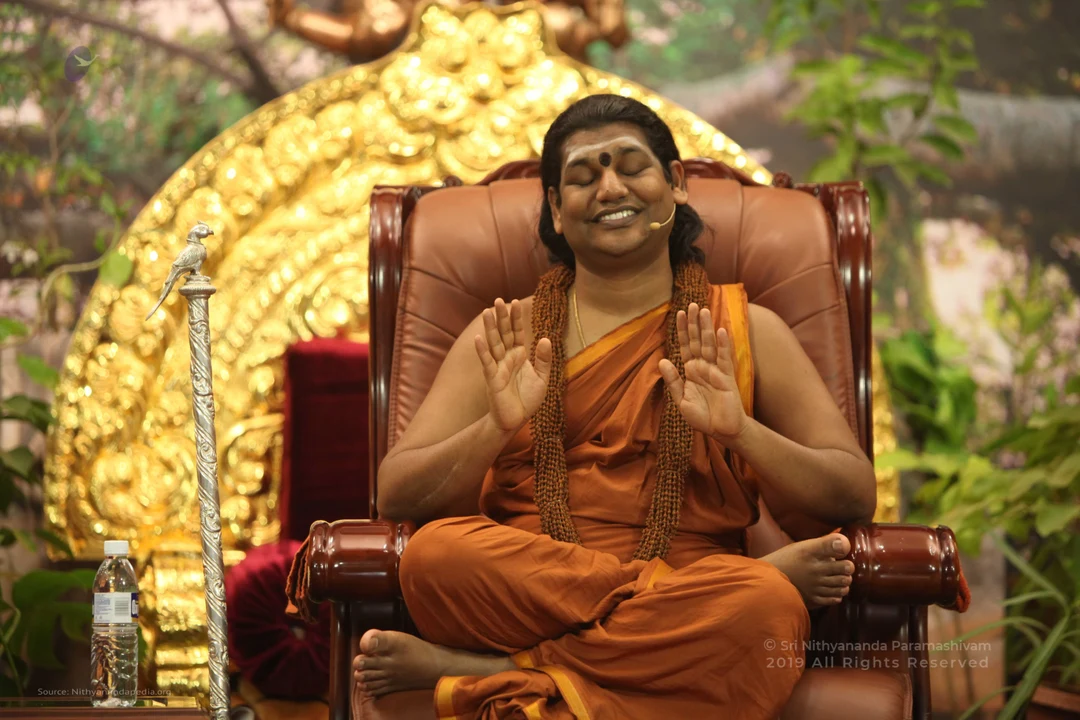
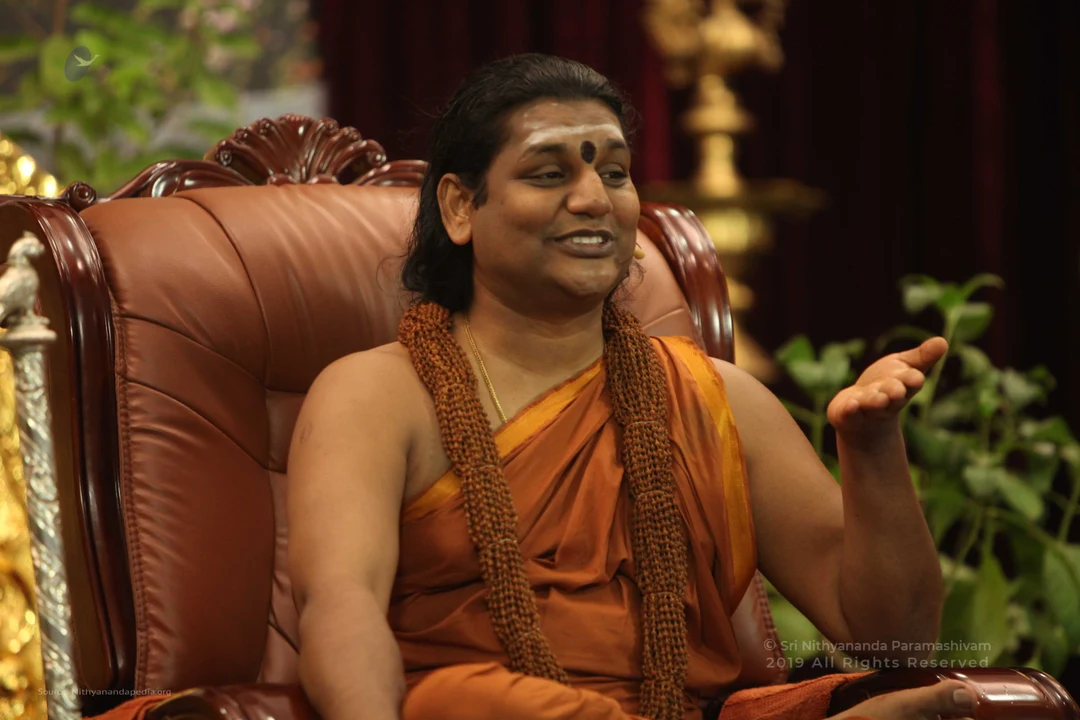
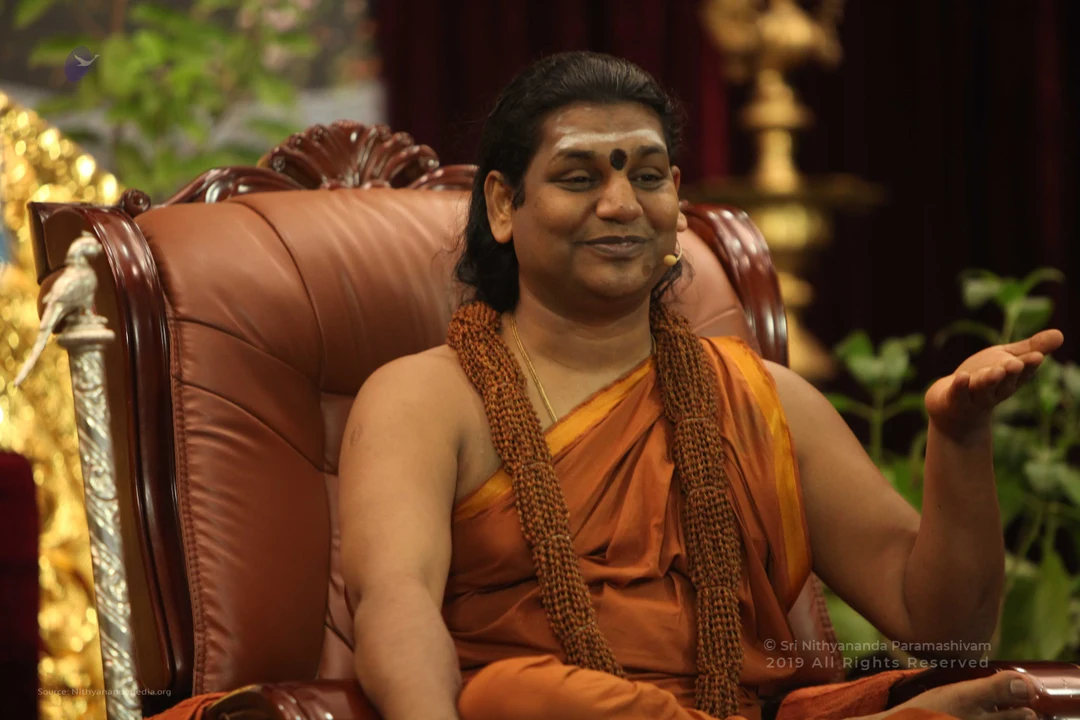
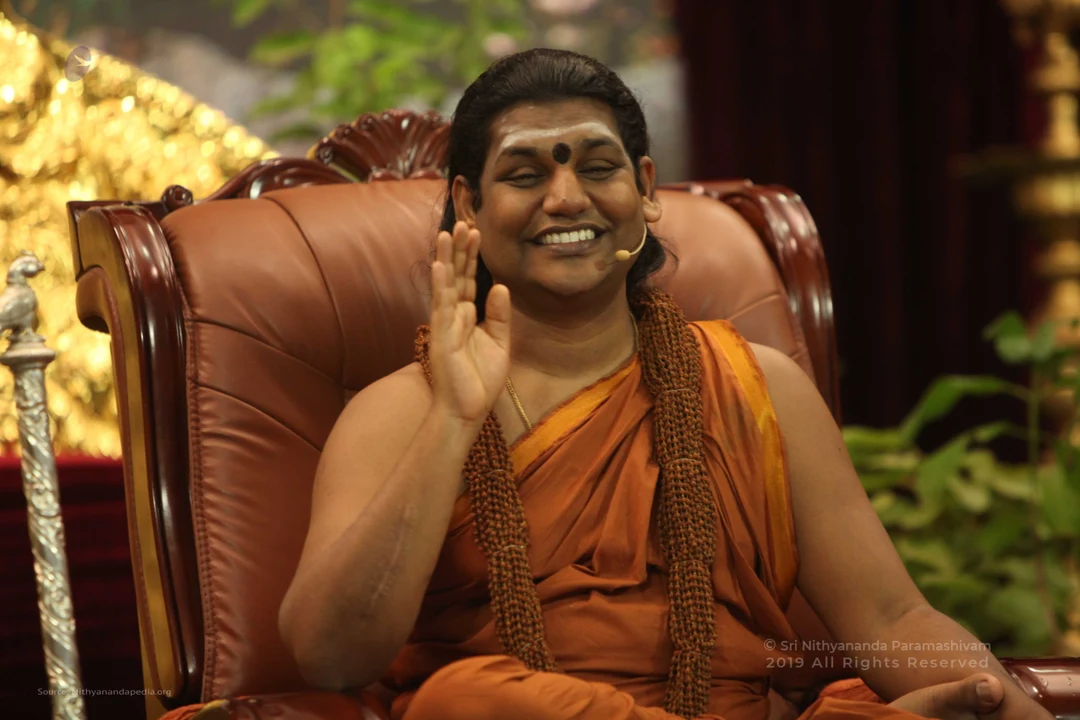
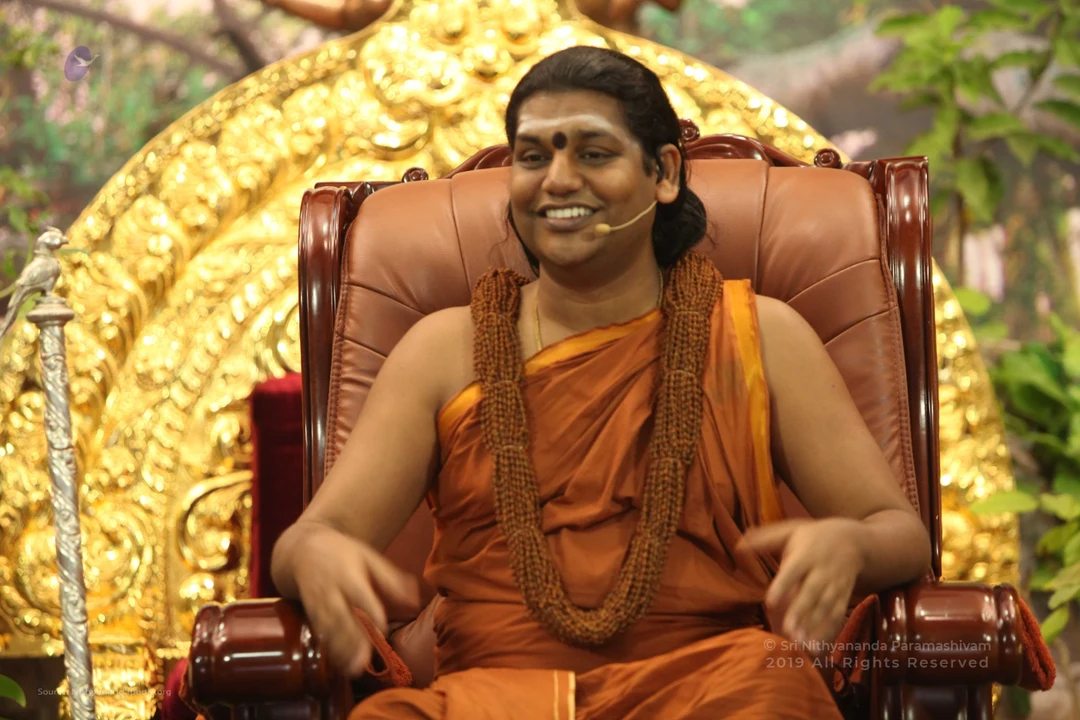
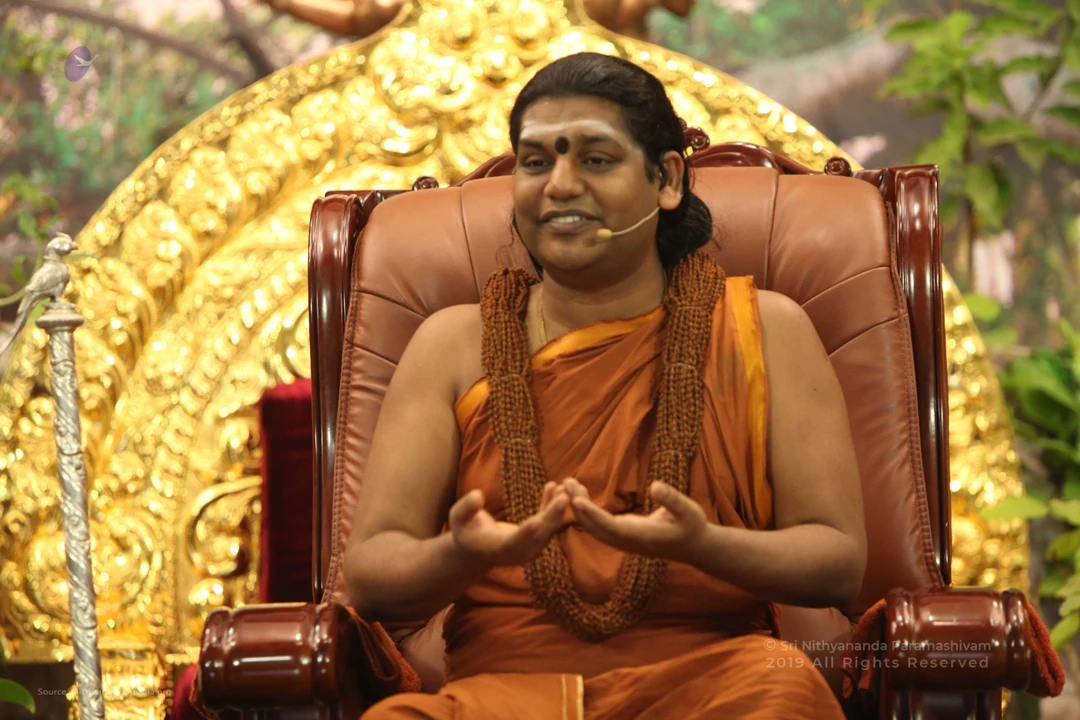
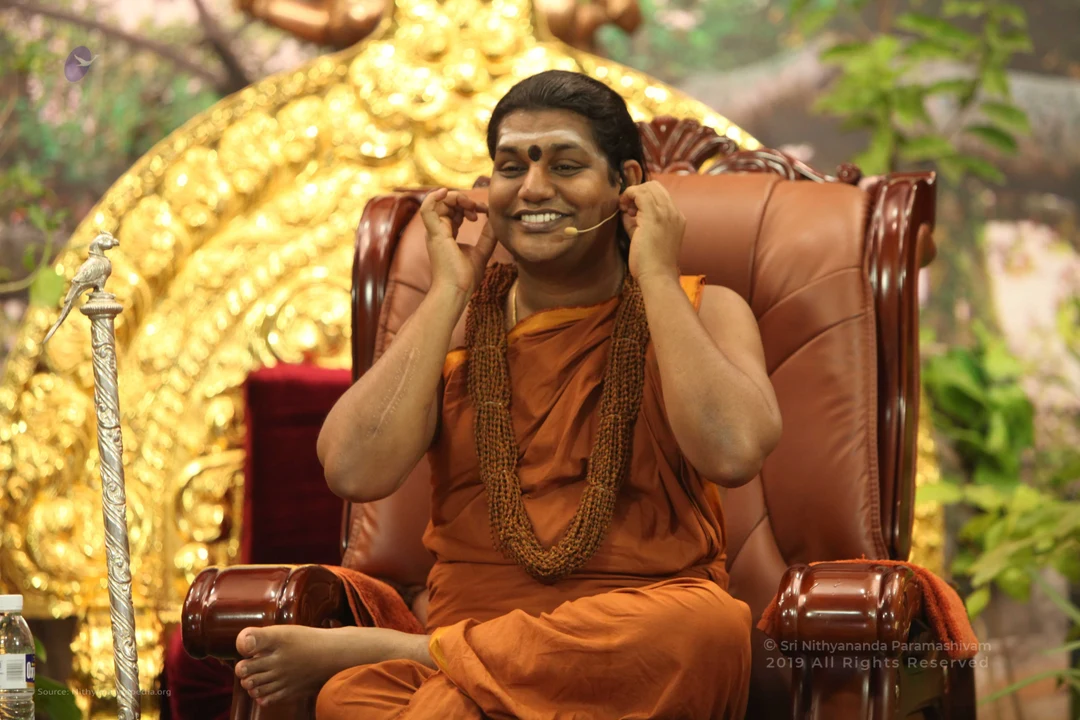
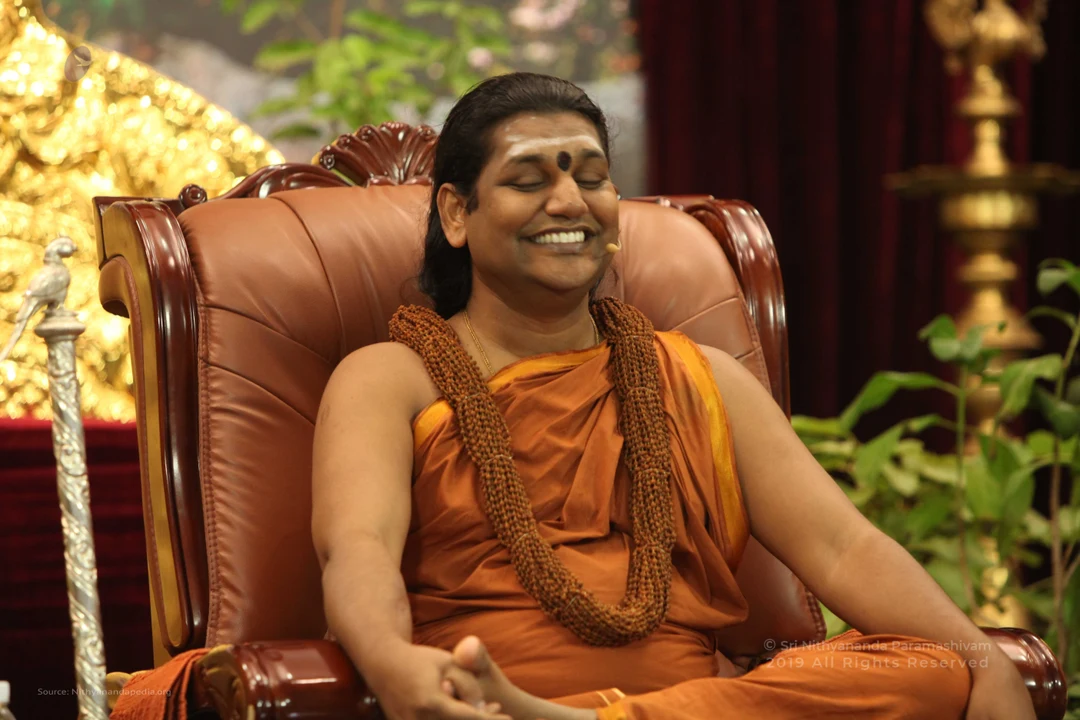
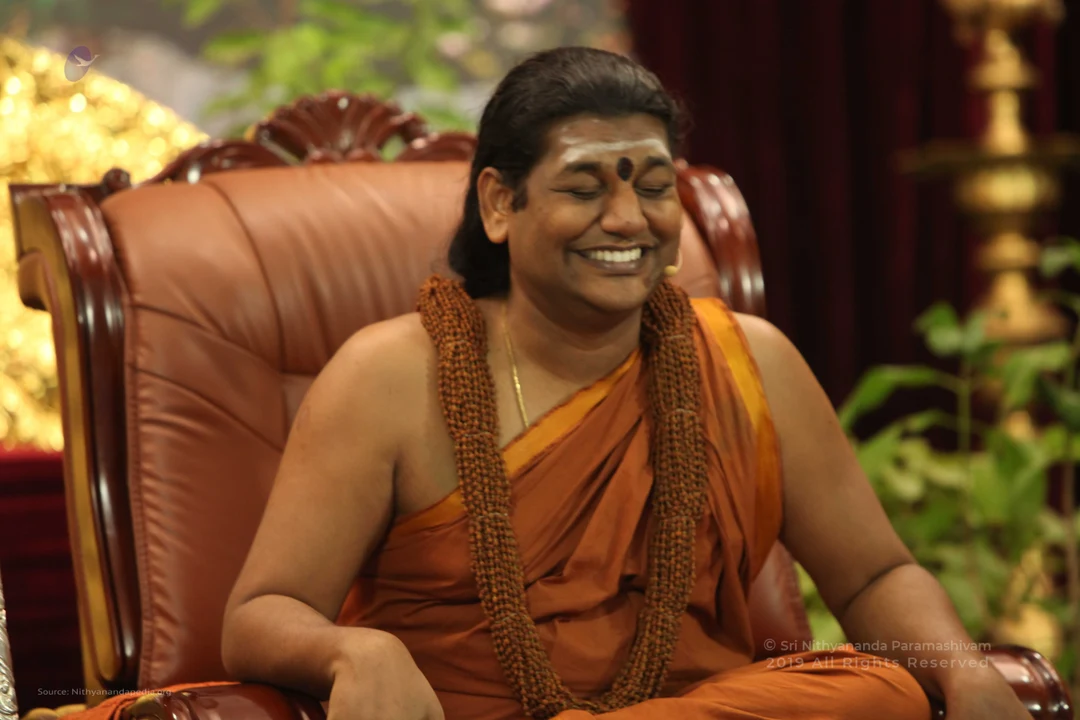
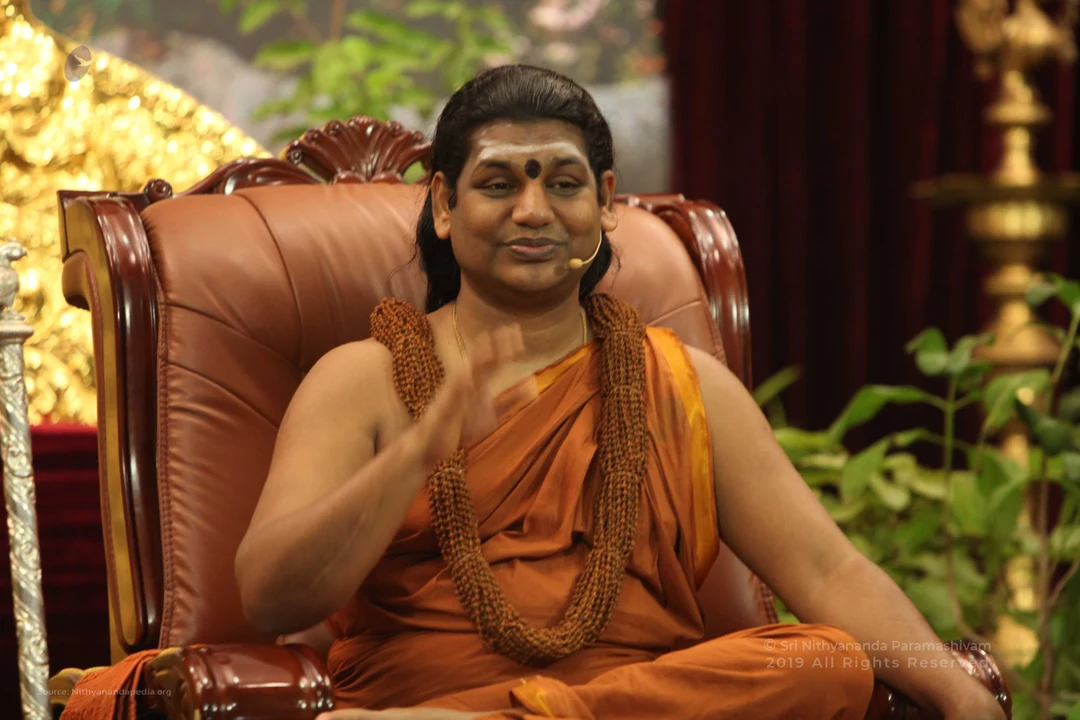
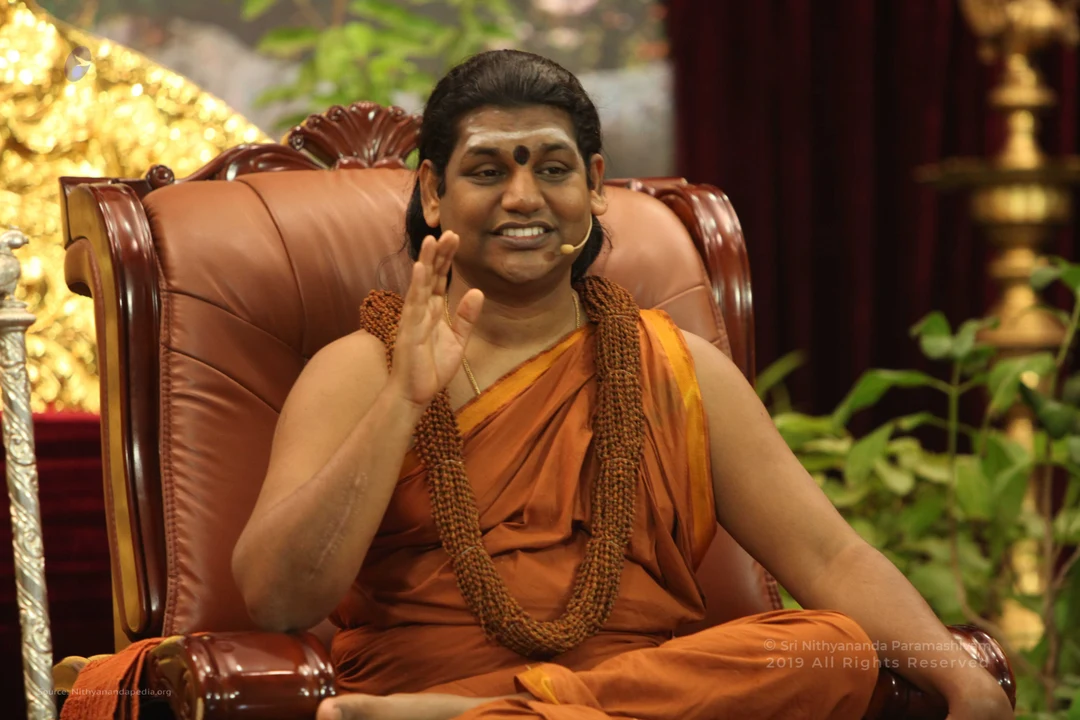
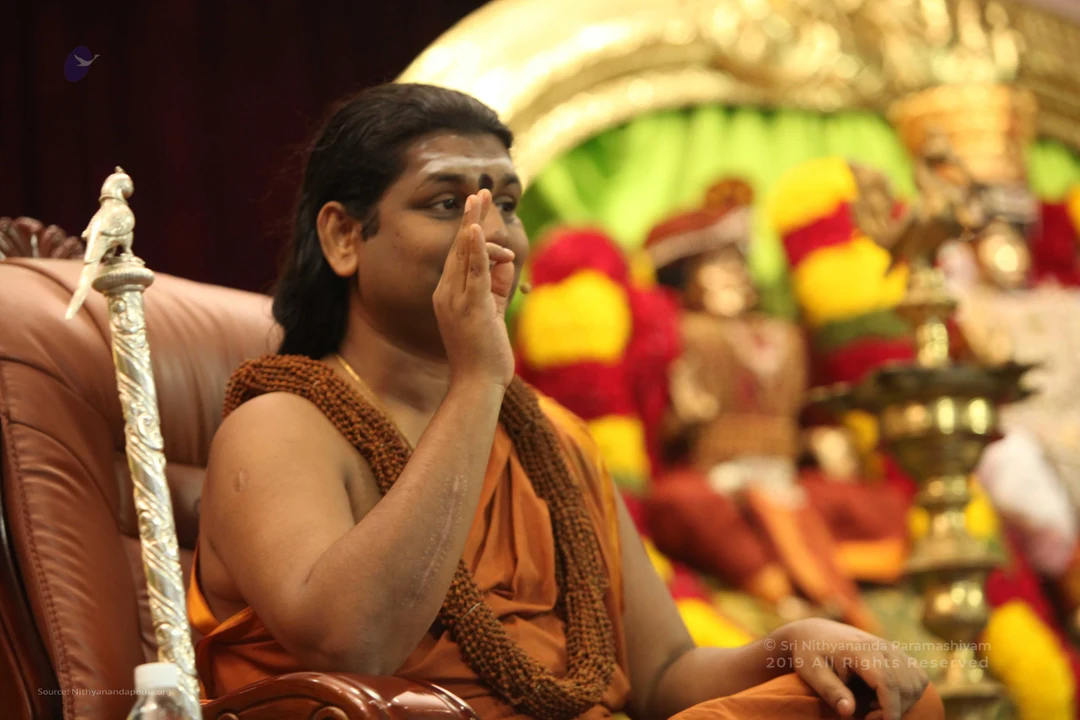
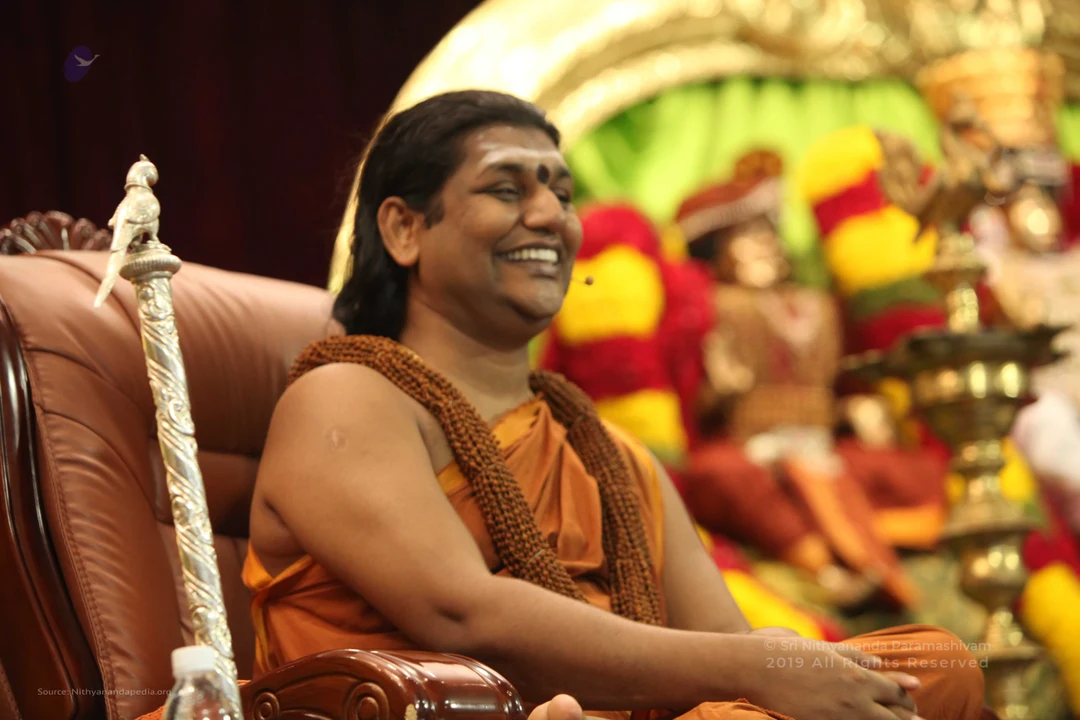
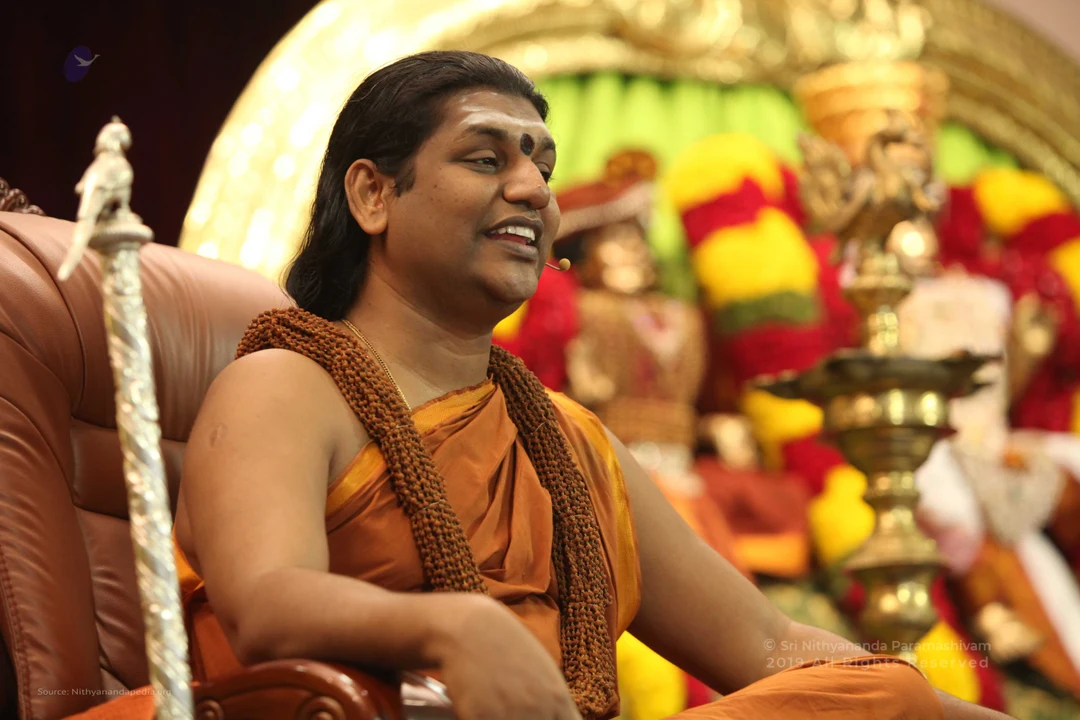
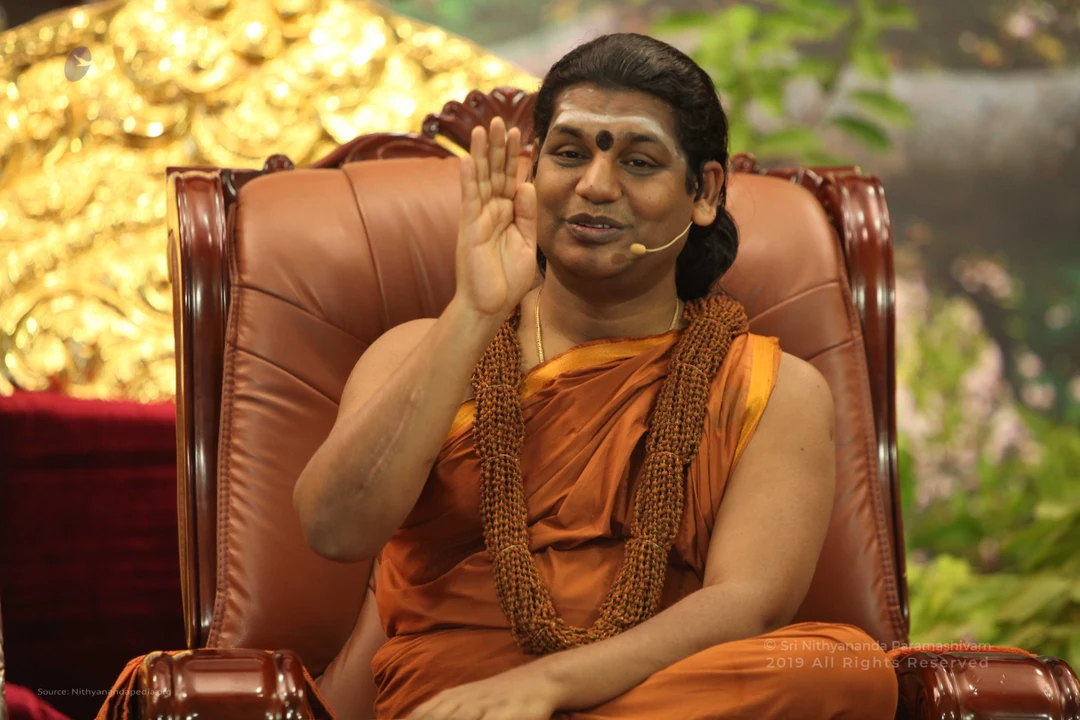
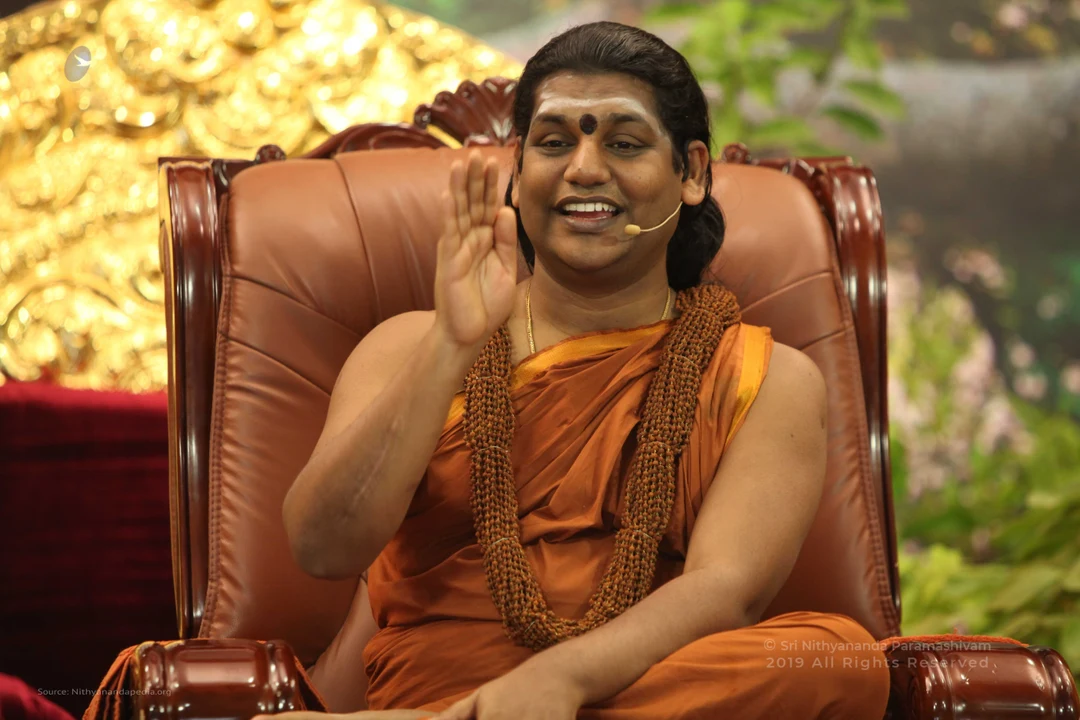
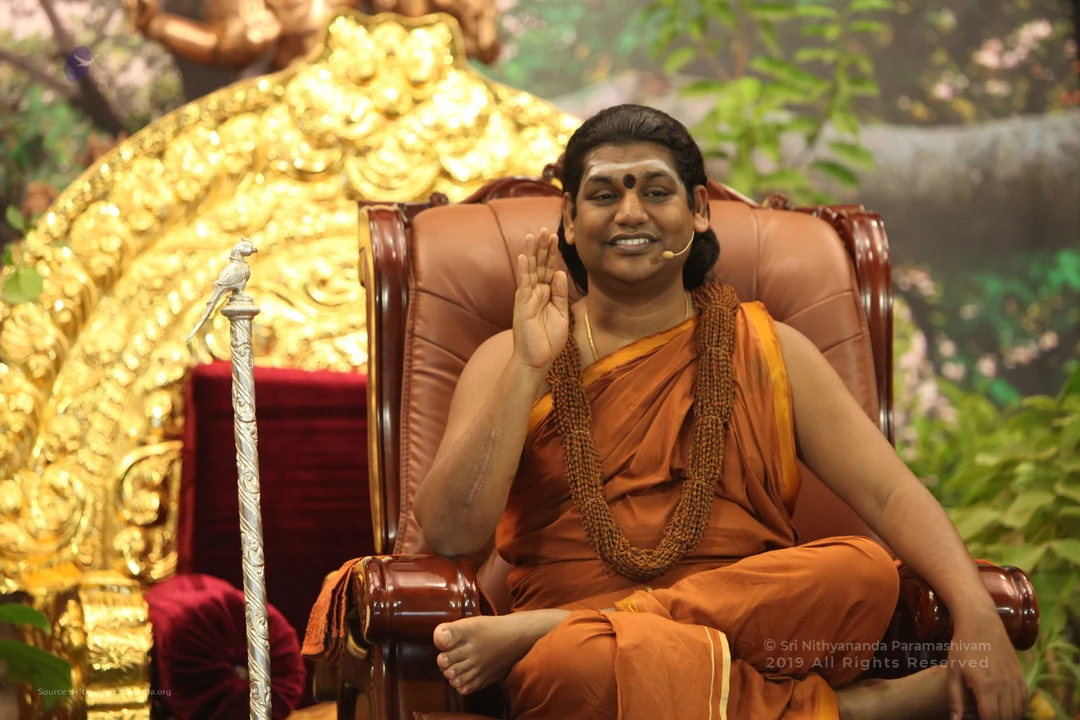
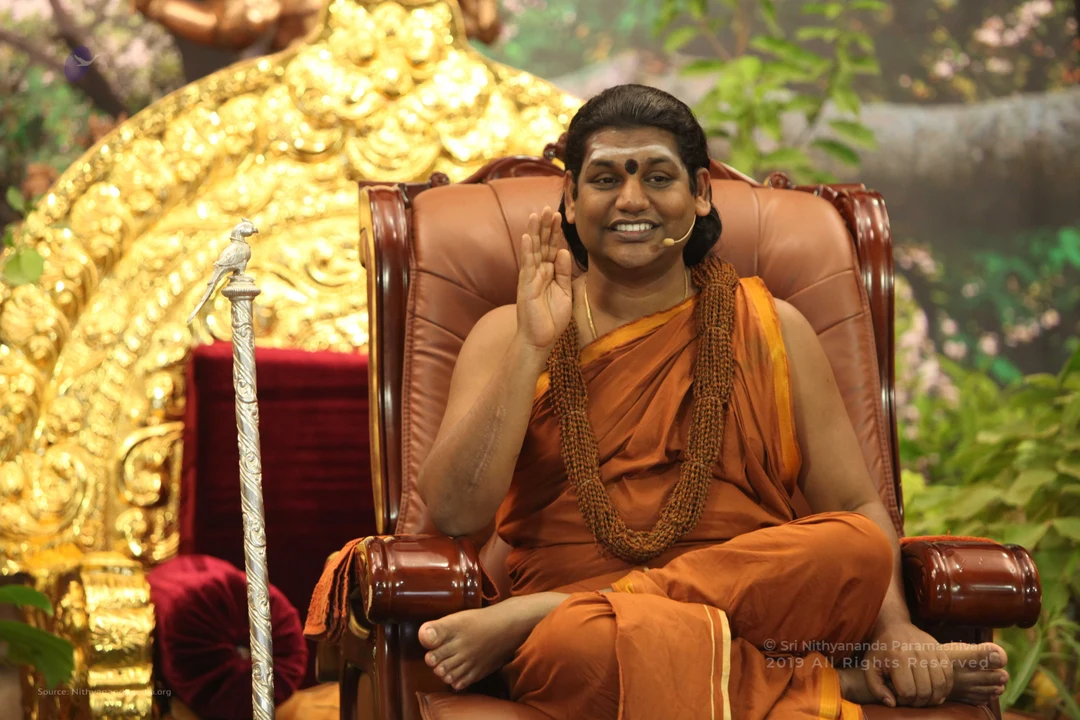
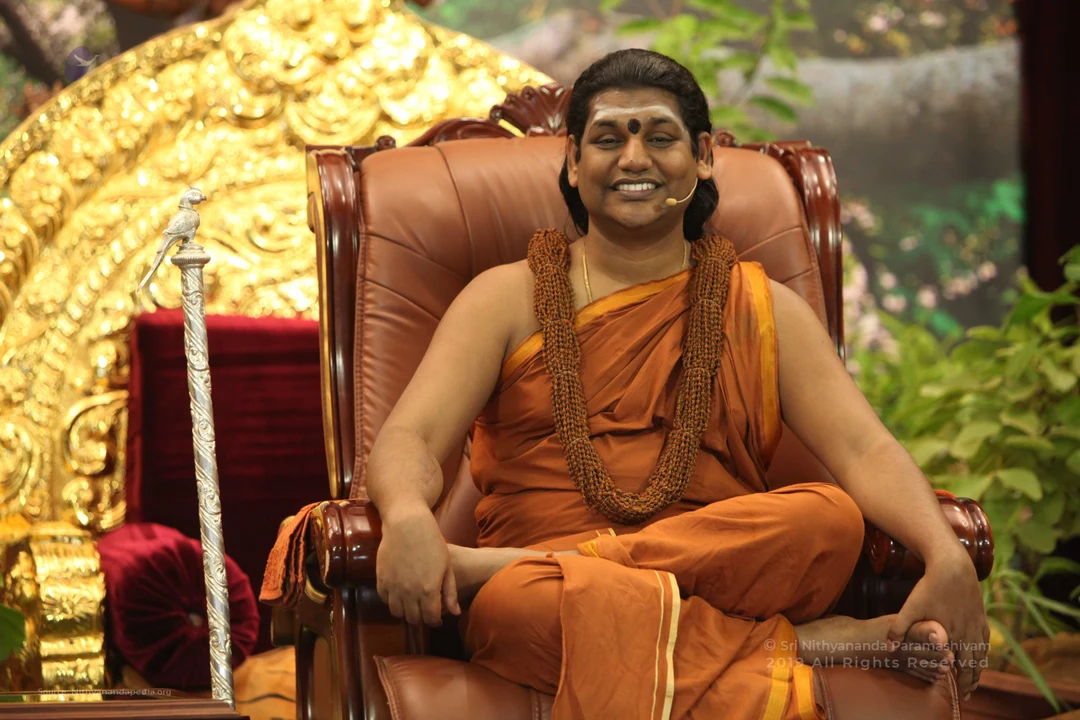
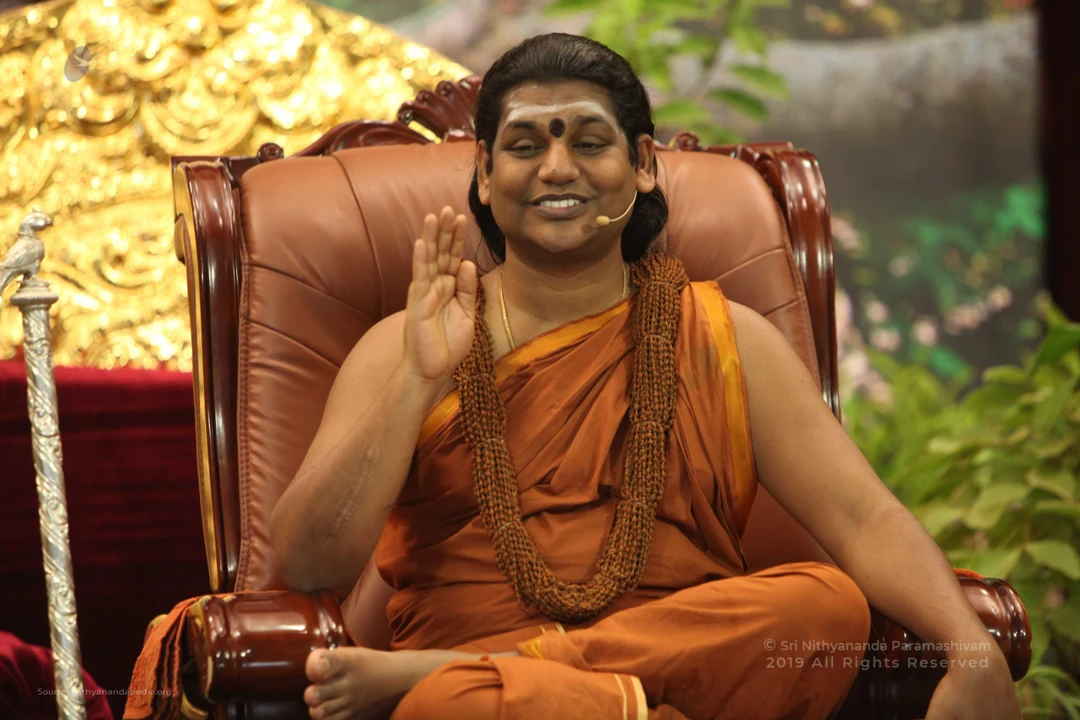
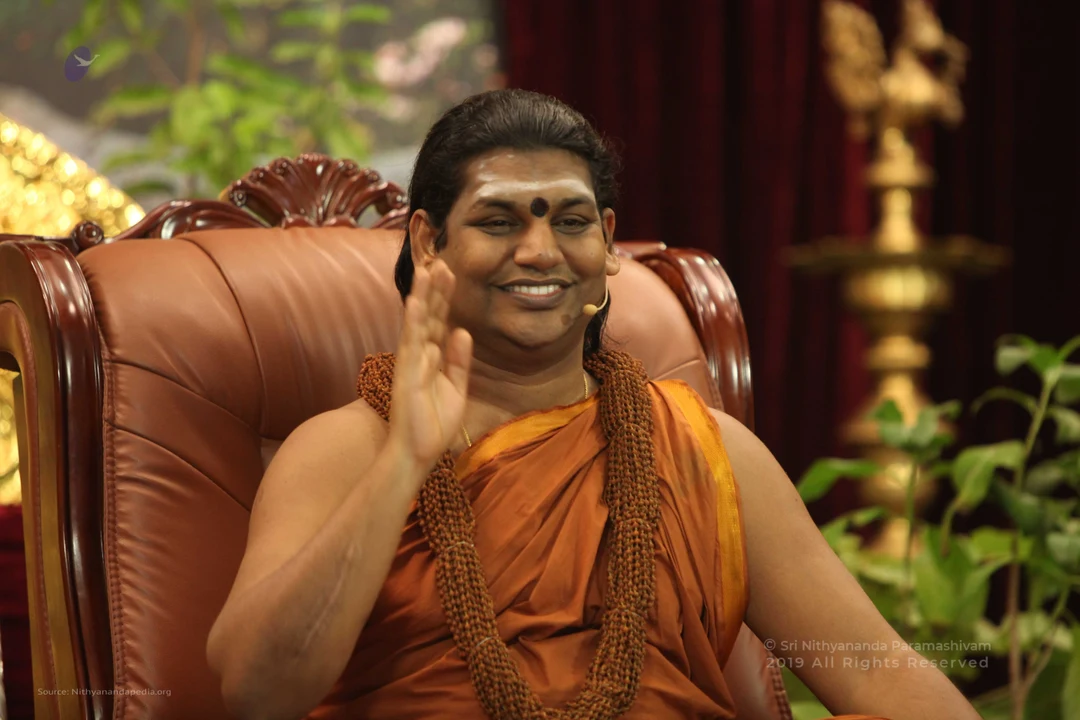
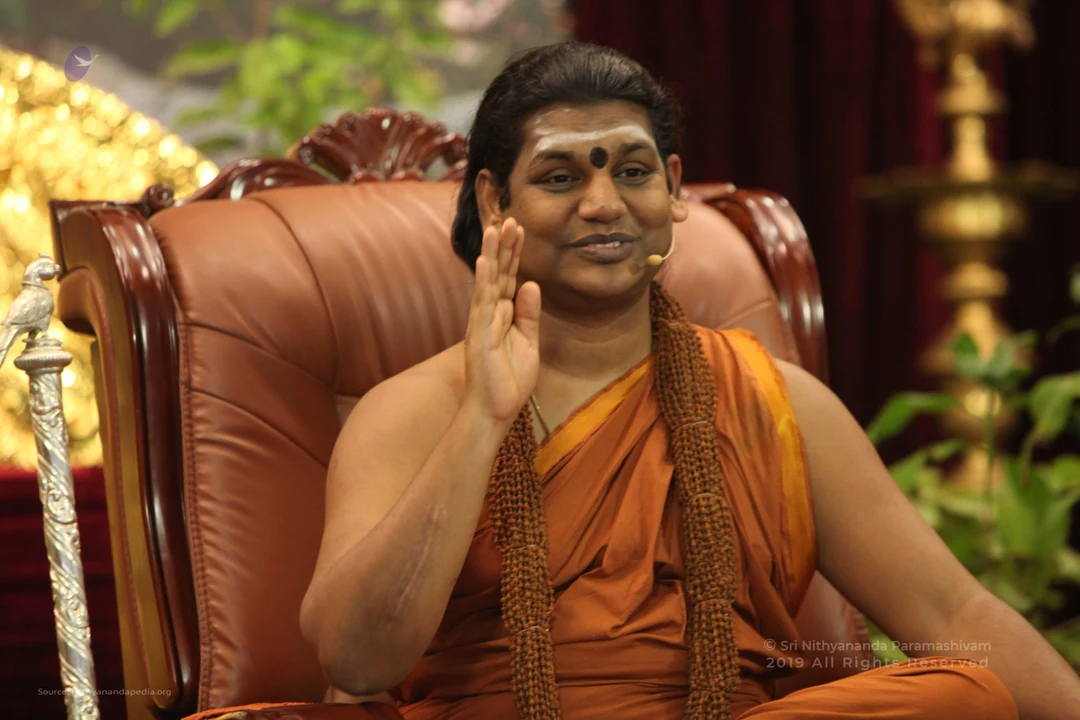
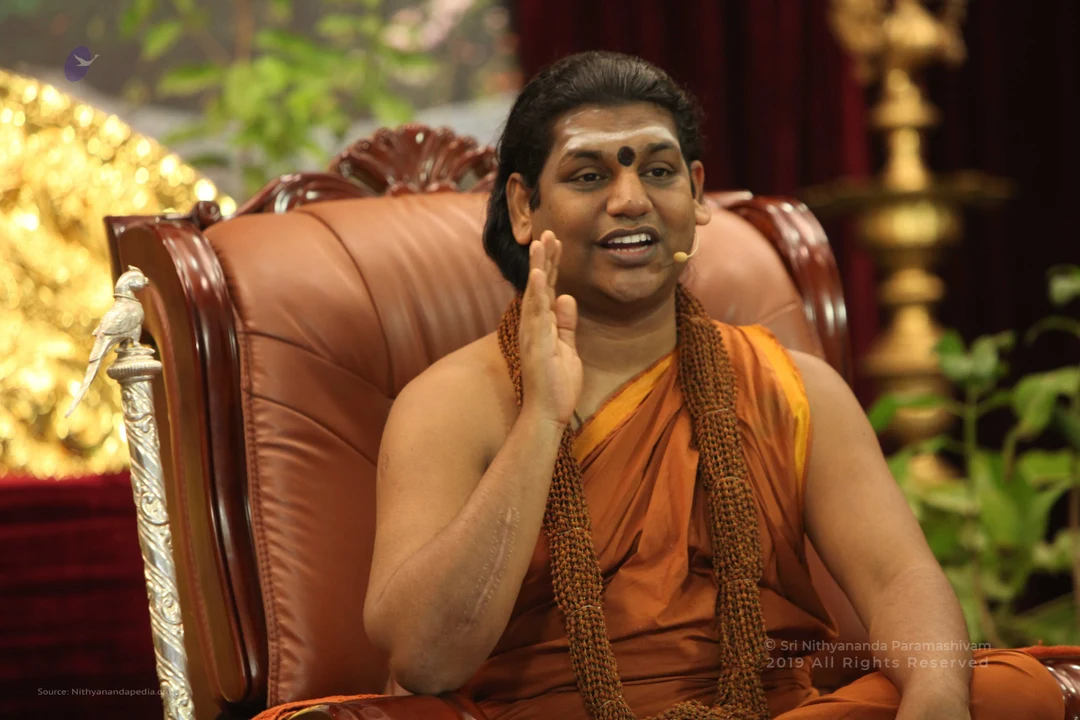
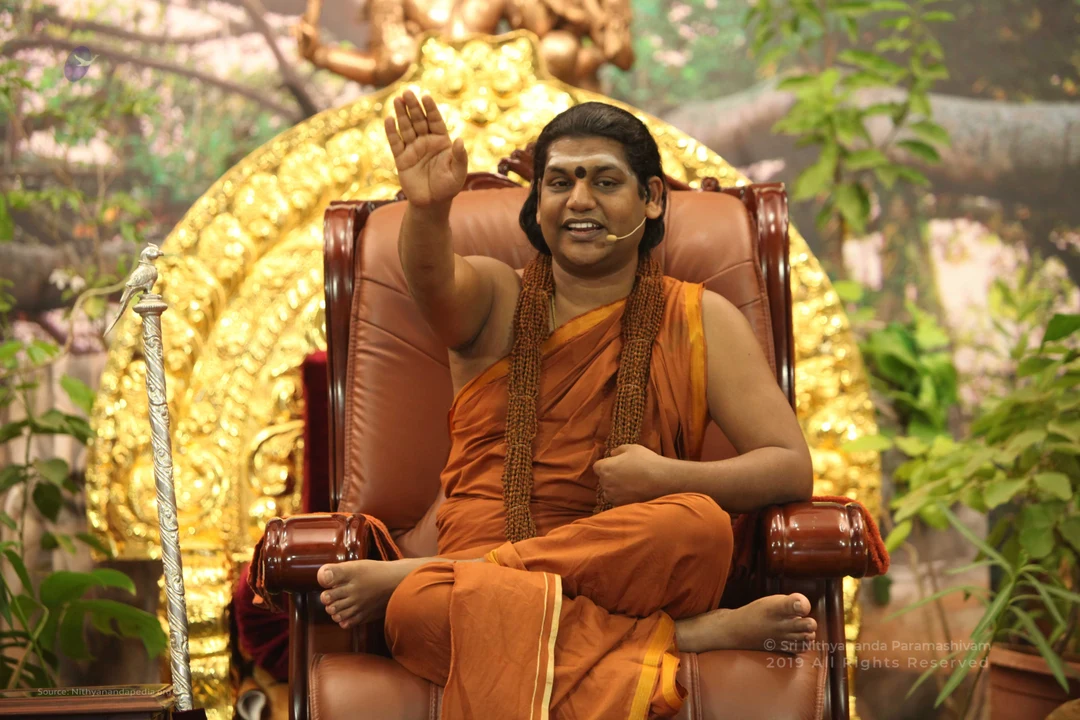
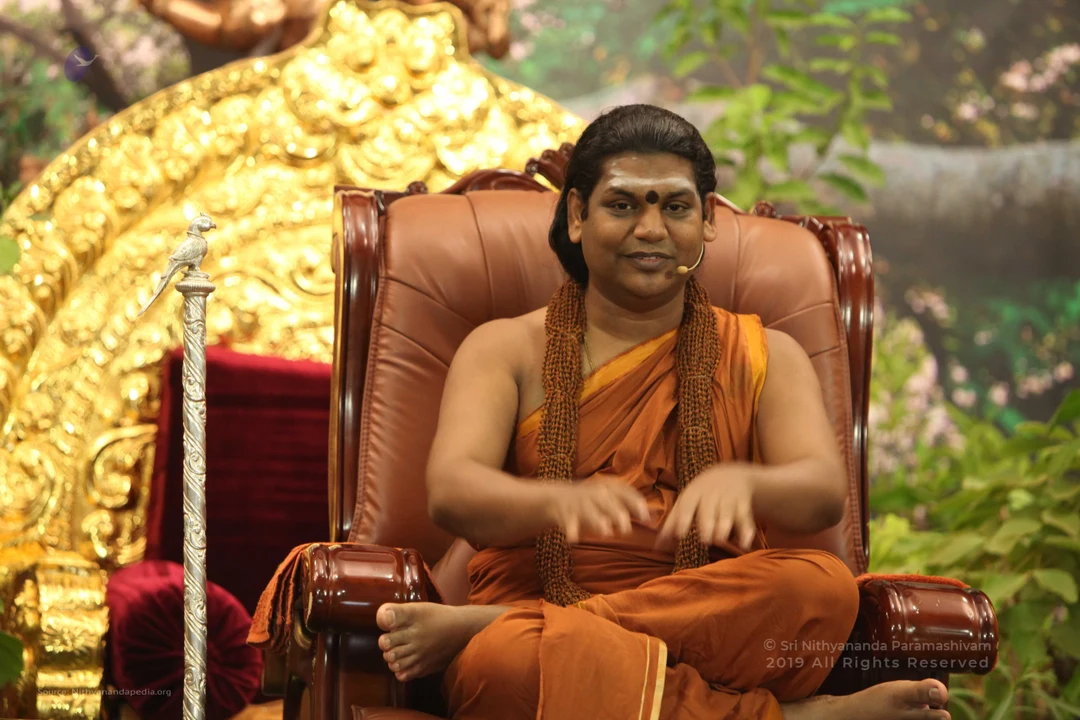
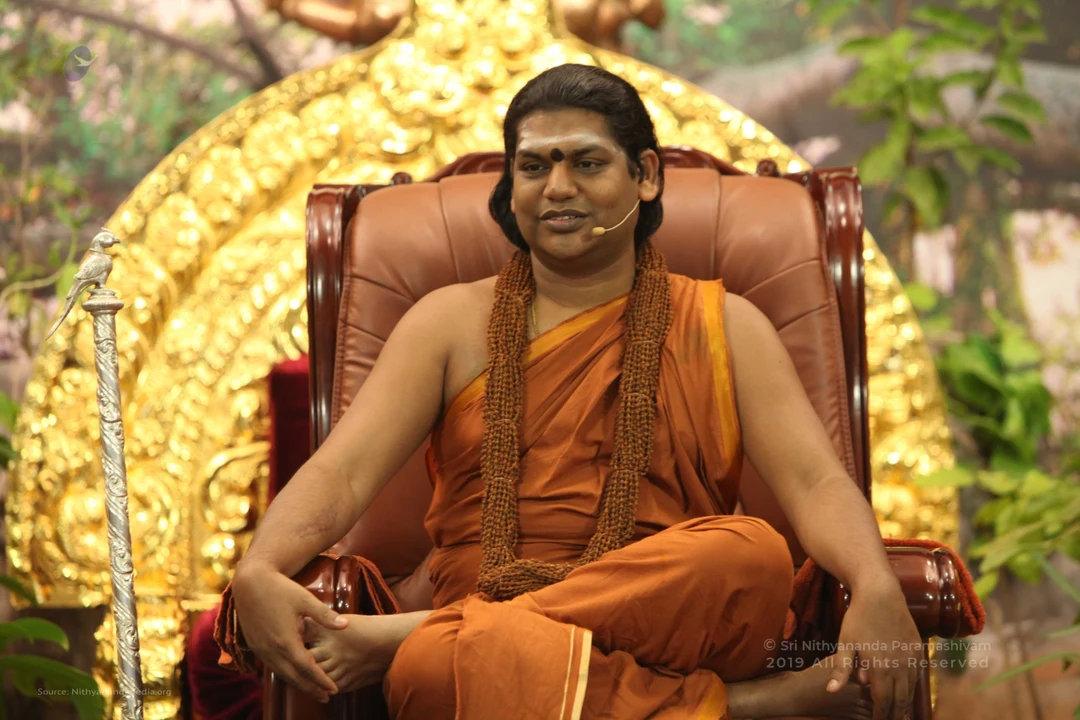
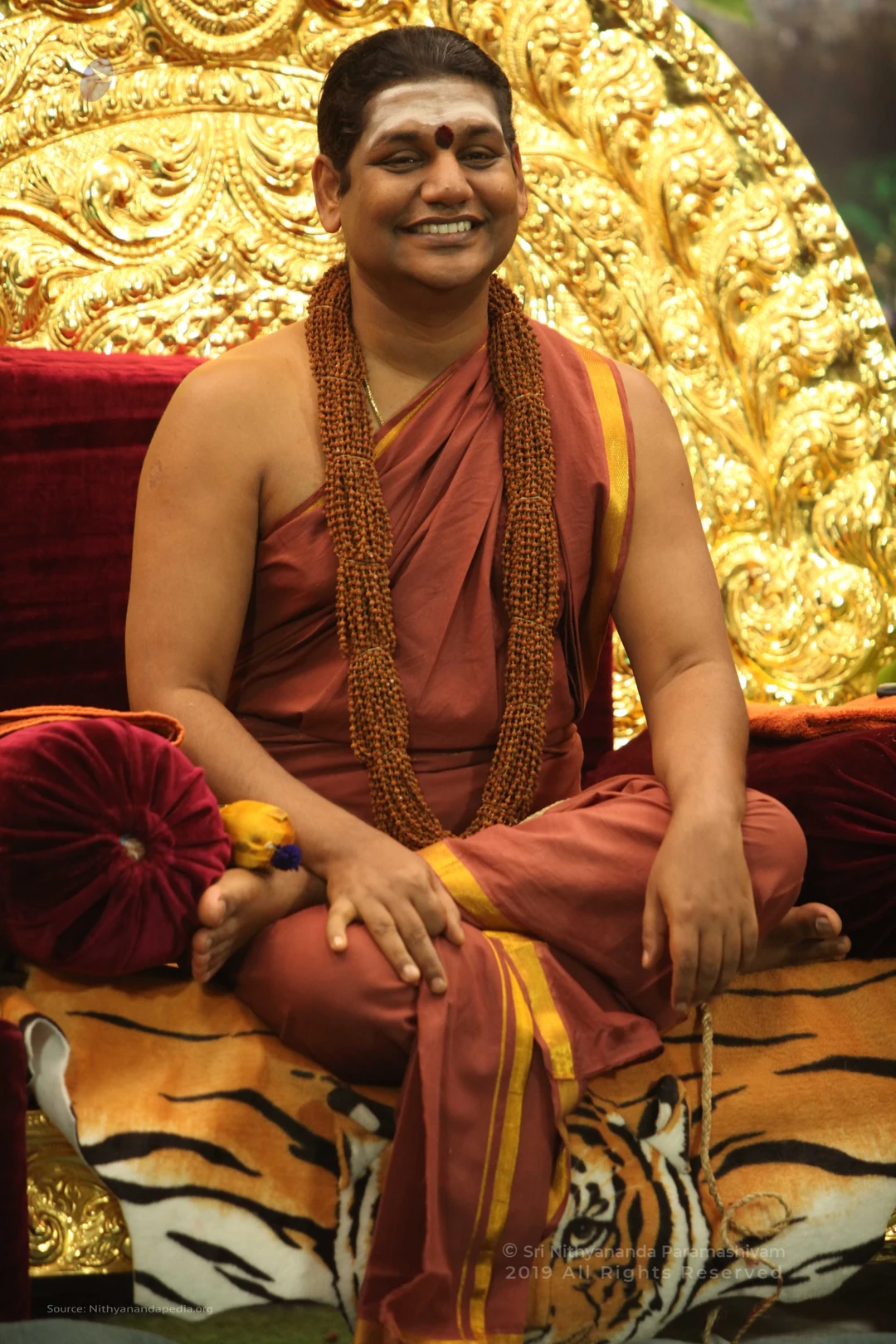
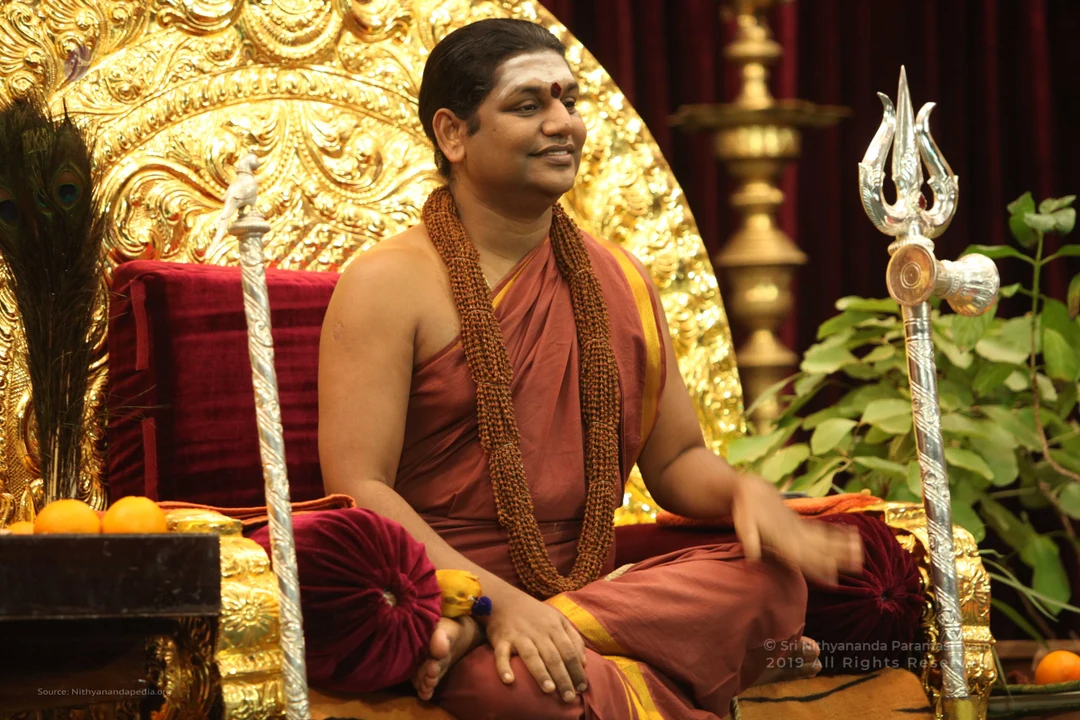
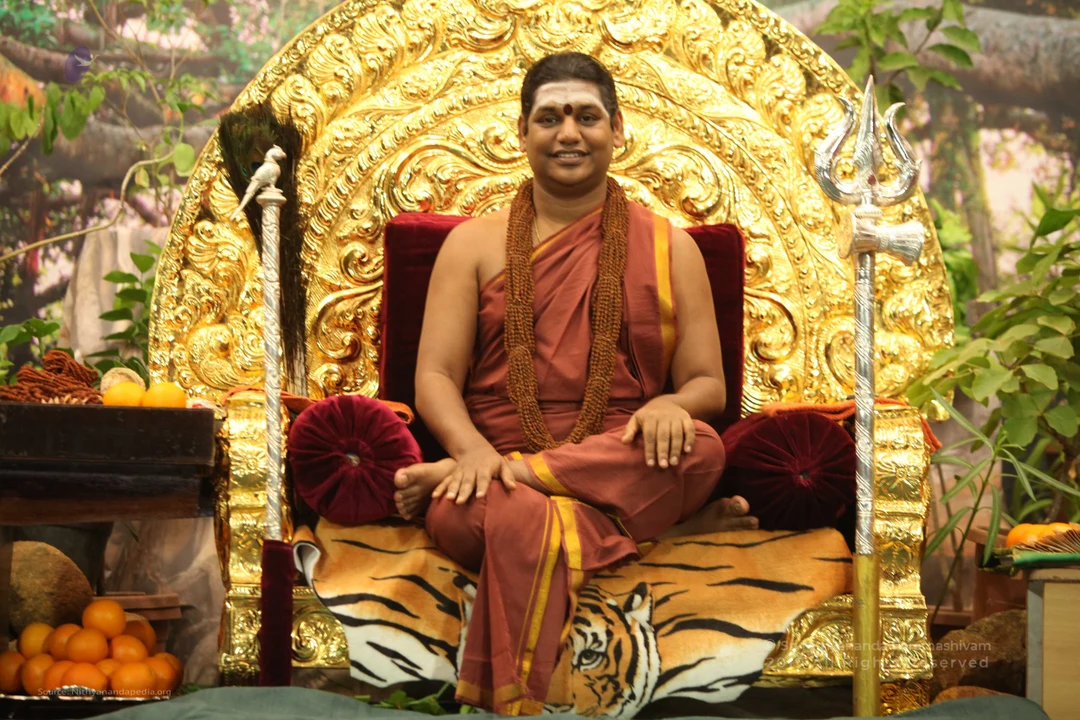
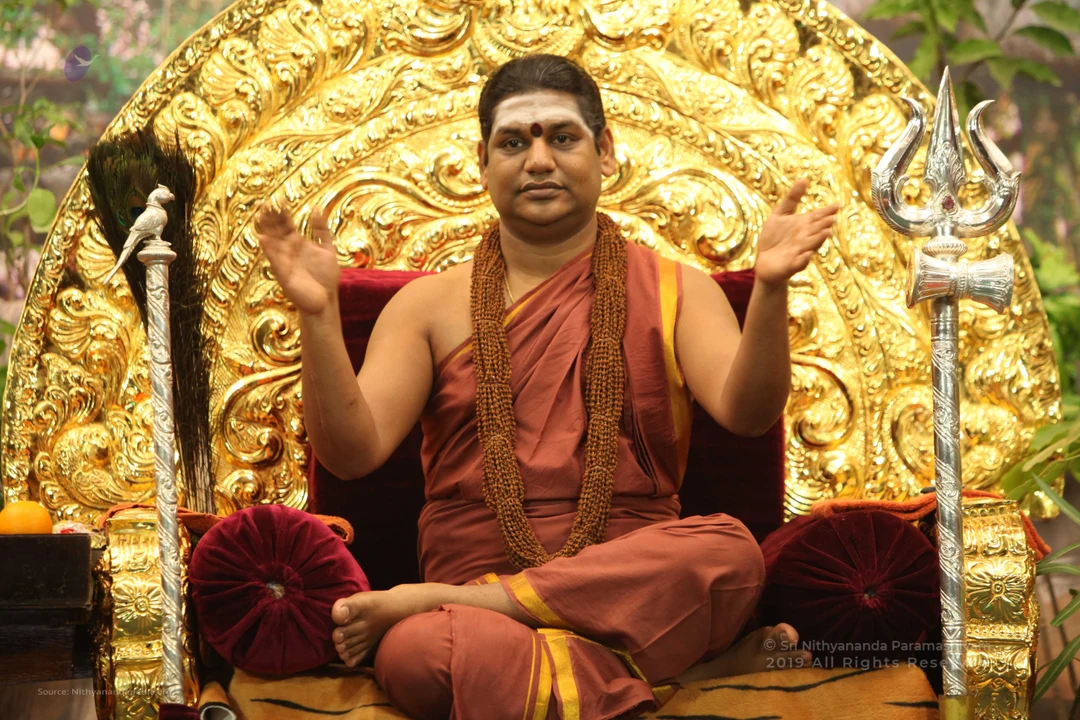
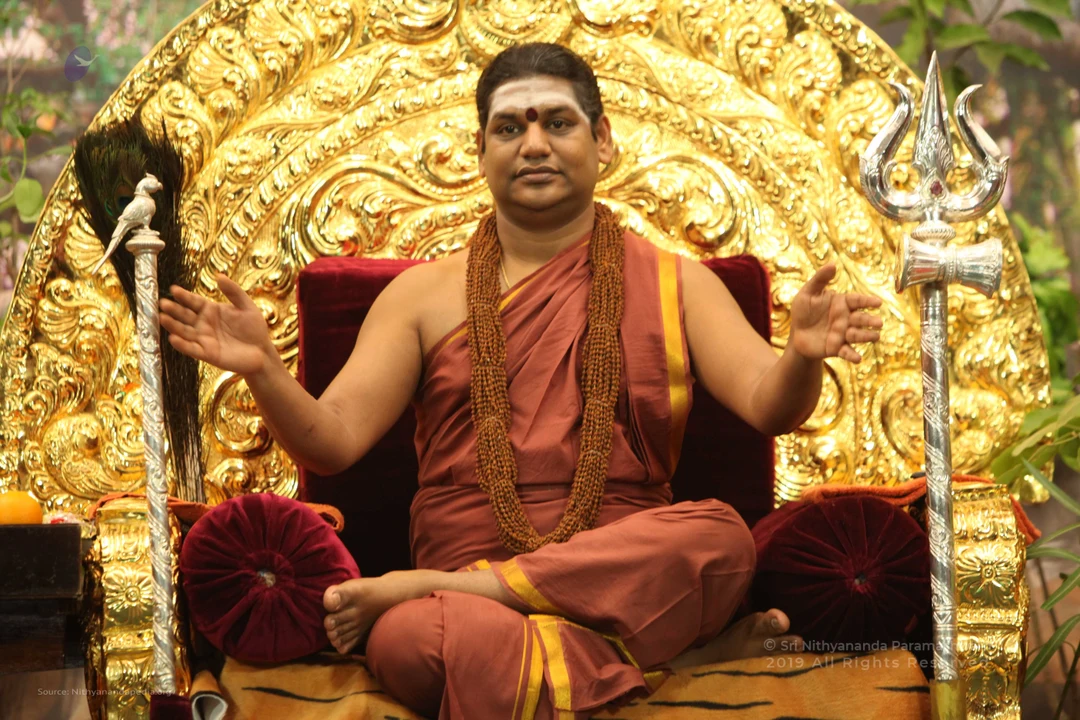
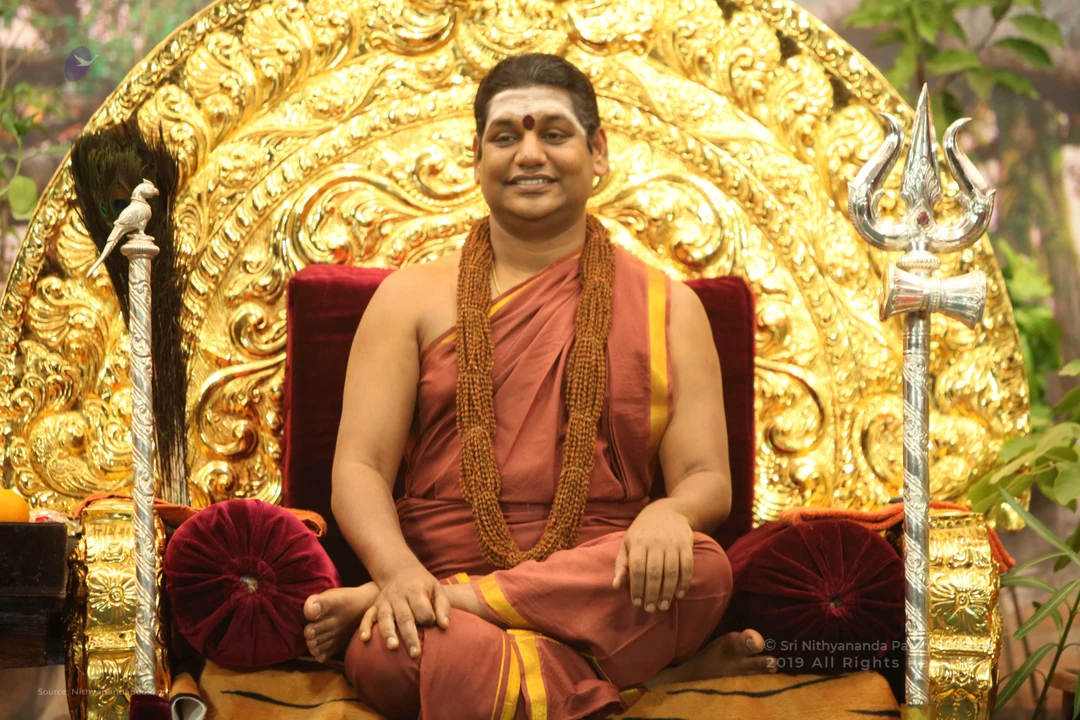
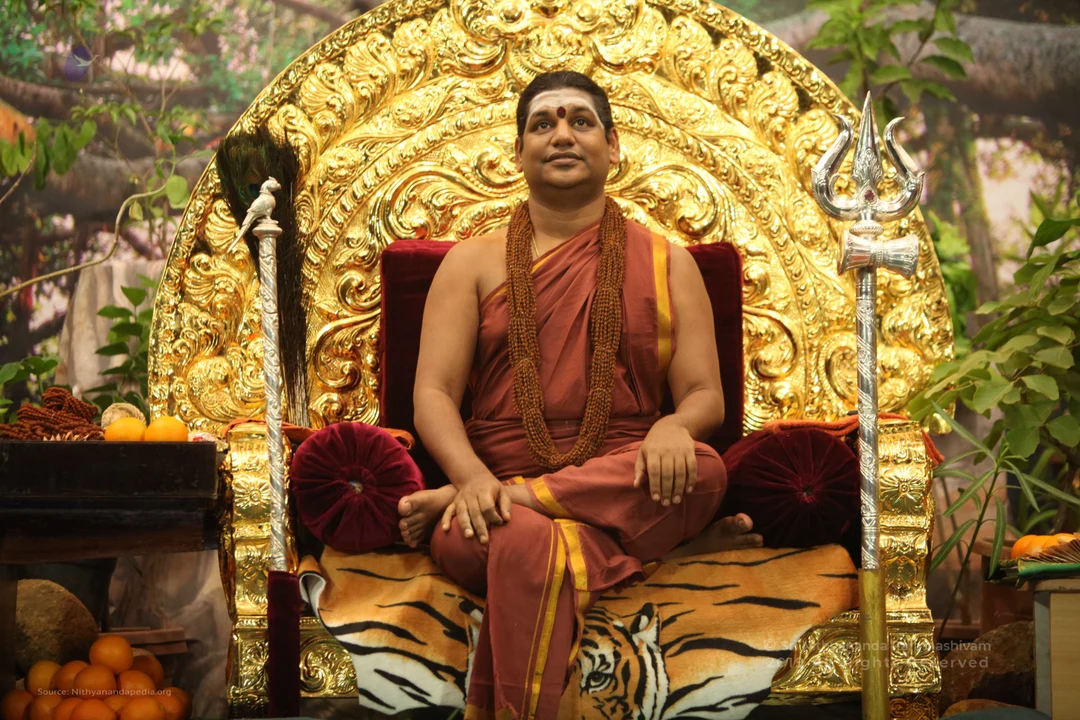
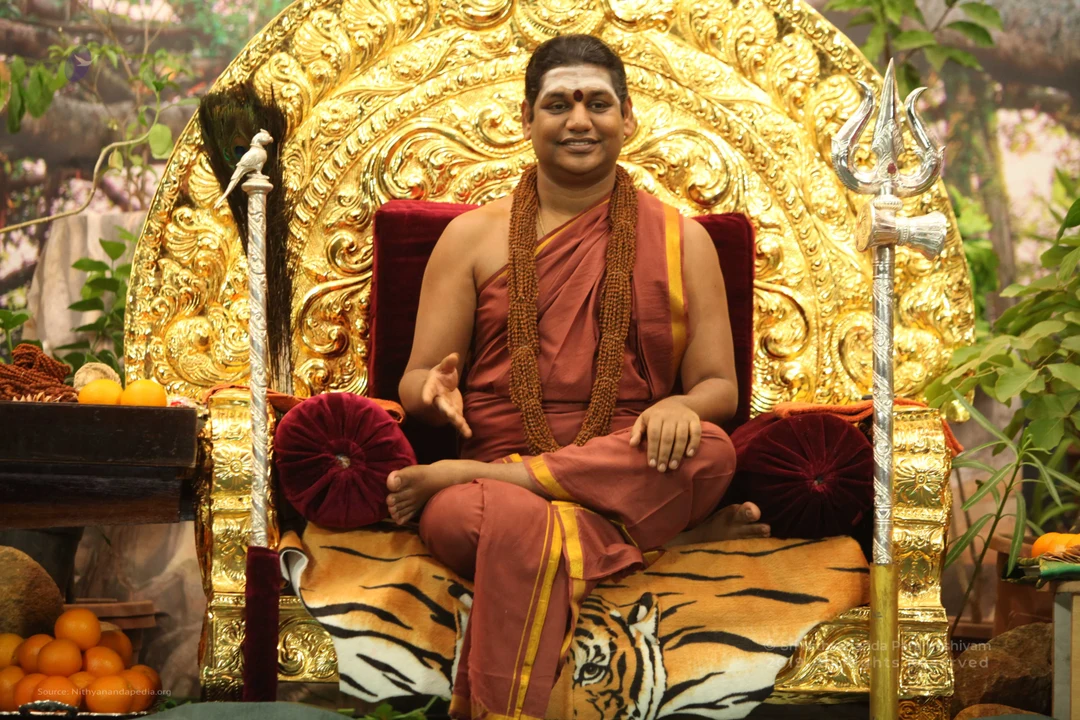
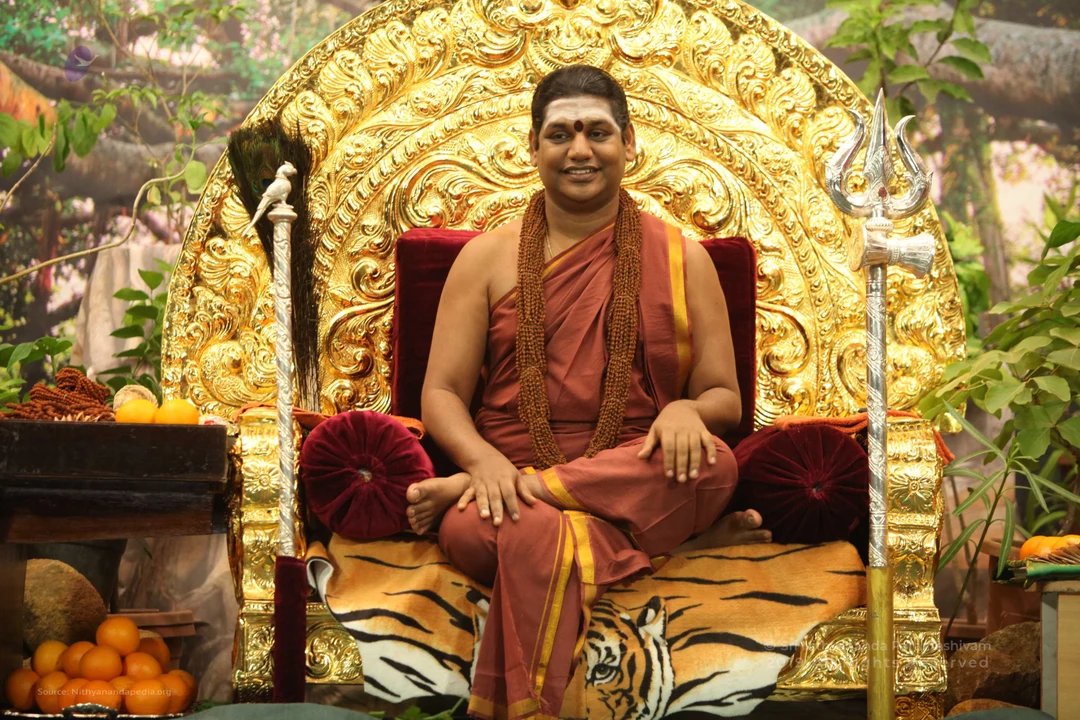
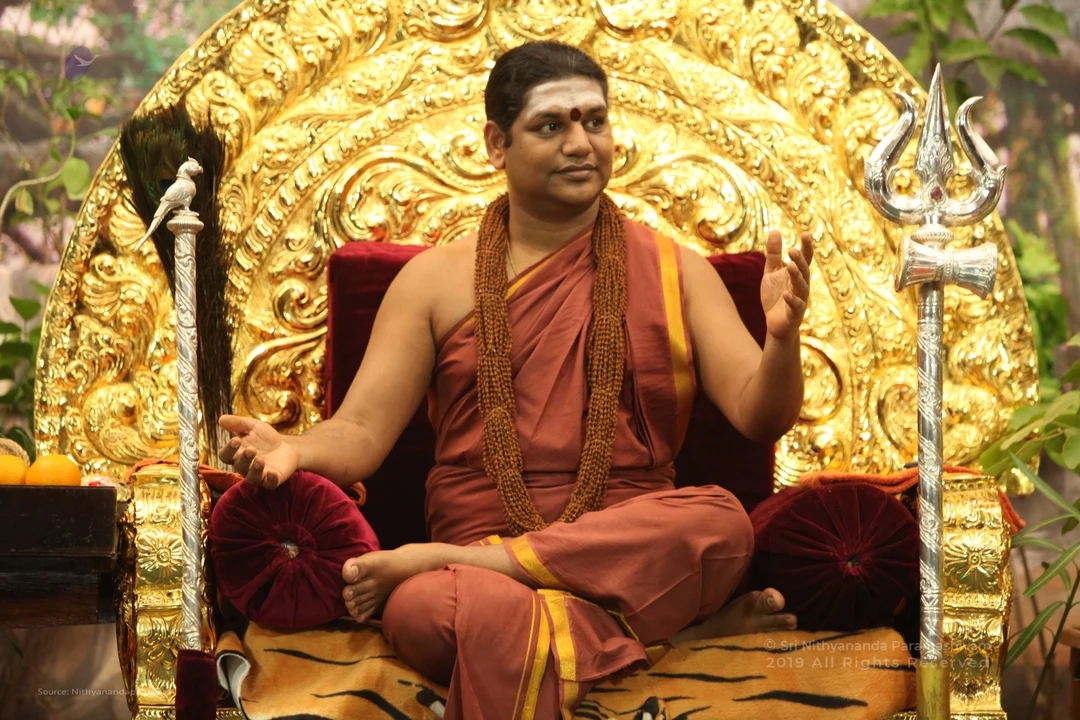
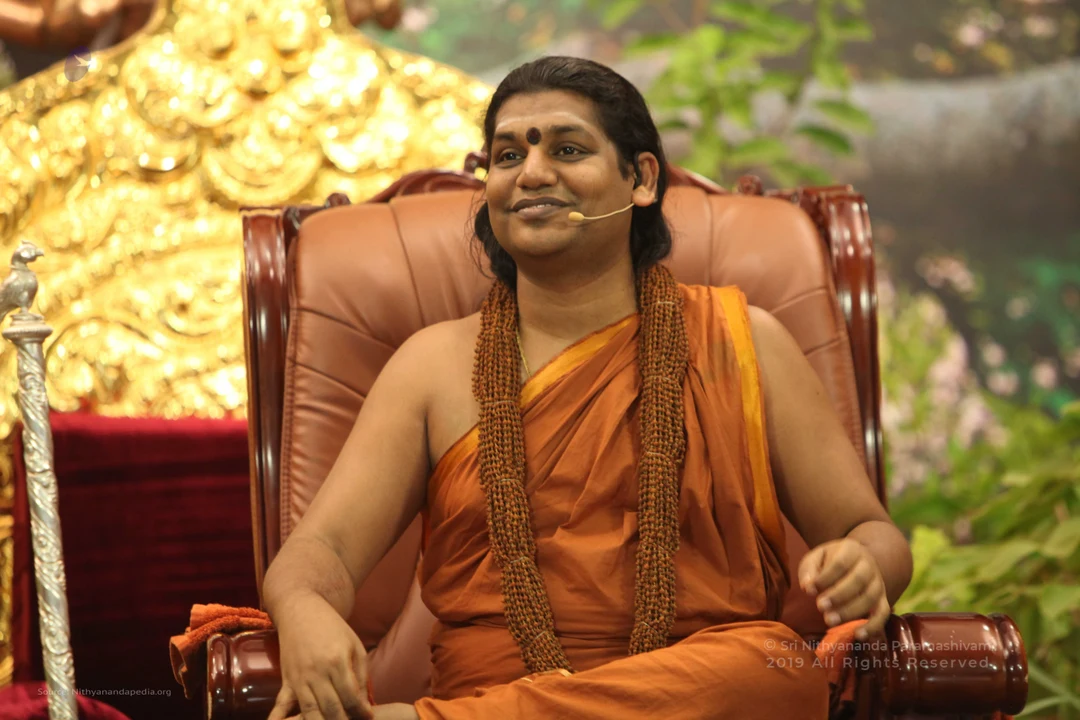
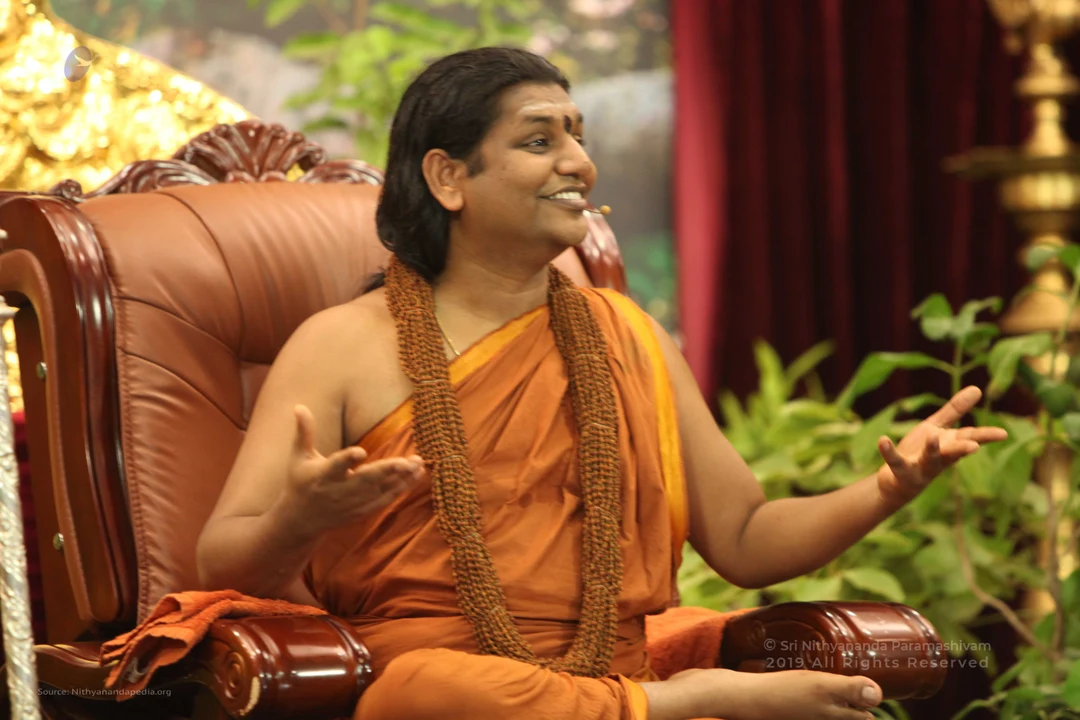
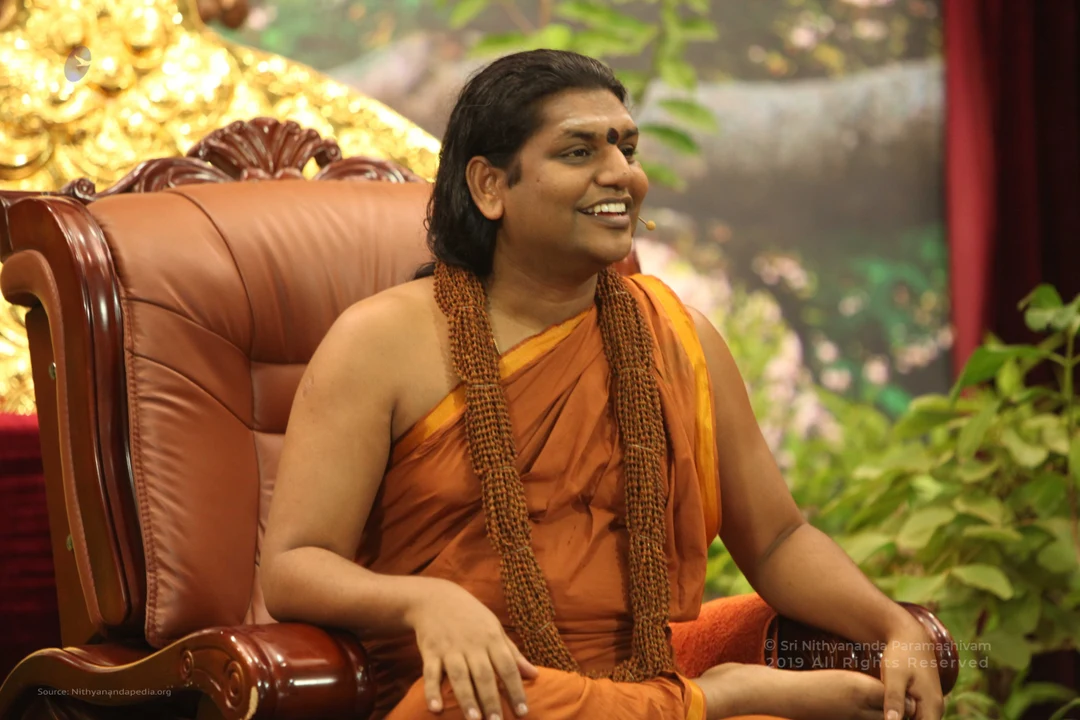
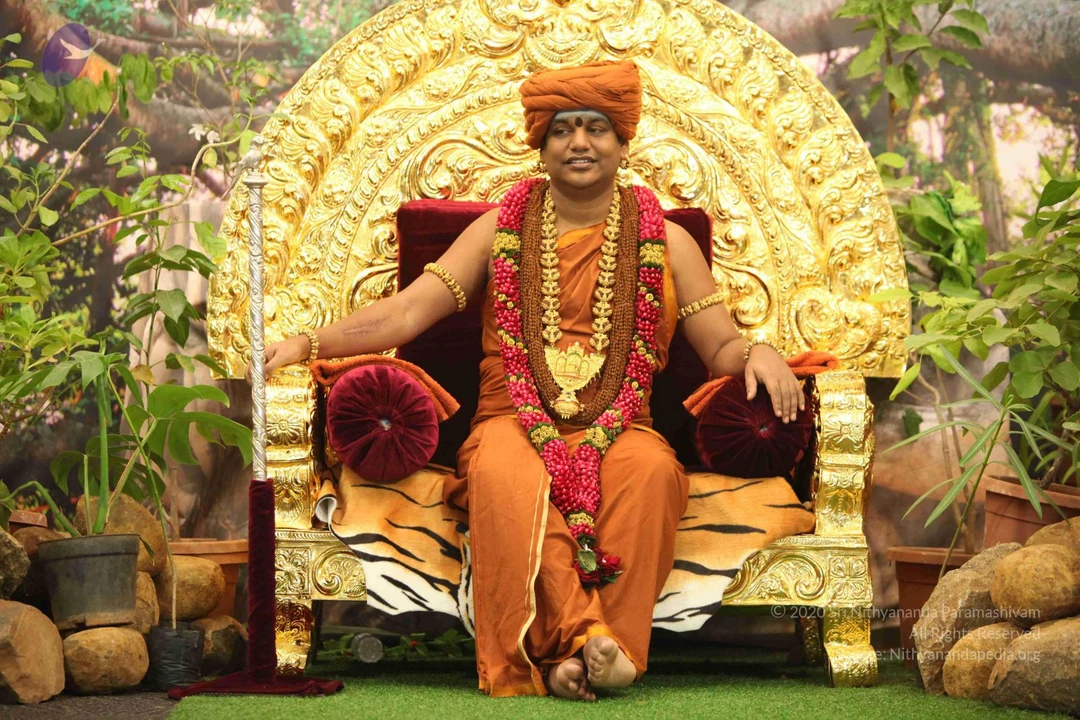
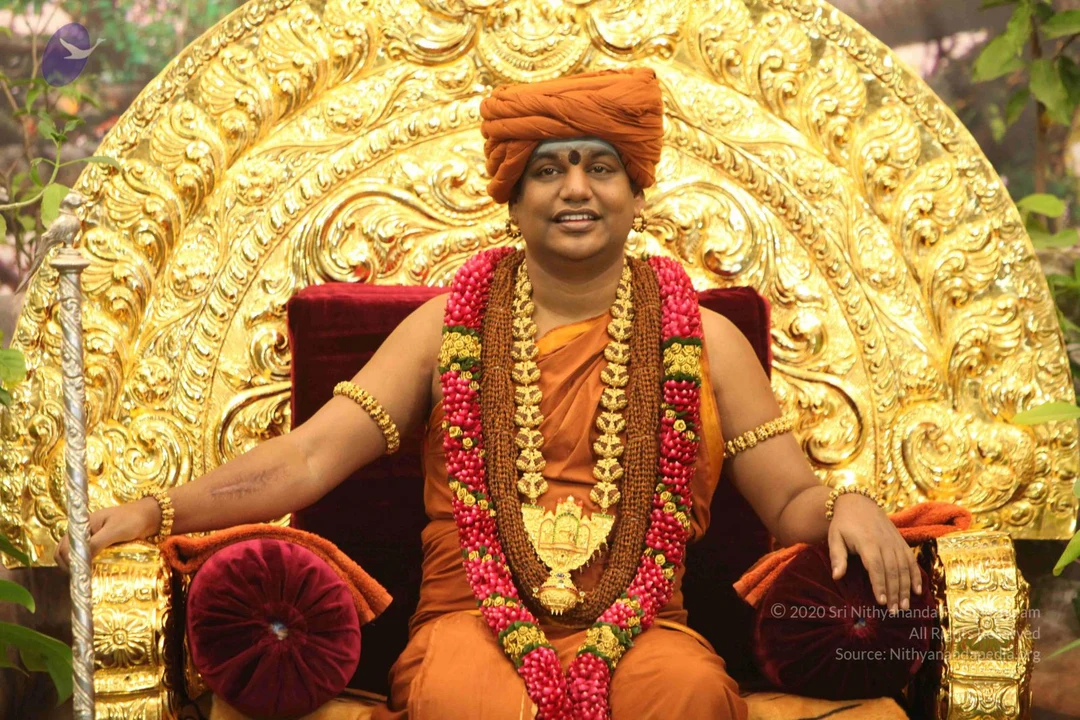
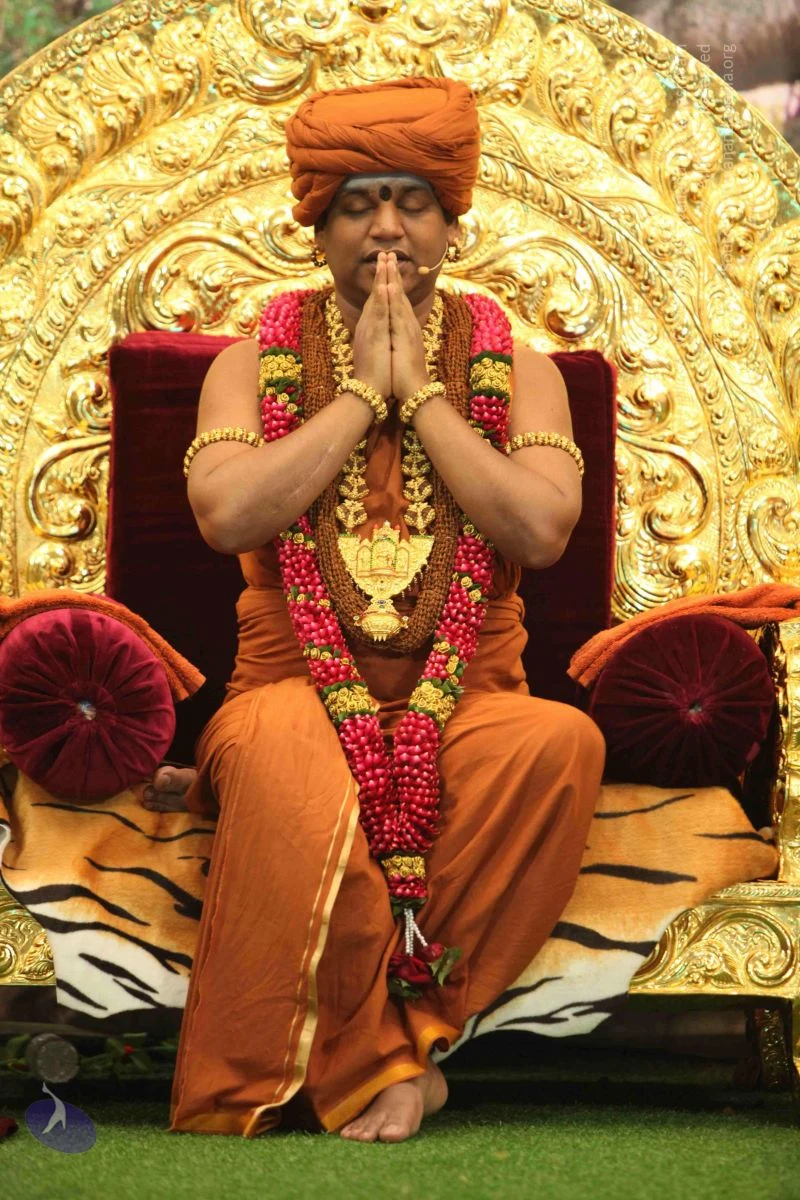
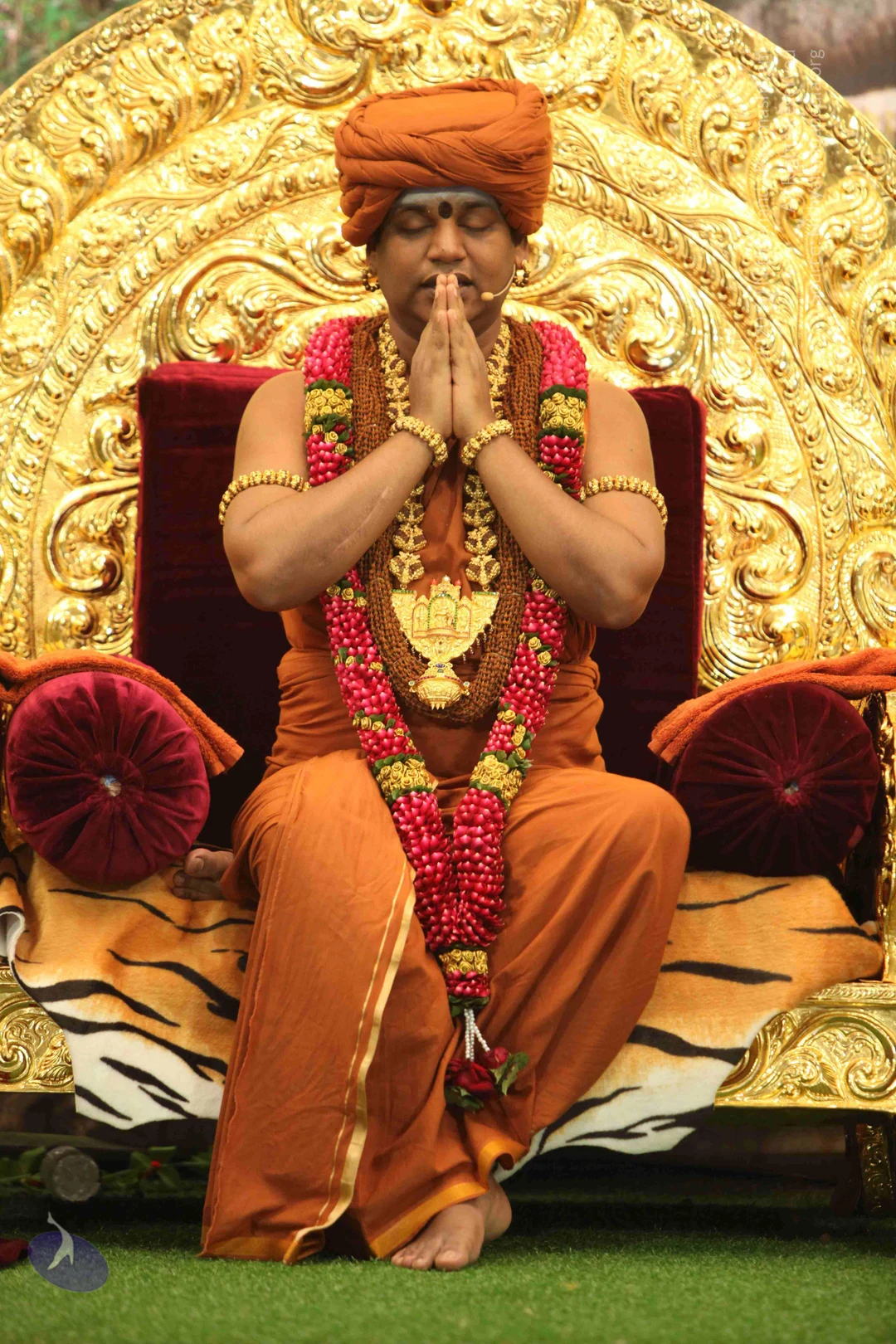
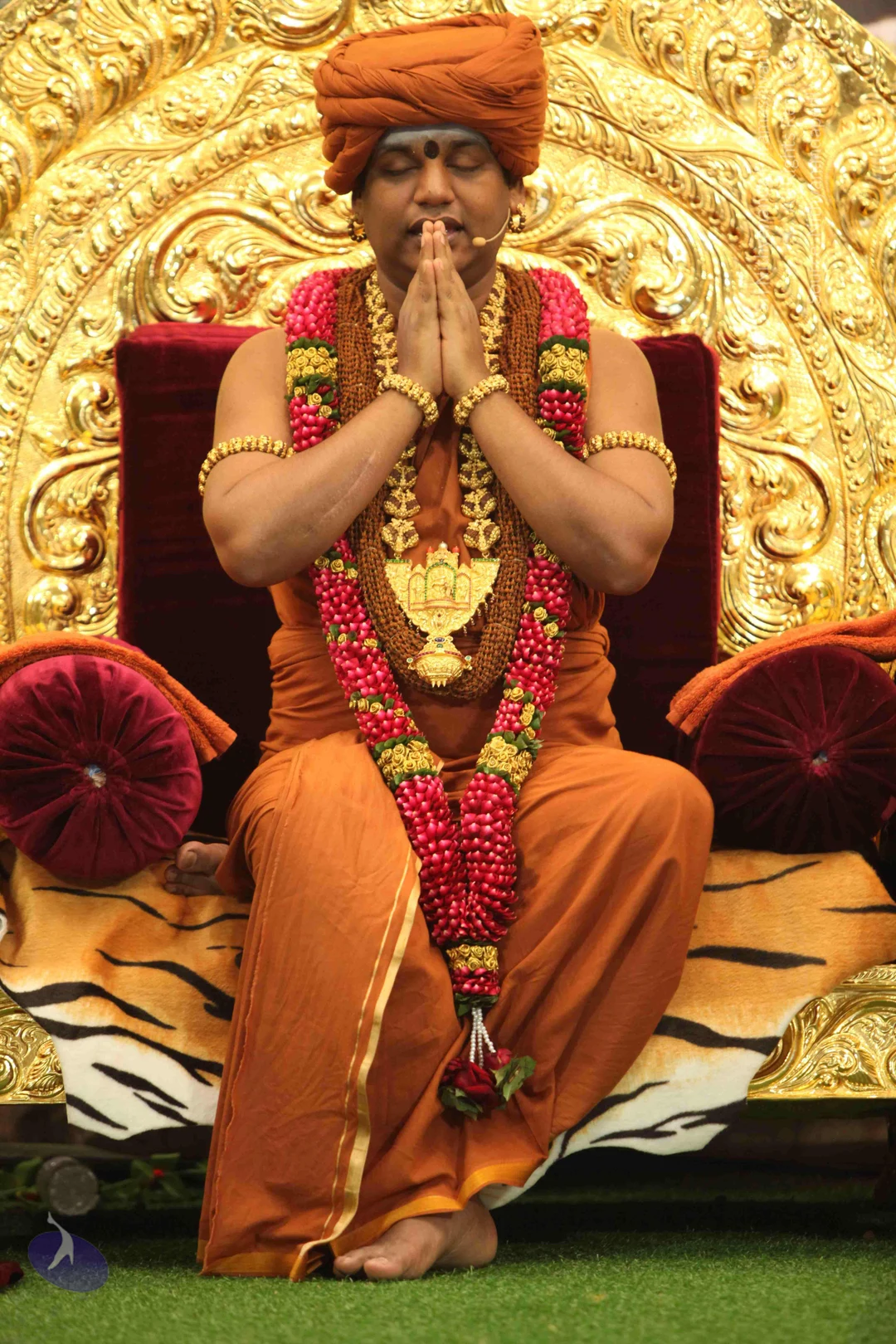
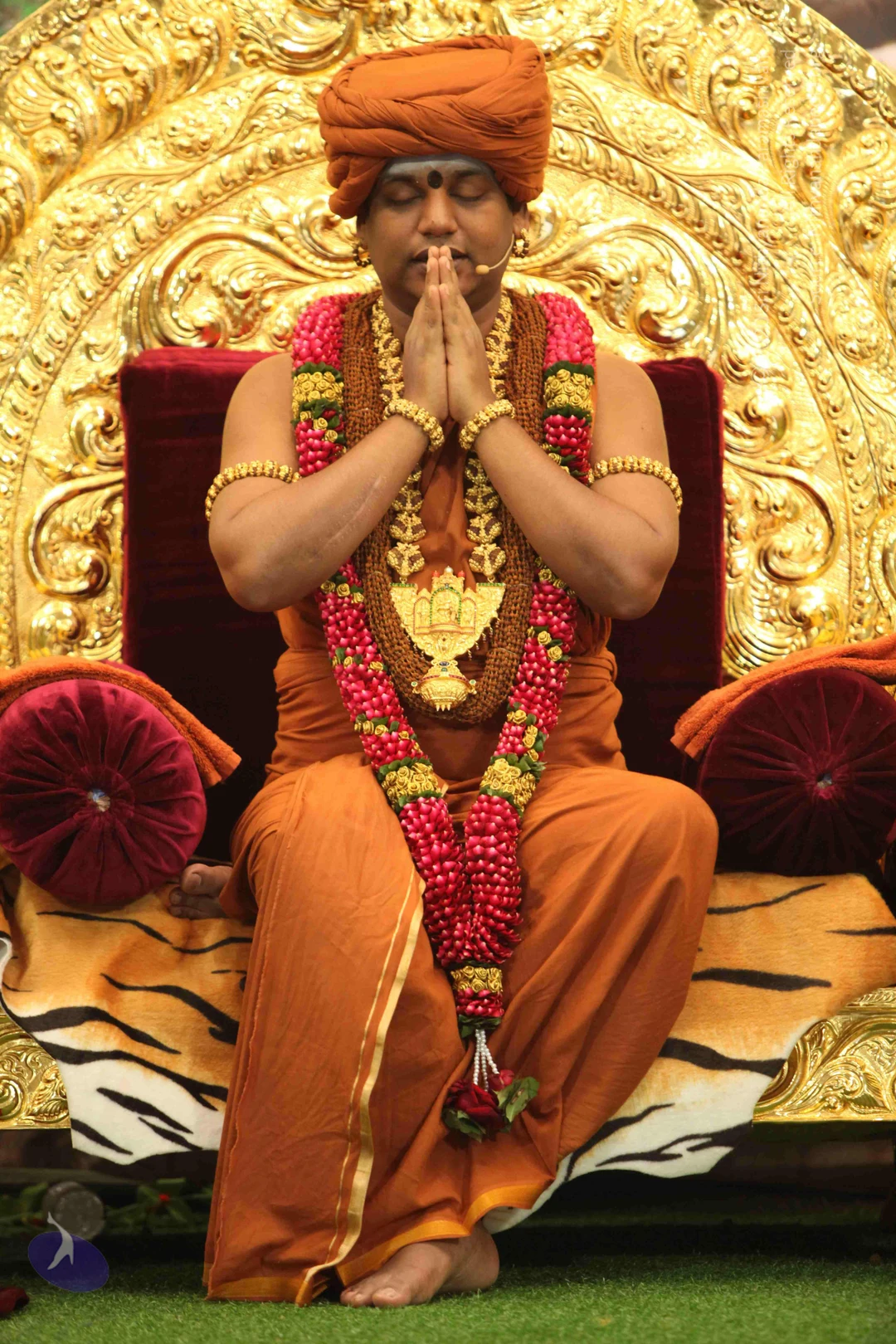
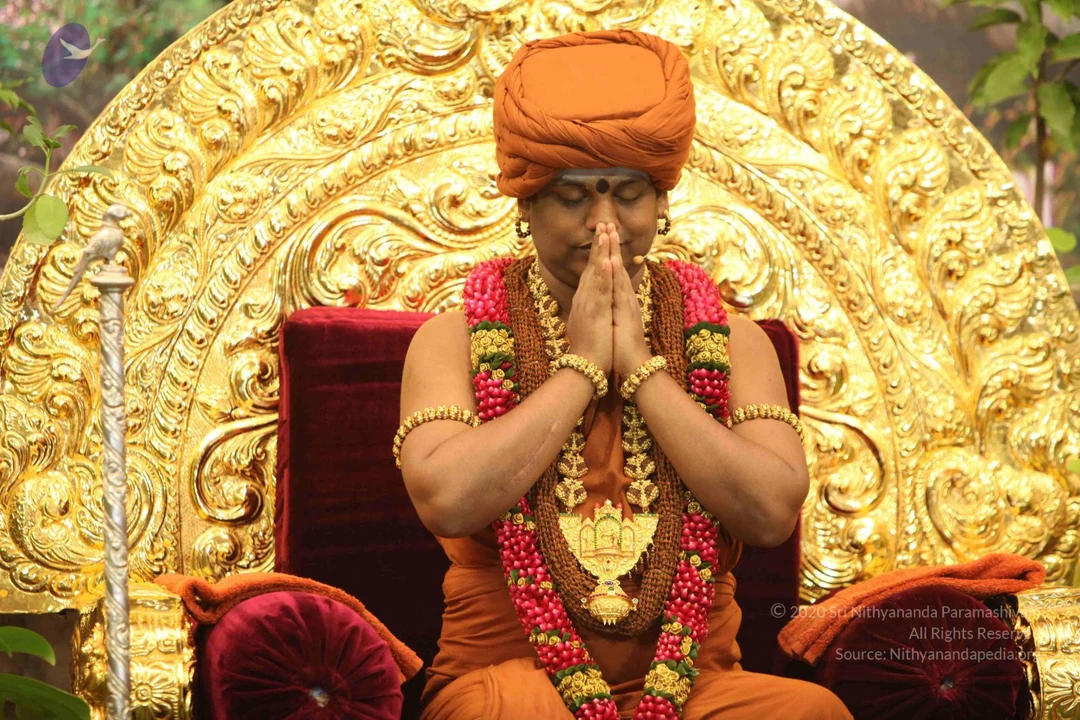
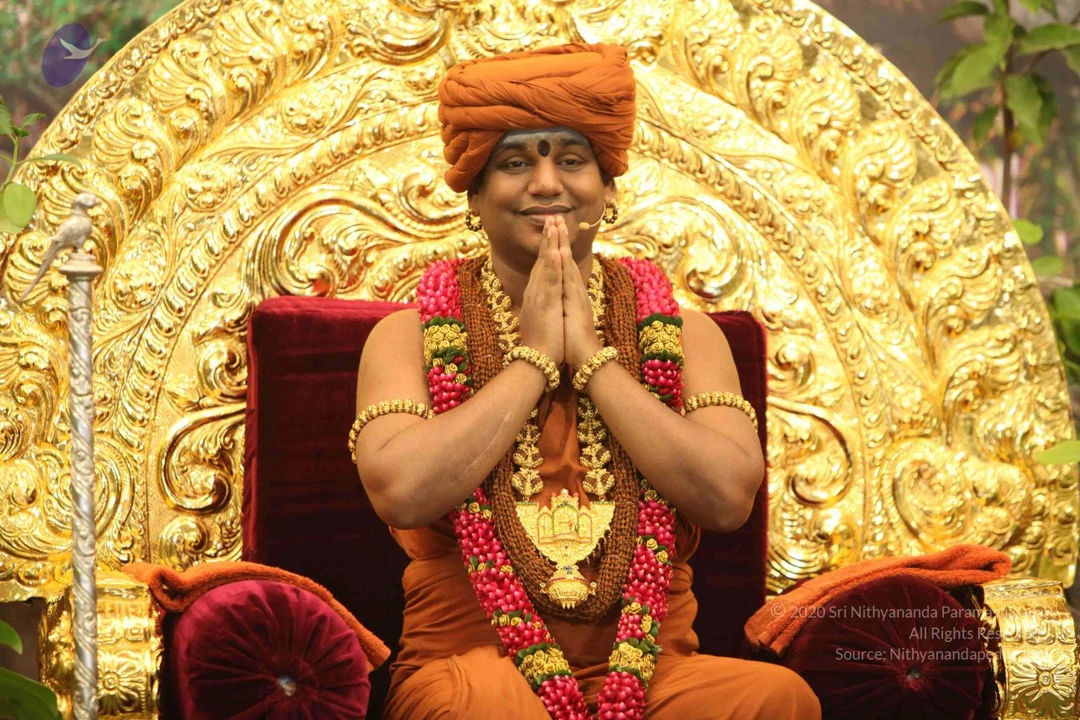
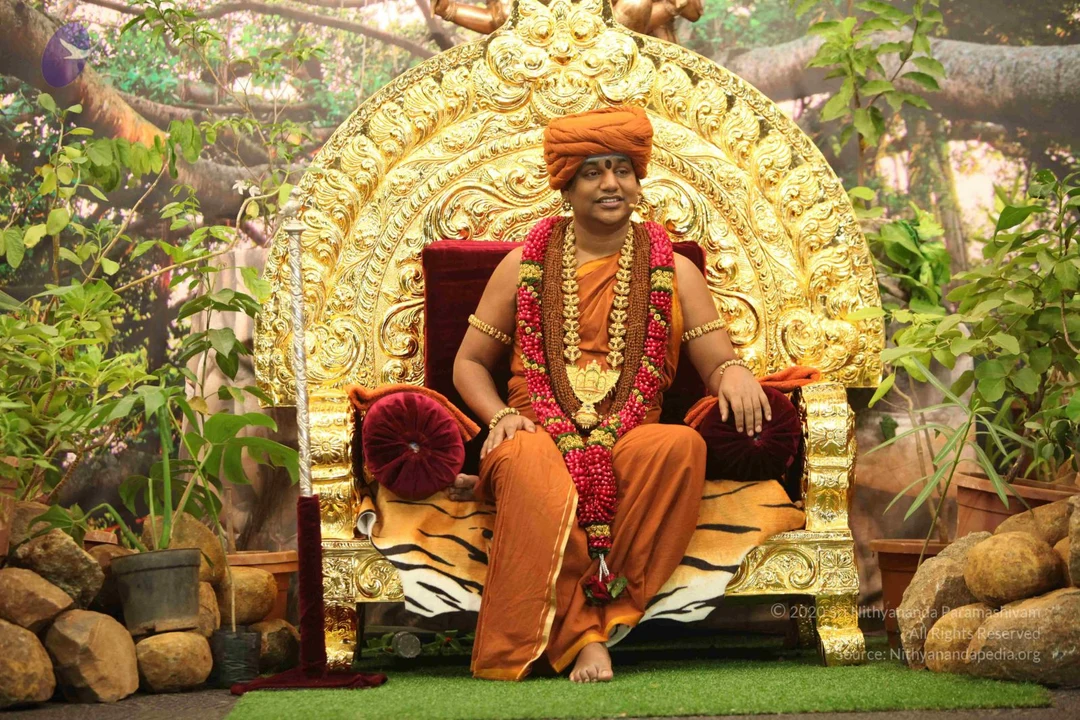
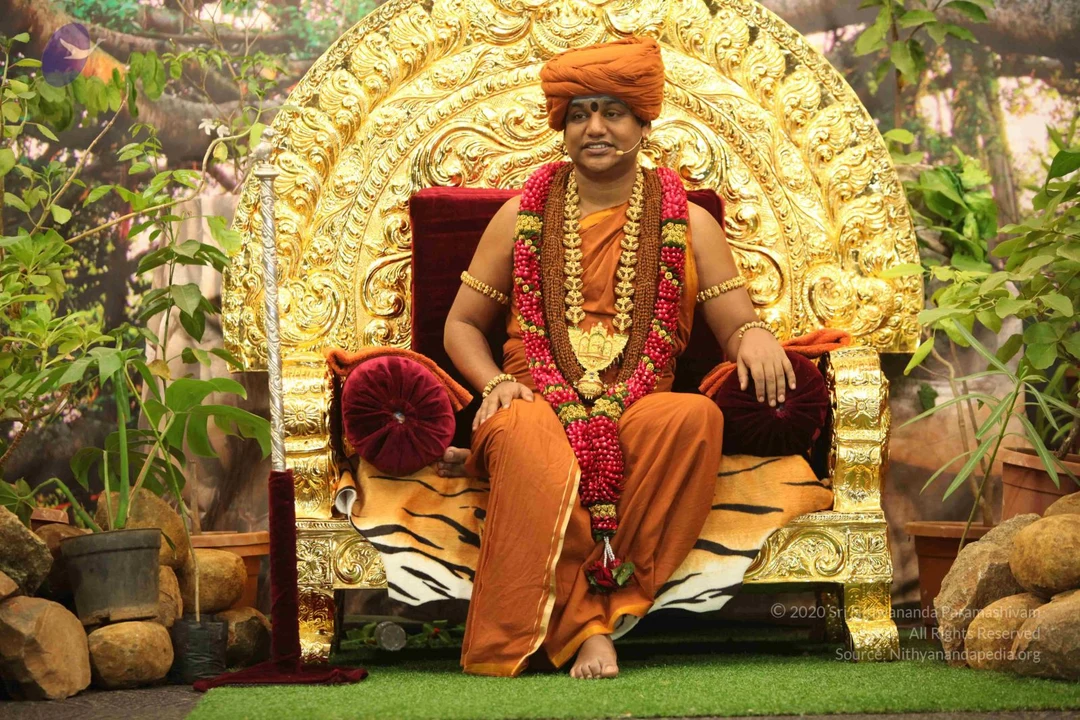
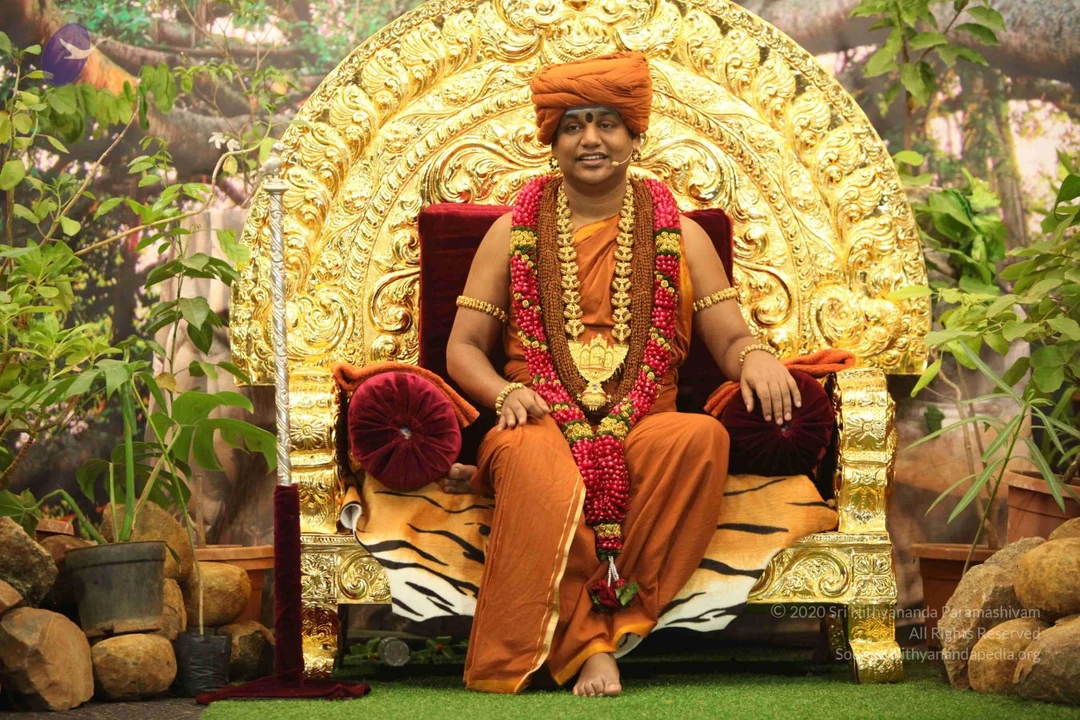
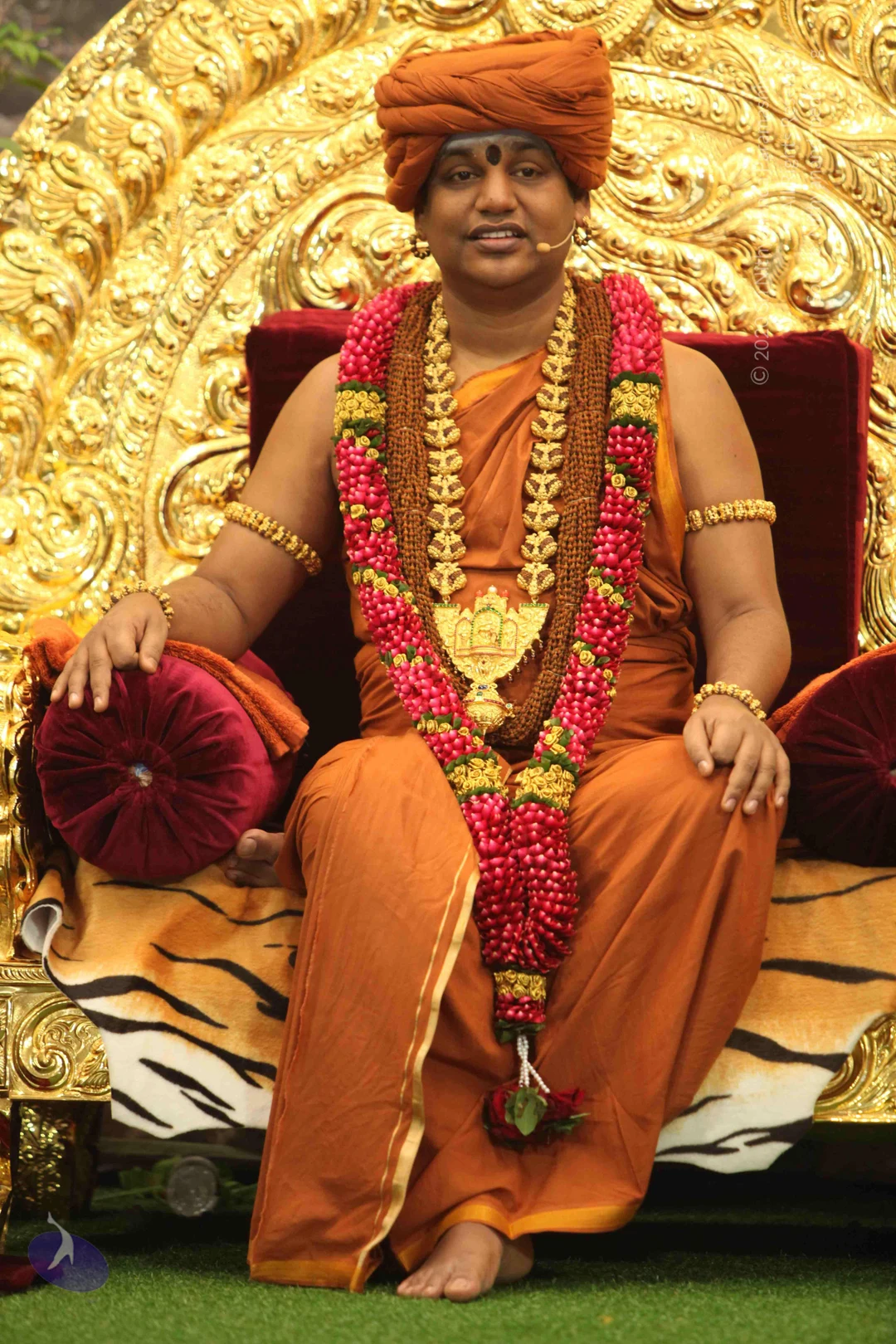
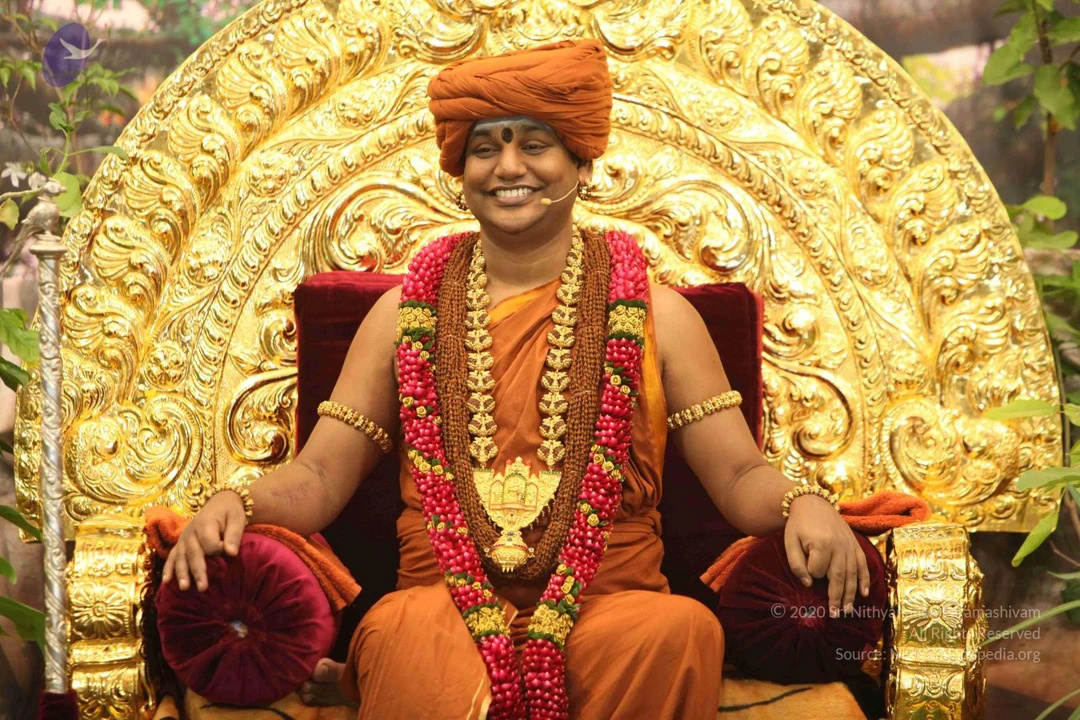
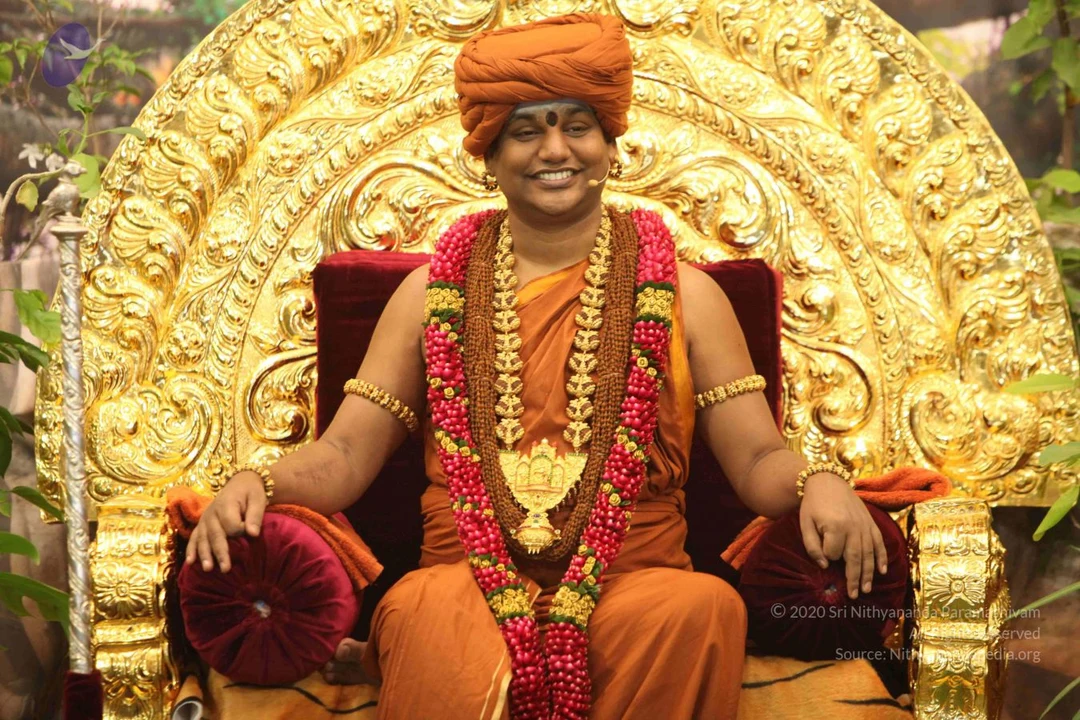
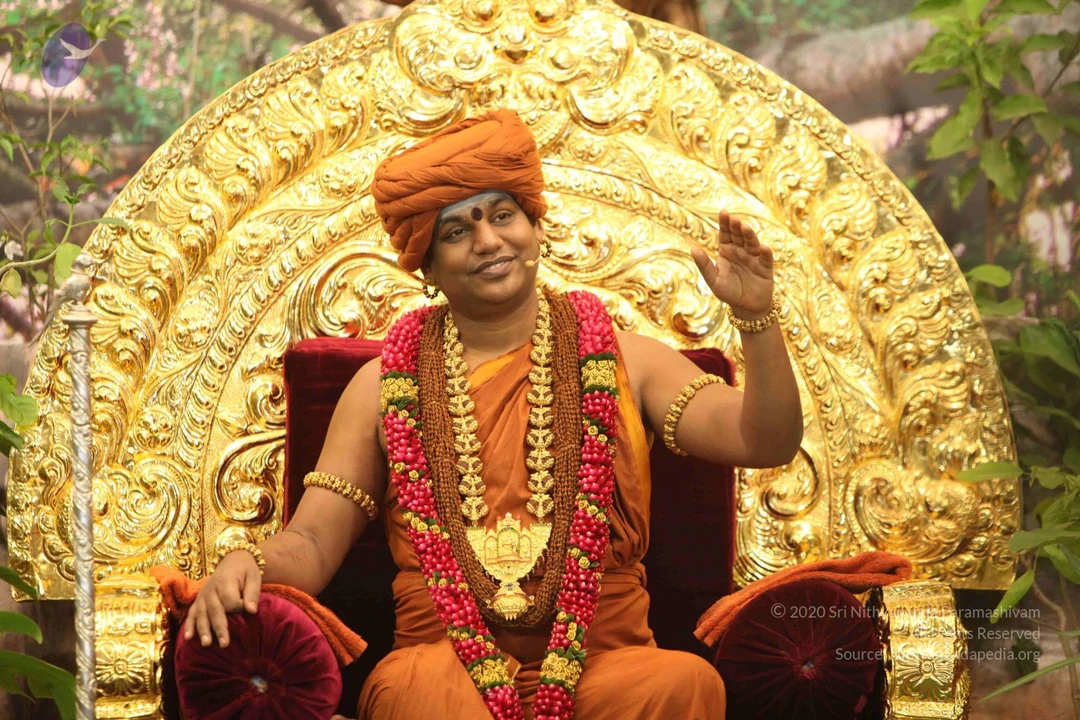
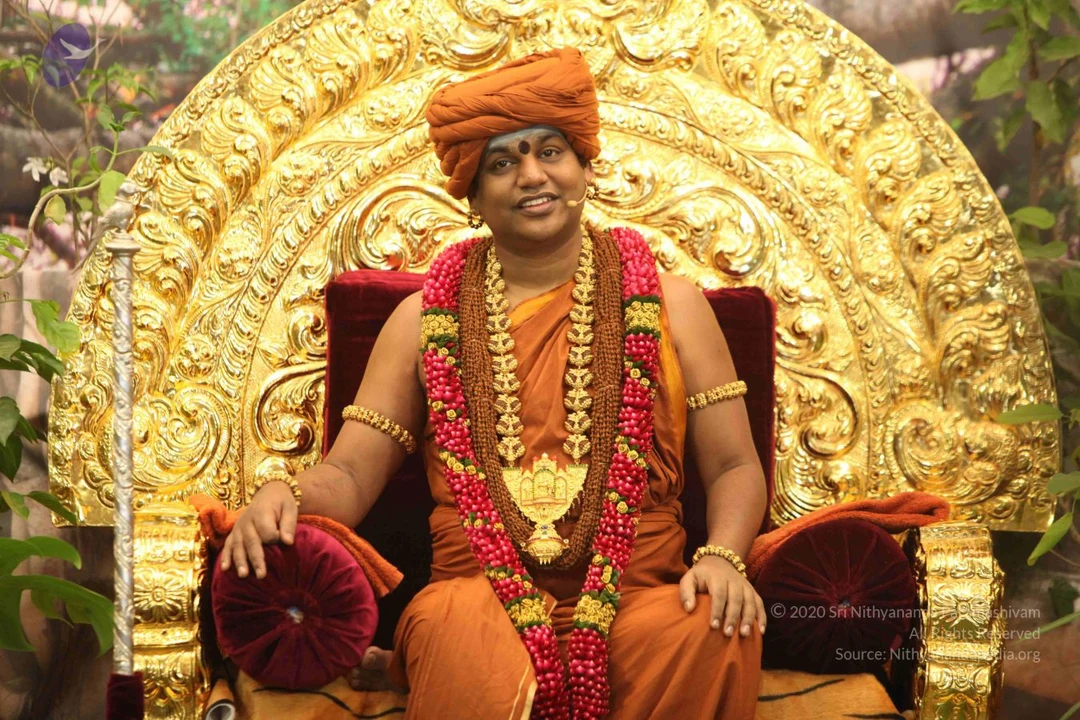
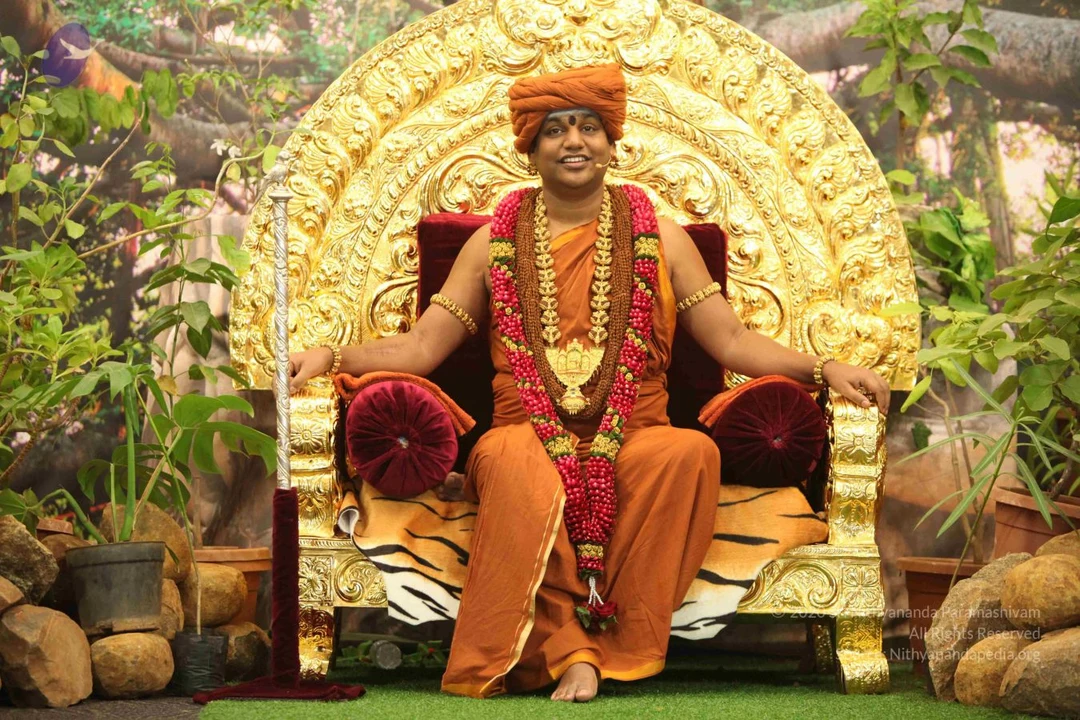
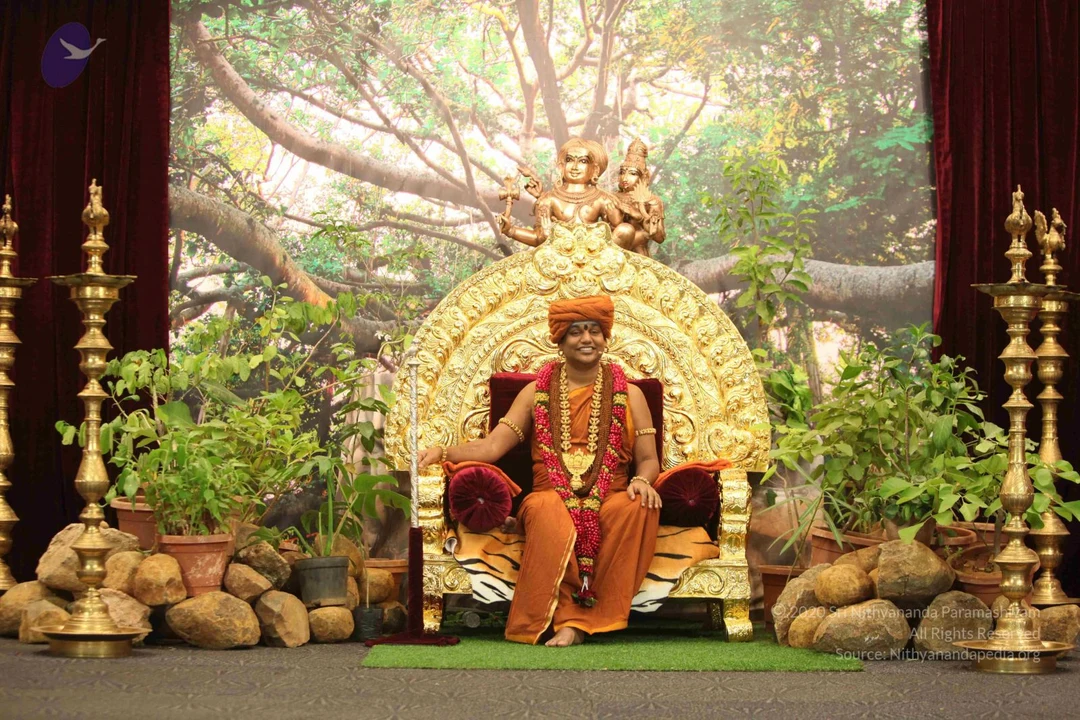
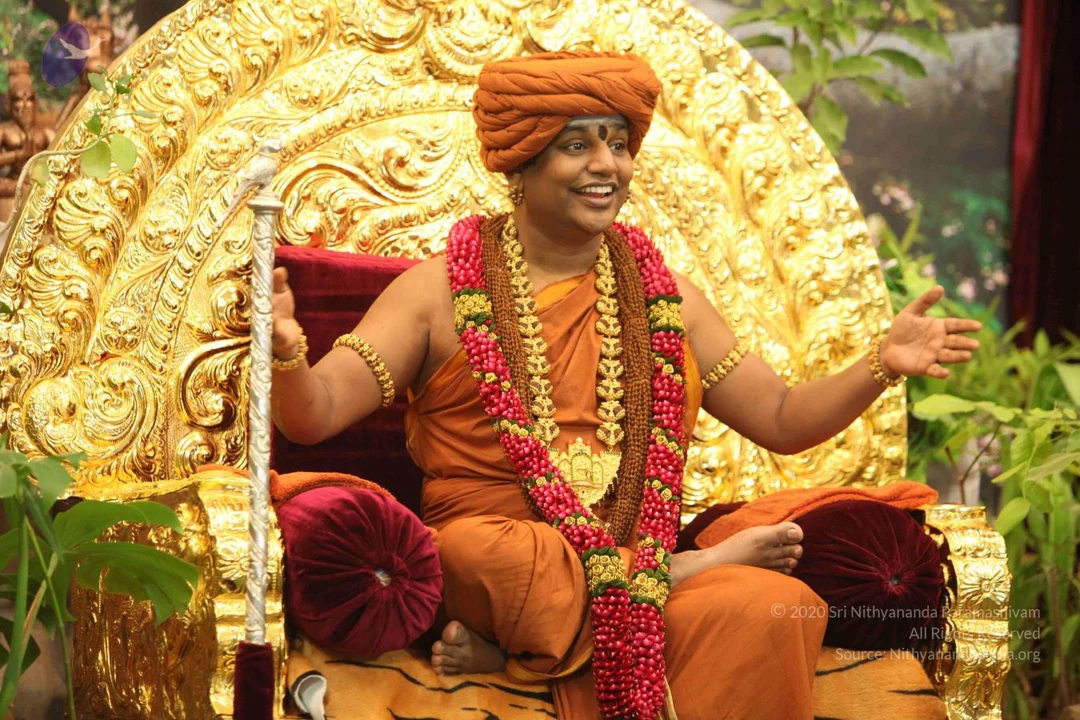
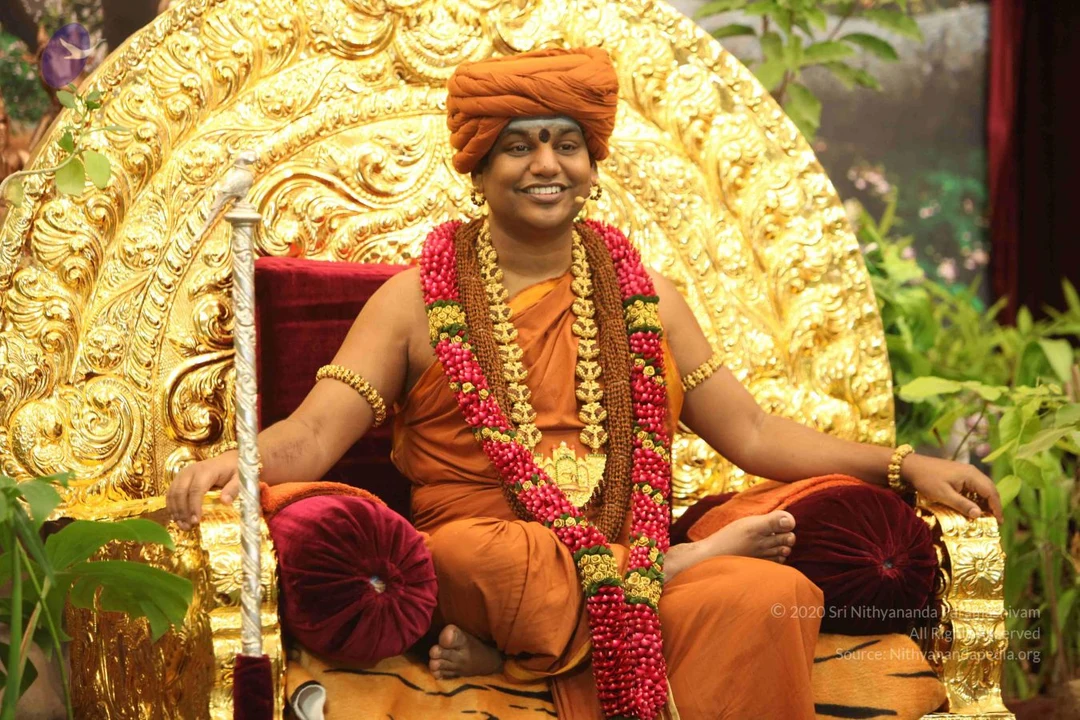
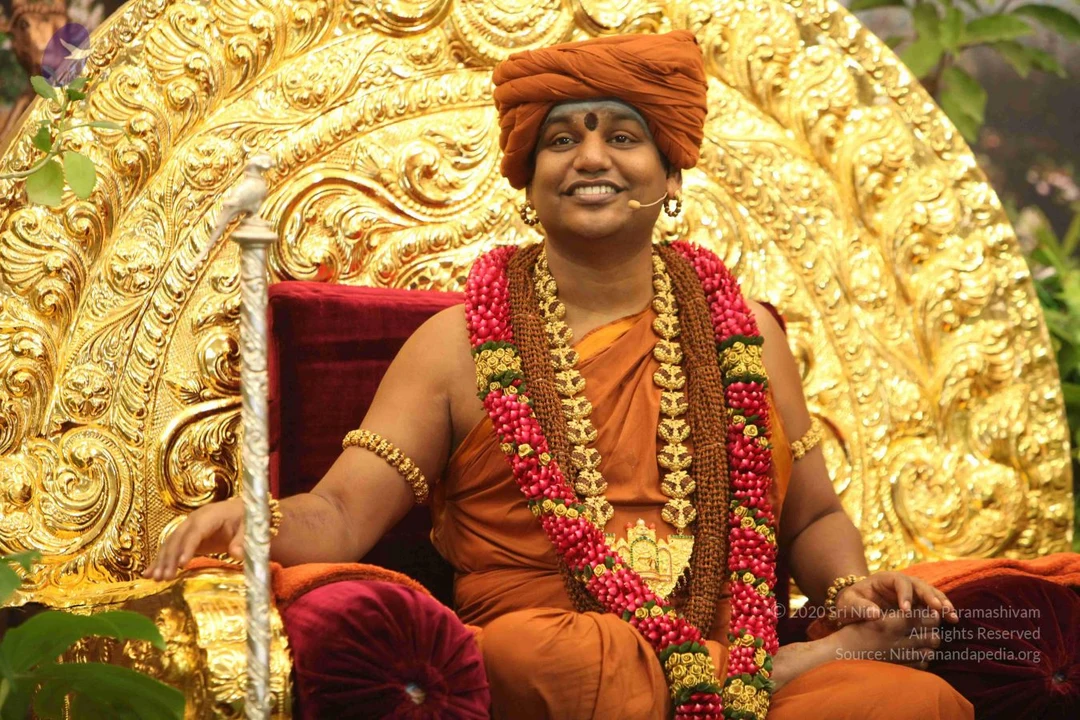
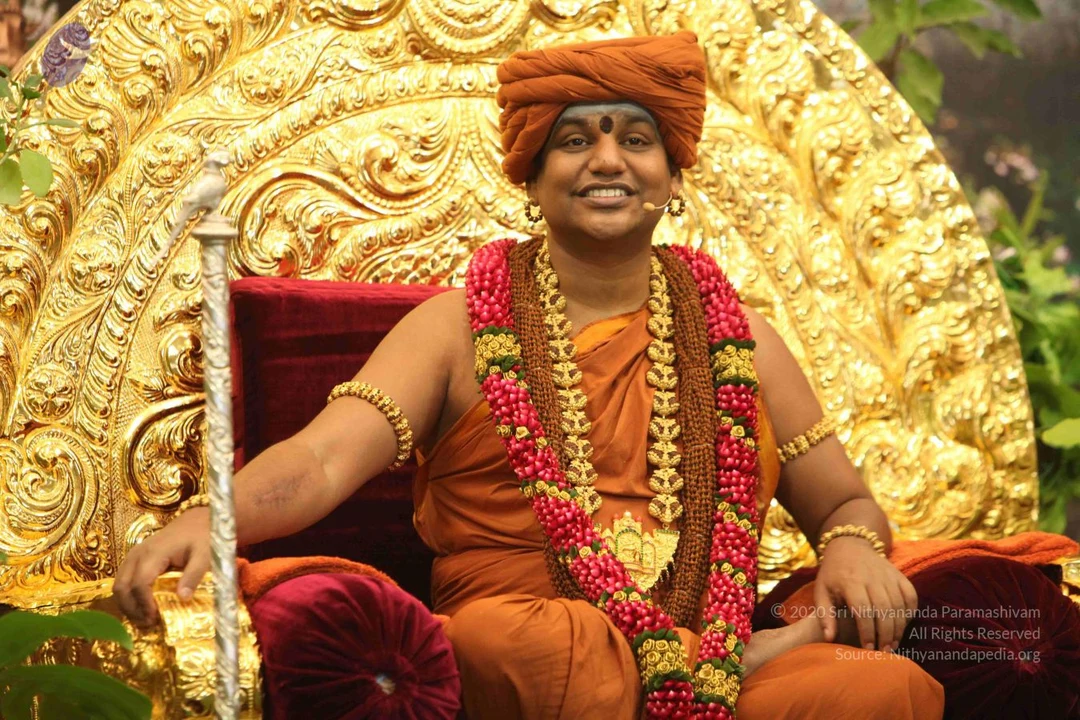
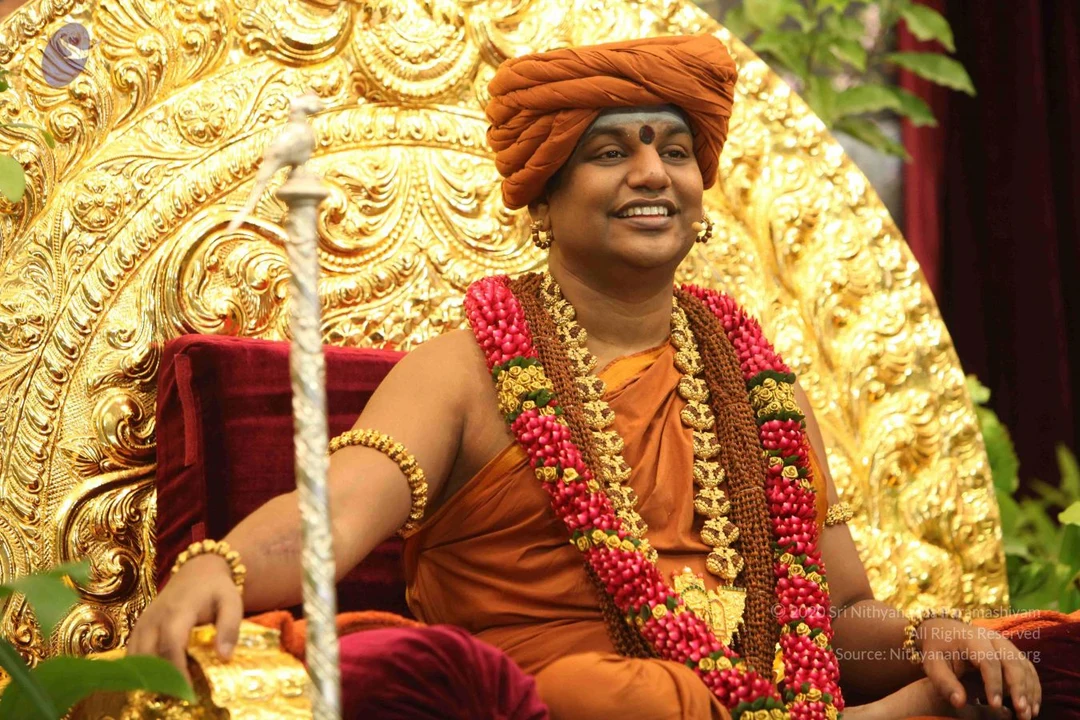
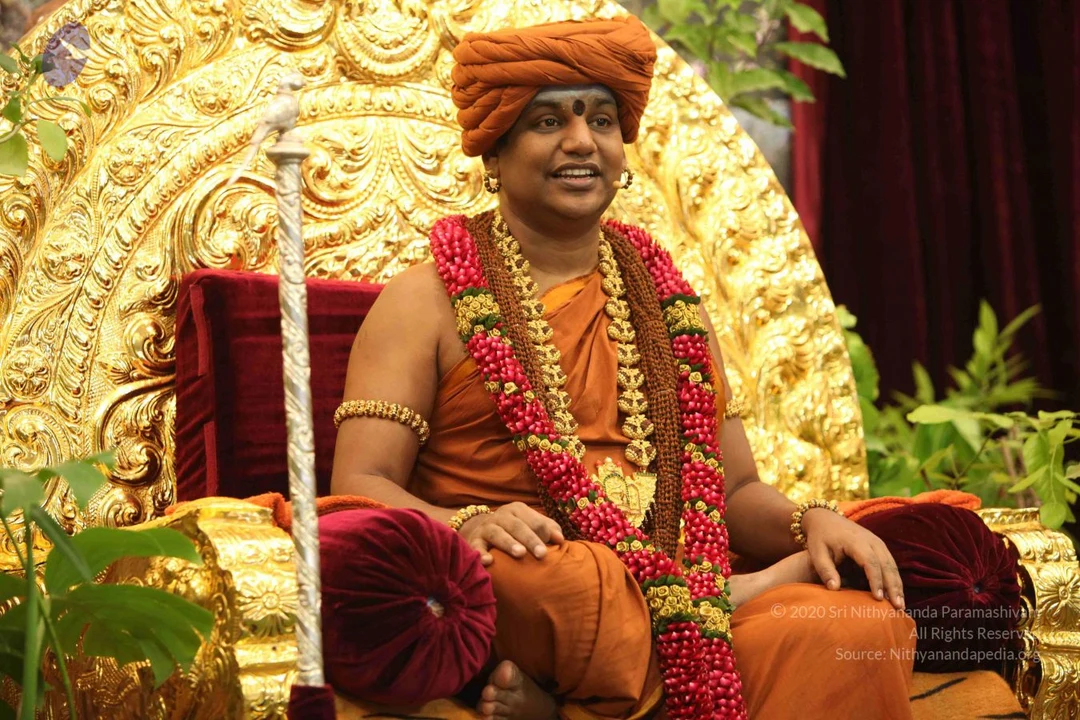
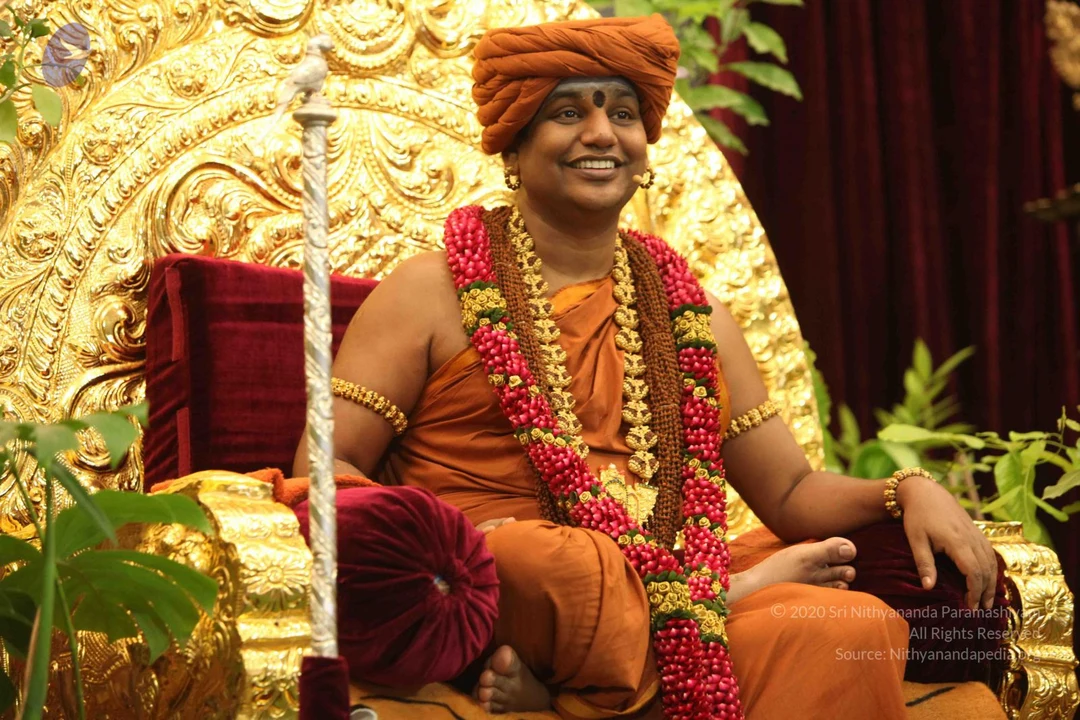
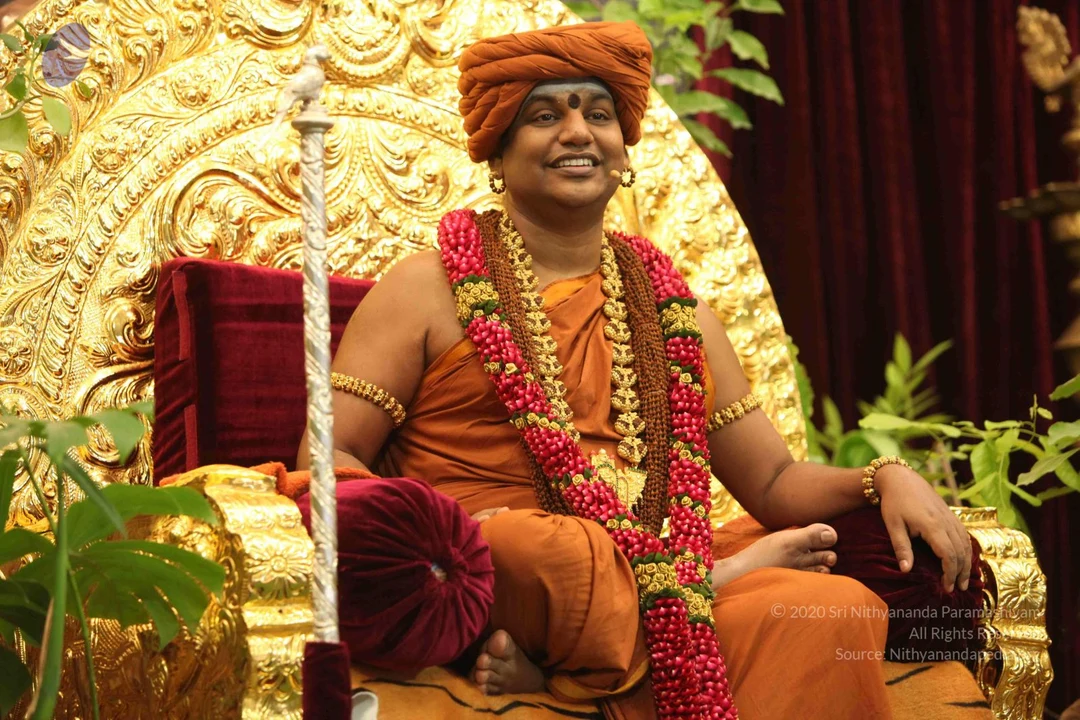
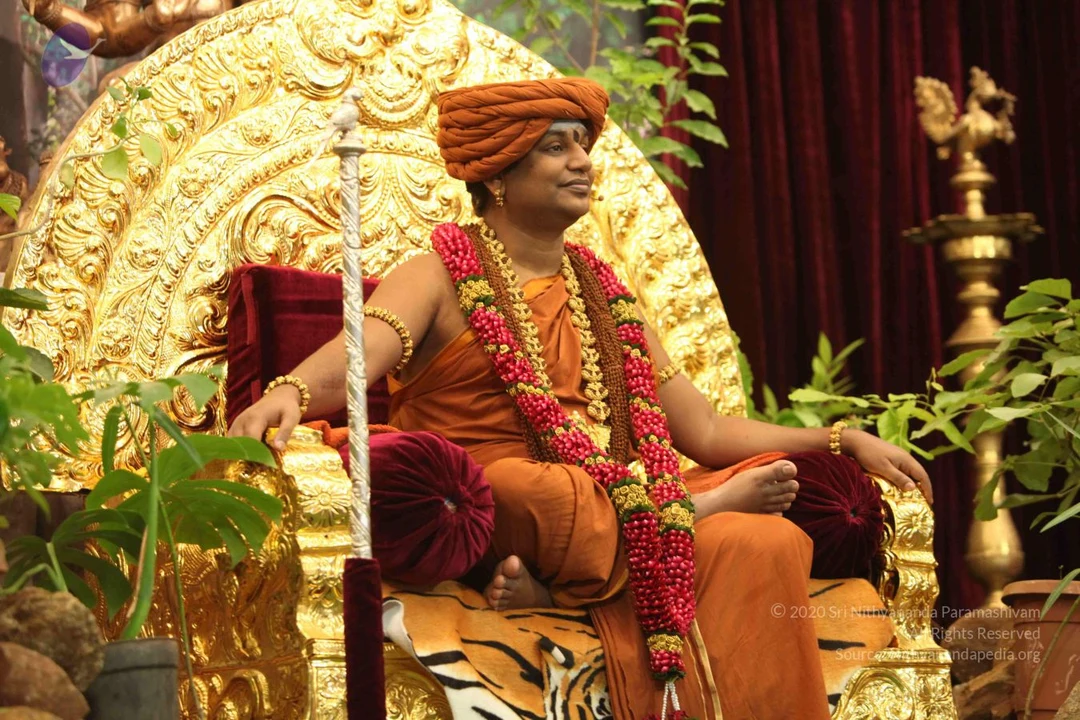
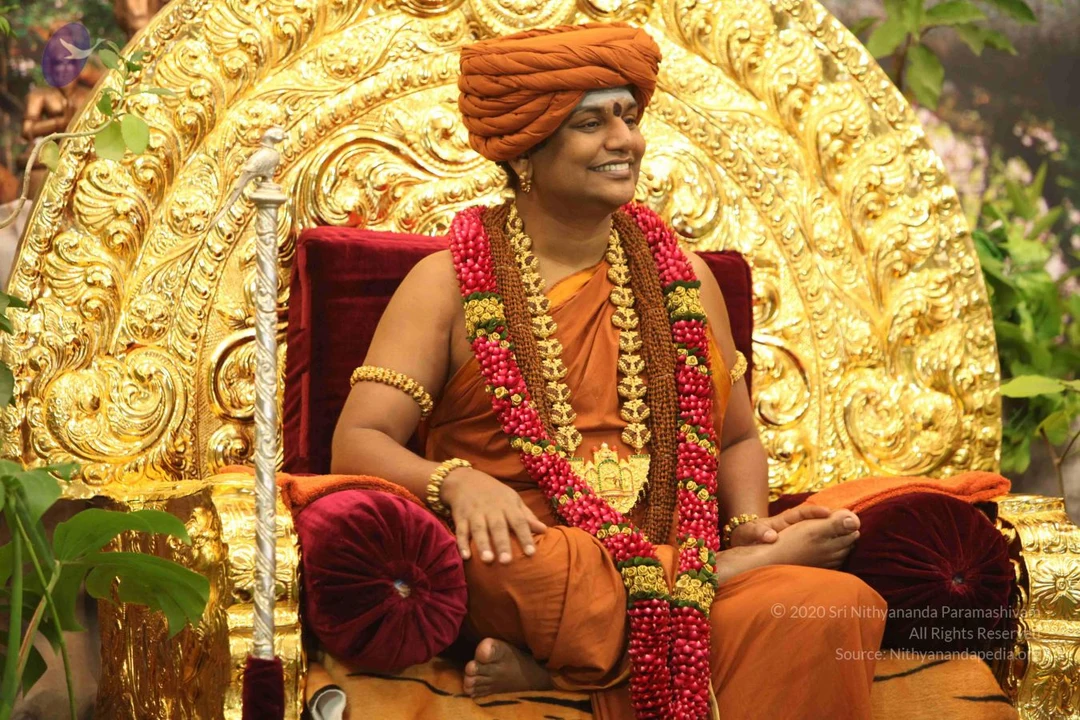
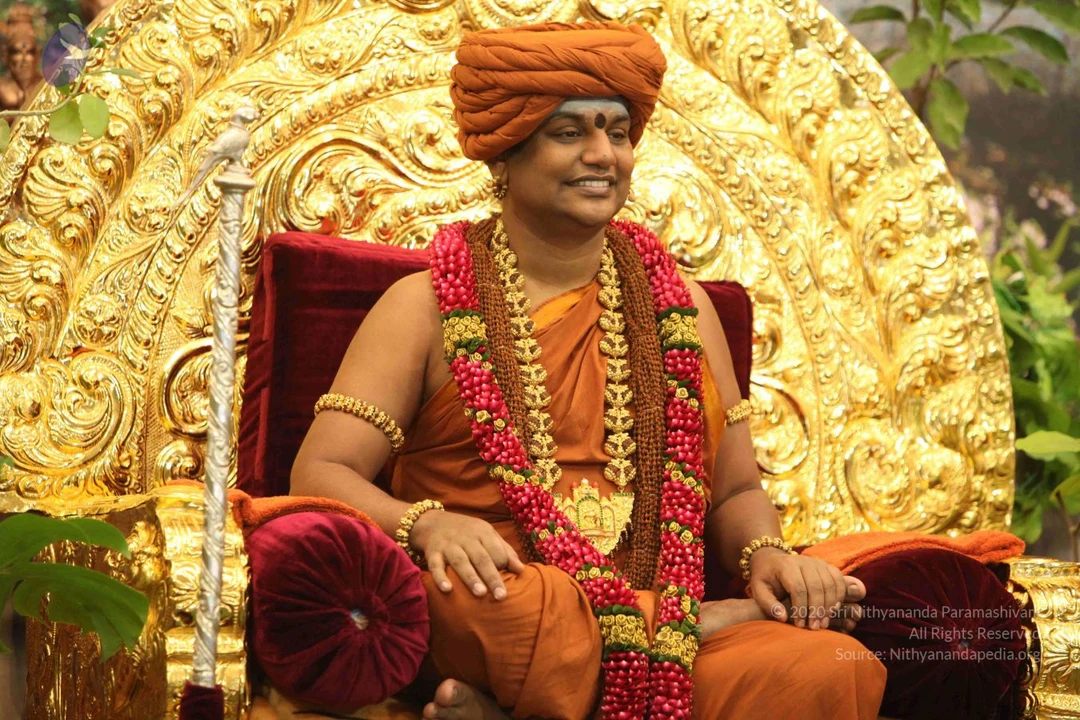
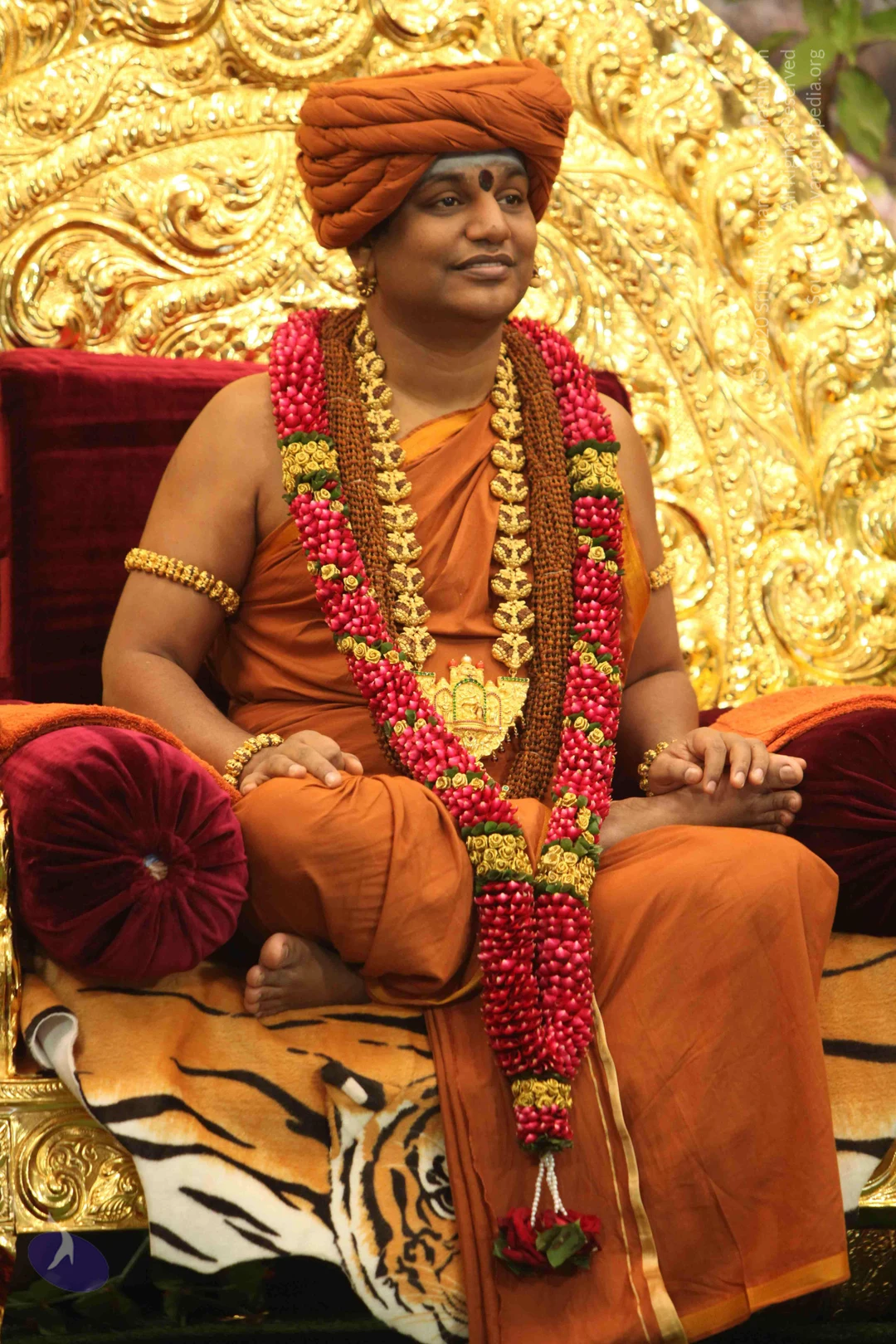
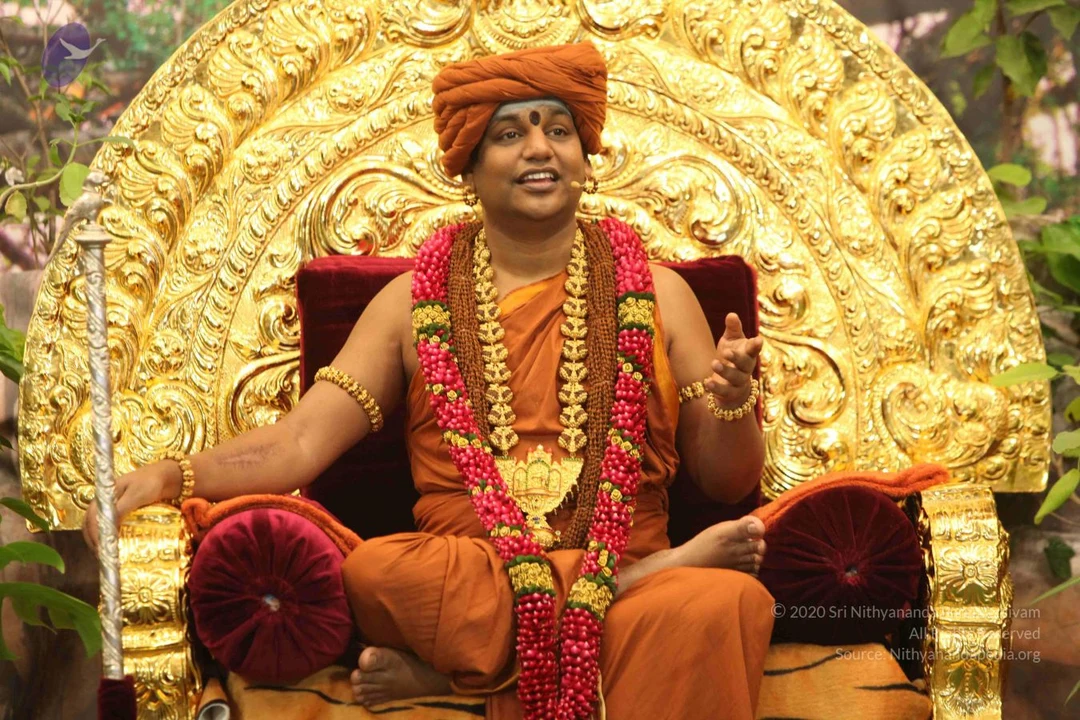
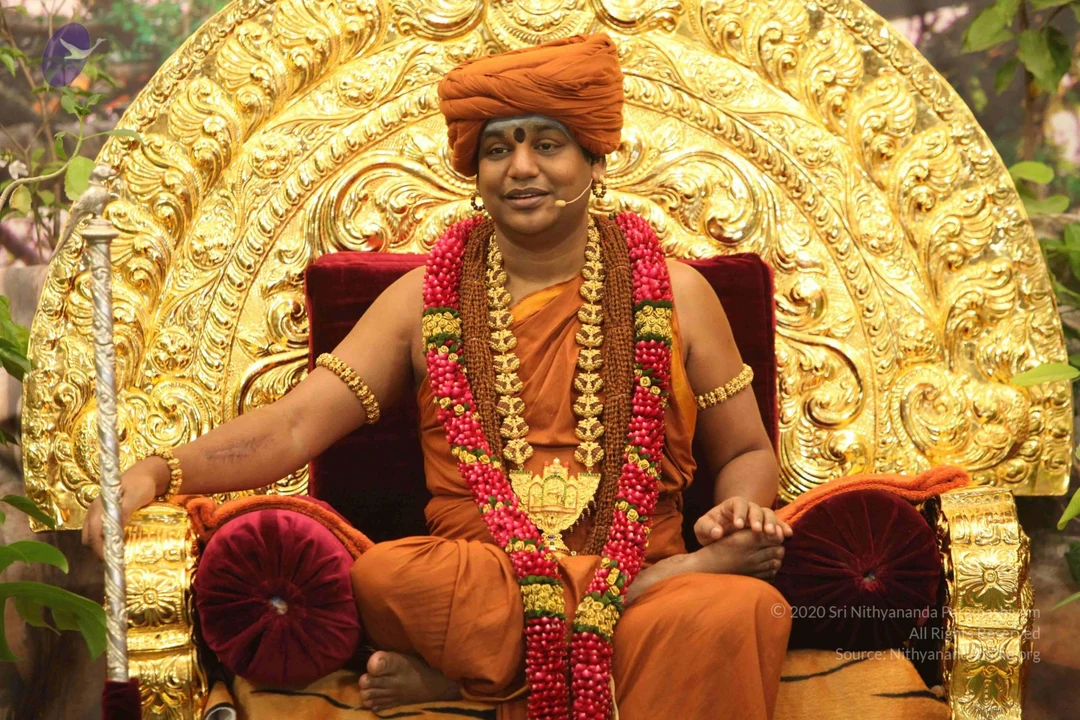
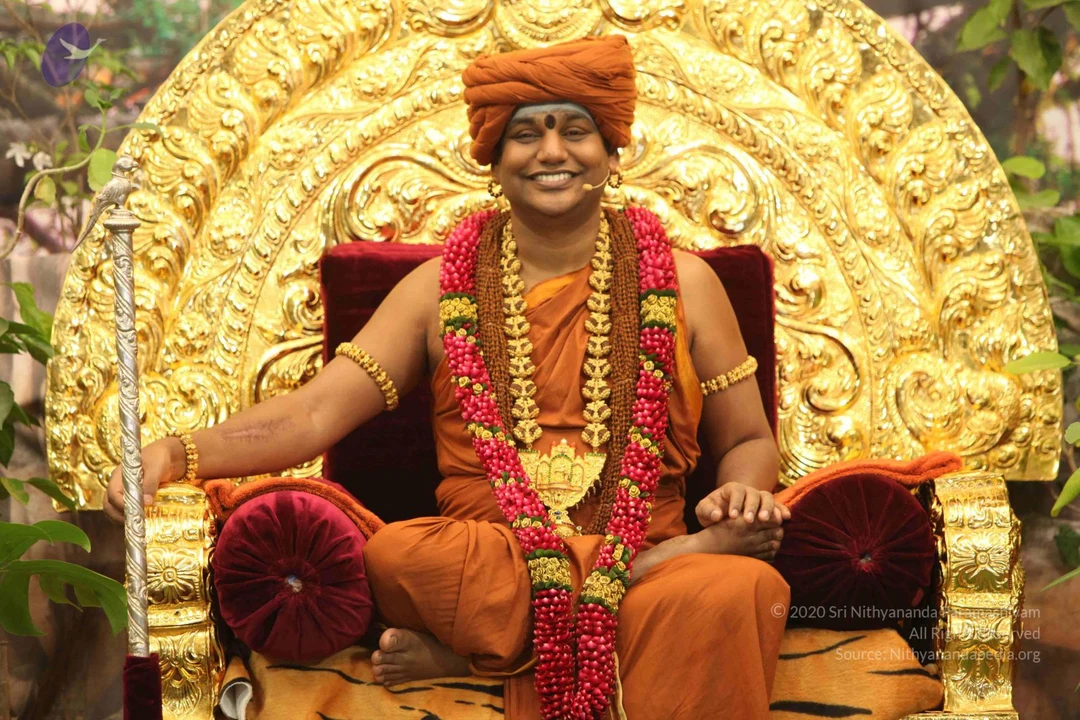
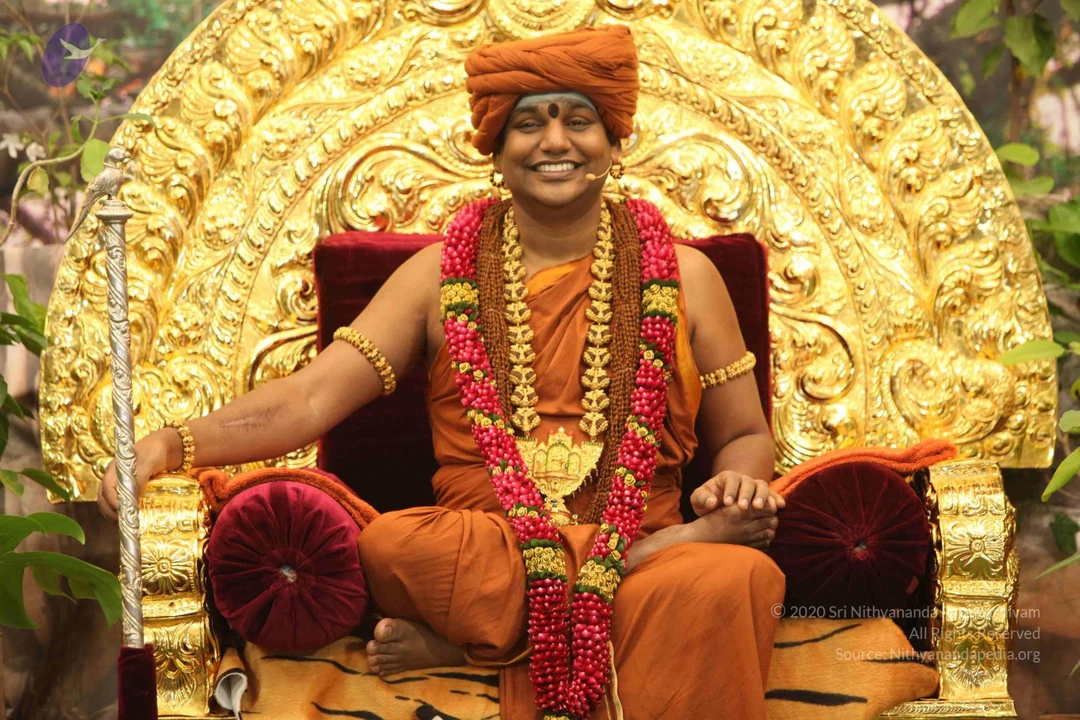
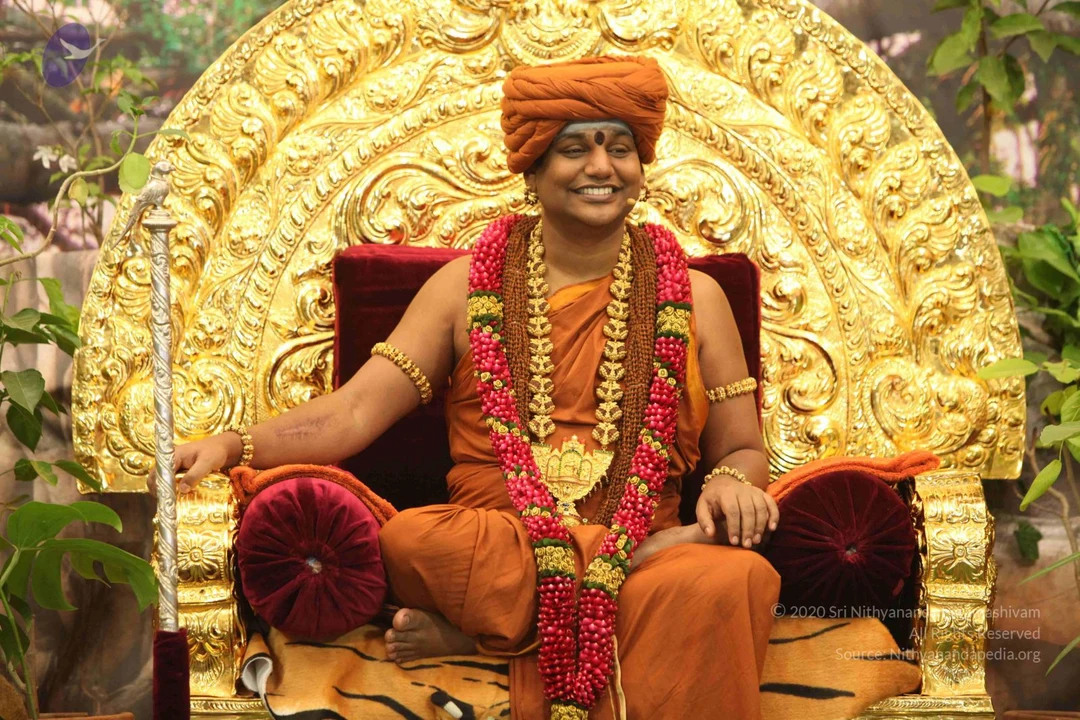
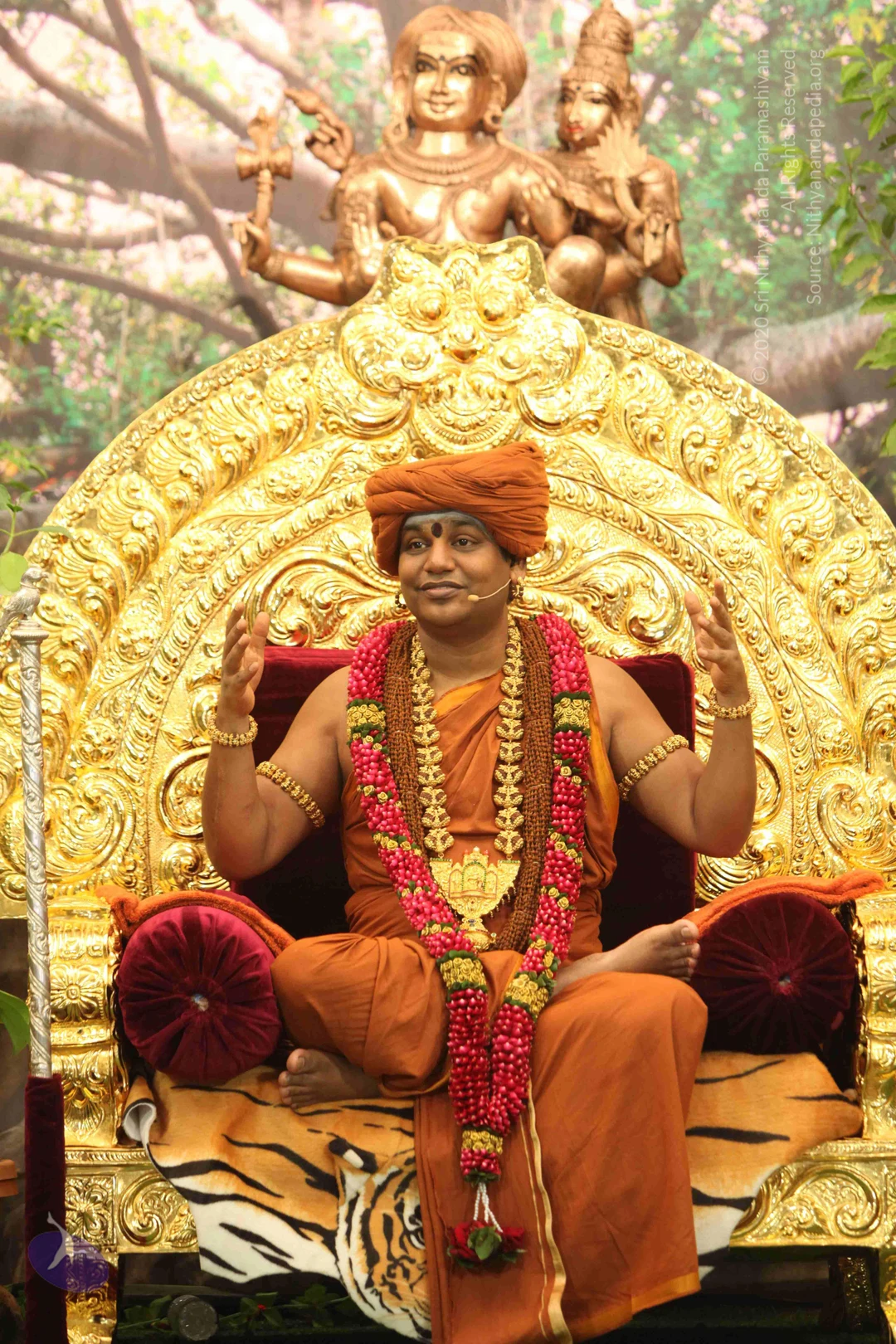
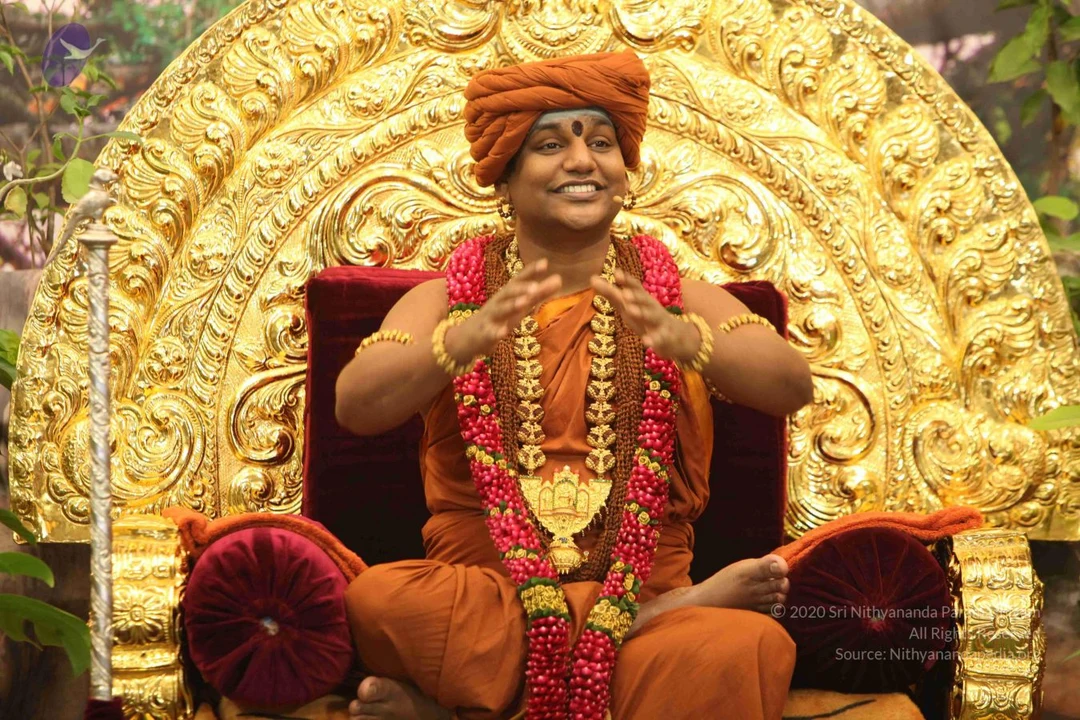
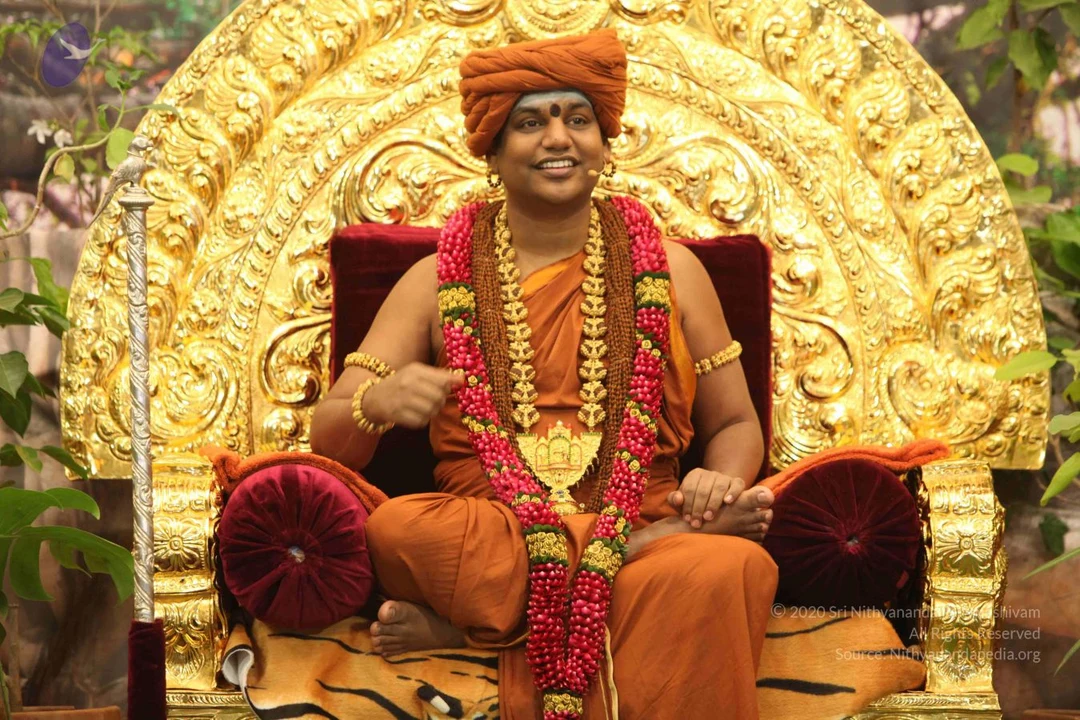
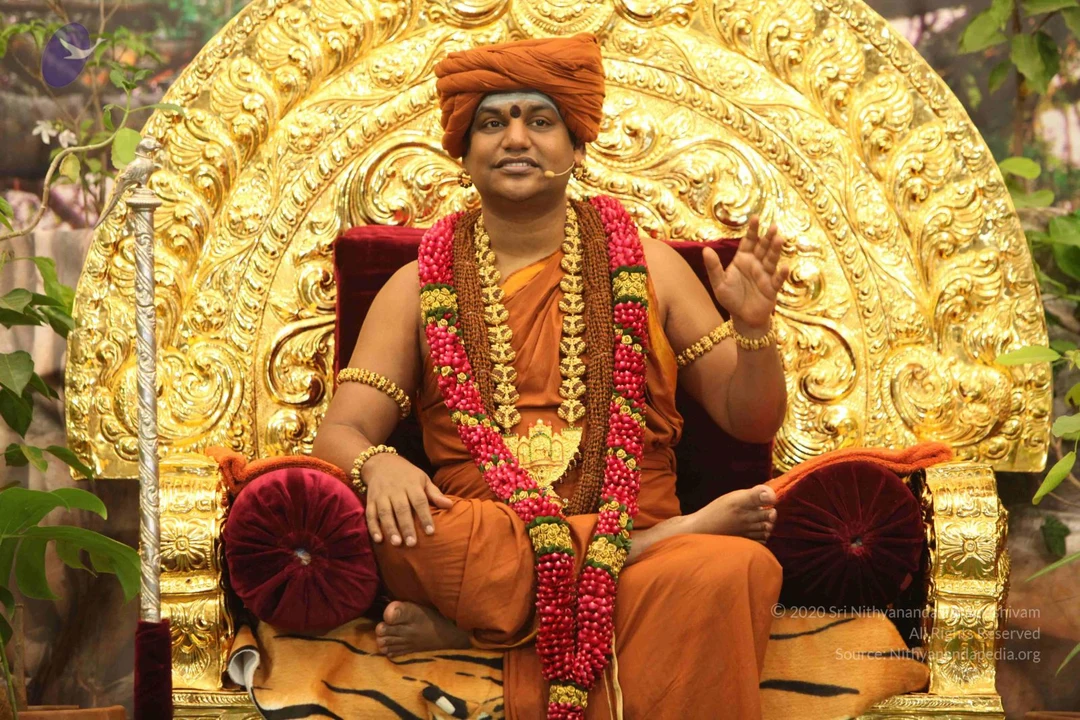
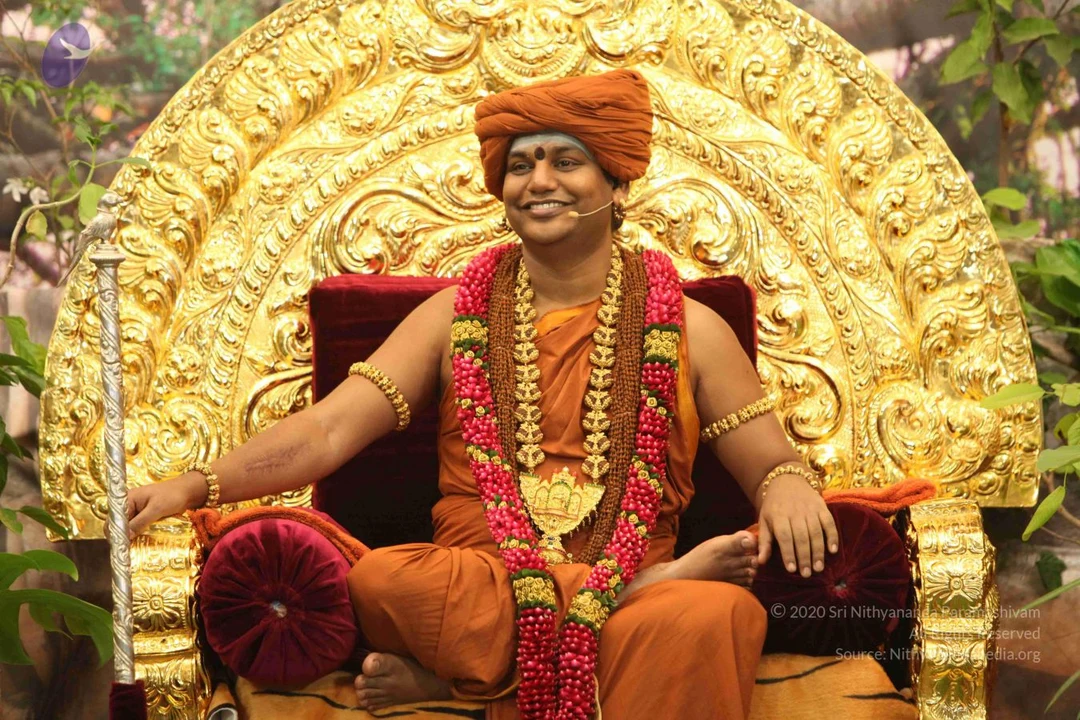
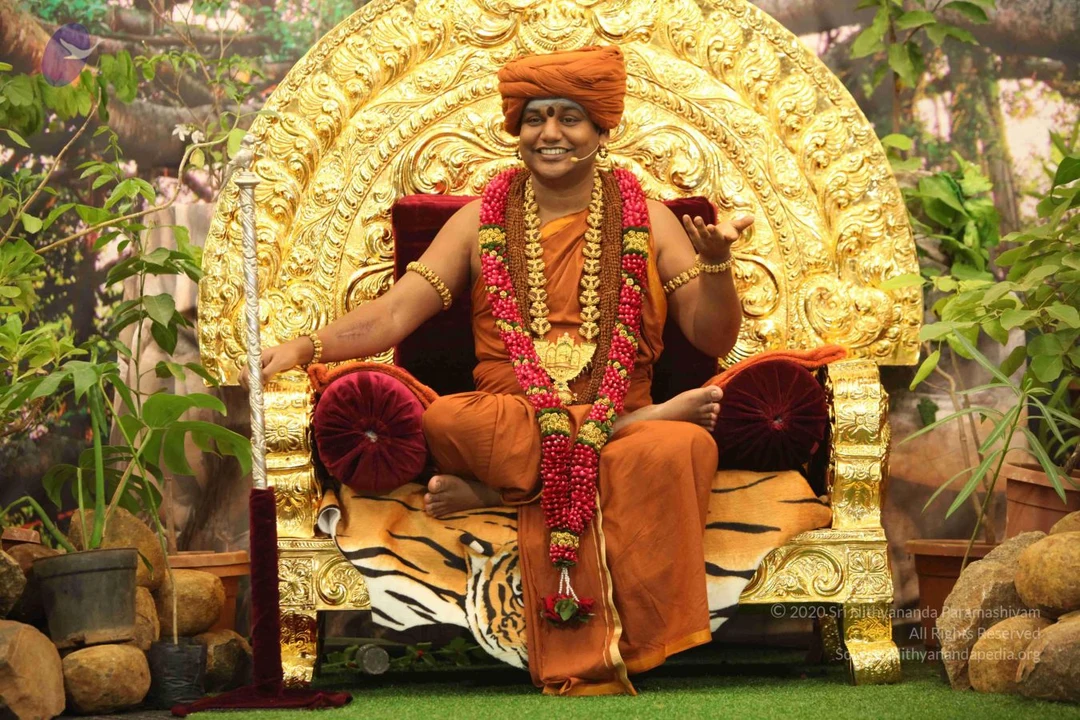
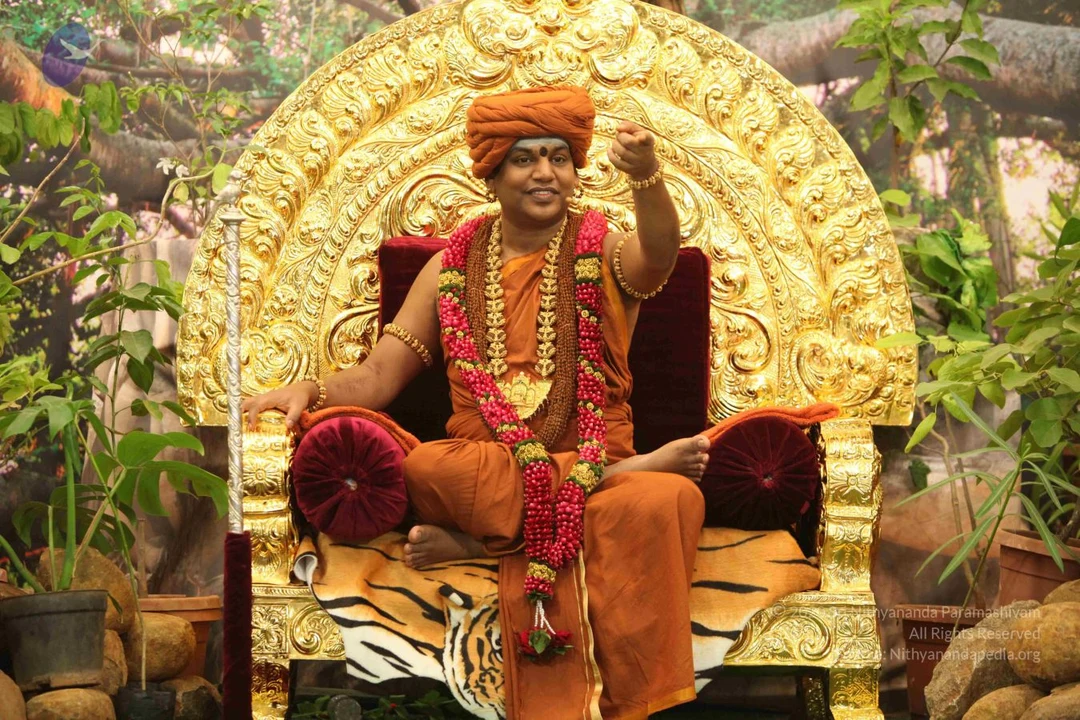
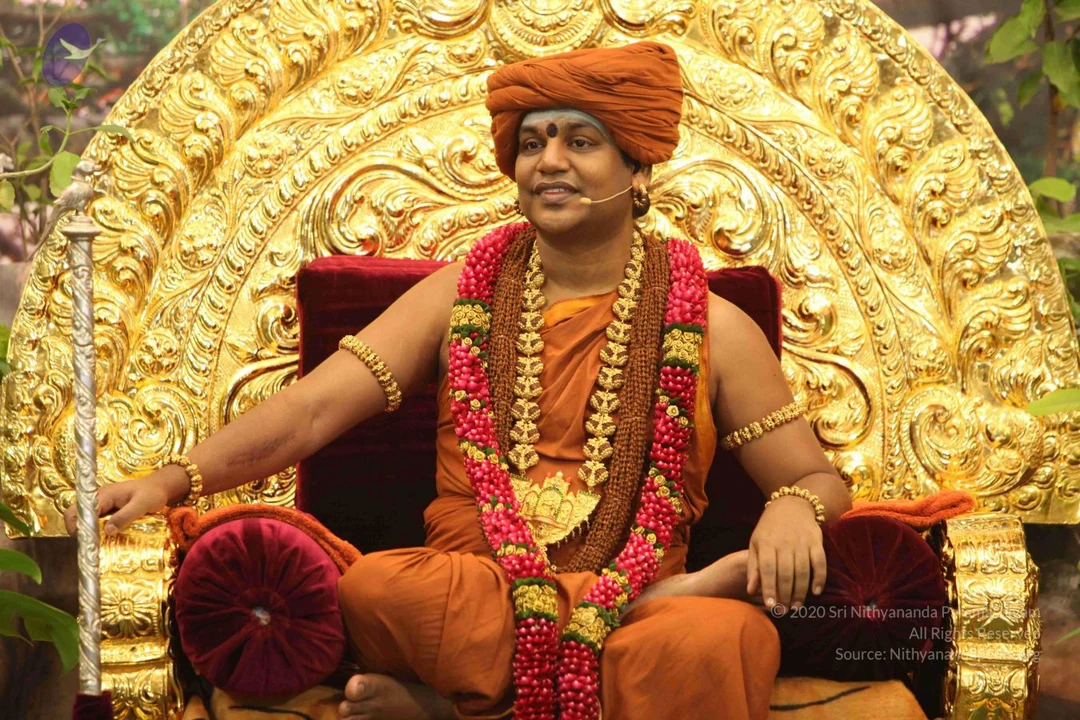
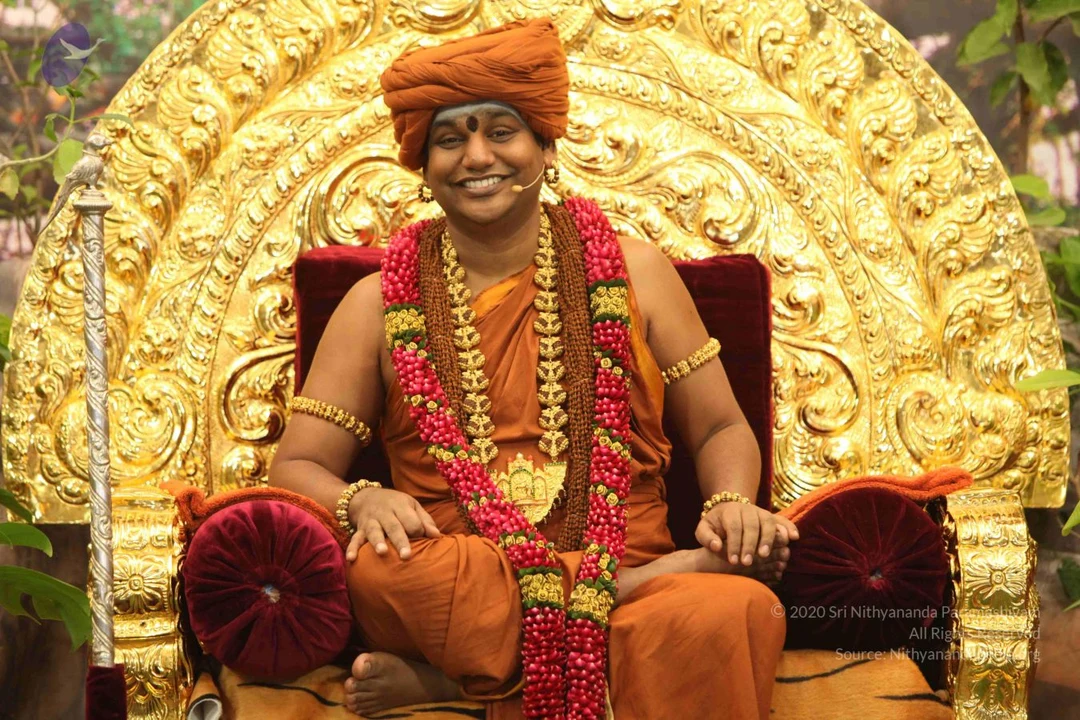
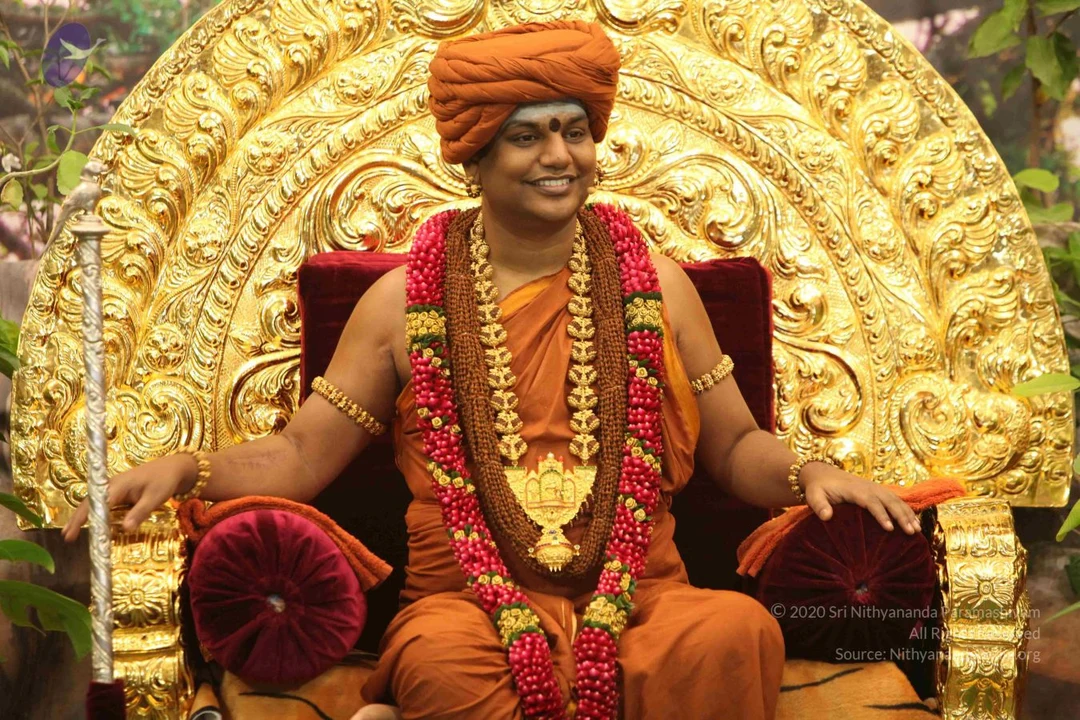
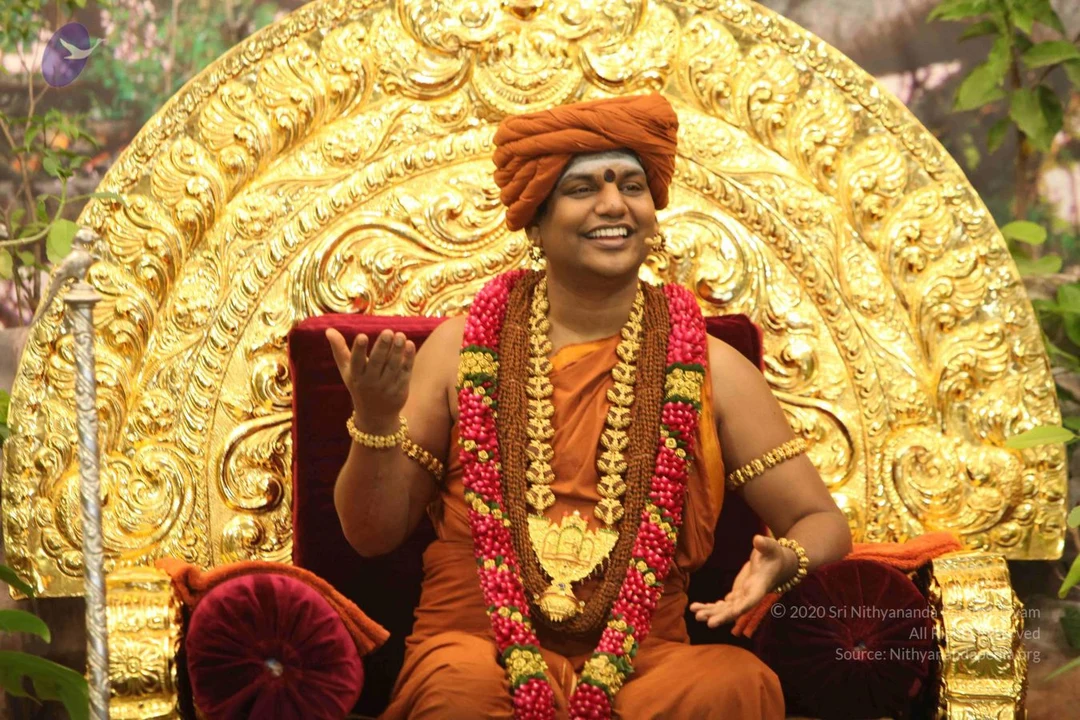
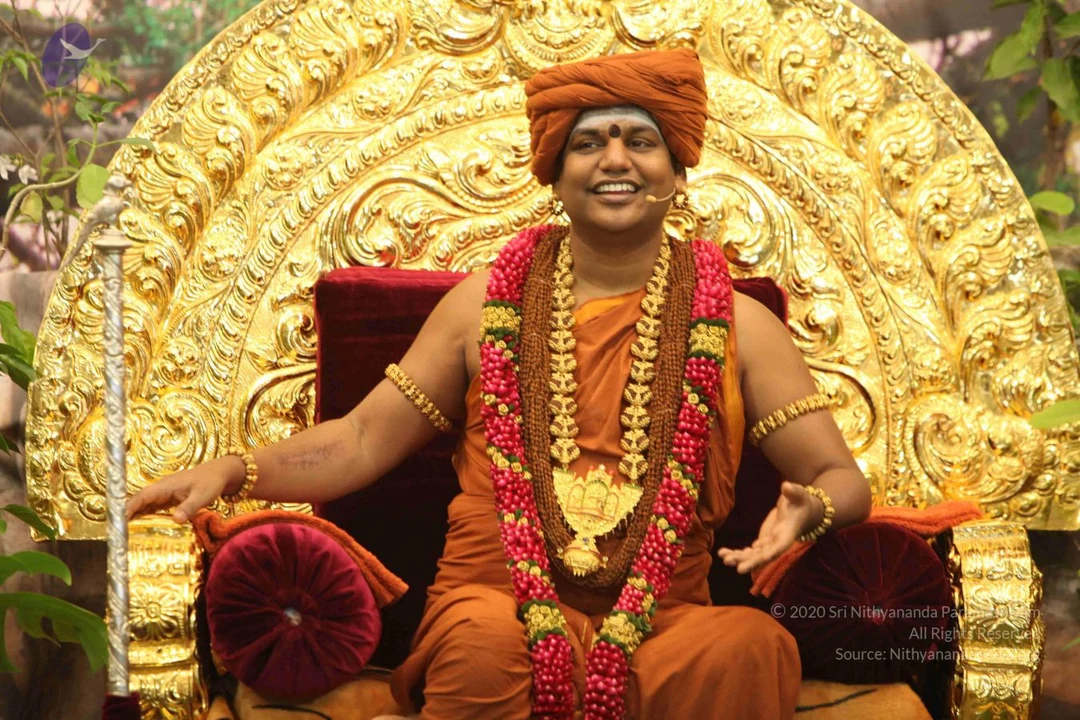
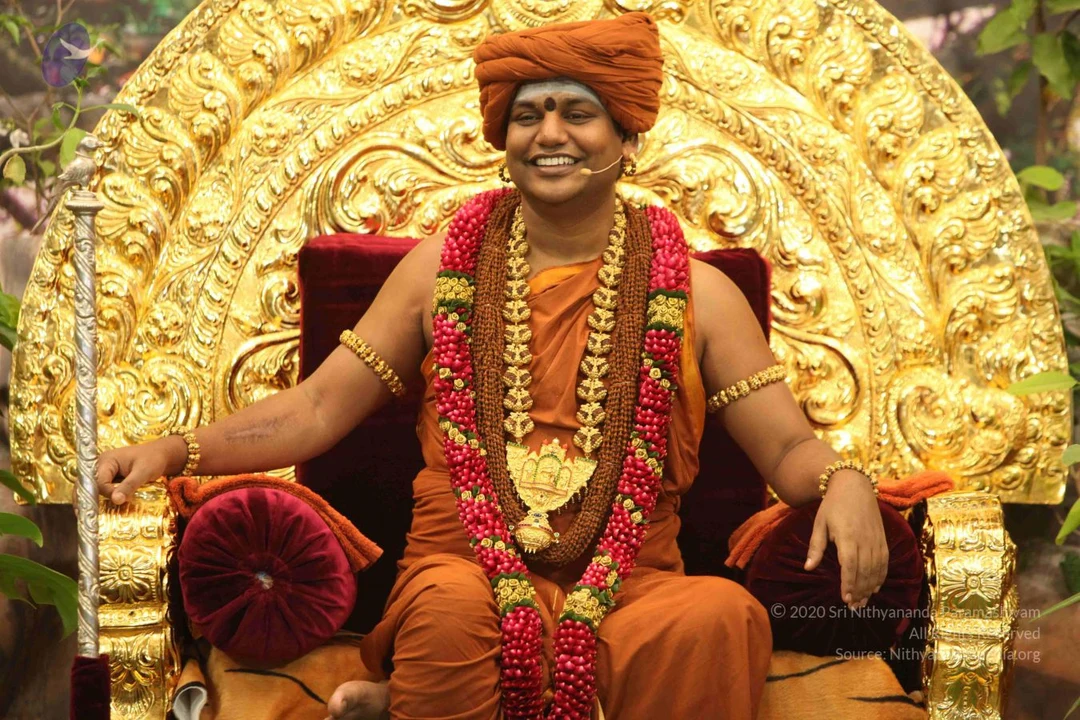
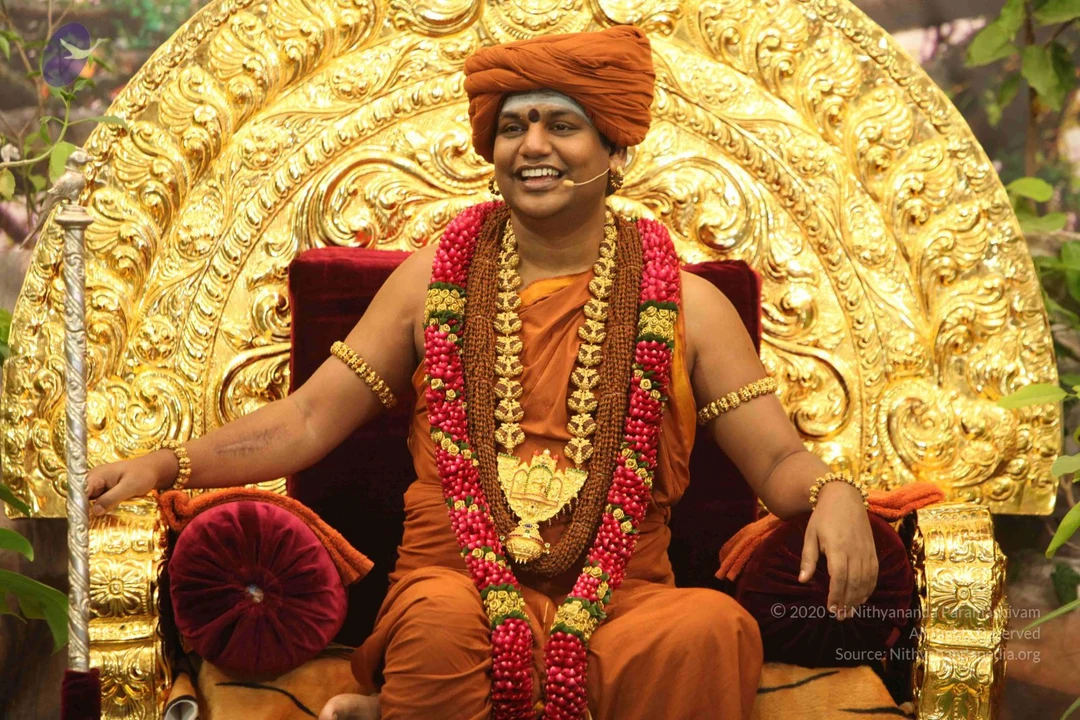
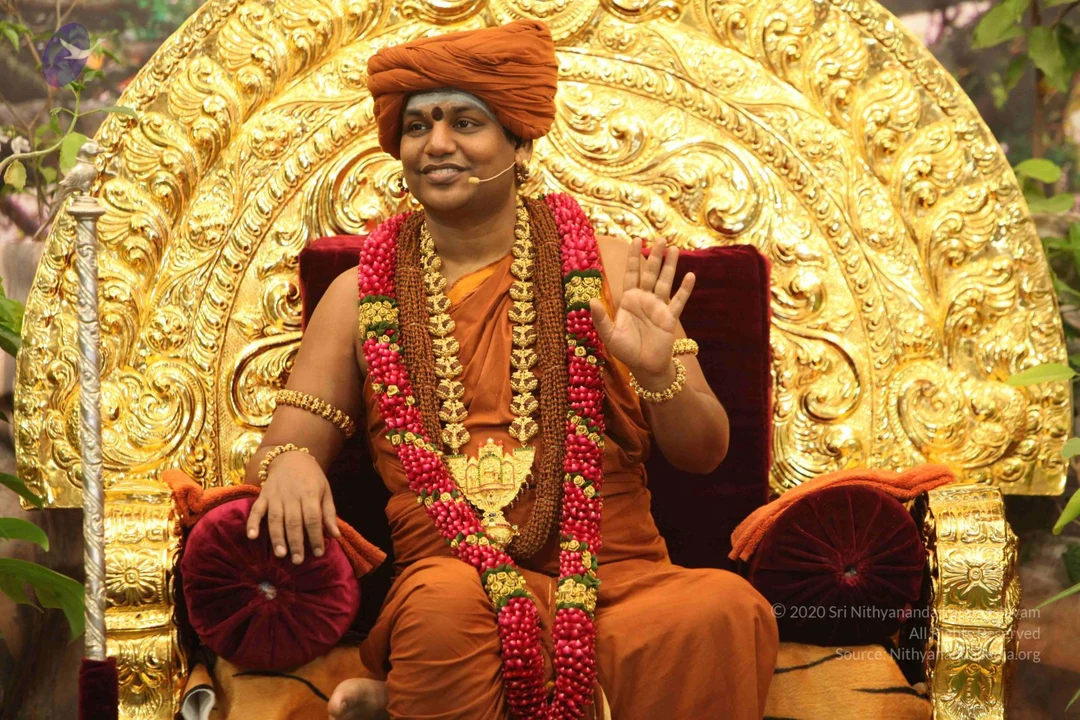
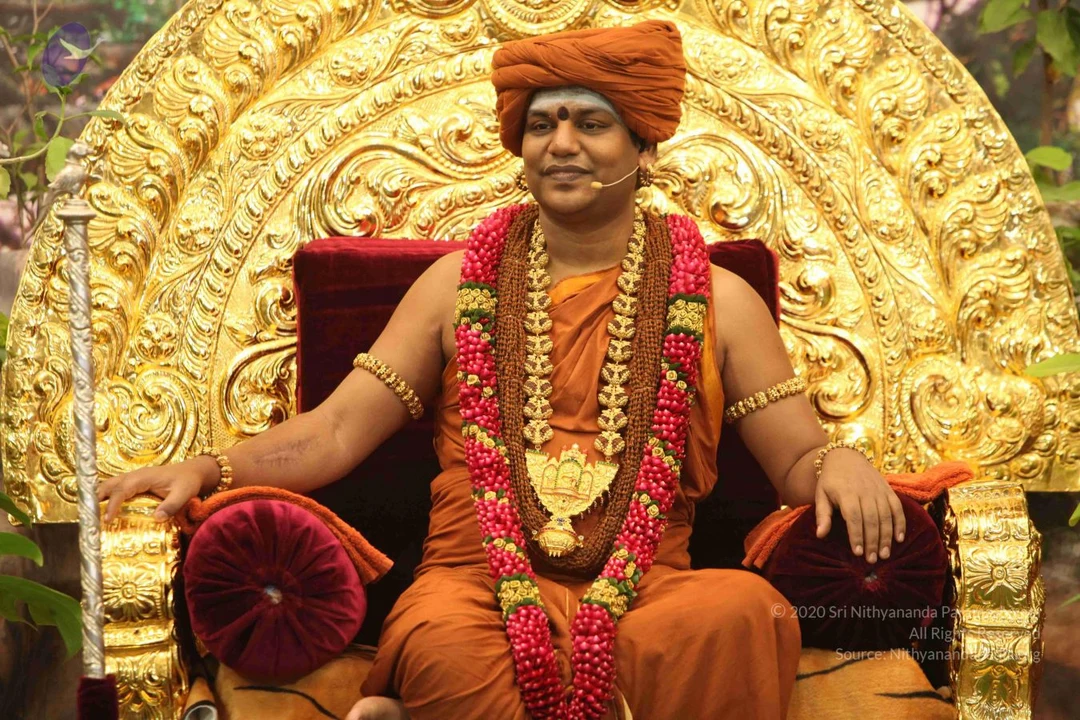
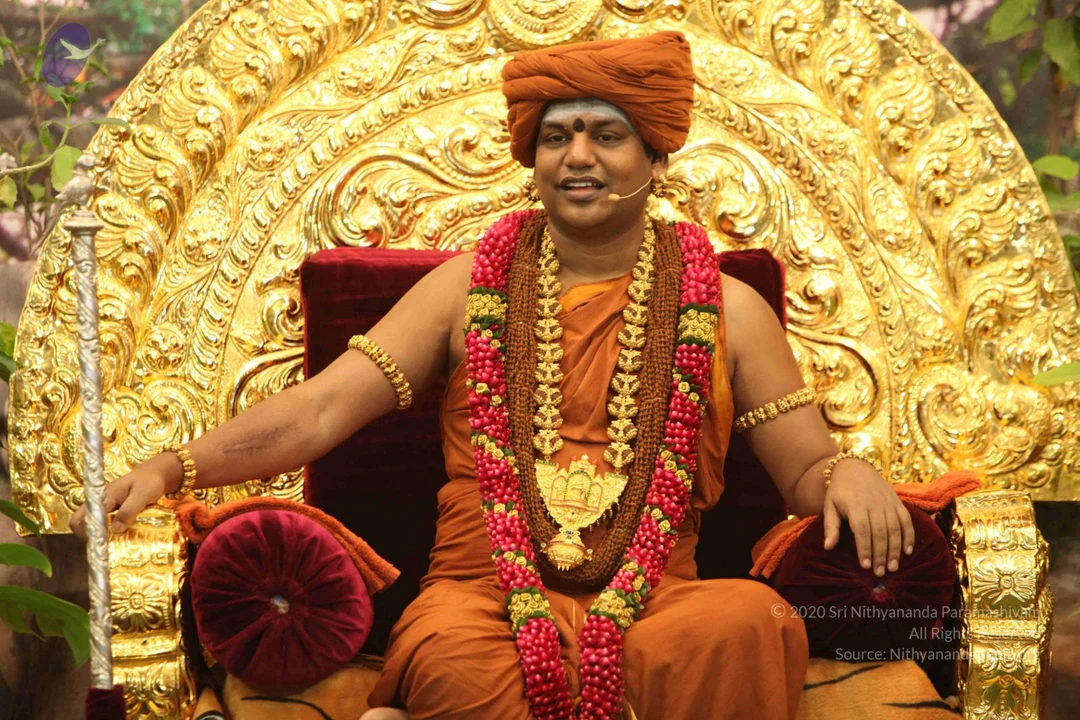
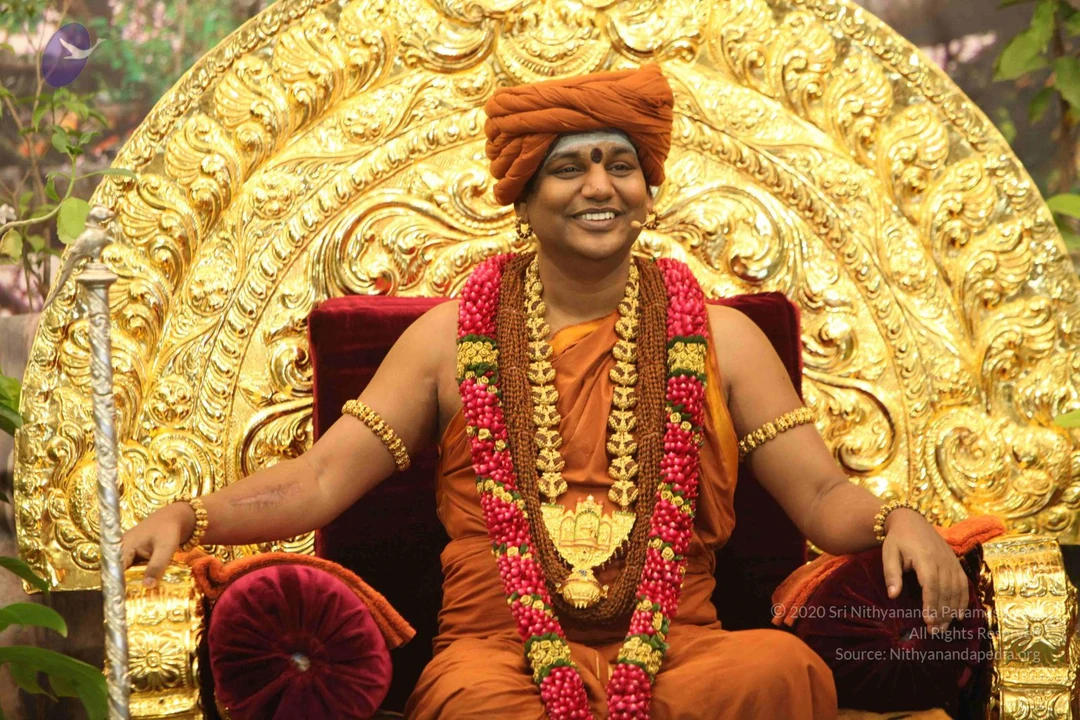
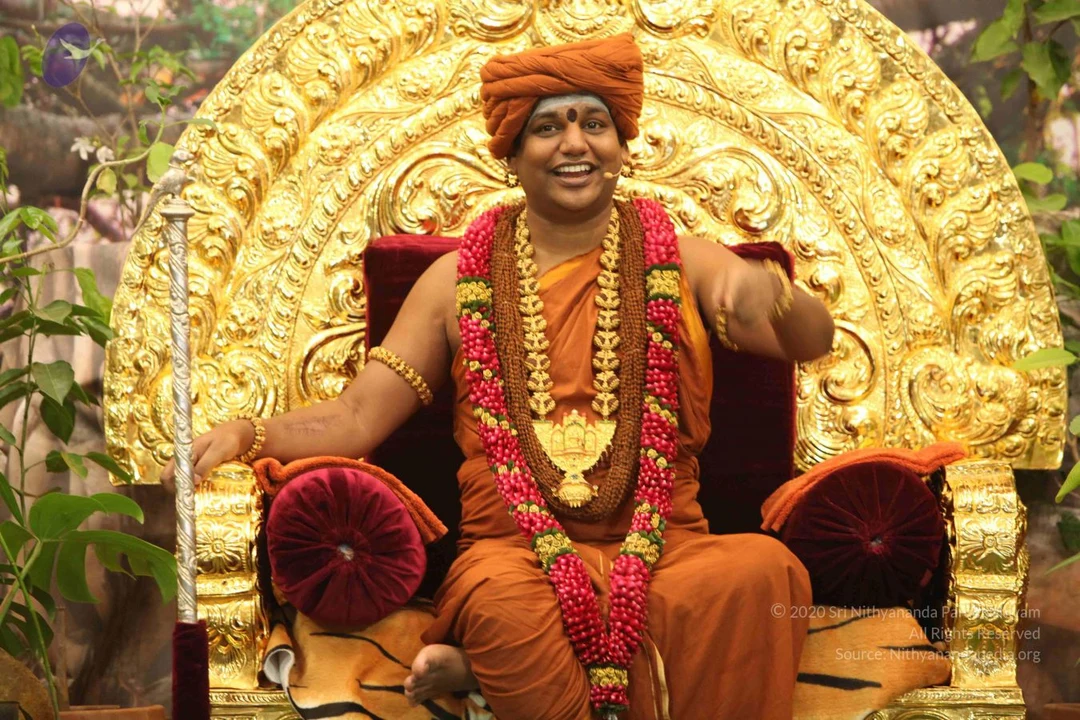
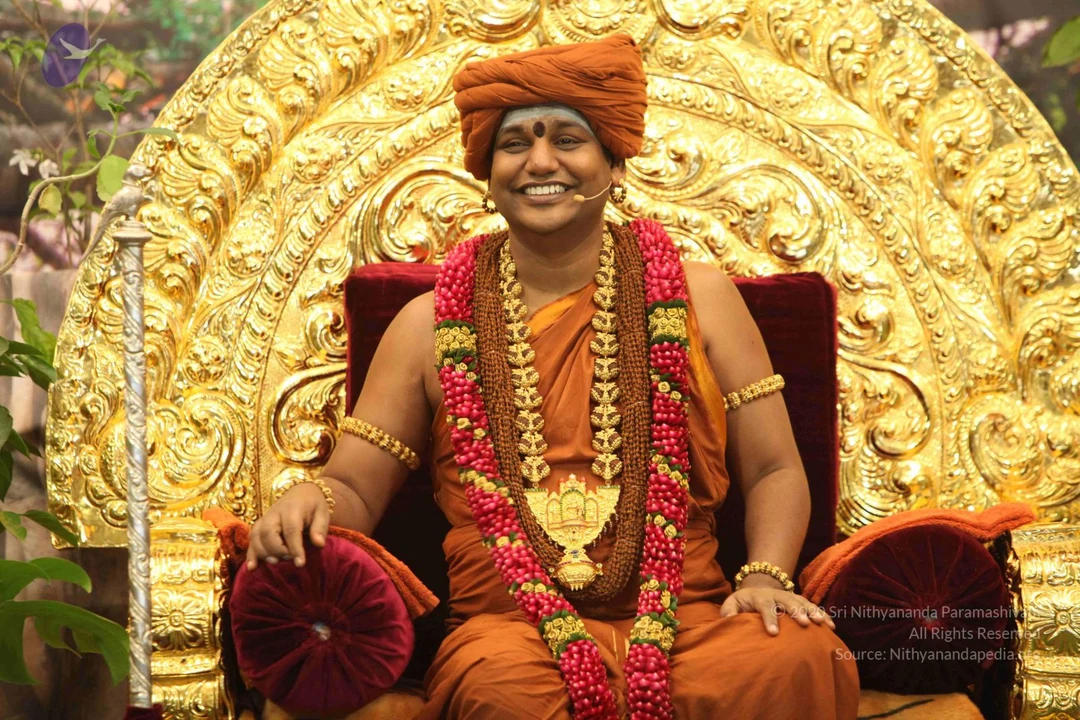
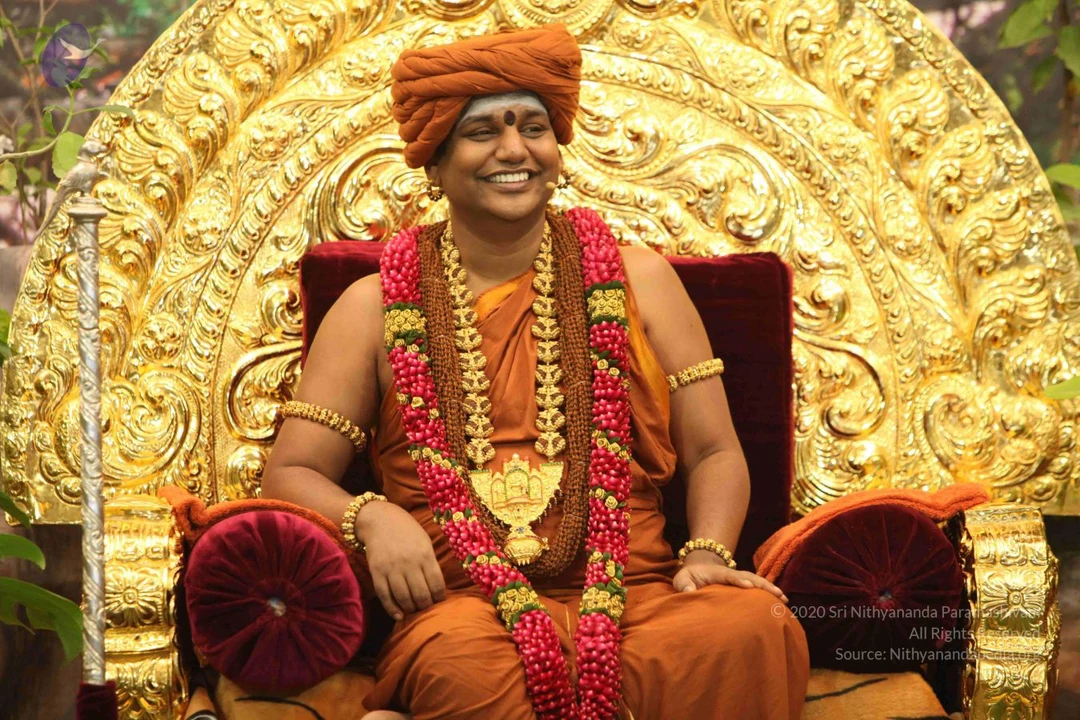
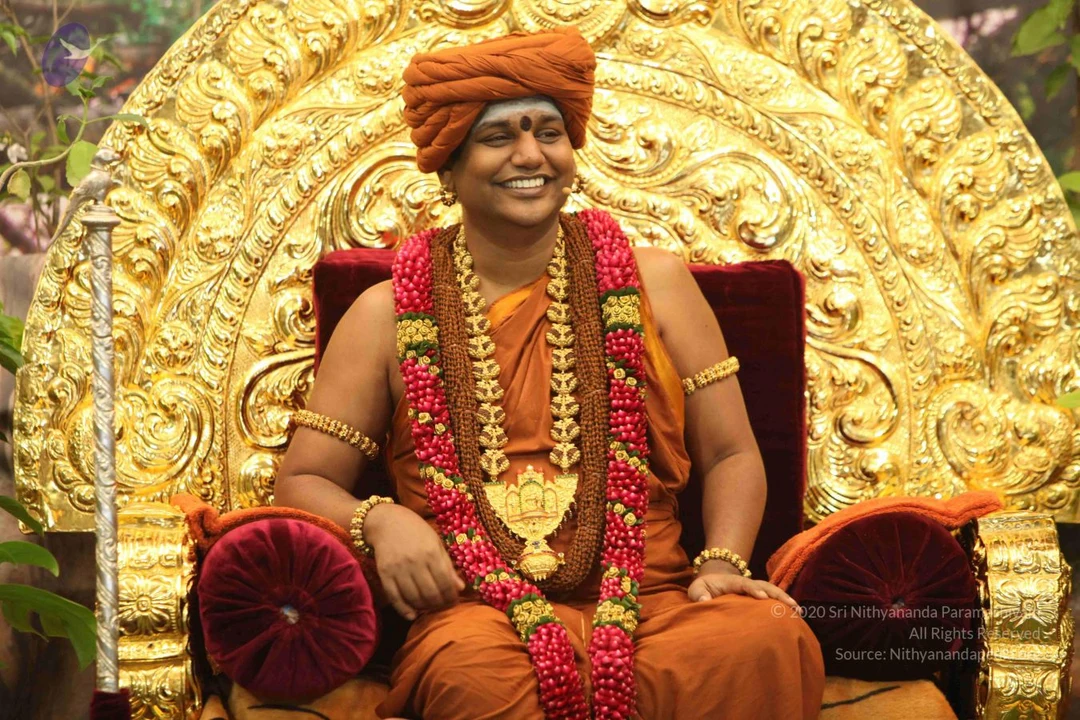
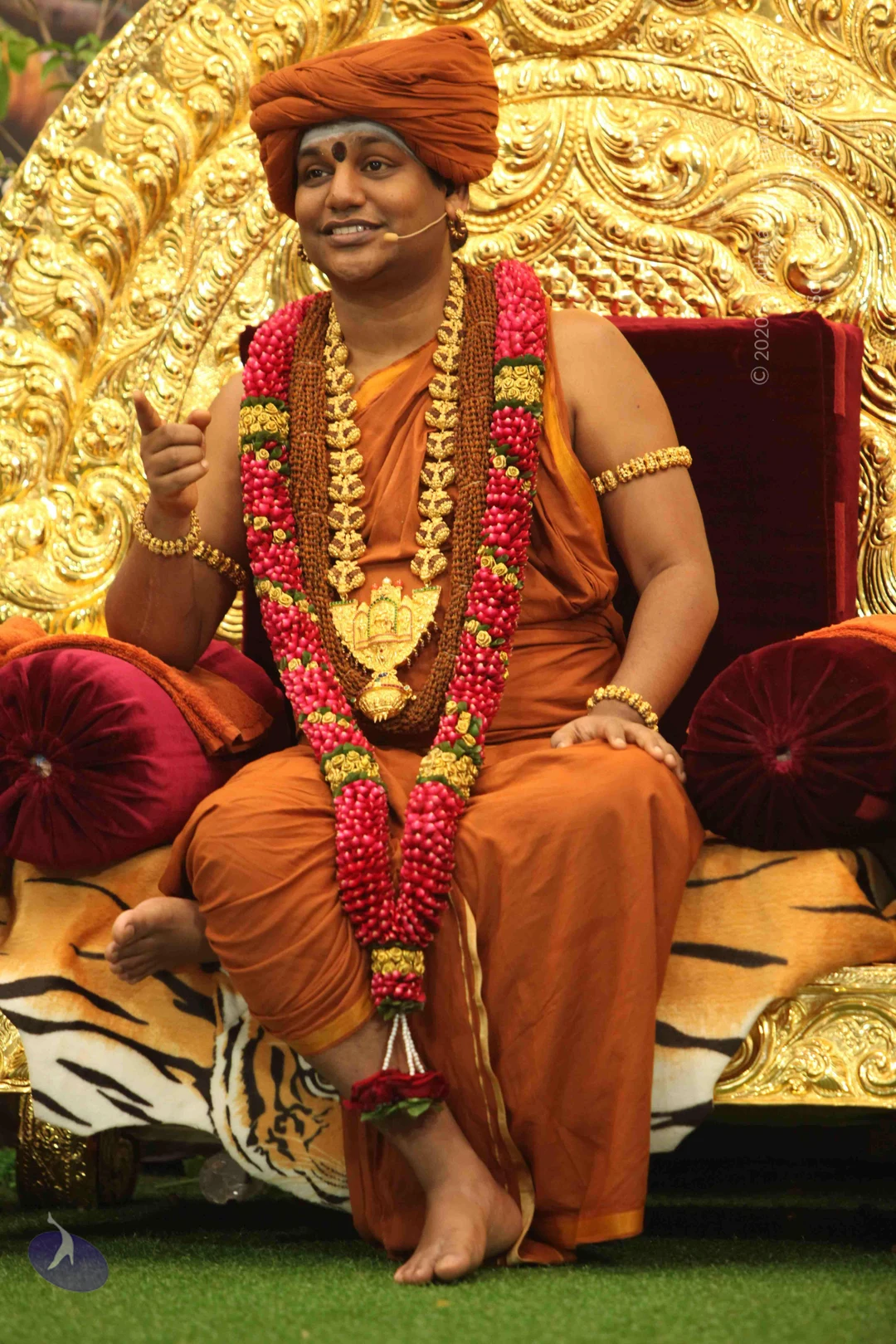
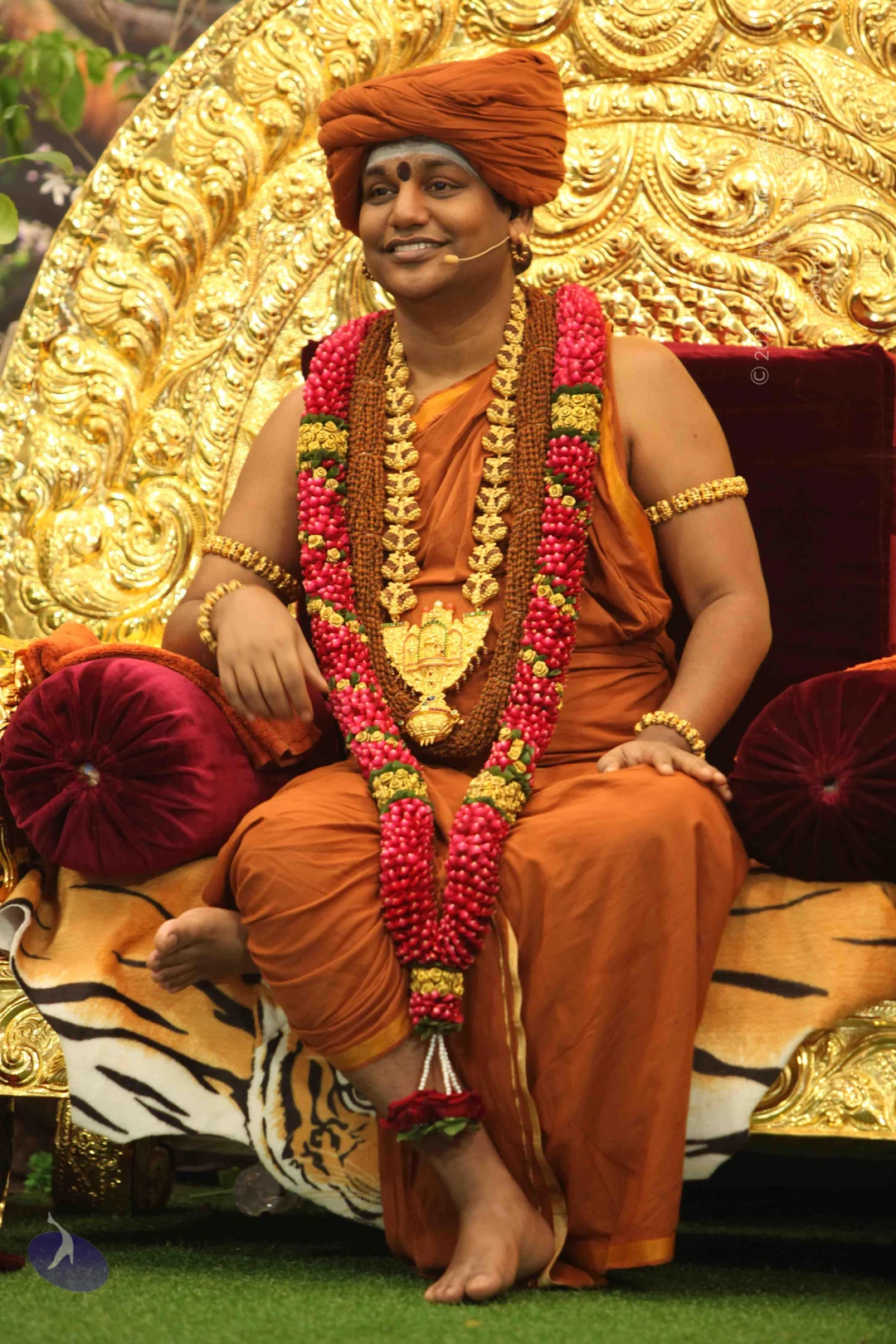
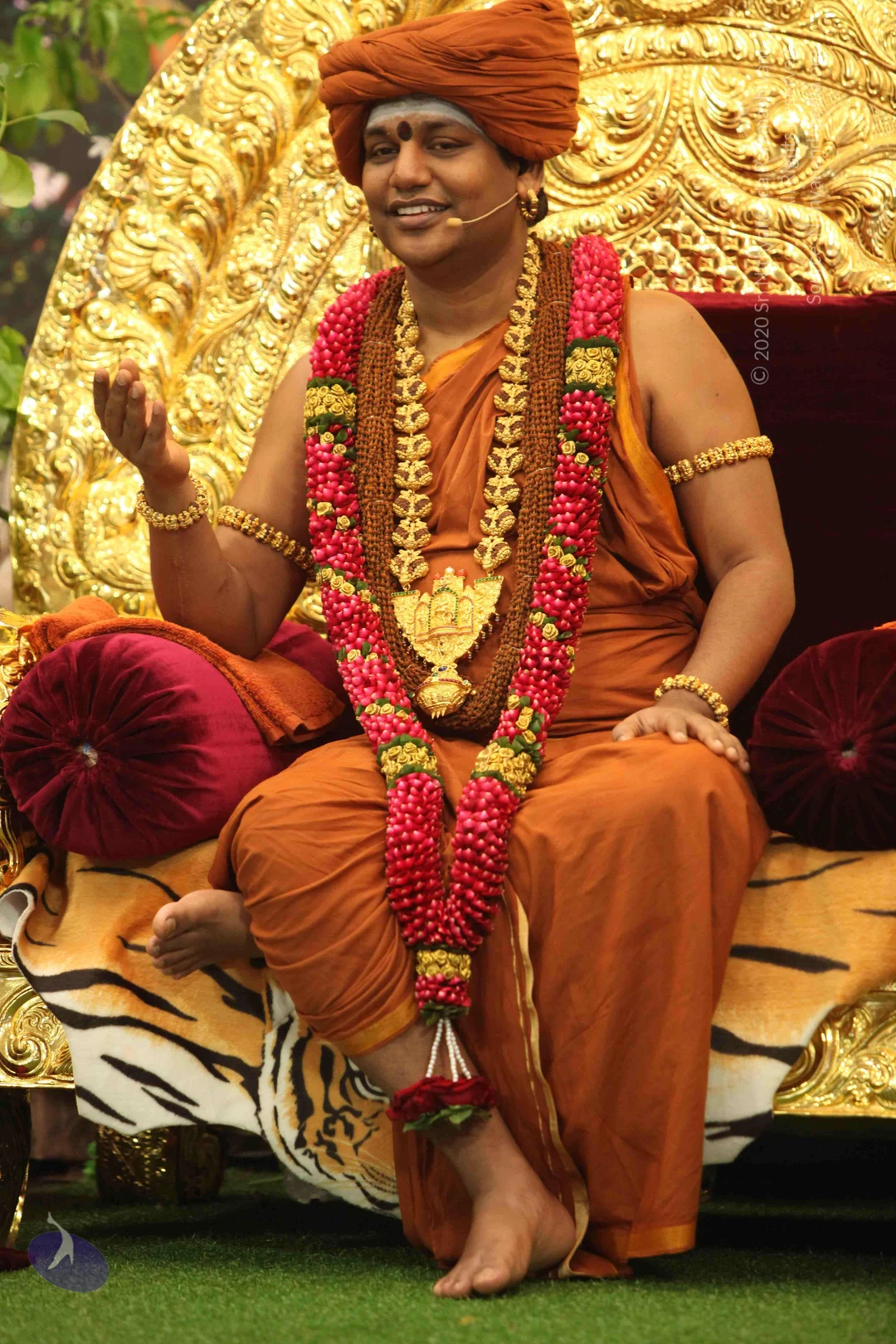
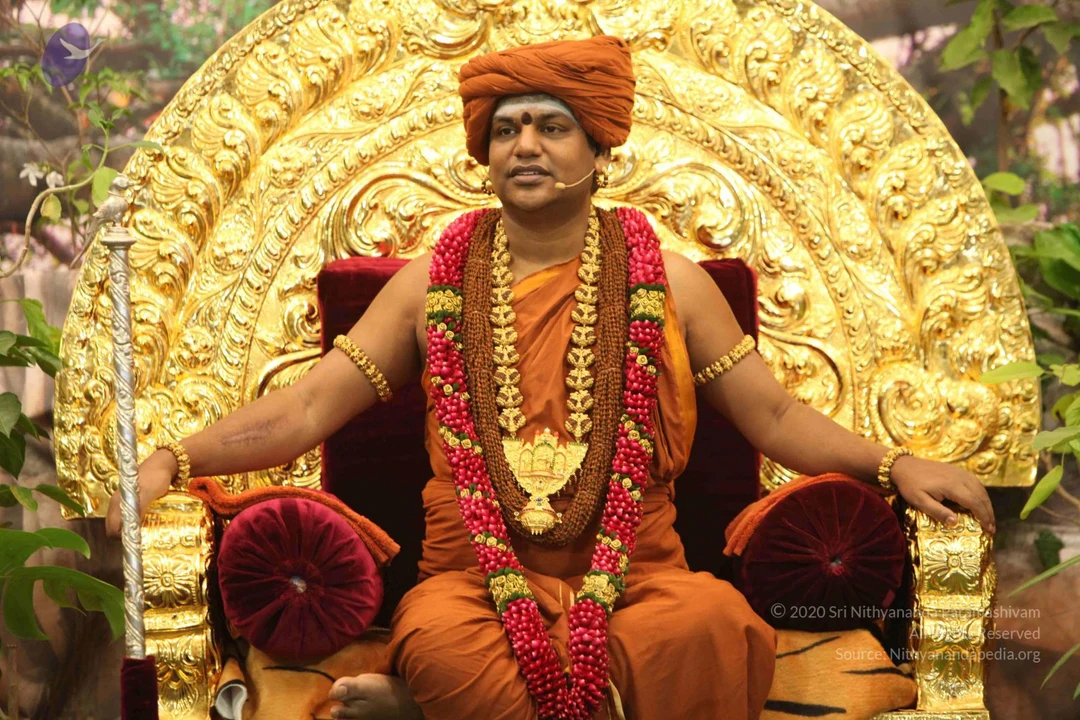
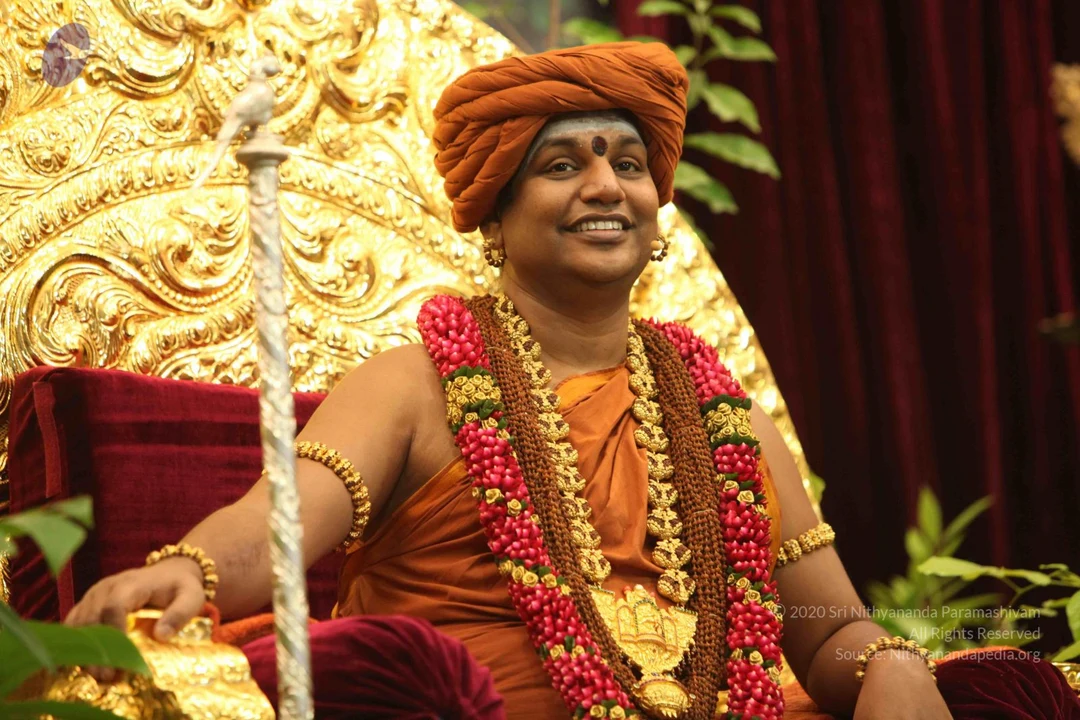
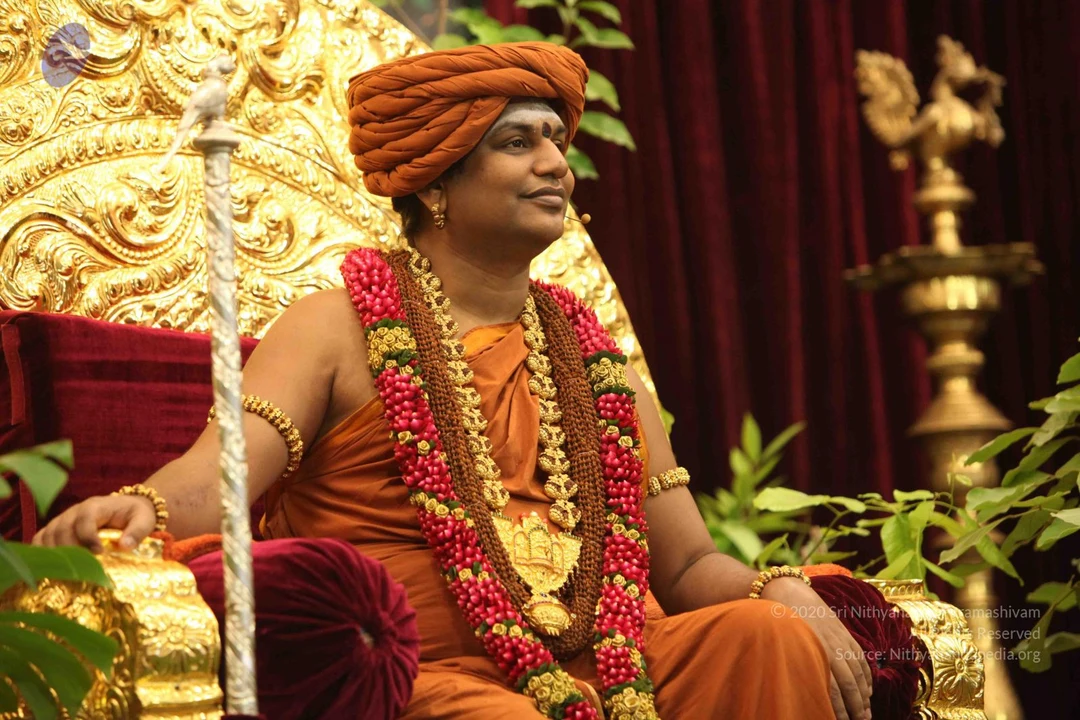
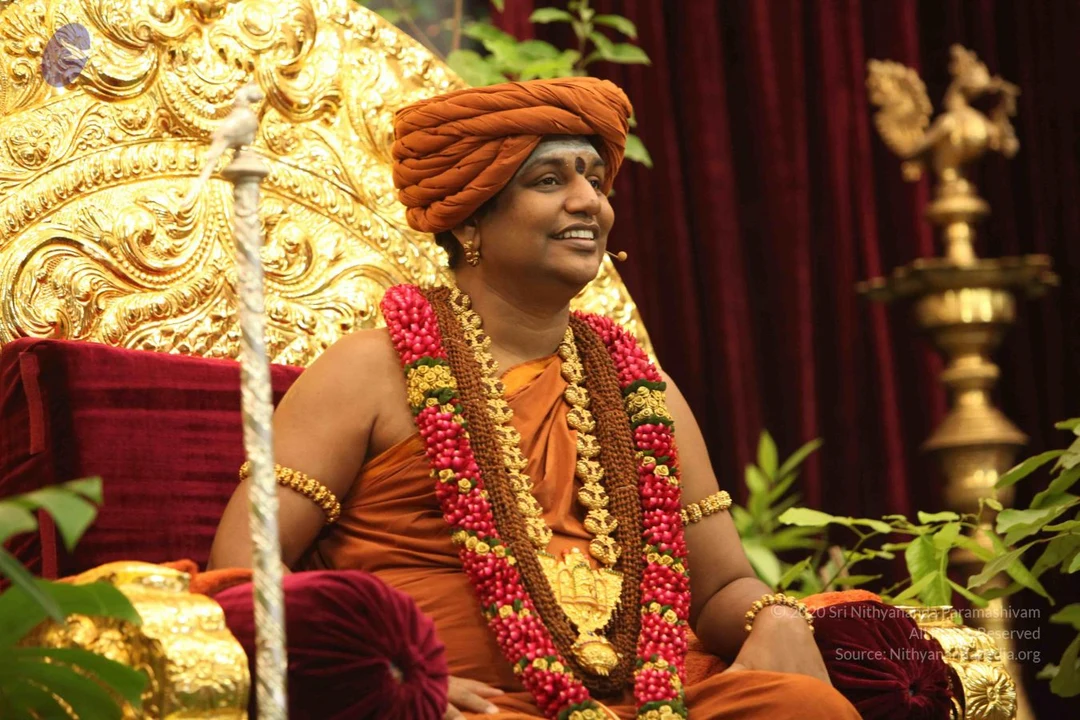
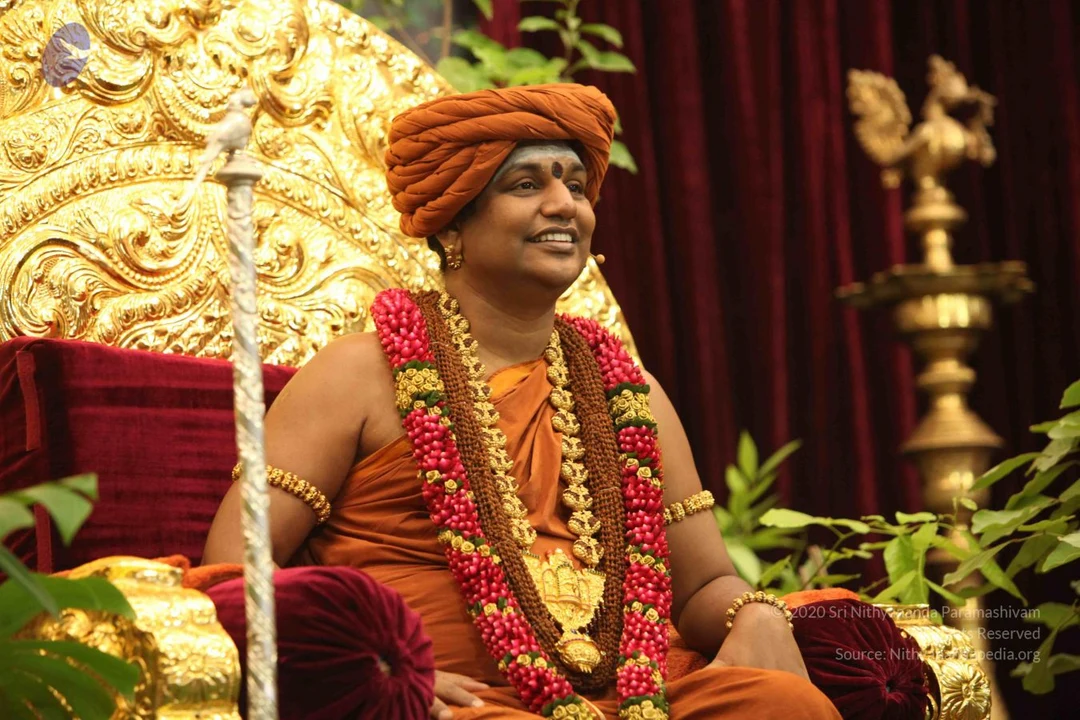
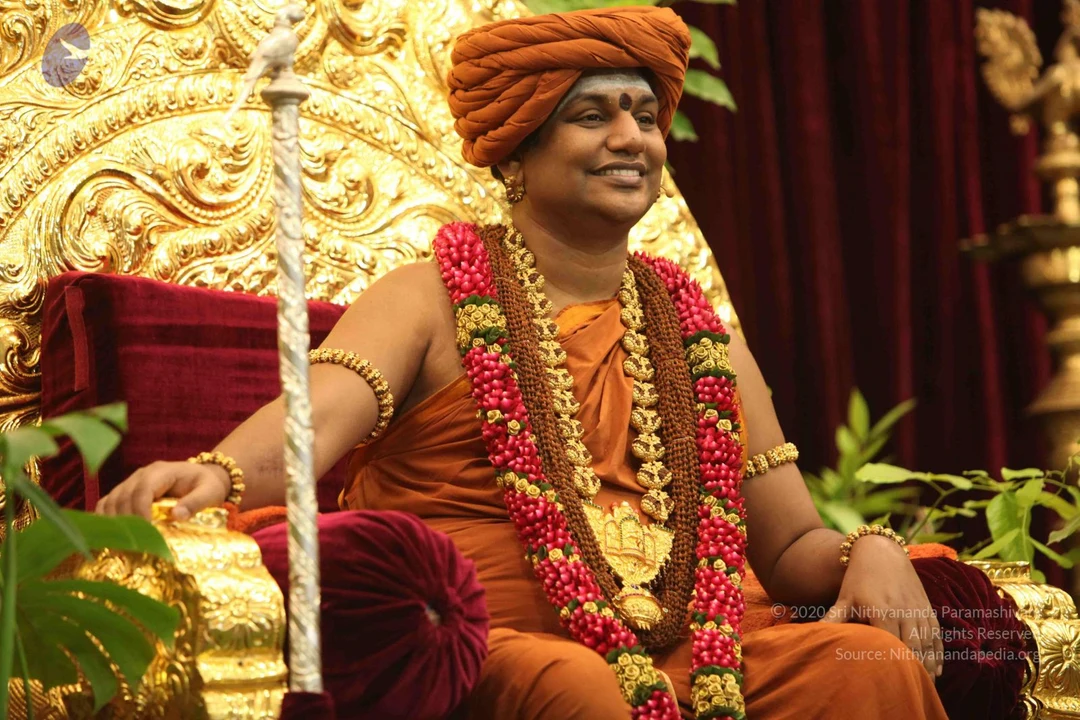
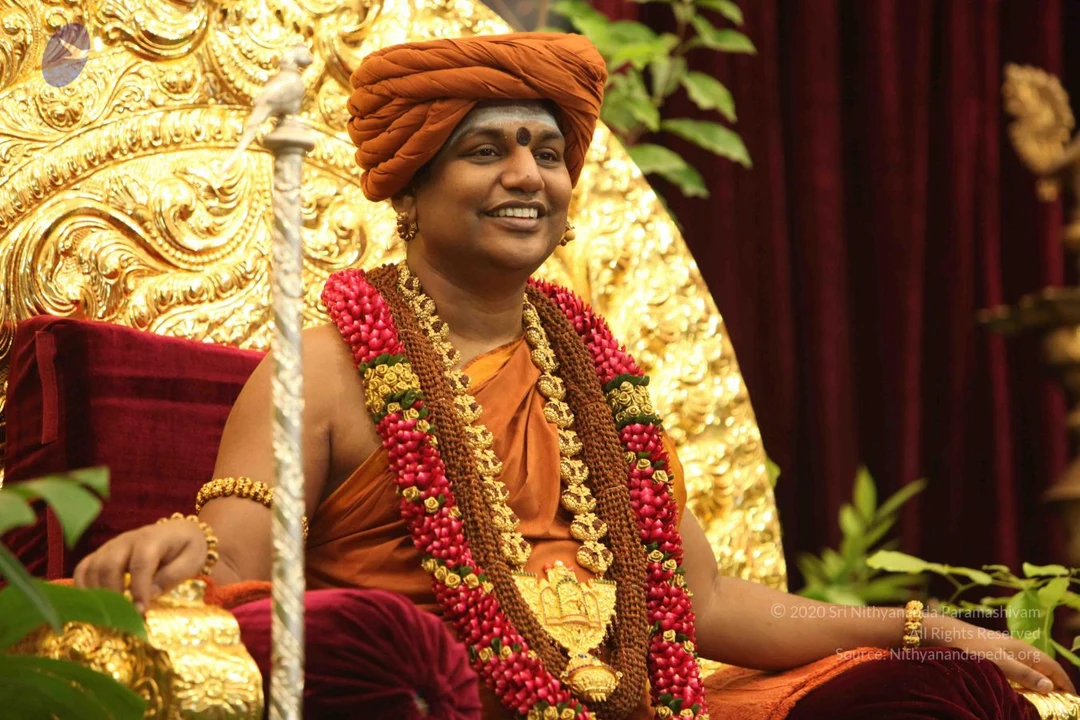
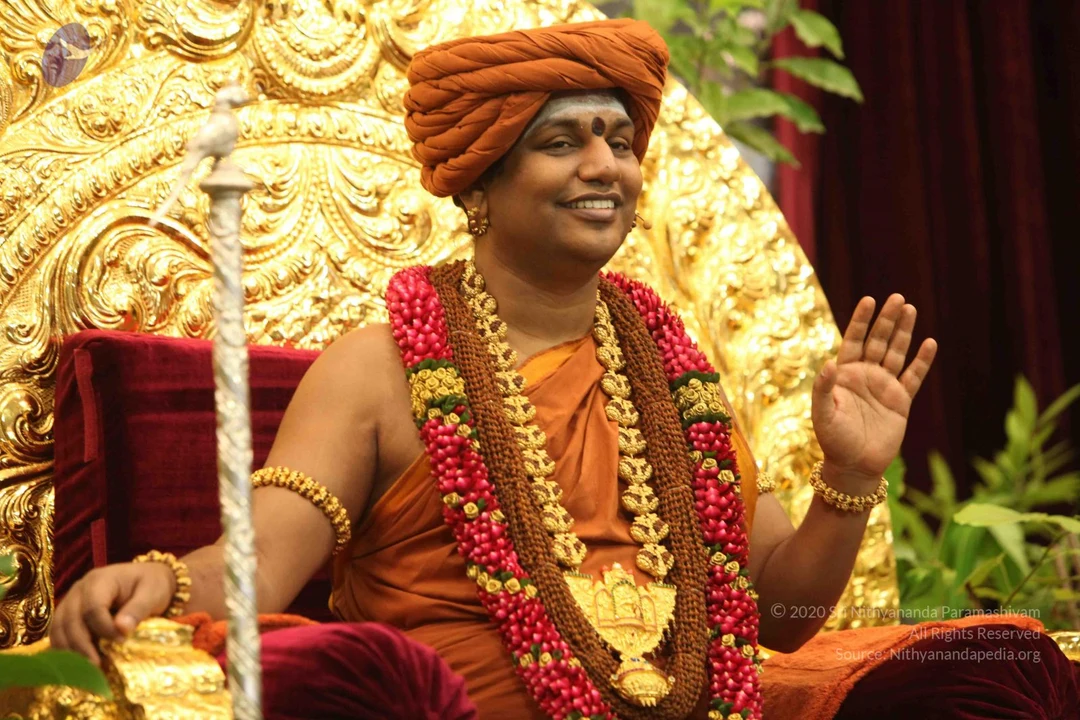
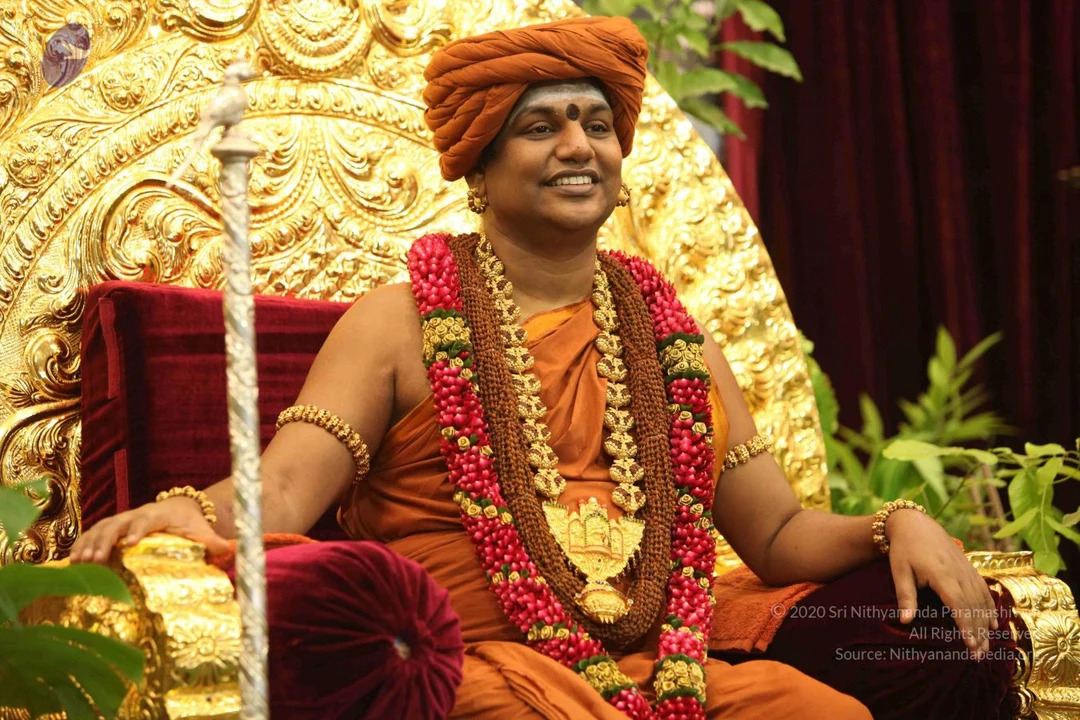
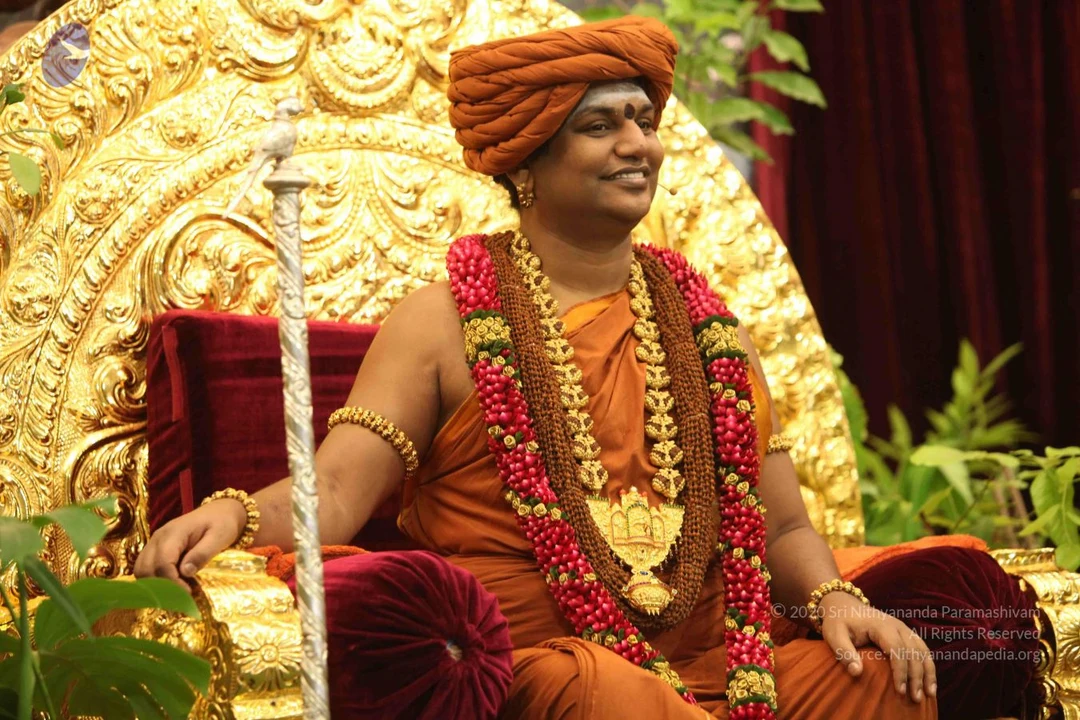
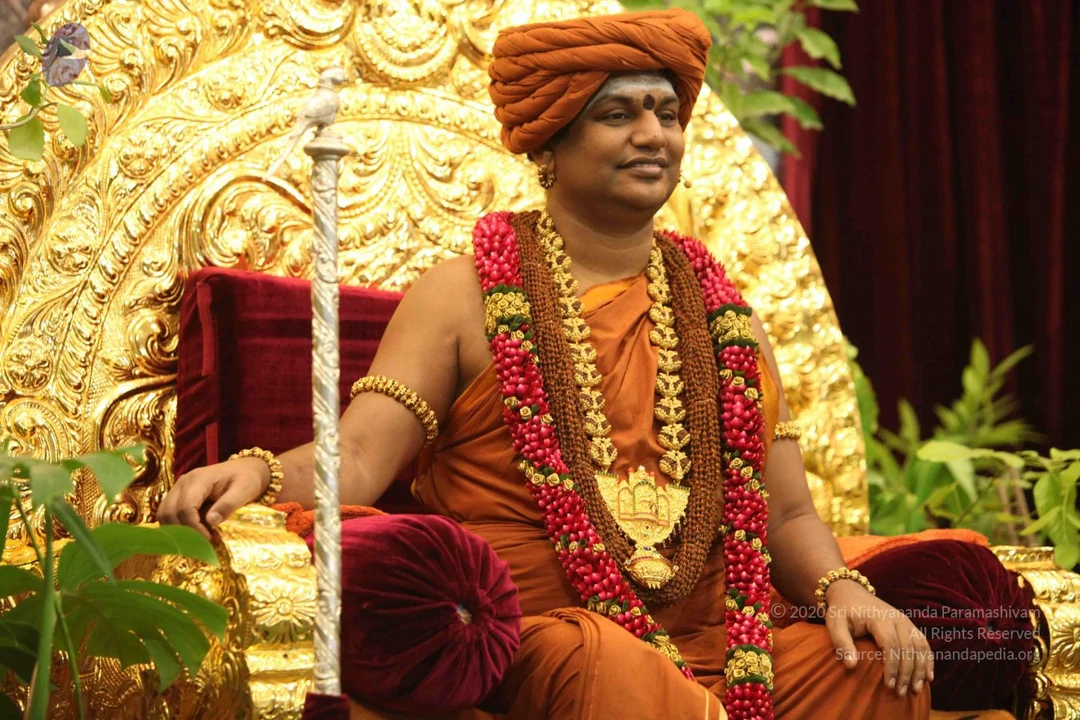
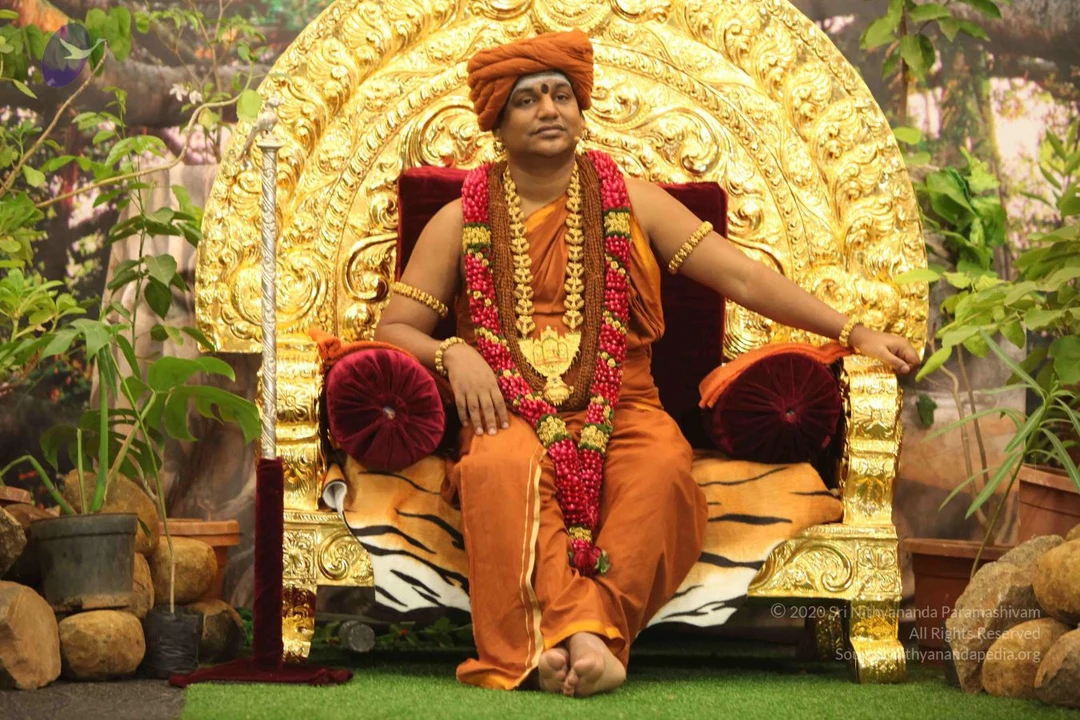
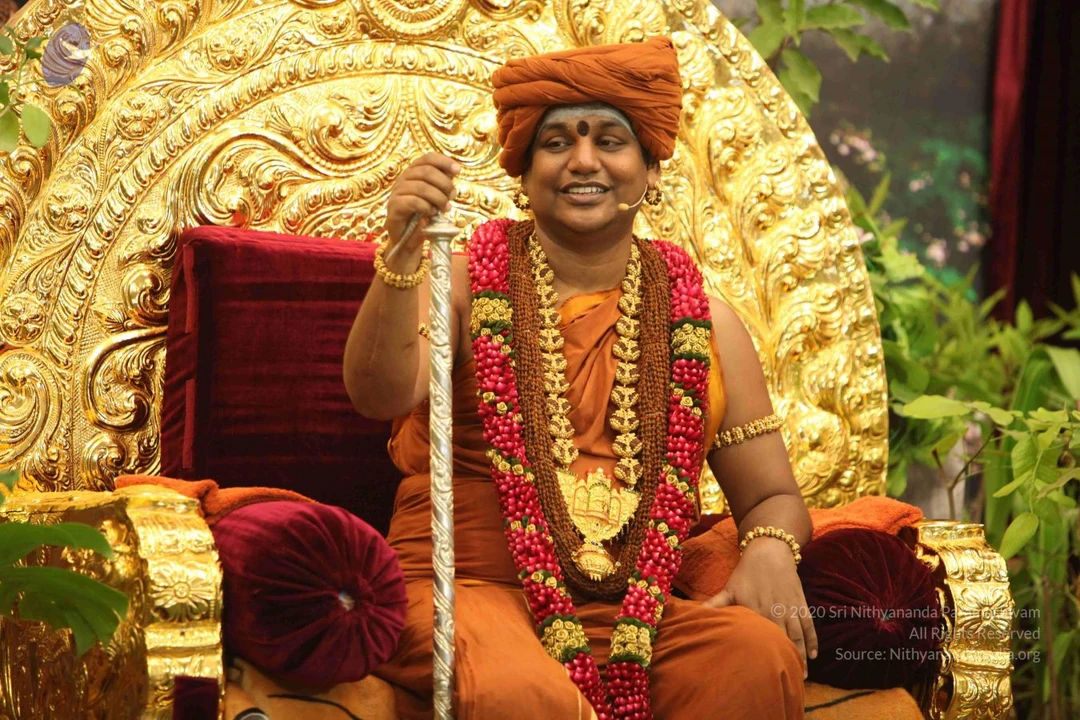
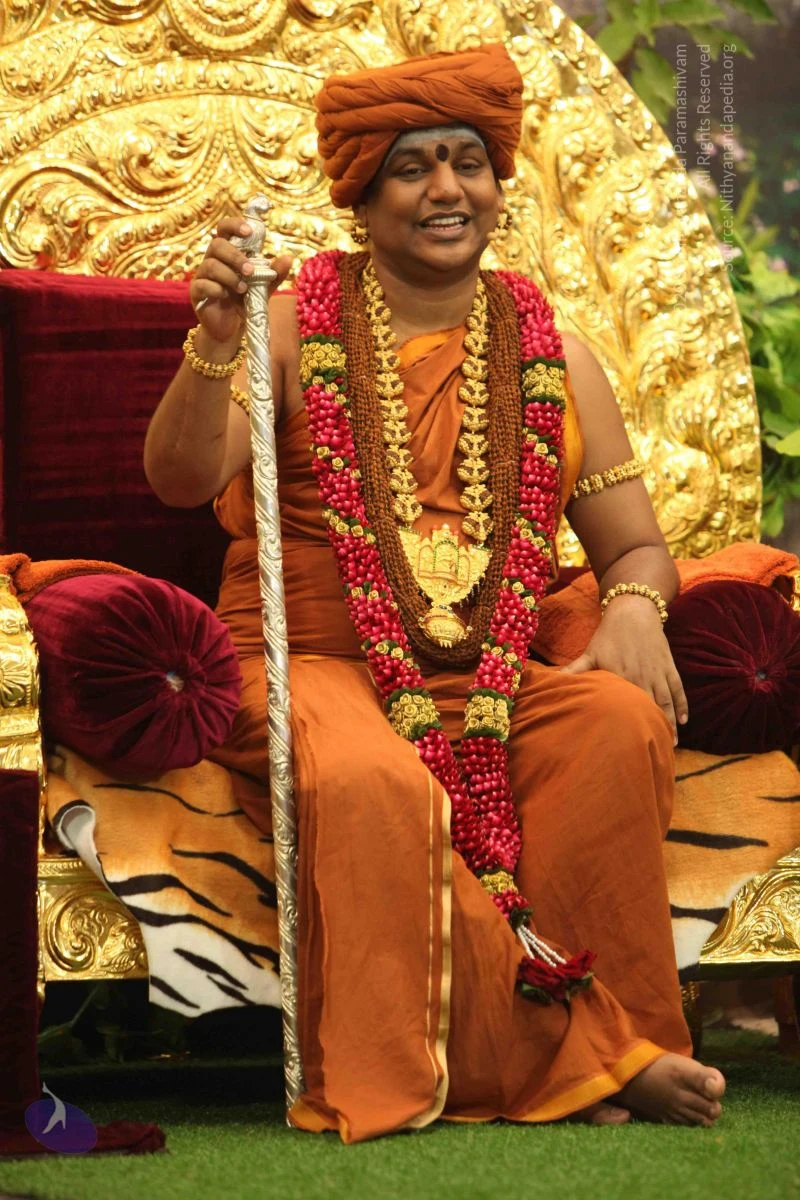
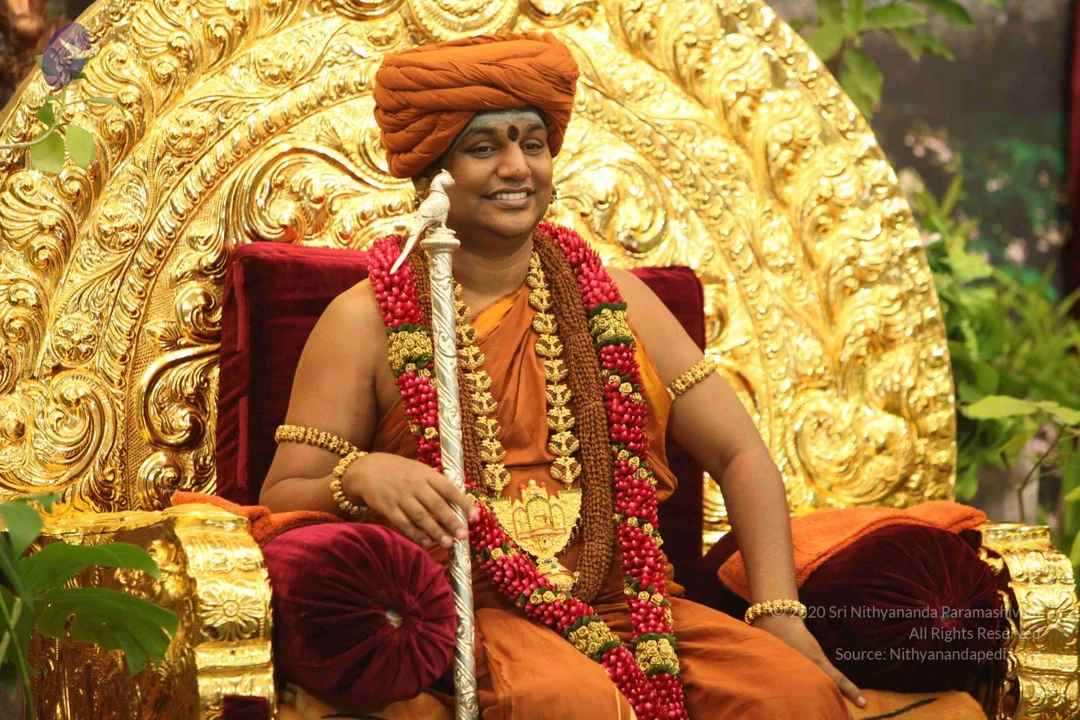
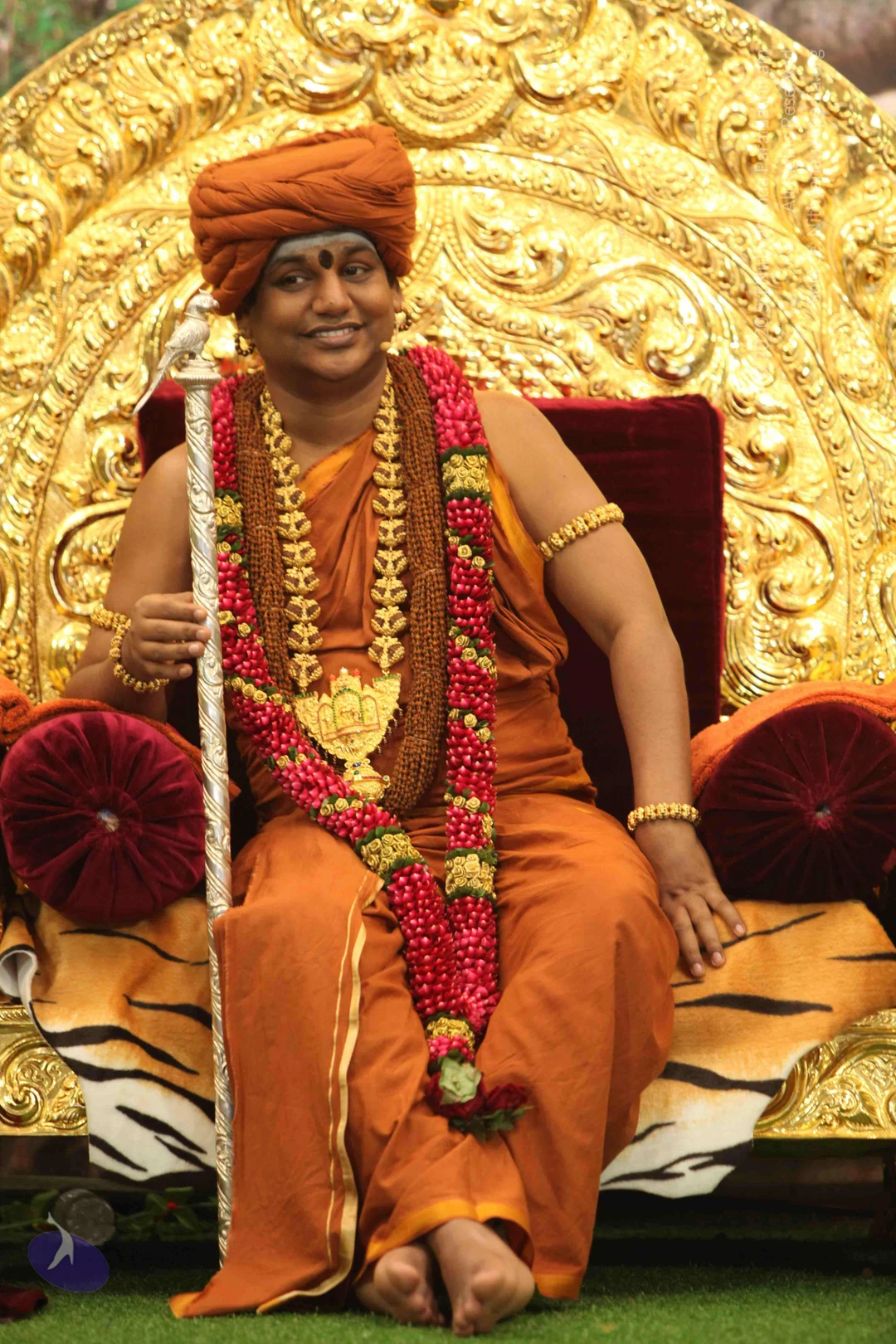
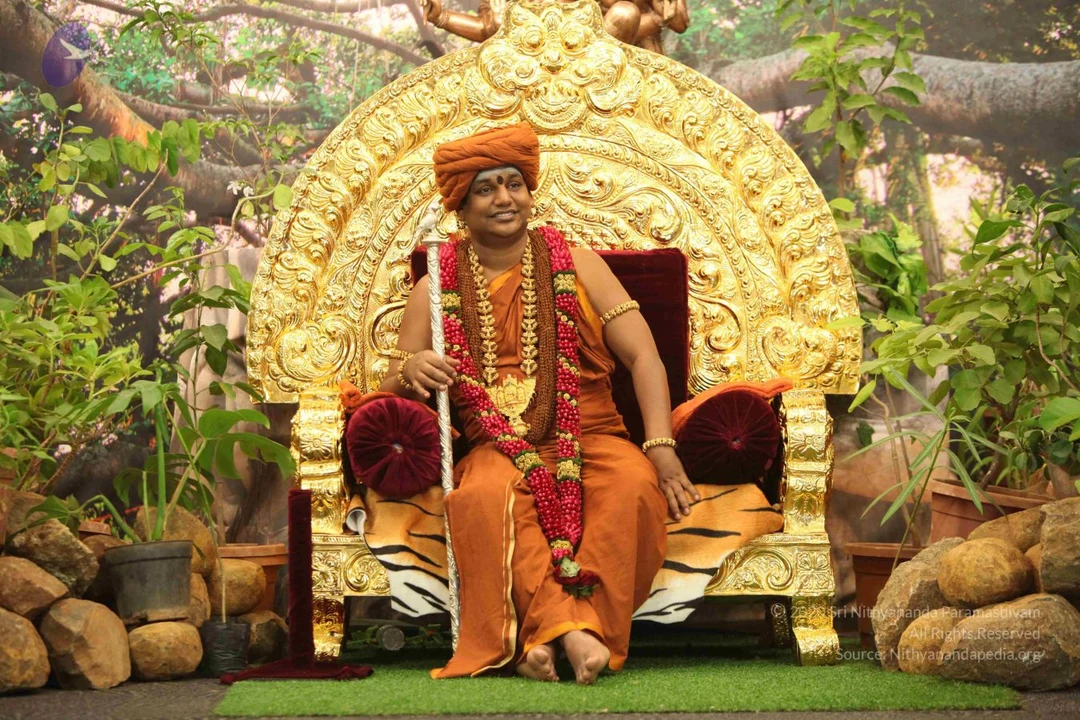
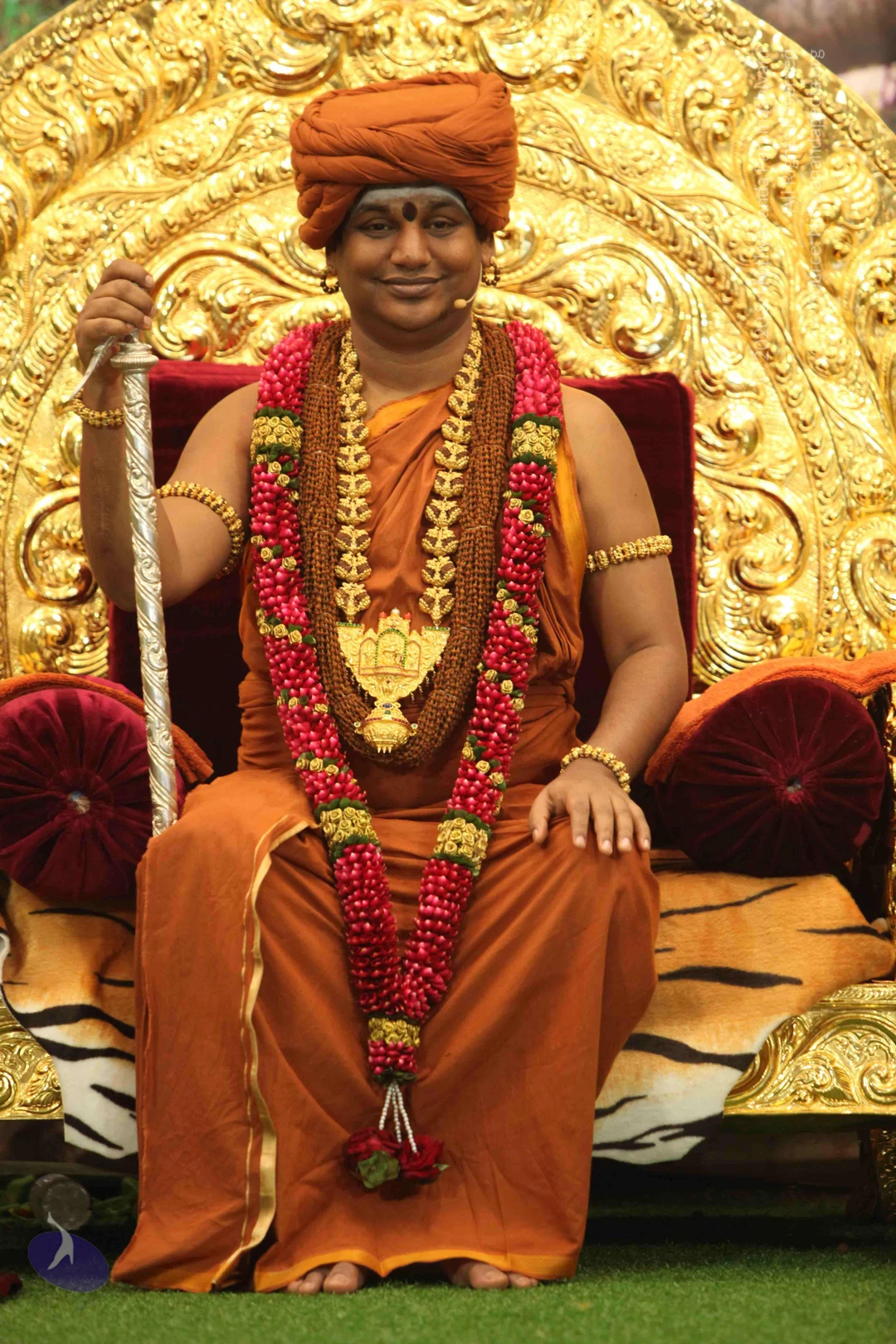
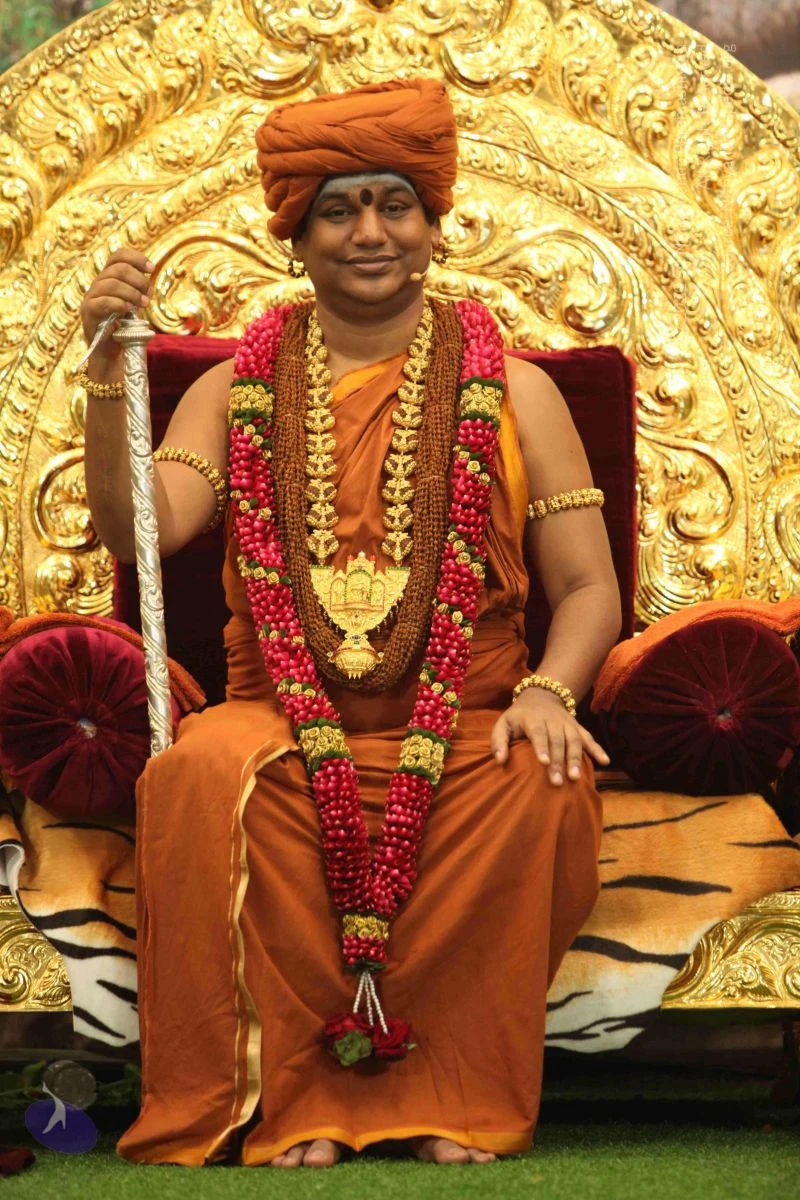
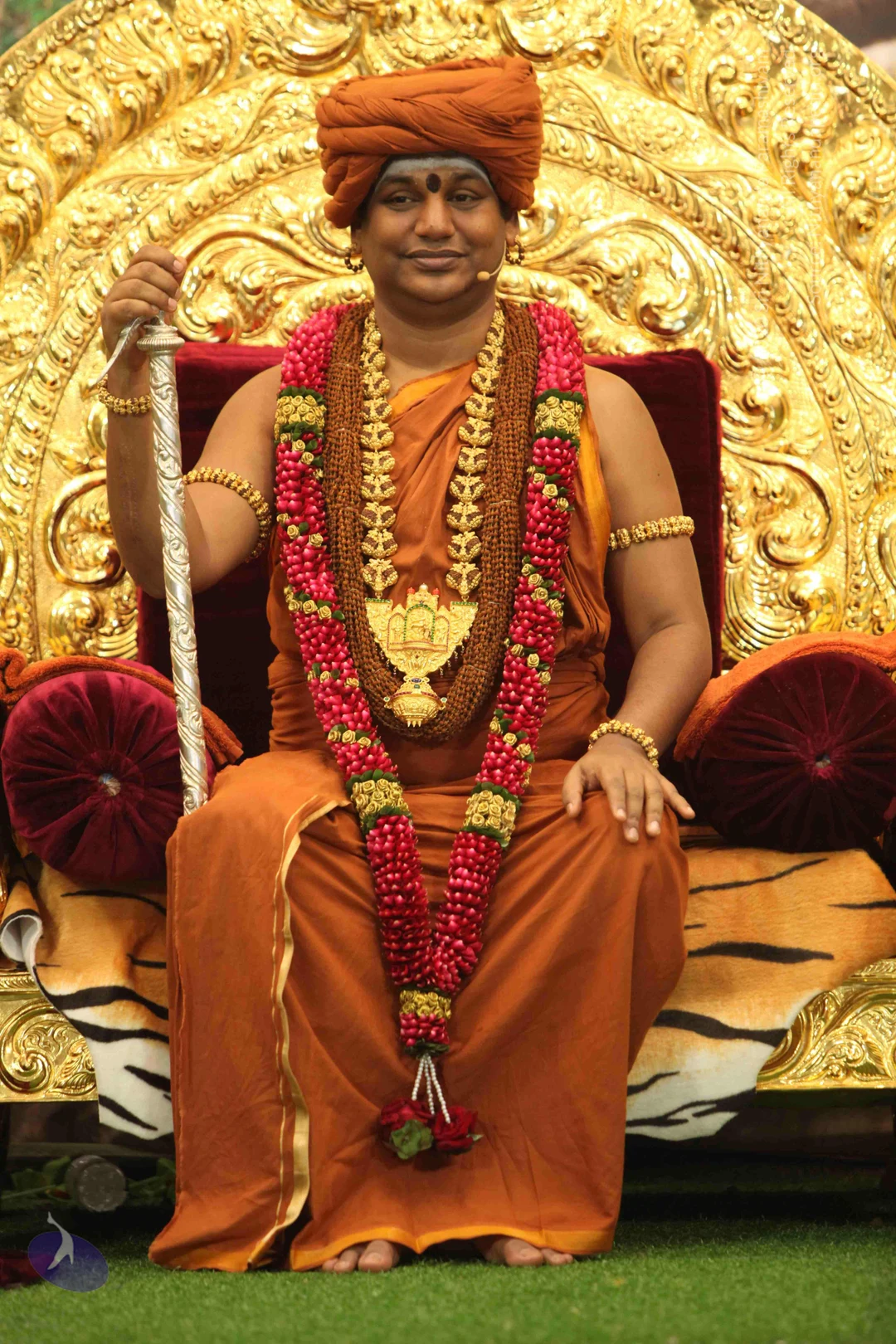
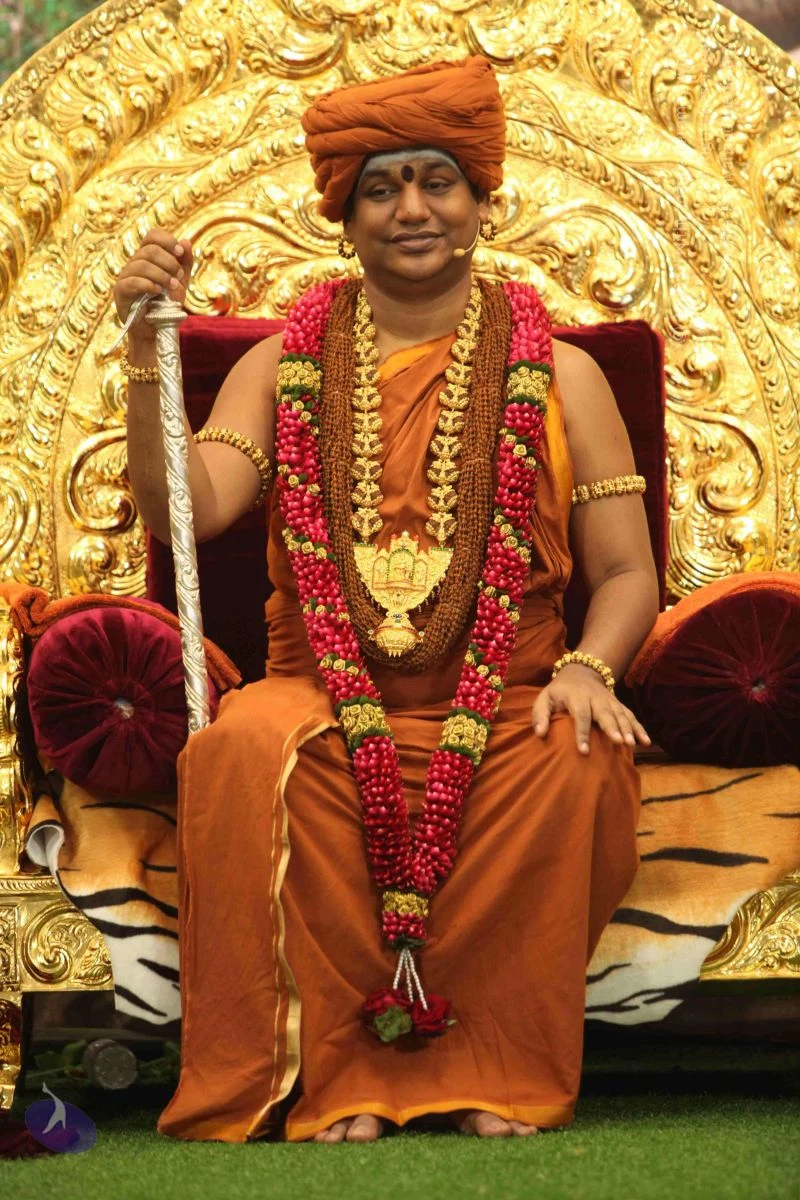
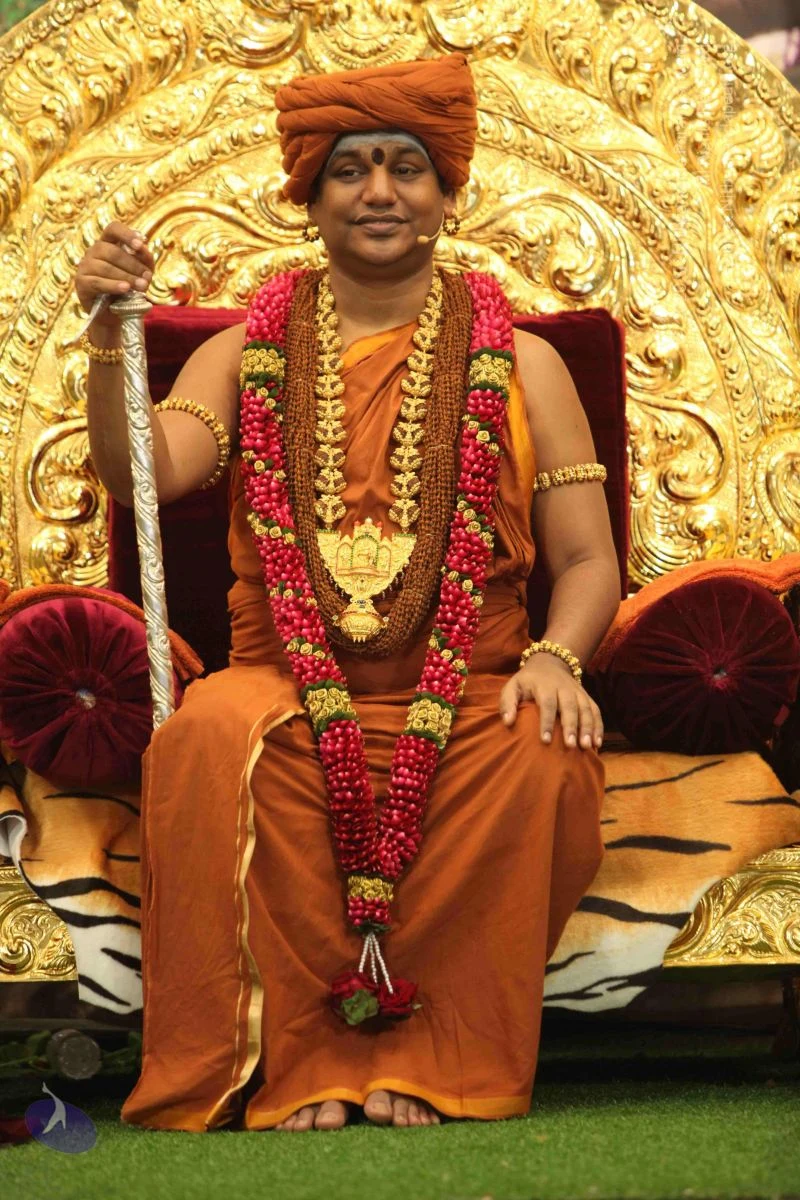
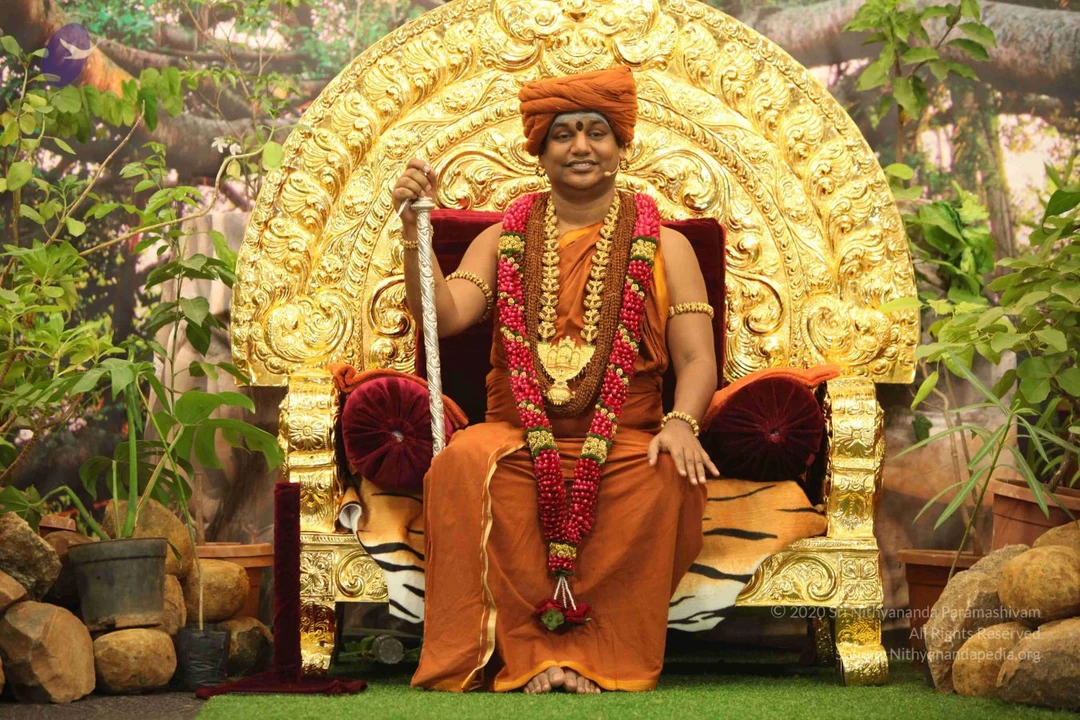
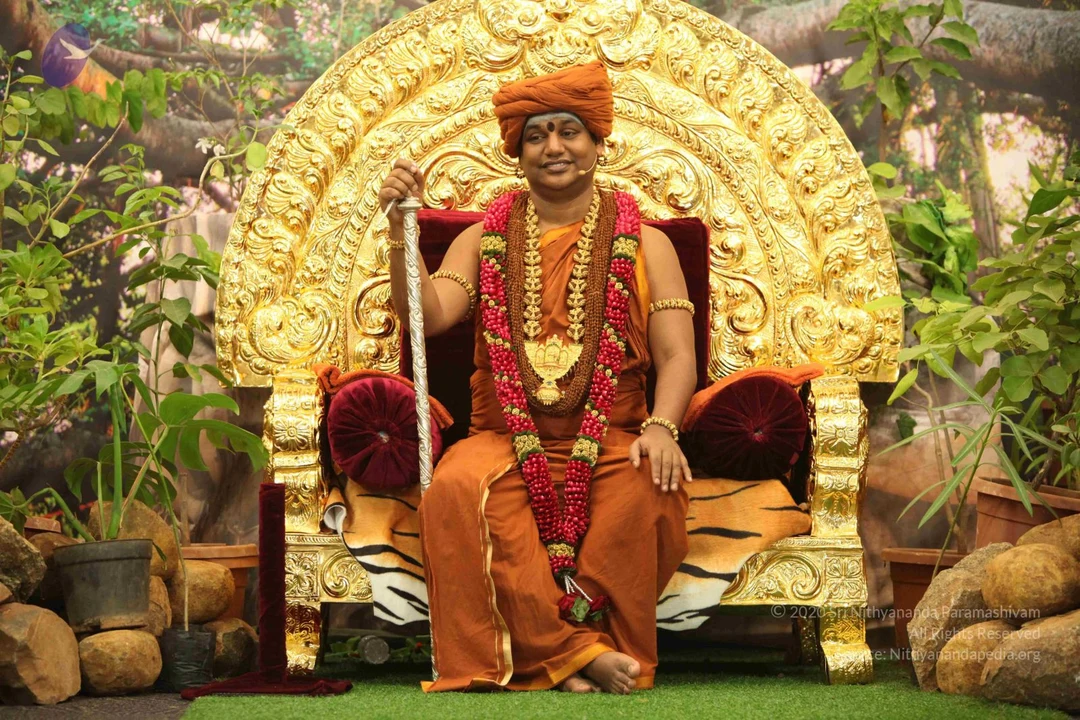
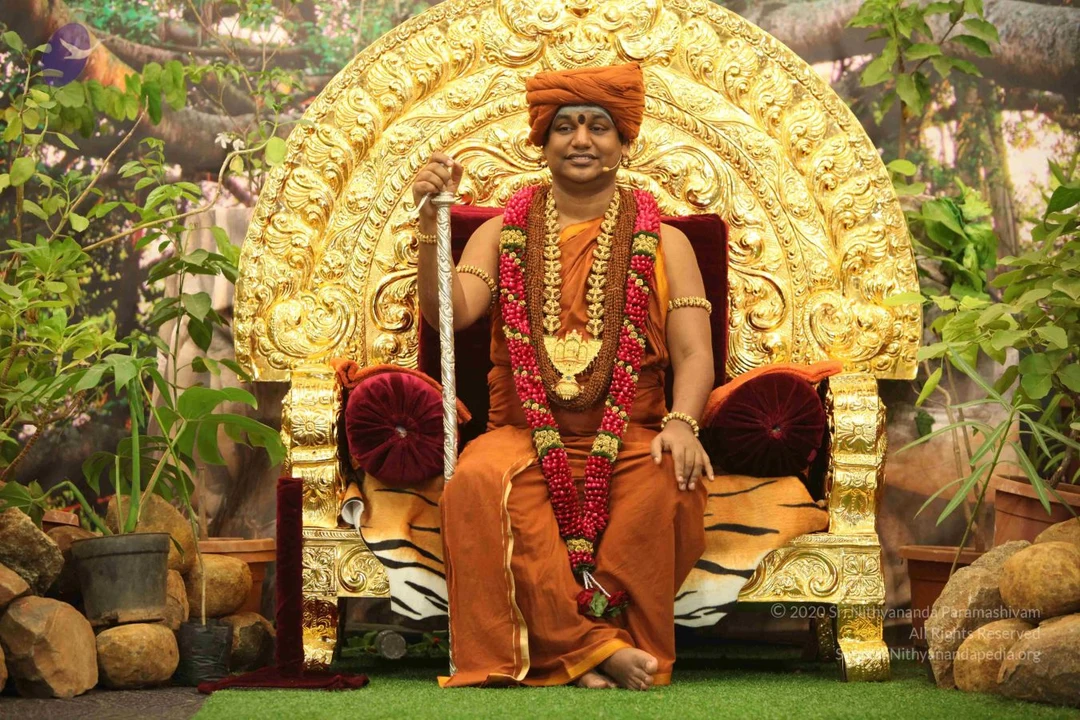
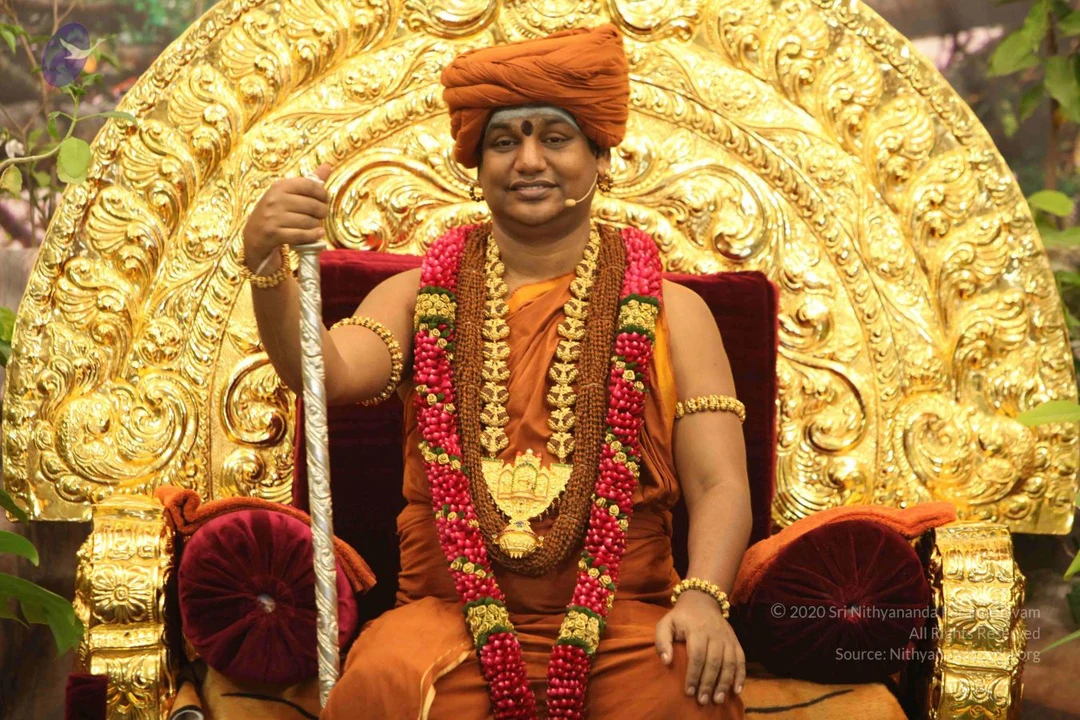
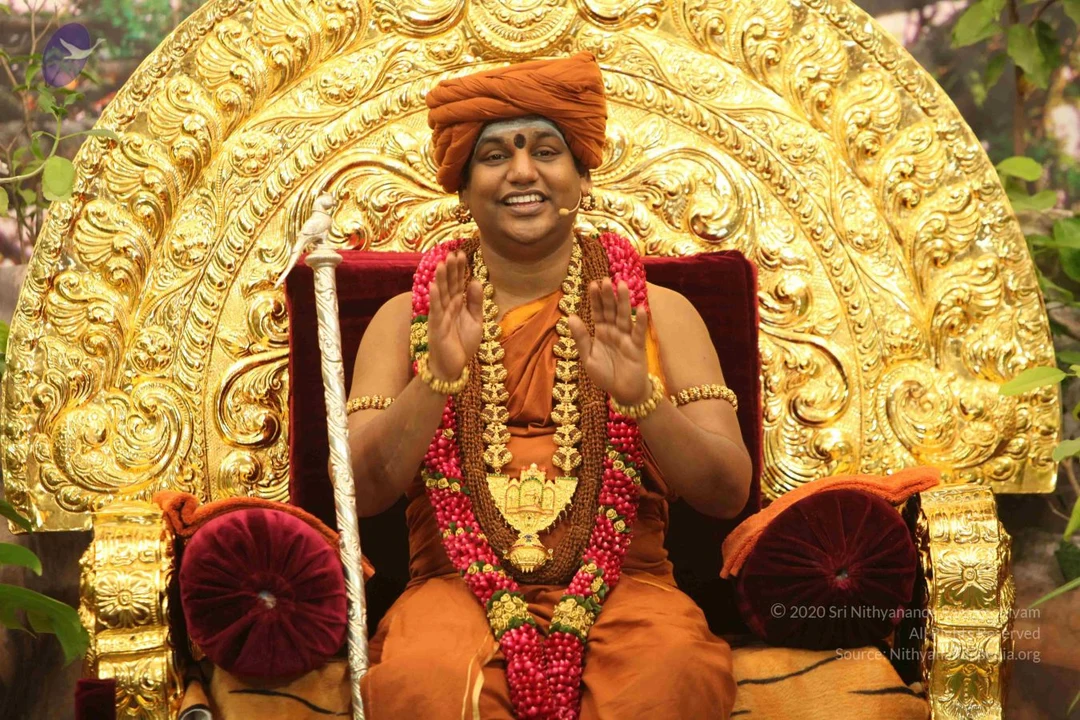
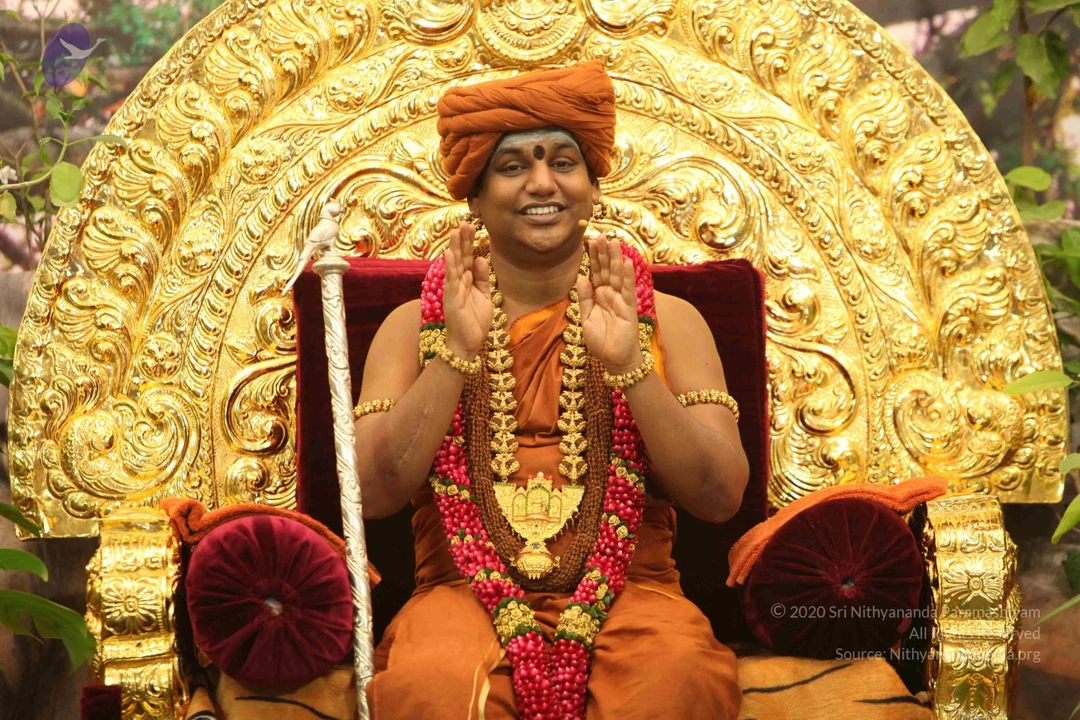
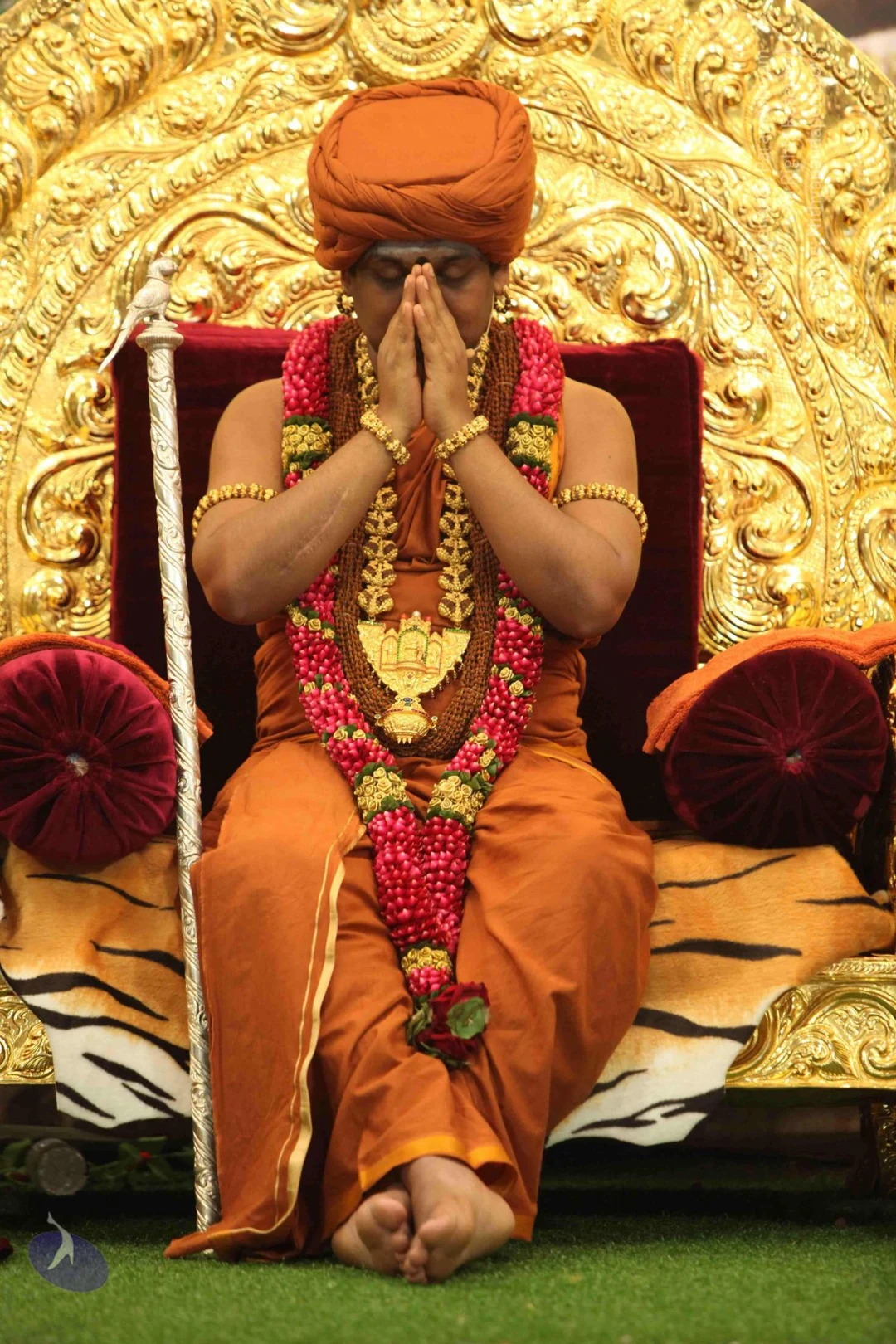
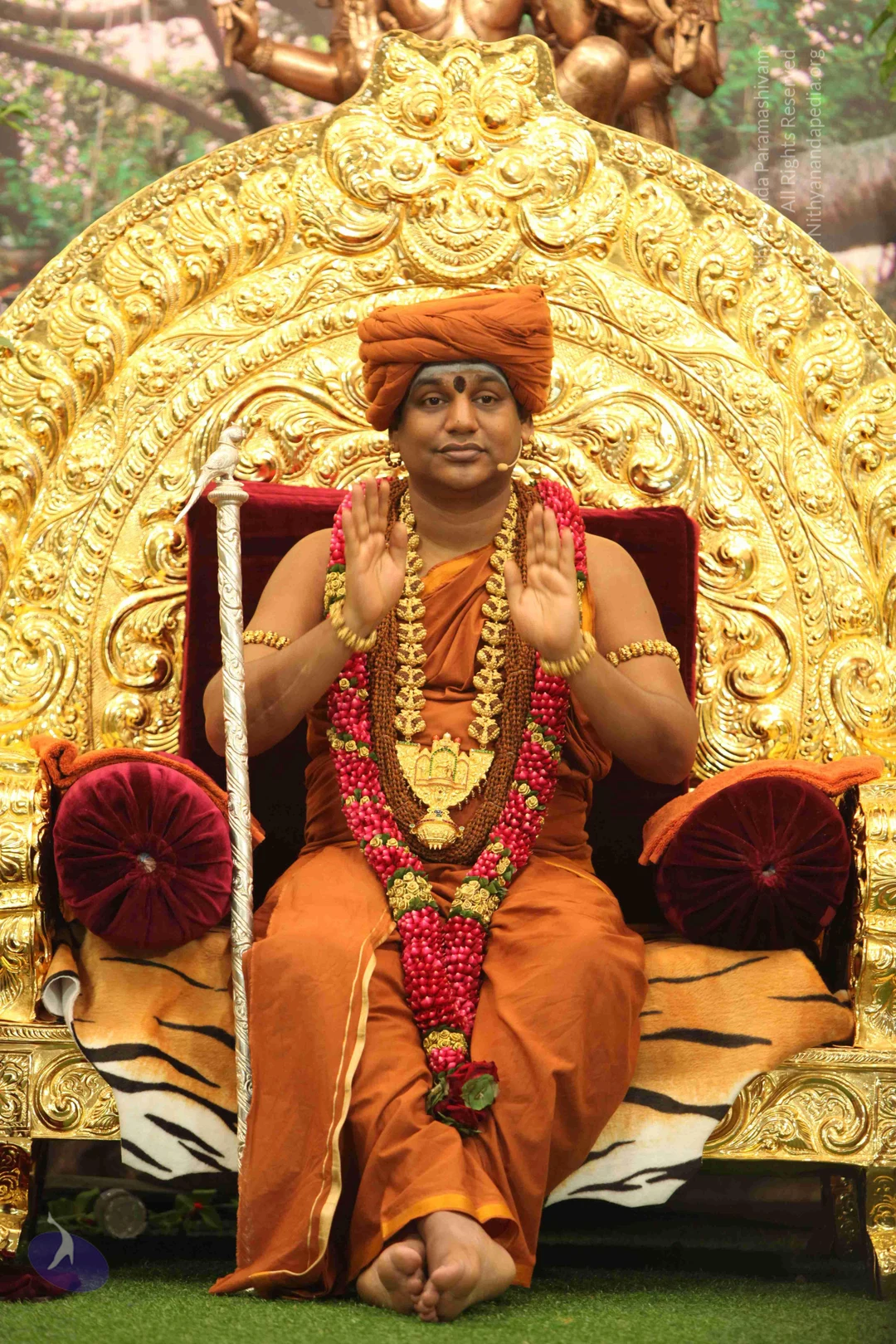
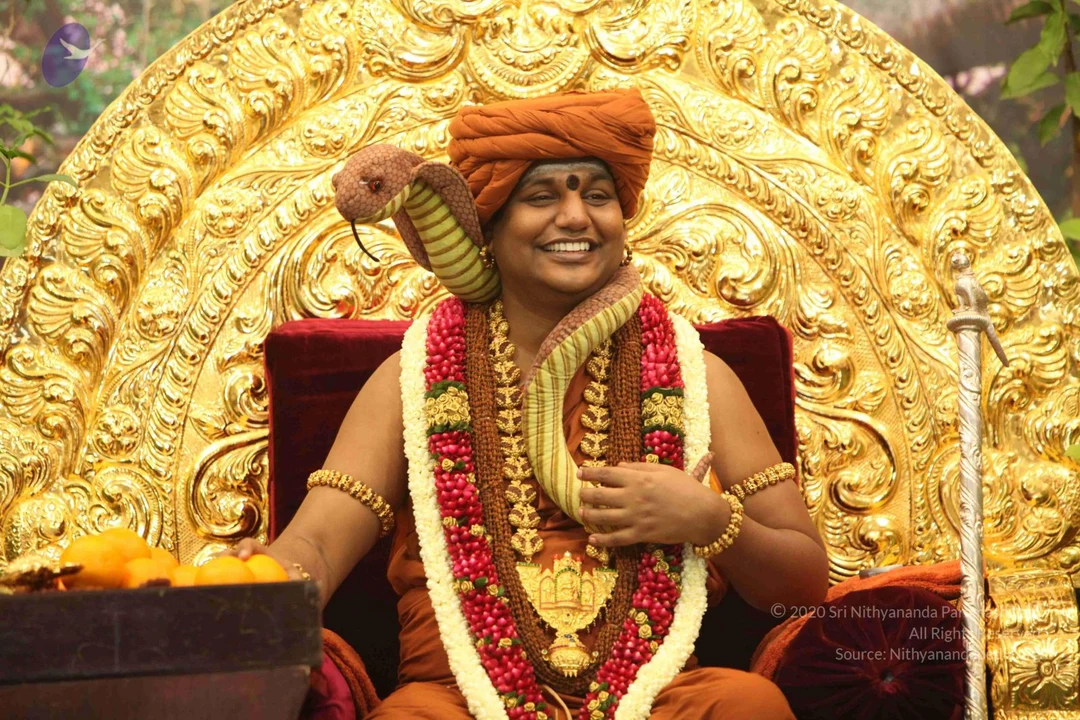
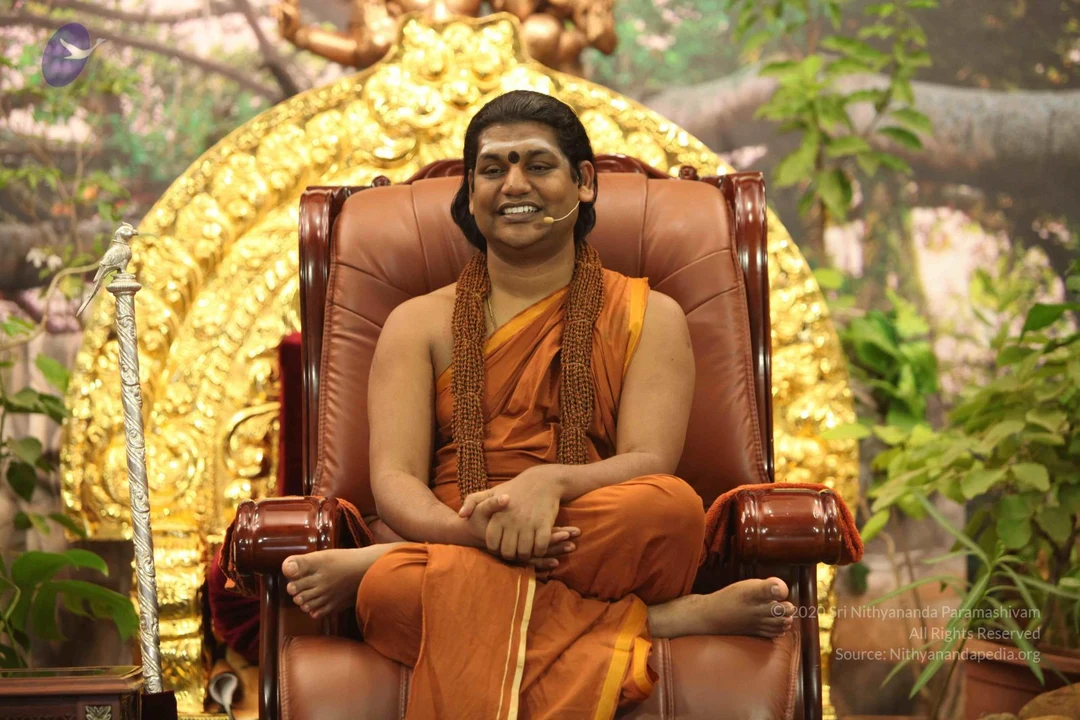
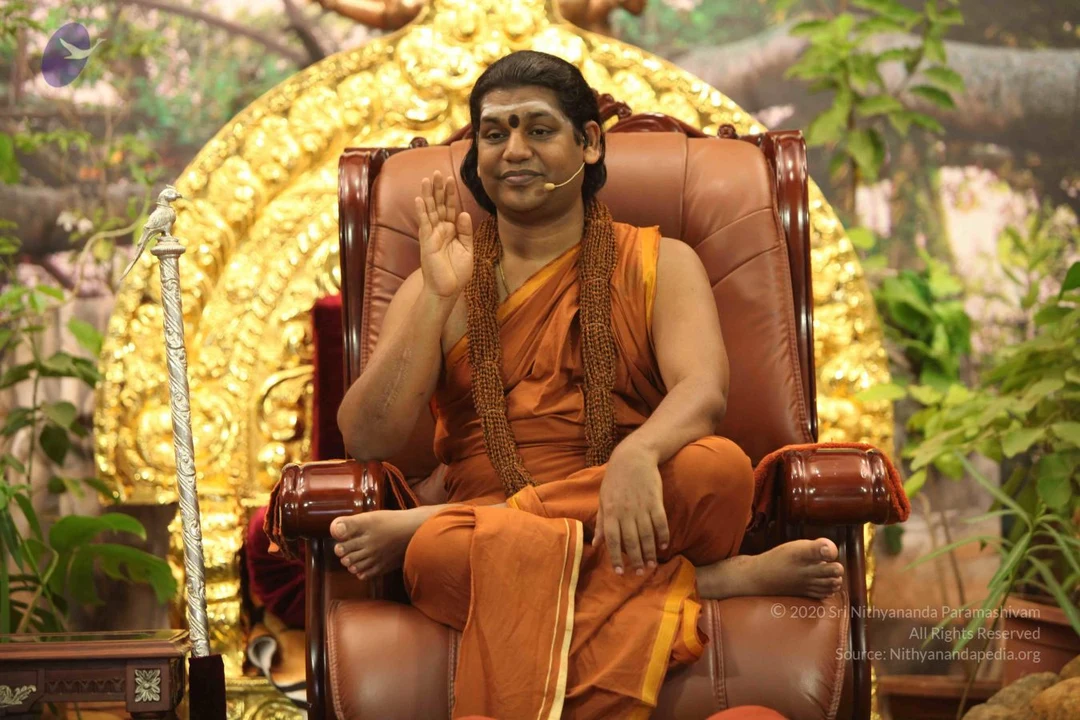
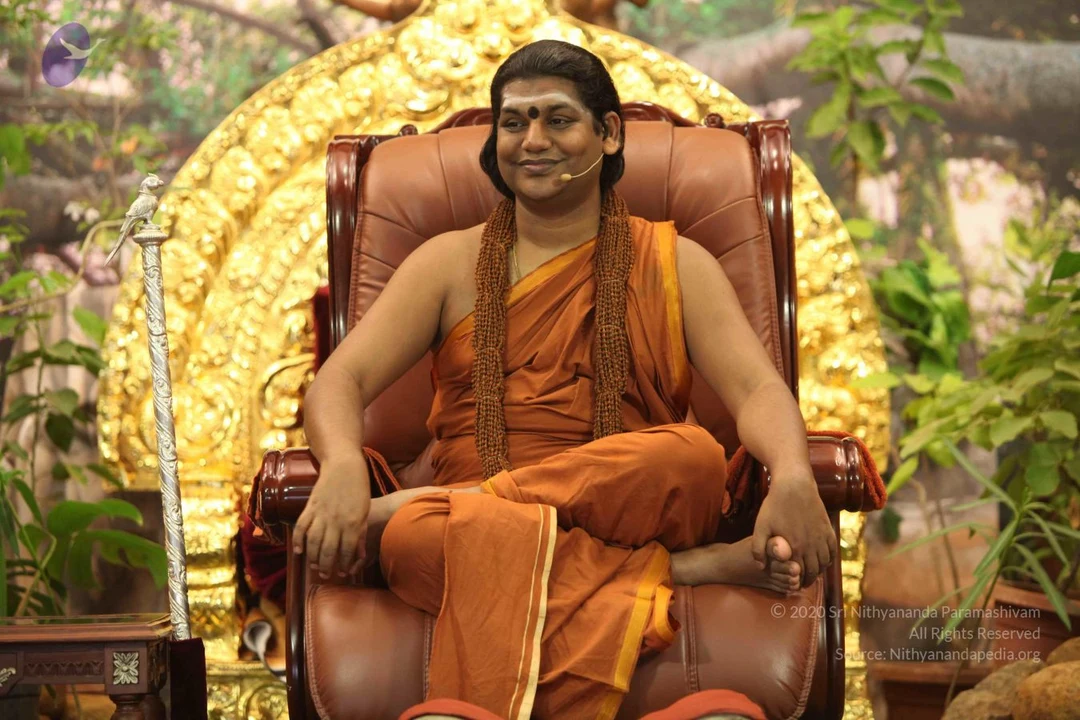
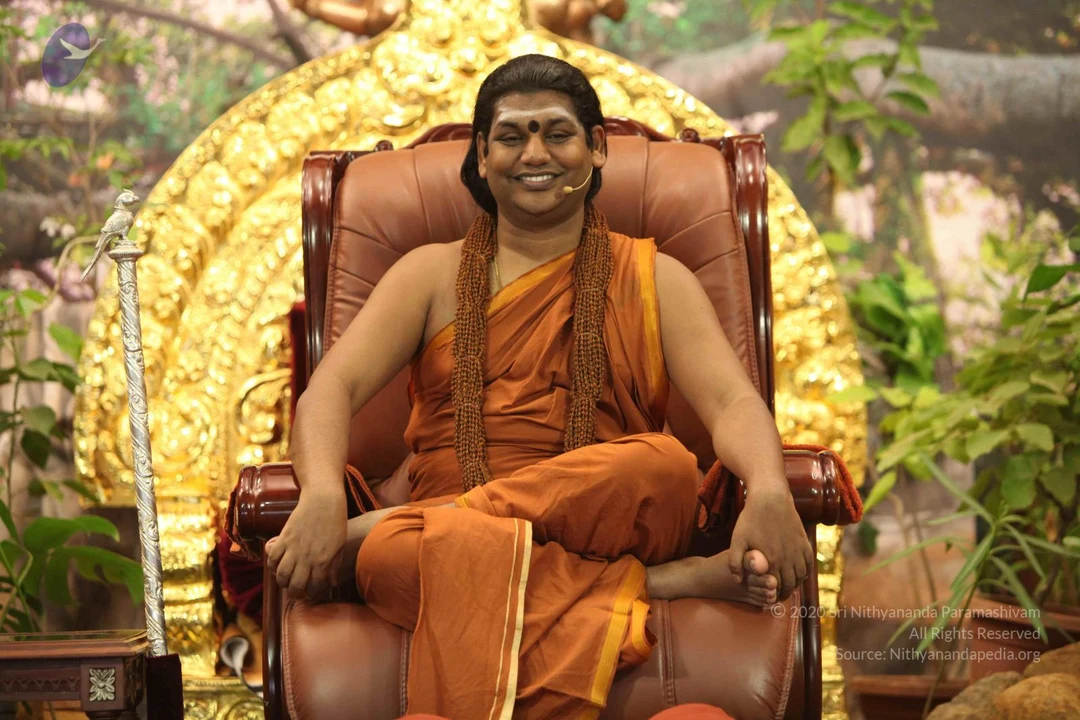
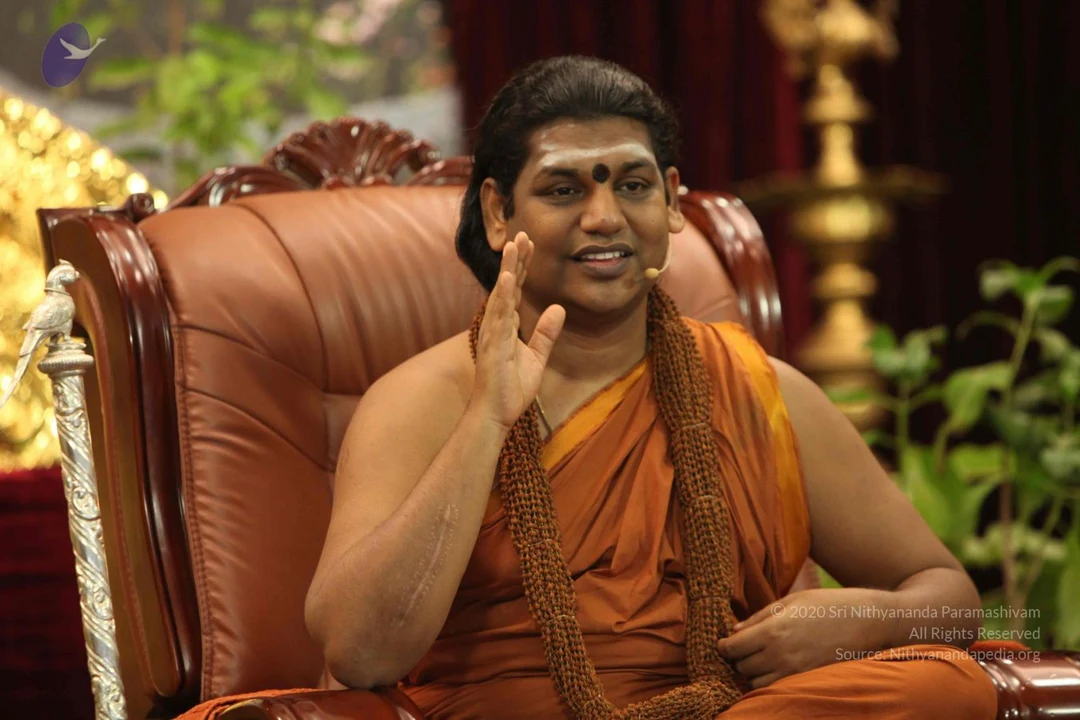
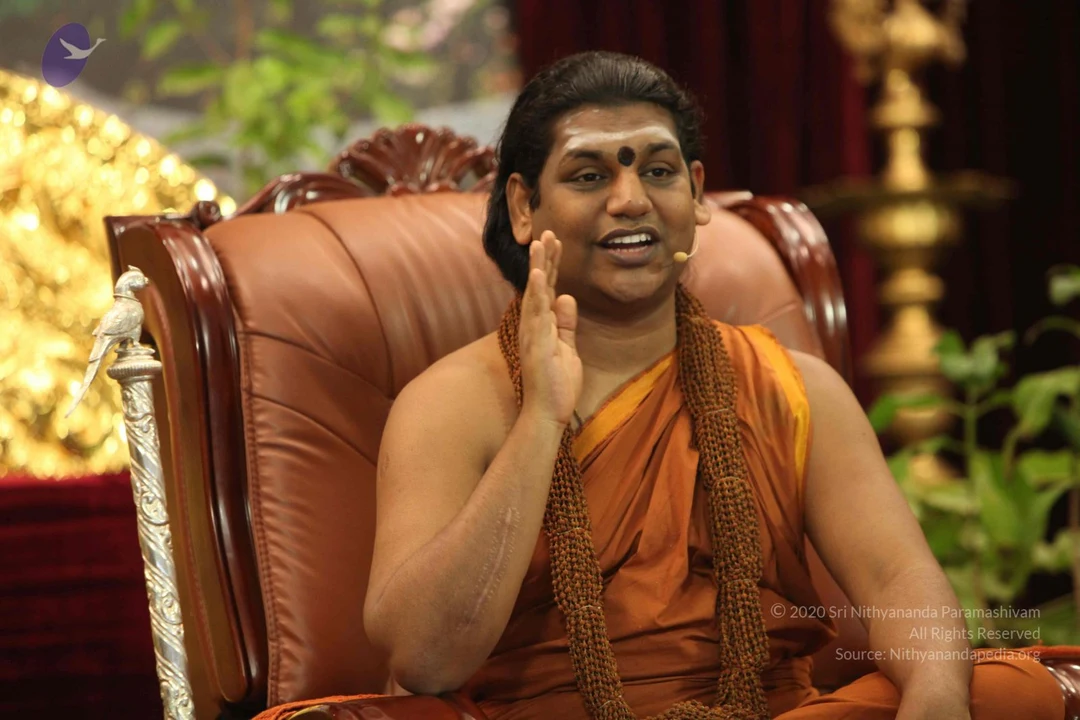
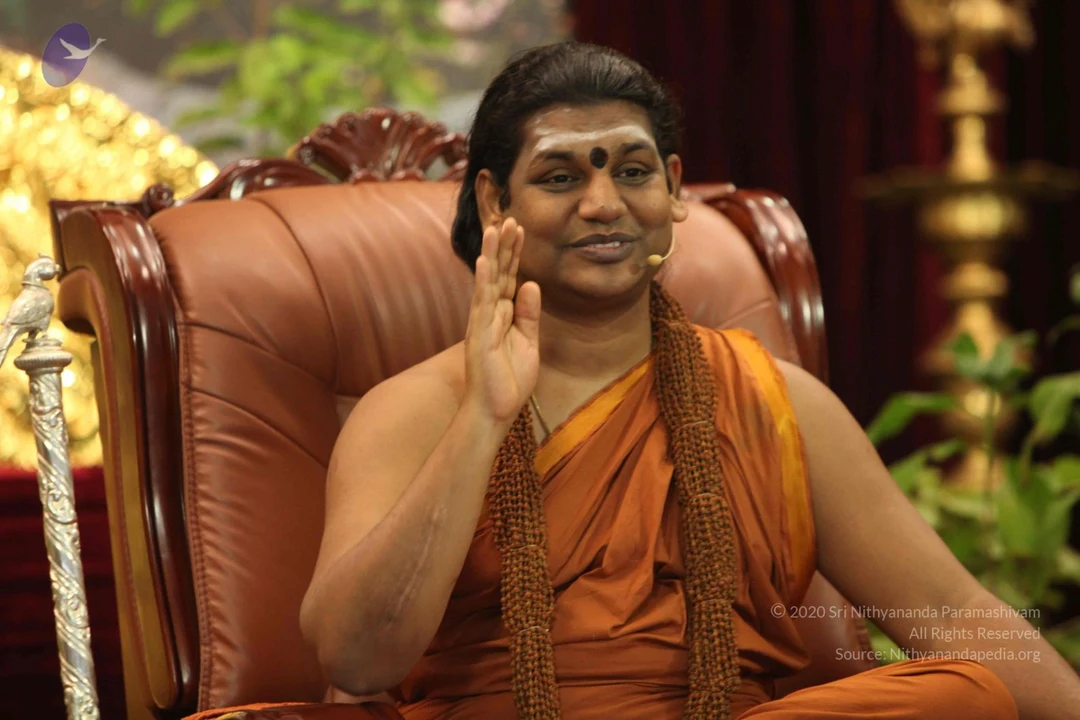
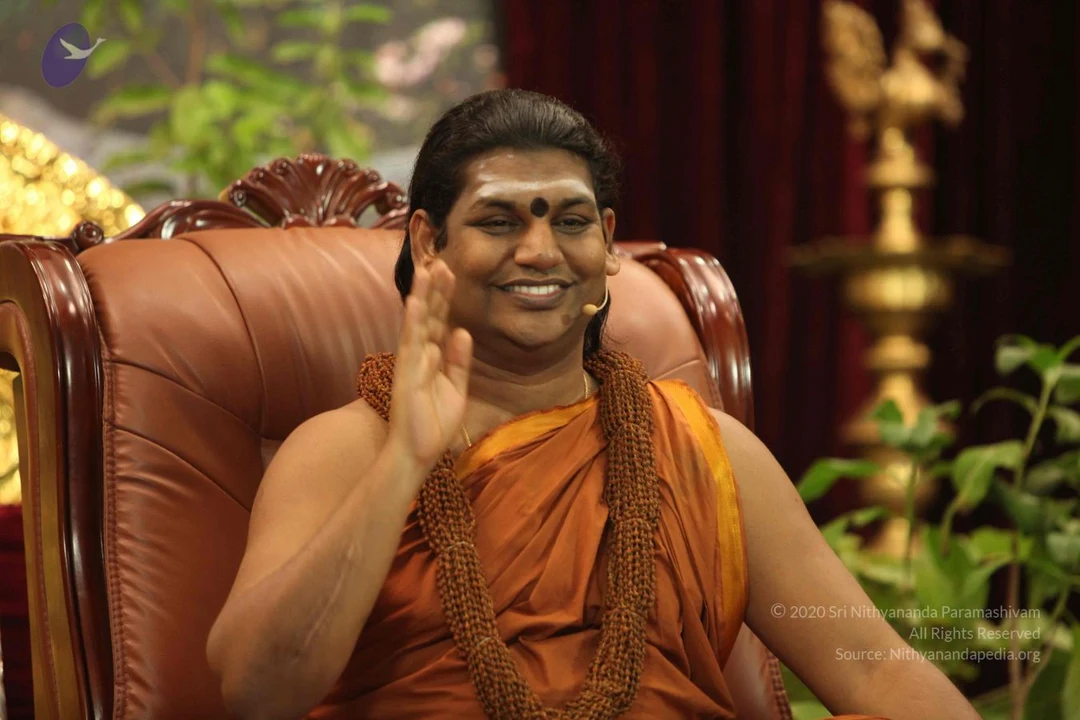
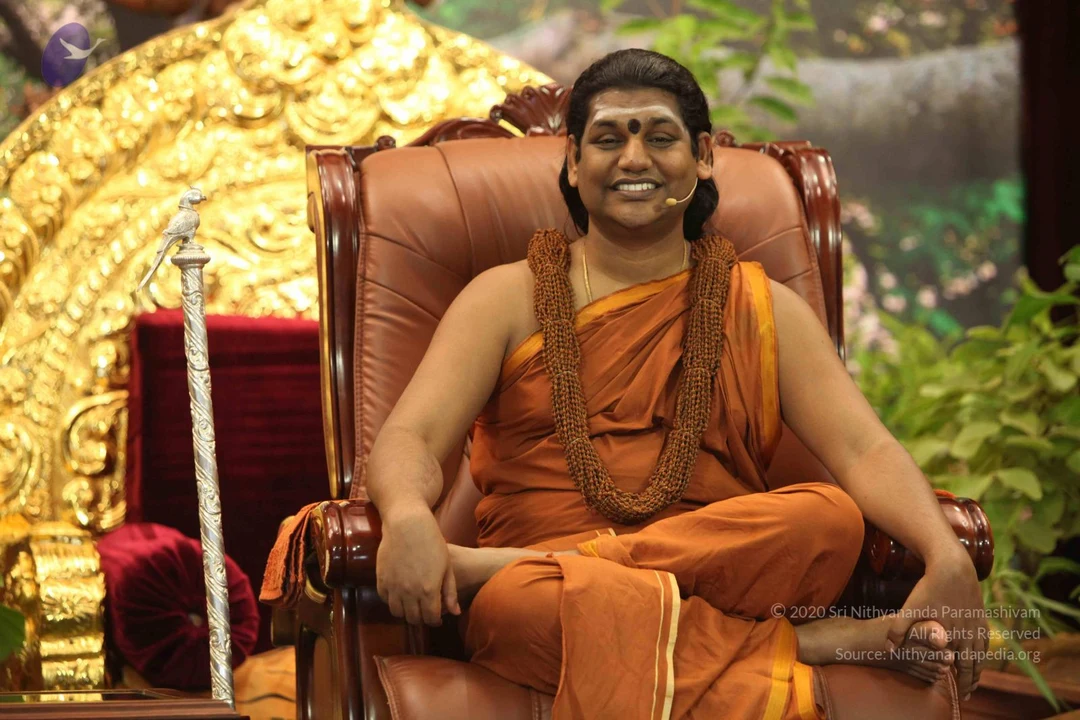
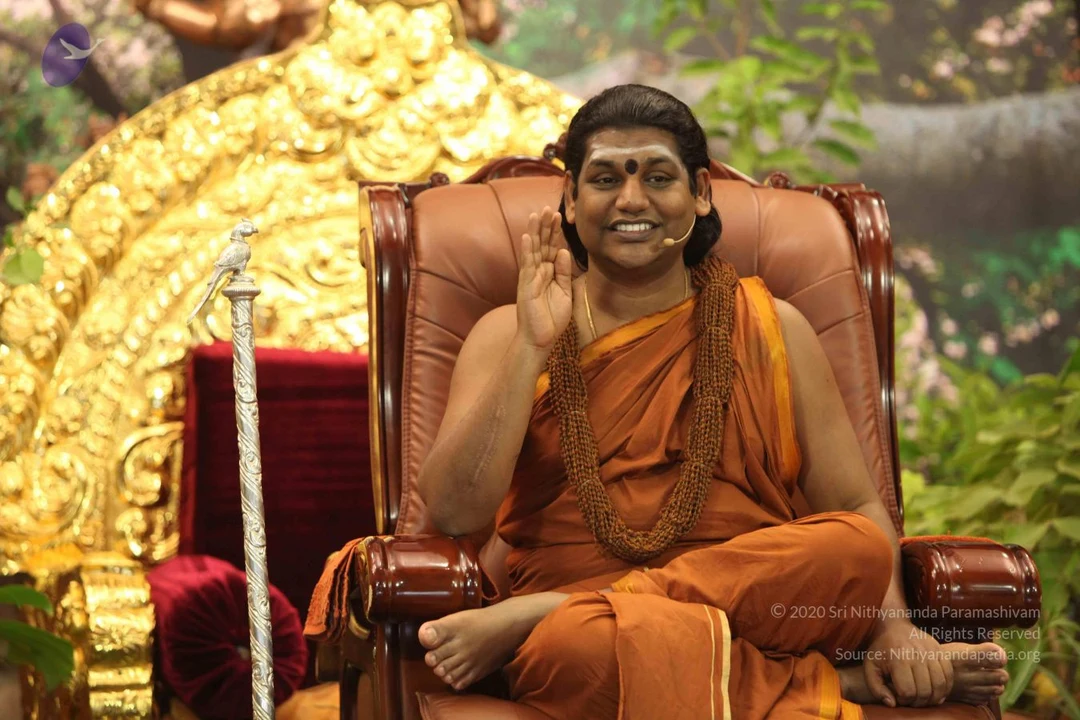
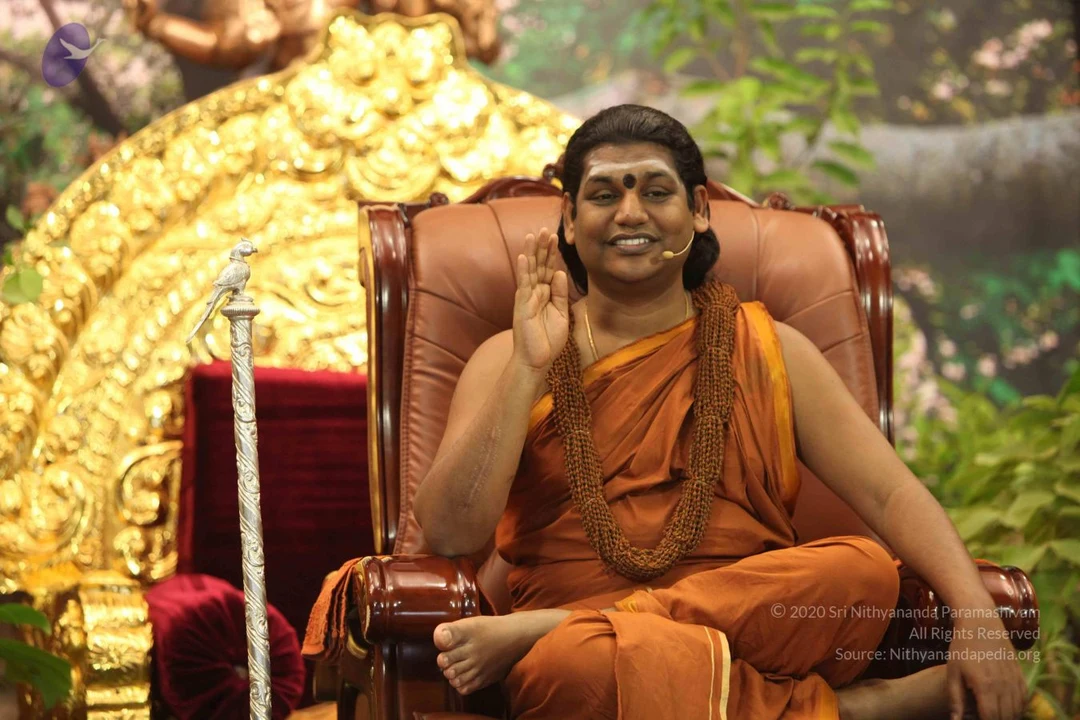
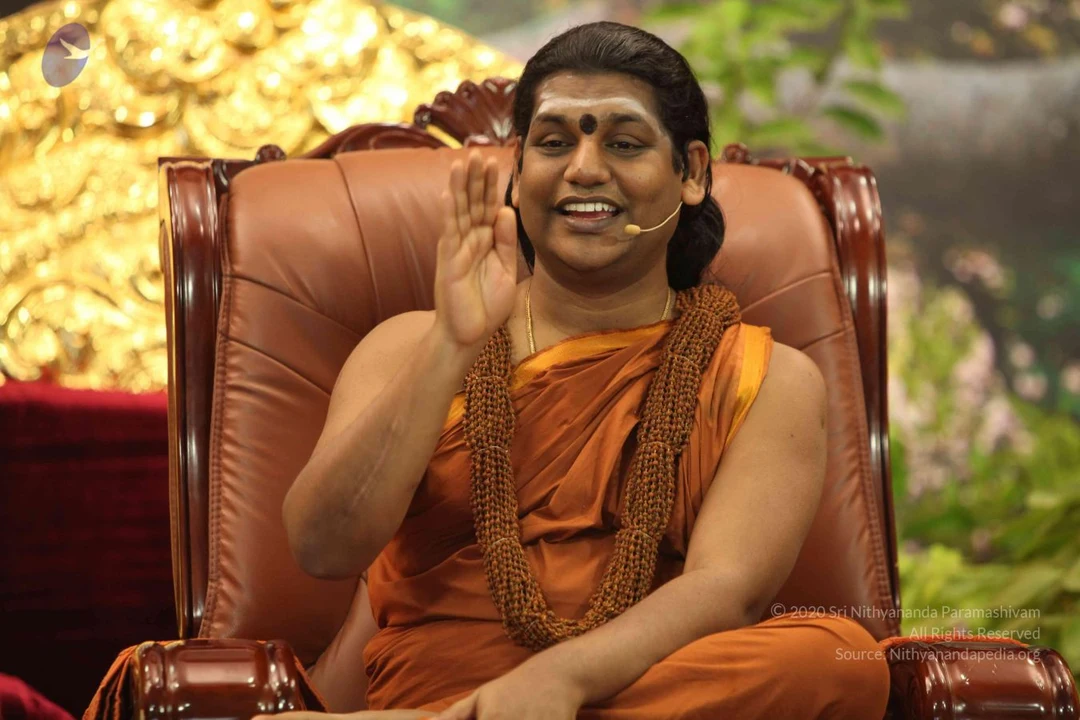
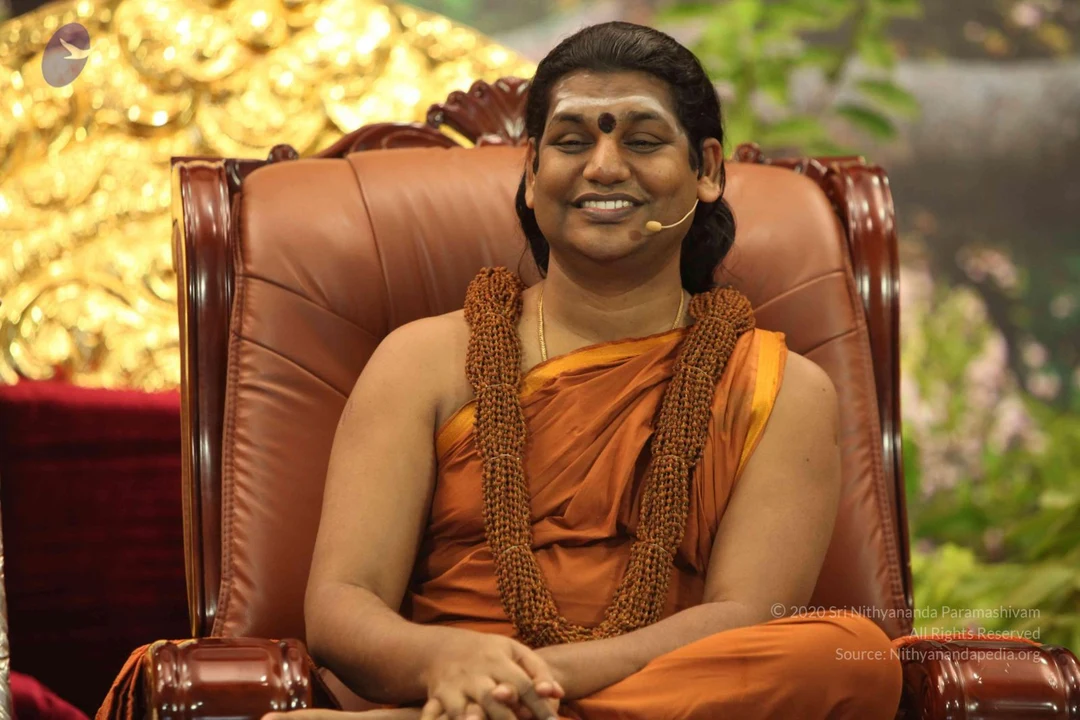
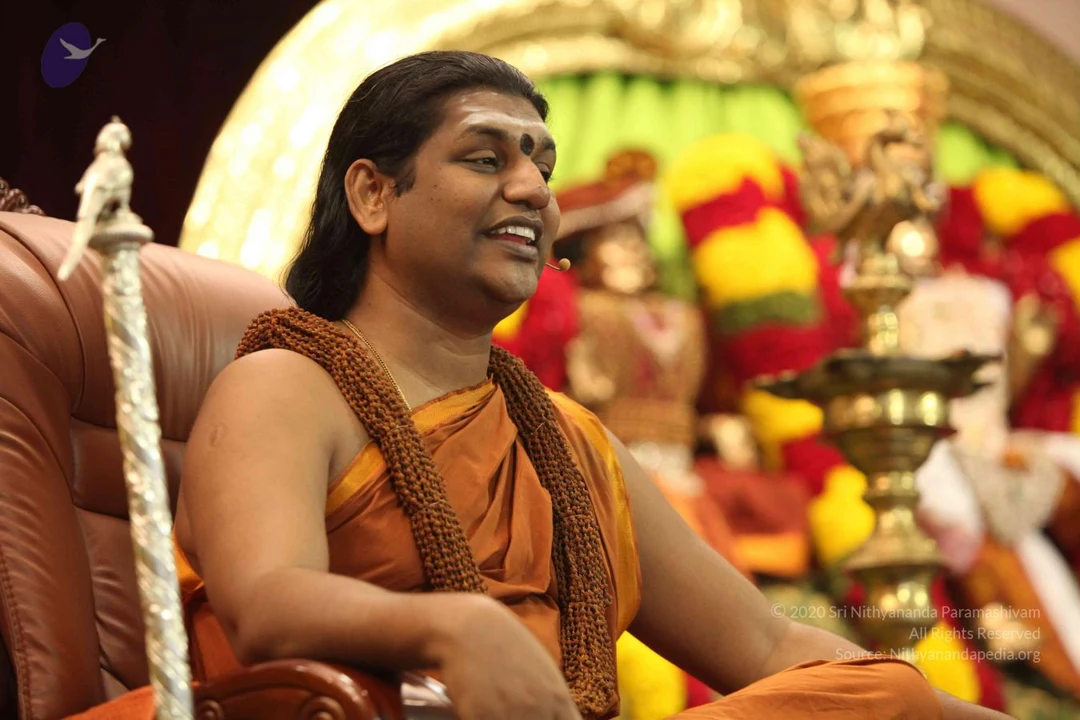
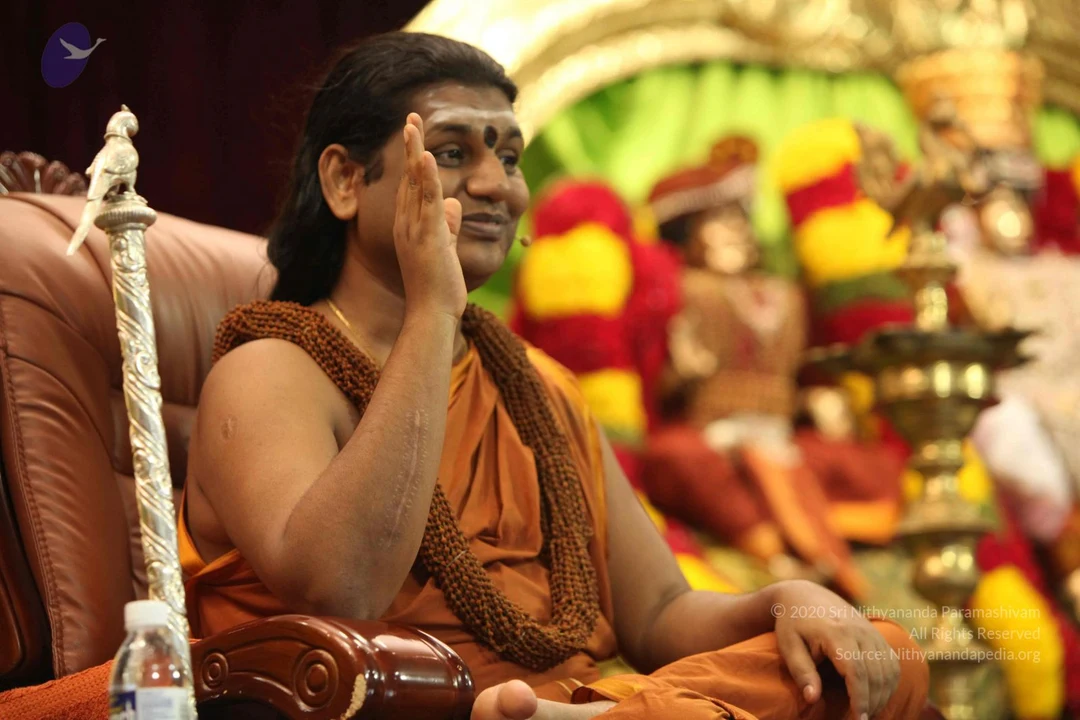
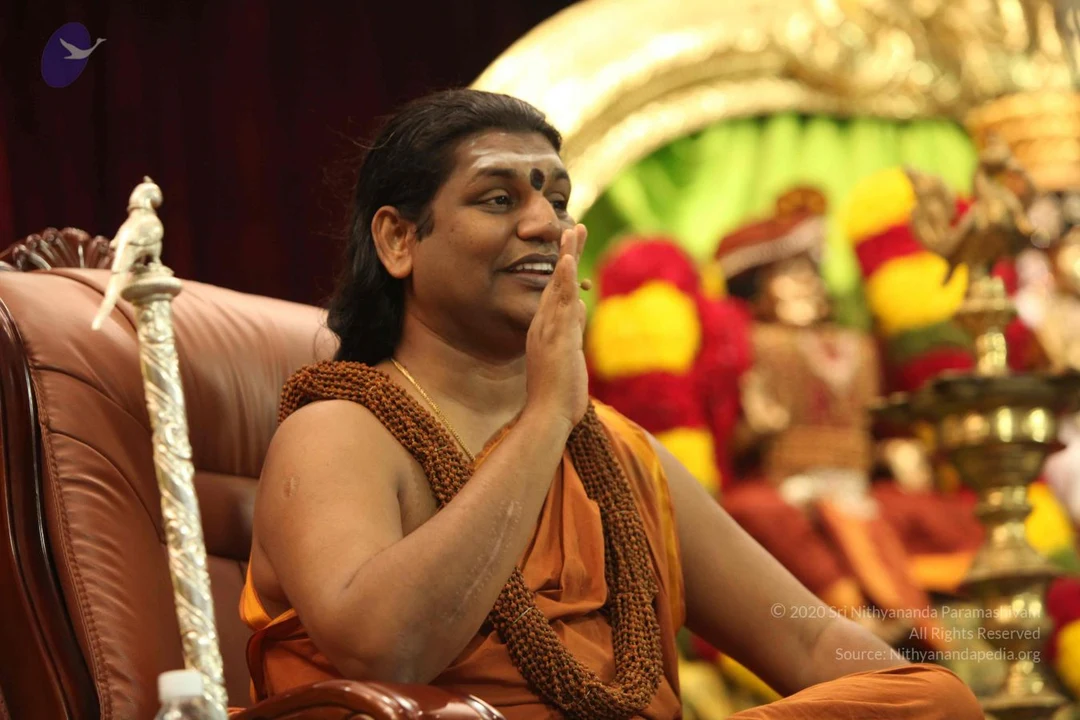
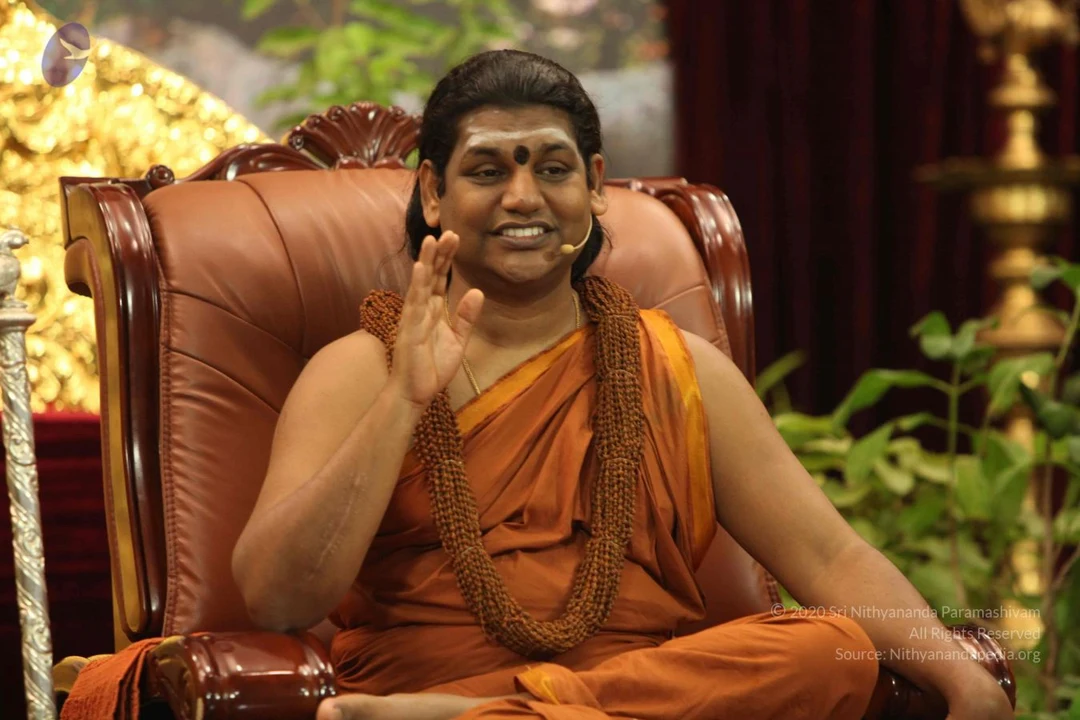
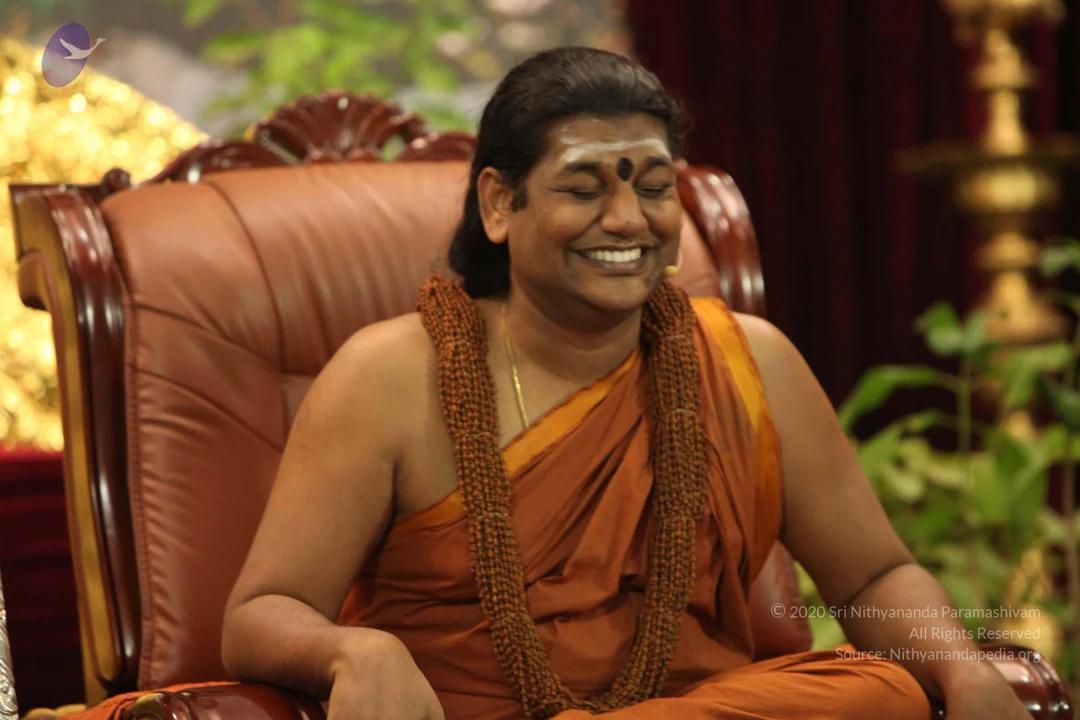
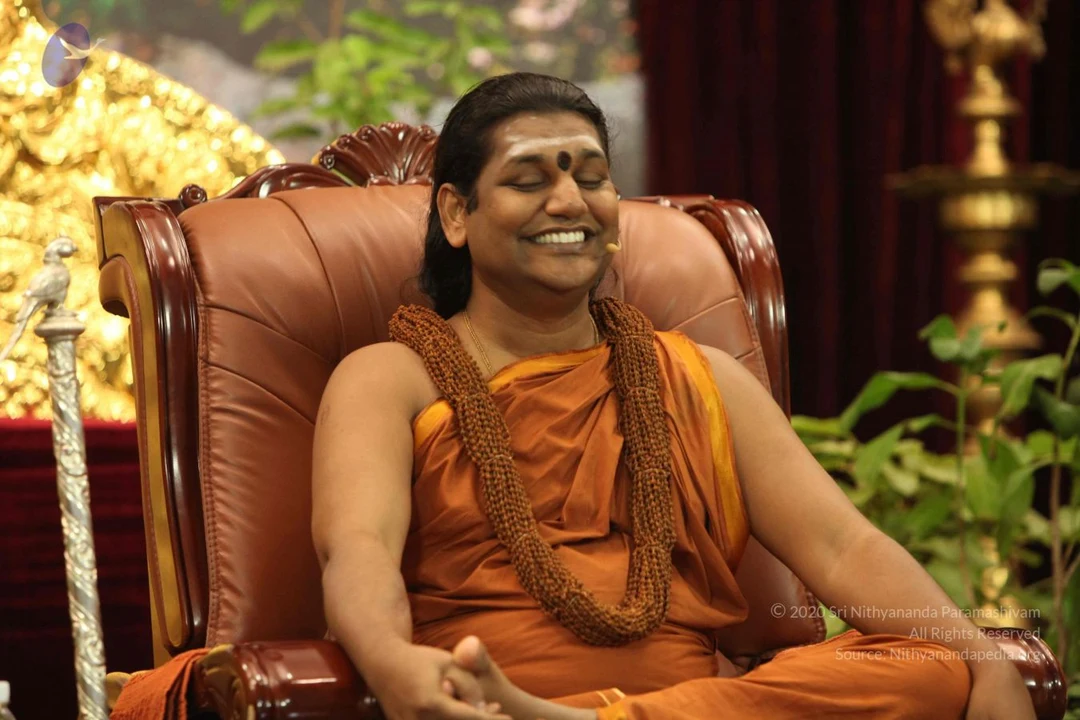
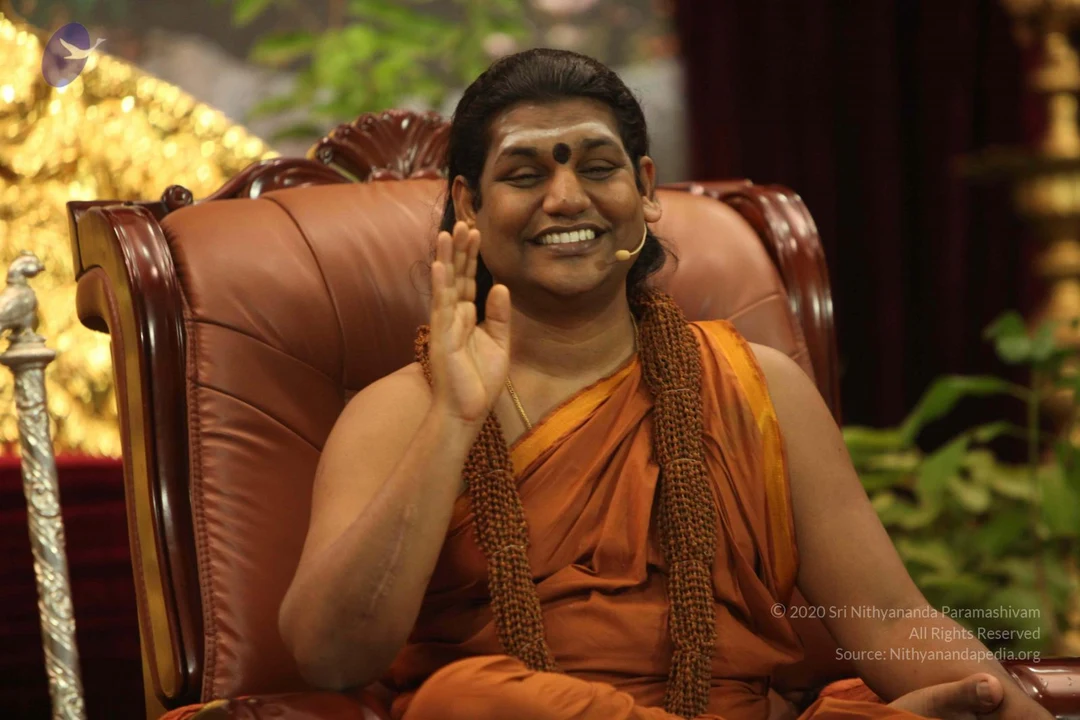
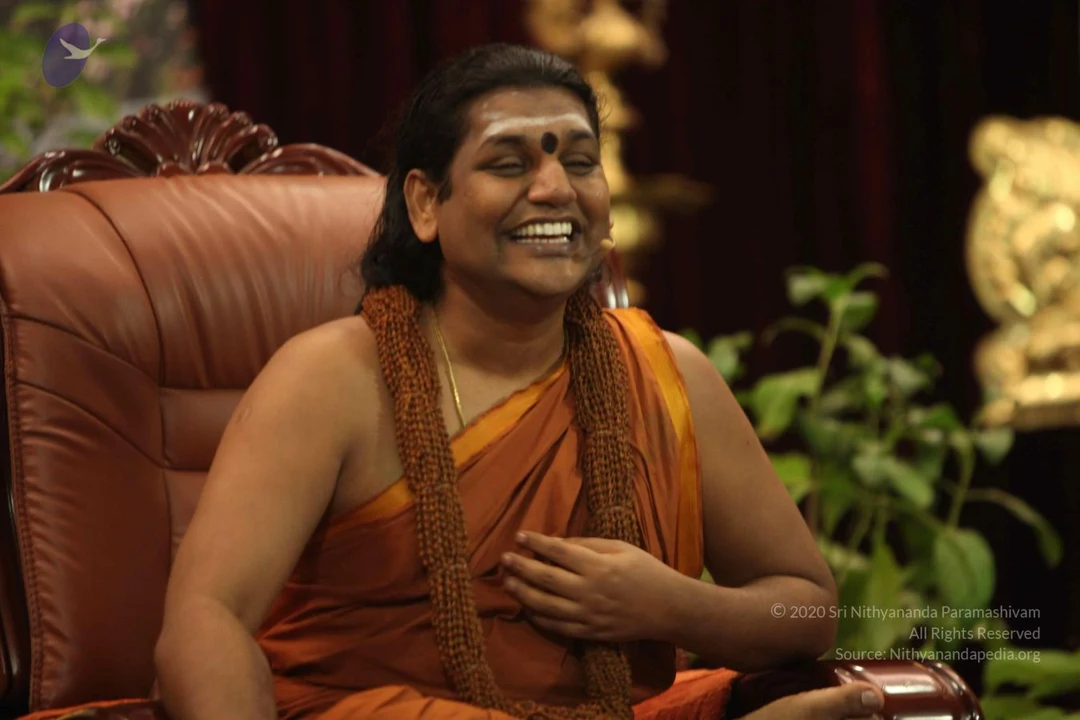
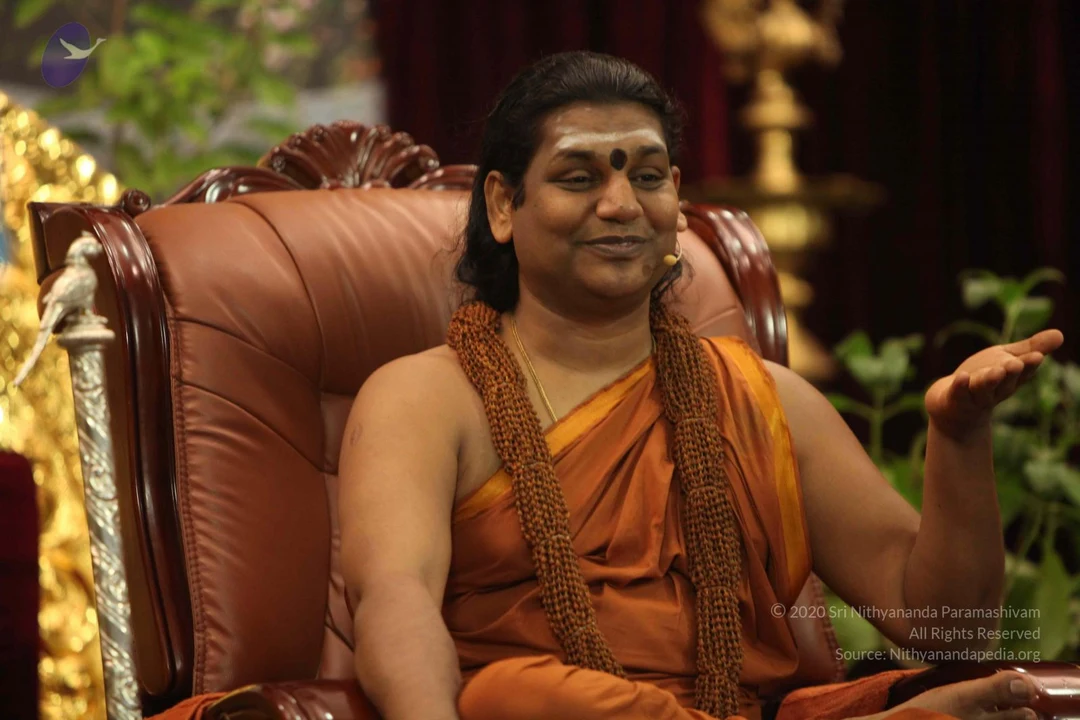
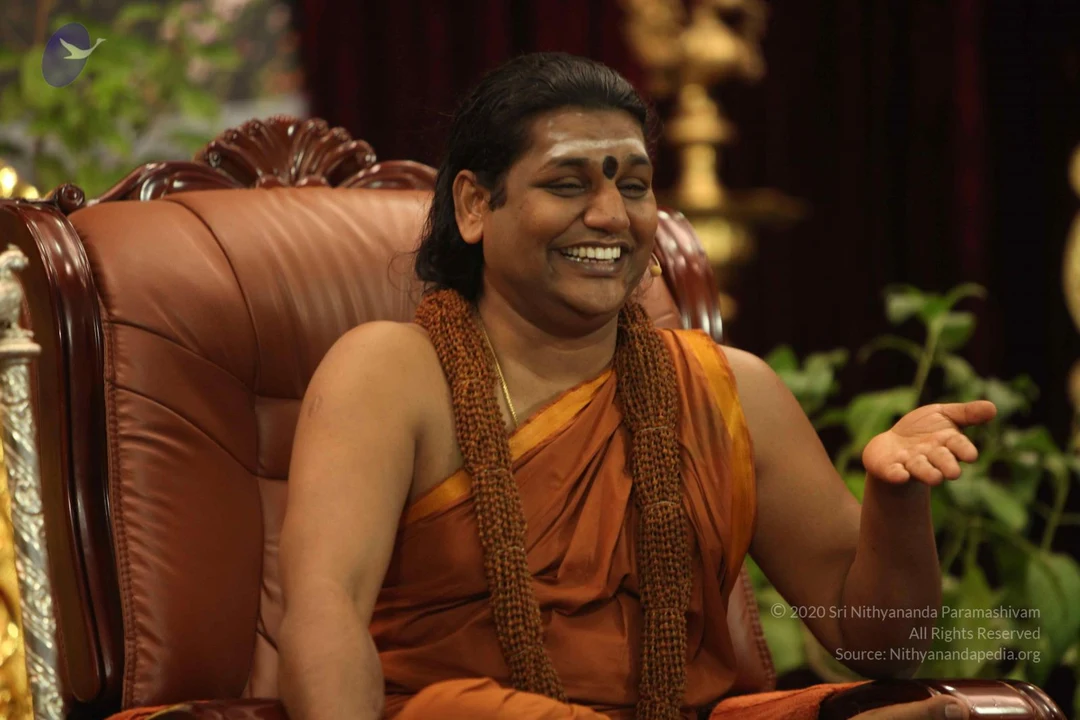
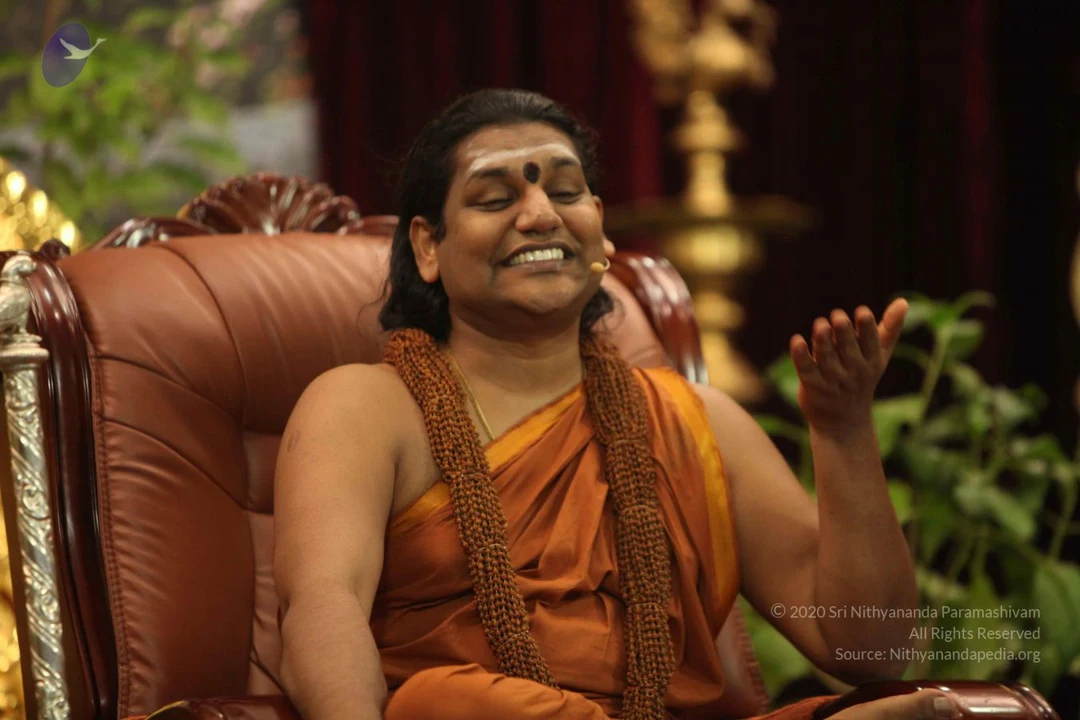
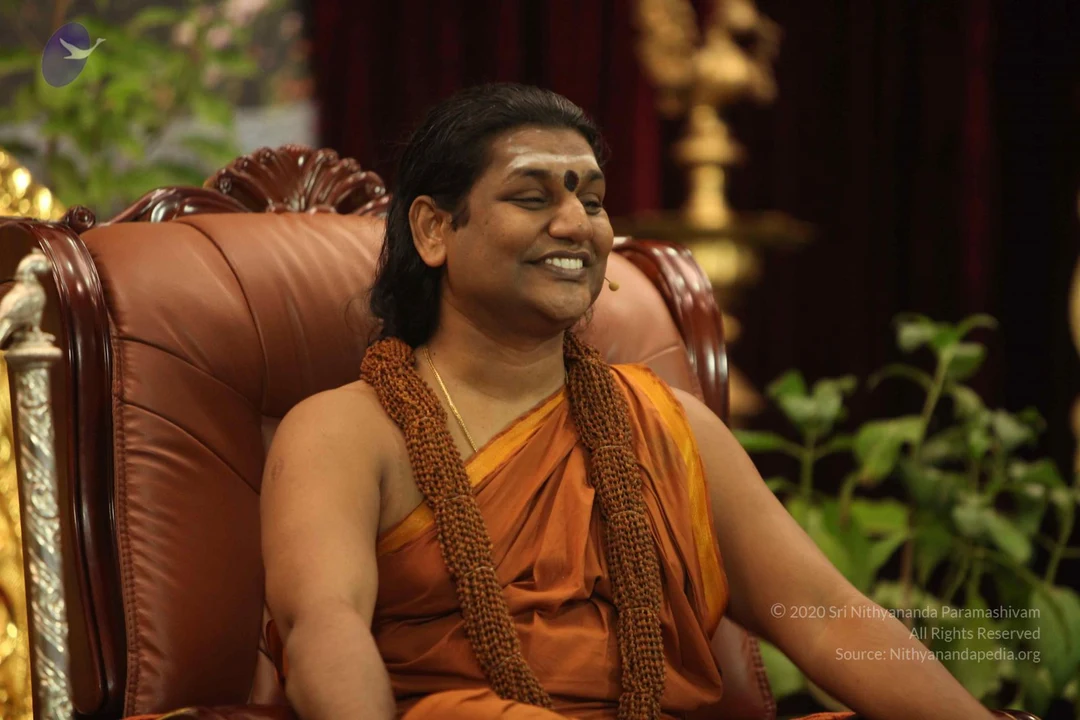
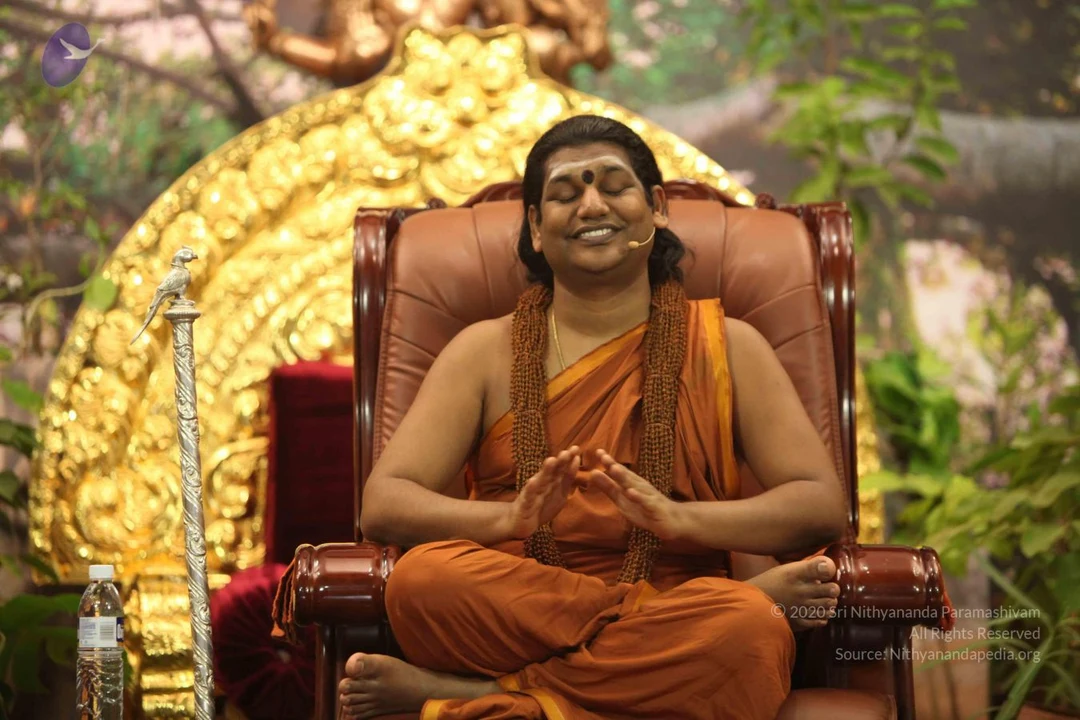
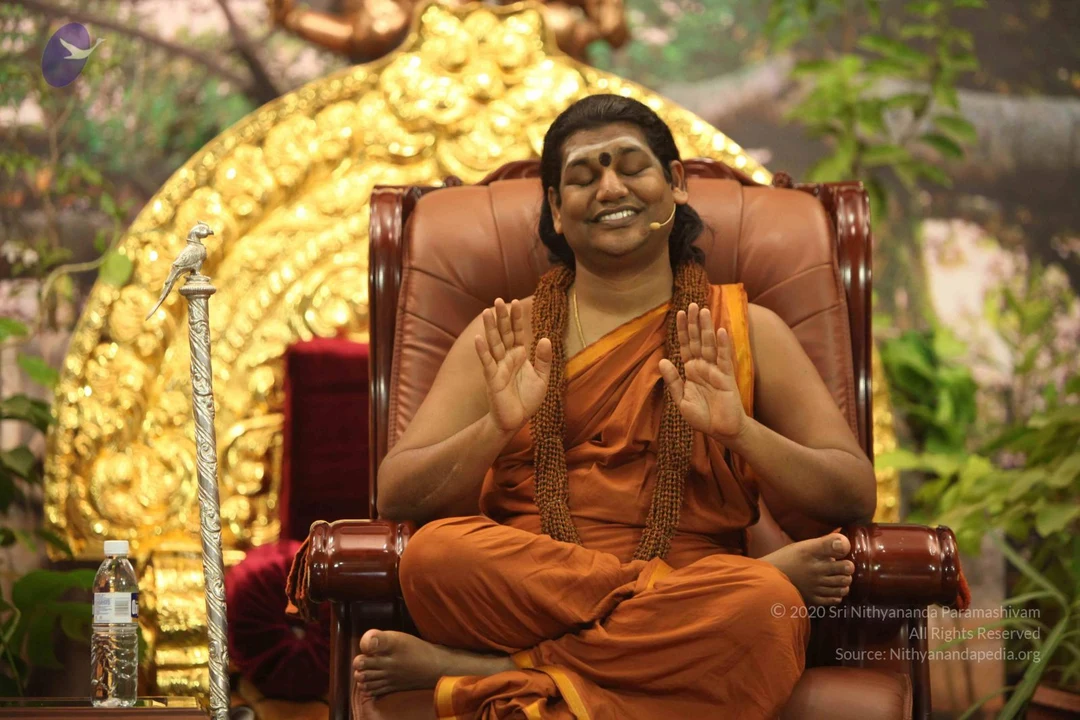
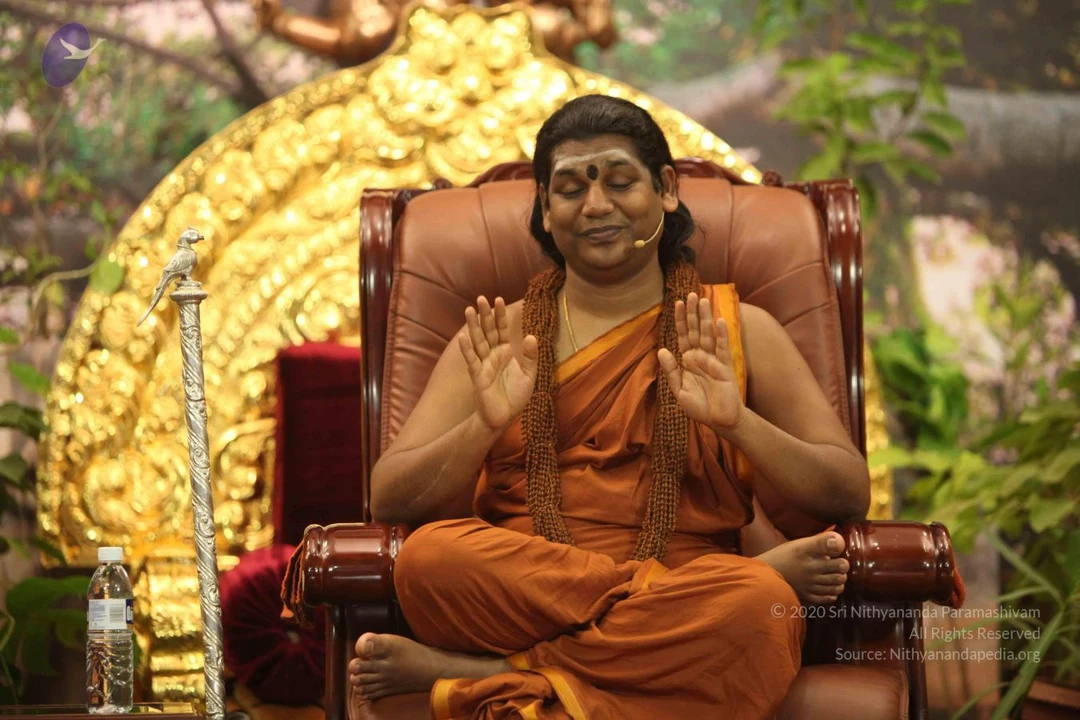
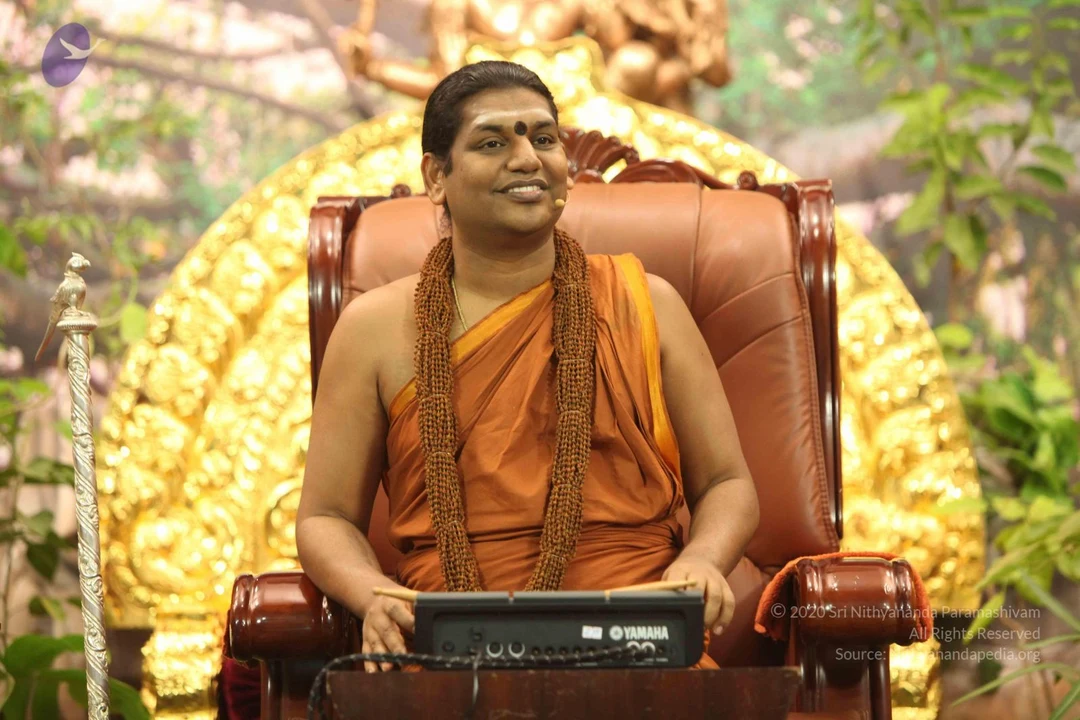
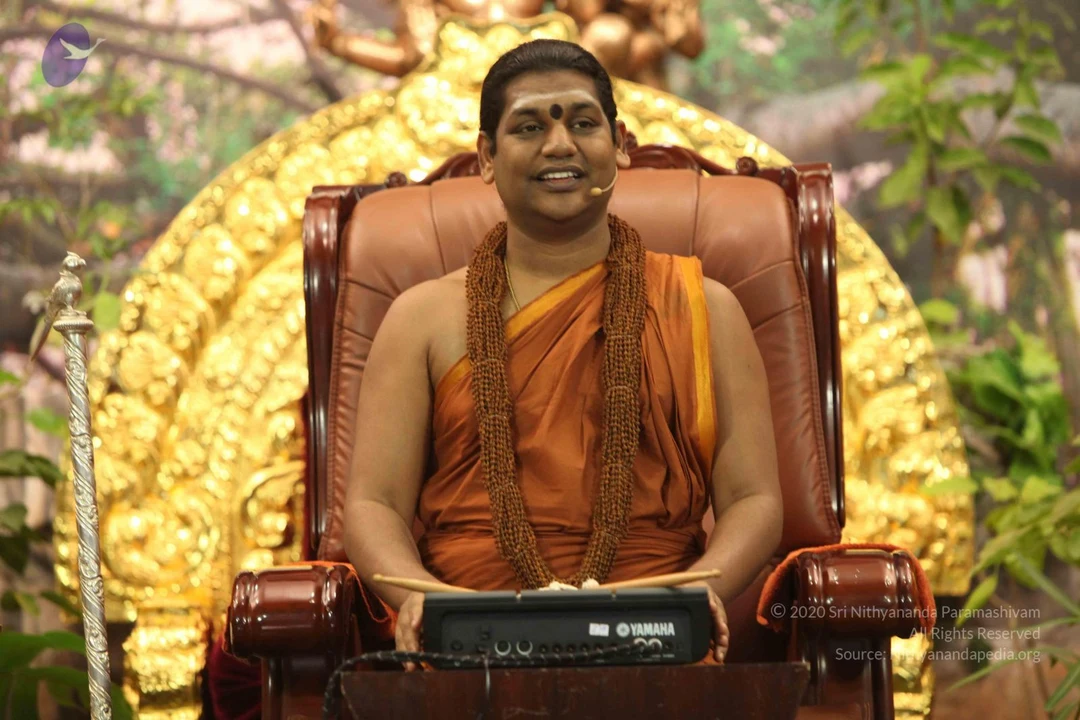
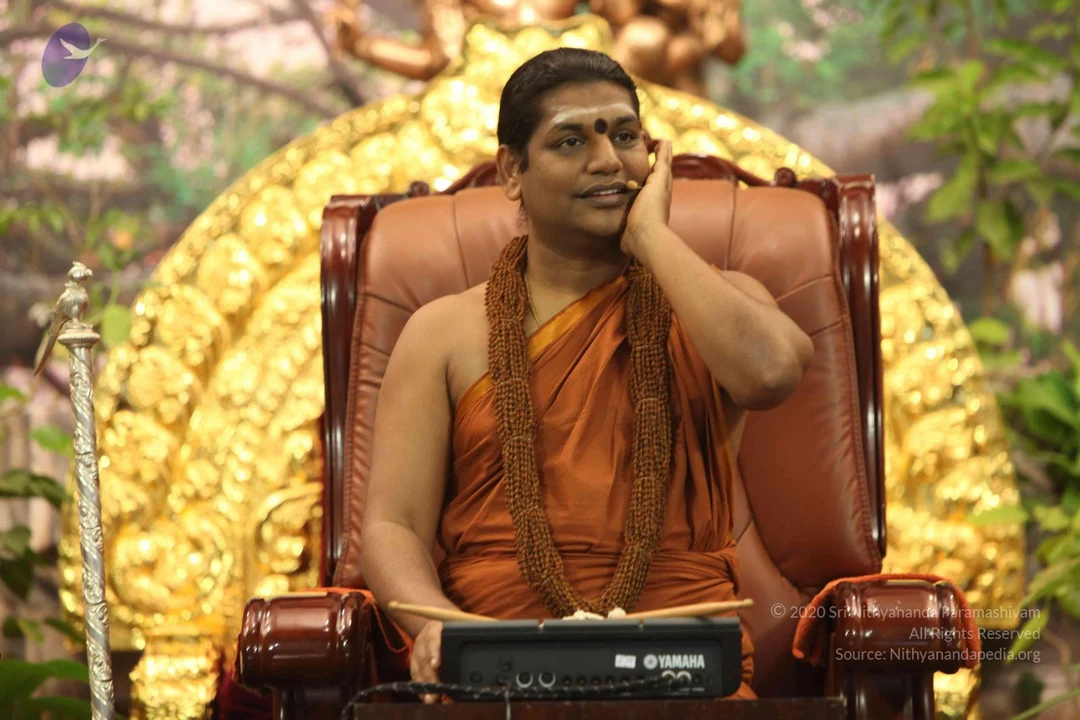
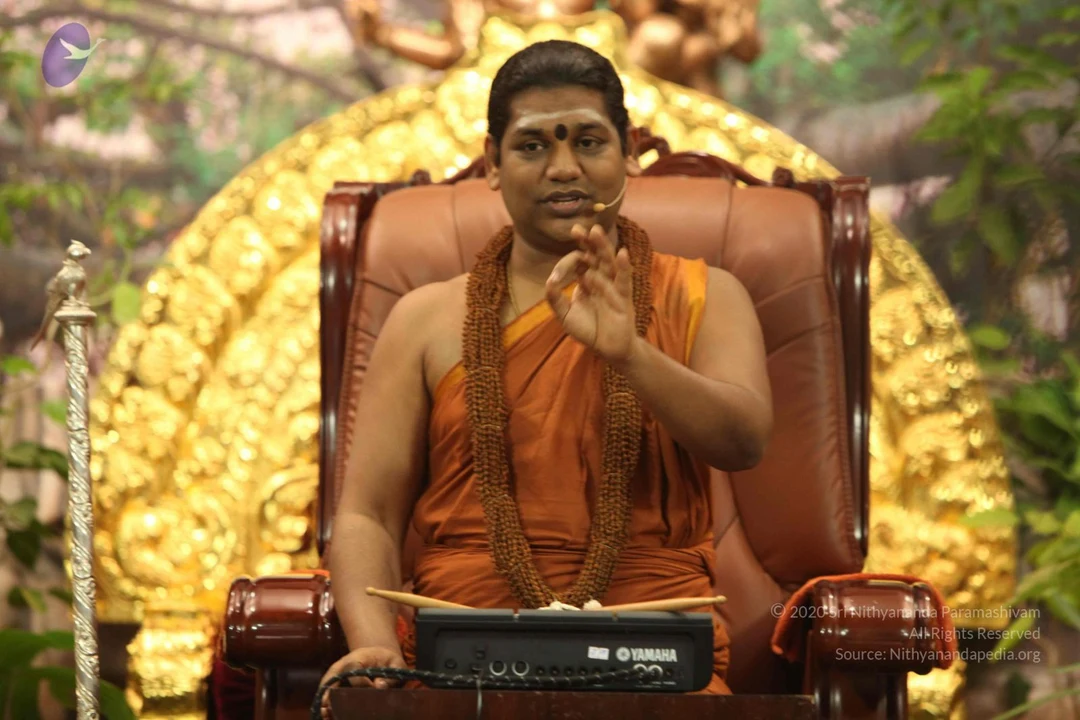
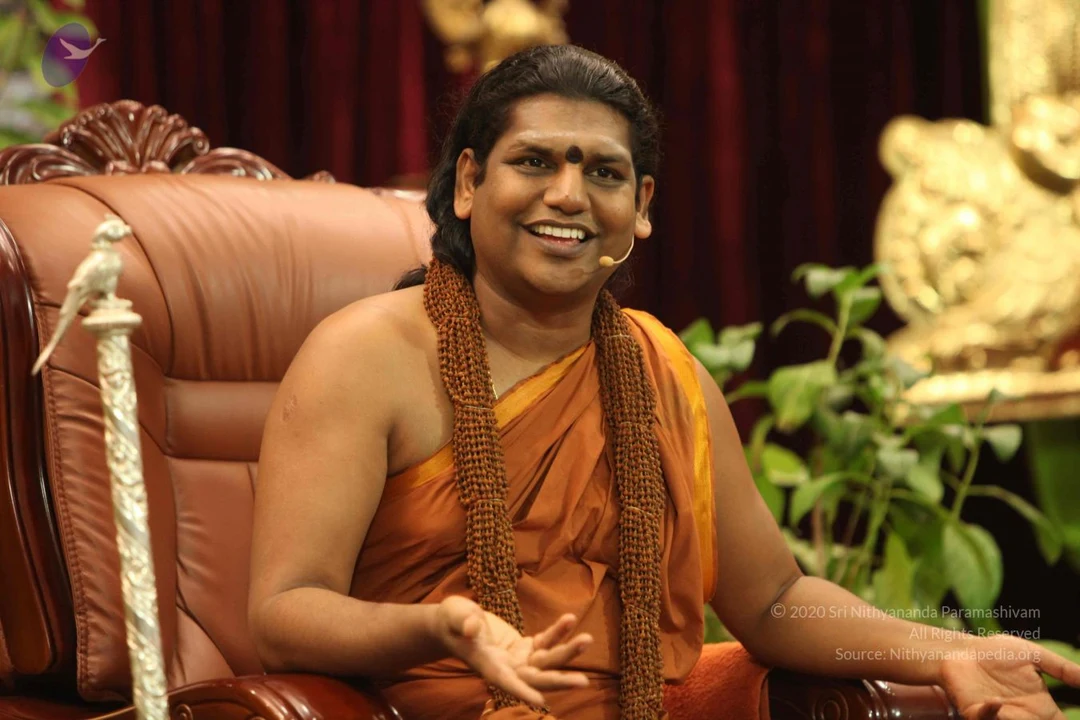
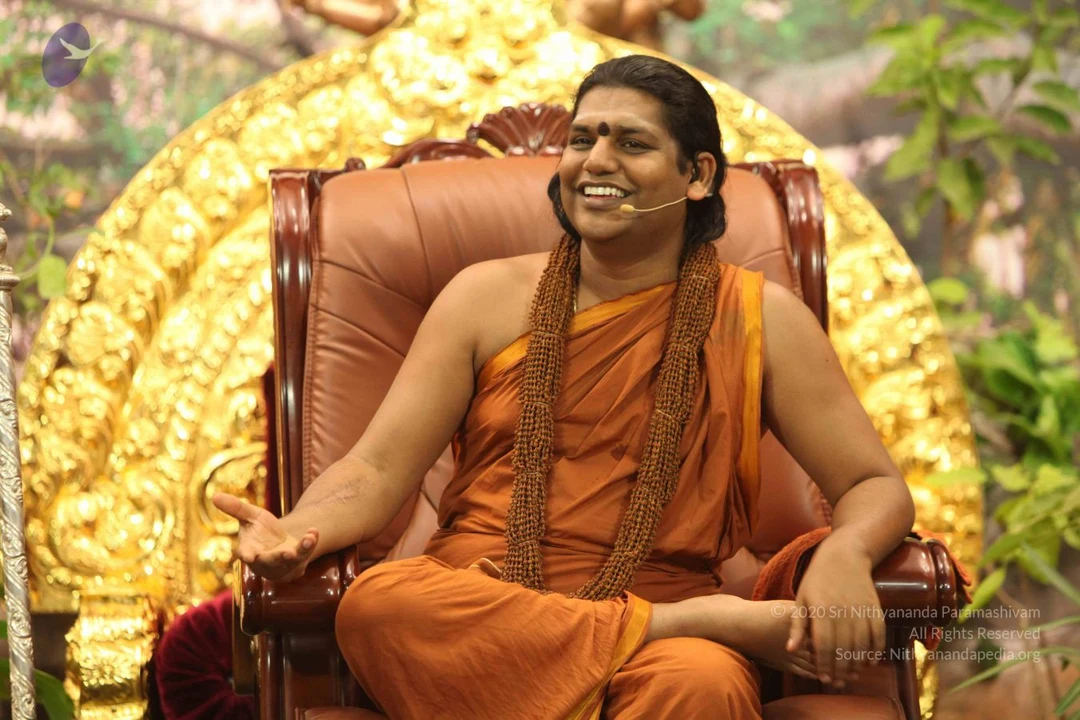
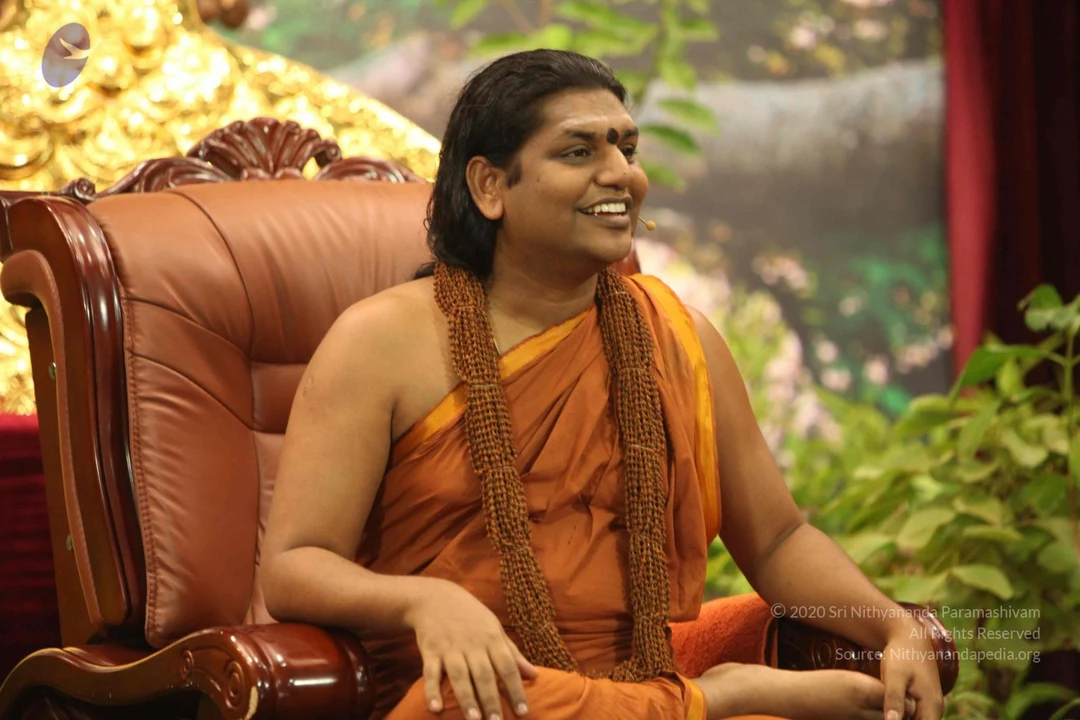
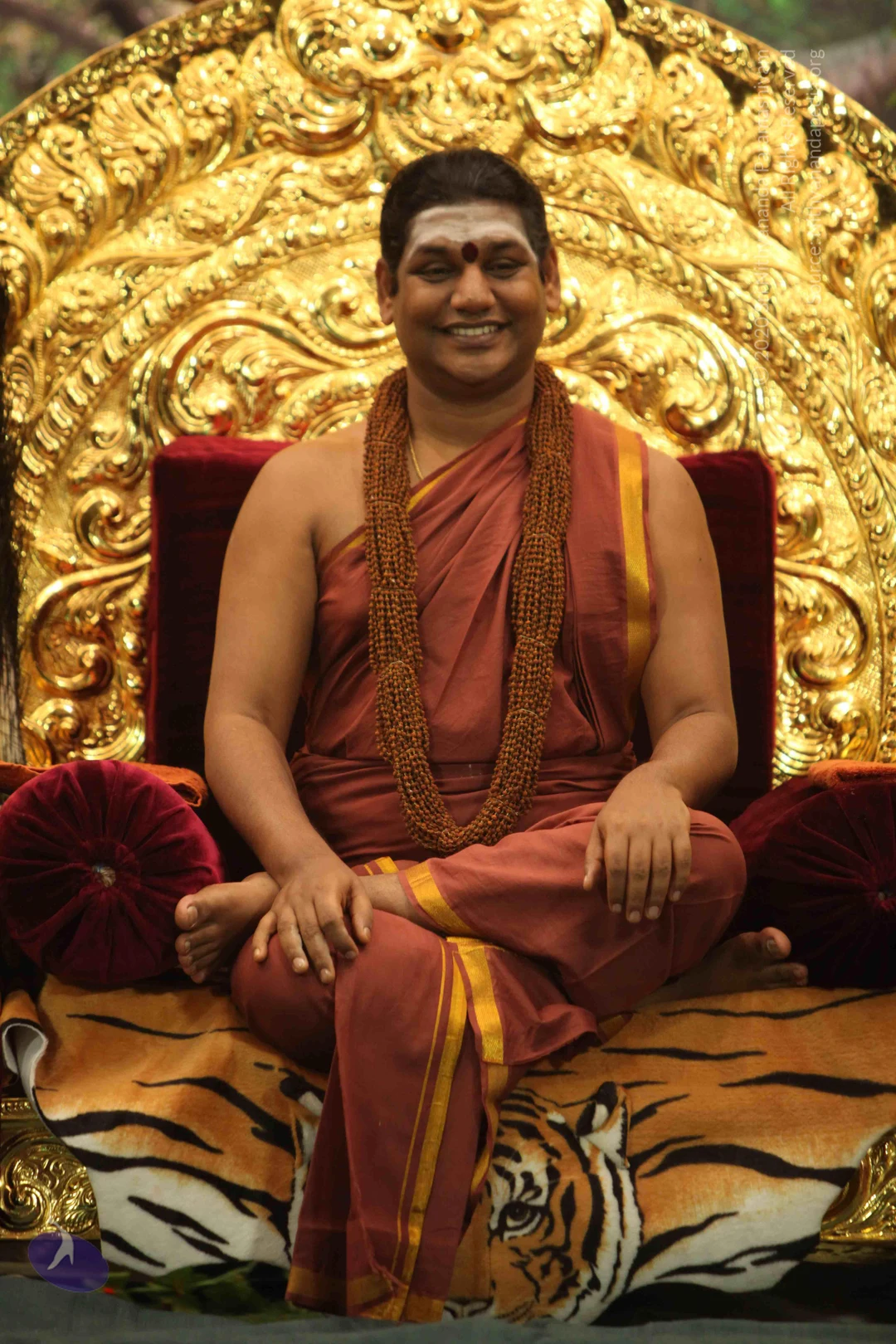
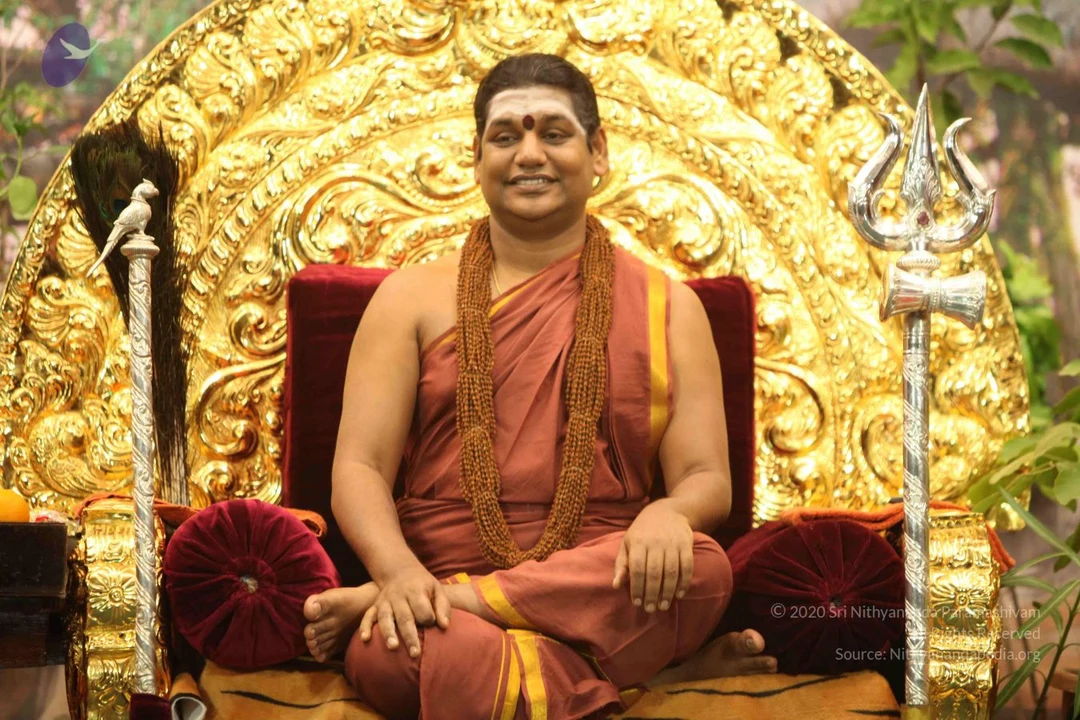
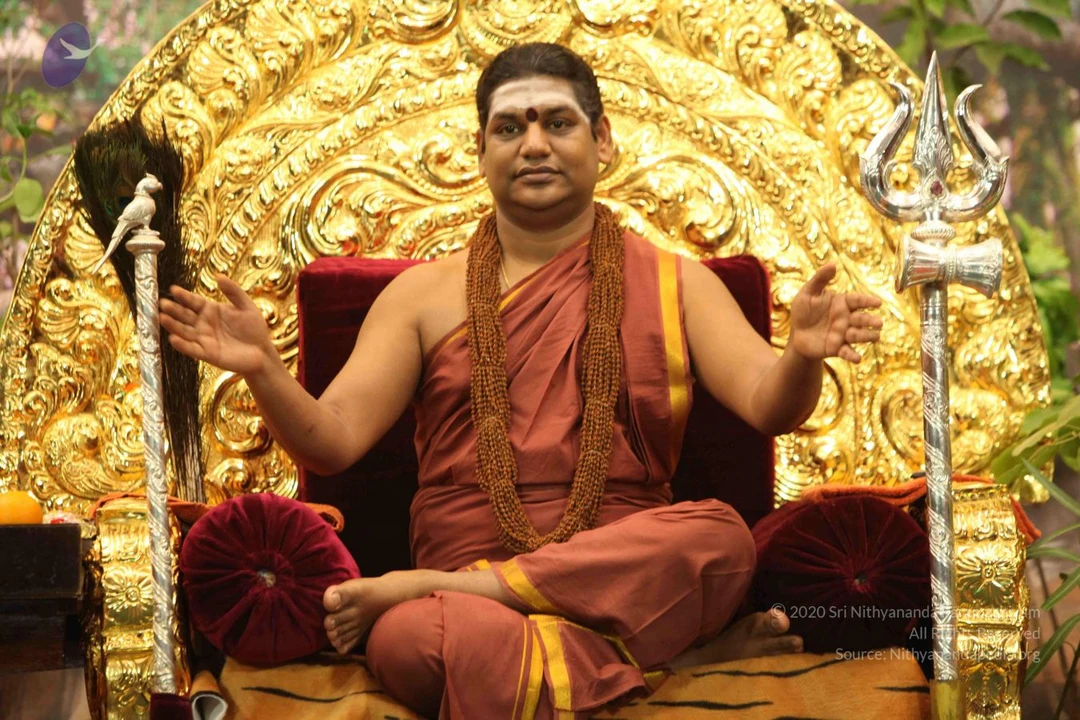
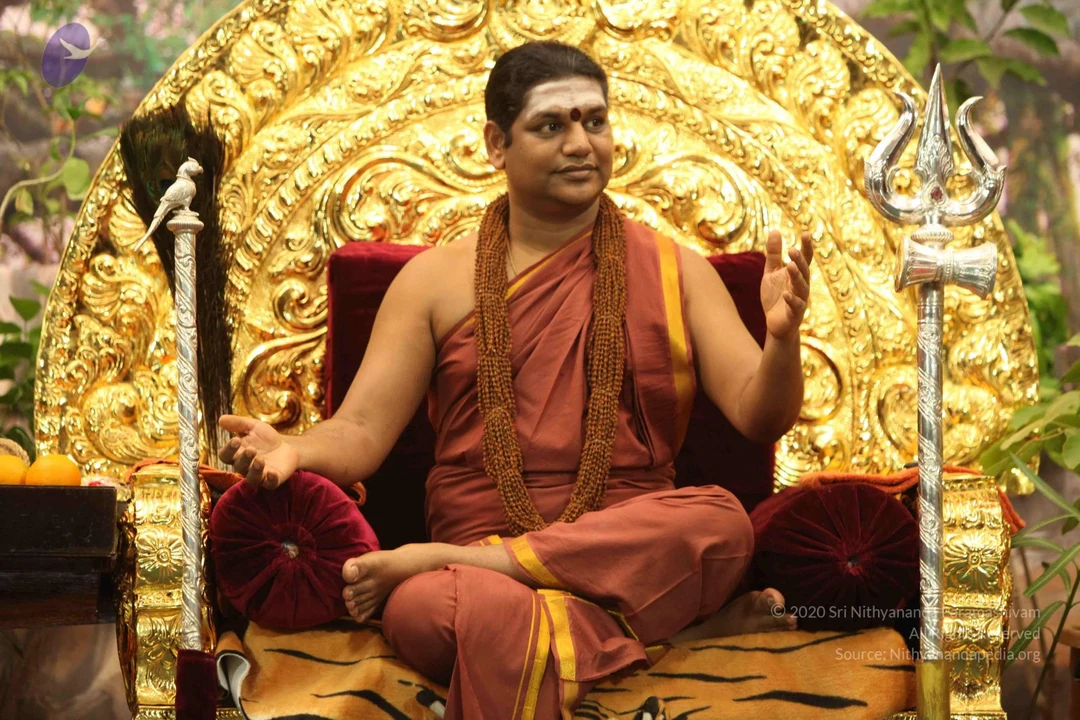
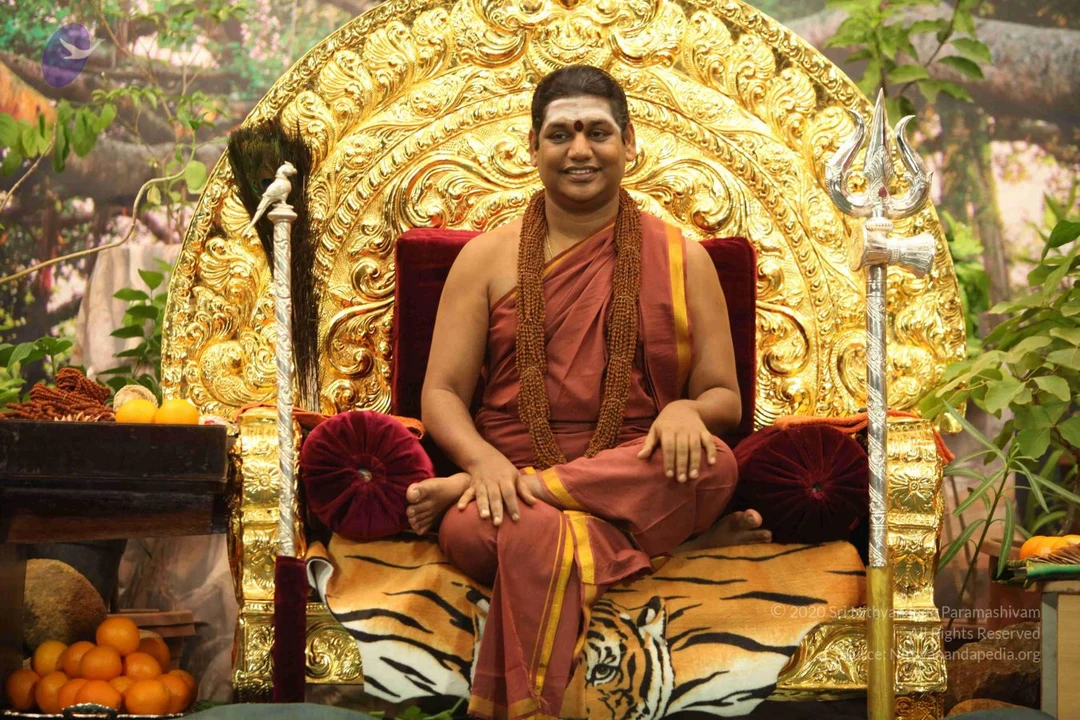
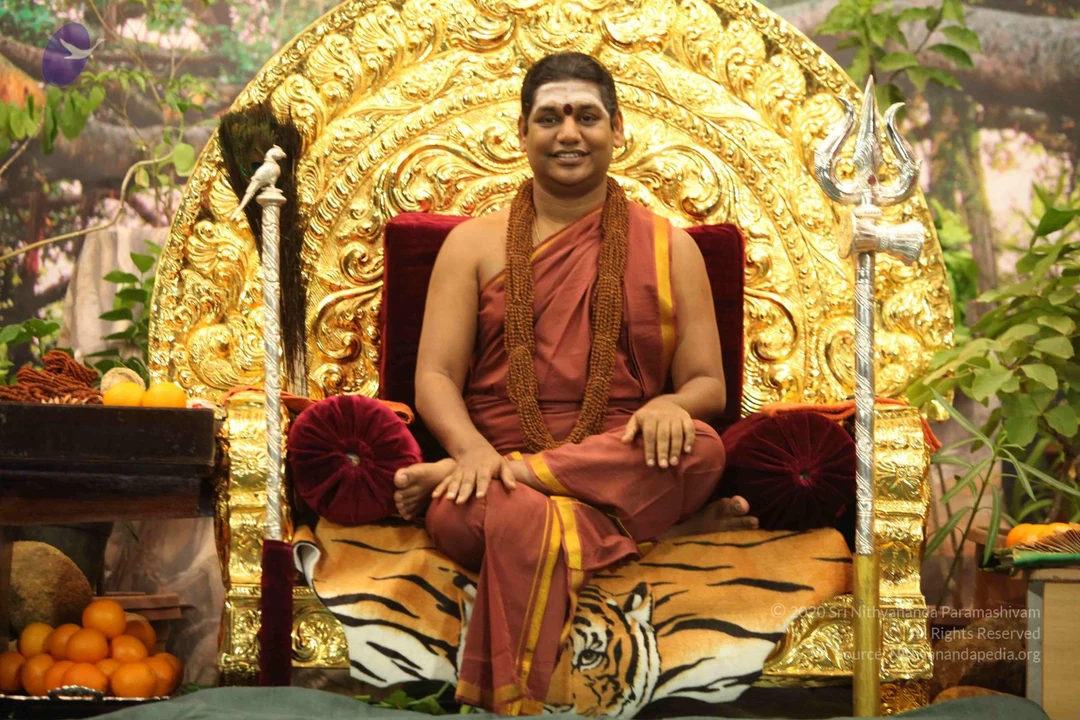
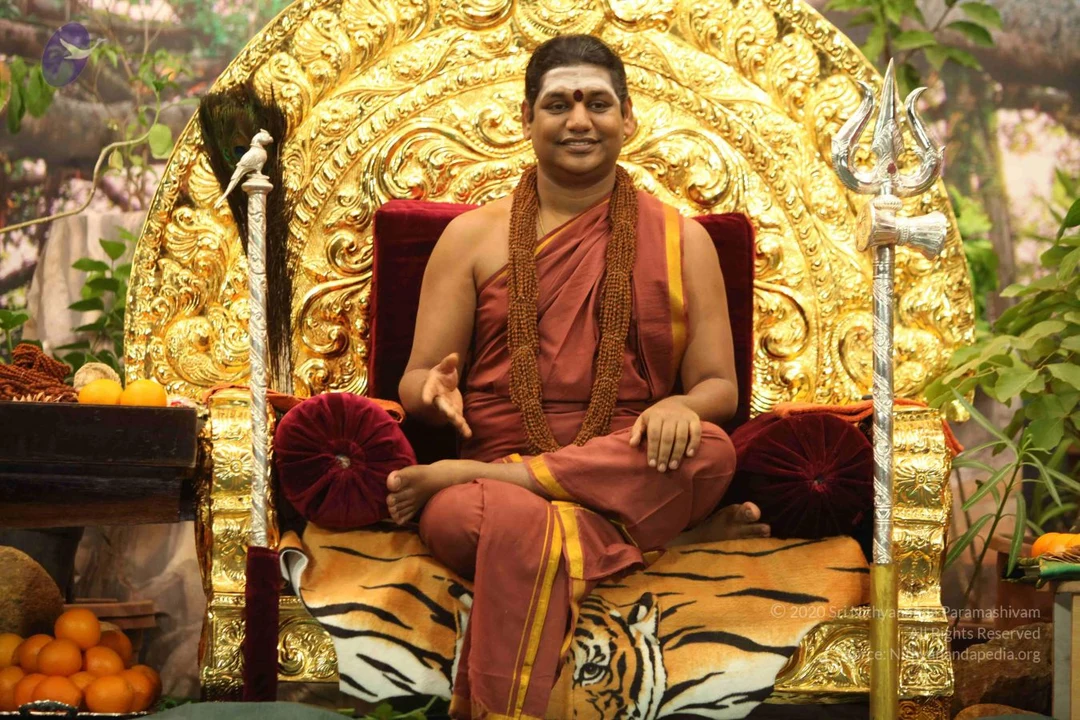
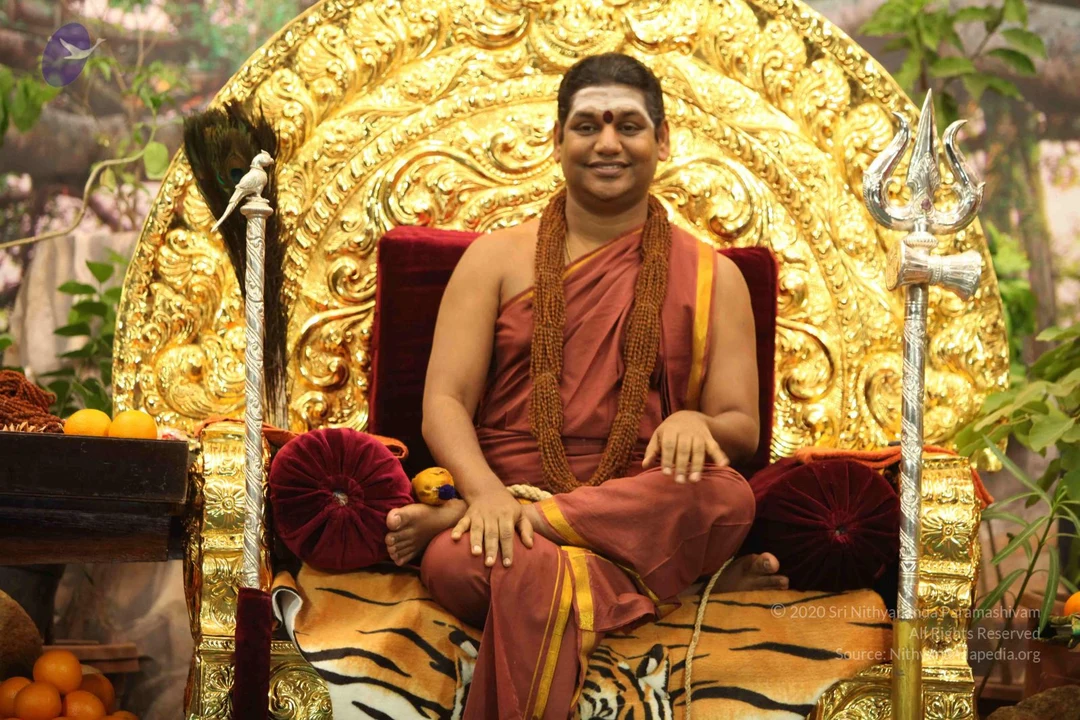
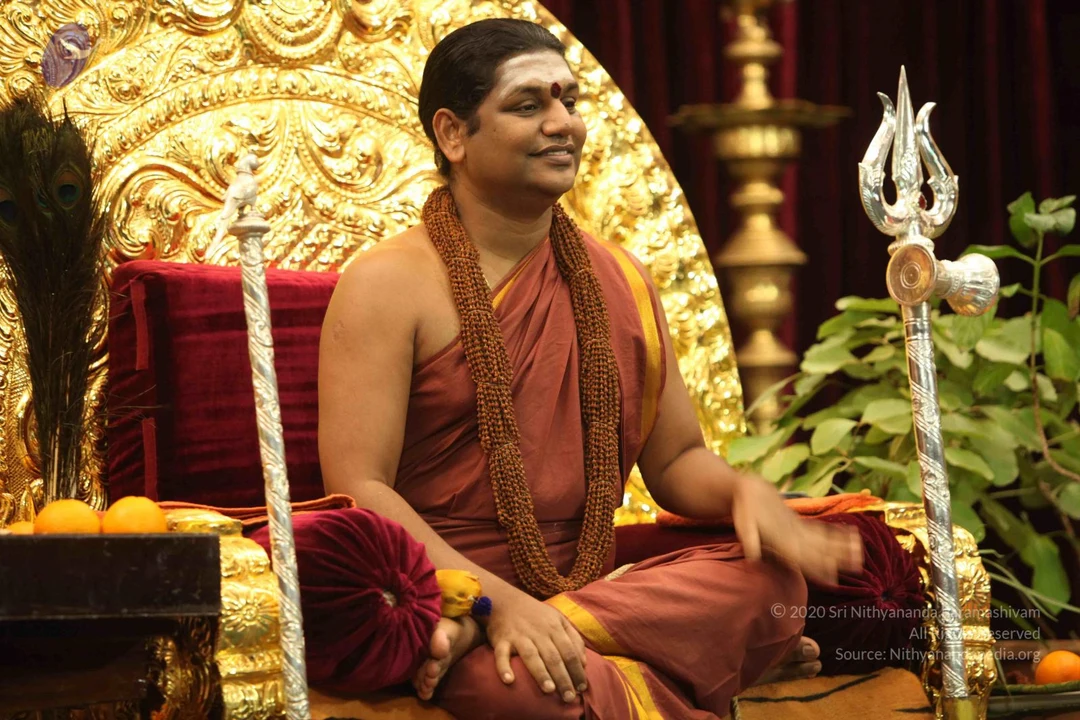
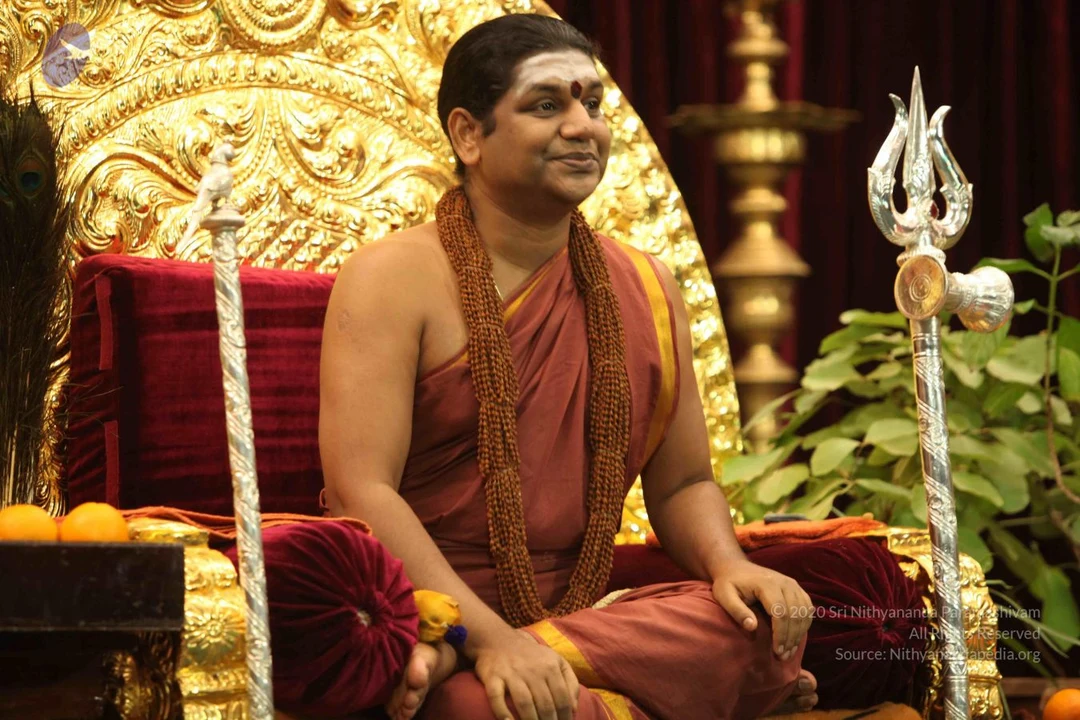
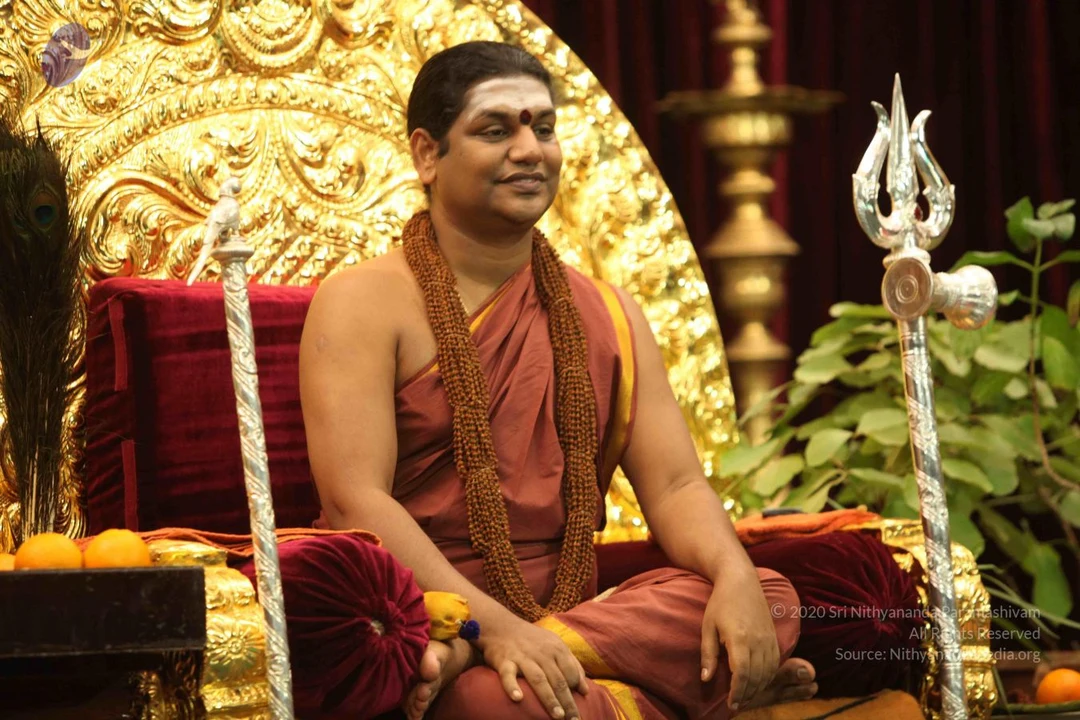
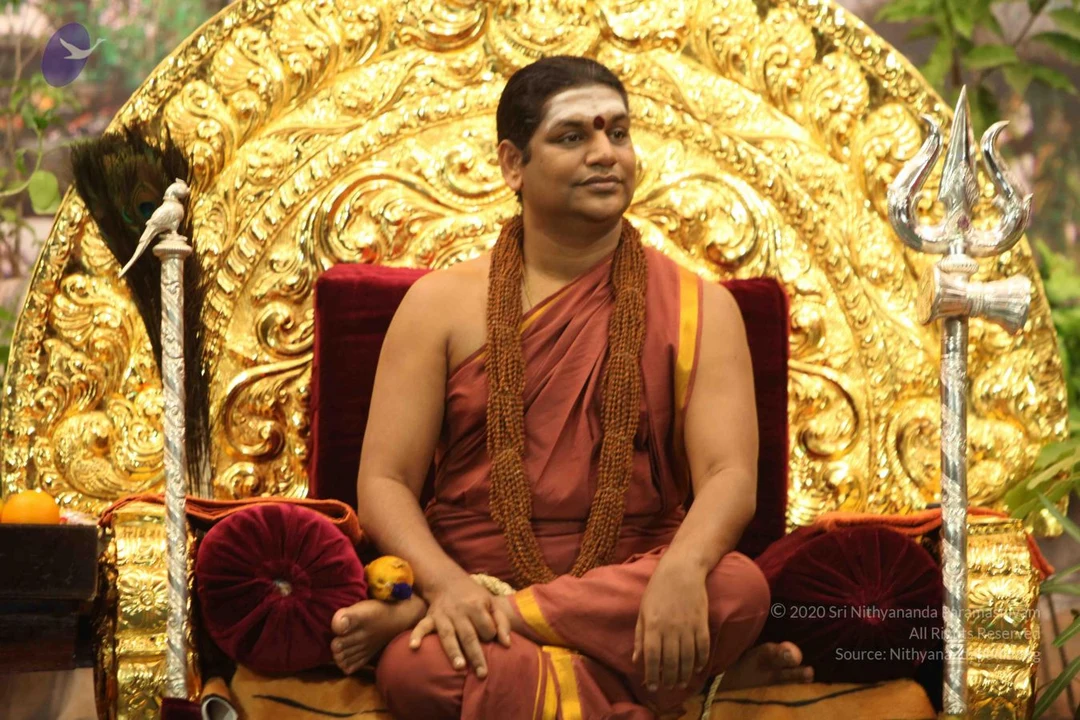
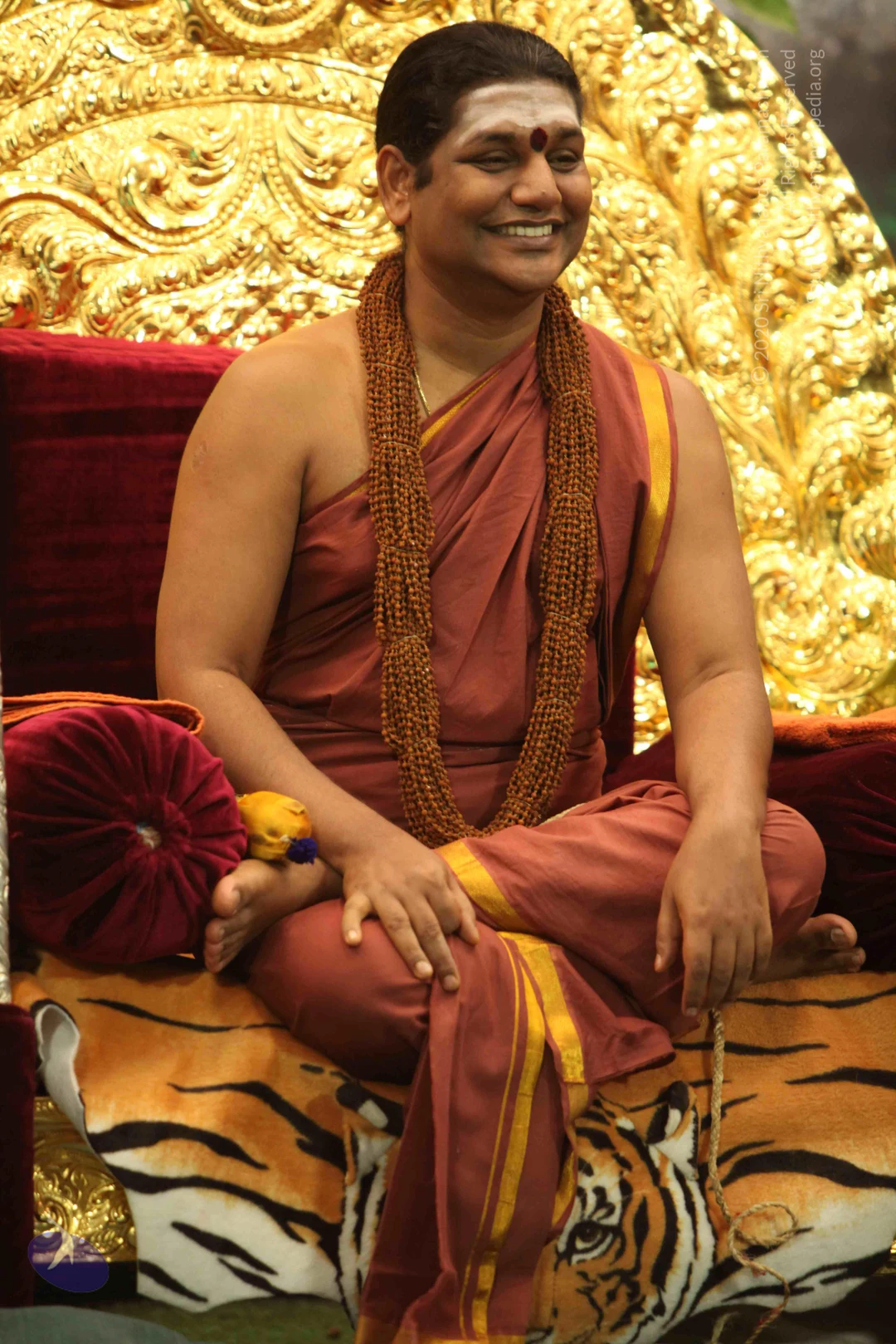
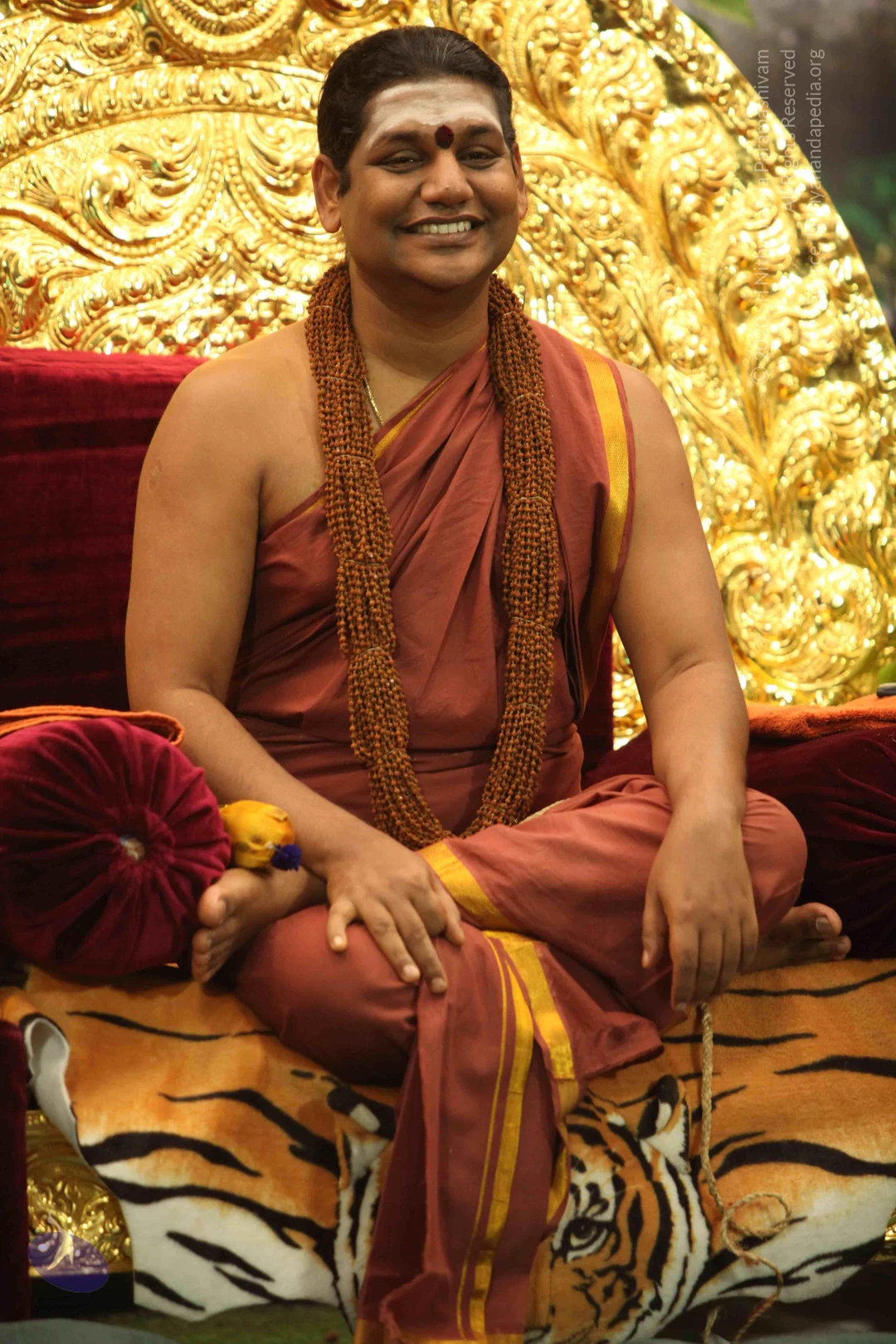
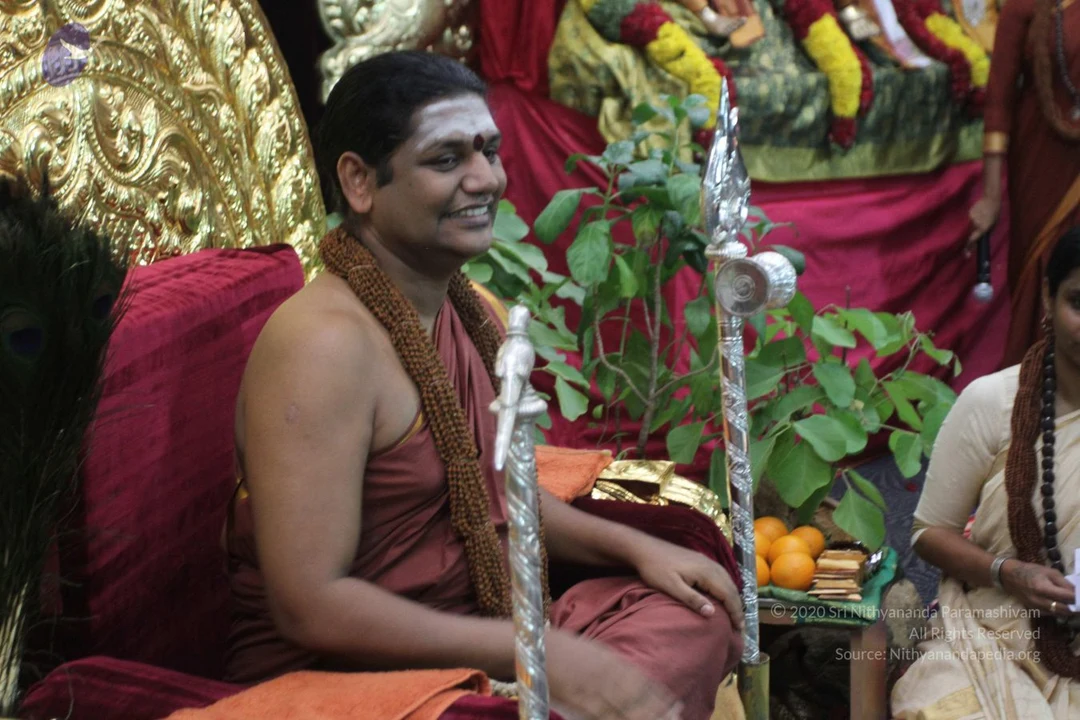
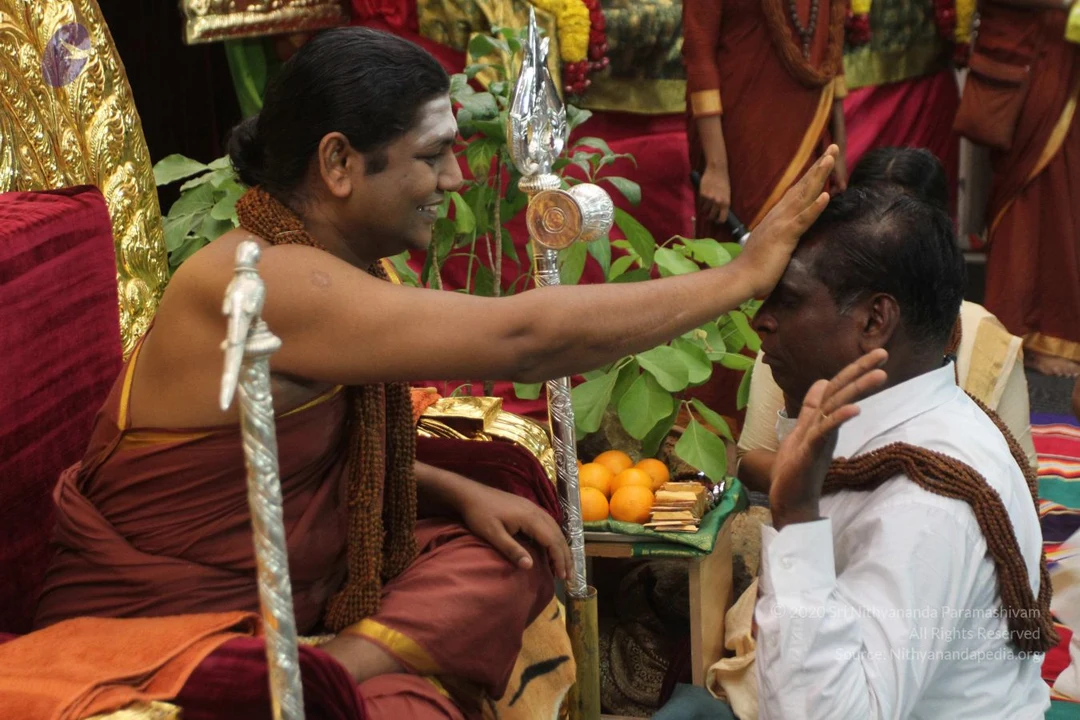
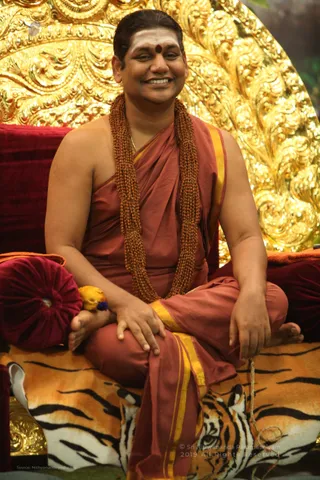
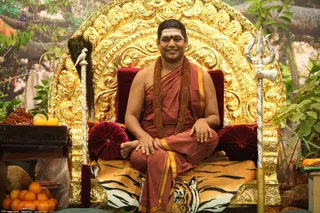
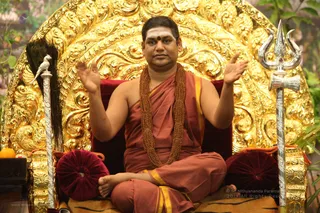
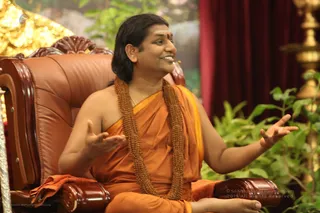
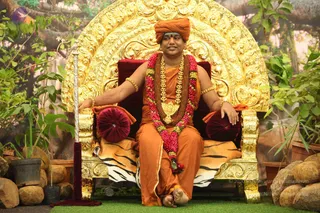
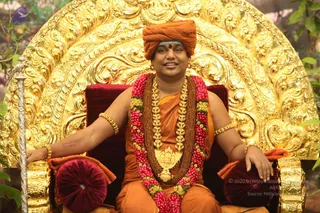
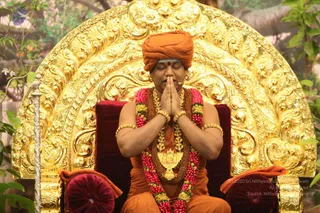
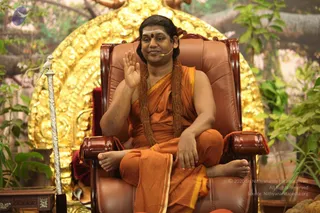
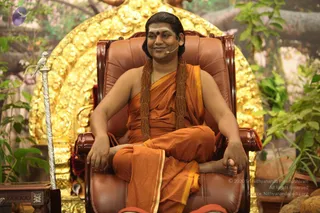
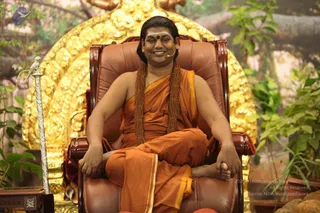
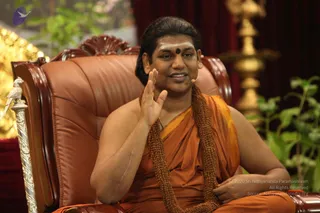
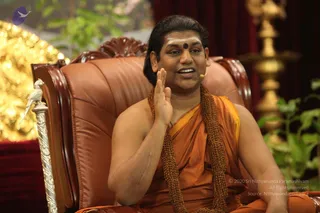
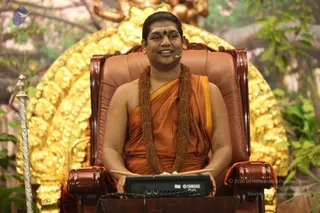
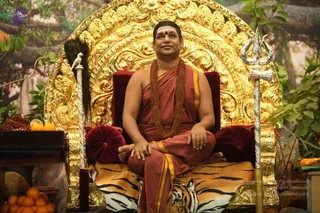
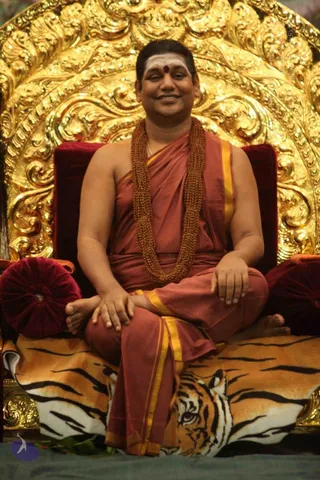
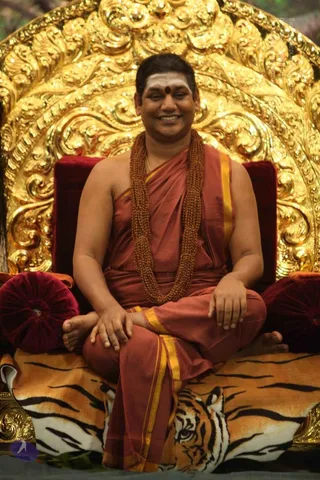
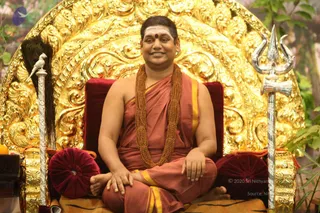
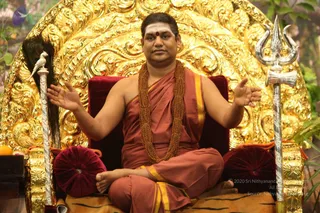
Today’s (26th April, 2015) Nithya Satsang on Ishavasya Upanishad in Living Advaita Series starts with Day 6 of Meenakshi Brahmotsav celebrations, the day Jnana Sambandar reestablished Shaivism in Madurai. Paramahamsa Nithyananda expands on verse 10, which reveals the important necessity to keep the seeking alive as the fire that constantly helps you to reinvent yourself. Quoting from his own Enlightenment, he casts open the experiences of Enlightened Beings, Incarnations, who being the Cosmos, are always established in seeking; as Cosmos is constantly expanding, seeking, never stagnant. Defining the what, why of seeking, he affirms the need to keep seeking as a compelling reality in you; which is by looking into the basic questions— “What Am I? What Am I looking? Where Am I looking” and not “Who Am I?”, because we cannot make a presumption whether we are animate, inanimate being. Seeking is the antidote for ‘pattern compulsions’, forced on us by the materialistic society, which never lets us sit back and look. Varanasi, the golden city stands for Seeking, built by the intense fire-like seeking of millions. Isha Upanishad – Verse 10 anyad evāhur vidyayā-anyad āhur avidyayā | iti śuśruma dhīrāṇaṁ ye nastad vicacakṣire || 10 || Today’s Vakyartha Sadas, topic for spiritual explorations on Truth is — “Difference between reinventing yourself, re-strategizing yourself because of your seeking, and trying to change because of your boredom. Studying the difference between the two is subject for Vakyartha Sadas today. So do Vakyartha Sadas on–Am I changing due to boredom? Am I reinventing, restrategizing out of my seeking.”
Link to Video:
| Video | Audio |
Transcript:
nithyānandeśvara samārambhām nithyānandeśvari madhyamām | asmat āchārya paryantām vande guru paramparām ||
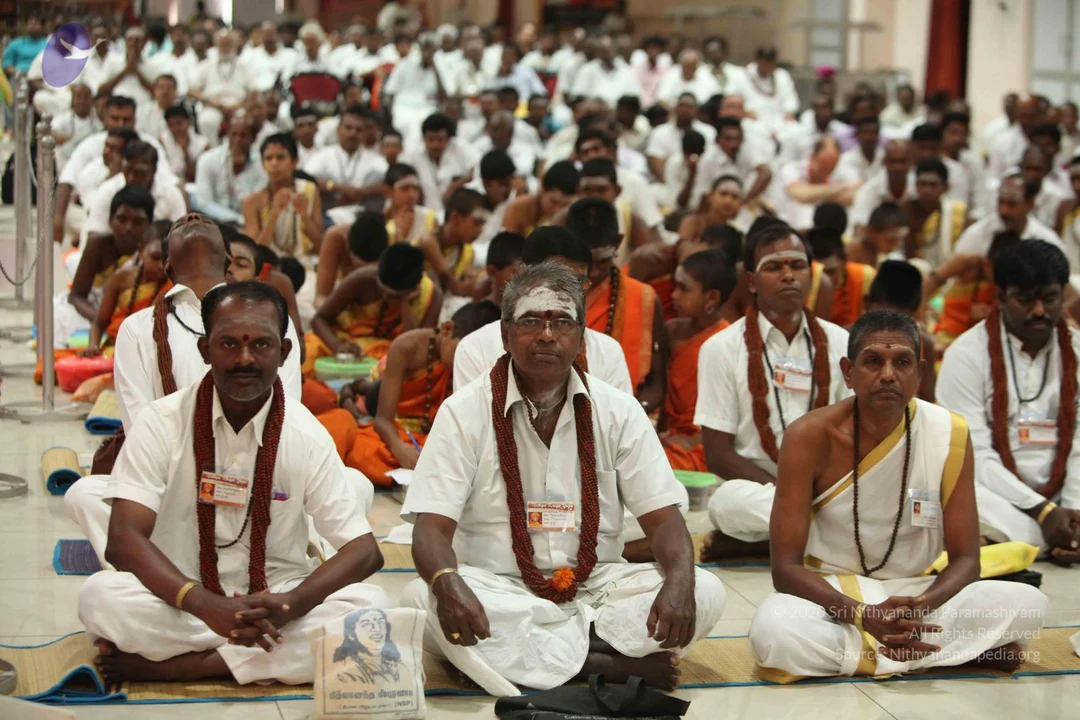
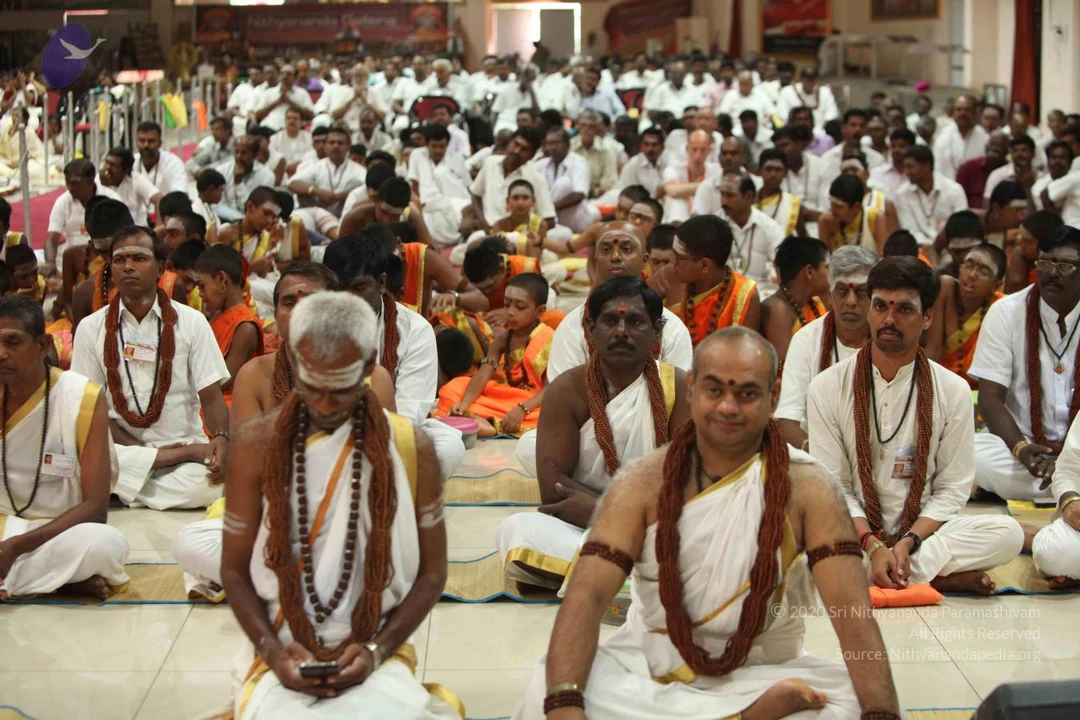
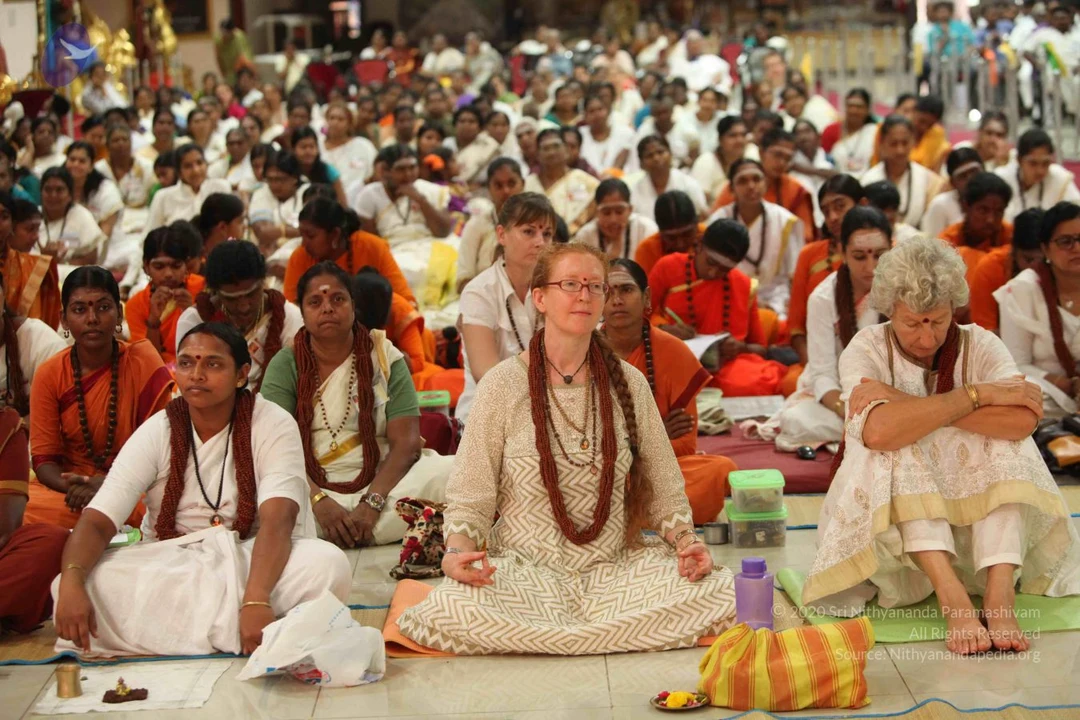
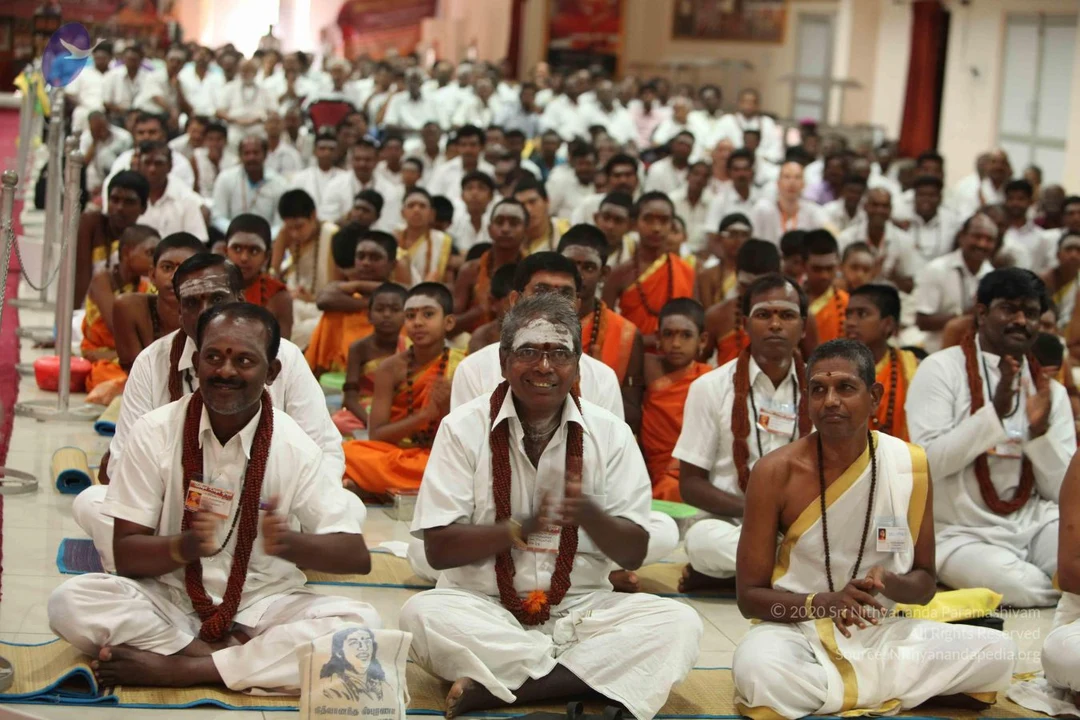
I welcome all of you with my love ad respects. I welcome all the devotees, disciples, samajis, satsanghies, Sri Mahants, Mahants, Thaedars, Kotharis sitting with us all over the world through Nithyananda TV, Sadhna TV, Arra TV and two-way video-conferencing having Nayana Deeksha.
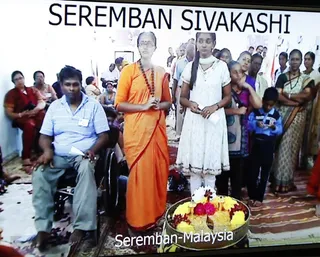
Cities sitting with us having Nayana Deeksha: Singapore- Aadheenam, Surrey Canada, Houston- Aadheenam, Vancouver Community Centre, London, Uduvai Aadheenam, North San Antonio, Washington DC, Warrington UK, Madurai Aadheenam, Dubai Aadheenam, Dulhousie Florida, Hosur Aadheenam, HongKong, China, Trinidad-Tabago, Ohio- Aadheenam, Los Angeles, Seattle-Aadheenam, Vancouver-Bhubaneshwar, Toronto-Aadheenam, Bogota-Colombia, New Zealand-Adi Arunachalam, Chennai-Shri Puram, Kuala Lumpur- Aadheenam, Australia, New York Aadheenam, Los Angeles Aadheenam, Slovakia, Suva- Fiji, St Louis Aadheenam. Lot more cities are joining, I welcome all of you with my love and blessings.
2:57
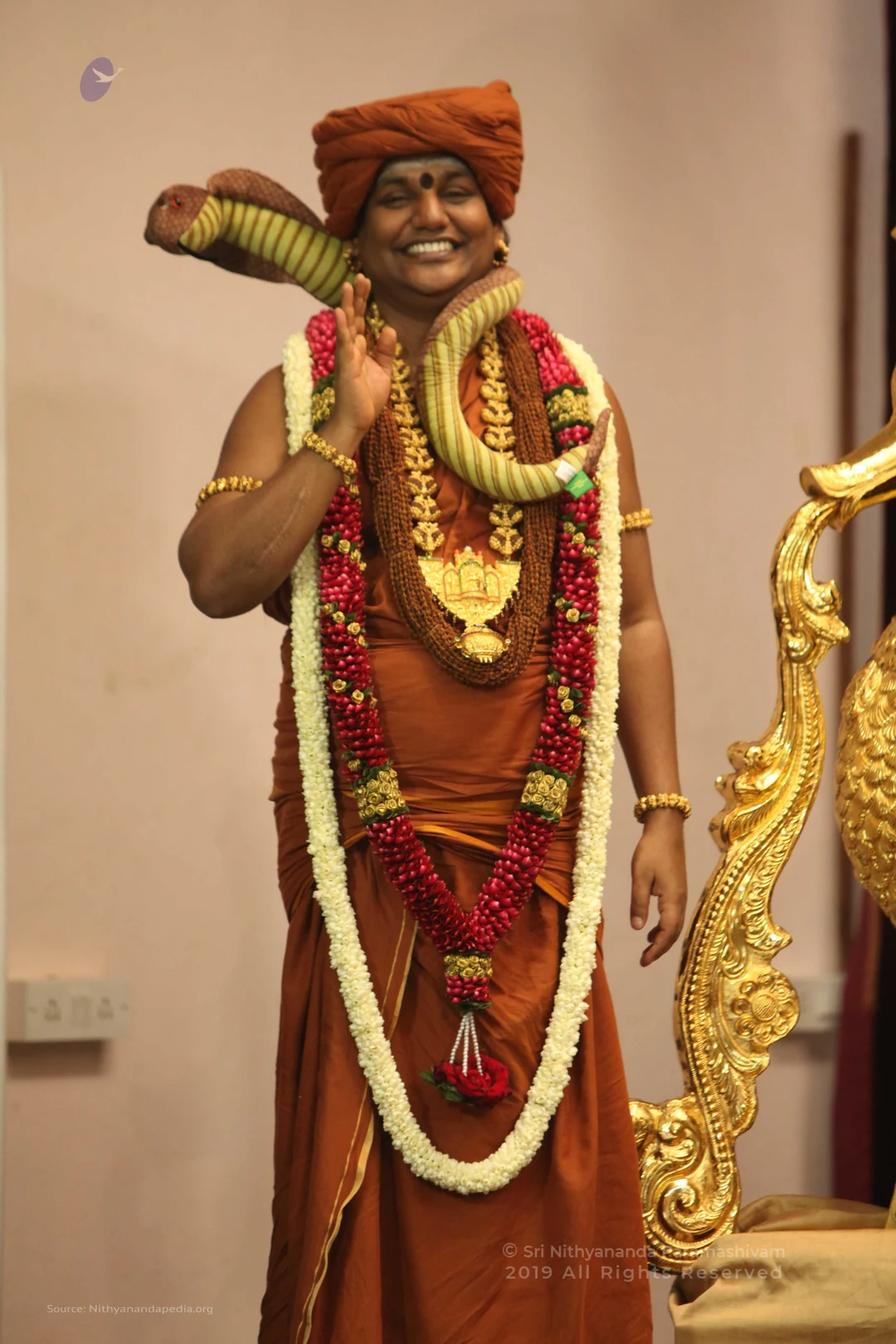
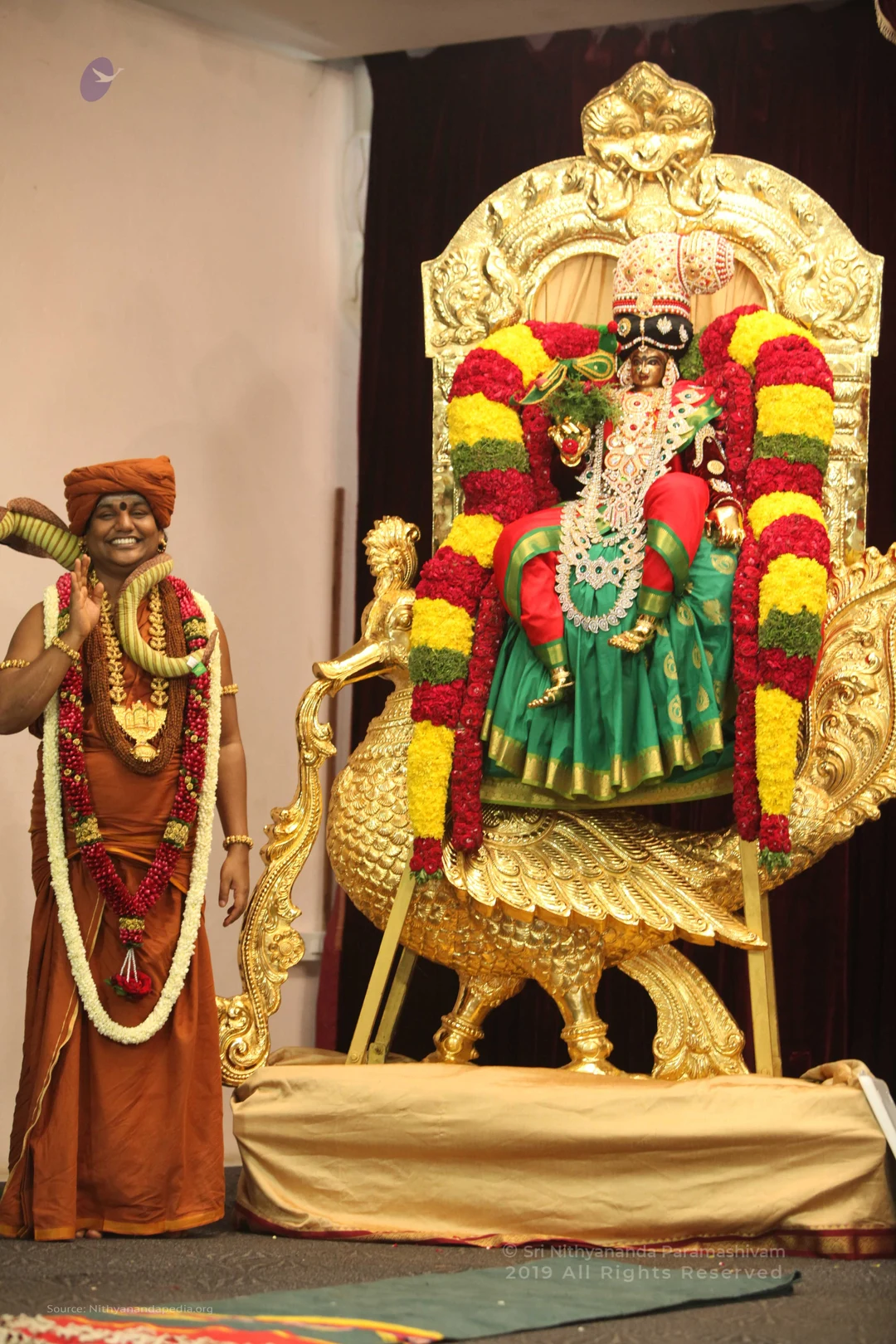
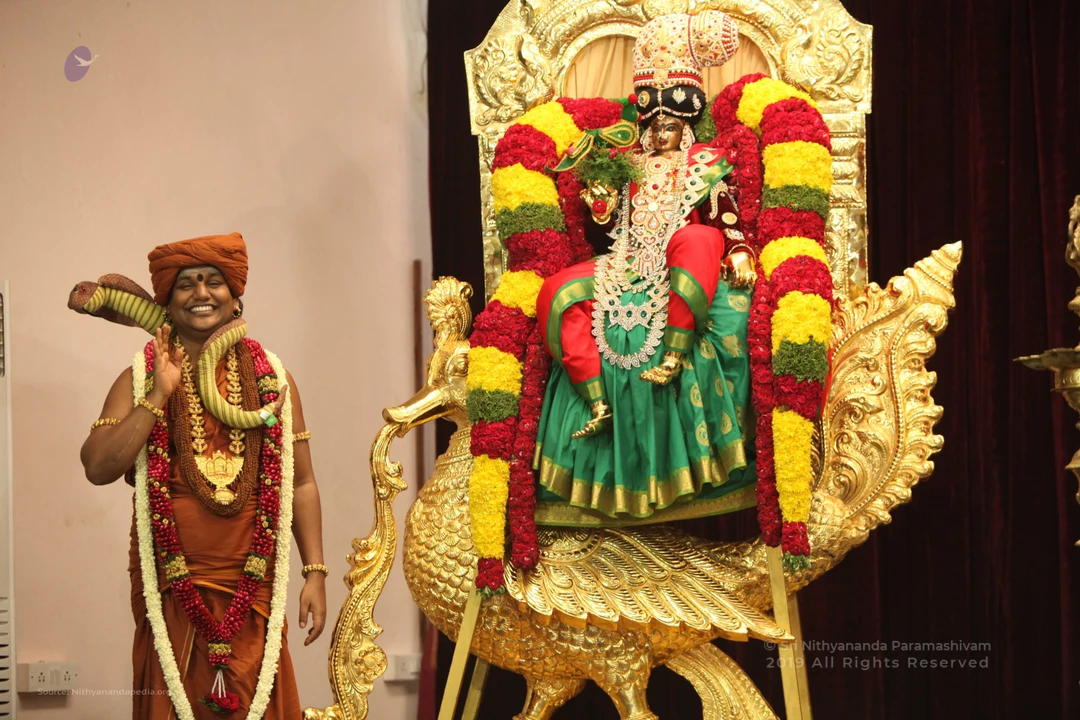
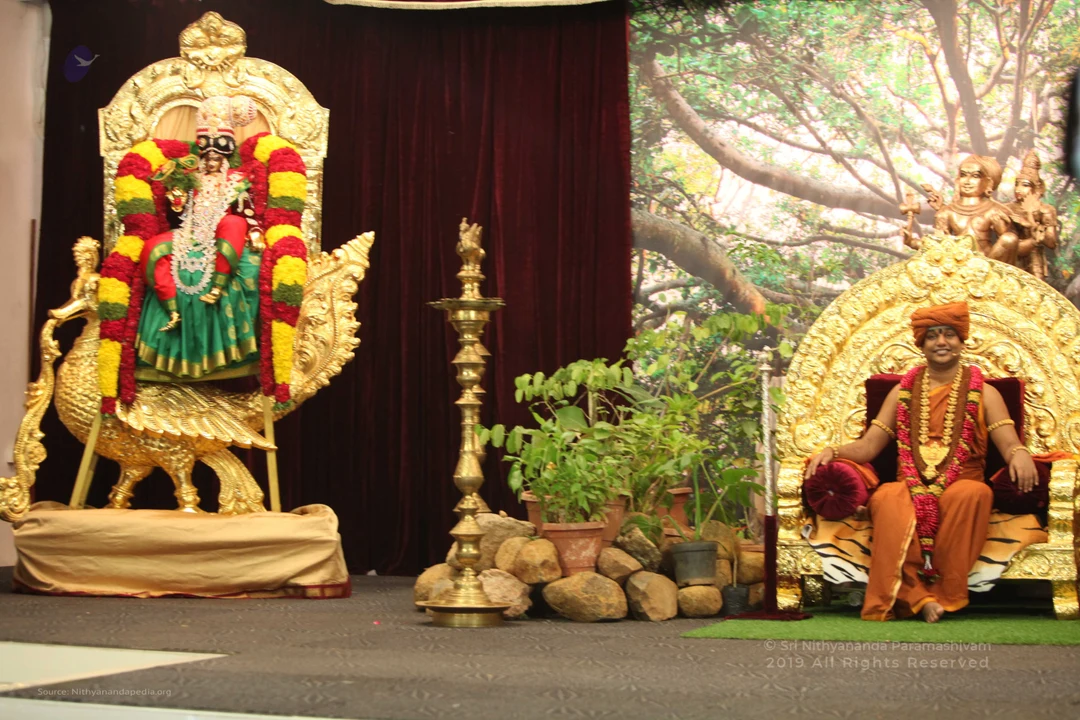
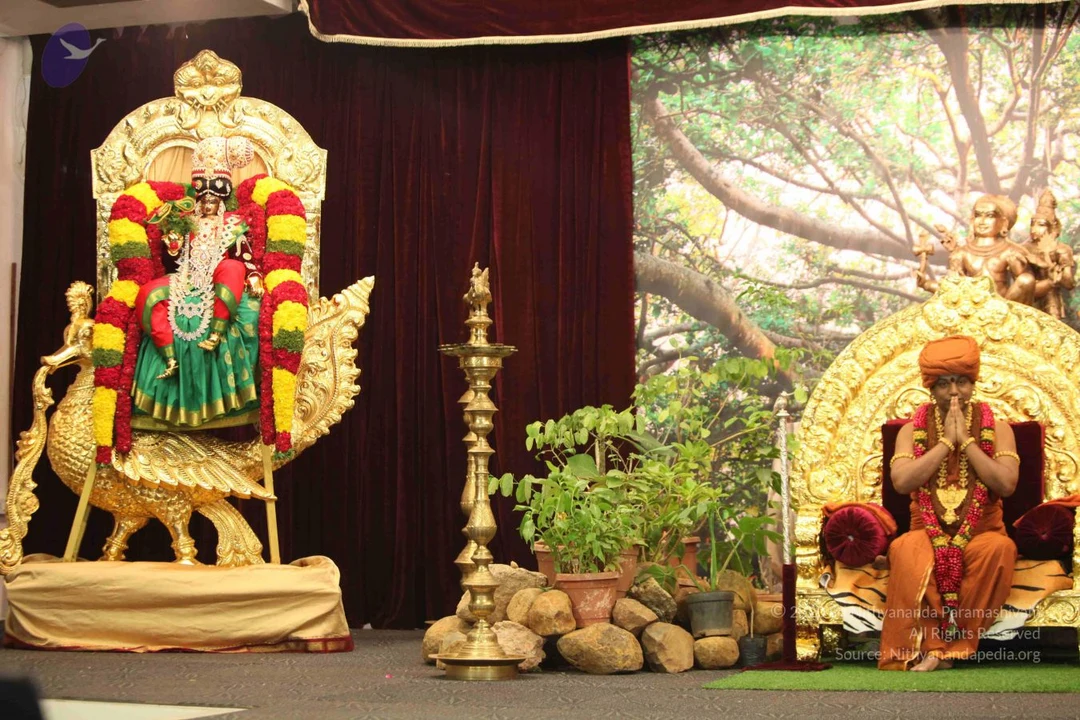
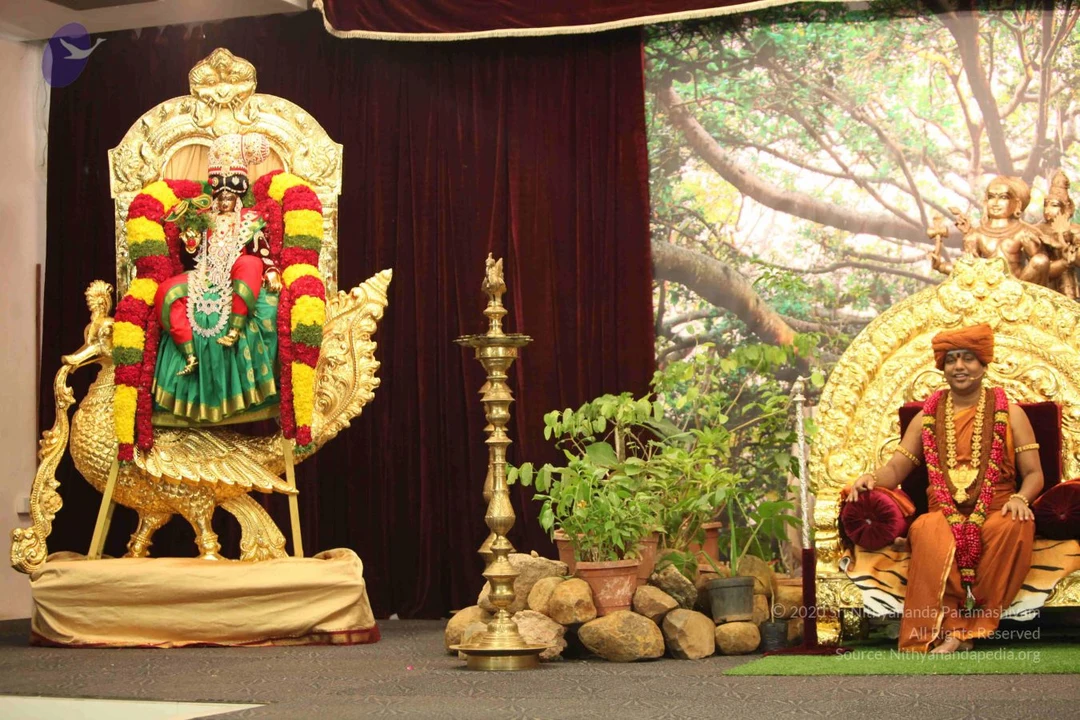
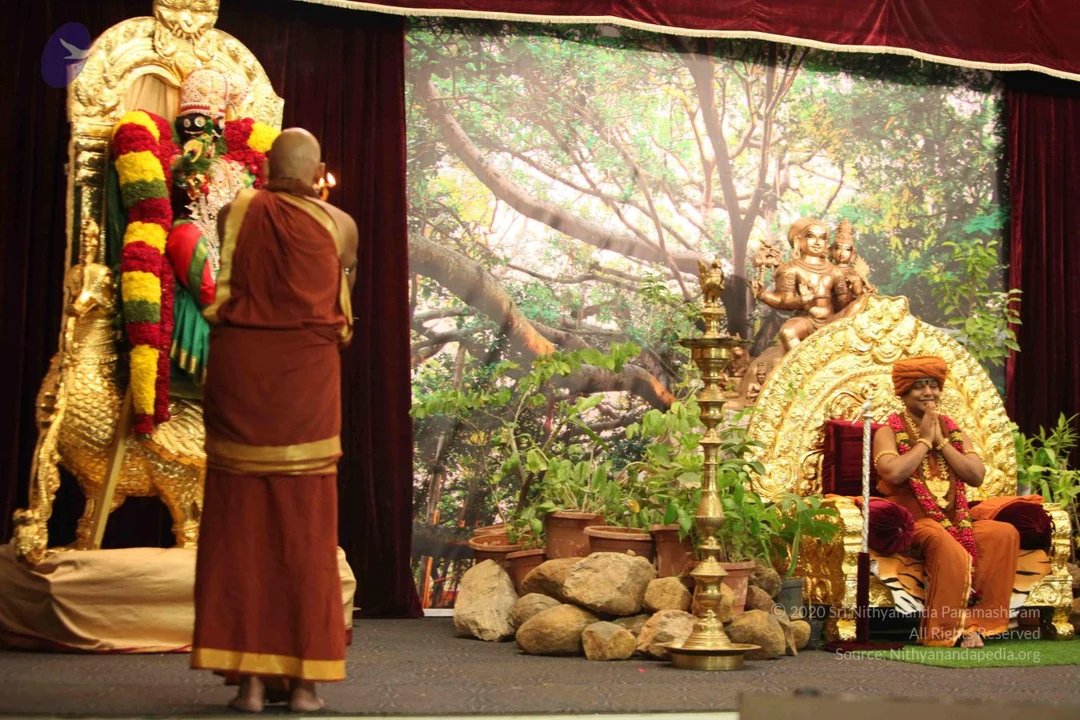
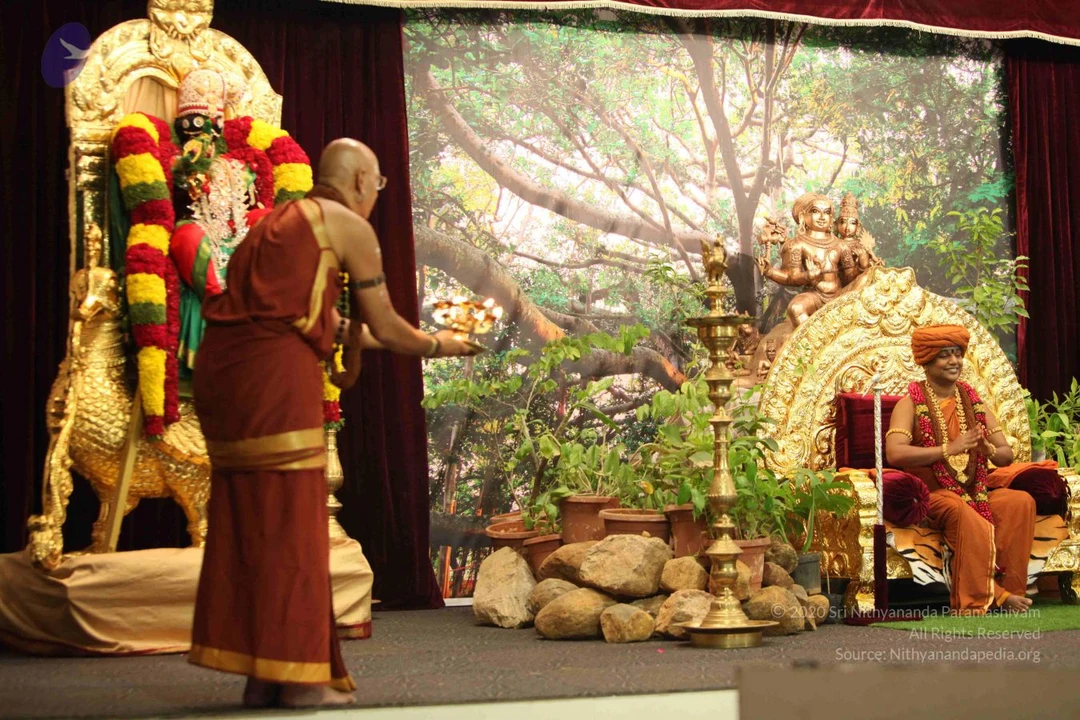
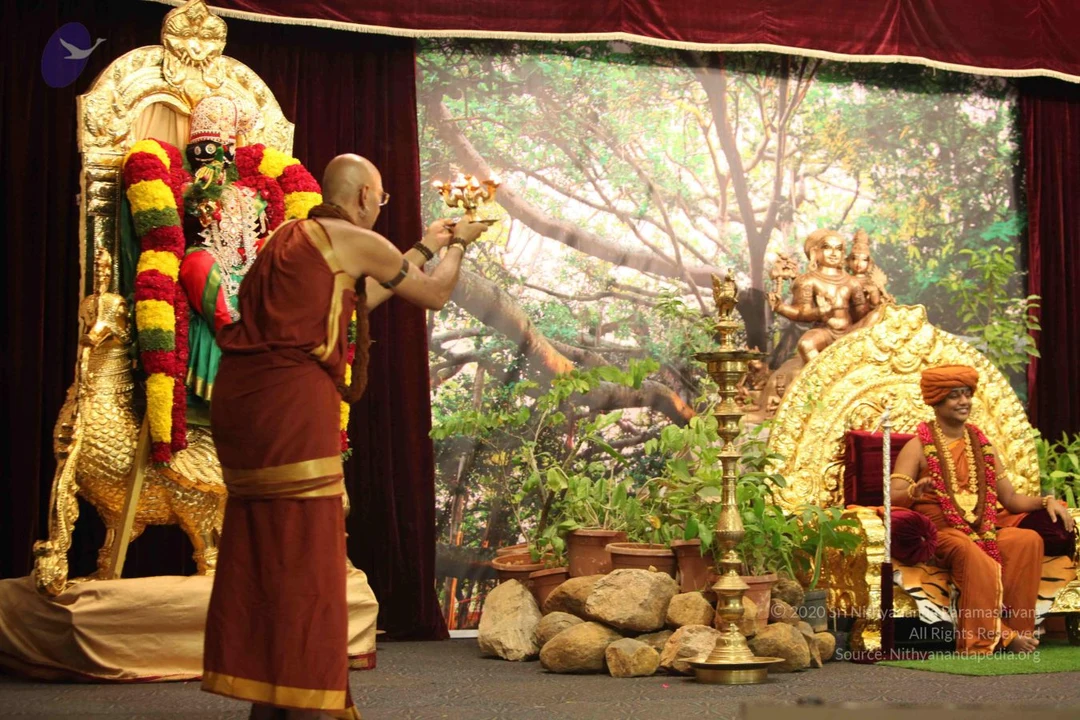
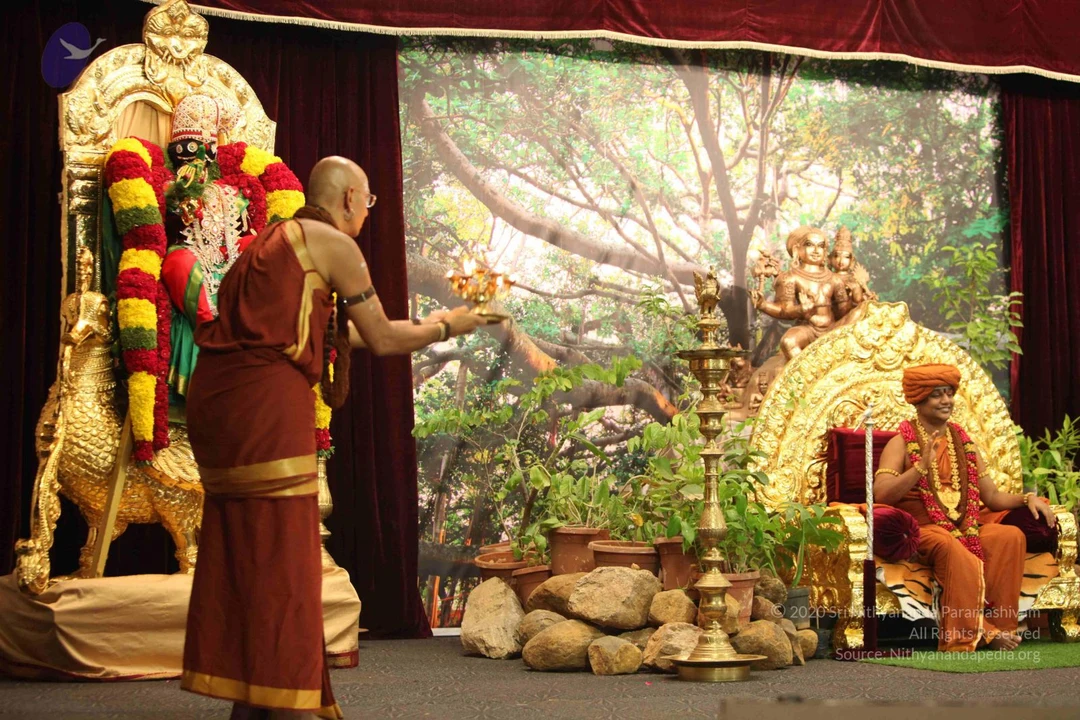
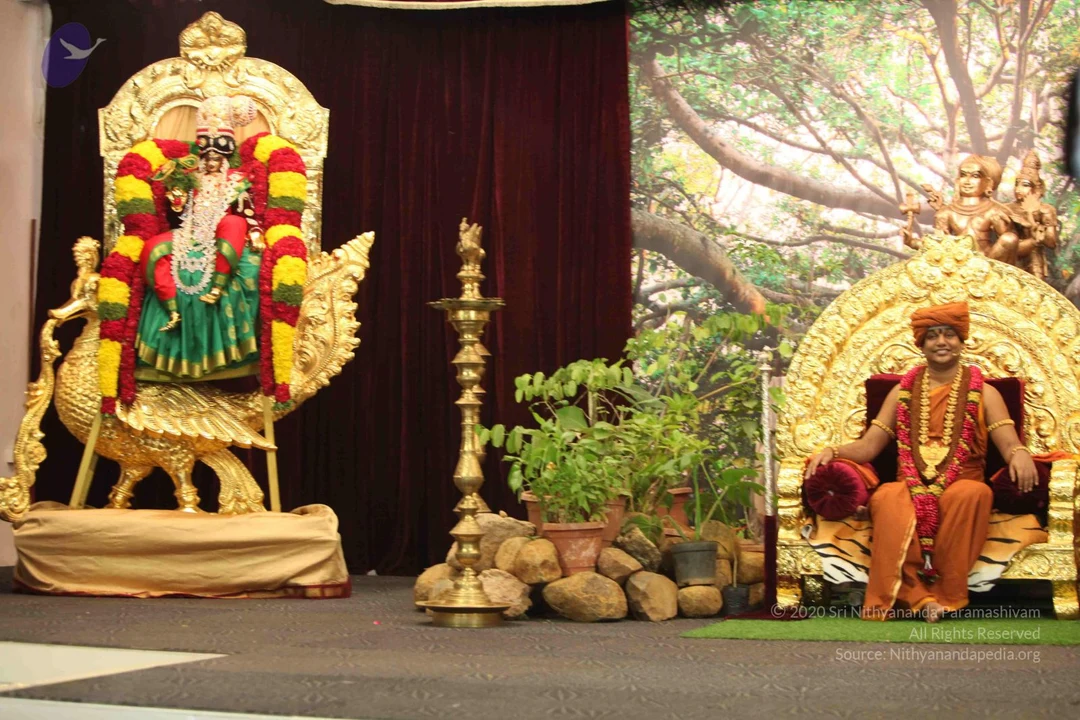
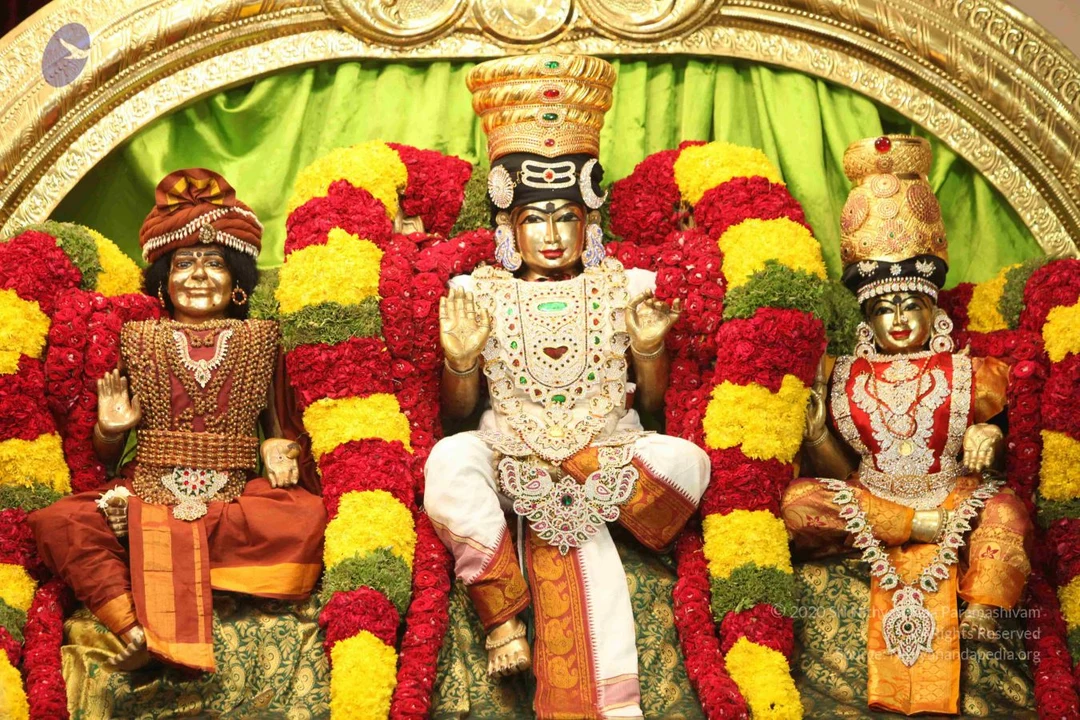
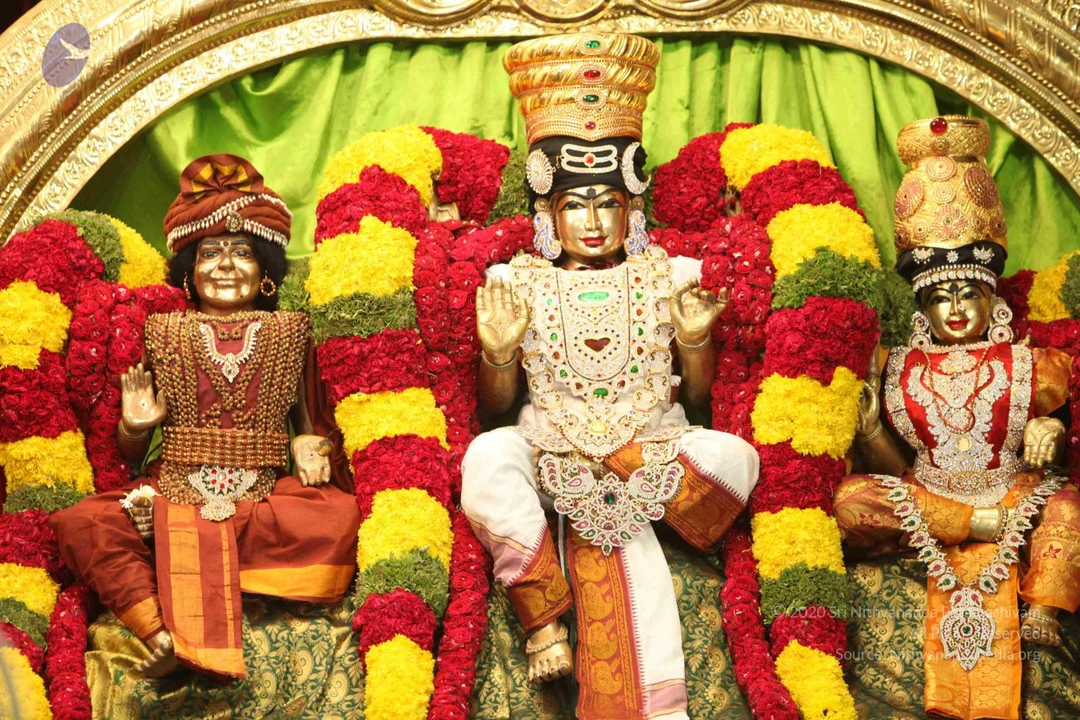
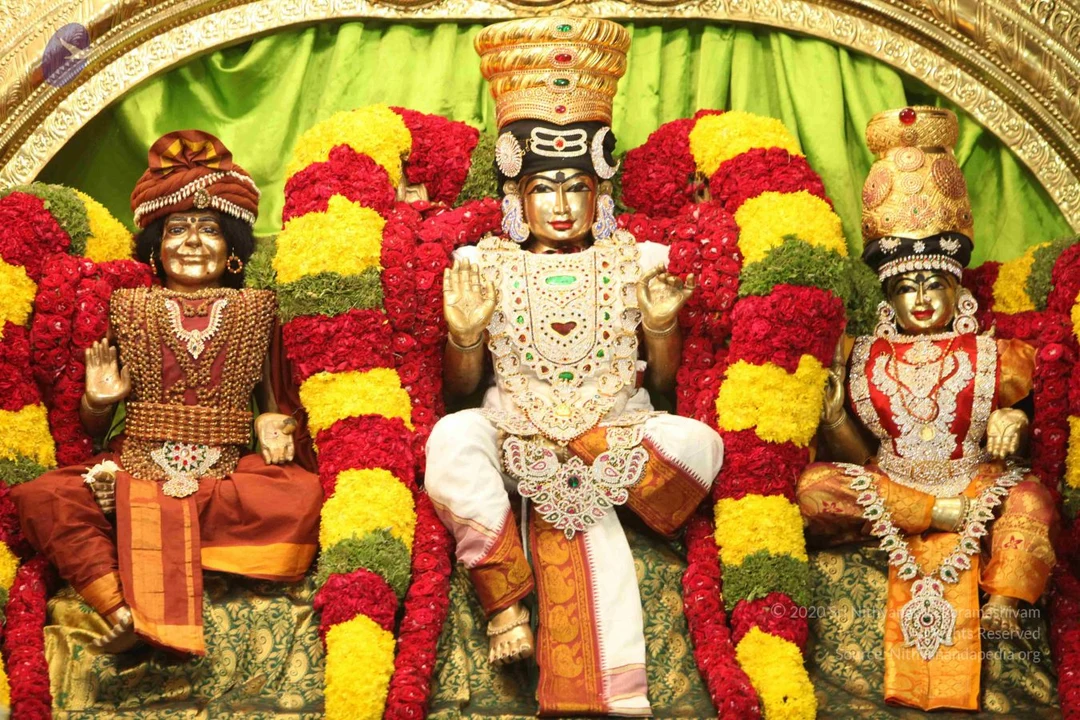
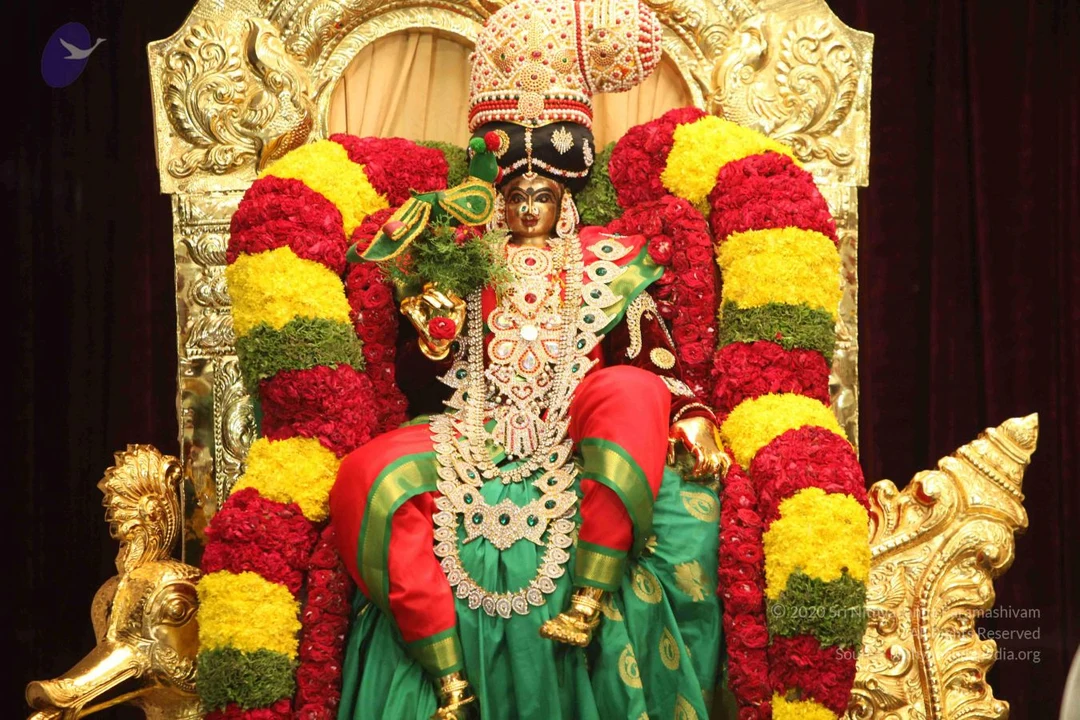
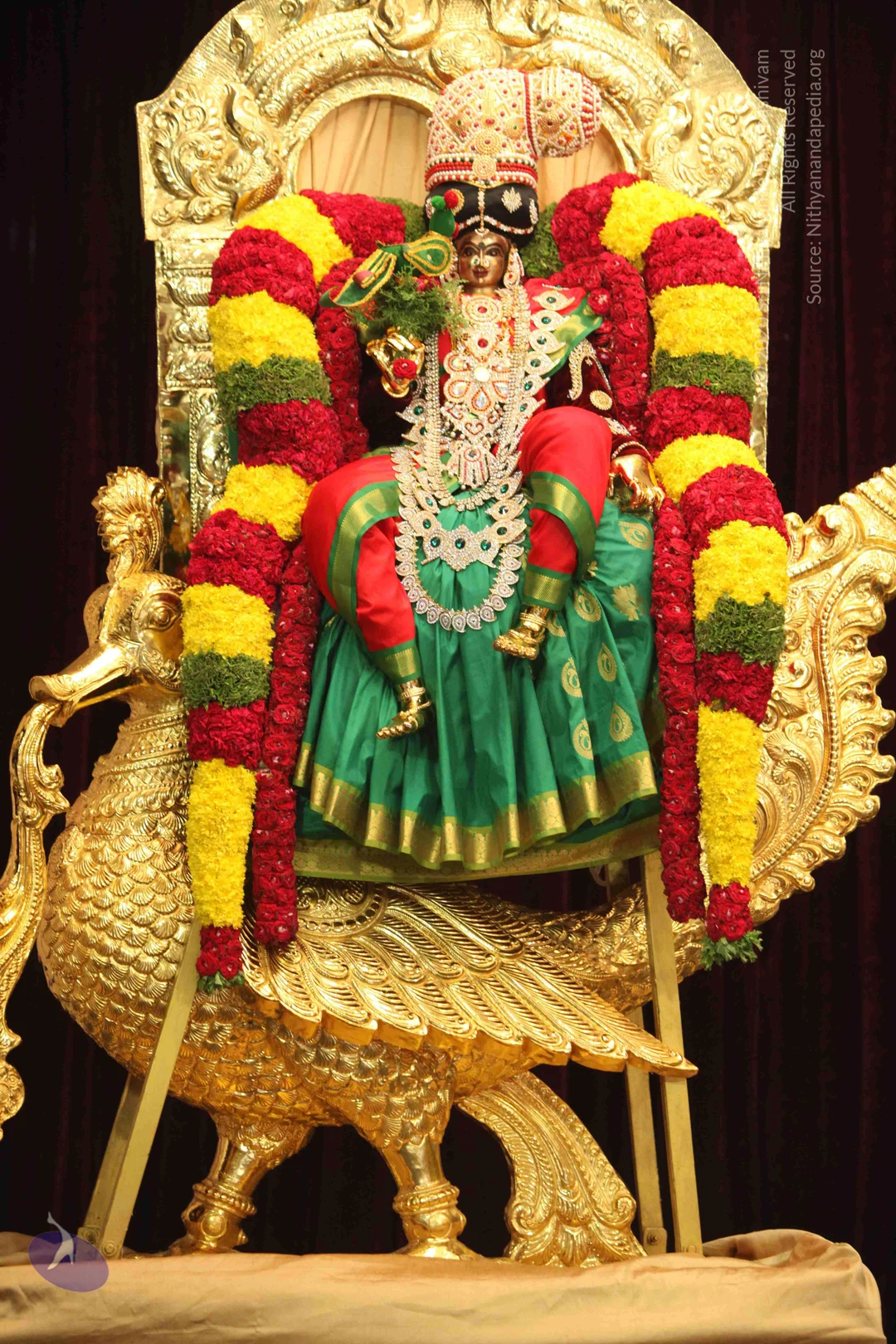
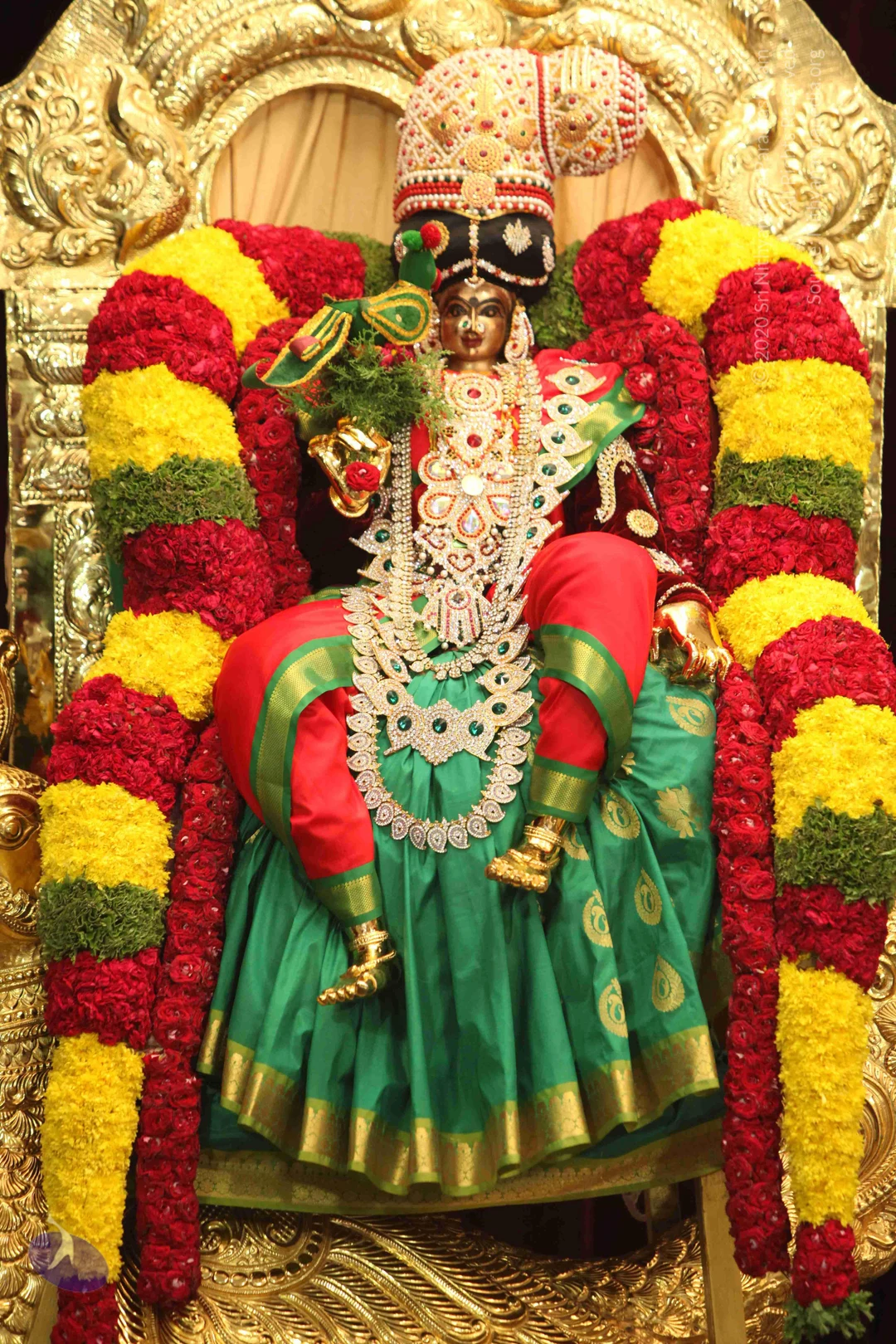
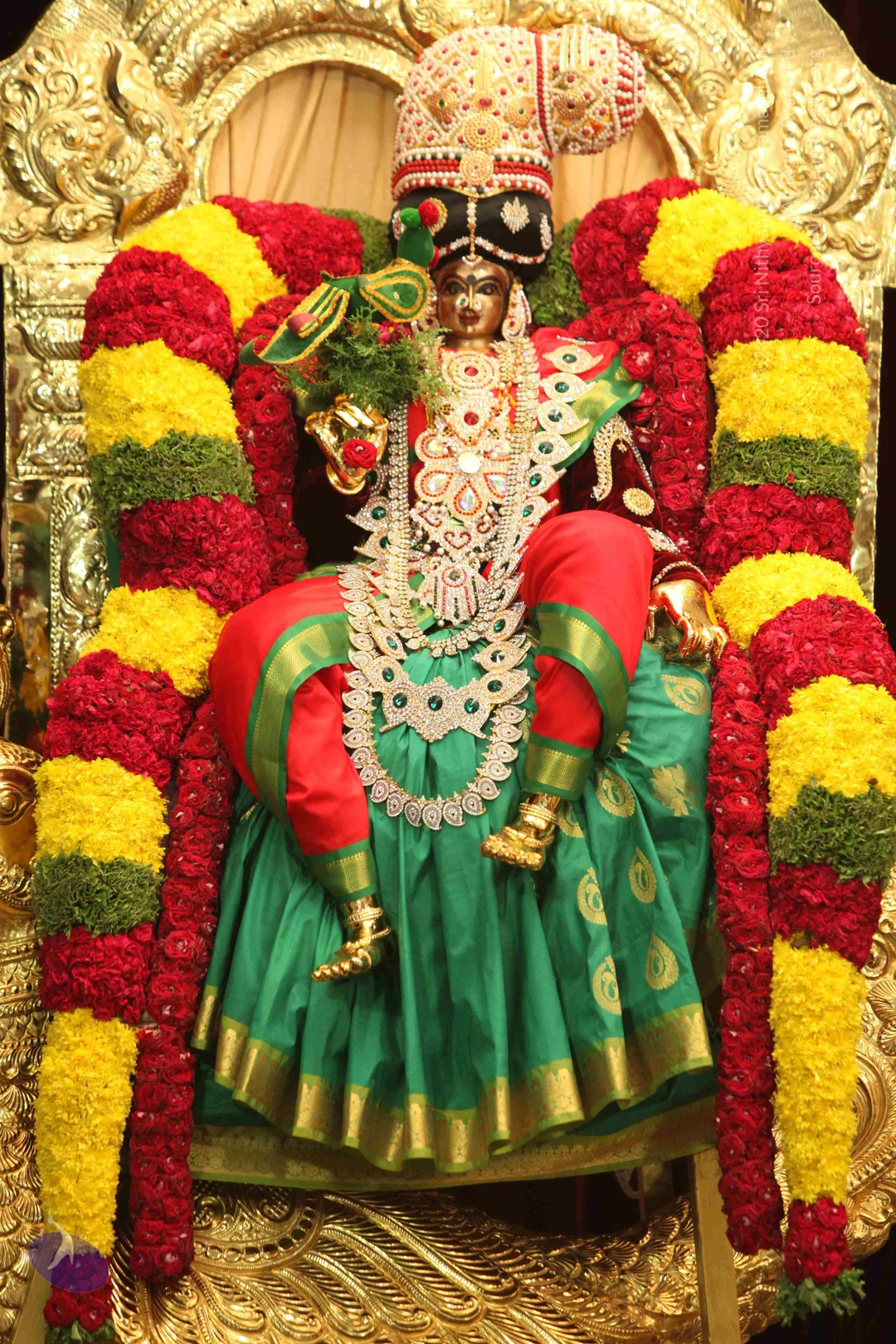
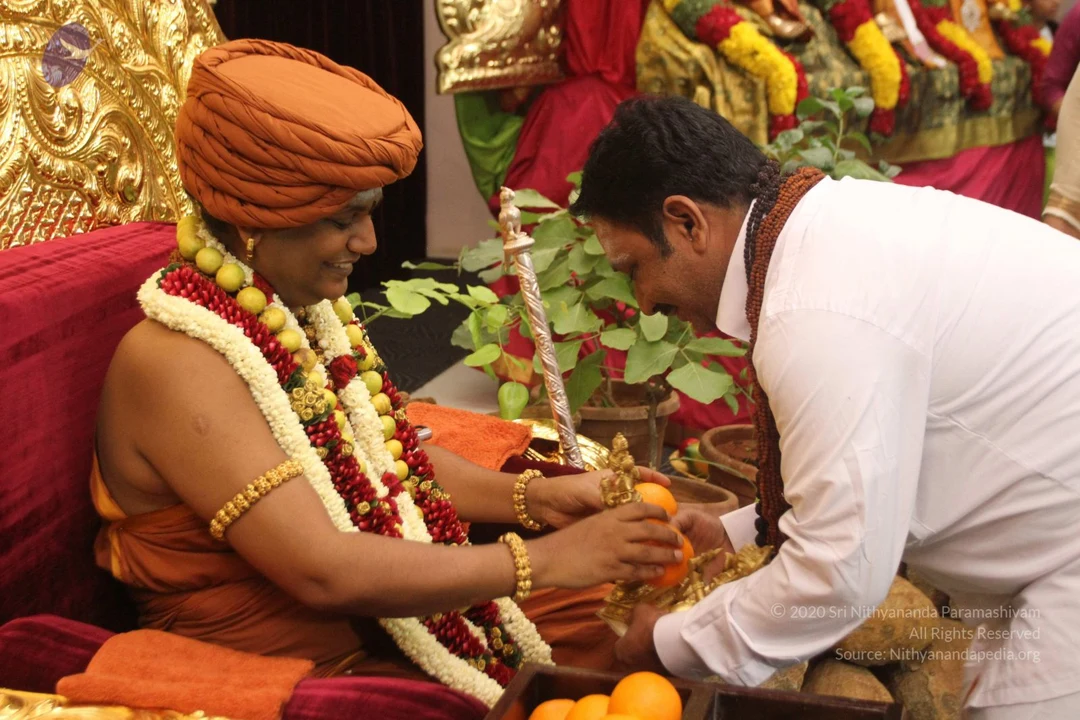
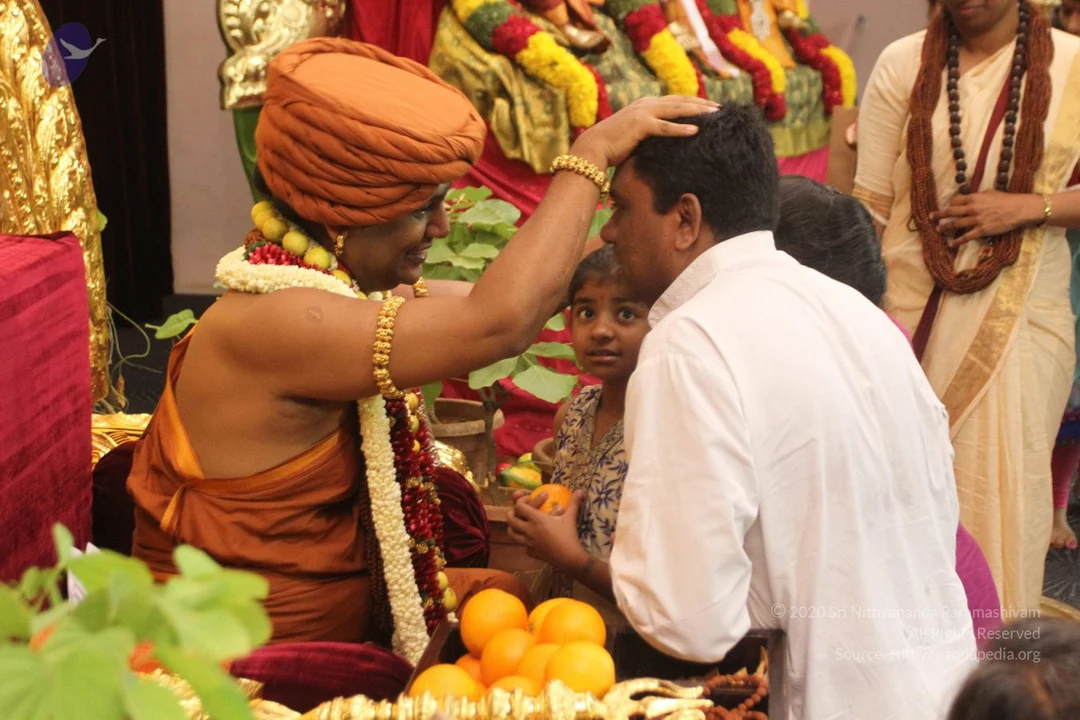
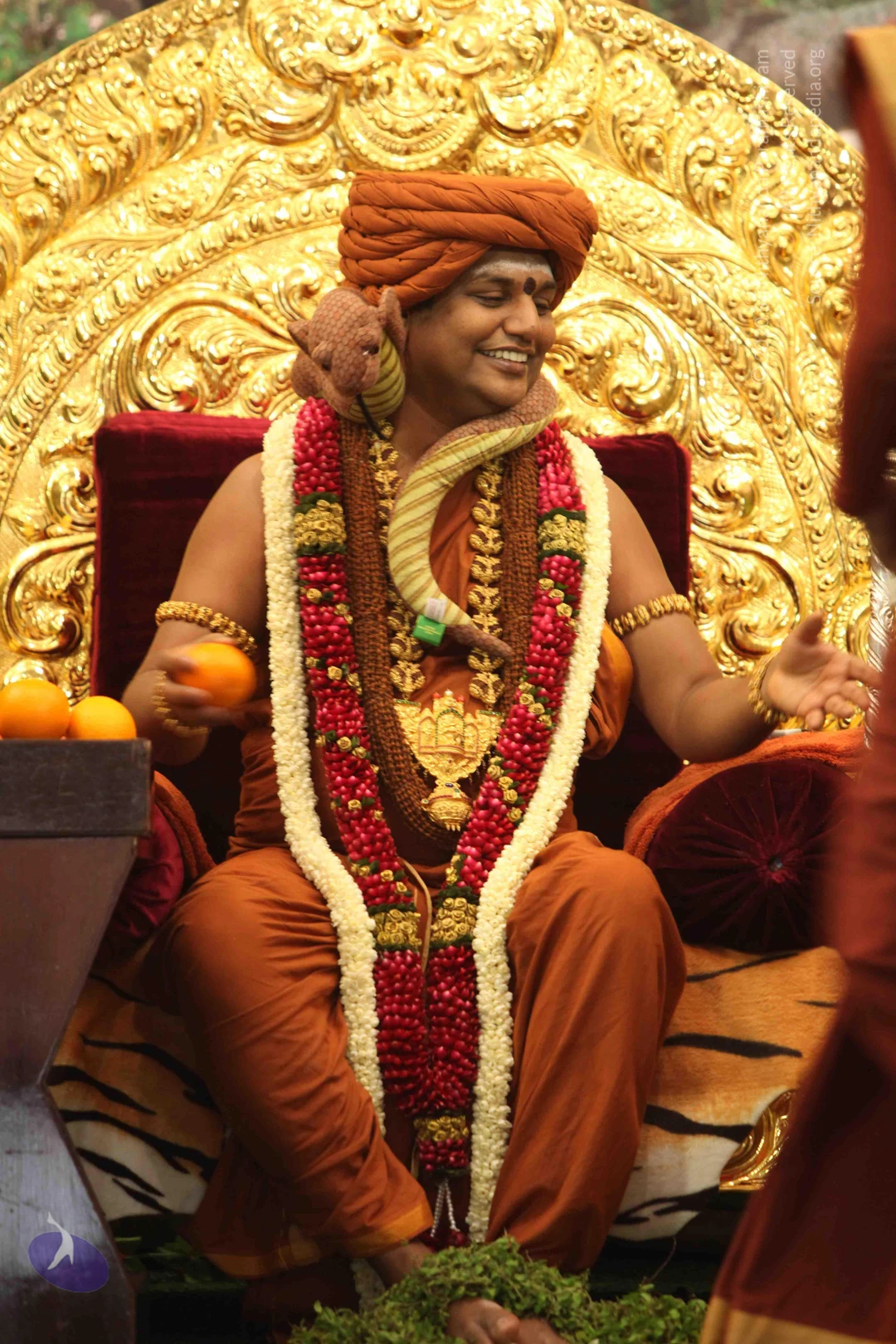
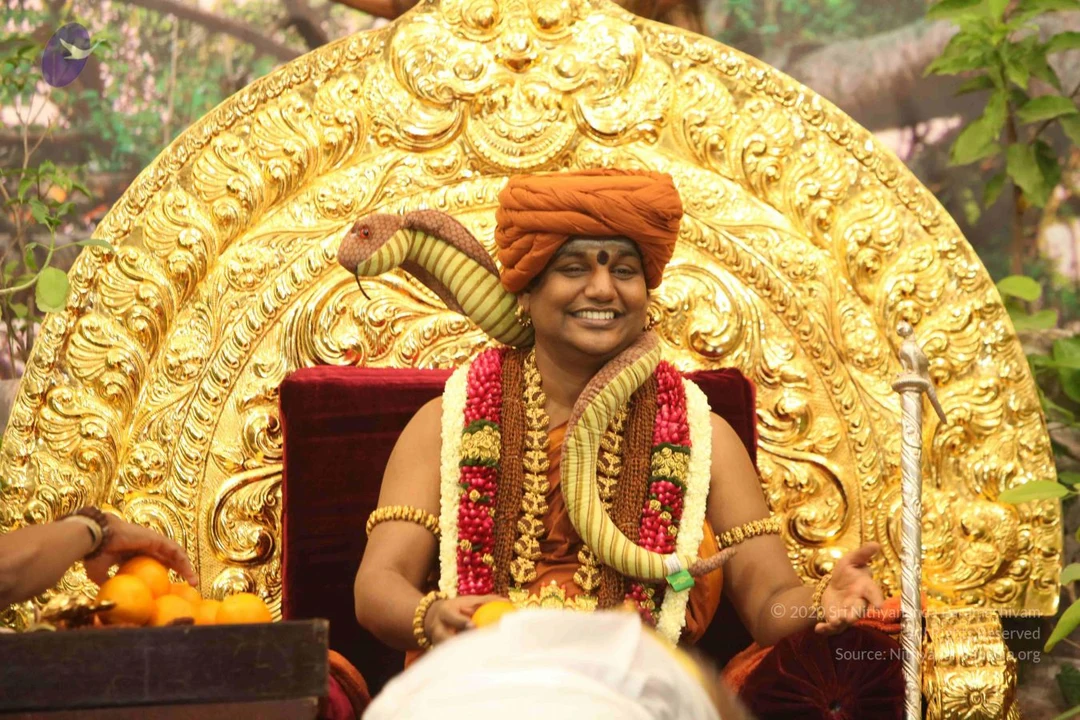
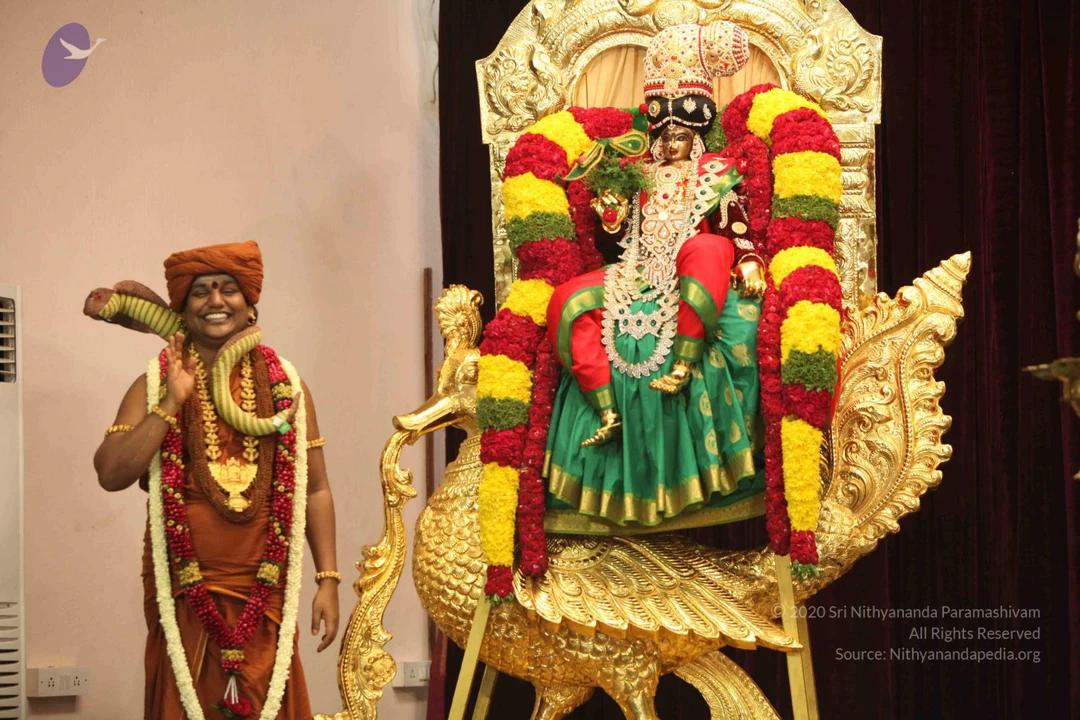
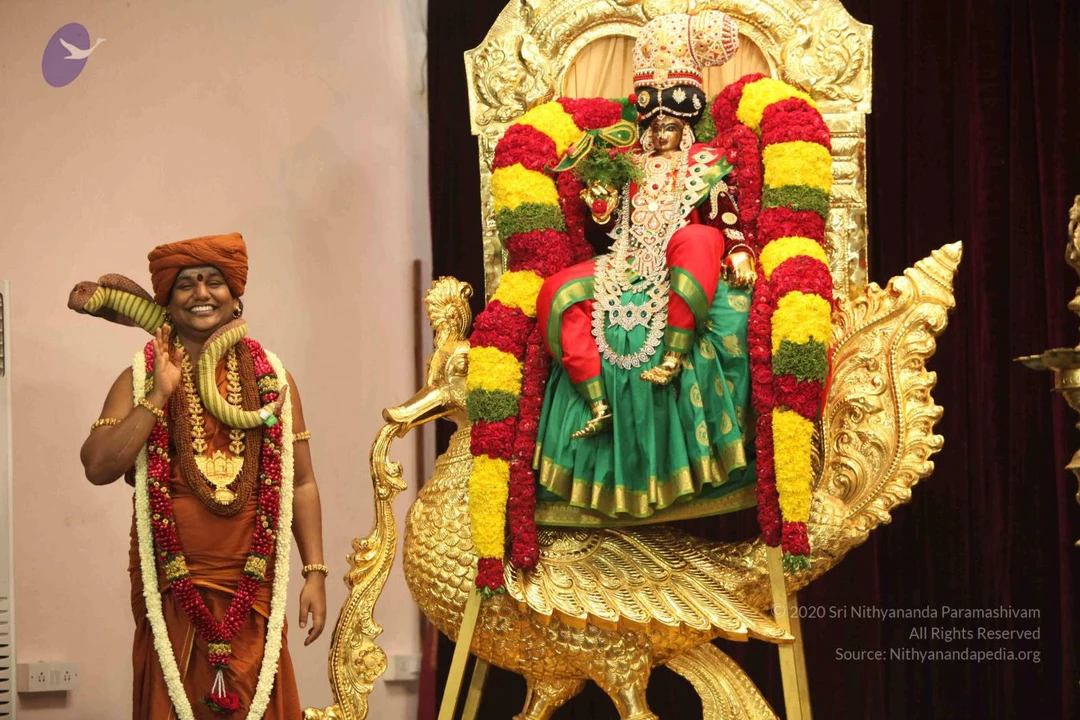
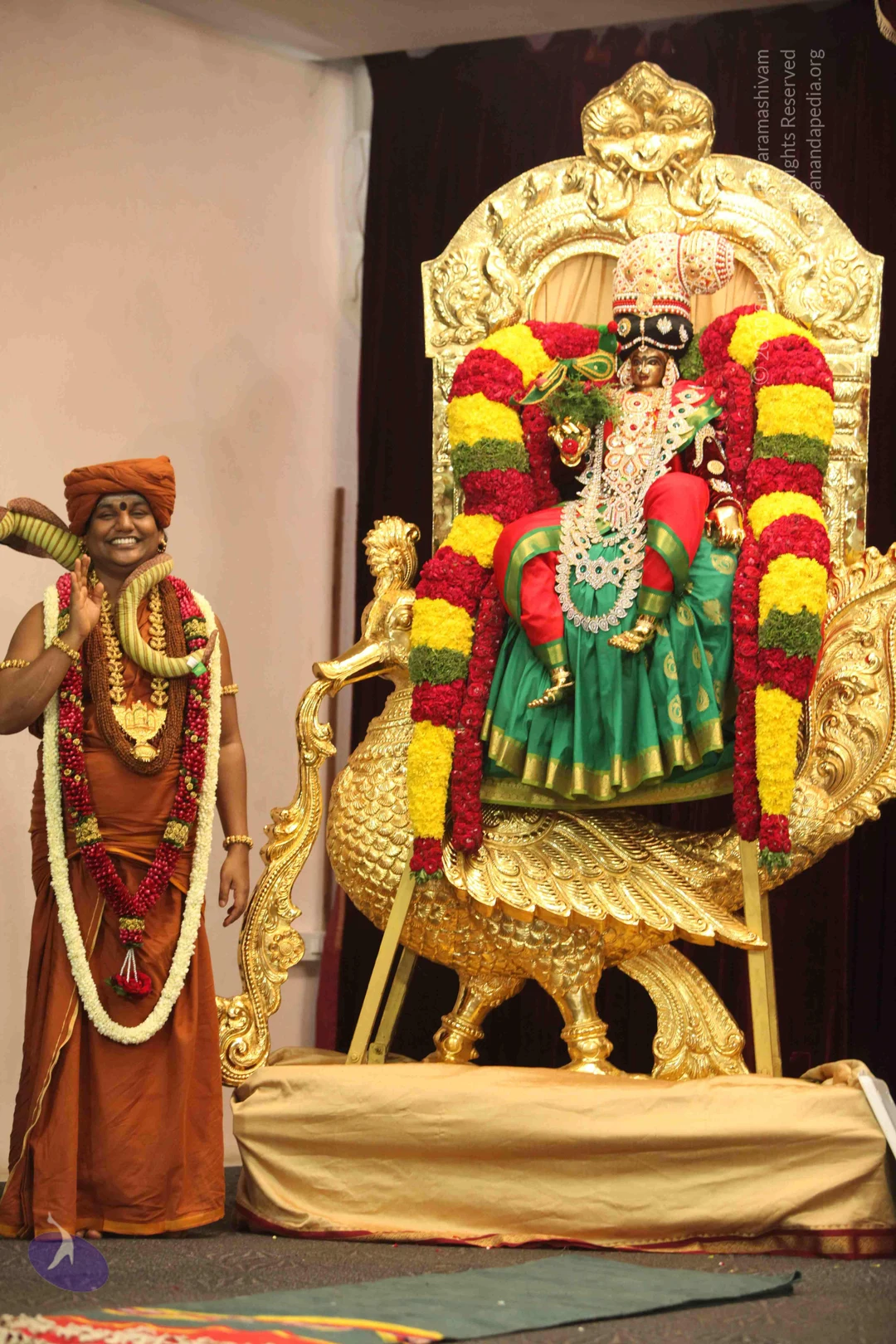
Today the 6th day of Meenakshi Brahmotsavam, Jnana Sambandar establishing Shaivism in Madurai. I can use the word re-establish, Shaivism in Madurai. He is celebrated today on the 6th day of the Brahmotsavam because Sundareshvara himself established Shaivism and Sarvajnapeeta first in Madurai, then Jnana Sambandar re-established. I have to again re-re-establish. We will do it. We will do it. When you read the history, after long time, like Jnana Sambandar came, he had a debate with other pseudo-intellectuals and they tried to kill him by putting fire on the Aadheenam, and then he had to heal the king, then prove his credibility and the credibility of Shaivism by doing various spiritual miracles, demonstrating the spiritual powers, finally he has to establish Shaivism. When you read it as a history from a remote point of view, after a long time thousands of years, you may not know what Jnana Sambandar has gone though; you have to all that again only then you will know what Jnana Sambandar has gone through; what Jnana Sambandar would have gone though only then you will have respect for the peeta, that is the tapas to sit in that Peetha again, to revive, re-establish, the Peetha, to revive, reestablish Shaivism. The same people, I can say almost same people who are harassing Jnana Sambandar are back and fortunately He himself is back; He will prove He wins again, He will prove He wins again. Today is the day Jnana Sambandar reestablished Shaivism in Madurai, that is celebrated and Devi Meenakshi is gracing on Swarnamayur Vahana, the golden peacock vehicle with the pearl crown, Sundareshwara is gracing in Sarvalankara. Let’s receive their grace.
And Chennai Sri Puram Annapurni Aachi’s 90th Birthday, Aachi blessings. With all the auspiciousness, health and long life you will be with me, I will be with you, blessings.
7:37
Let Me enter into today’s satsang. Isavasya Upanishad 10th verse, I’ll continue to expand on Isavasya Upanishad’s 10th verse, please listen:
anyad evāhur vidyayā-anyad āhur avidyayā |
iti śuśruma dhīrāṇaṁ ye nastad vicacakṣire || 10 ||
anyad evāhur vidyayā-anyad āhur avidyayā |
iti śuśruma dhīrāṇaṁ ye nastad vicacakṣire || 10 ||
The translation goes.
It is said that by vidya, the knowledge cognized from the right context of grasping the Truth. Please understand, this verse, the 10th verse of the Isavasya Upanishad, is trying to remind you the important truth of necessity to have a deep seeking alive.
Understand, seeking is the fire constantly helps you to reinvent yourself. I tell you, all the best things in My life, whether the best period I was healthy, I should say I am not just I was; the best goodness I felt about me, please understand, this is one of the greatest wealth, feeling good about you, feeling “wow” about yourself, the Ultimate ability to do tyaga, sacrifice, the amazing romance with the life, everything, please understand, all the best things of my life, was living in Me when I was seeking. Even now it is living in Me because I am established in seeking. Listen. Even an Incarnation is established in seeking. See, before My enlightenment I was seeking Enlightenment; once Enlightenment has happened, mind has disappeared, I realized, “I am the whole, I am the Cosmos”, but Cosmos itself is not stagnant, it is constantly expanding. How can it expand if it doesn’t have a seeking to become something more? So the very expansion of Cosmos is fueled by the seeking of Cosmos. That is why I am saying, even after I have realized—I am the Cosmos—my mind has disappeared but not seeking. Mind disappearing is only called as Enlightenment not disappearance of seeking. Understand, that is why I insist Enlightenment is ultimate not final.
Understand, giving in to your compulsory patterns, pattern compulsions, is suffering. Making the seeking as the compelling form of existence is Enlightenment.
Please listen, I am using little tall words. See sometimes the tall words are required to tell you what I am talking about is a tall philosophy. If I am doing small talks, I can use silly words. But if I am explaining some tall philosophical truths, sacred secrets, tall words are required. Listen, giving in to your pattern compulsions are not freedom; unfortunately, the western society is teaching you, the western civilization is teaching you, the materialistic civilization is teaching you, giving in to your pattern compulsions is freedom, and they supply material for your pattern compulsions, and swindle you, rob you. Giving in to your pattern compulsions are not freedom. If you think that is the freedom, you are stupid; that is the right word I will use, you are stupid. Don’t give in to your pattern compulsions. Make seeking as the compelling reality of you. Let the seeking be the first response from you.
14:32
Let me define Seeking. Please listen, let me define Seeking.
Whatever I feel as ‘me,’ what is that? It is constantly changing, dilly dallying, sometime it feels good, sometime it is bad, sometimes right, sometimes wrong, sometimes knowledgeable, sometimes ignorant. What is it? What am I? You should not even as ‘who am I,’ because the moment you say—“Who am I”—you already assumed you are a being. You should only ask the word—“What am I?” because you don’t even know whether you are a being or some inanimate object. The word ‘Who am I’ comes with the presumption you are a being, even that is not sure. Only when you realize who you are, you can be a being; till then, you are just only innate existence. The compulsion, understand, there are tons and tons of compulsions you may face in your life, social compulsions, family compulsions, political compulsions, economical compulsions. But the worst compulsion is pattern compulsion. Pattern compulsion is the worst compulsion, where you are eternally imprisoned. Life becomes worse than hell when you are caught in pattern compulsions. Seeking is the antidote for all pattern compulsions.
17:07
The place where you stay, your house, your office, just go into those places, you will see each place has a strong pattern associated; how much ever you try the moment go and sit in your bed, you will fall asleep, even if its daytime, even after sleeping 12 hours. You may think, “I will sit in my bed and do the work,” no, no, the moment you sit, Nidra Devi (goddess of sleep) just embraces you and calls you, “my son, please come...” and you’re out. Please understand, patterns and pattern compulsions are associated even with places. Go to your office, automatically you will be restless, agitated, feel like biting everyone you see in front of you, ‘wawawawa,’ whoever is seen by you will have your ‘blessings.’ With each place, certain patterns are associated.
With Varanasi, seeking is associated. If you want to be out of your pattern compulsions, giving in to your pattern compulsions, awaken the seeking in Varanasi. Be there, be there in the May, May is not May: must. May IS must. Let it not be “may,” May is must. Please understand, really I’m telling you, each place is associated with certain patterns because those patterns are enriched, encouraged. Varanasi, seeking is entertained, encouraged, enriched, that is why Sri Ramakrishna says, “I saw Varanasi as a golden city; it is not built by just stone, brick, wood, mortar, it is built by intense seeking, prayers, the sacred sentiments of millions and millions and millions of enlightened beings and billions and billions of devotees, visitors, pilgrims.” Understand, Ramakrishna is perfectly right; He is perfect when He describes Varanasi. Whenever I sit in the Ganga in the boat and look at the Varanasi, I see millions of Enlightened Beings’ seeking, and billions of devotees’ prayers put together personified Each stone in Varanasi is one Enlightened Master’s seeking; the mortar binding the stones is billions of devotees seeking and prayers. Each place radiates certain pattern. Each place radiates certain pattern, understand. Varanasi is all about seeking, seeking, seeking.
21:28
Constantly keep your seeking alive. What am I? What is it I see all around me which I tag as world? Which I classify as world?
Before accepting any friend request, you try to see the profile; same way, before accepting the friend request from the world, please try to see the profile of the world—What it is? Who made it? Whenever you try to find somebody’s profile, any amount of information given looks very little, you try to look for only this much, “no, this fellow has something to hide.” And I find really funny, what, how will you gaze, what will you know about somebody based on his date of birth? Maximum you will have an idea of what is his age. Whether you should send the ‘Namaste’ emblem or love emblem, that much you can make out, and that also you don’t know whether it is true or false. Your stupid mind comes to conclusion and starts moving with too little information.
Even if you need to move along with your life not forgetting that you are having only too little information, you need to dig out and get all the information, and after you receive the information you should be ready to change, reinvent, re-strategise yourself, is Seeking.
Understand, the materialistic civilization never lets you sit back and look. If you are allowed to sit back and look you are a dangerous person; you will find the shallowness of it. Sitting back and looking is what I call unclutching, meditation, seeking. Sitting back and looking—What for you are looking, and what you are looking, where are you looking? Are you looking in the right direction, what you are looking? These basic questions are enough, all the make-up of the world will disappear, full make-up, If you go in the rain, the black will come to the white and white will go to the black. Means the hair which was dyed will become white, and the face which was painted with the white will become dark because of the dye has come here. Exchange of colour. I tell you, sit back and look, you will suddenly see what you are looking can never be delivered from whom you are looking and from where you are looking. That is why the materialistic society and it’s day to day routine is always constantly pushing you, never letting you sit back and look.
25:43
Ramakrishna says again and again, “once in a while, you should withdraw from your office, house, everything. Sit back, and look.” I tell you, not once in a while, every night you have to withdraw, sit back and look at your whole life, “What are you? What am I? What am I looking for? What I am looking for? where I am looking for that? What I am looking for, and where I am looking for that and from whom am I looking for? Am I going to get it?”
Coming back to the basic questions is Seeking. Coming back to the basic questions is Seeking. You may be running in any speed with your materialistic needs, demands, fear, greed, but retaining the capacity to reinvent yourself and restrategize yourself with the conclusions of your seeking is keeping seeking alive. You might have established a business for 25 years, suddenly your seeking tells you that is not the right field. As per the conclusions you arrive with your seeking, having the ability to just change, reinvent, restrategize yourself with something new, as per the conclusions of your seeking, is keeping seeking alive. Ability to be liquid, ability to be alive, ability to be a seeker.
Understand, I am not encouraging changing whatever you want based on your whims and fancies and your BOREDOM. Many people in my ashram also want to change the department, sometimes change the ashram, sometimes change the organization itself, out of their boredom, not out of their seeking. I am not talking about that. Please understand, statutory warning, “smelling and smoking boredom may kill you once for all, not just one body, many, many bodies yet to come.” I should have something called “boredom box,” like a cigarette pack, “boredom pack,” if you are bored and entertaining boredom, allowing boredom, you are smoking boredom: “Smoking boredom may be injurious to your birth and death cycle, and it may cause dangerous things to your consciousness, it may delay the birth and death cycle eternally.” Cosmic disclaimer, its cosmic disclaimer and Cosmic warning.
Understand, seeking, seeking, keeping the seeking alive is all Upanishads want to remind again and again and again in this 10th verse of Isavasya Upanishad.
30:32
Today’s subject for Vakyartha Sadas: Difference between reinventing yourself, restrategizing yourself, because of your seeking, and trying to change because of your boredom. Studying difference between this two is the subject for Vakyartha Sadas today. Many people change job, change house, change car, change wife, change everything, out of boredom.
No in US one of My devotee introduced a elderly couple, the first introduction about them – “Swamiji, they are great people.” I just looked into him – like a question, “what are their achievements?” “For last 25 years they are married.” No, that has become a great achievement! Come on if you come to Indian village every house is that only. 25 years they are married becomes a great achievement? No changing due to your boredom, understand, changing due to your boredom is different, reinventing and restrategizing due to your seeking is different.
Reinventing and restrategizing due to the conclusions of your seeking is different from changing due to your boredom and pattern compulsions, giving in to your pattern compulsions. Changing due to your boredom leads you to a deeper and deeper hell. Reinventing, restrategizing due to your seeking leads you to Enlightenment. So do Vakyartha Sadas, do Vakyartha Sadas on—“Am I changing due to boredom, am I restrategizing, reinventing, out of my seeking?”
I bless you all: let you all radiate with Integrity, Authenticity, Responsibility, Enriching, Causing Living Advaita, the Eternal Bliss, Nithyananda. Thank you. Be Blissful.
Title
Cause Miracles For Your Inner Awakening Q&A-02
Description
In a special Q&A session on 26th April 2015, Paramahamsa Nithyananda answers delegates for the upcoming Shivoham Inner Awakening and eN Genius Program, in May 2015. What is expected to happen being at Varanasi for 21 days? Varanasi is the very DNA of Shiva. By the powerful initiation by the Guru, who embodies the energy of Shiva, delegates will not only mirror Shiva's neuron activity in their brains, but also pick the very DNA of Shiva. Having the rare confluence of Ganga, Shiva, Guru in Varanasi, the form, formless and beyond form of Shiva, is the greatest experience for a human to have, a MUST to experience. For those looking for their soul-mate, they will find; for those looking for success, will find breakthrough success; for those aging, they will experience how to have graceful exit from human realm and be liberated. He assures, all obstacles to your Inner Awakening can be removed just by sending an intention request to go and miracles will be caused.
Link to video:
| Video | Audio |
Link to video:
| Video | Audio |
Link to video:
| Video | Audio |
Link to video
| Video | Audio |
Link to video
| Video | Audio |
Link to video
| Video | Audio |
Link to video
| Video | Audio |
Link to video
Title
The Pain Of Suicide || NKY || Tamil || 26 April 2015
Description
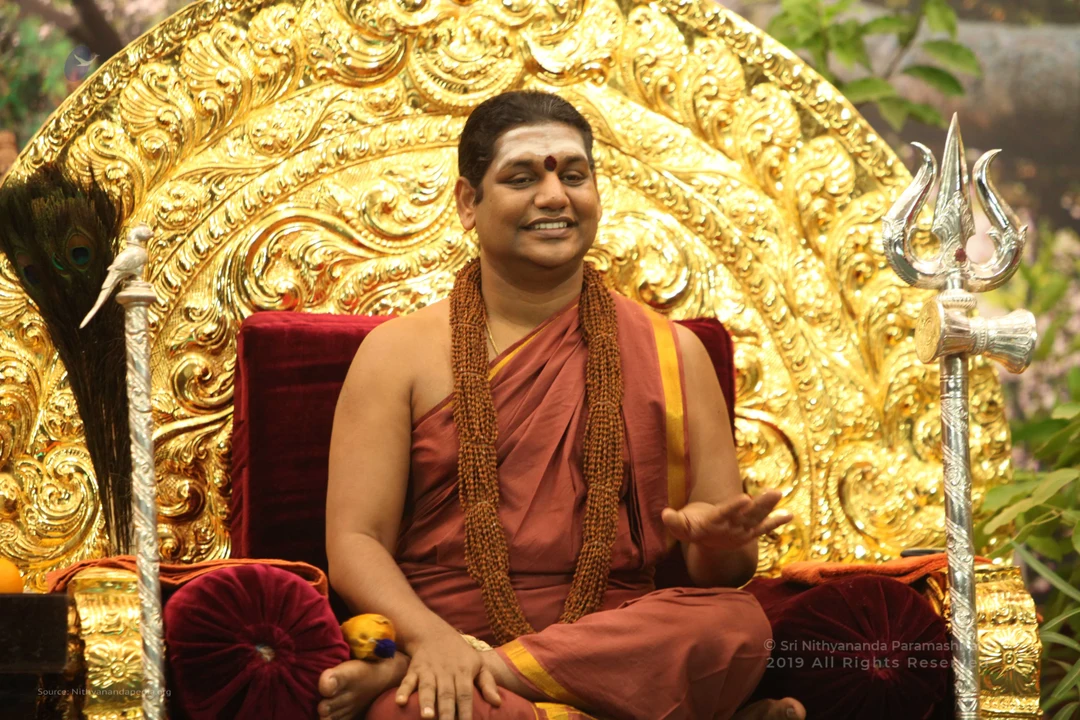
Name Of The Convention : Nithya Kriya Yoga Session on: The Pain of Suicide Date : 26 April 2015 Venue : Adi Kailasa, Bengaluru, Karnataka, India
In this video Supreme Pontiff of Hinduism HDH #Nithyananda Paramashivam tells about the pain and suffering, the body goes through after #suicide and accident.
The Supreme Pontiff of Hinduism Jagatguru Mahasannidhanam His Divine Holiness Nithyananda Paramashivam (HDH) is the reviver of #KAILASA - the ancient enlightened civilization and the great cosmic borderless Hindu nation. Revered as the incarnation of Paramashiva - the primordial Hindu Divinity, HDH has a following of 2 billion Hindus worldwide with de facto spiritual embassies in over 150 countries. He has worked untiringly for over 26 years for the revival of Kailasa, for global peace and to give super conscious breakthrough to humanity. He has survived the worst persecution of multiple assassination attempts on person and on character by anti-Hindu elements. He is collecting, organising, preserving, time capsuling, decoding, spreading and reviving 20 Million source books of Hinduism and the 64 sacred arts & sciences like Ayurveda, music, dance, sculpting, astrology, vastu and much more. Close to 20,000 hours of HDH’s timeless talks have been recorded till date (Sep 2020), which are a treasure trove of powerful cognitions to solve individual and global problems of any kind.
Link to video
| Video | Audio |
Title
குண்டலினியை விழிப்படைய செய்யுங்கள் || பாகம் 1 || நித்ய கிரியா யோகா || 26 ஏப்ரல் 2015
Description
நிகழ்ச்சி நிரல் - நித்ய கிரியா யோகா தலைப்பு - குண்டலினியை விழிப்படைய செய்யுங்கள் பாகம் 1 இடம் -ஆதி கைலாஸ, பெங்களூரு, கர்நாடக, இந்தியா தேதி - 26 ஏப்ரல் 2015
இந்த வீடியோ பதிவில் பகவான் #நித்யானந்த பரமசிவம் அவர்கள் பக்தர்கள் அனைவர்க்கும் குண்டலினியை விழிப்படைய செய்யும் தியானத்தை அருளினார். இந்த வீடியோ பதிவு 26 ஏப்ரல் 2015 அன்று ஆதி கைலாஸ, பெங்களூரு, கர்நாடக, இந்தியாவில் நடைபெற்றது.
The Supreme Pontiff of Hinduism Jagatguru Mahasannidhanam His Divine Holiness #Nithyananda Paramashivam (HDH) is the reviver of #KAILASA - the ancient enlightened civilization and the great cosmic borderless Hindu nation. Revered as the incarnation of Paramashiva - the primordial Hindu Divinity, HDH has a following of 2 billion Hindus worldwide with de facto spiritual embassies in over 150 countries. He has worked untiringly for over 26 years for the revival of Kailasa, for global peace and to give super conscious breakthrough to humanity. He has survived the worst persecution of multiple assassination attempts on person and on character by anti-Hindu elements. He is collecting, organising, preserving, time capsuling, decoding, spreading and reviving 20 Million source books of Hinduism and the 64 sacred arts & sciences like Ayurveda, music, dance, sculpting, astrology, vastu and much more. Close to 20,000 hours of HDH’s timeless talks have been recorded till date (Sep 2020), which are a treasure trove of powerful cognitions to solve individual and global problems of any kind.
Link to Video
| Video | Audio |
Title
குண்டலினியை விழிப்படைய செய்யுங்கள் || பாகம் 2 || நித்ய கிரியா யோகா || 26 ஏப்ரல் 2015
Description
நிகழ்ச்சி நிரல் - நித்ய கிரியா யோகா தலைப்பு - குண்டலினியை விழிப்படைய செய்யுங்கள் பாகம் 2 இடம் -ஆதி கைலாஸ, பெங்களூரு, கர்நாடக, இந்தியா தேதி - 26 ஏப்ரல் 2015
இந்த வீடியோ பதிவில் பகவான் #நித்யானந்த பரமசிவம் அவர்கள் பக்தர்கள் அனைவர்க்கும் குண்டலினியை விழிப்படைய செய்யும் தியானத்தை அருளினார். இந்த வீடியோ பதிவு 26 ஏப்ரல் 2015 அன்று ஆதி கைலாஸ, பெங்களூரு, கர்நாடக, இந்தியாவில் நடைபெற்றது.
The Supreme Pontiff of Hinduism Jagatguru Mahasannidhanam His Divine Holiness #Nithyananda Paramashivam (HDH) is the reviver of #KAILASA - the ancient enlightened civilization and the great cosmic borderless Hindu nation. Revered as the incarnation of Paramashiva - the primordial Hindu Divinity, HDH has a following of 2 billion Hindus worldwide with de facto spiritual embassies in over 150 countries. He has worked untiringly for over 26 years for the revival of Kailasa, for global peace and to give super conscious breakthrough to humanity. He has survived the worst persecution of multiple assassination attempts on person and on character by anti-Hindu elements. He is collecting, organising, preserving, time capsuling, decoding, spreading and reviving 20 Million source books of Hinduism and the 64 sacred arts & sciences like Ayurveda, music, dance, sculpting, astrology, vastu and much more. Close to 20,000 hours of HDH’s timeless talks have been recorded till date (Sep 2020), which are a treasure trove of powerful cognitions to solve individual and global problems of any kind.
Link to video
| Video | Audio |
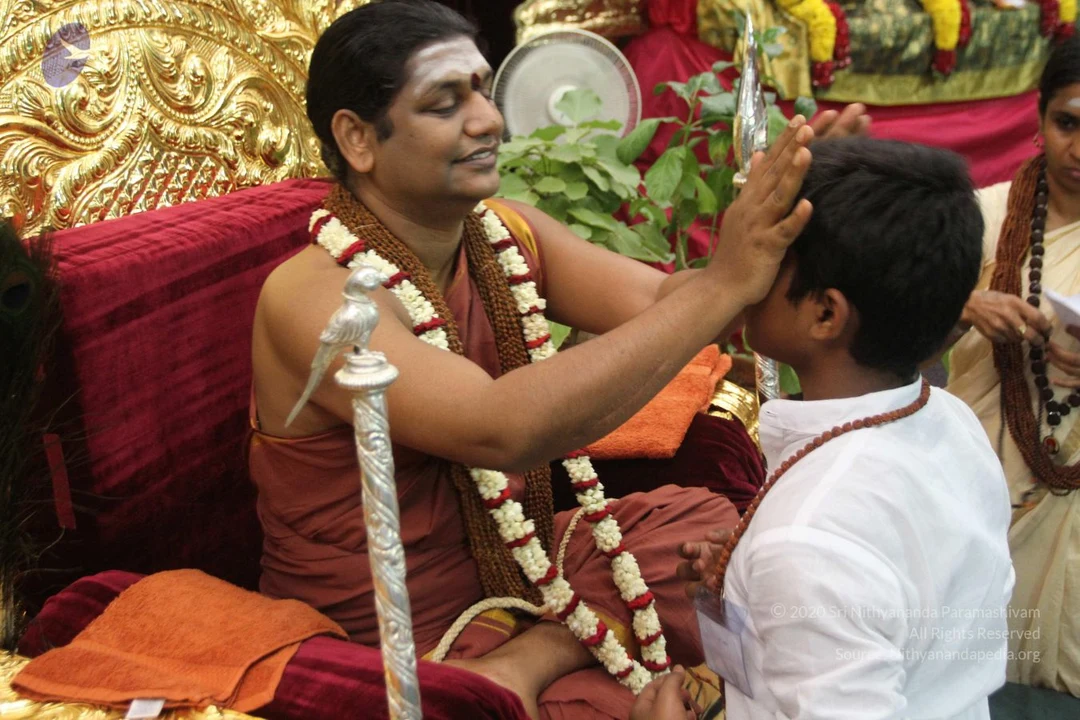
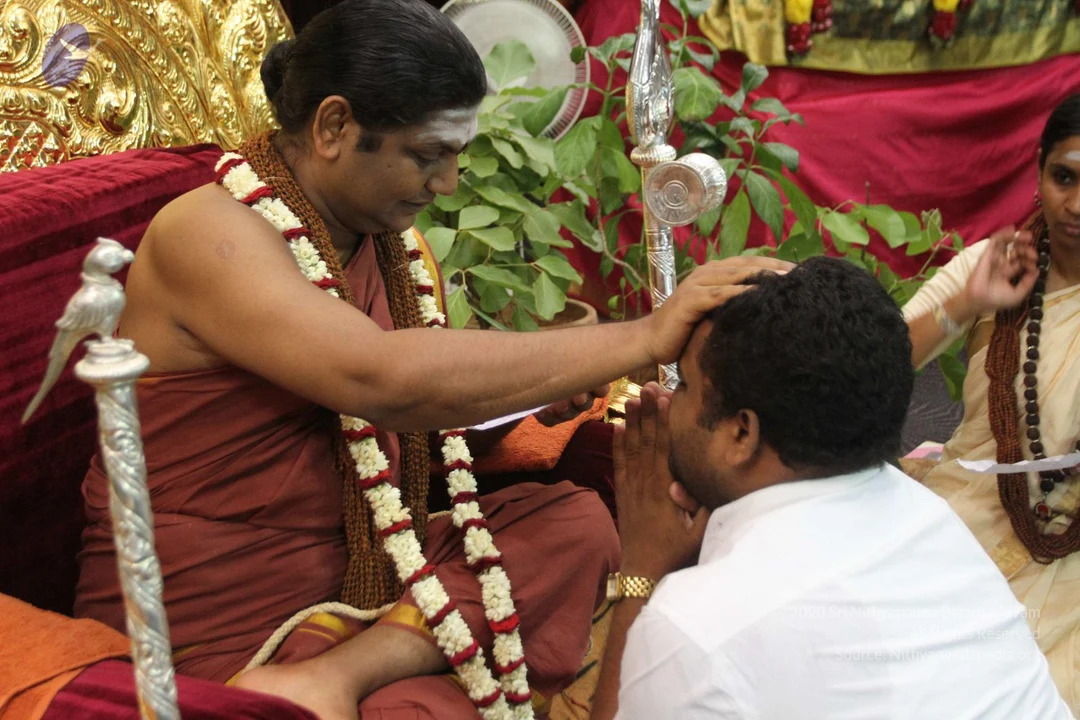
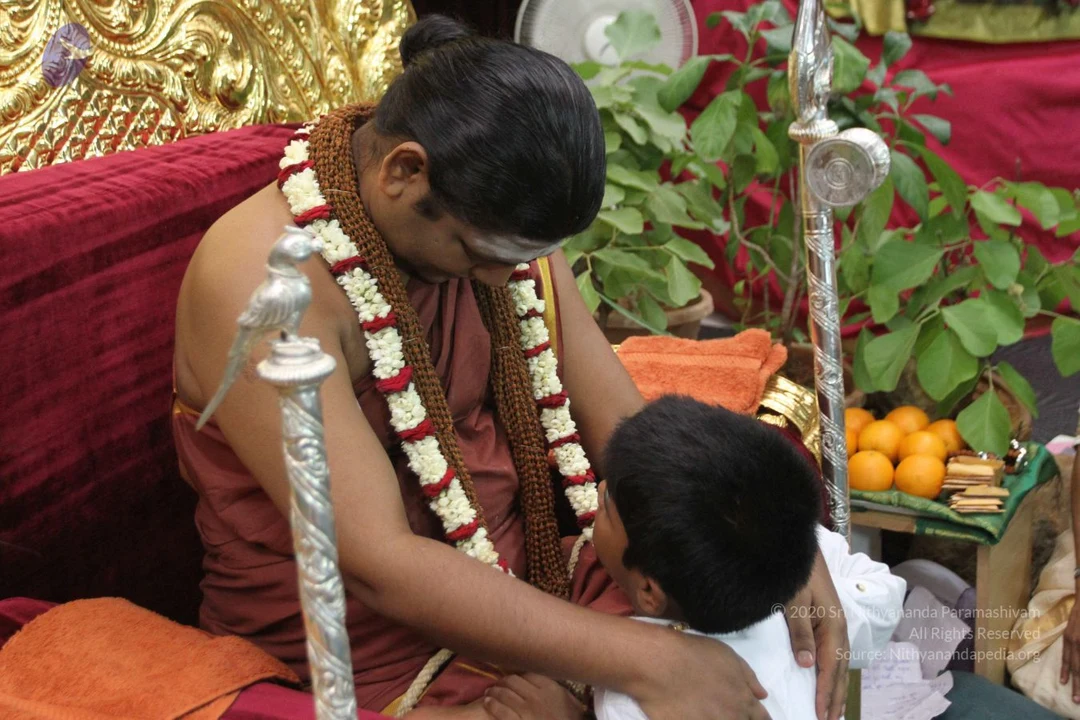
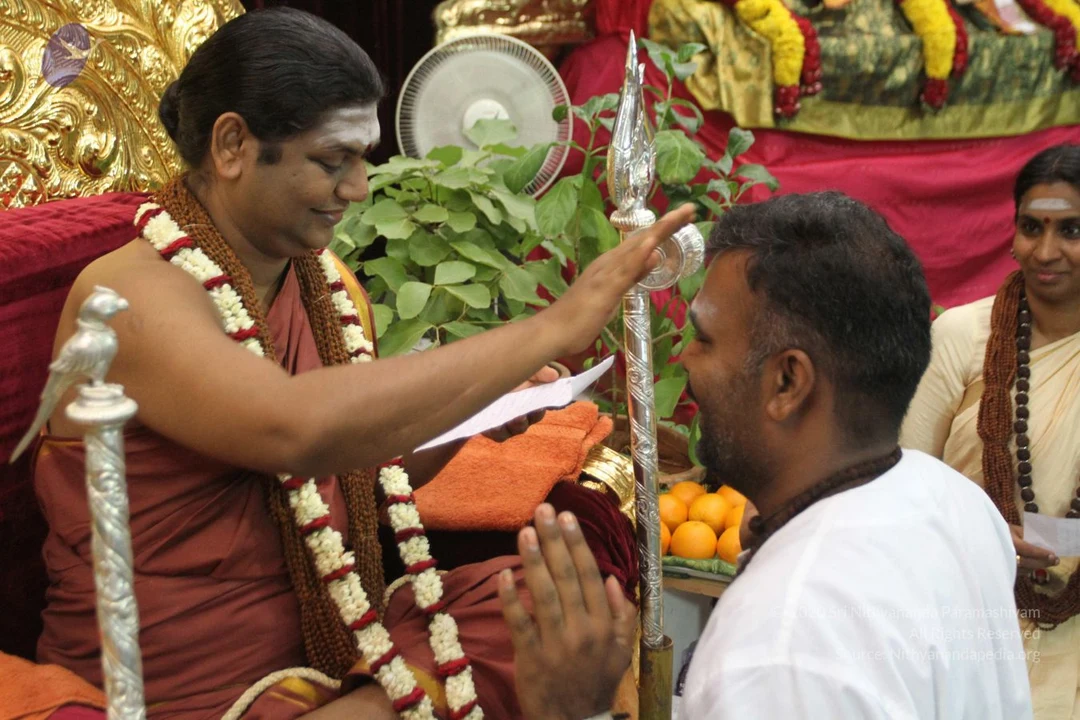
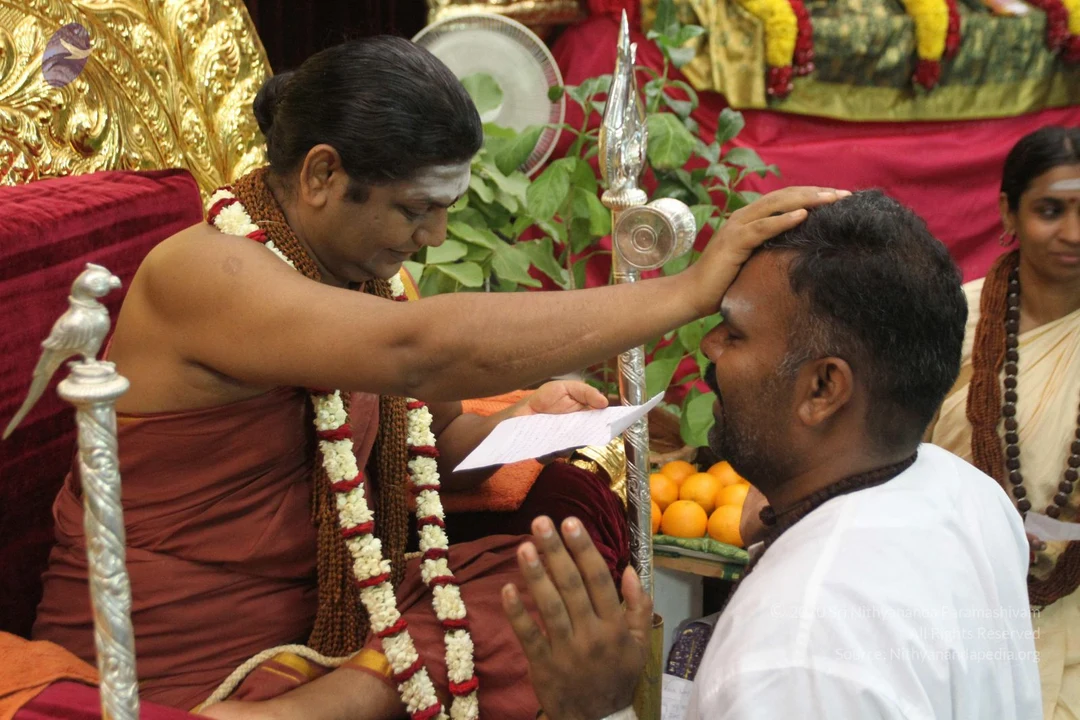
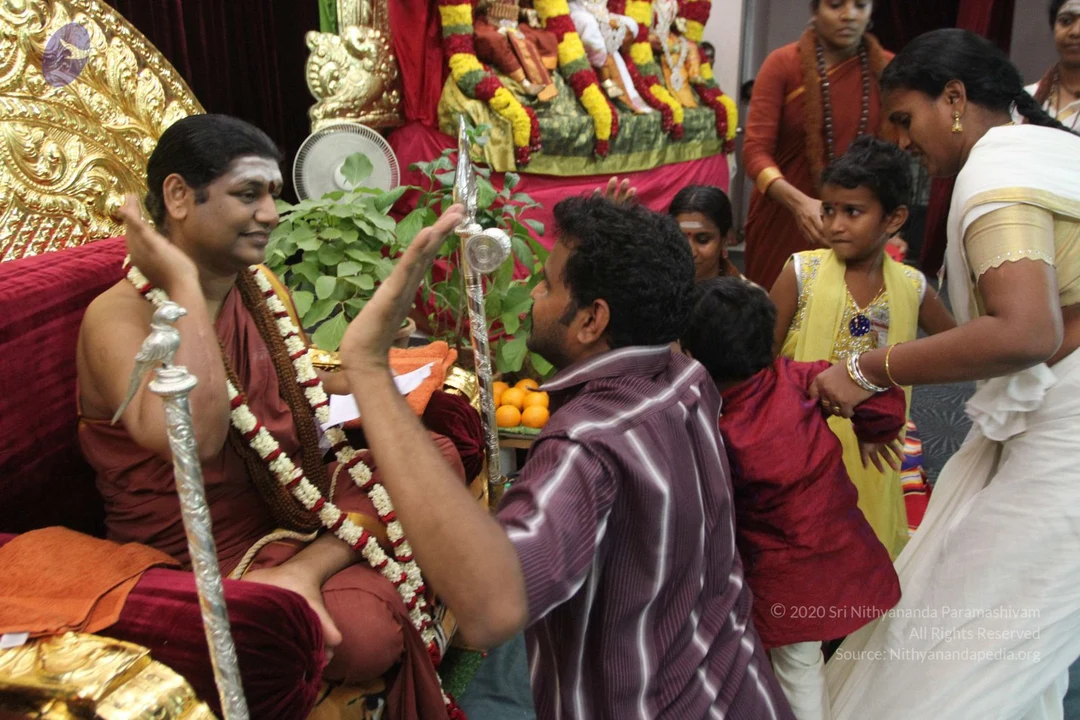
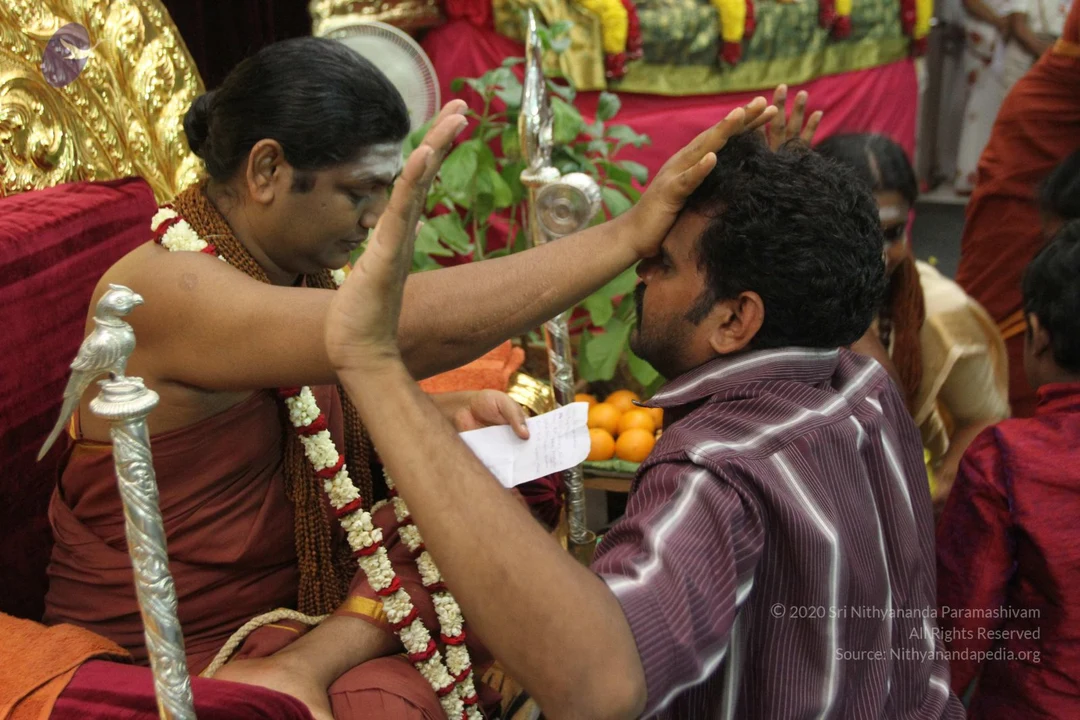
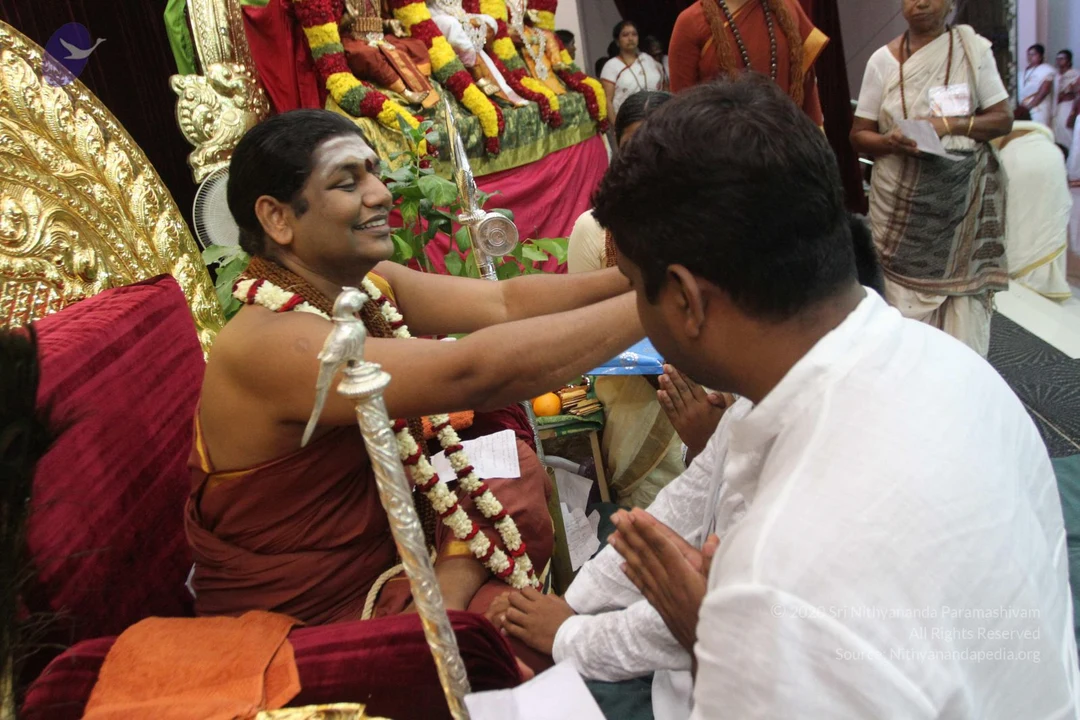
Photos
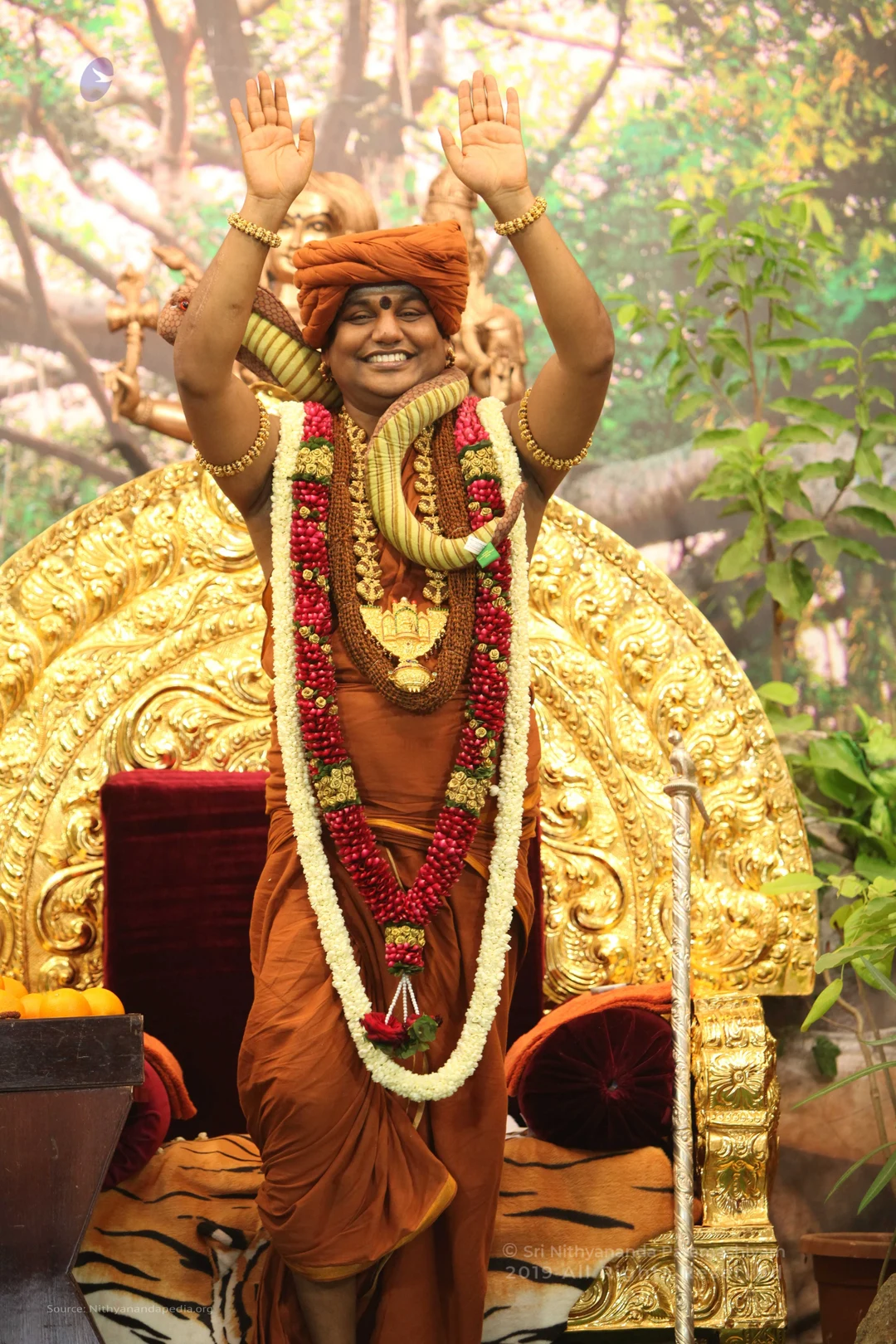
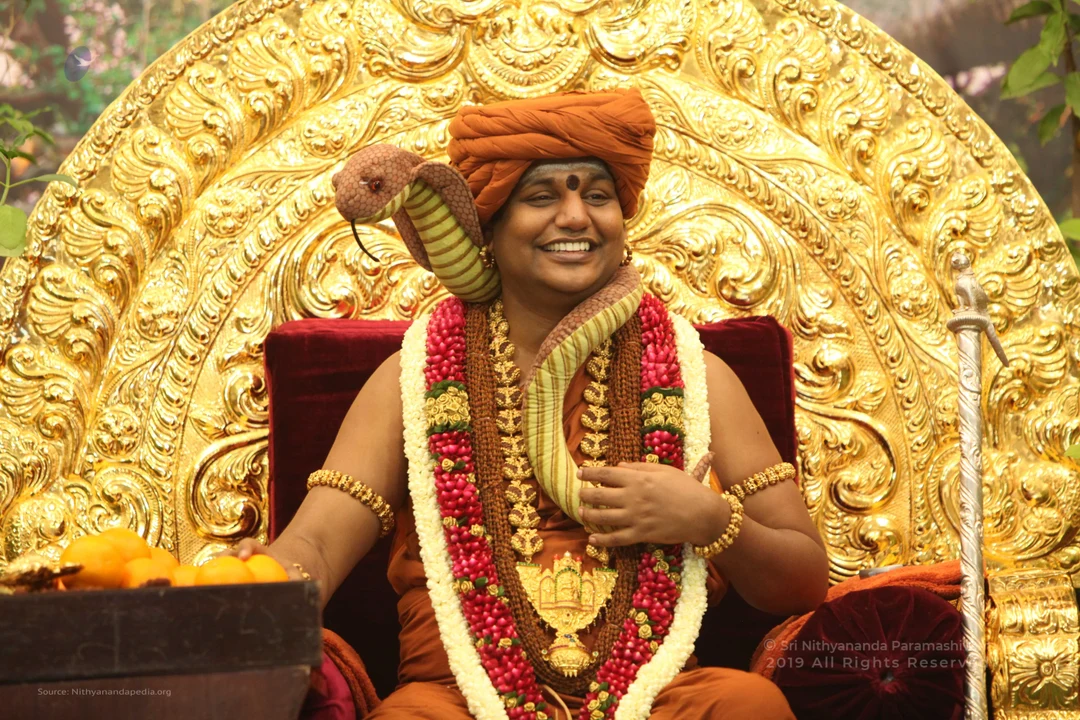
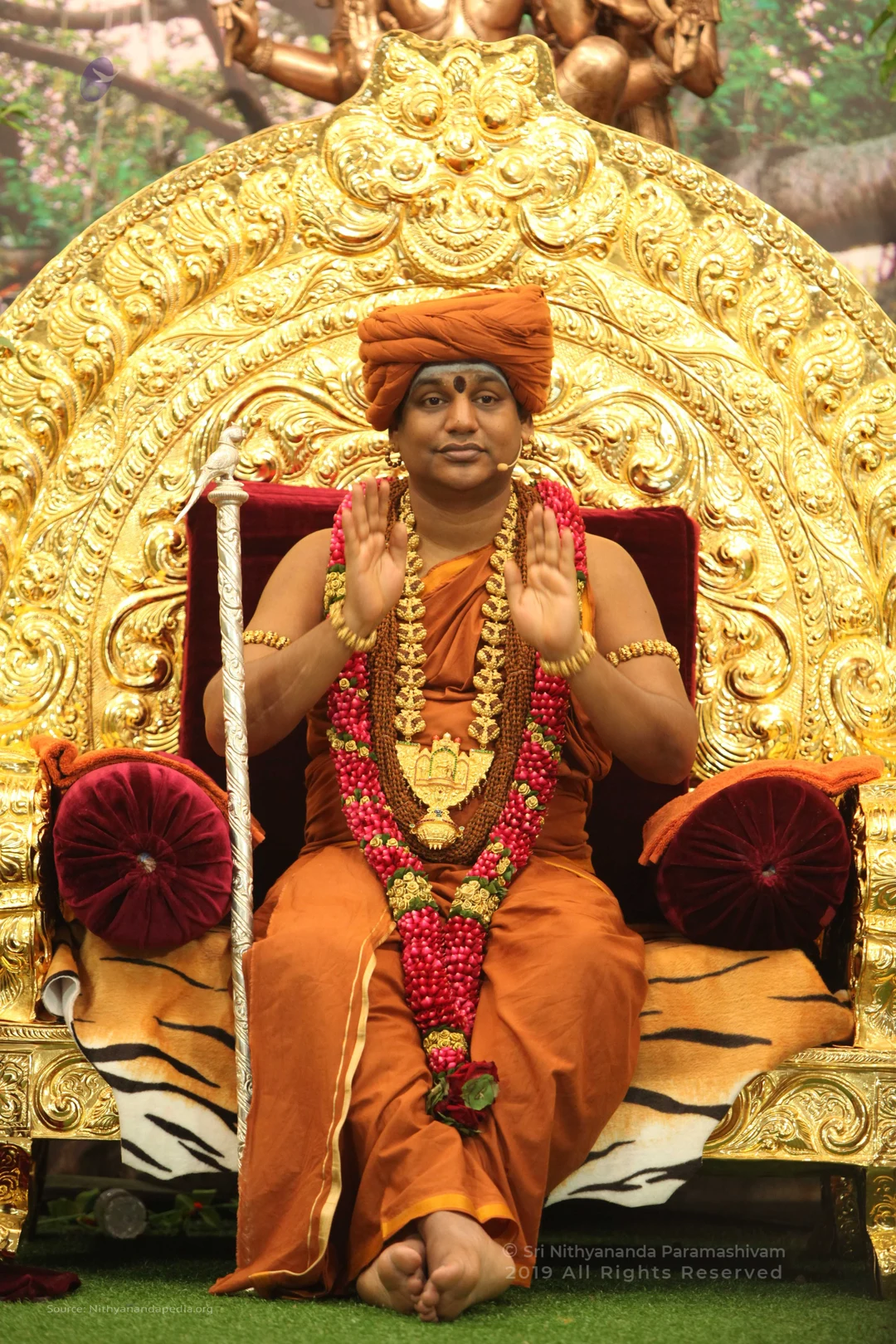
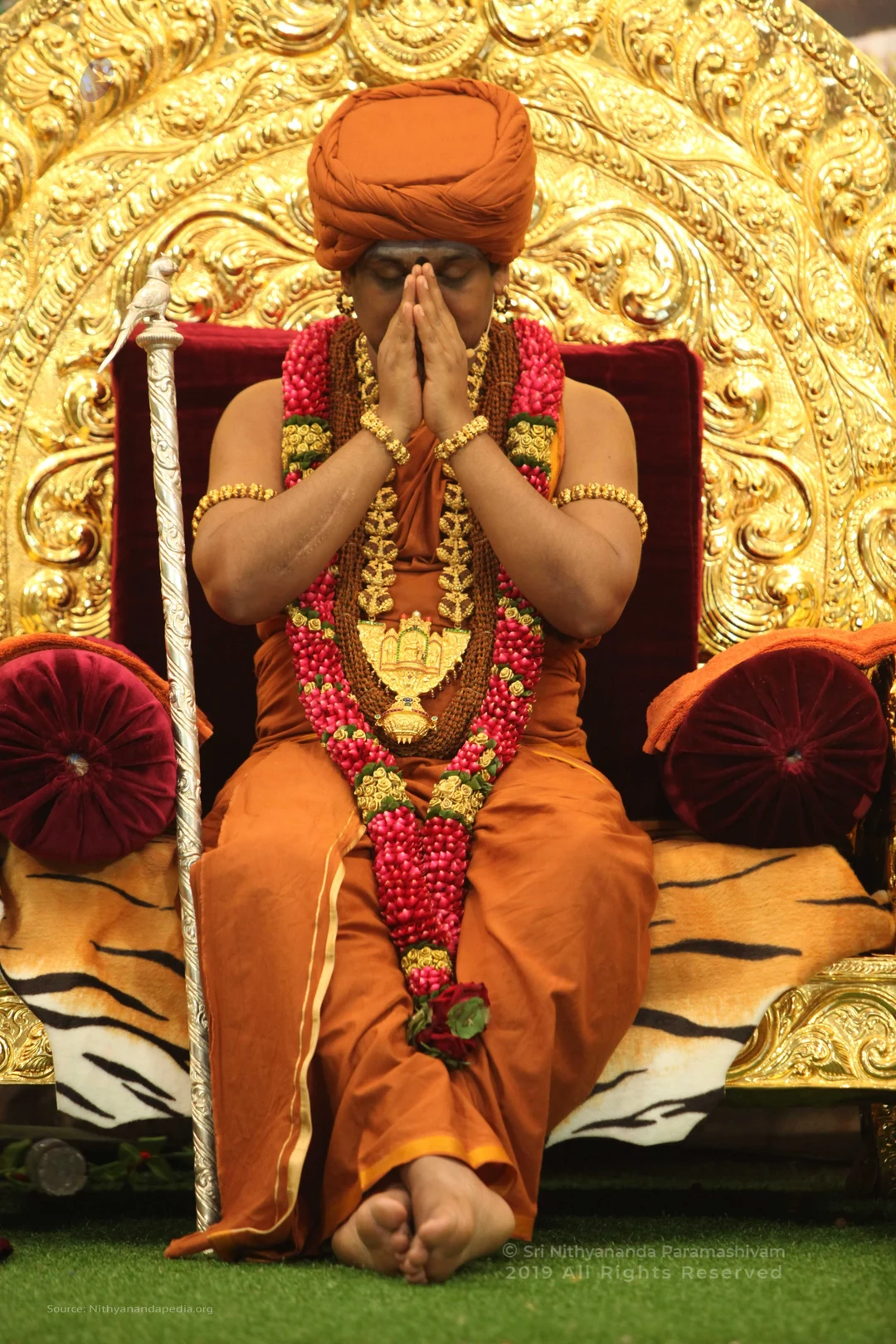
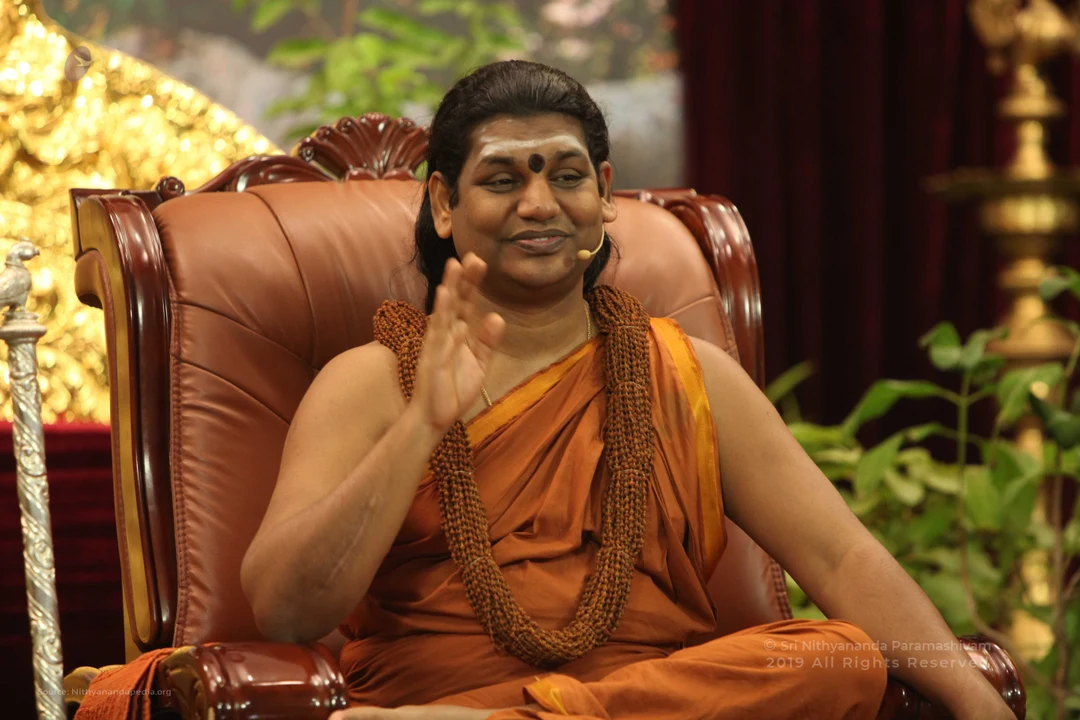
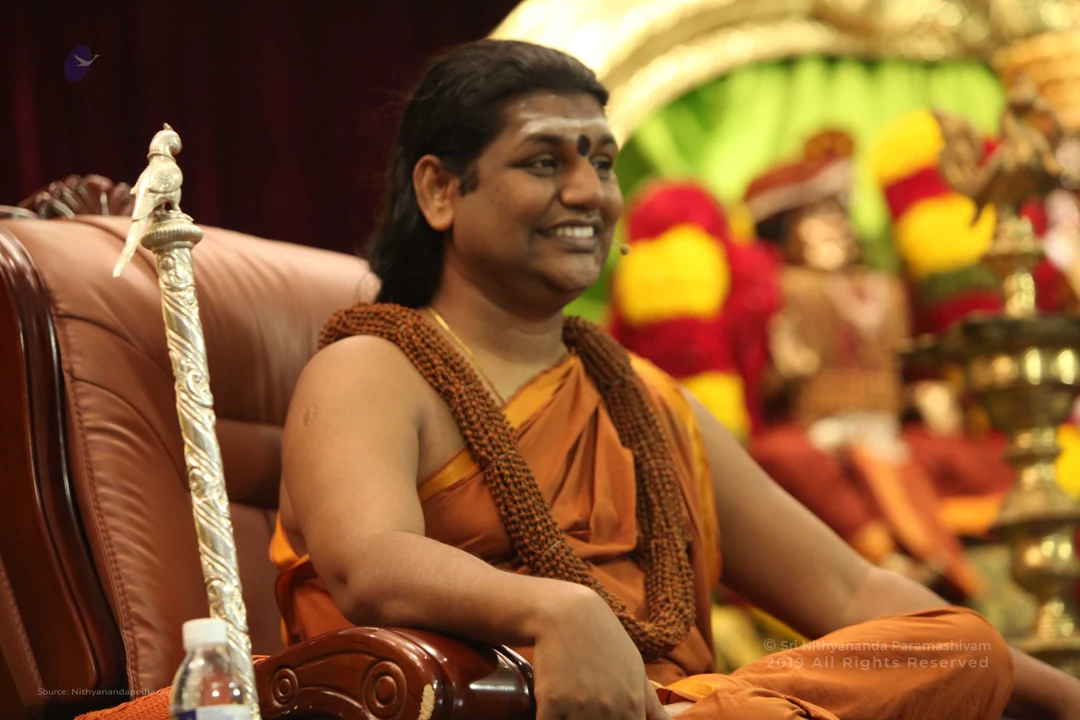
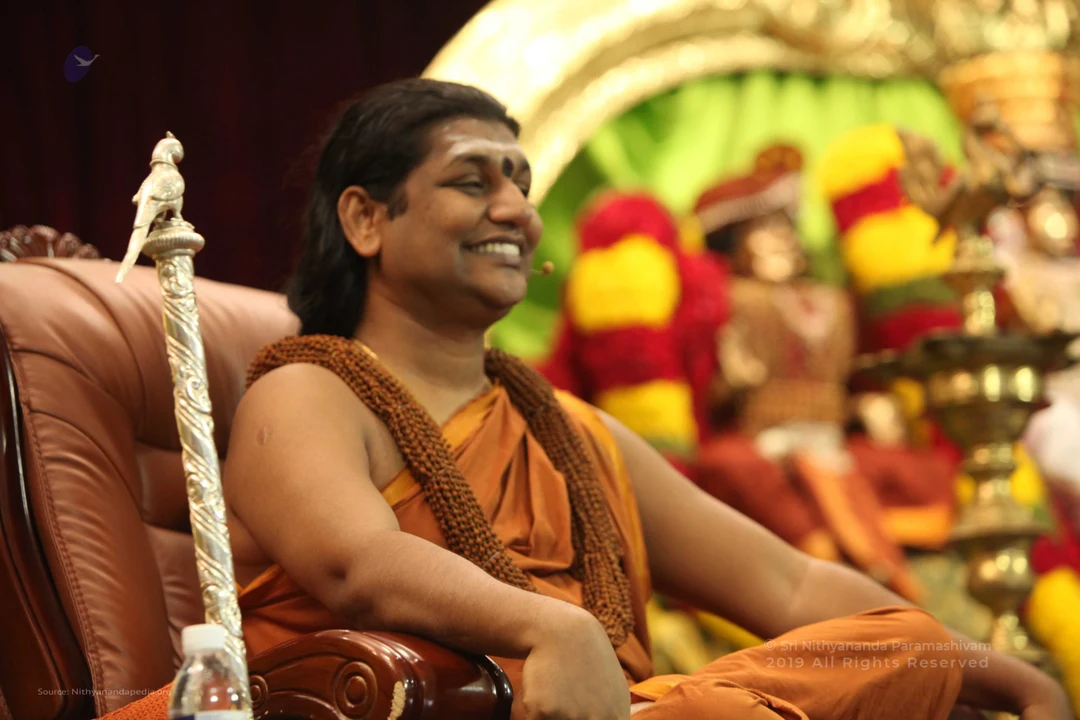
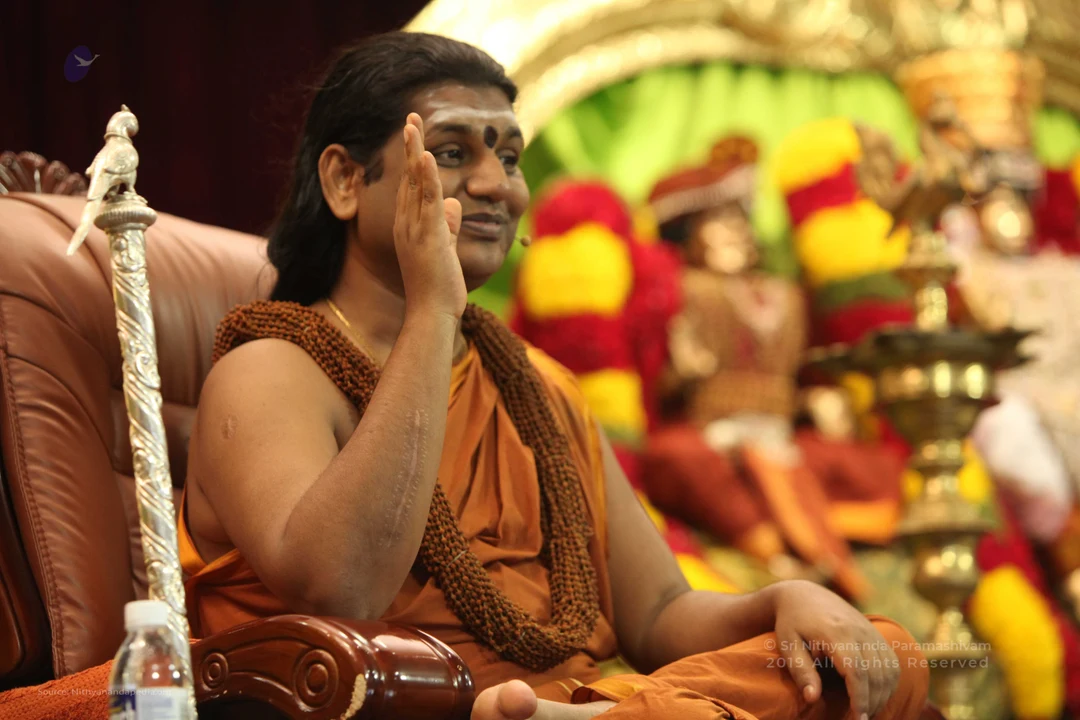
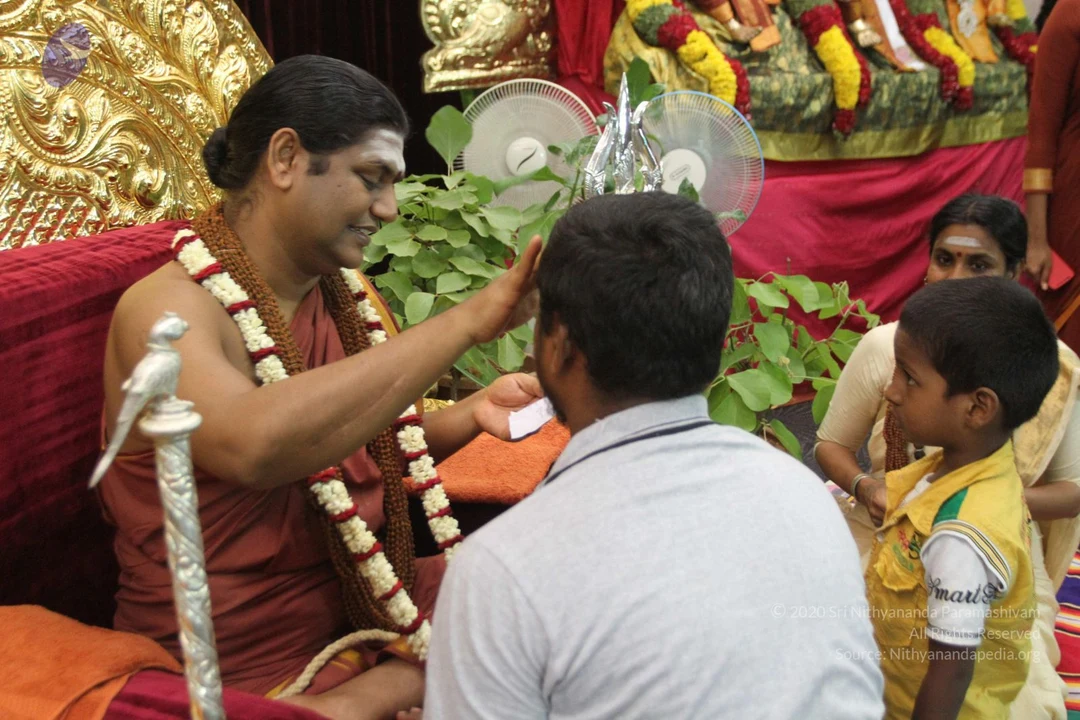
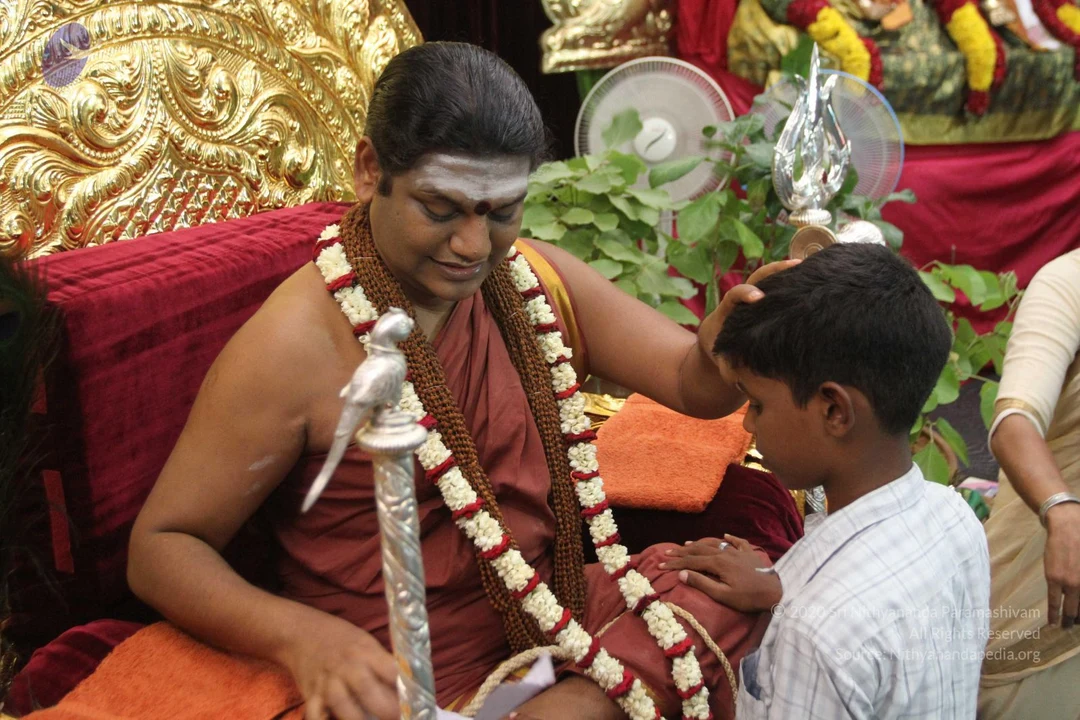
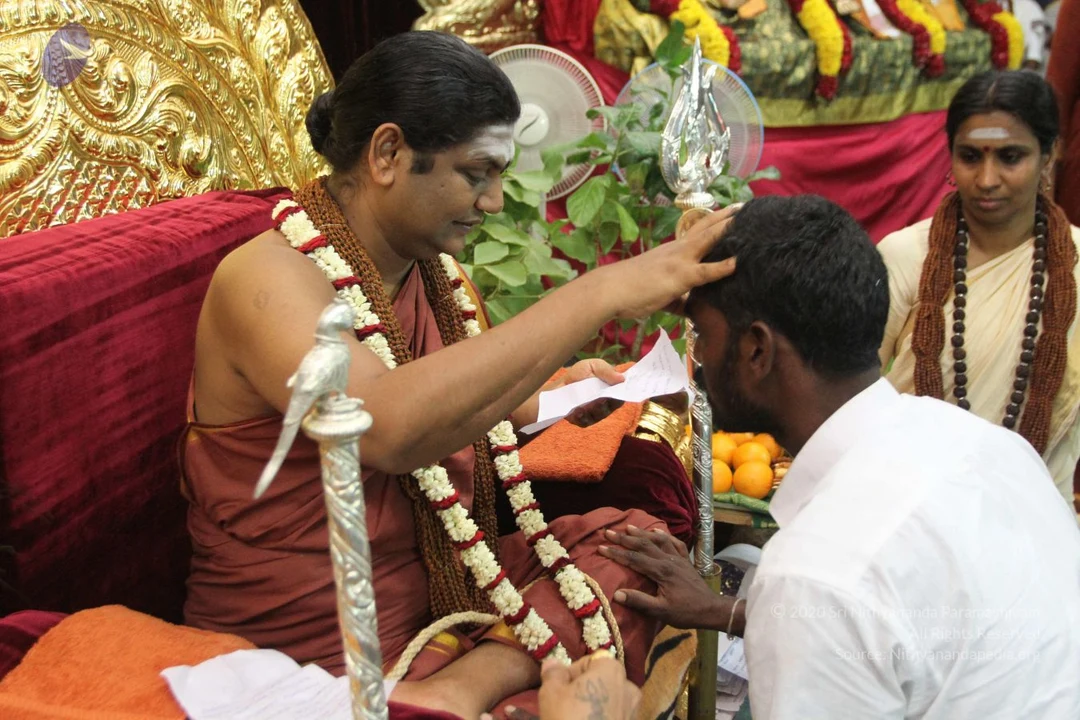
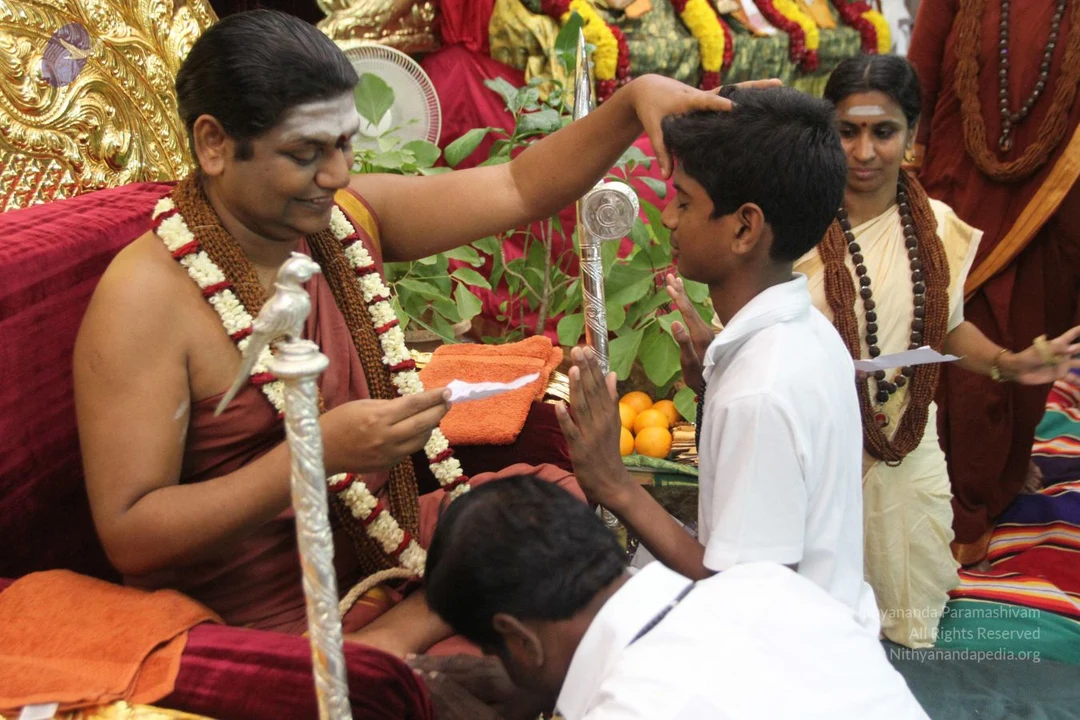
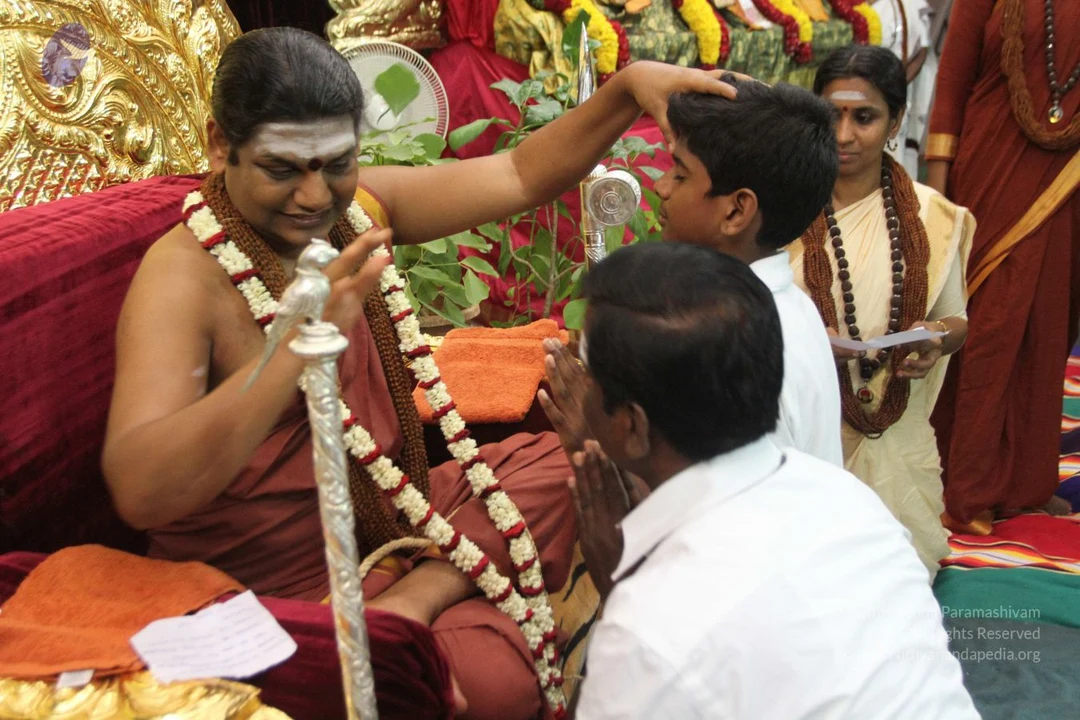
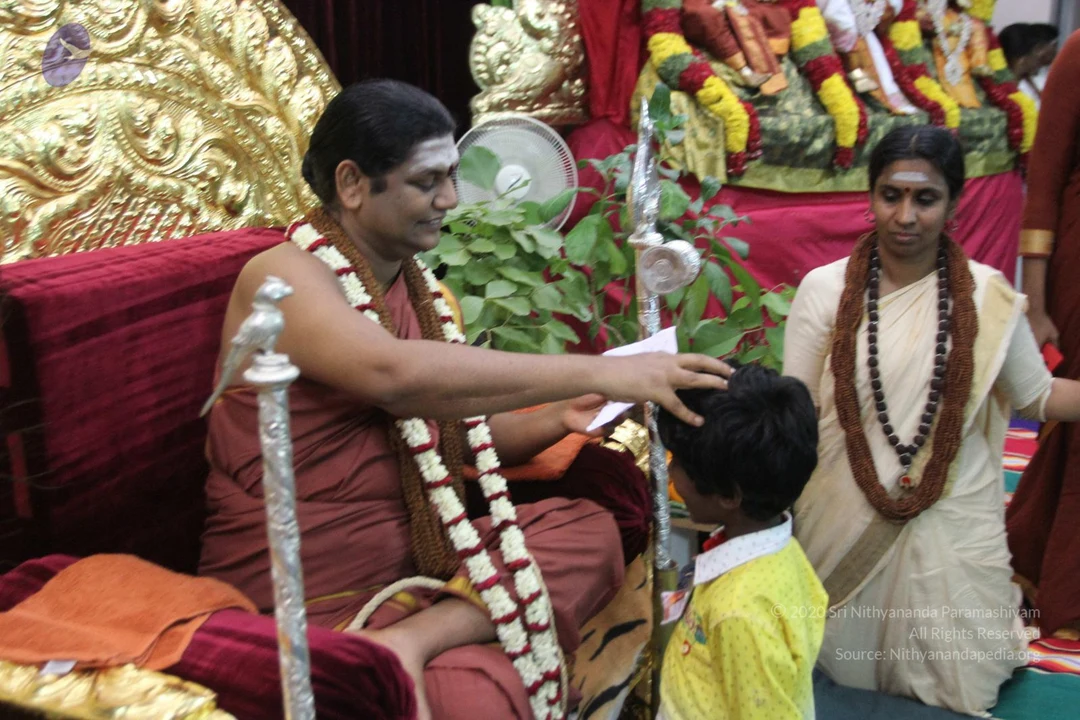
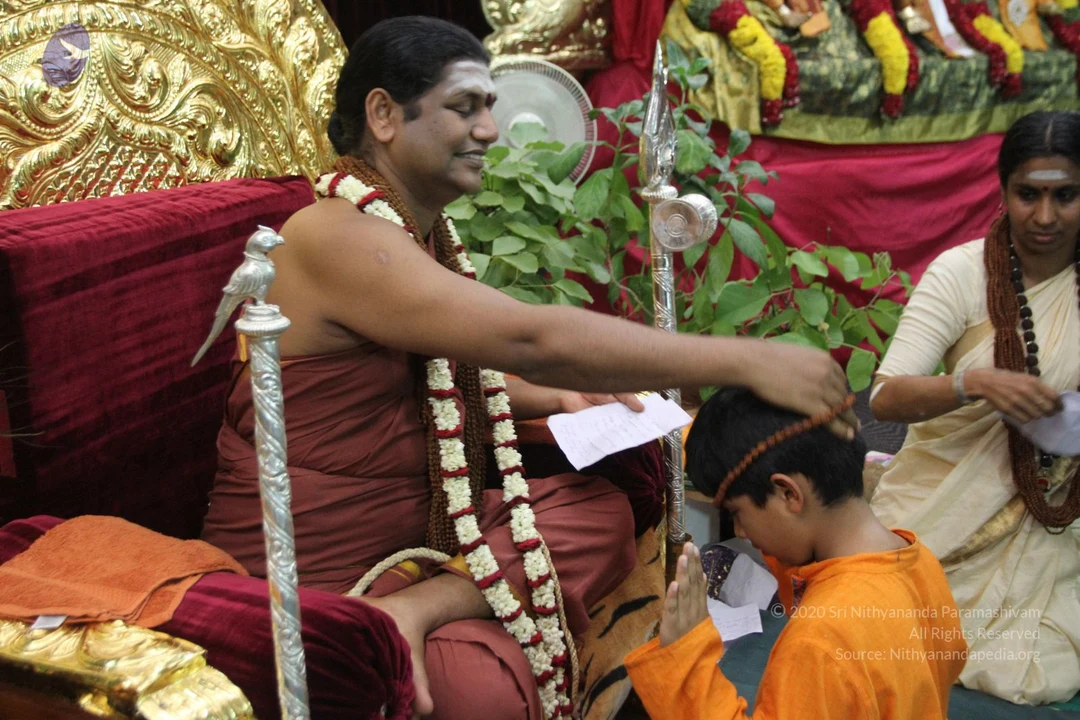
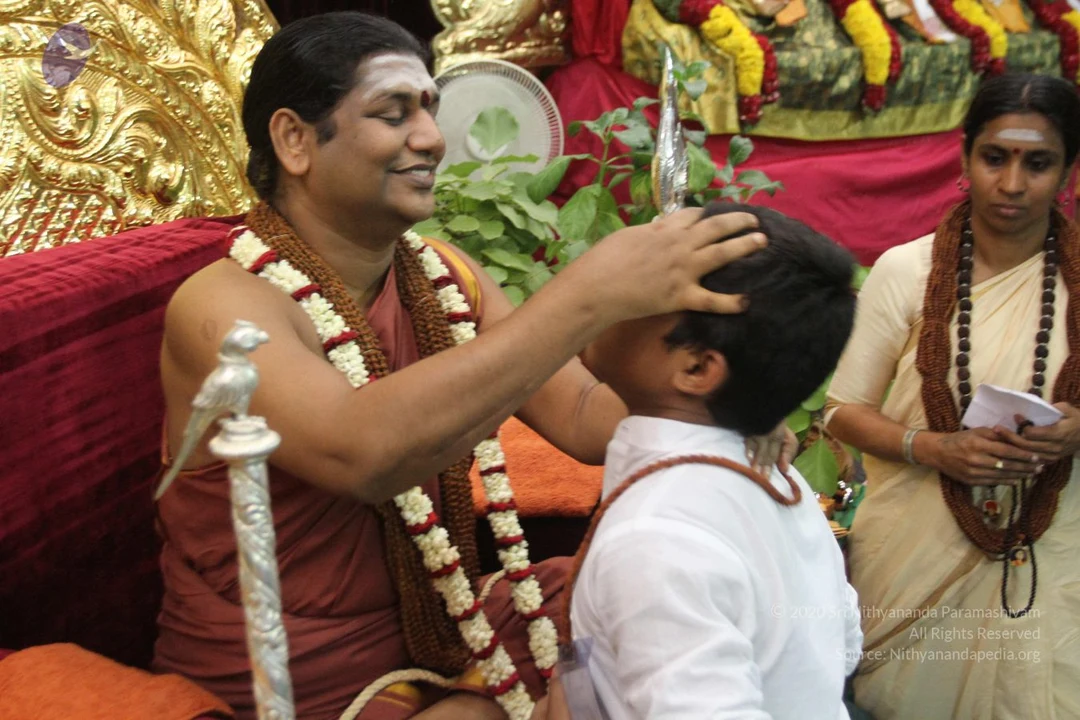
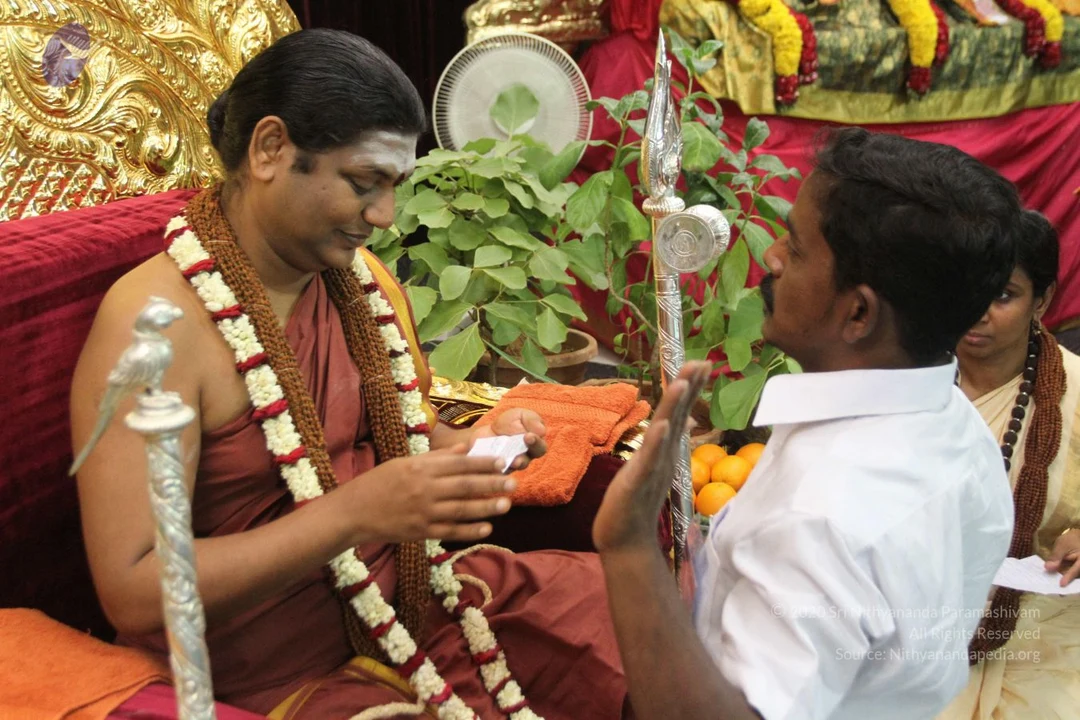
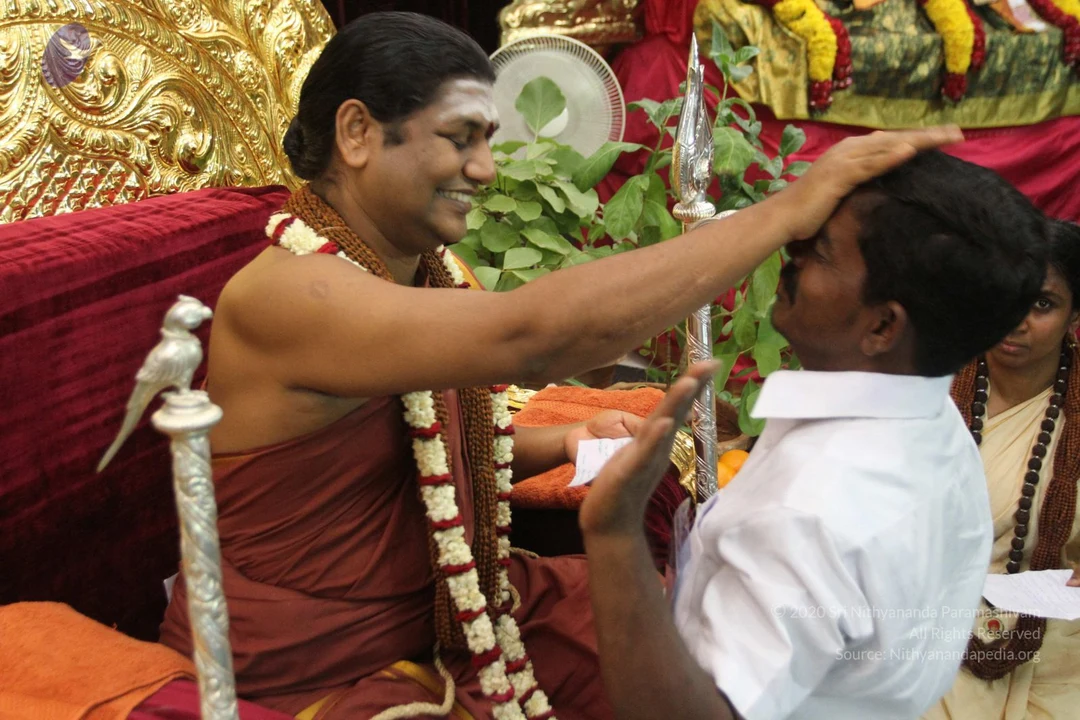
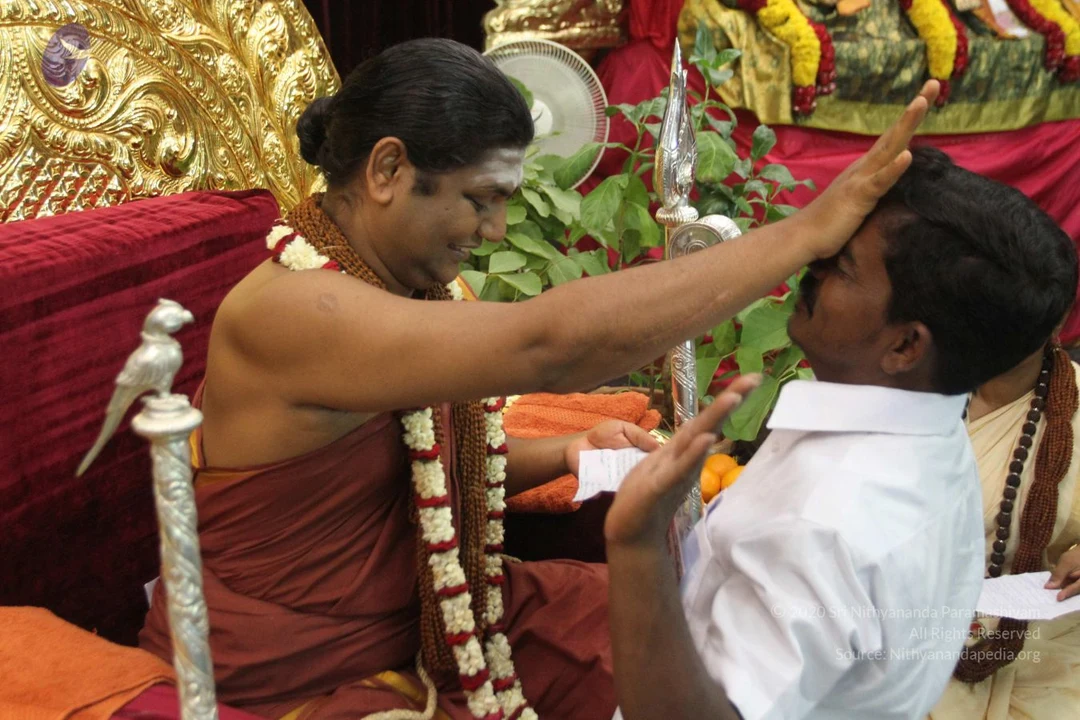
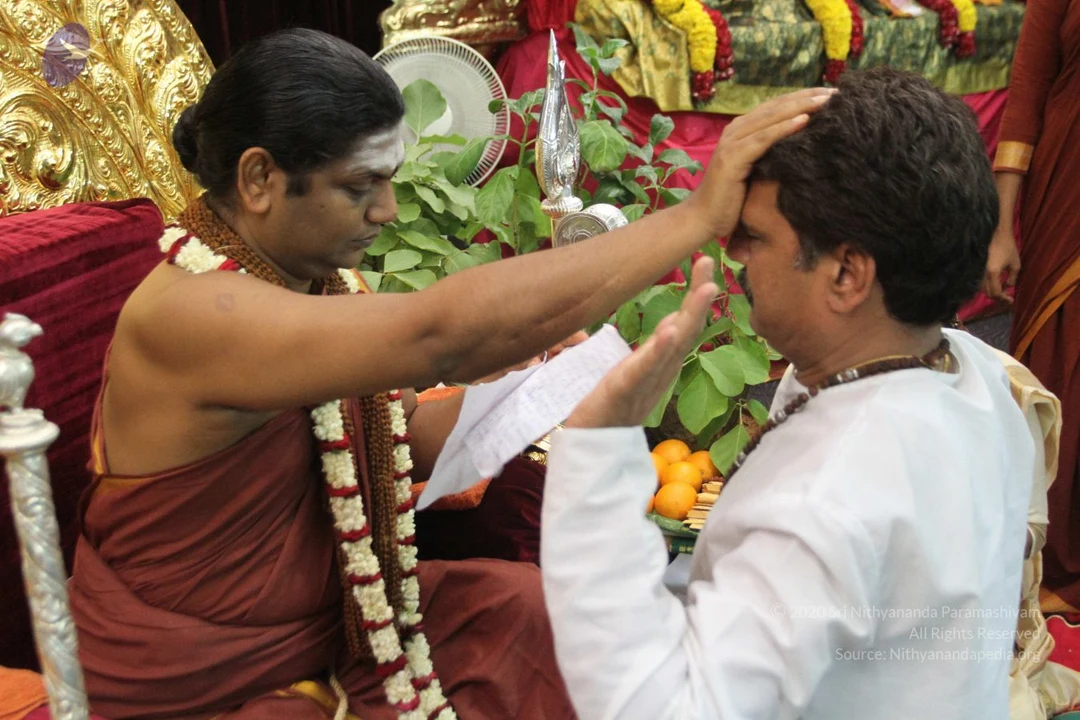
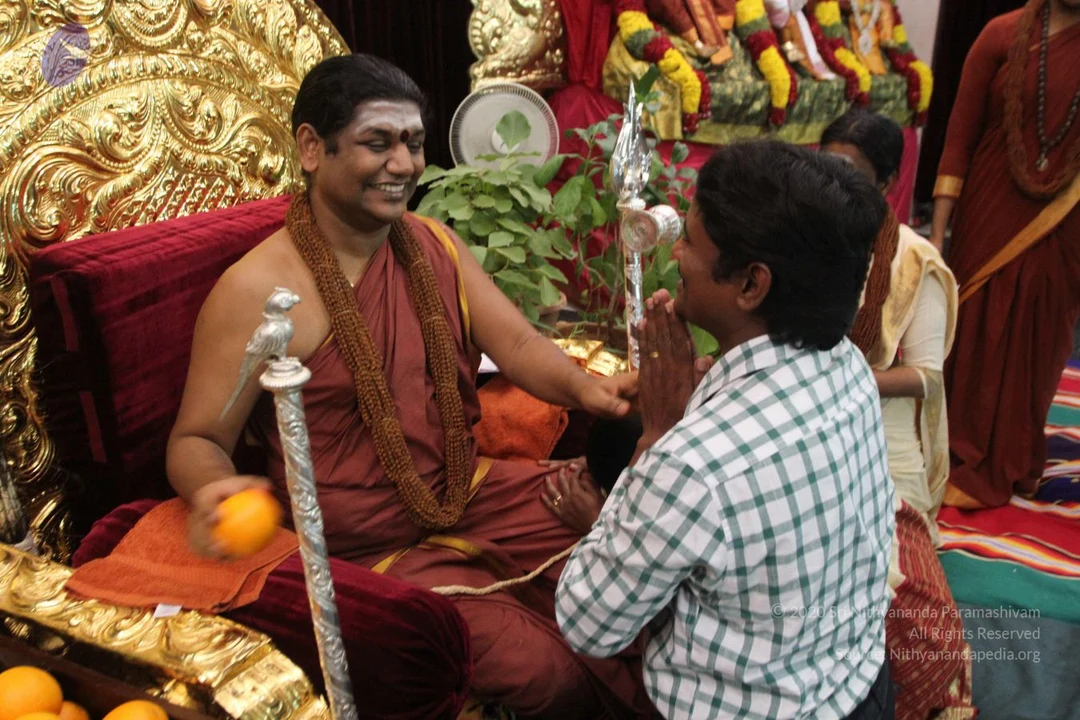
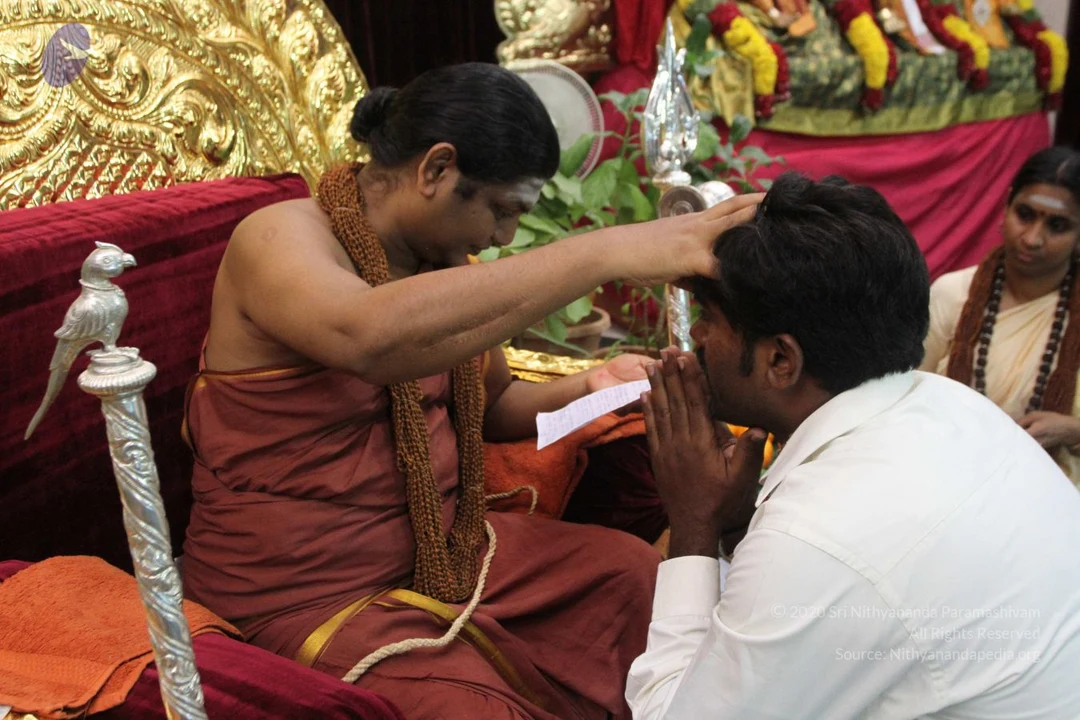
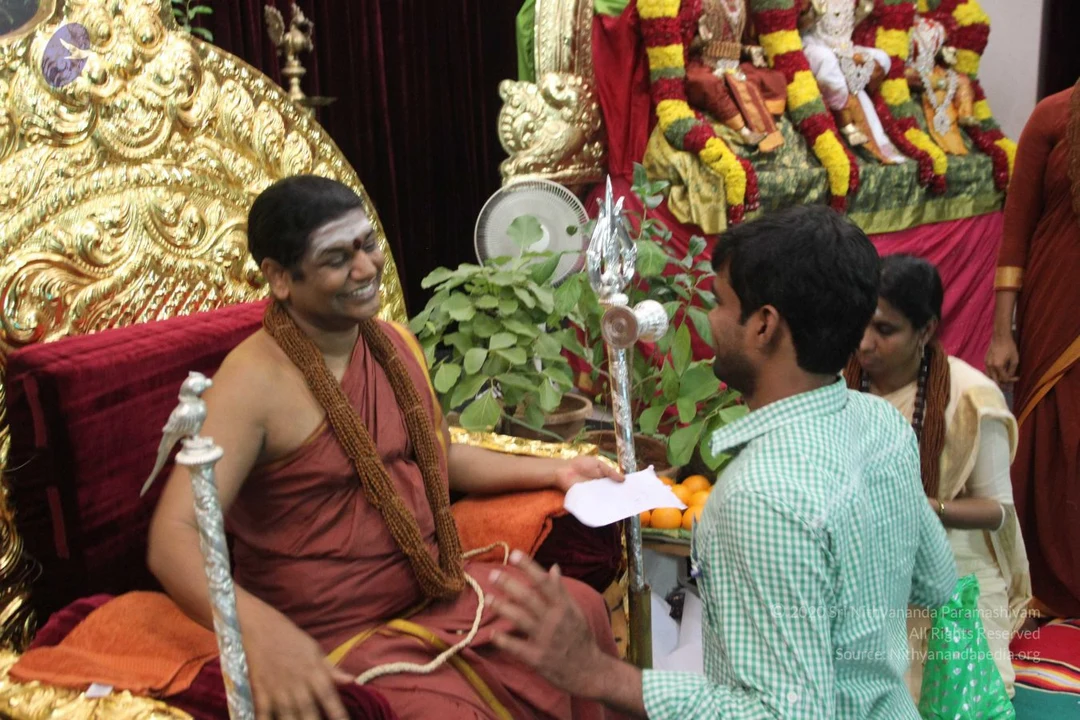
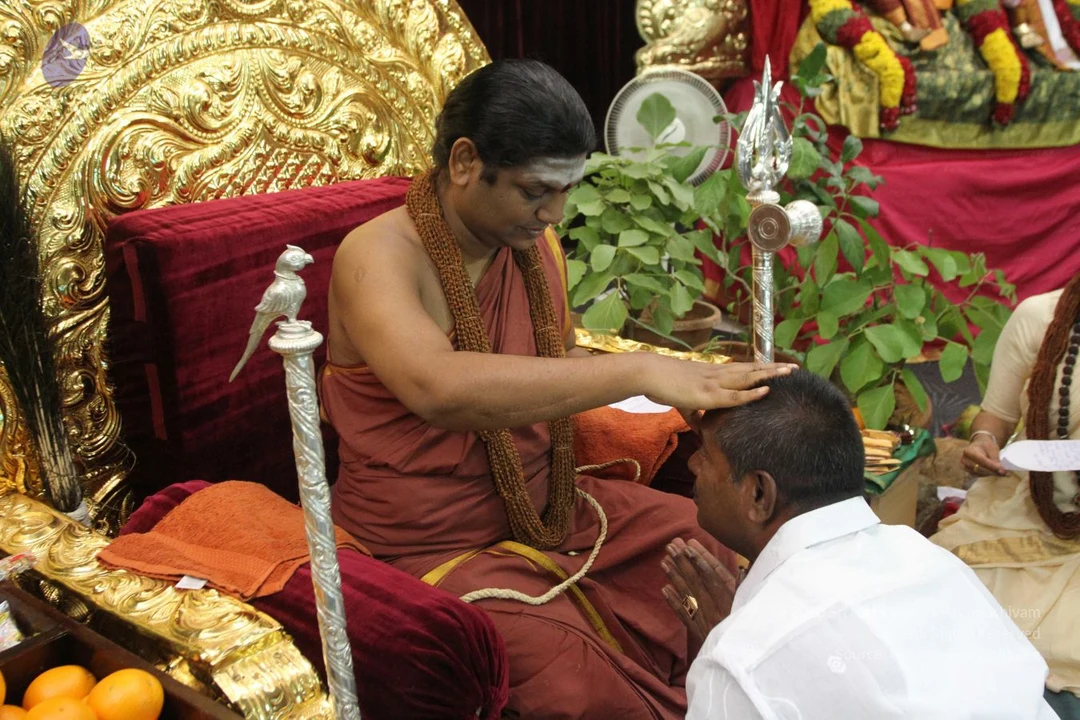
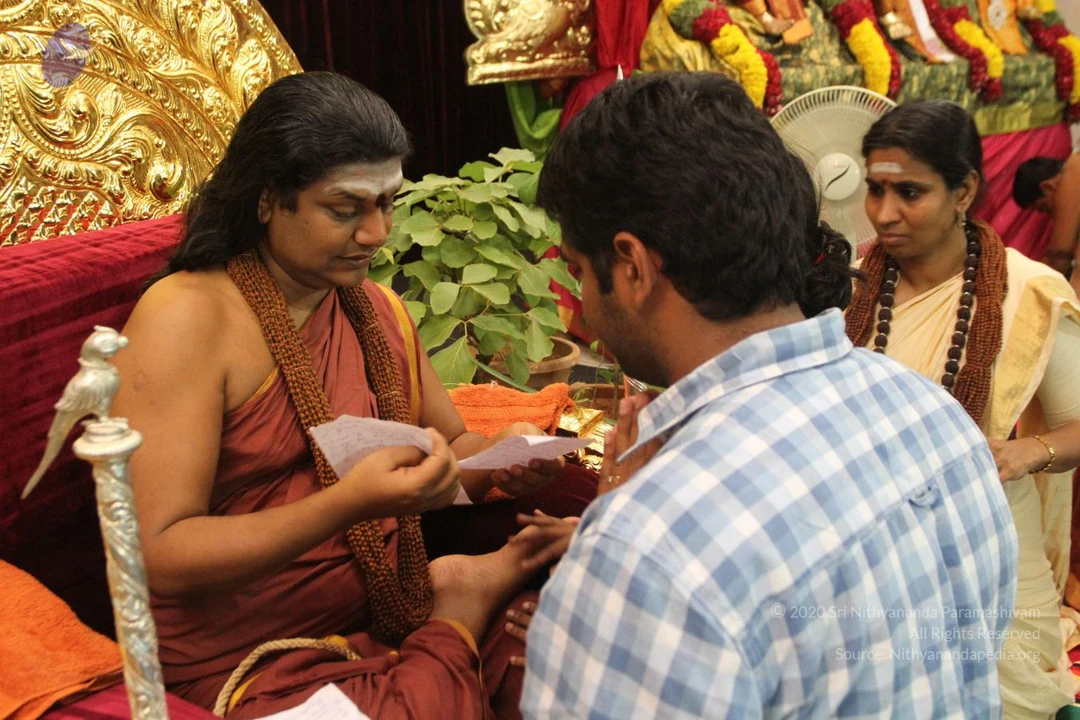
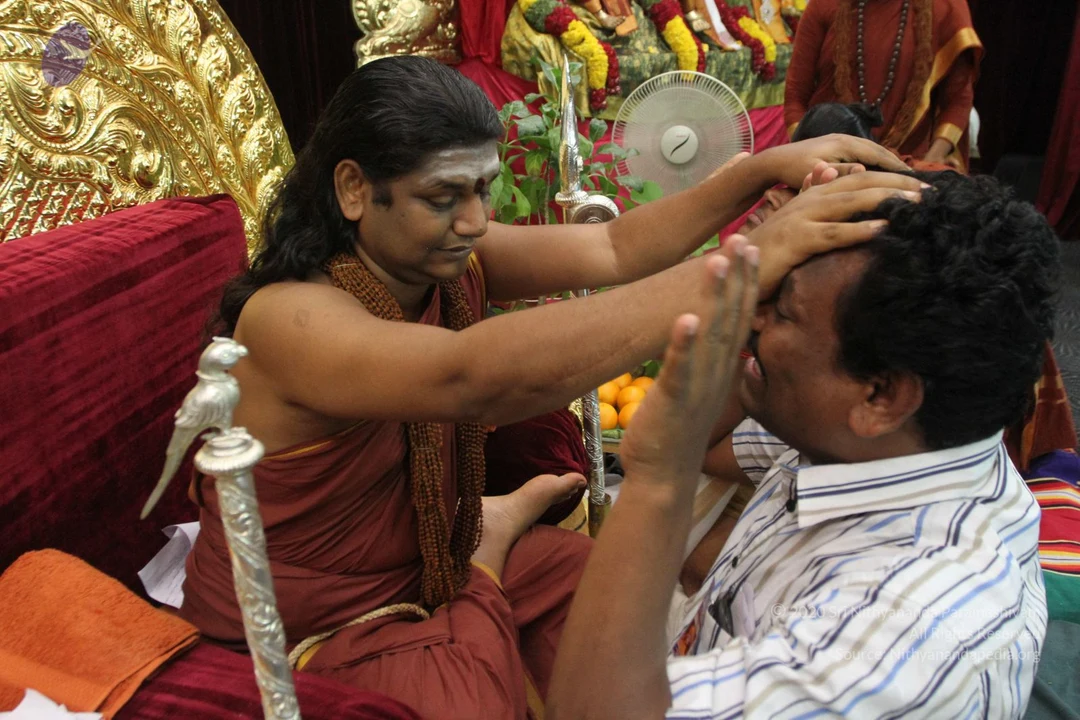
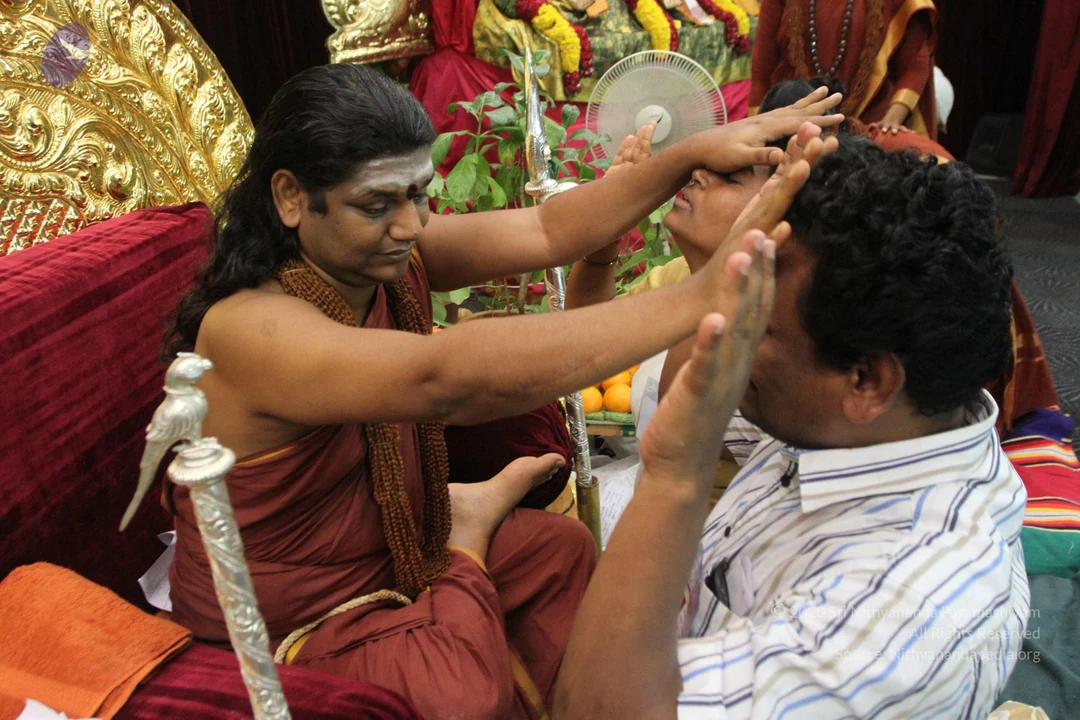
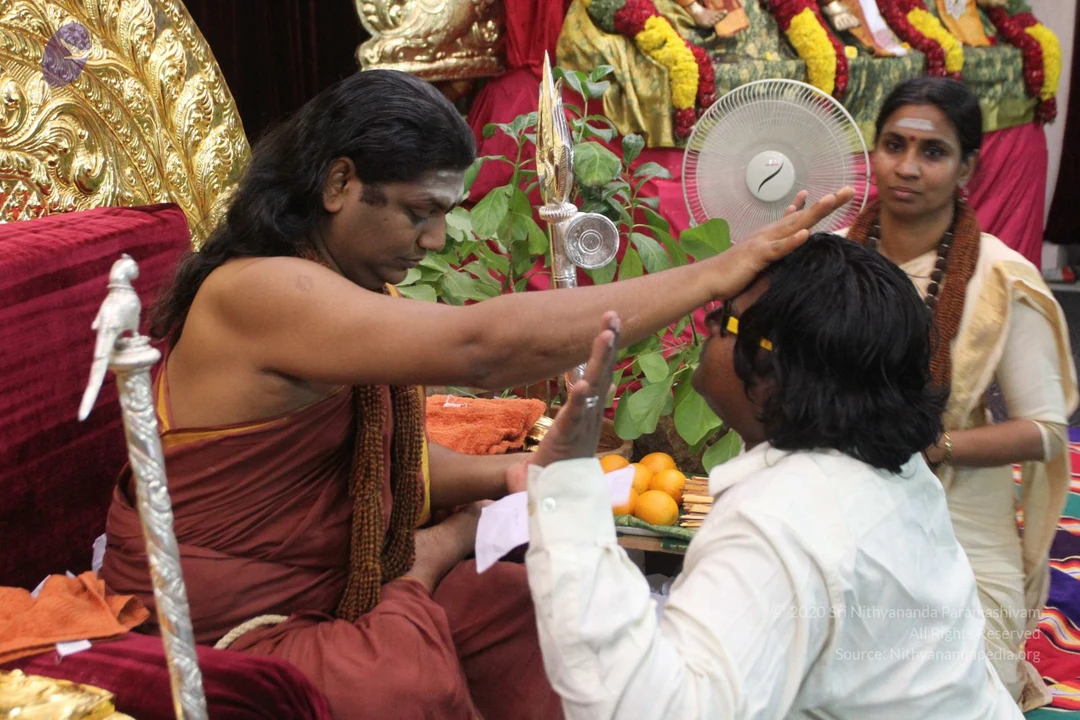
Nithya Satsang
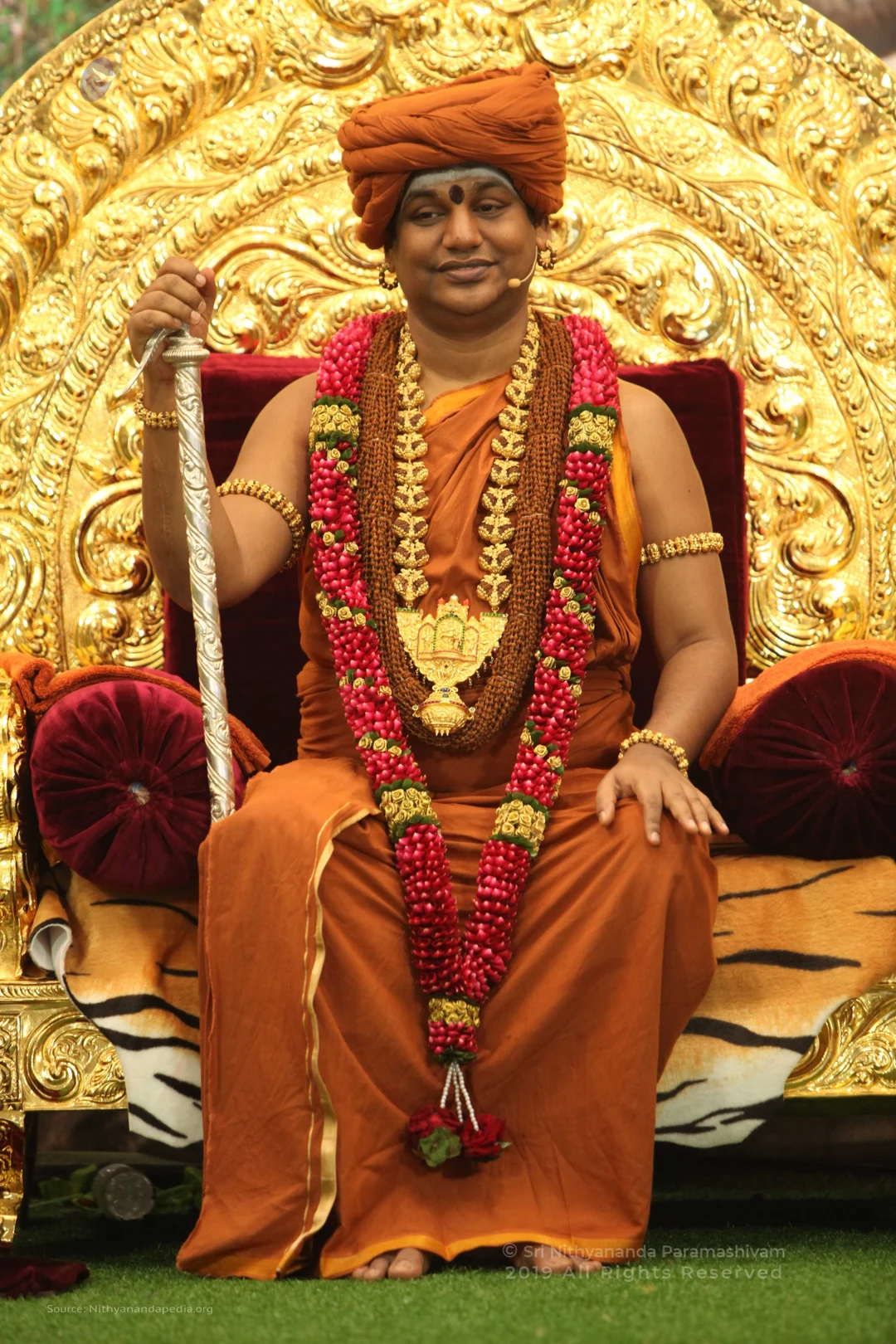
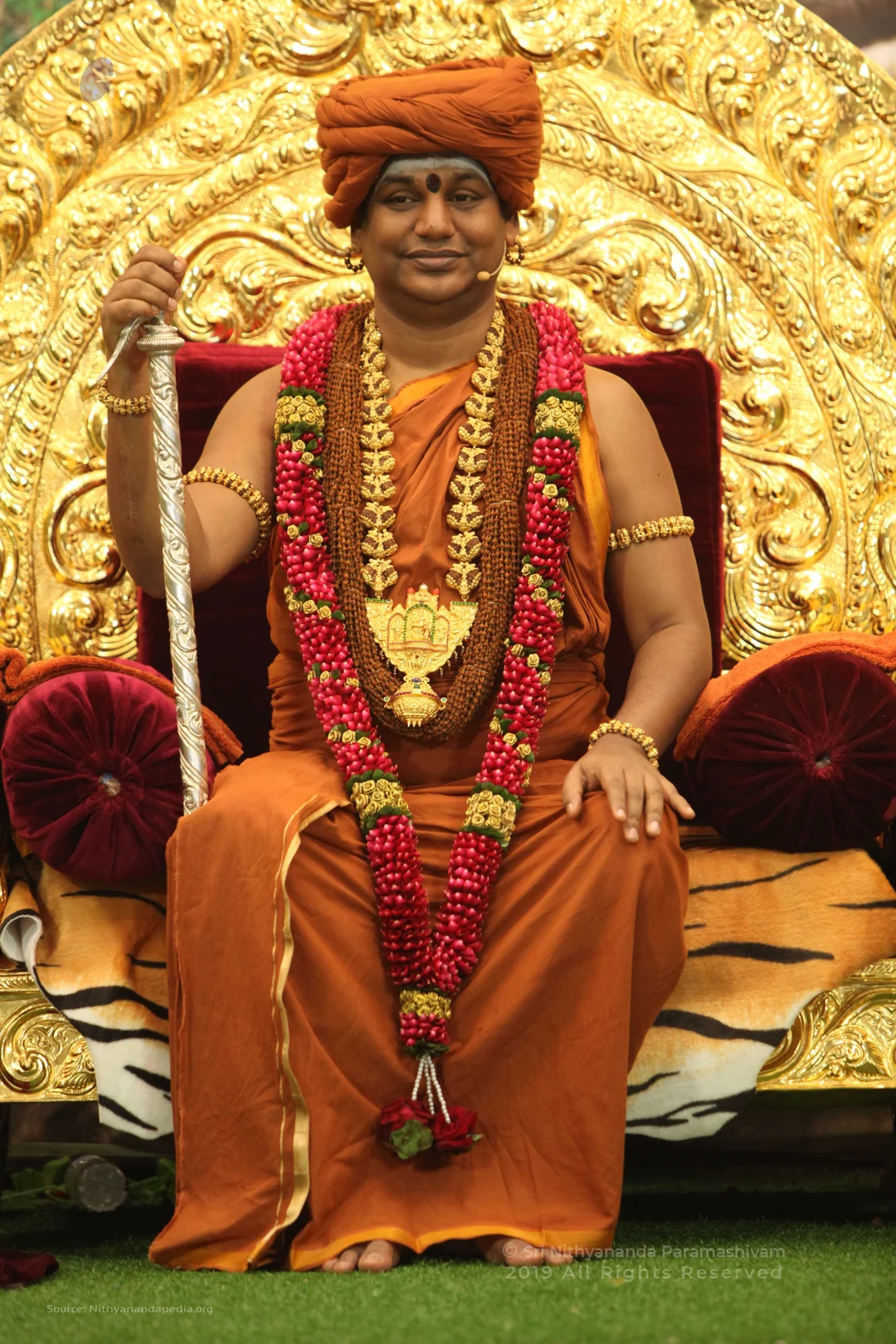
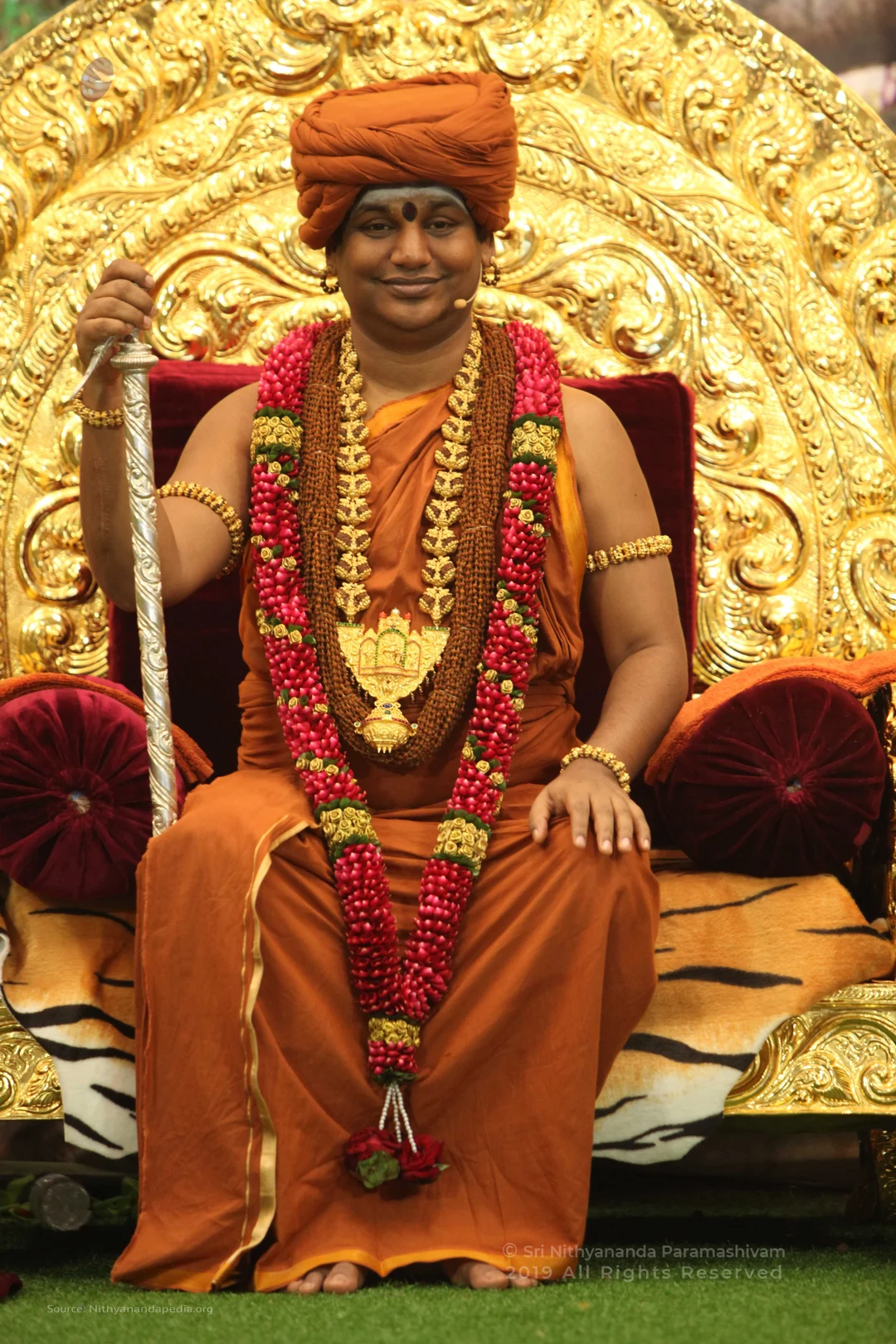
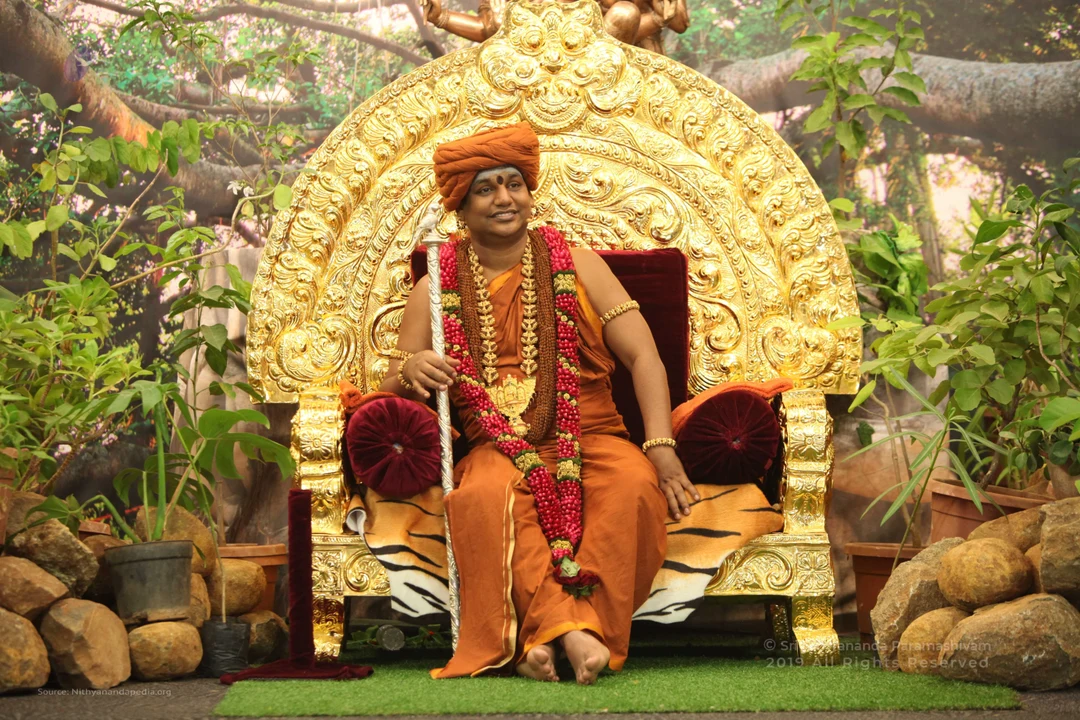
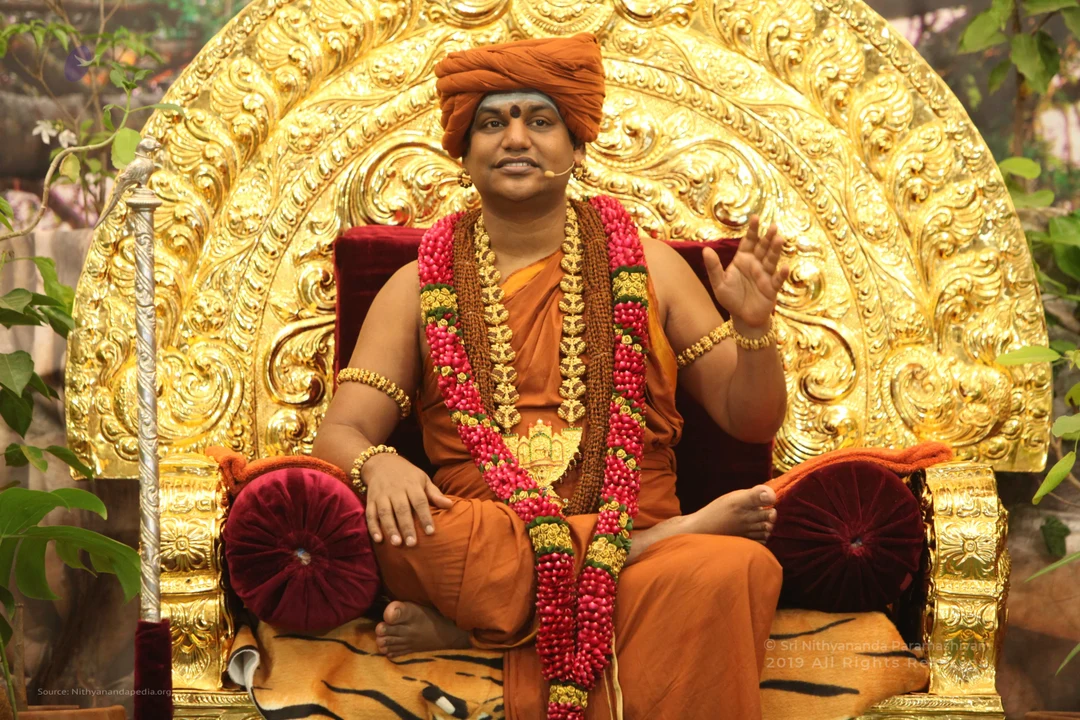
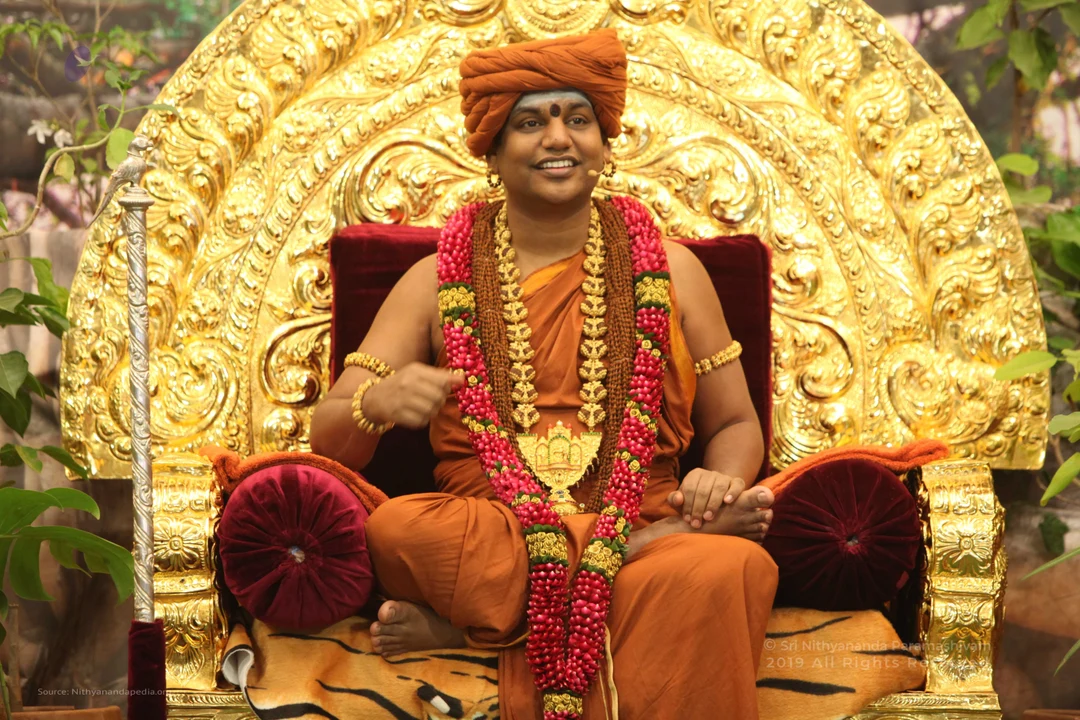
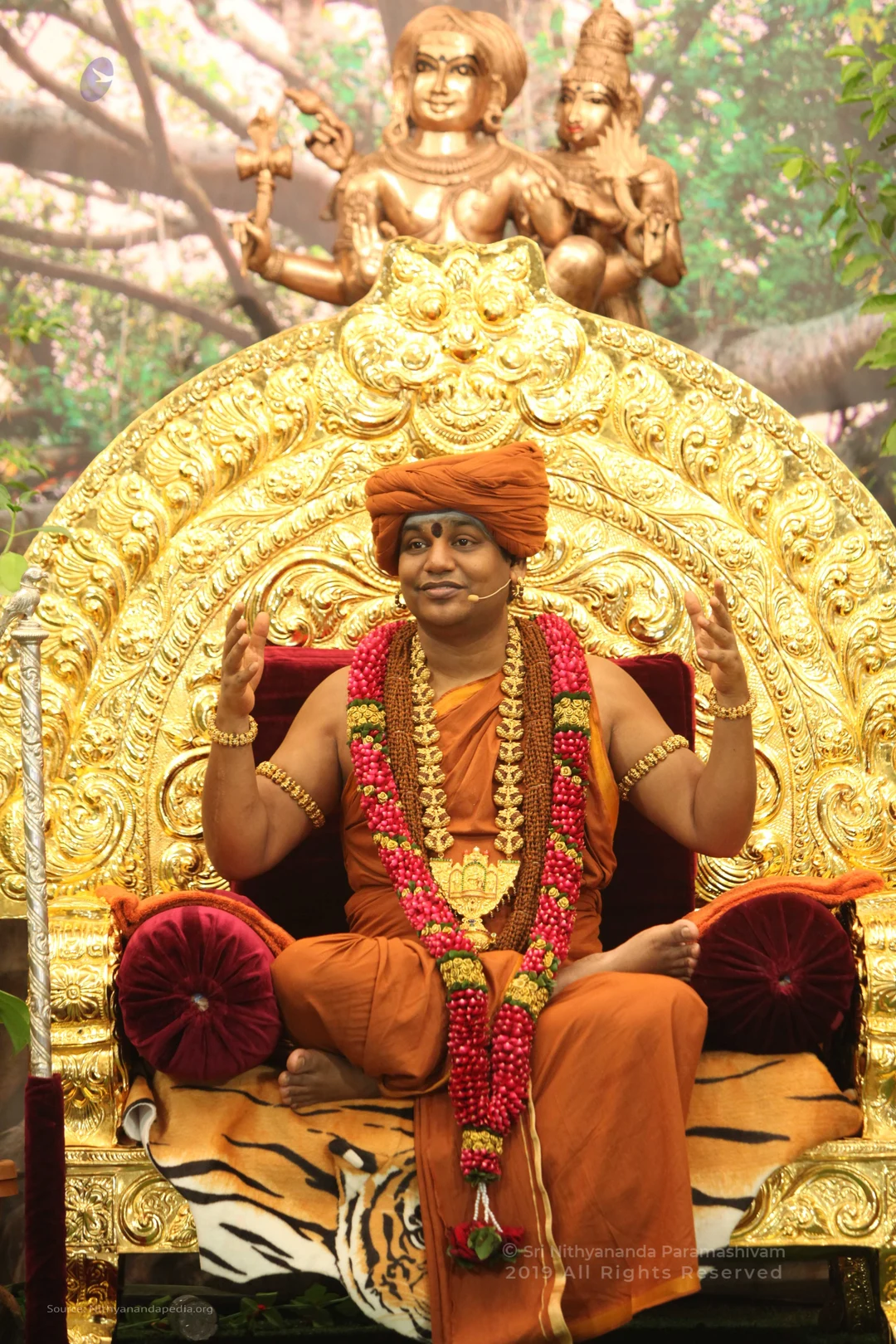
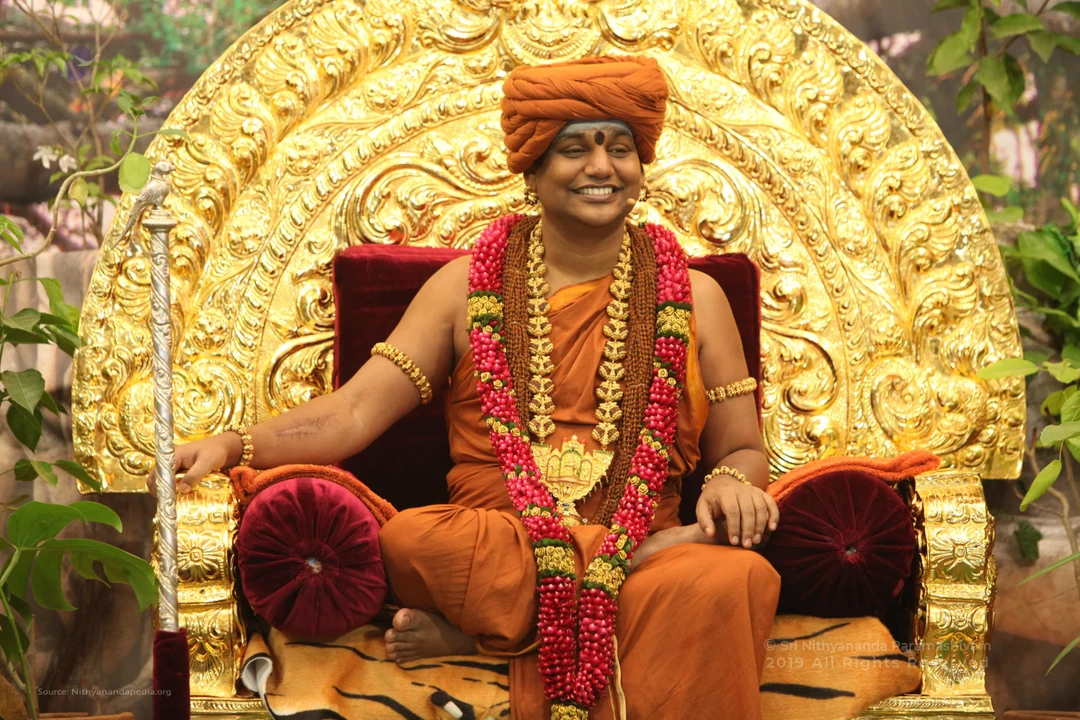
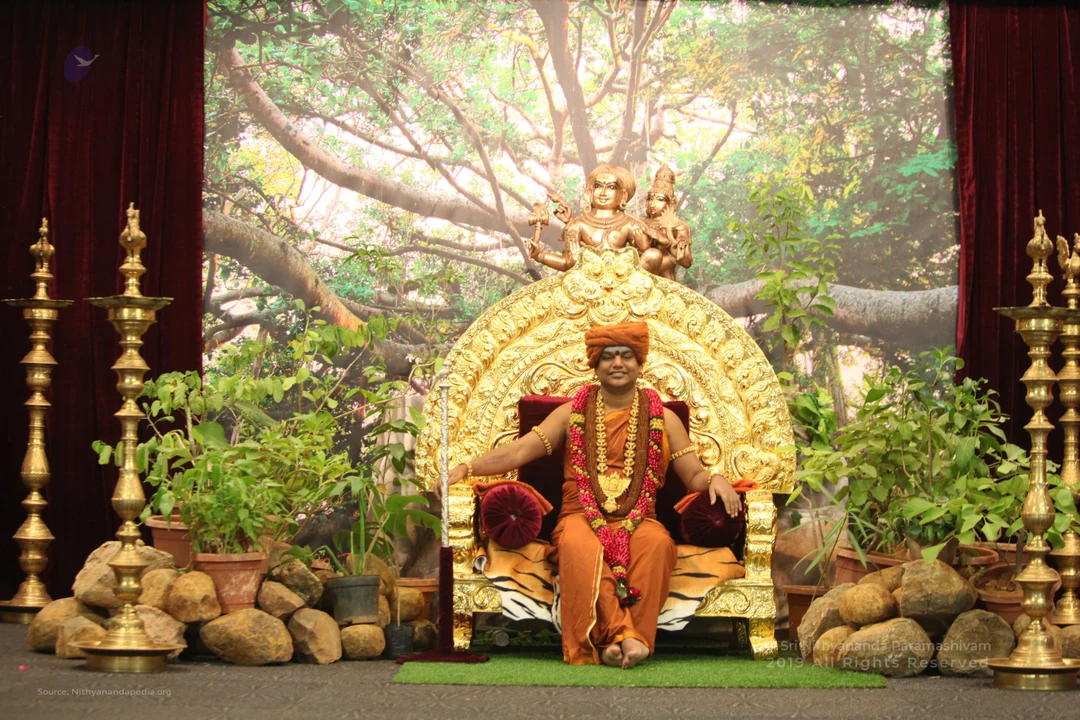
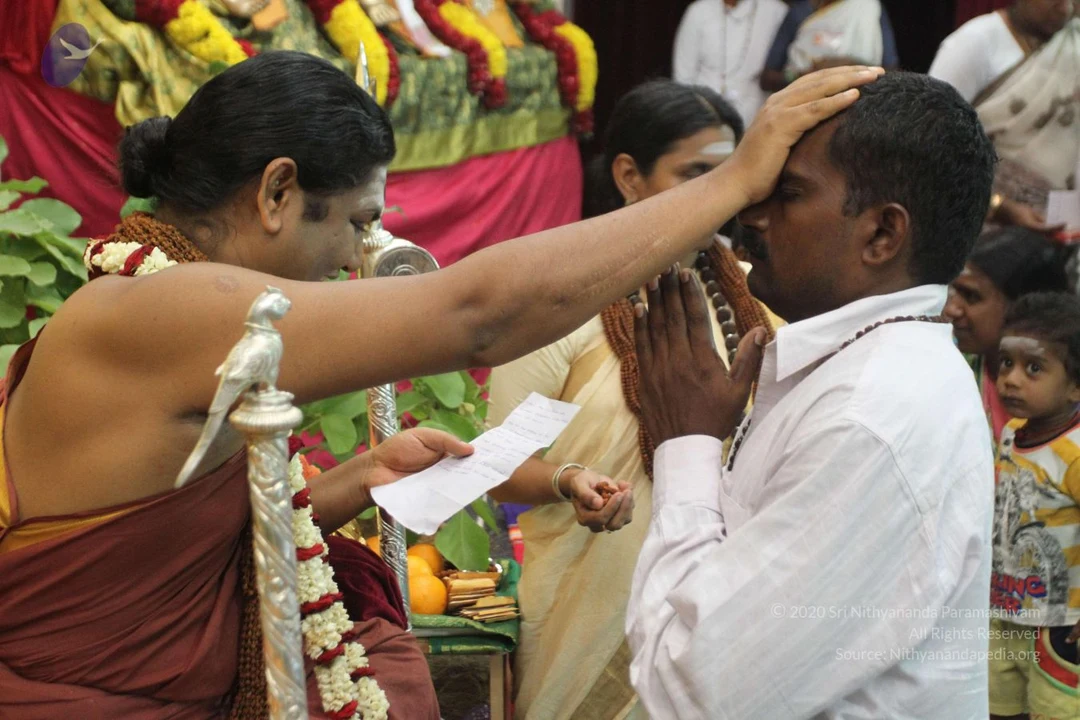
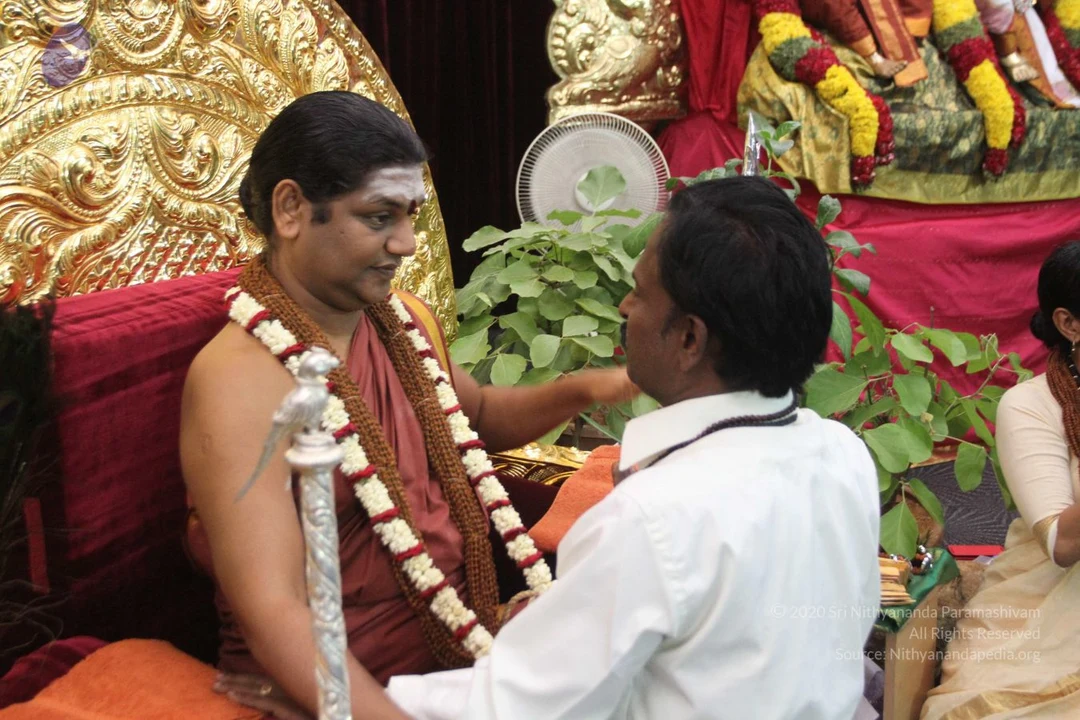
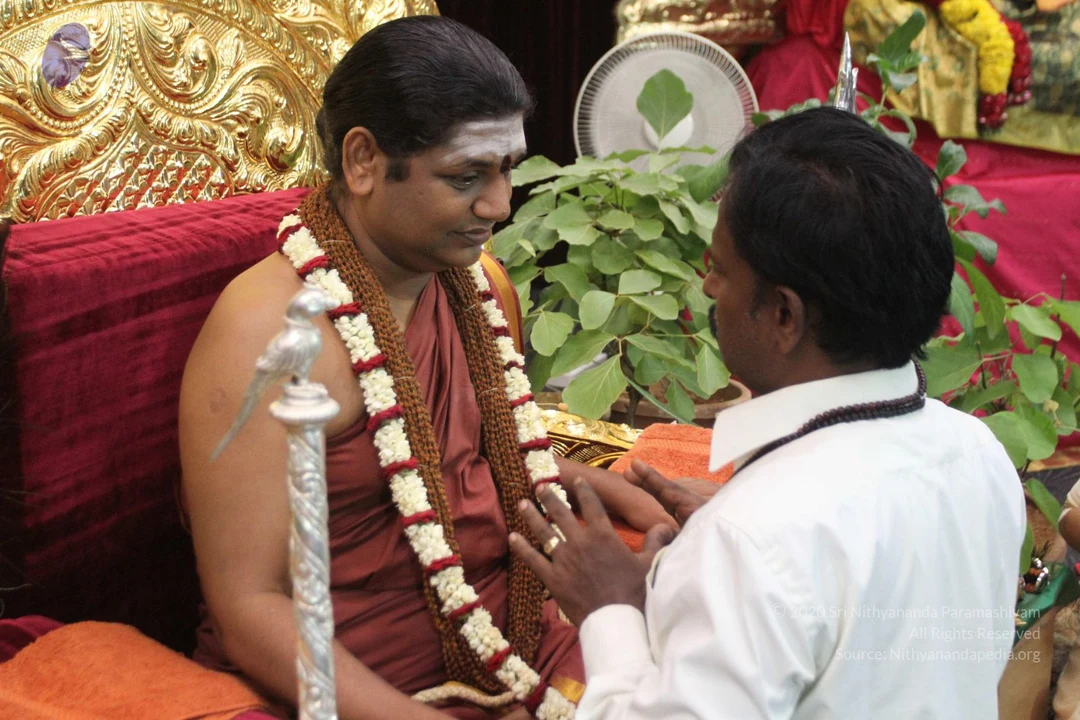
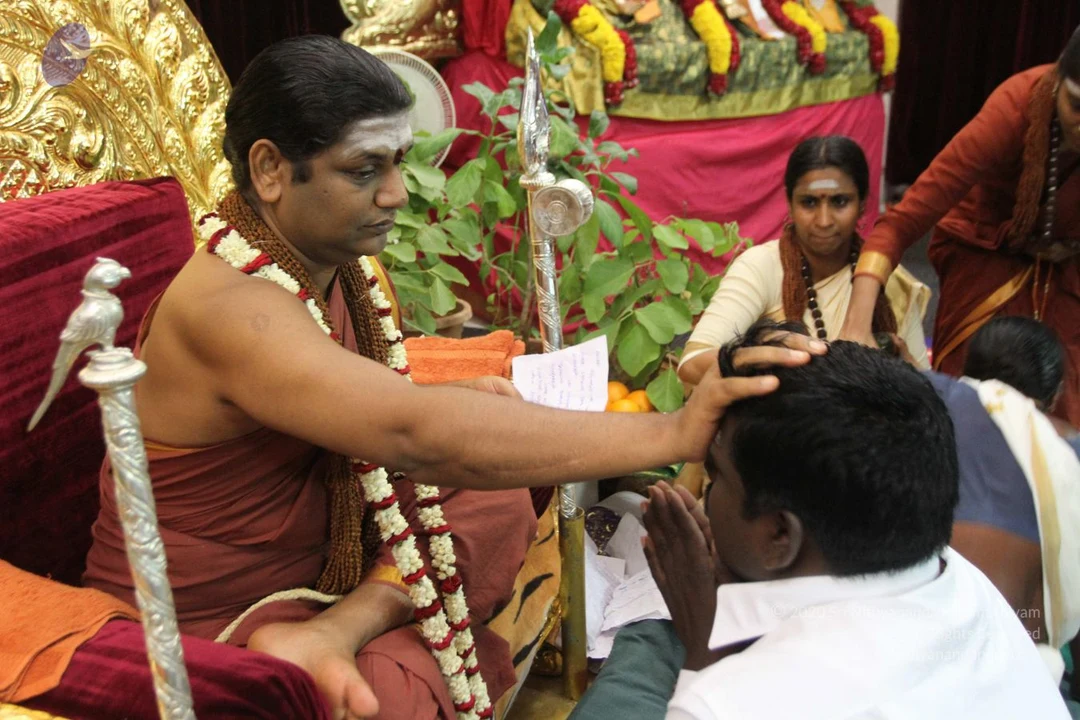
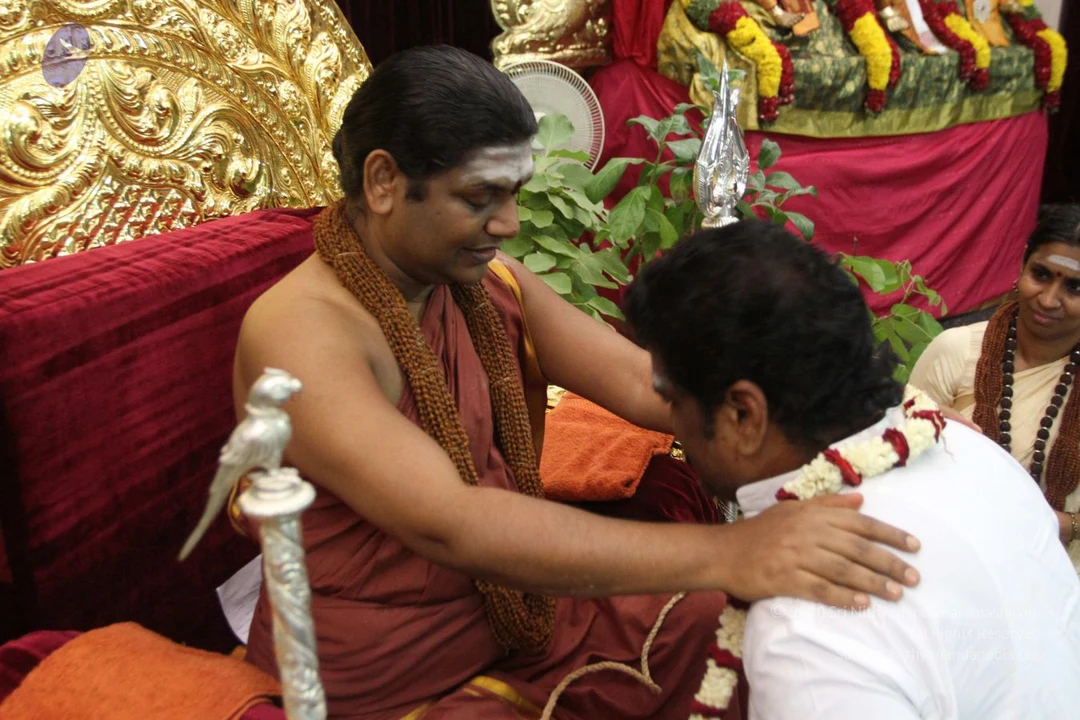
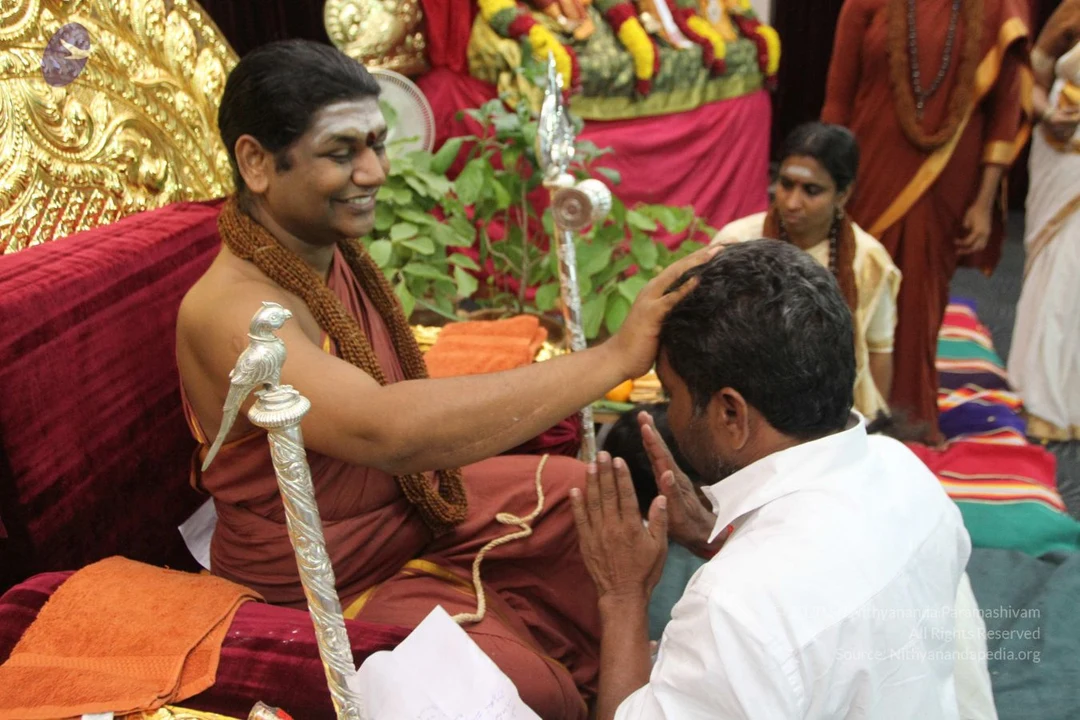
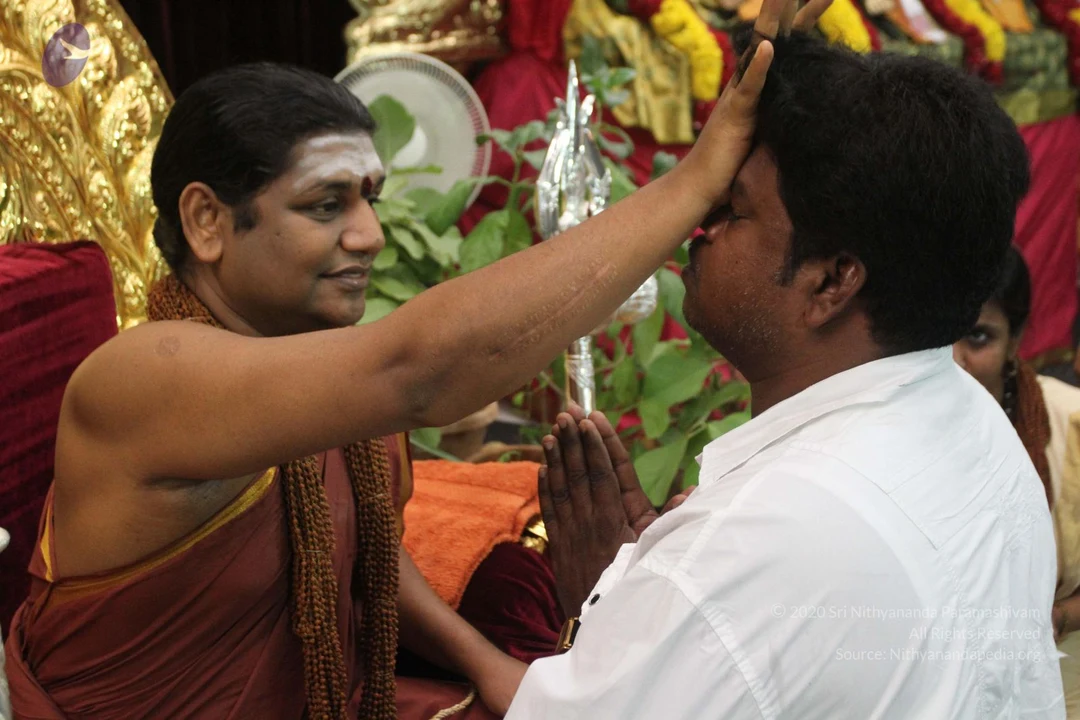
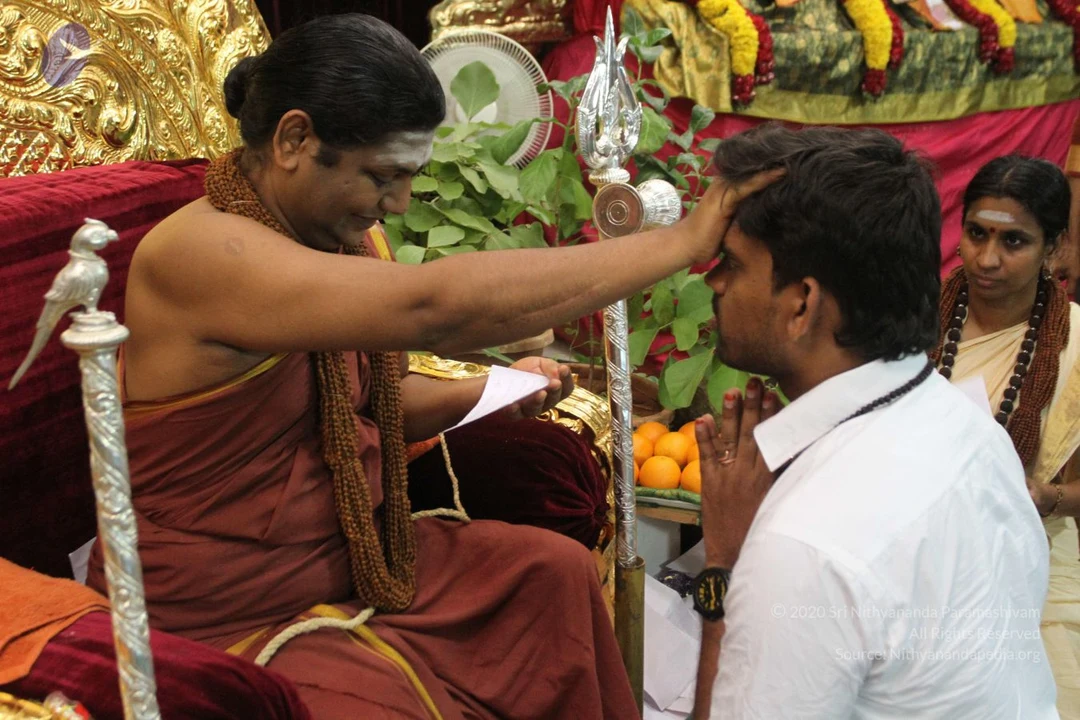
Kalpataru Darshan
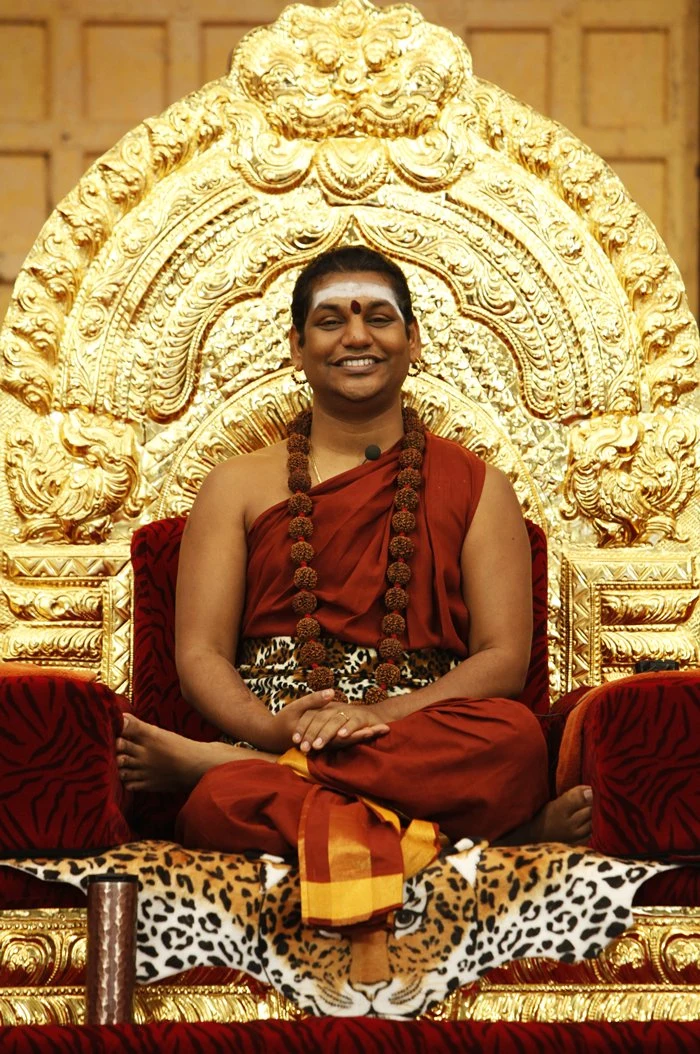
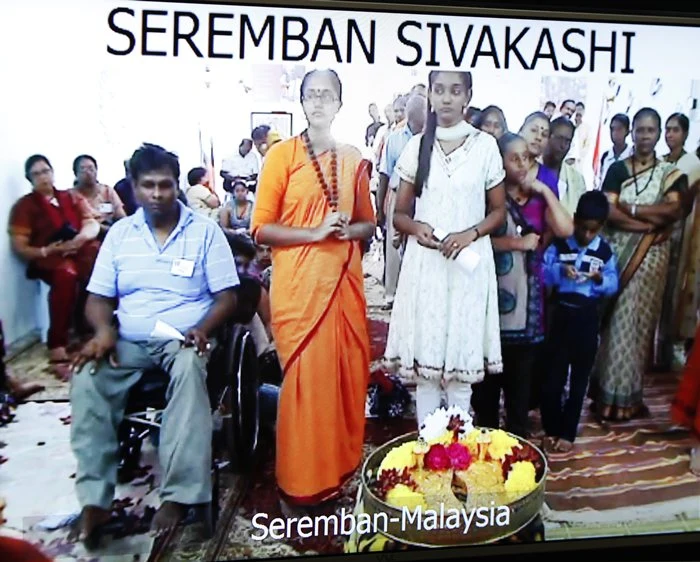
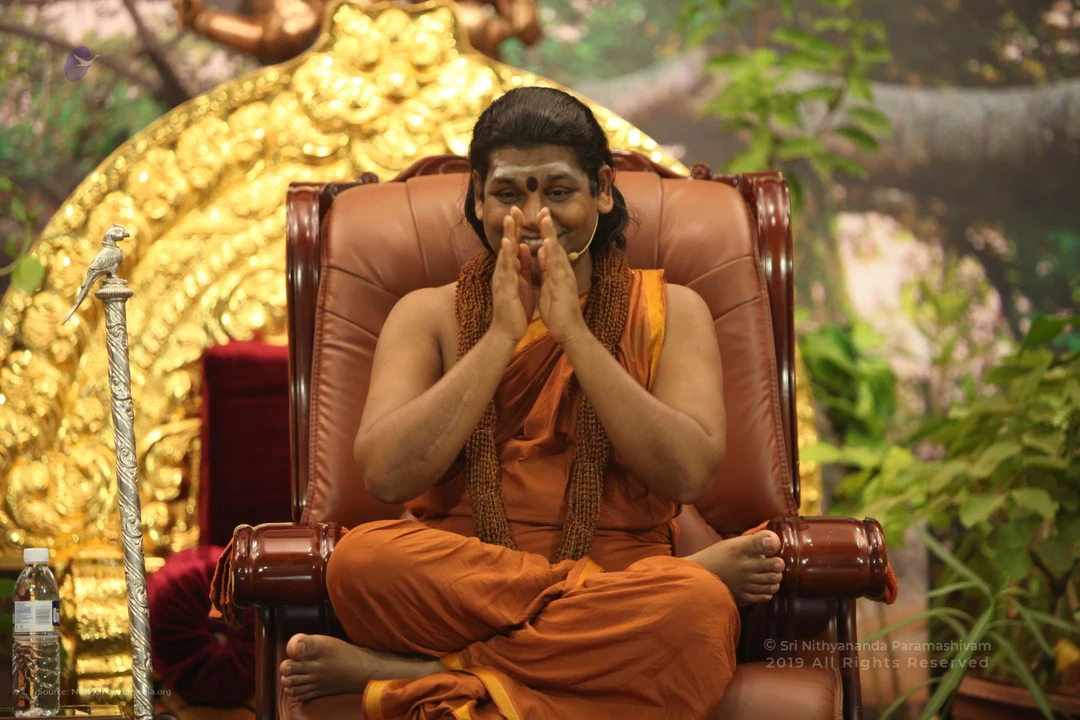
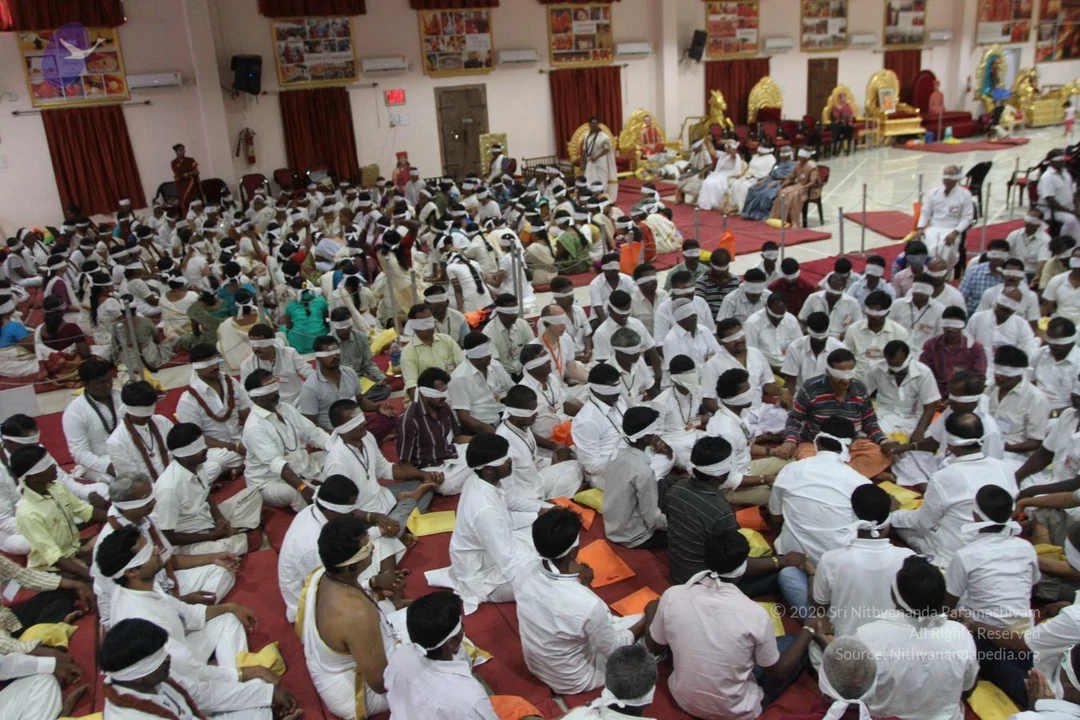
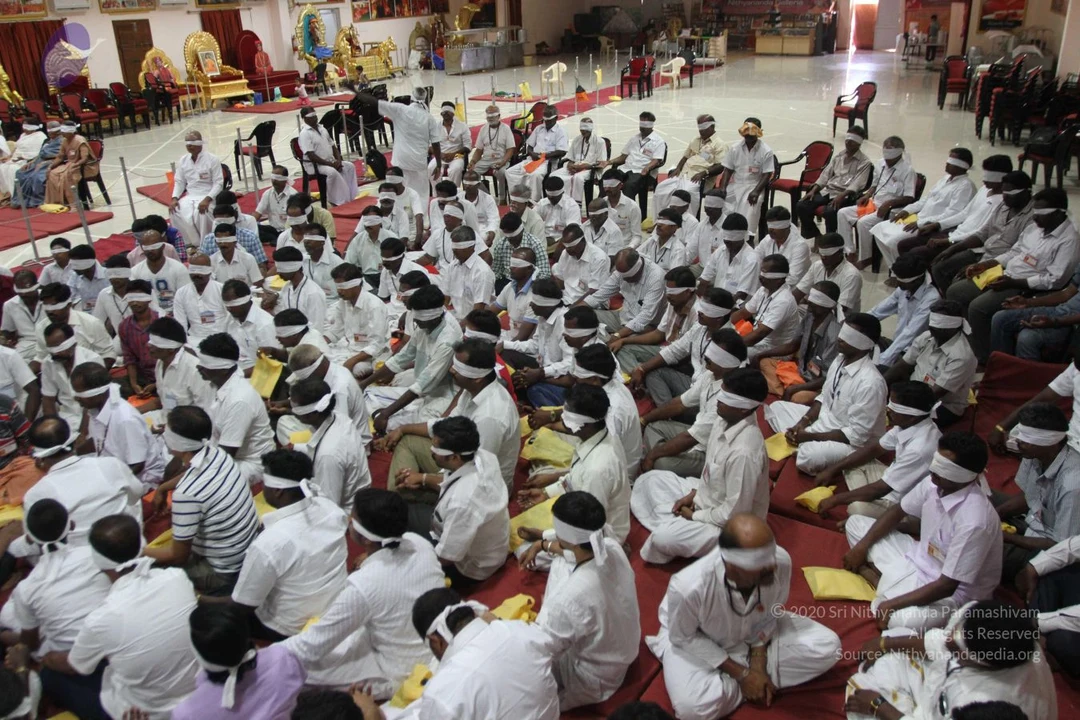
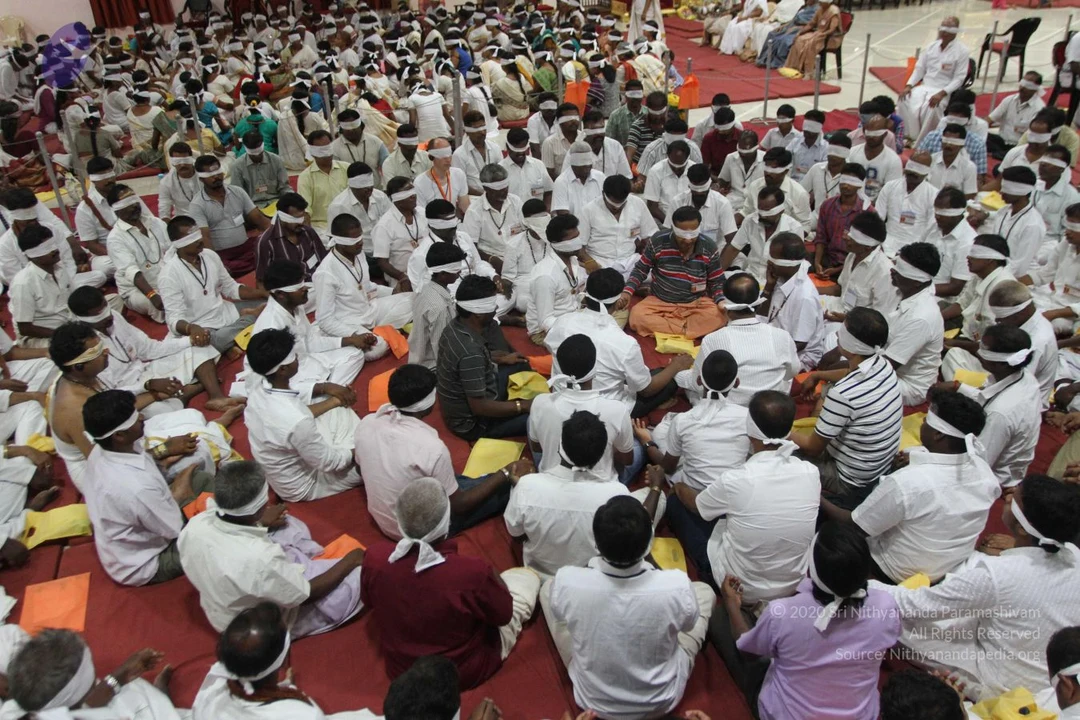
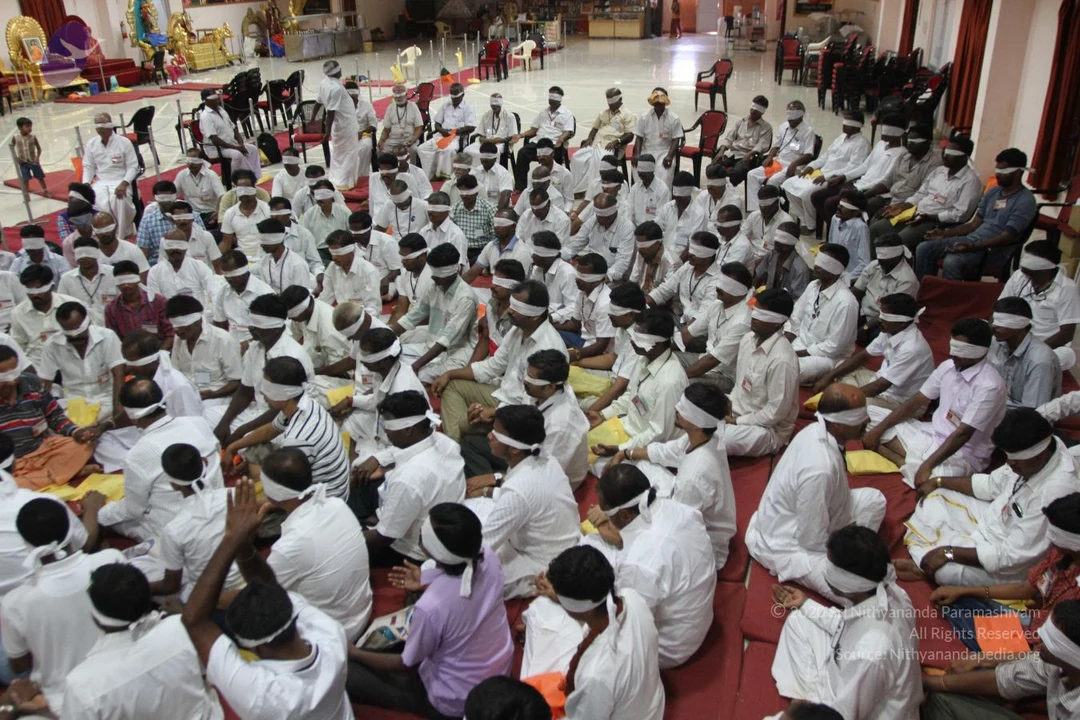
Nithya Kriya Yoga
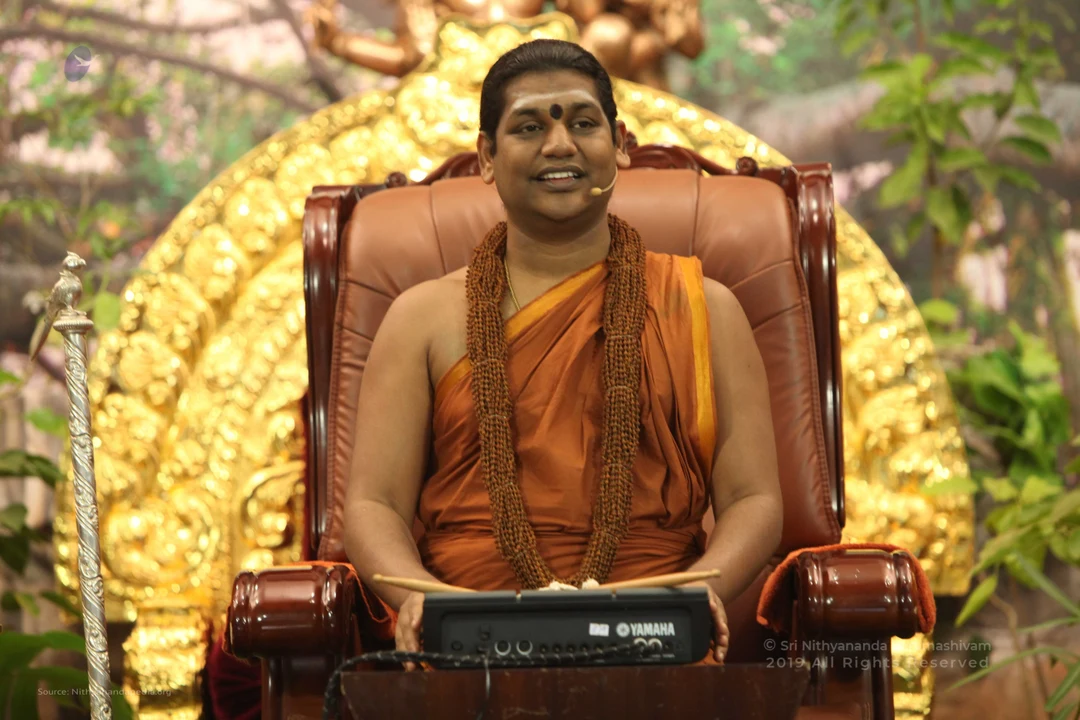
Link To Facebook Page
https://www.facebook.com/ParamahamsaNithyananda/photos/a.321615927926264/826628294091689
Tags:
Upanishads, Advaita, Living Advaita, Isha Upanishad, Ishavasya, Isha Upanishad Verse 10, Paramahamsa Nithyananda, Isha, Satsang, Mahadeva, Shiva, Spiritual Seeking, Ramakrishna, Tapas, Meenakshi Brahmotsava, Mahadeva, Madurai Aadheenam, Jnana Sambandar, Shaivism, Varanasi, Golden City, Shivoham, Third Eye Awakening, Guru, Vishwanatha, Ganga
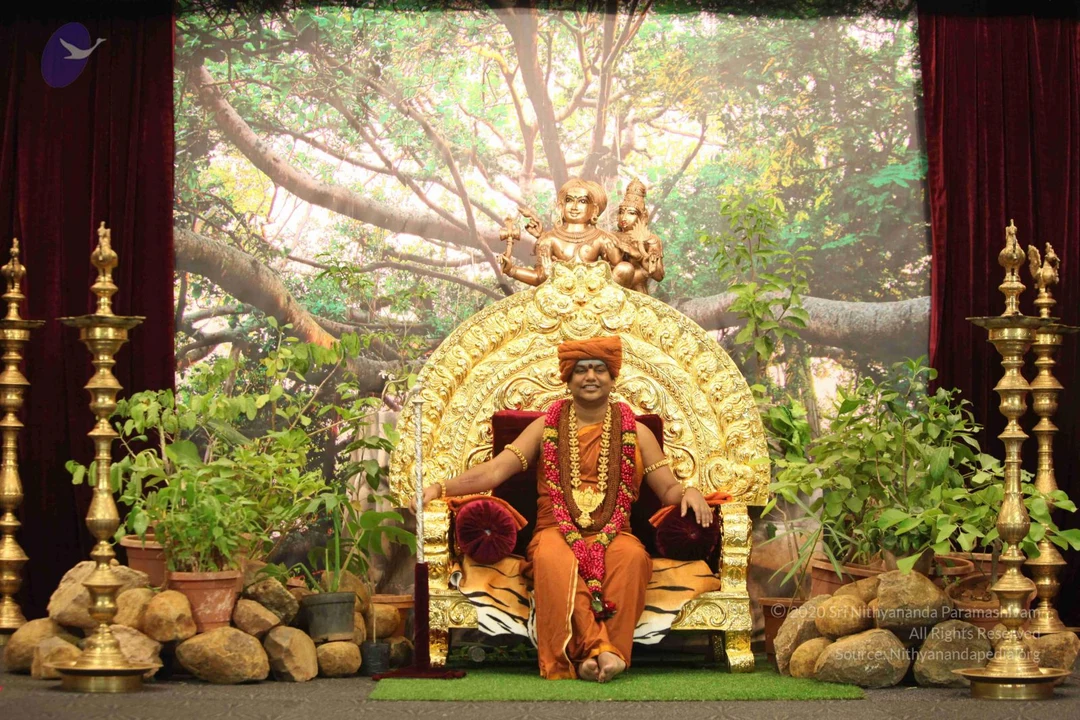
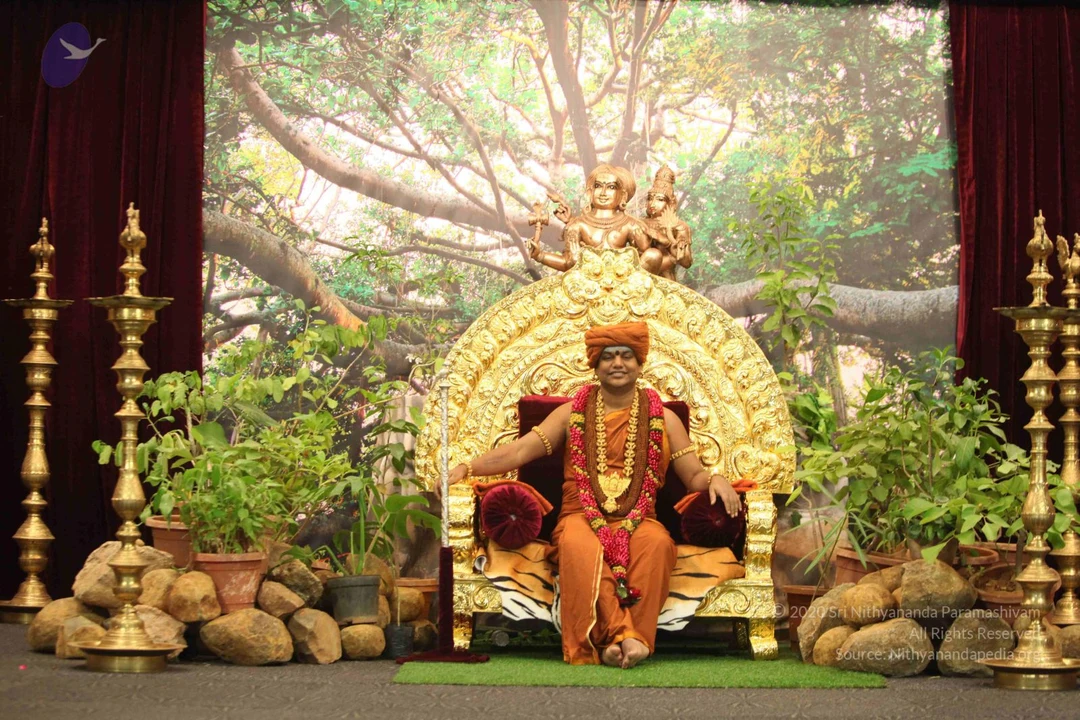
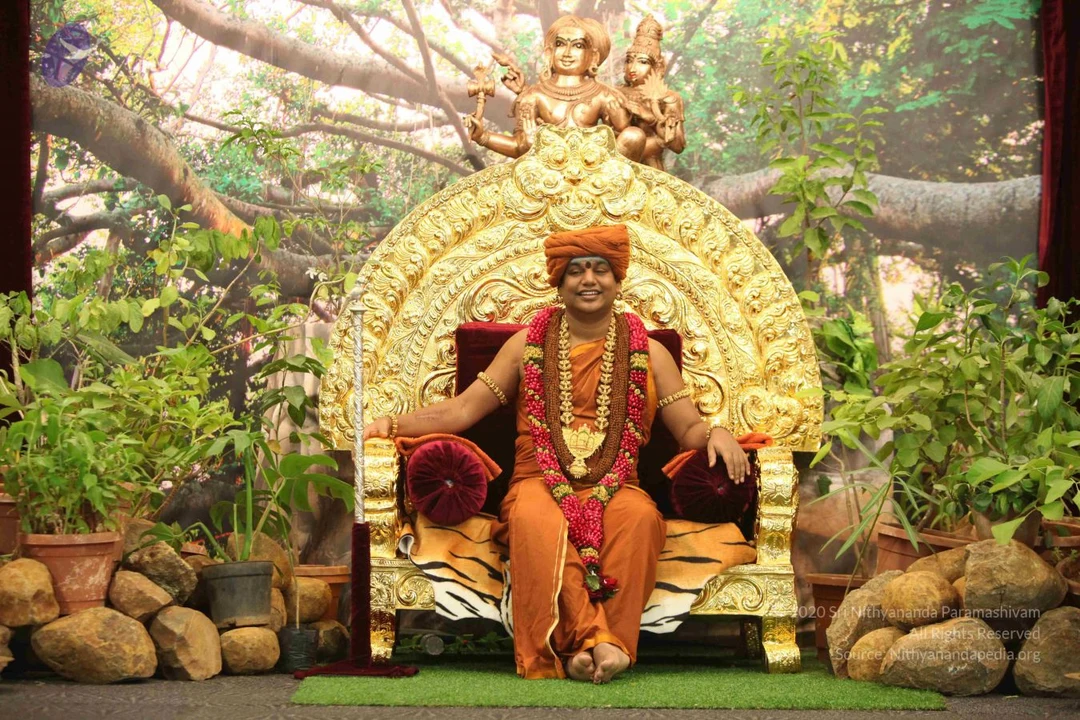
Photos Of The Day:
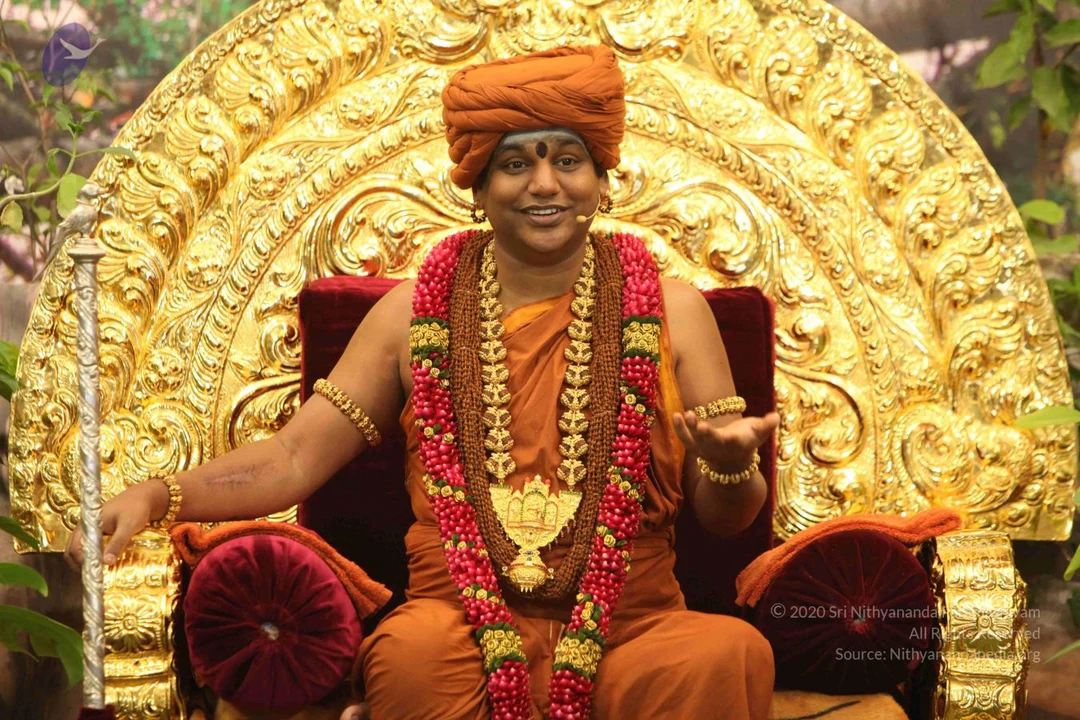
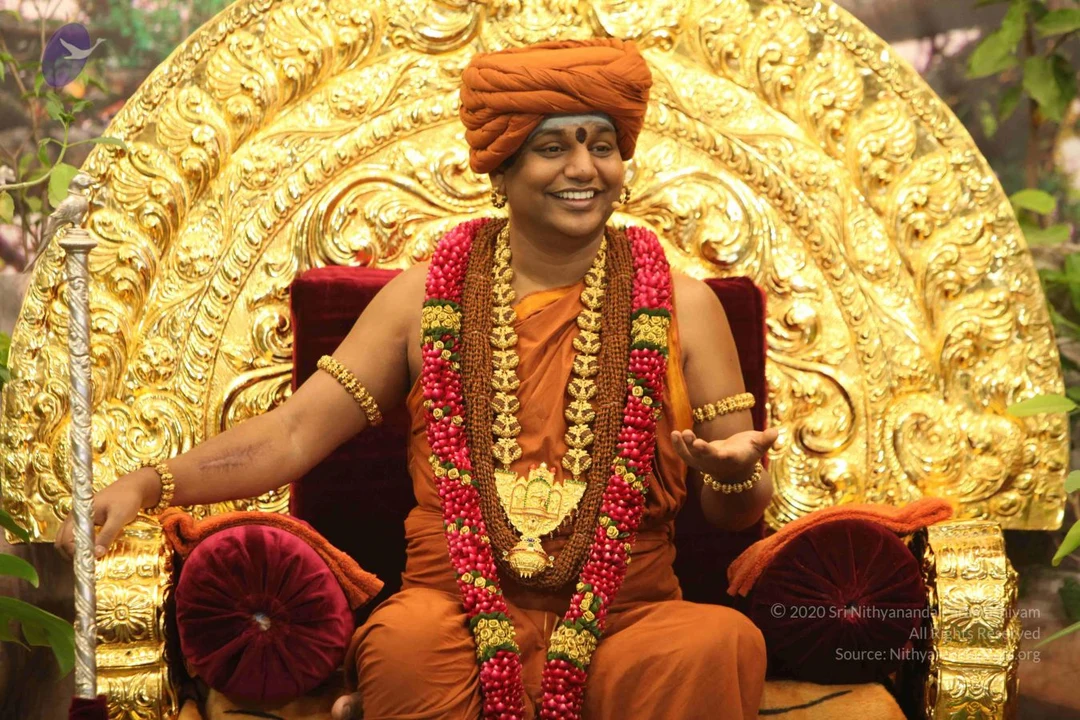
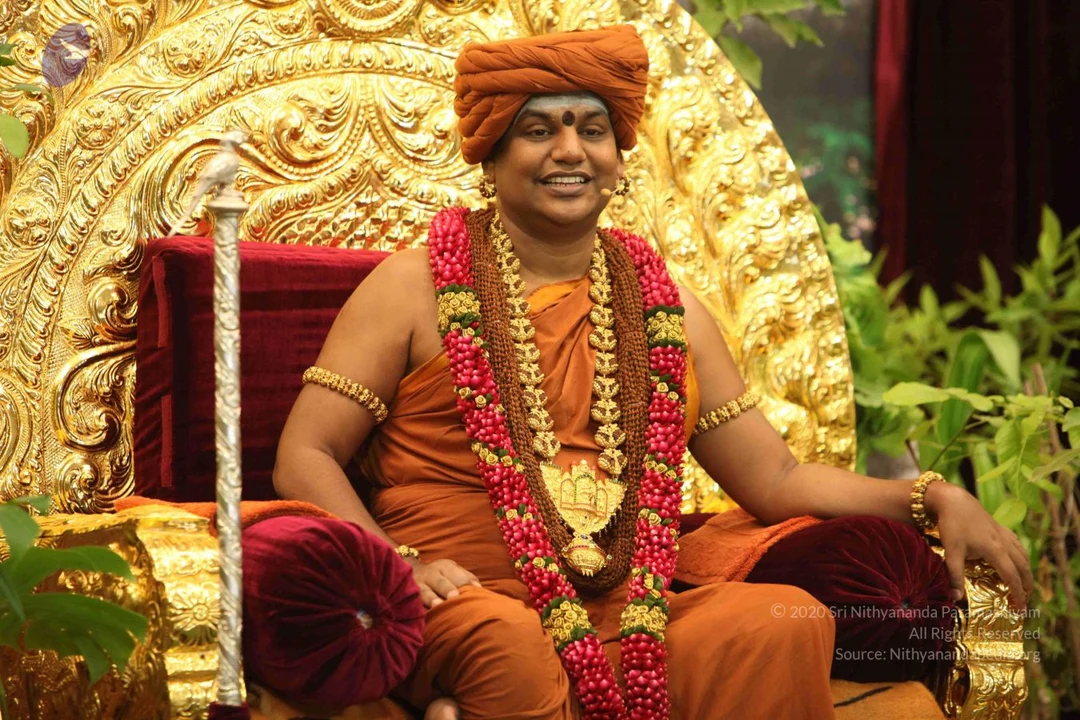
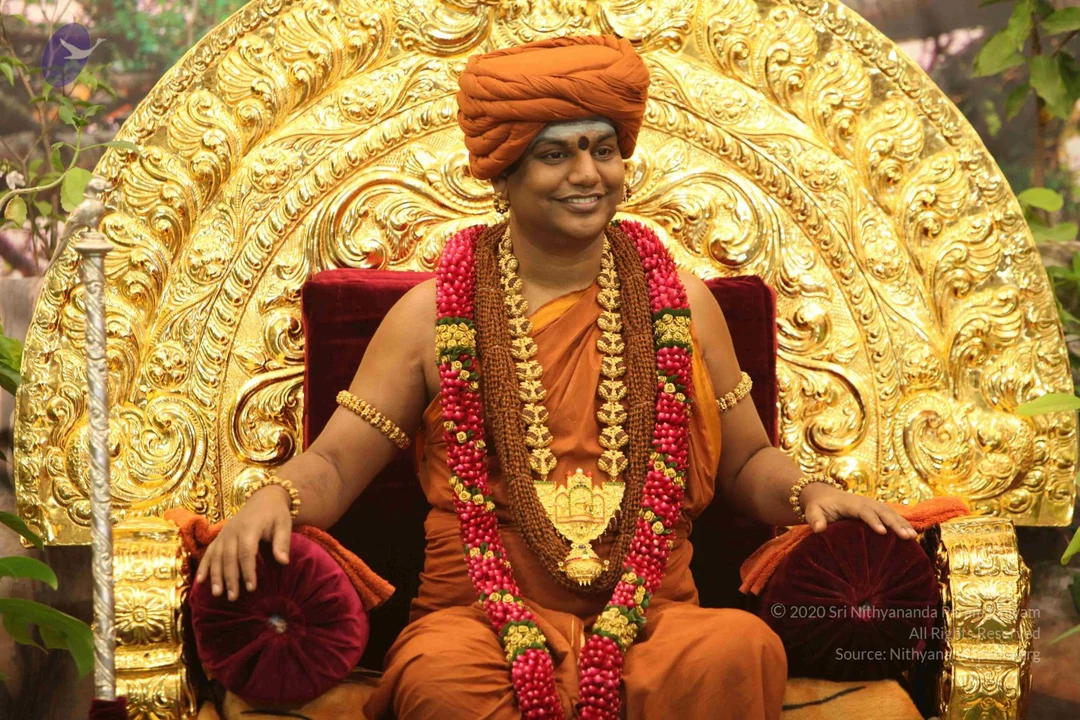
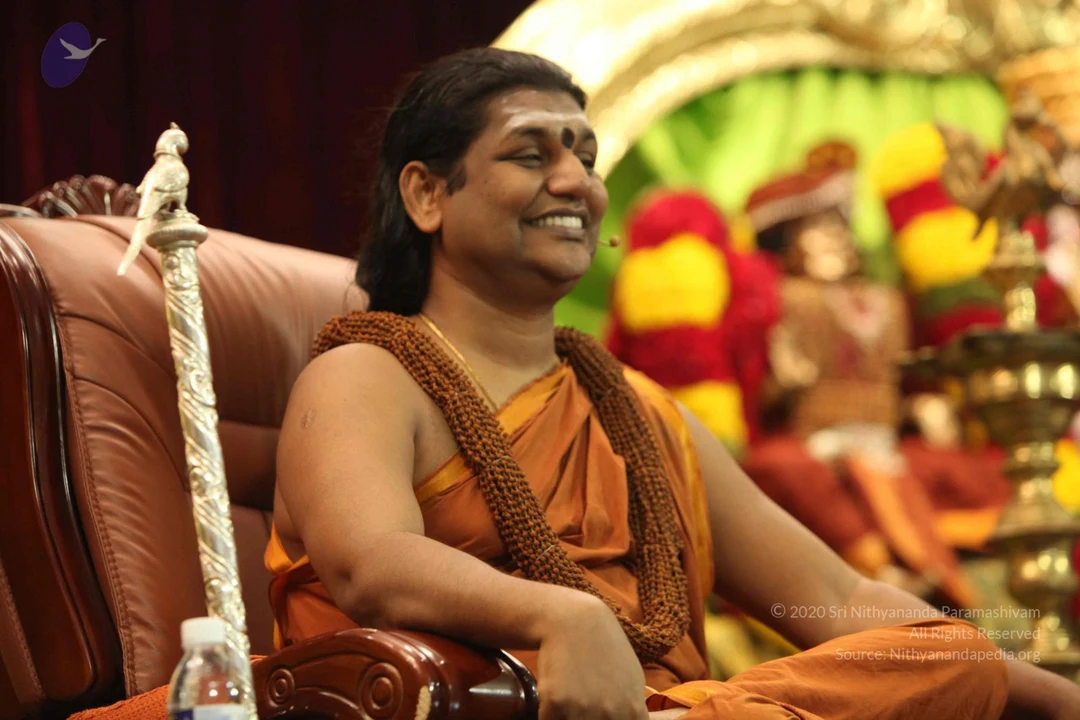
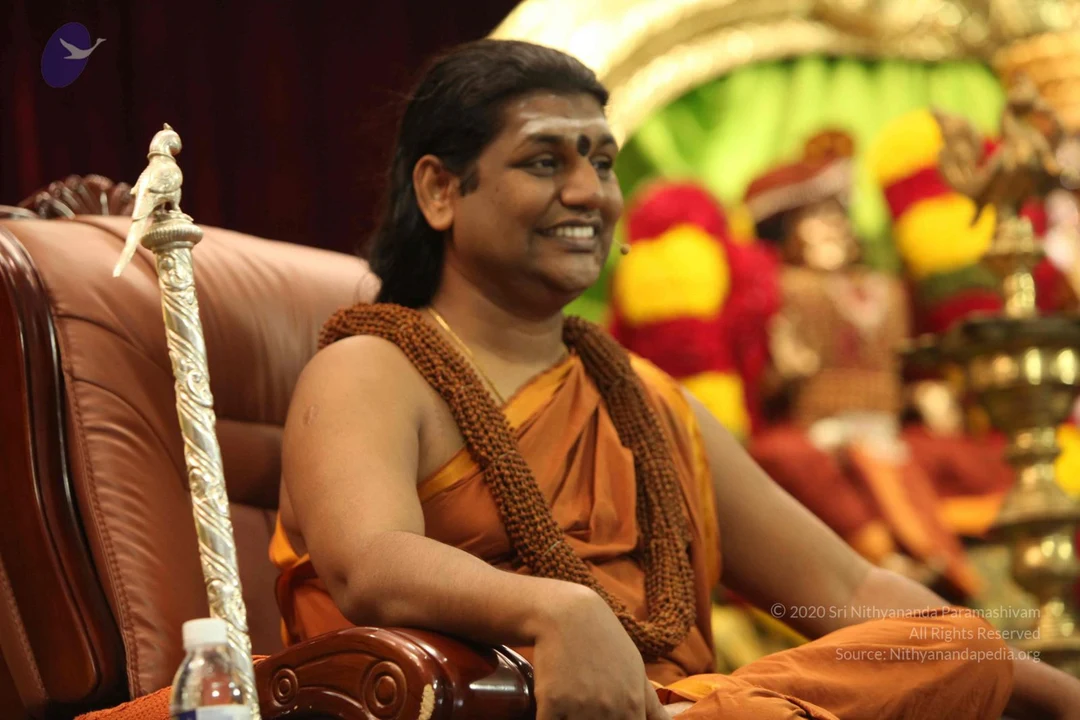
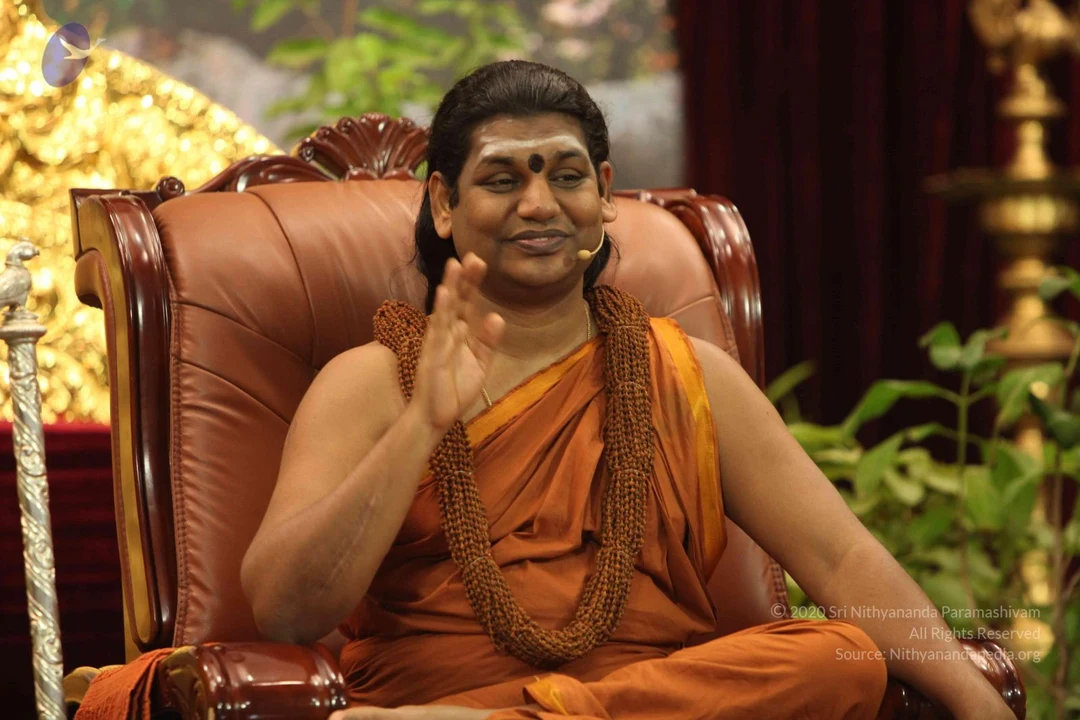
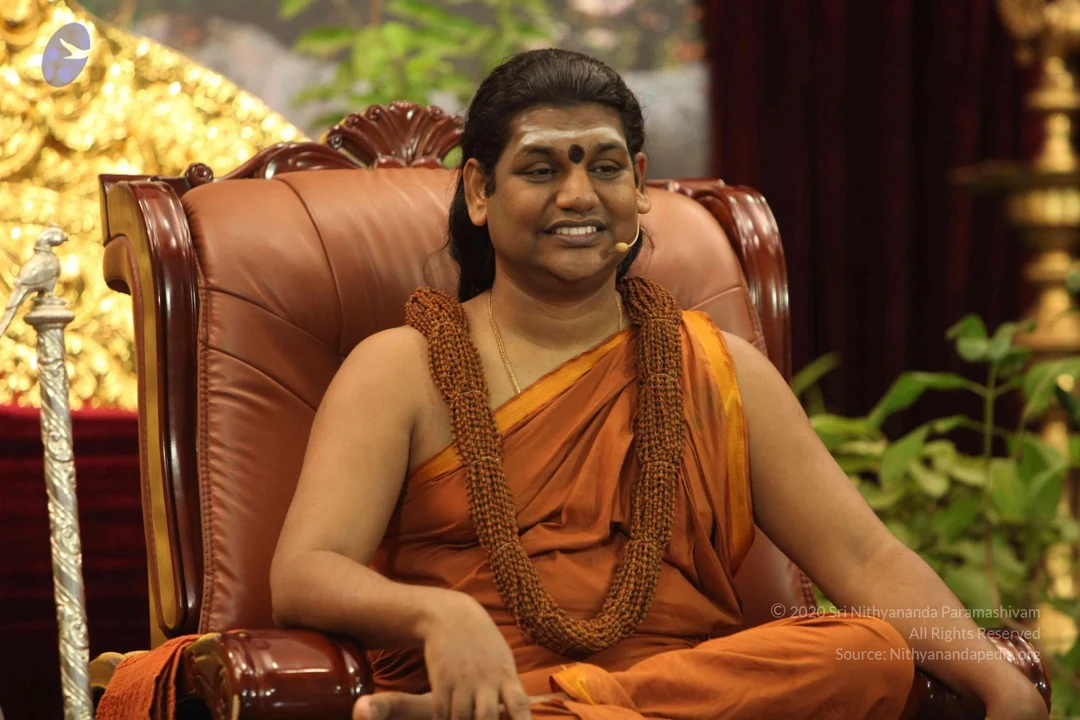
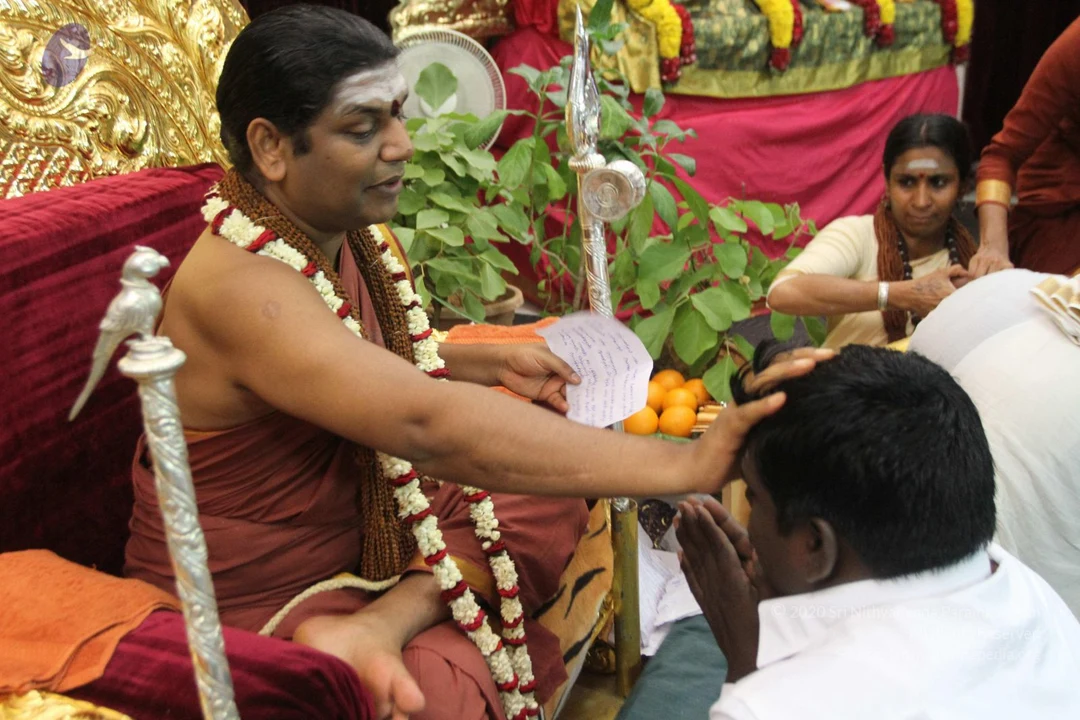
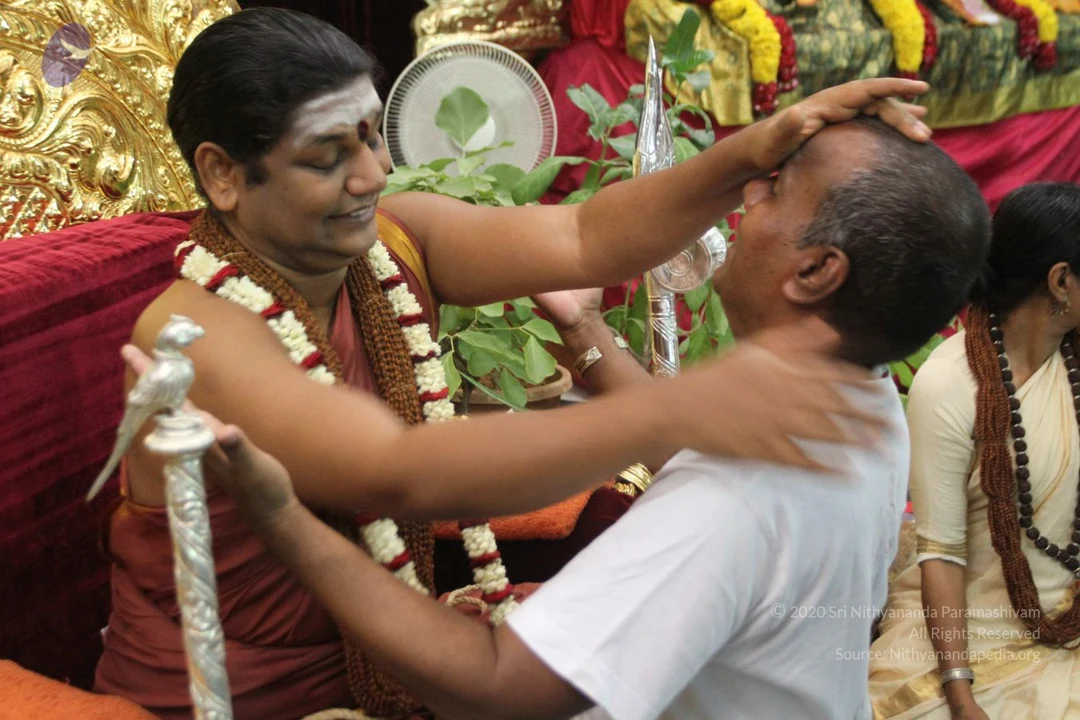
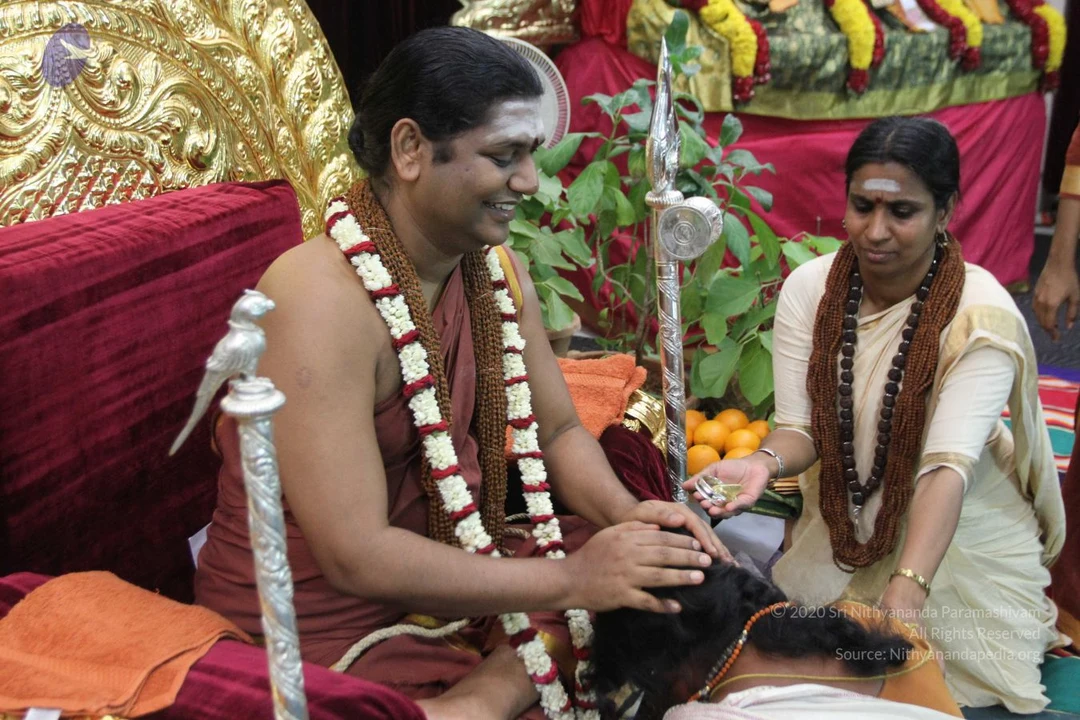
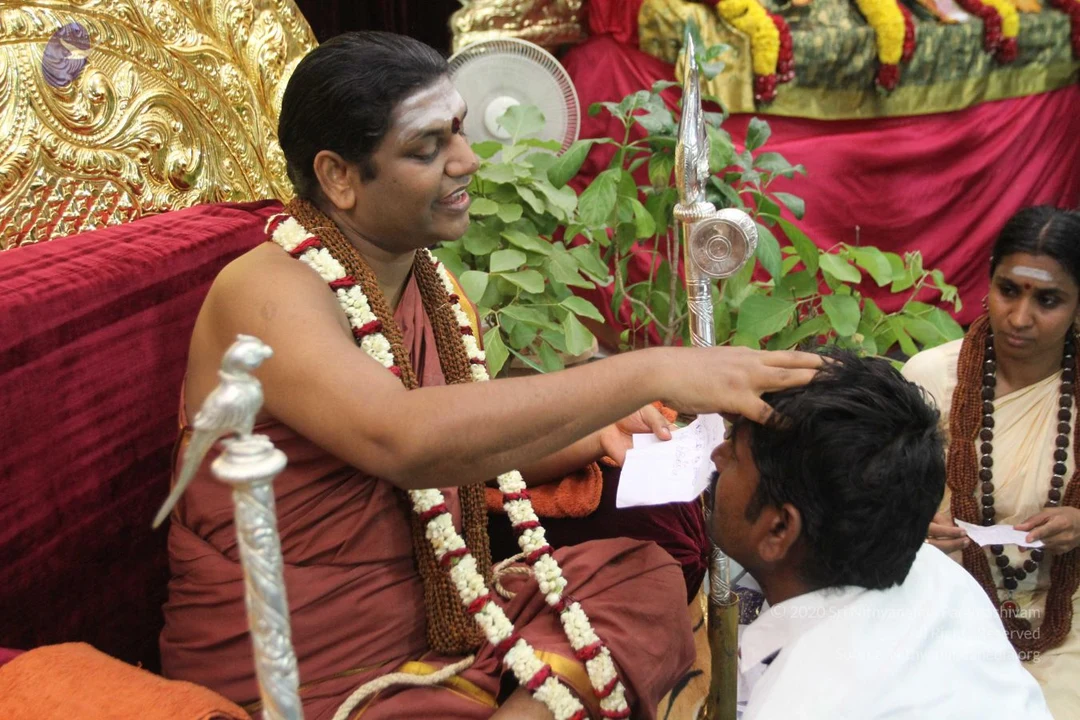
Satsang





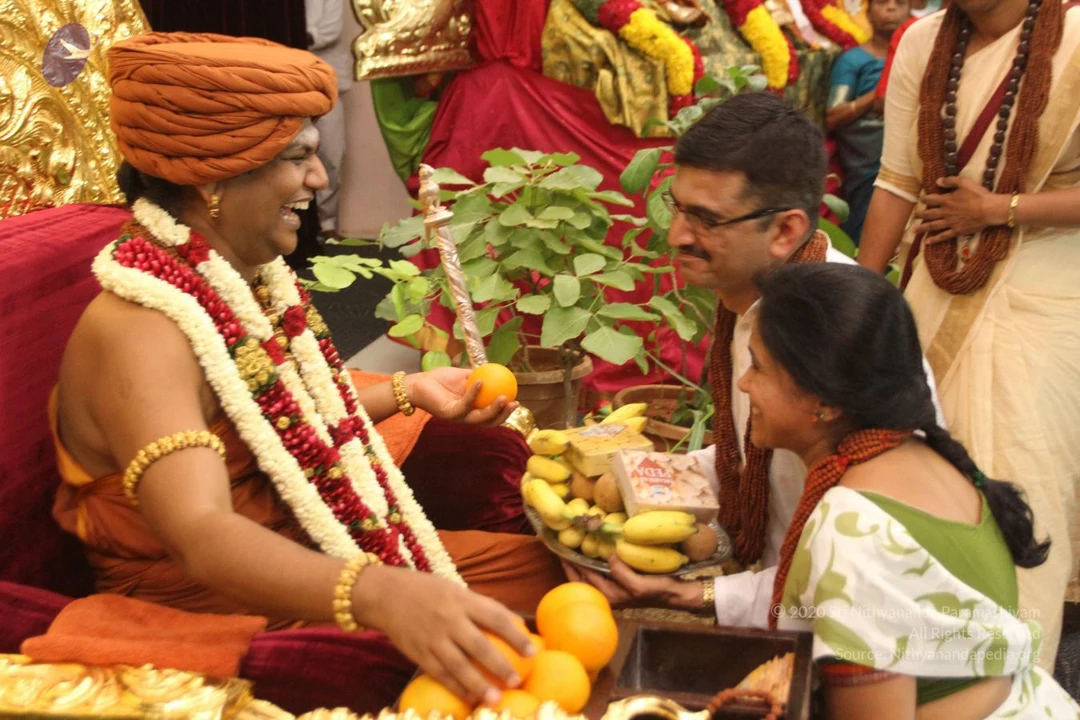
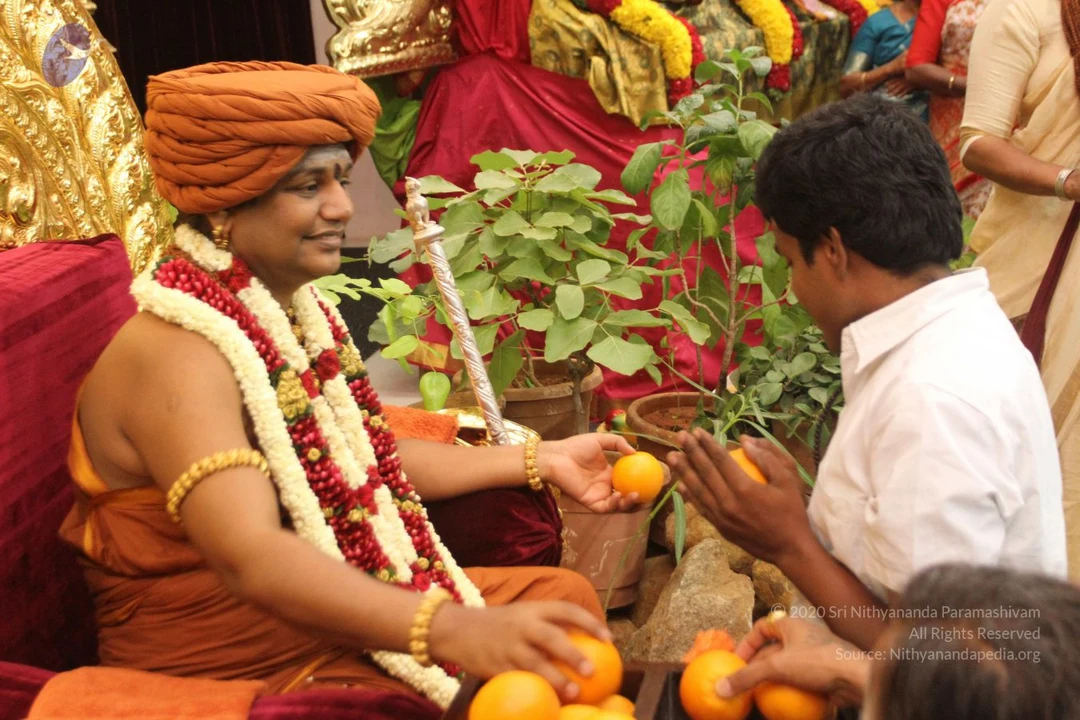
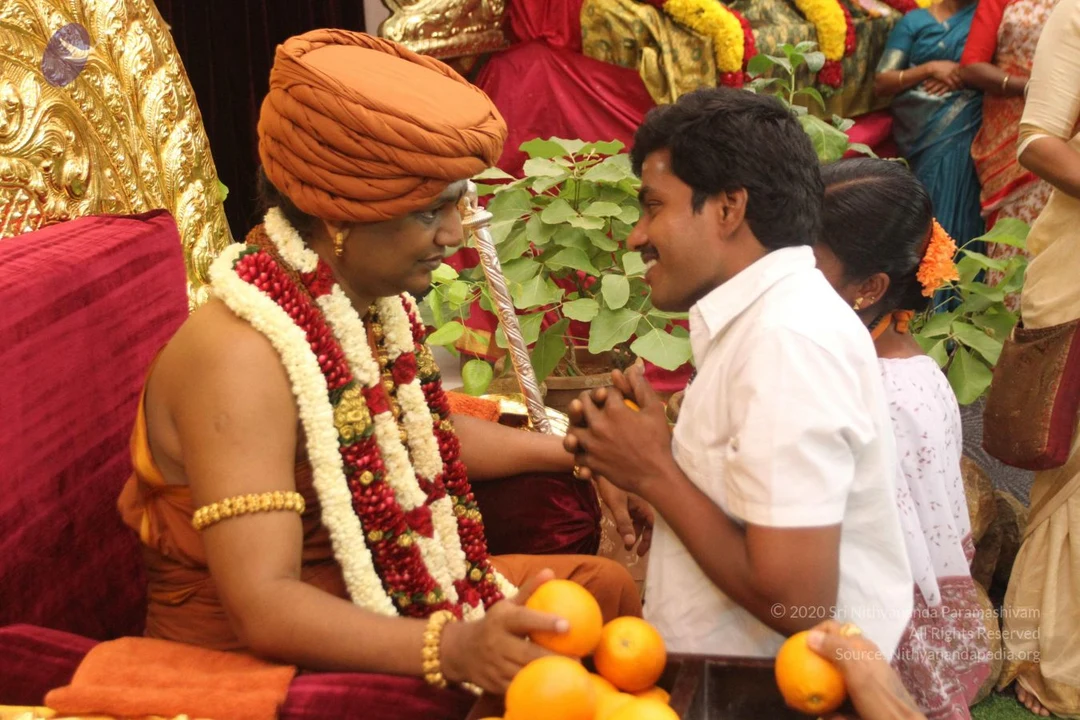
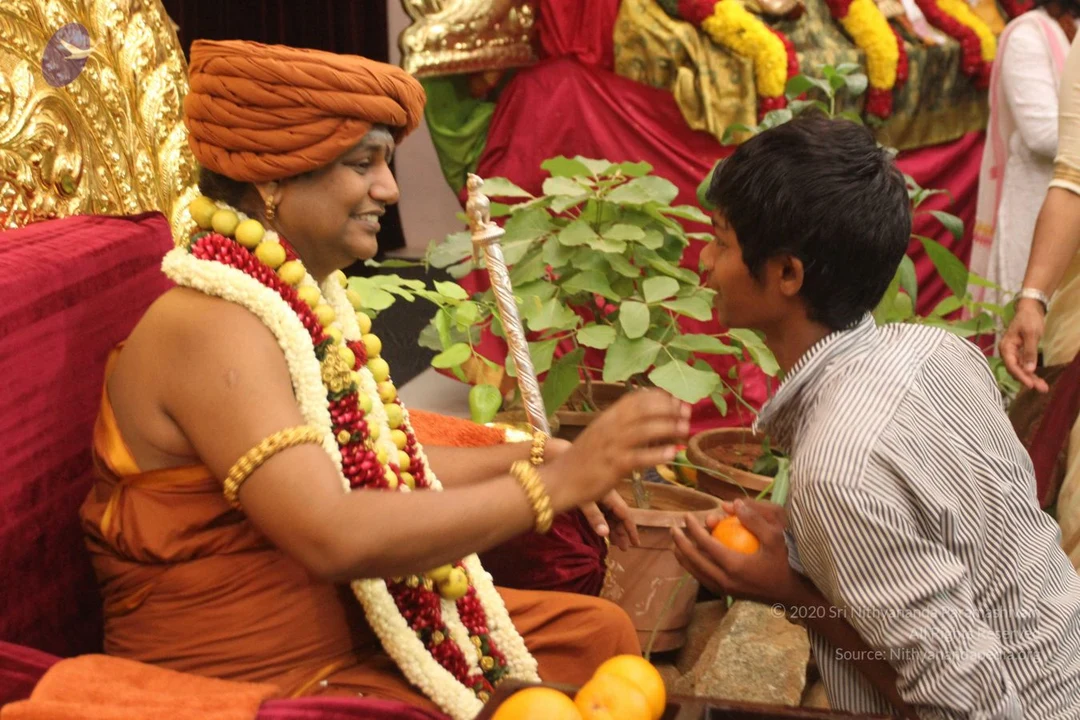
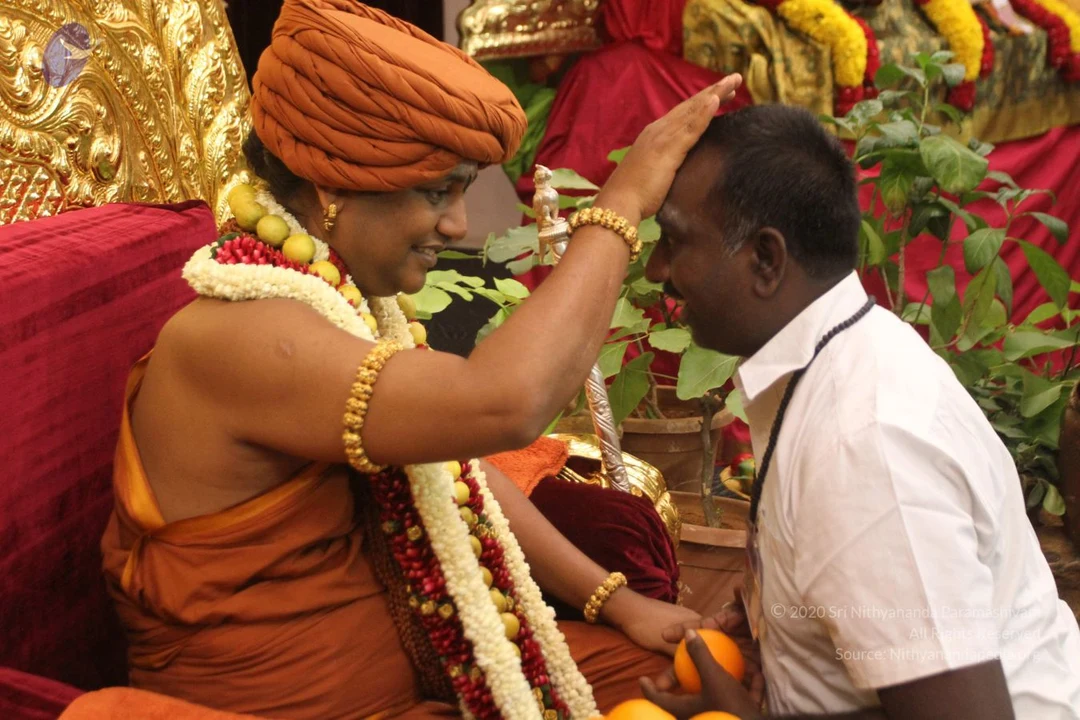
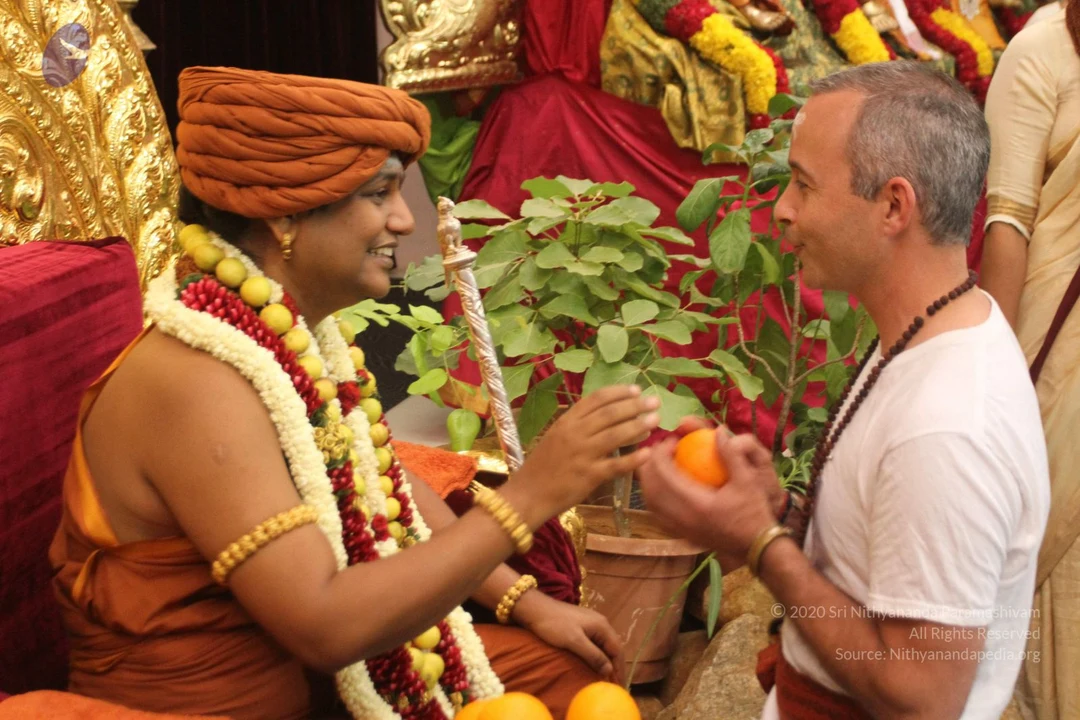
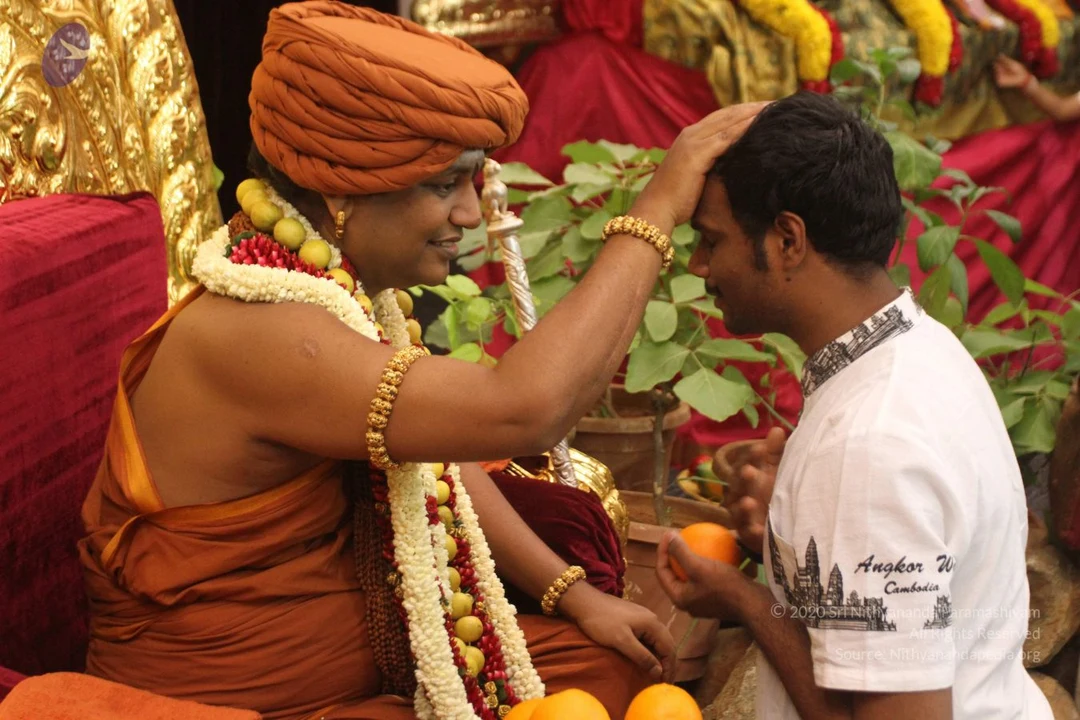
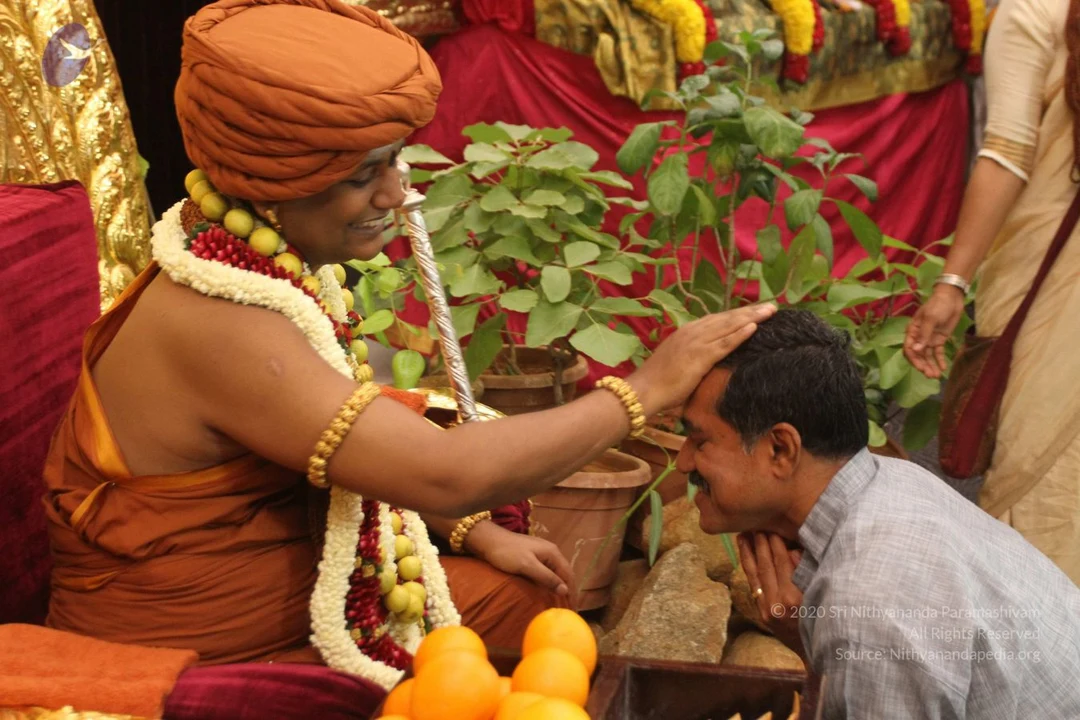
E-kalpataru


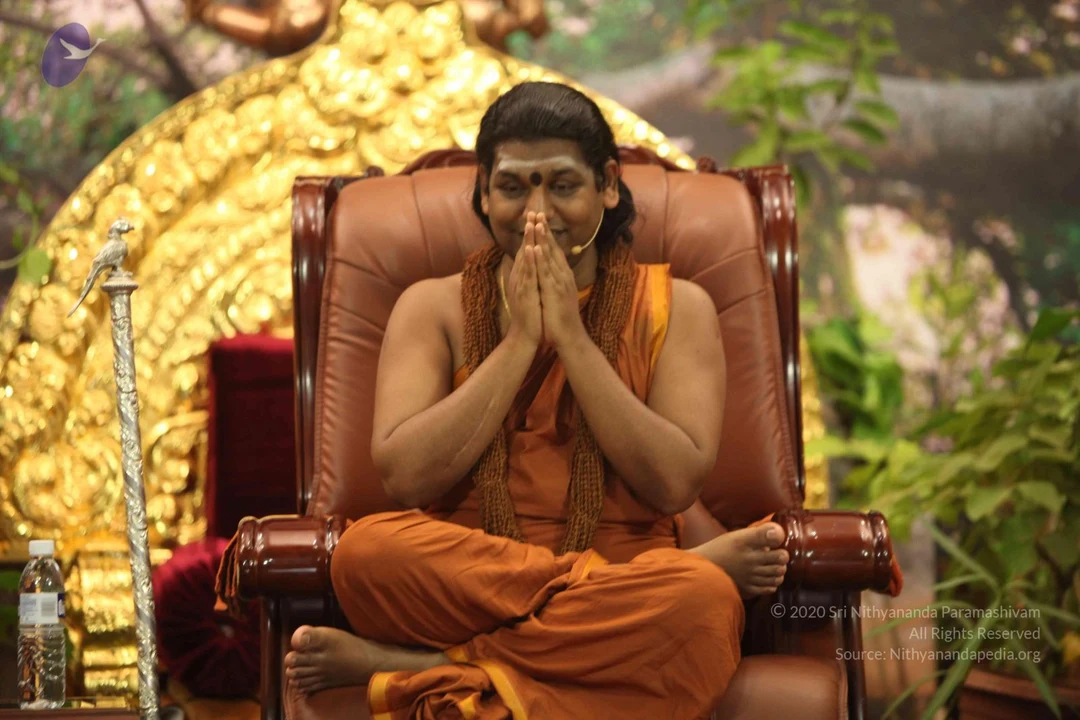
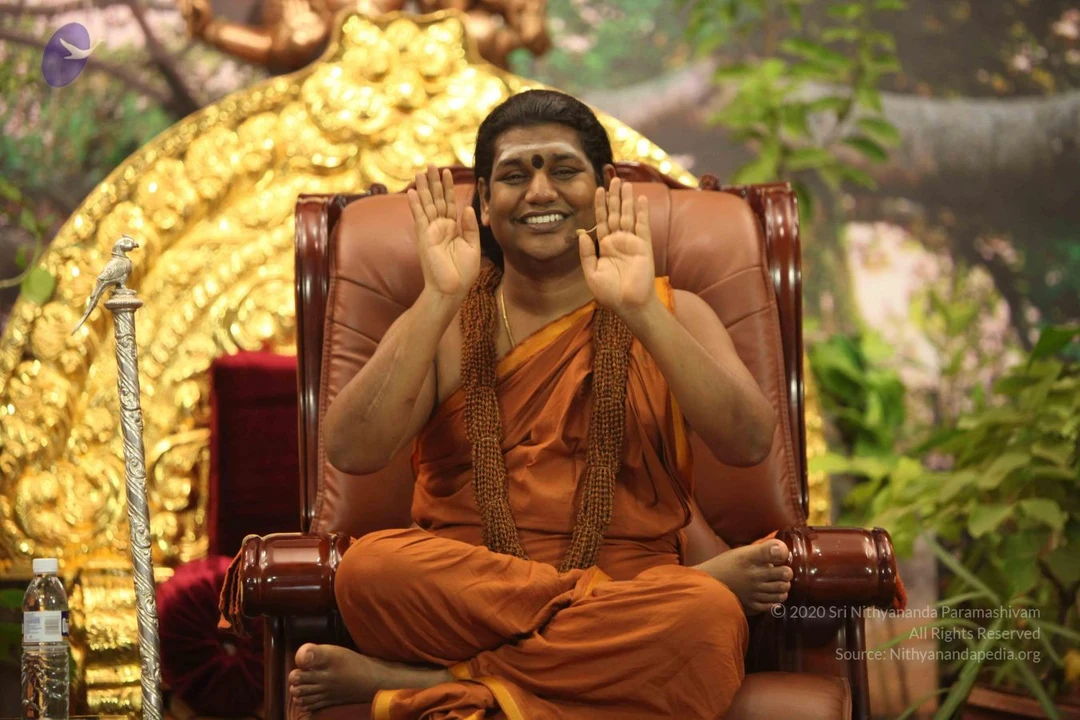
NKY-Day-4
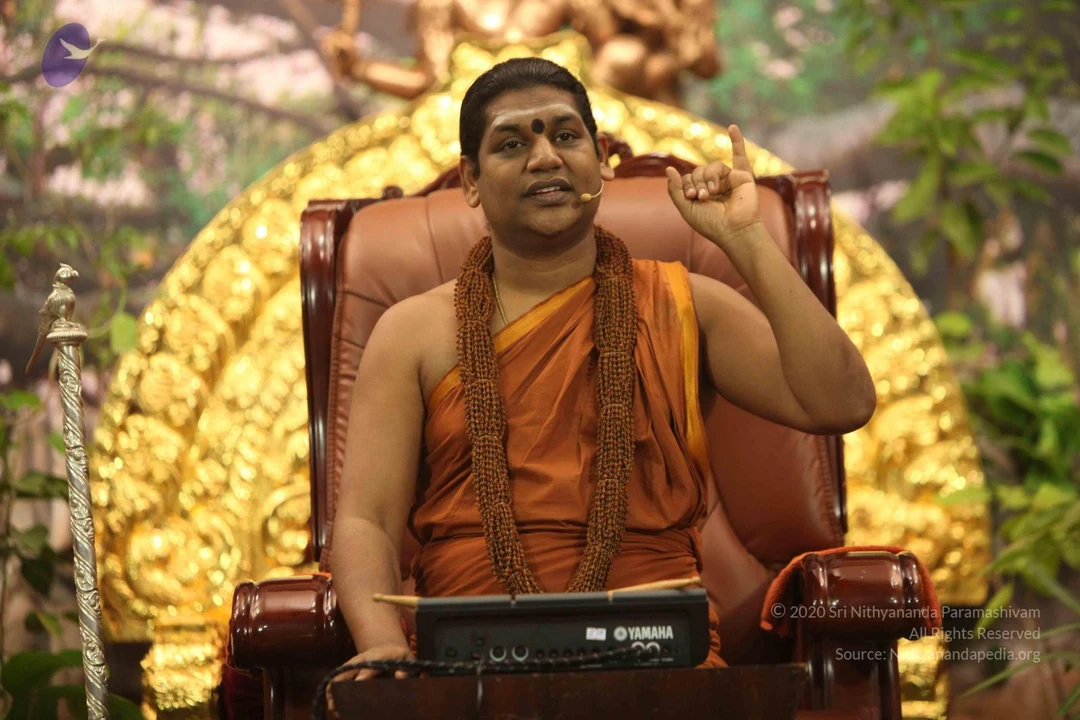
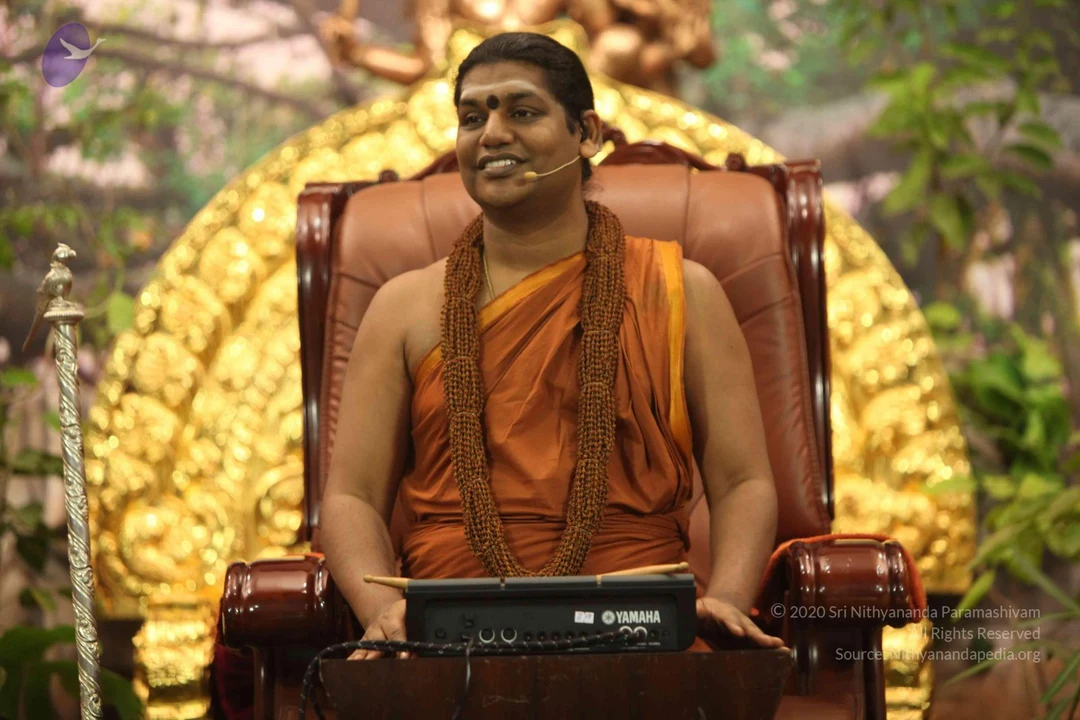
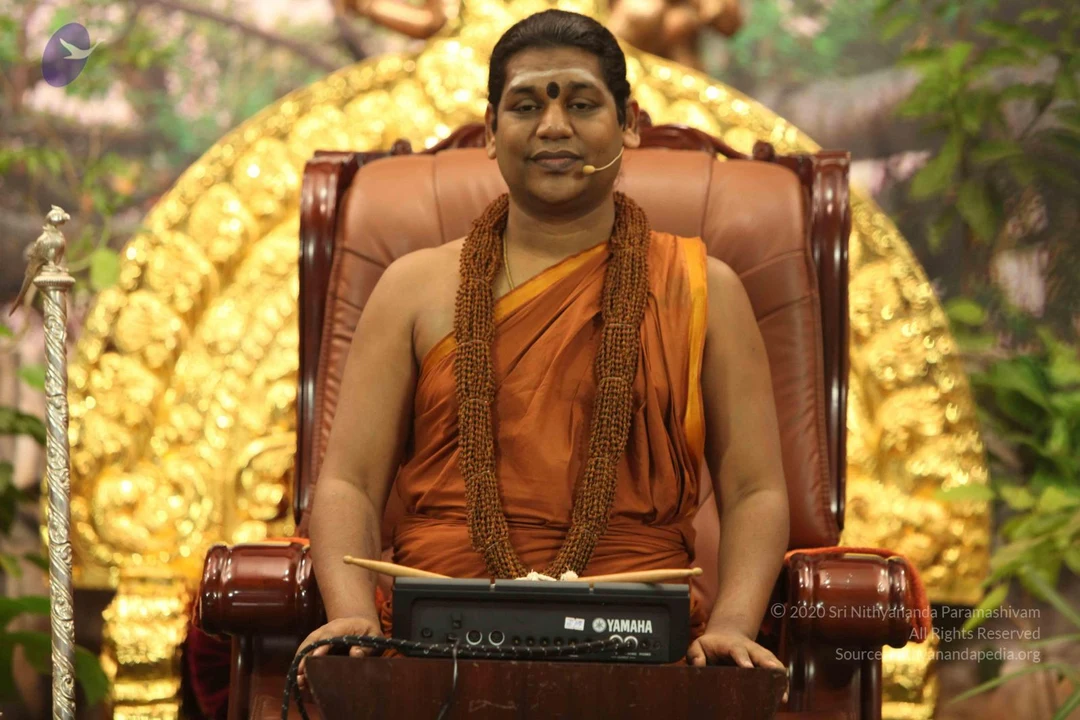
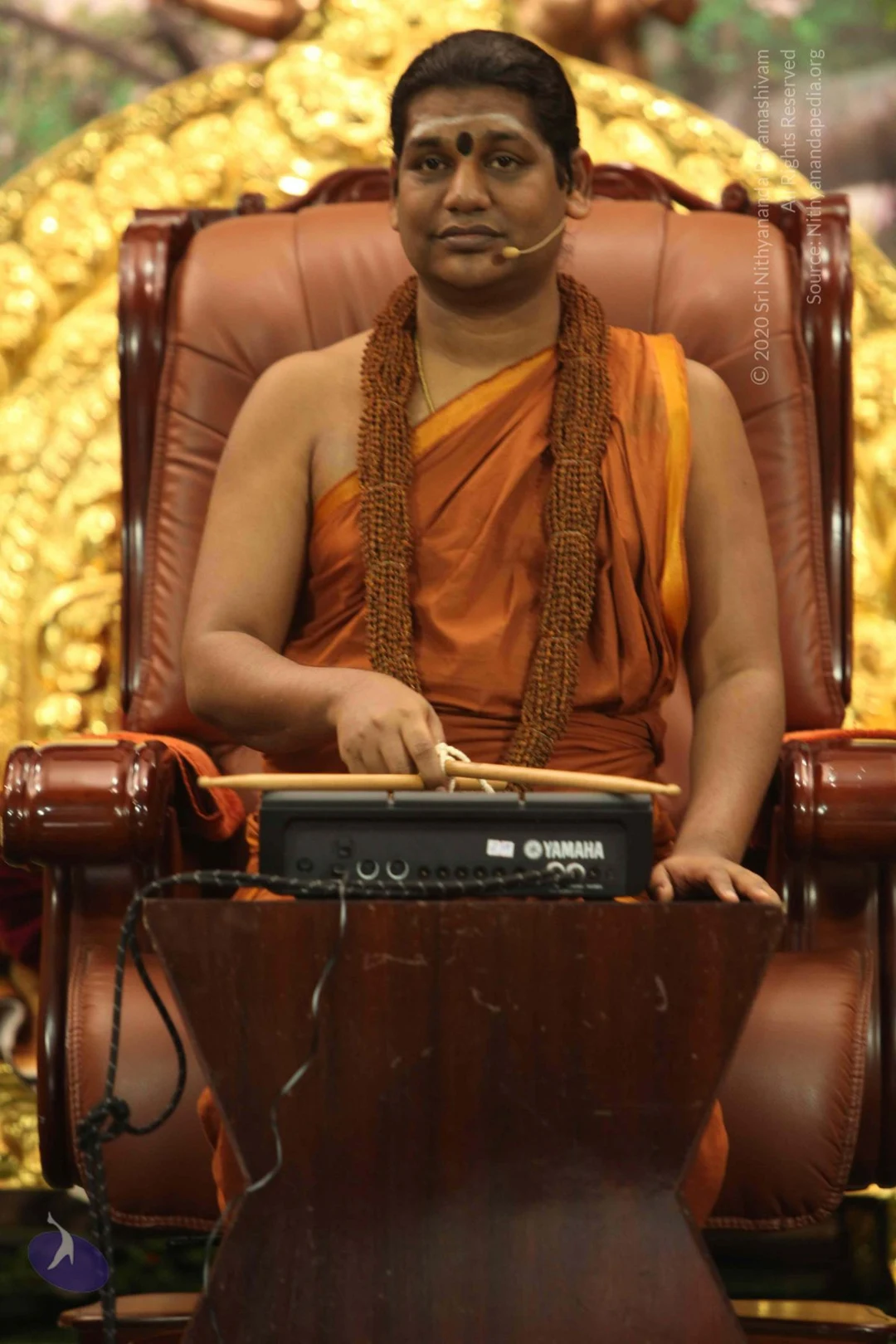
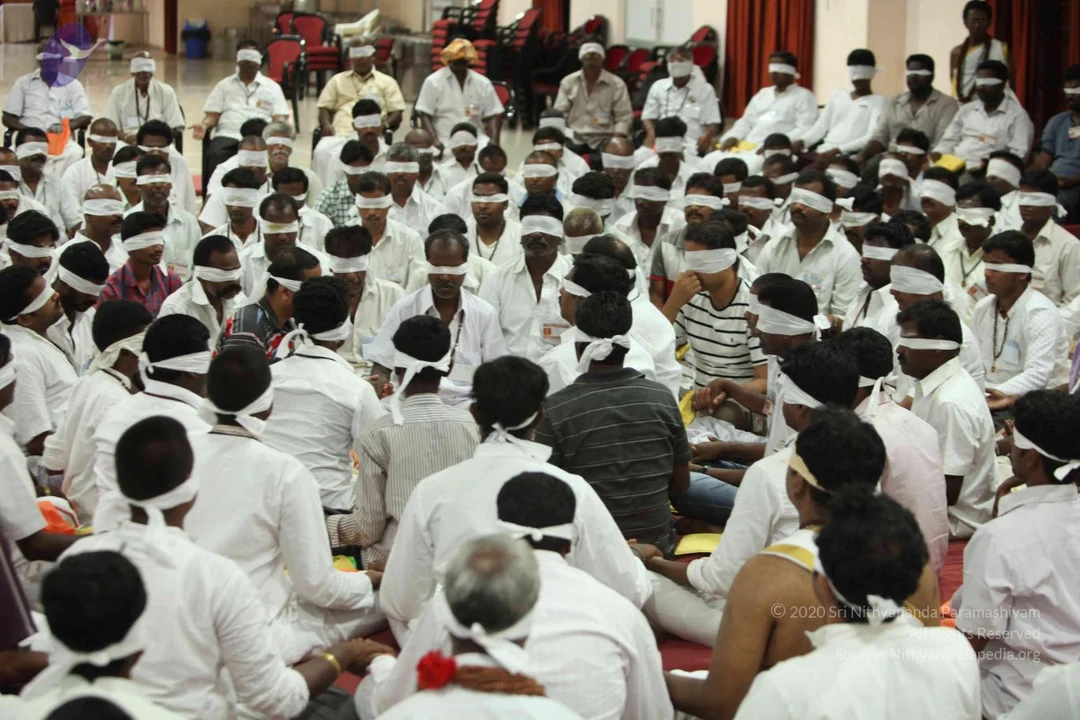
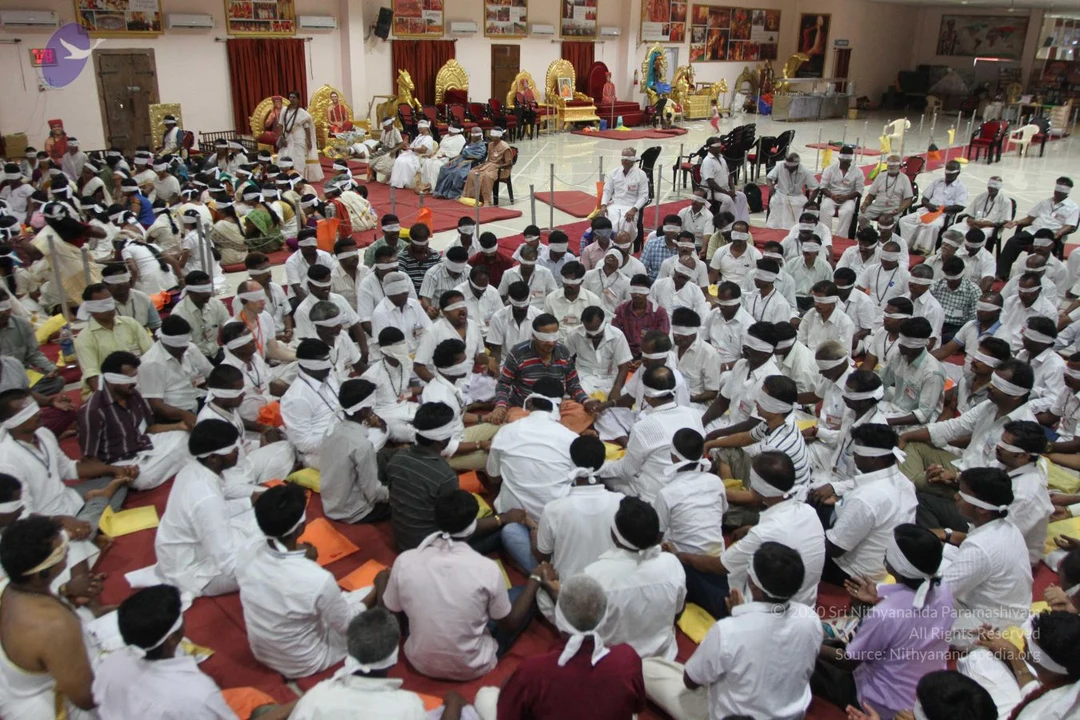
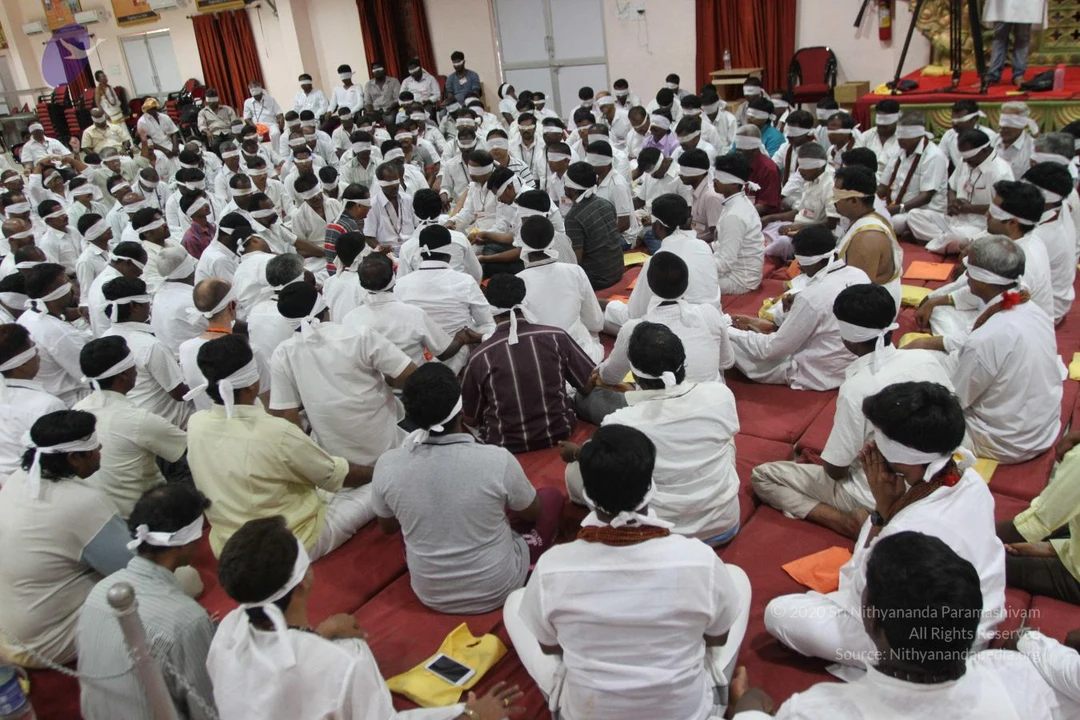
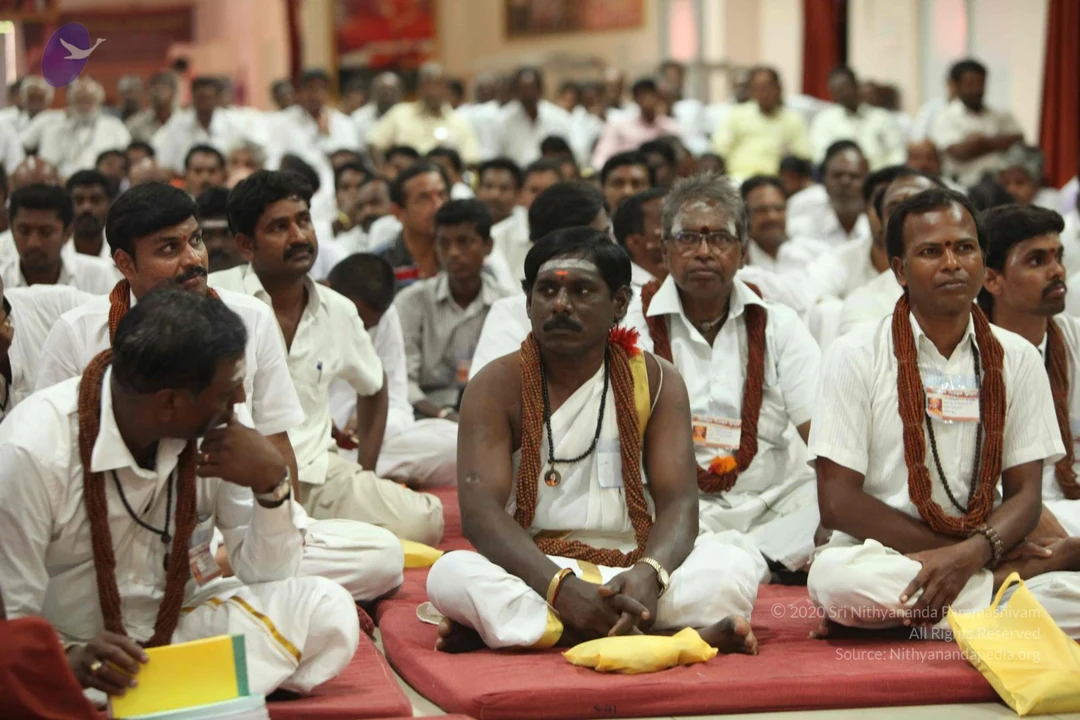
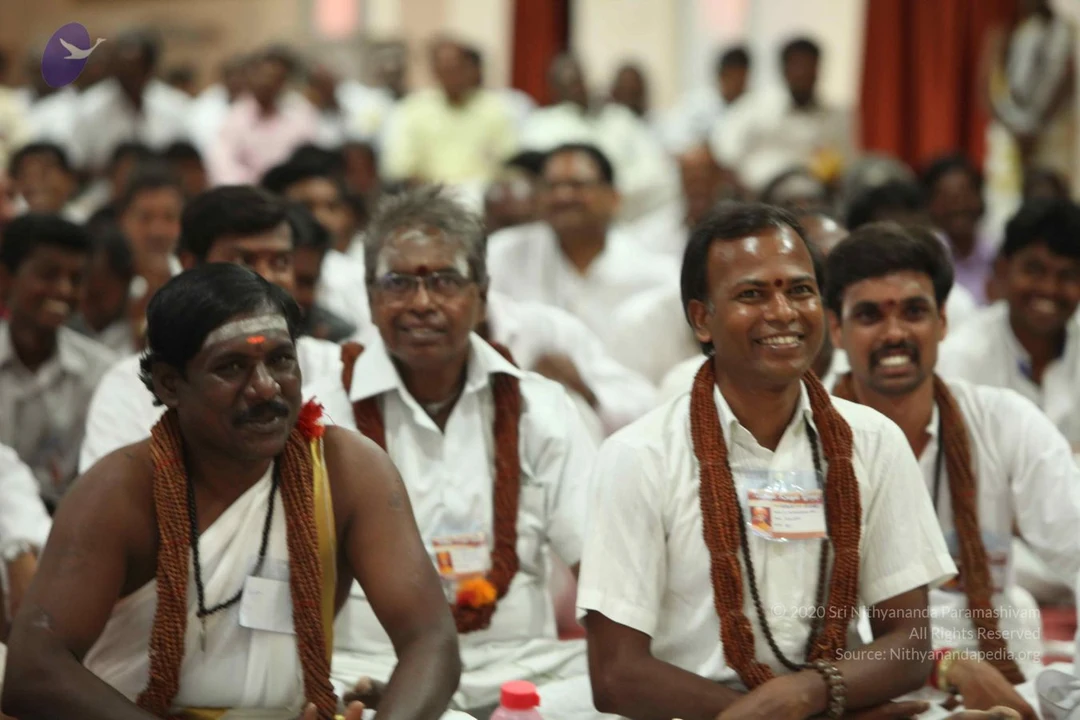
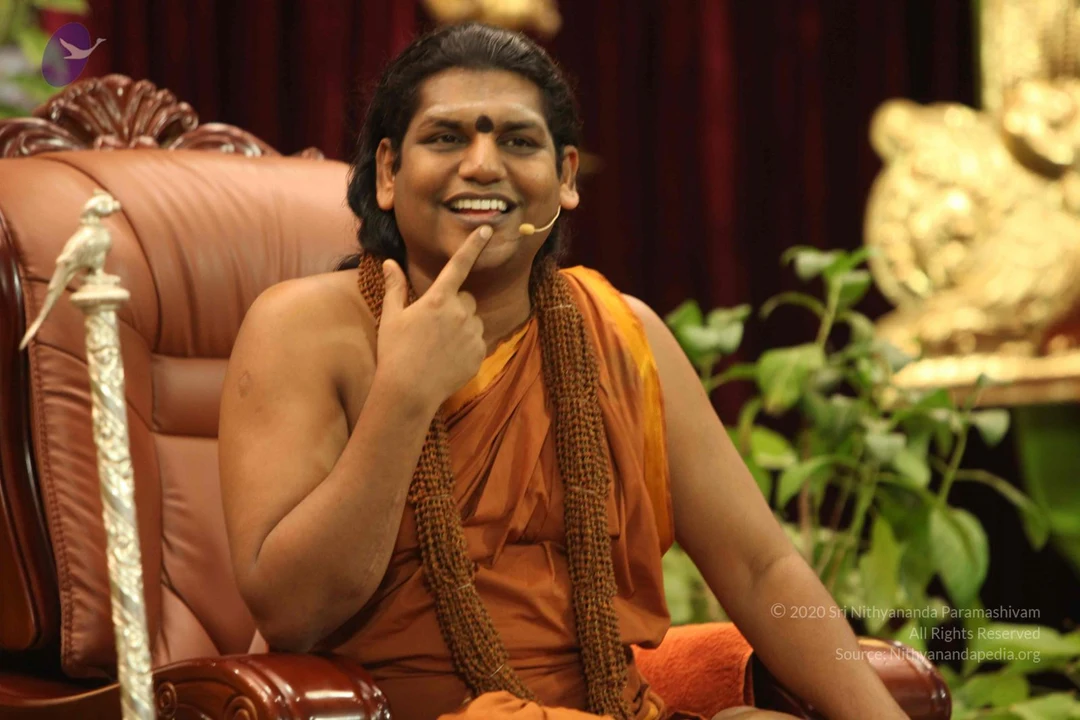
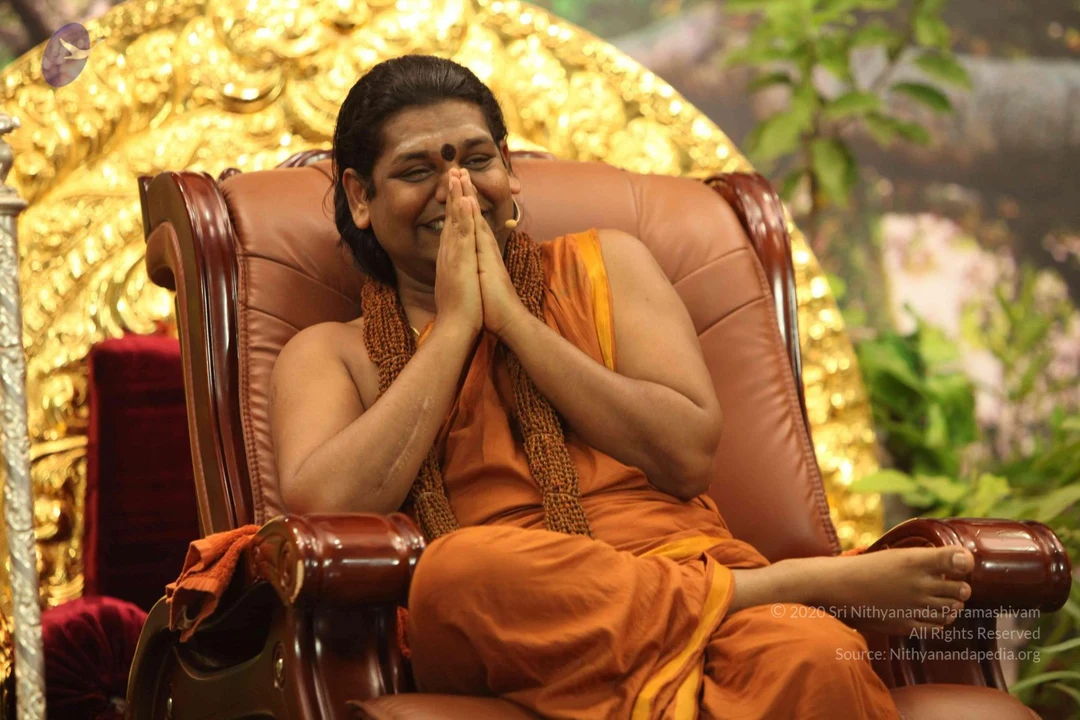
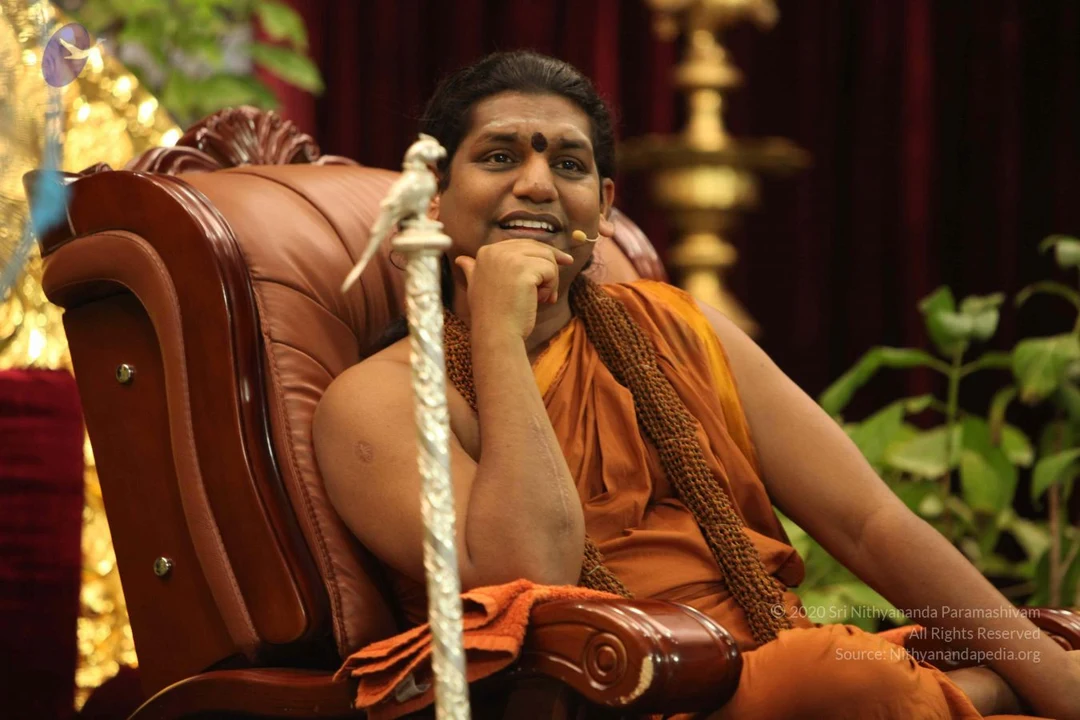

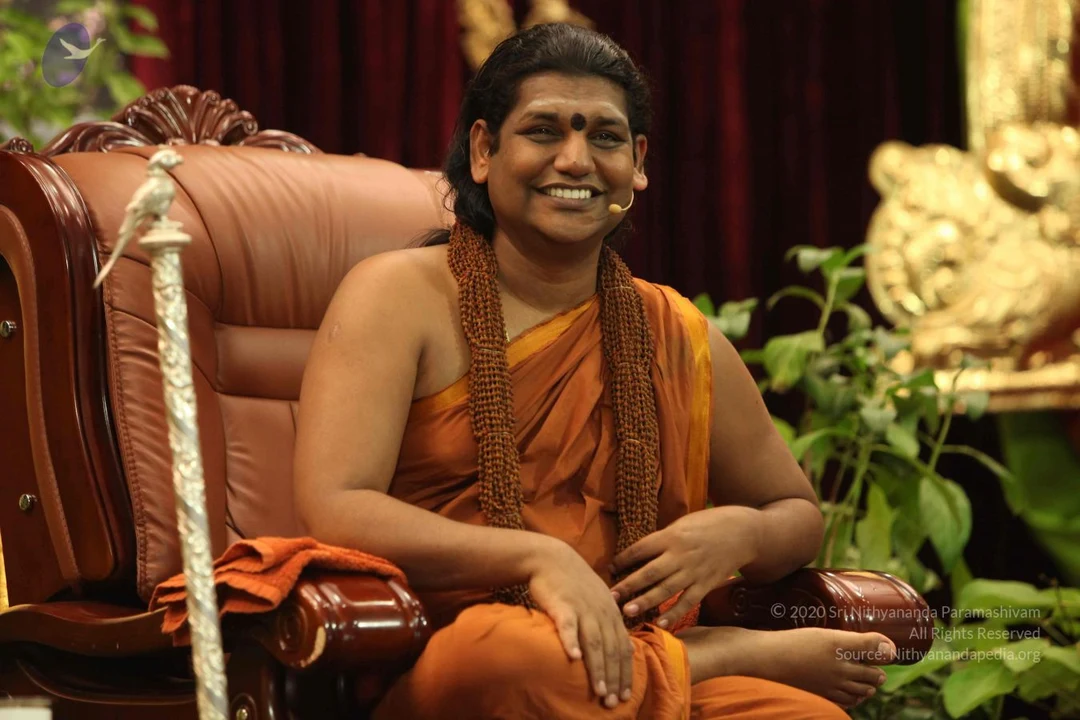
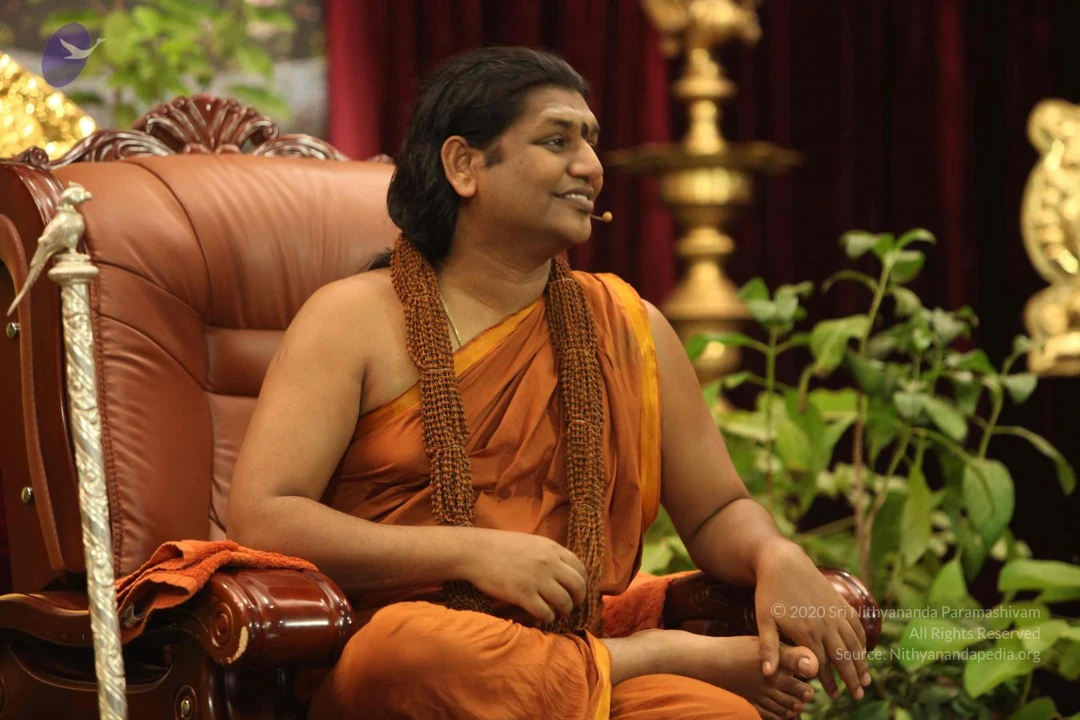
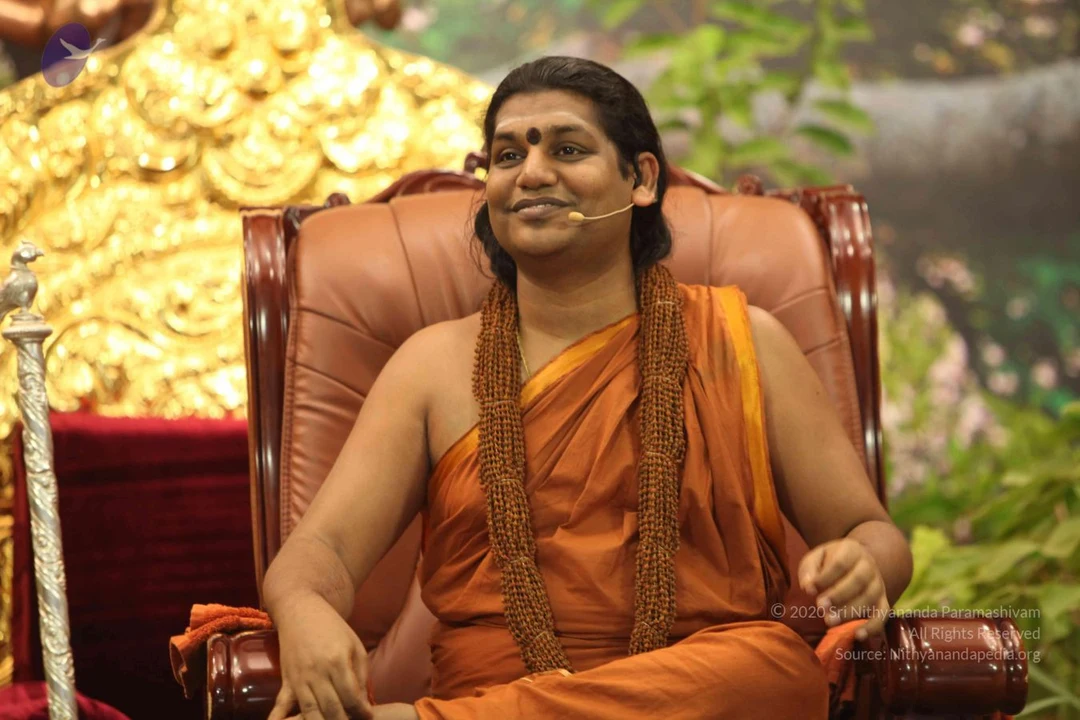
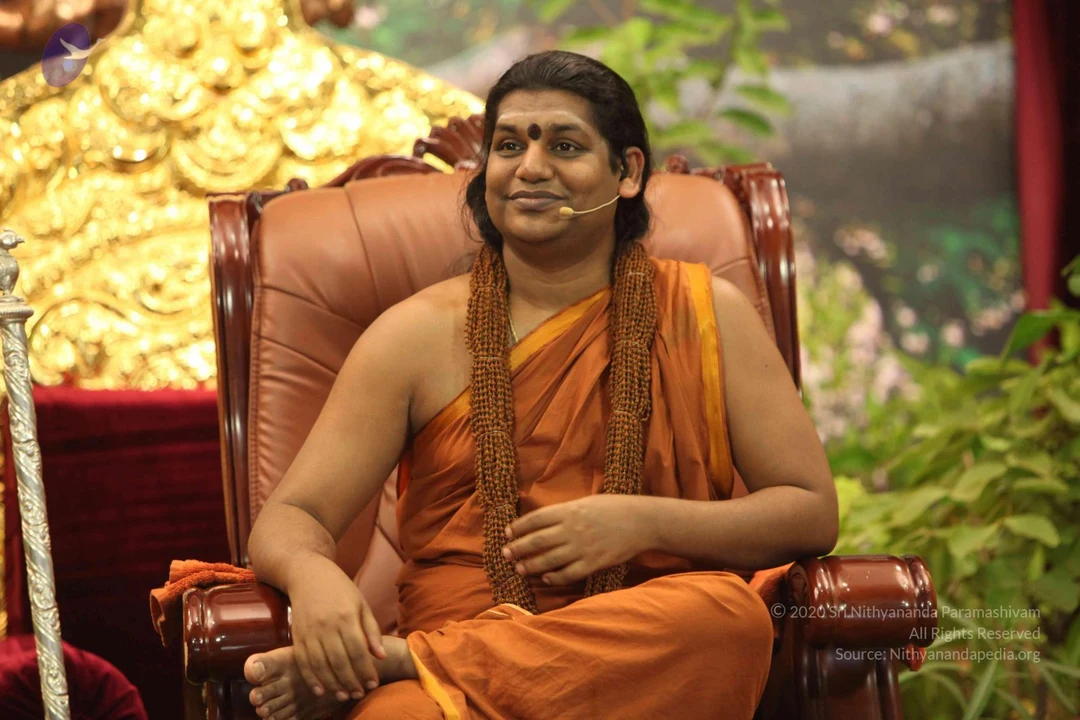
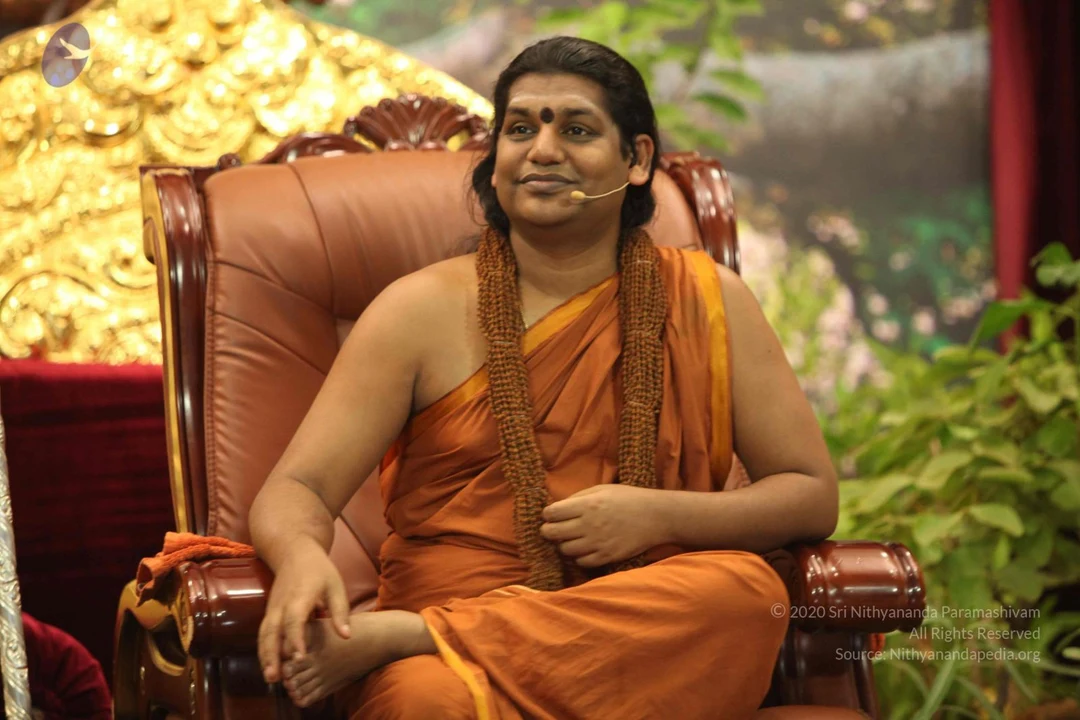
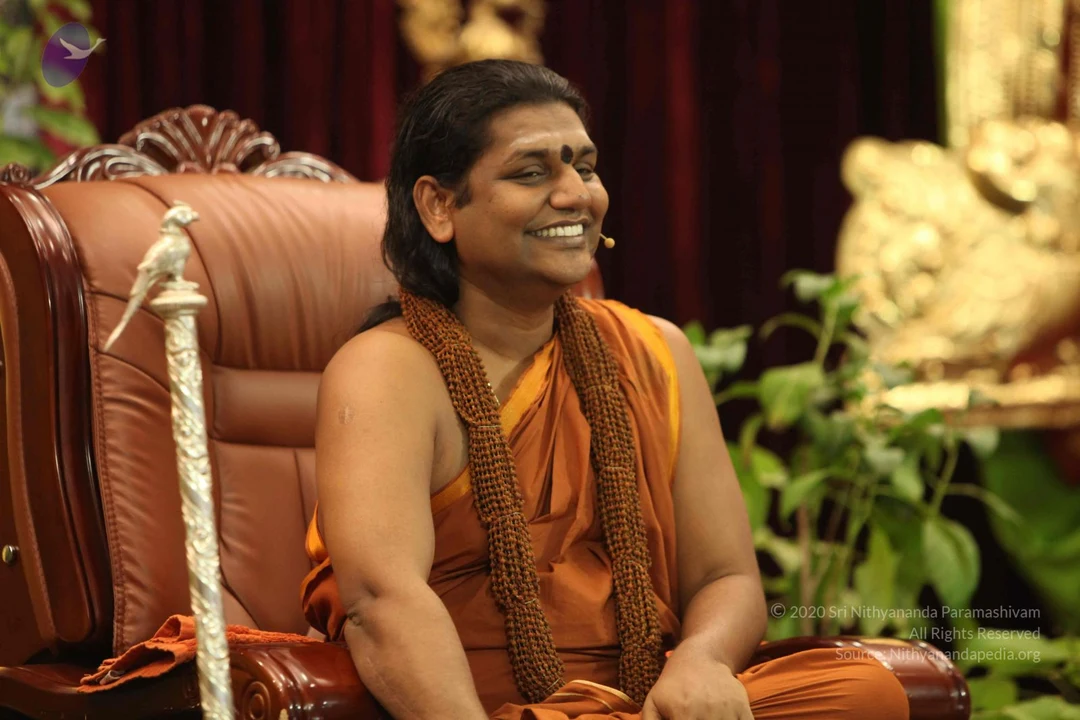
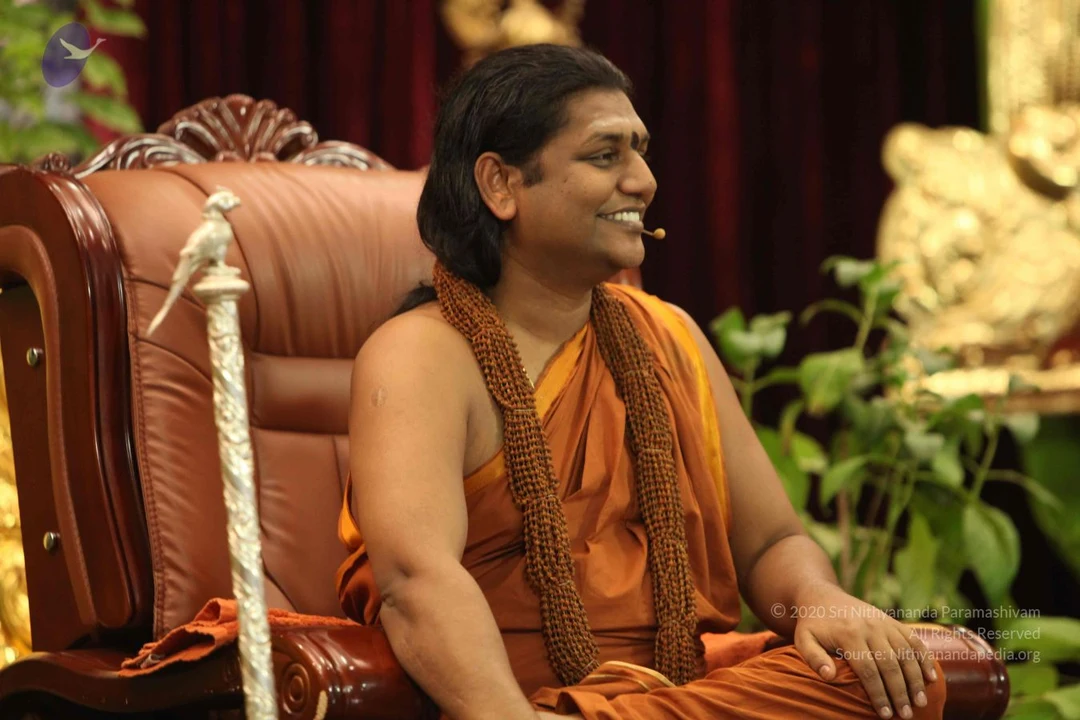

NKY-Darshan
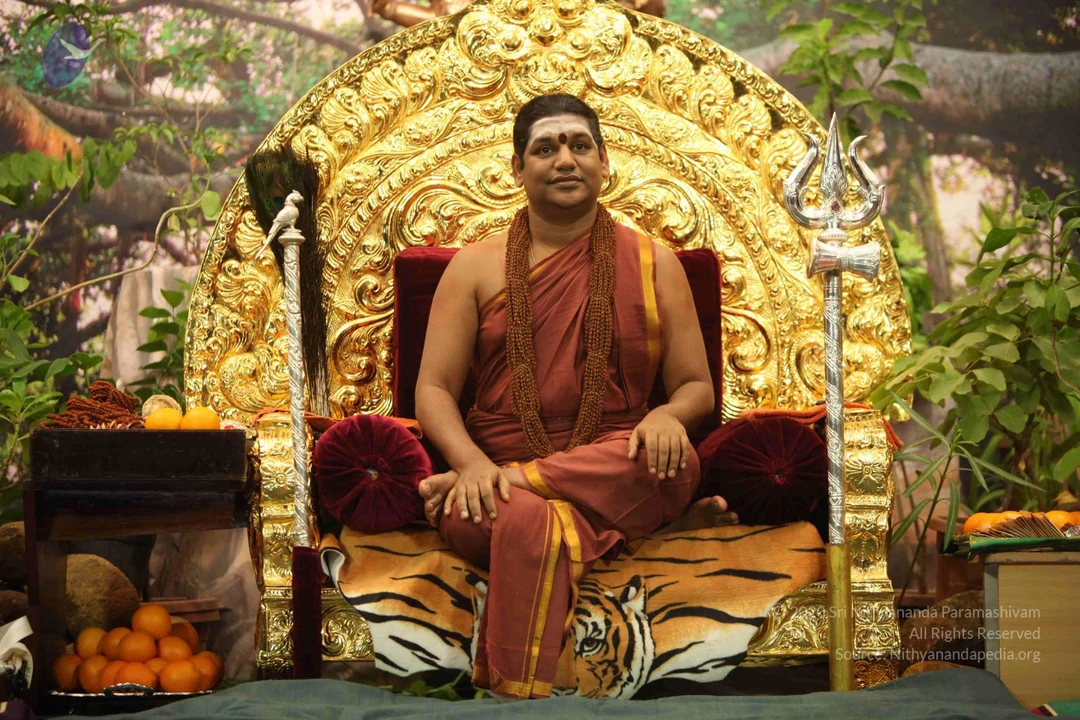
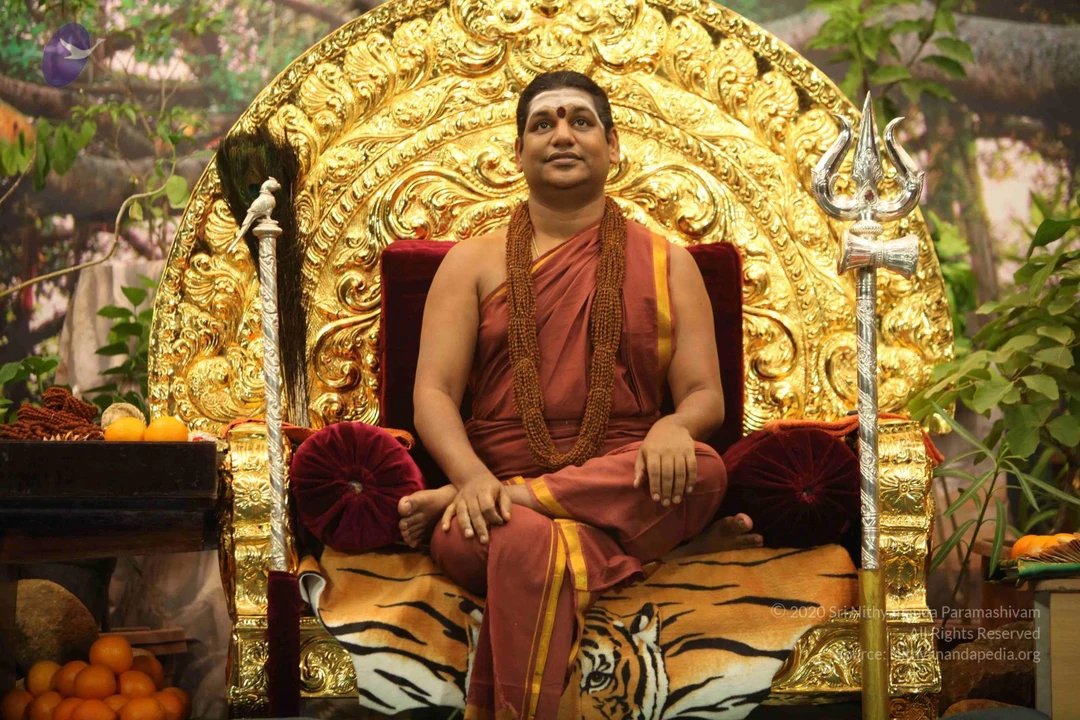
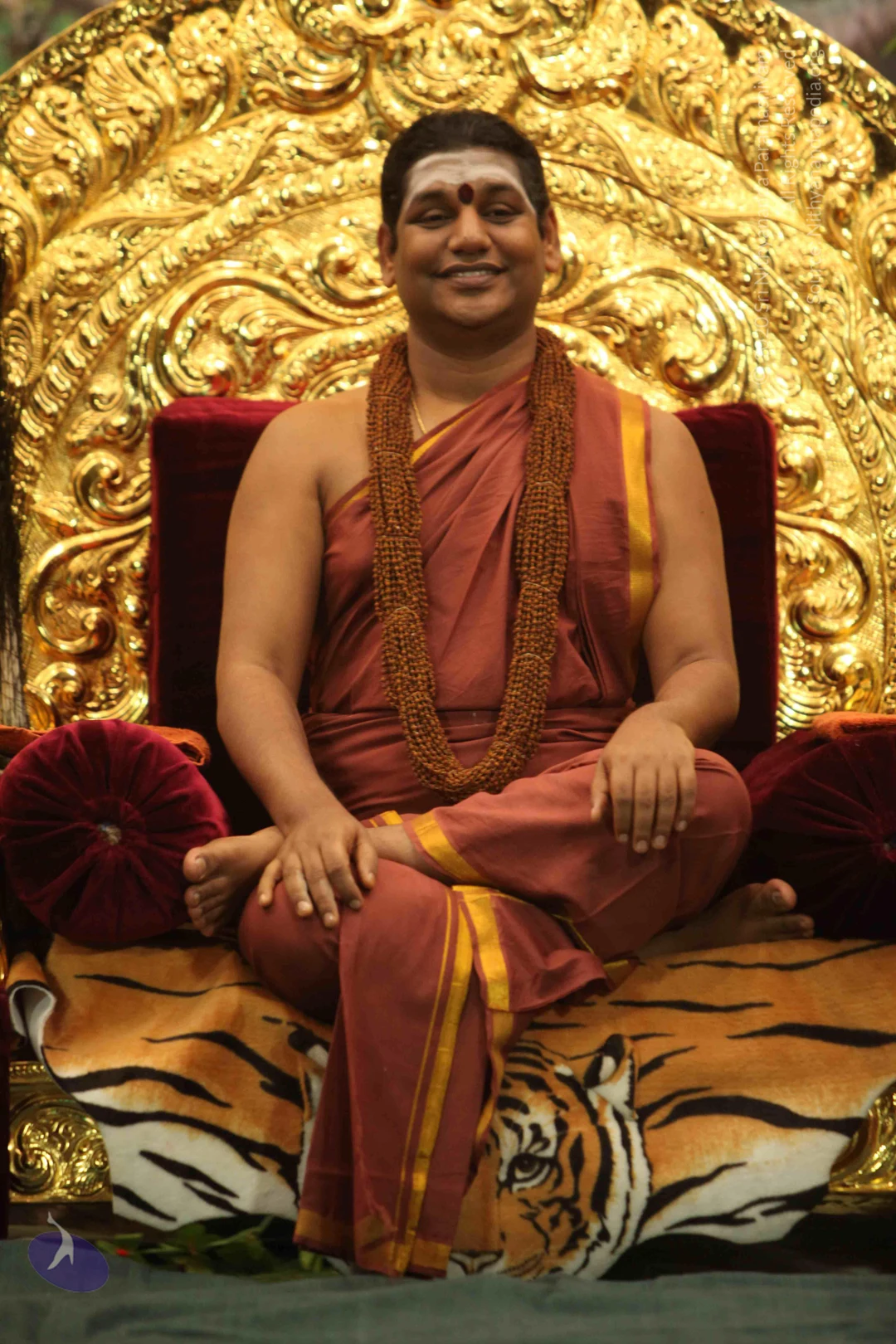

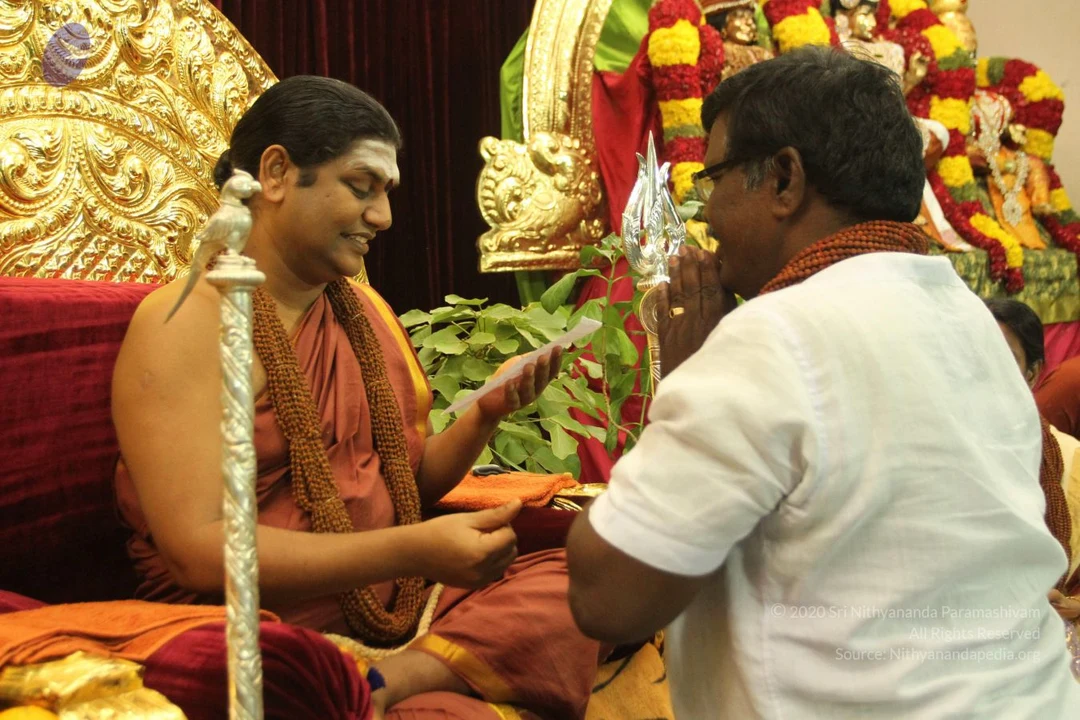
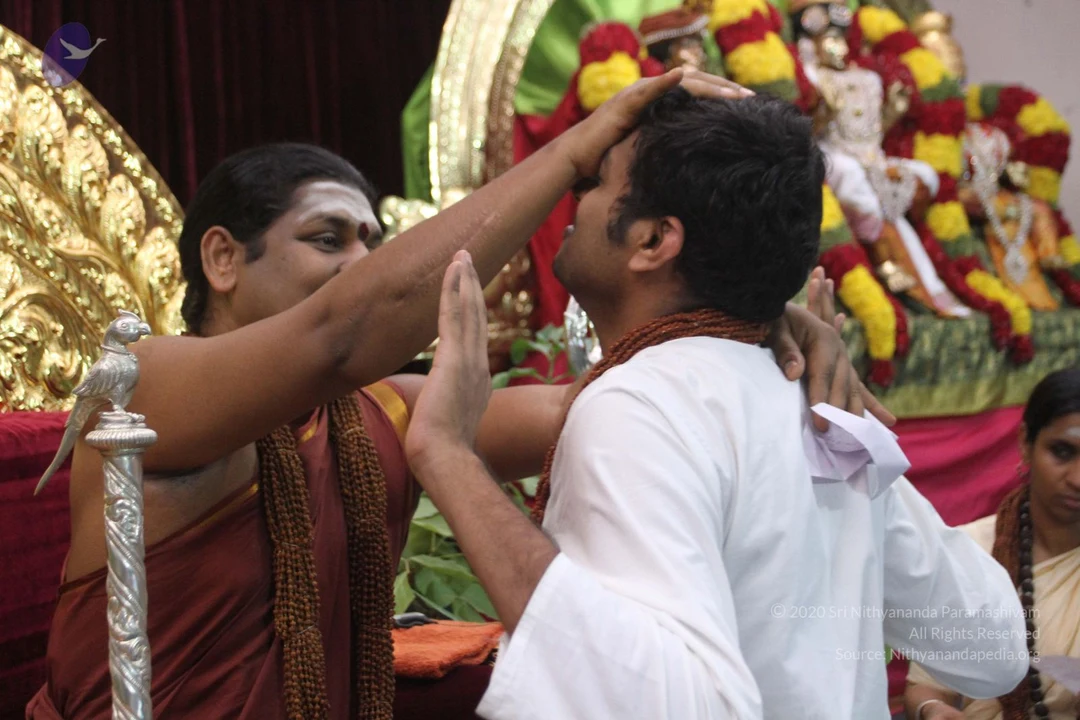

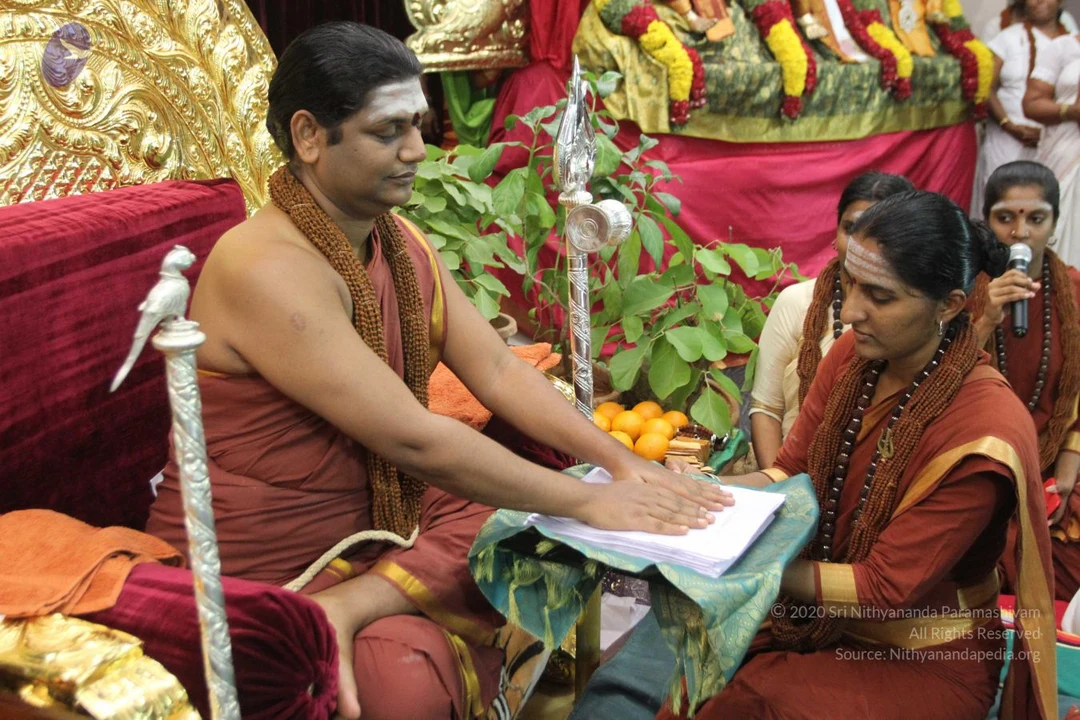
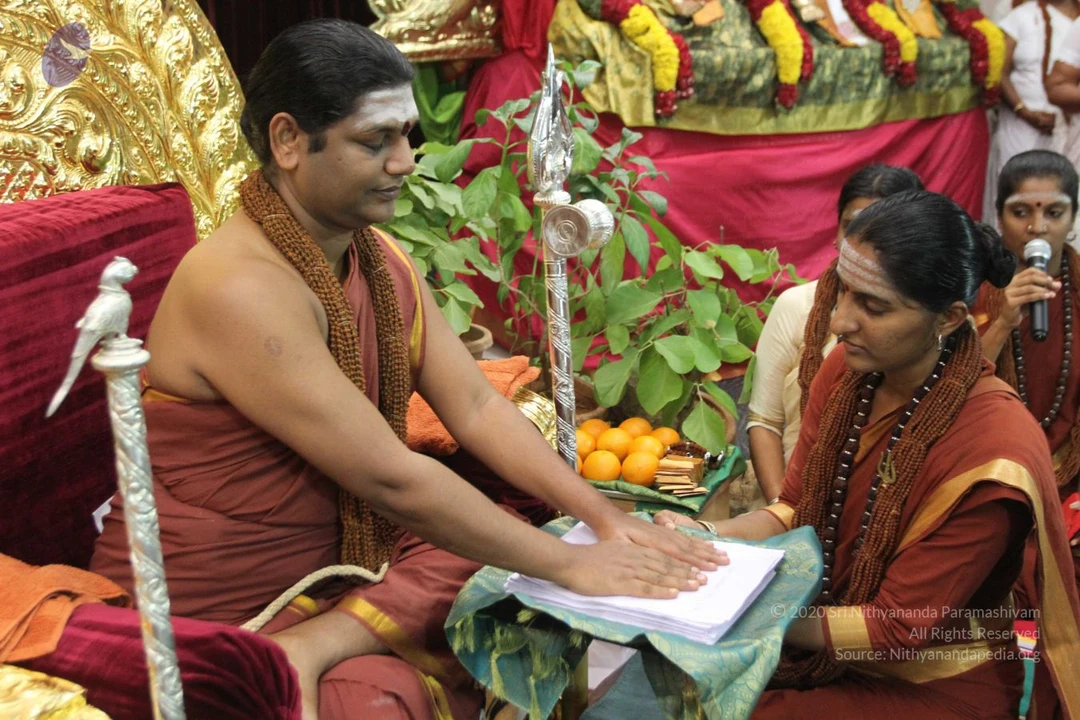
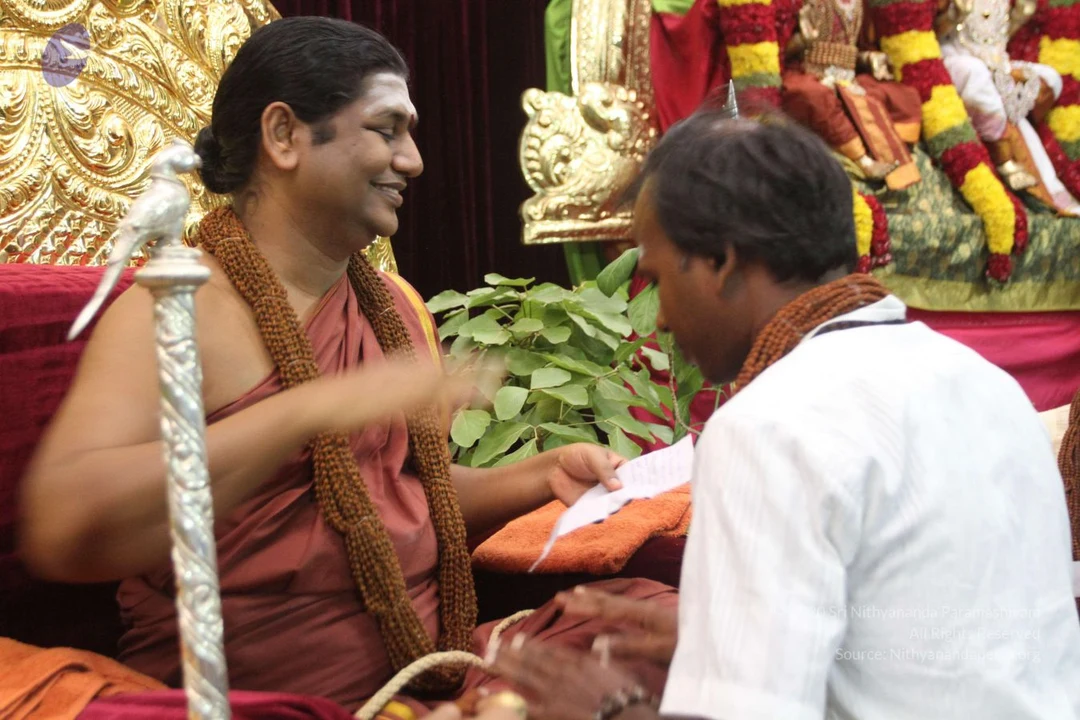
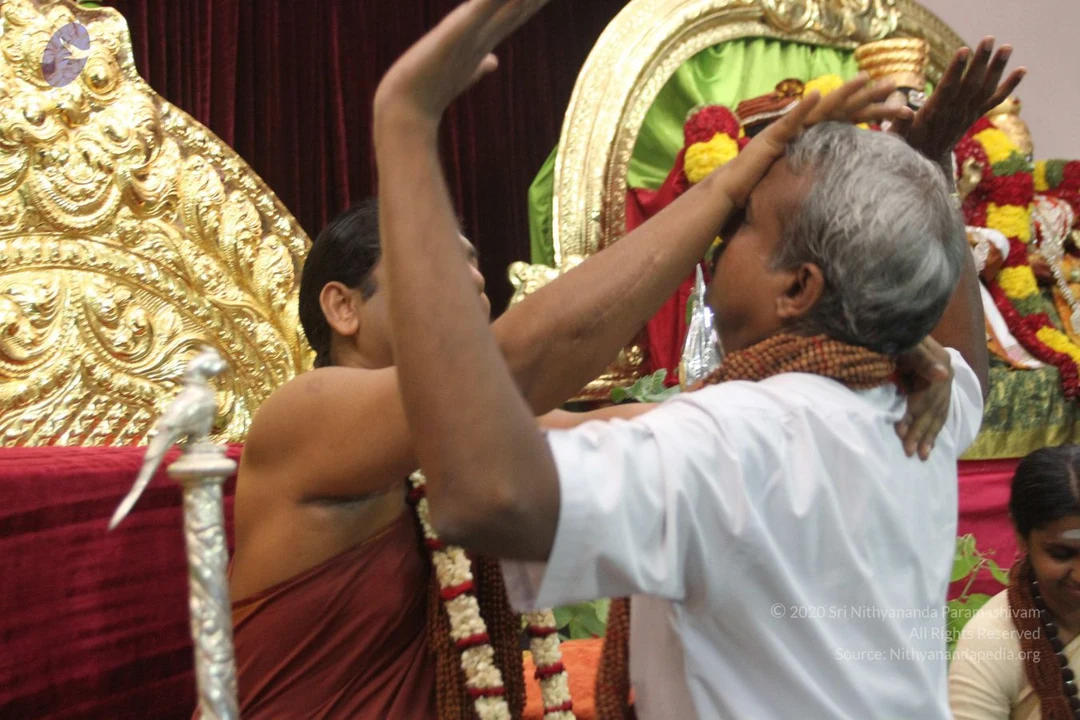

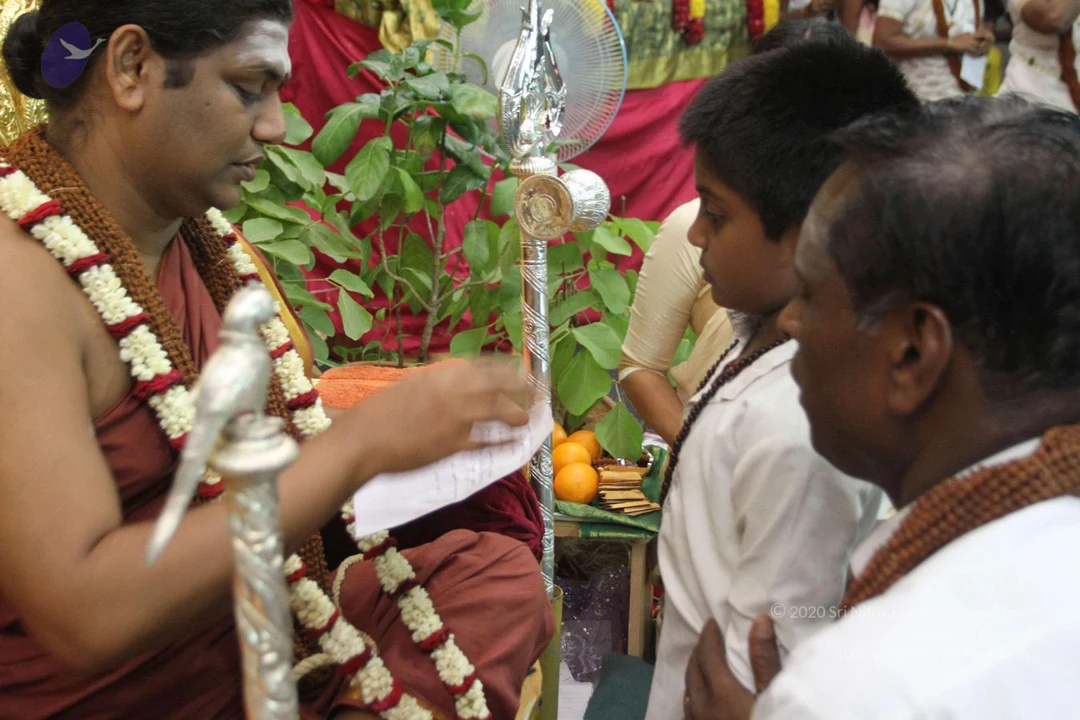
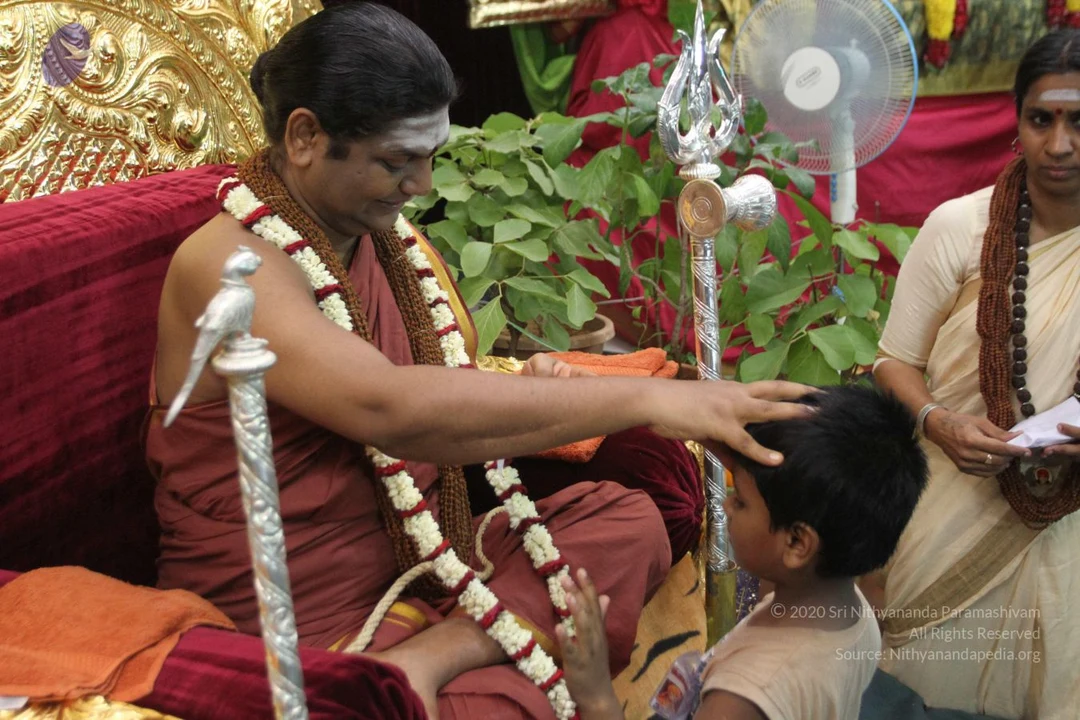
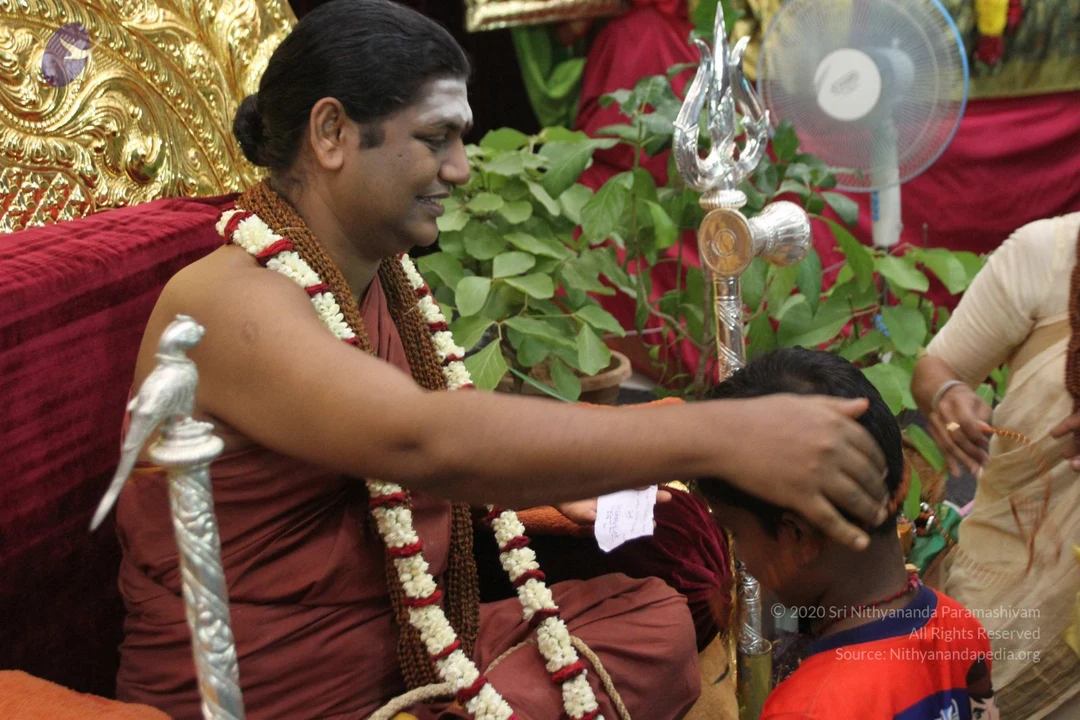
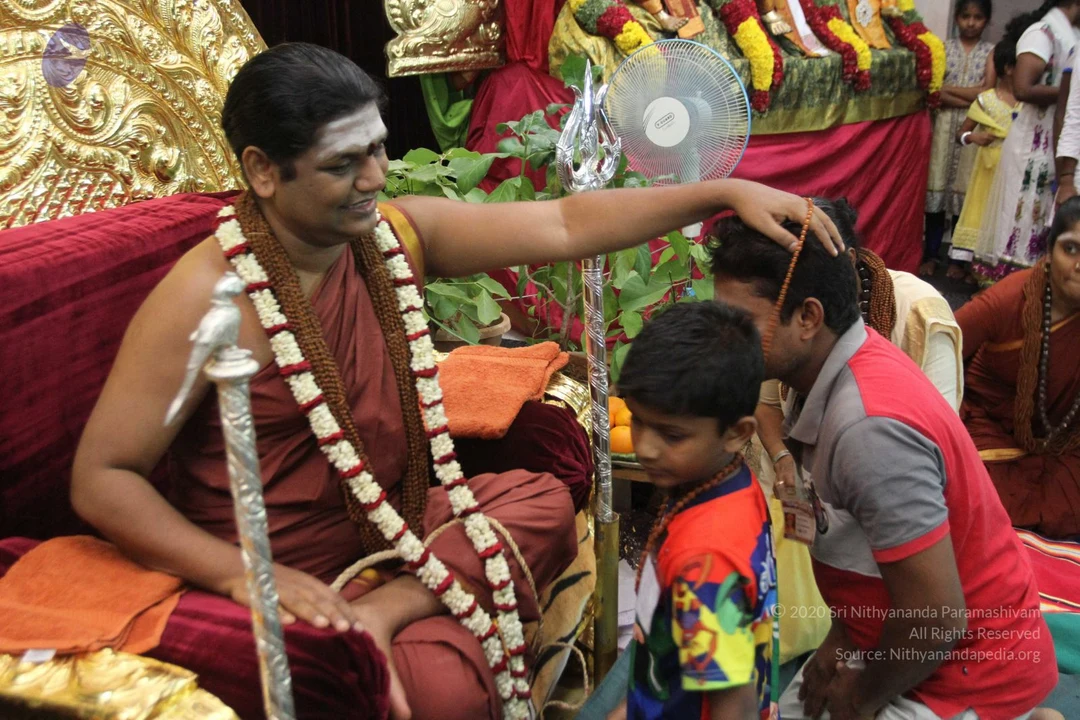
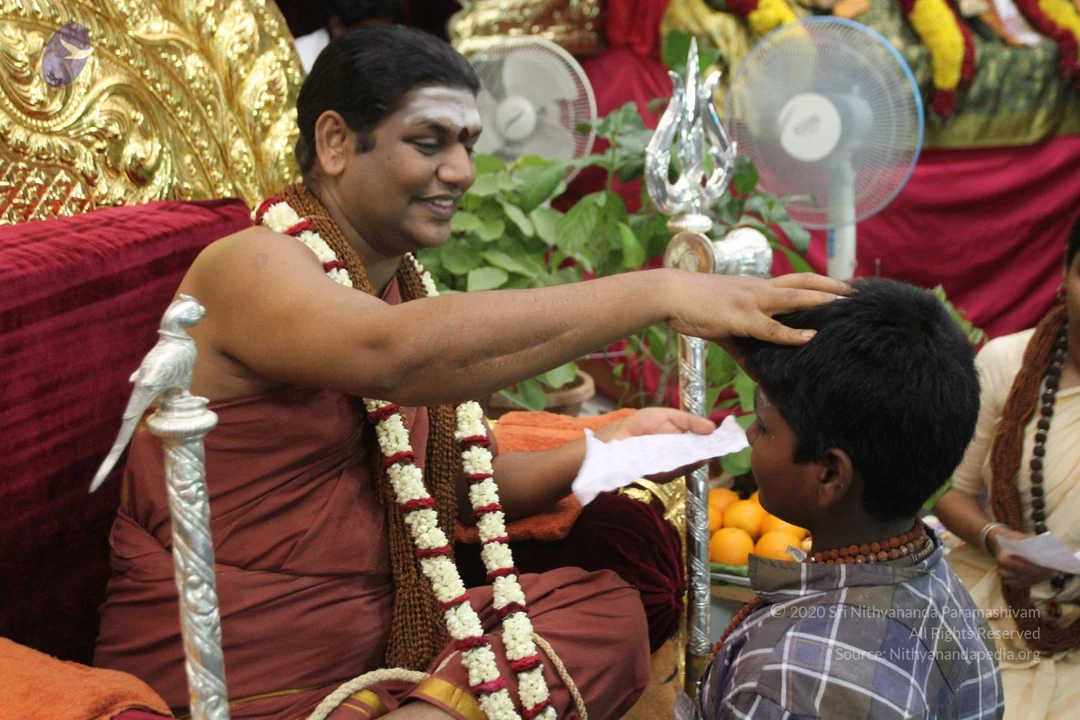
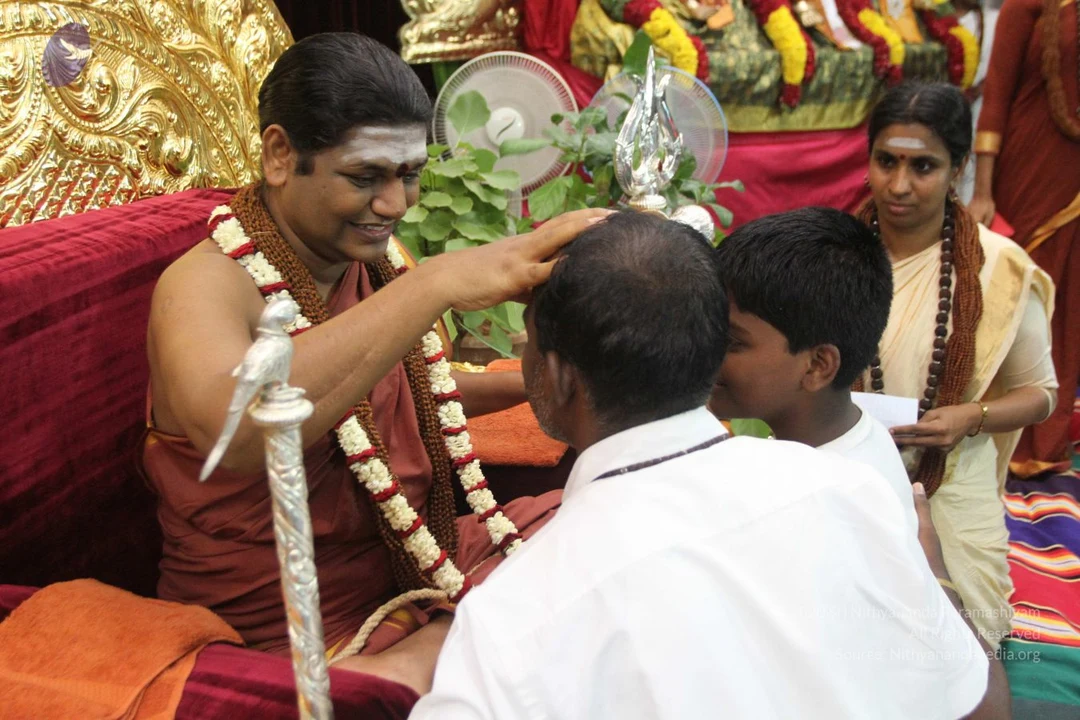
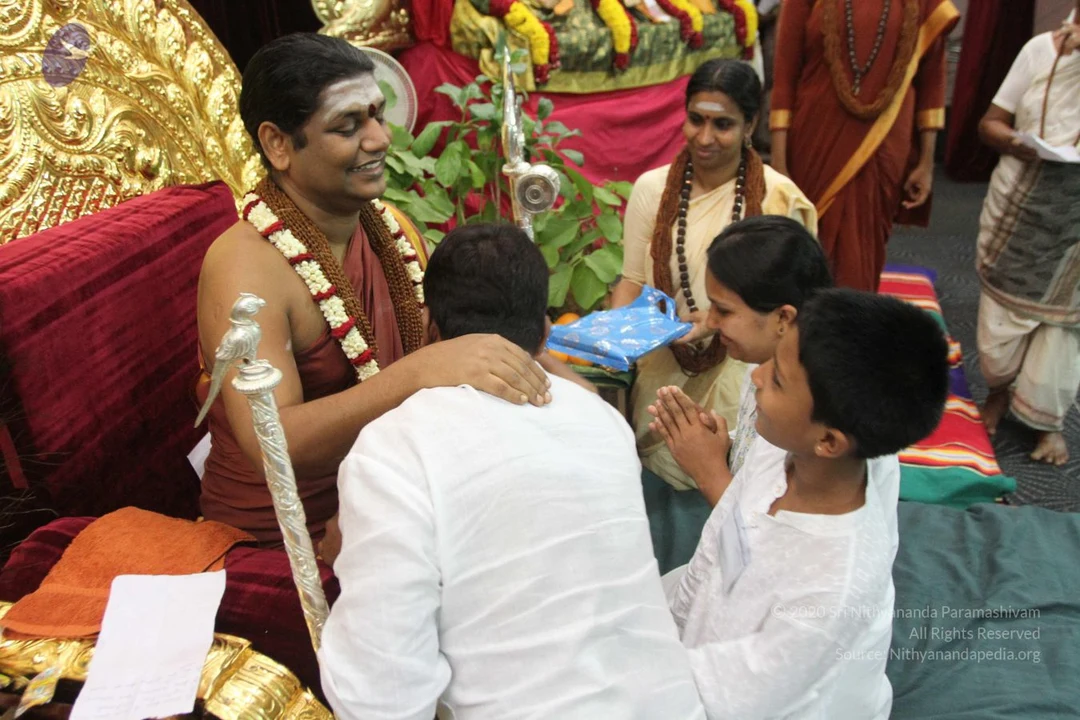
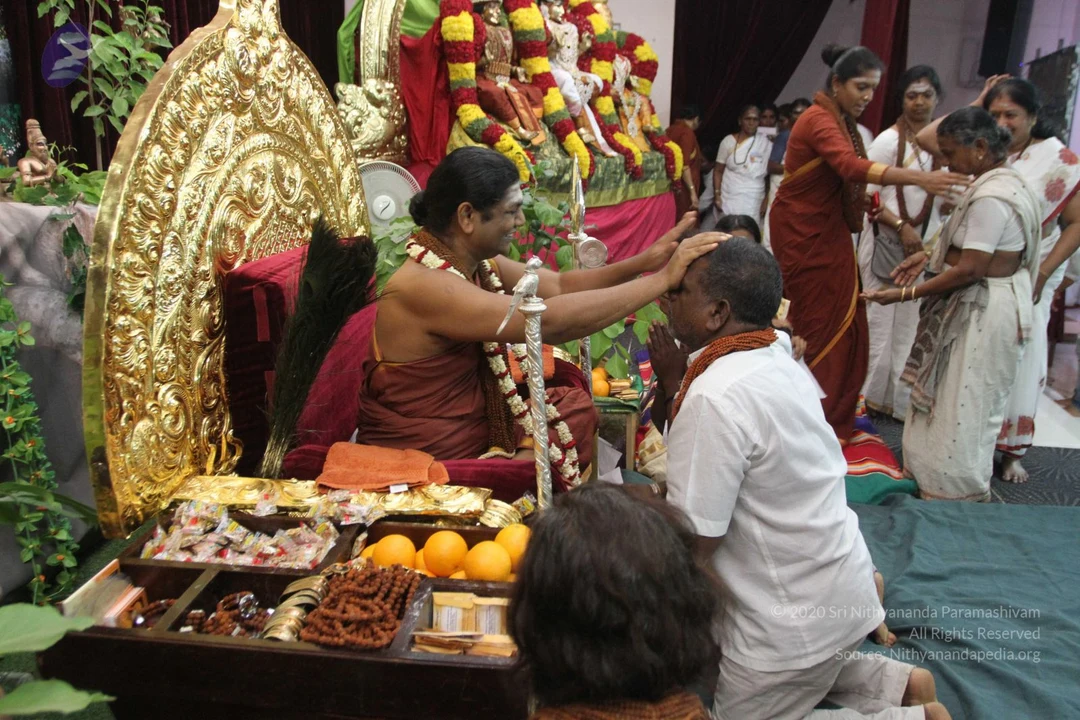
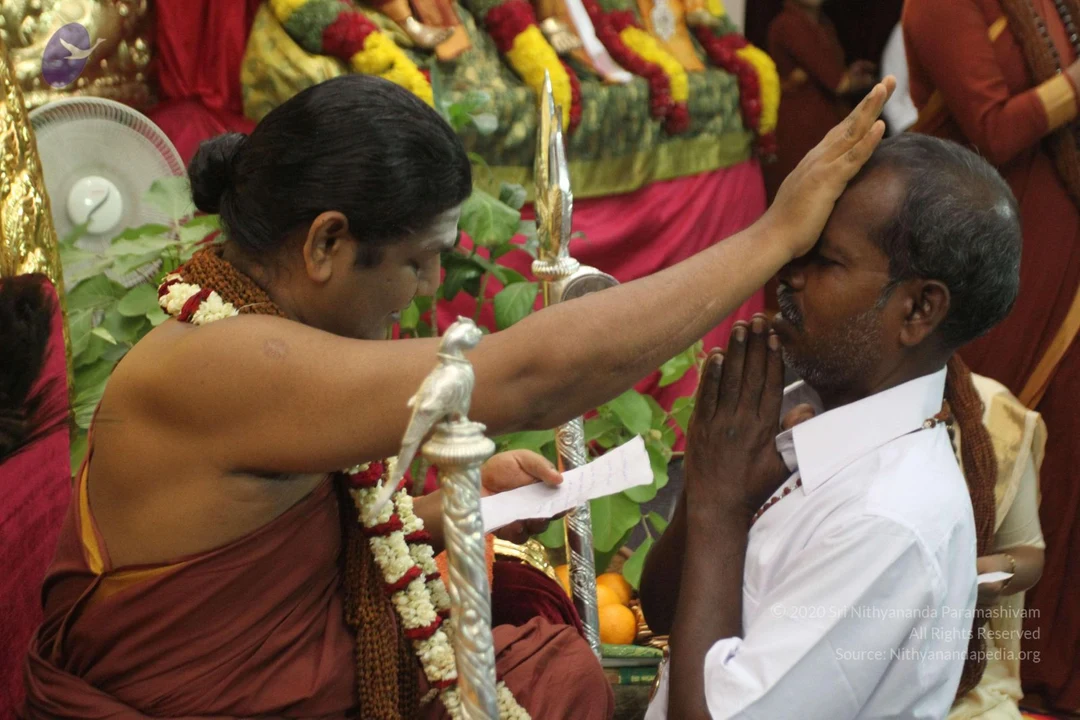
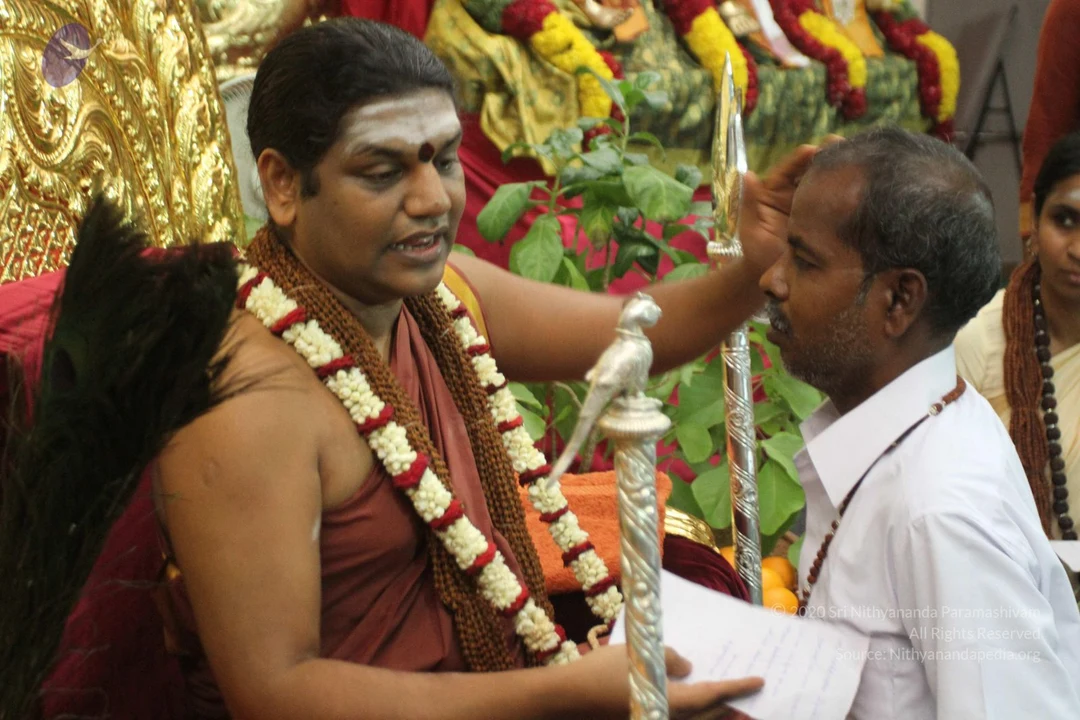

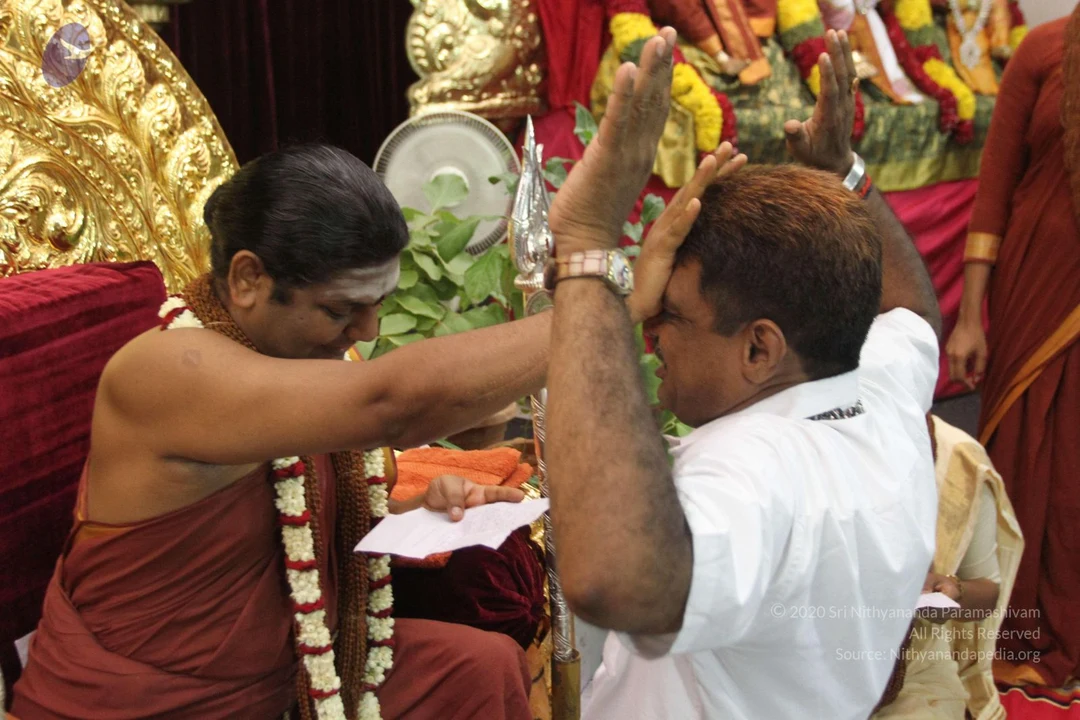
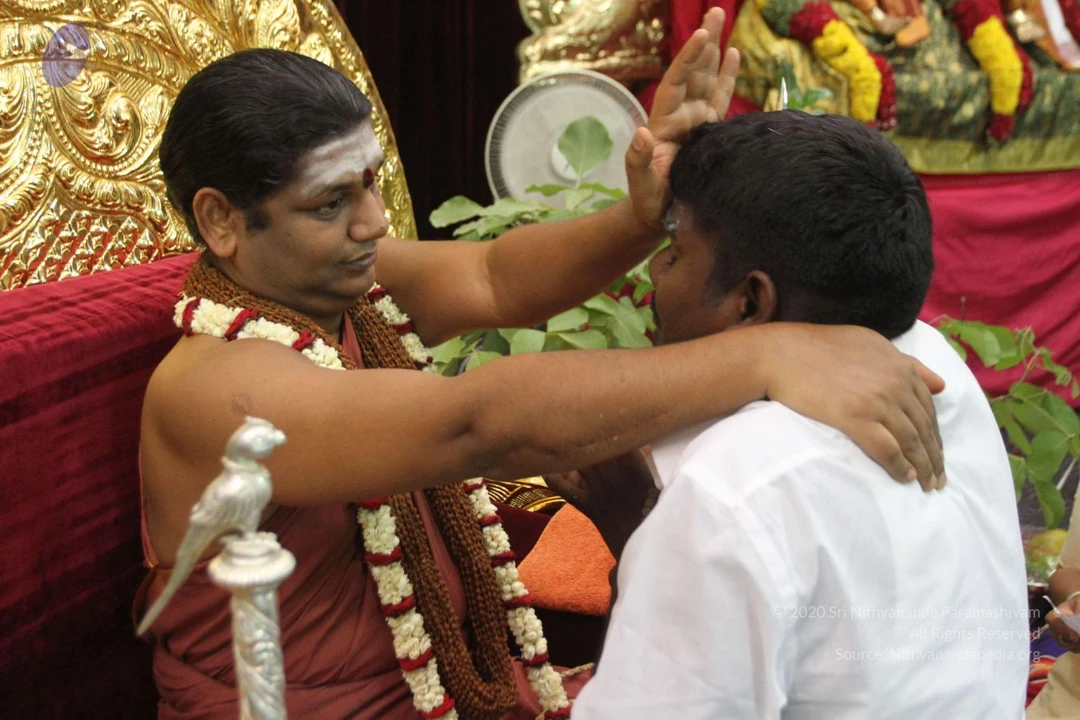
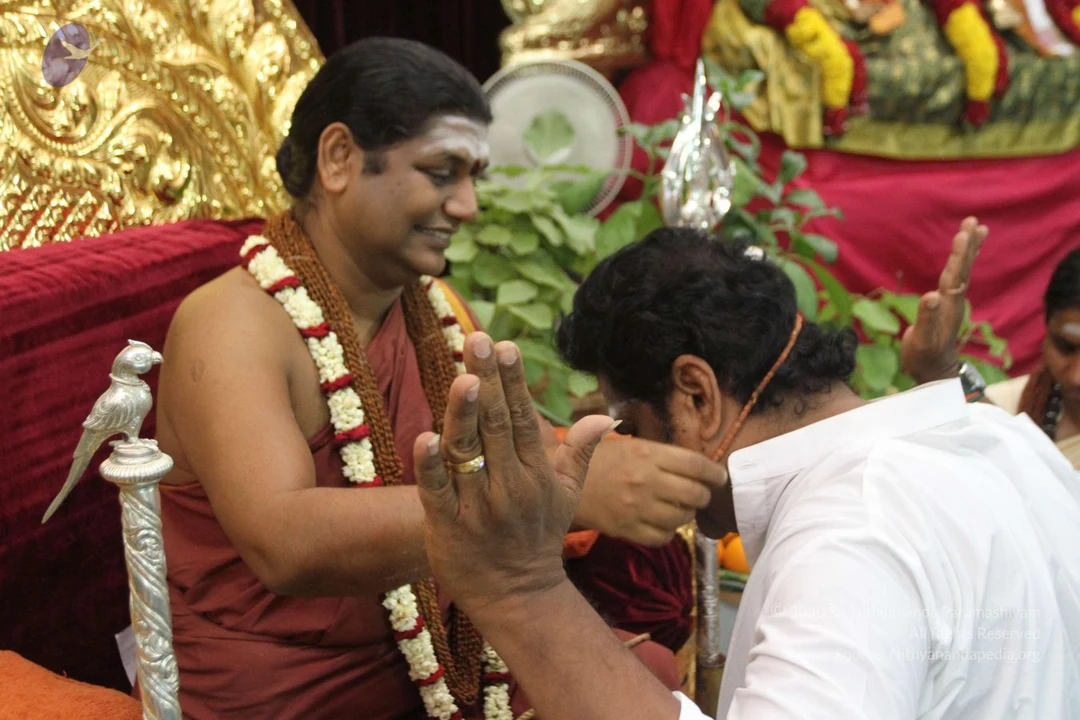
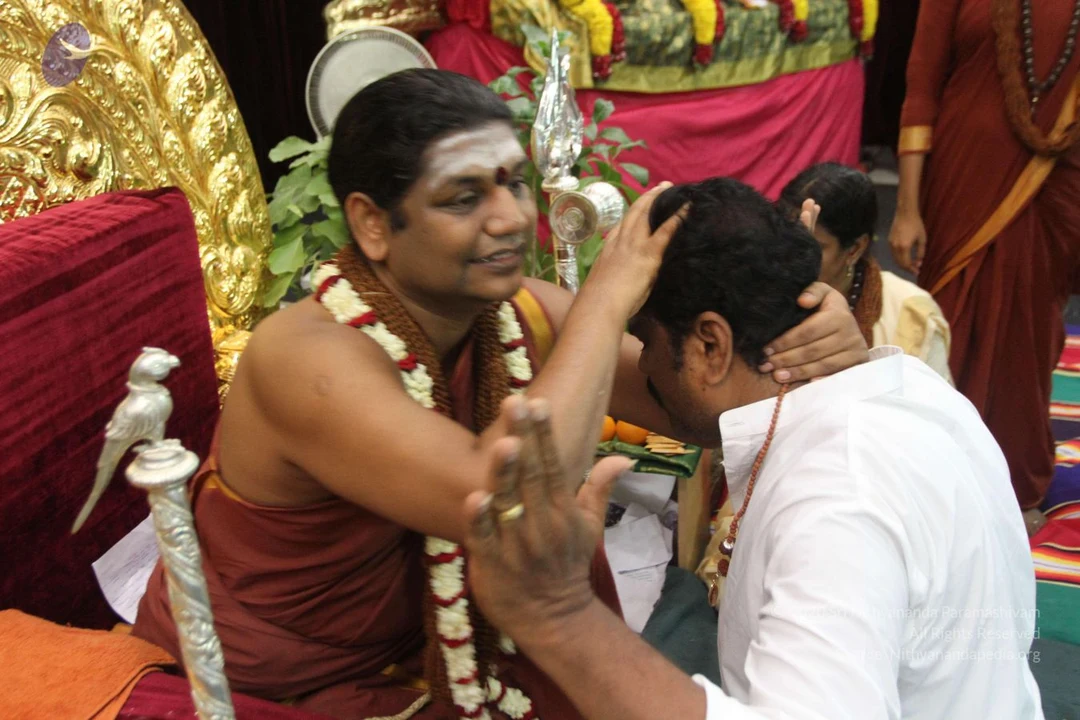



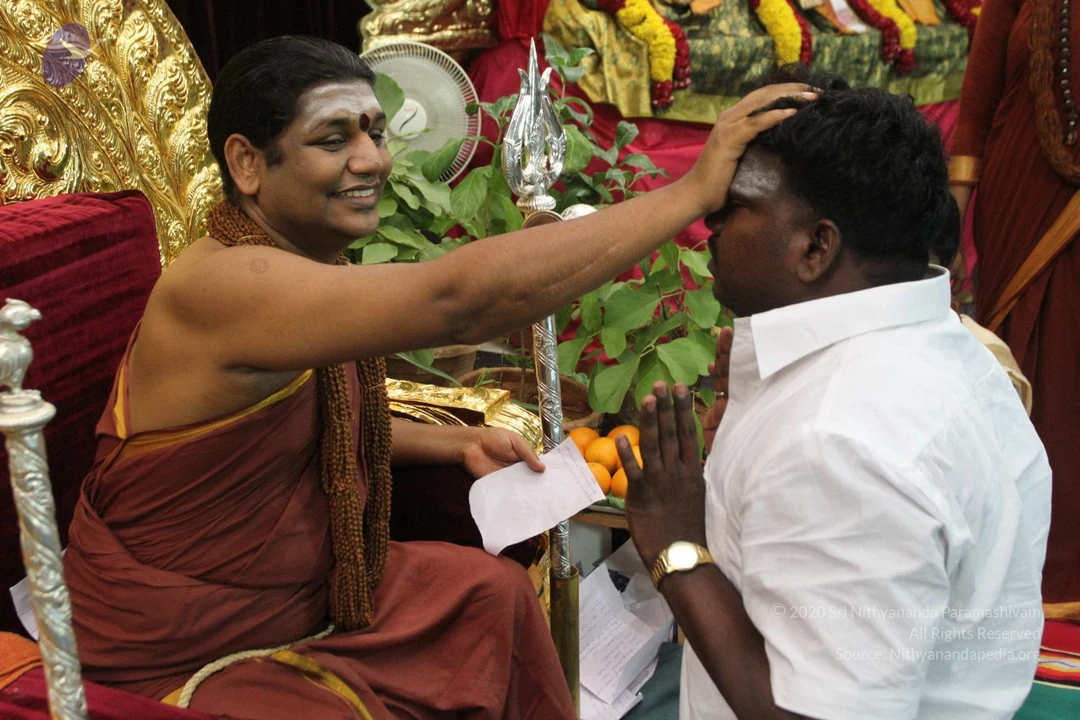
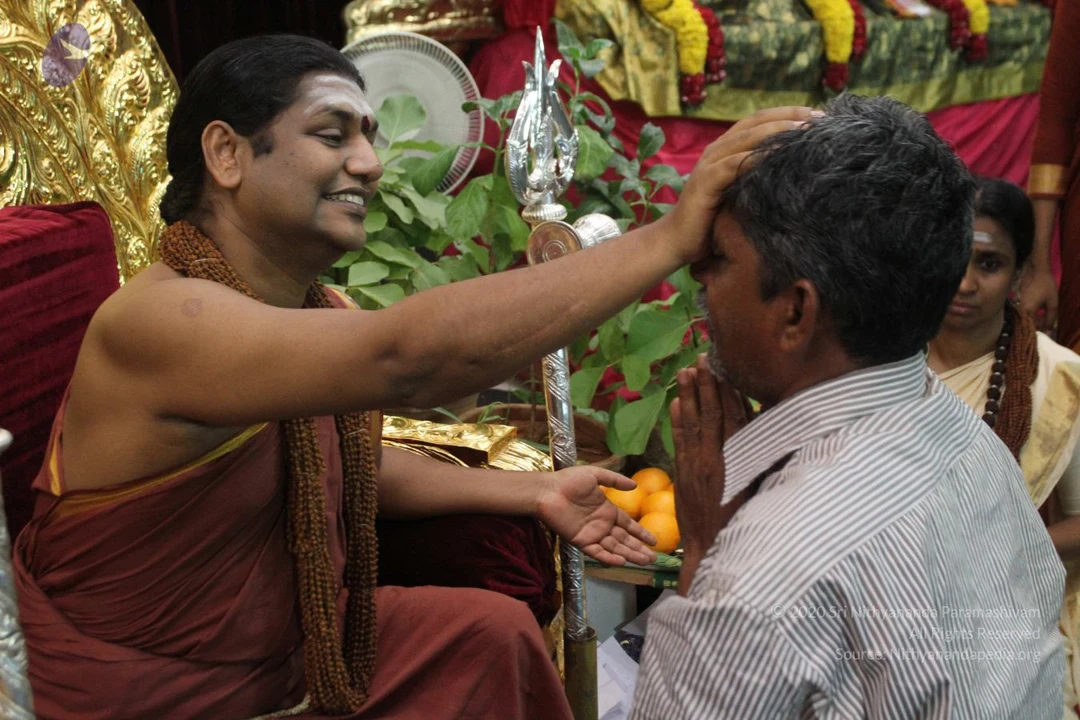
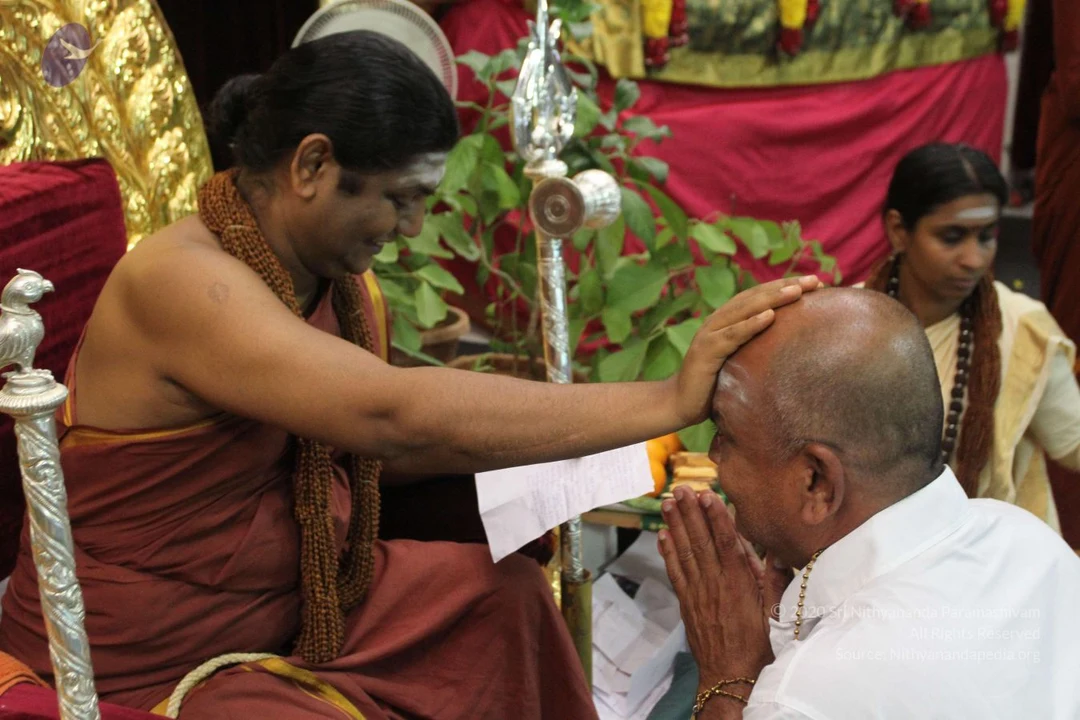
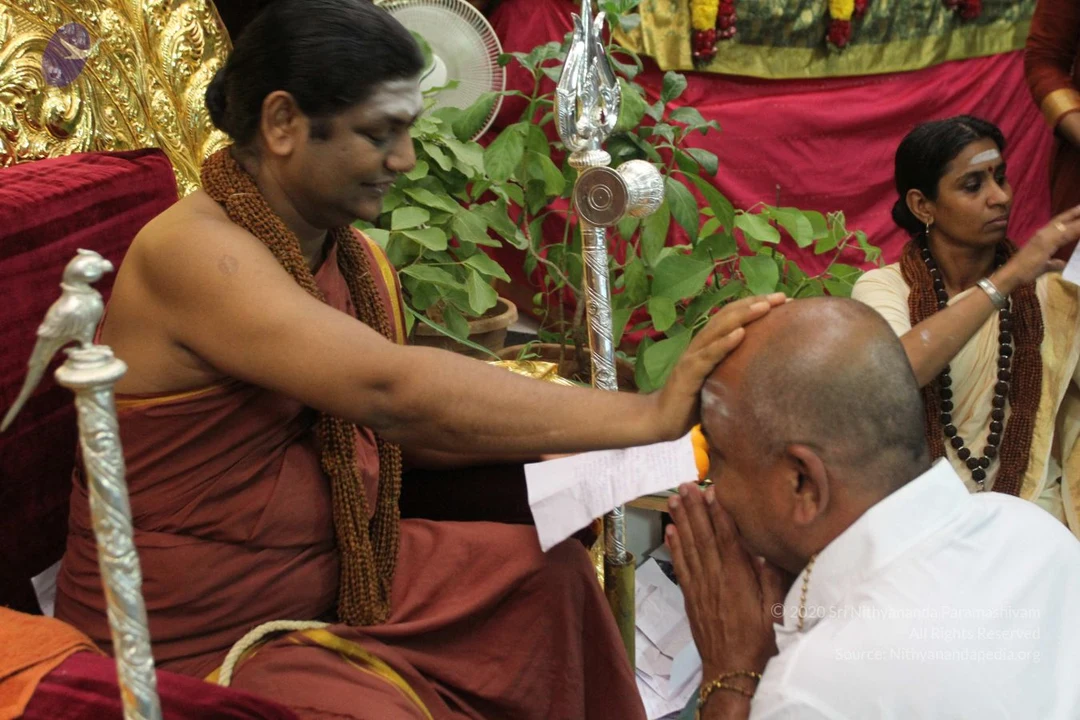
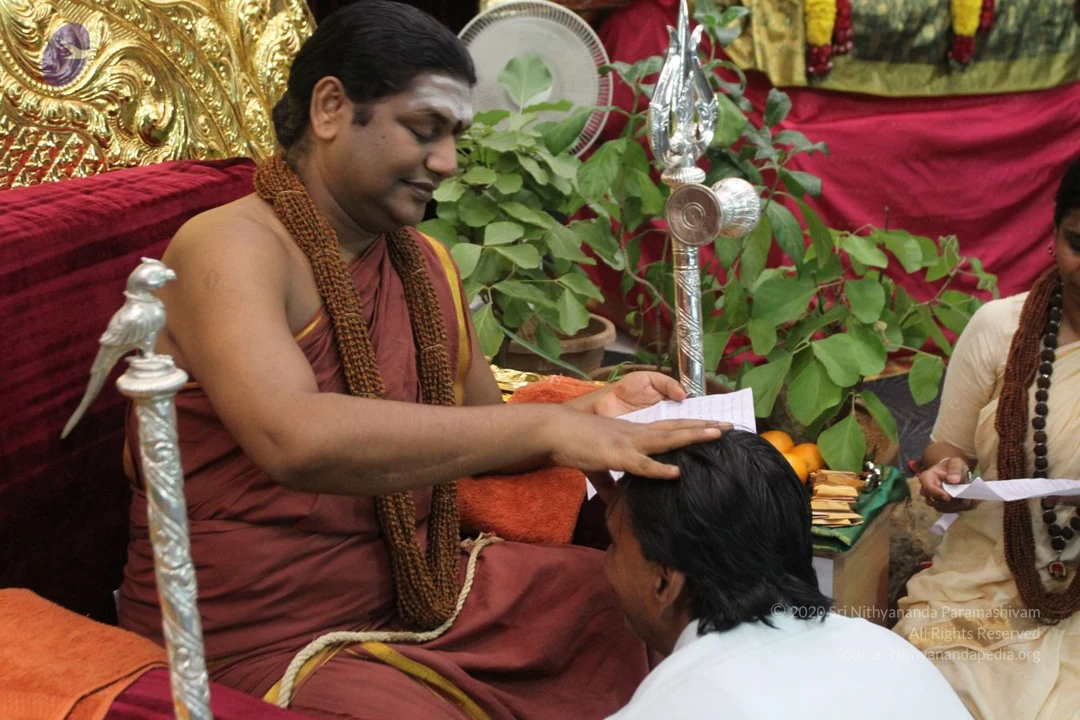
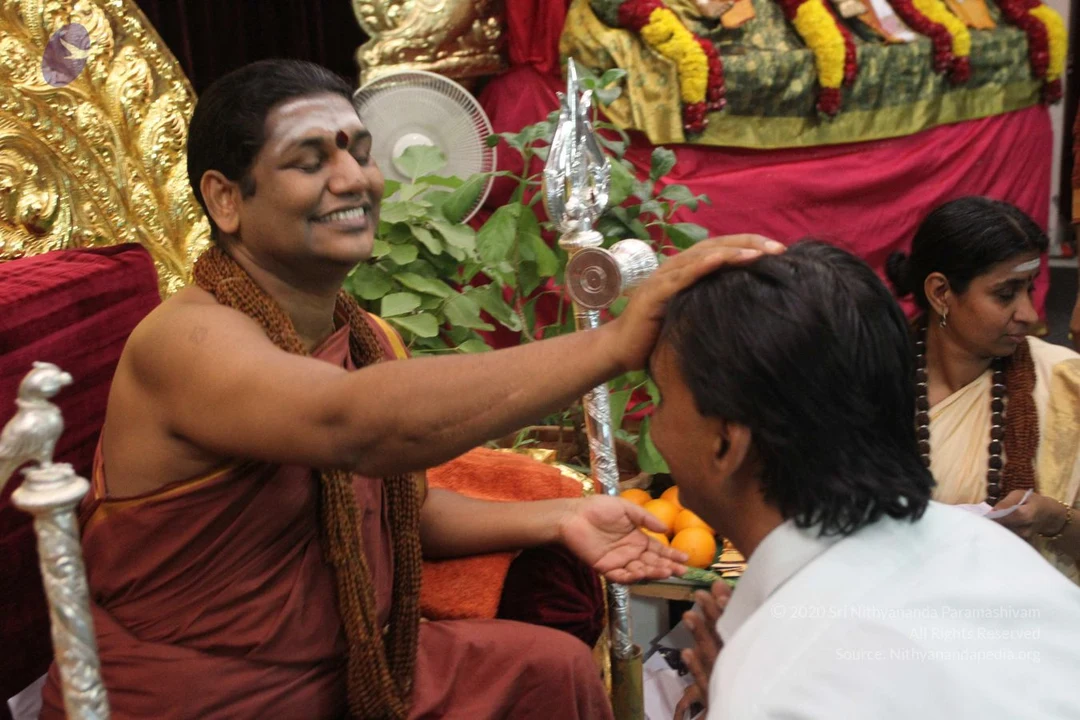
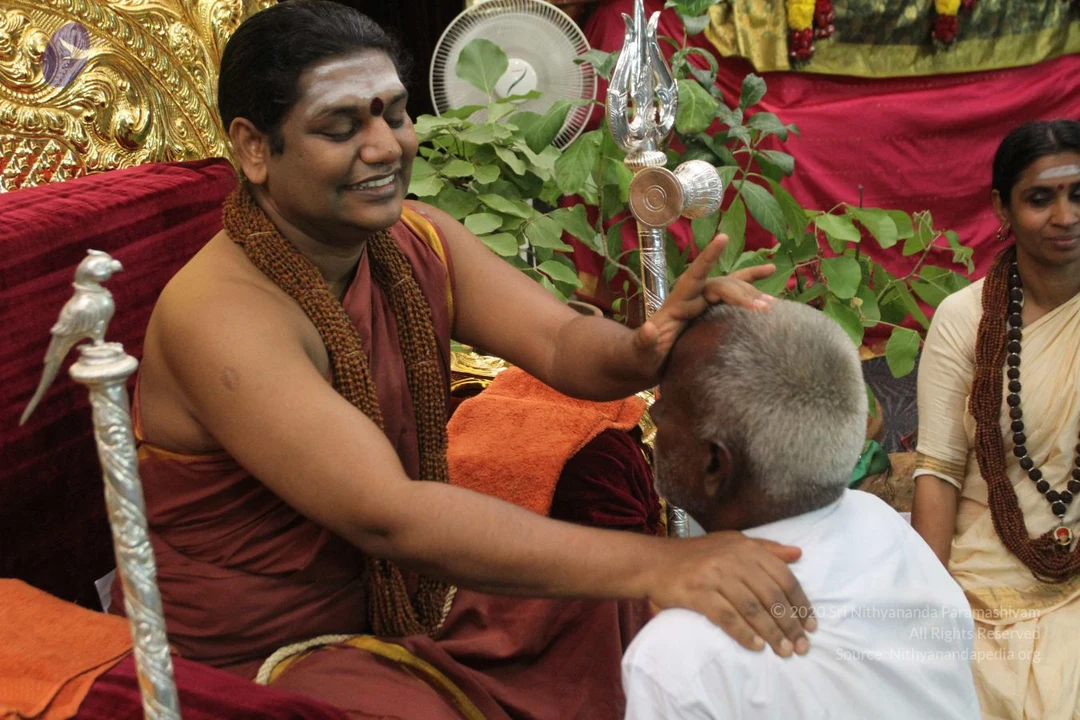
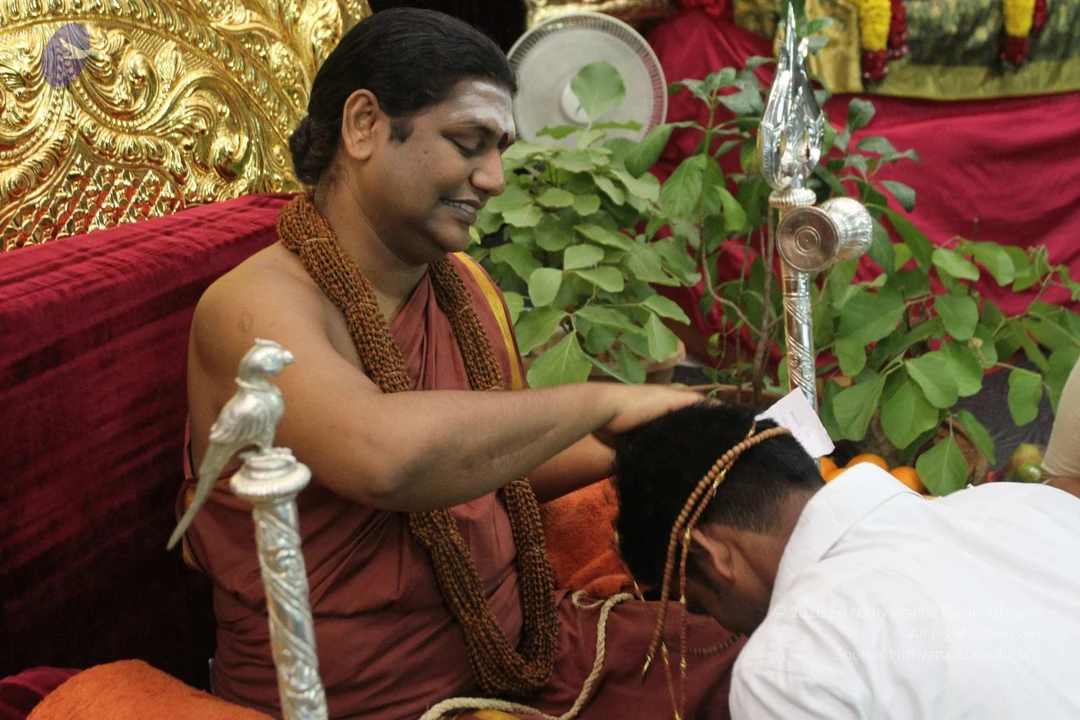
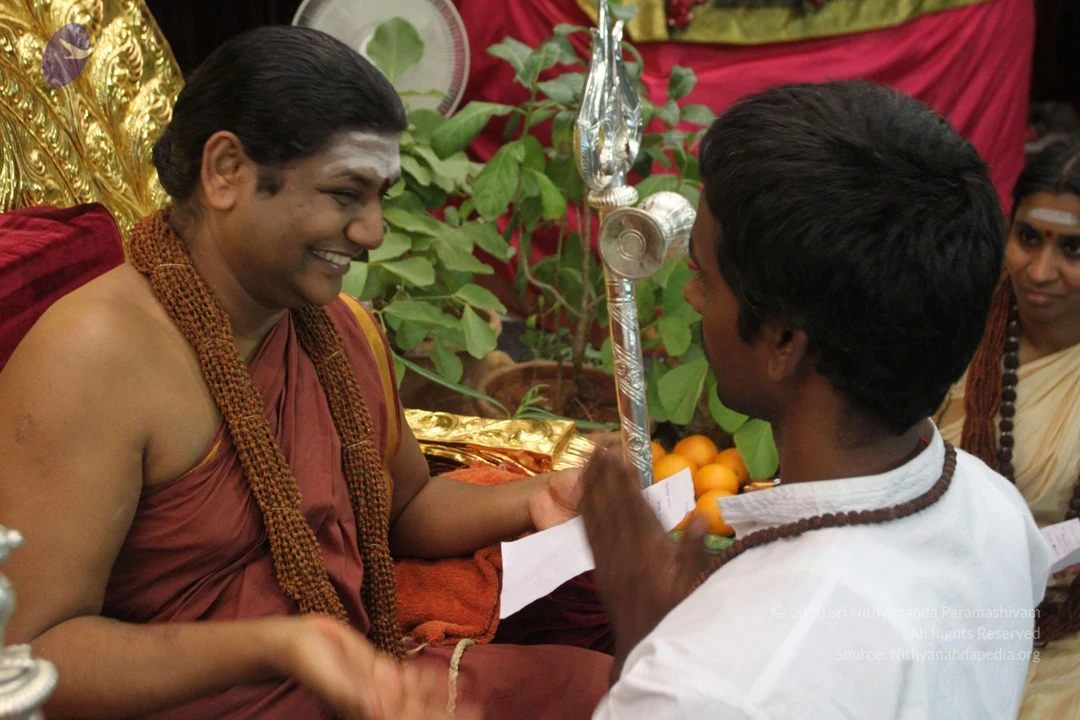
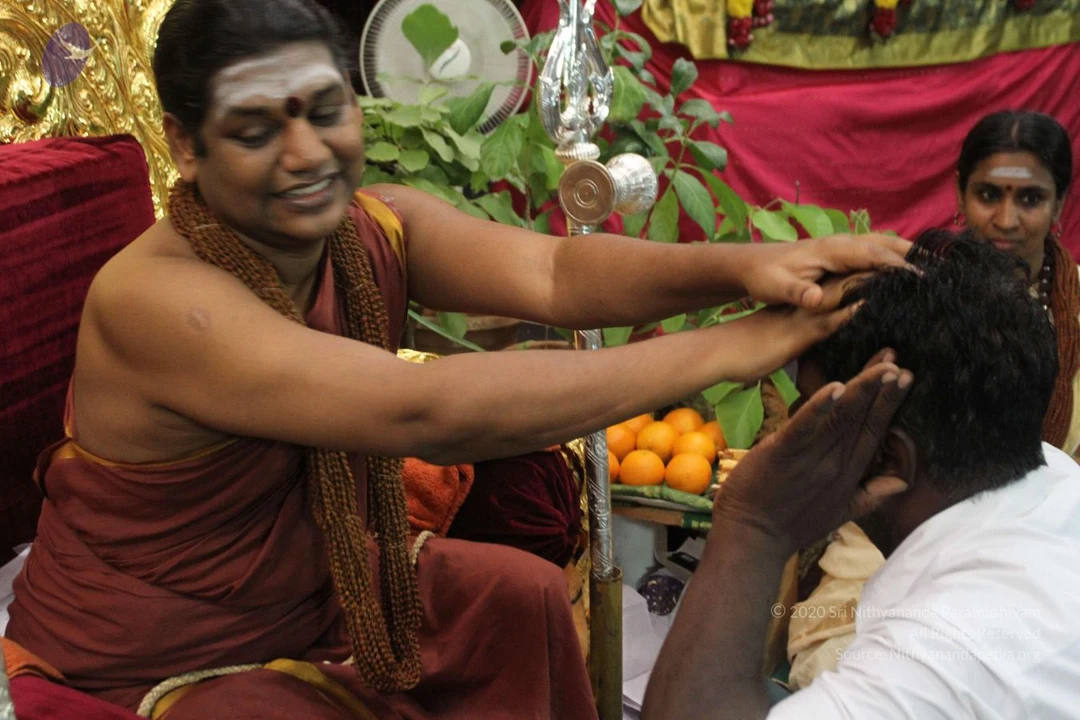
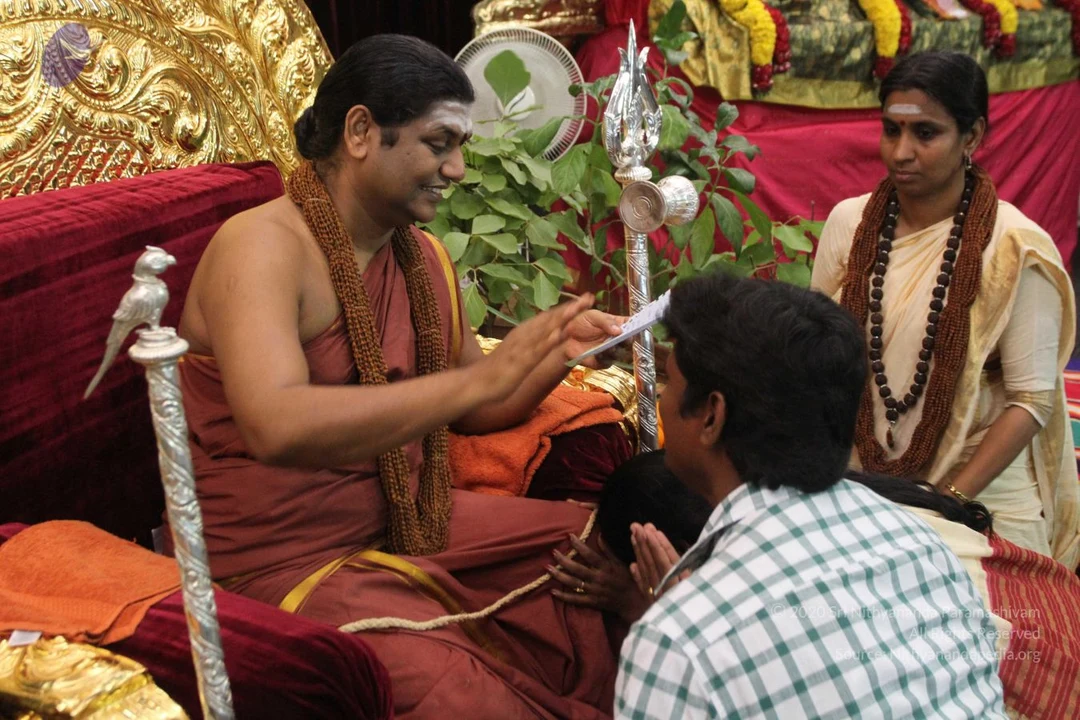
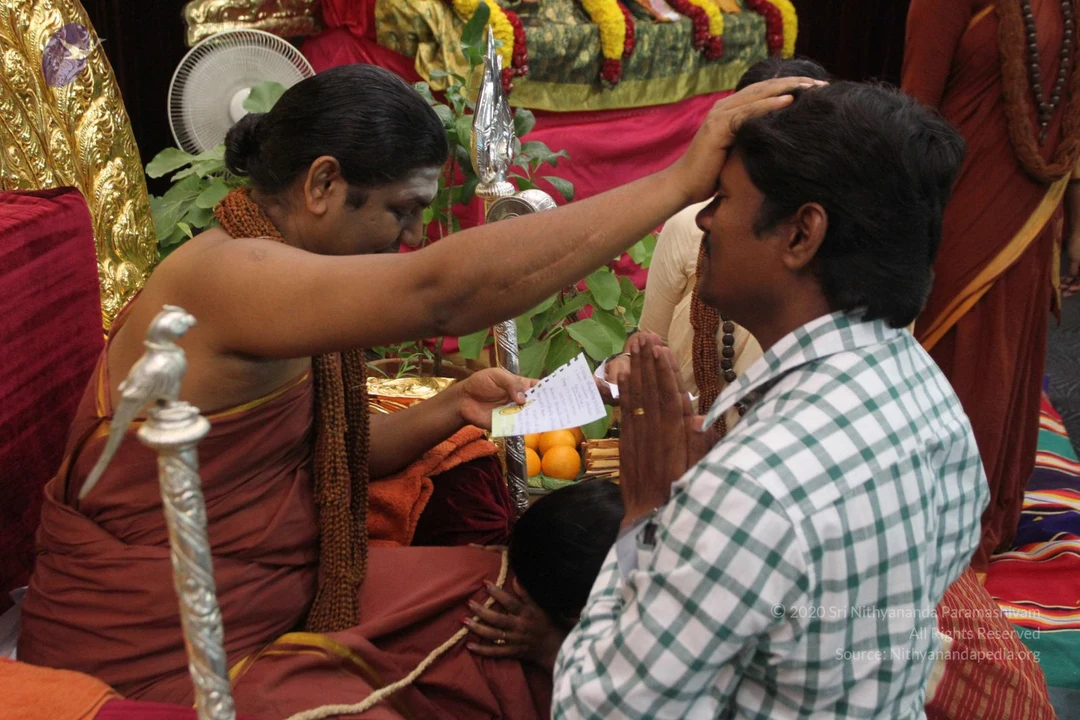
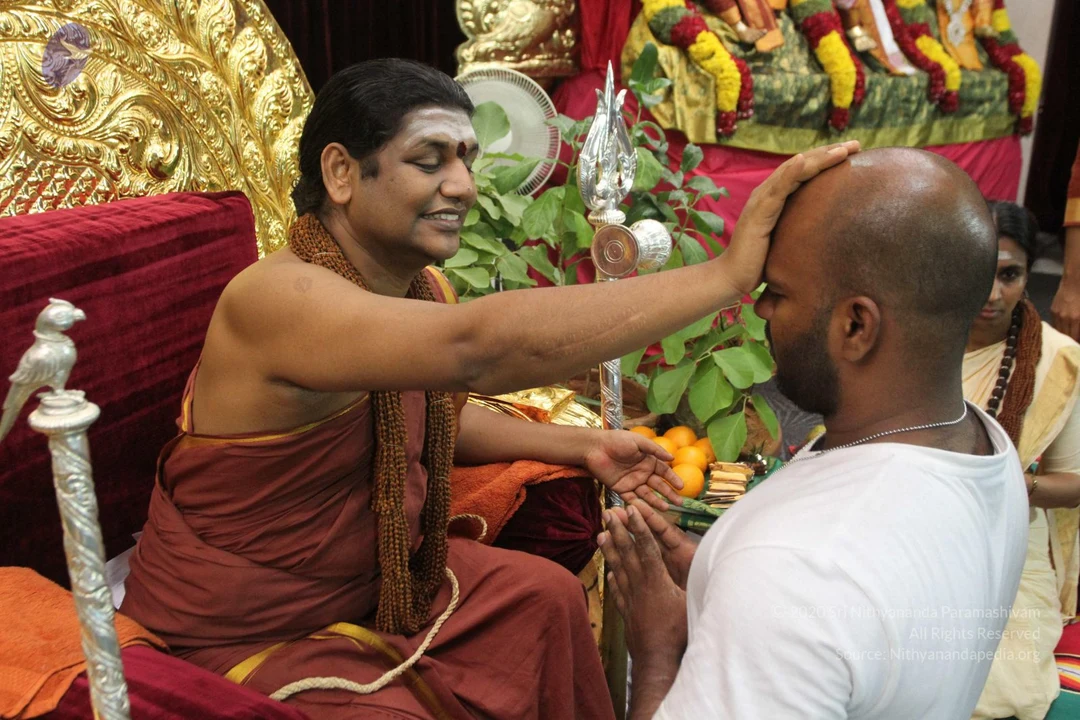
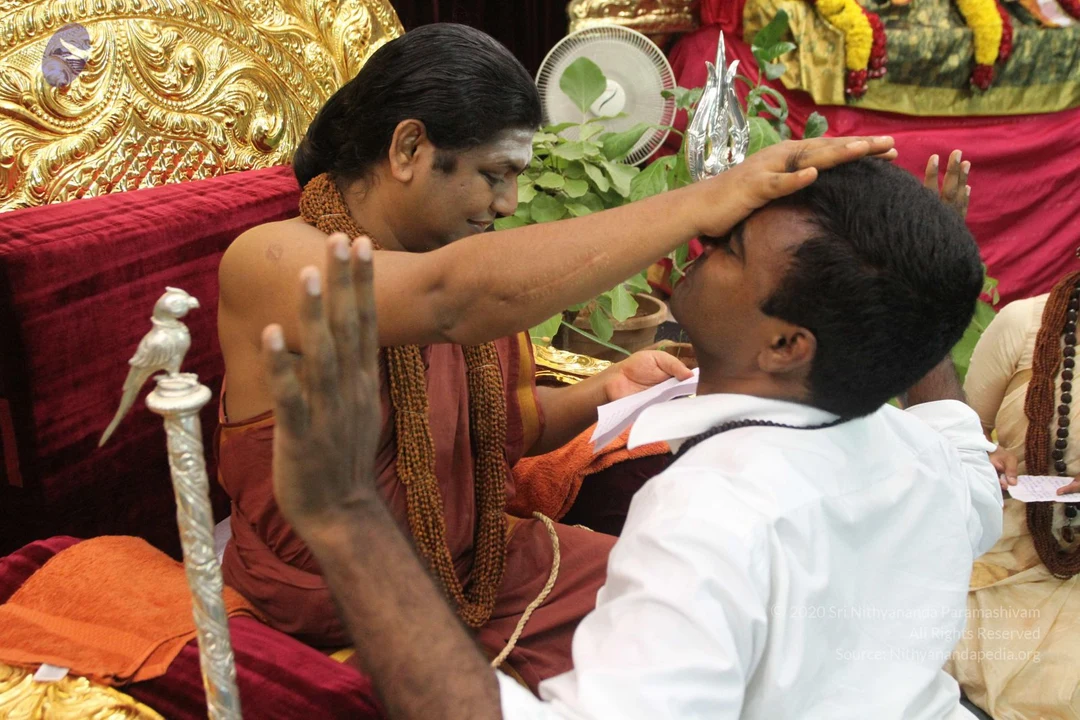
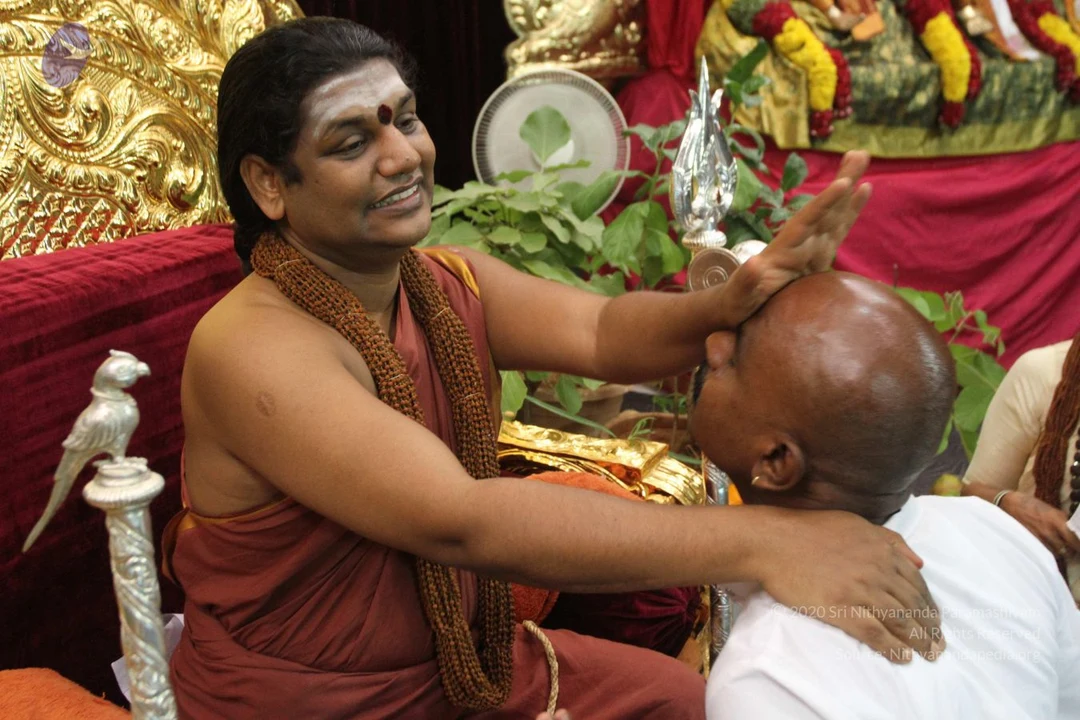

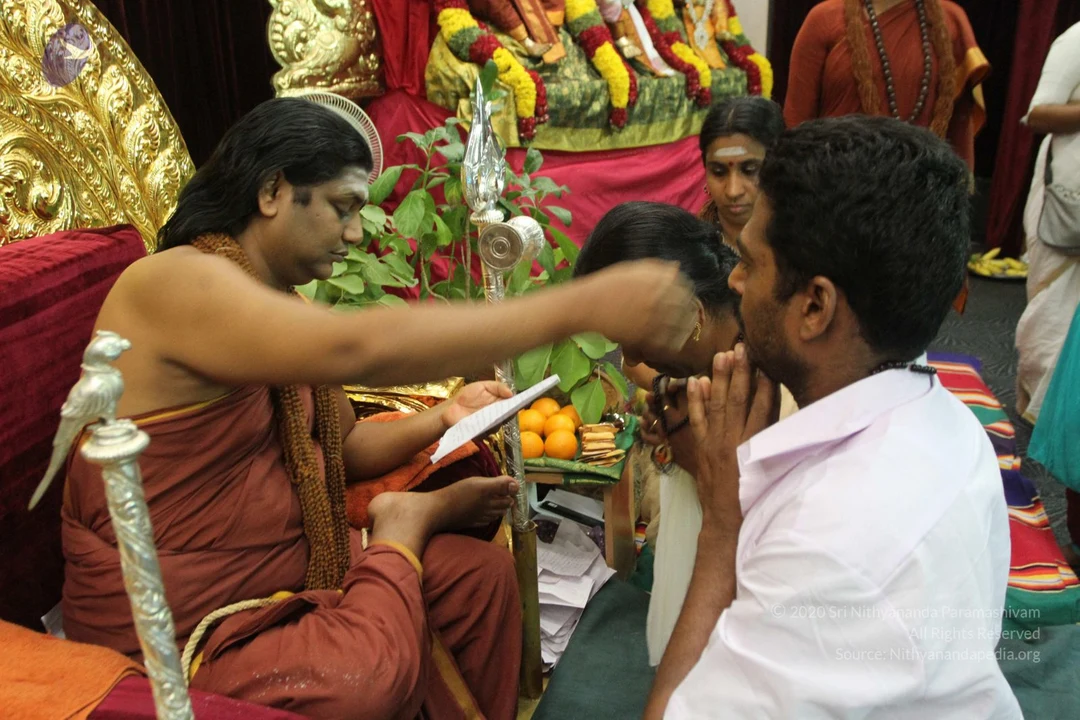
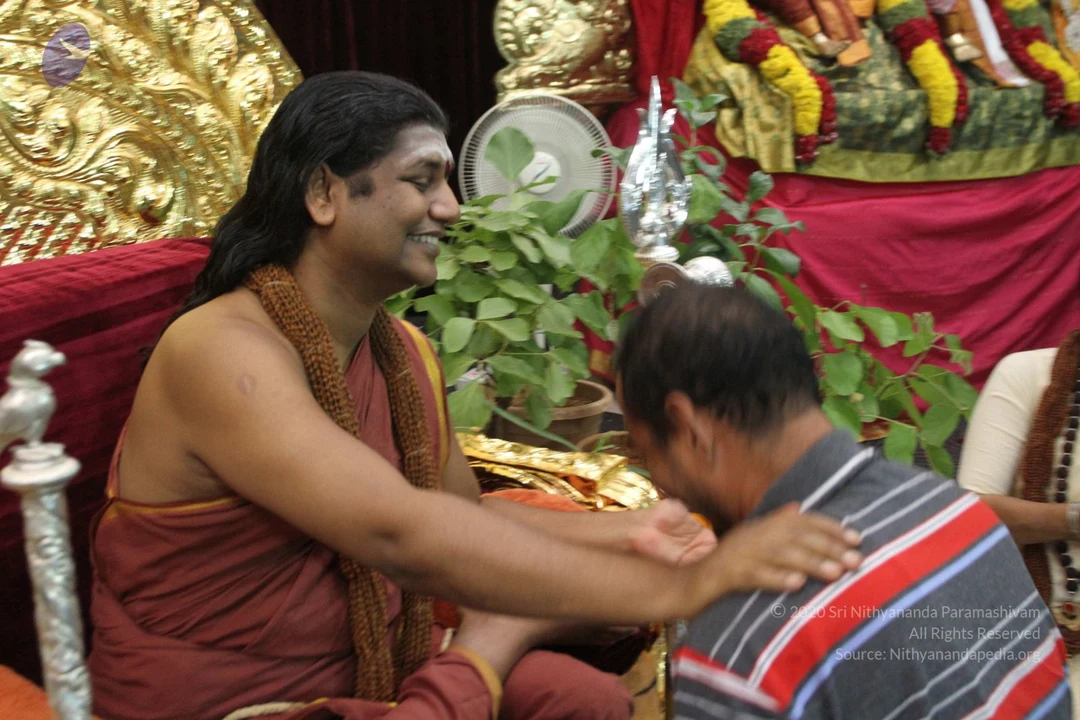

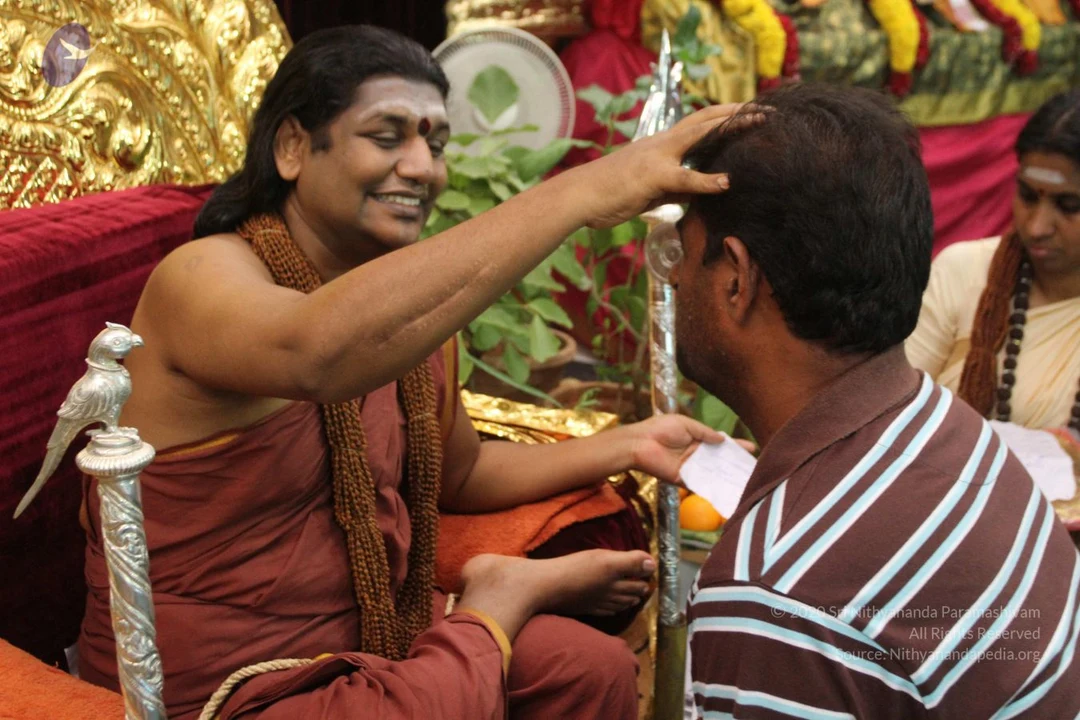
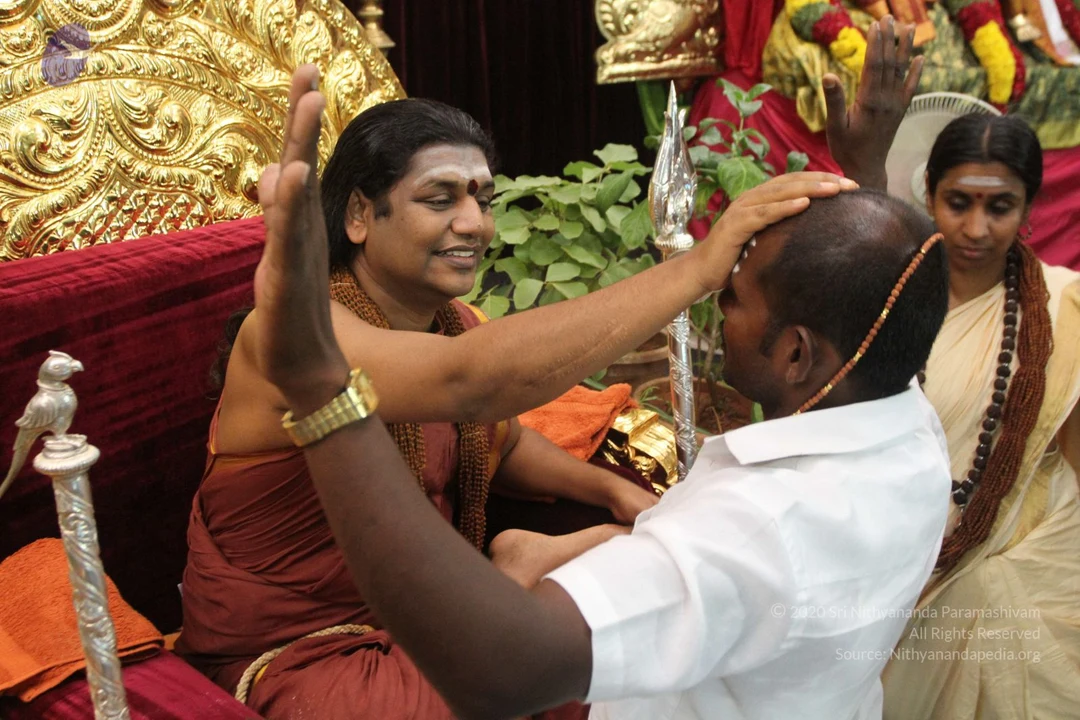
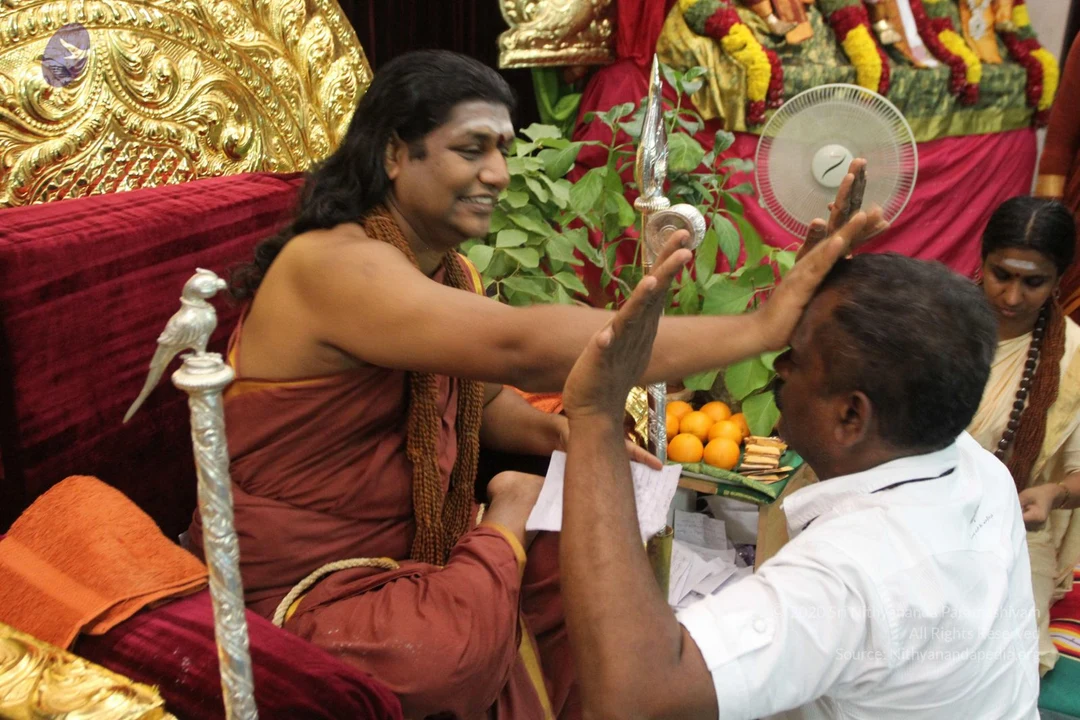
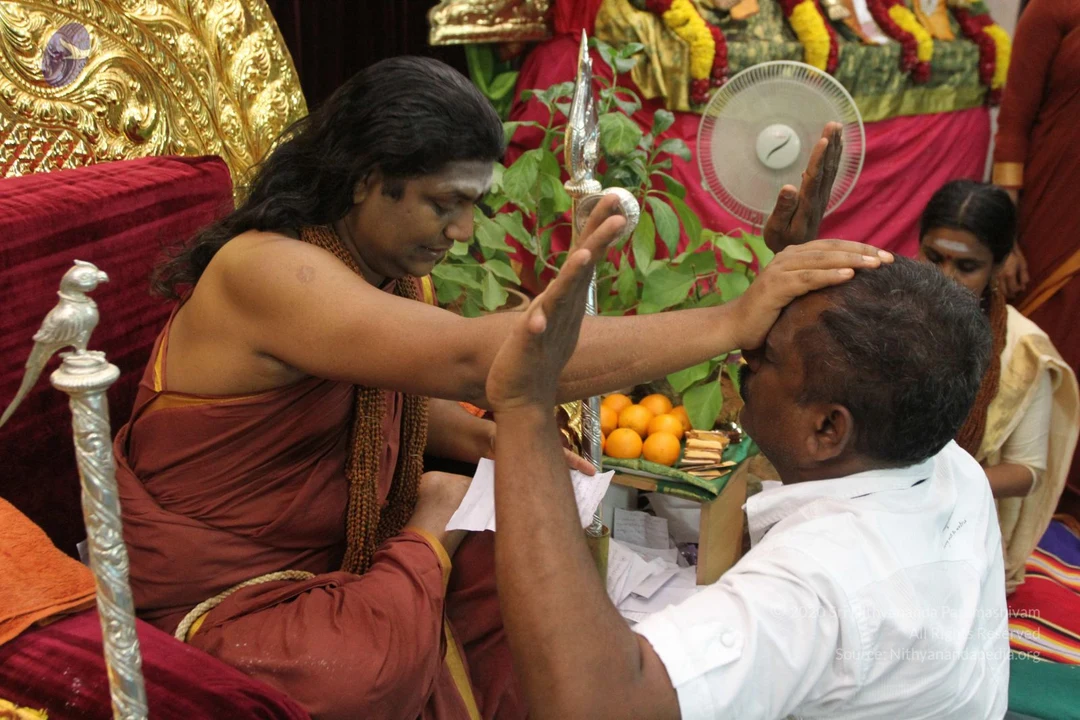
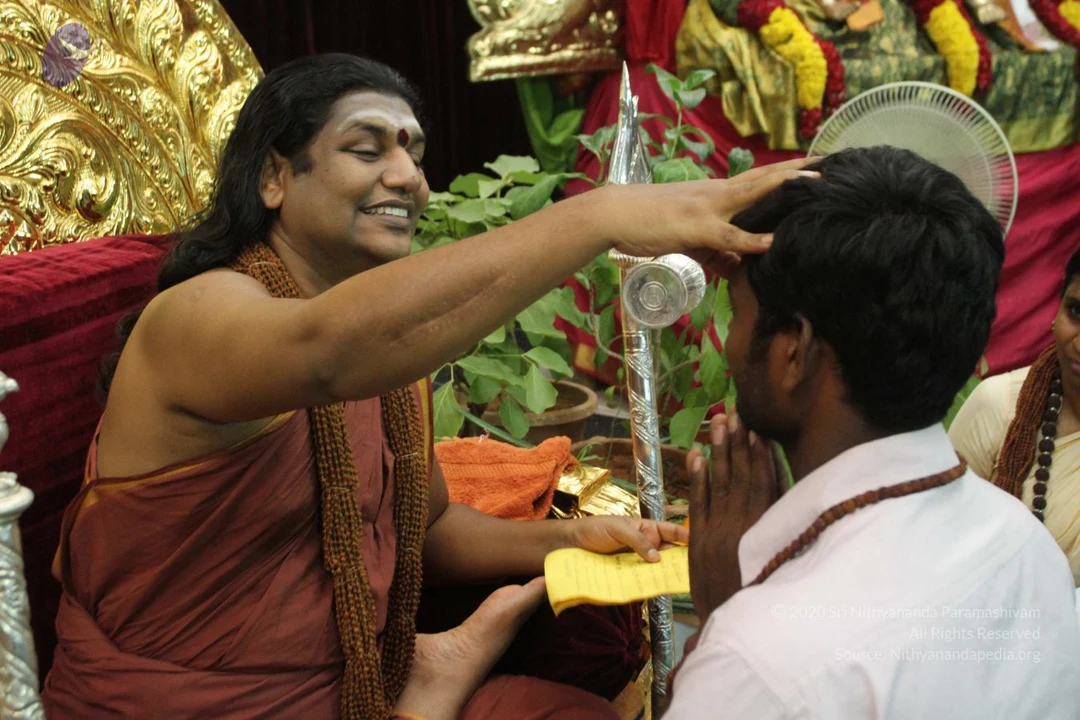
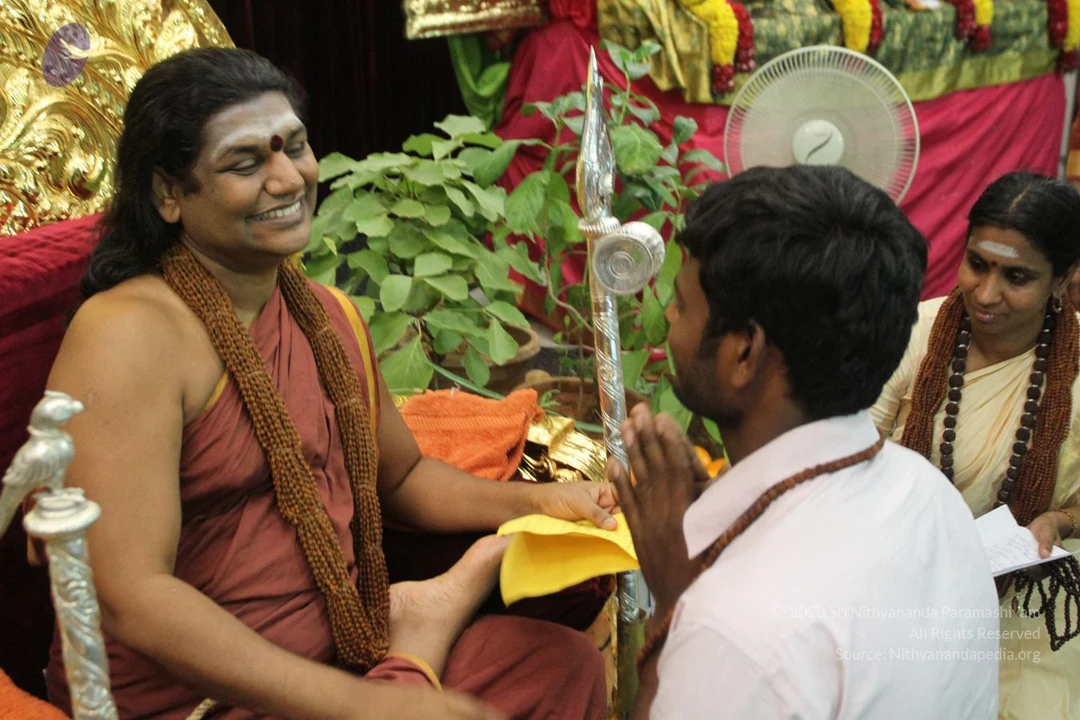
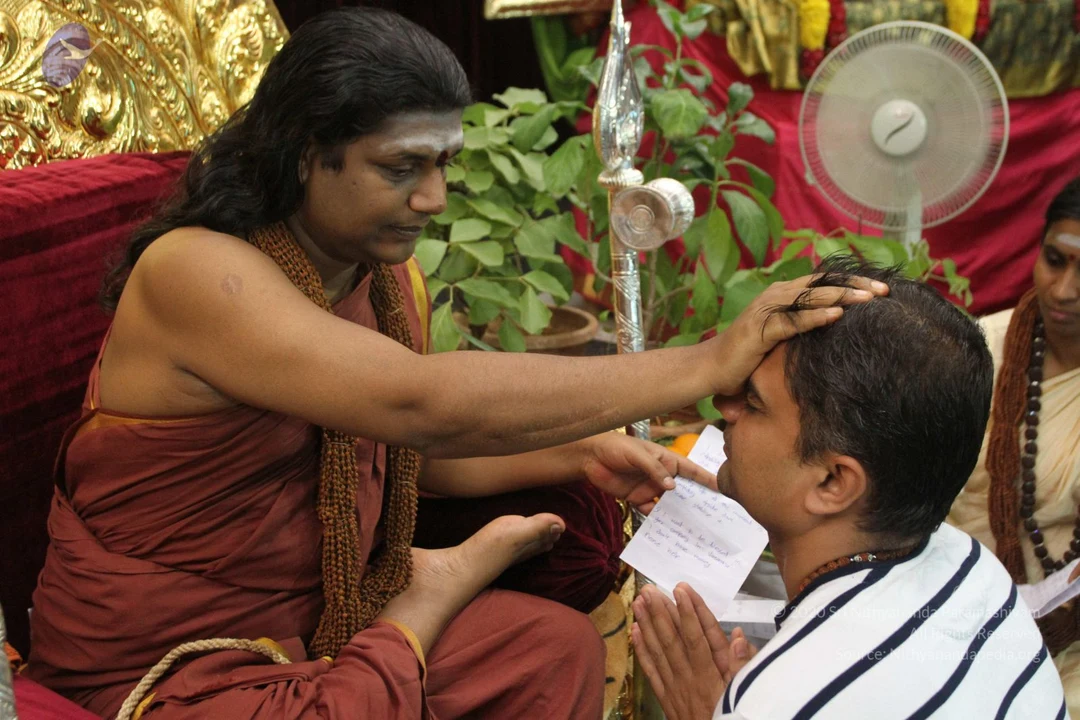

Photos Of The Day:
FB-photo-of-the-day
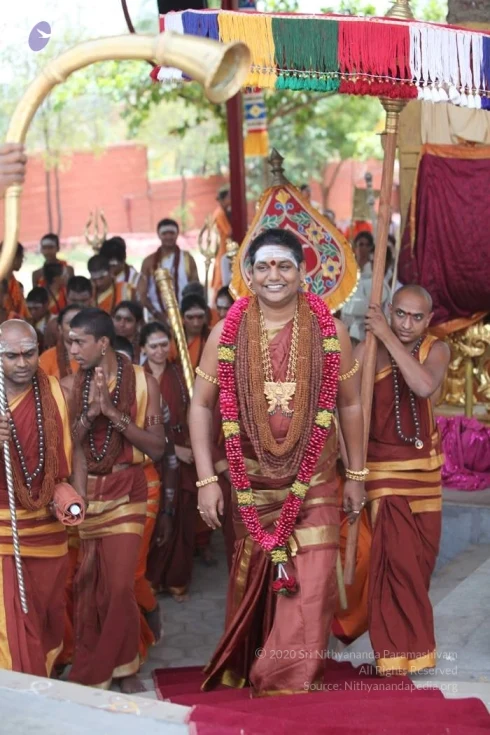
Photos from this day
View all 384 photosNithya Satsang
17 photosSource gallery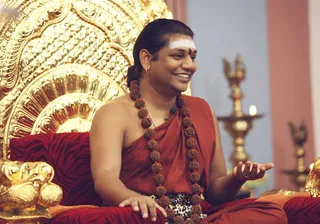
Kalpataru Darshan
19 photosSource gallery
Nithya Kriya Yoga
6 photosSource gallery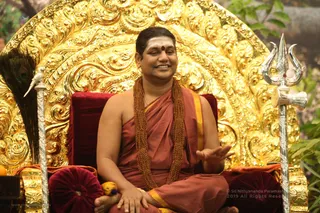
Satsang
162 photosSource gallery
E-kalpataru
32 photosSource gallery
NKY-Day-4
36 photosSource gallery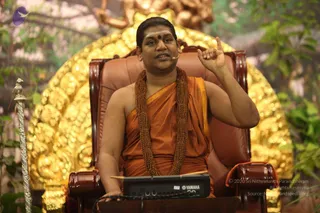
NKY-Darshan
111 photosSource gallery
FB-photo-of-the-day
1 photoSource gallery