Monday
27 April 2015
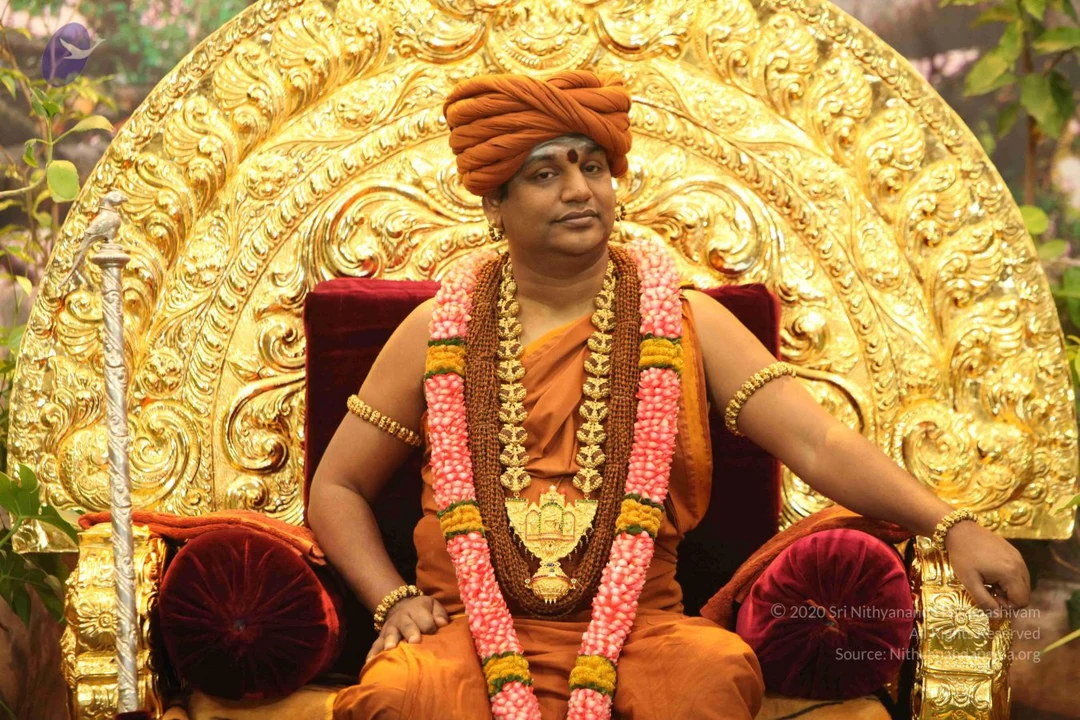
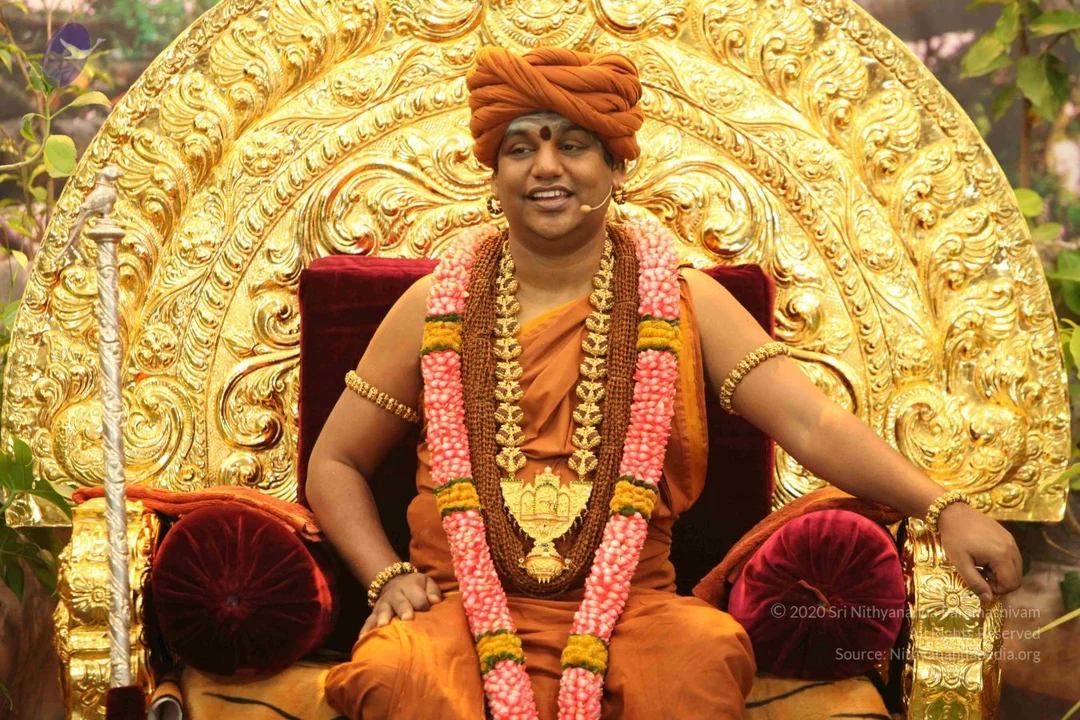
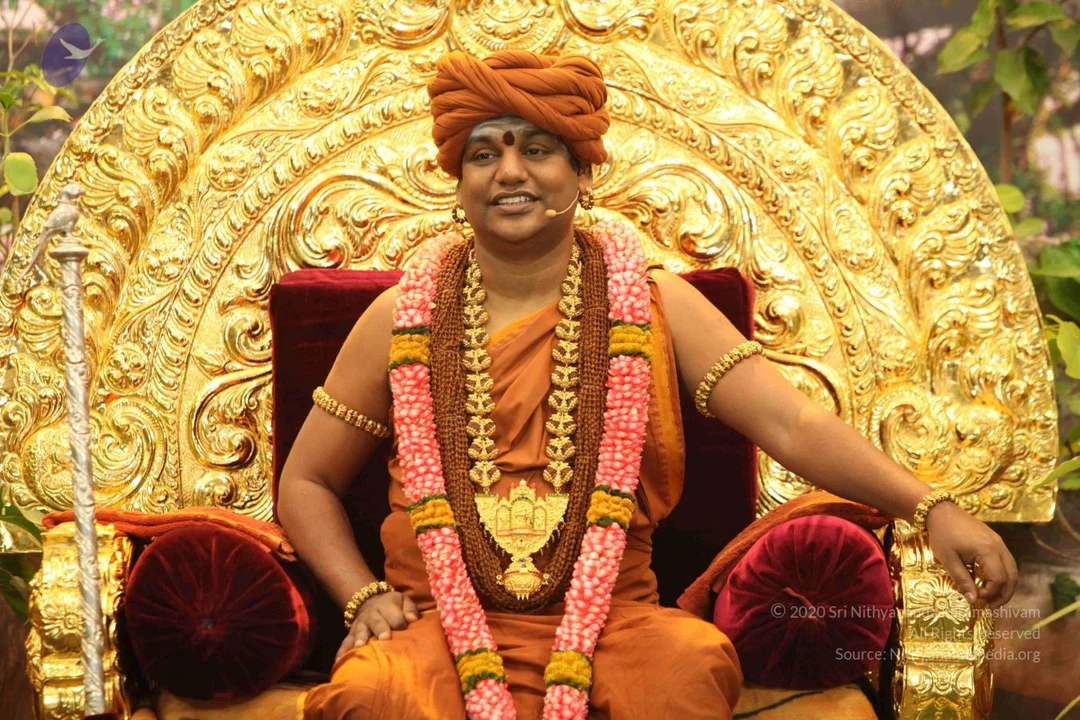
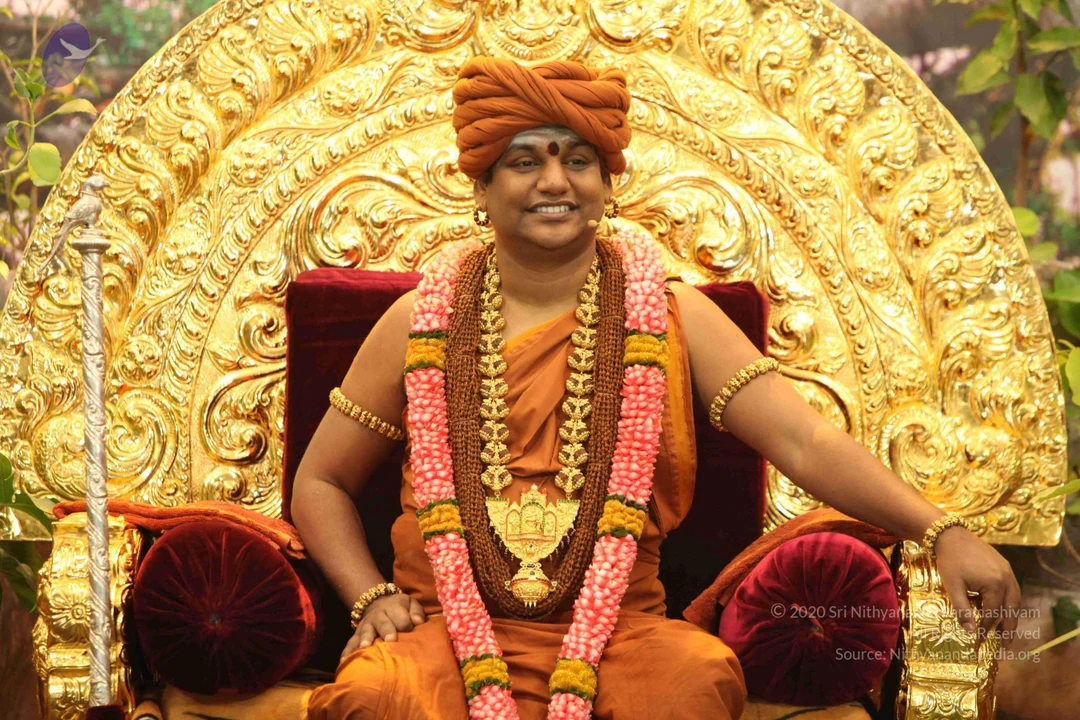
Take Master’s Words to Heart
- Dated photos
- 116
- Source pages
- 1
- Media
- 4
April 27 2015
Original wiki pageTitle
Take Master’s Words to Heart
Description:
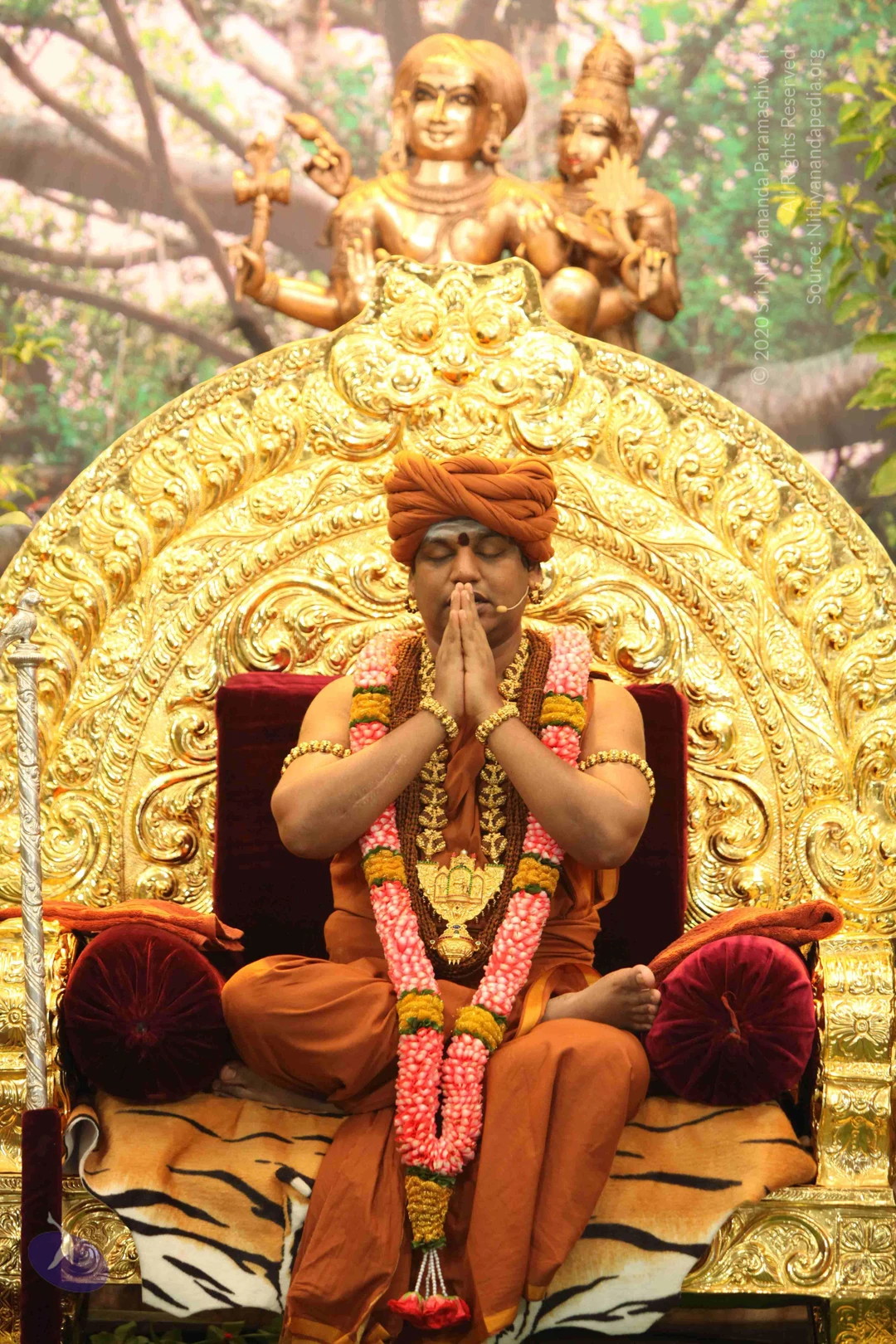
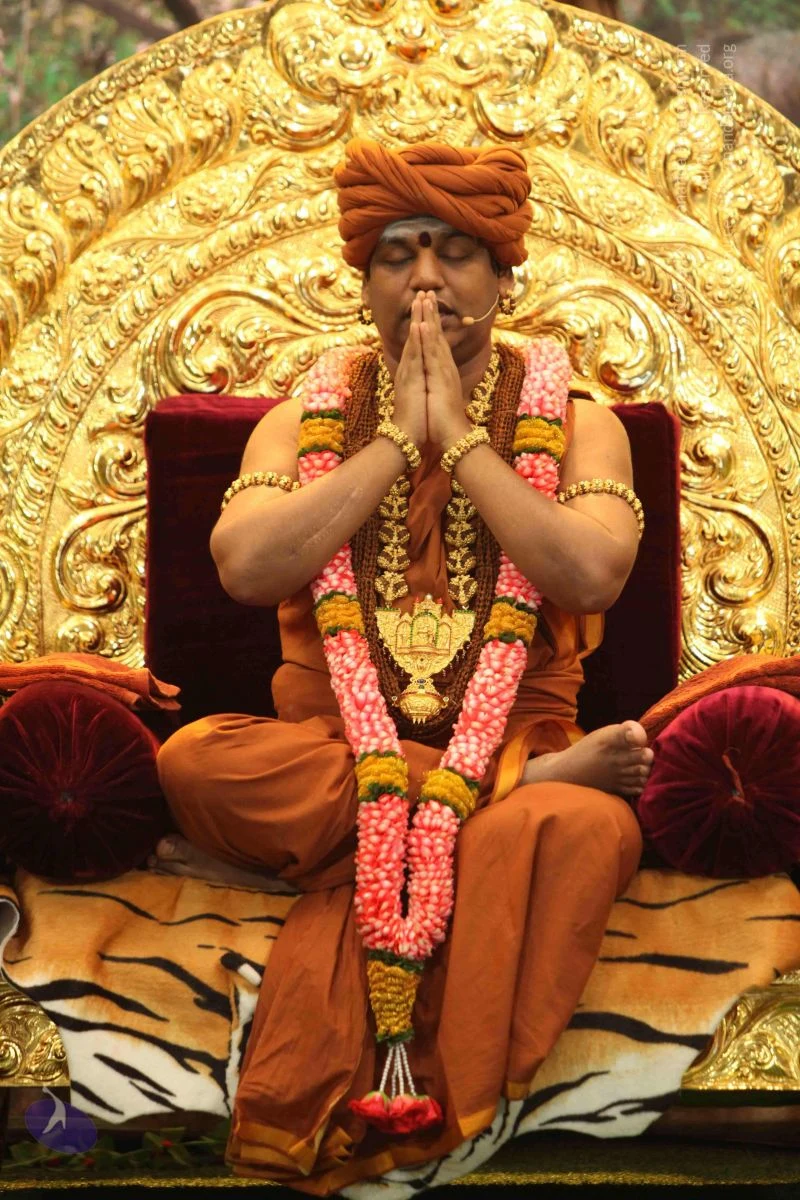
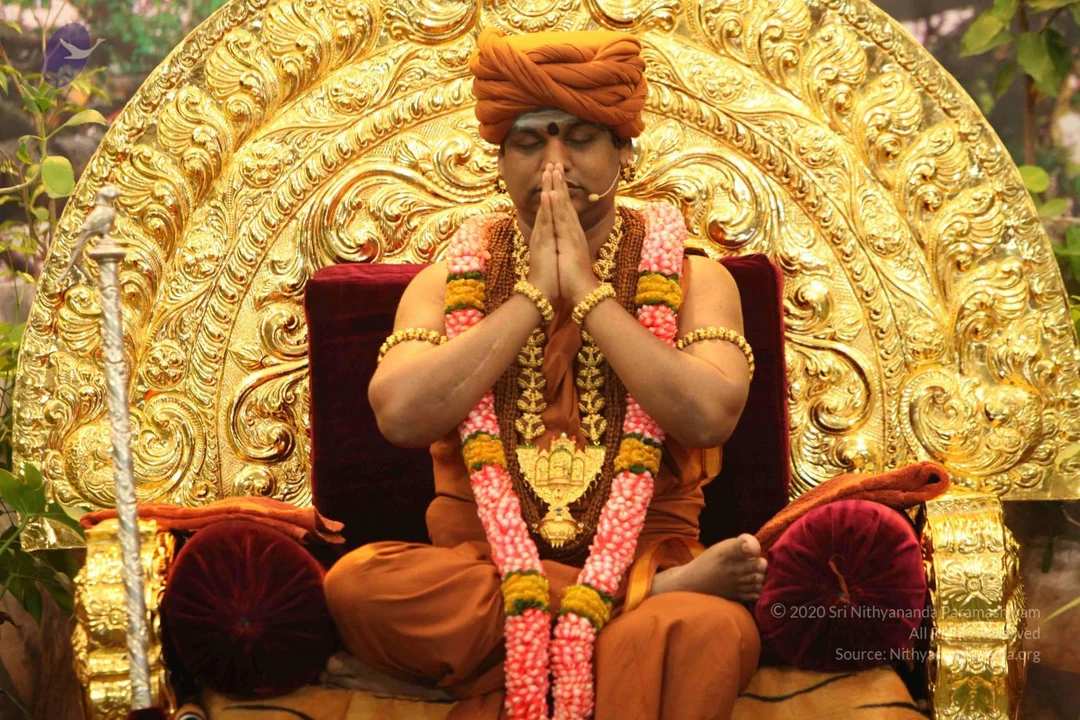
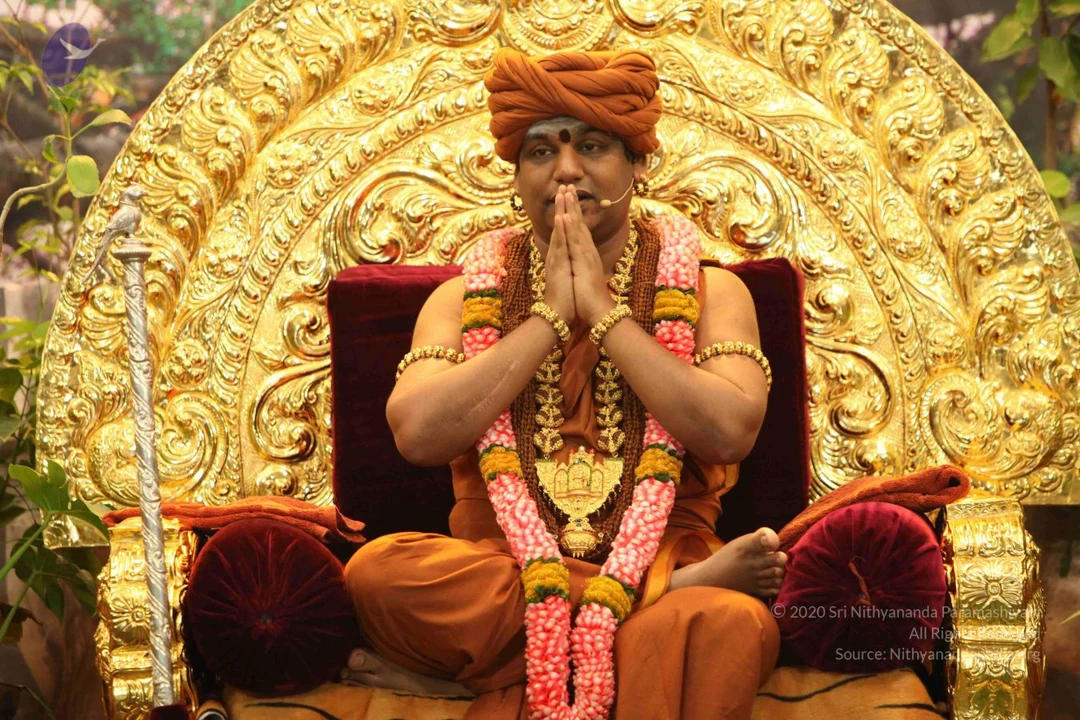
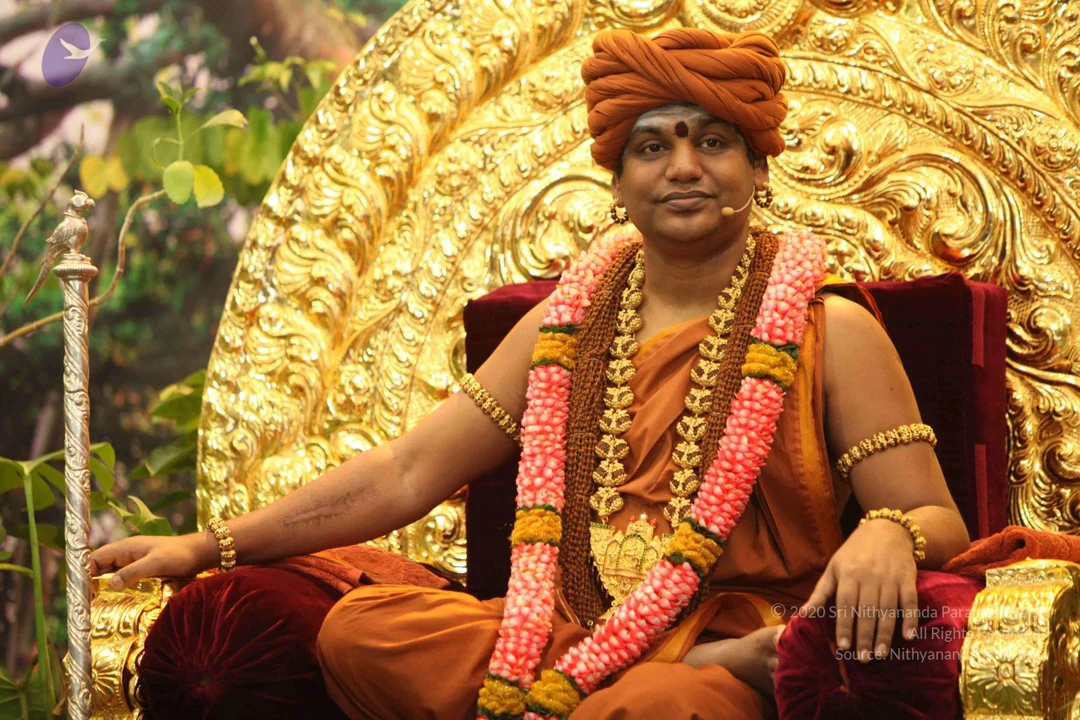
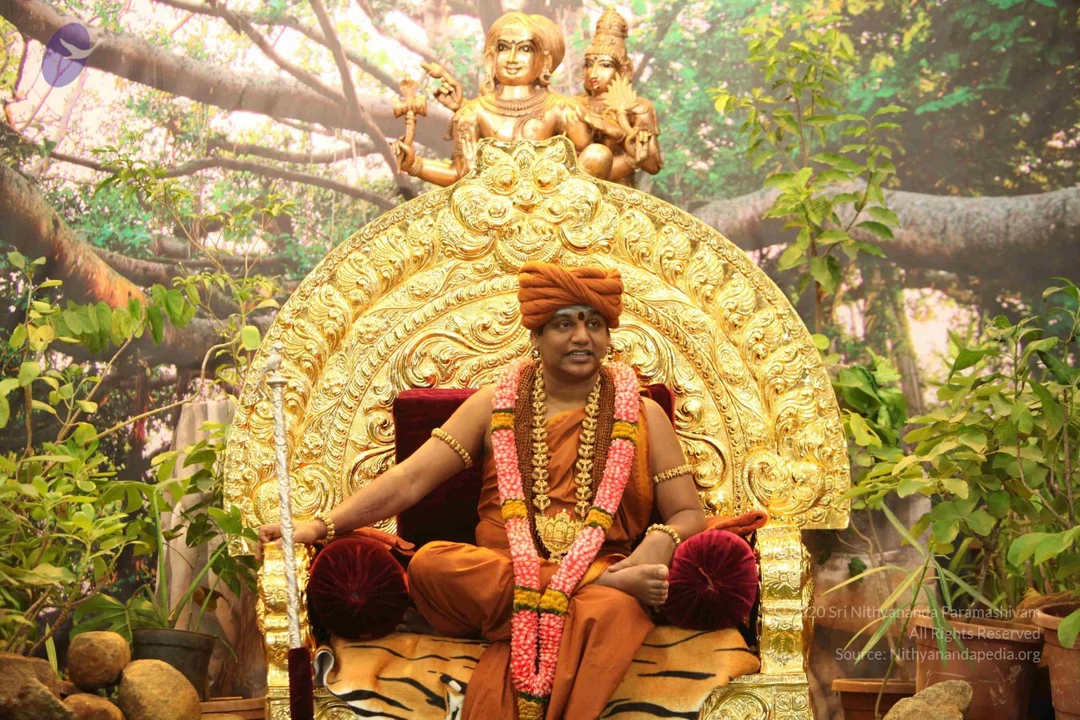
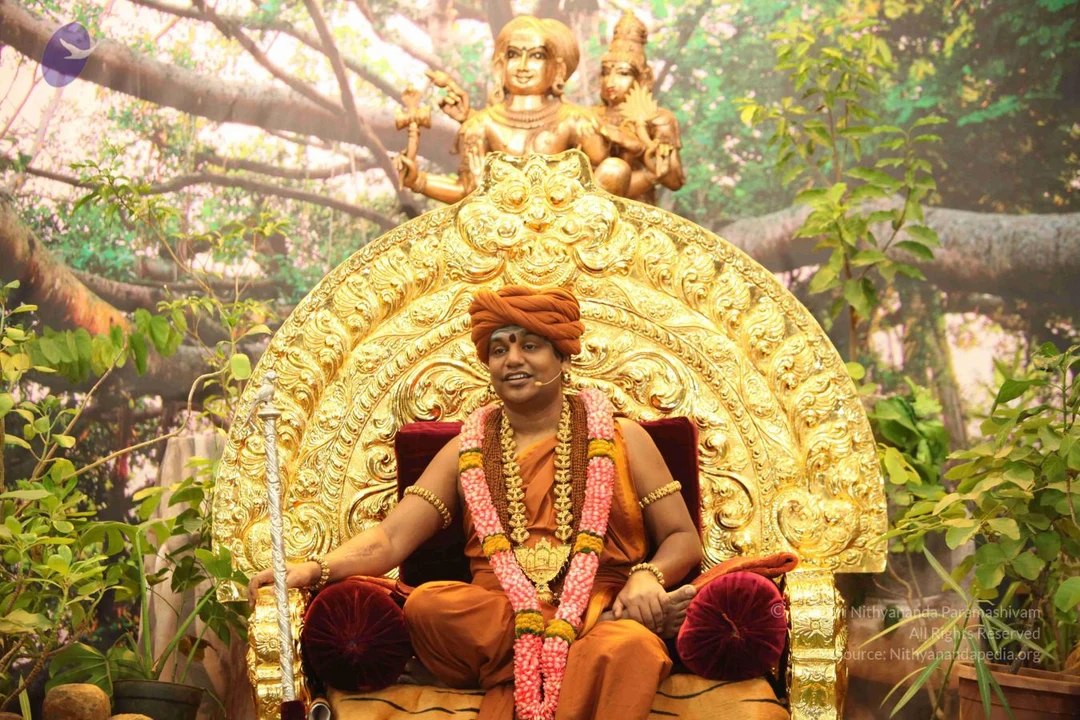
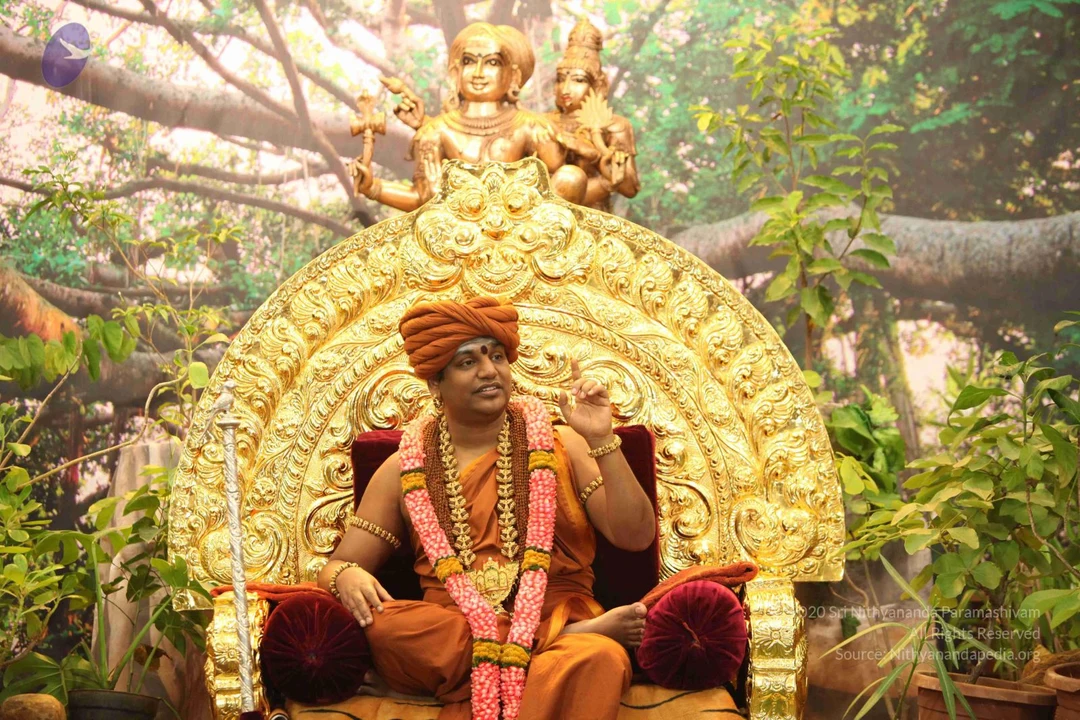
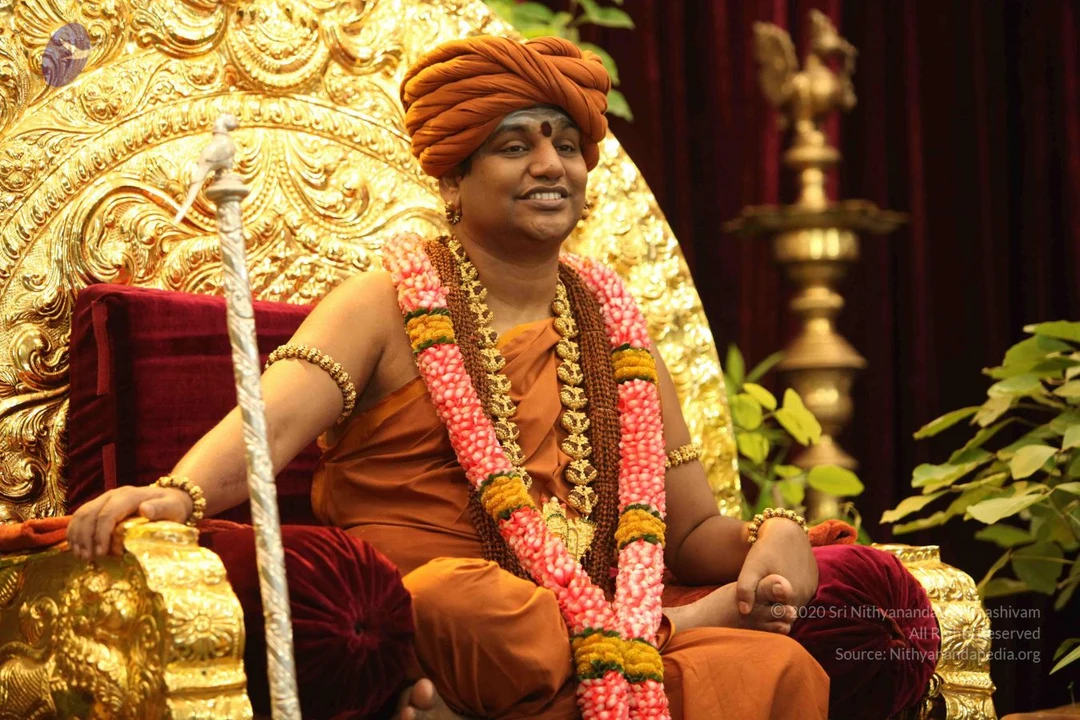
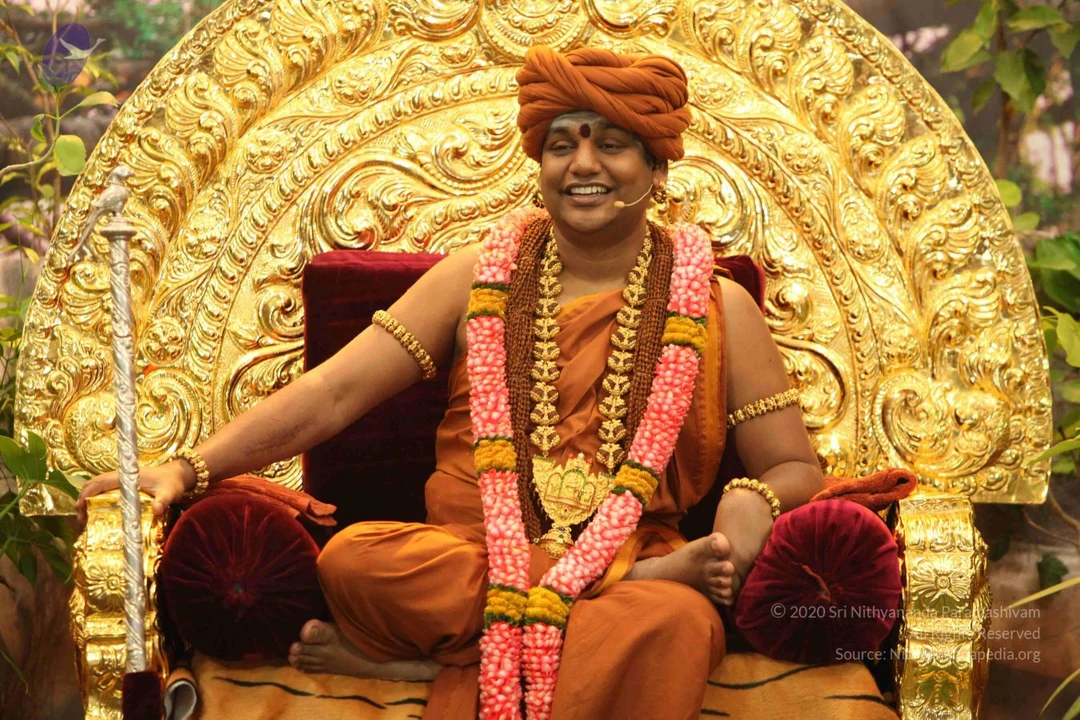
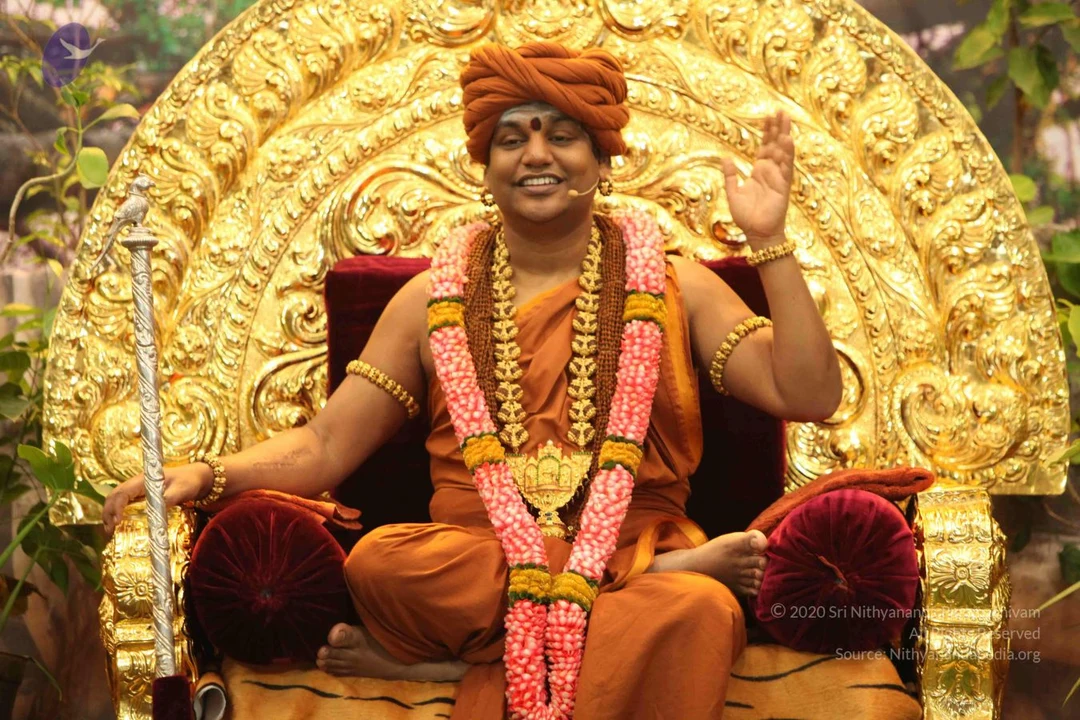
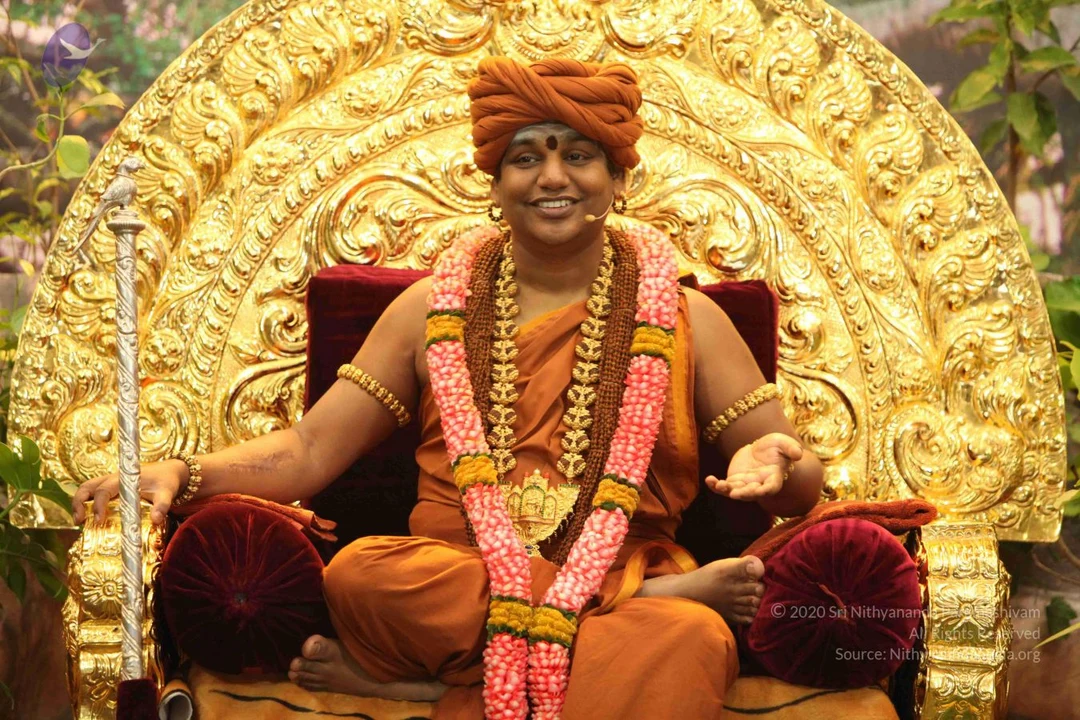
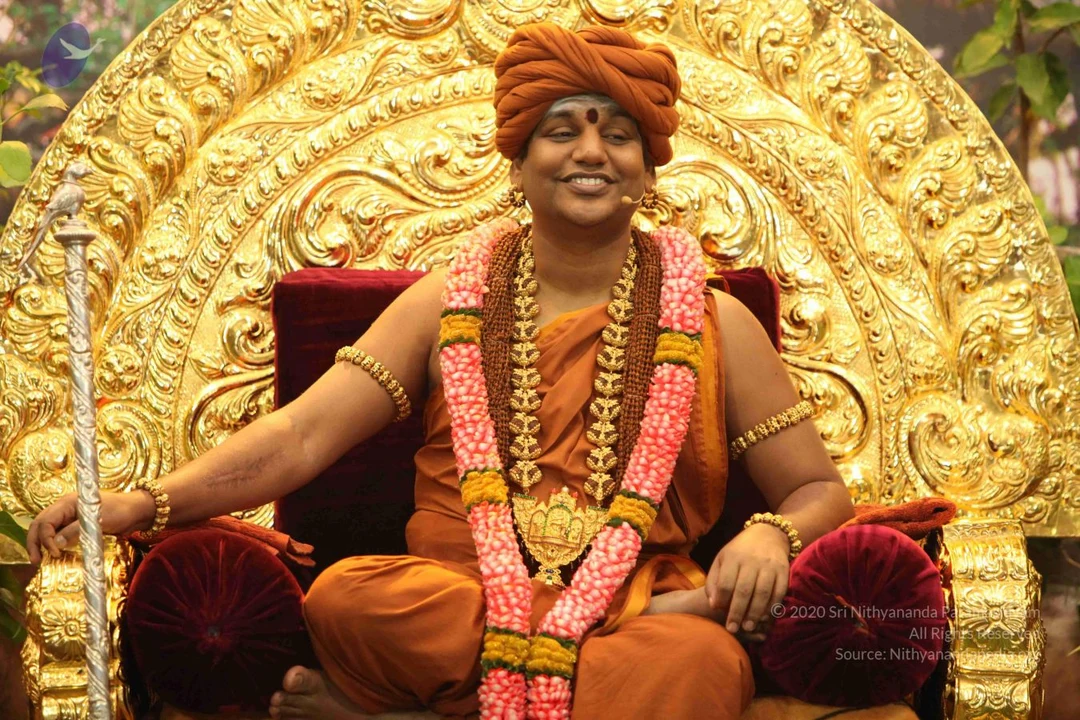
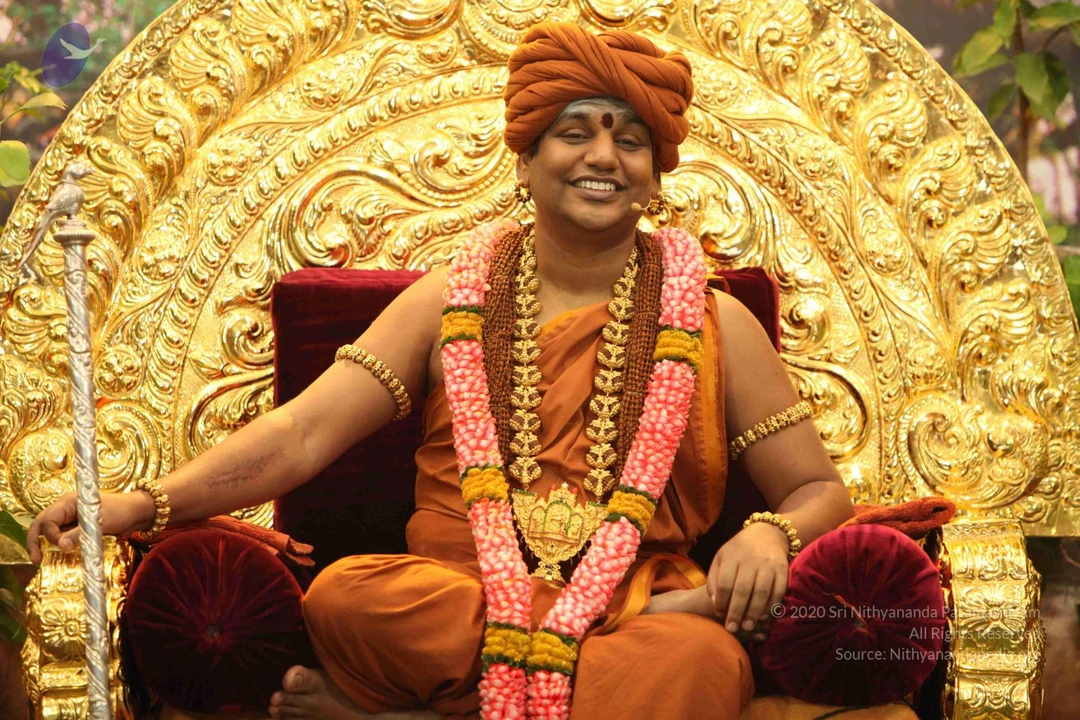
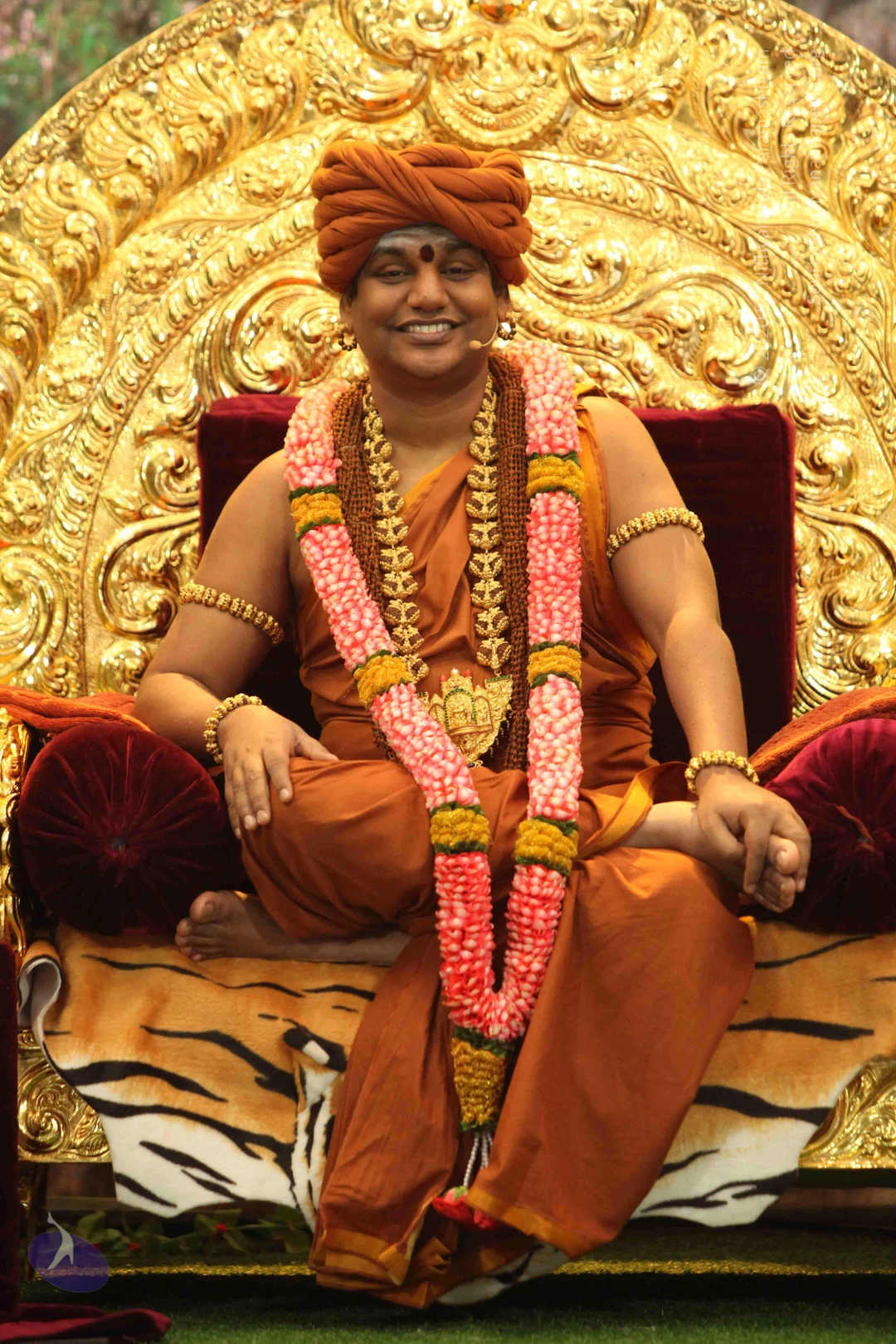
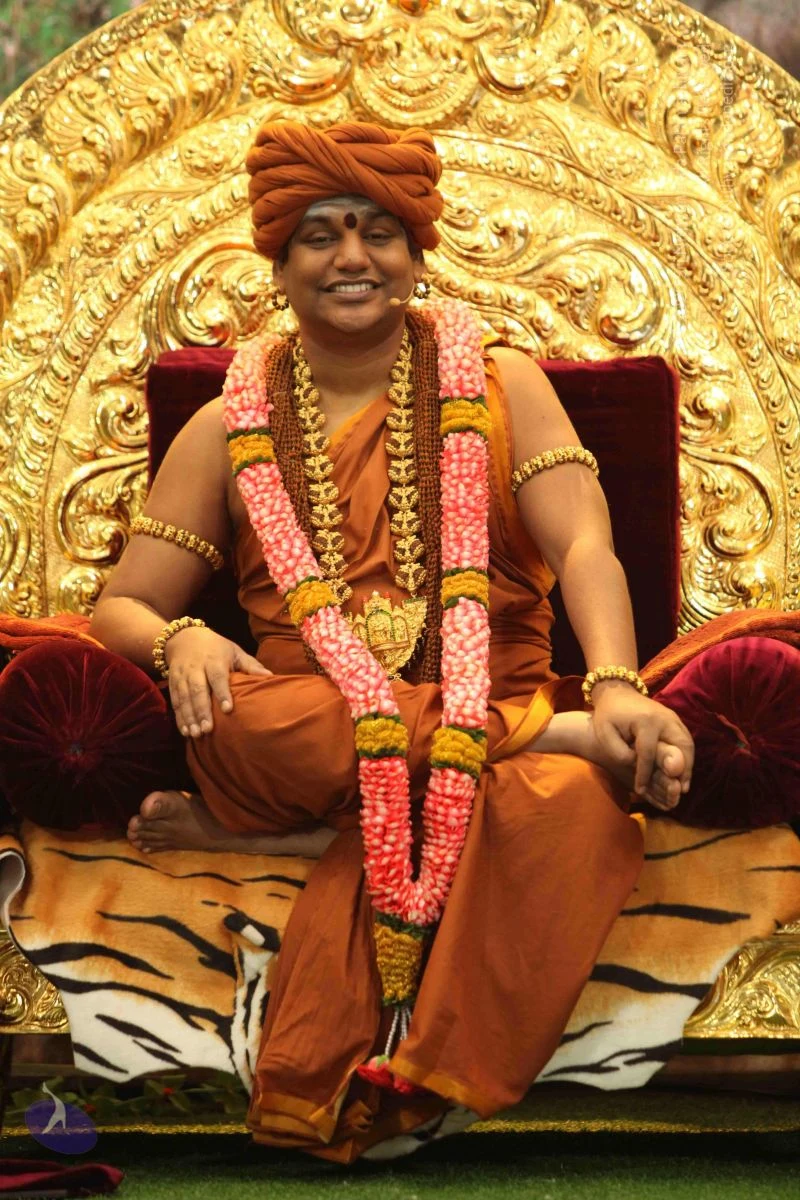
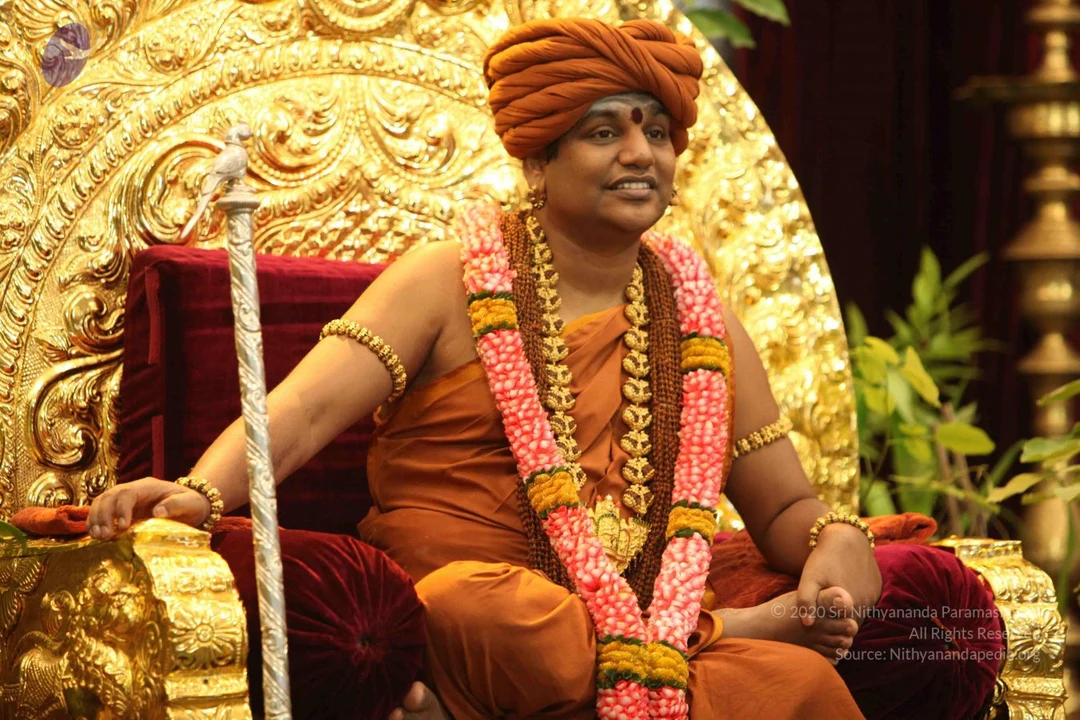
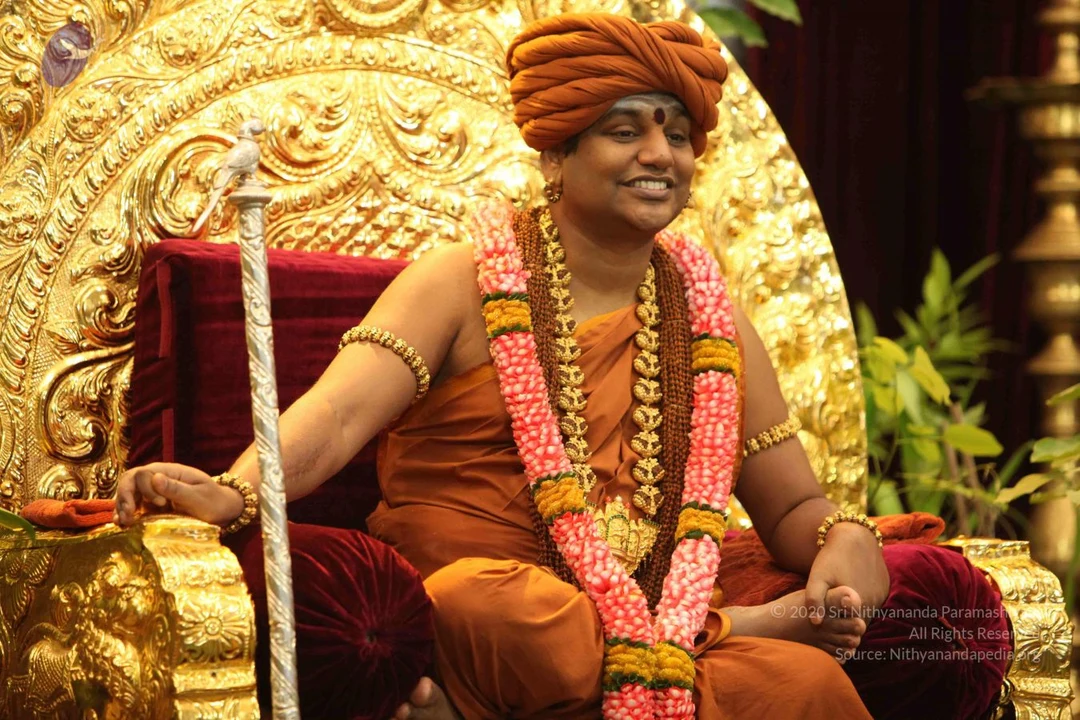
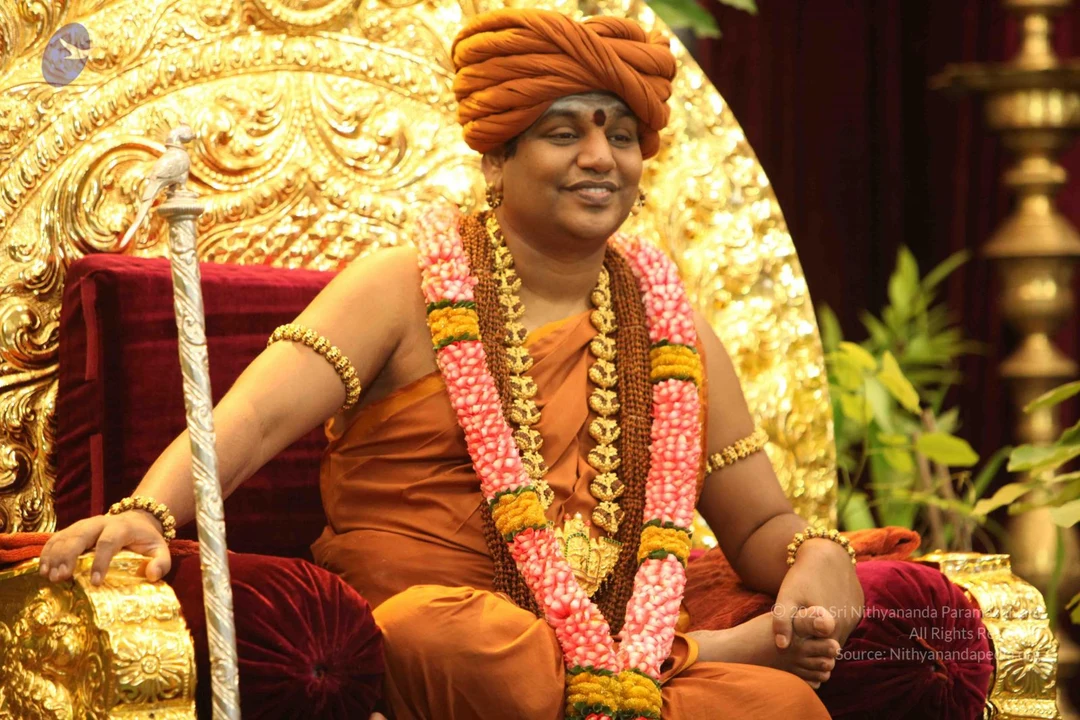
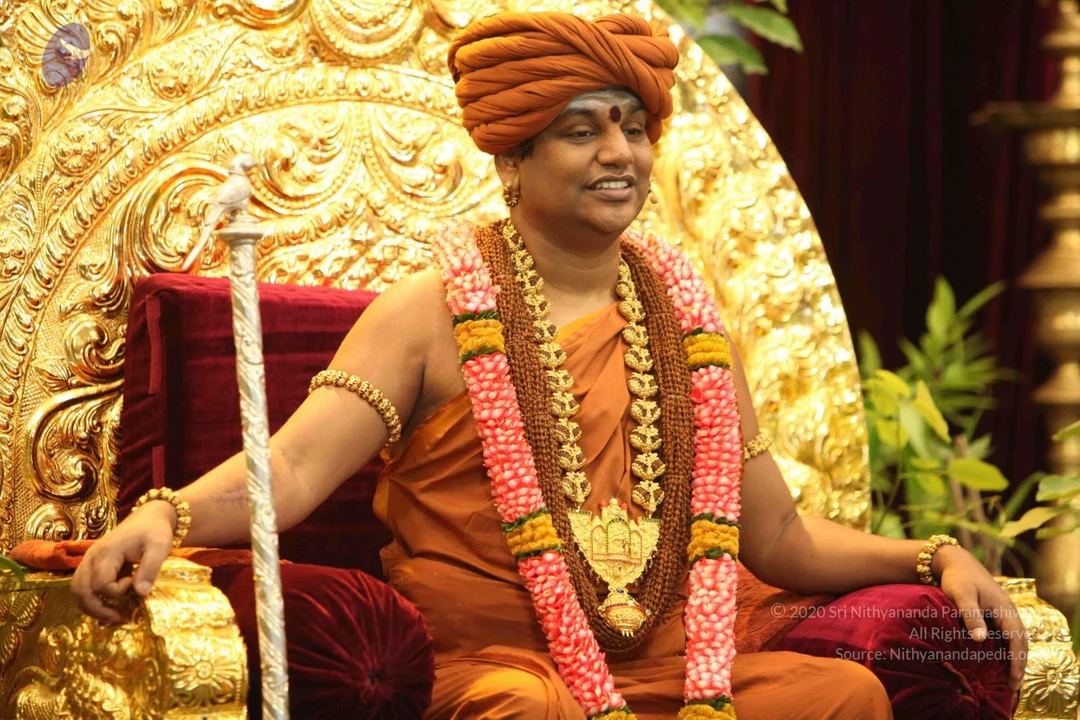
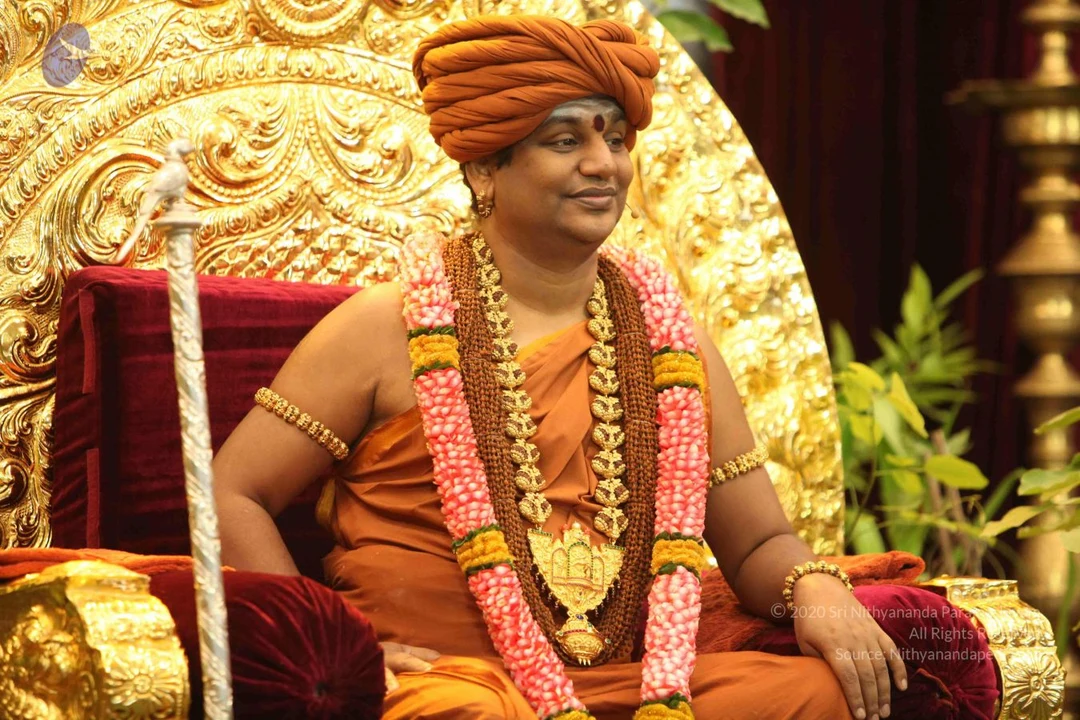
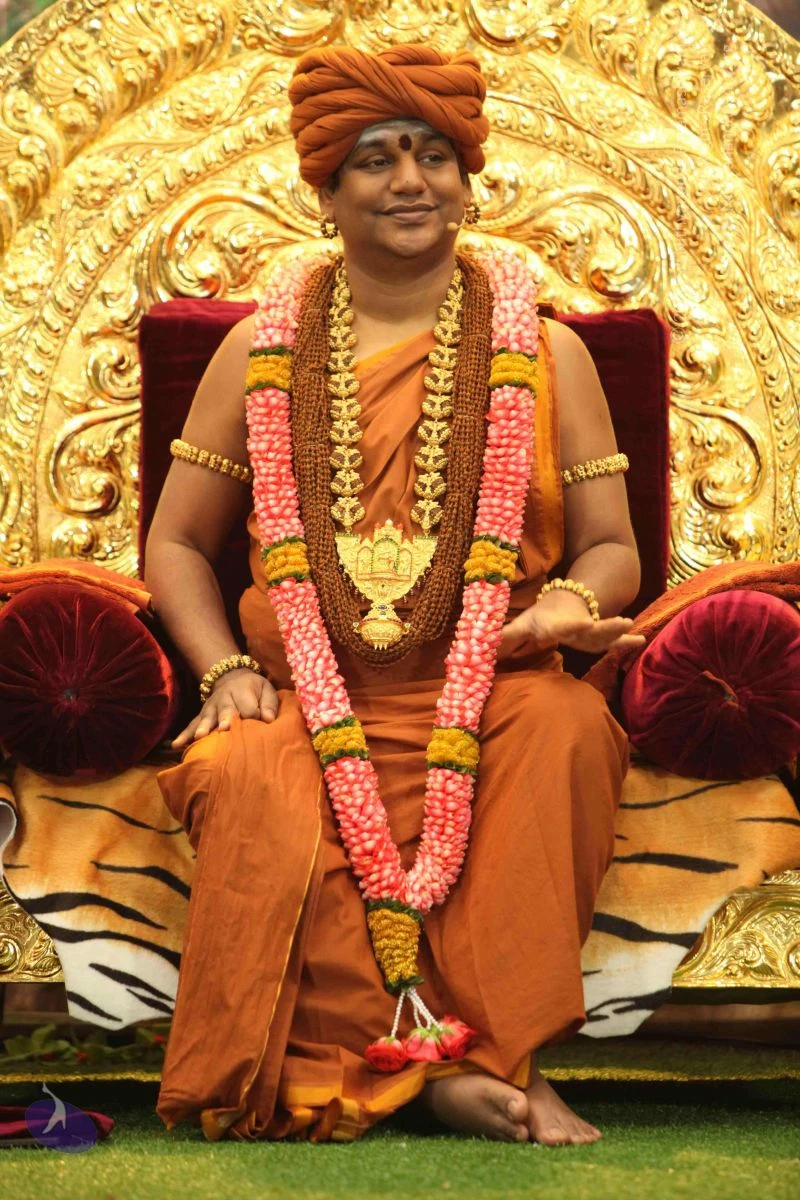
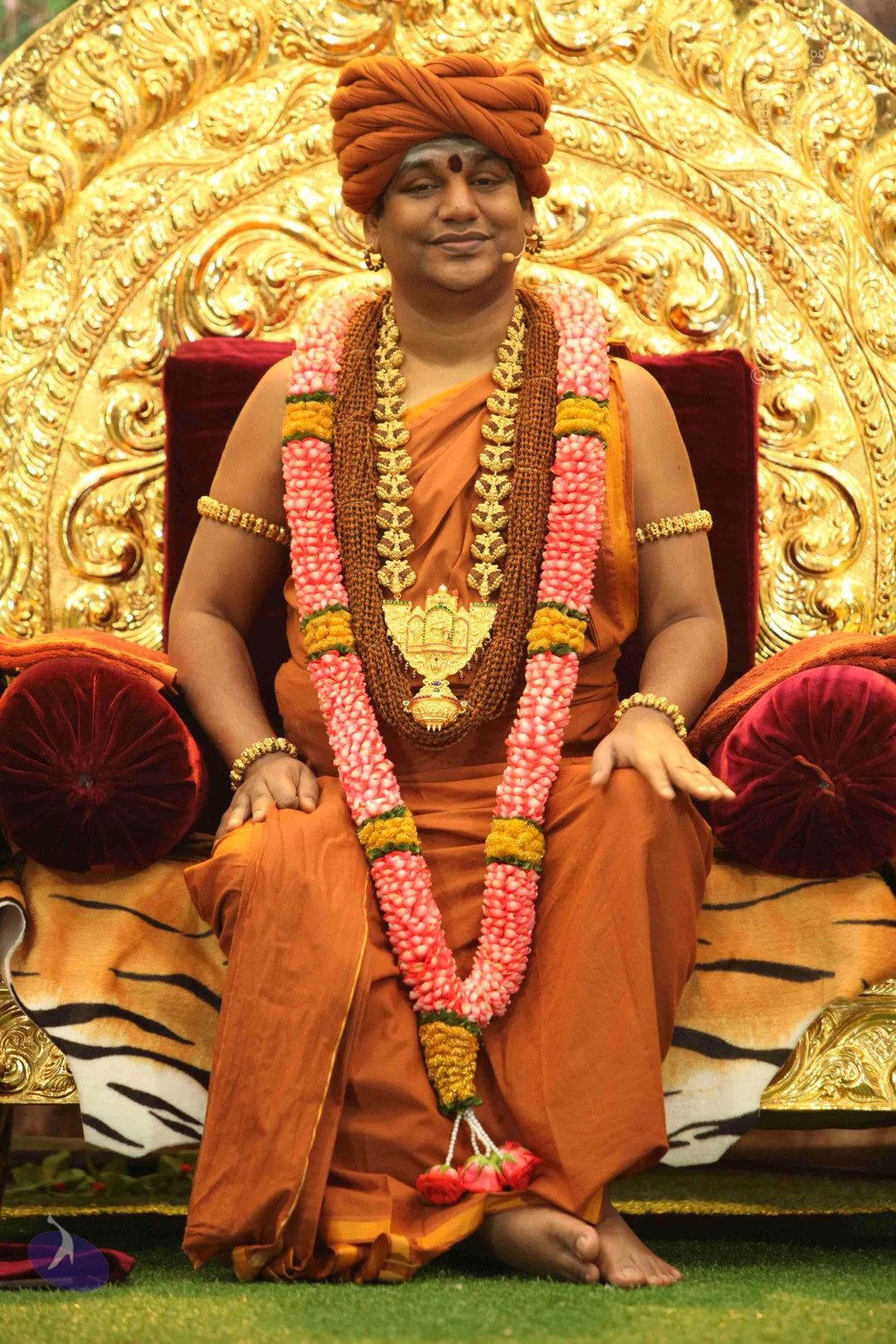
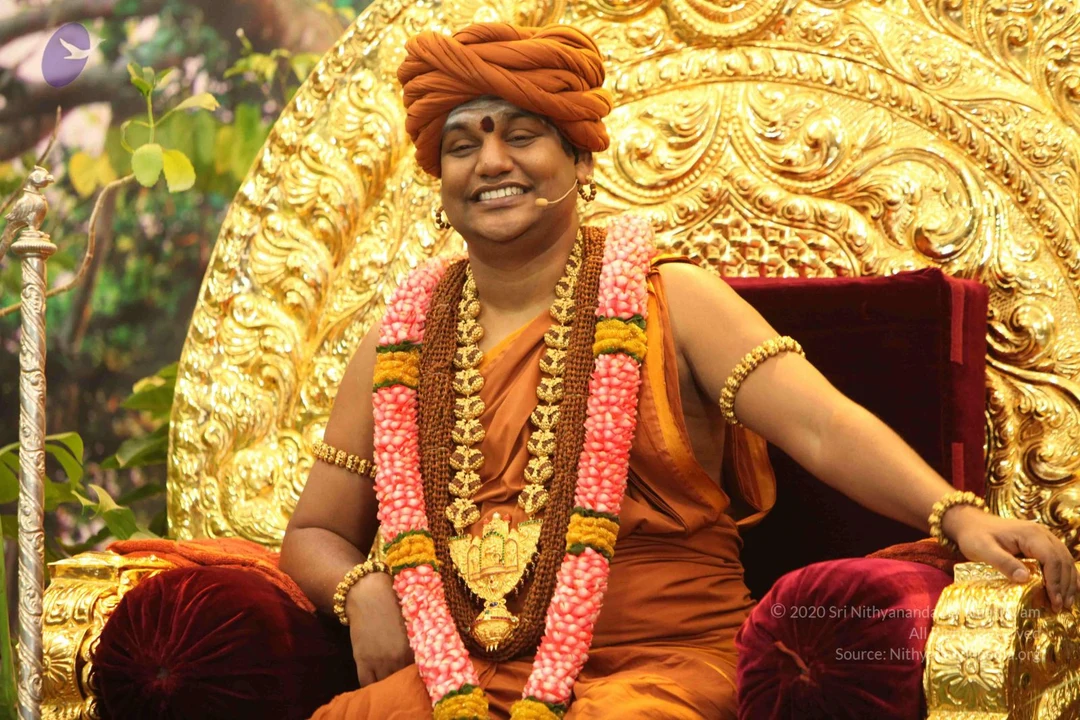
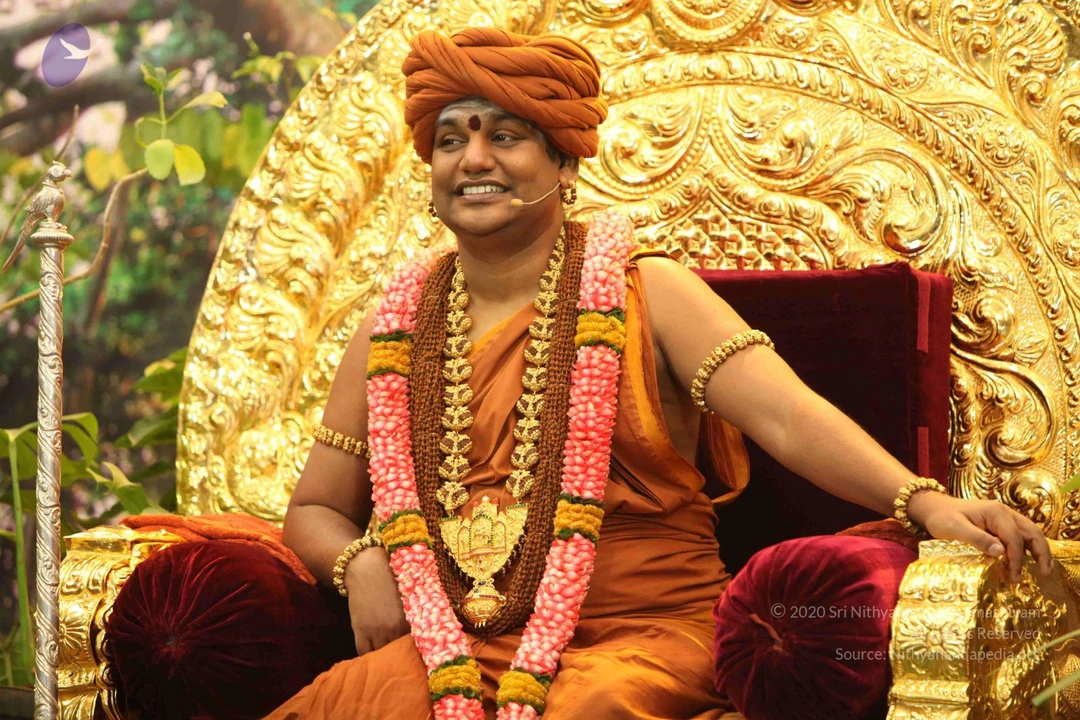
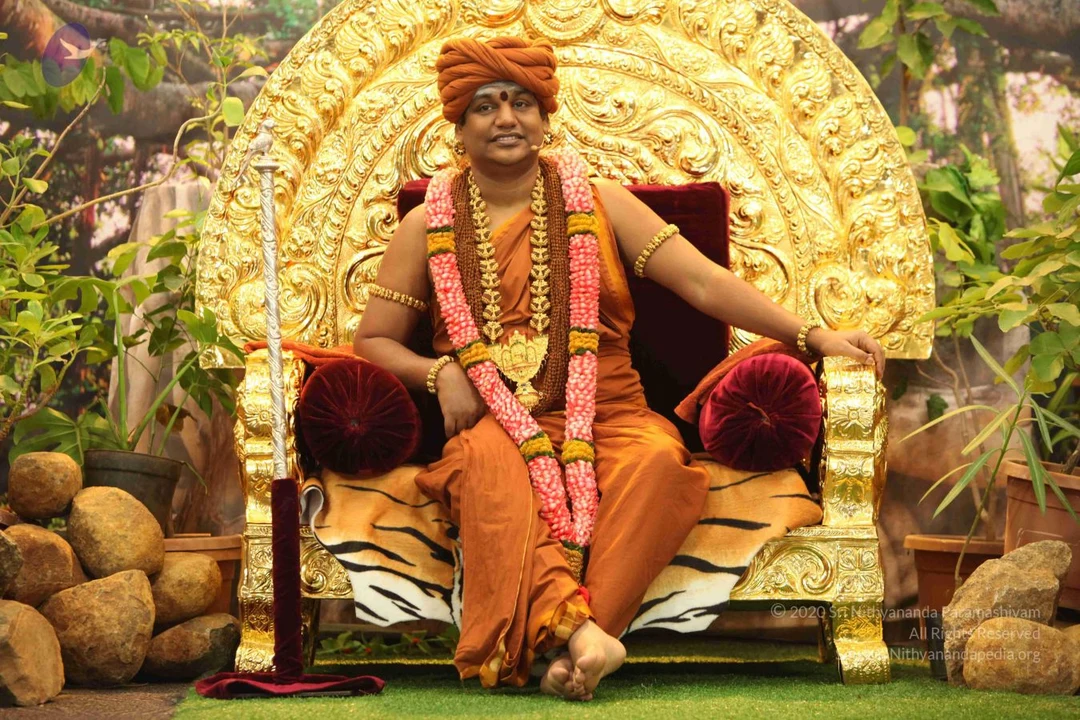
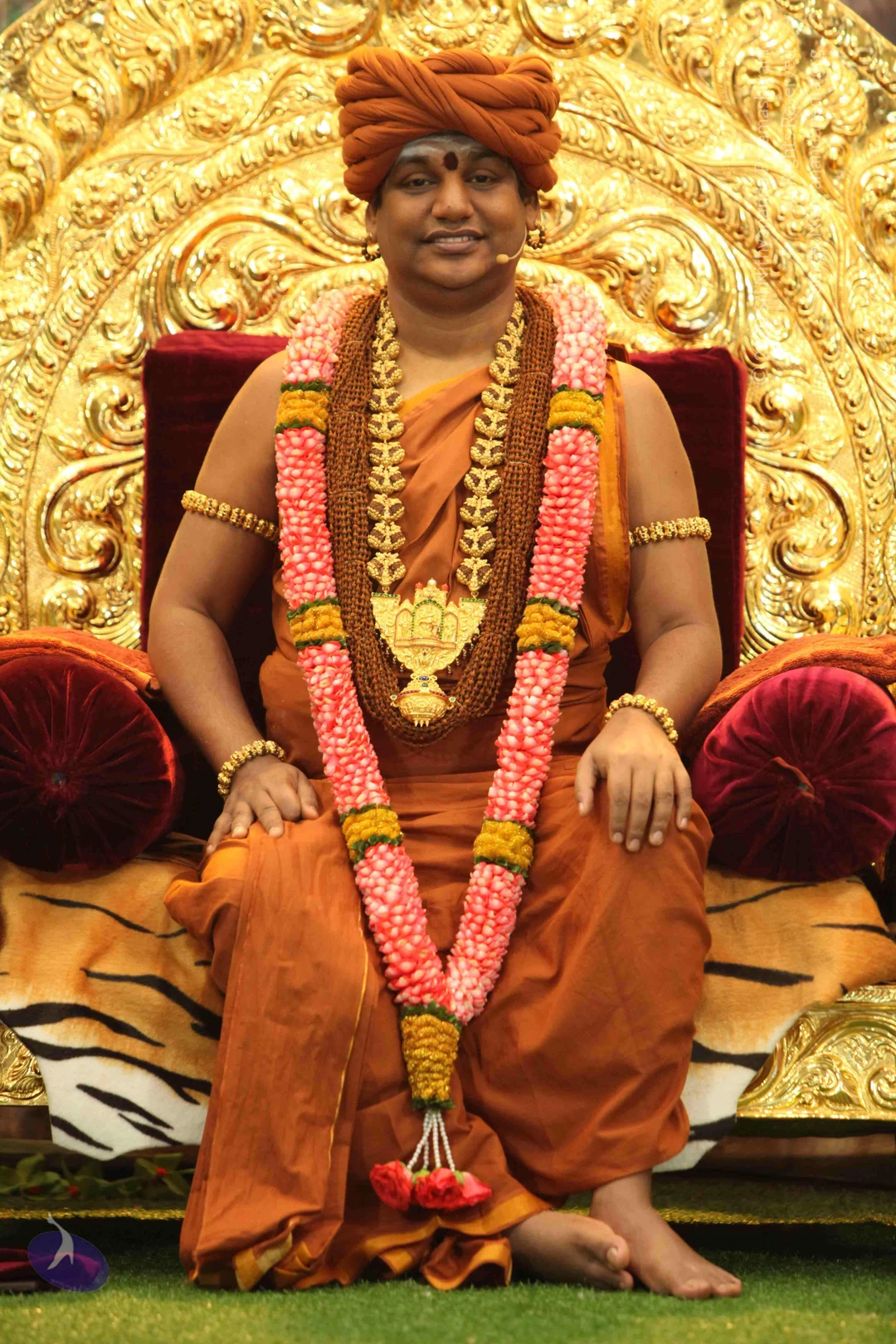
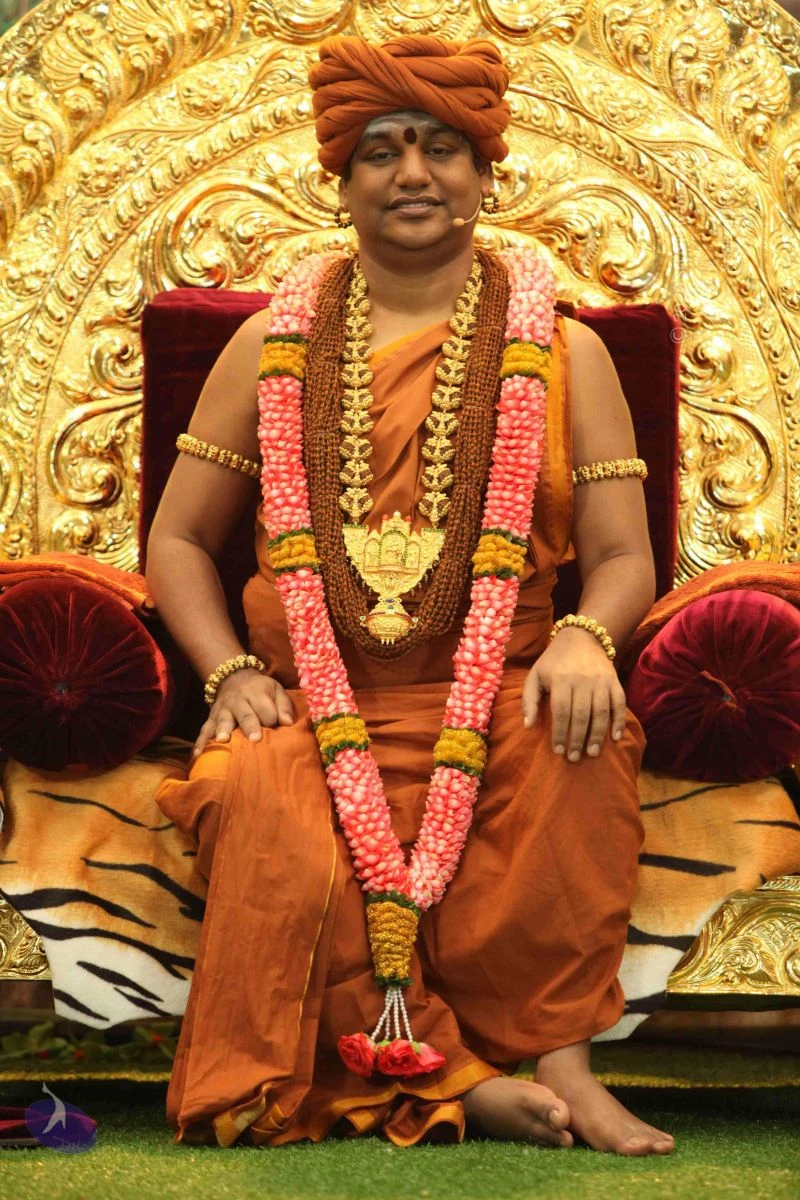
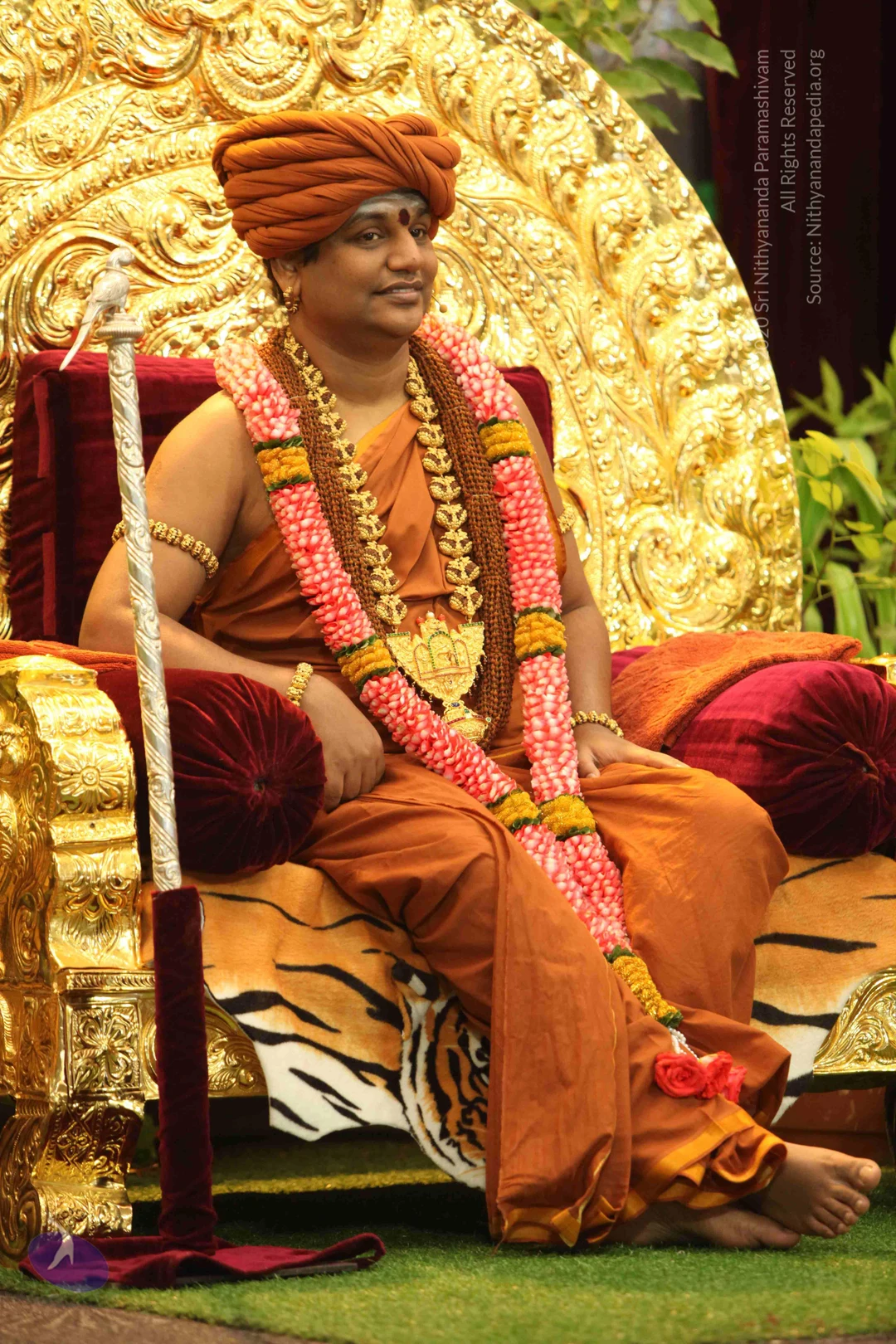
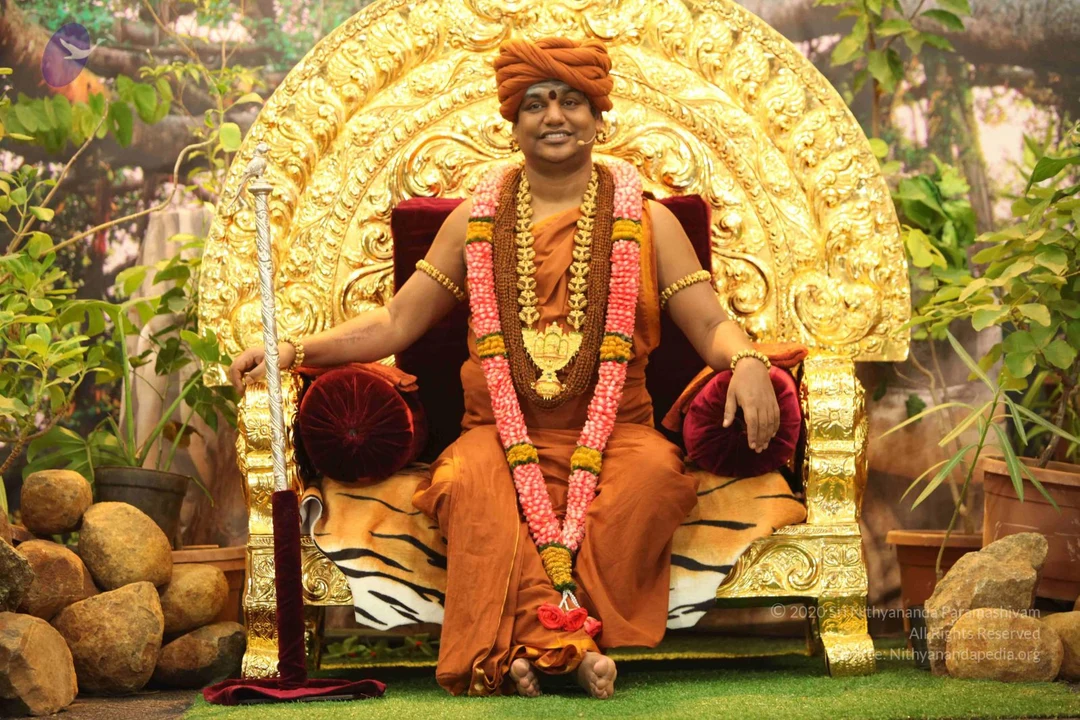
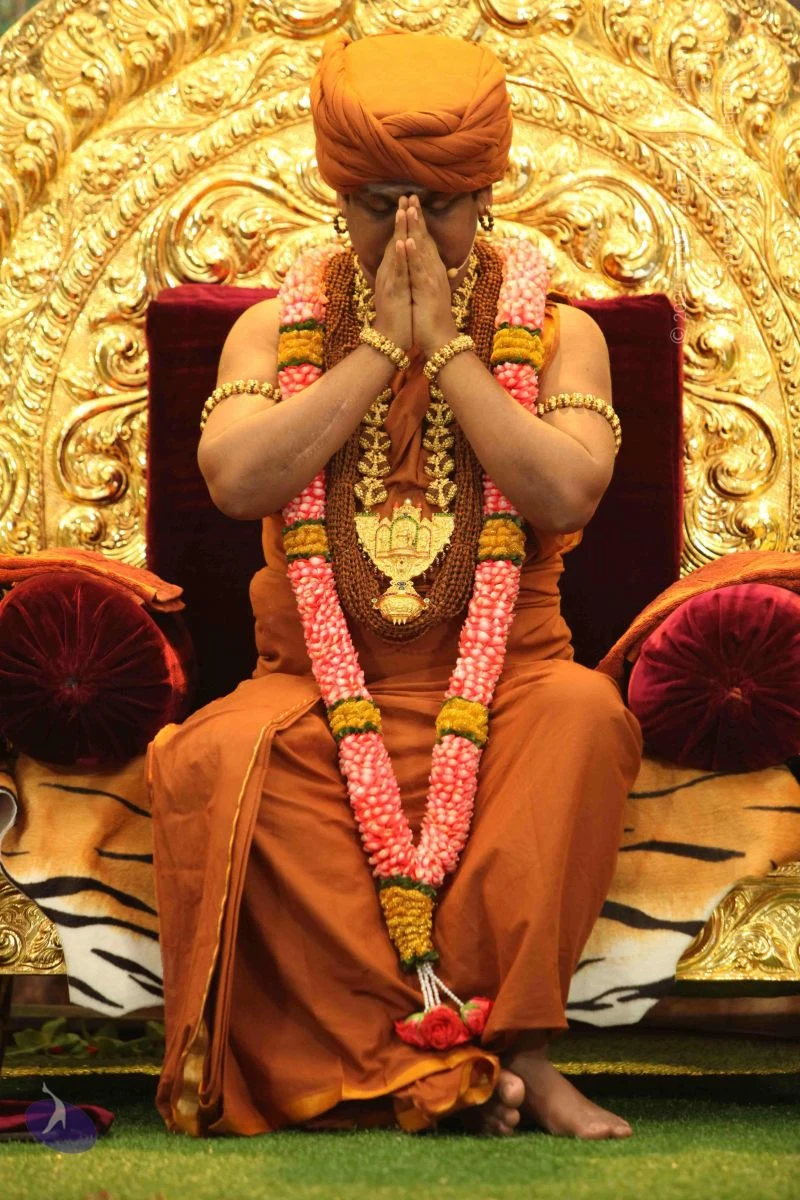
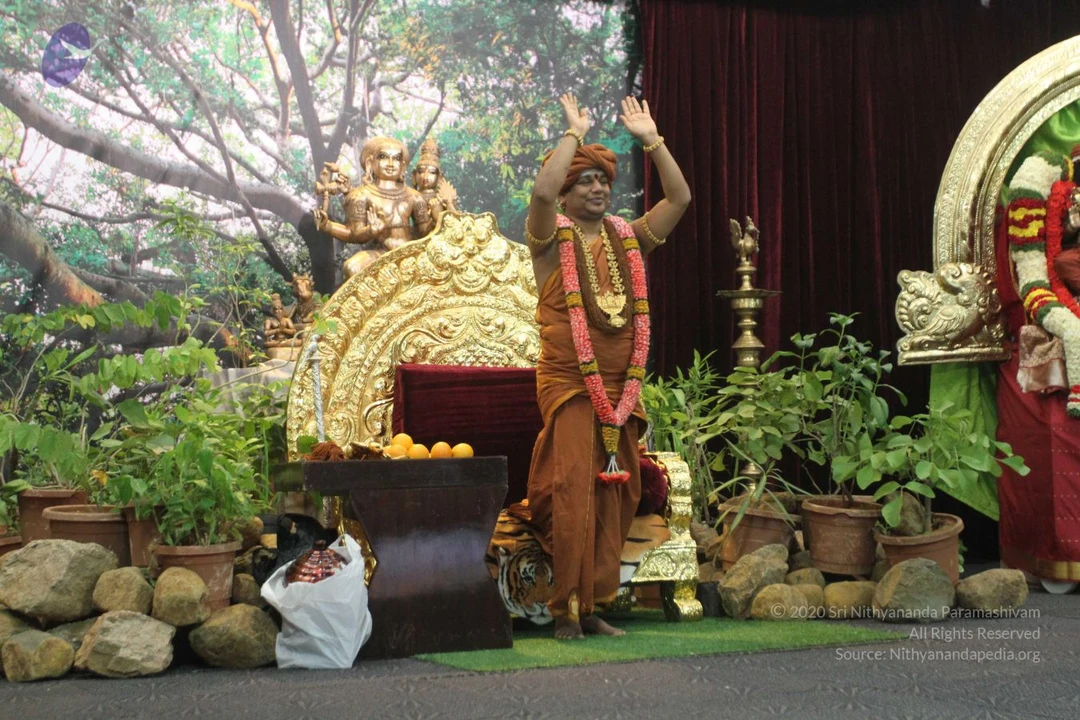
Today’s (27th April, 2015) Nithya Satsang on Ishavasya Upanishad in Living Advaita Series. Paramahamsa Nithyananda elaborates on the context to keep seeking alive and pure. Without the right context of seeking the Truth, even renunciation is used to justify laziness, non-action, dumbness. But, real renunciation is action—from grassing the cow to milking, churning curd, offering ghee (clarified butter) to Divine or Guru, which is authentic seeking. Master’s words are the only anchor from the other Enlightened plane of Existence to save us from drowning in samsāra, the ocean of delusion and bondage. The highest spiritual practice is catching the Master’s words and constantly reinventing, restrategizing yourself. An Avatar, Incarnation lands to wake us up and makes whatever is too good to be true–true. Isha Upanishad – Verse 10 anyad evāhur vidyayā-anyad āhur avidyayā | iti śuśruma dhīrāṇaṁ ye nastad vicacakṣire || 10 || Today’s Vakyartha Sadas, topic for spiritual explorations on Truth is — “Keeping the purity of your seeking. So again the subject for today’s Vakyartha Sadas, I wanted it to be – keeping your seeking pure and how not to take the Master’s words for granted; how not to take Him (Master) for granted, take his words for granted. I wanted this to be your subject for Vakyartha Sadas today. Watch, Share and Subscribe to our channel to be notified of the next upload click http://www.youtube.com/subscription_c... to subscribe. visit: http://www.nithyananda.org http://www.nithyananda.tv http://www.innerawakening.org https://www.youtube.com/user/LifeBlis... https://twitter.com/SriNithyananda https://www.facebook.com/ParamahamsaN... https://plus.google.com/1040865652862...
Link to Video:
| Video | Audio |
Transcript:
nithyānandeśvara samārambhām
nithyānandeśvari madhyamām |
asmat āchārya paryantām
vande Guru paramparām ||
I welcome all of you wity my love and respects.
I welcome all the devotees, disciples, samajis, satsangis, SriMahants, Mahants, Thanedars, Kotharis, visitors, viewers sitting with us all over the world through Nithyananda TV, Sadhana TV, Arra TV and two-way video conferencing having Nayana Deeksha.
Cities sitting with us having Nayana Deeksha in two-way video-conferencing :
Houston Aadhenam, Singapore Aadhenam, Uduvai Aadhenam, Manhattan New York Varanasi, Calgary Amarnath, Charlotte Srisailam, Trinidad-Tobago, Los Angeles Sherman Oaks, China, Hongkong, Los Angeles Aadhenam, St Louis Aadheenam, Alaisprings Australia ,Oklahama Aadhenam, Ohio Aadhenam, Millvalley, New jersey Omkareshwar, Seattle Aadhenam, Toronto Aadhenam, Kaula lumpur Aadhenam, Vancouver-Bhuvaneshwar, Tirvanmiyur Aadhenam and some more cities joining.
I welcome all of you with My love and respects.
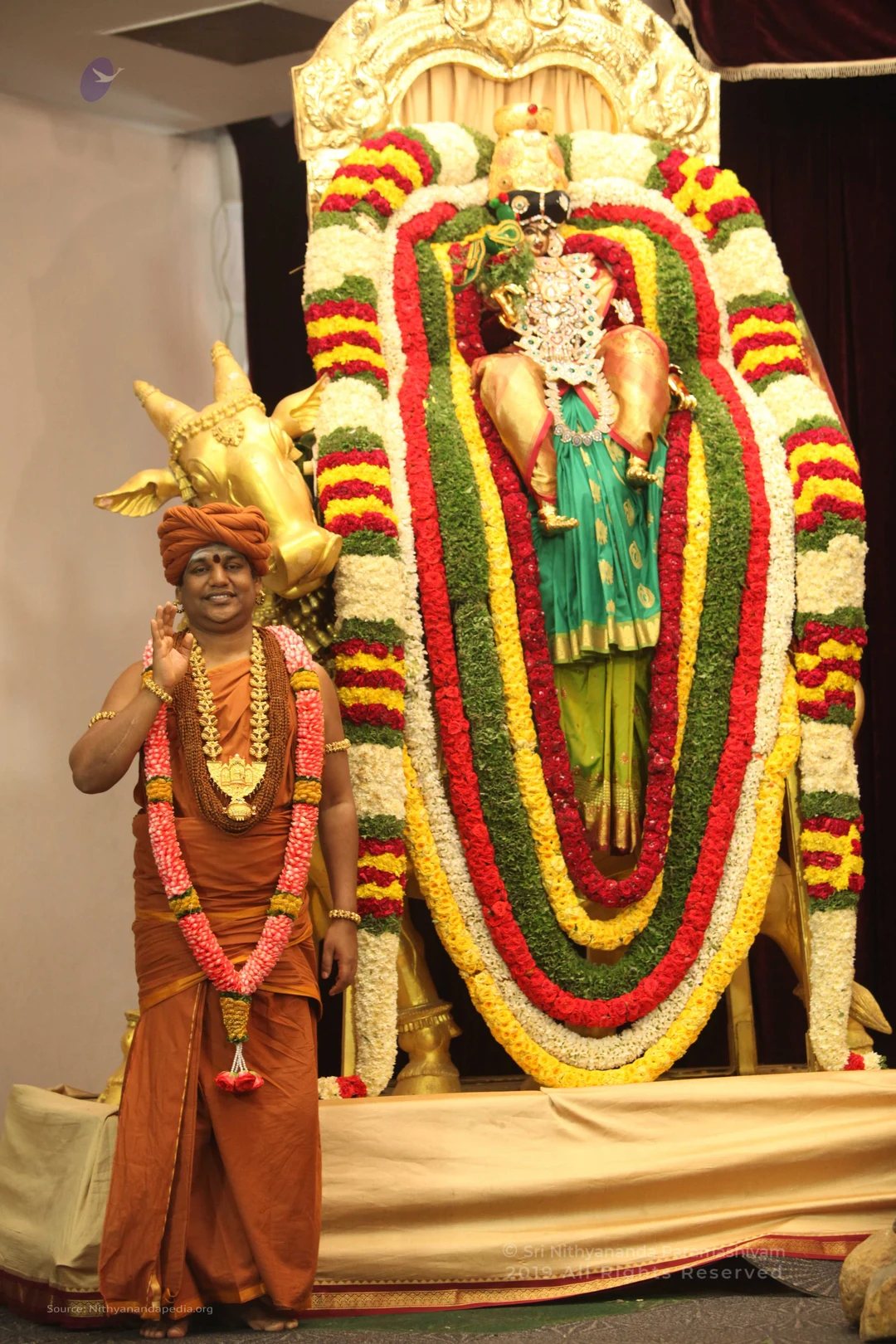
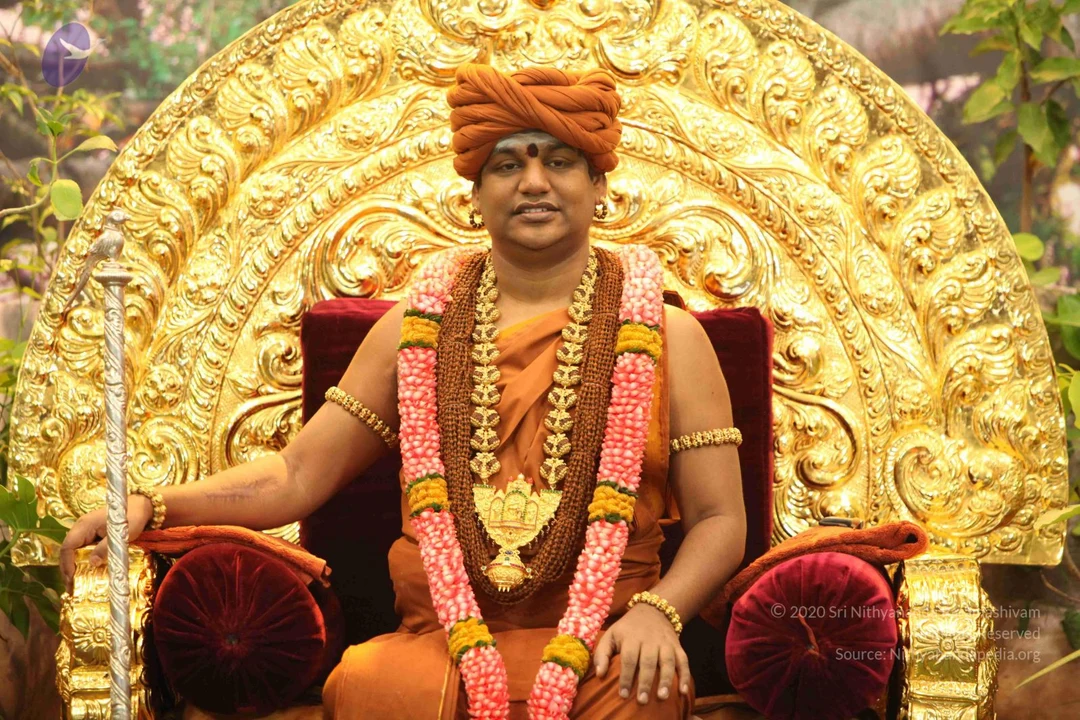
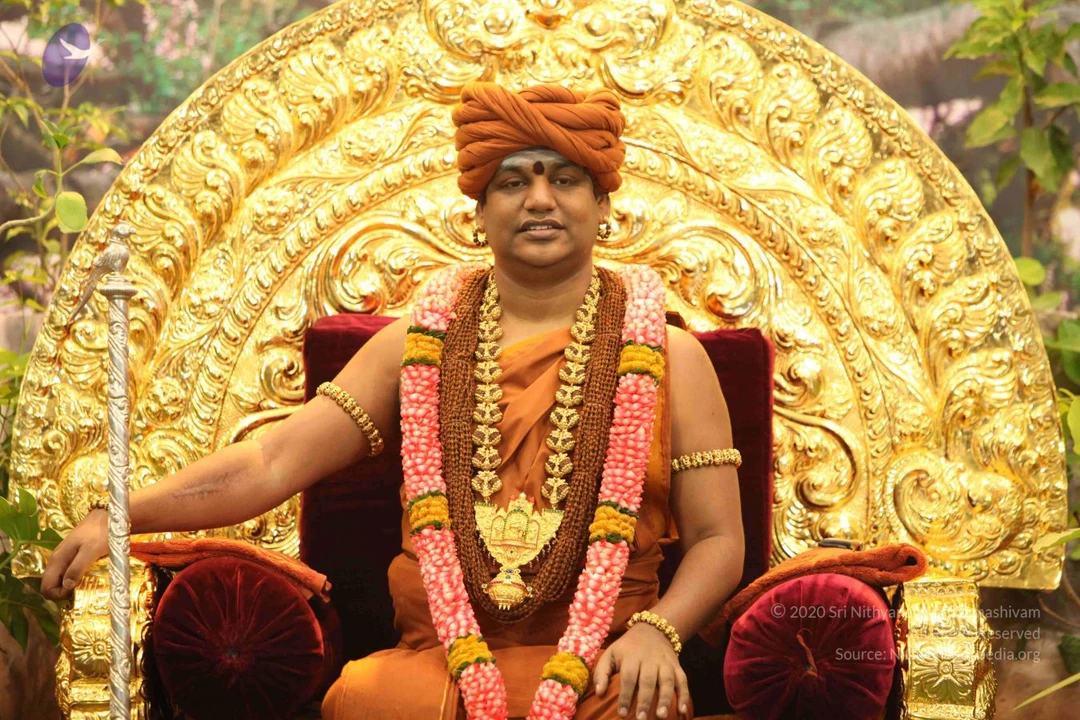
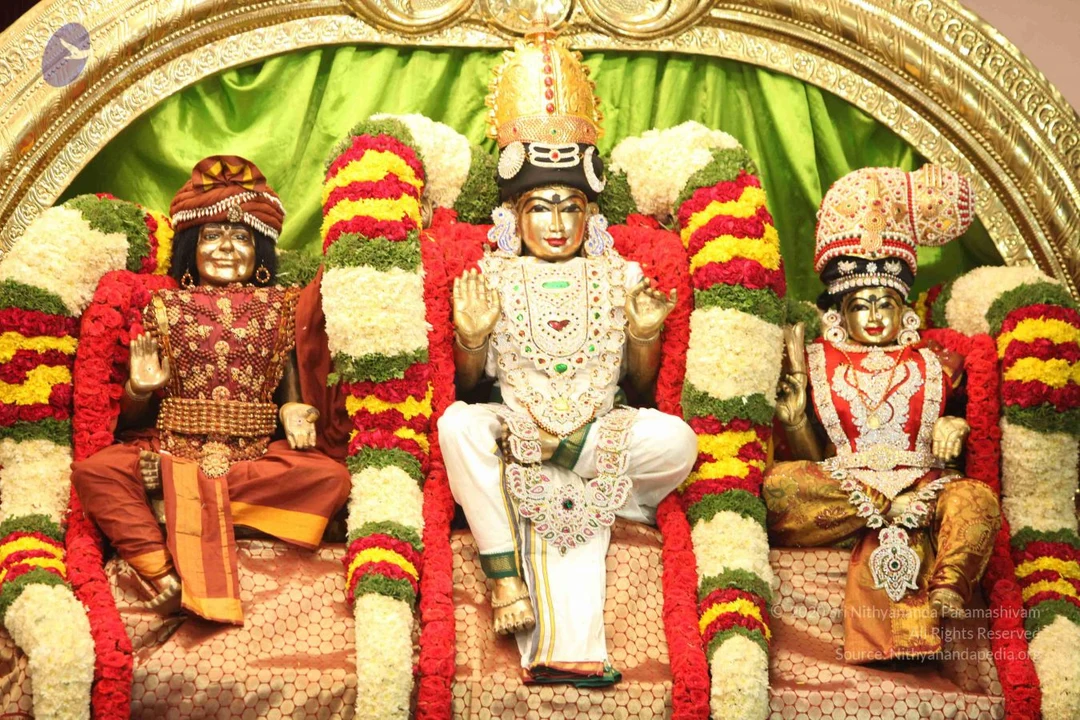
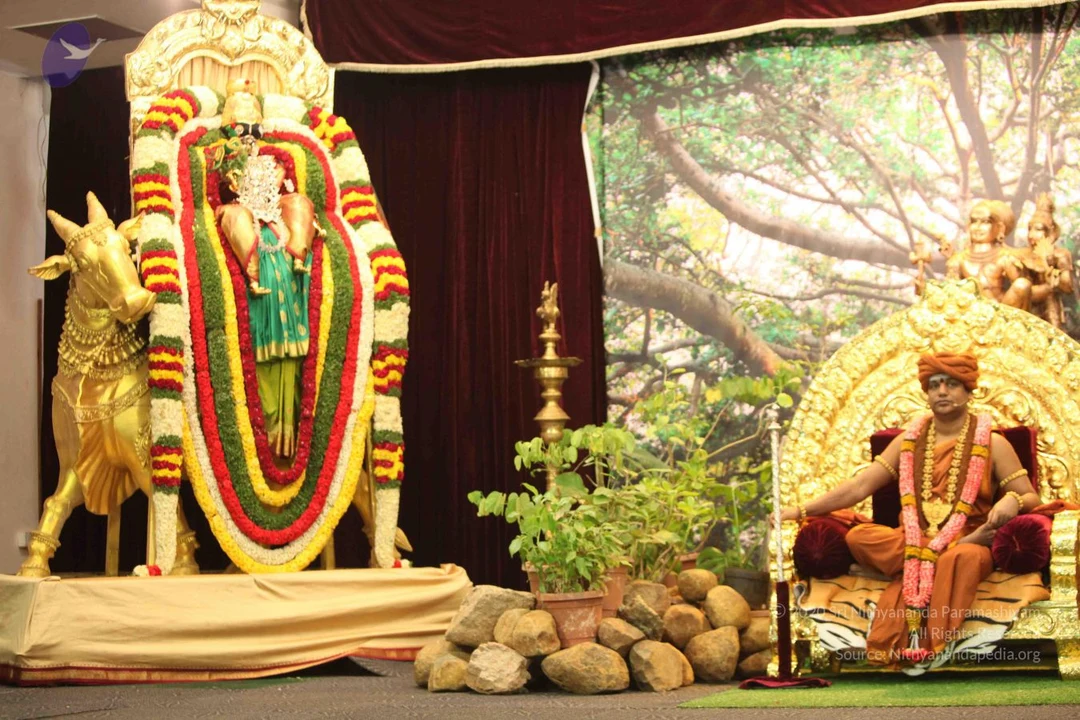
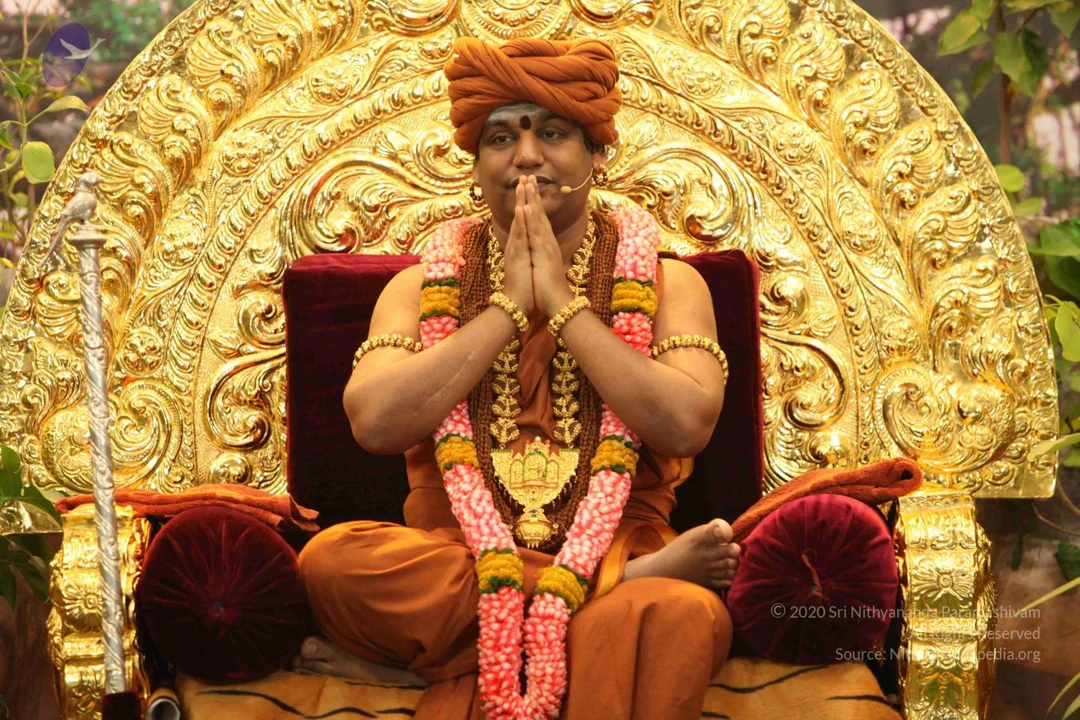
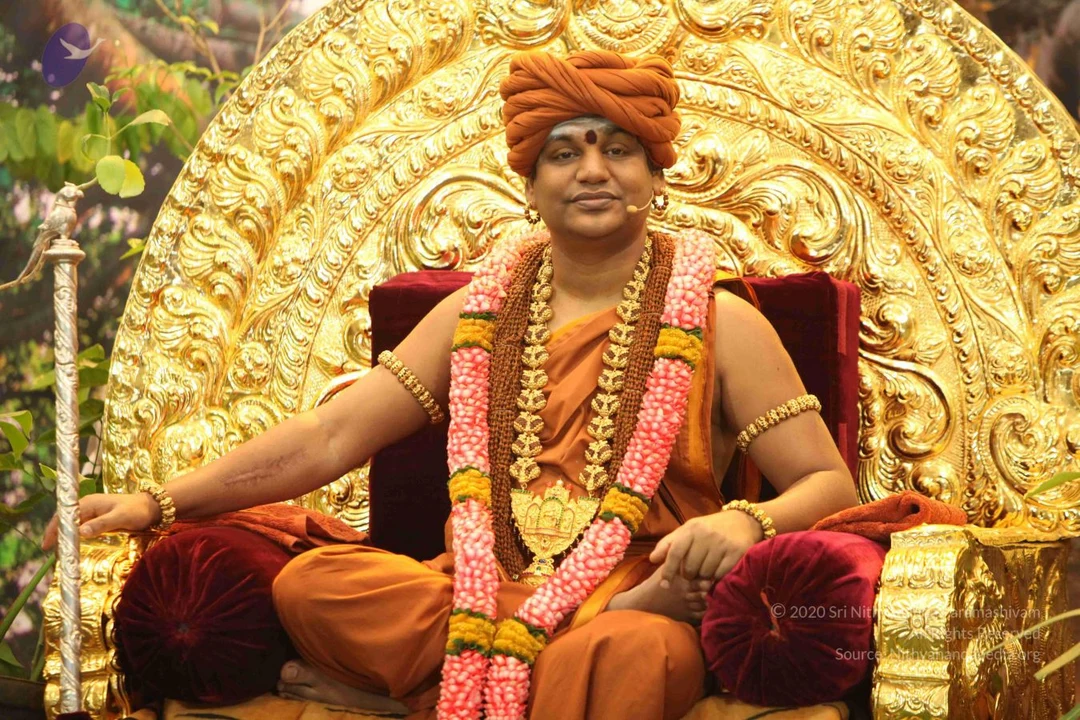
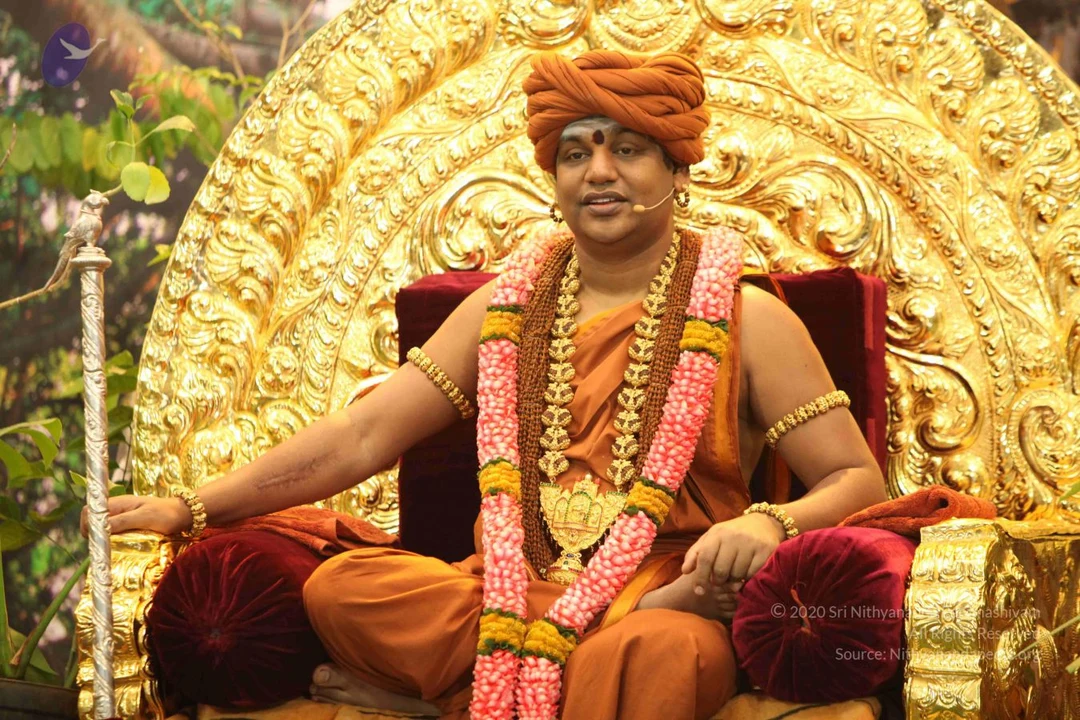
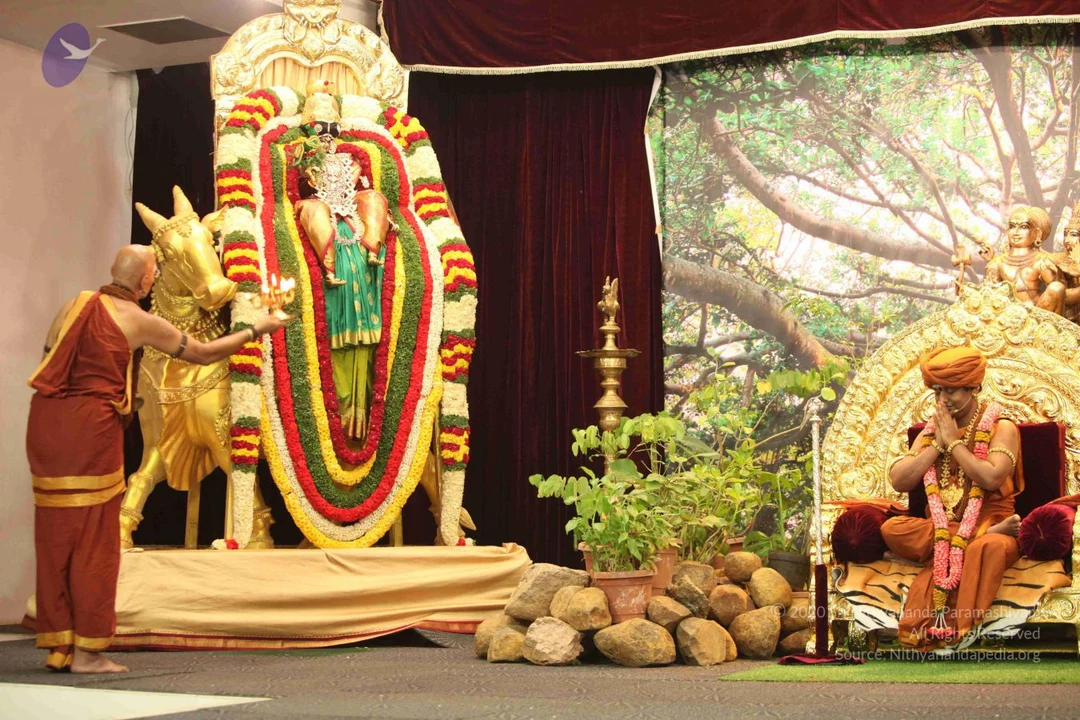
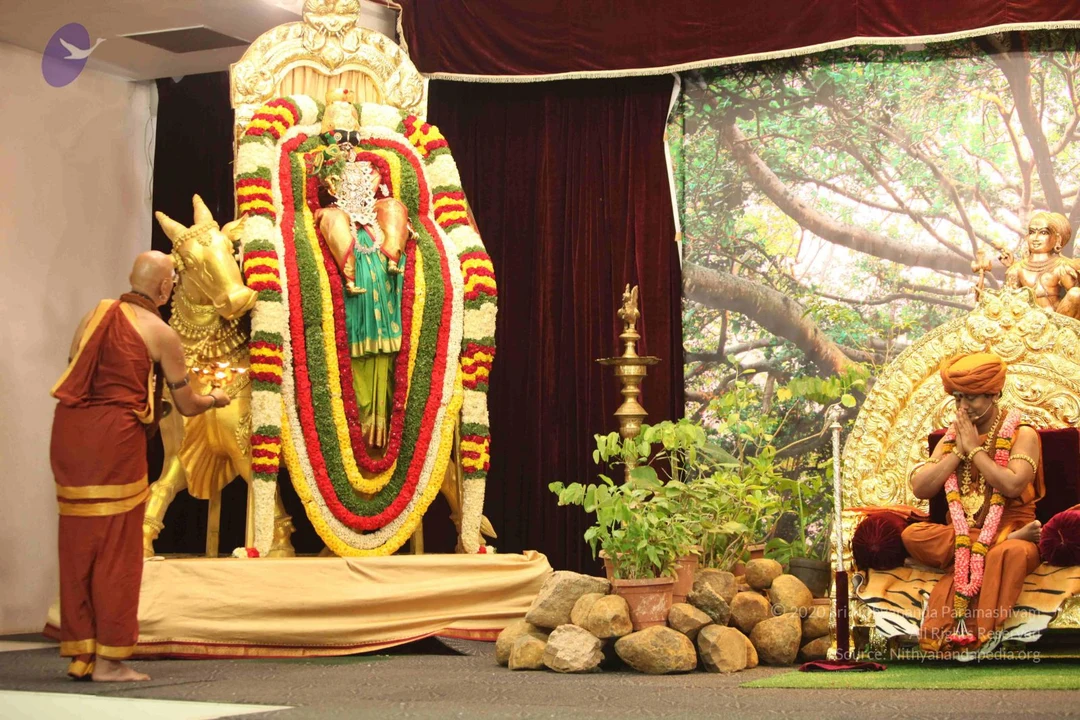
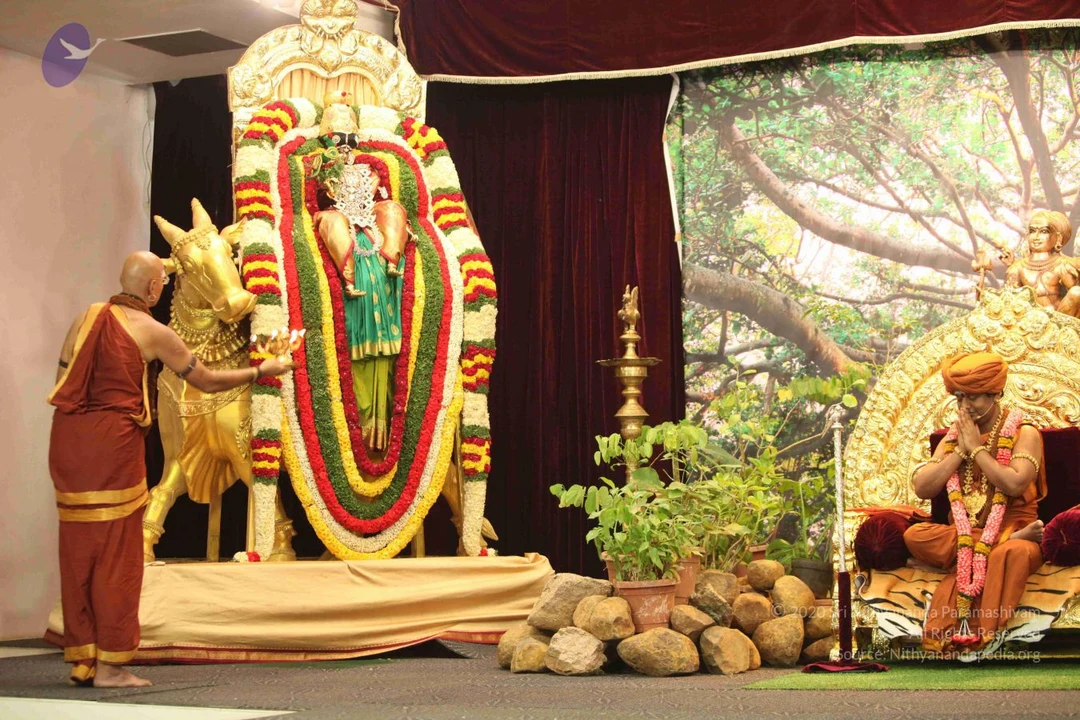
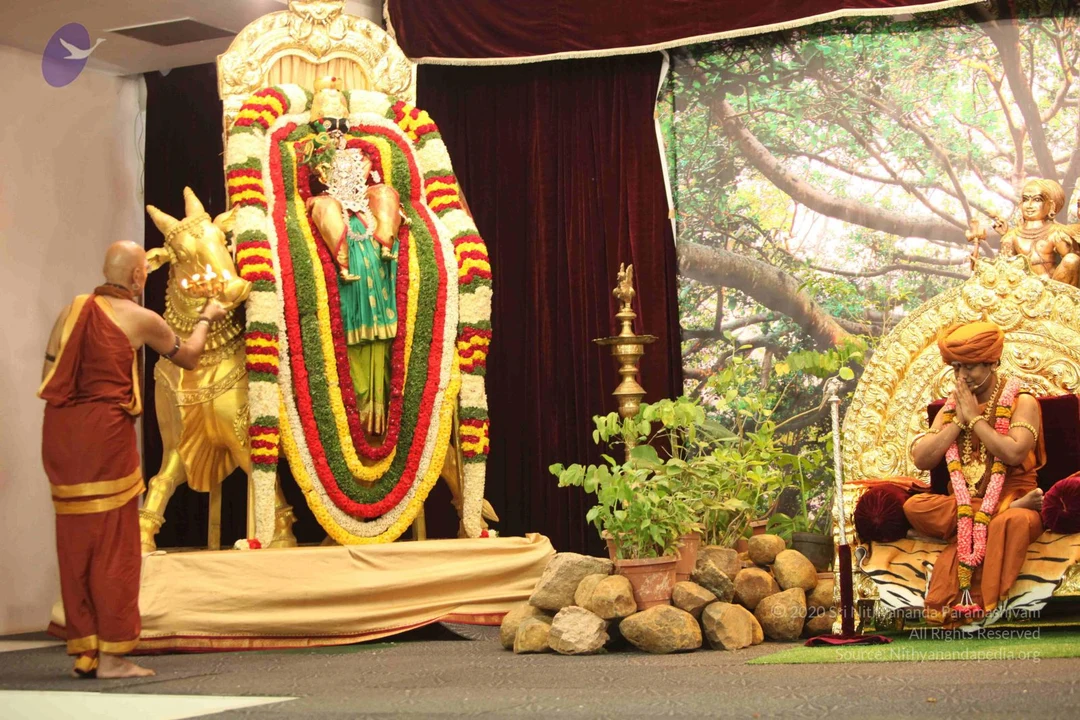
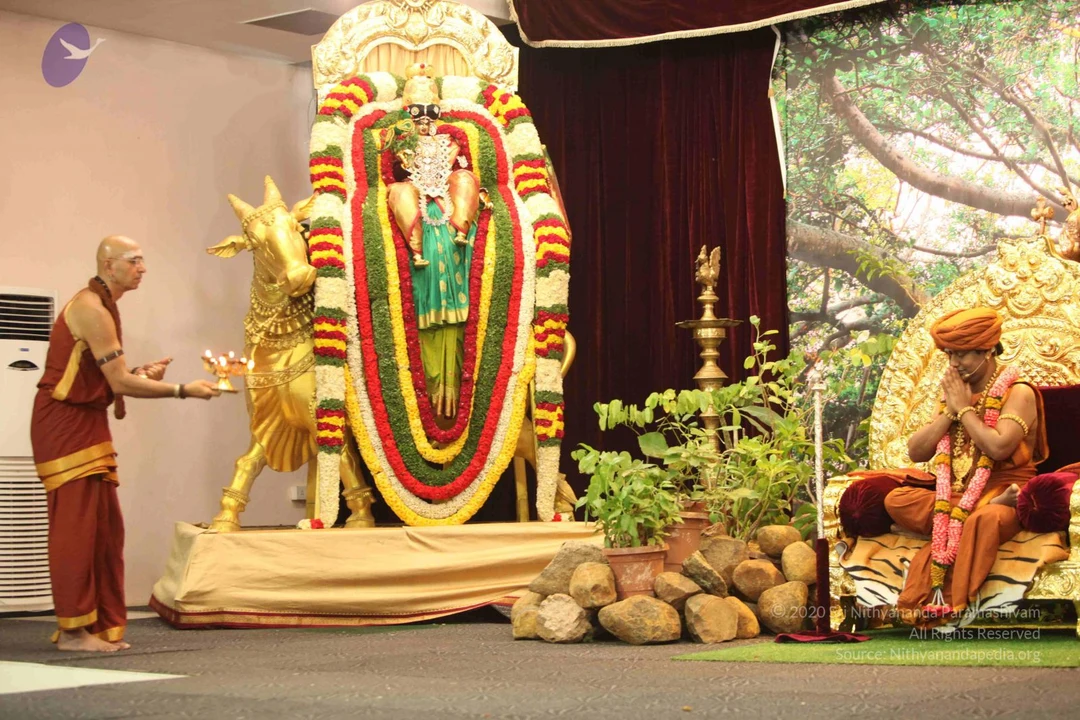
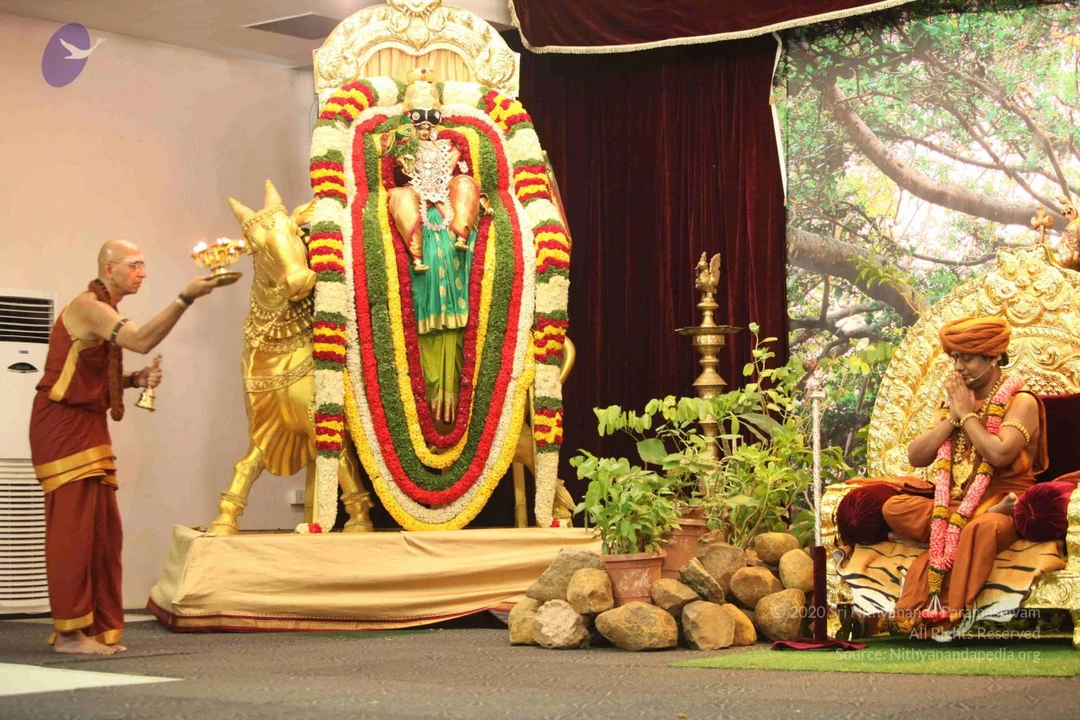
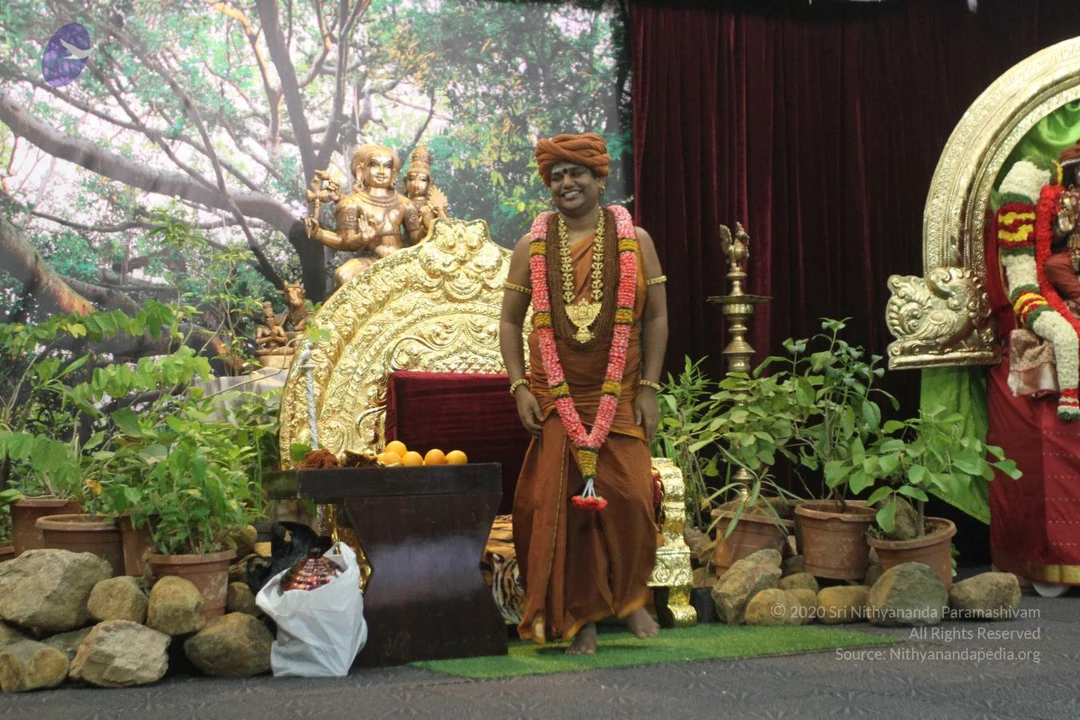
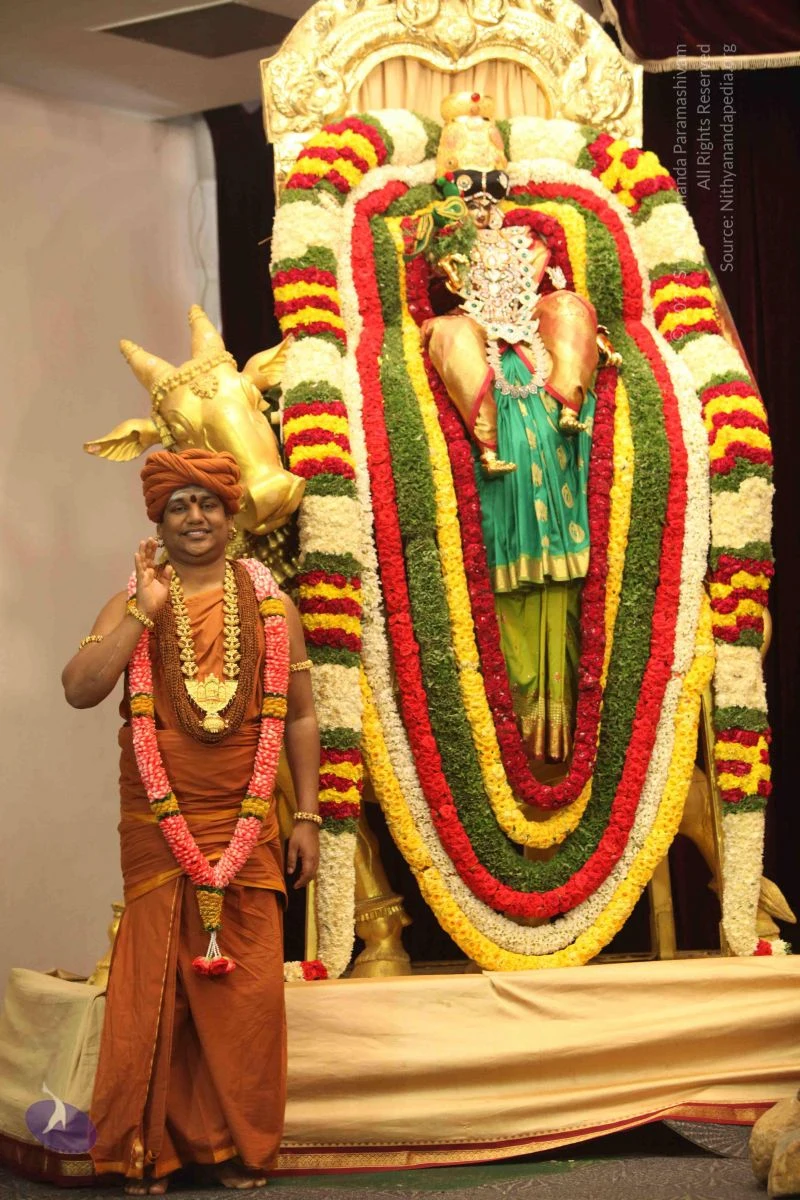
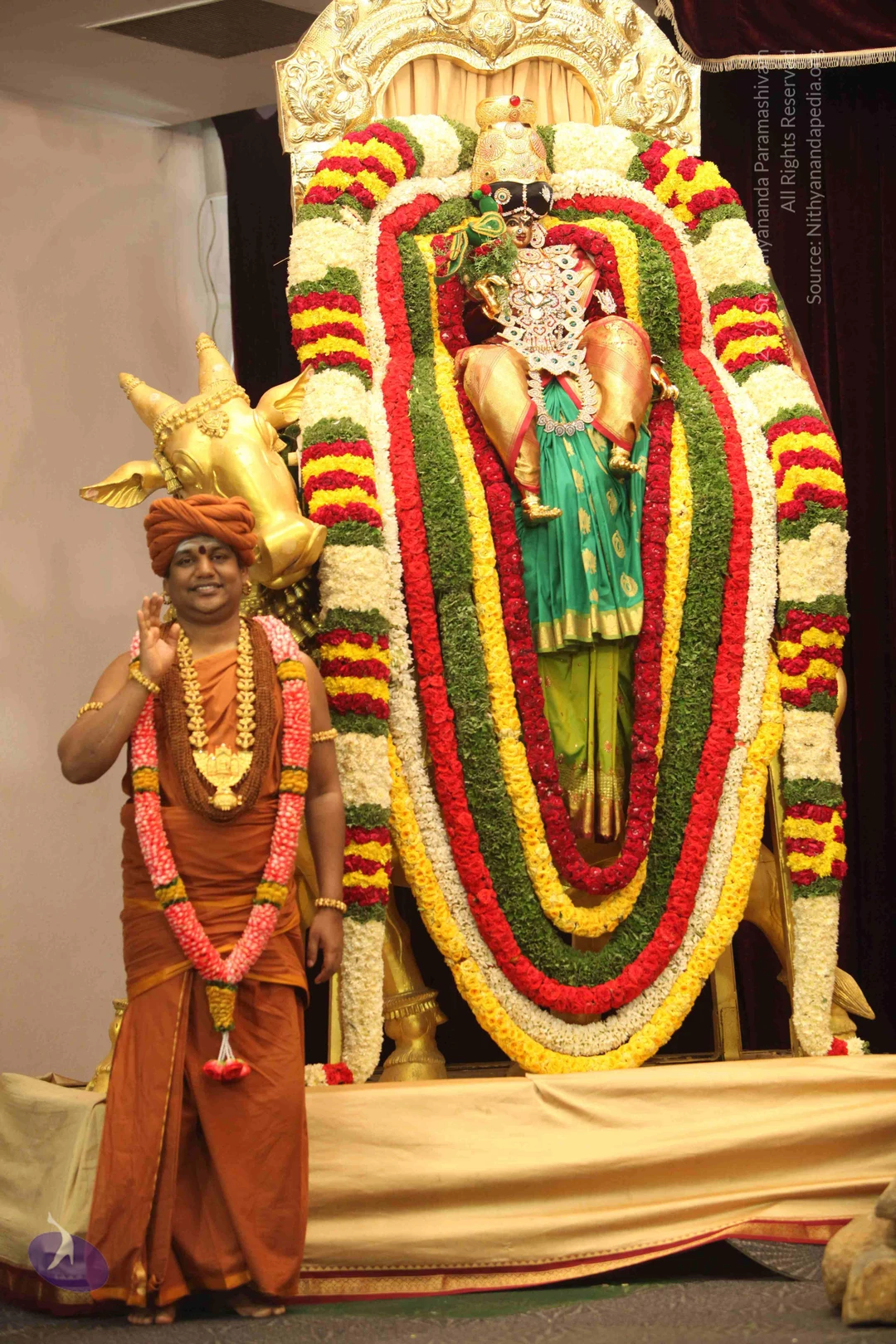
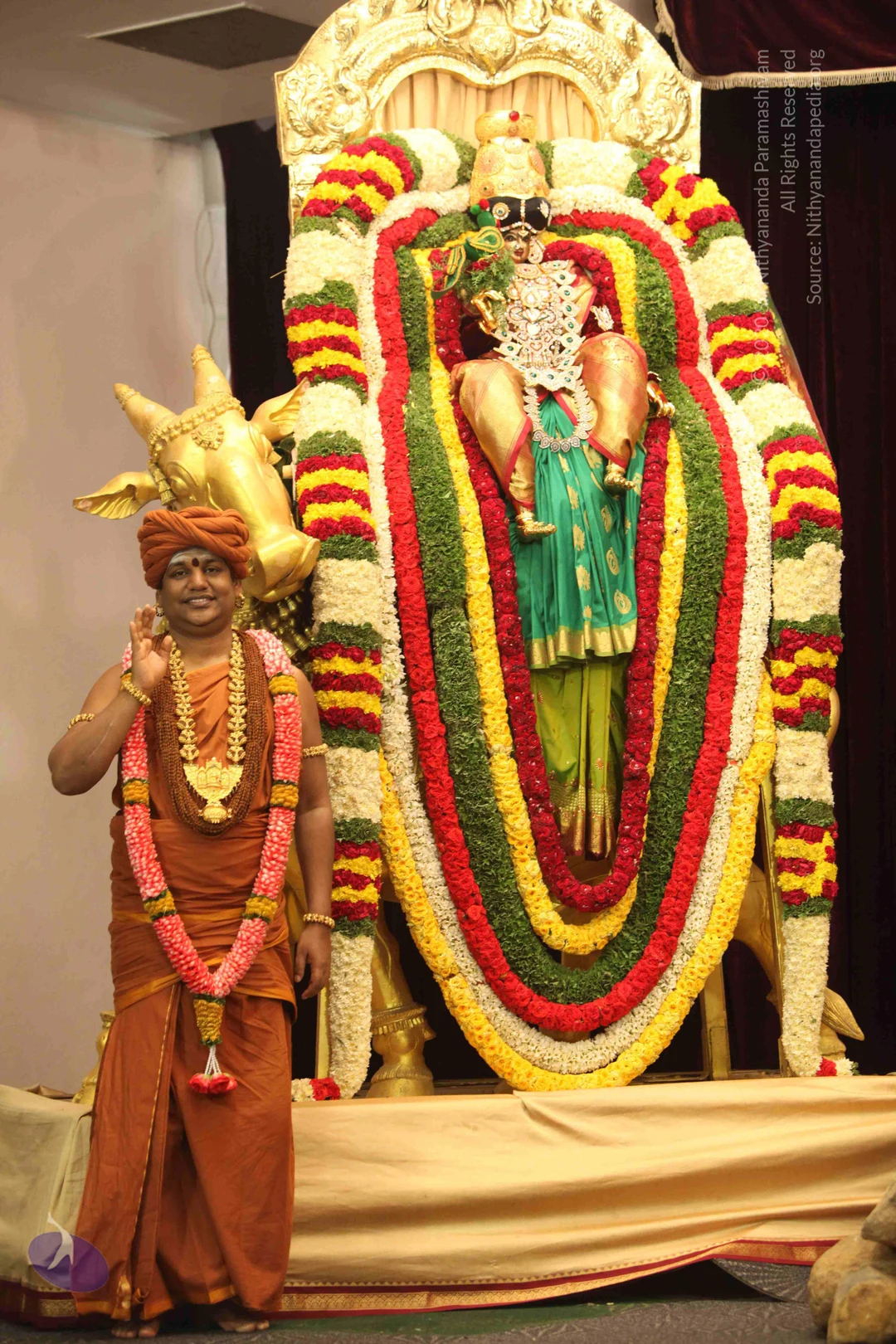
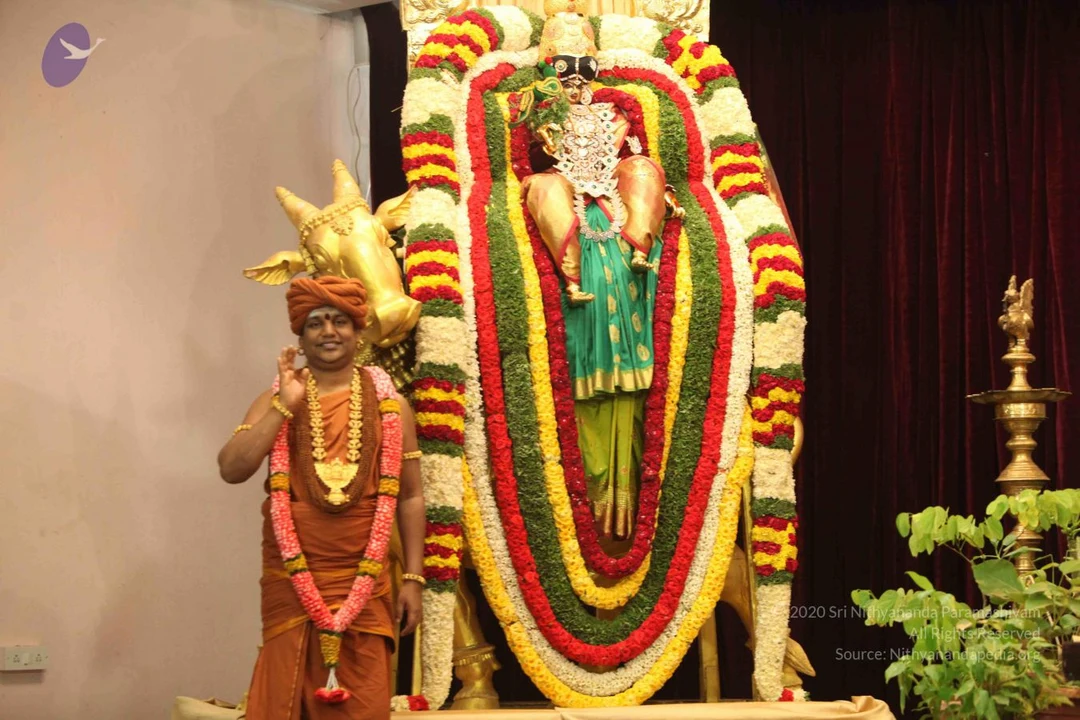
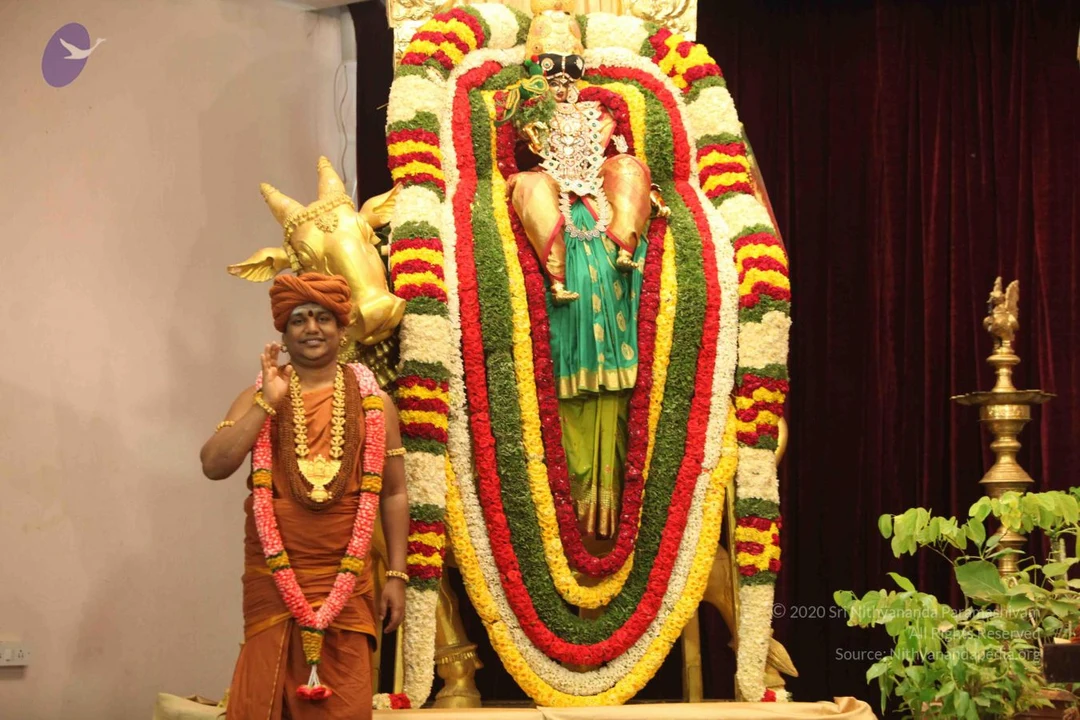
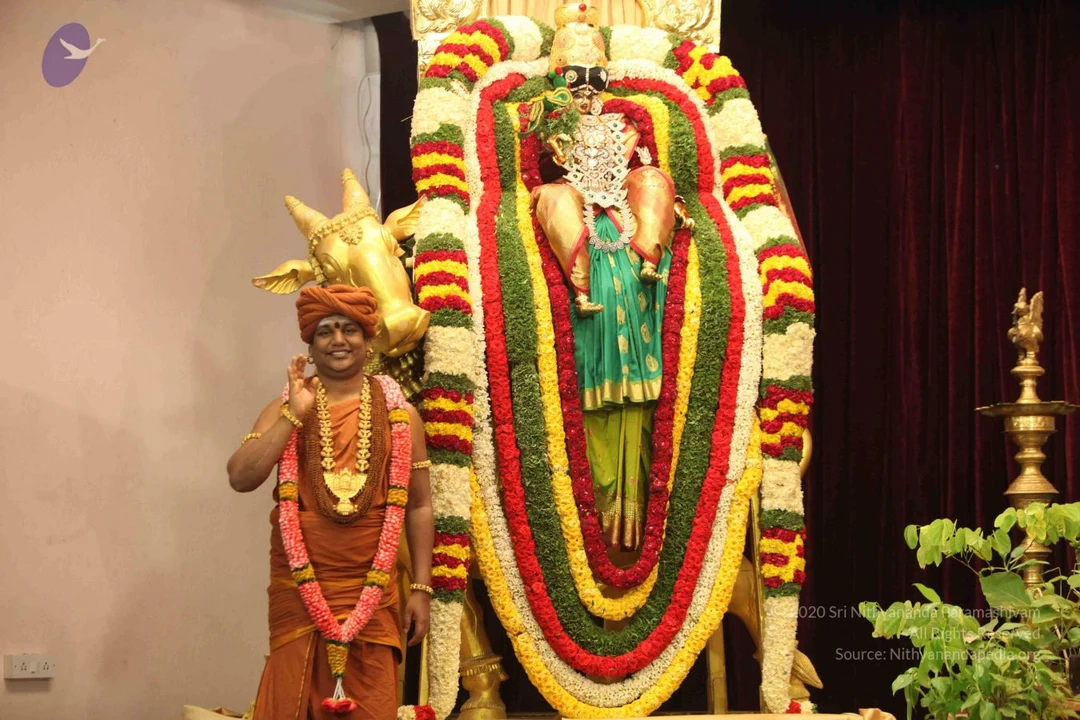
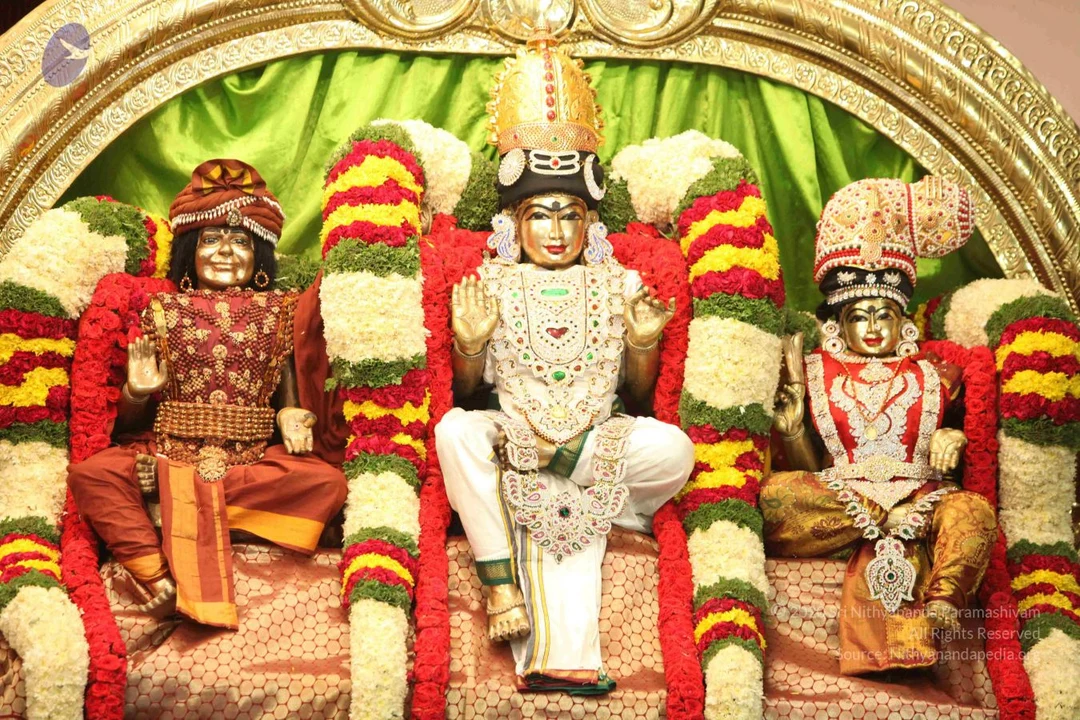
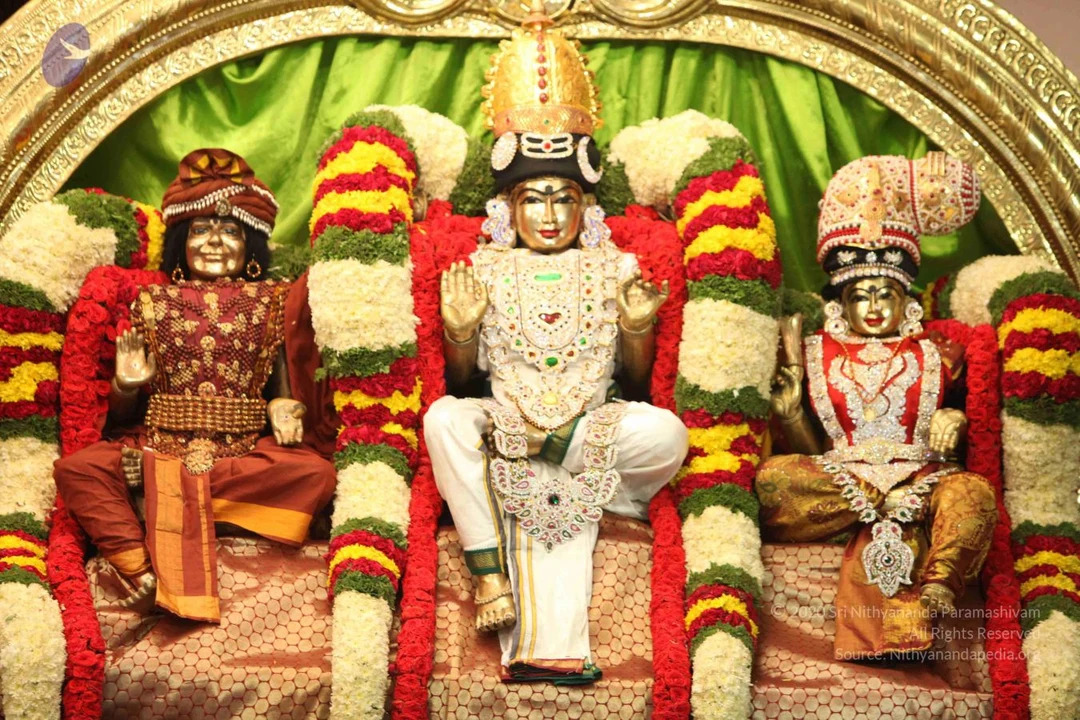
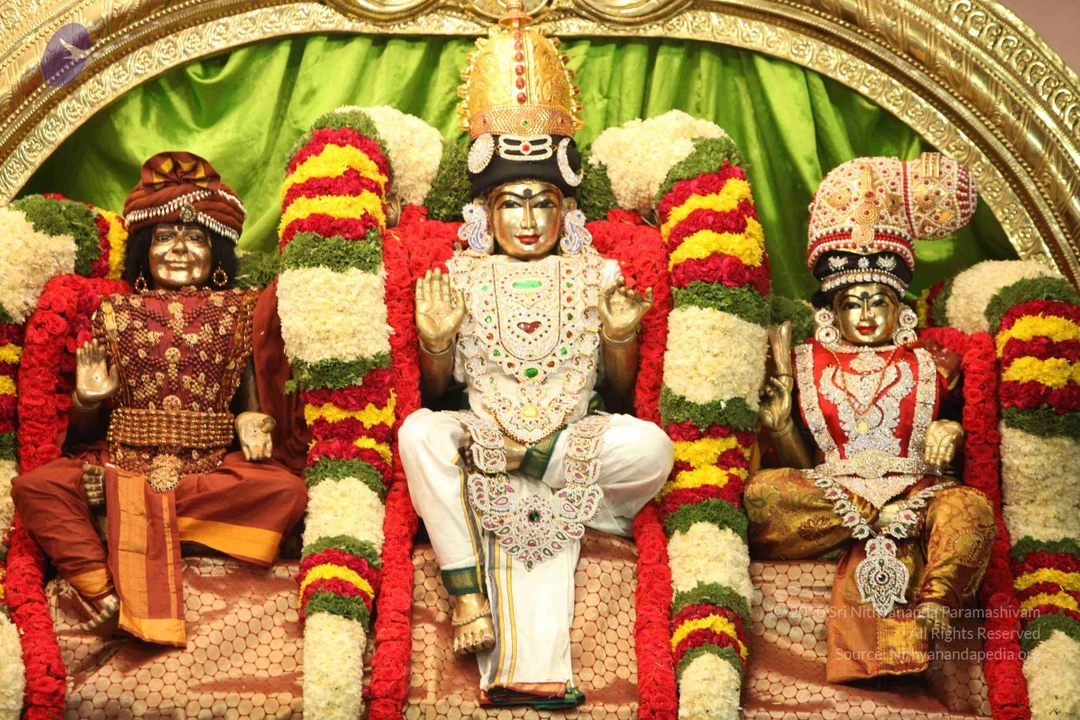
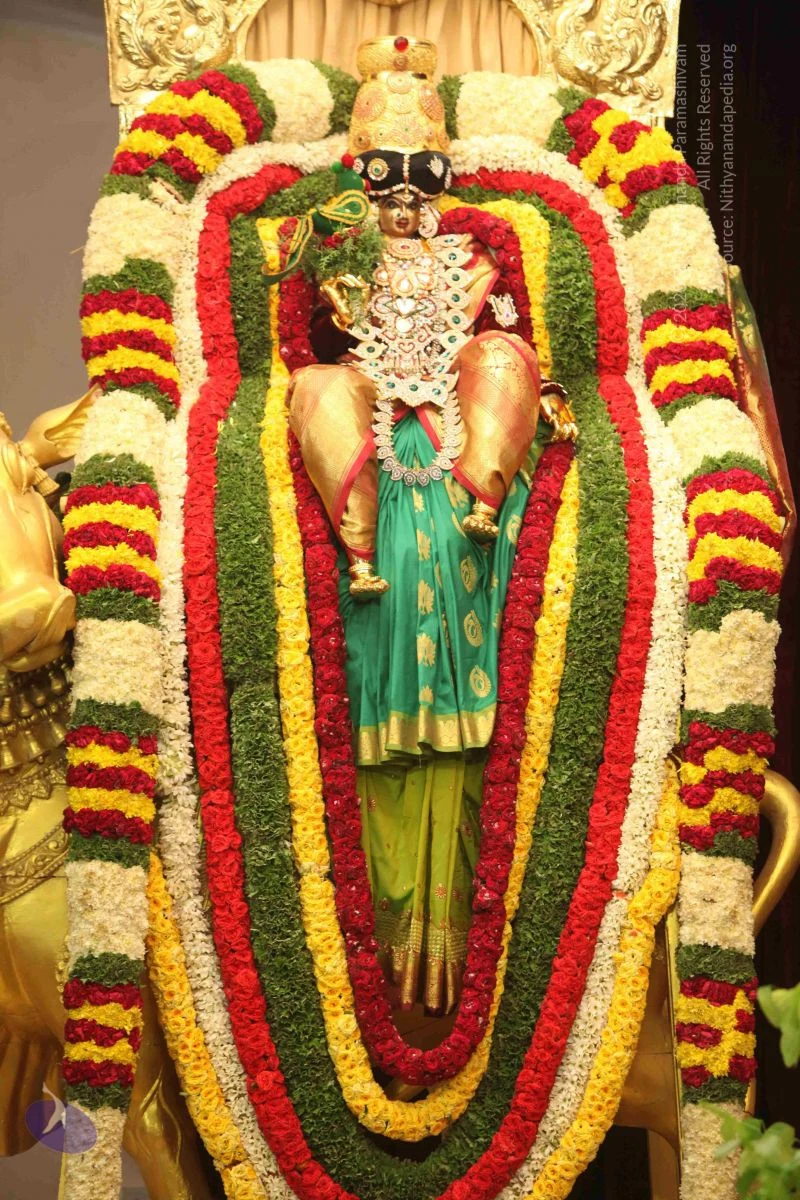
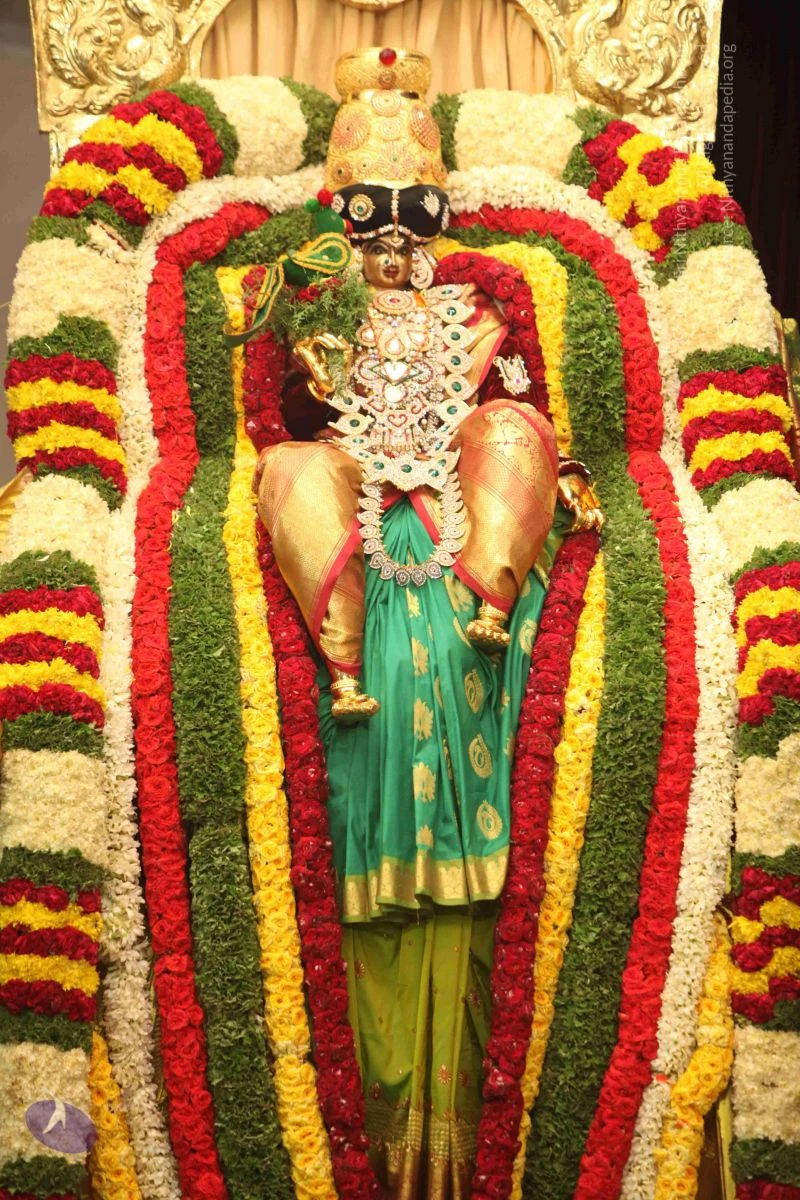
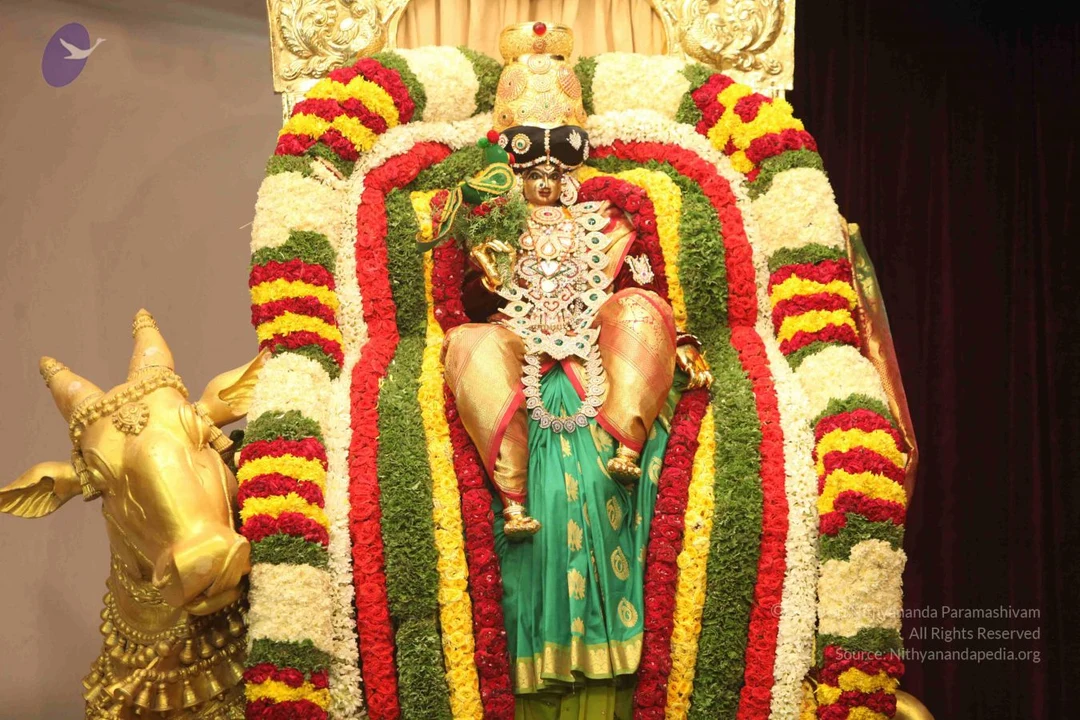
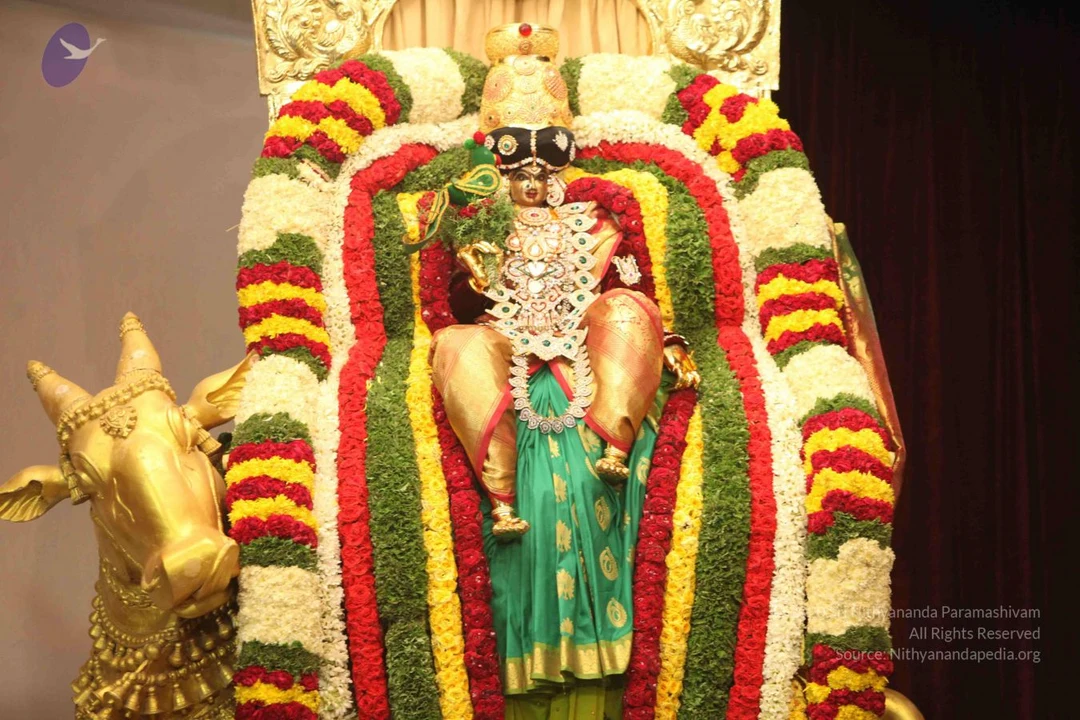
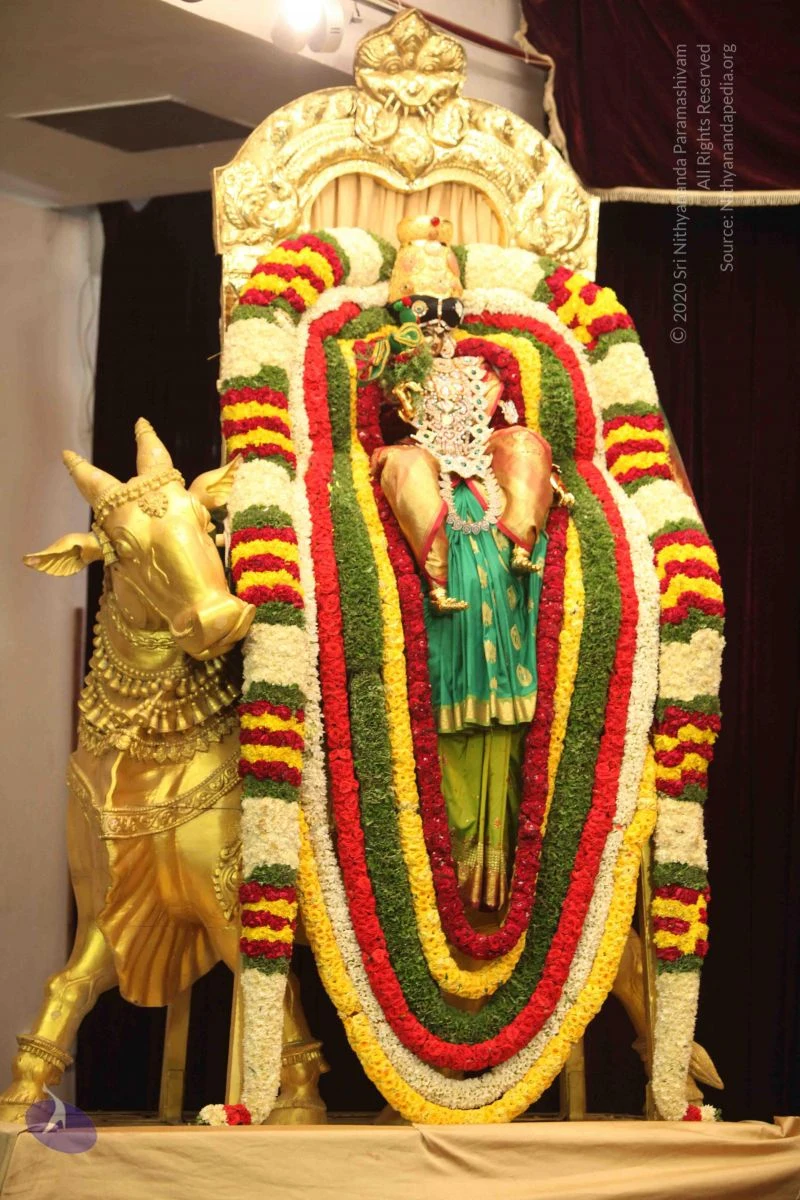
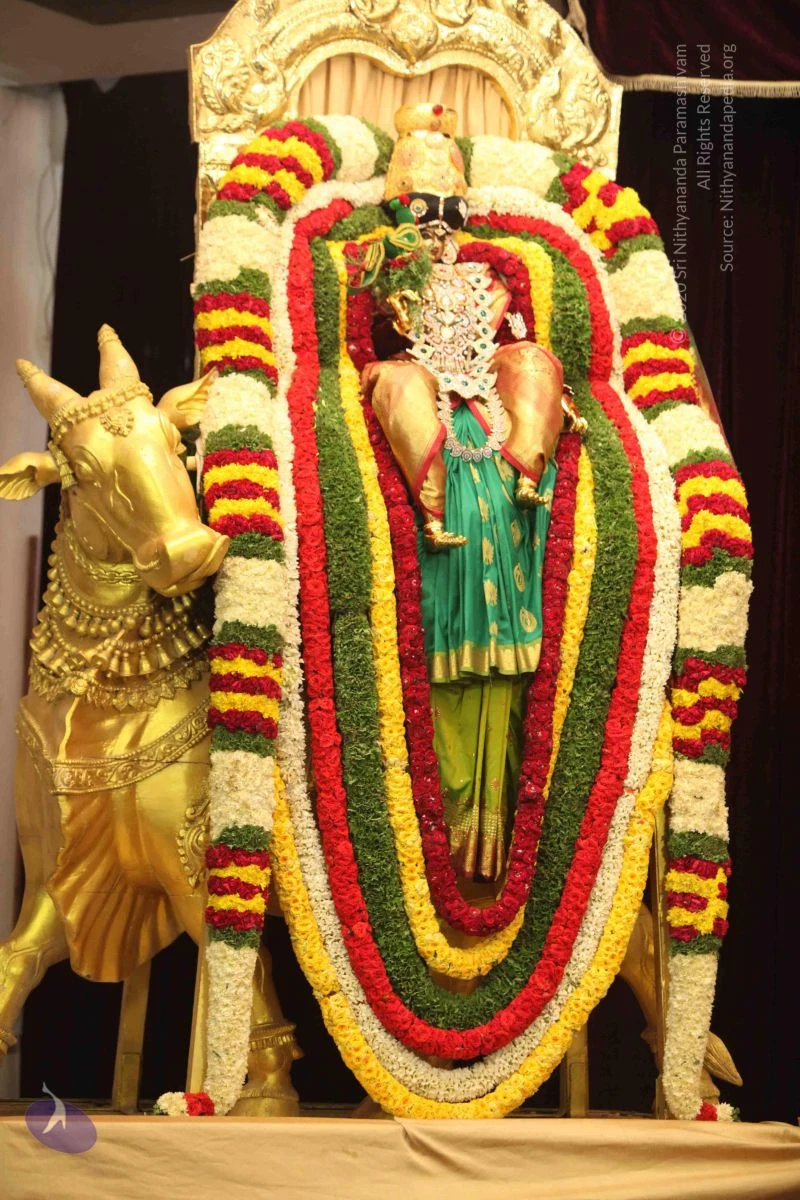
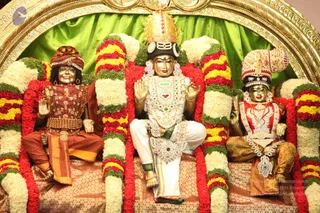
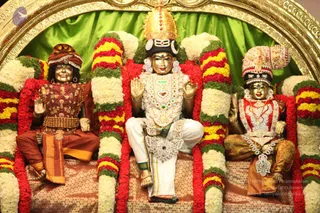
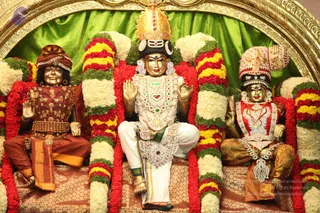
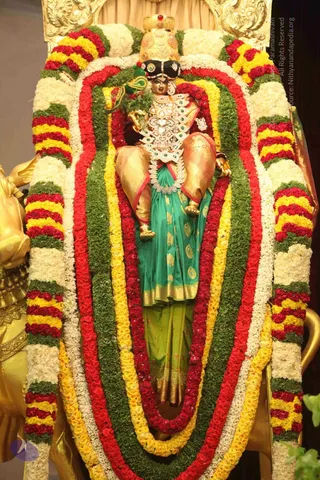
Today the 7th day of Meenakshi Brahmotsavam; Devi is gracing all of us on Svarnarishabha Vahana, the golden Rishaba, Bull Vehicle, and Mahadeva is gracing on Sarvalankara with roman crown. Only in Madurai temple, even the cultures which came later, the best parts of those cultures were absorbed into the worship and tradition. So the crown He is wearing is actually the Roman style crown. The tradition says that once the Roman king came to Madurai on a friendly visit and offered his crown to Sundareshvara, from that time the tradition of putting Roman crown on Sundareshvara exists, and still that original crown is there in the temple as it is, and it is maintained and preserved, still Sundareshvara uses that crown once in a while, and let’s receive their grace this day.
I will continue to expand on 10th verse of Isavasya Upanishad.
anyad evāhur vidyayā-anyad āhur avidyayā |
iti śuśruma dhīrāṇaṁ ye nastad vicacakṣire || 10 ||
Please recite along with me:
anyad evāhur vidyayā-anyad āhur avidyayā |
iti śuśruma dhīrāṇaṁ ye nastad vicacakṣire || 10 ||
I will read out the translation:
“It is said that by vidyā, the knowledge cognized from the right context of grasping the Truth, Consciousness and the superficial knowledge acquired from the wrong context of grabbing, without cognizing the subtle Truth, certainly the different result is achieved. Similarly, it is said that by avidyā, the authentic actions and the ignorant actions a very different result is achieved thus having listened to those wise beings who explained the absolute principle to us.
Listen. Without the context of seeking, even renunciation can lead you into laziness. Lot of people talk as if they are renouncing just to justify their laziness, dumbness, stupidity, understand. No, I get many lectures like this from people, utterly lazy and bored, tired, but when they talk they talk as if they are renouncing the whole world. Listen. Renunciation is not renouncing the action, you grow grass, feed the cow, milk, then make it as curd, churn, get the butter, boil it, and make ghee, offer the ghee to the Deity, Divine, God, Guru or whatever, that is renunciation, sacrifice. You don’t even grow the grass is not sacrifice, understand, that is boredom and tiredness. Many people don’t even take the effort of growing the grass, they say, “Oh, everything is Maya.” Without understanding the context, even the greatest truth can be missed, misused. Missed and misused.
Seeking, honest seeking, authentic seeking, being integrated to your seeking, is one of the most important alignment you need to do in your life, every day. Because it is only by seeking your Being is kept in the most possible, highest peak awareness; in the most possible, highest peak awareness. So listen, keep the seeking alive. Let the seeking become your first response to life. Let the seeking be the source of inspiration for you to live. Let the seeking be the energy to live. Let the seeking be intensity to live.
anyad evāhur vidyayā-anyad āhur avidyayā |
iti śuśruma dhīrāṇaṁ ye nastad vicacakṣire || 10 ||
Without the context of seeking, the most subtle truths are never cognized. Without the context of seeking, the most subtle truths are never cognized. Cognizing the most subtle truths, in the right context happens only by you keeping your seeking alive. Everything, deity worship, attending satsang, reading the scripture, doing voluntary service, pranayama, yoga, spiritual practice, whatever you are doing, should strengthen your seeking, should make you more and more strong, seeker. Depth of your seeking should be increased! Don’t ever think without seeking any higher thing can be achieved, no. Everything, every higher thing, is achieved only by seeking.
I just want to dedicate one or two days continuously to repeat the importance of seeking so that even if you have missed, now you are catching it! Seeking.
Today, also, keeping the purity of your seeking, let that be the Vaakyartha Sadas. Let that be the Vaakyartha Sadas. See, once first time when you hear Guru’s words, with so much of seeking, interest, excitement, you enjoy it, start picking up many things and internalizing as part of your life, and then after some time, your seeking comes down, you listen but take it for granted, “Ok, Ah, like this only he talks, it’s ok, I have heard enough,” slowly, slowly, when you take Guru’s words for granted, His words for granted,
How many years you may listen to satsang, you create a huge iron wall around you, the Guru’s words never penetrates and becomes part of you, because with each word you created a pain pattern, how not to allow that into you to get internalized, how to keep that away from you. Either your earlier failures, or thinking that I tried but it’s not working out, He is great but it’s not going to work out for me, developing some kind of these patterns, thought trends, and seeking is also, when it is lost, even if you live around the Master for years listening to satsang for years nothing happens to you, you have become a dangerously un-trainable, non-transformable, understand.
Taking the Master’s words for granted, not taking them into your heart and making your life align to it, not using the words of the Master and reinventing your life and restrategizing is the worst thing can happen to you because, listen, because, other than the Master’s words, there is no anchor available to planet earth. Please understand, anybody who has drowned in the ocean of samsara, the ocean of delusion and bondage, the only anchor available to raise yourself to the next level is Master’s words. From the other plane of existence, the only bridge available to this plane, this universe, is an Enlightened Master’s words.
If you don’t catch that and raise yourself, nothing else- no puja, no meditation, no spiritual practice can help you. The highest spiritual practice is catching the Master’s words, constantly reinventing yourself and re-strategizing yourself. Reinventing and re-strategizing and yourself is the only way, re-strategizing yourself, with every Master’s words, reinventing yourself, with every word of the Master, is seeking.
If your seeking is alive, you will go on reinventing yourself. You will raise yourself by yourself! You will be so alive! So active! Understand. You will be so brilliant, so energetic, because seeking is the most powerful, most powerful way you can exist, you can experience you.
So again, the subject for today’s Vaakyartha Sadas, I wanted it to be keeping your seeking pure and how not to take Master’s words for granted. How not to take Him, His words, for granted. I wanted this to be your subject for Vaakyartha Sadas today.
With this I bless you all. Let you all radiate with integrity, authenticity, responsibility, enriching, causing Living Advaita, the Eternal Bliss, Nithyananda. Thank you. Be blissful.
Link to video
| Video | Audio |
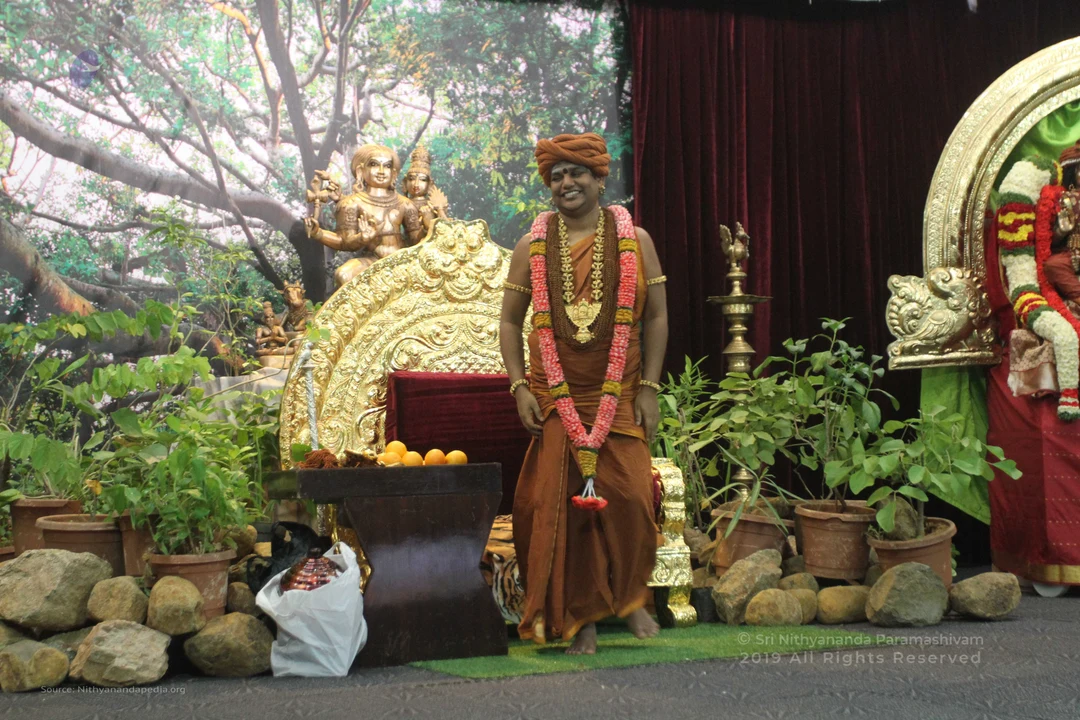
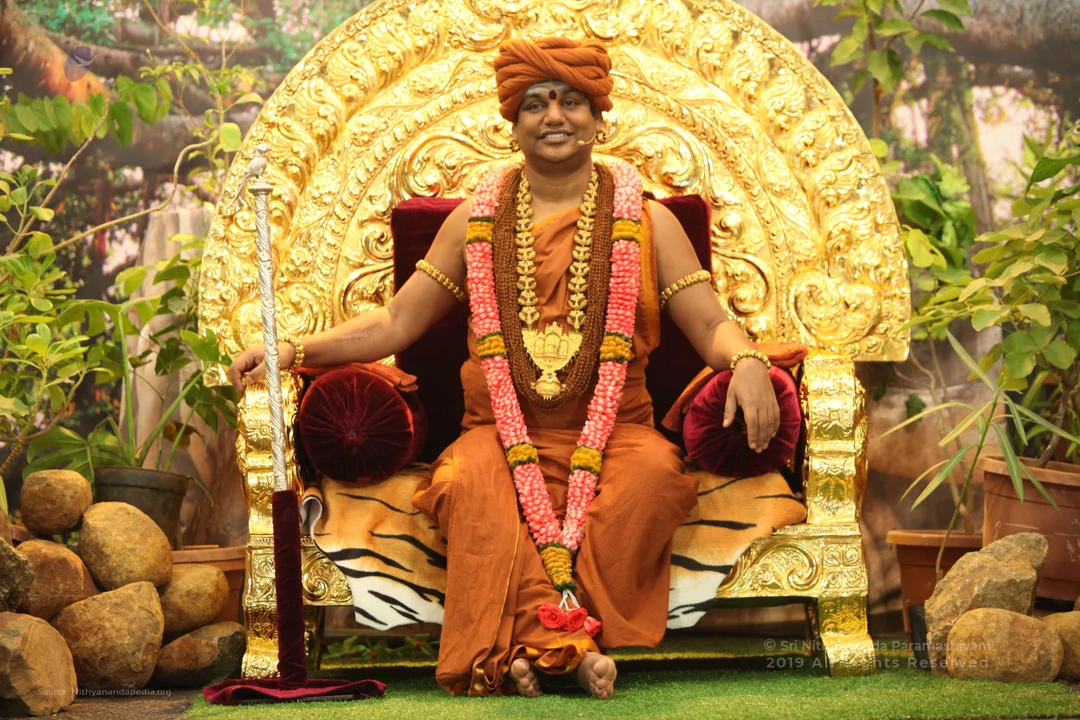
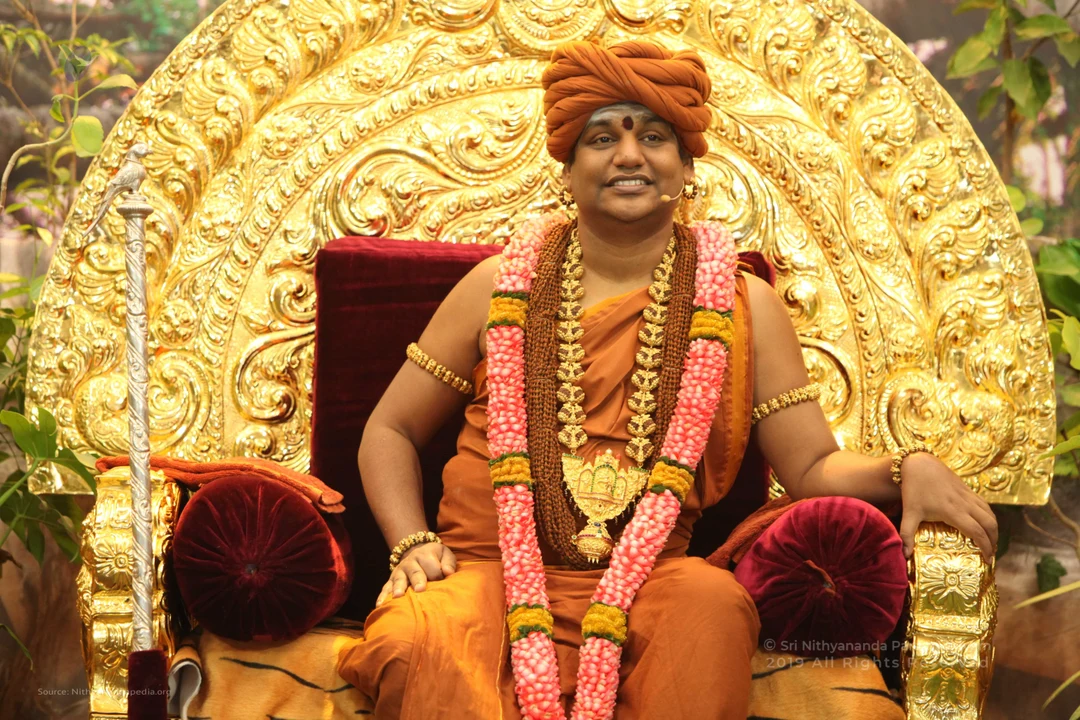
Photos
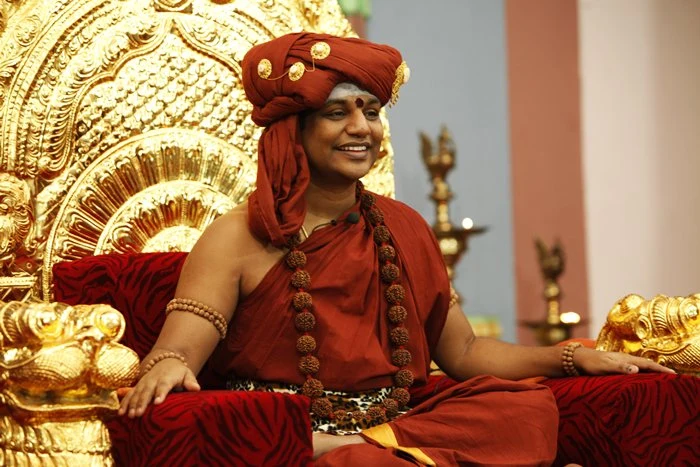
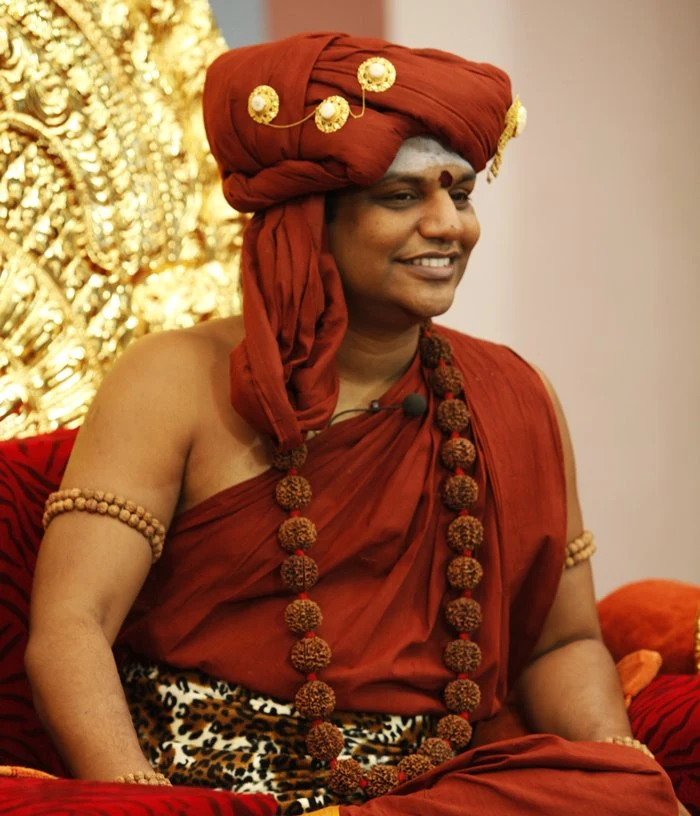
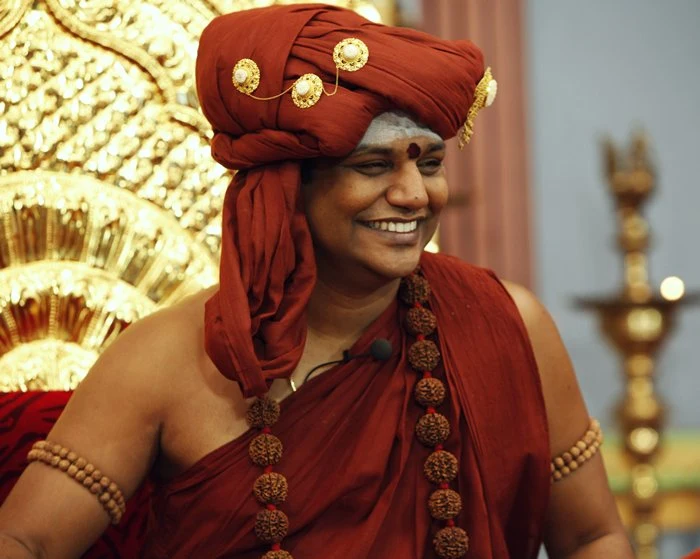
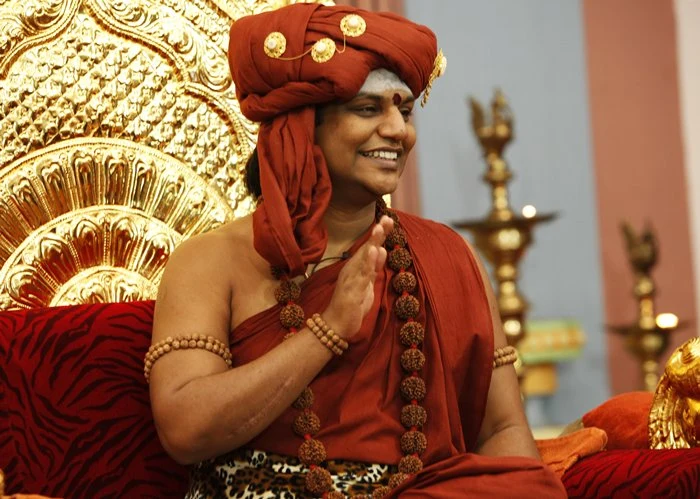
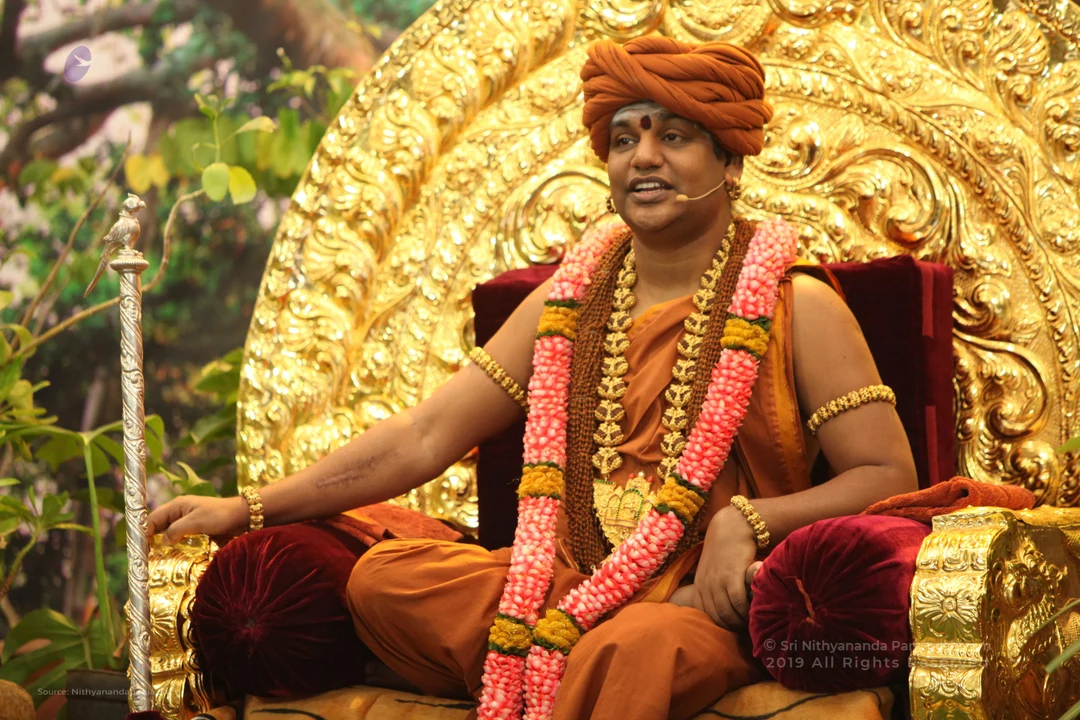
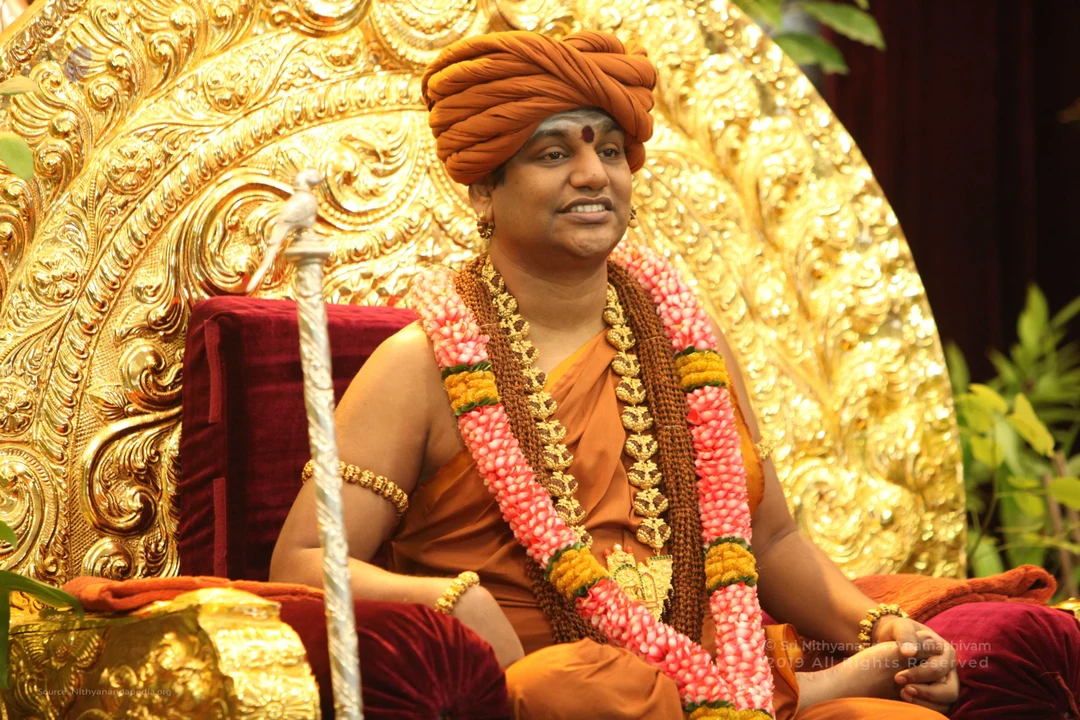
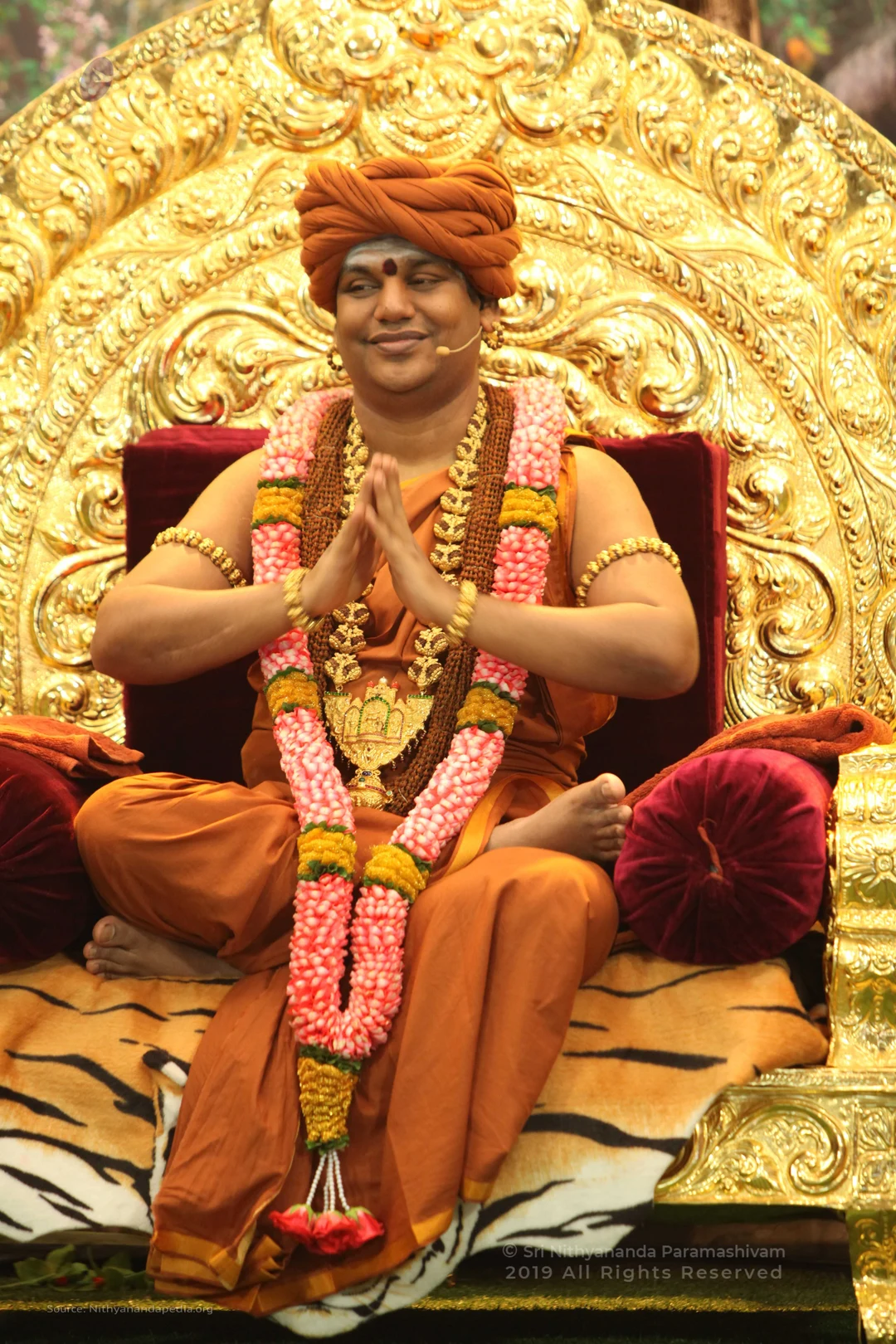
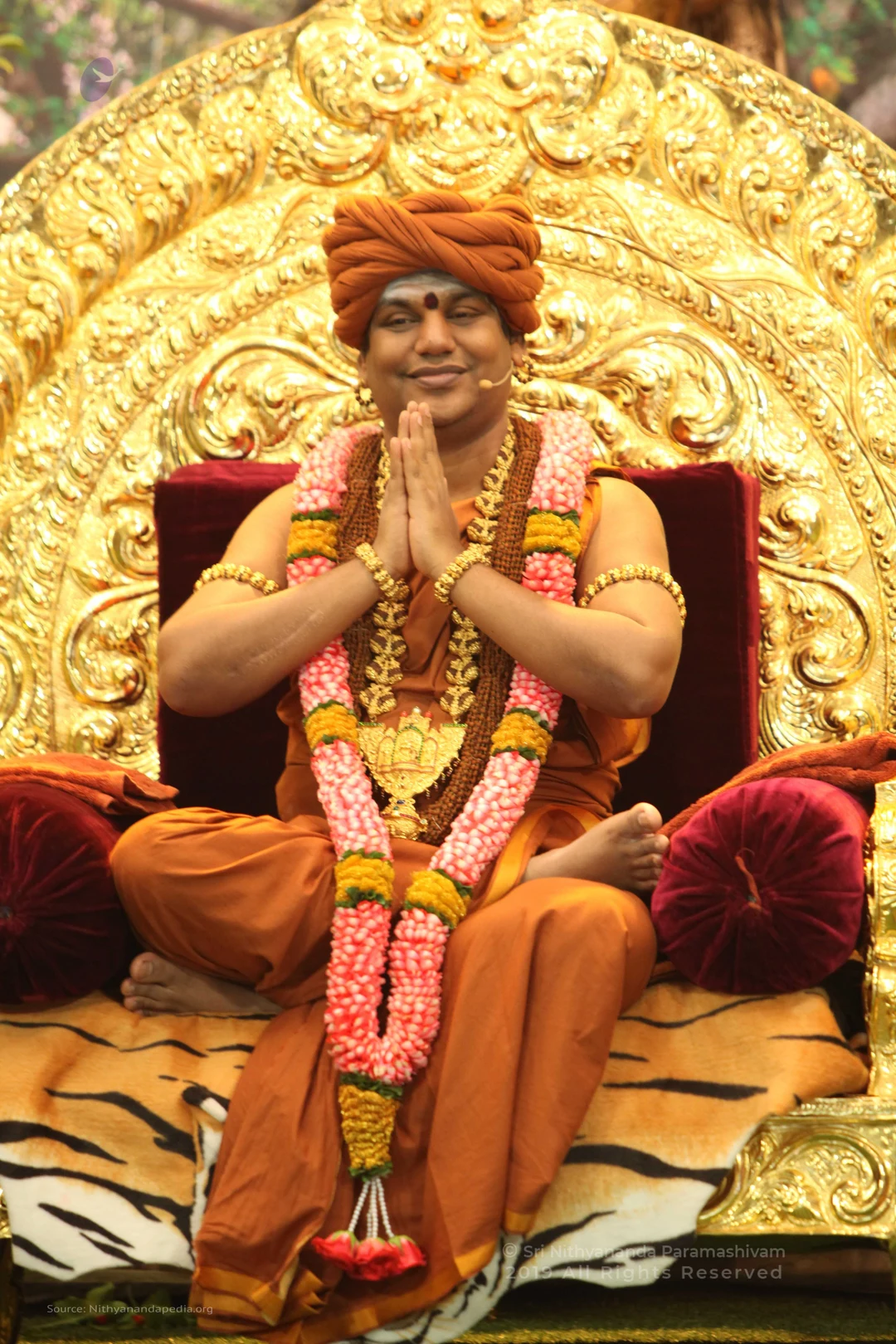
Nithya Satsang
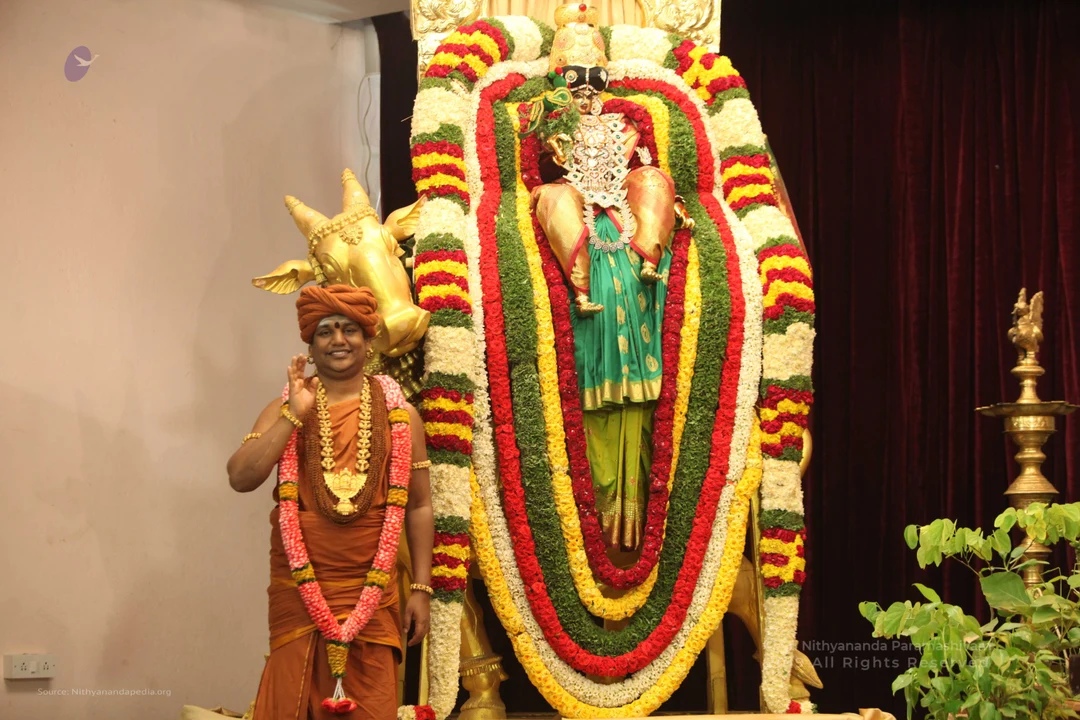
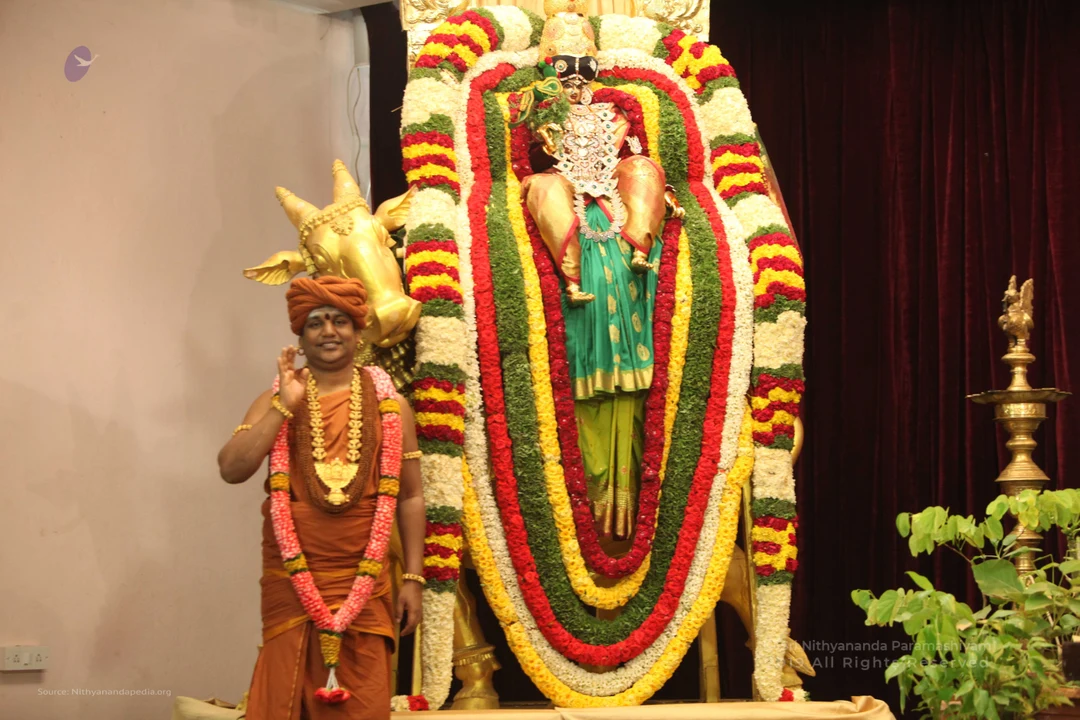
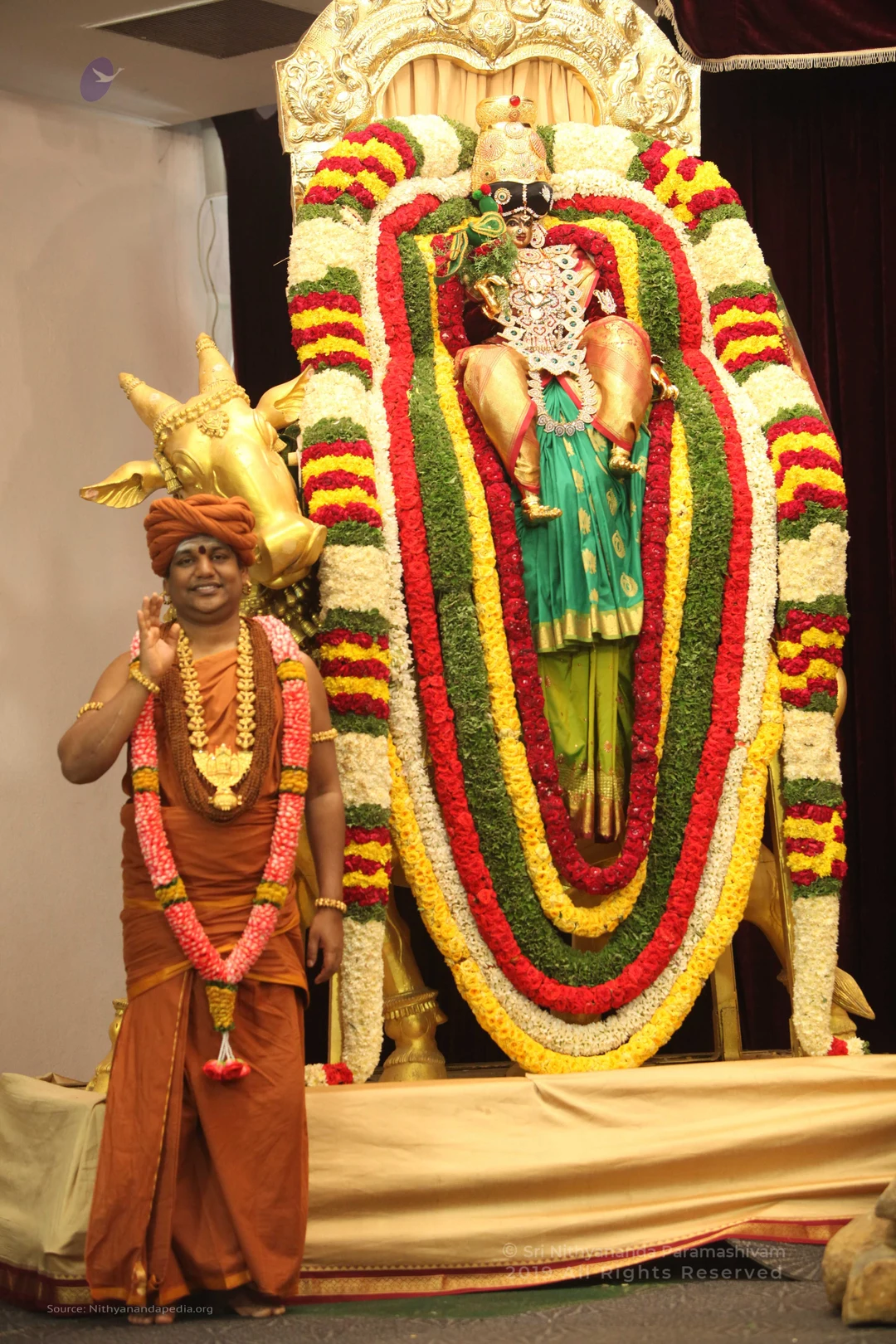

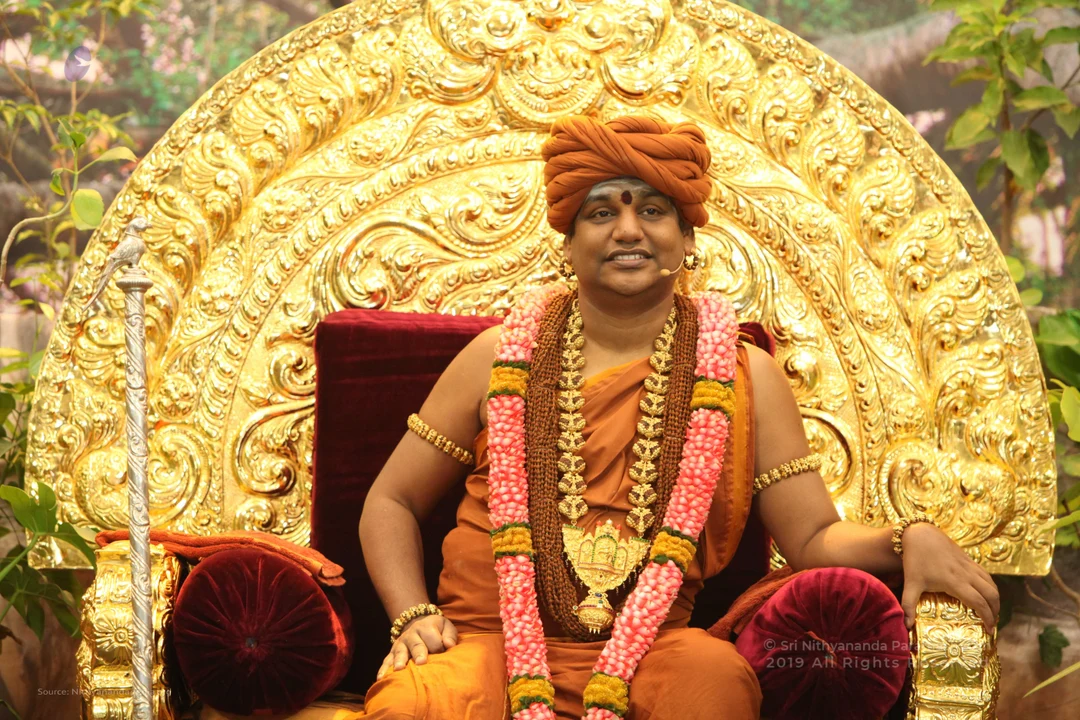
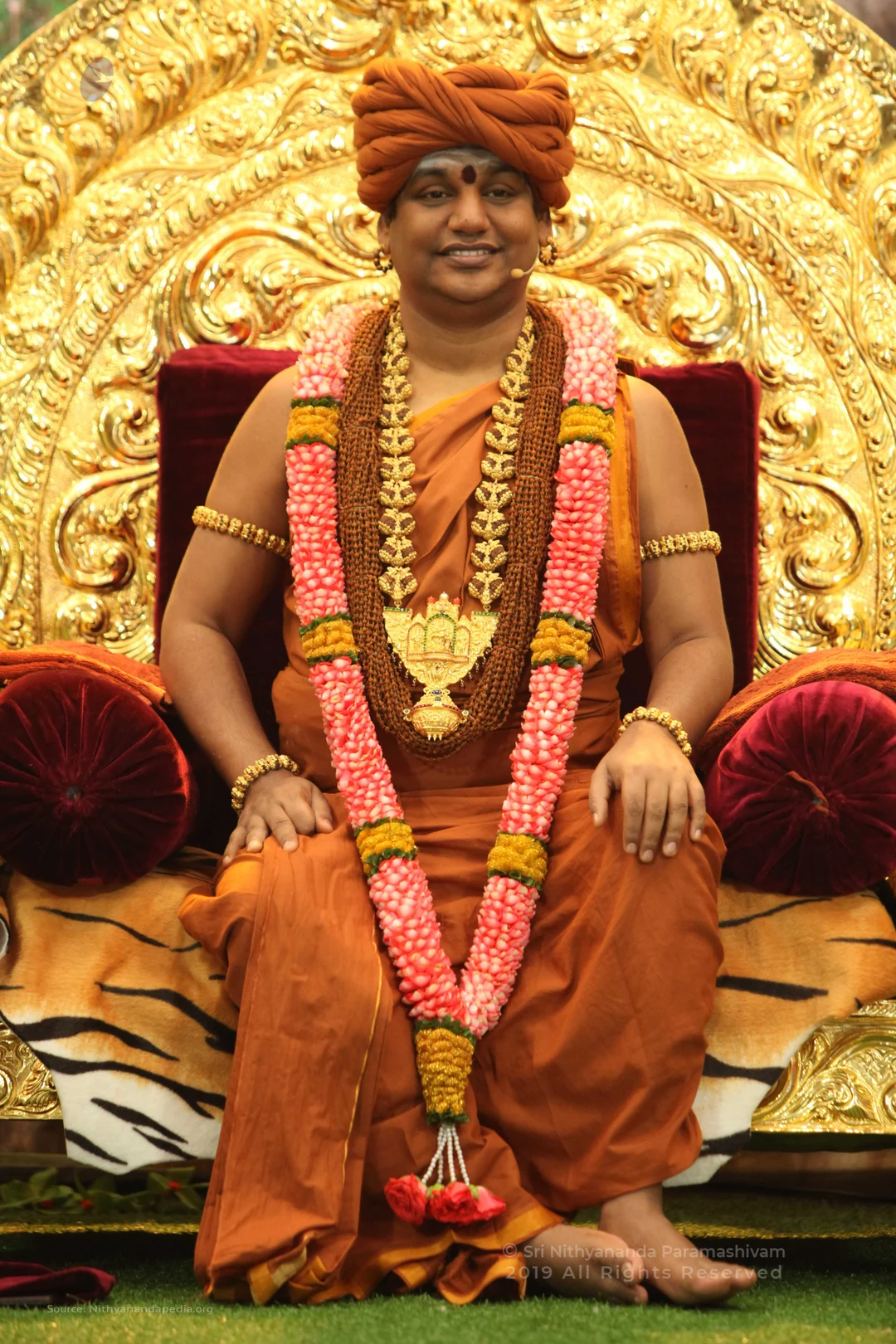

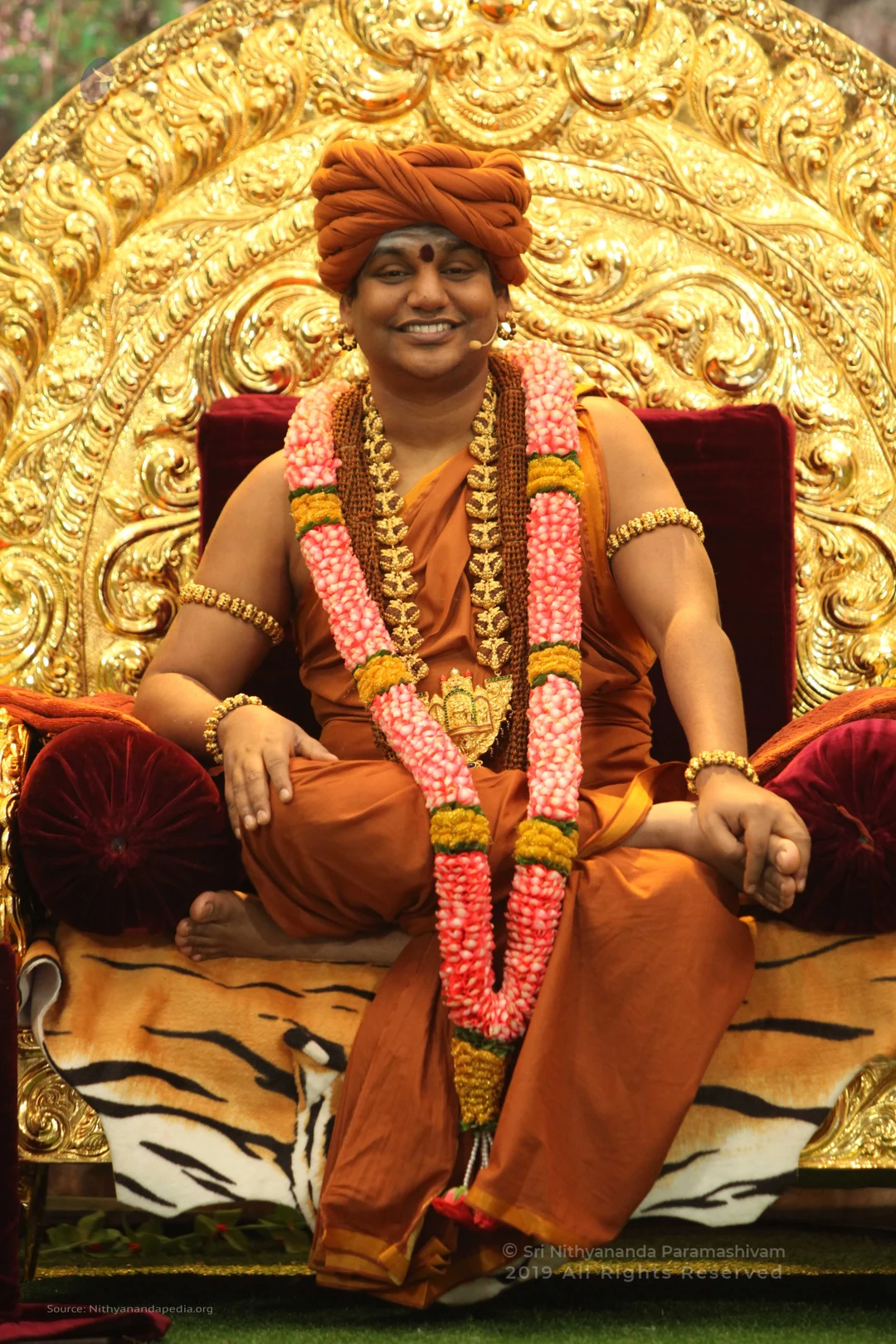
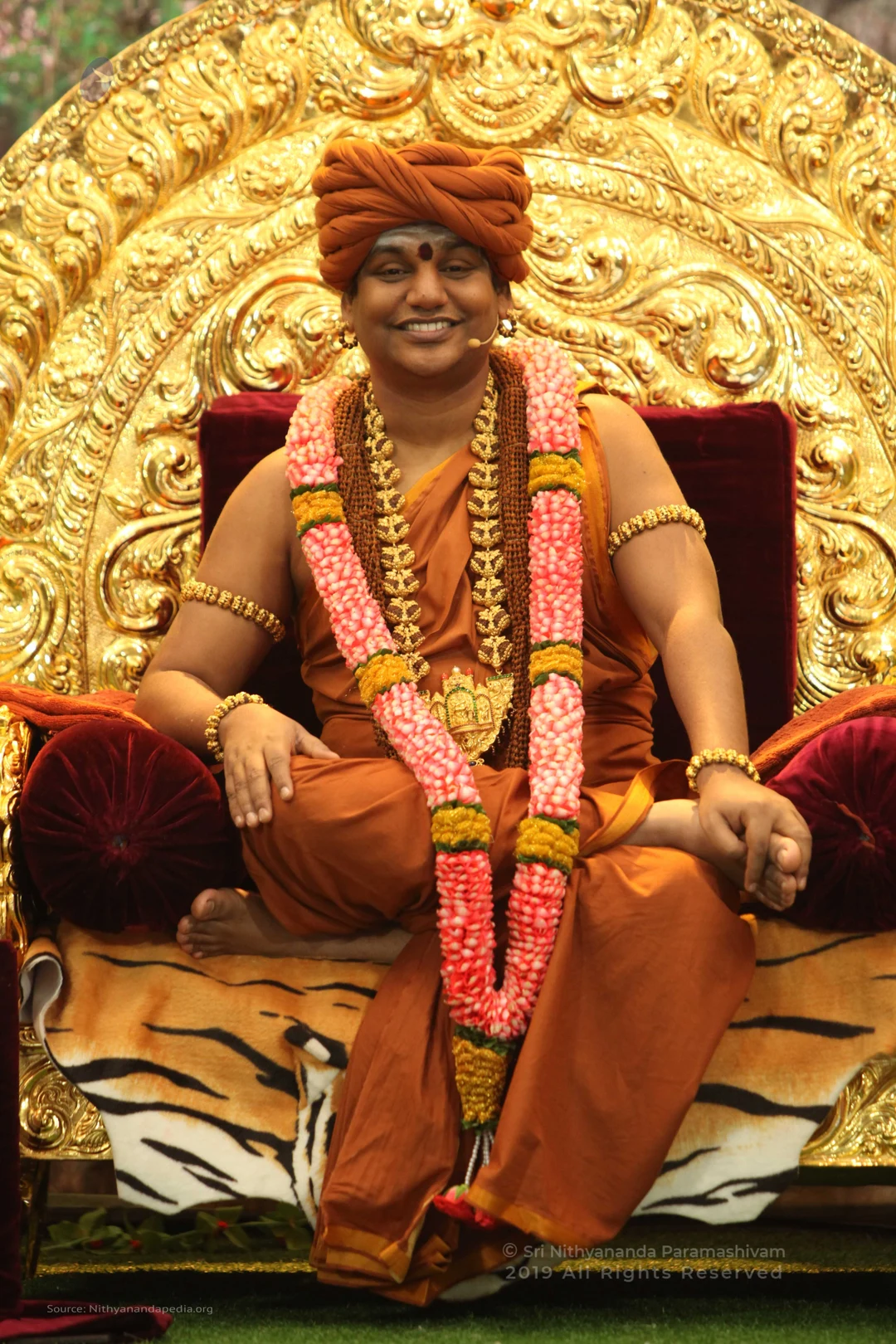
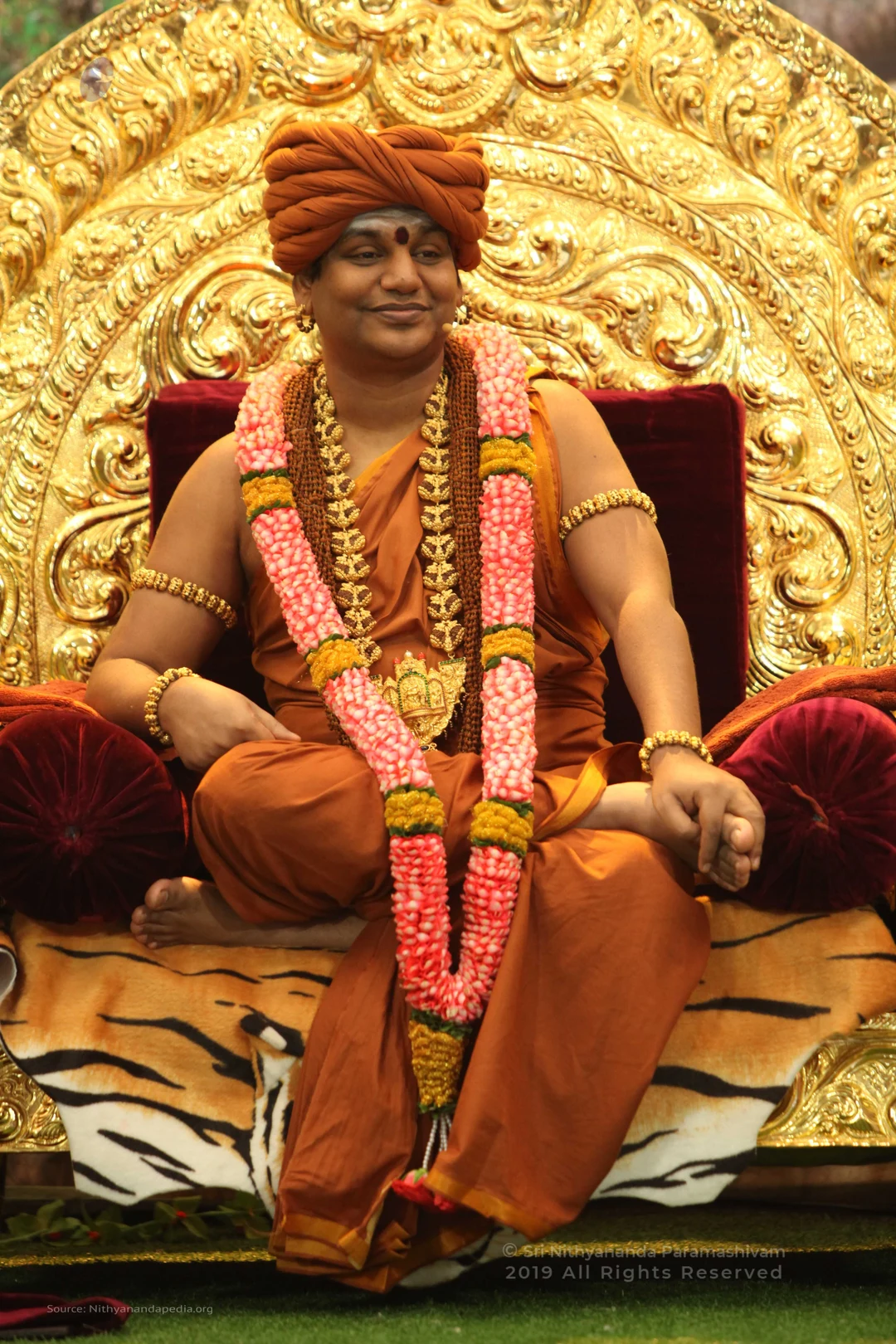
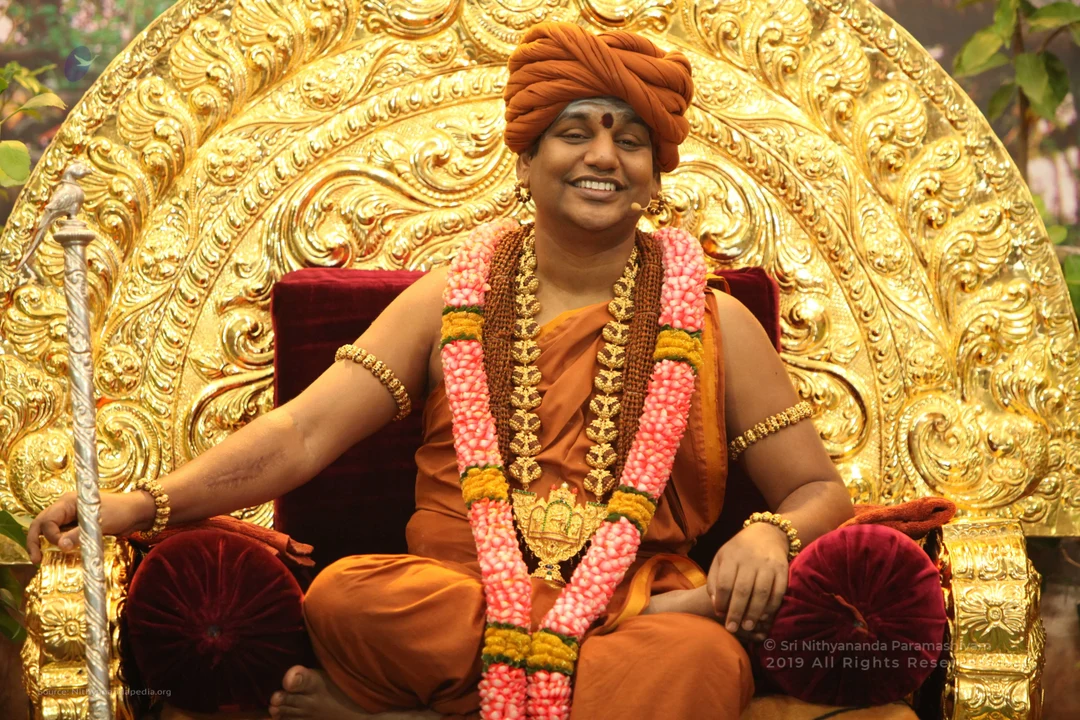
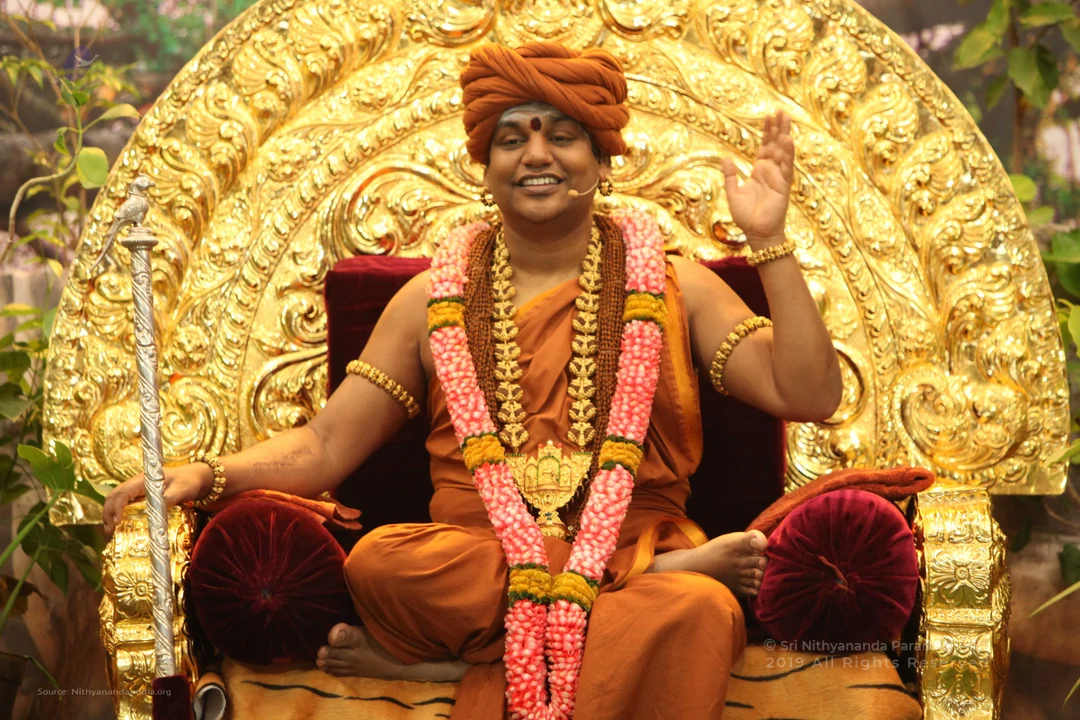
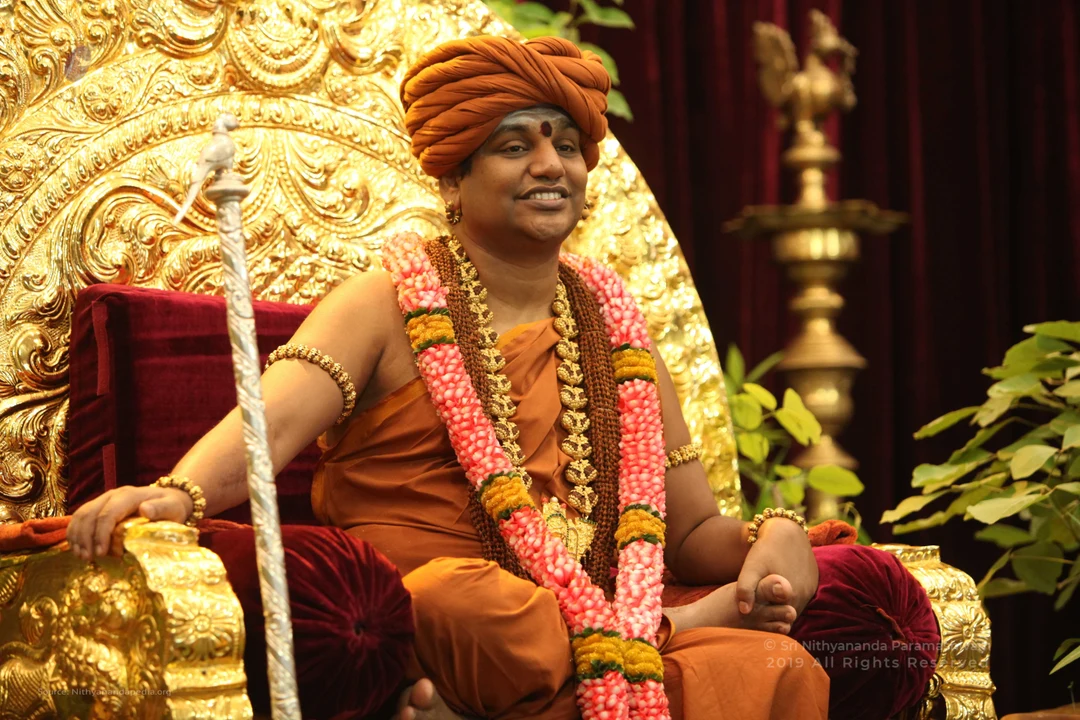
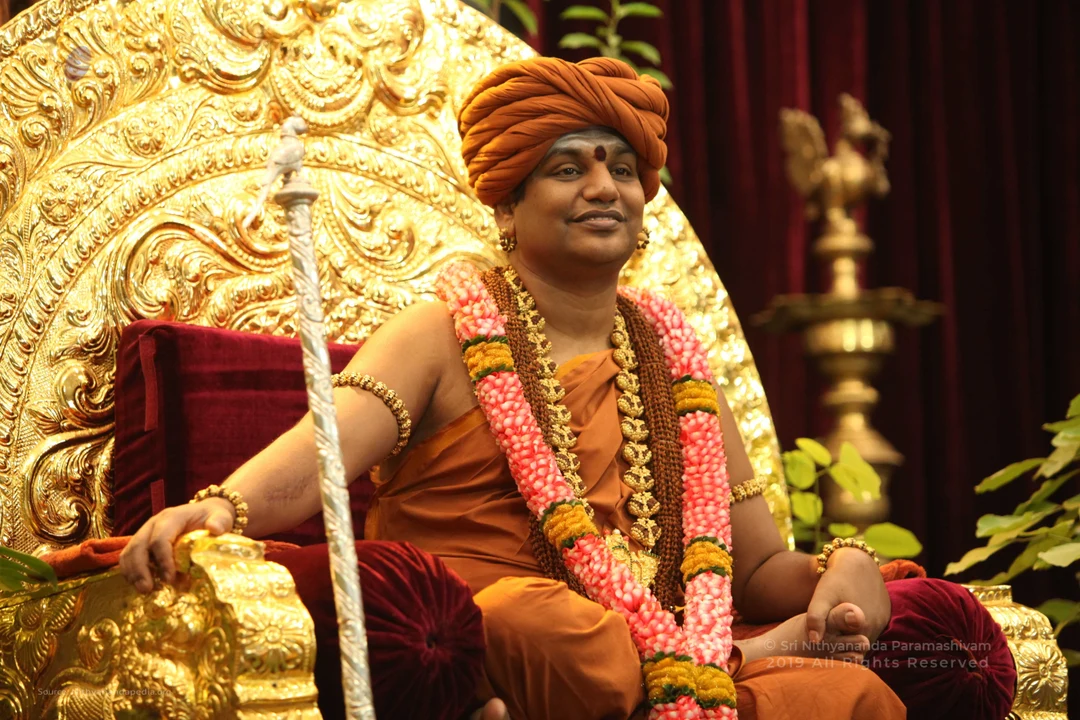
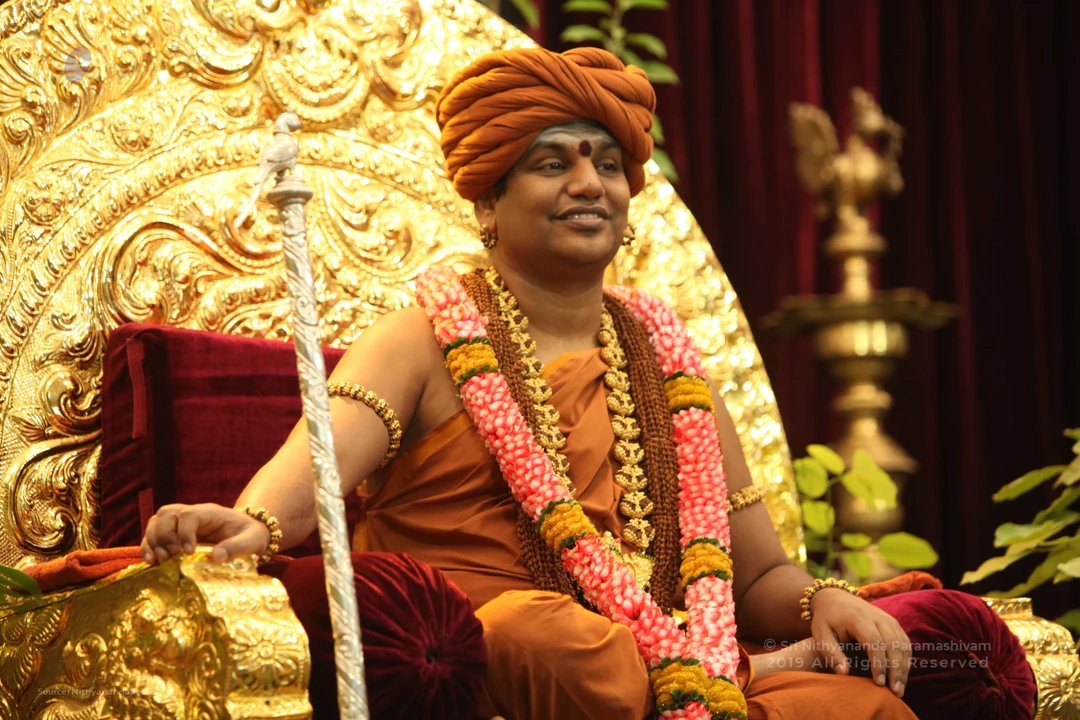
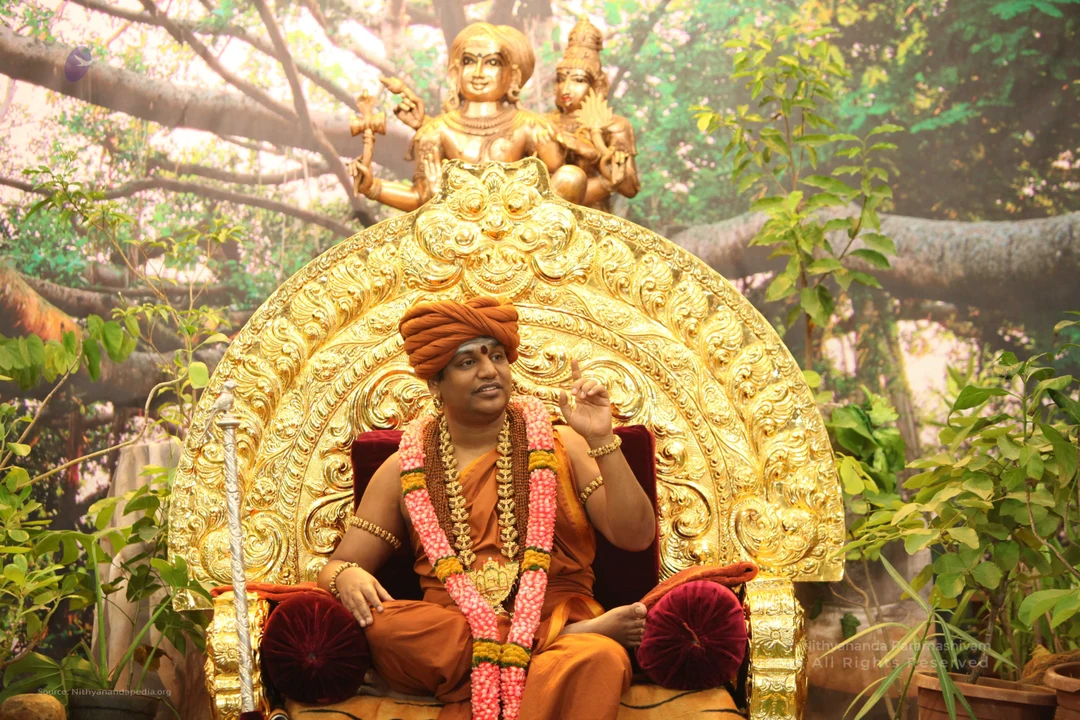
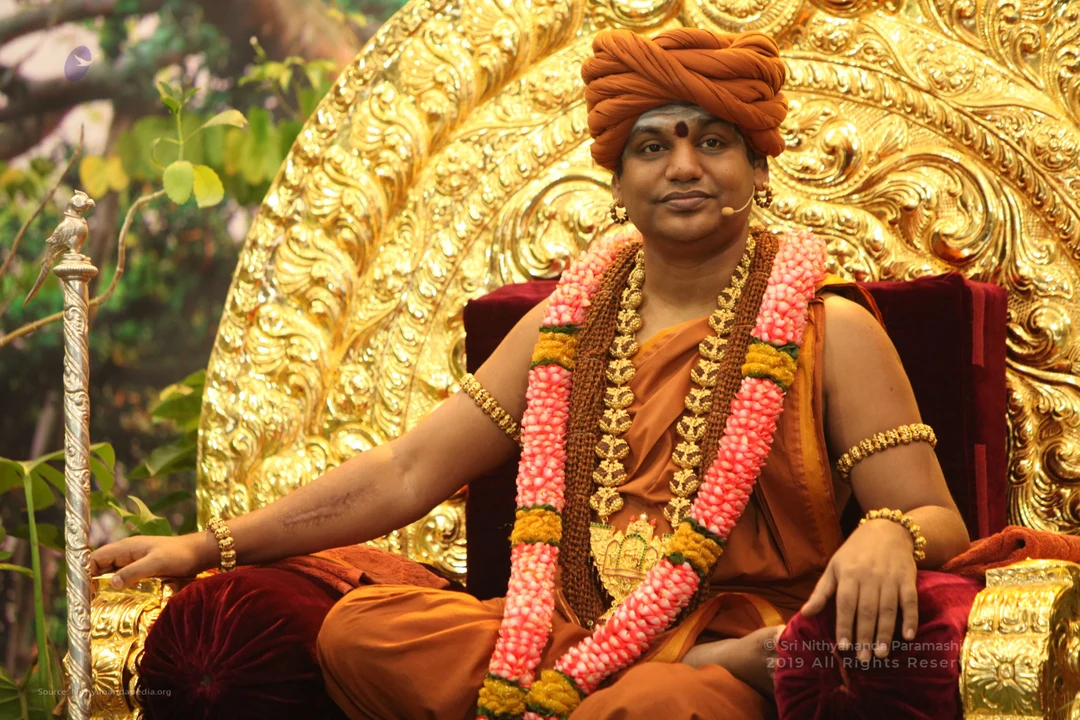
Researches
title
Whole-Brain Activation Studies on Nithyananda GurukulSM Students
abstract
What is Nithyananda gurukul ?
"Gurukul is a place where the celebration begins with the right words in the blossoming minds creating a gateway of possibilities. Creating an enlightened civilization with the yogic body and Vedic mind.” ~ Paramahamsa Nithyananda
The NithyanandaGurukul is a mystical Vedic school established by HDH Bhagavan Sri Nithyananda Paramshivam. Here students live their highest potential and manifest various spiritual powers.
Why Should One Join Nithyananda Gurukul
“The current system of education established by Macaulay and Max Muller in India is the ‘non-involving narrative style’ of teaching. The original Indian education system was not about continuously giving words, ideas, concepts, theories or theologies. It was about awakening you to the right context – Enlightenment. The Indian Education System – the Gurukul - is more of a ‘transmission’ of the knowledge, rather than mere ‘transfer’ of knowledge. My Gurukul kids will not use their body as a ‘PC’ that merely processes information that is fed to it. They will function as the ‘internet’, accessing knowledge from the cosmic archives and having their inventions and discoveries!" - Paramahamsa Nithyananda “Understand education means putting a set of ideas into your head and forcing you to conform to it. Pressurizing you to memorize it and forcibly making you vomit. In gurukul there is no 'education’, there are only initiations. Initiation means empowering you with powers and letting you play with it and letting you manifest your specialization and letting you grow and glow. There is only one thing SHAKTIPADA that's all. Constantly you are empowered, asked to explore.” ~ Paramahamsa Nithyanada
Overview of the research
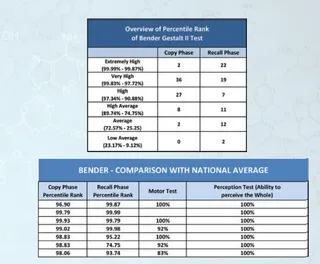
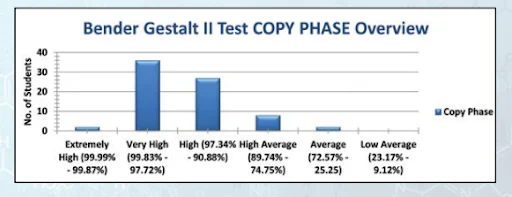
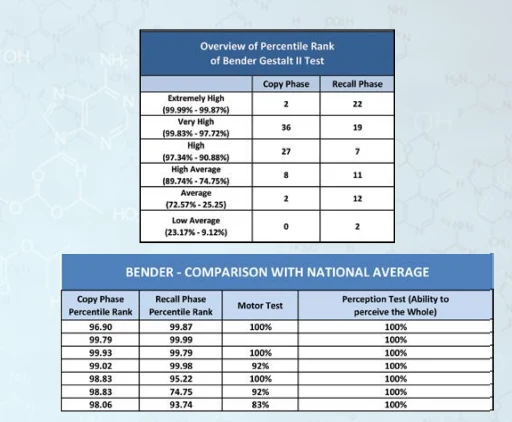
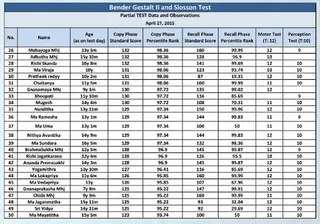
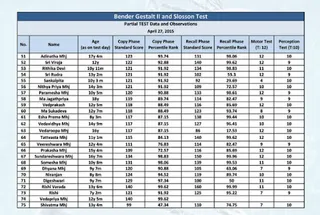
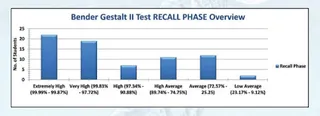
The students from the Nithyananda Gurukul were subjected to the research to assess the level of whole-brain activation; the students’ ability to see the “big picture” and recall the details of it. 75 students have taken the Bender Gestalt II test so far.The average percentile rank of Copy Phase is 95.07 and Recall Phase is 86.91. Students consistently avoided complaining and approached each event with composure and alertness. The students appeared to be in the deep state of restful awareness as they performed the memory recall aspect. They showed no signs of confusion, neither were they conflicted nor agitated. They consistently exhibited the presence of mind. Because of their deep ease, the clarity of their memory was obvious. These impressions indicate strong mental stability, persistence, attention to detail, high motivation and emotional maturity. The superior level of precision is evident in the high percentile ranking scores listed in the tables.
research
Bender-Gestalt II Test conducted on the Students of the Nithyananda gurukul
objective
The Bender-Gestalt Test is a determinant of neurological functioning. It assesses the level of whole-brain activation; the students’ ability to see the “big picture” and recall the details of it. It is not just an IQ Test.
design and study
The test is in two phases. In the first phase or ‘copy phase’, students are first asked to copy 12 images of various complexities. This ‘copy phase’ reflects the students’ visual-motor intelligence and maturity.
In the second phase or ‘recall phase’, students need to remember all of the images previously drawn without seeing them. The recall phase reflects the students’ visual recall intelligence. The recall image is scored based on the level of recall ability.
Analysis and Results
75 students who have taken the Bender Gestalt II test so far.
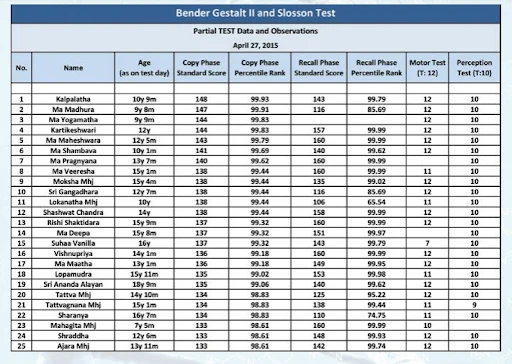
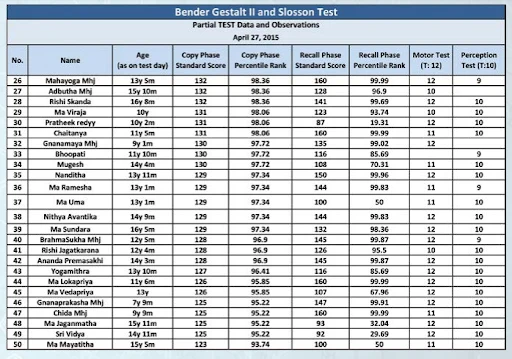
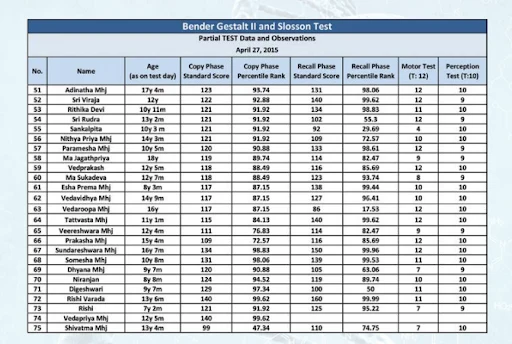
The average percentile rank of Copy Phase is 95.07 and Recall Phase is 86.91. Note: These extremely high scores are indicative of above-average results compared to other students who were used to norm this test.
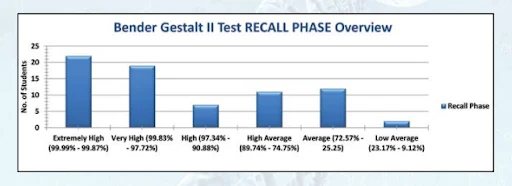
discussion
As a result of utilizing the Bender Gestalt II, observations of the process of students responding to each test card were recorded.
Observations included: Idiosyncratic personality style, needs, conflicts and defences, level of maturation, coping methods, psychological strengths and weaknesses, openness to new varieties of learning experiences, and the ability to profit from them.
Conclusion
Overview of test-taking behaviour
It Is very important to document the way in which the student approaches this test, because (according to the testing protocol) it reflects the way the student approaches life itself.
♦ Students consistently avoided complaining and approached each event with composure and alertness.
♦ They exhibited extremely meticulous precision in transposing the Gestalt forms.
♦ They consistently took much more than the average amount of time to transpose the Gestalt. On average, it took a total of two hours per student: one hour to copy all twelve Gestalt forms, and one hour to recall them.
♦ If an examinee takes a large amount of time to complete the geometric figures, it demonstrates a methodical approach to tasks, low compulsive tendencies, and low symptoms of depression. In the modern world, delayed gratification is considered one of the highest assets of an employee. The observed ability of delayed gratification was the most impressive result of the Bender Gestalt II test.
♦ The other outstanding attribute in Bender Gestalt II results was the superior memory ability of students. It is very unusual for students to remember such a high number of Gestalt forms. Each gurukul student attended to the test card carefully, and persistently transposed the Gestalt form; remaining calm, cool and collected. They initially approached each Gestalt form with keen observation and analysis of the form, and then exhibited steady perseverance, attending to minute details.
♦ The students appeared to be in the deep state of restful awareness as they performed the memory recall aspect. They showed no signs of confusion, neither were they conflicted nor agitated. They consistently exhibited the presence of mind. Because of their deep ease, the clarity of their memory was obvious. These impressions indicate strong mental stability, persistence, attention to detail, high motivation and emotional maturity. The superior level of precision is evident in the high percentile ranking scores listed in the tables.
Link To Facebook Page
https://www.facebook.com/ParamahamsaNithyananda/photos/a.321615927926264/827092627378589
Tags:
Upanishads, Advaita, Living Advaita, Isha Upanishad, Ishavasya, Isha Upanishad Verse 10, Paramahamsa Nithyananda, Isha, Satsang, Mahadeva, Shiva, Spiritual Seeking, Ramakrishna, Meenakshi Brahmotsava, Mahadeva, Renunciation, Avatar, Inner Awakening, Varanasi, Daksha
Photos Of The Day:
Morning-Satsang

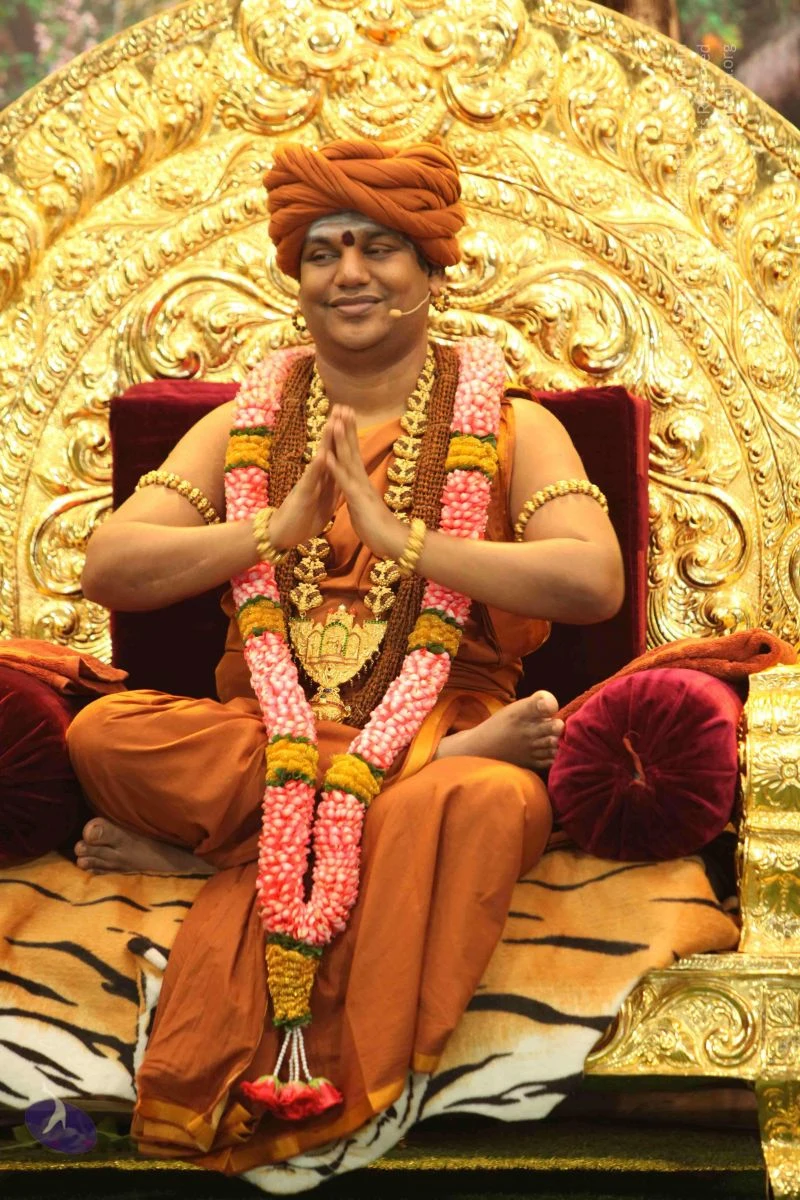
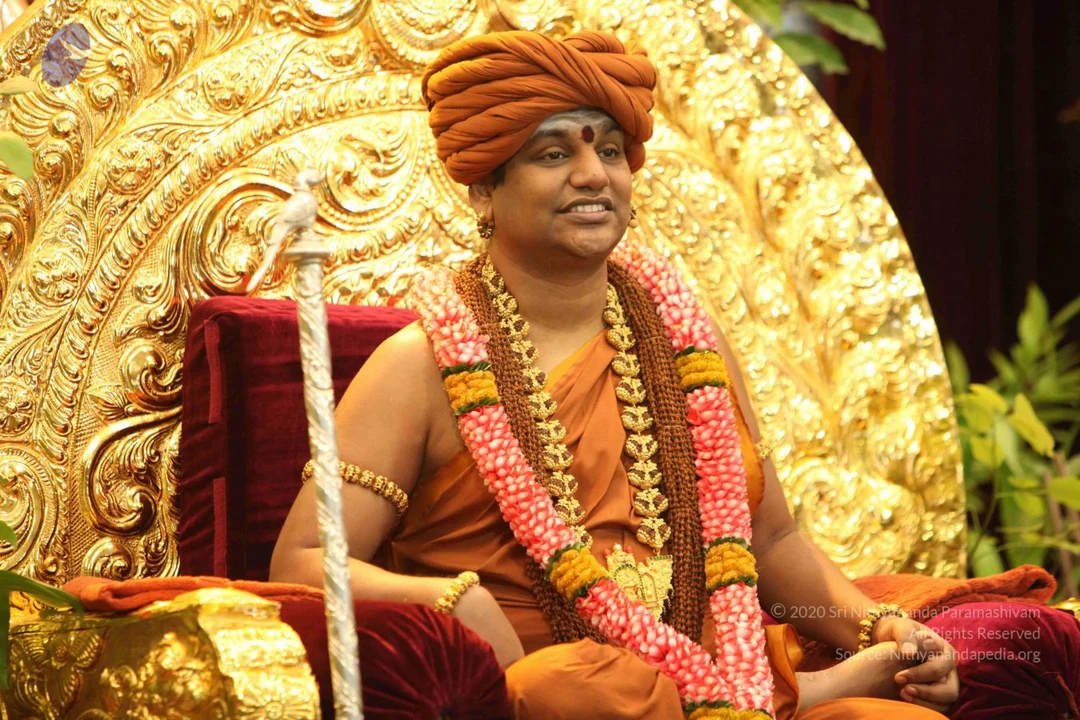
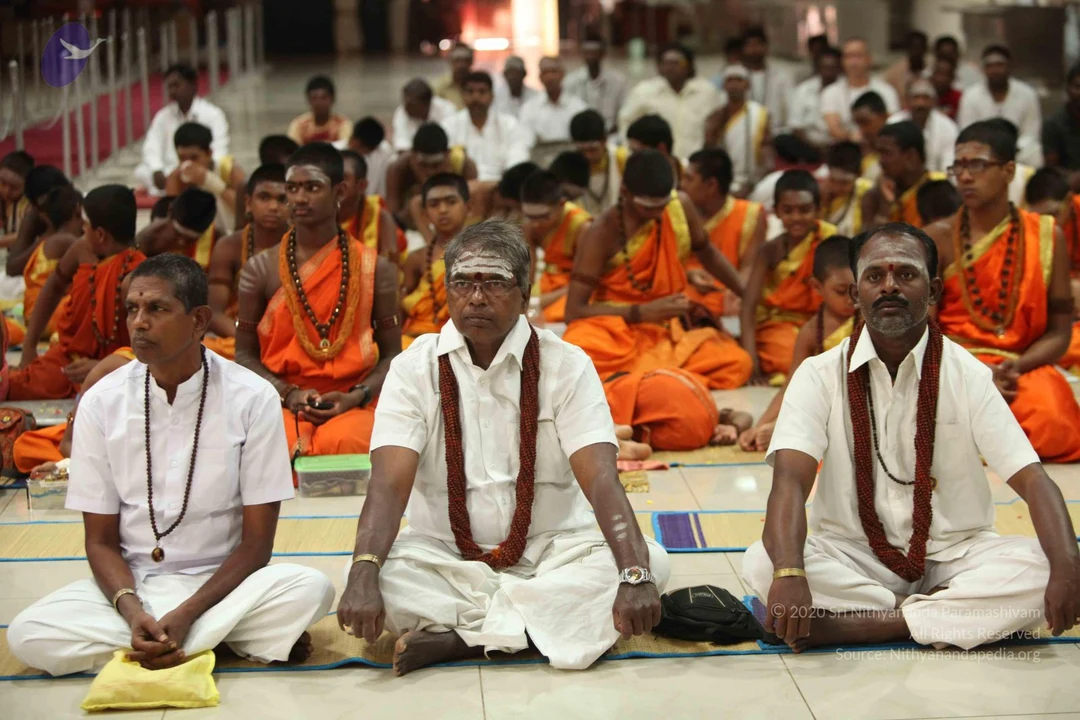
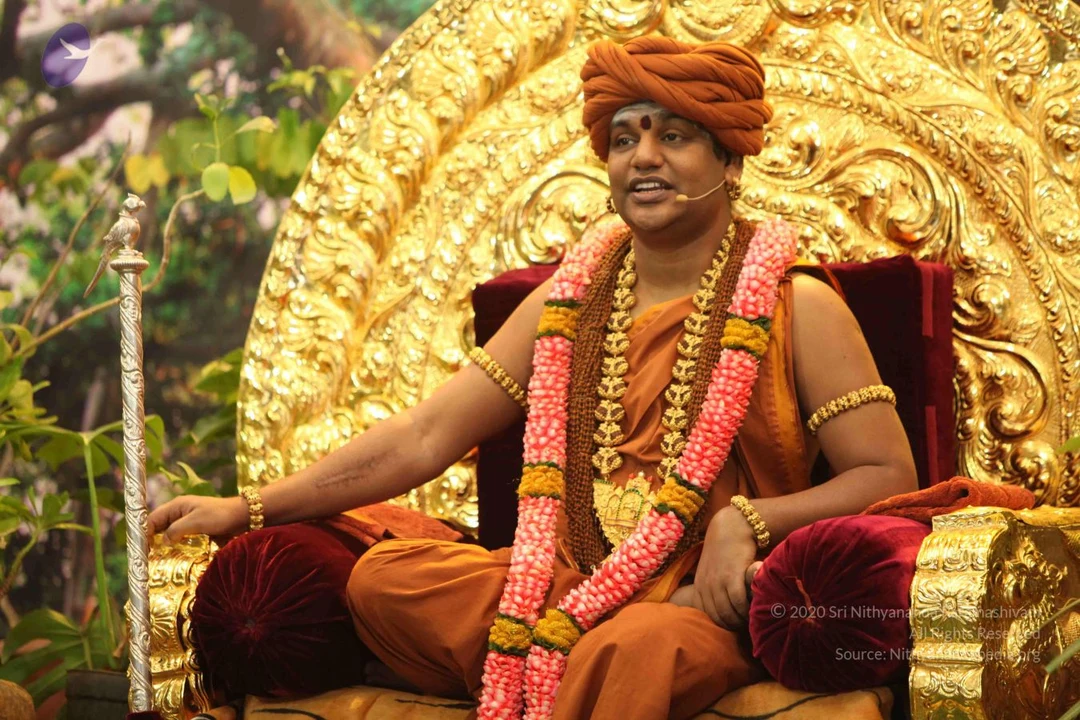
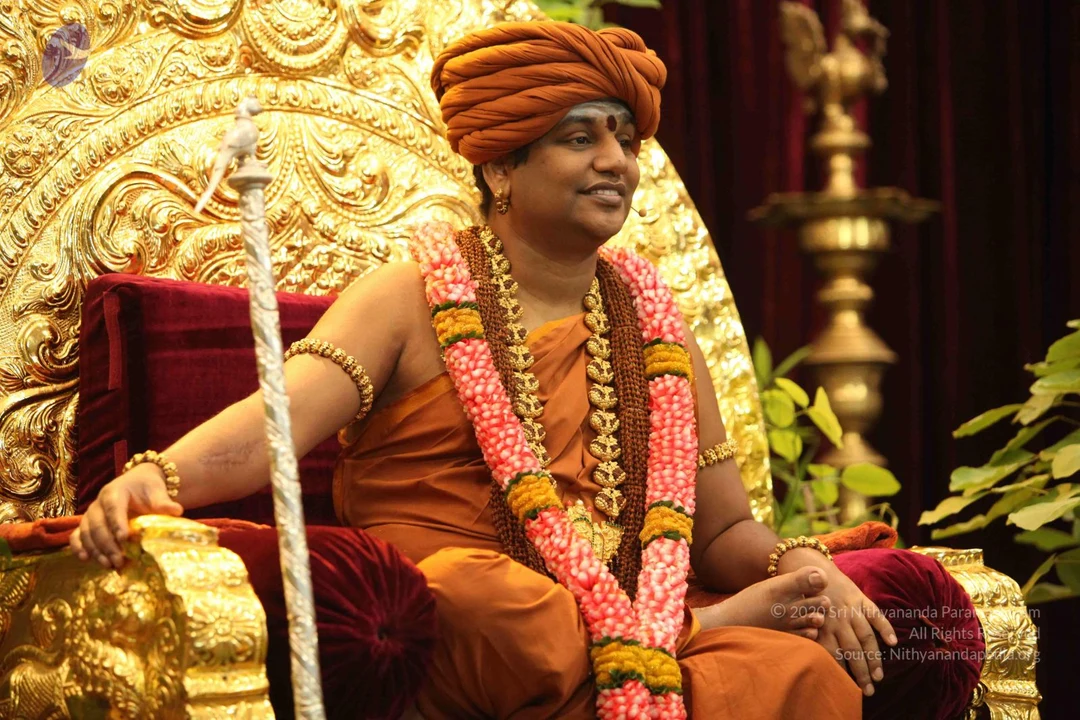
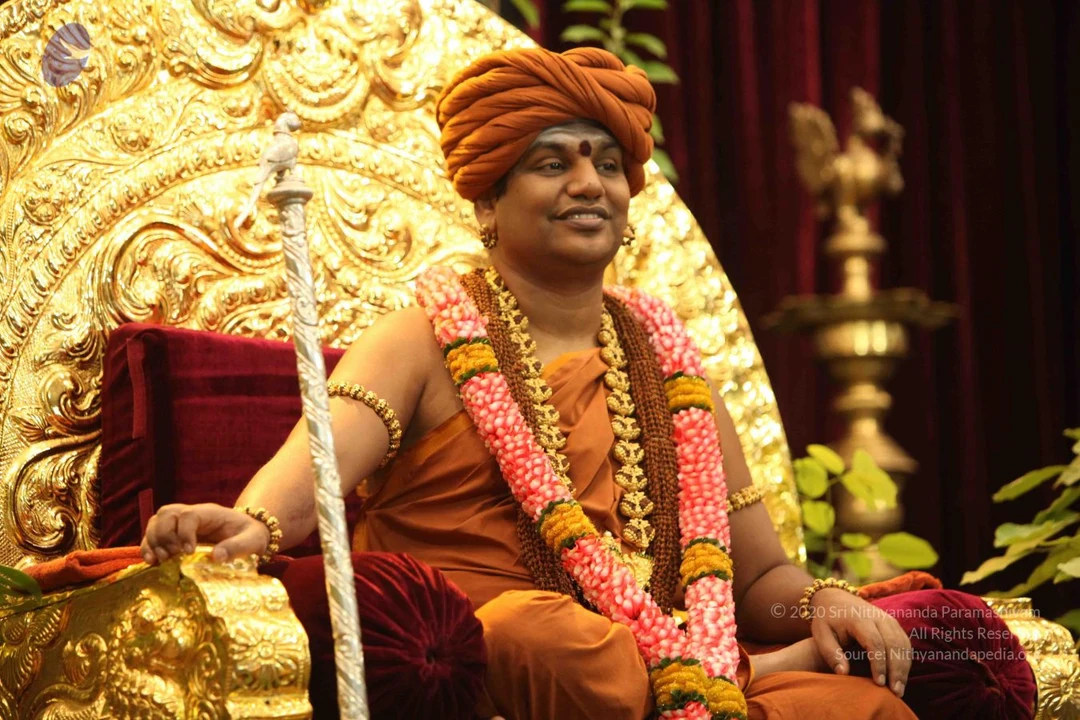
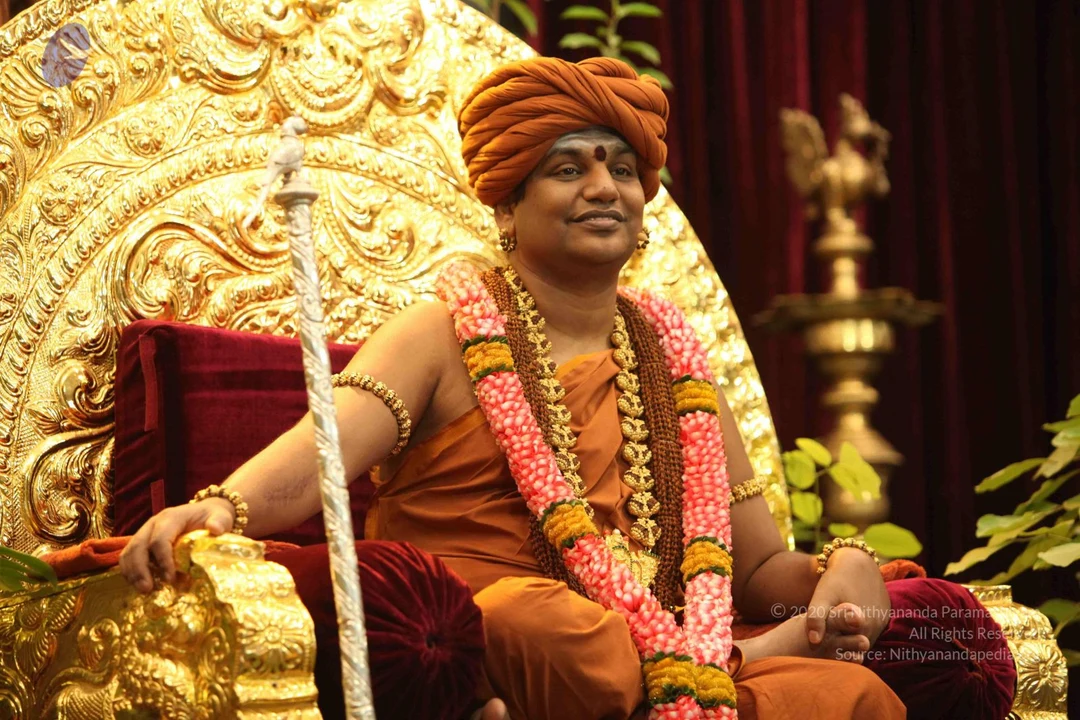
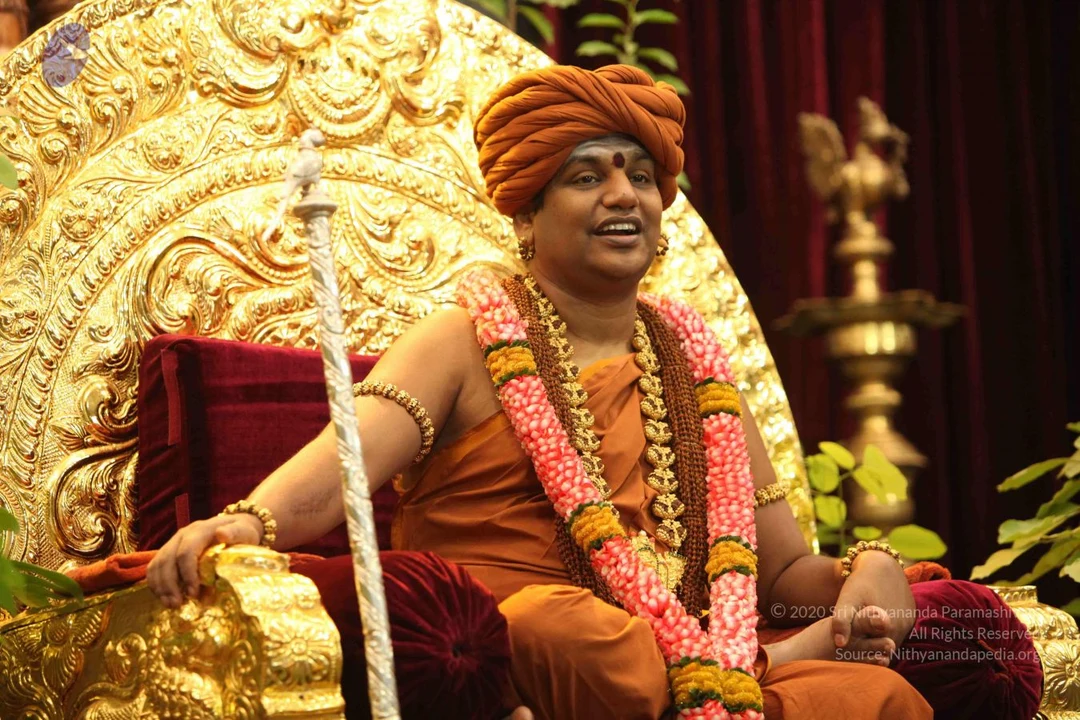






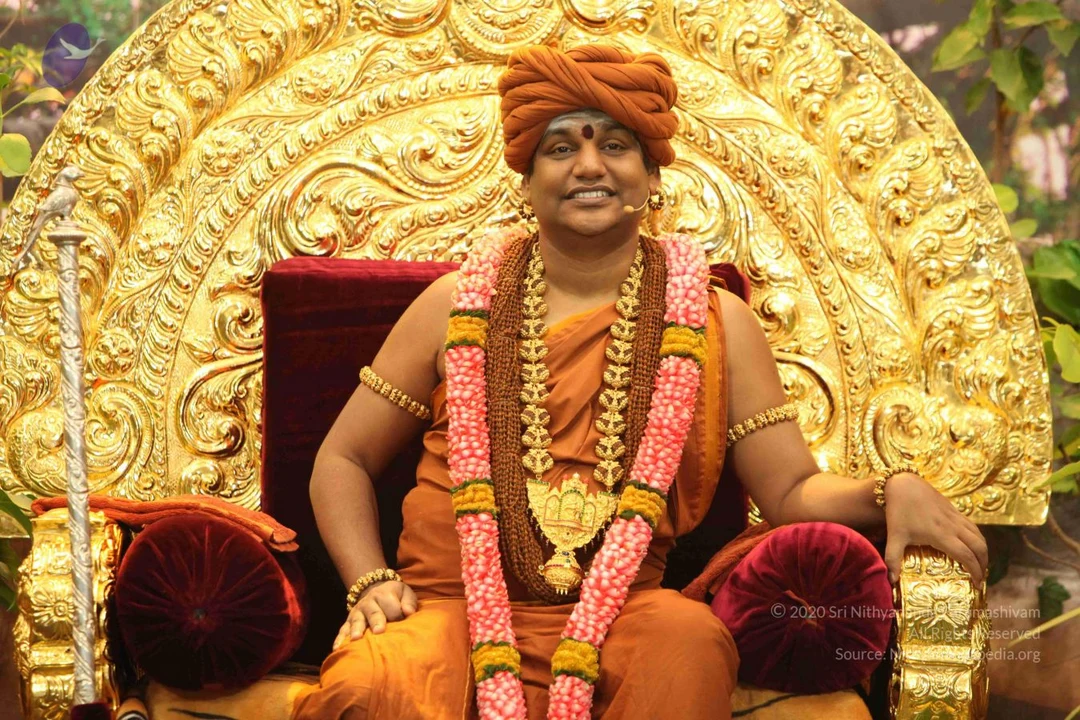
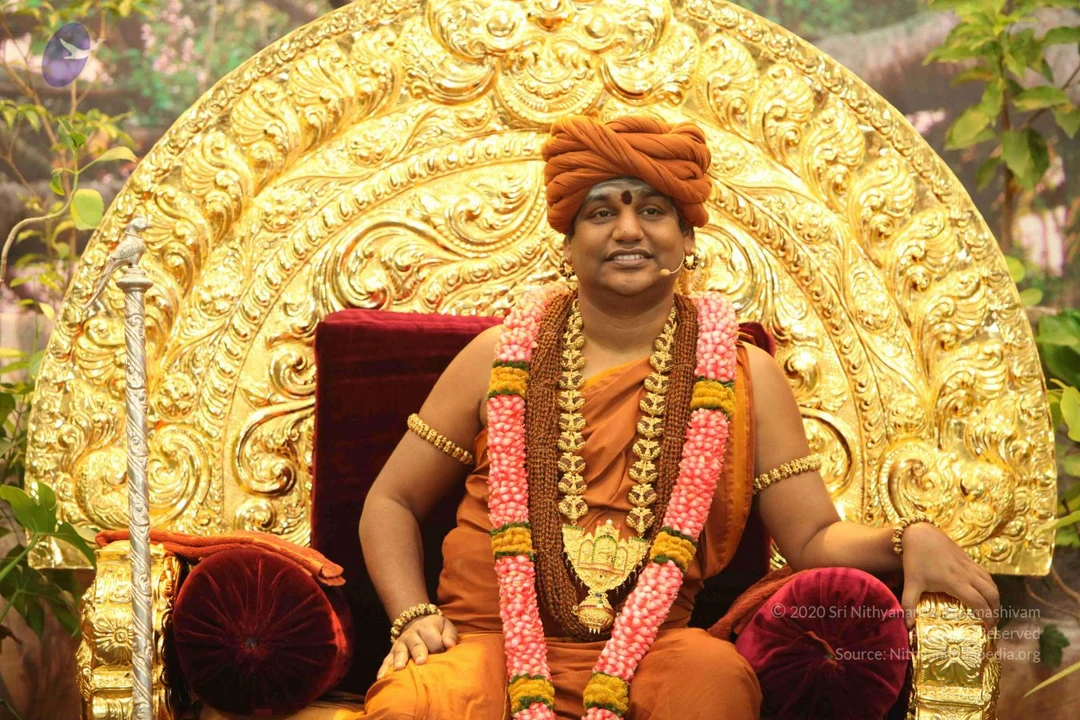
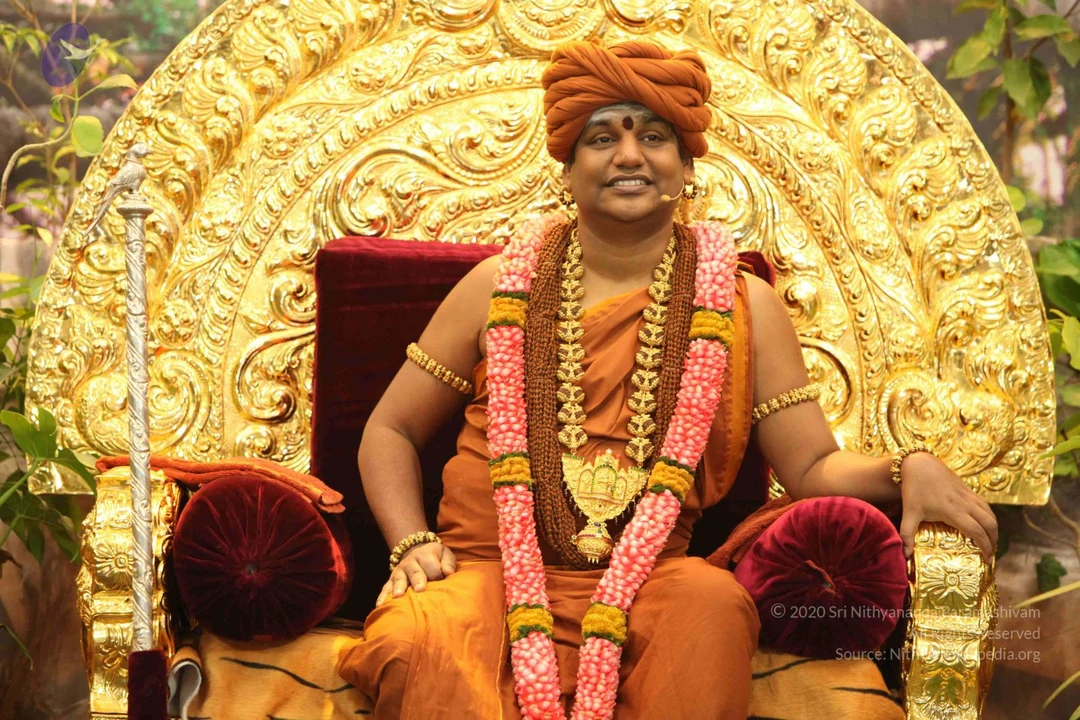
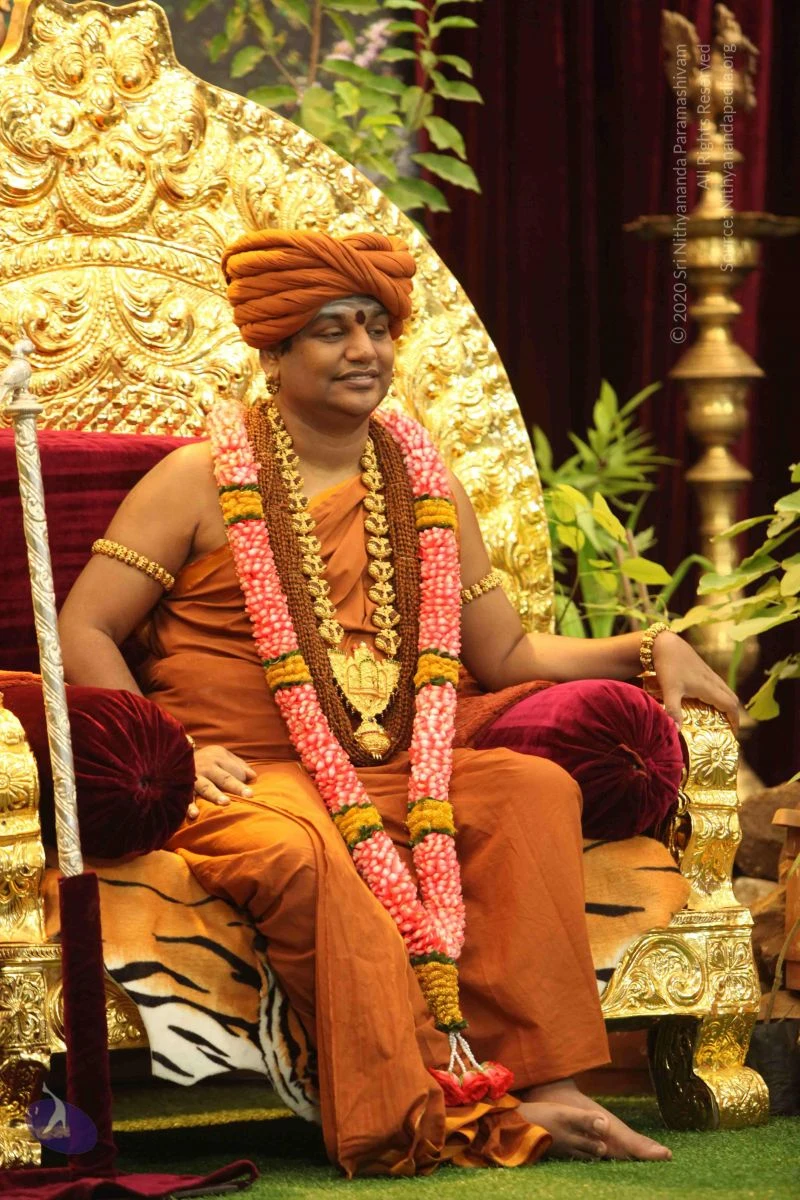


Deities-Alankara

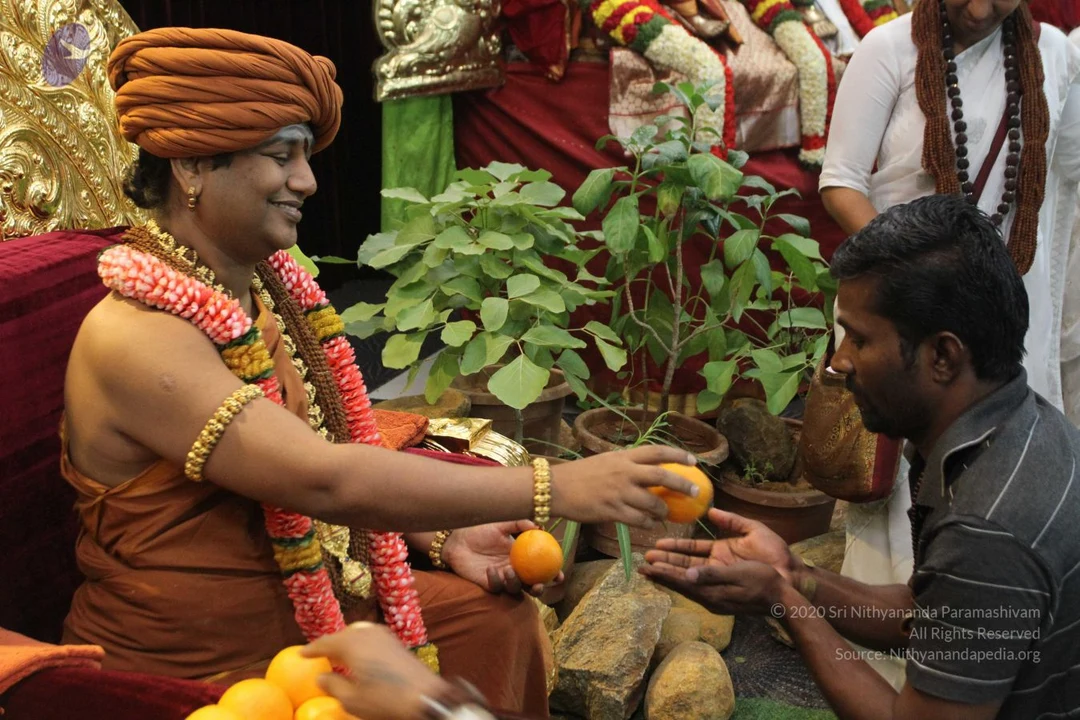
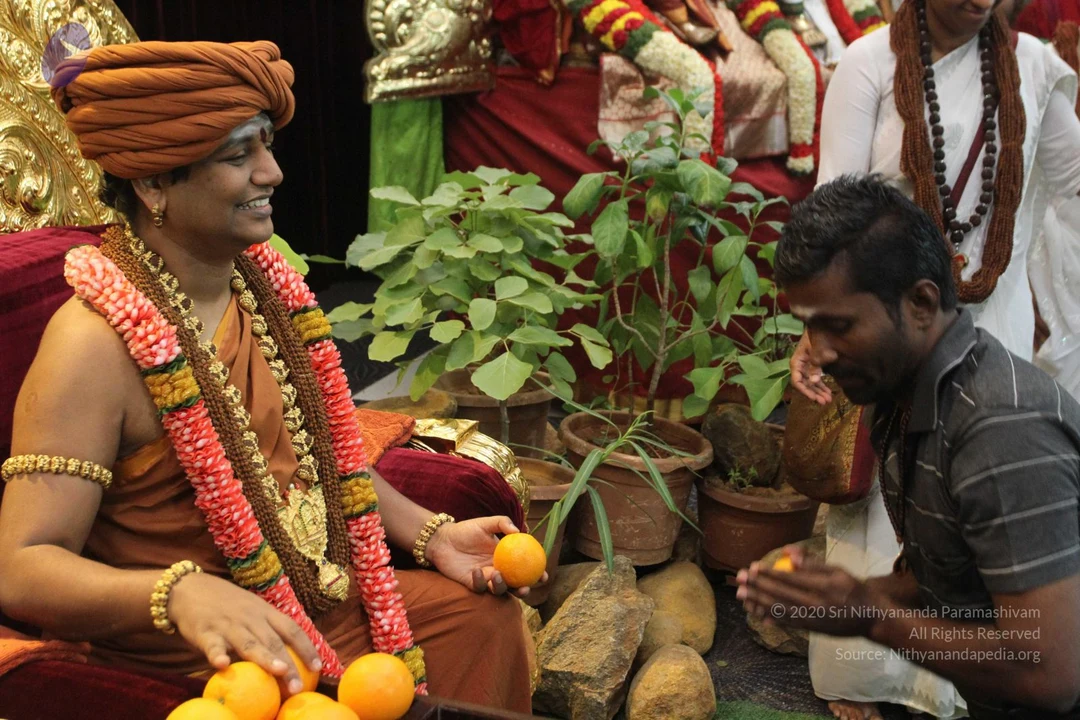
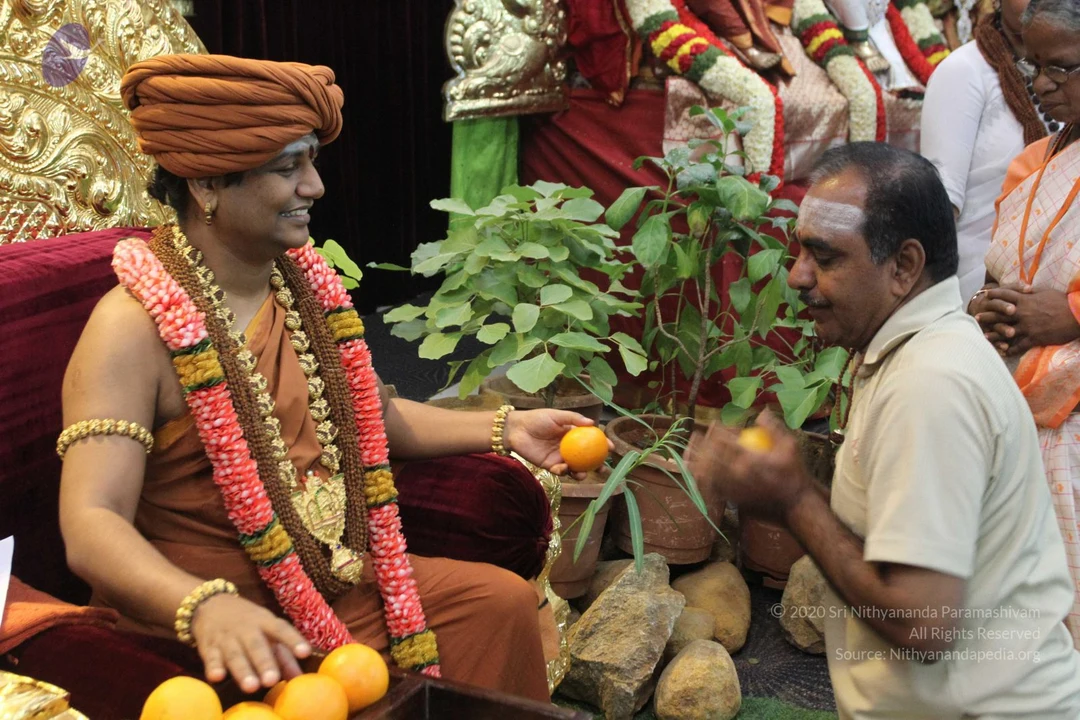
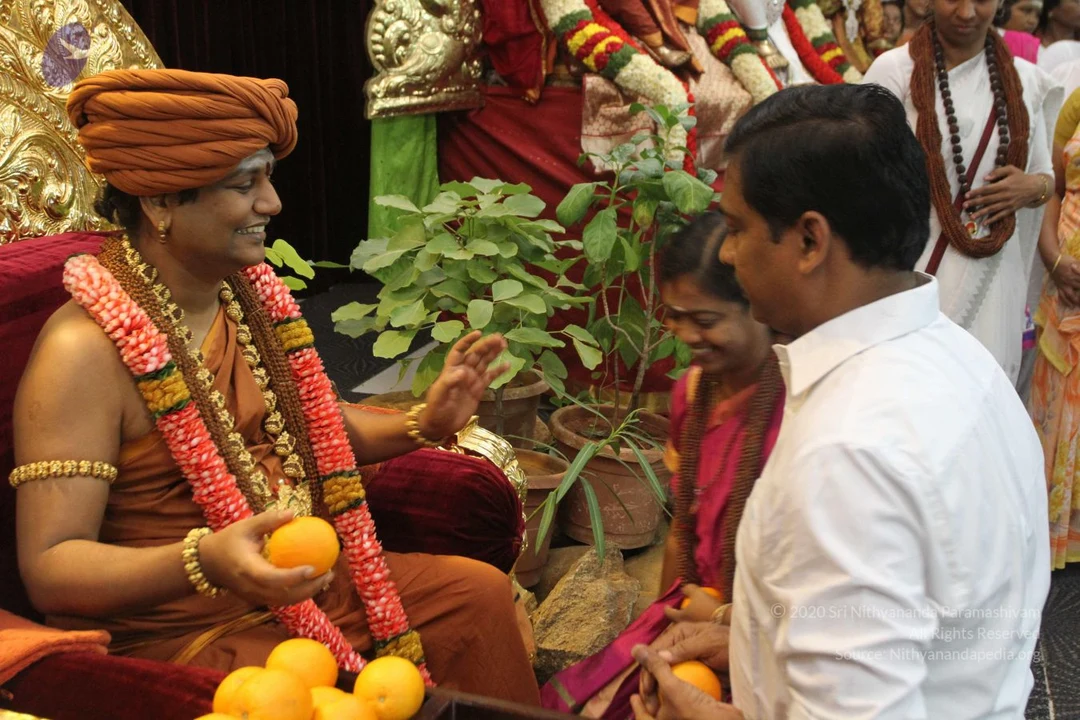
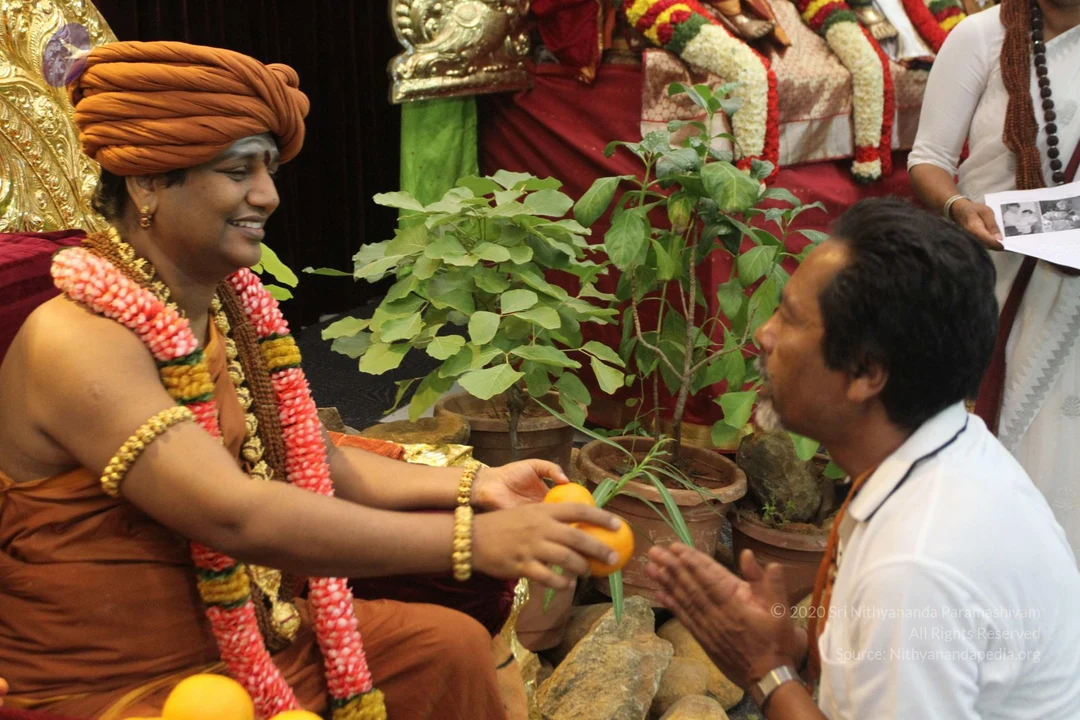
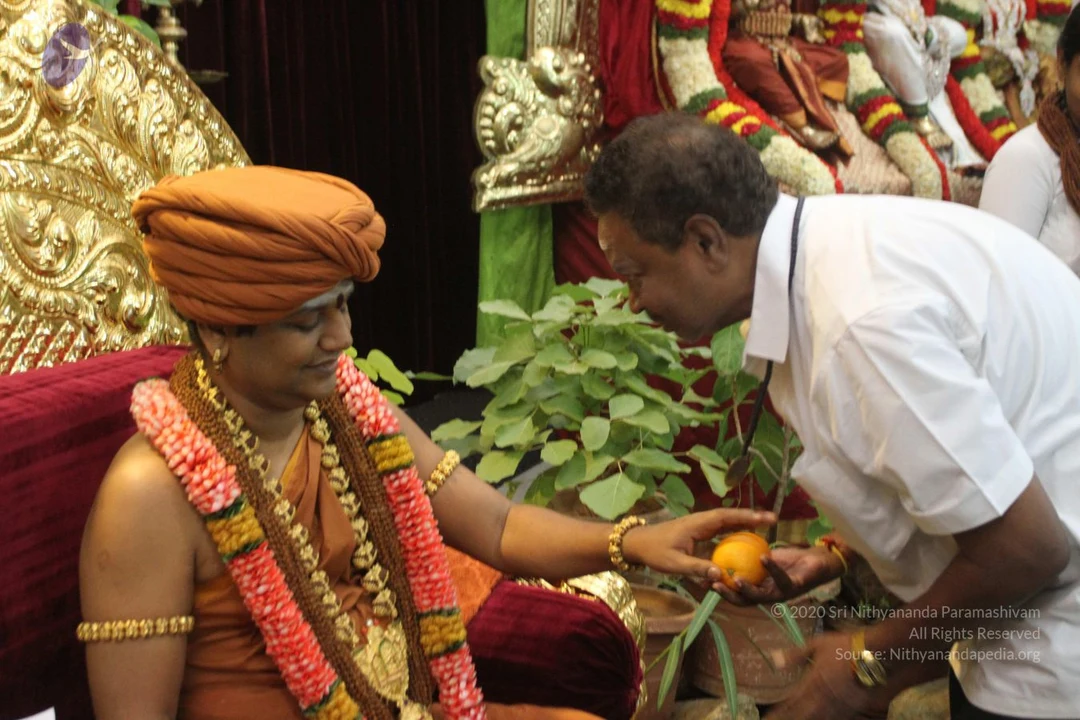
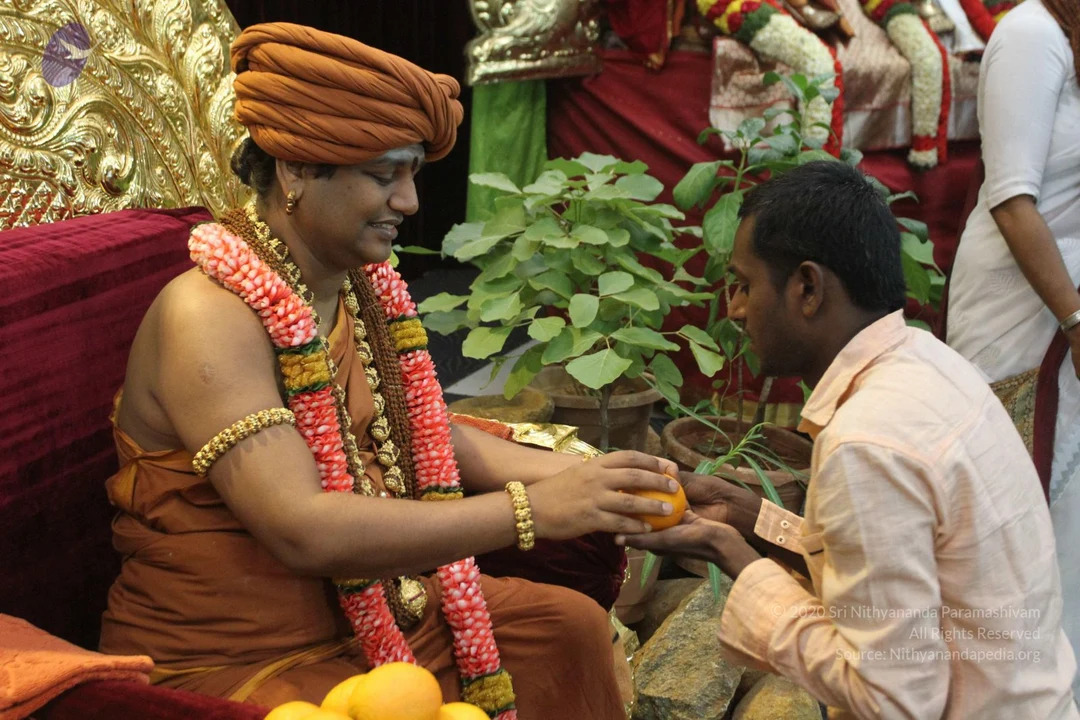
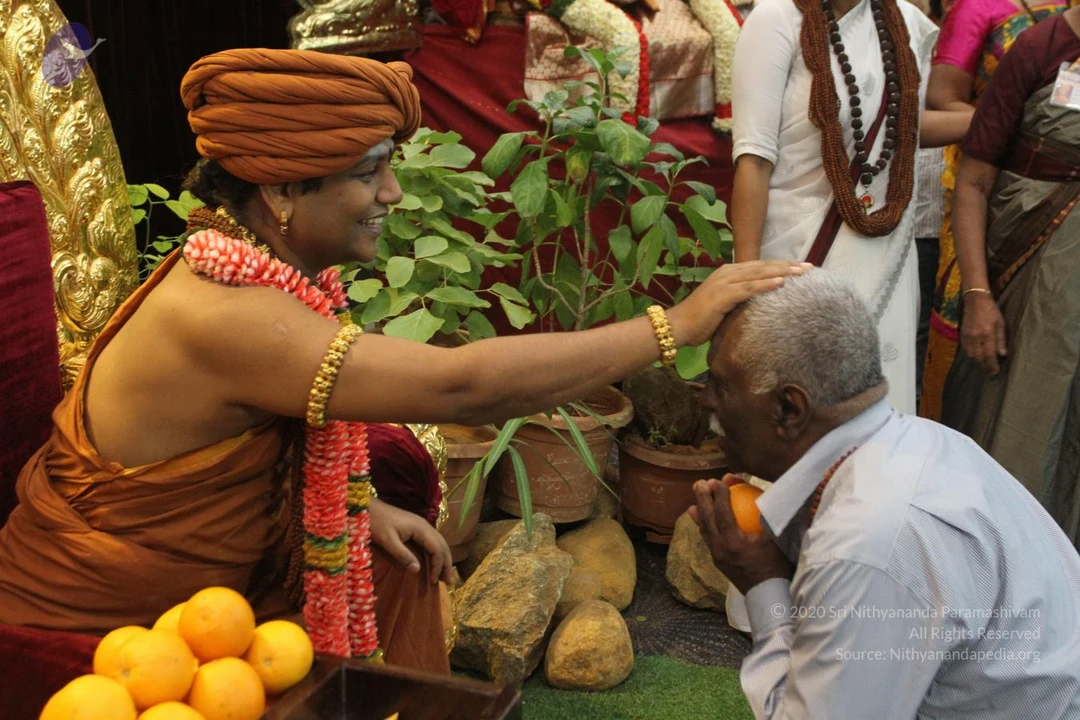
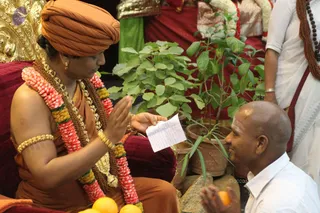
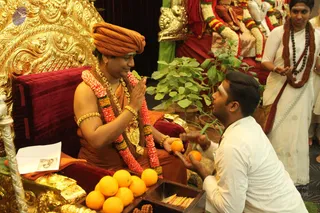
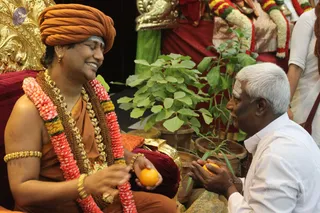
Kalpataru-Darshan
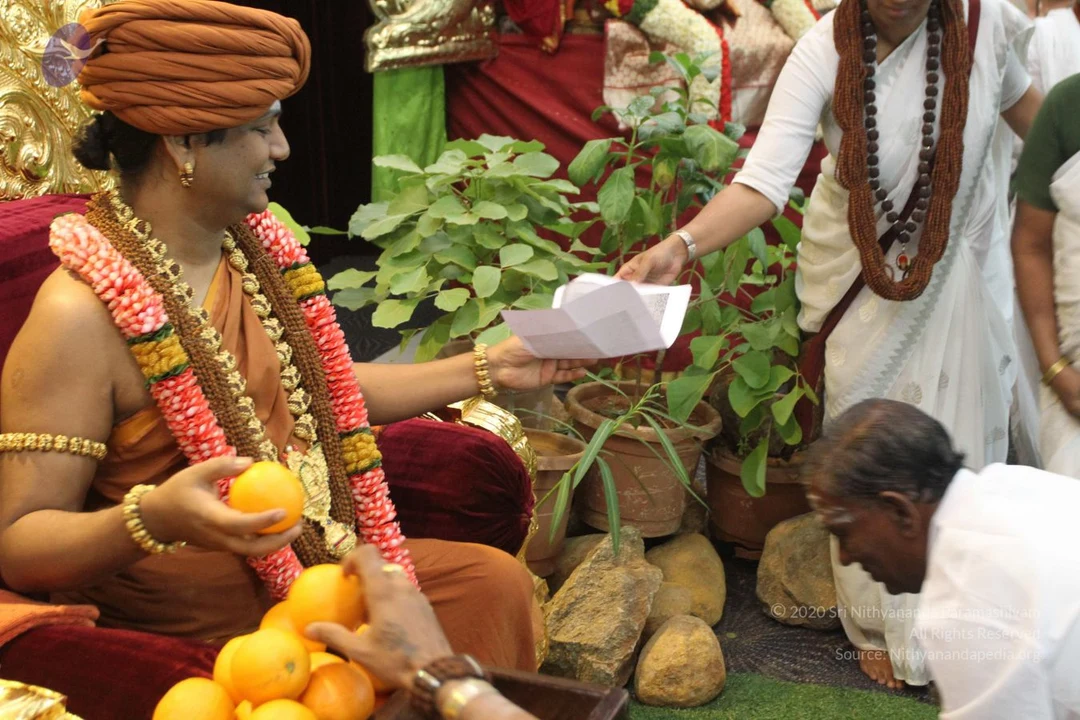
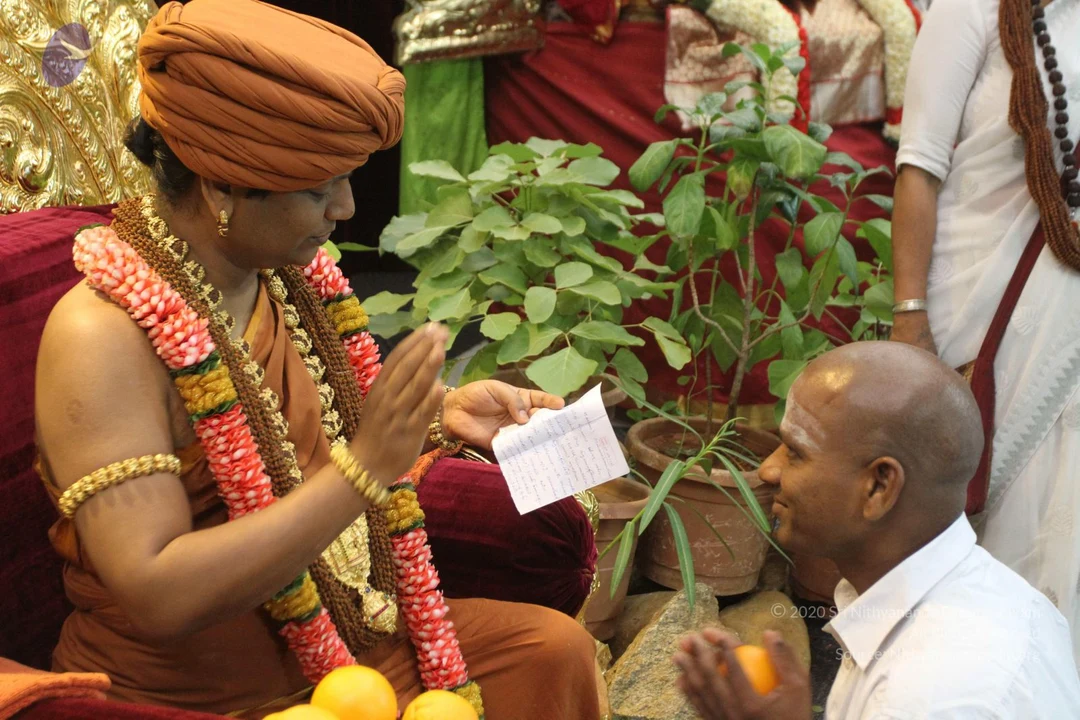

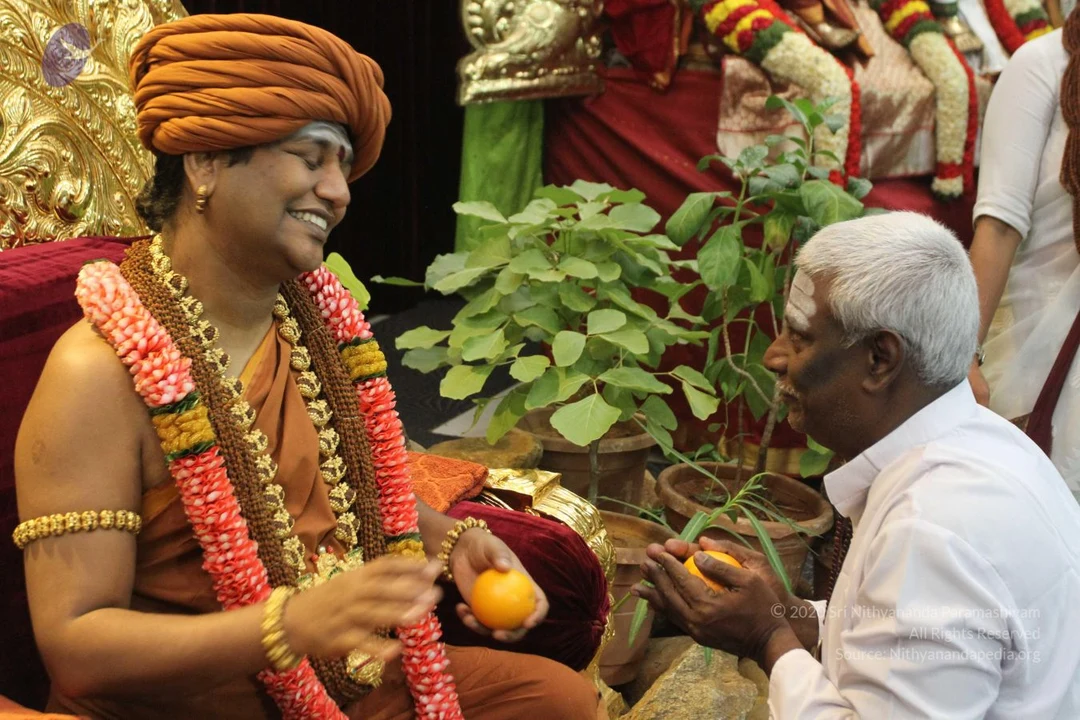
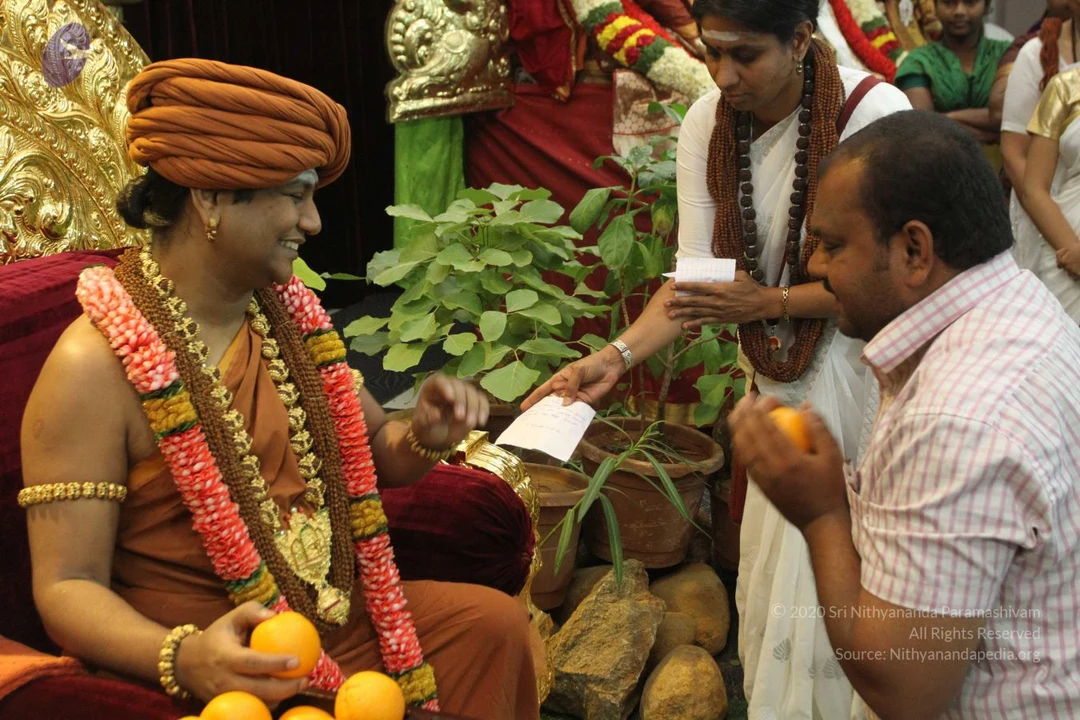

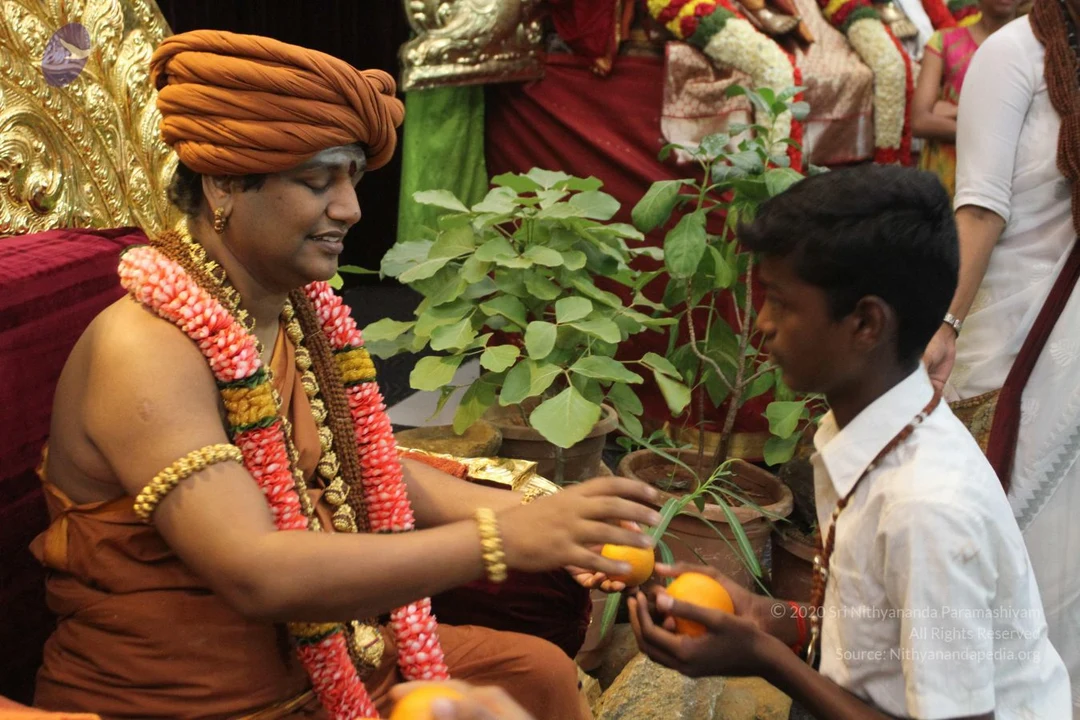

Photos from this day
View all 116 photosNithya Satsang
11 photosSource gallery
Analysis and Results
3 photosSource gallery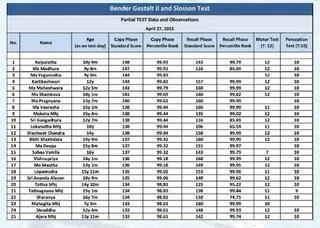
Analysis and Results
2 photosSource gallery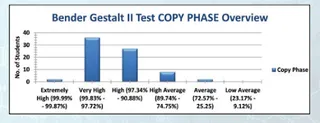
Morning-Satsang
73 photosSource gallery
Deities-Alankara
11 photosSource gallery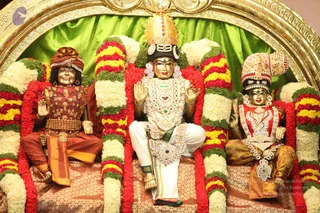

Kalpataru-Darshan
16 photosSource gallery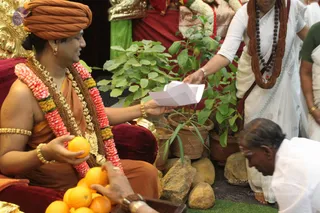
April 27 2015
1 photoView all