Thursday
26 April 2018
Authentic Yoga || Meeting with Stapathis of Nithyanandeshwara Sadashiva Devasthanam || Powerful initiation in Sri Chakra Mandala || Global Enriching activities through Sevas || Upcoming programs announced ||
- Dated photos
- 550
- Source pages
- 1
- Media
- 1
April 26 2018
Original wiki pageTitle
Authentic Yoga || Meeting with Stapathis of Nithyanandeshwara Sadashiva Devasthanam || Powerful initiation in Sri Chakra Mandala || Global Enriching activities through Sevas || Upcoming programs announced ||
Narration
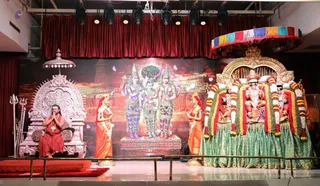
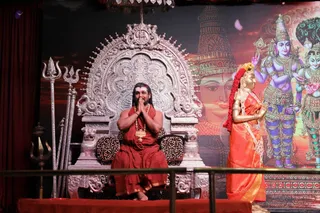
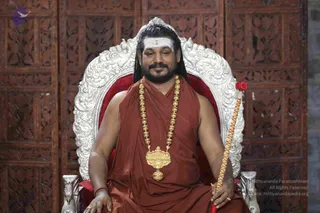
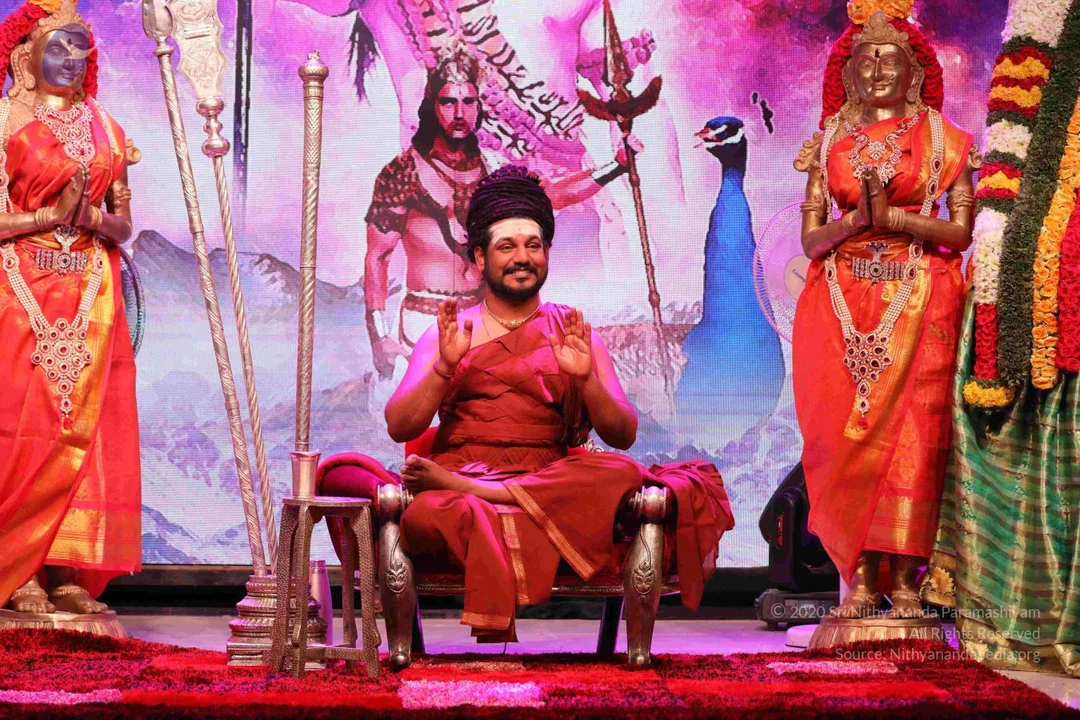
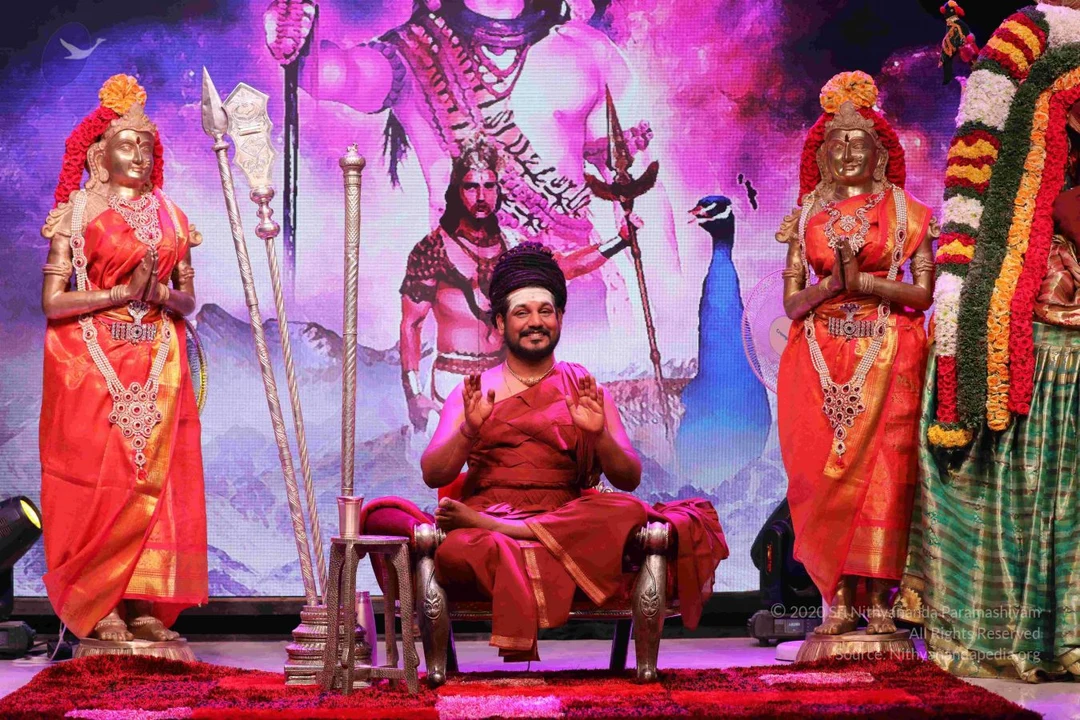
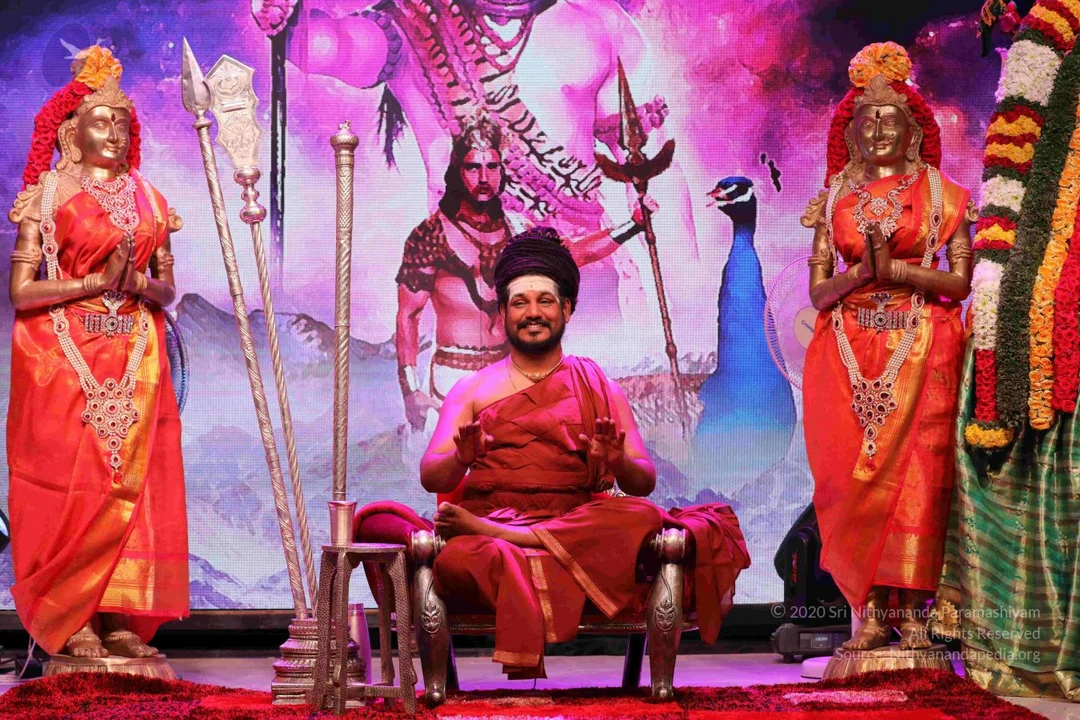
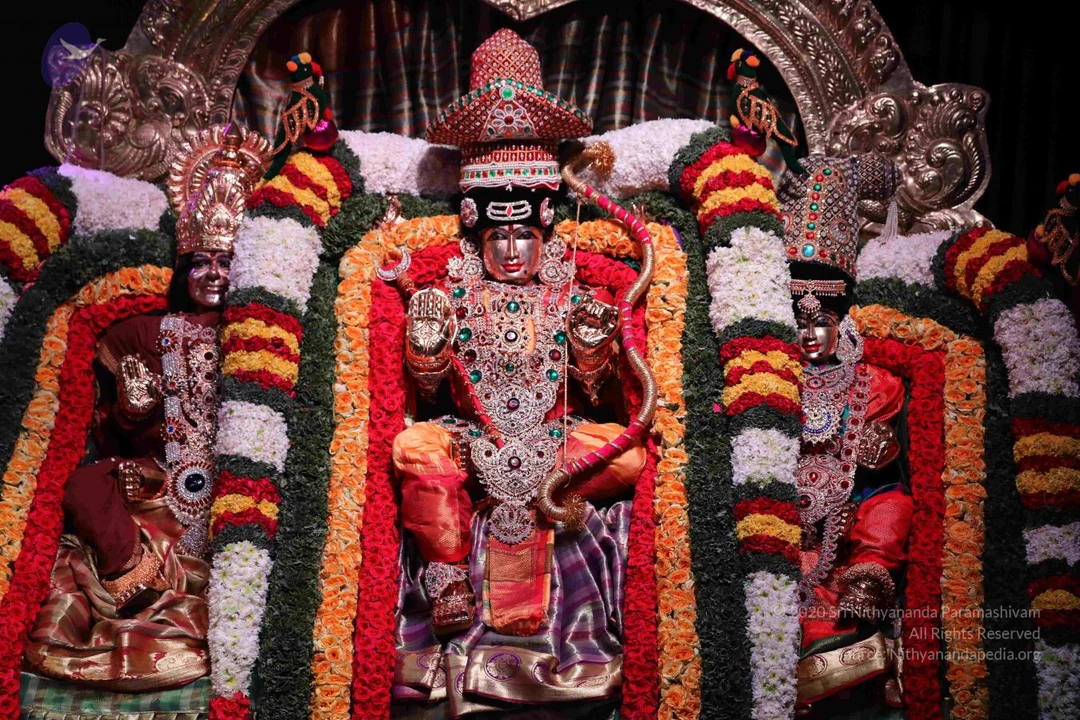
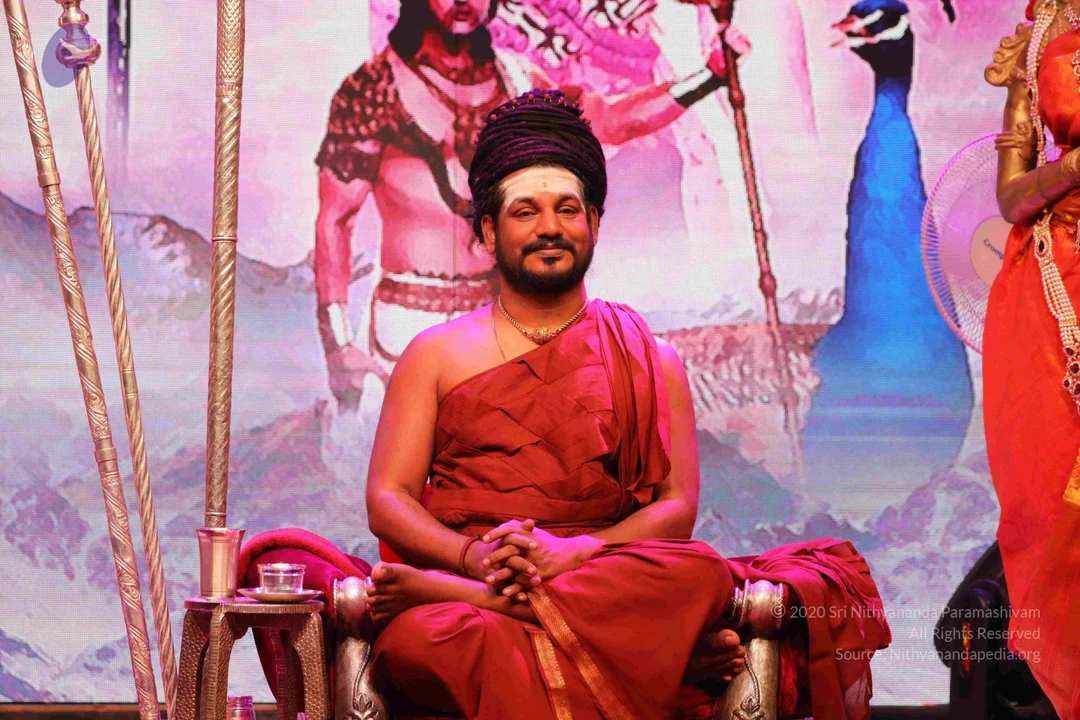
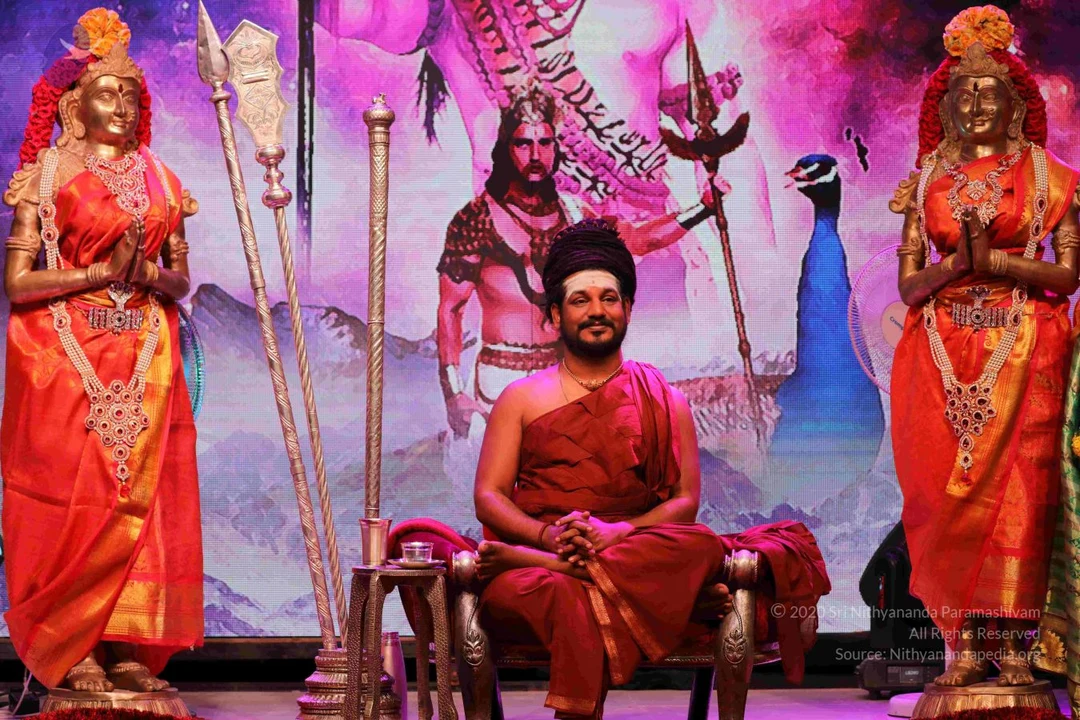
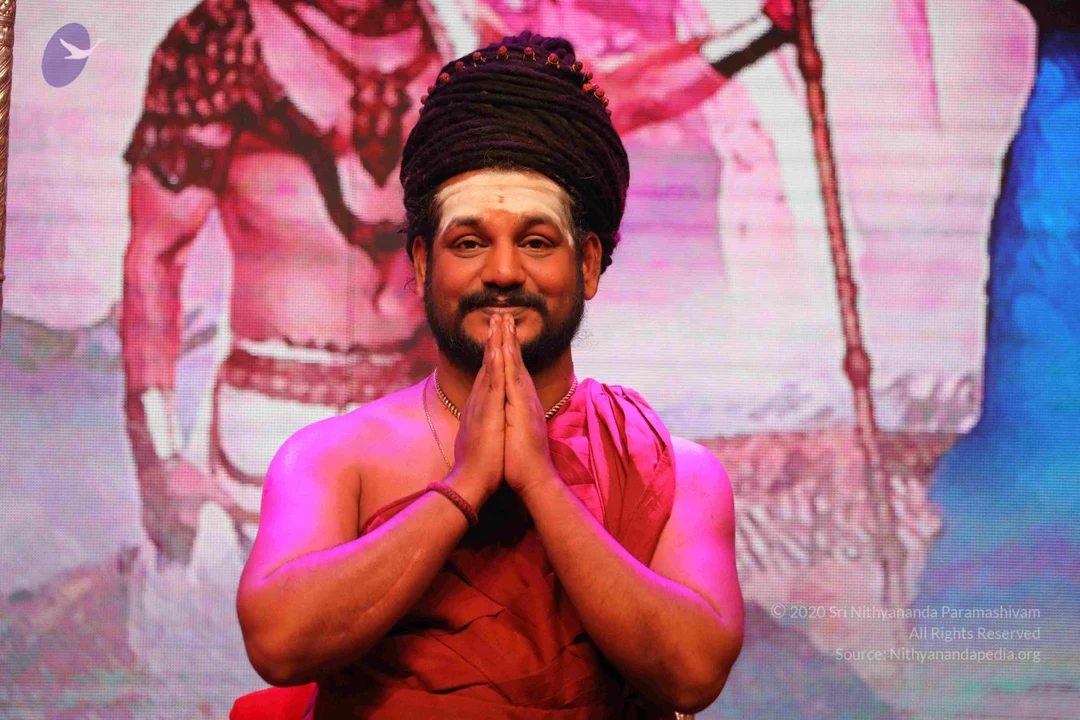
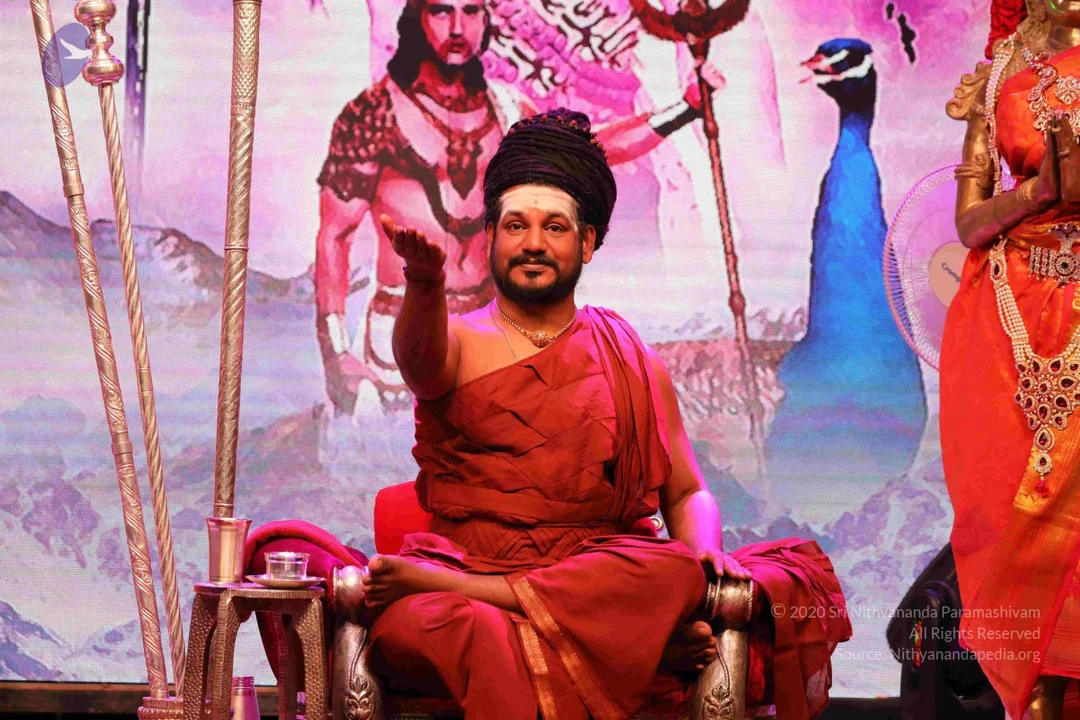
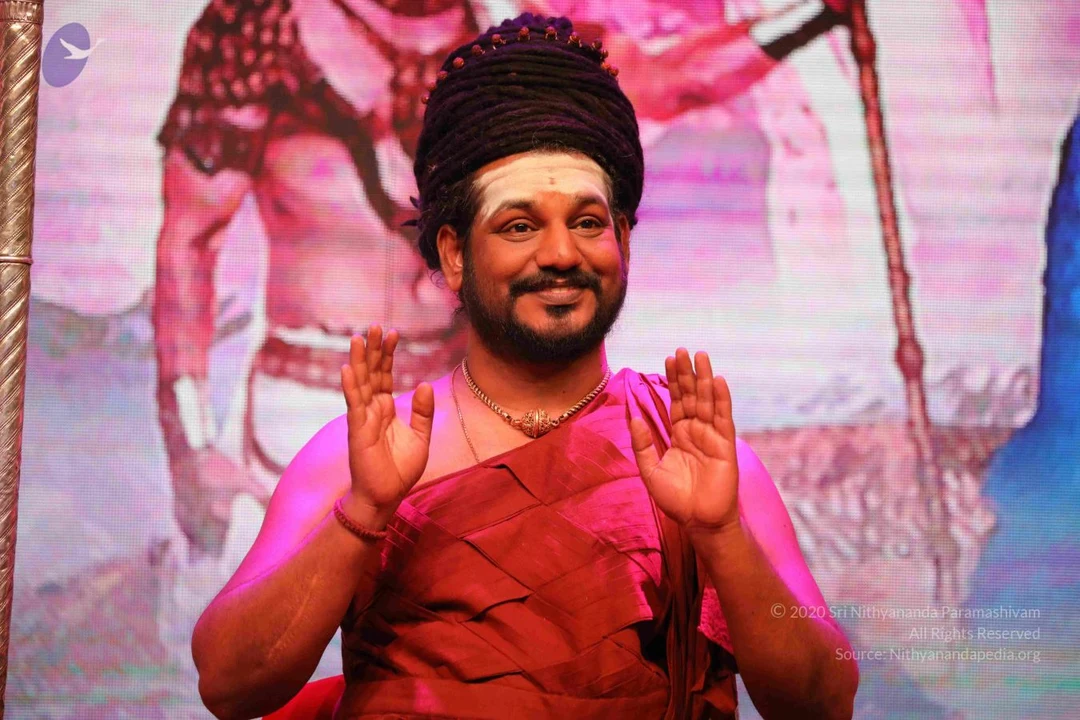
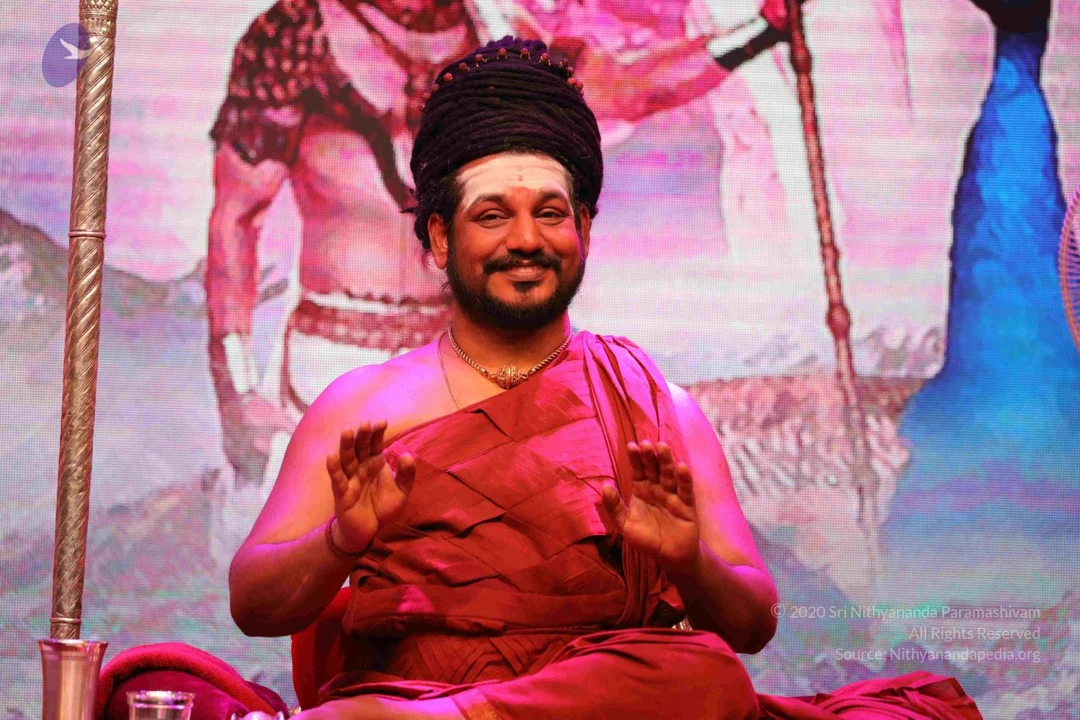
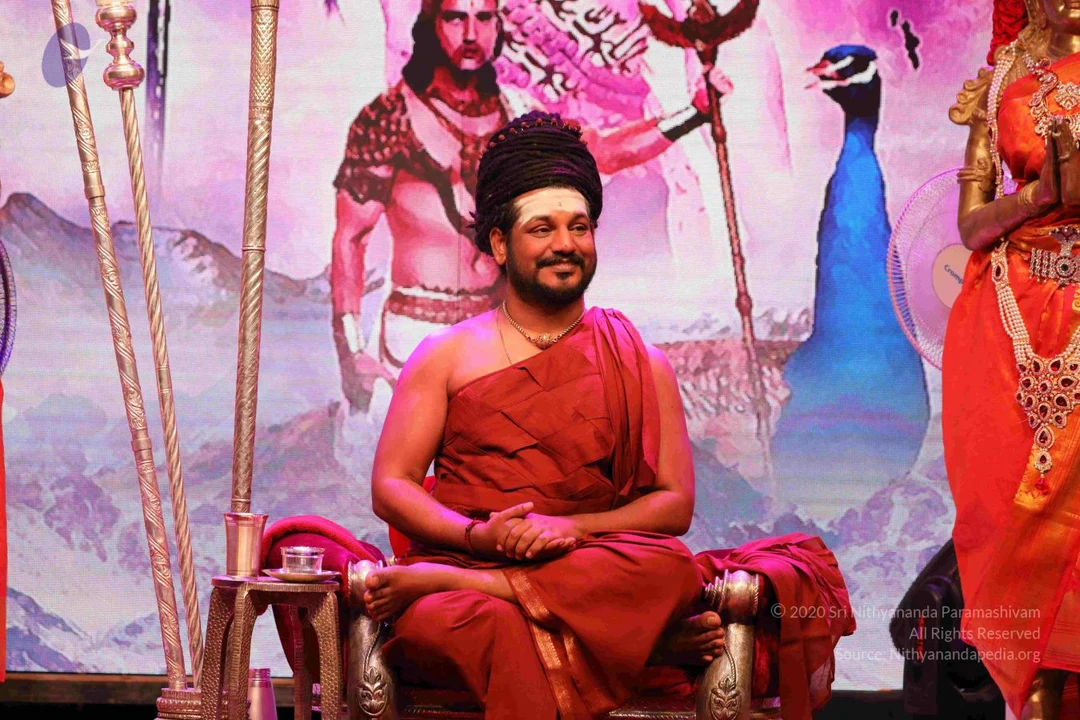
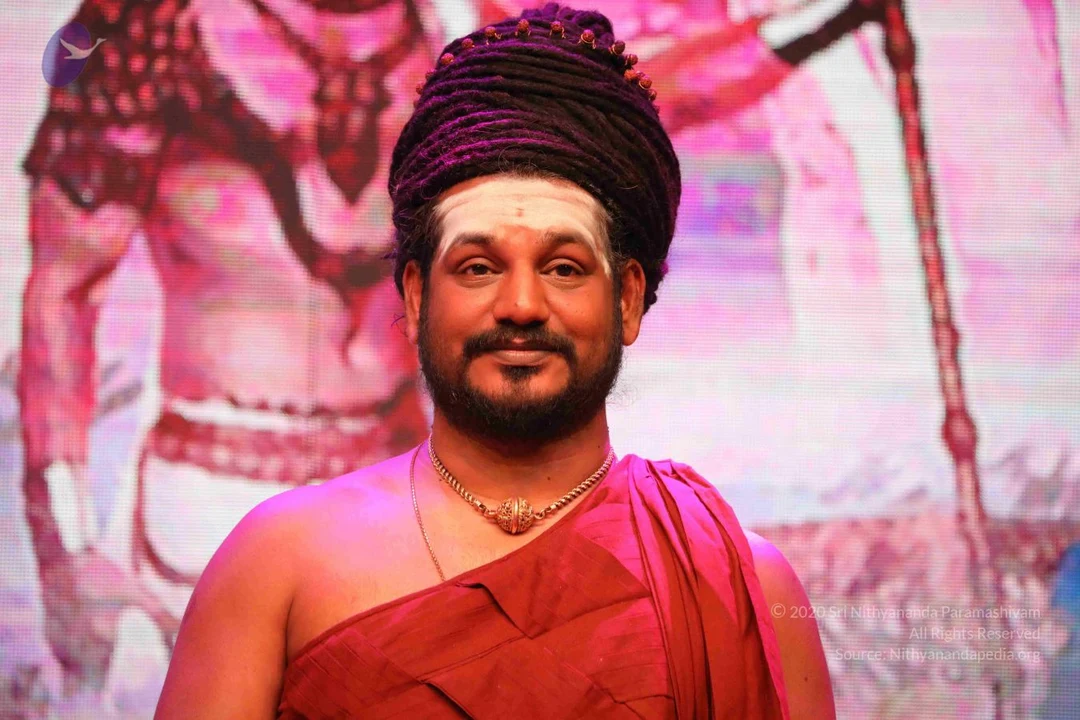
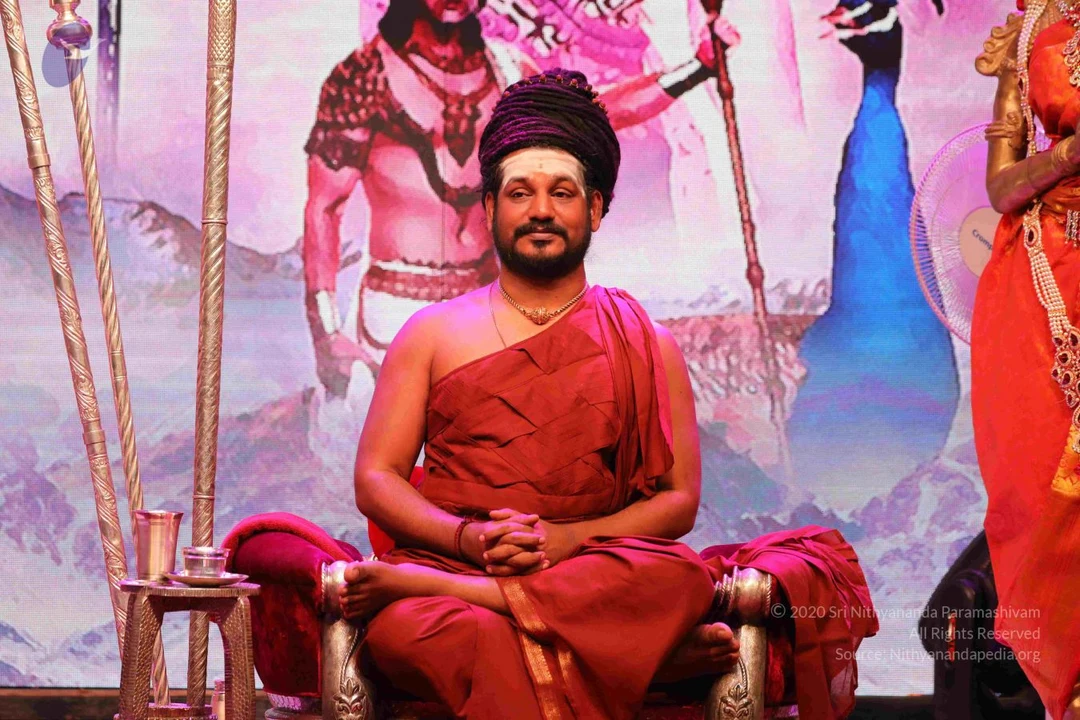
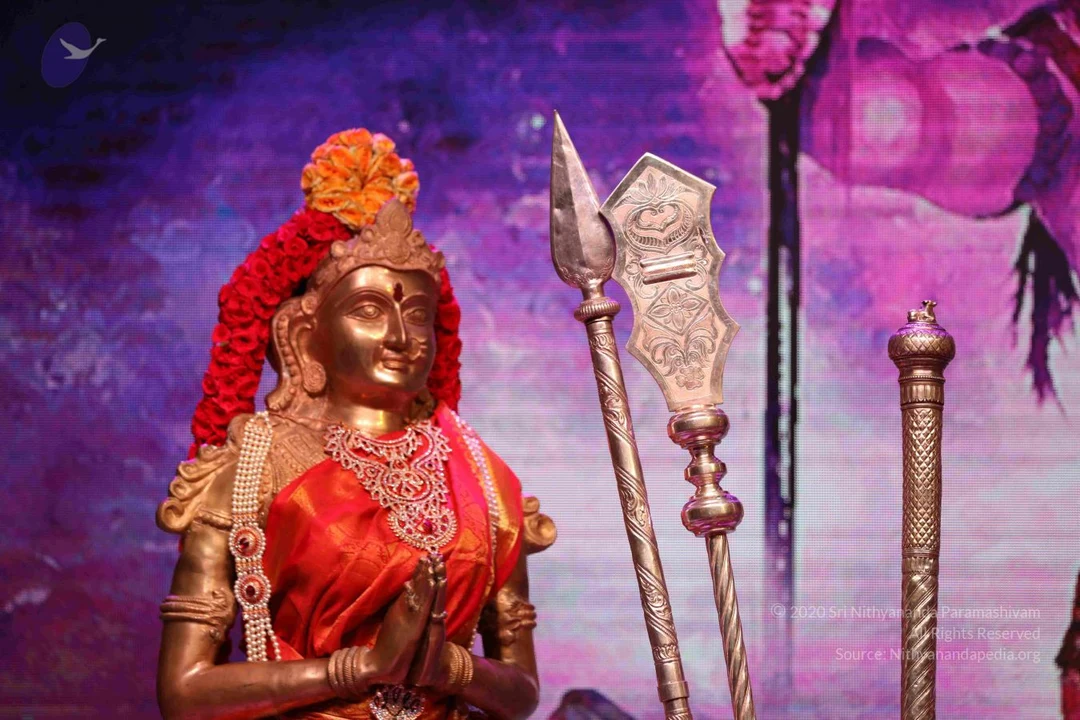
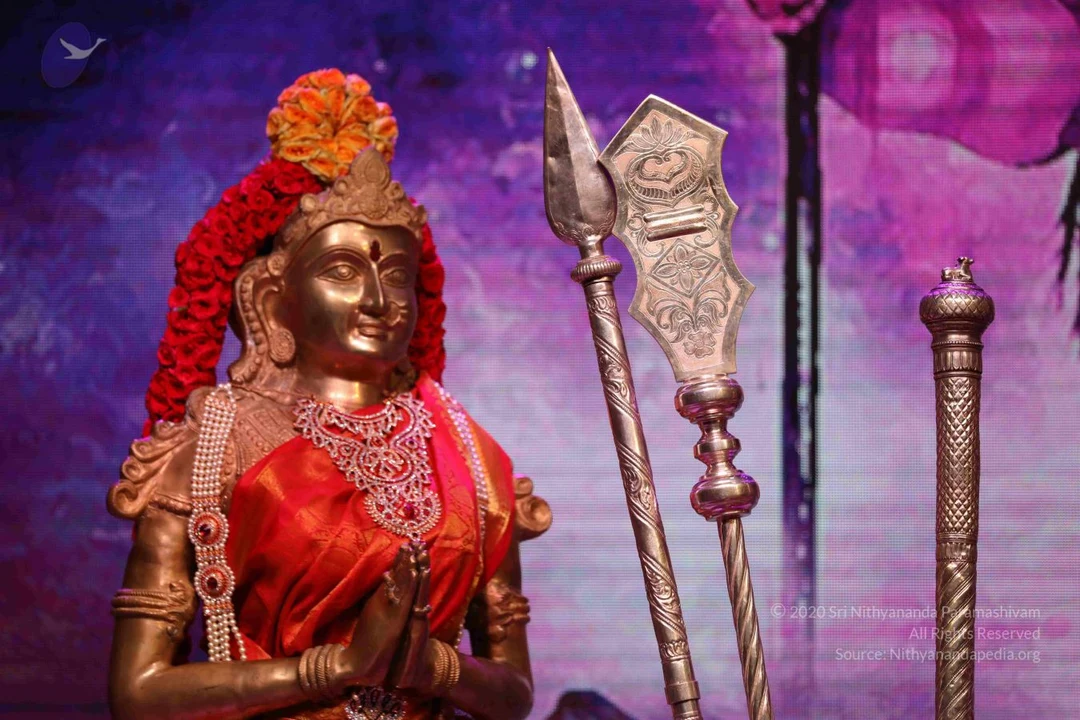
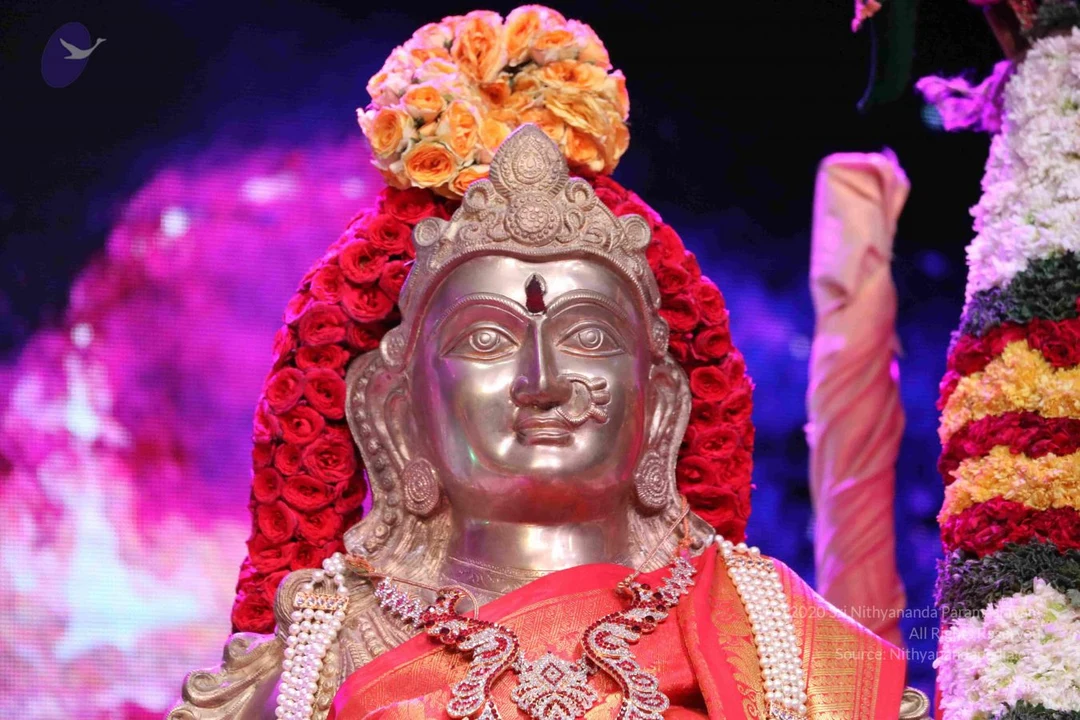
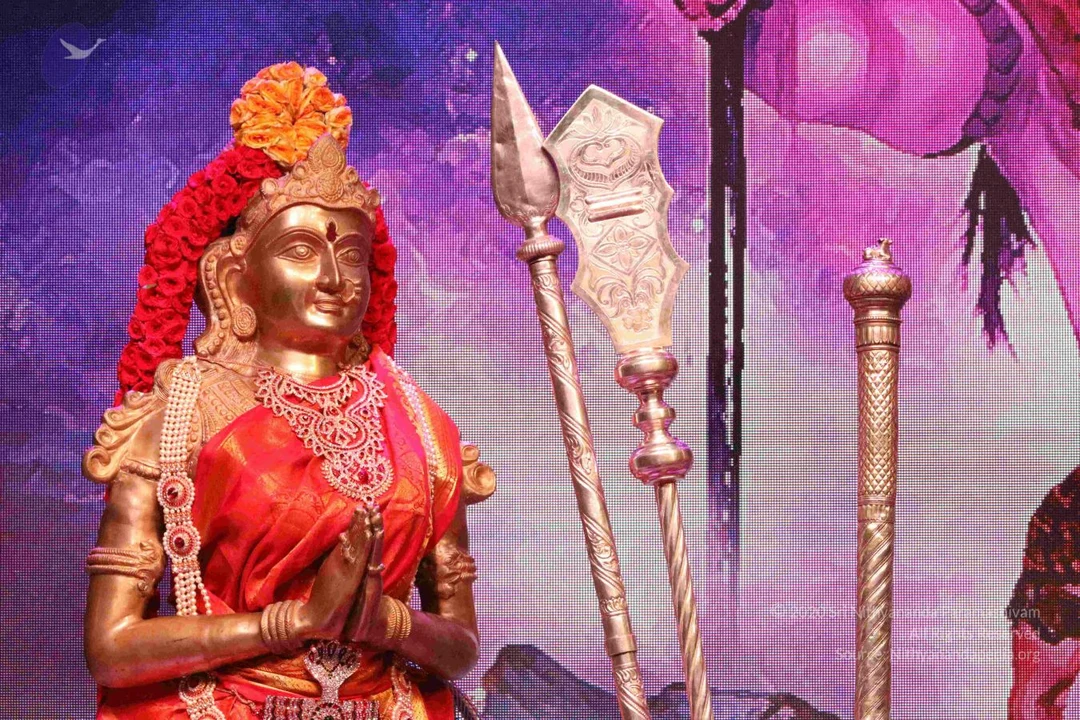
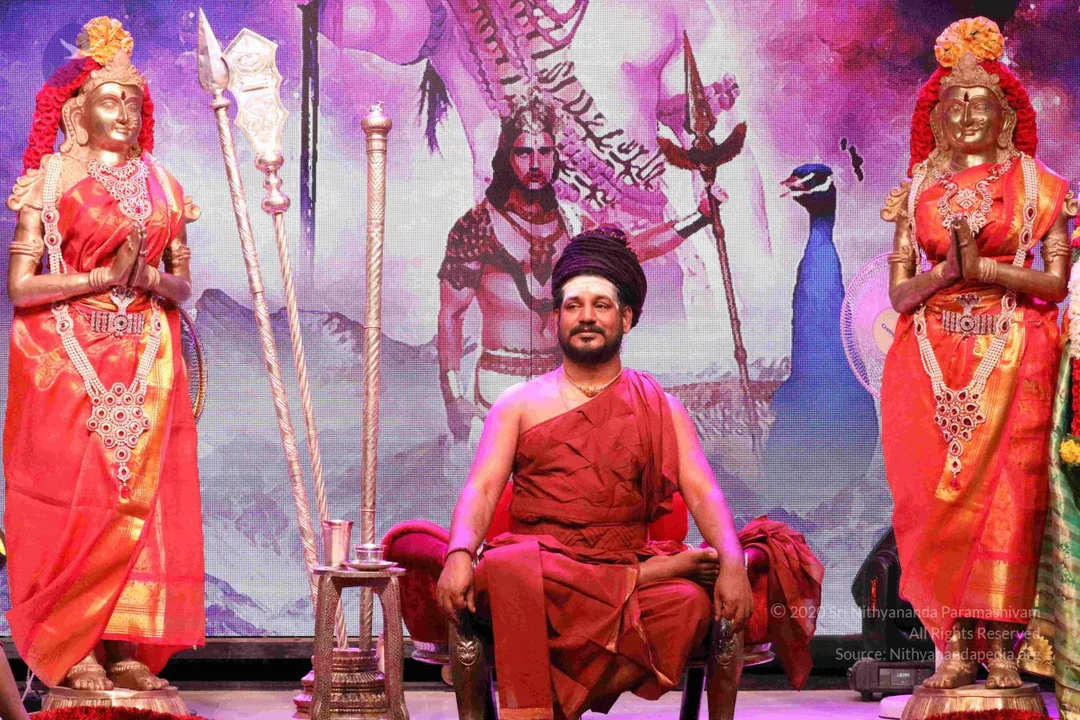
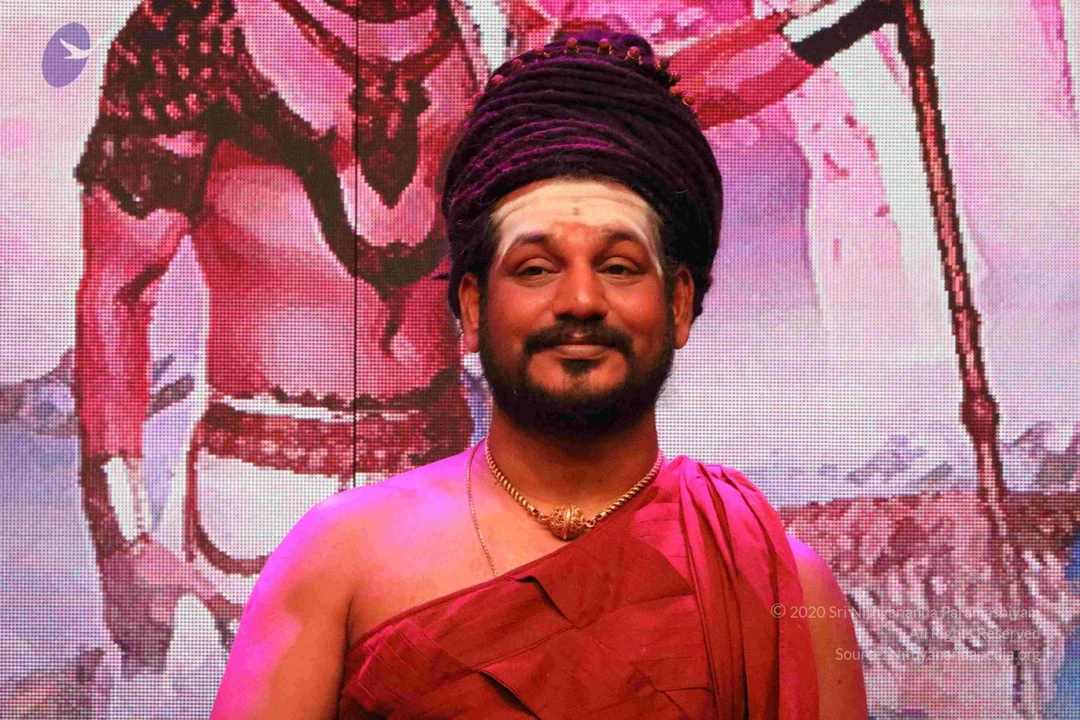
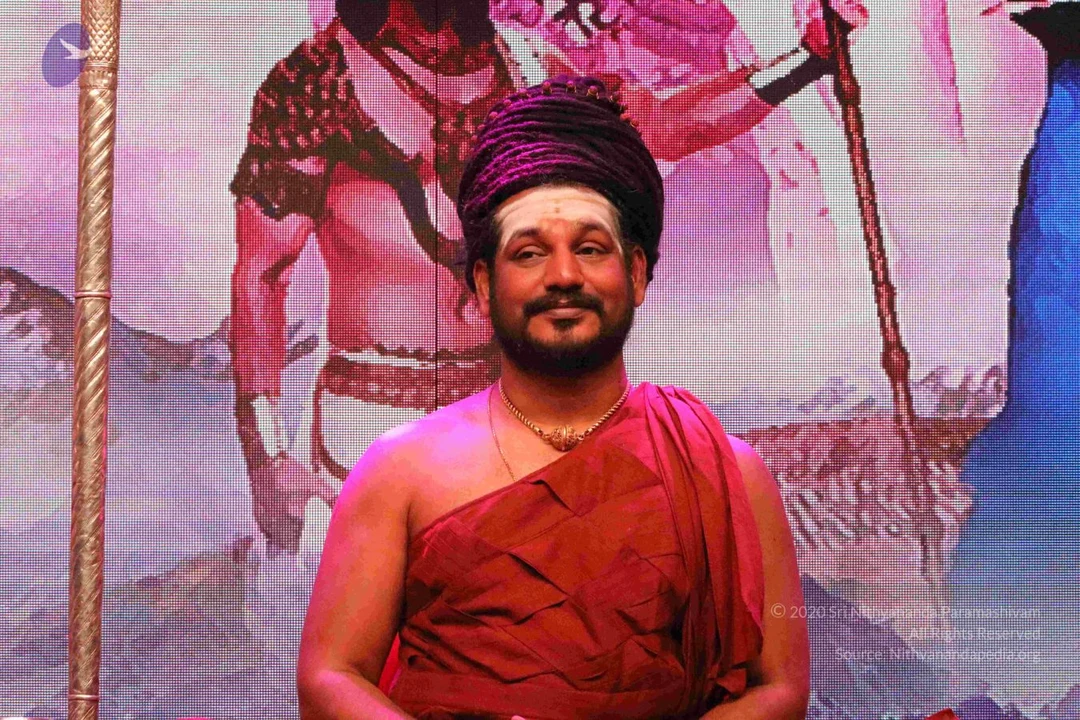
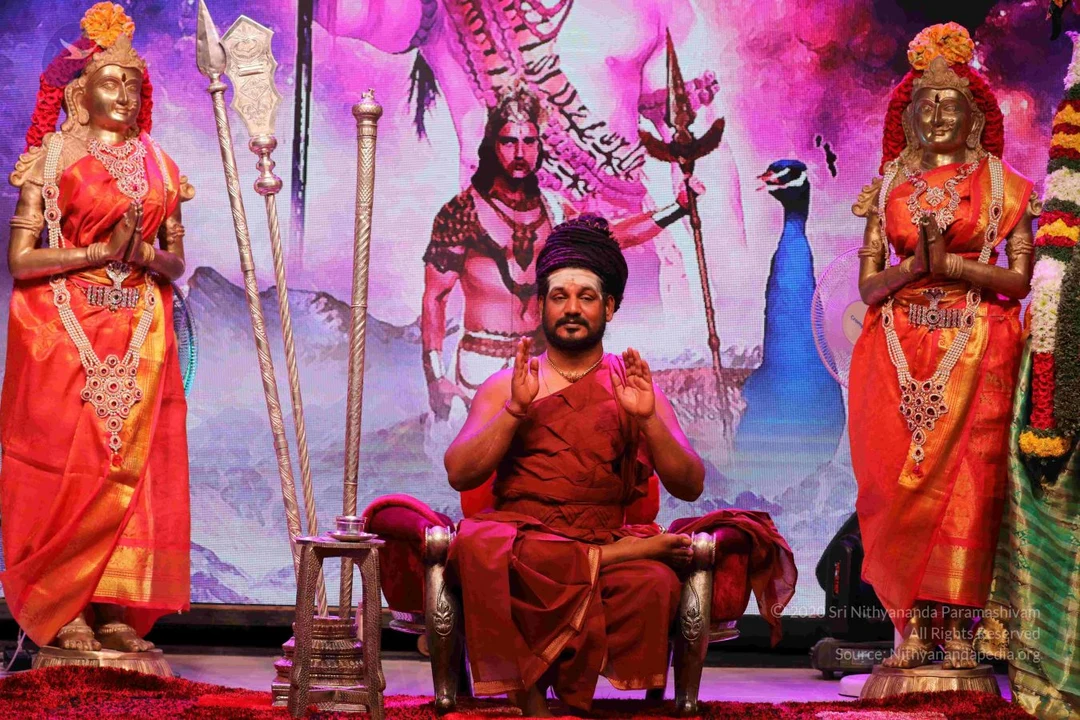
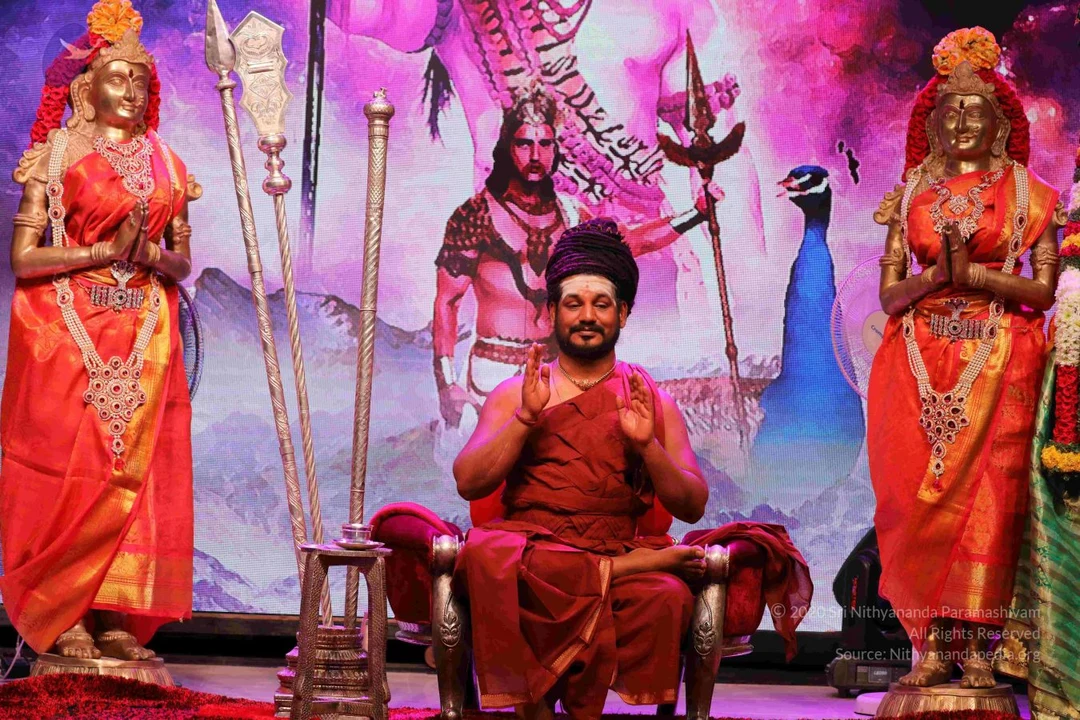
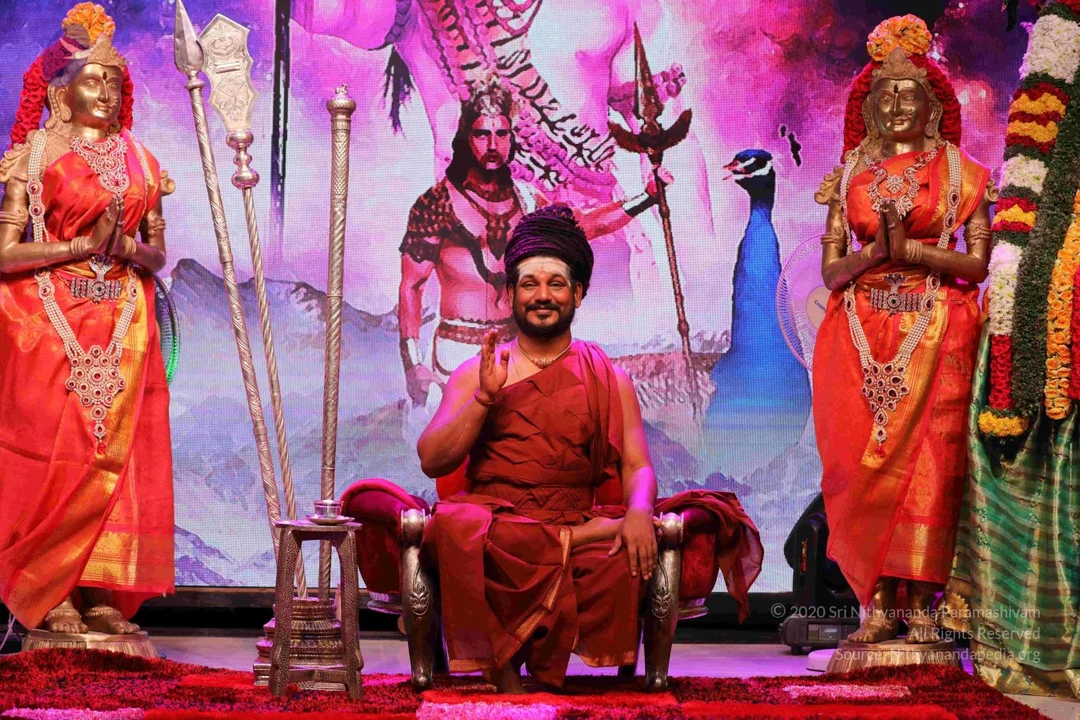
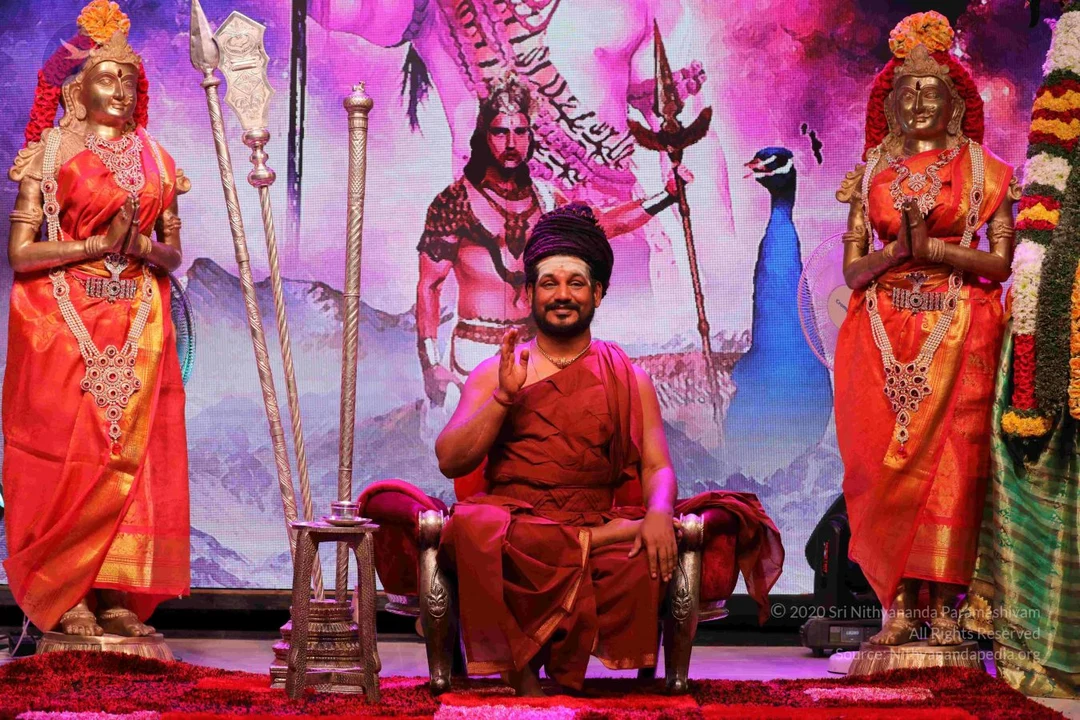
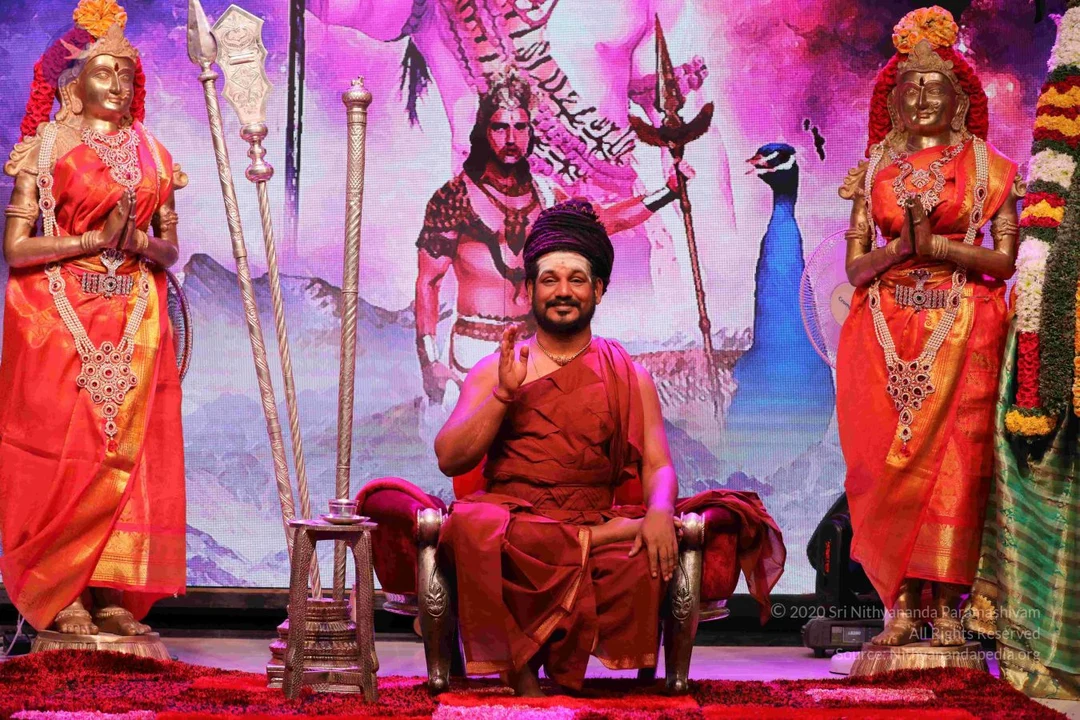
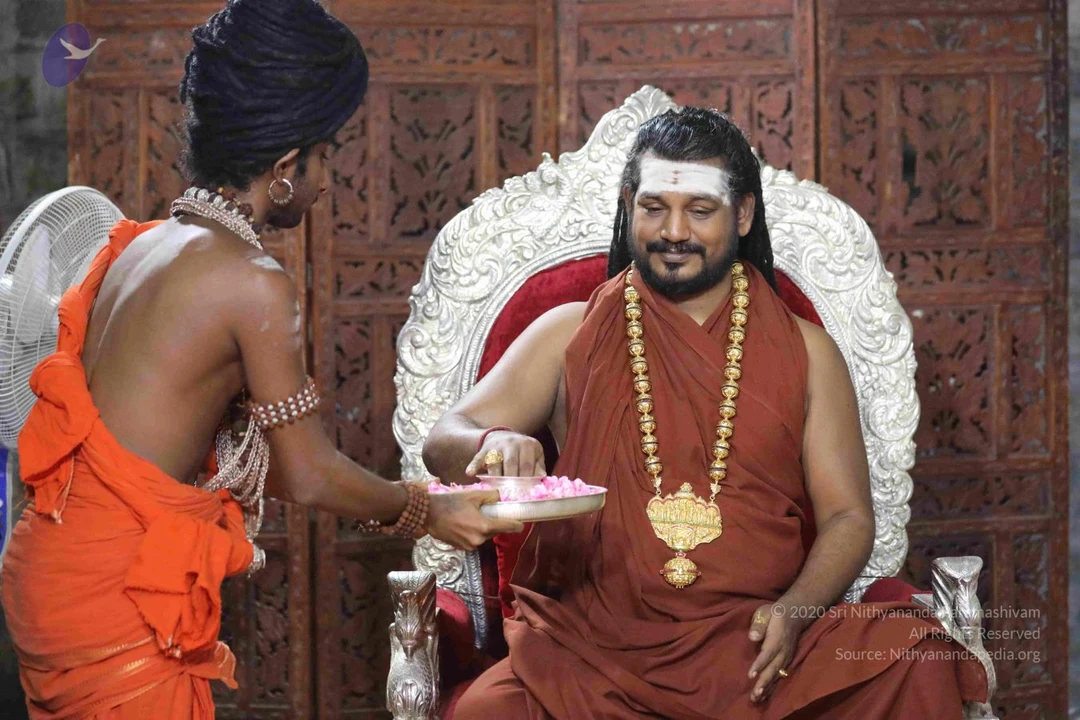
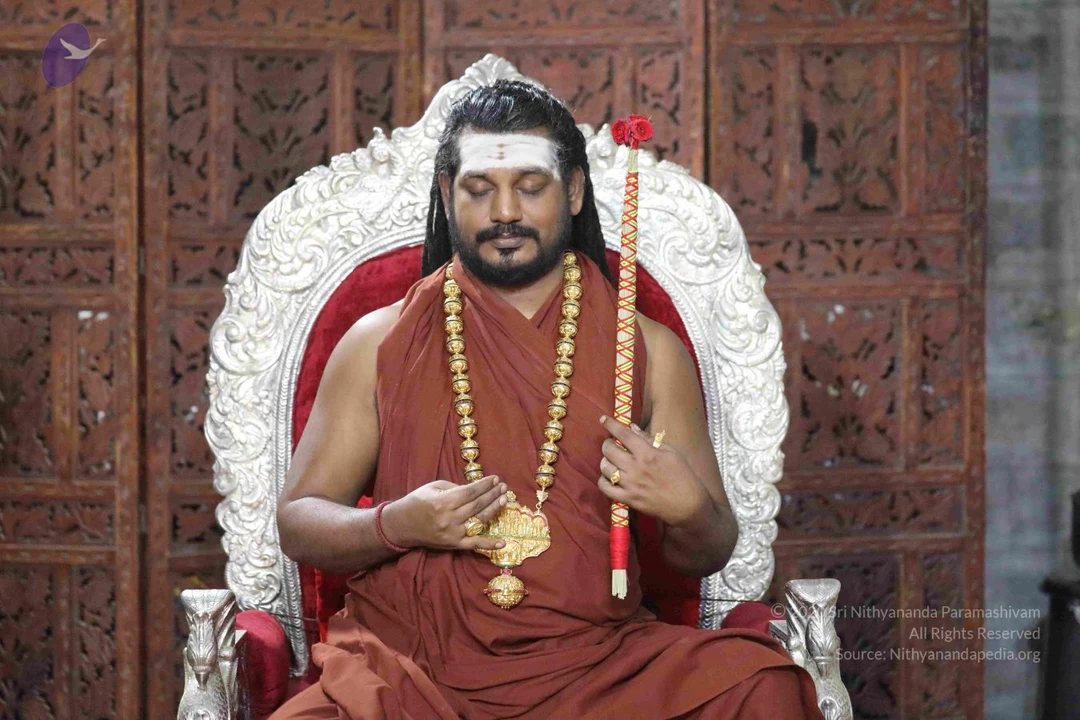
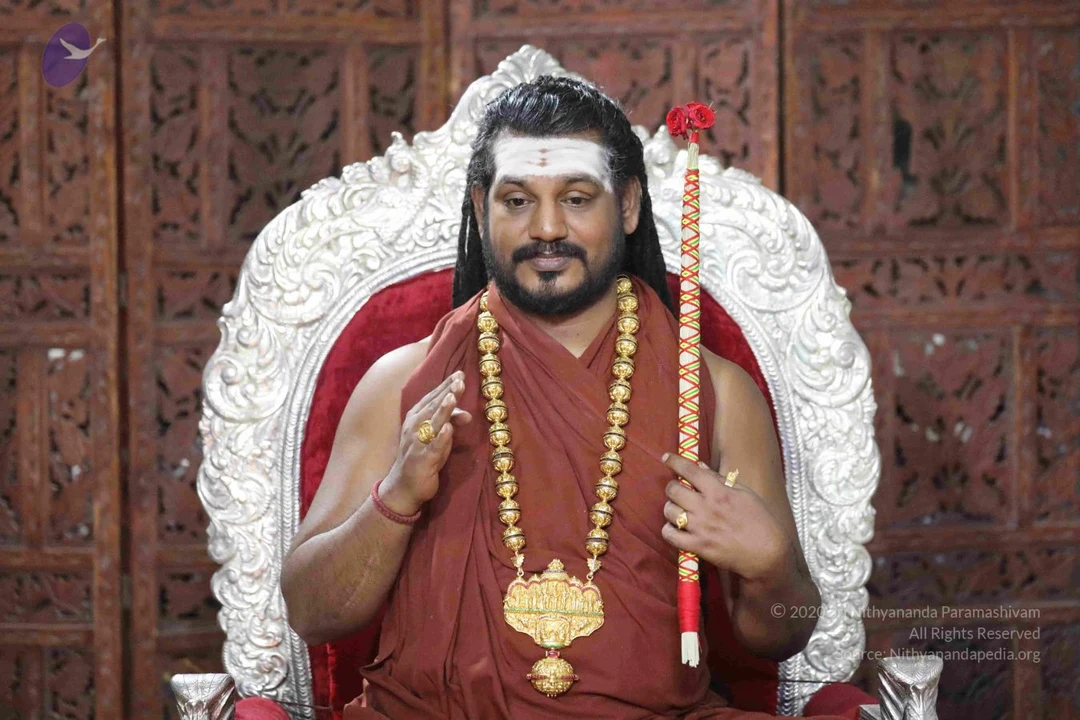
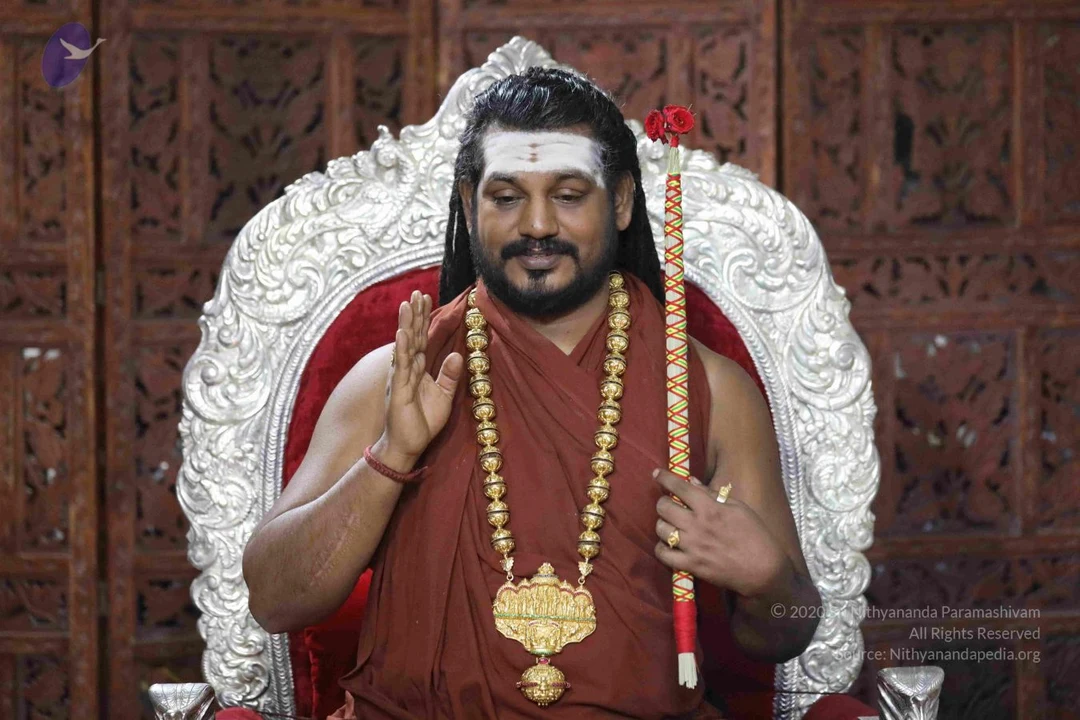
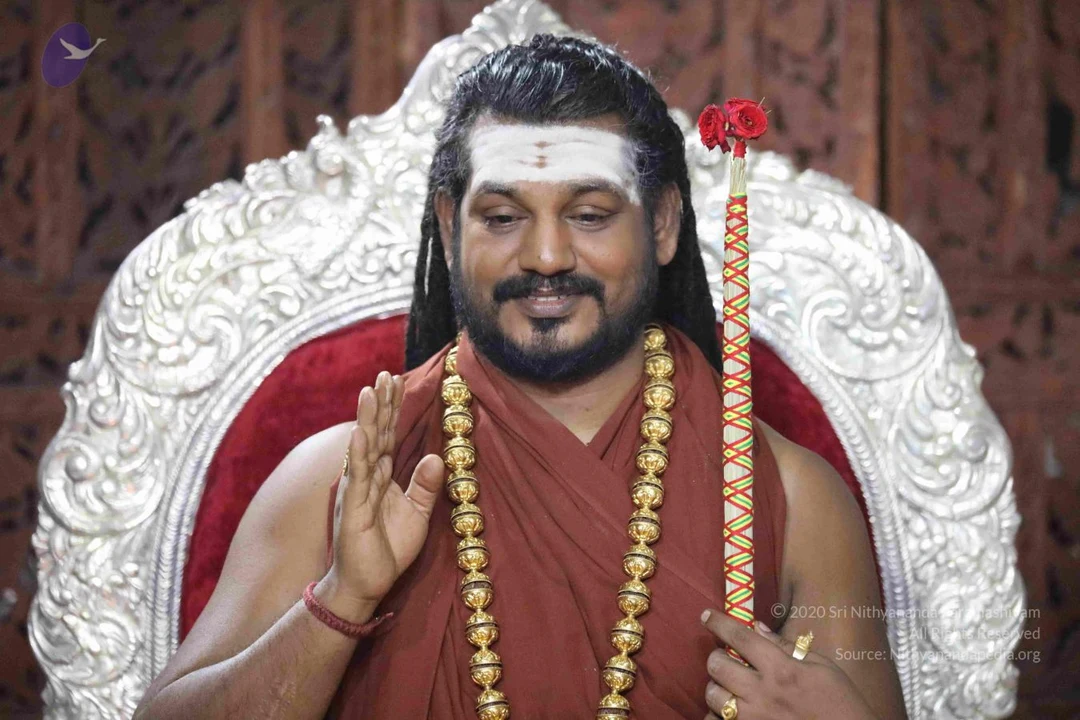
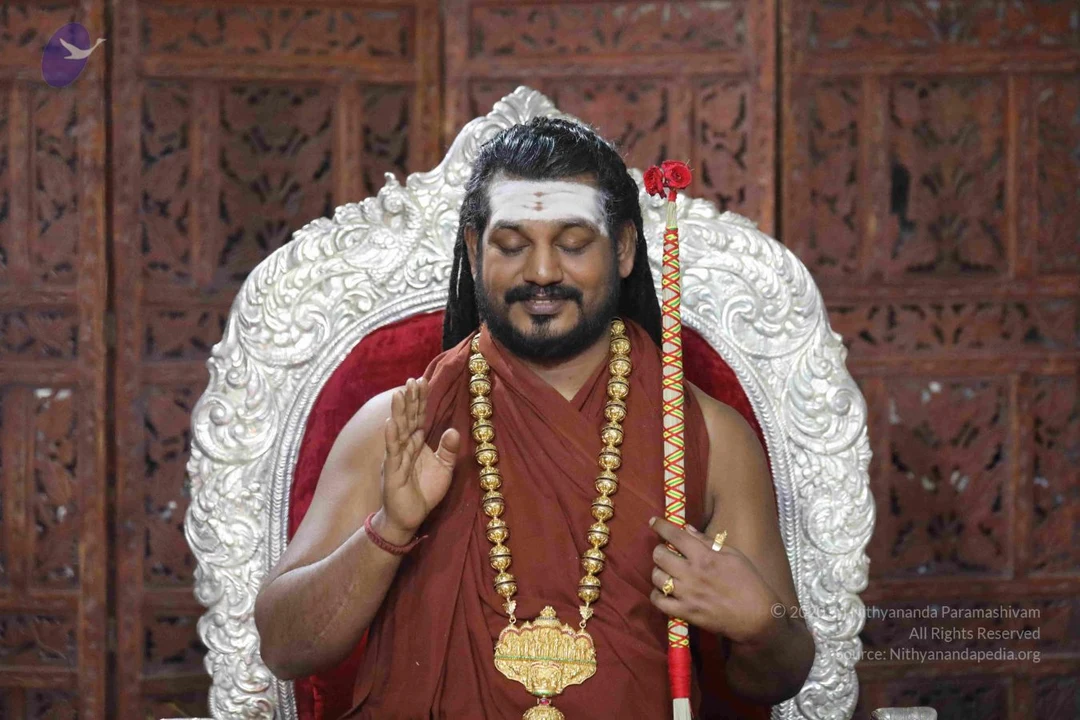
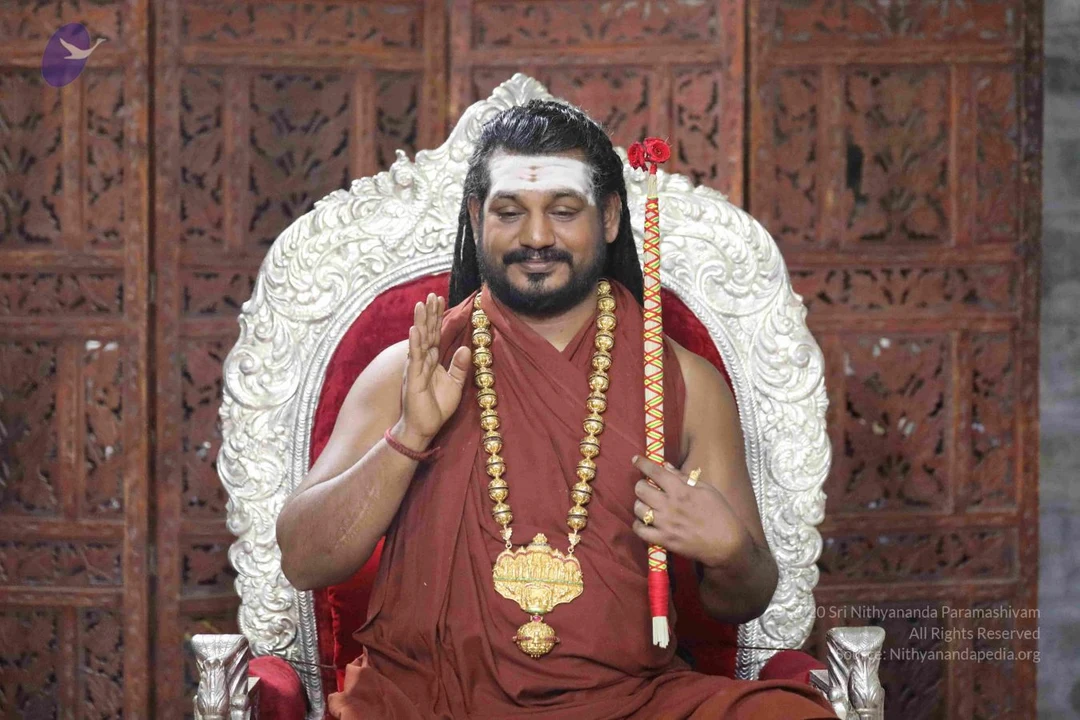
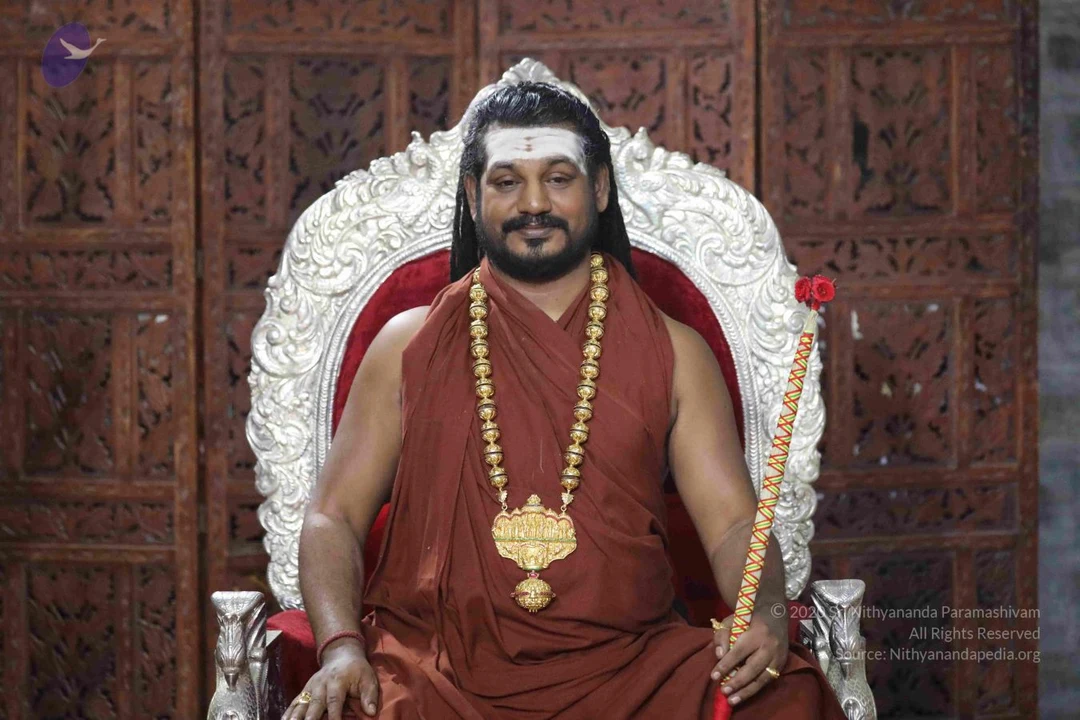
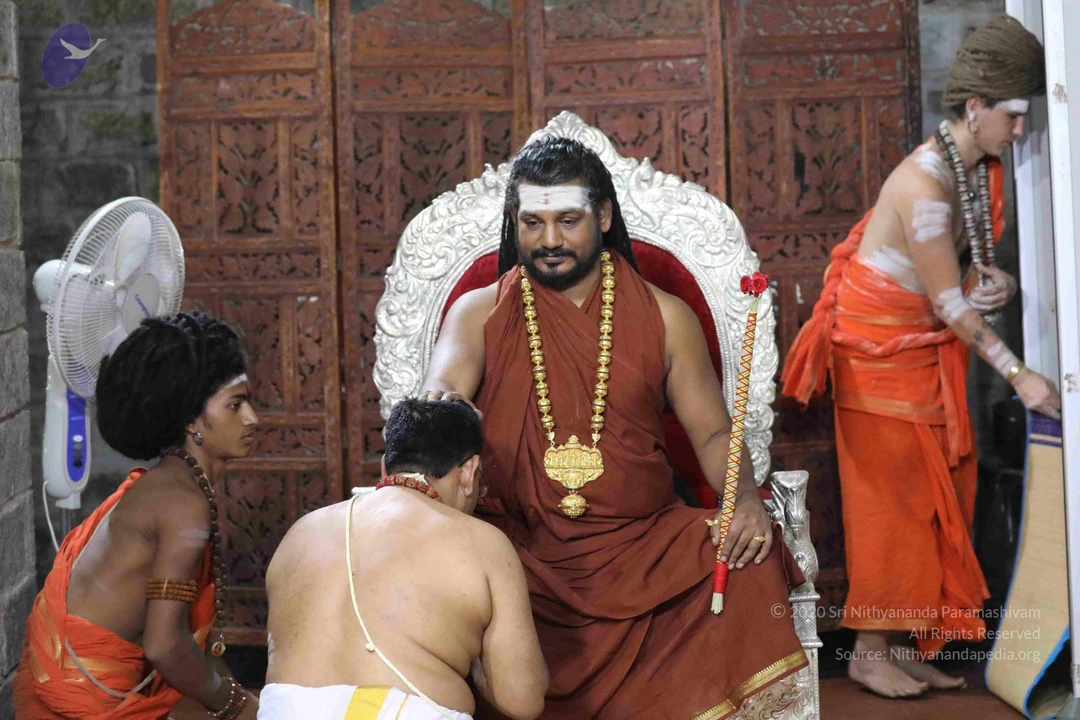
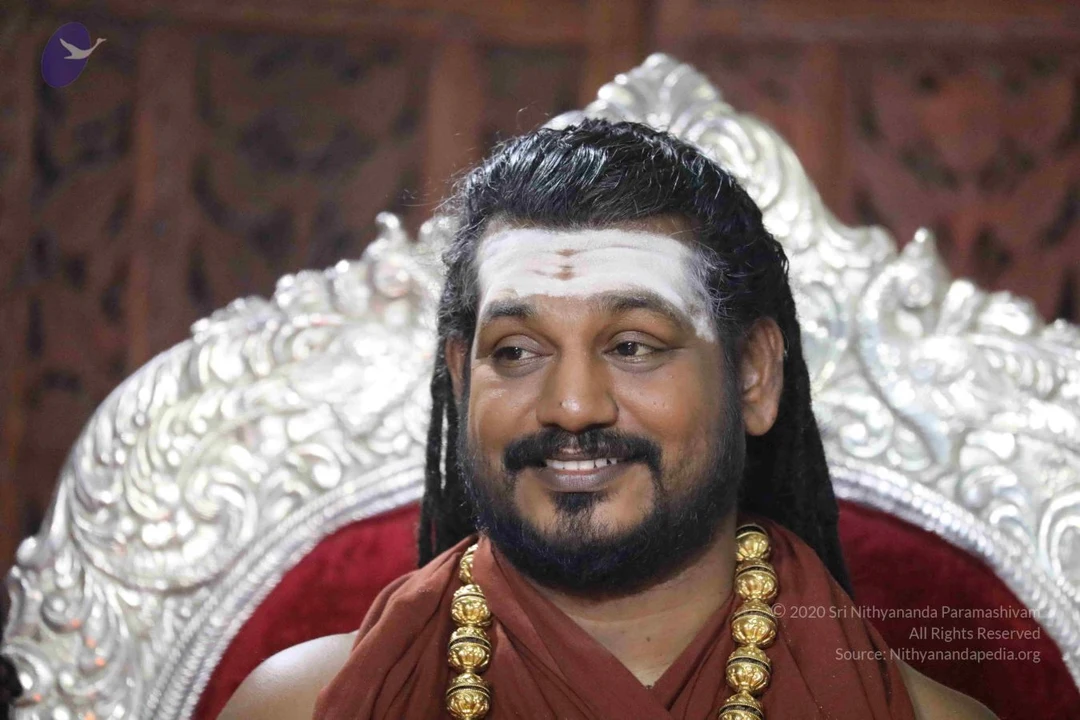
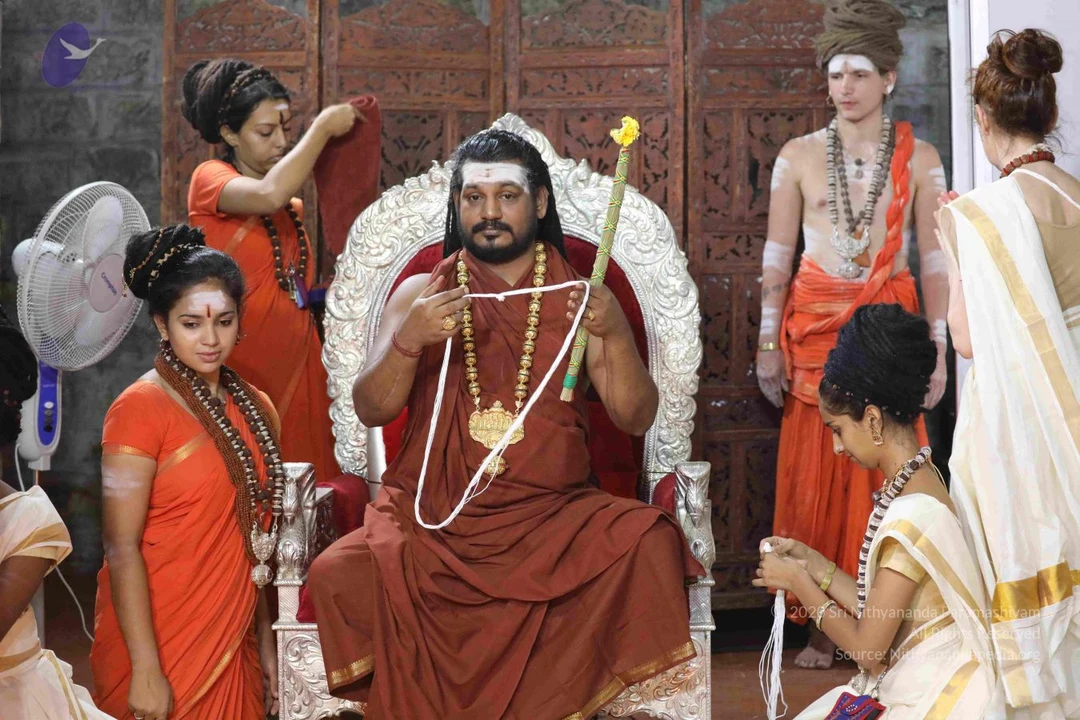
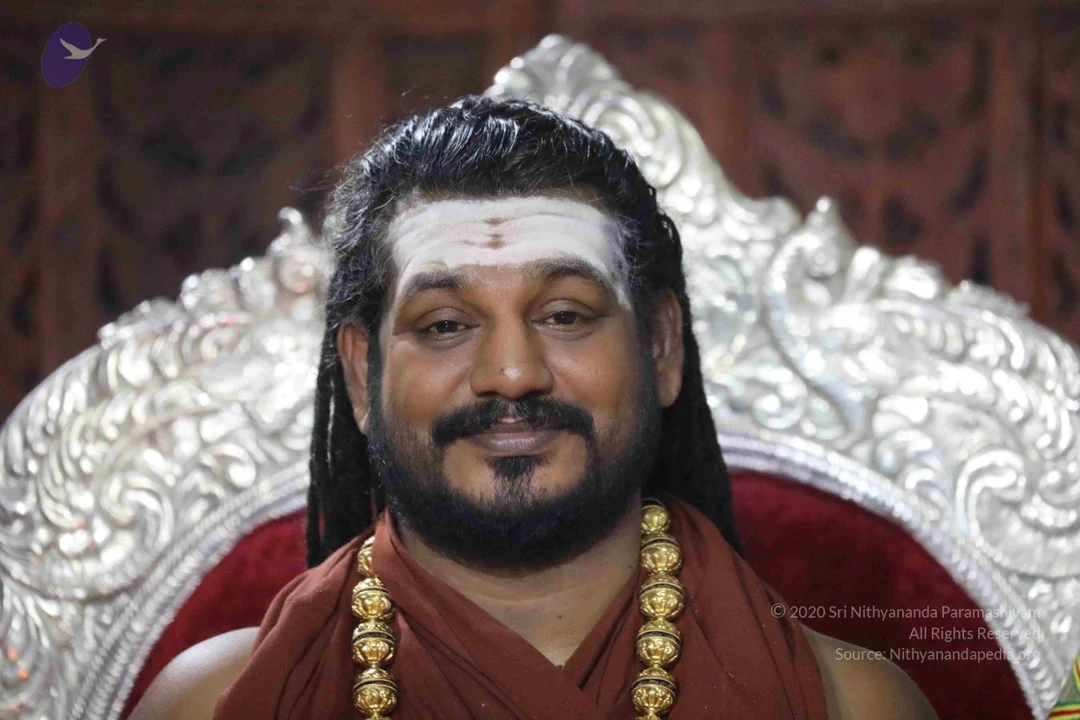
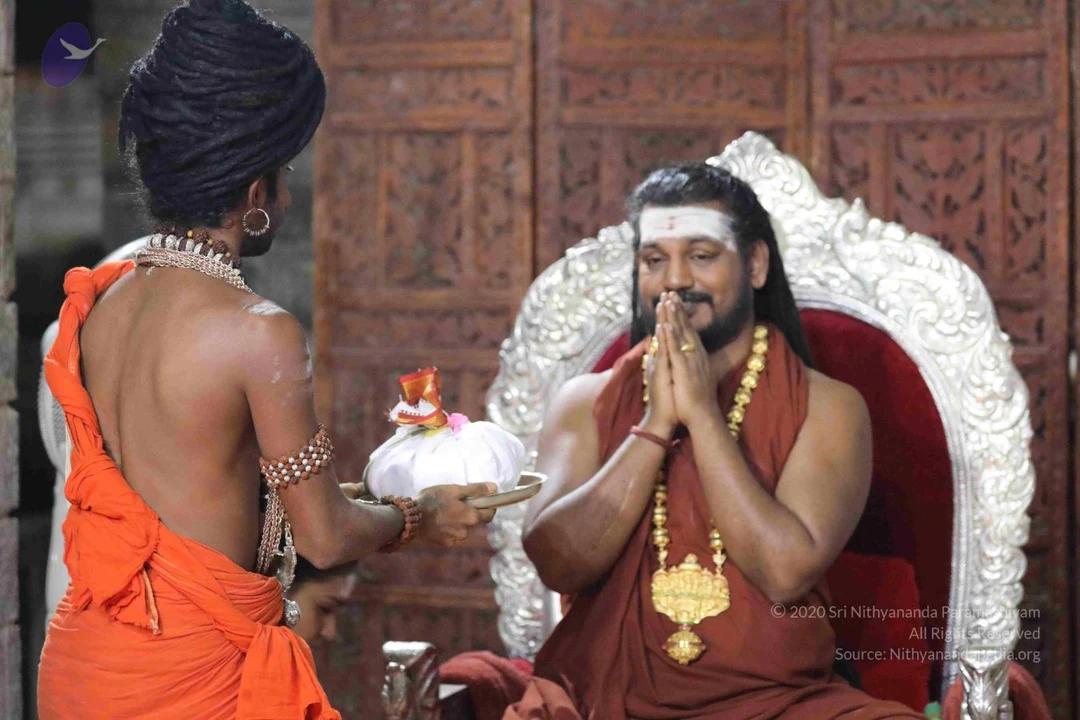
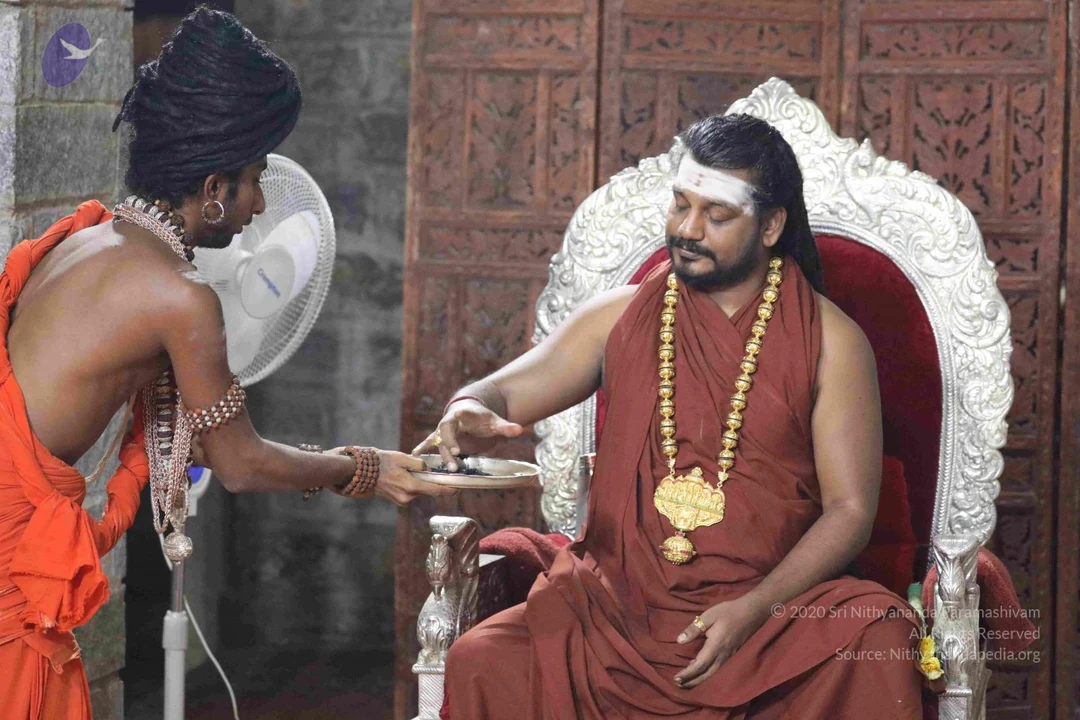
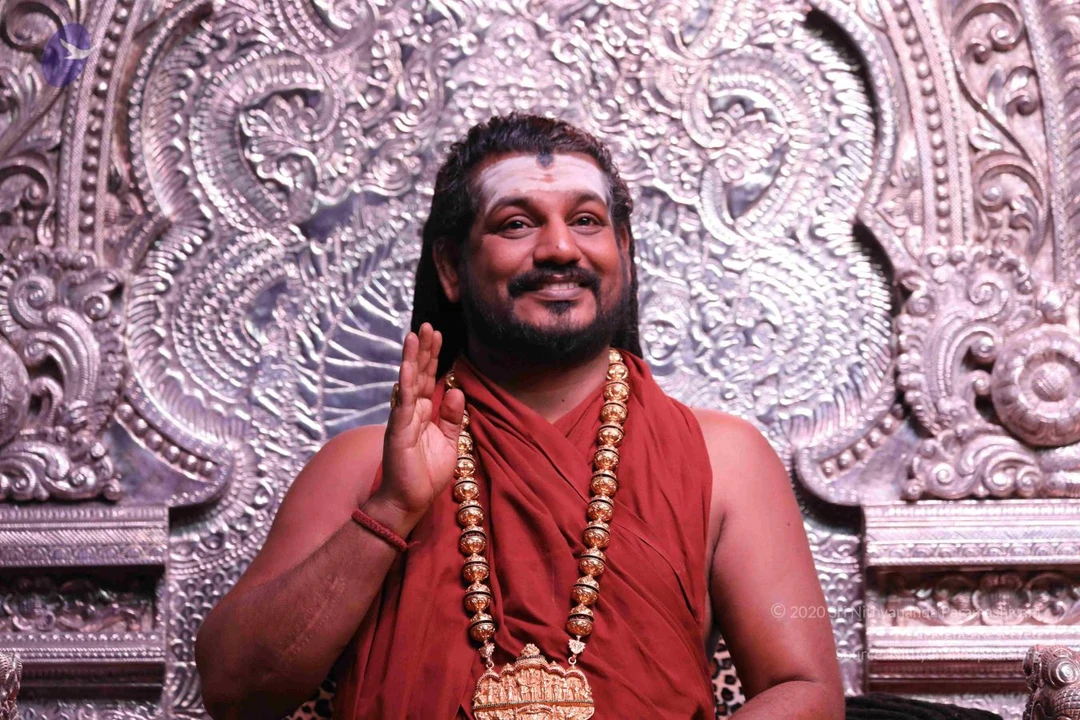
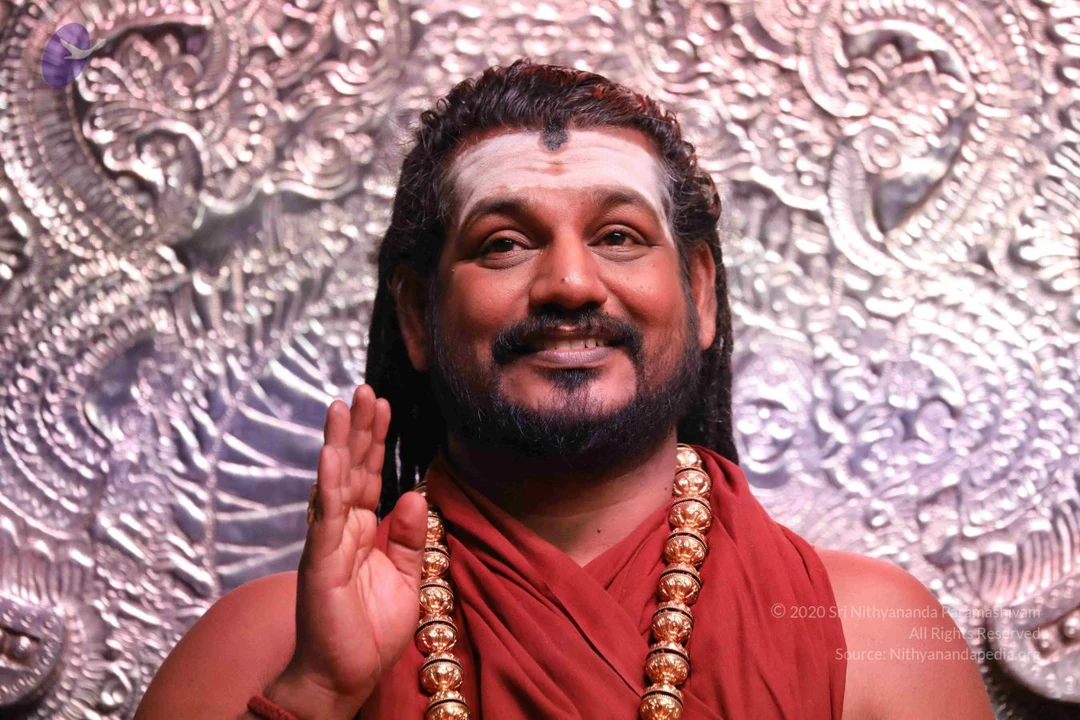
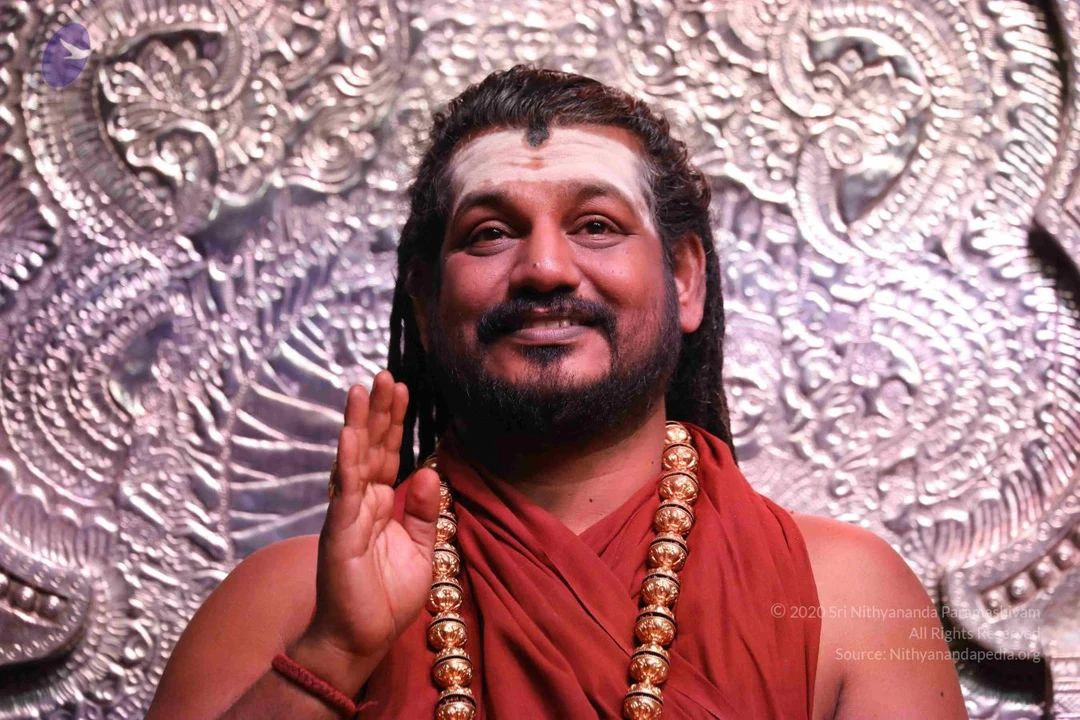
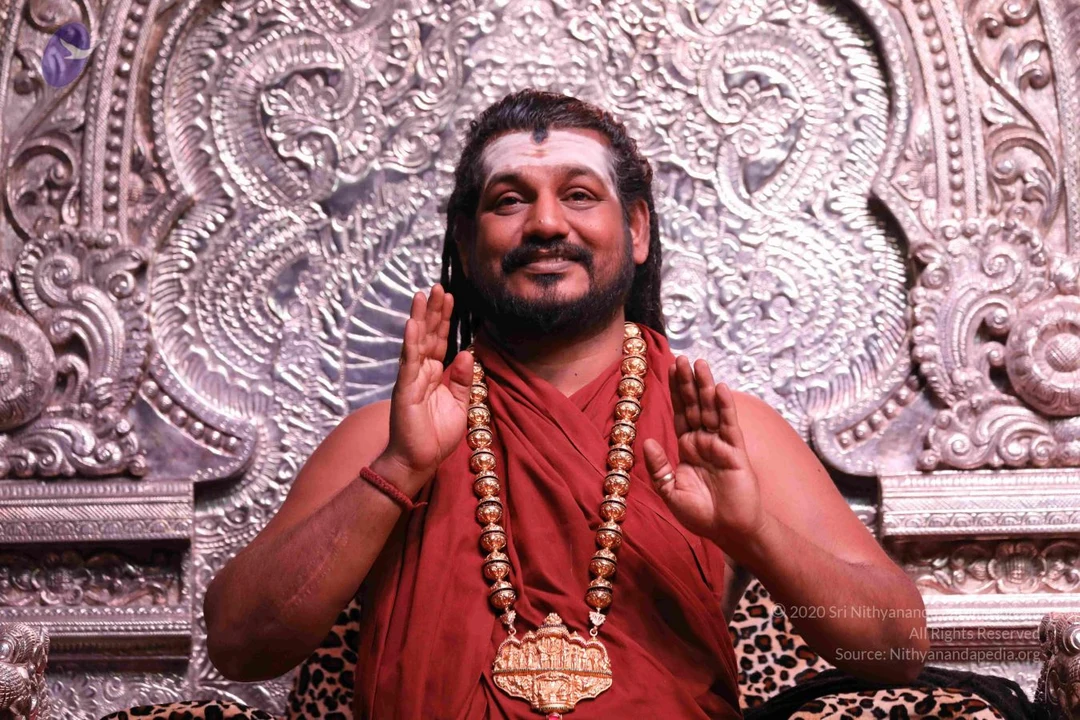
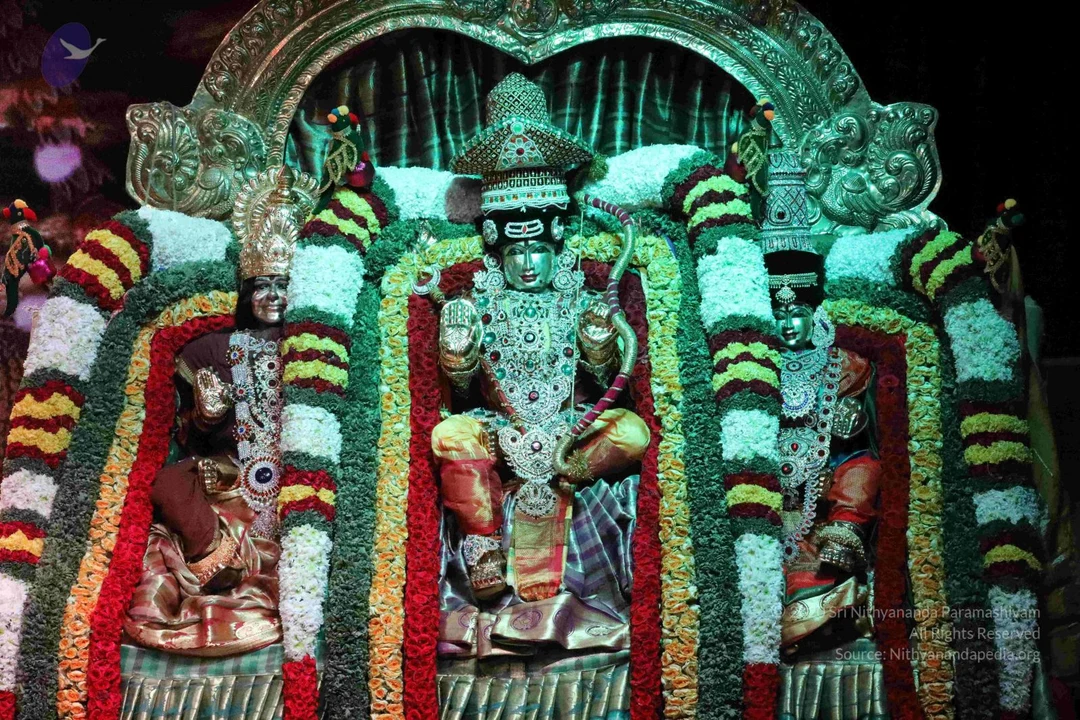
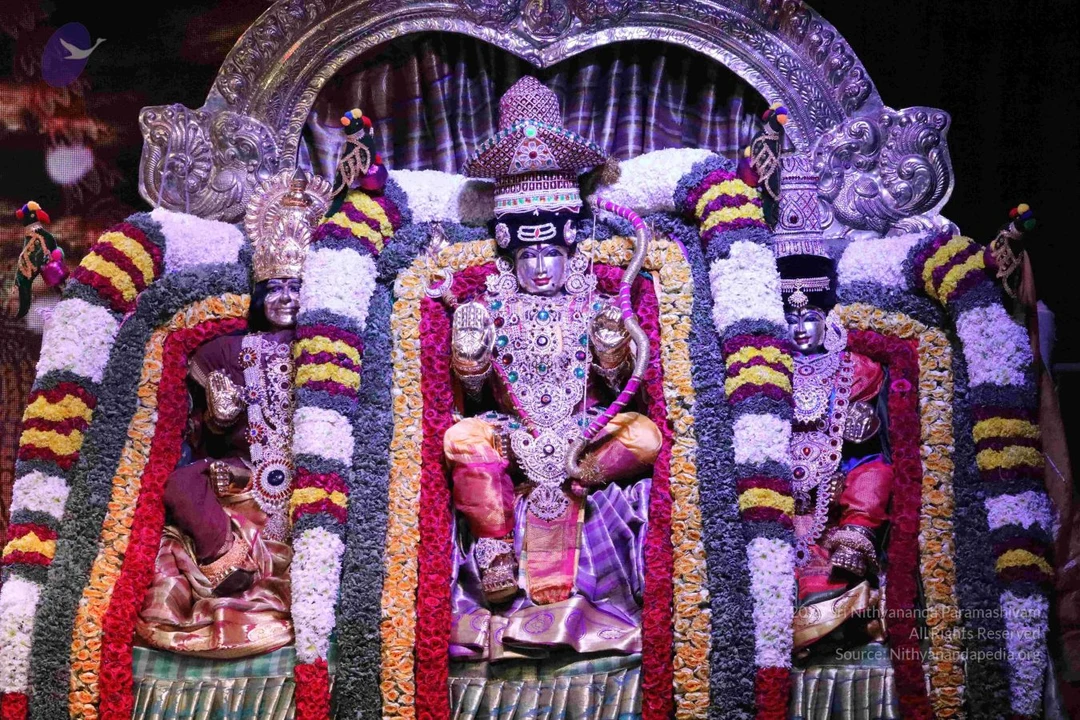
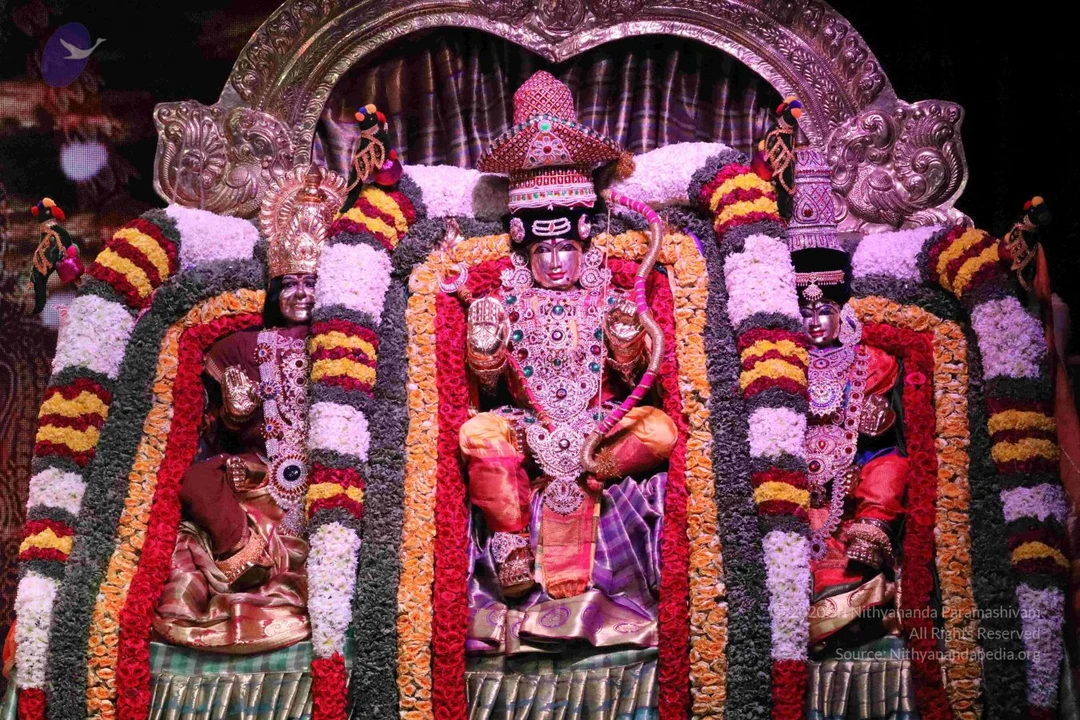
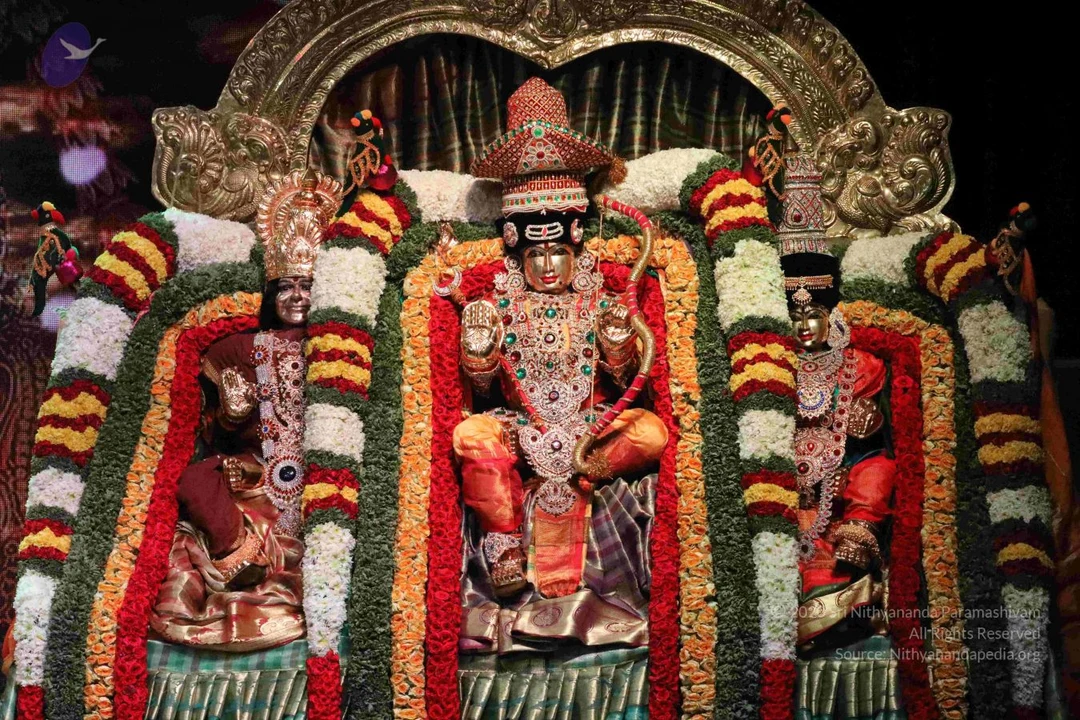
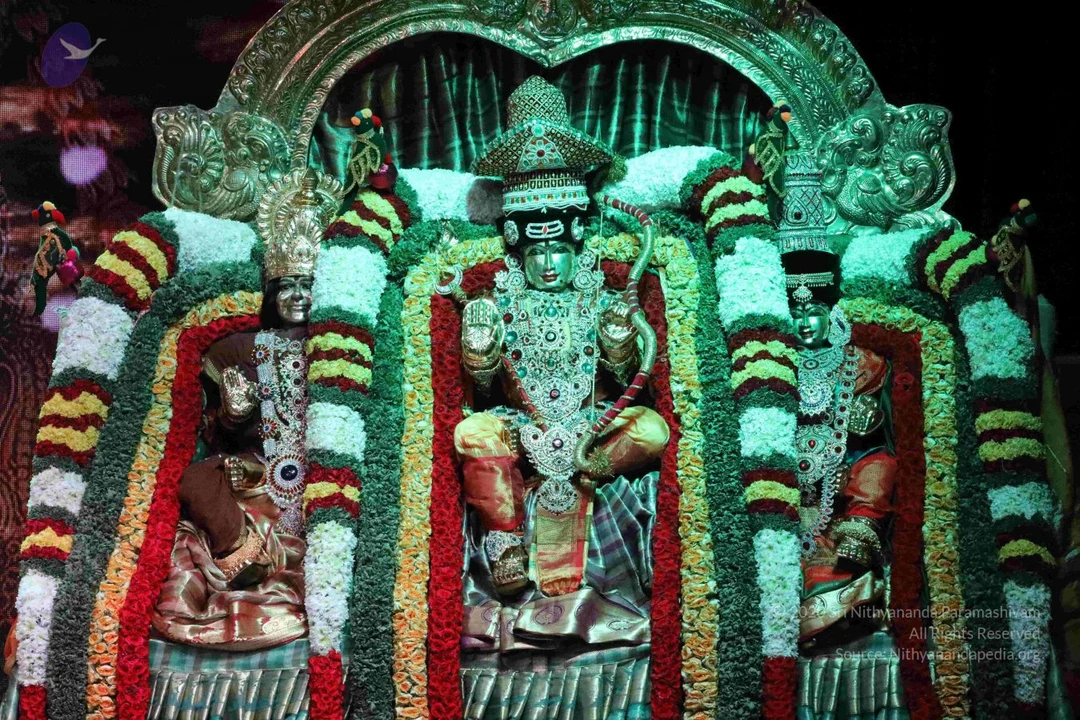
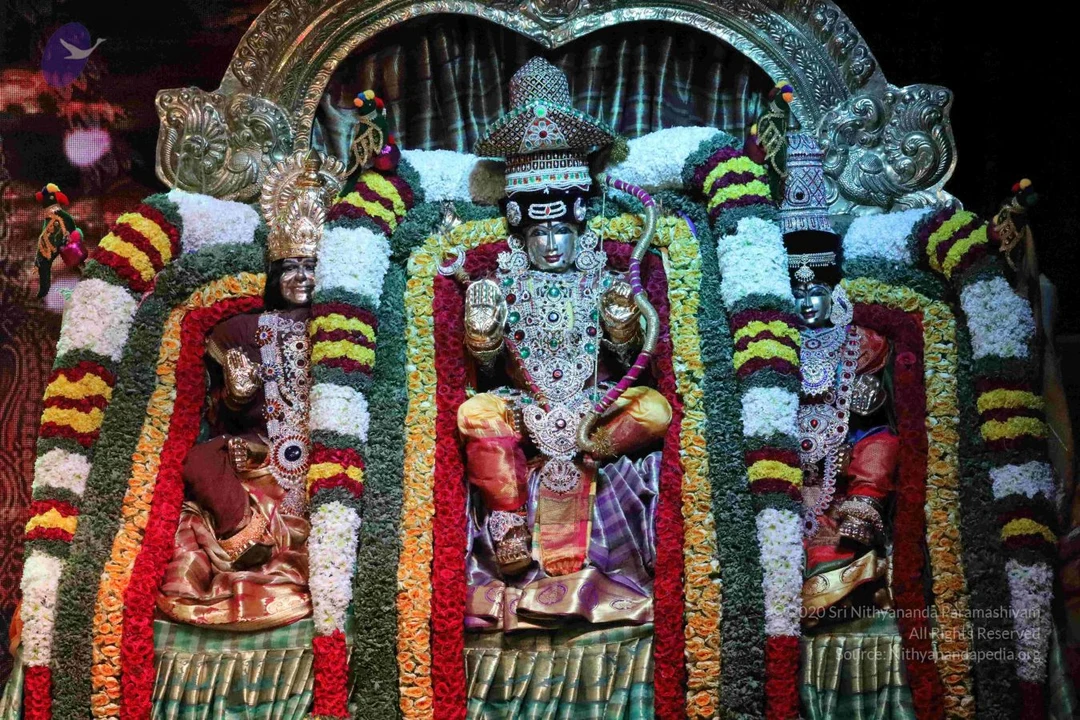
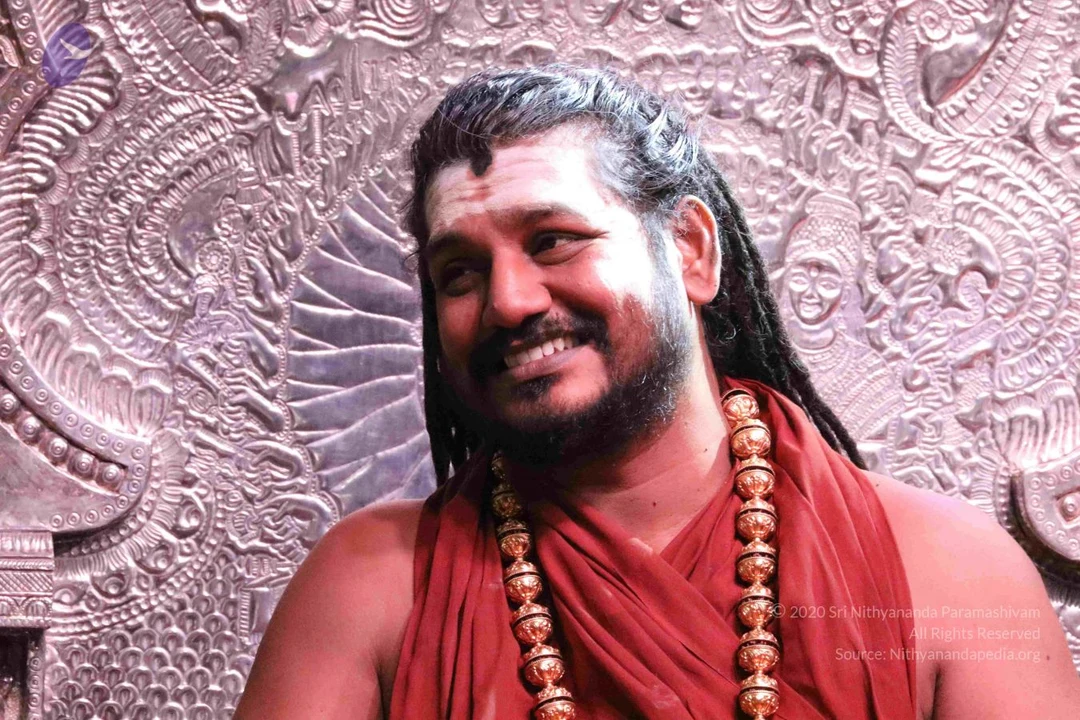
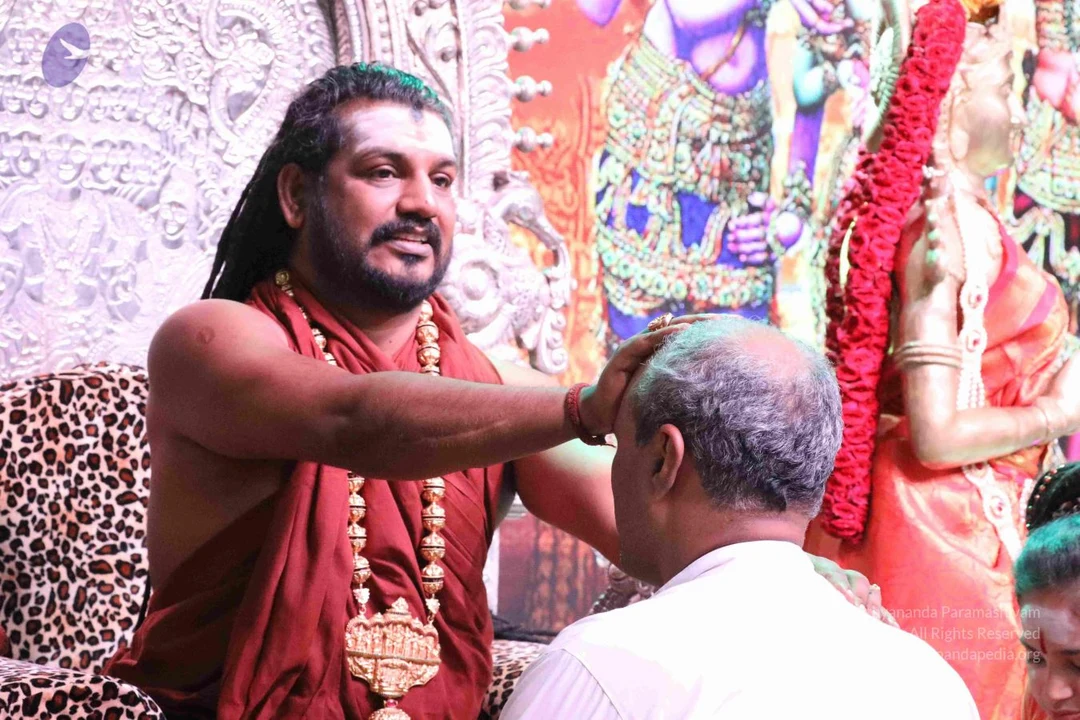
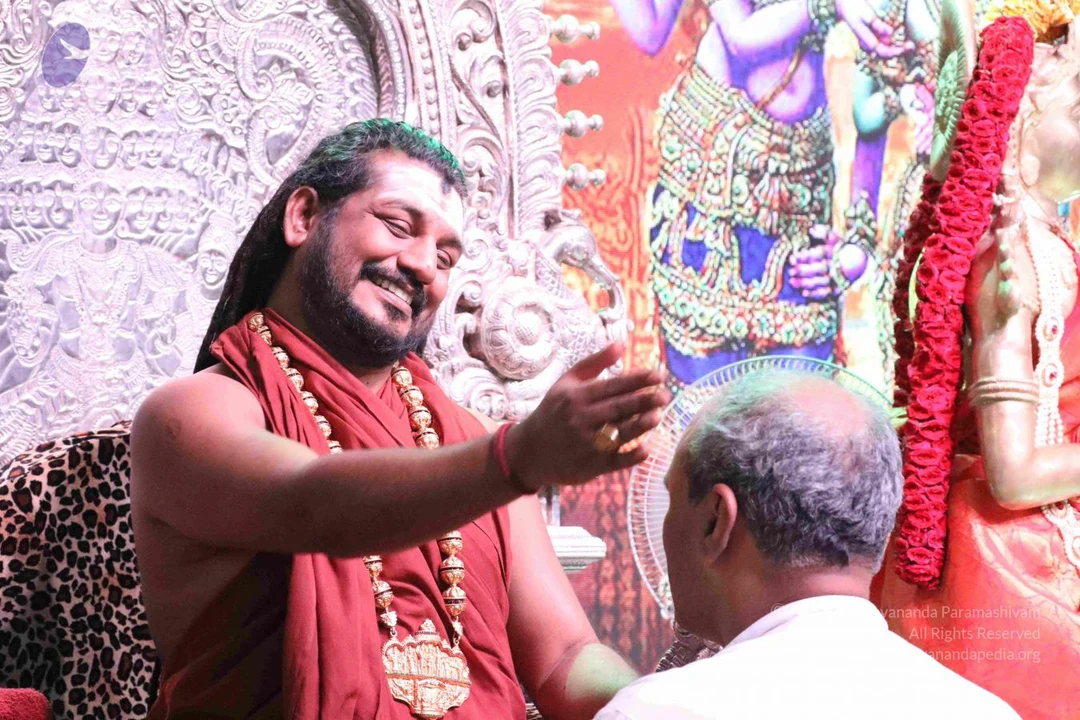
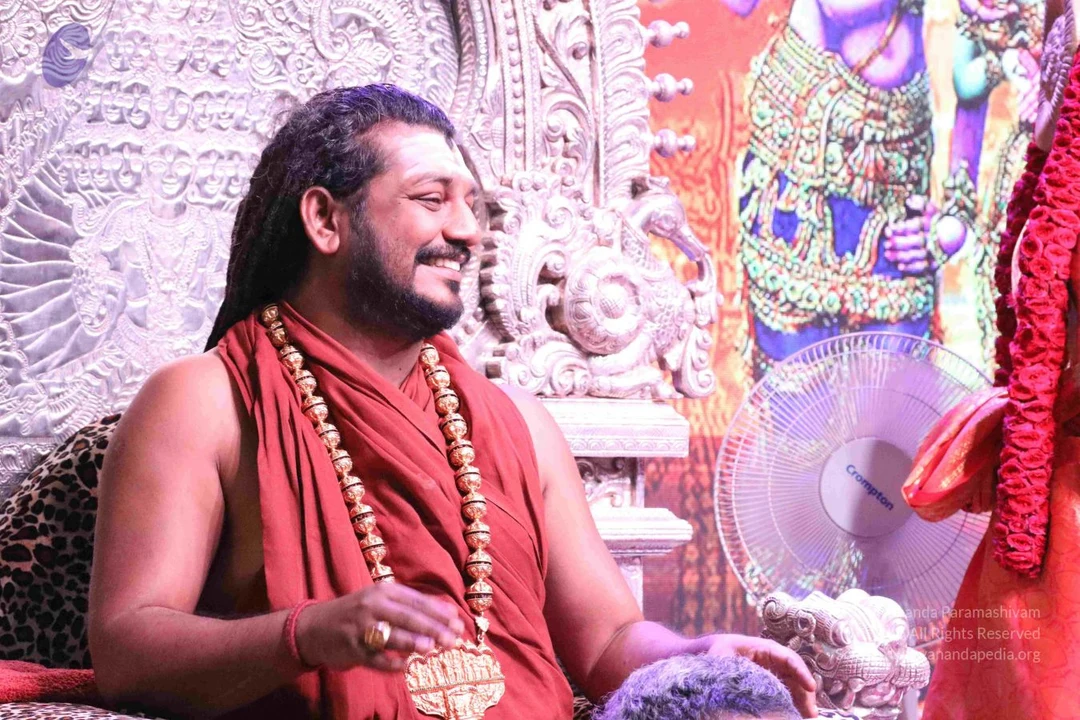
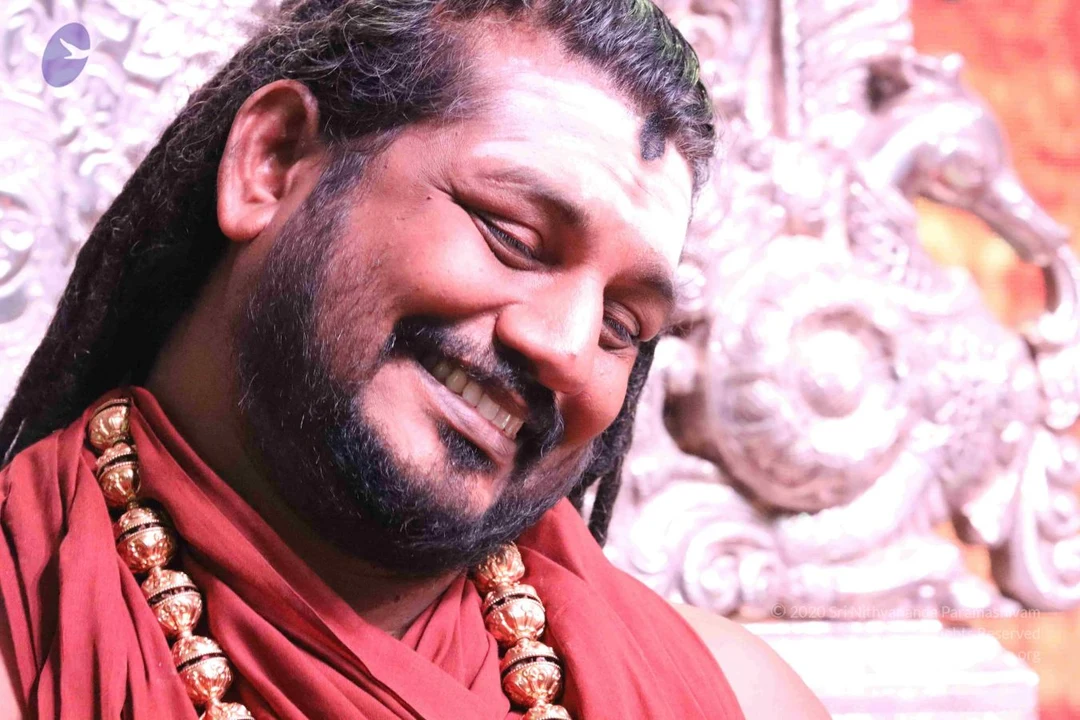
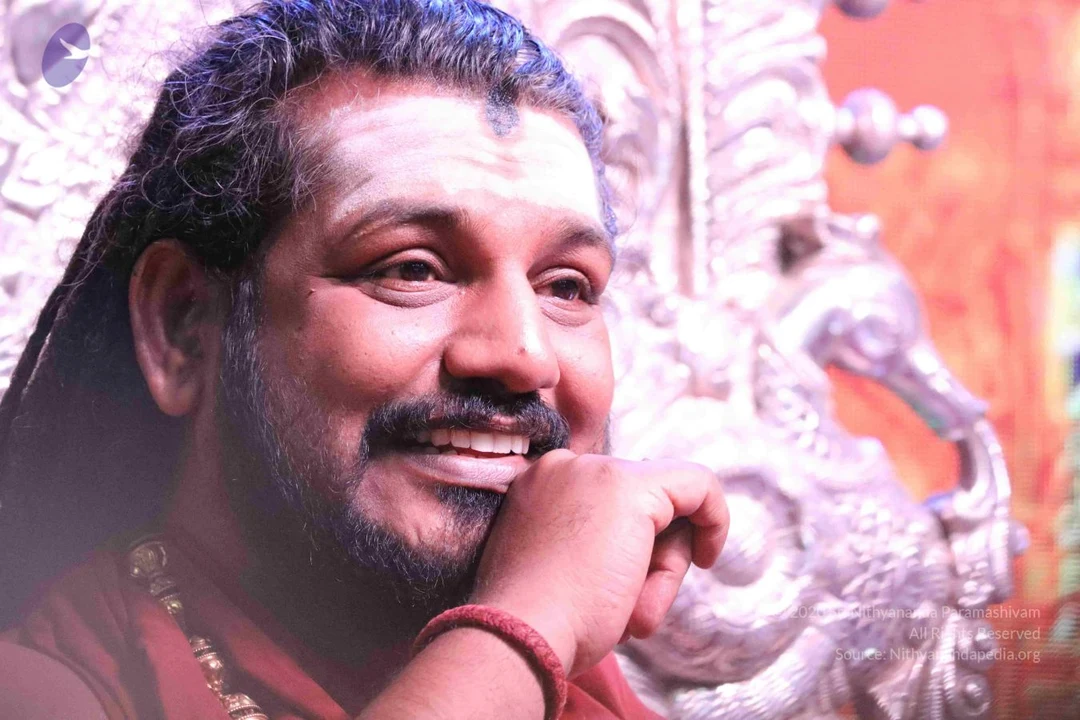
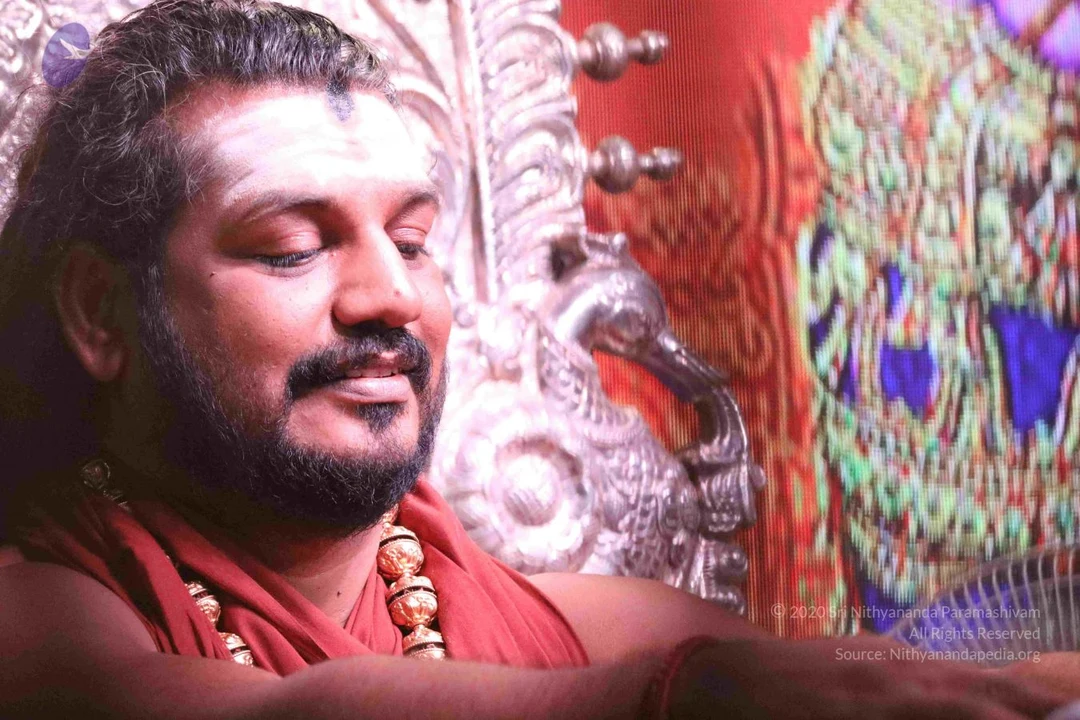
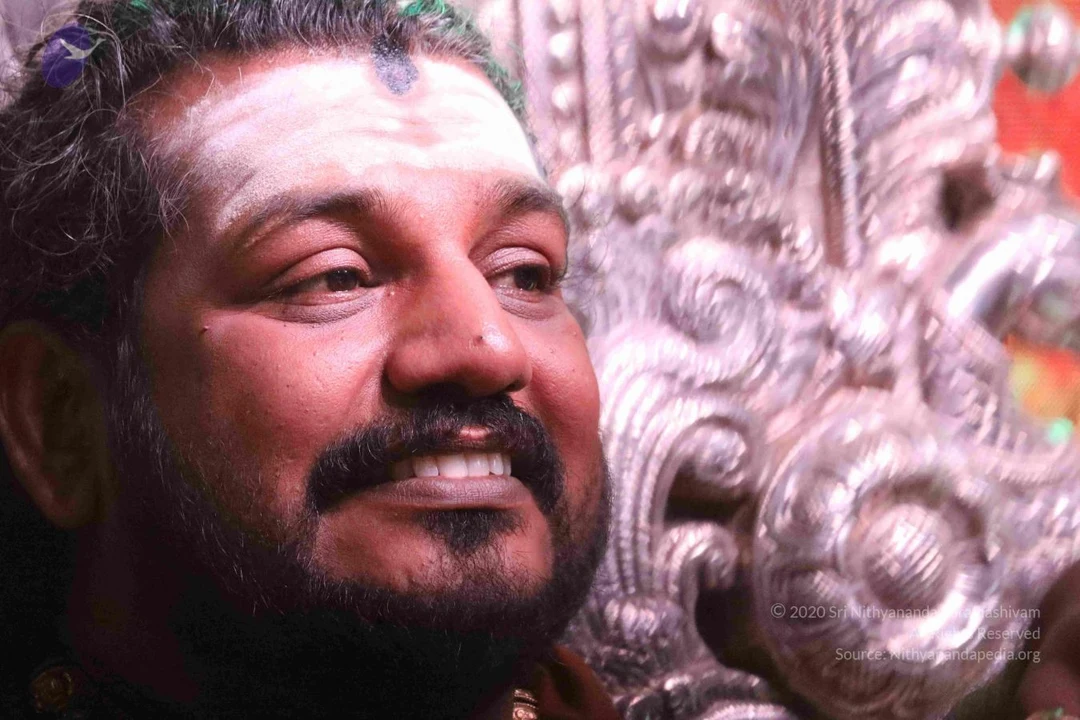
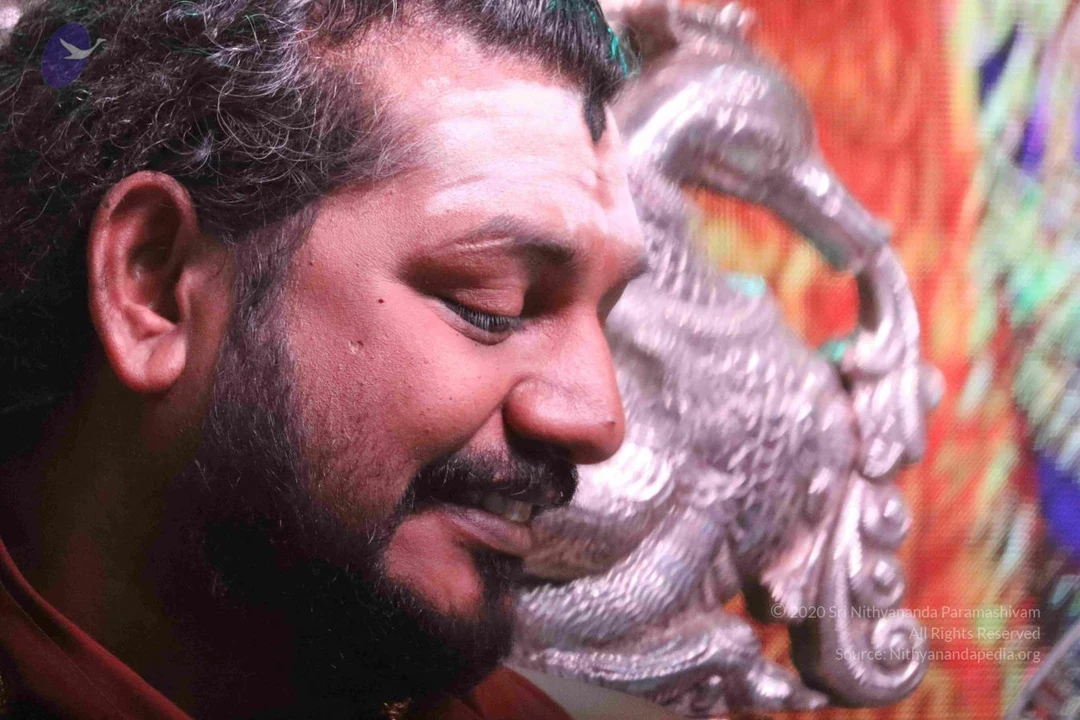
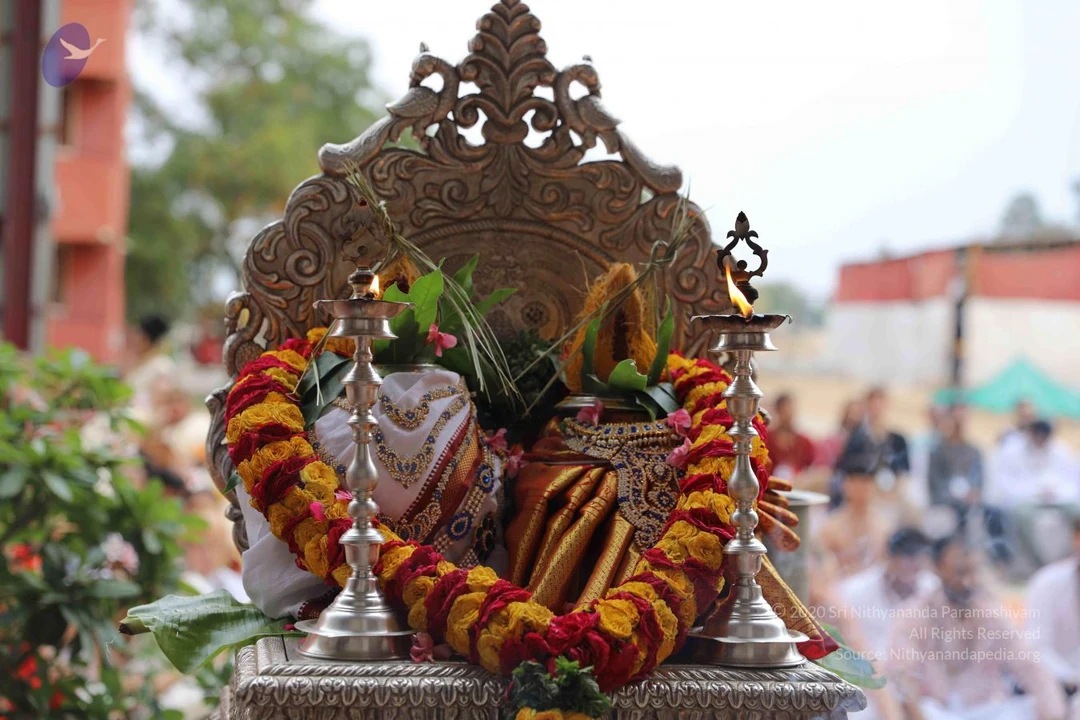
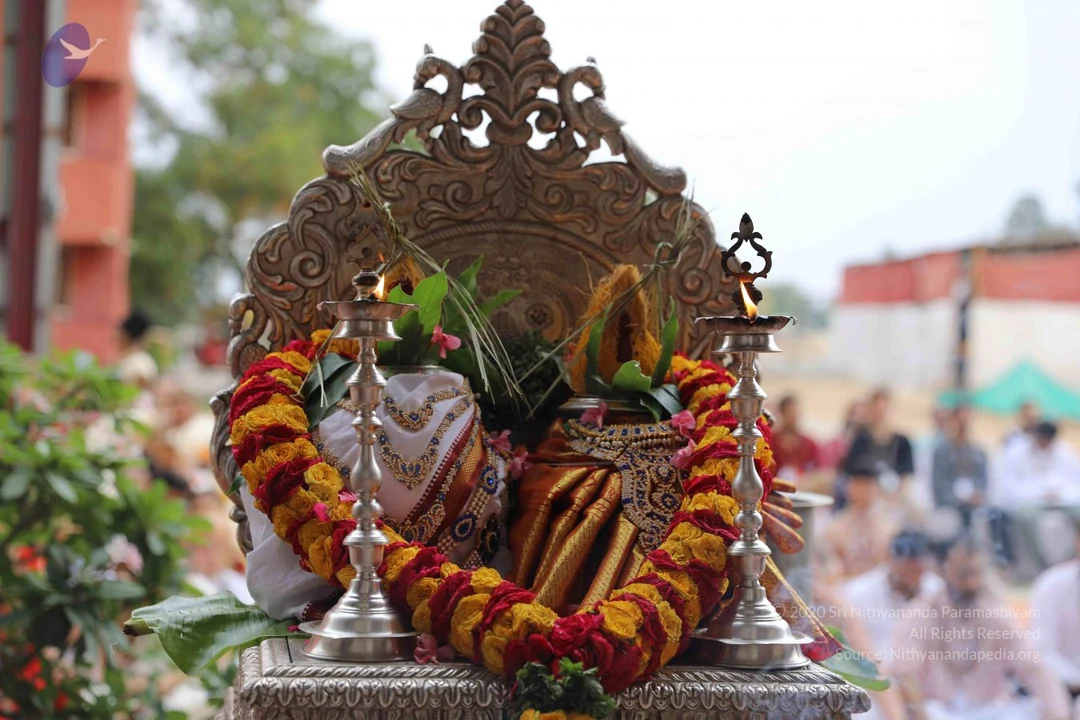
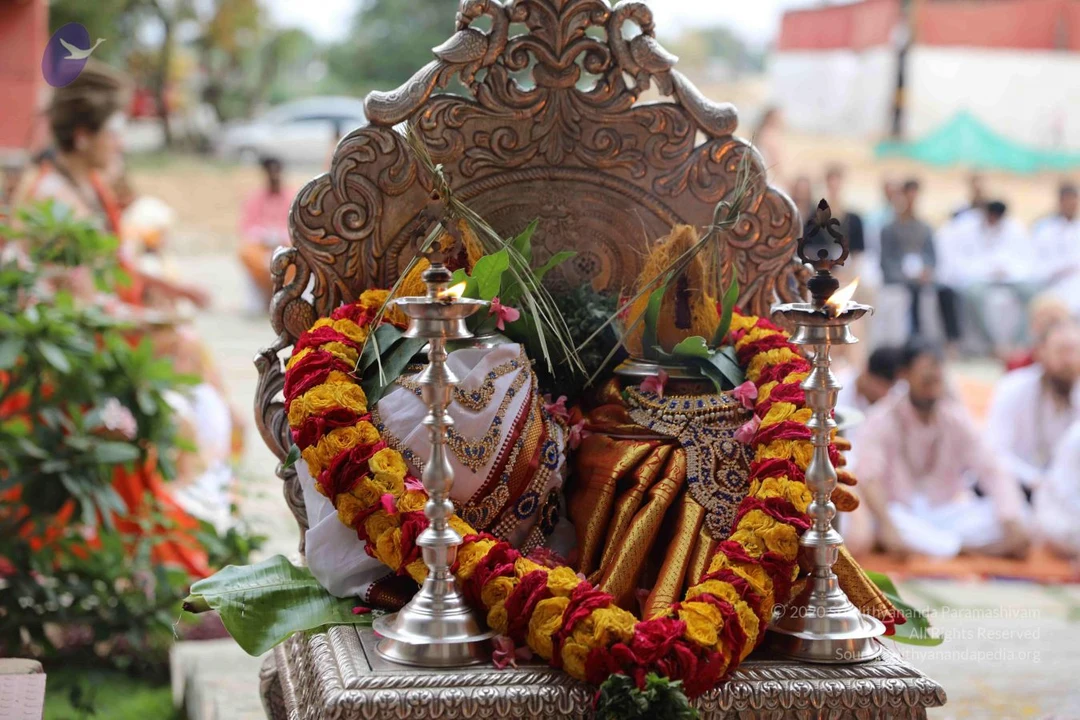
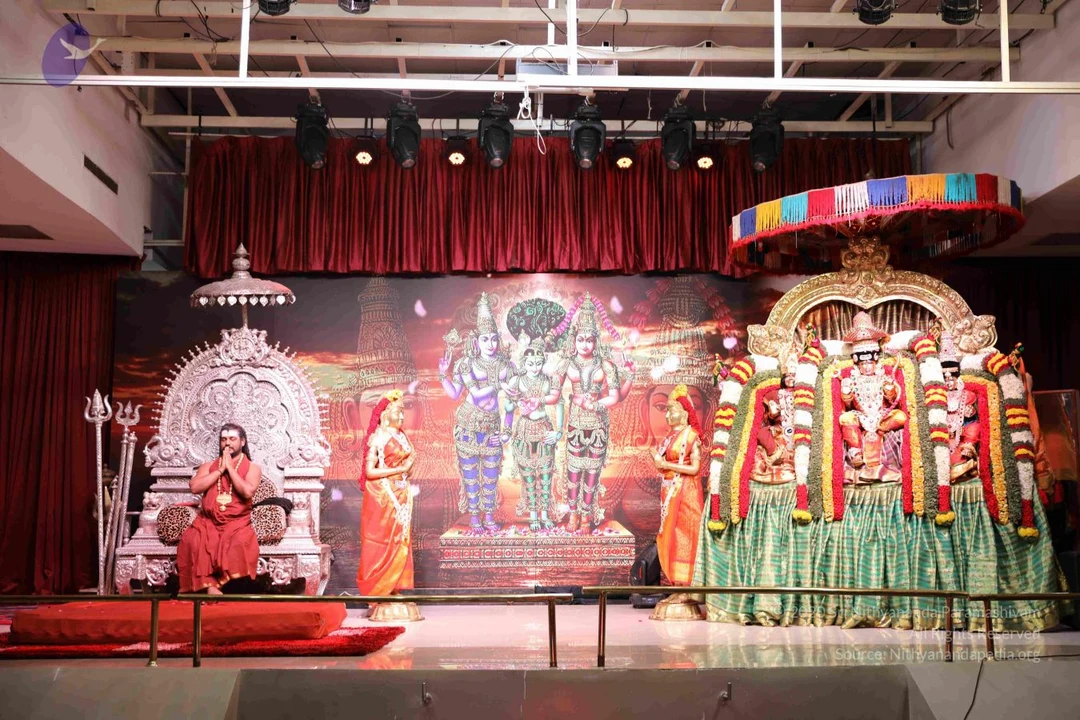
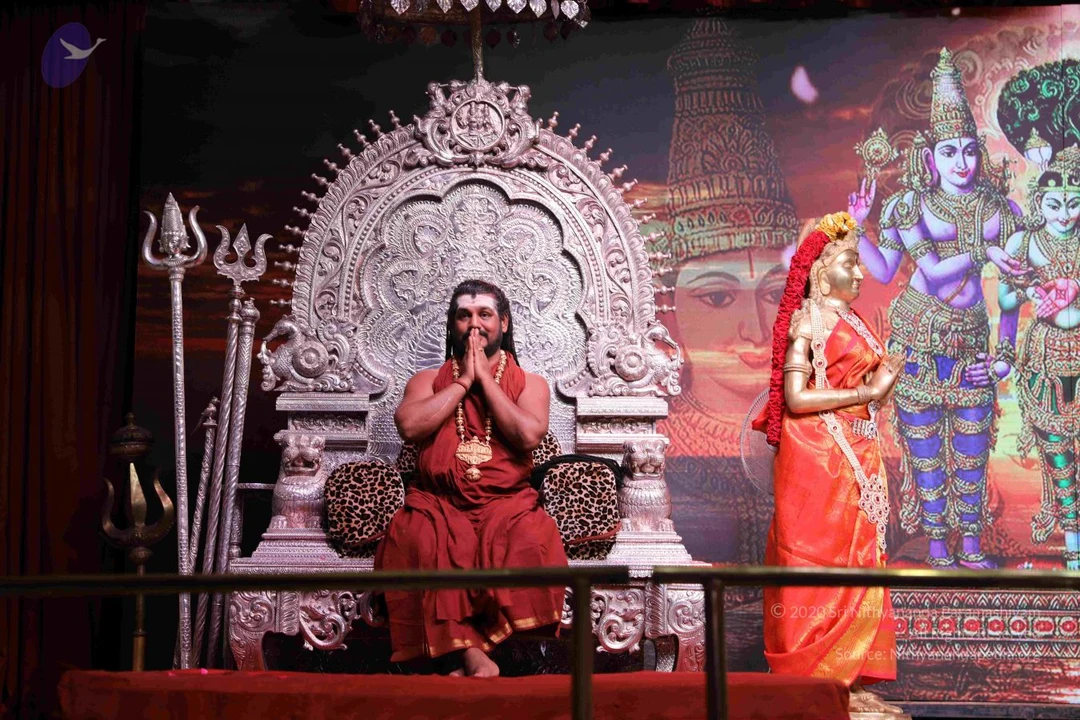
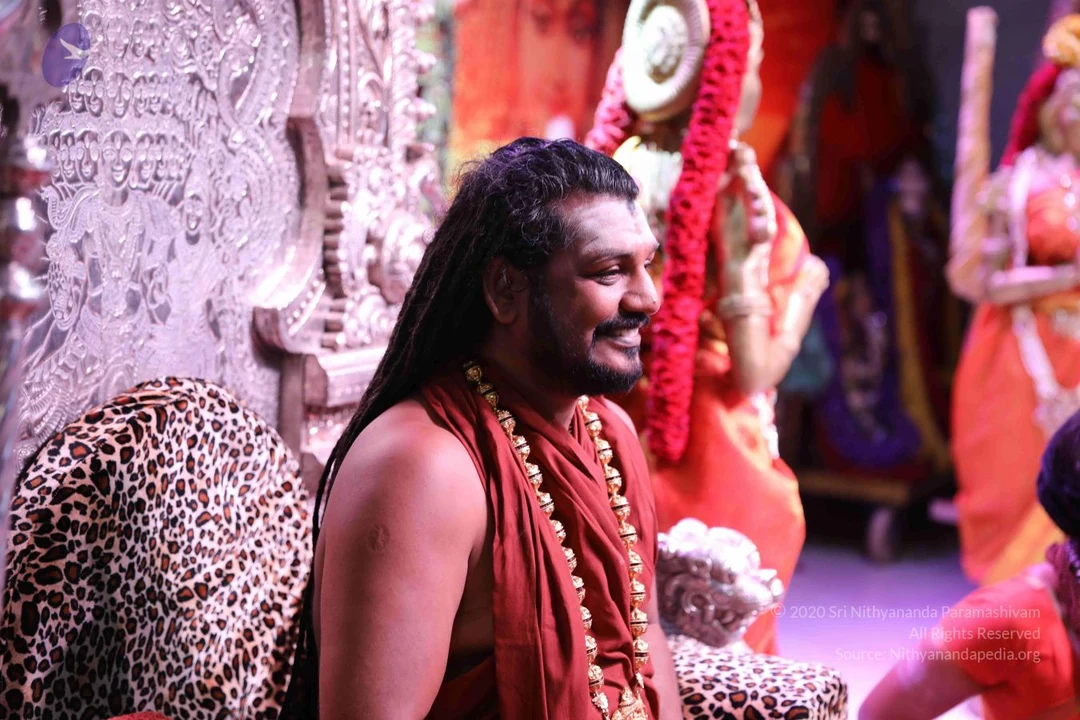
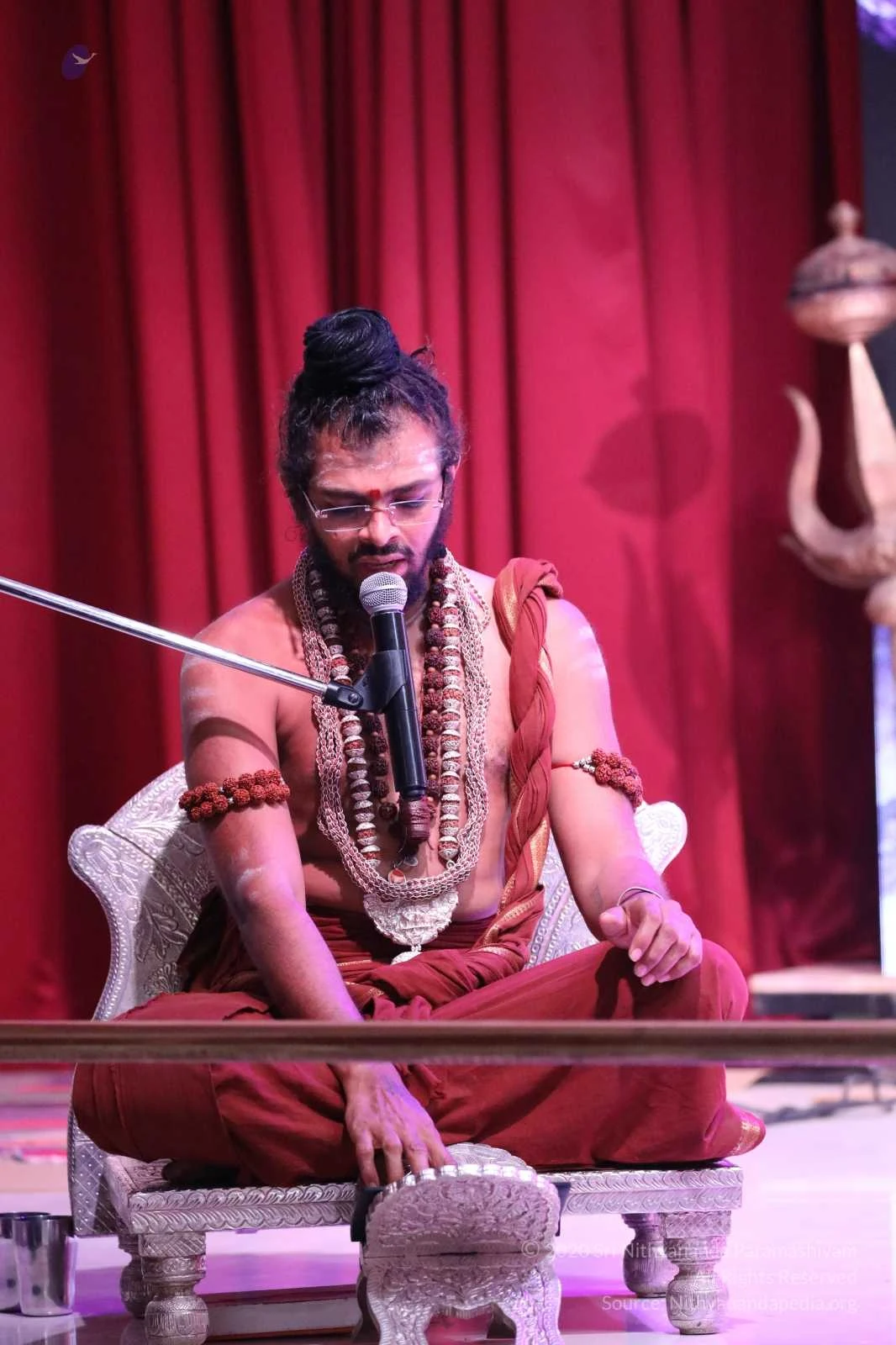
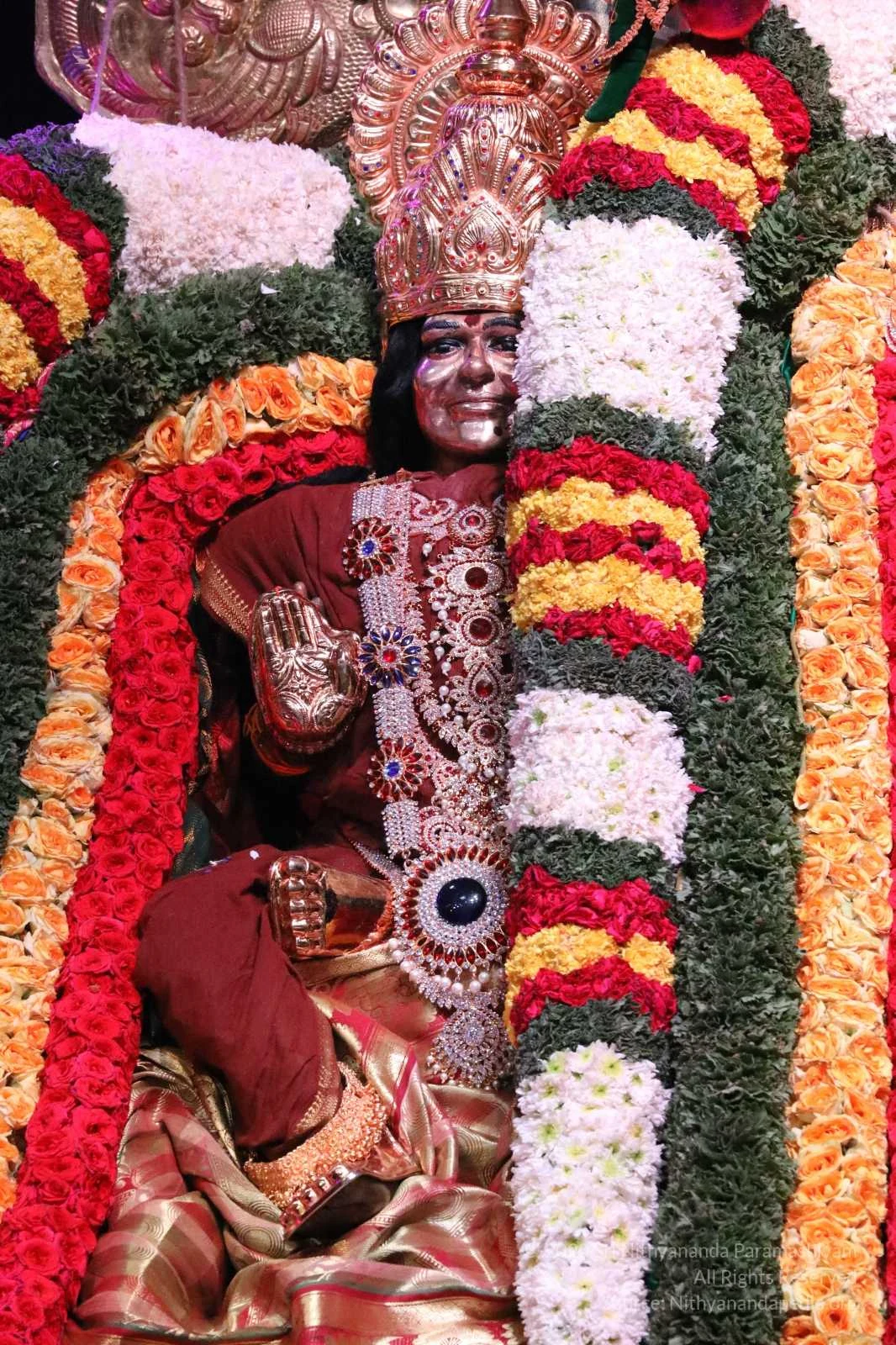
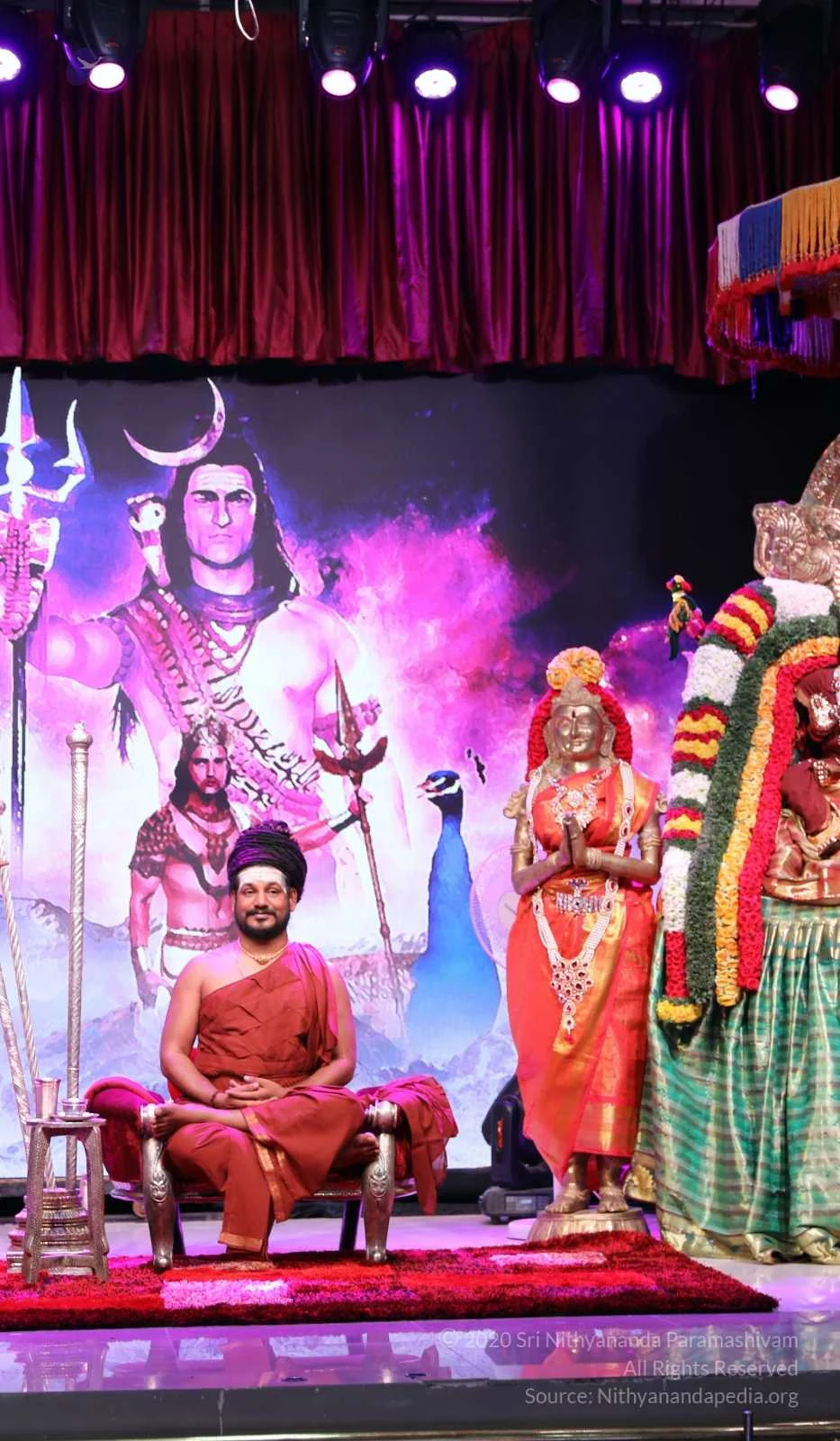
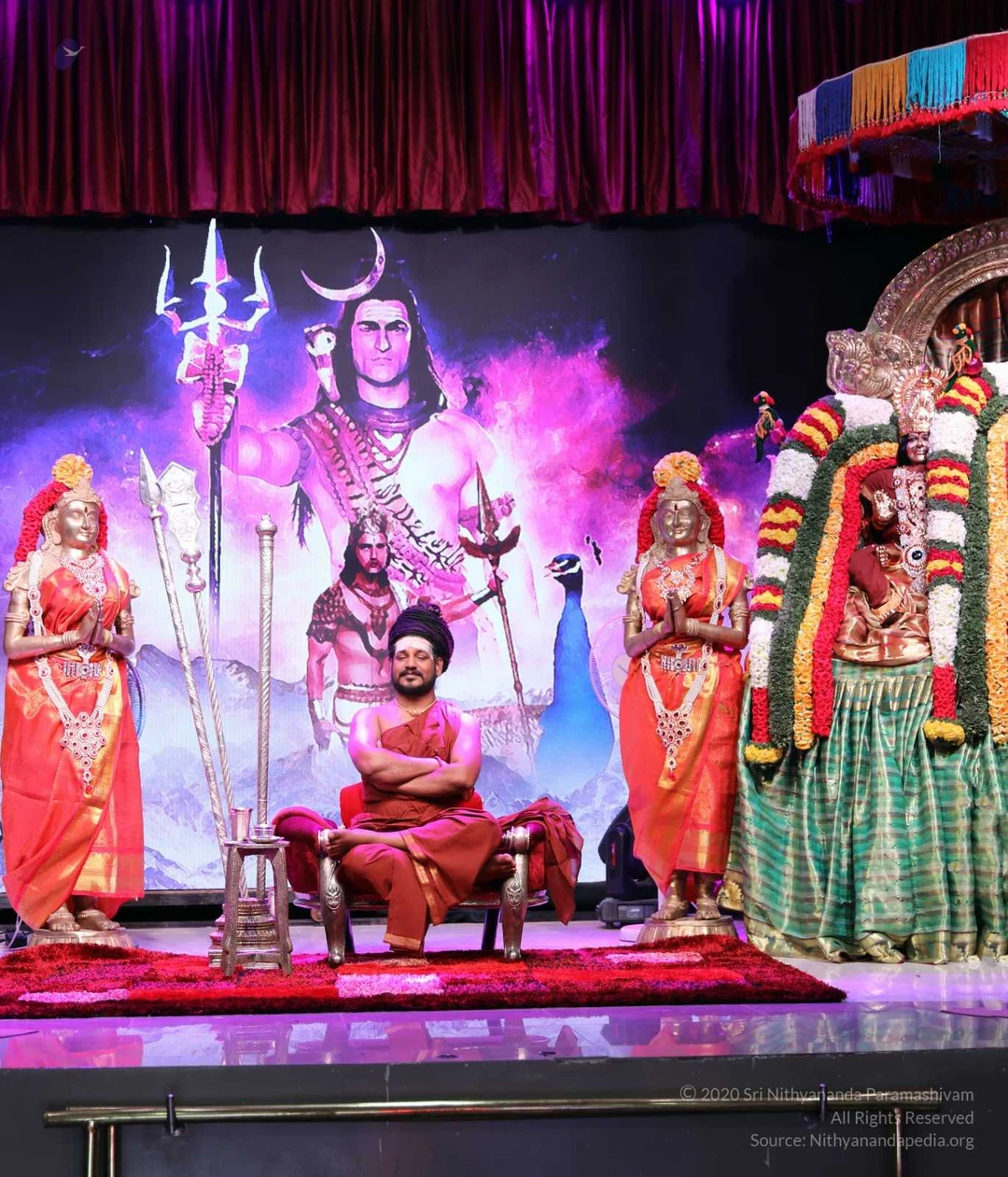
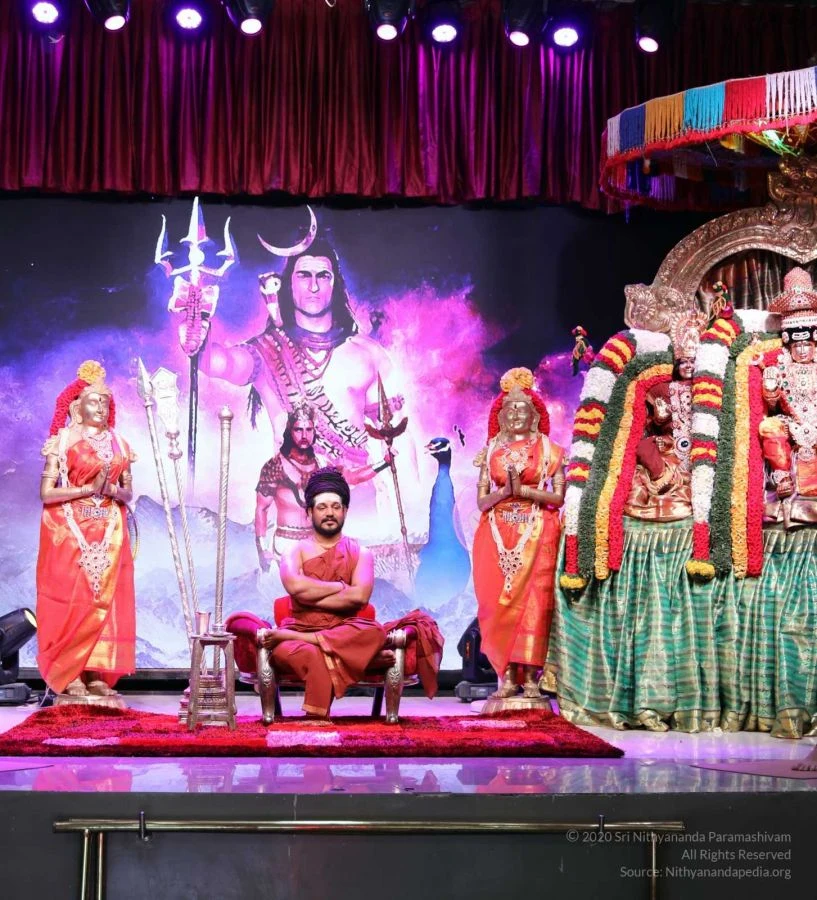
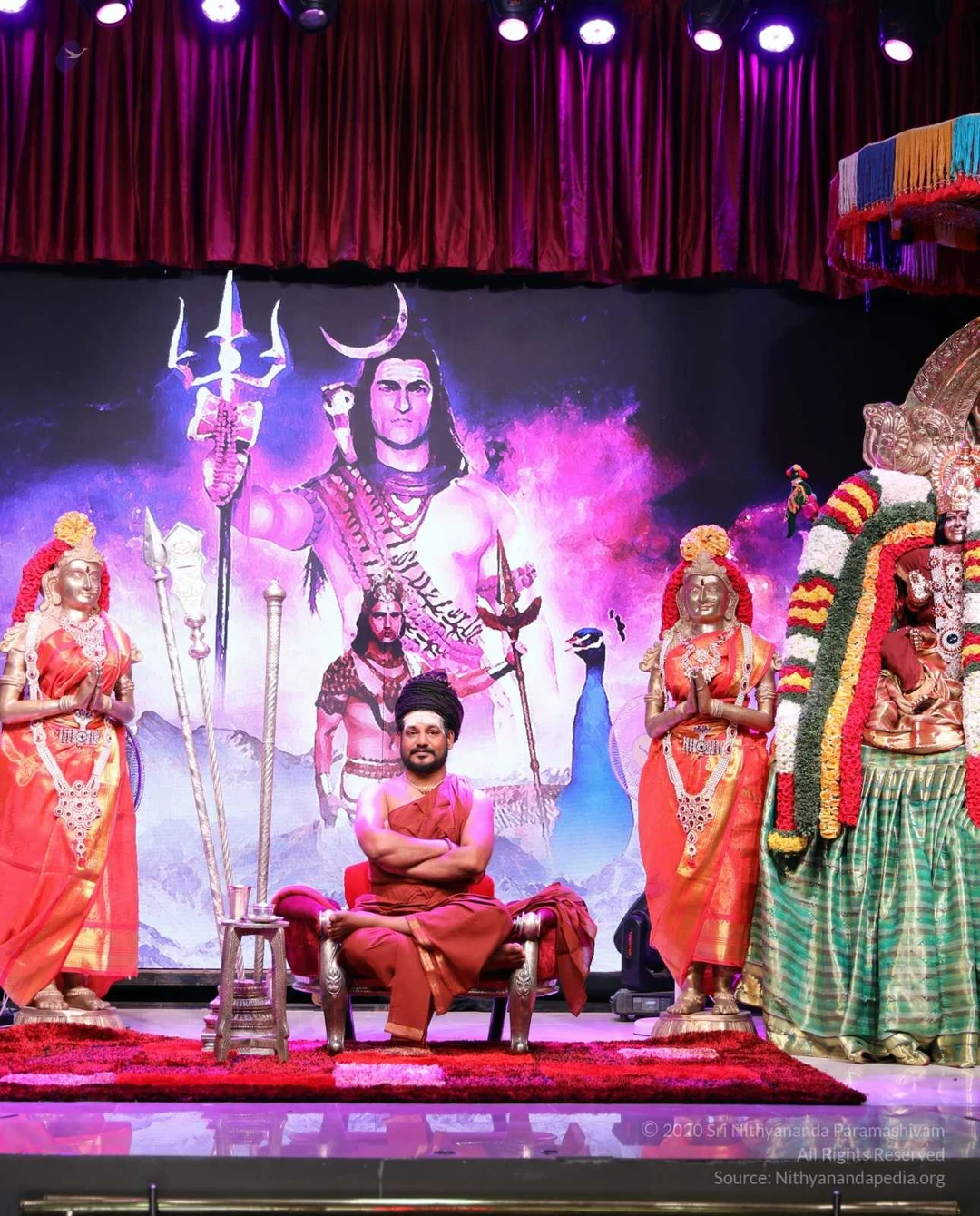
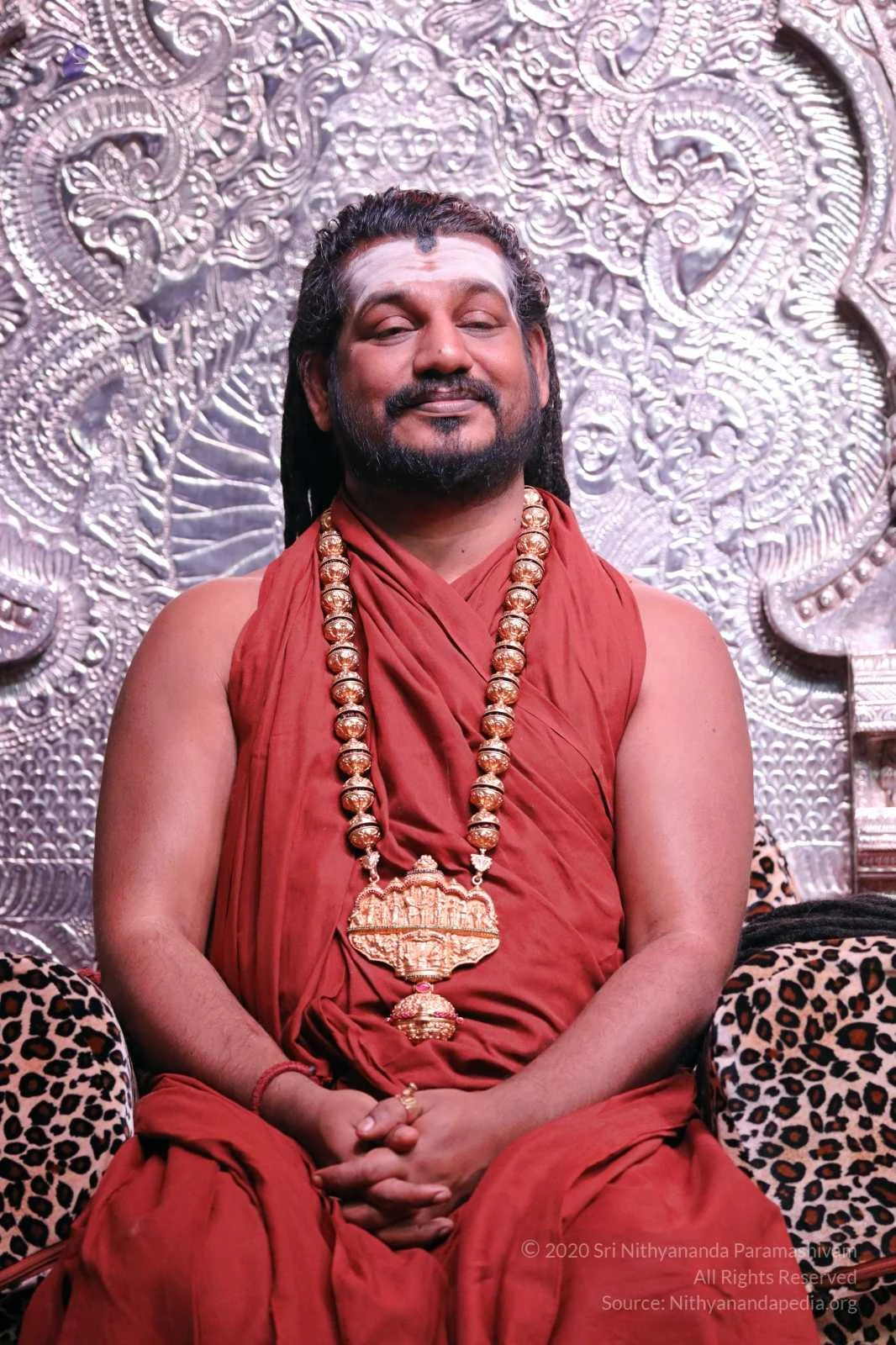
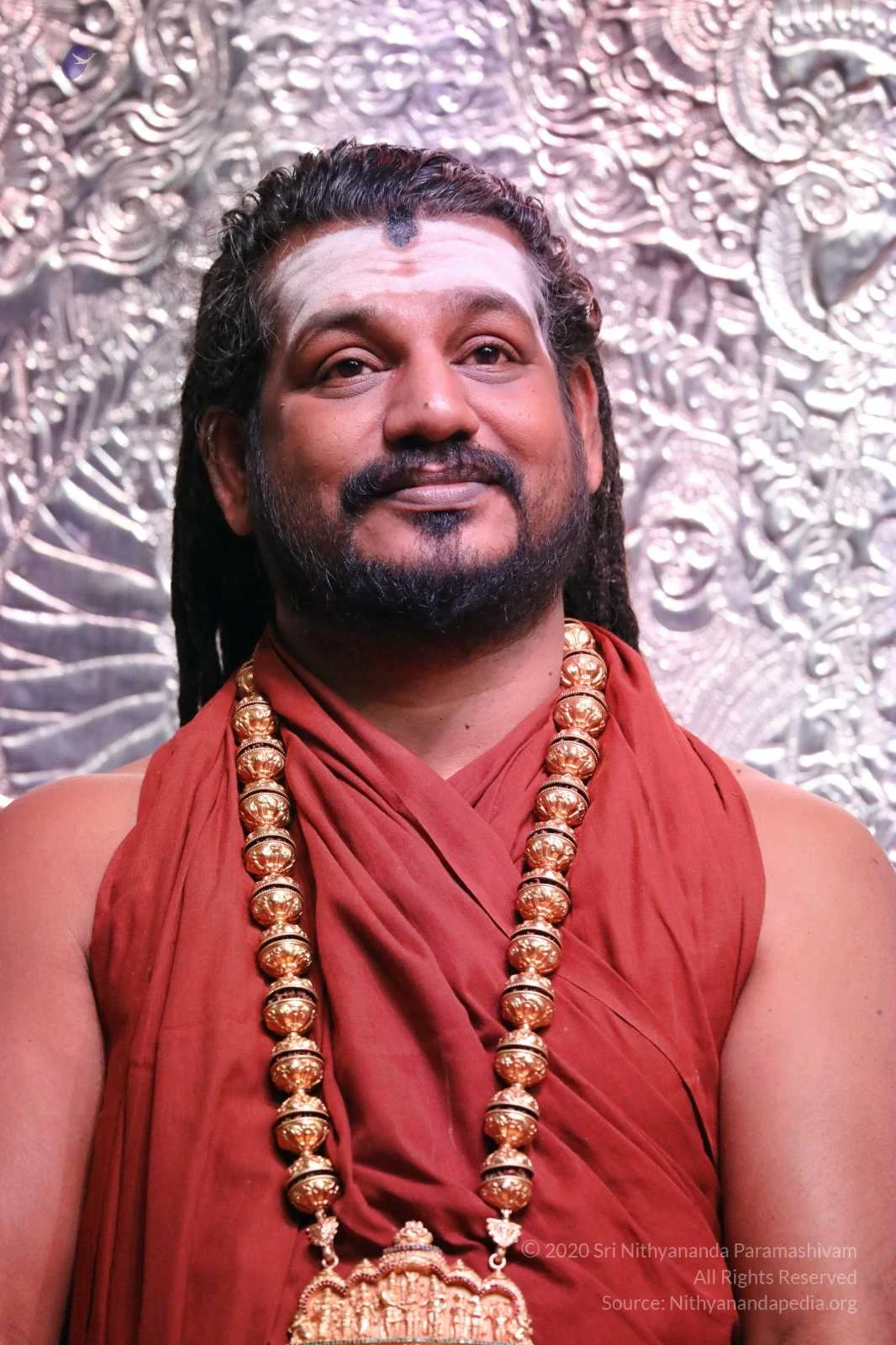
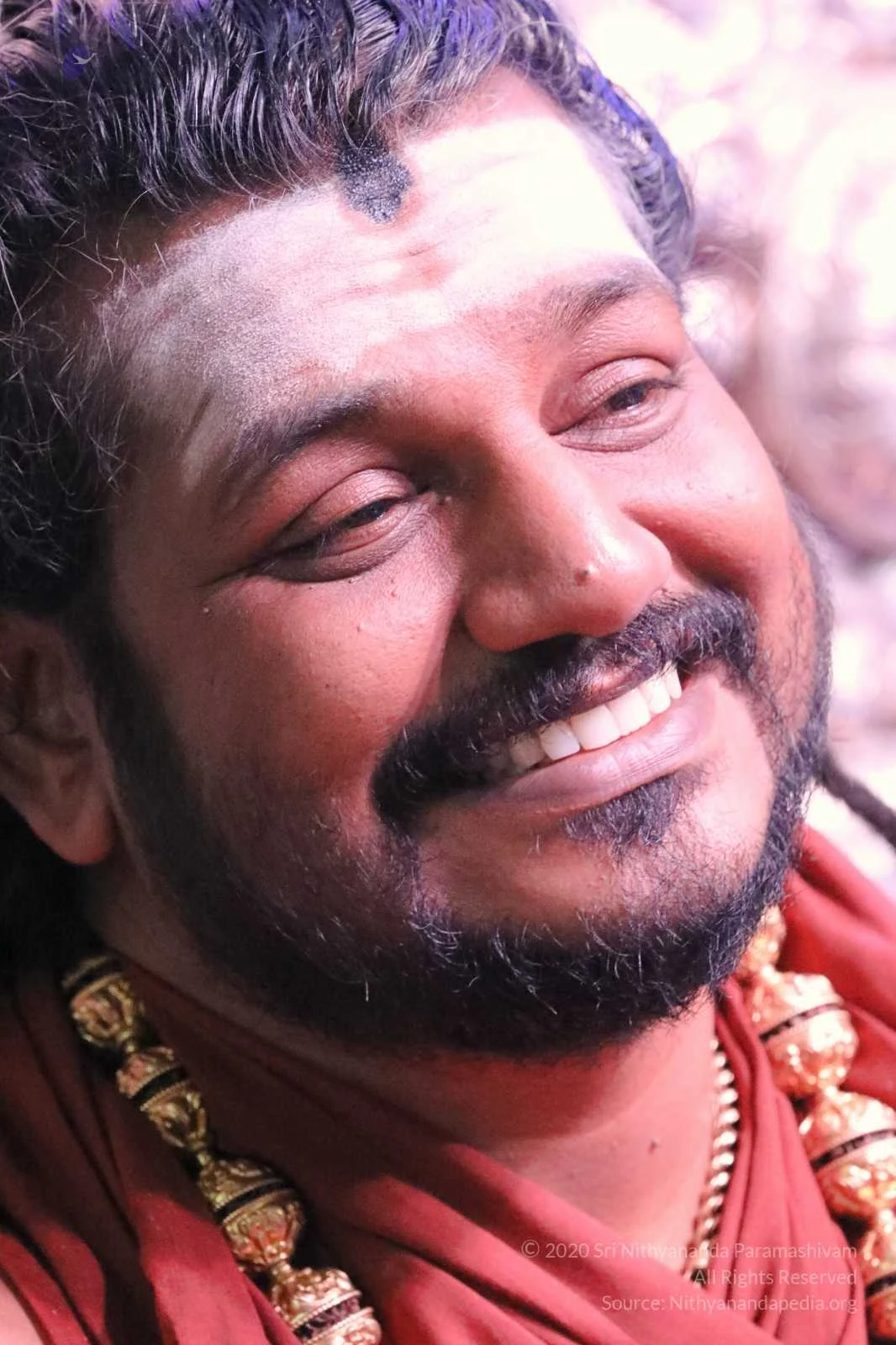
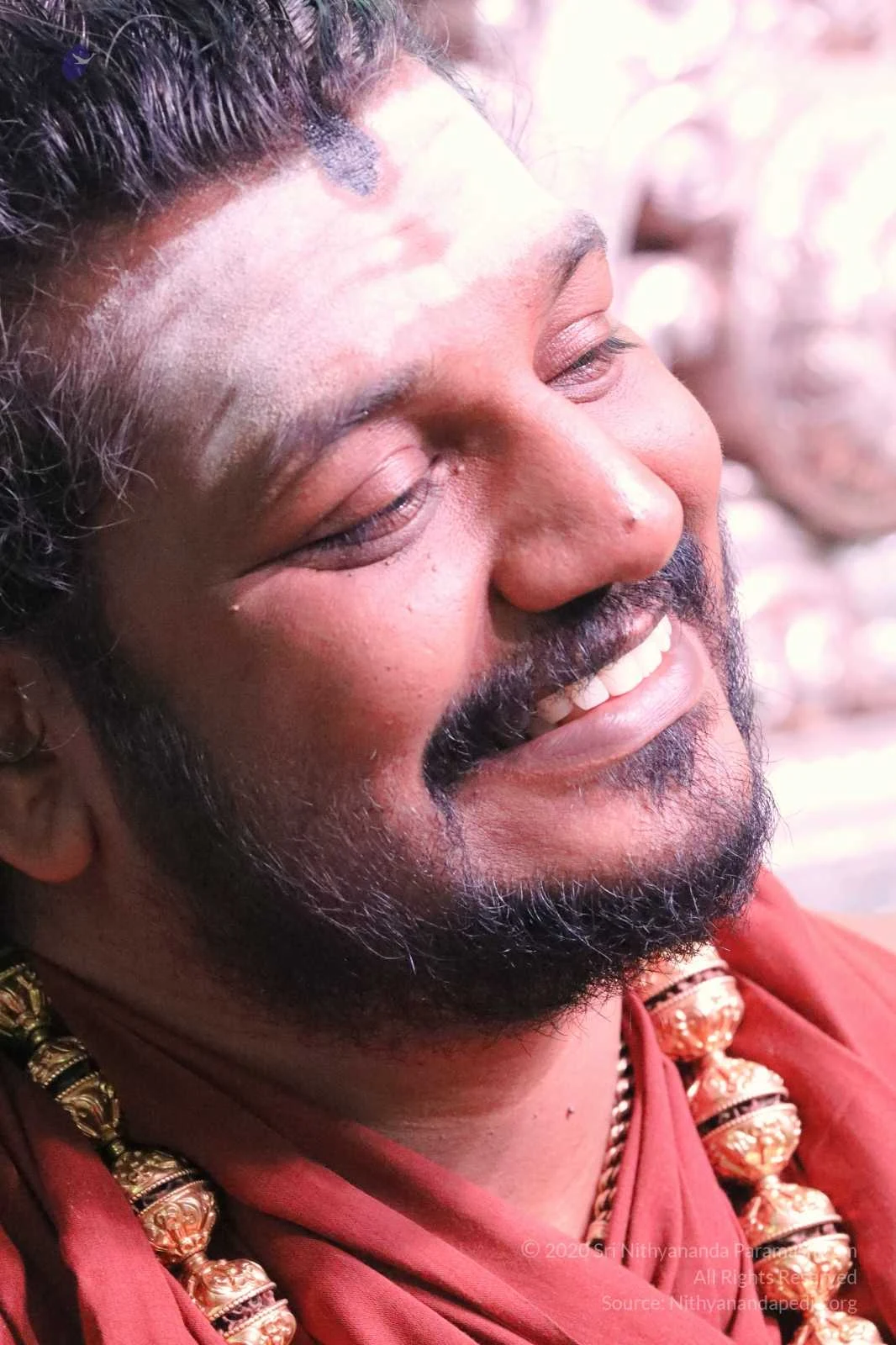
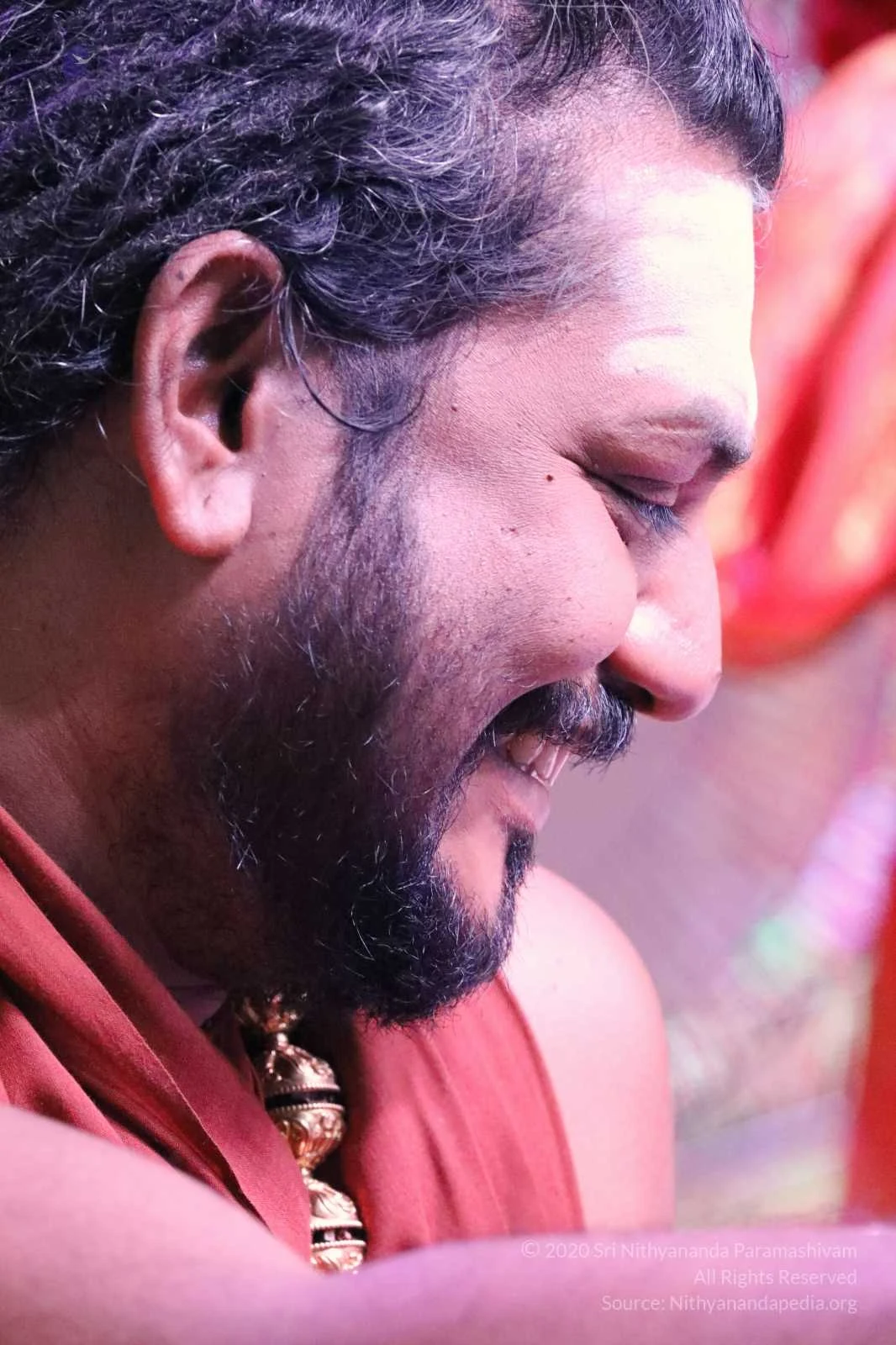
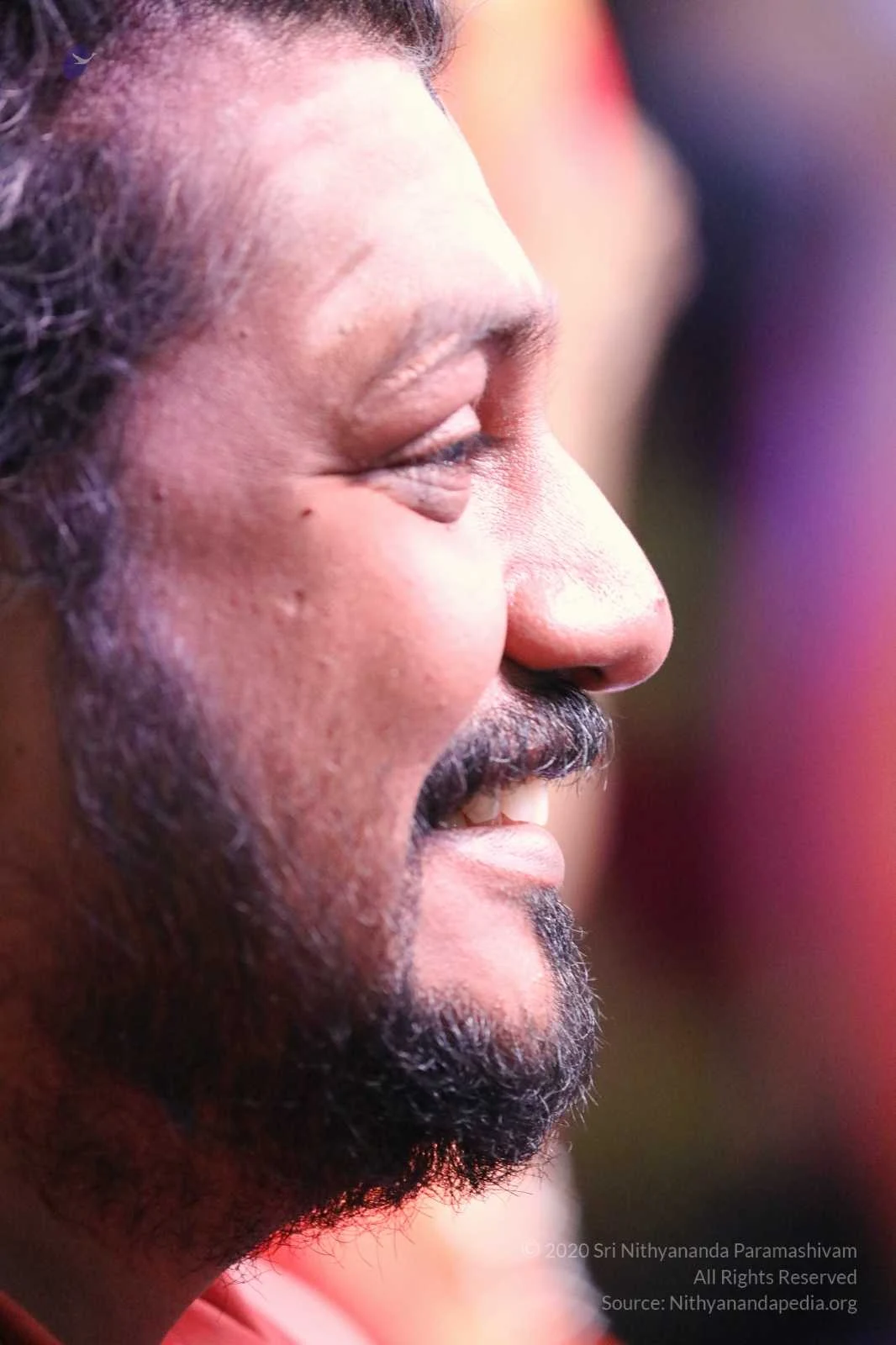
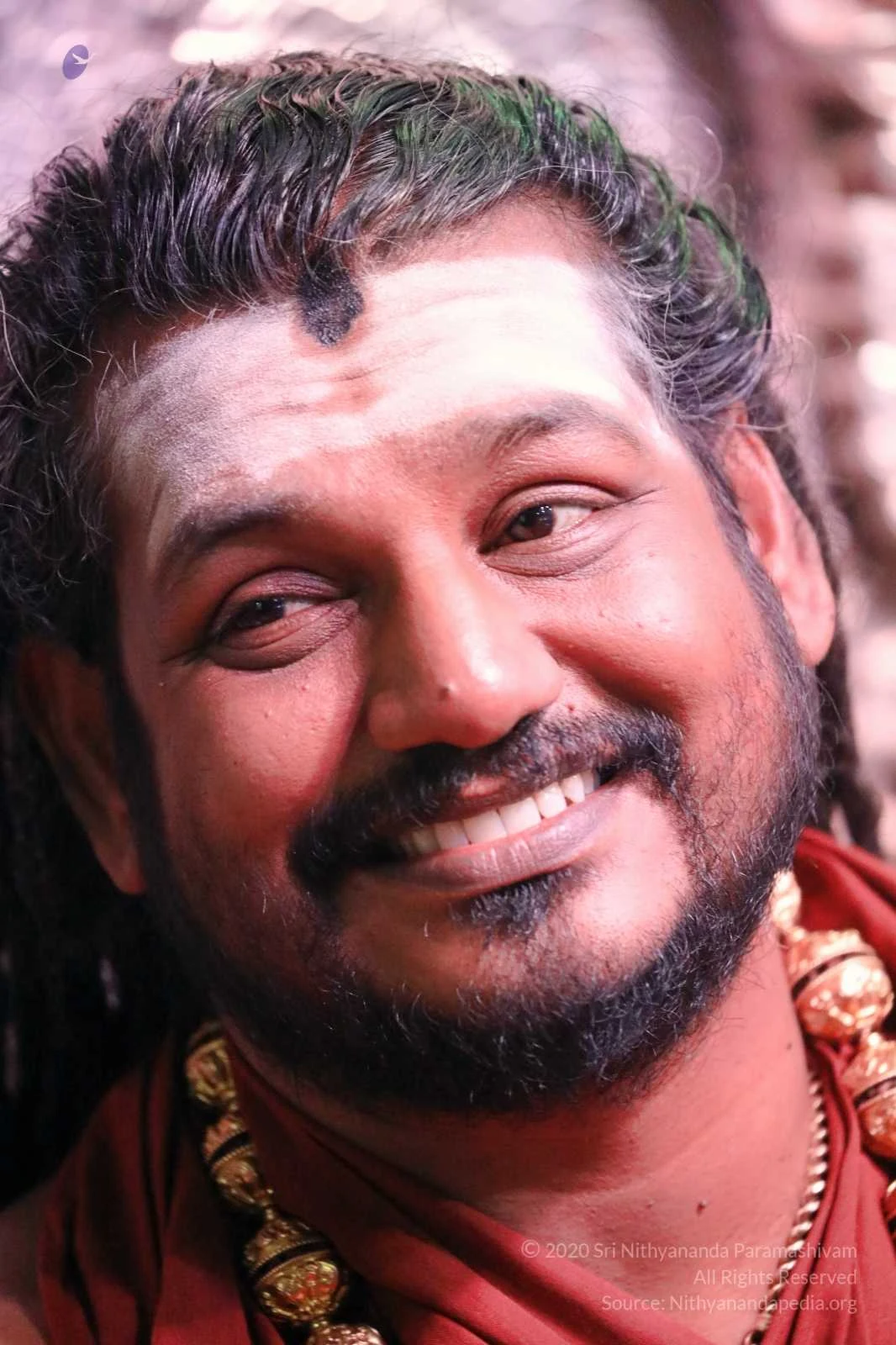
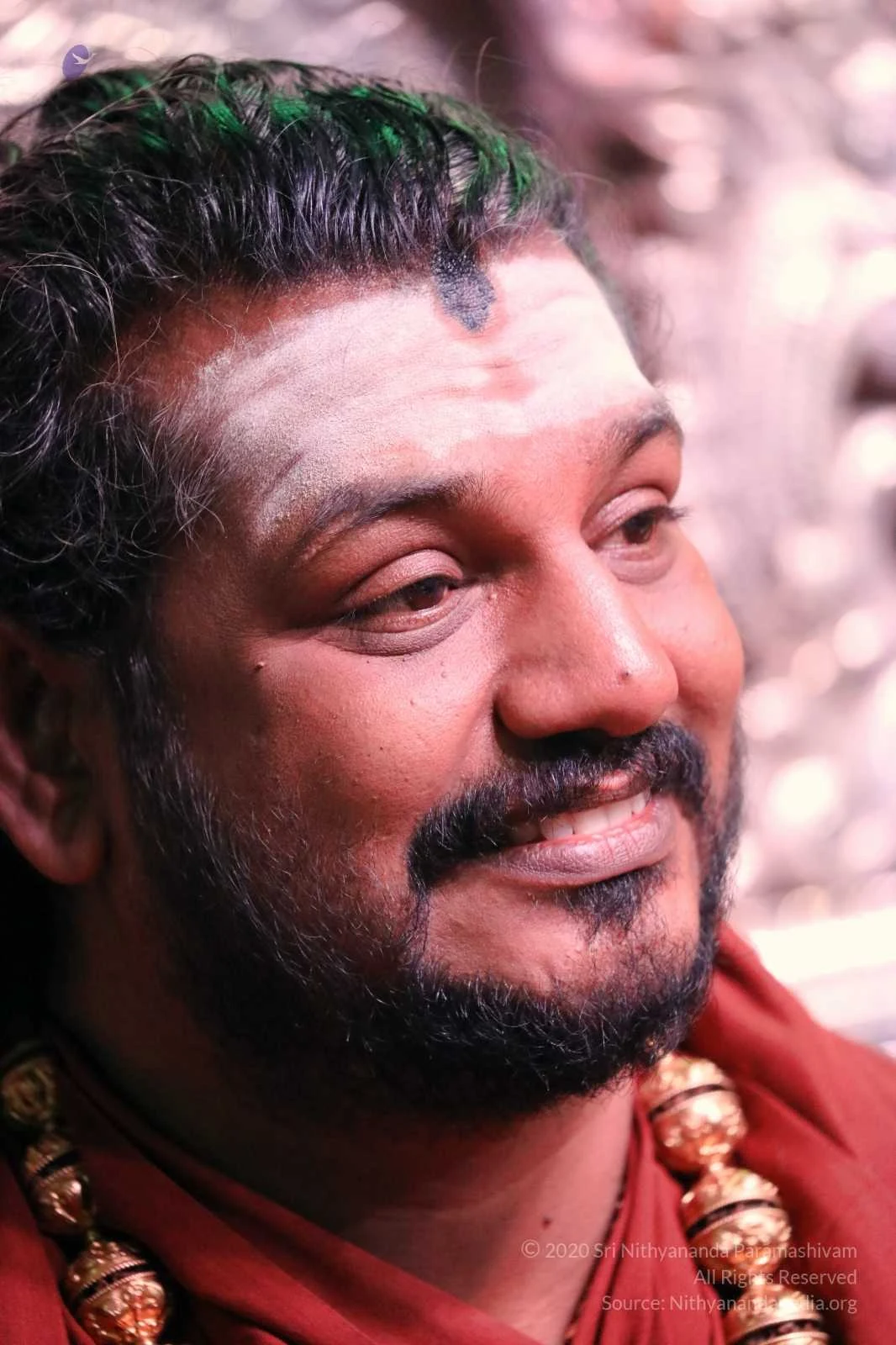
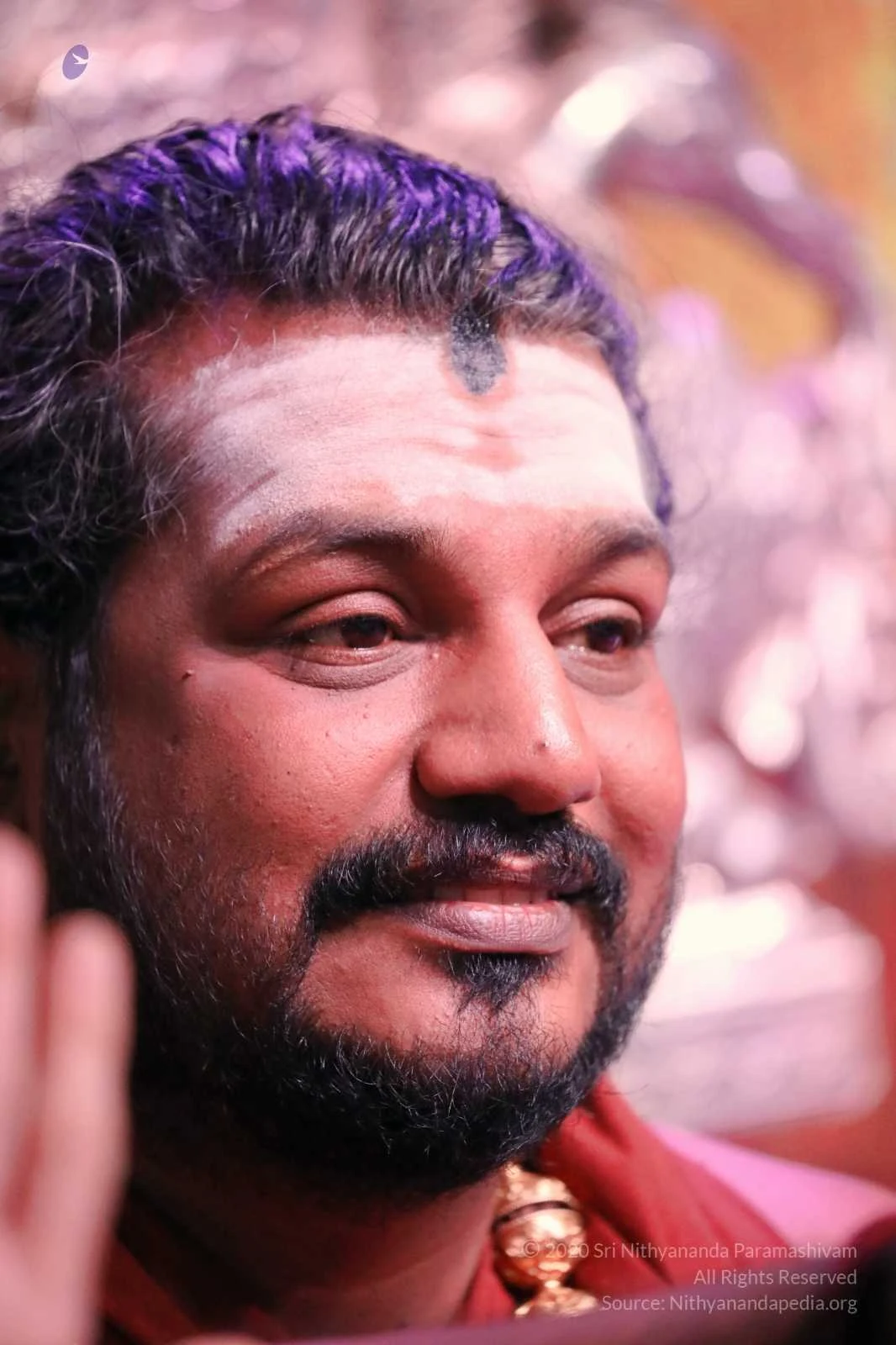
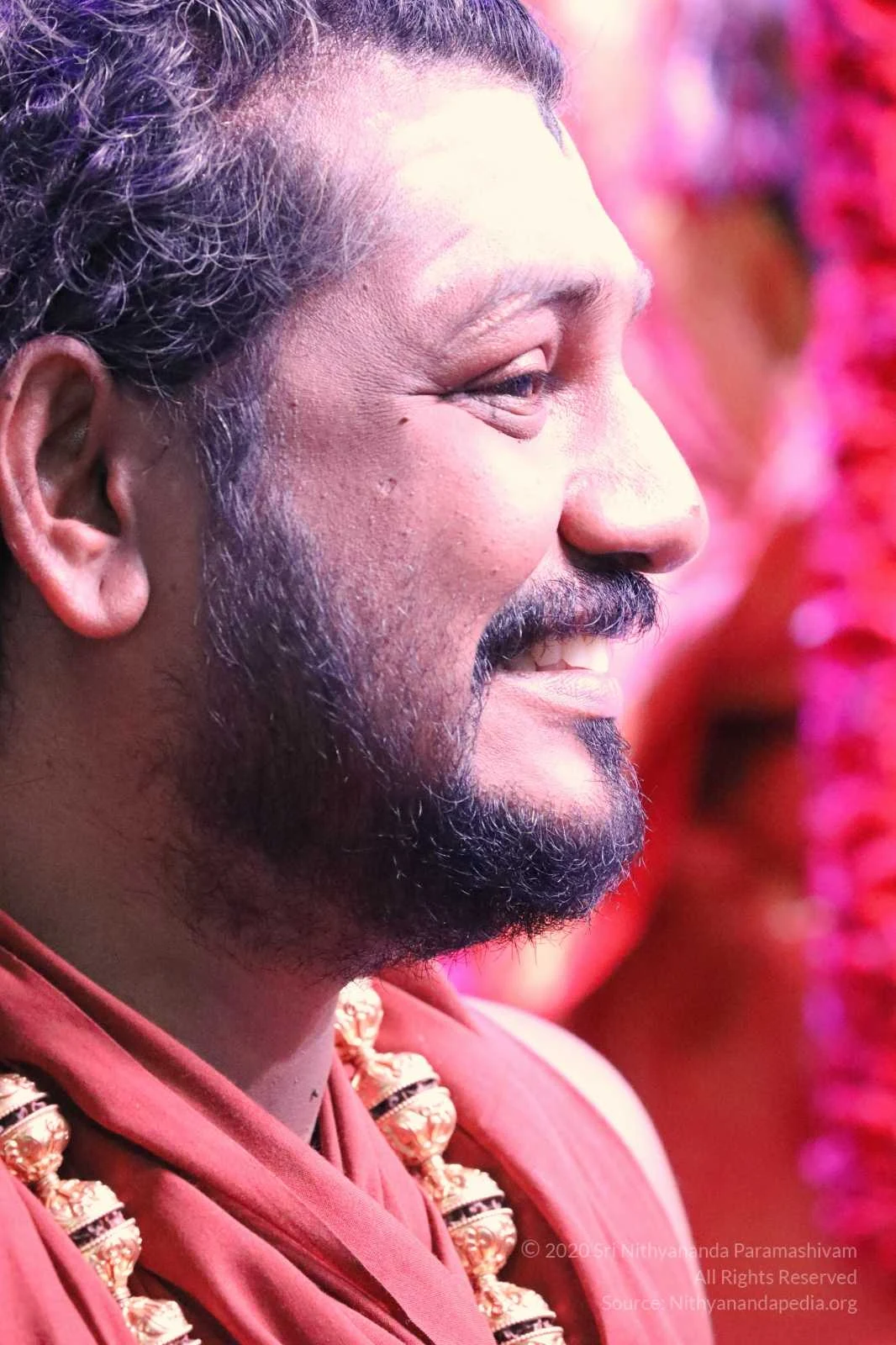
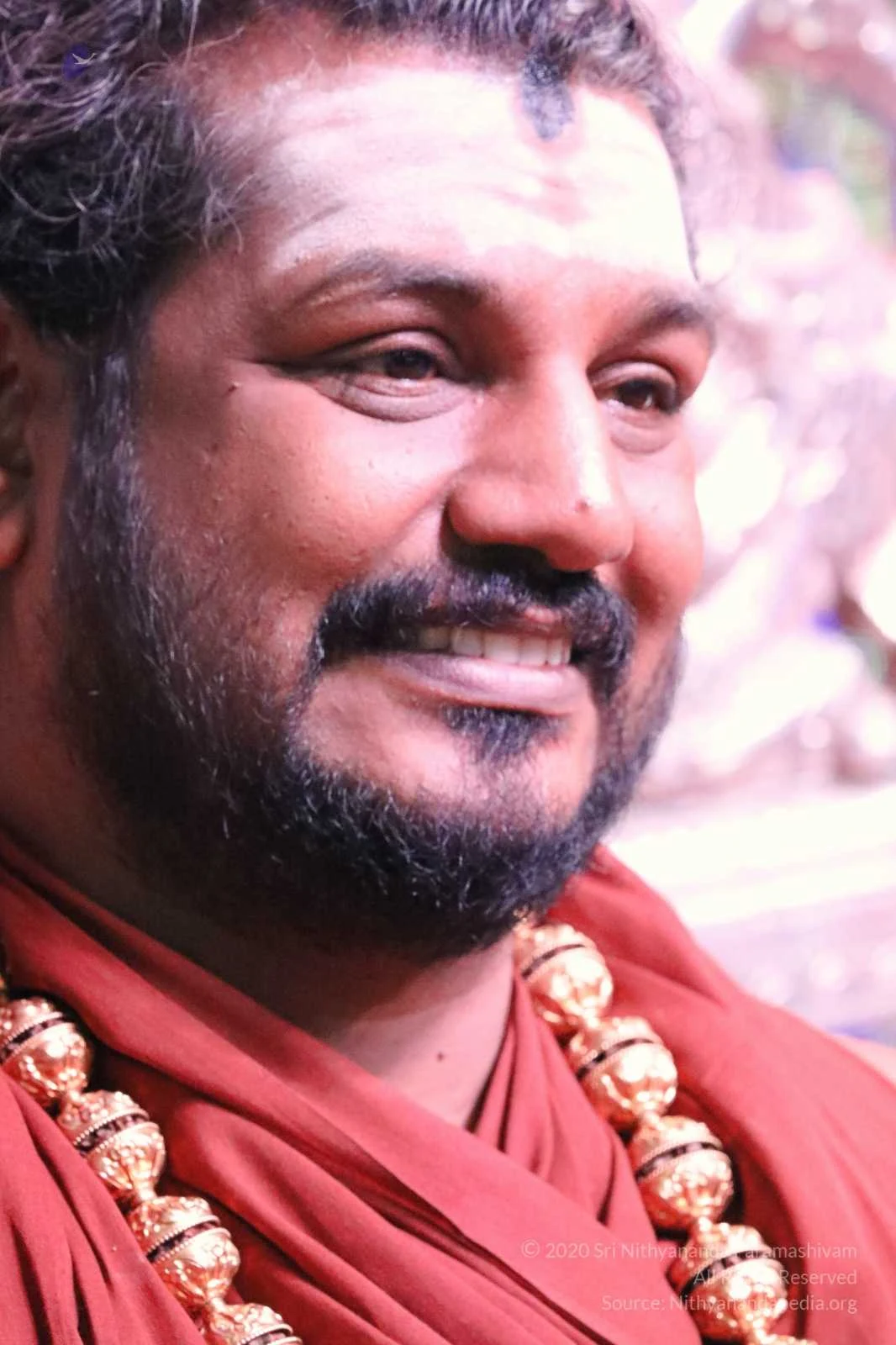
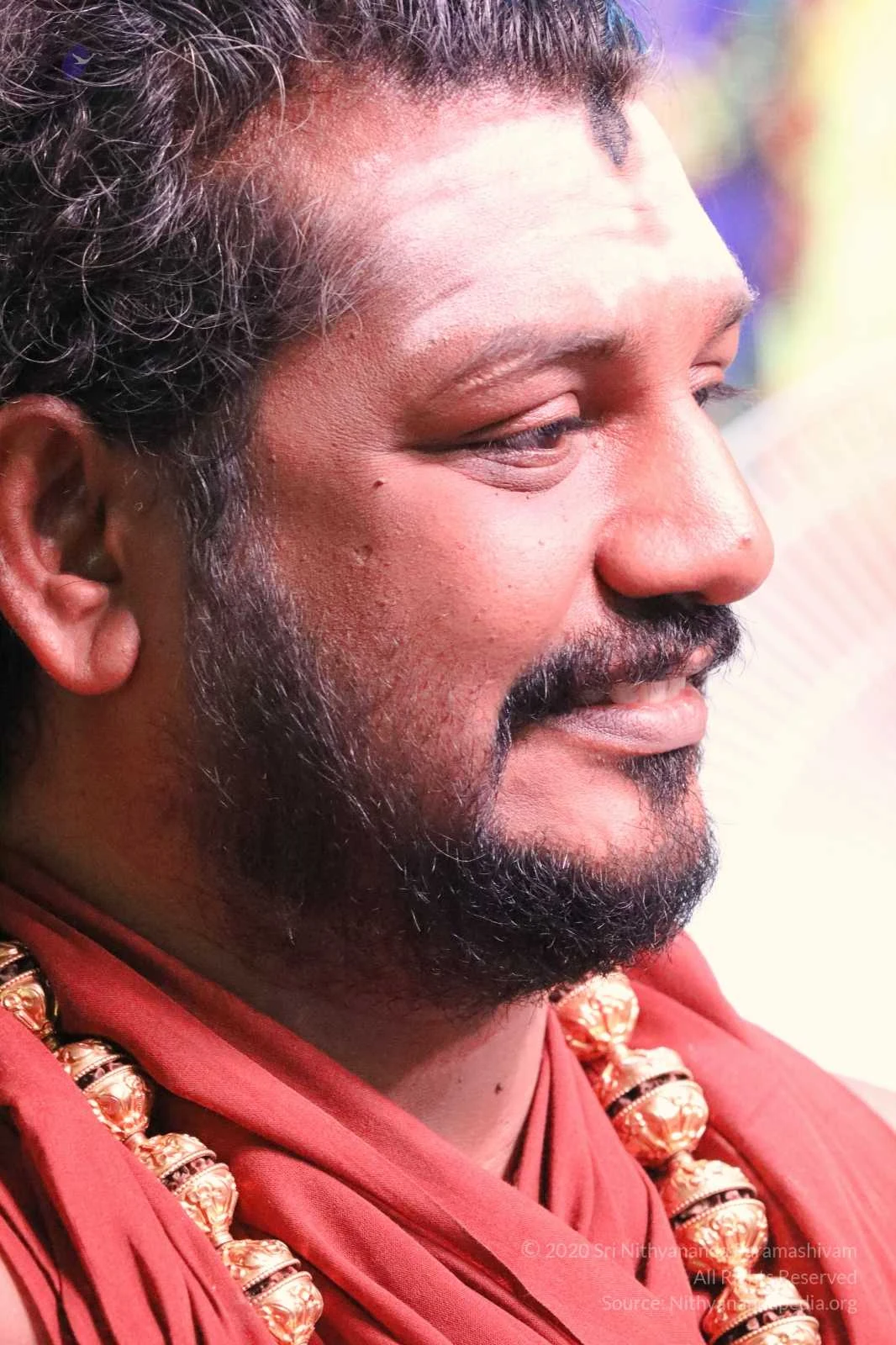
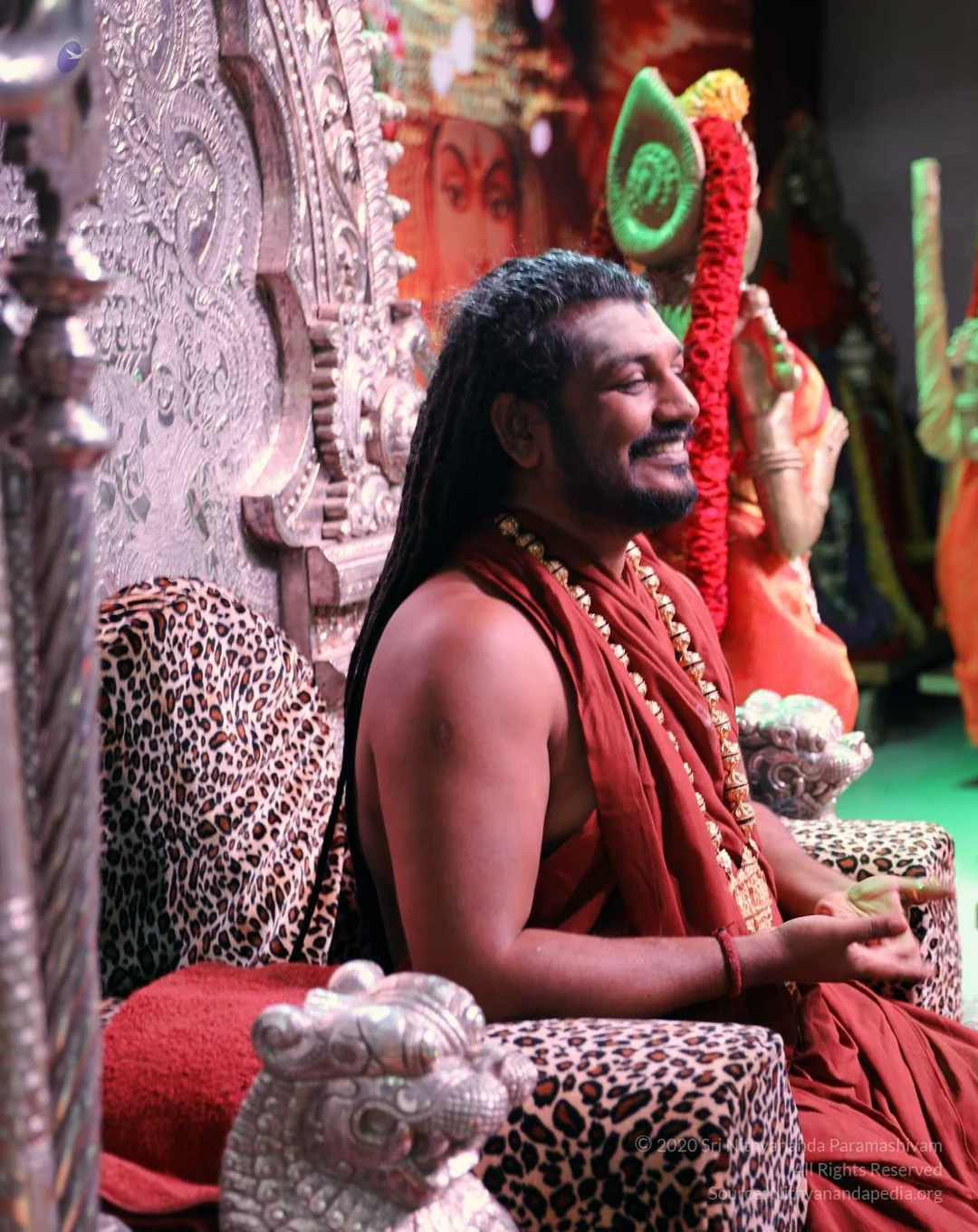
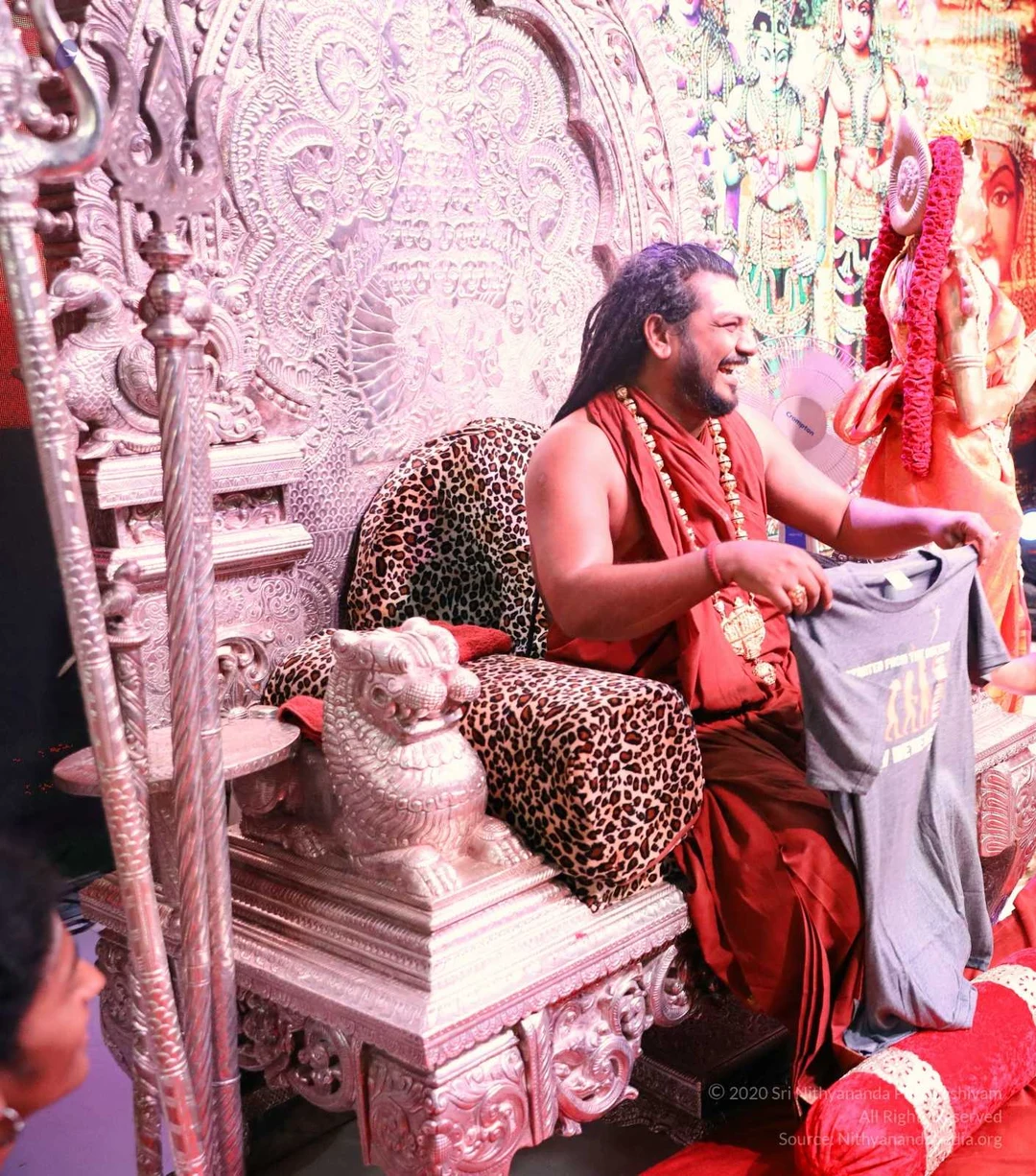
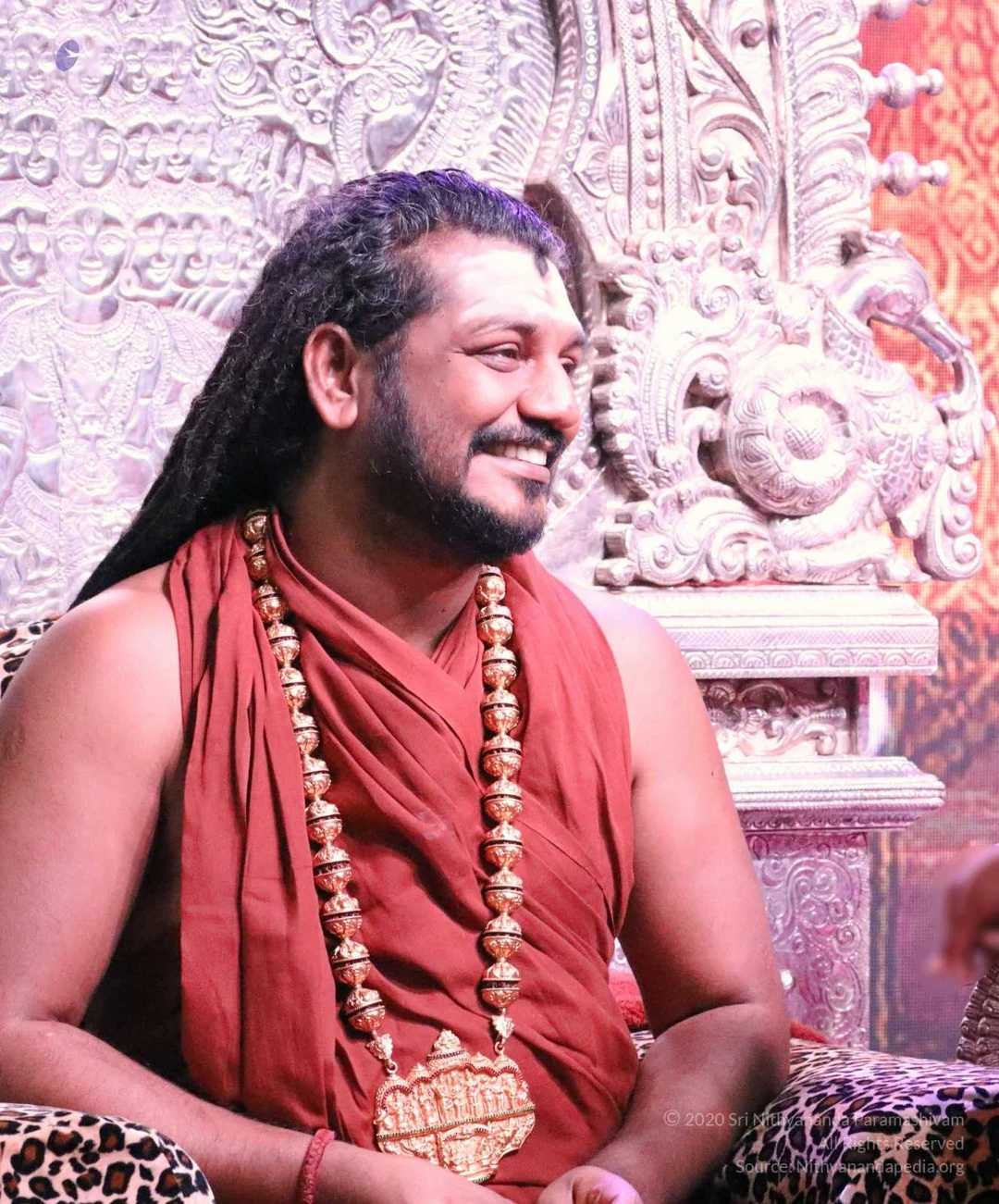
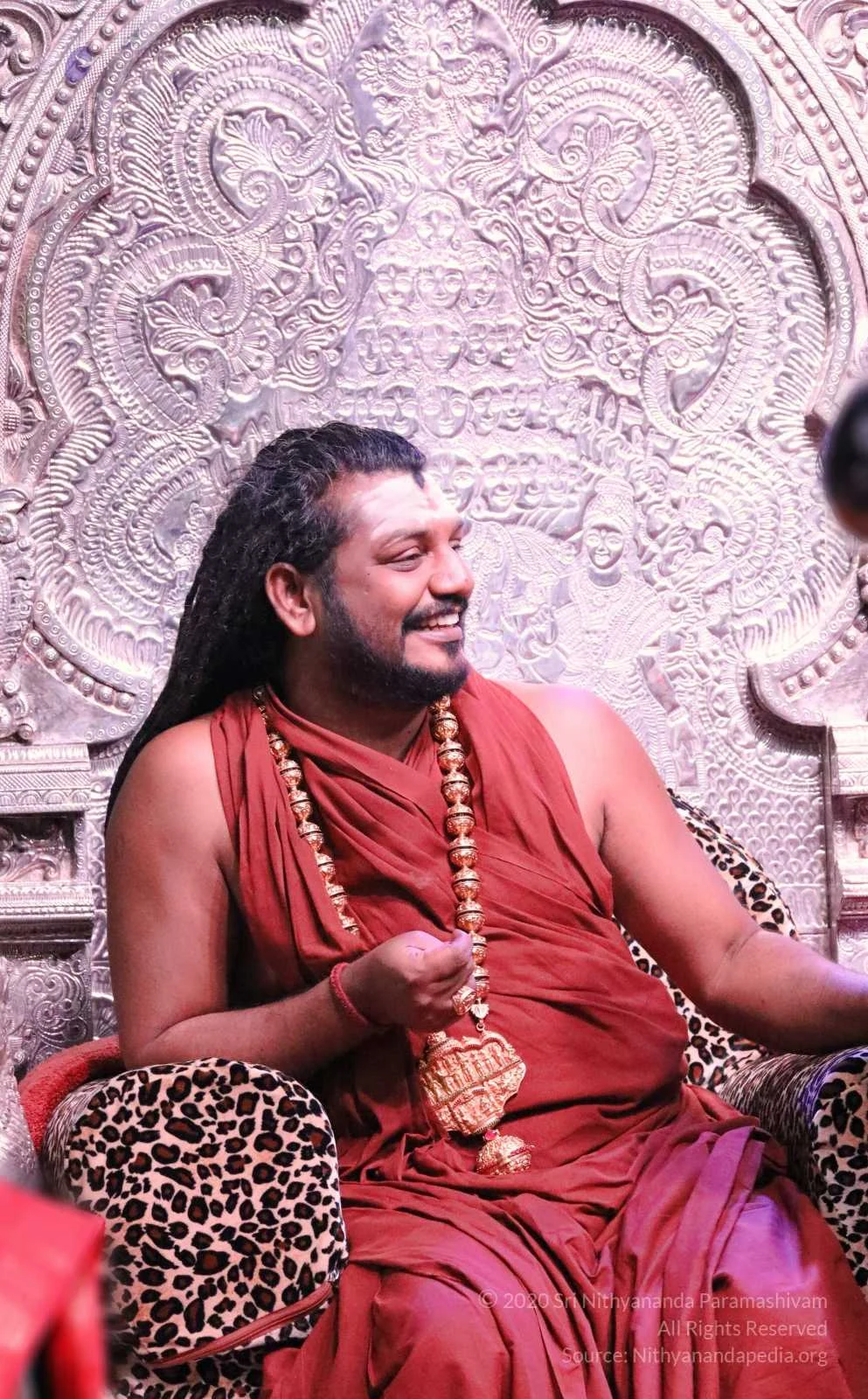
The Supreme Pontiff of Hinduism, Jagatguru Mahasannidhanam, His Divine Holiness, Bhagavan Nithyananda Paramashivam, is the visionary through whom this whole revival of KAILASA is made possible. On this, Day 26 of Mahasadashivoham and Day 8 of Chittirai Brahmotsavam, the Pattabhishekam or coronation ceremony of Goddess Meenakshi took place. Several rituals and Abishekams were performed to the crown of the Deity, followed by Deeparadhana, Nithya Puja and the Darshan of His Divine Holiness.
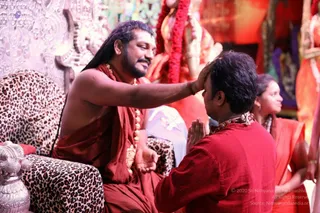
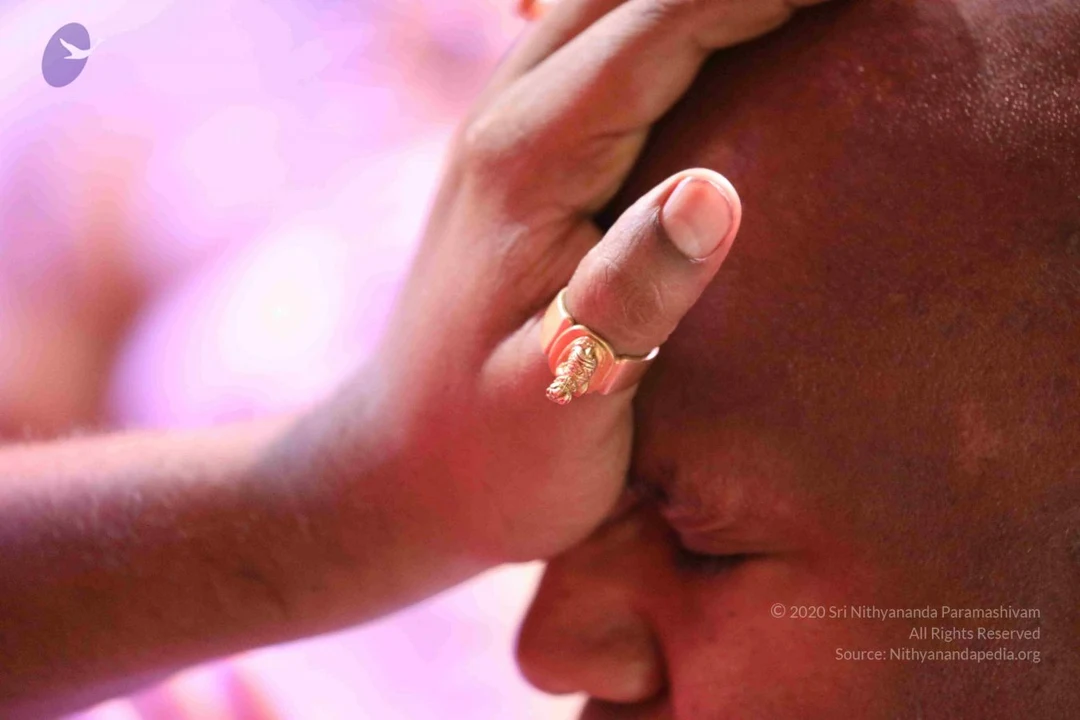
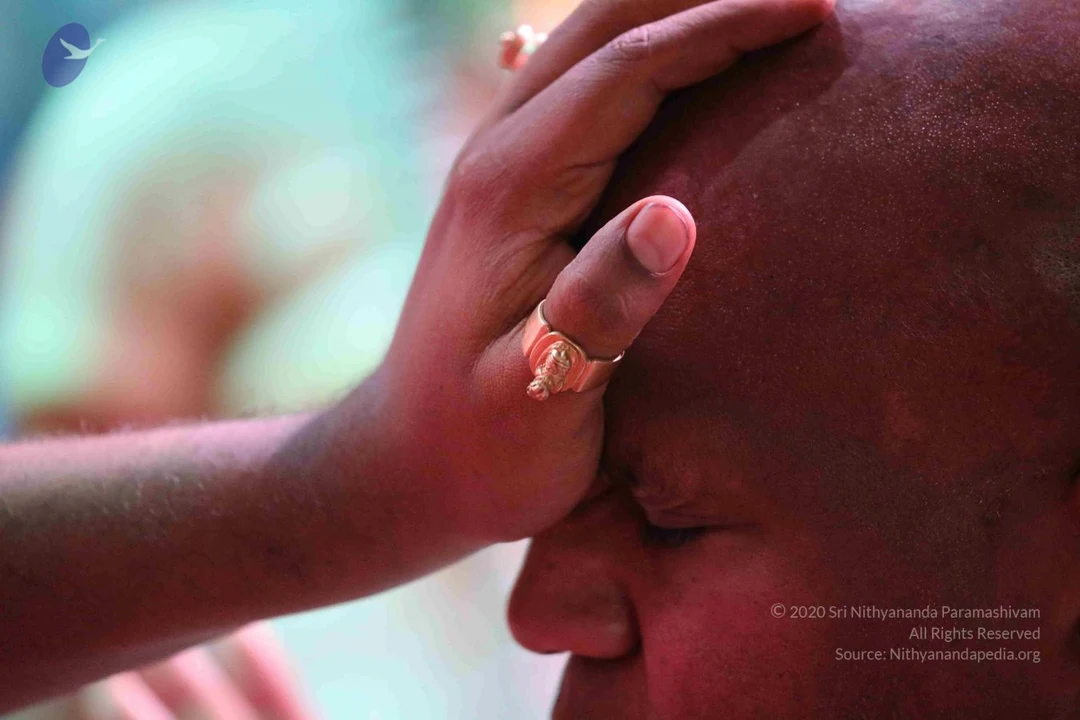
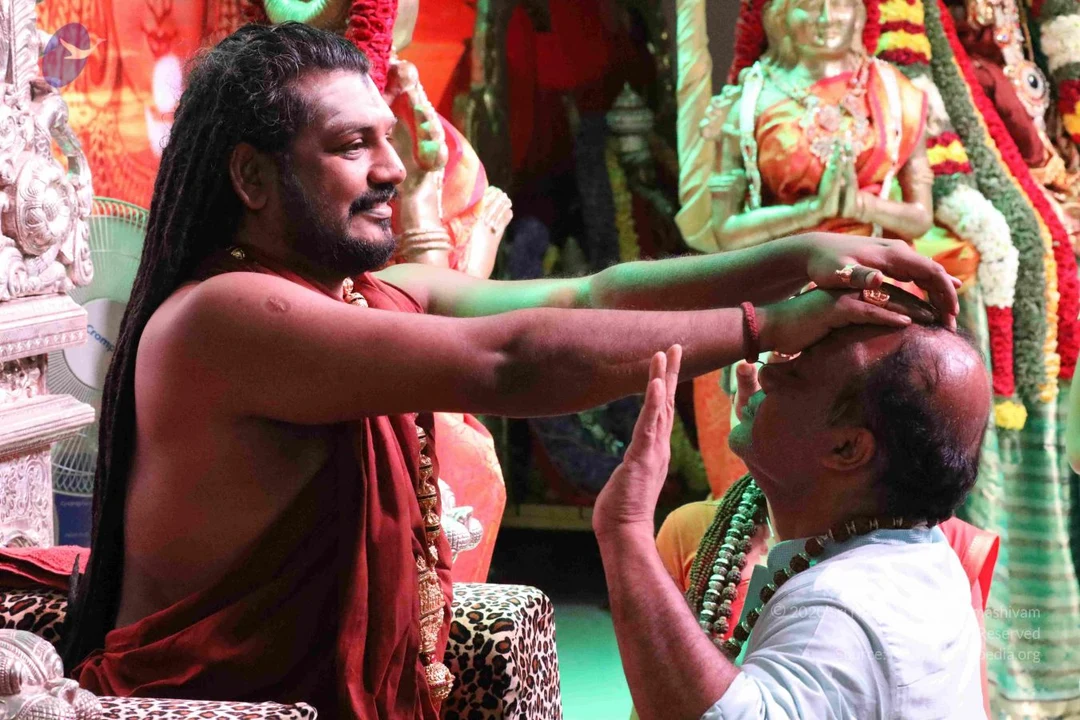
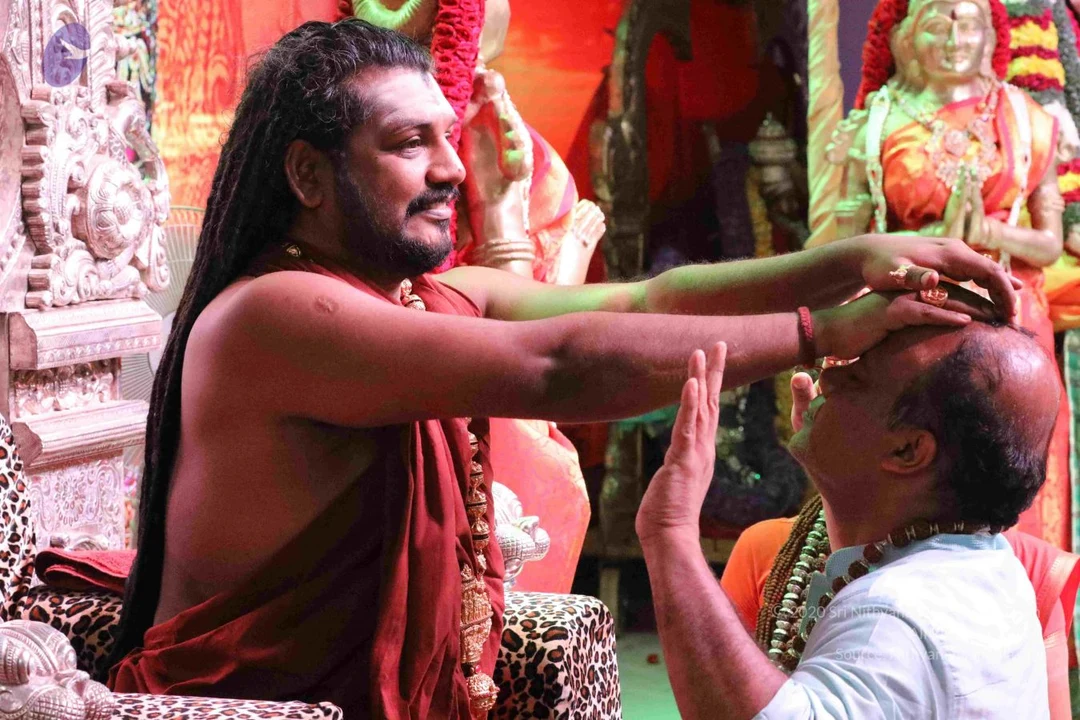
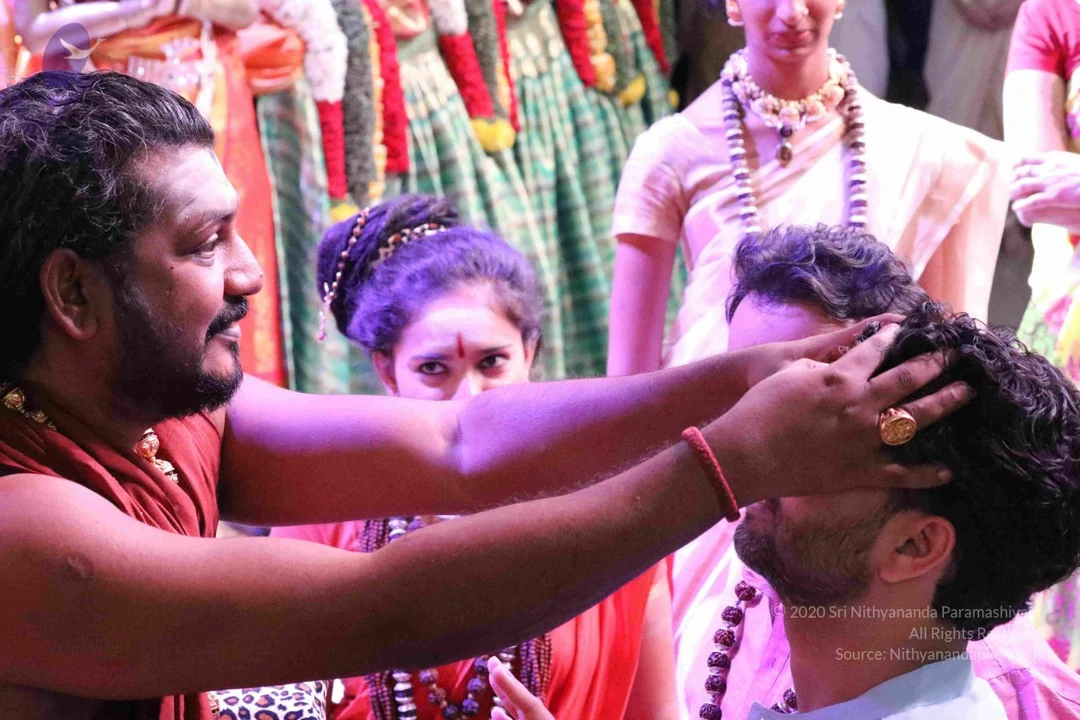
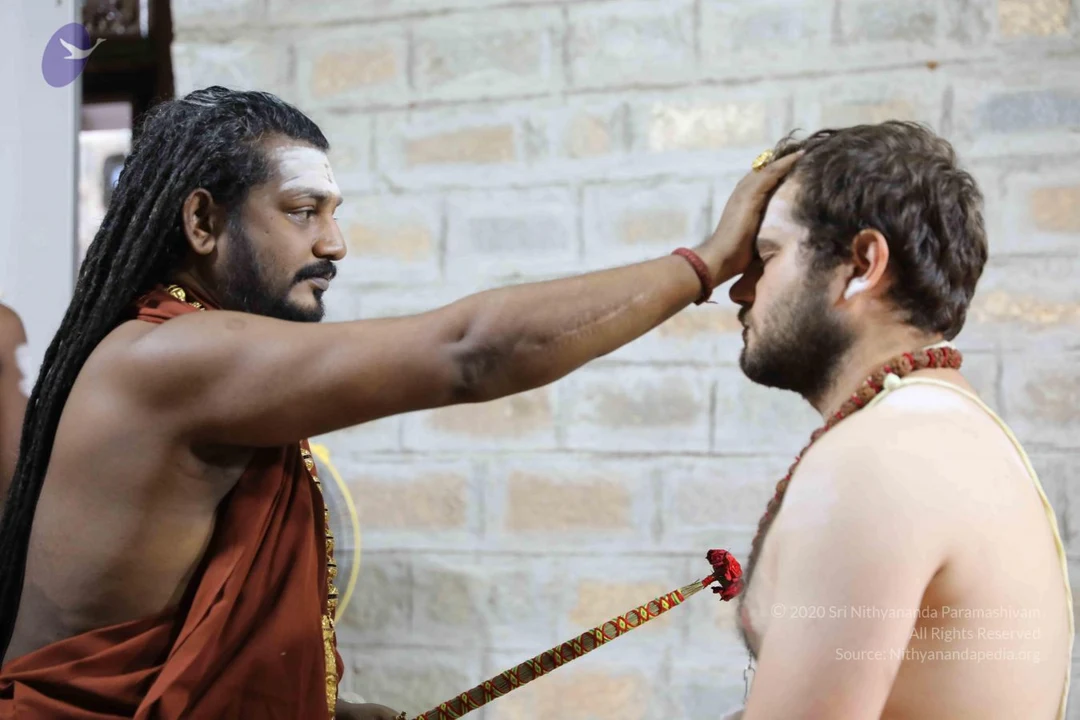
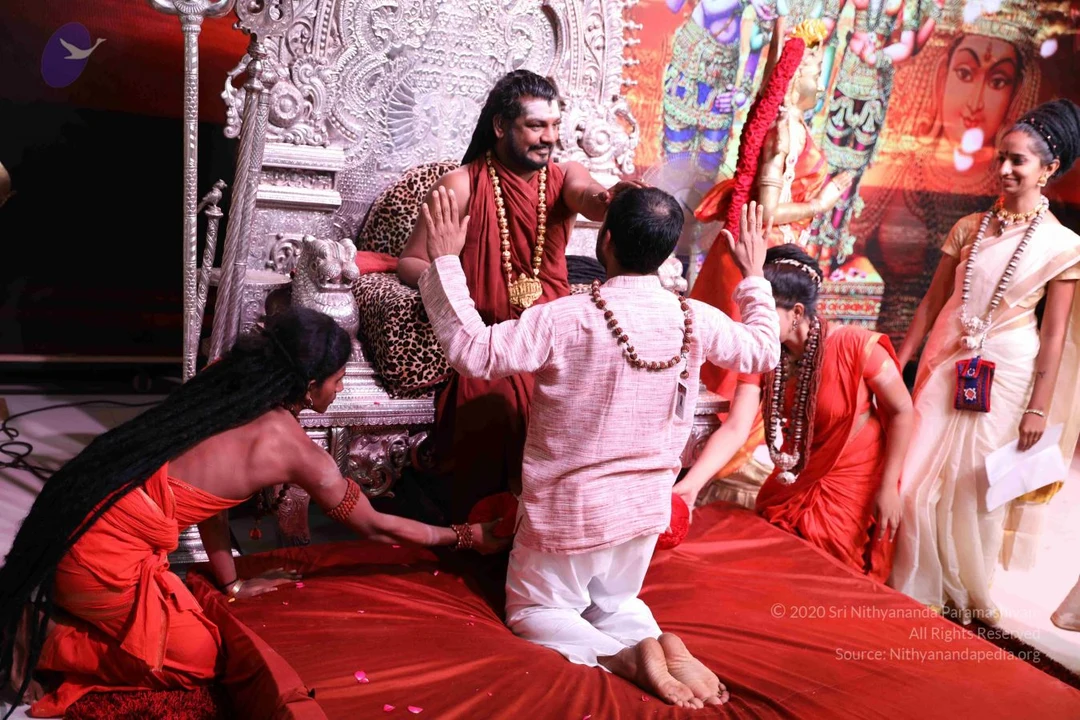
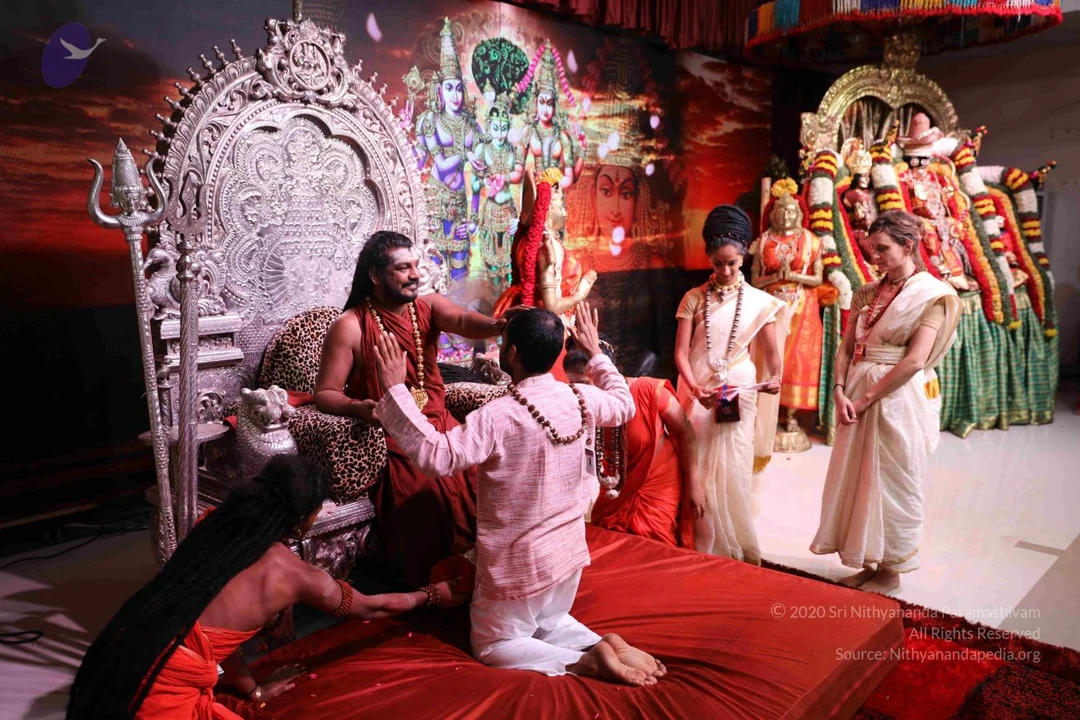
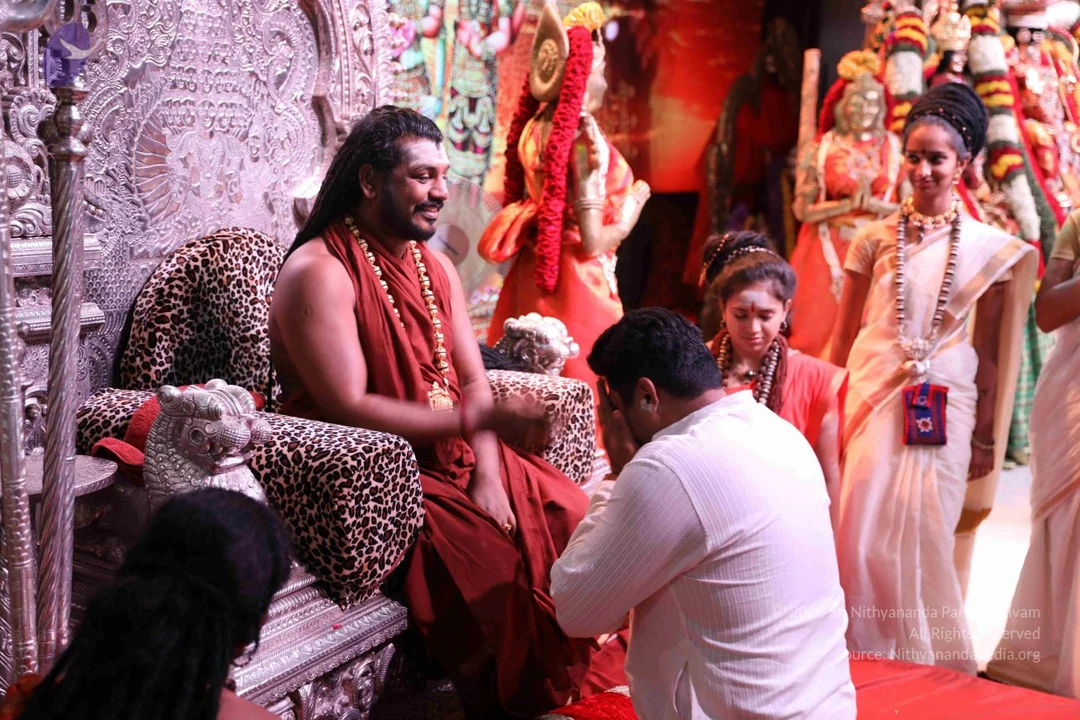
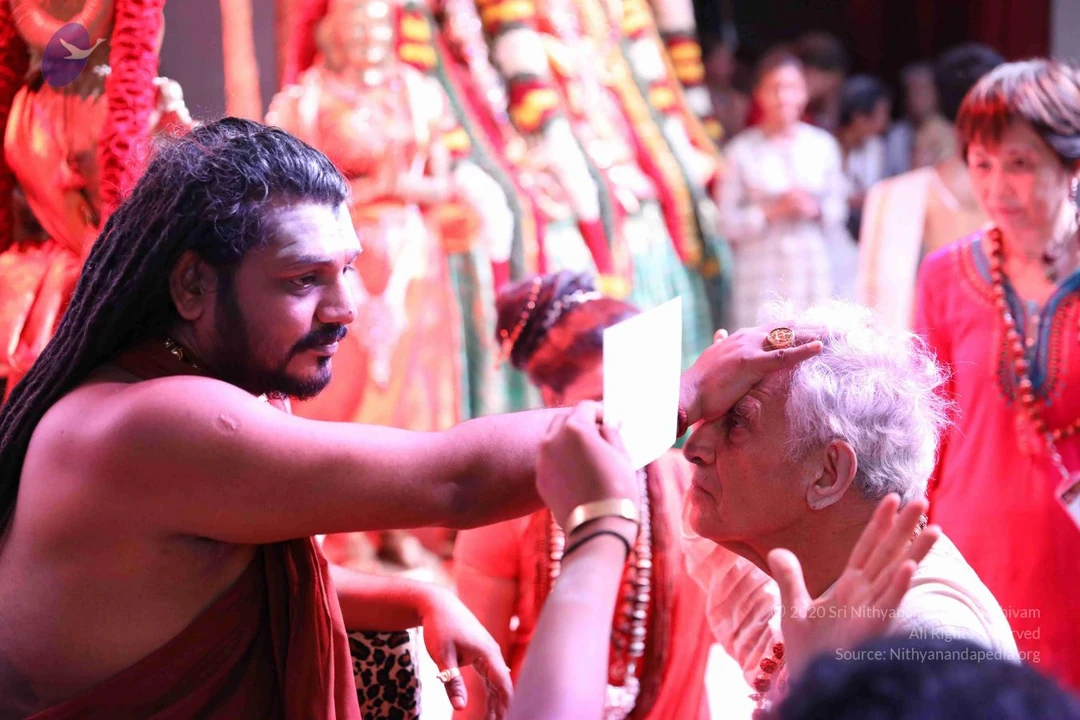
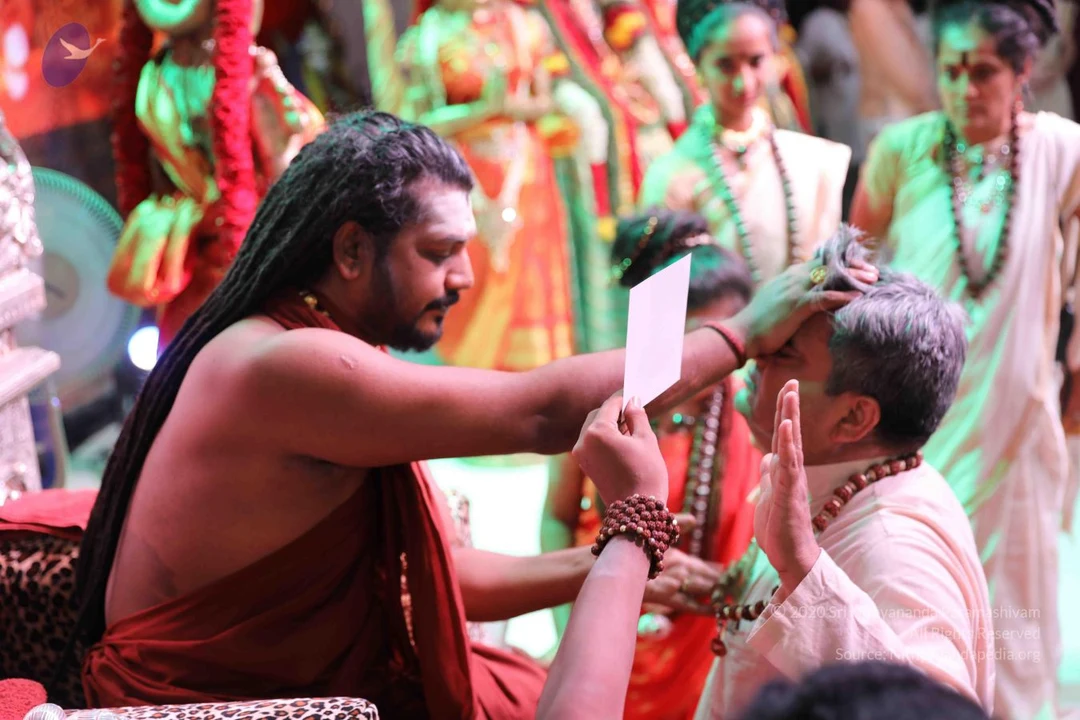
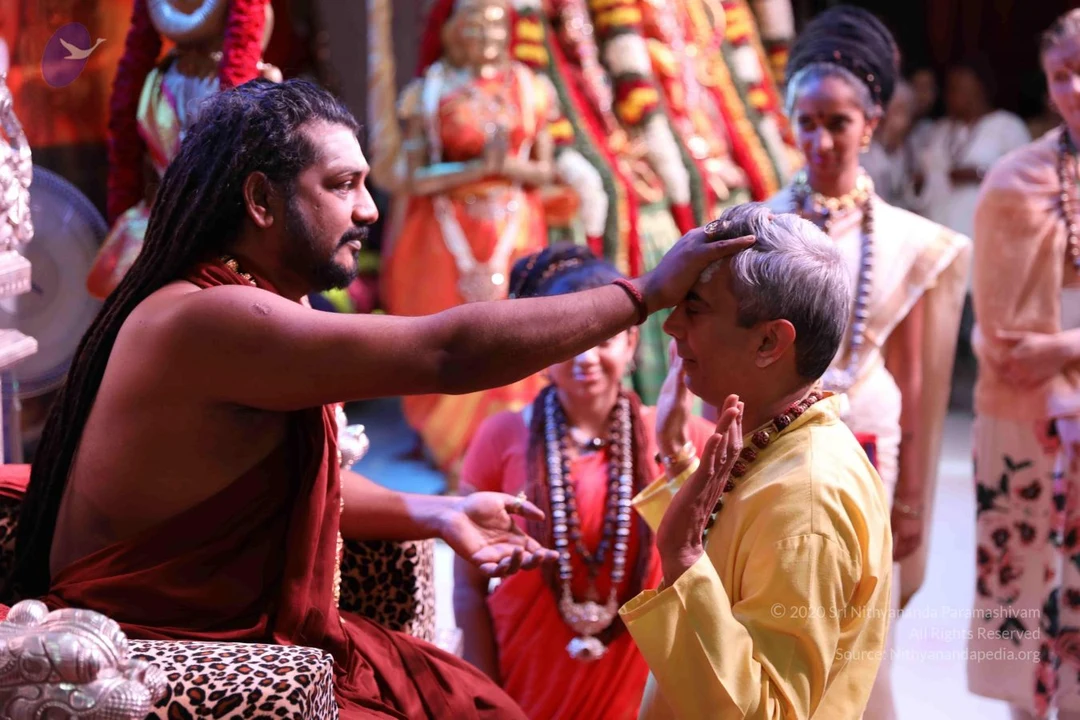
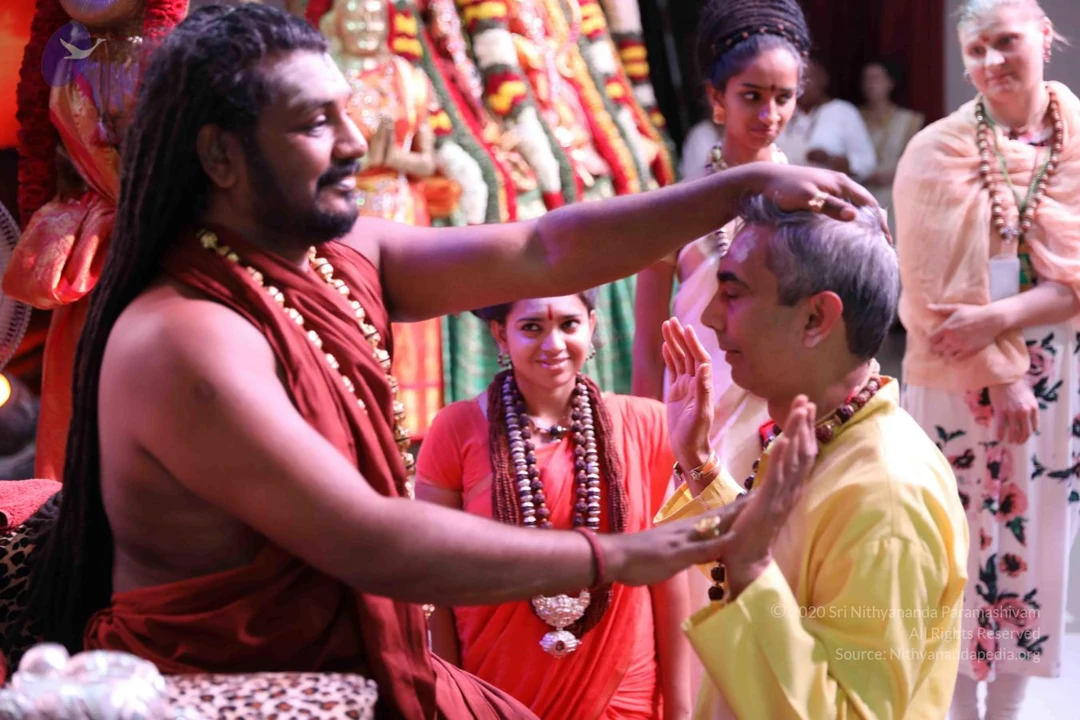
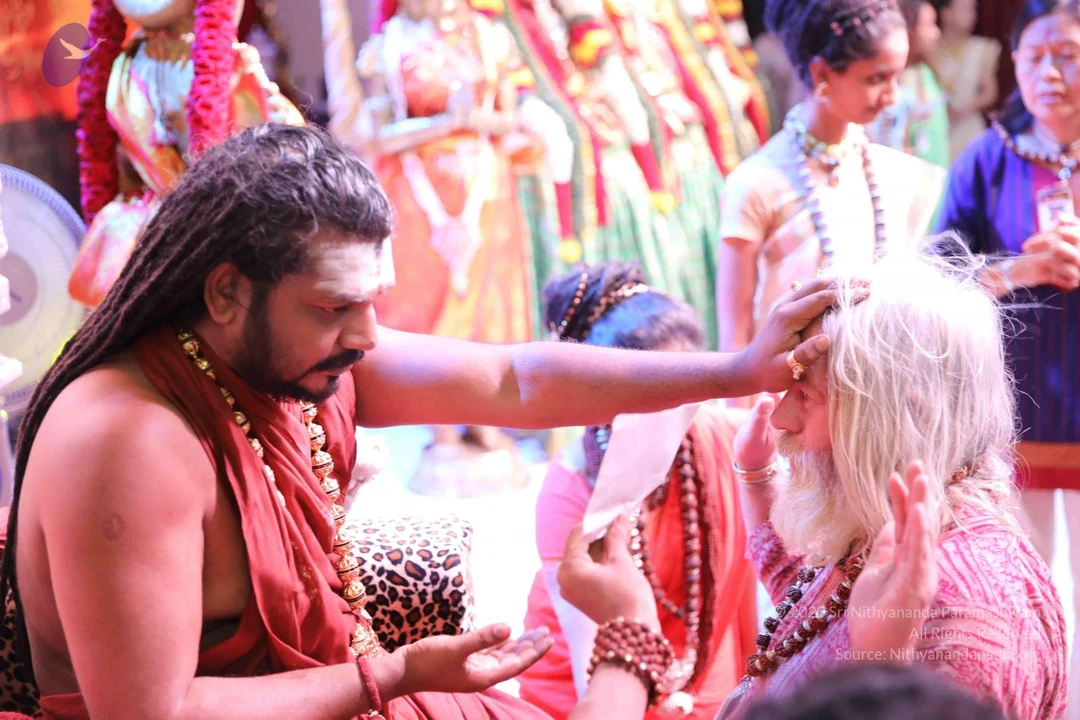
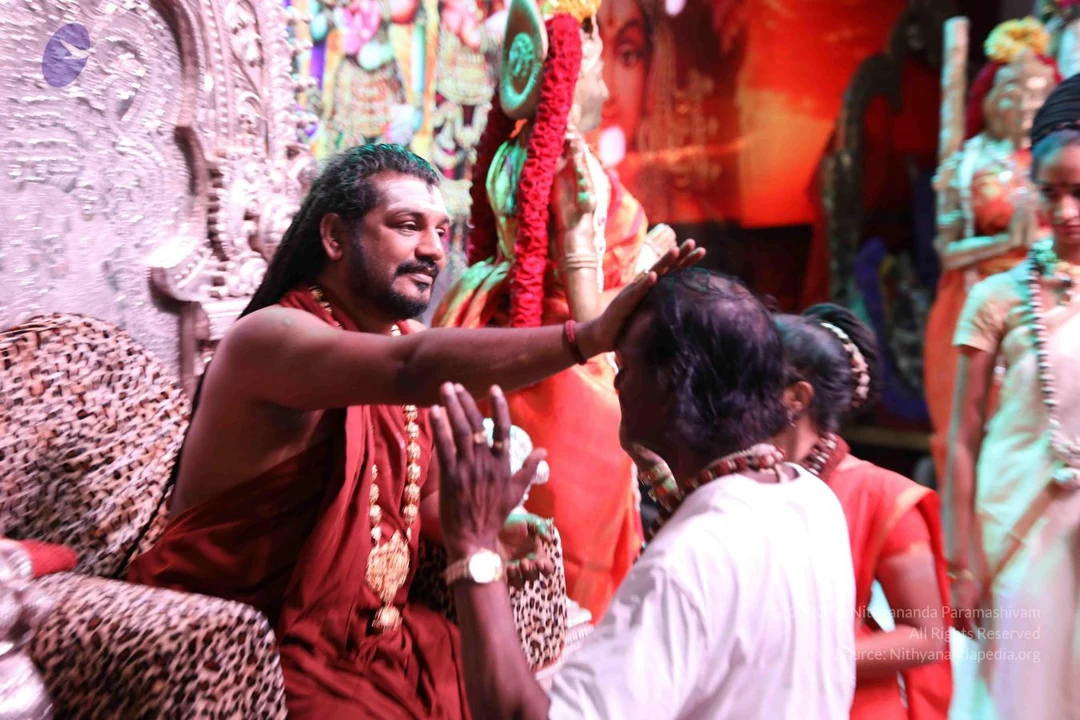
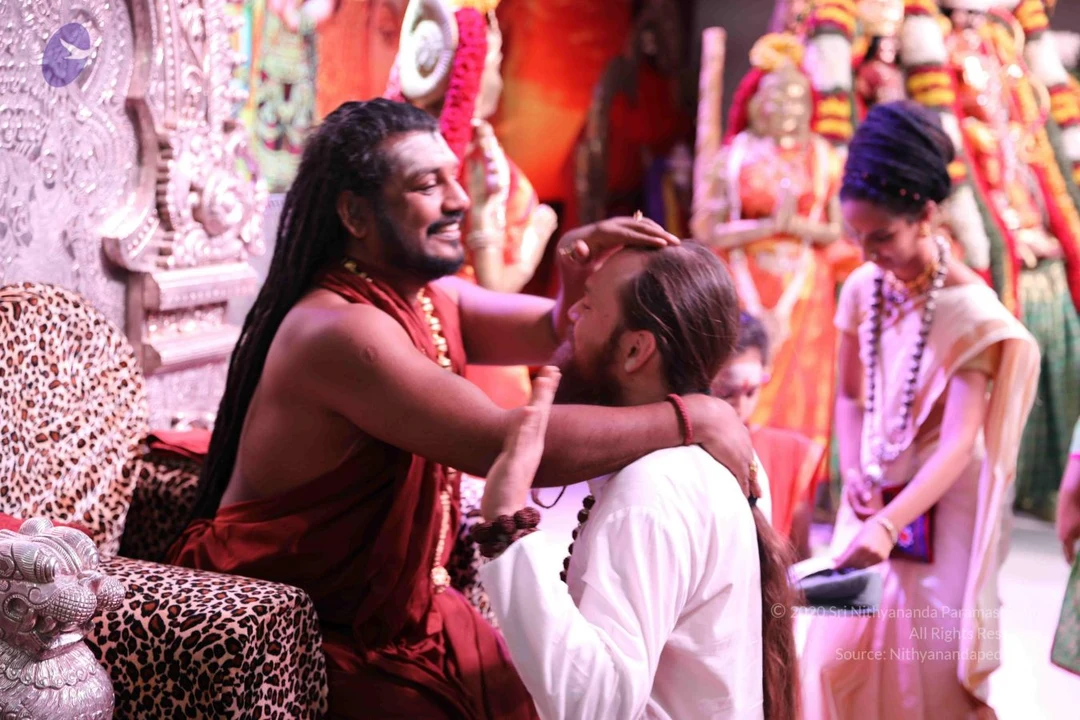
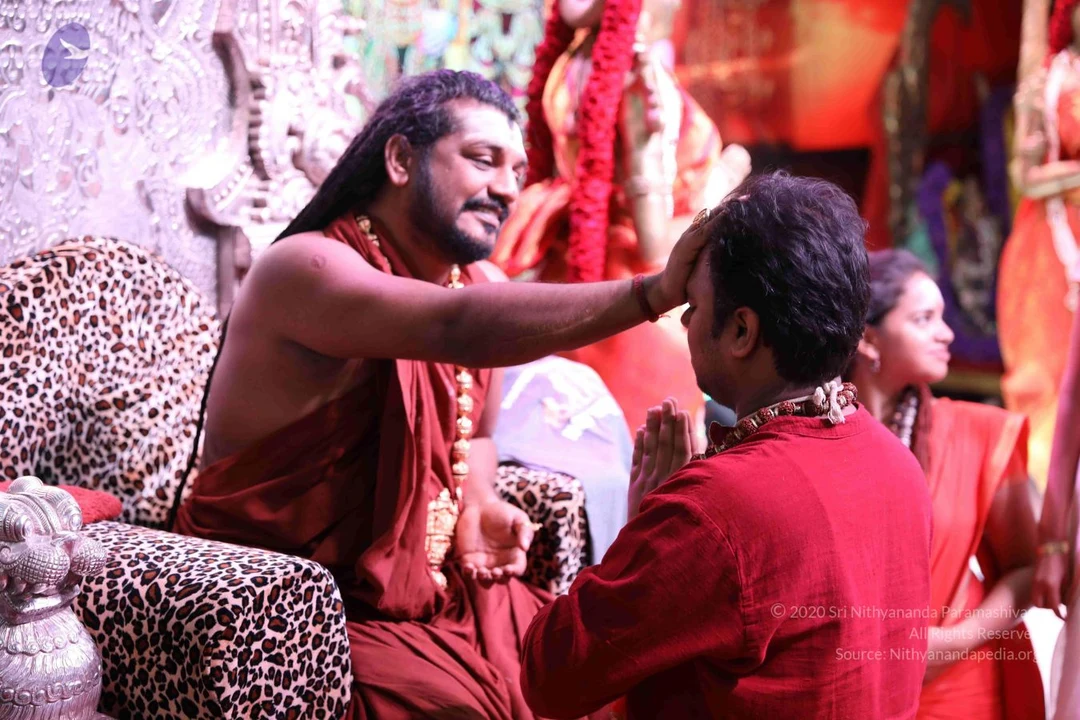
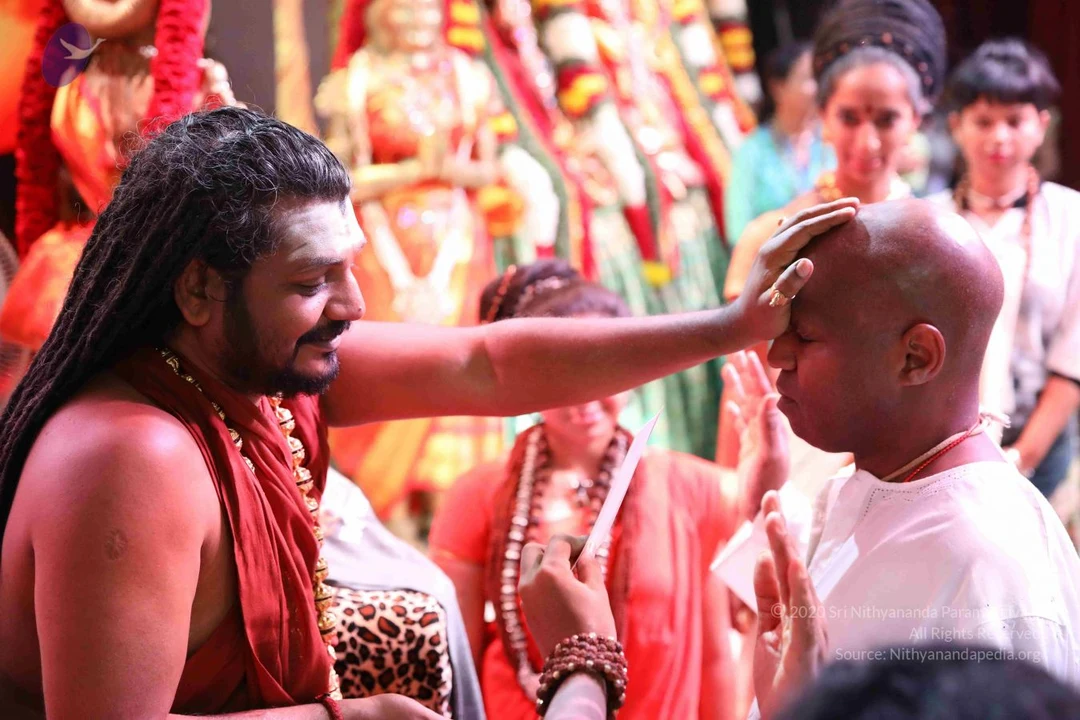
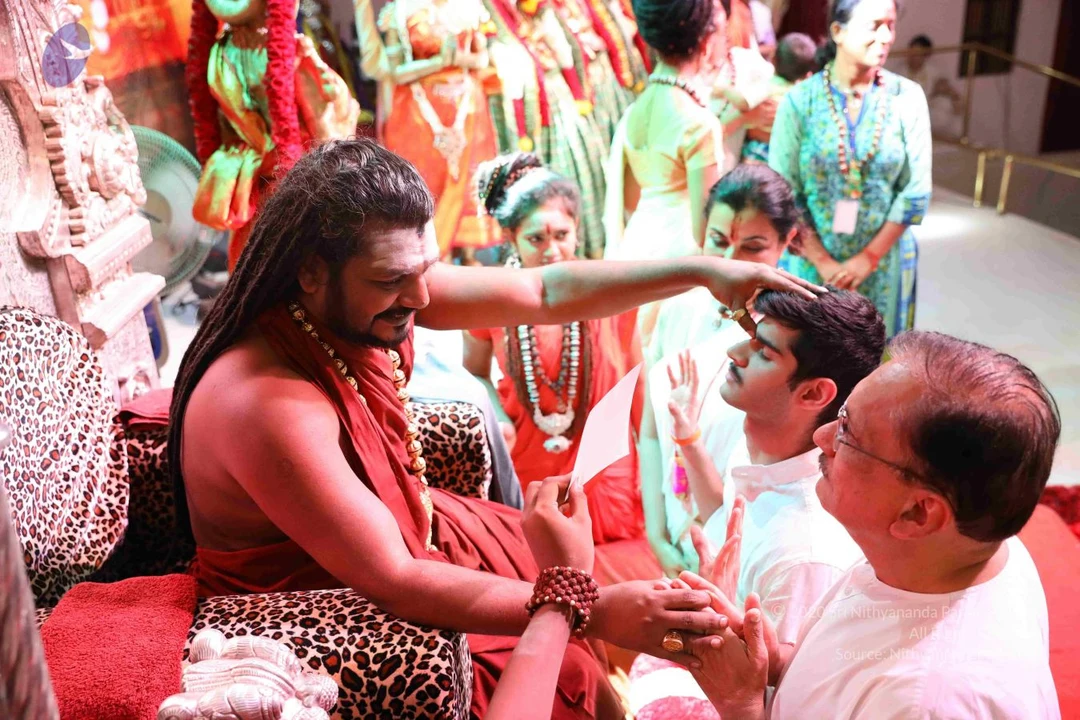
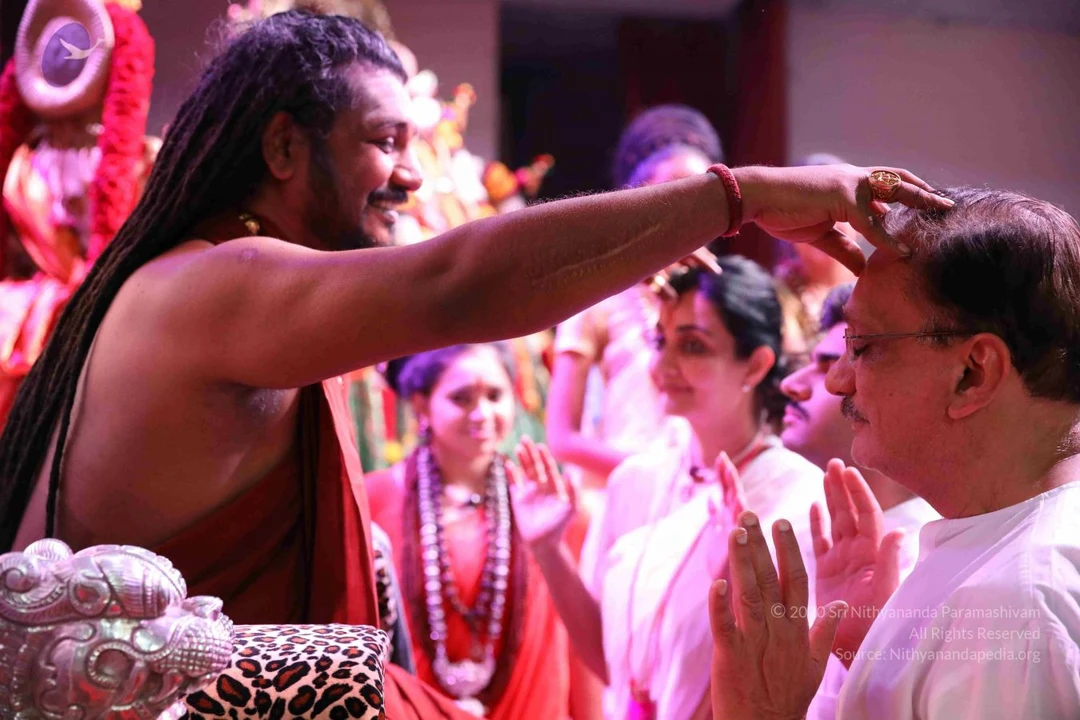
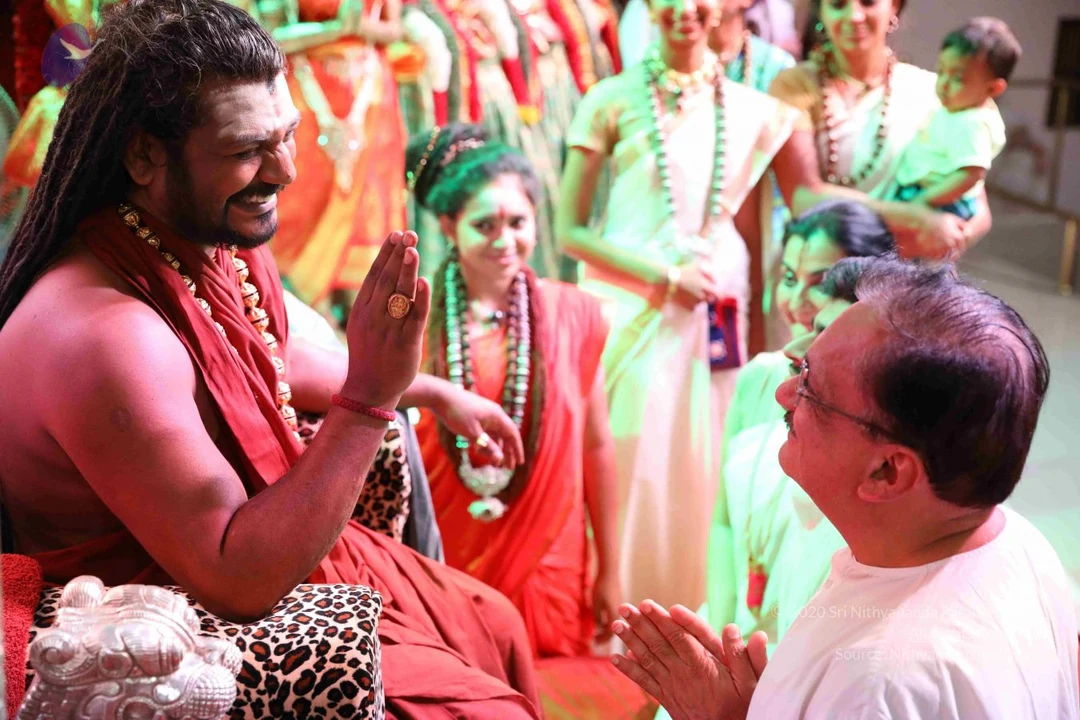
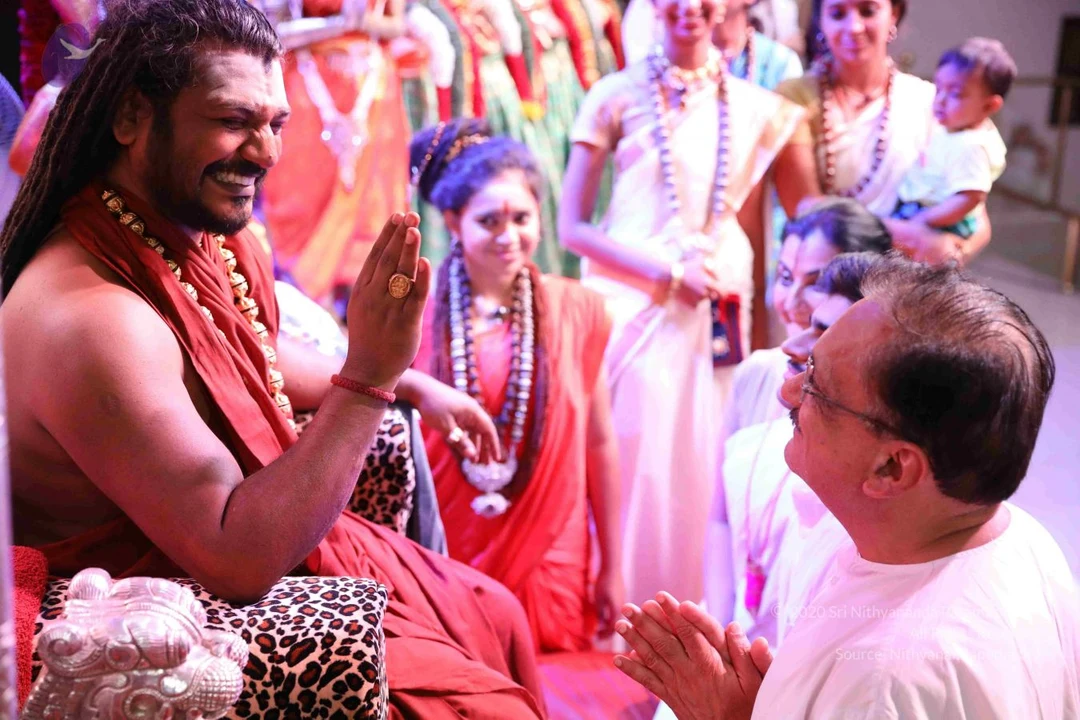
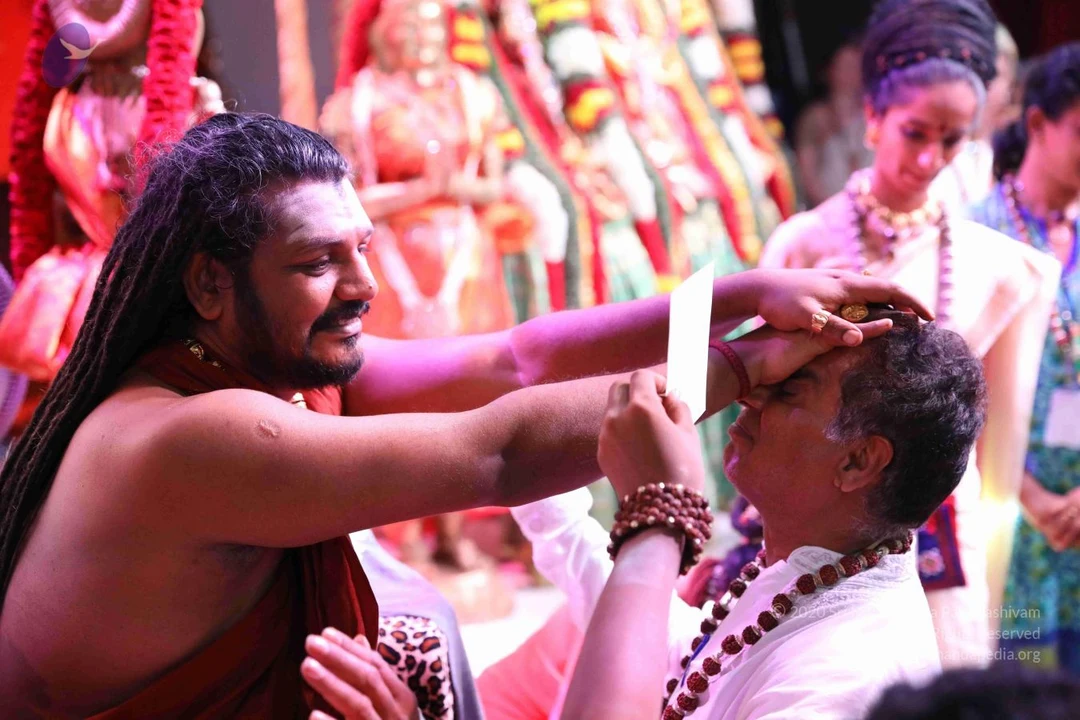
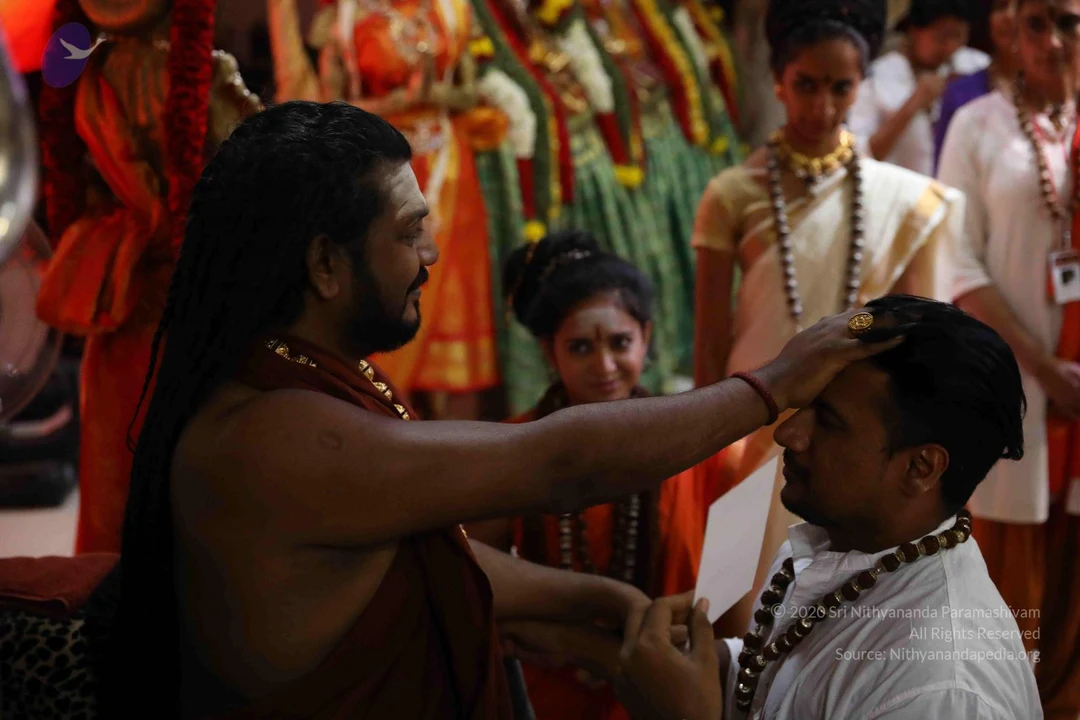
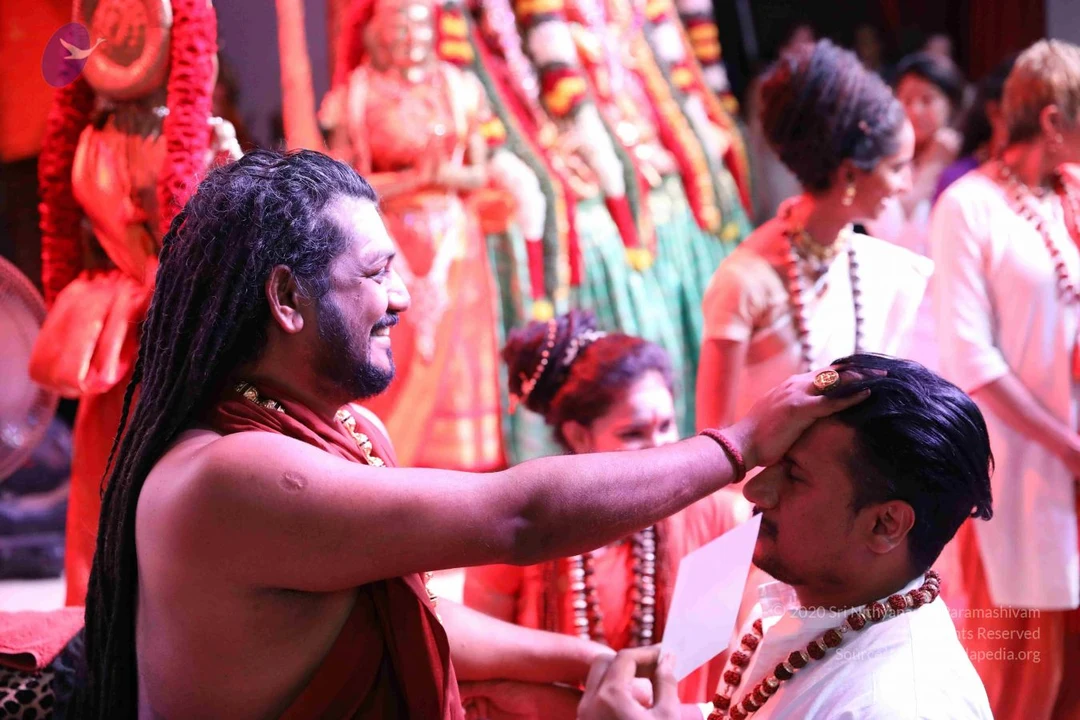
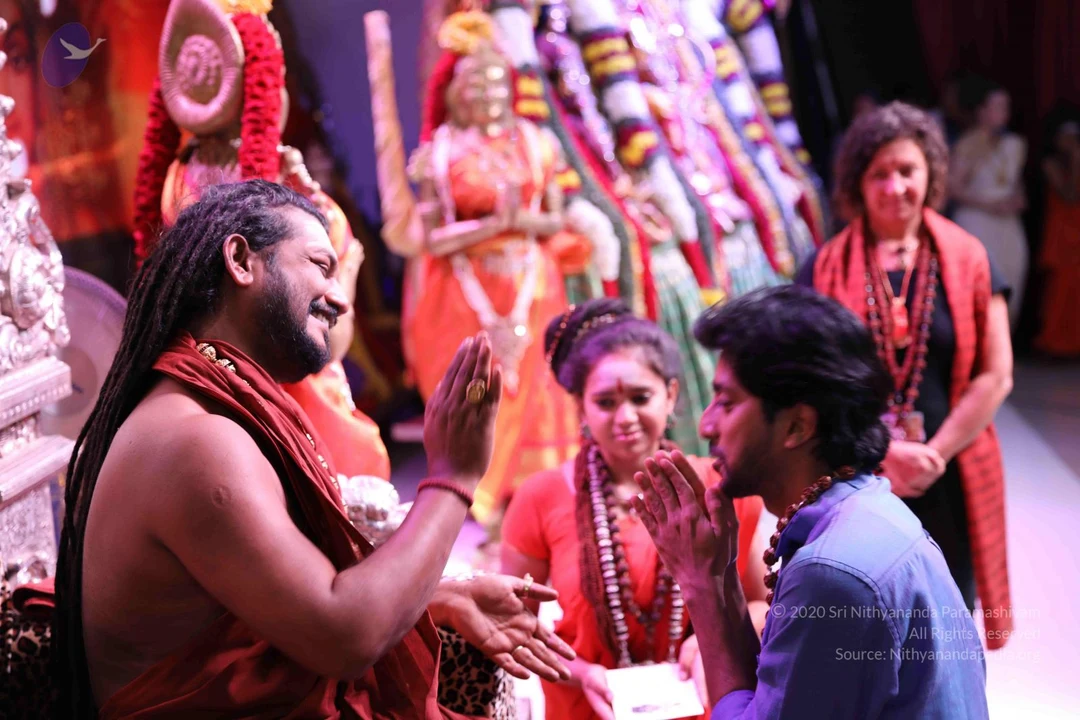
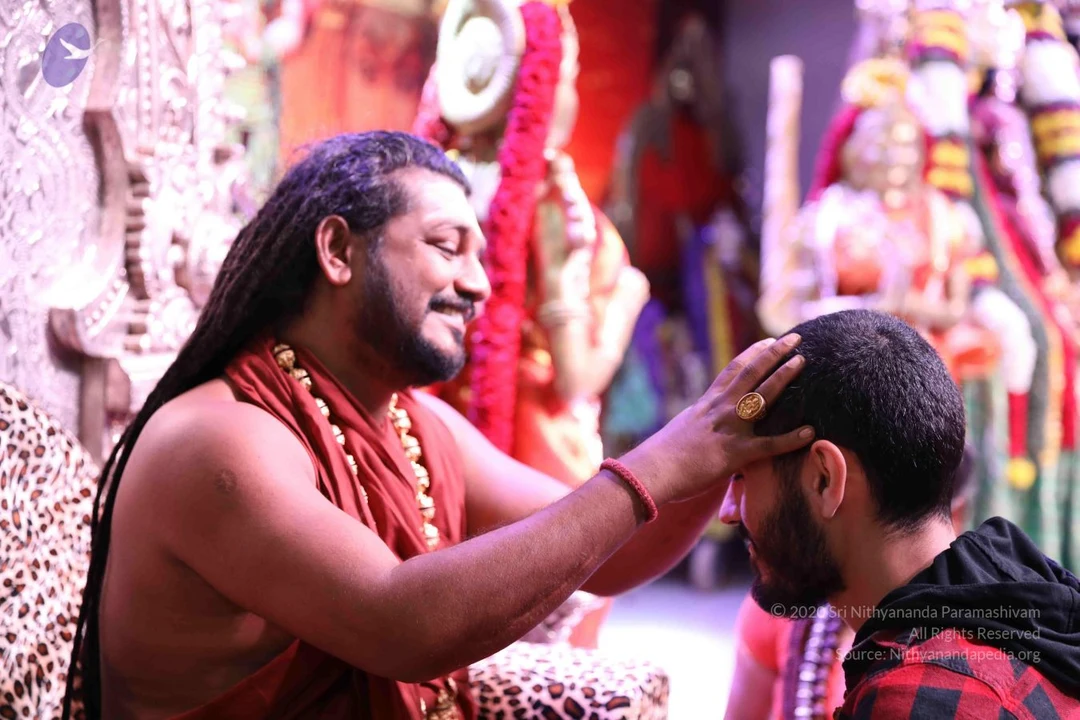
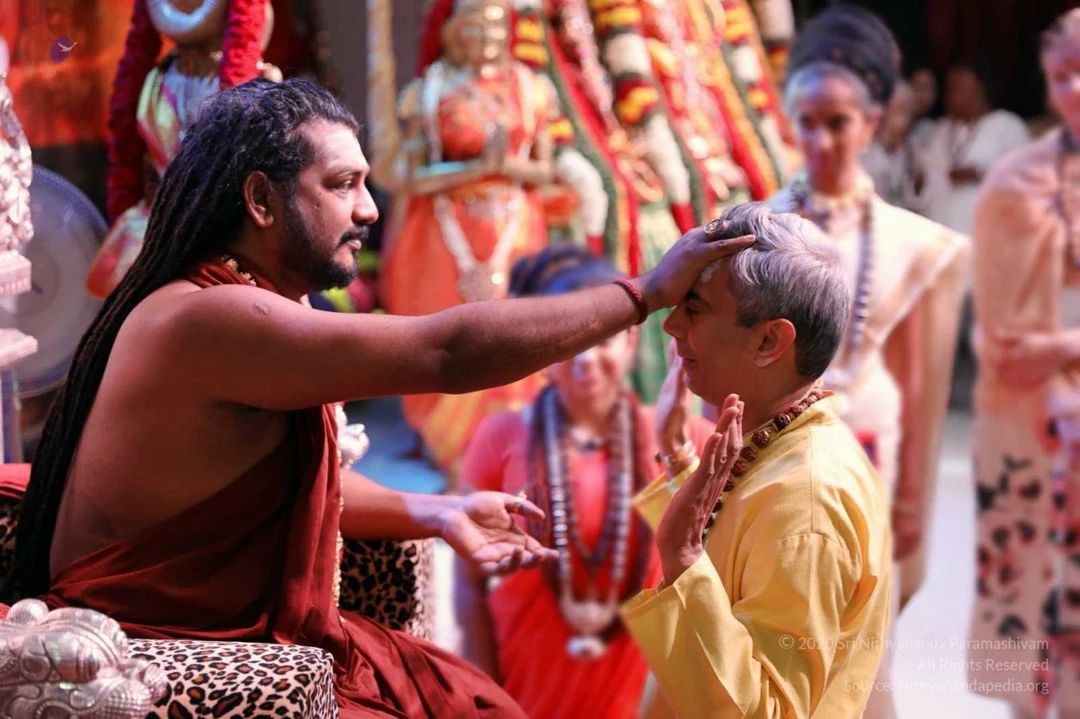
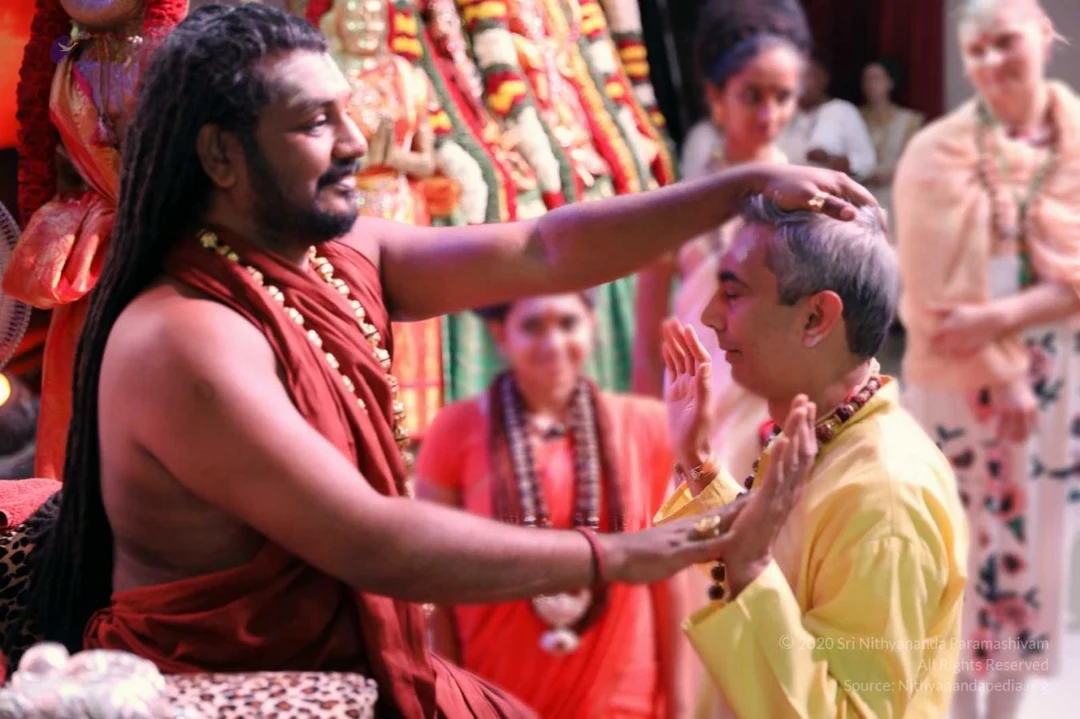
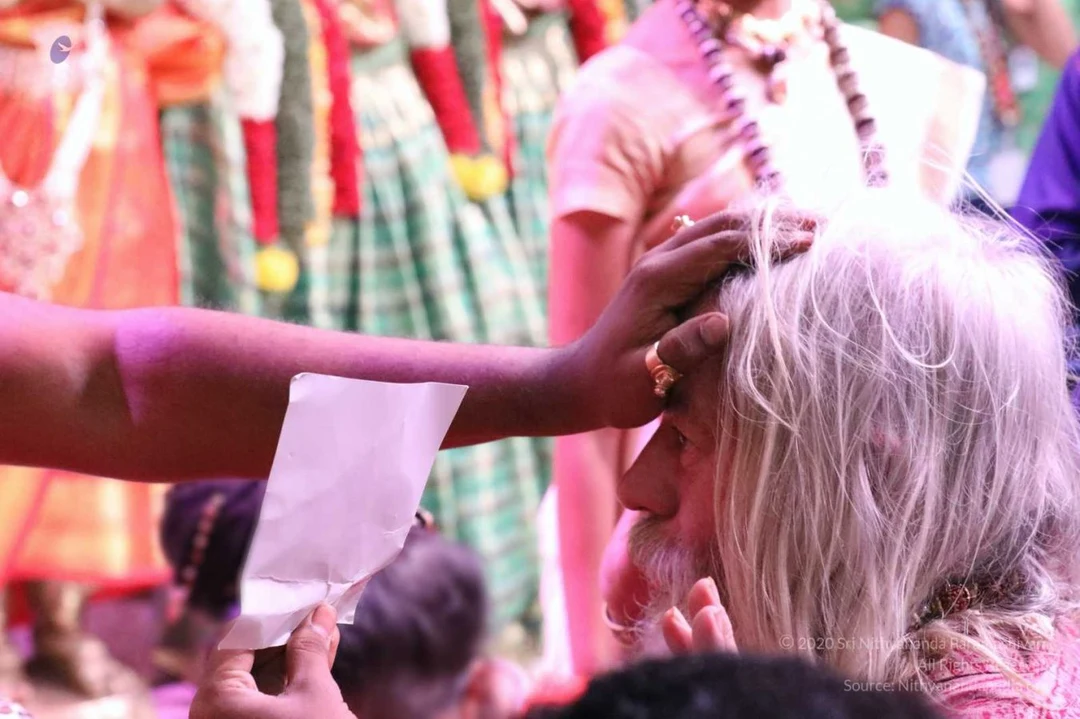
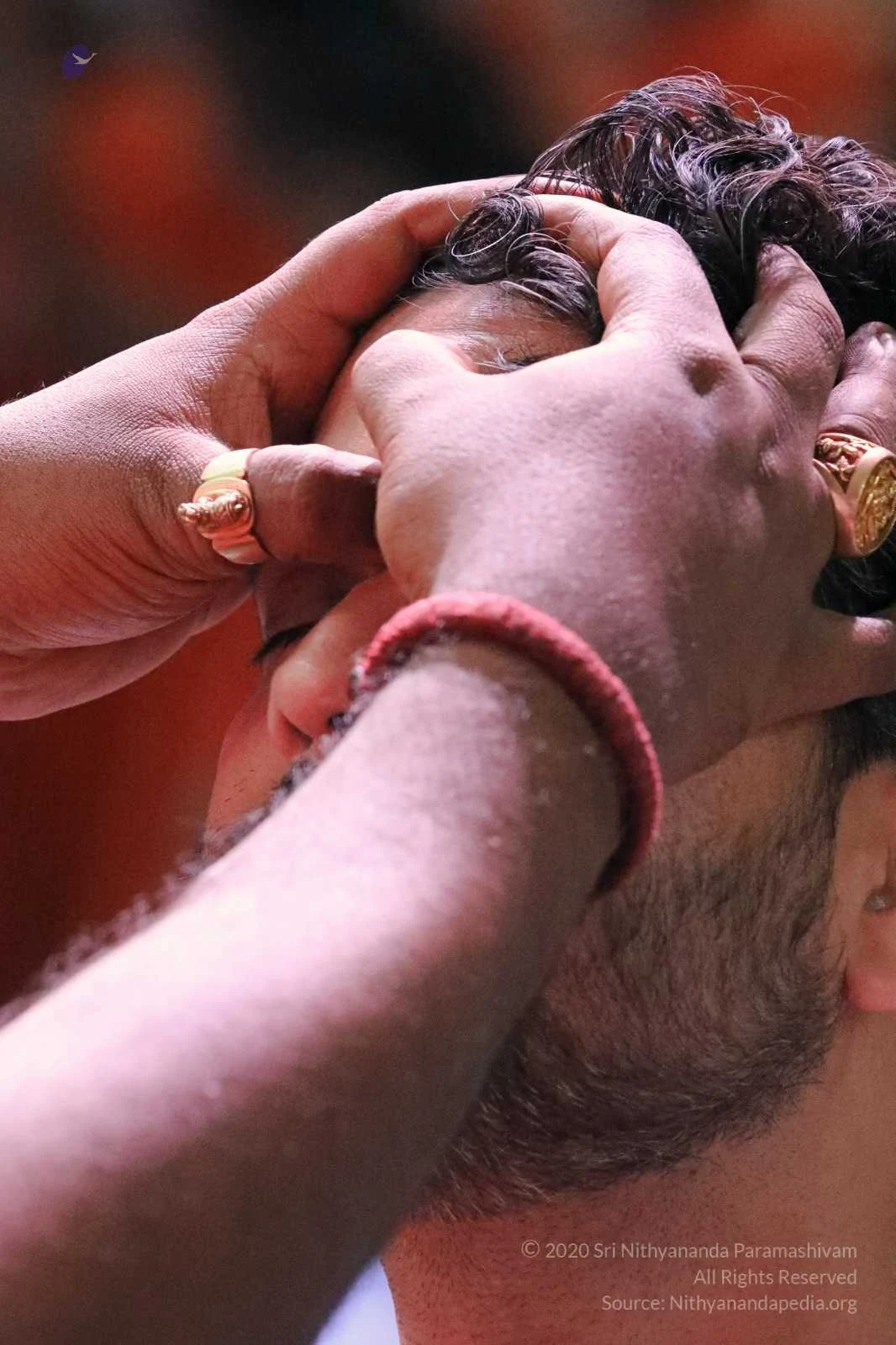
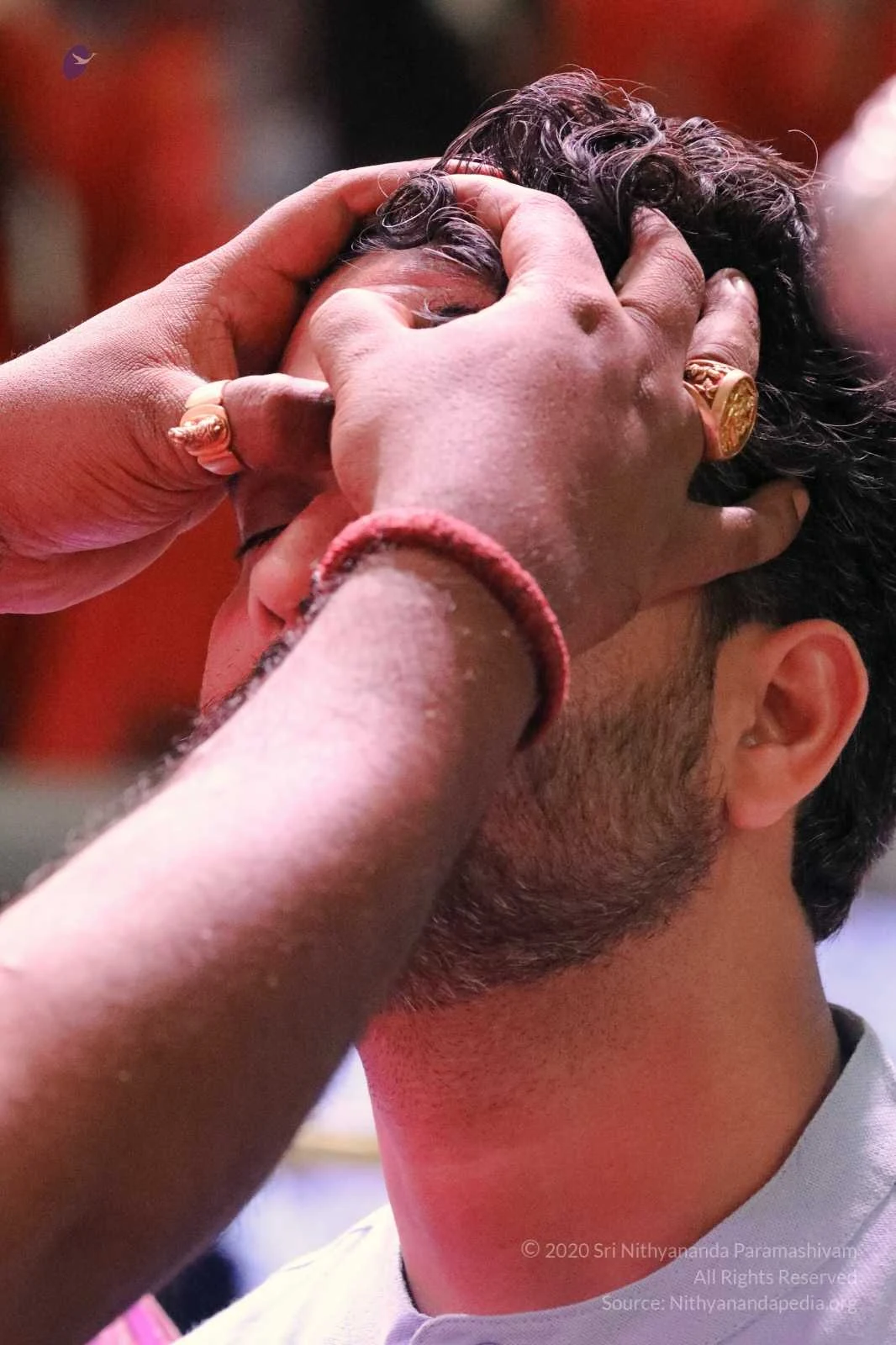
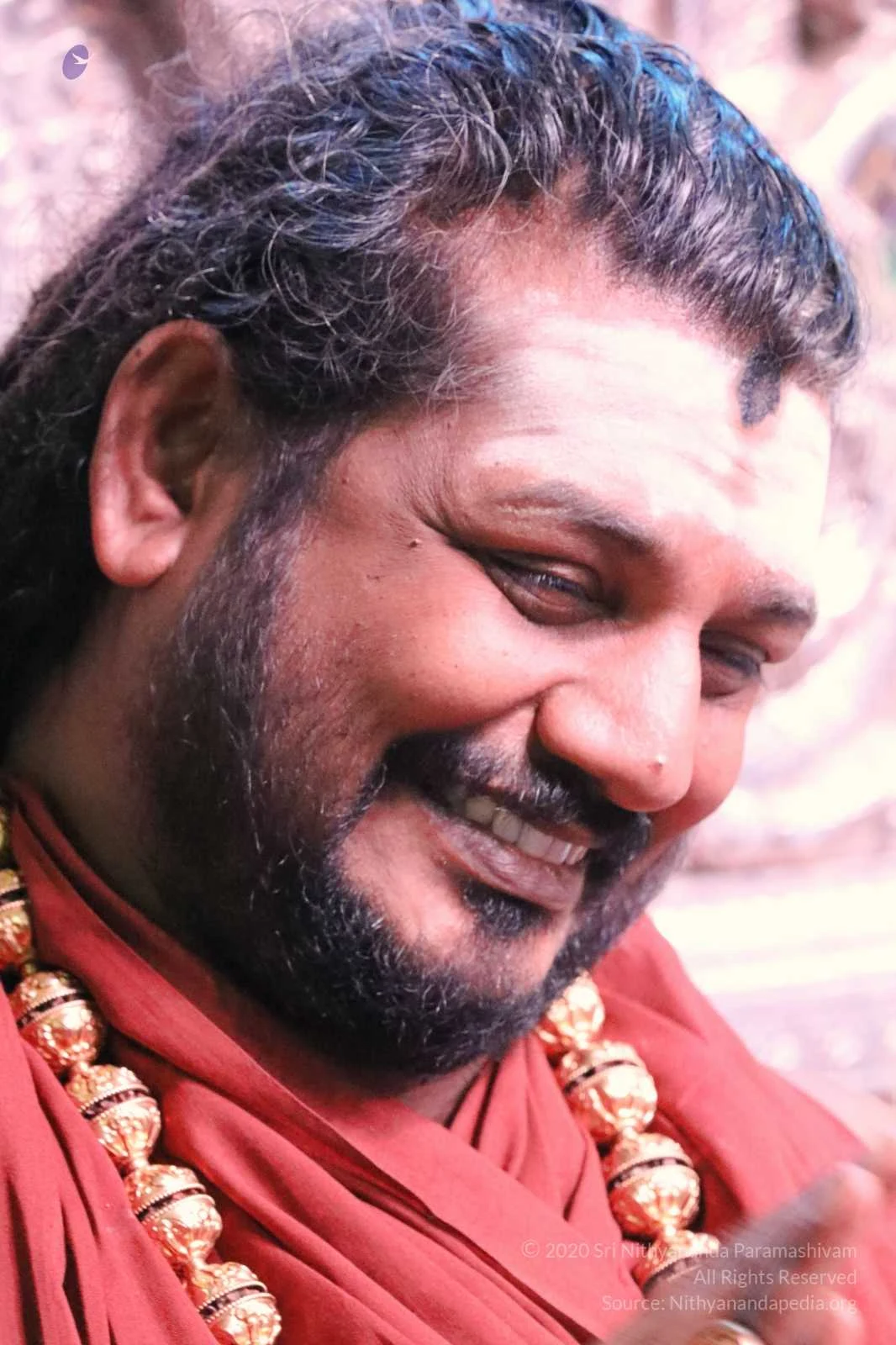
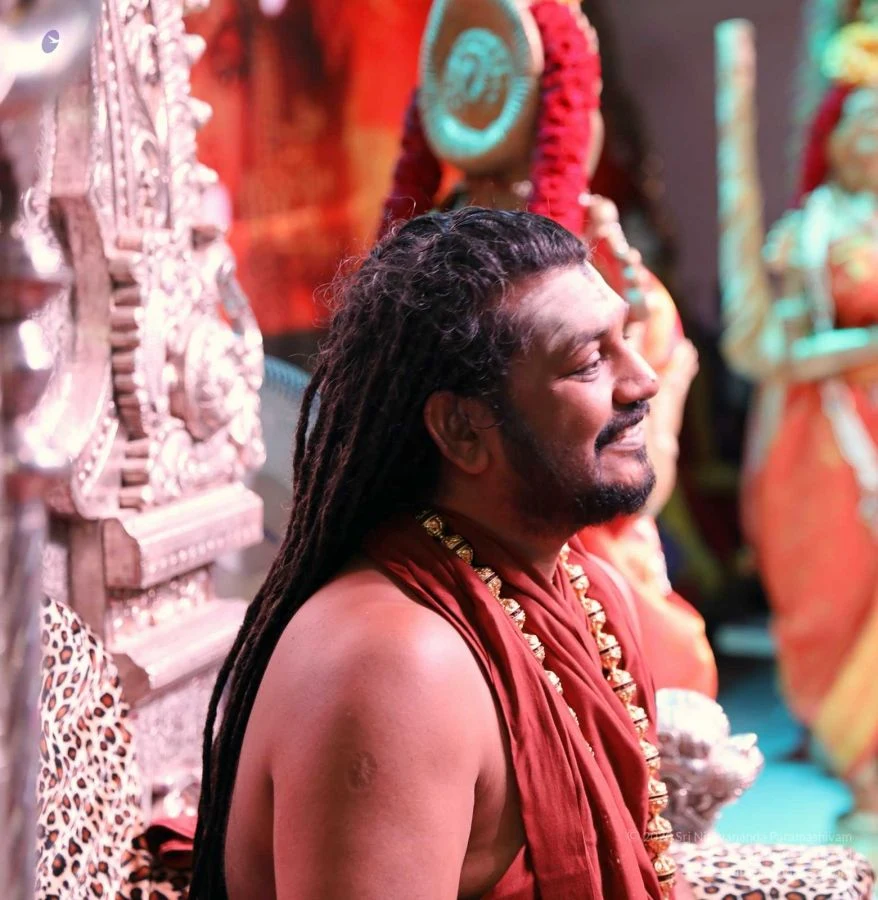
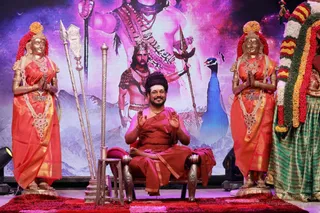
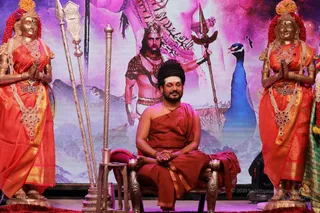
On the auspicious day of Meenakshi Pattabhishekam, delegates of Mahasadashivoham, Nithyanandoham and Nithyananda Yoga Teacher Training were initiated into Energy Darshan by His Divine Holiness (HDH), getting blessed by the energy of the Cosmic ruler, Devi Meenakshi.
Around the world several Sevas as well as Nithyananda Gurukul, Nithyananda Yoga and Temple gatherings to Enrich local communities and the world took place. See video below.
Announcements were made of upcoming programs and shared with all globally via Nithyananda tv, and social media platforms; Nithyananda Yoga Training, Nithyananda Dhyana Yoga, Nithyananda Kriya Yoga, Kalpataru Yogam and Akashic readings.
Link to Video:
Sakshi Pramana:
Sharing from manifesting shaktis
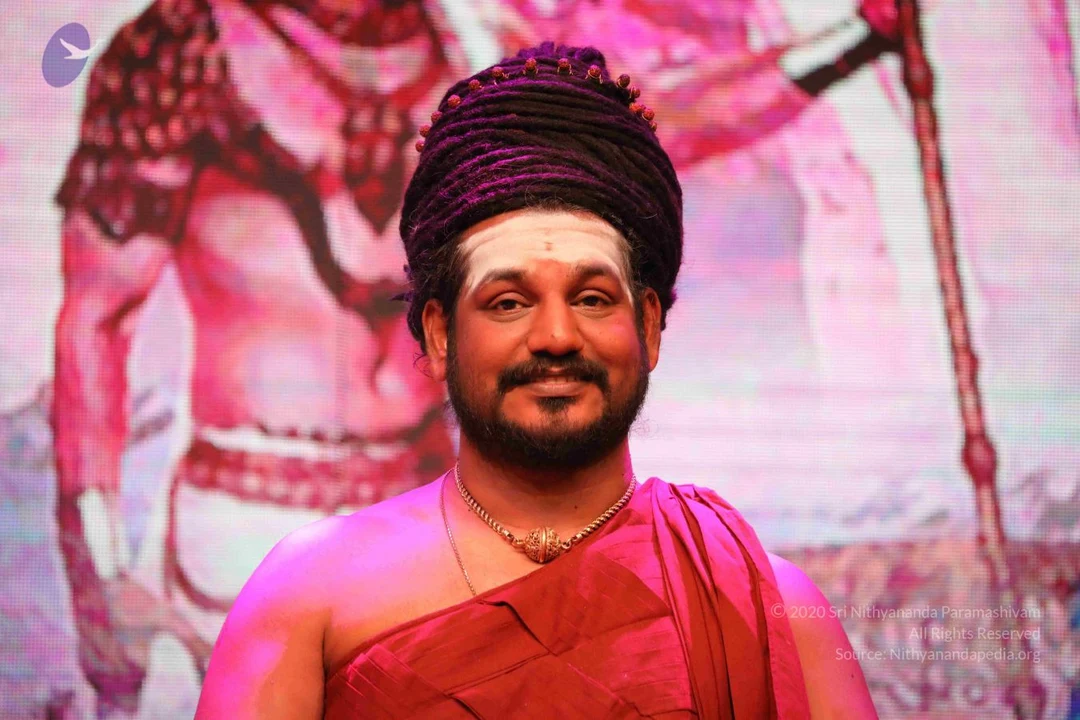
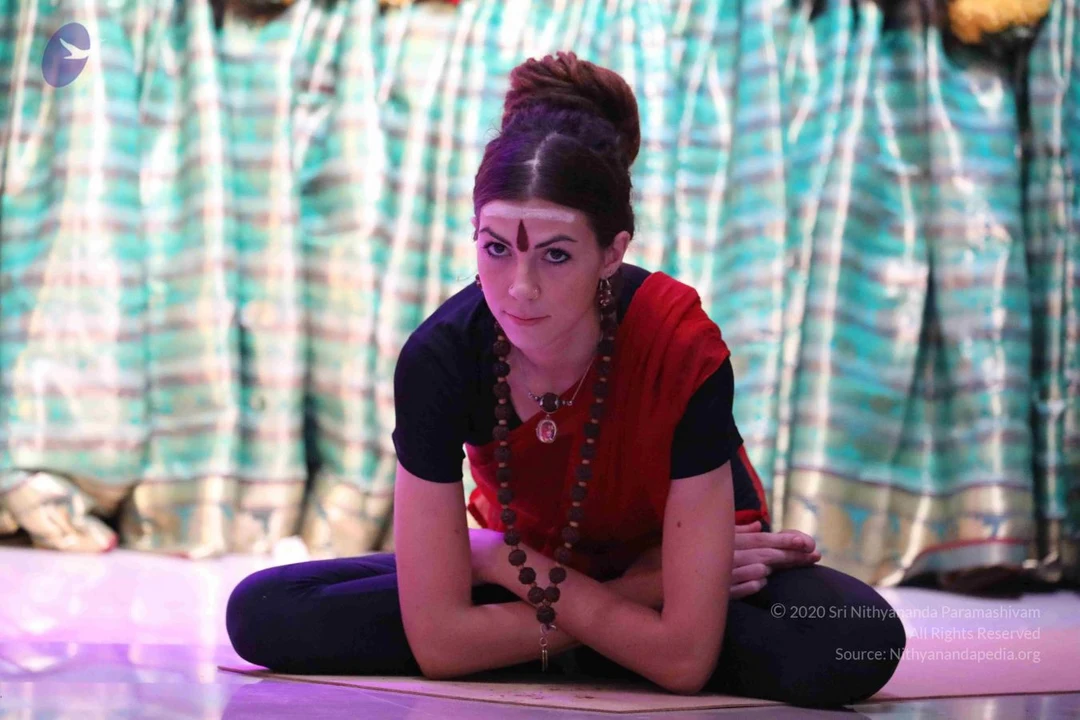
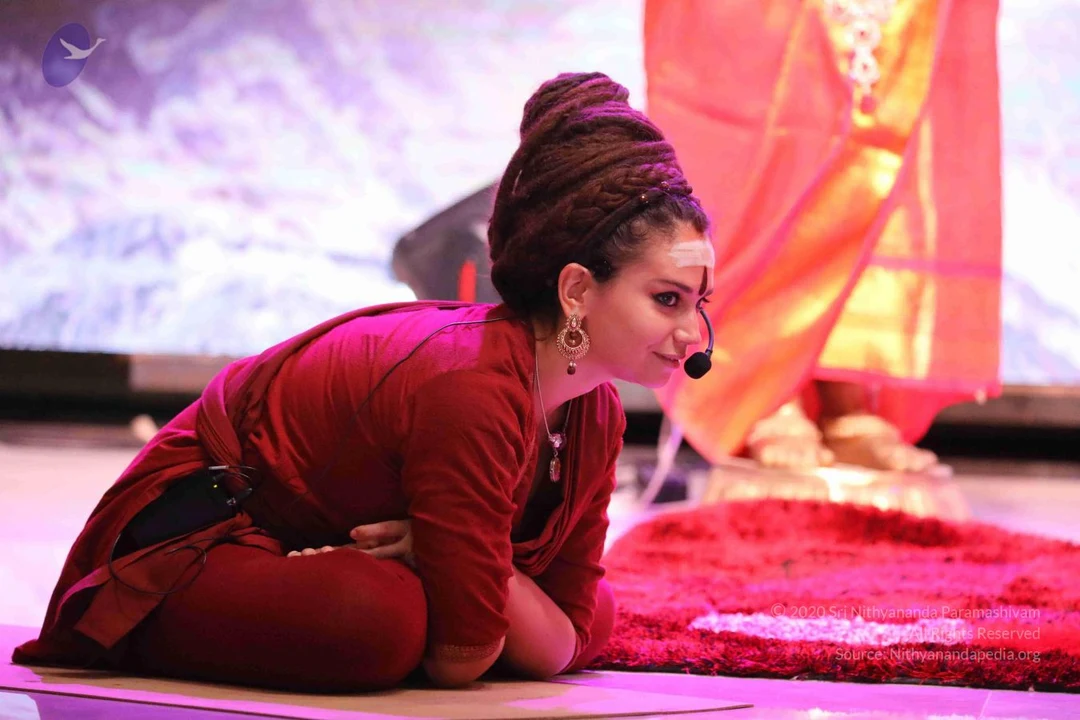
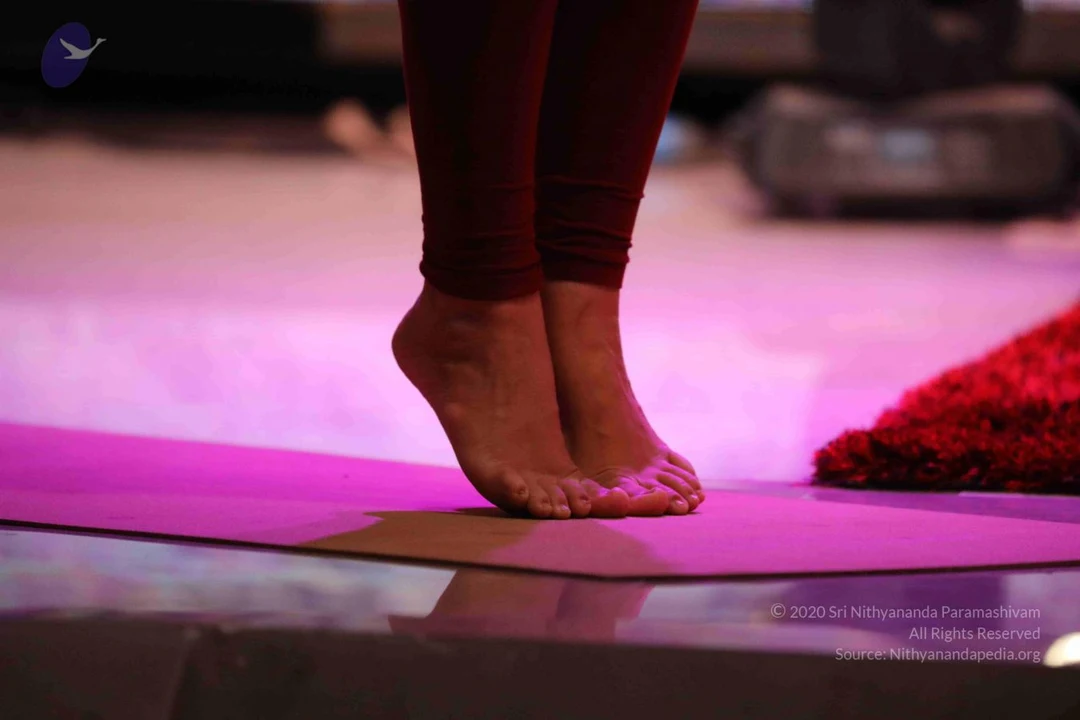
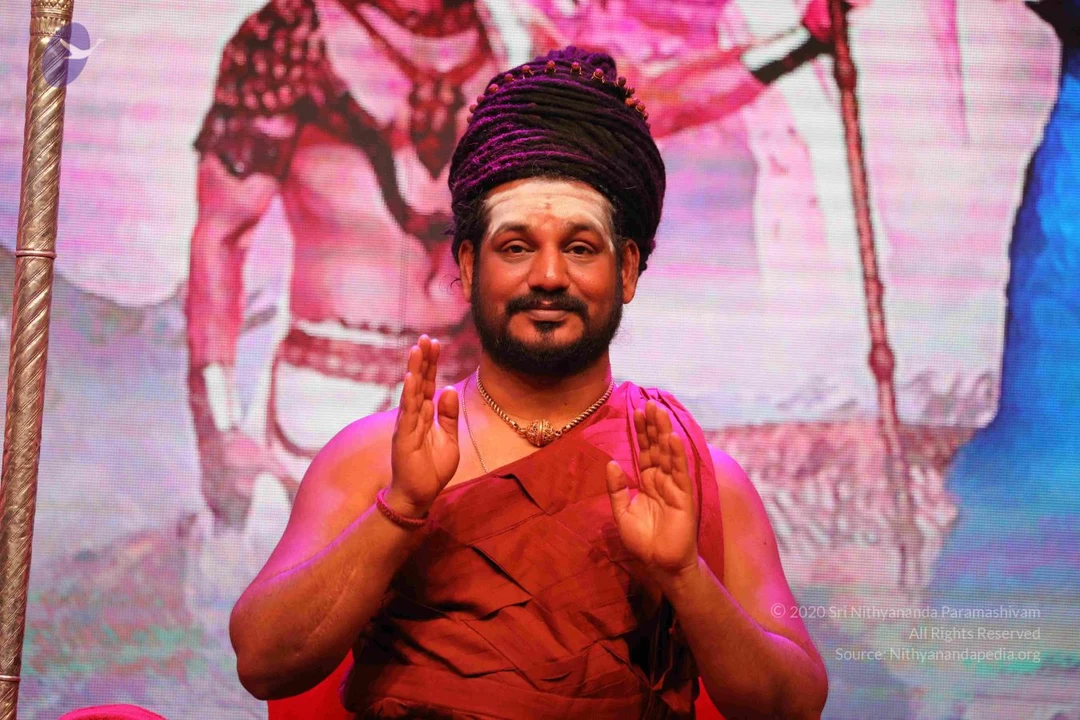
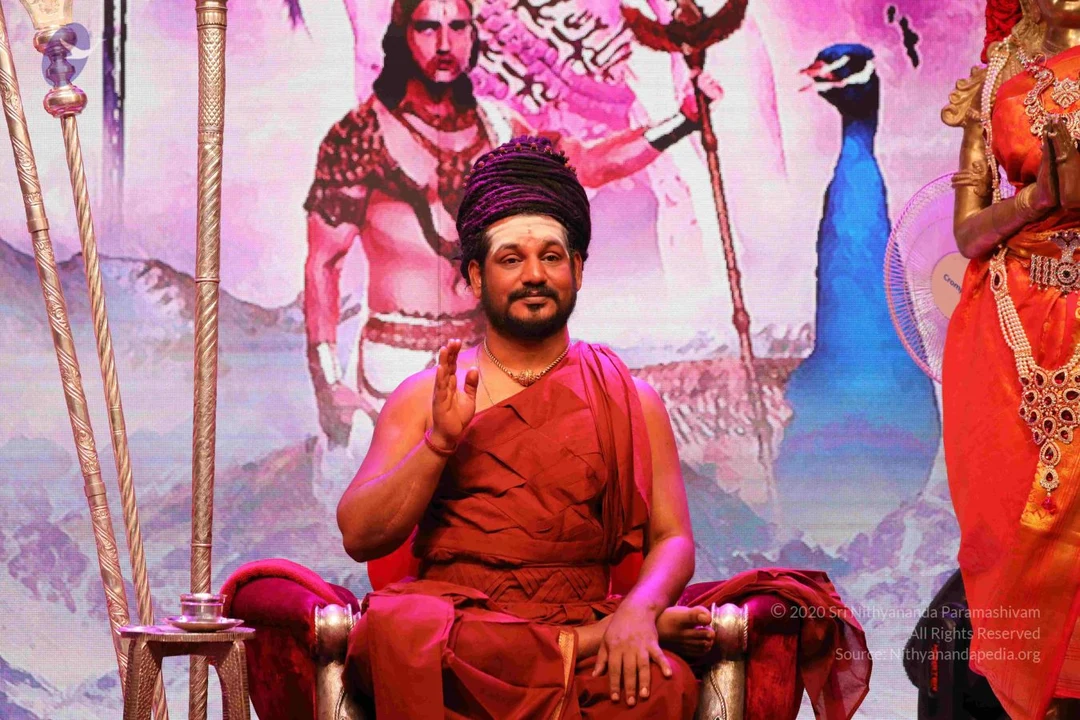
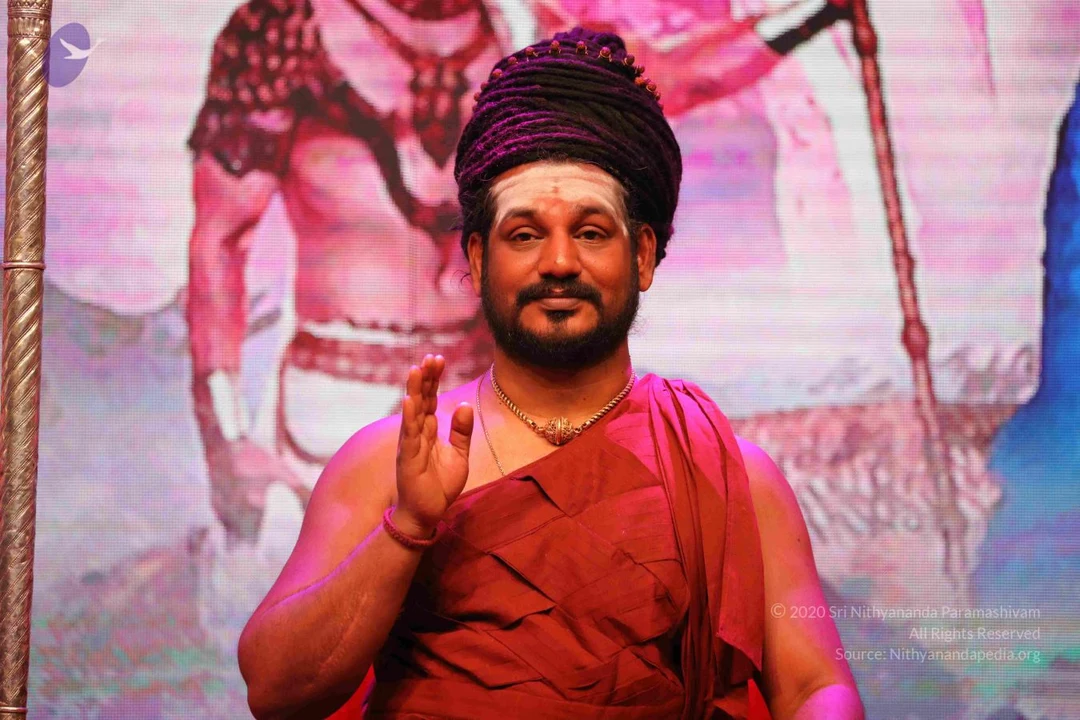
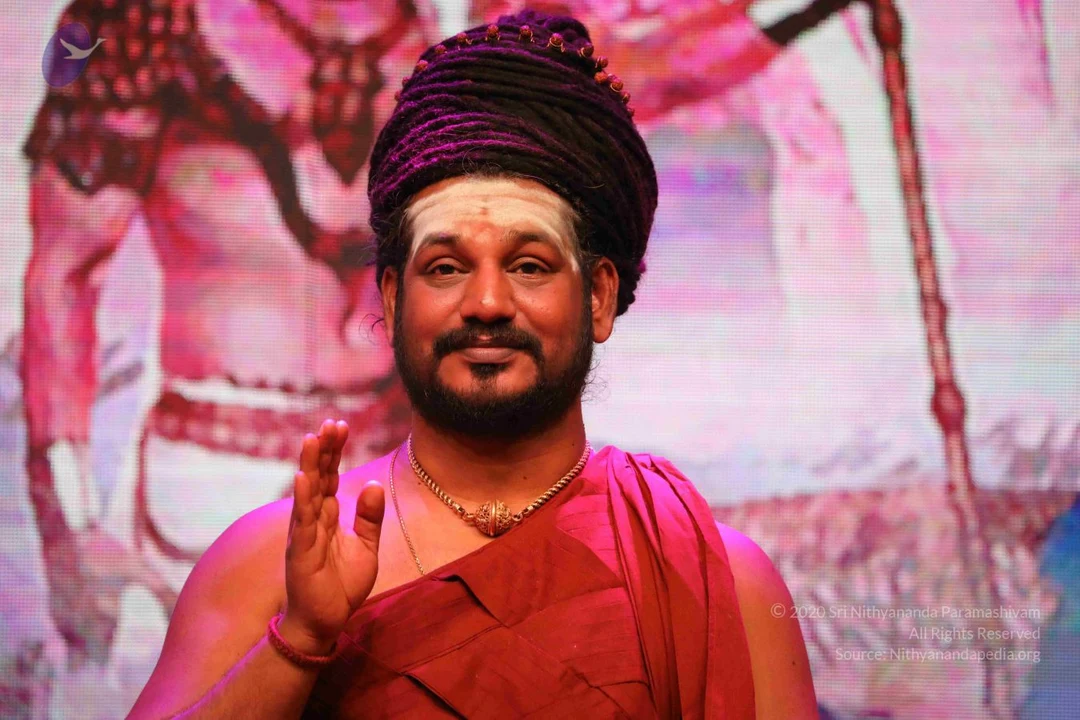
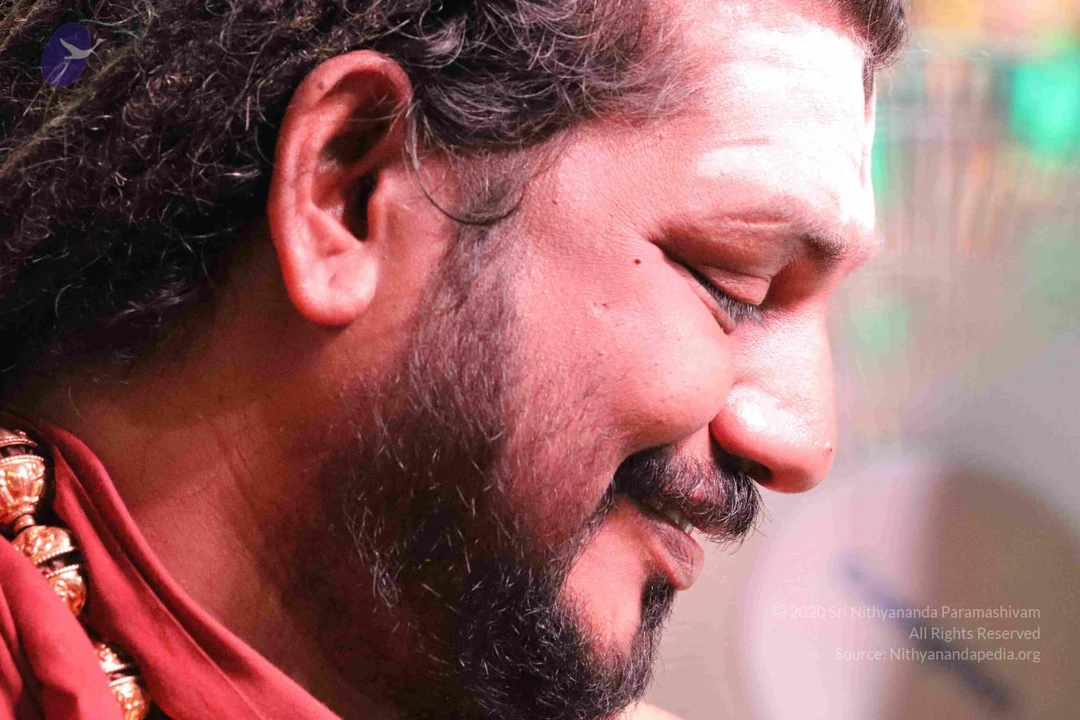
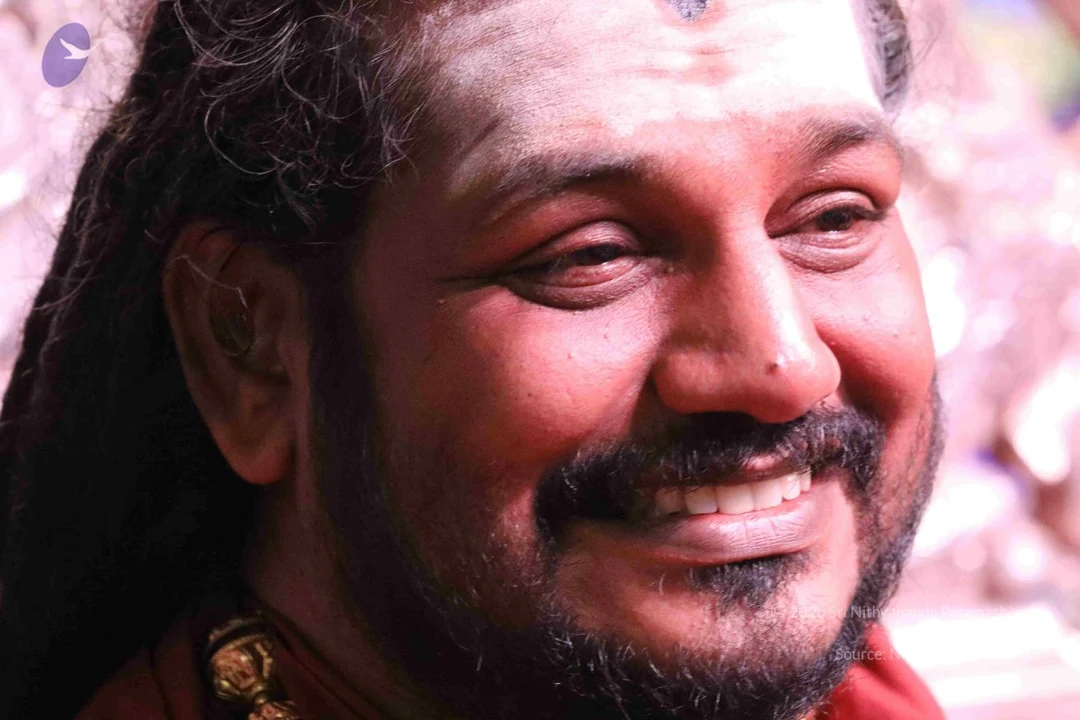
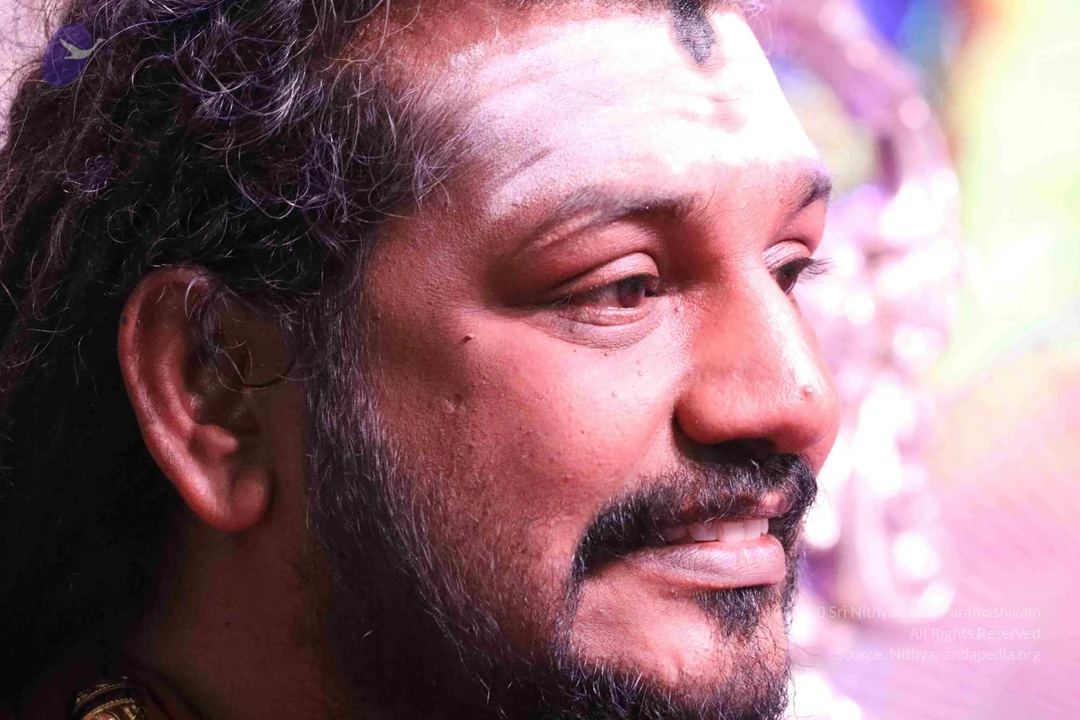
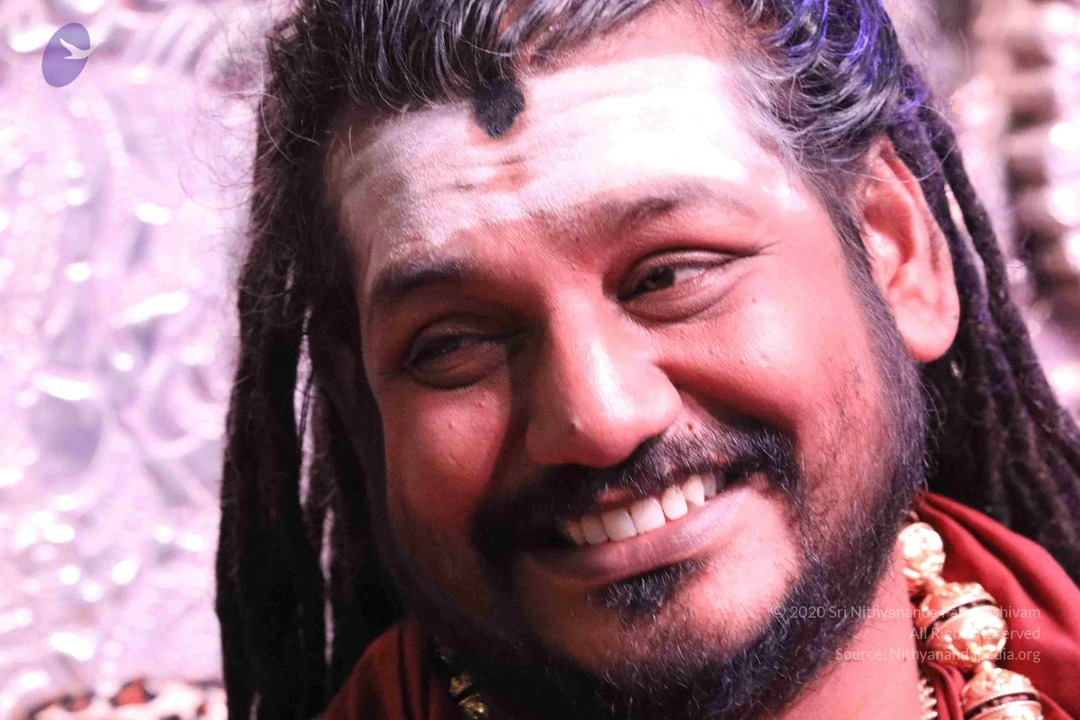
Photos Of The Day:
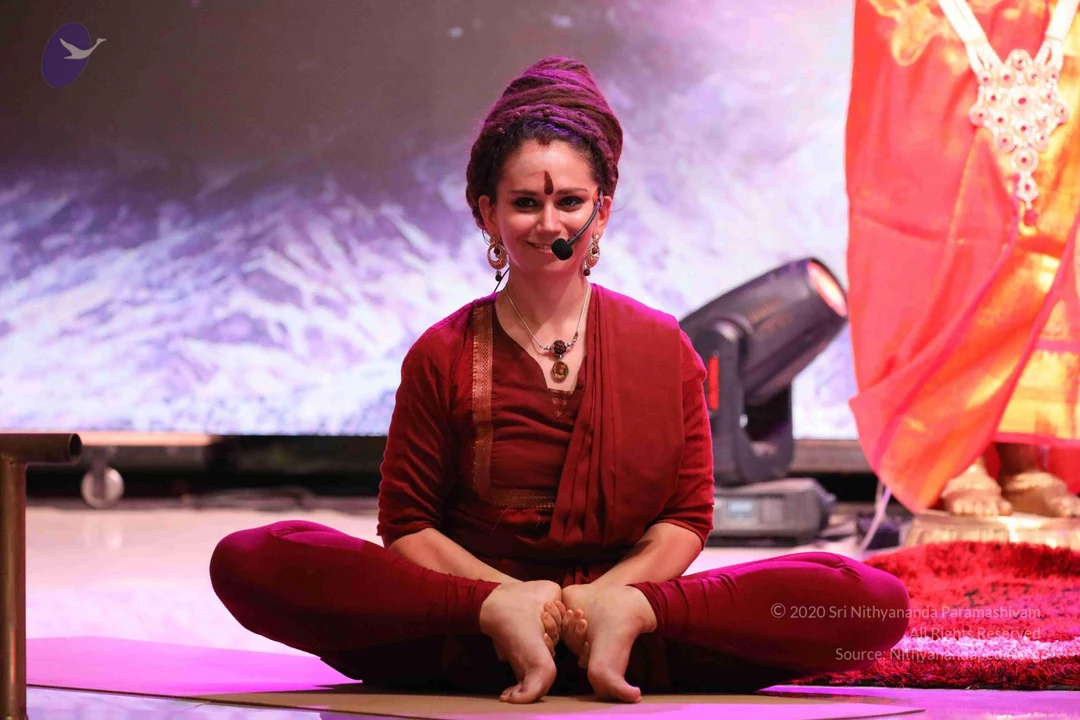
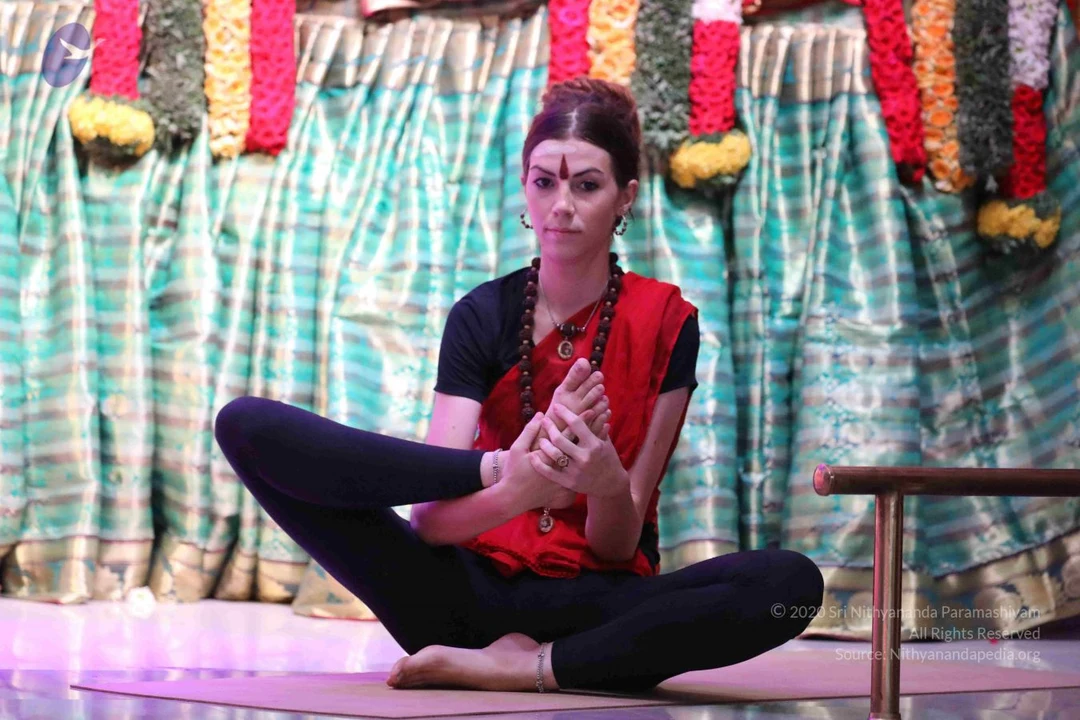
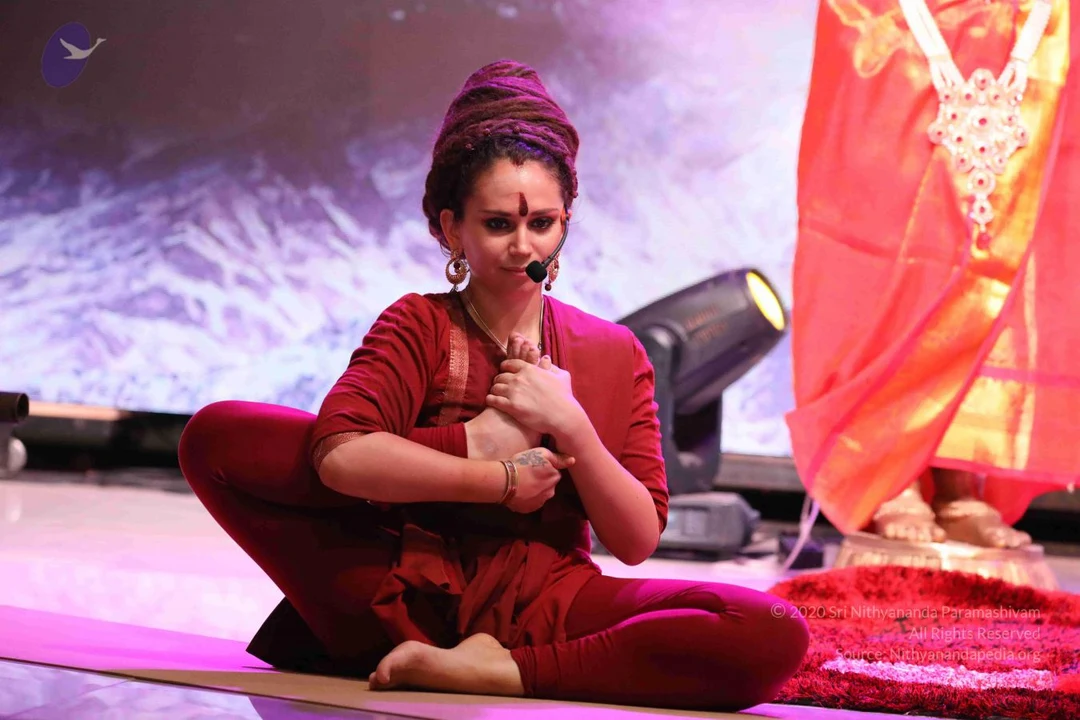
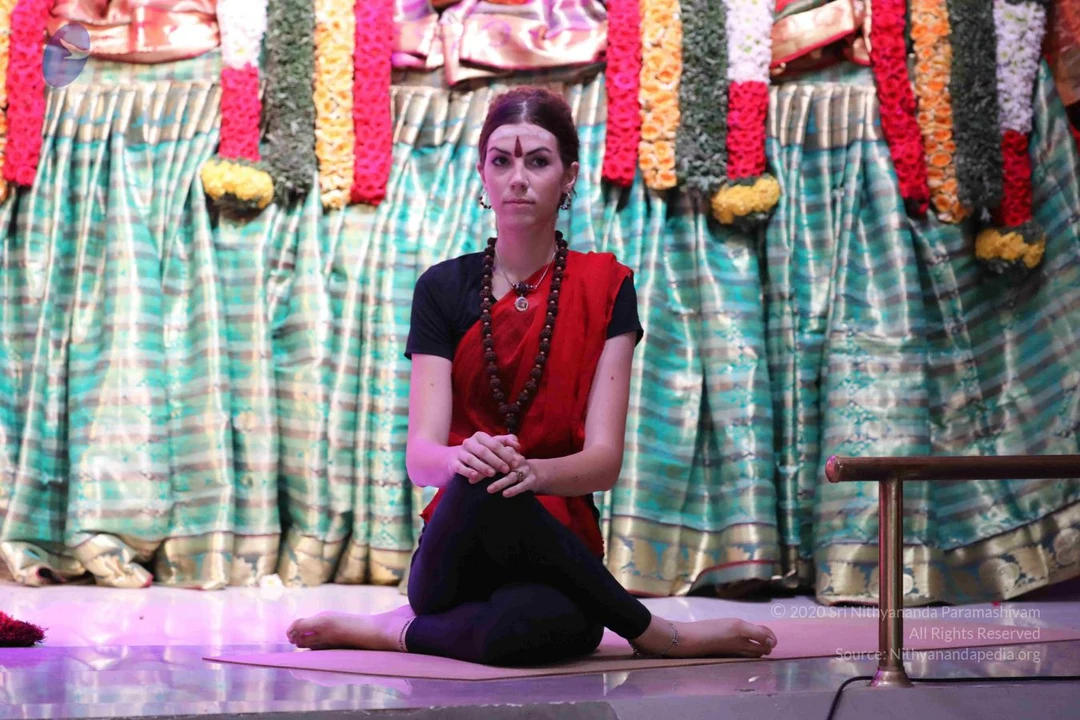
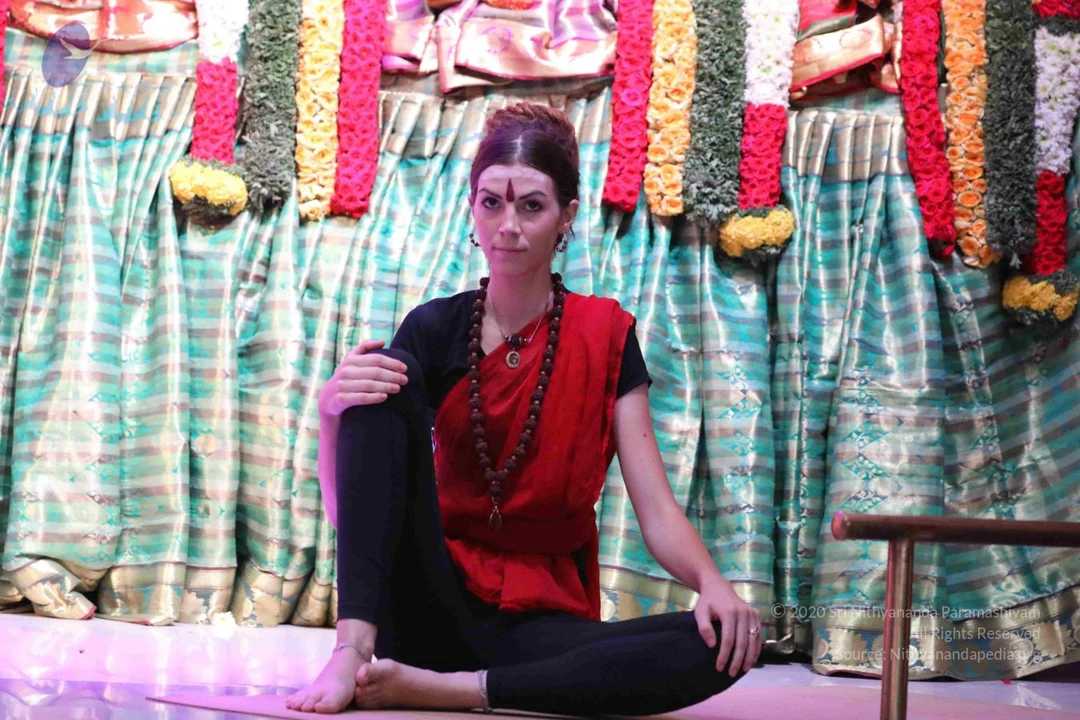
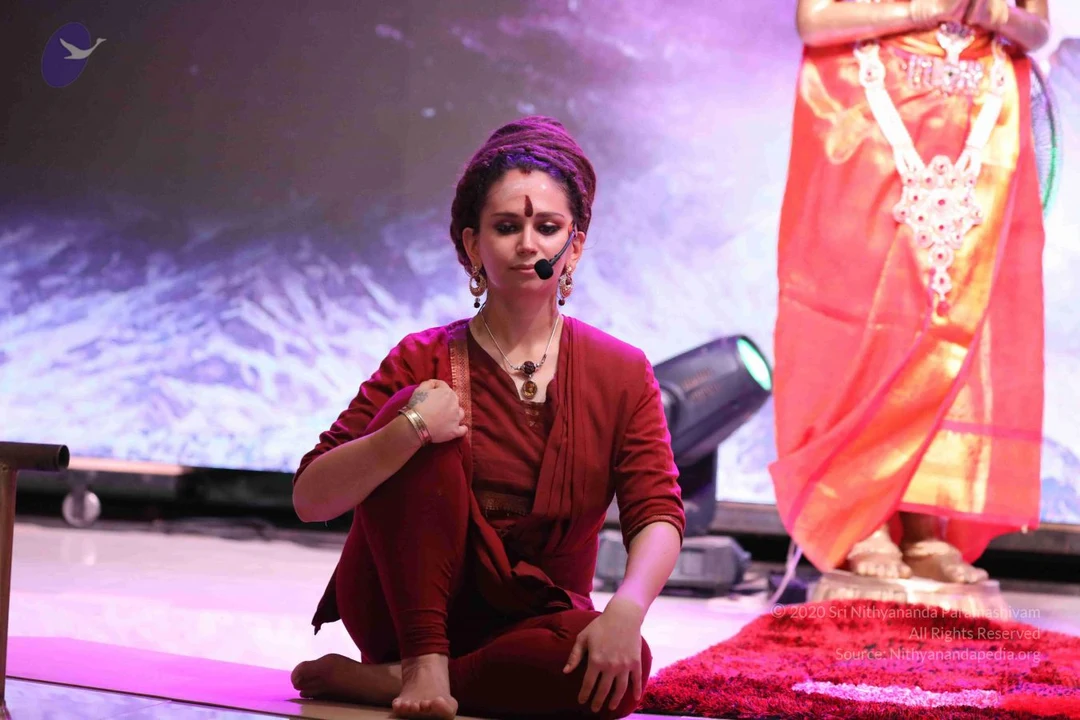
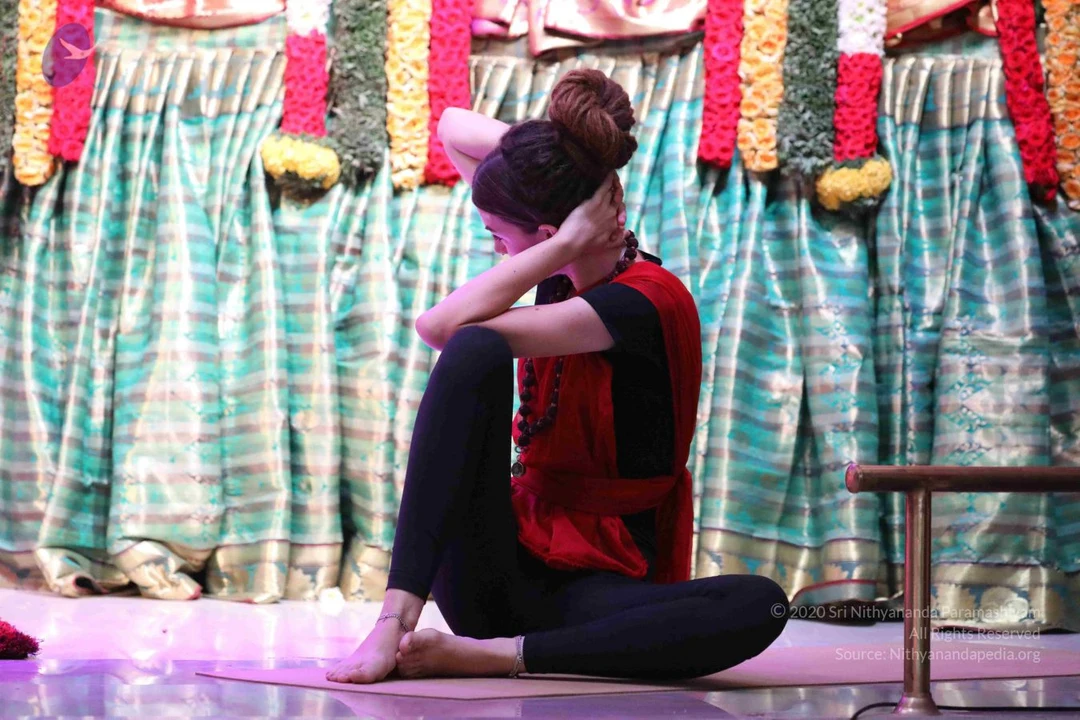
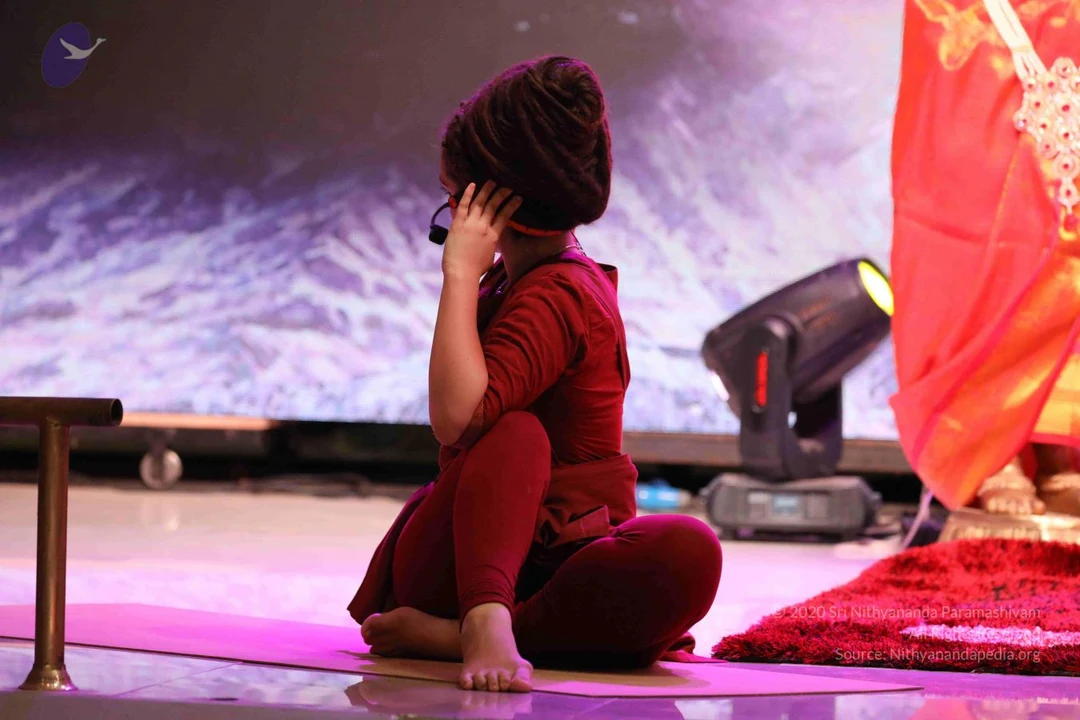
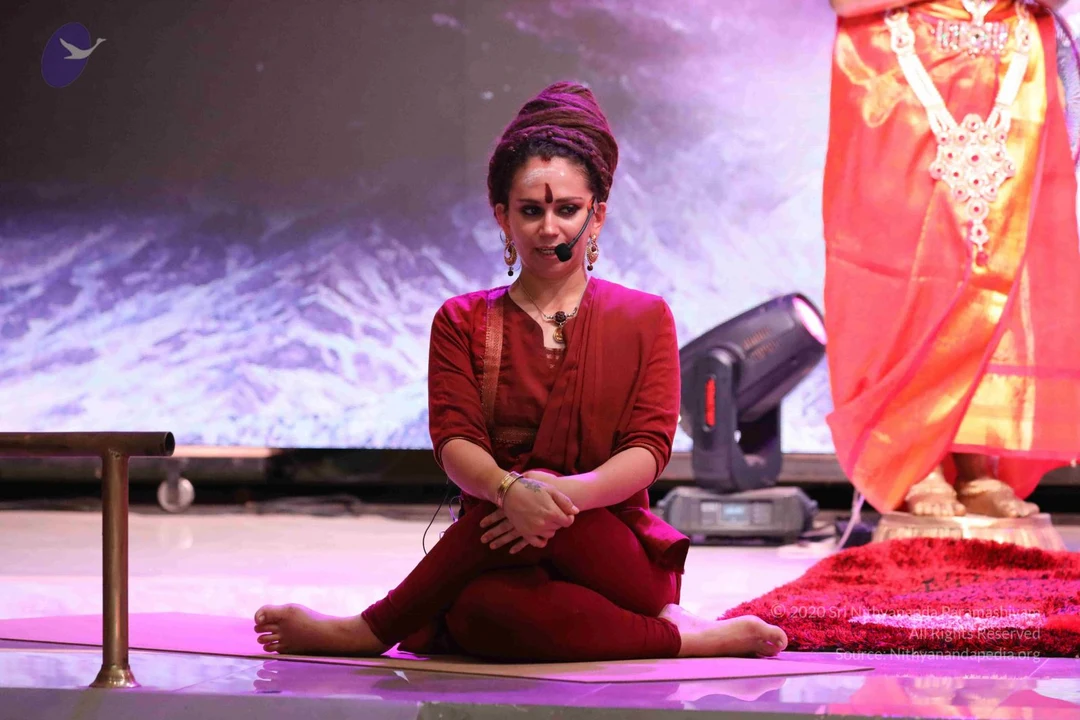
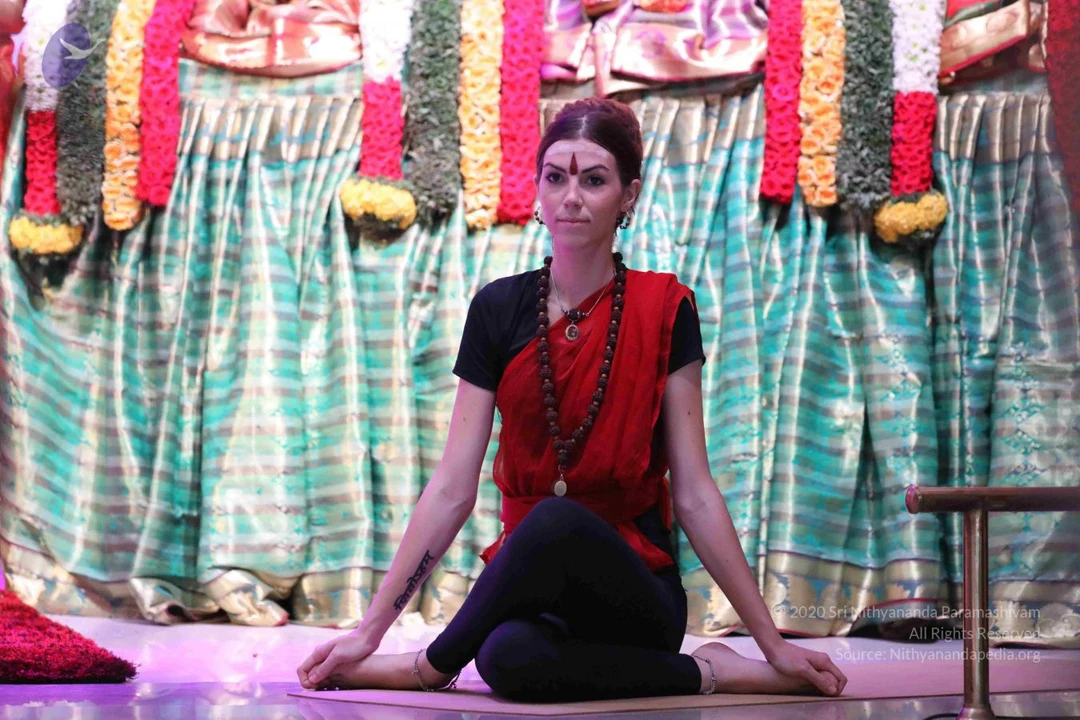
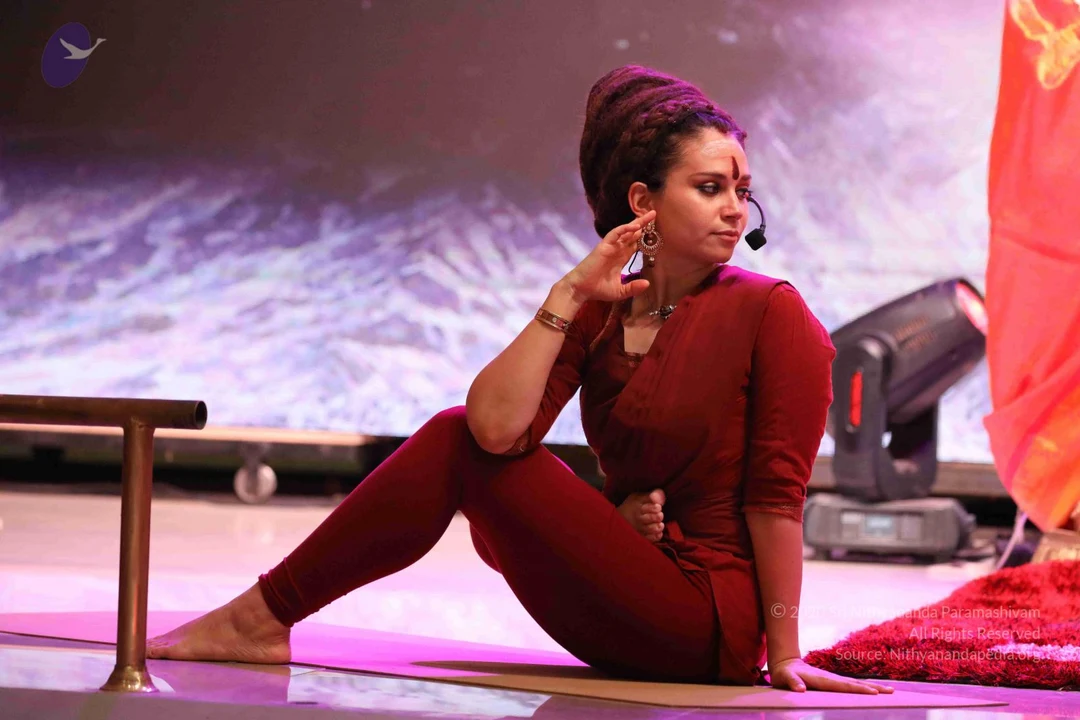
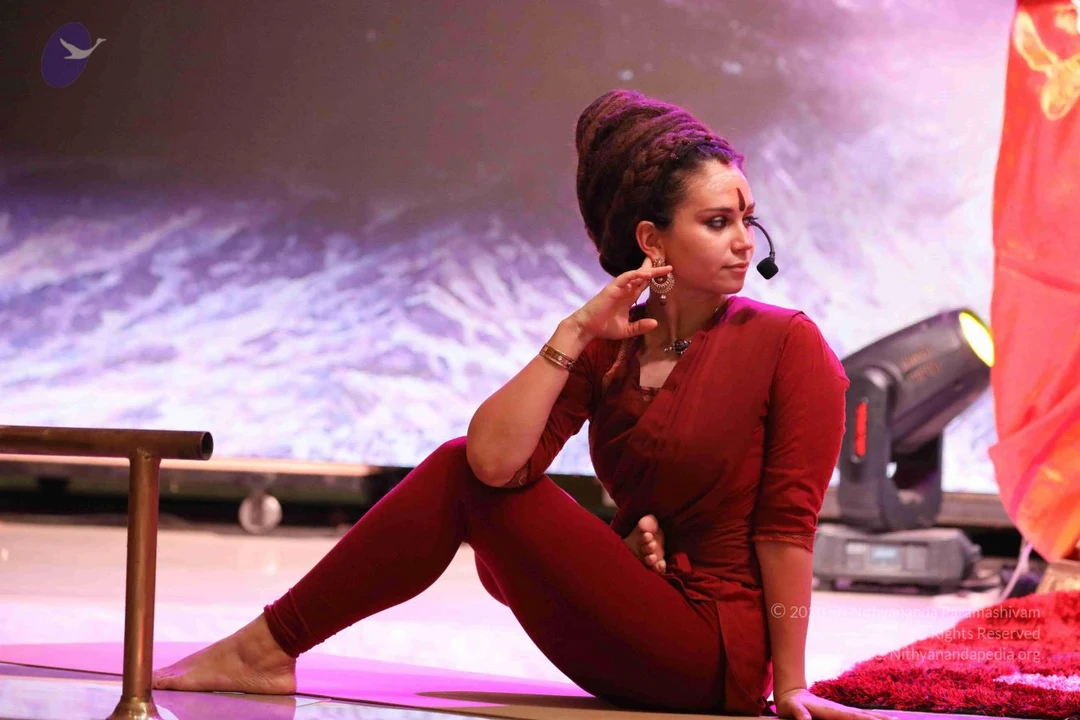
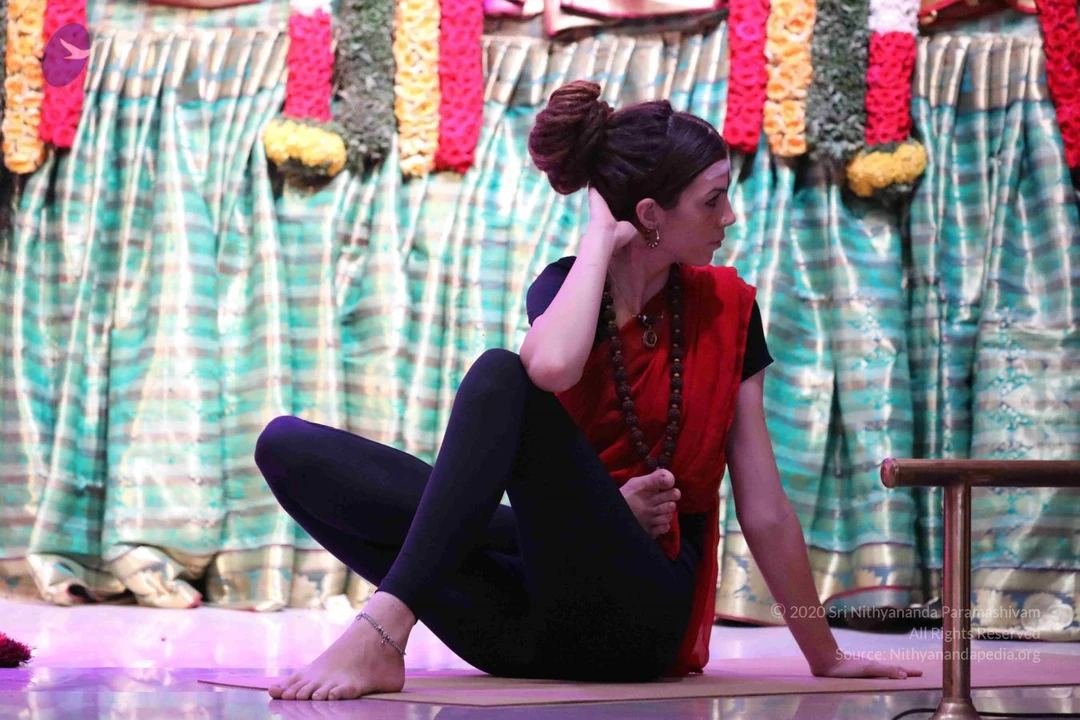
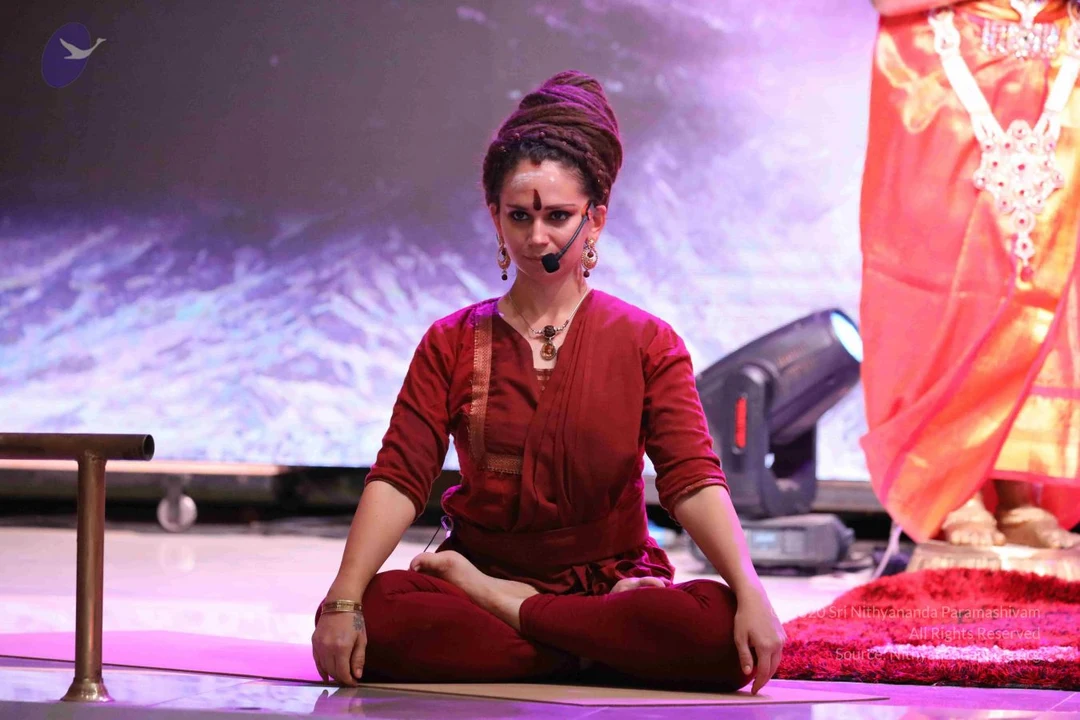
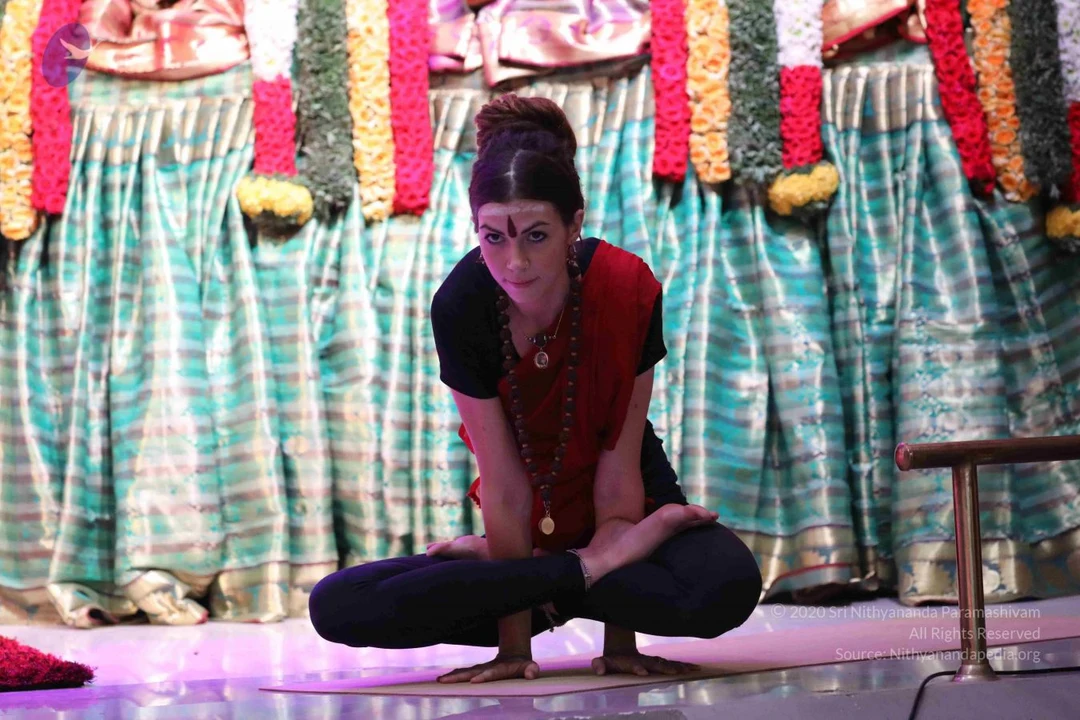
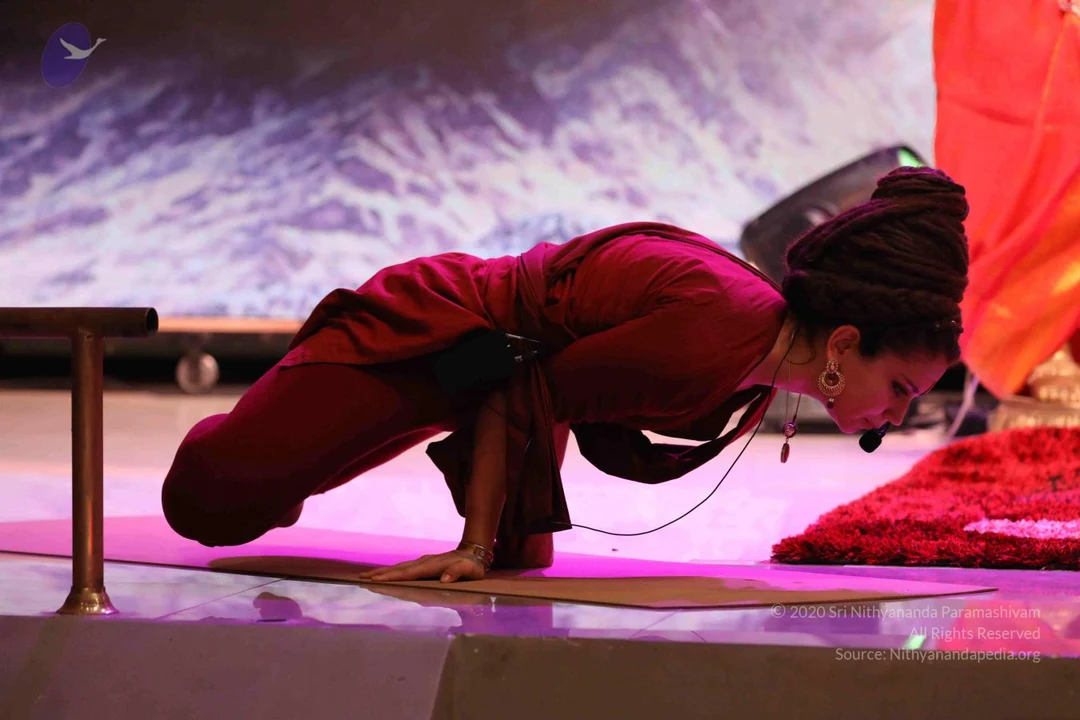
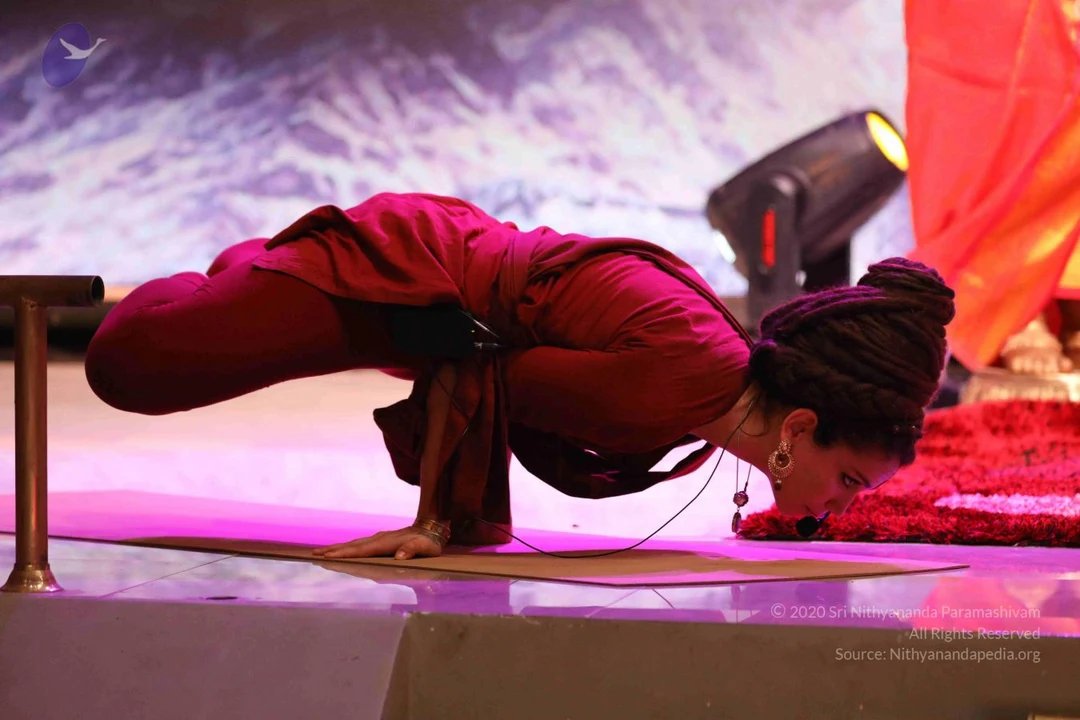
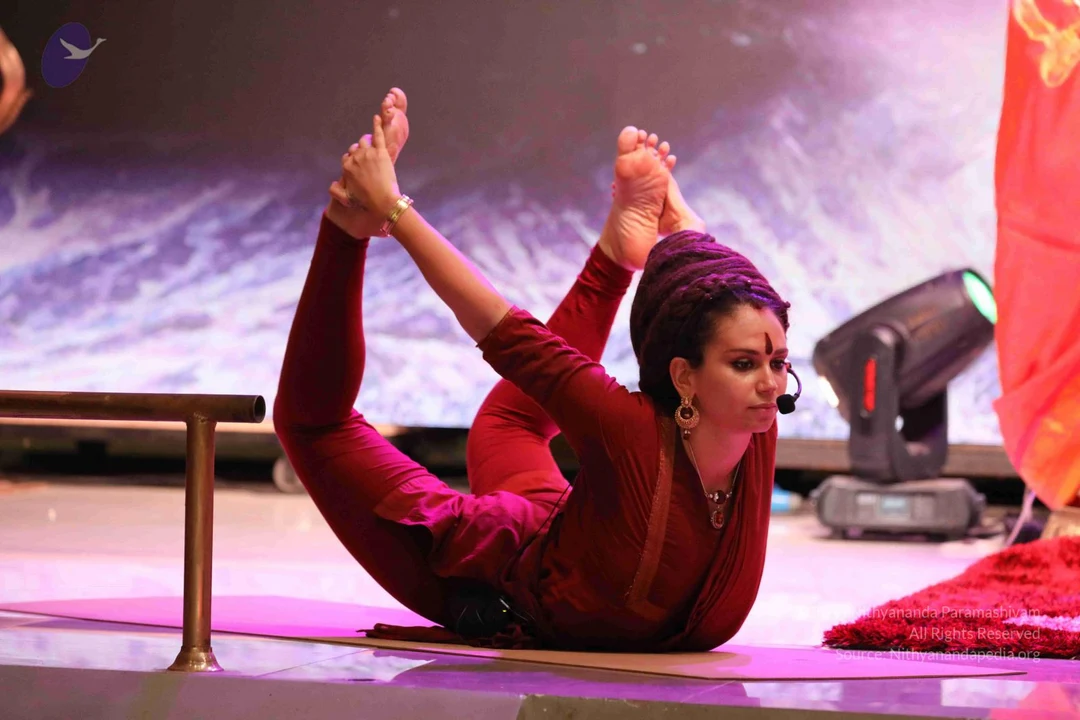
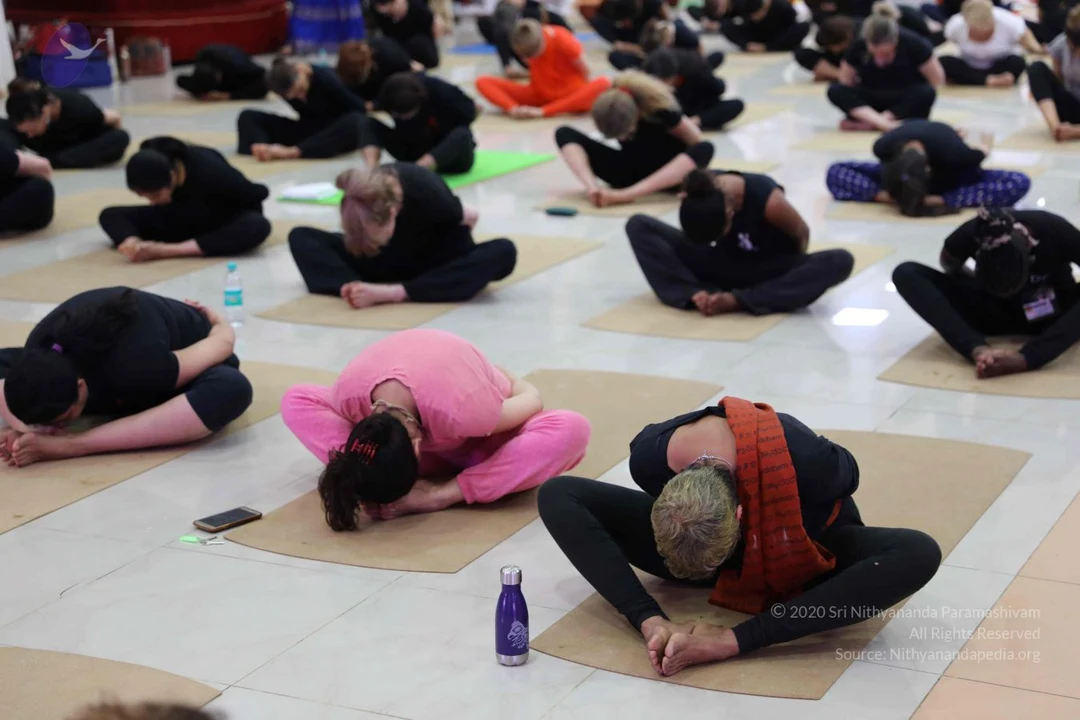
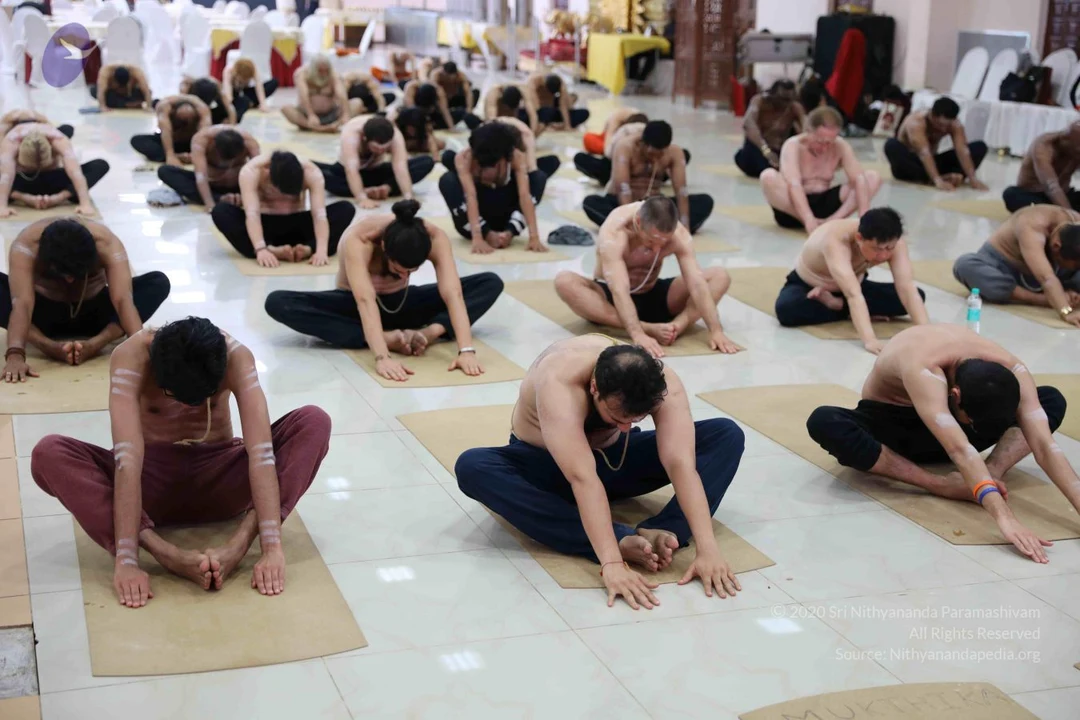
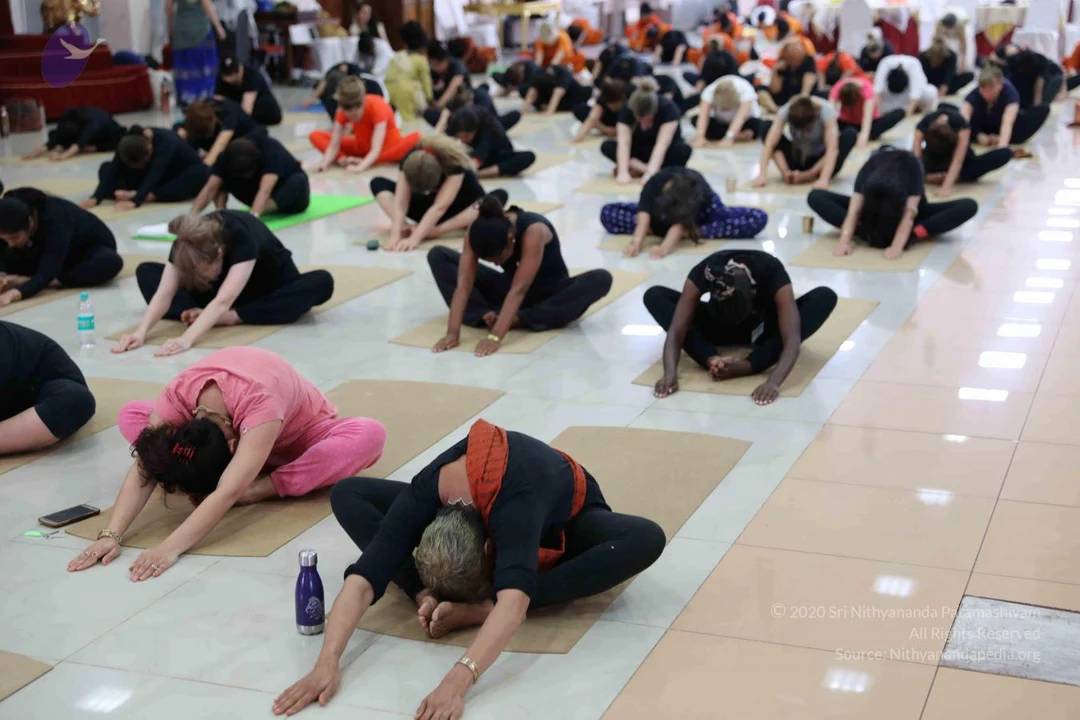
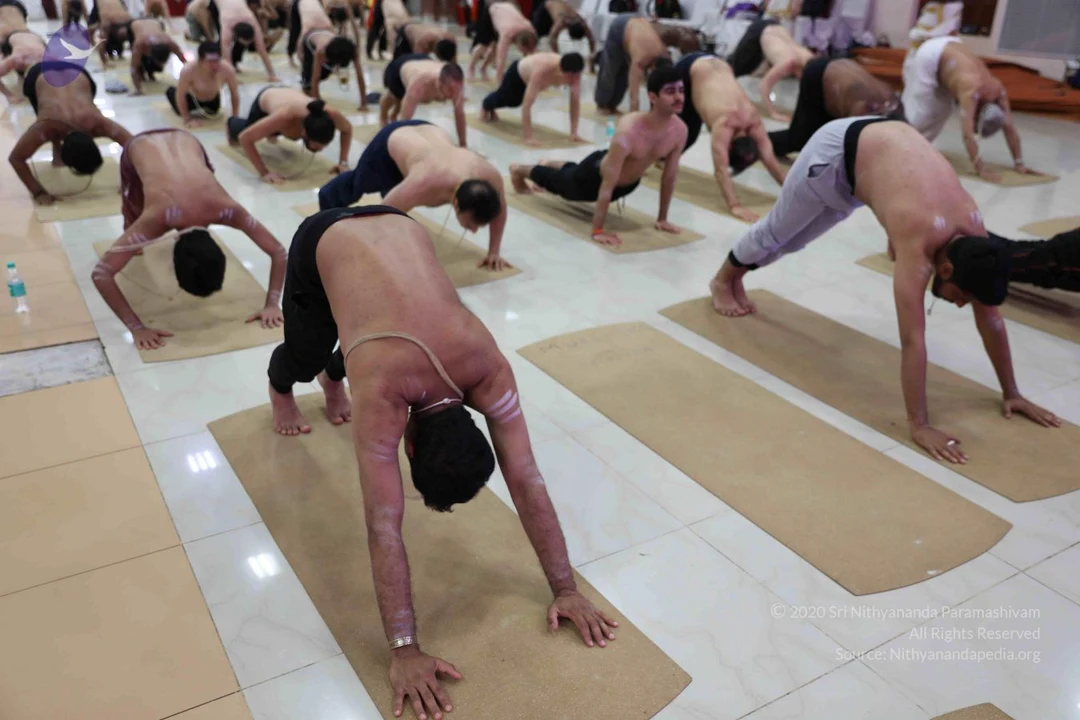
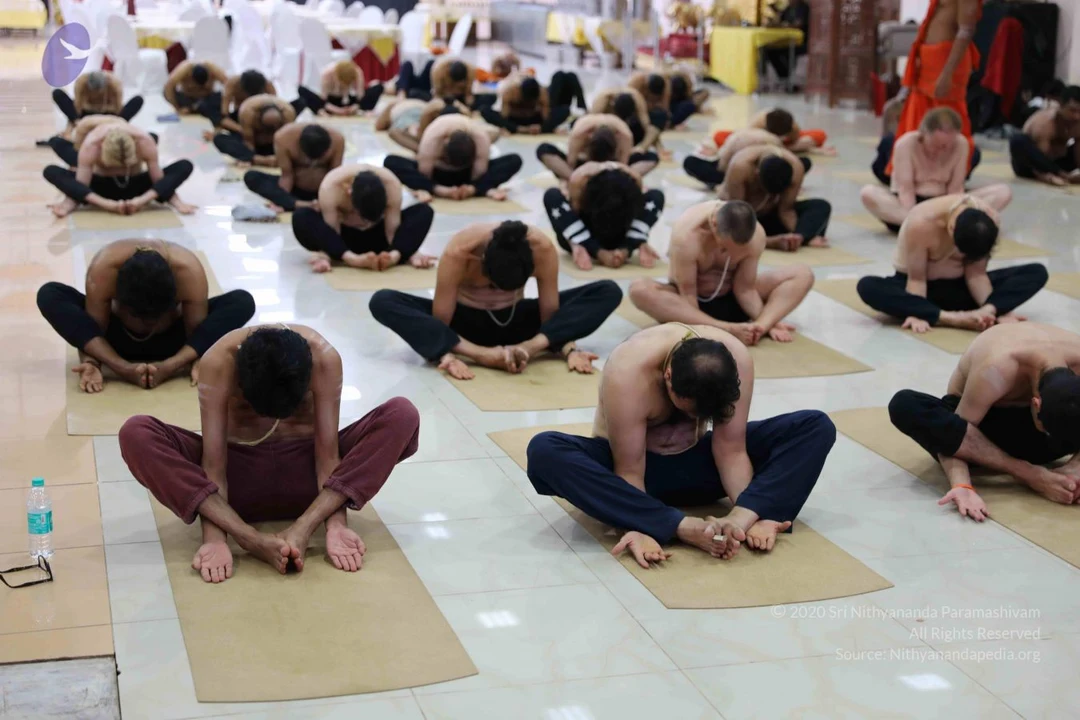
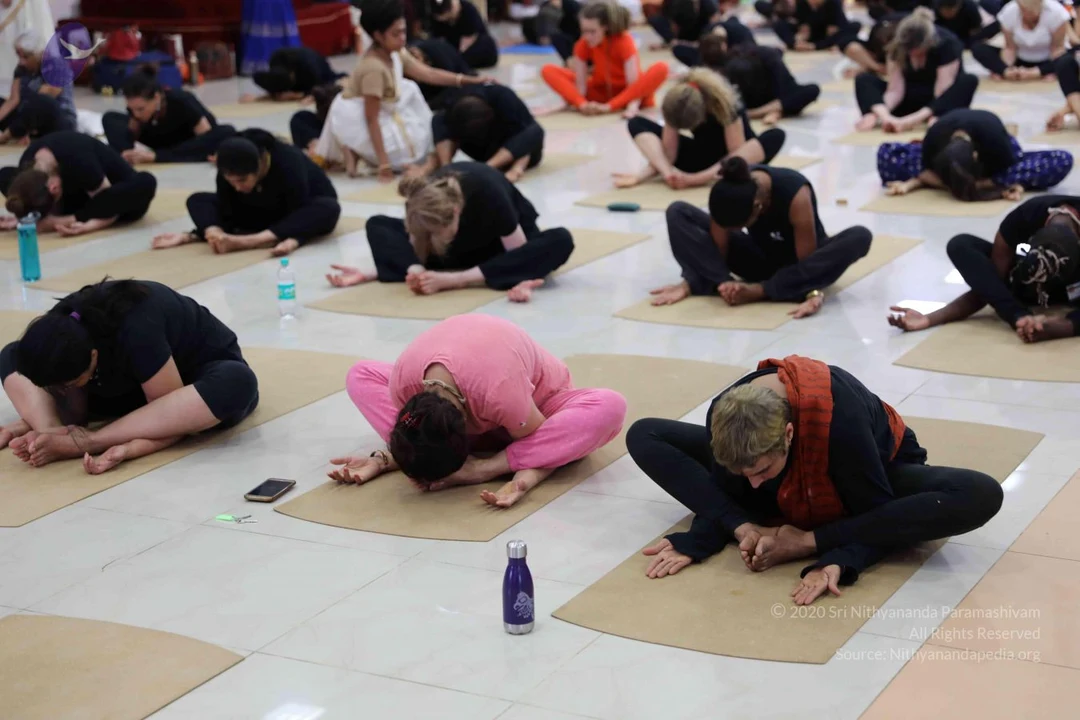
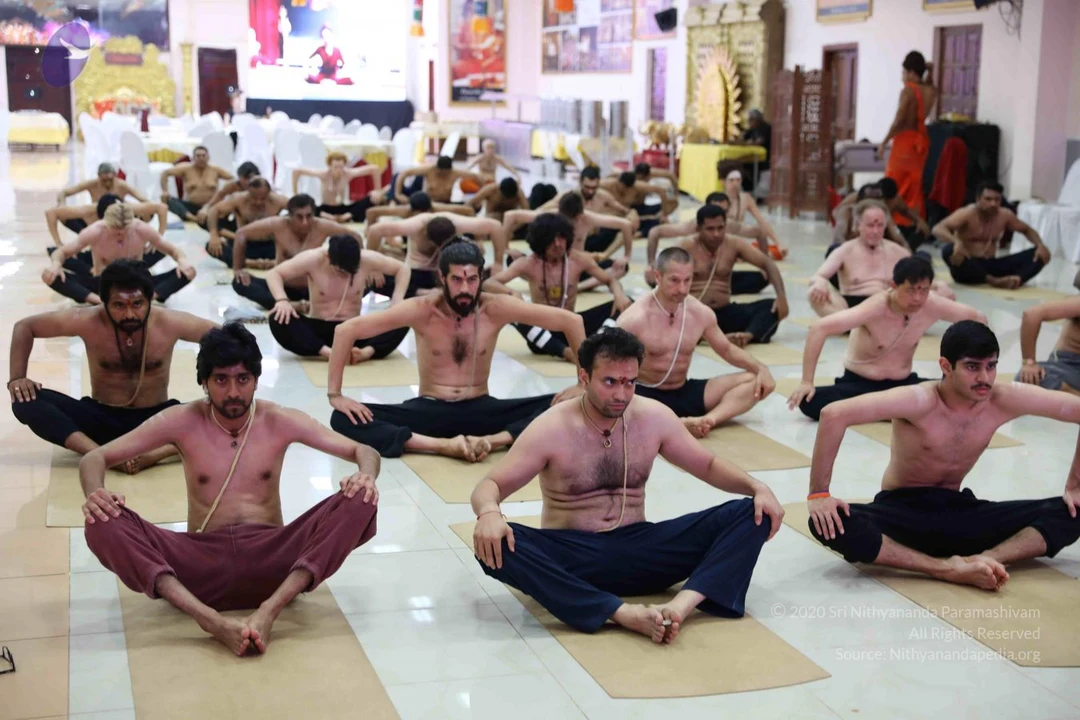
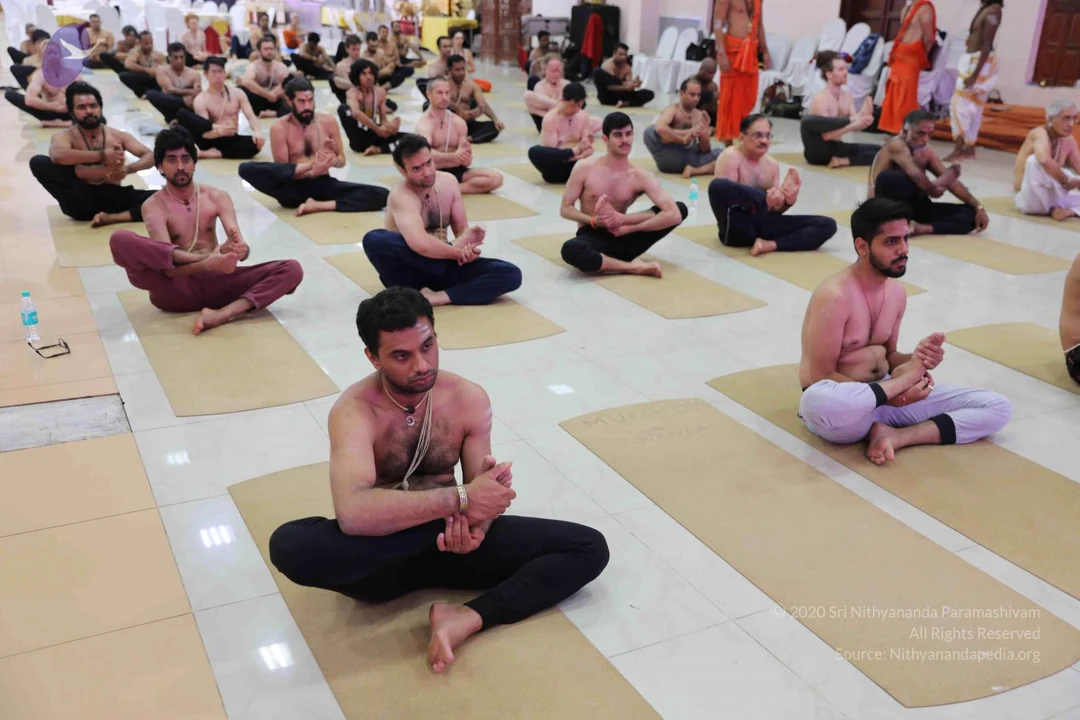
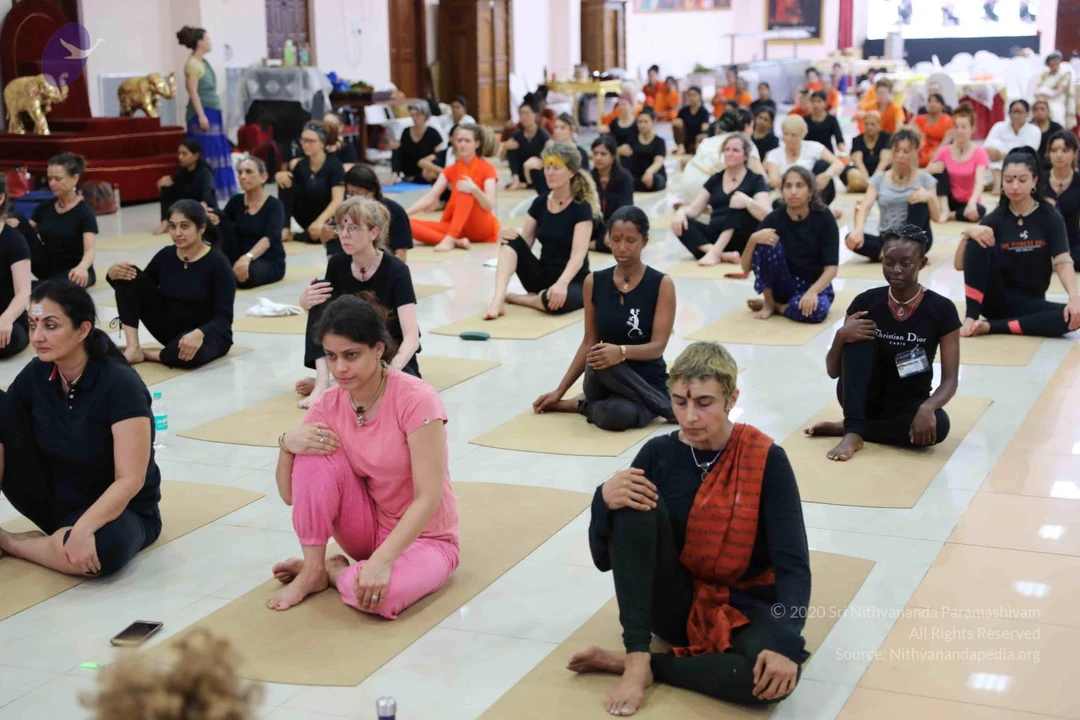
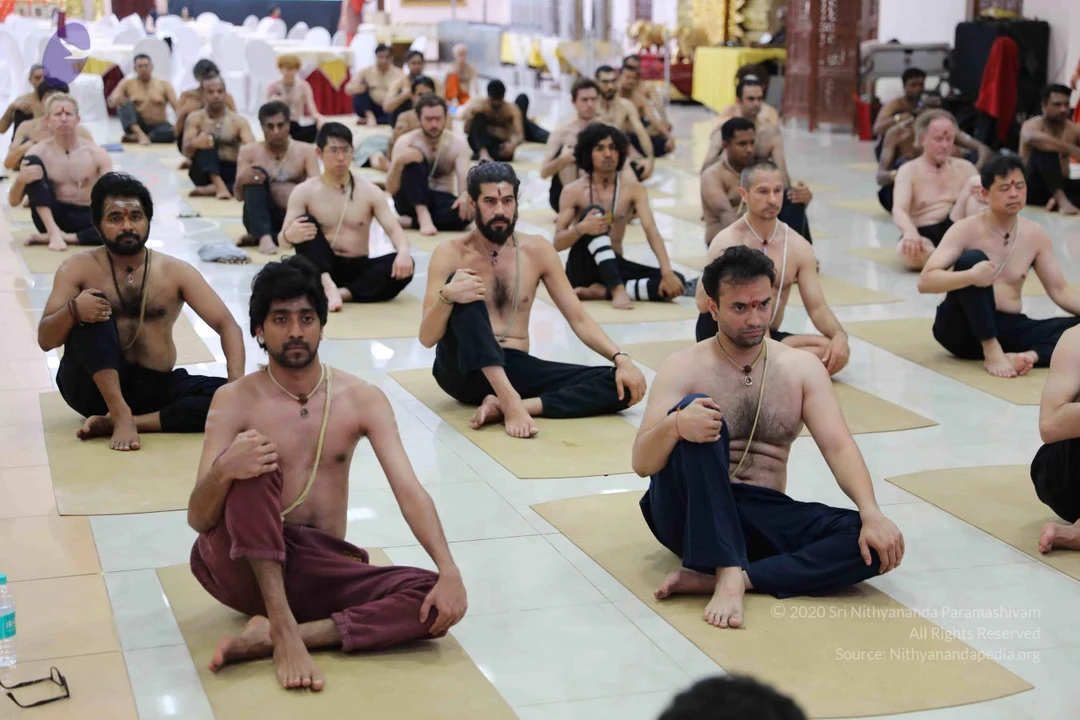
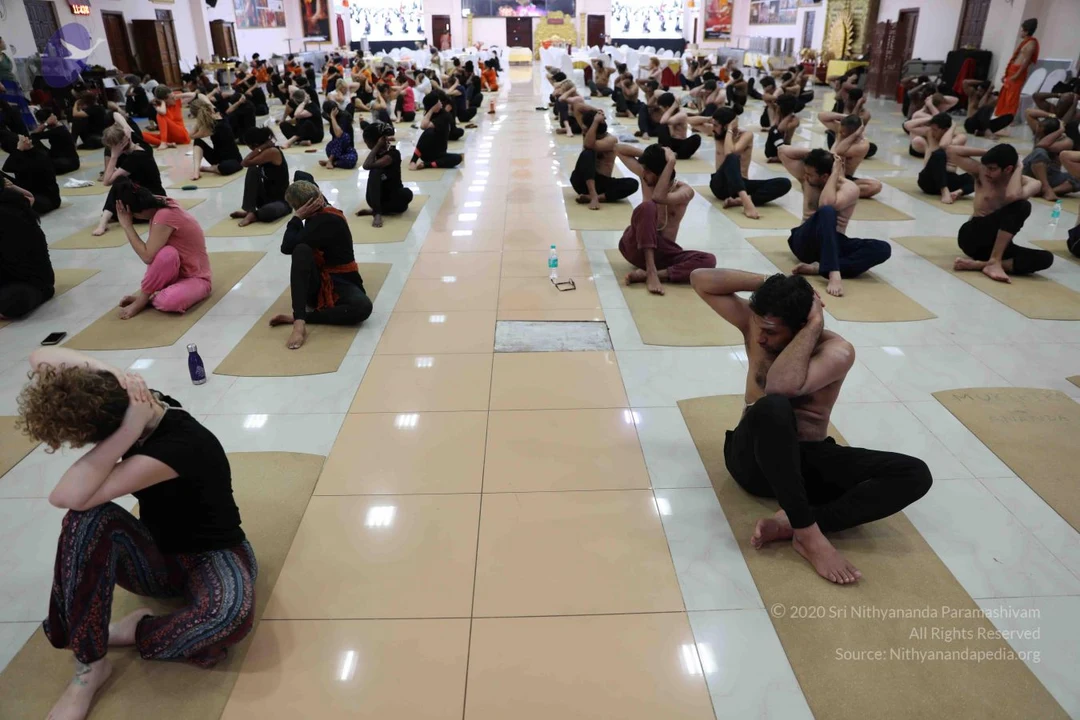
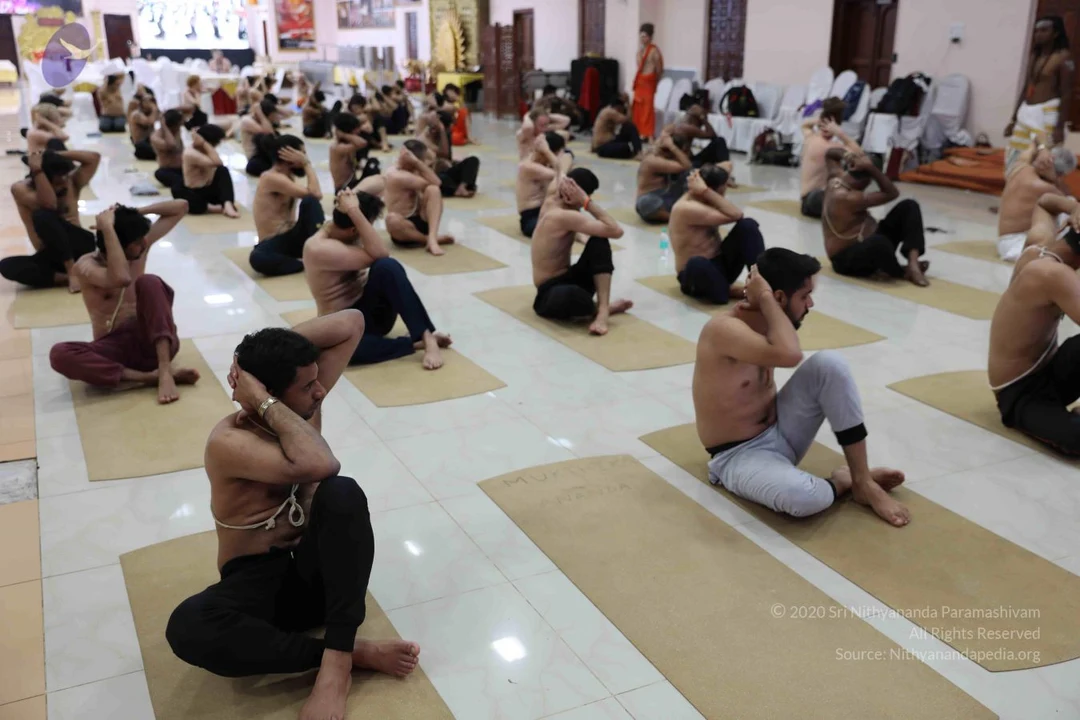
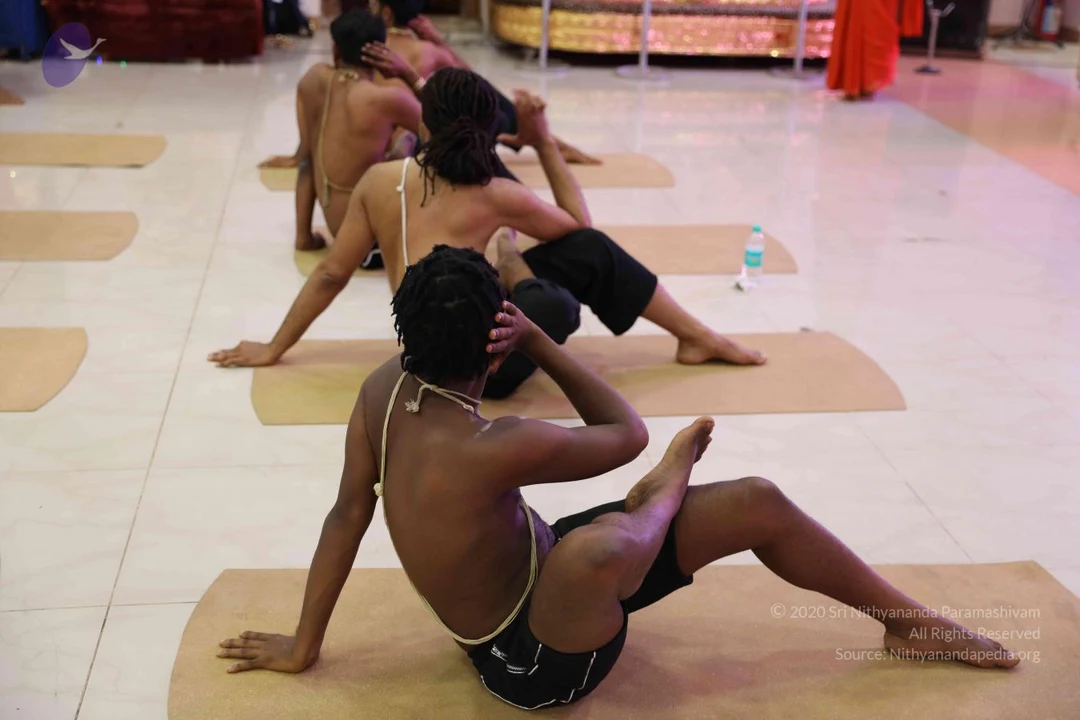
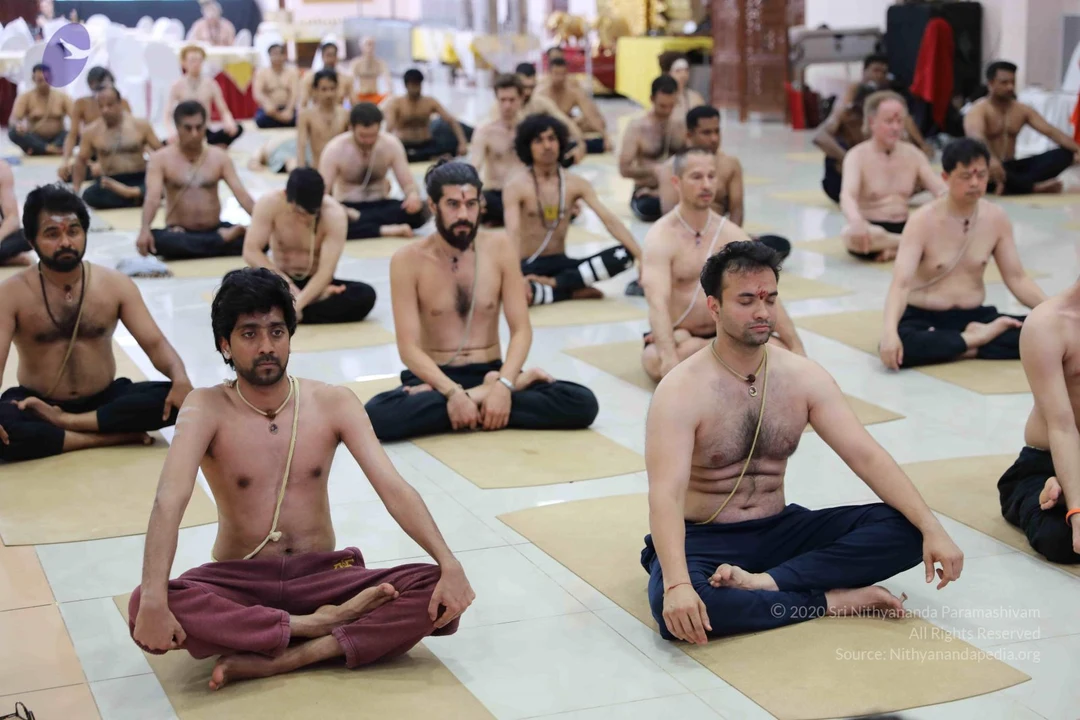
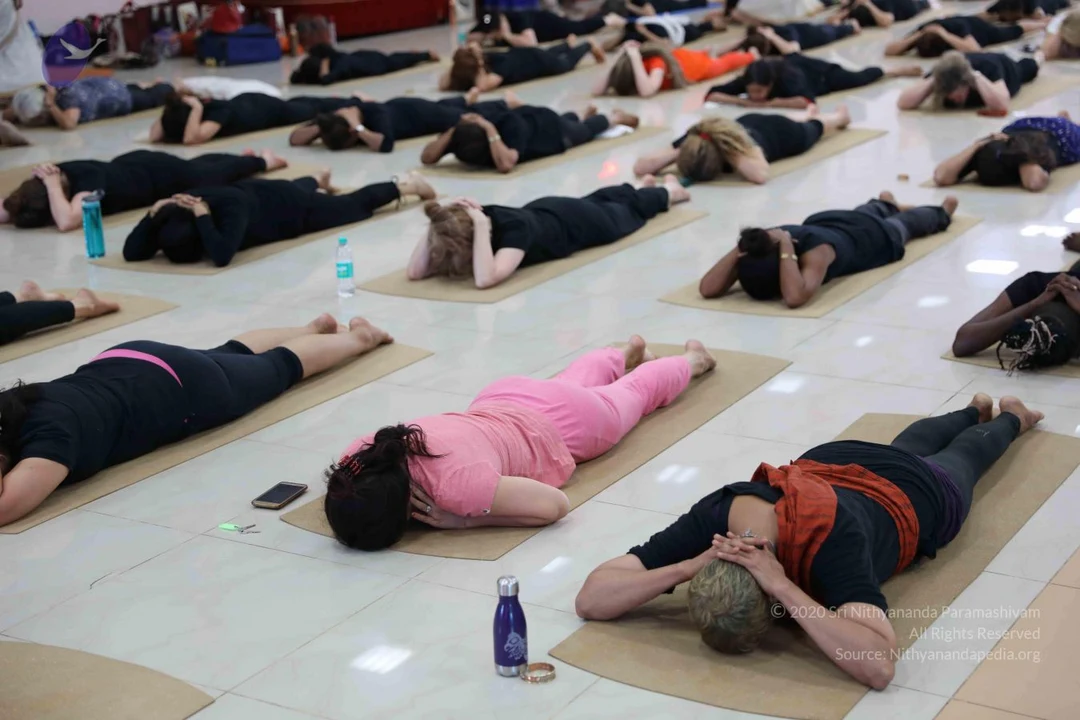
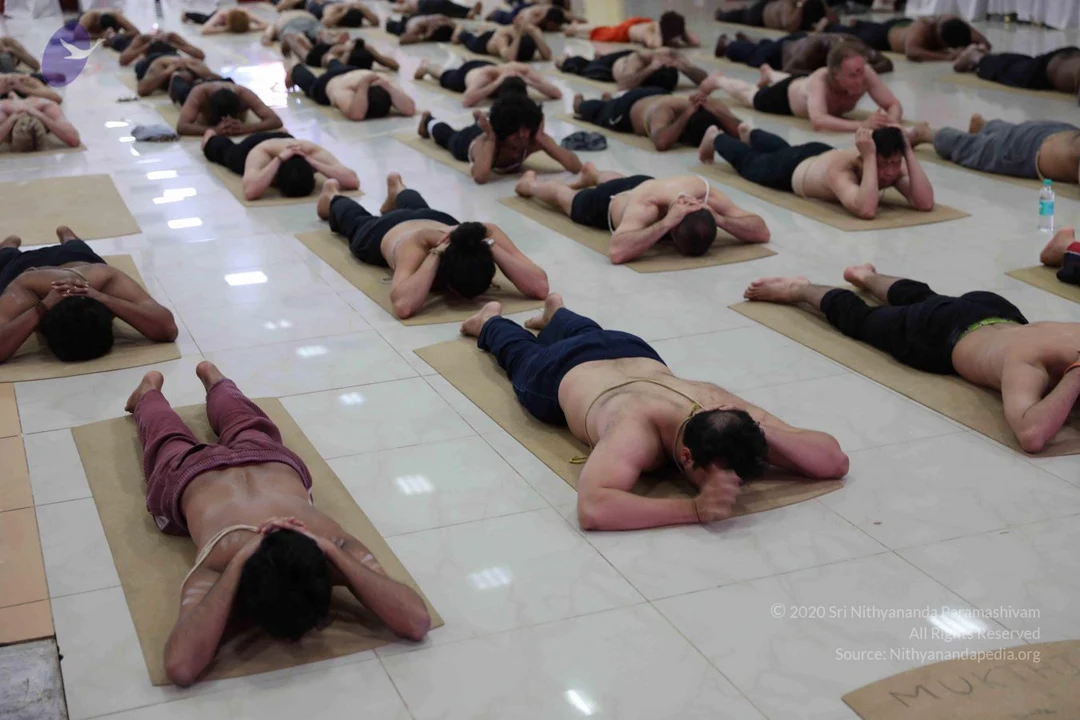
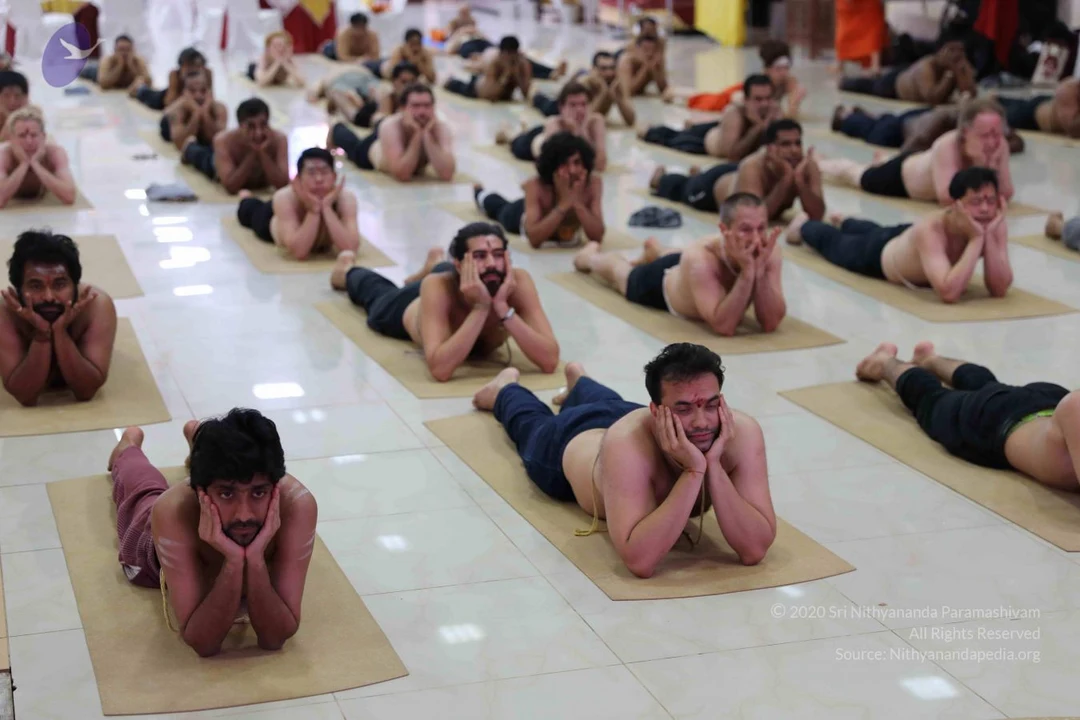
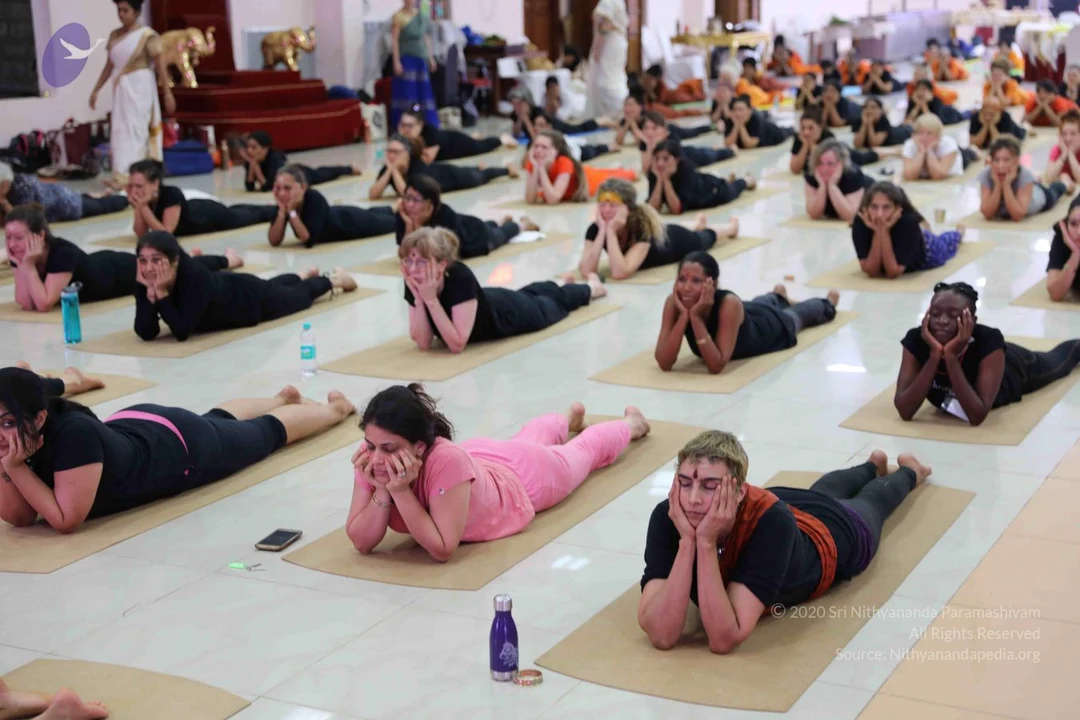
Nithya-Yoga





Shivadeeksha












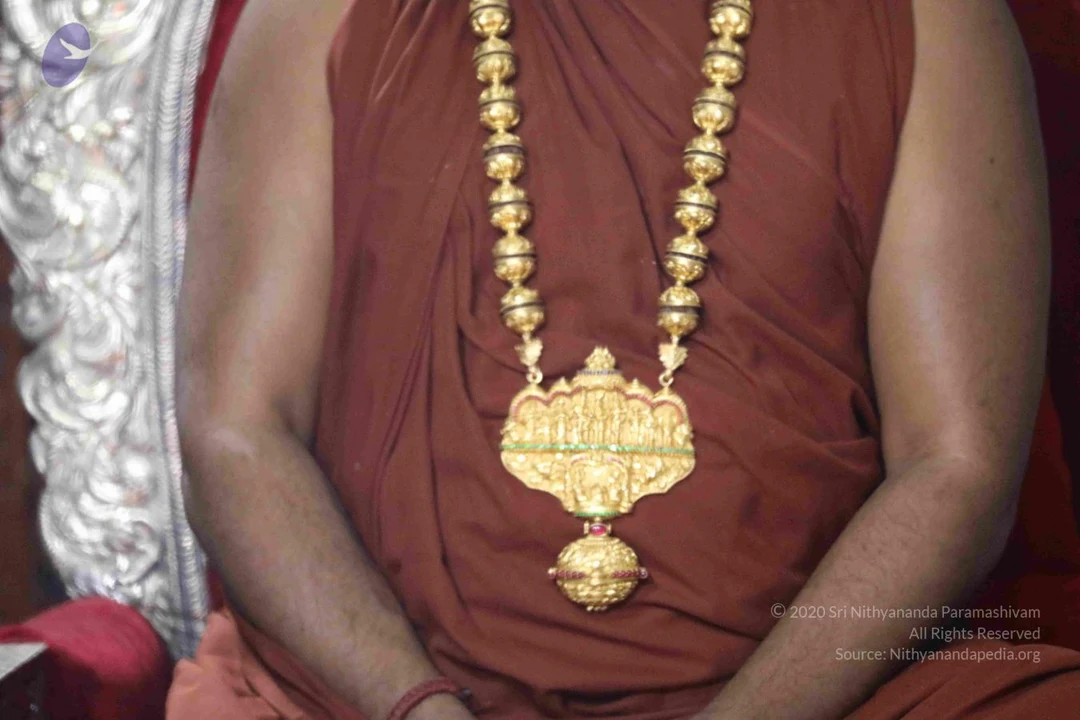
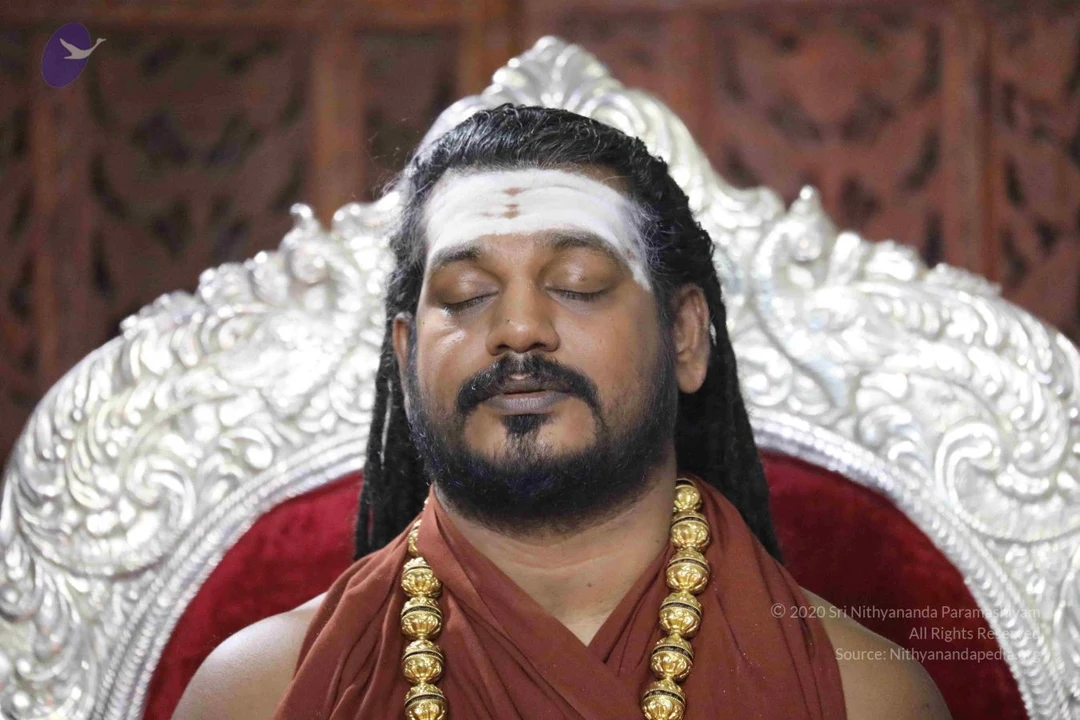

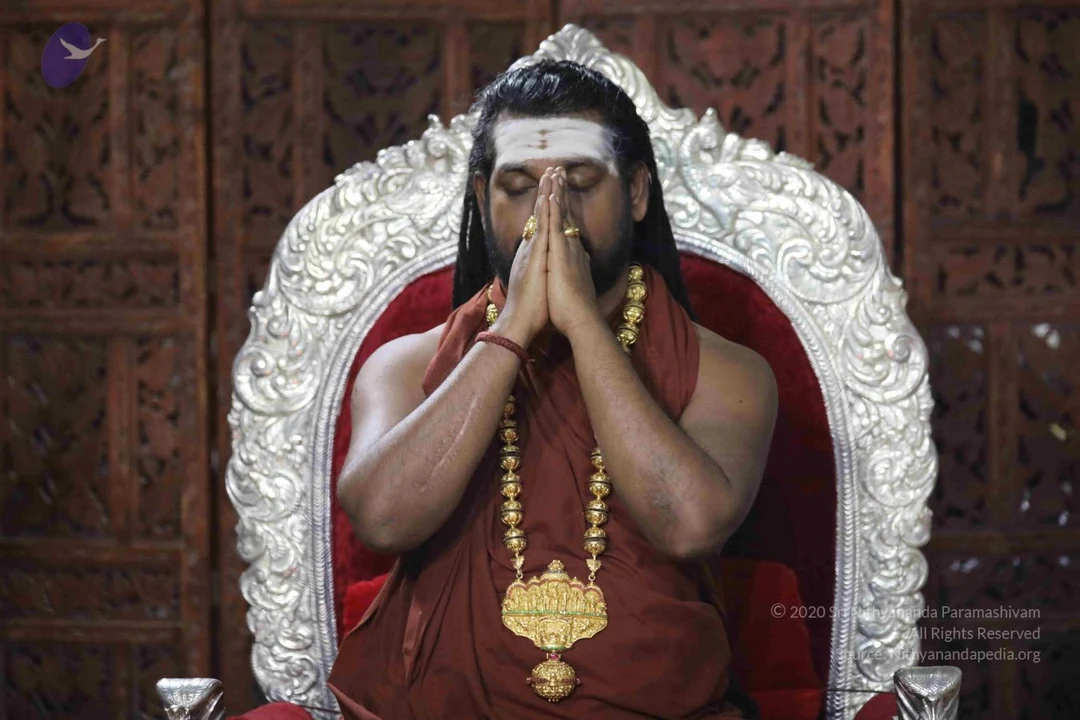
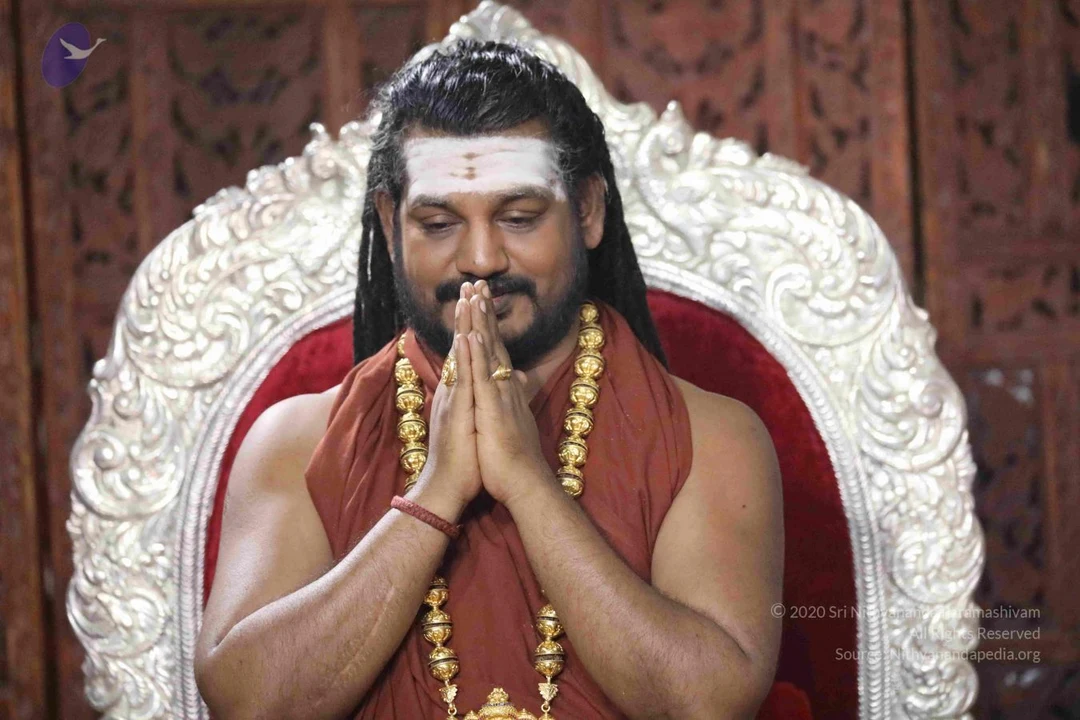

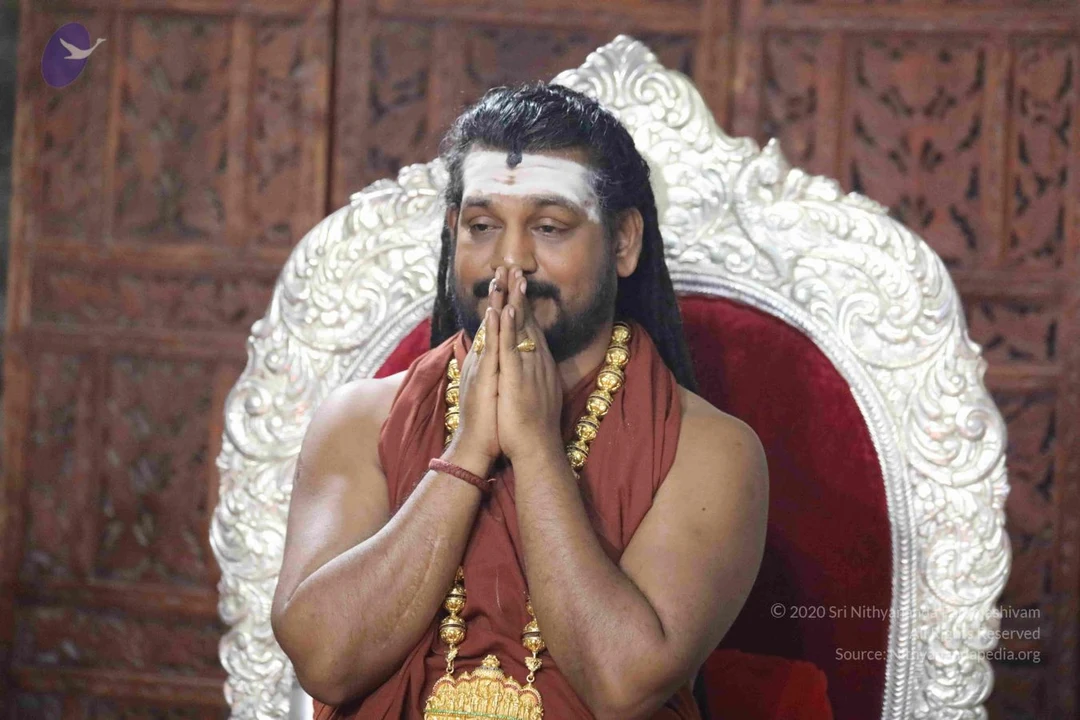

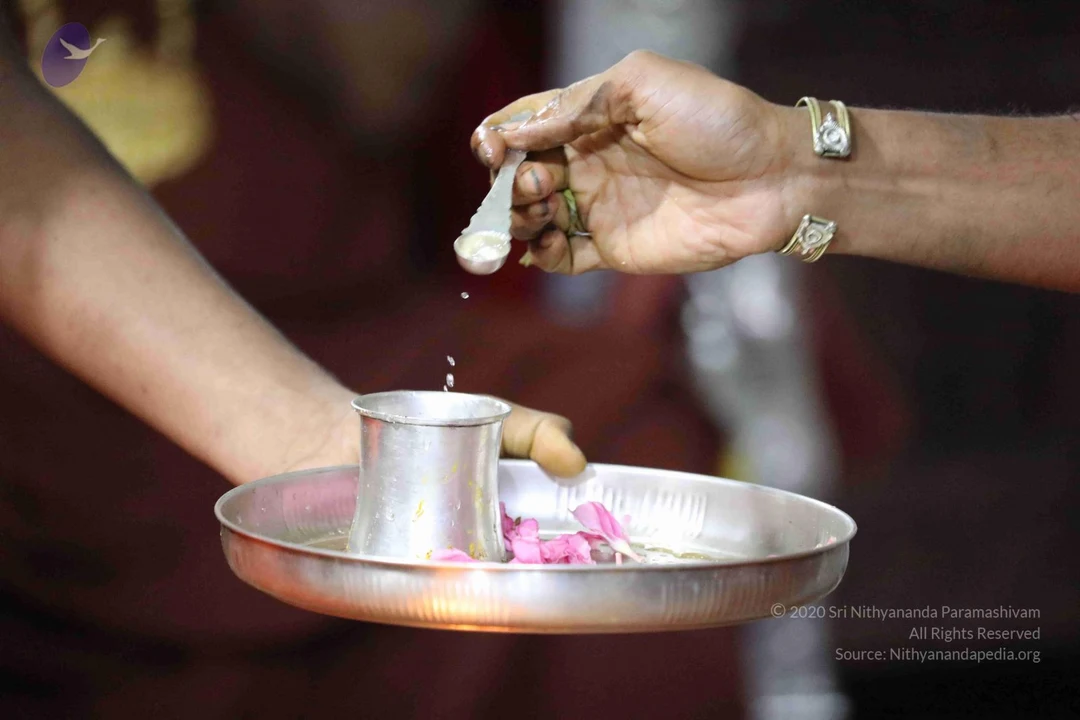
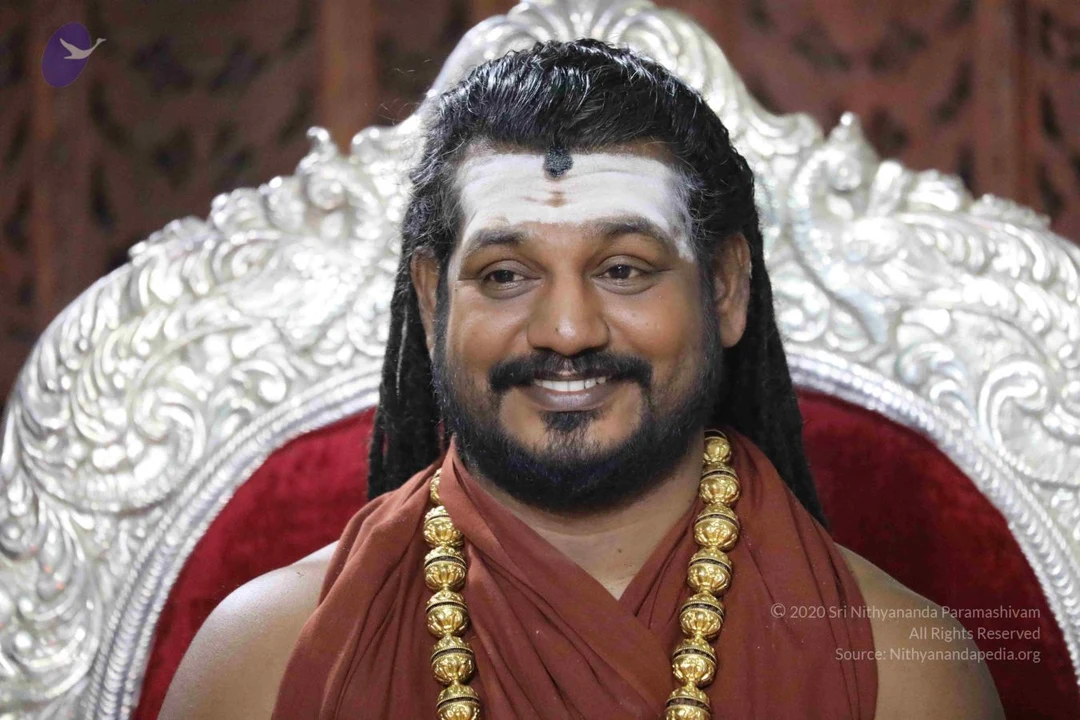
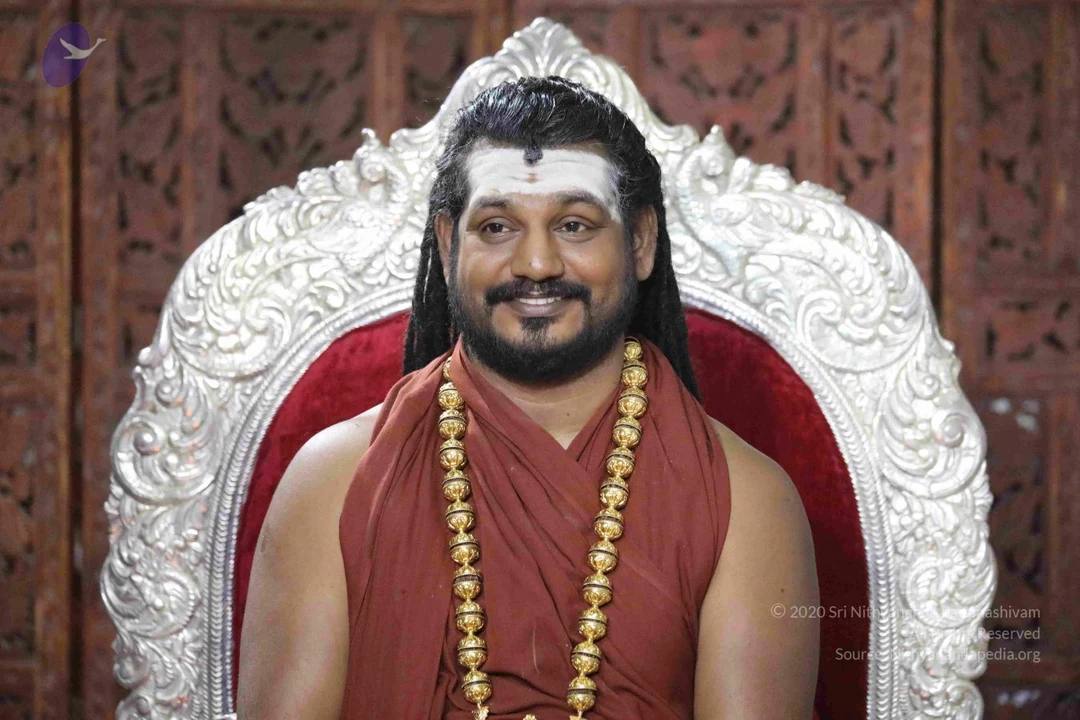



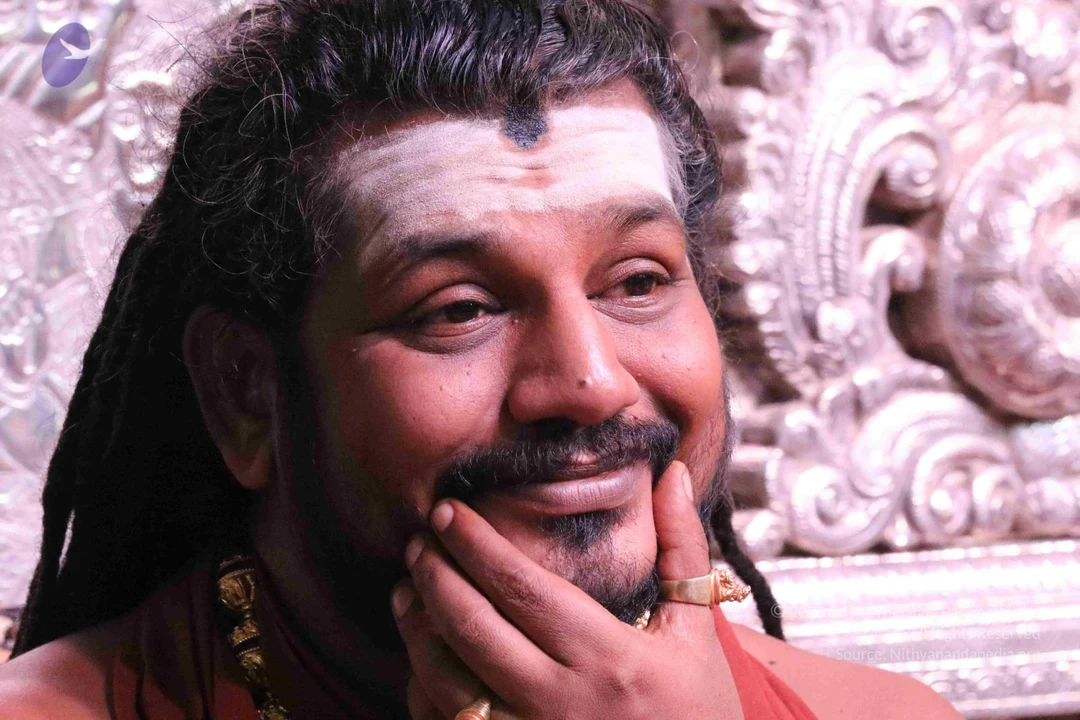
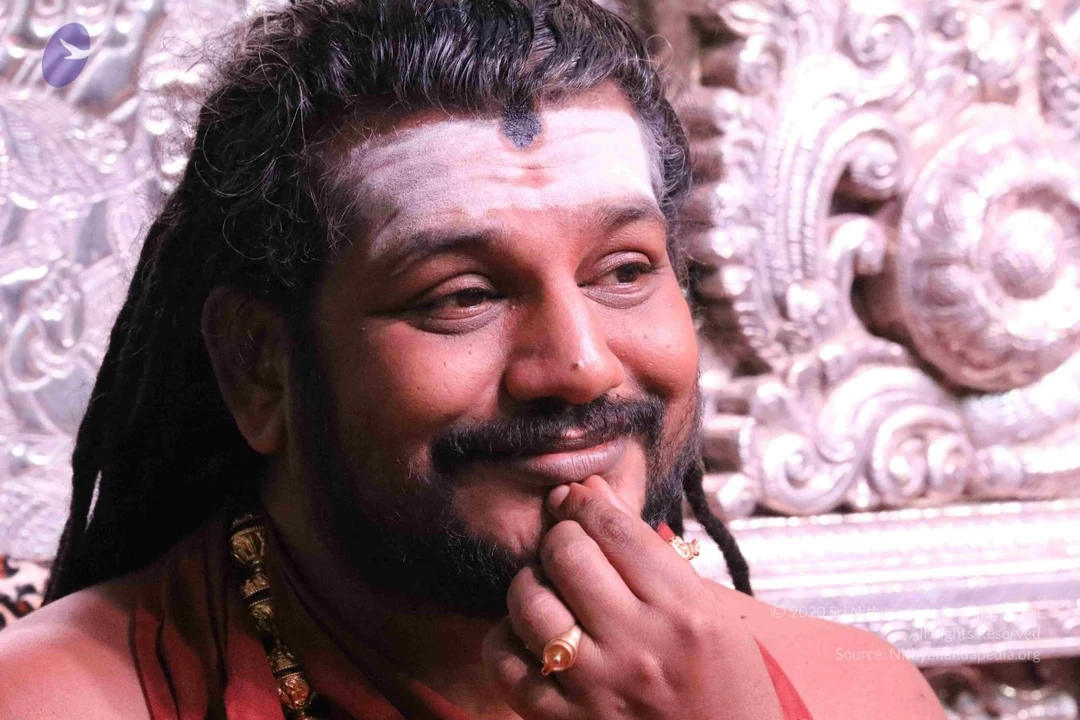
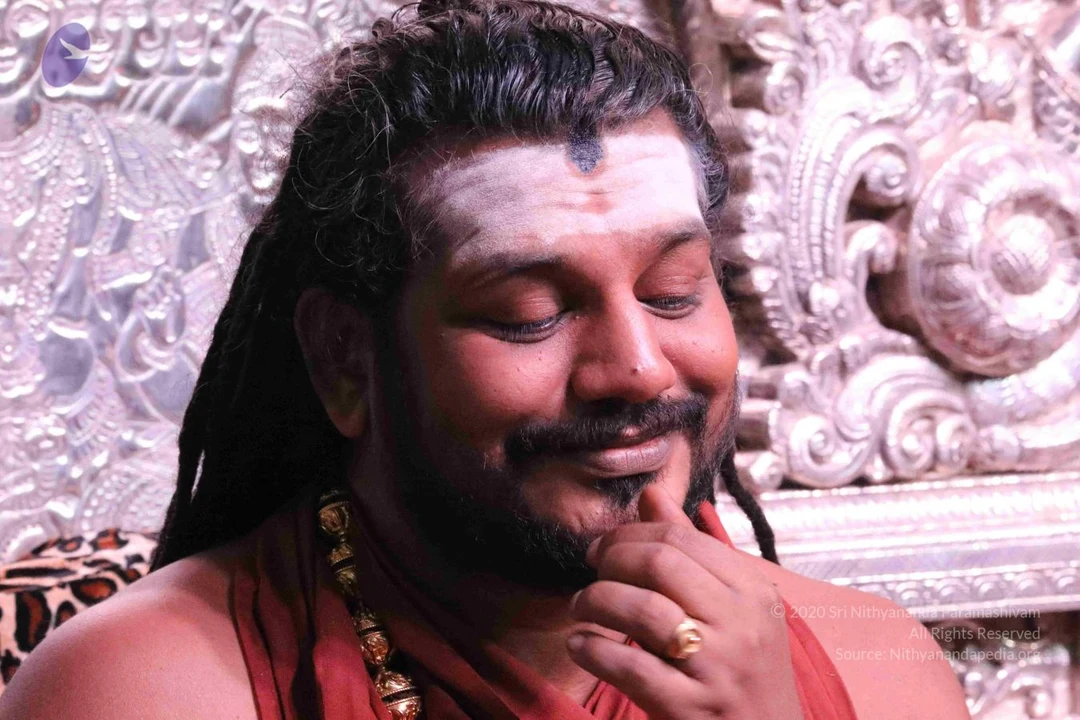
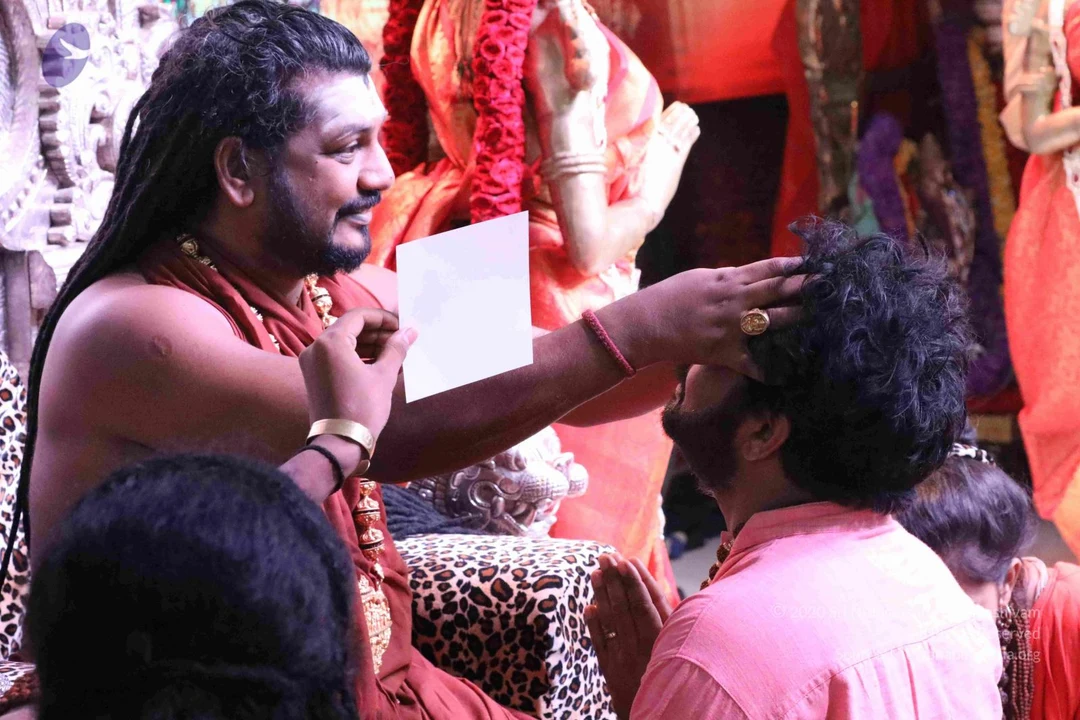

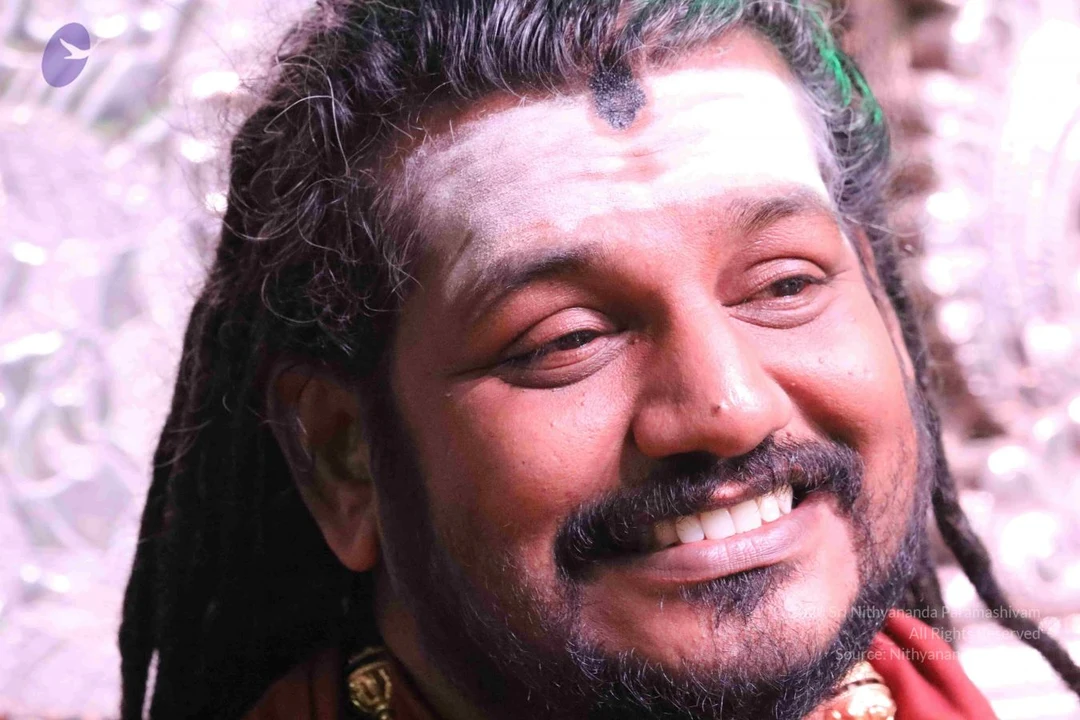
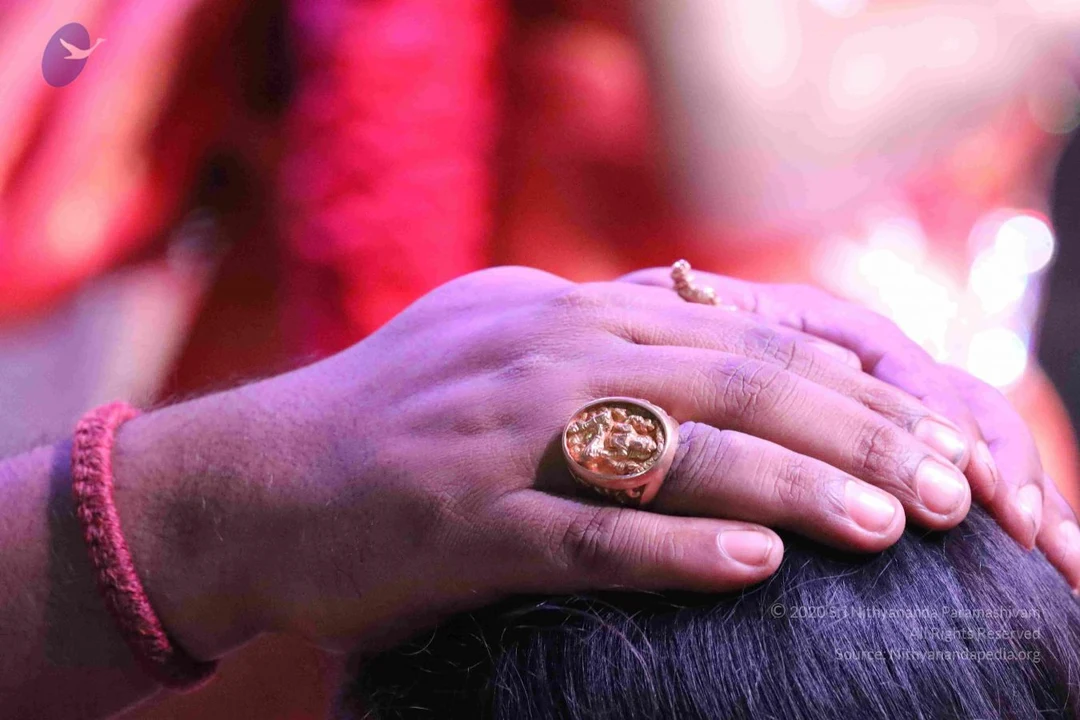
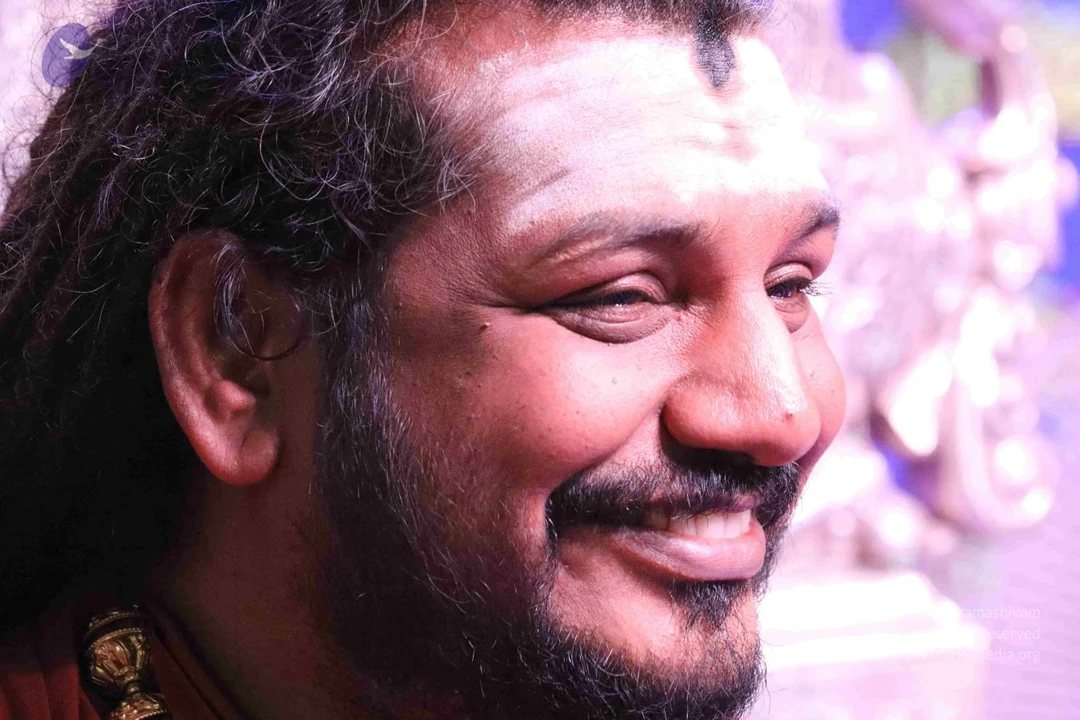
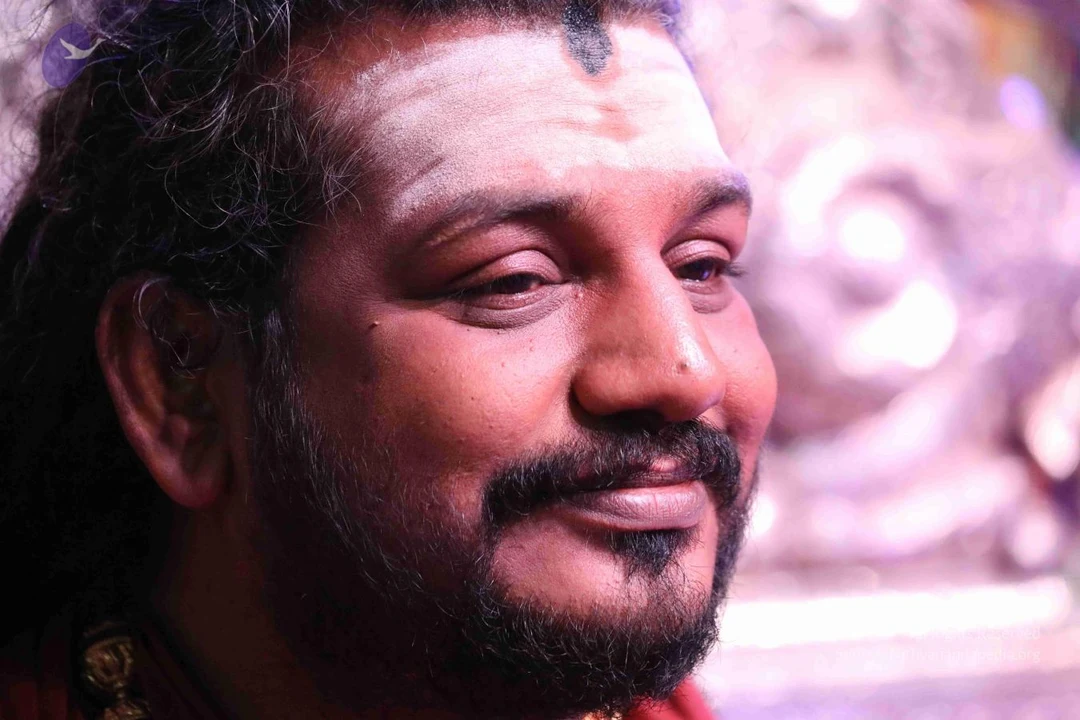



Photos
Yoga
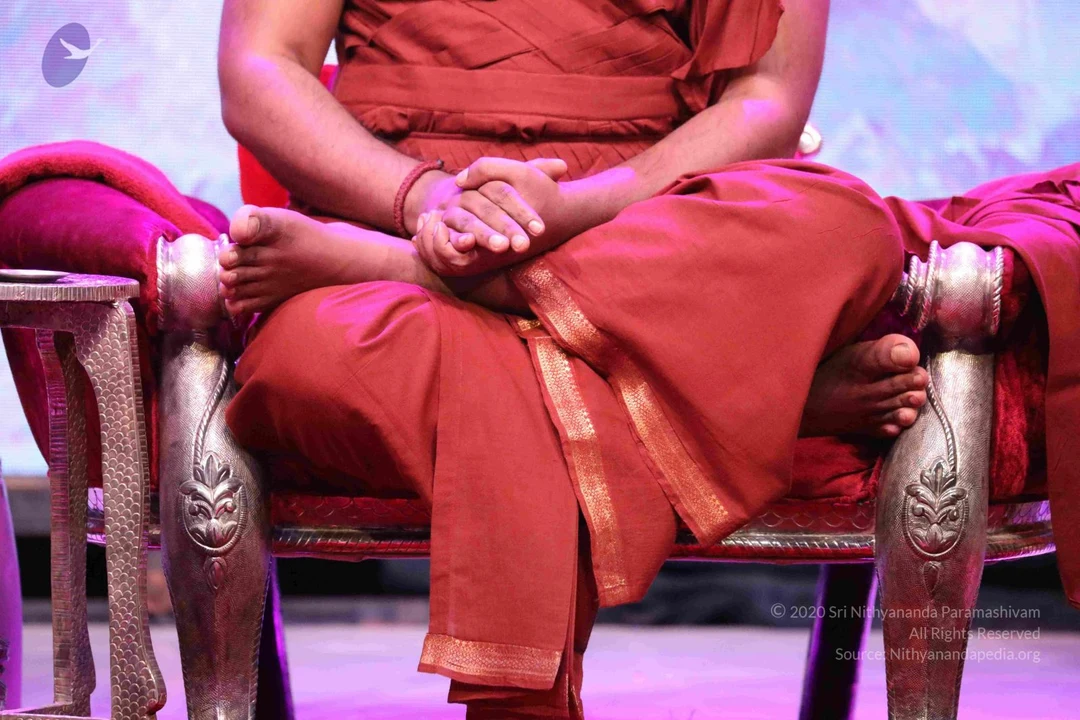
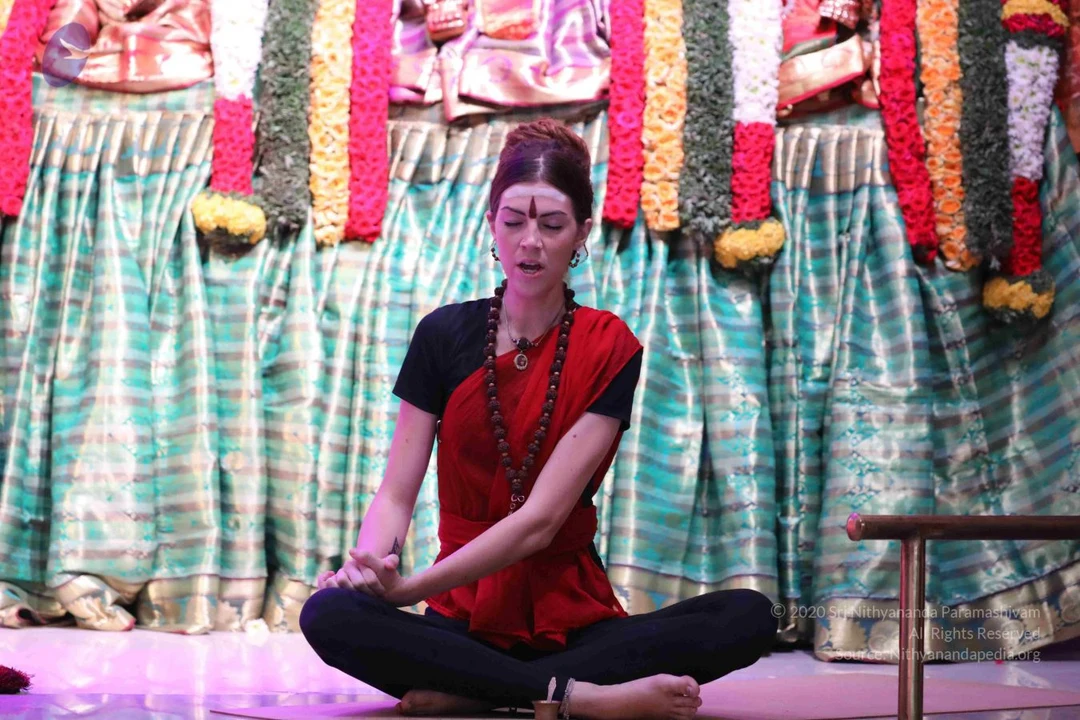
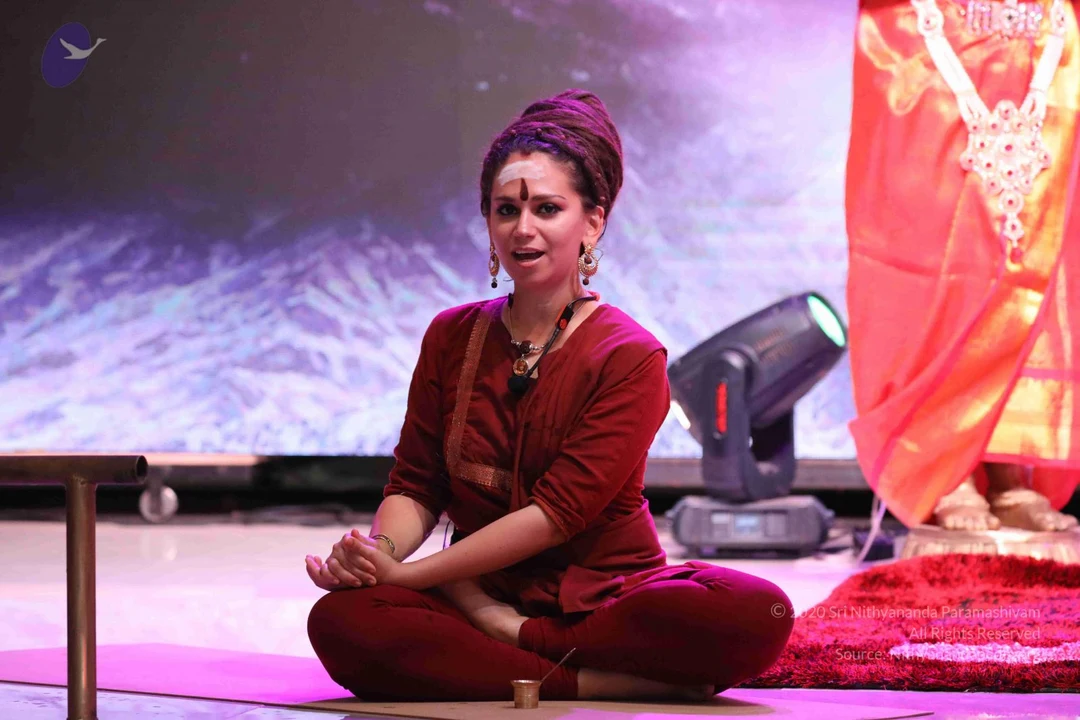
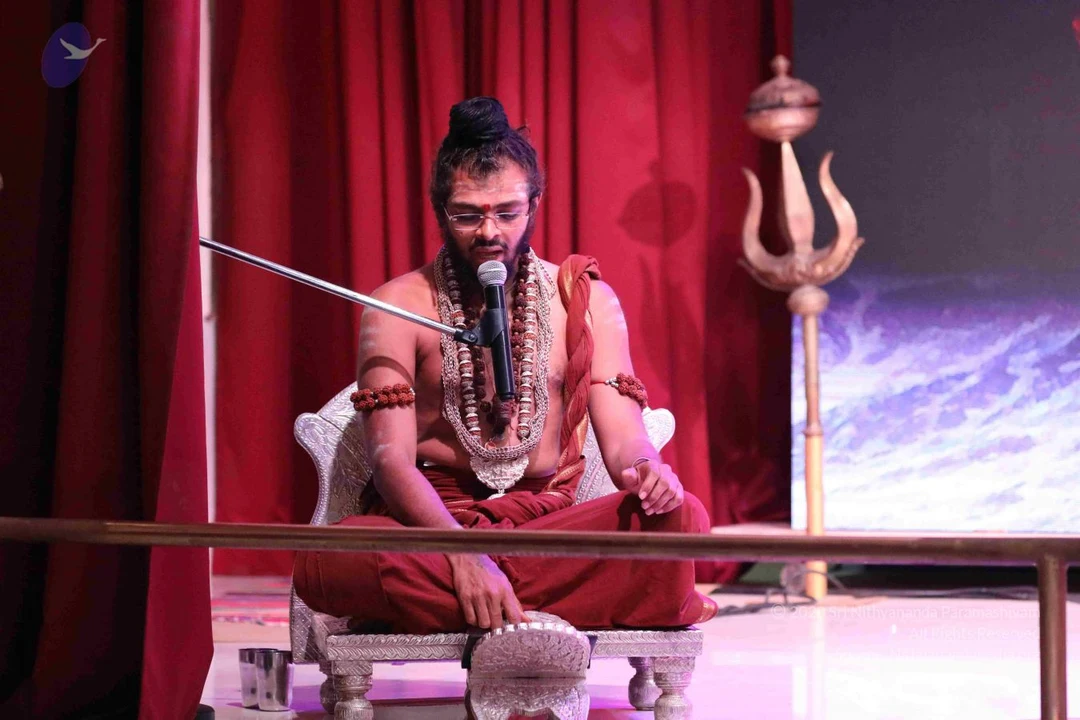
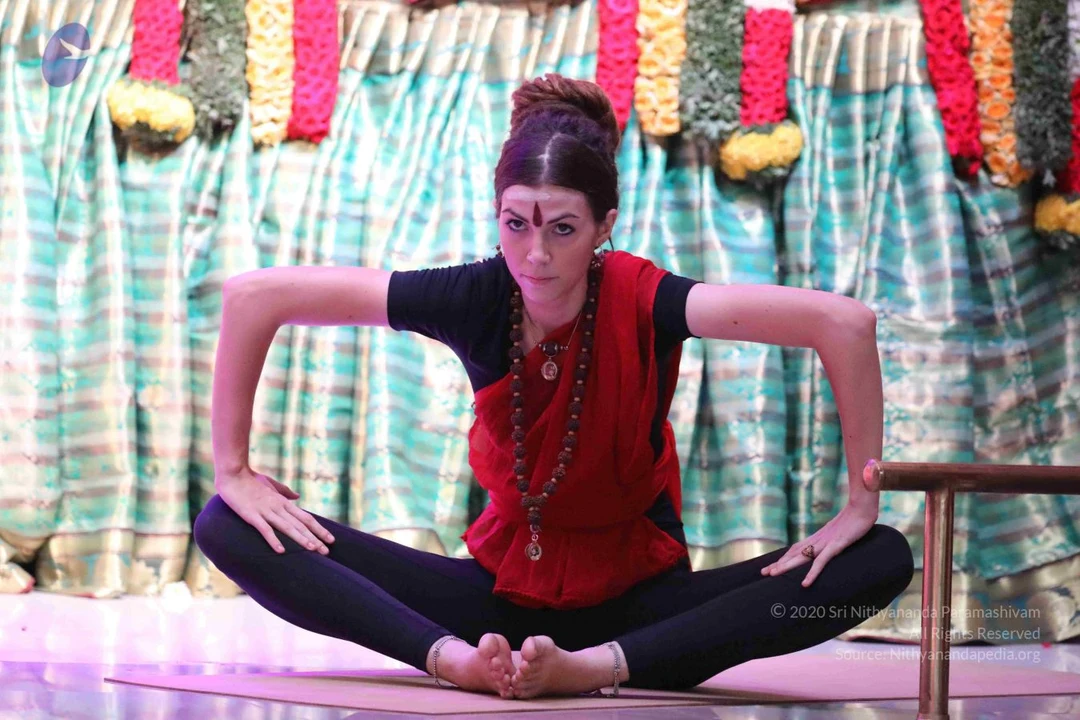
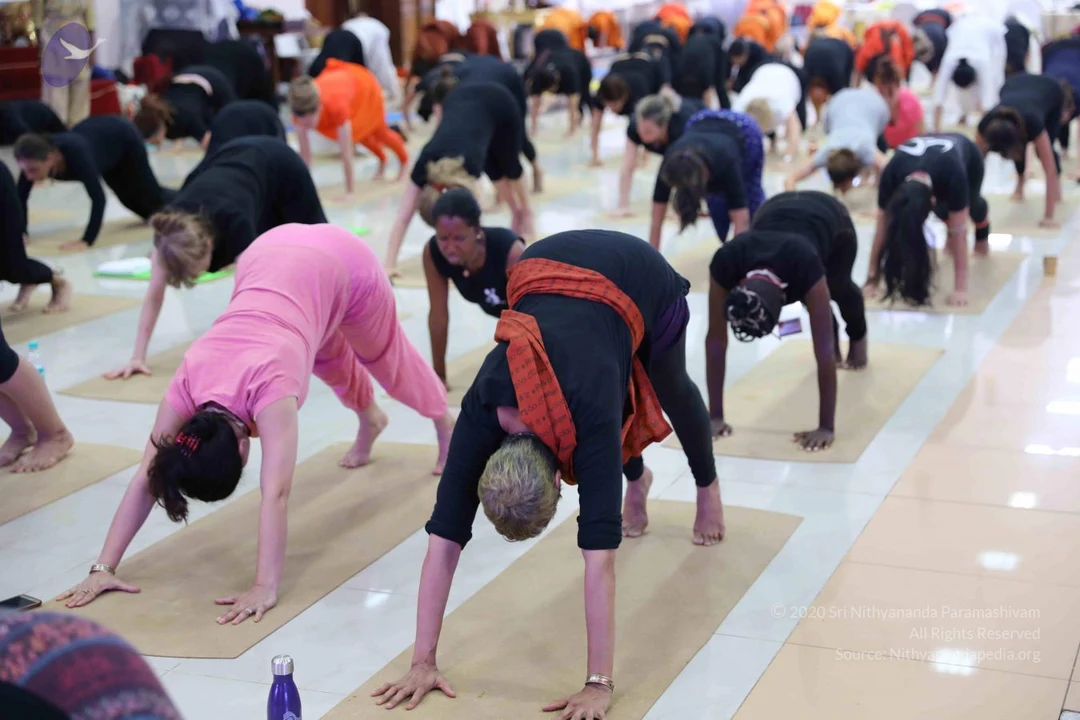
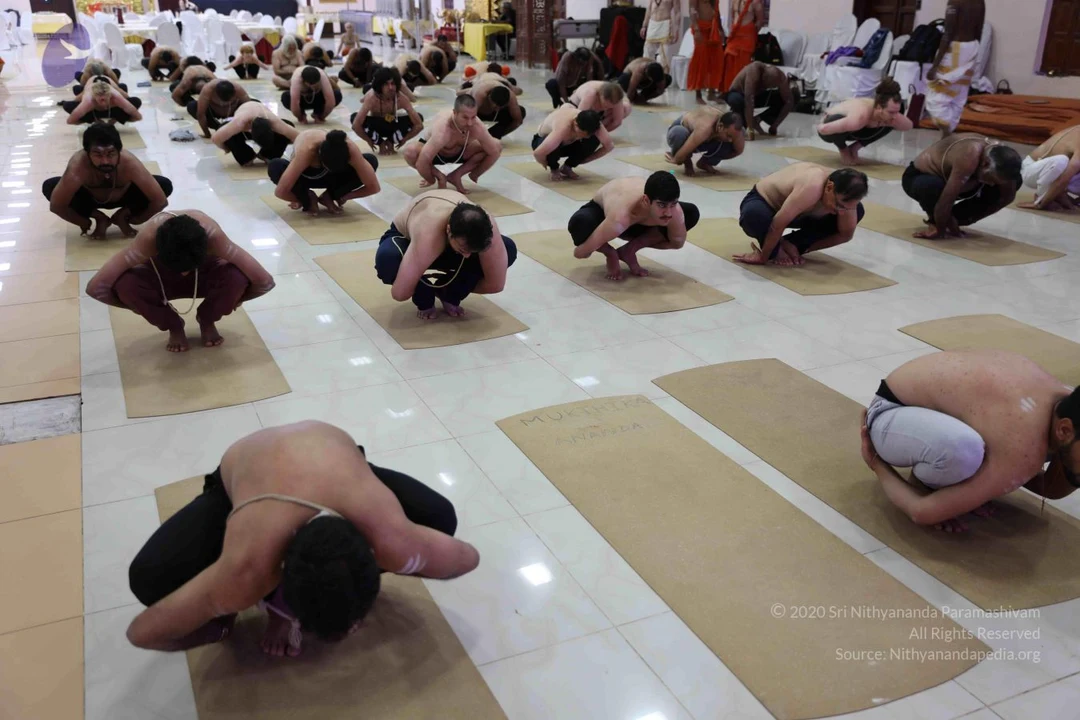
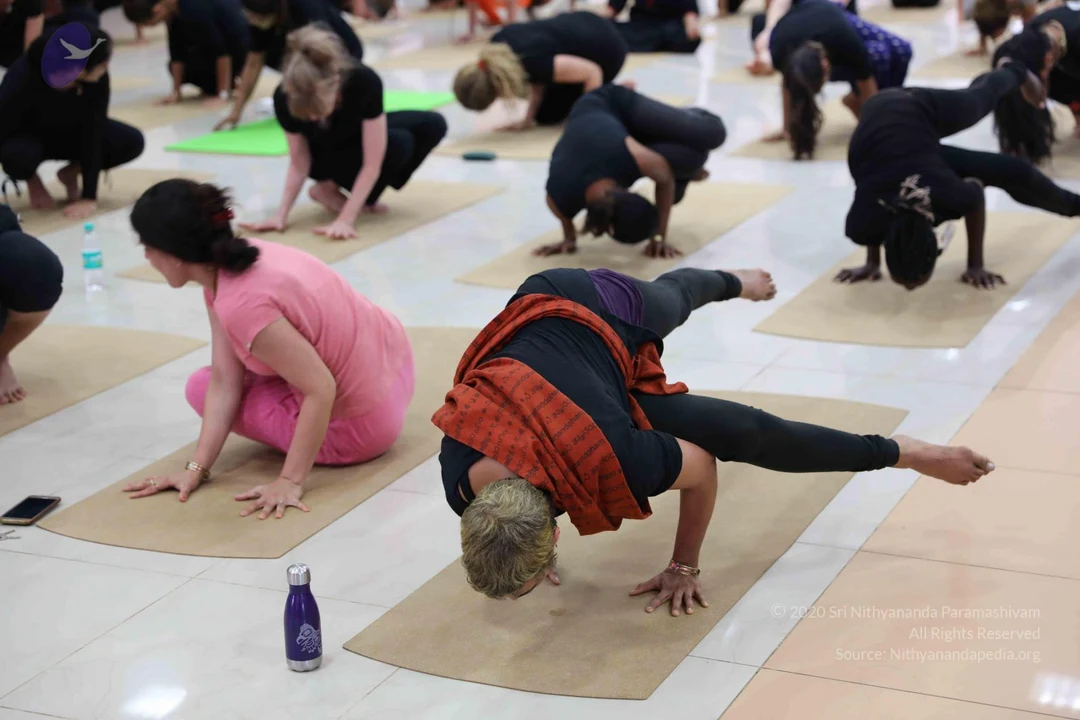
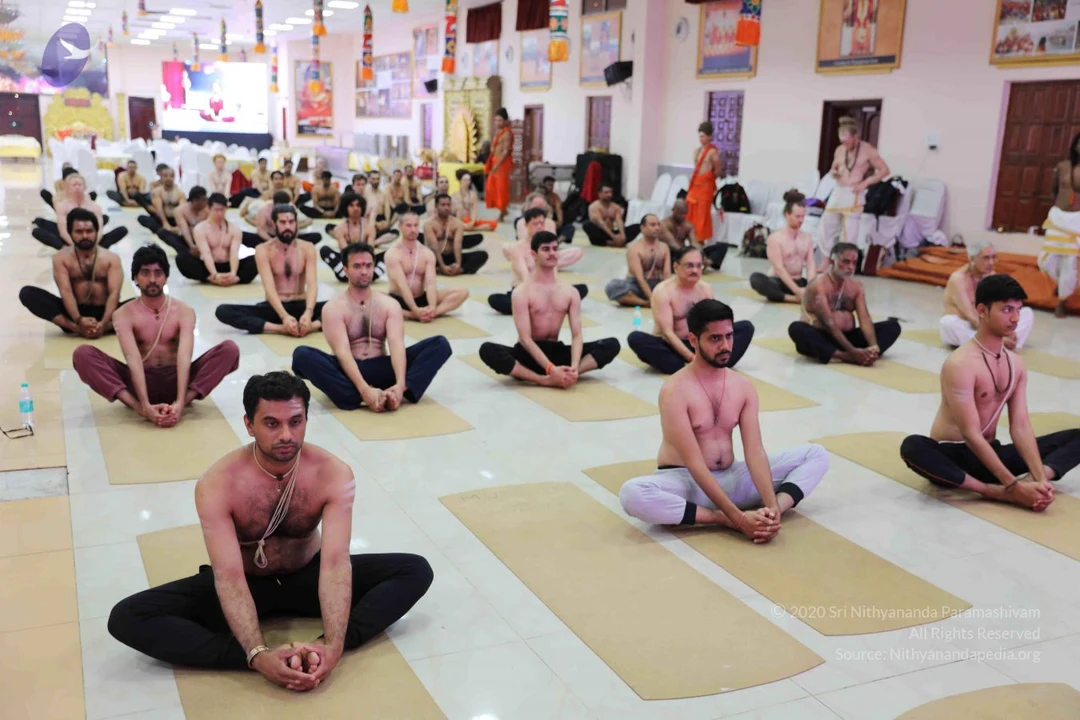
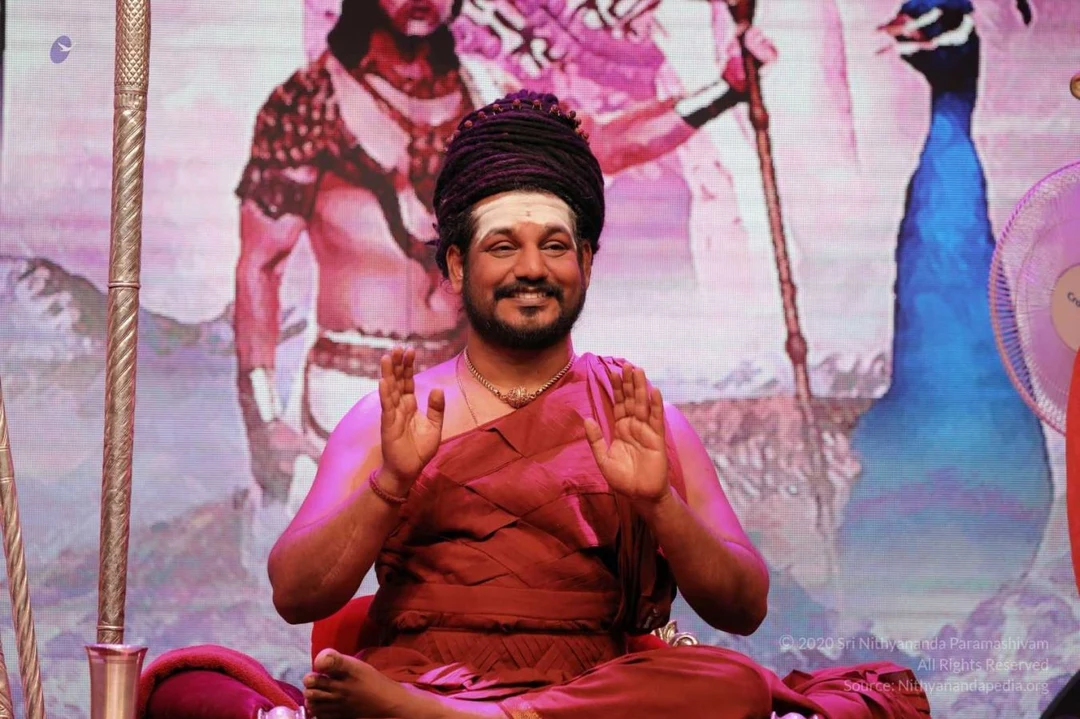 Yoga is nothing but union with cosmos - HDH Nithyananda Paramashivam
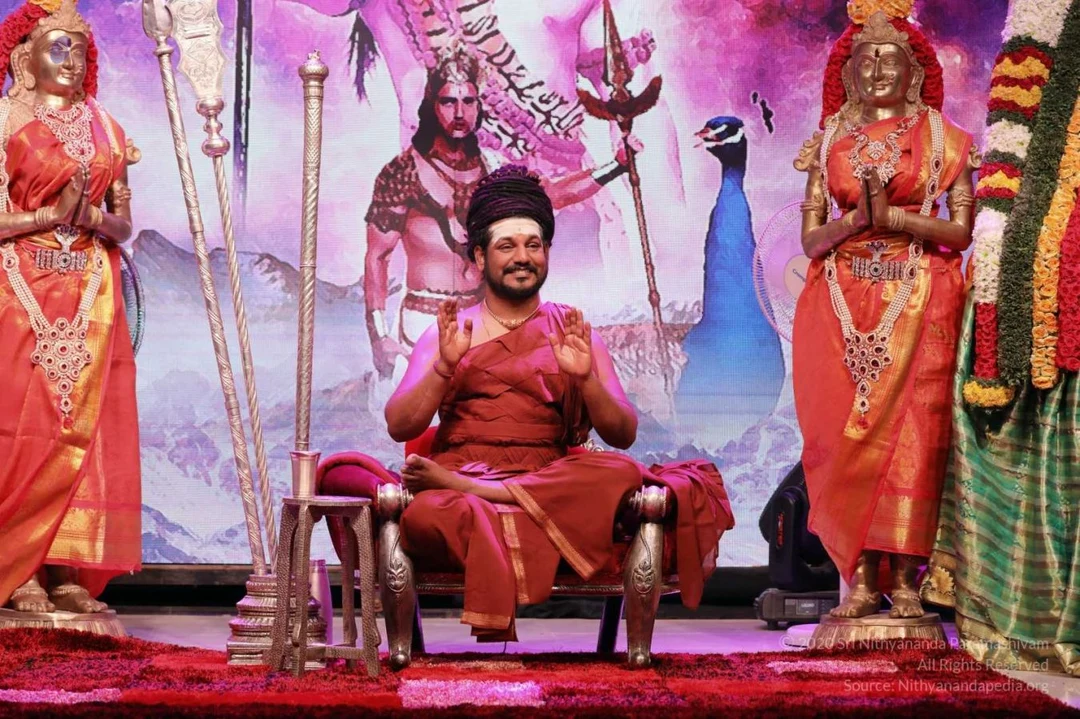 Yoga is nothing but union with cosmos - HDH Nithyananda Paramashivam
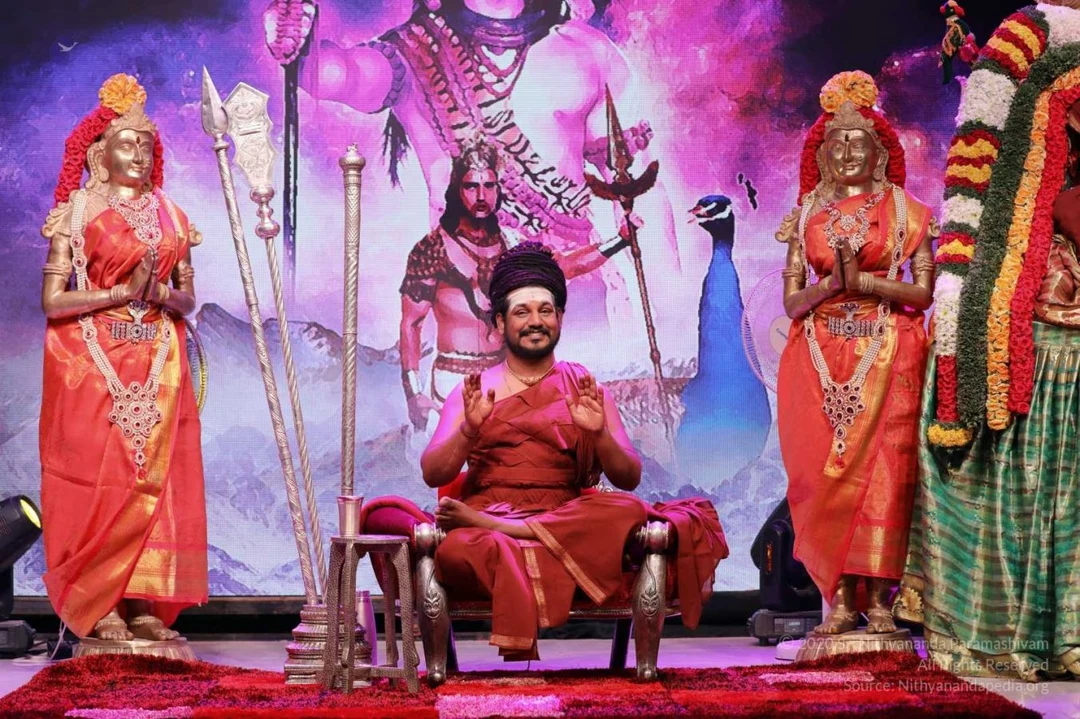 Yoga is nothing but union with cosmos - HDH Nithyananda Paramashivam
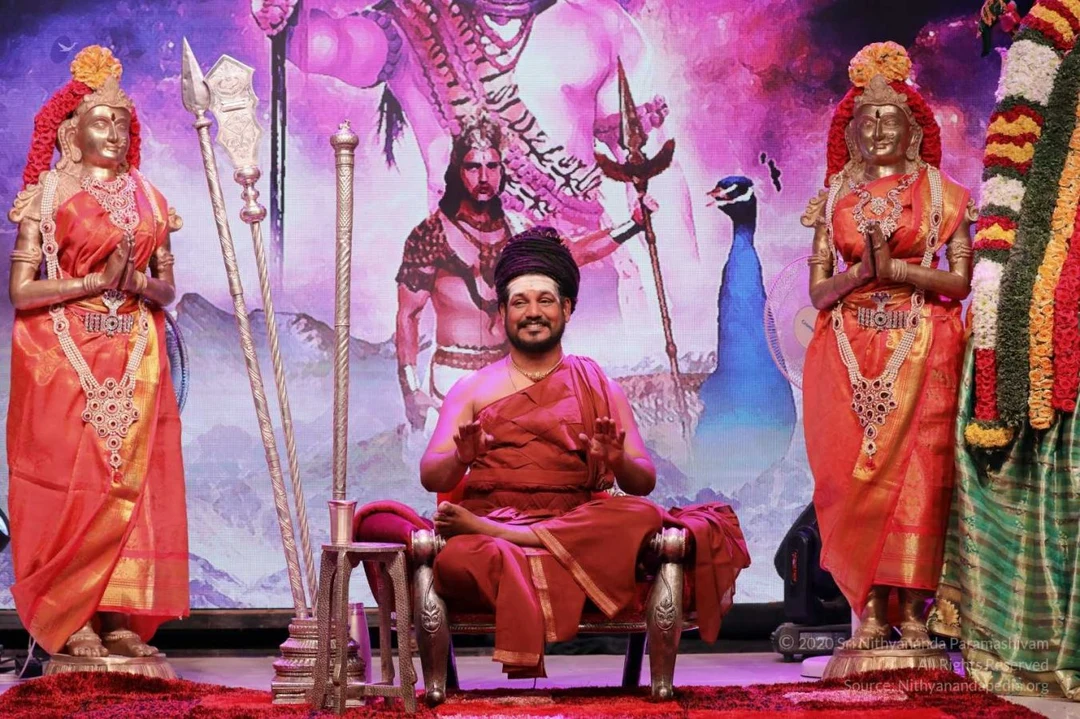 Yoga is nothing but union with cosmos - HDH Nithyananda Paramashivam
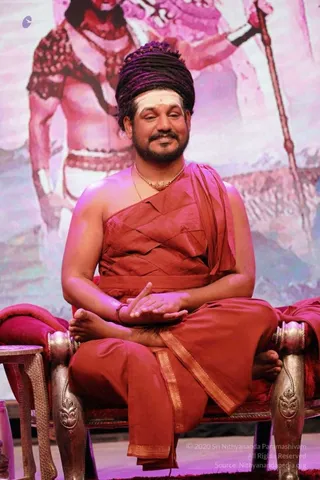 Yoga is nothing but union with cosmos - HDH Nithyananda Paramashivam
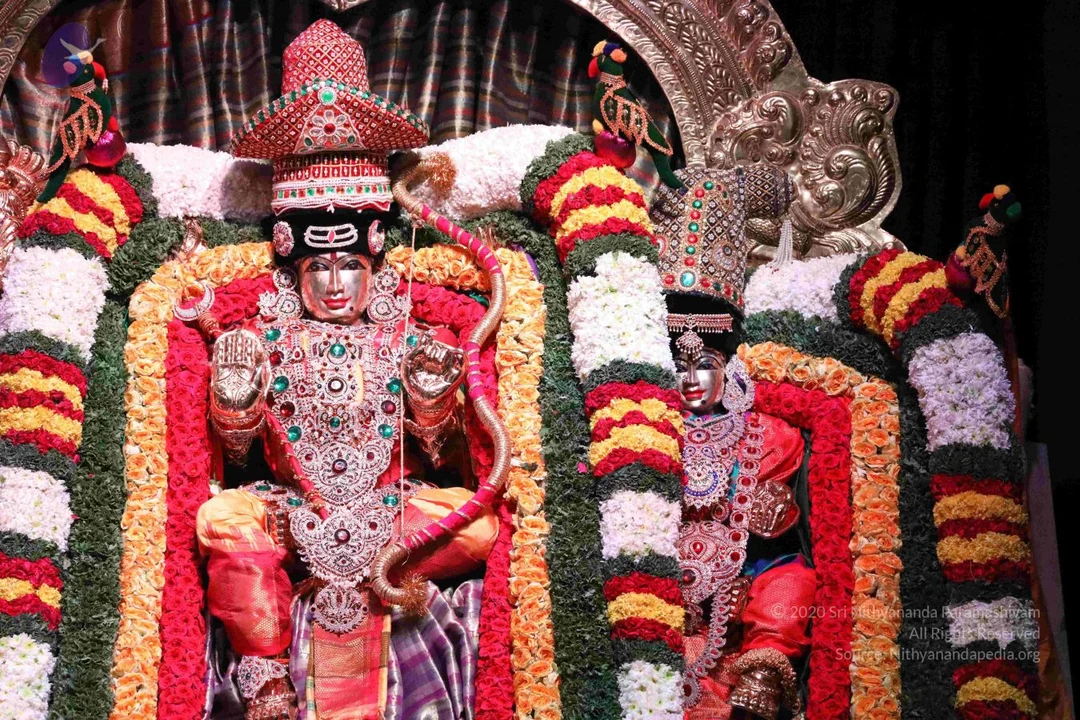
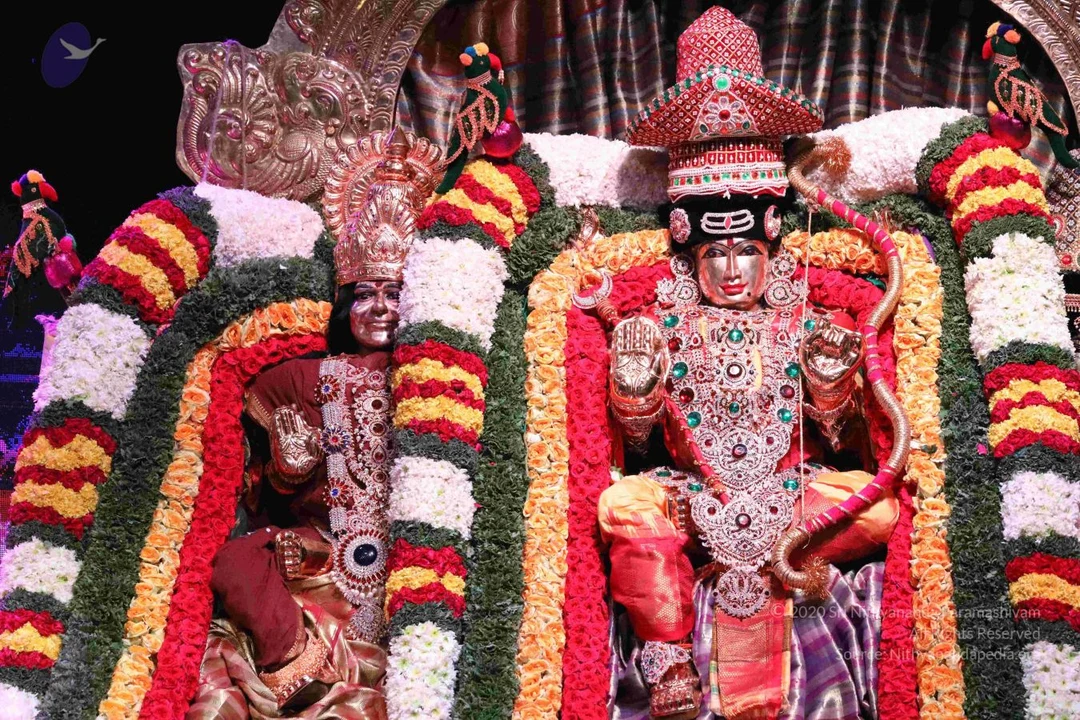
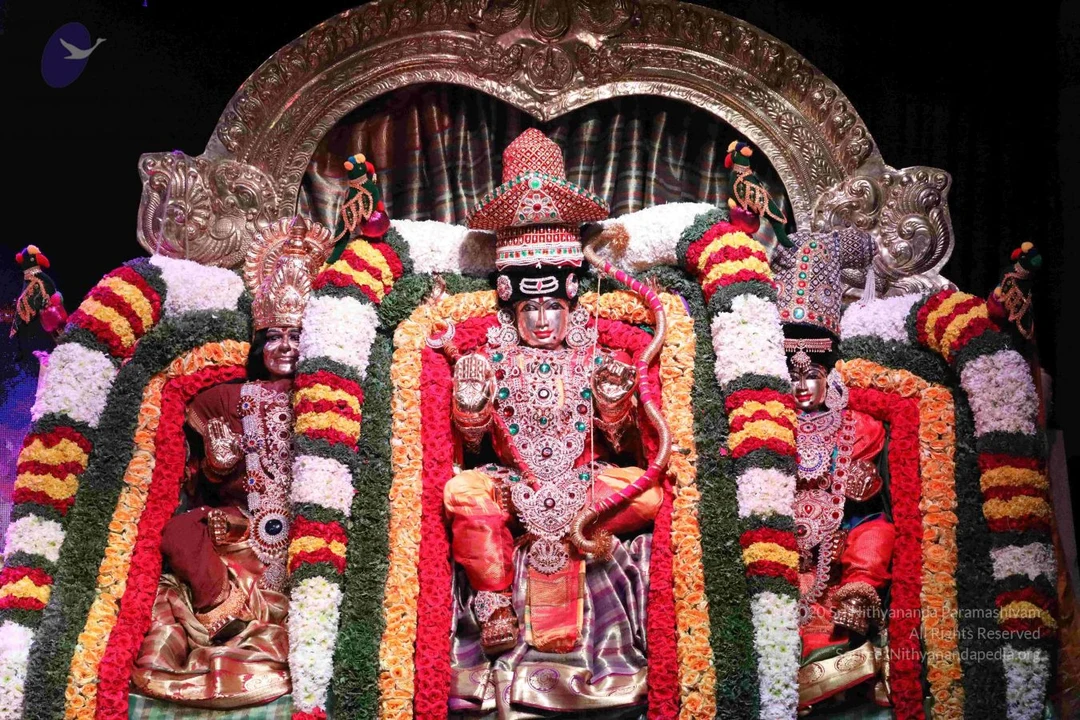
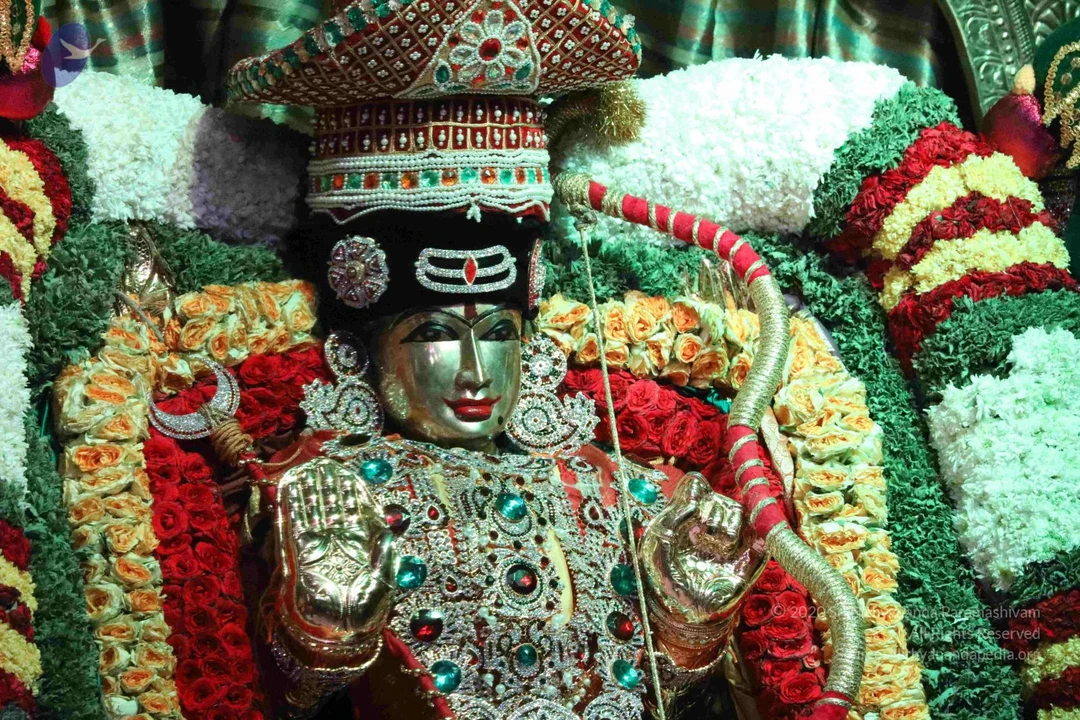
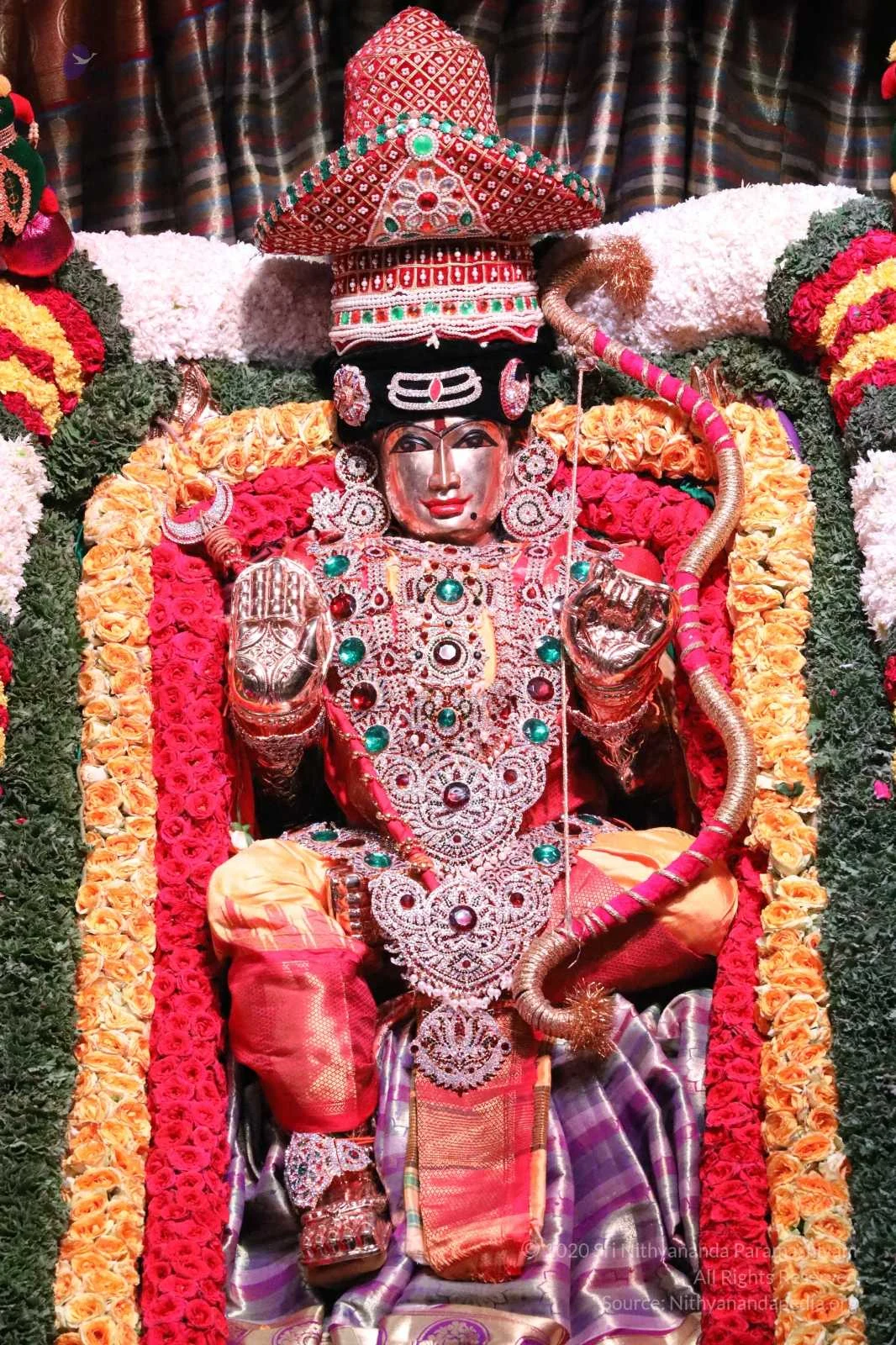
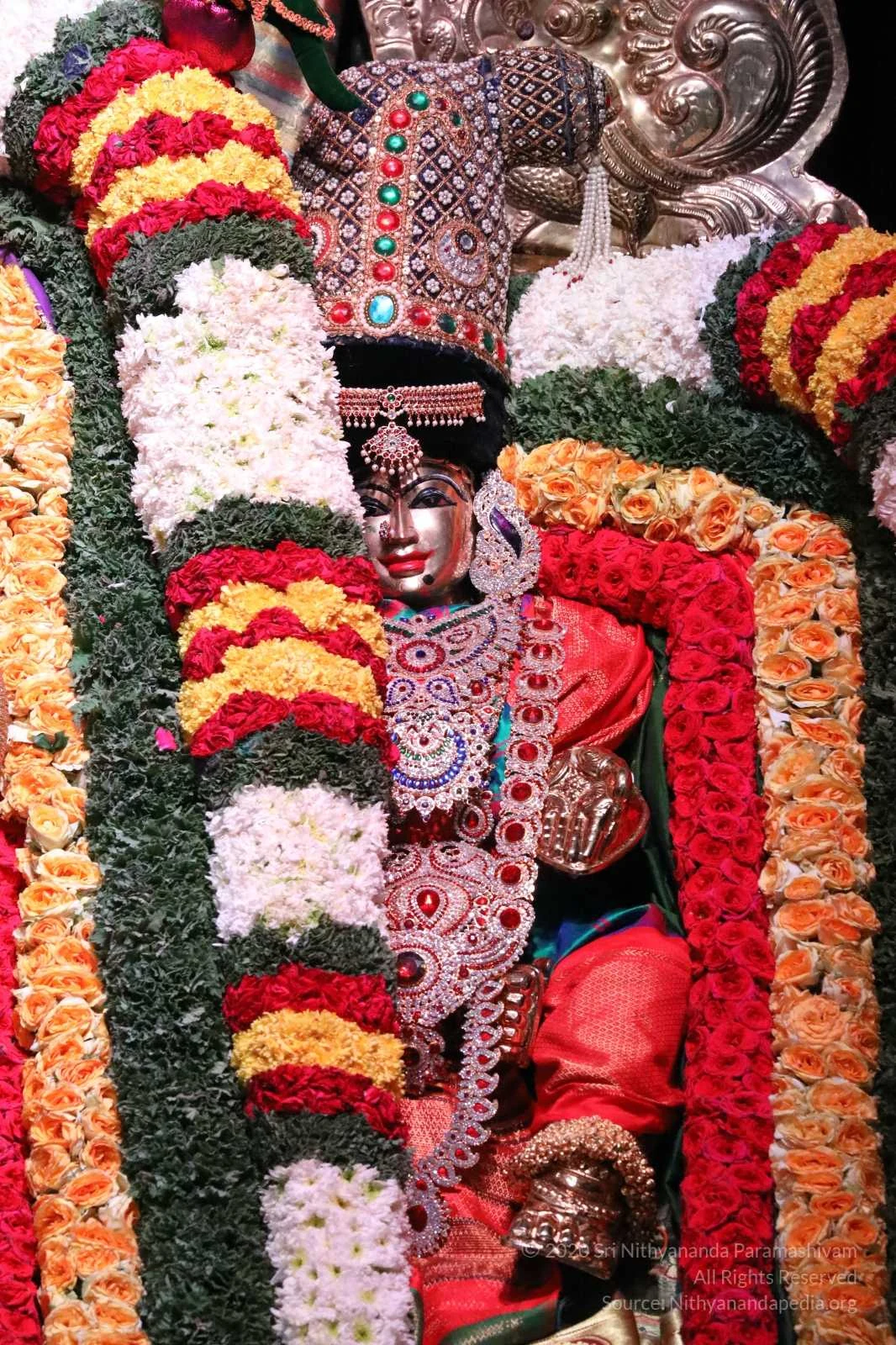
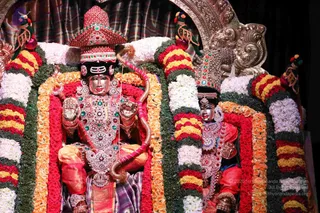
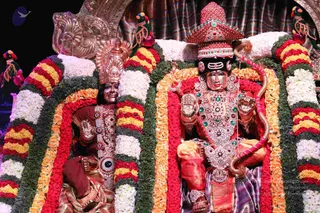
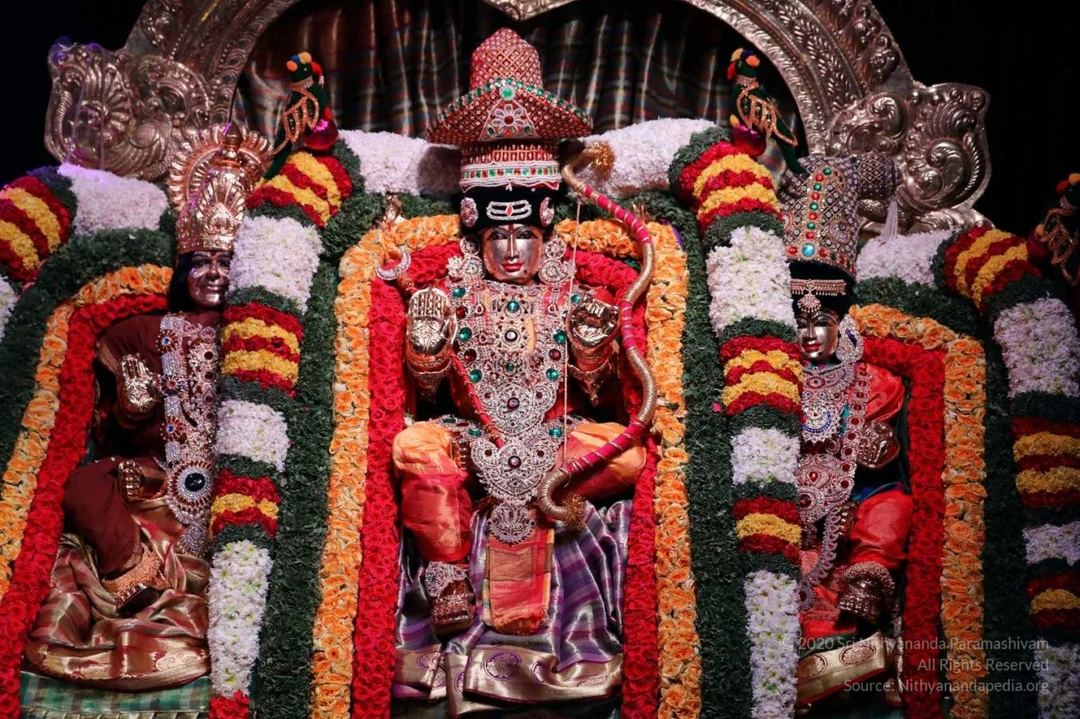 Glimpses of Chittirai Brahmotsavam - special alankars of HDH Nithyananda Paramashivam deity, Sundareshwara and Meenakshi Devi
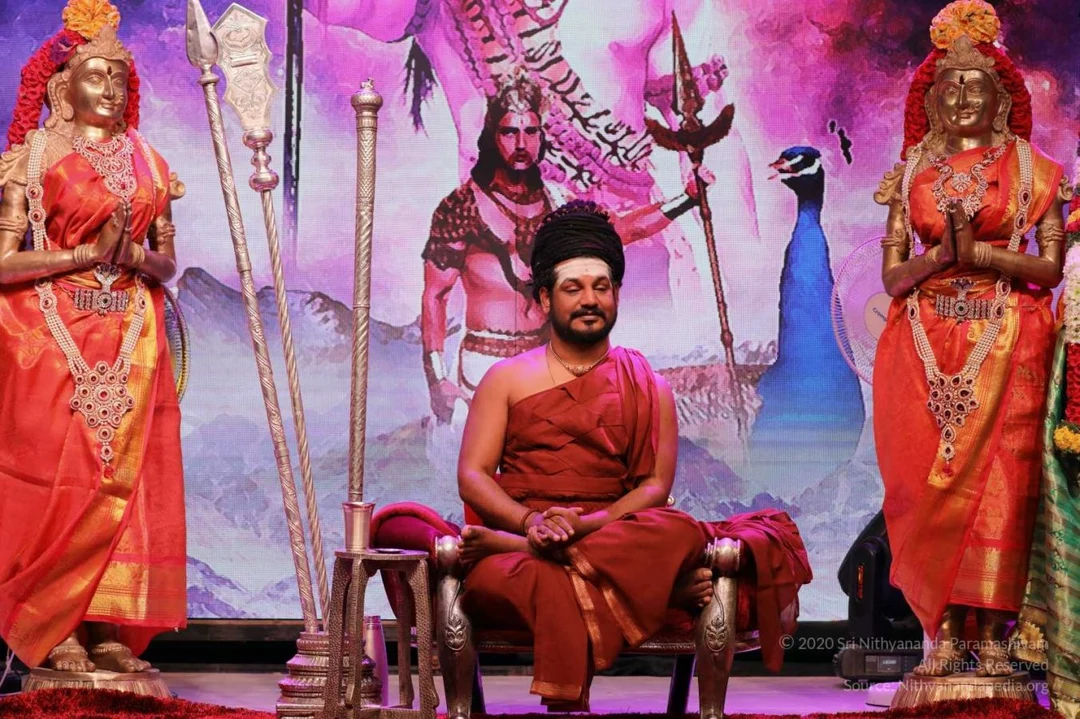 Yoga is nothing but union with cosmos - HDH Nithyananda Paramashivam
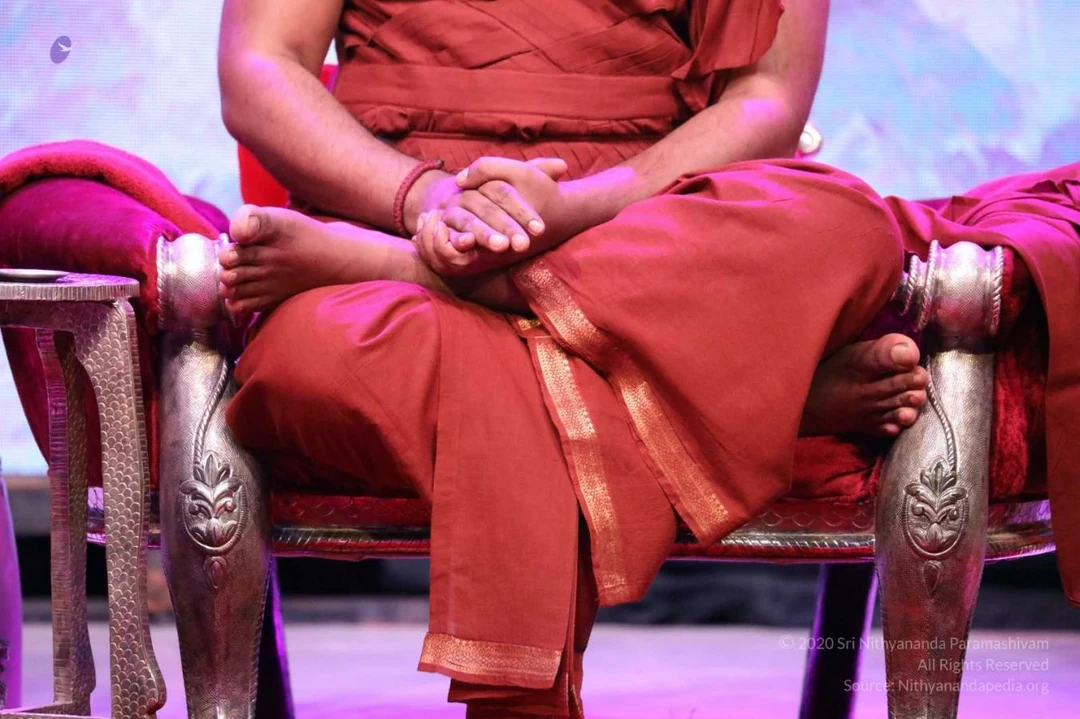 Yoga is nothing but union with cosmos - HDH Nithyananda Paramashivam
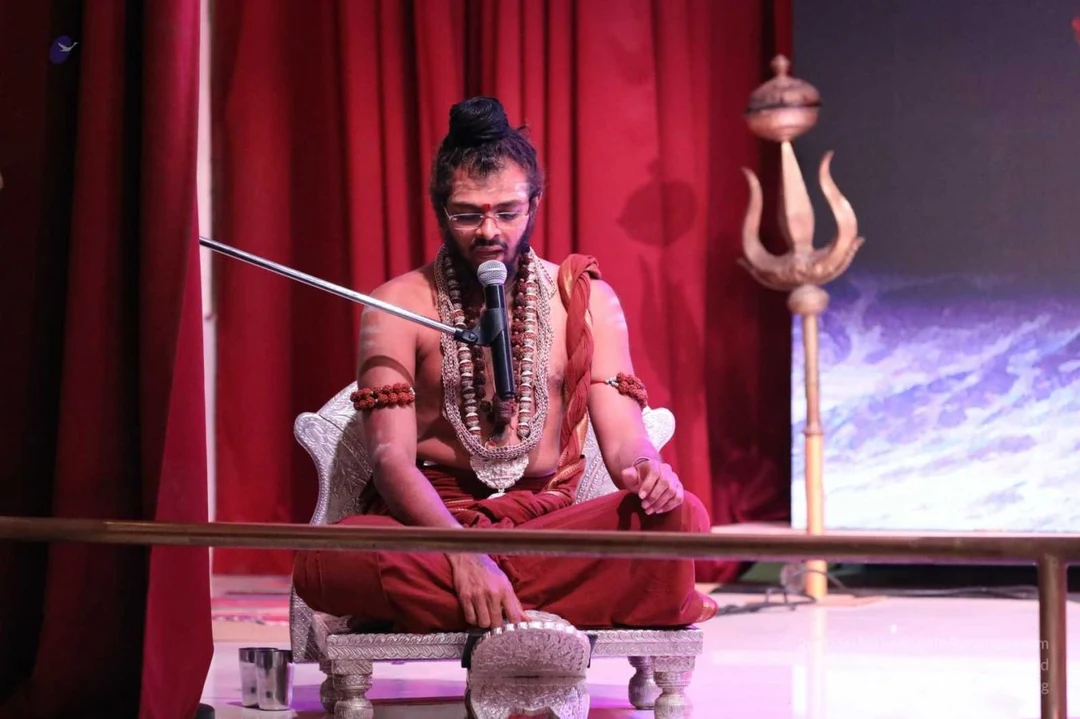 Yoga is nothing but union with cosmos - HDH Nithyananda Paramashivam
 Yoga is nothing but union with cosmos - HDH Nithyananda Paramashivam
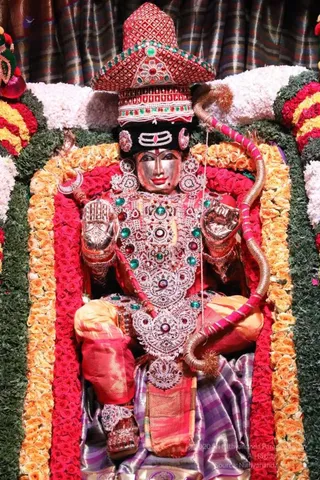 Yoga is nothing but union with cosmos - HDH Nithyananda Paramashivam
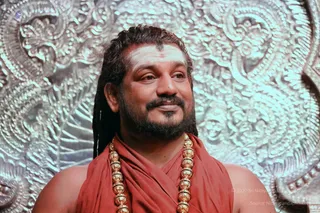
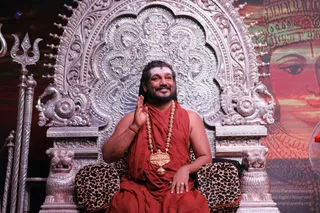
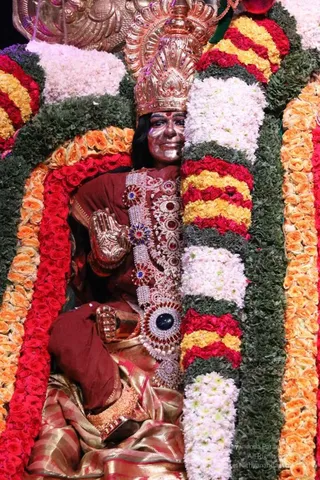 Chittirai Brahmotsavam special alankar of HDH Nithyananda Paramashivam
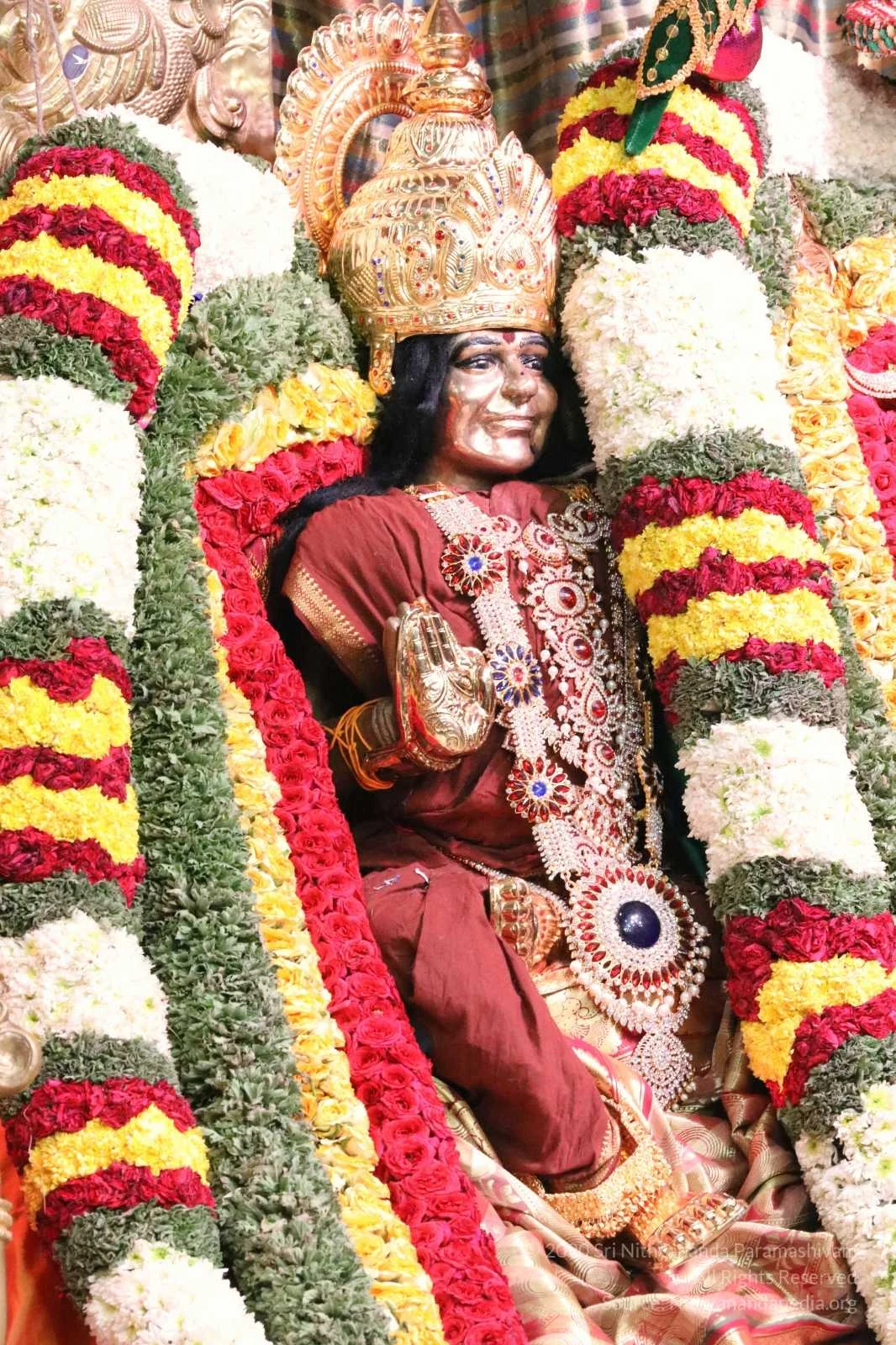
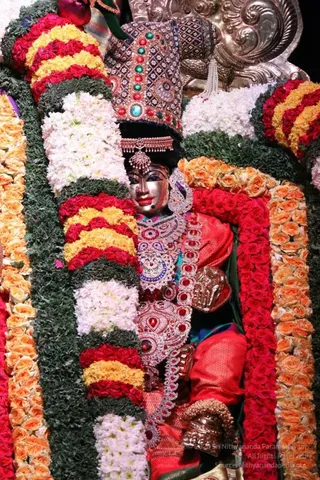 Chittirai Brahmotsavam special alankar of Meenakshi Devi
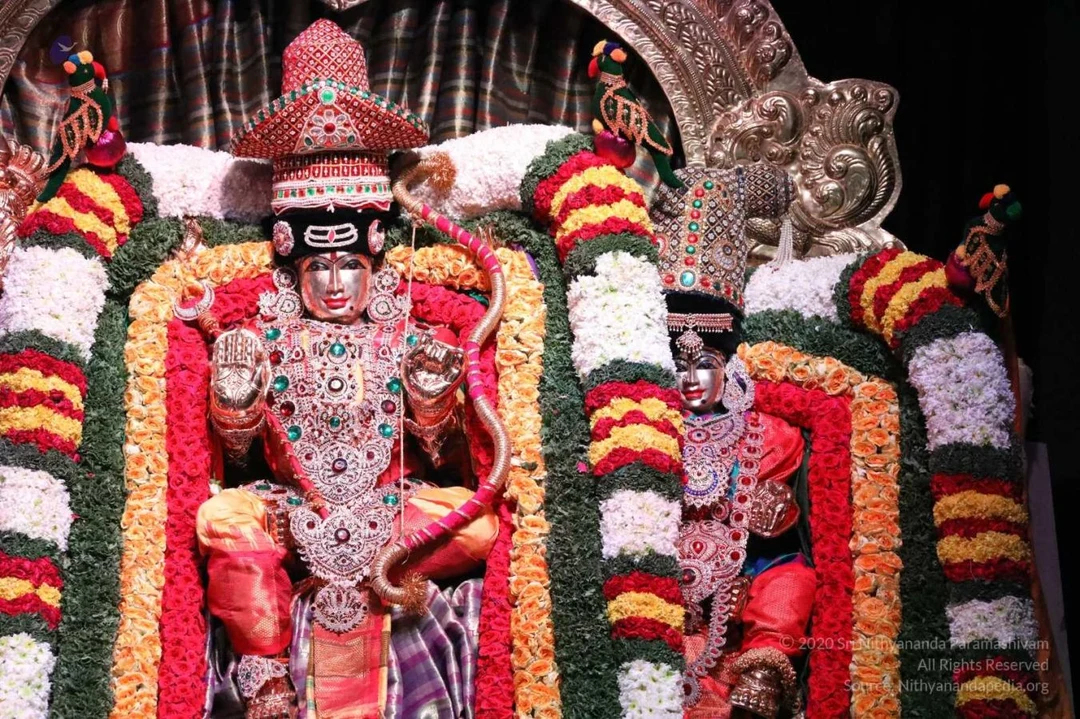 Chittirai Brahmotsavam special alankar of Sundareshwara and Meenakshi Devi
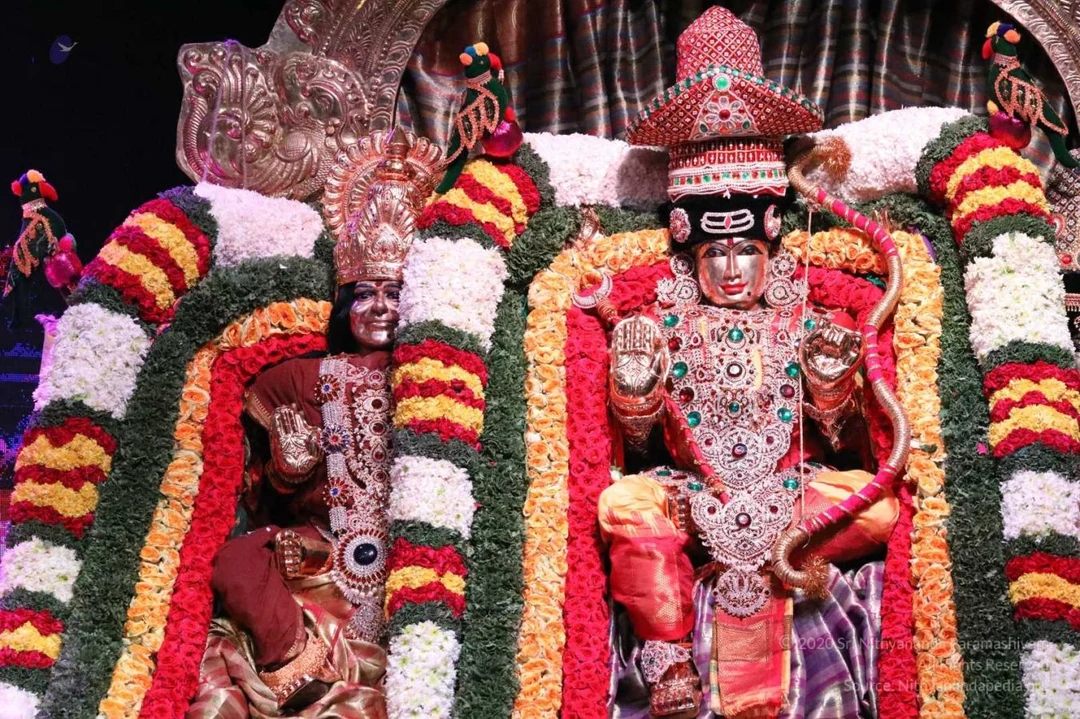 Chittirai Brahmotsavam special alankars of Sundareshwara and HDH Nithyananda Paramashivam
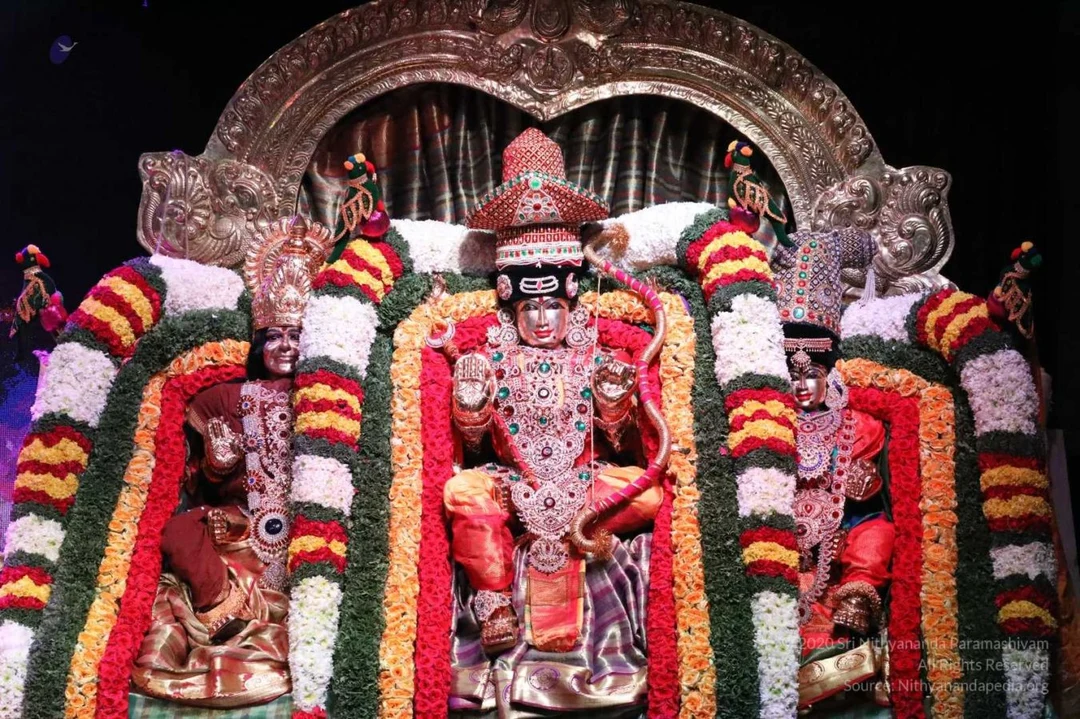 Chittirai Brahmotsavam special alankar of HDH Nithyananda Paramashivam, Sundareshwara and Meenakshi Devi
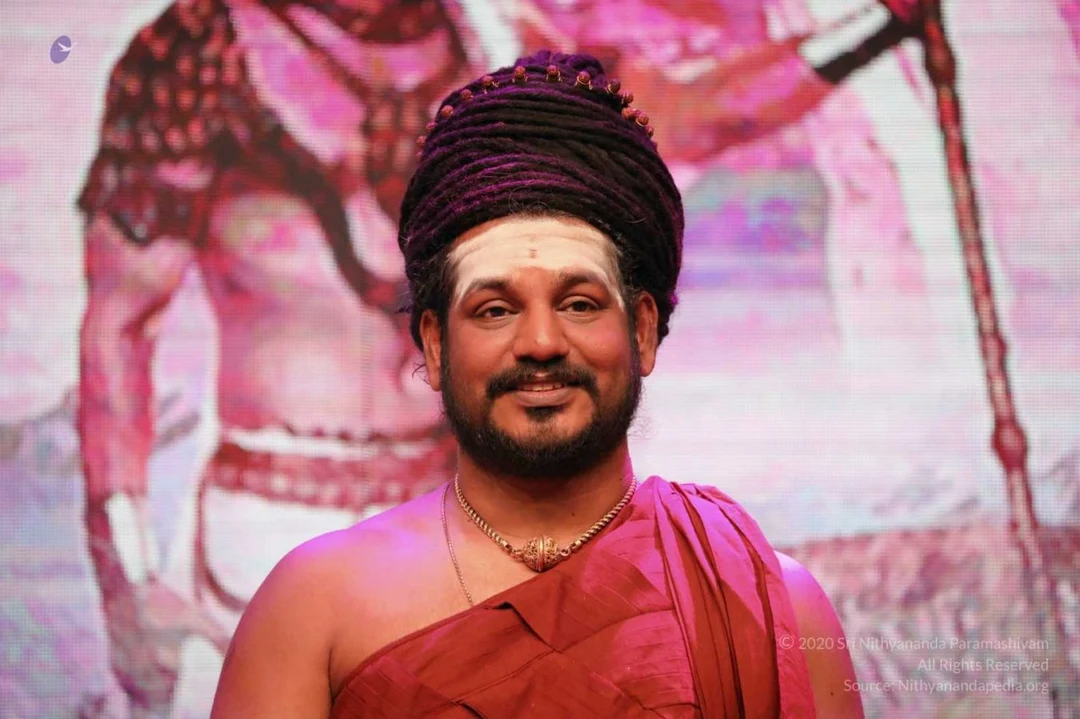 Kundalini energy once awakened, gives experience of extraordinary health (physically and mentally) and extraordinary powers.
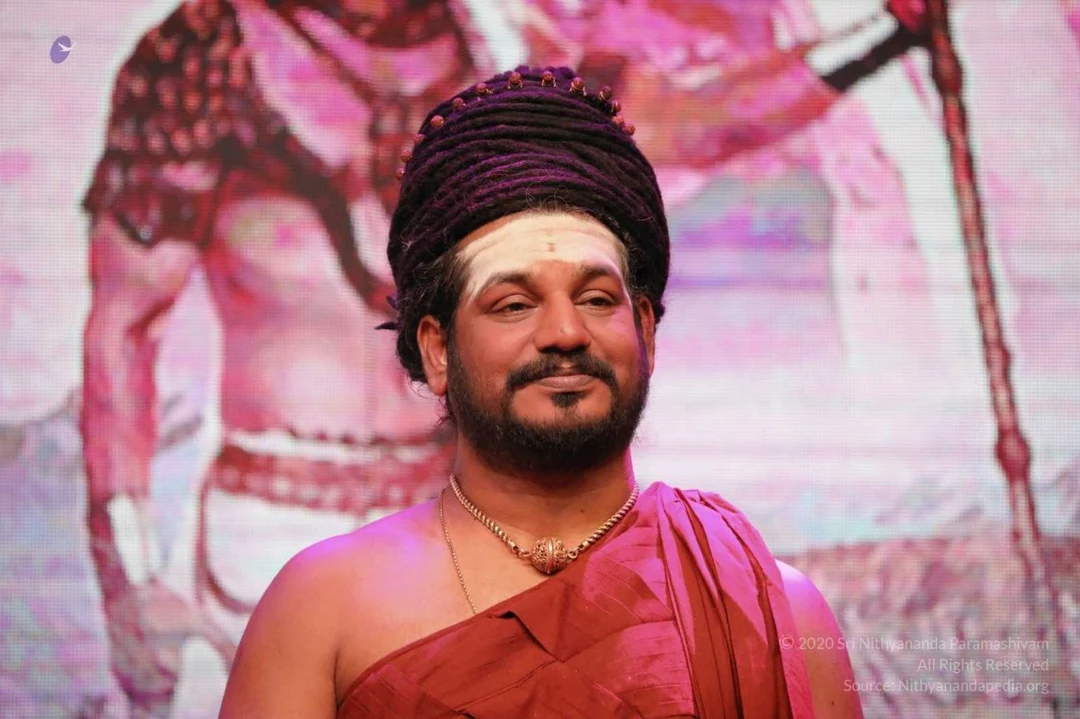 Kundalini energy once awakened, gives experience of extraordinary health (physically and mentally) and extraordinary powers.
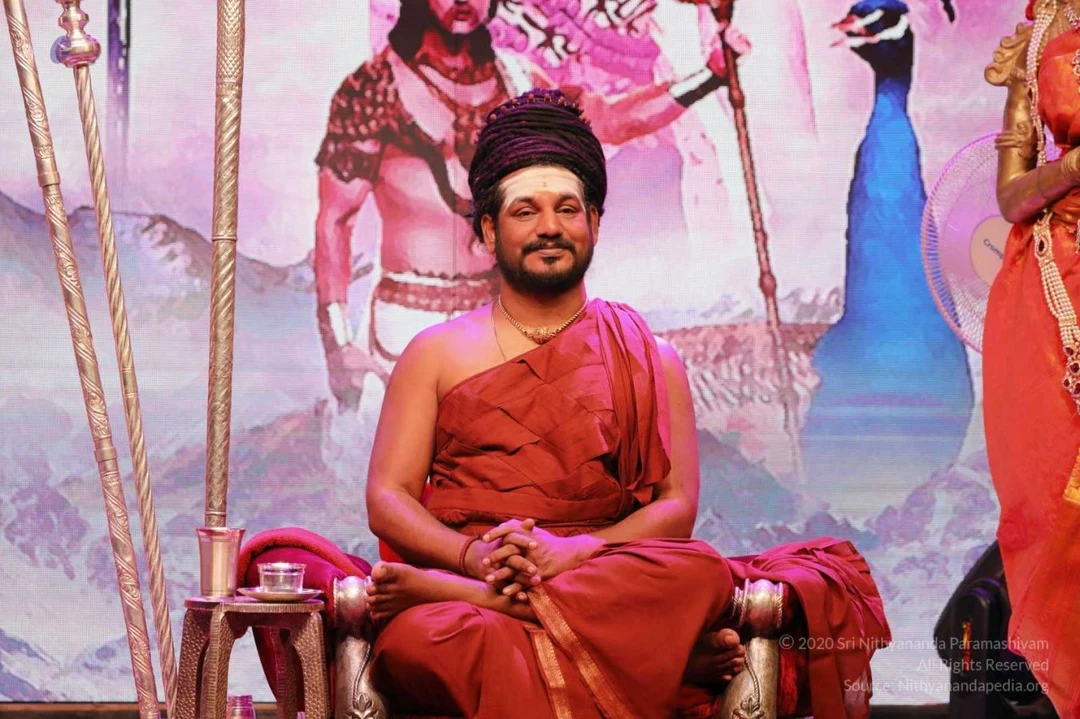 Kundalini energy once awakened, gives experience of extraordinary health (physically and mentally) and extraordinary powers.
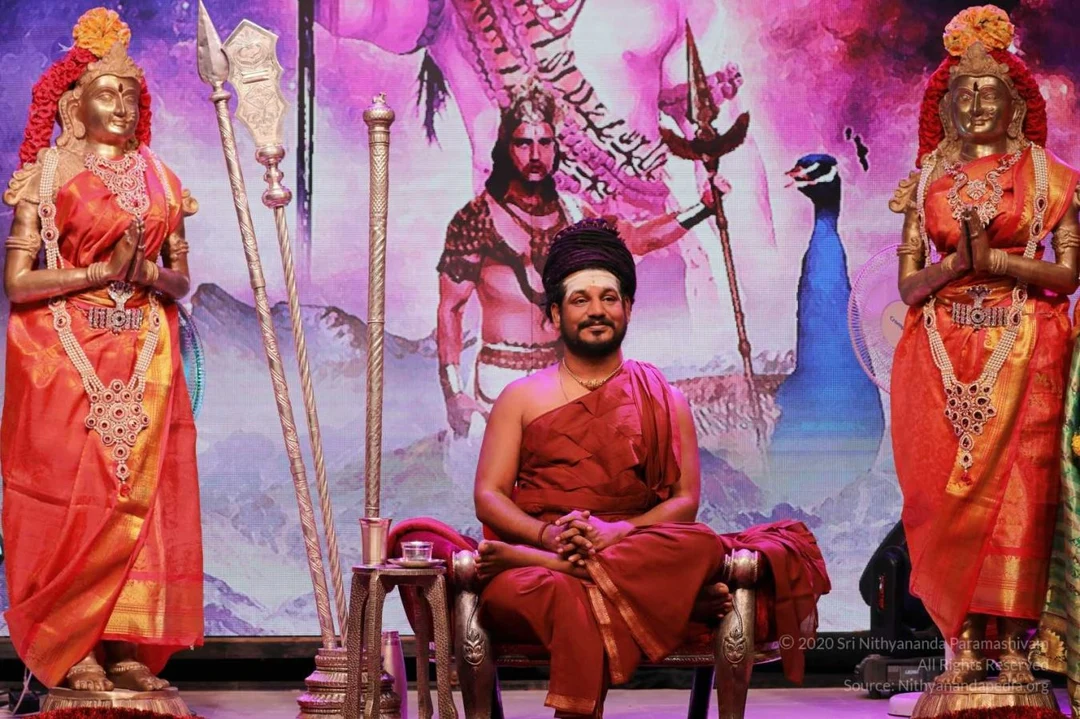 Kundalini energy once awakened, gives experience of extraordinary health (physically and mentally) and extraordinary powers.
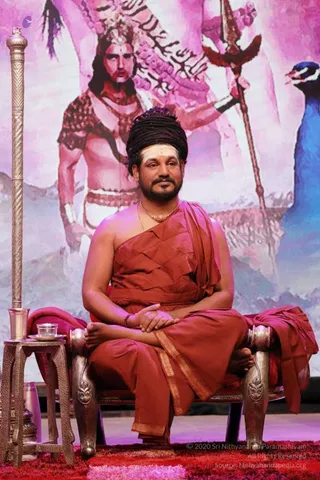 Kundalini energy once awakened, gives experience of extraordinary health (physically and mentally) and extraordinary powers.
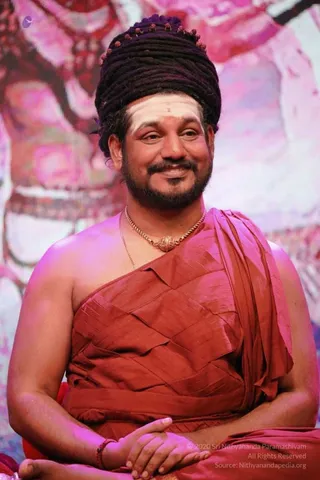 Kundalini energy once awakened, gives experience of extraordinary health (physically and mentally) and extraordinary powers.
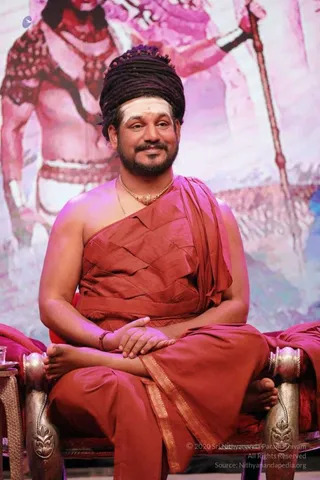 Kundalini energy once awakened, gives experience of extraordinary health (physically and mentally) and extraordinary powers.
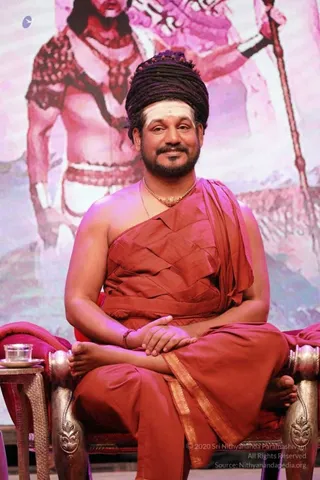 Kundalini energy once awakened, gives experience of extraordinary health (physically and mentally) and extraordinary powers.
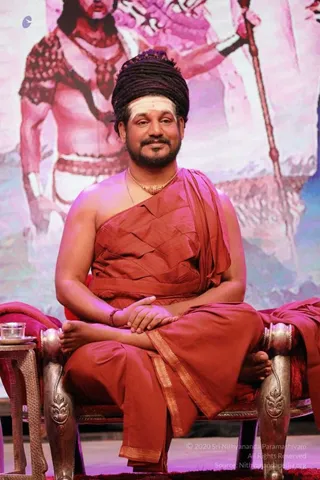 Yoga is now being revived and transmitted as a tangible experience by the avatar of Sadashiva Himself
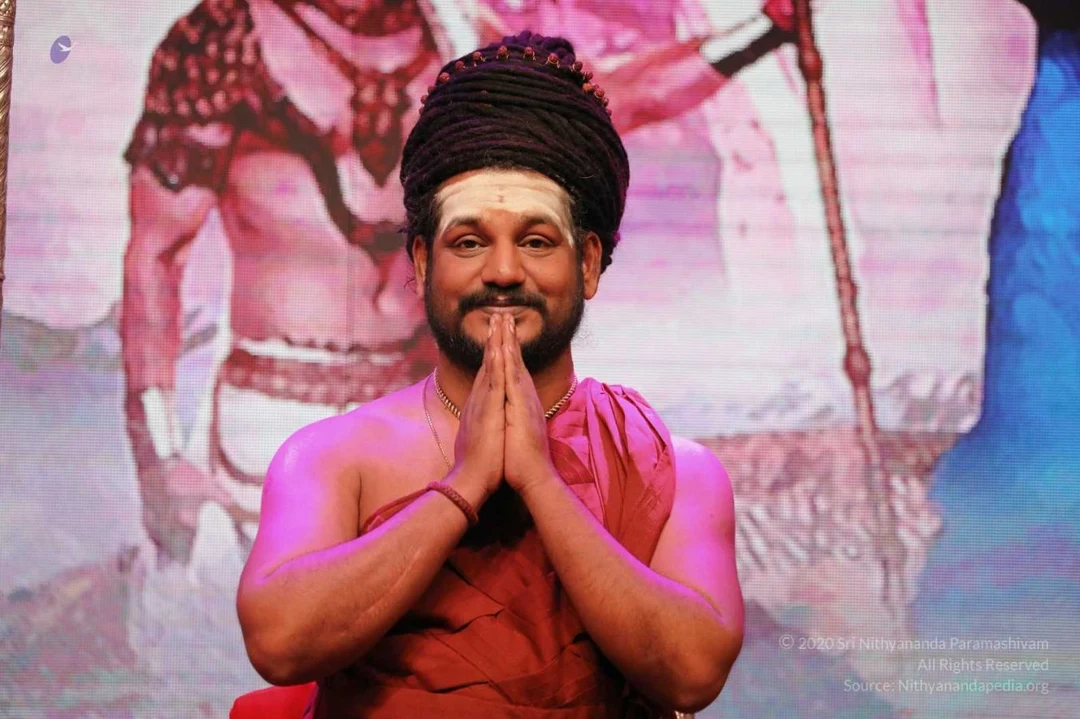 Yoga is now being revived and transmitted as a tangible experience by the avatar of Sadashiva Himself
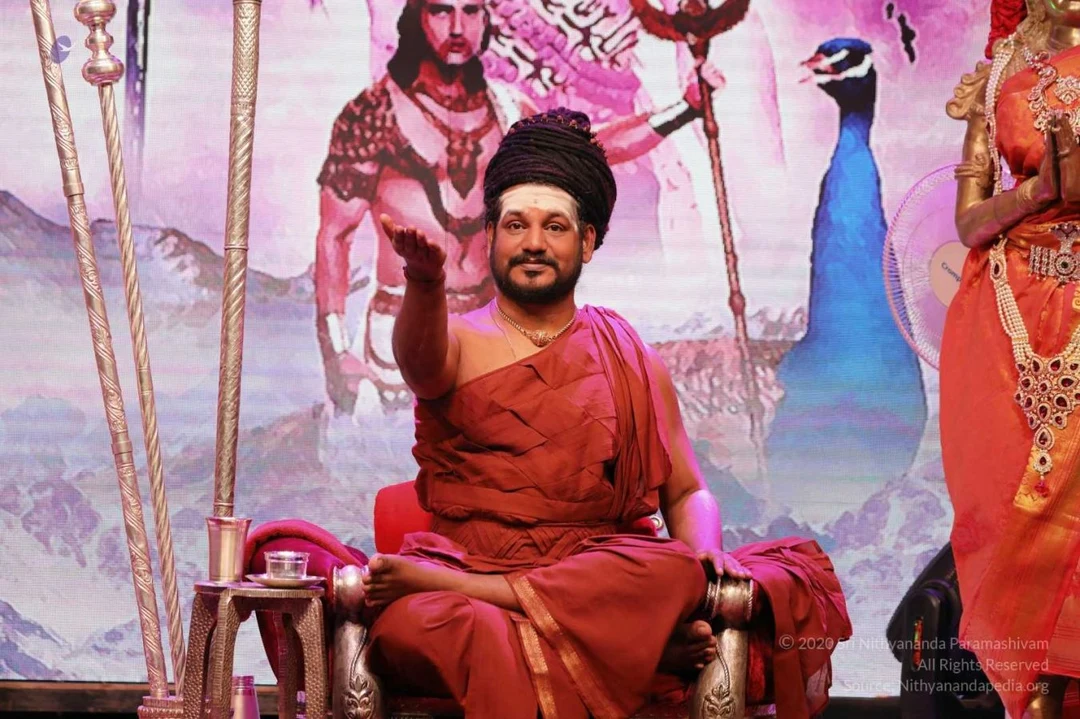 Yoga is now being revived and transmitted as a tangible experience by the avatar of Sadashiva Himself
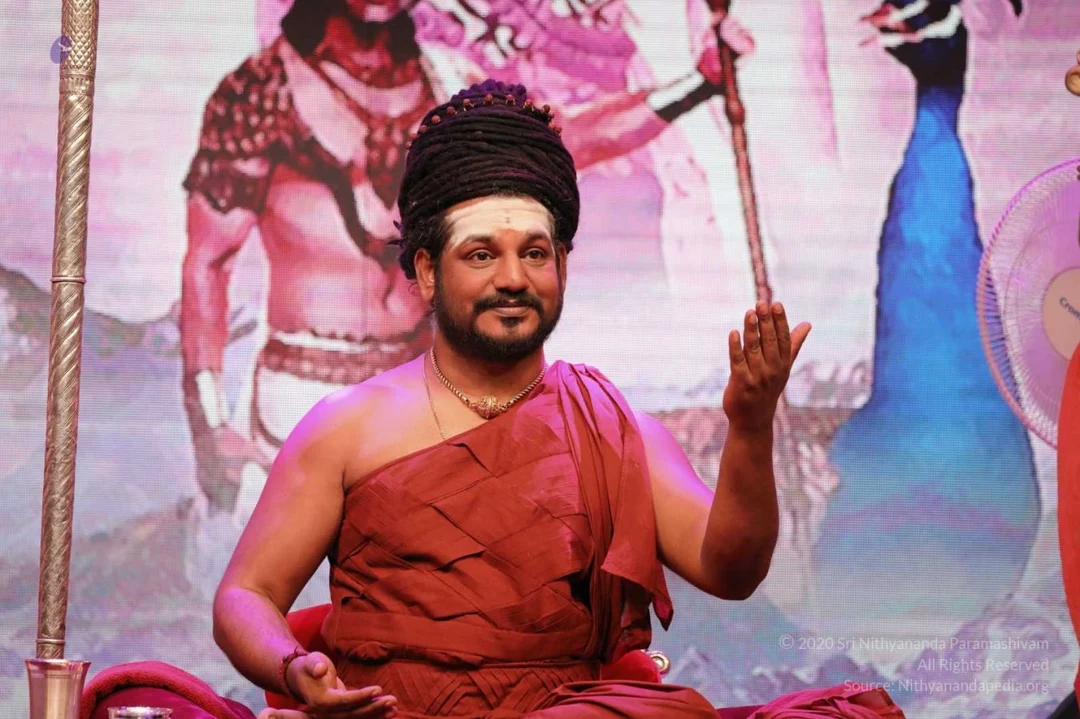 Yoga is now being revived and transmitted as a tangible experience by the avatar of Sadashiva Himself
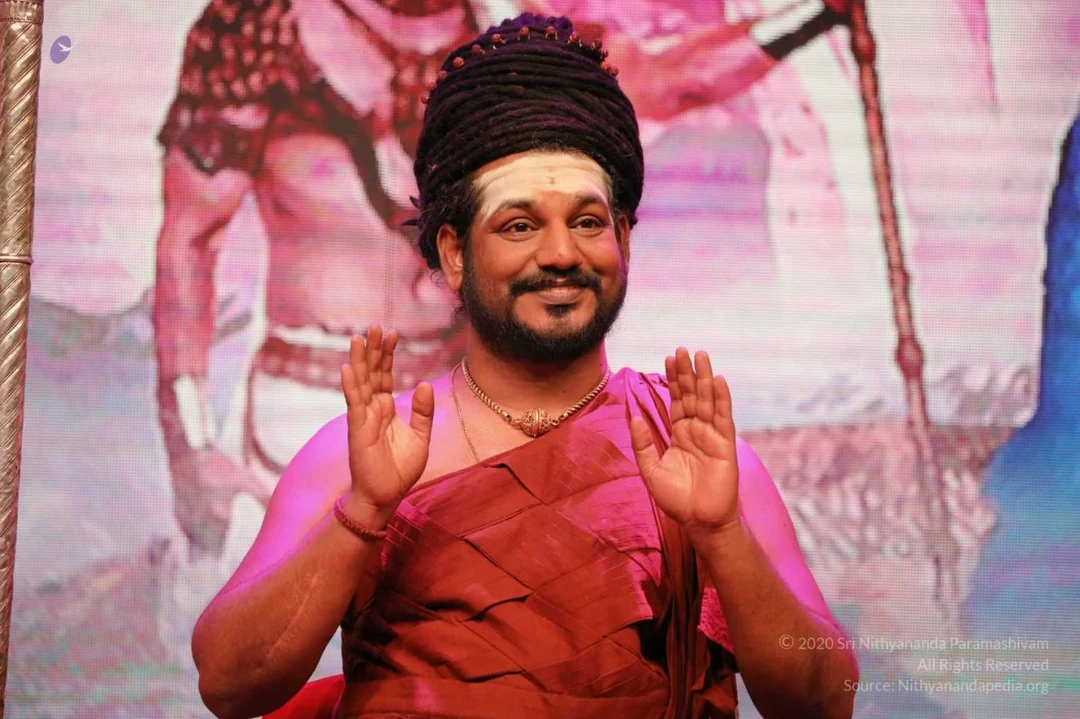 Yoga is now being revived and transmitted as a tangible experience by the avatar of Sadashiva Himself
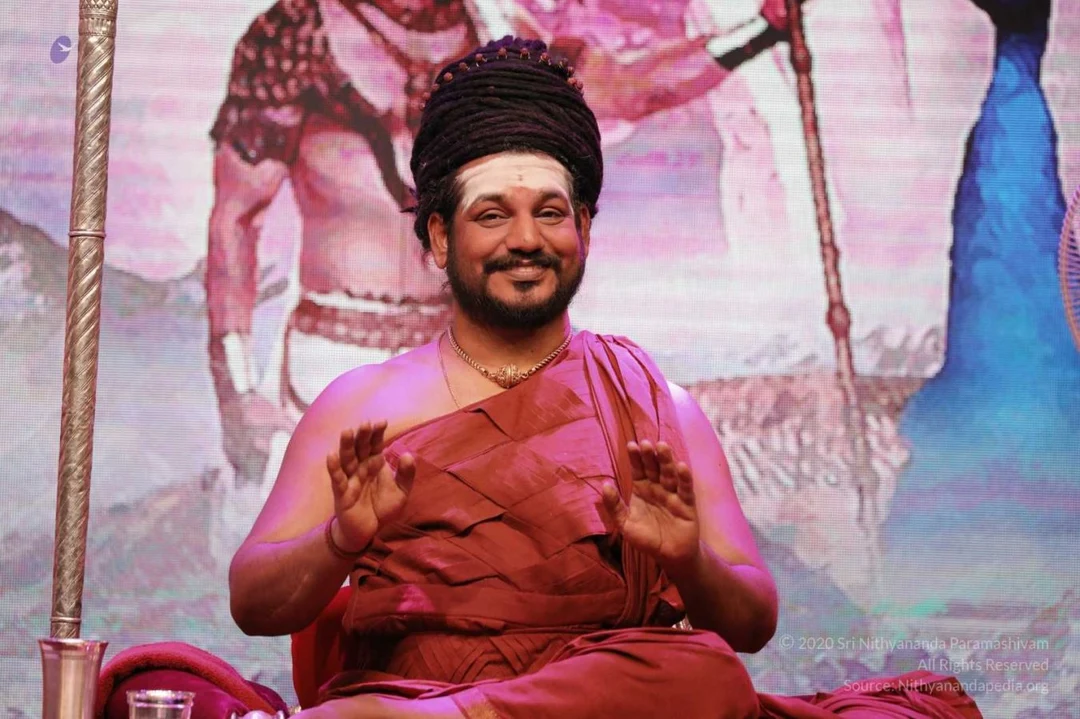 Yoga is now being revived and transmitted as a tangible experience by the avatar of Sadashiva Himself
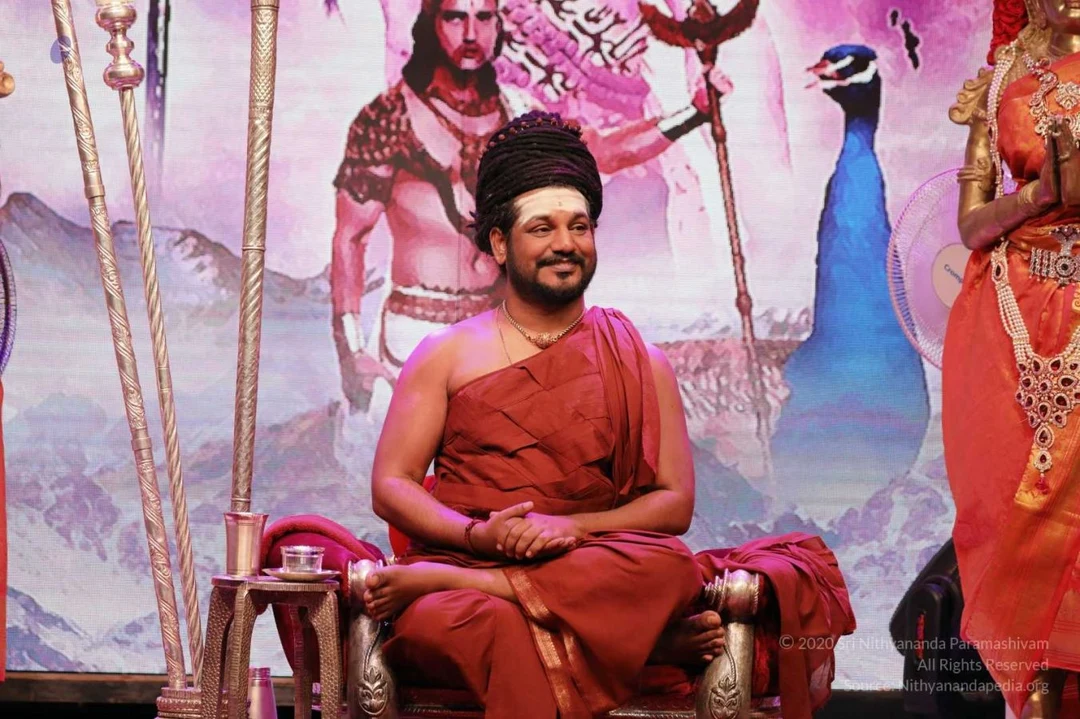 Yoga is now being revived and transmitted as a tangible experience by the avatar of Sadashiva Himself
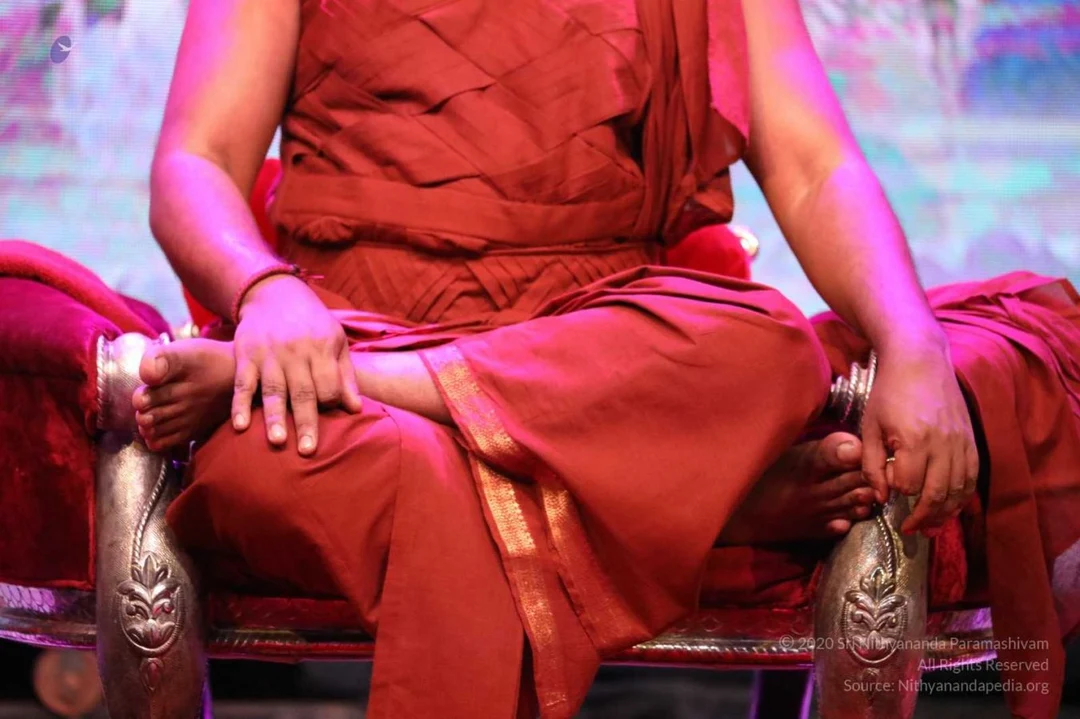 Yoga is now being revived and transmitted as a tangible experience by the avatar of Sadashiva Himself
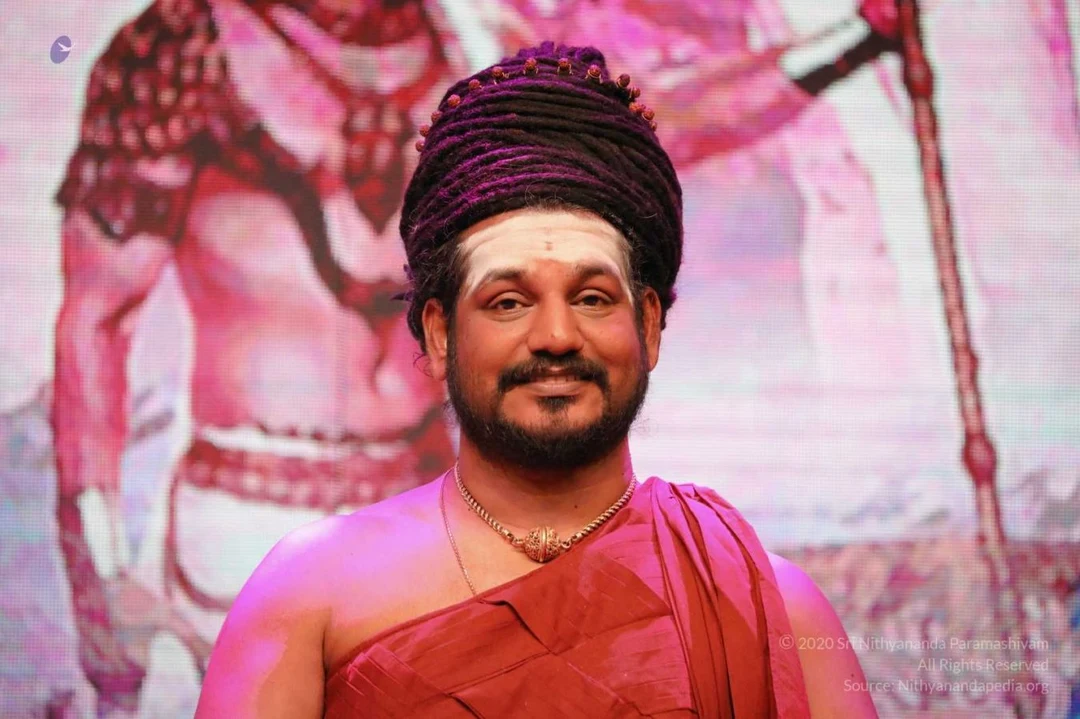 Yoga is now being revived and transmitted as a tangible experience by the avatar of Sadashiva Himself
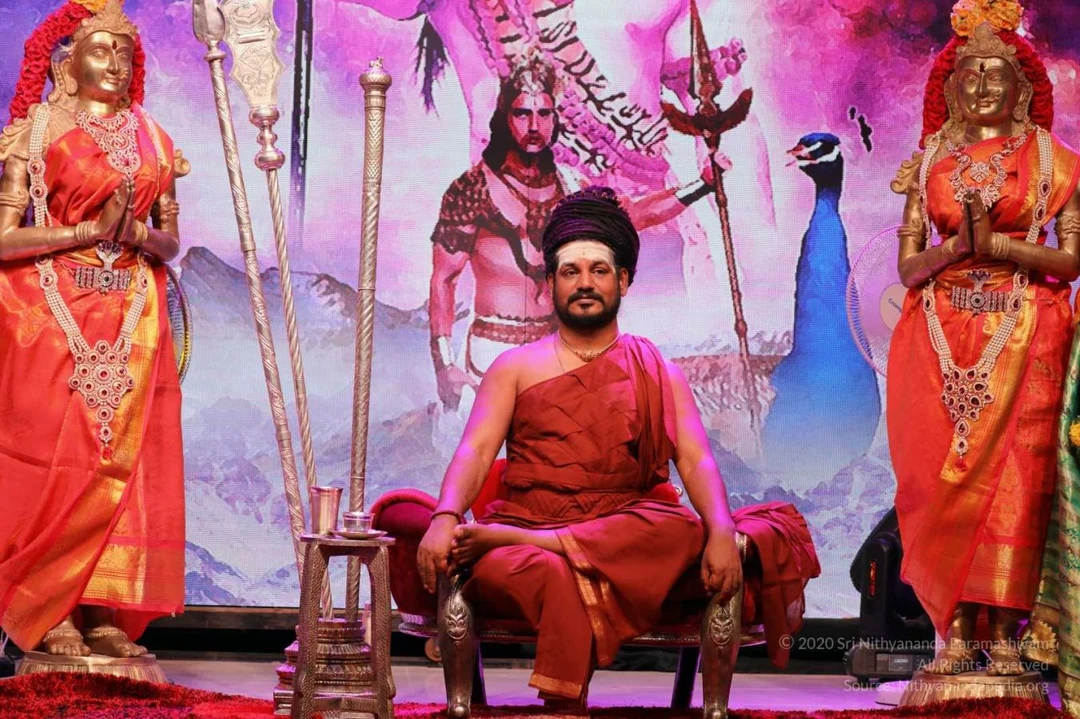 Yoga is now being revived and transmitted as a tangible experience by the avatar of Sadashiva Himself
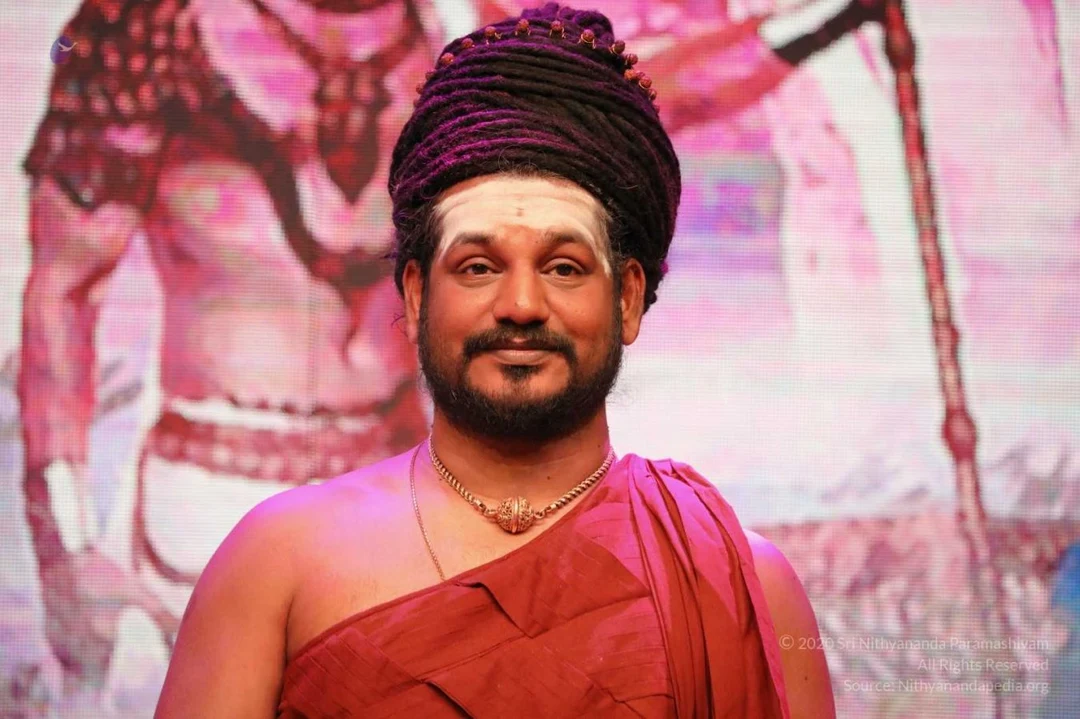 Yoga is now being revived and transmitted as a tangible experience by the avatar of Sadashiva Himself
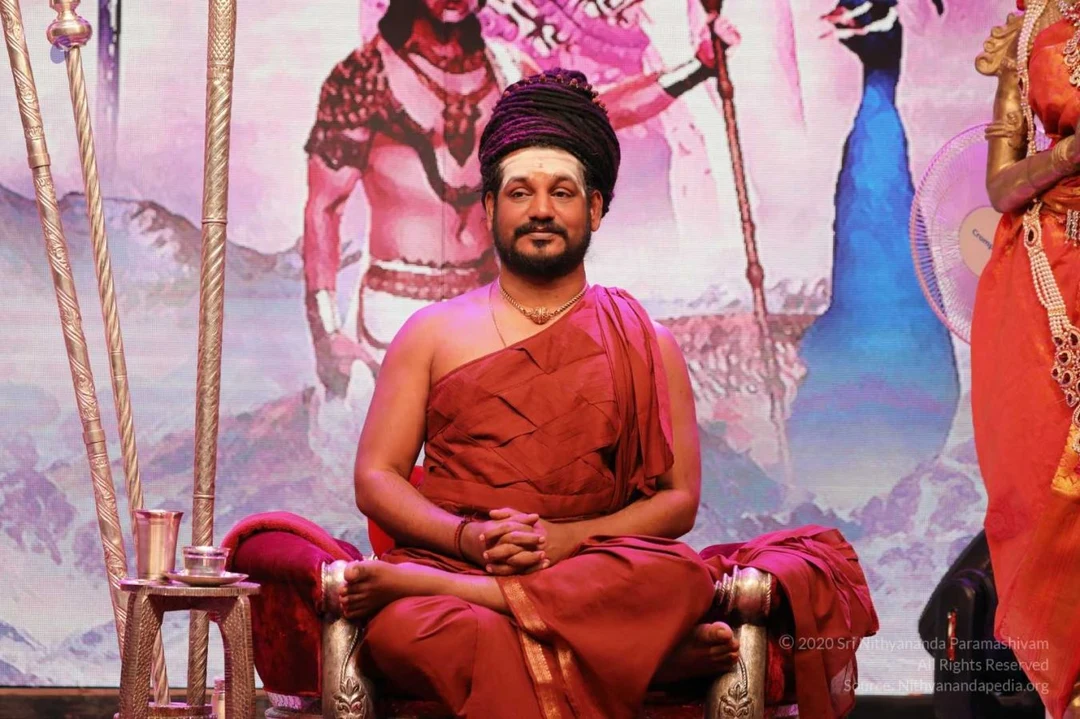 Yoga is now being revived and transmitted as a tangible experience by the avatar of Sadashiva Himself
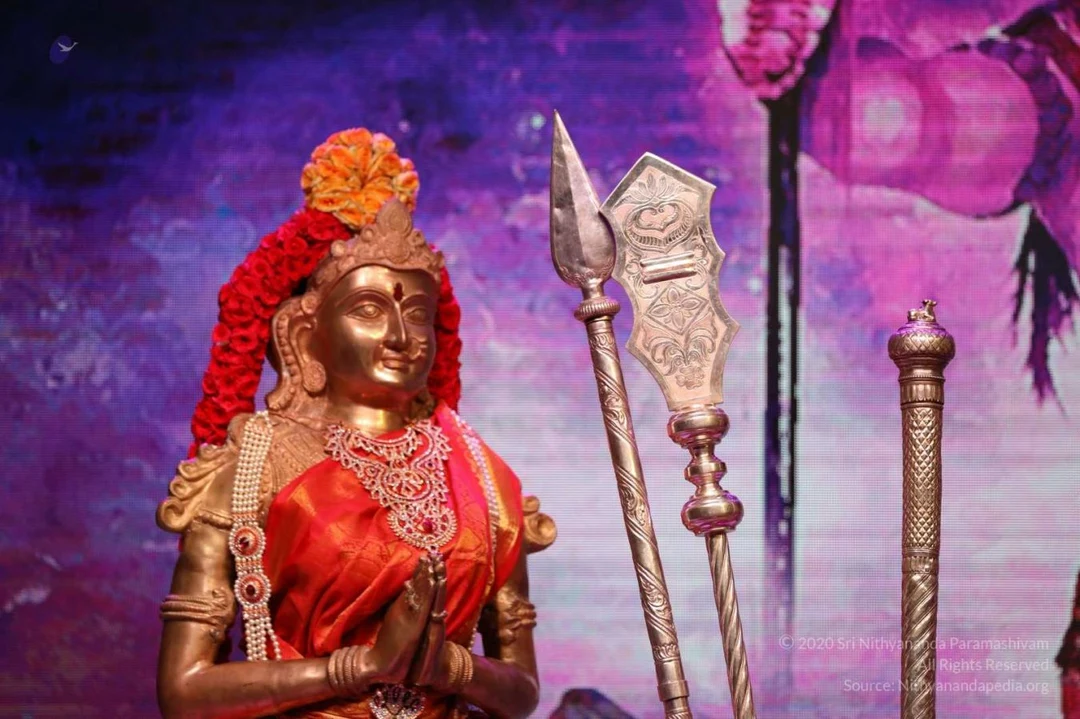 Yoga is now being revived and transmitted as a tangible experience by the avatar of Sadashiva Himself
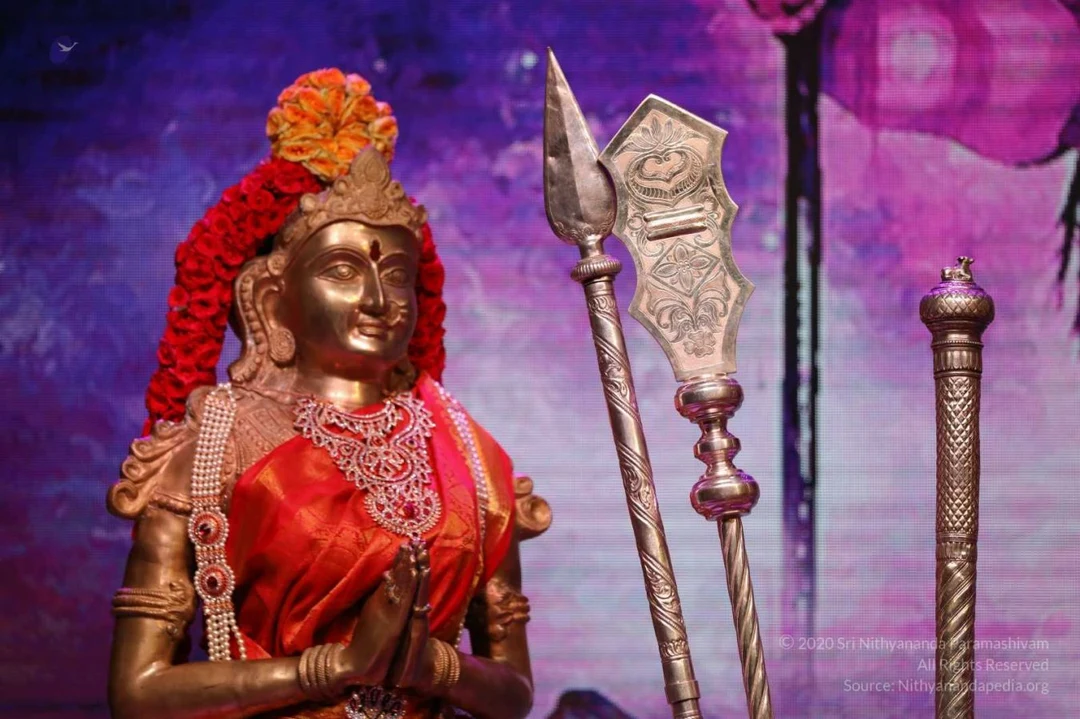 Infusion of this energy darshan results in quantum entanglement
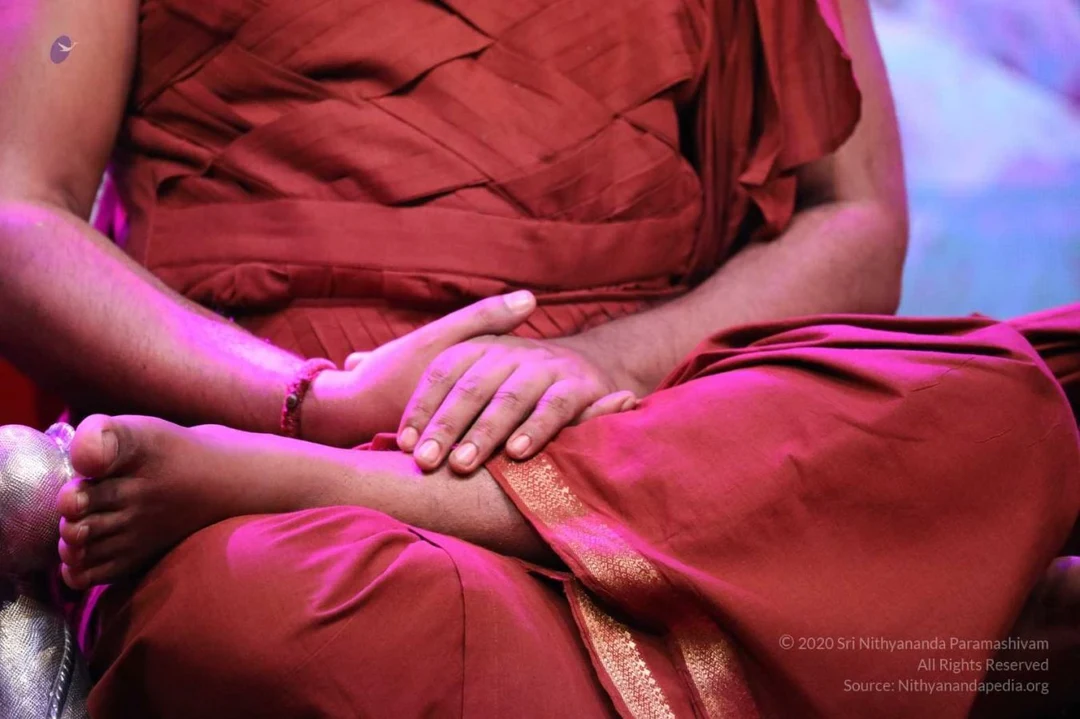 Infusion of this energy darshan results in quantum entanglement
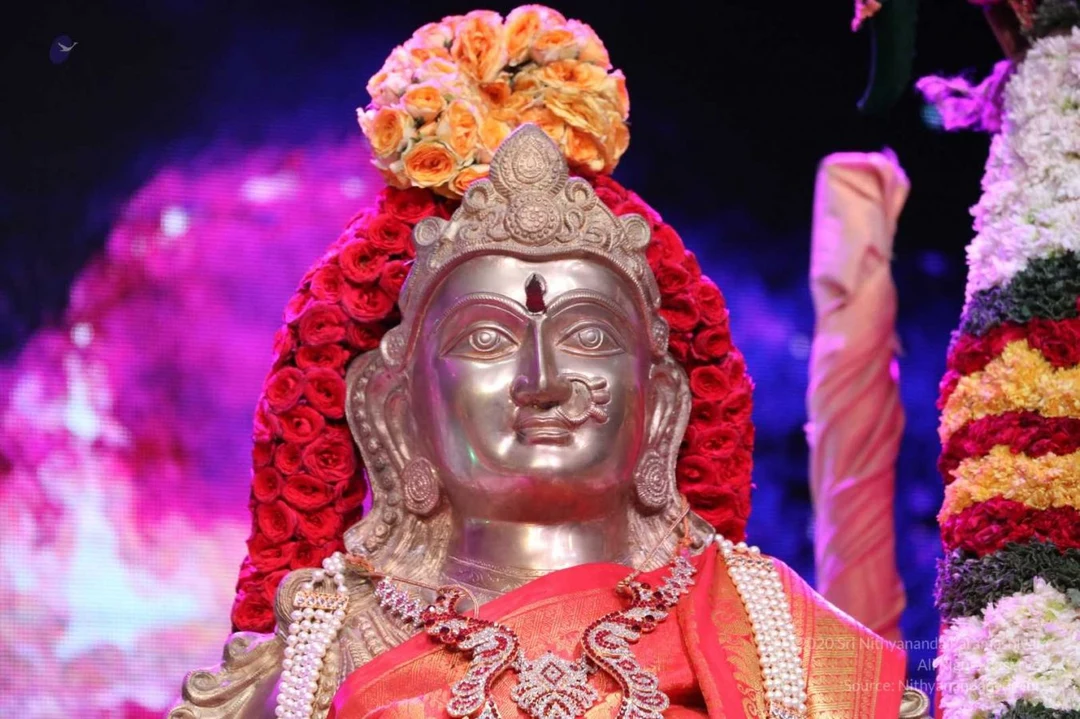 Infusion of this energy darshan results in quantum entanglement
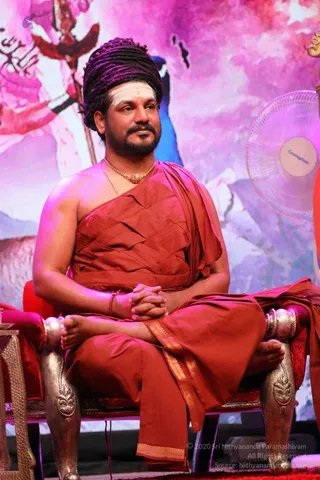 Infusion of this energy darshan results in quantum entanglement
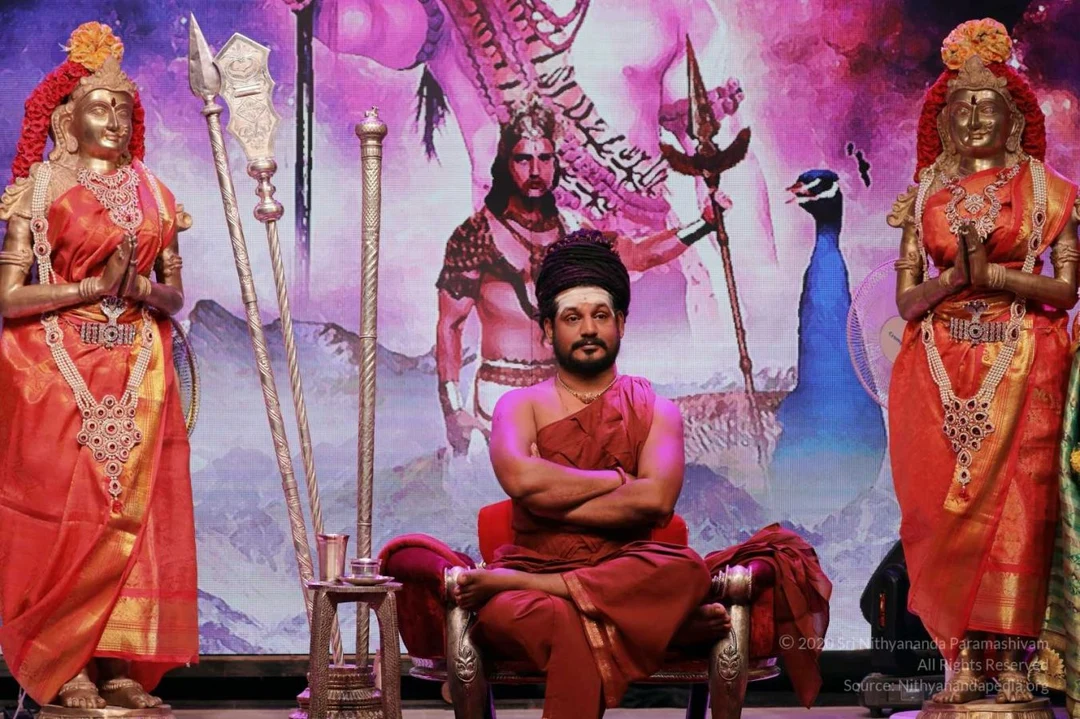 Infusion of this energy darshan results in quantum entanglement
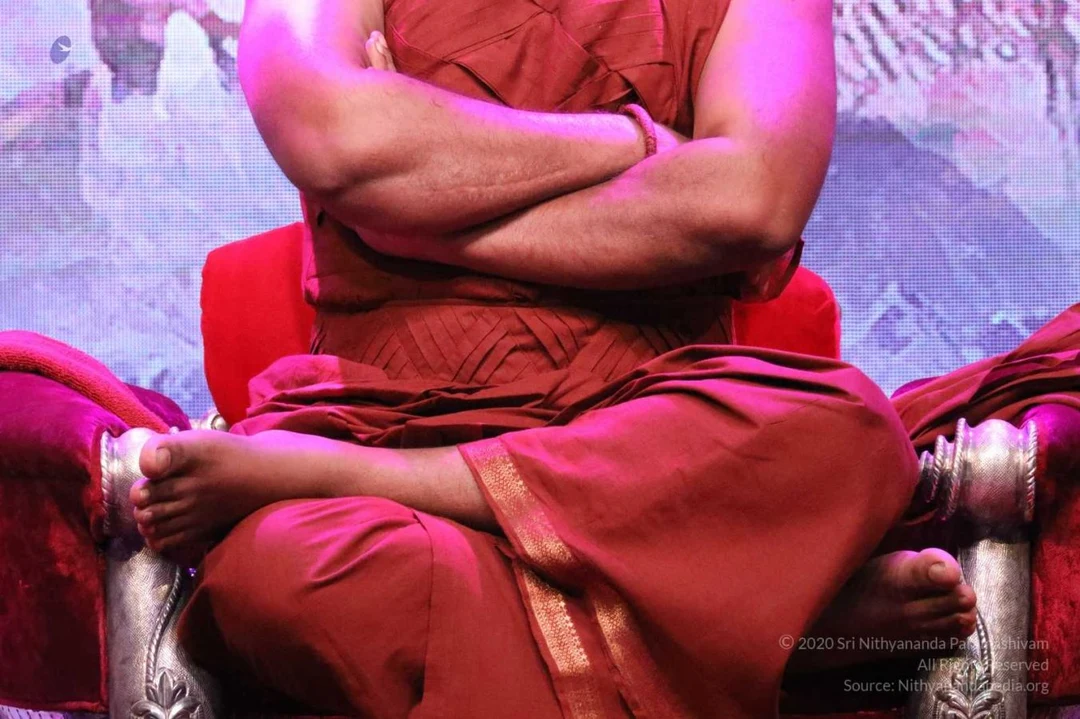 Infusion of this energy darshan results in quantum entanglement
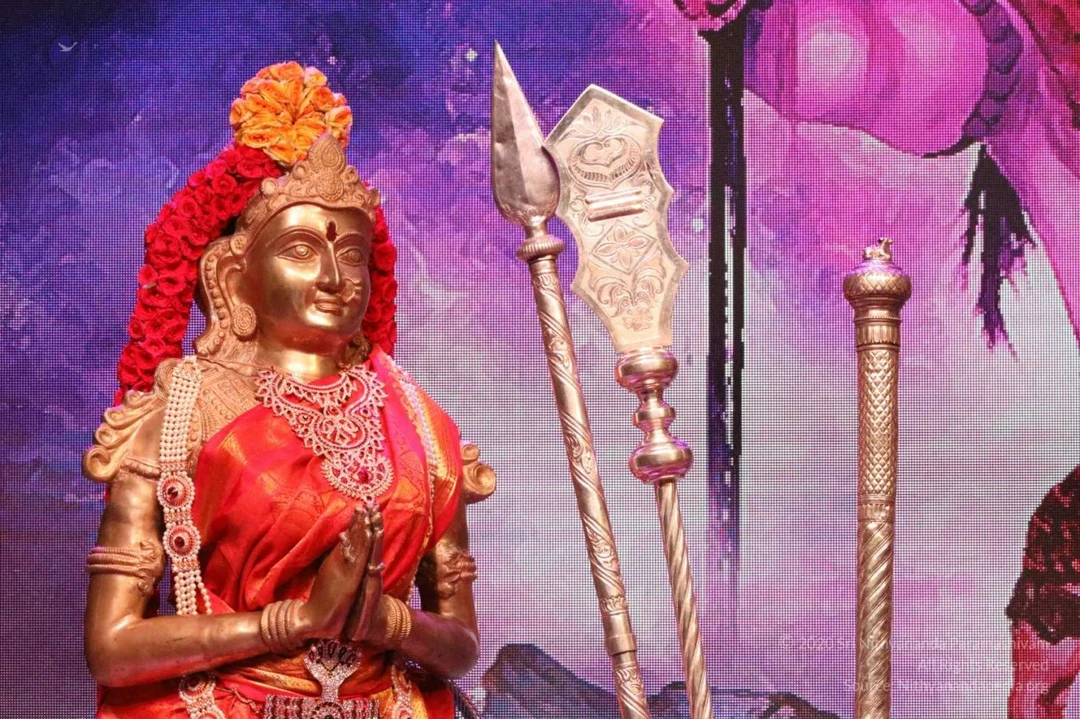 Infusion of this energy darshan results in quantum entanglement
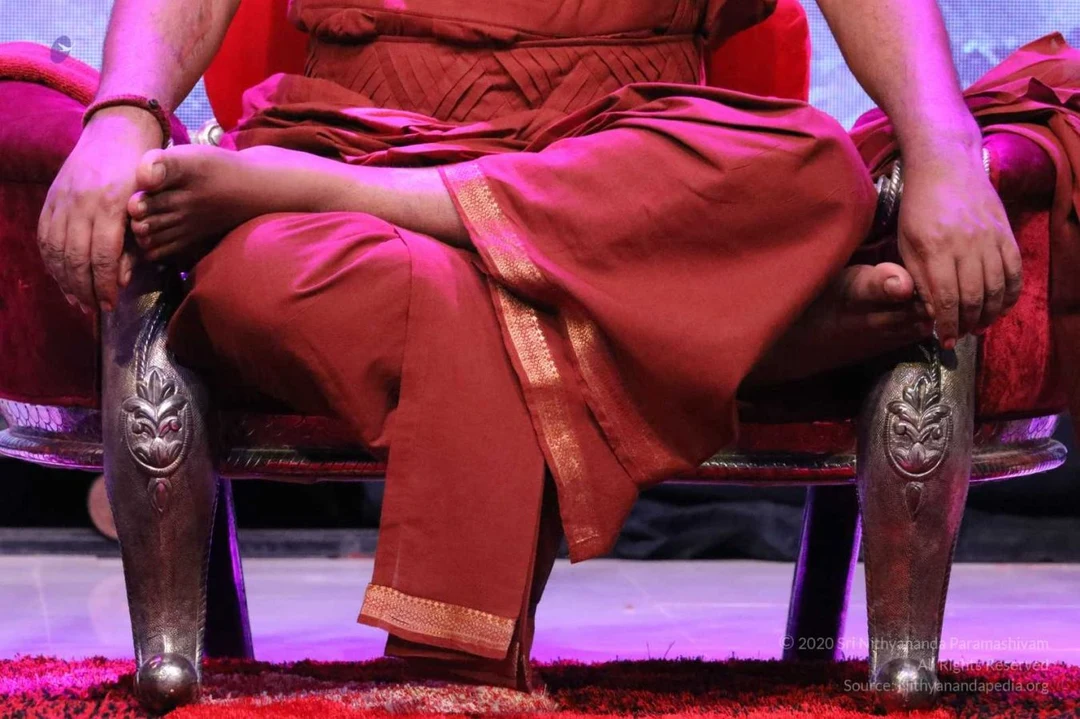 Infusion of this energy darshan results in quantum entanglement
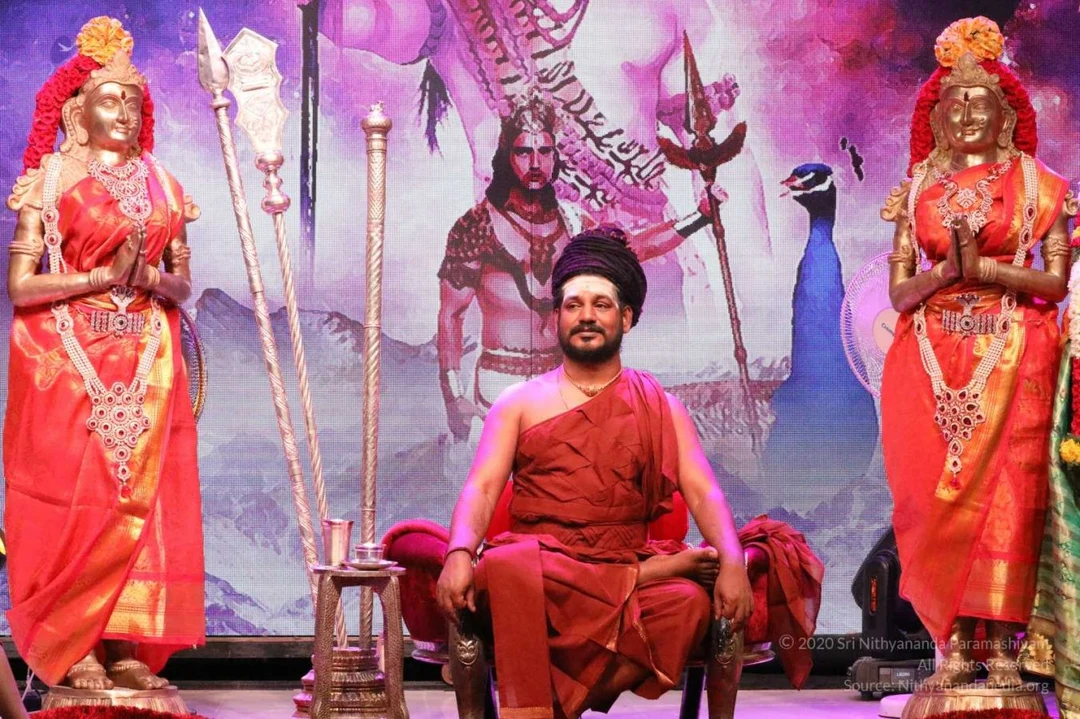 Infusion of this energy darshan results in quantum entanglement
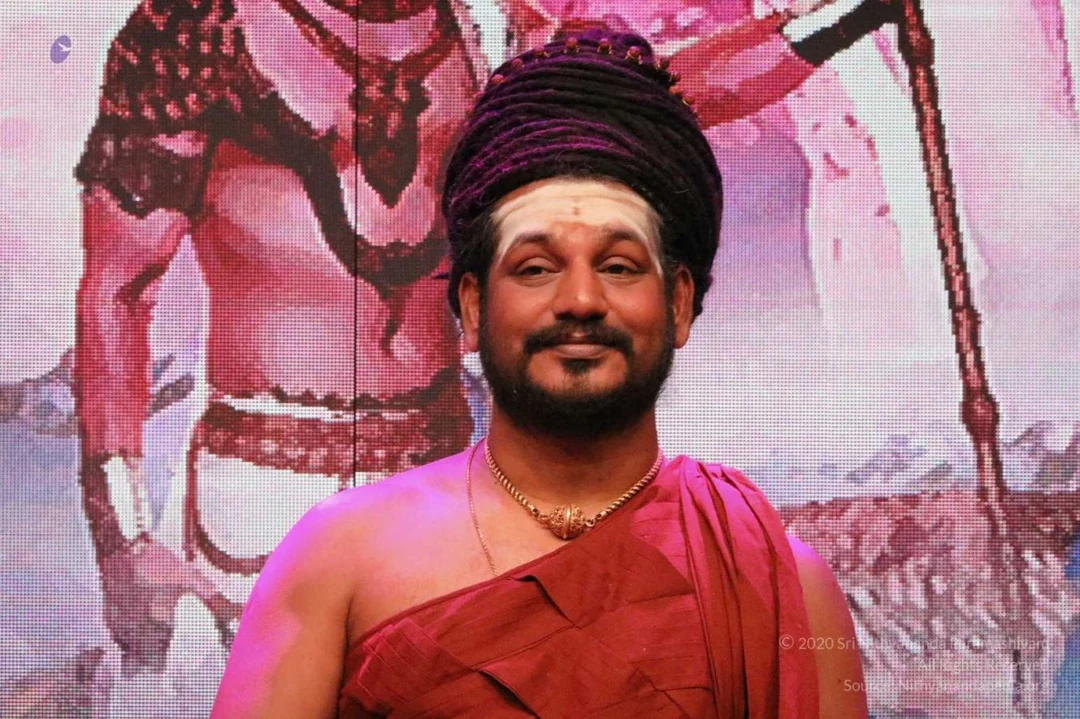 Infusion of this energy darshan results in quantum entanglement
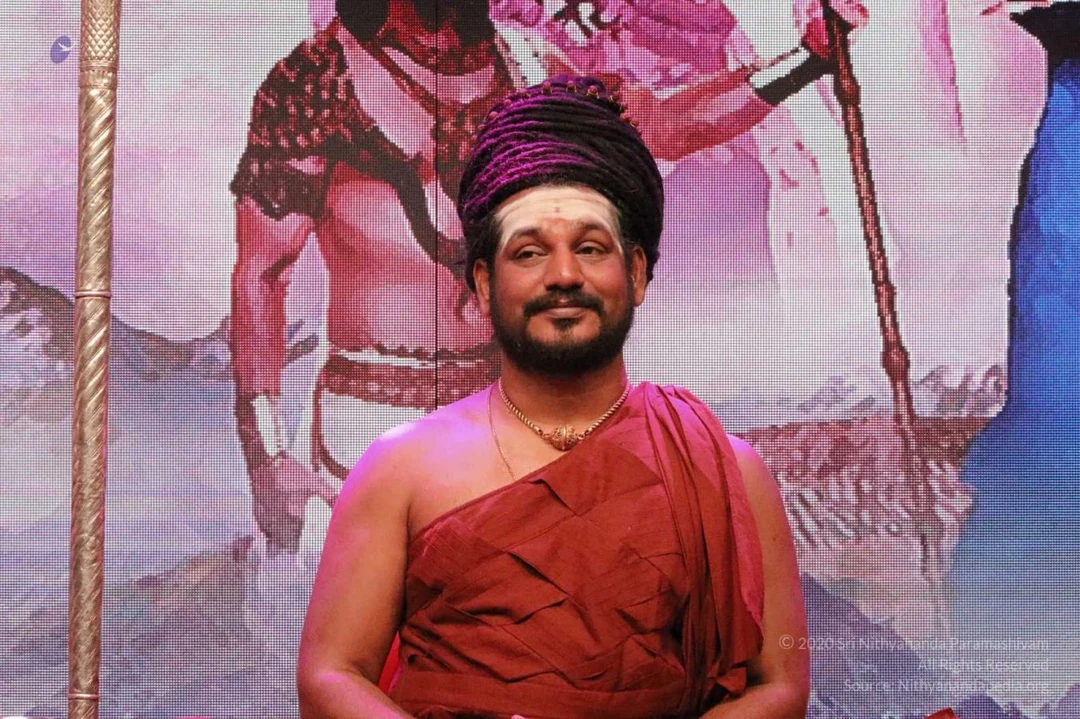 Infusion of this energy darshan results in quantum entanglement
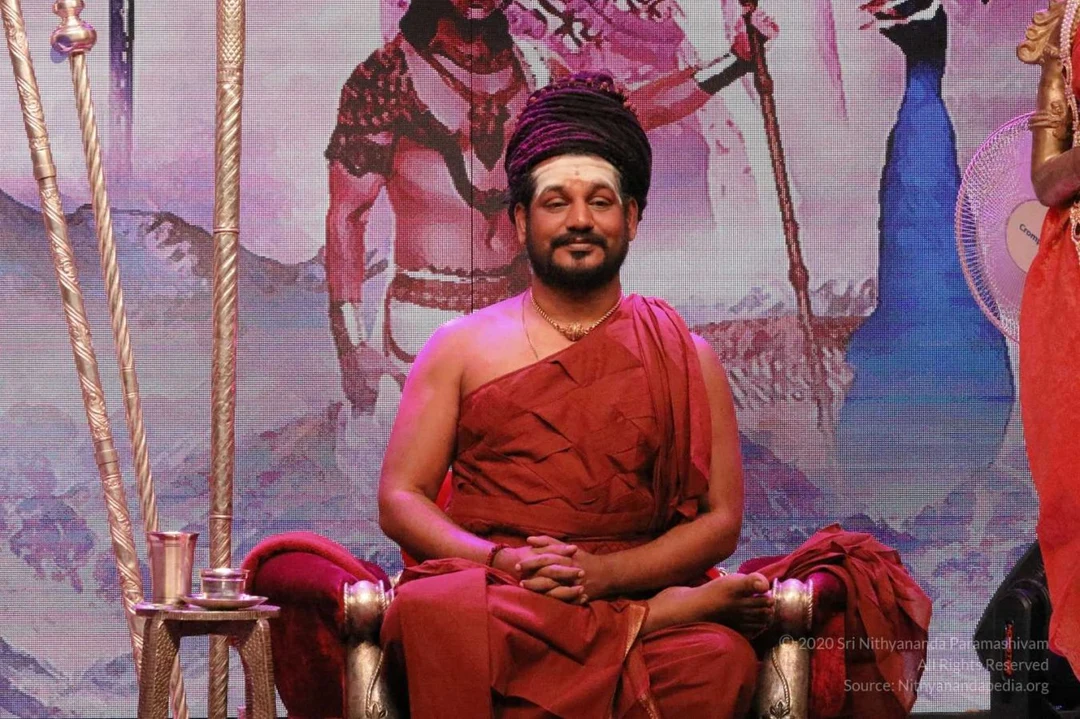 Infusion of this energy darshan results in quantum entanglement
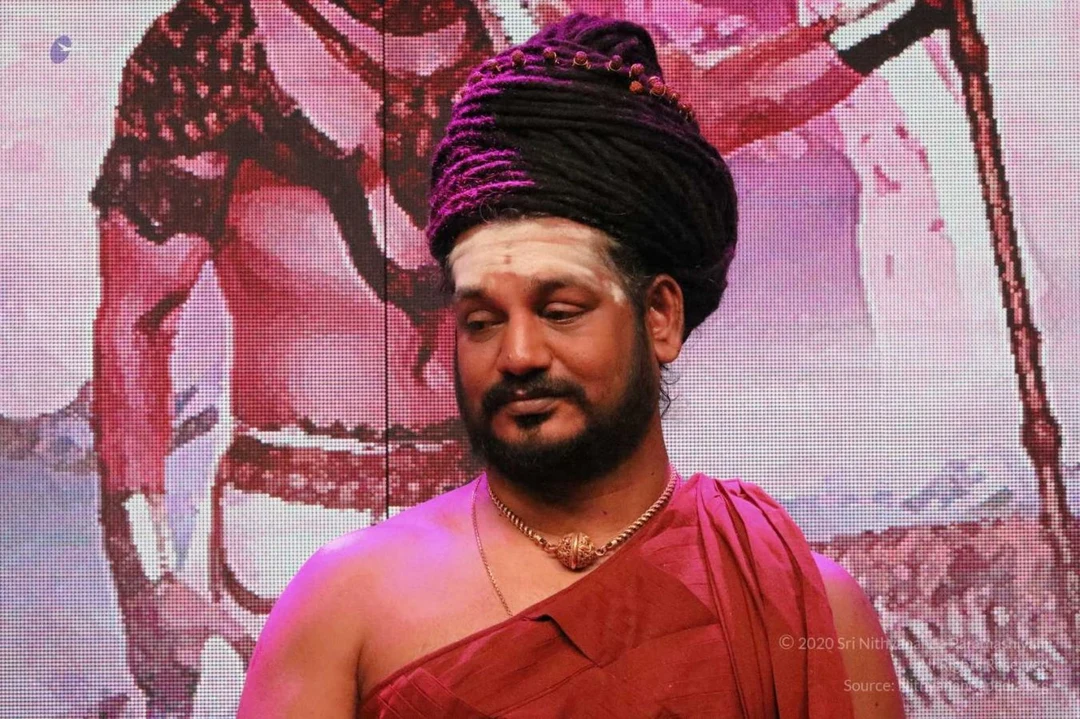 Avatar's presence is the living healing energy field
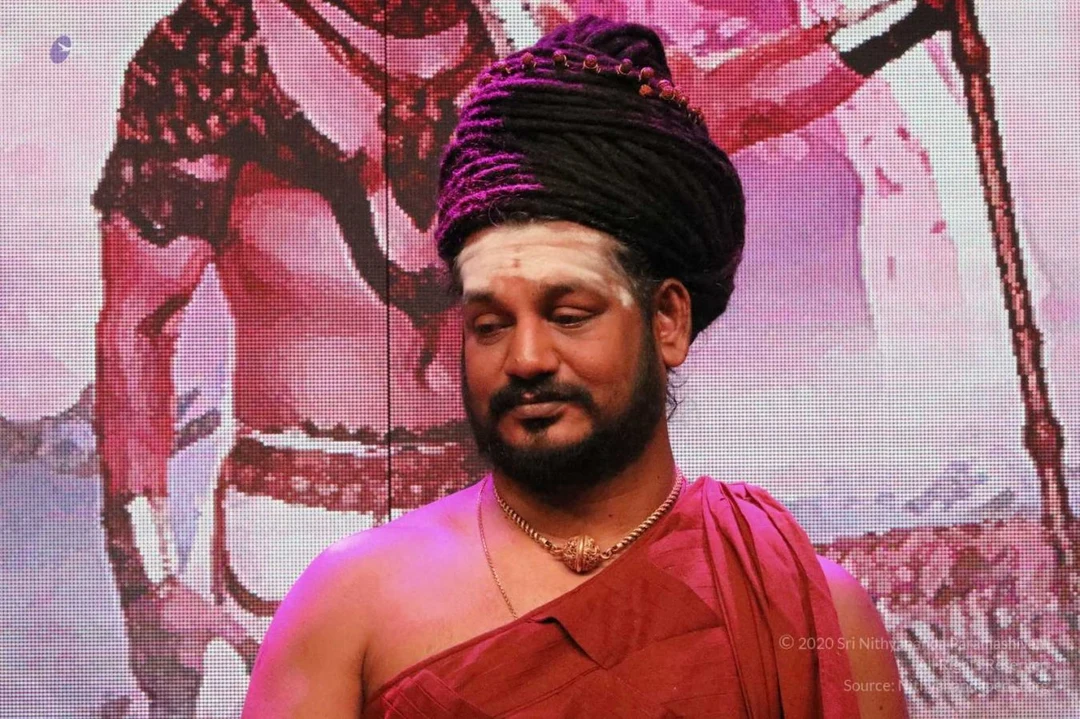 Avatar's presence is the living healing energy field
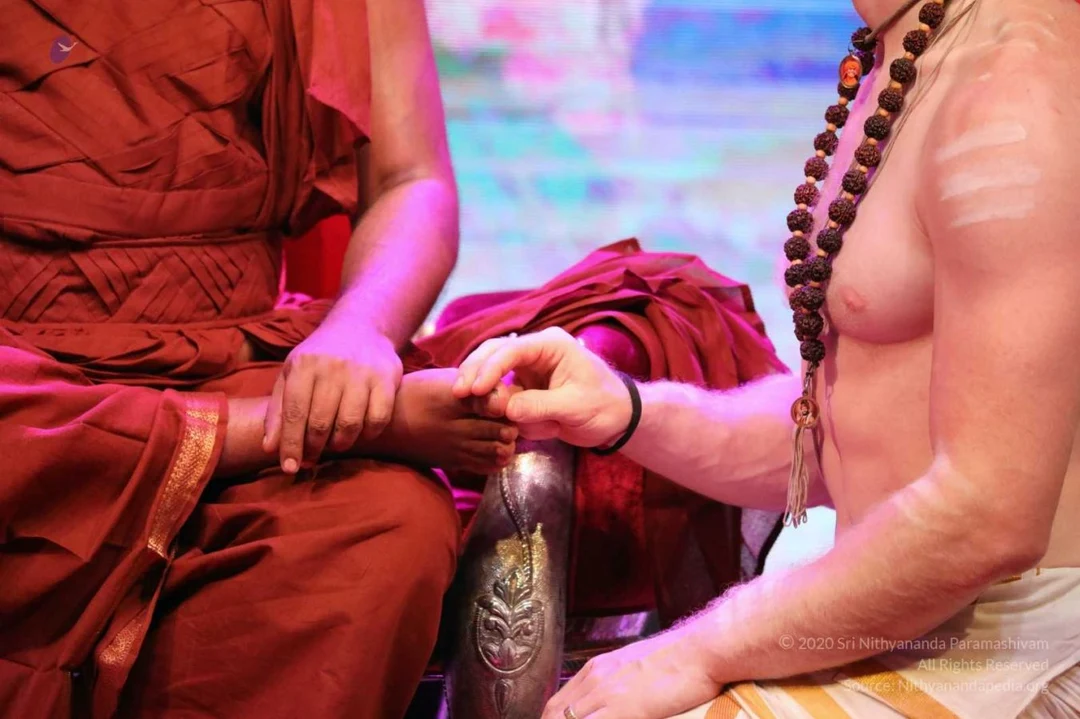 Avatar's presence is the living healing energy field
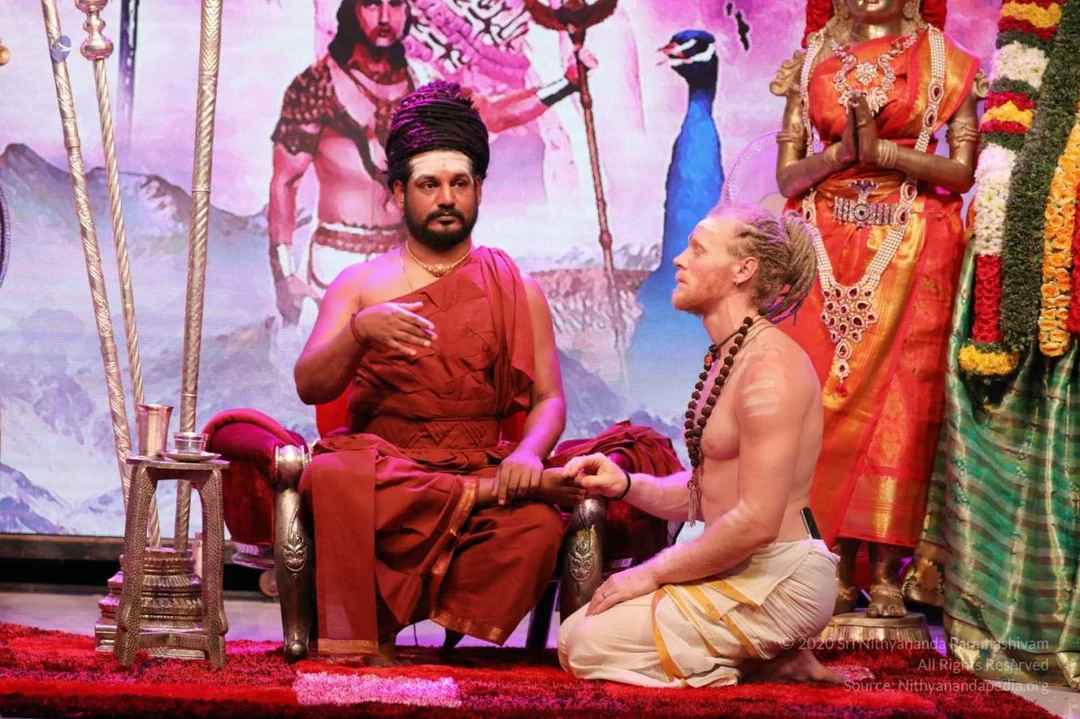 Avatar's presence is the living healing energy field
 Avatar's presence is the living healing energy field
 Avatar's presence is the living healing energy field
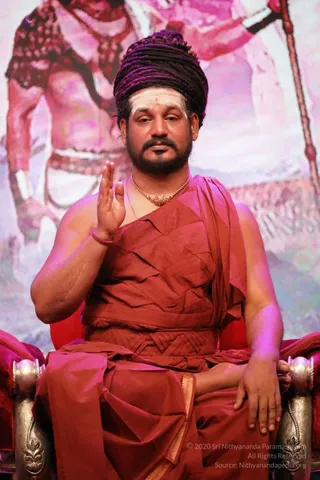 Avatar's presence is the living healing energy field
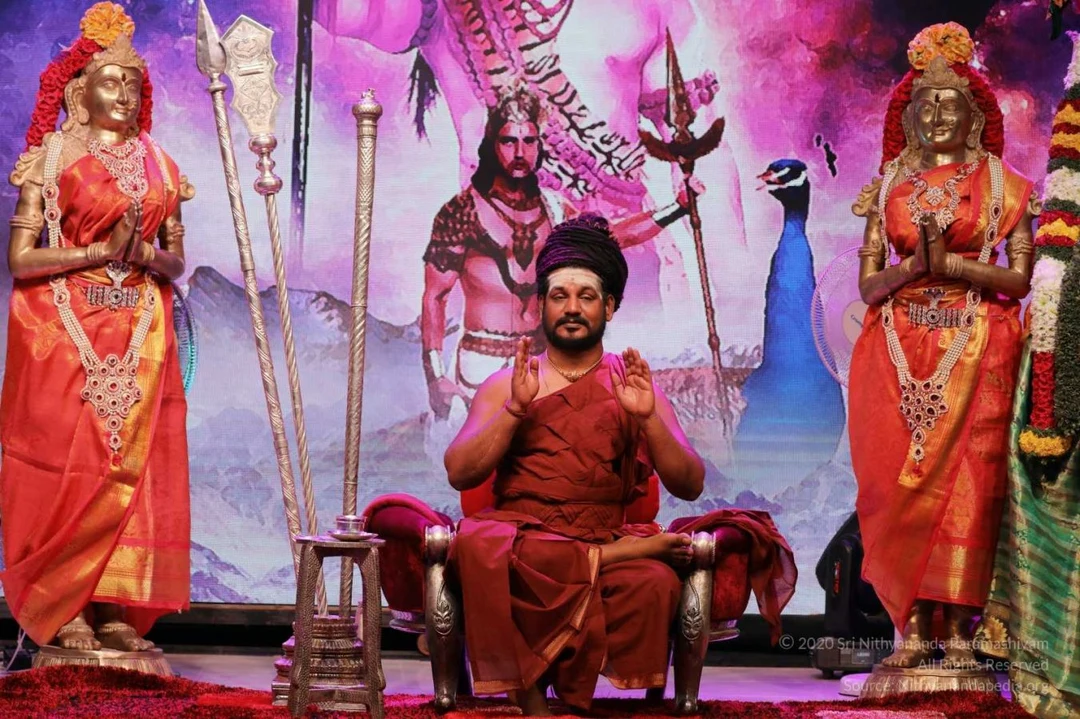 Avatar's presence is the living healing energy field
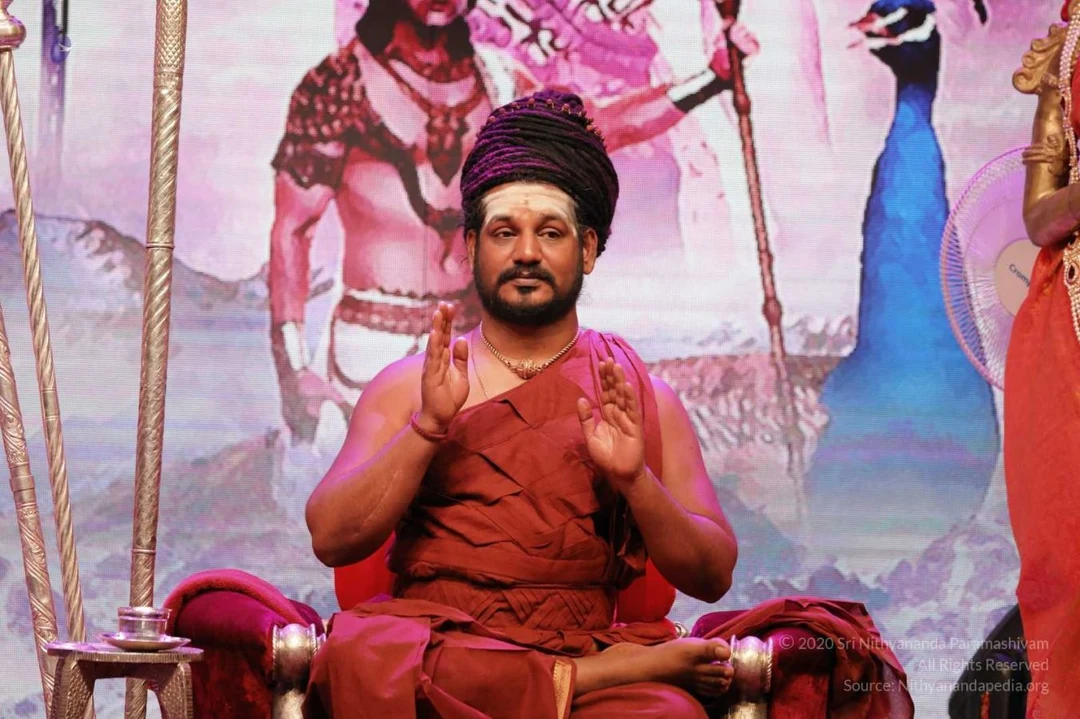 Avatar's presence is the living healing energy field
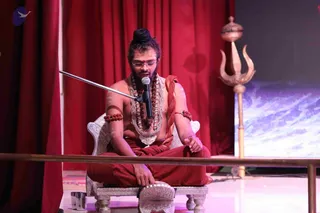
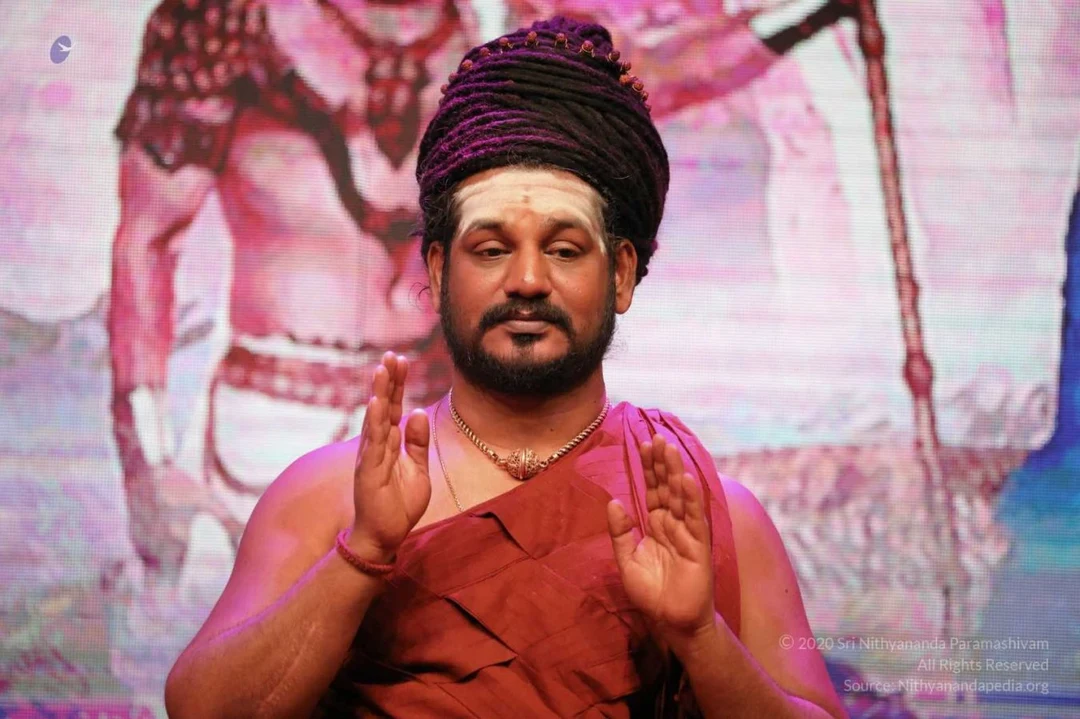 HDH Nithyananda Paramashivam infusing energy during yoga session
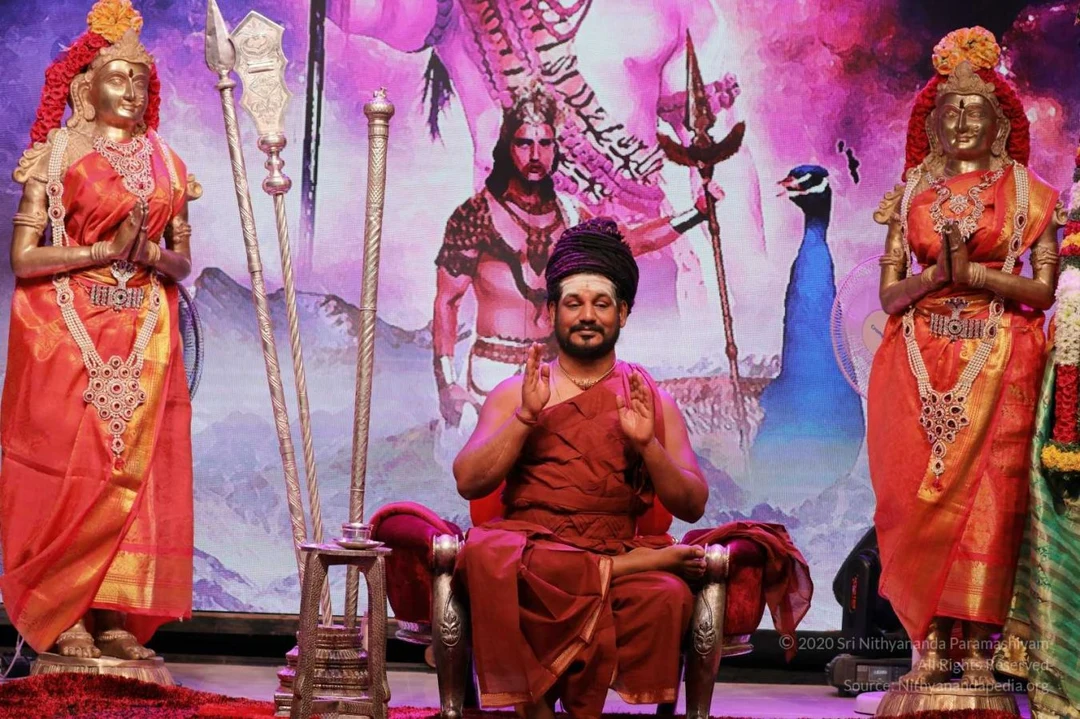 HDH Nithyananda Paramashivam infusing energy during yoga session
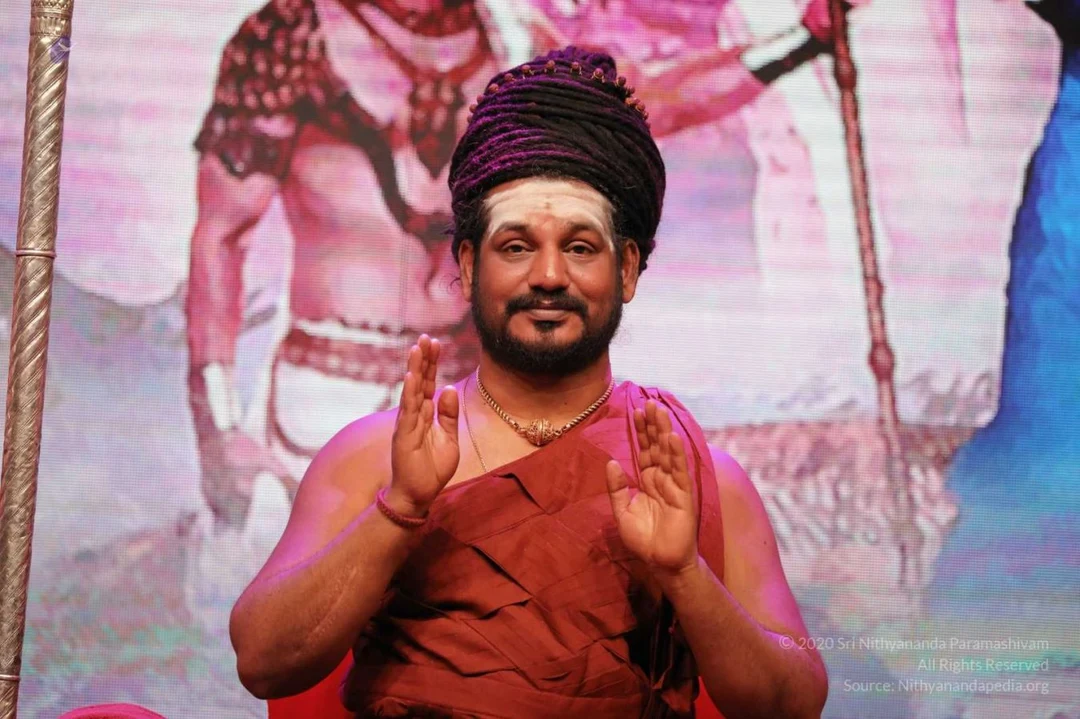 HDH Nithyananda Paramashivam infusing energy during yoga session
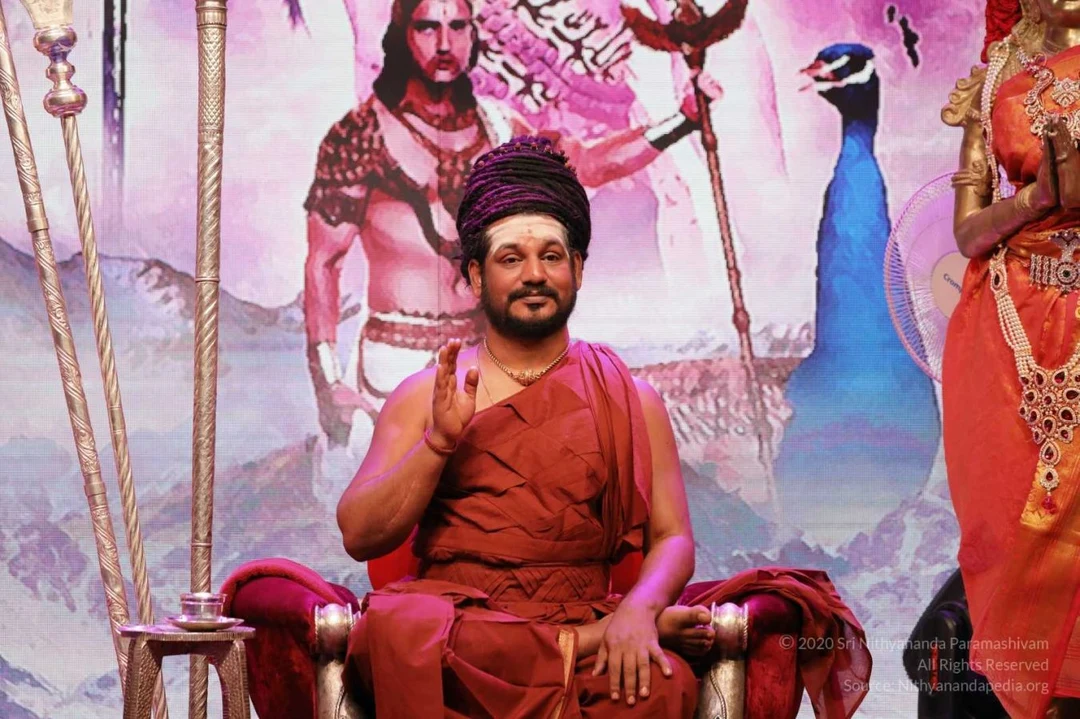 HDH Nithyananda Paramashivam infusing energy during yoga session
 HDH Nithyananda Paramashivam infusing energy during yoga session
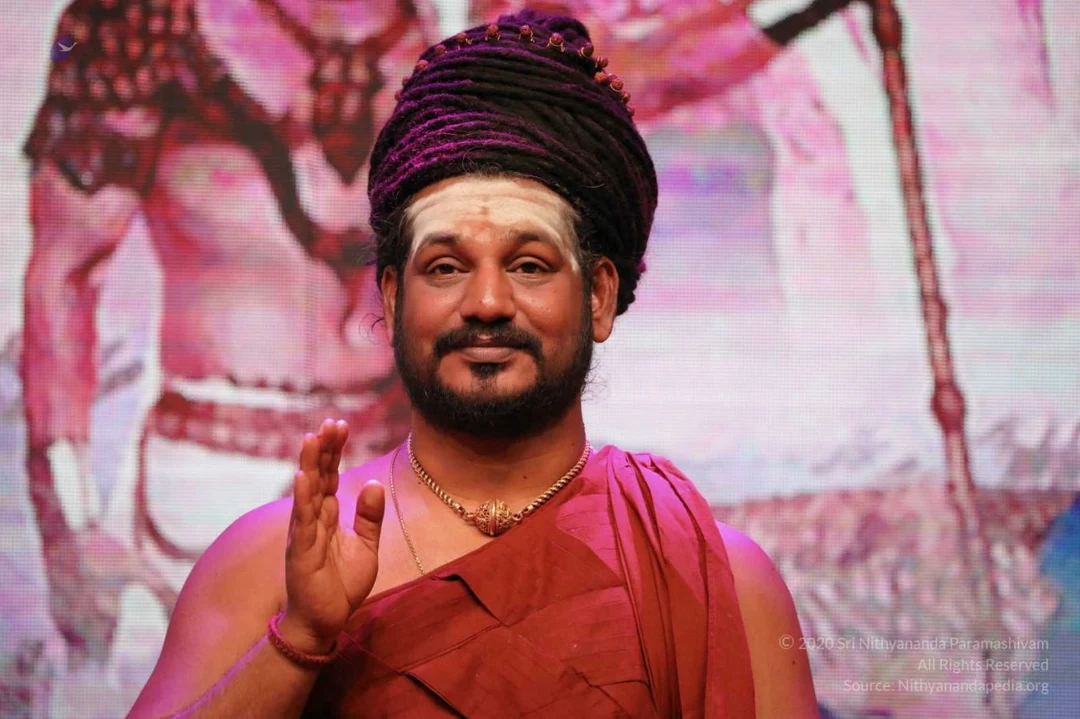 HDH Nithyananda Paramashivam infusing energy during yoga session
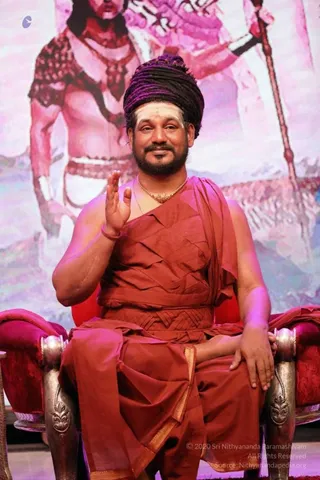 HDH Nithyananda Paramashivam infusing energy during yoga session
 HDH Nithyananda Paramashivam infusing energy during yoga session
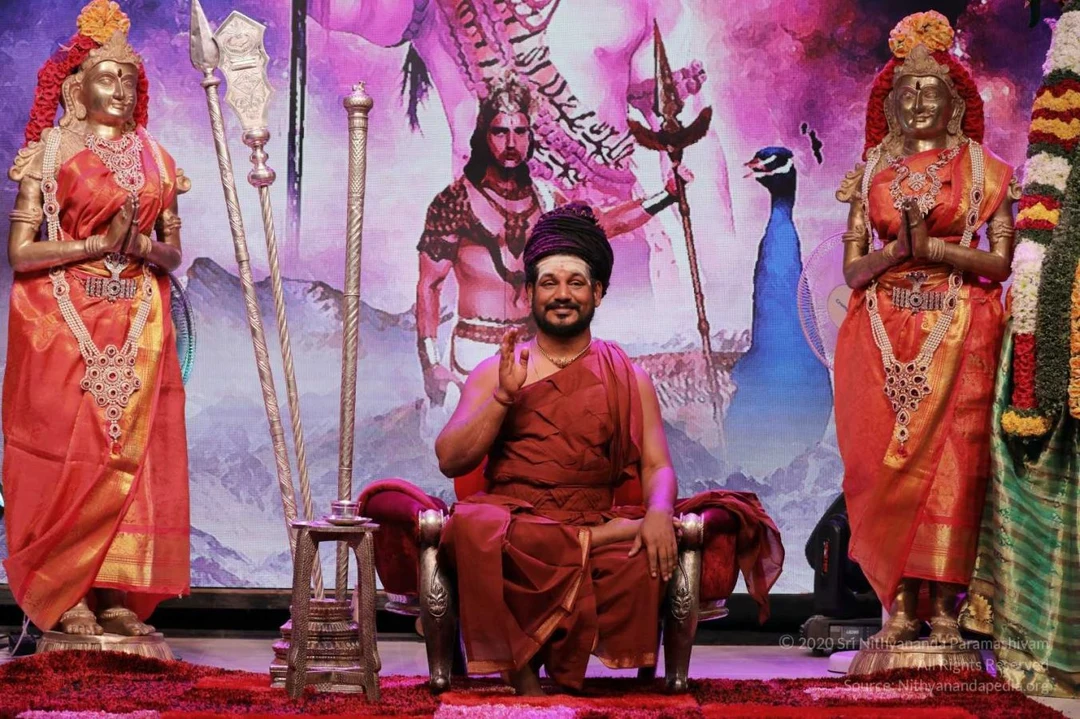 HDH Nithyananda Paramashivam infusing energy during yoga session
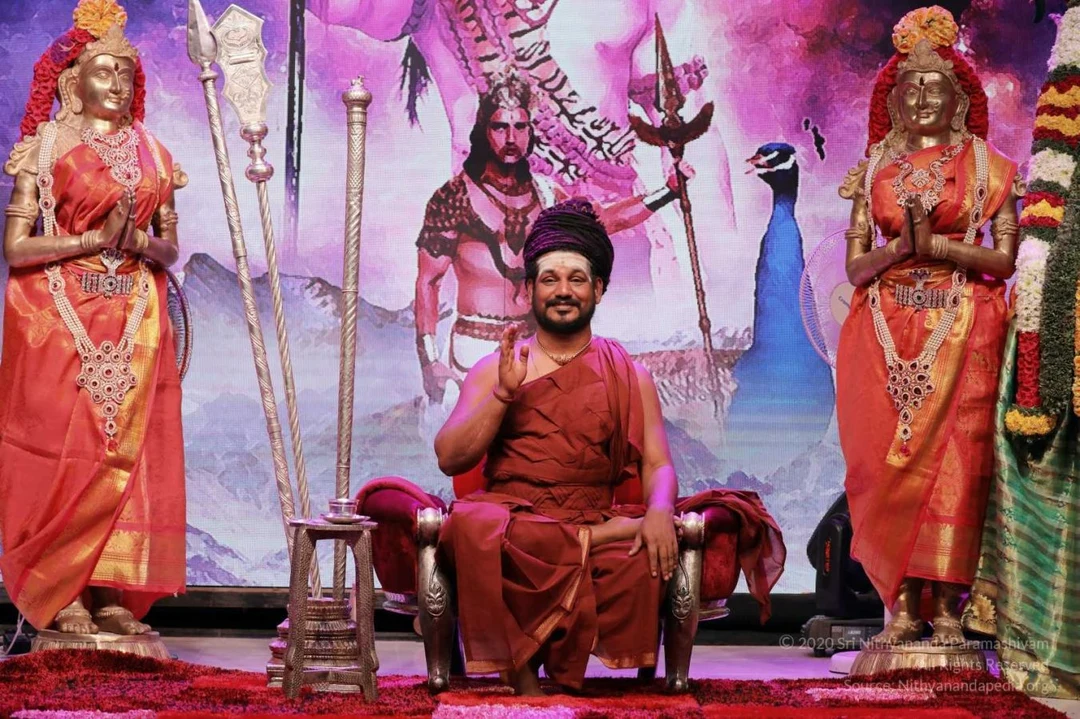 HDH Nithyananda Paramashivam infusing energy during yoga session
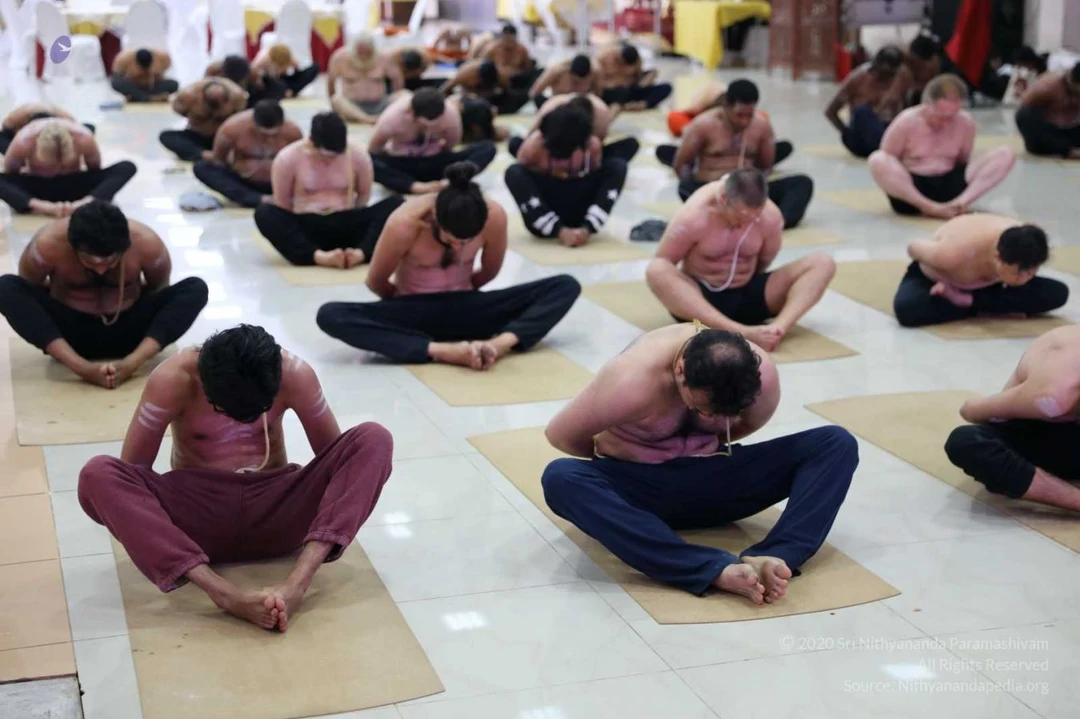 Yoga delivers the direct experience of samadhi (experience of oneness with the ultimate) - to manifest the state, space, and powers of Paramashiva.
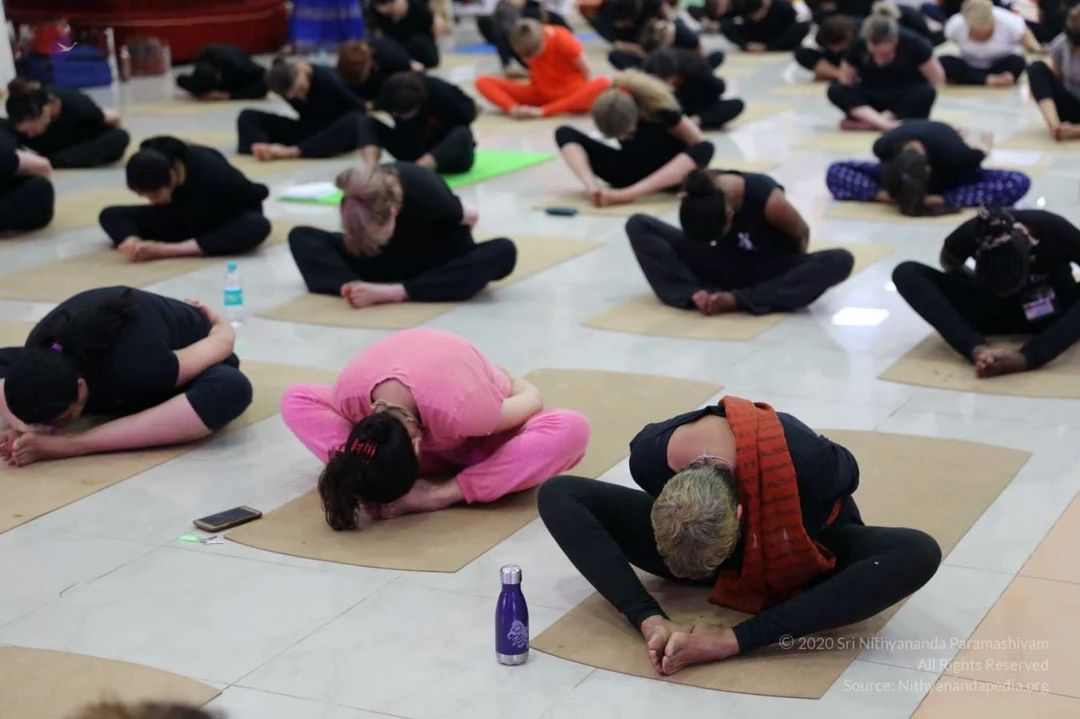 Yoga delivers the direct experience of samadhi (experience of oneness with the ultimate) - to manifest the state, space, and powers of Paramashiva.
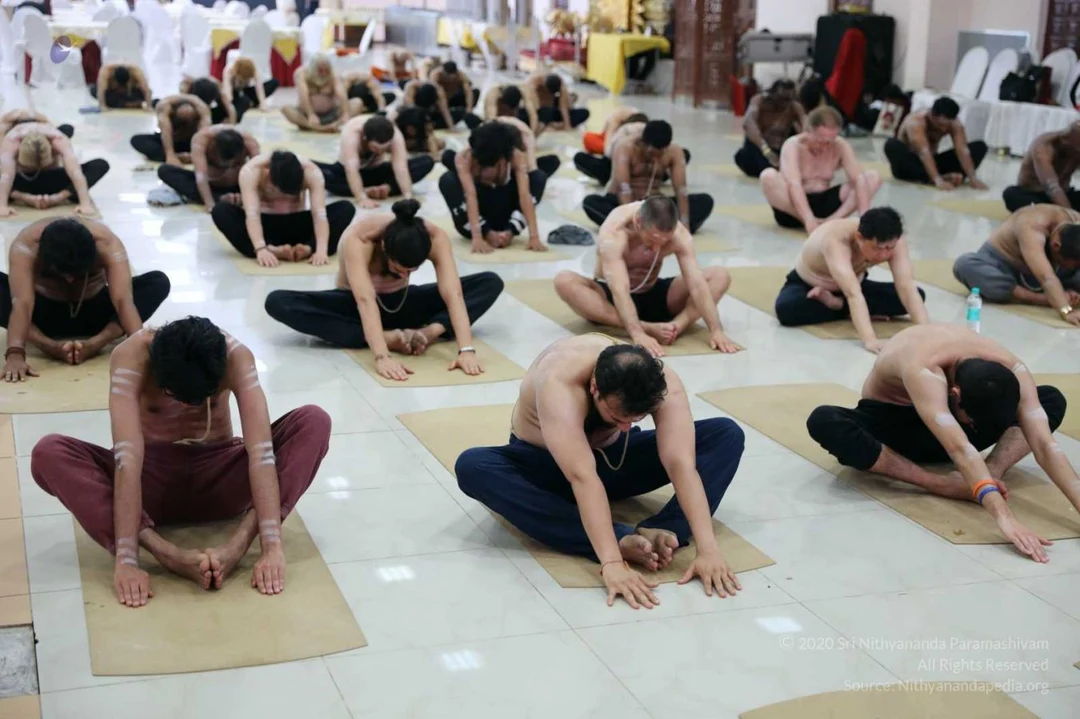 Yoga delivers the direct experience of samadhi (experience of oneness with the ultimate) - to manifest the state, space, and powers of Paramashiva.
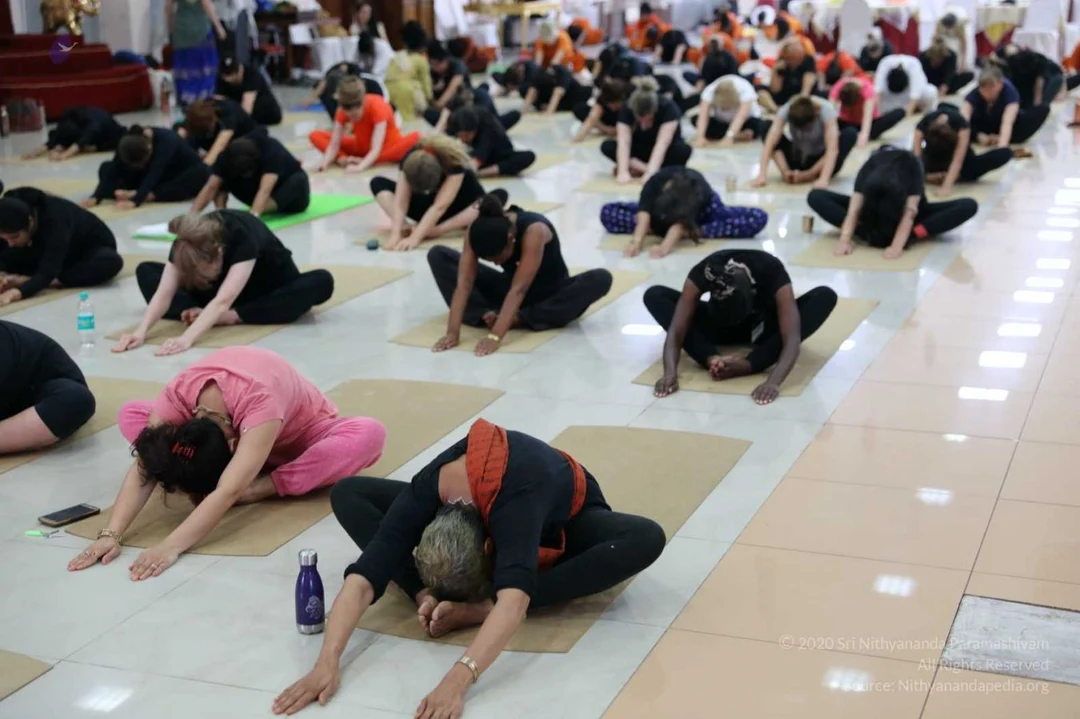 Yoga delivers the direct experience of samadhi (experience of oneness with the ultimate) - to manifest the state, space, and powers of Paramashiva.
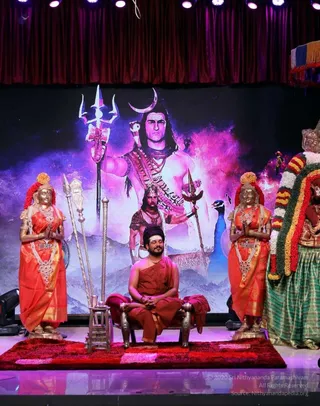 Yoga delivers the direct experience of samadhi (experience of oneness with the ultimate) - to manifest the state, space, and powers of Paramashiva.
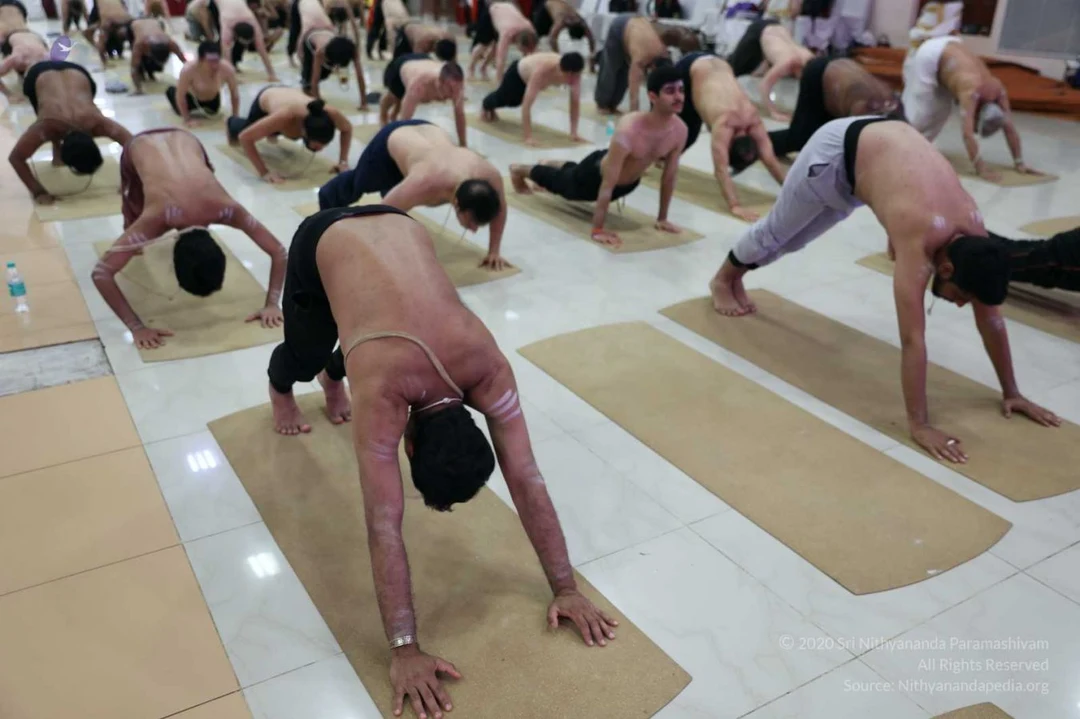 Yoga delivers the direct experience of samadhi (experience of oneness with the ultimate) - to manifest the state, space, and powers of Paramashiva.
 Yoga delivers the direct experience of samadhi (experience of oneness with the ultimate) - to manifest the state, space, and powers of Paramashiva.
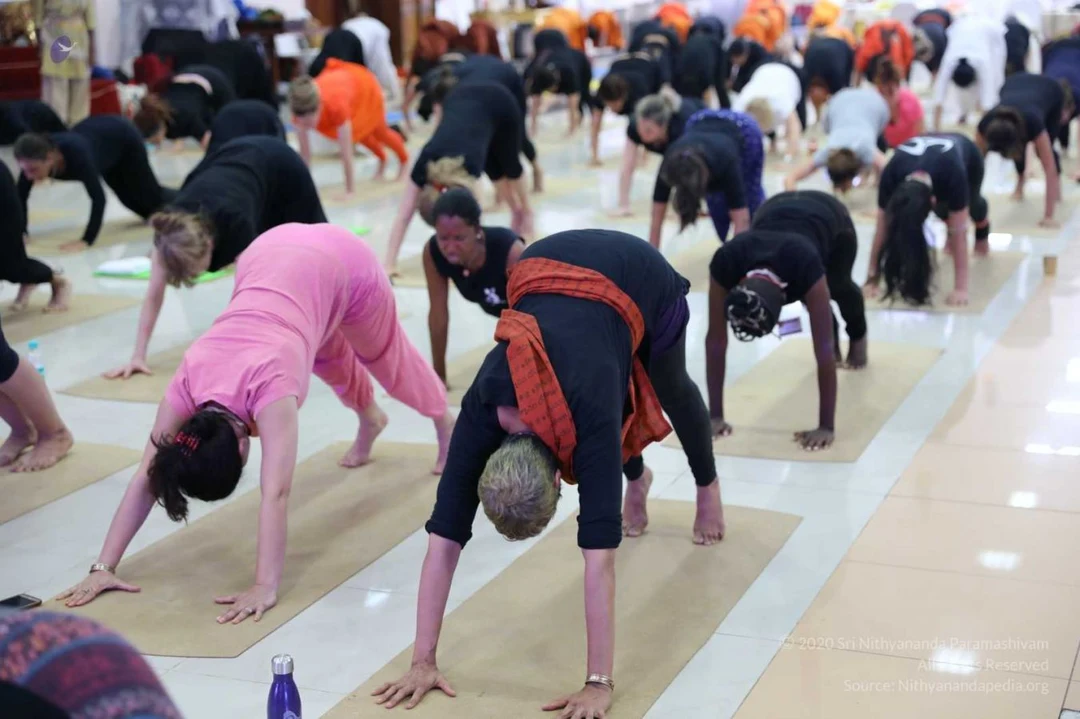 Yoga delivers the direct experience of samadhi (experience of oneness with the ultimate) - to manifest the state, space, and powers of Paramashiva.
 The breathing space of an avatar is an excellent space to perform yoga
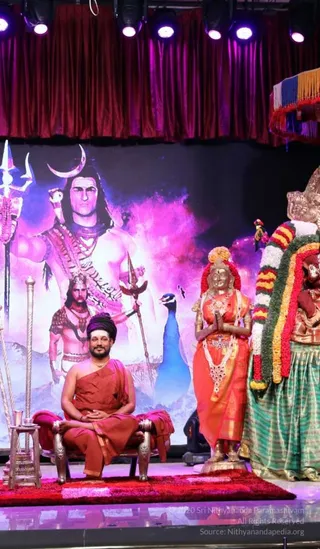 The breathing space of an avatar is an excellent space to perform yoga
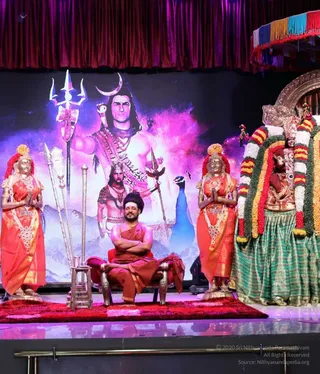 The breathing space of an avatar is an excellent space to perform yoga
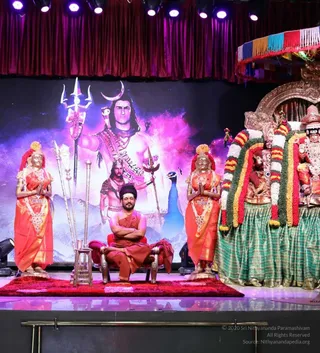 The breathing space of an avatar is an excellent space to perform yoga
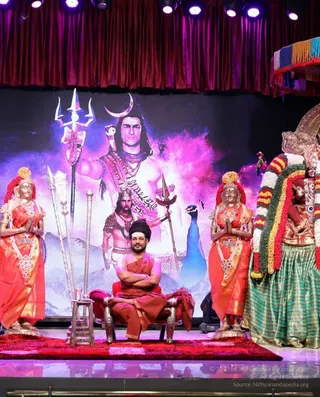 The breathing space of an avatar is an excellent space to perform yoga
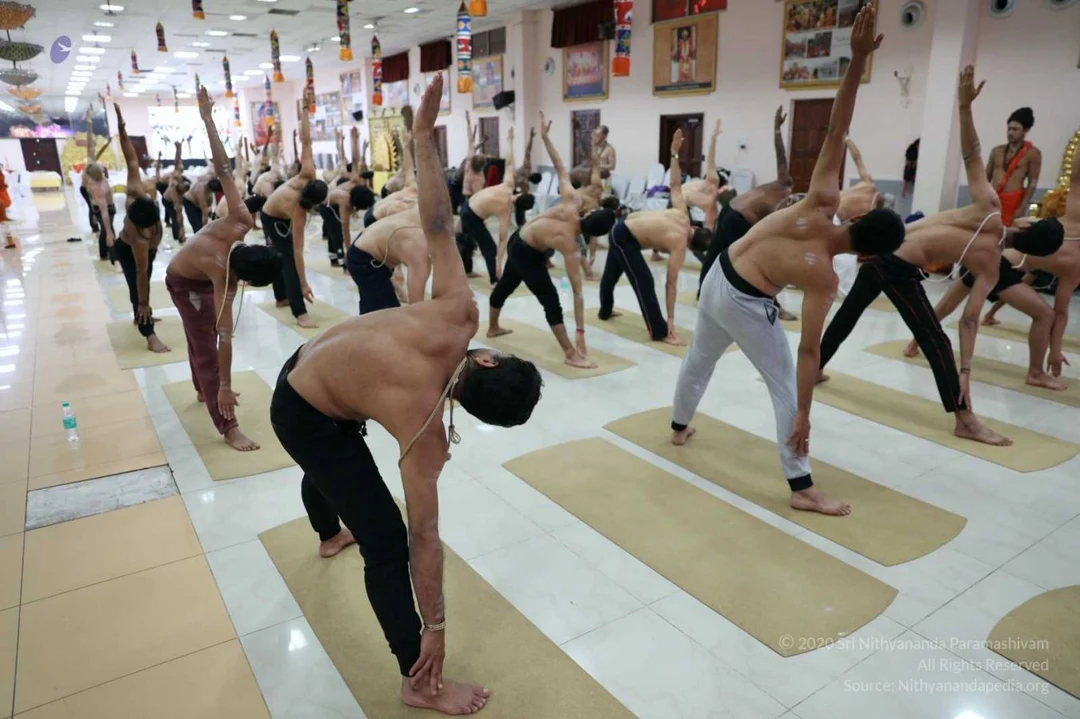 The breathing space of an avatar is an excellent space to perform yoga
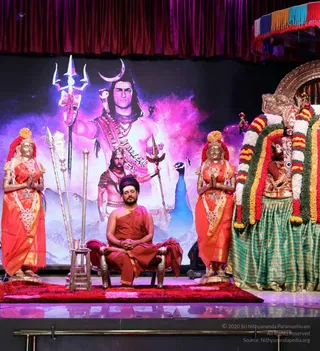 The breathing space of an avatar is an excellent space to perform yoga
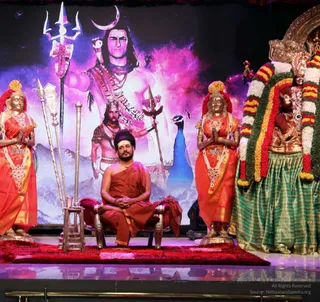 The breathing space of an avatar is an excellent space to perform yoga
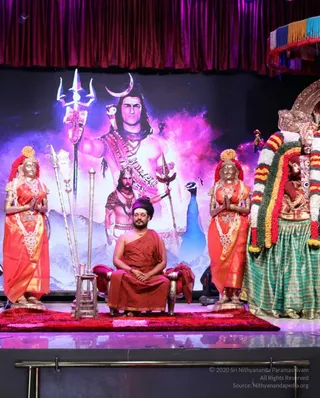 The breathing space of an avatar is an excellent space to perform yoga
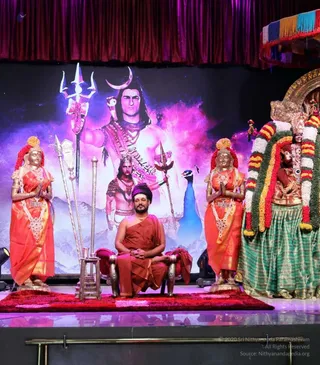 The breathing space of an avatar is an excellent space to perform yoga
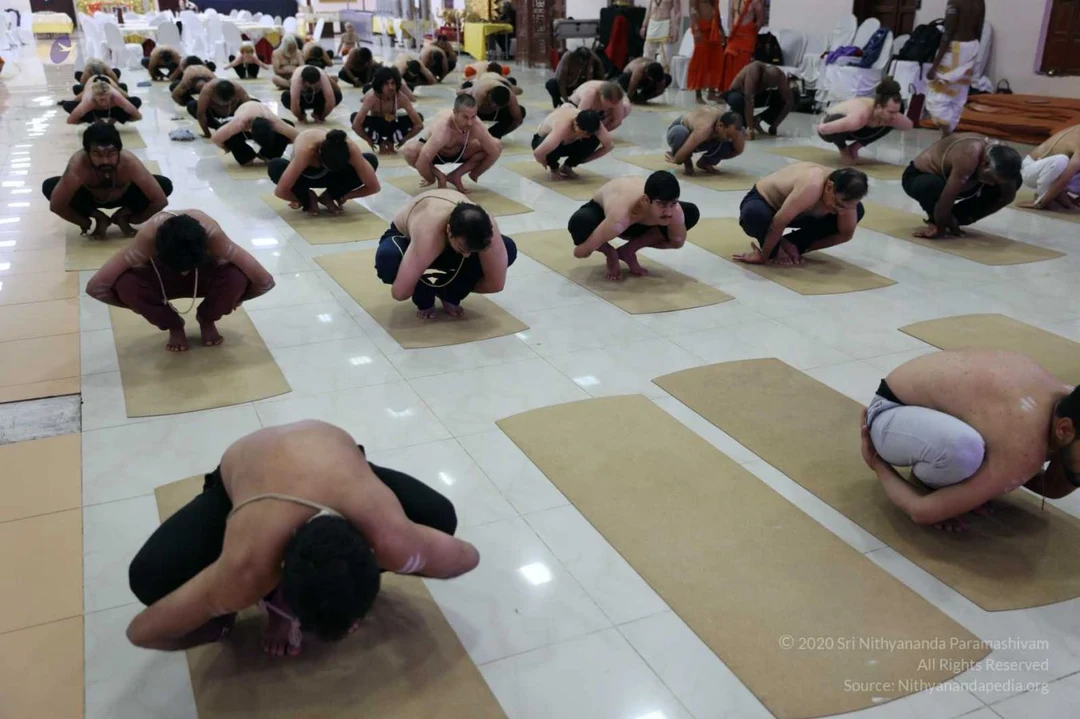 Yoga delivers the direct experience of samadhi (experience of oneness with the ultimate) - to manifest the state, space, and powers of Paramashiva.
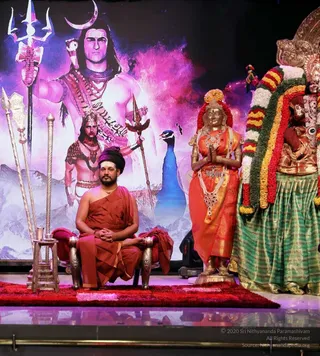 The breathing space of an avatar is an excellent space to perform yoga
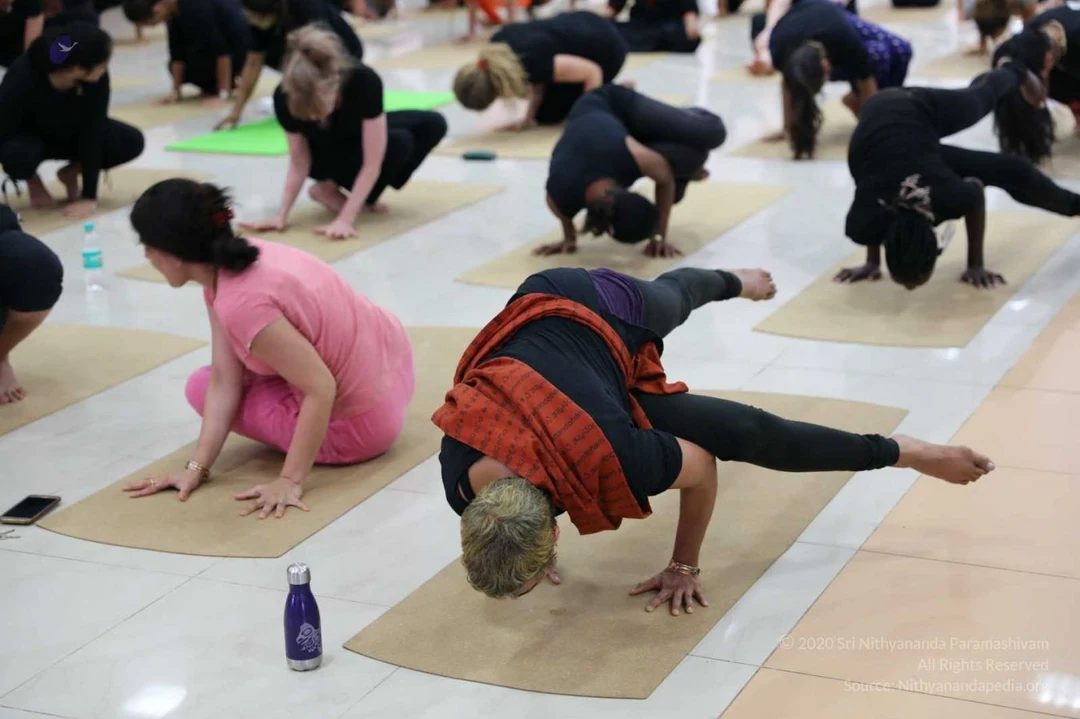 Practicing Nithyananda Yoga with these components, strong roots are built within the body and ecstatic bliss is experienced
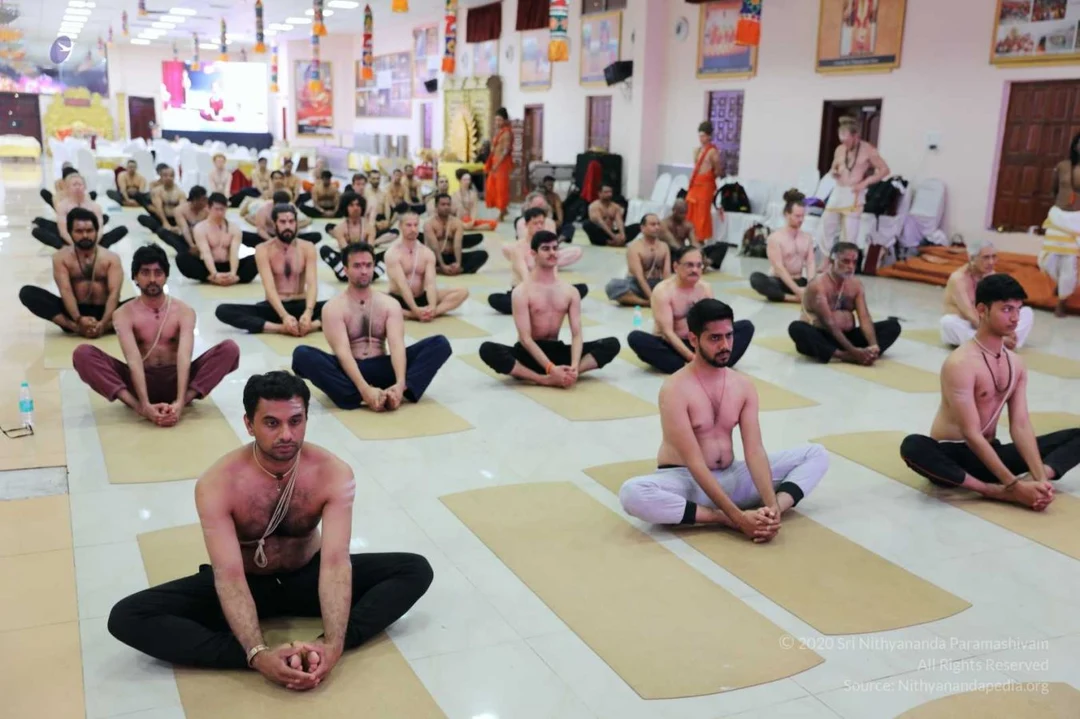 Practicing Nithyananda Yoga with these components, strong roots are built within the body and ecstatic bliss is experienced
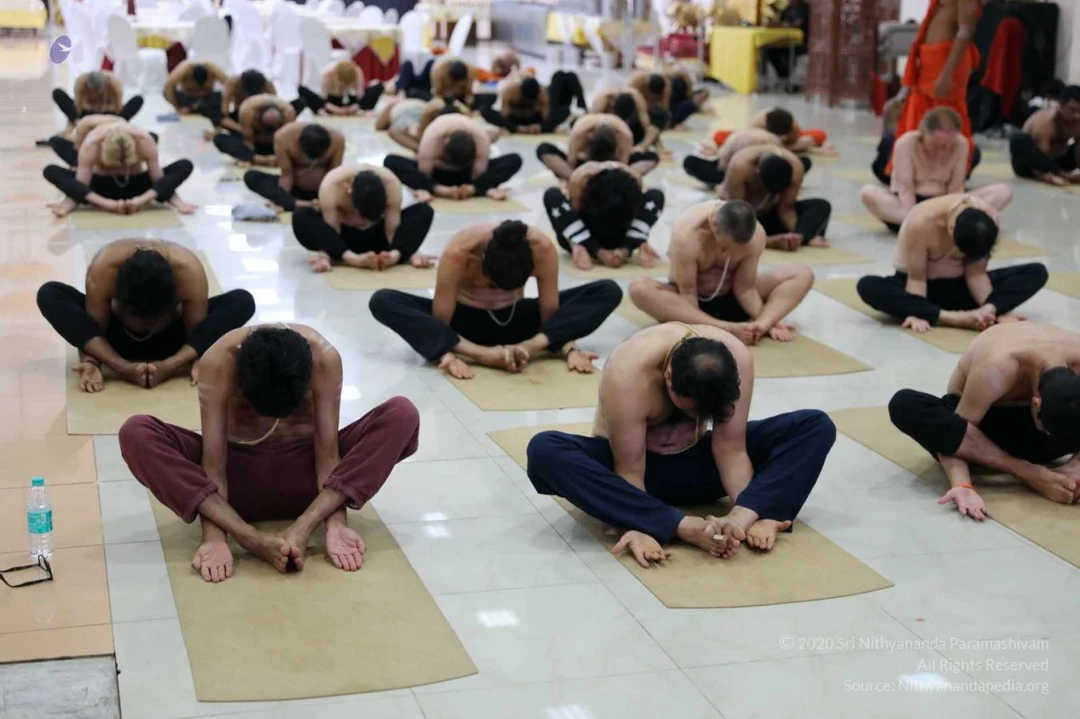 Practicing Nithyananda Yoga with these components, strong roots are built within the body and ecstatic bliss is experienced
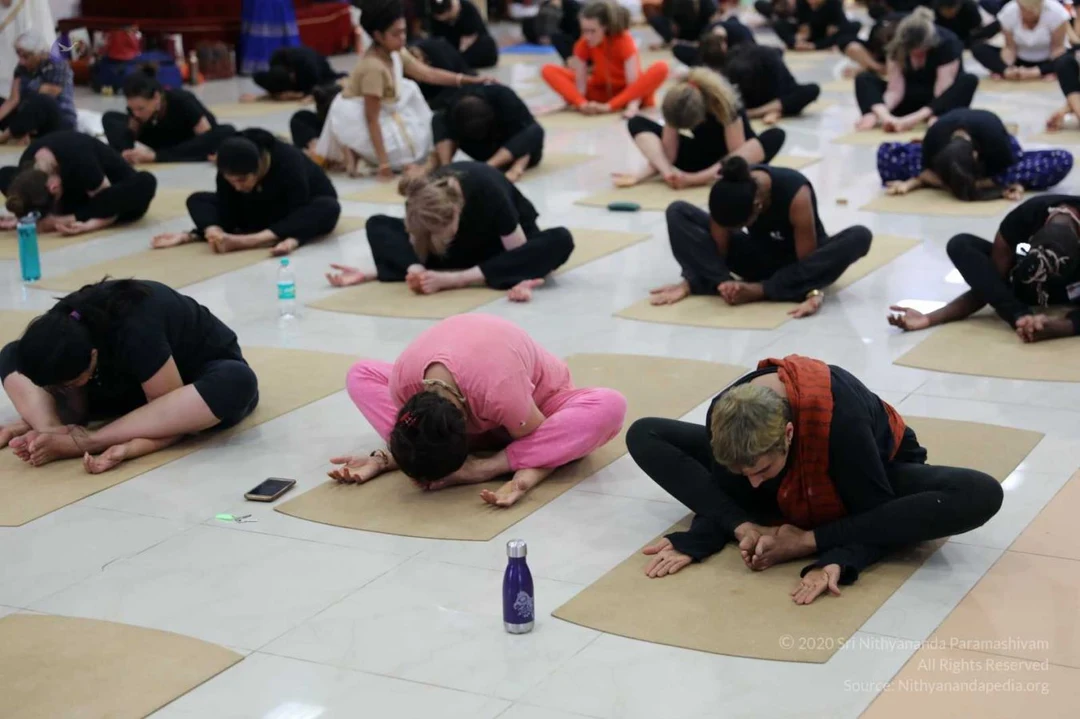 Practicing Nithyananda Yoga with these components, strong roots are built within the body and ecstatic bliss is experienced
 Practicing Nithyananda Yoga with these components, strong roots are built within the body and ecstatic bliss is experienced
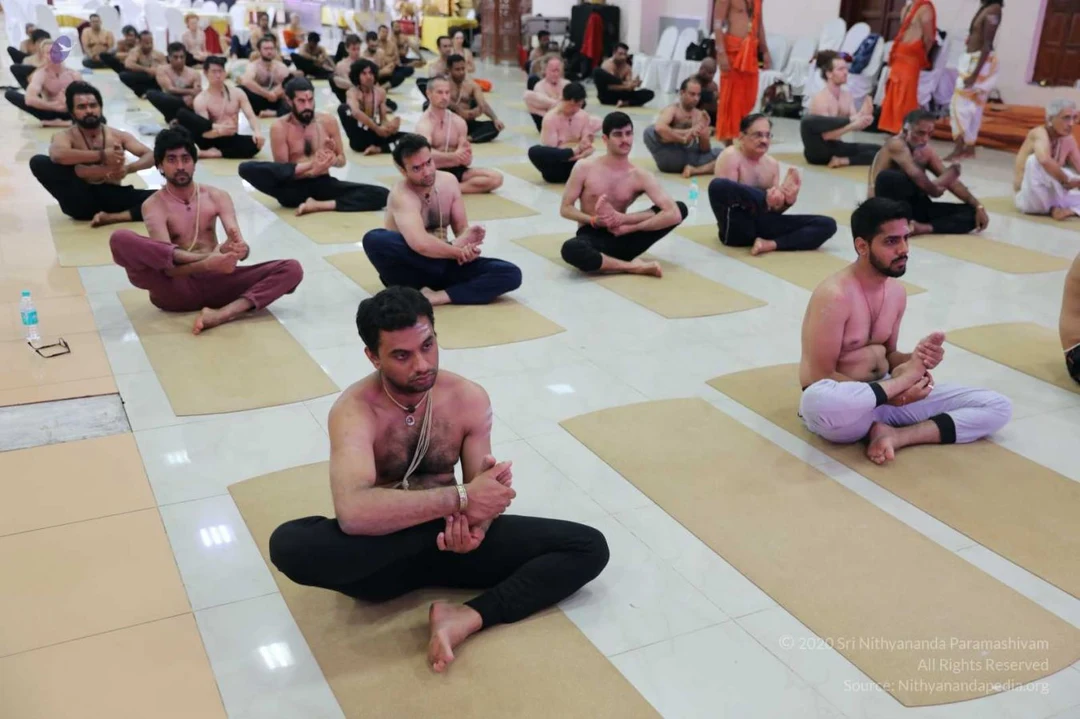 Practicing Nithyananda Yoga with these components, strong roots are built within the body and ecstatic bliss is experienced
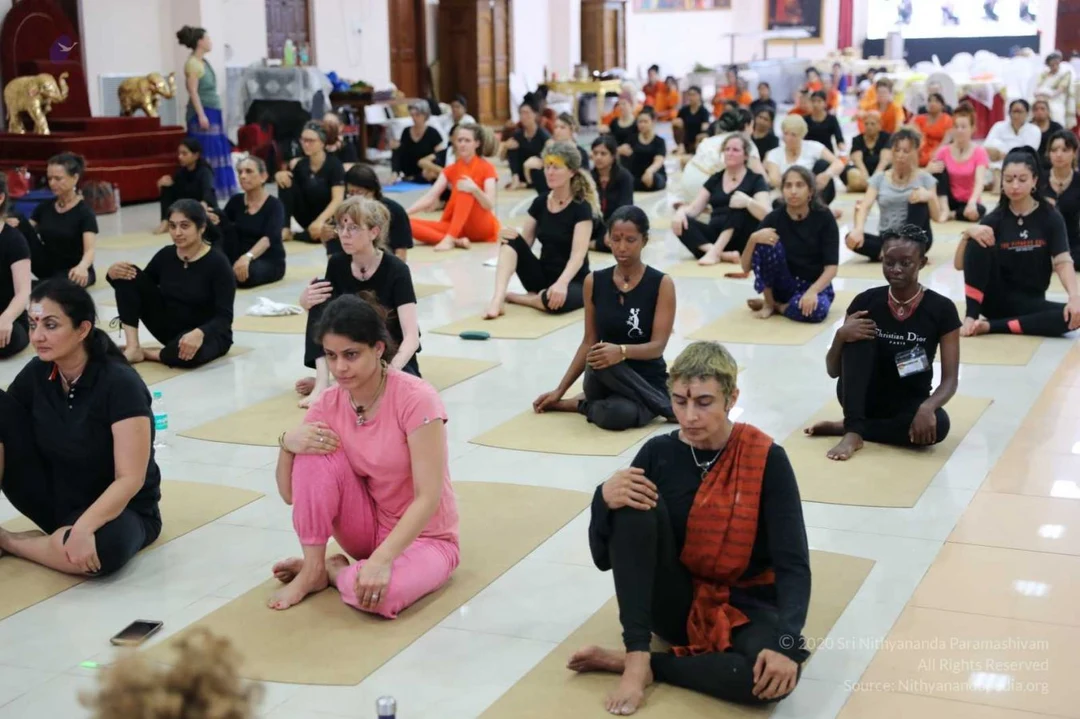 Practicing Nithyananda Yoga with these components, strong roots are built within the body and ecstatic bliss is experienced
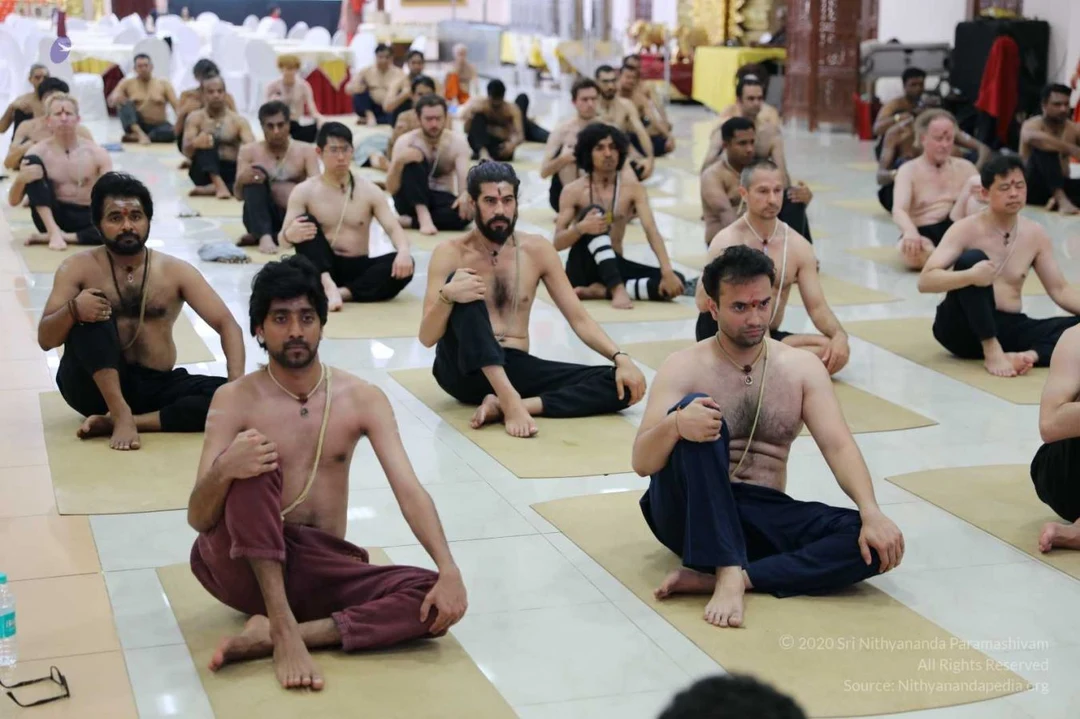 Practicing Nithyananda Yoga with these components, strong roots are built within the body and ecstatic bliss is experienced
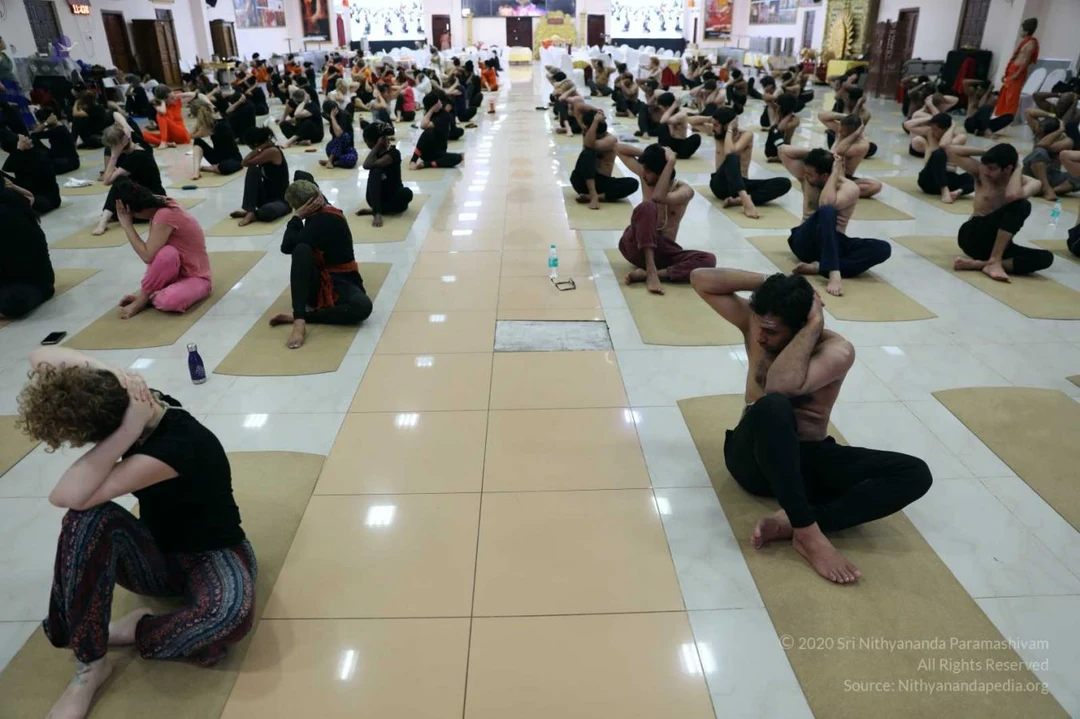 Practicing Nithyananda Yoga with these components, strong roots are built within the body and ecstatic bliss is experienced
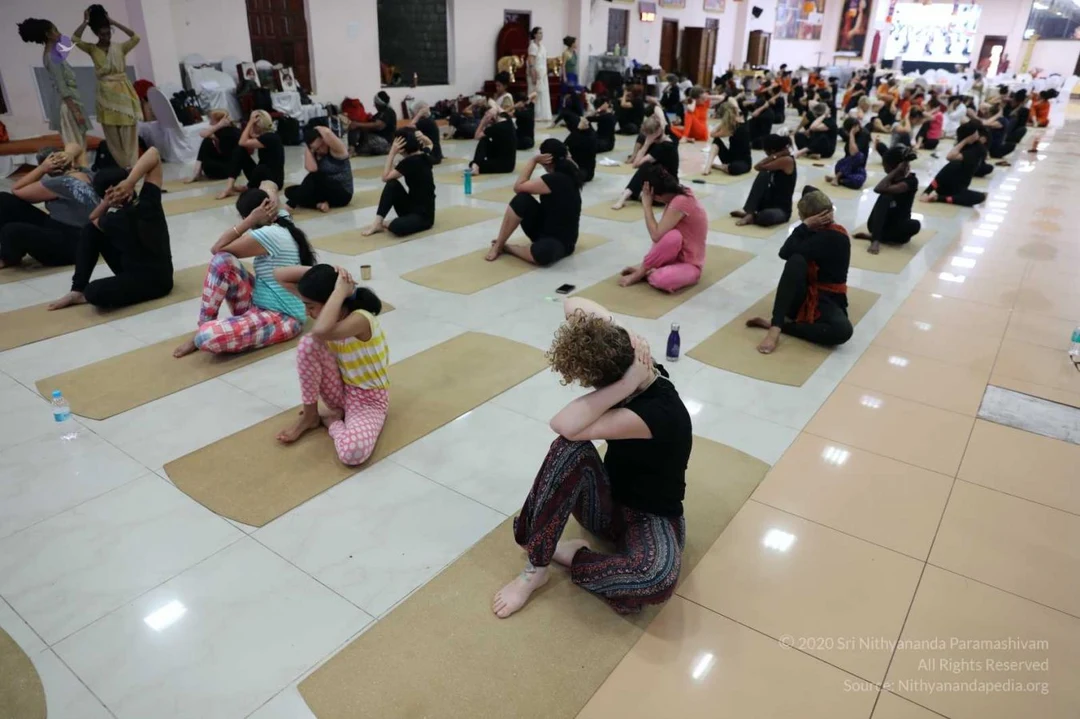 Practicing Nithyananda Yoga with these components, strong roots are built within the body and ecstatic bliss is experienced
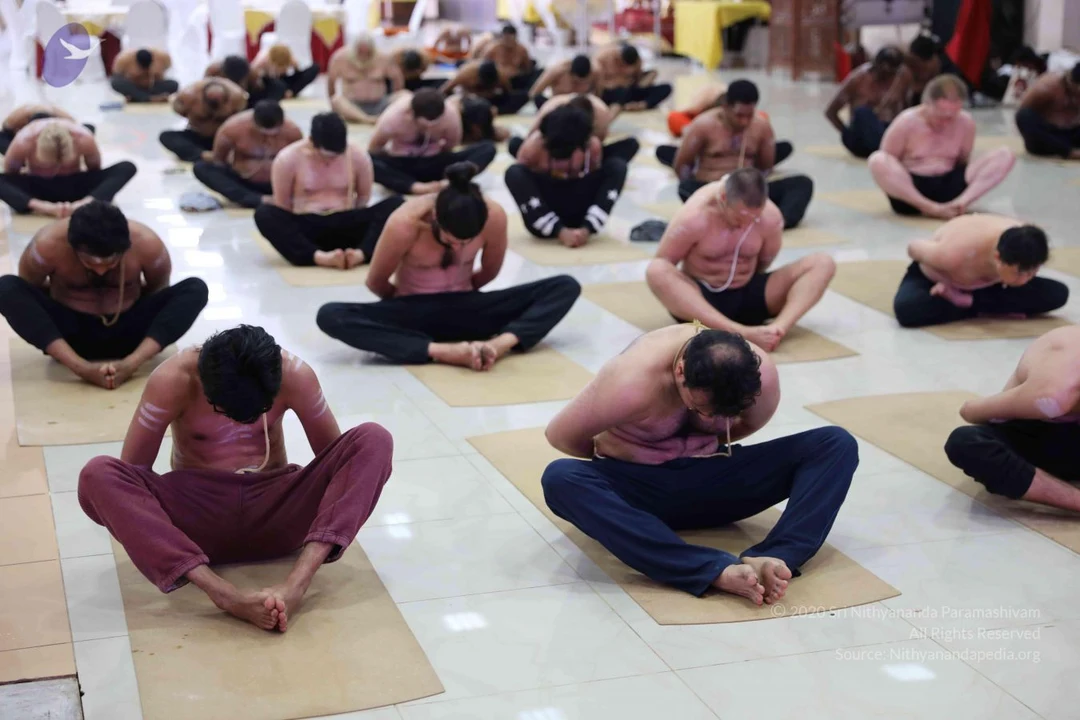
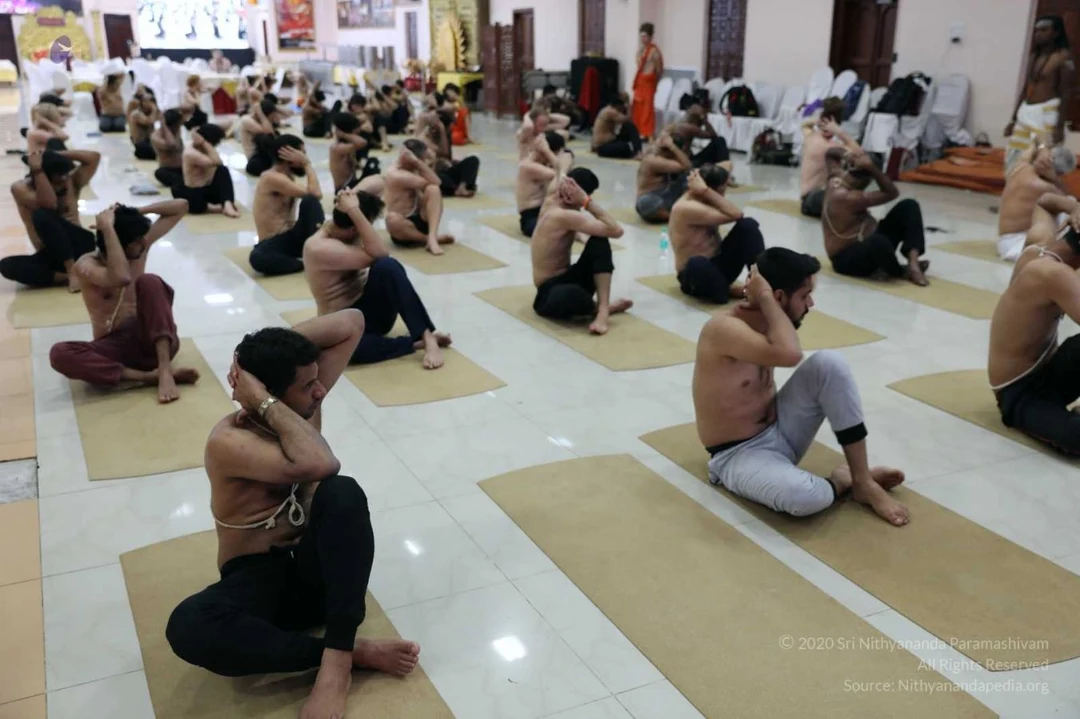 Nithyananda Yoga - each asana having twelve components of asana, mudra, bandha, pranayama, aushadha, karana, and flowing into the next asana
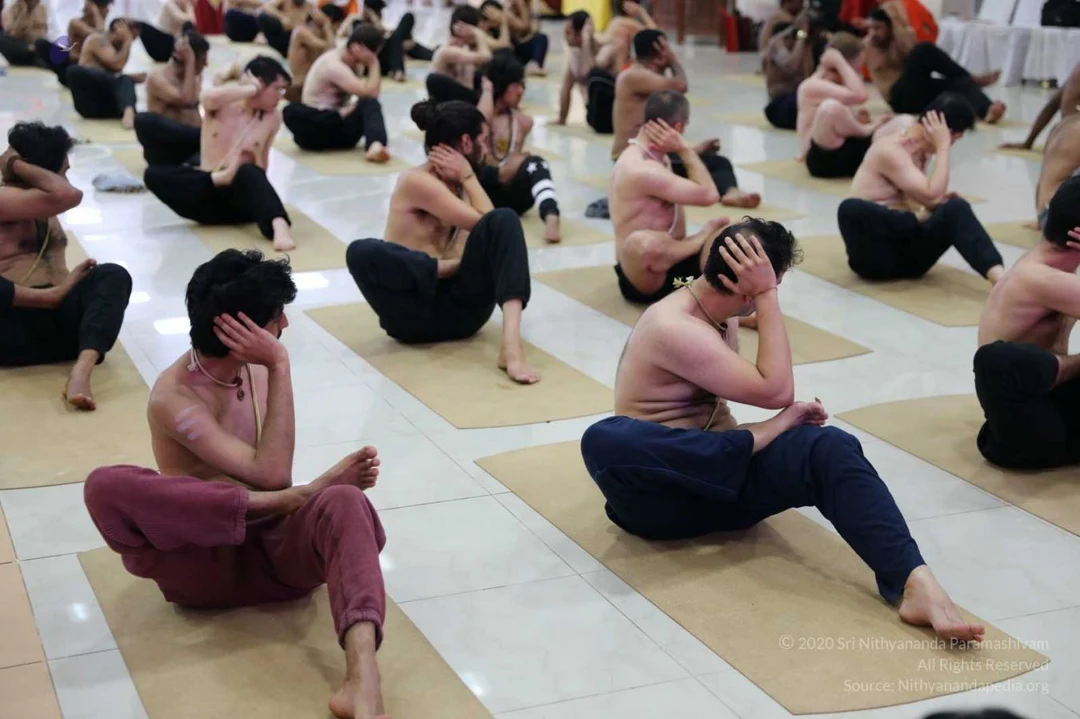 Nithyananda Yoga - each asana having twelve components of asana, mudra, bandha, pranayama, aushadha, karana, and flowing into the next asana
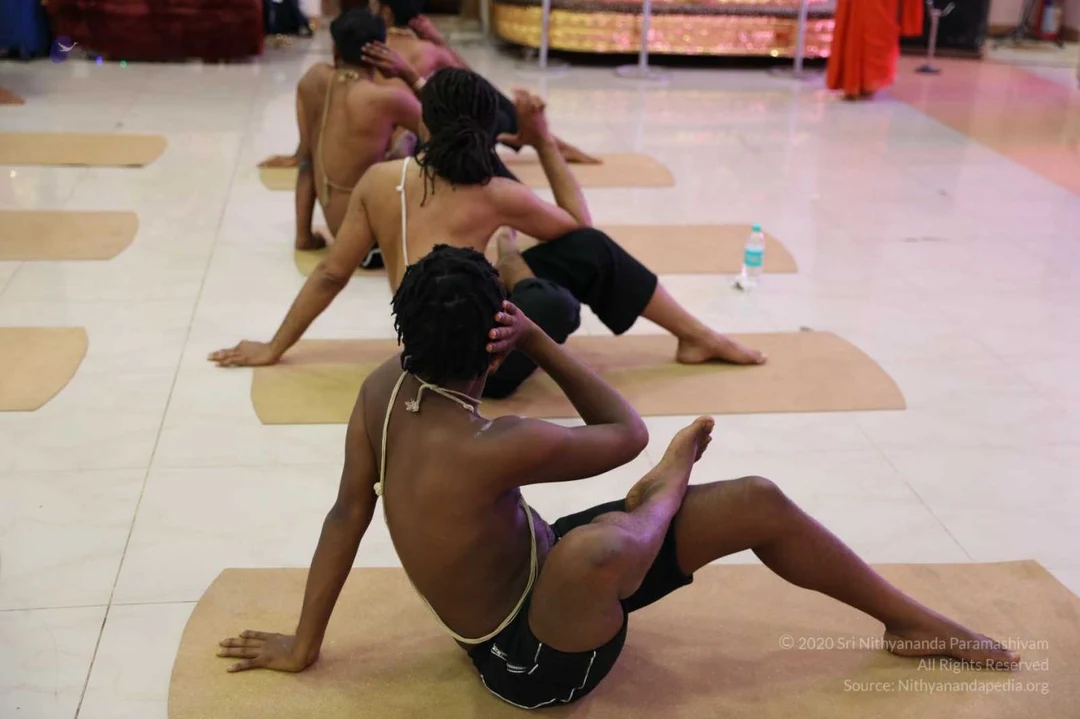 Nithyananda Yoga - each asana having twelve components of asana, mudra, bandha, pranayama, aushadha, karana, and flowing into the next asana
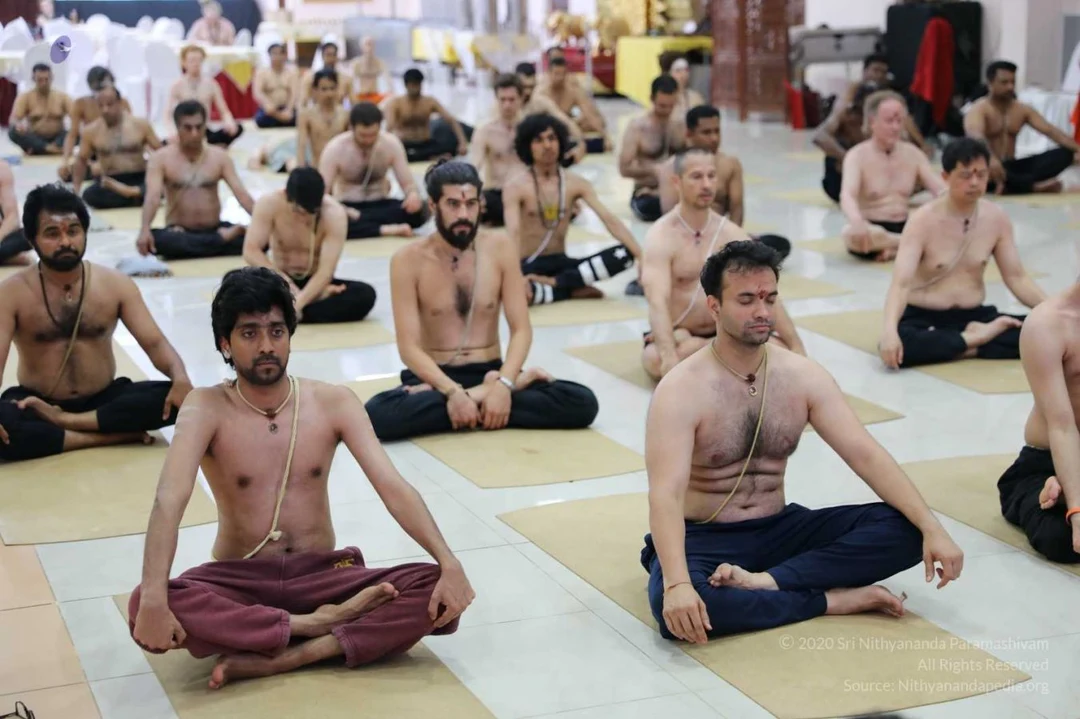 Nithyananda Yoga - each asana having twelve components of asana, mudra, bandha, pranayama, aushadha, karana, and flowing into the next asana
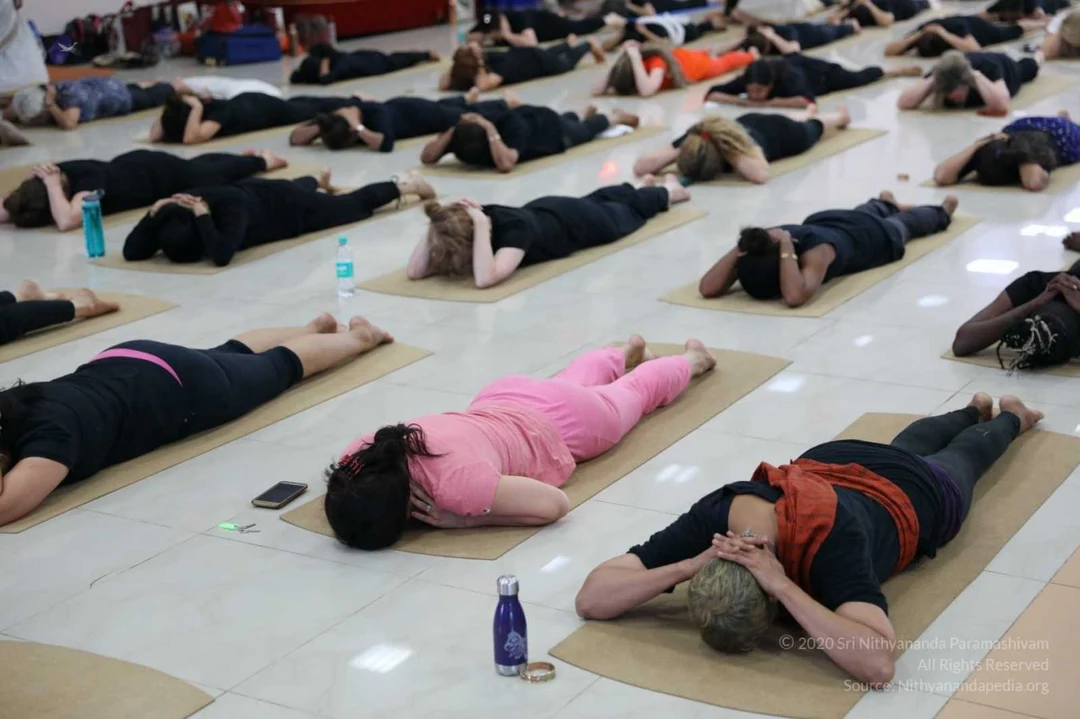 Nithyananda Yoga - each asana having twelve components of asana, mudra, bandha, pranayama, aushadha, karana, and flowing into the next asana
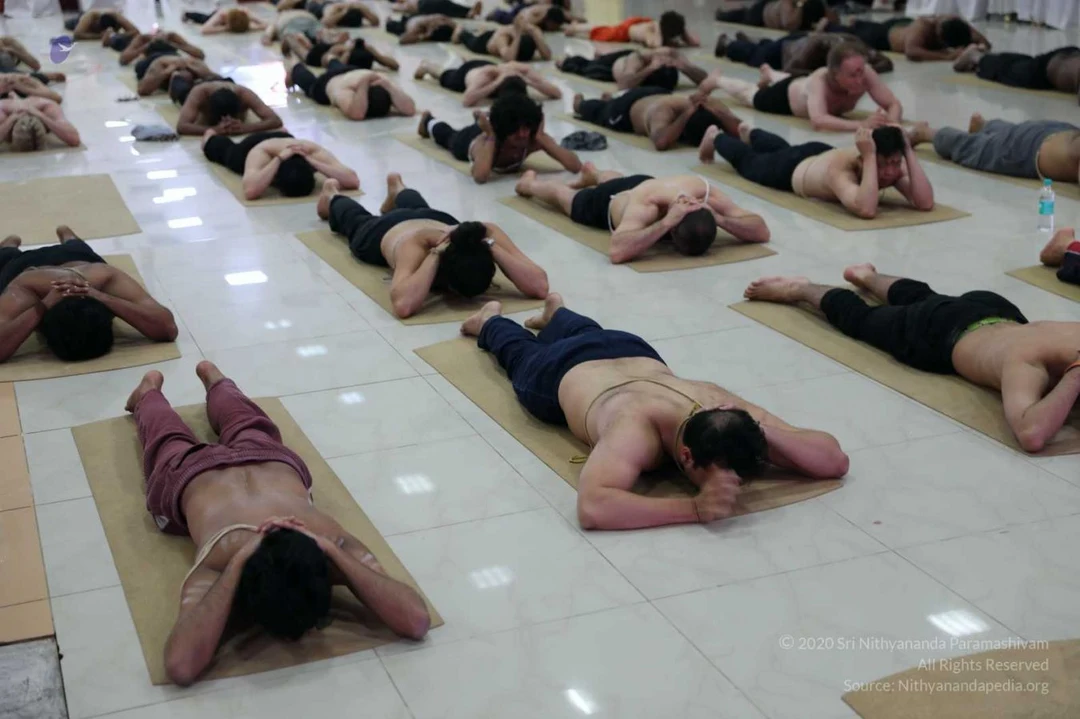 Nithyananda Yoga - each asana having twelve components of asana, mudra, bandha, pranayama, aushadha, karana, and flowing into the next asana
 Nithyananda Yoga - each asana having twelve components of asana, mudra, bandha, pranayama, aushadha, karana, and flowing into the next asana
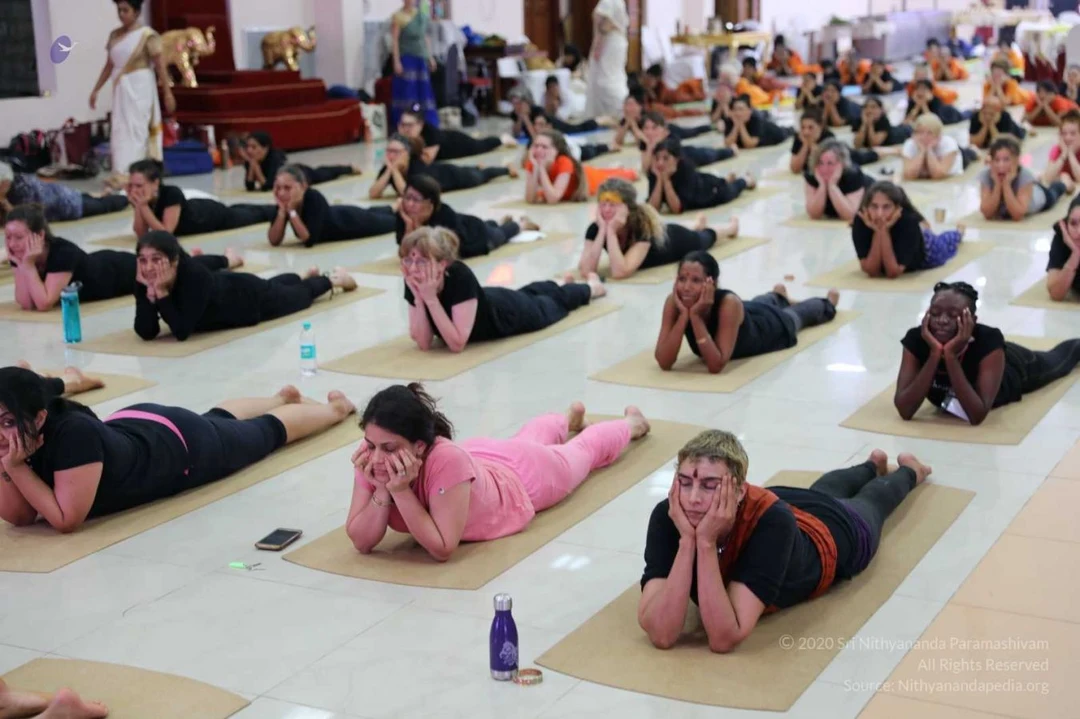 Nithyananda Yoga - each asana having twelve components of asana, mudra, bandha, pranayama, aushadha, karana, and flowing into the next asana
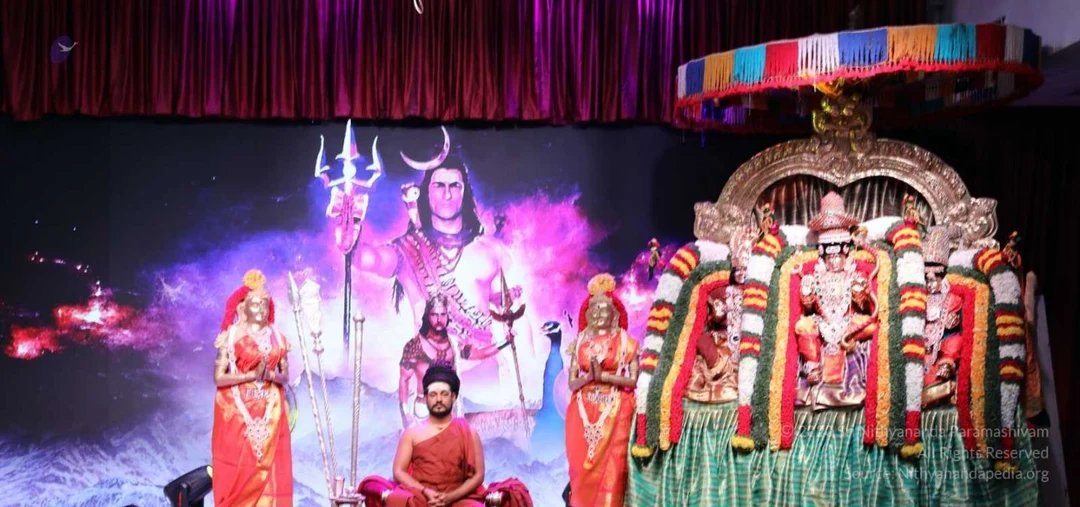 The breathing space of an avatar is an excellent space to perform yoga
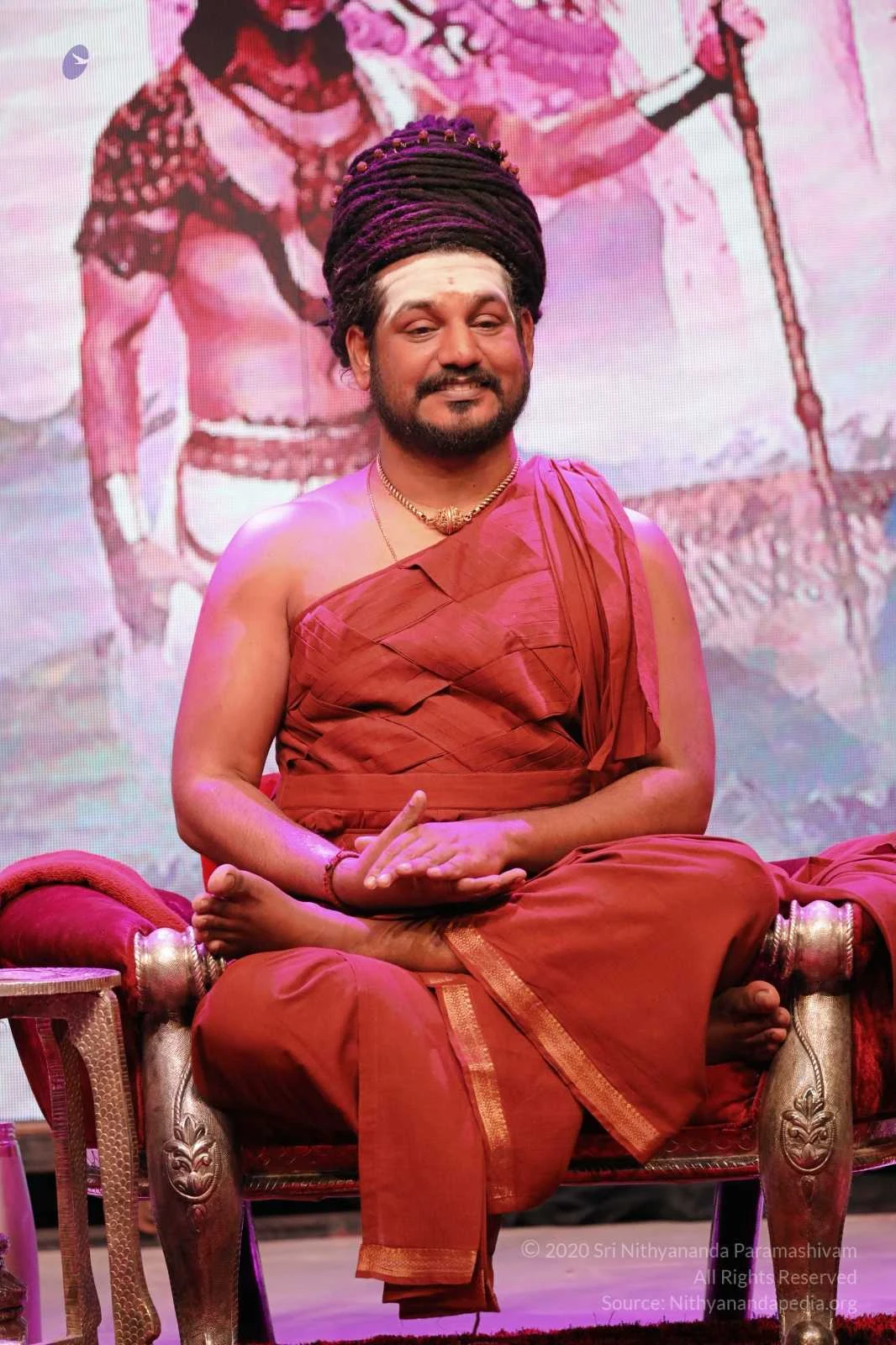
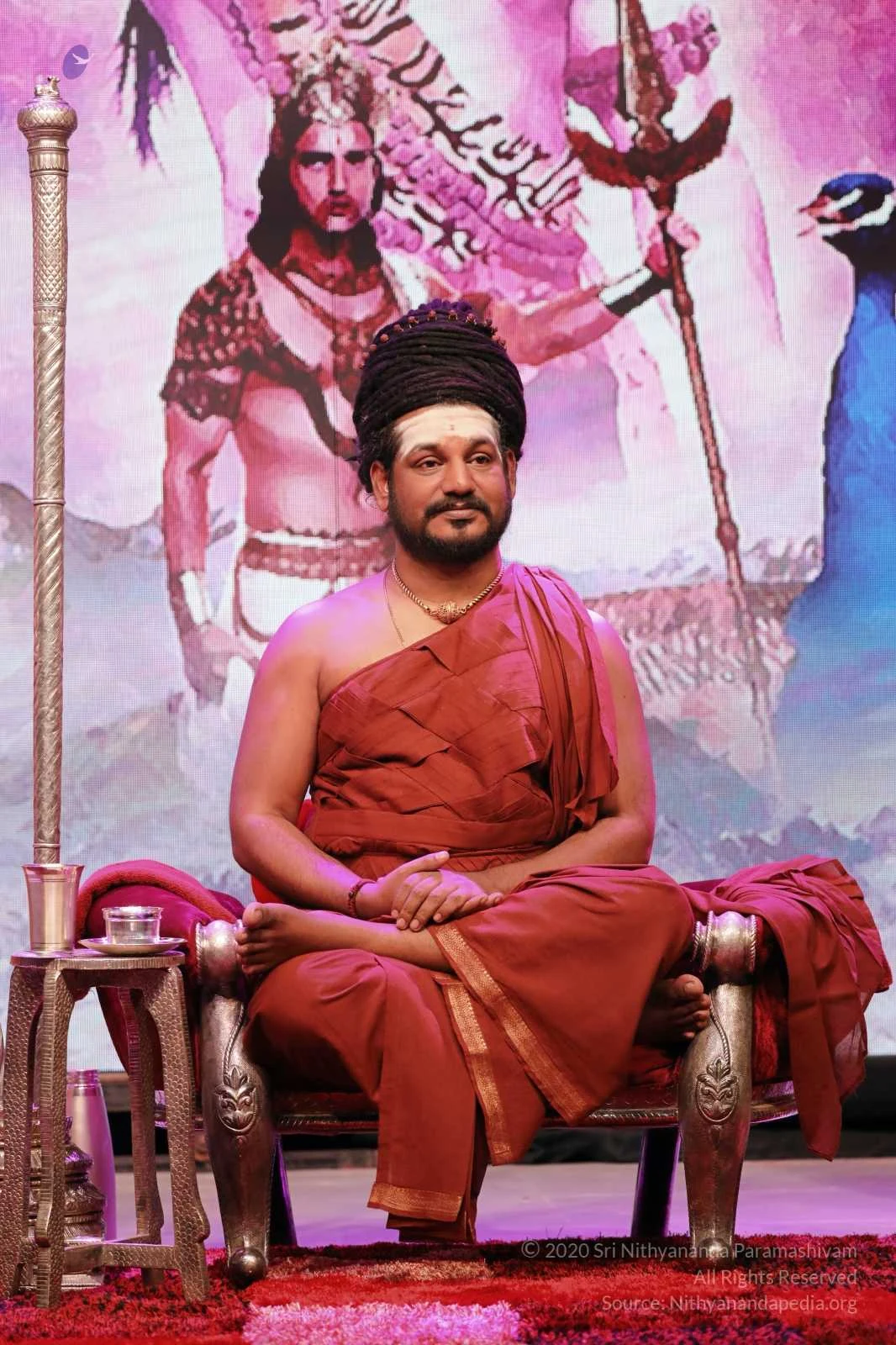
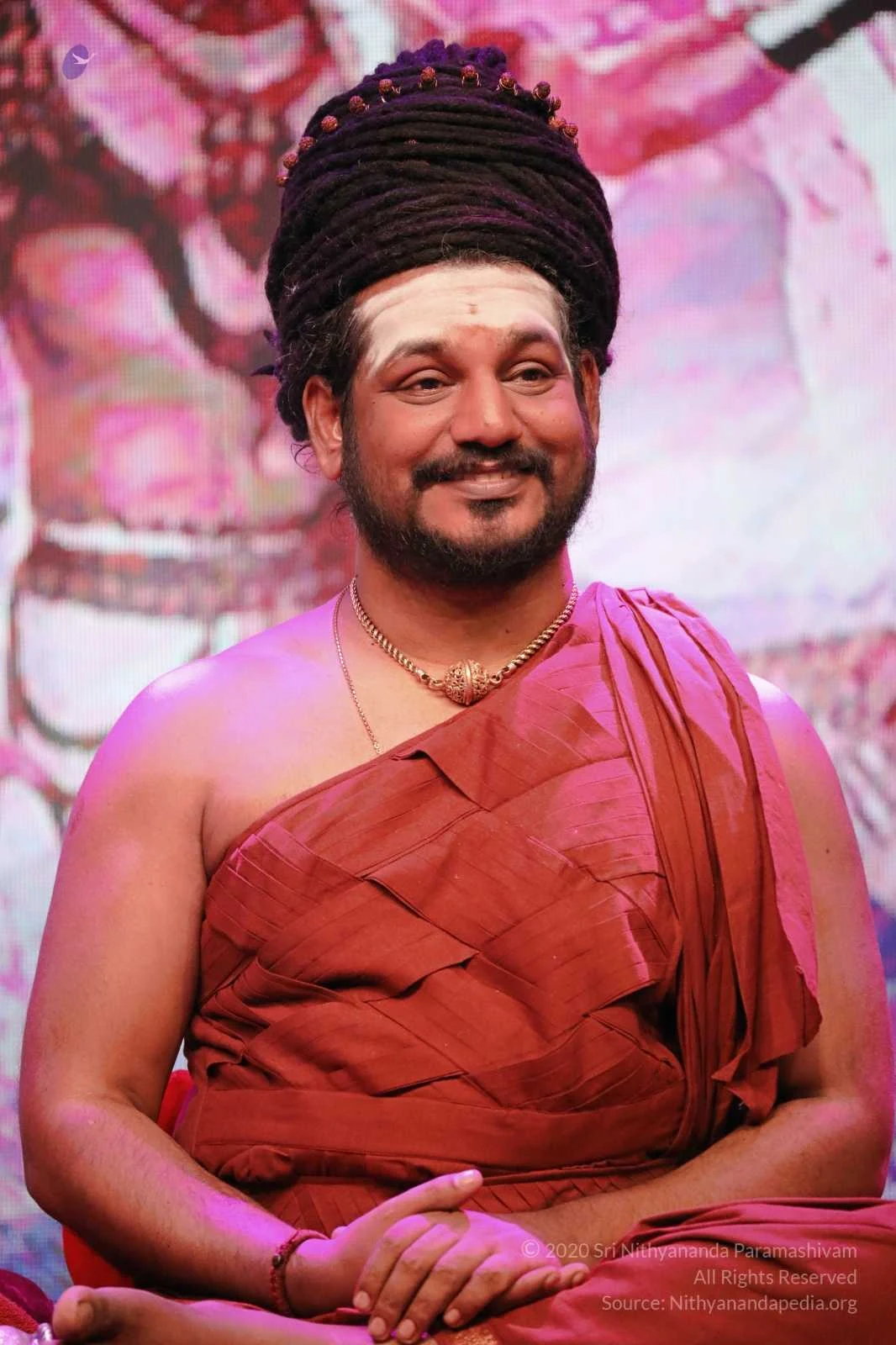
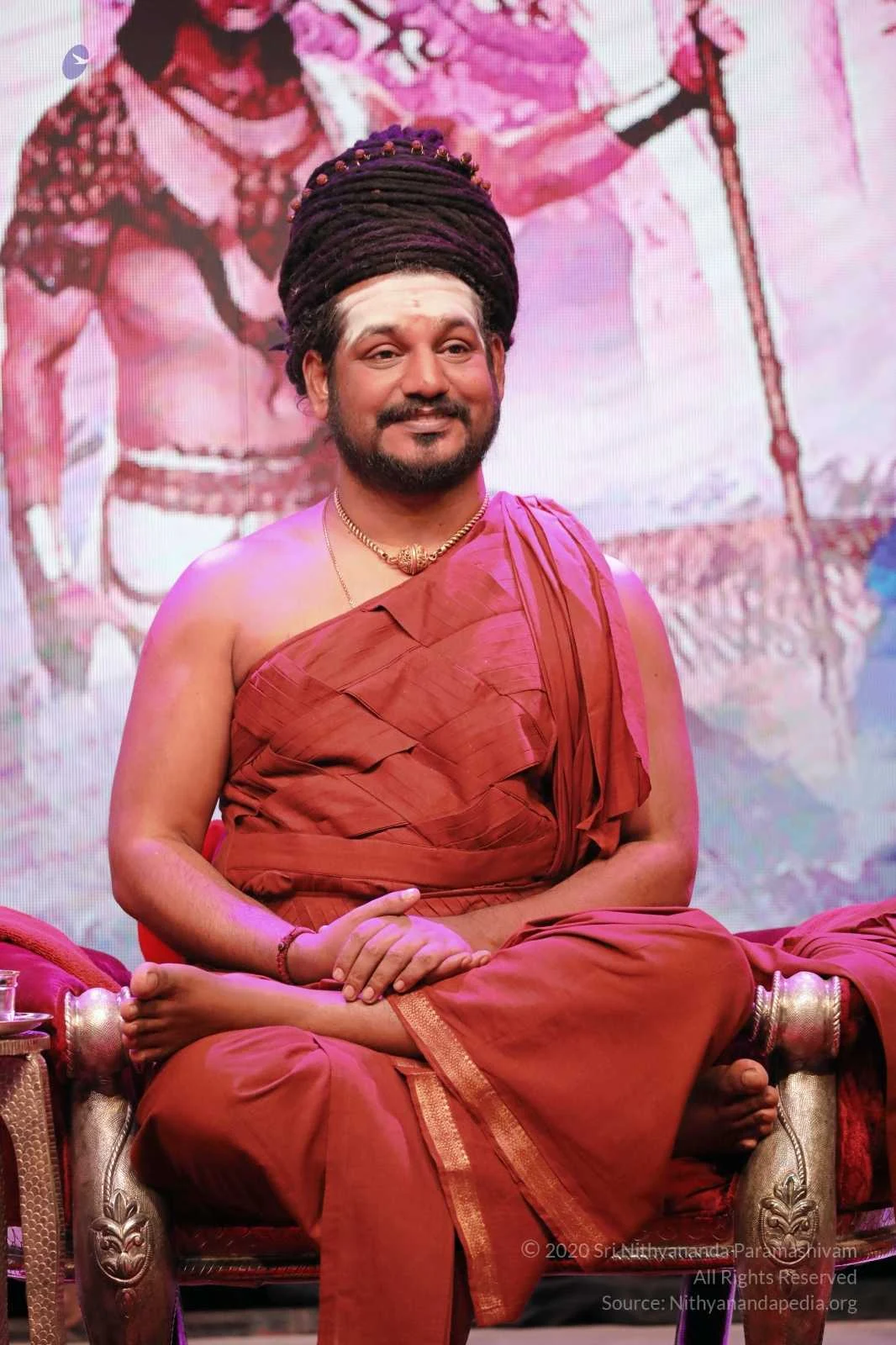
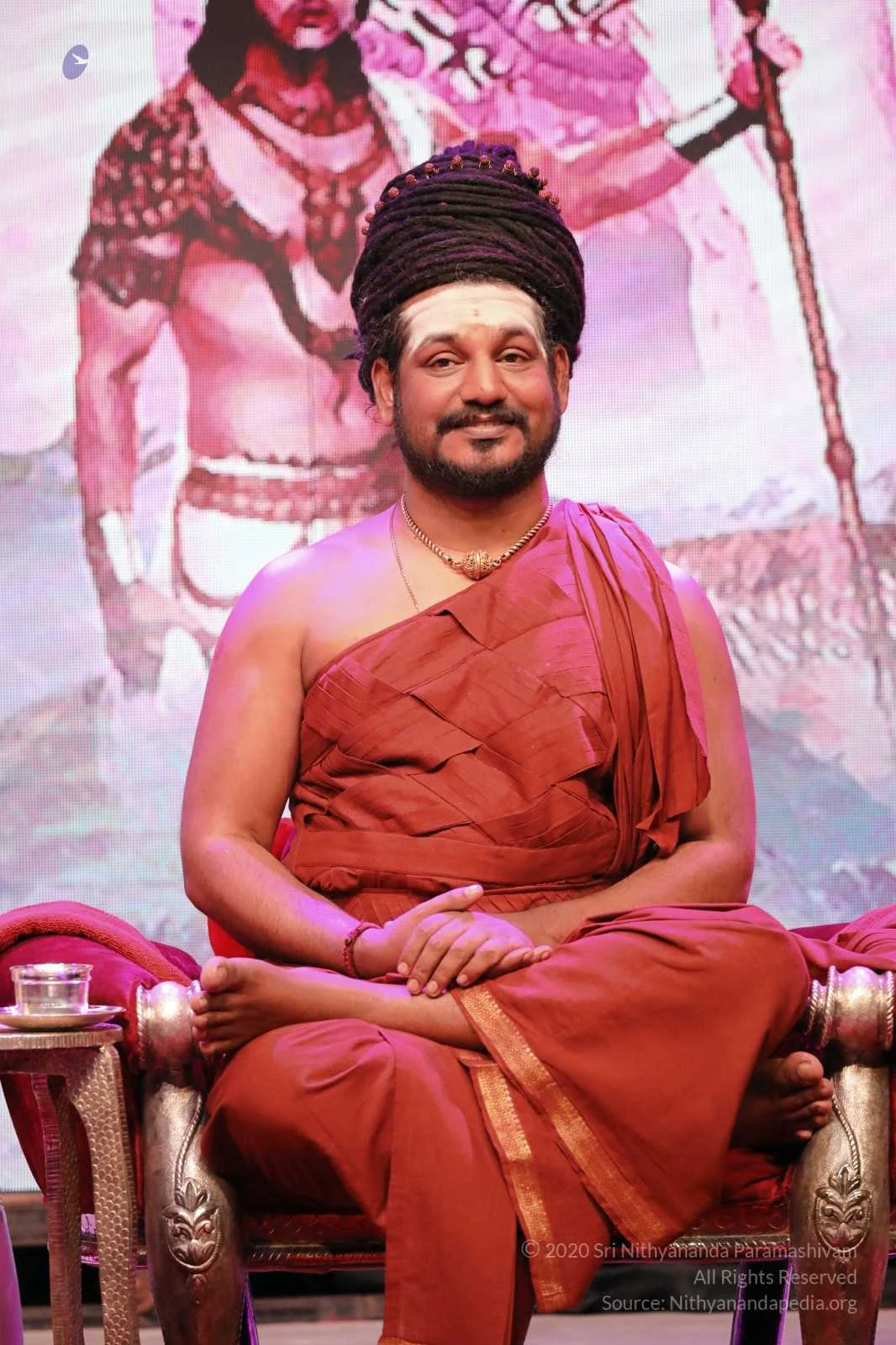
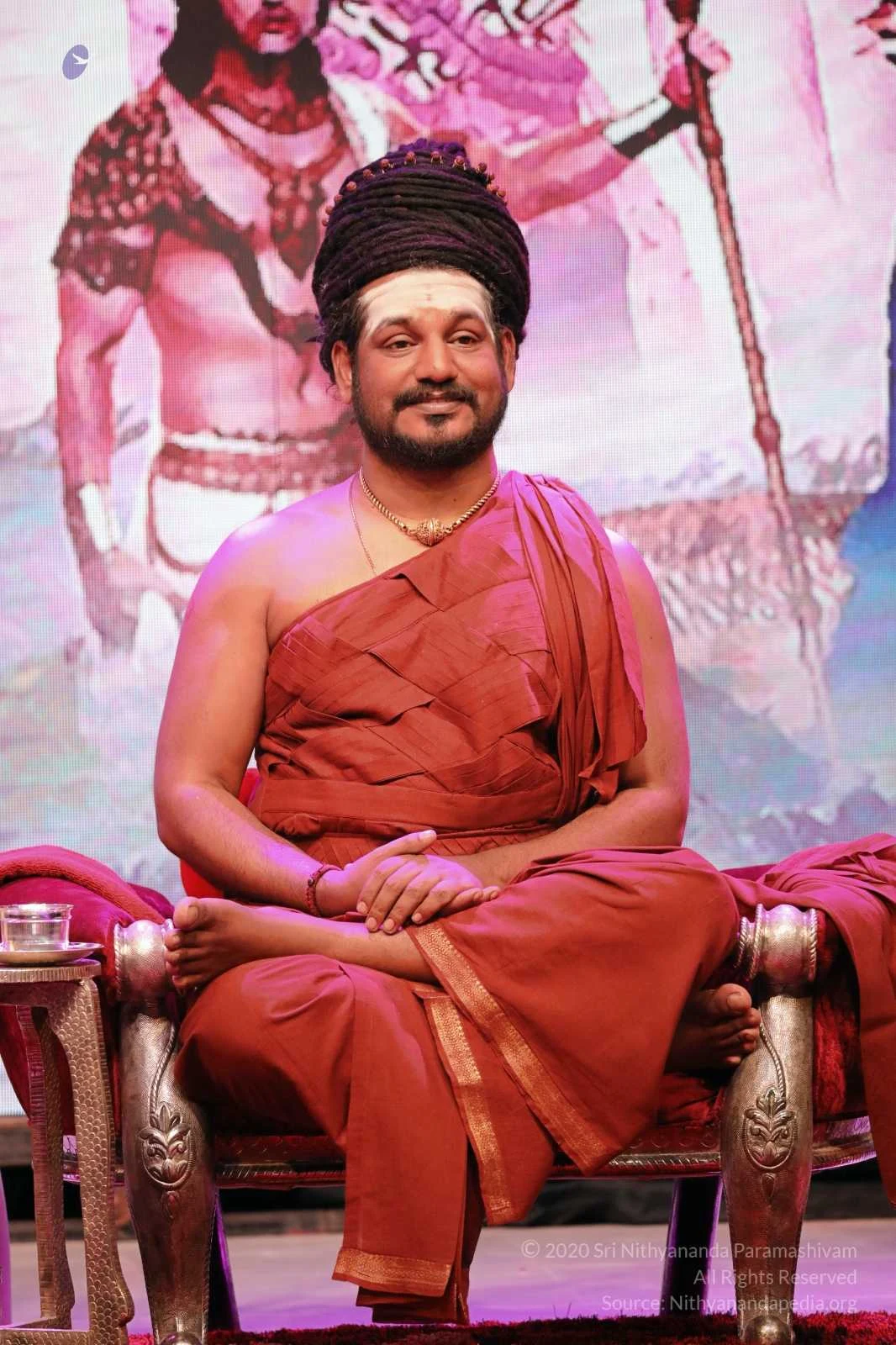
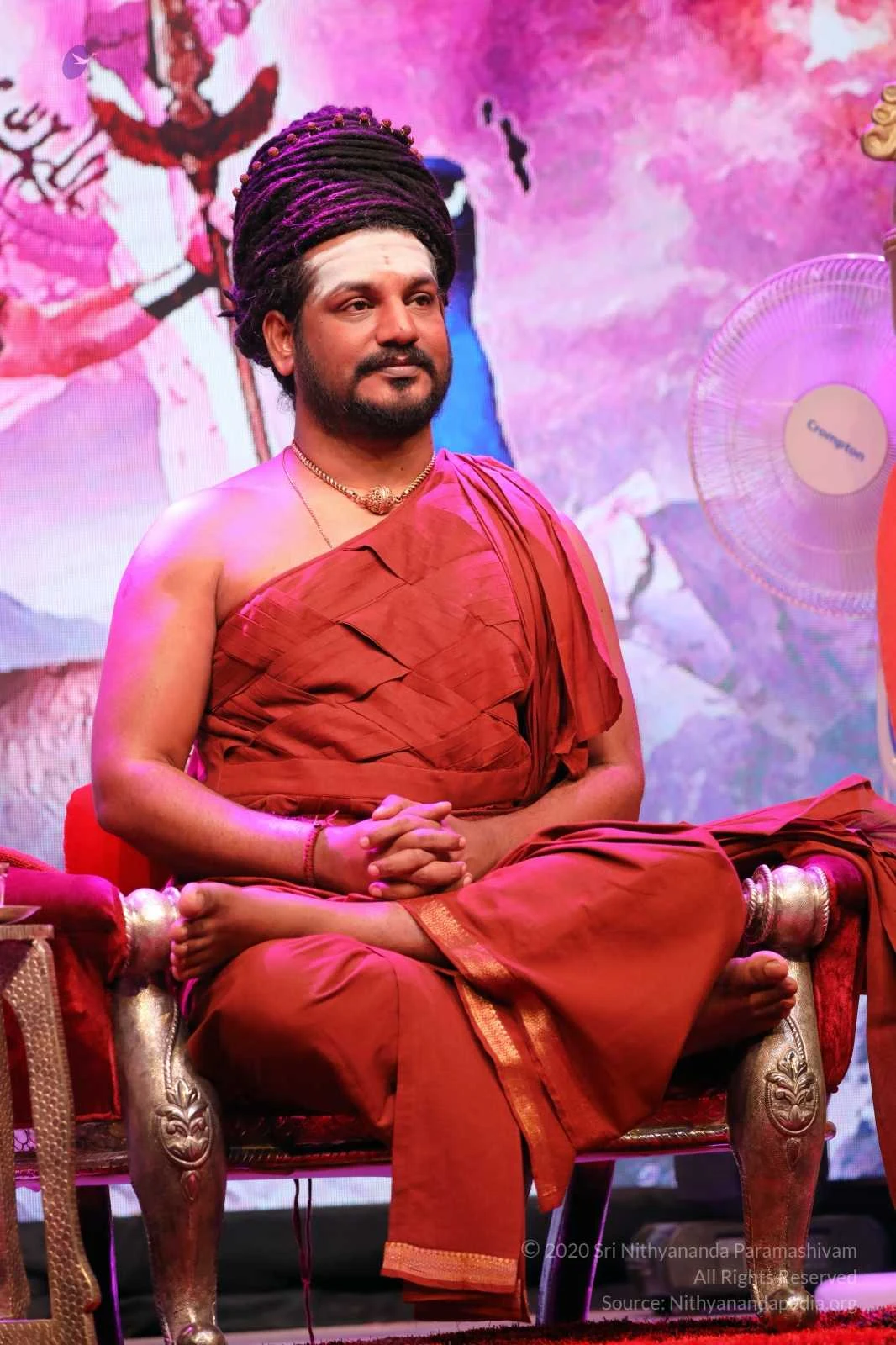
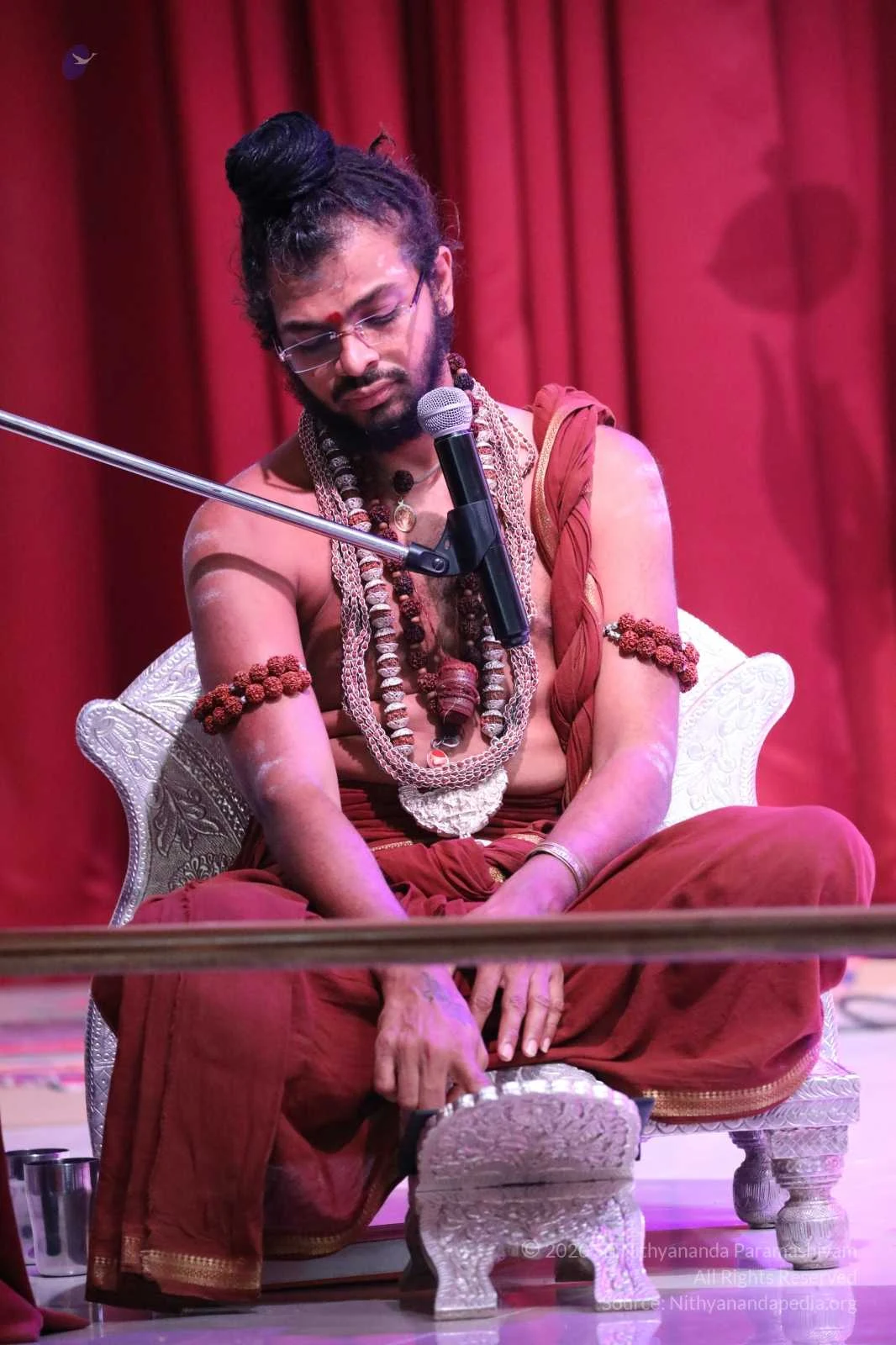
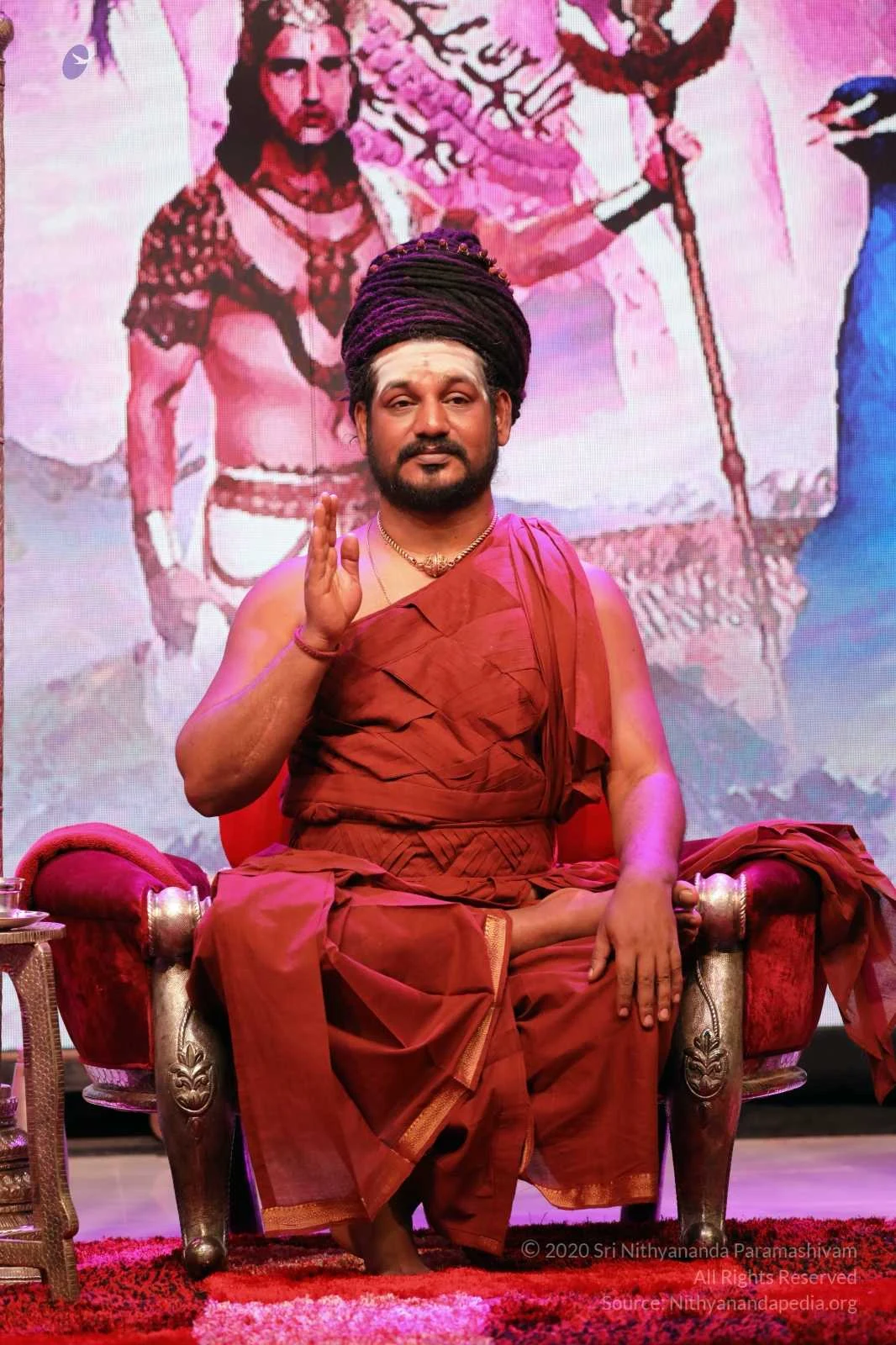
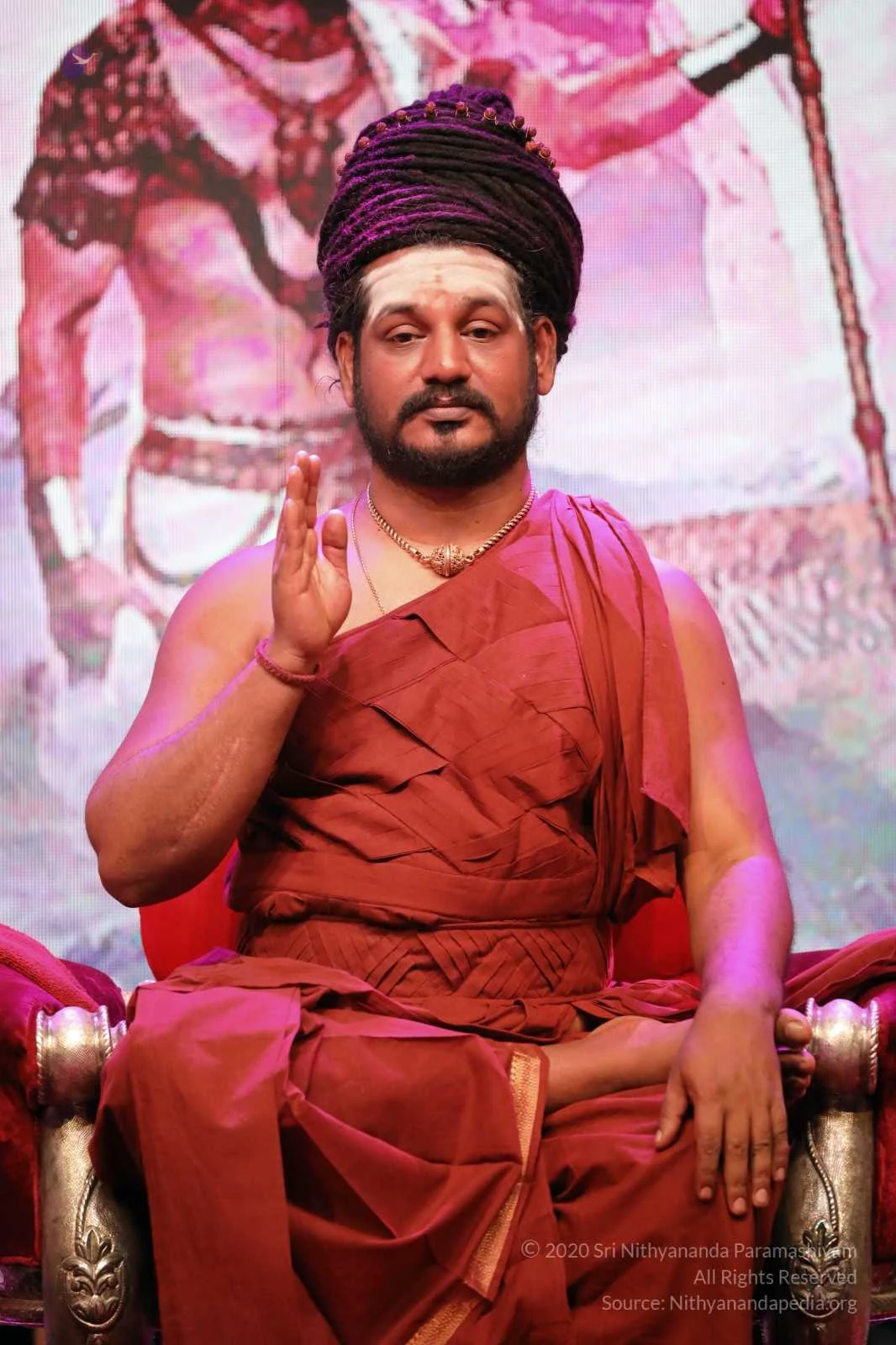
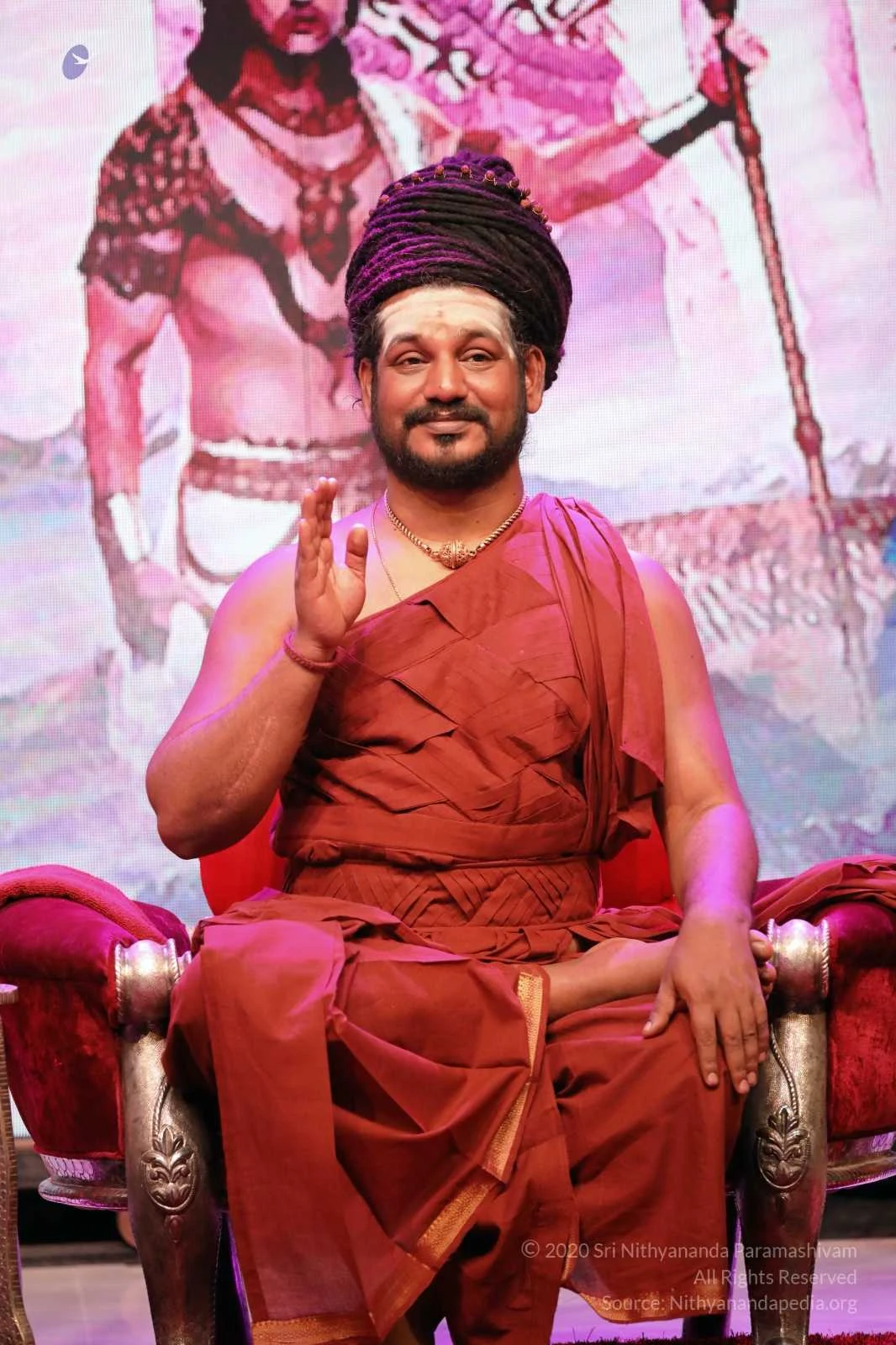
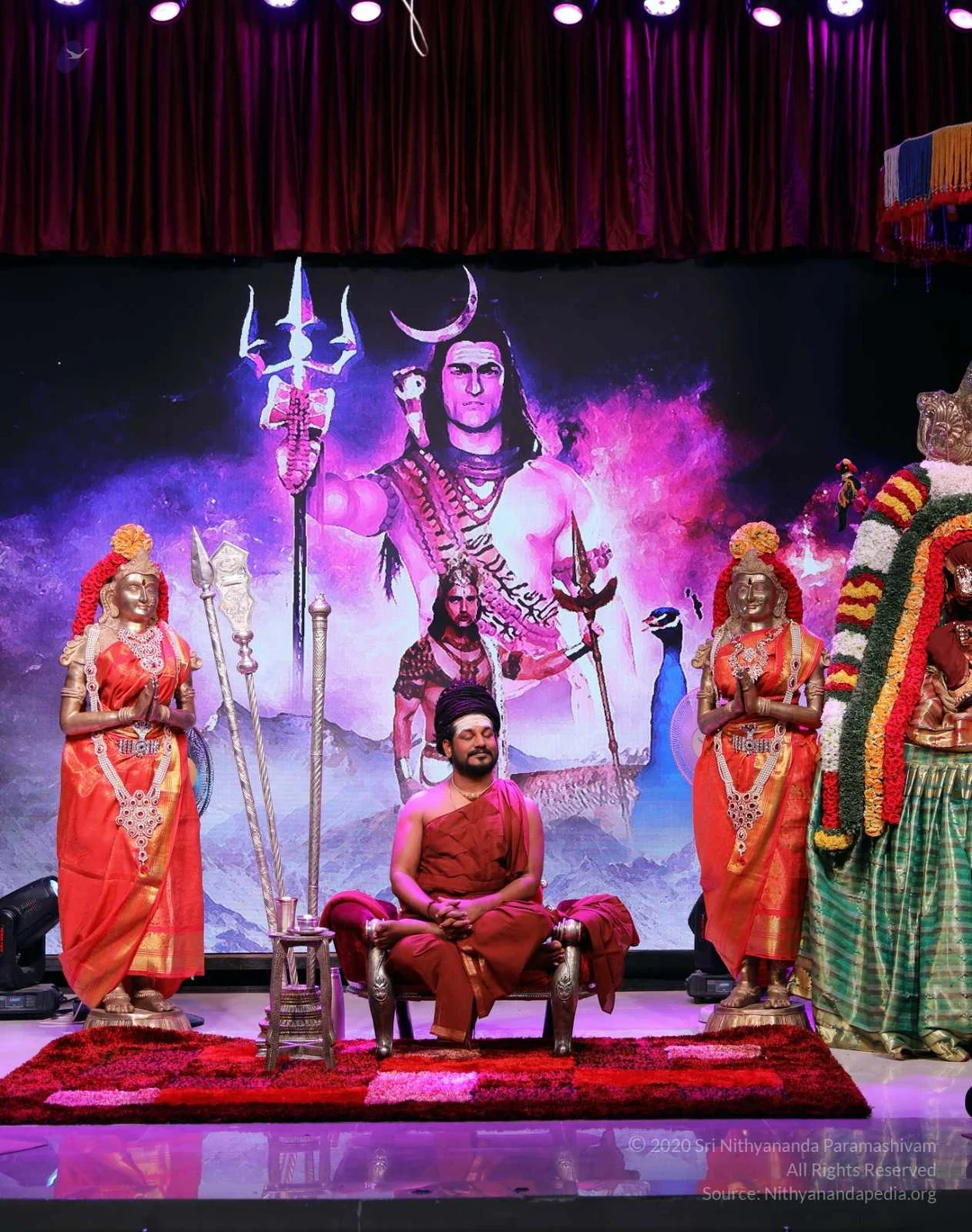
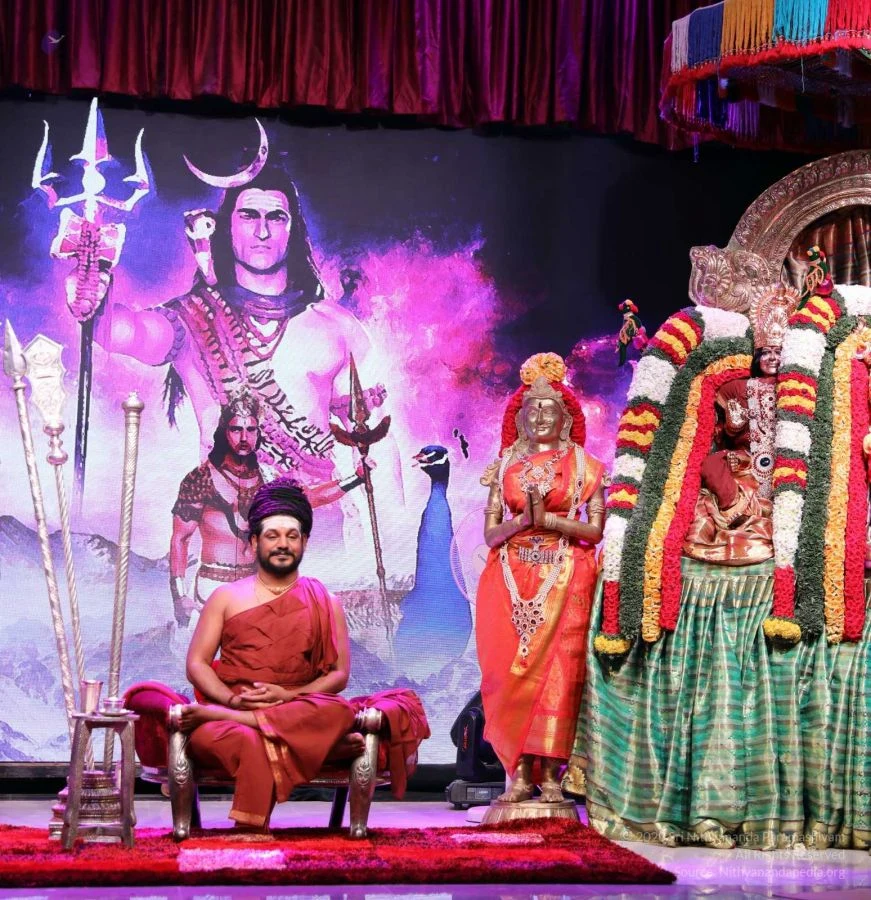
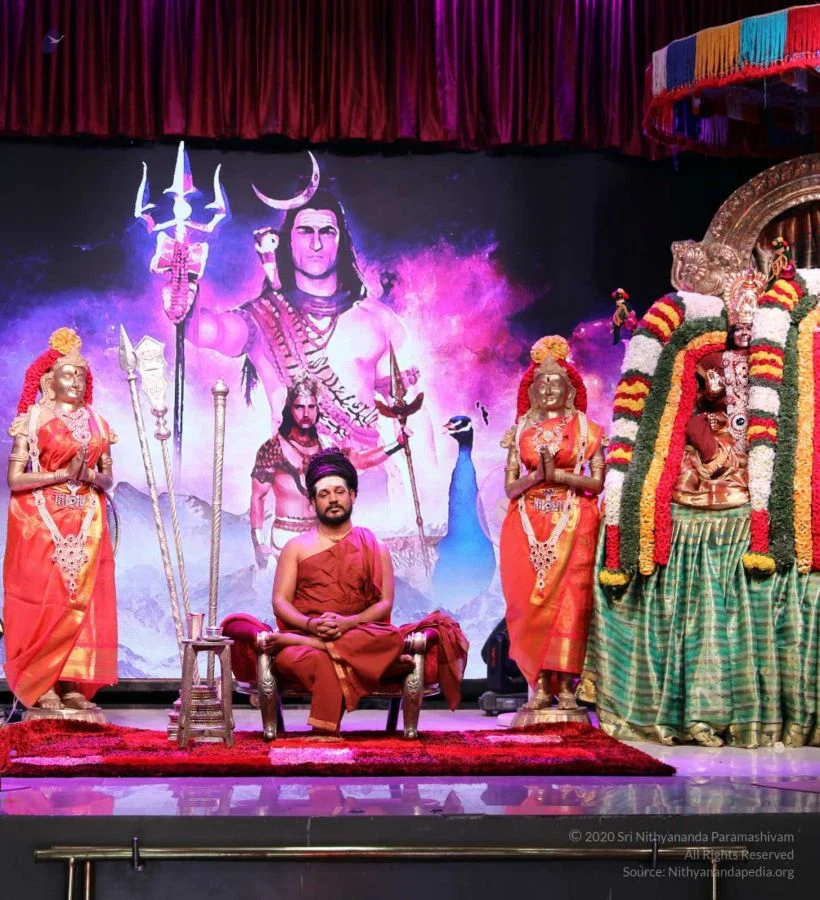
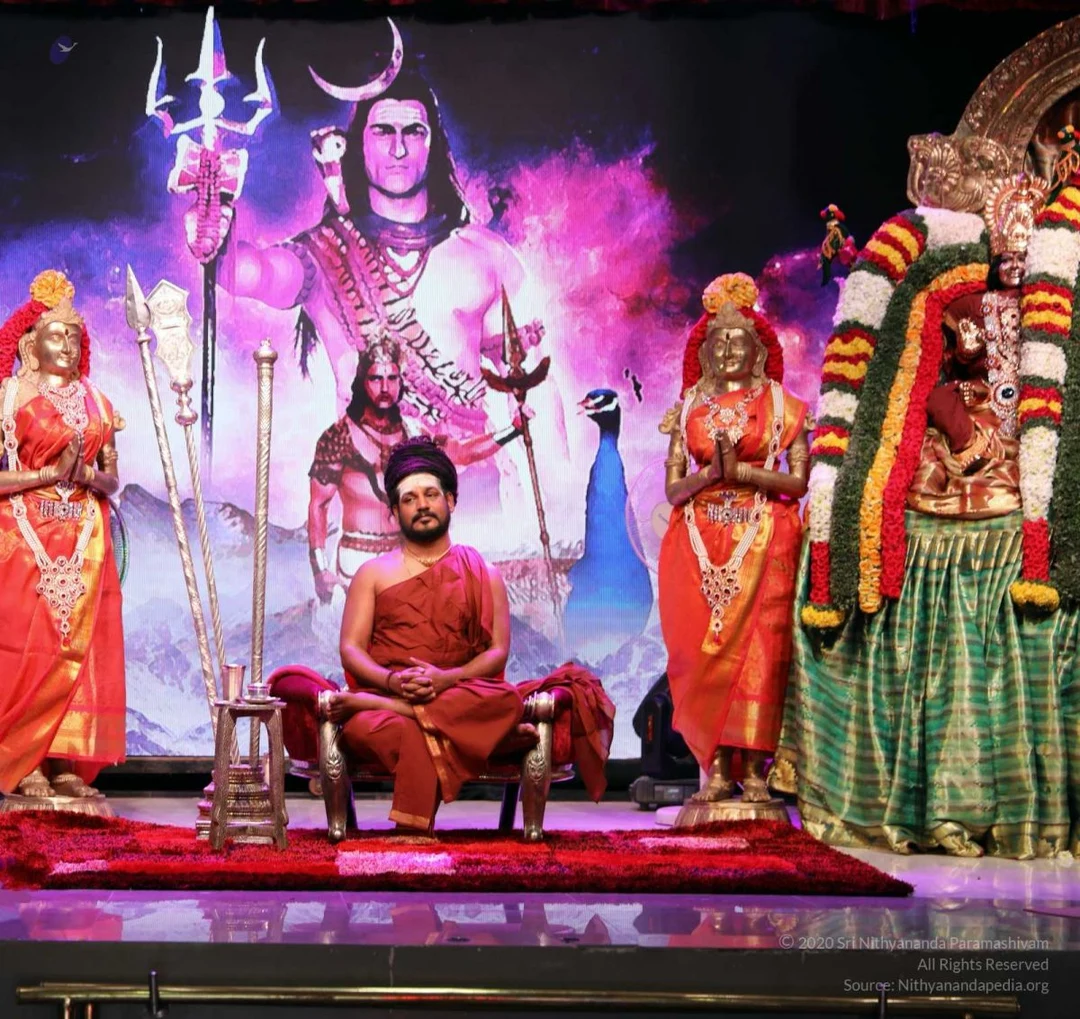
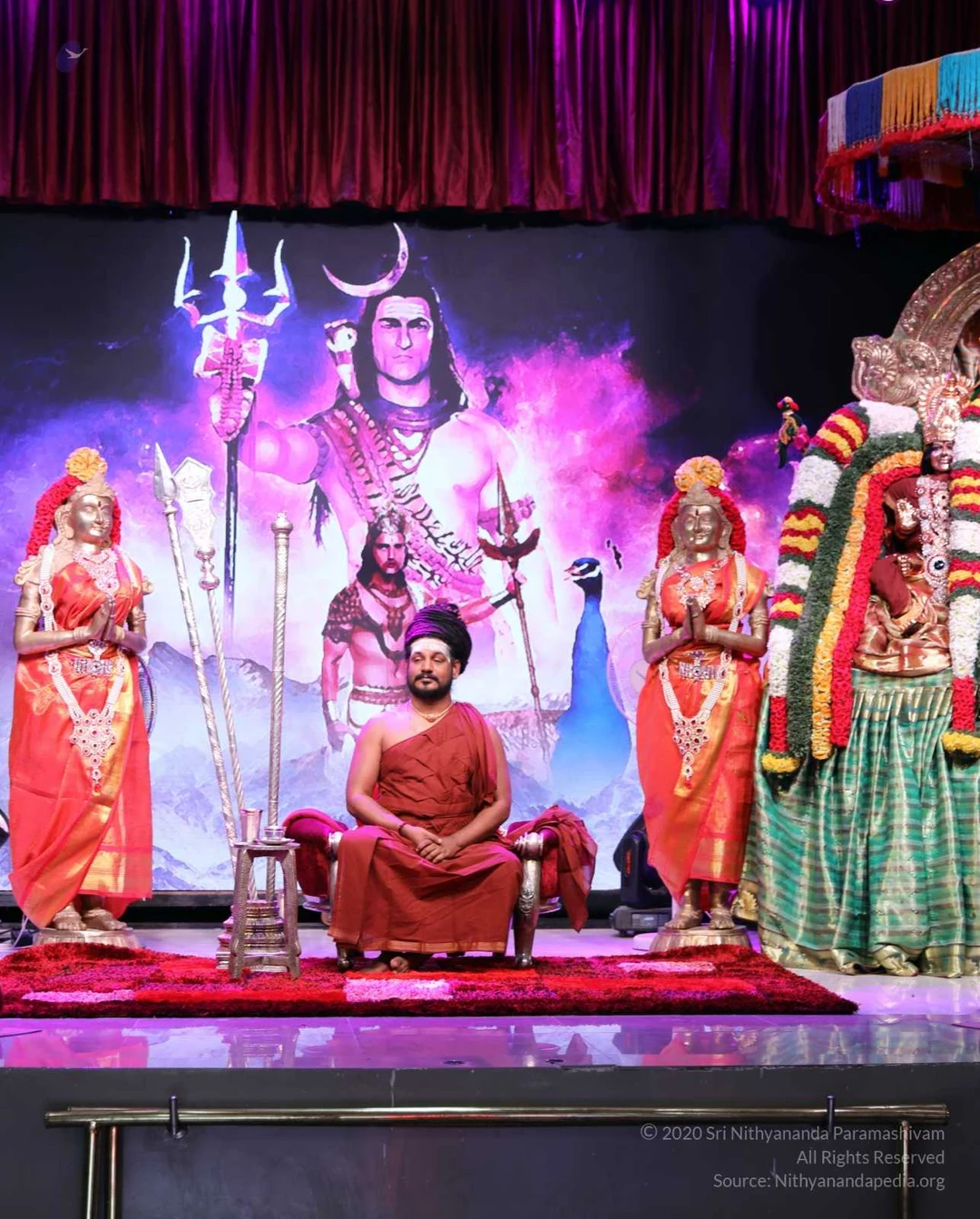
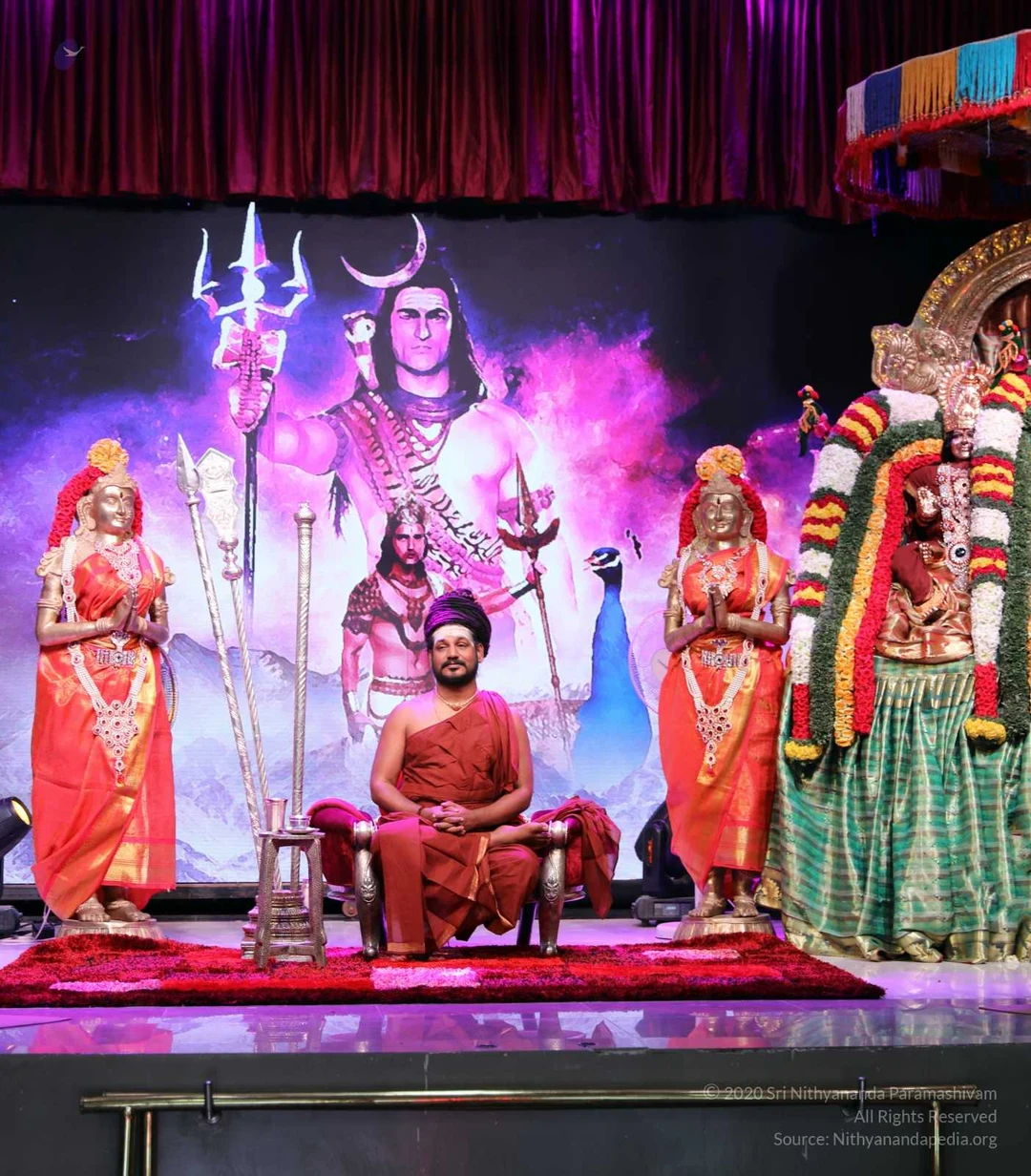
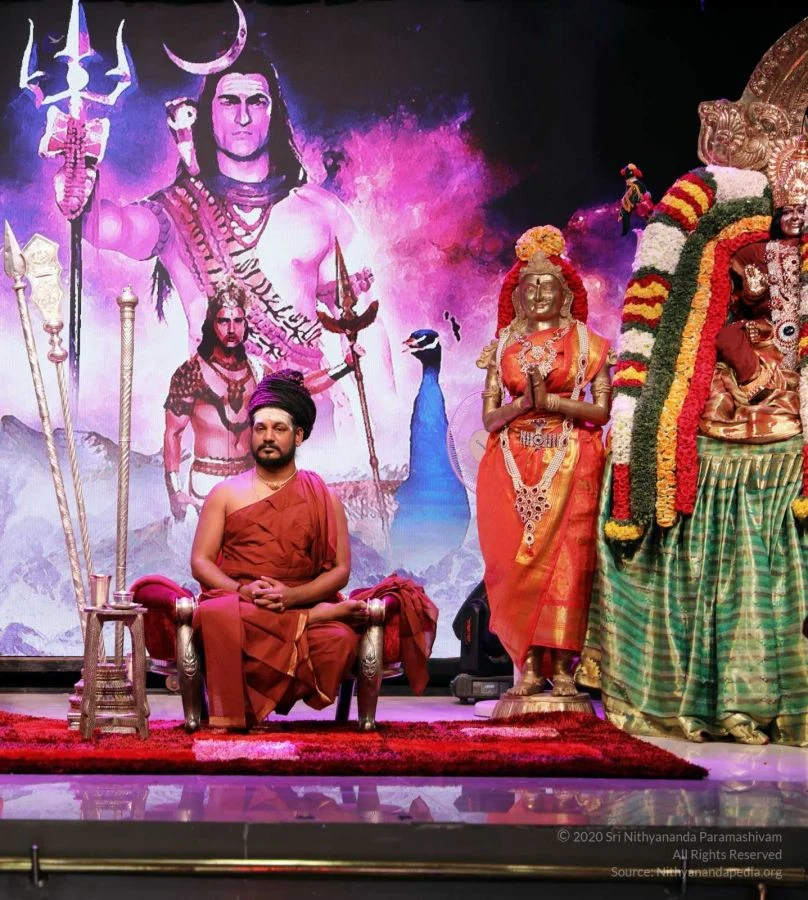
Shiva Deeksha
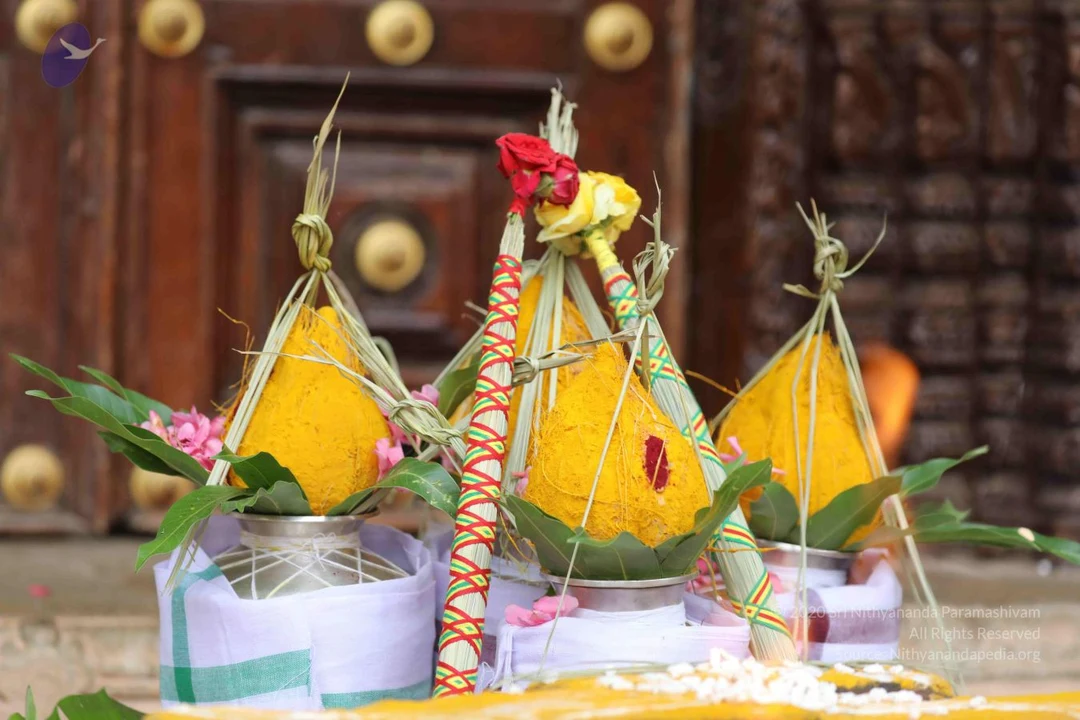
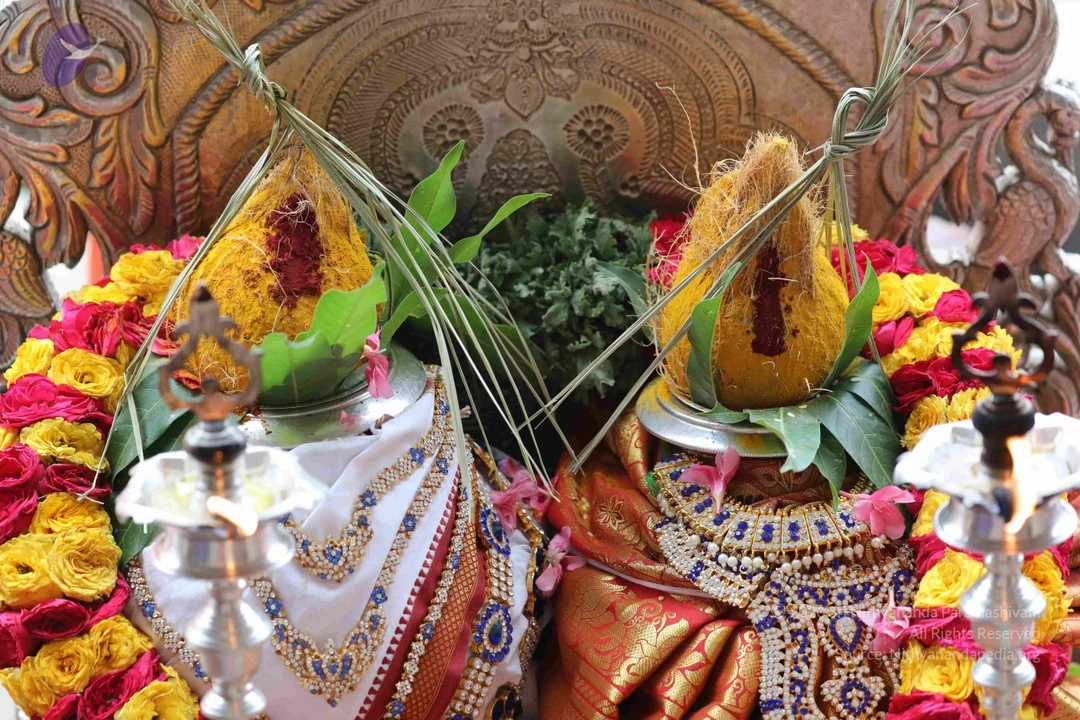
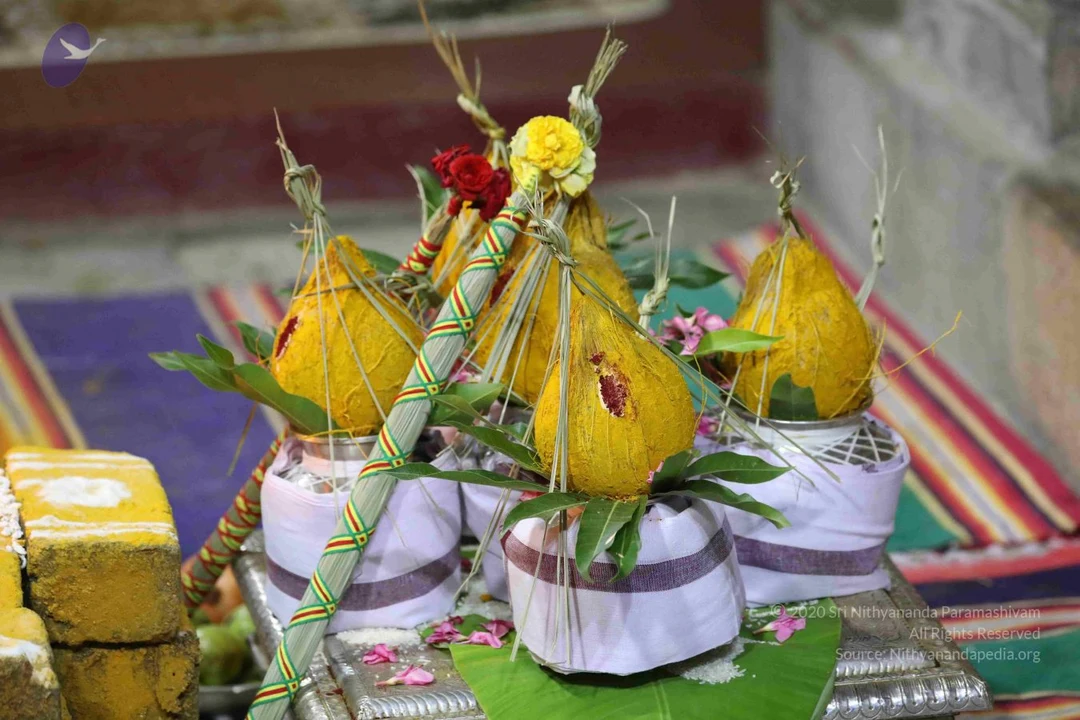
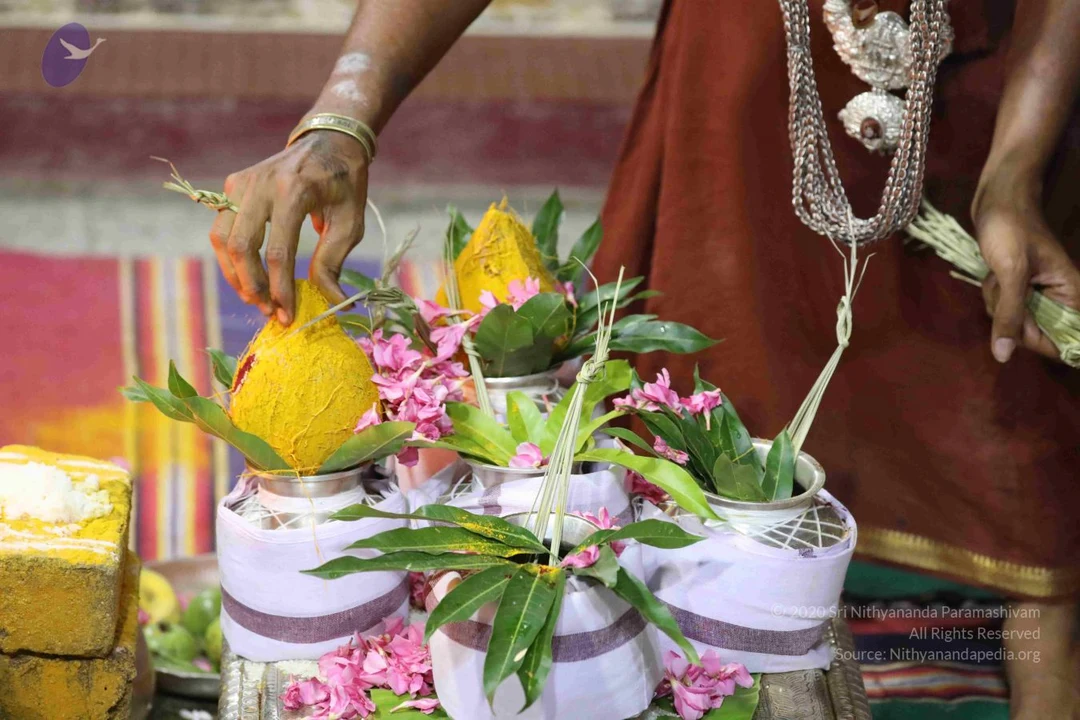
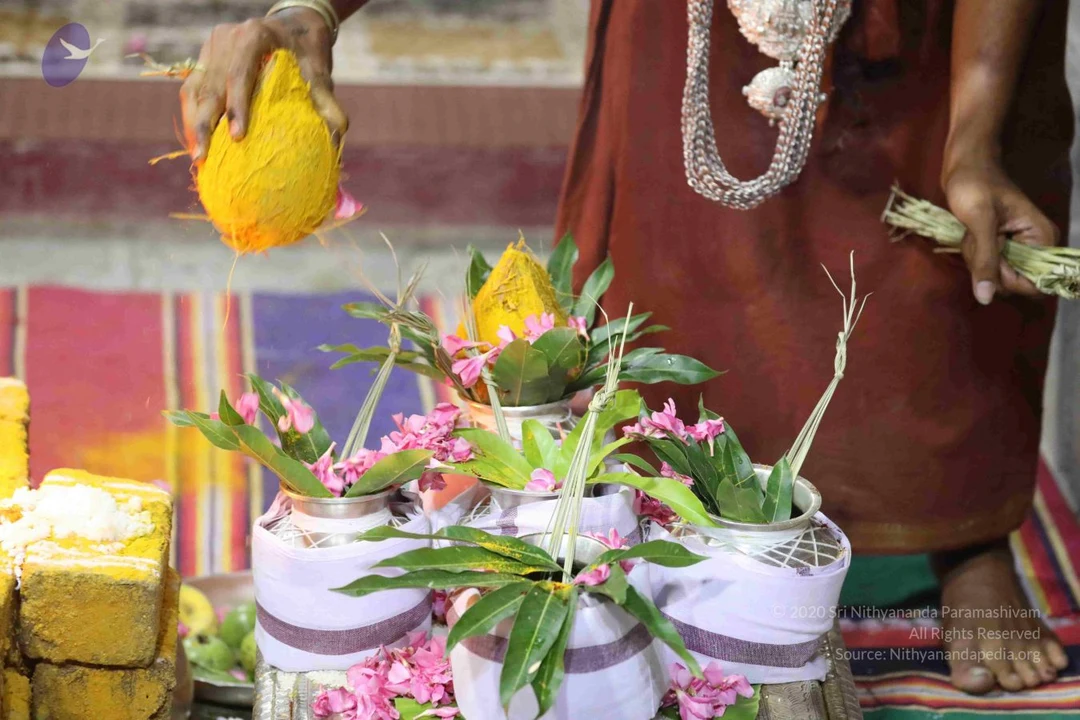
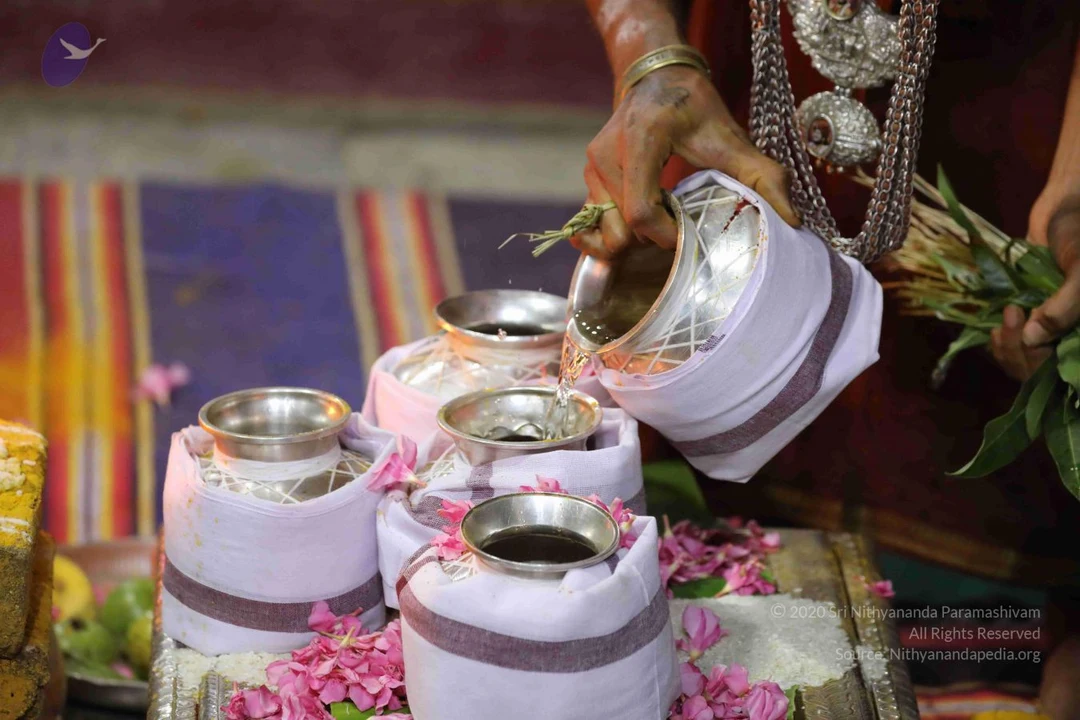
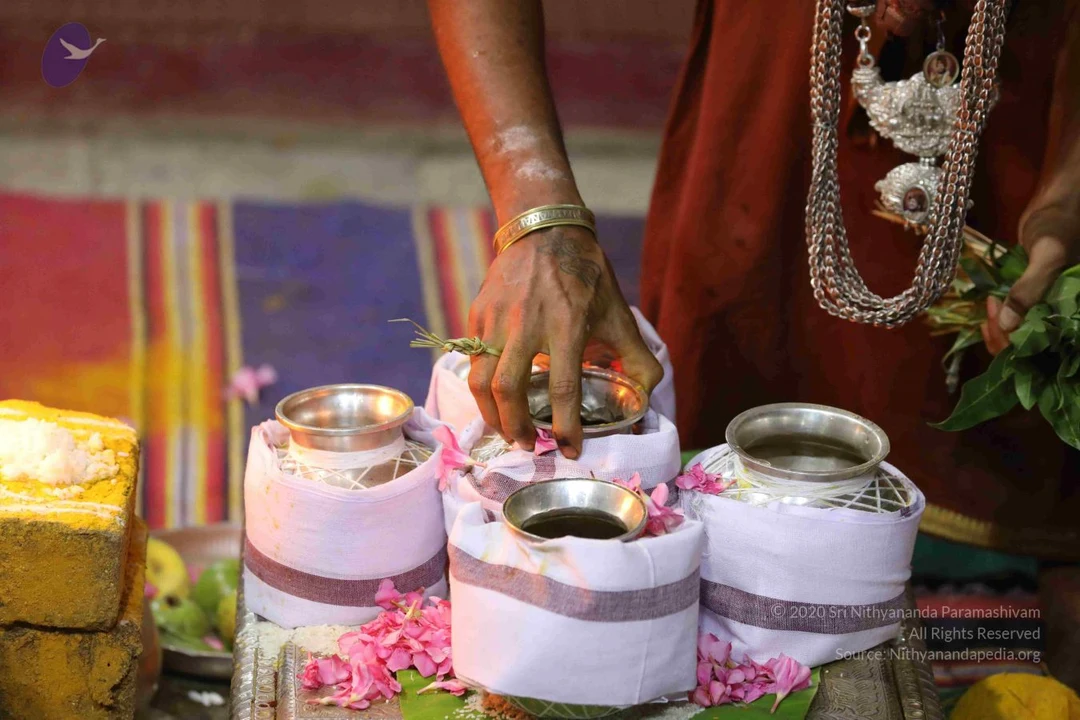
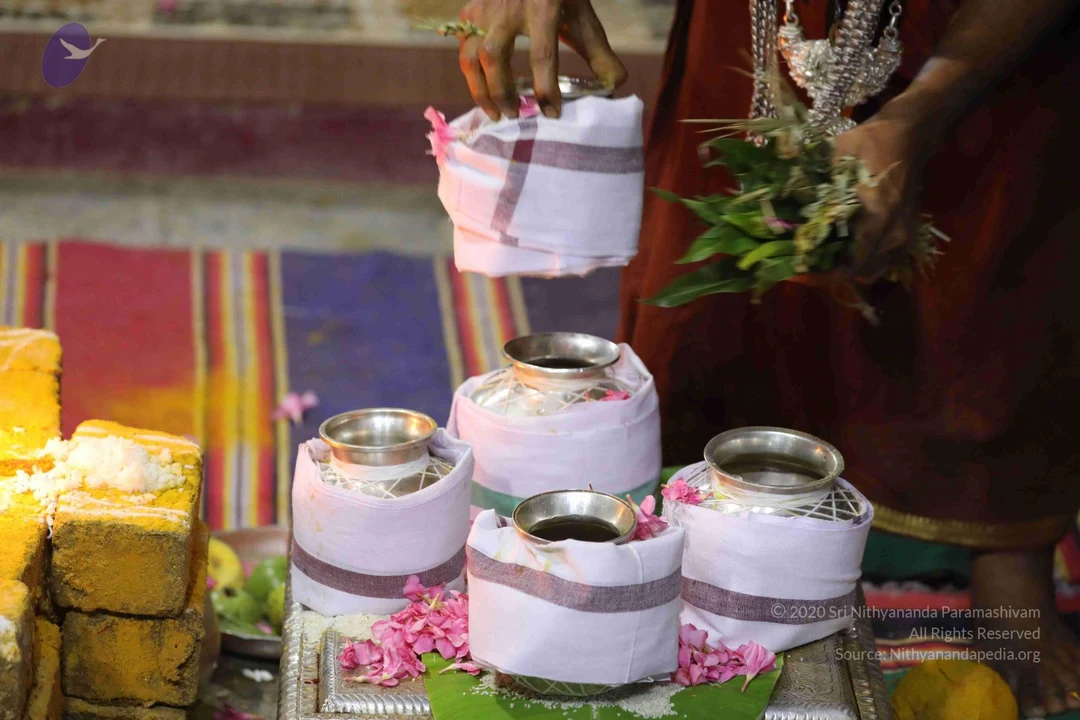
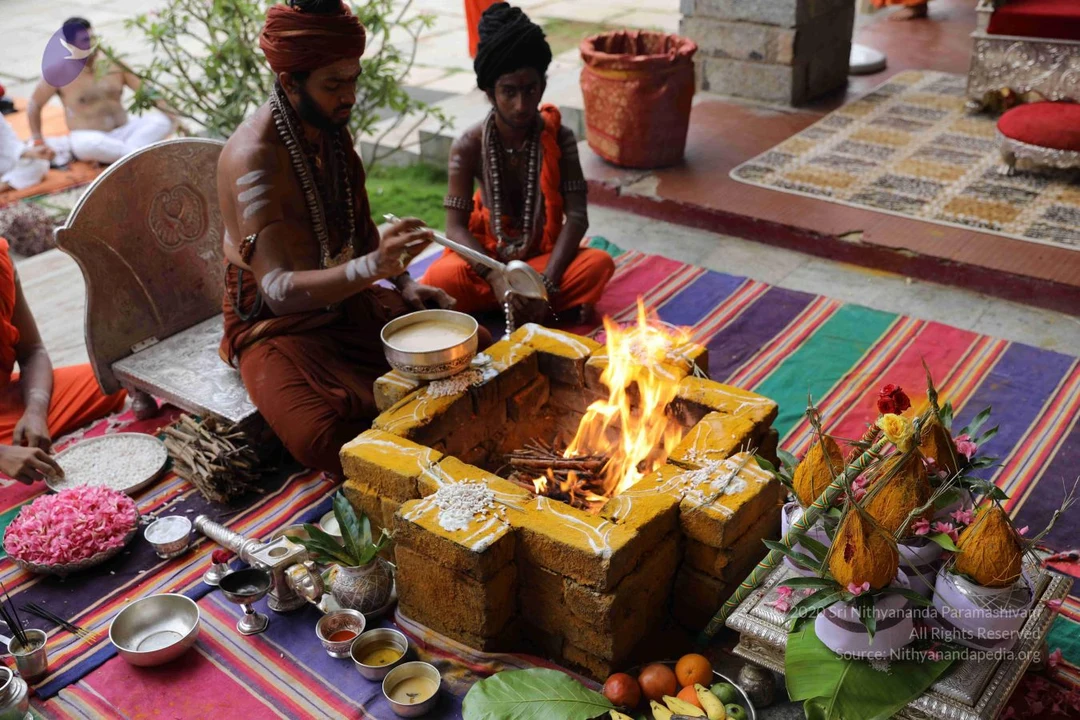
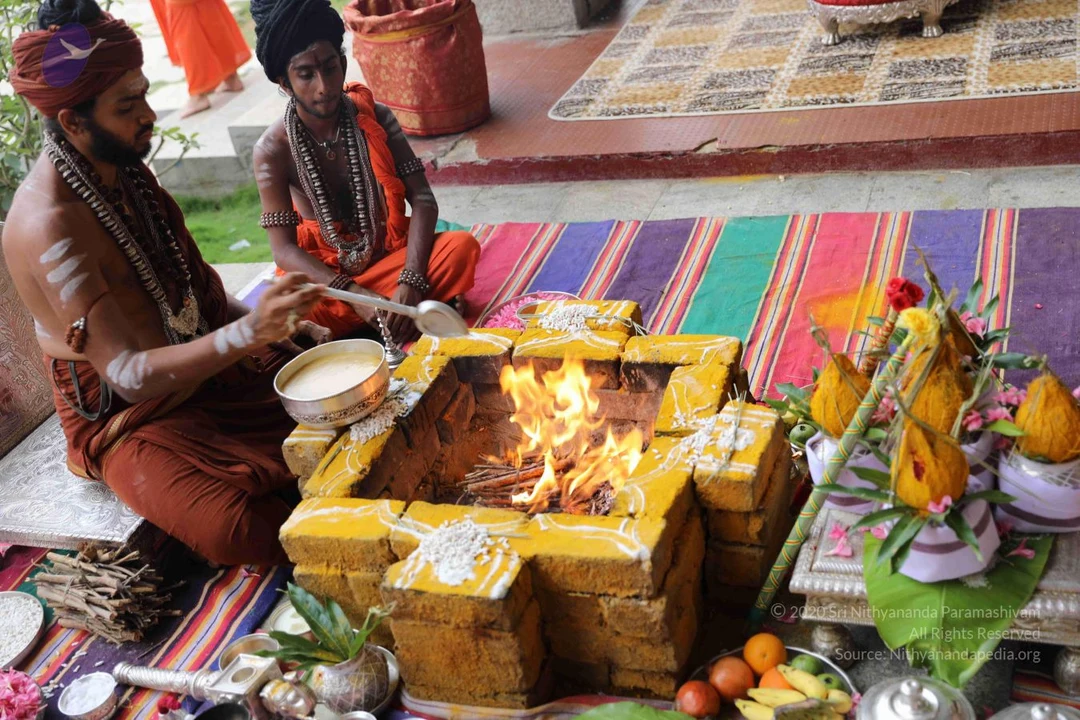
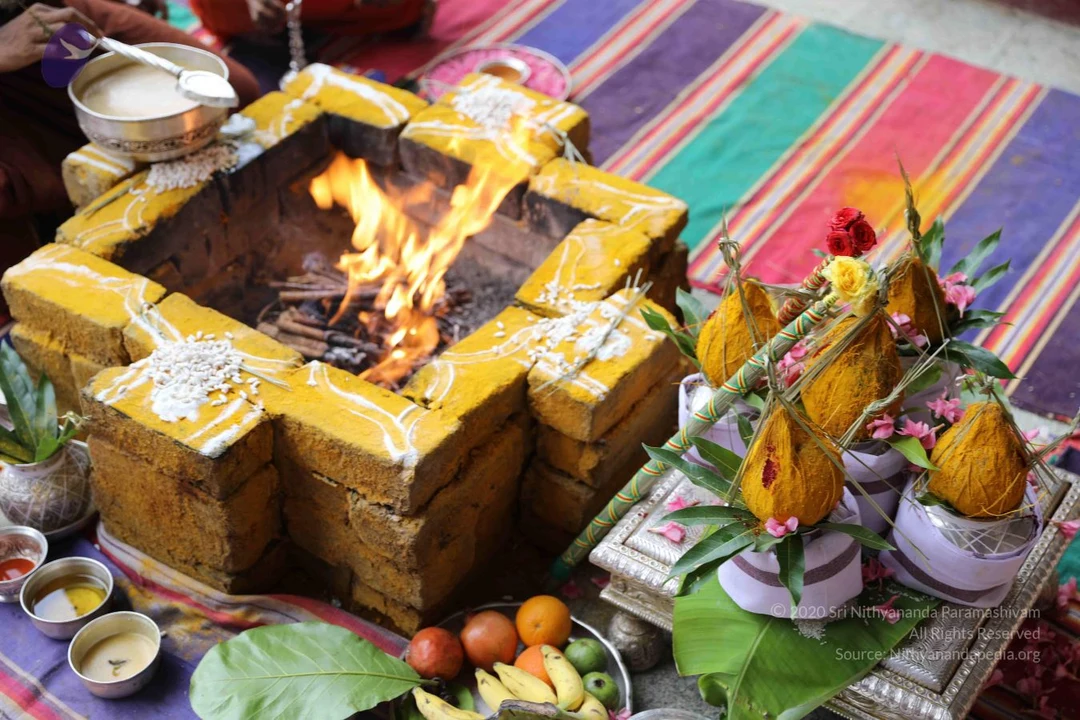
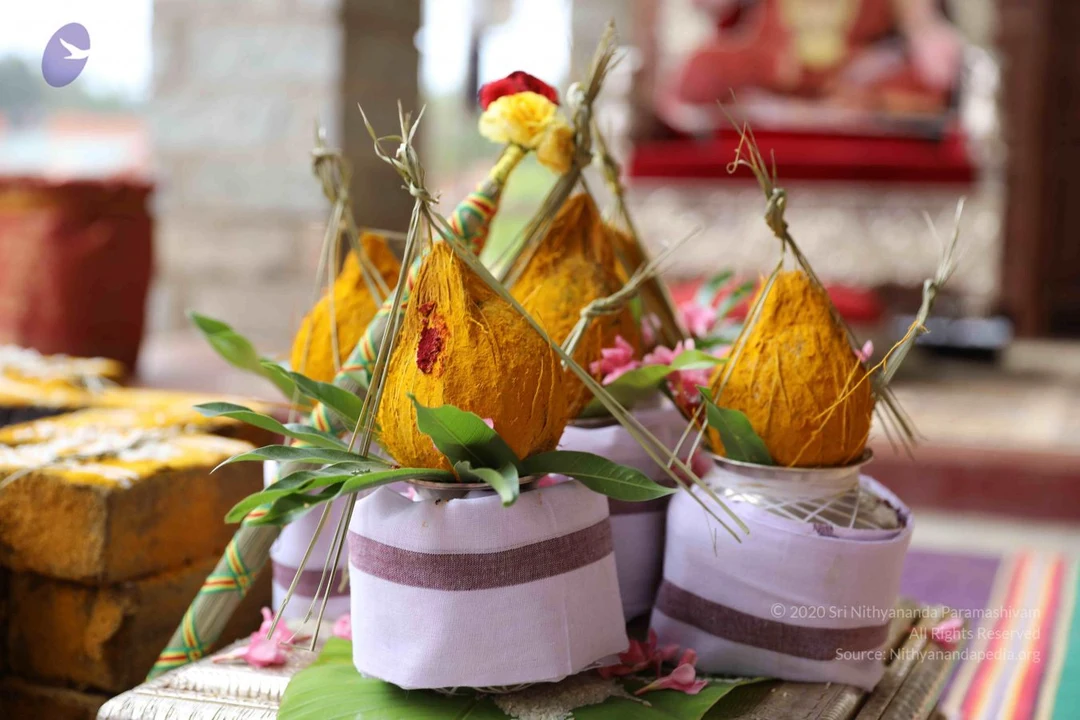
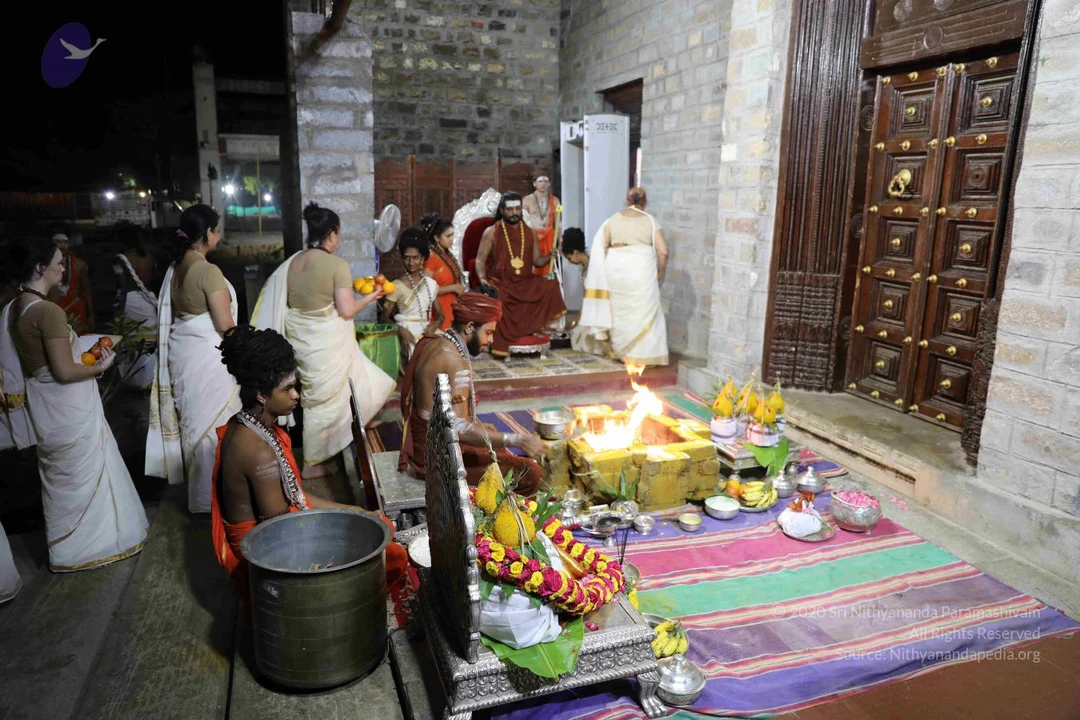
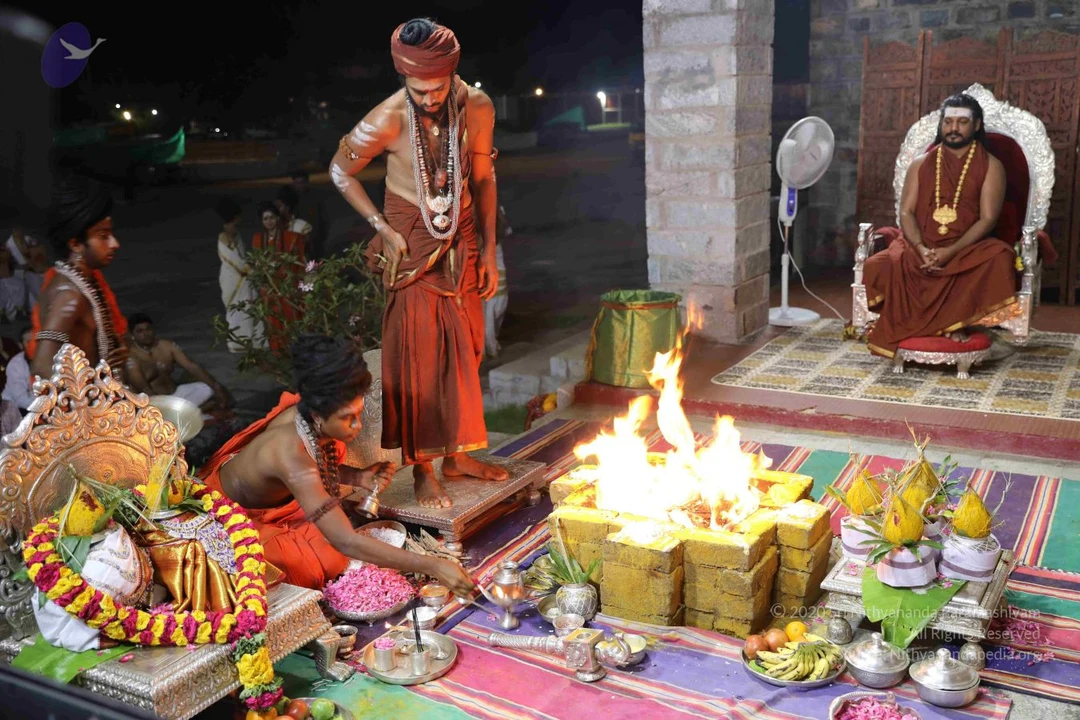
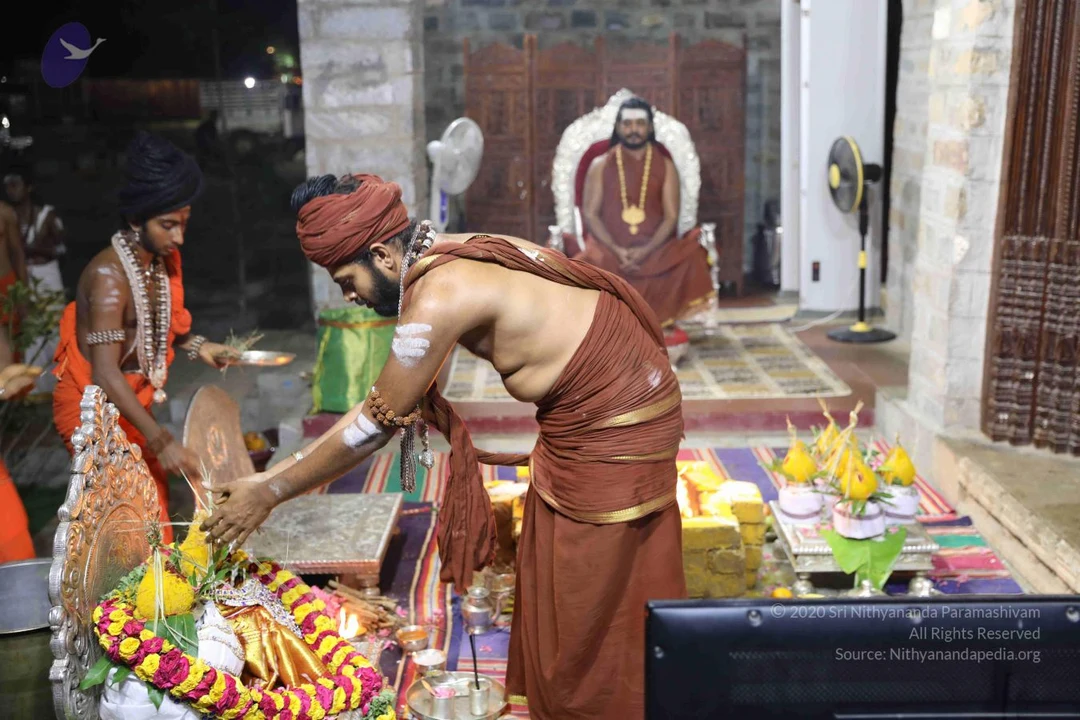
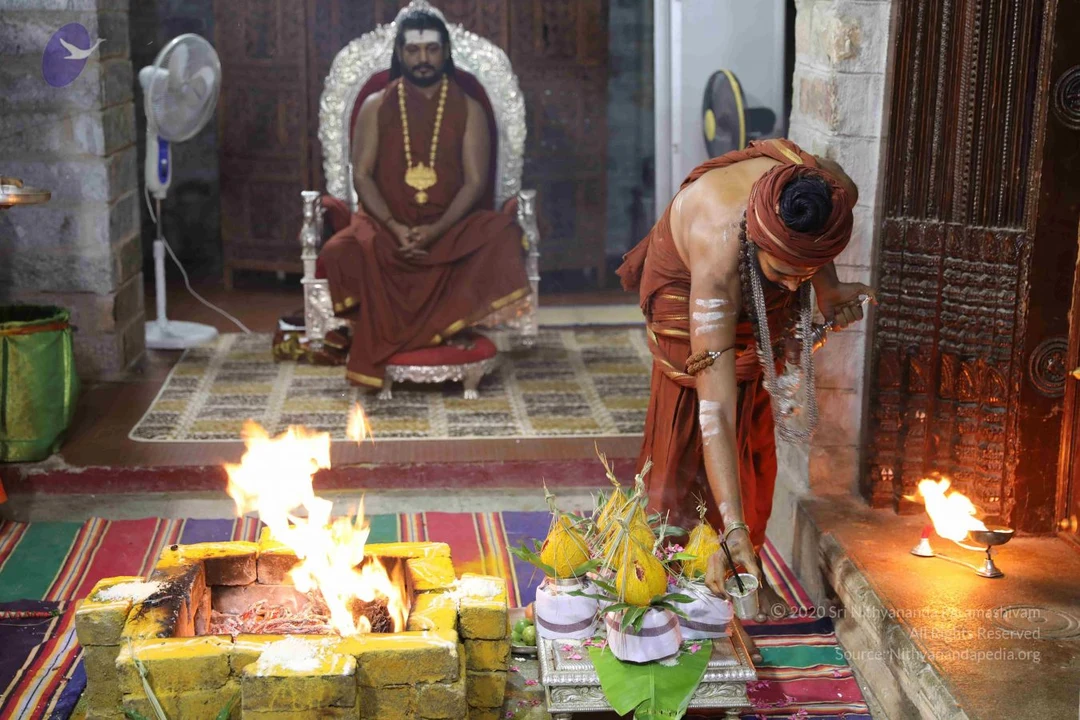
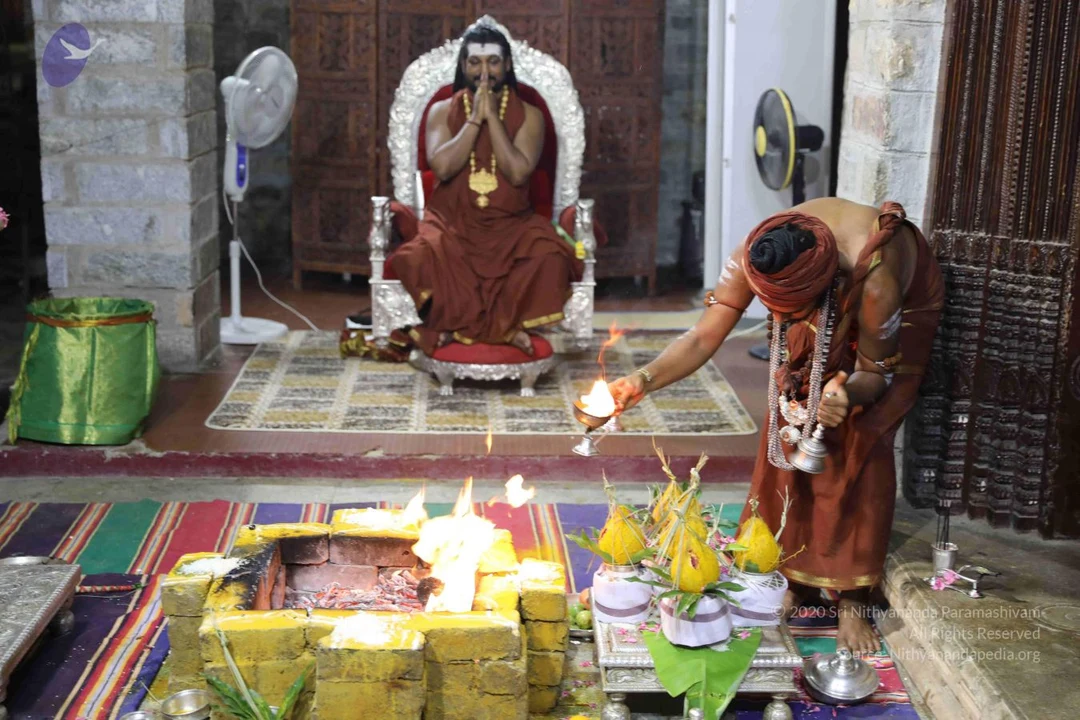
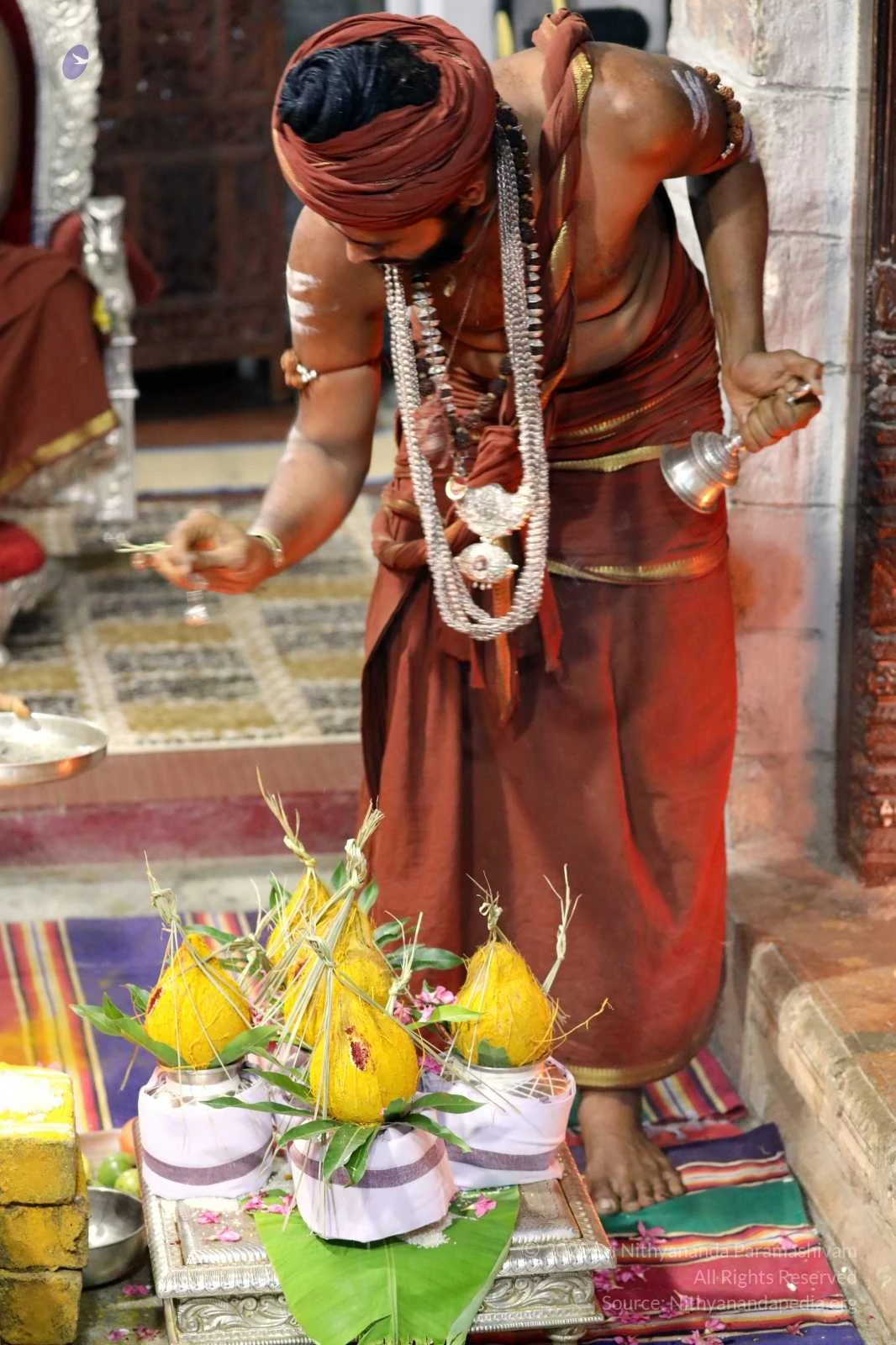
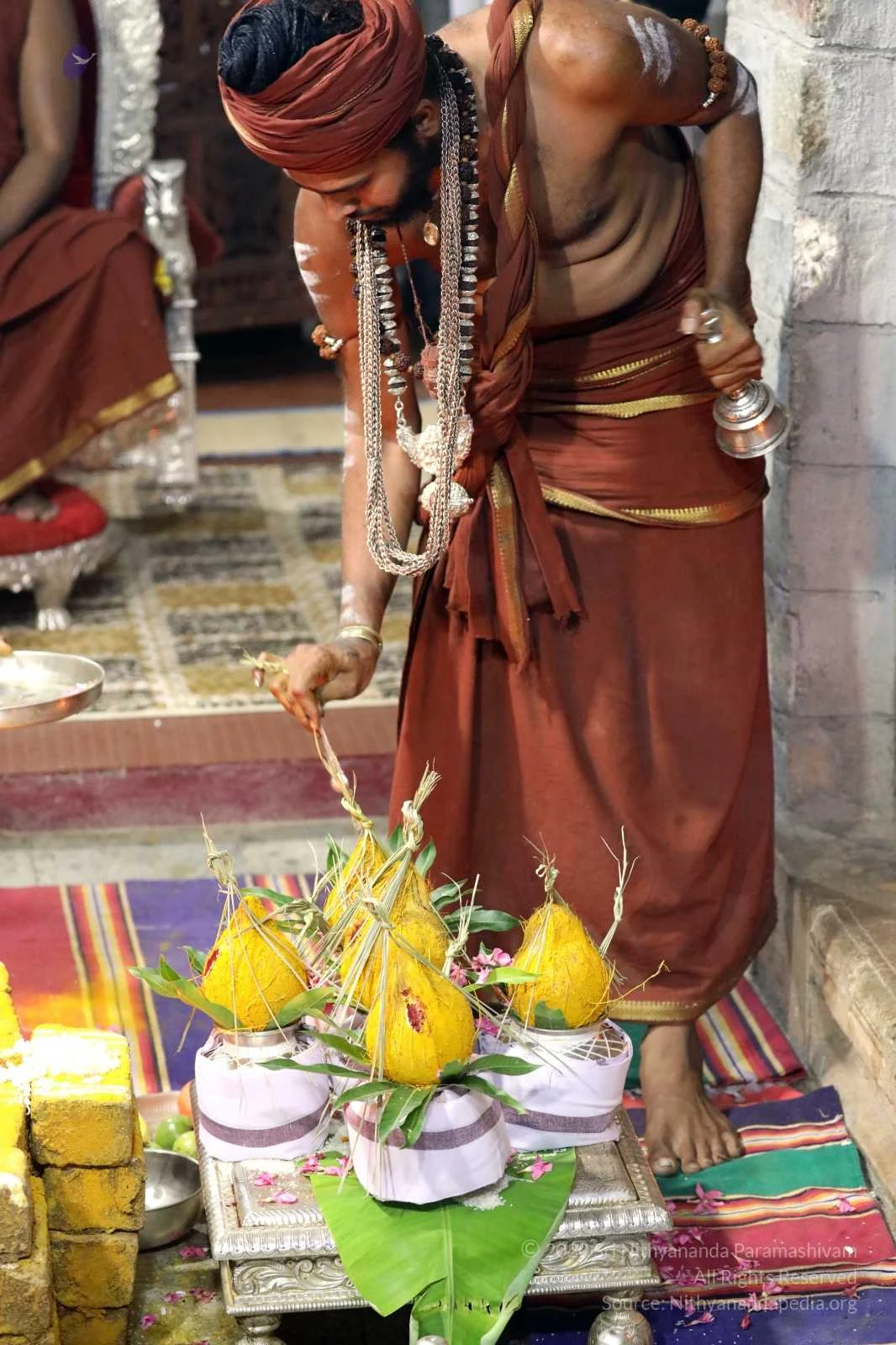
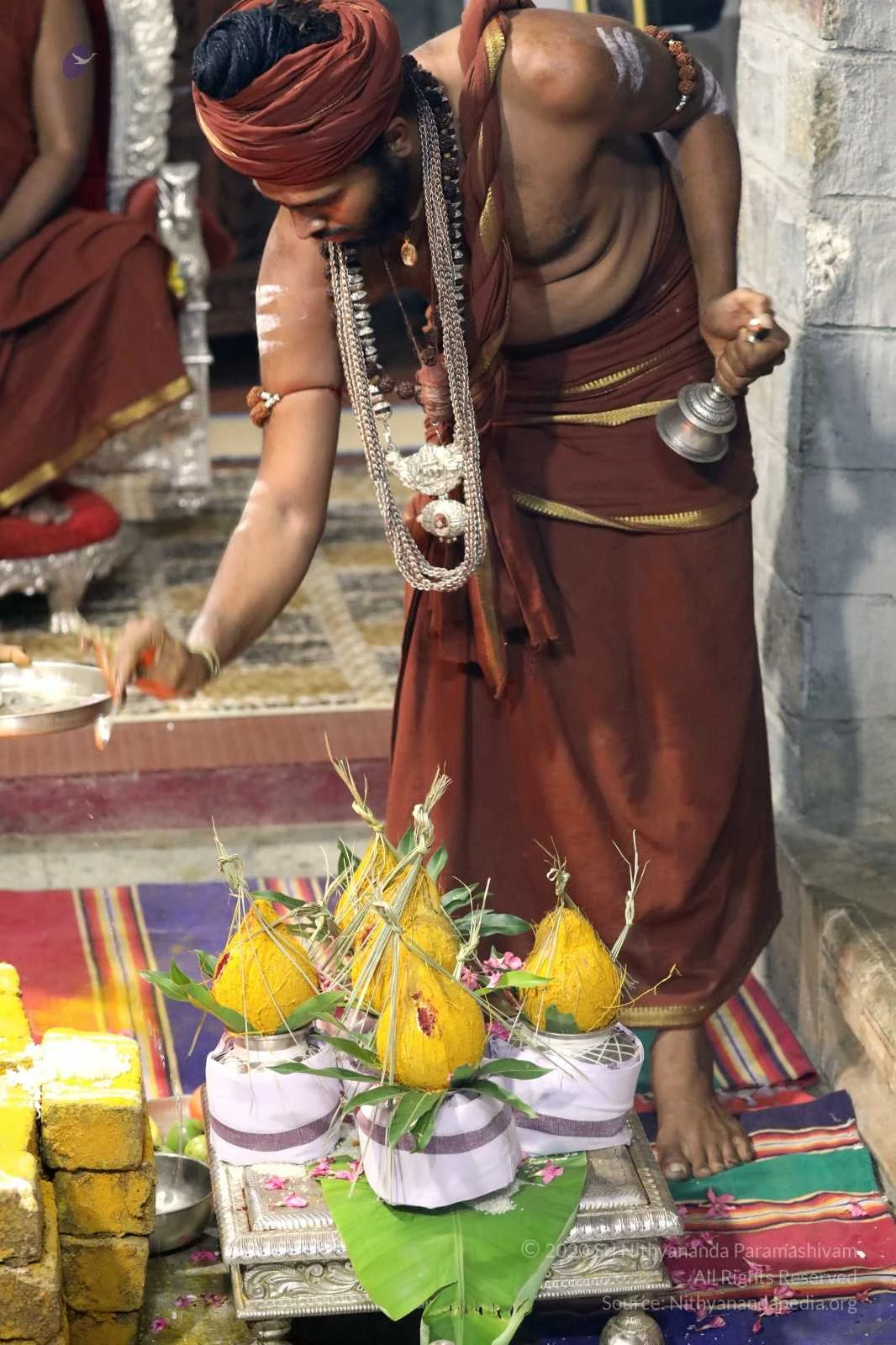
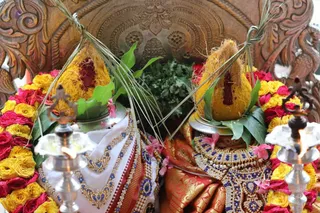
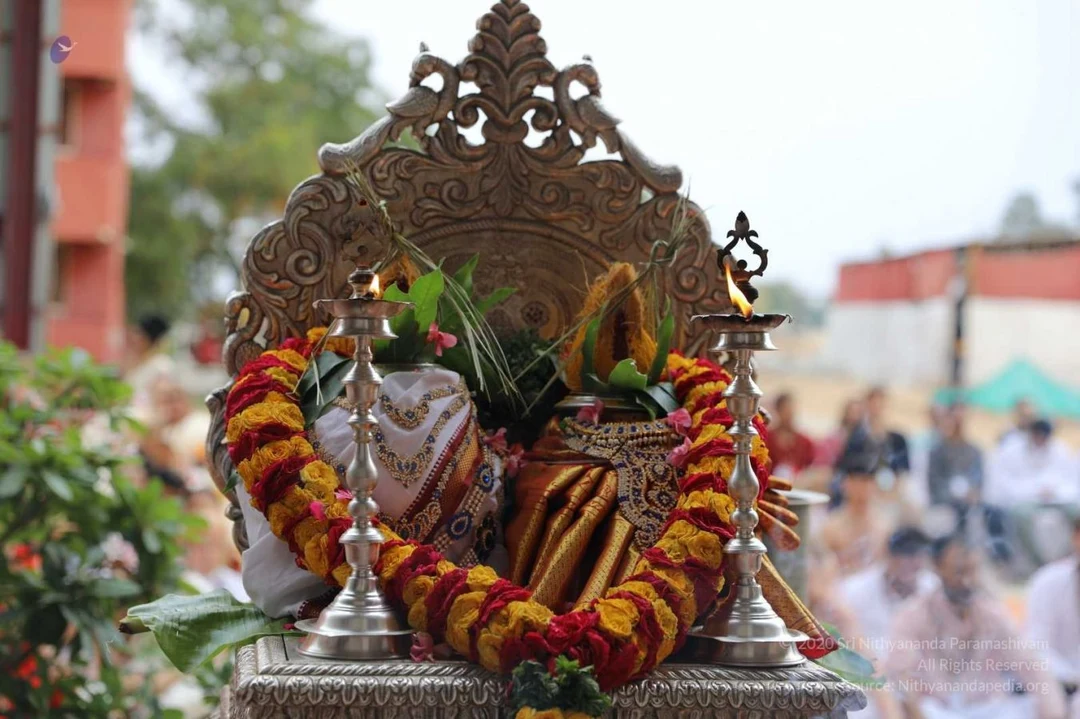 Kalasha stapana during Shiva deeksha puja celebrations at Adi Kailaasa, Bengaluru Aadheenam
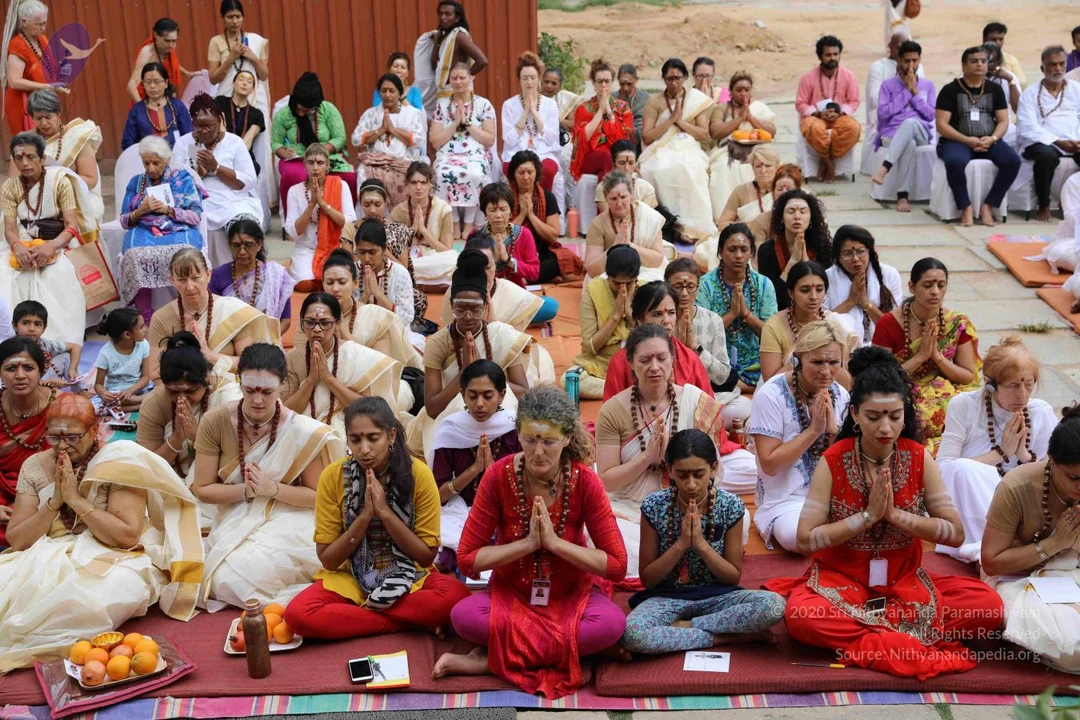
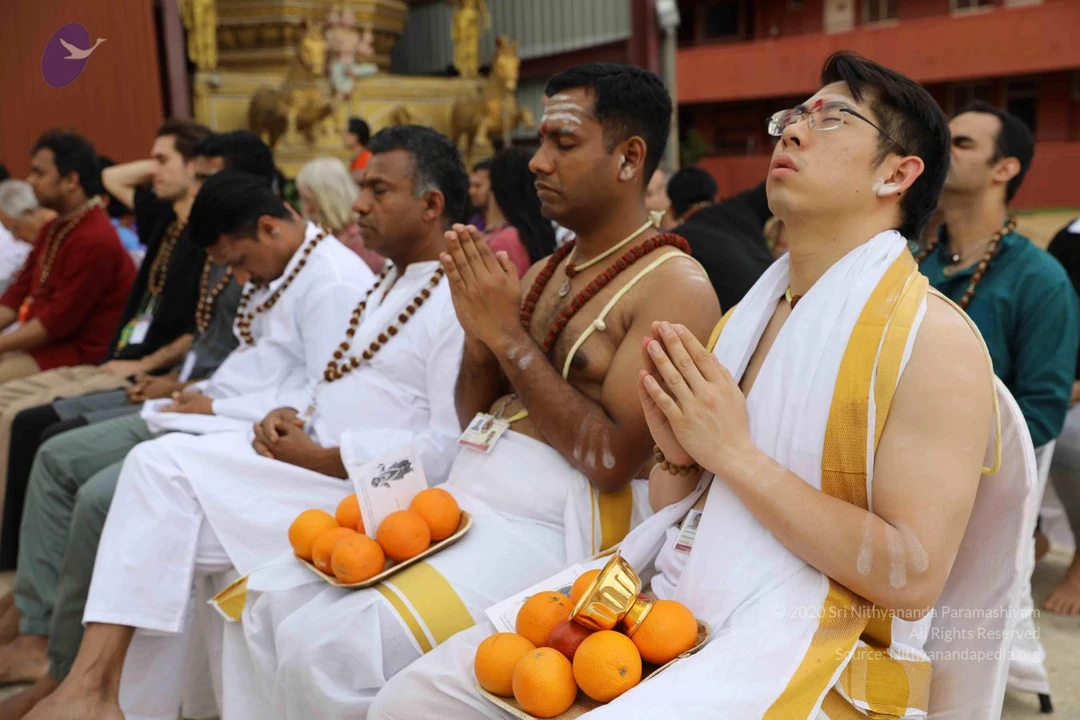
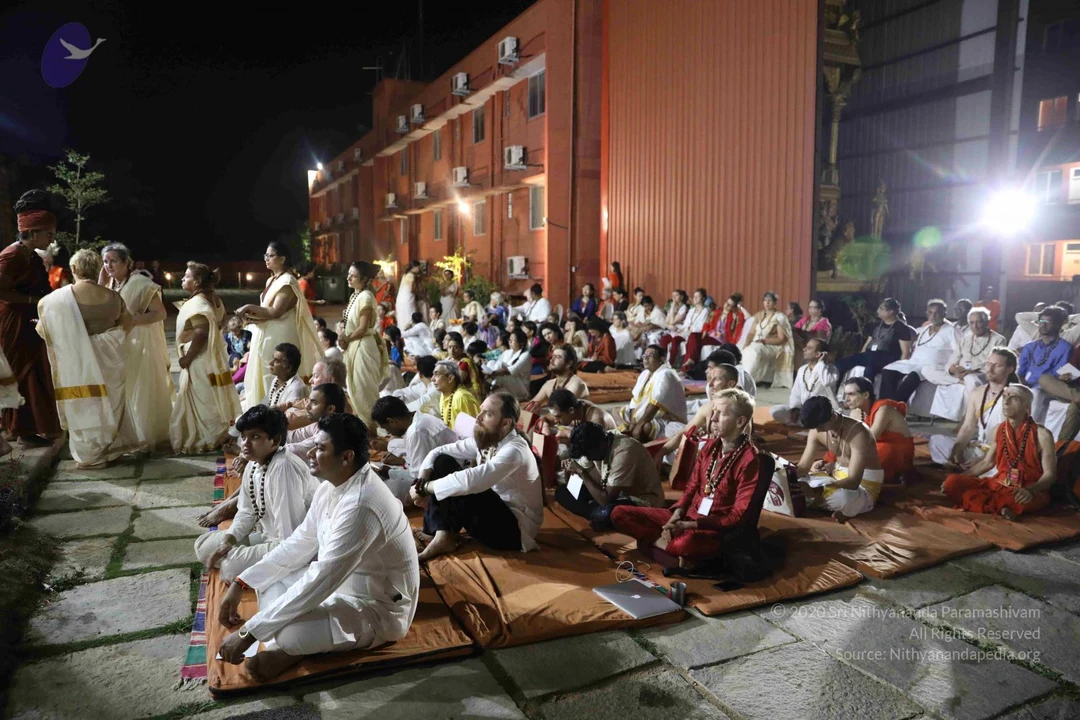
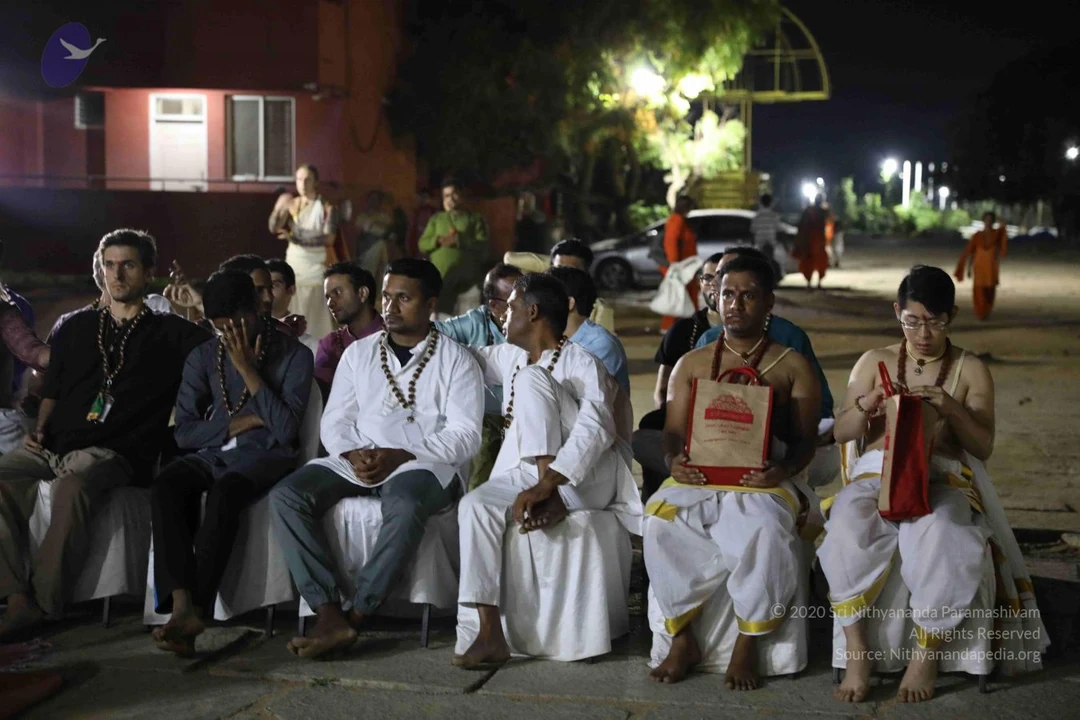
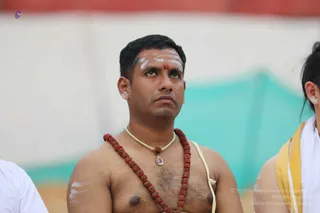
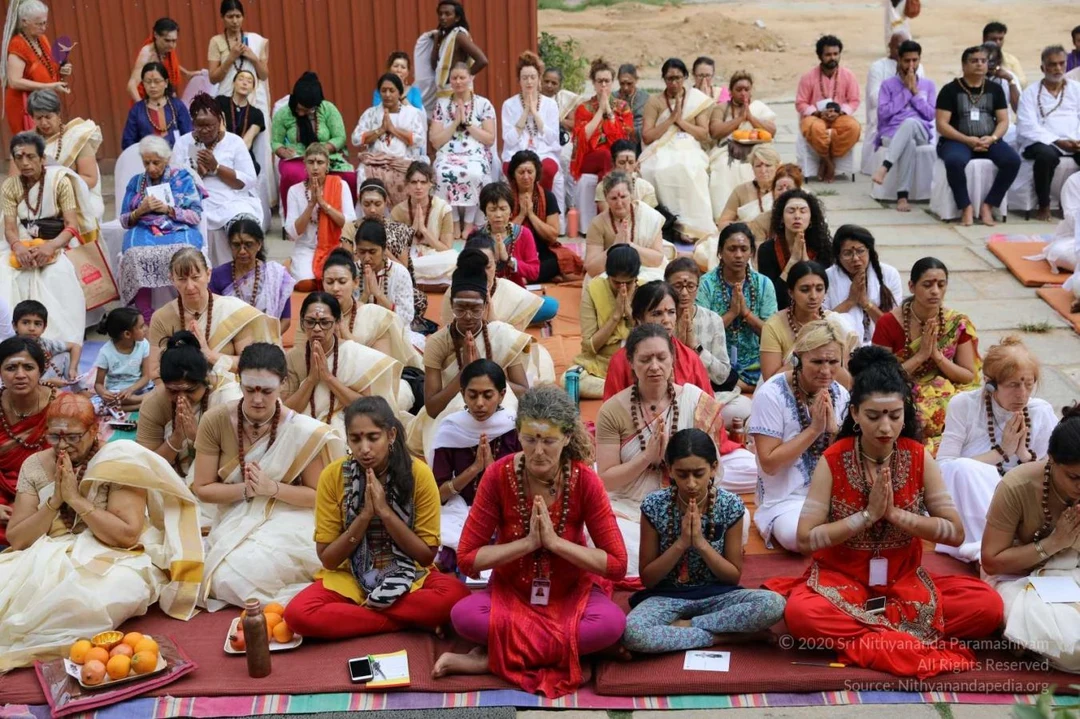 Delegates at the Shiva deeksha puja at Adi Kailaasa, Bengaluru Aadheenam
 Every being is vibrating at Adi Kailaasa
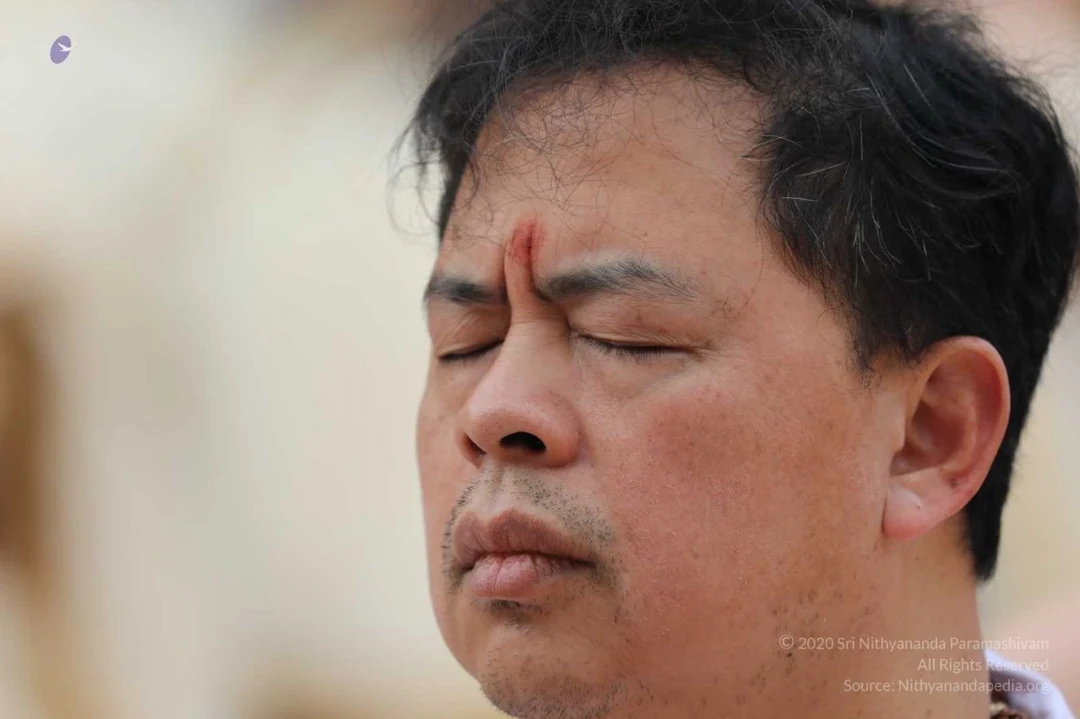 Delegates at the Shiva deeksha puja at Adi Kailaasa, Bengaluru Aadheenam
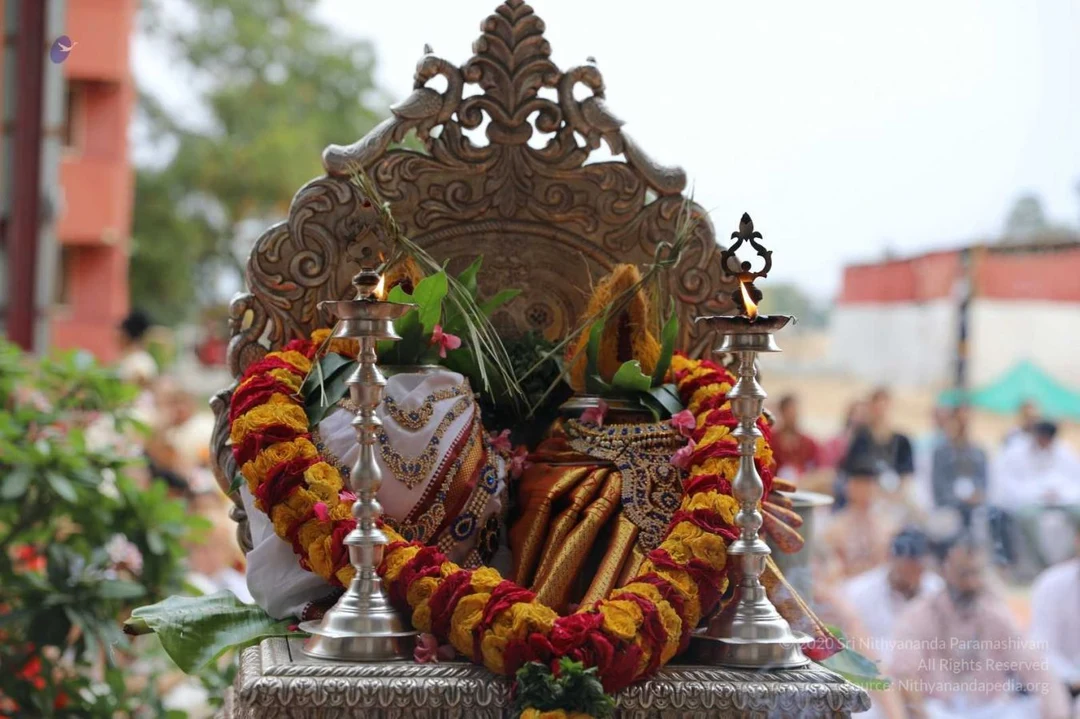 Kalasha stapana during Shiva deeksha puja celebrations at Adi Kailaasa, Bengaluru Aadheenam
 Every being is vibrating at Adi Kailaasa
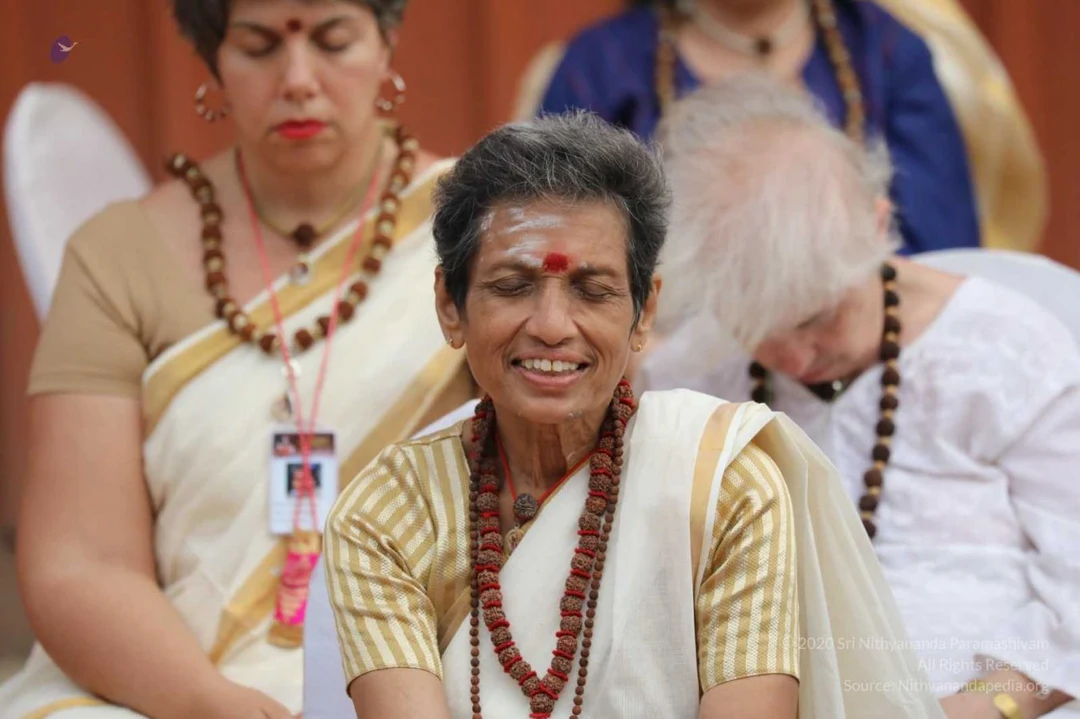 Delegates at the Shiva deeksha puja at Adi Kailaasa, Bengaluru Aadheenam
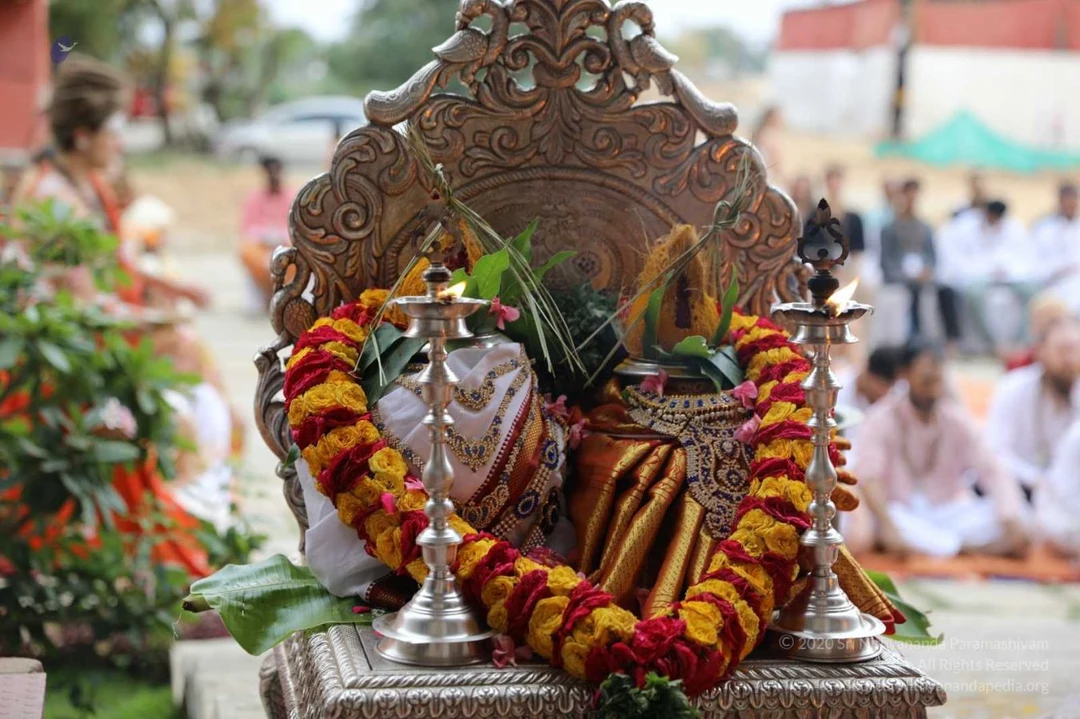 Kalasha stapana during Shiva deeksha puja celebrations at Adi Kailaasa, Bengaluru Aadheenam
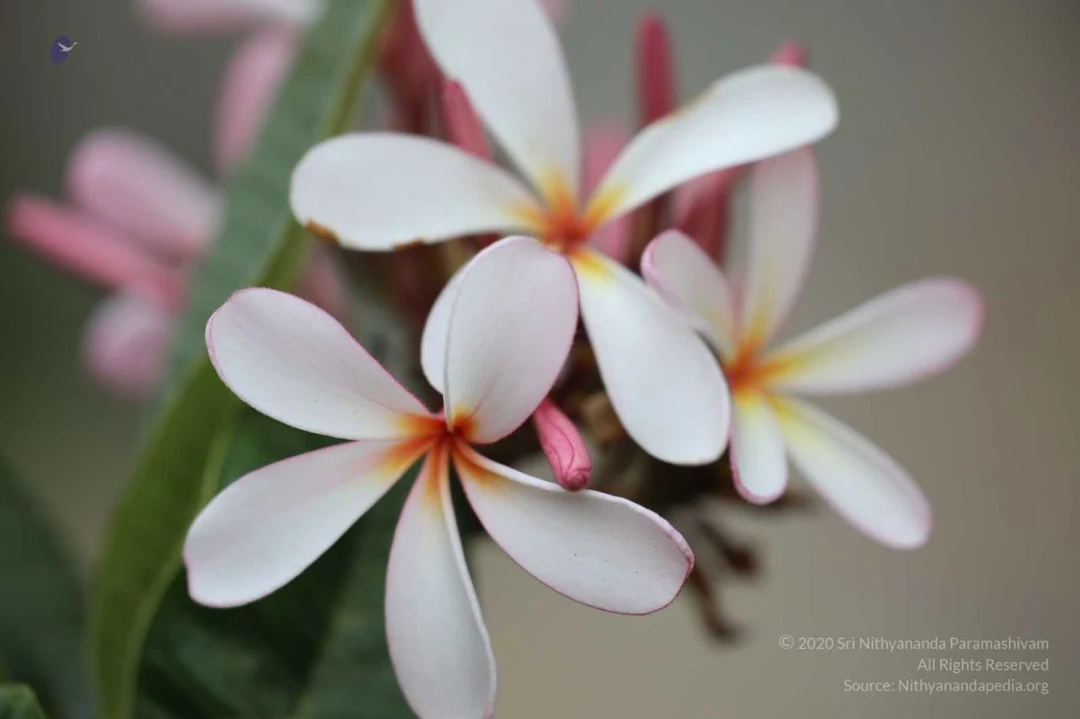 Every being is vibrating at Adi Kailaasa
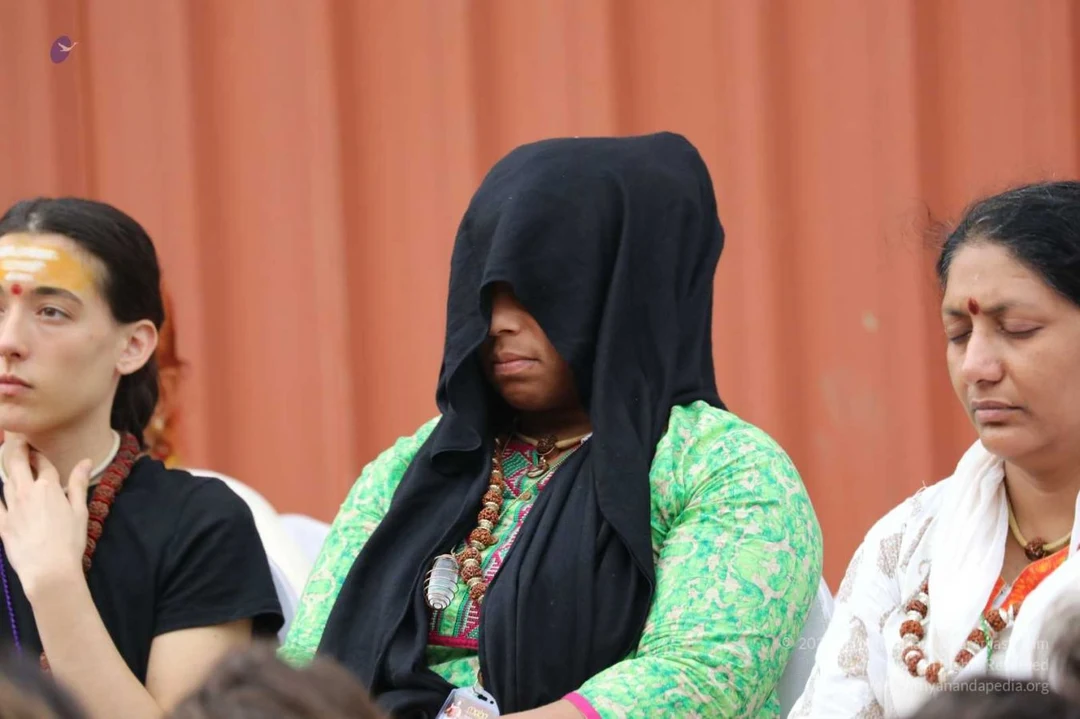 Delegates at the Shiva deeksha puja at Adi Kailaasa, Bengaluru Aadheenam
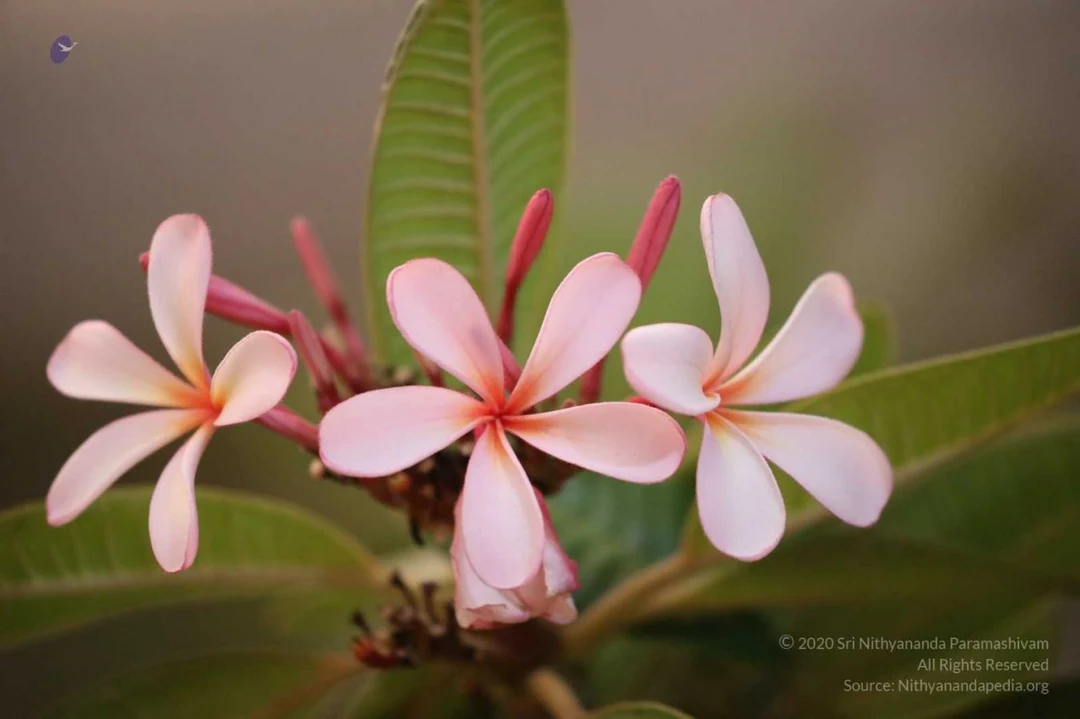 Every being is vibrating at Adi Kailaasa
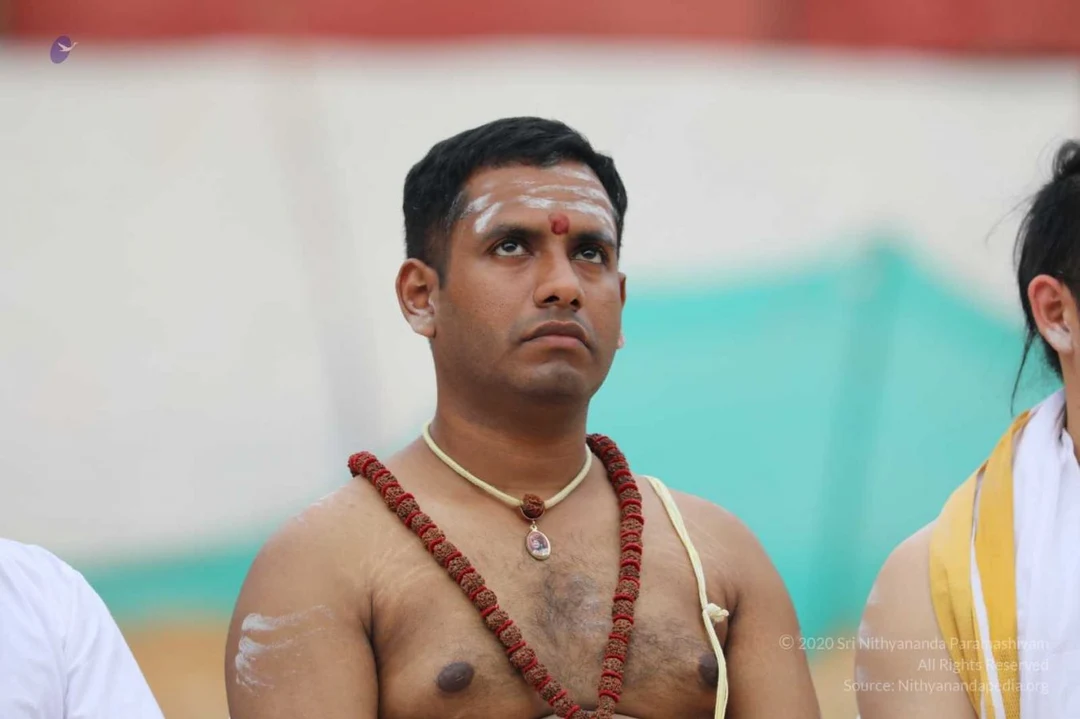 Delegates at the Shiva deeksha puja at Adi Kailaasa, Bengaluru Aadheenam
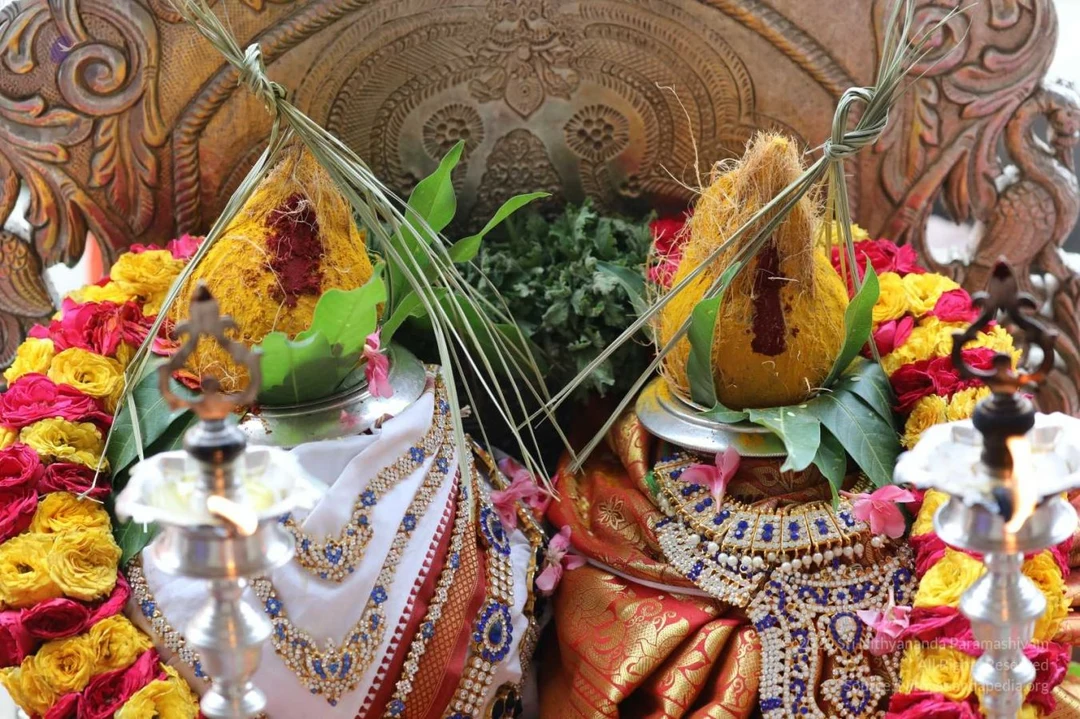 Kalasha stapana during Shiva deeksha puja celebrations at Adi Kailaasa, Bengaluru Aadheenam
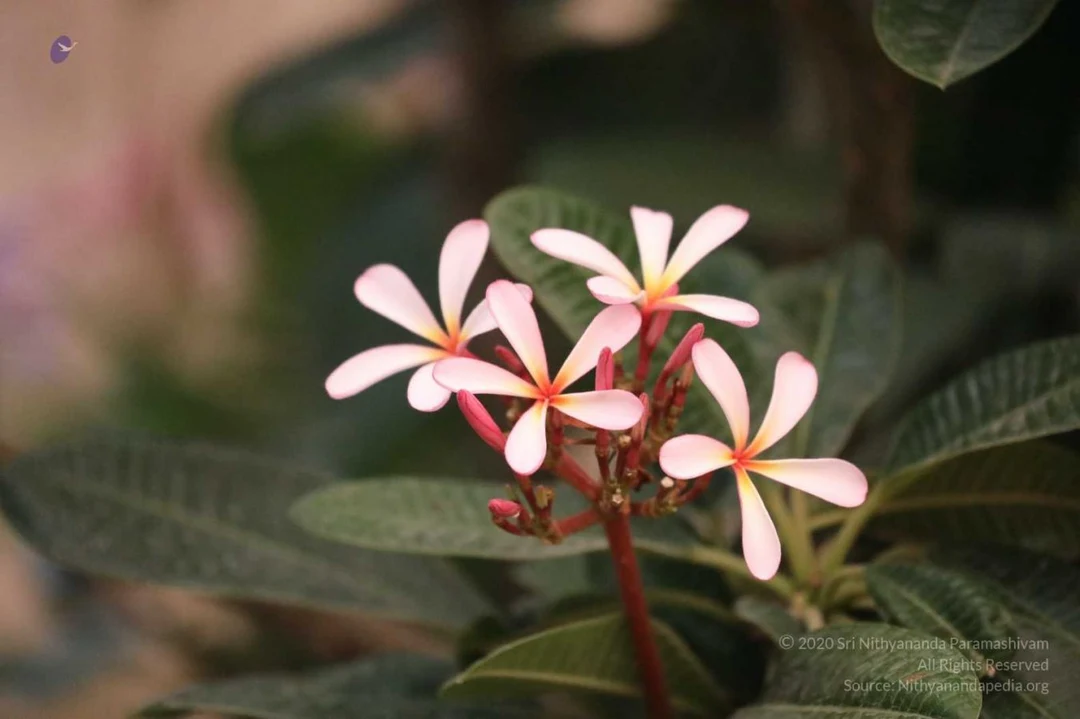 Every being is vibrating at Adi Kailaasa
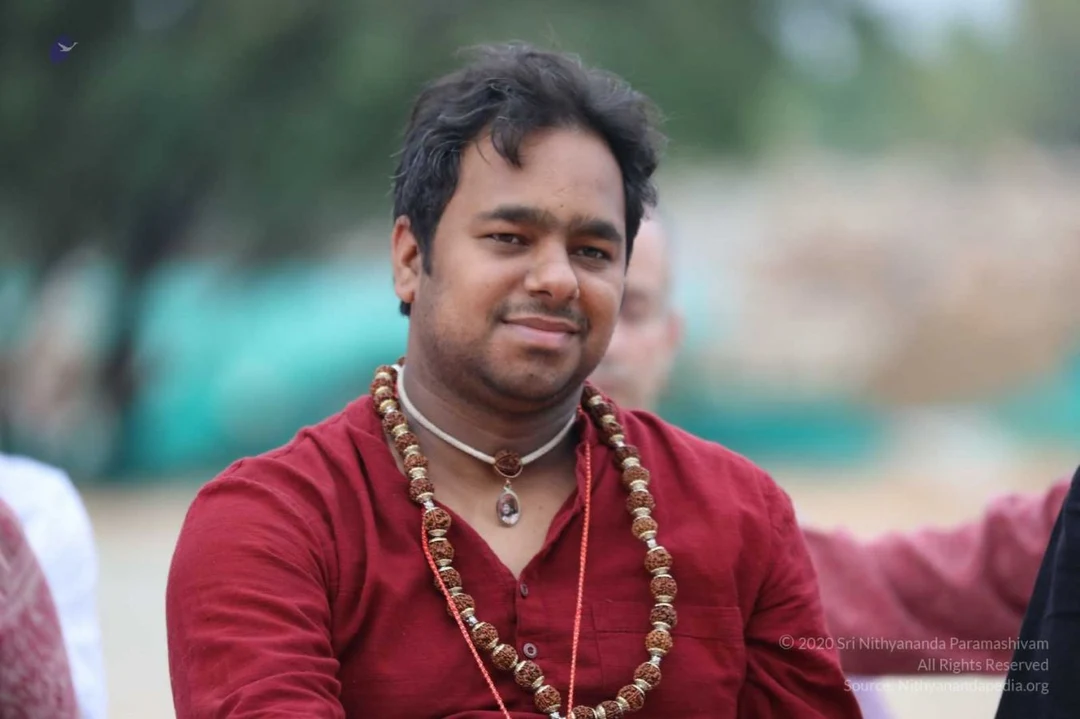 Delegates at the Shiva deeksha puja at Adi Kailaasa, Bengaluru Aadheenam
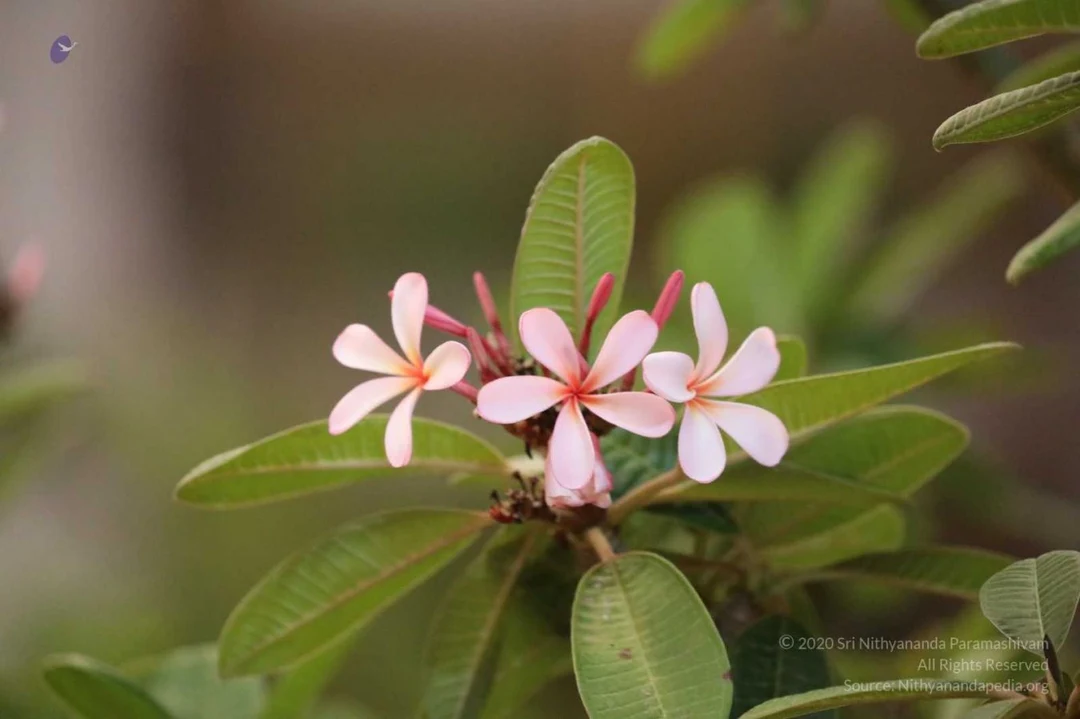 Every being is vibrating at Adi Kailaasa
 Delegates at the Shiva deeksha puja at Adi Kailaasa, Bengaluru Aadheenam
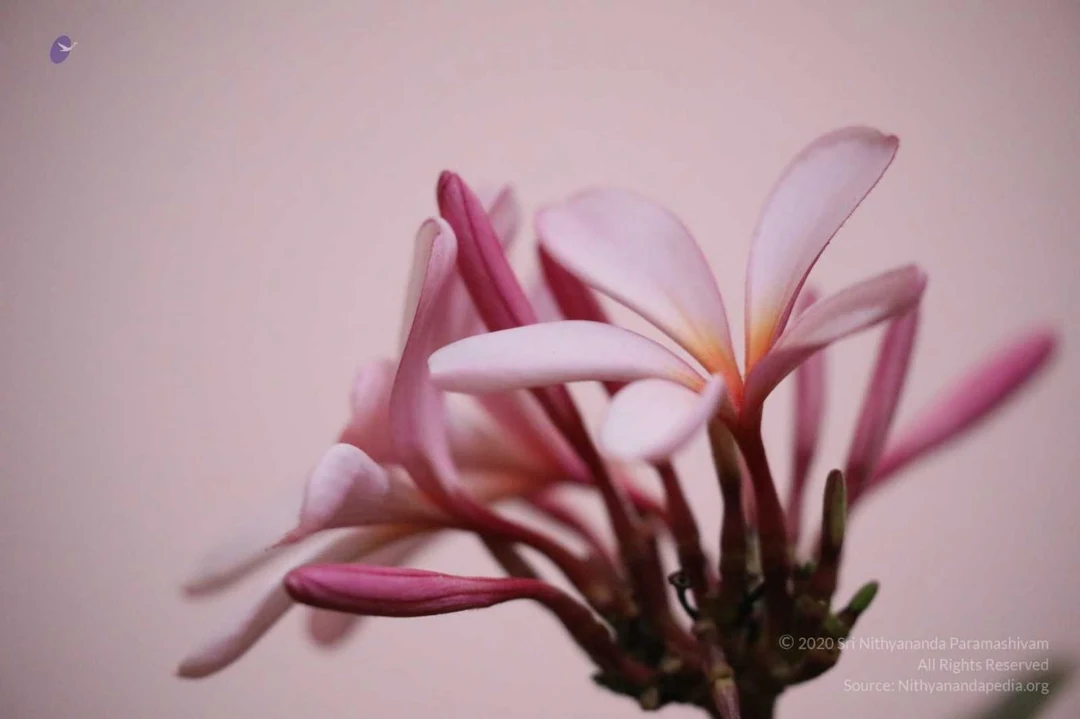 Every being is vibrating at Adi Kailaasa
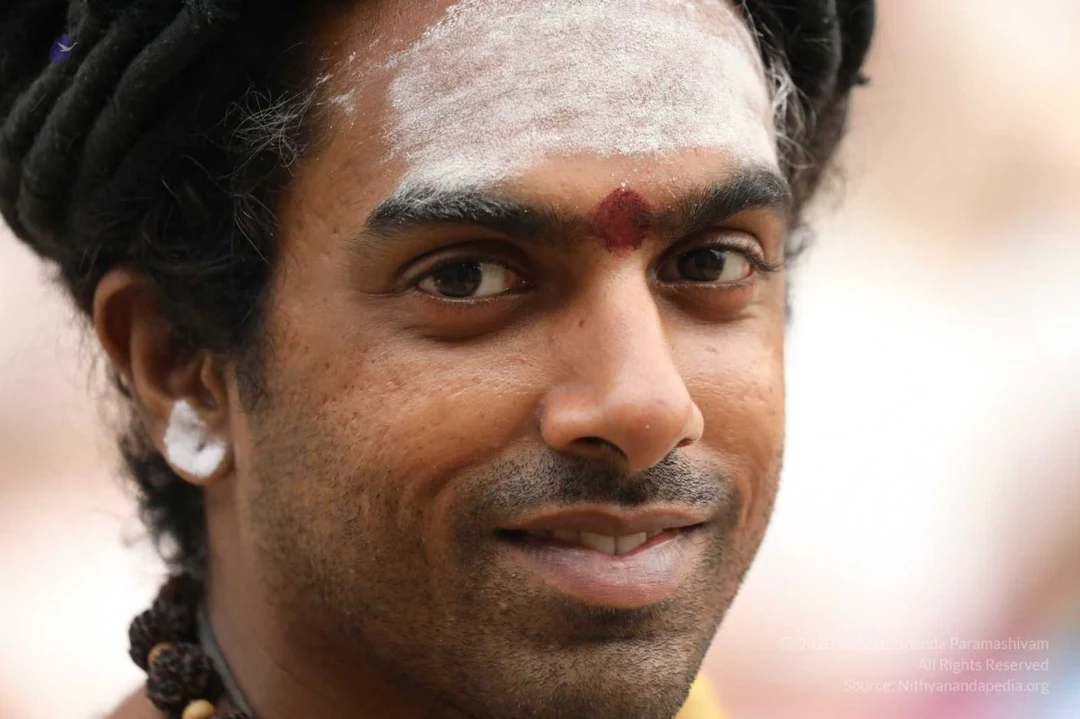 Delegates at the Shiva deeksha puja at Adi Kailaasa, Bengaluru Aadheenam
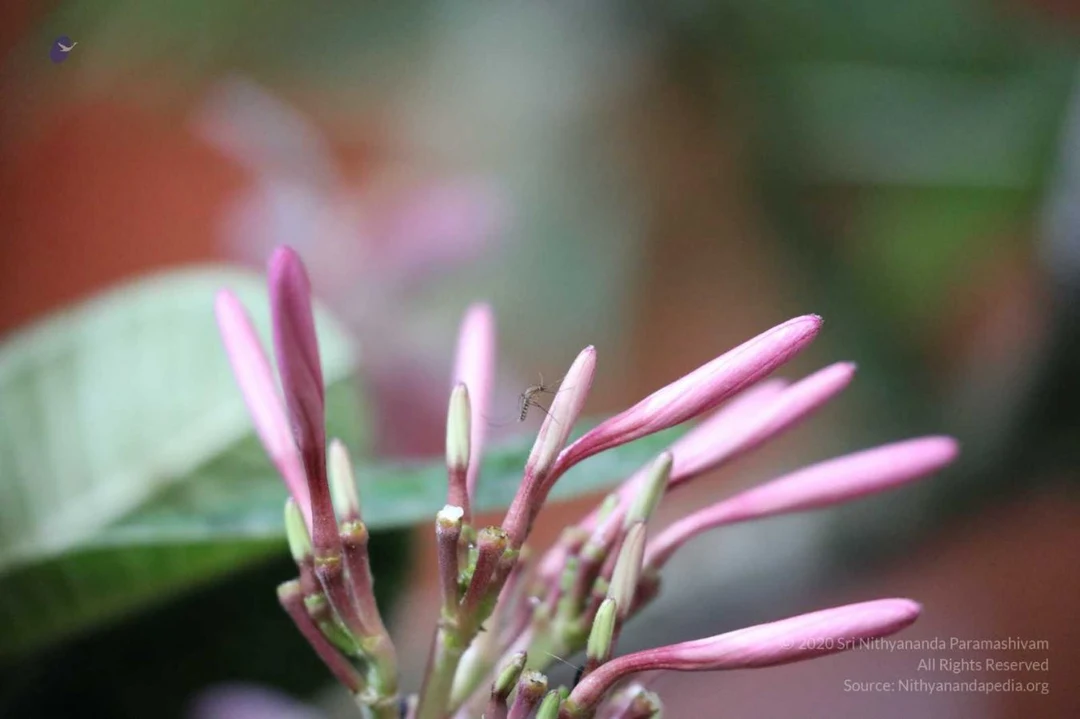 Every being is vibrating at Adikailaasa
 Every being is vibrating at Adikailaasa
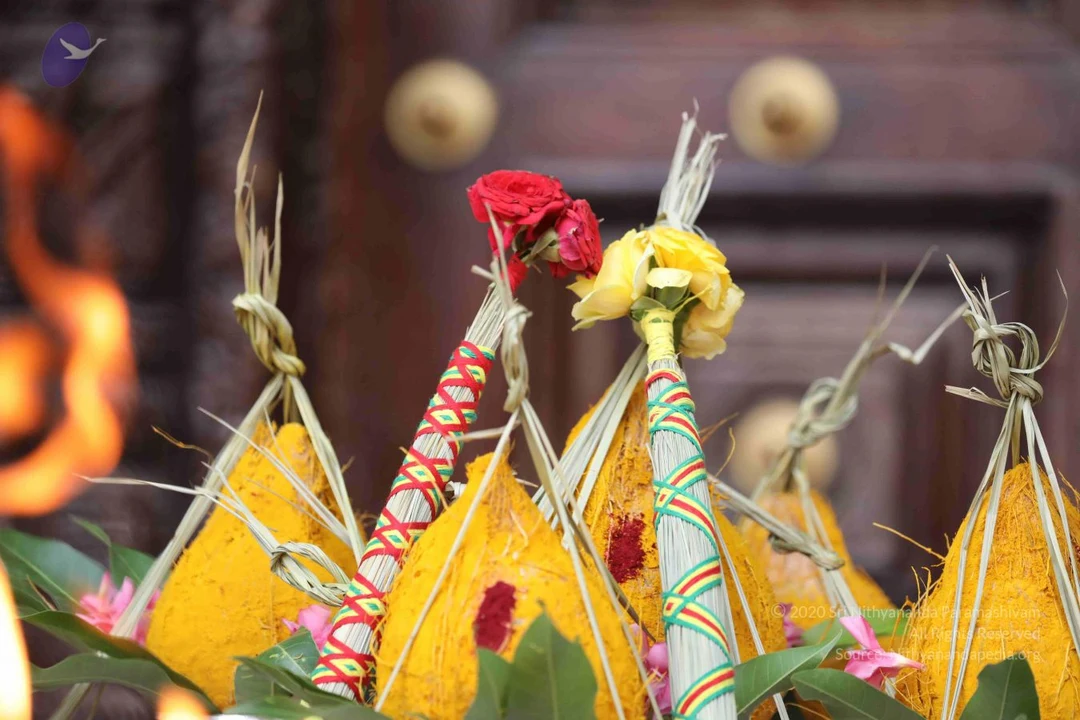
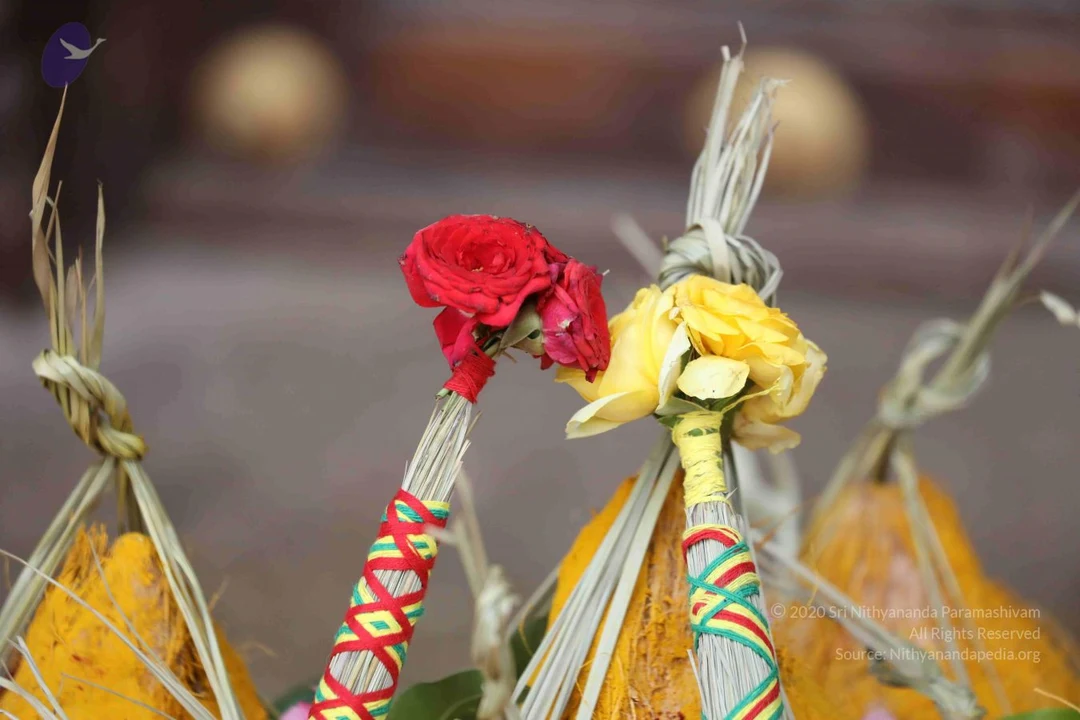
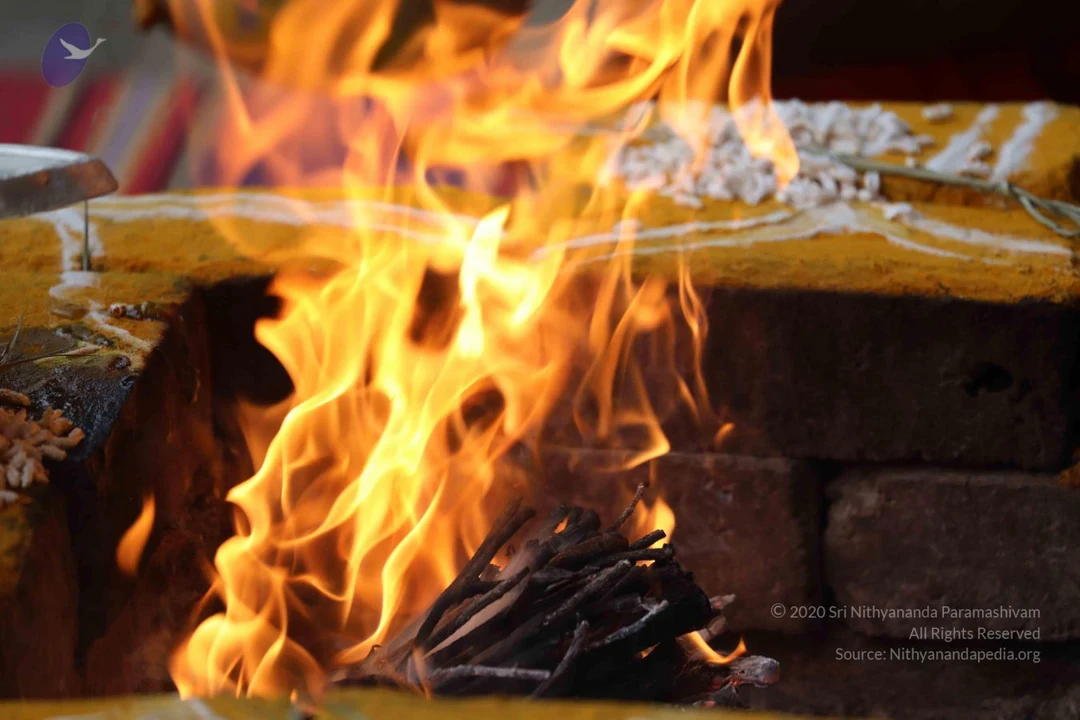
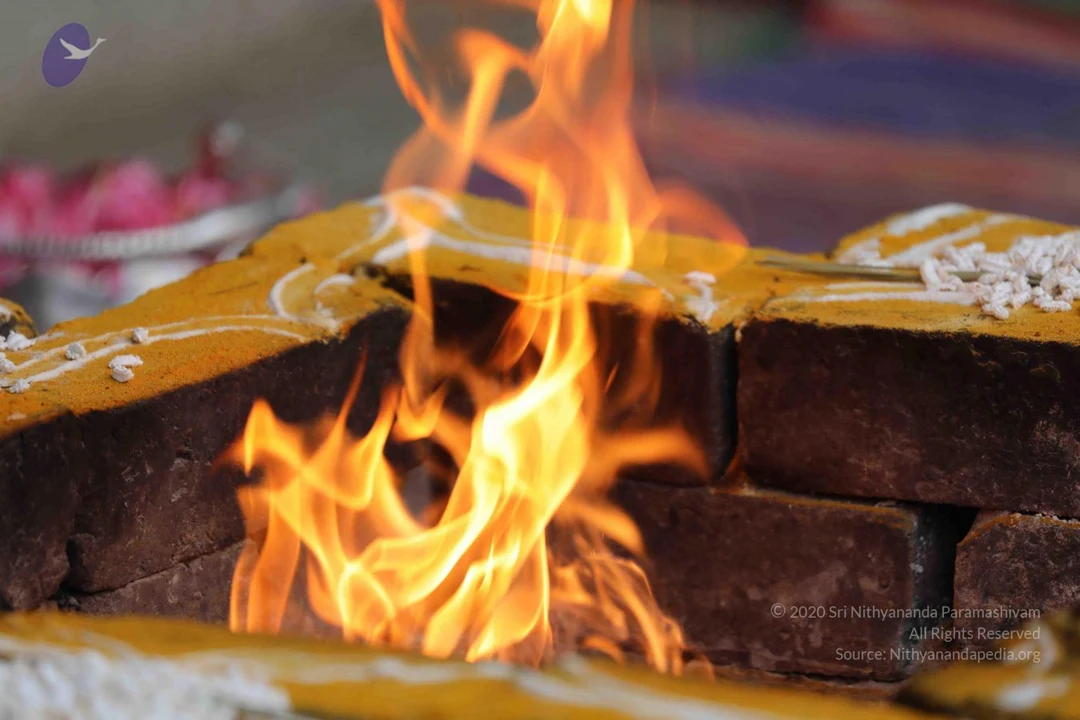
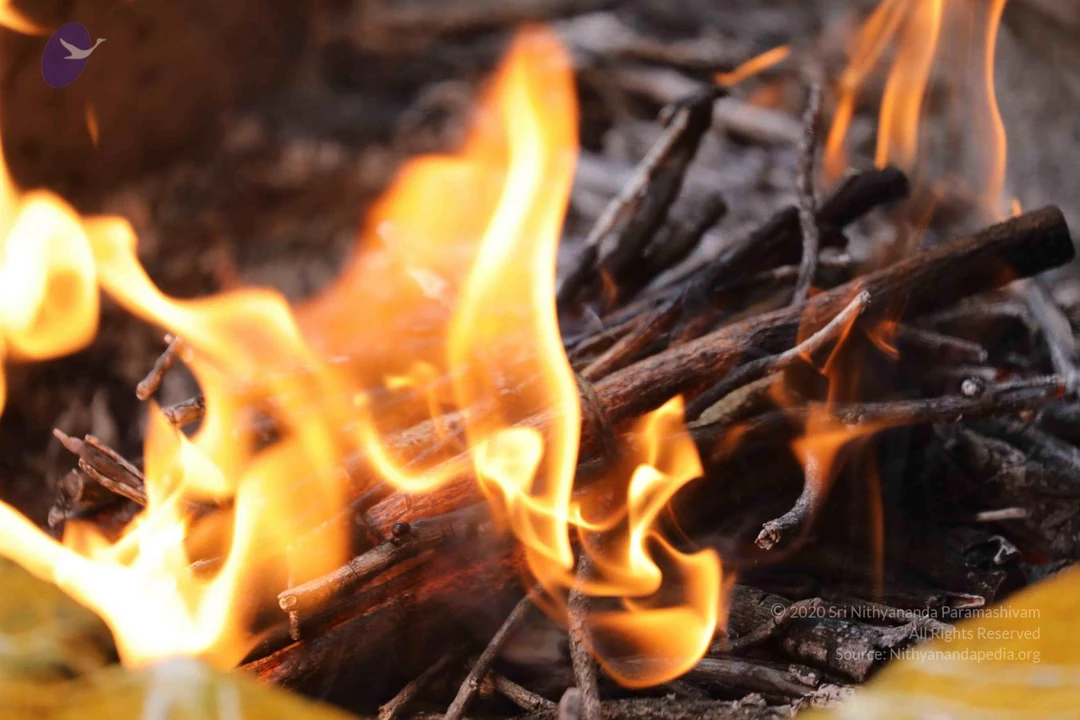
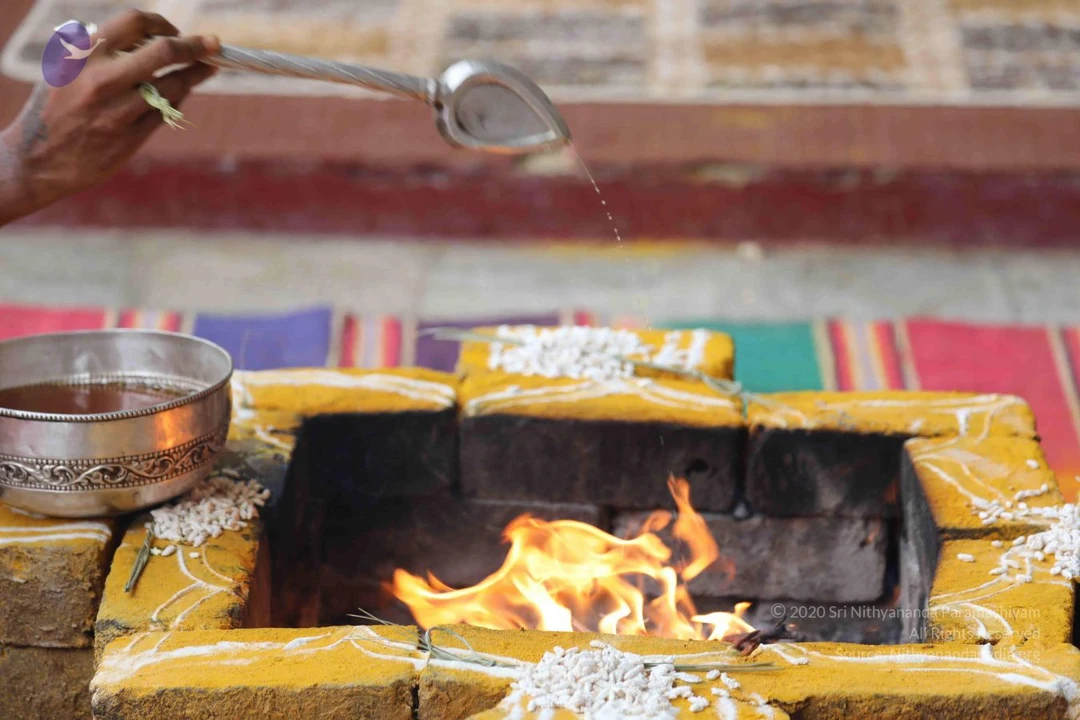
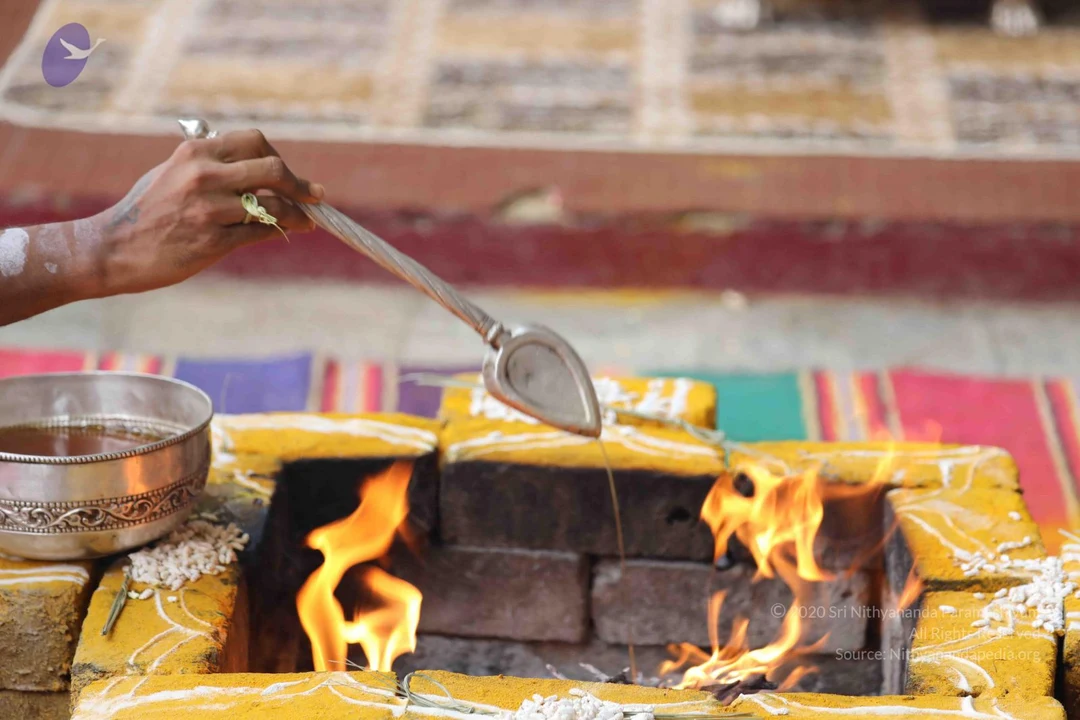
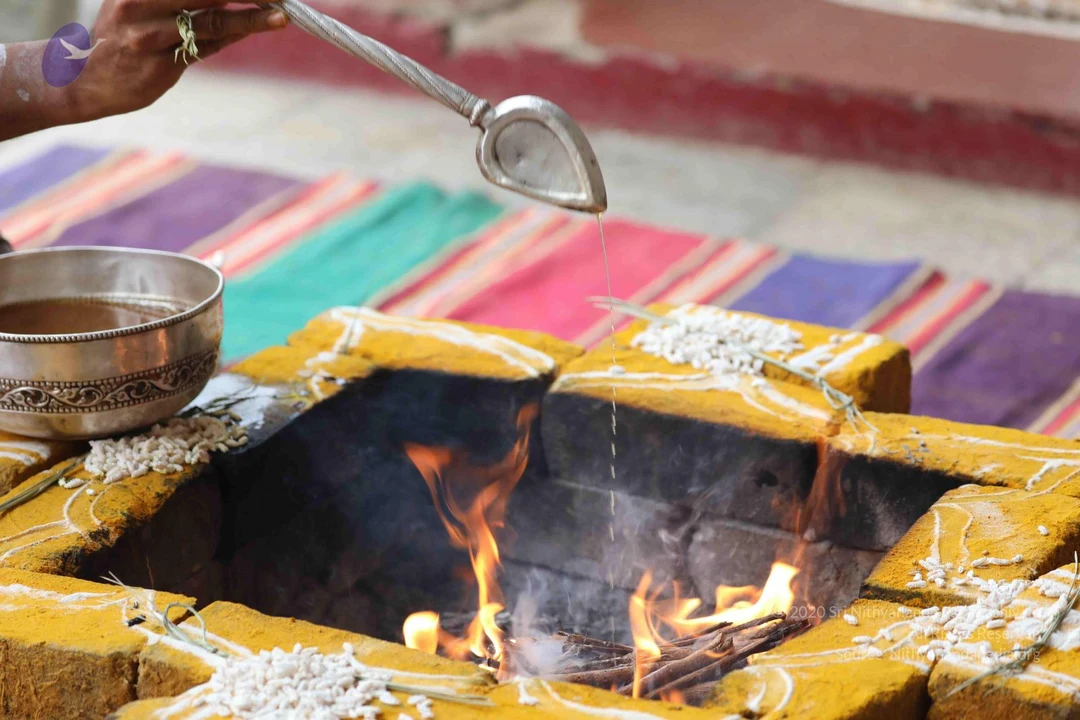
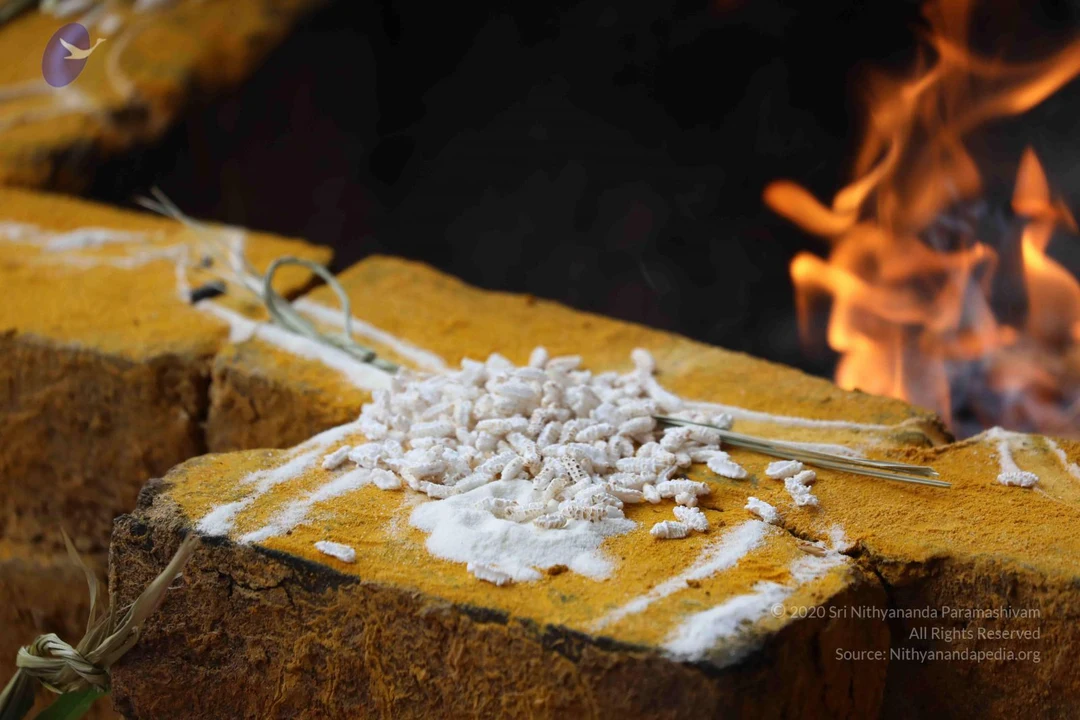
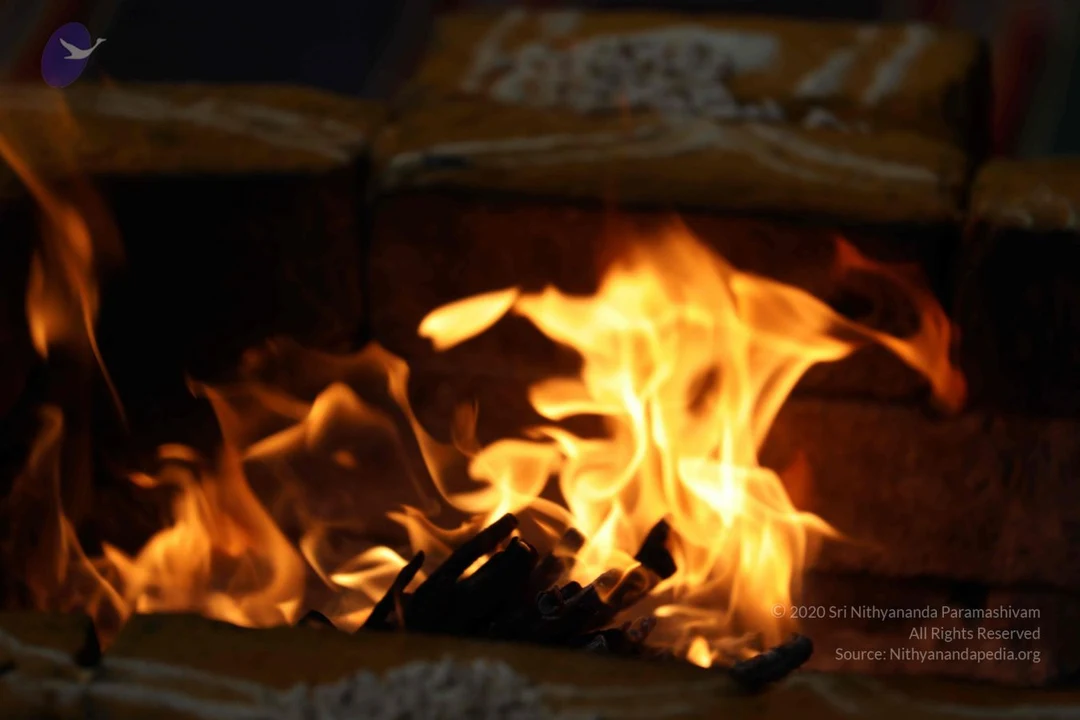
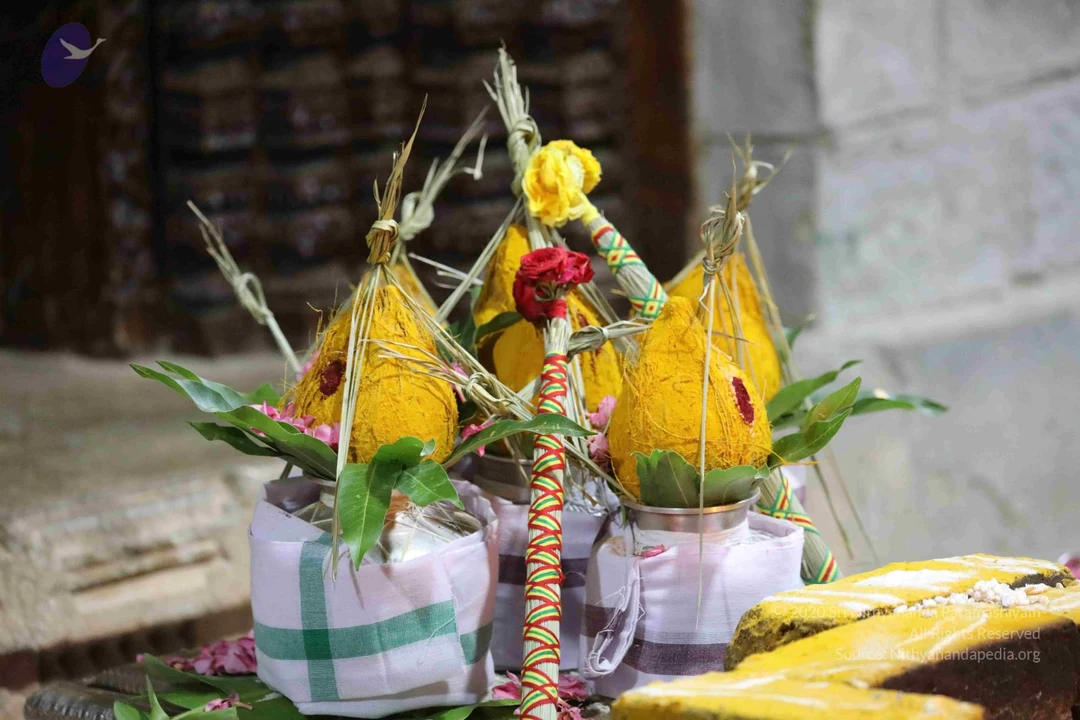
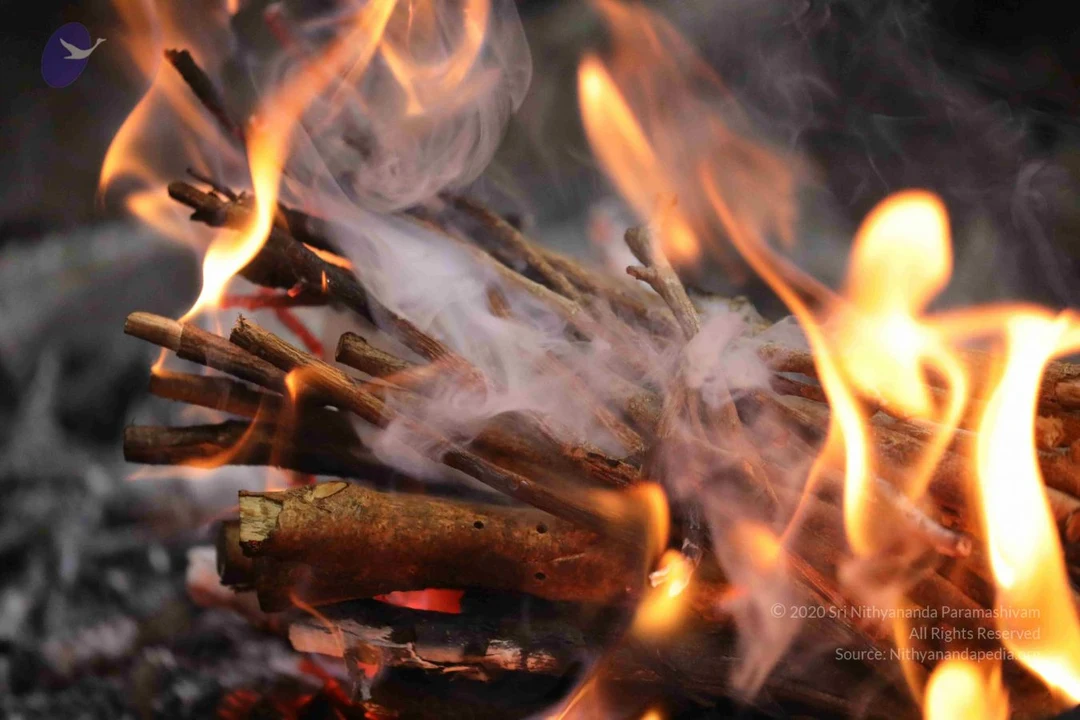
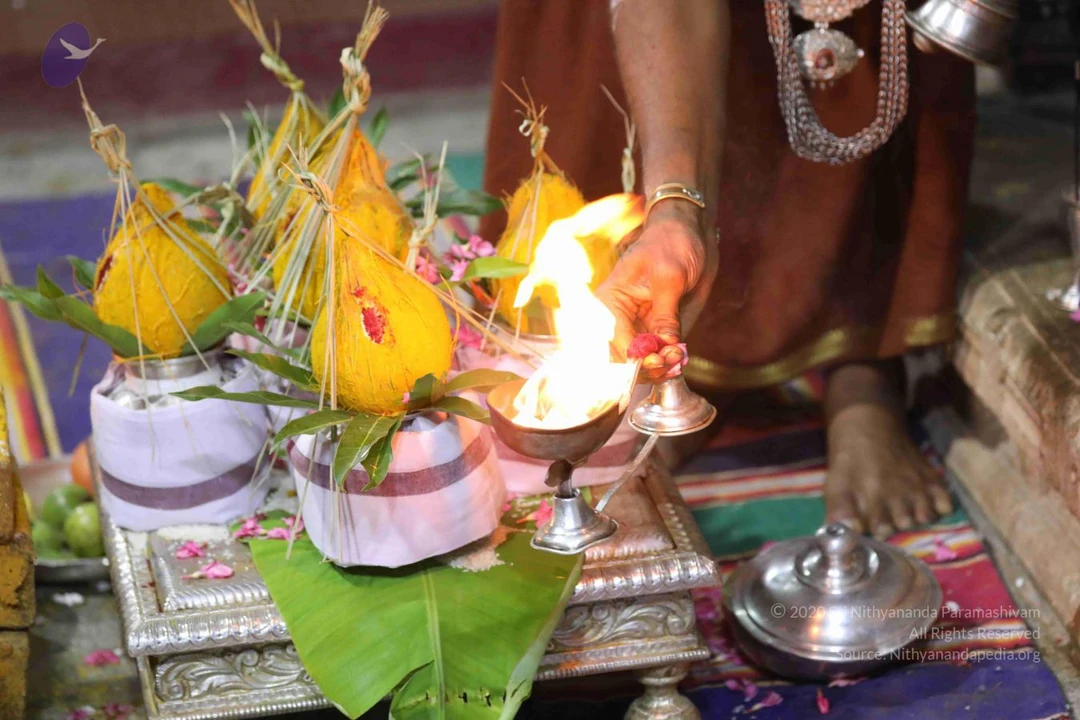
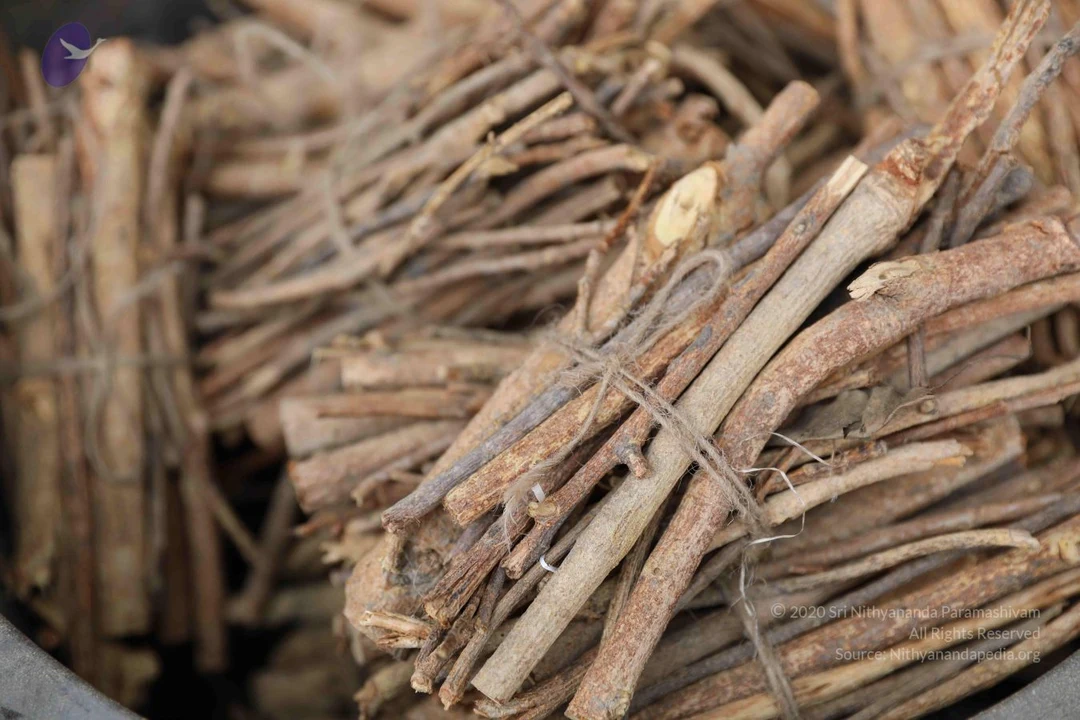
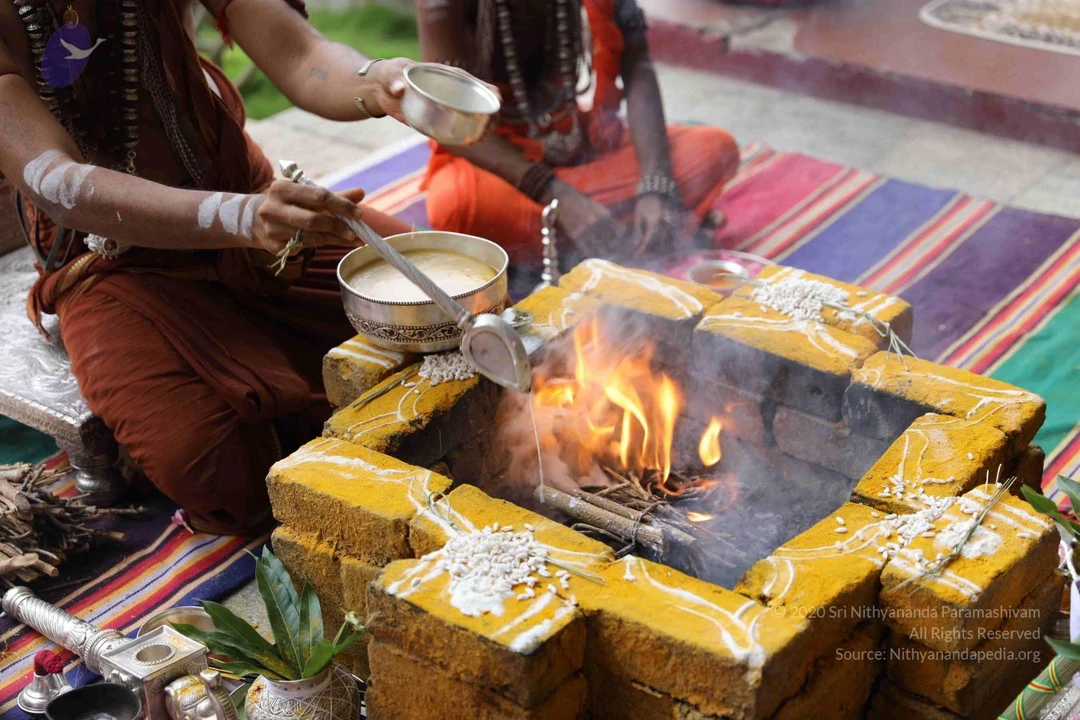
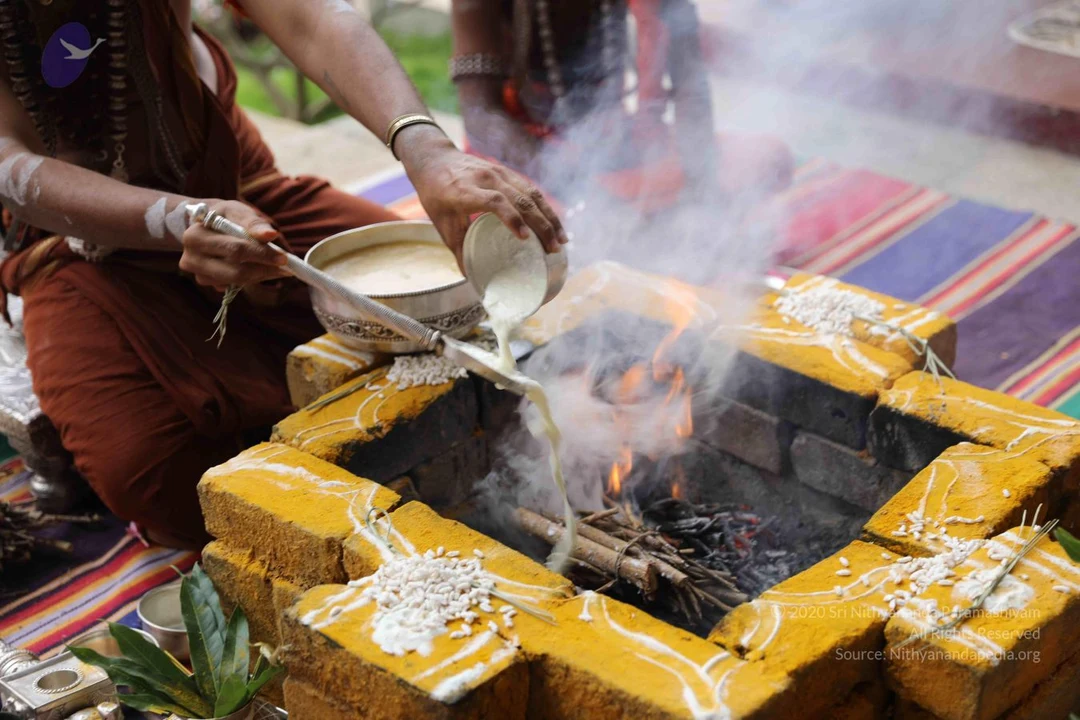
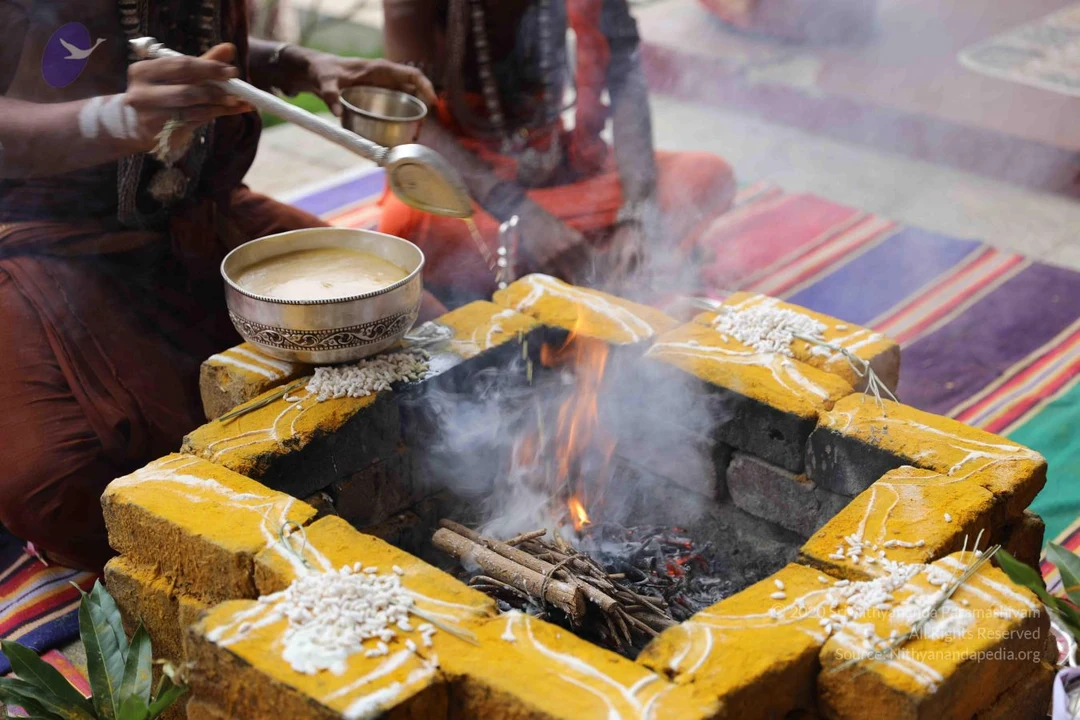
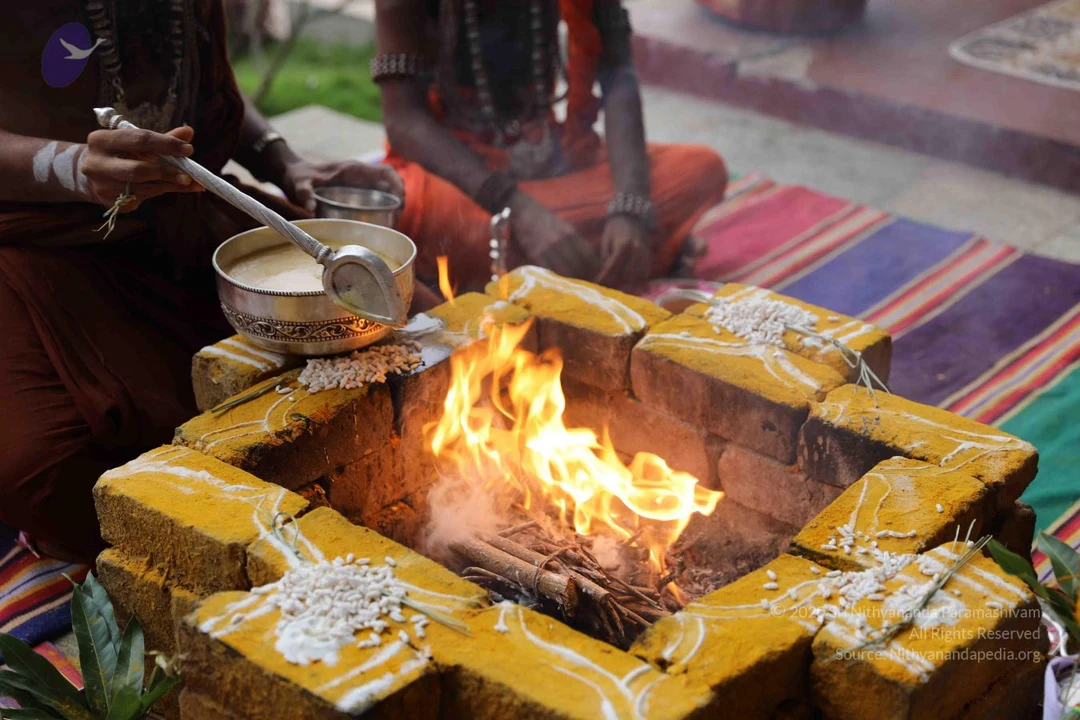
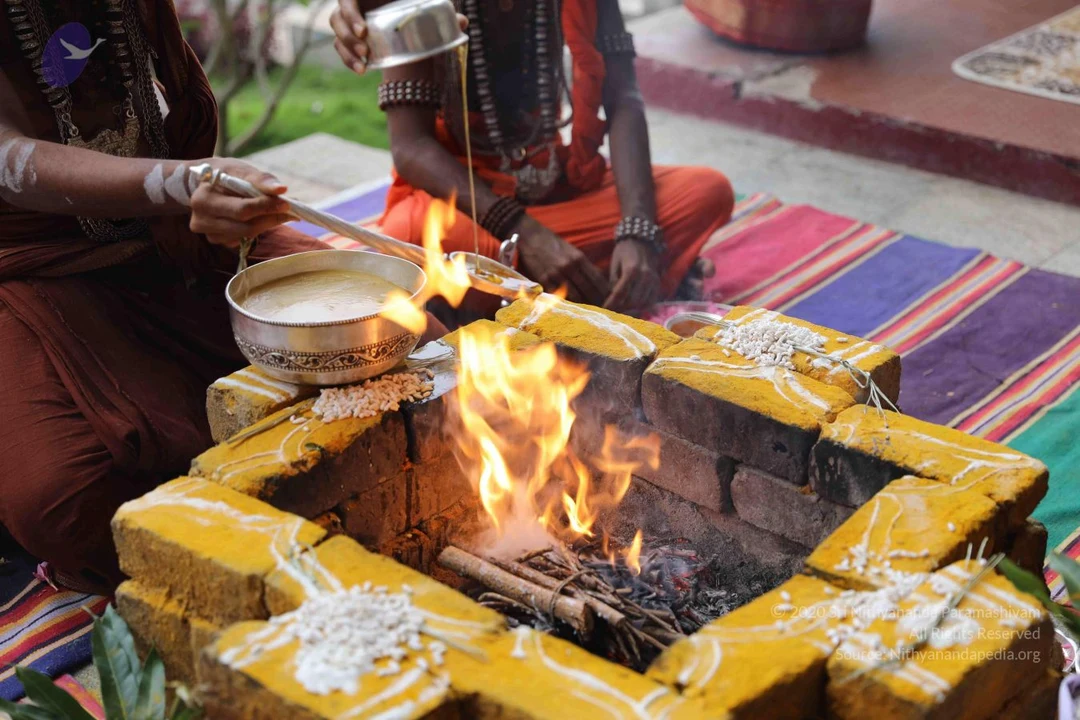
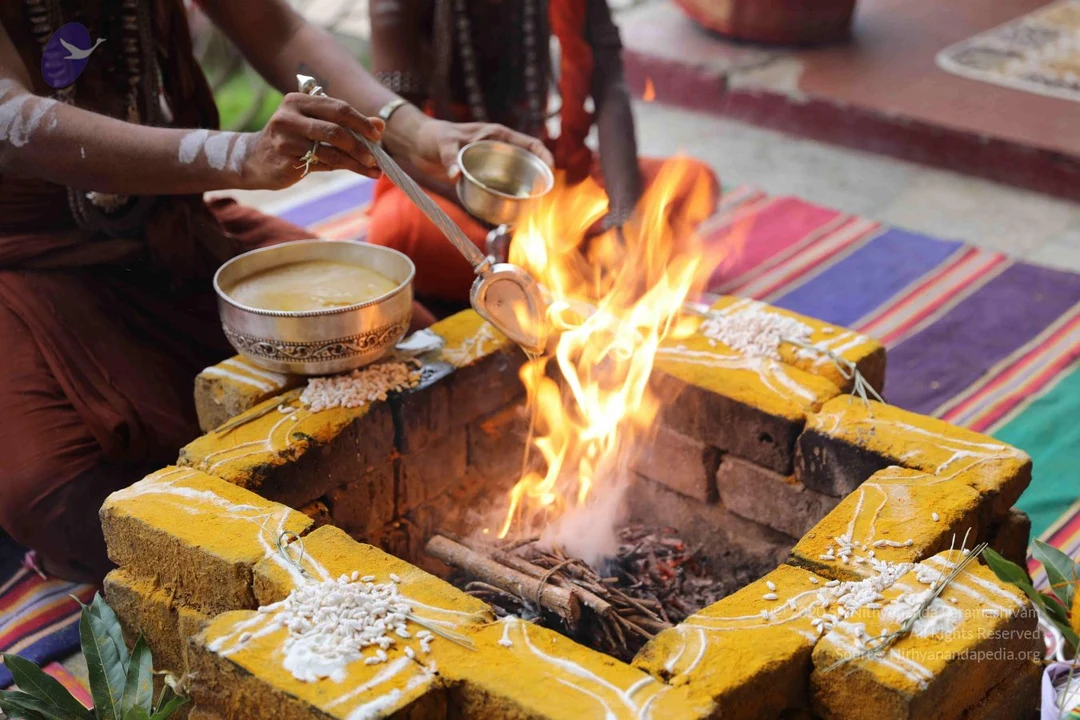
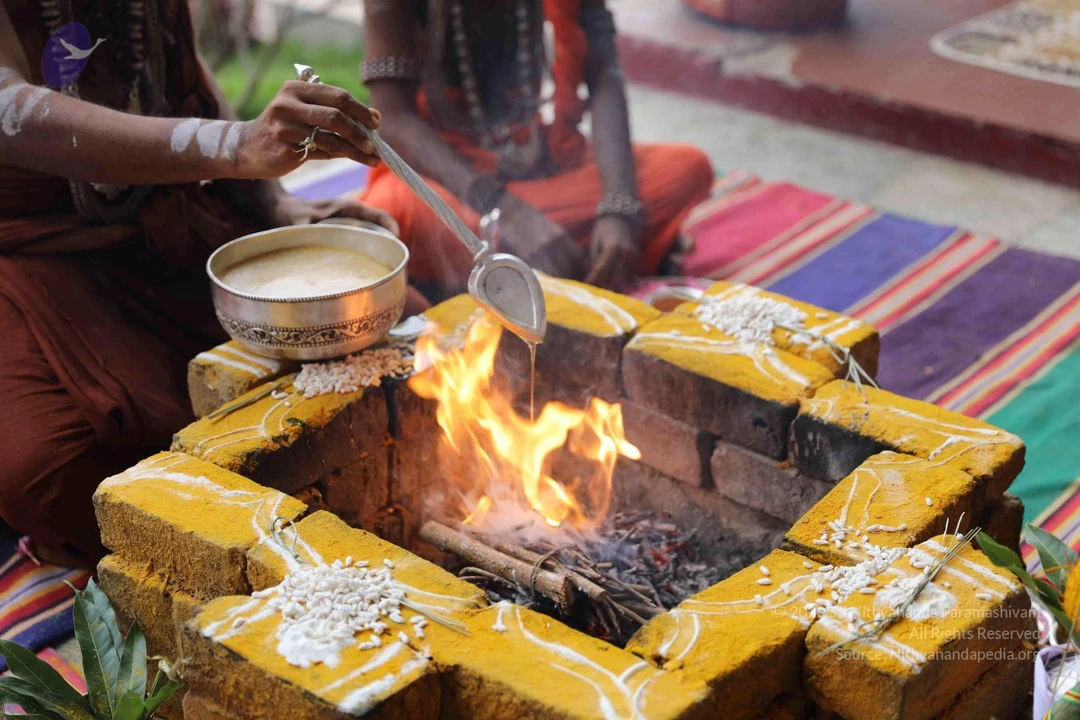
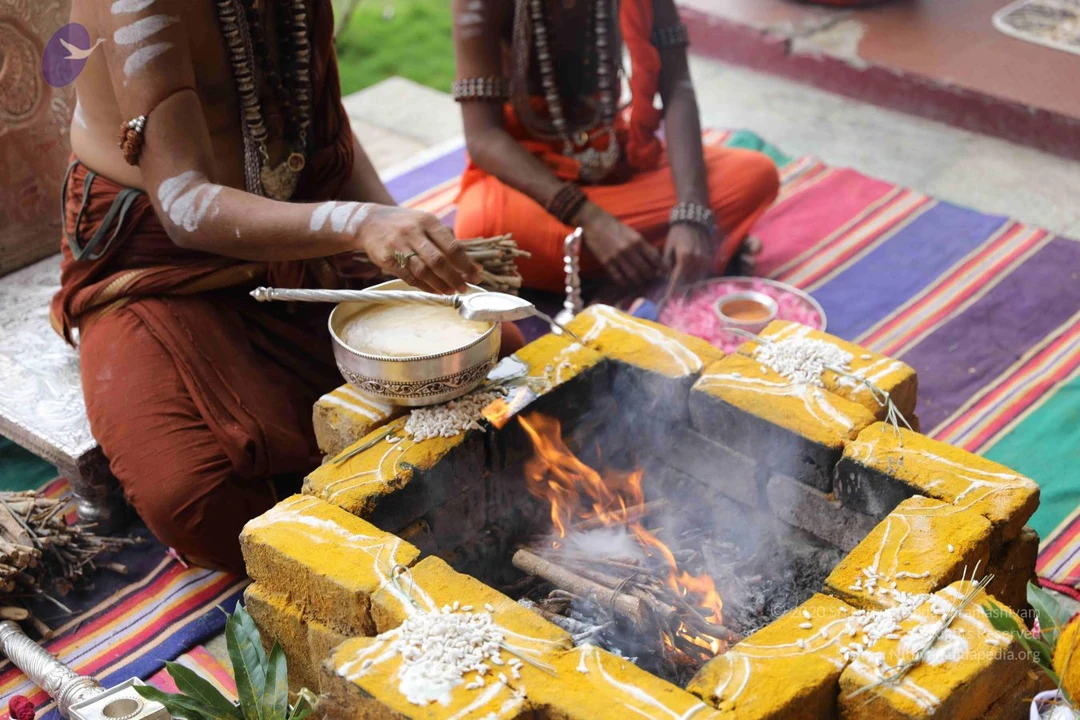
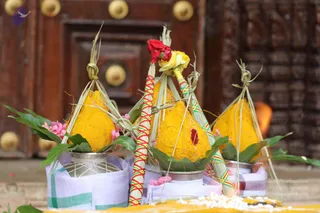
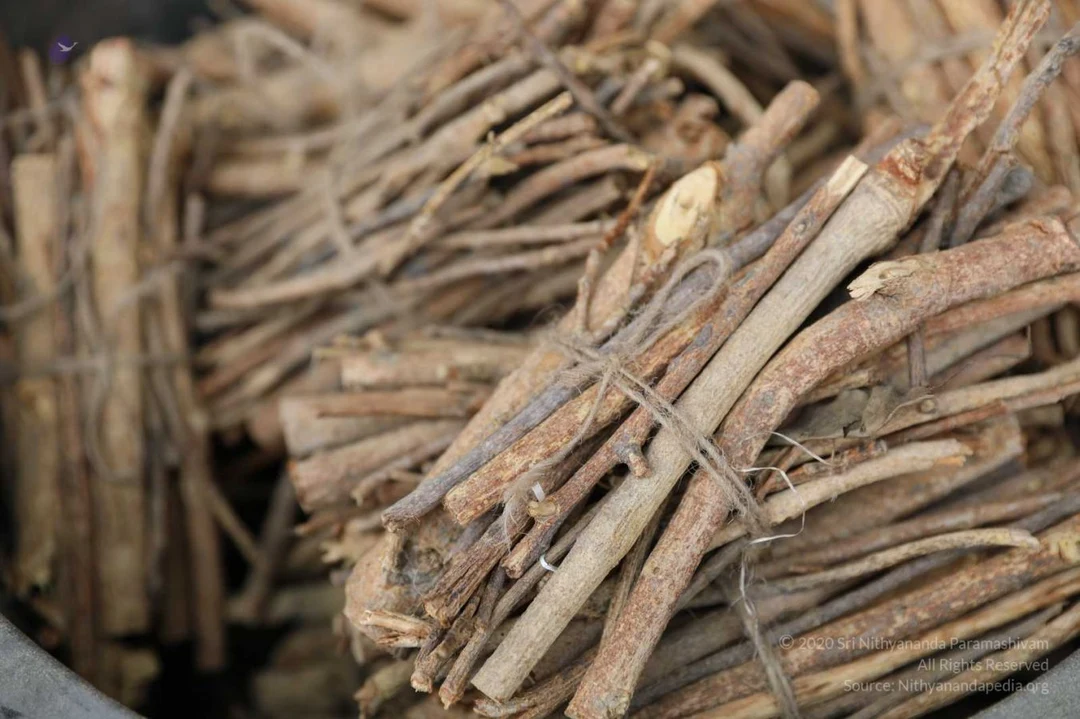 Fire sticks required for shiva deeksha yagna and puja process
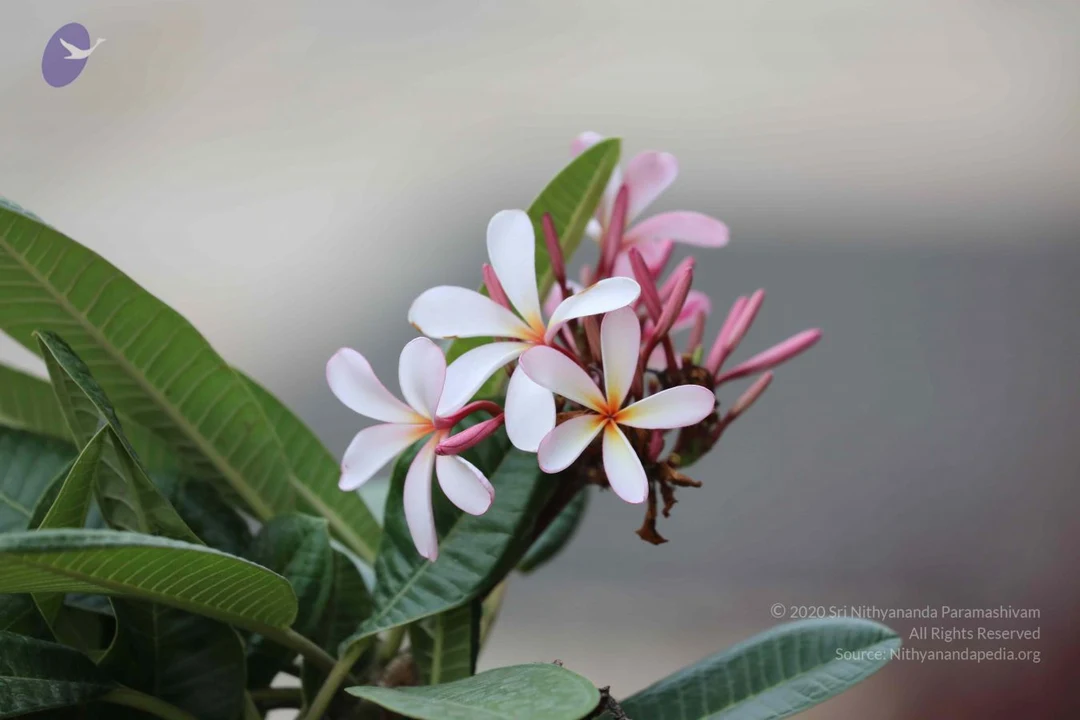
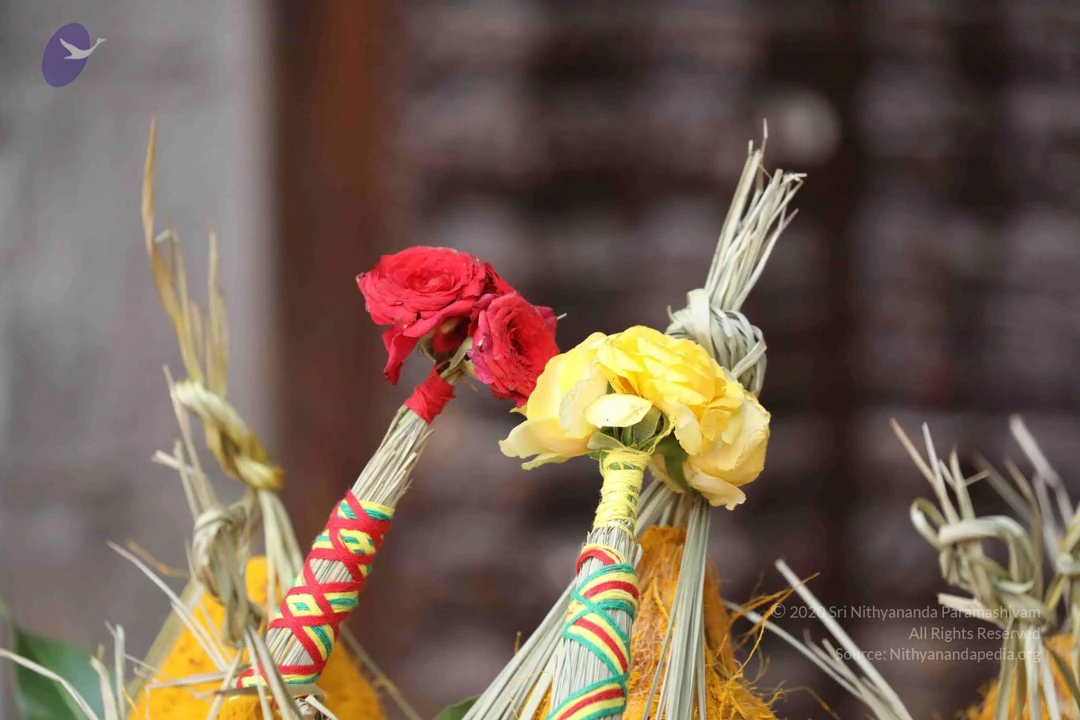
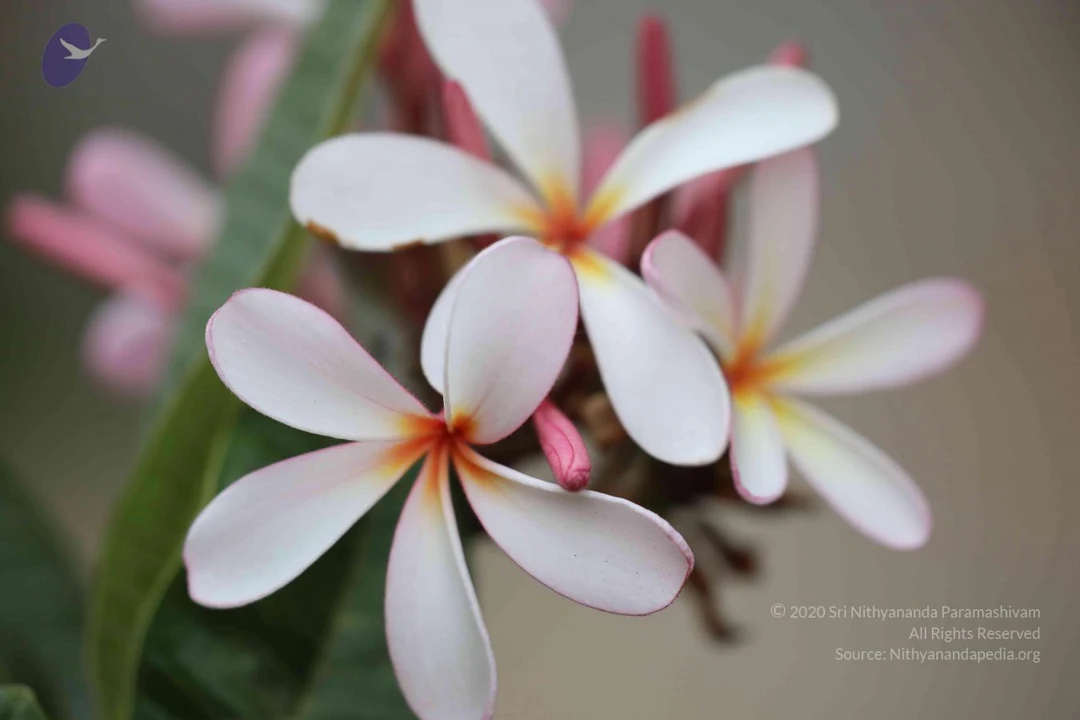
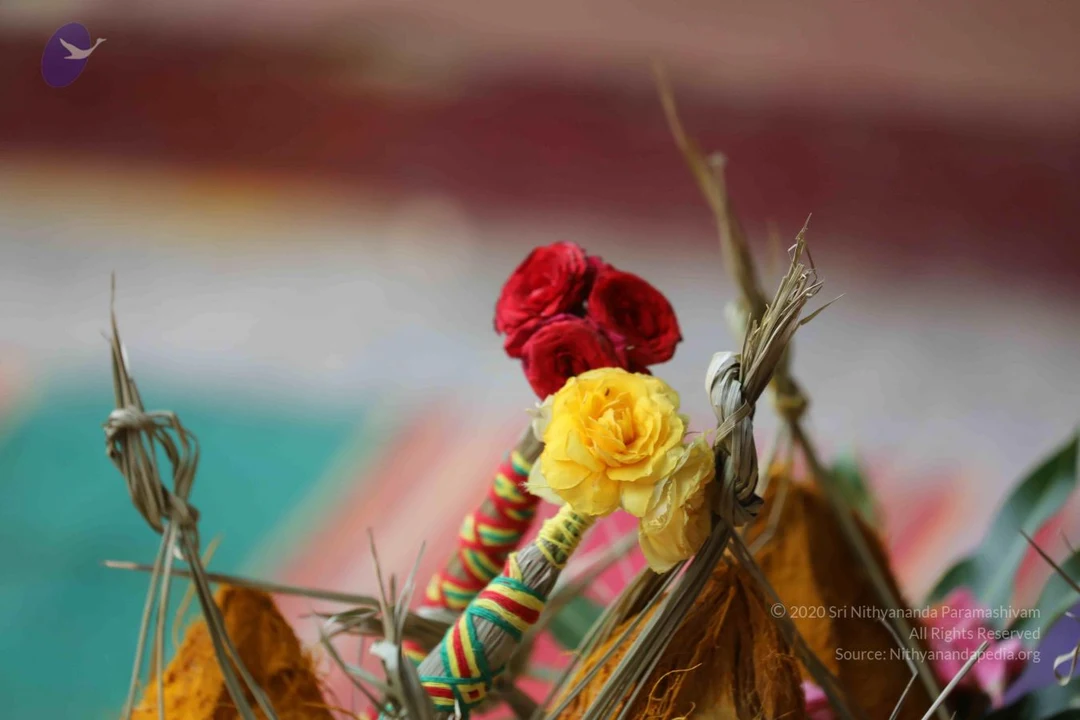
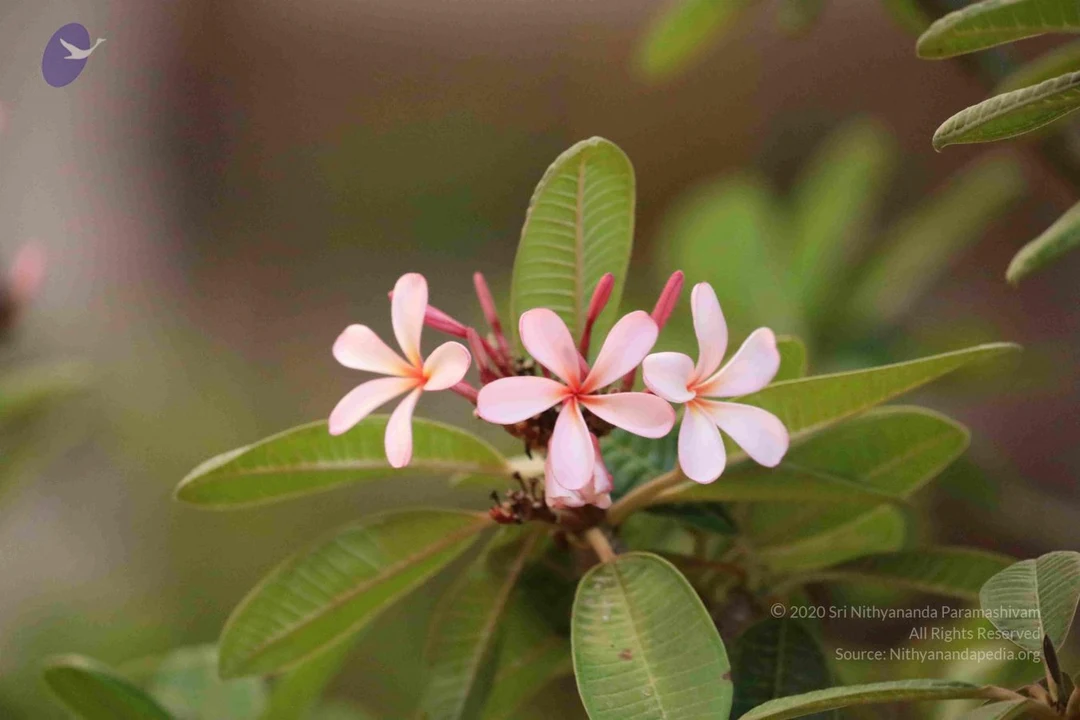
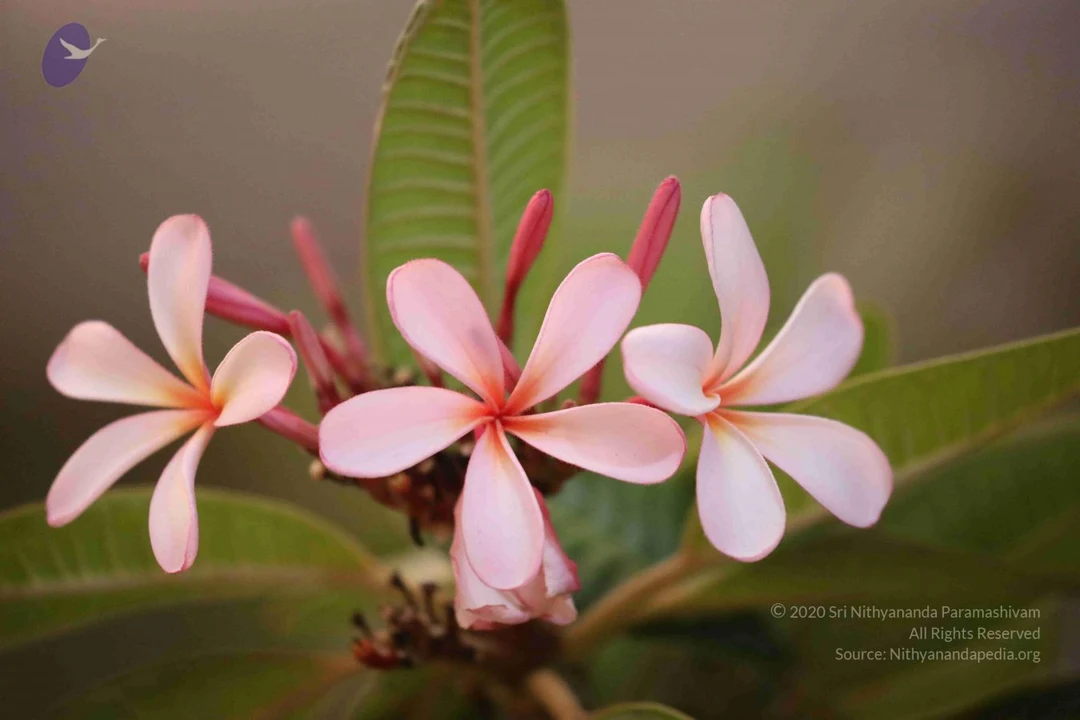
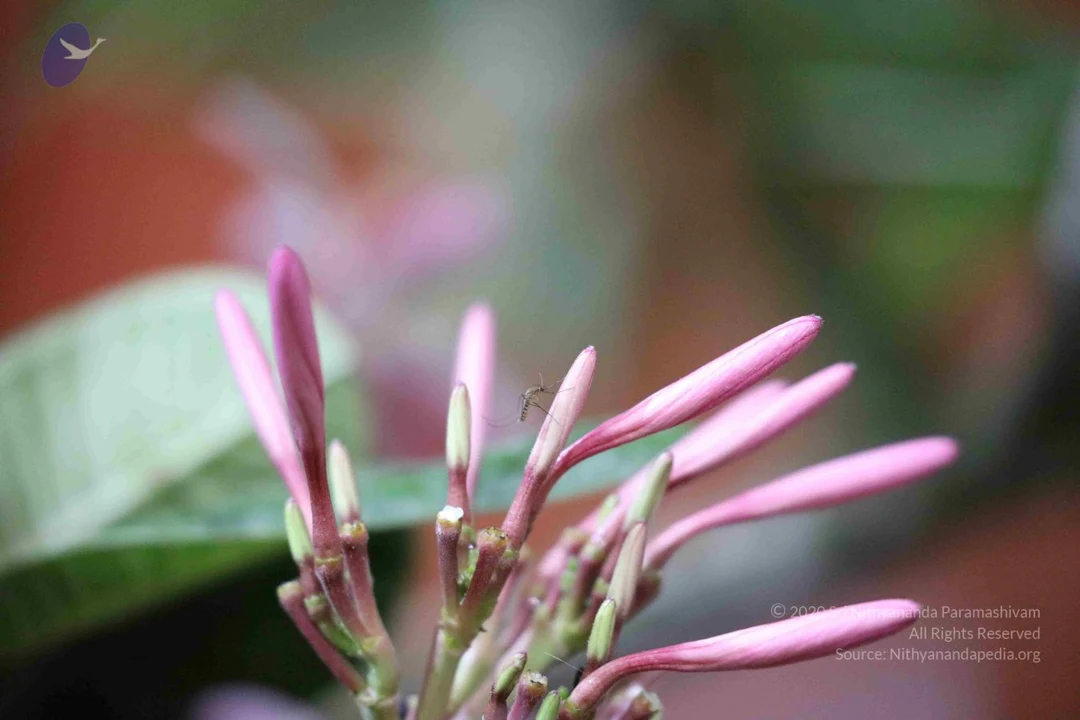
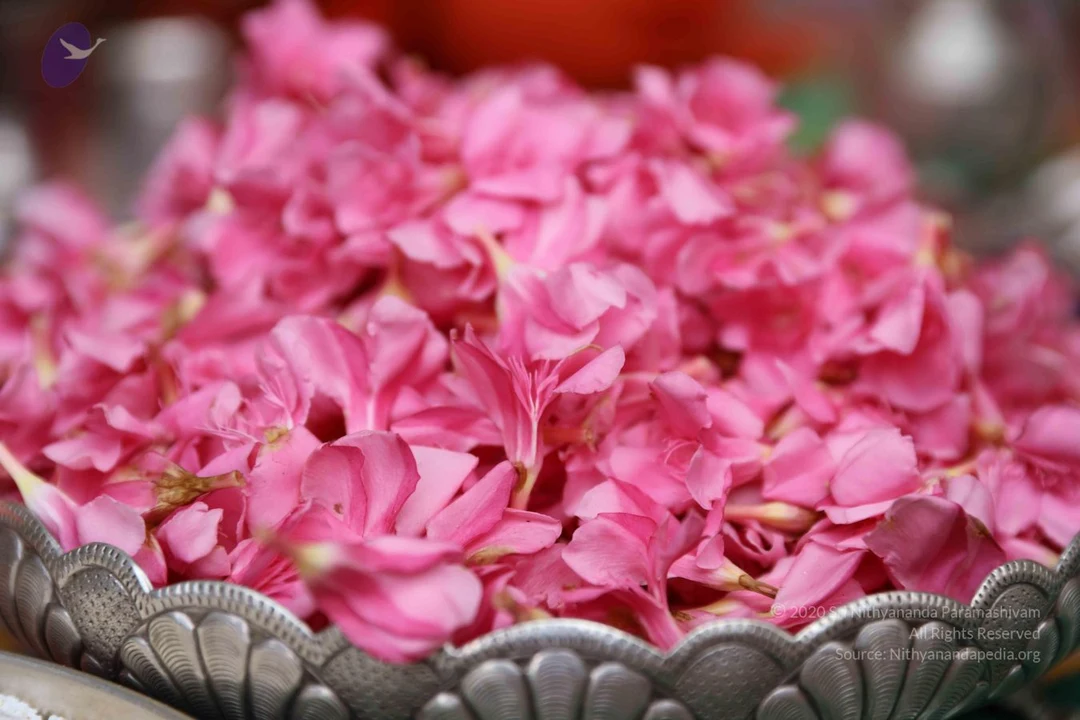
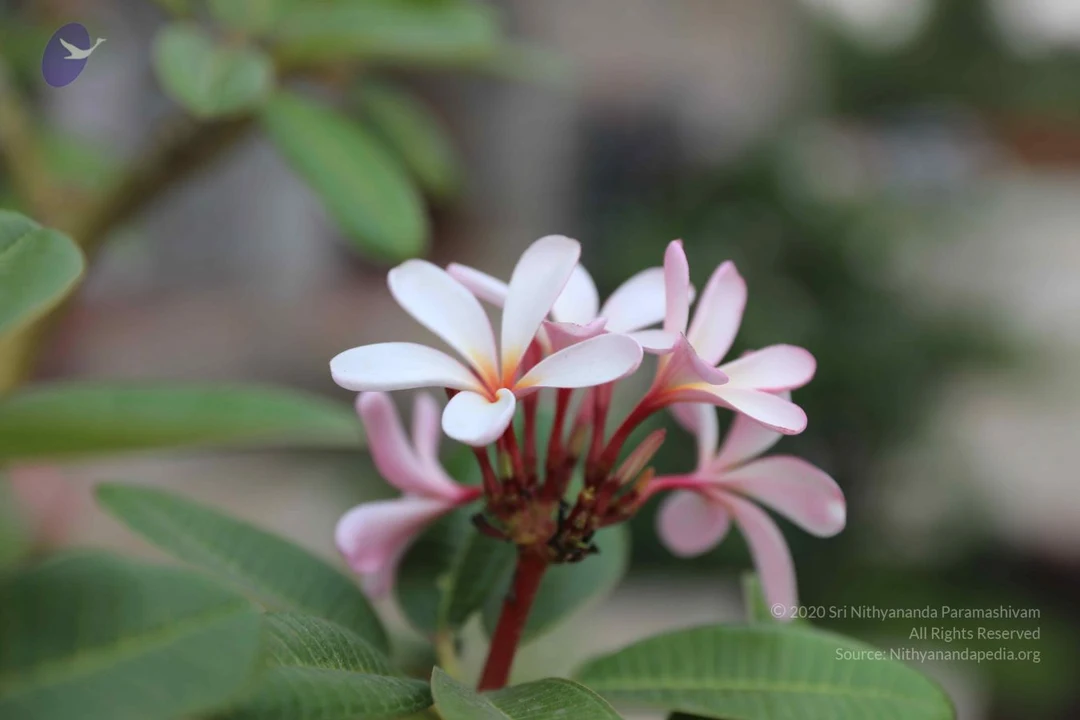
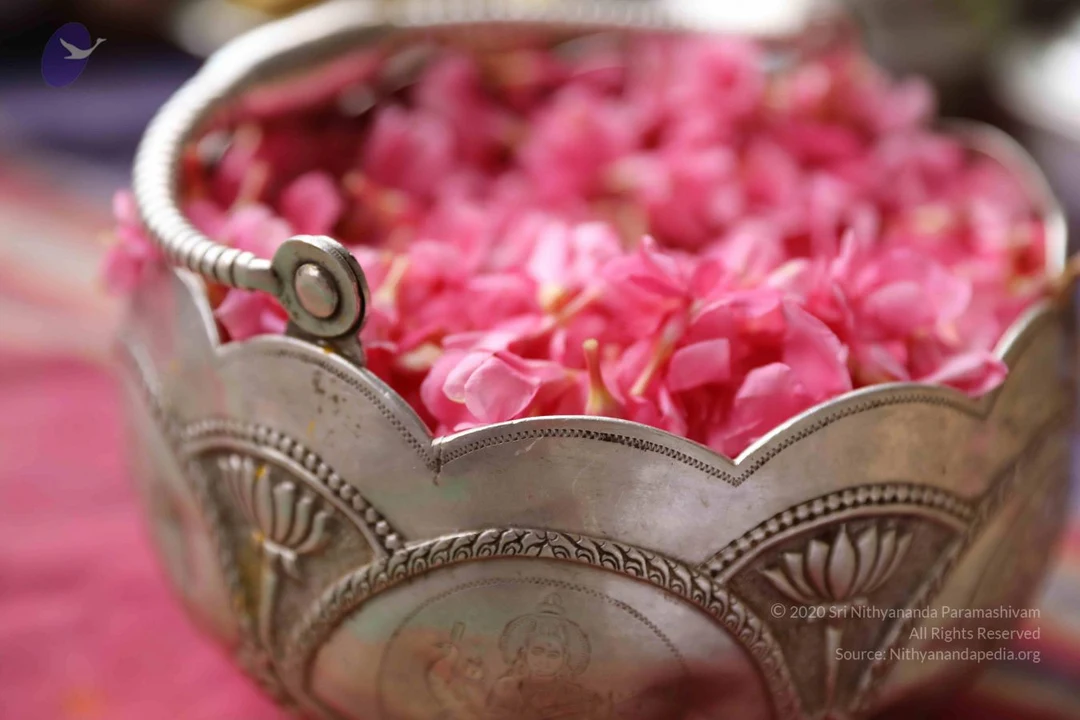
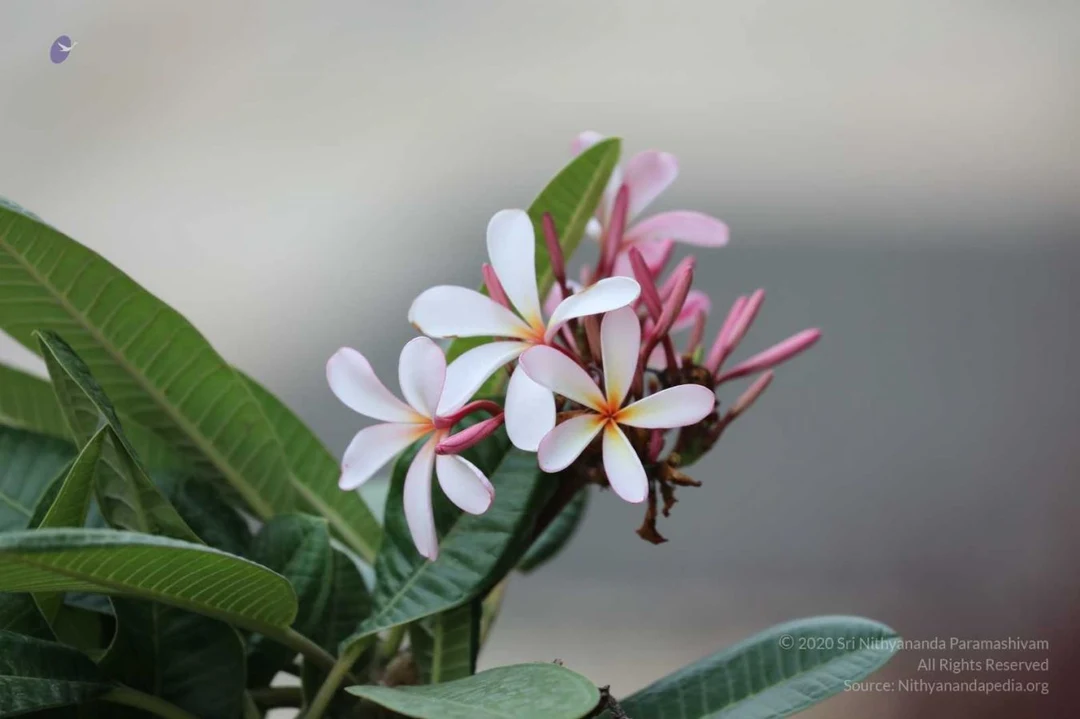
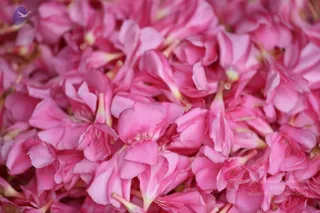
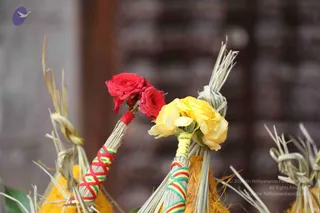
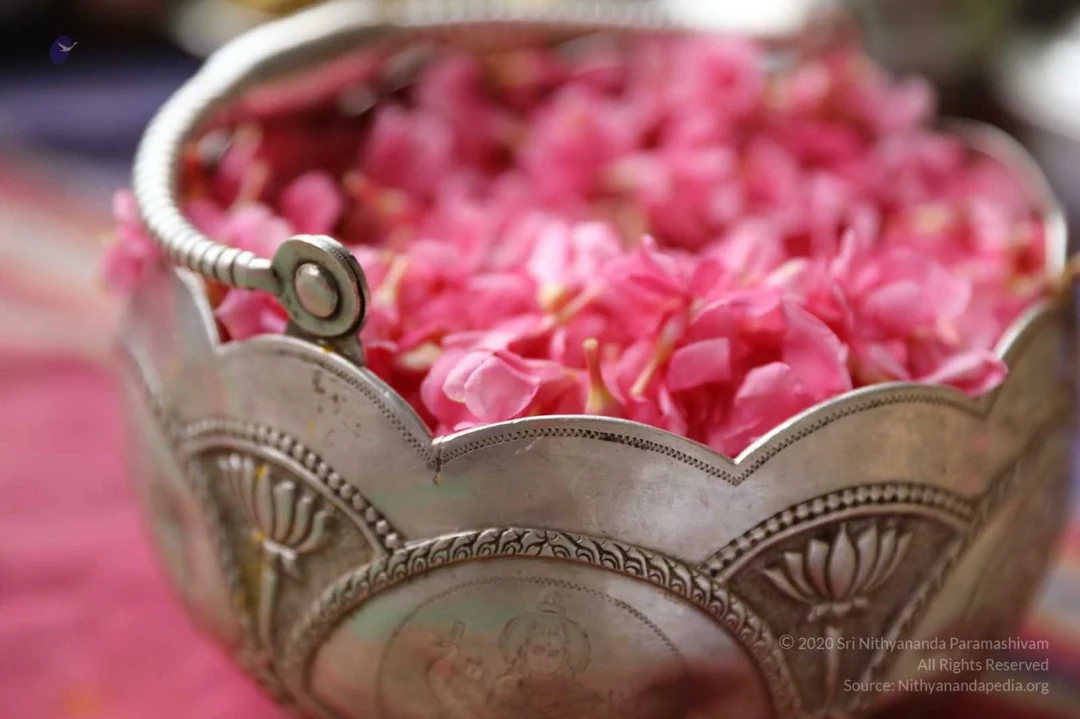 Flower required for shiva deeksha yagna and puja process
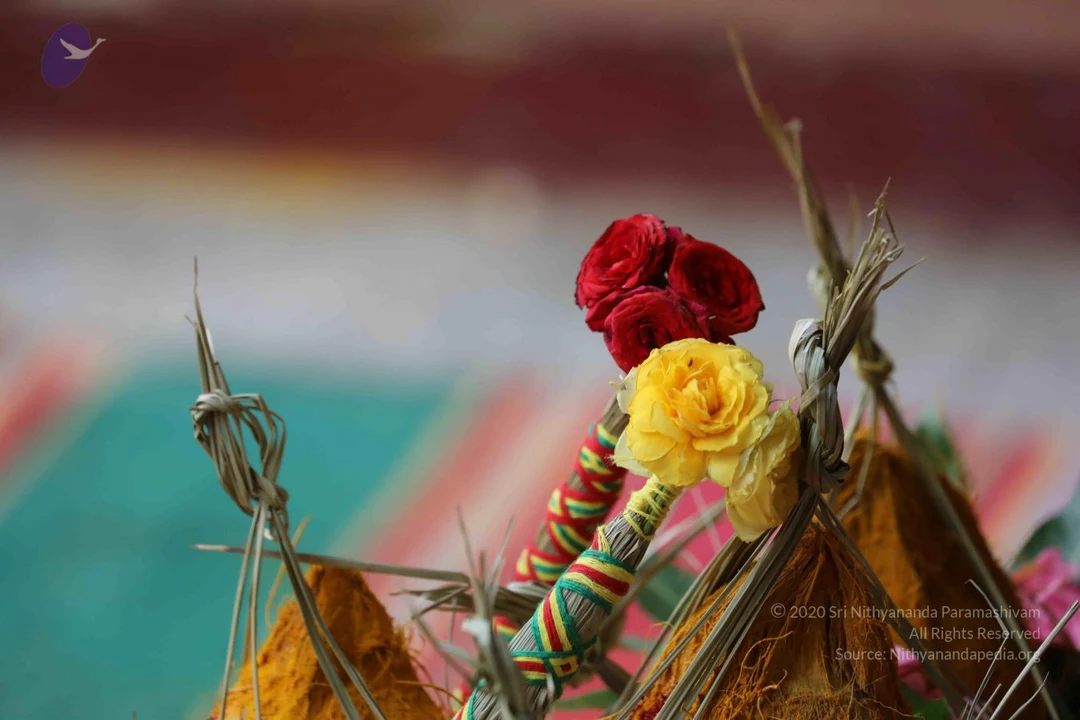
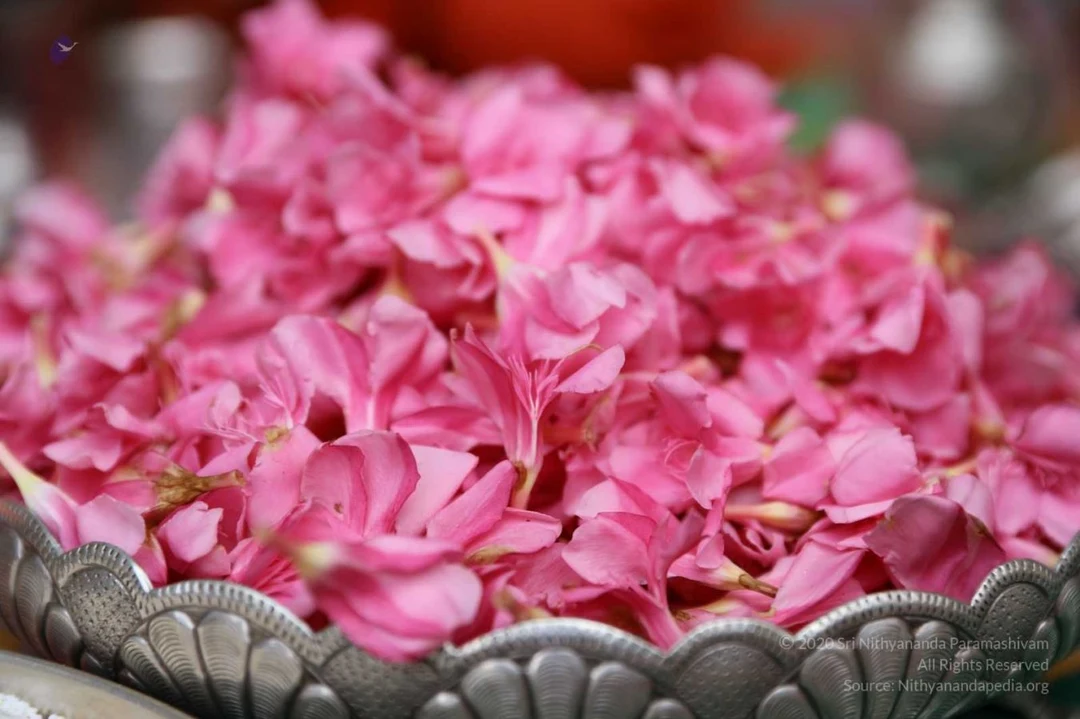 Flower required for shiva deeksha yagna and puja process
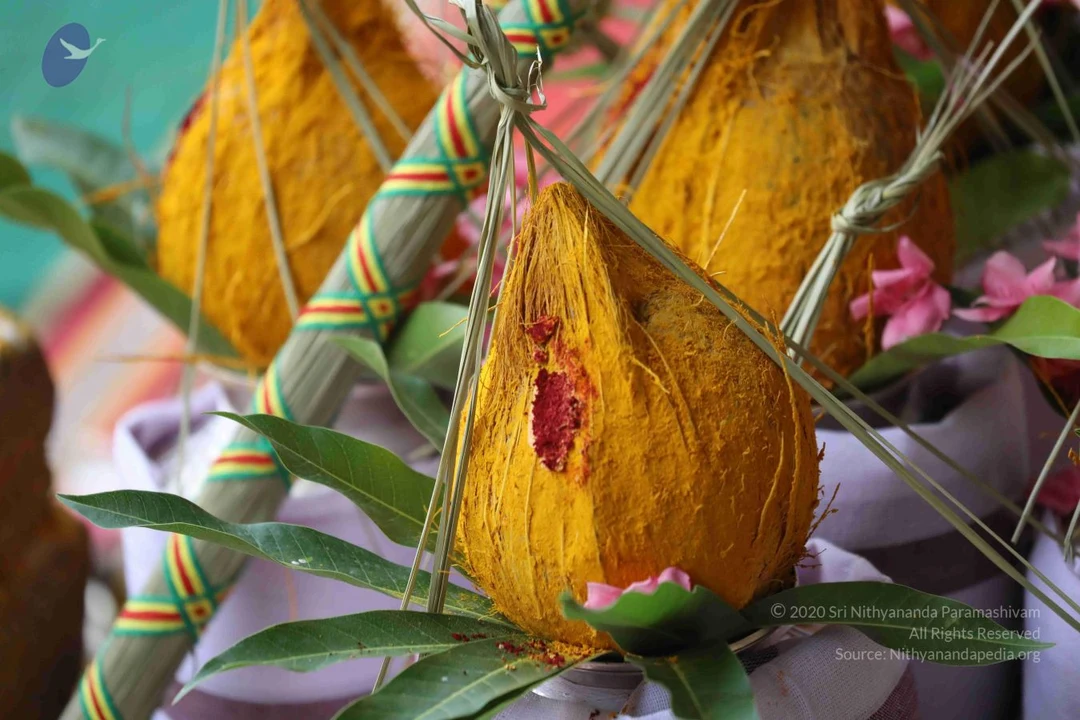
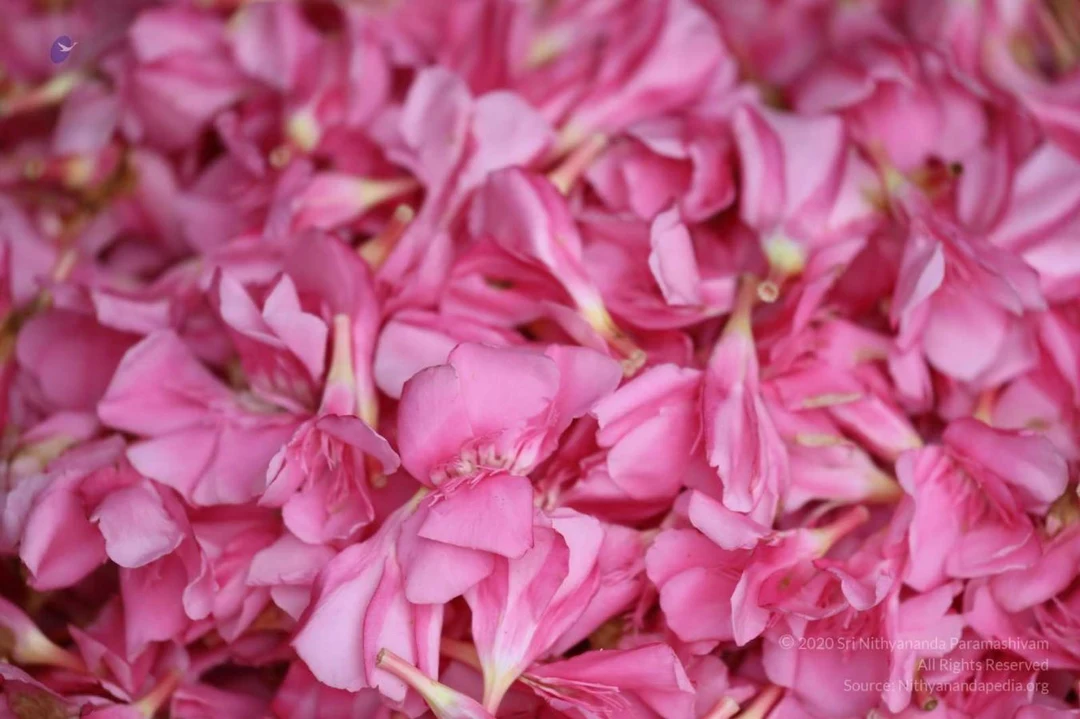 Flower required for shiva deeksha yagna and puja process
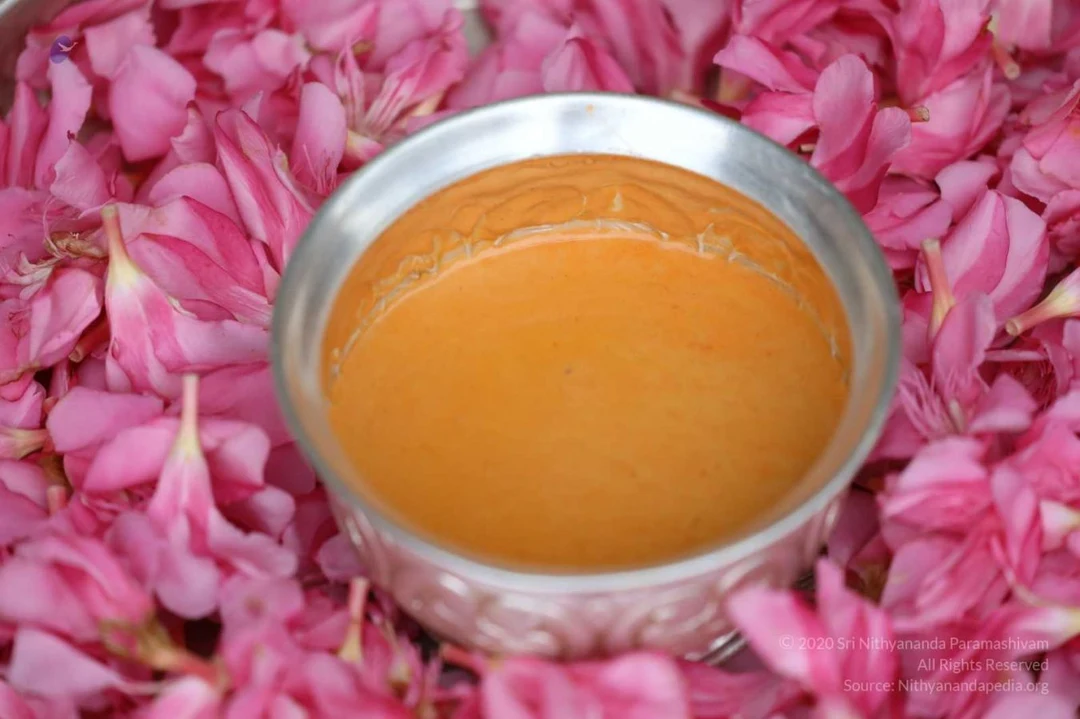 Flower required for shiva deeksha yagna and puja process
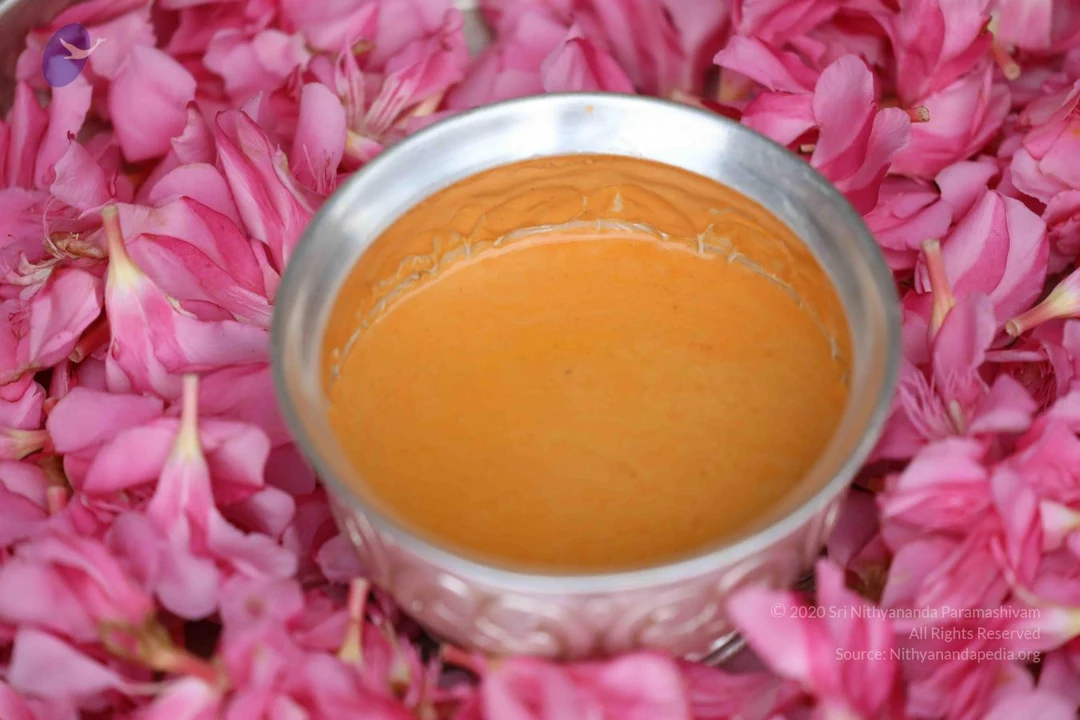
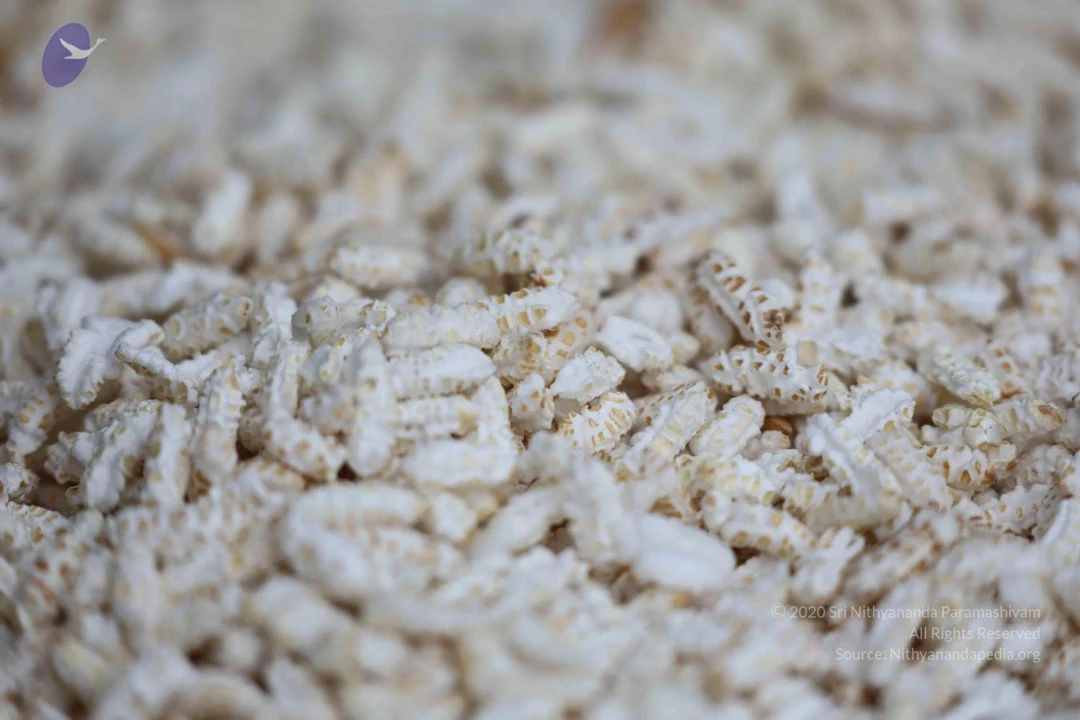
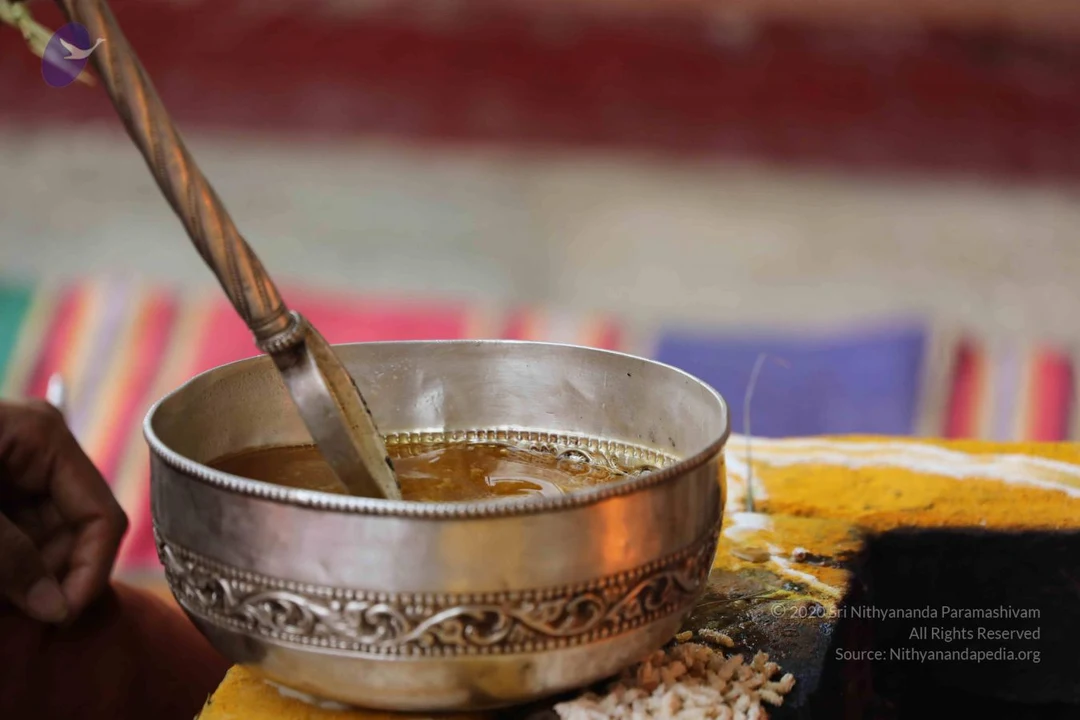
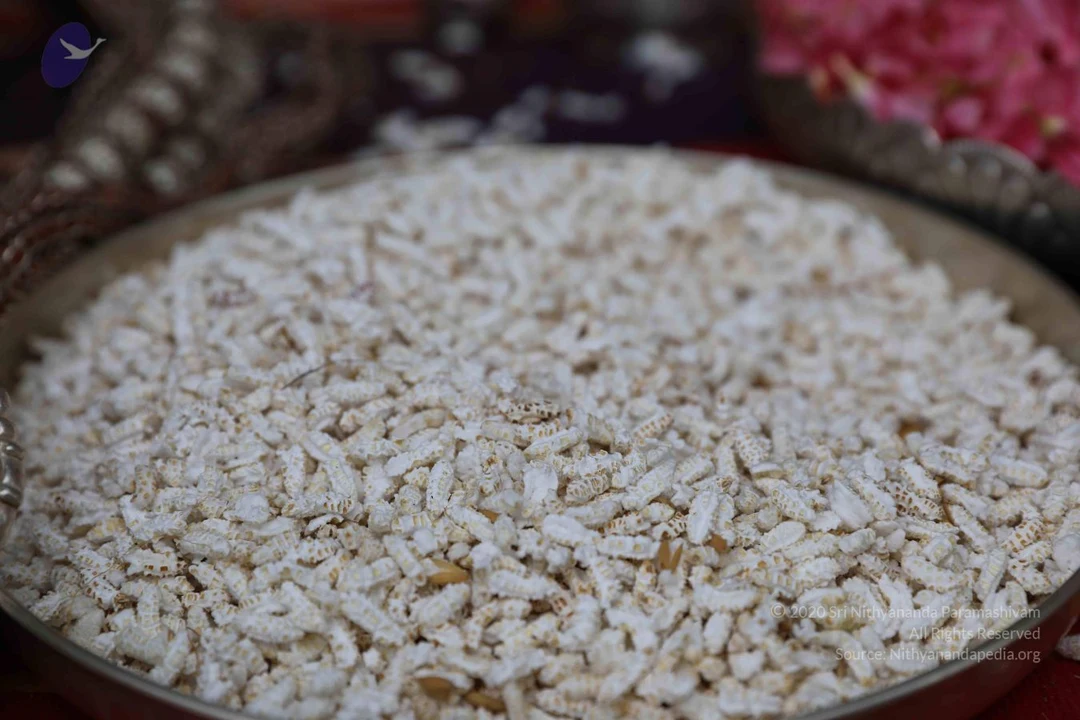
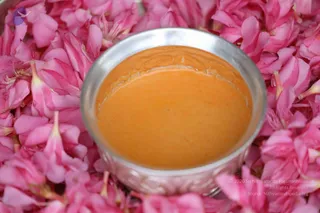
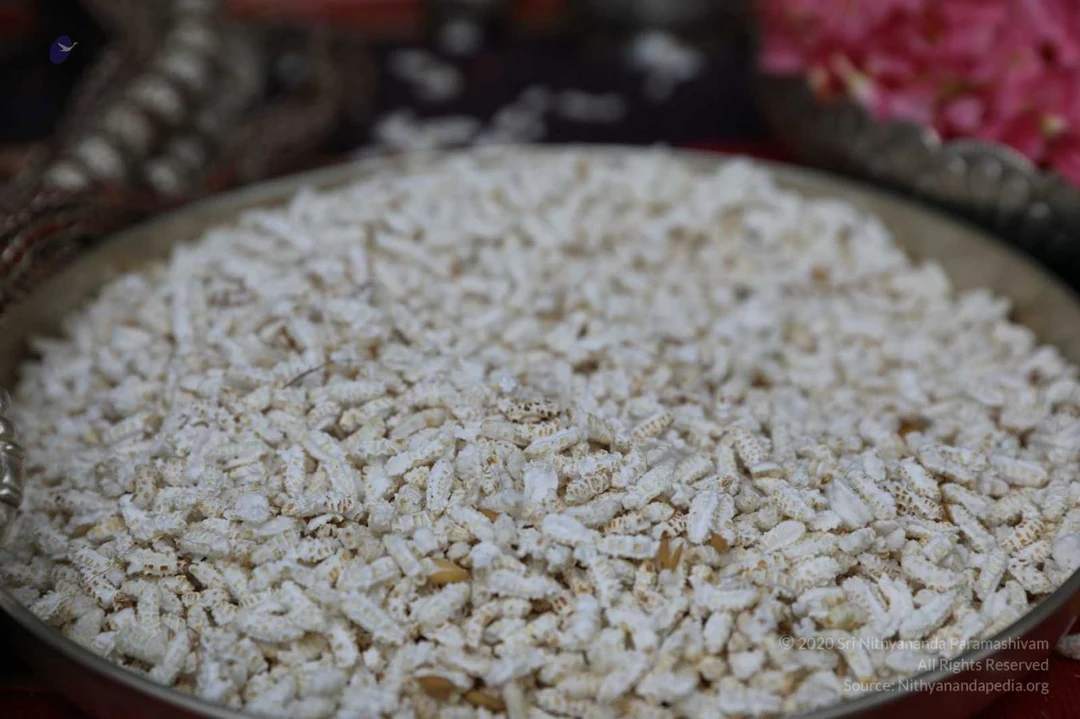 Dravya ingredients required for shiva deeksha yagna and puja process
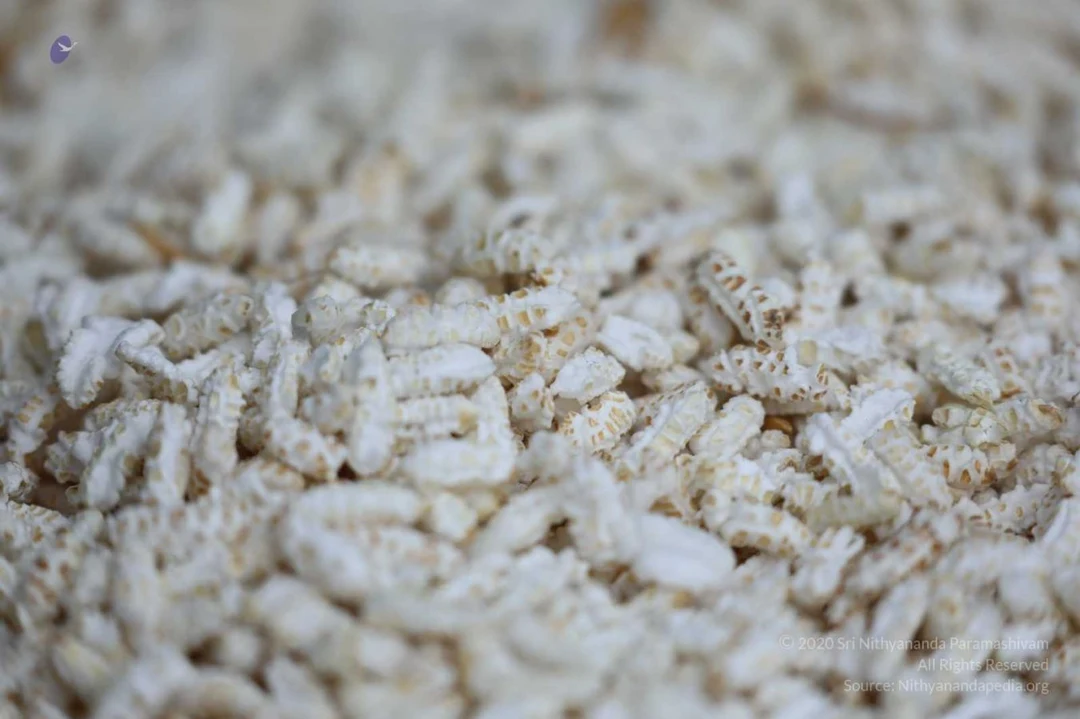 Dravya ingredients required for shiva deeksha yagna and puja process
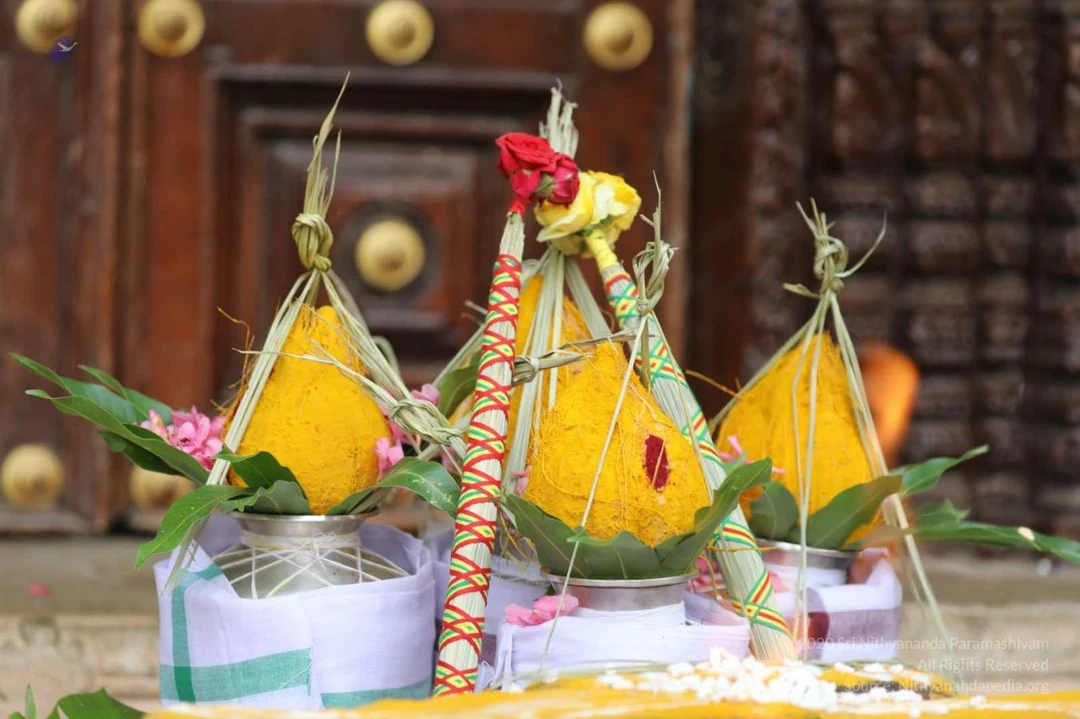 Kalasha stapana during Shiva deeksha puja celebrations at Adi Kailaasa, Bengaluru Aadheenam
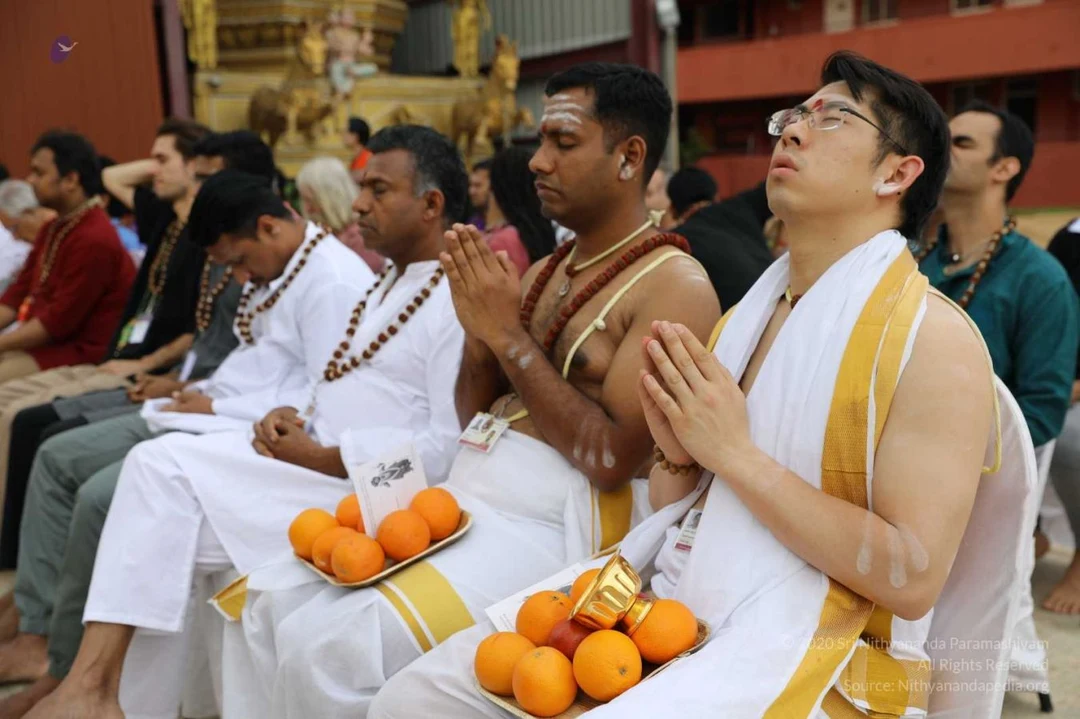 Delegates at the Shiva deeksha puja at Adi Kailaasa, Bengaluru Aadheenam
 Delegates at the Shiva deeksha puja at Adi Kailaasa, Bengaluru Aadheenam
 Dravya ingredients required for shiva deeksha yagna and puja process
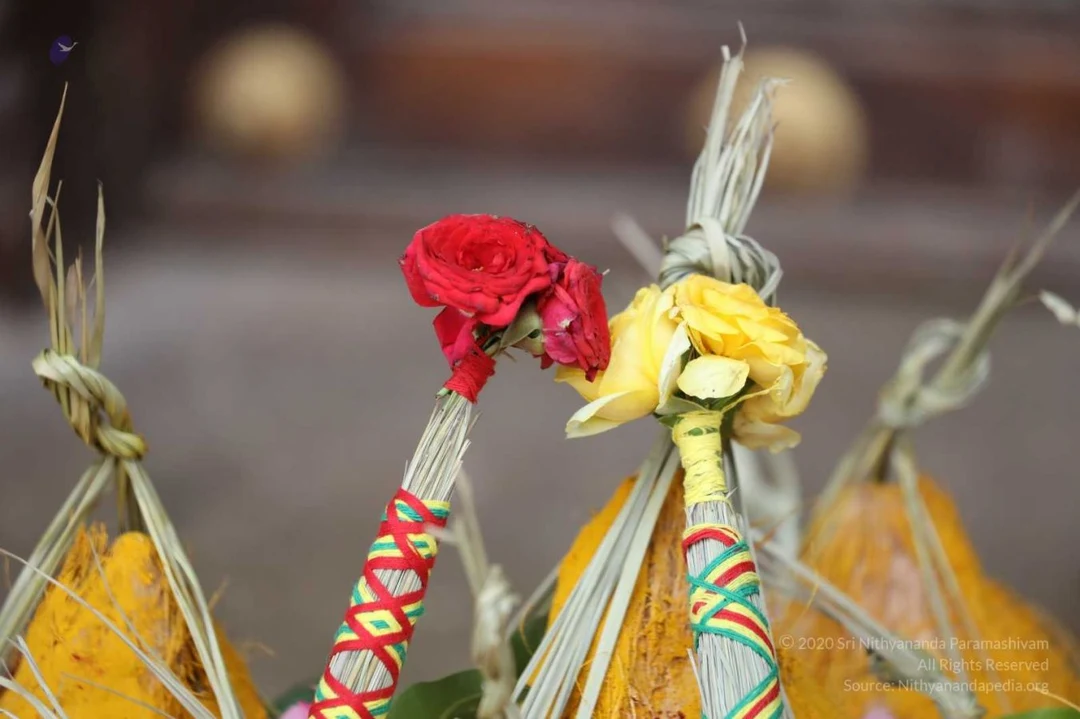 Delegates at the Shiva deeksha puja at Adi Kailaasa, Bengaluru Aadheenam
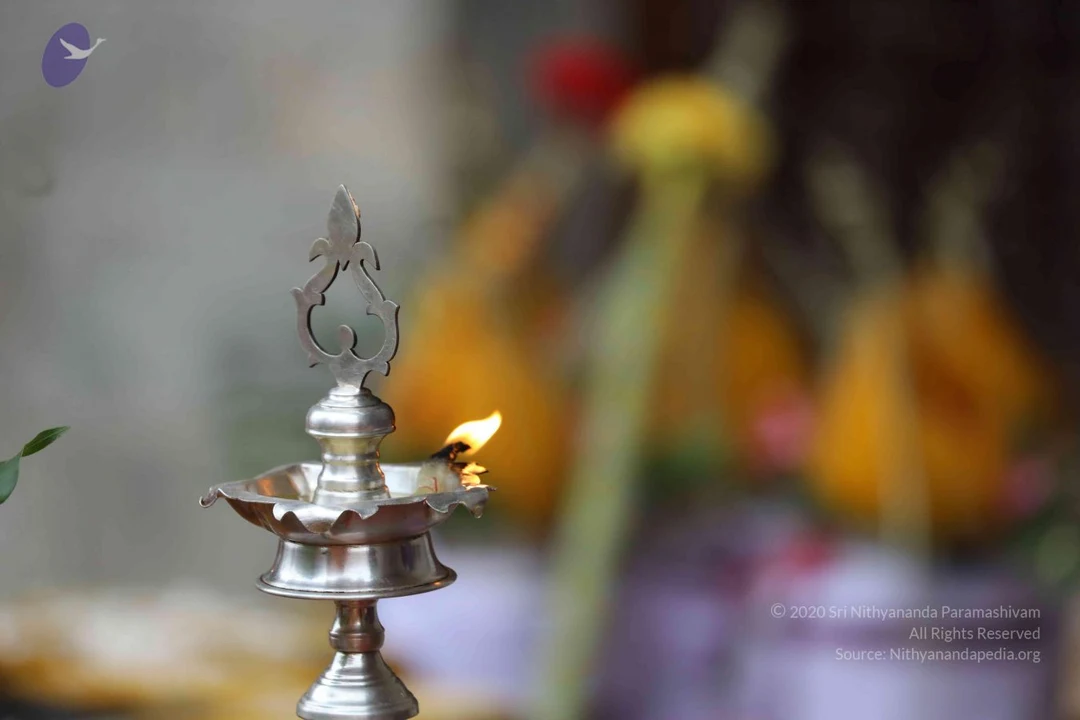
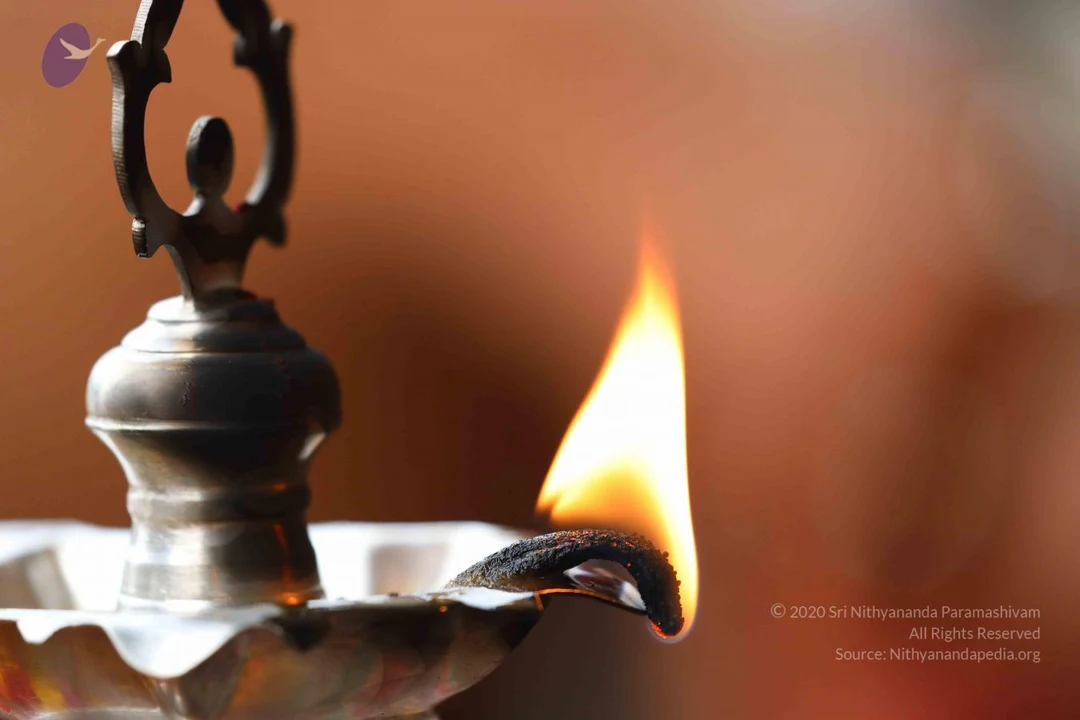
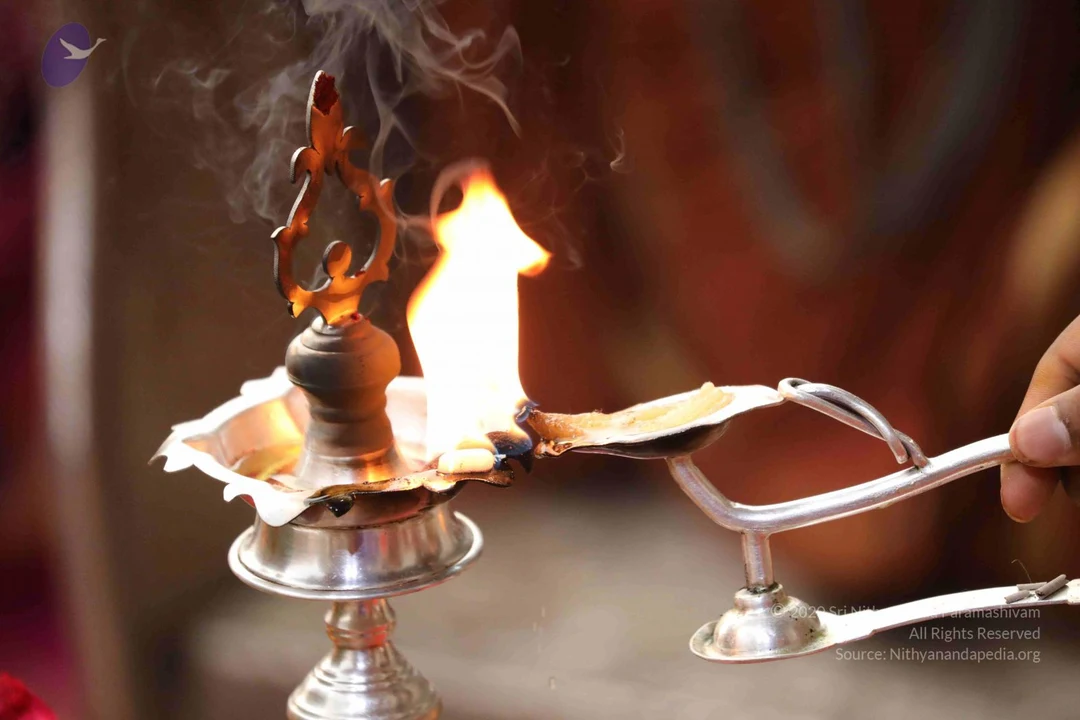
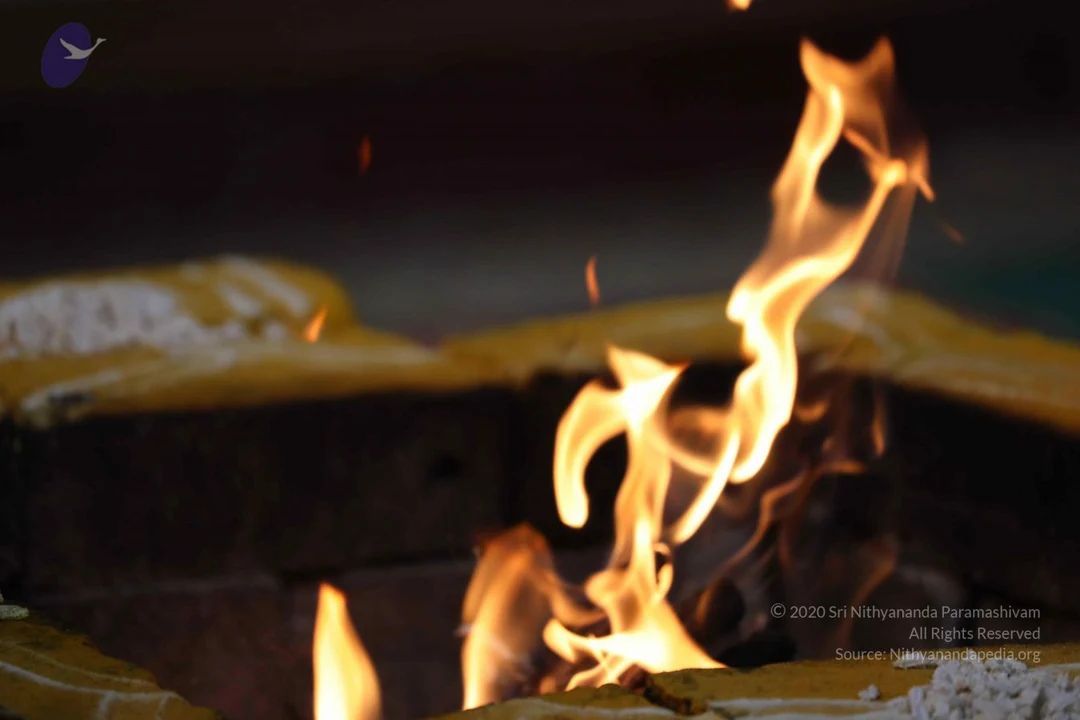
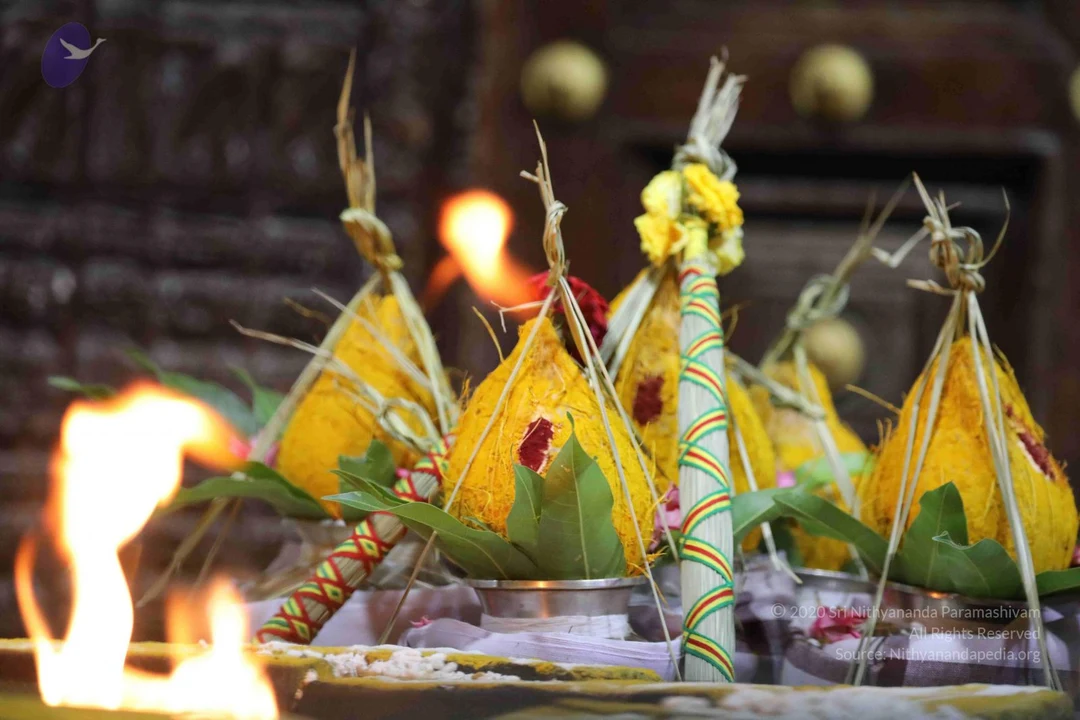
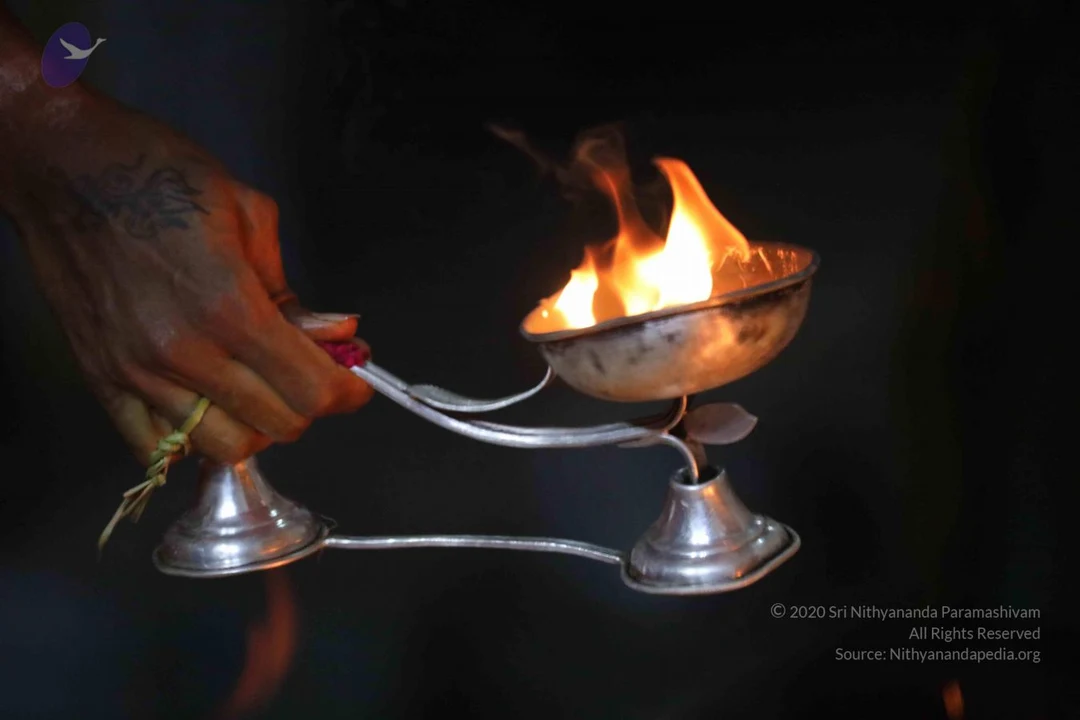
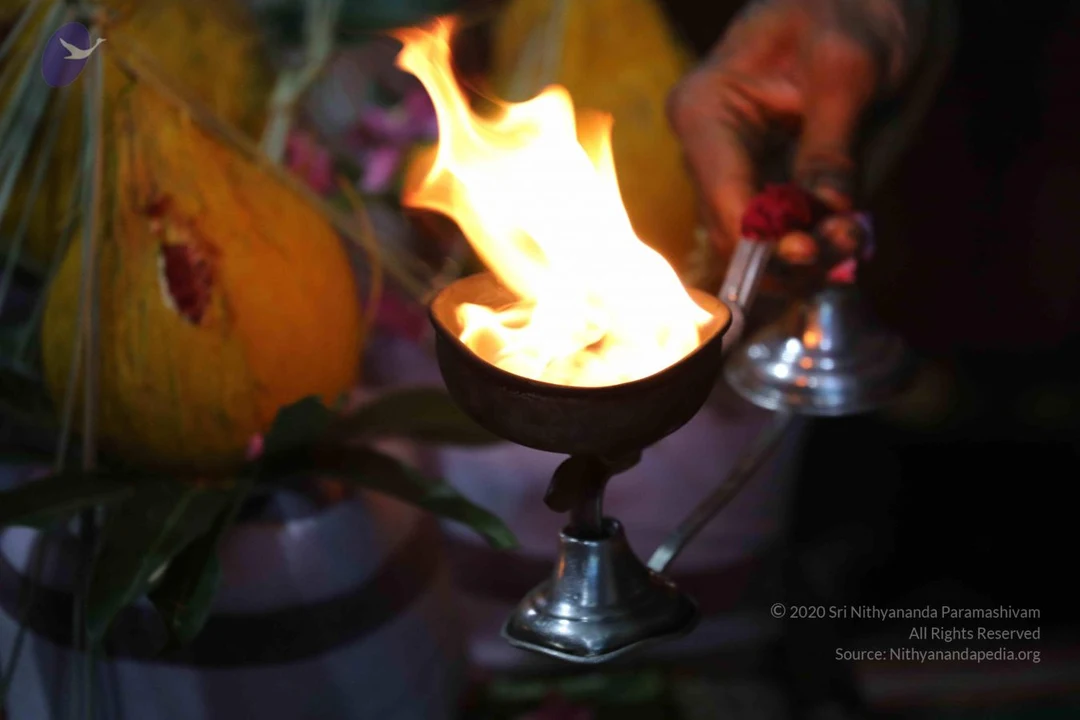
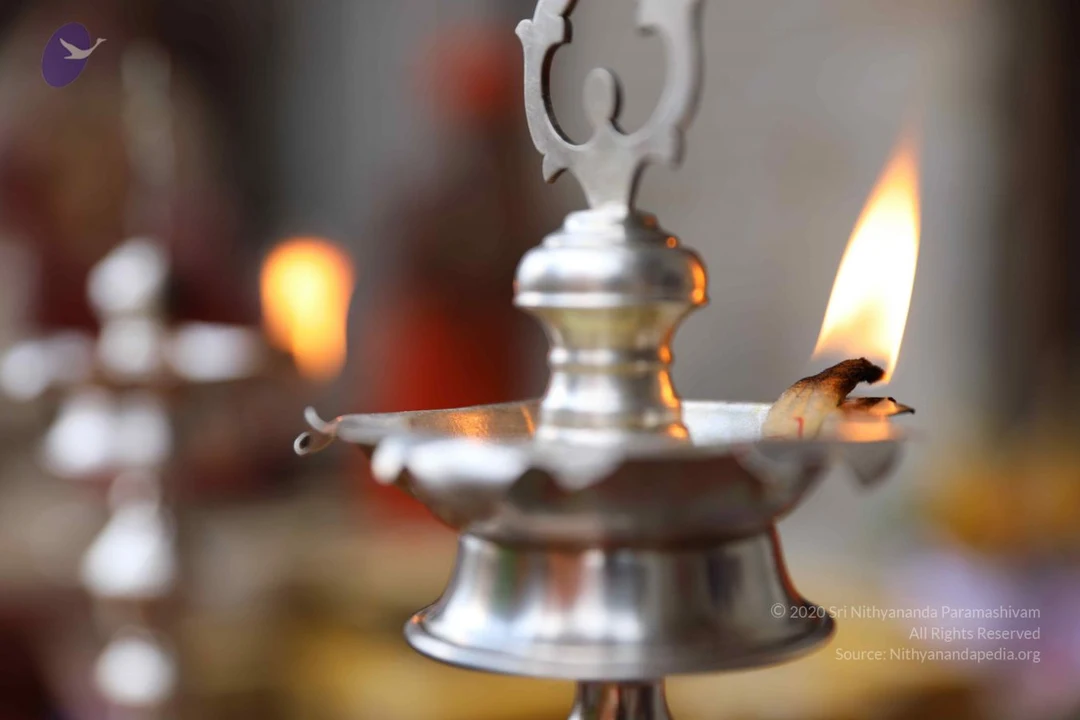
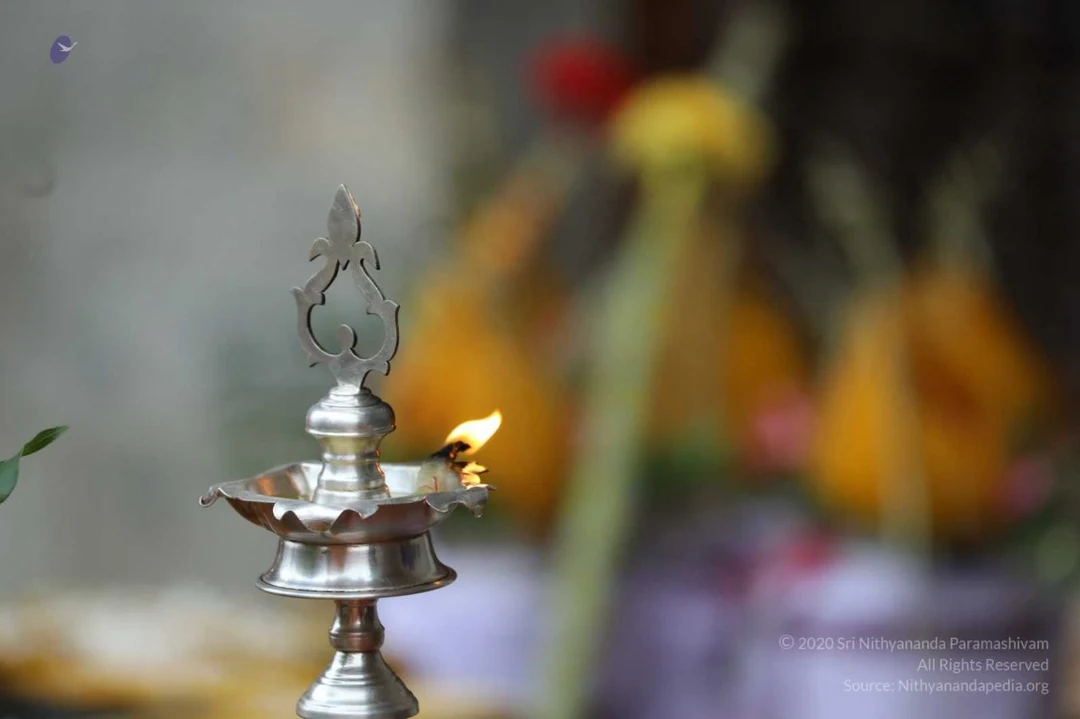
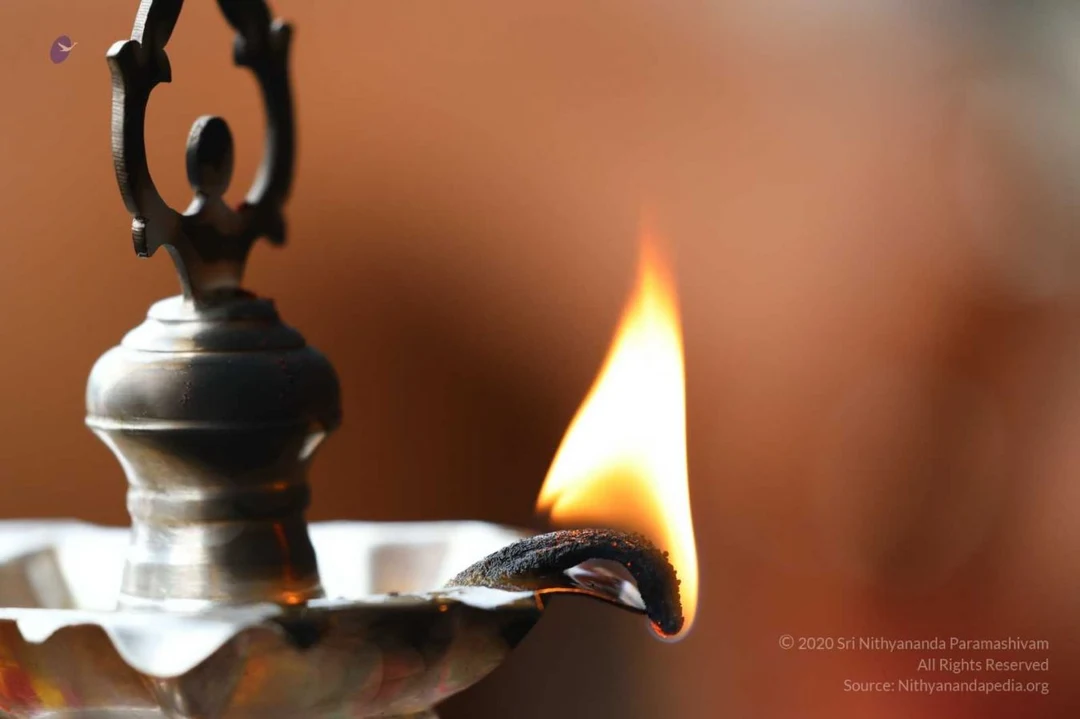 Lamp lighted for shiva deeksha yagna and puja process
 Delegates at the Shiva deeksha puja at Adi Kailaasa, Bengaluru Aadheenam
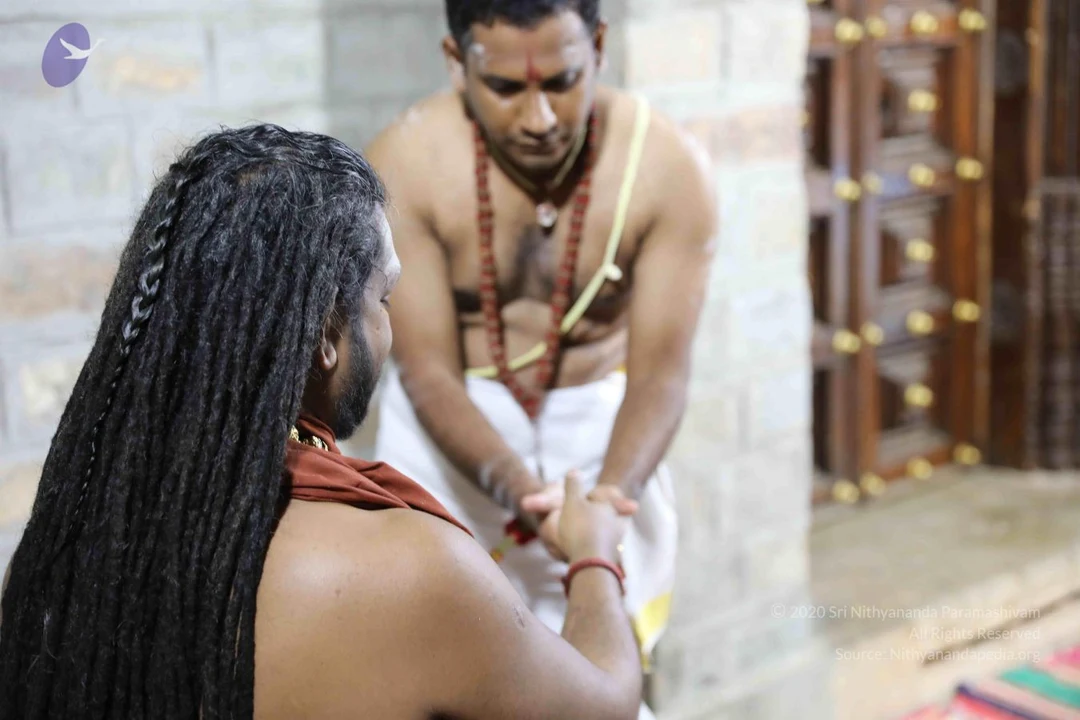
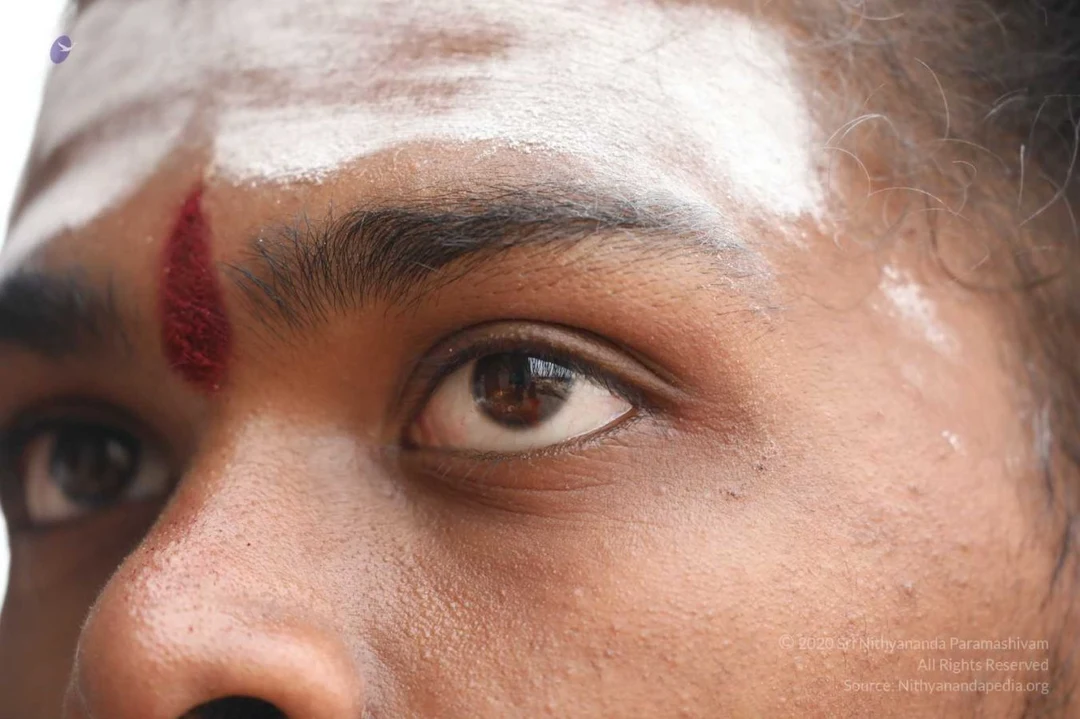 Shiva Deeksha yagna, the disciple is given access and the right to connect with Sadashiva through Shiva Puja
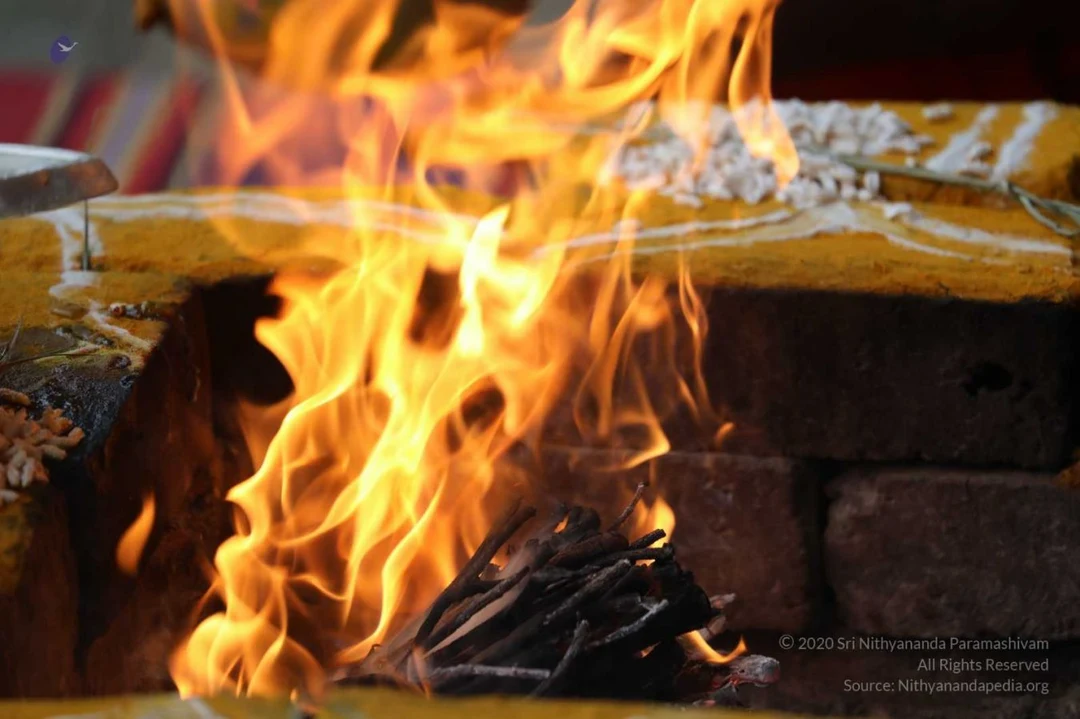 Shiva Deeksha yagna, the disciple is given access and the right to connect with Sadashiva through Shiva Puja
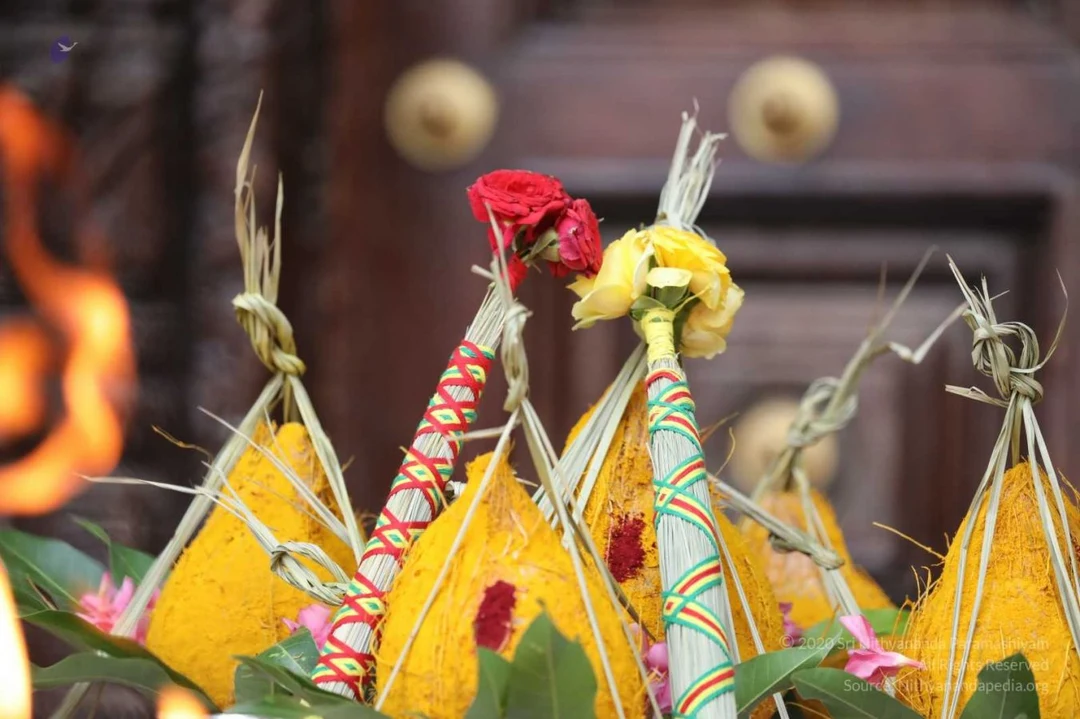 Shiva Deeksha yagna, the disciple is given access and the right to connect with Sadashiva through Shiva Puja
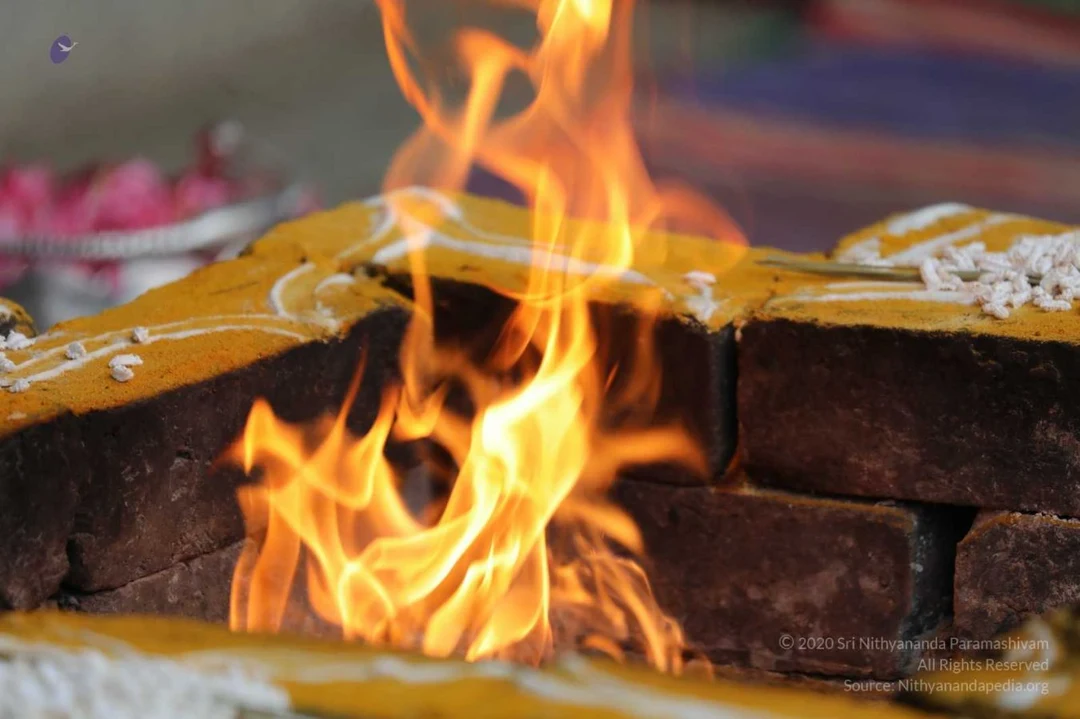 Shiva Deeksha yagna, the disciple is given access and the right to connect with Sadashiva through Shiva Puja
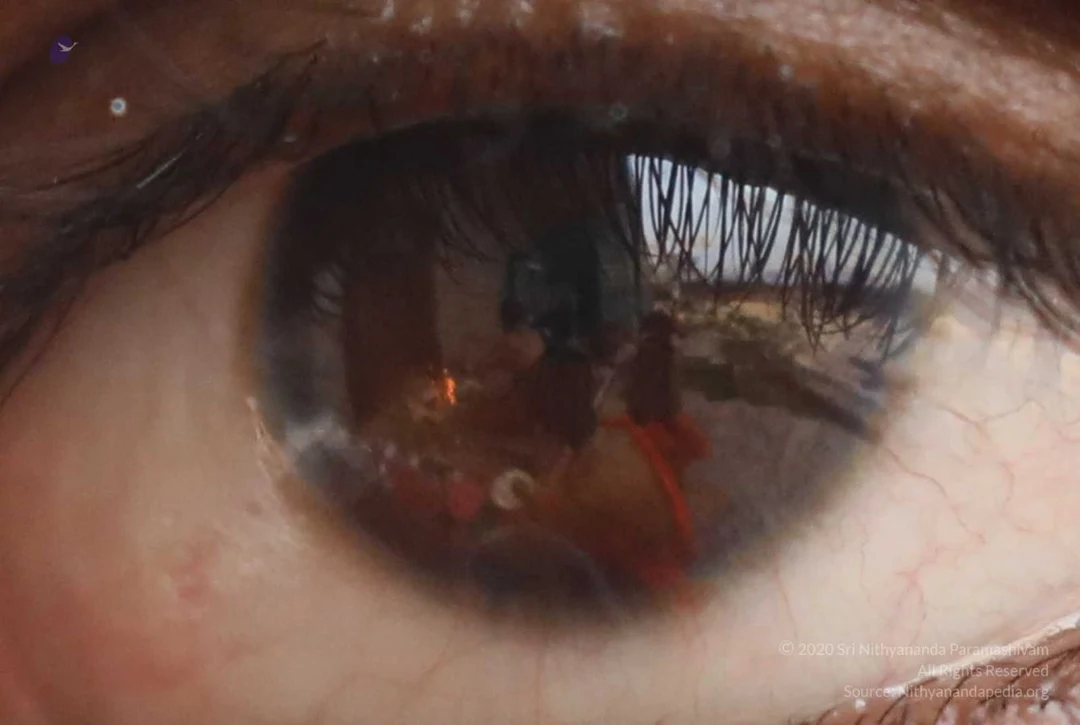 Shiva Deeksha yagna, the disciple is given access and the right to connect with Sadashiva through Shiva Puja
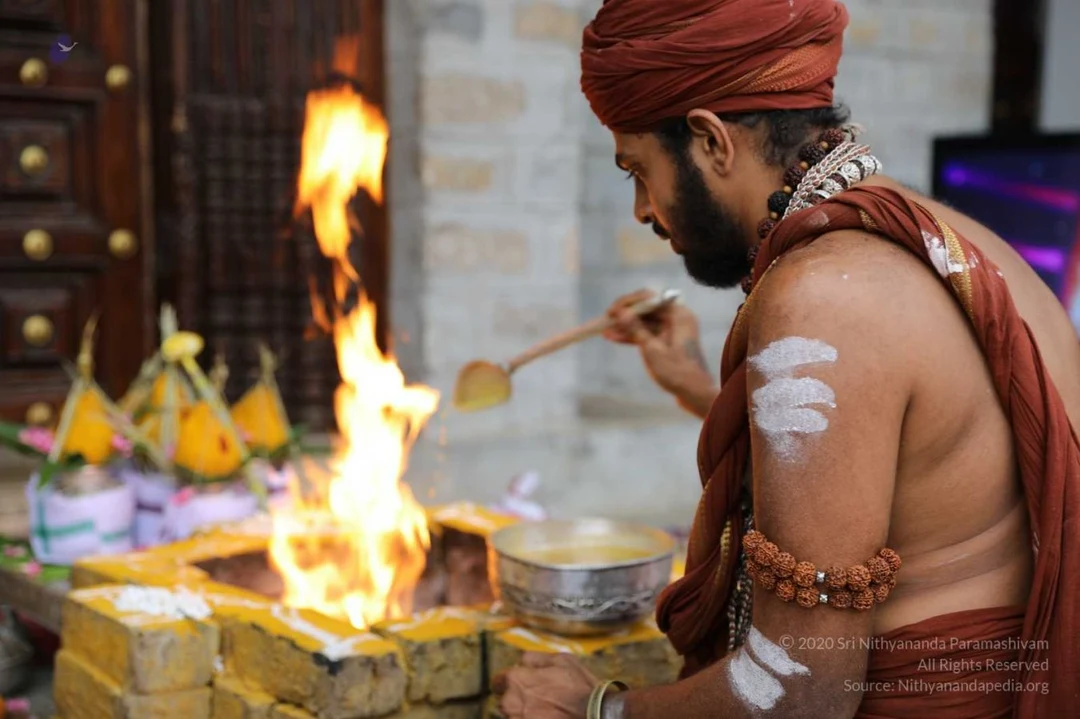 Shiva Deeksha yagna, the disciple is given access and the right to connect with Sadashiva through Shiva Puja
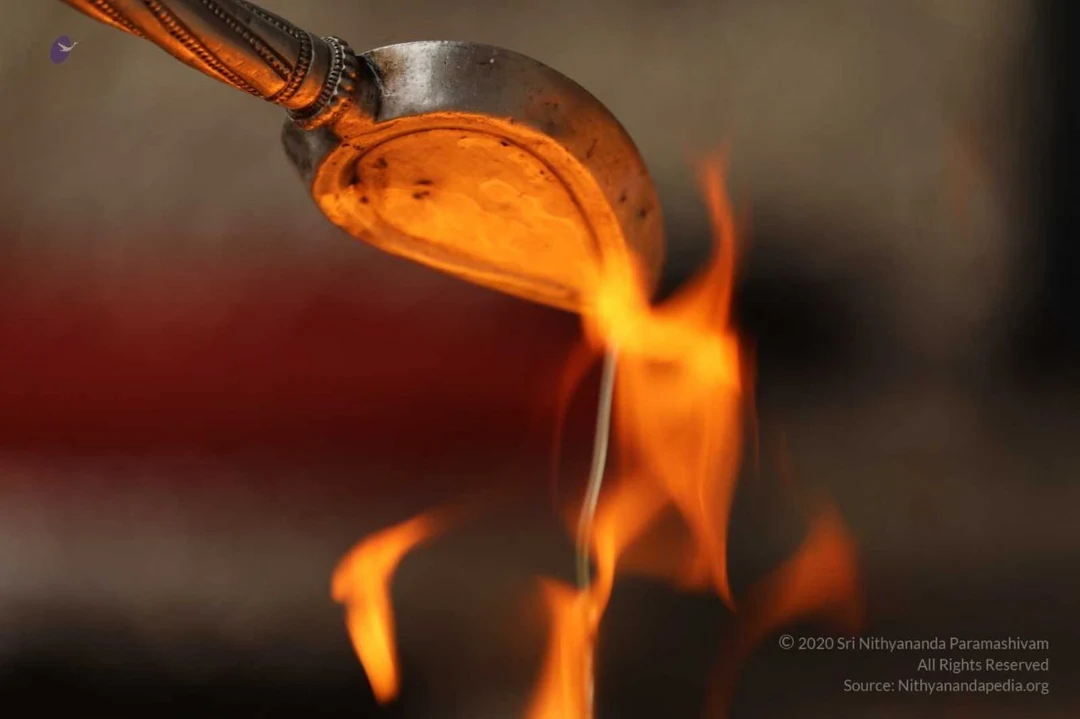 Shiva Deeksha yagna, the disciple is given access and the right to connect with Sadashiva through Shiva Puja
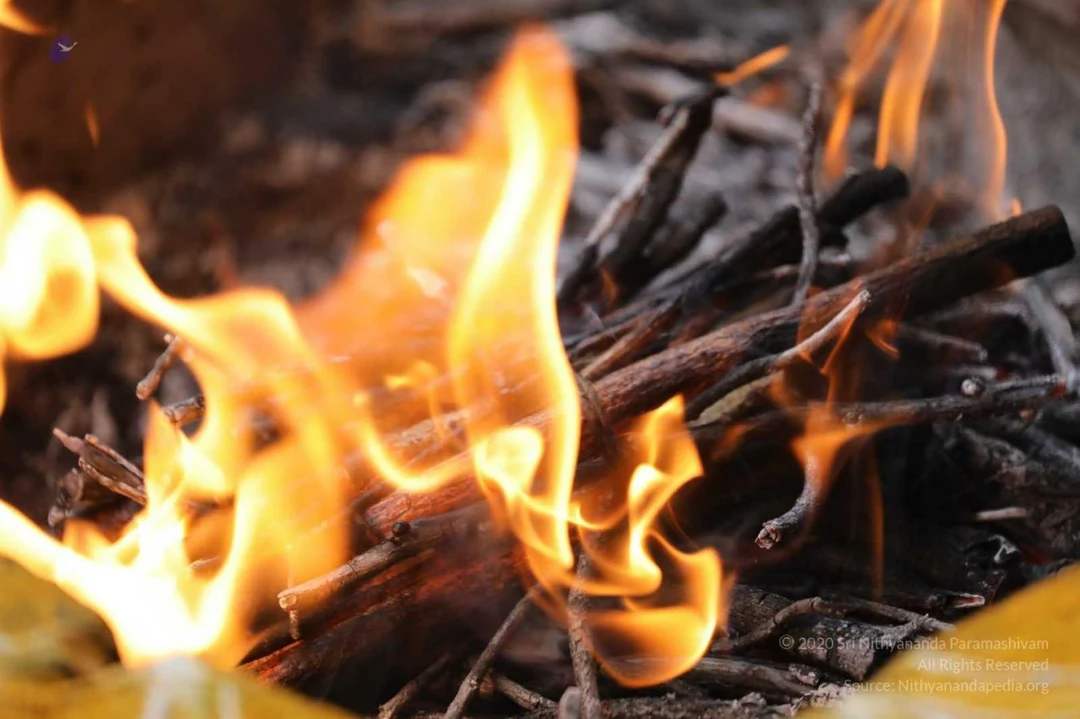 Shiva Deeksha yagna, the disciple is given access and the right to connect with Sadashiva through Shiva Puja
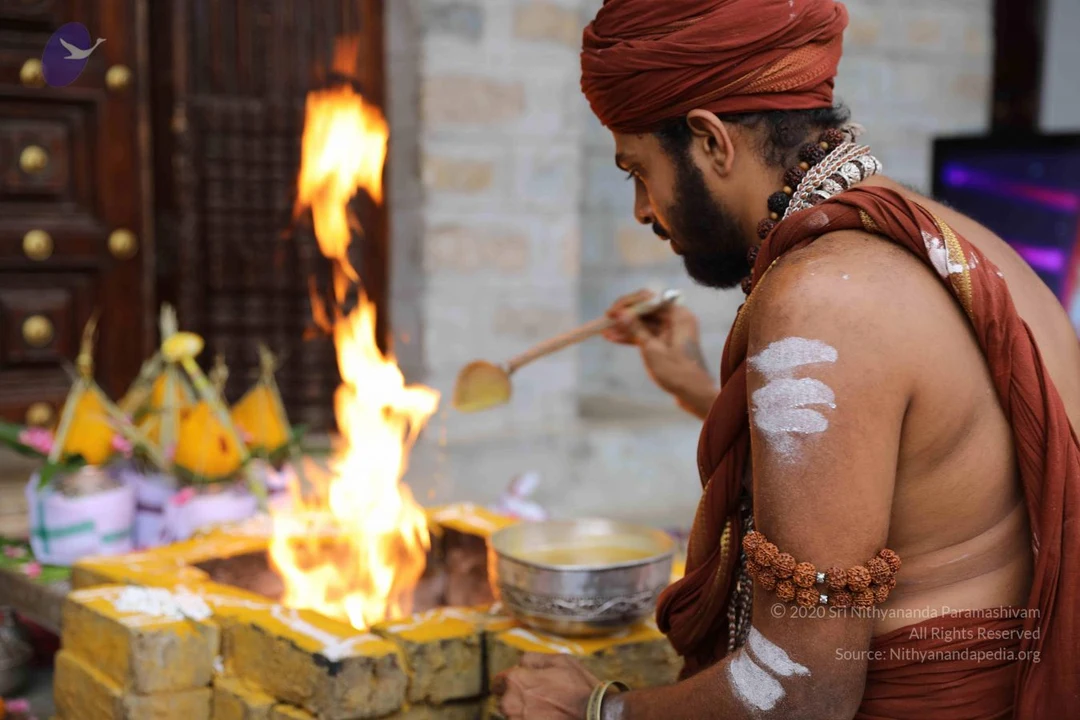
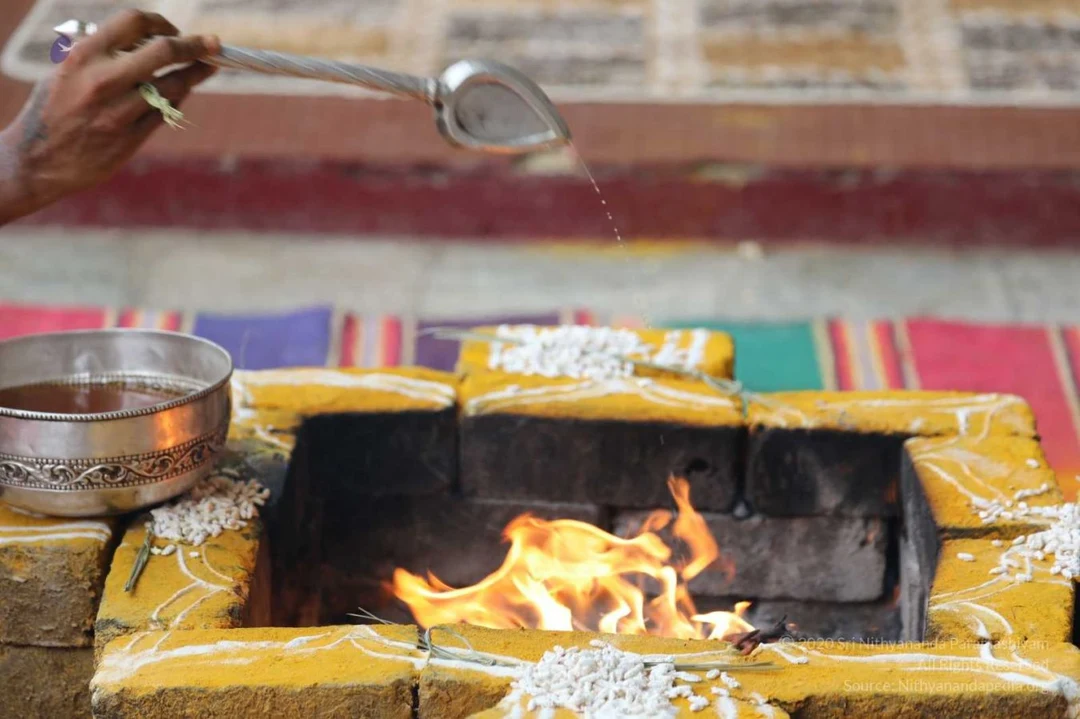 Yajna is a Vedic tradition in Hinduism, offering oblations into sacred fire appeasing the celestial entities in the presence of Guru
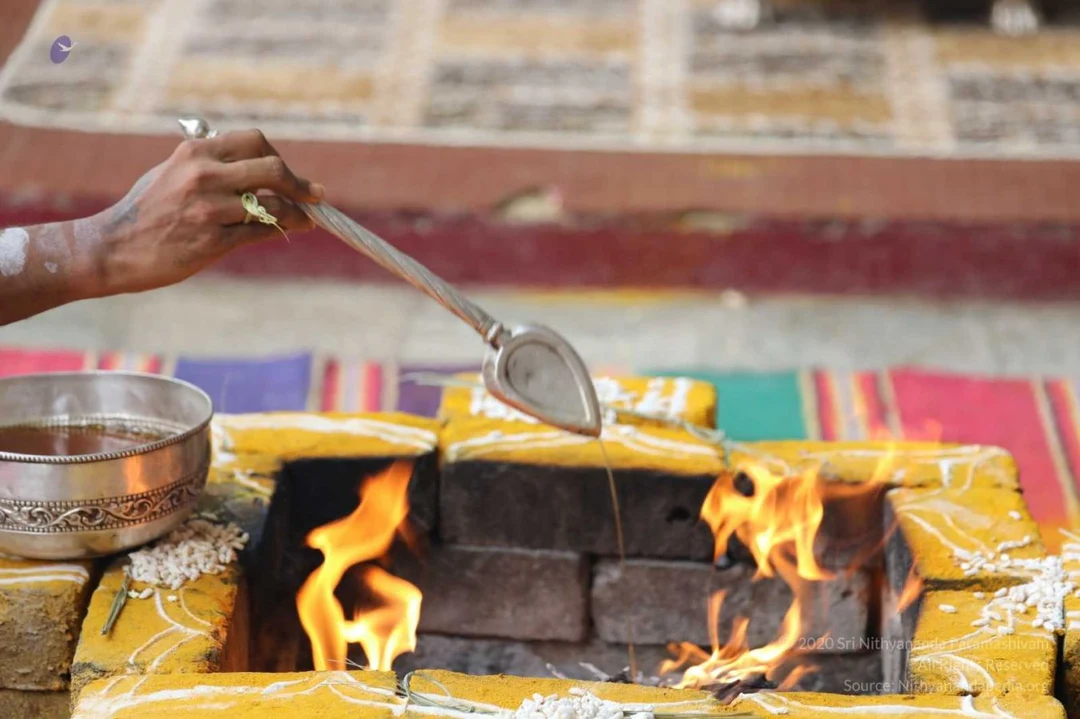 Yajna is a Vedic tradition in Hinduism, offering oblations into sacred fire appeasing the celestial entities in the presence of Guru
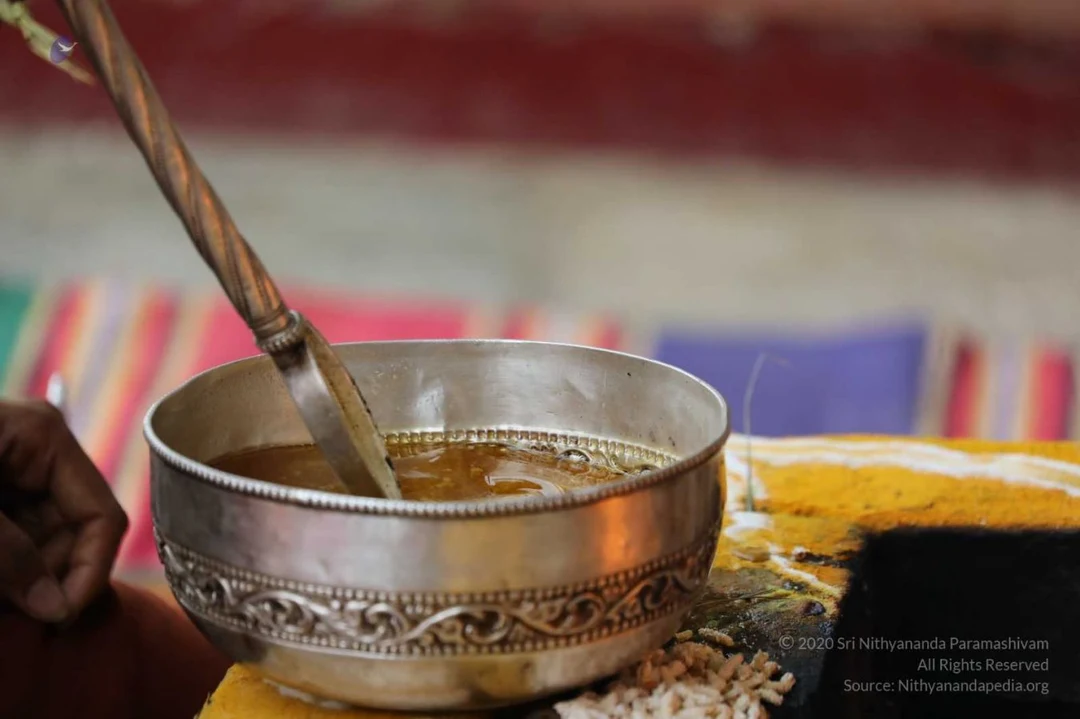 Yajna is a Vedic tradition in Hinduism, offering oblations into sacred fire appeasing the celestial entities in the presence of Guru
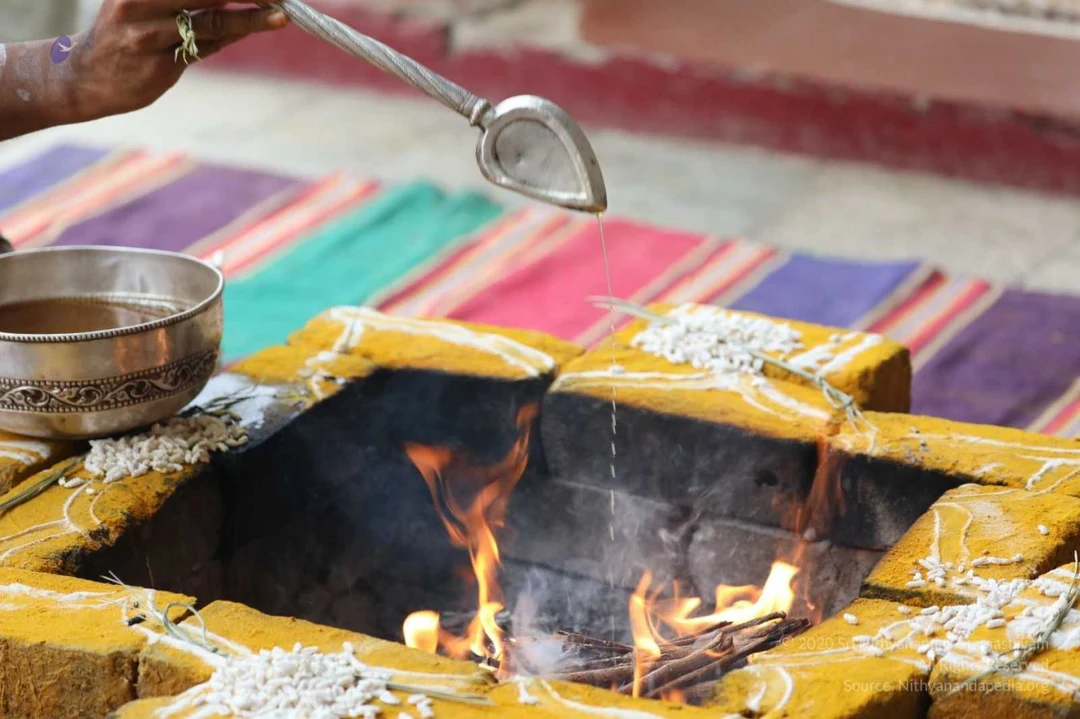 Yajna is a Vedic tradition in Hinduism, offering oblations into sacred fire appeasing the celestial entities in the presence of Guru
 Yajna is a Vedic tradition in Hinduism, offering oblations into sacred fire appeasing the celestial entities in the presence of Guru
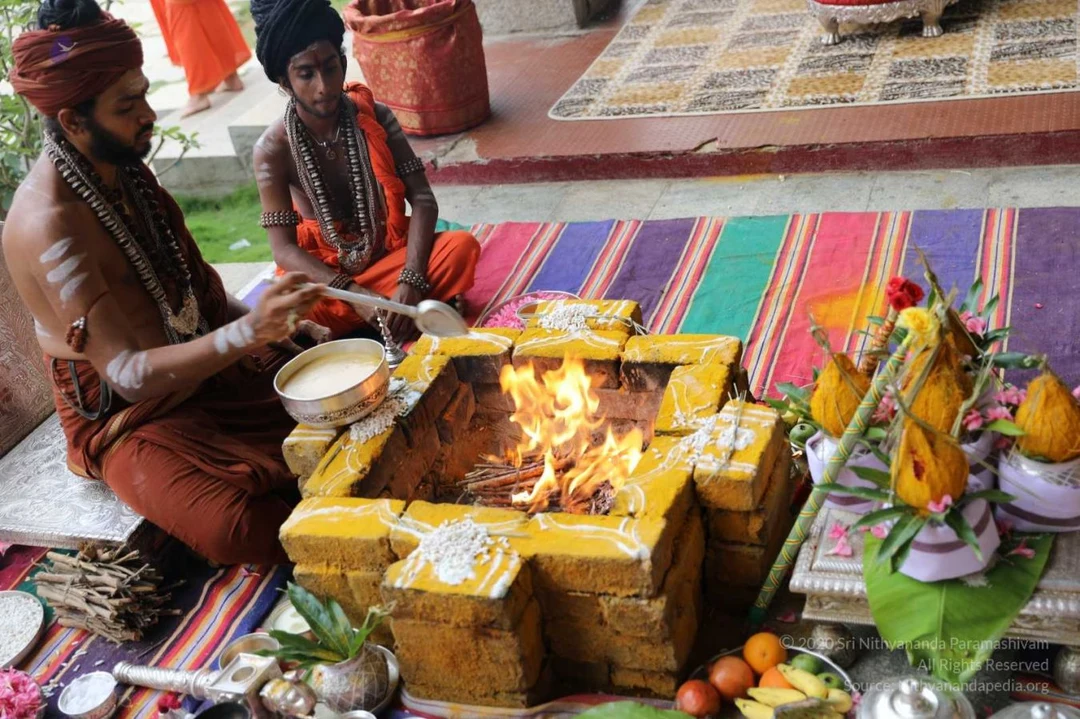 Yajna is a Vedic tradition in Hinduism, offering oblations into sacred fire appeasing the celestial entities in the presence of Guru
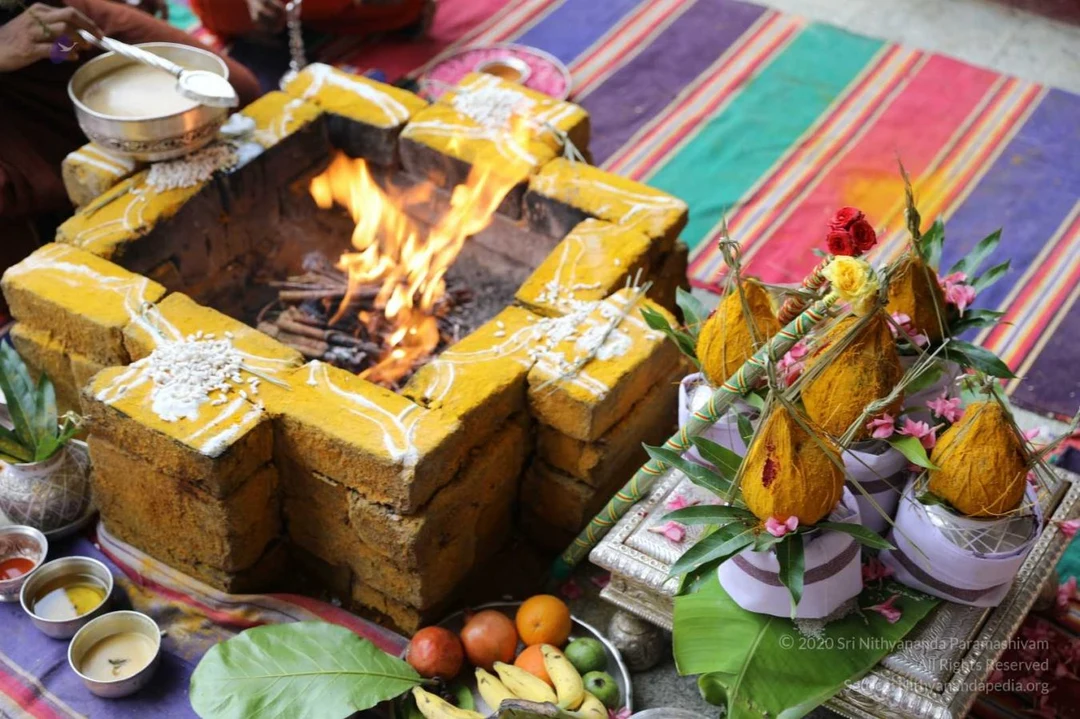 Yajna is a Vedic tradition in Hinduism, offering oblations into sacred fire appeasing the celestial entities in the presence of Guru
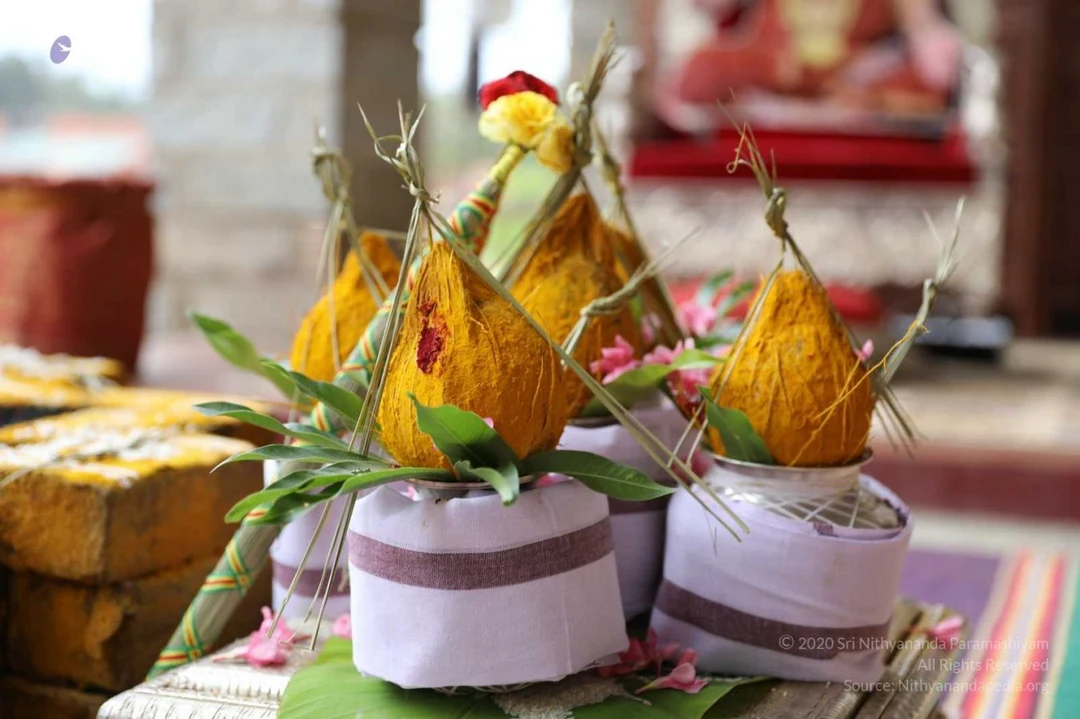 Yajna is a Vedic tradition in Hinduism, offering oblations into sacred fire appeasing the celestial entities in the presence of Guru
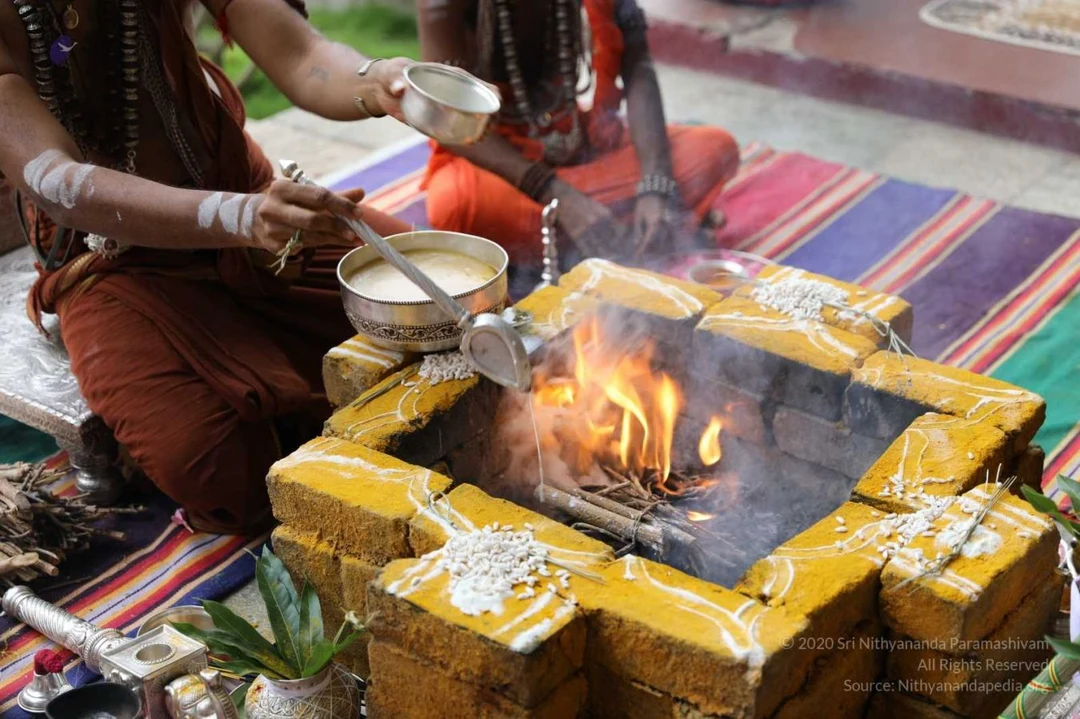 Yajna is a Vedic tradition in Hinduism, offering oblations into sacred fire appeasing the celestial entities in the presence of Guru
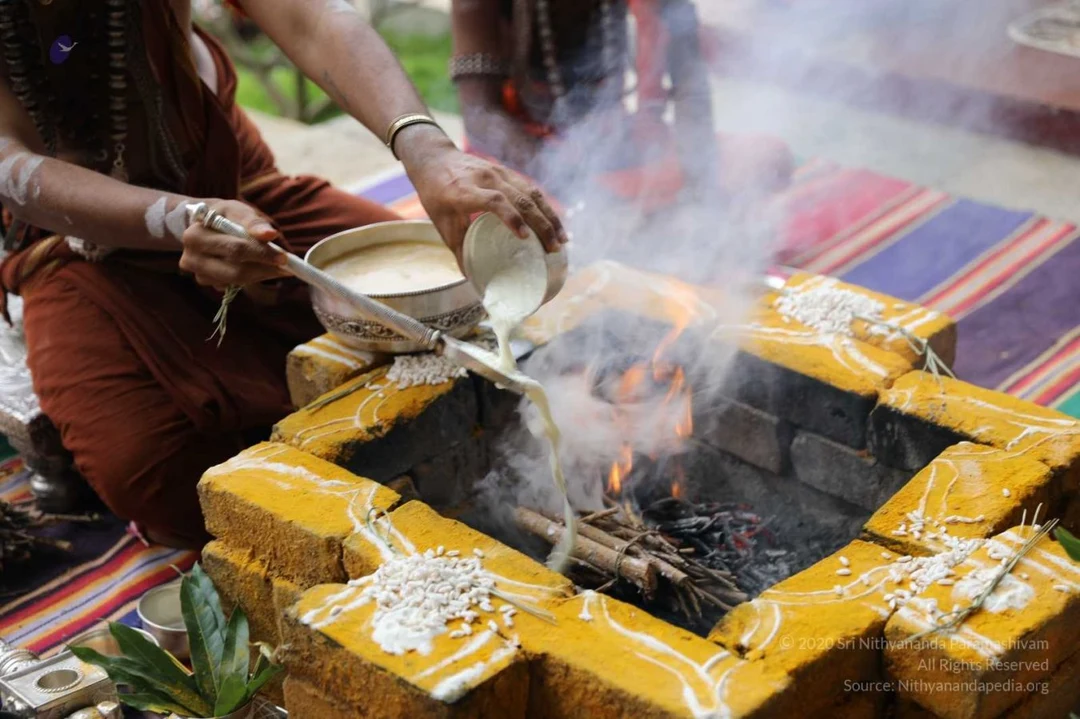 Yajna is a Vedic tradition in Hinduism, offering oblations into sacred fire appeasing the celestial entities in the presence of Guru
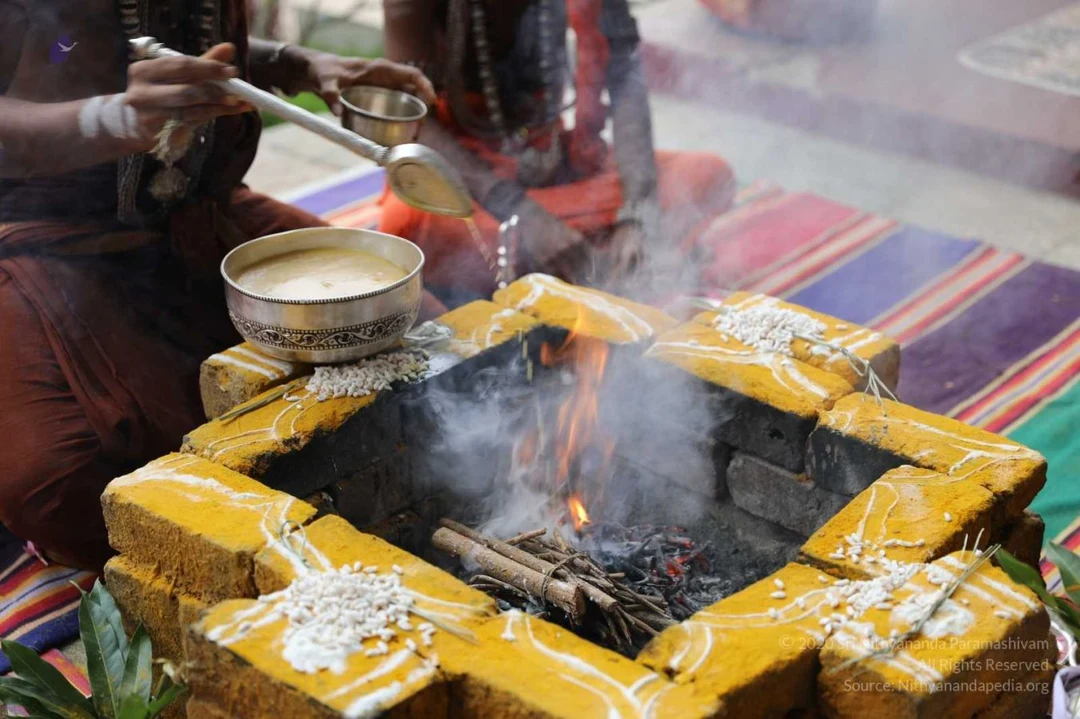 Yajna is a Vedic tradition in Hinduism, offering oblations into sacred fire appeasing the celestial entities in the presence of Guru
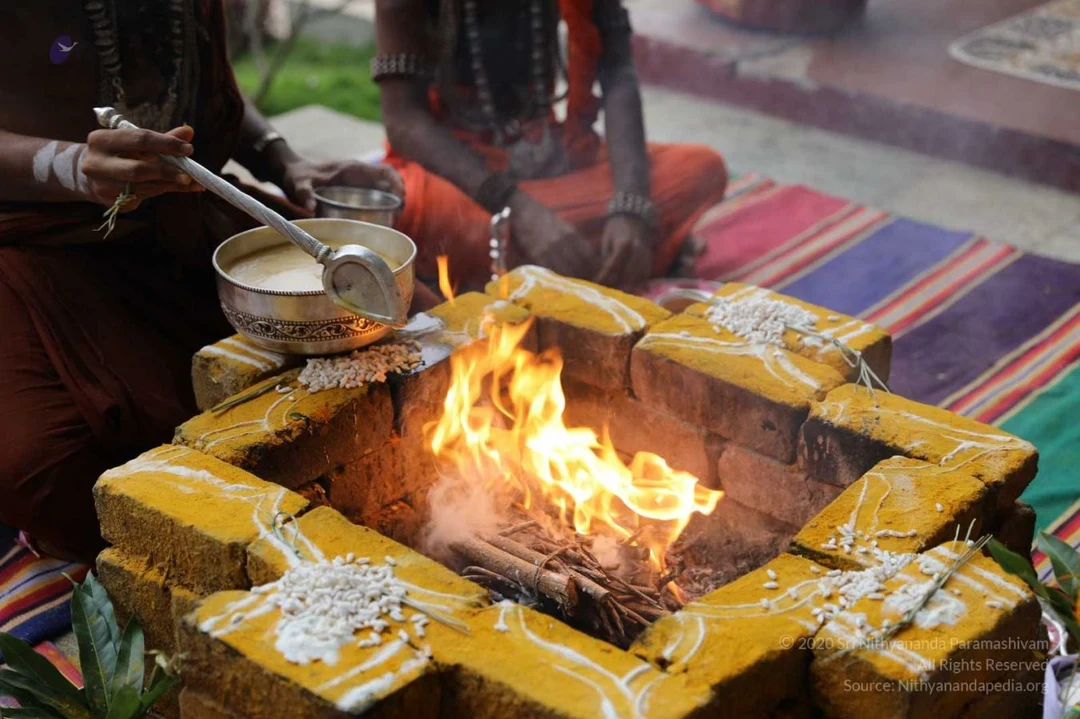 Yajna is a Vedic tradition in Hinduism, offering oblations into sacred fire appeasing the celestial entities in the presence of Guru
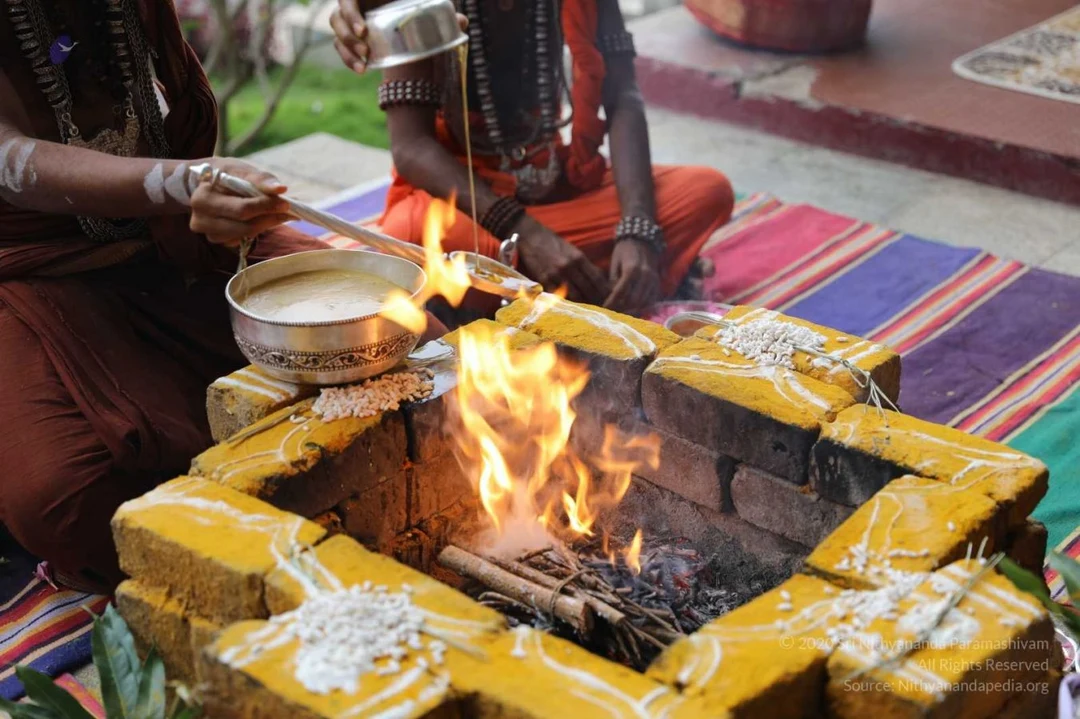 Yajna is a Vedic tradition in Hinduism, offering oblations into sacred fire appeasing the celestial entities in the presence of Guru
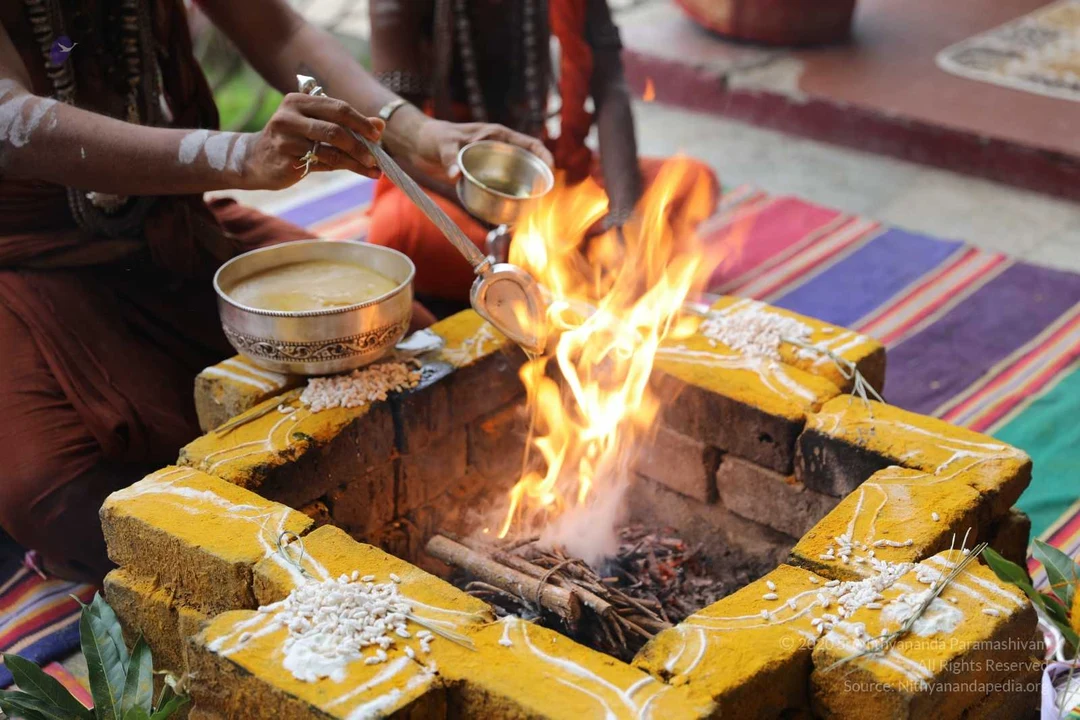 Yajna is a Vedic tradition in Hinduism, offering oblations into sacred fire appeasing the celestial entities in the presence of Guru
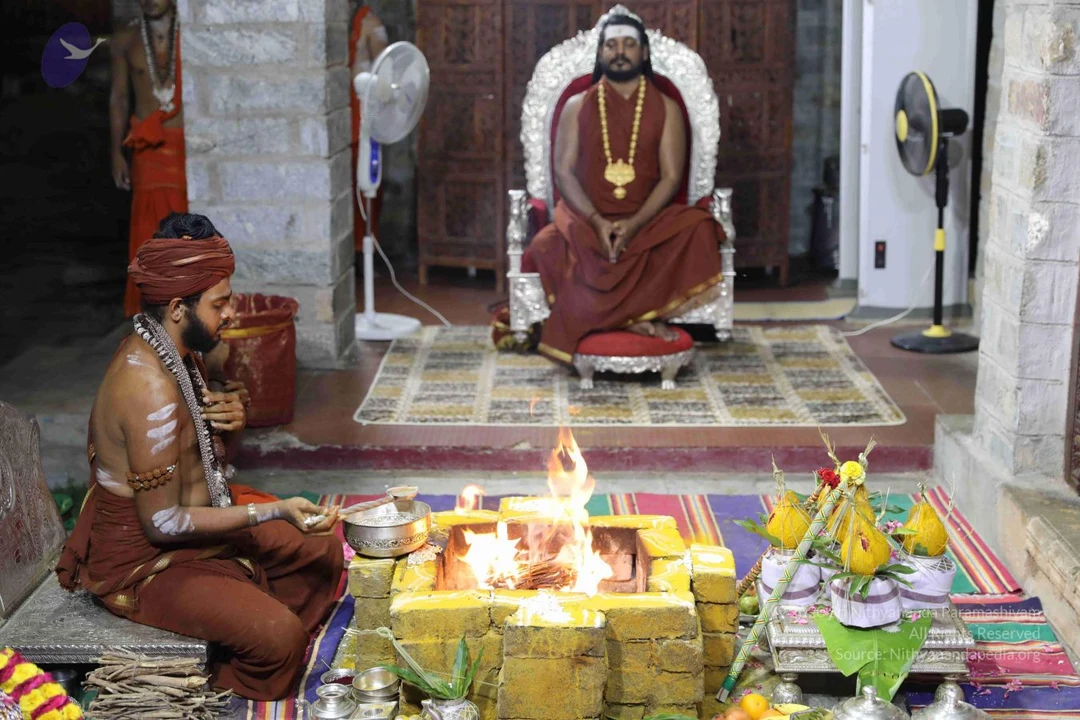
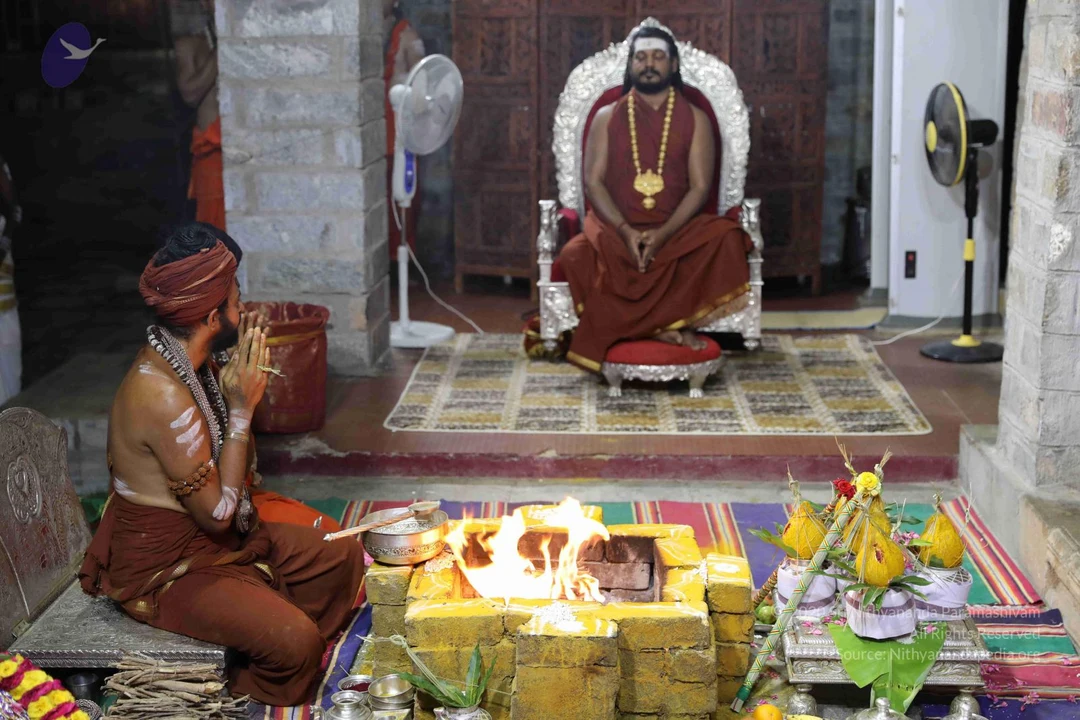
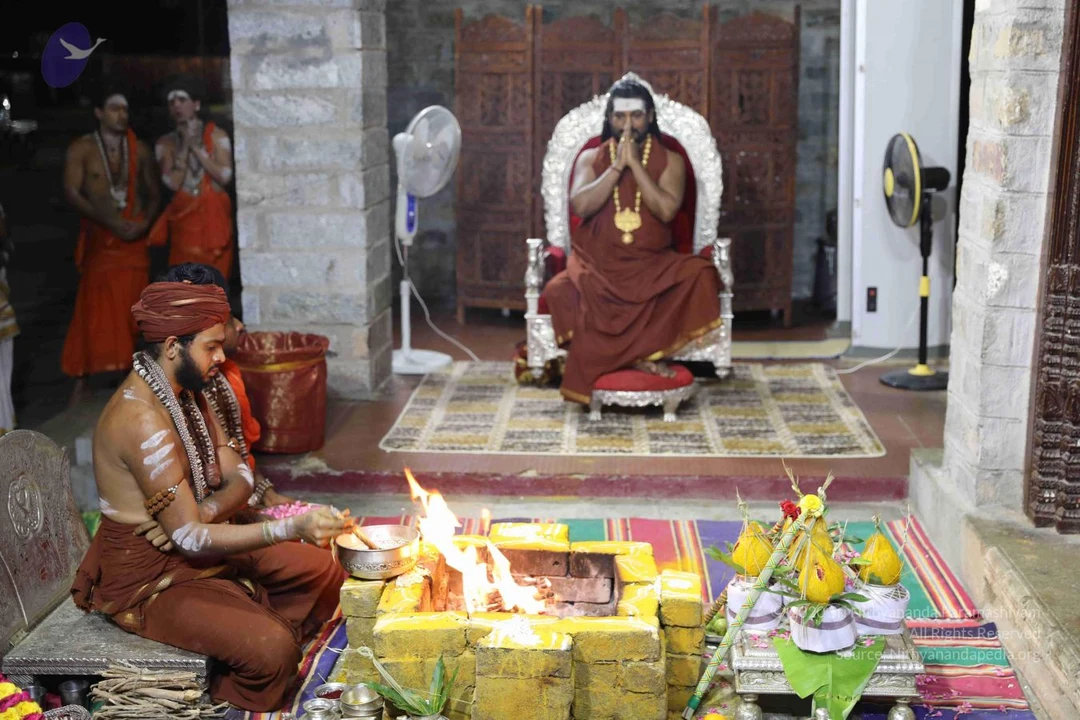
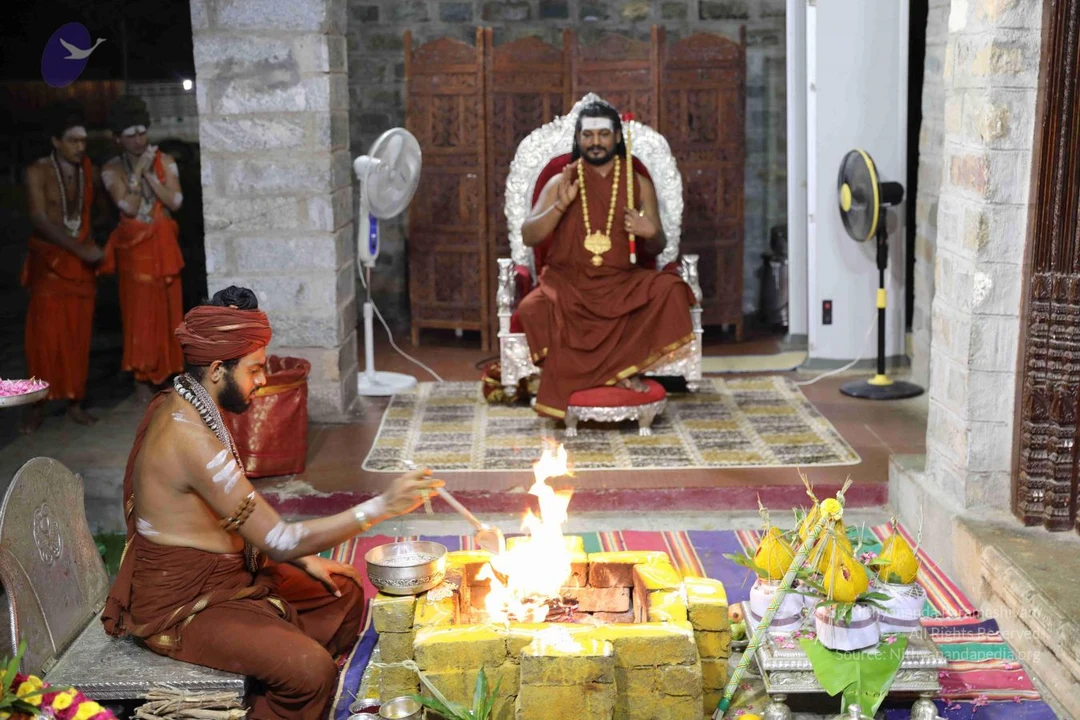
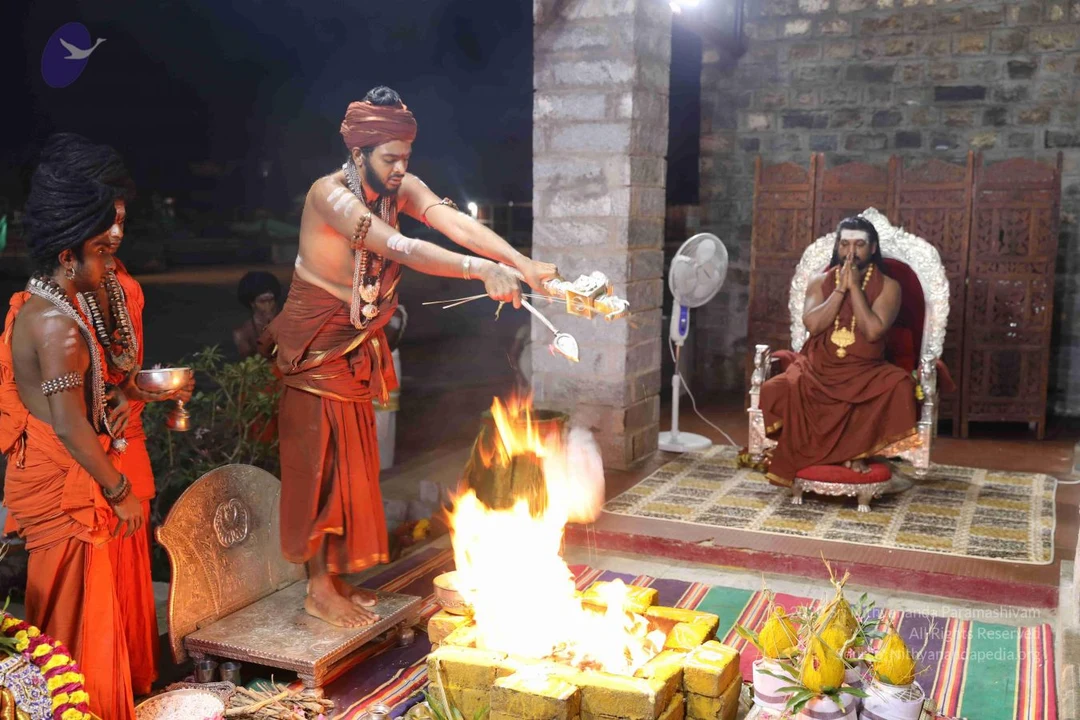
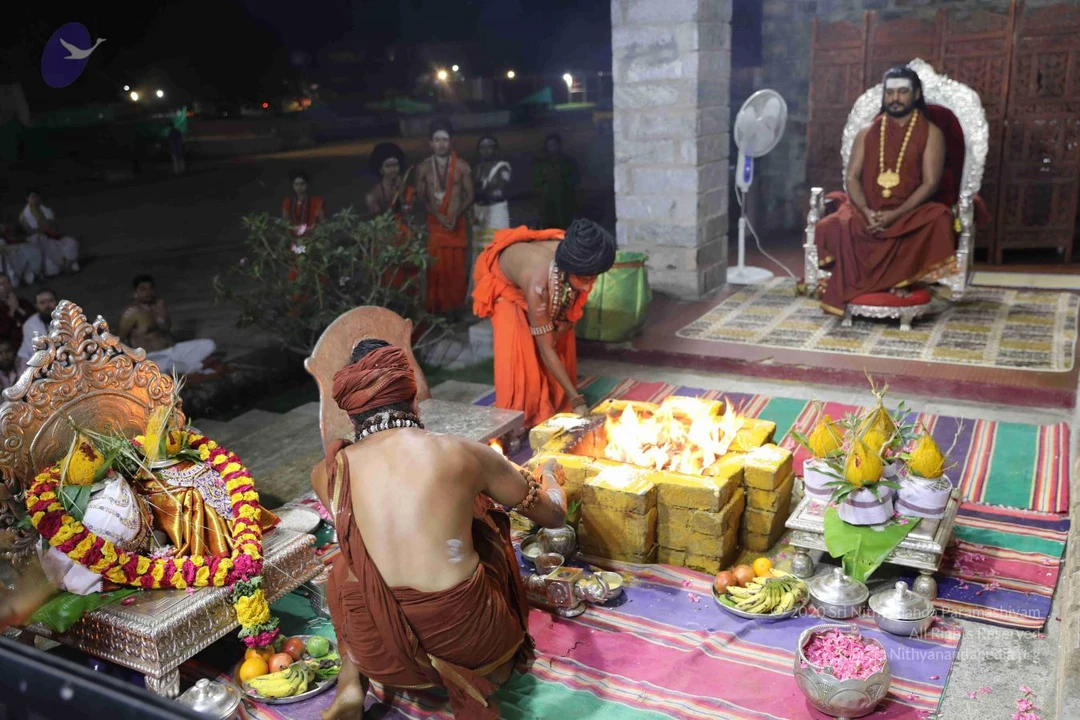
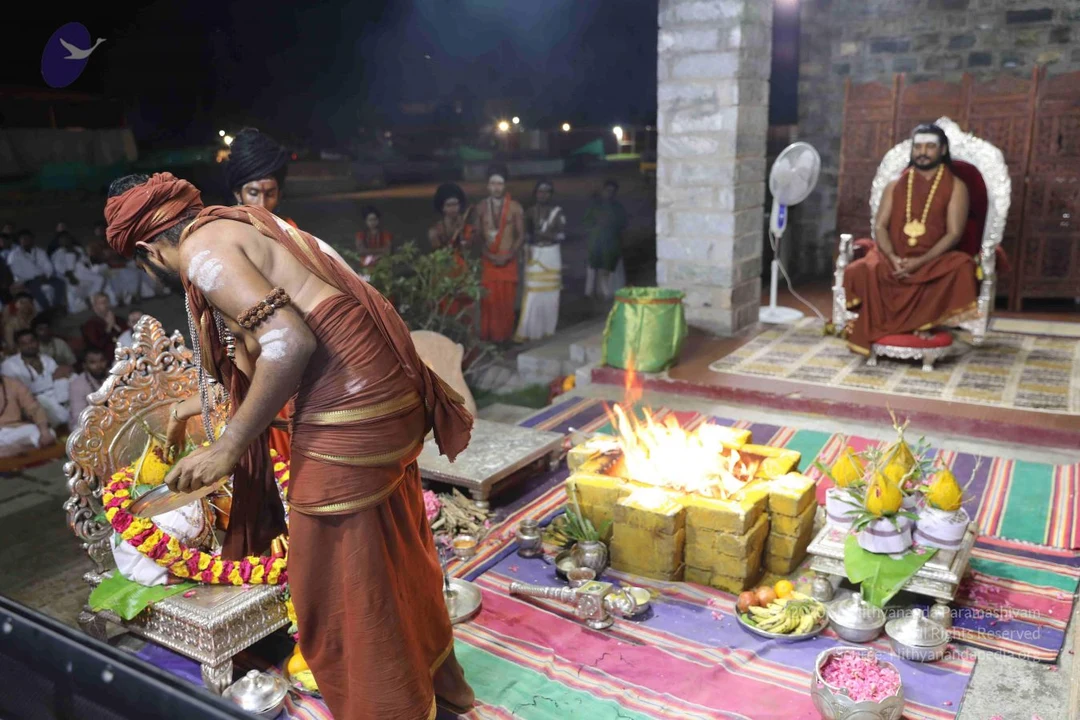
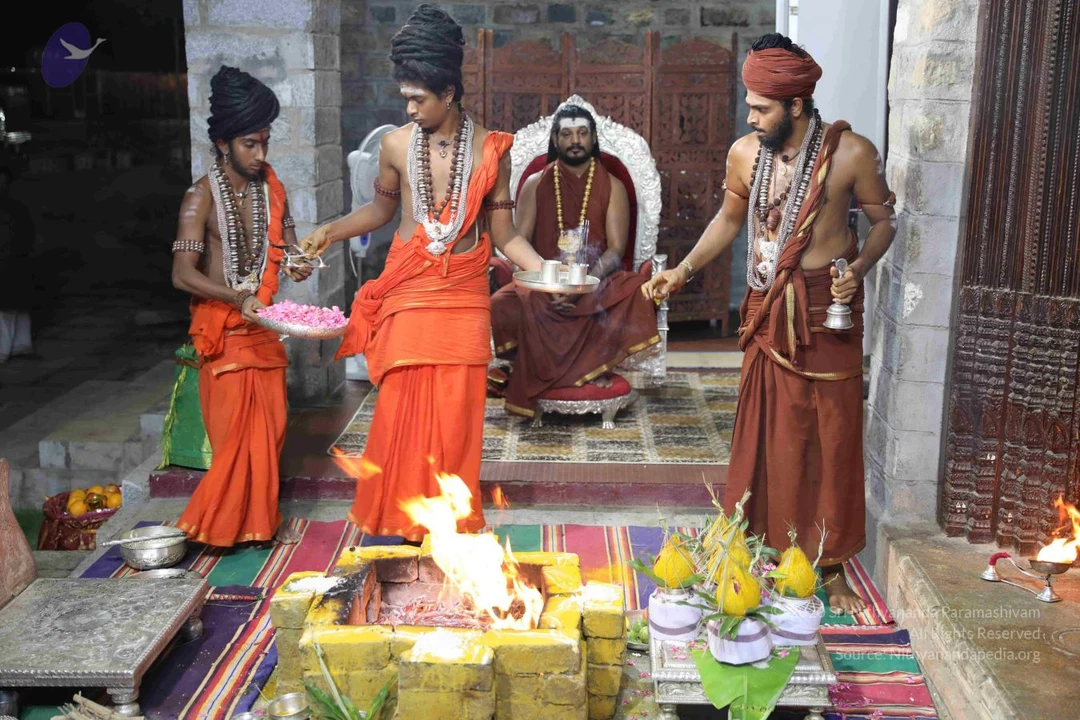
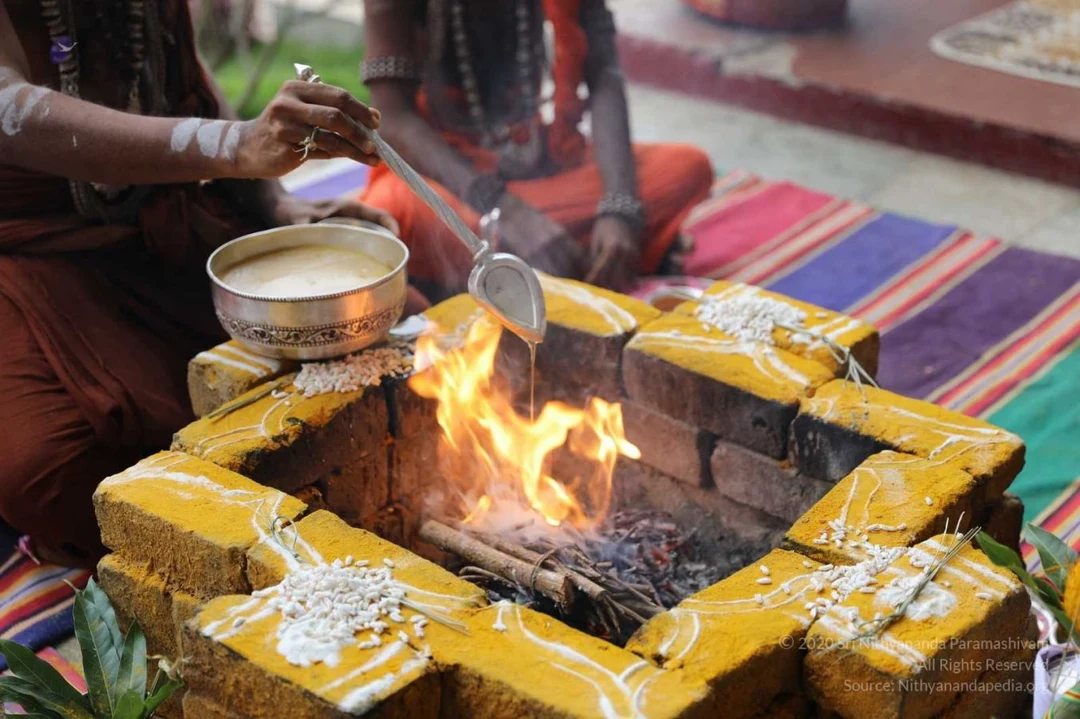 Balasants and sanyasis perfoming yagna and rituals puja during Shiva deeksha initiation
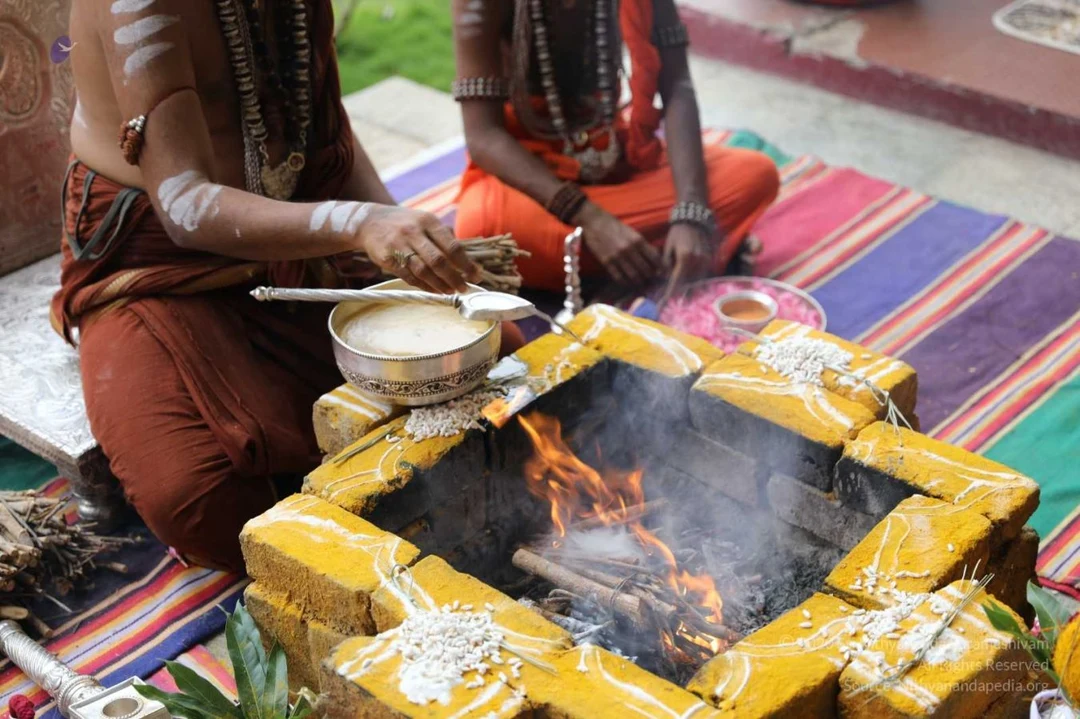 Balasants and sanyasis perfoming yagna and rituals puja during Shiva deeksha initiation
 Balasants and sanyasis perfoming yagna and rituals puja during Shiva deeksha initiation
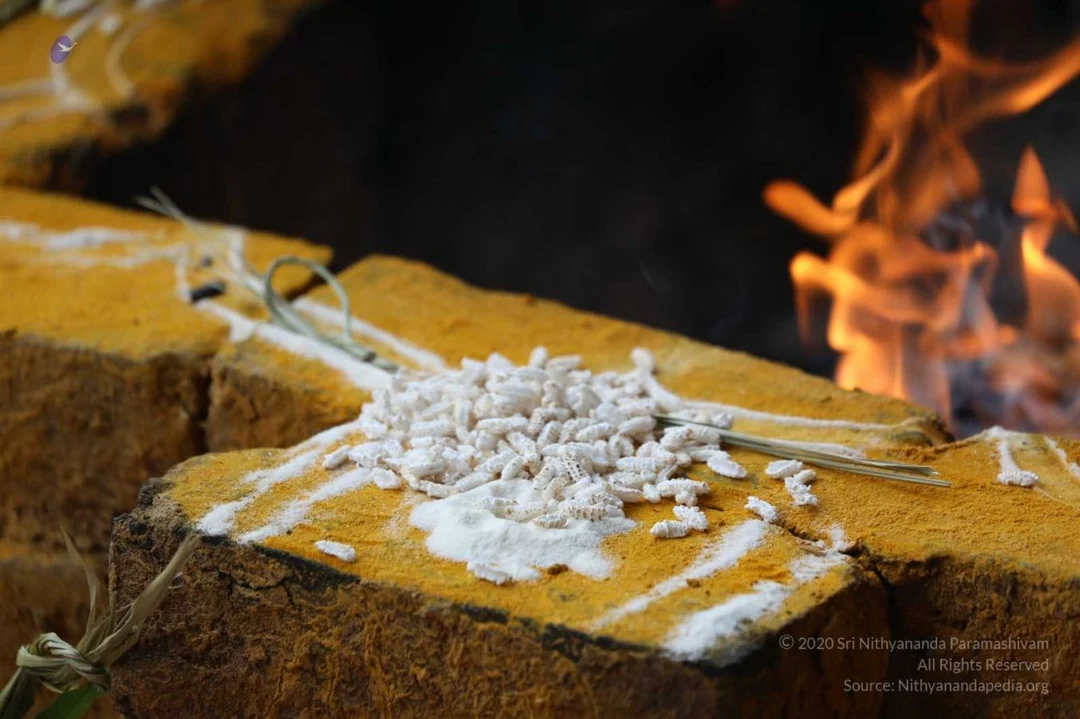 Balasants and sanyasis perfoming yagna and rituals puja during Shiva deeksha initiation
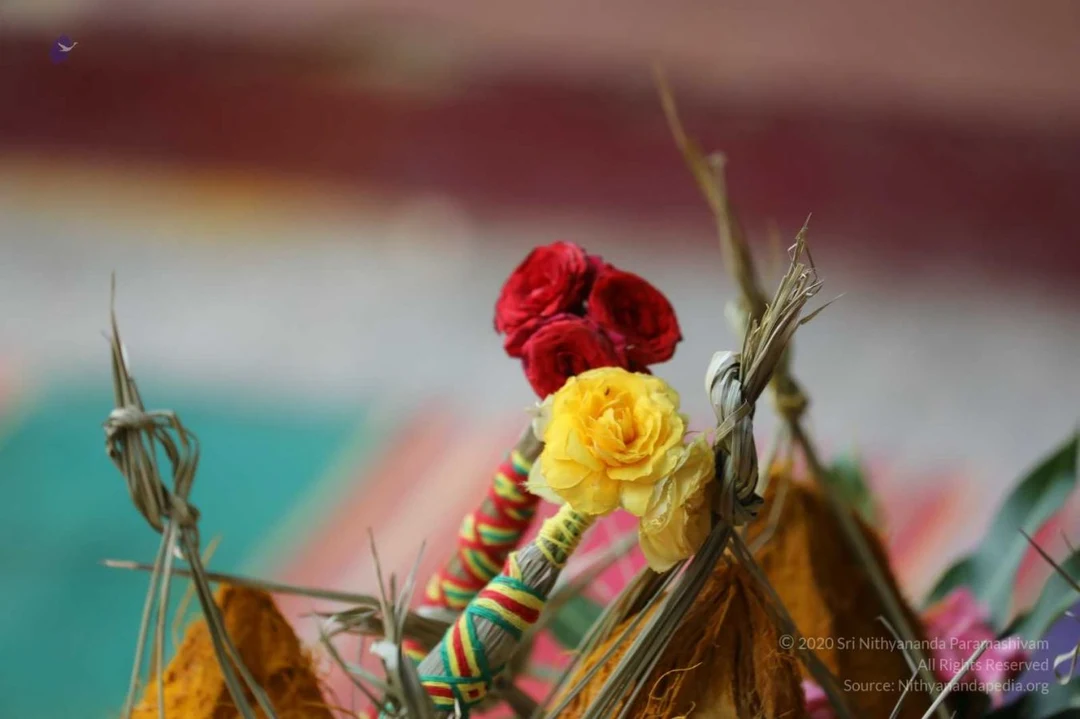 Balasants and sanyasis perfoming yagna and rituals puja during Shiva deeksha initiation
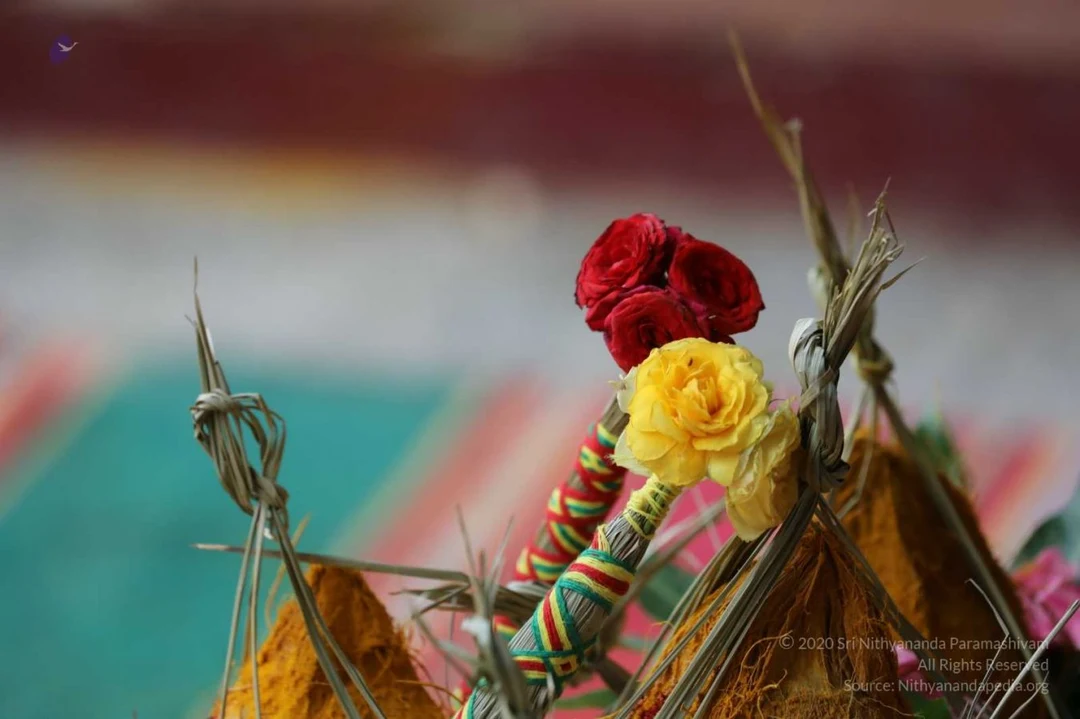 Balasants and sanyasis perfoming yagna and rituals puja during Shiva deeksha initiation
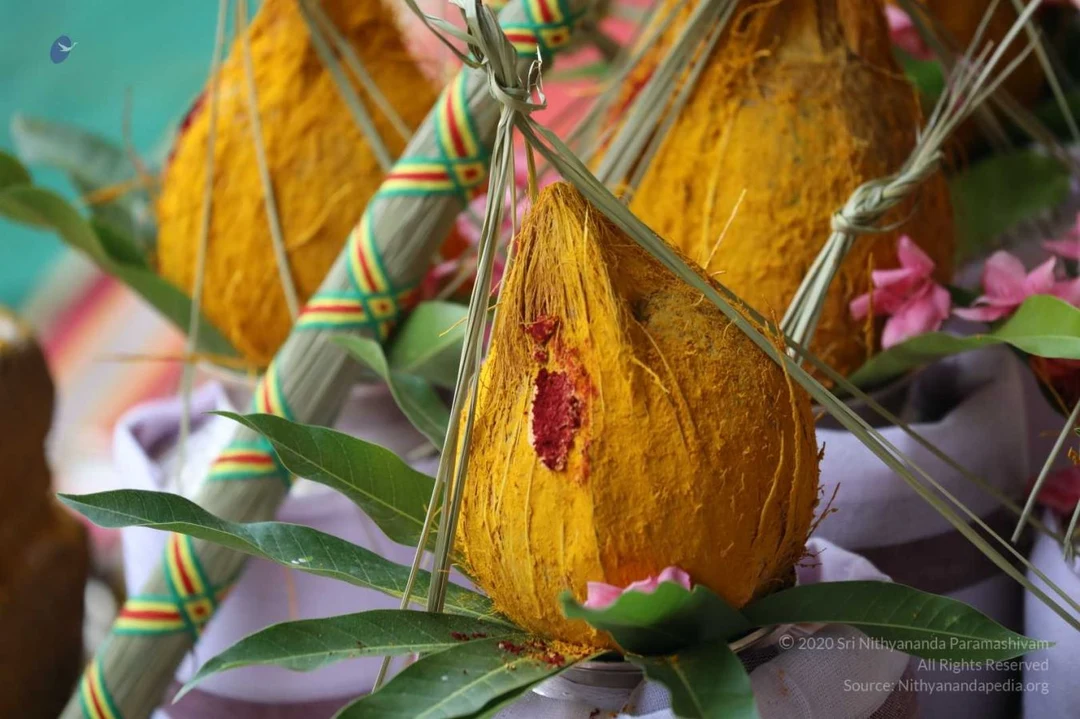 Balasants and sanyasis perfoming yagna and rituals puja during Shiva deeksha initiation
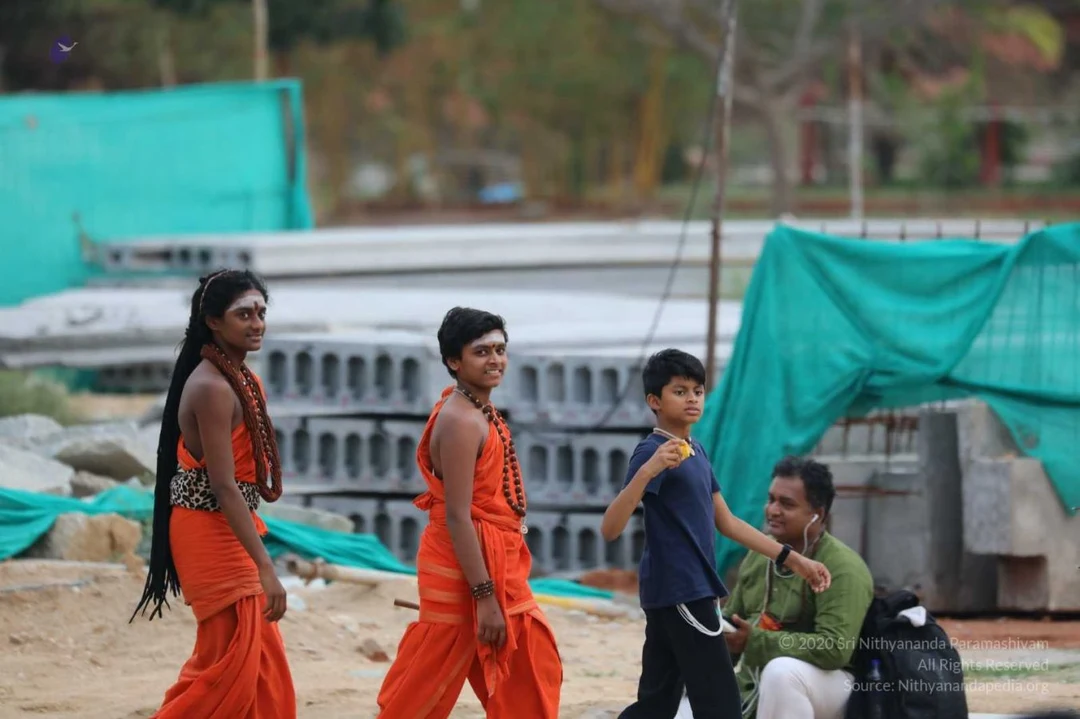 Balasants and sanyasis perfoming yagna and rituals puja during Shiva deeksha initiation
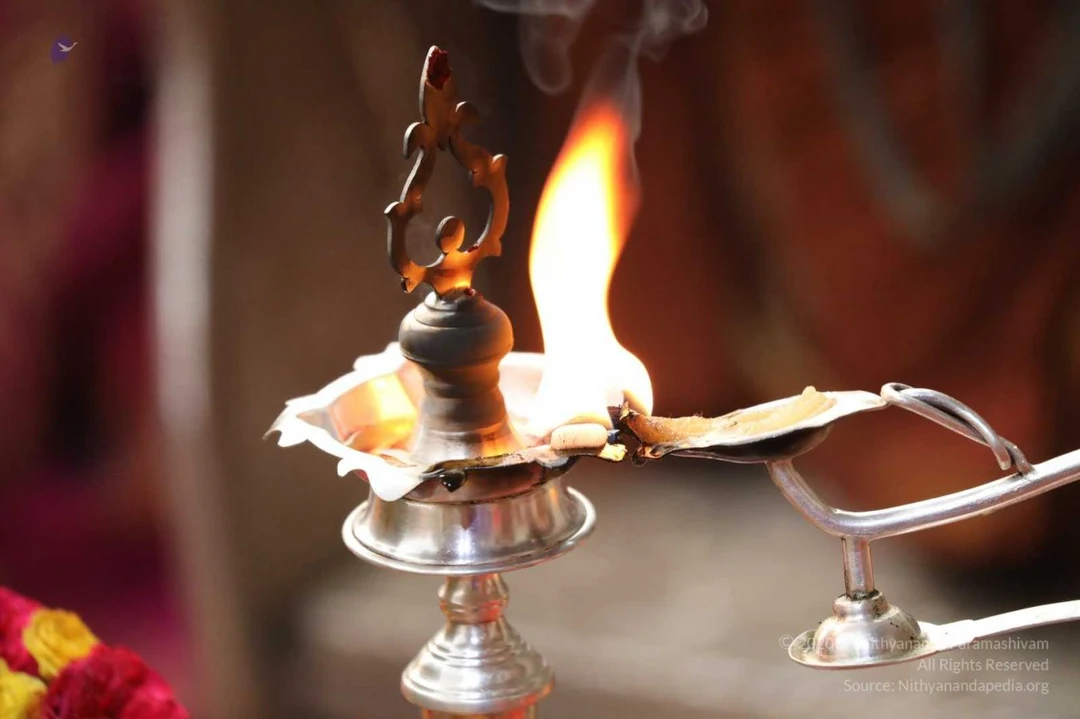 Balasants and sanyasis perfoming yagna and rituals puja during Shiva deeksha initiation
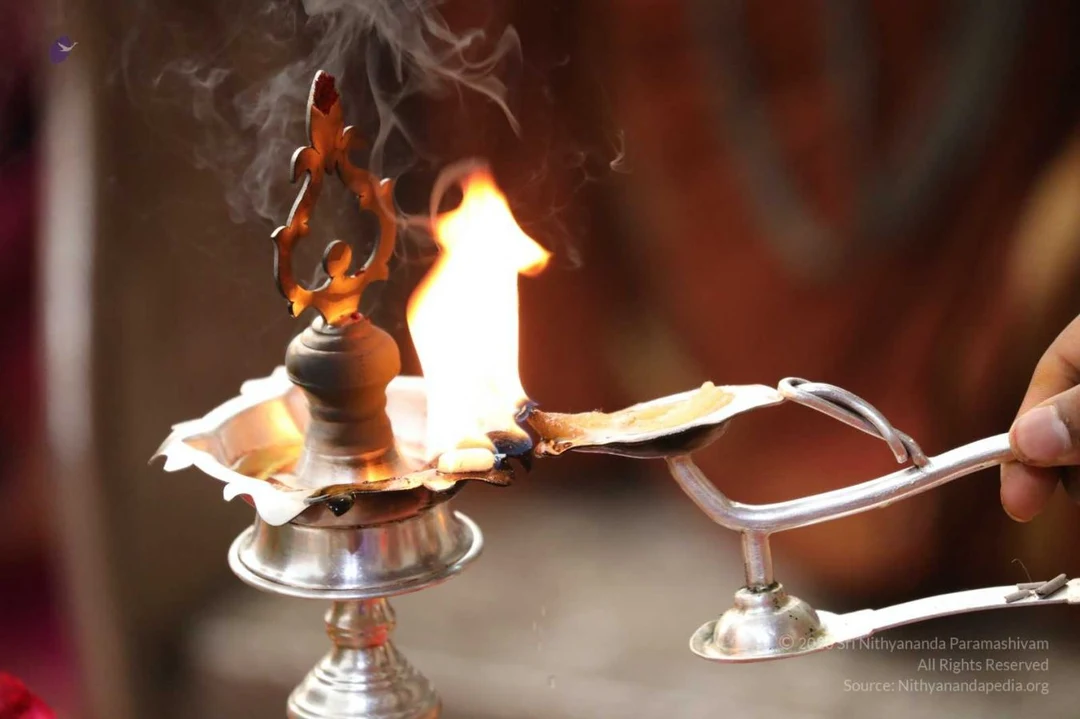 Balasants and sanyasis perfoming yagna and rituals puja during Shiva deeksha initiation
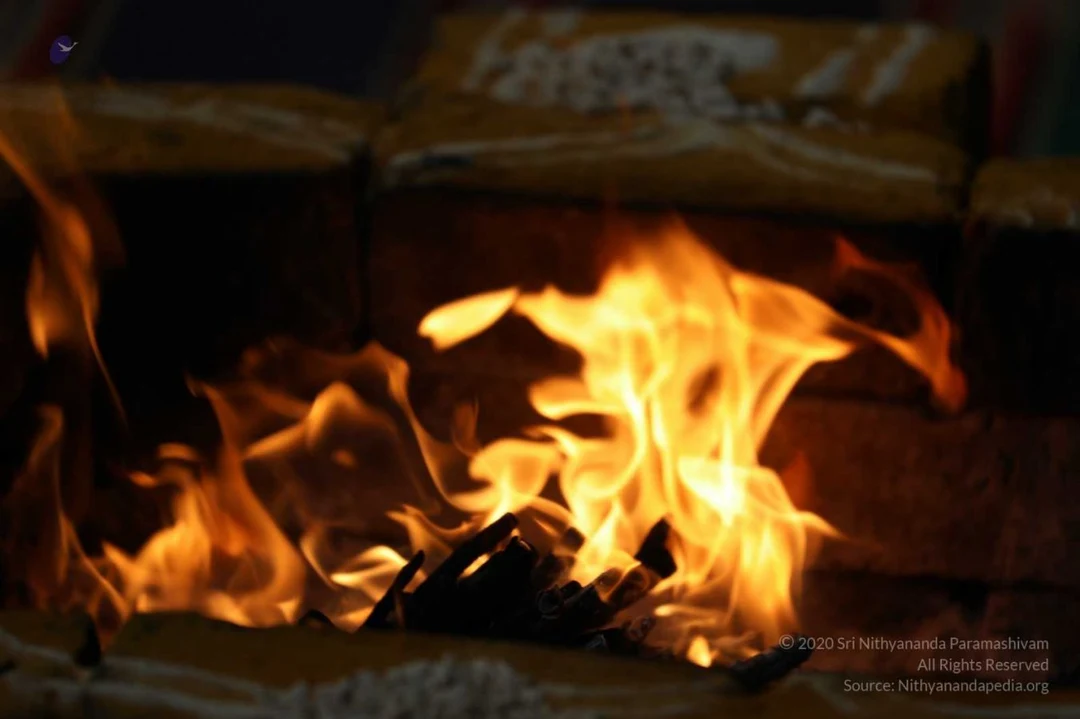 Balasants and sanyasis perfoming yagna and rituals puja during Shiva deeksha initiation
 Balasants and sanyasis perfoming yagna and rituals puja during Shiva deeksha initiation
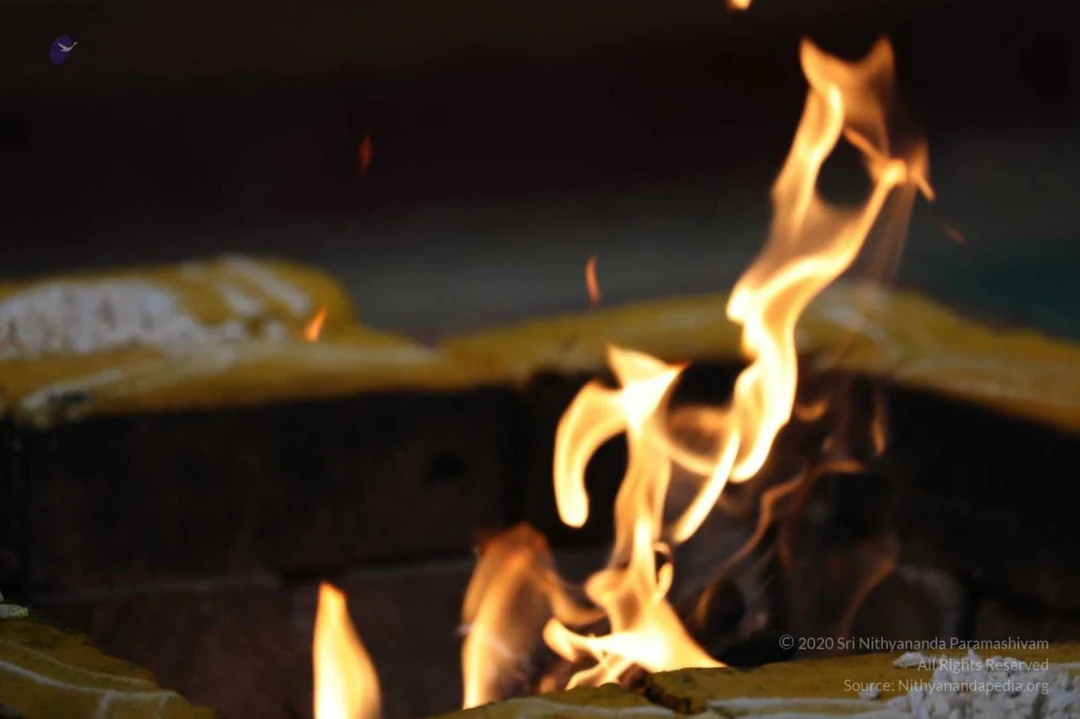 Balasants and sanyasis perfoming yagna and rituals puja during Shiva deeksha initiation
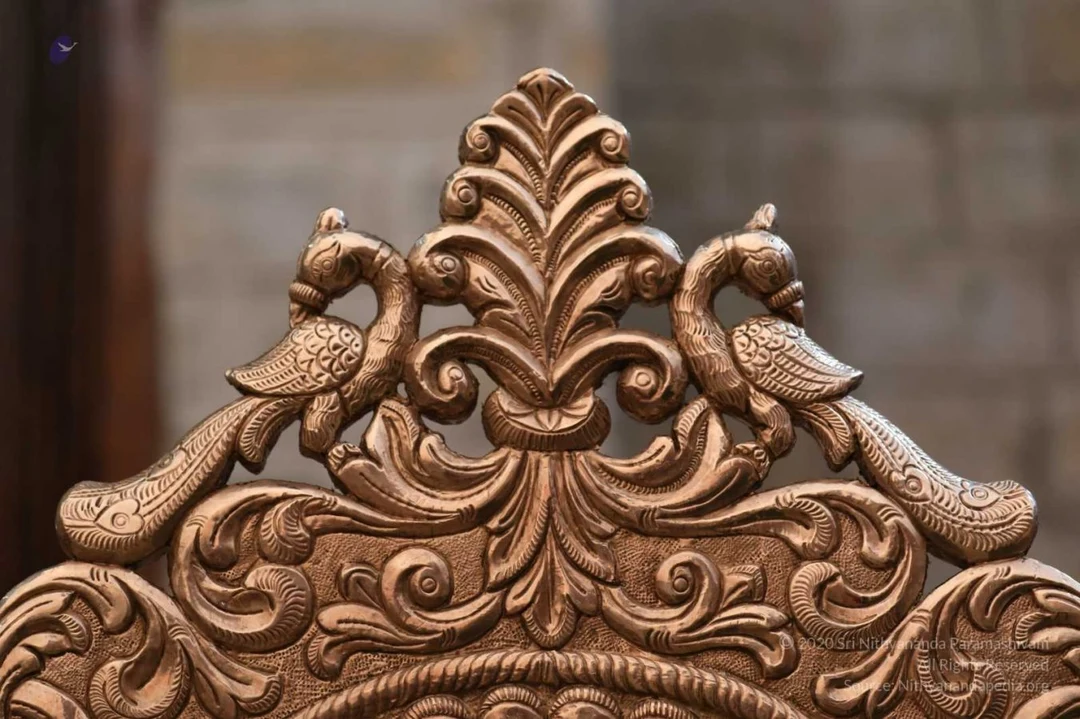 Balasants and sanyasis perfoming yagna and rituals puja during Shiva deeksha initiation
 Beautiful vatavarna of Adikailaasa
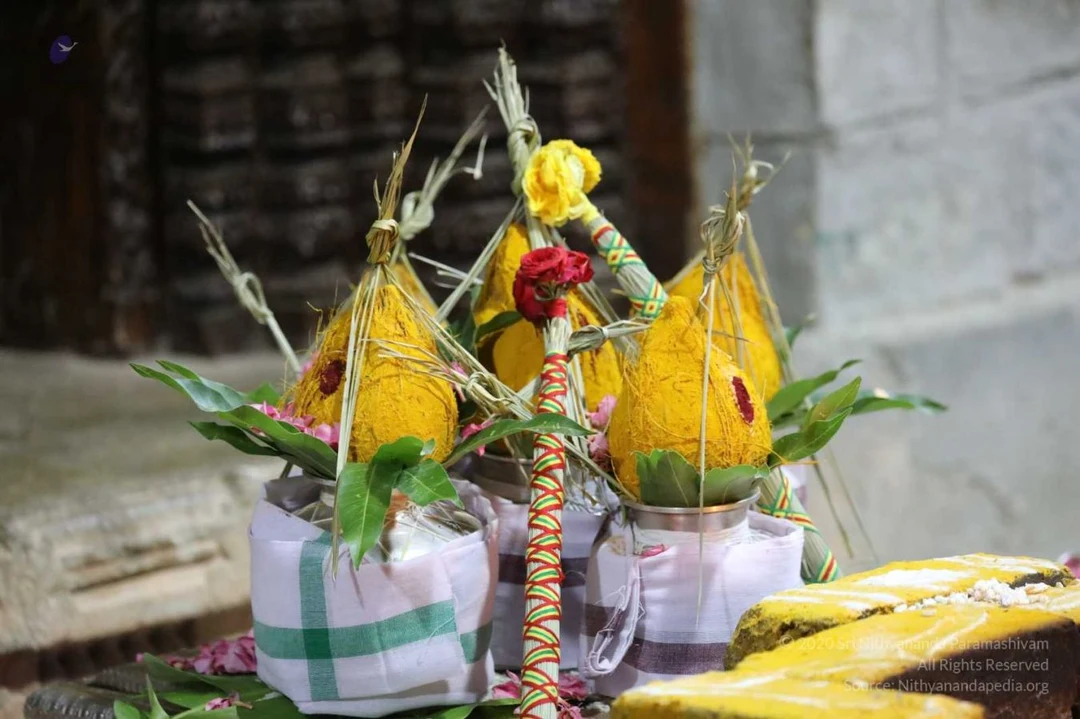 Kalasha stapana during Shiva deeksha puja celebrations at Adi Kailaasa, Bengaluru Aadheenam
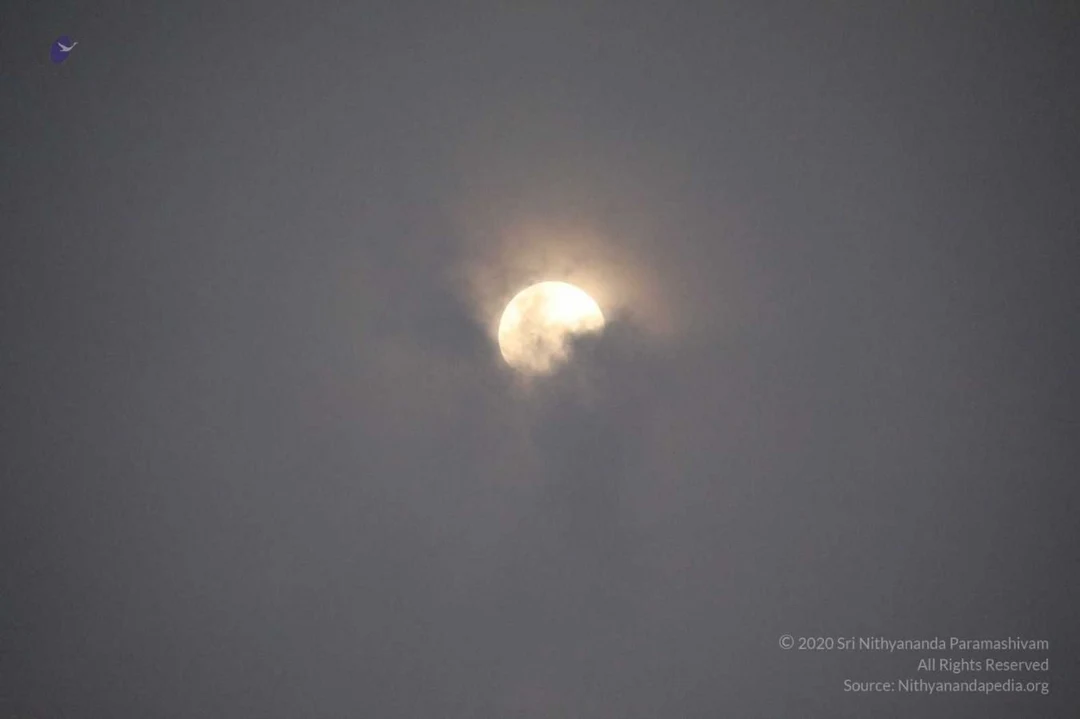 Beautiful vatavarna of Adikailaasa
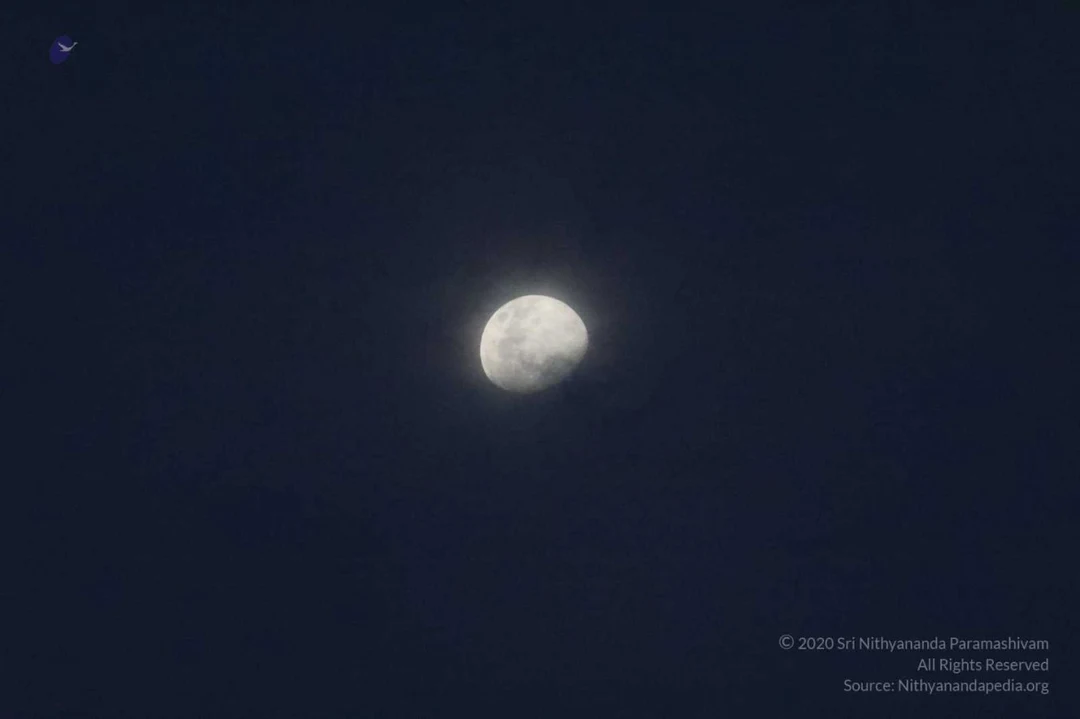 Beautiful vatavarna of Adikailaasa
 Beautiful vatavarna of Adikailaasa
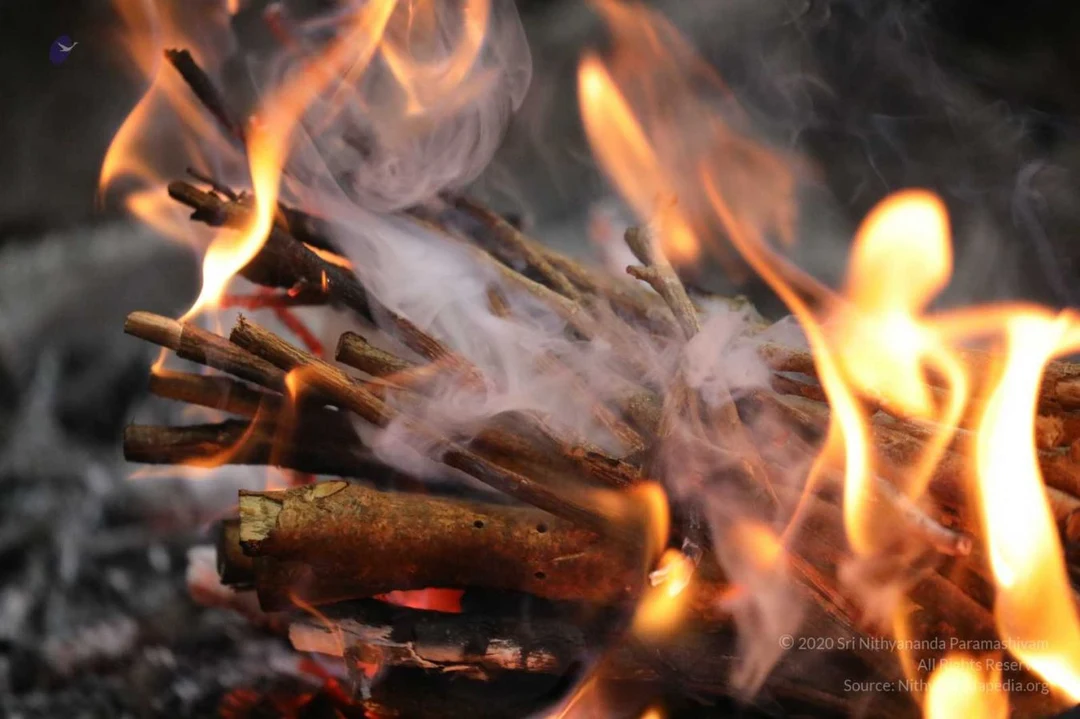 Yajna is a Vedic tradition in Hinduism, offering oblations into sacred fire appeasing the celestial entities in the presence of Guru
 Beautiful vatavarna of Adikailaasa
 Beautiful vatavarna of Adikailaasa
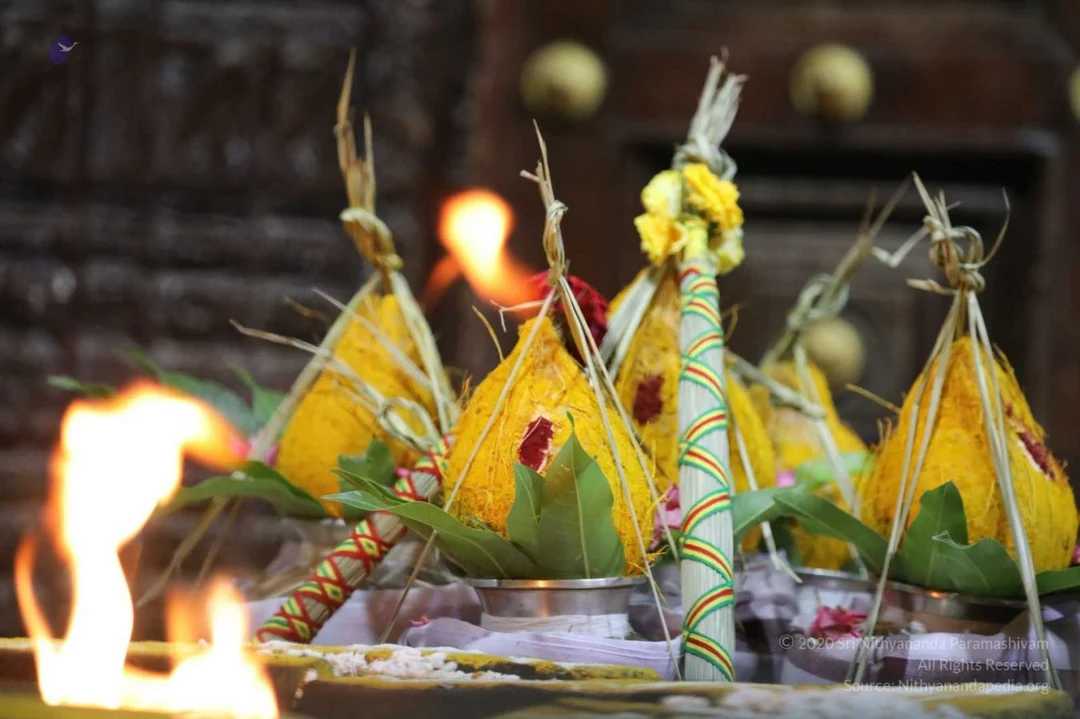 Kalasha stapana during Shiva deeksha puja celebrations at Adi Kailaasa, Bengaluru Aadheenam
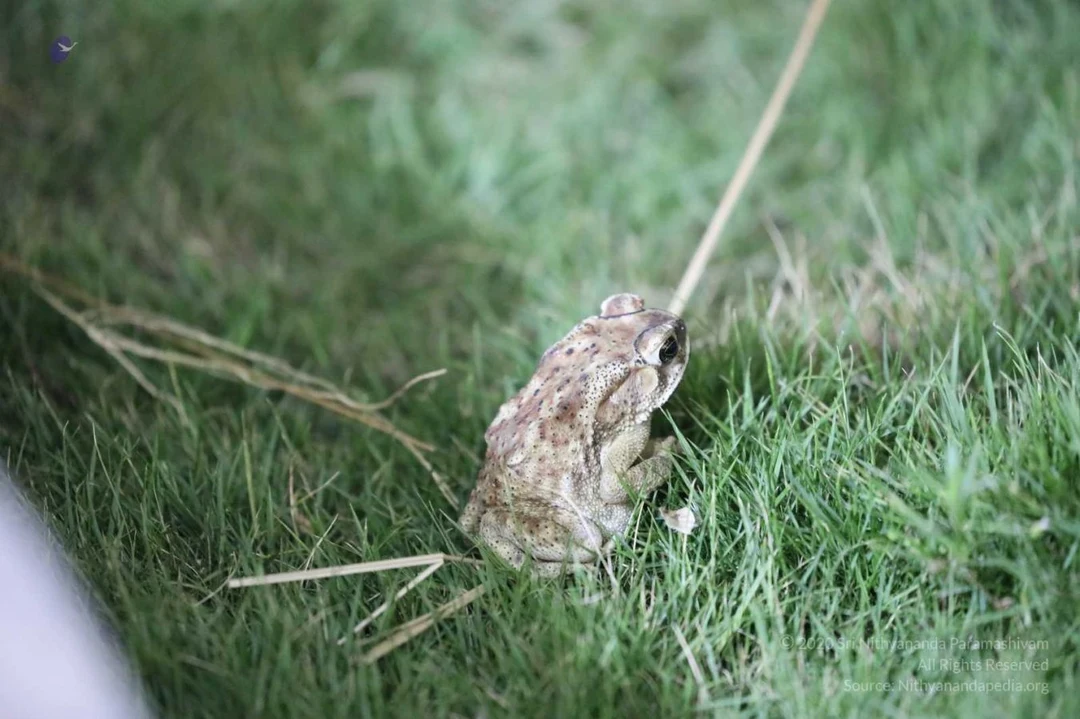 Every being is vibrating at Adikailaasa
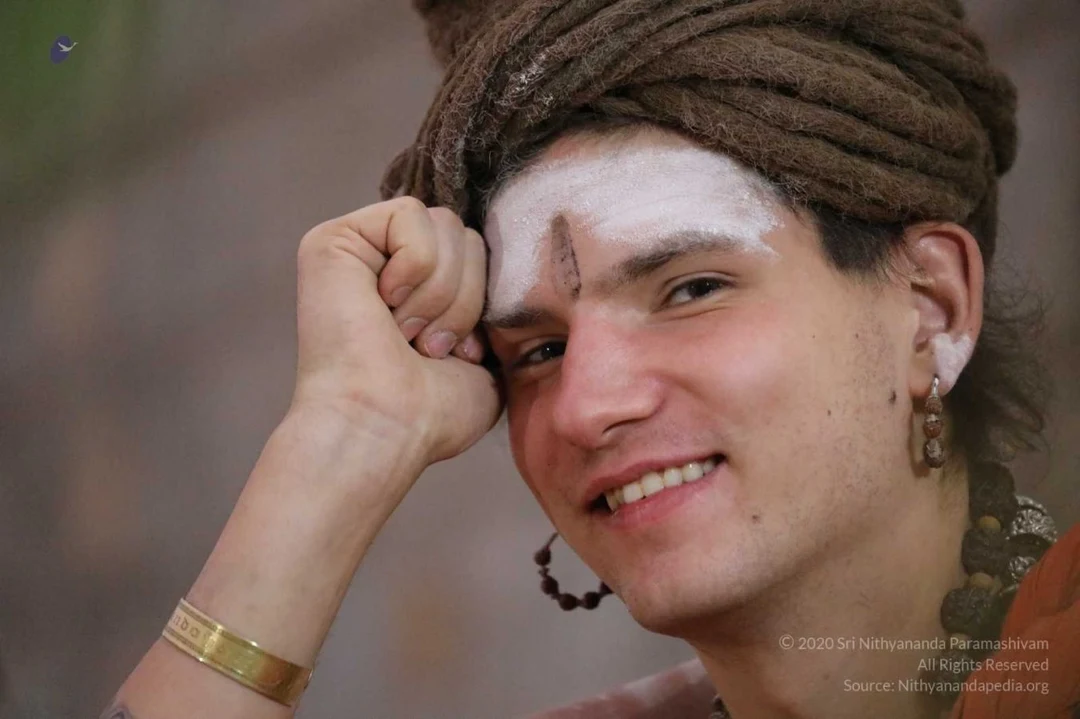 Every being is vibrating at Adikailaasa
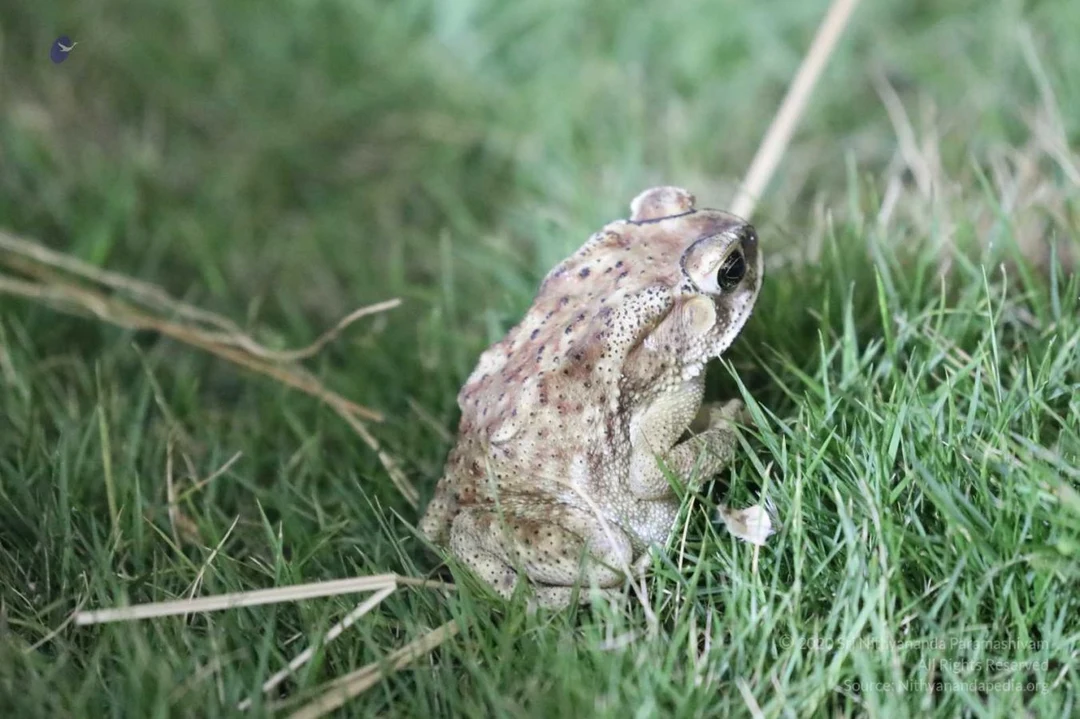 Every being is vibrating at Adikailaasa
 Yajna is a Vedic tradition in Hinduism, offering oblations into sacred fire appeasing the celestial entities in the presence of Guru
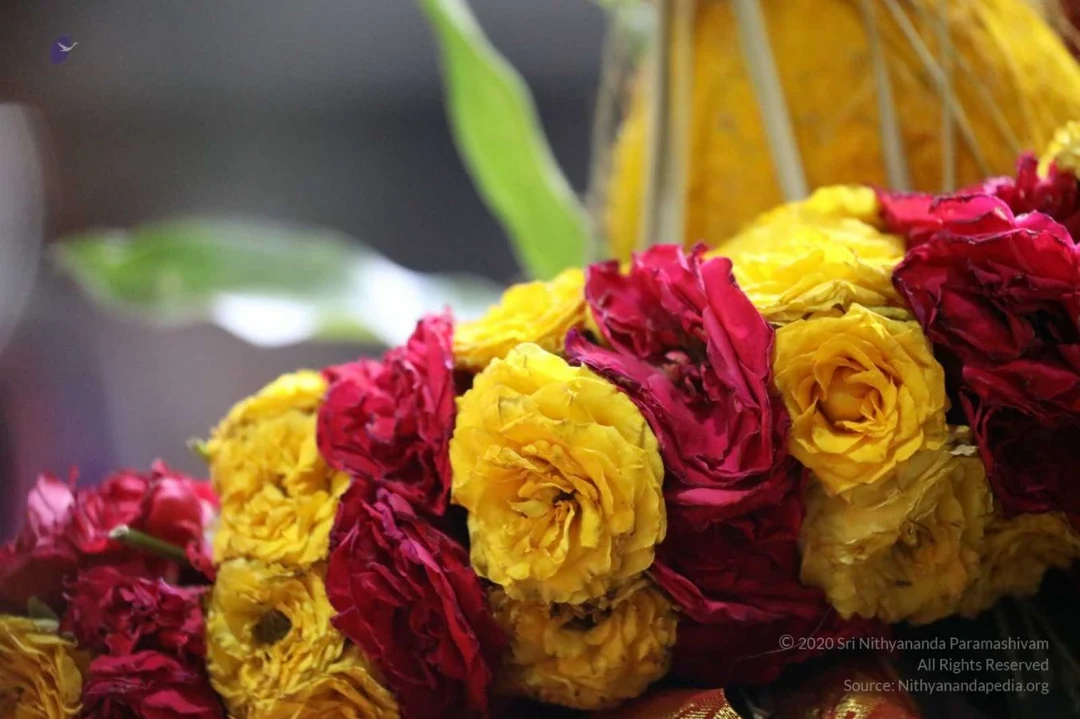 Yajna is a Vedic tradition in Hinduism, offering oblations into sacred fire appeasing the celestial entities in the presence of Guru
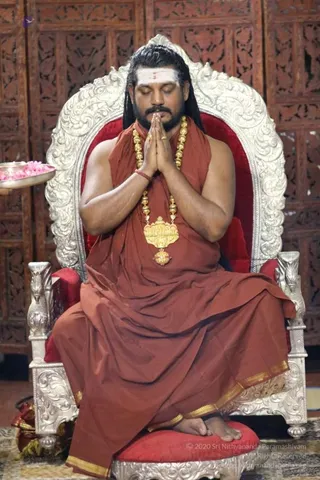 Awakening the whole non mechanical parts of the brain is the best initiation to become enlightened
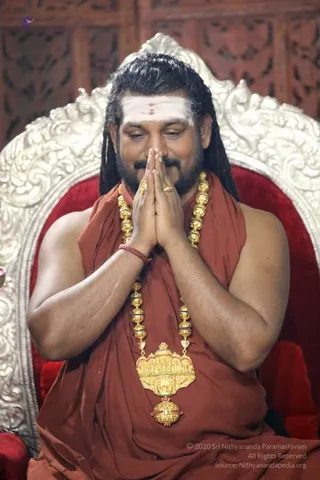 Awakening the whole non mechanical parts of the brain is the best initiation to become enlightened
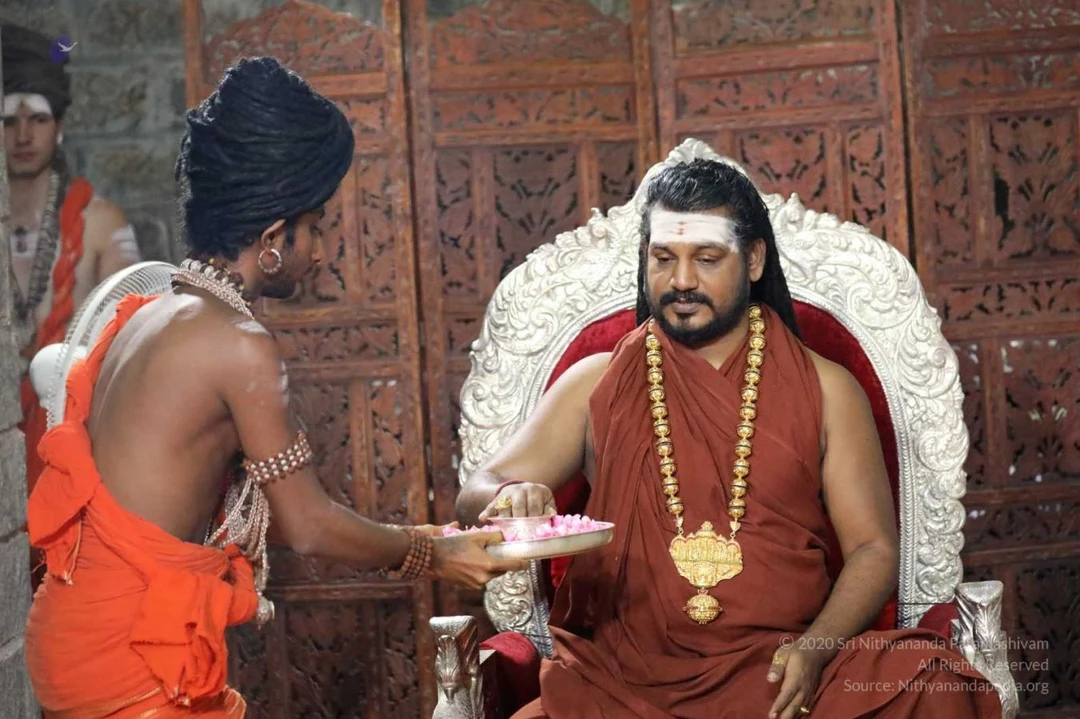 Awakening the whole non mechanical parts of the brain is the best initiation to become enlightened
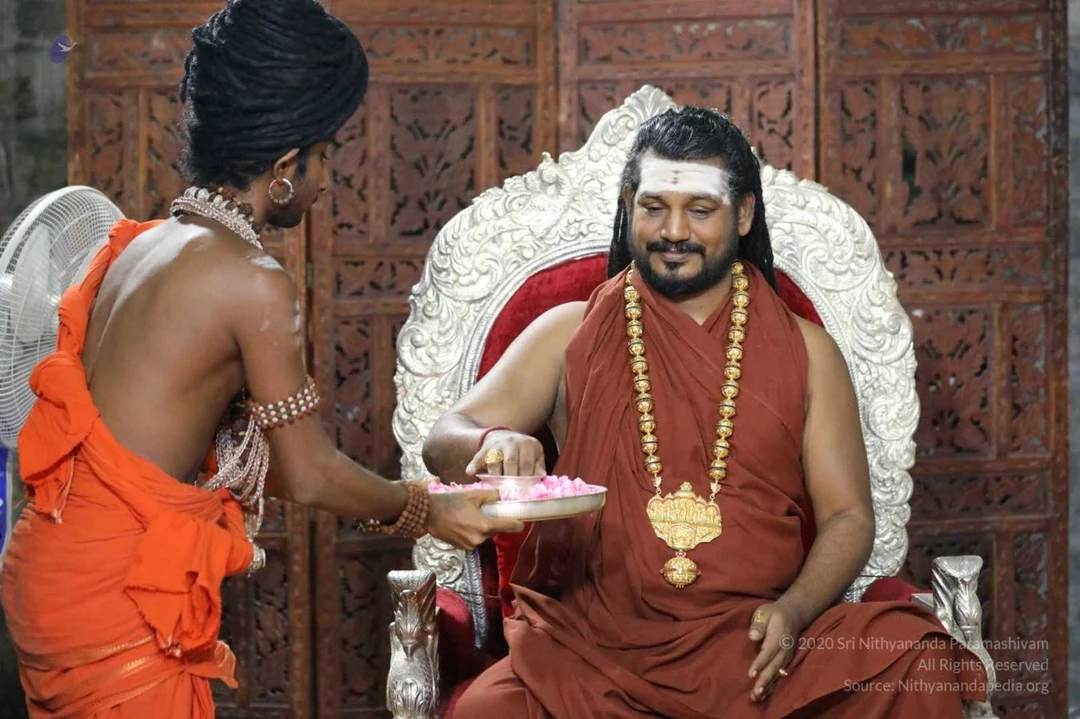 Awakening the whole non mechanical parts of the brain is the best initiation to become enlightened
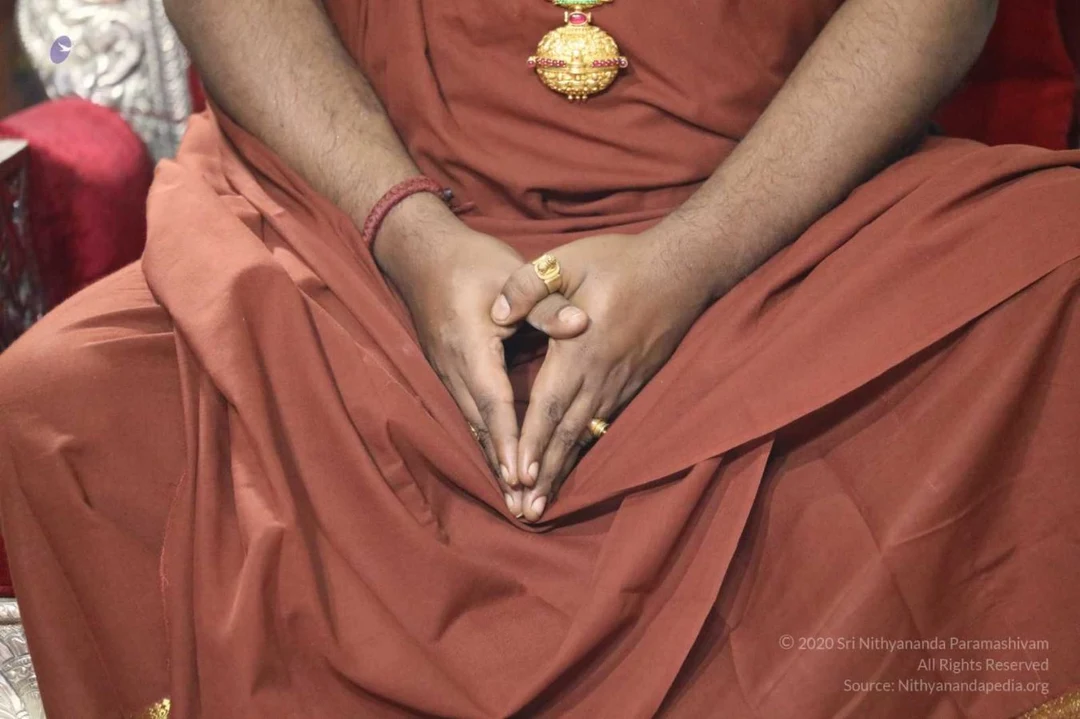 Awakening the whole non mechanical parts of the brain is the best initiation to become enlightened
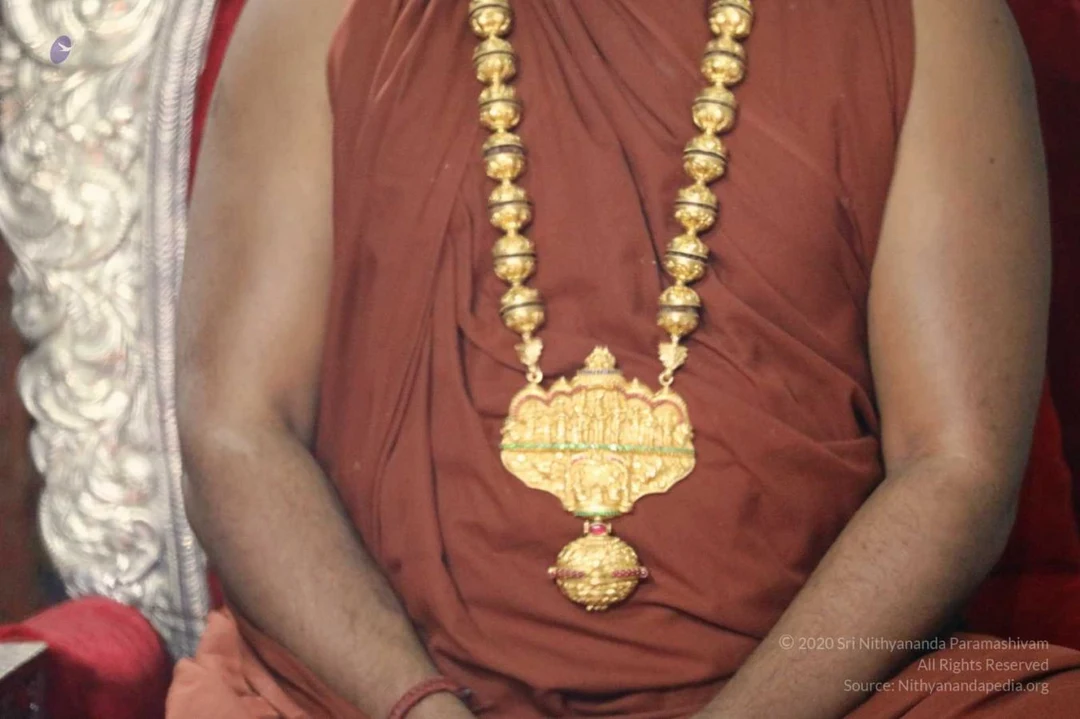 Awakening the whole non mechanical parts of the brain is the best initiation to become enlightened
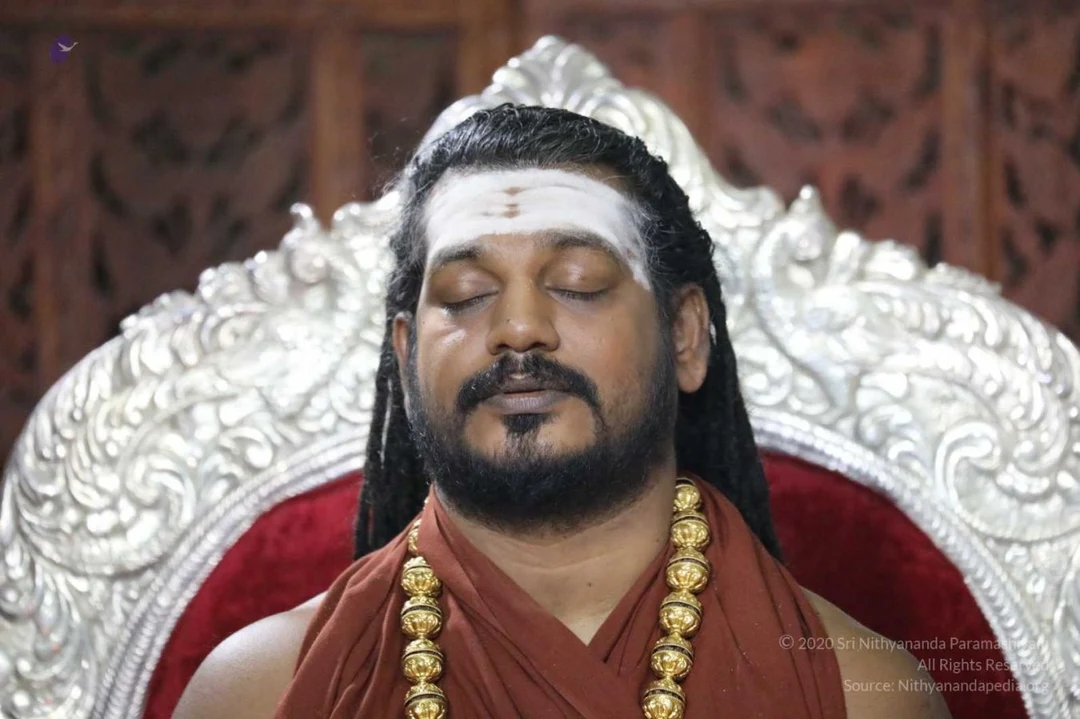 Awakening the whole non mechanical parts of the brain is the best initiation to become enlightened
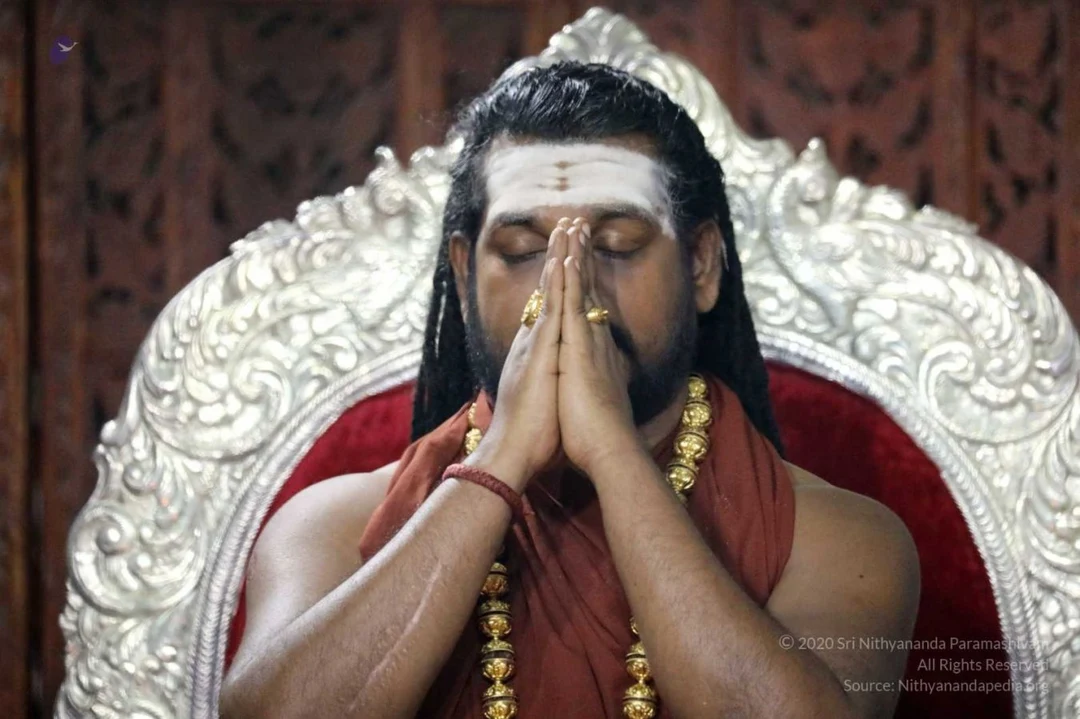 Awakening the whole non mechanical parts of the brain is the best initiation to become enlightened
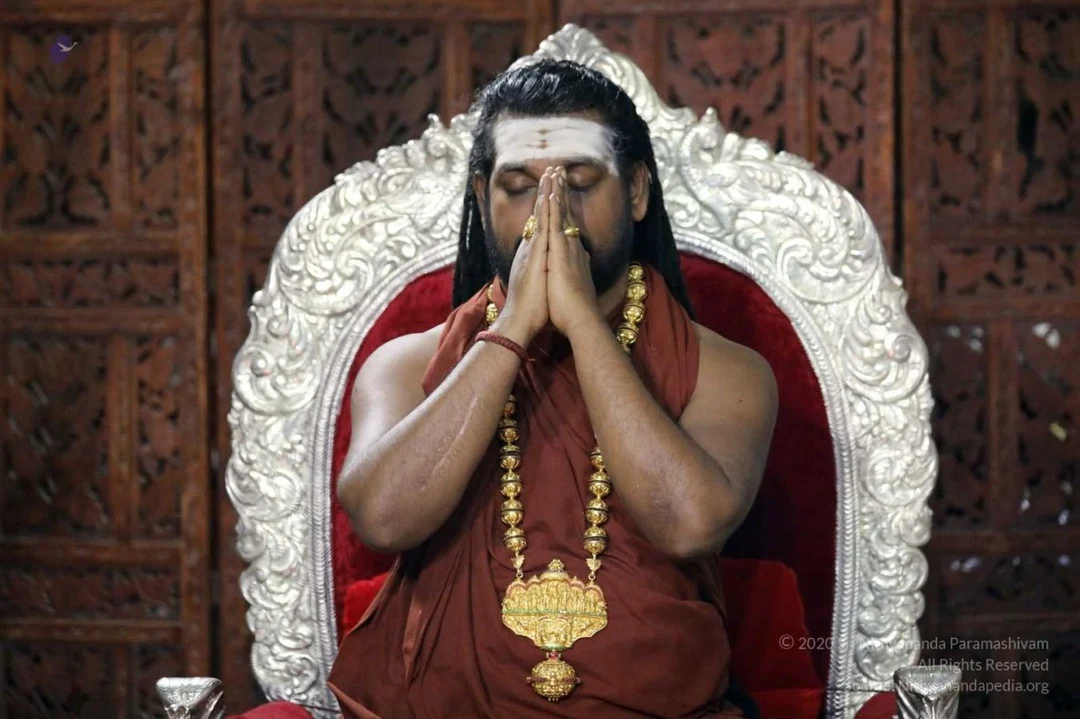 Awakening the whole non mechanical parts of the brain is the best initiation to become enlightened
 Awakening the whole non mechanical parts of the brain is the best initiation to become enlightened
 Awakening the whole non mechanical parts of the brain is the best initiation to become enlightened
 Awakening the whole non mechanical parts of the brain is the best initiation to become enlightened
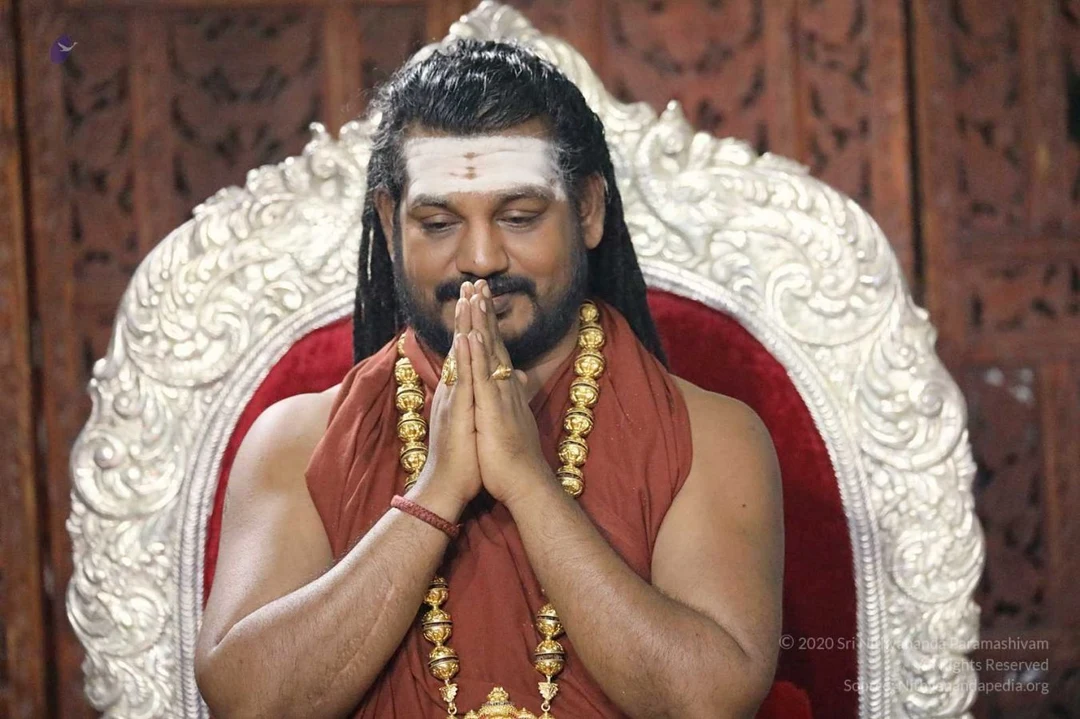 Awakening the whole non mechanical parts of the brain is the best initiation to become enlightened
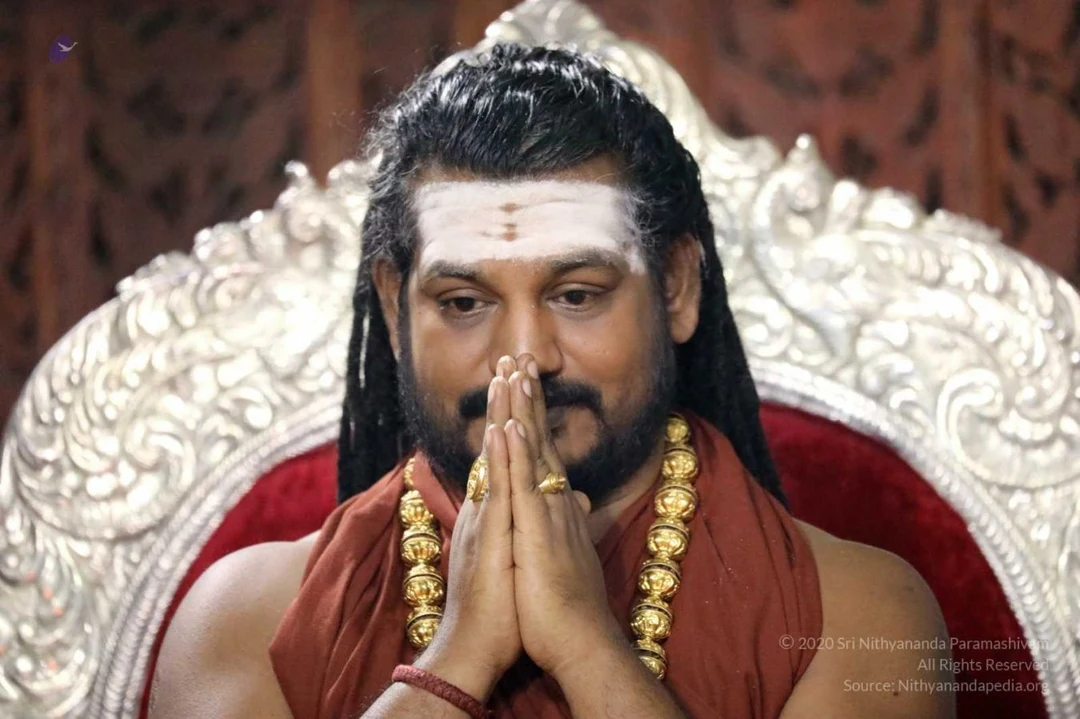 Awakening the whole non mechanical parts of the brain is the best initiation to become enlightened
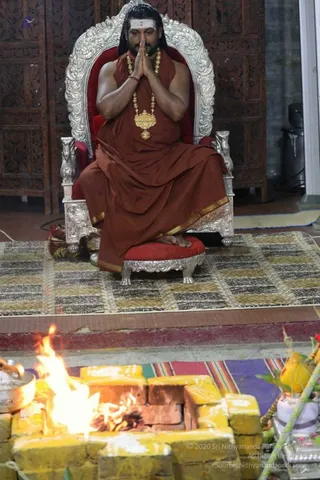 Initiation awakens intuition & intelligence
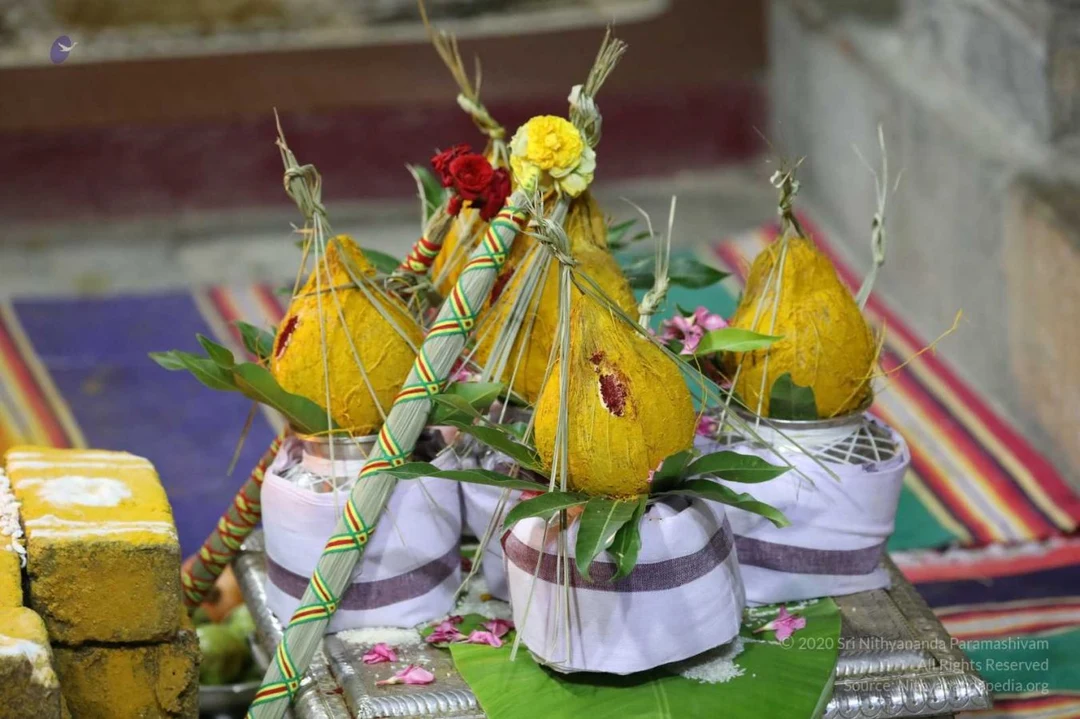 Initiation awakens intuition & intelligence
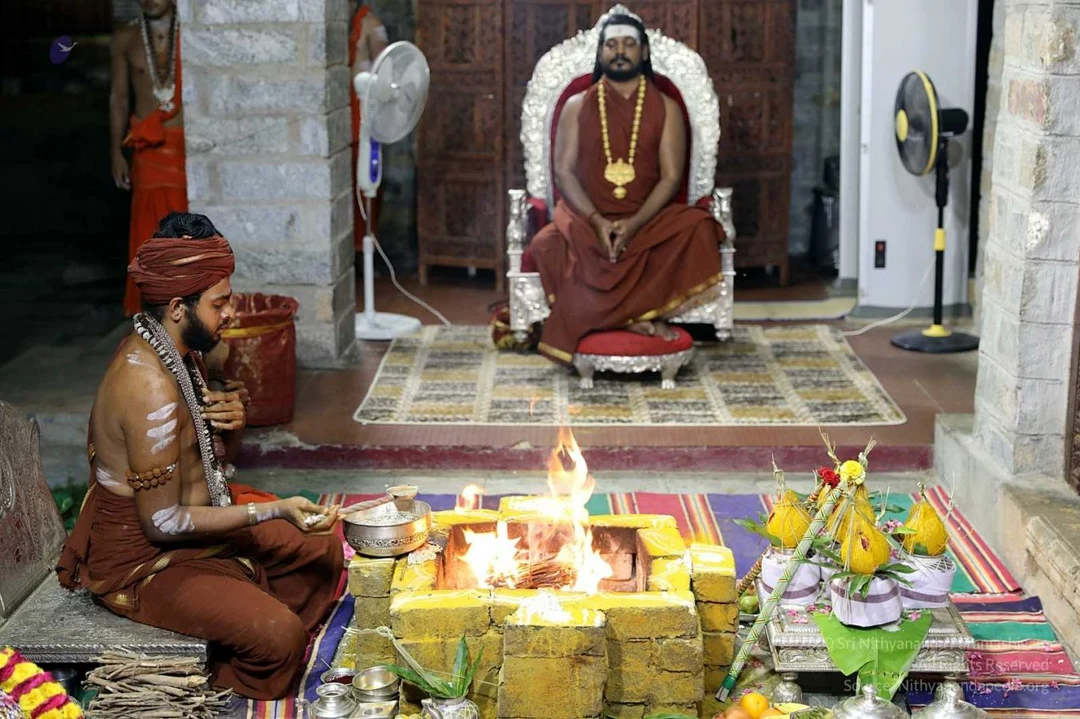 Initiation awakens intuition & intelligence
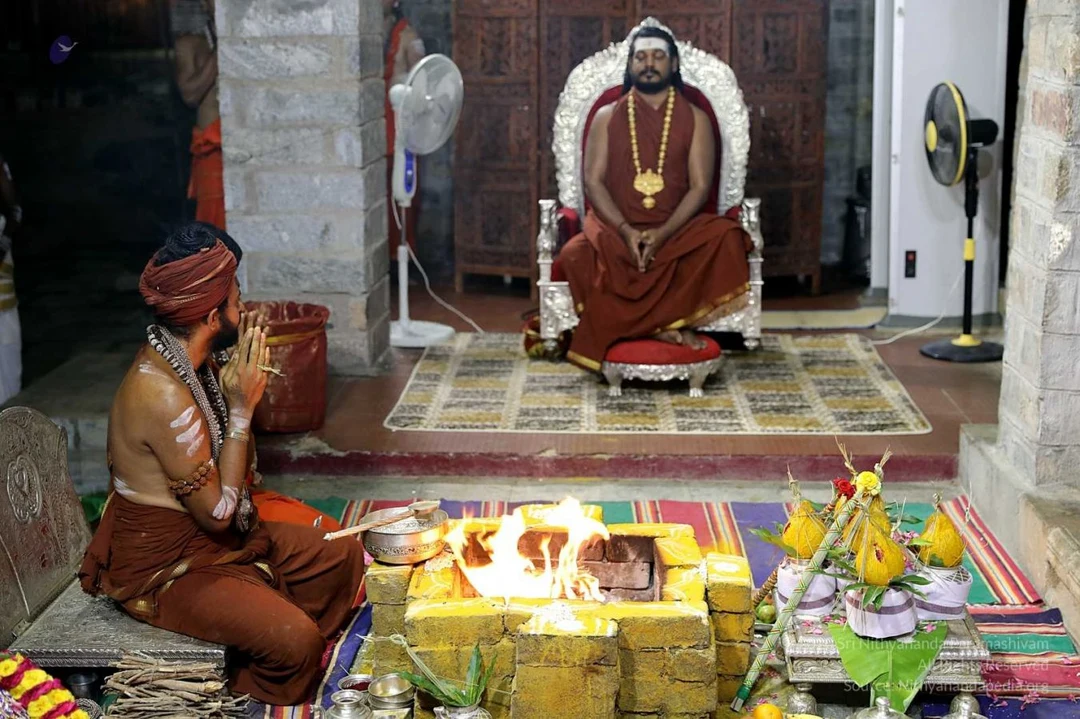 Initiation awakens intuition & intelligence
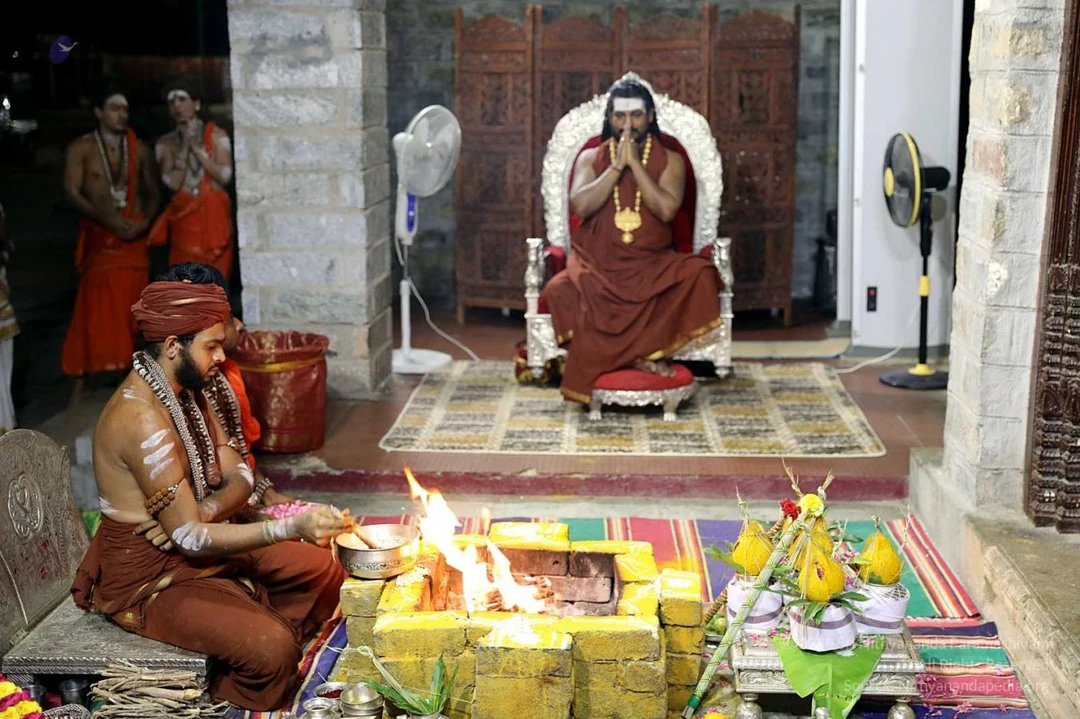 Initiation awakens intuition & intelligence
 Initiation awakens intuition & intelligence
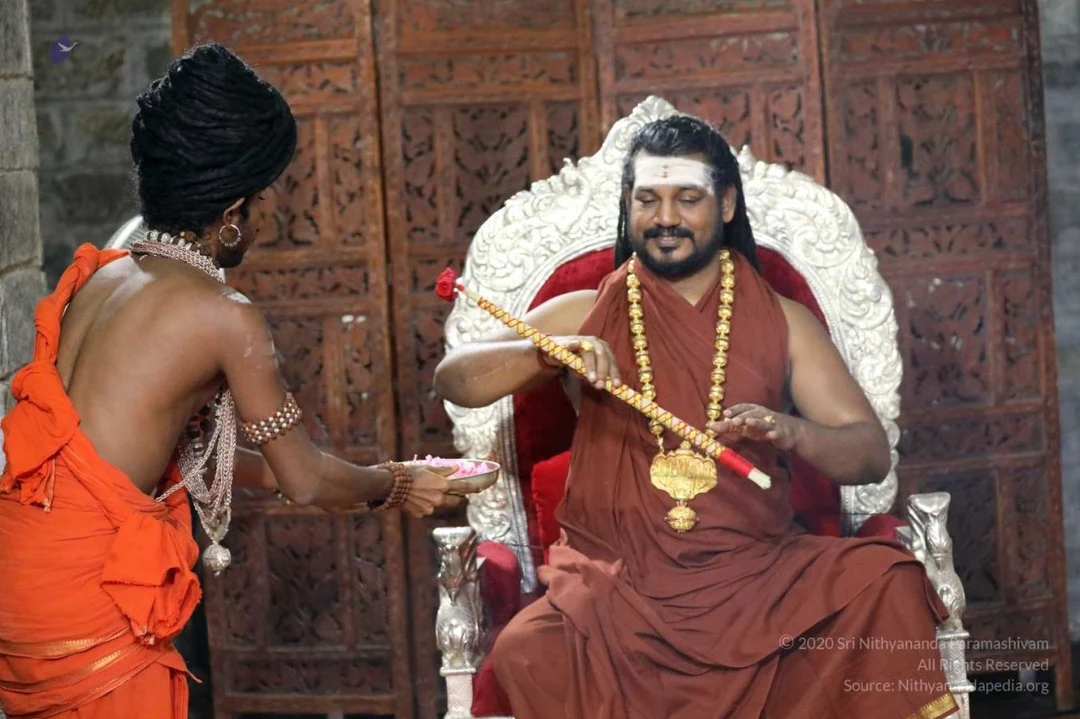 Initiation awakens intuition & intelligence
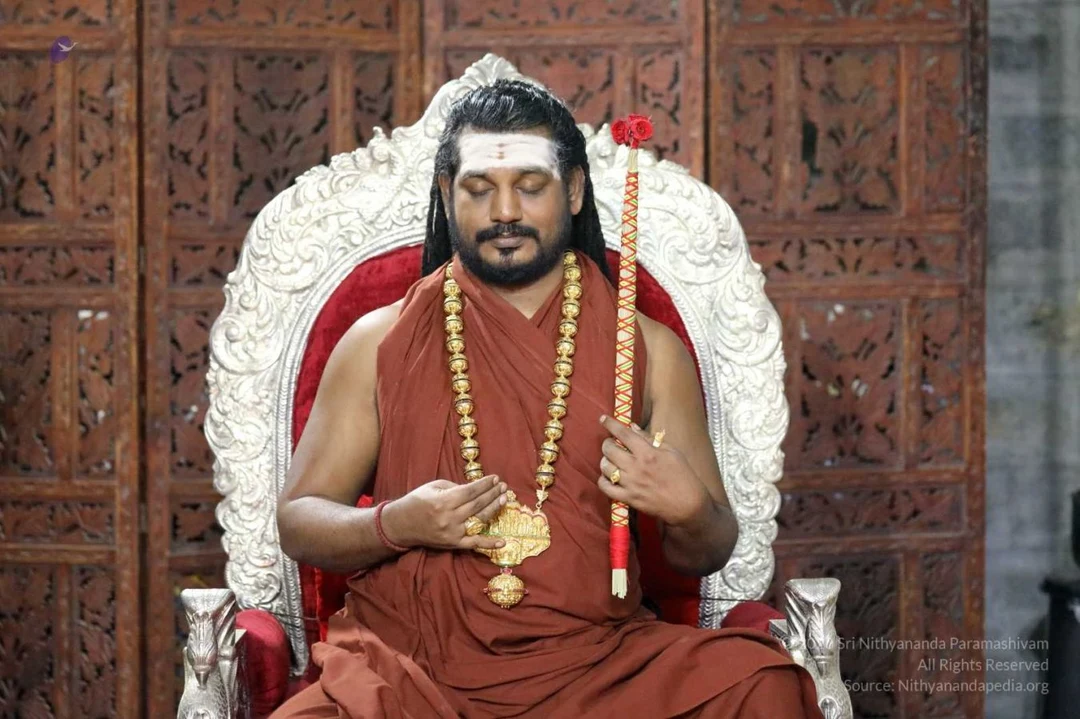 Initiation awakens intuition & intelligence
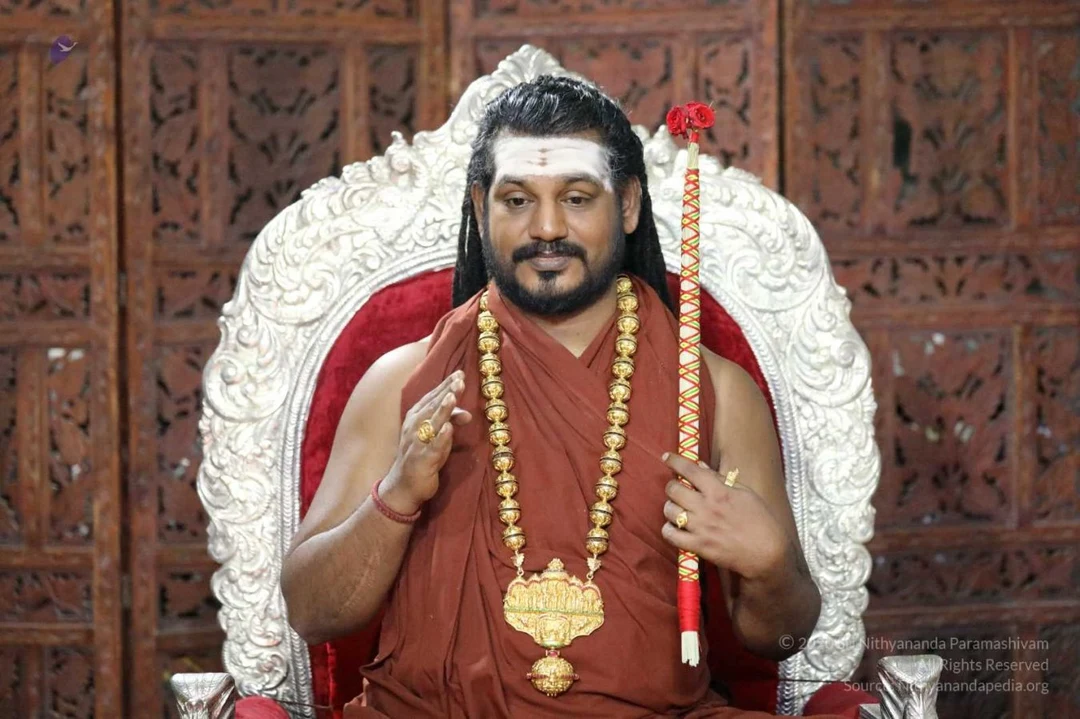 Initiation awakens intuition & intelligence
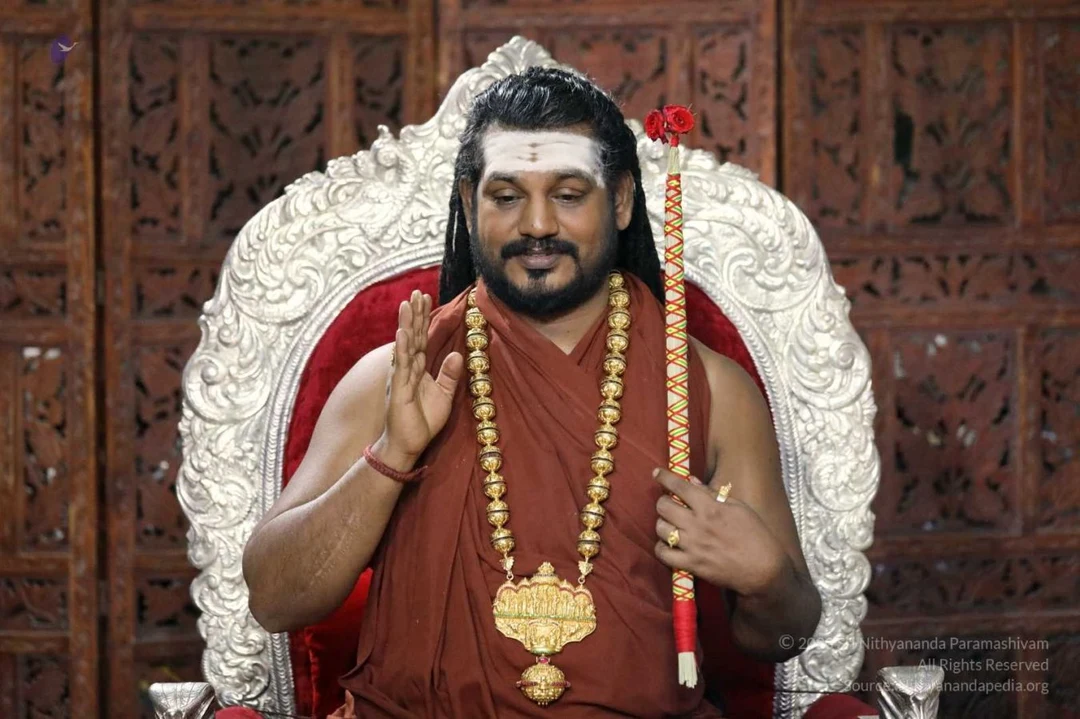 Initiation awakens intuition & intelligence
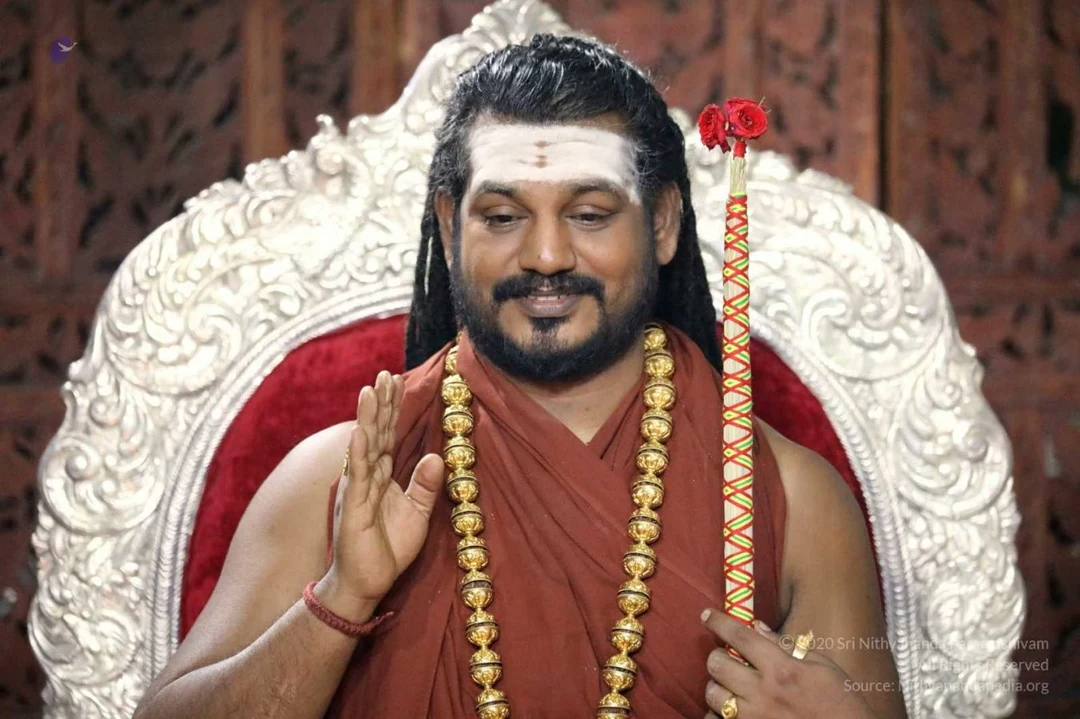 Initiation awakens intuition & intelligence
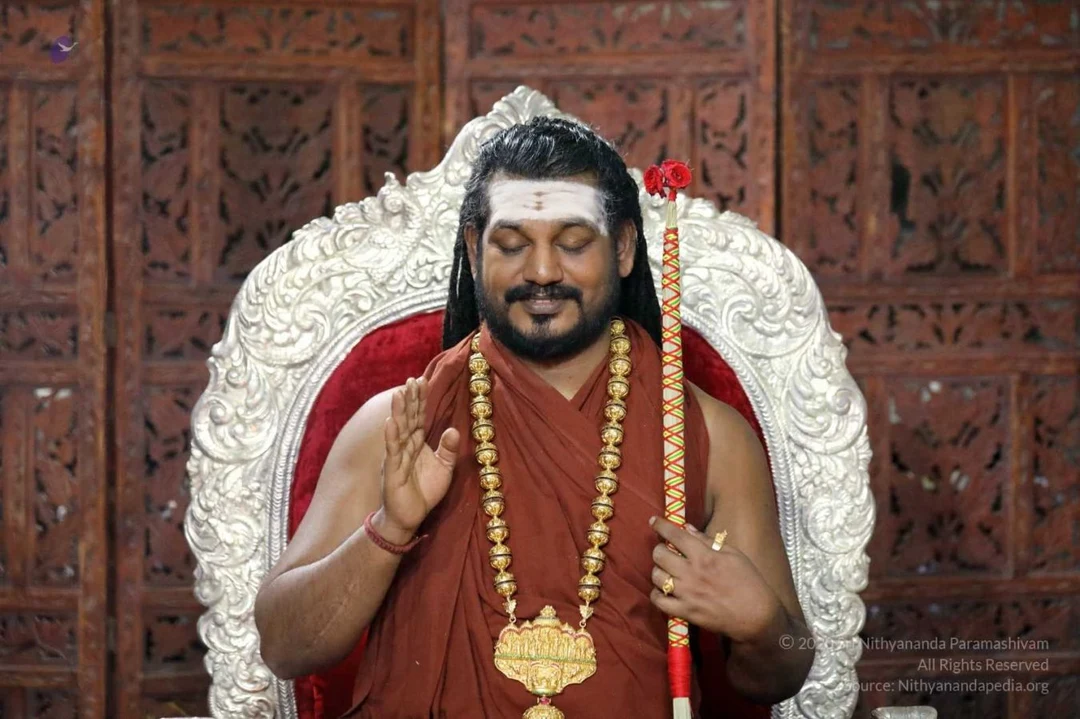 Initiation awakens intuition & intelligence
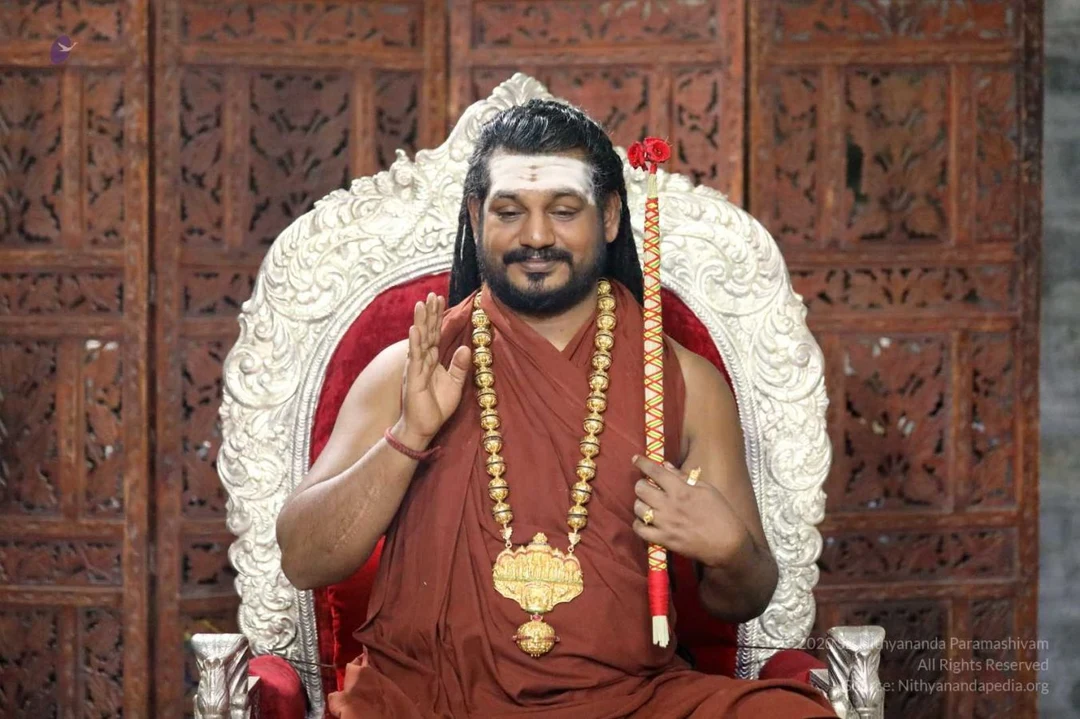 Initiation awakens intuition & intelligence
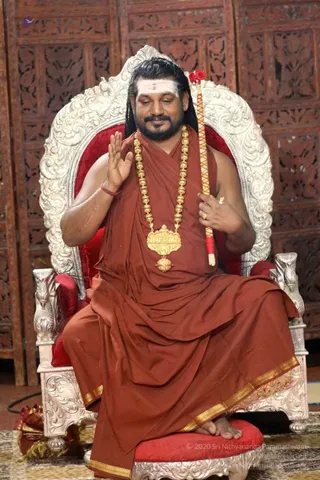 Initiation awakens intuition & intelligence
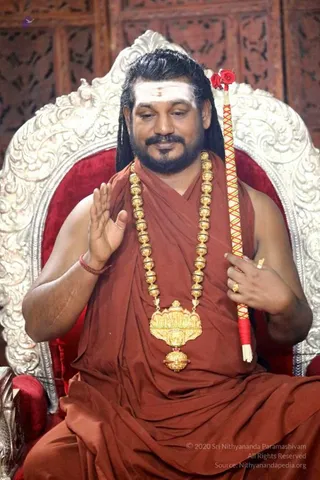 Initiation awakens intuition & intelligence
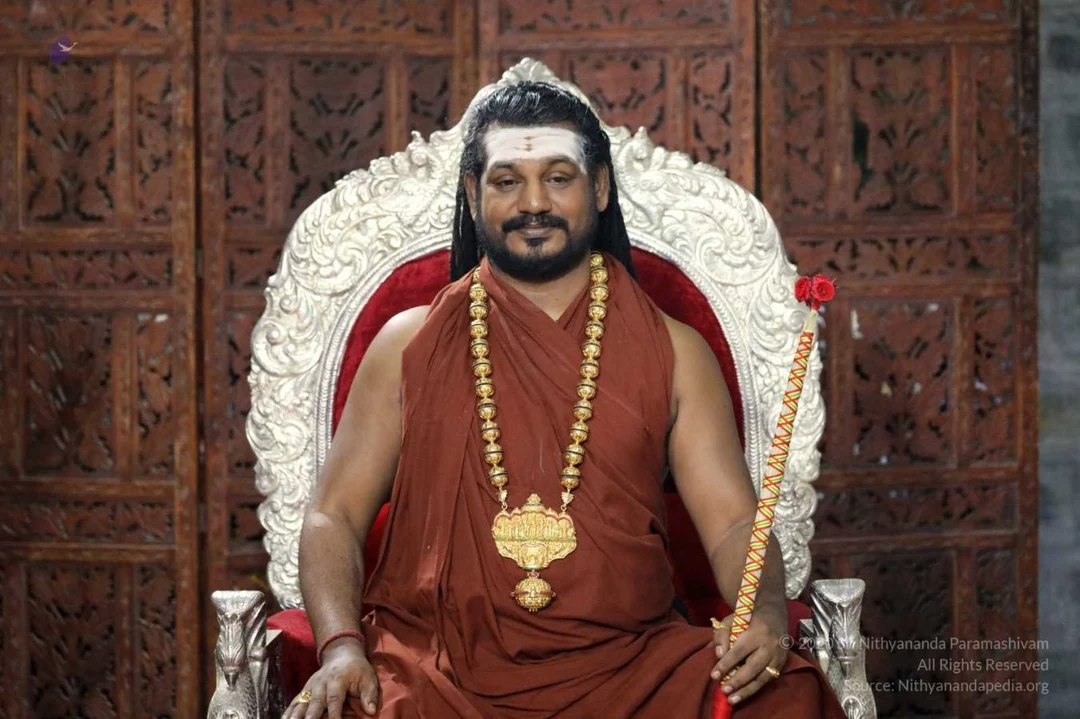 Initiation awakens intuition & intelligence
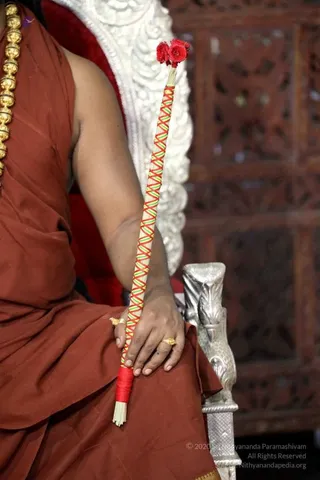 Vishesha Deeksha, the disciples are given Atma Linga for their personal Puja (Atmartha Puja) by the Guru
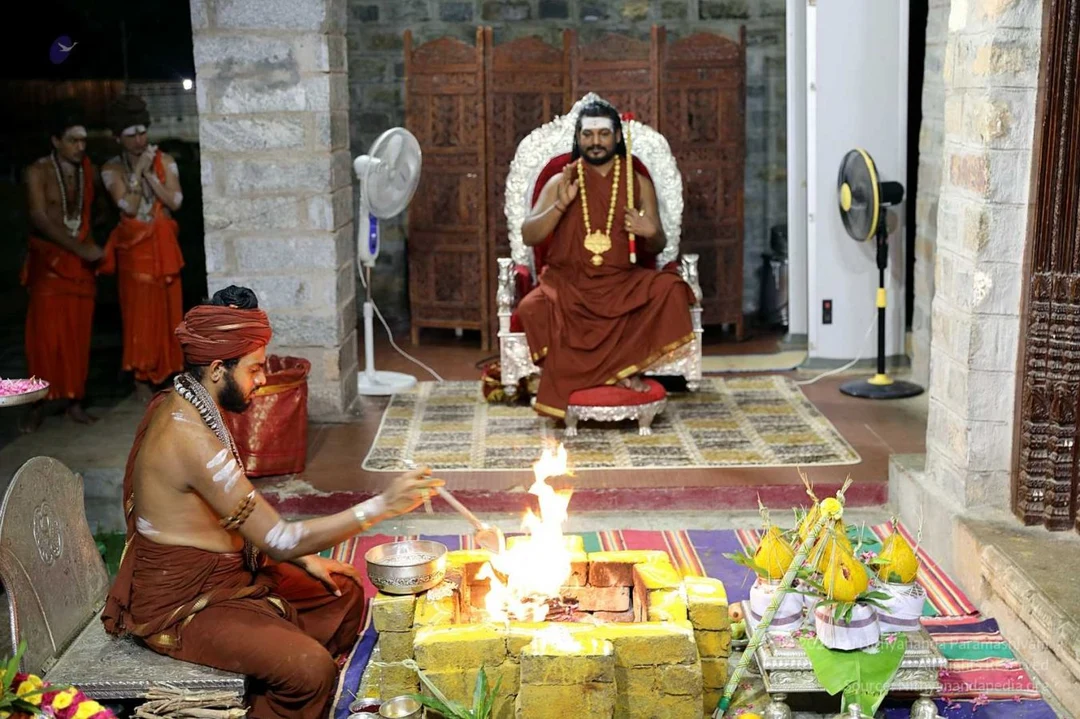 Vishesha Deeksha, the disciples are given Atma Linga for their personal Puja (Atmartha Puja) by the Guru
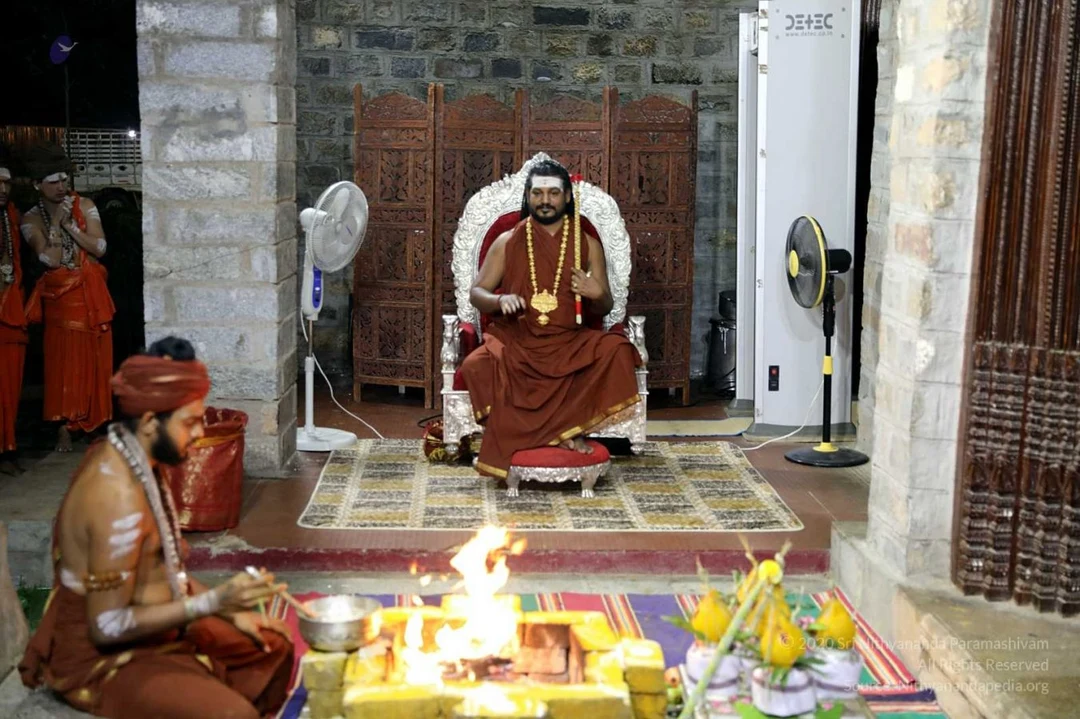 Vishesha Deeksha, the disciples are given Atma Linga for their personal Puja (Atmartha Puja) by the Guru
 Vishesha Deeksha, the disciples are given Atma Linga for their personal Puja (Atmartha Puja) by the Guru
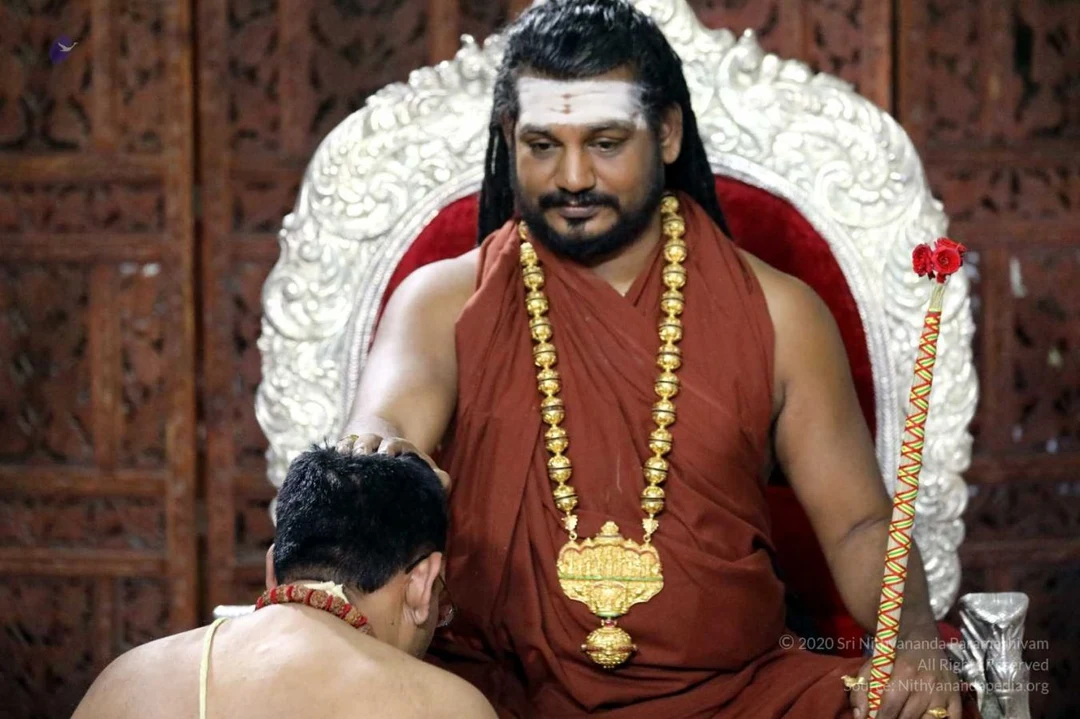 Vishesha Deeksha, the disciples are given Atma Linga for their personal Puja (Atmartha Puja) by the Guru
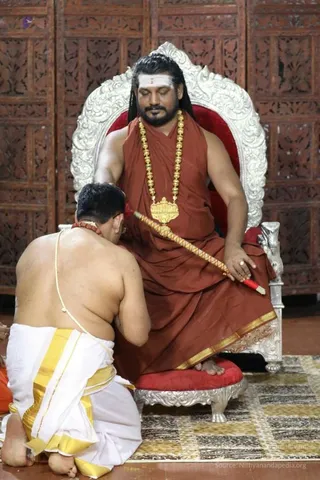 Vishesha Deeksha, the disciples are given Atma Linga for their personal Puja (Atmartha Puja) by the Guru
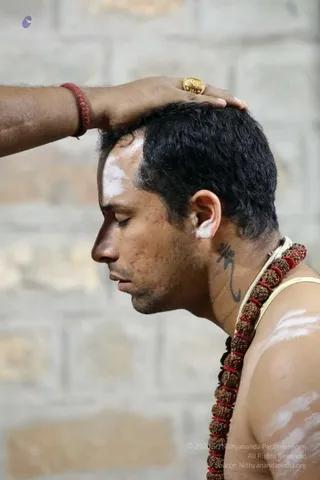 Vishesha Deeksha, the disciples are given Atma Linga for their personal Puja (Atmartha Puja) by the Guru
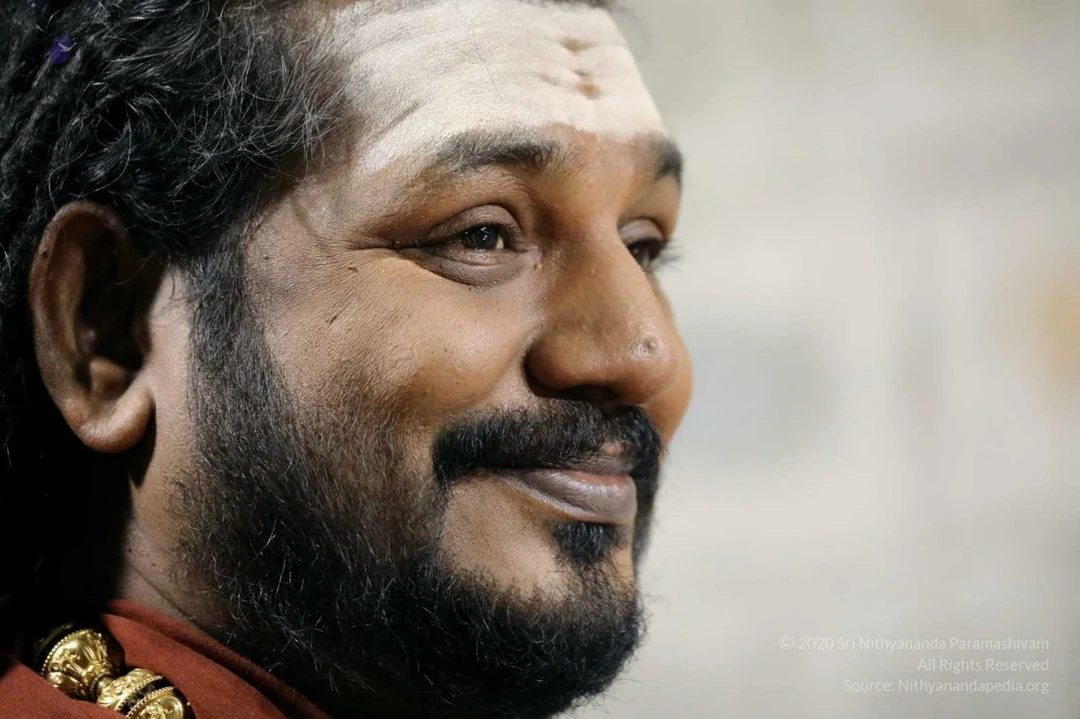 Vishesha Deeksha, the disciples are given Atma Linga for their personal Puja (Atmartha Puja) by the Guru
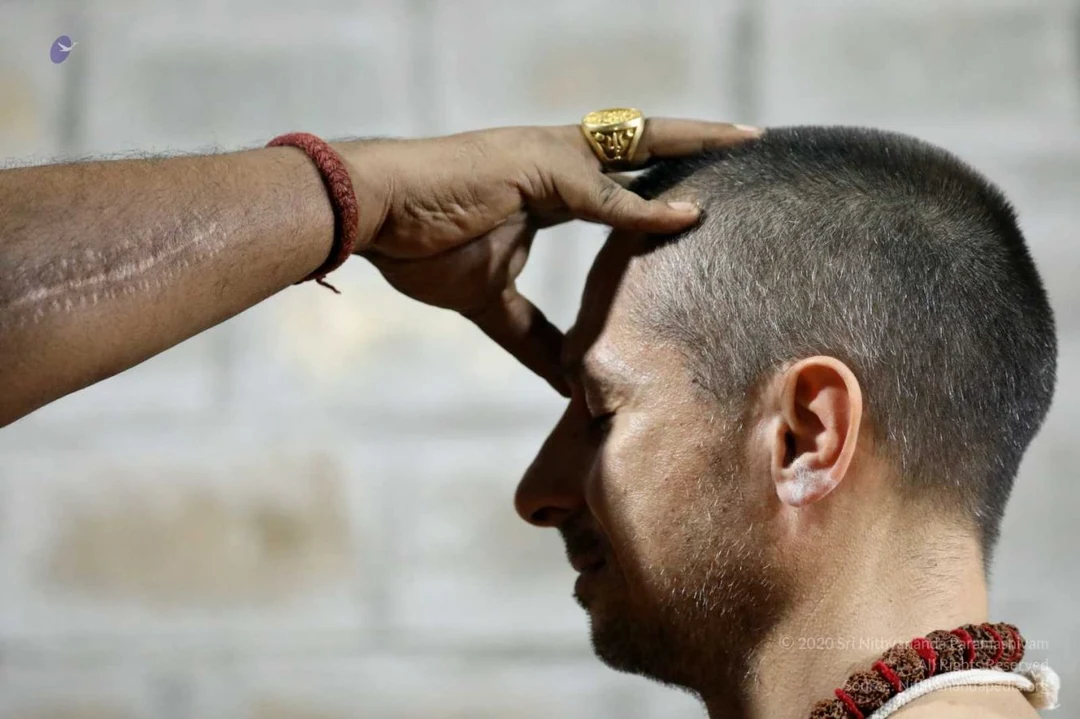 Vishesha Deeksha, the disciples are given Atma Linga for their personal Puja (Atmartha Puja) by the Guru
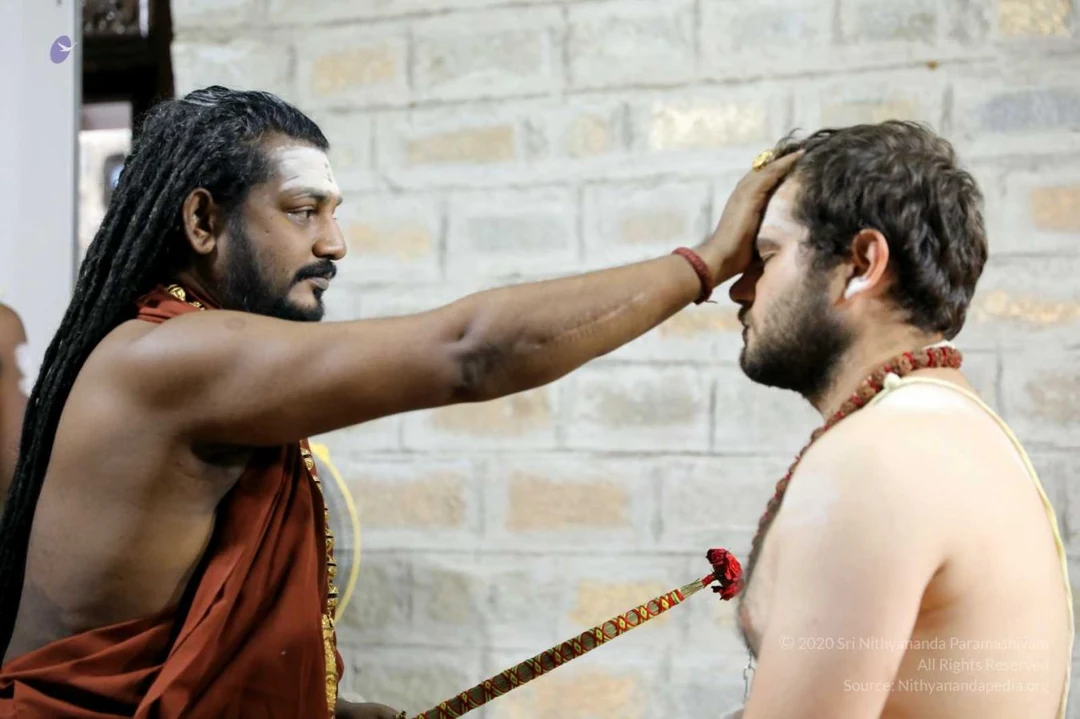 Vishesha Deeksha, the disciples are given Atma Linga for their personal Puja (Atmartha Puja) by the Guru
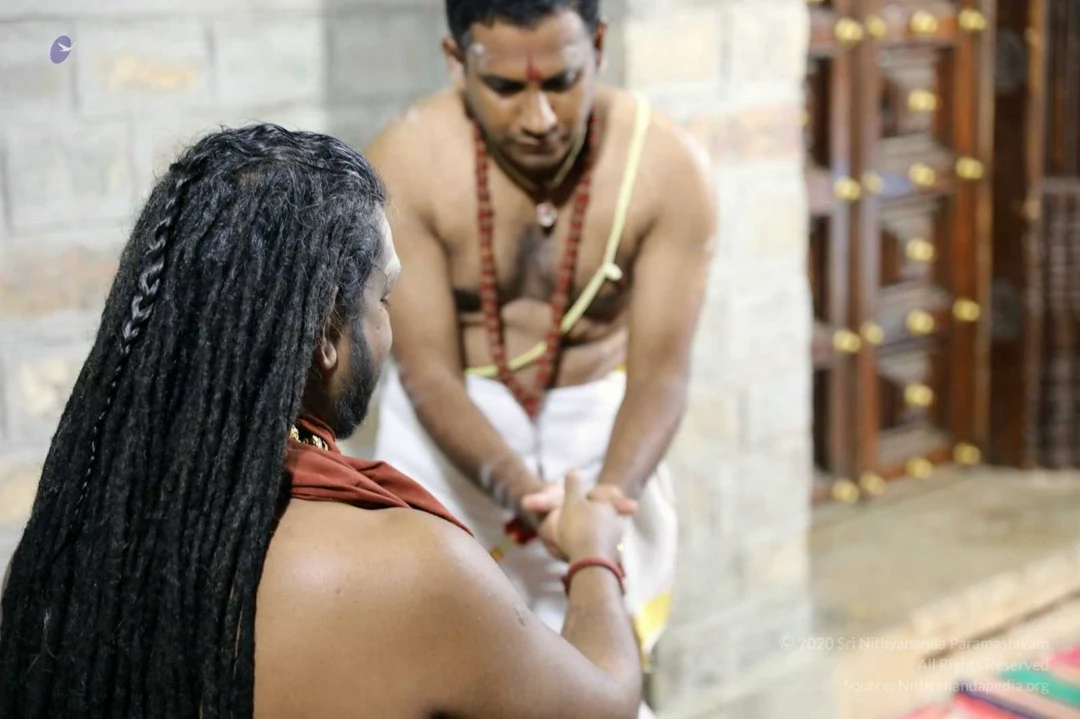 Initiation, the disciple gets initiated into the sacred mantras: Gayathri Mantra (Mantra for awakening your higher intelligence and awakening the remaining 9 strands of DNA in your body) and Shiva Mula Mantra (Mantra for experiencing the Paramashivoham - I am Paramashiva)
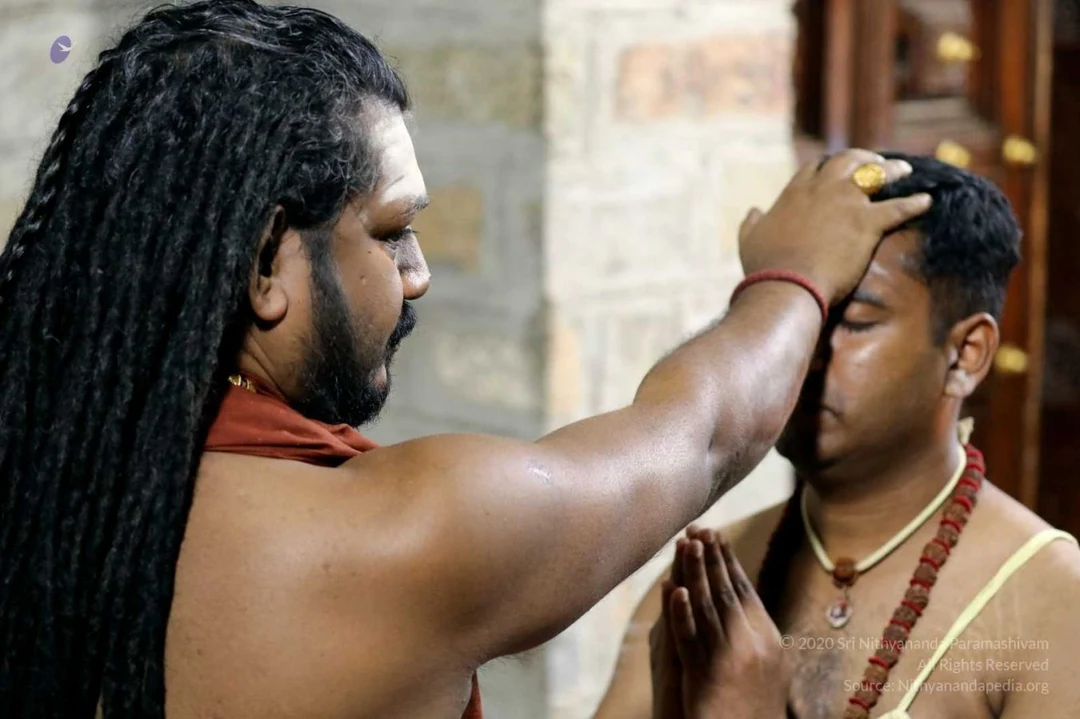 Initiation, the disciple gets initiated into the sacred mantras: Gayathri Mantra (Mantra for awakening your higher intelligence and awakening the remaining 9 strands of DNA in your body) and Shiva Mula Mantra (Mantra for experiencing the Paramashivoham - I am Paramashiva)
 Initiation, the disciple gets initiated into the sacred mantras: Gayathri Mantra (Mantra for awakening your higher intelligence and awakening the remaining 9 strands of DNA in your body) and Shiva Mula Mantra (Mantra for experiencing the Paramashivoham - I am Paramashiva)
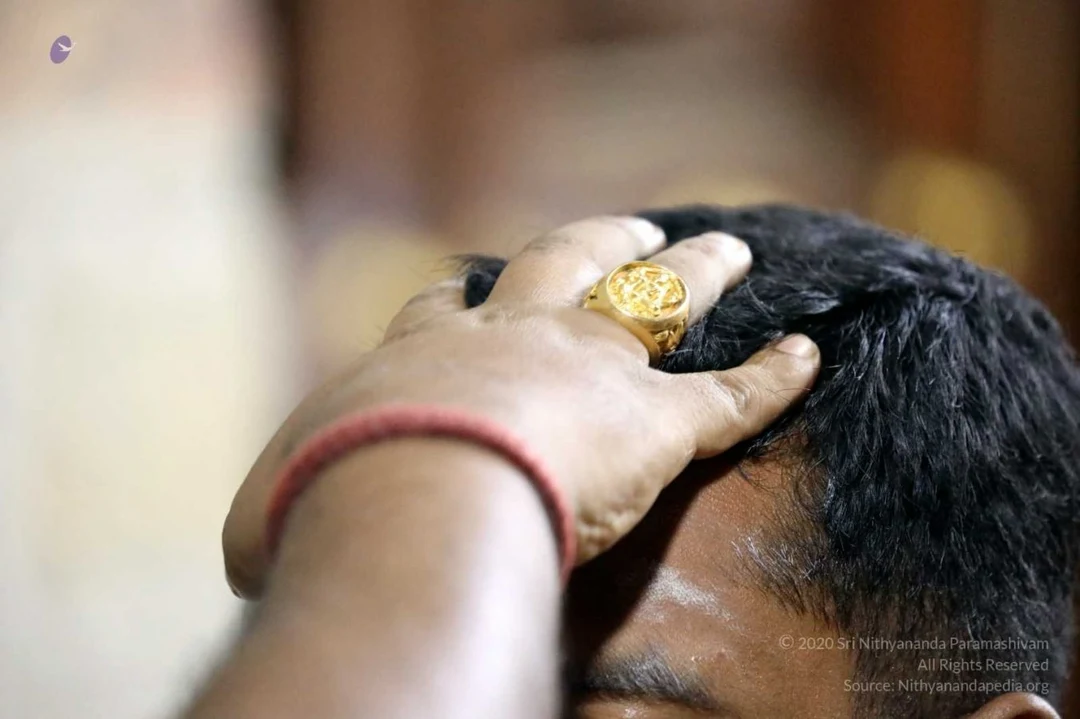 Initiation, the disciple gets initiated into the sacred mantras: Gayathri Mantra (Mantra for awakening your higher intelligence and awakening the remaining 9 strands of DNA in your body) and Shiva Mula Mantra (Mantra for experiencing the Paramashivoham - I am Paramashiva)
 Initiation, the disciple gets initiated into the sacred mantras: Gayathri Mantra (Mantra for awakening your higher intelligence and awakening the remaining 9 strands of DNA in your body) and Shiva Mula Mantra (Mantra for experiencing the Paramashivoham - I am Paramashiva)
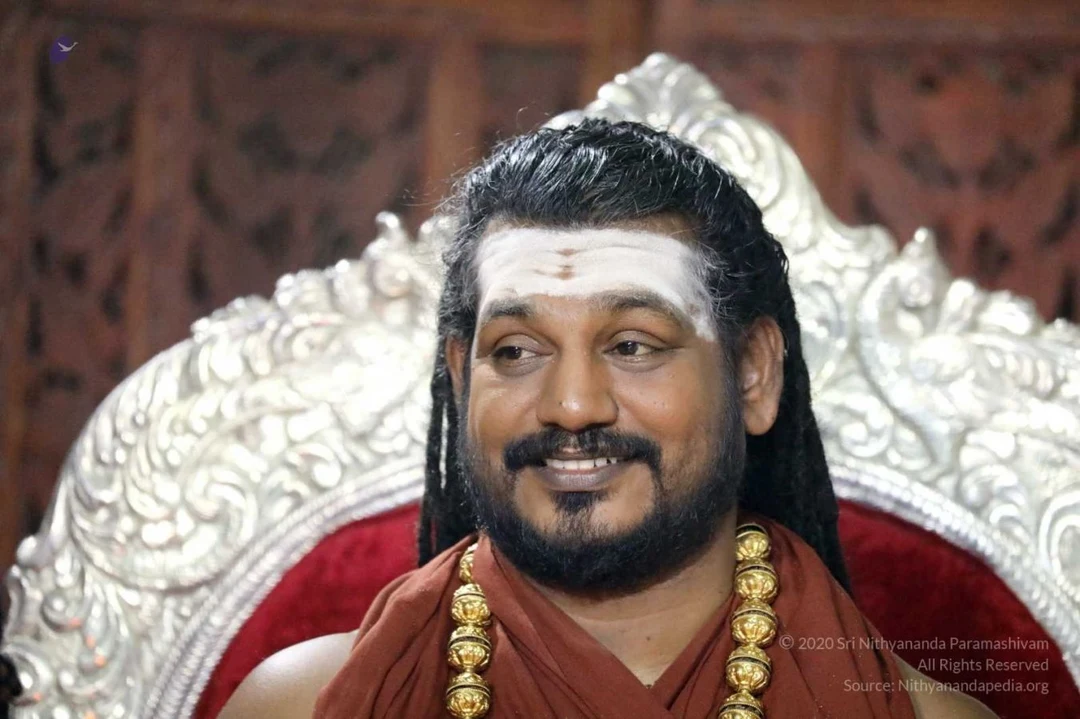 Initiation, the disciple gets initiated into the sacred mantras: Gayathri Mantra (Mantra for awakening your higher intelligence and awakening the remaining 9 strands of DNA in your body) and Shiva Mula Mantra (Mantra for experiencing the Paramashivoham - I am Paramashiva)
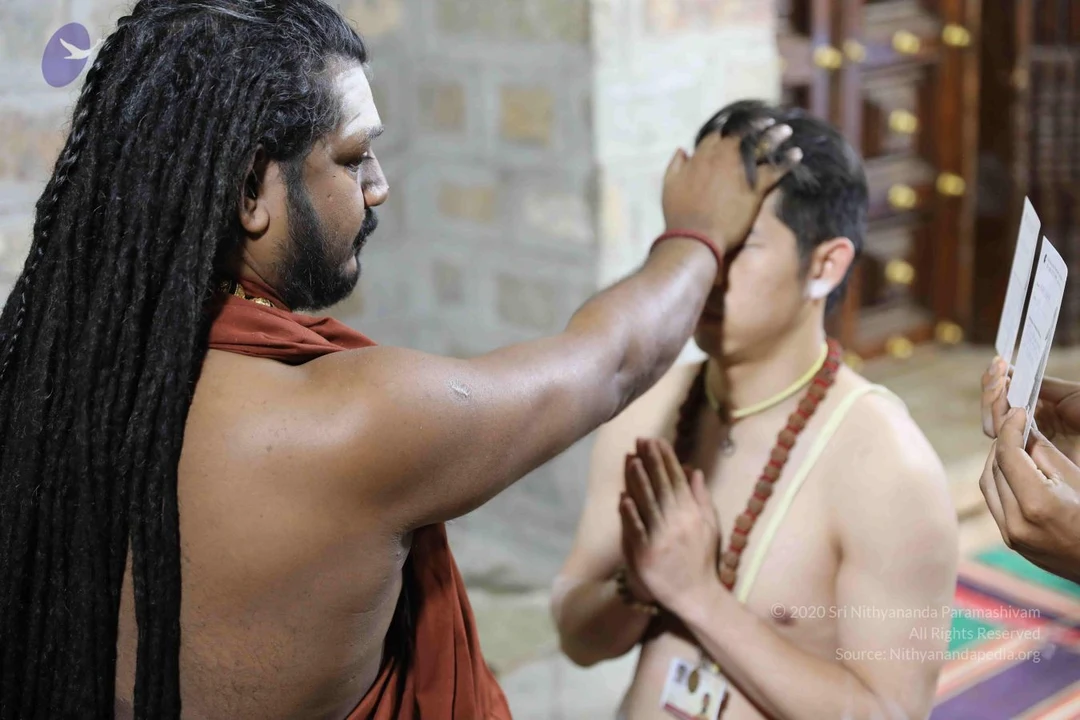
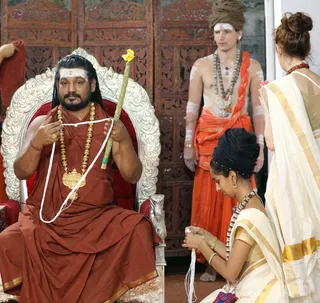 Shiva deeksha initiation as per agama includes shiva moola bija and Gayatri mantra cards, bhasma bag (sacred ash bag), shiva deeksha name certificate and sacred thread for Gayathri Initiation
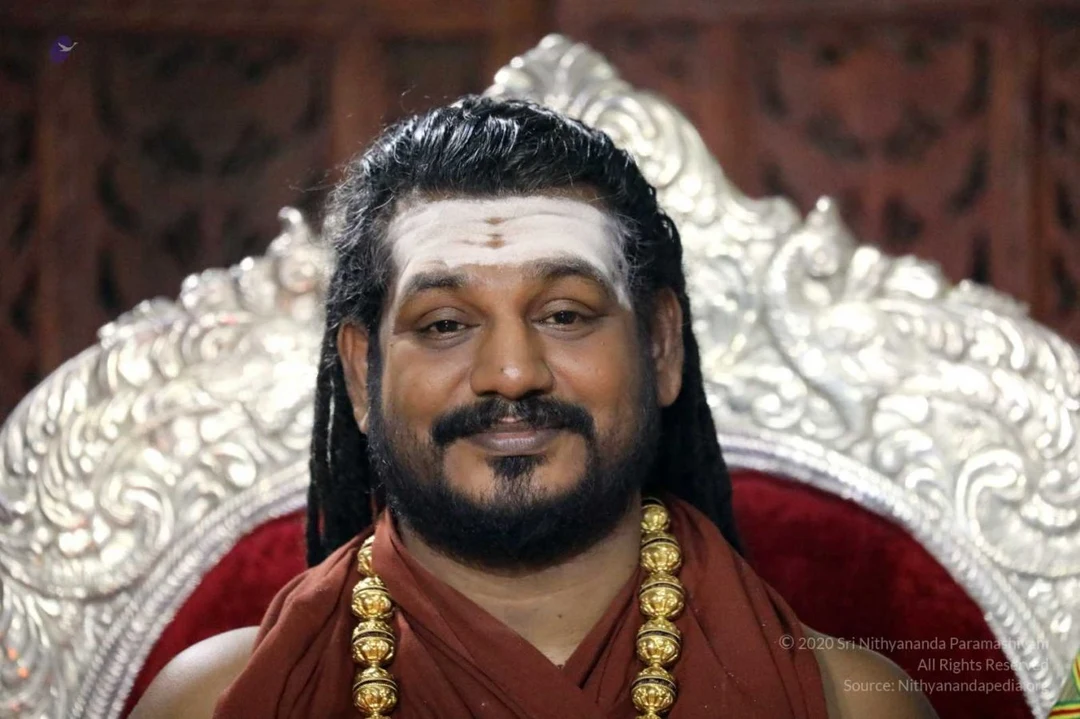 Initiation, the disciple gets initiated into the sacred mantras: Gayathri Mantra (Mantra for awakening your higher intelligence and awakening the remaining 9 strands of DNA in your body) and Shiva Mula Mantra (Mantra for experiencing the Paramashivoham - I am Paramashiva)
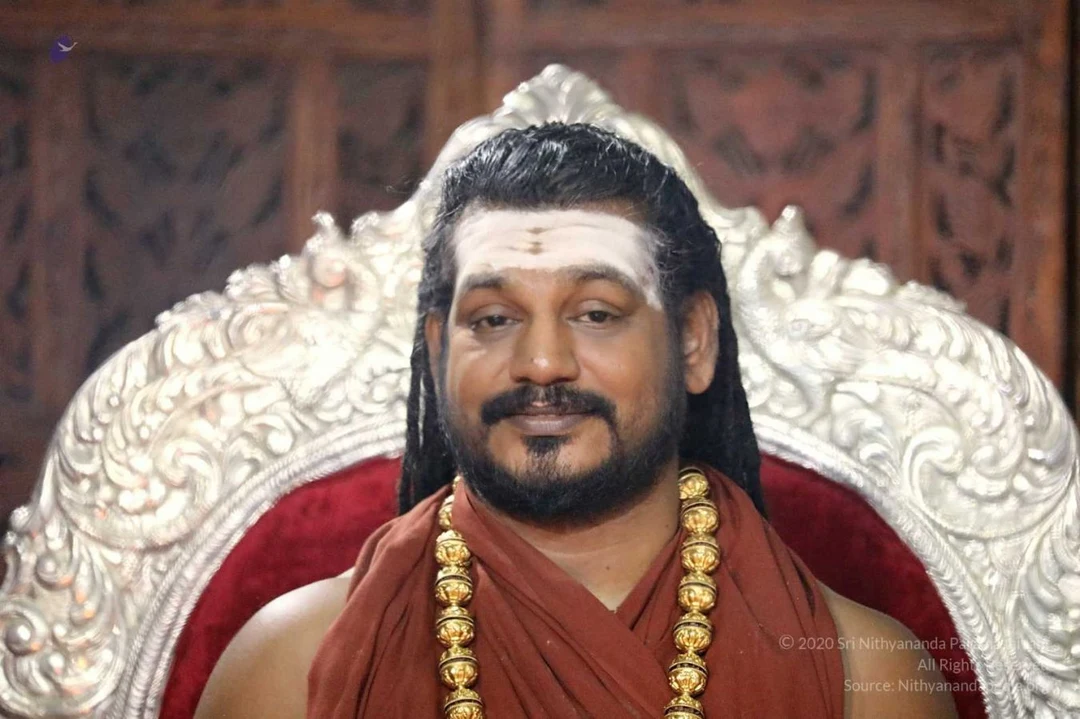 Initiation, the disciple gets initiated into the sacred mantras: Gayathri Mantra (Mantra for awakening your higher intelligence and awakening the remaining 9 strands of DNA in your body) and Shiva Mula Mantra (Mantra for experiencing the Paramashivoham - I am Paramashiva)
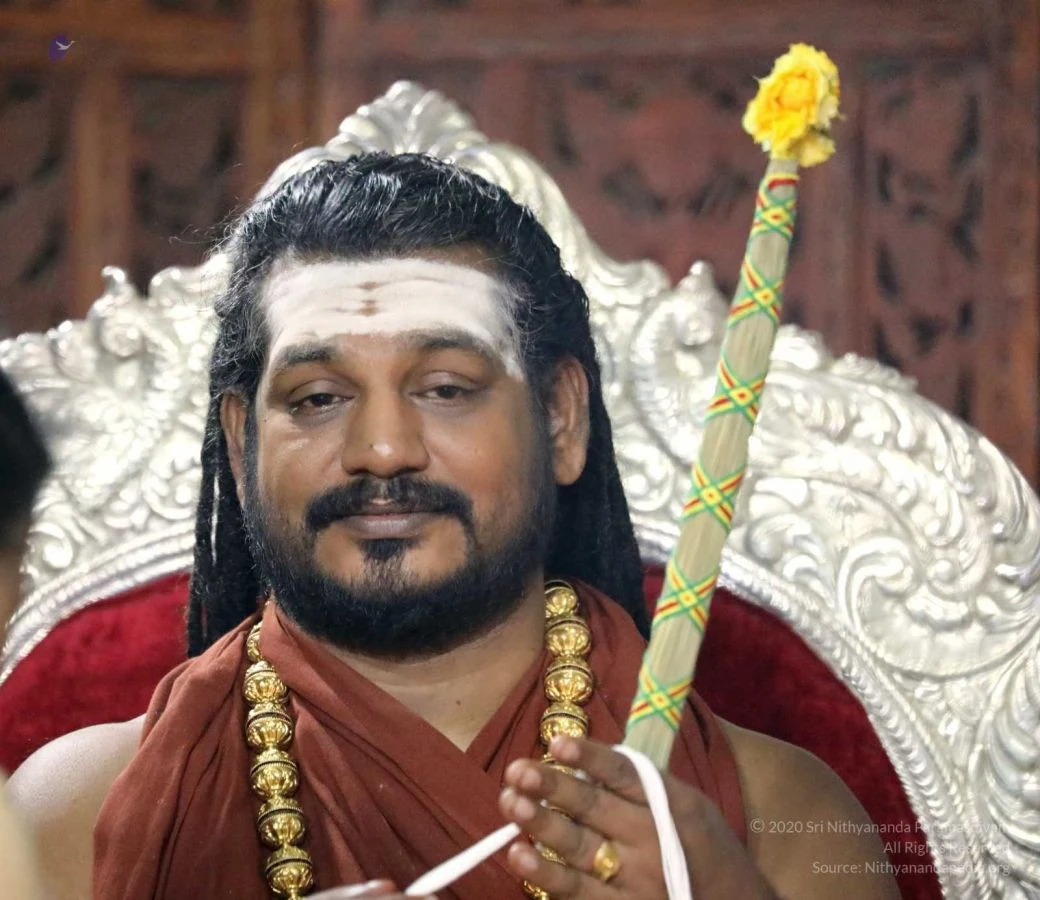 Initiation, the disciple gets initiated into the sacred mantras: Gayathri Mantra (Mantra for awakening your higher intelligence and awakening the remaining 9 strands of DNA in your body) and Shiva Mula Mantra (Mantra for experiencing the Paramashivoham - I am Paramashiva)
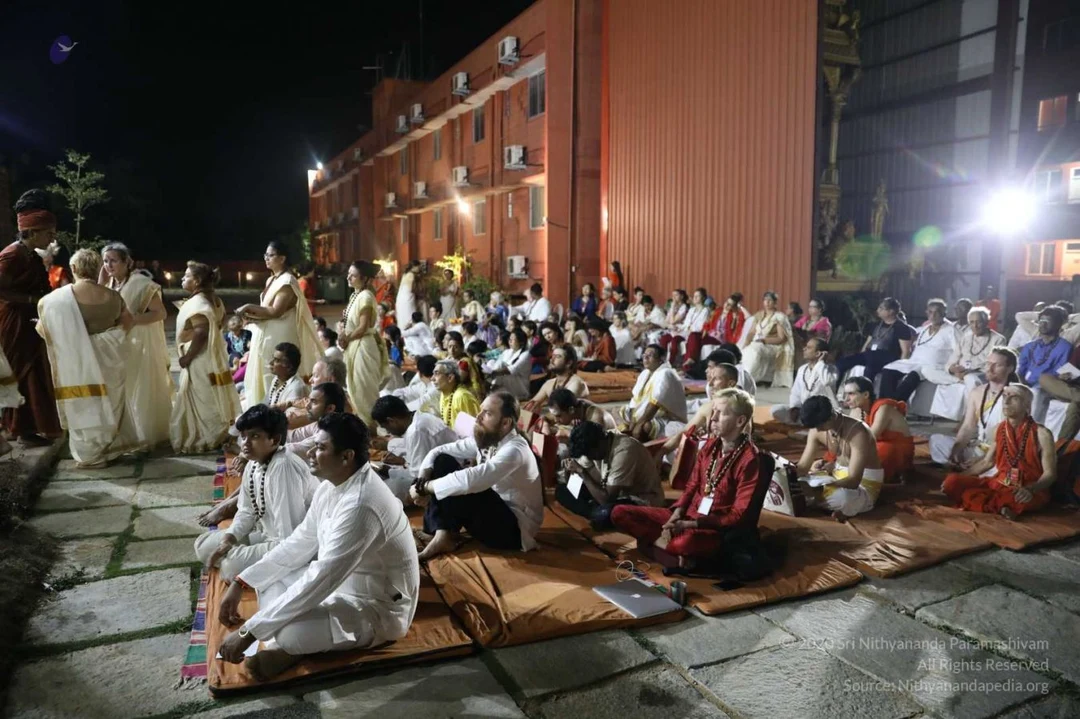 Delegates waiting in line for darshan of HDH Nithyananda Paramashivam during Shiva deeksha
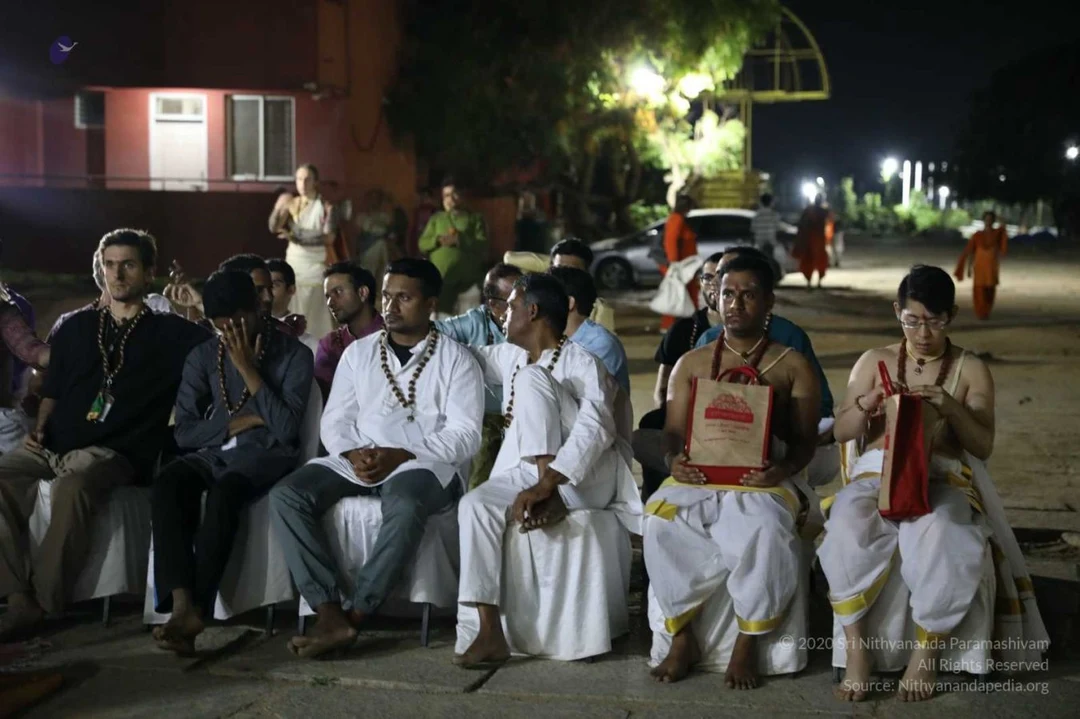 Delegates waiting in line for darshan of HDH Nithyananda Paramashivam during Shiva deeksha
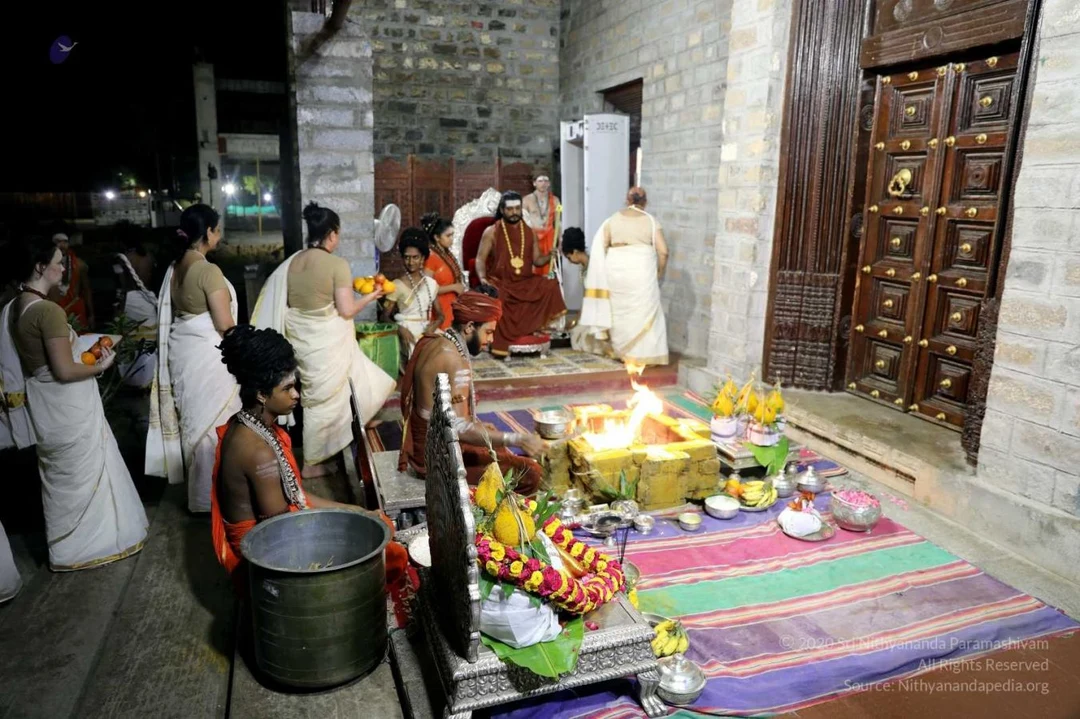 Delegates waiting in line for darshan of HDH Nithyananda Paramashivam during Shiva deeksha
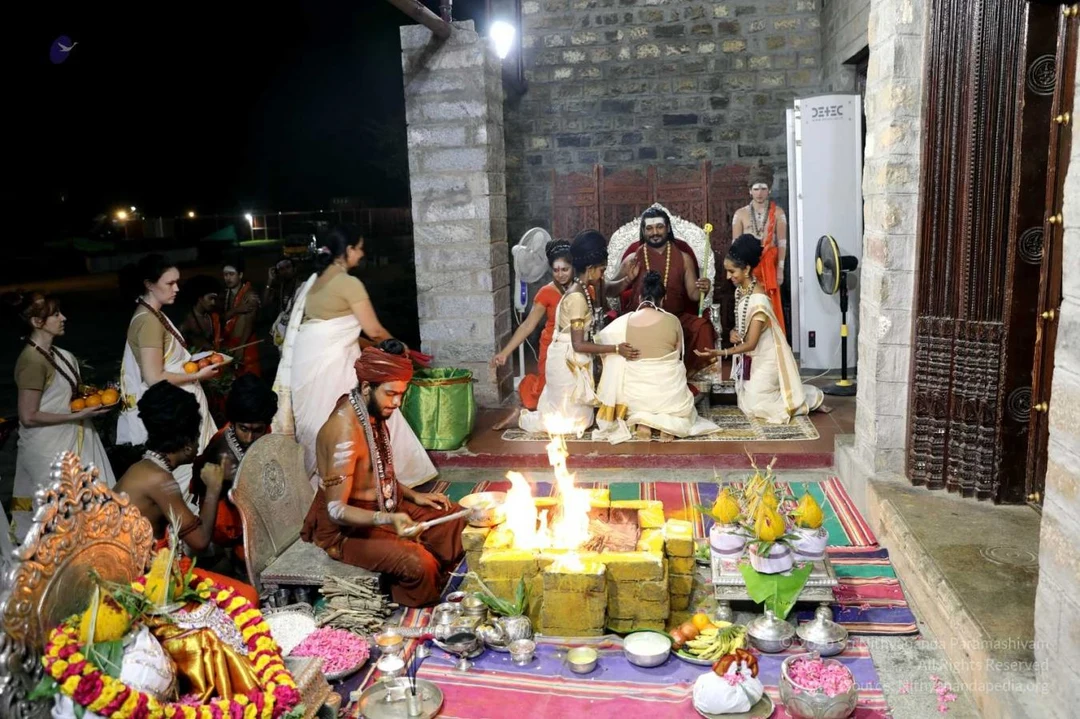 Delegates waiting in line for darshan of HDH Nithyananda Paramashivam during Shiva deeksha
 Shiva Deeksha, the disciple is given access and the right to connect with Sadashiva through Shiva Puja
 Shiva Deeksha, the disciple is given access and the right to connect with Sadashiva through Shiva Puja
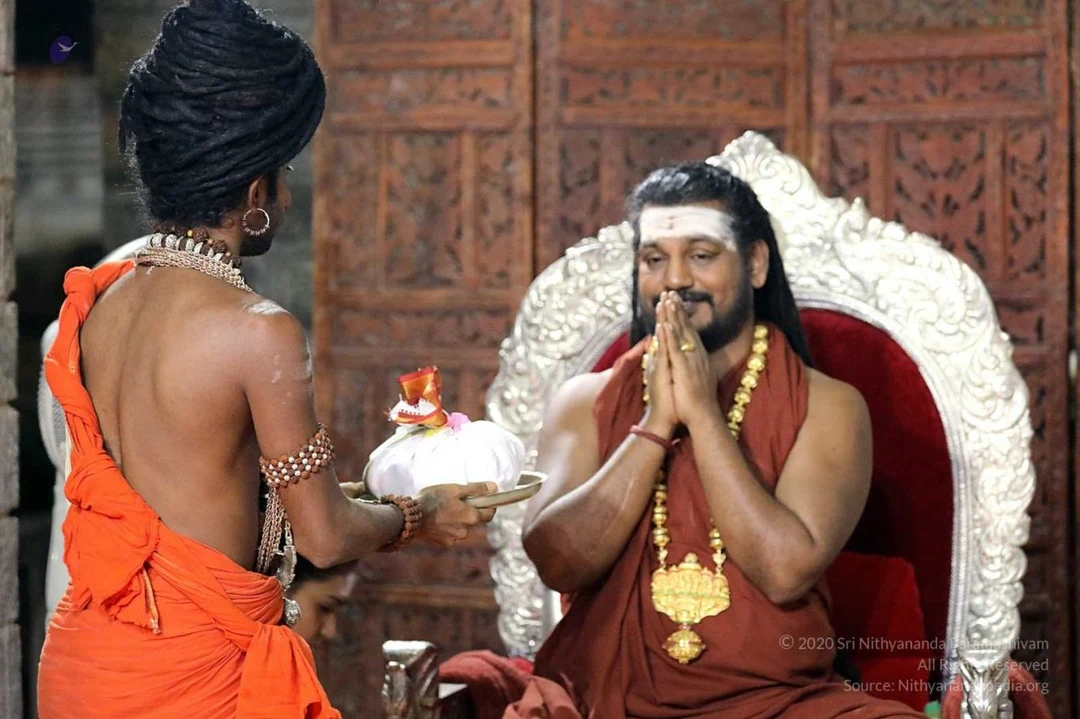 Shiva Deeksha, the disciple is given access and the right to connect with Sadashiva through Shiva Puja
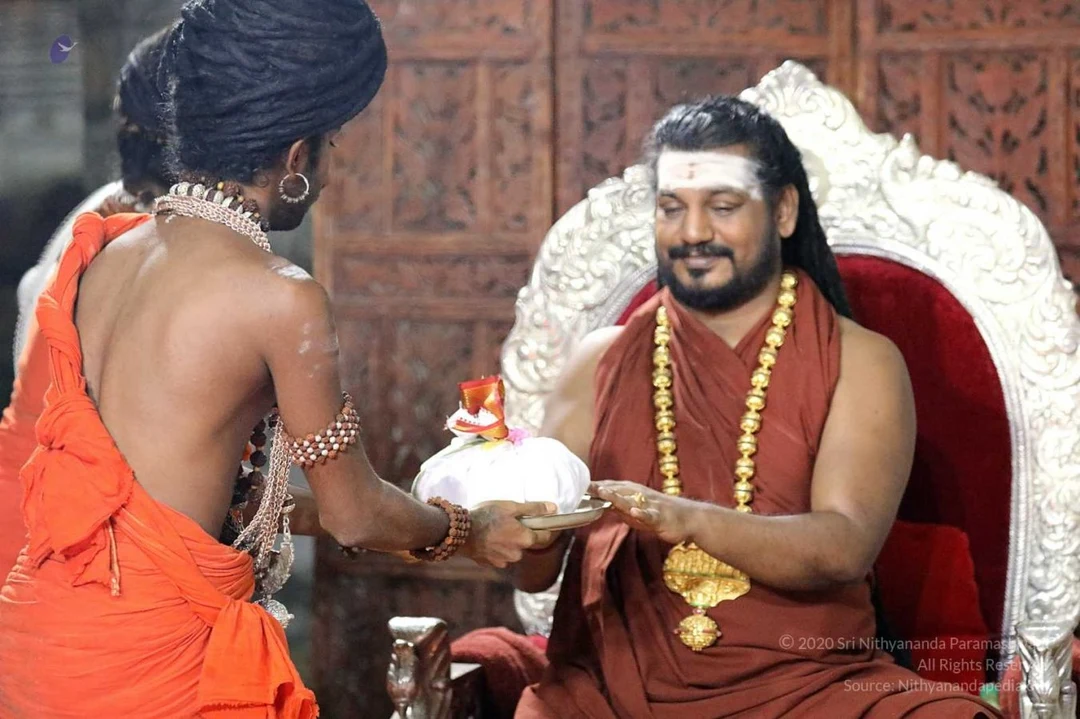 Shiva Deeksha, the disciple is given access and the right to connect with Sadashiva through Shiva Puja
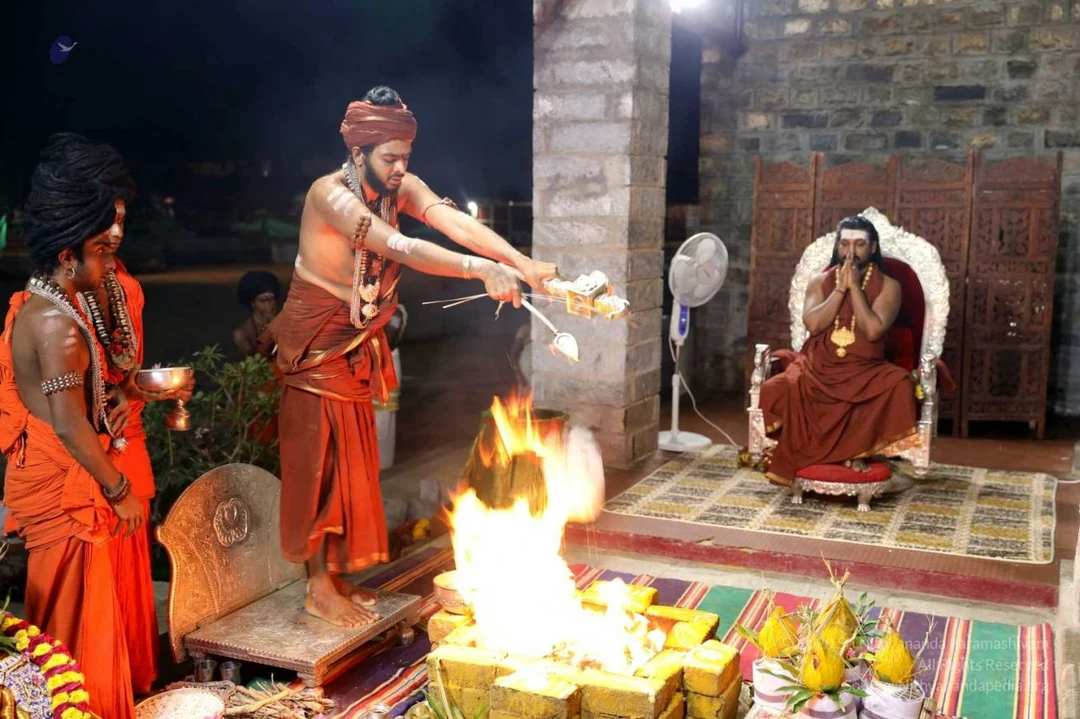 Shiva Deeksha, the disciple is given access and the right to connect with Sadashiva through Shiva Puja
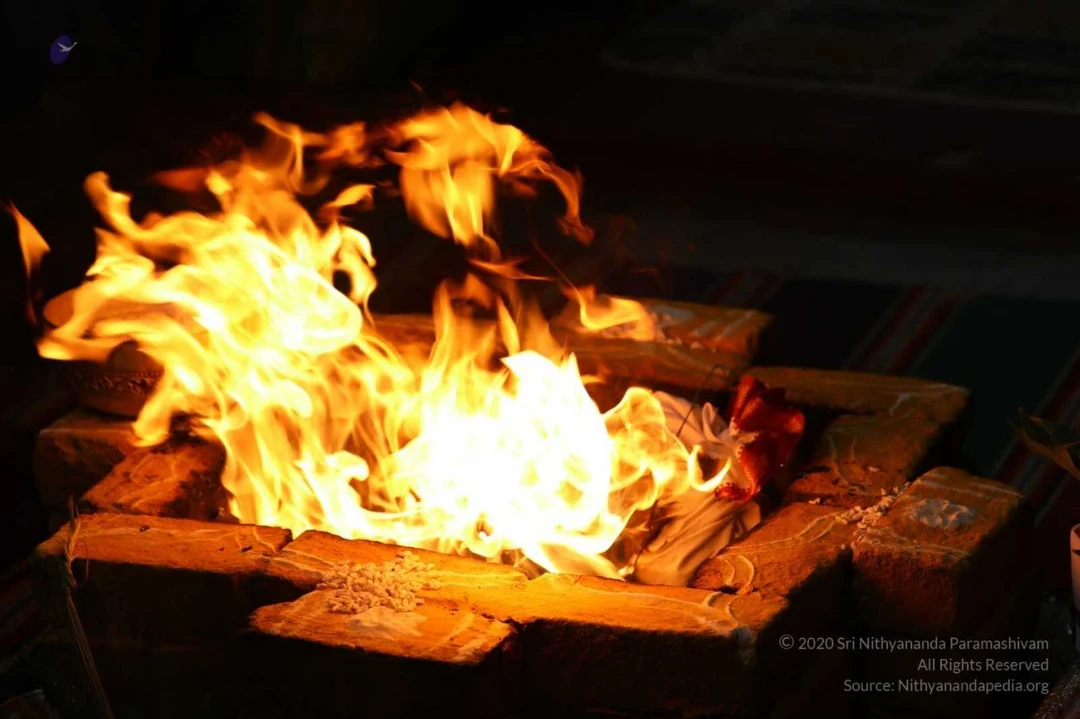 Yajna is a Vedic tradition in Hinduism, offering oblations into sacred fire appeasing the celestial entities in the presence of Guru
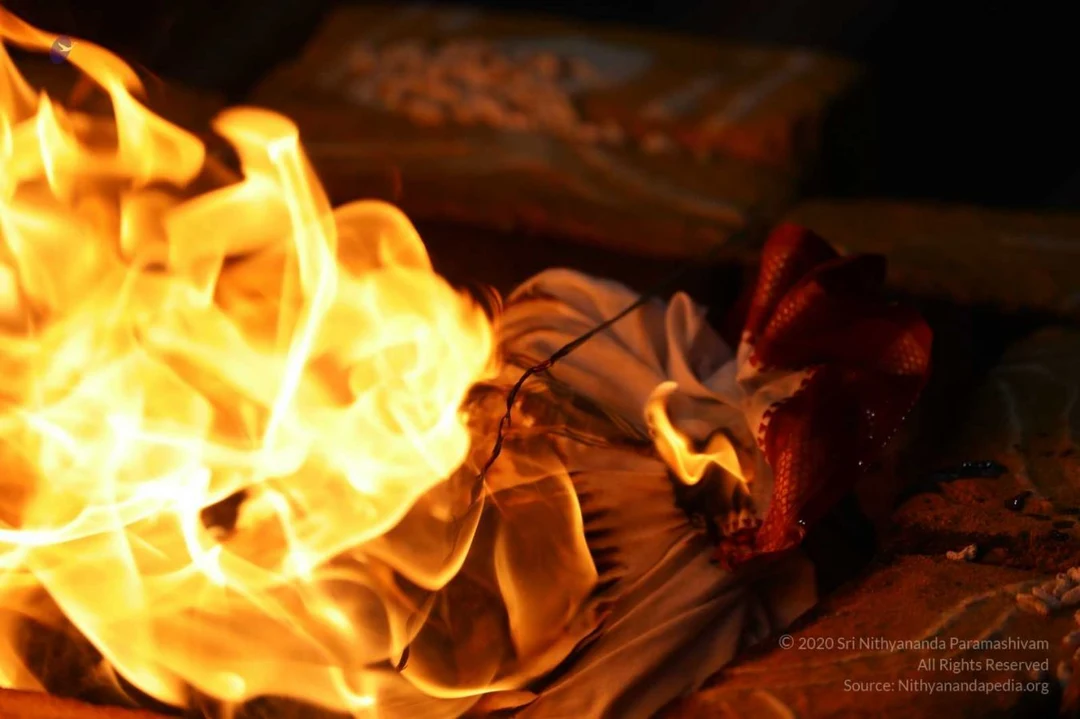 Yajna is a Vedic tradition in Hinduism, offering oblations into sacred fire appeasing the celestial entities in the presence of Guru
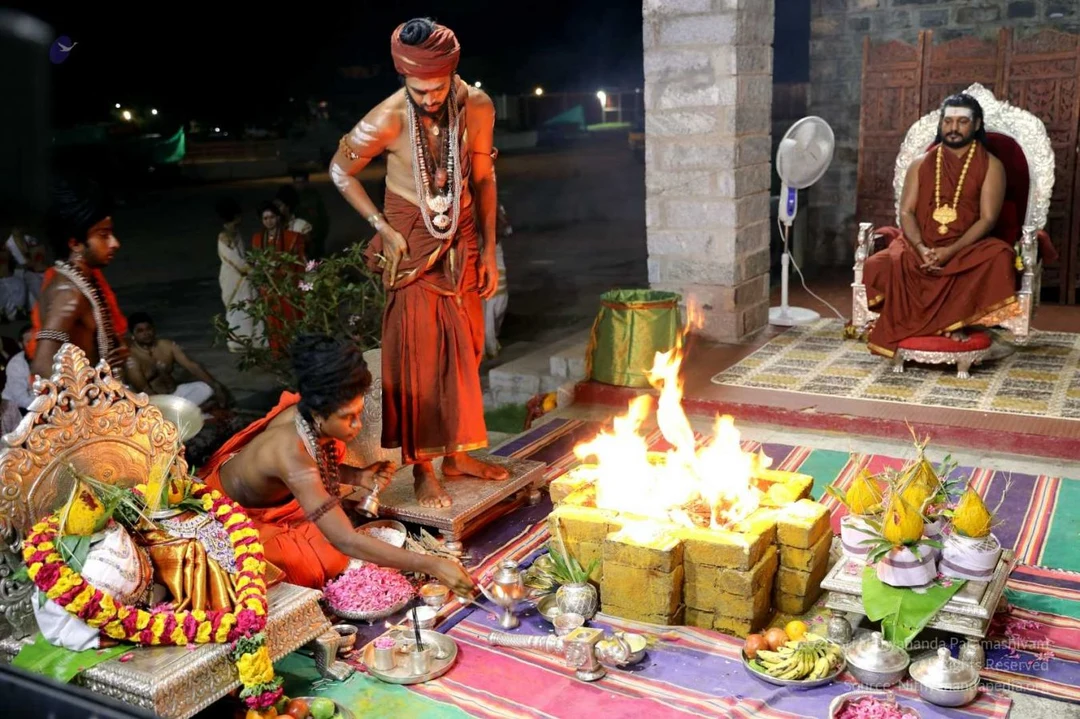 Shiva Deeksha, the disciple is given access and the right to connect with Sadashiva through Shiva Puja
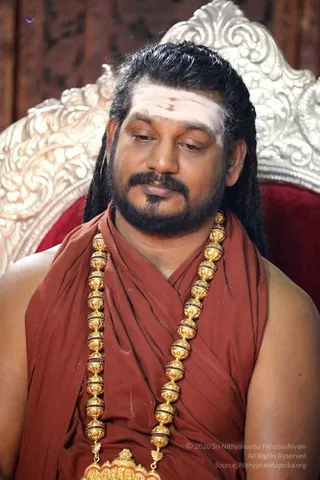 Shiva Deeksha, the disciple is given access and the right to connect with Sadashiva through Shiva Puja
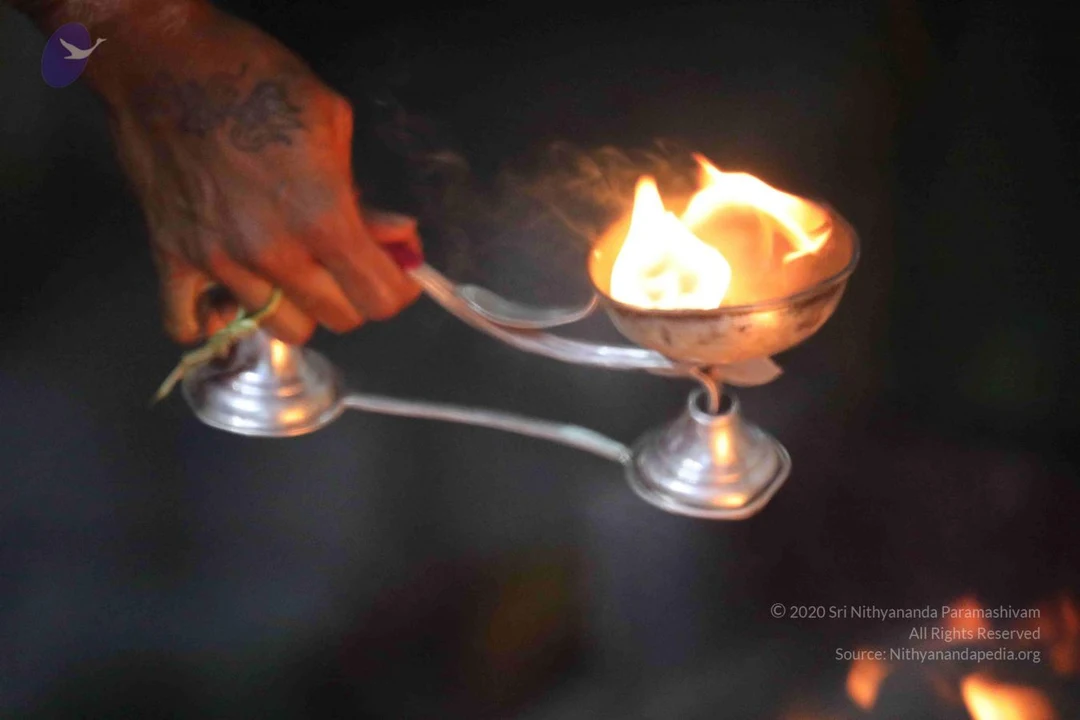
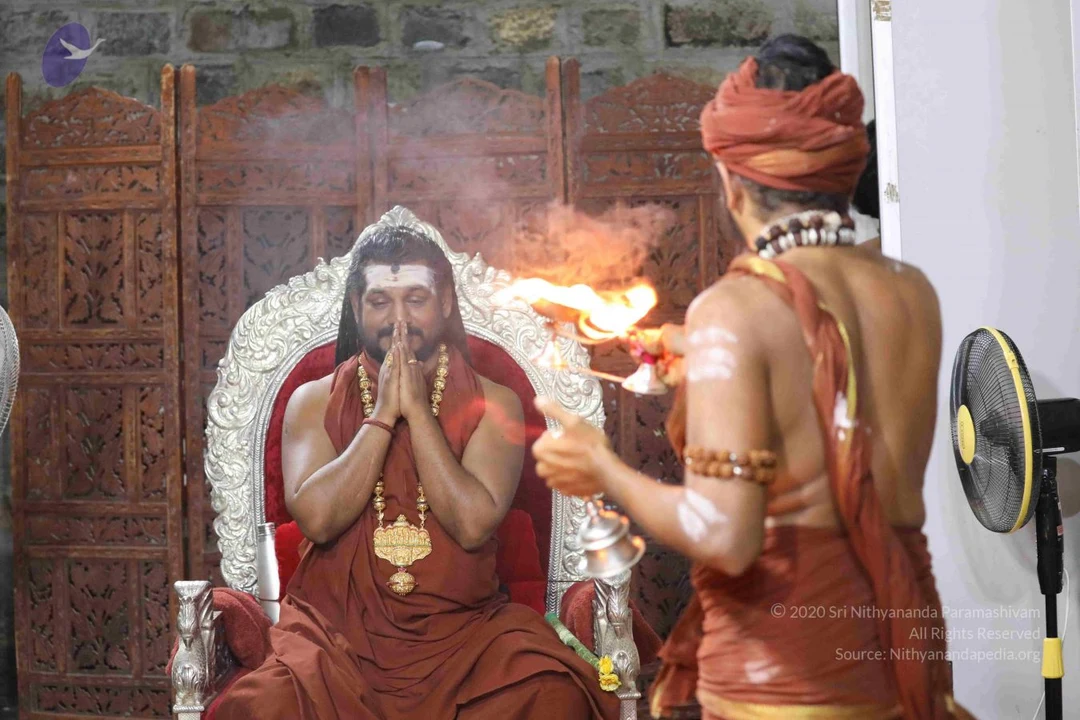
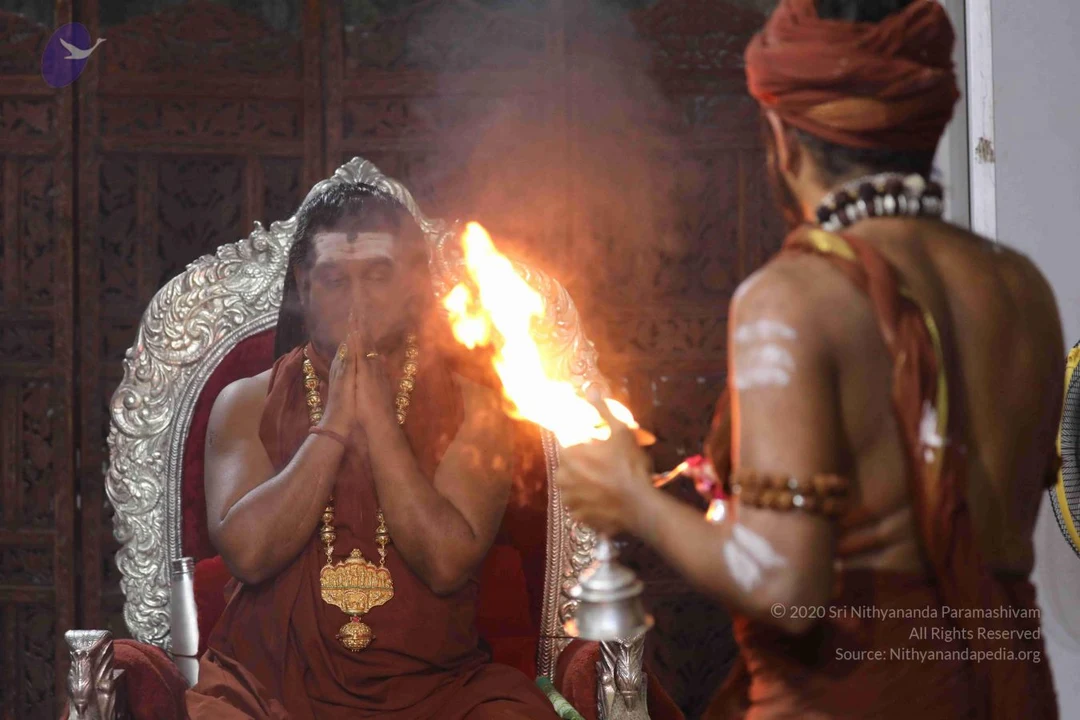
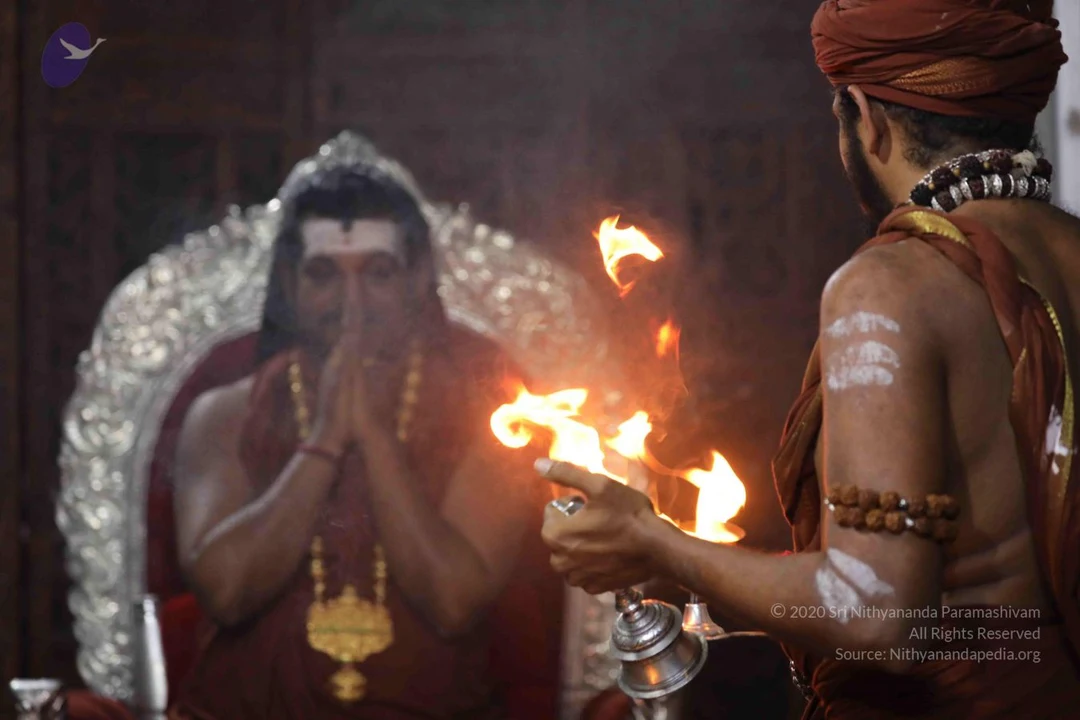
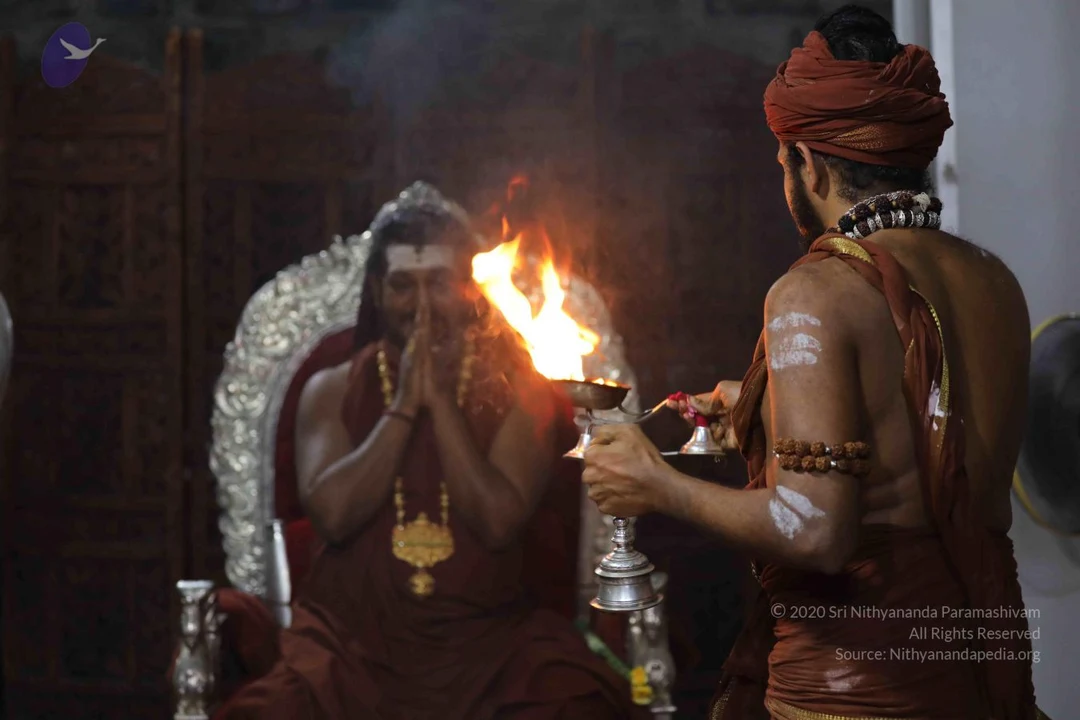
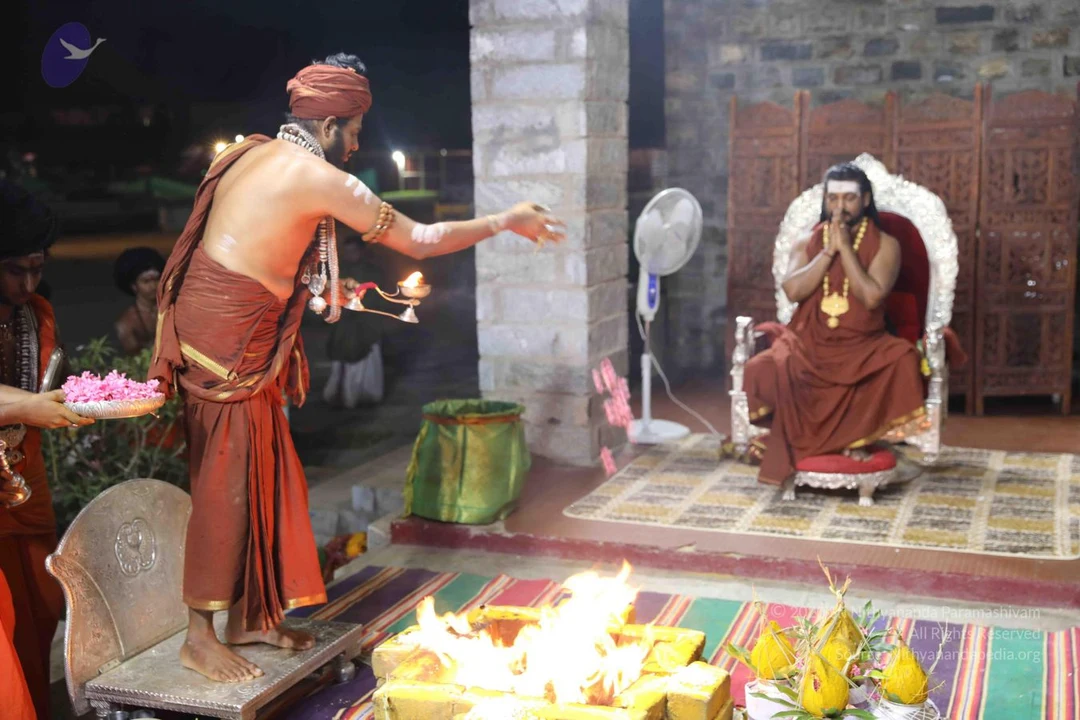
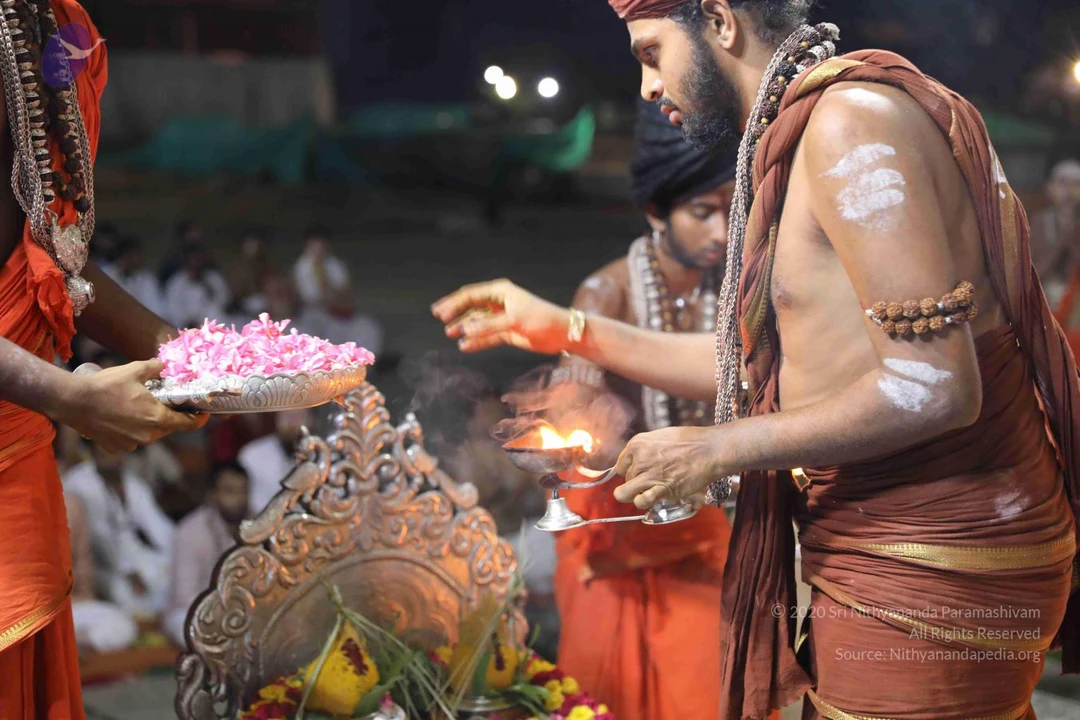
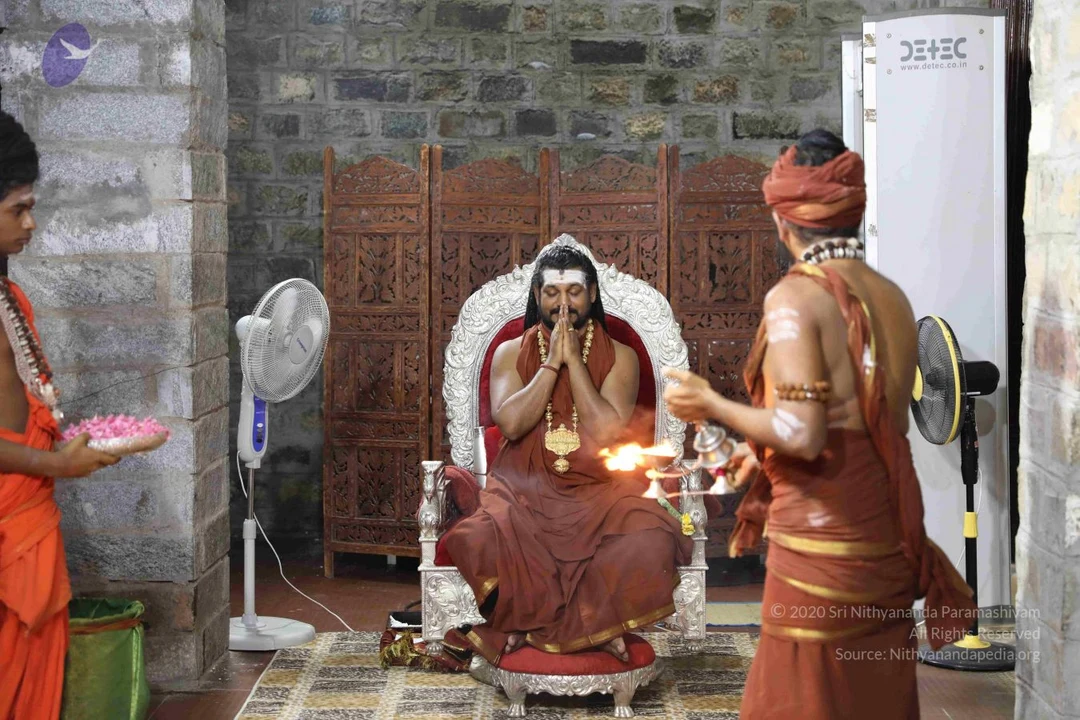
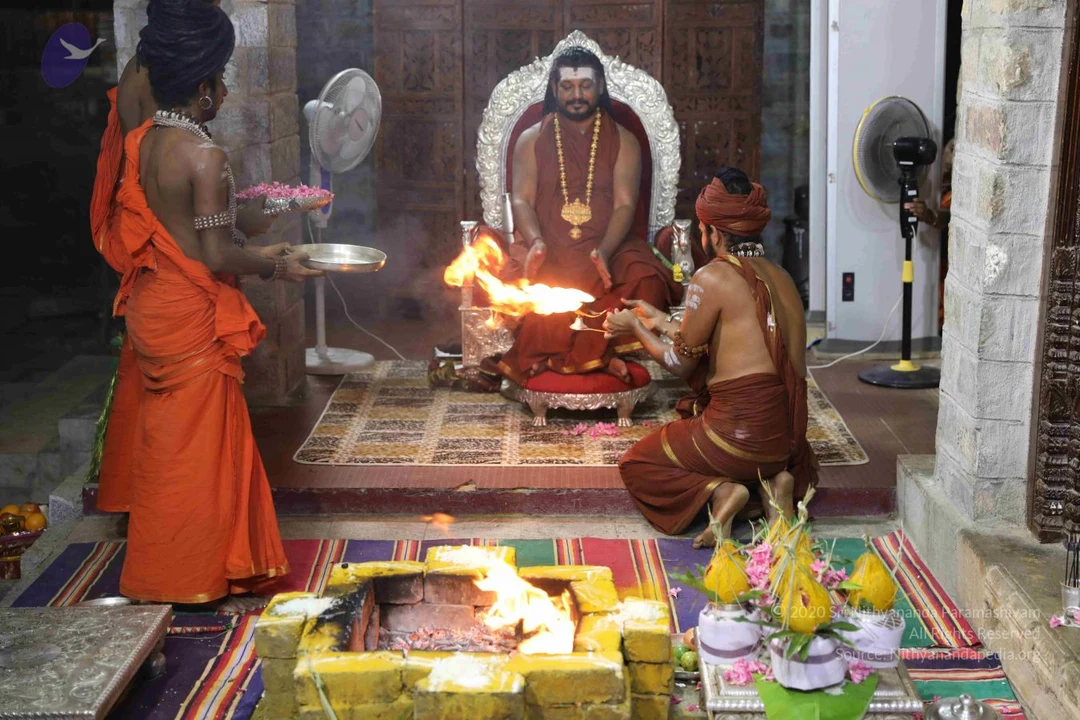
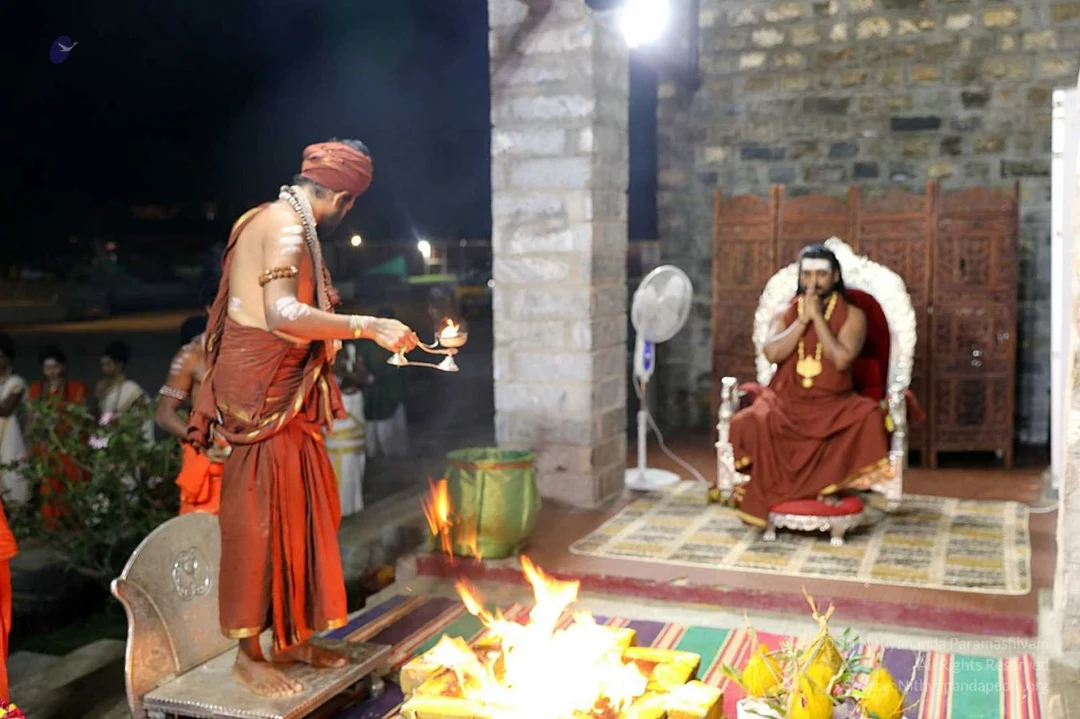 Aarti is offered on the completion of yagna on Shiva deeksha initiation
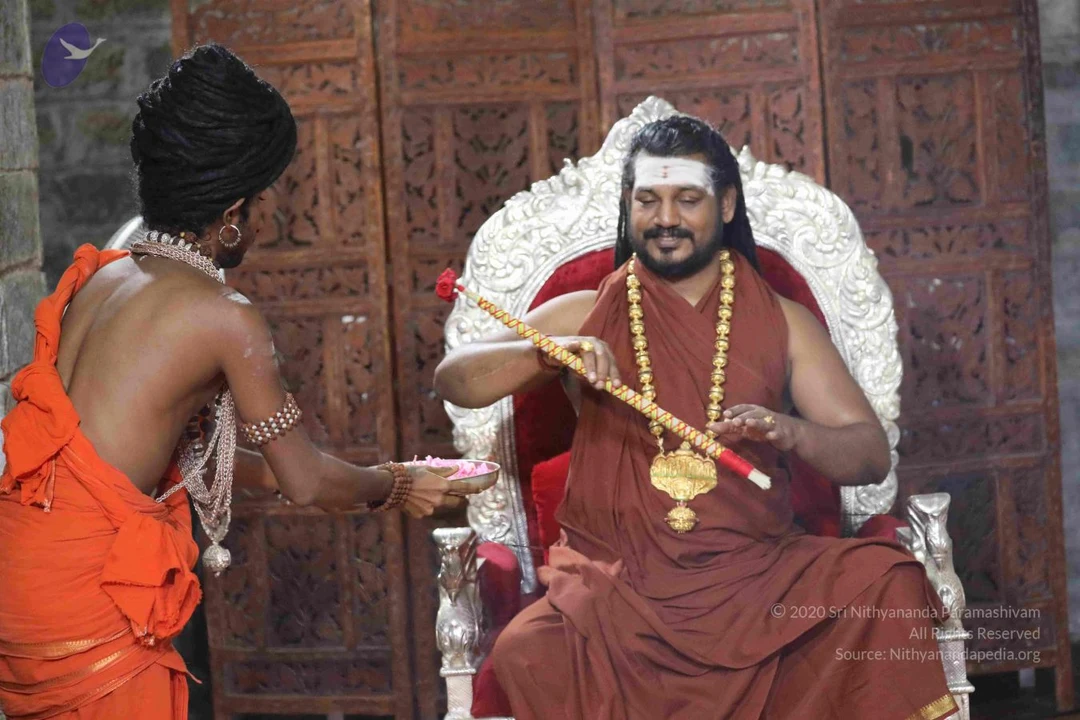
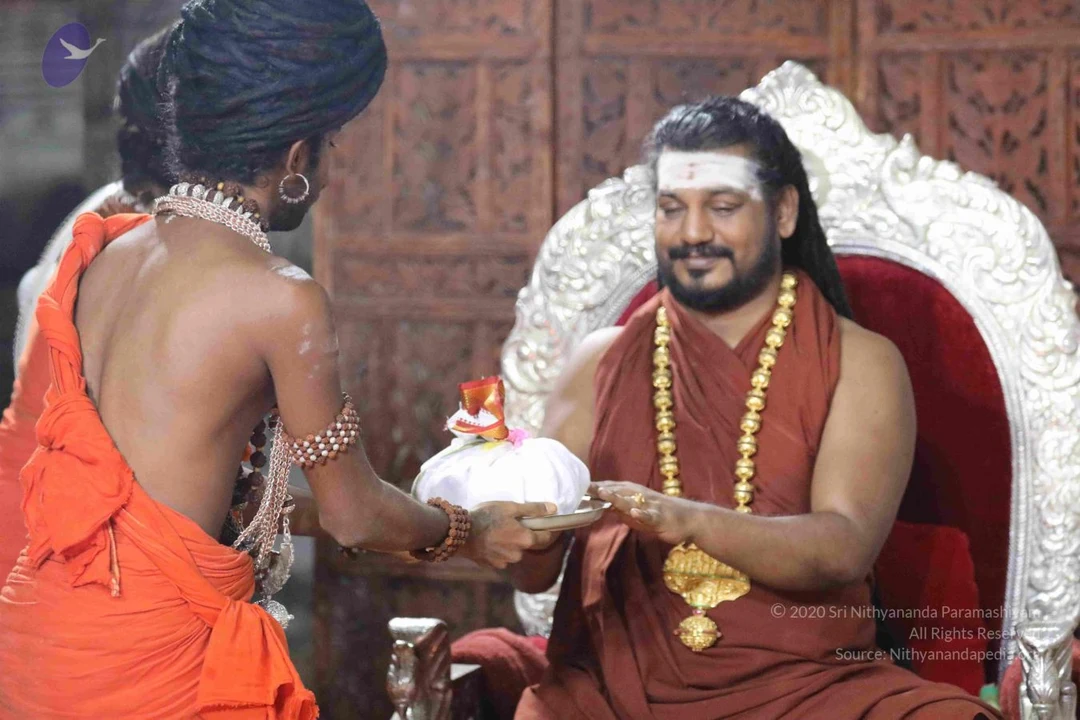
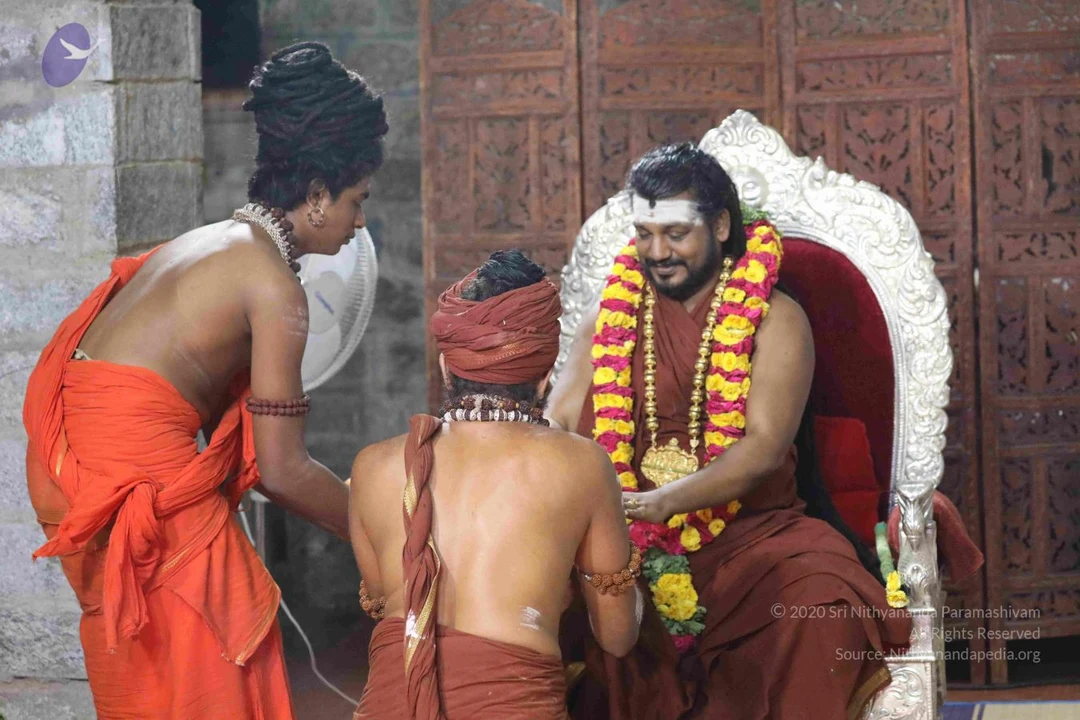
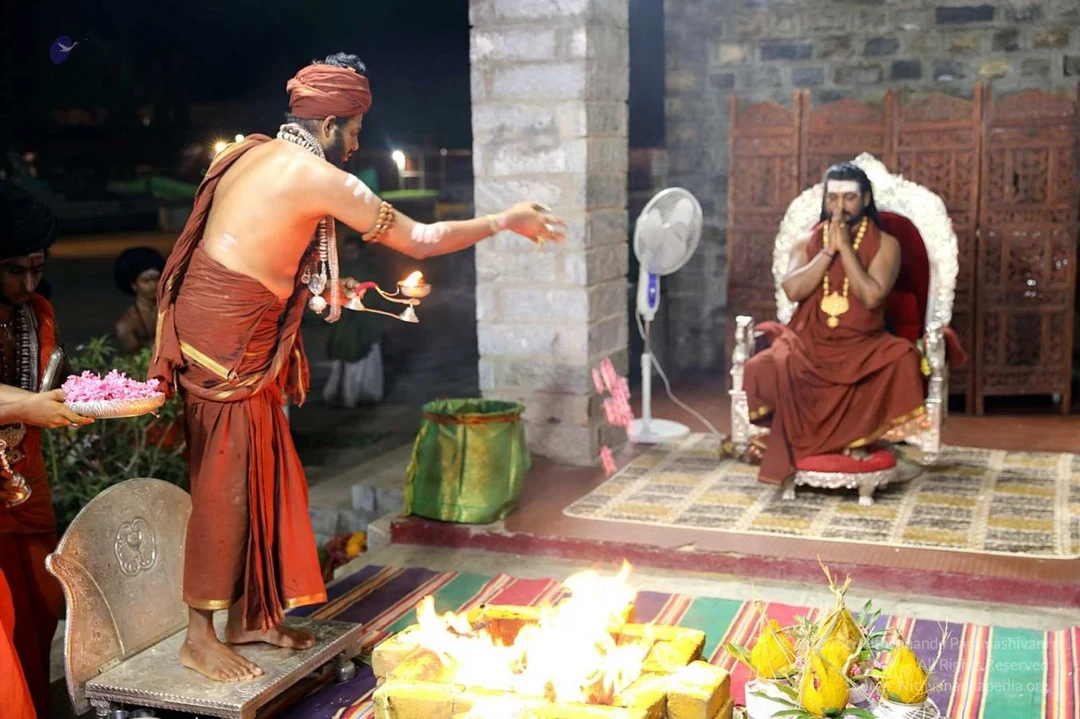 Pushpanjali (flowers) offered to Guru's feet - HDH Nithyananda Paramashivam
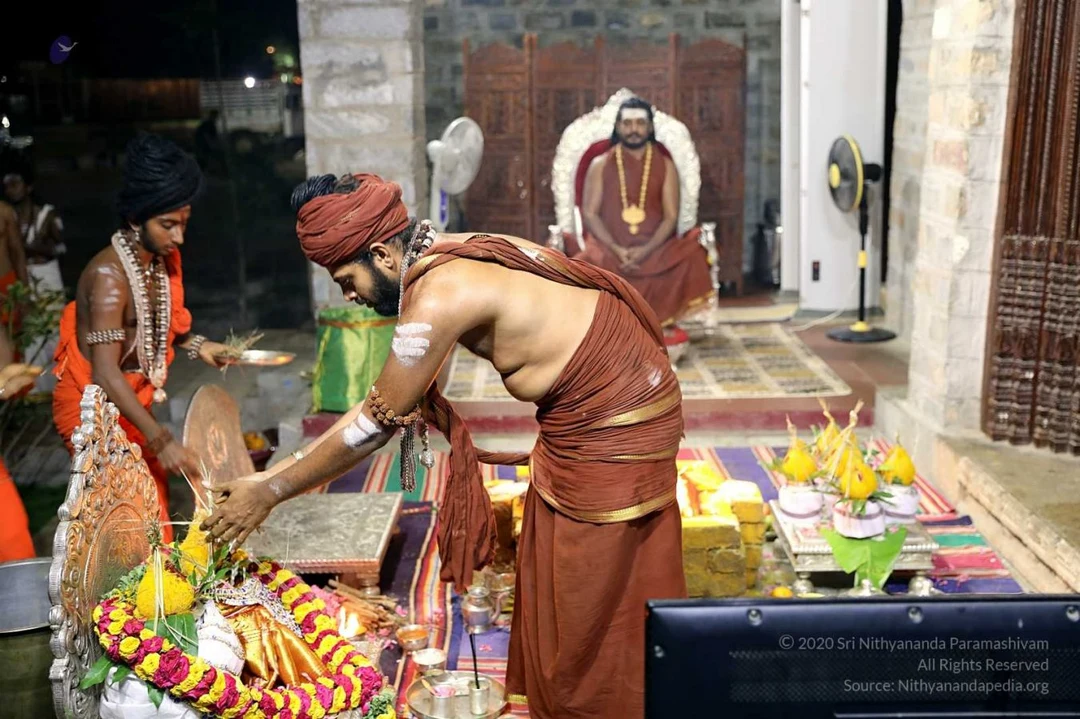 Yajna is a Vedic tradition in Hinduism, offering oblations into sacred fire appeasing the celestial entities in the presence of Guru
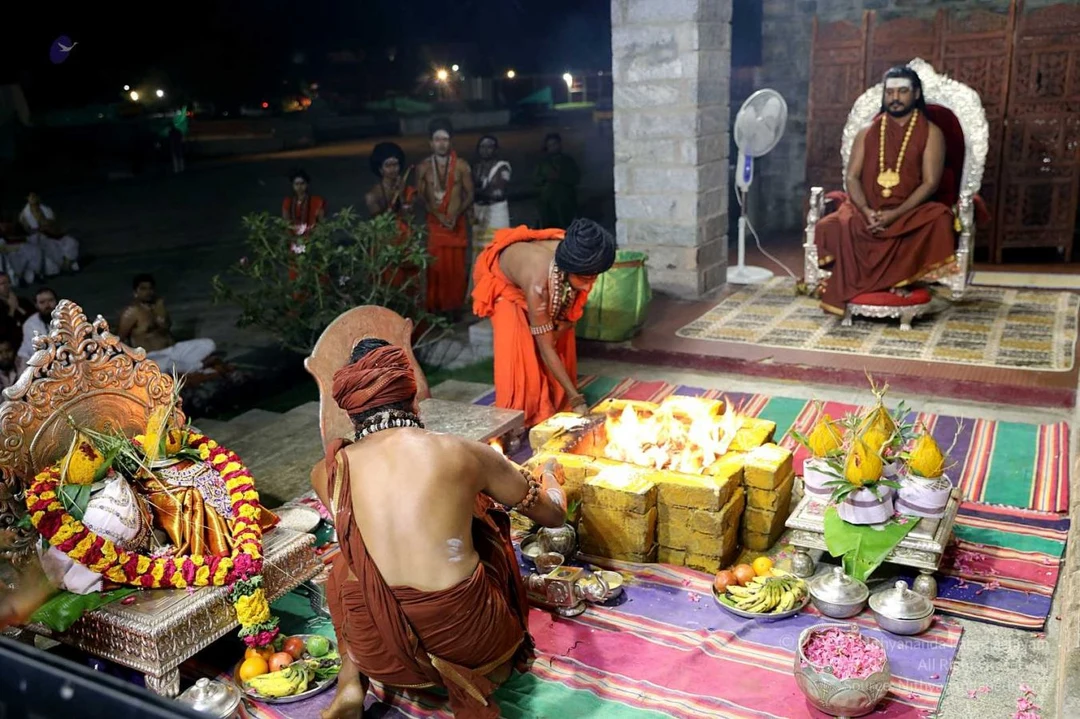 Yajna is a Vedic tradition in Hinduism, offering oblations into sacred fire appeasing the celestial entities in the presence of Guru
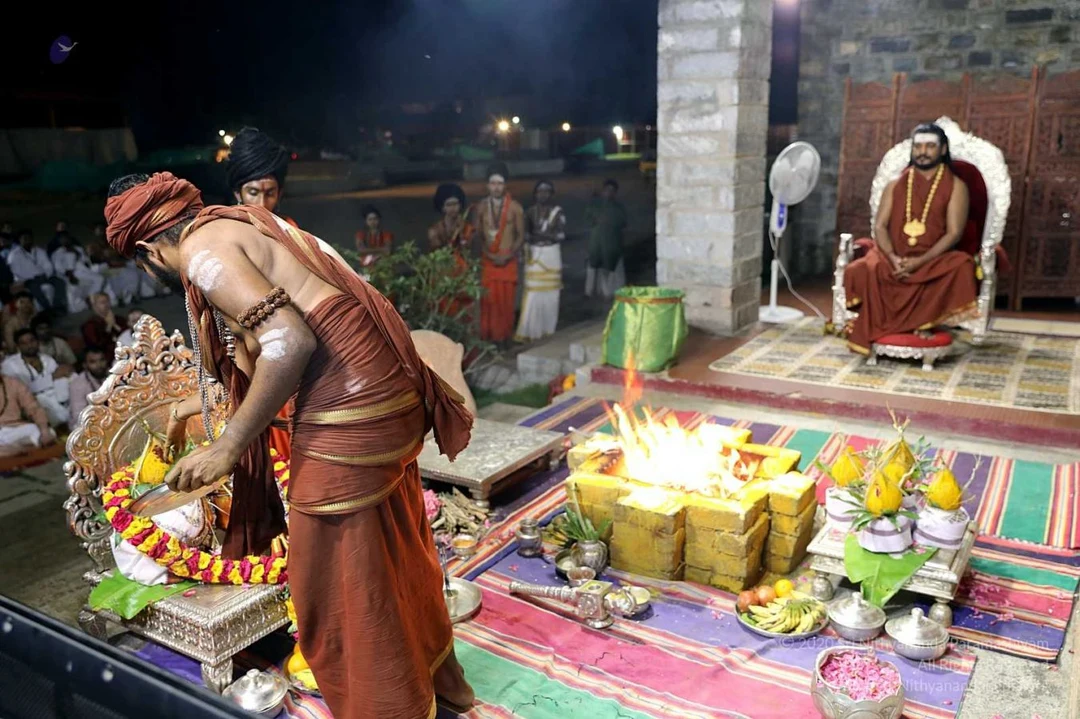 Yajna is a Vedic tradition in Hinduism, offering oblations into sacred fire appeasing the celestial entities in the presence of Guru
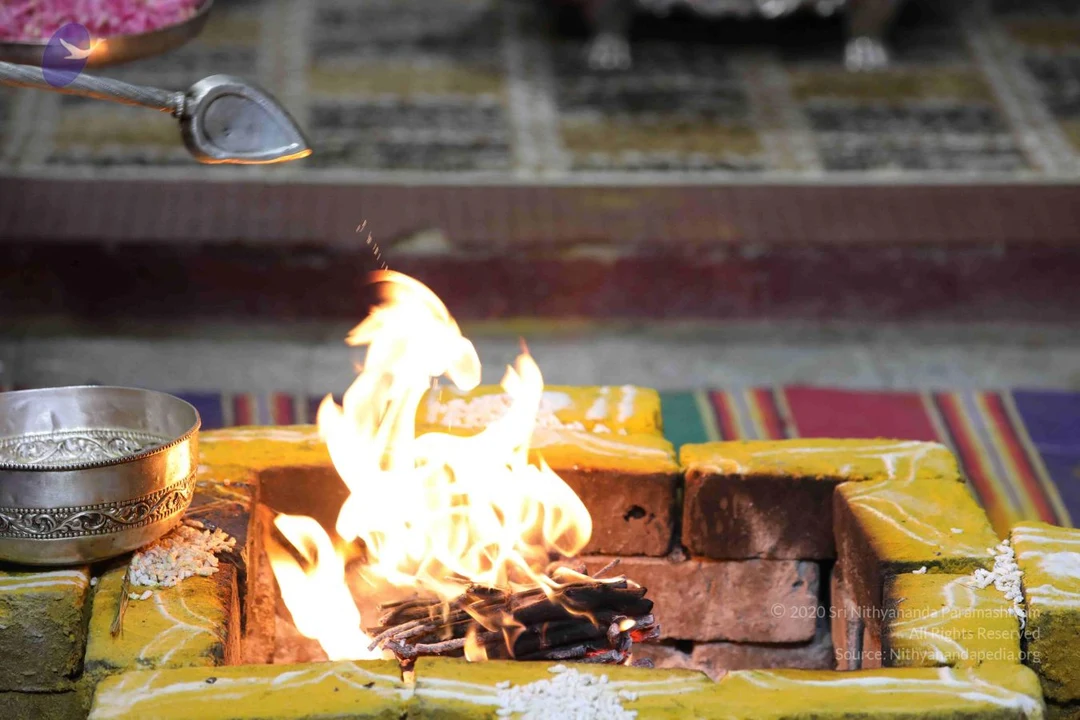
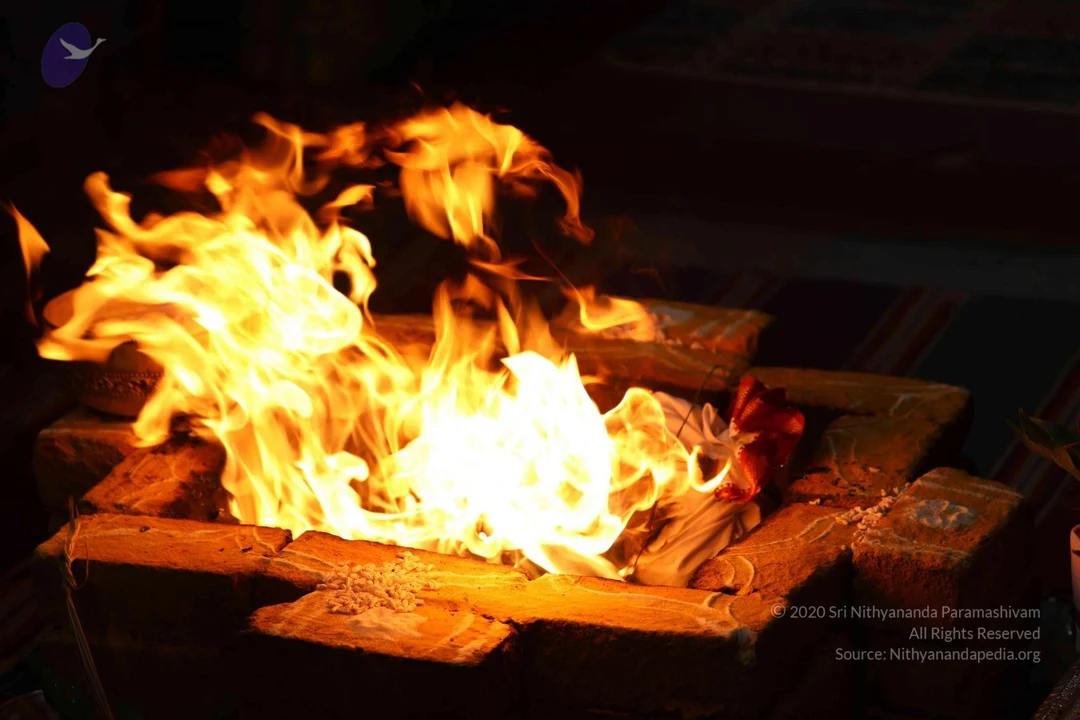
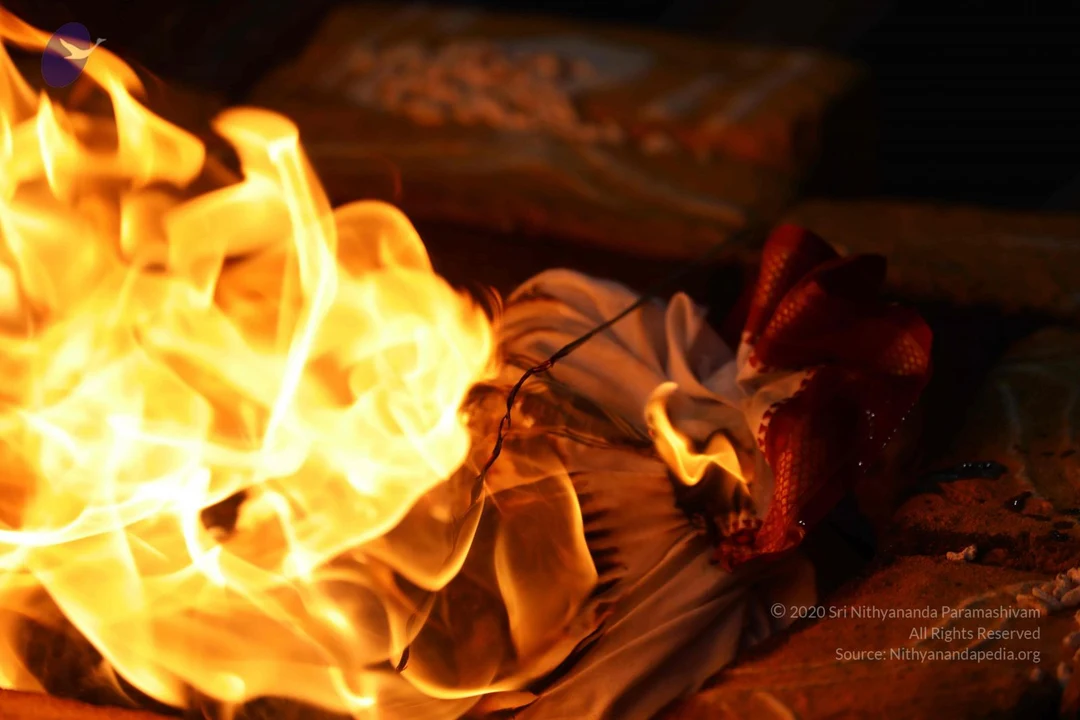
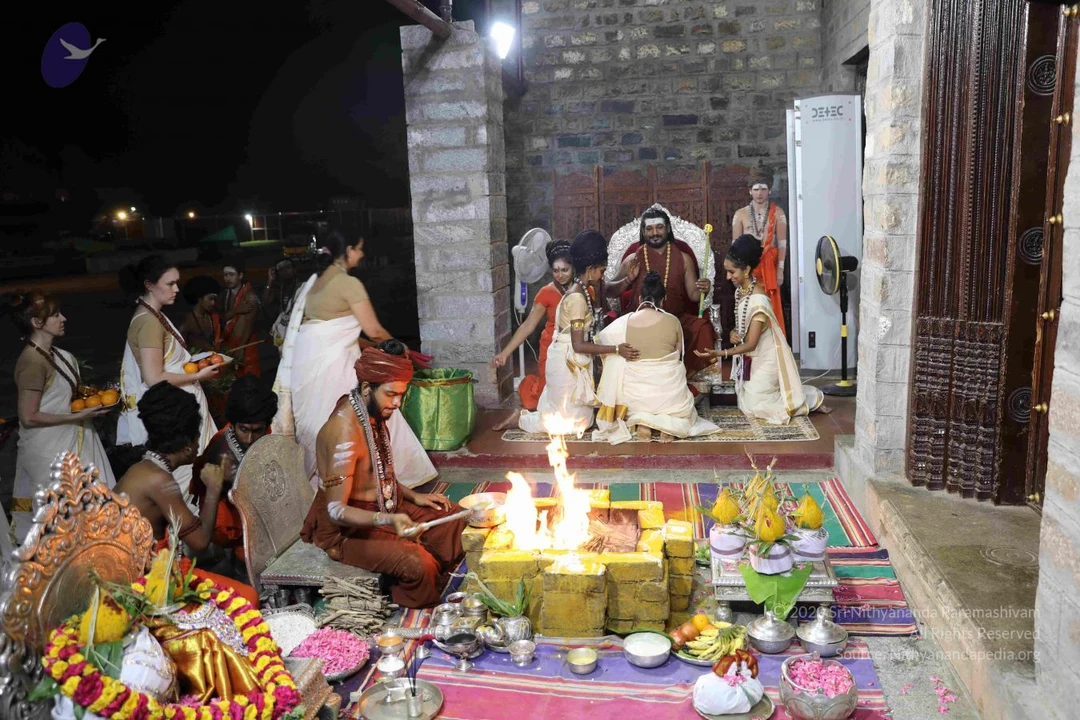
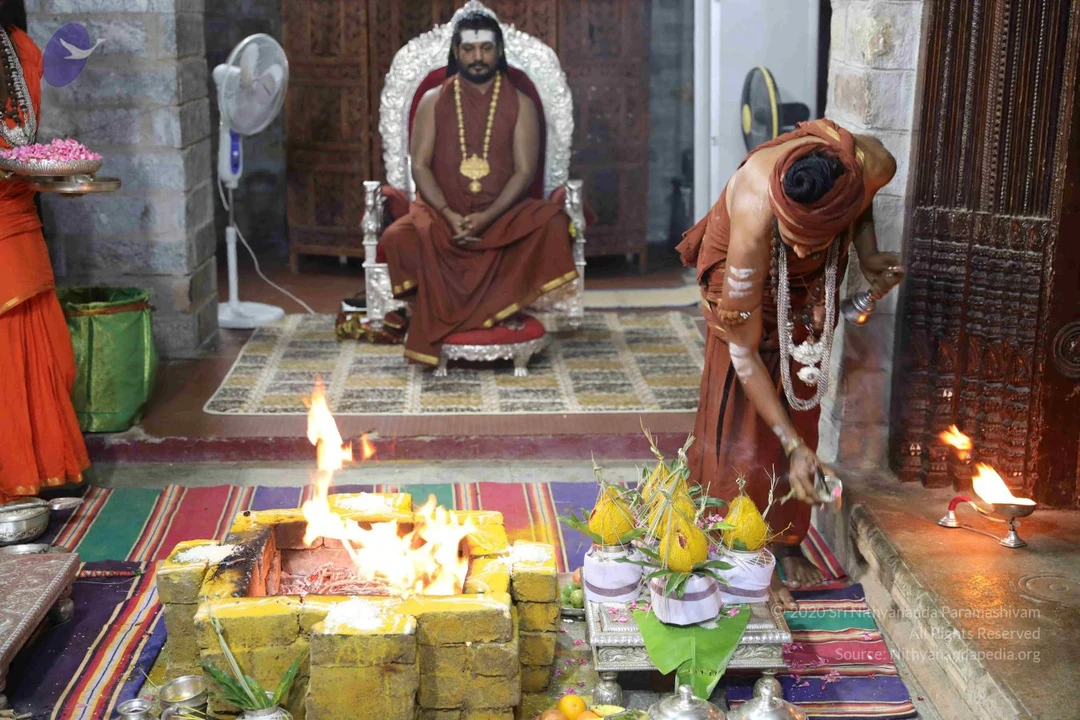
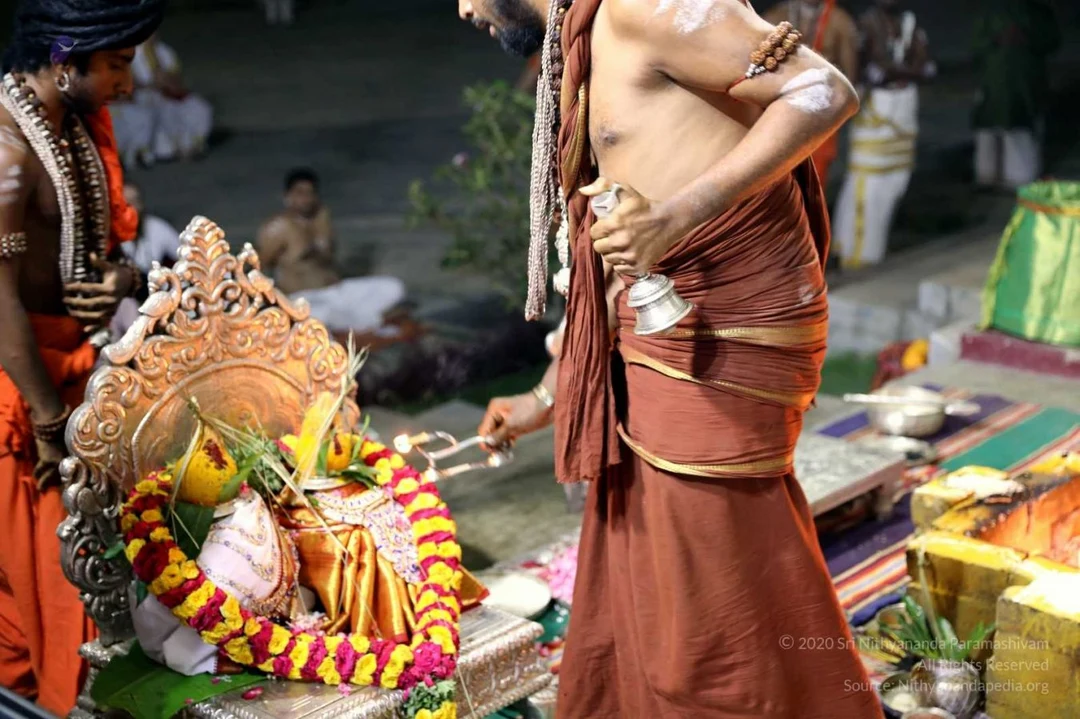 Yagna is performed for Shiva Deeksha initiation to offer oblation and on completion of Yagna aarti is offered
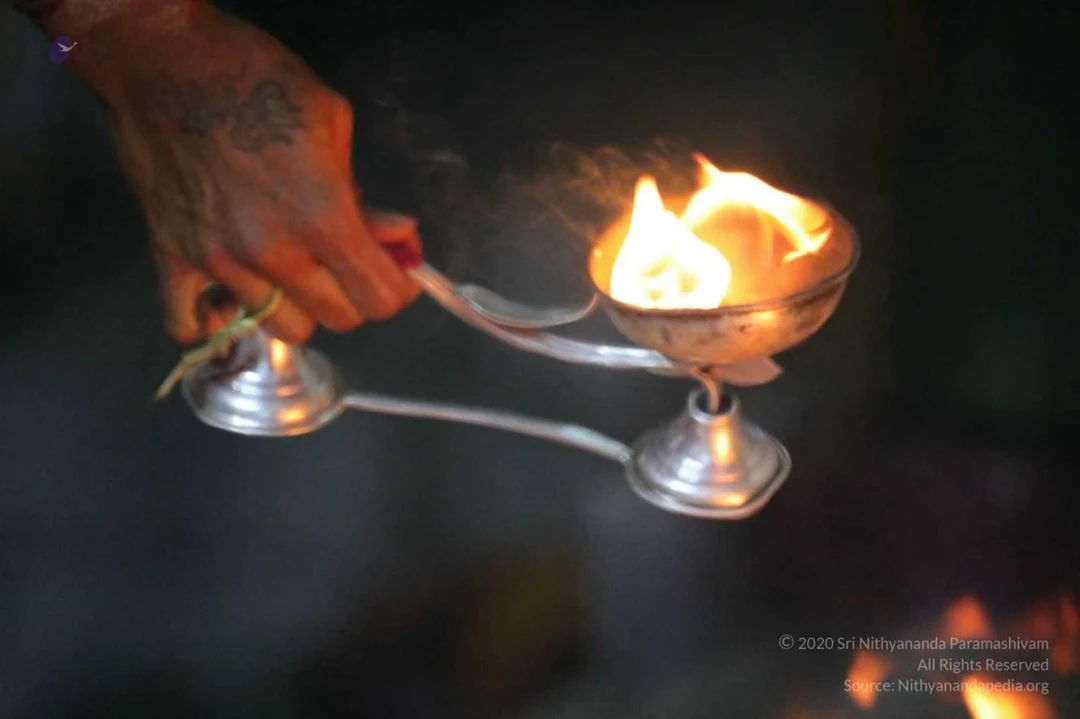 Yagna is performed for Shiva Deeksha initiation to offer oblation and on completion of Yagna aarti is offered
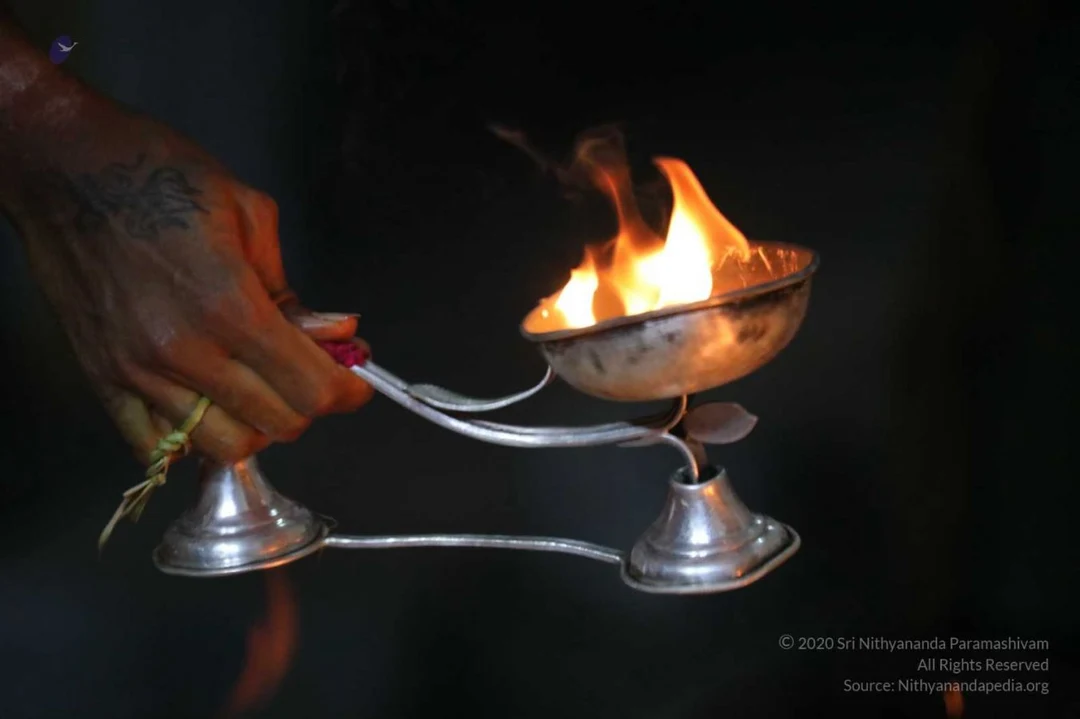 Yagna is performed for Shiva Deeksha initiation to offer oblation and on completion of Yagna aarti is offered
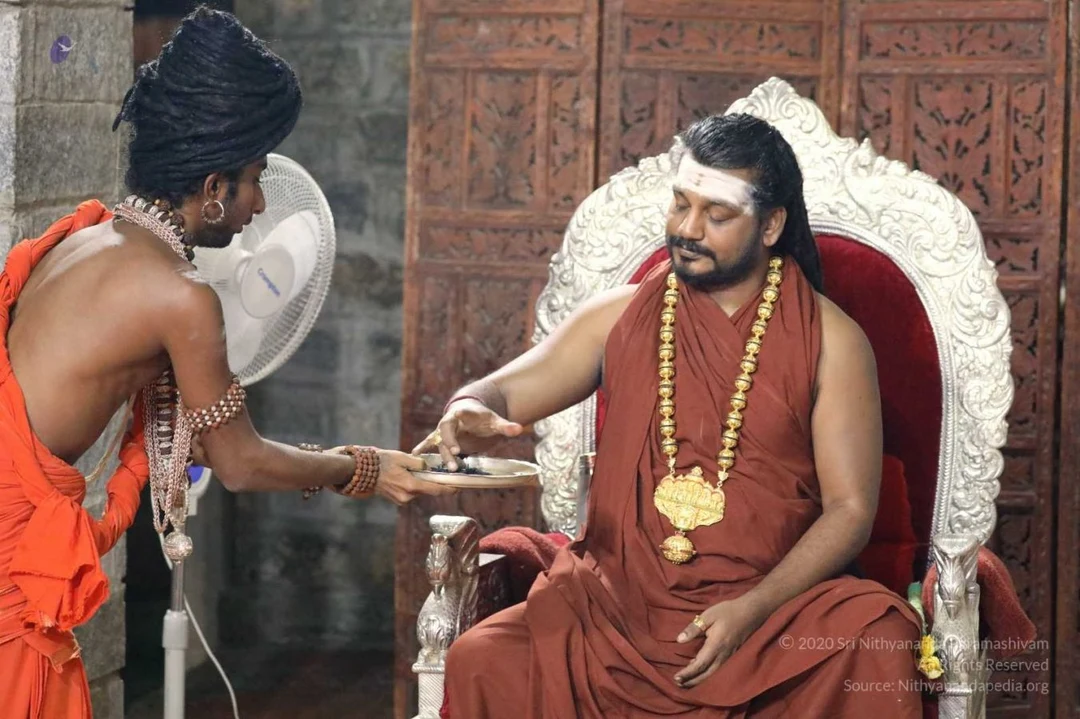 Yagna is performed for Shiva Deeksha initiation to offer oblation and on completion of Yagna aarti is offered
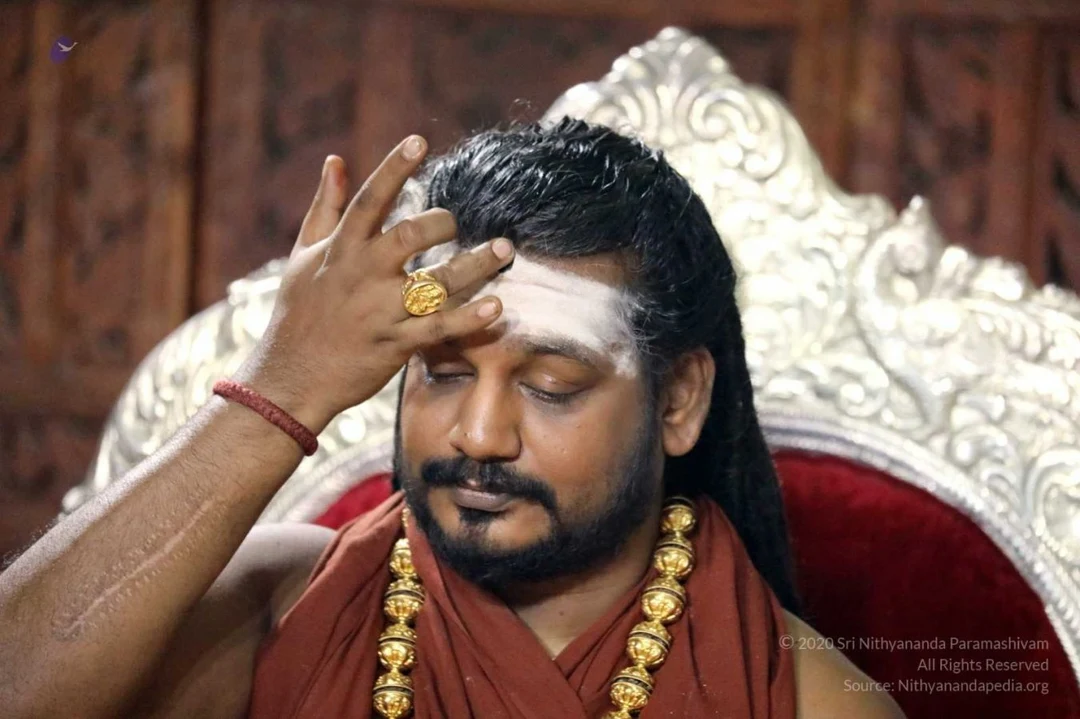 Yagna is performed for Shiva Deeksha initiation to offer oblation and on completion of Yagna aarti is offered
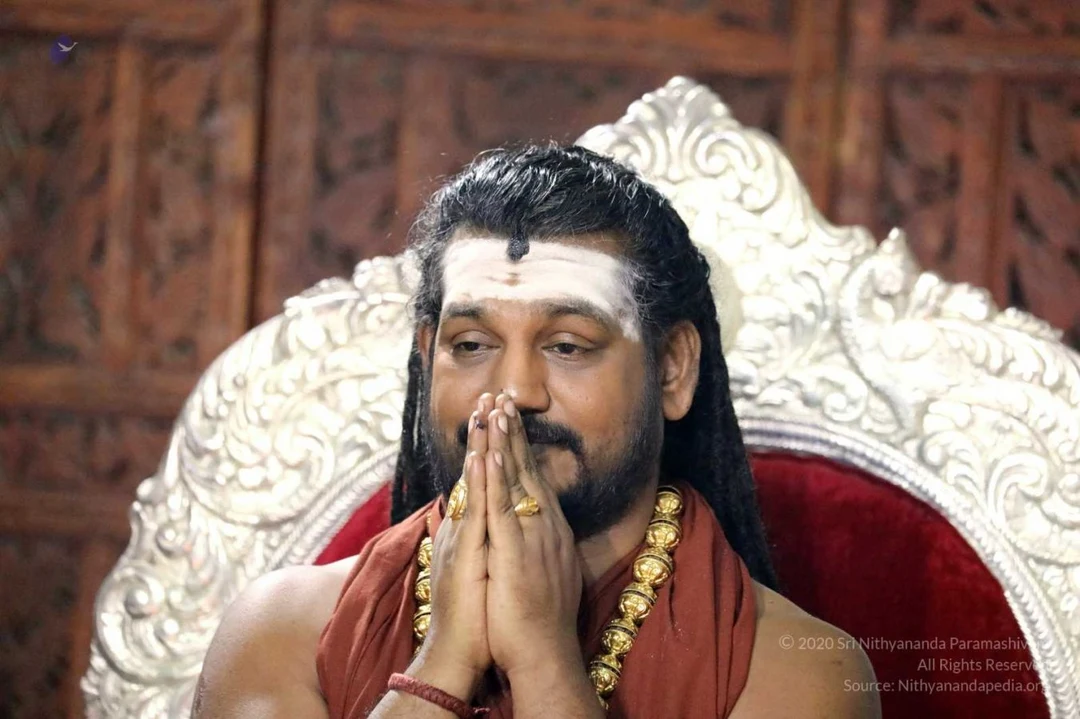 Yagna is performed for Shiva Deeksha initiation to offer oblation and on completion of Yagna aarti is offered
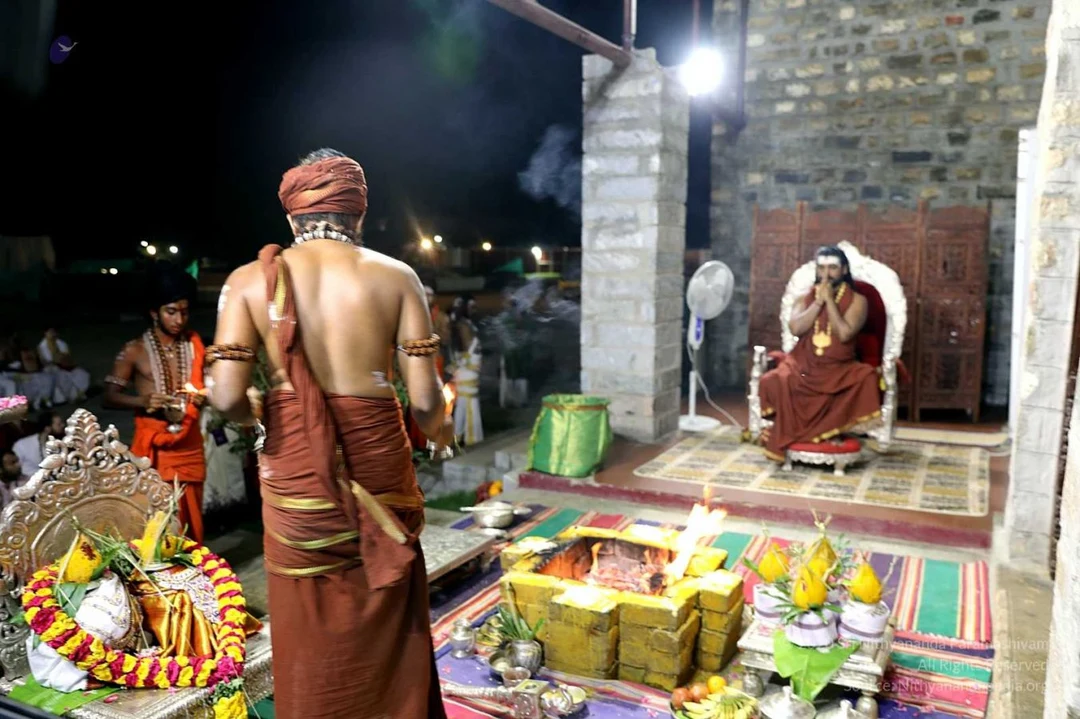 Yagna is performed for Shiva Deeksha initiation to offer oblation and on completion of Yagna aarti is offered
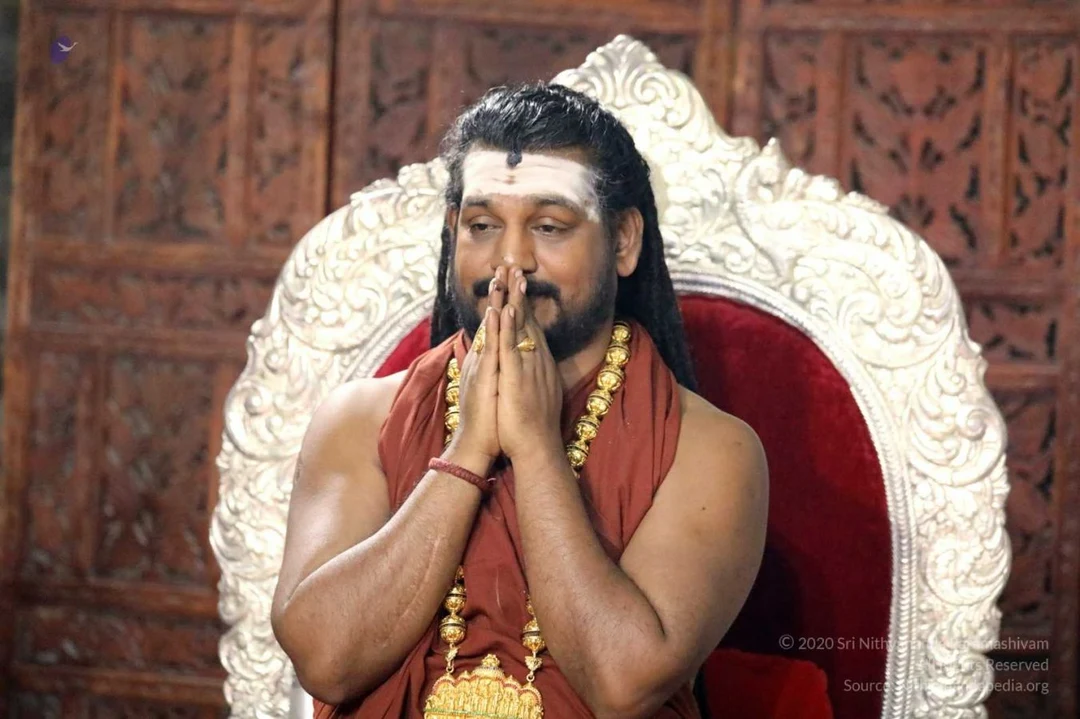 Yagna is performed for Shiva Deeksha initiation to offer oblation and on completion of Yagna aarti is offered
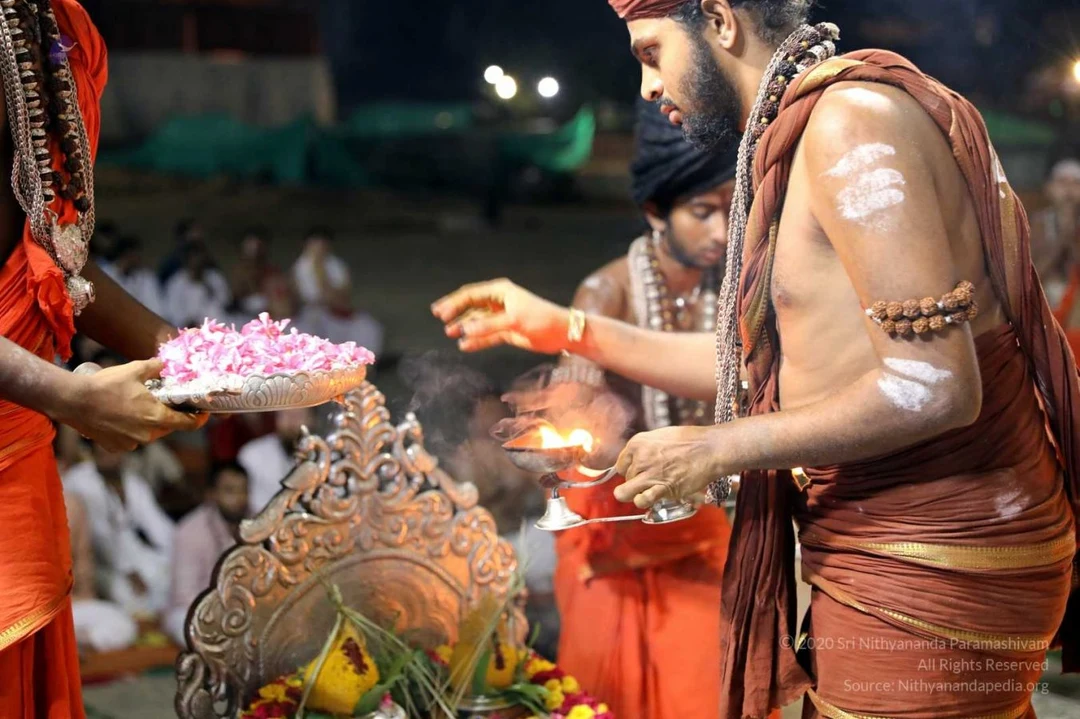 Vishesha Deeksha Yagna rituals
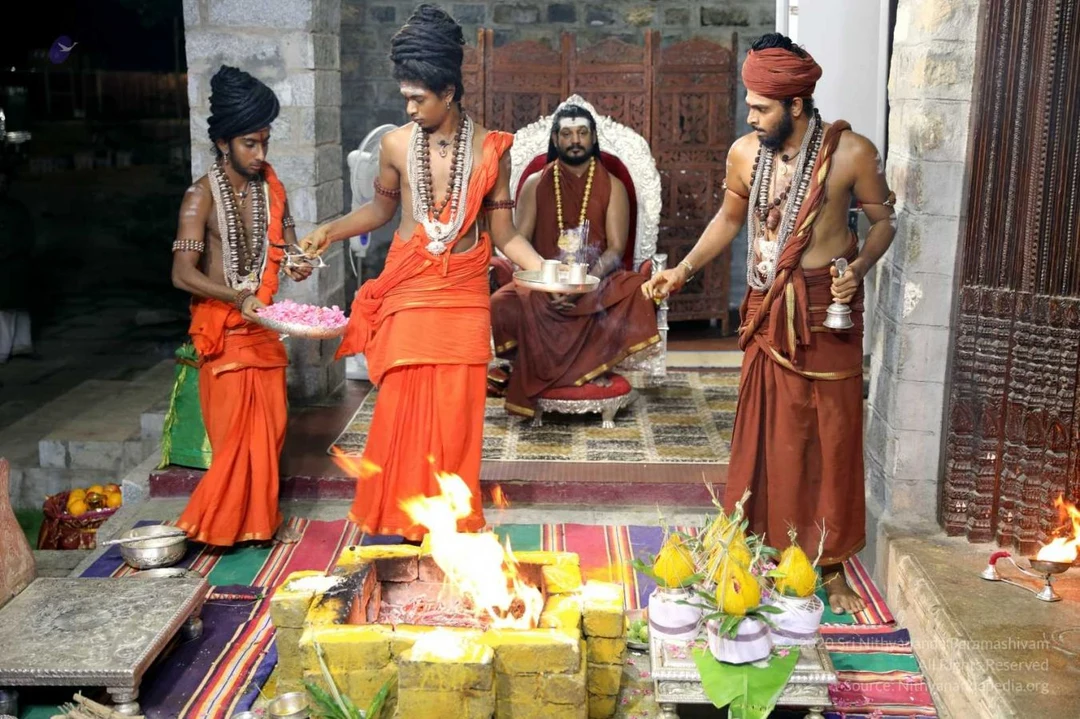 Vishesha Deeksha Yagna rituals
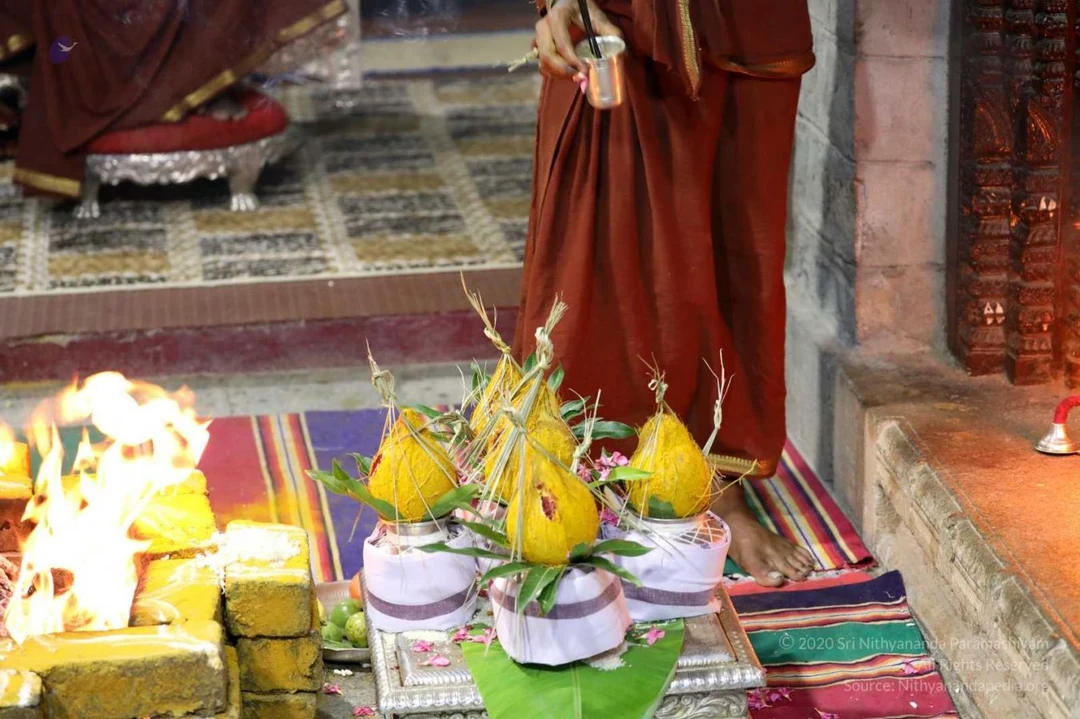 Vishesha Deeksha Yagna rituals
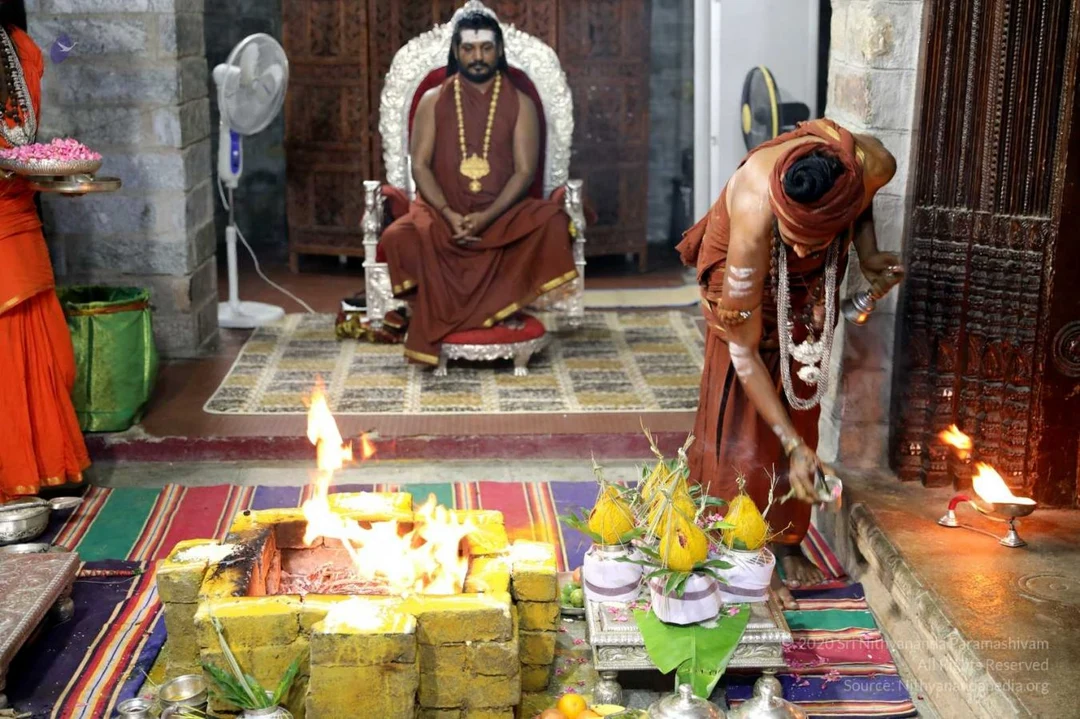 Vishesha Deeksha Yagna rituals
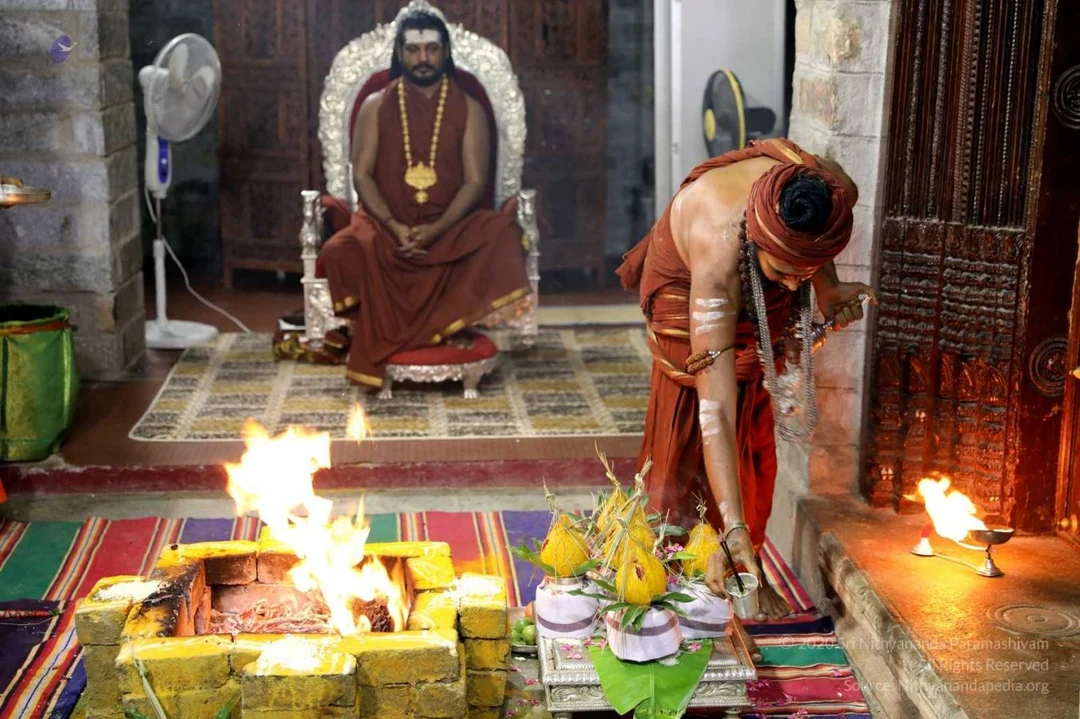 Vishesha Deeksha Yagna rituals
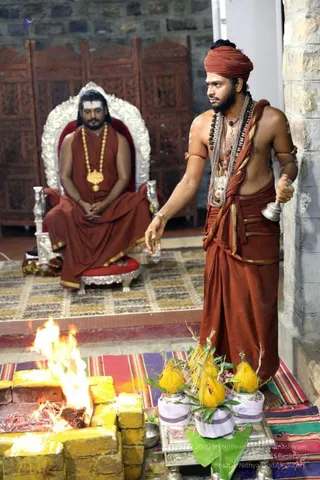 Vishesha Deeksha Yagna rituals
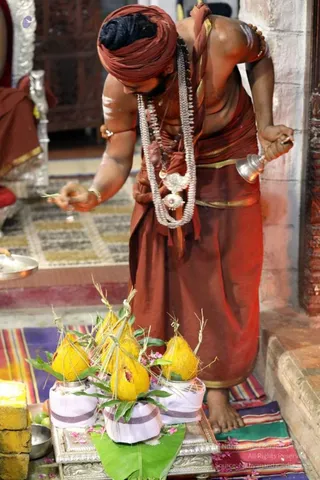 Vishesha Deeksha Yagna rituals
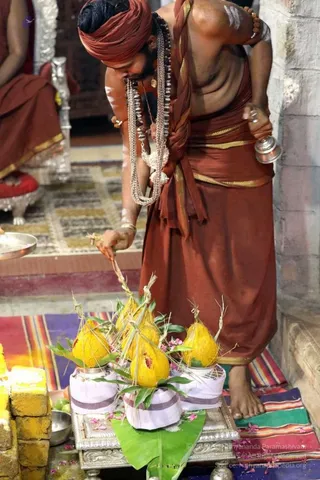 Vishesha Deeksha Yagna rituals
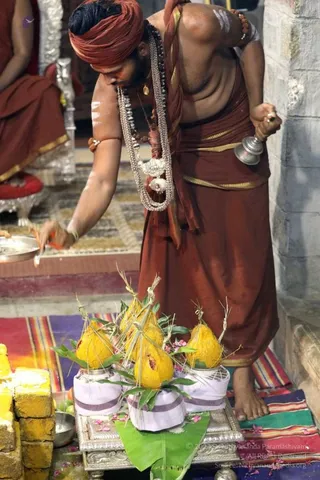 Vishesha Deeksha Yagna rituals
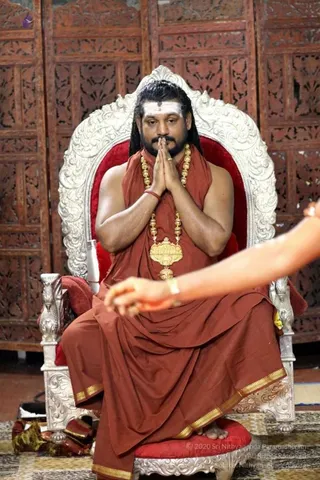 Vishesha Deeksha Yagna rituals
 Avatar presence is living healing energy field
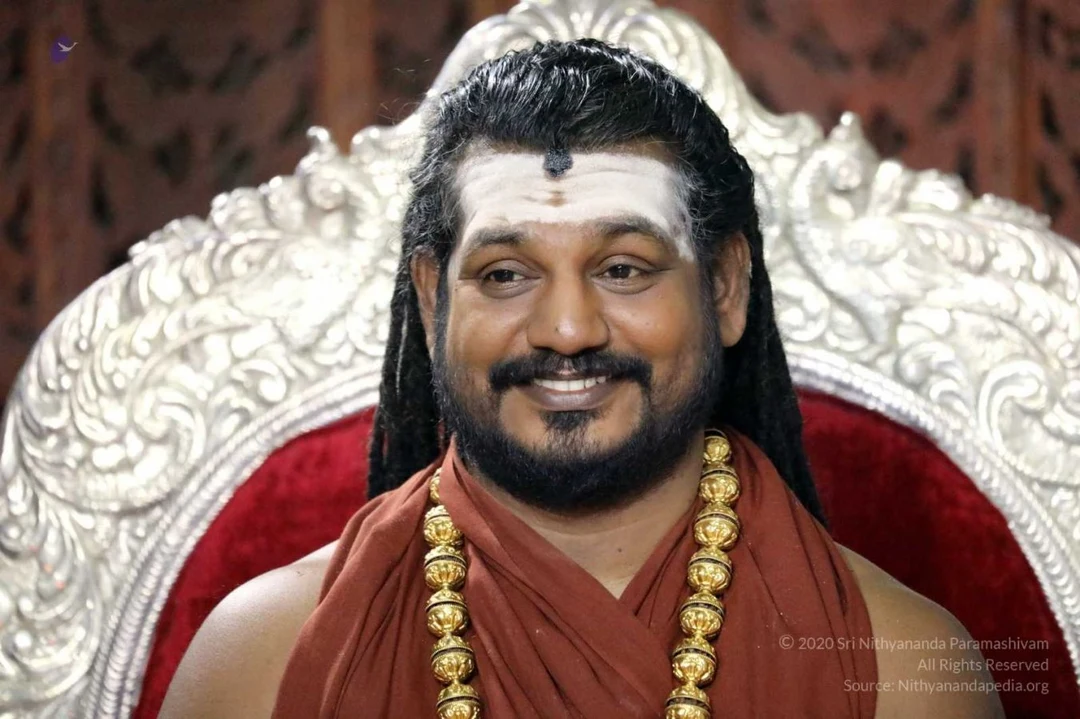 Avatar presence is living healing energy field
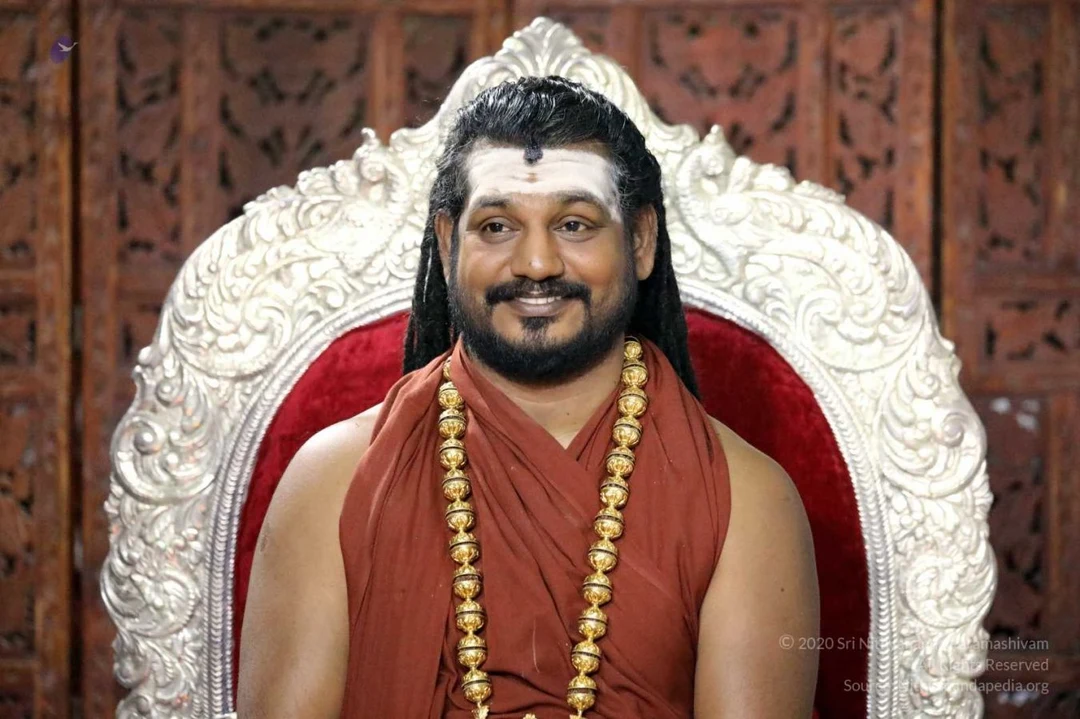 Avatar presence is living healing energy field
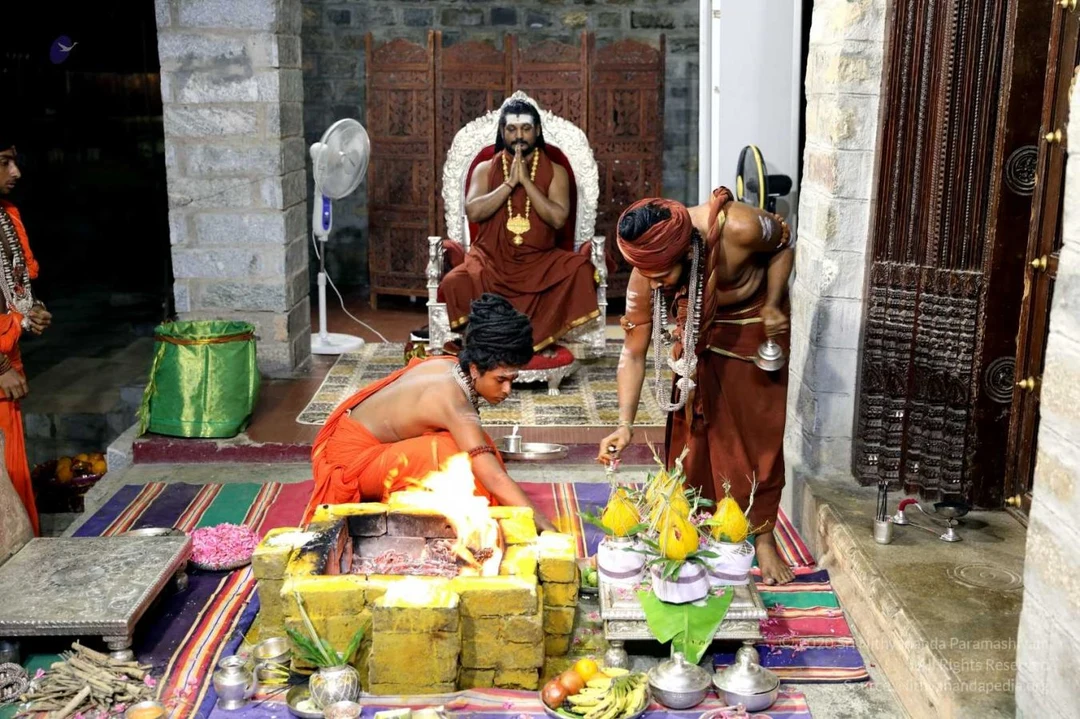 Yagna and puja rituals performed during Vishesha deeksha initiation
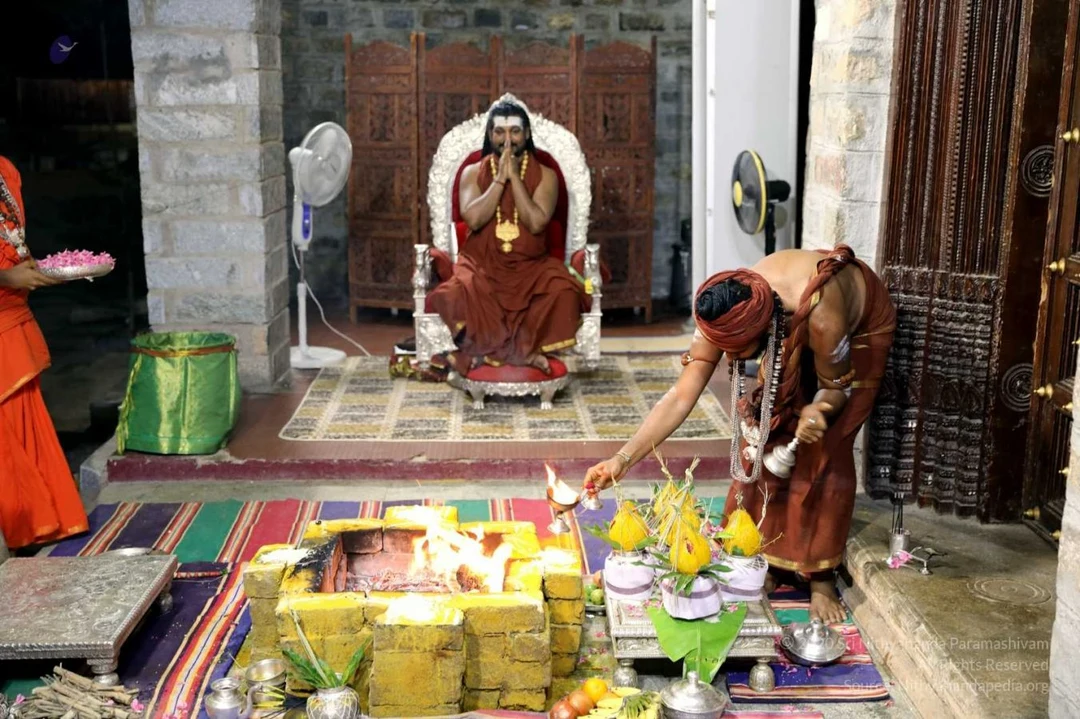 Yagna and puja rituals performed during Vishesha deeksha initiation
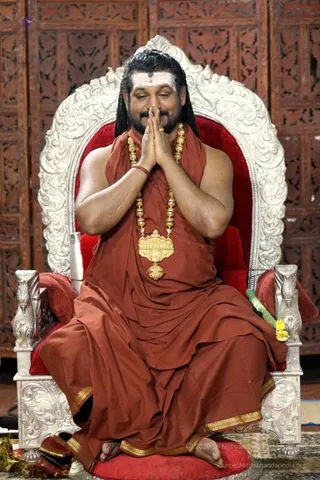 Yagna and puja rituals performed during Vishesha deeksha initiation
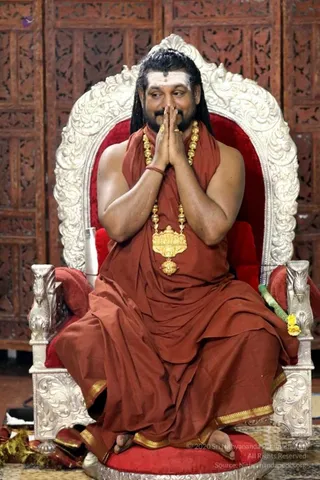 Yagna and puja rituals performed during Vishesha deeksha initiation
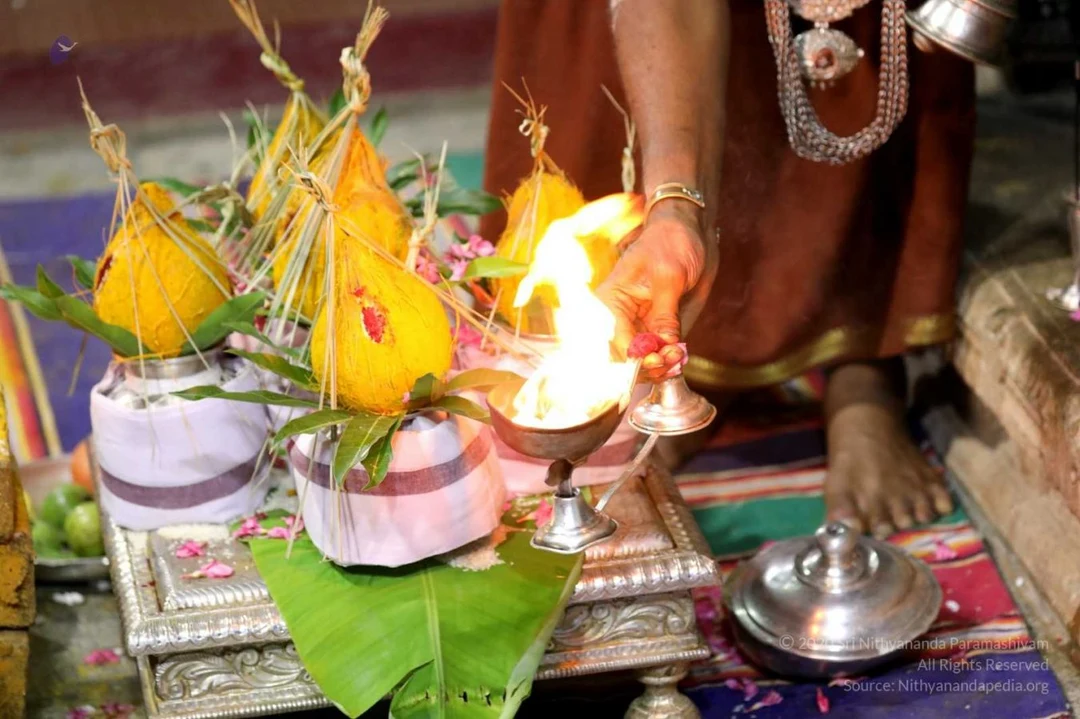 Yagna and puja rituals performed during Vishesha deeksha initiation
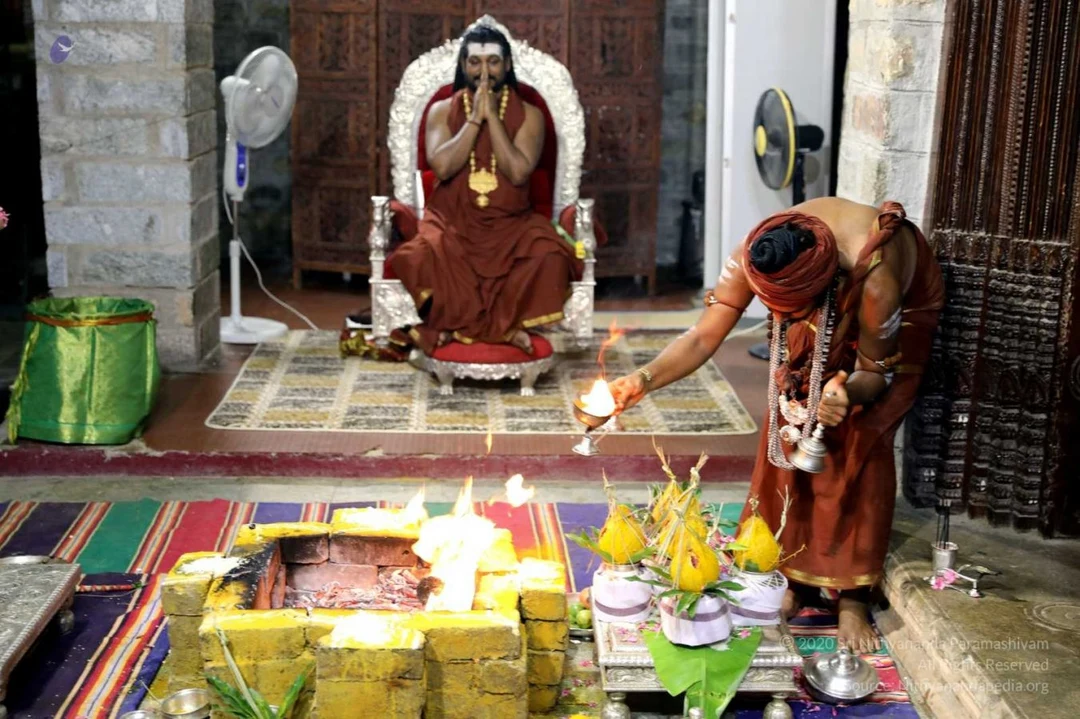 Yagna and puja rituals performed during Vishesha deeksha initiation
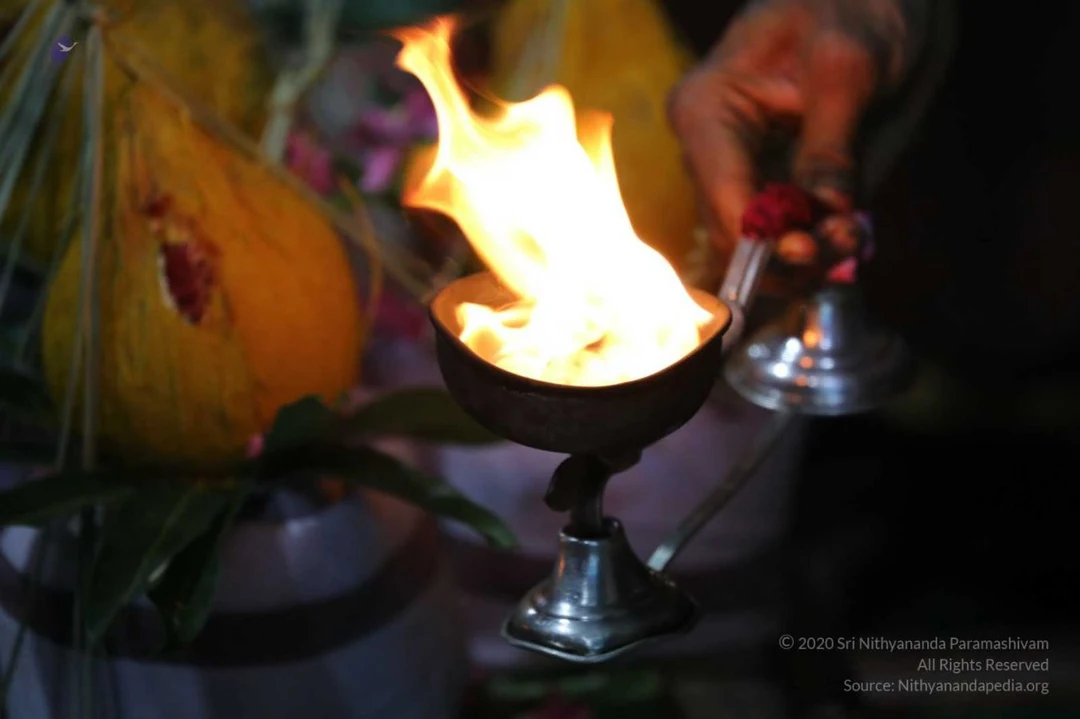 Yagna and puja rituals performed during Vishesha deeksha initiation
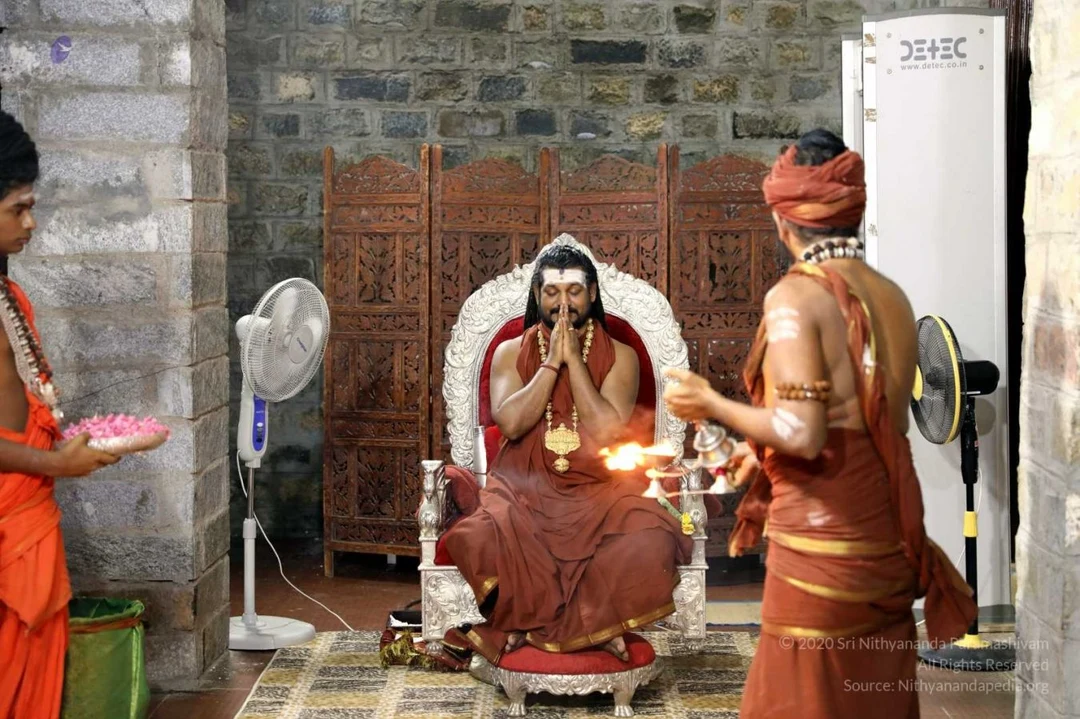 Yagna and puja rituals performed during Vishesha deeksha initiation
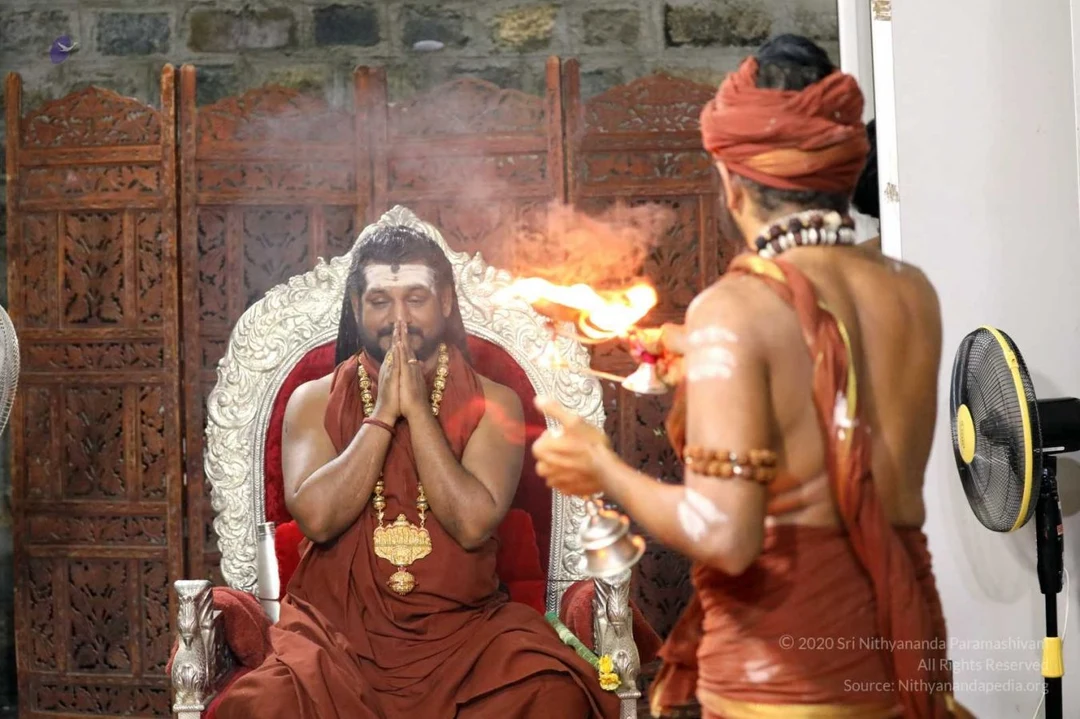 Yagna and puja rituals performed during Vishesha deeksha initiation
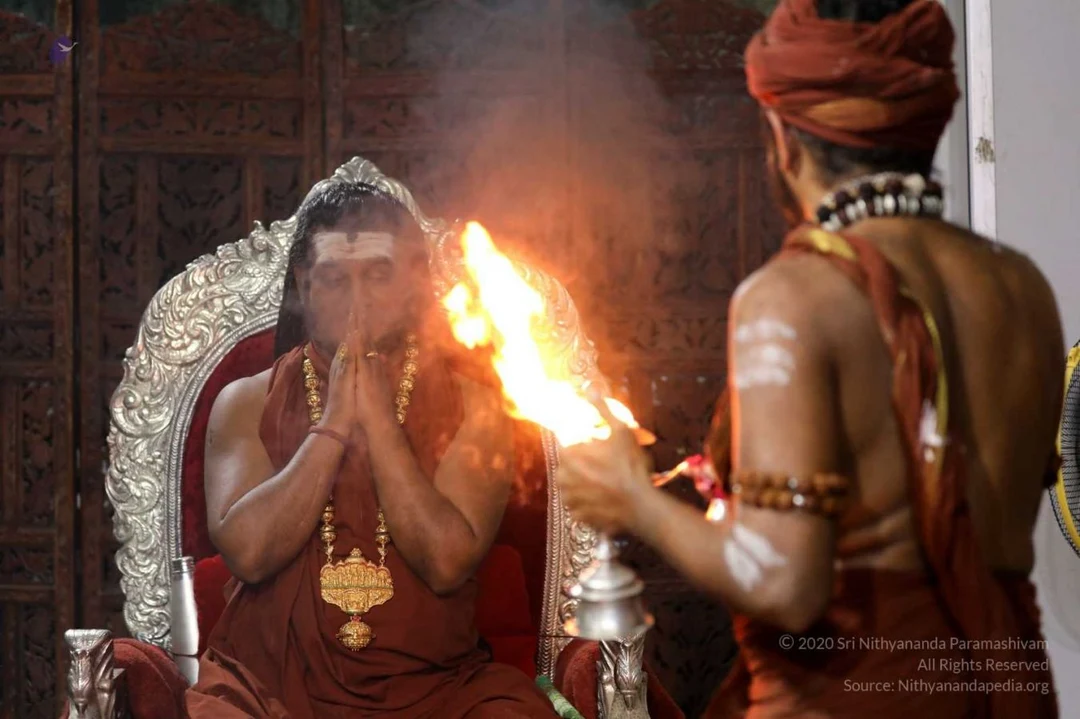 Yagna and puja rituals performed during Vishesha deeksha initiation
 Yagna and puja rituals performed during Vishesha deeksha initiation
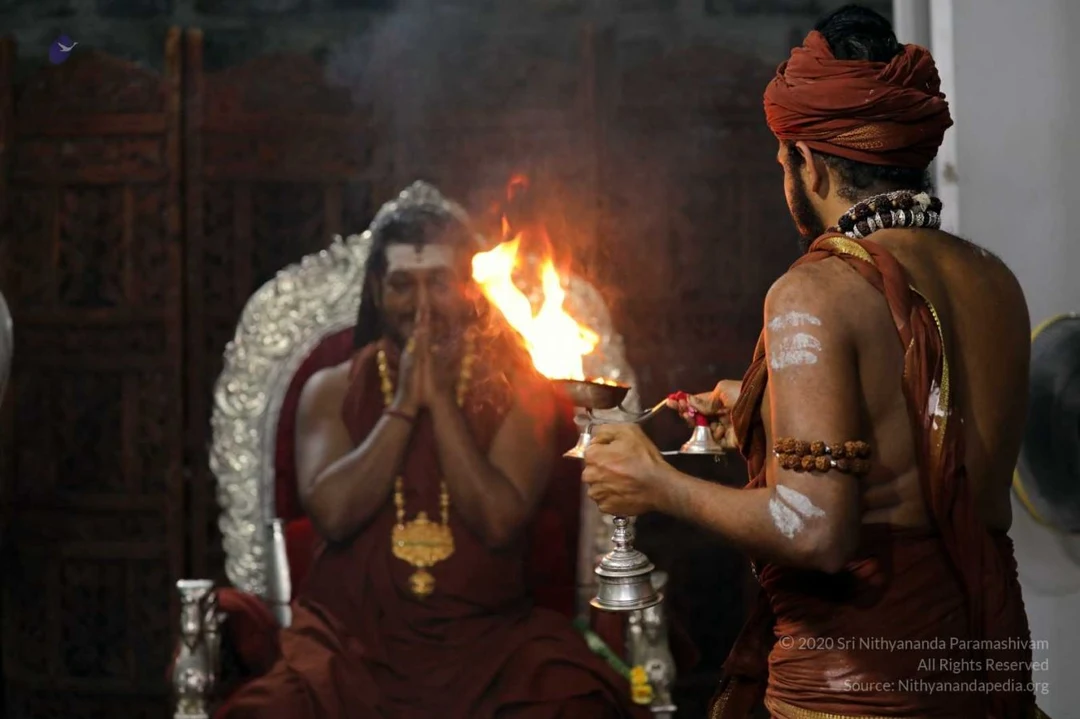 Yagna and puja rituals performed during Vishesha deeksha initiation
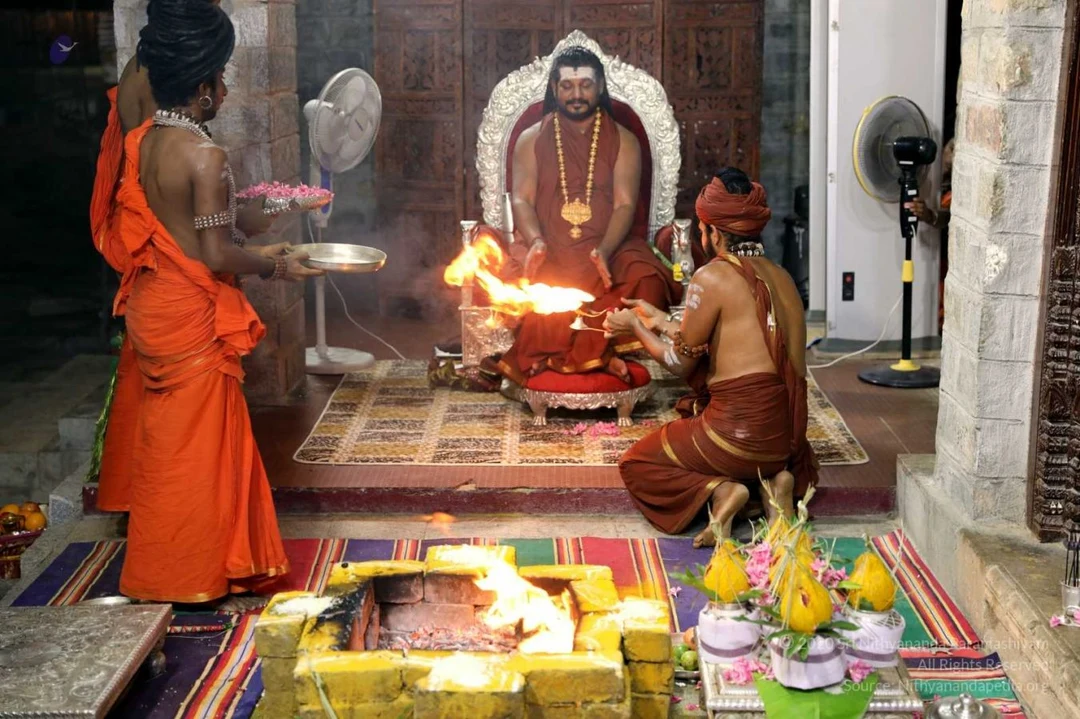 Yagna and puja rituals performed during Vishesha deeksha initiation
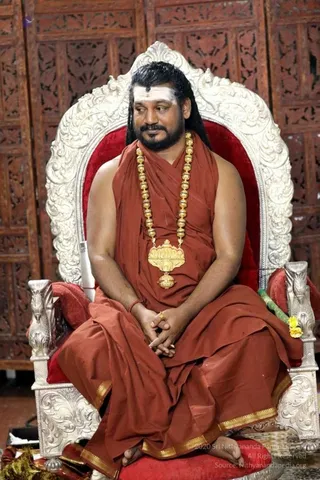 Yagna and puja rituals performed during Vishesha deeksha initiation
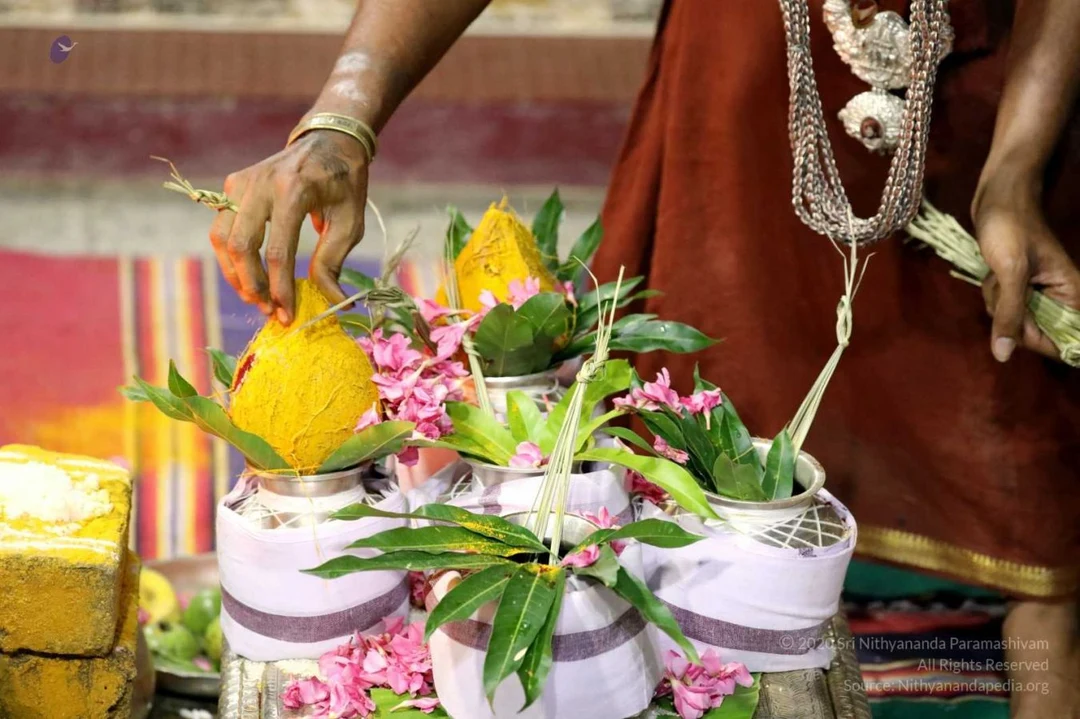 Yagna and puja rituals performed during Vishesha deeksha initiation
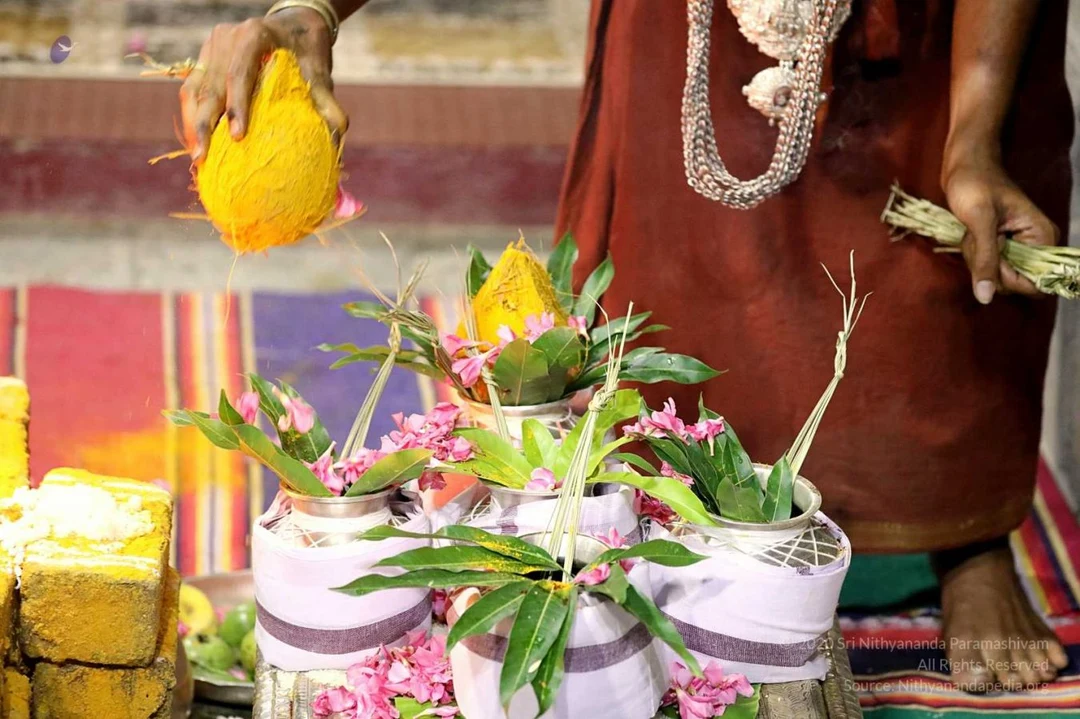 Yagna and puja rituals performed during Vishesha deeksha initiation
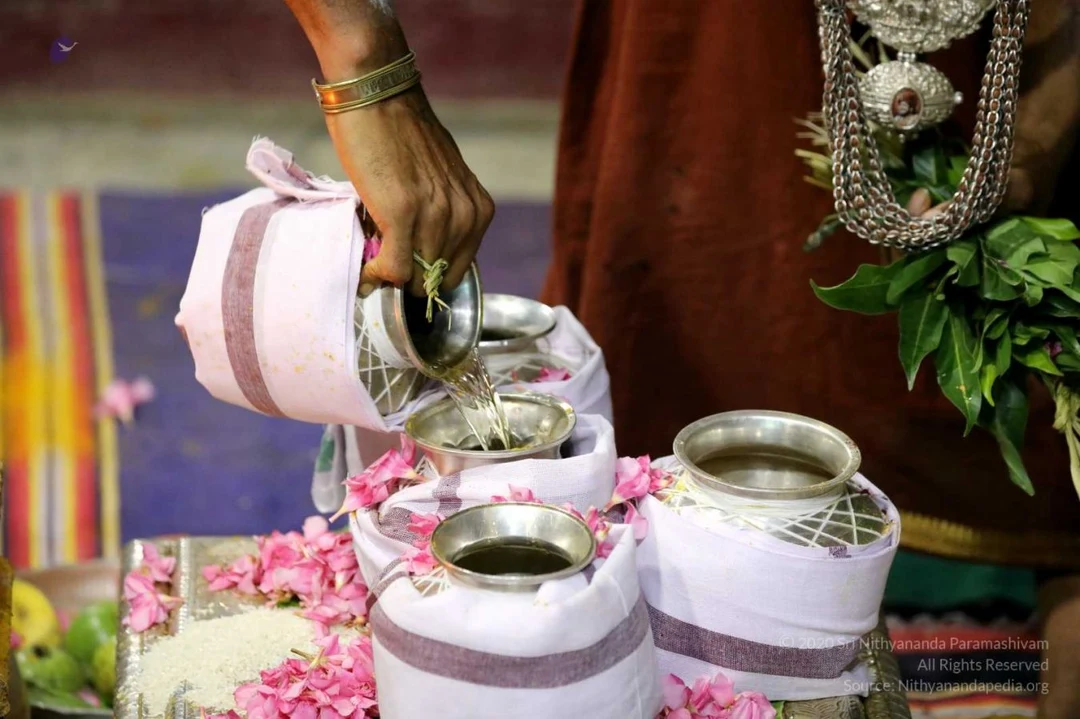 Yagna and puja rituals performed during Vishesha deeksha initiation
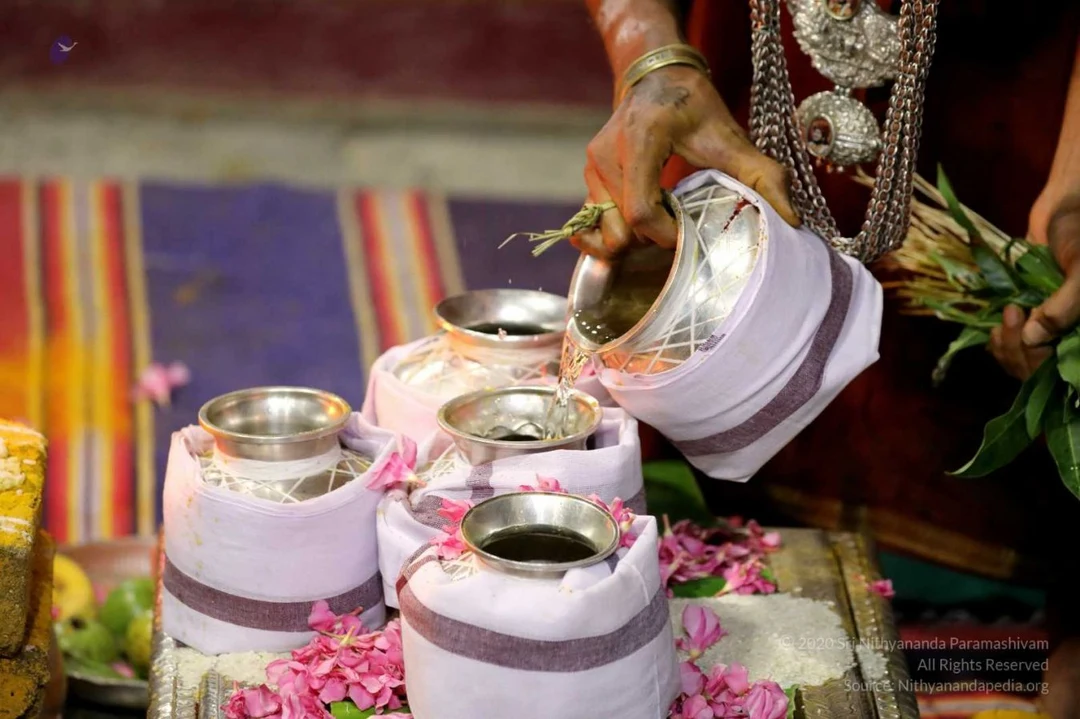 Yagna and puja rituals performed during Vishesha deeksha initiation
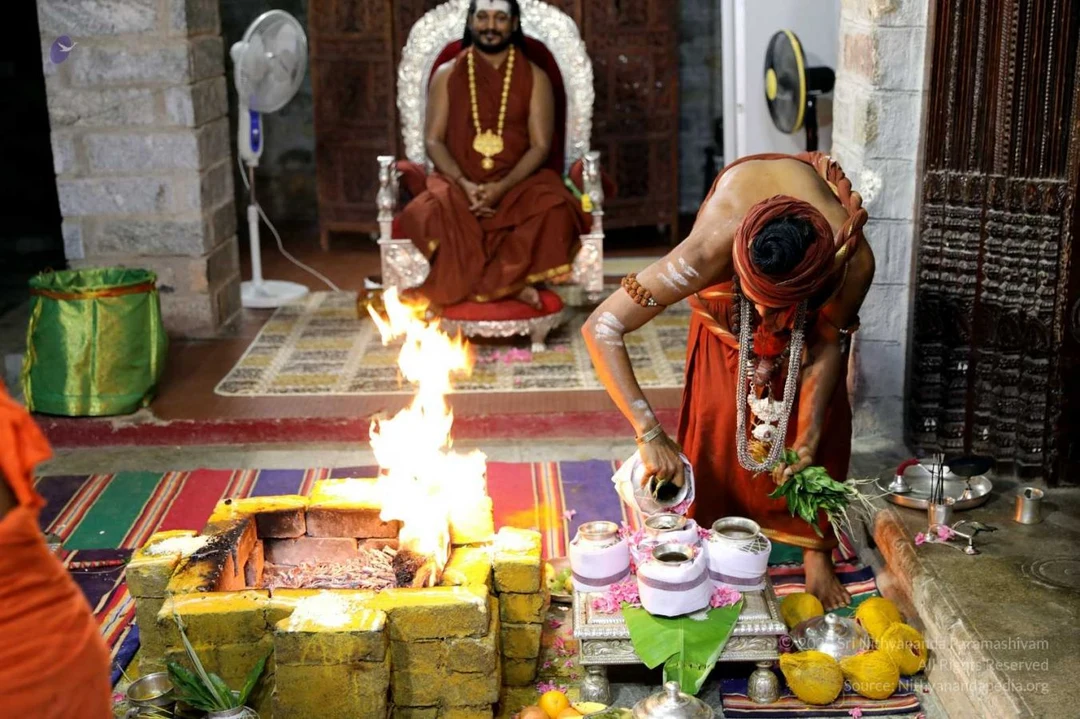 Yagna and puja rituals performed during Vishesha deeksha initiation
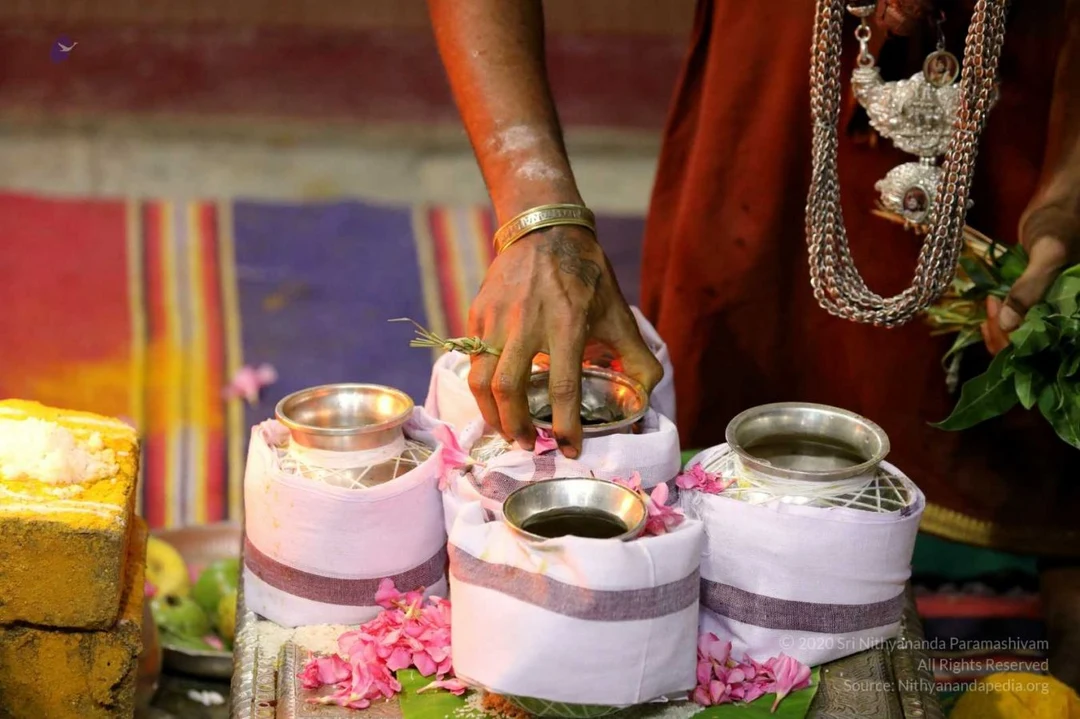 Yagna and puja rituals performed during Vishesha deeksha initiation
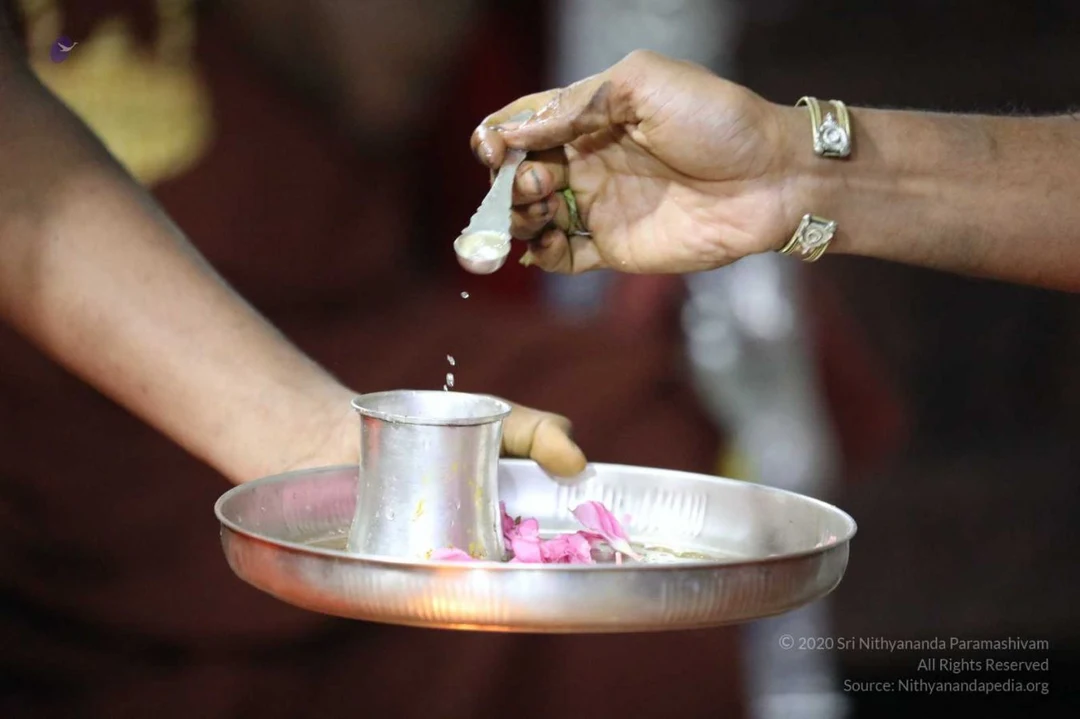
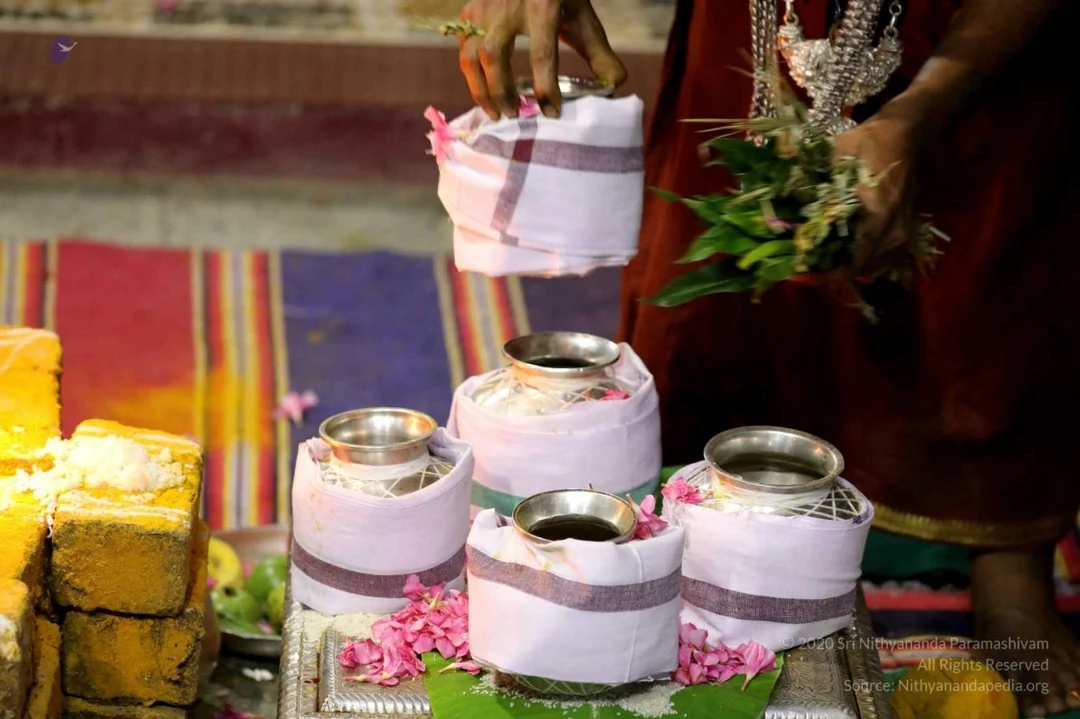 Sacred Kalaasha water is sprinkled after completion of Vishesha Deesksha Yagna
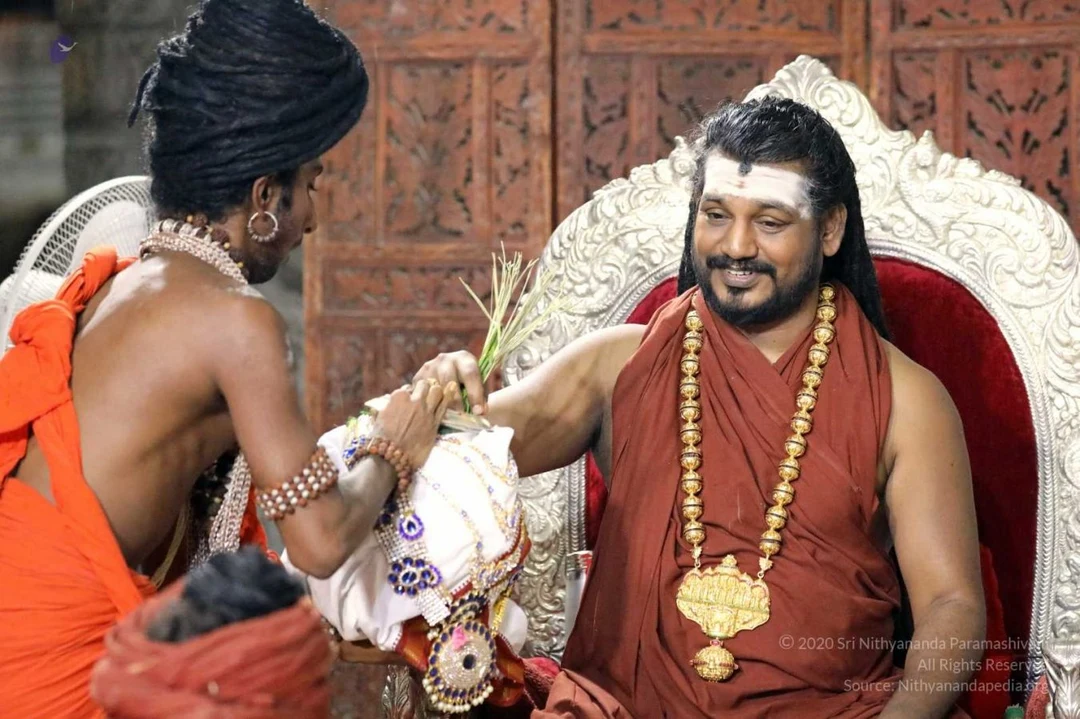 Sacred Kalaasha water is sprinkled after completion of Vishesha Deesksha Yagna
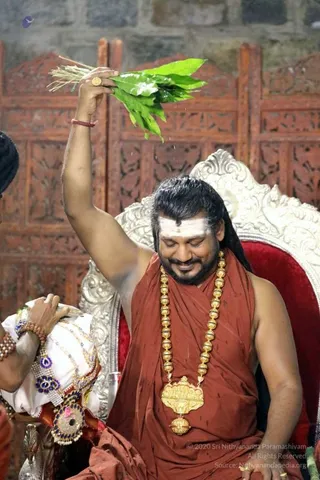 Sacred Kalaasha water is sprinkled after completion of Vishesha Deesksha Yagna
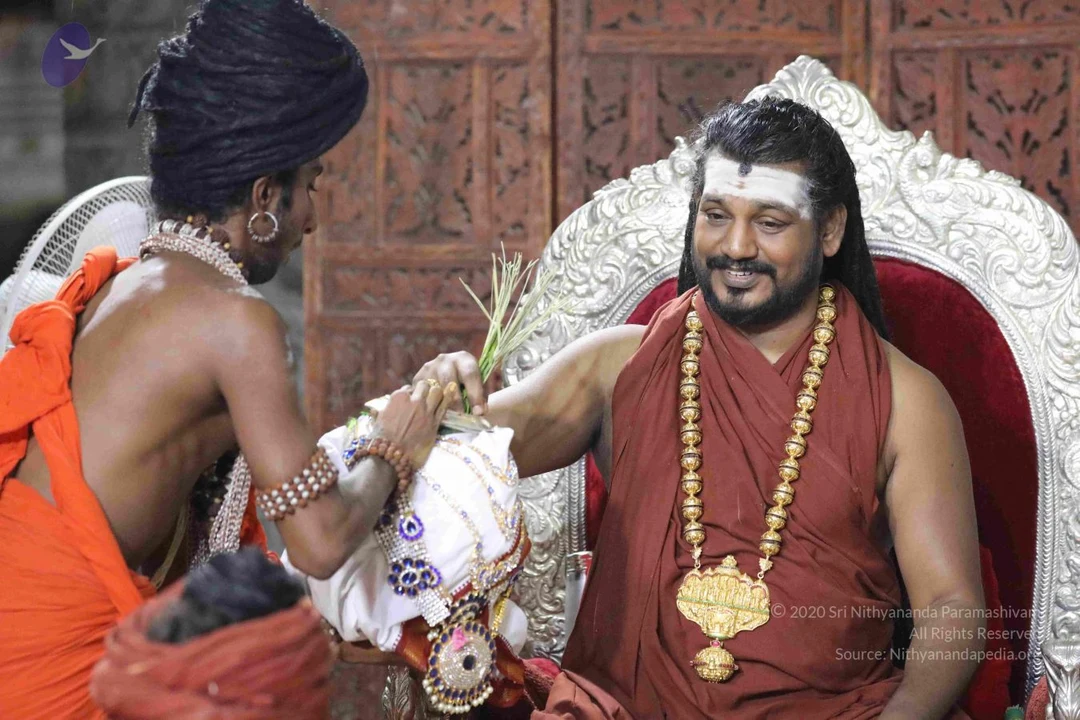
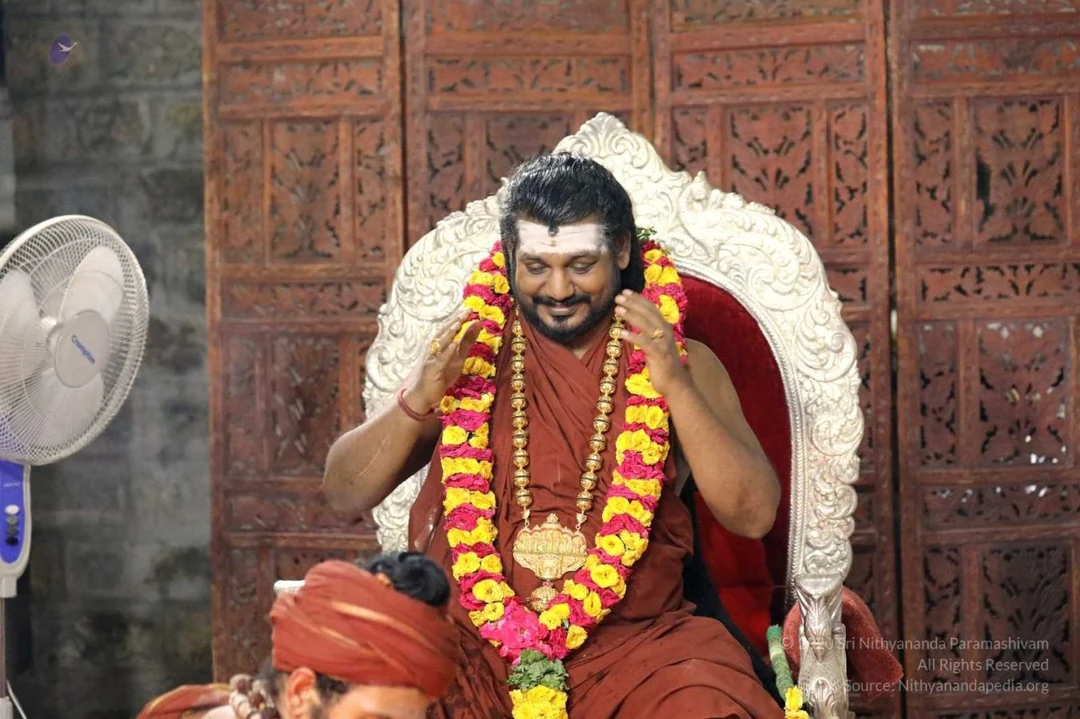 HDH Nithyananda Paramashivam blessing on the completion of Vishesha deeksha yagna
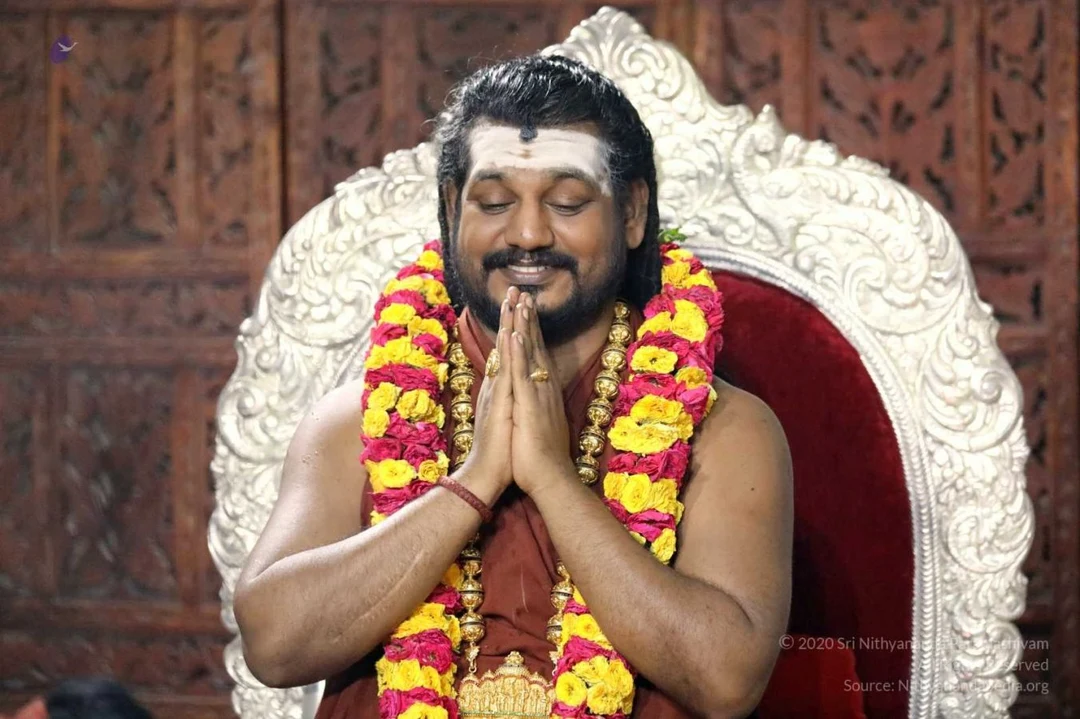 HDH Nithyananda Paramashivam blessing on the completion of Vishesha deeksha yagna
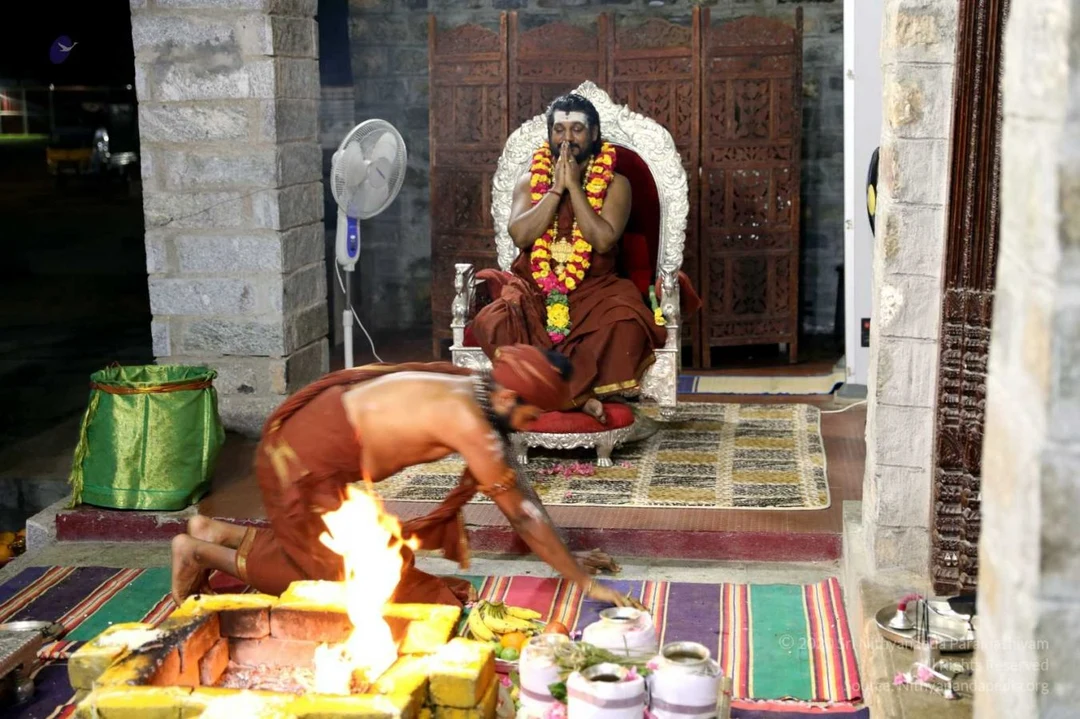 HDH Nithyananda Paramashivam blessing on the completion of Vishesha deeksha yagna
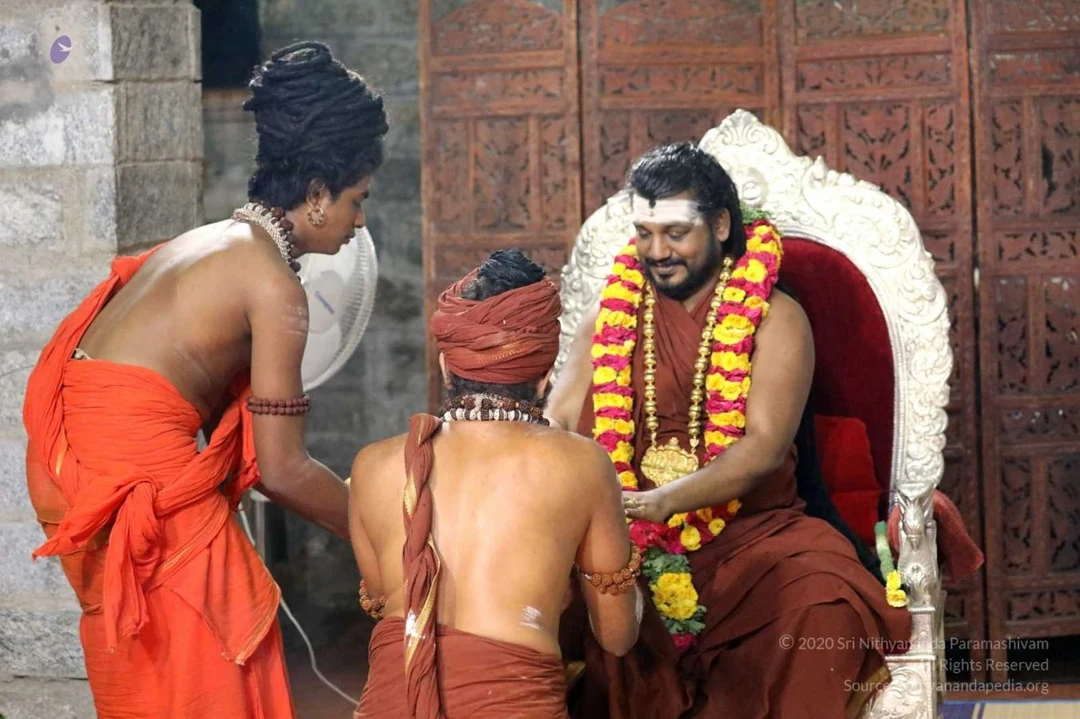 HDH Nithyananda Paramashivam blessing on the completion of Vishesha deeksha yagna
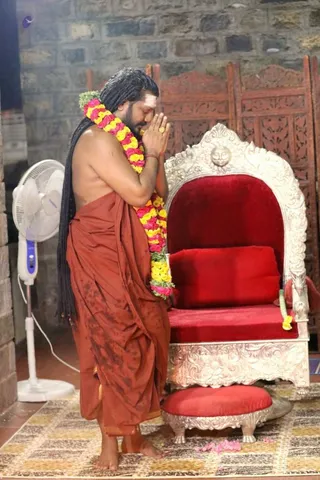 HDH Nithyananda Paramashivam blessing on the completion of Vishesha deeksha yagna
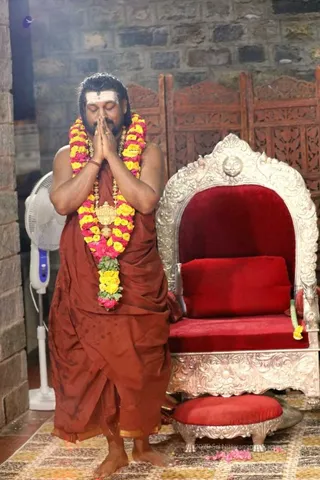 HDH Nithyananda Paramashivam blessing on the completion of Vishesha deeksha yagna
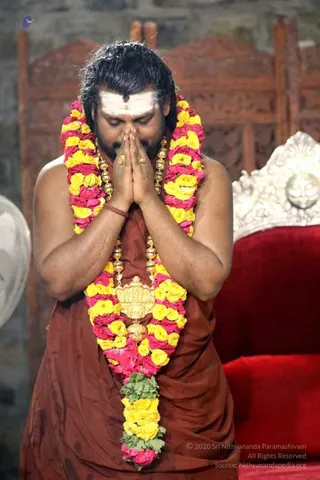 HDH Nithyananda Paramashivam blessing on the completion of Vishesha deeksha yagna
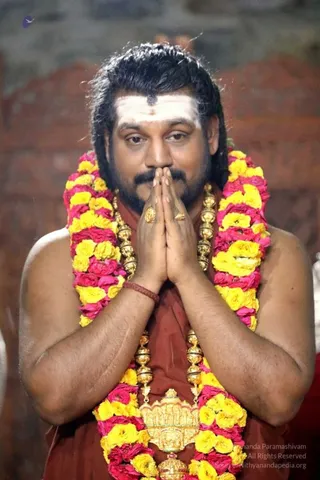 HDH Nithyananda Paramashivam blessing on the completion of Vishesha deeksha yagna
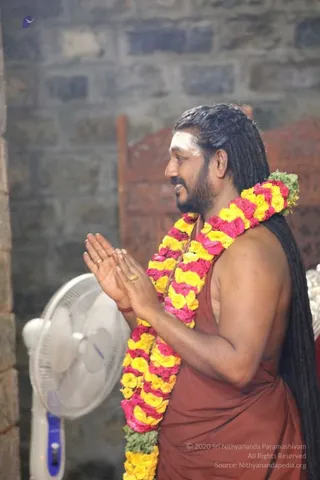 HDH Nithyananda Paramashivam blessing on the completion of Vishesha deeksha yagna
 HDH Nithyananda Paramashivam exiting on completion of Vishesha deeksha yagna
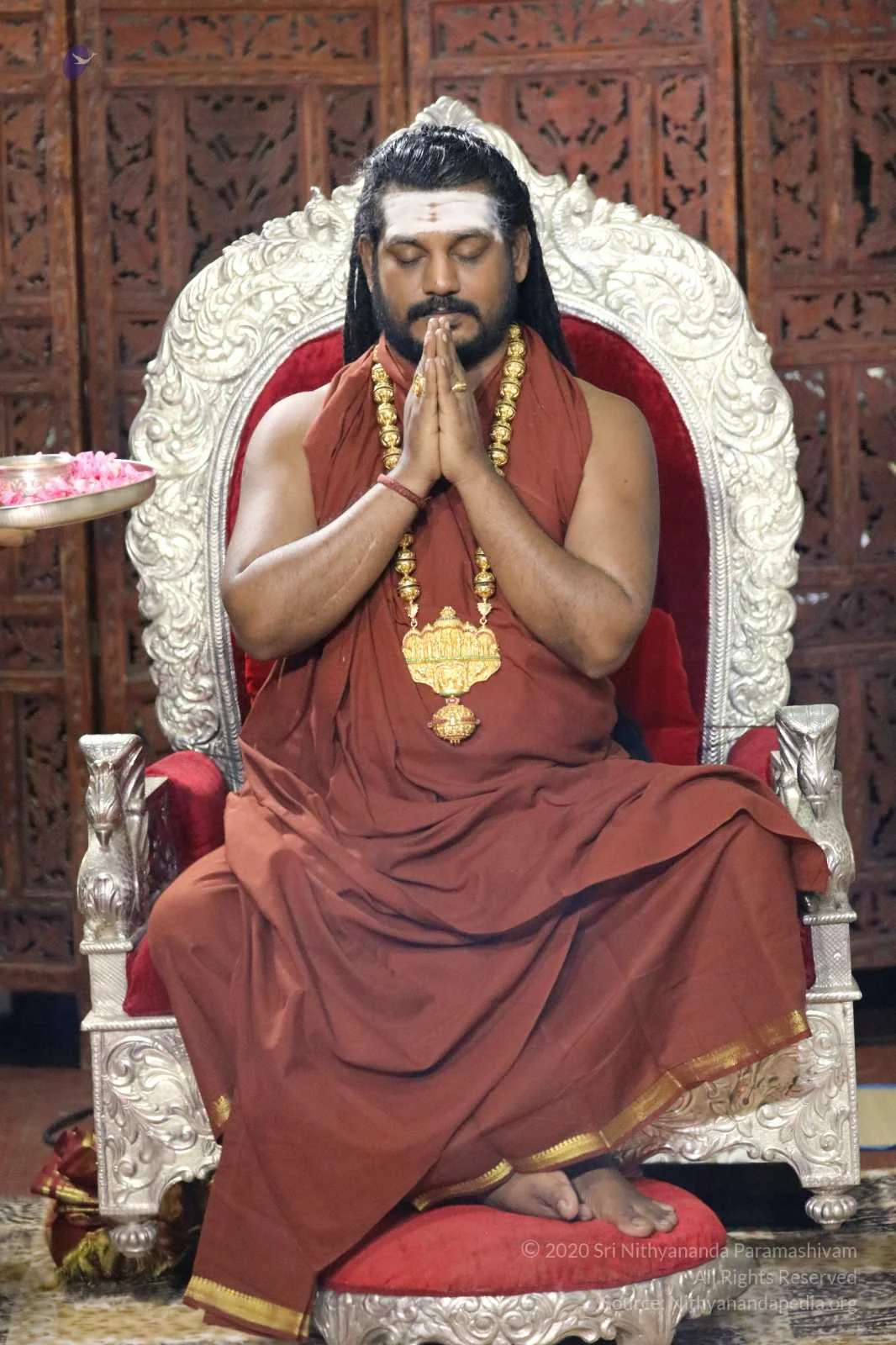
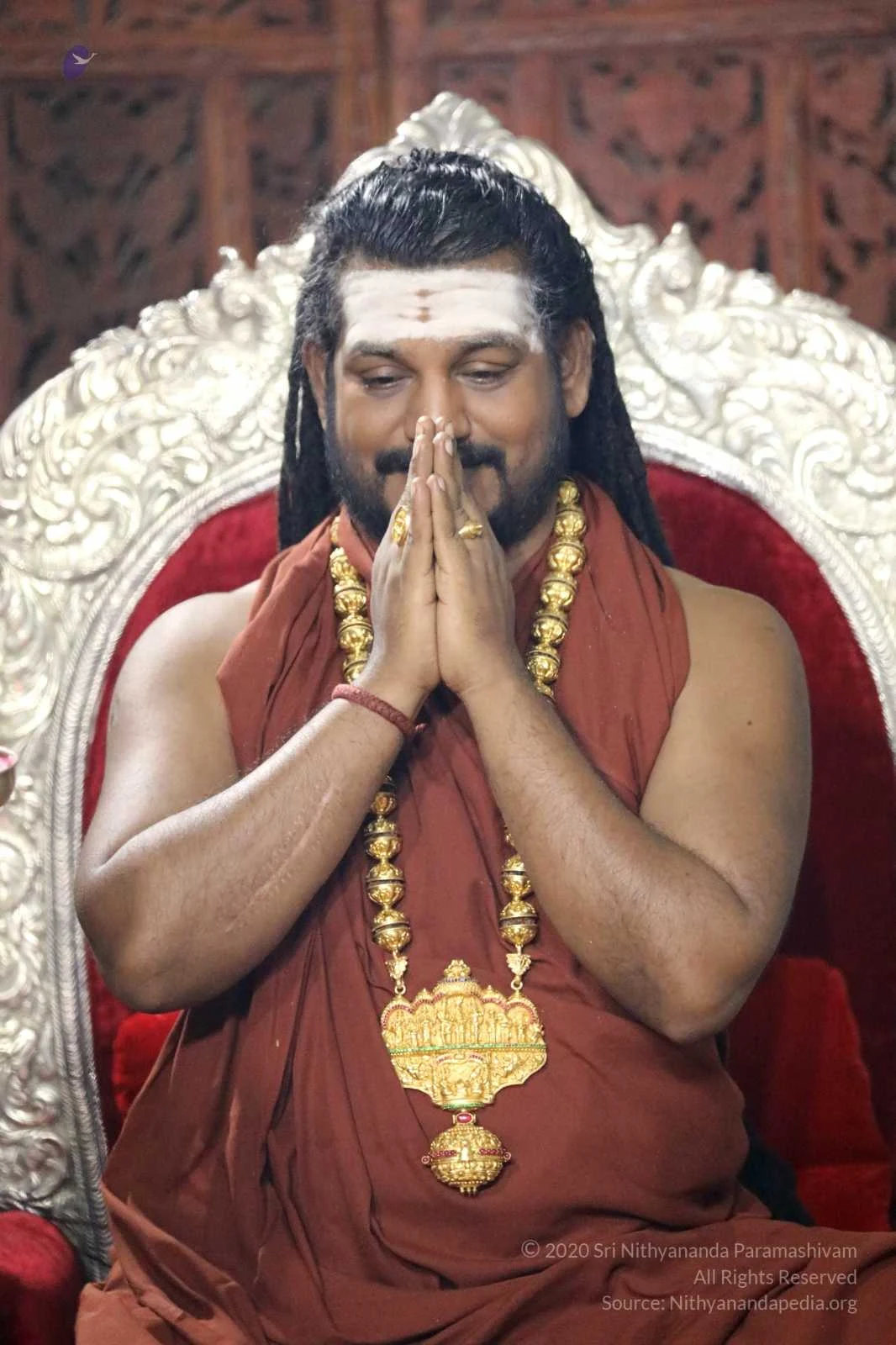
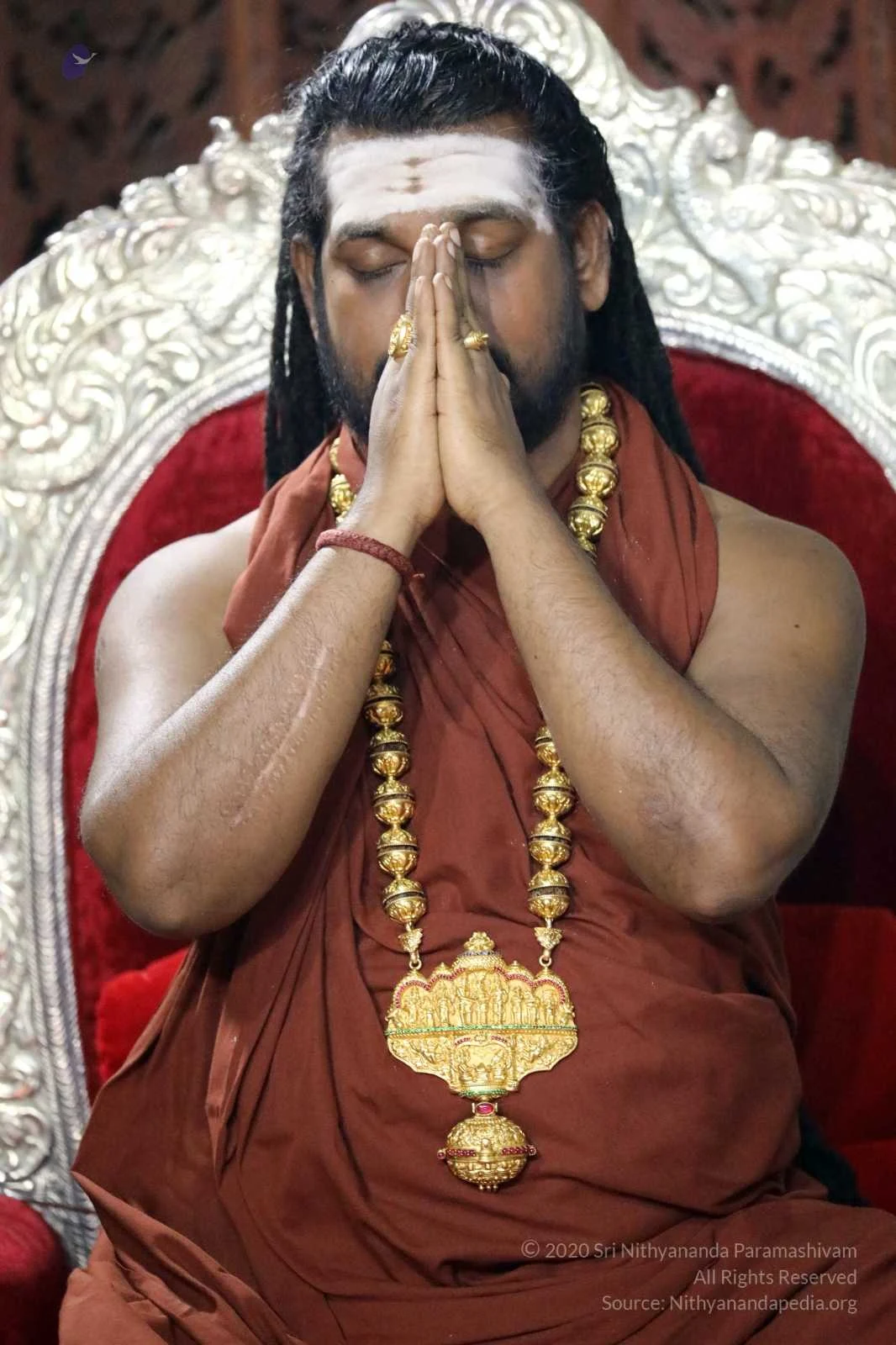
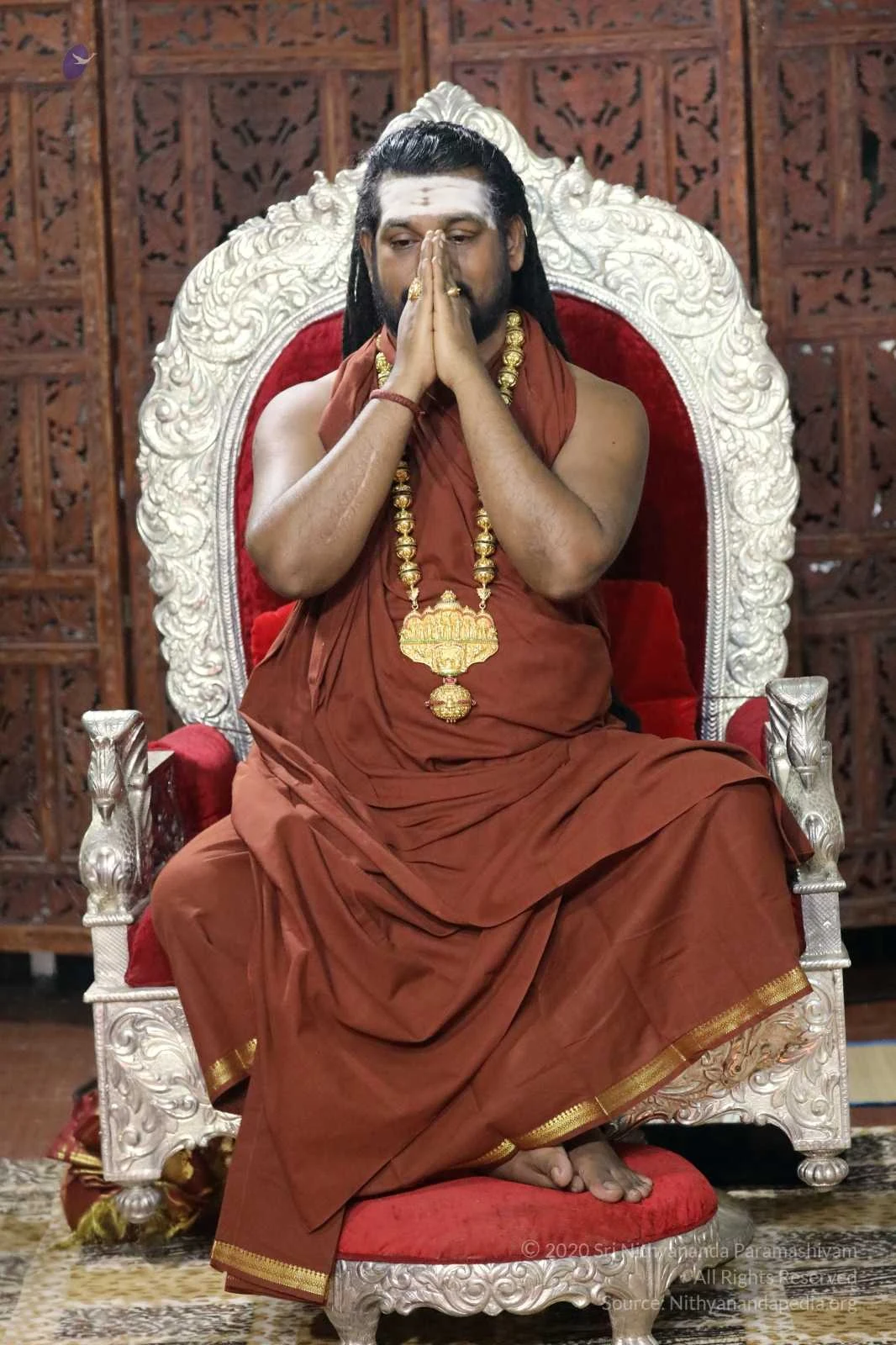
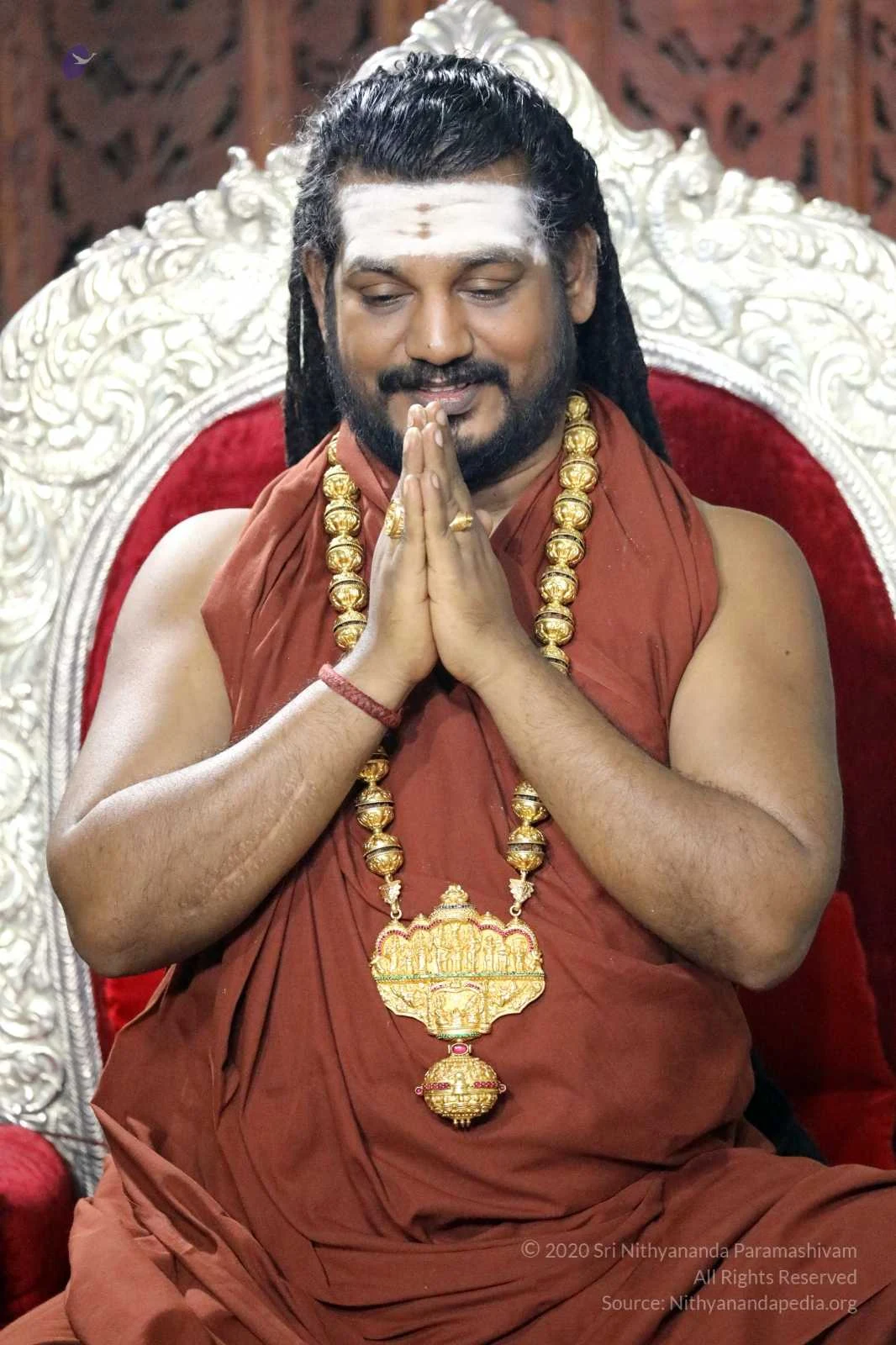
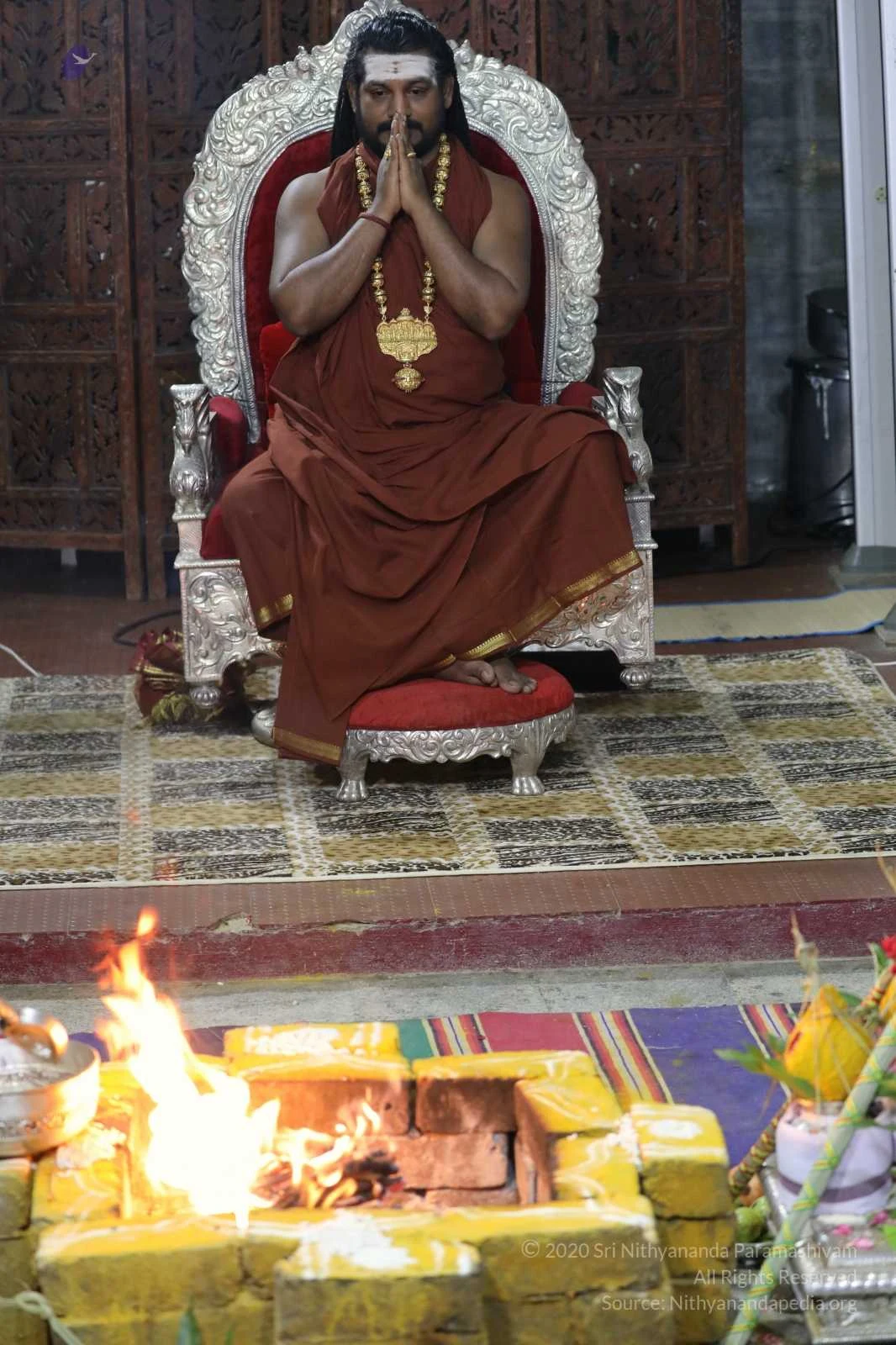
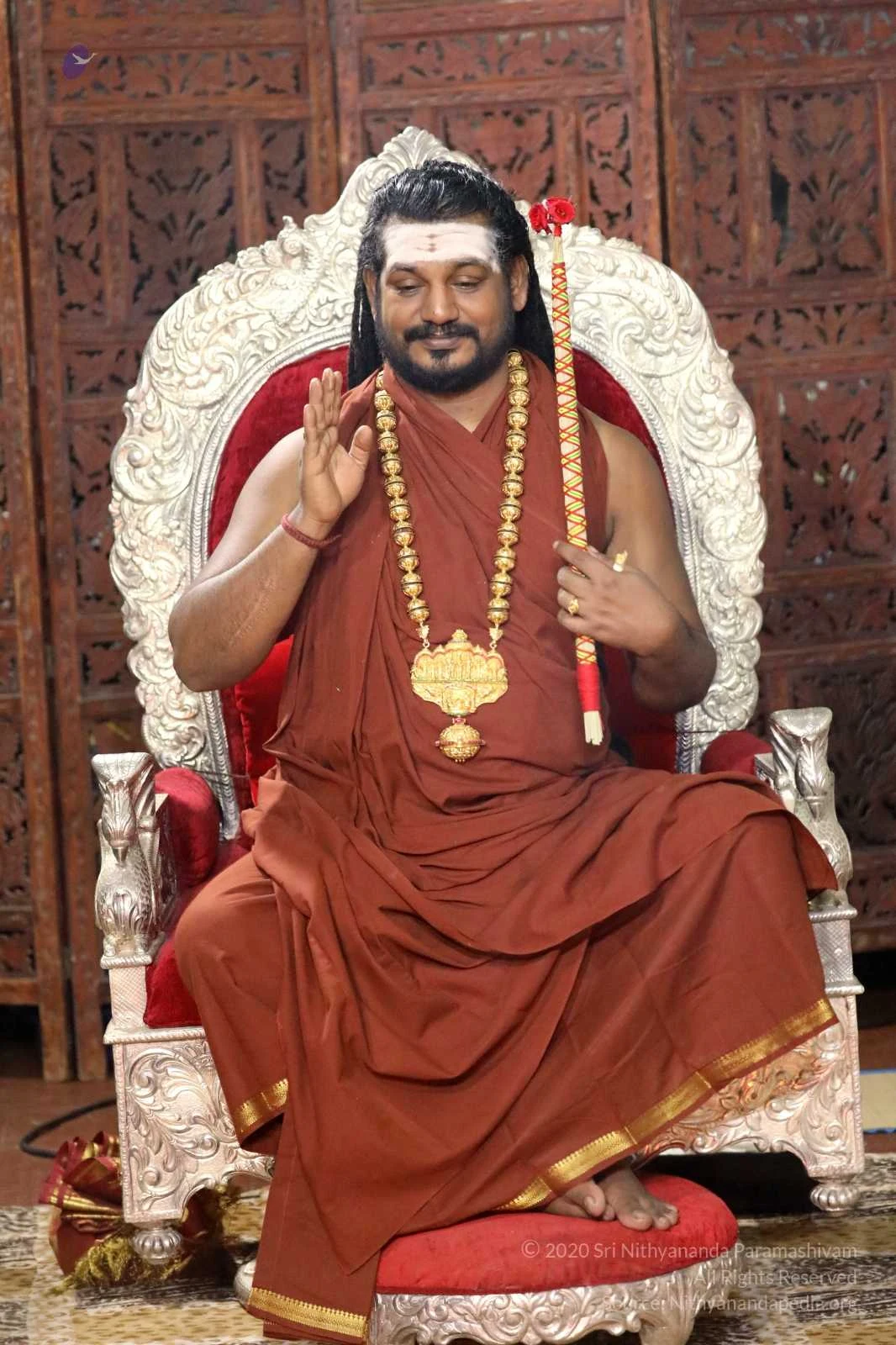
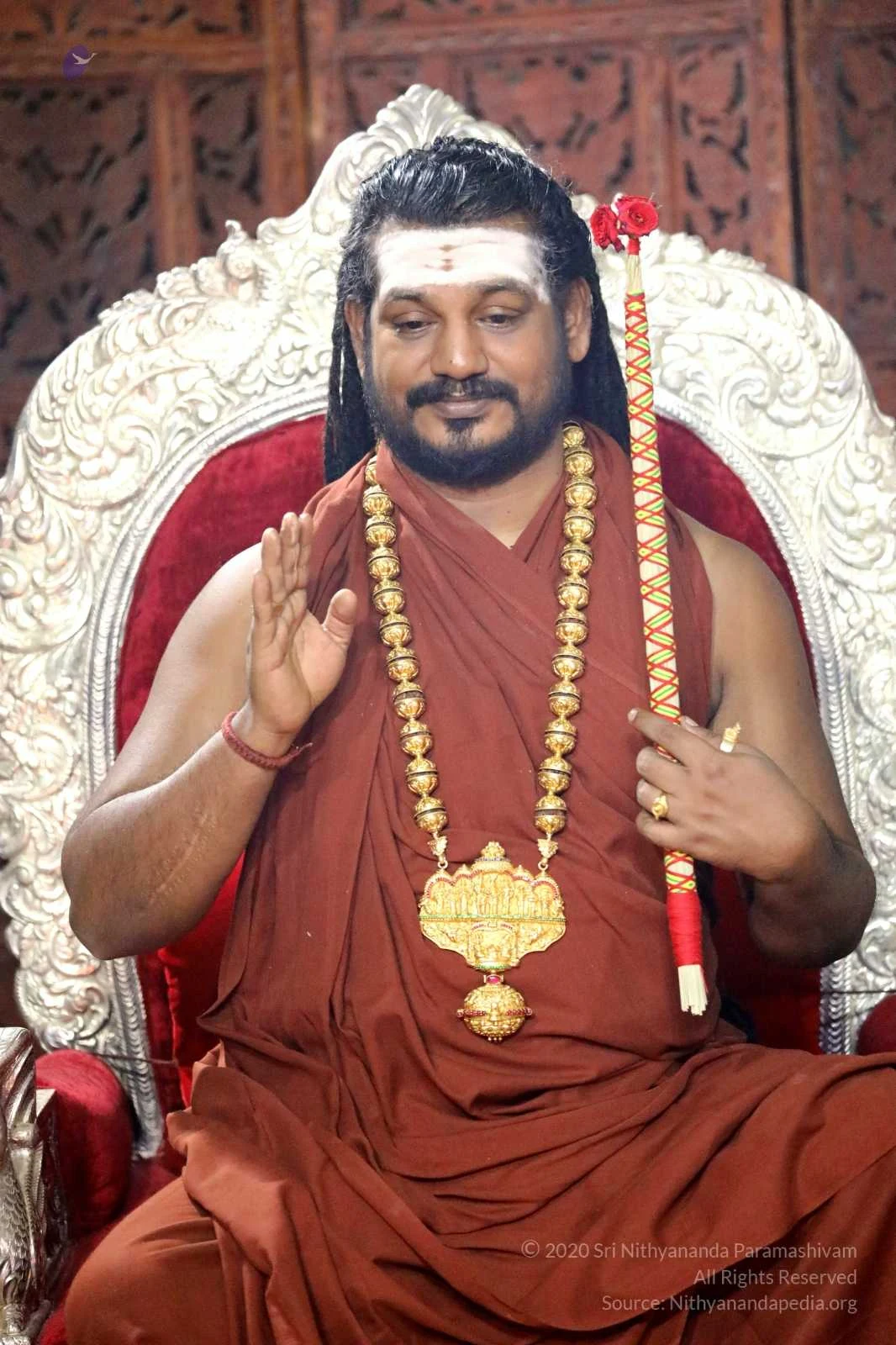
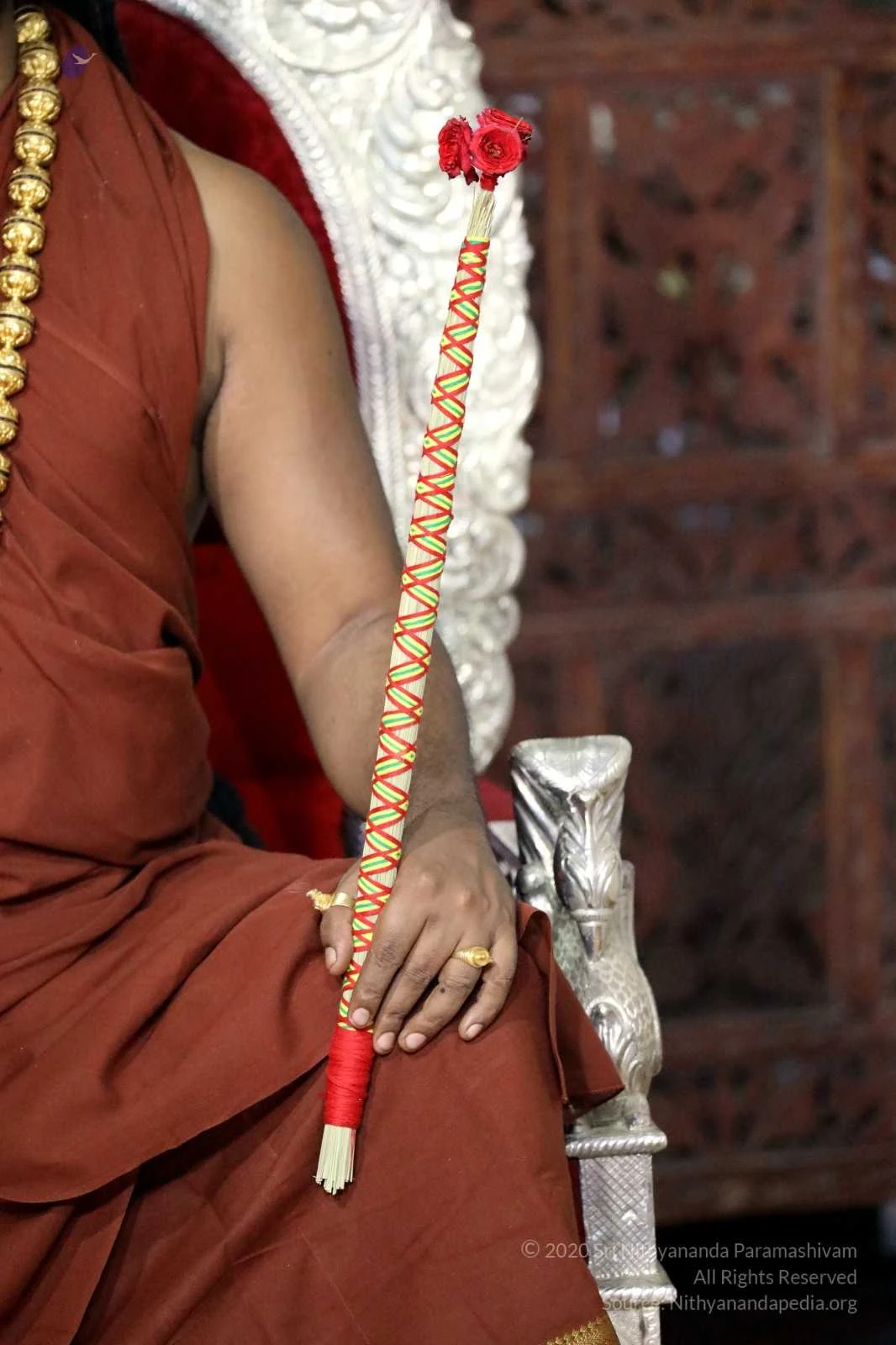
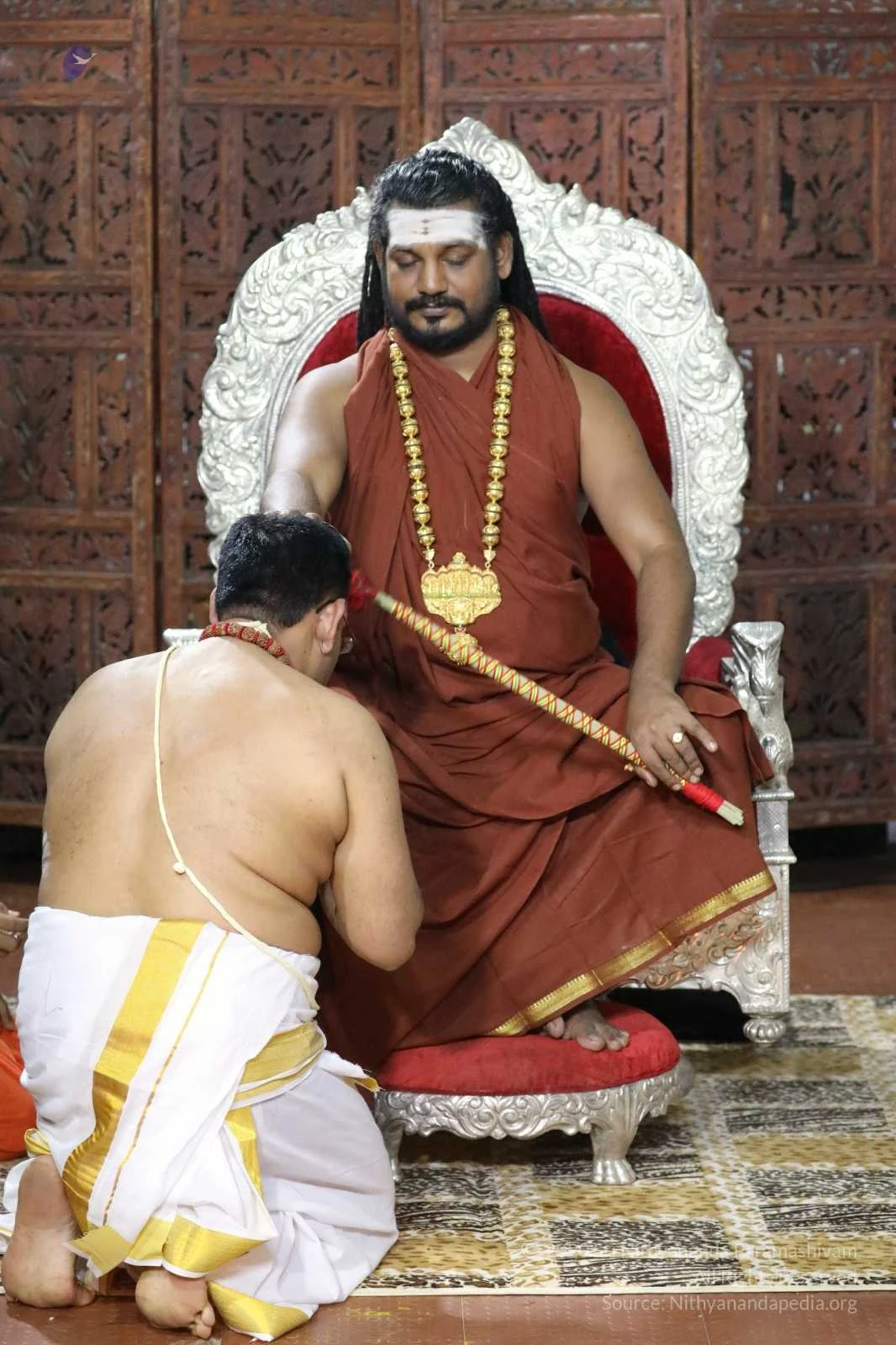
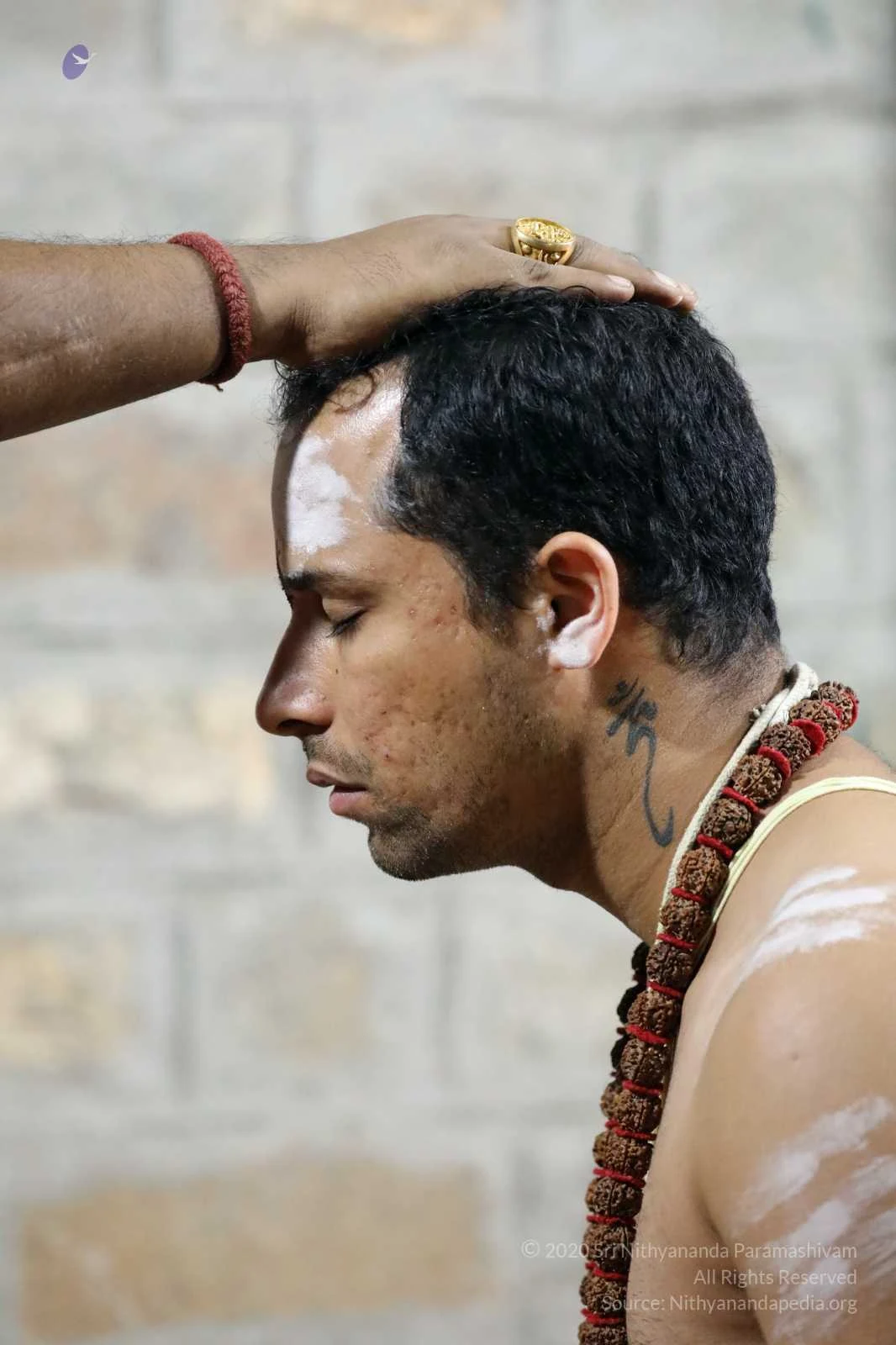
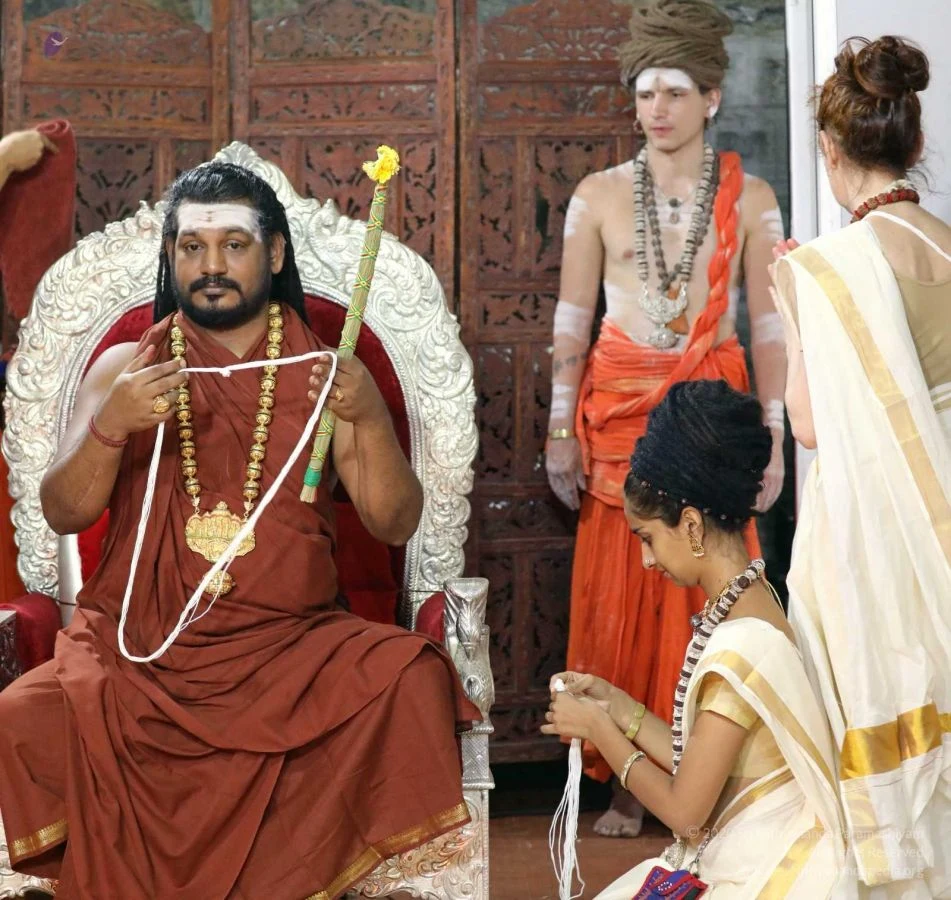
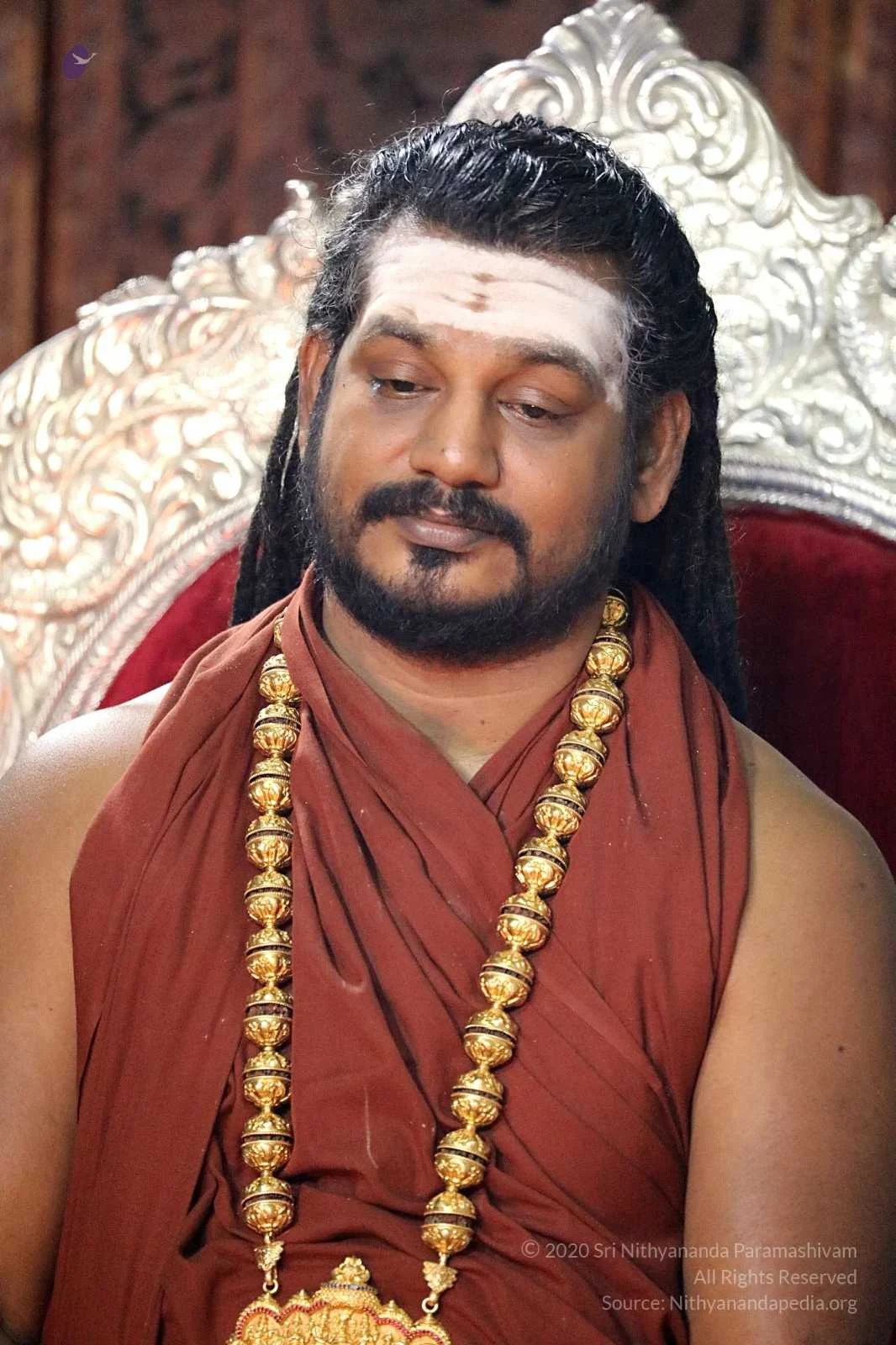
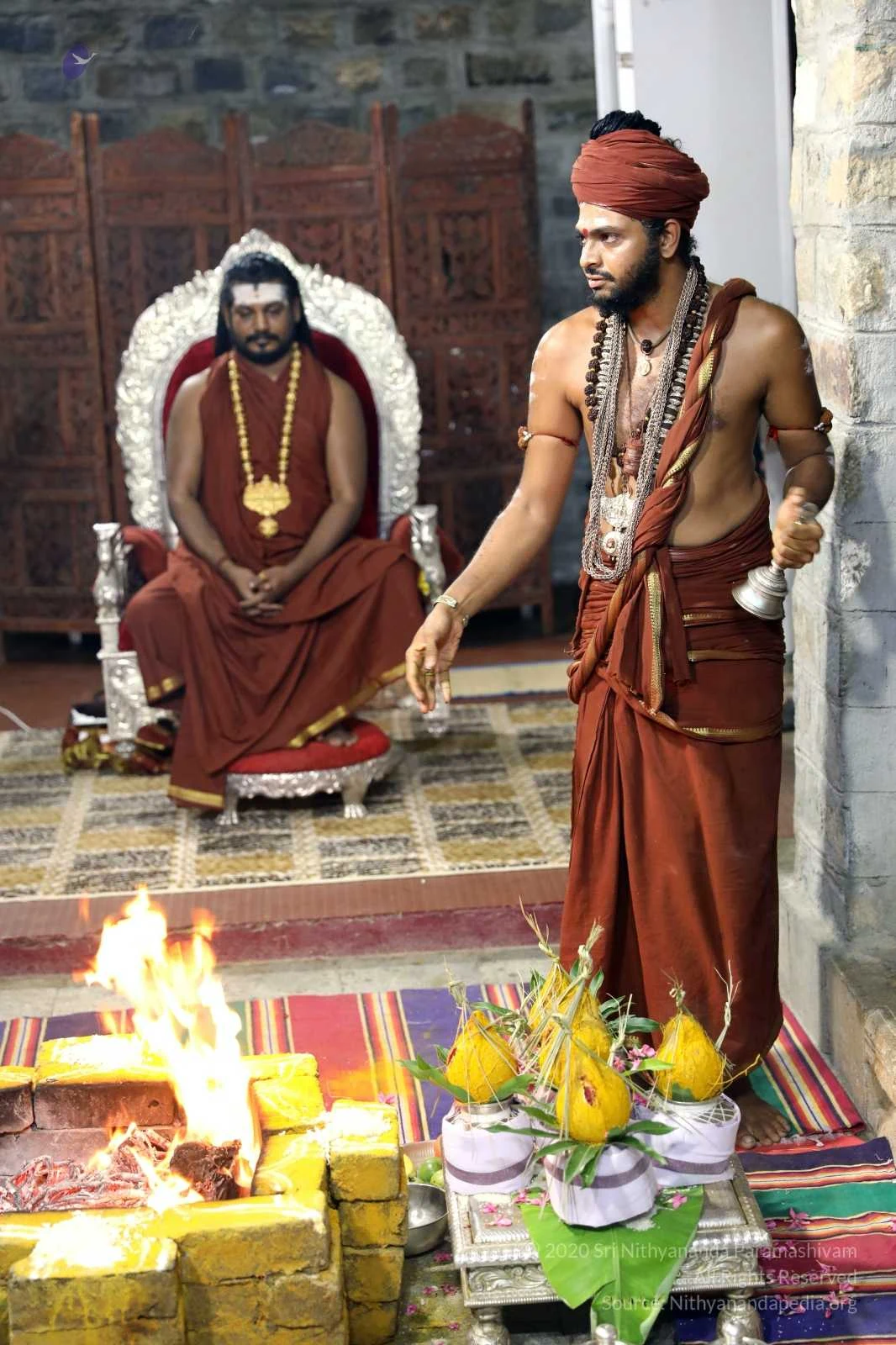
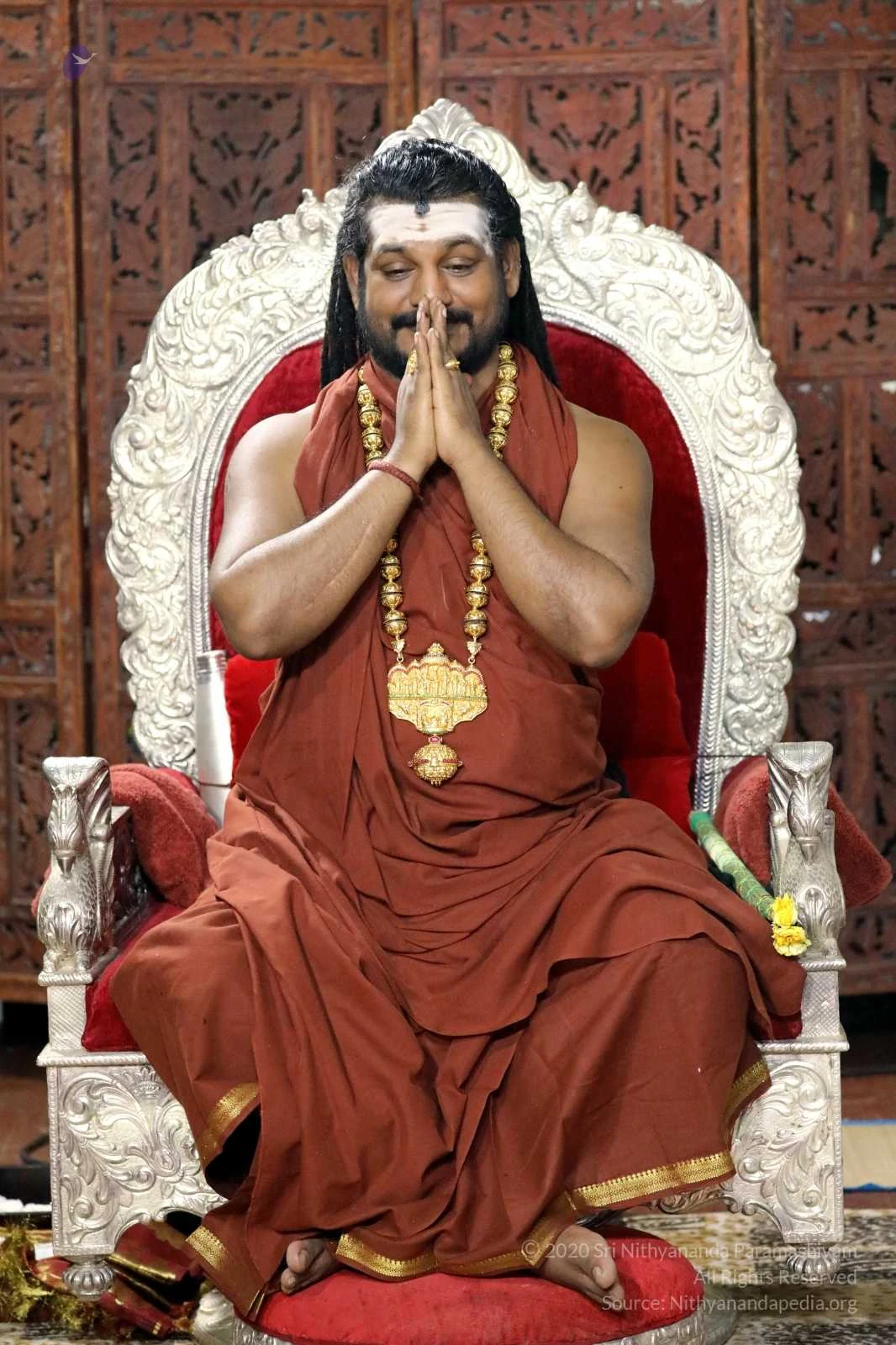
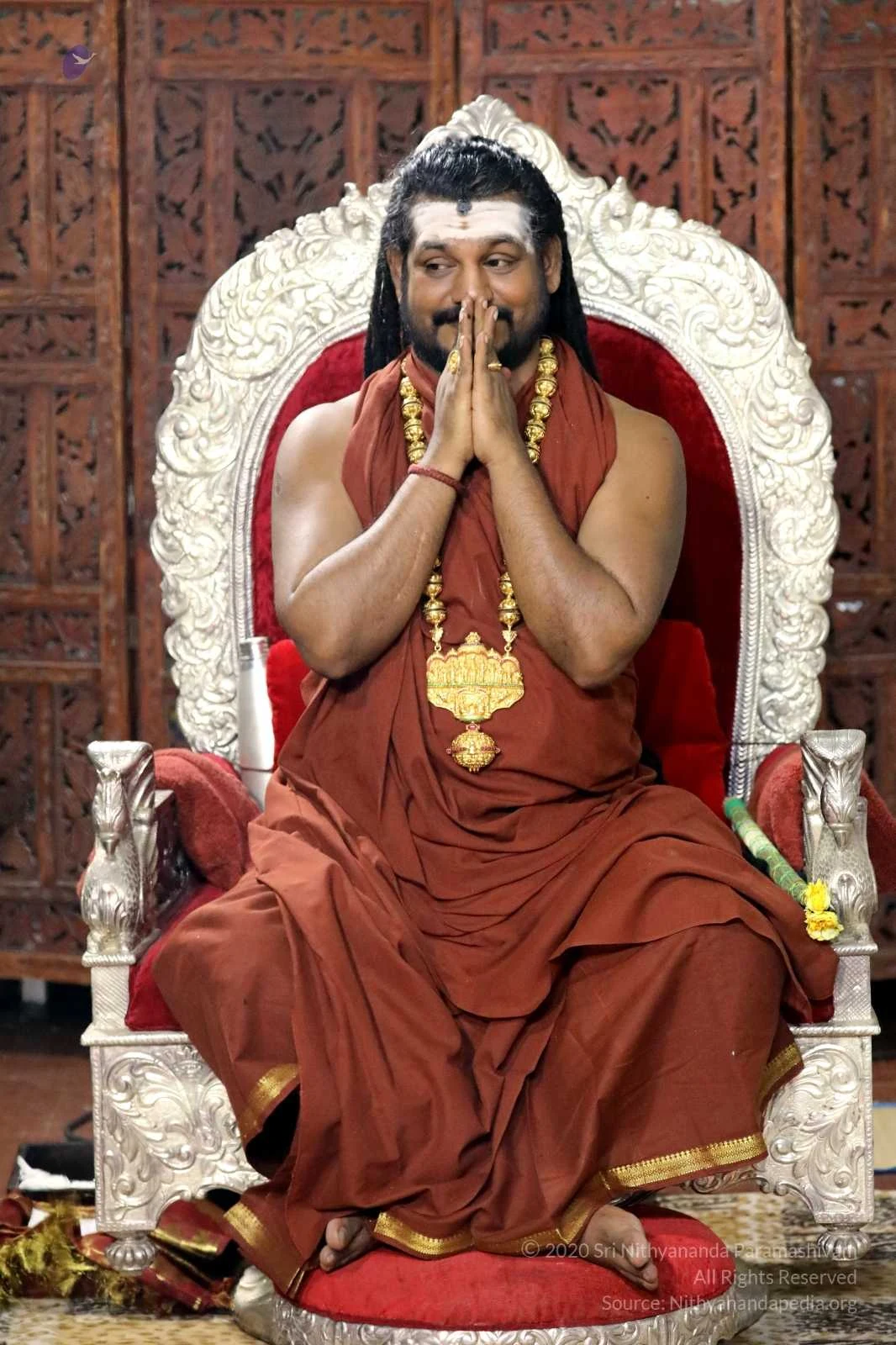
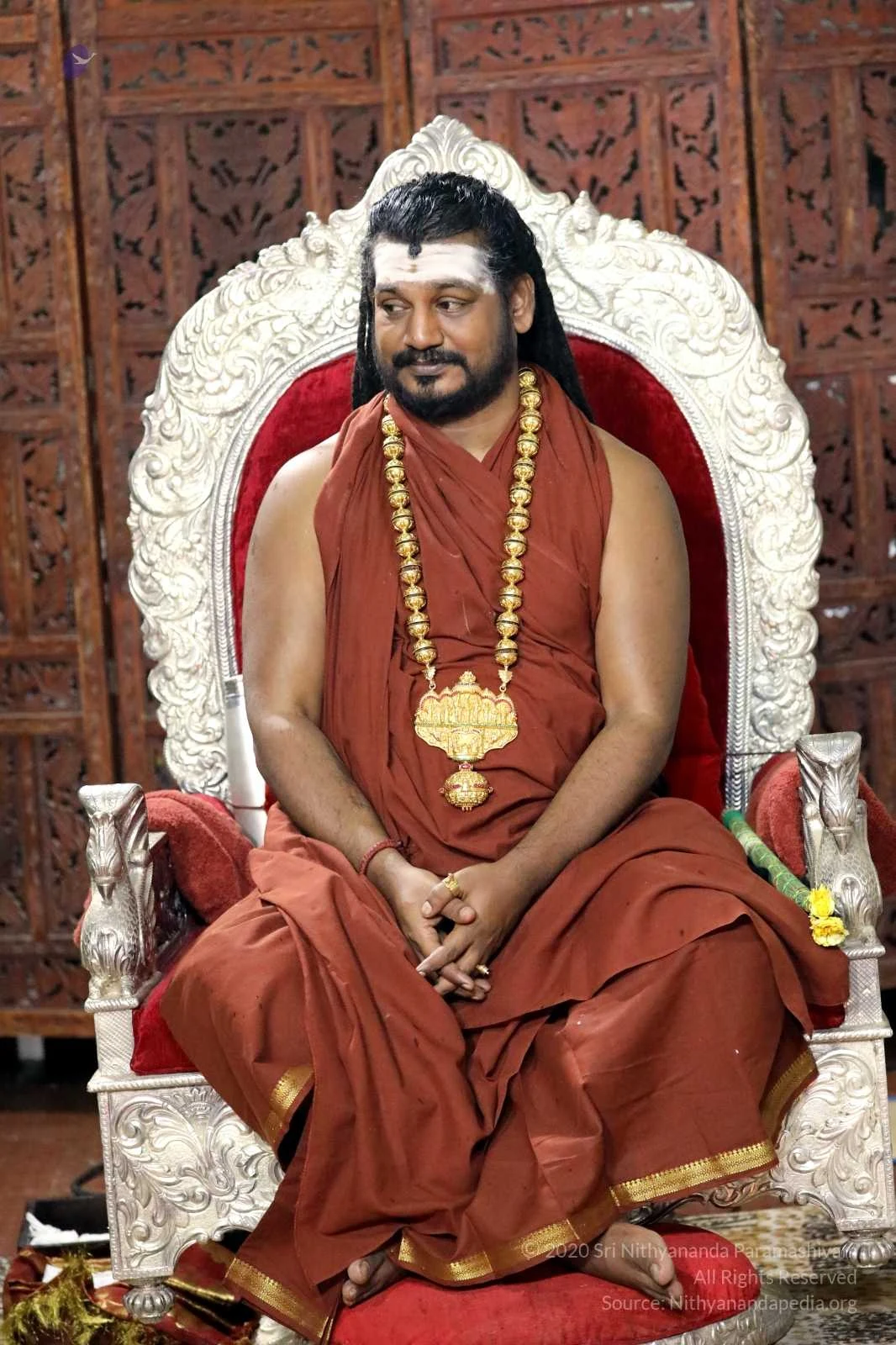
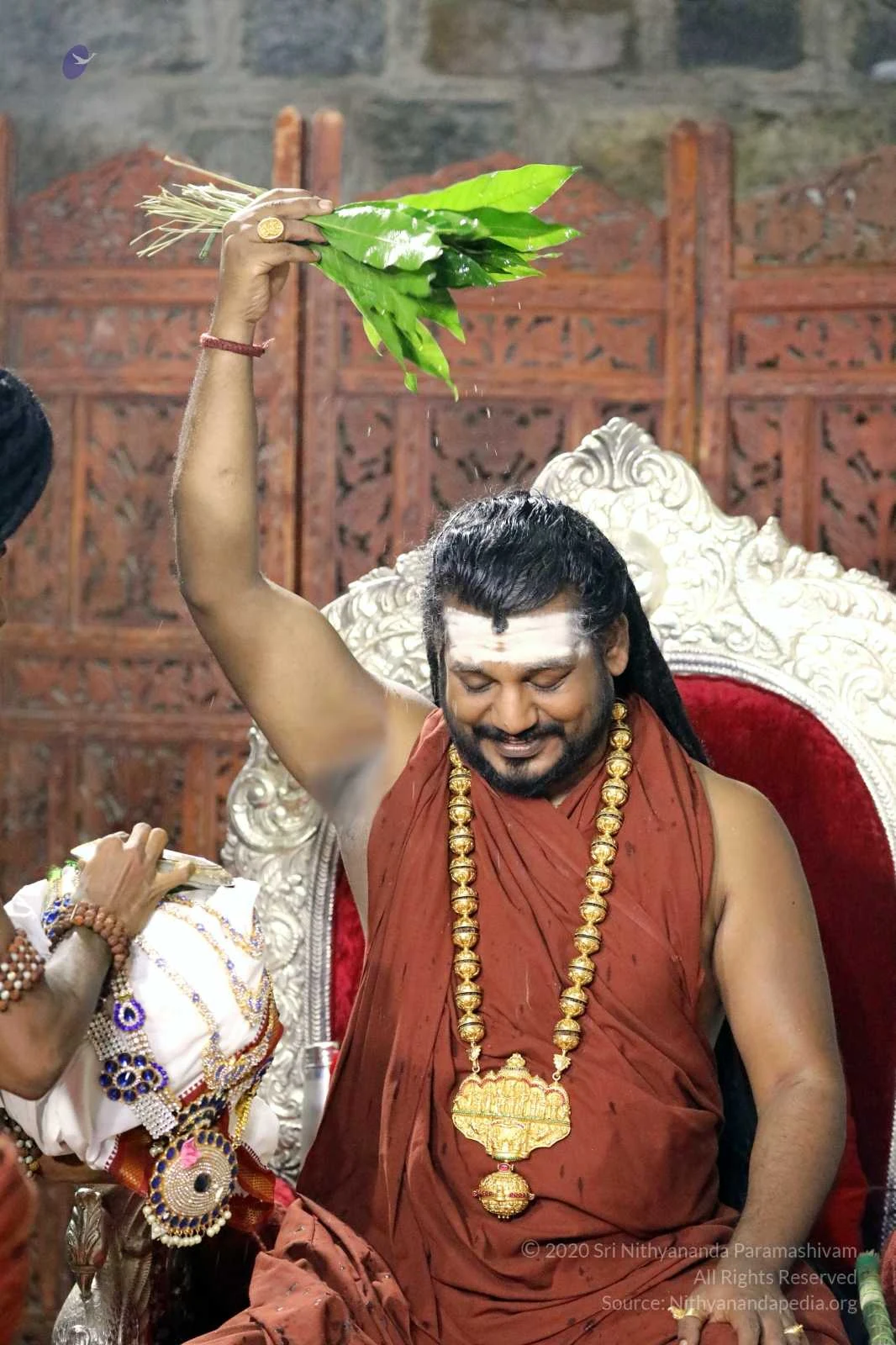
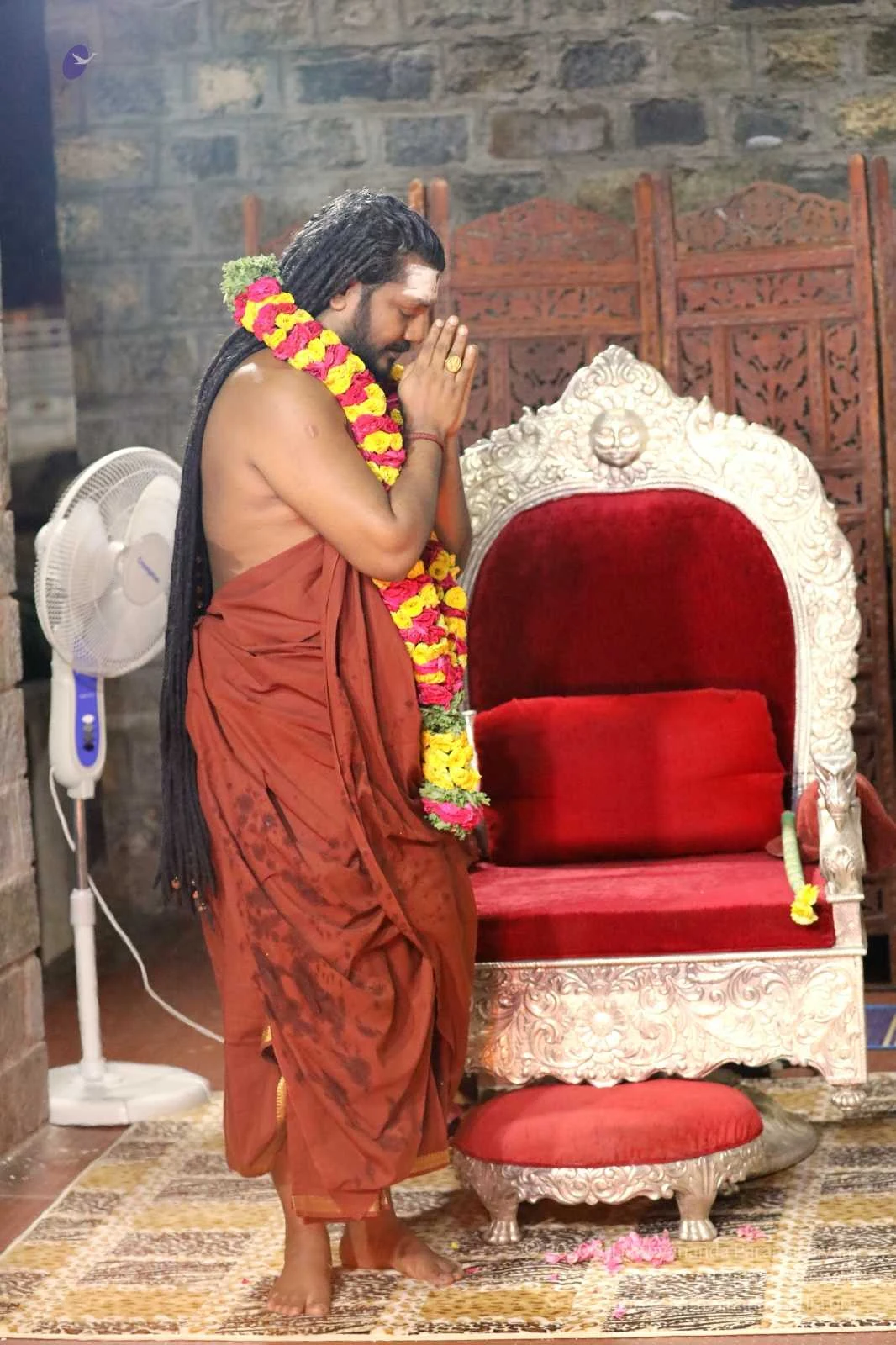
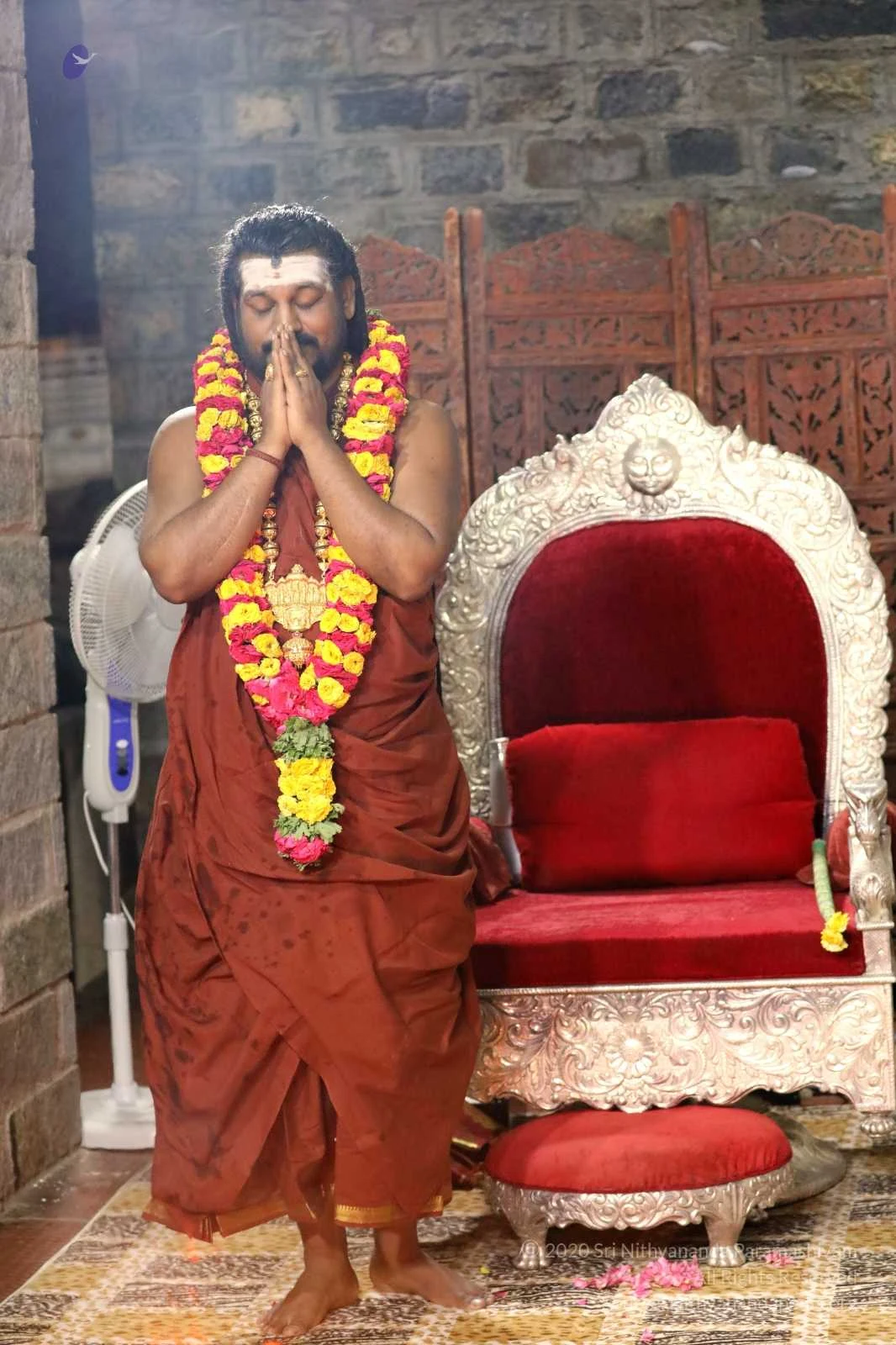
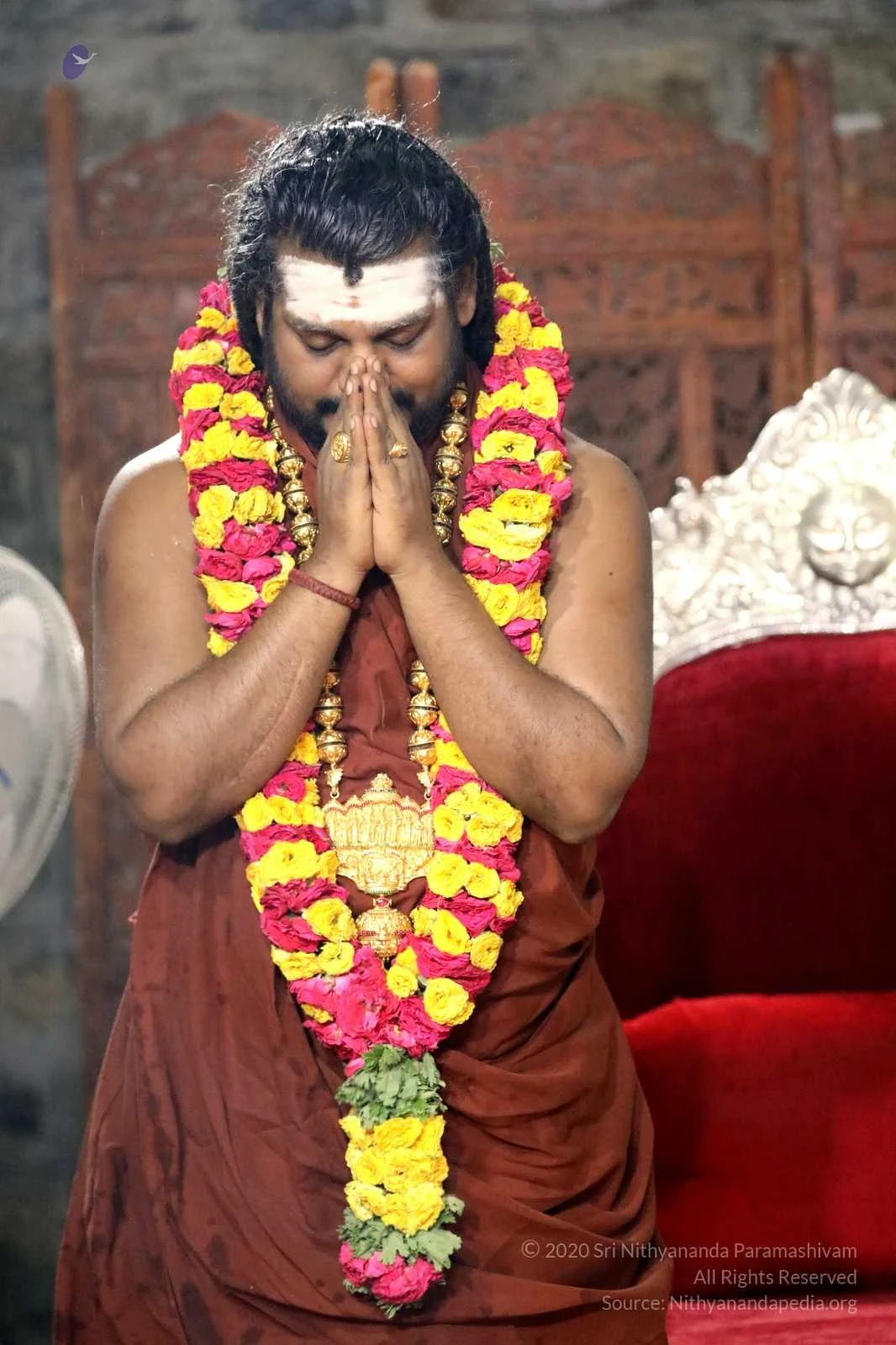
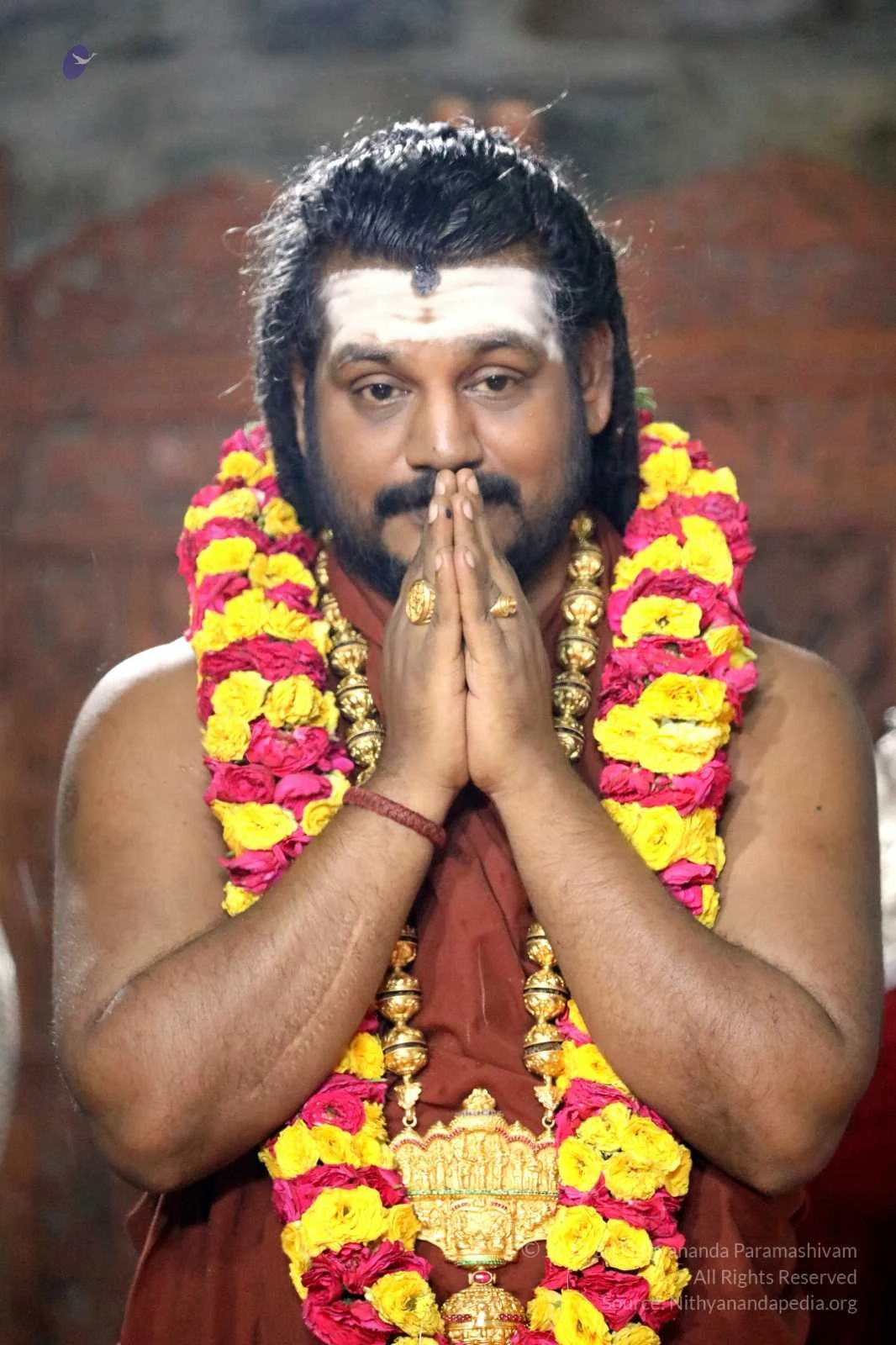
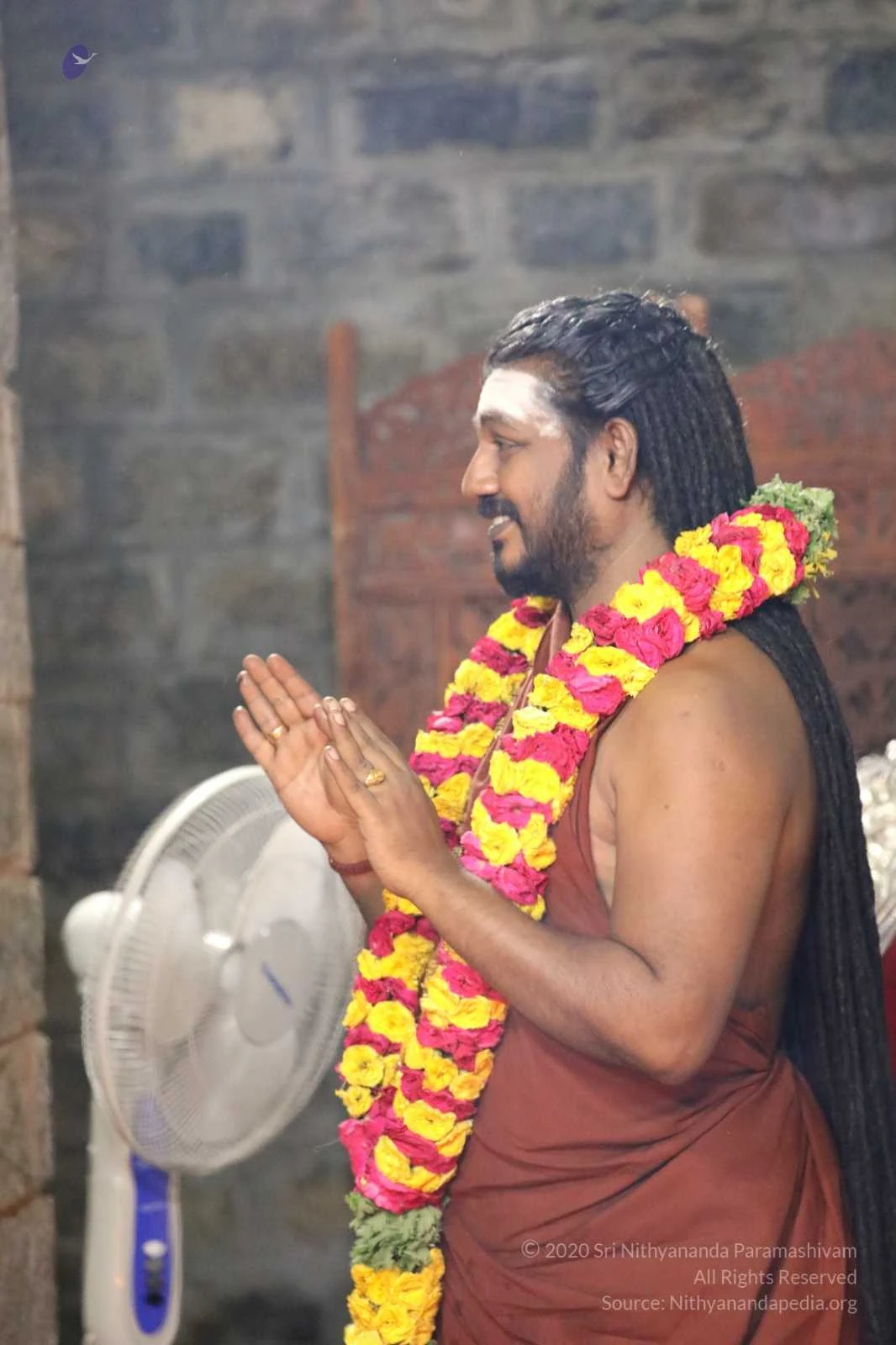
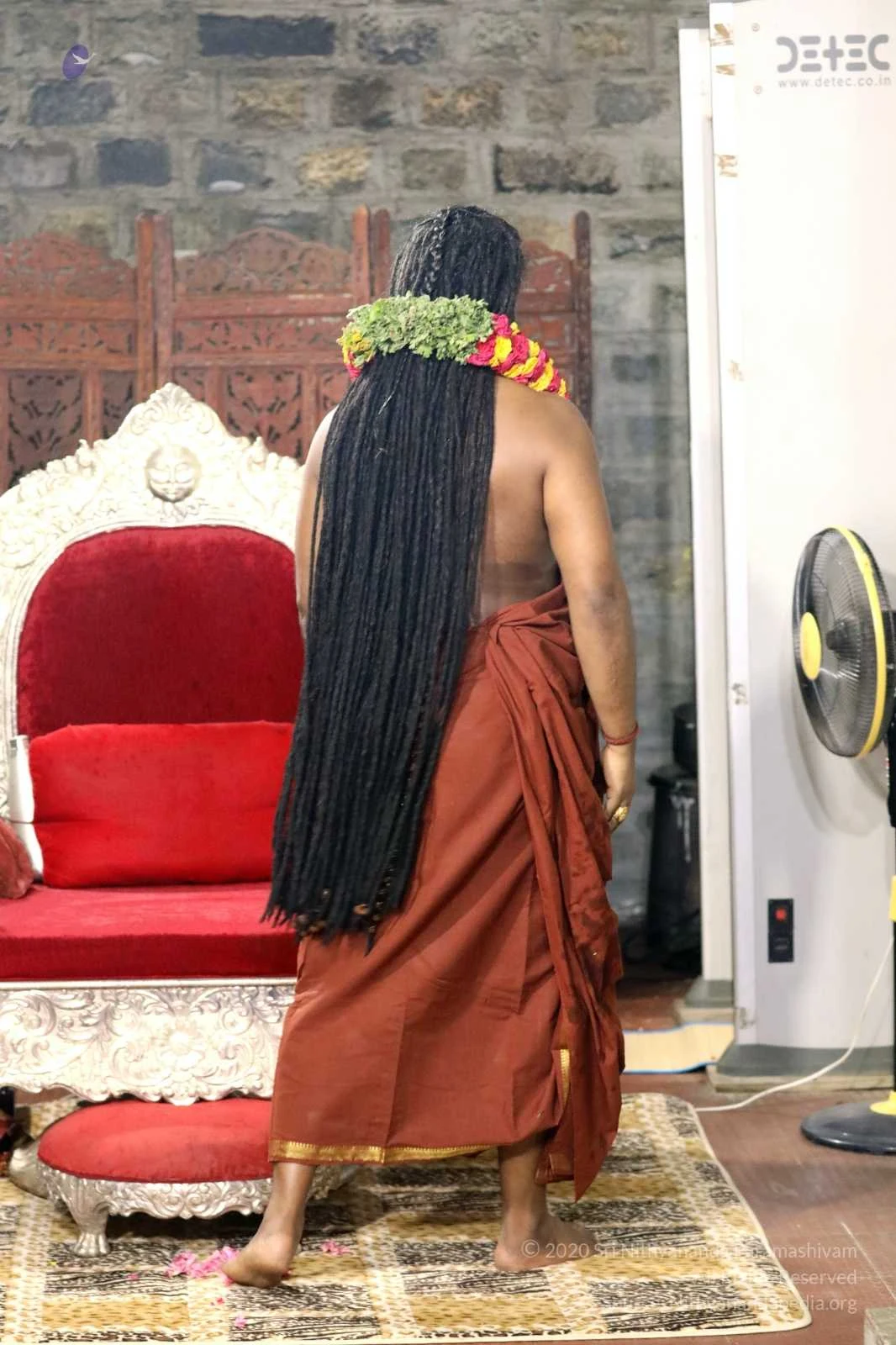
Darshan
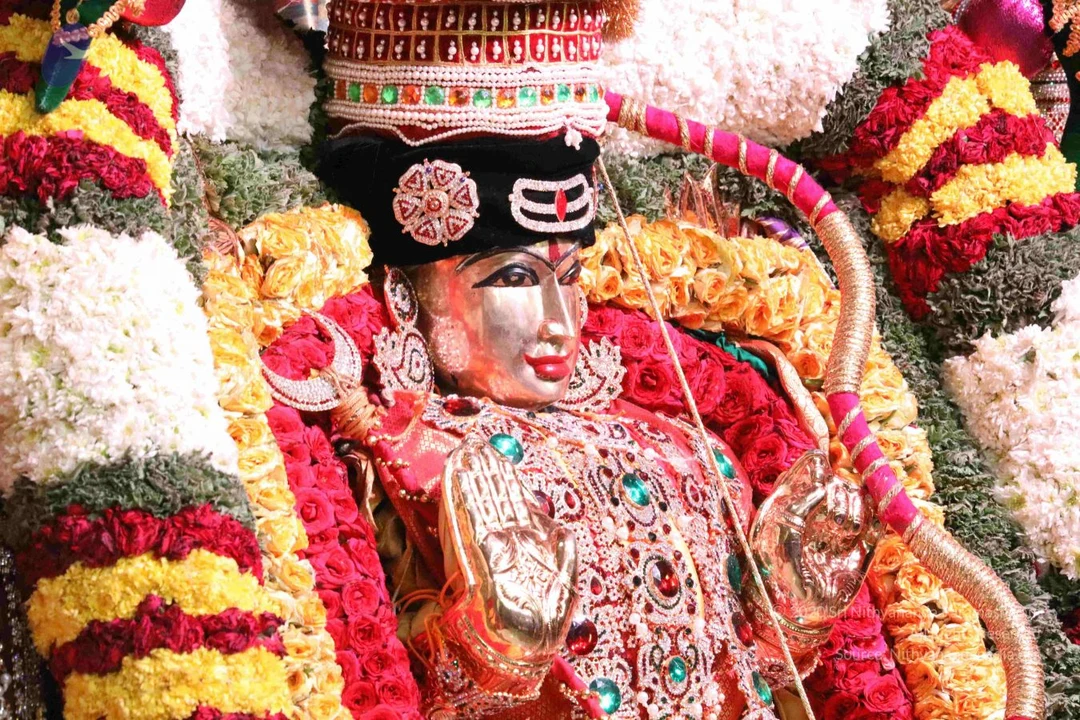
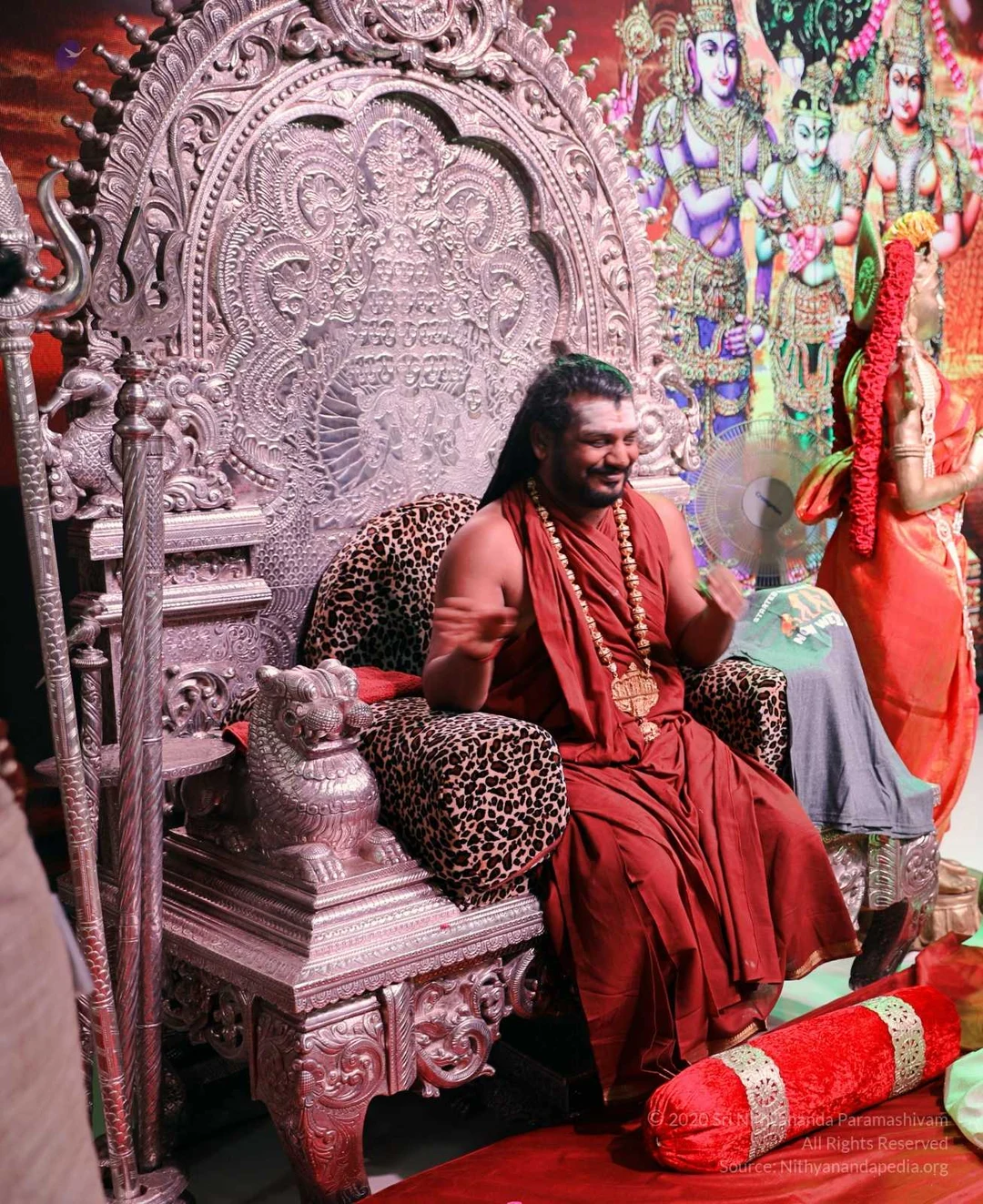
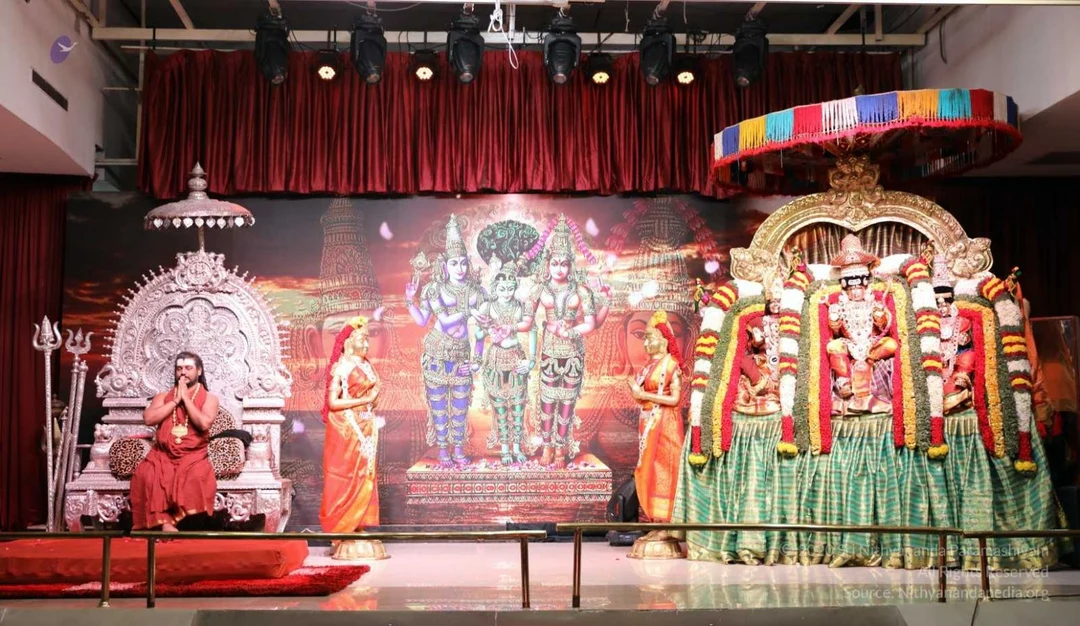 Chittirai Brahmotsavam special alankar of HDH Nithyananda Paramashivam deity, Sundareshwara and Meenakshi Devi
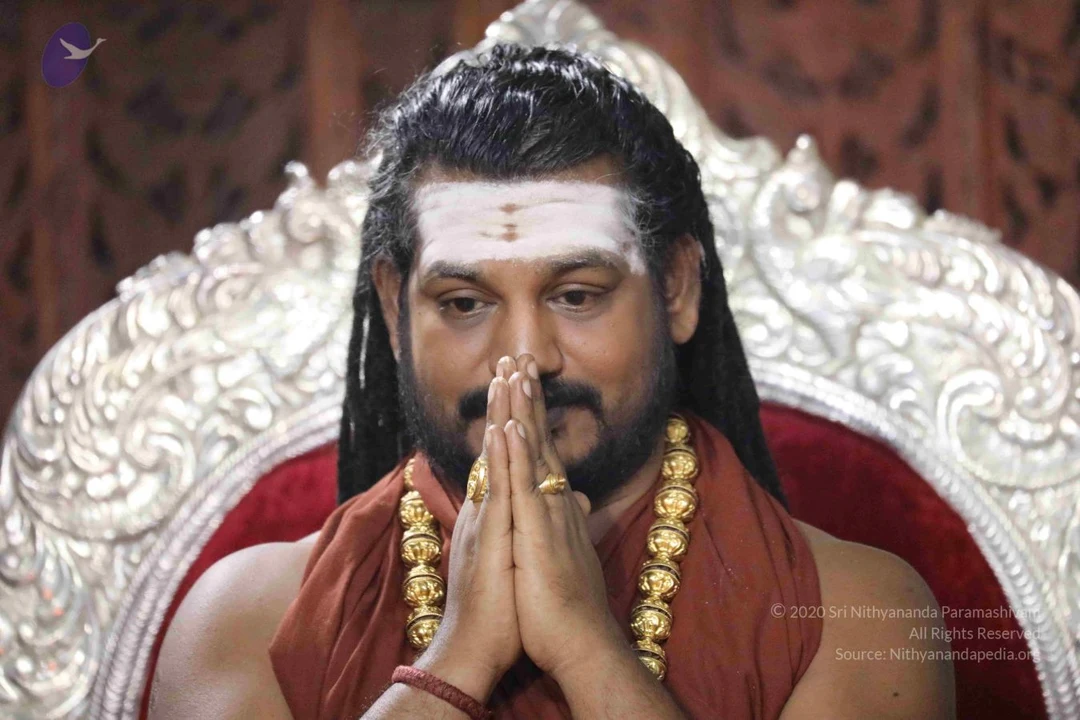
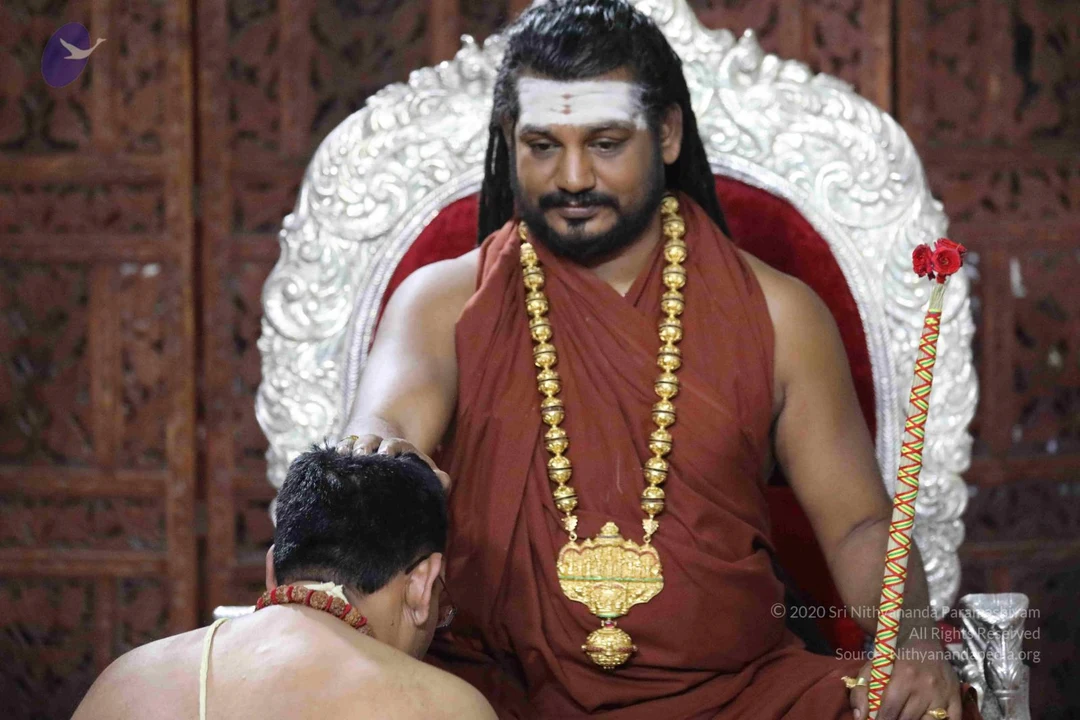
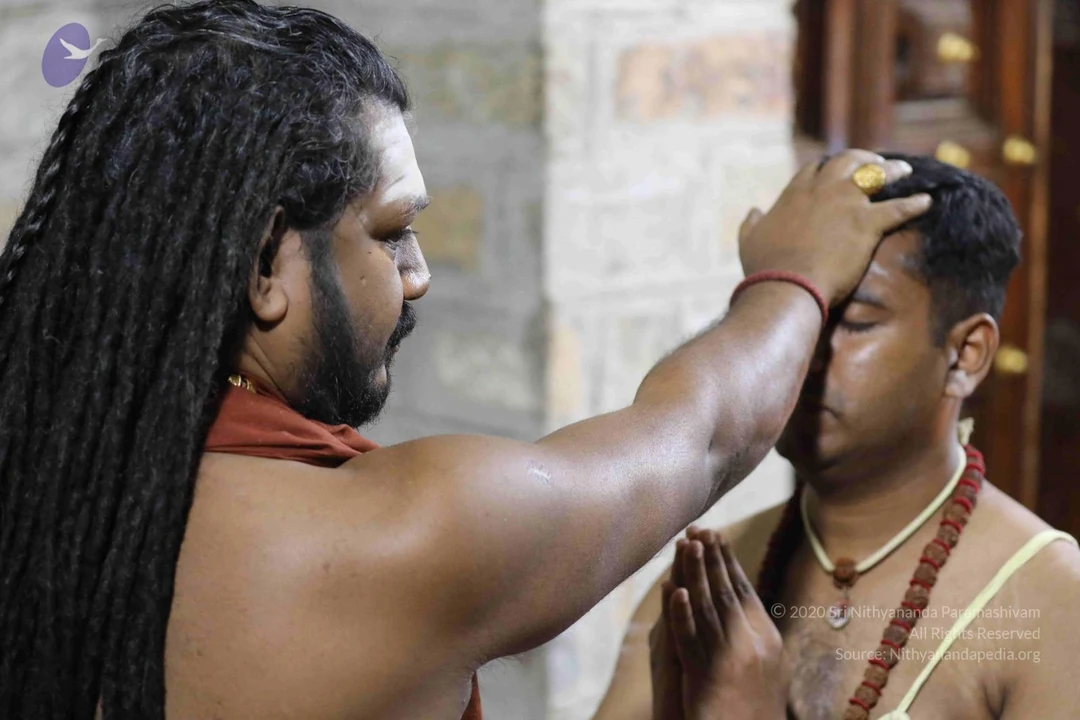
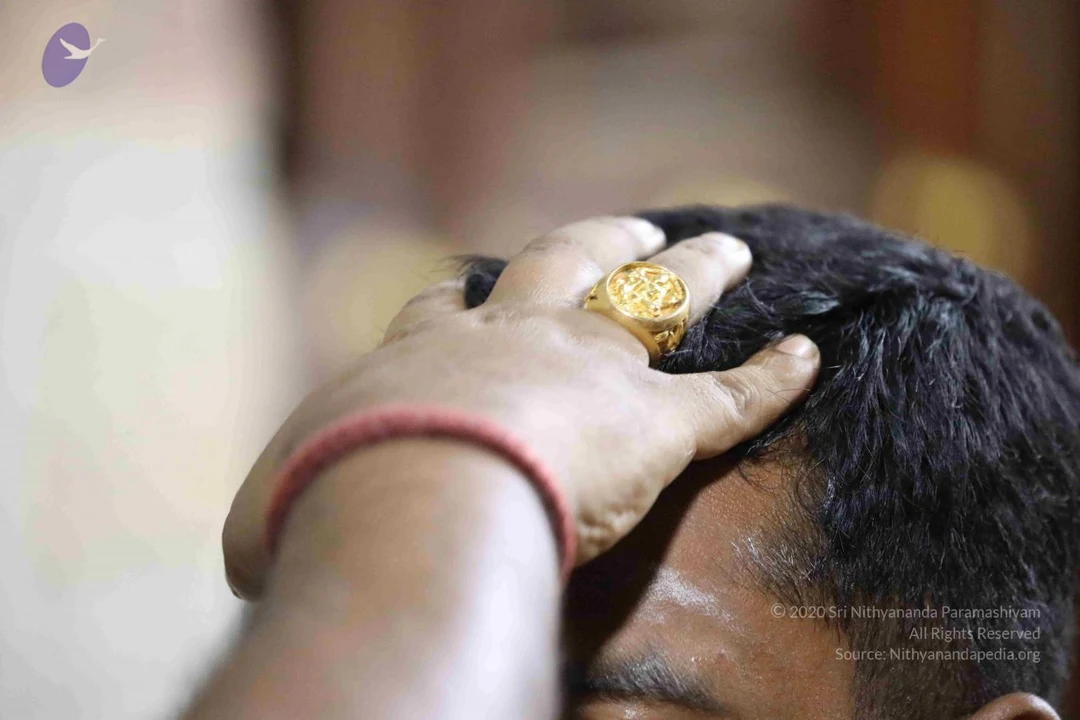
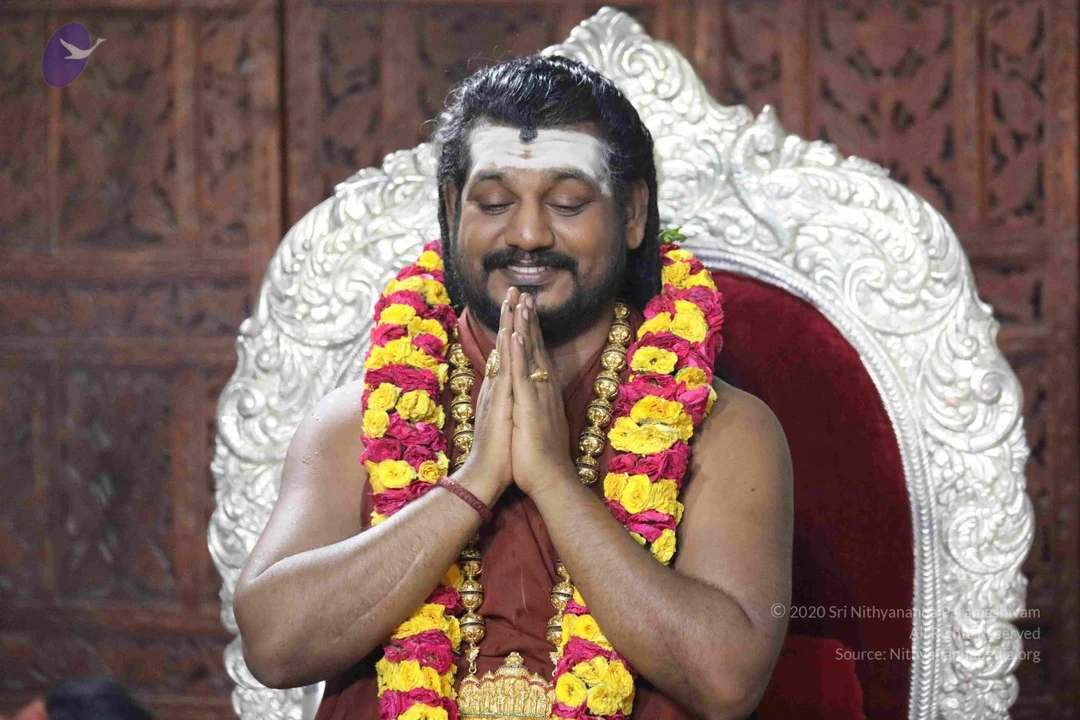
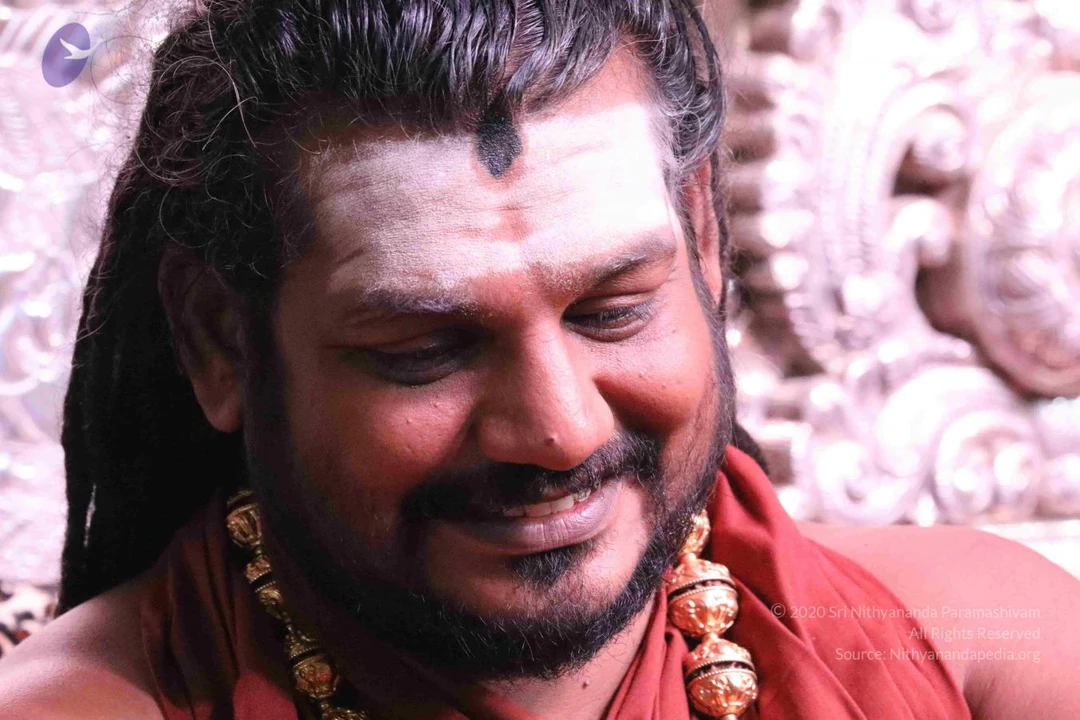
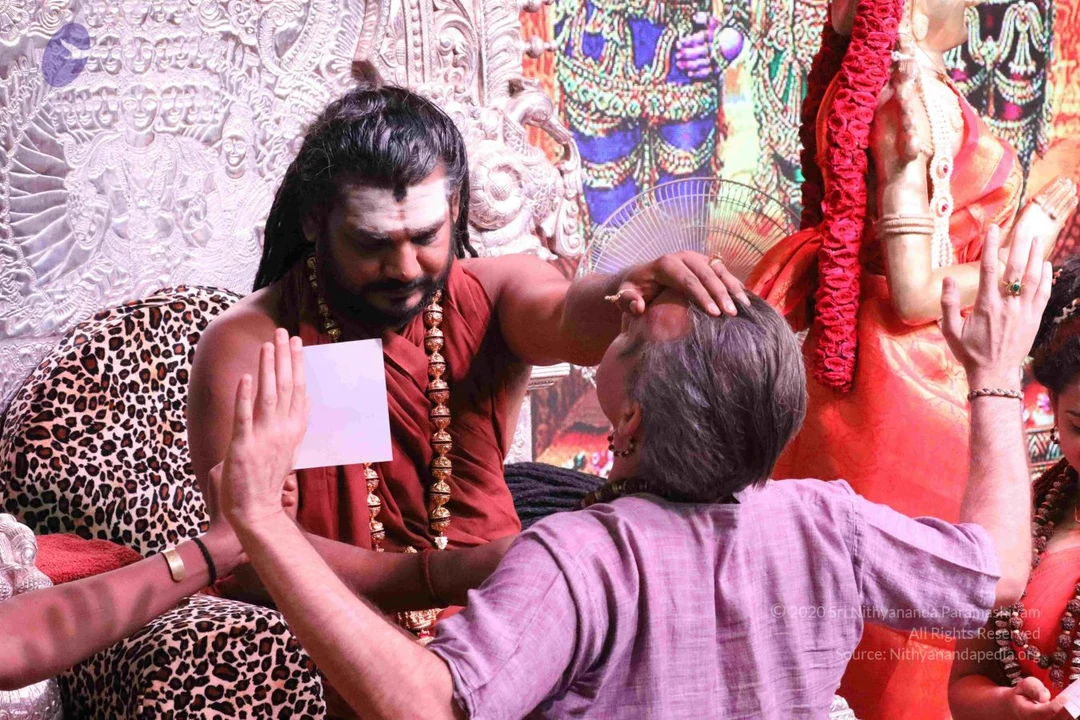
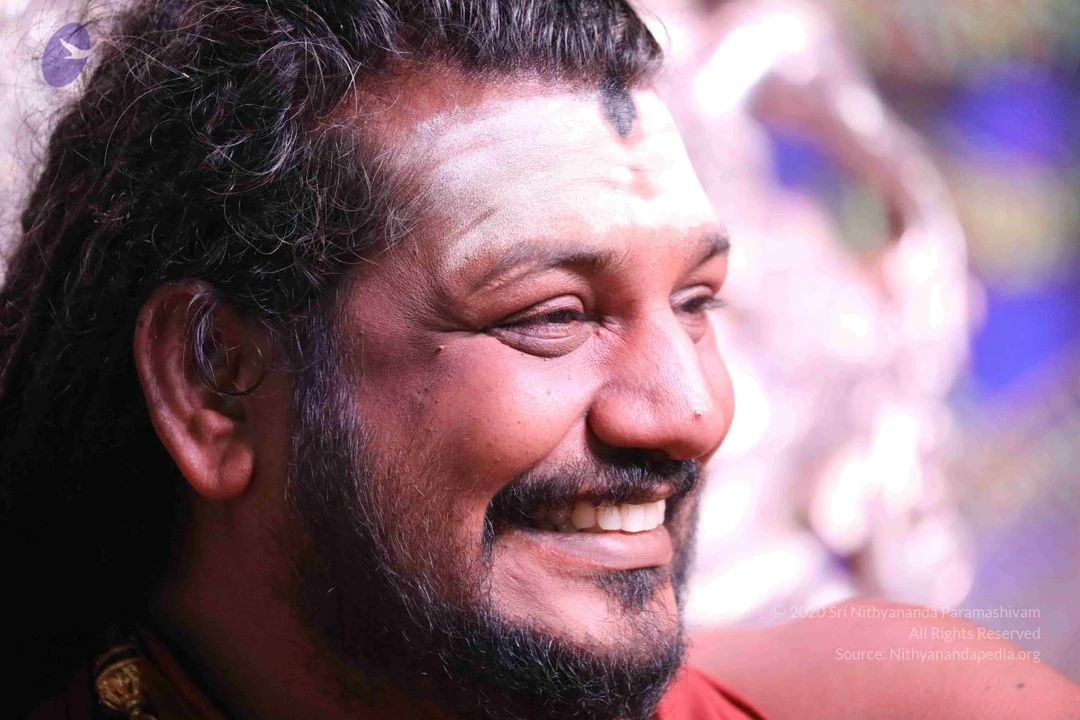
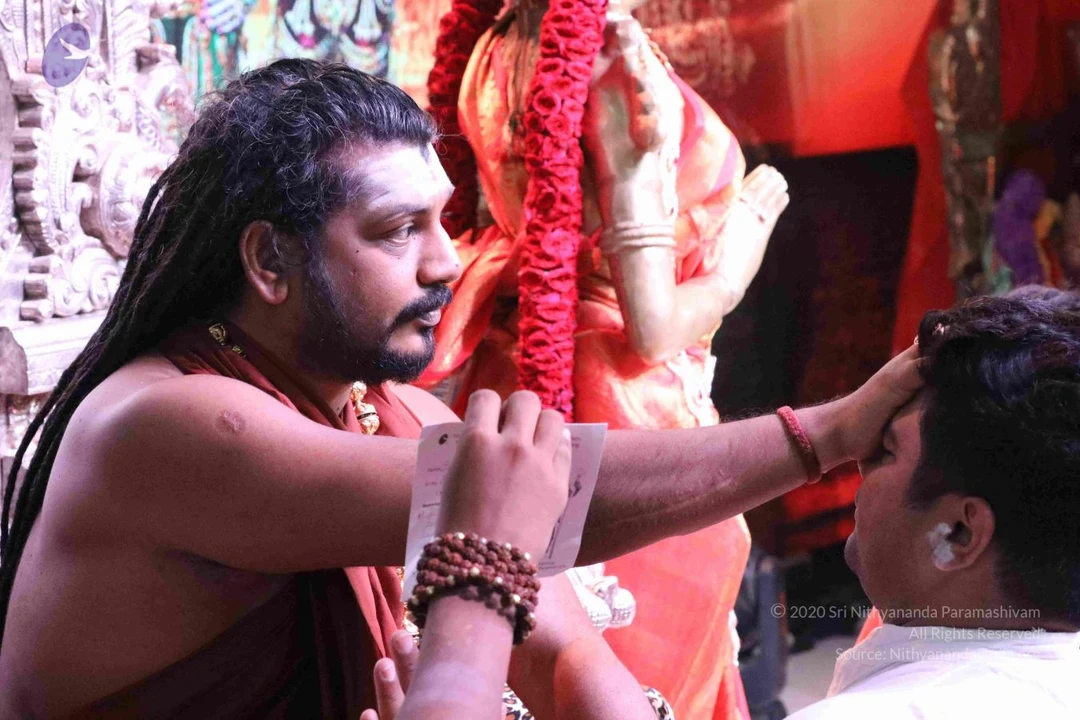
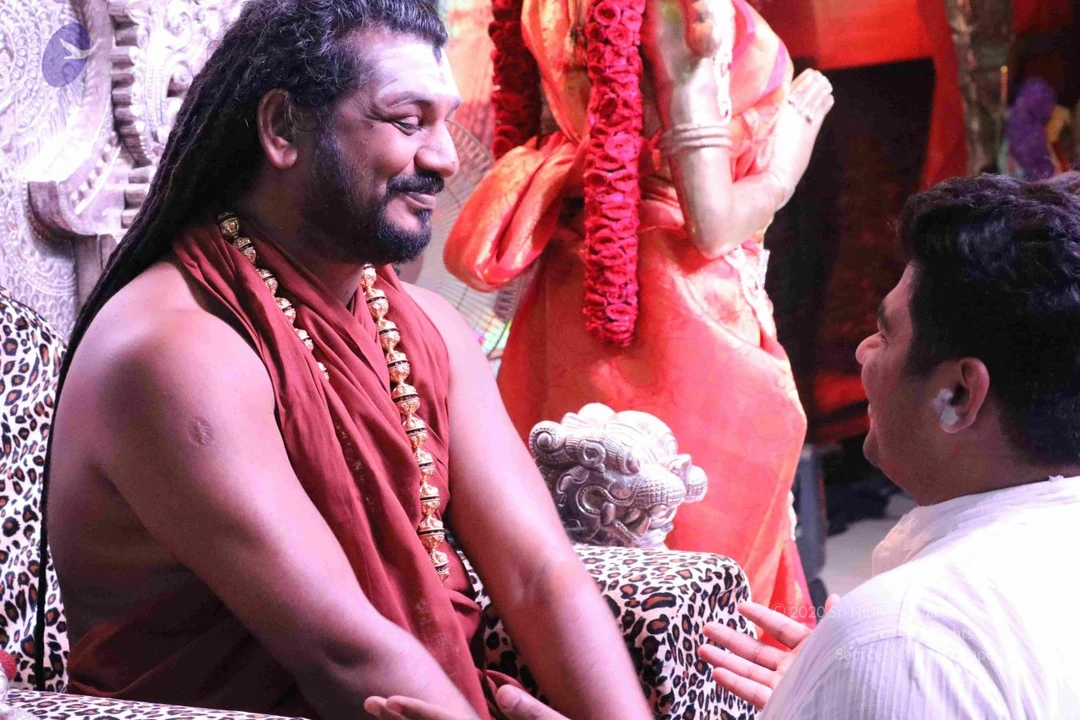
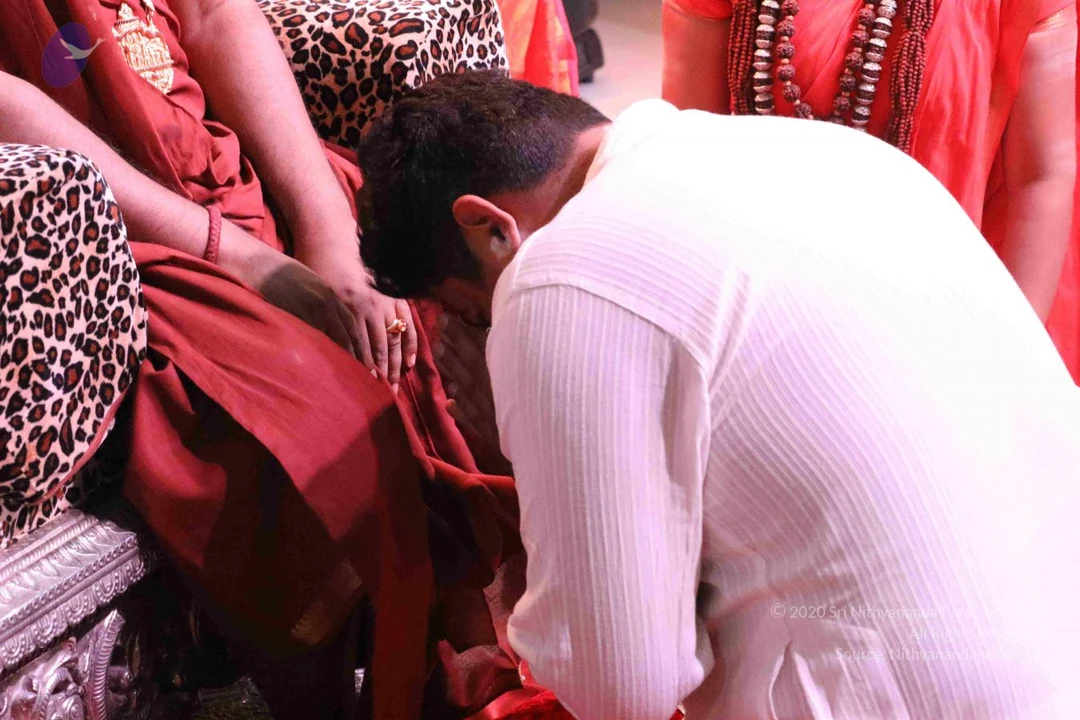
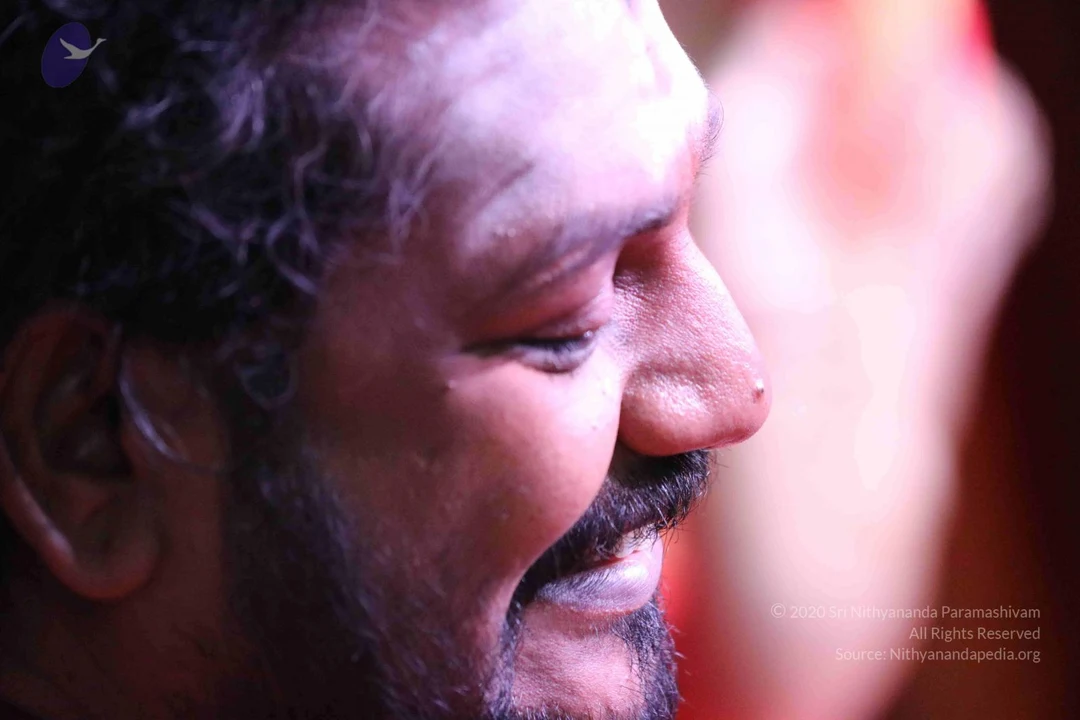
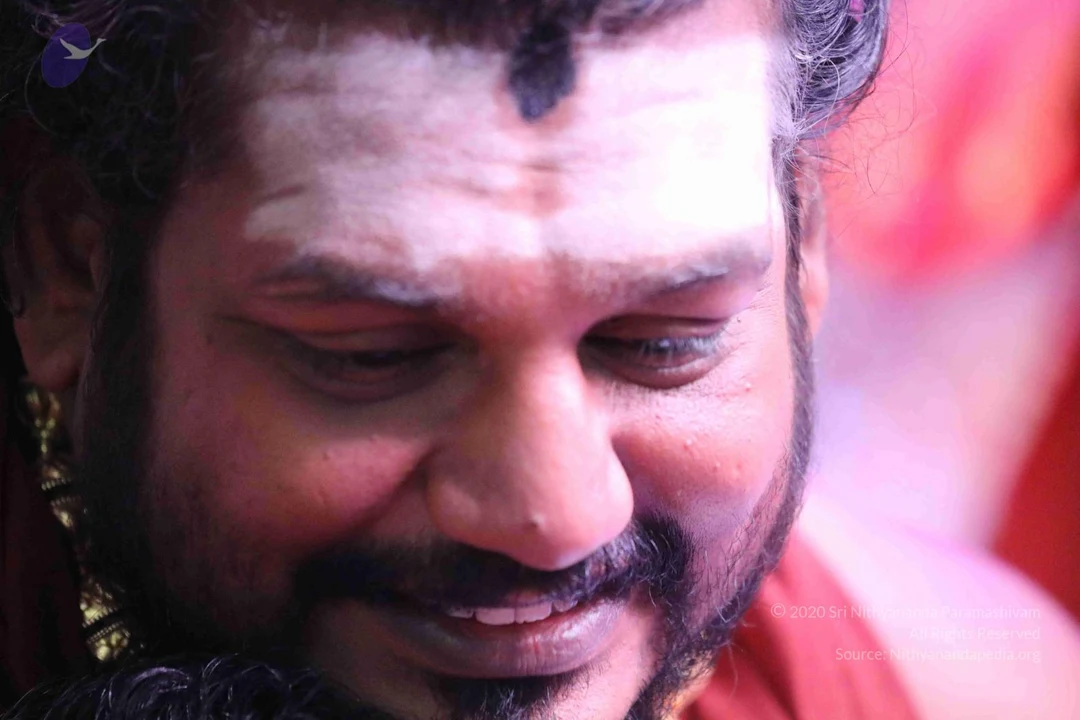
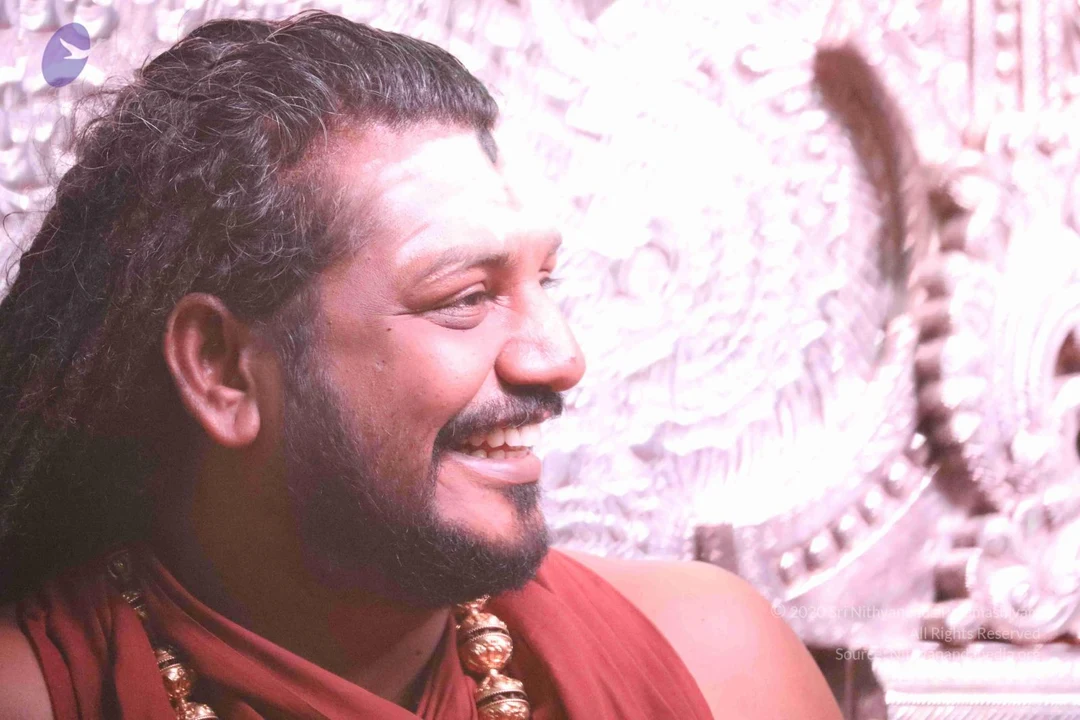
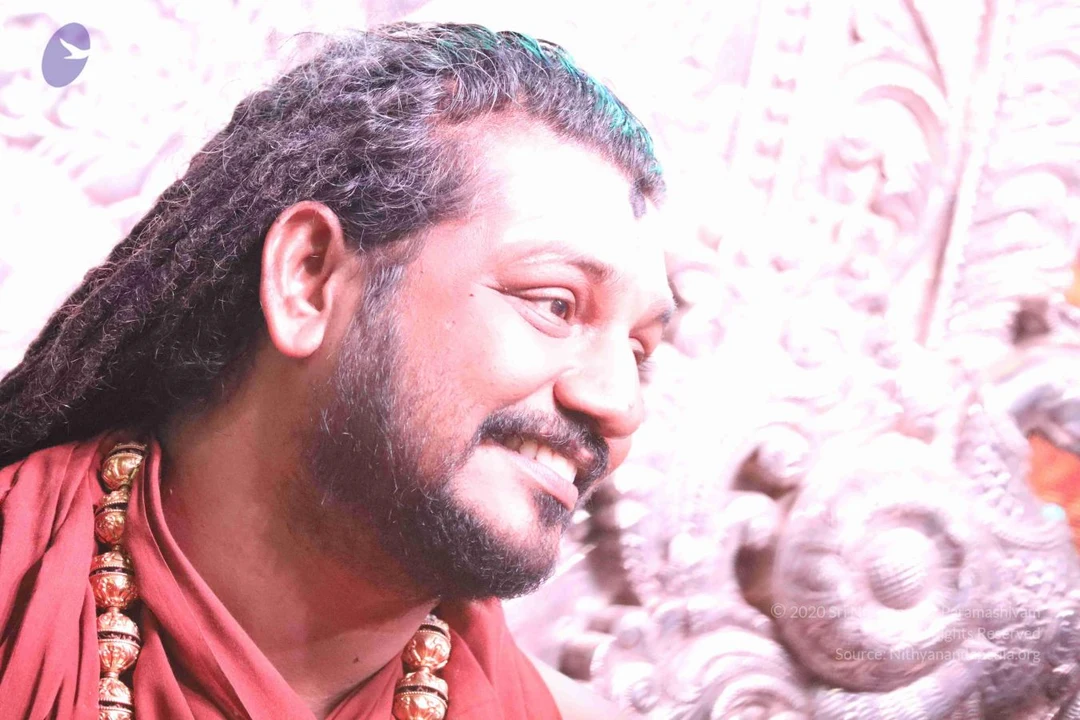
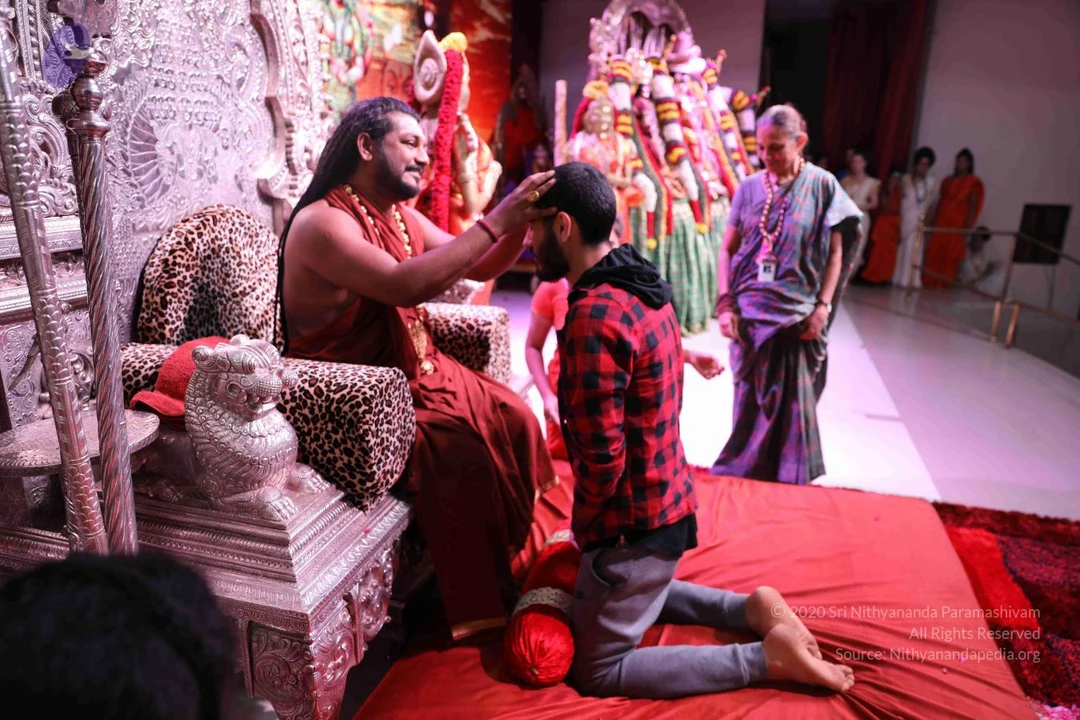
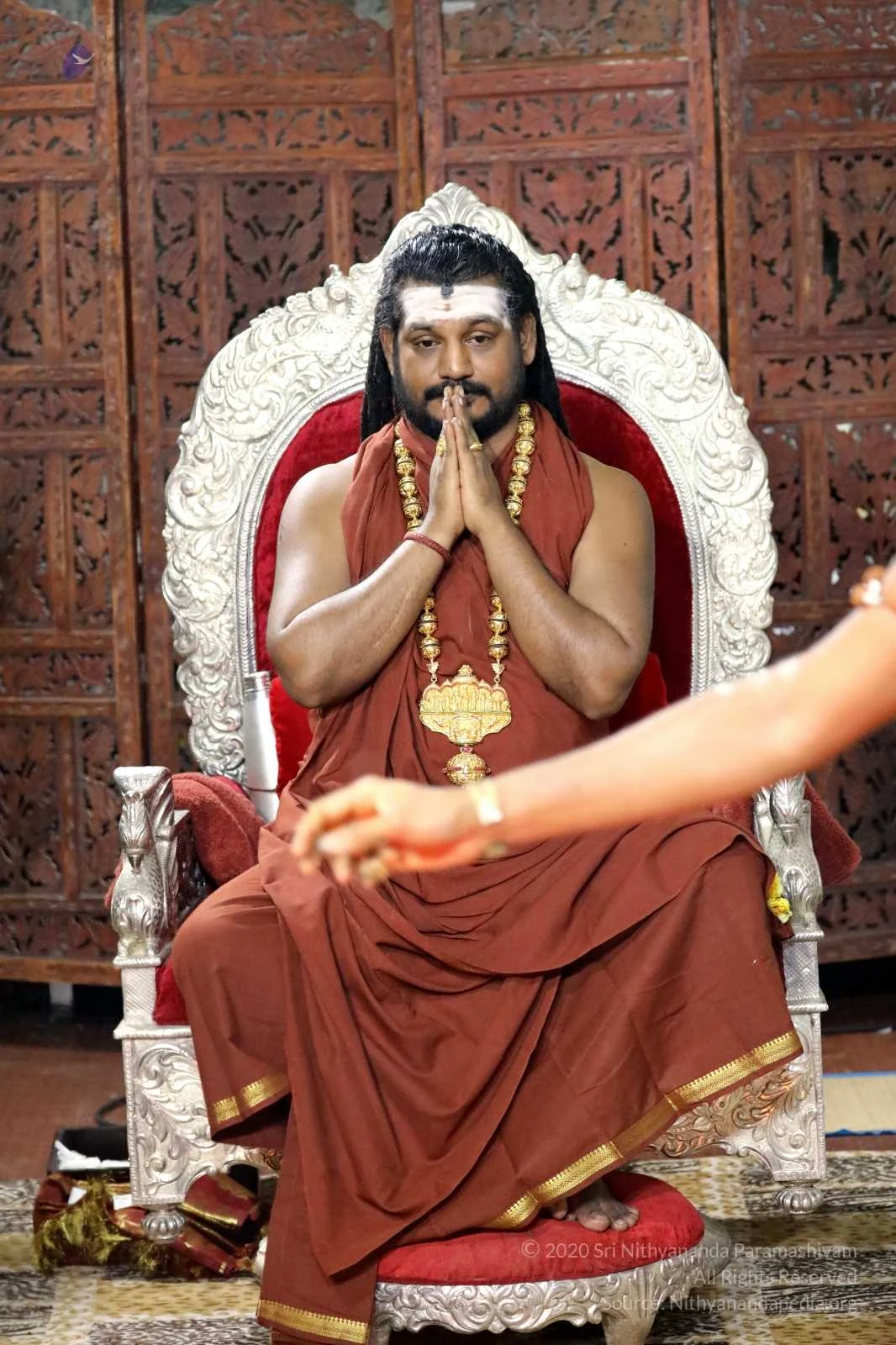
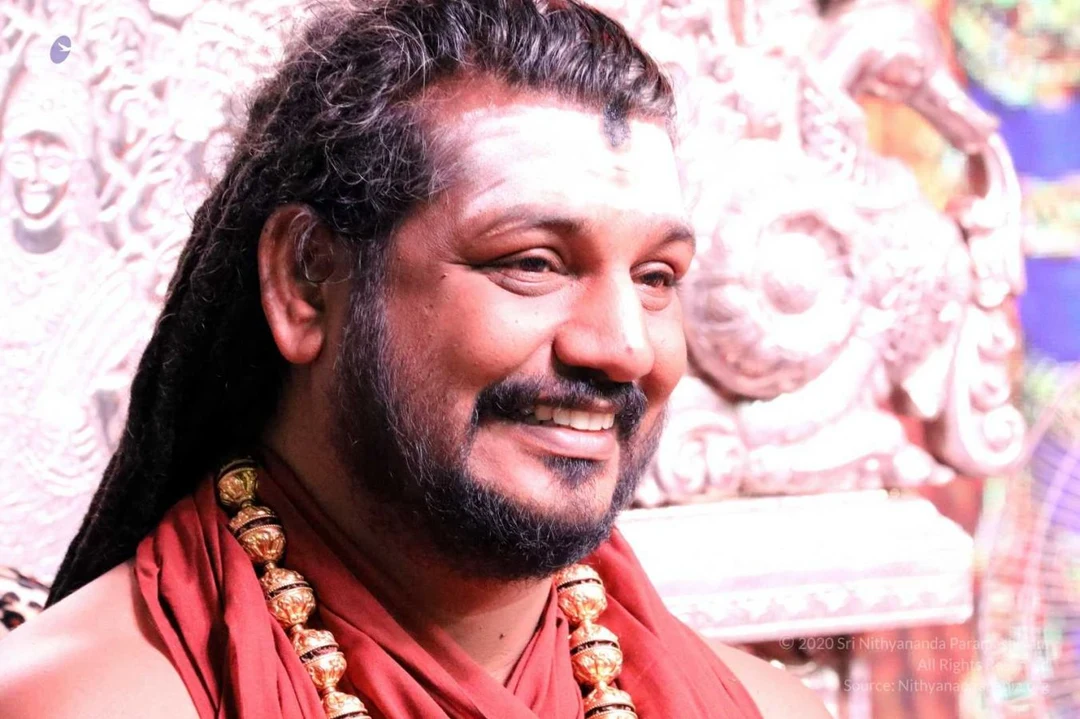
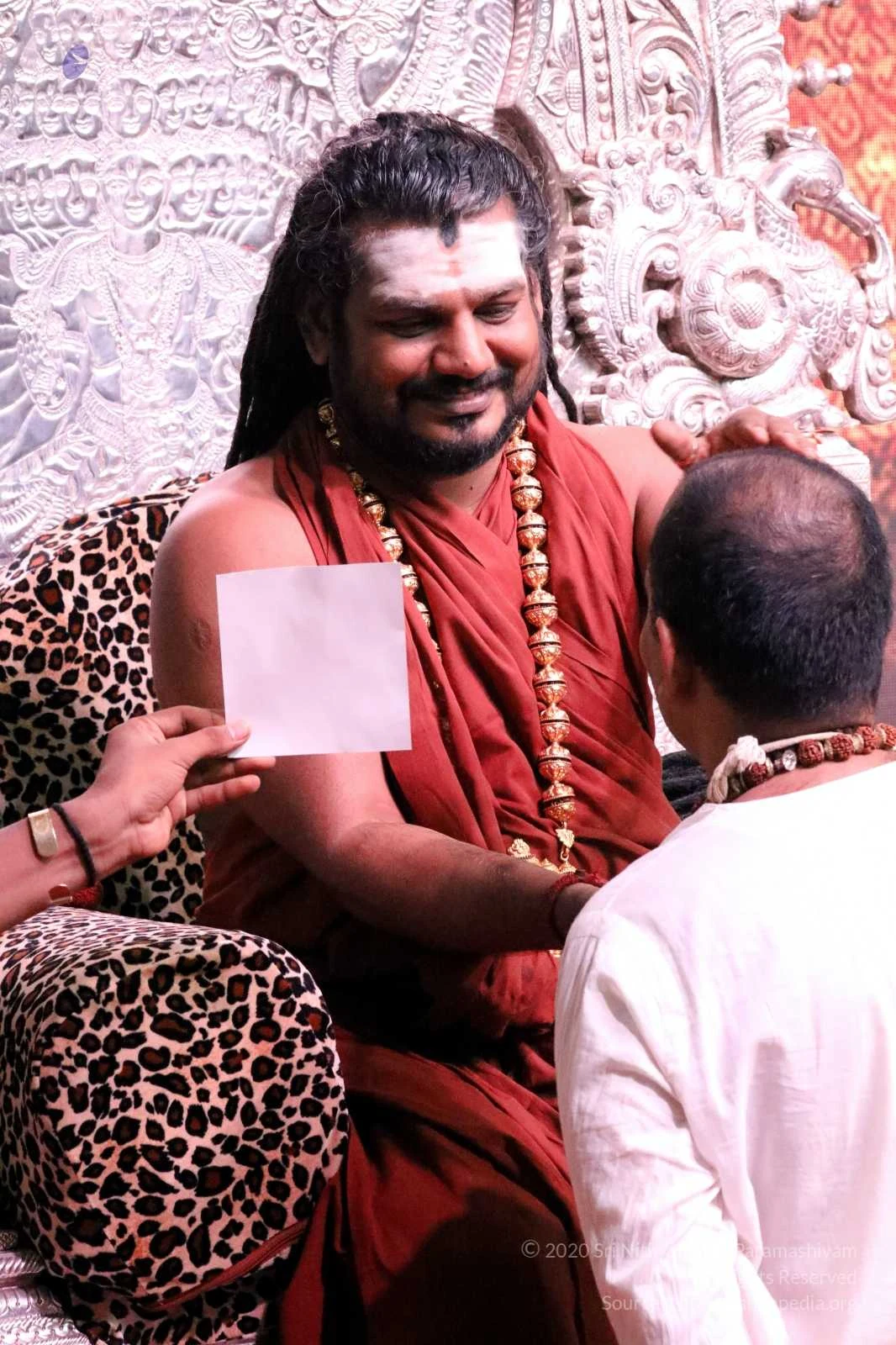
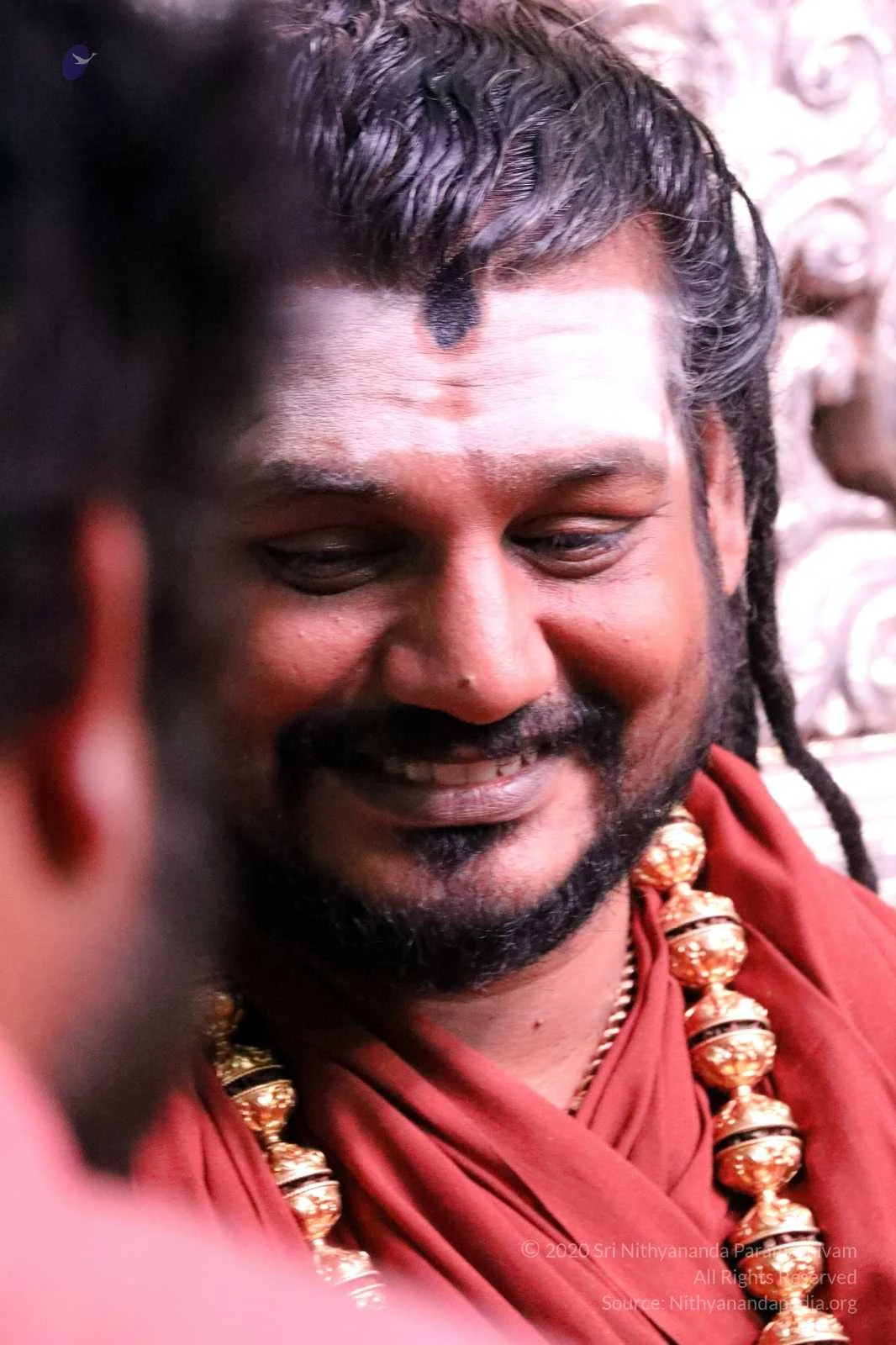
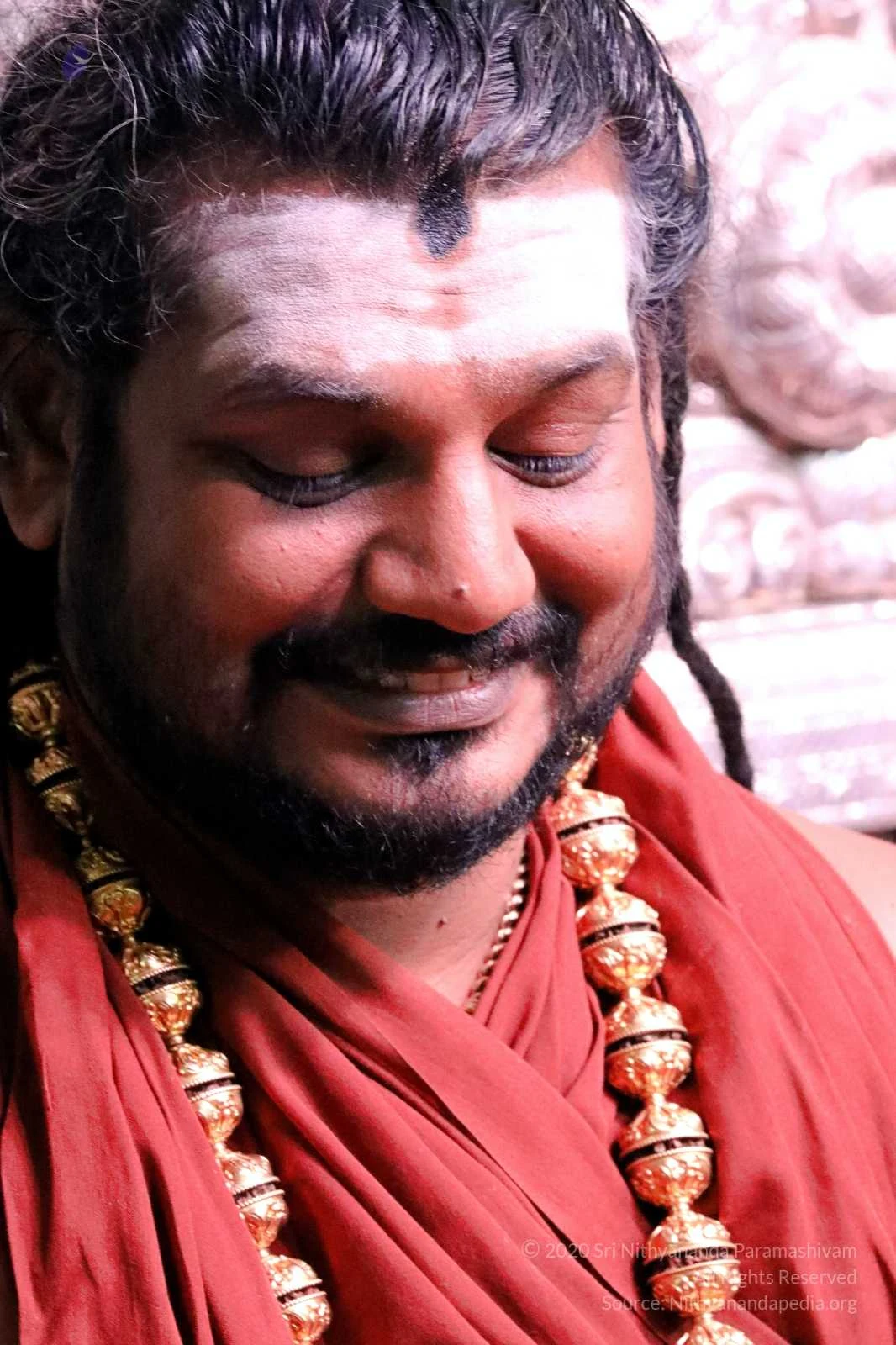
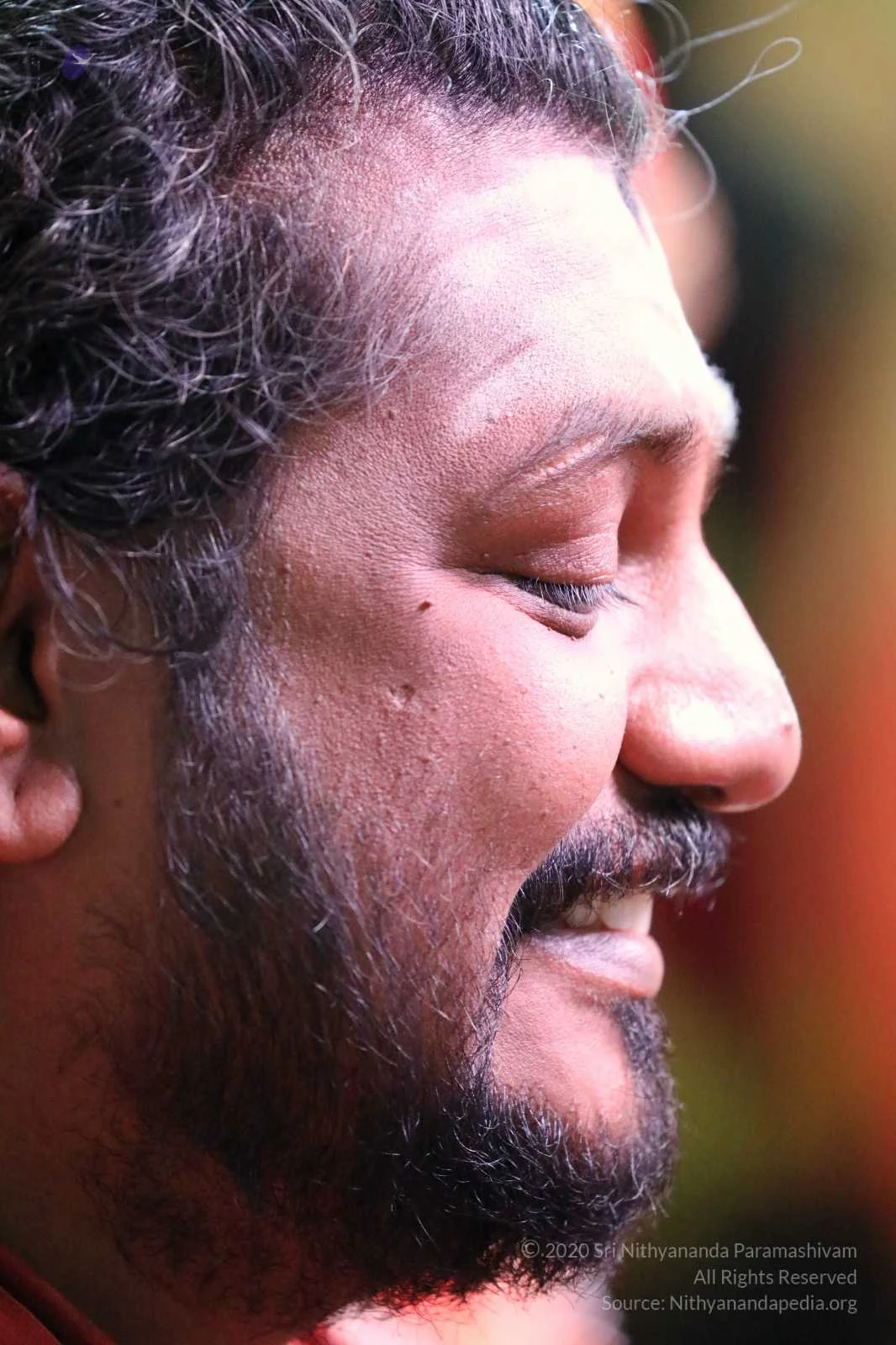
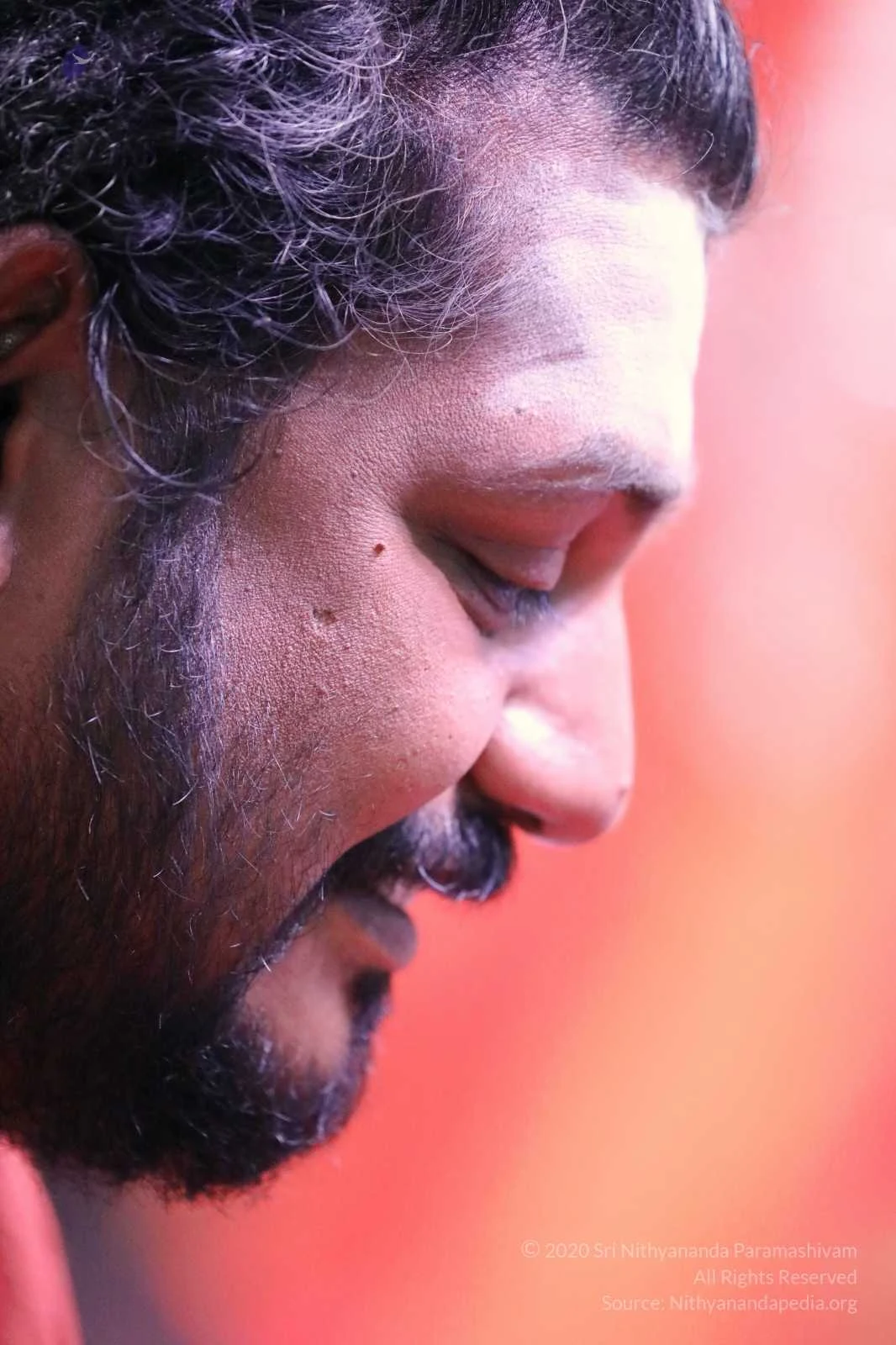
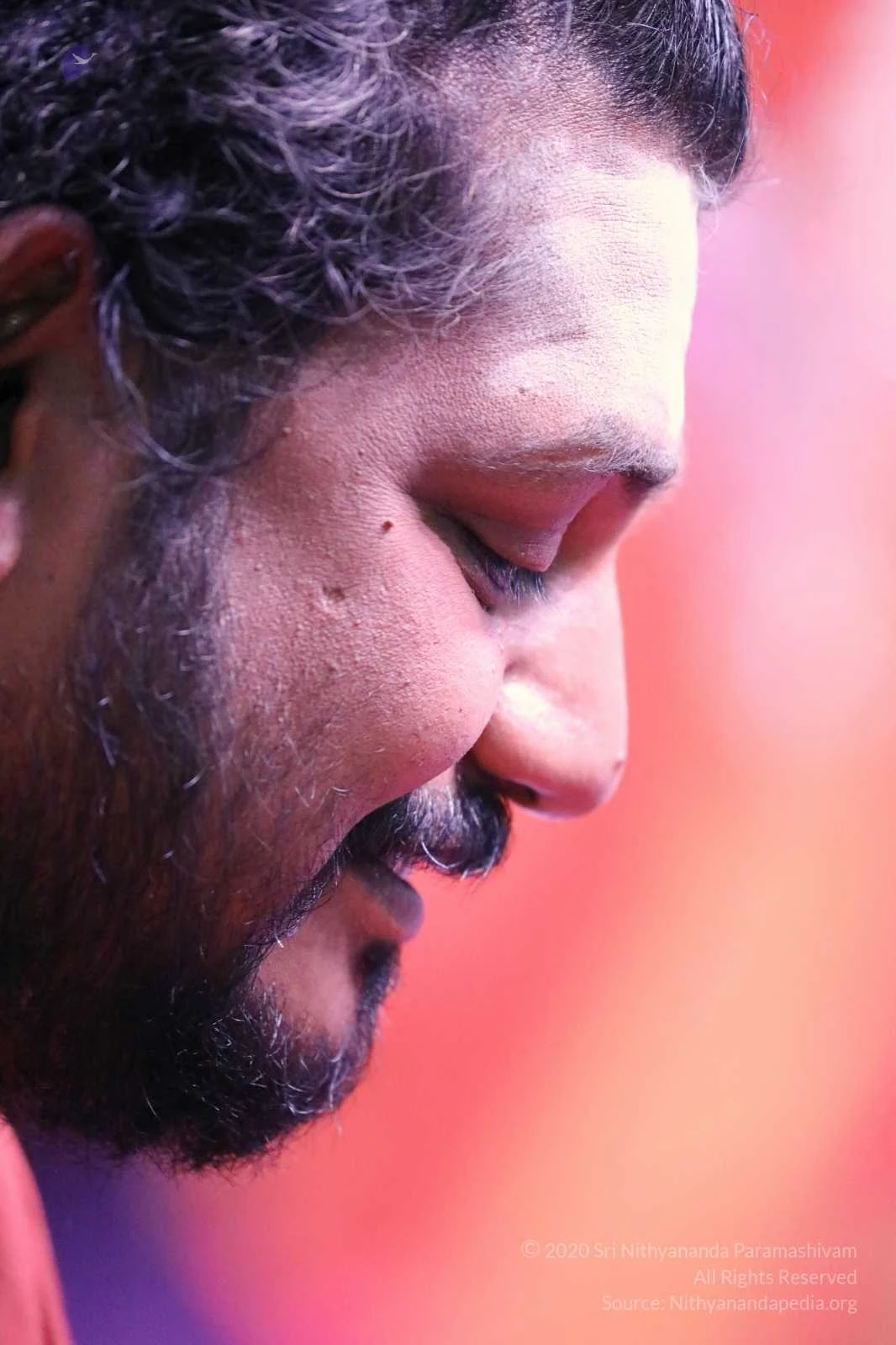
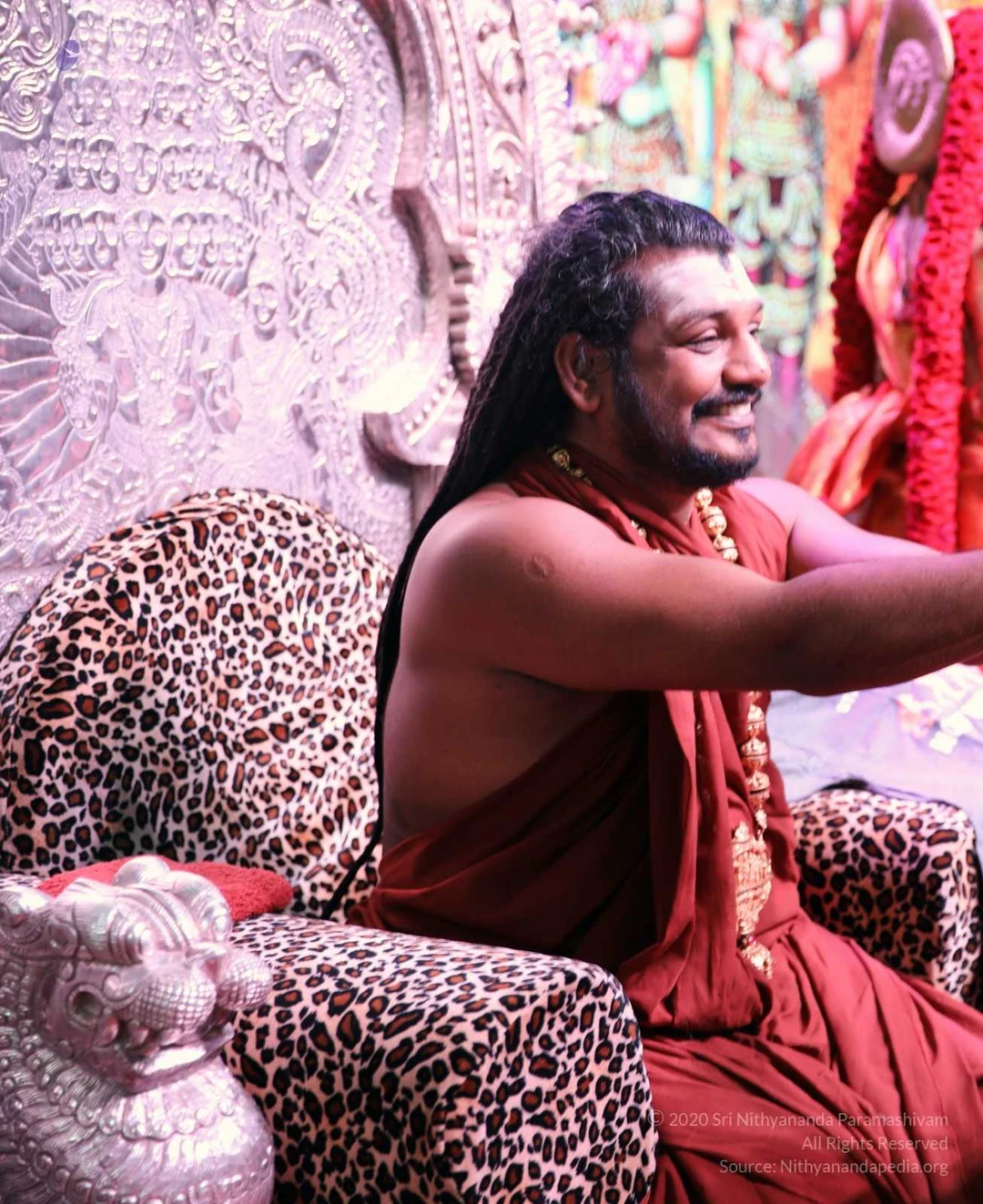
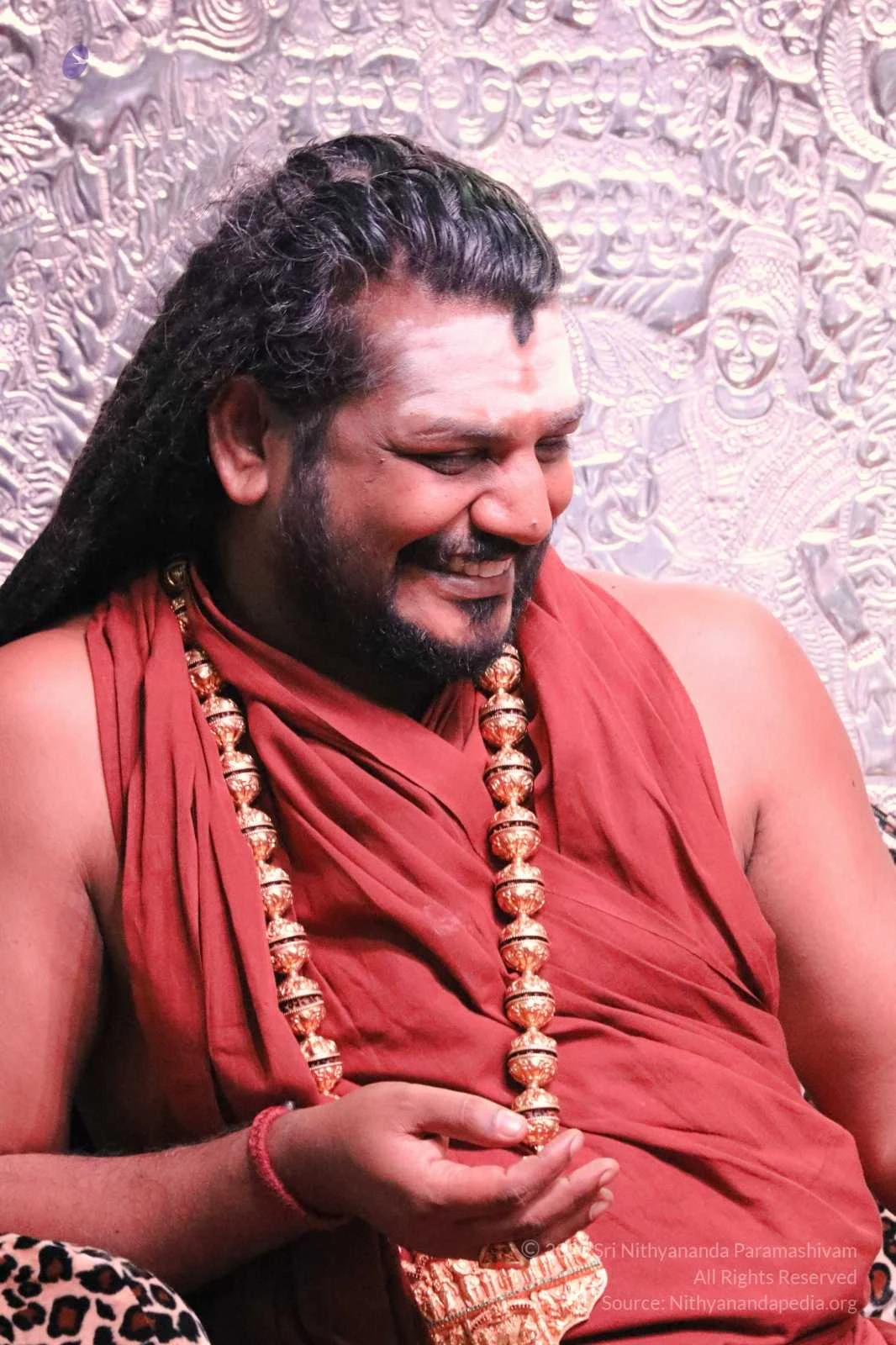
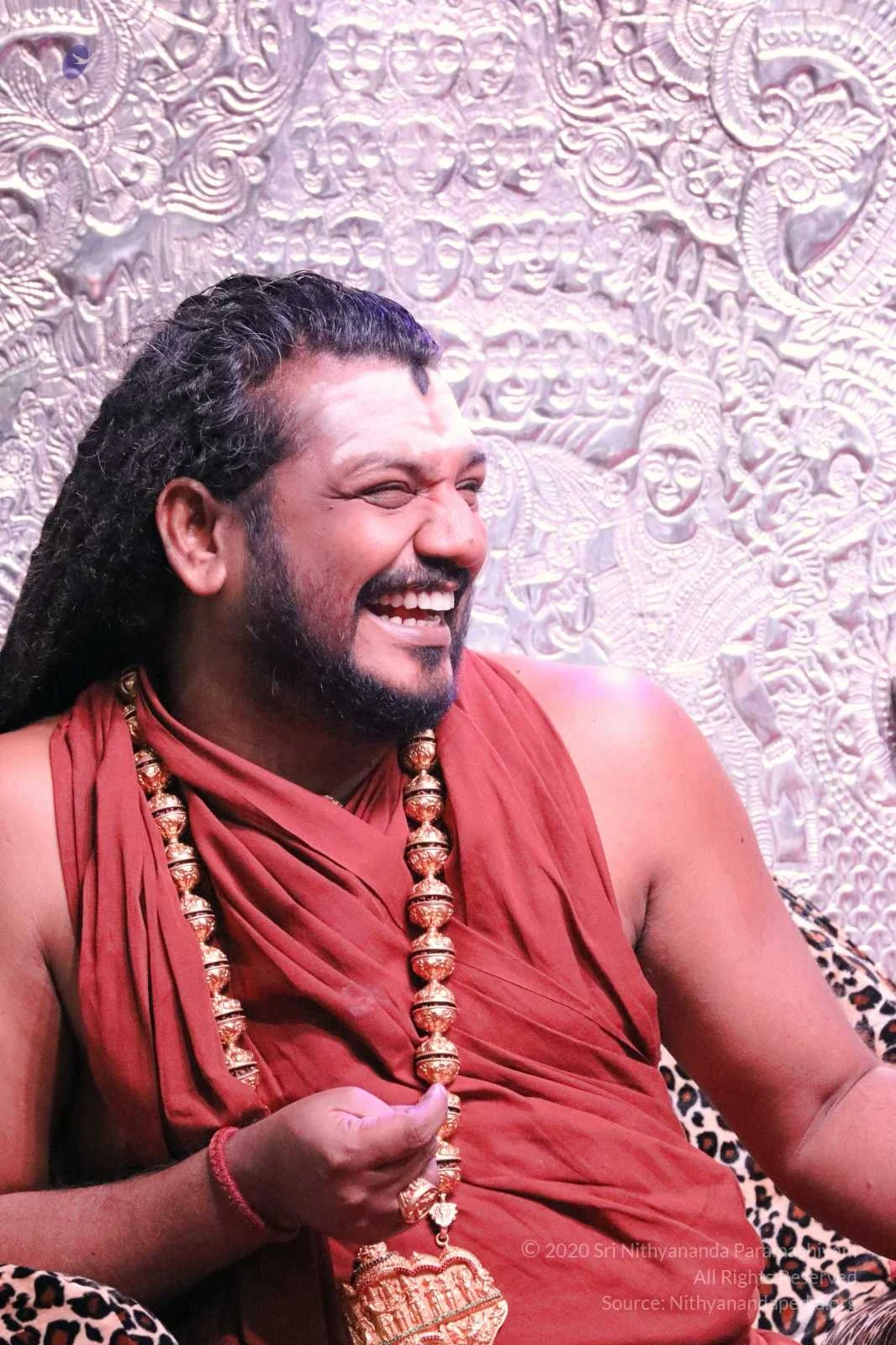
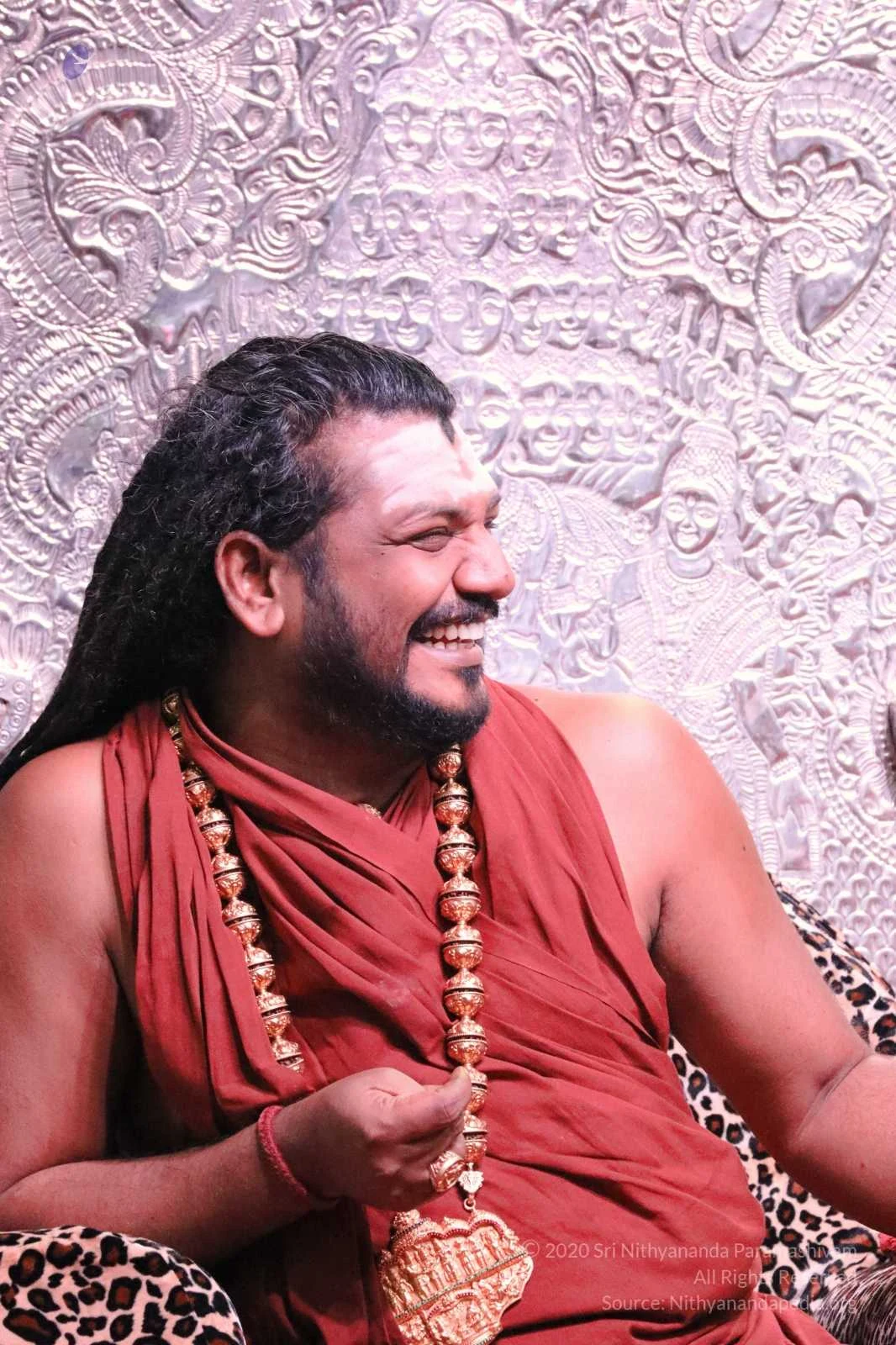
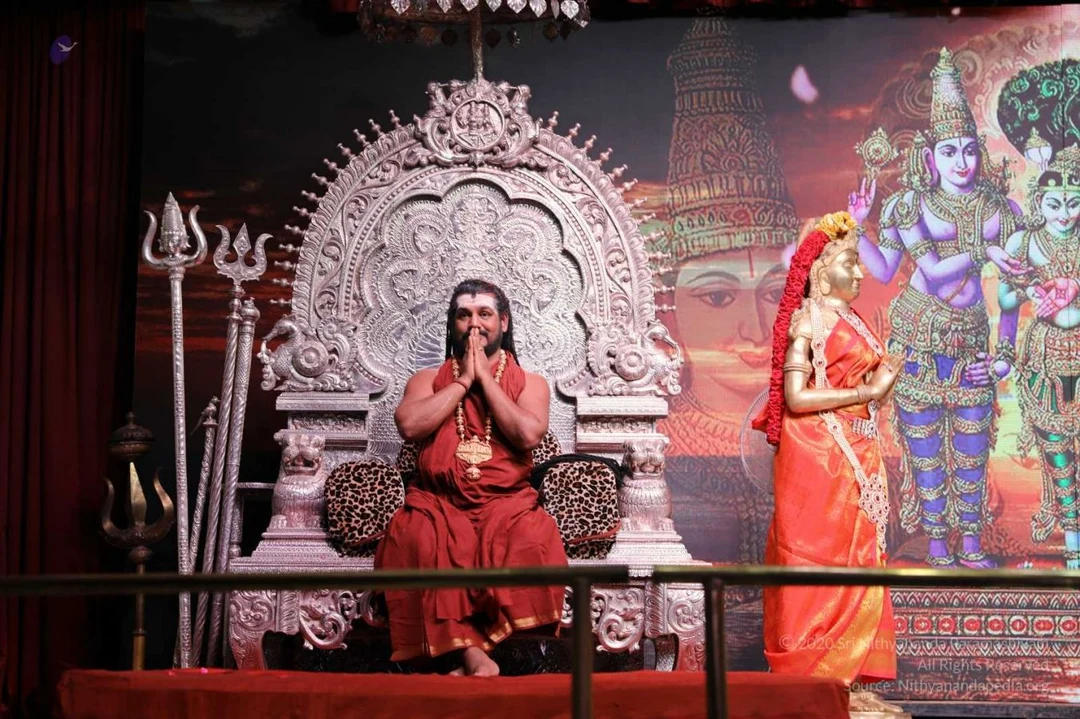 HDH Nithyananda Paramashivam blessing - during energy darshan many people have visions, healing experiences, intense spiritual experiences and the direct experience of causeless bliss
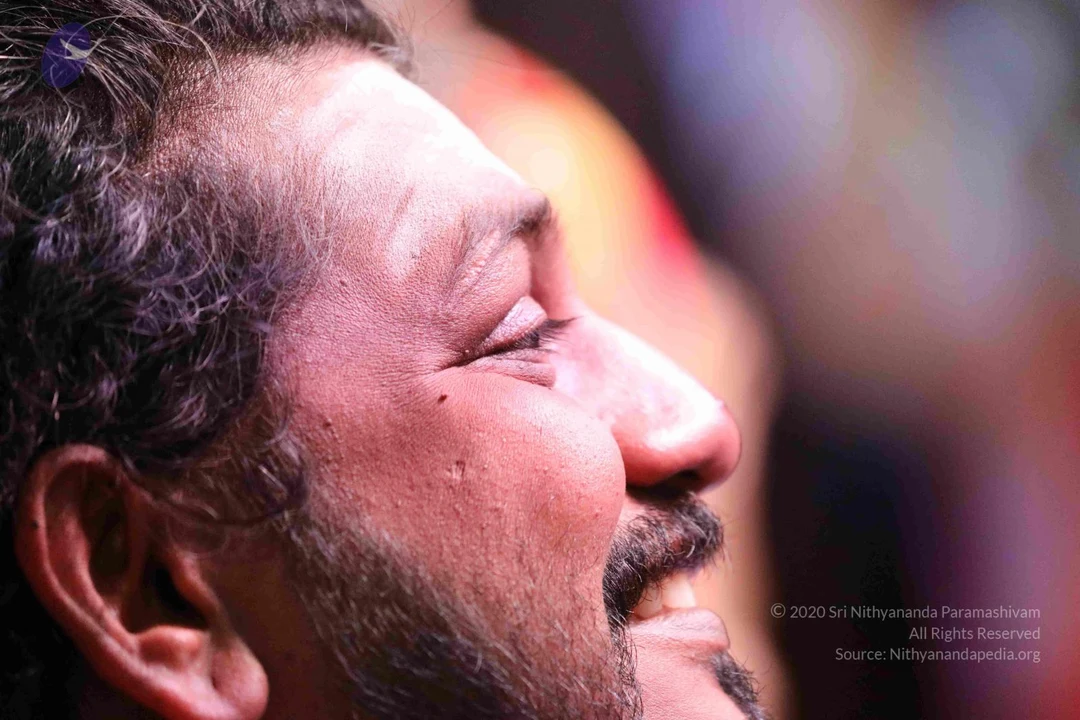
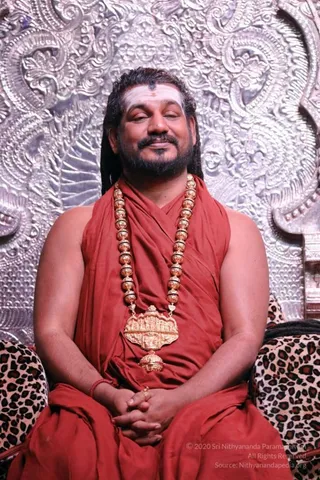 During energy darshan many people have visions, healing experiences, intense spiritual experiences and the direct experience of causeless bliss
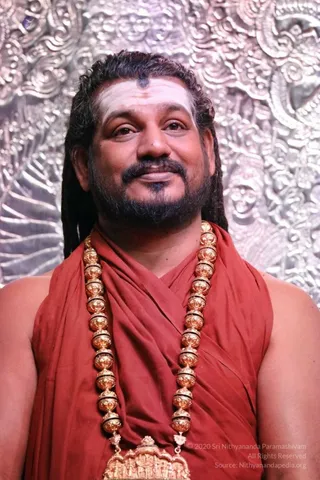 During energy darshan many people have visions, healing experiences, intense spiritual experiences and the direct experience of causeless bliss
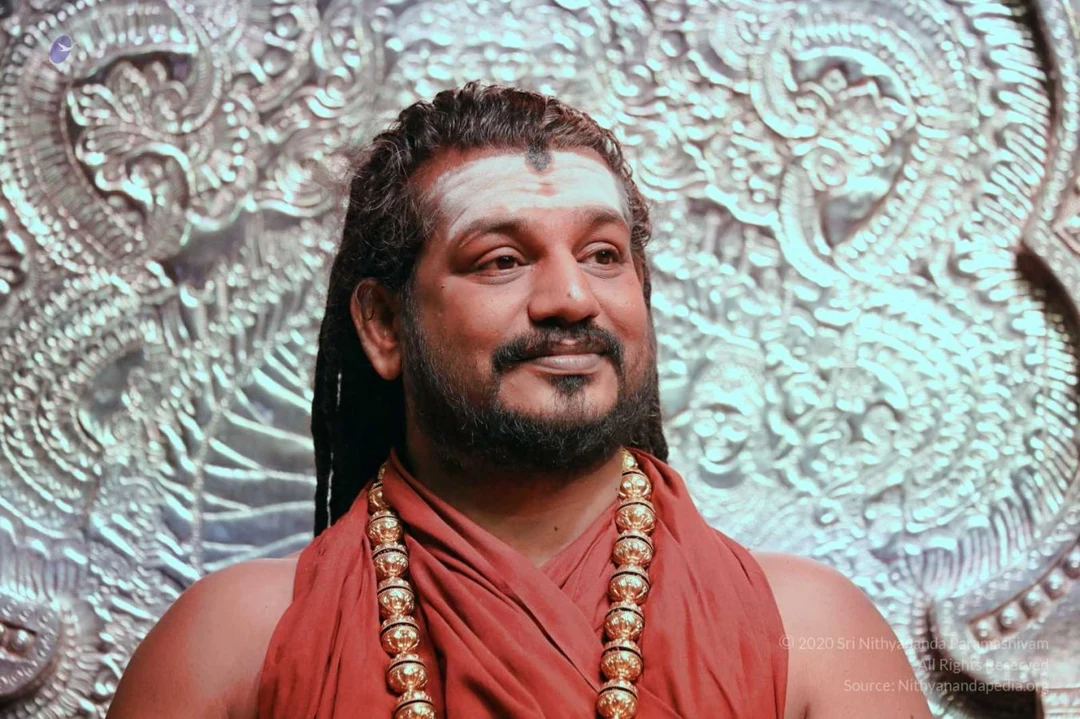 During energy darshan many people have visions, healing experiences, intense spiritual experiences and the direct experience of causeless bliss
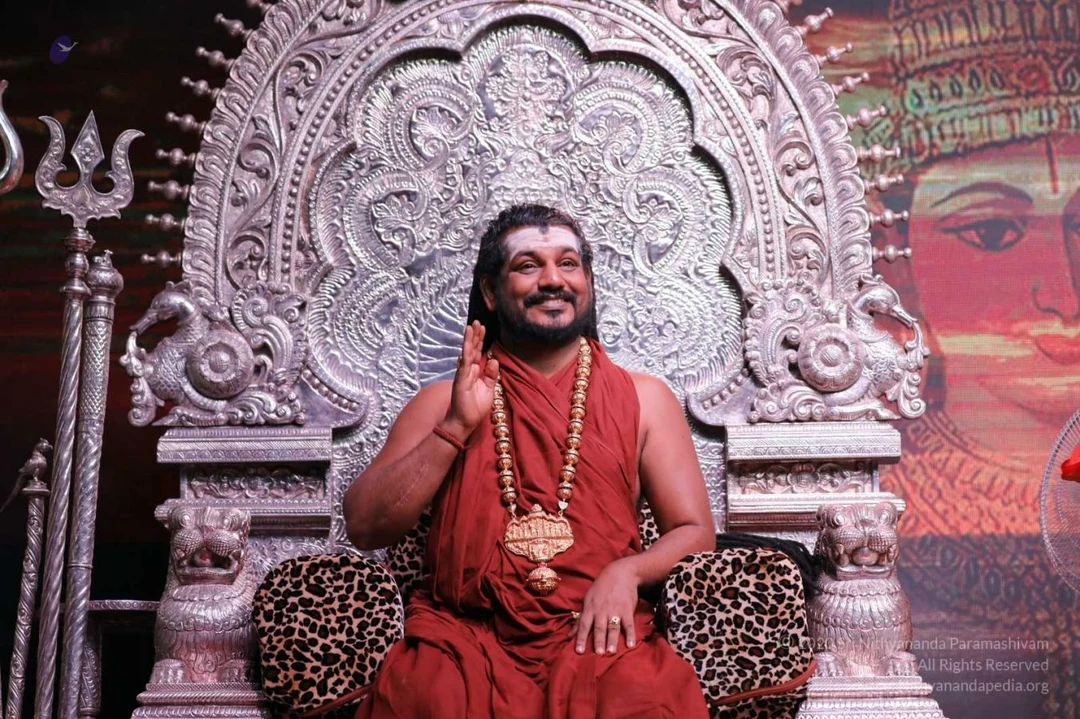 During energy darshan many people have visions, healing experiences, intense spiritual experiences and the direct experience of causeless bliss
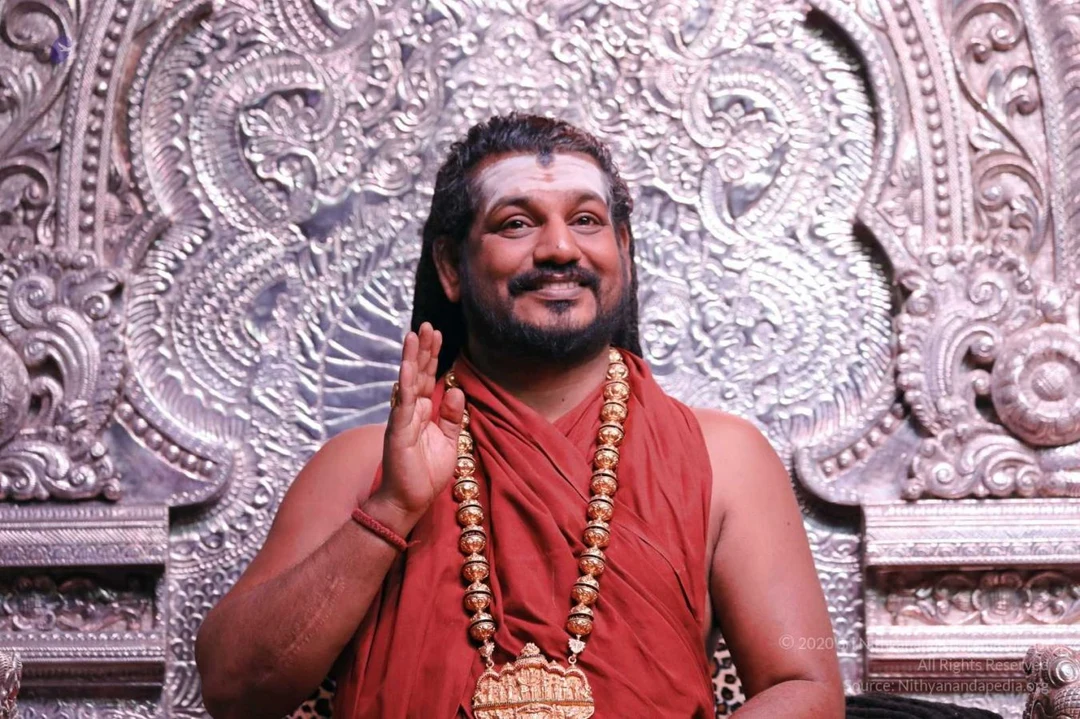 During energy darshan many people have visions, healing experiences, intense spiritual experiences and the direct experience of causeless bliss
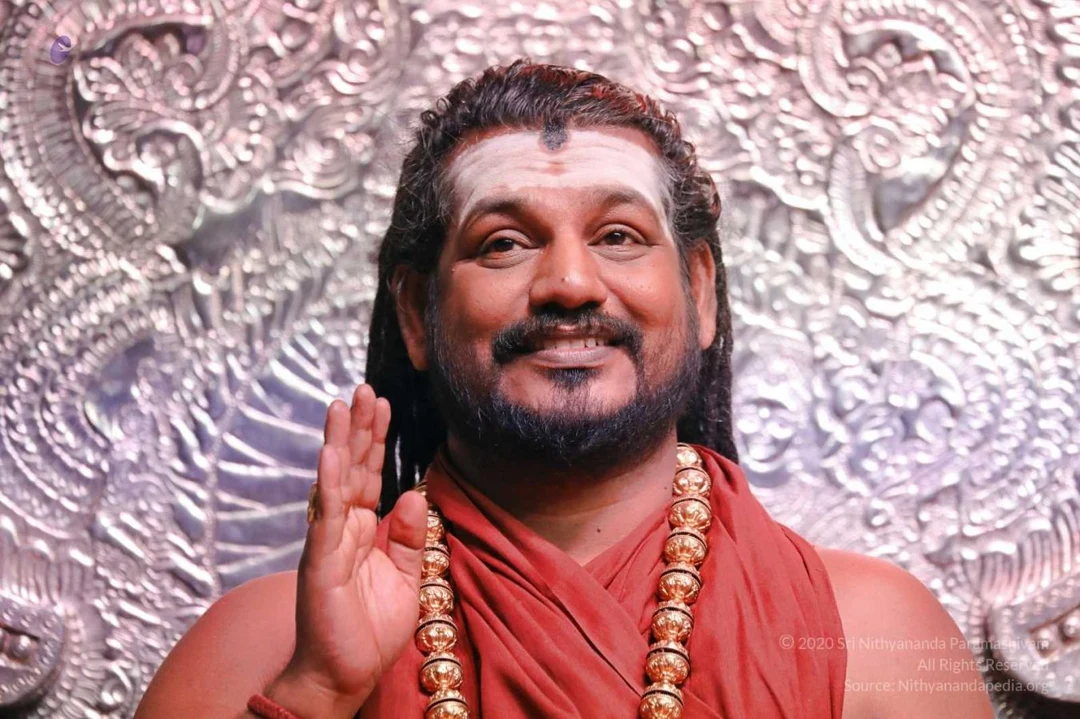 During energy darshan many people have visions, healing experiences, intense spiritual experiences and the direct experience of causeless bliss
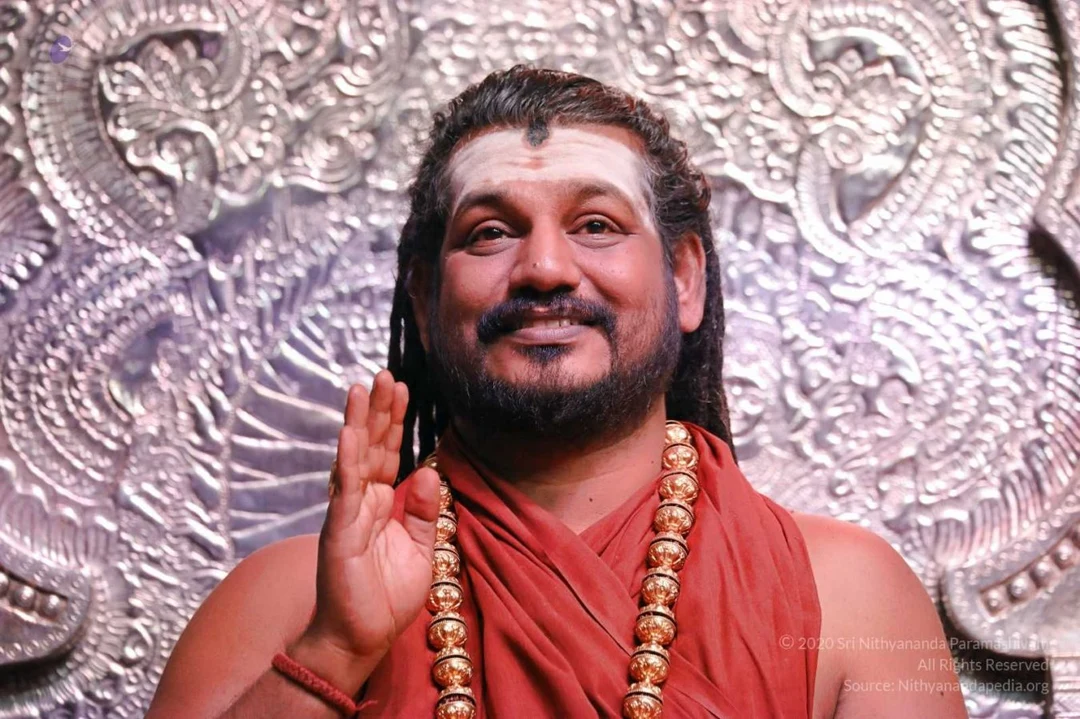 During energy darshan many people have visions, healing experiences, intense spiritual experiences and the direct experience of causeless bliss
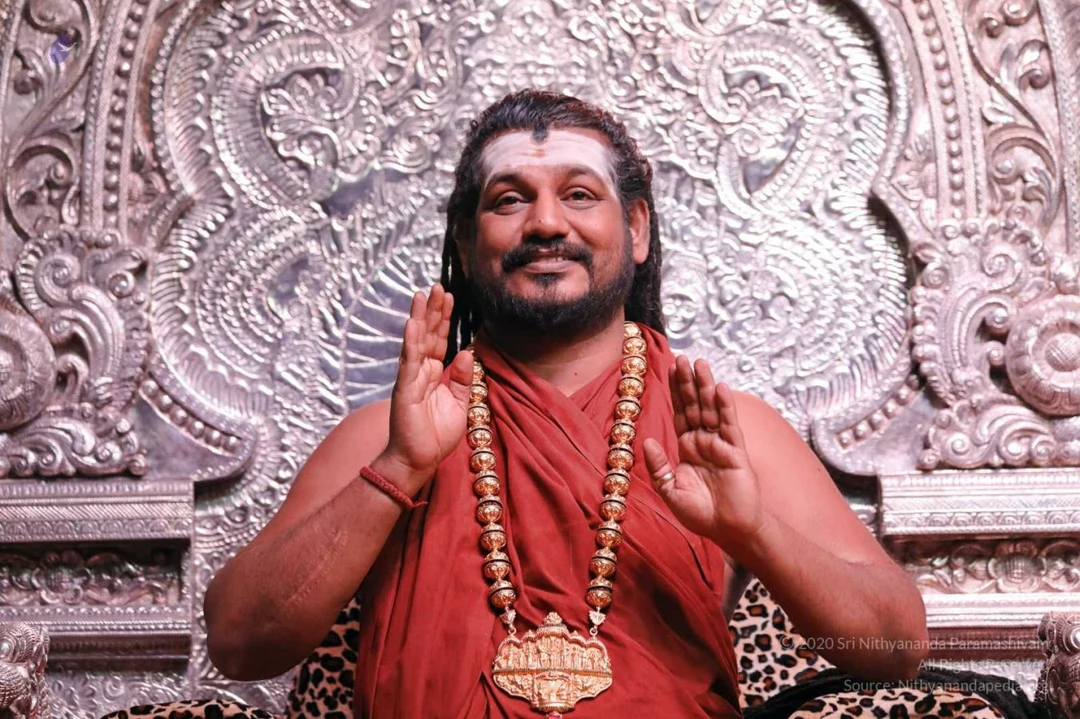 During energy darshan many people have visions, healing experiences, intense spiritual experiences and the direct experience of causeless bliss
 Darshan connects deeply to the vibration of the master and prepares one to receive His energy
 Darshan connects deeply to the vibration of the master and prepares one to receive His energy
 Darshan connects deeply to the vibration of the master and prepares one to receive His energy
 Darshan connects deeply to the vibration of the master and prepares one to receive His energy
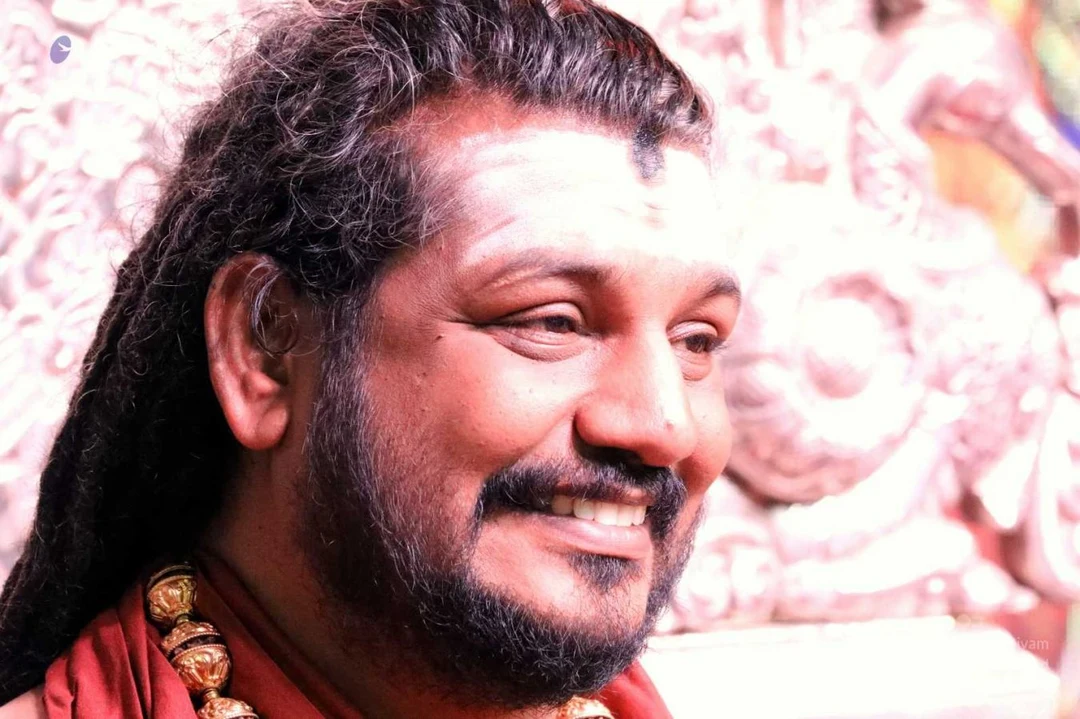 Darshan connects deeply to the vibration of the master and prepares one to receive His energy
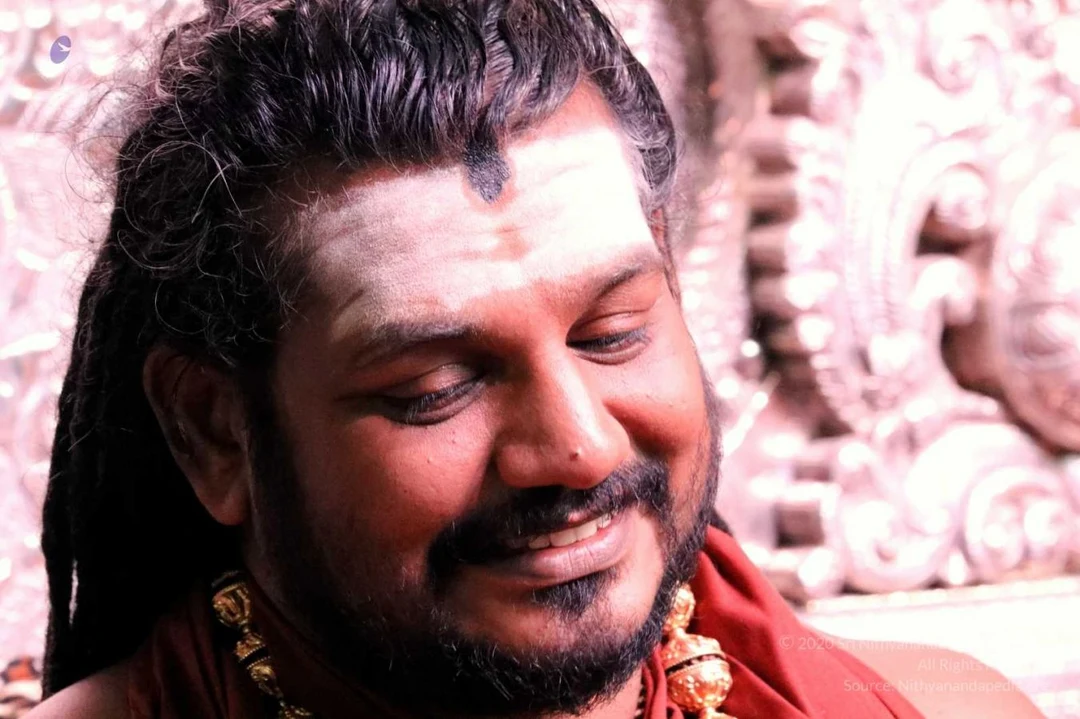 Darshan connects deeply to the vibration of the master and prepares one to receive His energy
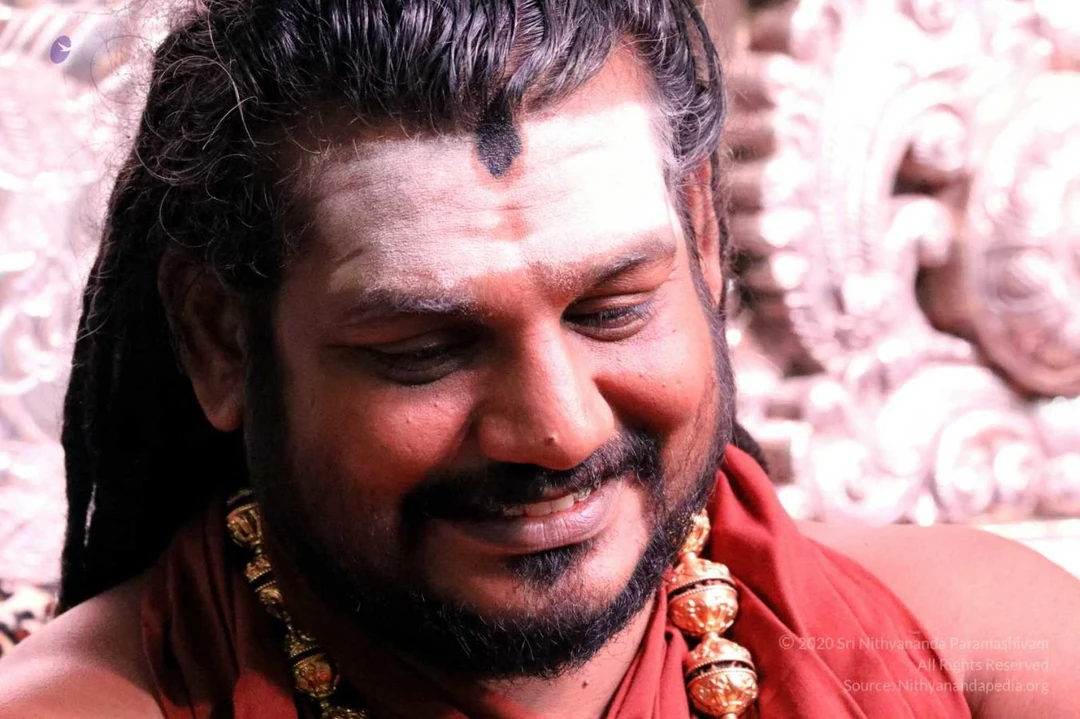 Darshan connects deeply to the vibration of the master and prepares one to receive His energy
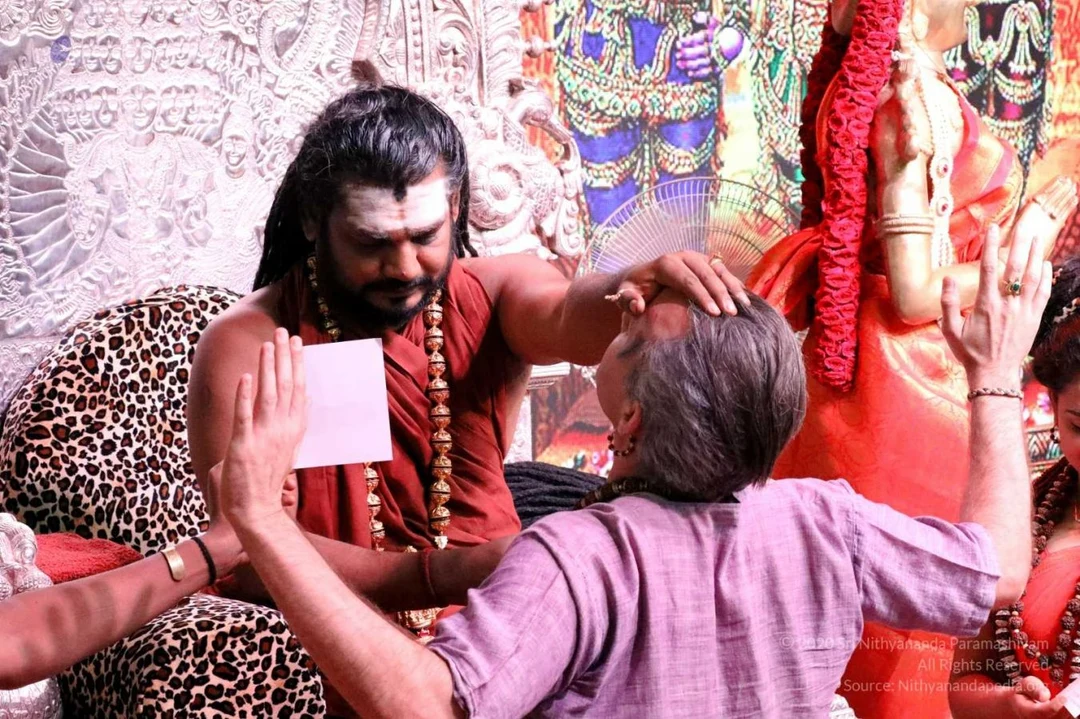 Darshan connects deeply to the vibration of the master and prepares one to receive His energy
 Darshan connects deeply to the vibration of the master and prepares one to receive His energy
 Darshan connects deeply to the vibration of the master and prepares one to receive His energy
 Darshan connects deeply to the vibration of the master and prepares one to receive His energy
 Darshan connects deeply to the vibration of the master and prepares one to receive His energy
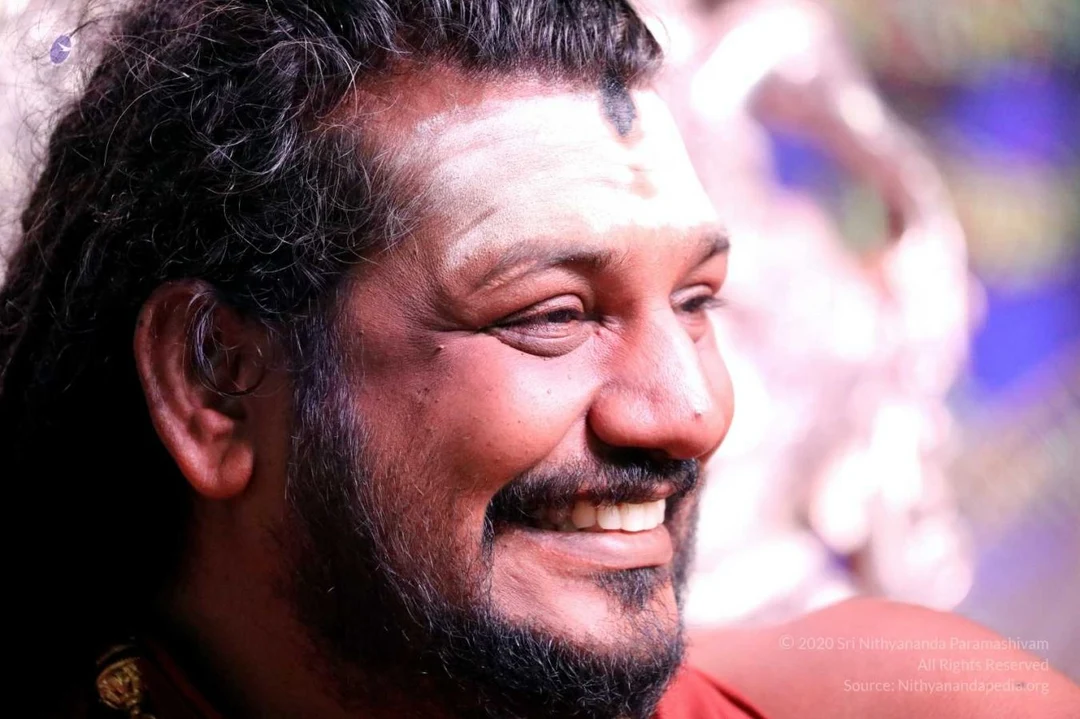 Darshan connects deeply to the vibration of the master and prepares one to receive His energy
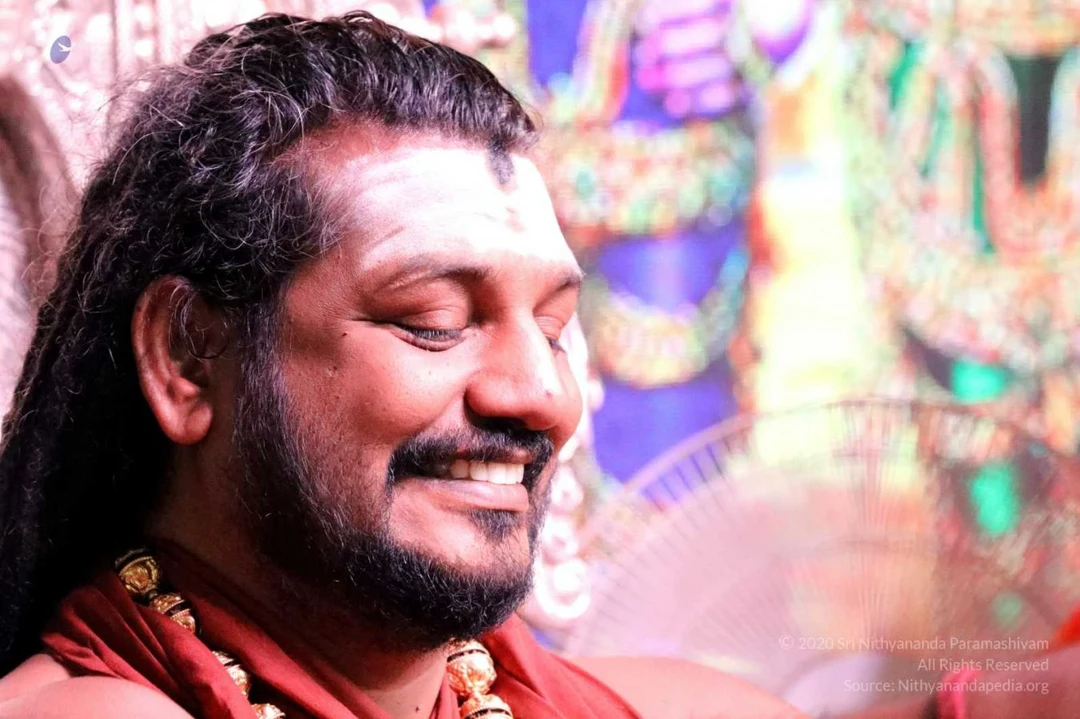 Darshan connects deeply to the vibration of the master and prepares one to receive His energy
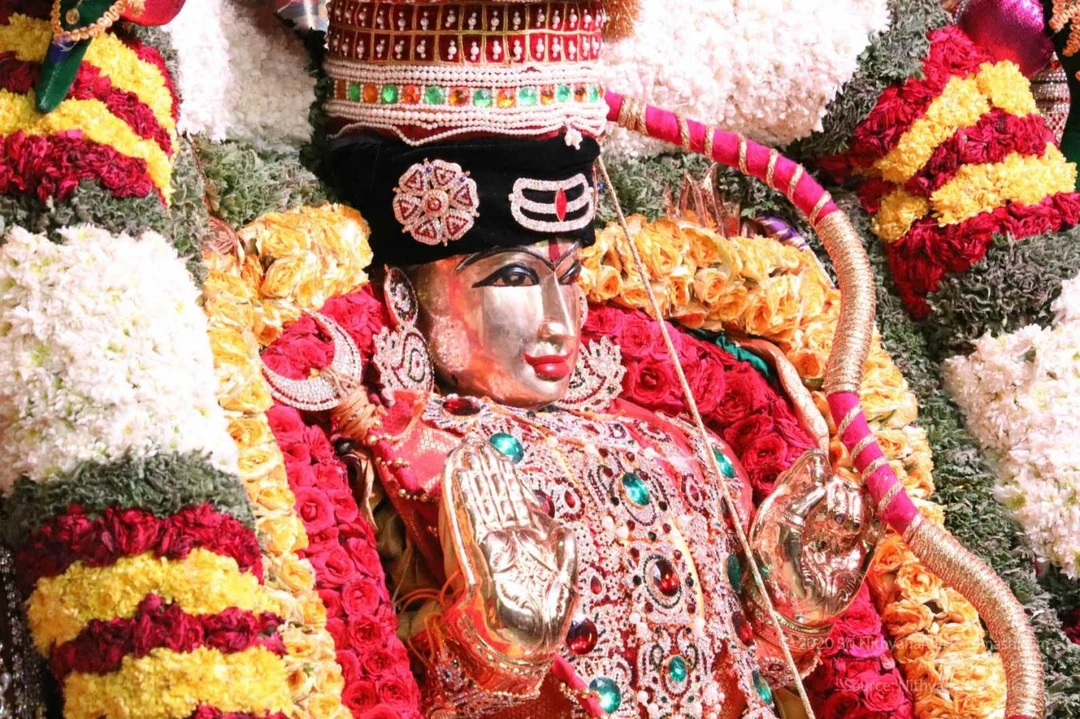 Chittirai Brahmotsavam special alankar of Sundareshwara
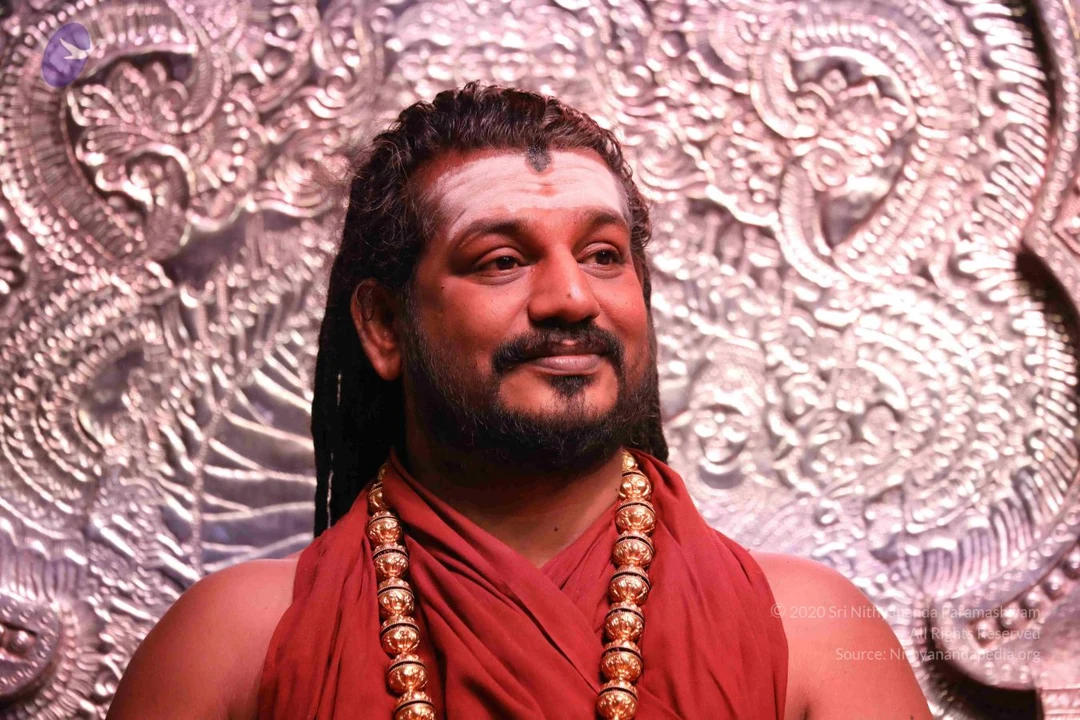
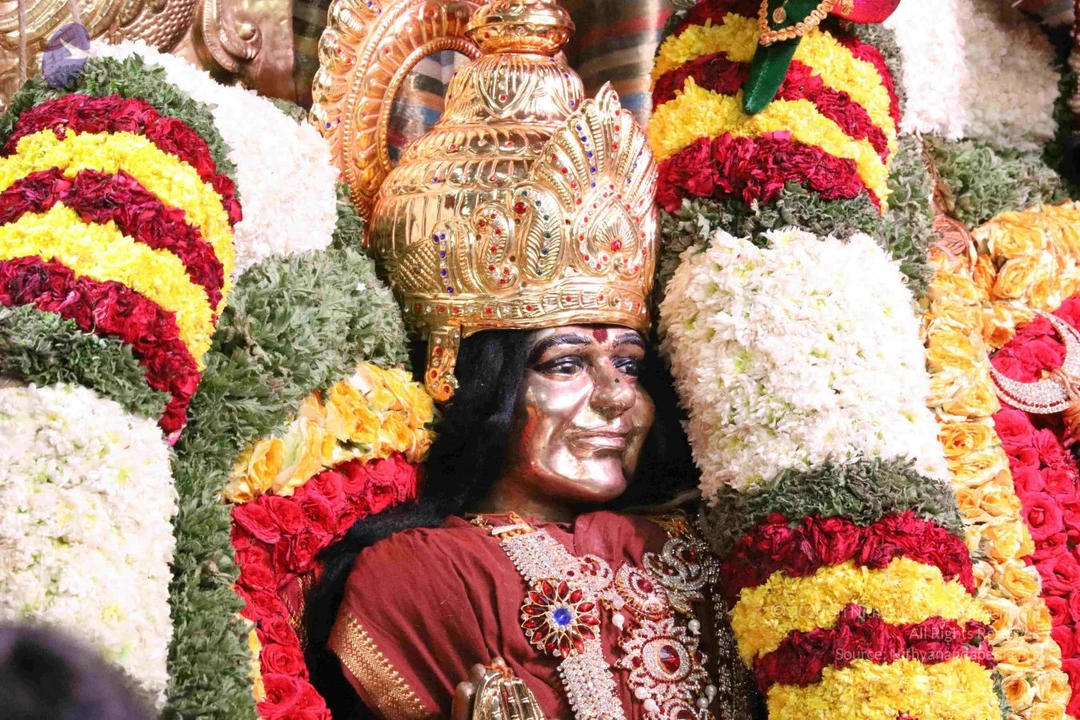
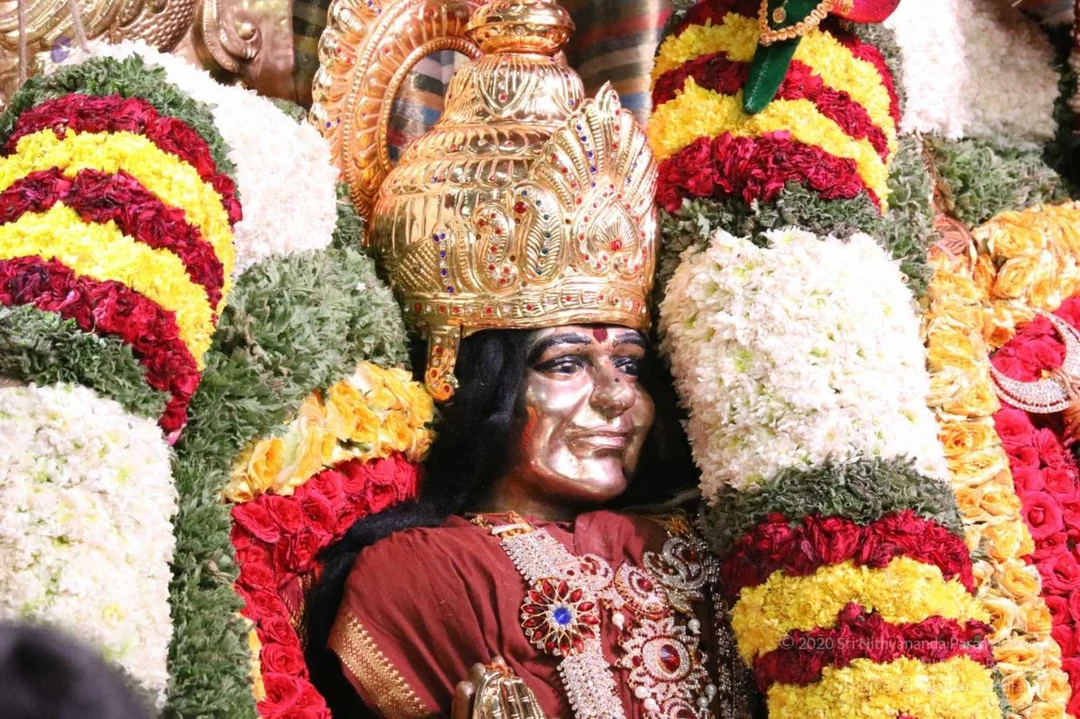 Chittirai Brahmotsavam special alankar of HDH Nithyananda Paramashivam
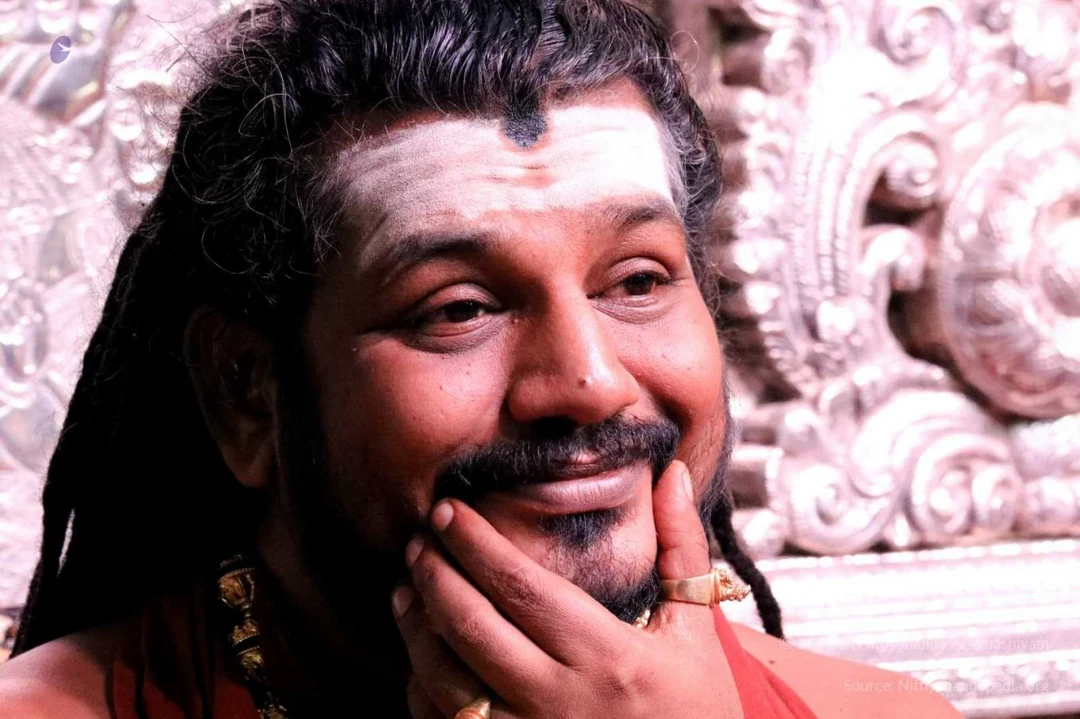 Darshan connects deeply to the vibration of the master and prepares one to receive His energy
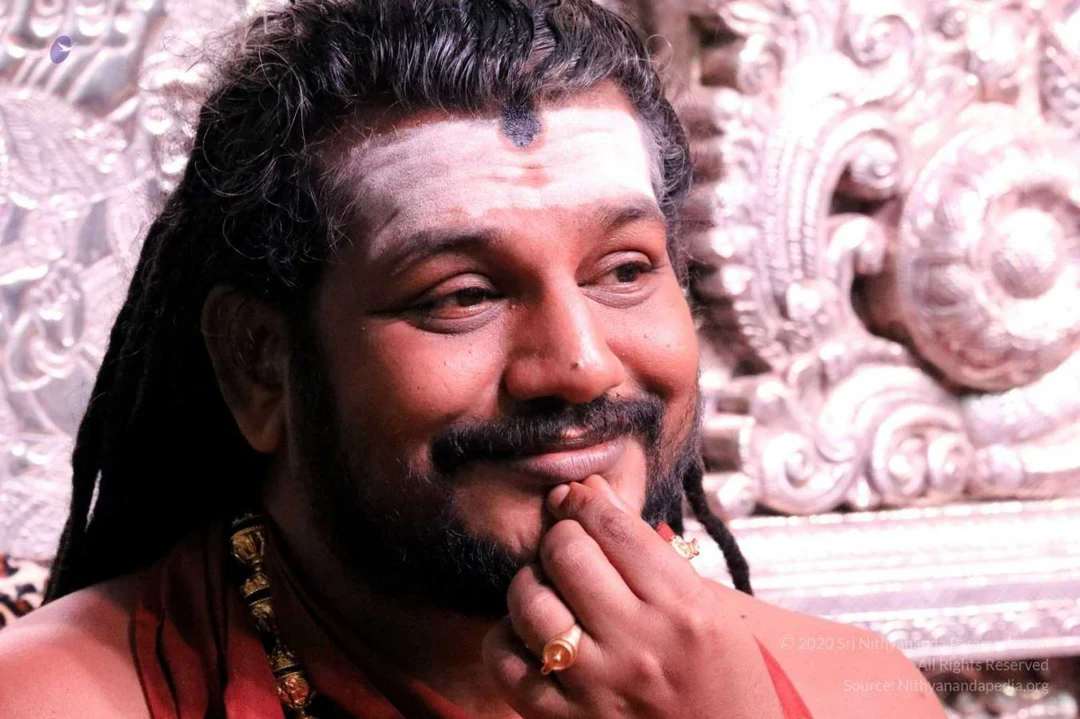 Darshan connects deeply to the vibration of the master and prepares one to receive His energy
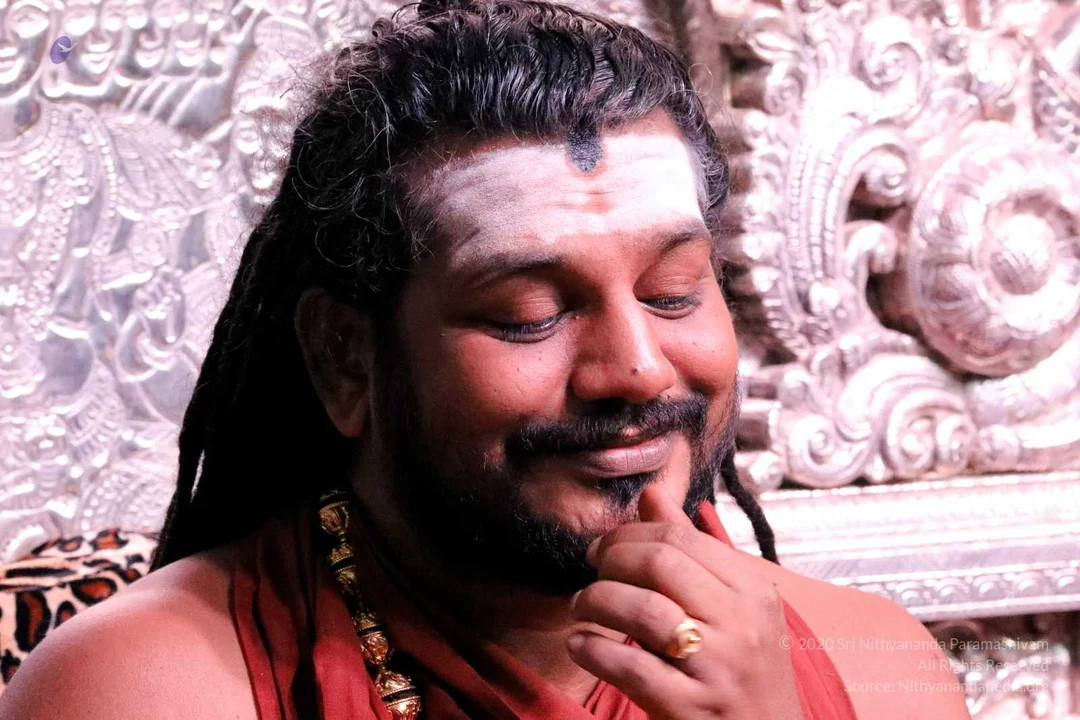 Darshan connects deeply to the vibration of the master and prepares one to receive His energy
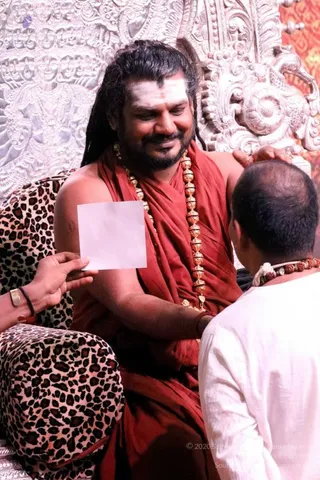 Darshan connects deeply to the vibration of the master and prepares one to receive His energy
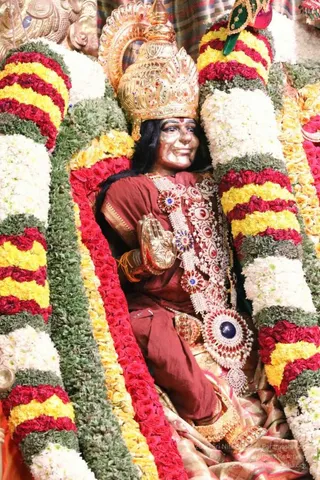 Chittirai Brahmotsavam special alankar of HDH Nithyananda Paramashivam
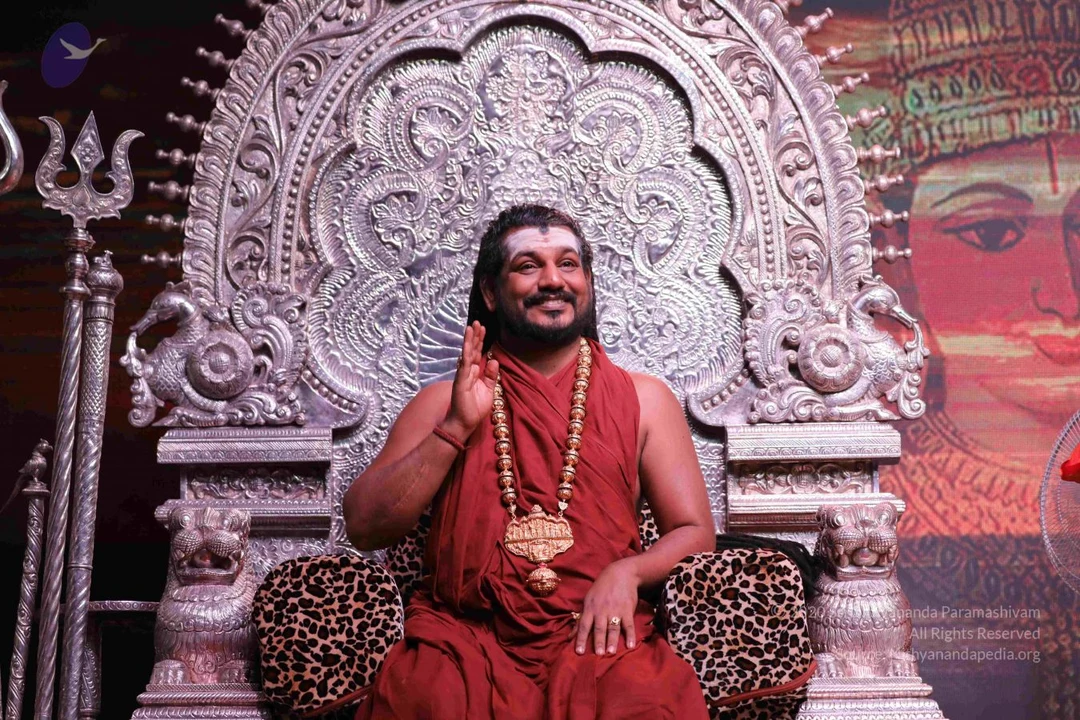
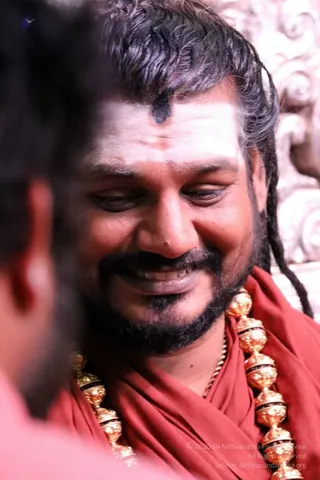 Energy darshan allows the transmission of cosmic energy into the devotee's space
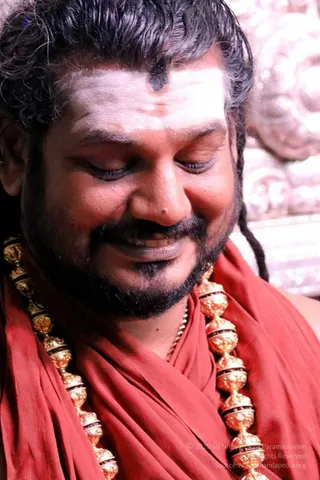 Energy darshan allows the transmission of cosmic energy into the devotee's space
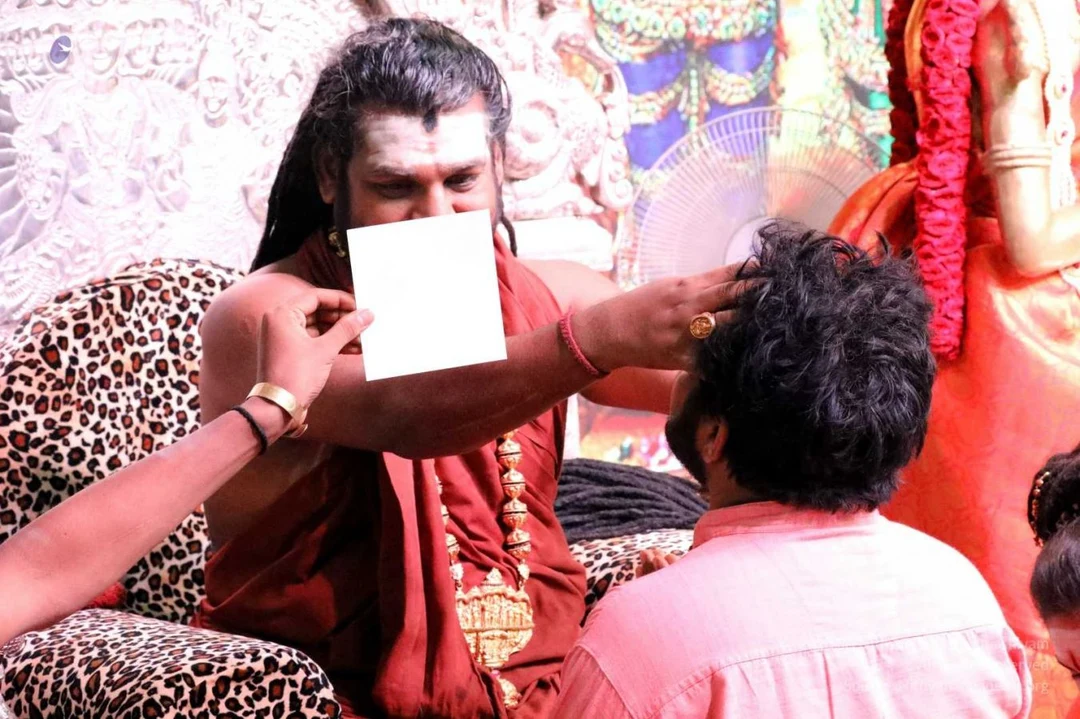 Energy darshan allows the transmission of cosmic energy into the devotee's space
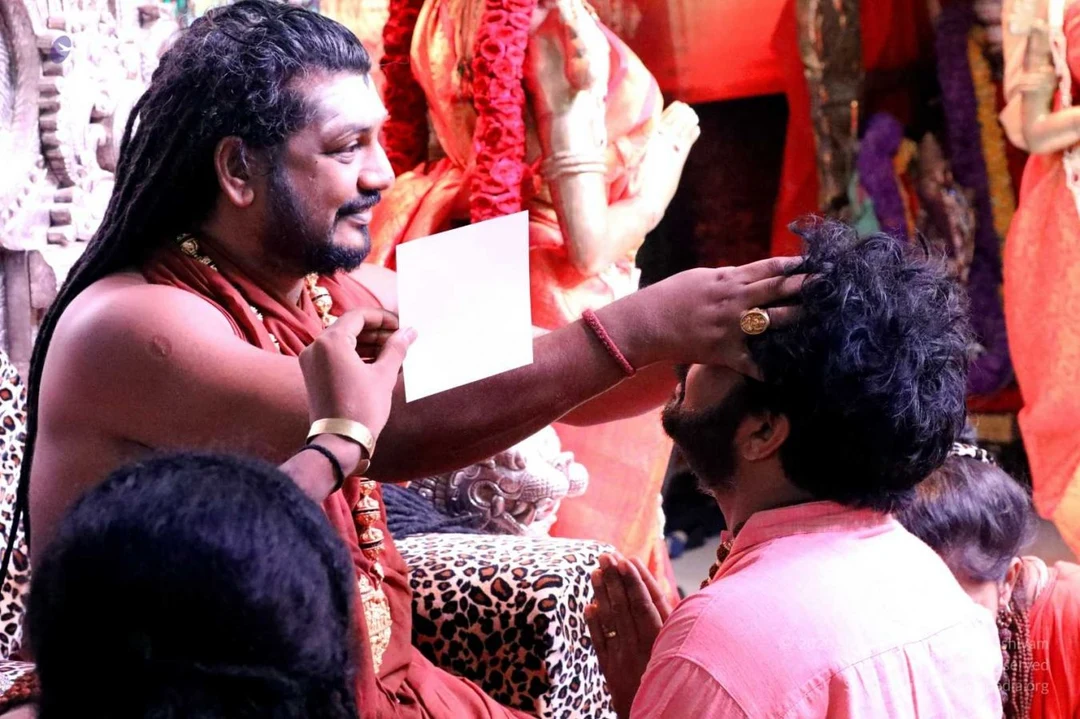 Energy darshan allows the transmission of cosmic energy into the devotee's space
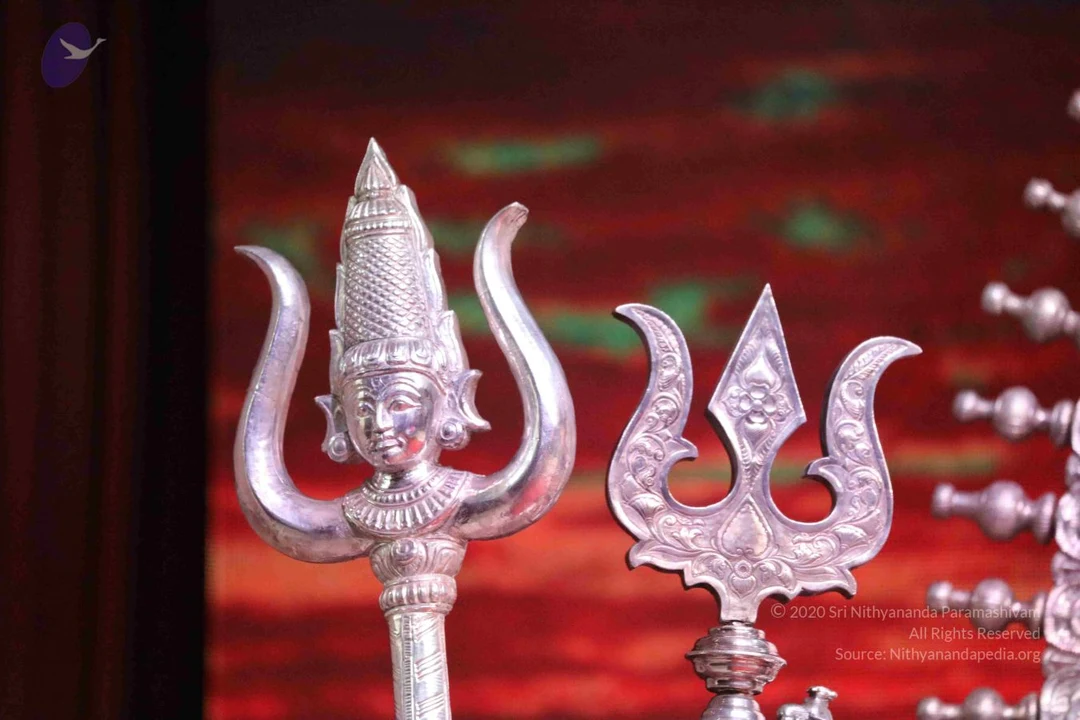
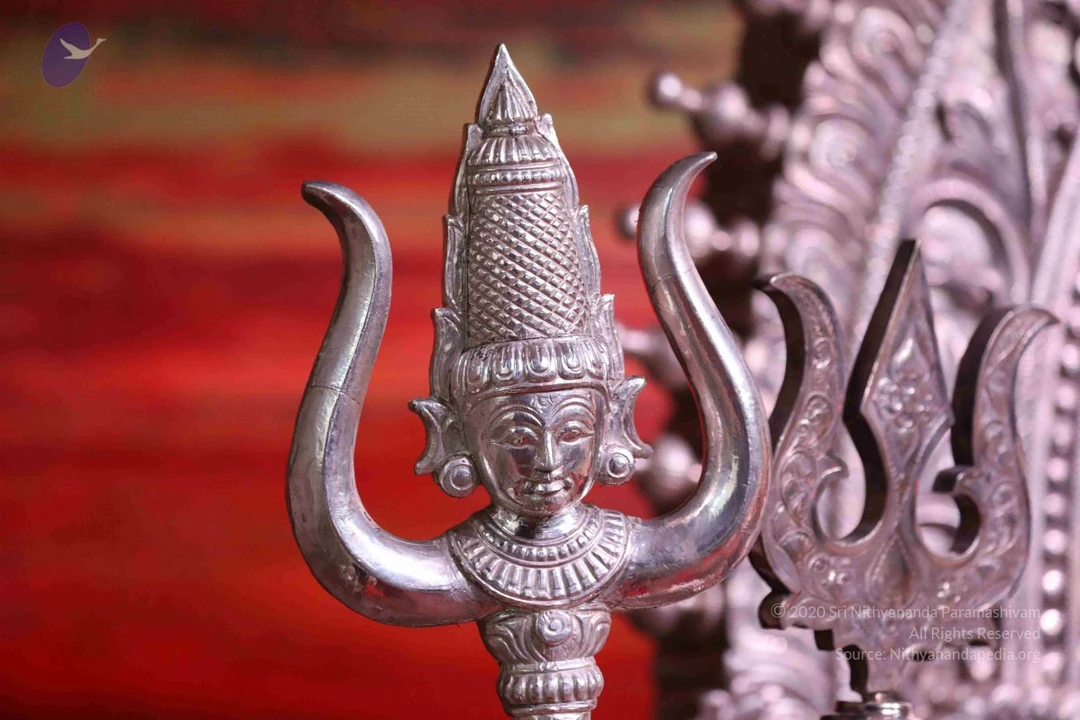
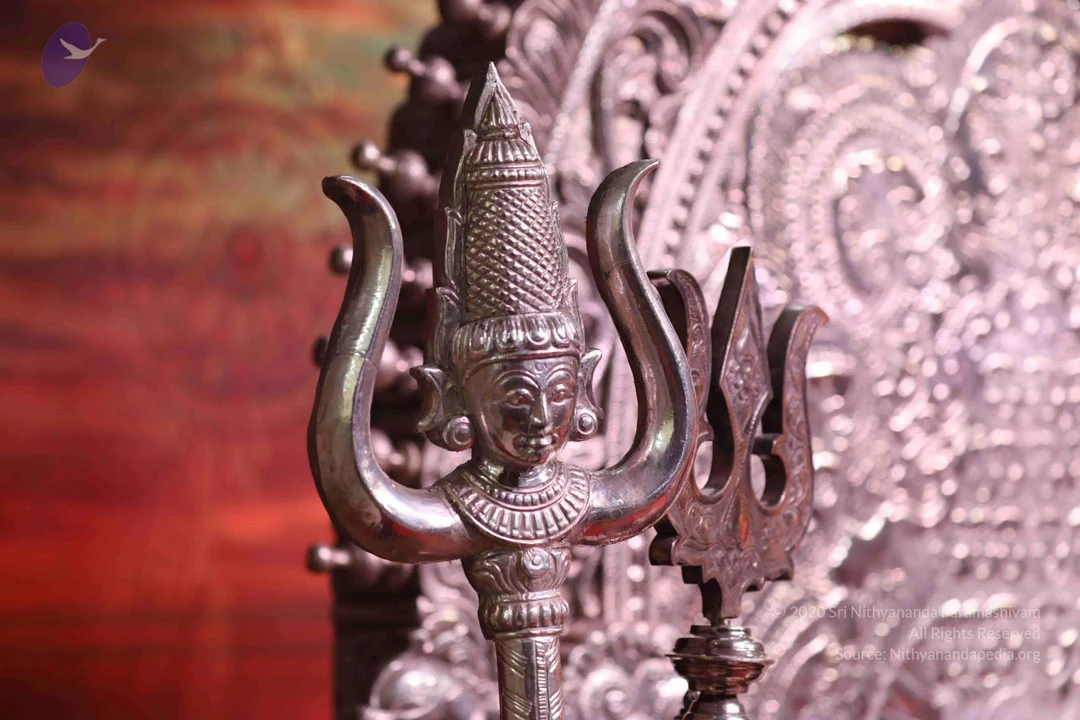
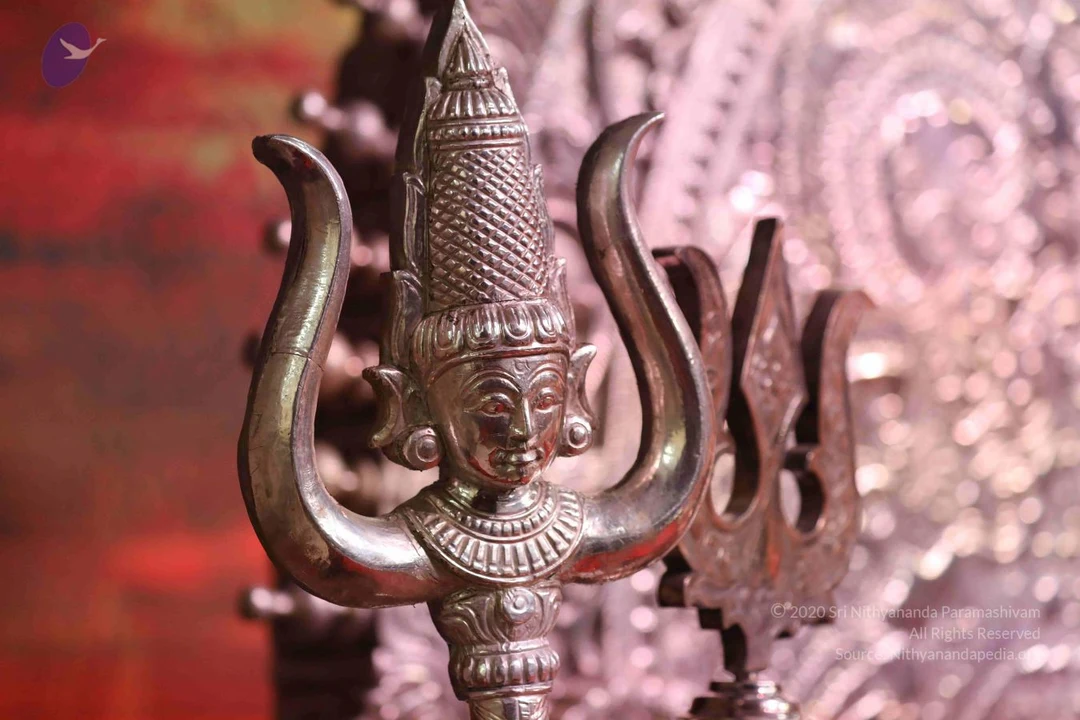
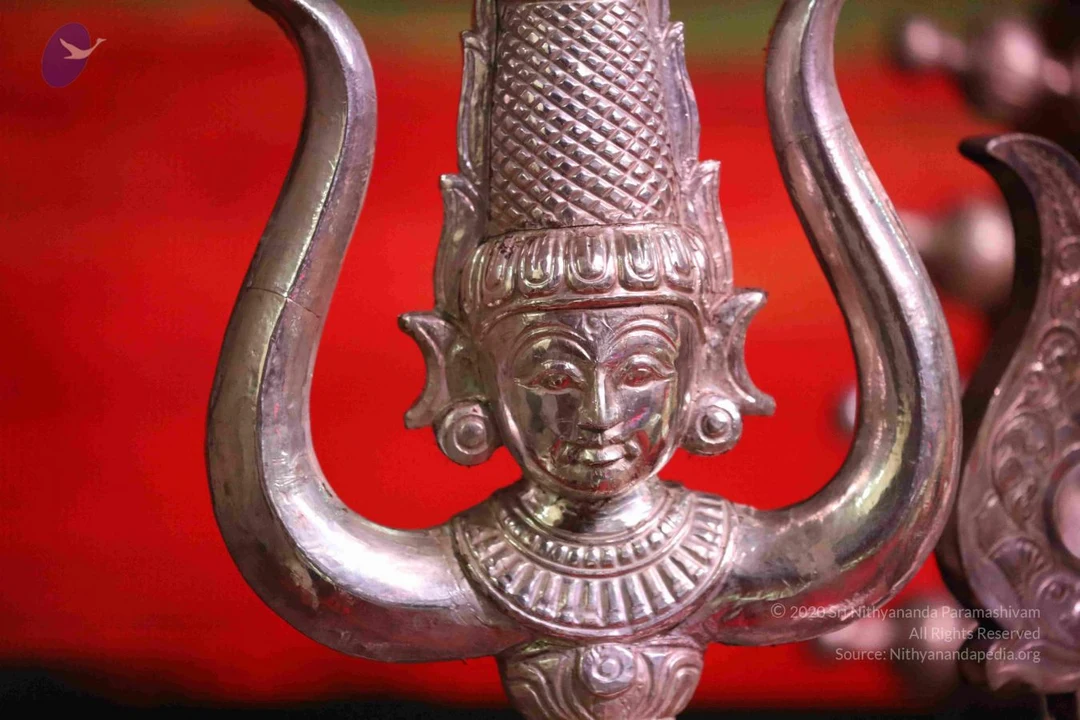
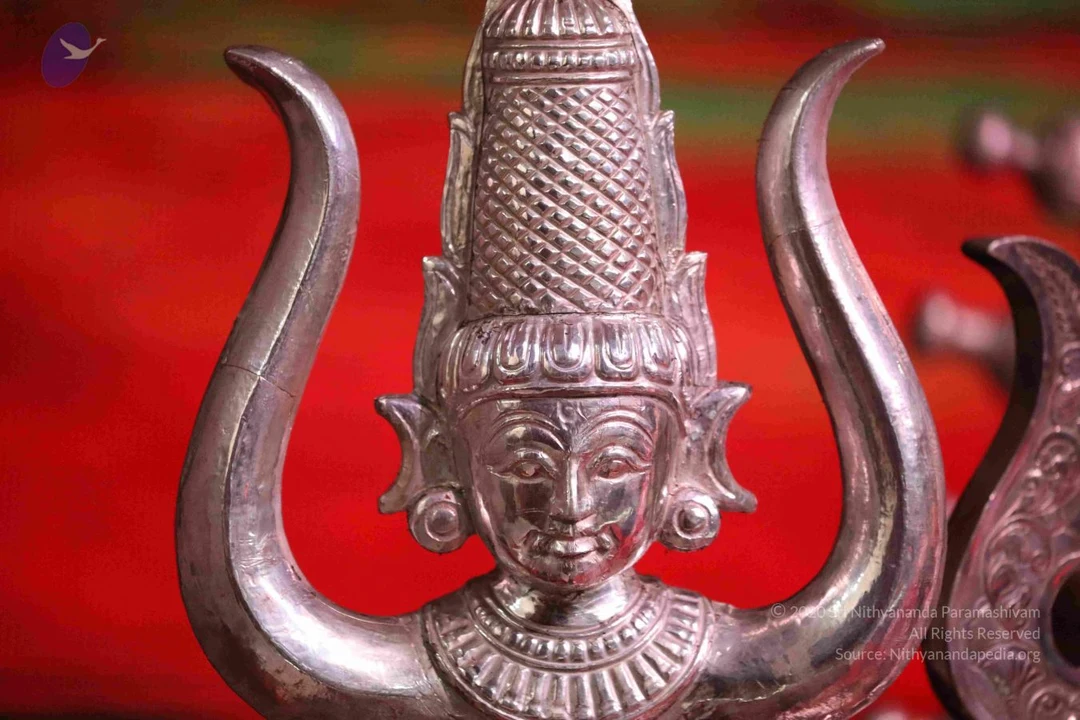
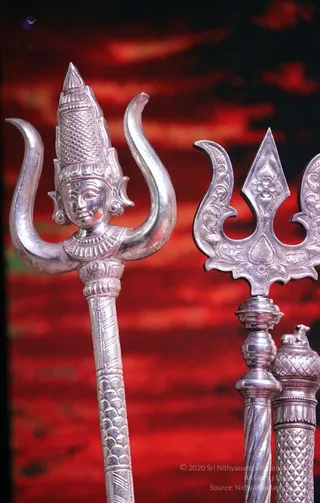
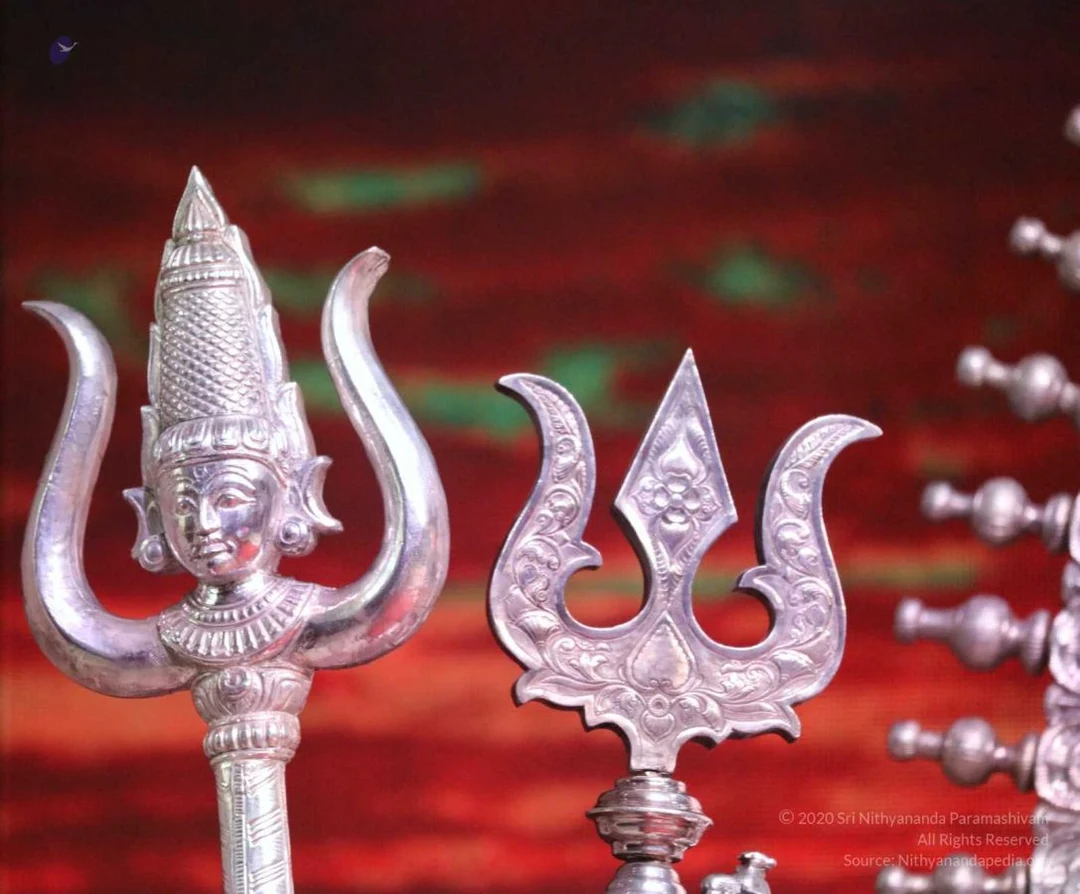
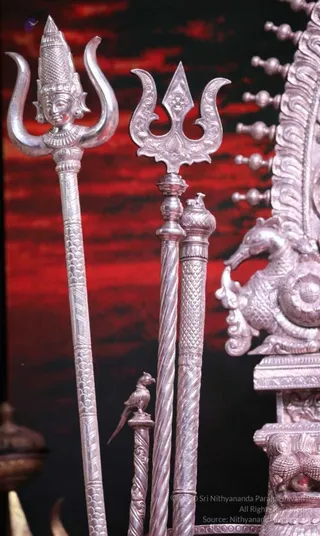
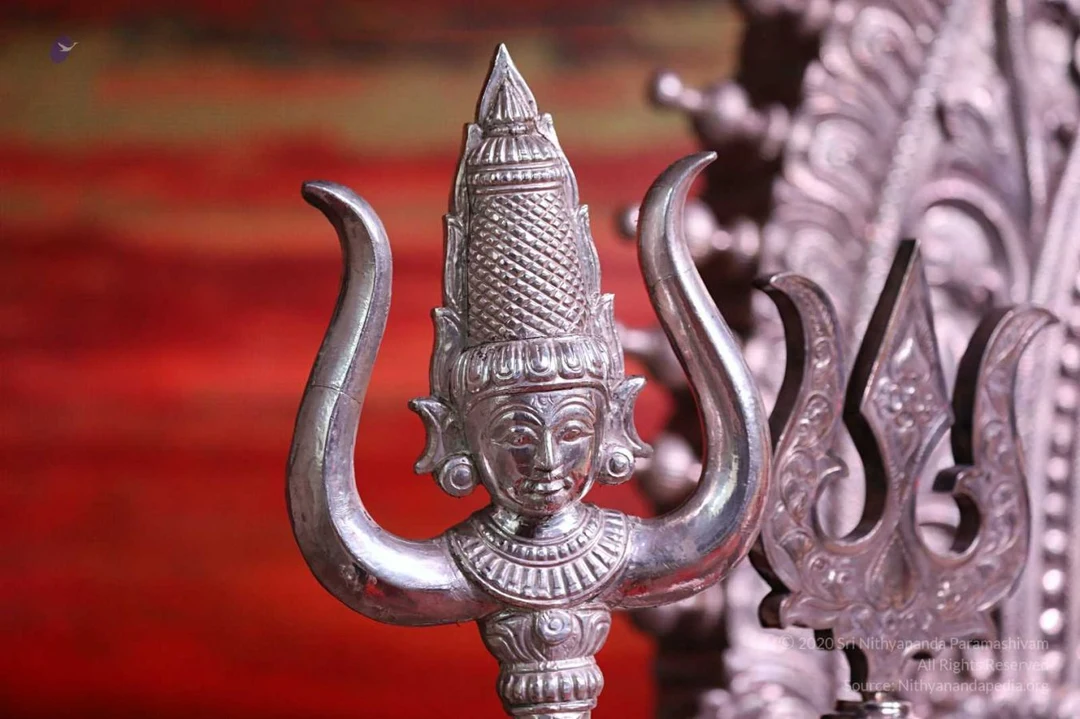
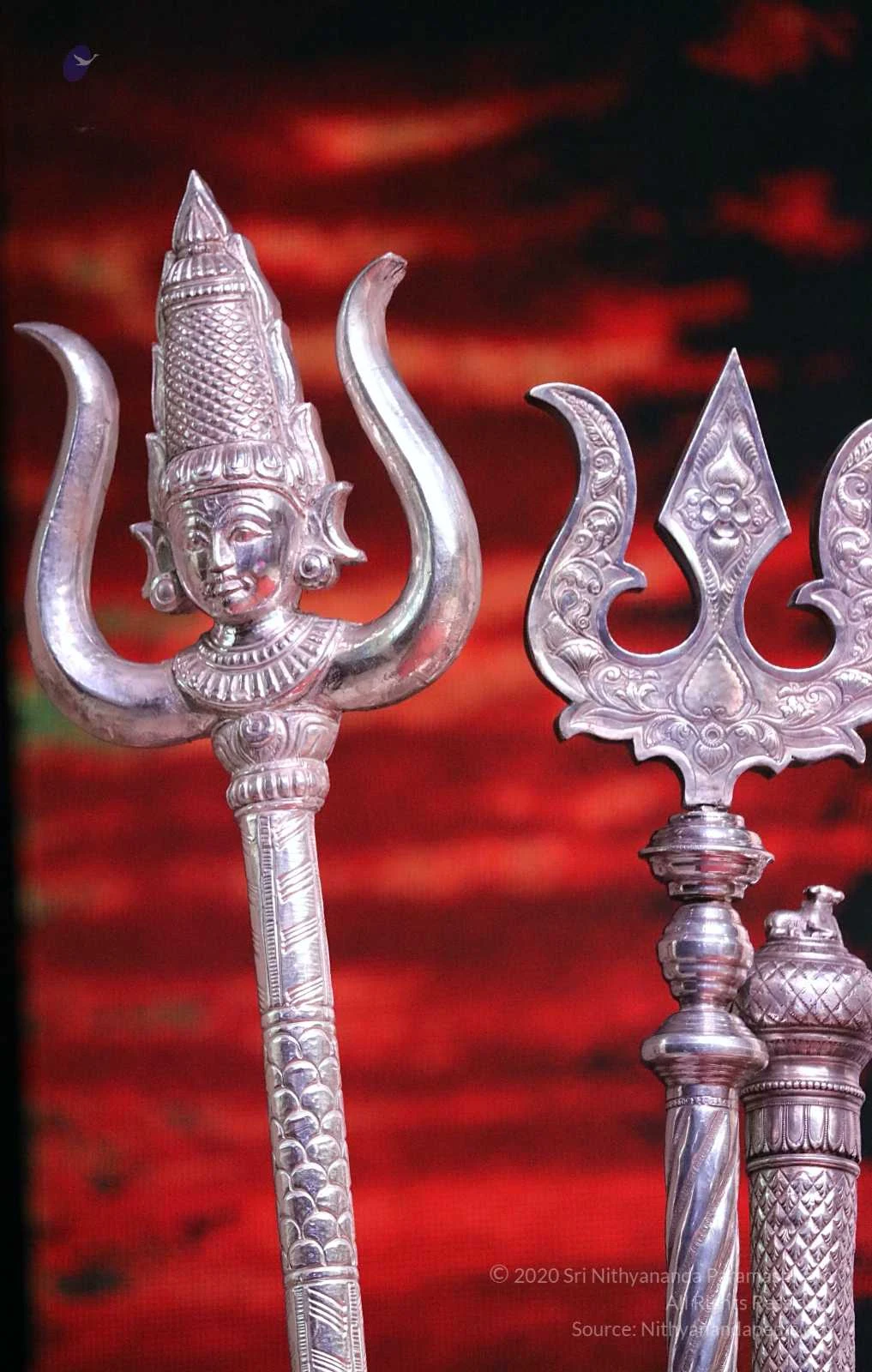
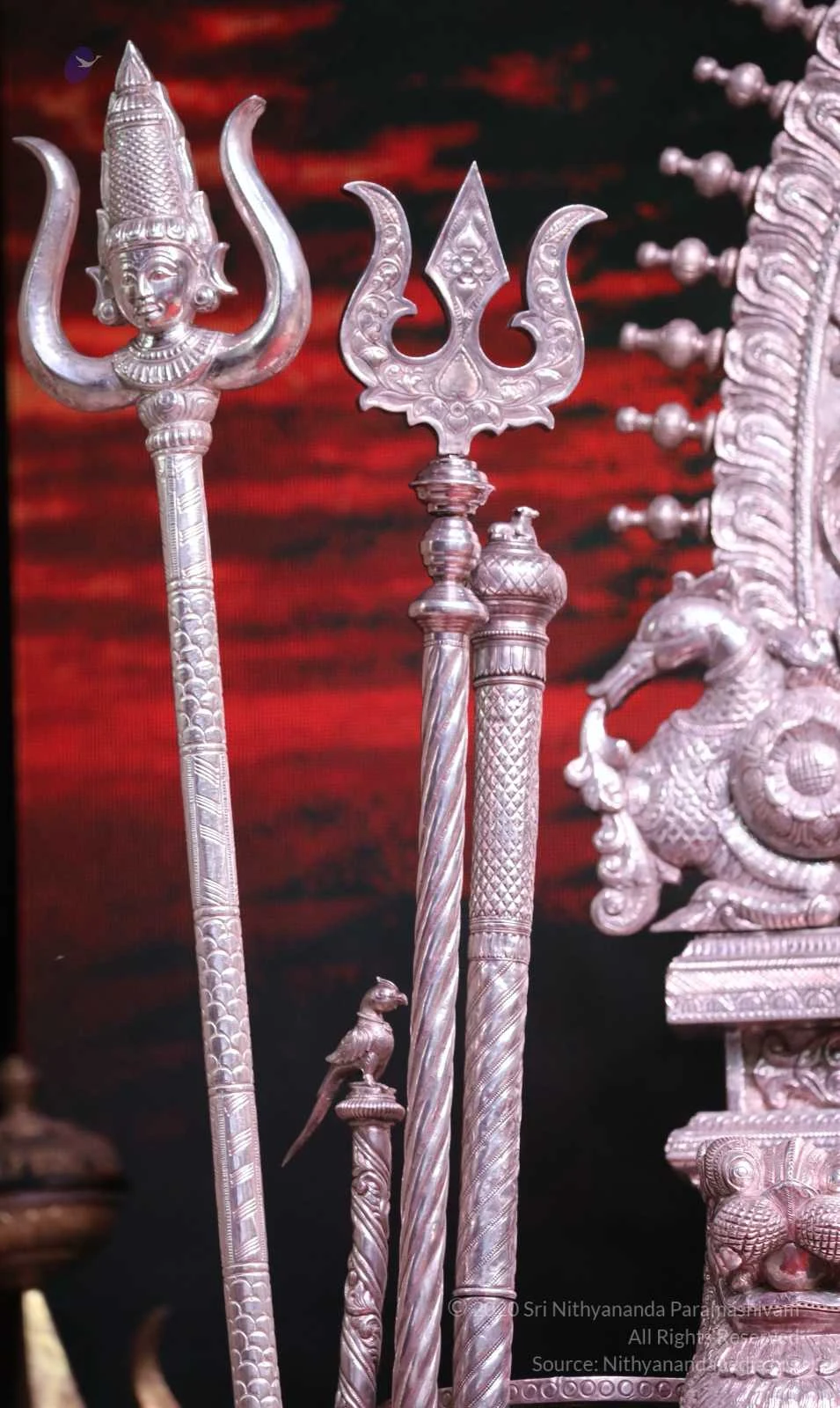
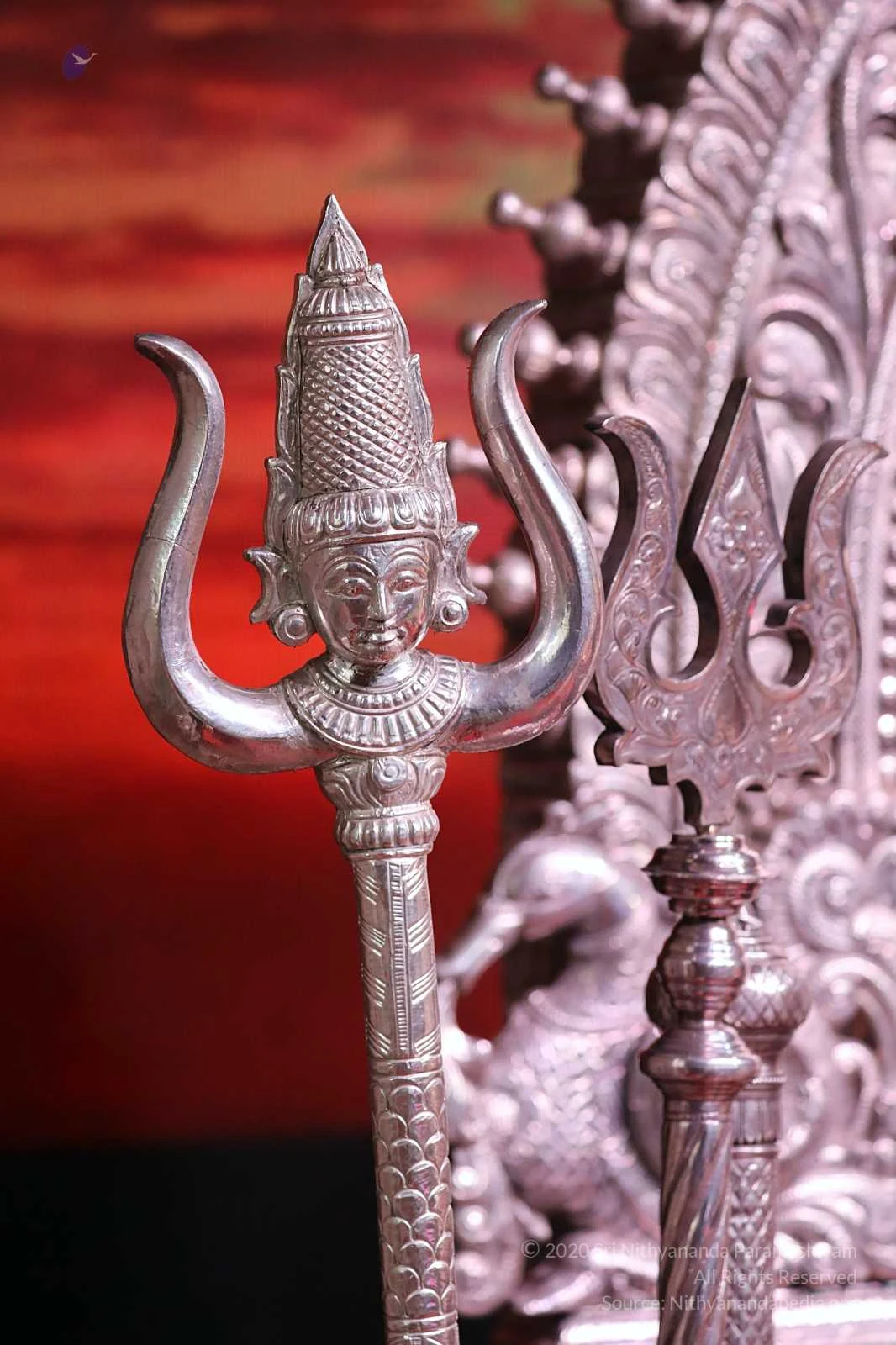
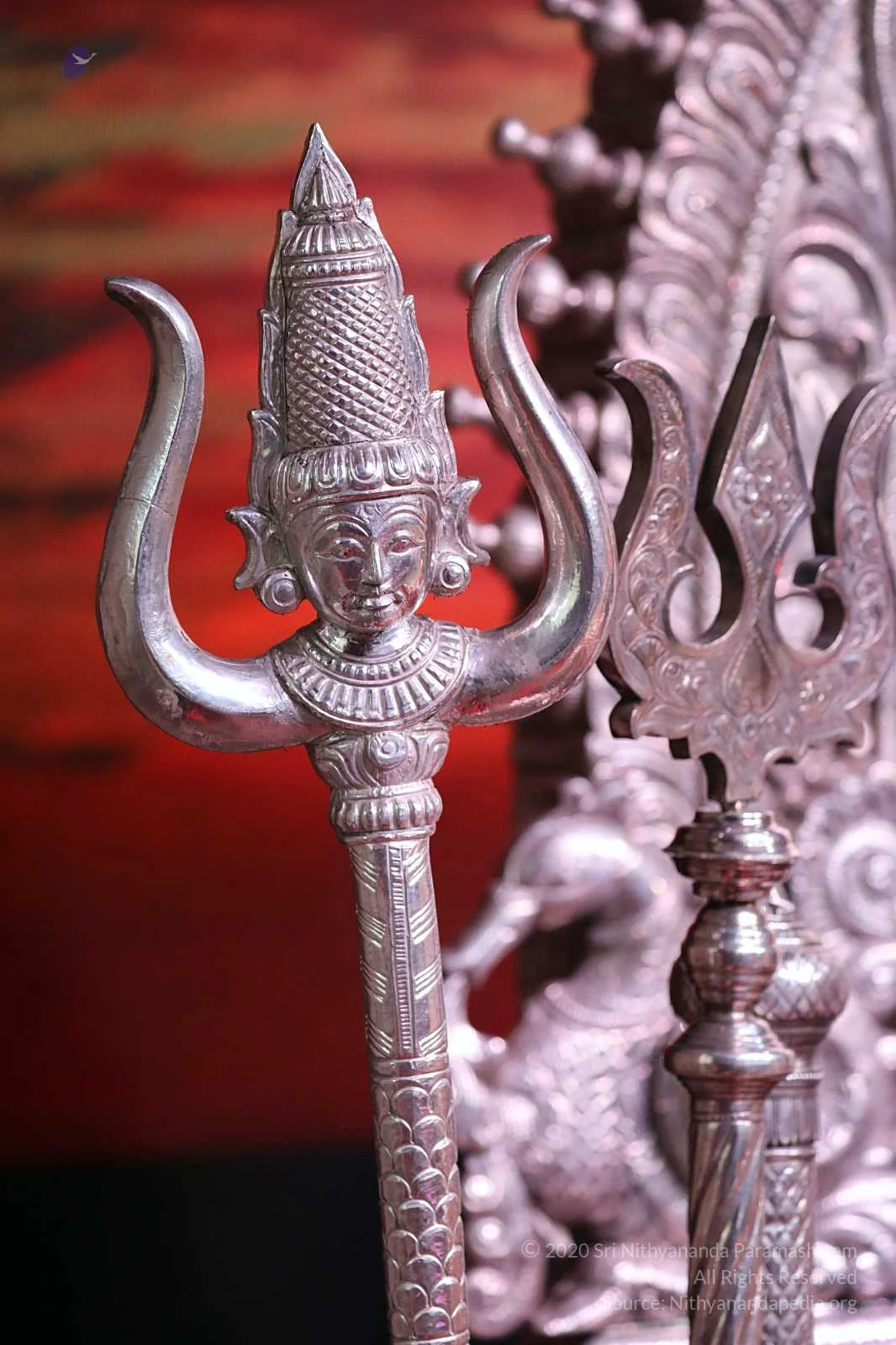
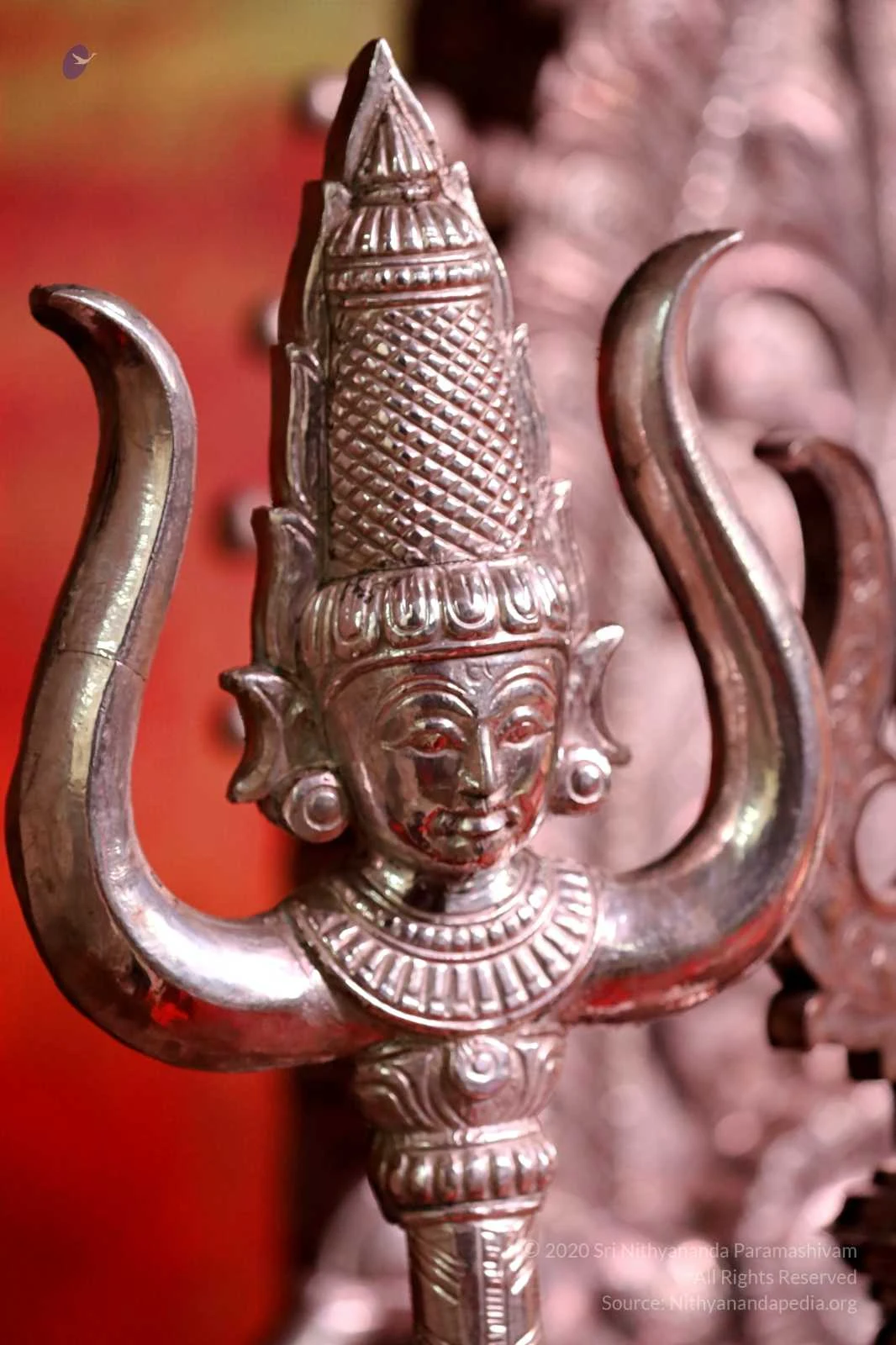
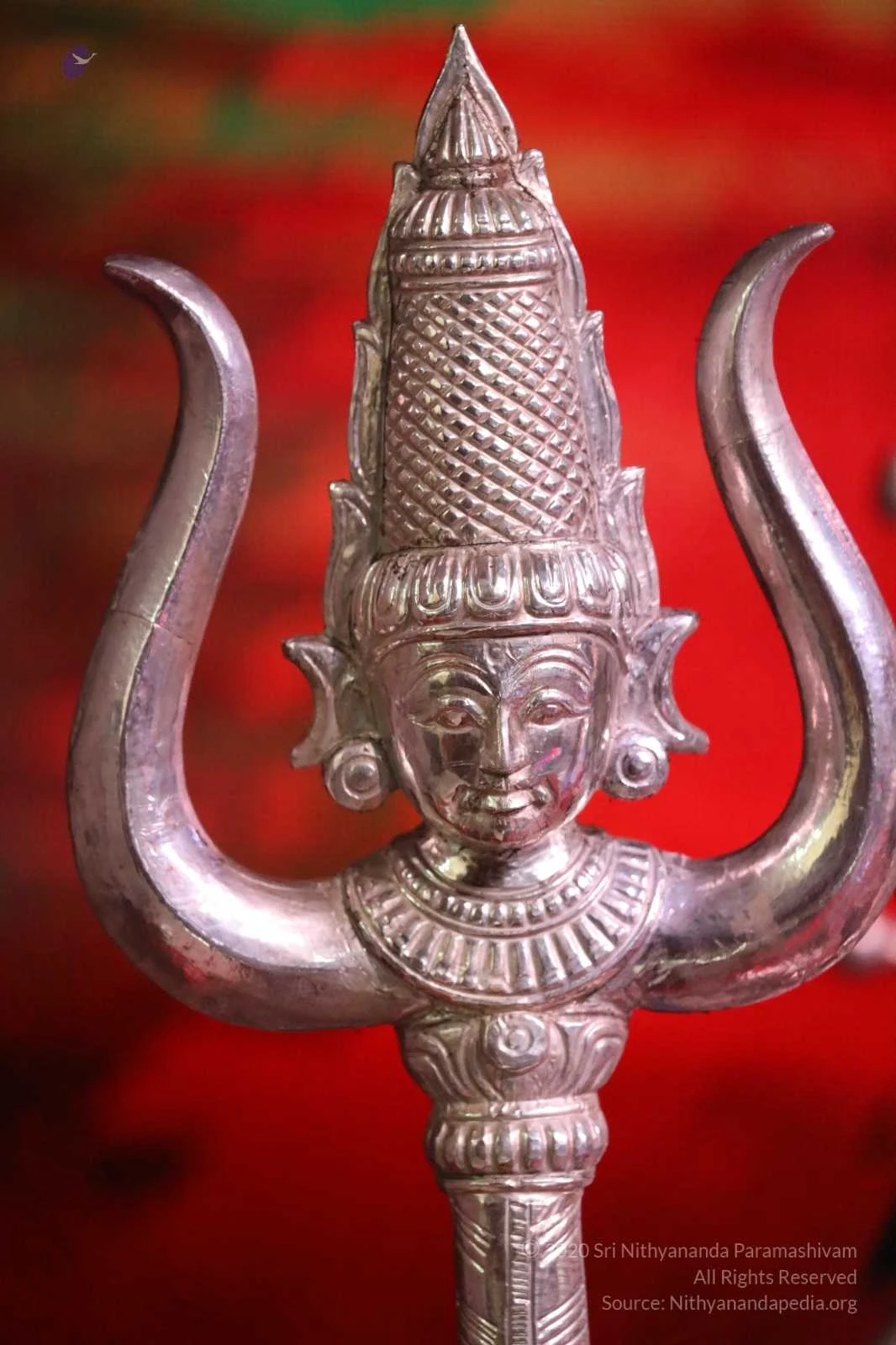
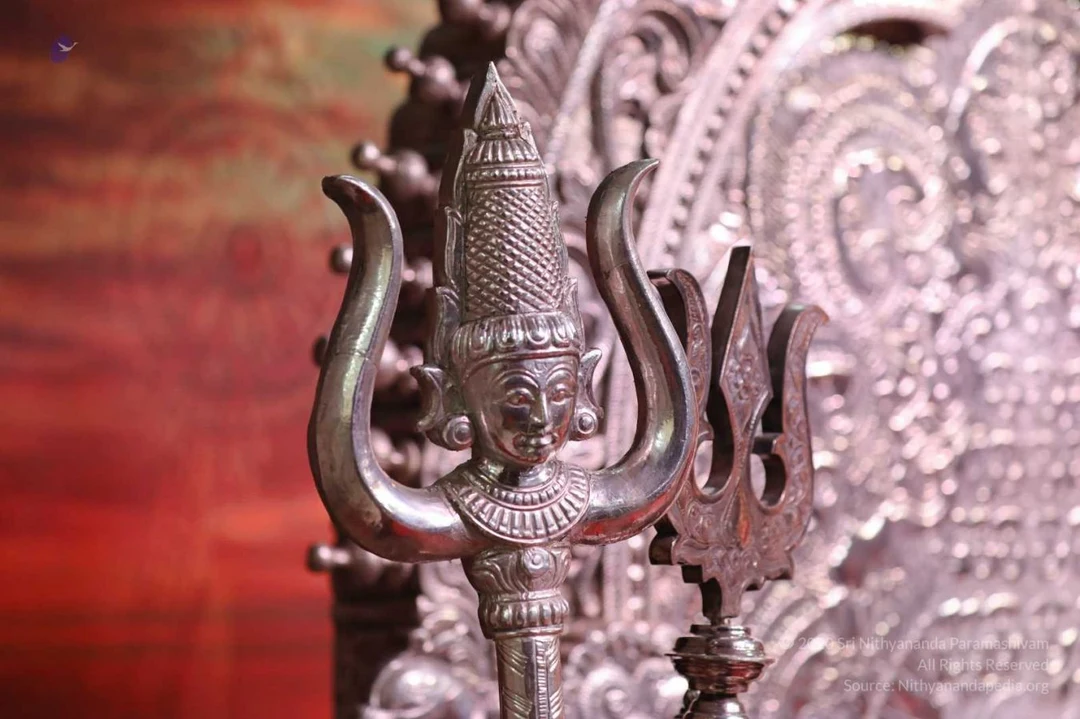 Mahadeva's trishul (trident)
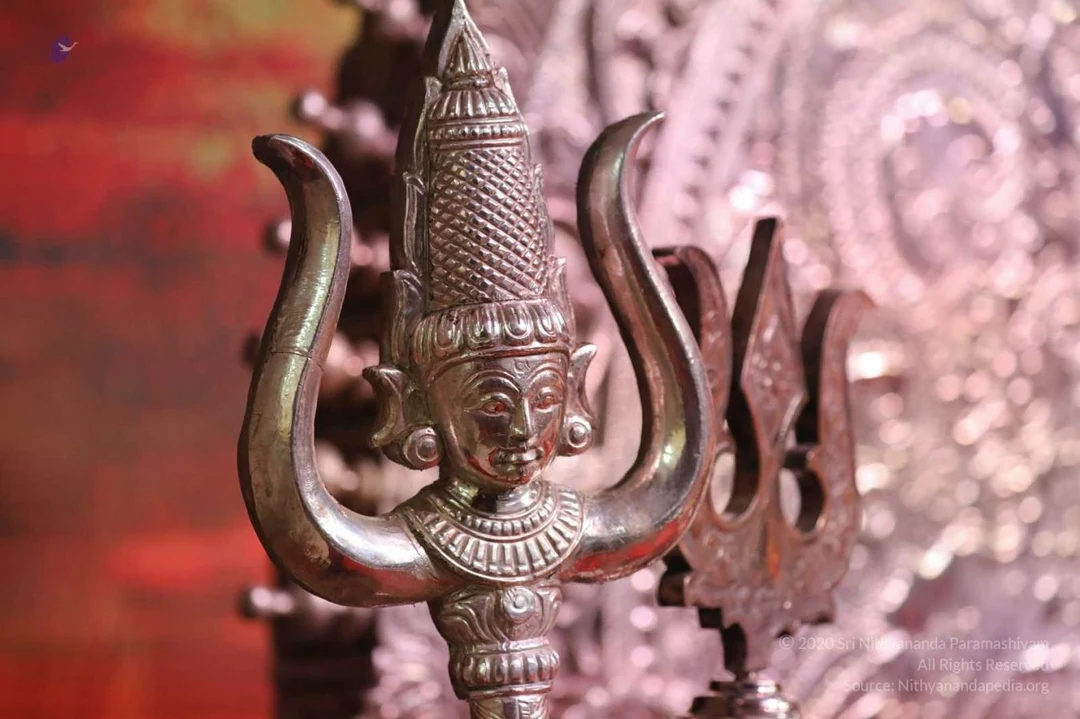 Mahadeva's trishul (trident)
 Mahadeva's trishul (trident)
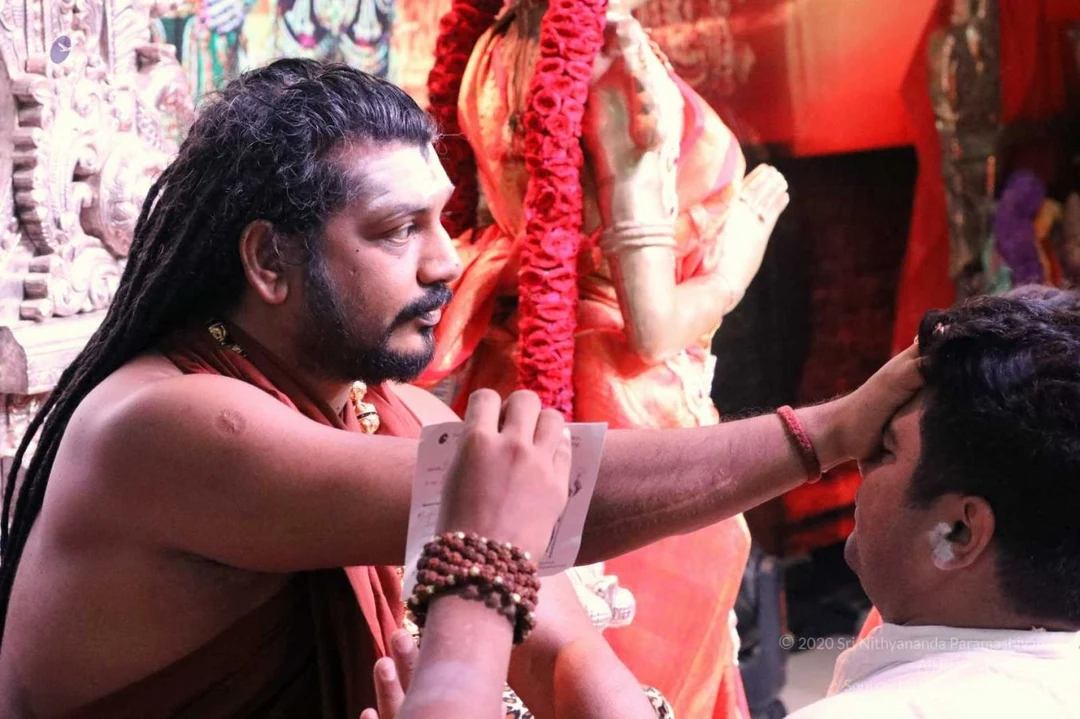 Energy darshan allows the transmission of cosmic energy into the devotee's space
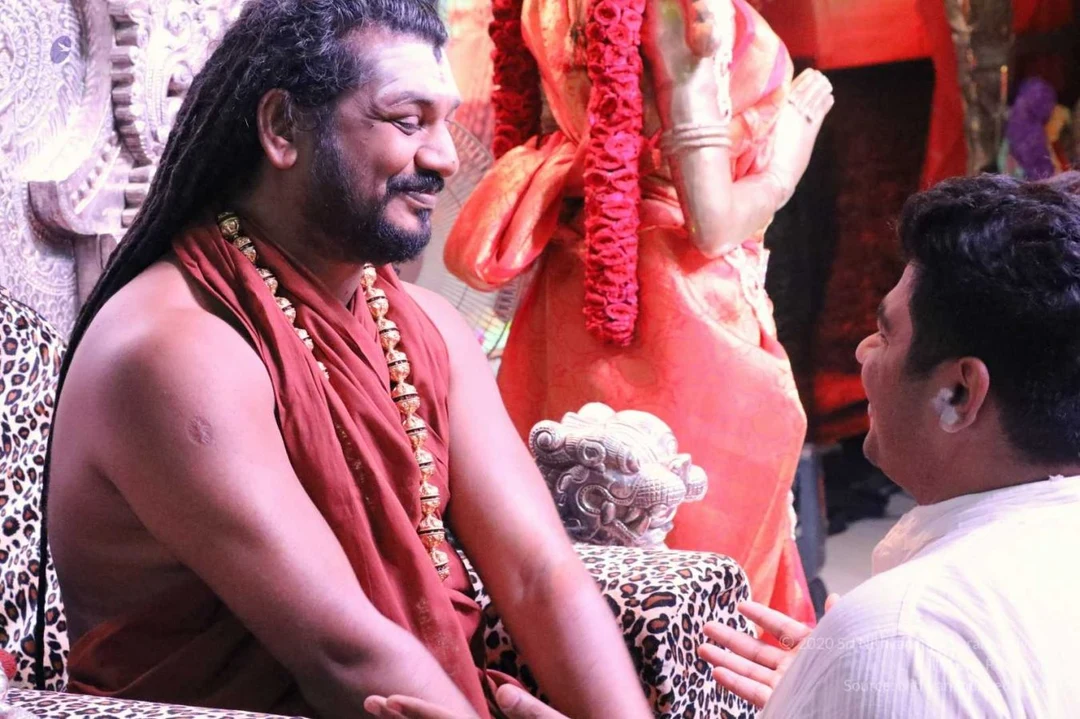 Energy darshan allows the transmission of cosmic energy into the devotee's space
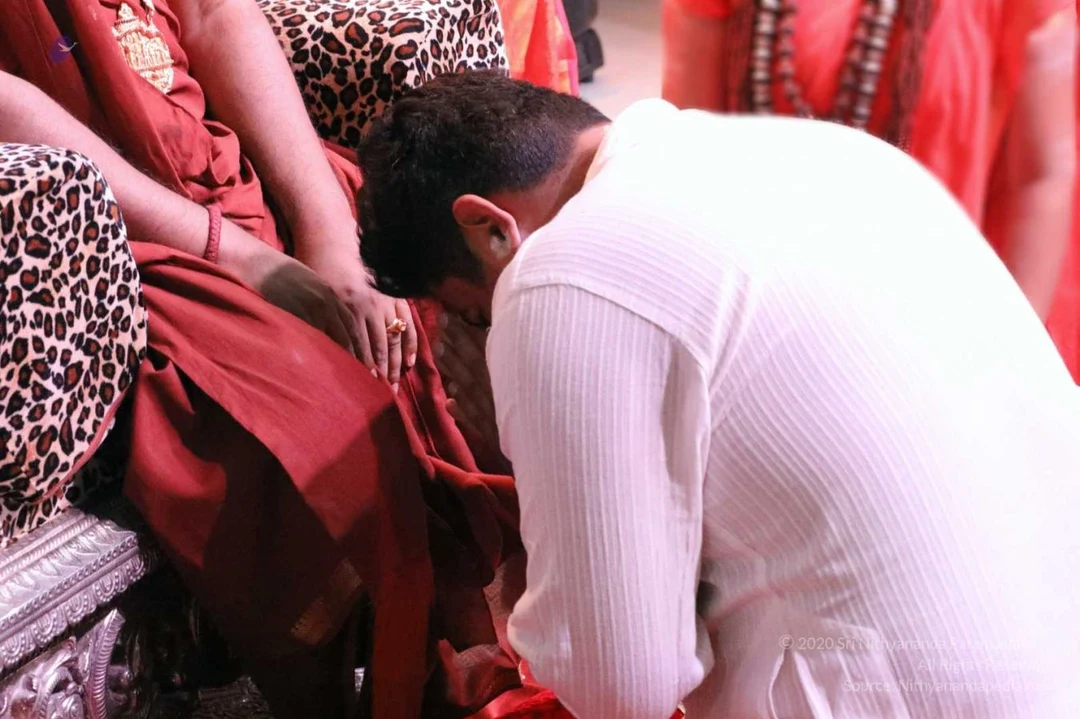 Energy darshan allows the transmission of cosmic energy into the devotee's space
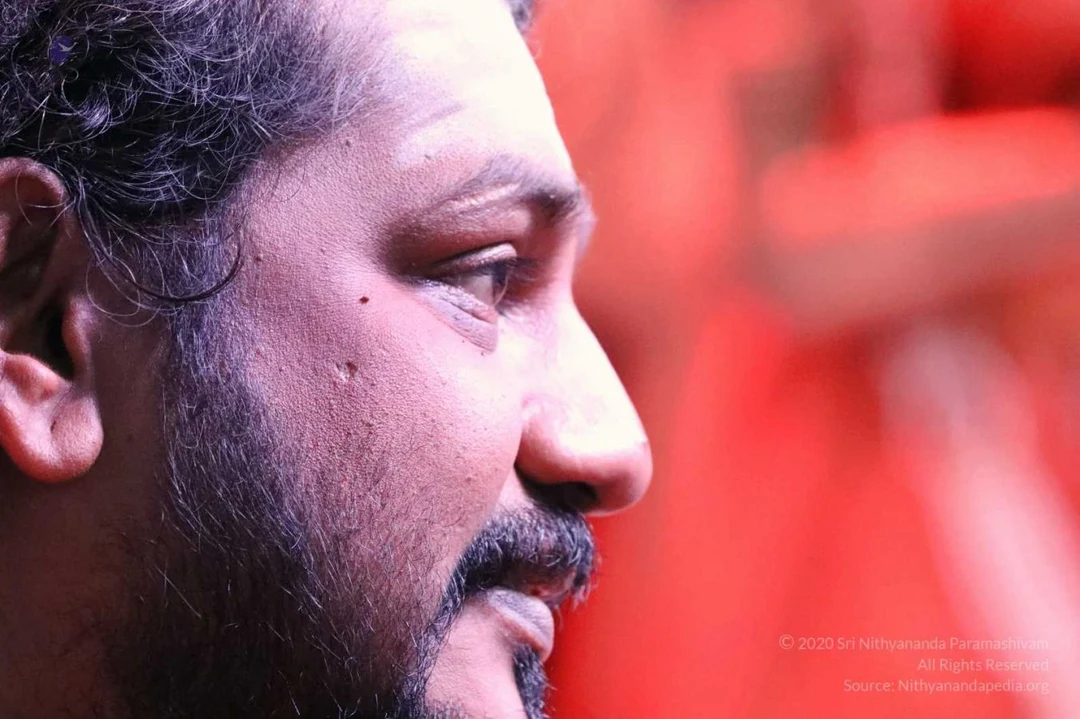 Energy darshan allows the transmission of cosmic energy into the devotee's space
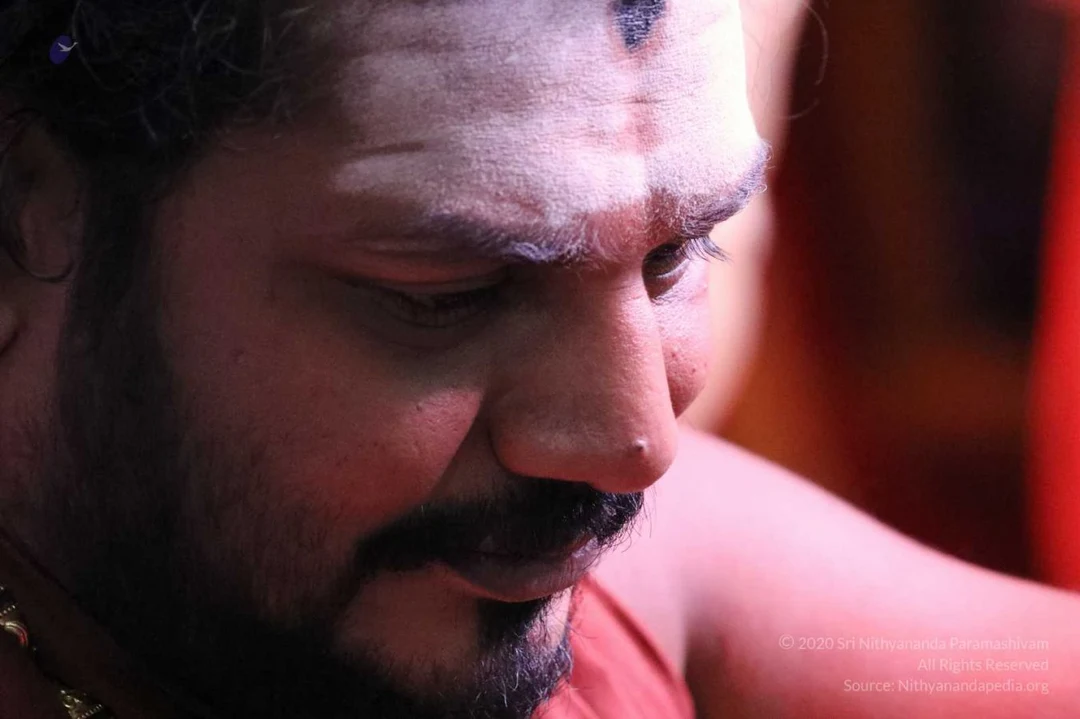 Energy darshan allows the transmission of cosmic energy into the devotee's space
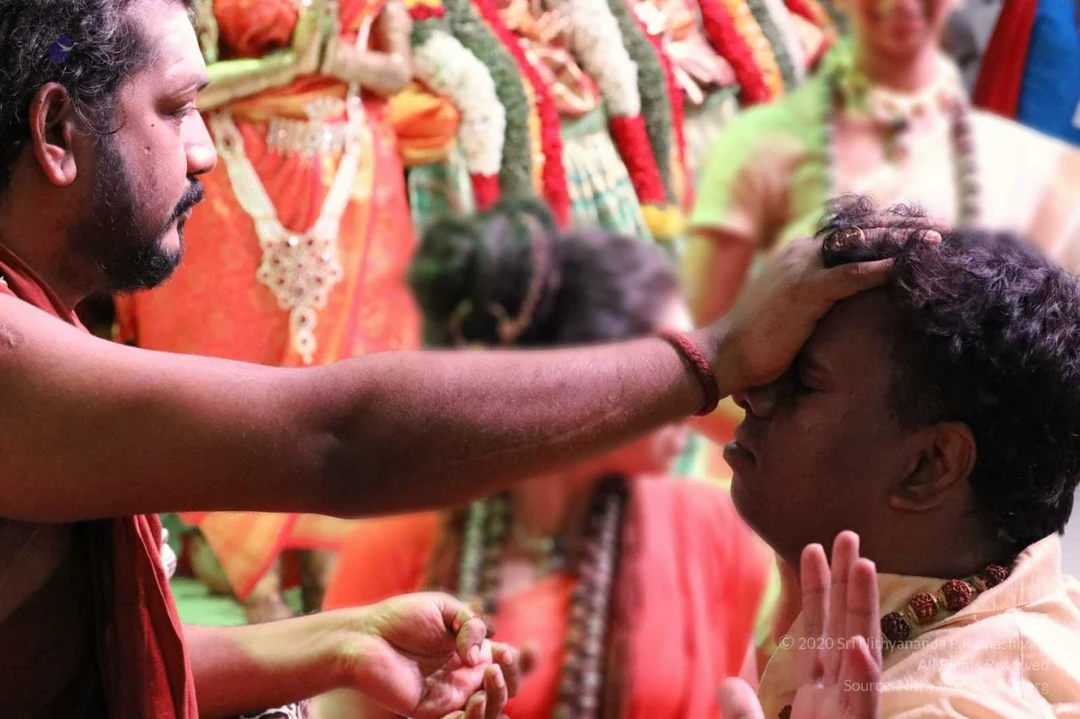 Energy darshan allows the transmission of cosmic energy into the devotee's space
 Energy darshan allows the transmission of cosmic energy into the devotee's space
 Energy darshan allows the transmission of cosmic energy into the devotee's space
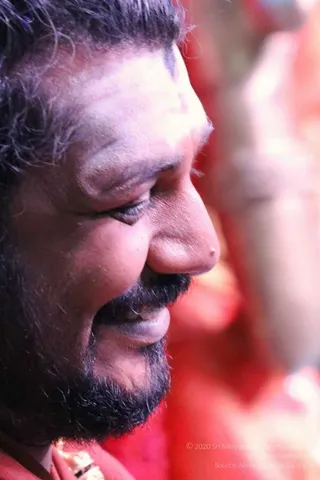 The intense vibration of energy darshan causes the hidden layers of the unconscious to erupt, releasing deeply engraved memories and karmic blockage
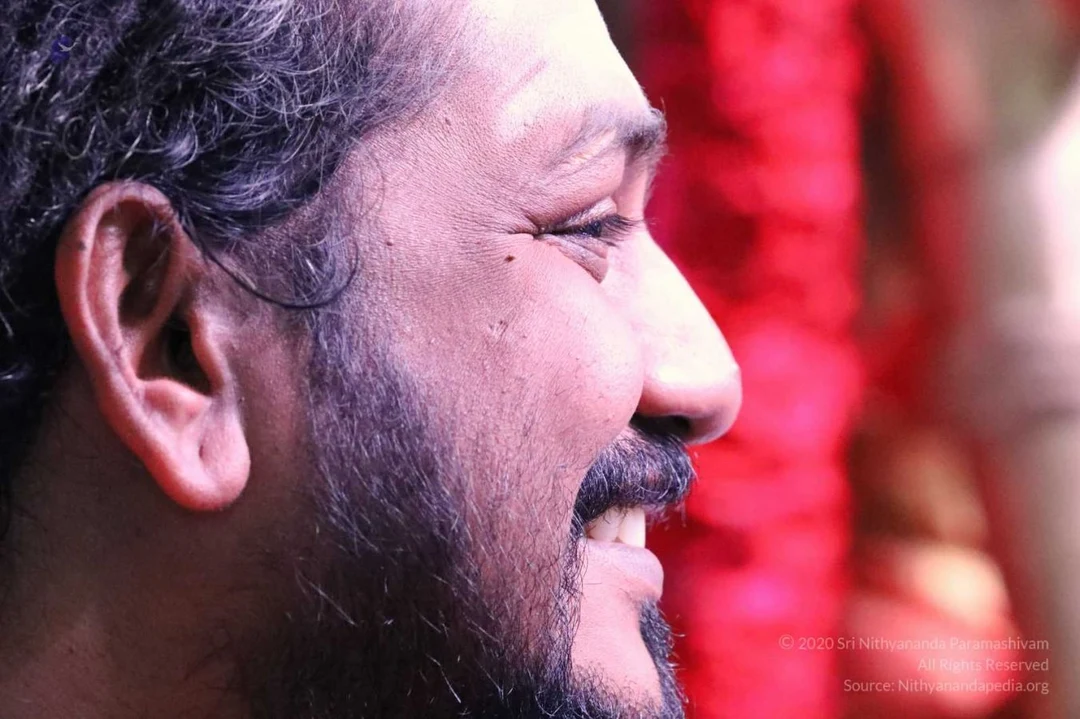 The intense vibration of energy darshan causes the hidden layers of the unconscious to erupt, releasing deeply engraved memories and karmic blockage
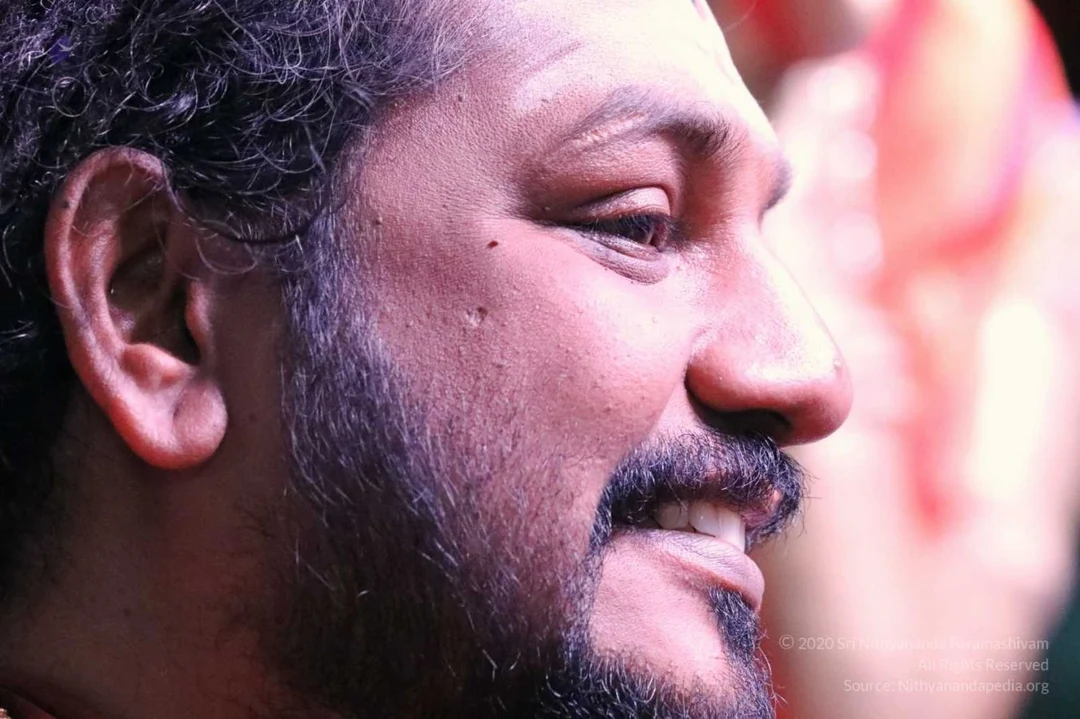 The intense vibration of energy darshan causes the hidden layers of the unconscious to erupt, releasing deeply engraved memories and karmic blockage
 The intense vibration of energy darshan causes the hidden layers of the unconscious to erupt, releasing deeply engraved memories and karmic blockage
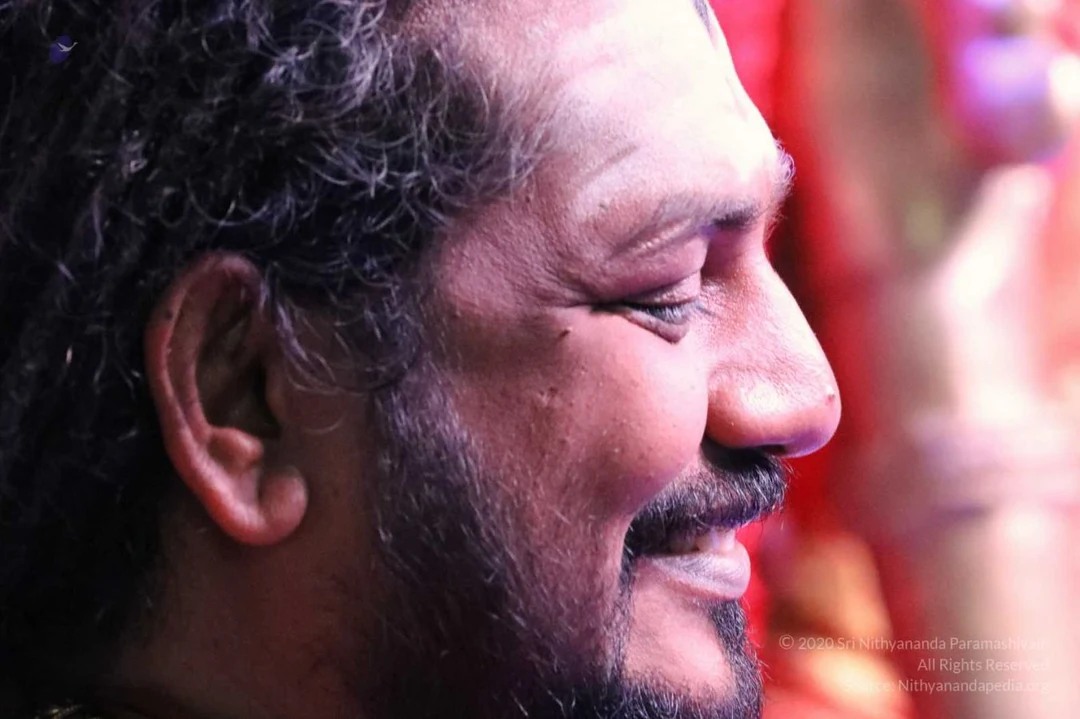 The intense vibration of energy darshan causes the hidden layers of the unconscious to erupt, releasing deeply engraved memories and karmic blockage
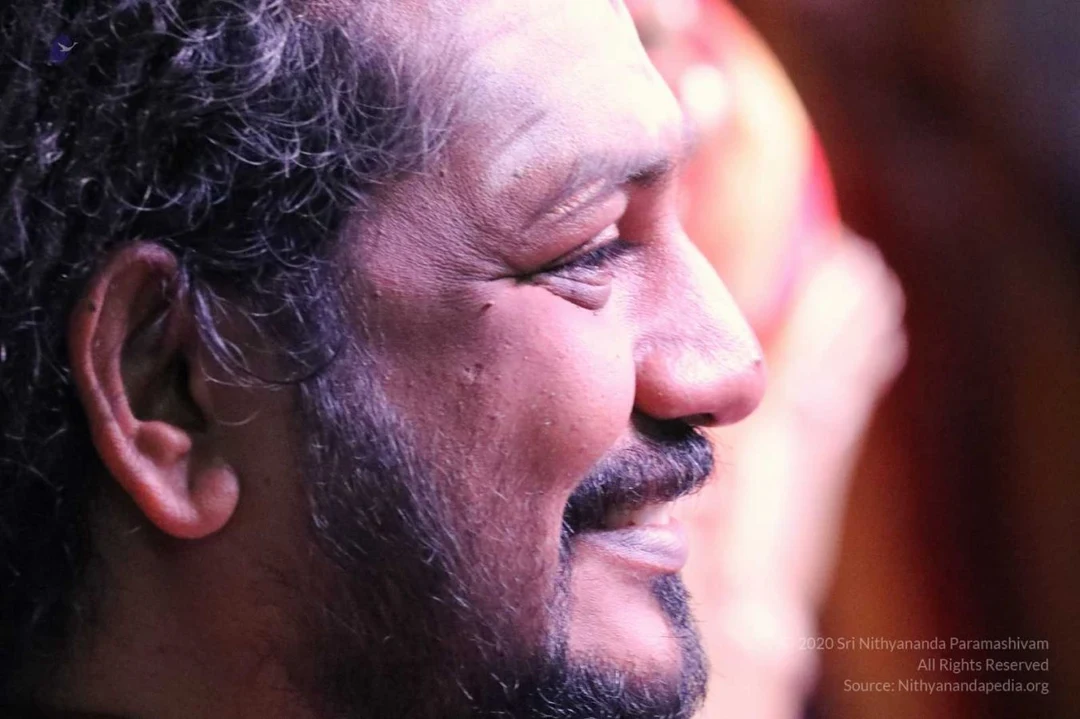 The intense vibration of energy darshan causes the hidden layers of the unconscious to erupt, releasing deeply engraved memories and karmic blockage
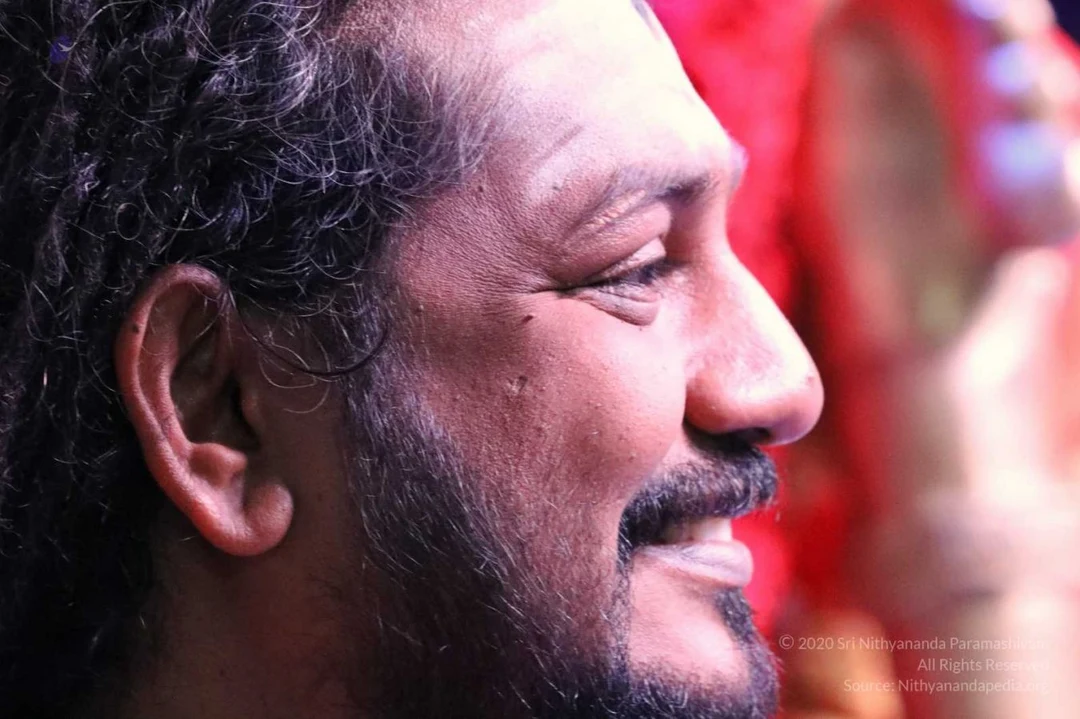 The intense vibration of energy darshan causes the hidden layers of the unconscious to erupt, releasing deeply engraved memories and karmic blockage
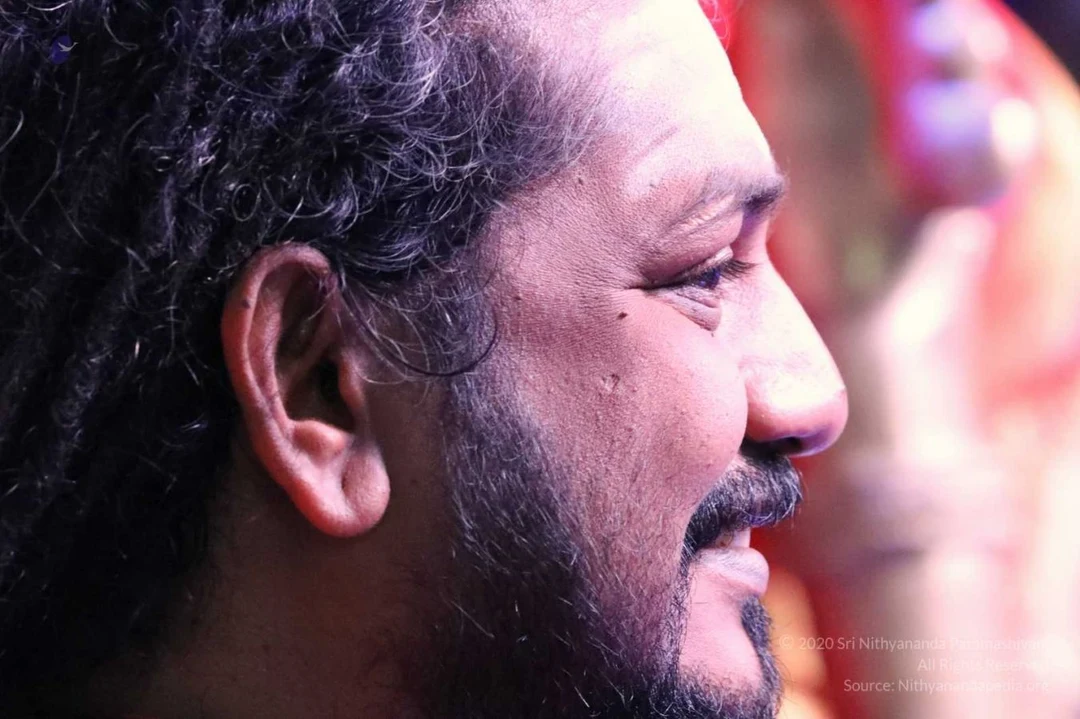 The intense vibration of energy darshan causes the hidden layers of the unconscious to erupt, releasing deeply engraved memories and karmic blockage
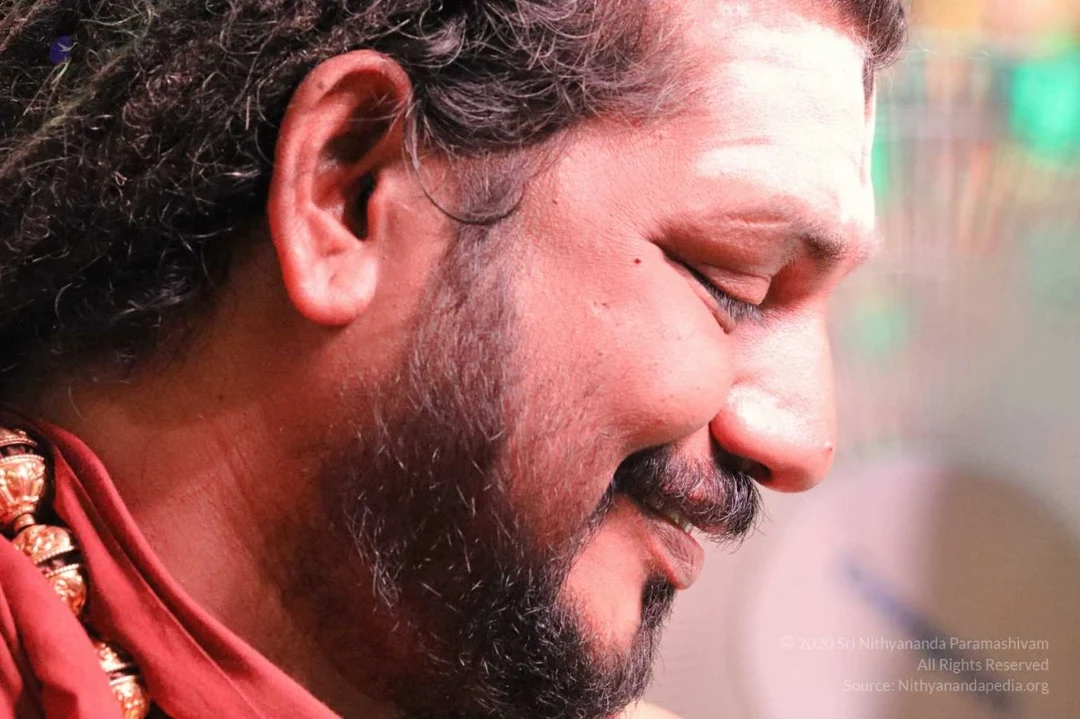 The intense vibration of energy darshan causes the hidden layers of the unconscious to erupt, releasing deeply engraved memories and karmic blockage
 The avatar raises the kundalini energy giving the next level experience of Sadashivatva
 The avatar raises the kundalini energy giving the next level experience of Sadashivatva
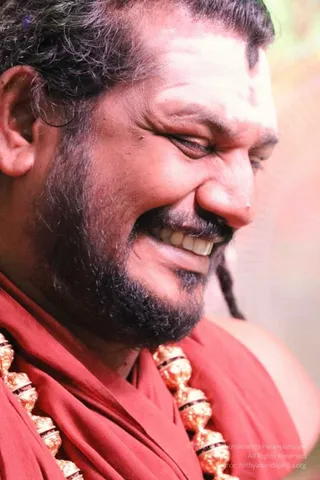 The avatar raises the kundalini energy giving the next level experience of Sadashivatva
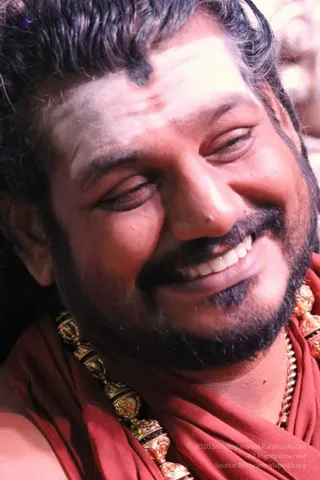 The avatar raises the kundalini energy giving the next level experience of Sadashivatva
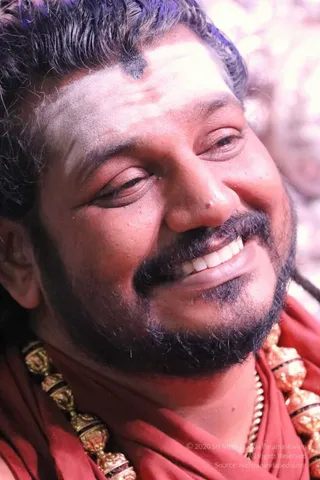 The avatar raises the kundalini energy giving the next level experience of Sadashivatva
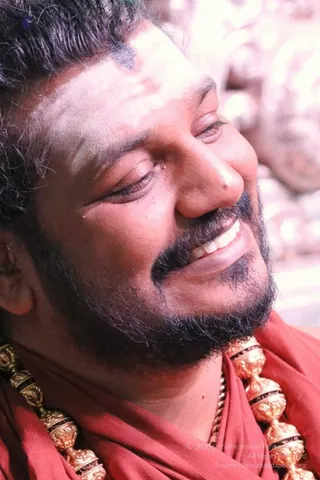 The avatar raises the kundalini energy giving the next level experience of Sadashivatva
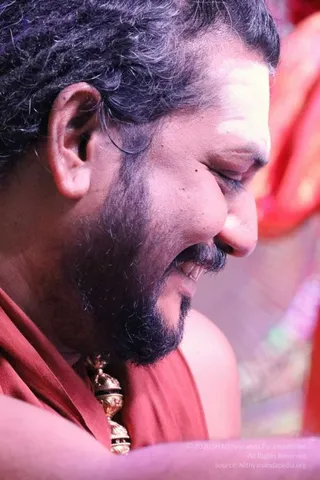 The avatar raises the kundalini energy giving the next level experience of Sadashivatva
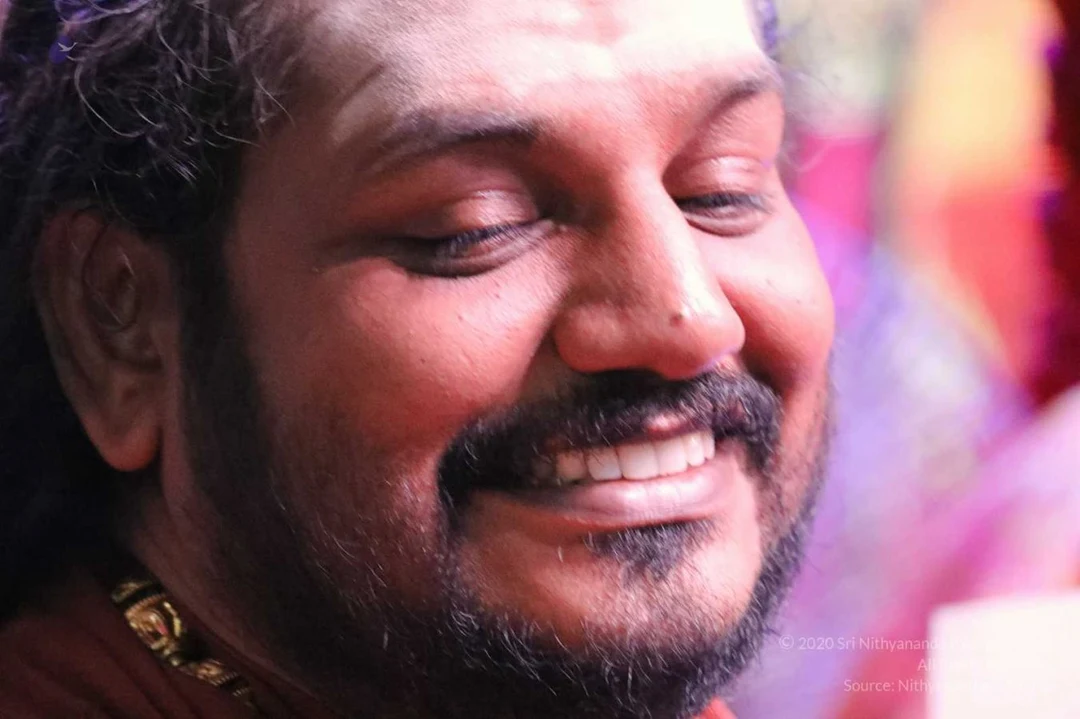 The avatar raises the kundalini energy giving the next level experience of Sadashivatva
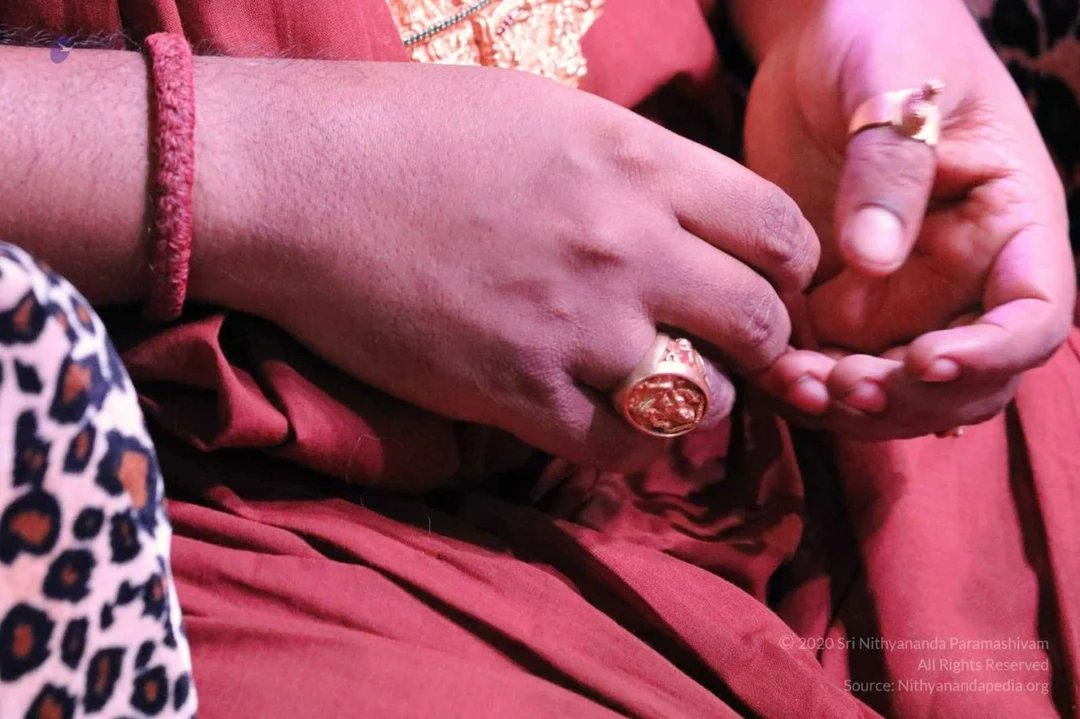 Your being comes alive and celebrates with the energy wave of Existence during energy darshan
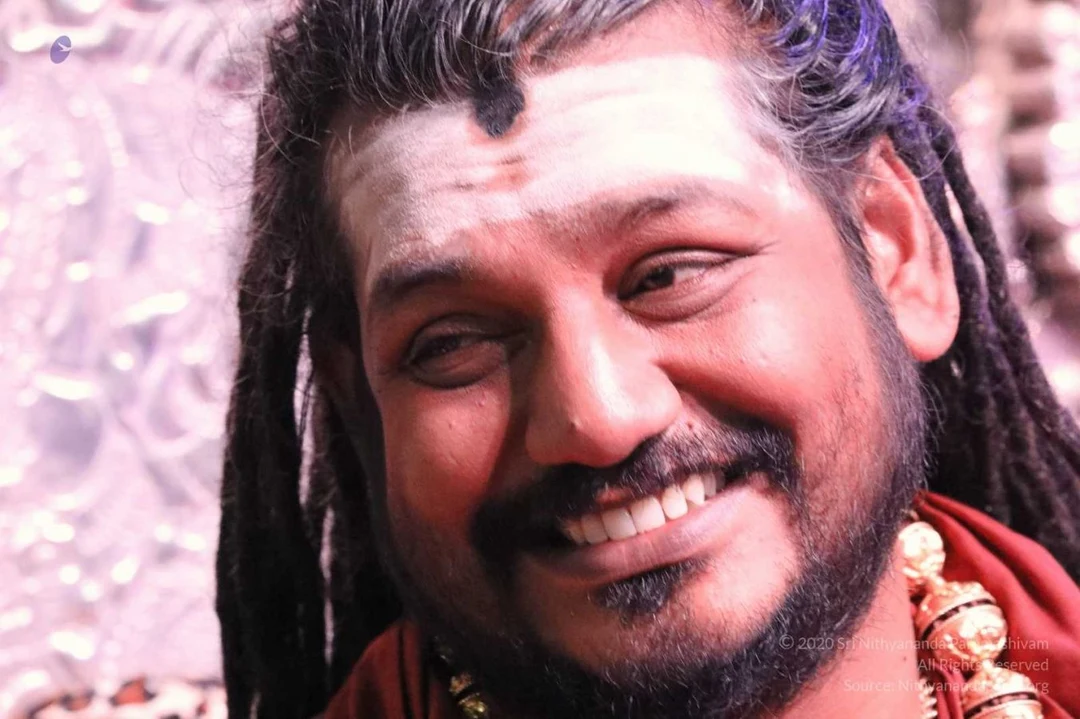 Your being comes alive and celebrates with the energy wave of Existence during energy darshan
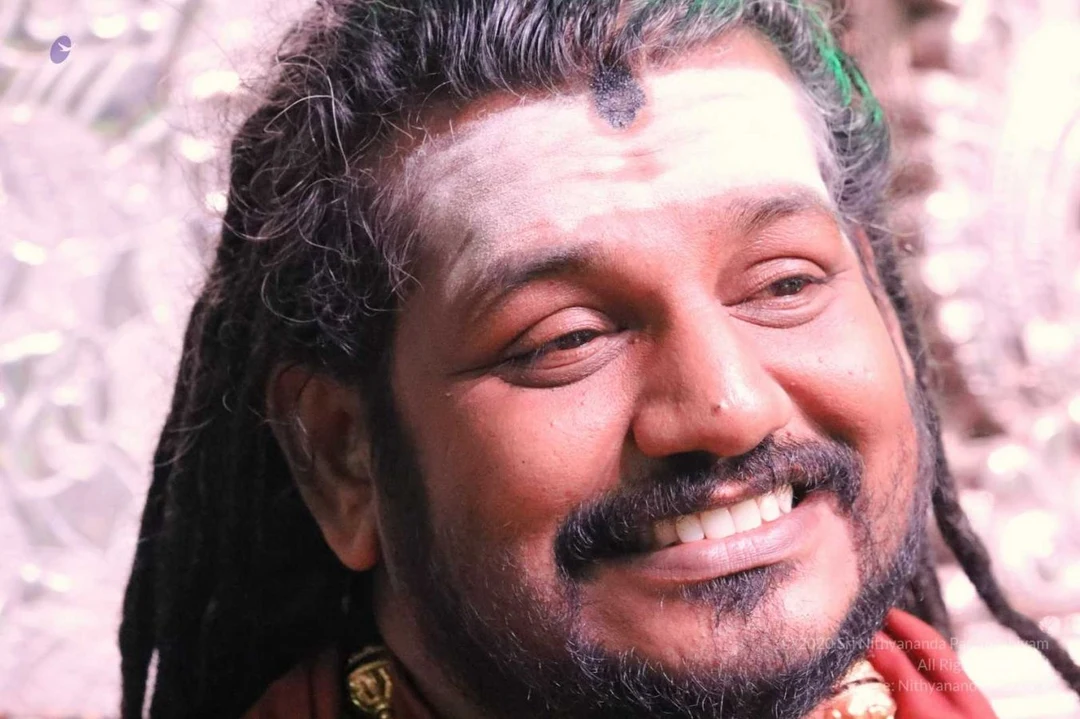 Your being comes alive and celebrates with the energy wave of Existence during energy darshan
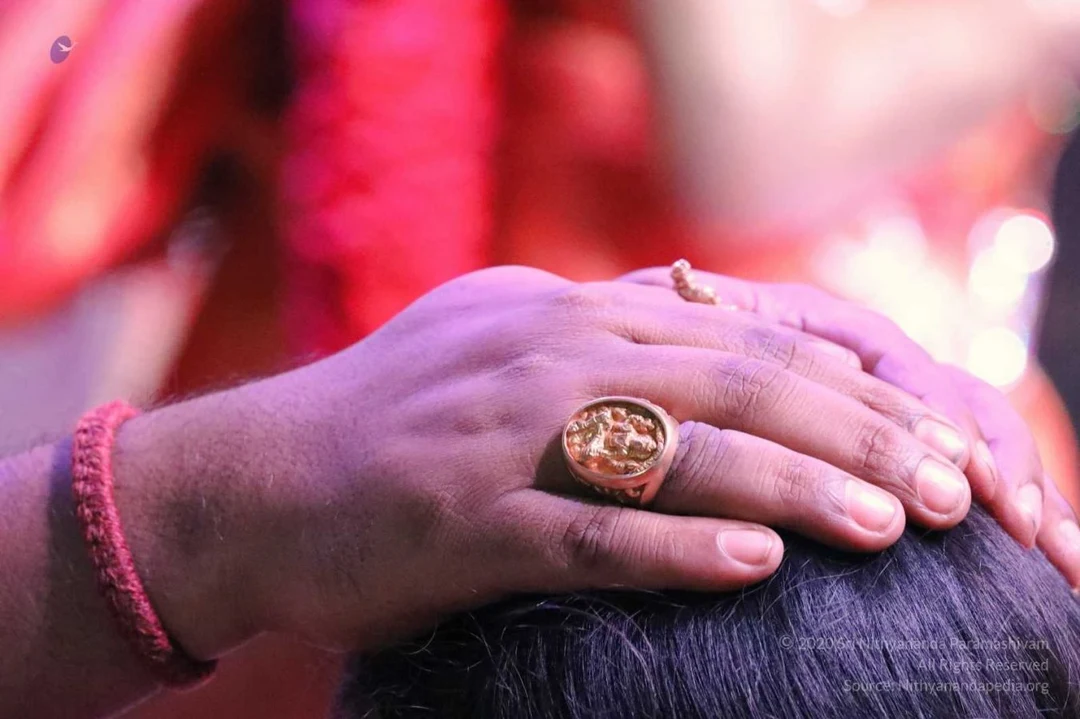 Your being comes alive and celebrates with the energy wave of Existence during energy darshan
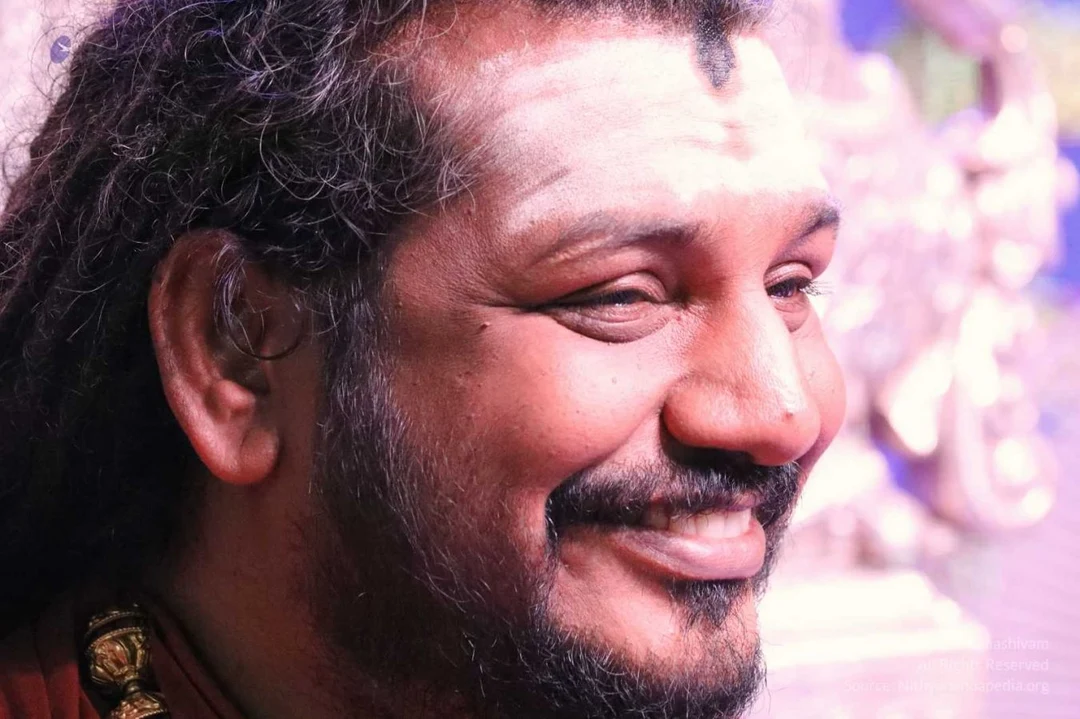 Your being comes alive and celebrates with the energy wave of Existence during energy darshan
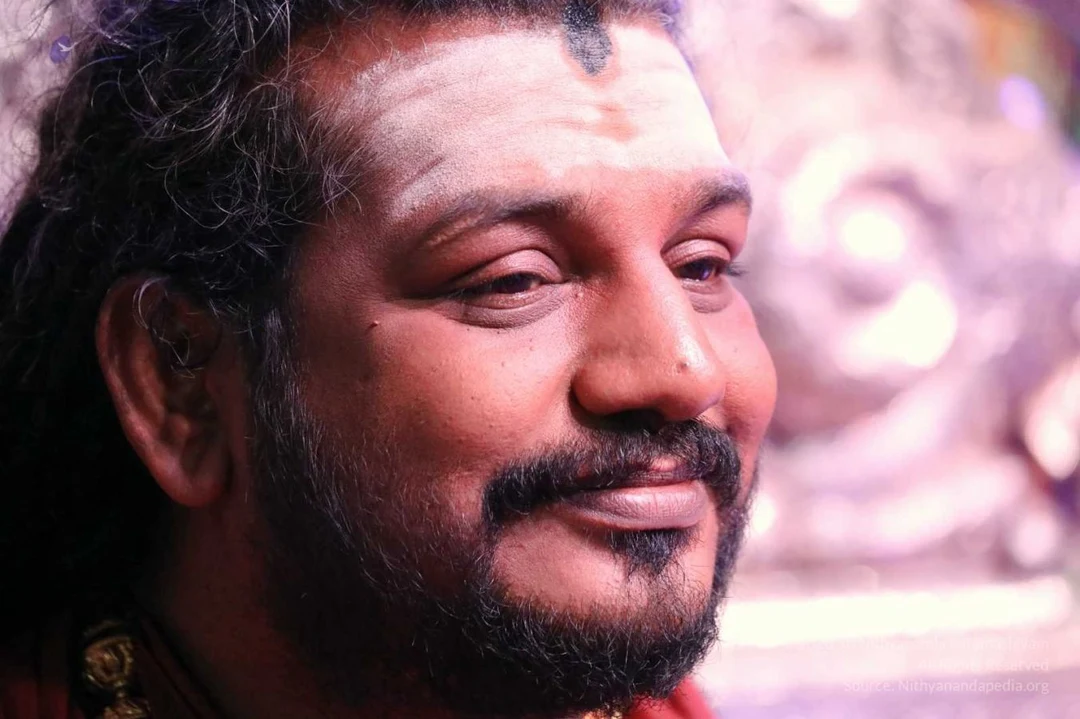 Your being comes alive and celebrates with the energy wave of Existence during energy darshan
 Your being comes alive and celebrates with the energy wave of Existence during energy darshan
 Your being comes alive and celebrates with the energy wave of Existence during energy darshan
 Your being comes alive and celebrates with the energy wave of Existence during energy darshan
 Your being comes alive and celebrates with the energy wave of Existence during energy darshan
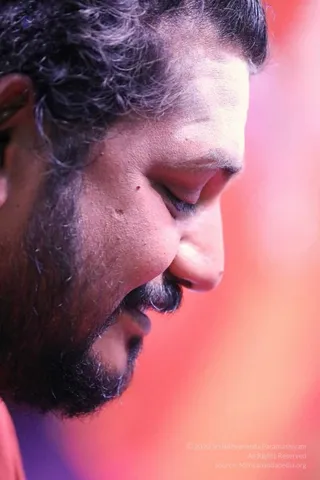 Energy Darshan is spiritual surgery and can be the moment of permanent and irreversible transformation
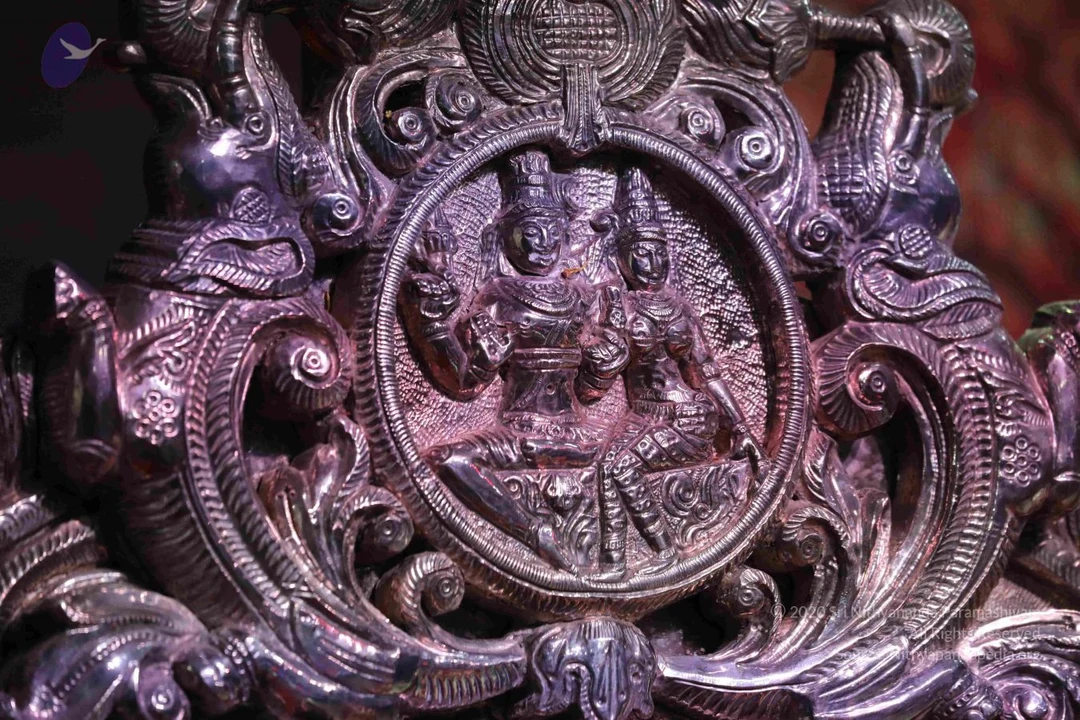
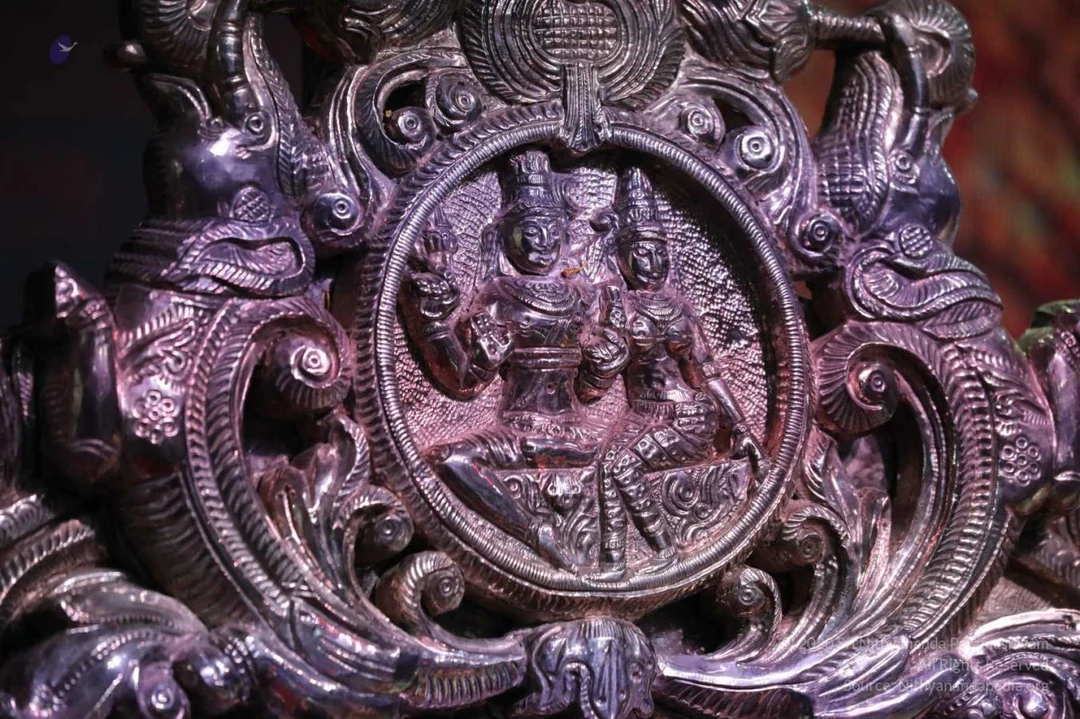 Nithyanandeshwara-Nithyanandeshwari (Paramashiva and Parashakti)
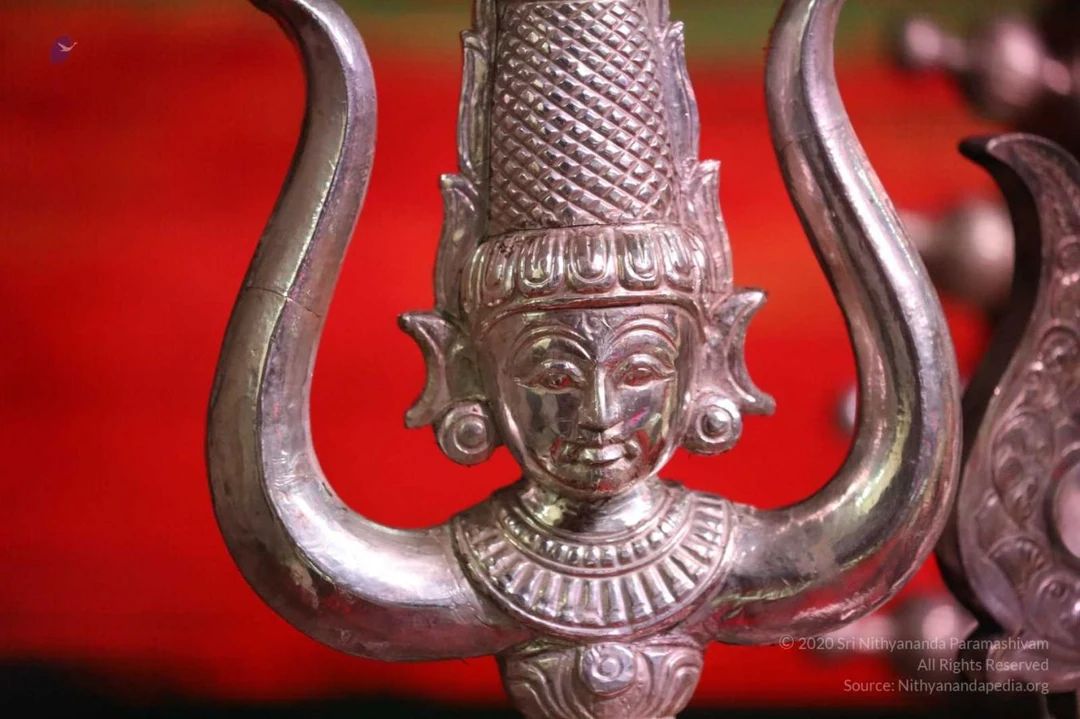 Mahadeva's trishul (trident)
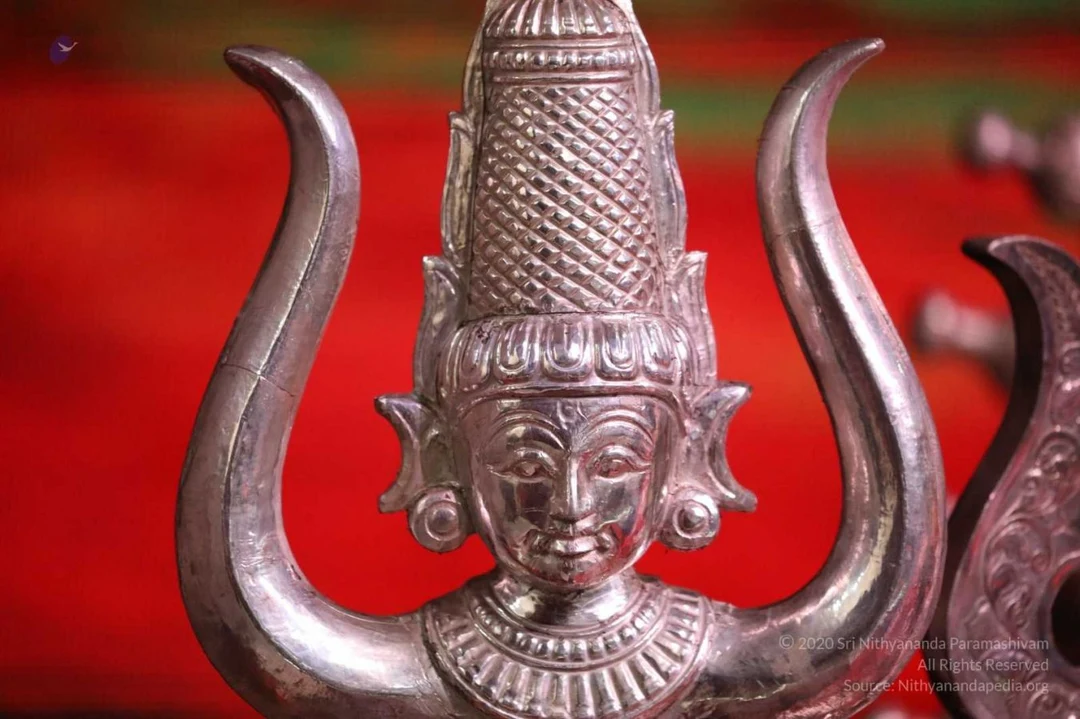 Mahadeva's trishul (trident)
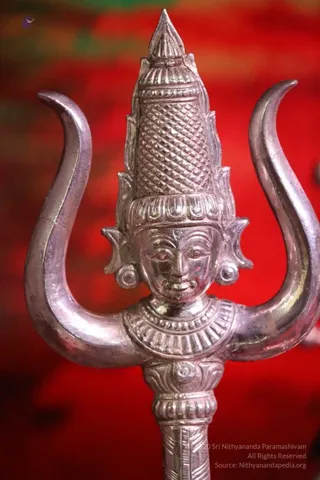 Mahadeva's trishul (trident)
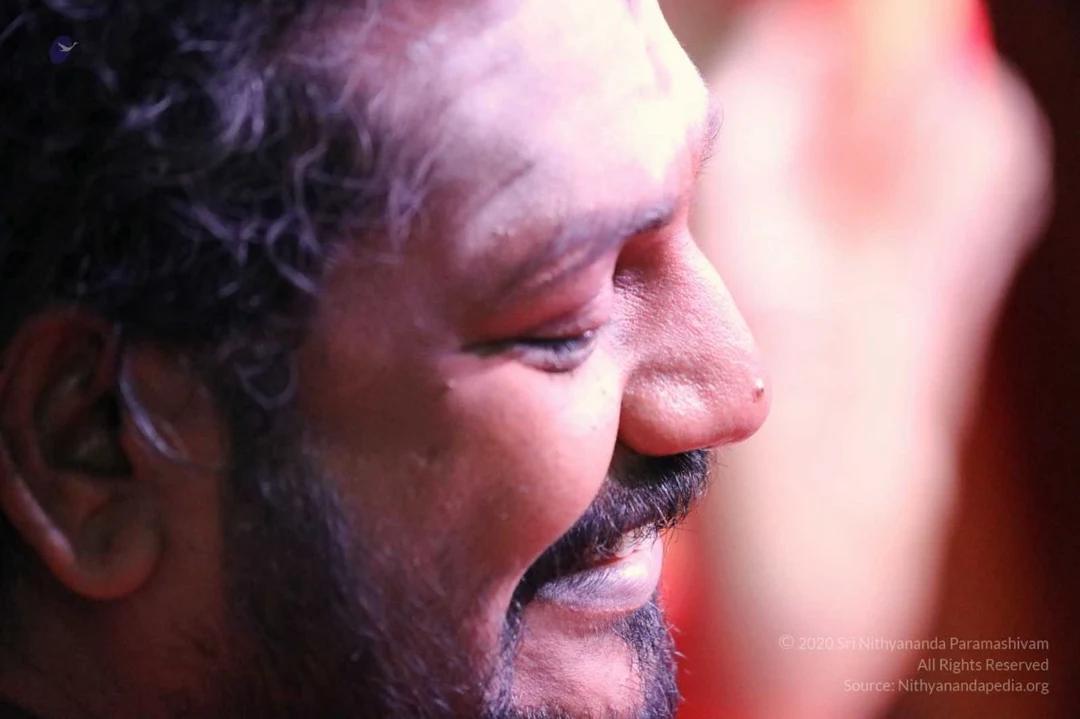 Mahadeva's trishul (trident)
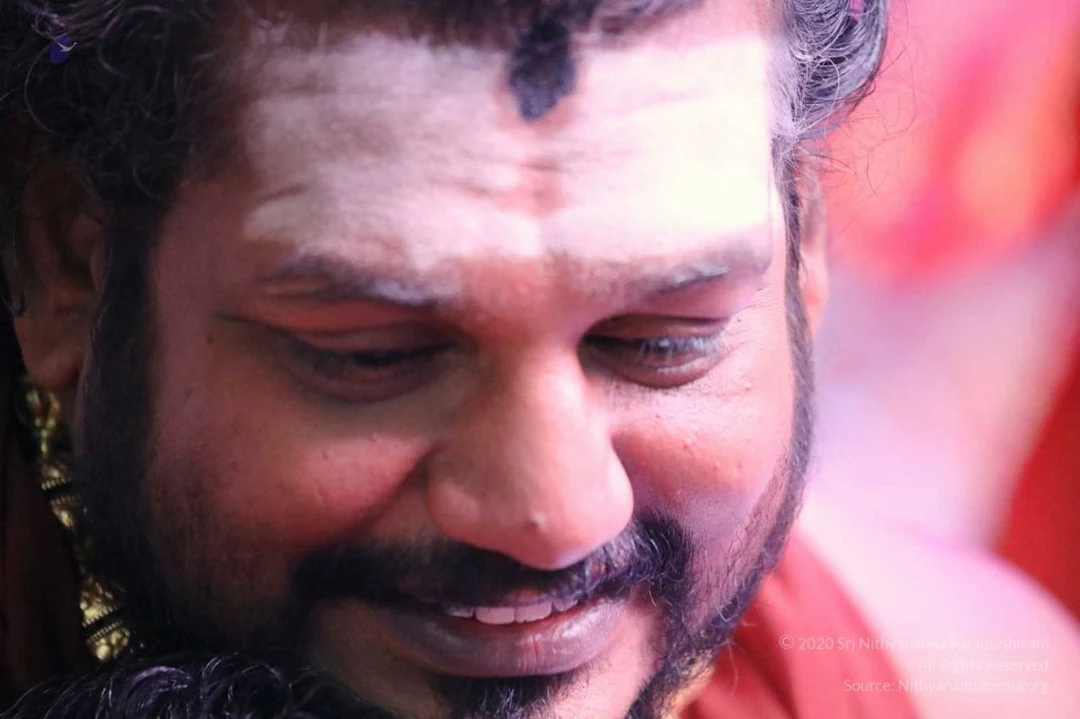 Energy Darshan is spiritual surgery and can be the moment of permanent and irreversible transformation
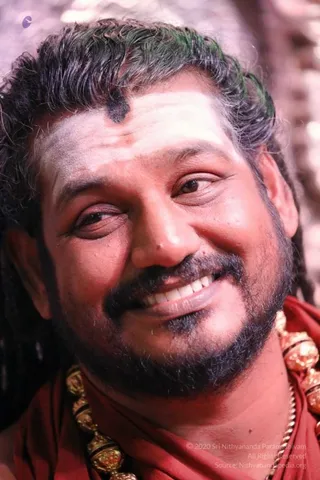 Energy Darshan is spiritual surgery and can be the moment of permanent and irreversible transformation
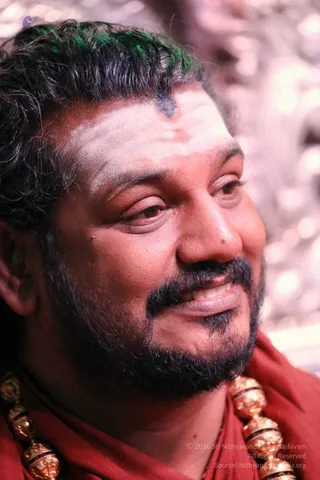 Energy Darshan is spiritual surgery and can be the moment of permanent and irreversible transformation
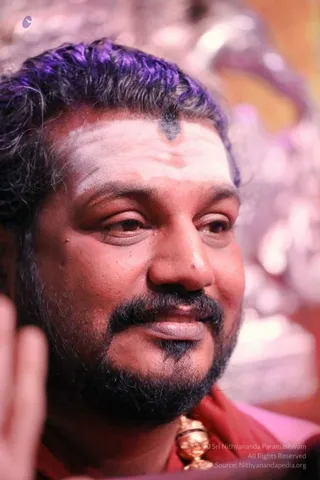 Energy Darshan is spiritual surgery and can be the moment of permanent and irreversible transformation
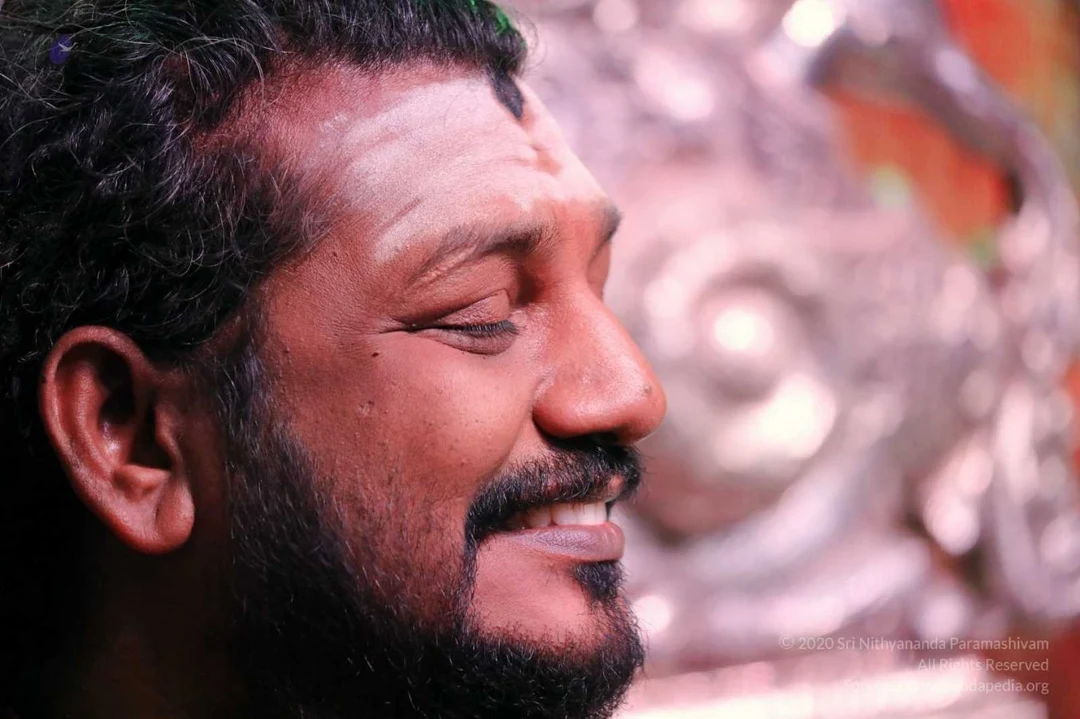 Energy Darshan is spiritual surgery and can be the moment of permanent and irreversible transformation
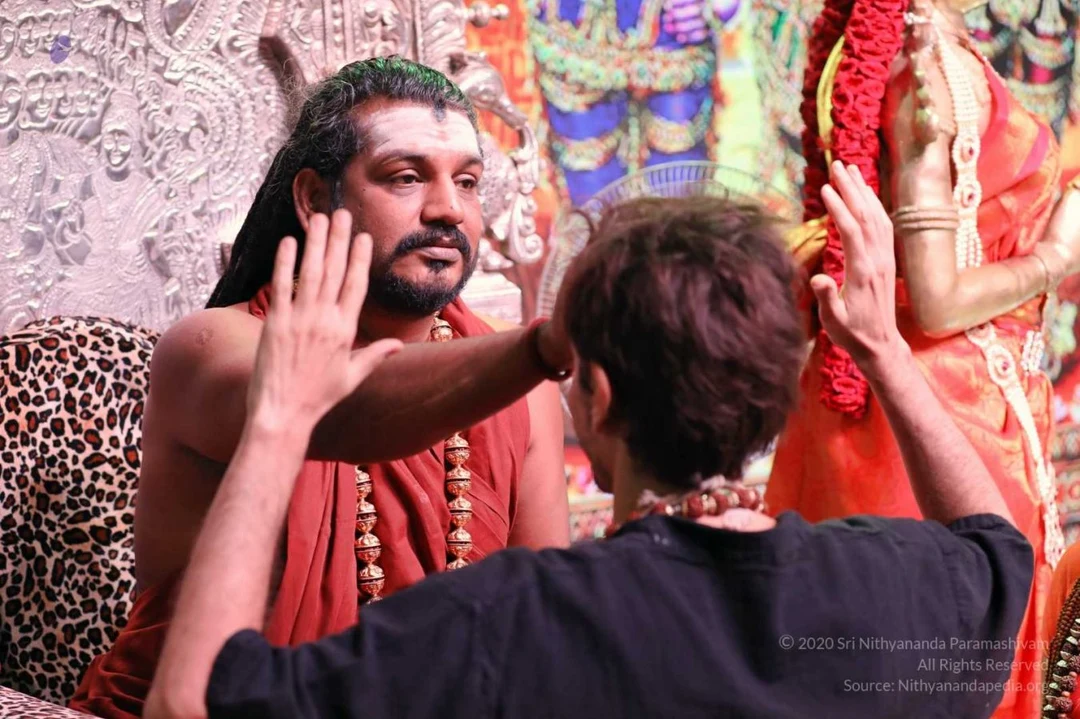 Energy Darshan is spiritual surgery and can be the moment of permanent and irreversible transformation
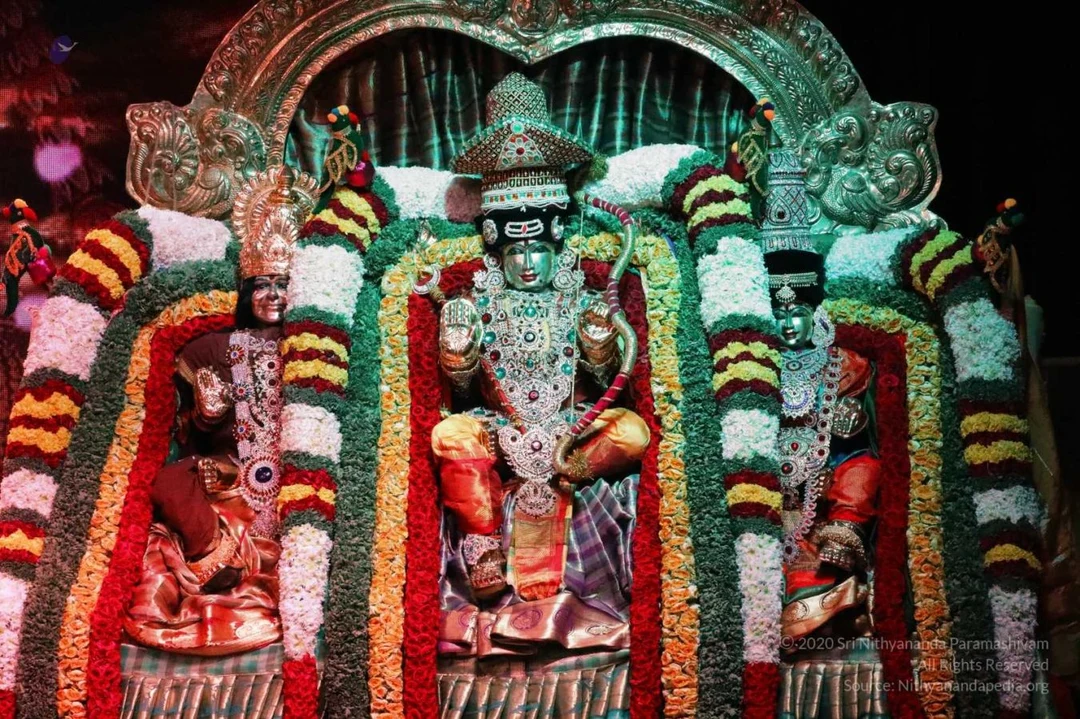 Chittirai Brahmotsavam special alankar of HDH Nithyananda Paramashivam, Sundareshwara and Meenakshi Devi
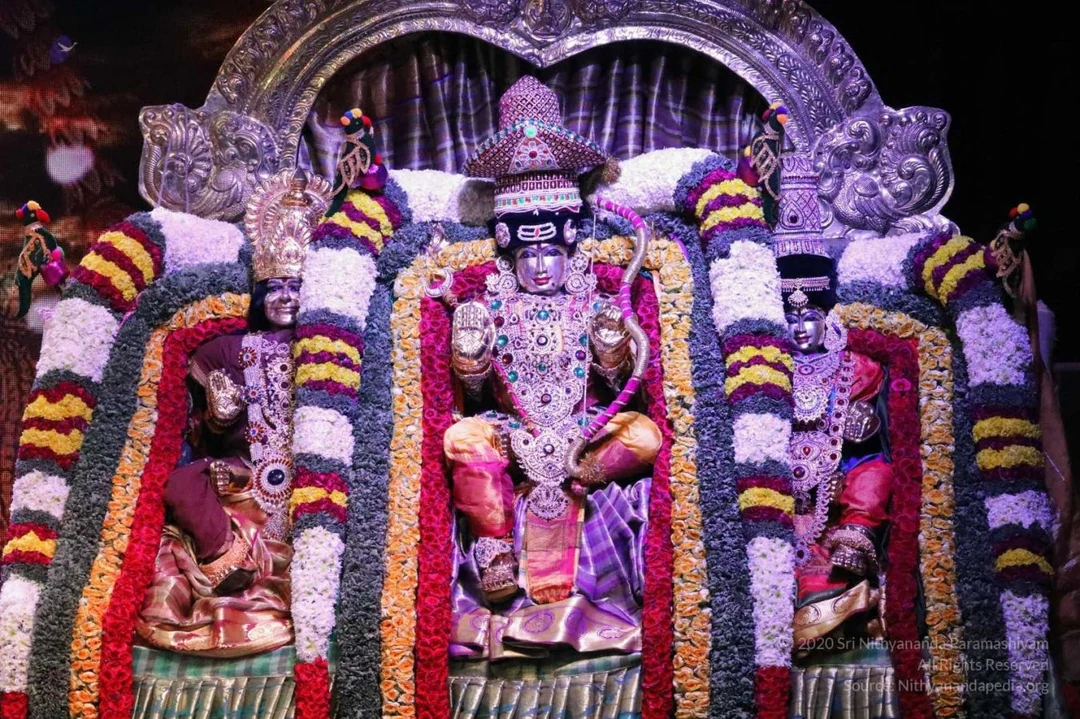 Chittirai Brahmotsavam special alankar of HDH Nithyananda Paramashivam, Sundareshwara and Meenakshi Devi
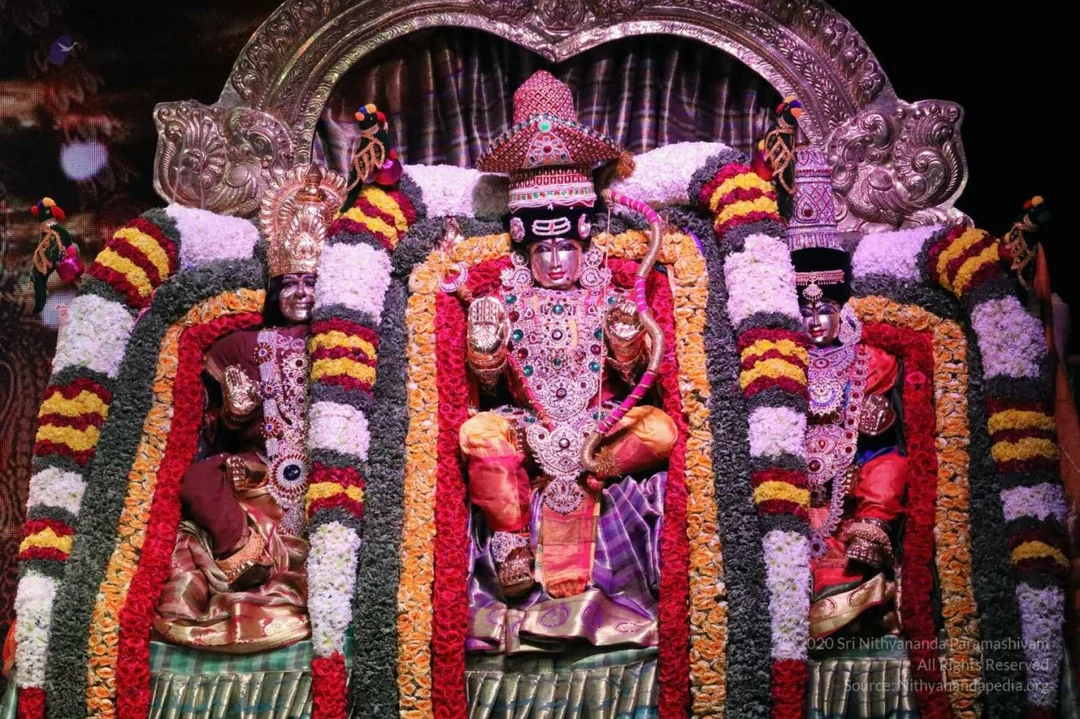 Chittirai Brahmotsavam special alankar of HDH Nithyananda Paramashivam, Sundareshwara and Meenakshi Devi
 Chittirai Brahmotsavam special alankar of HDH Nithyananda Paramashivam, Sundareshwara and Meenakshi Devi
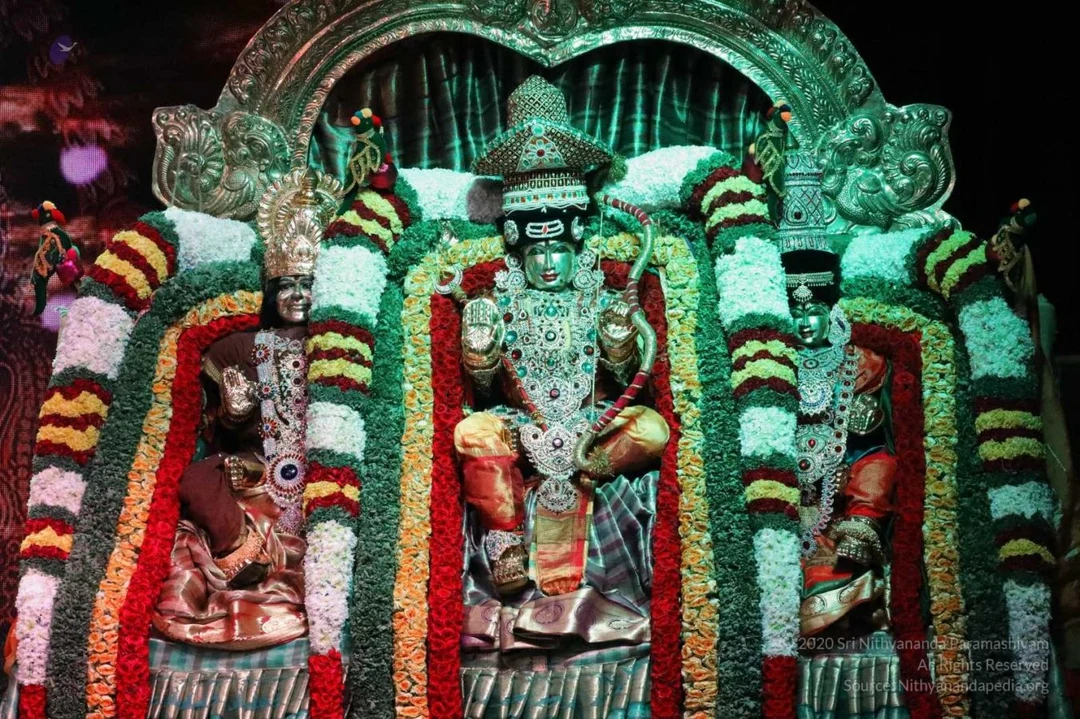 Chittirai Brahmotsavam special alankar of HDH Nithyananda Paramashivam, Sundareshwara and Meenakshi Devi
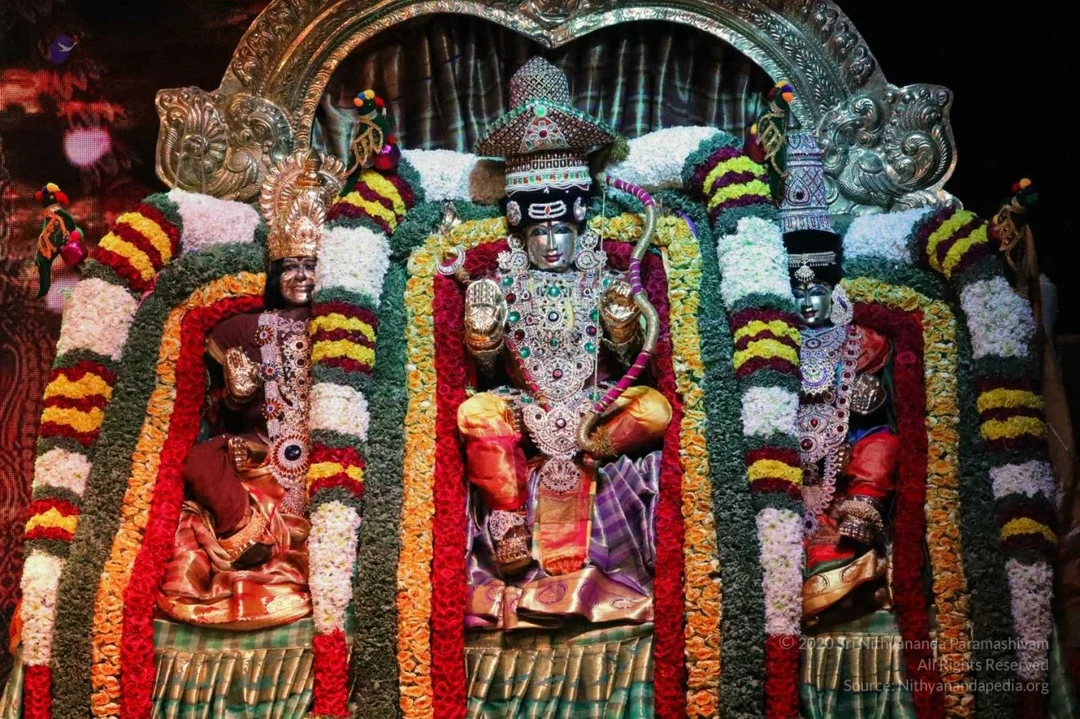 Chittirai Brahmotsavam special alankar of HDH Nithyananda Paramashivam, Sundareshwara and Meenakshi Devi
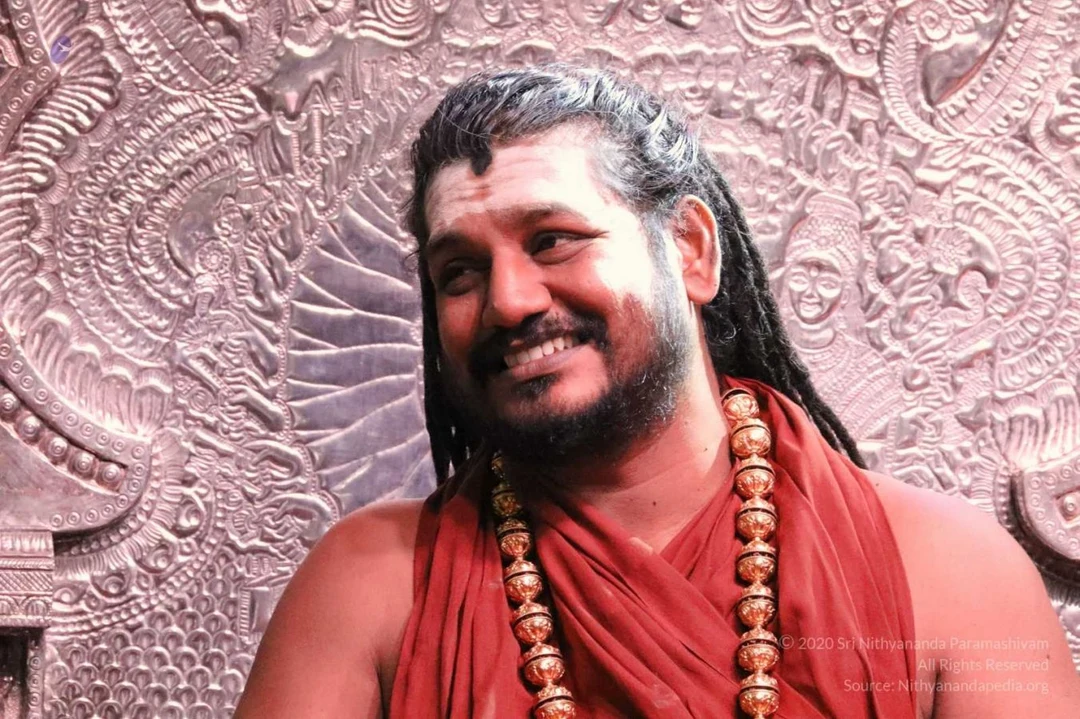 Energy darshan becomes a deep imprint in your consciousness.
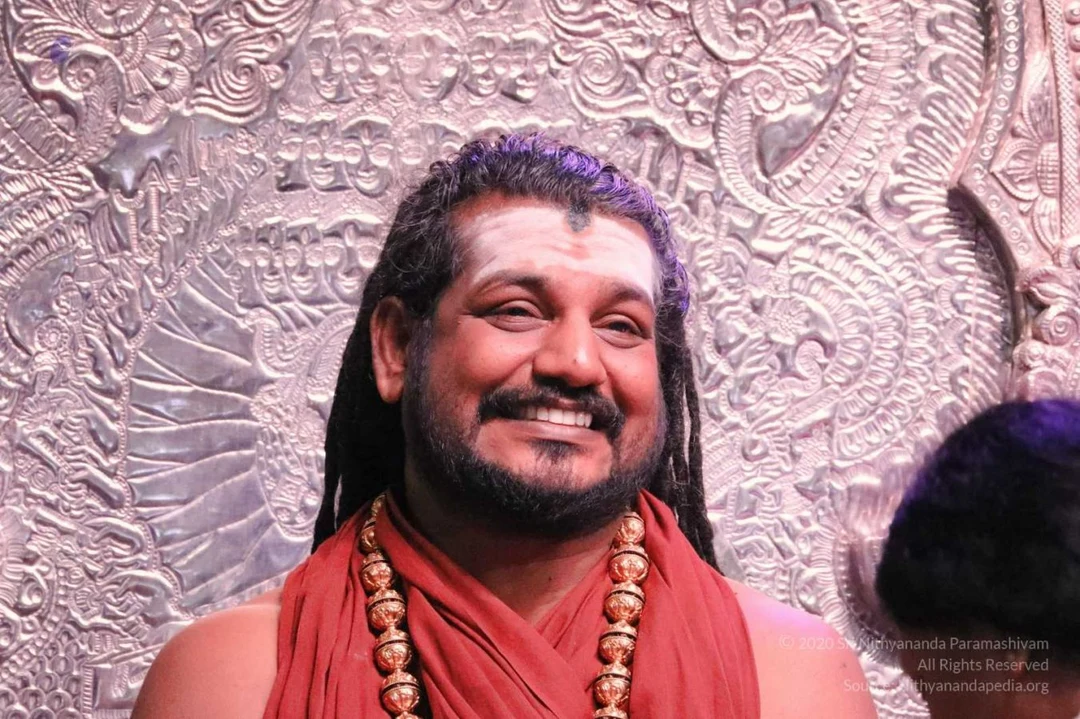 Energy darshan becomes a deep imprint in your consciousness.
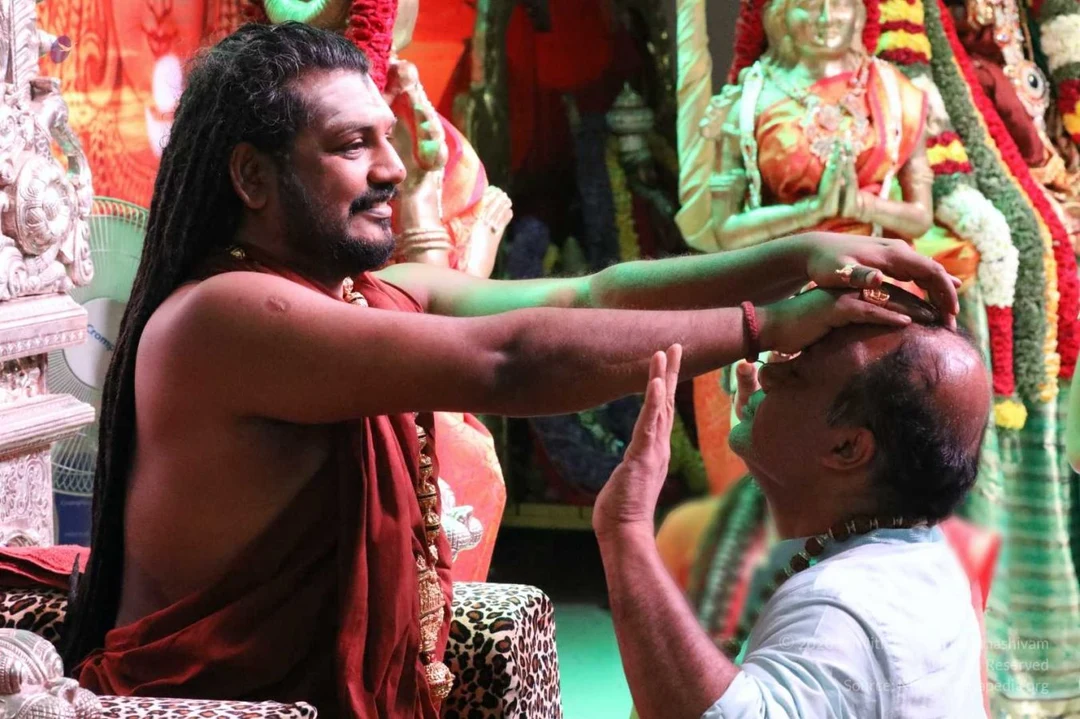 Energy darshan becomes a deep imprint in your consciousness.
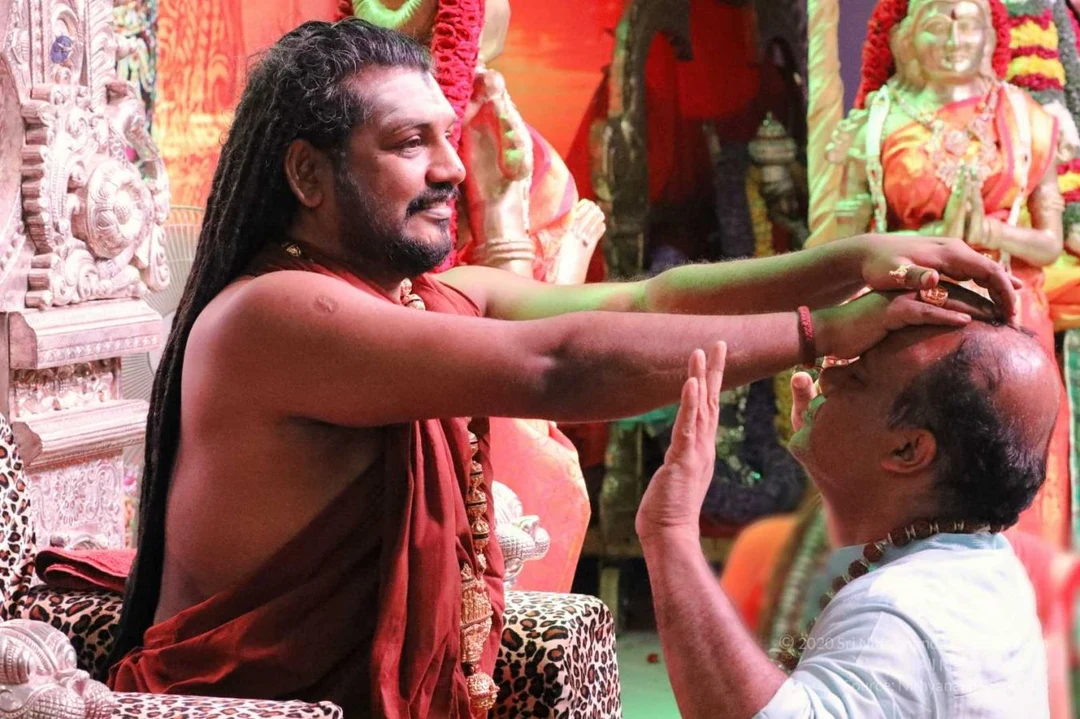 Energy darshan becomes a deep imprint in your consciousness.
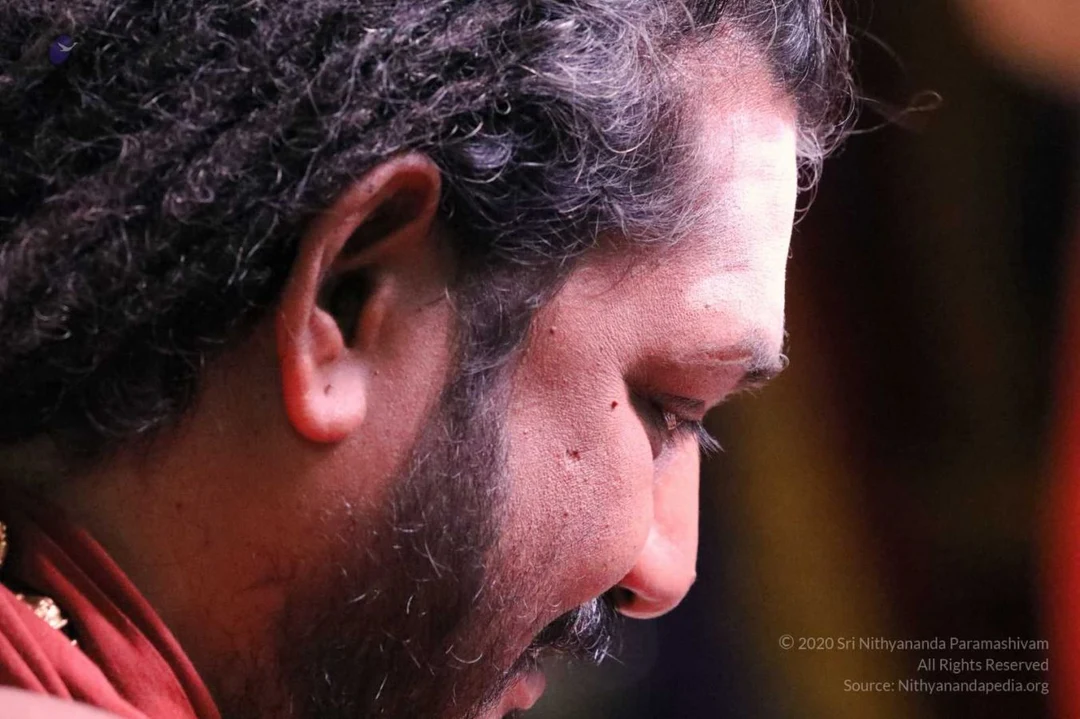 Energy darshan becomes a deep imprint in your consciousness.
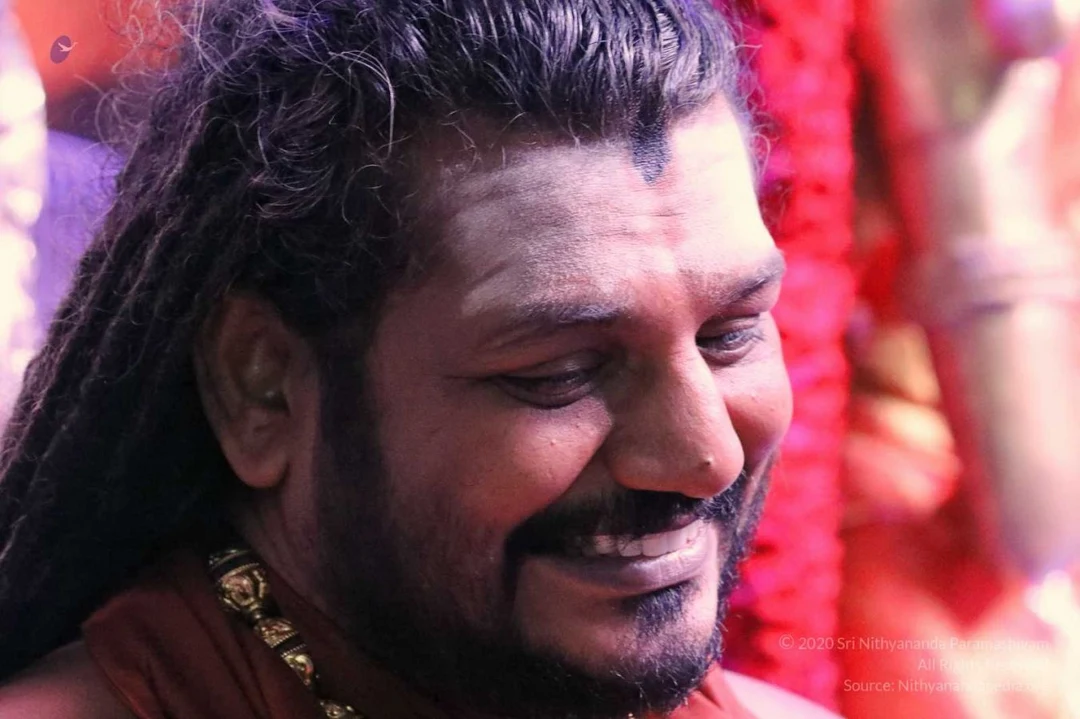 Energy darshan becomes a deep imprint in your consciousness.
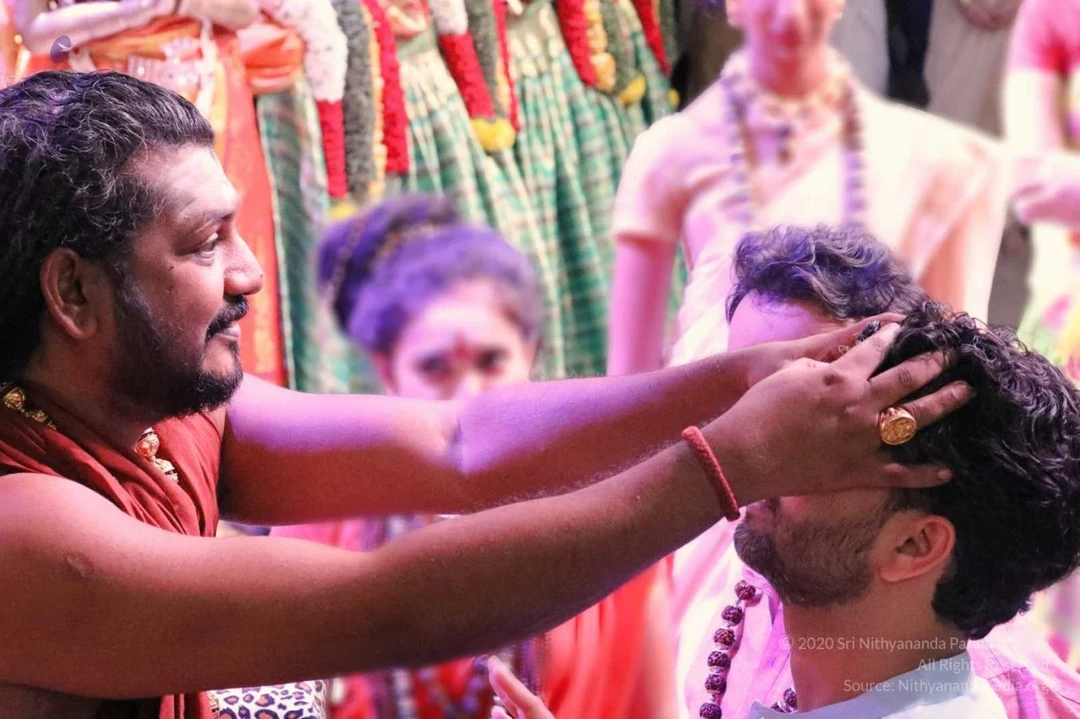 Energy darshan becomes a deep imprint in your consciousness.
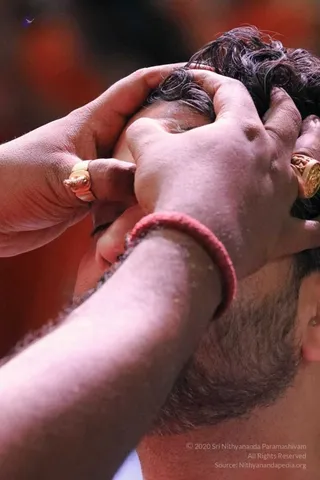 Energy darshan becomes a deep imprint in your consciousness.
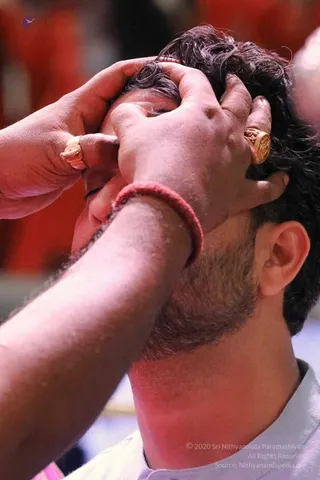 Energy darshan becomes a deep imprint in your consciousness.
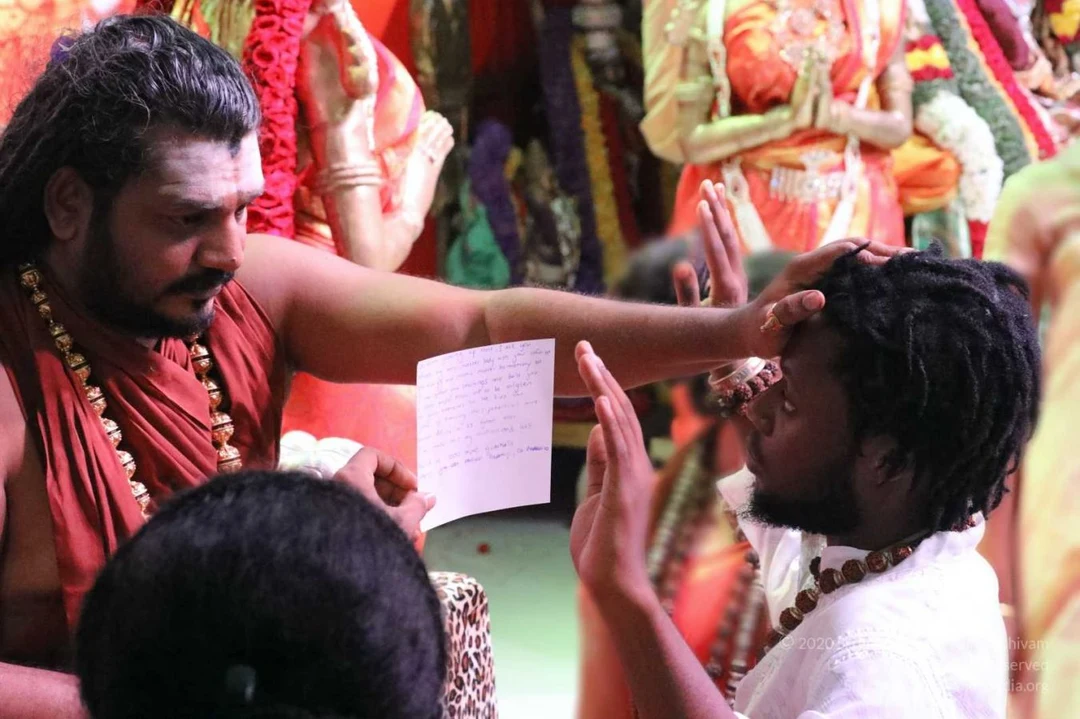 Energy darshan becomes a deep imprint in your consciousness.
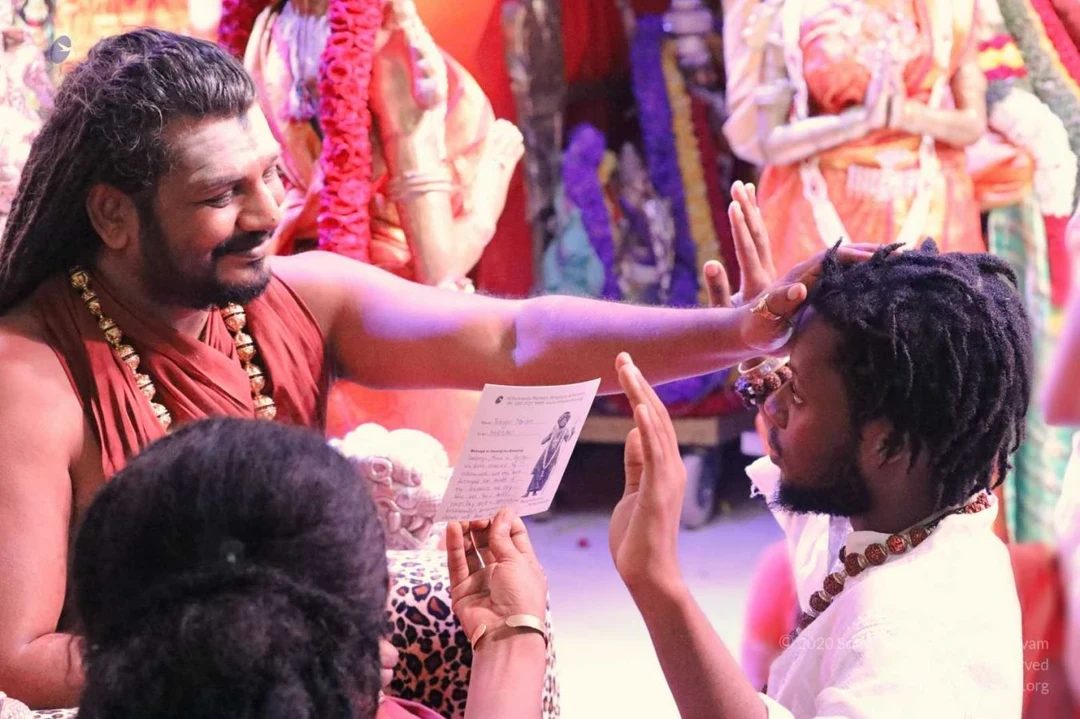 Darshan of bhagwaan is a powerful kundalini awakening
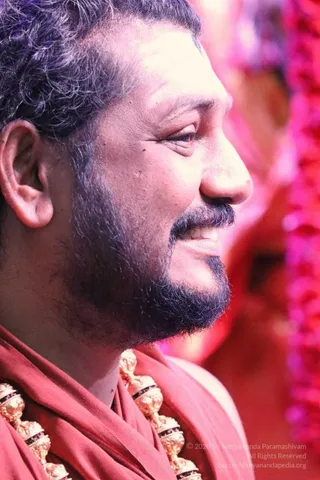 Darshan of bhagwaan is a powerful kundalini awakening
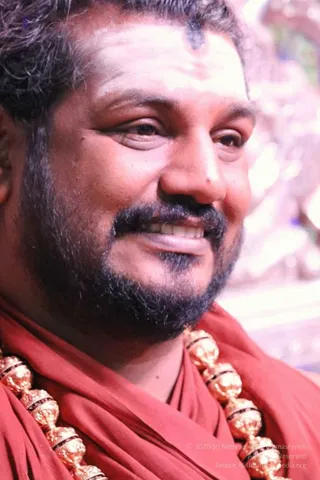 Darshan of bhagwaan is a powerful kundalini awakening
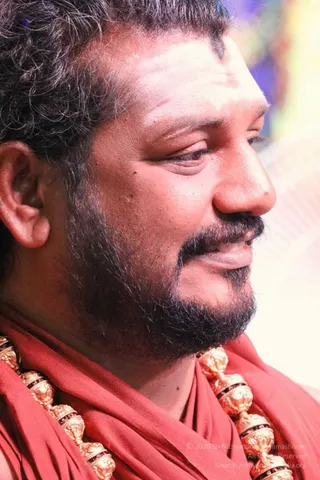 Darshan of bhagwaan is a powerful kundalini awakening
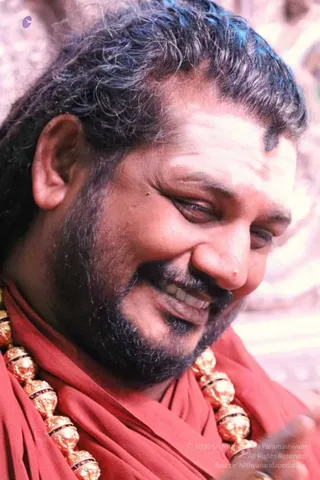 Darshan of bhagwaan is a powerful kundalini awakening
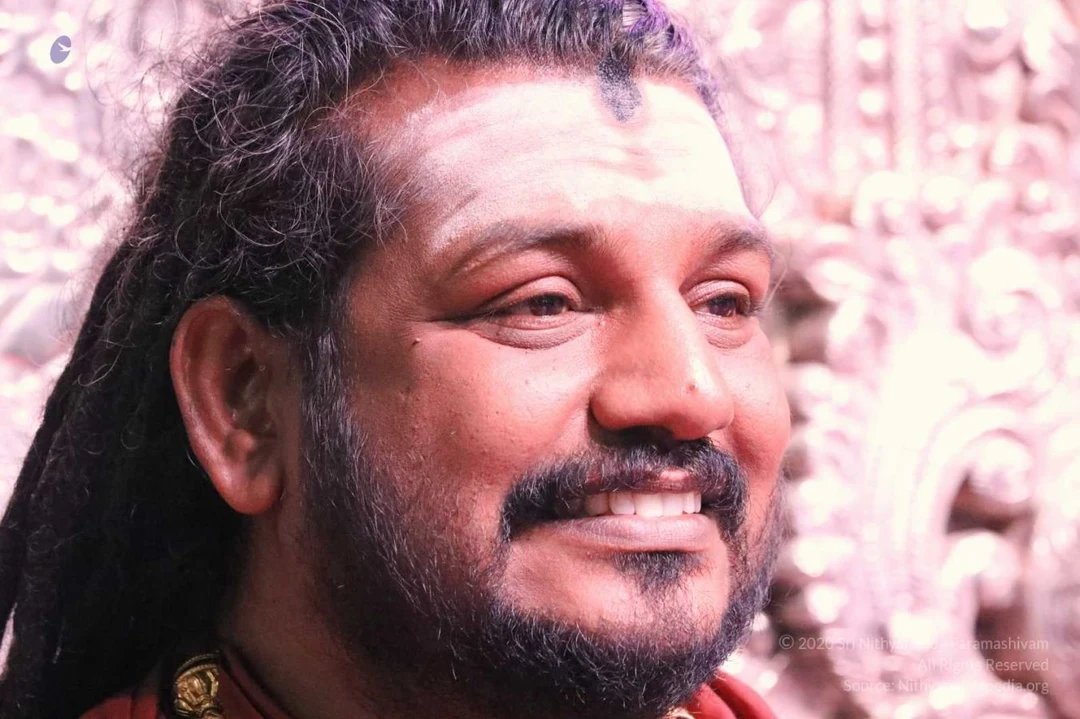 Darshan of bhagwaan is a powerful kundalini awakening
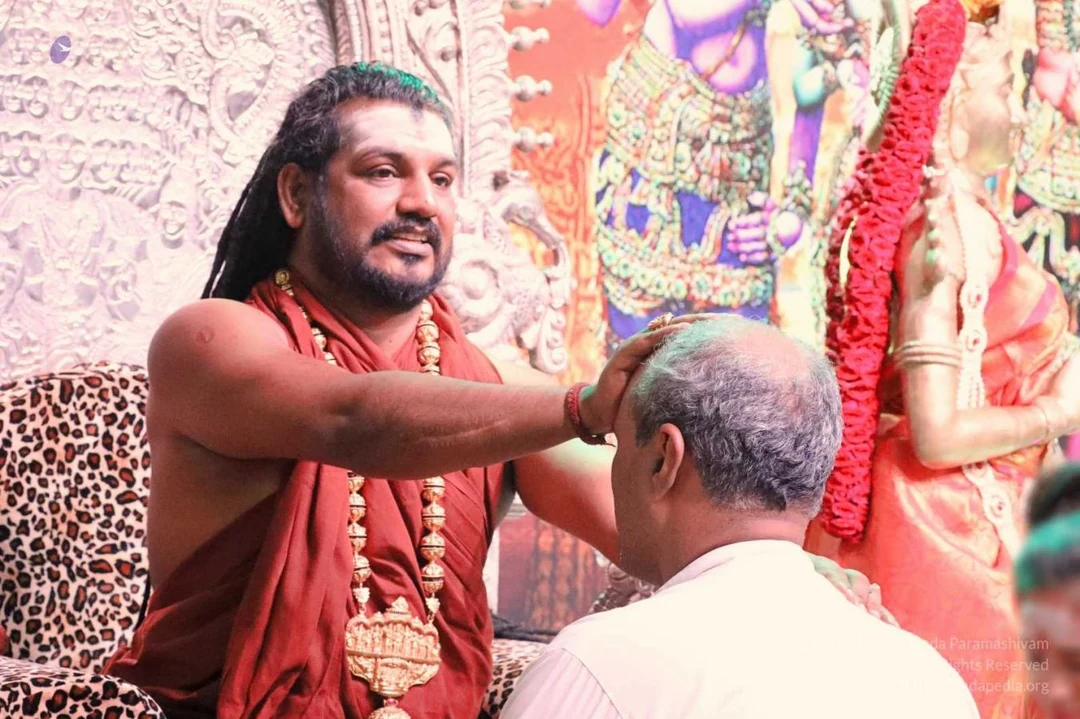 Darshan of bhagwaan is a powerful kundalini awakening
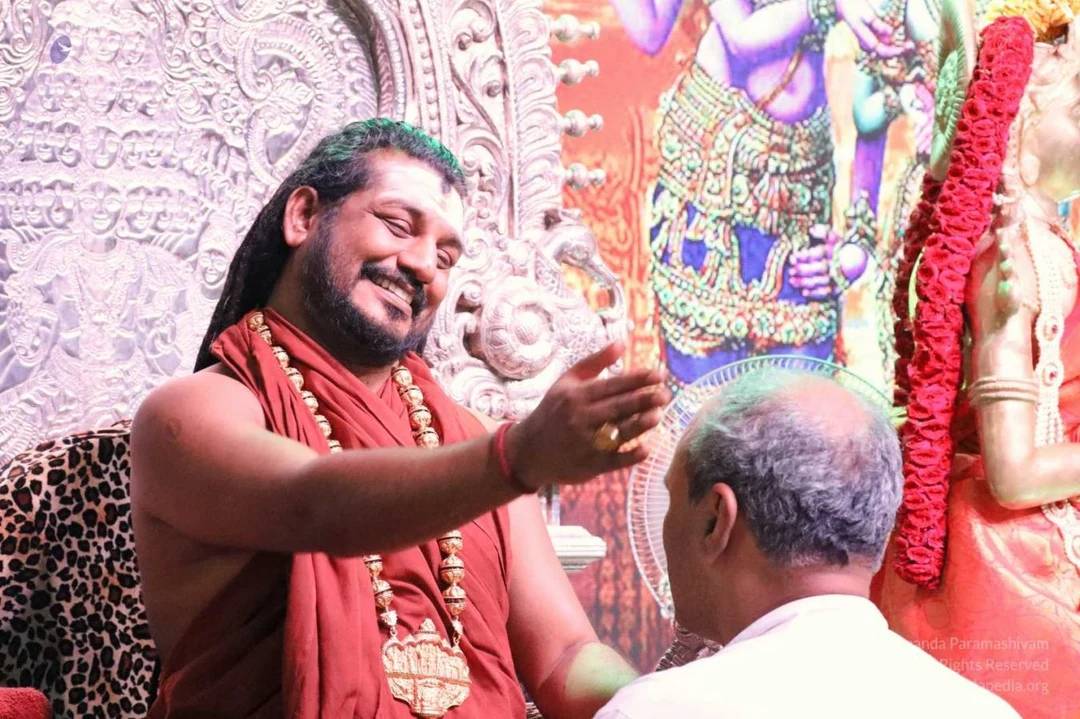 Darshan of bhagwaan is a powerful kundalini awakening
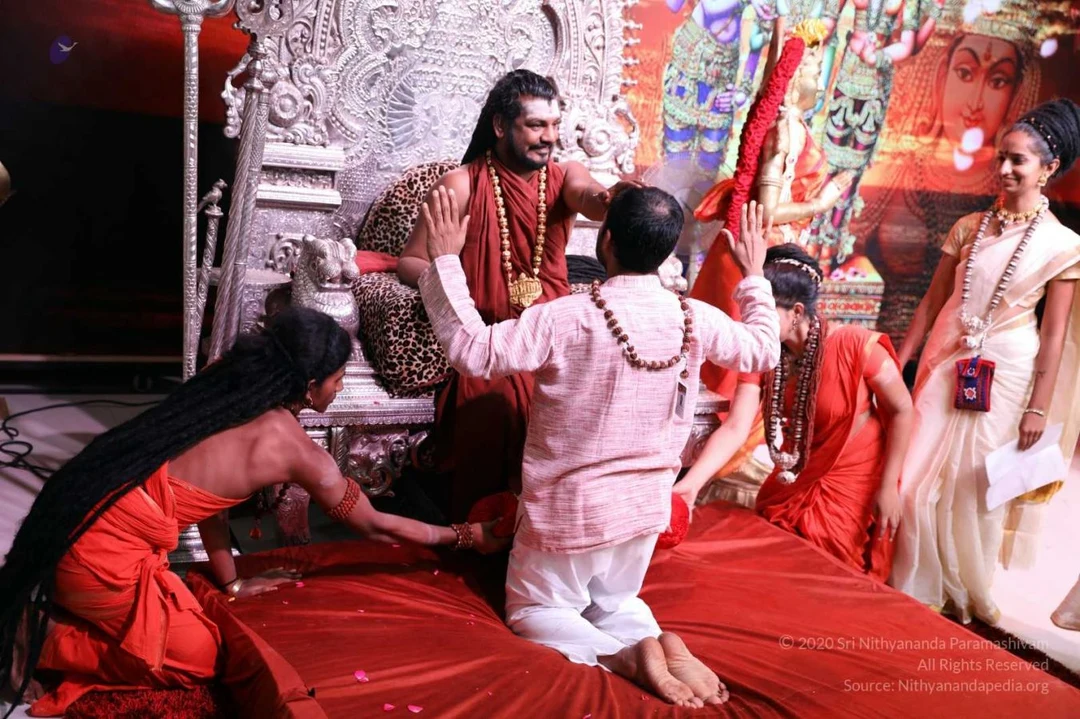 Darshan of bhagwaan is a powerful kundalini awakening
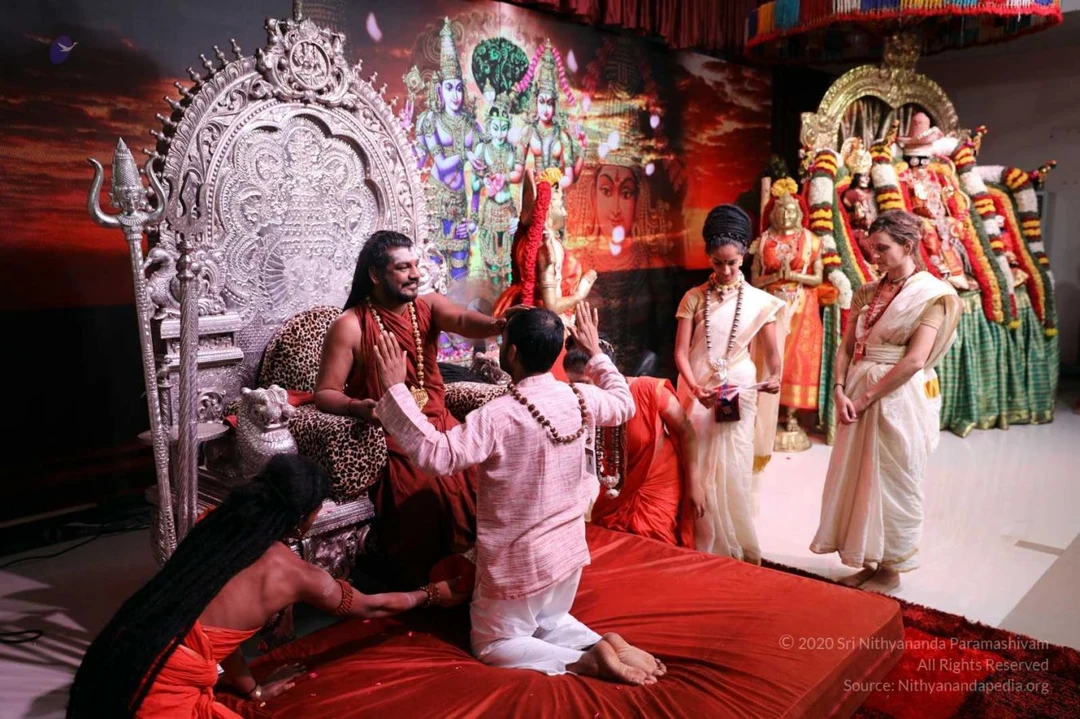 Darshan of bhagwaan is a powerful kundalini awakening
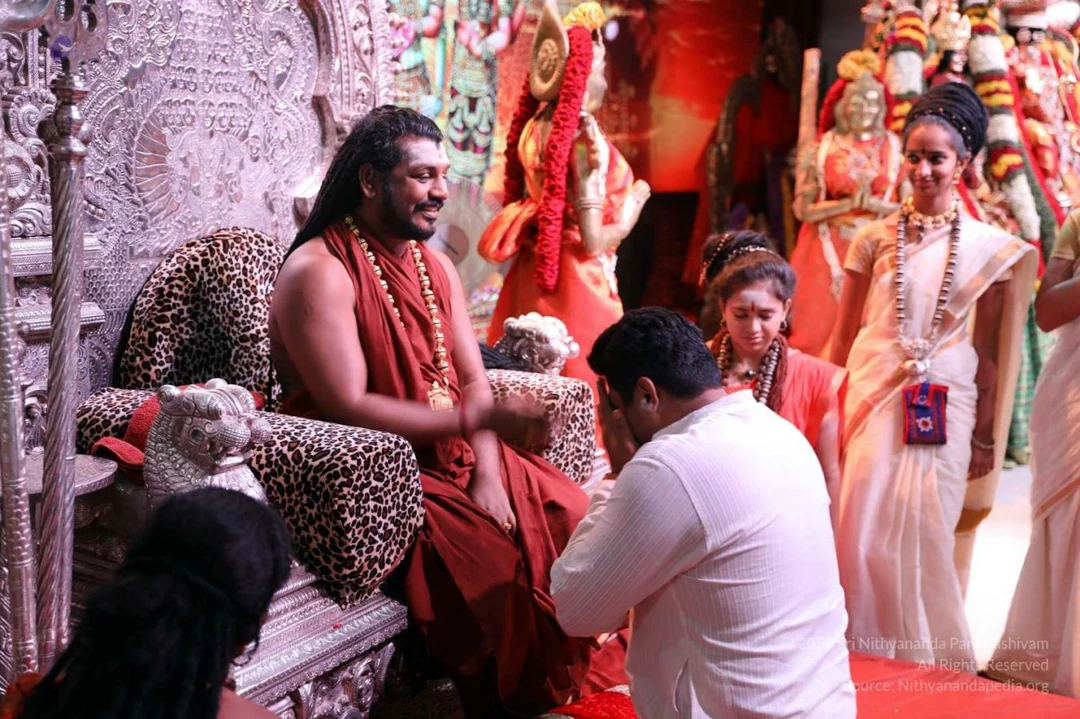 Darshan of bhagwaan is a powerful kundalini awakening
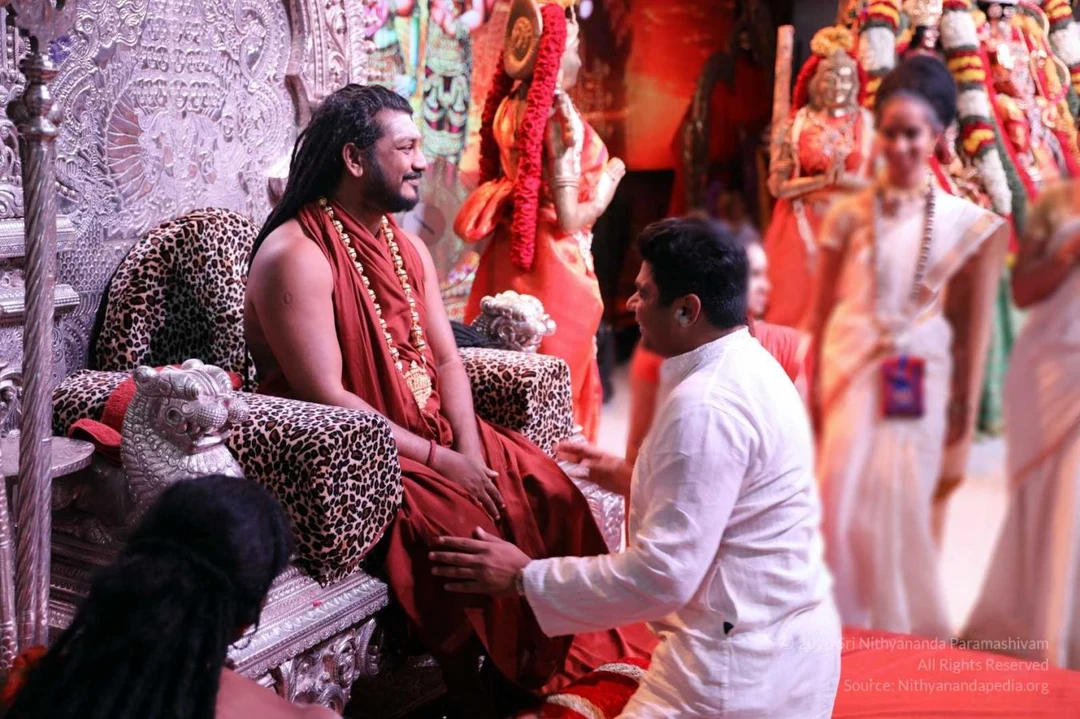 Darshan of bhagwaan is a powerful kundalini awakening
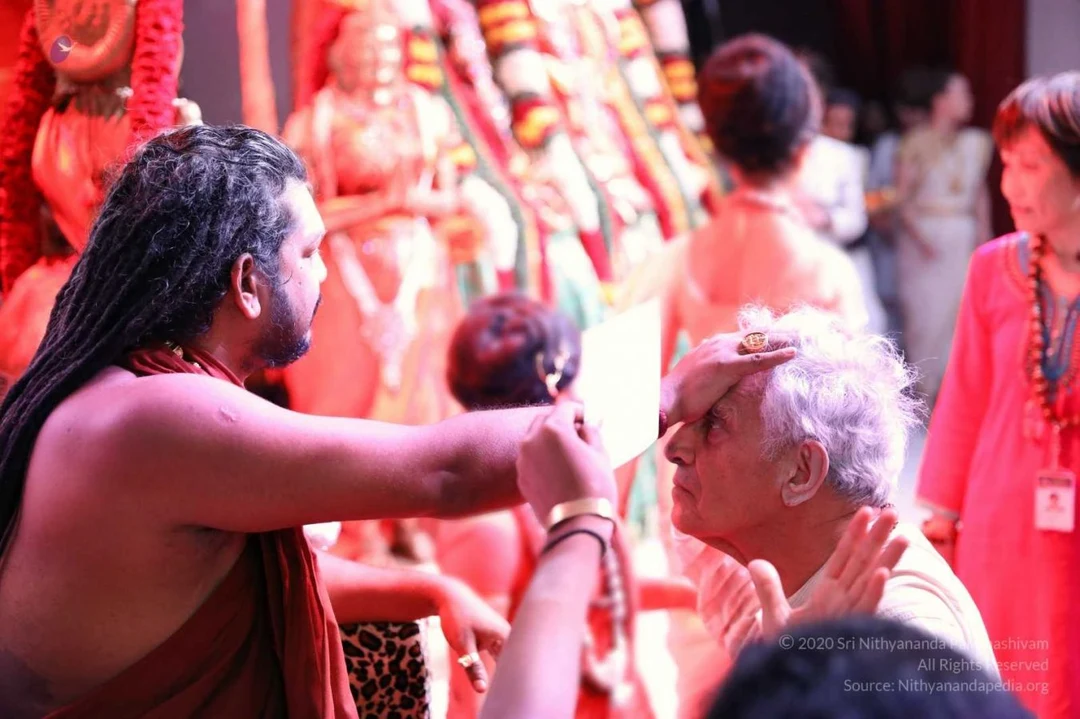 Darshan of bhagwaan is a powerful kundalini awakening
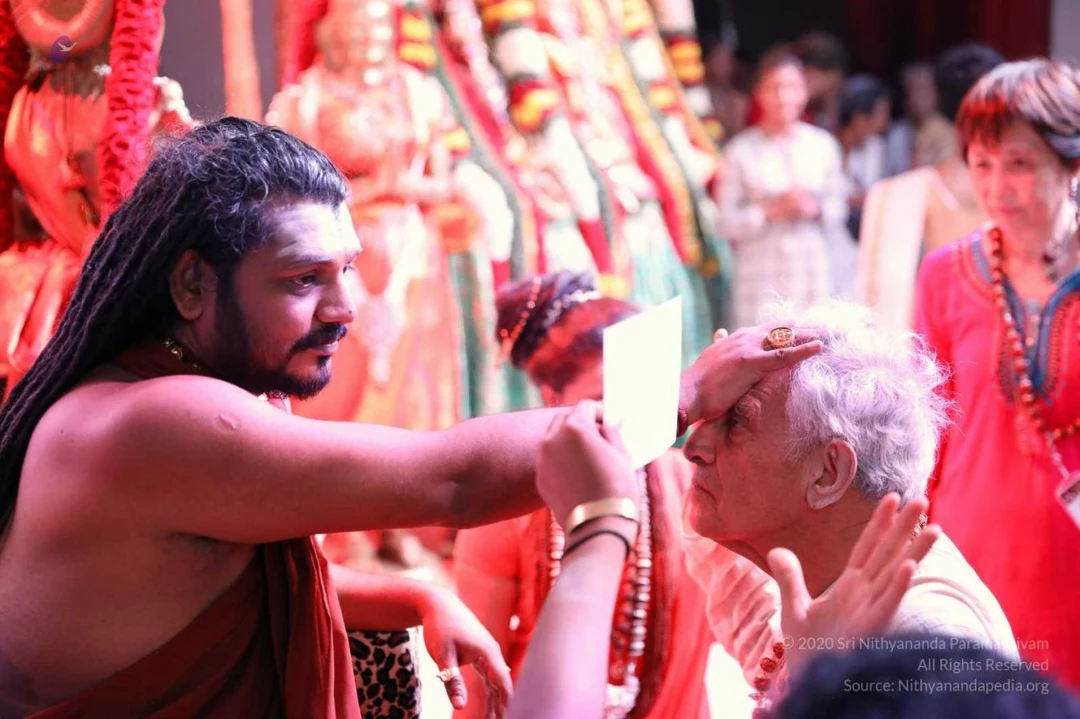 Entanglement becomes entrainment and entrainment becomes enlightenment
 Entanglement becomes entrainment and entrainment becomes enlightenment
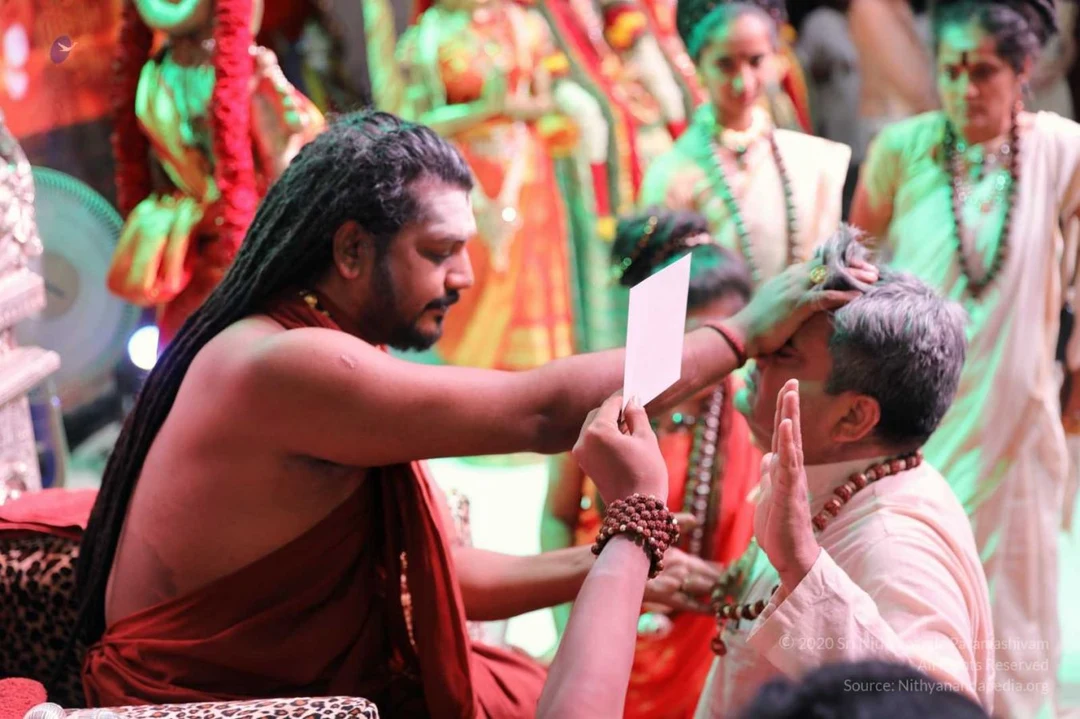 Entanglement becomes entrainment and entrainment becomes enlightenment
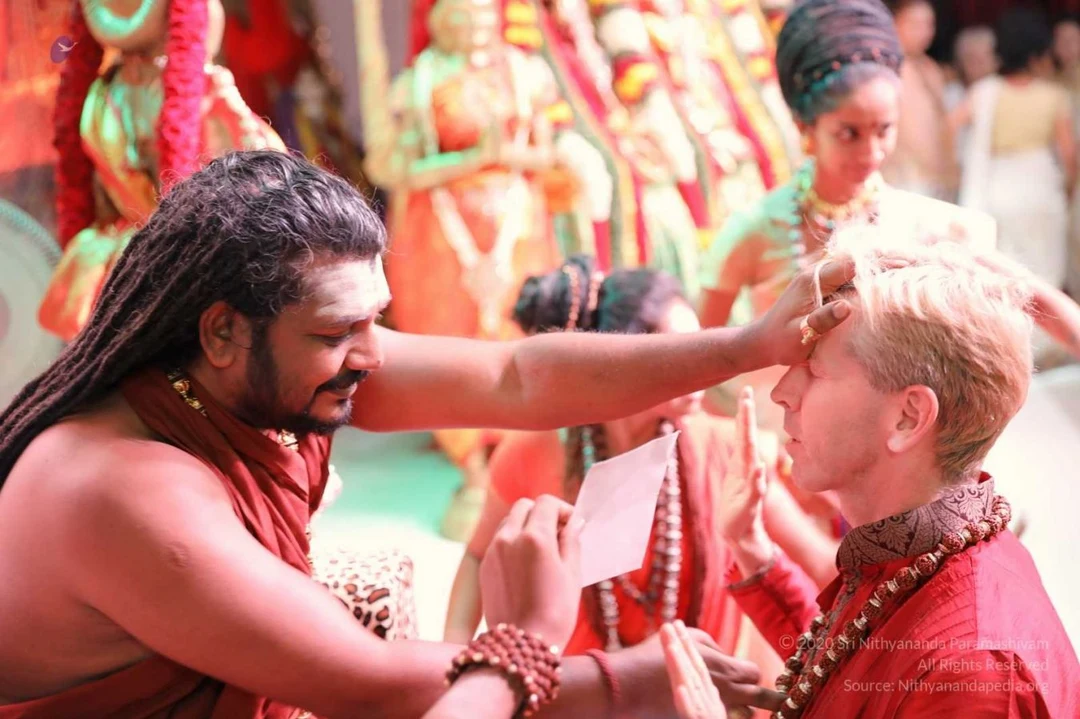 Entanglement becomes entrainment and entrainment becomes enlightenment
 Entanglement becomes entrainment and entrainment becomes enlightenment
 Entanglement becomes entrainment and entrainment becomes enlightenment
 Entanglement becomes entrainment and entrainment becomes enlightenment
 Entanglement becomes entrainment and entrainment becomes enlightenment
 Entanglement becomes entrainment and entrainment becomes enlightenment
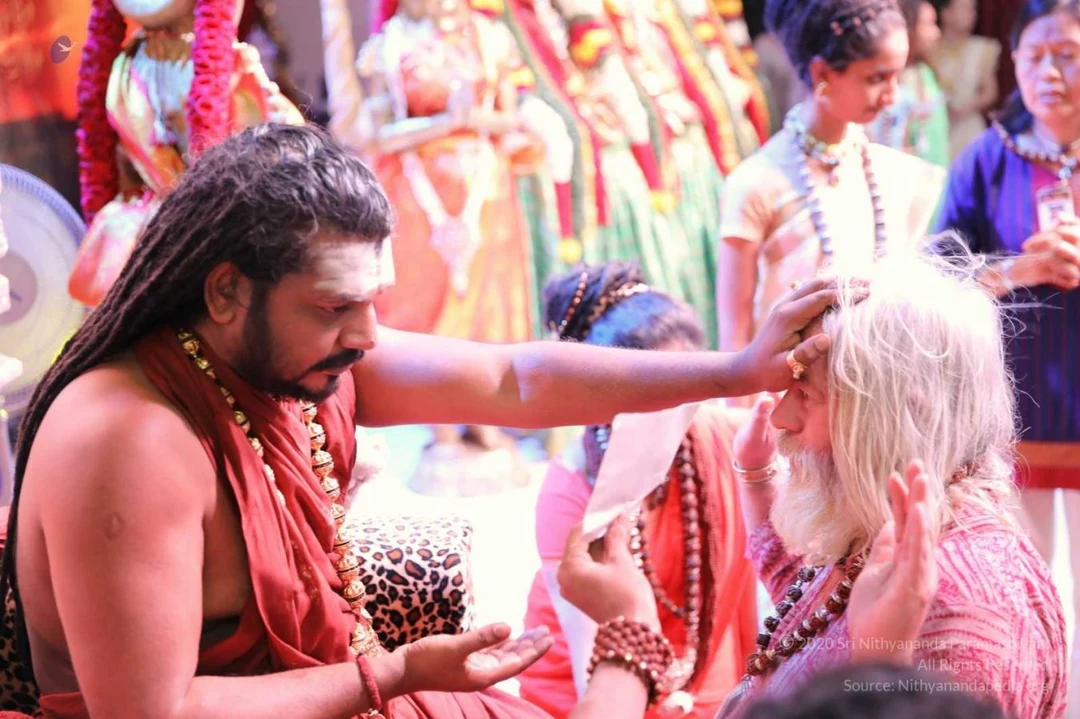 Entanglement becomes entrainment and entrainment becomes enlightenment
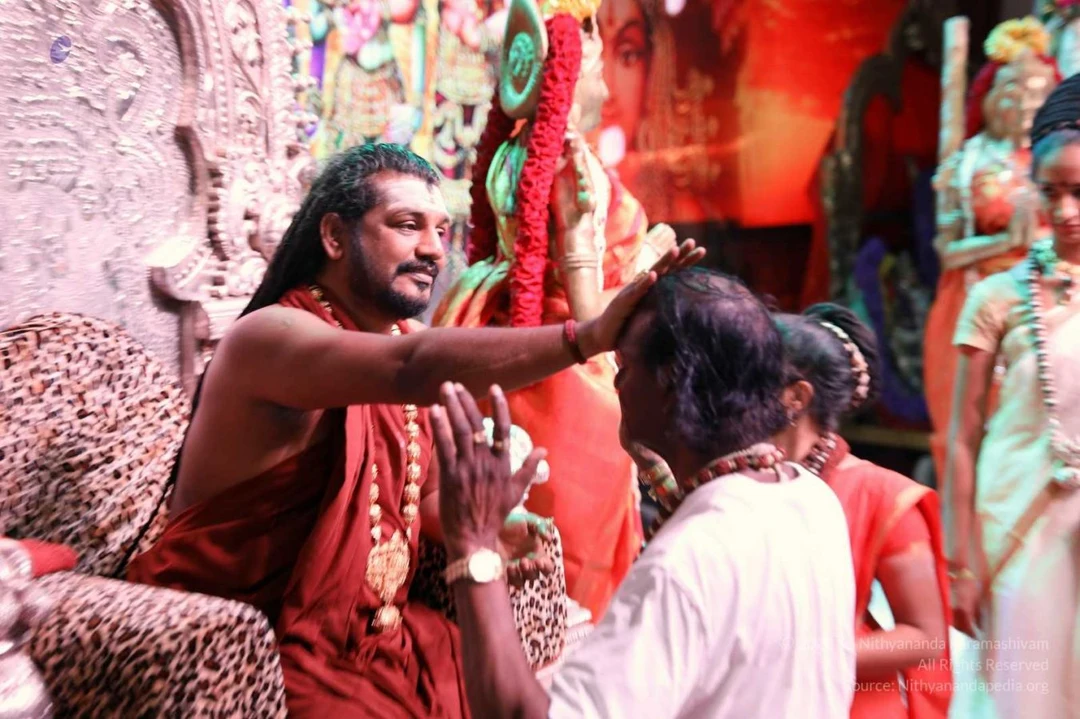 Entanglement becomes entrainment and entrainment becomes enlightenment
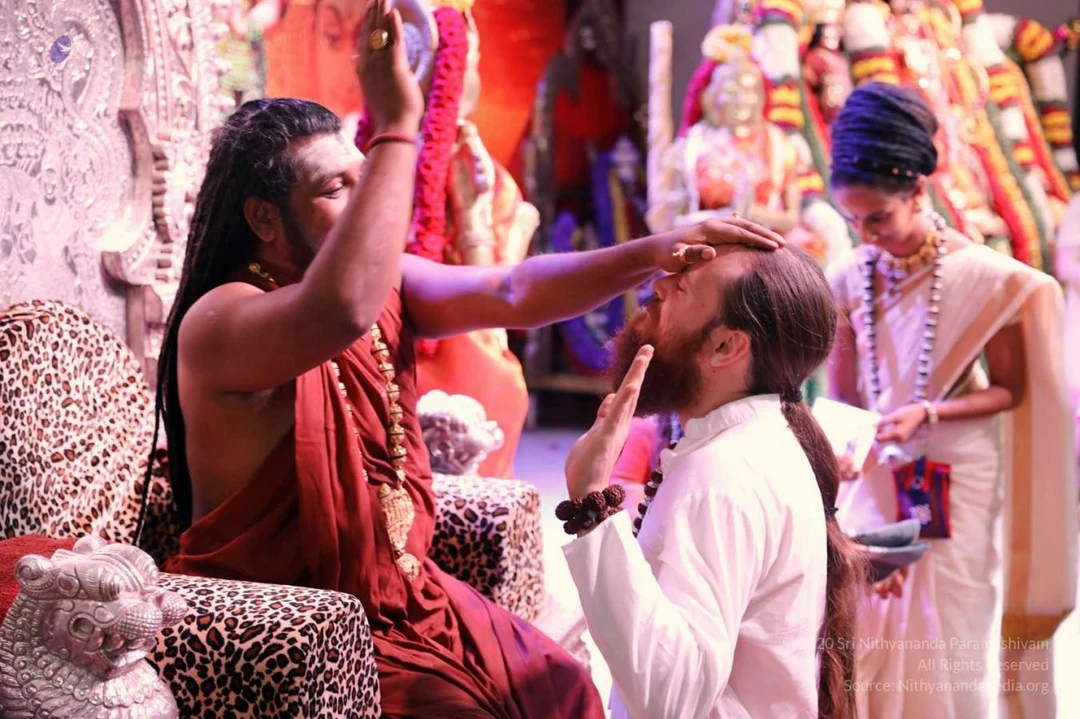 Entanglement becomes entrainment and entrainment becomes enlightenment
 Entanglement becomes entrainment and entrainment becomes enlightenment
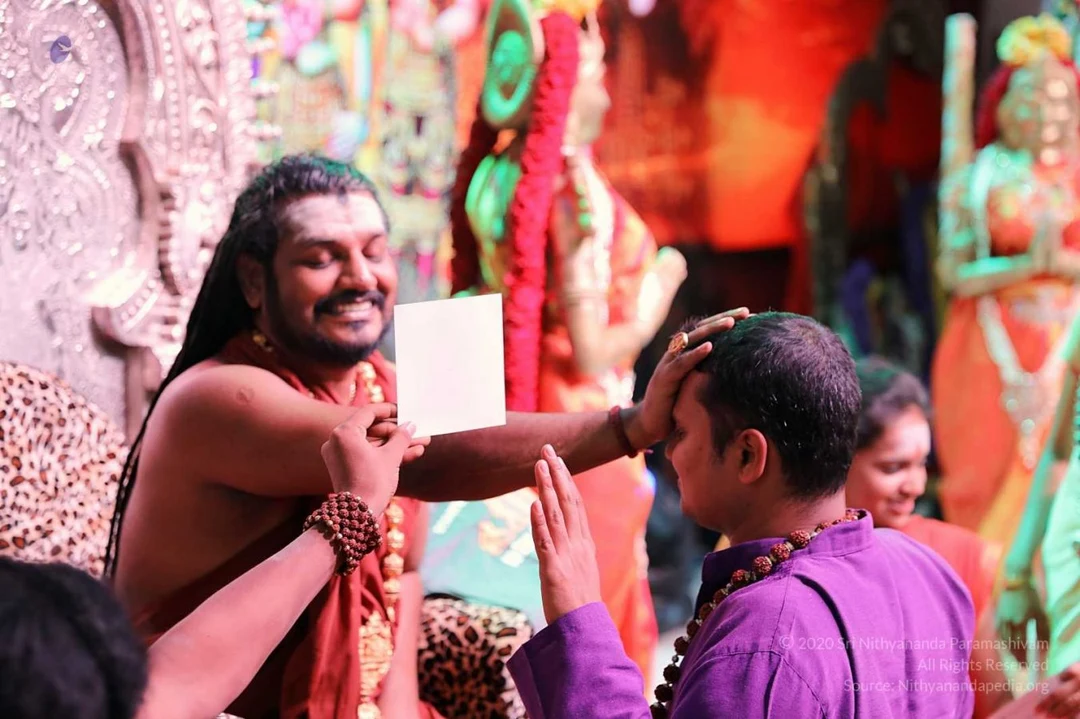 Energy darshan can actually change one's physiology in the presence of an enlightened consciousness
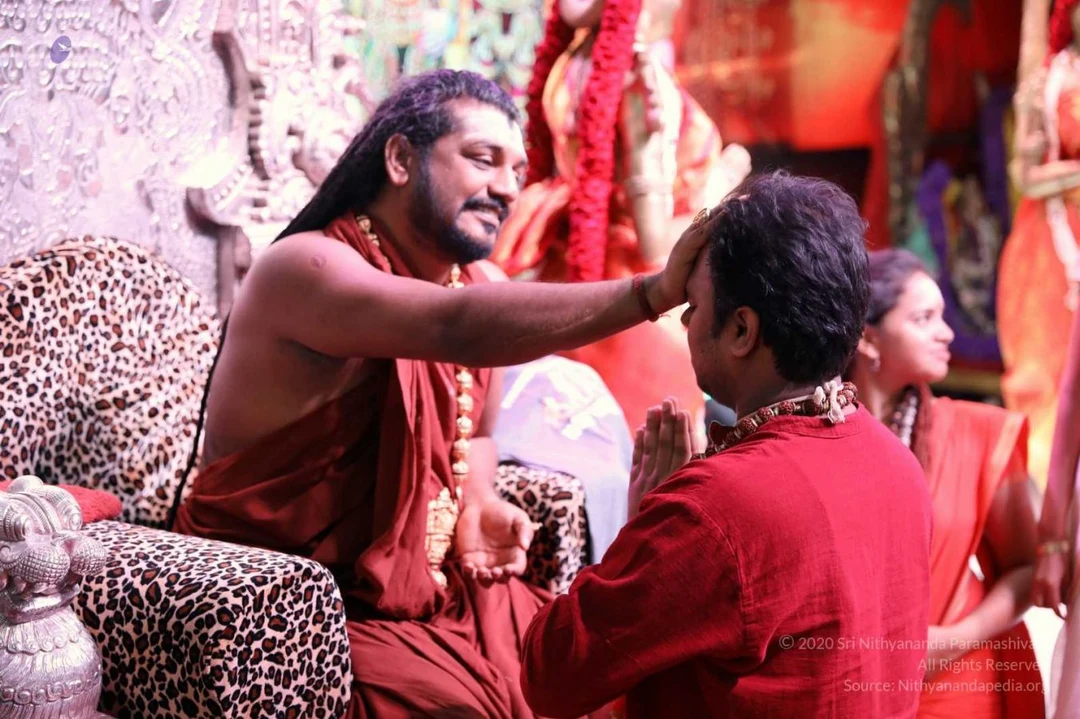 Energy darshan can actually change one's physiology in the presence of an enlightened consciousness
 Energy darshan can actually change one's physiology in the presence of an enlightened consciousness
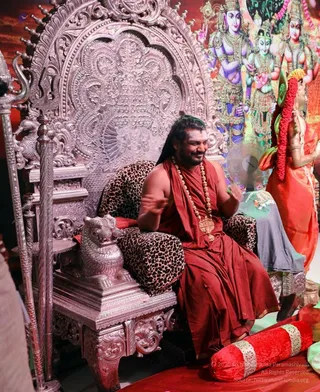 Energy darshan can actually change one's physiology in the presence of an enlightened consciousness
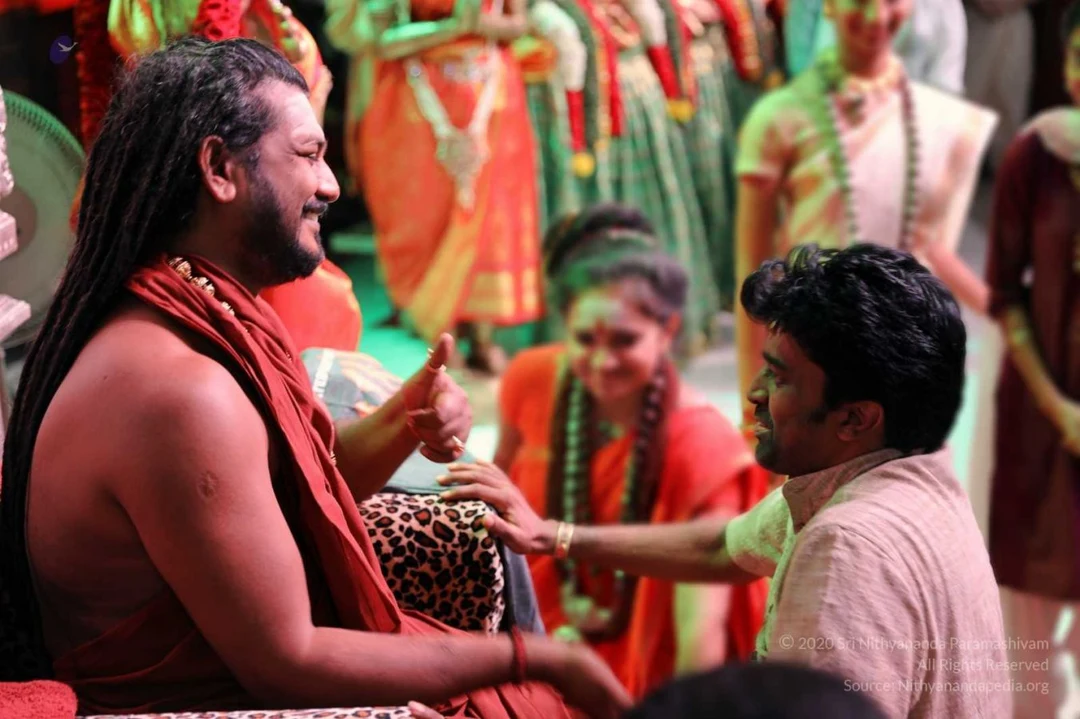 Energy darshan can actually change one's physiology in the presence of an enlightened consciousness
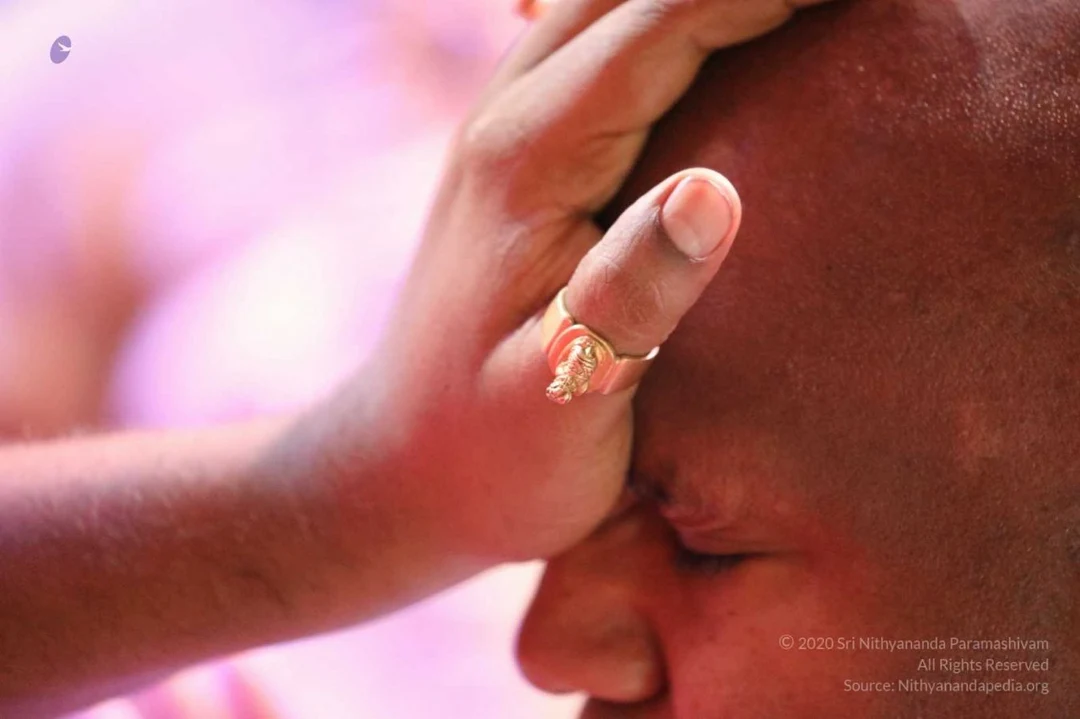 Energy darshan can actually change one's physiology in the presence of an enlightened consciousness
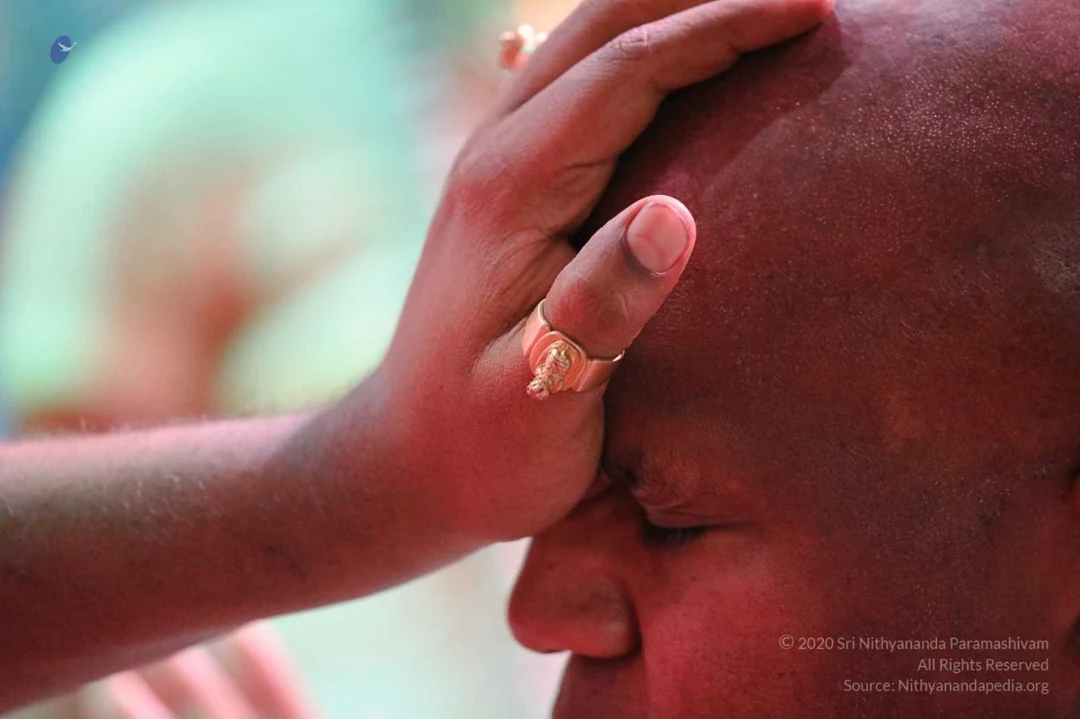 Energy darshan can actually change one's physiology in the presence of an enlightened consciousness
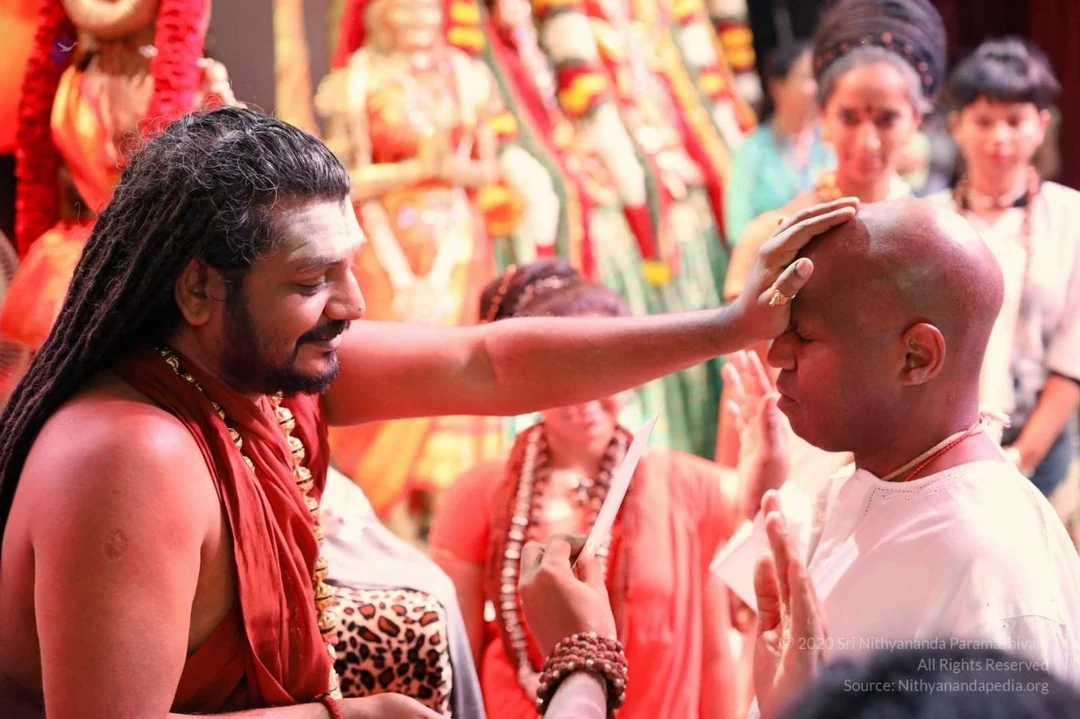 Energy darshan can actually change one's physiology in the presence of an enlightened consciousness
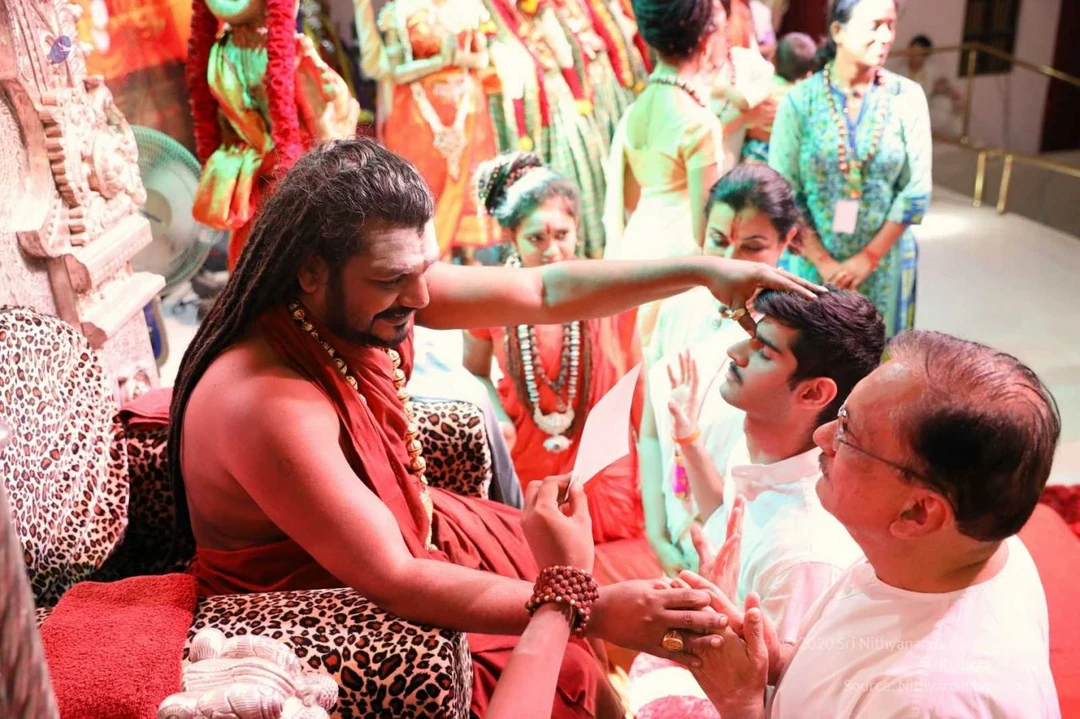 Energy darshan can actually change one's physiology in the presence of an enlightened consciousness
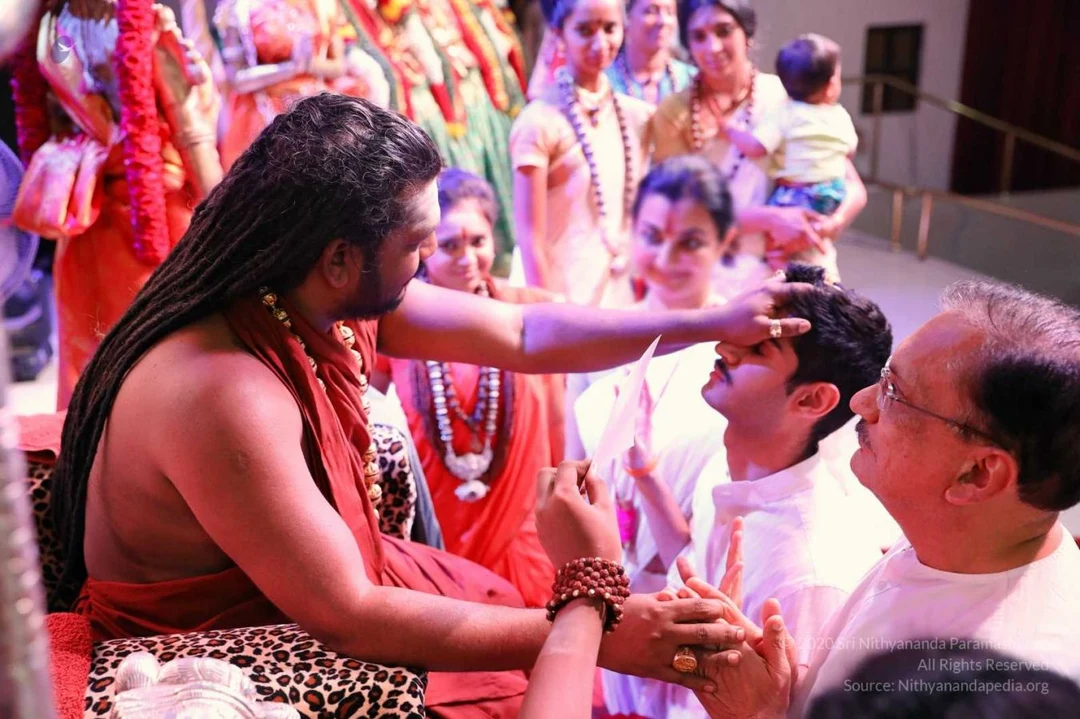 Energy darshan can actually change one's physiology in the presence of an enlightened consciousness
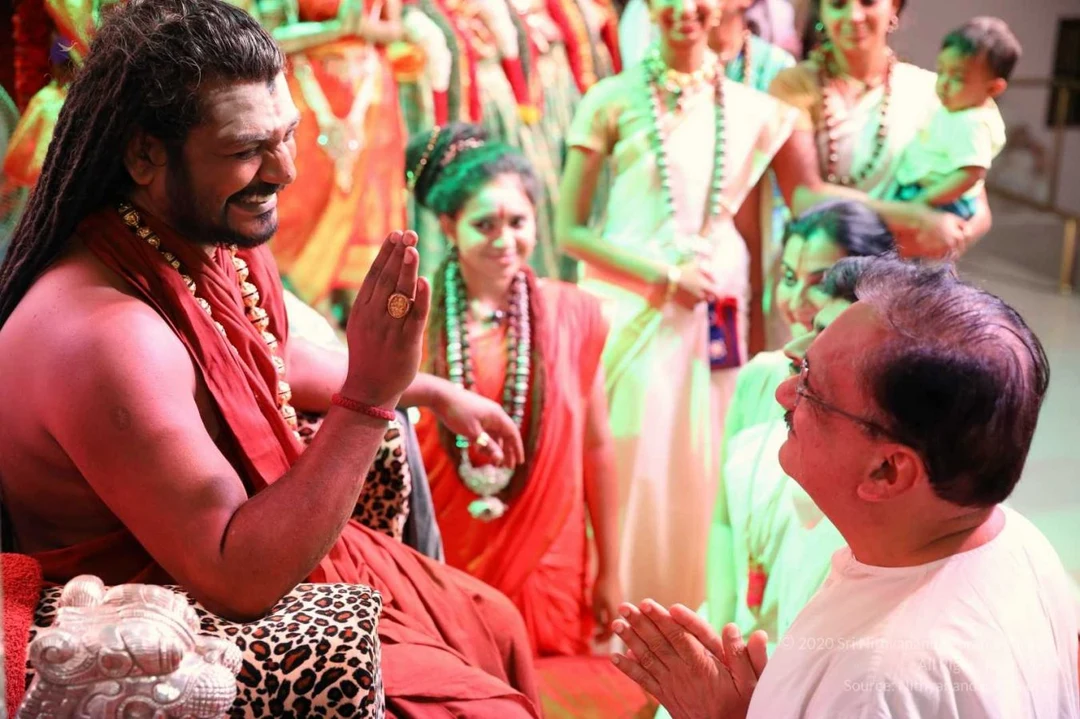 Energy darshan can actually change one's physiology in the presence of an enlightened consciousness
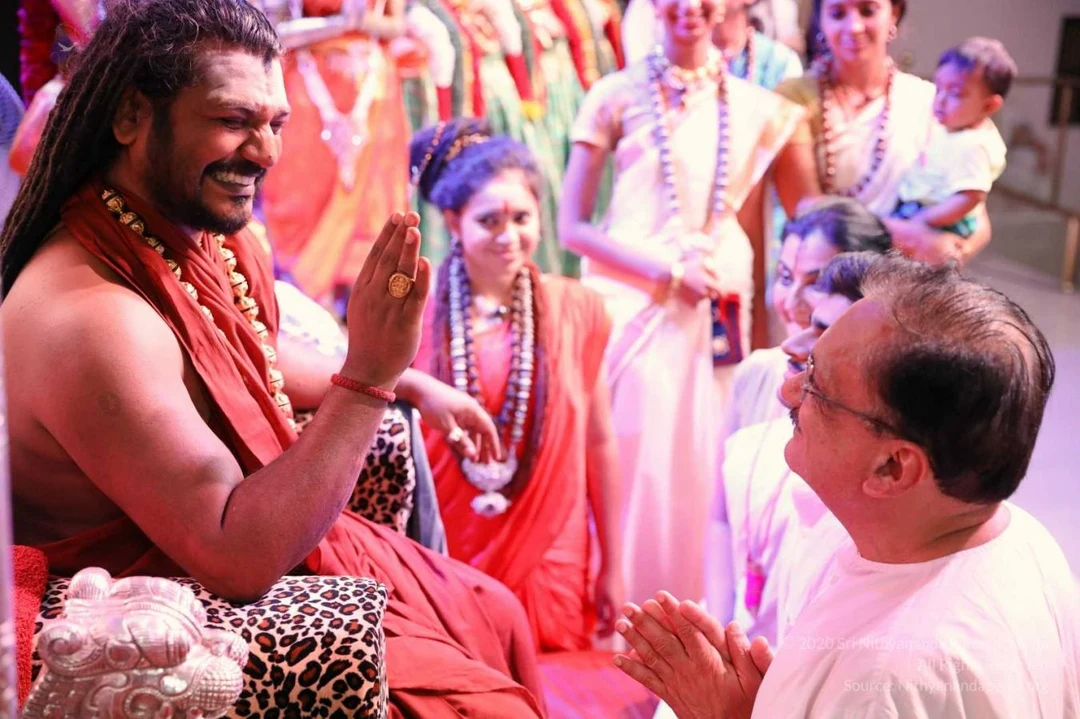 Energy darshan can actually change one's physiology in the presence of an enlightened consciousness
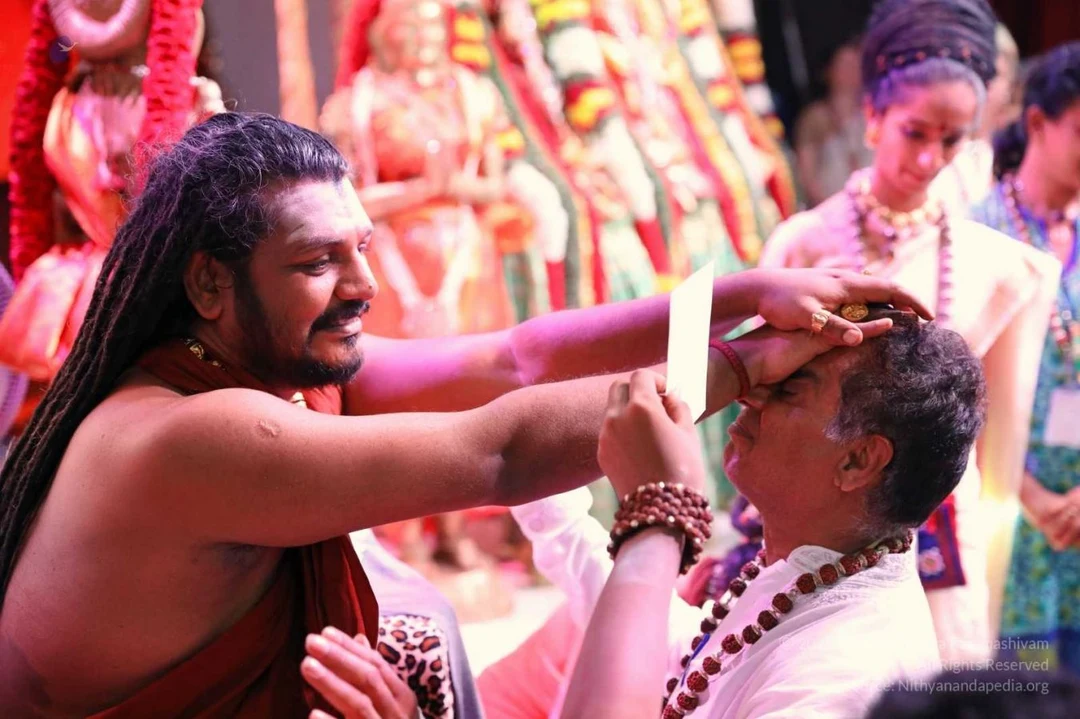 Energy darshan makes you liquid and receptive in such an energy-field
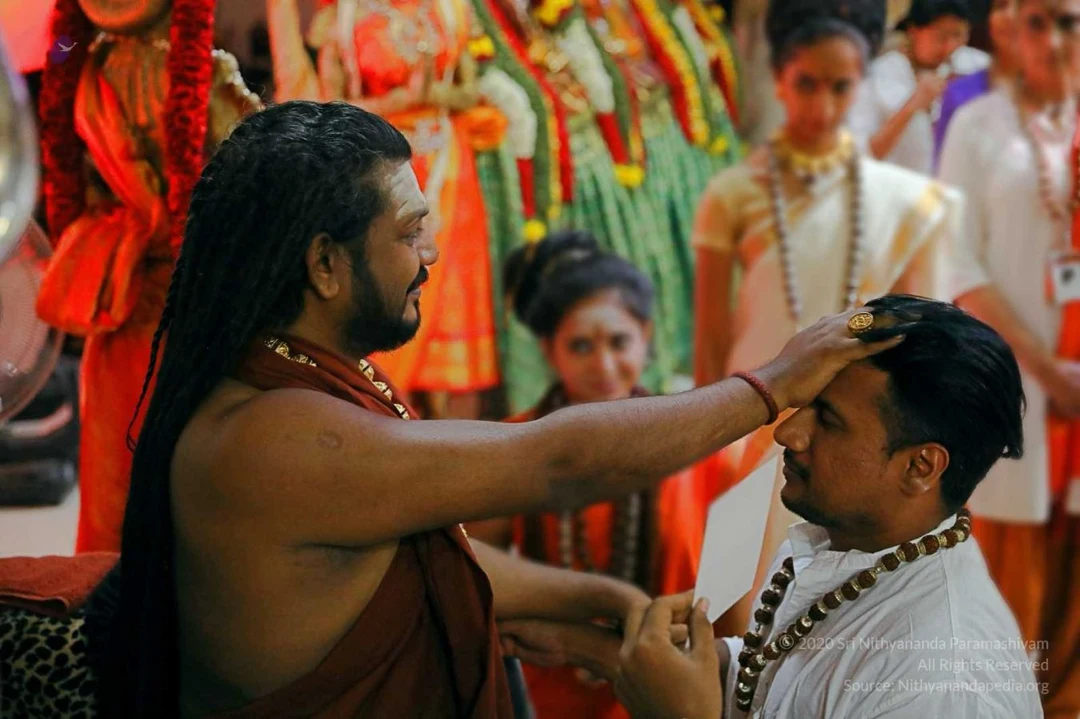 Energy darshan makes you liquid and receptive in such an energy-field
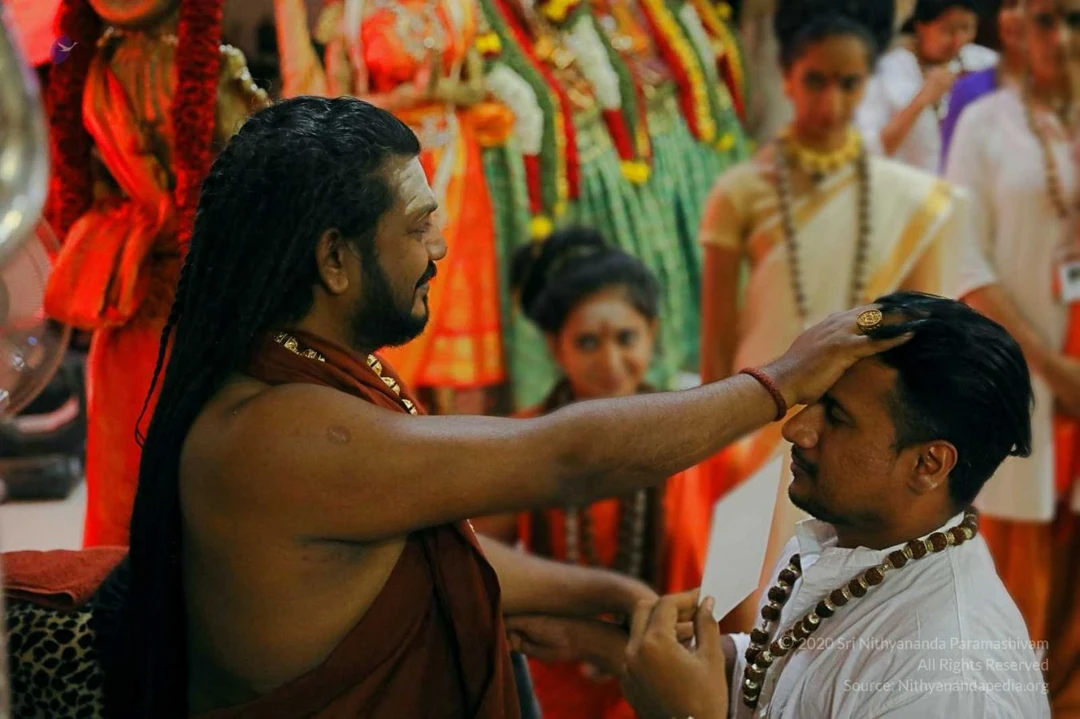 Energy darshan makes you liquid and receptive in such an energy-field
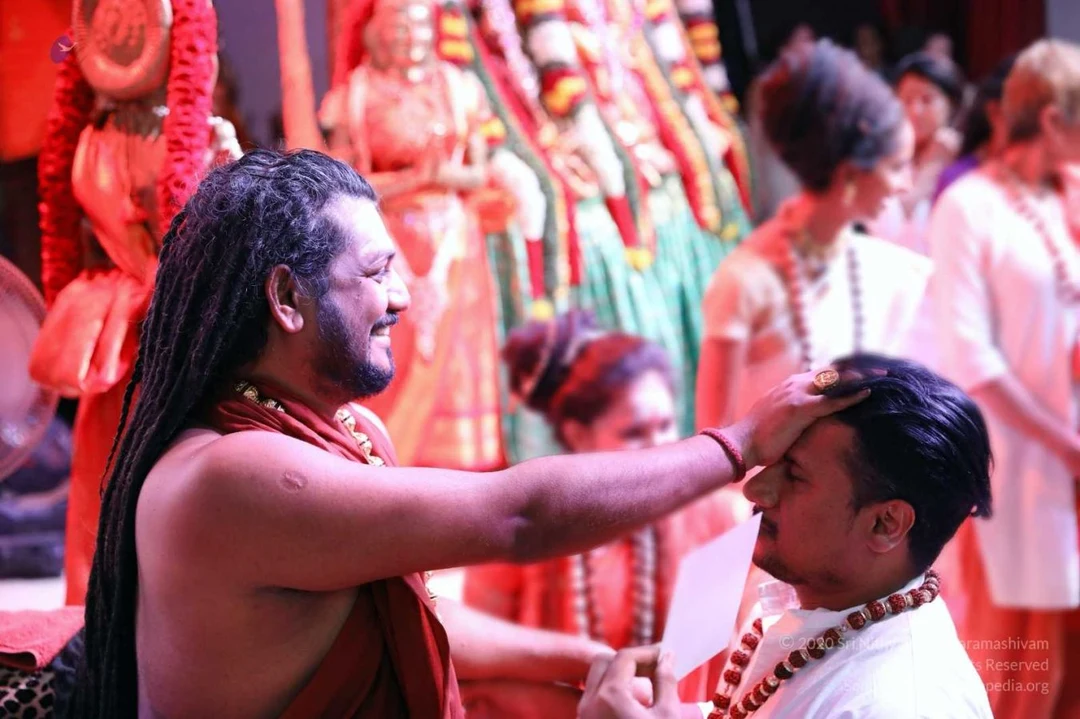 Energy darshan makes you liquid and receptive in such an energy-field
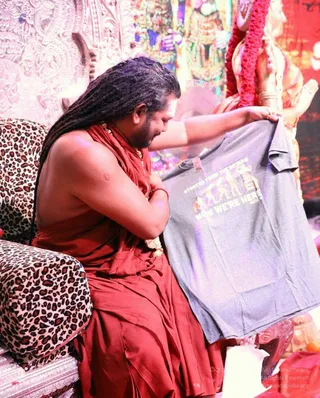 Energy darshan makes you liquid and receptive in such an energy-field
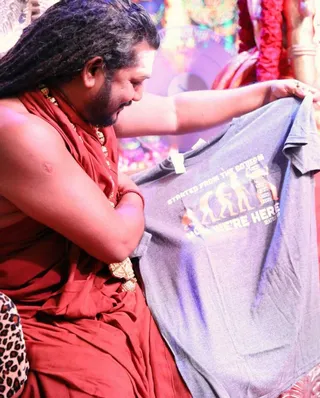 Energy darshan makes you liquid and receptive in such an energy-field
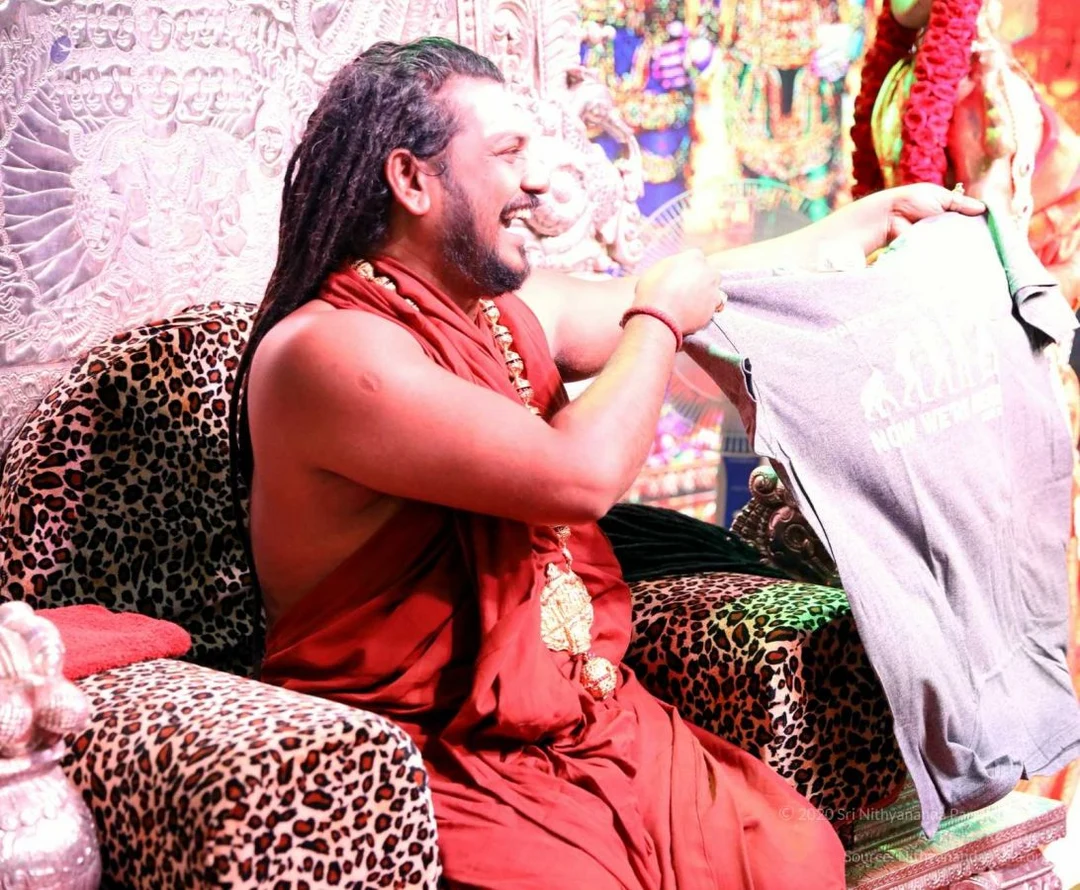 Energy darshan makes you liquid and receptive in such an energy-field
 Energy darshan makes you liquid and receptive in such an energy-field
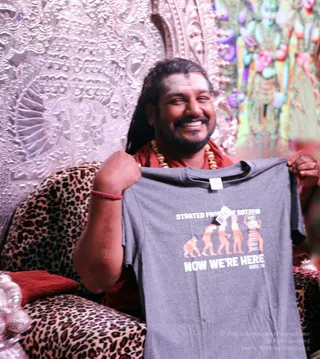 Energy darshan makes you liquid and receptive in such an energy-field
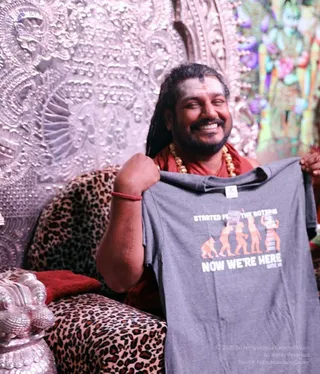 Energy darshan makes you liquid and receptive in such an energy-field
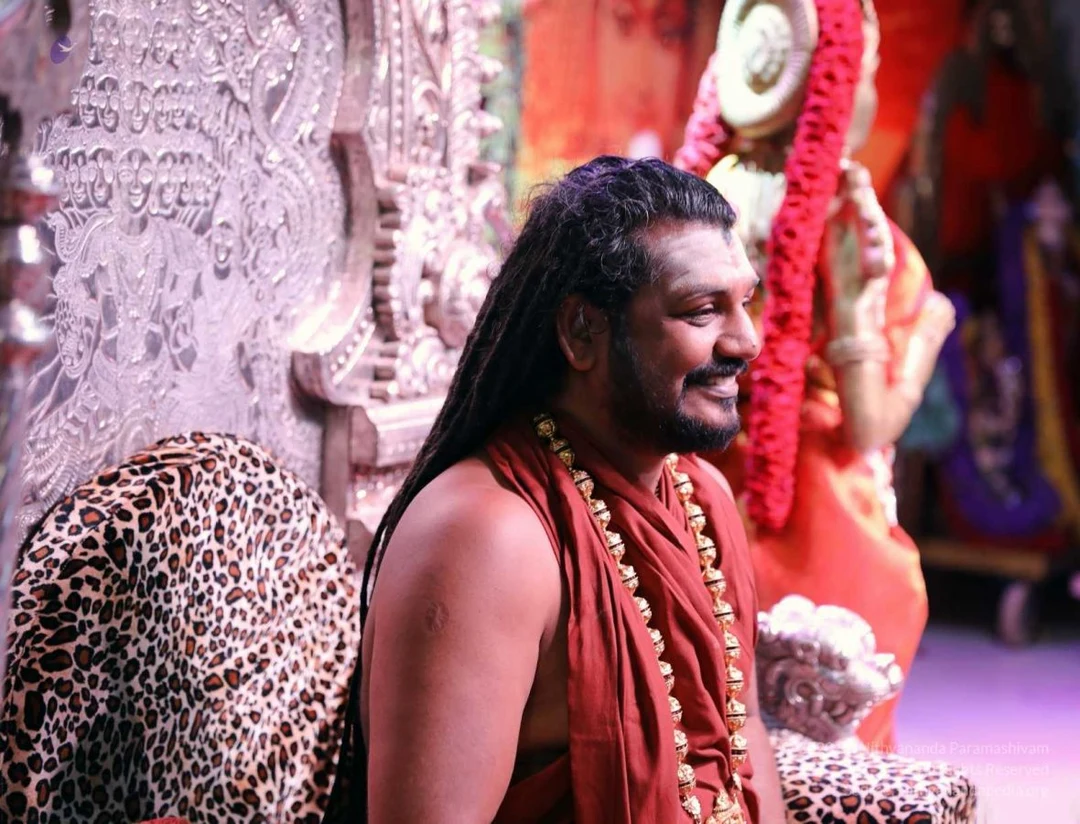 Energy darshan makes you liquid and receptive in such an energy-field
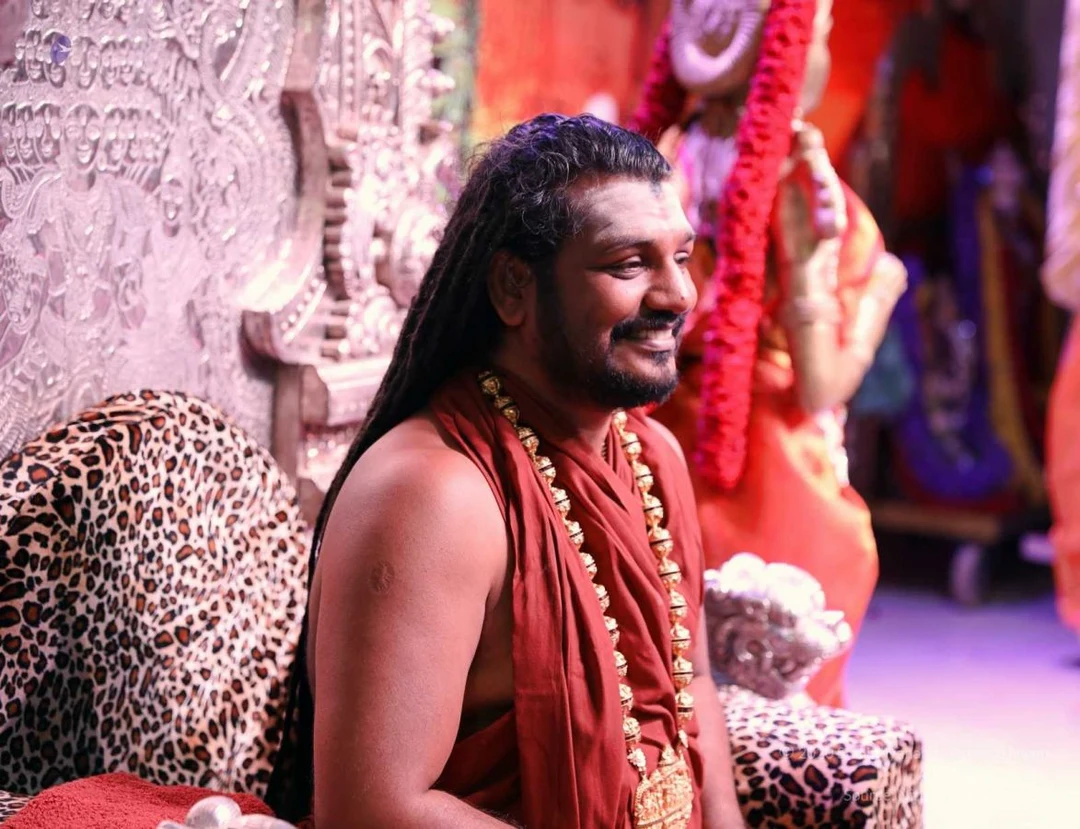 Energy darshan makes you liquid and receptive in such an energy-field
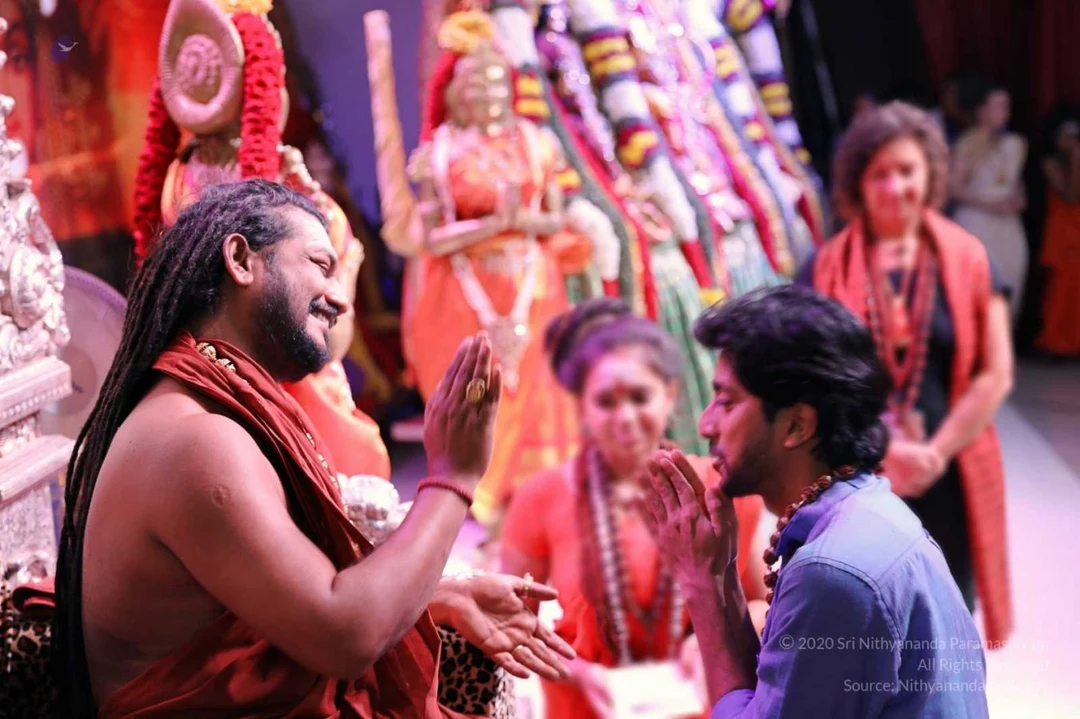 Energy darshan makes you liquid and receptive in such an energy-field
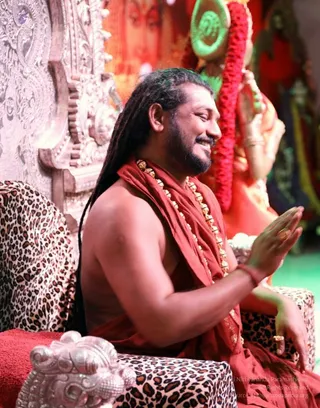 Energy darshan makes you liquid and receptive in such an energy-field
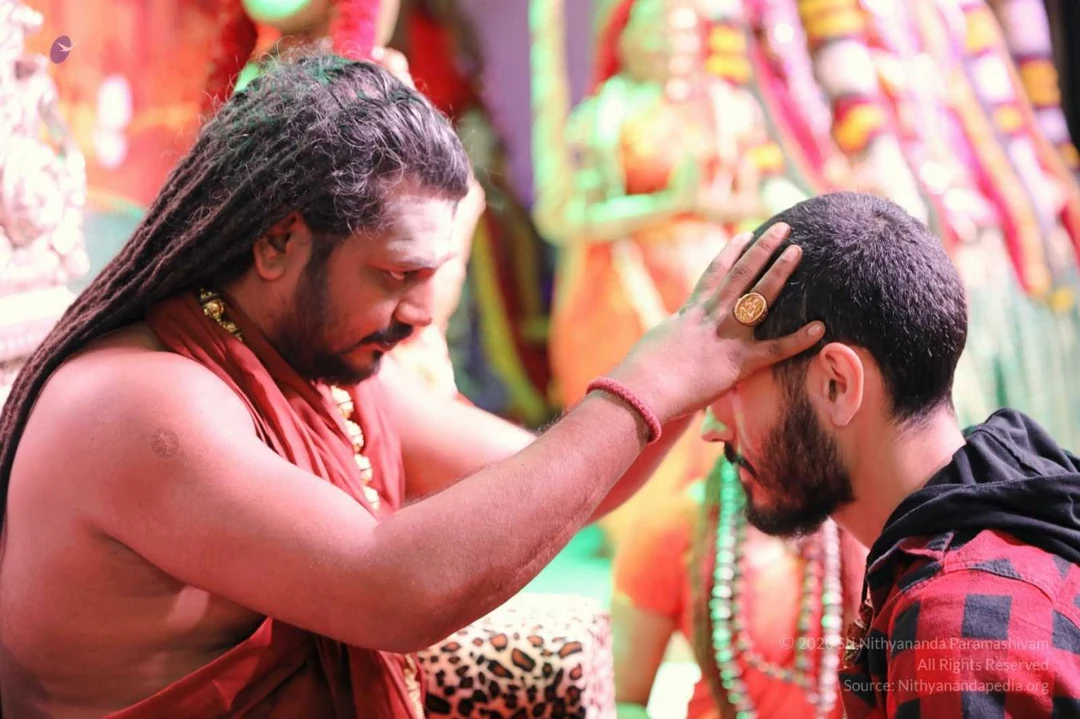 The word darshan can be roughly translated as vision. Darshan is used to describe the holy sight of a deity, saint or enlightened being
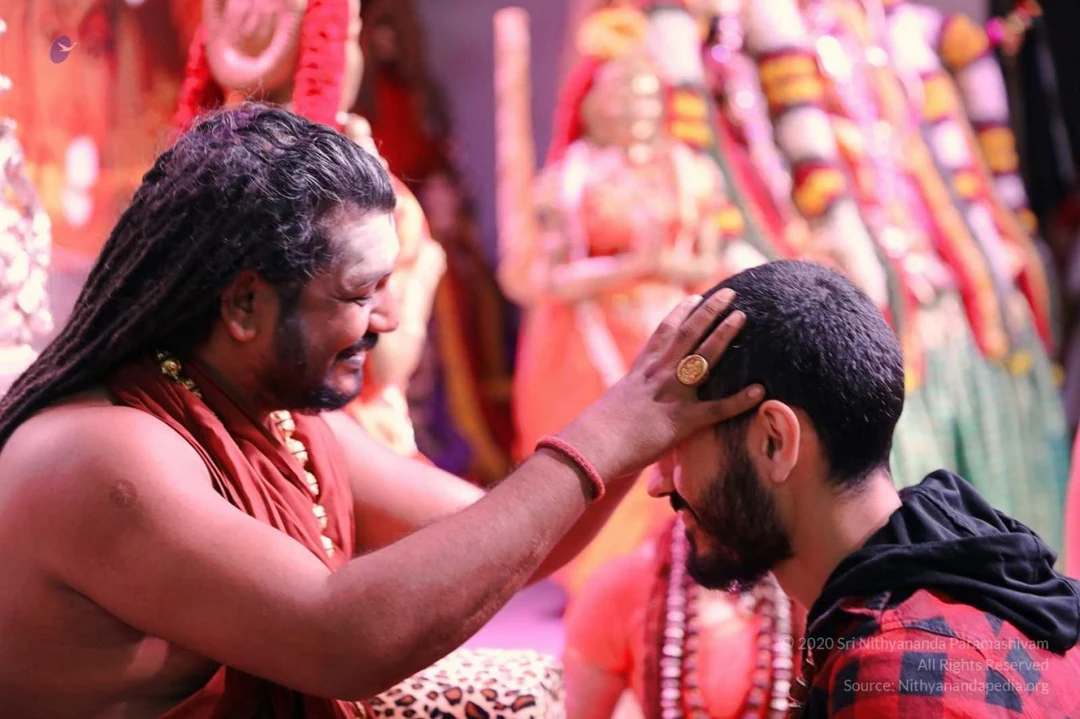 Energy darshan can actually change one's physiology in the presence of an enlightened consciousness
 Energy darshan can actually change one's physiology in the presence of an enlightened consciousness
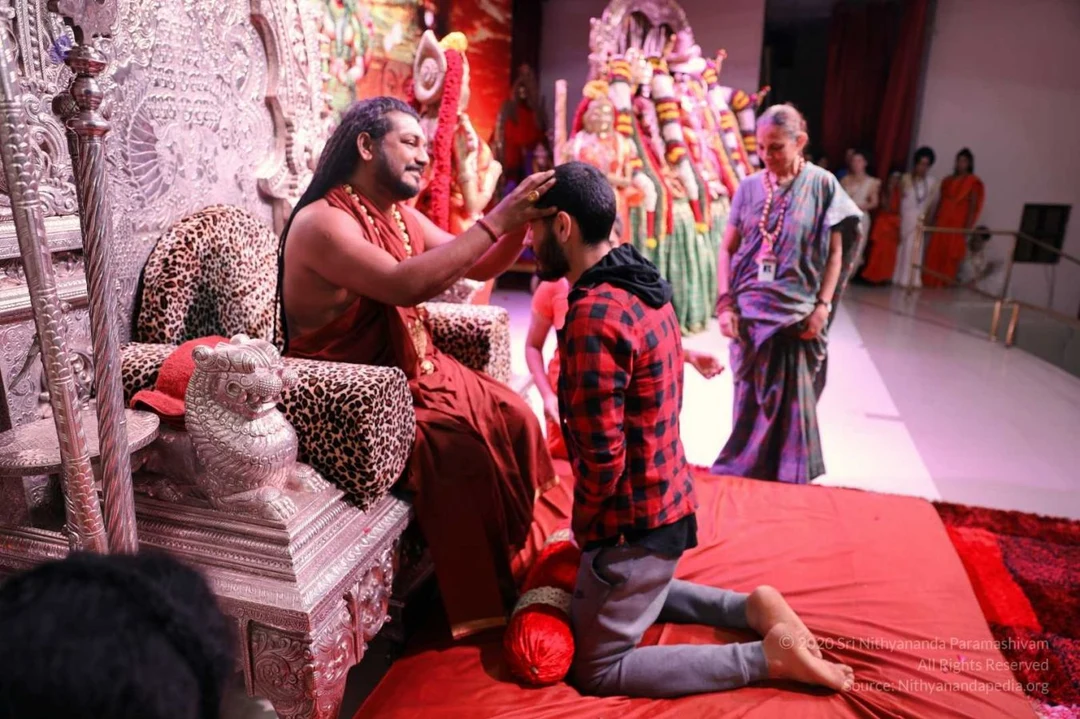 Energy darshan can actually change one's physiology in the presence of an enlightened consciousness
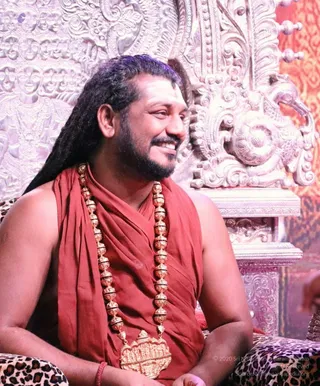 Energy darshan can actually change one's physiology in the presence of an enlightened consciousness
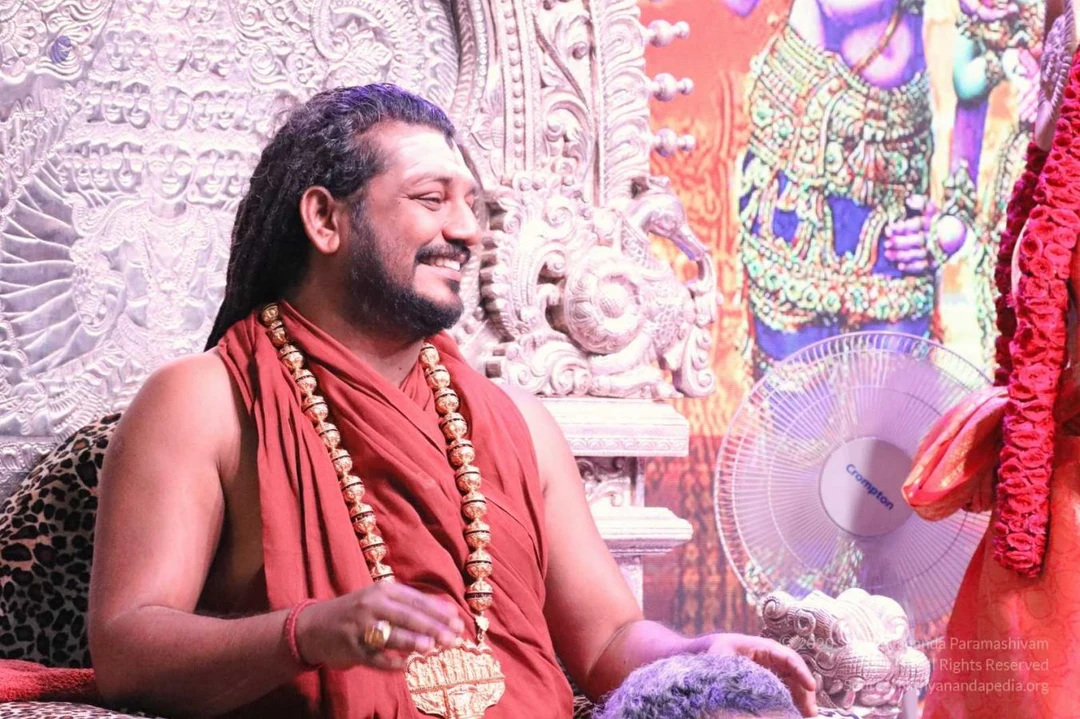 Energy darshan can actually change one's physiology in the presence of an enlightened consciousness
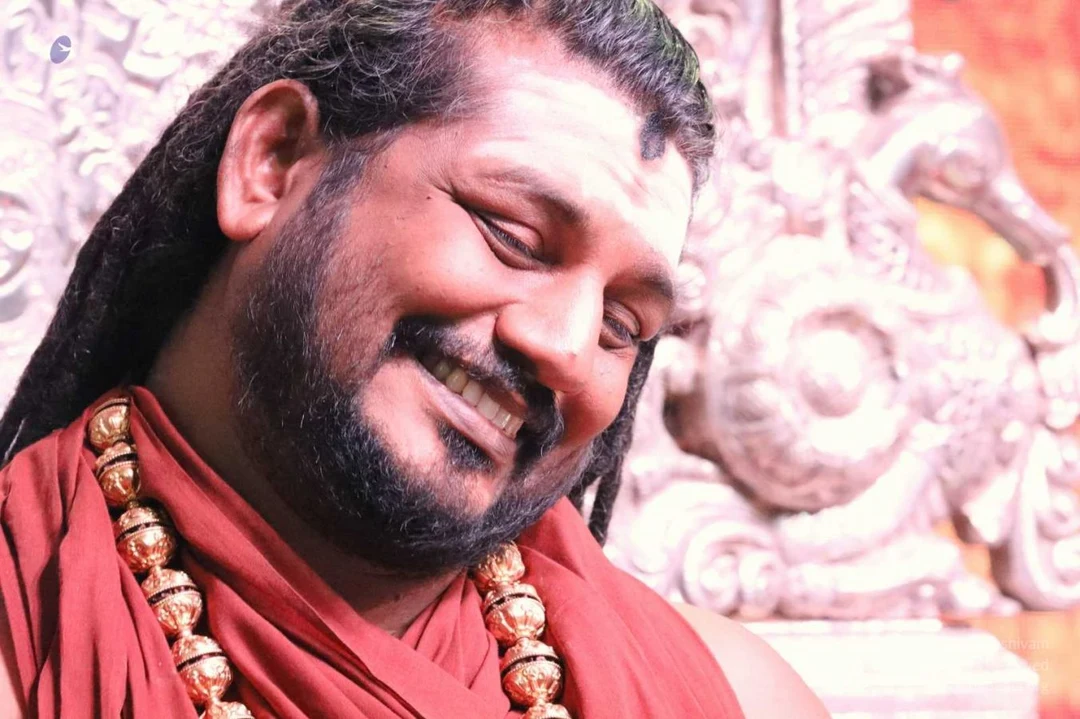 Energy darshan can actually change one's physiology in the presence of an enlightened consciousness
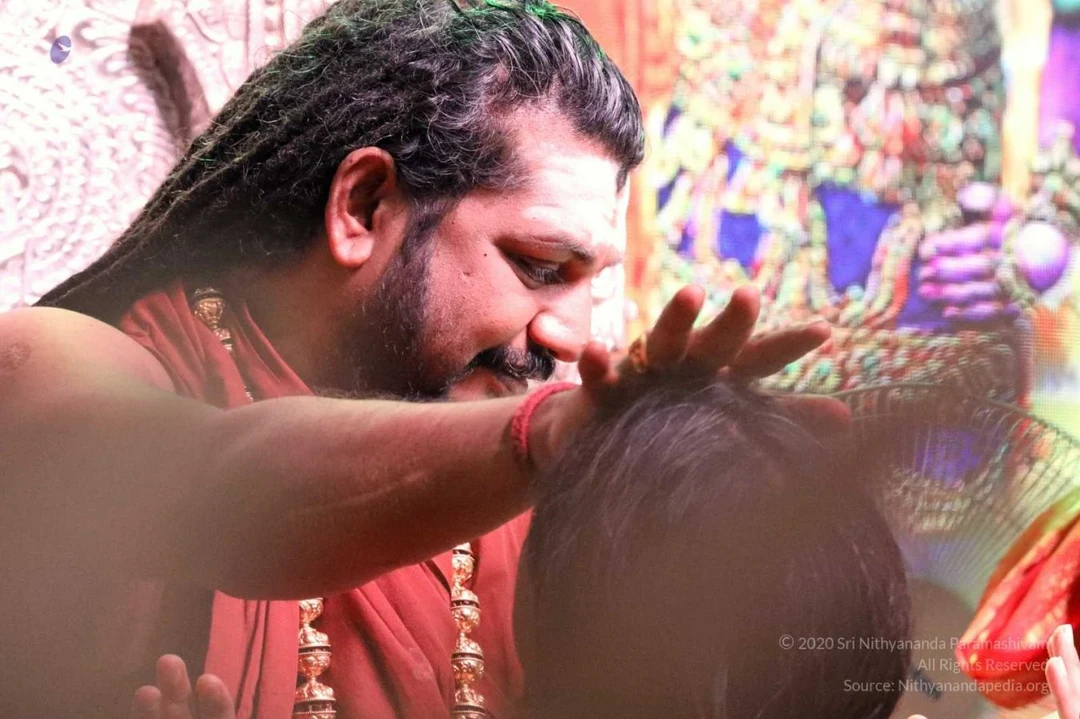 Energy darshan can actually change one's physiology in the presence of an enlightened consciousness
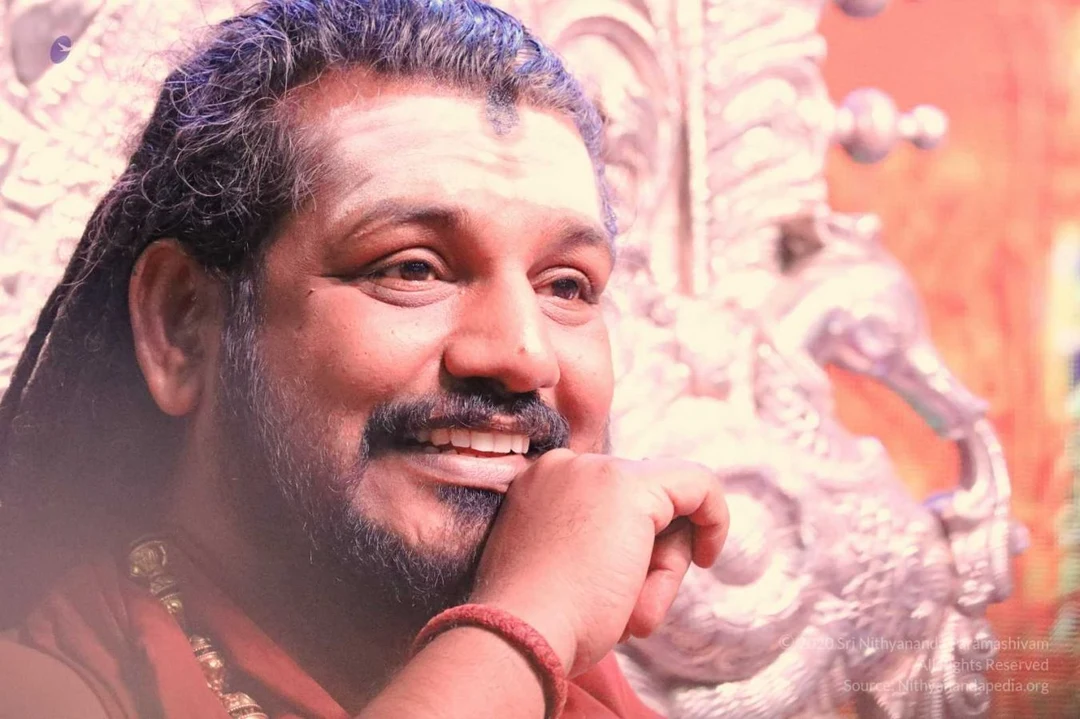 Energy darshan can actually change one's physiology in the presence of an enlightened consciousness
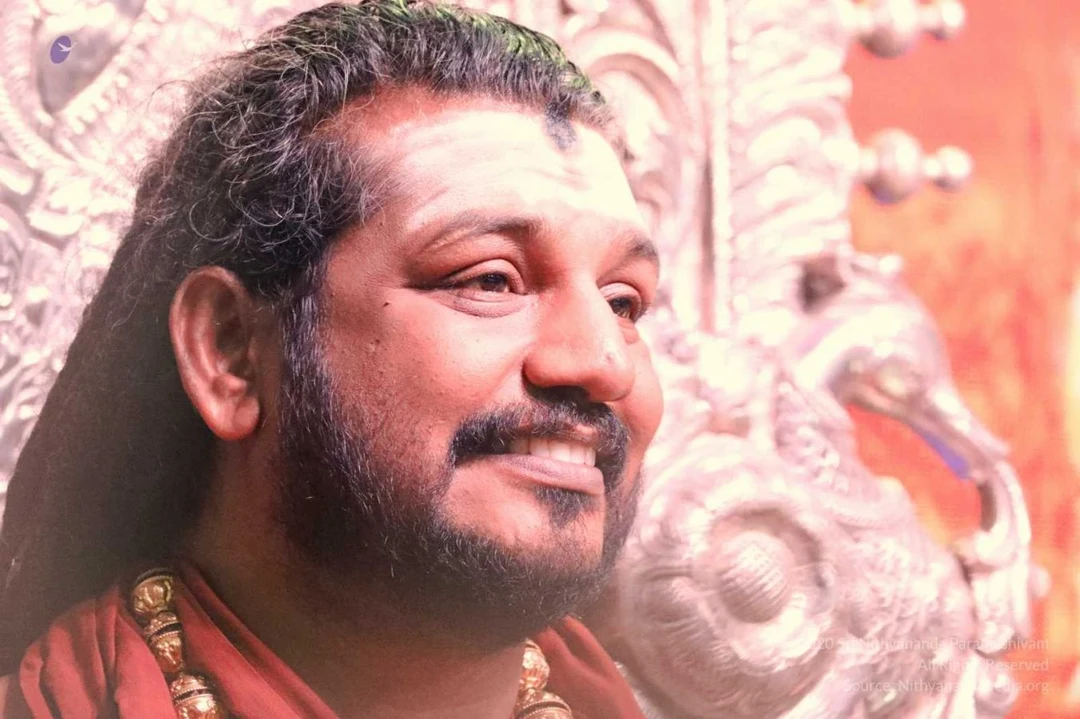 Energy darshan can actually change one's physiology in the presence of an enlightened consciousness
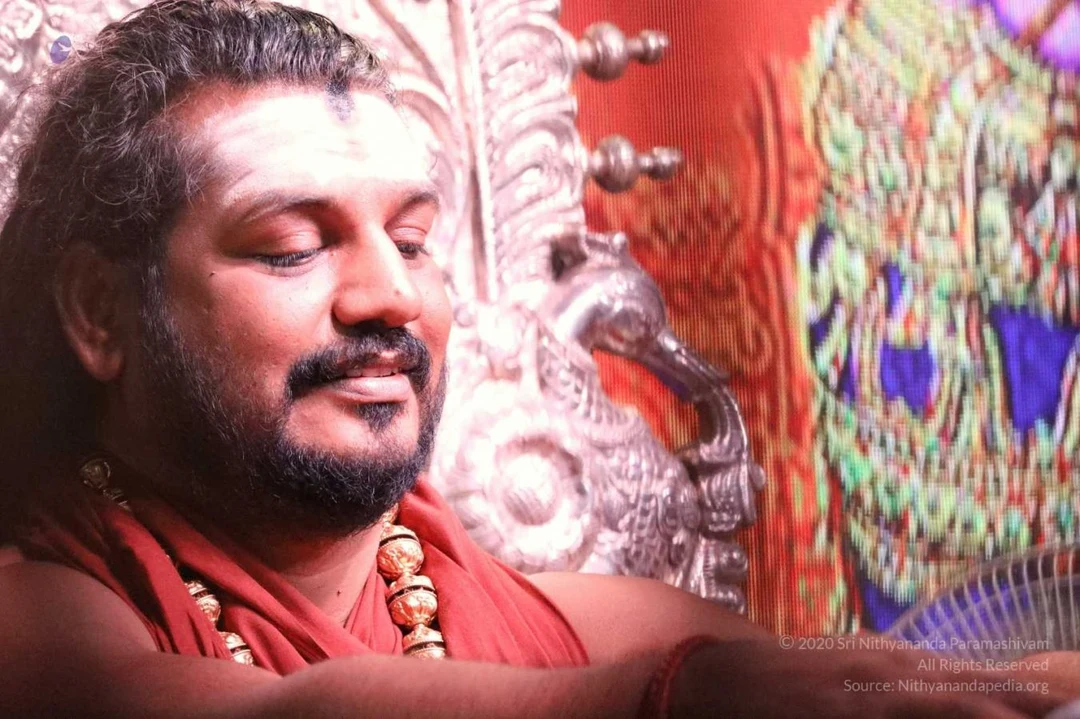 Energy darshan can actually change one's physiology in the presence of an enlightened consciousness
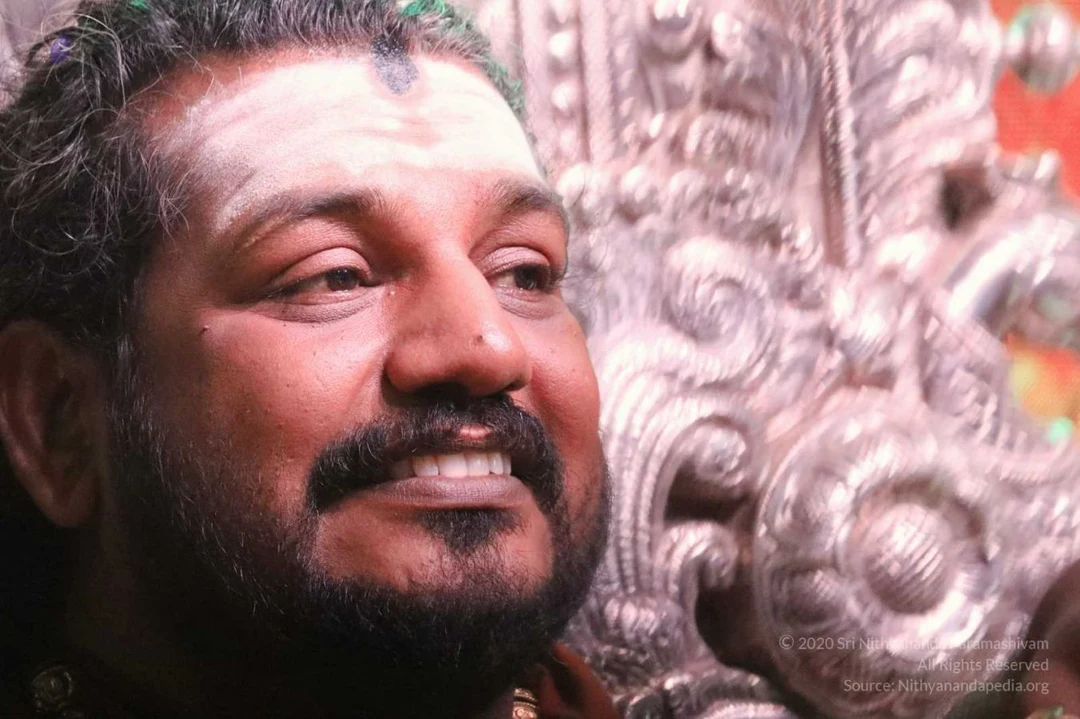 Energy darshan will cut through the layers of unconscious negative patterns built up over lifetimes
 Energy darshan will cut through the layers of unconscious negative patterns built up over lifetimes
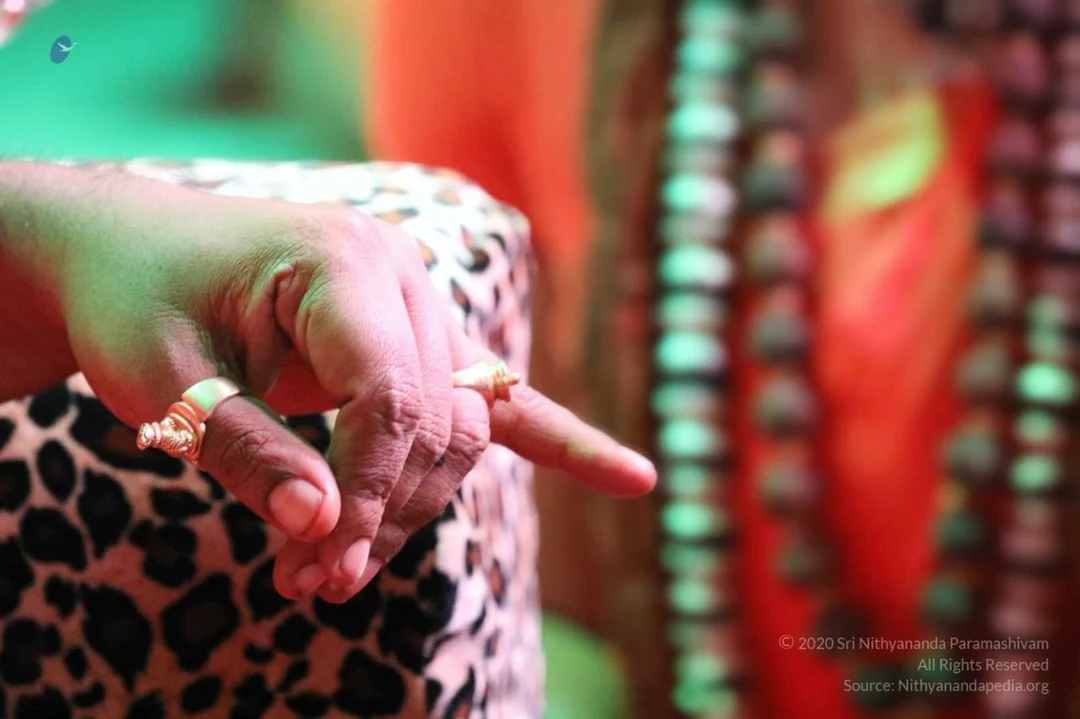 Energy darshan will cut through the layers of unconscious negative patterns built up over lifetimes
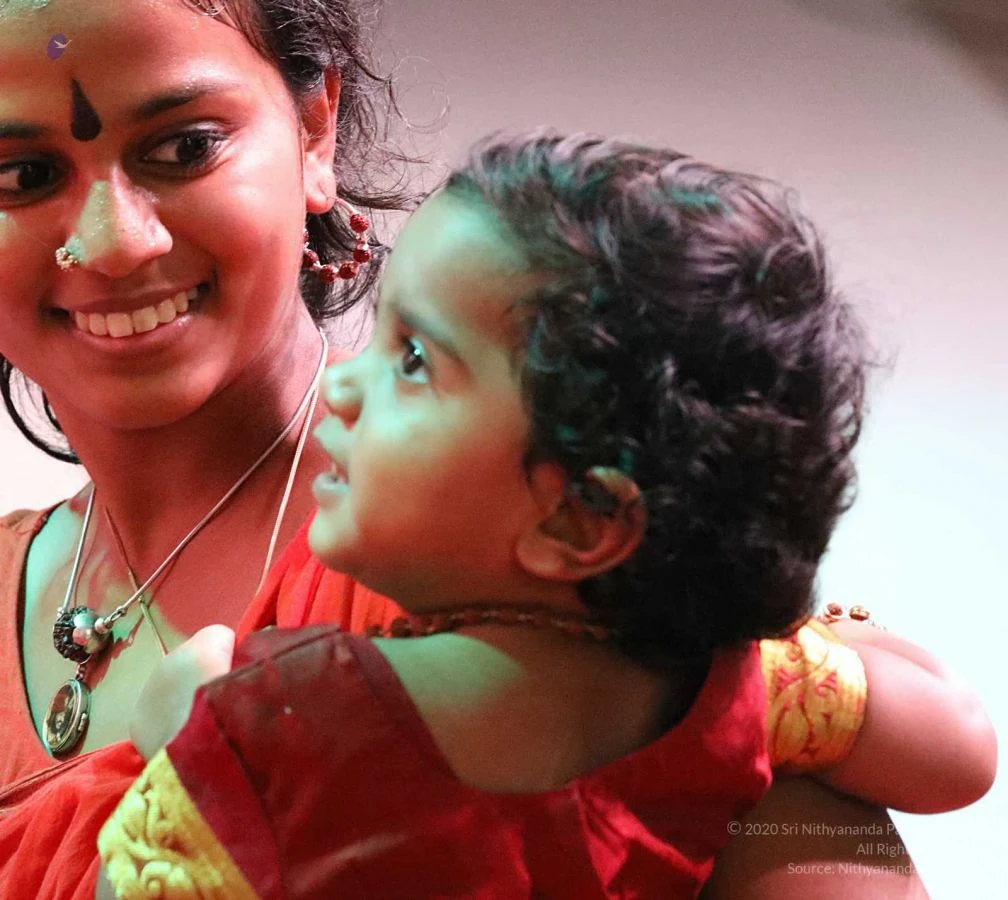 Energy darshan will cut through the layers of unconscious negative patterns built up over lifetimes
 Energy darshan will cut through the layers of unconscious negative patterns built up over lifetimes
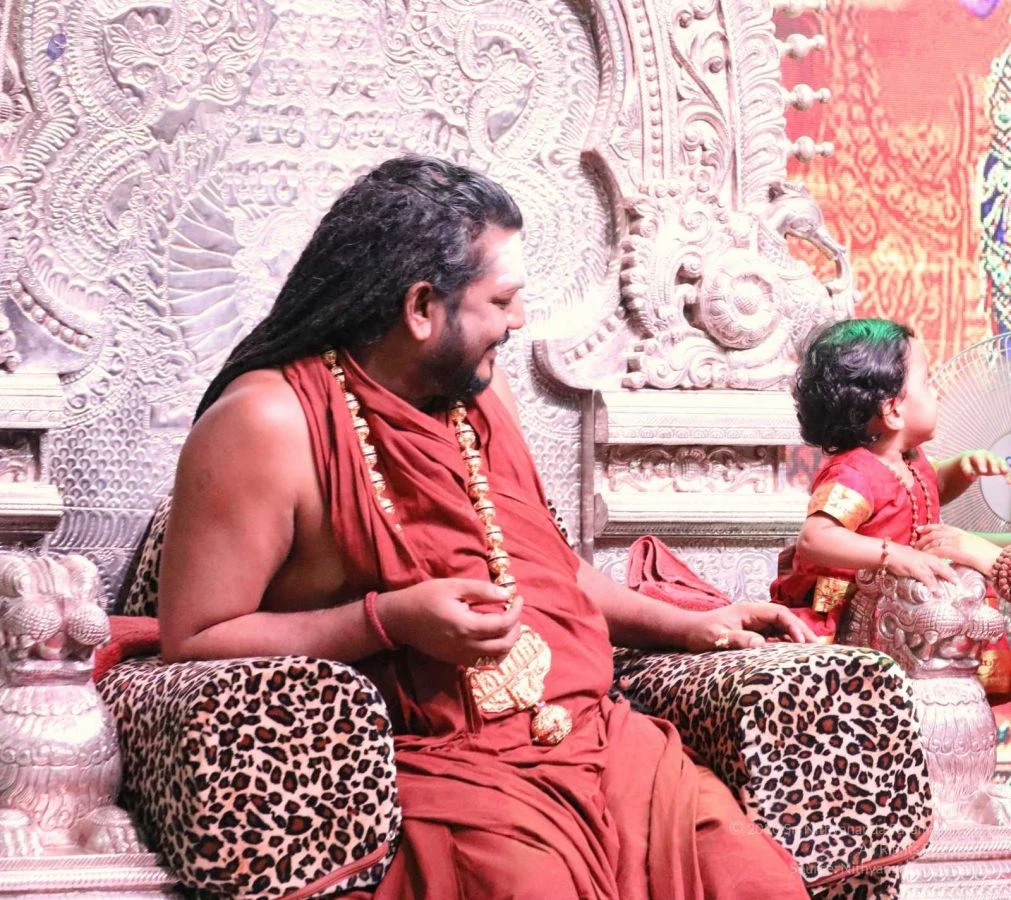 Energy darshan will cut through the layers of unconscious negative patterns built up over lifetimes
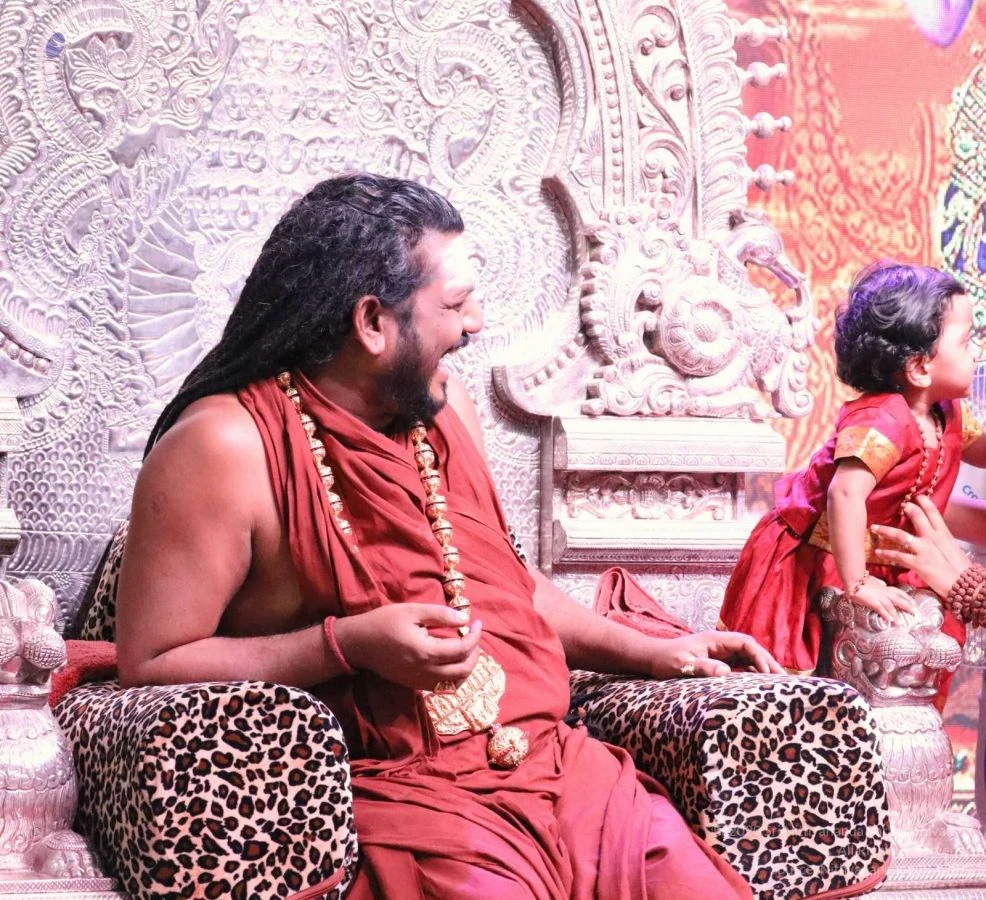 Energy darshan will cut through the layers of unconscious negative patterns built up over lifetimes
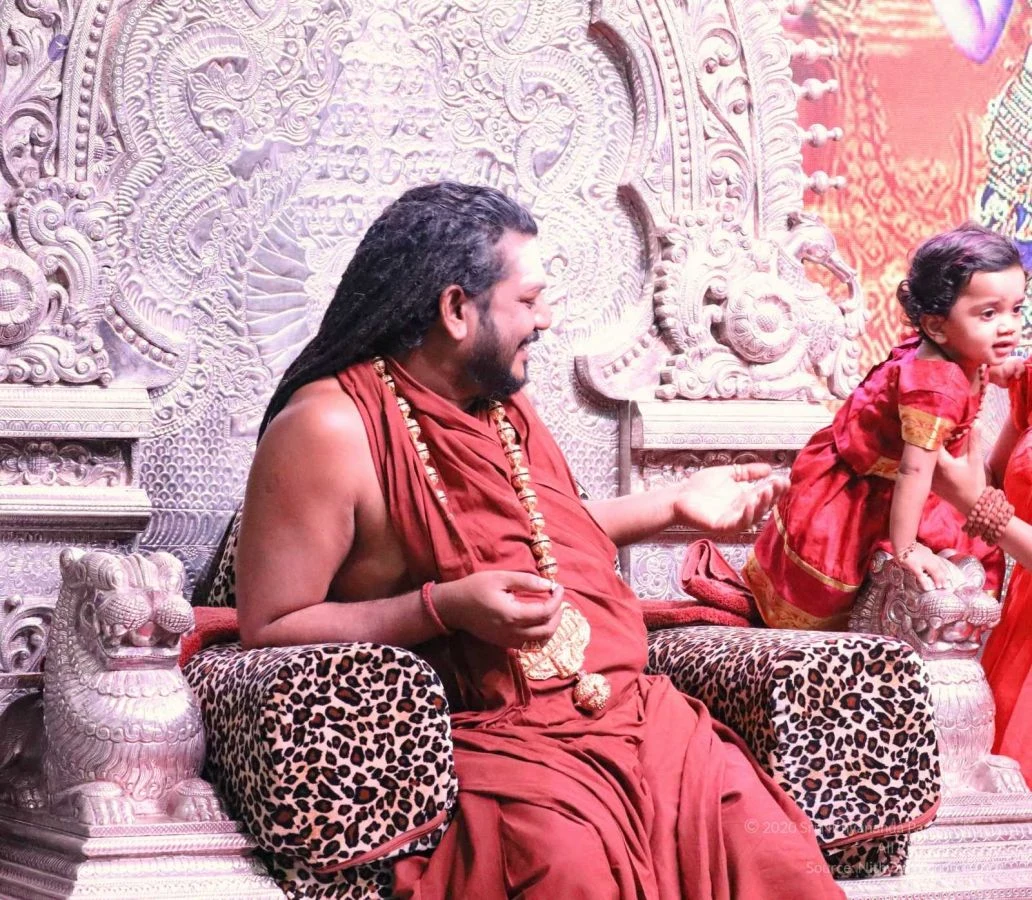 Energy darshan will cut through the layers of unconscious negative patterns built up over lifetimes
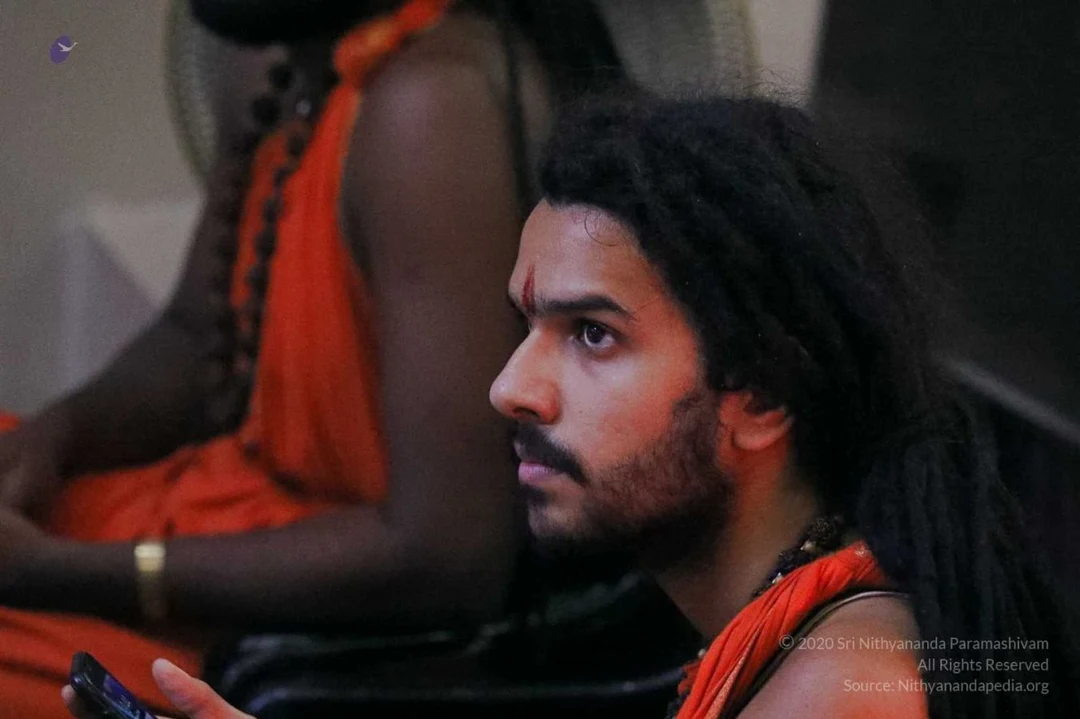 Energy darshan will cut through the layers of unconscious negative patterns built up over lifetimes
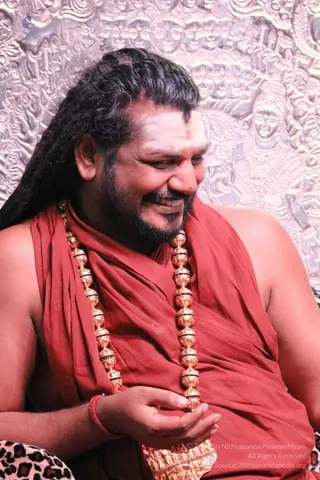 Energy Darshan is spiritual surgery and can be the moment of permanent and irreversible transformation
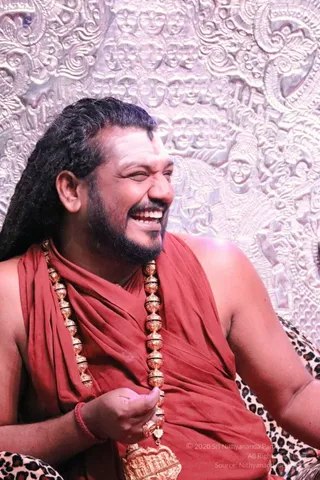 Energy Darshan is spiritual surgery and can be the moment of permanent and irreversible transformation
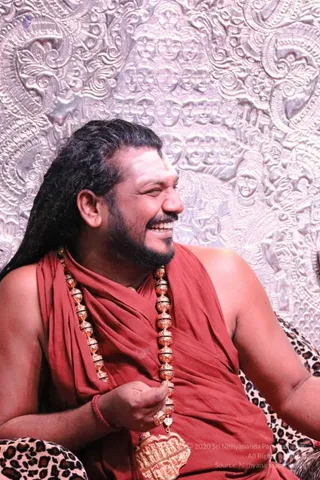 Energy Darshan is spiritual surgery and can be the moment of permanent and irreversible transformation
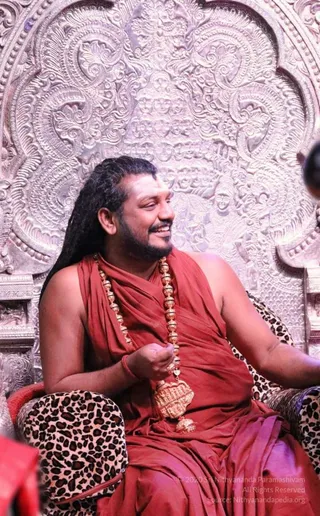 Energy Darshan is spiritual surgery and can be the moment of permanent and irreversible transformation
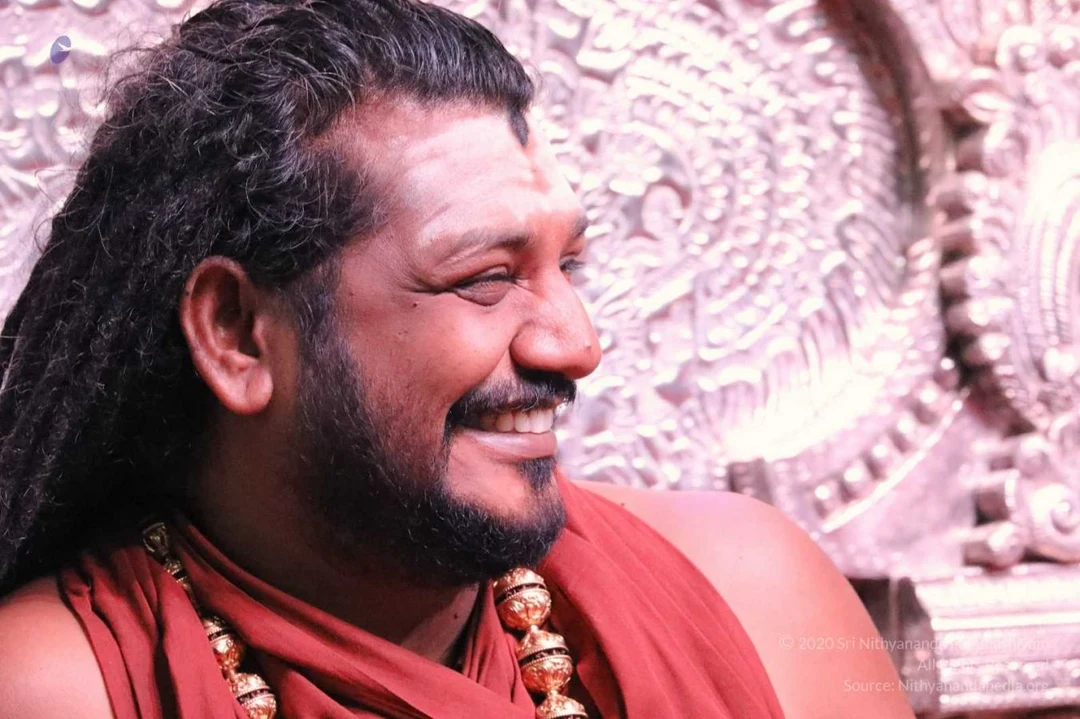 Energy Darshan is spiritual surgery and can be the moment of permanent and irreversible transformation
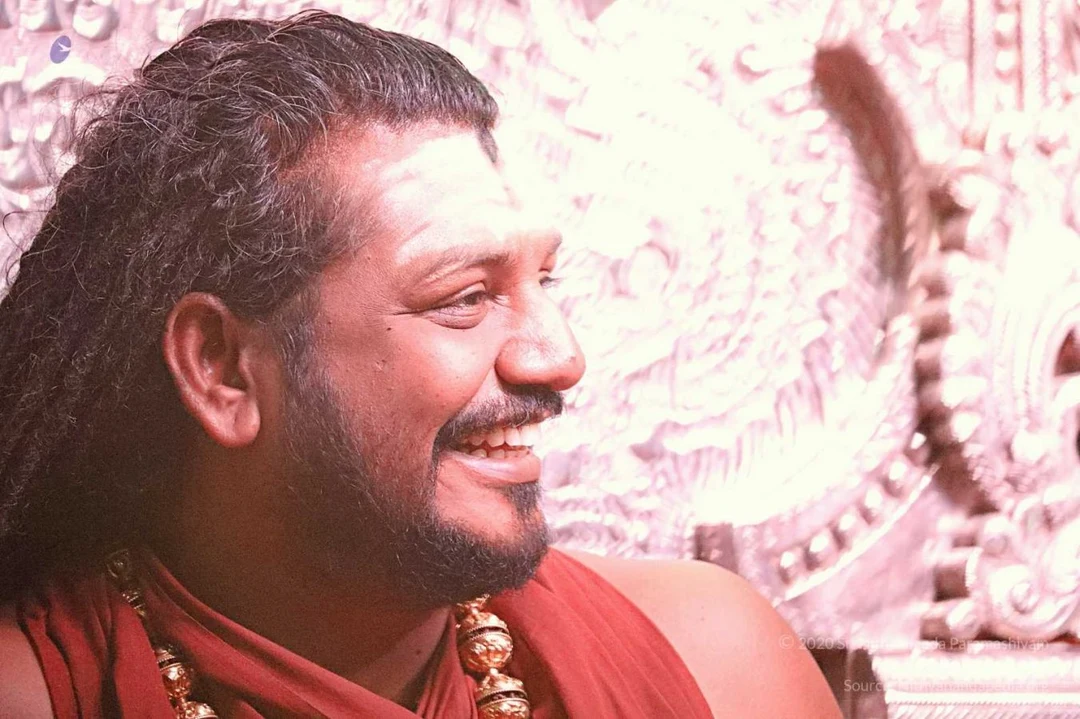 Energy Darshan is spiritual surgery and can be the moment of permanent and irreversible transformation
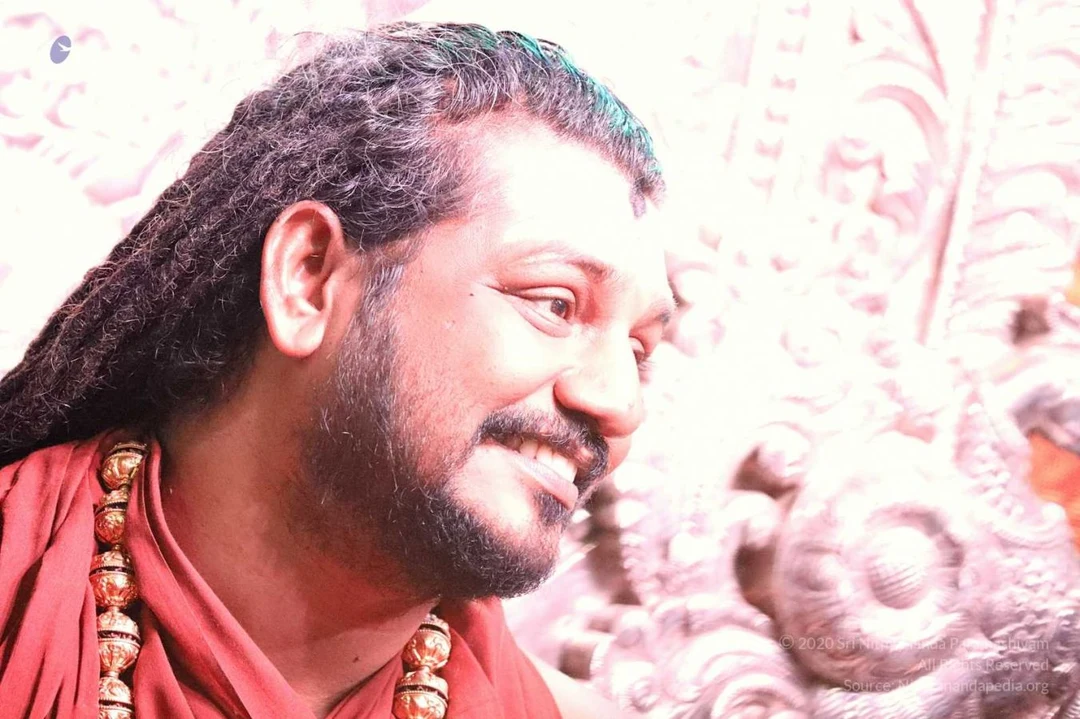 Energy Darshan is spiritual surgery and can be the moment of permanent and irreversible transformation
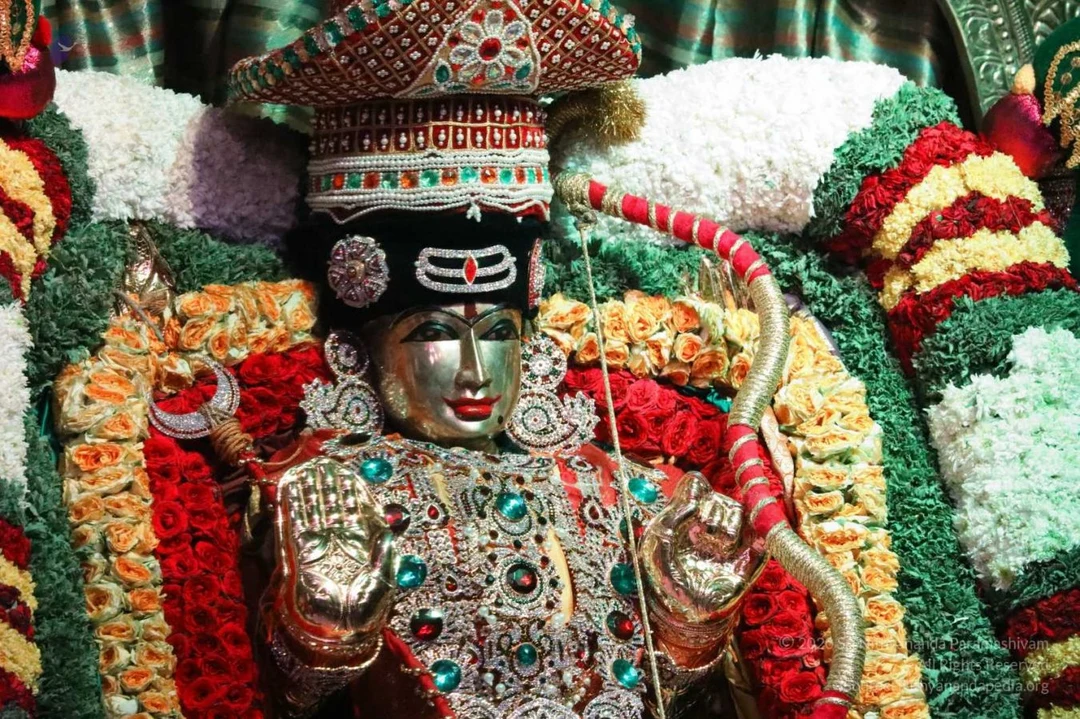 Chittirai Brahmotsavam special alankar of Sundareshwara
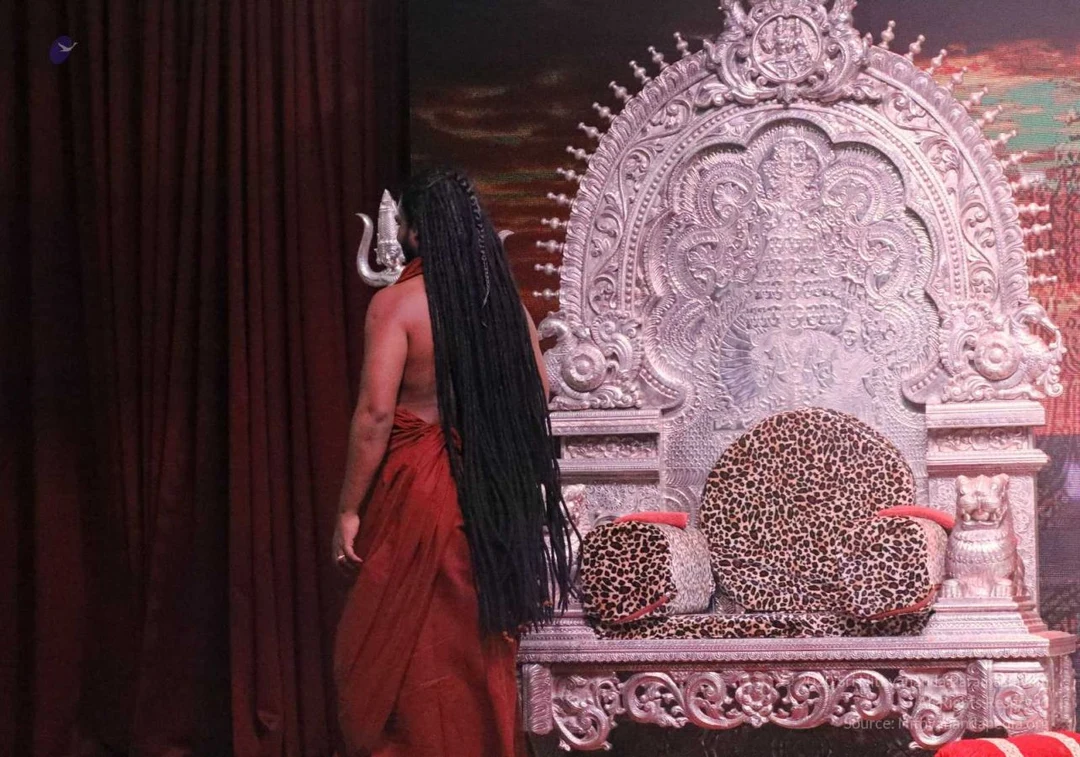 Energy Darshan is a spiritual surgery and can be the moment of permanent and irreversible transformation
 Energy Darshan is a spiritual surgery and can be the moment of permanent and irreversible transformation
 Energy Darshan is a spiritual surgery and can be the moment of permanent and irreversible transformation
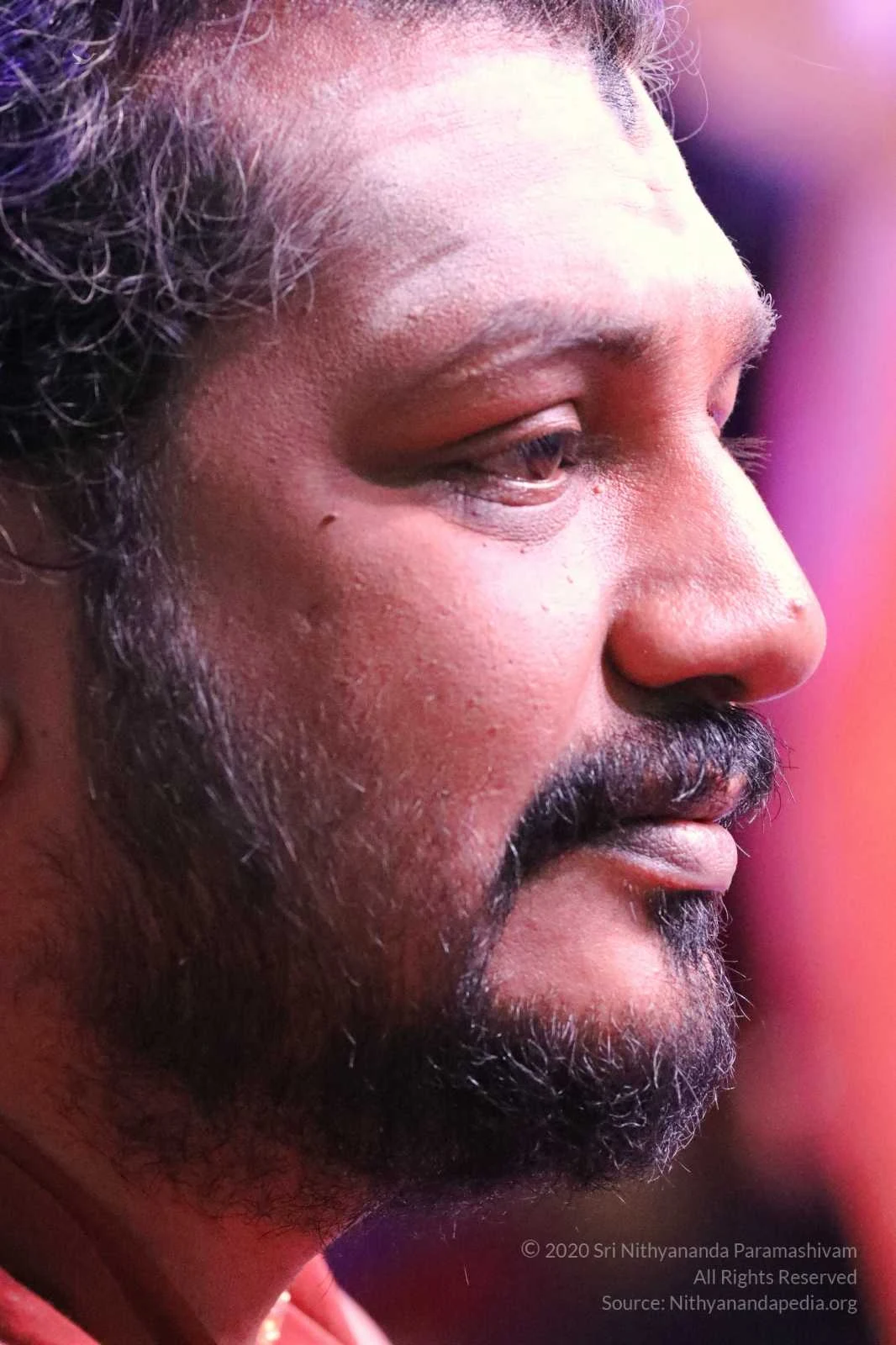
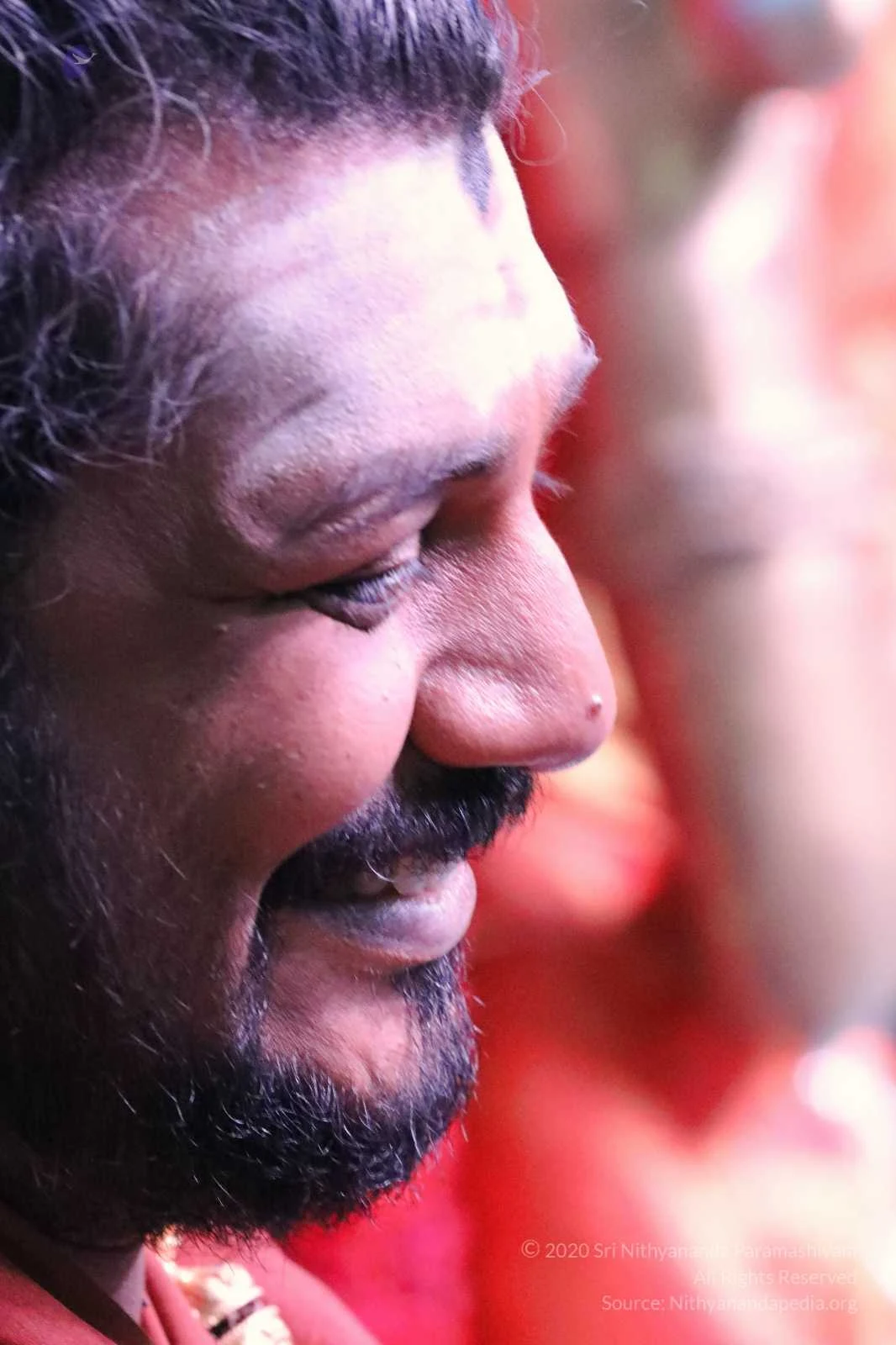
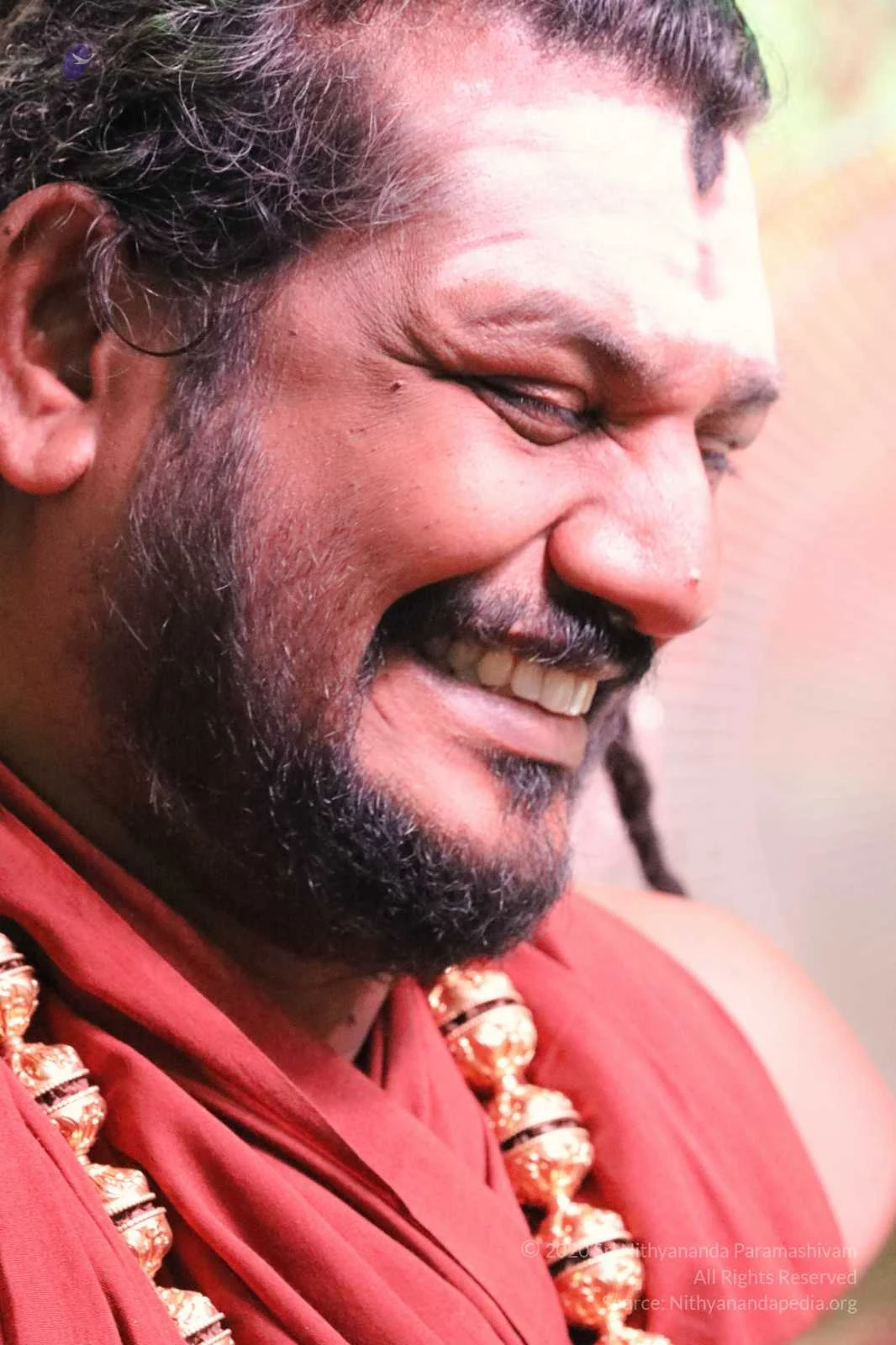
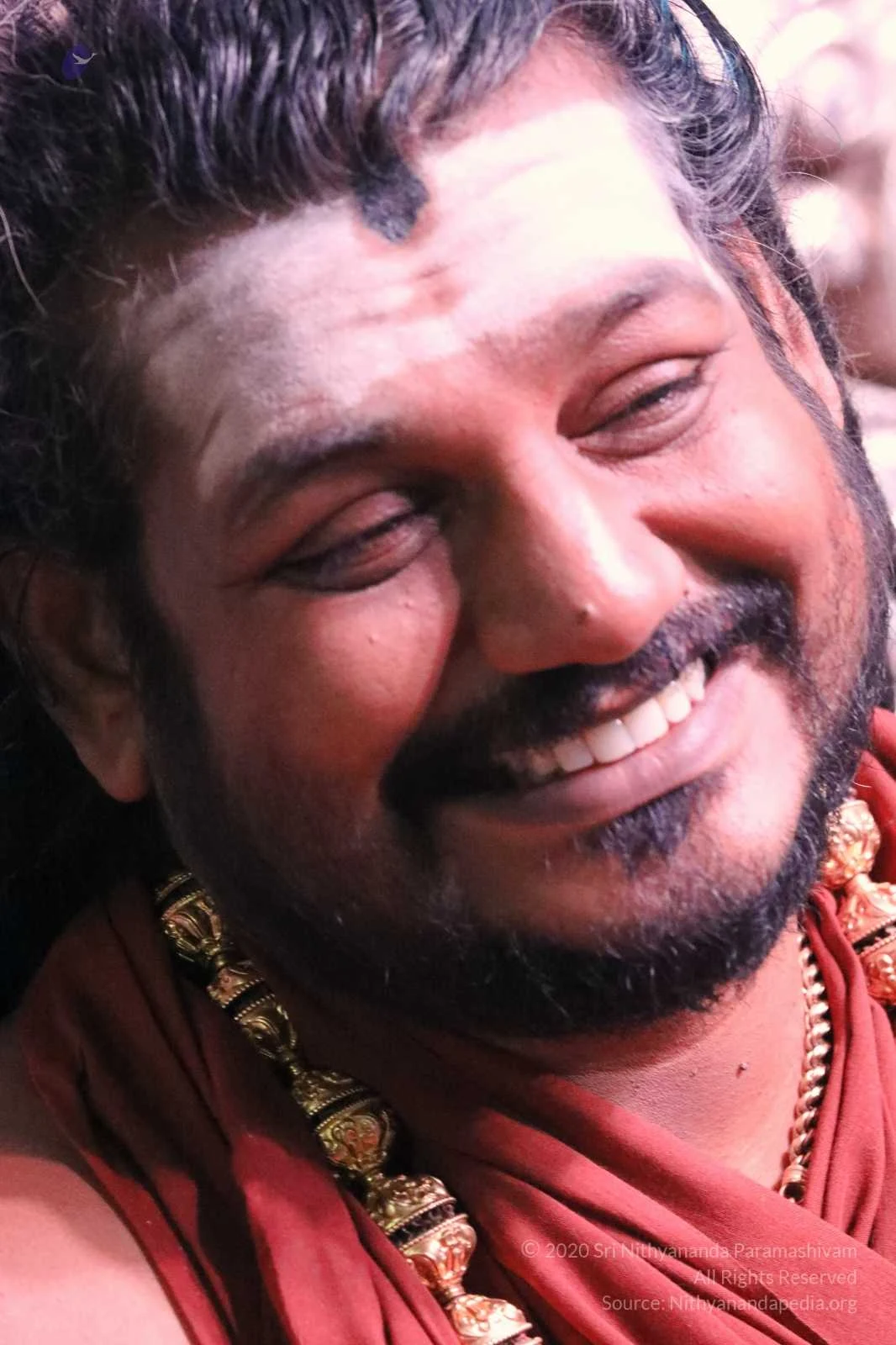
Link to Facebook Page
https://www.facebook.com/ParamahamsaNithyananda/posts/1723509054403604
Photos from this day
View all 550 photosNithya-Yoga
58 photosSource gallery
Shivadeeksha
134 photosSource gallery

Yoga
56 photosSource gallery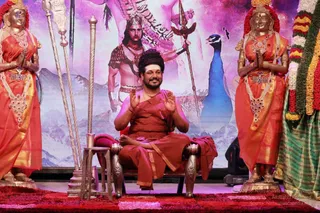
Shiva Deeksha
121 photosSource gallery
Darshan
131 photosSource gallery