Monday
27 June 2016
Kenopanishad -Shanti Mantra - Invoke Peace - The First Priority To Exist
- Dated photos
- 54
- Source pages
- 1
- Media
- 7
June 27 2016
Original wiki pageTitle
Kenopanishad -Shanti Mantra - Invoke Peace - The First Priority To Exist
Day's Event
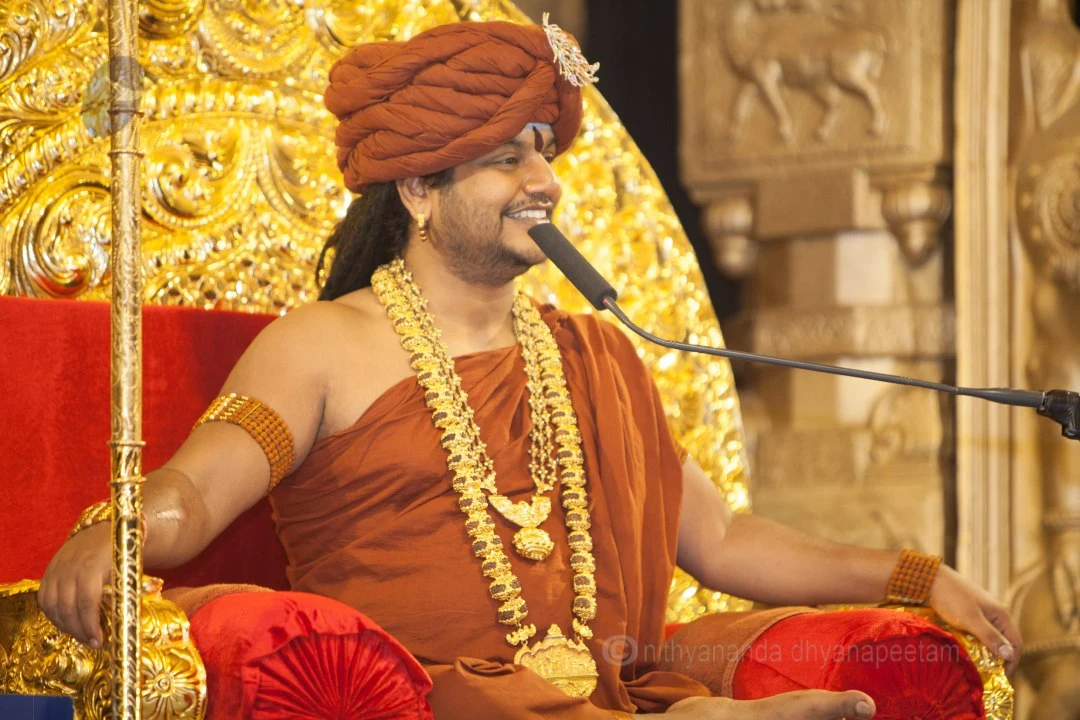
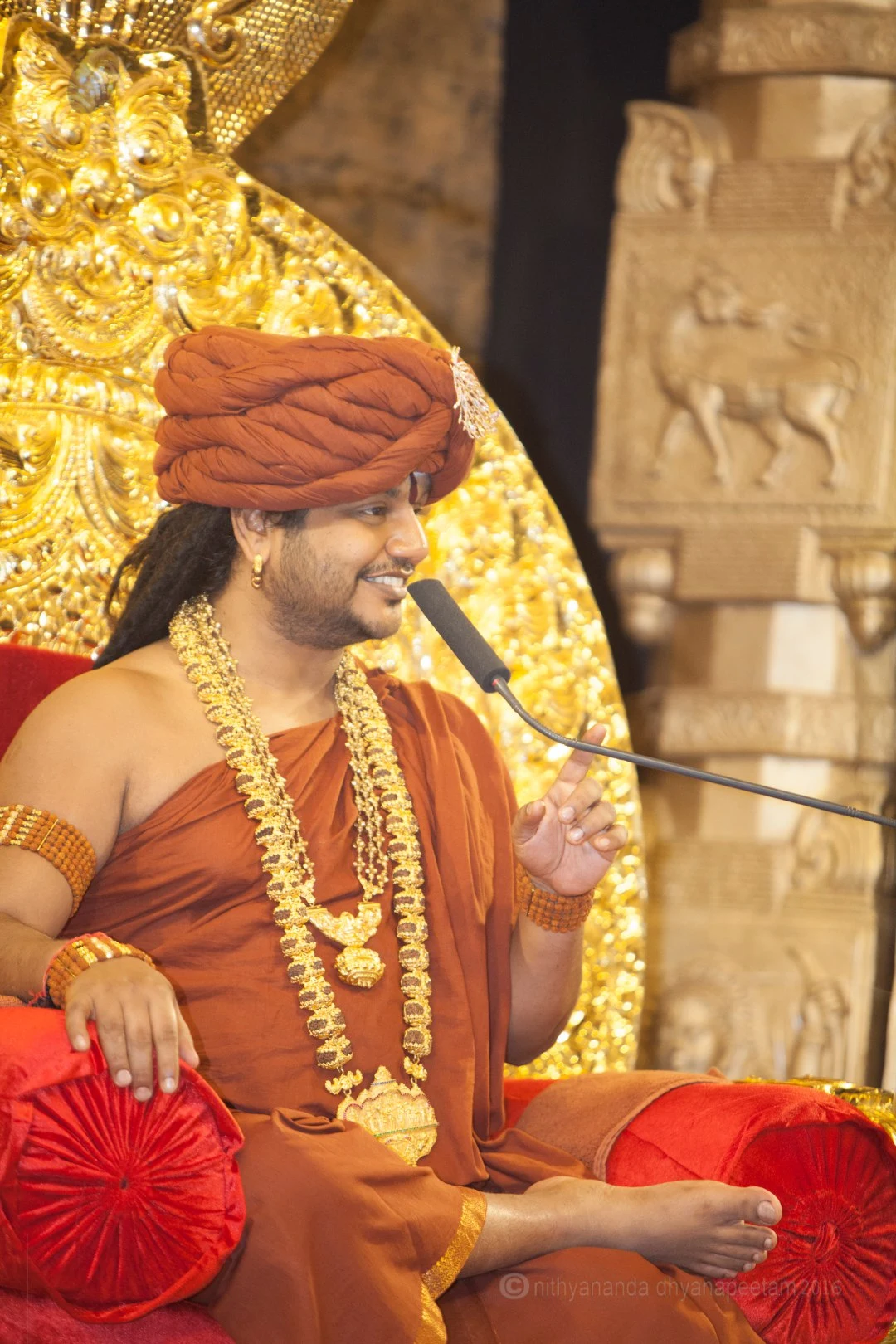
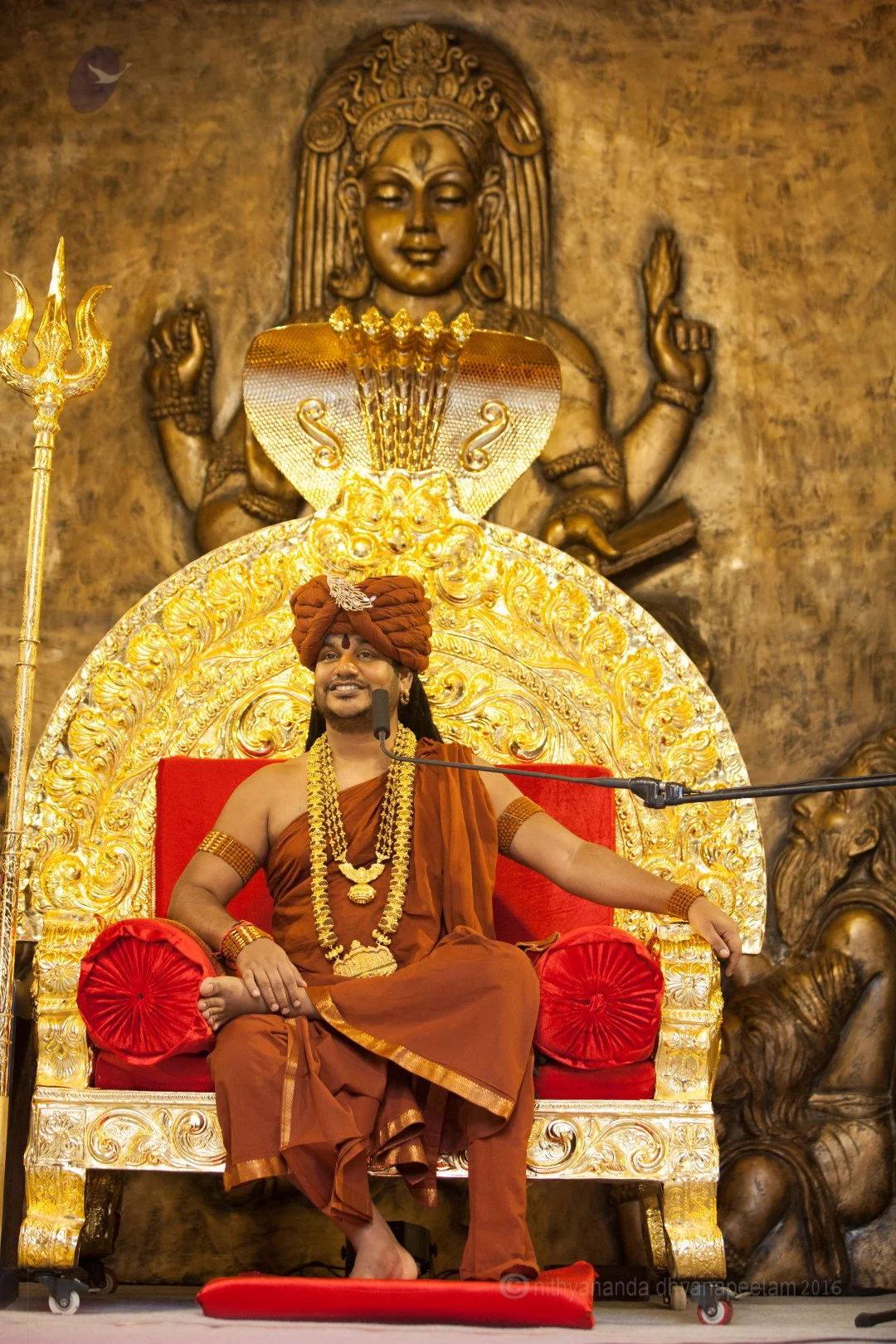
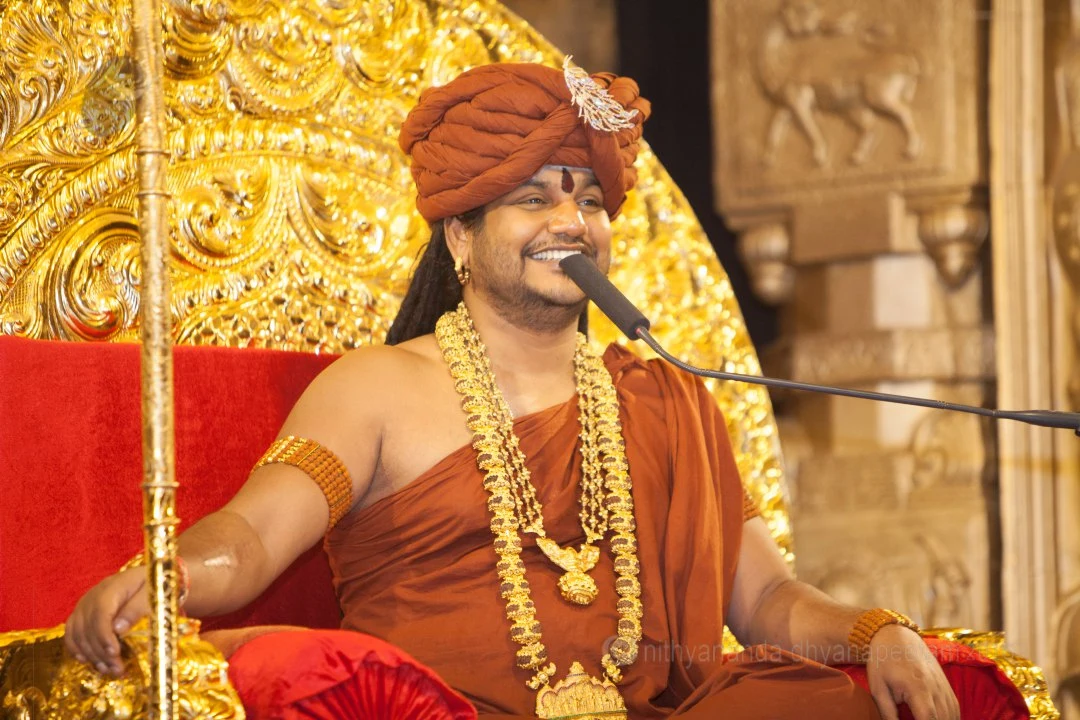
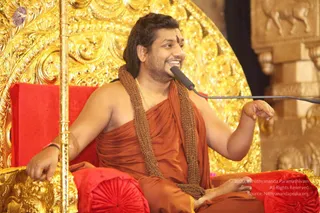
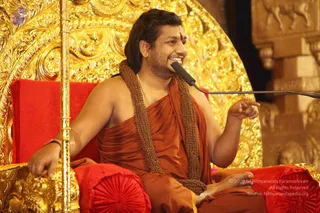
Nithya Satsang - Live from Varanasi!
His Holiness begins revealing the sacred secrets of the Kenopanishads.
Excerpts from Today's Satsang:
"Education is most powerful weapon that can be used for peace or violence. Vedic tradition insists you should always be for the peace of the Universe. Knowledge should start with peace and end with peace. When education is used for violence, nothing will be left. Future wars will not have winners: We have accumulated enough weapons to destroy the planet Earth 800 times! Our ancestors and founding fathers are very clear, peace is the first priority and first reason why we should exist. Bliss follows peace. Peace is the basic condition for bliss, existence. Bliss is the basic condition for growth."
-His Divine Holiness Paramahamsa Nithyananda
Description:
Shanti Mantra - Invoke Peace, the First Priority to Exist "Aum Shanti Shanti Shantih" Paramahamsa Nithyananda enters into the Shanti Mantra, the peace invocation chants for the second primary Upanishad – Kenopanishad at Varanasi on 27 June 2016, Nithya Satsang. Revealing the essence of PEACE, He explains the glory of Vedic tradition which insists that PEACE or Shanti is the first priority why we should exist and peace is the basic condition for bliss. Bliss follows peace. ""Education is most powerful weapon that can be used for peace or violence. Knowledge should start with peace and end with peace."" He also explains the powers of words, vaak, for the right words we utter are more powerful and deeper than the prayer. Watch this profound Nithya Satsang in the Upanishad Series to understand the science and need for PEACE to exist; and chant the Shanti Mantra along. Shanti Mantra (Peace Invocation Chant) aum āpyāyantu mamāṇgāni vākprāṇaścakśuḥ śrotram-athobalam-indriyāṇi ca sarvāṇi | sarvaṁ brahmopniṣadam mā’ham brahma nirākuryām mā mā brahma nirākarod-anirākaraṇamstva-nirākaraṇam me’stu | tadātmani nirate ya upaniṣatsu dharmāste mayi santu te mayi santu || oṁ śāntiḥ śāntiḥ śāntiḥ || Watch, Share and Subscribe to our channel to be notified of the next upload click http://www.youtube.com/subscription_center?add_user=lifeblissfoundation to subscribe. visit: http://www.nithyananda.org http://www.nithyananda.tv http://www.innerawakening.org https://www.youtube.com/user/LifeBlissFoundation https://twitter.com/SriNithyananda https://www.facebook.com/ParamahamsaNithyananda https://plus.google.com/104086565286265959836/posts
Link to Video:
| Video | Audio |
Transcript:
nithyānandeśvara samārambhām nithyānandeśvari madhyamām | asmat āchārya paryantām vande Guru paramparām ||
I welcome all of you with my love and respects. I welcome all the devotees, disciples, Samajis, Satsanghis, SriMahants, Mahants, Thanedar, Kothari, visitors, YouTube subscribers, viewers sitting with us all over the world through Nithyananda TV, and having Nayana Deeksha through two-way video conferencing. I welcome all of you with My love and respect. Lot more cities are joining. I welcome everyone of you and everyone here in Nithyananda Sabha in Varanasi.
Welcome back to Nithya Satsang after some break.
Now I have two commitments to fulfill in front of you, all the Satsanghis, Sarvajnapeetha Yajamans. I have committed I will continue to speak on Upanishad series. So Kenopanishad is waiting and this year I will explain and make the science of 400 powers into your reality. I will fulfill both the commitments by expanding on Upanishads everyday and helping you to connect with the great truths revealed in Upanishads and science of various extraordinary powers revealed by Sadashiva in Agamas.
Actually, Upanishads set the context. Agamas are applied science. Upanishads are like pure science. Agamas are the applied science. Upanishads. Its like a Upanishads define the greatness of Varanasi. Agamas are like GPS to enter into Varanasi and enjoy Varanasi. It is like Upanishads explain the glory through the great principle. Agamas give you the exact science. Upanishads explain you the glory. Agamas give you the exact science.
I will start with the Shanti Mantra of Kena Upanishad. Please understand, the beauty of Vedic education system. Always education starts with peace, ends with peace because education is the most powerful weapon, either can be used for peace or violence. Understand, education is the most powerful weapon, either can be used for peace or for violence. Vedic tradition insists you becoming rich through education should always be for the peace of the Universe. It should increase the frequency of the peace of the Universe not increase the frequency of the violence in the Universe. I tell you, future wars will not have winners. Future wars will not have winners because we have used education, knowledge to the extreme of violence. We have accumulated enough weapon to demolish not just all the buildings but destroy the very Planet Earth itself for more than 800 times, understand. 800 times we can blow the Planet Earth, so much of weapons are accumulated. Nowaday countries don’t talk about chemical weapons where human beings will be eradicated, just blowing up the planet earth. That’s the latest trend. Understand, the knowledge, education is used for violence nothing will be left out.
Vedic tradition is very clear. The thought current called knowledge should always start with peace and end with peace.
All Upanishads, all the 108 Upanishads has only one similarity. Please understand, all 108 Upanishads does not teach one God, does not teach one philosophy. Sometimes not only they contradict themselves, they are completely opposite to each other. All the 108 Upanishads have only one thing in common; they declare themselves – start with the peace and end with the peace. Other than this, nothing else is in common among all the 108 Upanishads.
We follow the original Vaidic tradition which accepts the Muktikoponishad’s definition and the names described in Muktikopanishad as 108 Upanishads. There are various Sampradayas [lineages or traditions] in Hindu tradition that have slight variances in the 108 Upanishads they accept as primary literature of Vedic tradition. We follow Shuddha Vaidic tradition, Shuddha Vaidic Sampradaya where the Muktikopanishad which is given by Bhagavan Rama Chandra, Sri Rama Chandra to Hanuman. In that Upanishad, Bhagavan Sri Rama Chandra gives 108 names, so his description is what we follow. We follow the 108 Upanishads as described by Him. There are some Sampradayas that add some Upanishads and delete some Upanishads. They have their own 108. There are some Sampradayas, you will be surprised, there are some Upanishad called ‘Allopanishad.’ I don’t know when it got written and how it got inserted into the traditions of Upanishad. I don’t know who wrote, when, all this, but we accept only the 108 described by Sri Rama Chandra to Hanuman, Baahubali in Muktikopanishad. We follow the Shuddha Vaidic Sampradaya.
All these 108 start with the thought current of peace and end with the thought current of peace. It means our ancestors are very clear, our founding fathers of the civilization are very clear – Peace is the first priority. Peace is the first reason why we should exist. Please understand, bliss follow peace.
Peace is the basic condition to exist. Bliss is the basic condition for growth. Peace is the basic condition for existence. Bliss is the basic condition for growth.
Shanti Mantra of Kena Upanishad. Understand this mantra sets the lens and context through which you should perceive the whole Upanishad. That is why this mantra is chanted in the beginning and in the end, both. This sets the context, so chant along with Me.
auṁ āpyāyantu mamāṇgāni vākprāṇaścakśuḥ
śrotram-athobalam-indriyāṇi ca sarvāṇi |
sarvaṁ brahmopniṣadam
mā’ham brahma nirākuryām mā mā brahma nirākarod-anirākaraṇamstva-nirākaraṇam me’stu |
tadātmani nirate ya upaniṣatsu dharmāste mayi santu te mayi santu ||
auṁ śāntiḥ śāntiḥ śāntiḥ ||
Please chant once more. I will repeat the verse once more. Chant along with Me.
auṁ āpyāyantu mamāṇgāni vākprāṇaścakśuḥ
śrotram-athobalam-indriyāṇi ca sarvāṇi |
sarvaṁ brahmopniṣadam
mā’ham brahma nirākuryām mā mā brahma nirākarod-anirākaraṇamstva-nirākaraṇam me’stu |
tadātmani nirate ya upaniṣatsu dharmāste mayi santu te mayi santu ||
auṁ śāntiḥ śāntiḥ śāntiḥ ||
(16.48 mins)
Such a beautiful verse. I will read out the translation. May be the whole Inner Awakening next 21 days I am going to be explain only this one verse. It’s so rich, so rich. I will read out the translation.
Aum! May my limbs, speech, vital life-energy, prāṇa, eyes, ears, and all the senses be fully matured and be enriched with strength and energy.
All is Brahman, Consciousness that is revealed in the Upaniṣads.
May I never deny the existence of Brahman. May I never have incompletion with
Brahman, Consciousness – māham brahma nirākuryām; May Brahman never deny
me or withdraw Its grace from me.
Let there be no separation. Let me have Completion with Brahman, the Consciousness; and let Brahman be complete with me. So be it.
May all Dharma, the Sacred Truths declared by Upaniṣads be fully manifest and radiate in me, who, am integrated and authentically devoted to knowing the experience of that Truth, Ātma, the Self – tad ātmani nirate ya upaniṣatsu dharmāste
May they manifest and radiate in me.
AUṀ. Let there be PEACE. PEACE. PEACE.
It is literally introducing the power of your existence. Understand. One of the basic truth – anything you go on constantly expressing through your words, you will start believing it. Anything you start believing it, you will make it into reality.
Just today morning one of my Sannyasi was telling me that ‘I am experiencing so much of Swamiji’s love.” I said, “more and more you utter this word, more and more you will experience.” Because that person used to tell many times, ‘I am not getting Swamiji’s love or attention. Only everyone else get.” So I said, “more and more you utter this word, more and more you will become reality in you.” Now when you utter the word, “I am getting Swamiji’s love and attention, more and more you utter this word., more and more this will become reality.”
(20.24 mins)
Your words has power over your inner space. If you believe – you are a liar – because you told 20 lies. If you make any statement 21 times, one time more than the number of lies you believe you told, you will forget, ‘you are a liar’ and start believing the word you uttered. Listen, I am revealing a science, science of Vaak Siddhi. How to manifest Vaak Siddhi, power of integrity even if you were a liar. If you don’t believe that you are liar, if you believe you are always truthful person, even once you utter, “Oh I have Swamiji’s love. I think I have love of Sadashiva. I think My God loves me. I think My Guru loves me. Or people around me love me.” Even once you utter, that will become more and more reality.
Sometime just by uttering once some things will not become reality. The reason is because you believe – you are a liar – so this is also one more lie you are uttering in the series of lies you spoke. In those moments the solution is — the frequency with which you believe you are a liar, crossing that frequency by uttering the new reality you want to create. Understand, if you have told 20 lies, because of that 20 lies you believe you are a liar, when you utter your new reality 21 times, you will see that new reality becoming reality for you, becoming an experience for you.
(22.39 mins)
I always insist that every devotee should start digging out all the non-integrity statements you made from the time you remember you and you should complete. Why you know? The new statements you utter in your life will have enough free space inside you to become reality. If you are constantly uttering – I am depressed. I am depressed, I am depressed – you will be depressed. If you are constantly uttering – I am successful. I am alive. I am creating. I am manifesting – you will manifest that.
Person who gives you the science of Will, understand; it is a science. You are nothing but your words. You are nothing but your words. The words consciously you generate, that only manifests in you.
Yesterday after the darshan of Sadashiva, I called the team which is working with Me and blessed them. I asked them, whatever you want, you tell Me. Whatever they asked, I inserted their prayers into their bio-memory, the frequency of Sadashiva means highest truth, highest integrity.
Listen, this is the science of blessing. Blessing is nothing but whatever you asked will be inserted into your being in the highest integrity level, so what happens? All the other ideas, concepts you carry with you which is not aligned to this blessing which you asked, will start withering away. For example you asked the blessing, “Swamiji let me have Oneness, Advaita with you.” So whatever other patterns you carry, the distance or the feeling disconnected, useless doubts, all the other stupidity you carry, will start withering away now, will start losing power over you. Even you will be surprised to discover the new YOU. Even you will be surprised to discover the new you.
Helping you to discover ‘new you’ through the right words is what I call as Satsang. Helping you to find the ‘new you’ through the powers is what I call Initiation. Helping you to discover ‘new you’ through the right words is Satsang. Whether it’s a blessing or satsang, I am helping you discover the ‘new you; through words, understand. The more and more you dig out your non-integrity statement and complete with them, you create a vast powerful inner space where the new words about you can start manifesting.
(27.28 mins)
I still remember when I was six, my Guru asked me, “You want to be a Sannyasi or a Grihasta? I said, “SANNYASSI.” So much of pride and joy ! Even when I uttered that word, there was so much of joy and depth. All my Guru did is only one thing, he just inserted that statement into my being. Anything which is not aligned, if there was…I don’t think anything was there which was not aligned, but anything other than that just withered away, lost power over me. I saw not just my psychology, even my physiology is aligned to that one truth. Even physiology got aligned, not just psychology.
Words you utter has power over you. The non-integrity words which you uttered earlier, dig them out more and more and complete them. When you complete them, you will have so much of inner space freely available, so the new words you create can become reality. Just by right words you can give birth to yourself. I tell you, if you are caught in a situation where you are not able to generate new words about you, you are stuck, just change the place of living. Don’t live in that place with those people anymore. Give a break for yourself. Understand, if you are stuck in a situation, people, place where you are not able to generate new words about you, inside and outside, take the risk — change the place, change the city, change the people. Its worth risk.
(30.33 mins)
Come to my Gurukul, my kids will teach you to generate right words about you. One thing I can tell with all My pride – I am successful in generating Balasants who can put the right context and right words about you in you, how many ever may gather, they can handle the amount of non-integrity you bring with your inner space and they can align it, they can put the right space. Actually that is the real place to have a real spiritual vacation. Spiritual vacation means the place where you will generate new words about you. You will be rejuvenated. So when you go back, you are so strong about your existence, about you.
The right words you utter about you, matters. Right words you utter about you is more powerful and deeper than any prayer you can utter. In prayer you ask and wait for it to become reality. The words you utter, you declare your reality. There is a big difference. In prayer you ask and wait for it to become reality. But in the right words in your Will, you declare your reality – means you ARE making it, that’s it.
I tell you, declaring is the most powerful tapas [austerity]. That is why if you read in the Indian Puranas, Vedic Puranas, Hindu Puranas, if a Rishi sits and declares something and sits with his declaration, even the Devaloka [abode of Gods] shakes, Indra has to come, Brahma has to come, Vishnu has to wake up from His sleep. Shiva has to stop His dance and appear. Read the Puranas [cosmic historities]. An ordinary old man sits in the forest with his declaration, Devaloka shakes, Indra cannot handle the fire anymore, he runs. Your declarations are too powerful. That is the way you are connected to the whole existence. That is the umbilical cord nobody can disconnect which you have with the whole existence. Your declaration nobody can deny, understand.
Somebody asked me a few before, “Swamiji I want you as part of my whole life, what should I do?” Nothing. Your prayers won’t work. Just declare, even I cannot deny. When you declare, the power of your declaration, when you sit on it, no one can deny, it has to become reality because declaration is the way your will manifests. Your will is the way you are connected to the Universe. Your will is your umbilical cord which cannot be disconnected. Even in death only your body can be taken away from you, not your will, not your will.
Here the Upanishadic Rishis teach you the science of will. In this first verse, Shanti Mantra, it is called ‘Shanti Patha’ means the lesson of peace, the method of peace. In this Shanti Mantra, our Rishis teach you two things:
One – everything should start with peace, should be used for peace, it should move with the context of peace.
Second – the science of will. The power of declaration. Power of declaration.
Science of peace and art of declaration. Education can be the best thing or worst weapon. That is why Rishis insist on bringing the context of peace for education, Shanti Pātha, Shanti Mantra. Before starting anything – Shanti Mantra. After completing anything – Shanti Mantra. Because the whole education should be used only for Shanti, peace. Shanti Pātha. Shanti Mantra. Understand, everything from the context of generating peace, use everything for generating peace. In the modern day one of the worst things happened – education is not being used for peace. The most beautiful civilization happened on planet earth – the Indus Ganges civilization, Sarasvati Ganges civilization starts with peace in everyday class, ends with peace in everyday class because it is peace based tradition. Even when we are made to piece-piece we continued to stand for peace. The strength we demonstrated even in the face of sword, the peace we demonstrated even in the face of the violence – is the pride of the Vedic civilization. Sanatana Dharma cannot be destroyed because every matured soul comes back to Sanatana Dharma. If 7 billion people are there on the planet earth, at least 2 billion will be matured souls; if that number comes down, then again an Incarnation manifests to make the souls matured. But matured souls always exist and the way of life of matured souls is Sanatana Dharma.
(40.38 mins)
The problems we are facing today is – we lost the context of peace. Now we are only trying to avoid the conflict in the name of bringing peace. Understand, avoiding the conflict is not bringing peace. That’s wrong. That is escapism. In the name of peace we are trying to avoid conflict. No. Conflict resolution is peace not avoiding the conflict. When you are trying to avoid the conflict in the name of peace, the other person knows you are weak. Weakness doesn’t bring peace. Weakness does not bring peace. All the problems Sanatana Hindu Dharma faces is — in the name of keeping up peace alive, we are trying to avoid the conflicts. No. You have to stare into the eyes of the conflict and resolve it, not avoid it. Avoiding the Nakkeerar will not solve the issue. Burn him and give him back his life if needed. That will only resolve. That is the resolution for all the conflicts. Burn him, give him back life if he understands his problems and ready to resolve, and bring peace. Methodology of Sadashiva. Explain logically, give enough space for understanding, if not, He burnt Nakkeerar. When Nakkeerar understood his arrogance and he wants to transform himself, he gave the life back. Life back minus his arrogance. Resolve it not avoiding it. Methodology of Sadashiva.
Shanti Patha, the peace resolution. The peace declaration of Kenopanishad is the most powerful method of teaching declaration to us. Understand this is not prayer to anybody. Integrating your whole being and declaring it and taking responsibility for your declaration. Decide to declare peace in your life, not by avoiding the conflicts but by deciding to resolve it, by deciding to resolve it. I will continue to expand on this Shanti Patha, Shanti Mantra of Kenopanishad.
So let’s chants once more the Shanti Patha.
auṁ āpyāyantu mamāṇgāni vākprāṇaścakśuḥ
śrotram-athobalam-indriyāṇi ca sarvāṇi |
sarvaṁ brahmopniṣadam
mā’ham brahma nirākuryām mā mā brahma nirākarod-anirākaraṇamstva-nirākaraṇam me’stu |
tadātmani nirate ya upaniṣatsu dharmāste mayi santu te mayi santu ||
auṁ śāntiḥ śāntiḥ śāntiḥ ||
I bless you all. Let you all radiate with integrity, authenticity, responsibility, enriching, causing Living Shuddhadvaita Shaivam, the Eternal Bliss, Nithyananda. Be Blissful. Thank you.
Title:
Fluoride, Third Eye and the Conspiracy Against Humanity
Link to Video:
In this short video 'Fluoride, Third Eye and the Conspiracy Against Humanity' taken from the second day of Inner Awakening in Varanasi on 27 June 2016, Paramahamsa Nithyananda explains how fluoride creates an energy blockage in our third eye, the ajna chakra, because of calcification of the pineal gland. The fluoridation of our food and drinking water and the heavy use of fluoride in many products we use for daily life causes people to be dull, it is easy to rule and enslave them. It is one of the biggest conspiracies against humanity. Paramahamsa Nithyananda strongly recommends against the use of fluoride in any way, and invites people into those processes which heal the third eye and decalcify the pineal gland.
| Video | Audio |
Transcript:
0:12
When you have certain amount of fluoride inside your system, which goes inside through your drinking water, bathing water and food, paste, all that... when the fluoride goes inside, it starts bringing certain agitated thinking. Continuously when the fluoride goes inside, you start having this agitated thinking for two months, three months, four months, one year. After that, even if the fluoride is stopped, this mental setup gets settled inside you permanently. How many of you understand what I am saying? Mental setup which is inspired by the toxins, becomes permanent in you, even if the toxin supplies are stopped. Now... for example, all of you listen to Me suddenly and stop allowing any kind of fluoride inside you. Even then, the setup you created inside does not go away immediately, that need to be broken. You have to remove all the corrosion, erosion. You have to remove all the rust, wear tear.
Please understand, fluoride is added in your water, in your food supply, in every possible way it is sent inside your body to make you dull. Fluoridated human beings can be slaves, can be ruled, can be abused; he will lose independent intelligence. It is one of the most powerful conspiracy against the human beings. Do not allow fluoride into your system in any possible way. Please understand, fluoride is a powerful way to keep you dull. The only difference between you and My Balasants, why I am able to manifest so many powers... they are not fluoridated, that's all. Fortunately, I was not fluoridated, because my Gurus, from the beginning insisted I eat not only vegetarian food, very organic. Literally almost I cook and eat. Major part of my life I cooked myself and ate. The things needed for cooking I begged always from the villagers who grow that in their ground, in their land.
(3:29)
I can give you an example: your third eye has chord – I don’t know how you spell C-H-O-R-D, chord and nerves; everything just like other two eyes. And it is capable of internal vision, capable of external vision through initiation, awakening. Through awakening it is capable of external vision, without even initiation it is capable of internal vision. With fluoridation, simply the power has been snatched away from you. The recent researches are thoroughly proving, third eye is an organ which has C-H-O-R-D chord and nerves, just like other two eyes.
And same way, between the two ears, just above the throat, there is one more intra organ. In Sanskrit, in Vedic physiology we call it Shrotra. We call that as one of the Indriya, which is a very powerful listener. Even that capacity is lost, because of this fluoridation. The only difference is that - why I am able to initiate them and manifest so many powers, why it takes so many days for me to make you manifest - because this toxic mental setup, which you gained through fluoridation. Now, I have to remove this toxic mental setup from you, through completion, and I have to remove the ill effect of the fluoride on your physiology through pancha kriya. You are asked to do these five kriya’s - how many of you have started doing? The five session, five kriya’s, and don’t miss this haritaki powder, that is very important to remove the ill effects of the fluoride on your system. This 21 days, don’t miss haritaki powder. All of you started taking haritaki yesterday? Please don’t miss, that will remove all the ill effects of the fluoride. When you go back make sure your drinking water is not fluoridated. And don’t even take bath in the fluoridated water because even through skin fluoride gets into the system. No, 40% ...for example if your water, when you take bath, if the water has 100 gm fluoride 40gm gets in just by taking bath. Please be informed.
In India we have a, we take bath with turmeric; even men, women, anybody, we put the turmeric powder in the water and take bath. Women actually apply on the skin and take bath. Men put the turmeric on the water and take bath. Even turmeric goes only 30% inside by bath, through the snan, through the bathing. Fluoride goes 40% inside. Please do not allow your kids to use fluoridated tooth paste or fluoride in the food. Avoid fluoride in all forms. Avoid the toxins in all forms.
(7:41)
Title
Overcome Evening Depression! || IA || Varanasi || 27 June 2016
Description
Program on: Power of Authenticity - Overcome Evening Depression!
Session: Inner Awakening
Location: Varanasi, India
Date: 27 June 2016
In this video Supreme Pontiff of Hinduism HDH #Nithyananda Paramashivam speaks on how we can become our best selves, by aligning our four images: inner, outer, others’ and life. He talks about how we can get closer to living our authentic identity, how he can awaken our kundalini shakti, and how our daily patterns can stop us from living our best lives. Swamiji shows us how we can discover any incompletions, whilst giving practical advice on how to work through them.
The Supreme Pontiff of Hinduism Jagatguru Mahasannidhanam His Divine Holiness Nithyananda Paramashivam (HDH) is the reviver of #KAILASA - the ancient enlightened civilization and the great cosmic borderless Hindu nation. Revered as the incarnation of Paramashiva - the primordial Hindu Divinity, HDH has a following of 2 billion Hindus worldwide with de facto spiritual embassies in over 150 countries. He has worked untiringly for over 26 years for the revival of Kailasa, for global peace and to give super conscious breakthrough to humanity. He has survived the worst persecution of multiple assassination attempts on person and on character by anti-Hindu elements. He is collecting, organising, preserving, time capsuling, decoding, spreading and reviving 20 Million source books of Hinduism and the 64 sacred arts & sciences like Ayurveda, music, dance, sculpting, astrology, vastu and much more. Close to 20,000 hours of HDH’s timeless talks have been recorded till date (Sep 2020), which are a treasure trove of powerful cognitions to solve individual and global problems of any kind.
Link to Video:
| Video | Audio |
ata
I still remember when I was six, my Guru asked me, “You want to be a Sannyasi or a Grihasta? I said, “SANNYASSI.” So much of pride and joy ! Even when I uttered that word, there was so much of joy and depth. All my Guru did is only one thing, he just inserted that statement into my being. Anything which is not aligned, if there was…I don’t think anything was there which was not aligned, but anything other than that just withered away, lost power over me. I saw not just my psychology, even my physiology is aligned to that one truth. Even physiology got aligned, not just psychology.
Sakshi Pramana:
sharing from Inner awakening
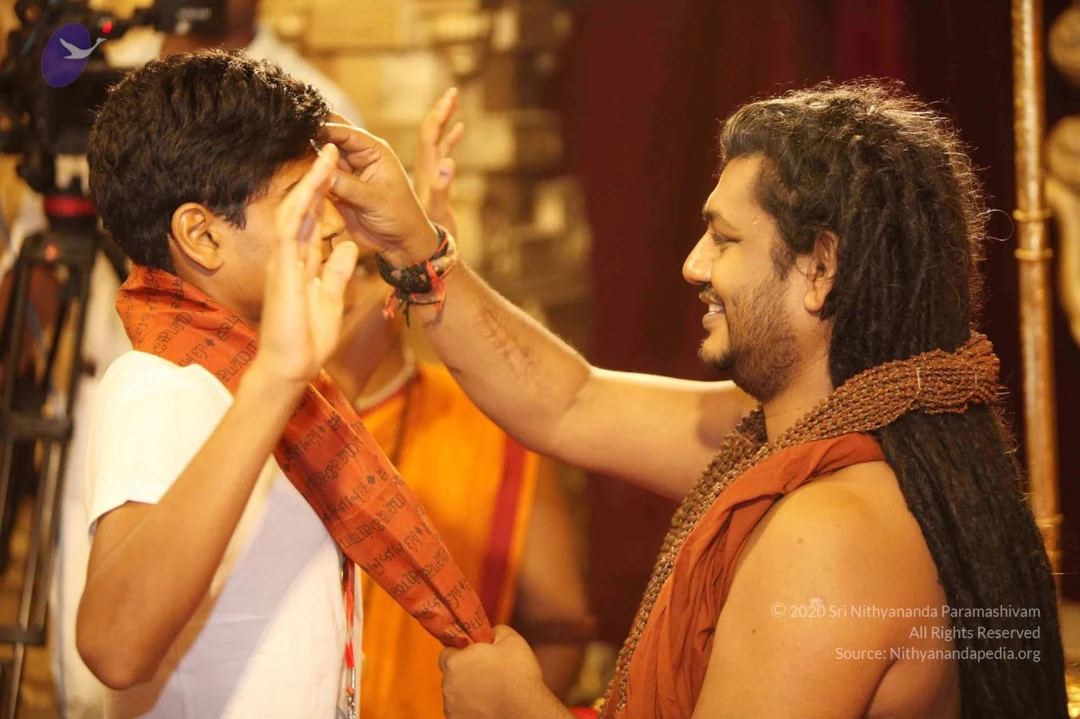
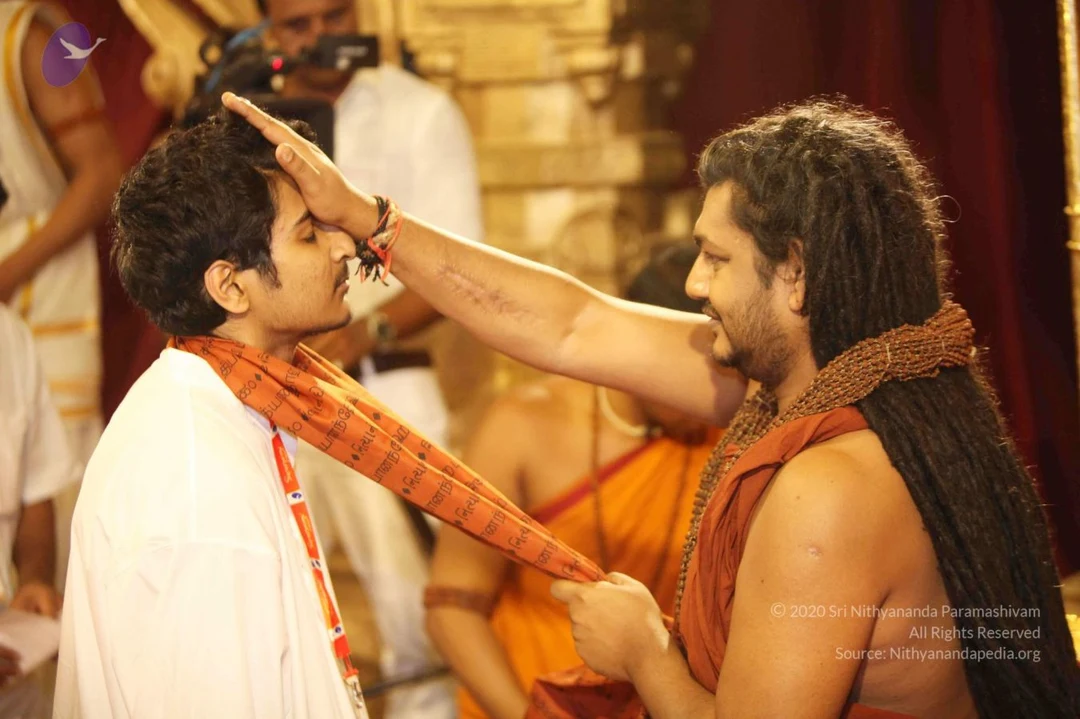
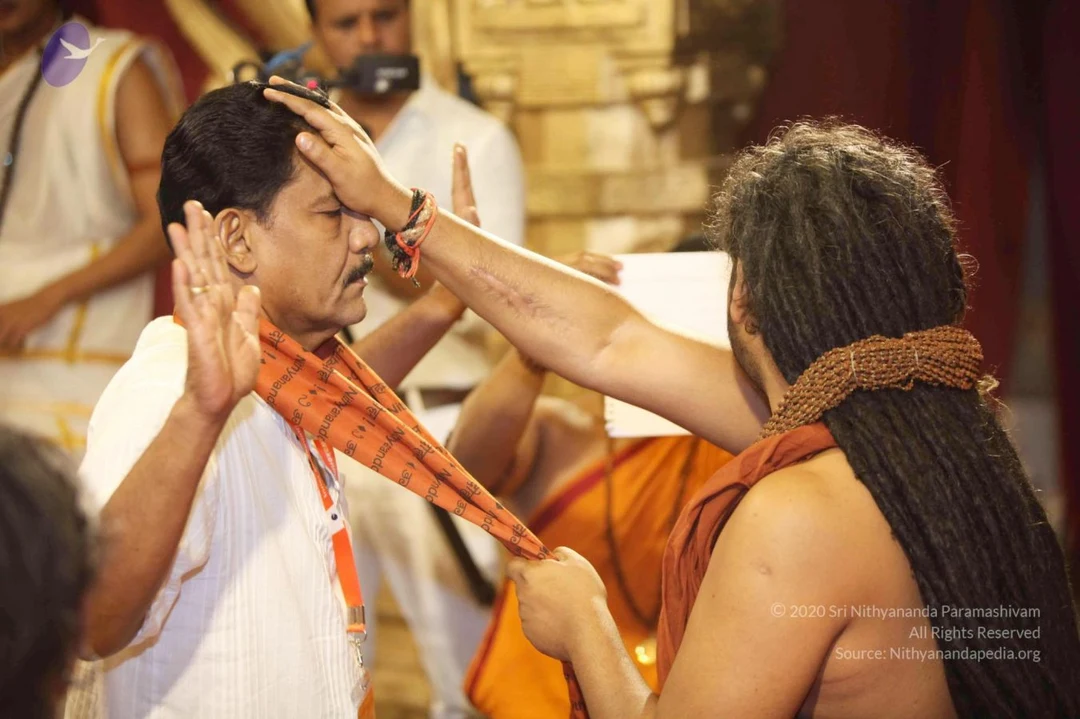
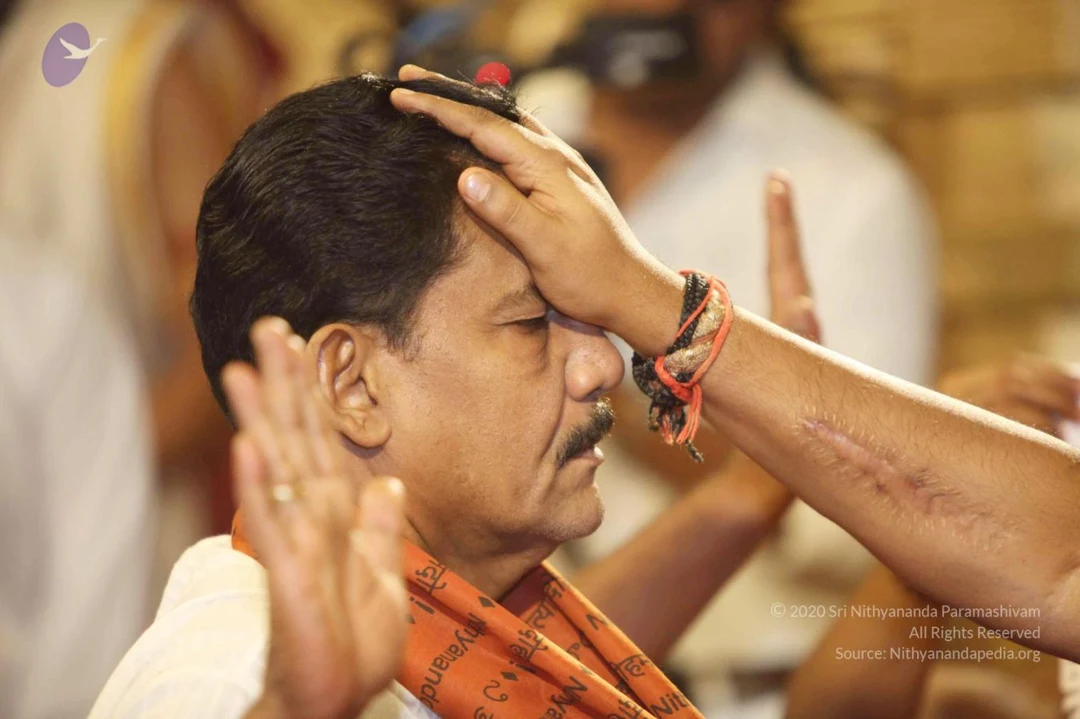
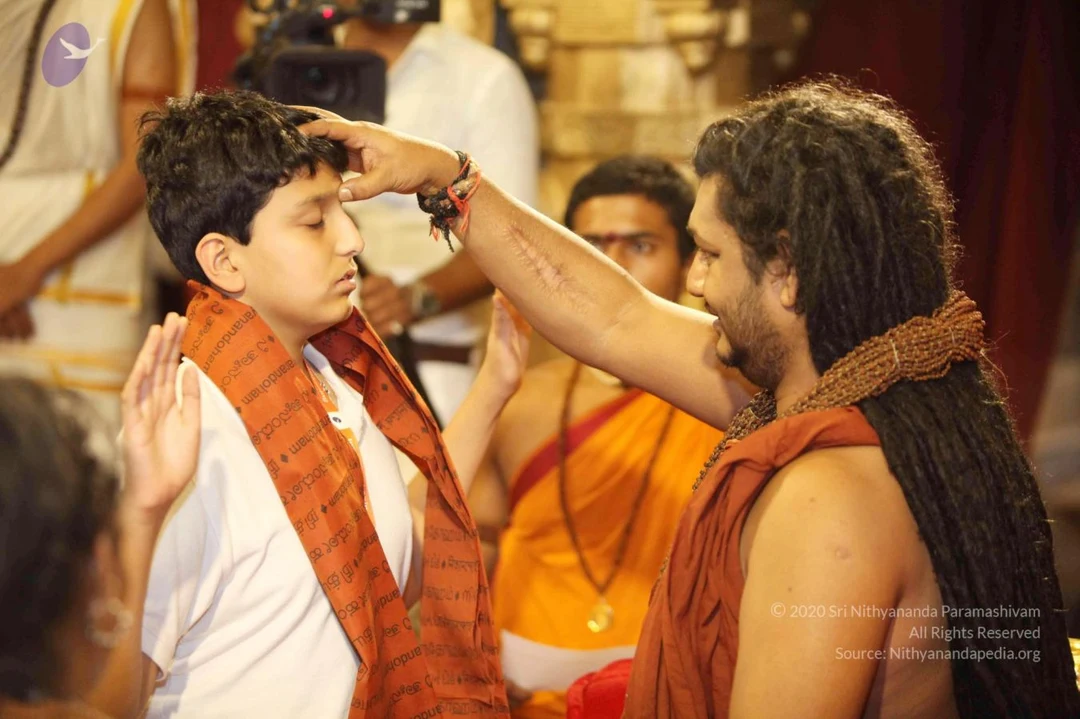
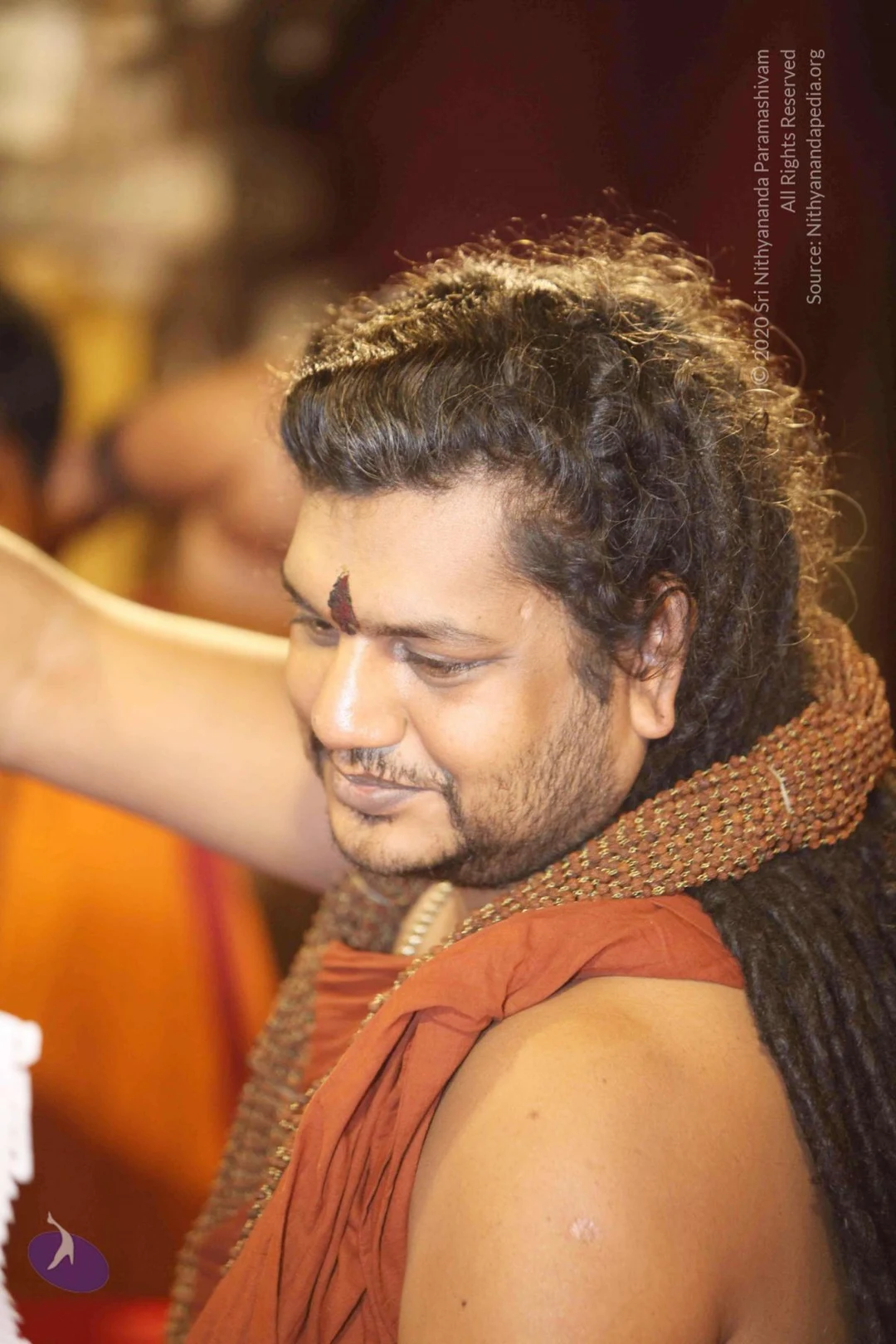
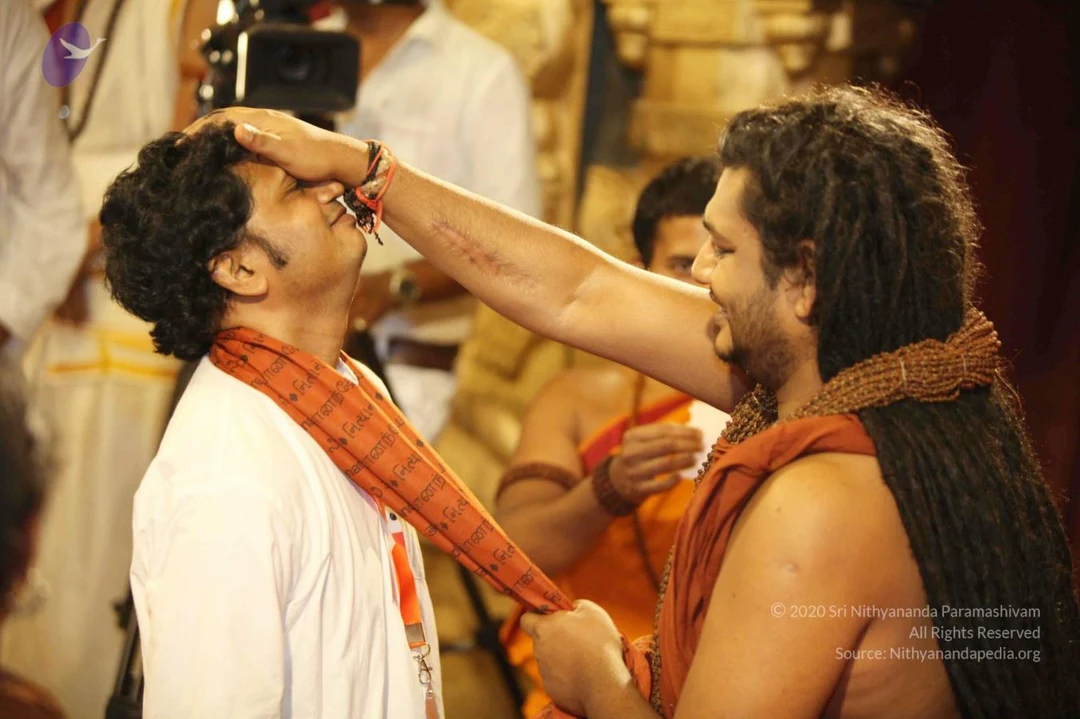
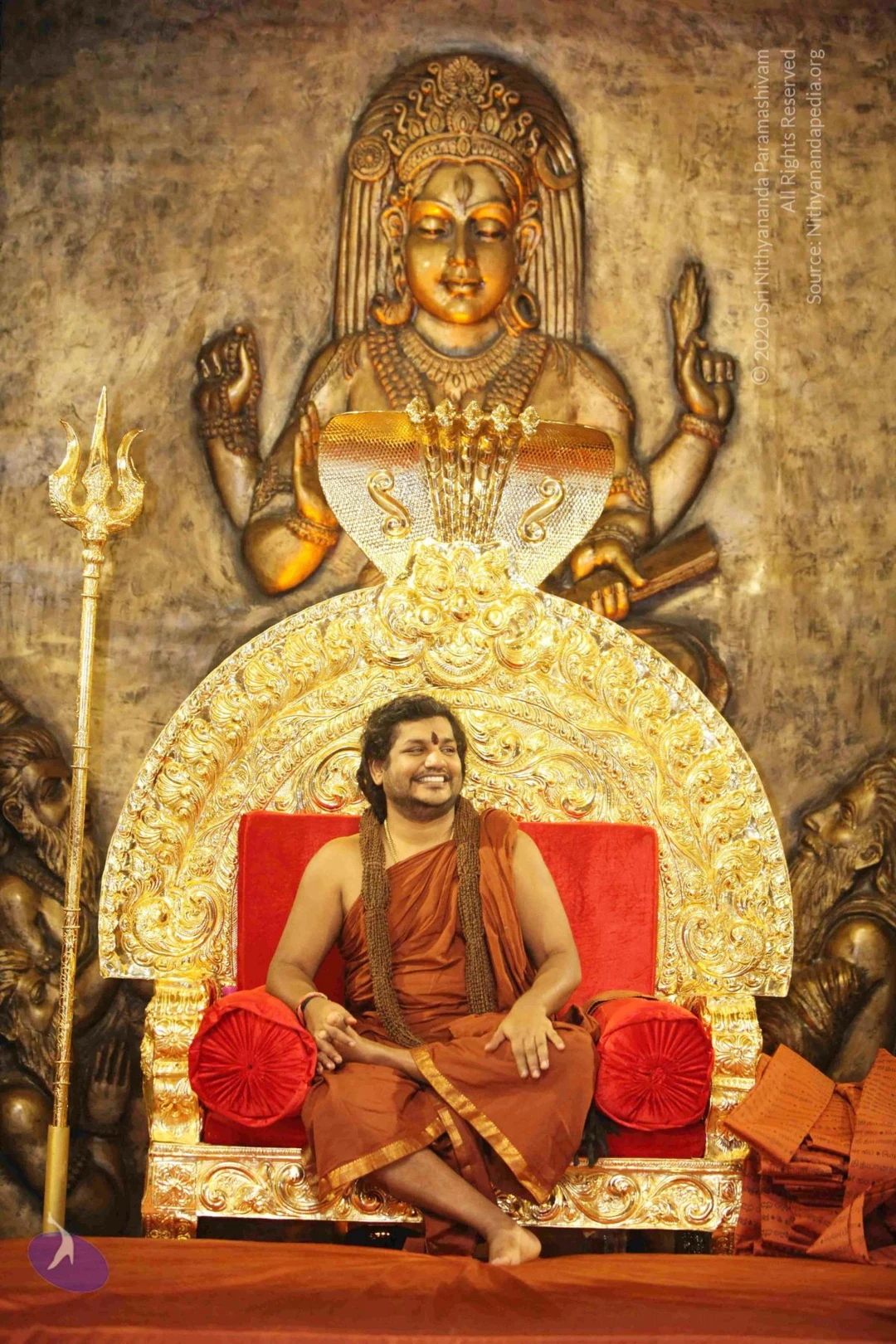
Photos From The Day:
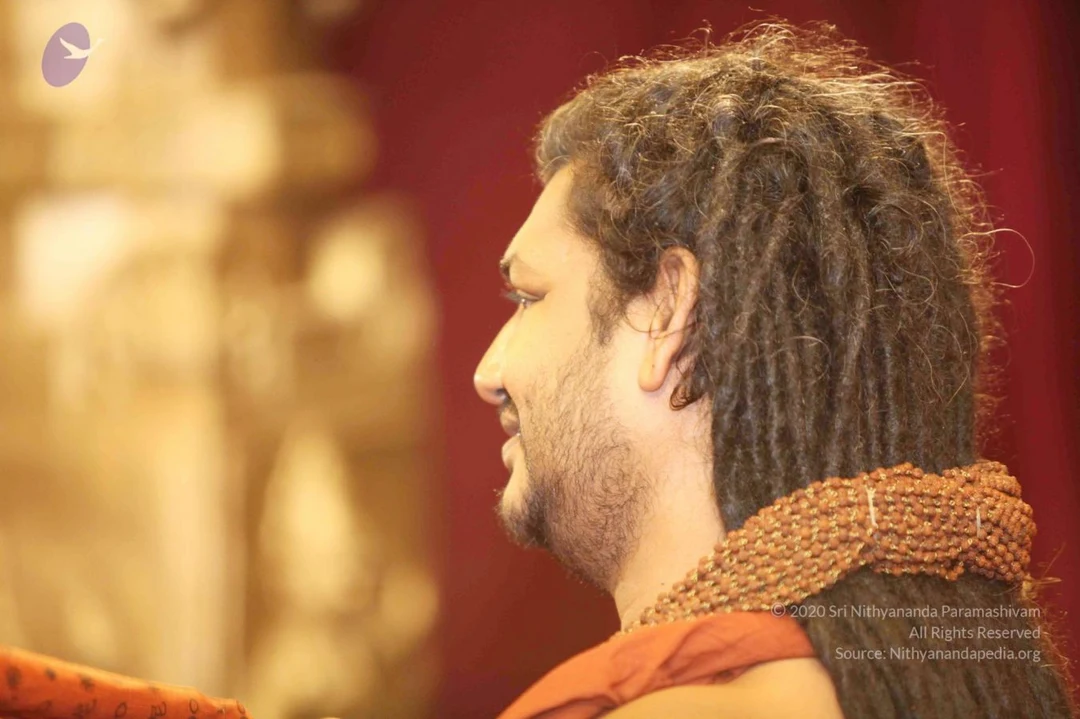
Nithya Satsang




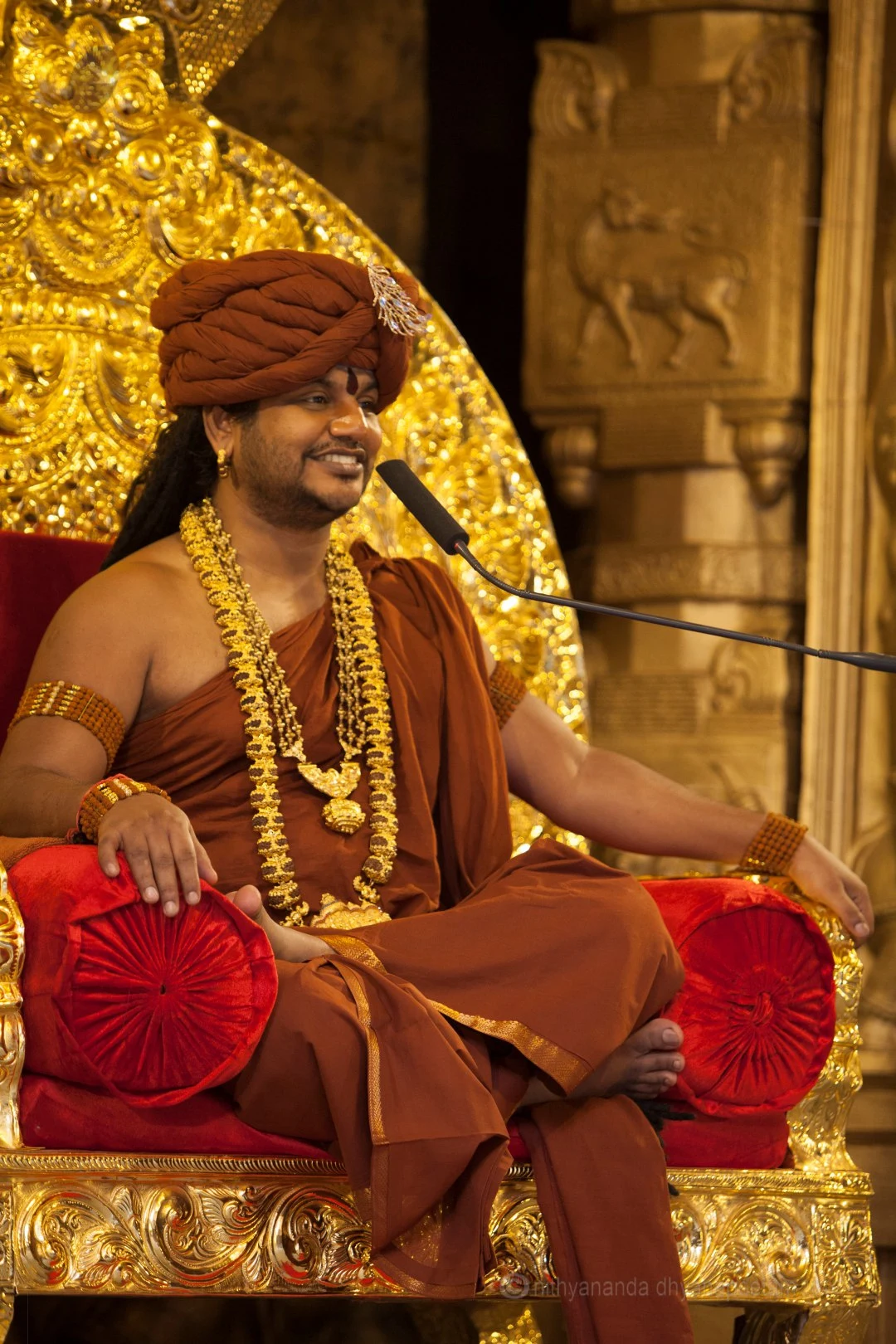
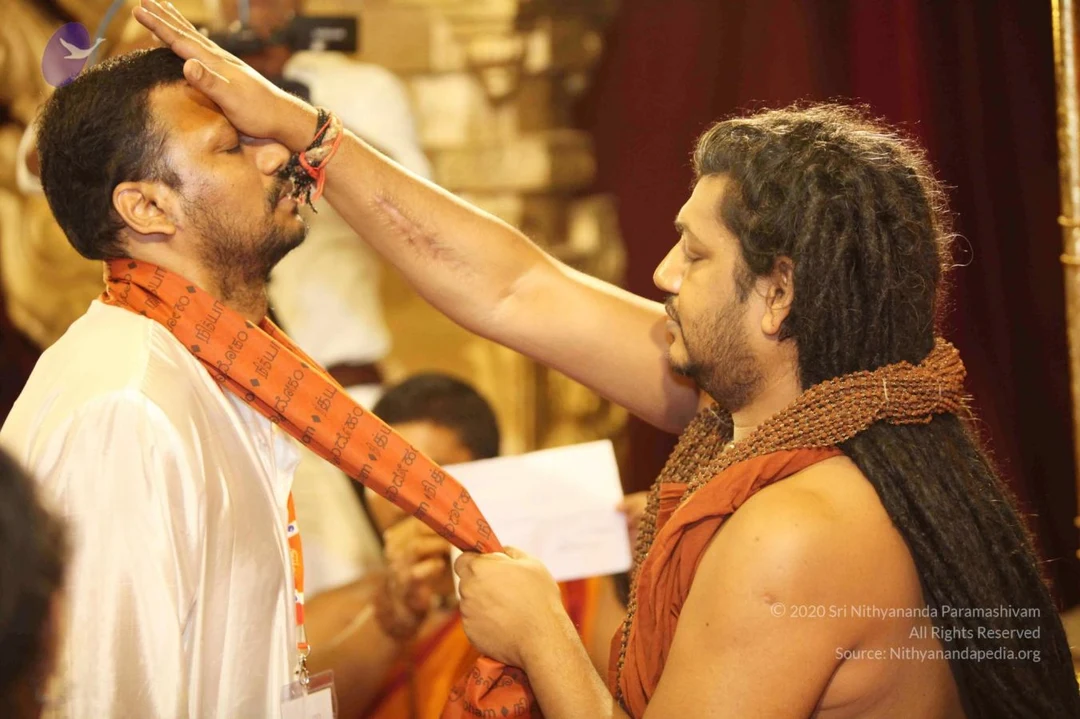
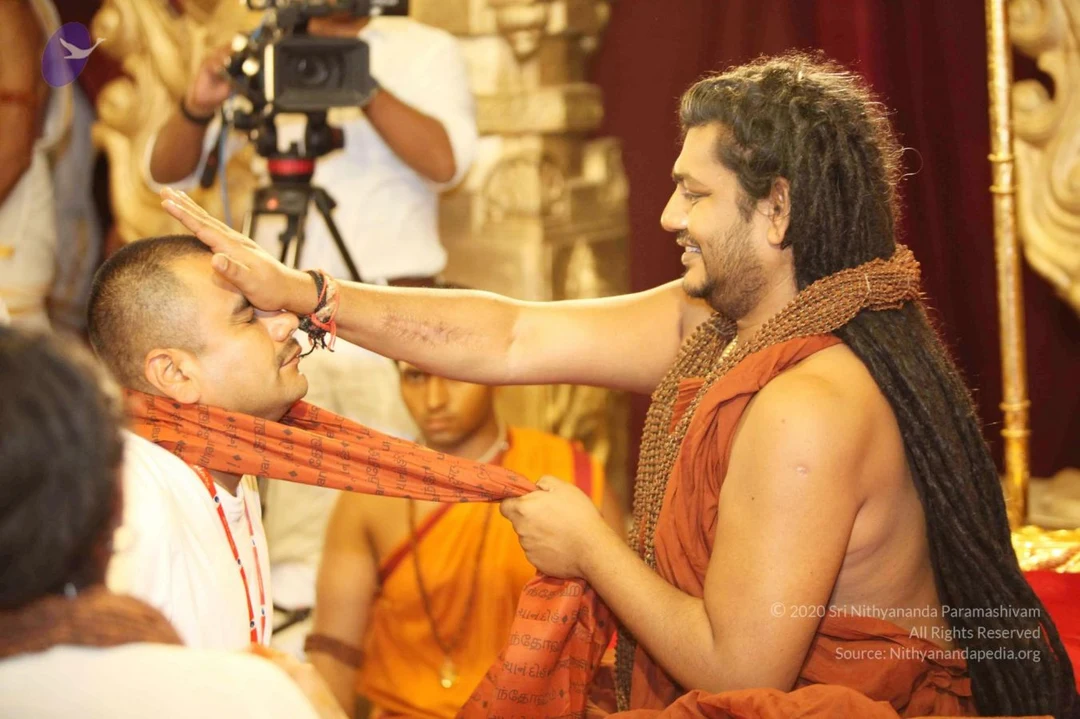
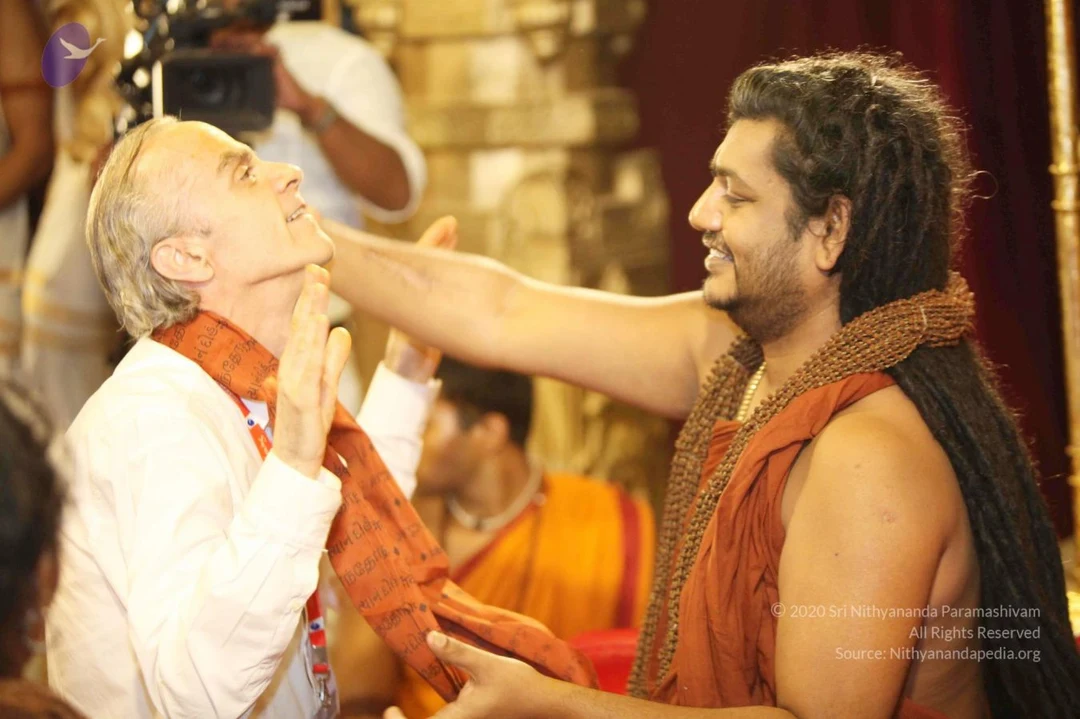
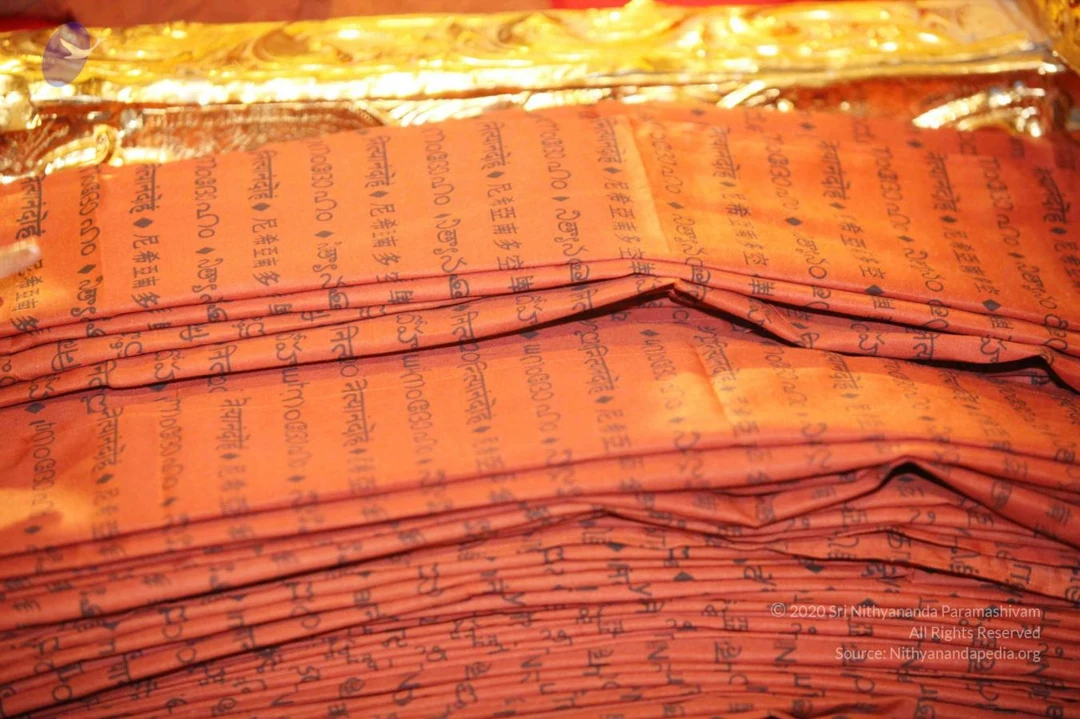
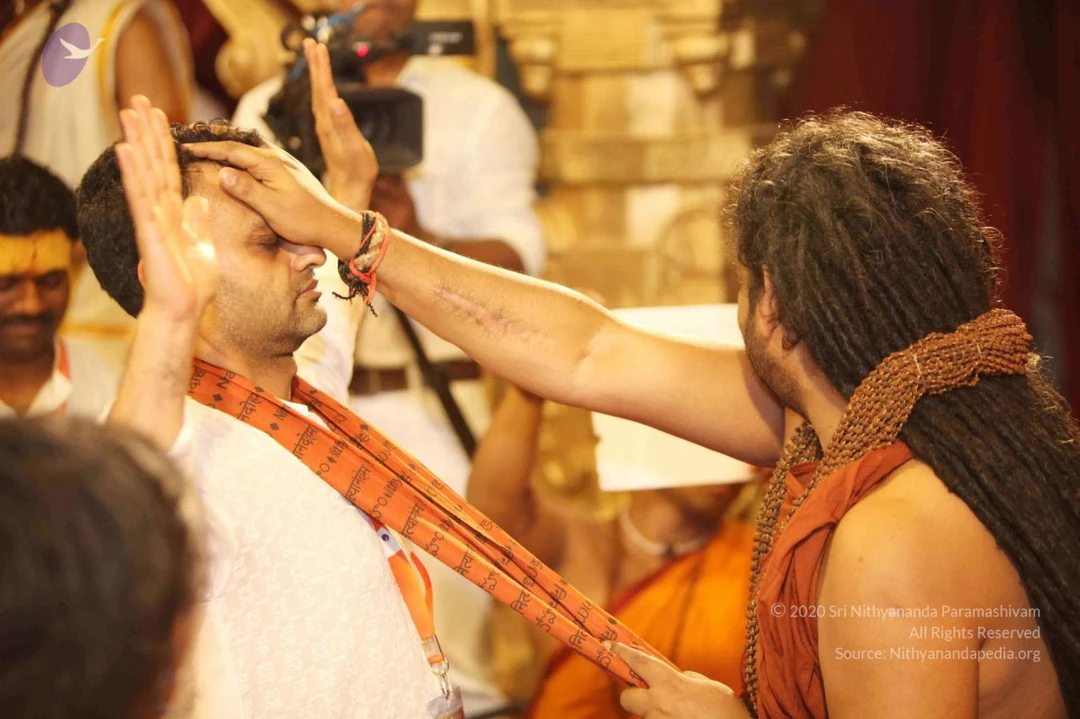
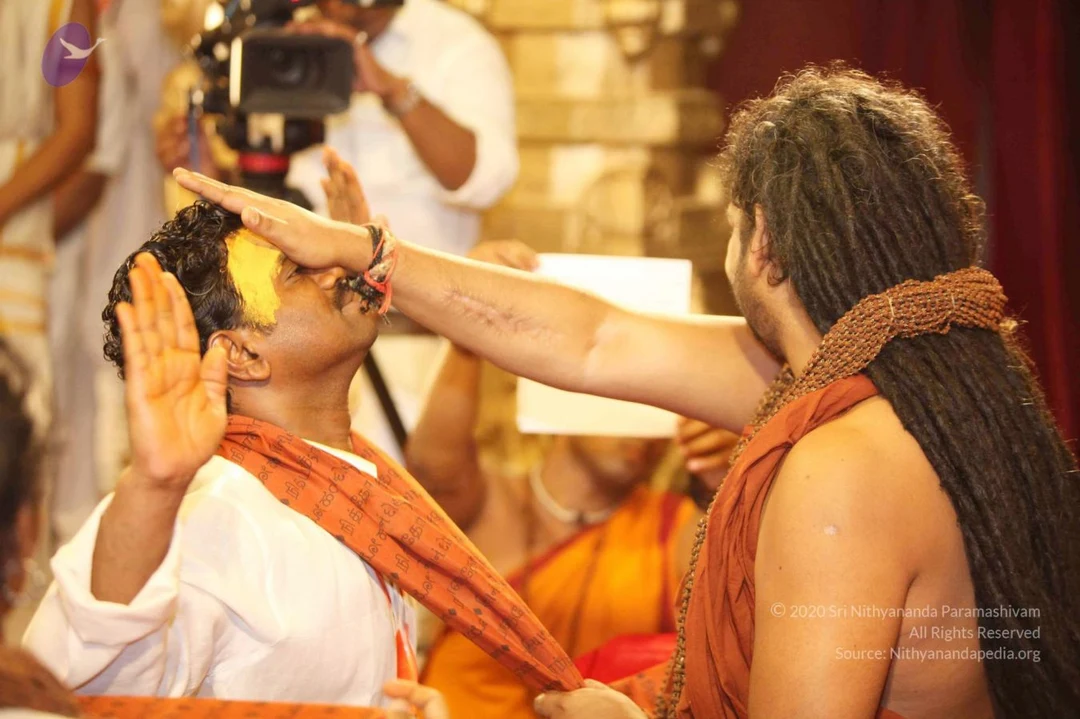
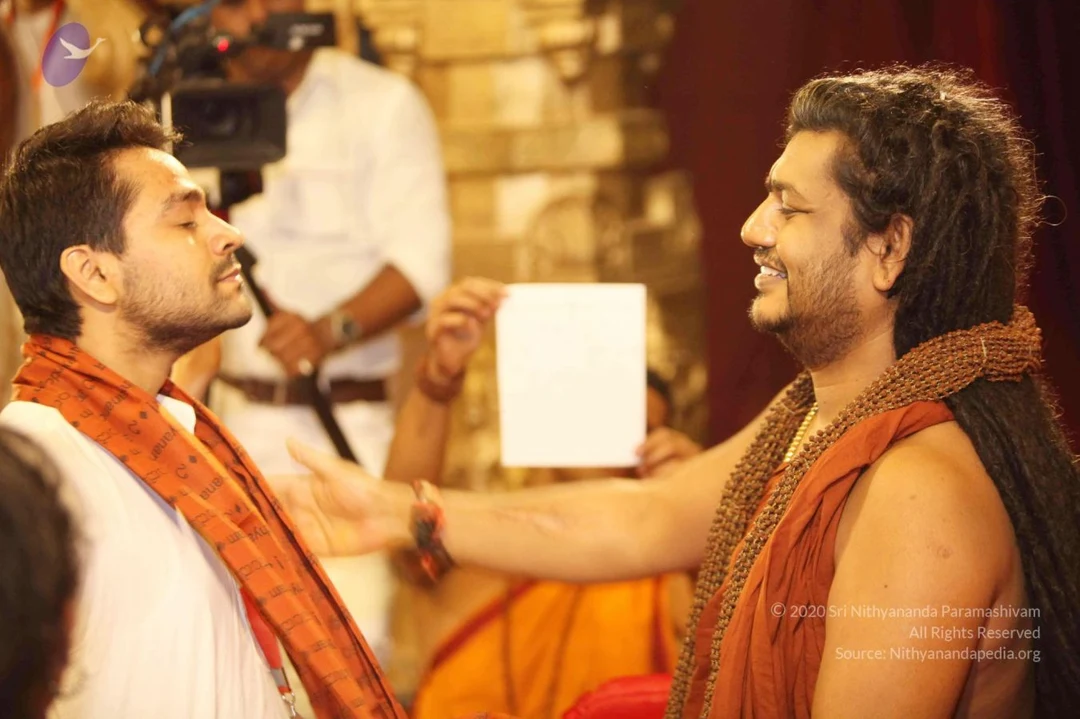
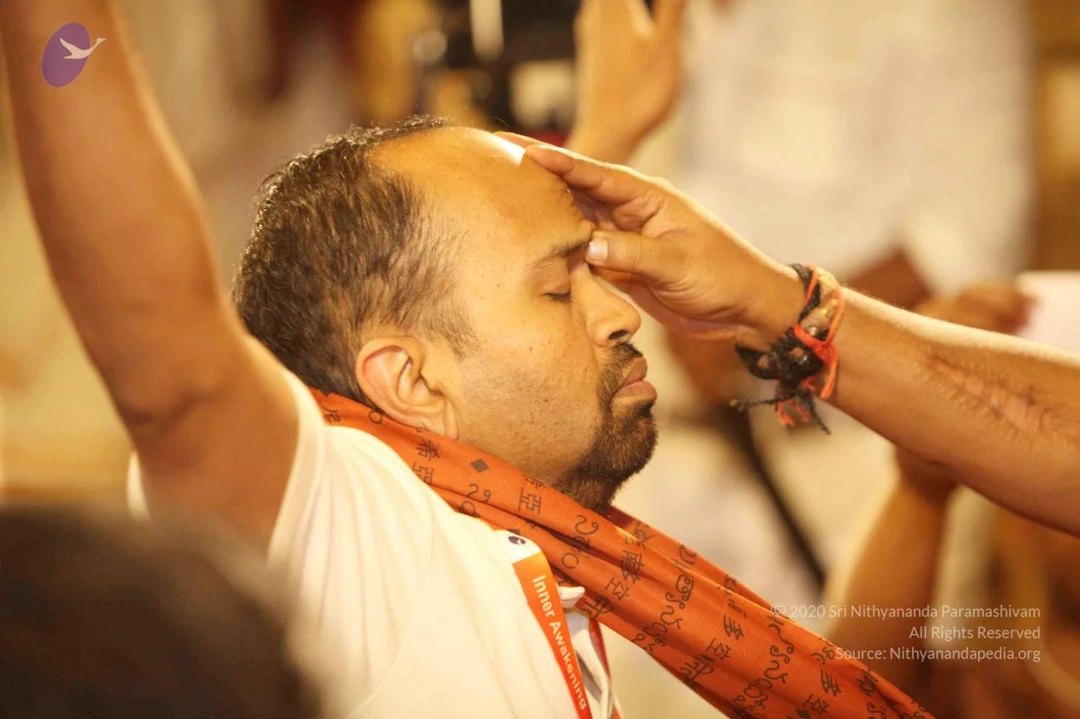
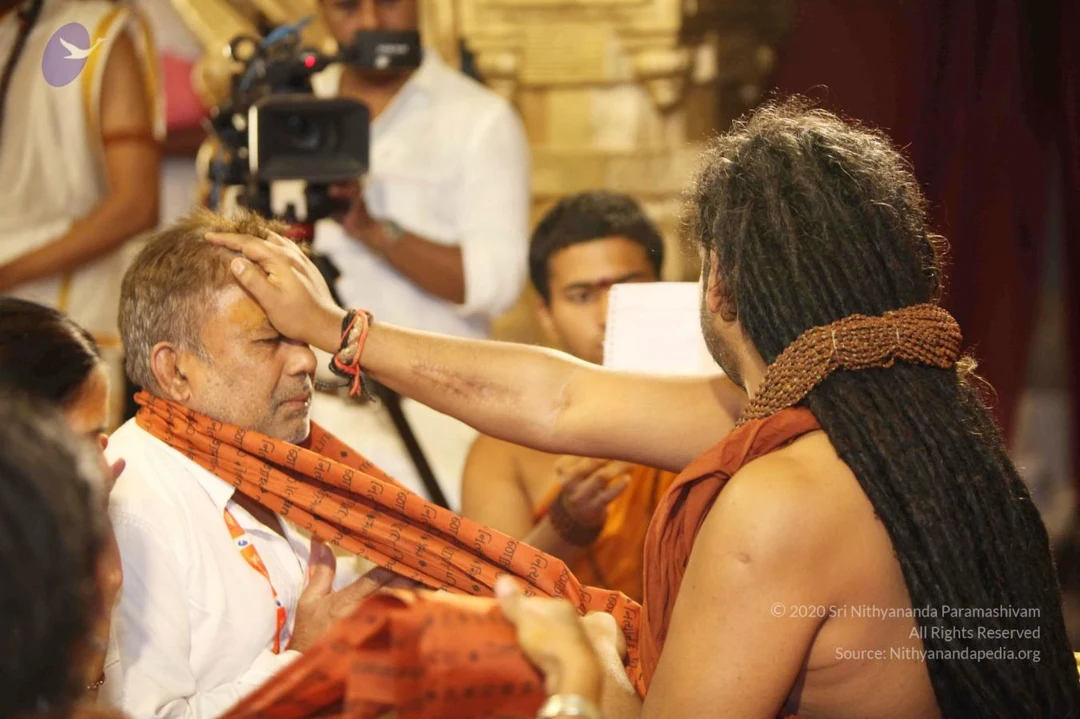
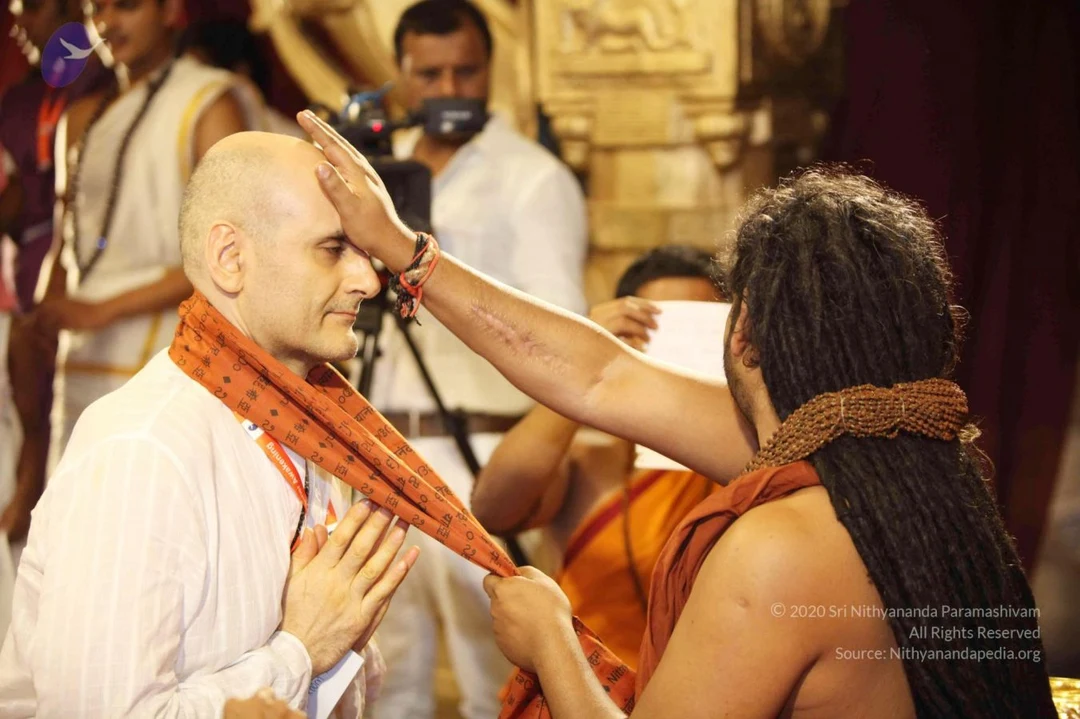
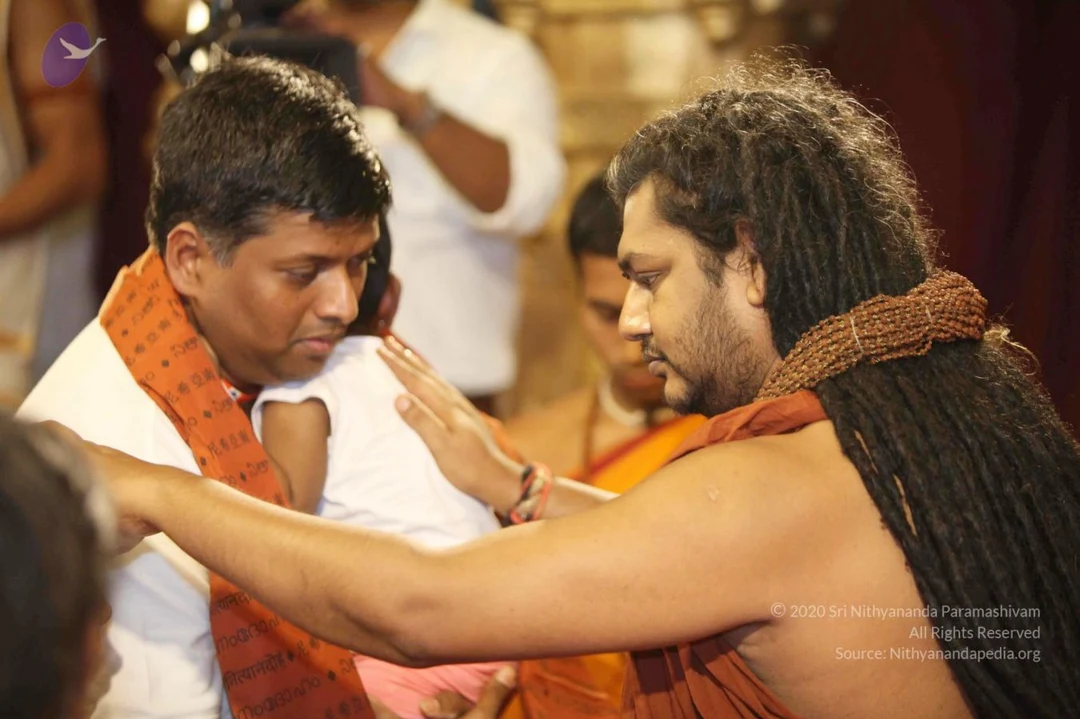
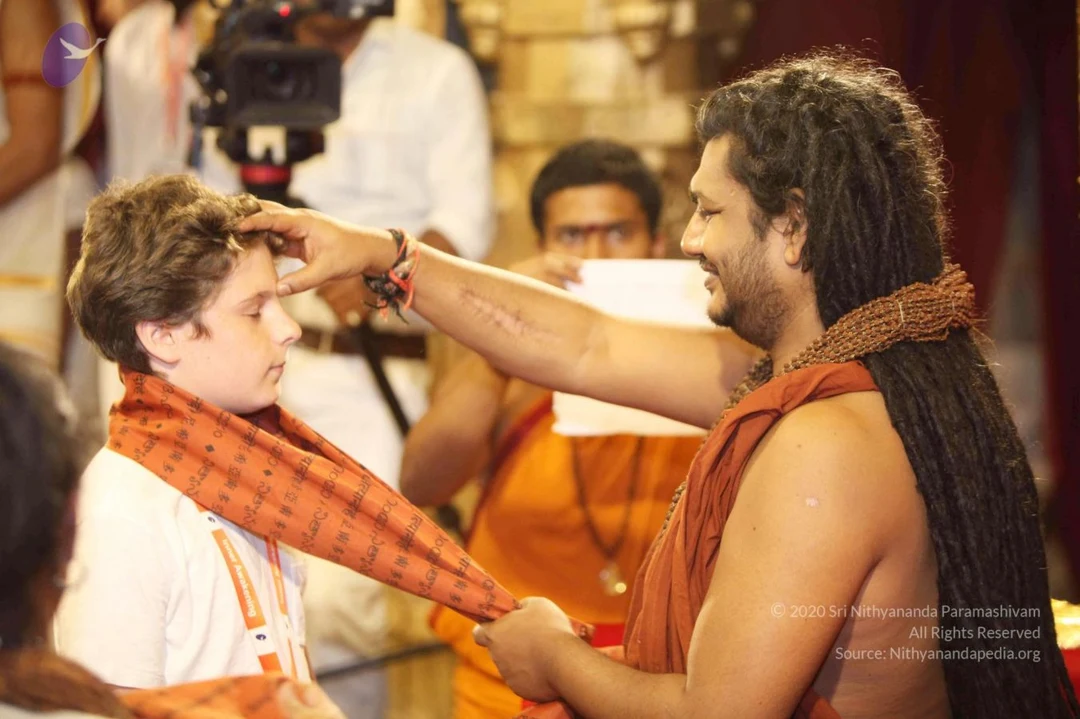
Darshan
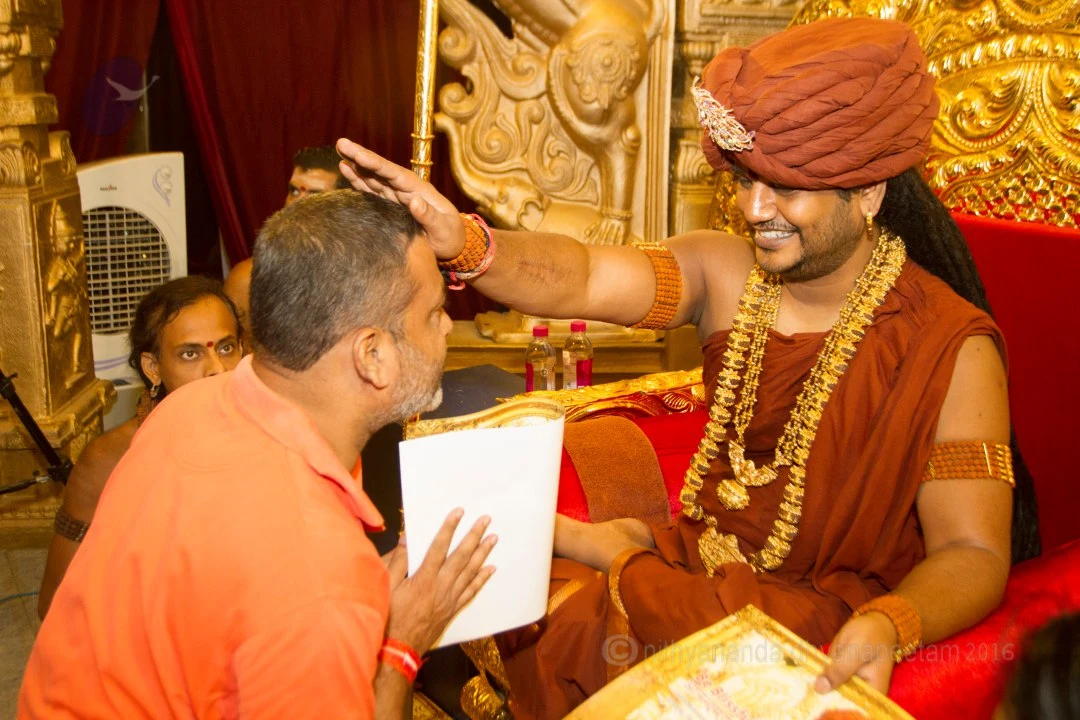
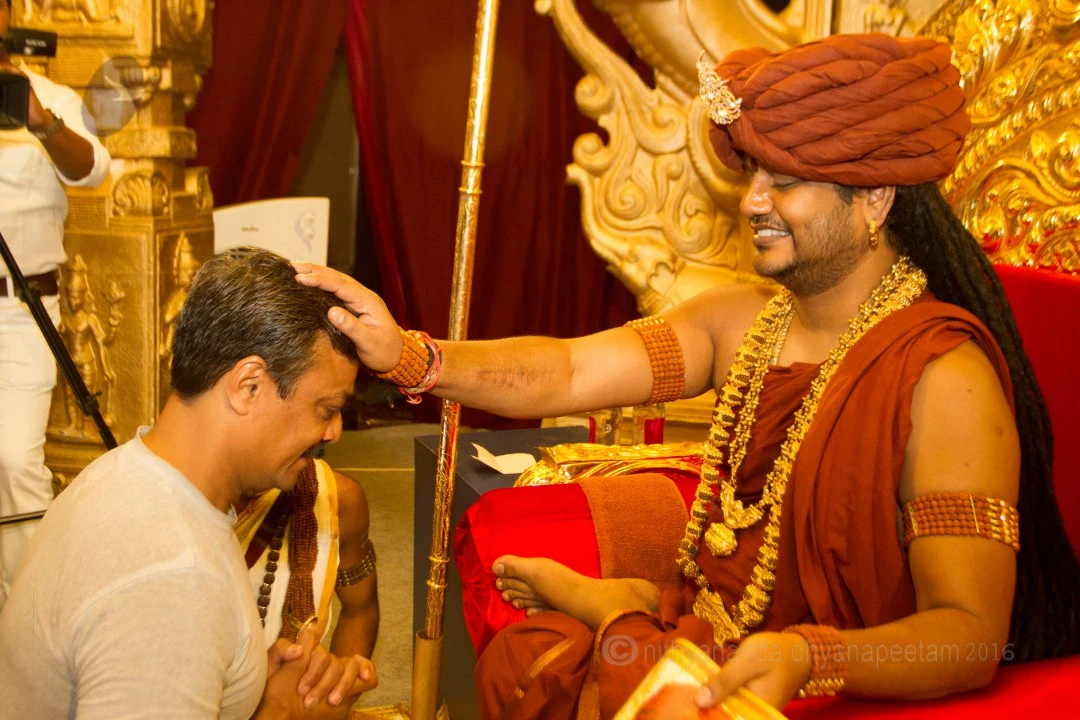
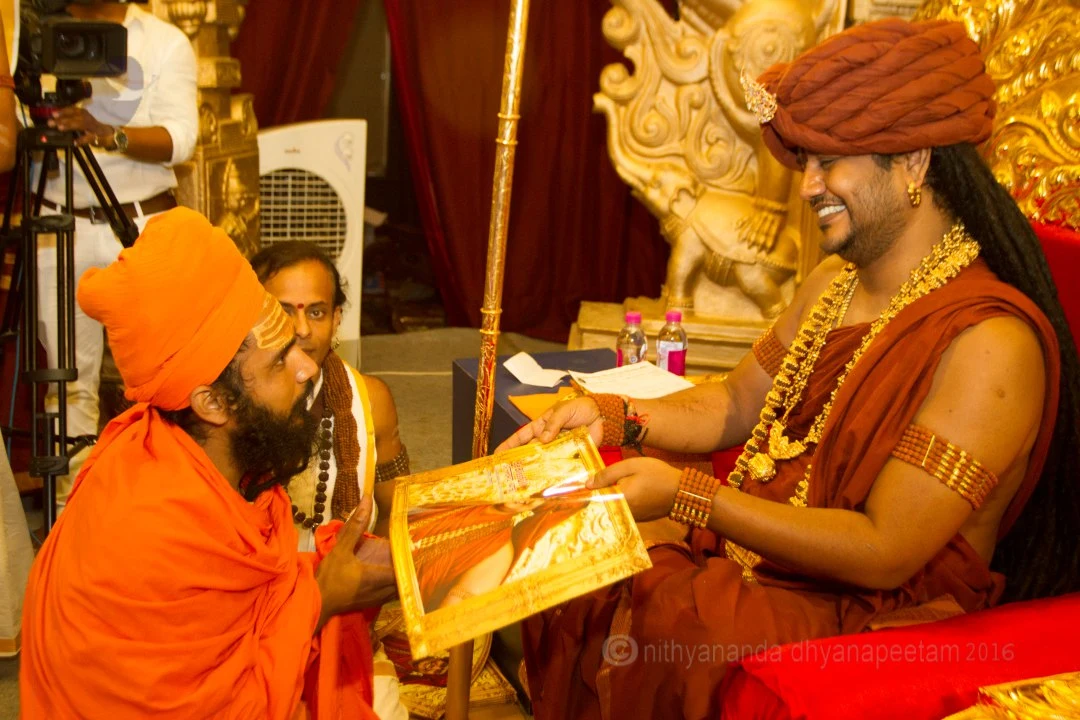
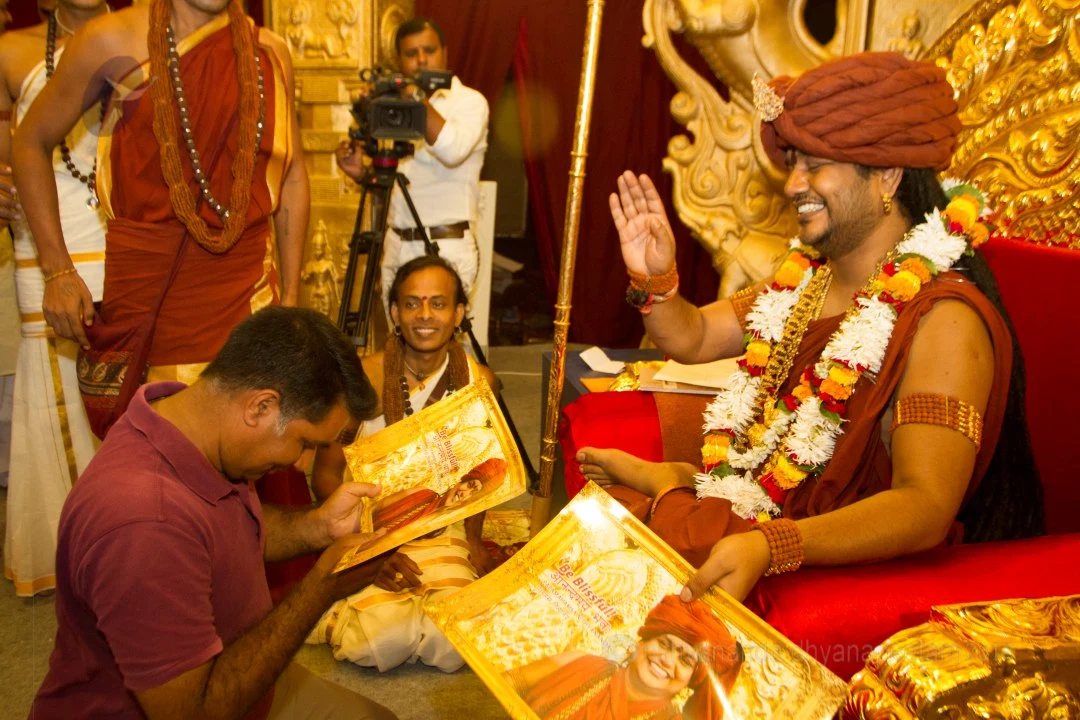
Completion Session
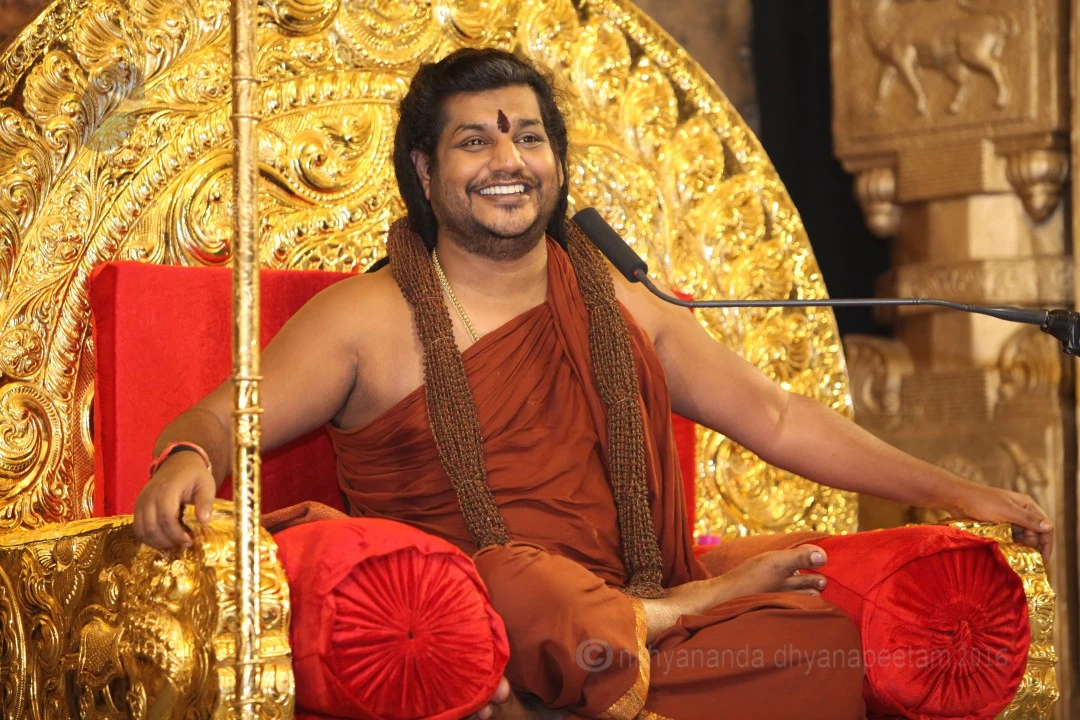
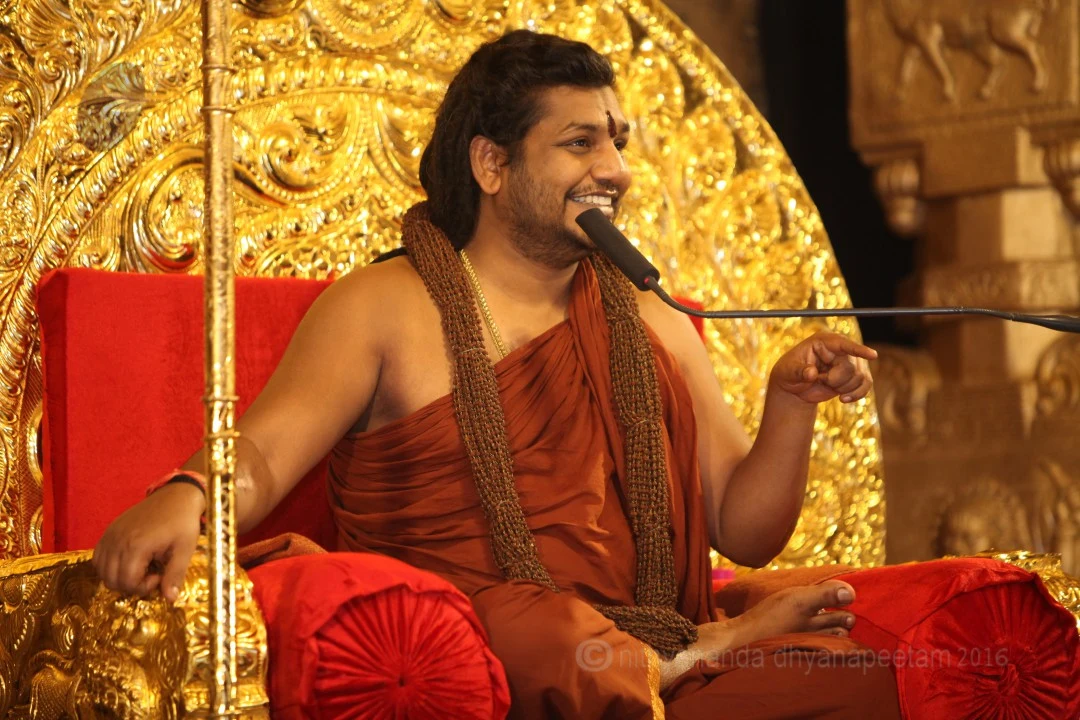
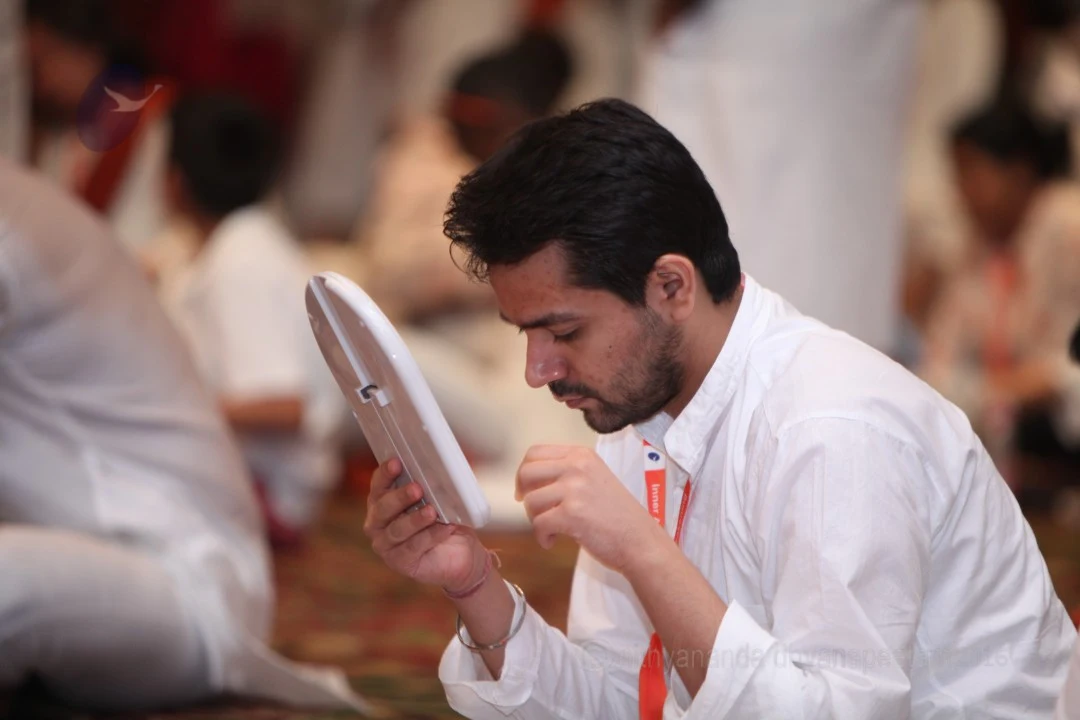
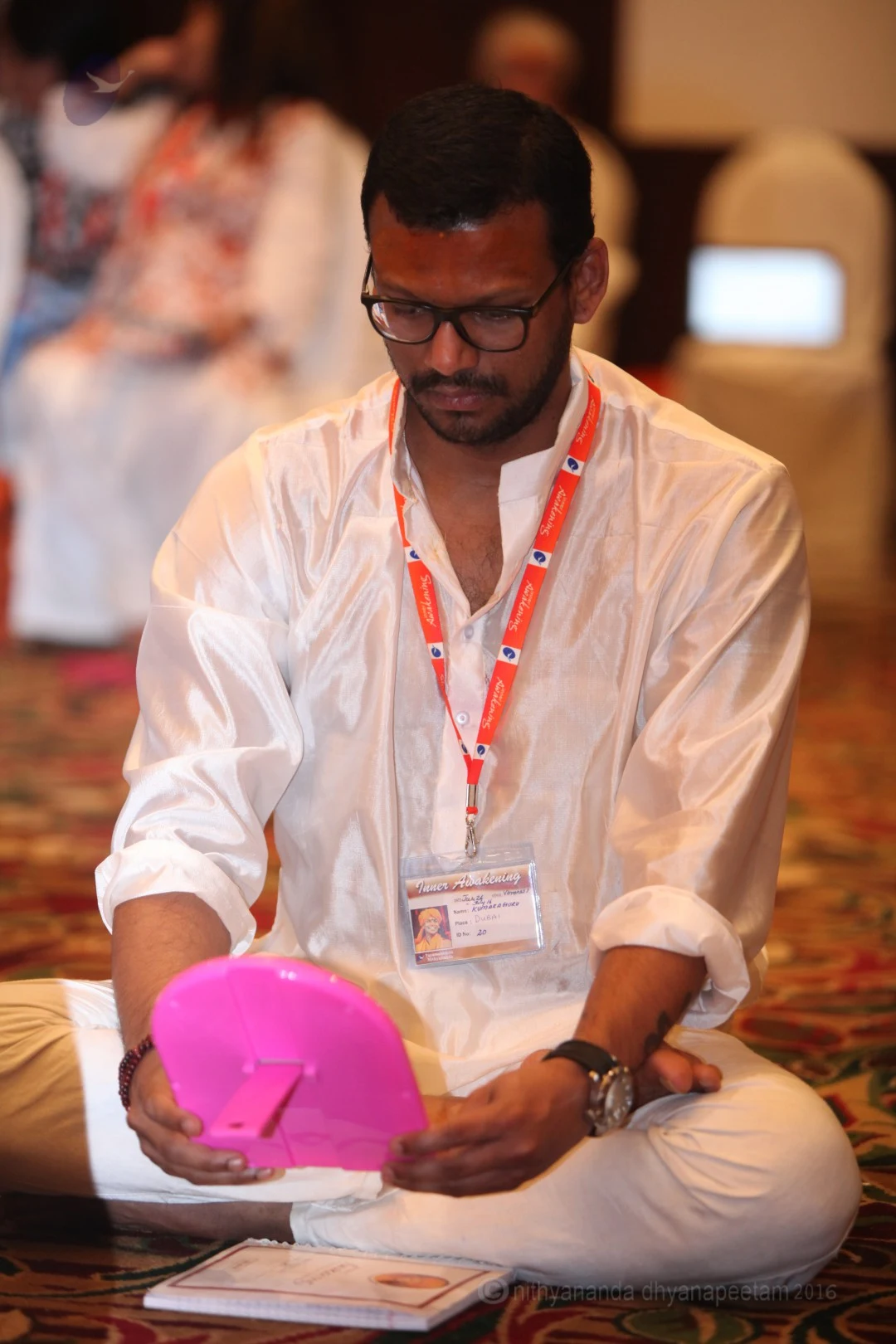
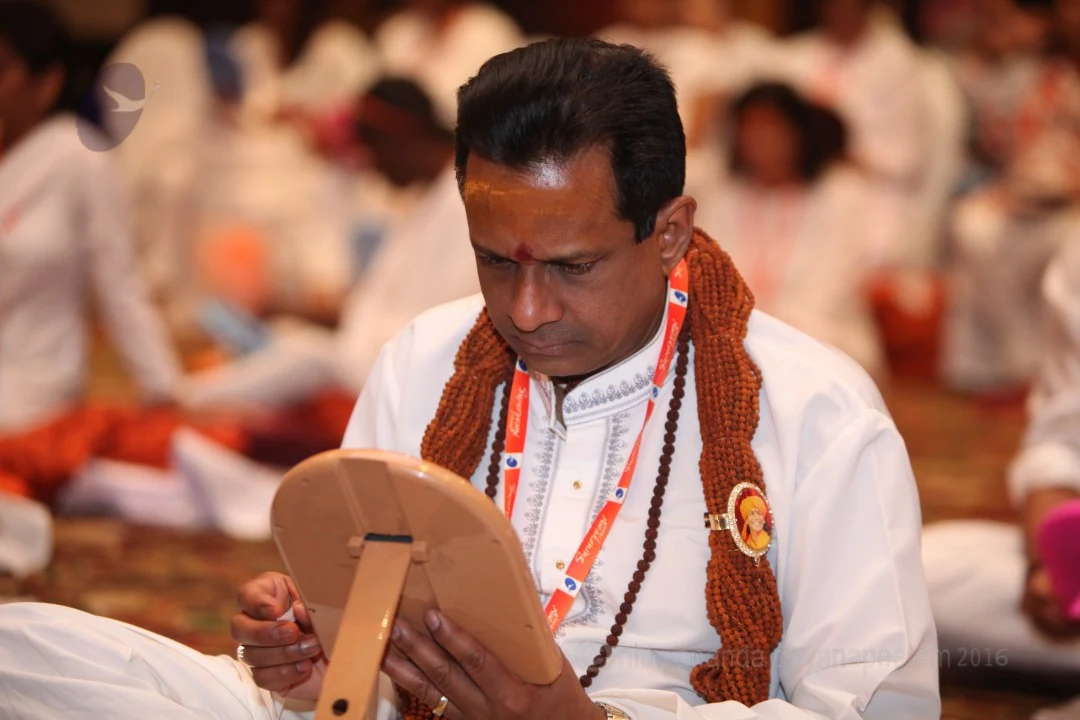
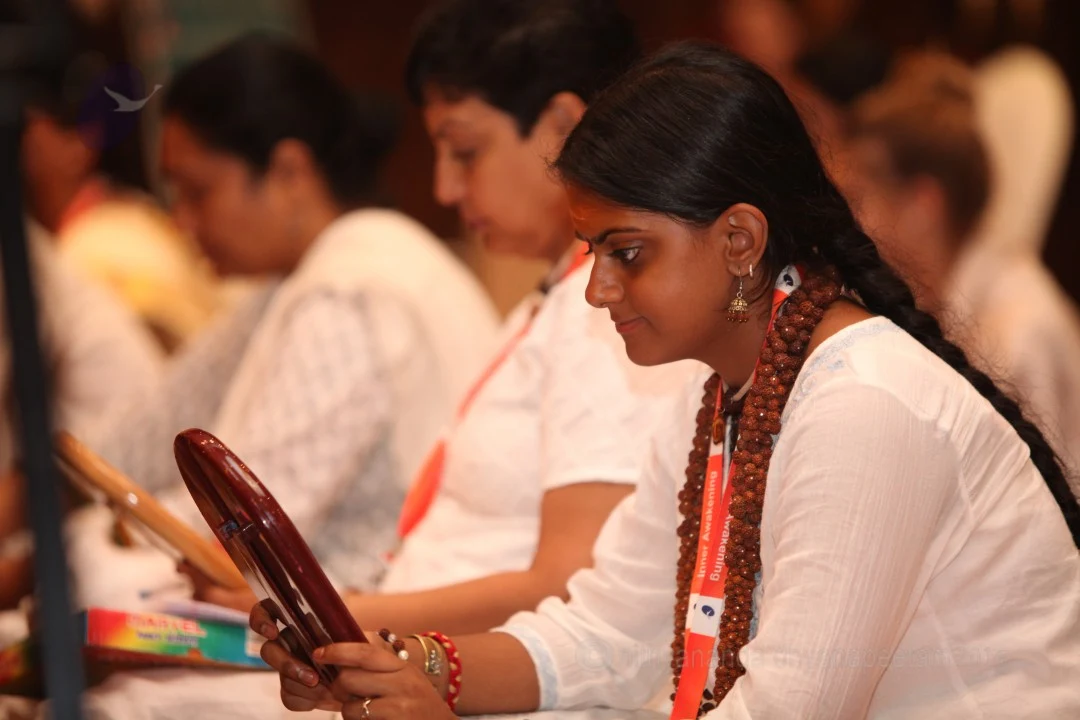
Energy Darshan
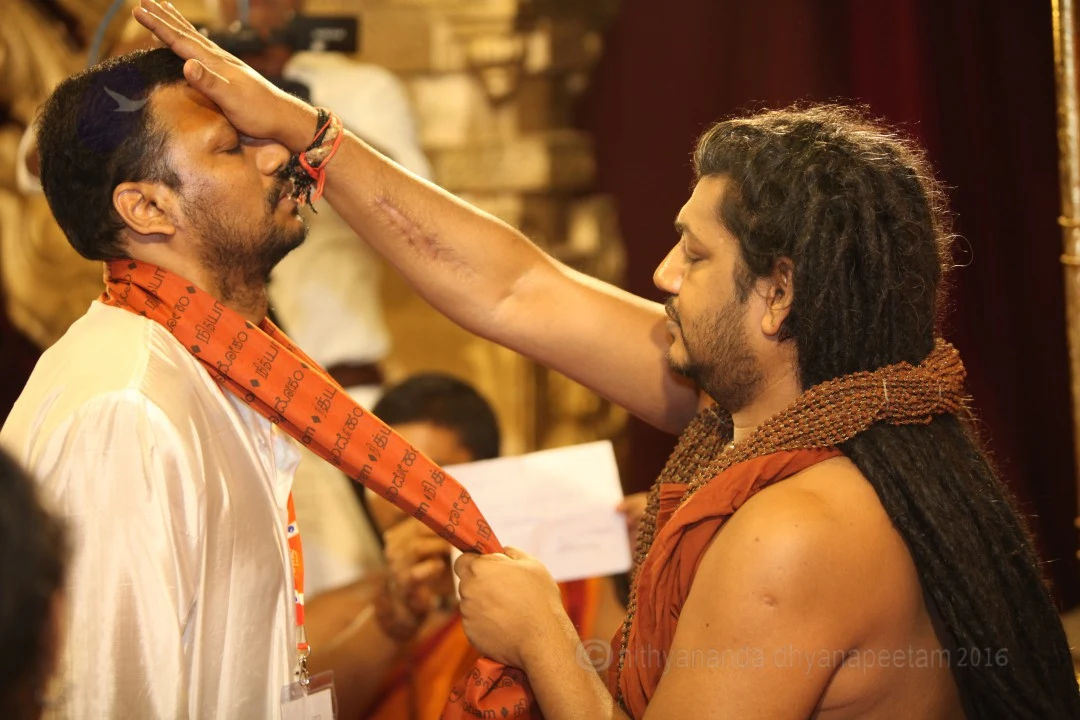
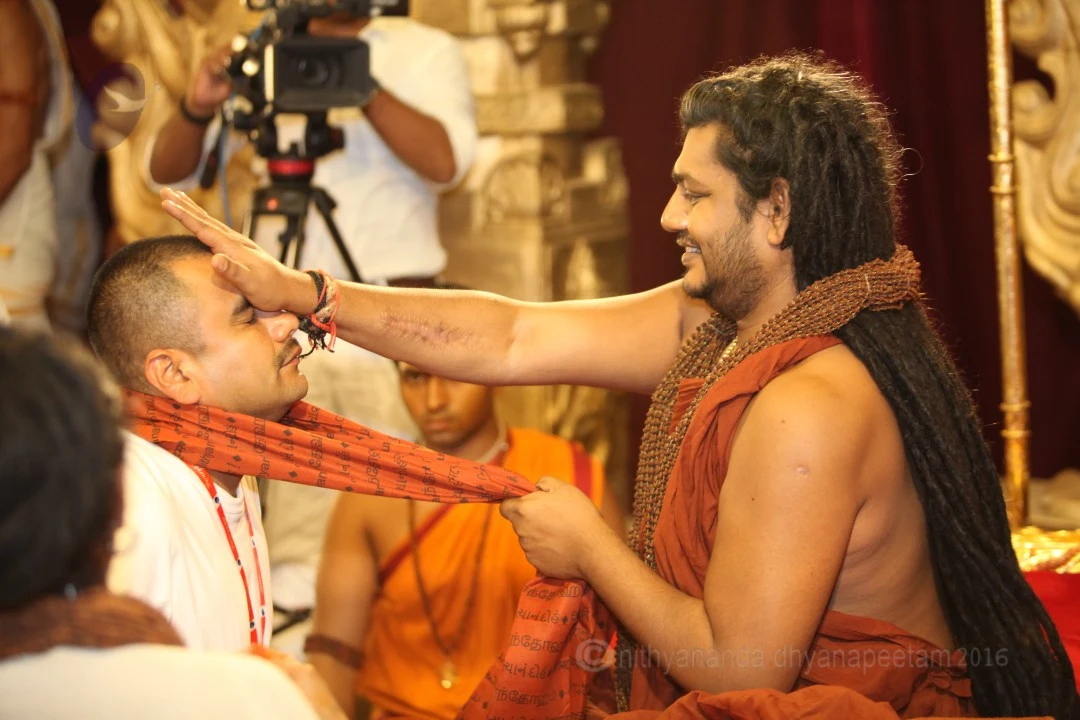
Photos From The Day:
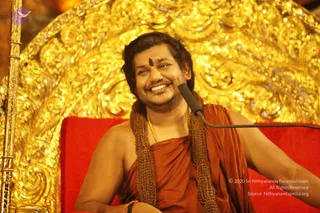
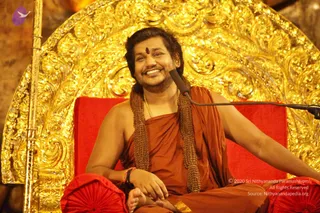
Inner Awakening Session
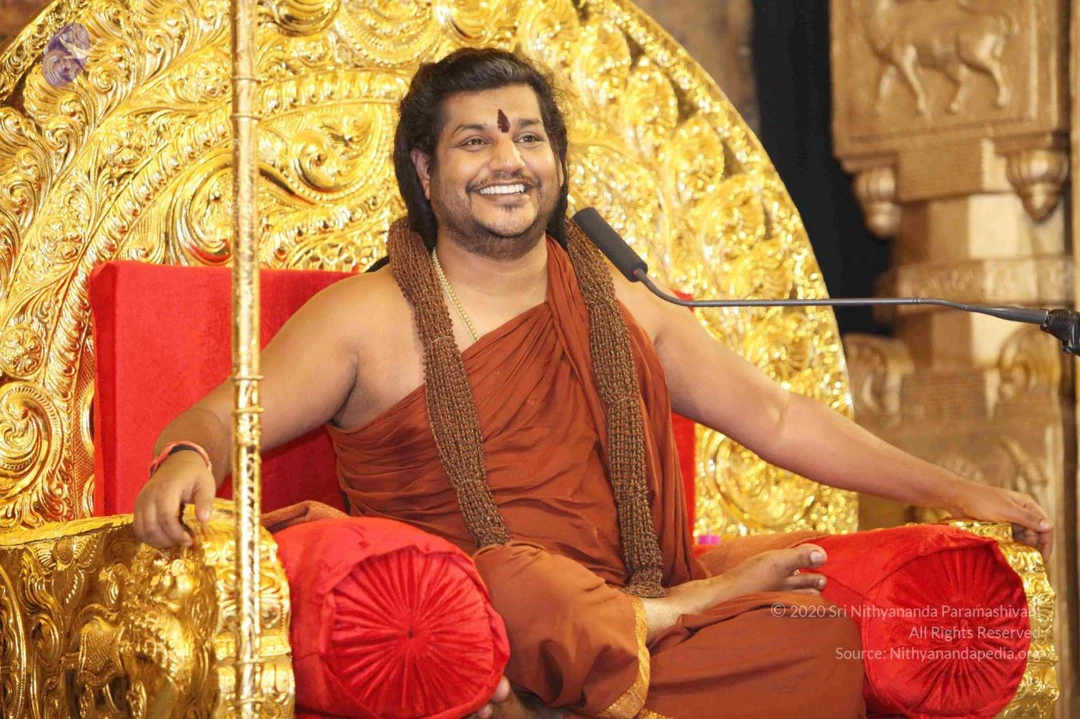
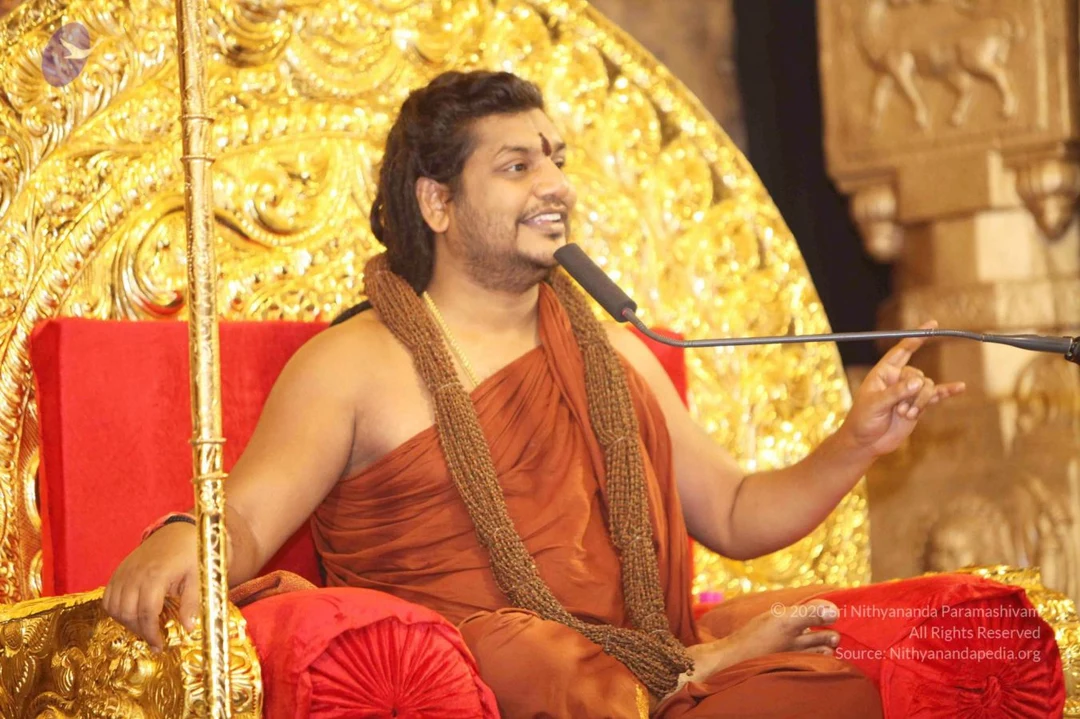
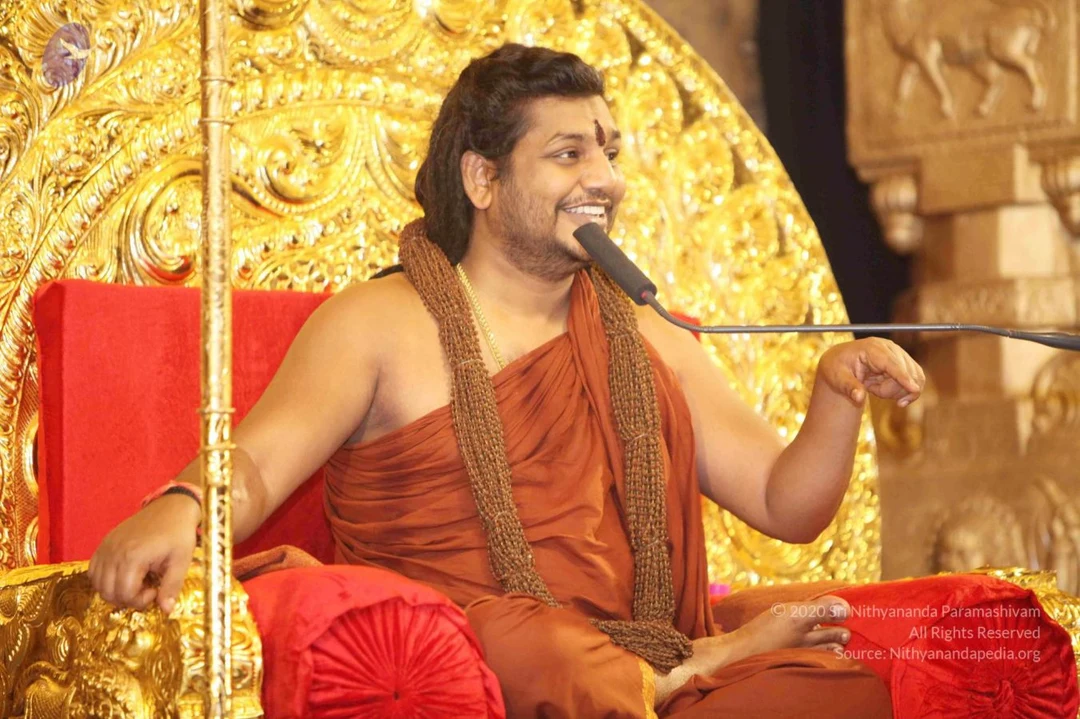
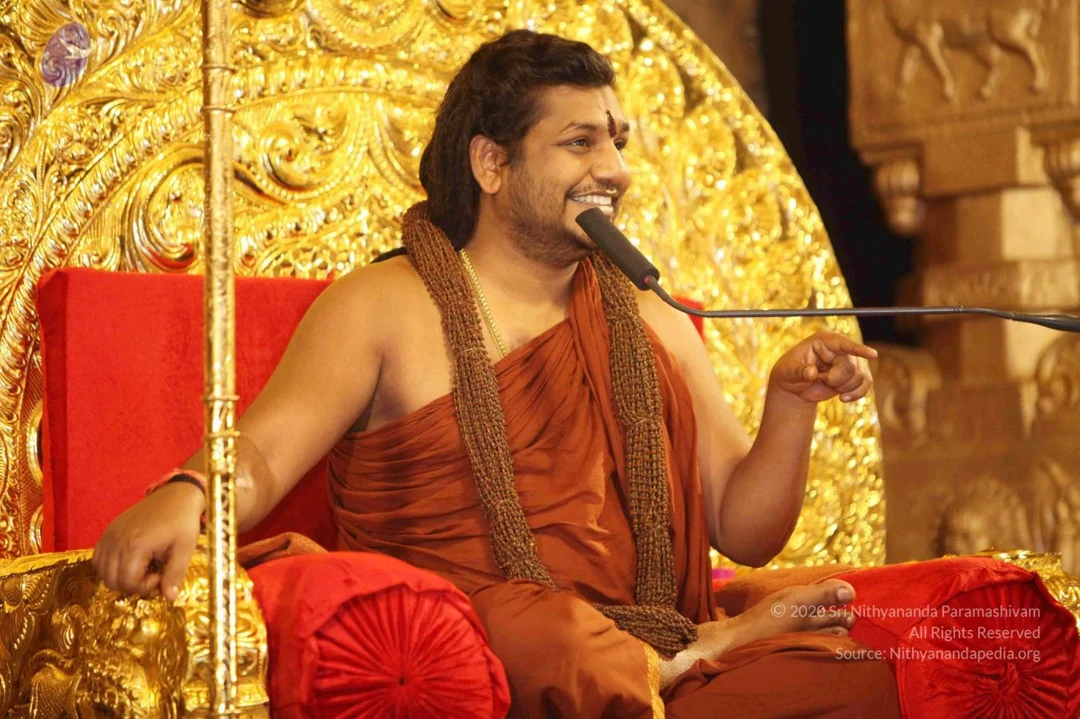
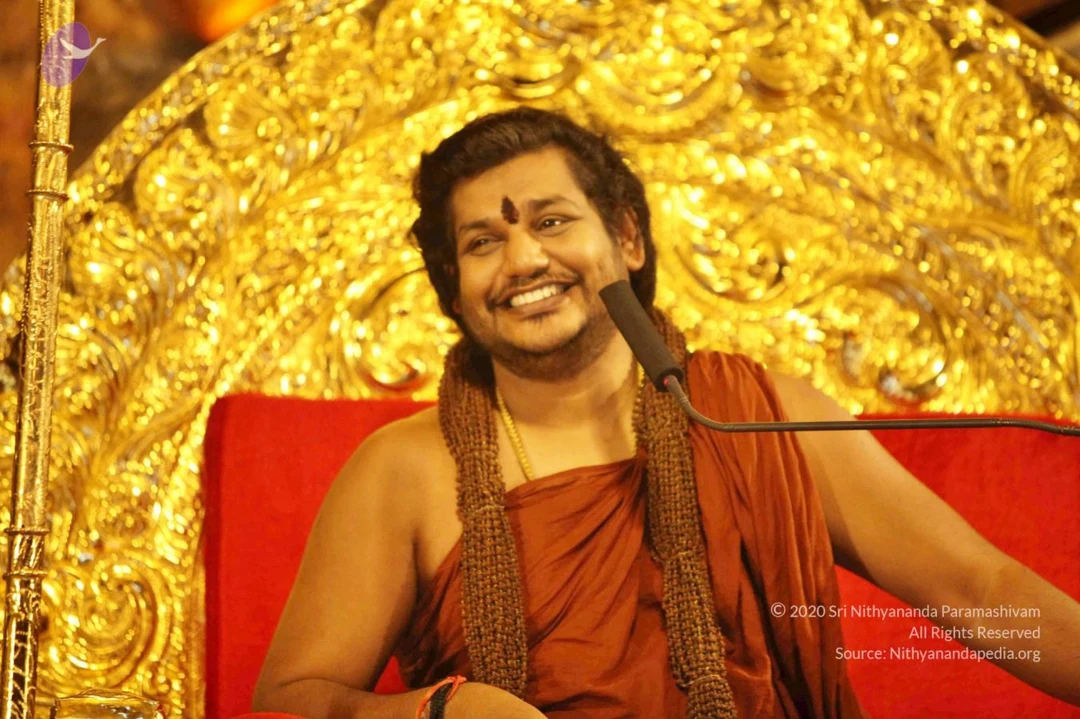
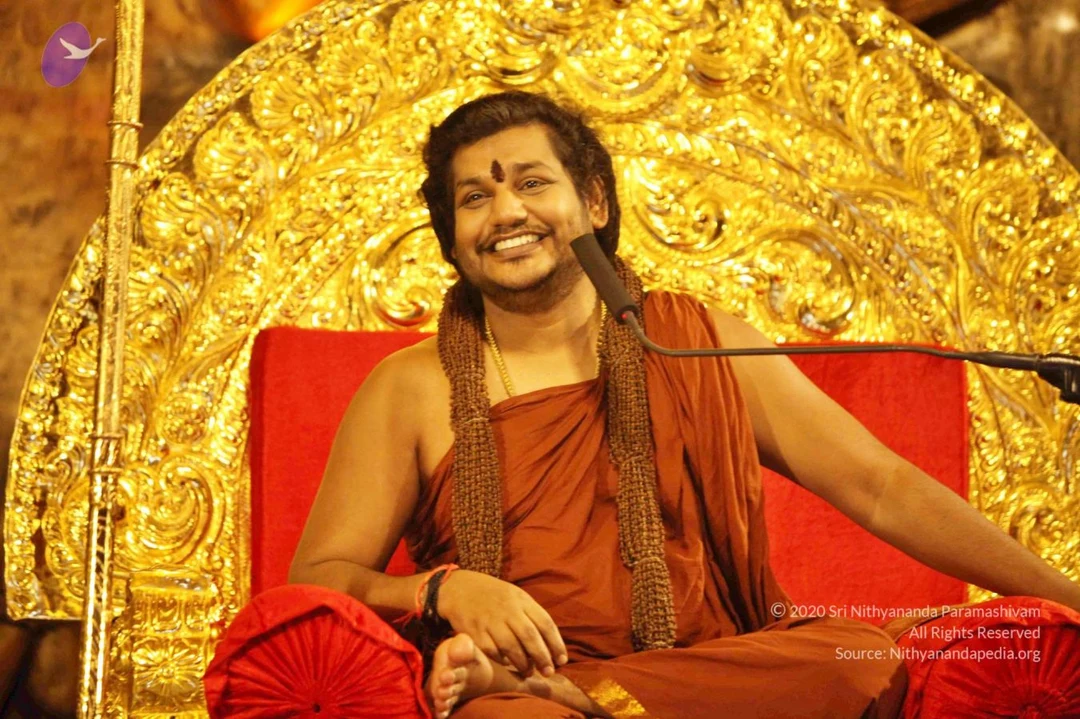
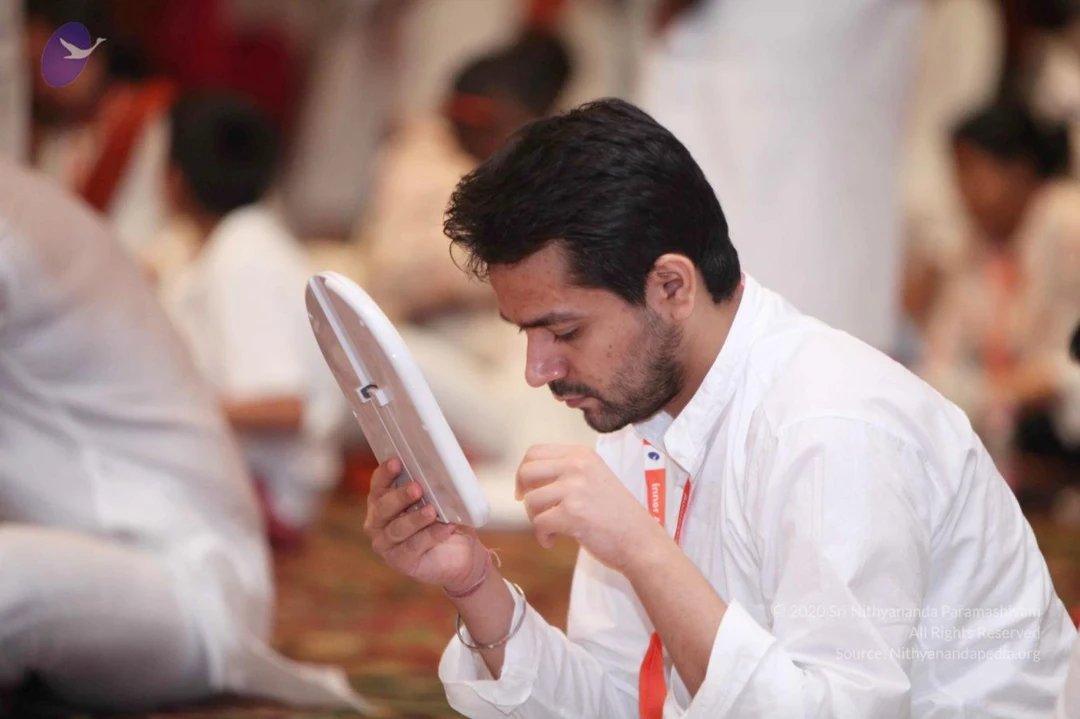
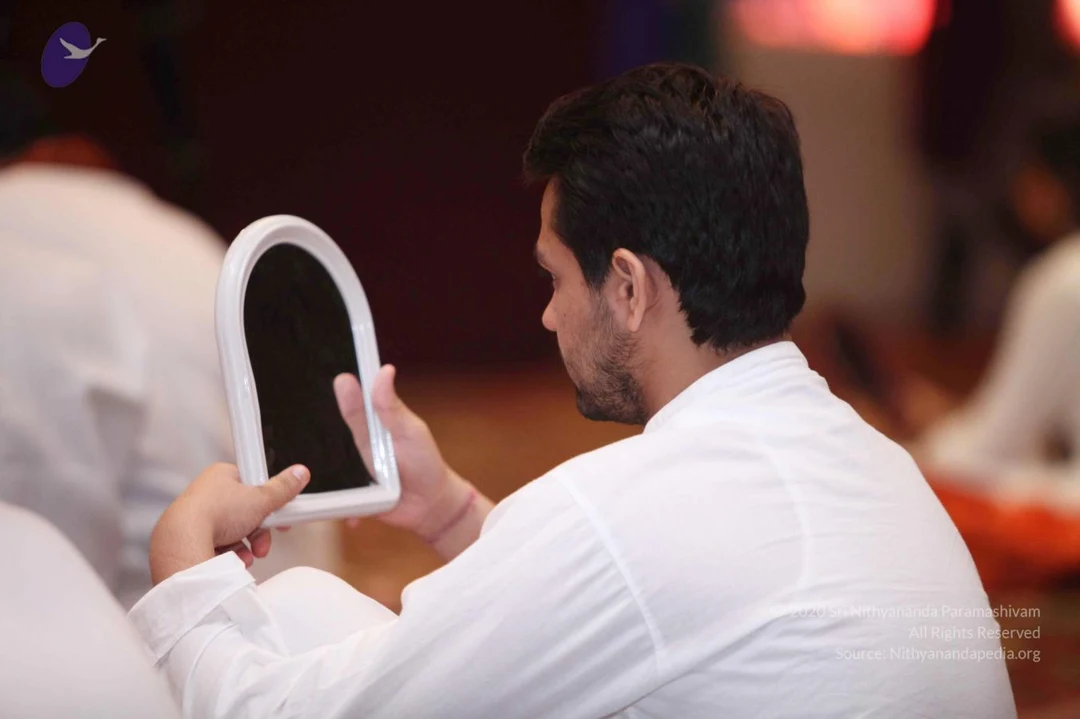
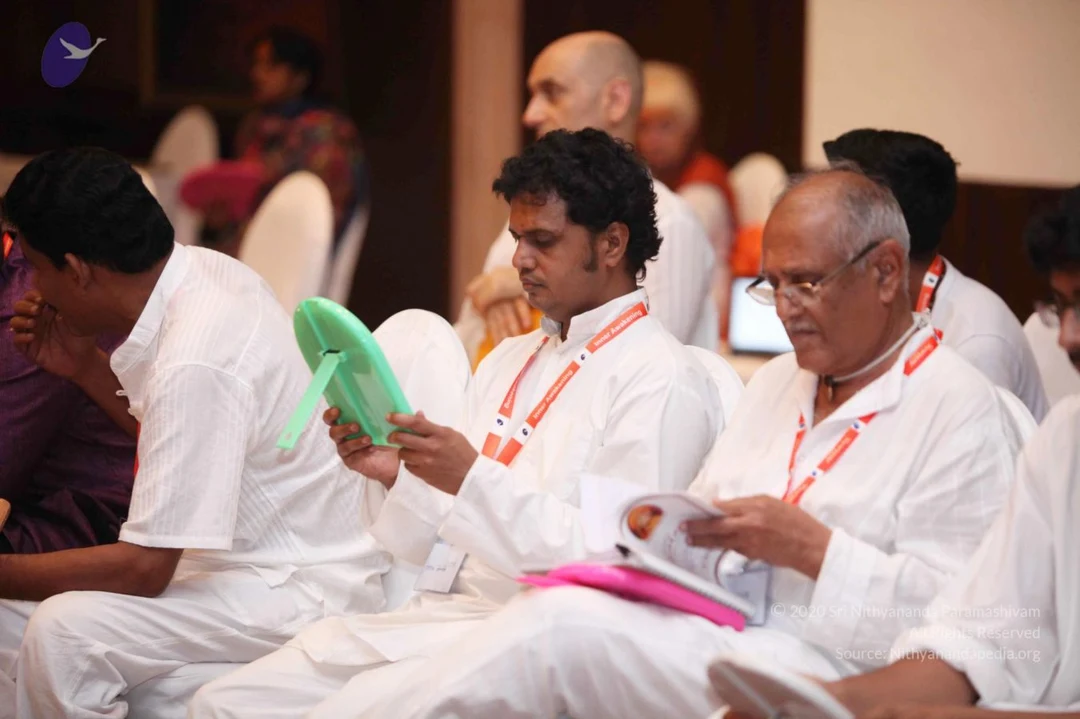
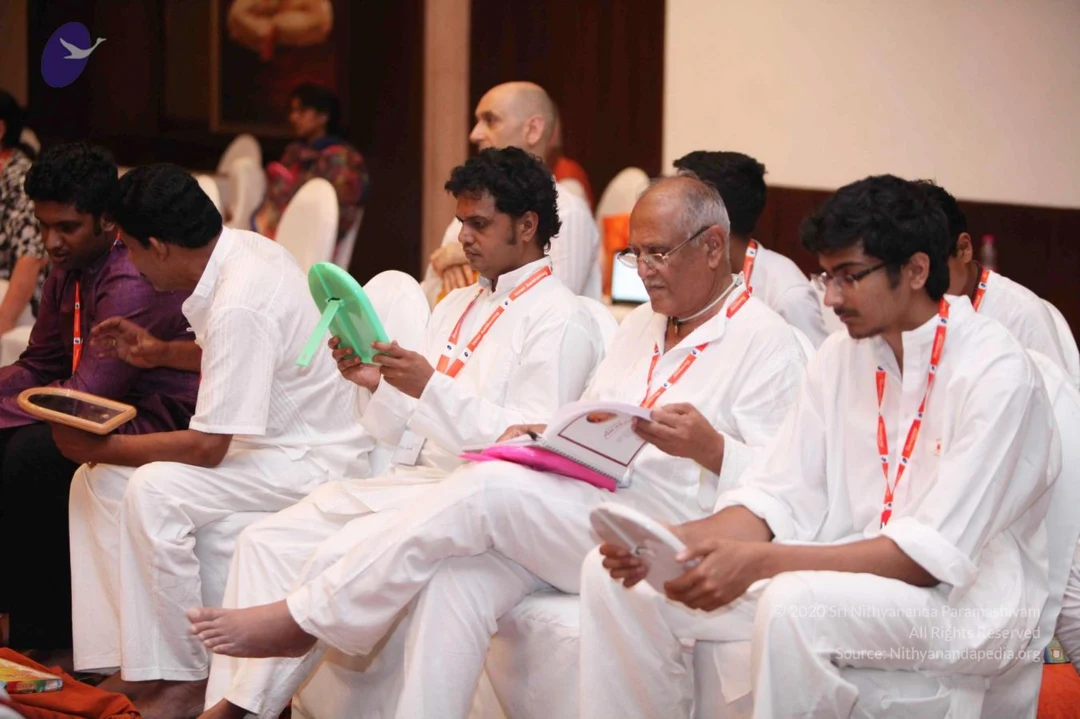
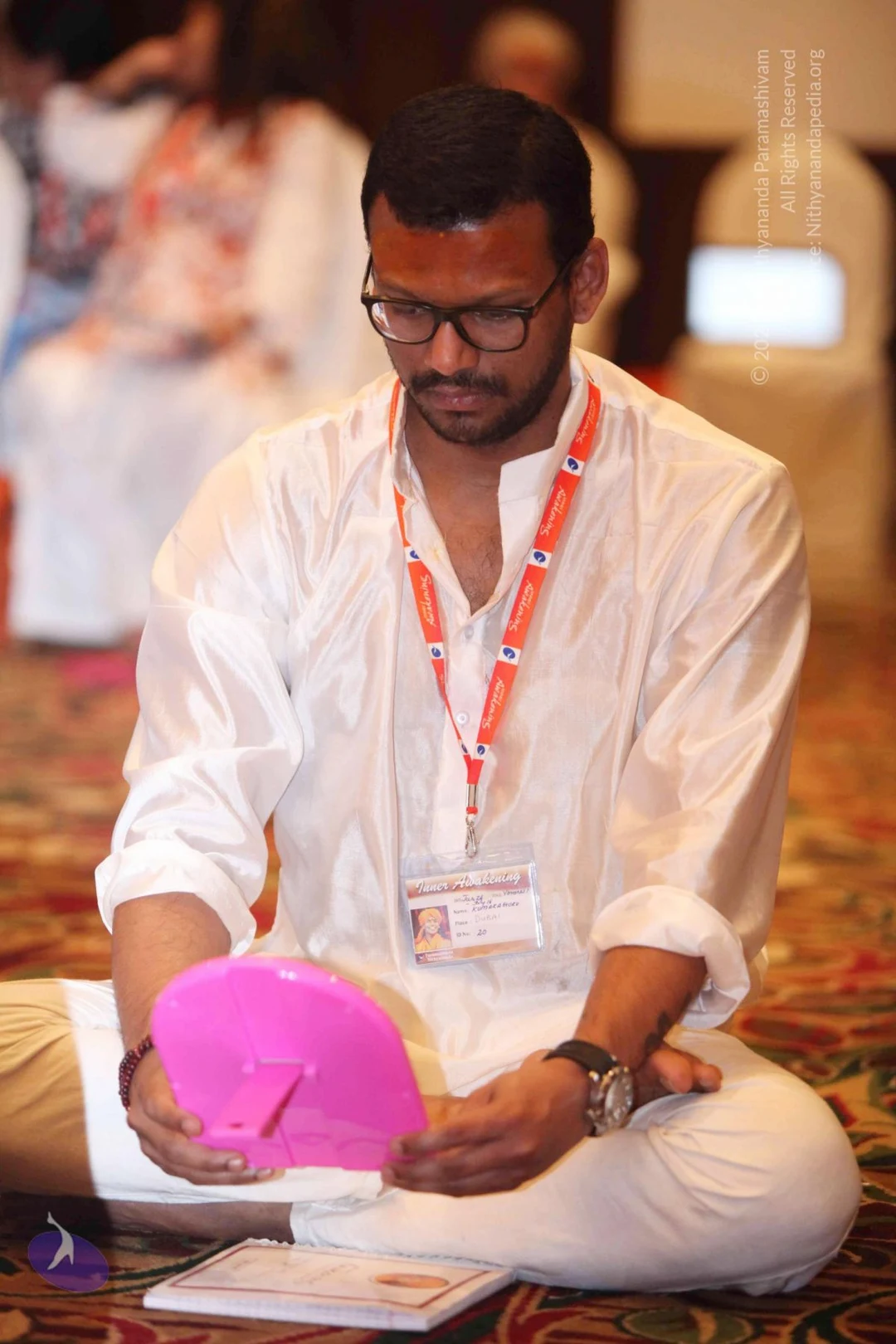
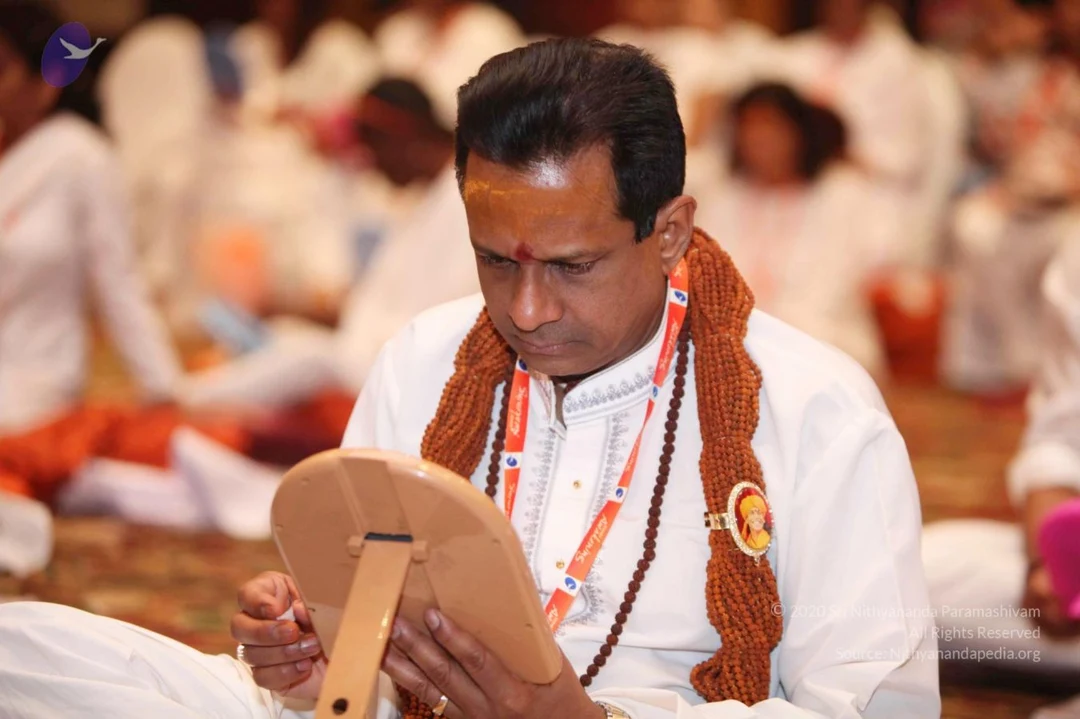
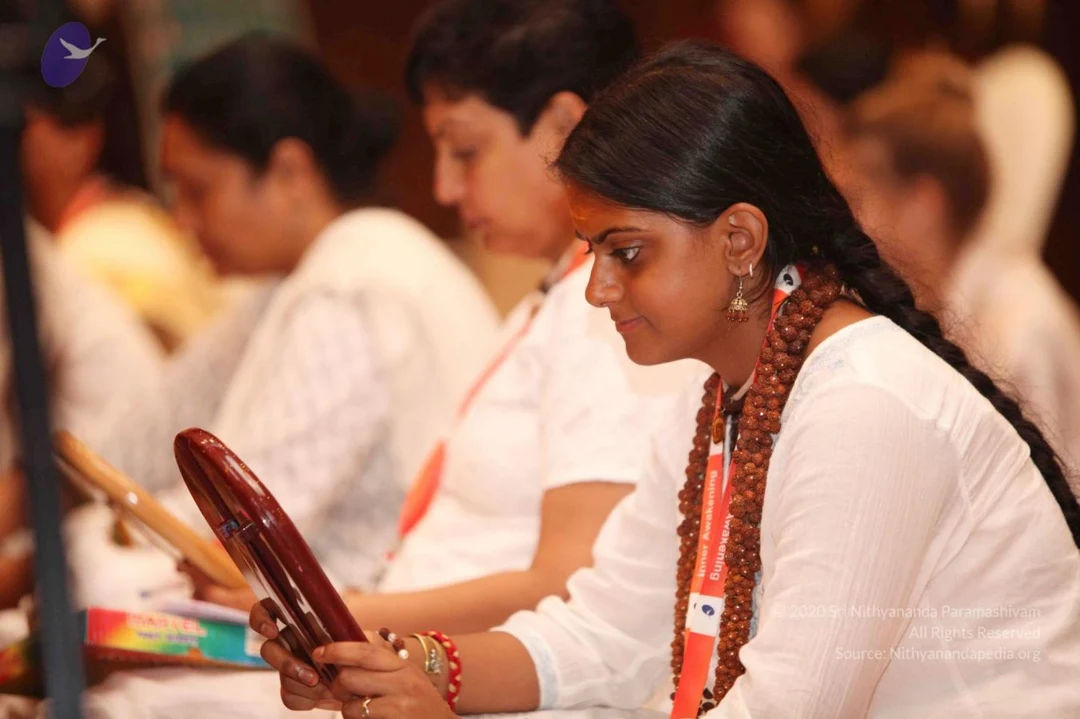
Inner Awakening Darshan
Tags:
Mantra for peace, Invoking Peace, peace, Shanti Mantra, Upanishads Mantra
Photos from this day
View all 54 photosNithya Satsang
9 photosSource gallery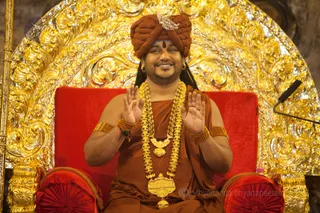
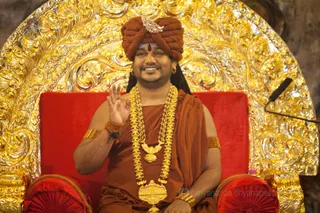
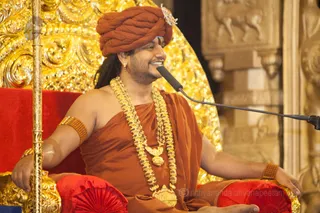
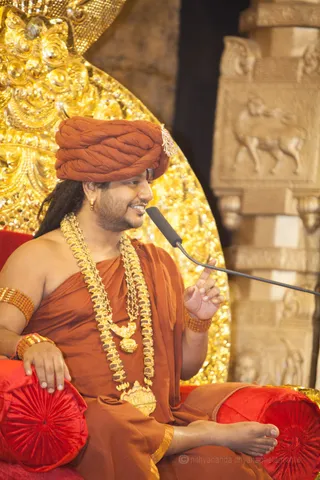
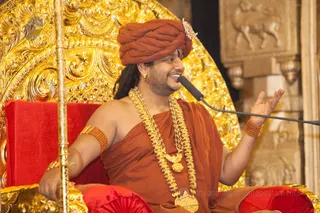
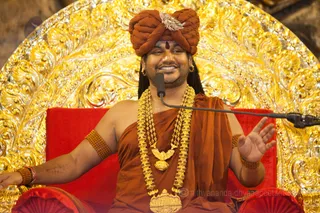
Darshan
4 photosSource gallery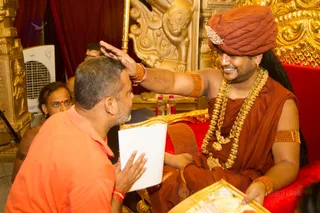
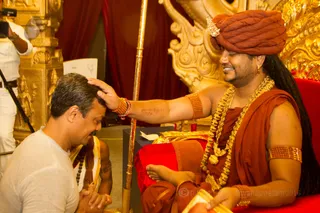
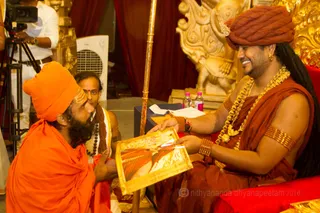
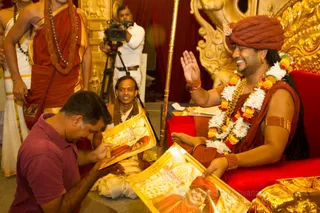
Completion Session
3 photosSource gallery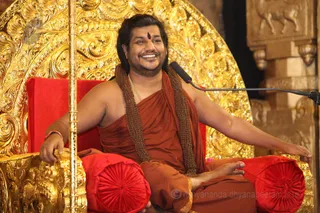
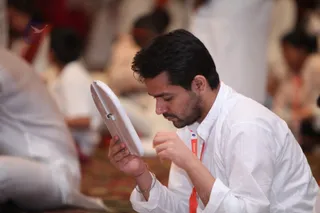
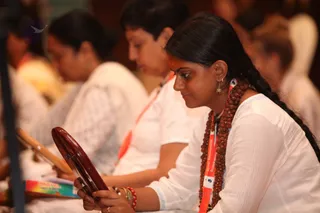
Energy Darshan
1 photoSource gallery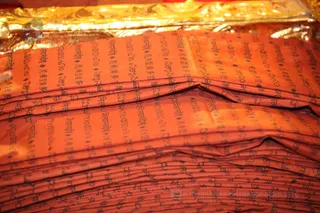
Inner Awakening Session
13 photosSource gallery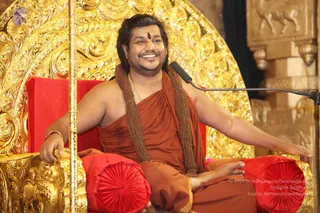
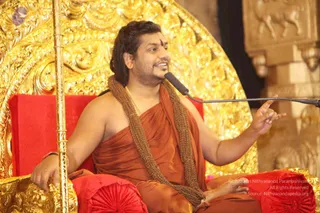
Inner Awakening Darshan
24 photosSource gallery