Monday
13 April 2015
YOU ARE UNTOUCHED BY INCOMPLETION
- Dated photos
- 40
- Source pages
- 1
- Media
- 3
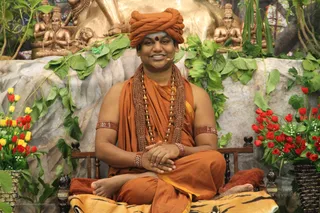
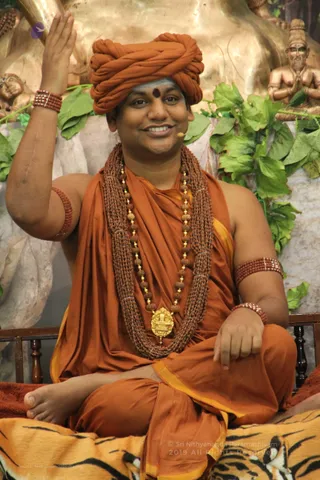
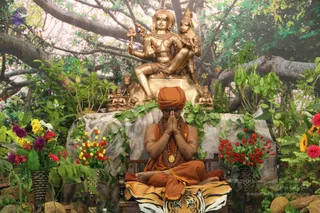
April 13 2015
Original wiki pageTitle:
YOU ARE UNTOUCHED BY INCOMPLETION
Description:
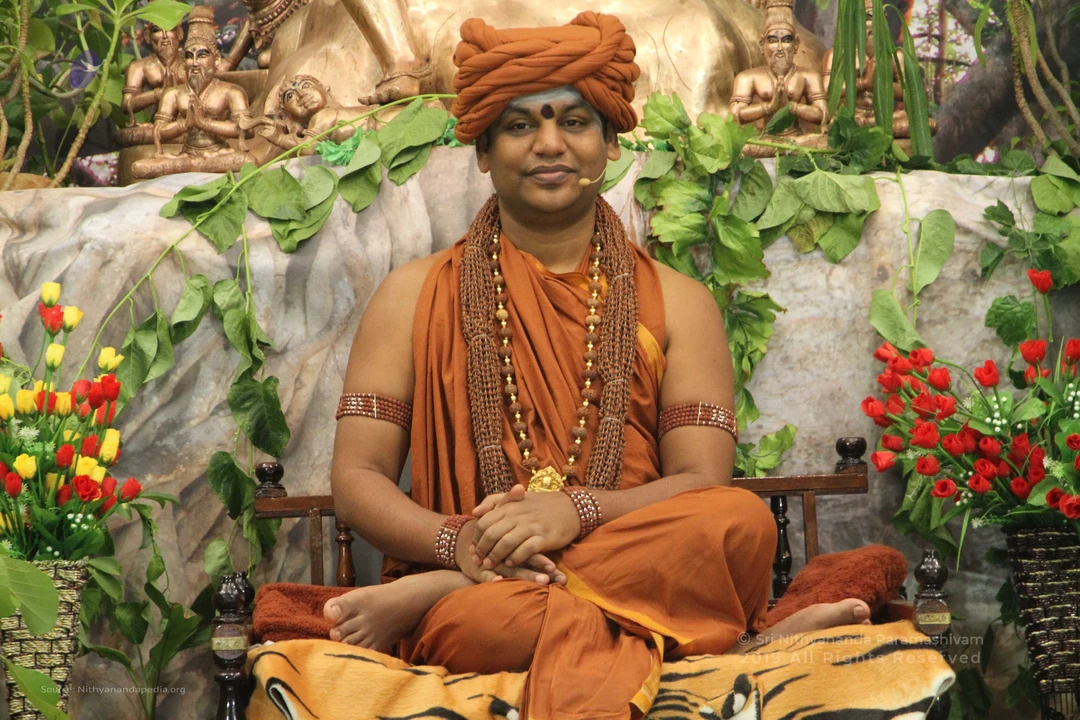
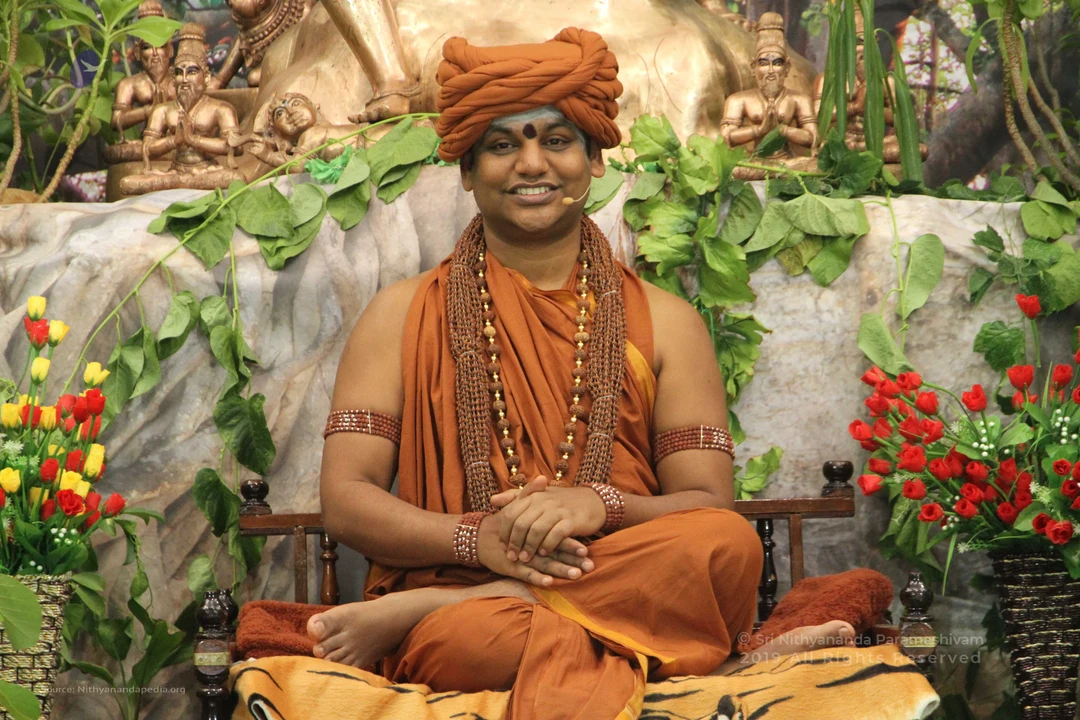
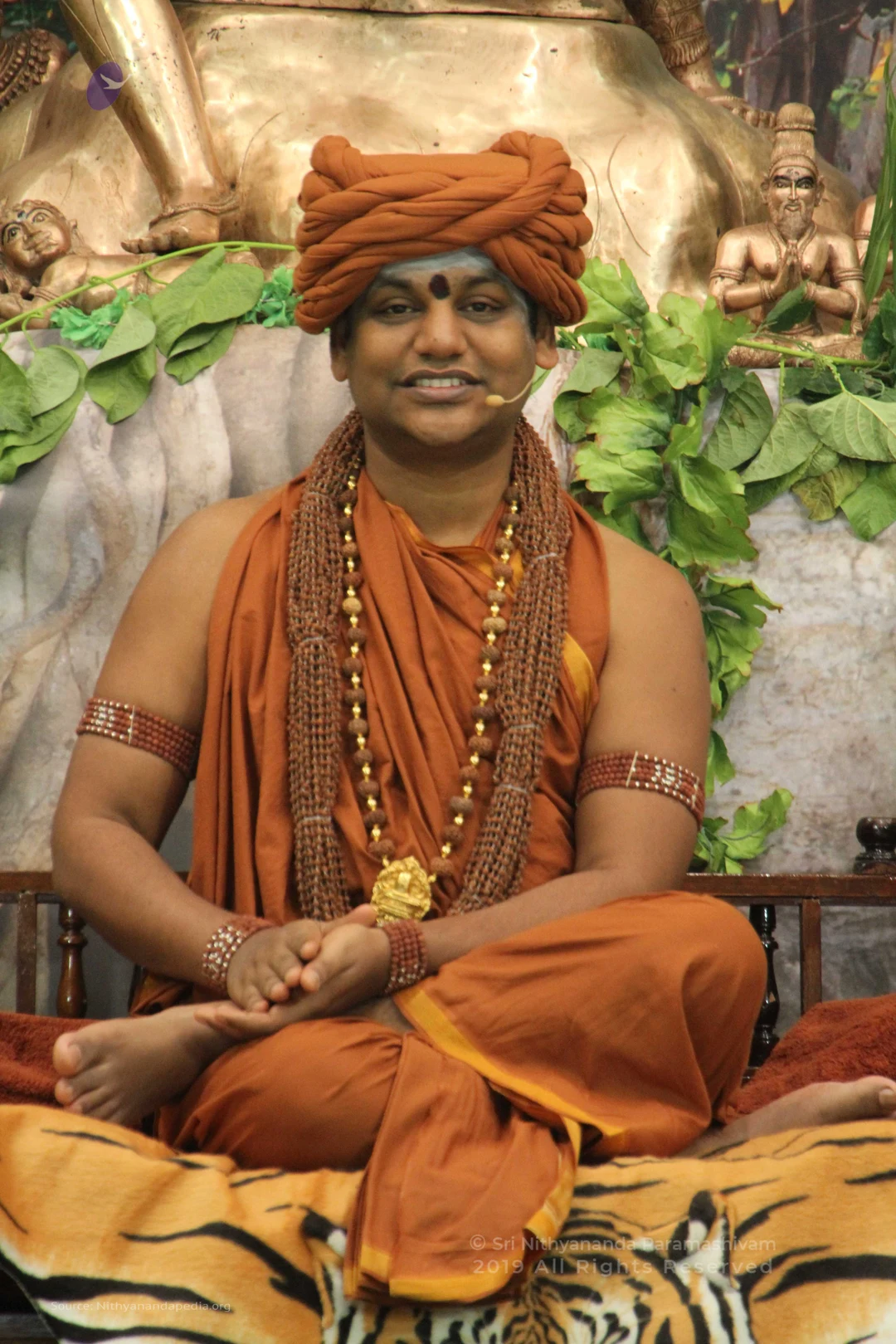
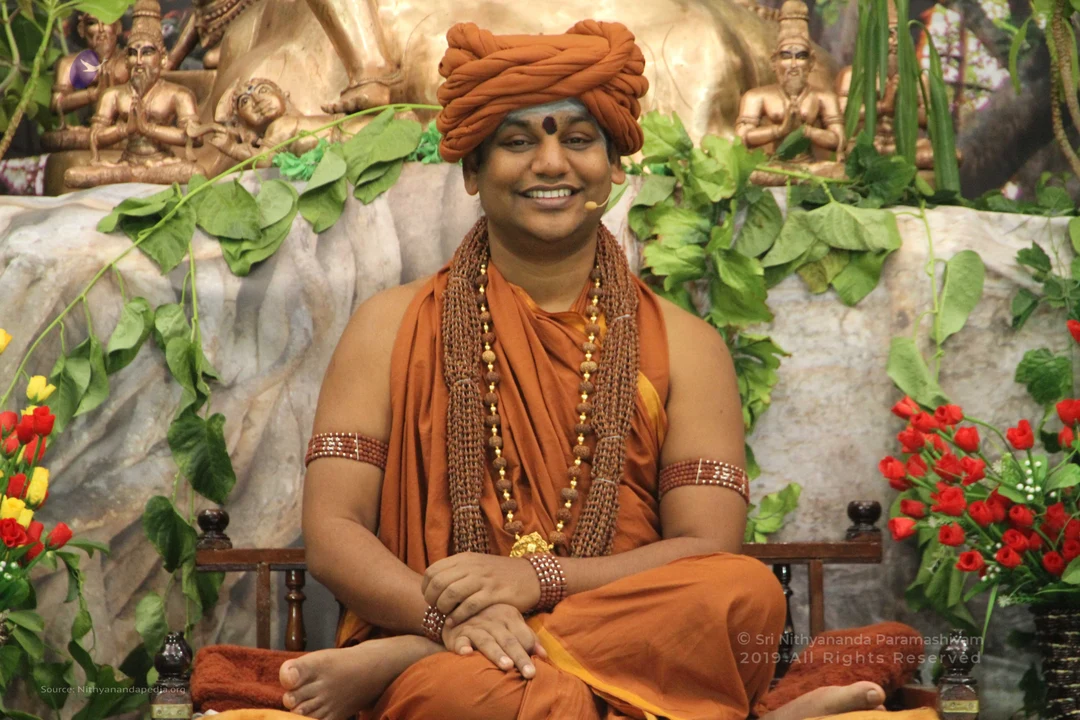
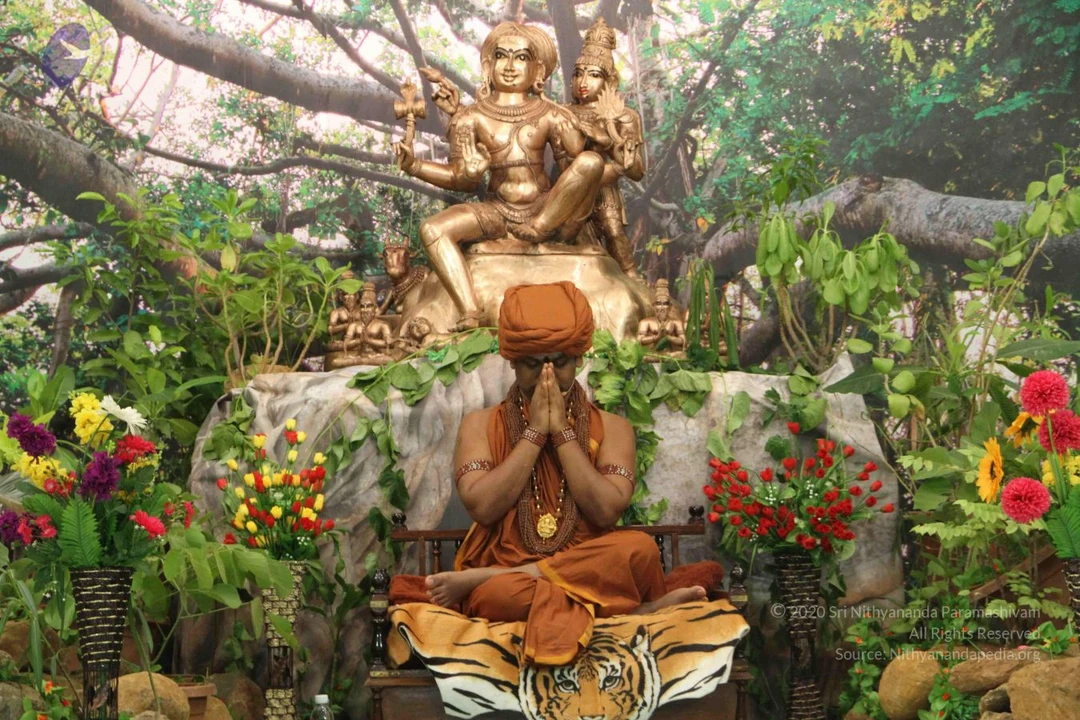
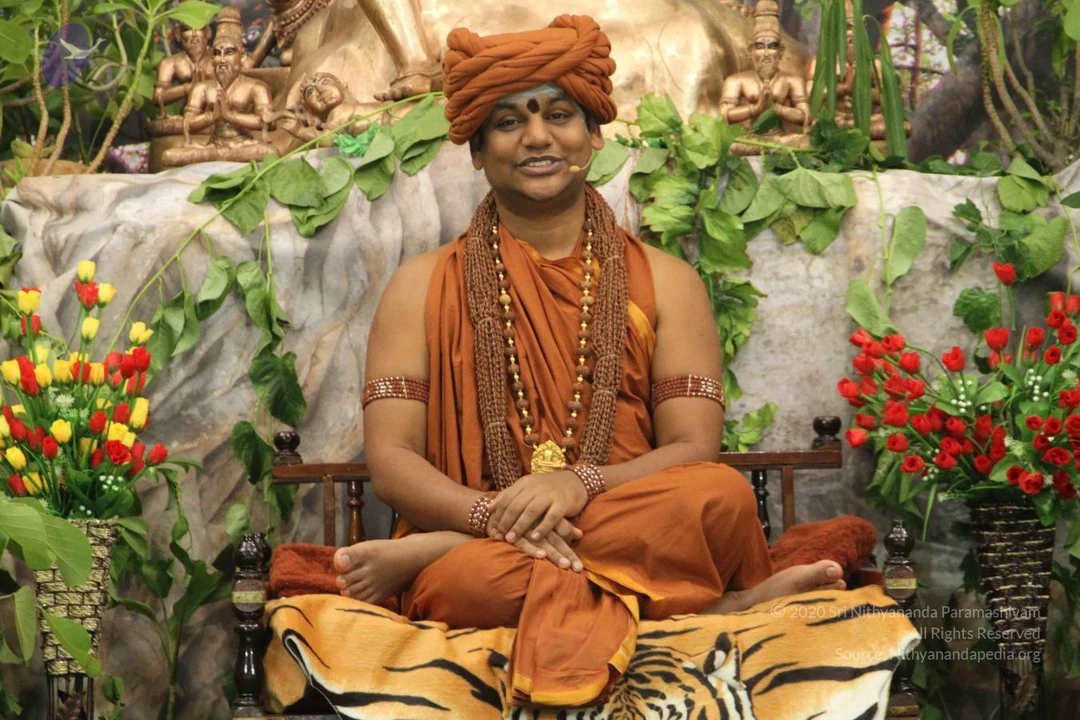
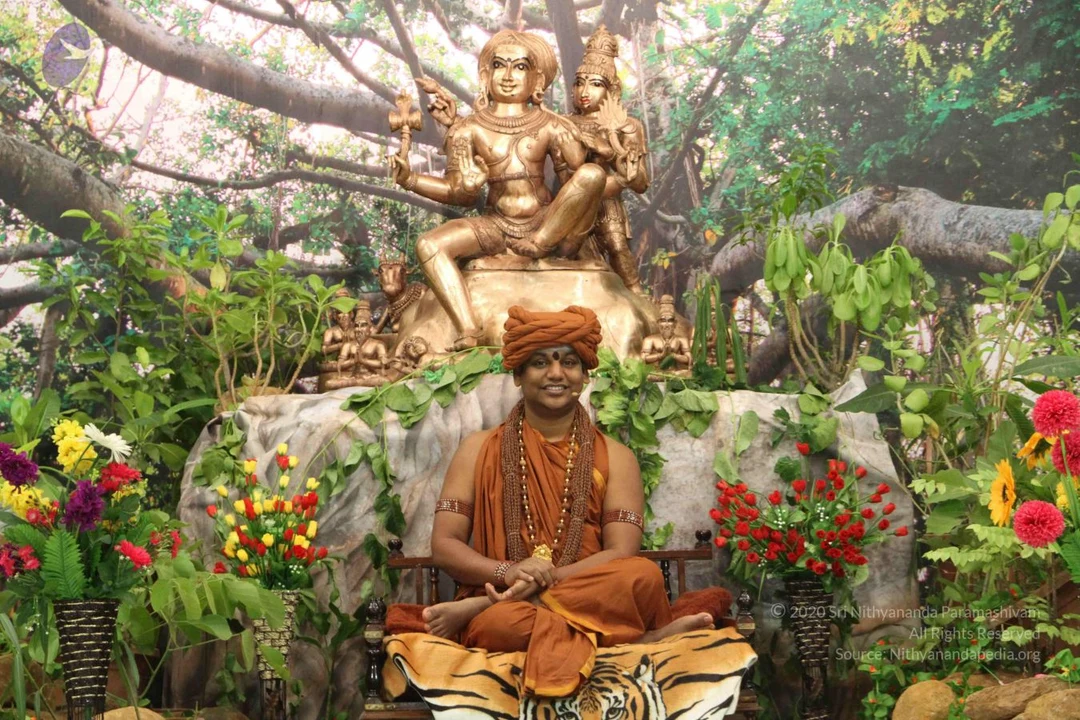
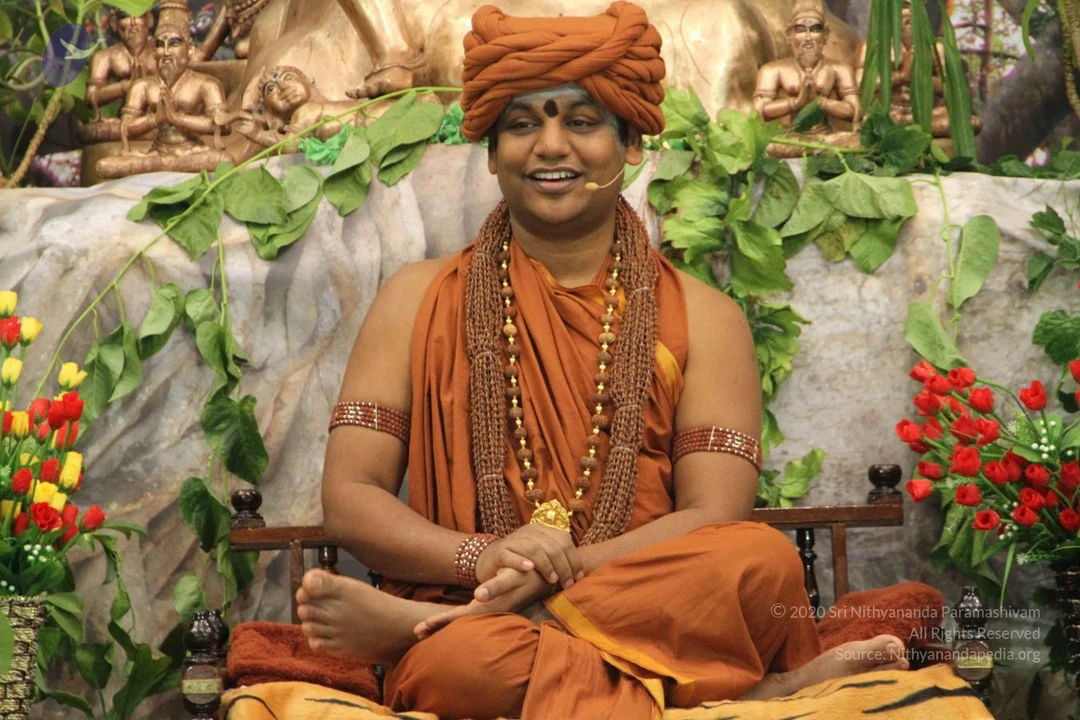
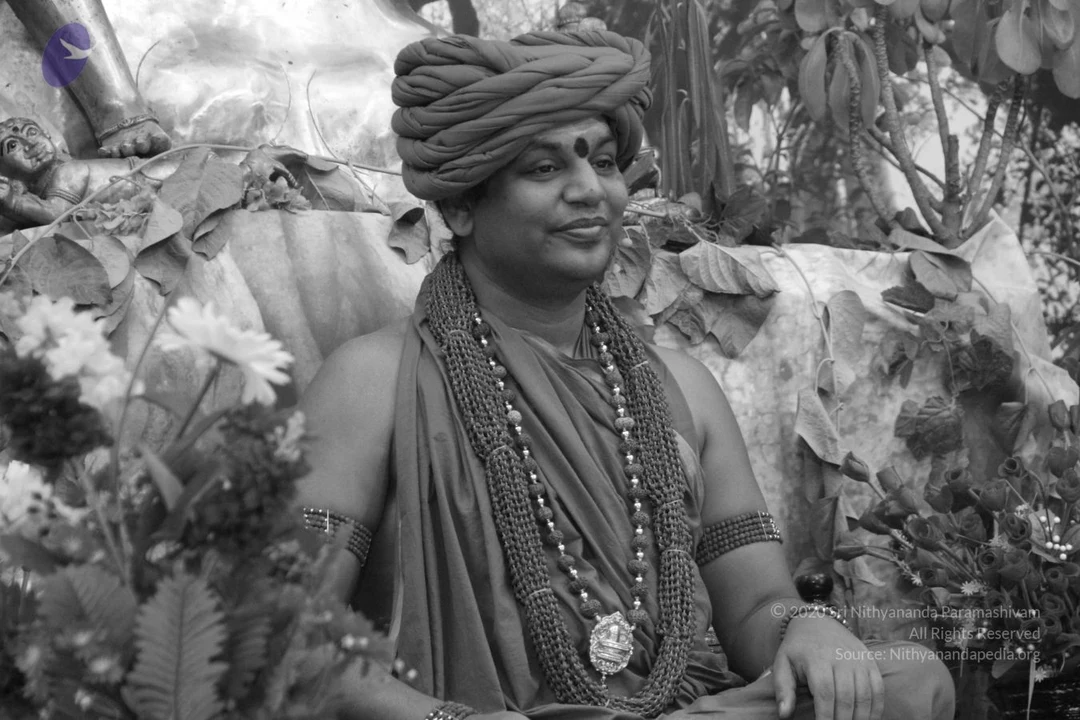
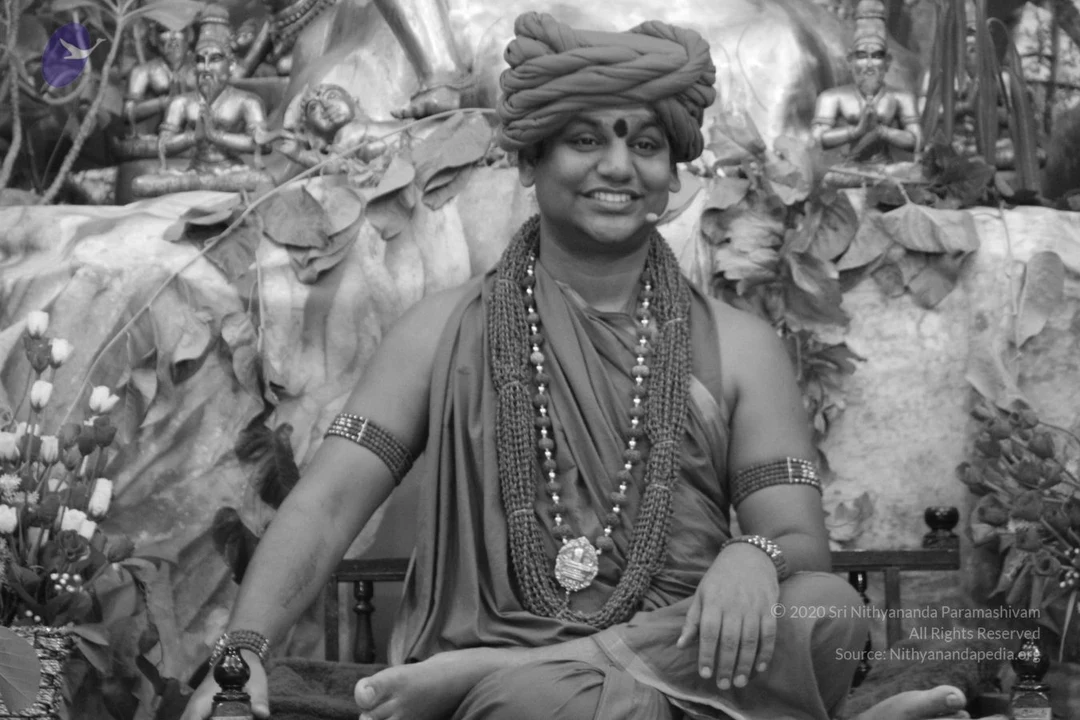
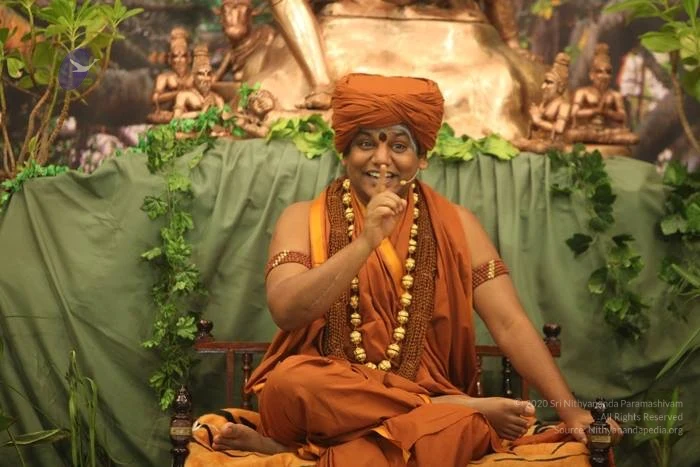
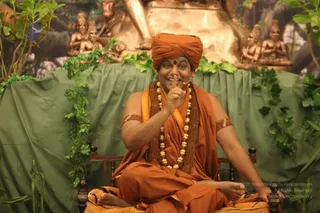
Today’s (13th April, 2015) Nithya Satsang on Ishavasya Upanishad in Living Advaita Series. Paramahamsa Nithyananda expands deeper on Pure Consciousness, giving the descriptions about ‘us’ by the Upanishadic Rishis, who are just exploding to speak about the unspeakable Consciousness, and so repeat again and again about Consciousness which is ISNESS, Self-Existent, All-Knowing Seer, Lord of Minds, everything. We as Consciousness are untouched by any incompletion or delusion, says the Upanishad, the ultimate authority – which cannot be negated or questioned by anyone. Never can any work, bring us tiredness or boredom. It is only the incompletions, the past thought patterns, that make us suffer. To experience these Truths and to heal ourselves, He urges us to do Spiritual Explorations or discussions –Vakyartha Sadas. Isha Upanishad – Verse 8 sa paryagāc-chukram akāyam avraṇam asnāviram śuddham apāpa-viddham | kavir manīṣī paribhūḥ svayambhūr yathātathyato-arthān vyadadhāc-chāśvatībhyaḥ samābhyaḥ || 8 || In an enriching act to bring and radiate World Peace, Paramahamsa Nithyananda launches a global program called ’10,008 Minutes Of World Peace” starting 14 April 2015, starting with Peace for Kenya and later for other peace deprived places. ""Not only I am going to create Yogis, whose third eyes are awakened, I’m going to put them to use that energy in the direction of creating World peace"", He delcared. The Yogis of Nithyananda Sangha will continuously use their spiritual powers of will to bring the urgently needed World Peace and make it into a reality. Watch, Share and Subscribe to our channel to be notified of the next upload click http://www.youtube.com/subscription_center?add_user=lifeblissfoundation to subscribe. visit: http://www.nithyananda.org http://www.nithyananda.tv http://www.innerawakening.org https://www.youtube.com/user/LifeBlissFoundation https://twitter.com/SriNithyananda https://www.facebook.com/ParamahamsaNithyananda https://plus.google.com/104086565286265959836/posts
Link to Video:
| Video | Audio |
Transcript:
Nithyanandeshwara Samaarambhaam
Nithyanandeshwari Madhyamaam |
Asmath Aachaarya Paryanthaam
Vandhey Guru Paramparaam ||
I welcome all of you with my love and respects. I welcome all the devotees, disciples, samajis, satsanghis, Shrimahants, Mahants, Thanedars, Kotharis, visitors, viewers sitting with us all over the world through Nithyananda TV, Sadhna TV, Arra TV, and two-way video-conferencing having Nayana Deeksha.
Cities sitting with us in two-way video-conferencing having Nayana Deeksha: Kuala Lumpur Adheenam; San Jose Adheenam; Seattle Adheenam; New York Adheenam; Toronto Adheenam; Guadeloupe Adheenam; Oklahoma Adheenam; St Louis Adheenam; Melbourne Adheenam; Wilmington North Carolina; Ohio Adheenam; Suva Fiji; Los Angeles Adheenam; Varanasi Adheenam; Warrington; Houston Adheenam; Calgary Amarnath; Singapore Adheenam; Dubai Adheenam; Doncaster UK; London; Surrey Canada; Bangalore North; Osore Adheenam; Hyderabad Adheenam; Trinidad Tobago; Hong Kong Sirkazhi; China; Gupta Kashi Hyderabad and some more cities. I welcome all of you with my love and respects.
Today, first thing, we are launching a program of 10008 minutes for peace. Please understand people whose third eye is awakened if they sit and do a sankalpa, create a will, it will simply become reality. So not only I am going to create Yogis whose third eyes are awakened, I’m going to put them to use that energy in the direction of creating world peace. We are not doing this for Nobel Prize, we are very clear. We are really, really interested in the world peace. We don’t want to talk about it; we want to work for it. We are not interested in any award, reward, peace prize. No but we will do it. We will make it happen. We are starting our first event. Ten thousand and eight minutes of peace for Kenya. We are going to do this first step of peace meditation for Kenya. Tomorrow we are starting. Tomorrow the Vedic calendar New Year, April 14th and to tell you honestly, tomorrow is actual day we started our Sangha. April 14th is the day 2001, 2001. April 14th 2001 is the day. First time I decided to settle down in Erode and started Adheenam, Sangha. Started the Sangha on this very same day, auspicious day, tomorrow we will be doing thousand and eight minute’s peace for Kenya. Starts, it starts from tomorrow but we will be continuously doing until we make world peace as reality, world peace as reality.
Vedic tradition beautifully describes;
‘ yastu sarvani bhutanyatmanyevanupashyati | sarvabhuteshu chatmanam tato na vijugupsate’
The inner peace leads to world peace so we will bring peace to the whole world. It is simple four steps: light 108 or at least 54 Moksha Deepam, lamps for liberation. Most probably it should be mud or it can be silver, gold. Now recently we found out from Argama it can even be brass or copper. Even the brass lamps are accepted. Earlier we did not see the reference. Recently, very recently we discovered it in the agama. Mahadeva accepts brass also as one of the sacred metal, can be used for sacred purposes. Brass, bronze, copper, mud or silver or gold. Anyone of theses six, you can have the lamps and you can light the lamps for moksha deepam’ lamps for liberation and 7 minutes sacred Bhramari Kumbhaka or Bhramari Dhyana means intensely chanting the Maham mantra ‘ mmmmmmmmmmmm.’ That is called Bhramari pranayama in the tradition, yogic tradition to open the heart centre. After the pranayama chant the Swasti Mantra, chant the mantra for the world peace and sit in completion with yourself.
I tell you very soon, very soon we will have at least 10,000 yogis whose third eye is awakened who can read without the usage of eyes and light. Without using the eyes and light. That is what is meant by blindfold reading. Blindfold reading is too small word, too cheap word. So we will have at least 10,000 yogis sitting and radiating peace to the whole universe. We will generate more and more and more enlightened beings , Jevan Muktas doing this to themselves and to the world. So tomorrow we are starting this programme. First we are going to concentrate our energies to peace in Kenya next Kashmir. Next will be Kashmir. We need a lot of peace in India, lot of peace in India. We will work one by one, ring peace to the whole world. We will do it. It’s not for any media gimmicks; it is not for Nobel Prize or any other awards, rewards, pieces. Actually I was thinking I am going to decide to declare I will not accept any rewards, awards anything. Many offers have come, requests have come. No nothing, straight let’s do the work, we don’t have time to waste in award, reward, ceremonies in all this. Let’s straight deliver what we have to deliver to the world. We are Yogis. We are Shiva Ganas, embodiment of Shiva. Imagine Shiva stretching his neck out for any award, reward hmmmm it doesn’t match - rejected. Understand we are Shiva Ganas. We will make it happen, make it happen and Mahadeva is with us, within us. With us and within us. We will do this for world peace and constantly bring the peace really. Really let us bring the peace.
With this I’ll enter into the Satsang.
I’ll continue on the 8th verse of the Isavasya Upanishad:
Saparyaka Chukram Akayam Avranam Asnabeeram Suthamabhabaveedam Kavir Manishi Paribhuh Swayambhur Yatha Tatha YaTho Than Vyadadas Chashwateebya Samabhyaha
Pure Consciousness is all pervasive. Today I just wanted to give a literal meaning, an implicated meaning of this verse. Pure Consciousness is all pervasive, like space, beyond the coming and going, absolute radiant and self-effulgent, absolute radiant and self-effulgent unembodied, boundaryless, whole, understand Consciousness is not embodied. Please listen. Consciousness is not inside your body or outside your body. It is everything that you understand. See if consciousness is inside your body and your body and mind is there, then you can say embodied but here Upanishads are very clearly declaring everything is consciousness. Now how can you say you are embodied consciousness? No, embodied means something other than consciousness should exist but here it is not. Unembodied, boundaryless, whole. It is just boundaryless. How will you imagine? Try, try your best. Boundaryless, like space. Boundaryless Whole. Woundless, muscleless. Means if there is a muscle there is a possibility for wound. It is not restricted to your body. It’s beyond any possibility of wounds, muscles having no incompletion with the body. Means you being consciousness will not destroy the body, no, no incompletions with the body. Beyond the gross body. Consciousness is the ever pure space devoid of the dirt of ignorance beyond the causal body and is untouched by the delusion of incompletion. Consciousness is the all-knowing seer of all, past, present, future. The lord of all minds, Manishi, consciousness transcends all beings.
Each line I have to spend at least one year to explain. Consciousness transcends all beings. Please understand anything that is can become not. Anything is, can become not. Here no is and not. Consciousness is isness which is beyond is and not. It is like Nithya is beyond Nithya, Anithya beyond Nithya, Anithya is Nithya. So beyond is and not, is isness. The isness is consciousness. Consciousness is existent by itself swayambhu, swayambhu.
Kavir manishi paribhu swayambhu .
With its independent will and intelligence understand it is not some dead light kind of thing. No, it has independent will and intelligence. Having no cause for its happening, means it is not caused by something. It’s Pure Consciousness from time eternal has enriched the ages and each being by ordaining desirable responsibilities onto them as per their nature and space, and their actions and results there-of.
Understand it is consciousness that is centre of the karma chakra. It is consciousness that is centre of everything of that which is everything. I’ll read out the verse once more;
Saparyaka Chukram Akayam Avranam Asnabeeram Suthamabhabaveedam Kavir Manishi Paribhuh Swayambhur Yatha Tatha YaTho Than Vyadadas Chashwateebya Samabhyaha
I can say in this verse the Upanishadic Rishi is exploding. He just wants to finish it off whatever he wants to say about consciousness. It is like he feels he can’t describe, he can’t spell it out. Actually whenever you feel you can’t spell it out you can’t describe, you go on repeating the same line ten times. ‘ Oh you know that is that that, that is that that, that is that that.’ When you feel words are not enough you will be repeating the same words which is not enough again and again. You will be repeating the same word again and again. Paribhuh, Swayambhur all these words may be different words but in depth if you see the same meaning but Upanishadic Rishis are repeating, repeating, repeating. One thing, be rest assured Upanishads are very clearly declaring you are untouched by delusion and incompletion. How much you ever visualise and imagine, pull the incompletion over you like a blanket, early morning at four thirty How you pull your blanket early morning, four thirty. Same way you try to pull your incompletion up on you because it’s very cosy but you will be made to get up and go to accorda. So you will be made to throw away your incompletion, made to do the work of an enlightened being. Understand how much ever cosy you feel with your incompletion blanket. Actually we can embroider incompletion blanket. How much ever cosy you may feel with you incompletion blanket you are not touched by incompletions. Upanishads very clearly say you are untouched by delusion and incompletion. Untouched by delusion and incompletions. When Upanishads declare this about you this is you. No one else has a right to tell you anything about you when Upanishads declare you don’t have incompletions. Understand including your Guru no one has the right to violate the declarations of Upanishads. Even I can show your incompletions only to help you to get out of your delusion. Incompletions can never become permanent in you. No! You are untouched by incompletions, that is the truth, that is the right introduction to you about you. I can forcibly show you your incompletions so you can get out of it and be in the space of being untouched. Sometimes if 4 or 5 blankets are put on you, you will feel suffocated and throw away all of the blankets at a time. That can be used as a technique but you can never be described as incompletion, you are untouched, untouched by incompletions. You are untouched by incompletions. Be very clear about it.
Pure Consciousness is all pervasive and it’s untouched by the delusion of incompletion. Consciousness is the all-knowing seer of all, past, present and future. I really wanted the Vaakyartha Sadhas to go on and I really want everyone to participate in this Vaakyartha Sadhas because only when you sit and talk, debate you will even spend your time on thinking about it because otherwise all the time you are worried about you pickles. Stupid. No everything you are worried is nothing more than a pickle. Whether you are worried about your house, car all that is only a pickle for life. The rice of the life, the food of the life is only enlightenment but you are so worried about all your stupid pickles; colours and varieties of pickles, you miss the main food of life. So please understand everyone should spend at least an hour in your life on Vaakyartha Sadhas. Debating, interanalyzing, discussing about the Upanishadic truths because only when you sit and discuss you will think about it. You forgot the process of contemplation. When you are doing your work you are so busy with your incompletions. I am really telling you, your whole day routine never tires you; it is the incompletions and emotional turmoils you go through in whole day that makes you tired and bores. Nobody’s routine tires you. I am telling you human beings, as human beings you are all capable of doing at least 20 times work than what you are doing. Even whole day you are ploughing the land, you are 20 times more powerful. Understand never let physical routine bring tiredness and boredom. It is the incompletions and emotional turmoil that you put yourself in throughout the day. That brings boredom and that brings tiredness. That brings suffering. So when you do this Vaakyartha Sadhas debate that’s the only time you will think about these higher truths. Otherwise the whole day you will put yourself only in the ditch of incompletions and emotionally harming yourself. See when constantly you harm yourself emotionally and there is no plan for recover that’s very dangerous. There should be a plan for recovery. If you hurt yourself whole day at least one hour you should heal yourself. The Vaakyartha Sadhas is the time you heal yourself. Where you put your mind, you apply your thoughts on higher possibilities. So I really sincerely want the Vaakyartha Sadhas circle should be expanded. More and more circles should be created on Vaakyartha Sadhas, to do Vaakyartha Sadhas all over the world. It is just like in the West they have book reading circles, book reading groups we should have Vaakyartha Sadhas groups, Vaakyartha Sadhas circles. We should establish at least ten thousand Vaakyartha Sadhas groups all over the world to do Vaakyartha Sadhas on Upanishads because all these definitions, how much ever I speak you won’t interanalyse. Only if you speak on it you will think about it and you will interanalyse it, you will go to the depths of all these thought, thought currents. The Upanishads are such you have to digest it to feel powerful. It should become part of you to feel powerful. It’s pure consciousness. From the time eternal means it exists before even time started. Time is much lower plane. Time and space are much lower plains. Before time even started it exists. Actually if you understand about consciousness more and more you understand , more and more you will feel settled, secure, beautiful. You will feel more and more beautiful about you, you will just be in love with you. All the restlessness, internal, external it will just get quenched, it will just get settled. Vaakyartha Sadhas on consciousness, thinking about consciousness can bring so much of peace and joy, so much of peace and bliss. Just like how you remember your moments with Guru, how you are filled with joy and excitement. Same way meditating on consciousness can fill you with that same depth of joy and excitement. Do Vaakyartha Sadhas on the Isavasya Upanishad’s definition of you, description of you, description of consciousness.
I bless you all. Let you all radiate with Integrity, Authenticity, Responsibility and Enriching and causing Living Advaita the Eternal Bliss, Nithyananda. Thank you. Be Blissful.
Description
Nithyananda Times - 13th April, 2015
Link to Video:
Photos
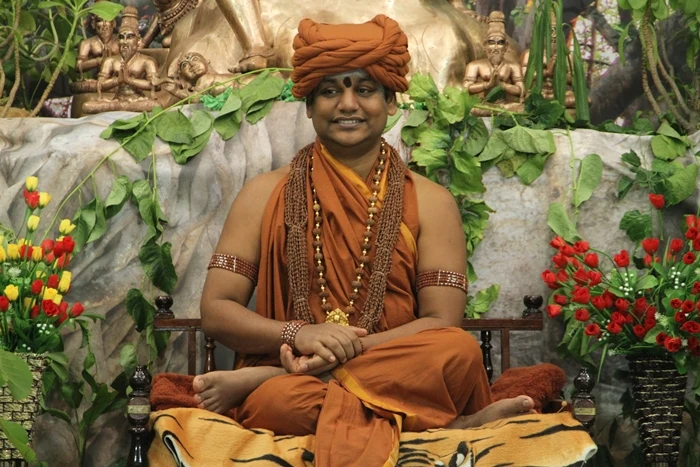
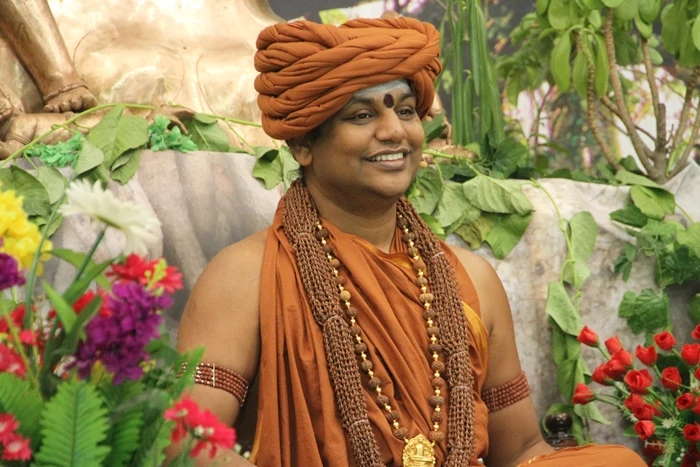
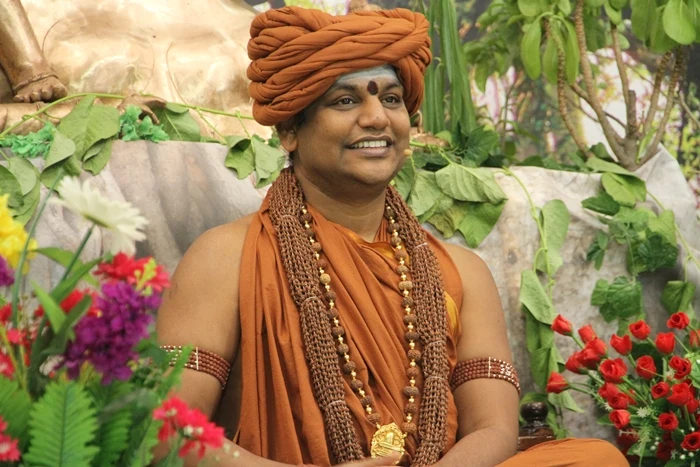
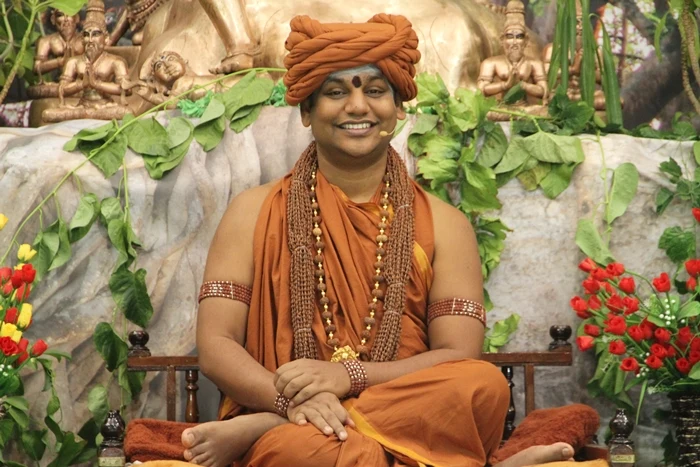
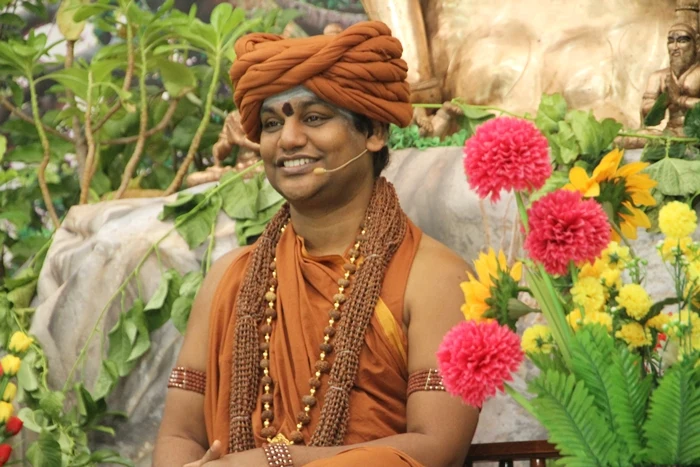
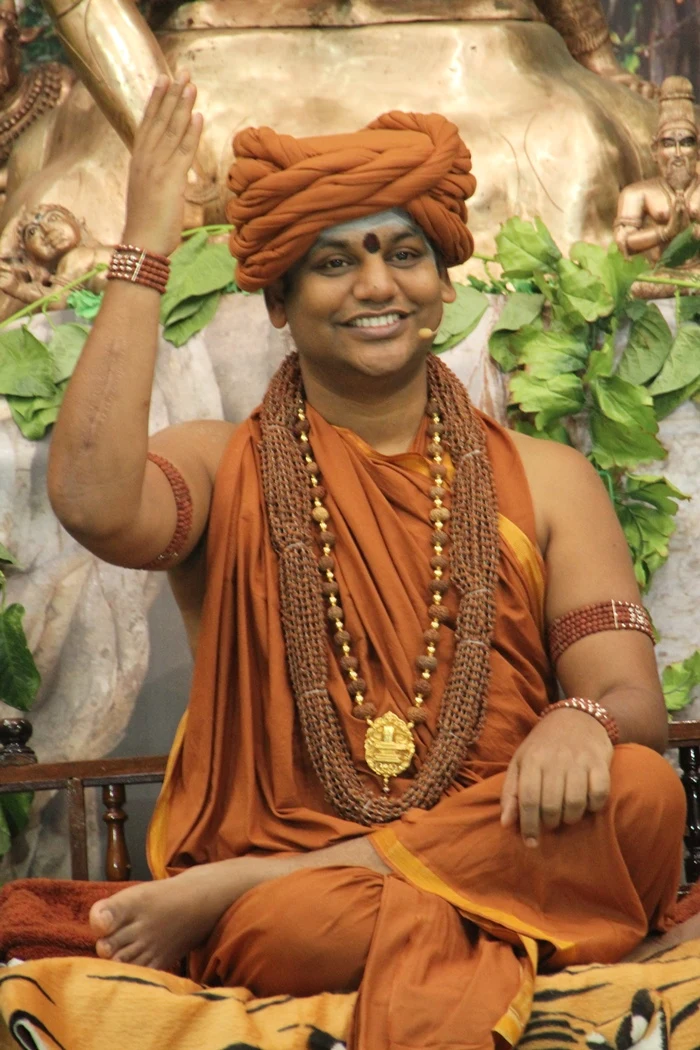
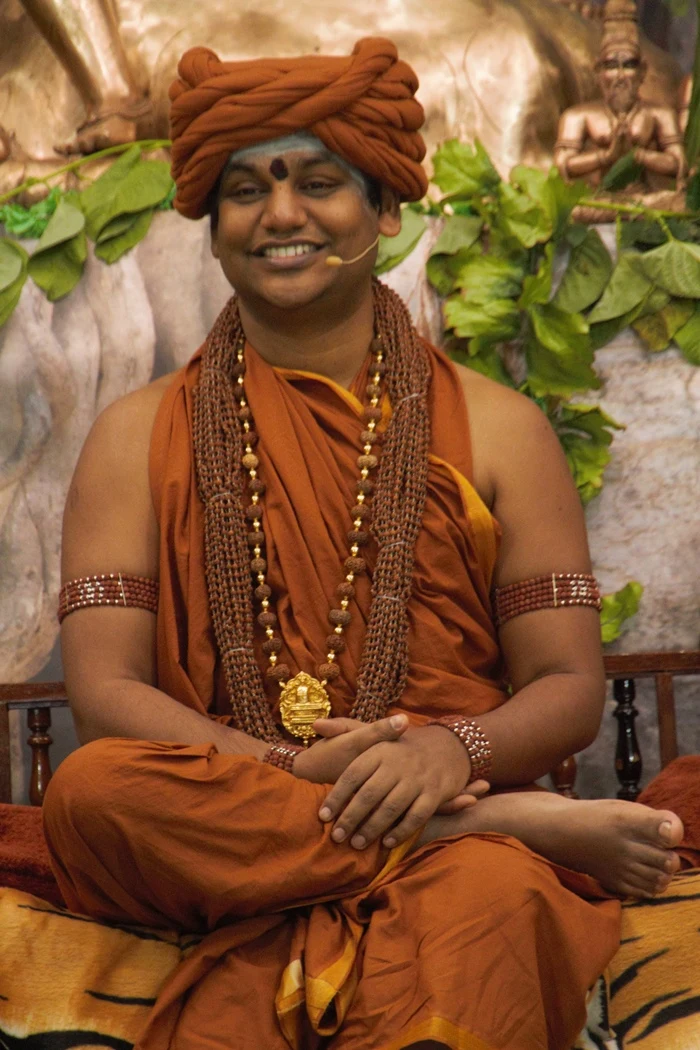
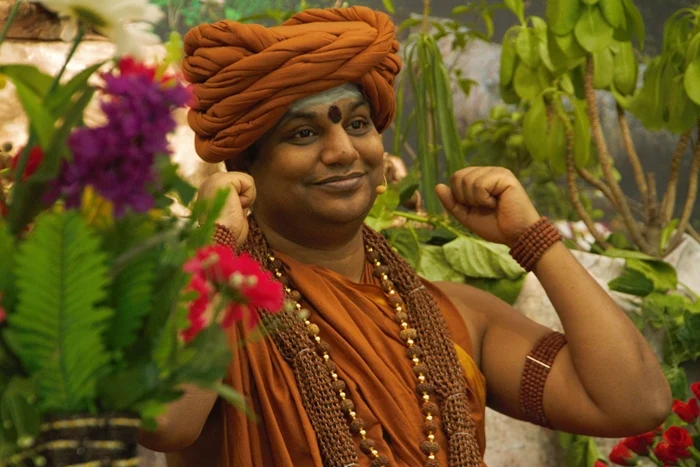
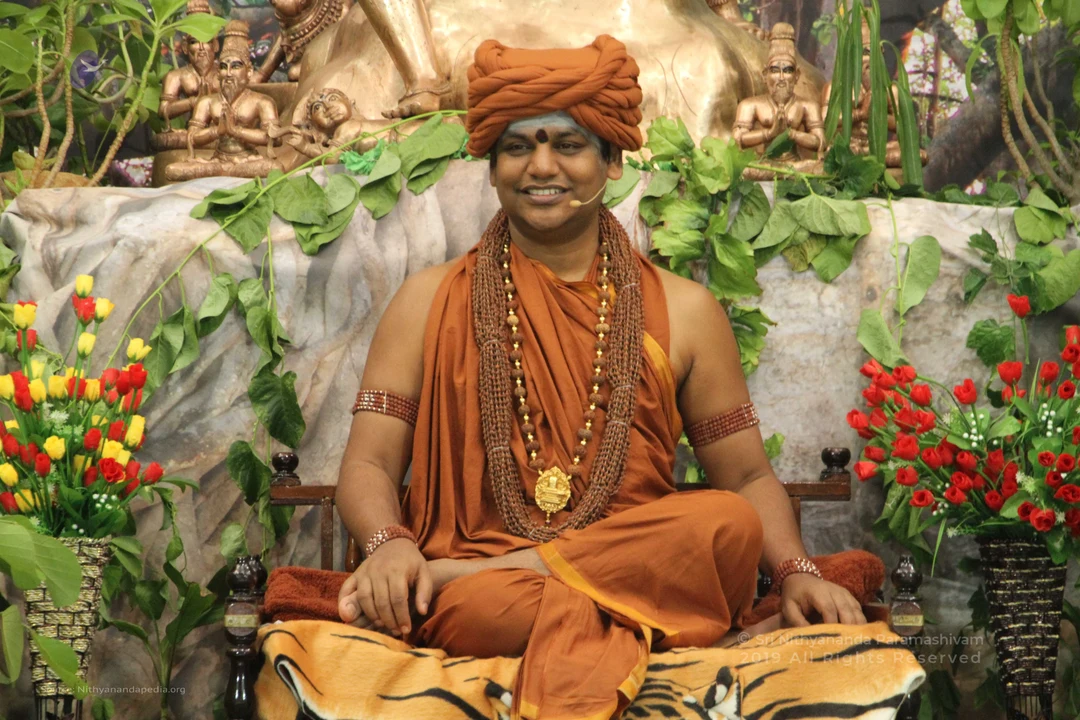
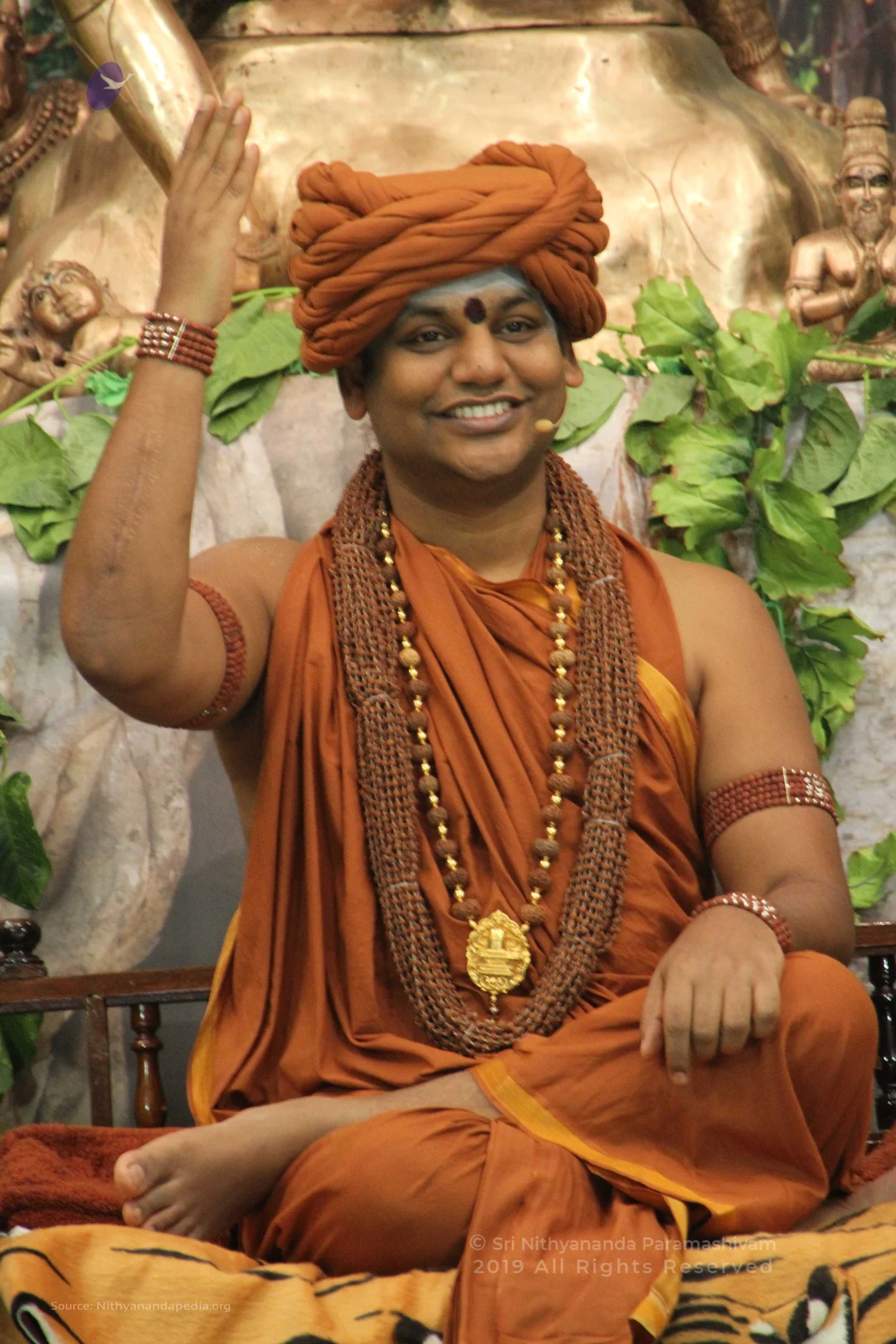
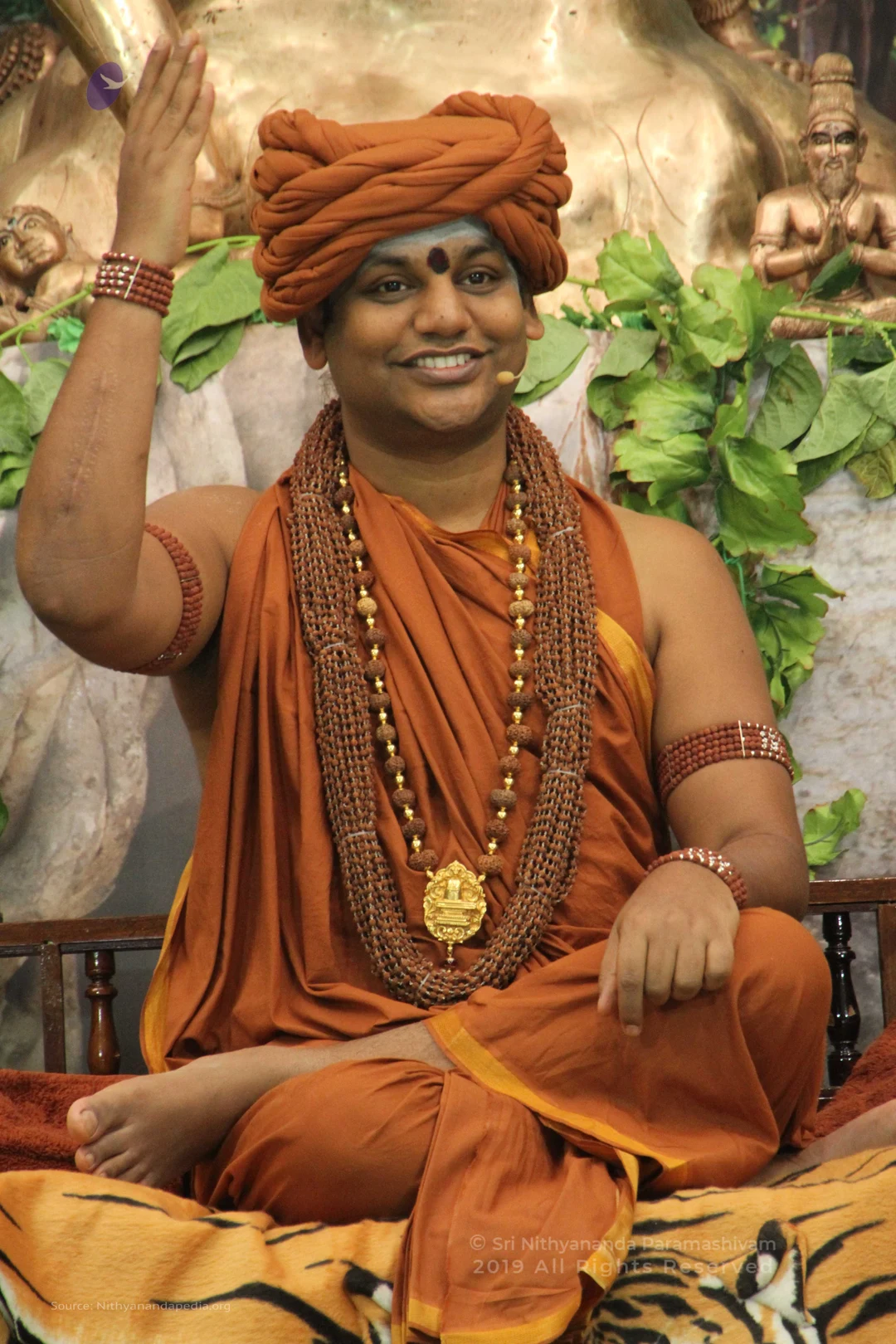
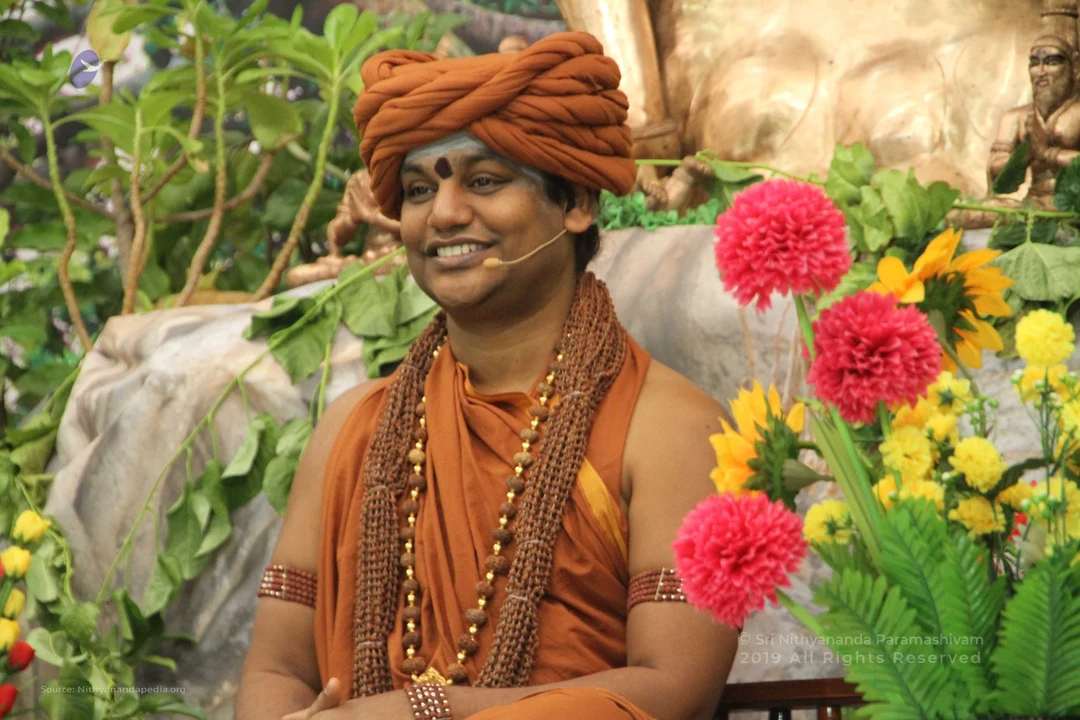
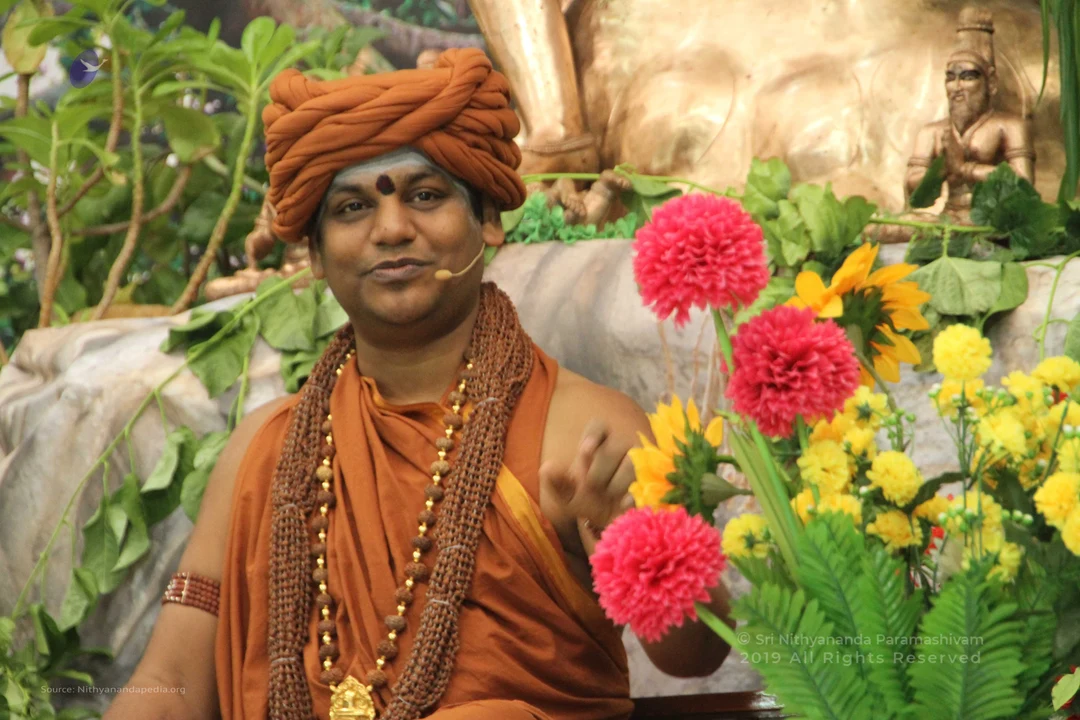
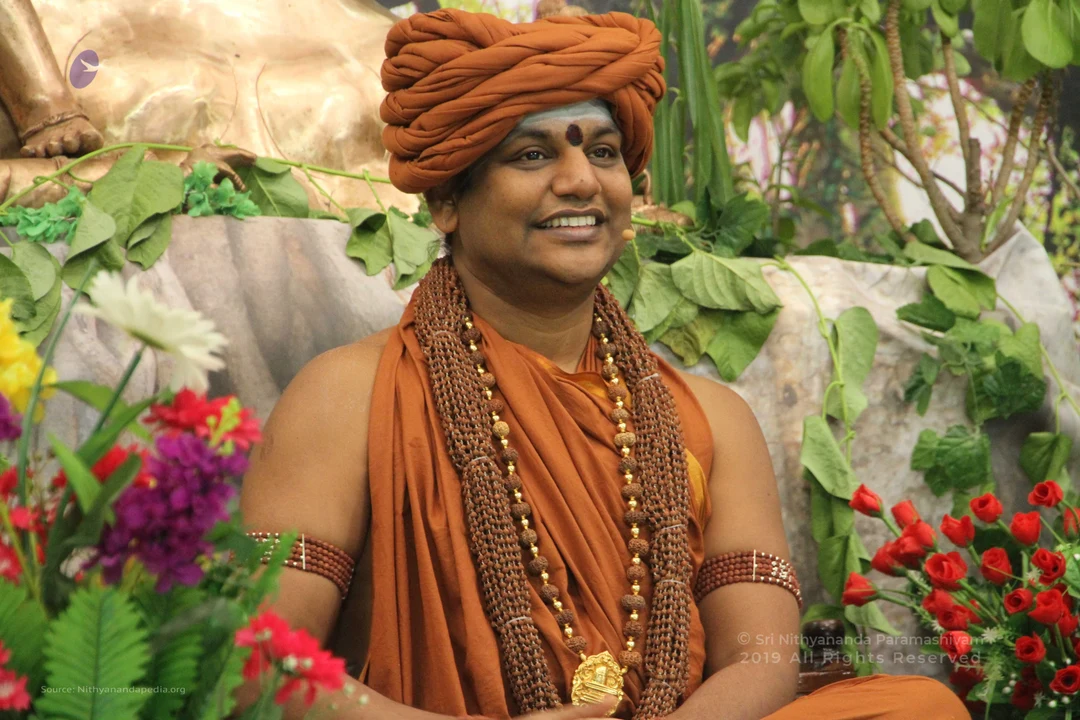
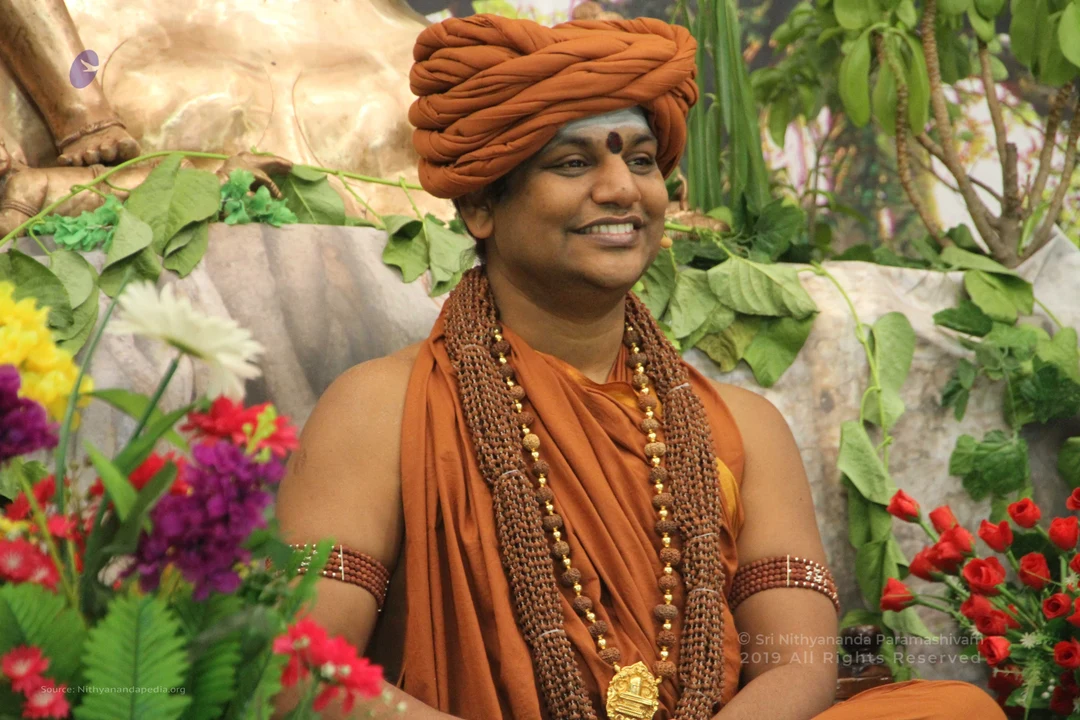
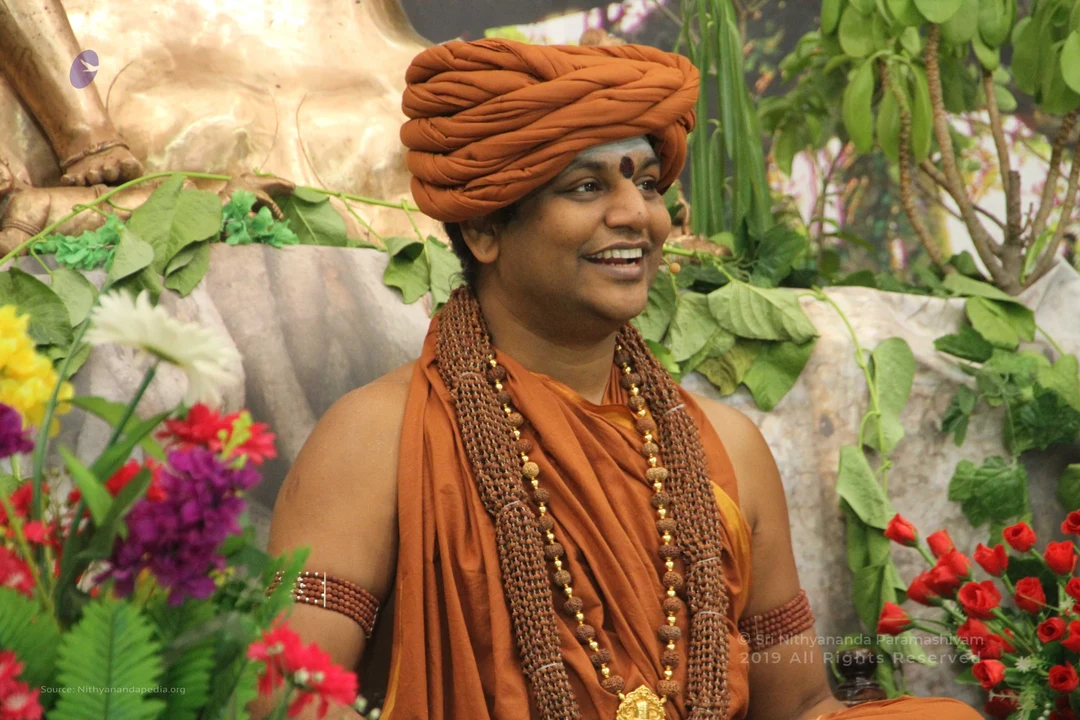
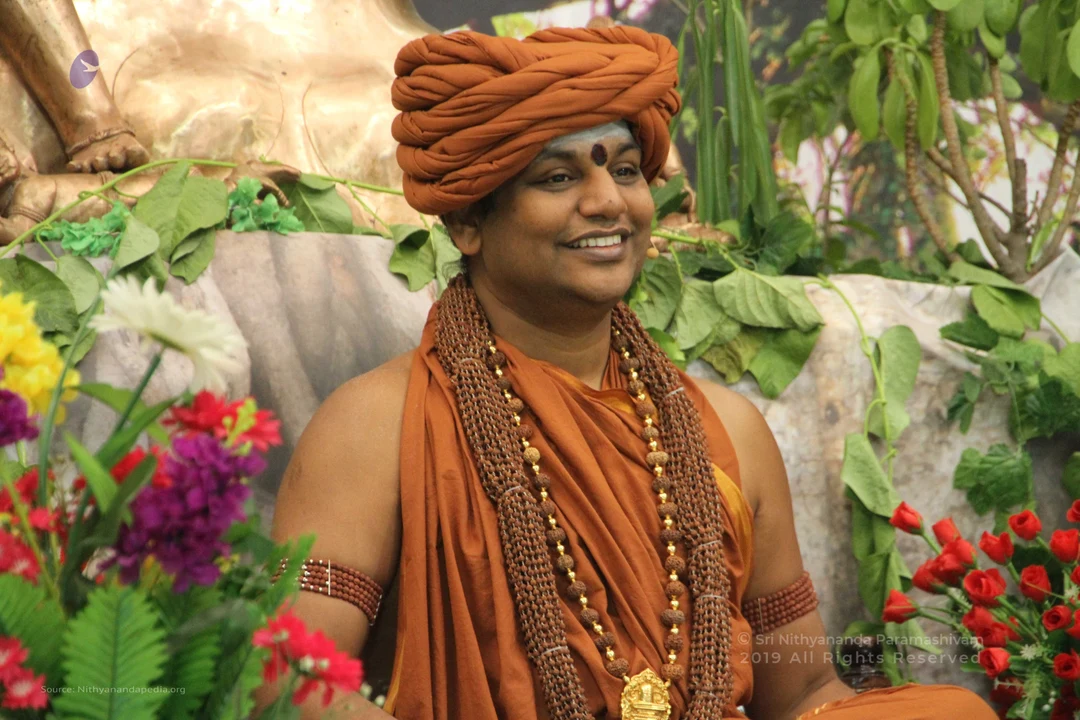
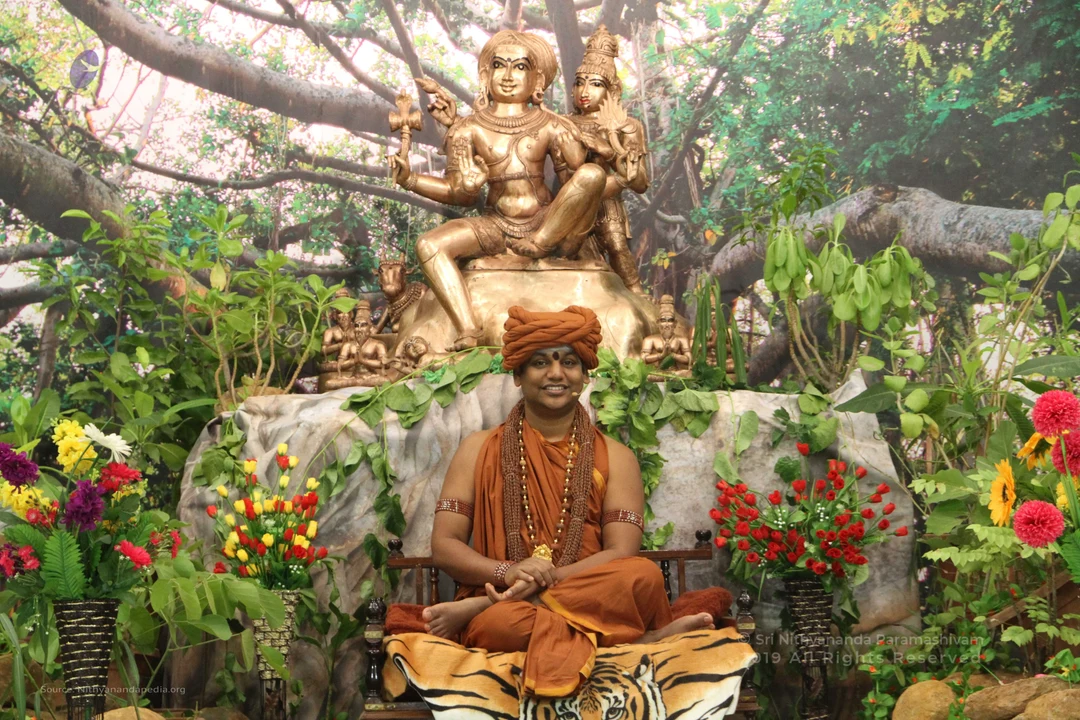
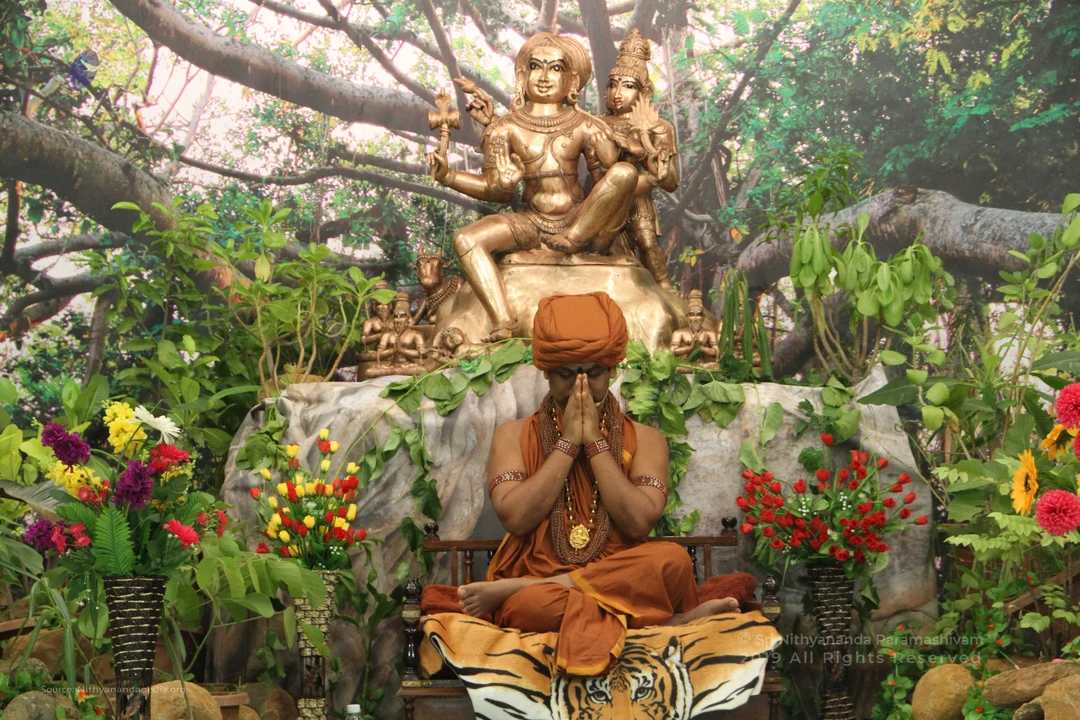
Nithya Satsang


E-Kalpataru

Researches
Title:
Behavioural Analysis of Nithyananda GurukulSM Children
abstract
What is Nithyananda gurukul ?
"Gurukul is a place where the celebration begins with right words in the blossoming minds creating a gateway of possibilities. Creating an enlightened civilization with yogic body and vedic mind.” ~ Paramahamsa Nithyananda
The NithyanandaGurukul is a mystical Vedic school established by HDH Bhagavan Sri Nithyananda Paramshivam. Here students live their highest potential and manifest various spiritual powers.
Why Should One Join Nithyananda Gurukul
“The current system of education established by Macaulay and Max Muller in India is the ‘non-involving narrative style’ of teaching. The original Indian education system was not about continuously giving words, ideas, concepts, theories or theologies. It was about awakening you to the right context – Enlightenment. The Indian Education System – the Gurukul - is more of a ‘transmission’ of the knowledge, rather than mere ‘transfer’ of knowledge. My Gurukul kids will not use their body as a ‘PC’ that merely processes information that is fed to it. They will function as the ‘internet’, accessing knowledge from the cosmic archives and having their own inventions and discoveries!" - Paramahamsa Nithyananda “Understand education means putting set of ideas into your head and forcing you to conform to it. Pressurizing you to memorize it and forcibly making you vomit. In gurukul there is no 'education’, there is only initiations. Initiation means empowering you with powers and letting you play with it and letting you manifest your specialization and letting you grow and glow. There is only one thing SHAKTIPADA that's all. Constantly you are empowered, asked to explore.” ~ Paramahamsa Nithyanada
Overview of the research
The students from the Nithyananda Gurukul were subjected to the research to Record thier behavior As Compared To The Regular School Children. Students would not allow themselves or others to be in the space of powerlessness. Completion happened constantly. They appeared to be a self-correcting, inter-woven network of completion. Living Enlightenment as the goal, Students challenge each other to grow into higher states of social and emotional functioning by actively facilitating the thinking/understanding of the common goal: Living in the state of Enlightenment. Students used a common language that was based on the common goal of living in a state of balanced emotional maturity.
Objective:
To Record The Behaviour Of The Nithyananda Gurukul Children As Compared To The Regular School Children
Design By:
Debbie Chance PhD in Education School Administrator, Winston-Salem Forsyth County Schools North Carolina, USA
Study And Analysis:
General observations
Gurukul students were mature and very respectful of the adults, of me and of each other. They were highly attentive and conscious of the needs of other students and were frequently observed dressing, helping, nurturing and problem-solving with each other. This was regardless of age; even young students assisted older ones and helped teachers as well.
De-escalation of conflict
There was no competition or comparison, and no aggression except for a few times, which was immediately solved by a self-appointed group of ‘de-escalators’ who intervened quickly, asking questions like, ‘Are you in the space of Shivoham?’ Or, ‘How can you get in the space of Shivoham now?’ One young student was observed crying and hitting another older student multiple times. This older student just ‘took the hits’ and moved away. Within five minutes, he had ‘completed’ with the de-escalators, and moved on.
Response to pain
School Administrator Sridevi was presented with a student with a pain in the body. She asked the students, ‘What is pain?’ and ‘Can you take care of it?’ The student said yes and went away. Sridevi was observed allowing students to be self-directed in the classroom, assigning work with time limits that were flexible, and students could pace themselves - play or sleep, play with beads, and do whatever, so long as they finished the assignment according to the parameters.
Re-direction
Students clearly respected Sridevi and frequently asked questions and formed small groups to accomplish tasks. One student who “had a stick” in the back of the class for three different periods (and was clearly off-task) was immediately re-directed by Sridevi to produce his work. He happily complied.
Restful awareness
Basically the group functions as a WHOLE and they appear to be able to sit quietly for long periods of time in restful awareness. There is no picking-on, harassing, fighting, put-downs, as one would expect in a ‘normal’ school. On one occasion dinner was late, and they waited quietly for over an hour with no complaints.
Adult-type behaviours
Students assume responsibility for adult-type behaviours like redirecting, advising, questioning and active listening to each other. One 7-year-old after finishing his report, spelling and printing correctly, got up walked over to another student and helped him to write and spell for his report. Another 11-year-old frequently directed the whole class, “Everyone be in the space of listening”. Of course, everyone listened, and the re-direction happened easily.
Completion
Students also take responsibility for helping one another ‘complete’ themselves by asking relevant questions to facilitate each other’s understanding of the completion process. Students would not allow themselves or others to be in the space of powerlessness. Completion happened constantly. They appeared to be a self-correcting, inter-woven network of completion. Living Enlightenment as the goal Students challenge each other to grow into higher states of social and emotional functioning by actively facilitating the thinking/understanding of the common goal: Living in the state of Enlightenment. Students used a common language that was based on the common goal of living in a state of balanced emotional maturity. Where else would you find over 100 students of all ages in one big room, sitting together, eating together, just being together, in such silence?
Link To Facebook
https://www=.facebook.com/ParamahamsaNithyananda/photos/a.321615927926264/819841674770351
Tags:
Meditation,Spirituality,Kundalini,Awakening,Transformation,Enlightenment,Upanishads,Advaita,Living Advaita,Isha Upanishad,Ishavasya,Isha Upanishad Verse 8,Paramahamsa Nithyananda,Isha,Satsang,Shiva,Mahadeva,Pure Consciousness,Consciousness,Nithyananda Sangha,Karma,Break Karma,Karmic Cycle,Shuddha Advaita,Shaiva Siddanta,Incarnation Of Shiva,Arunagiri Yogeshwara
Photos Of The Day:
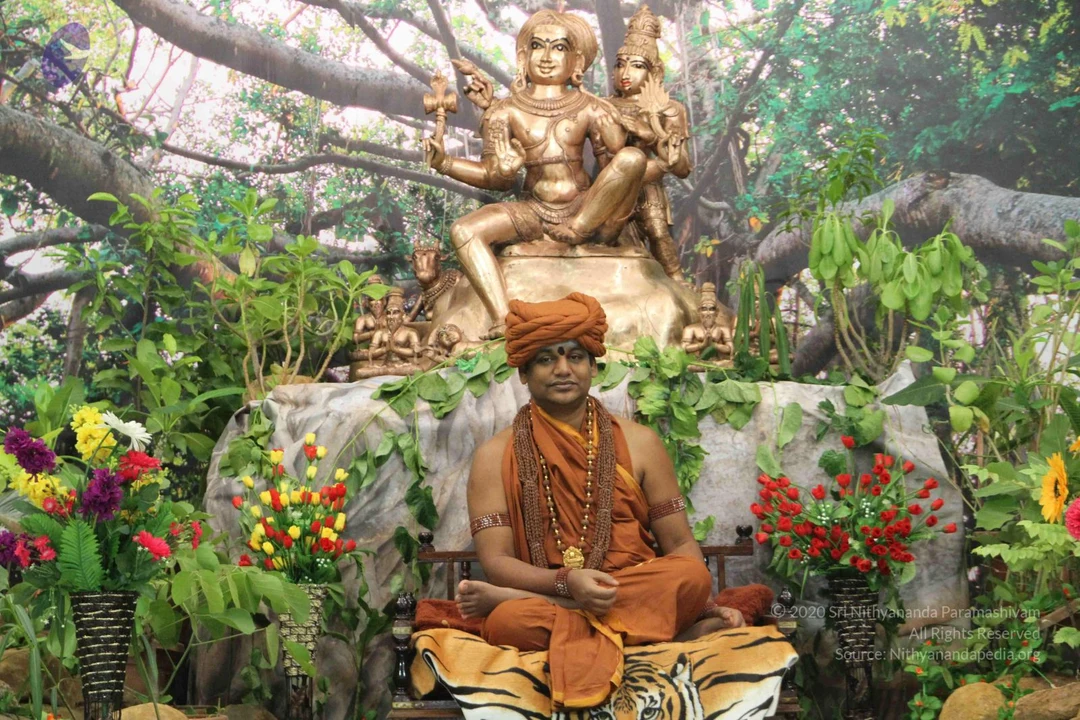
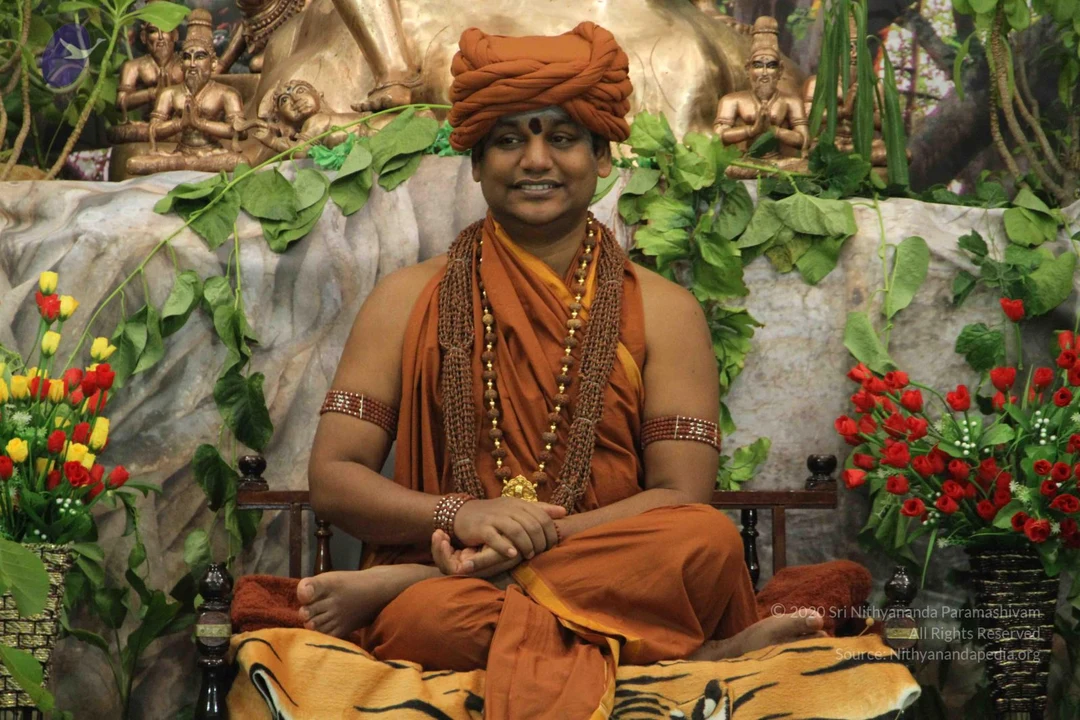
Nithya Satsang
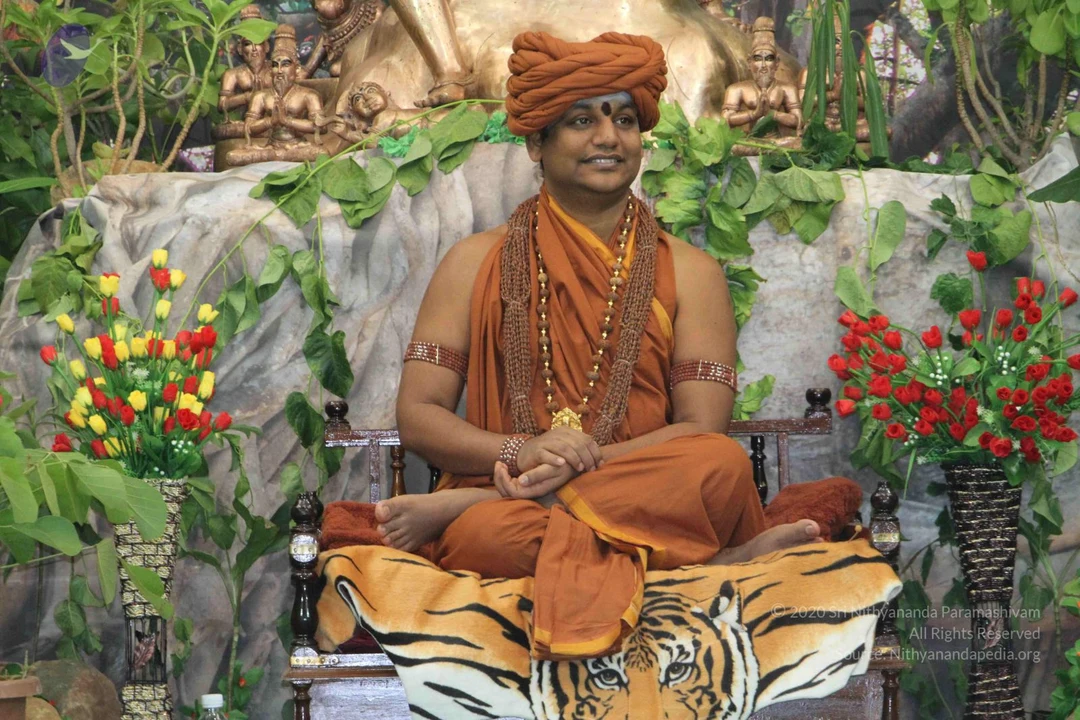
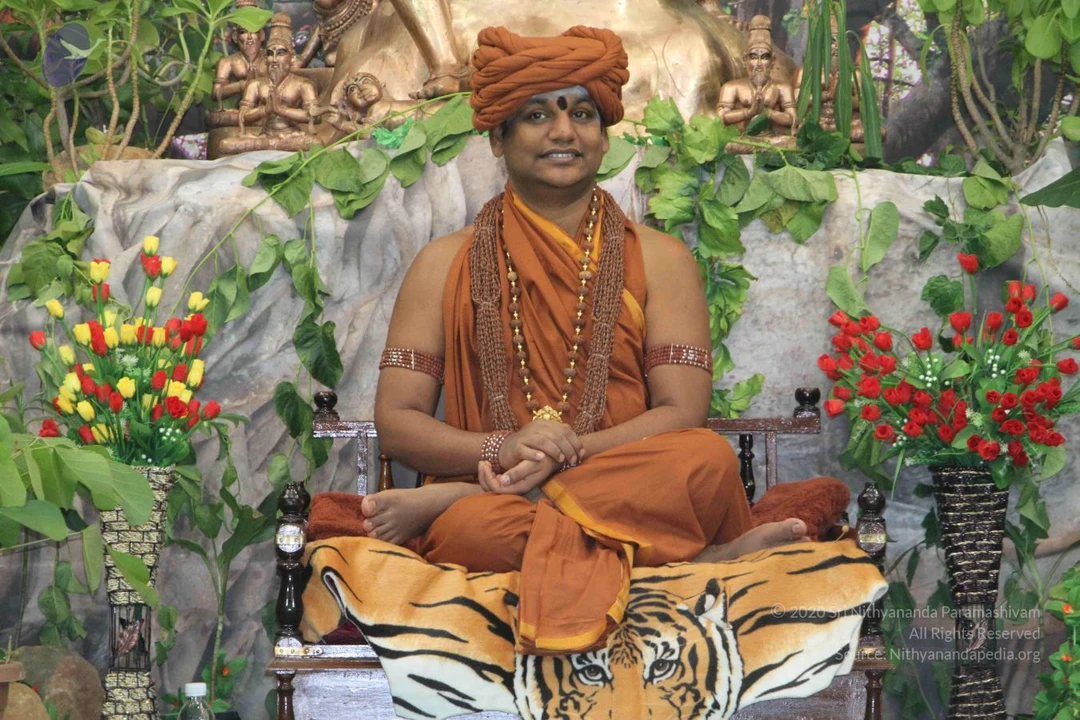
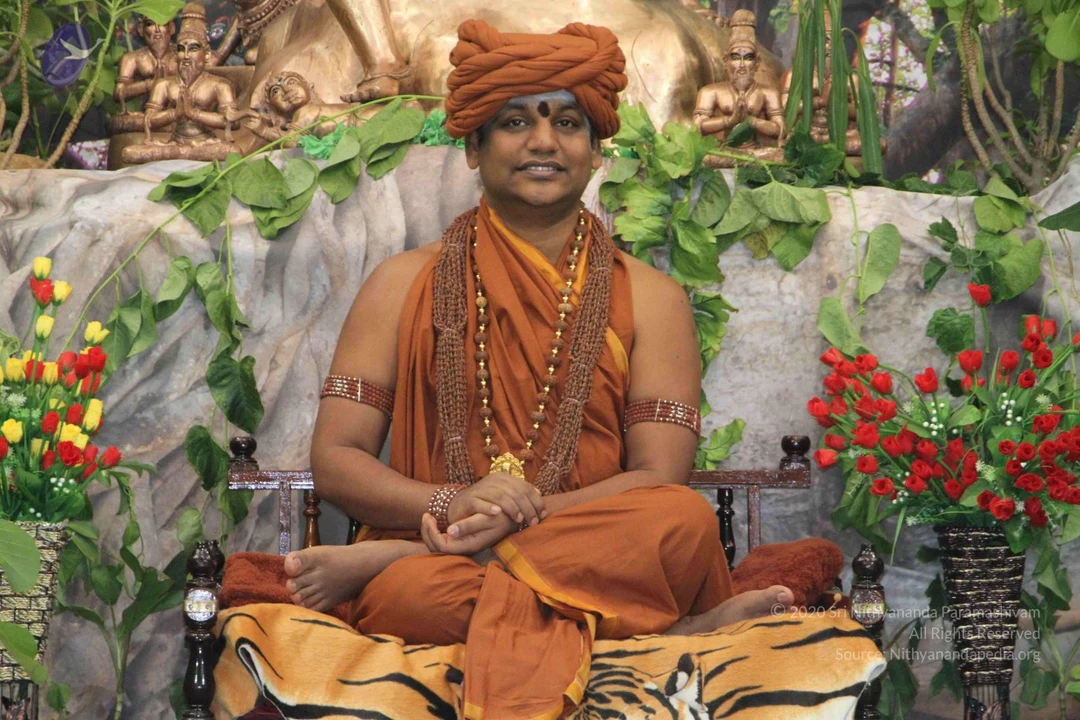
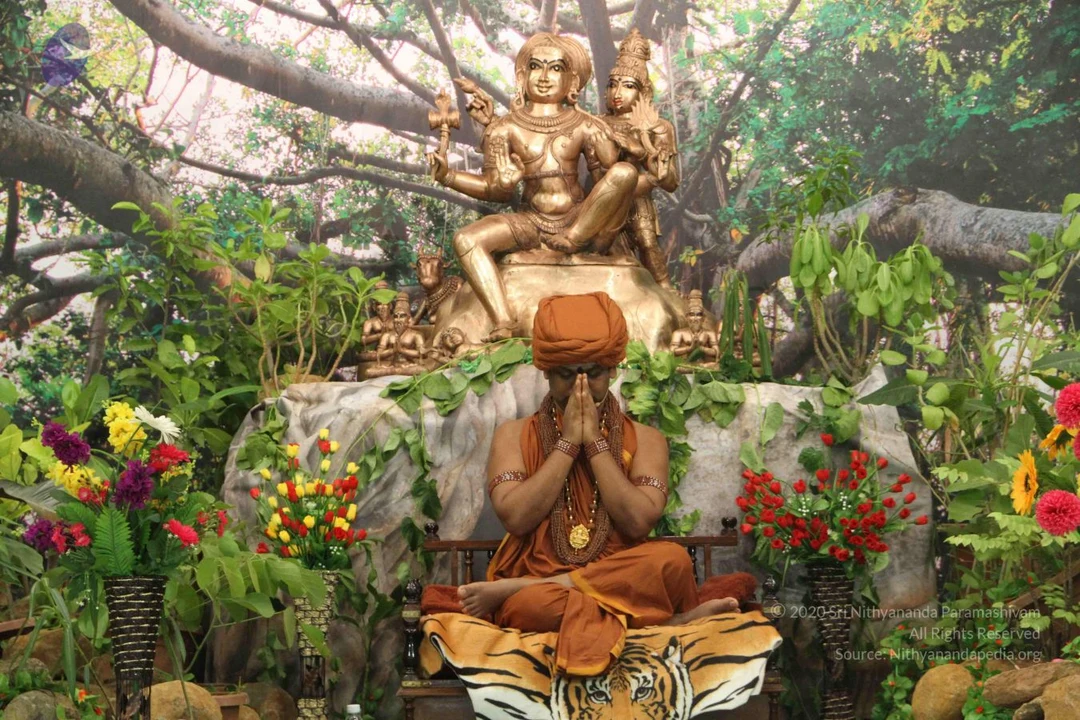
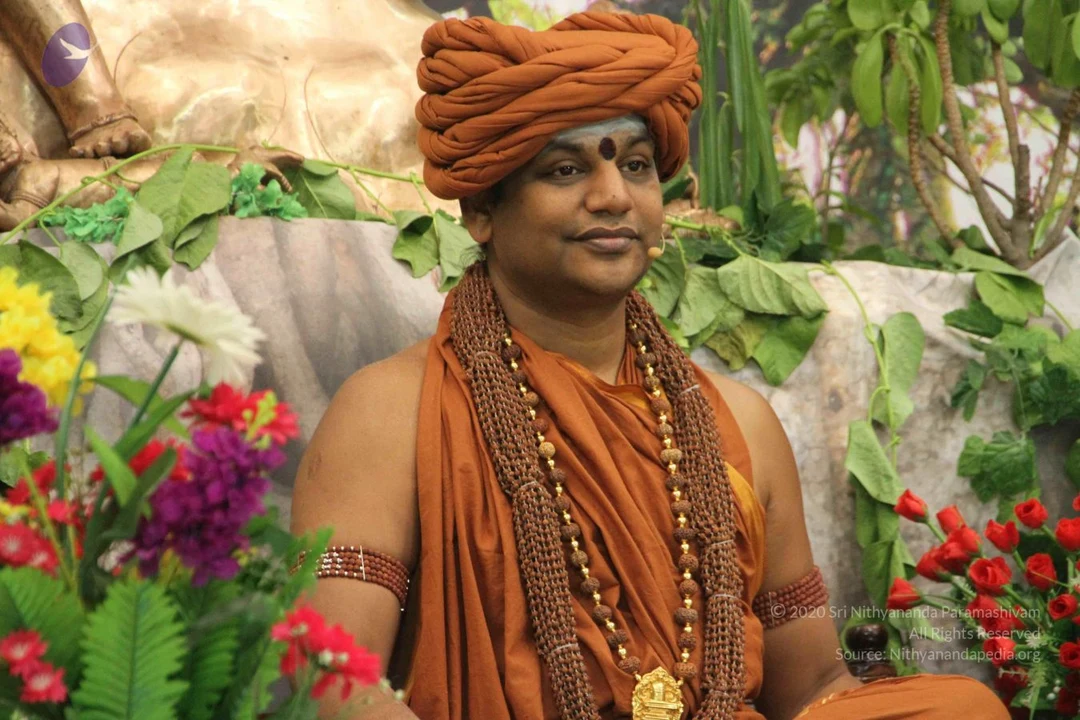
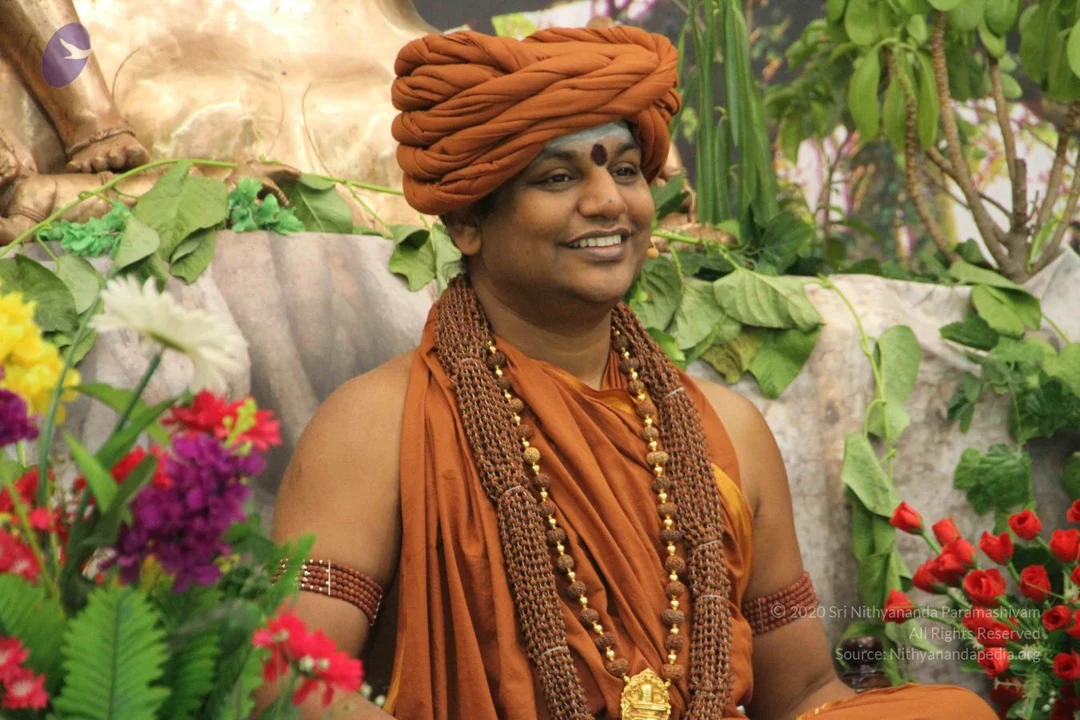
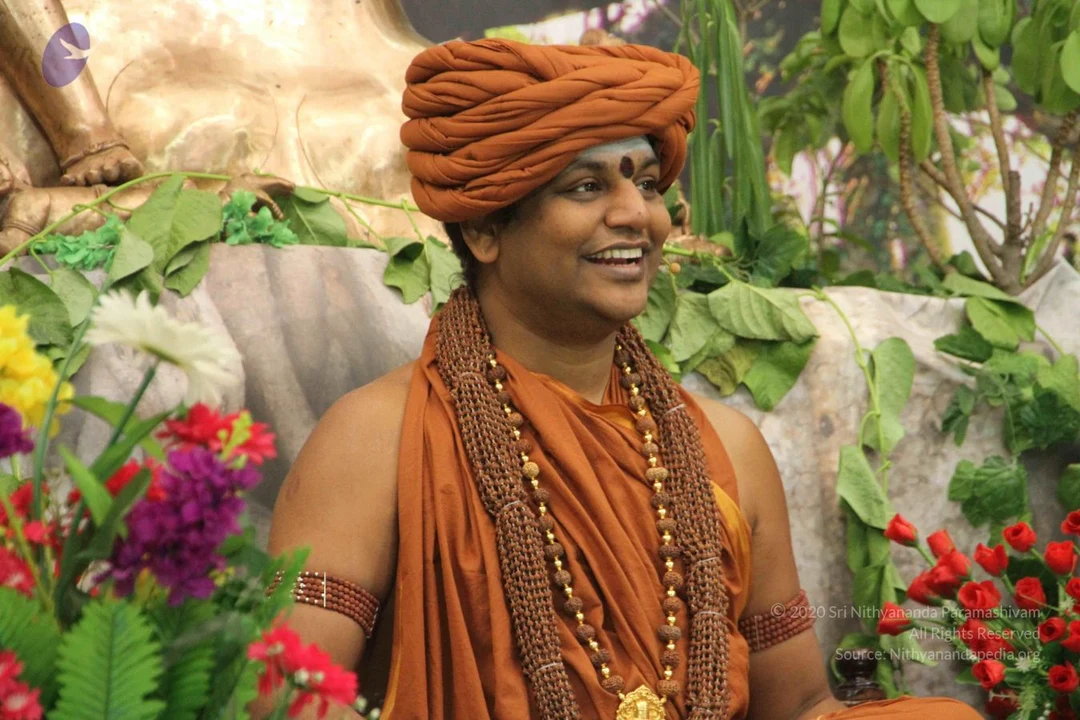
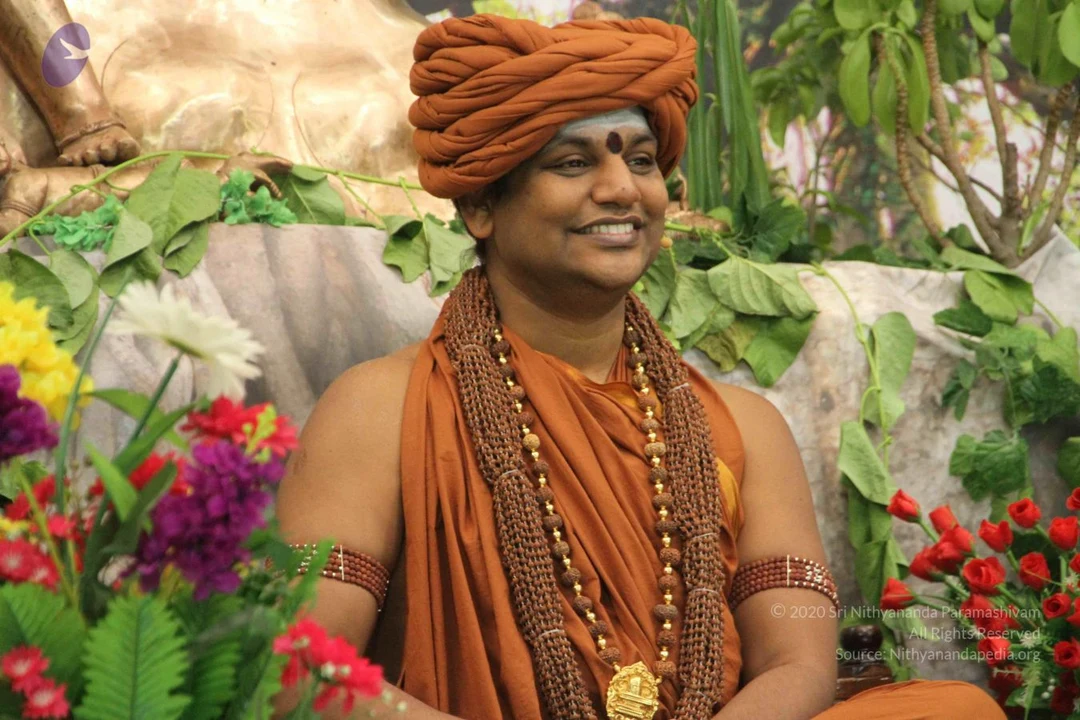
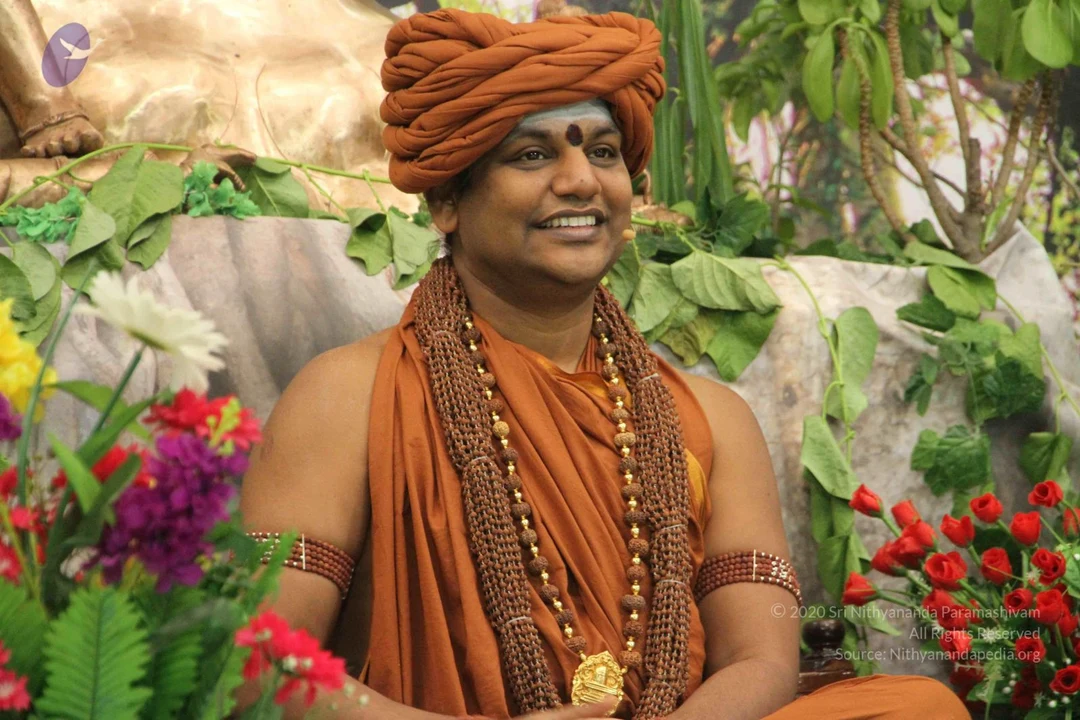
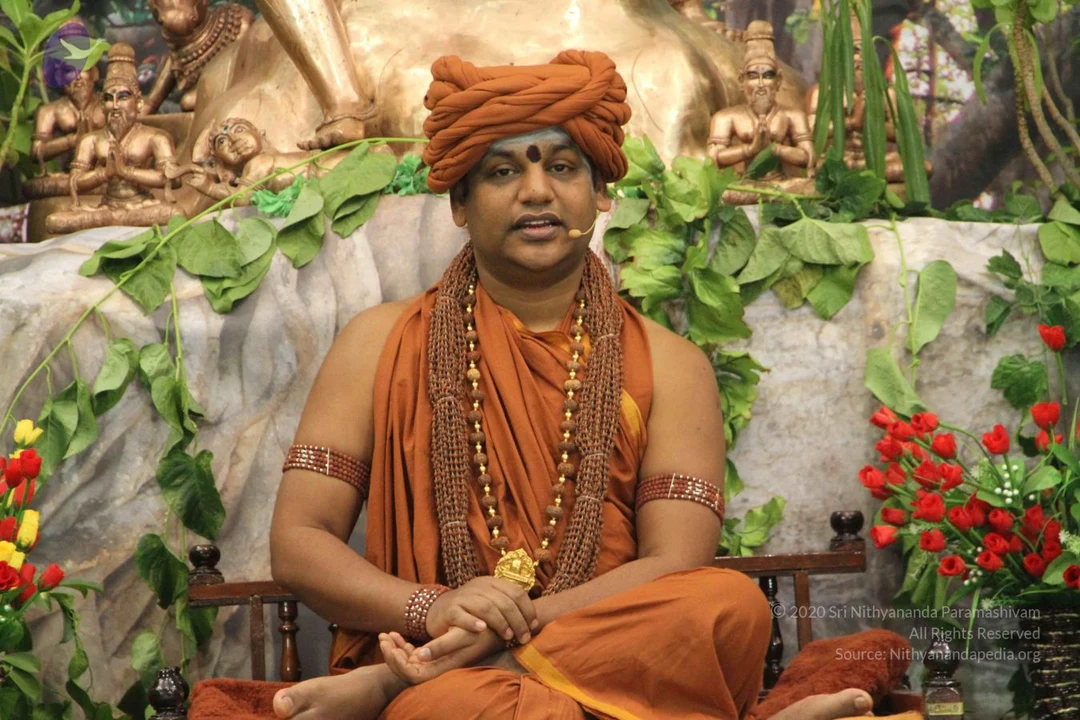
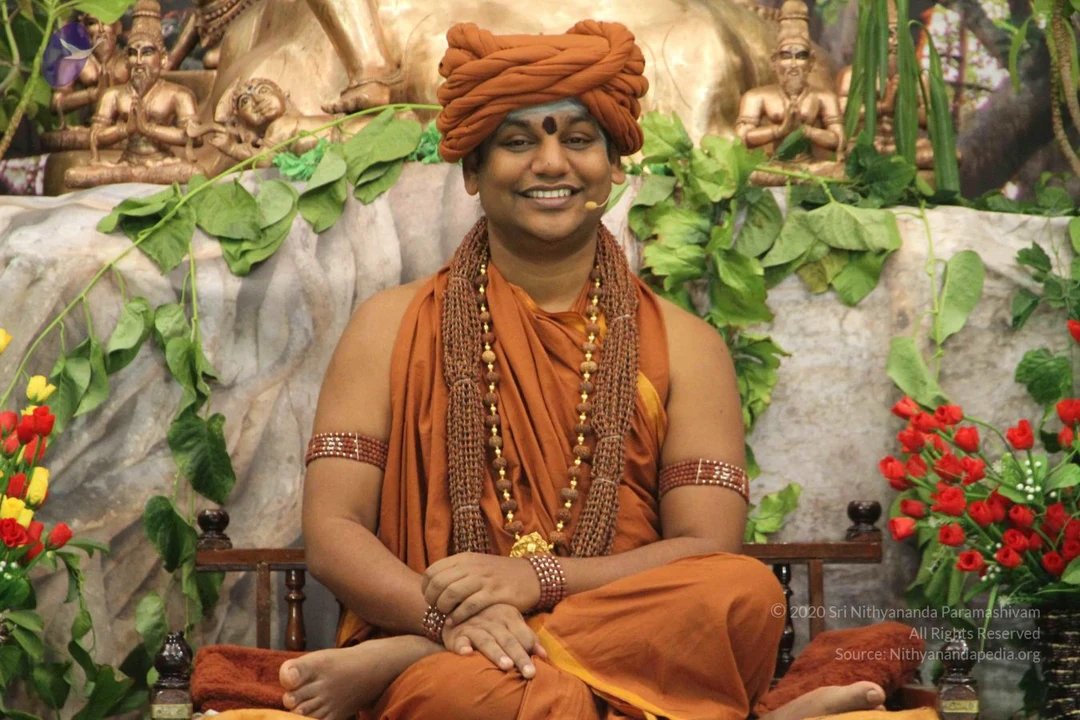
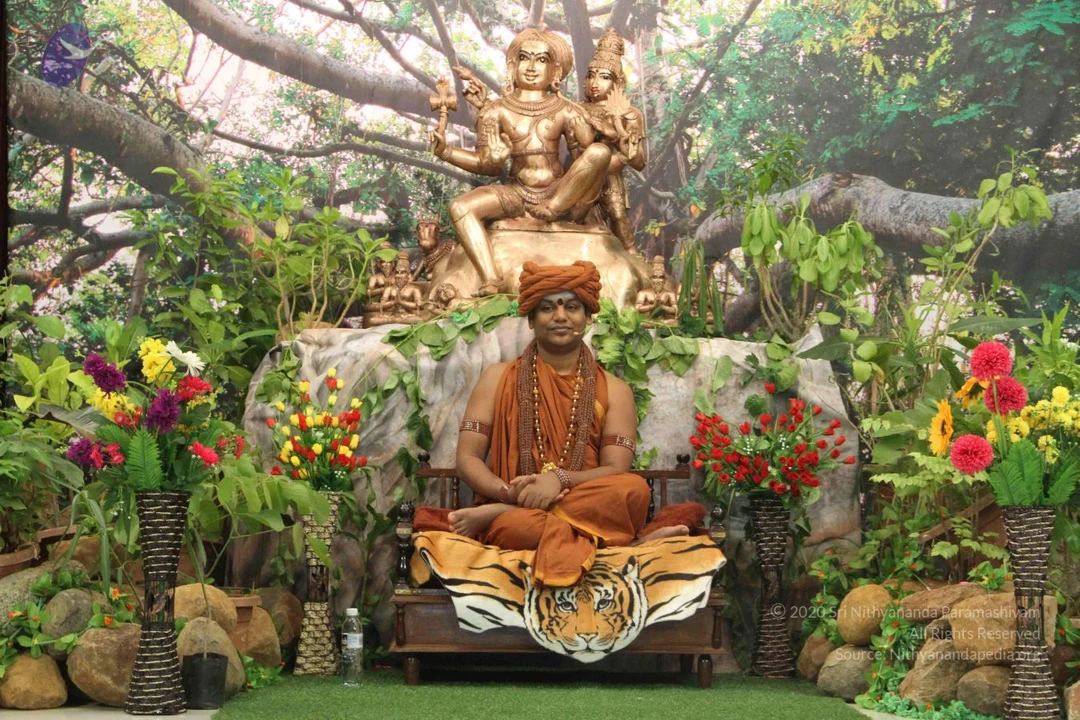
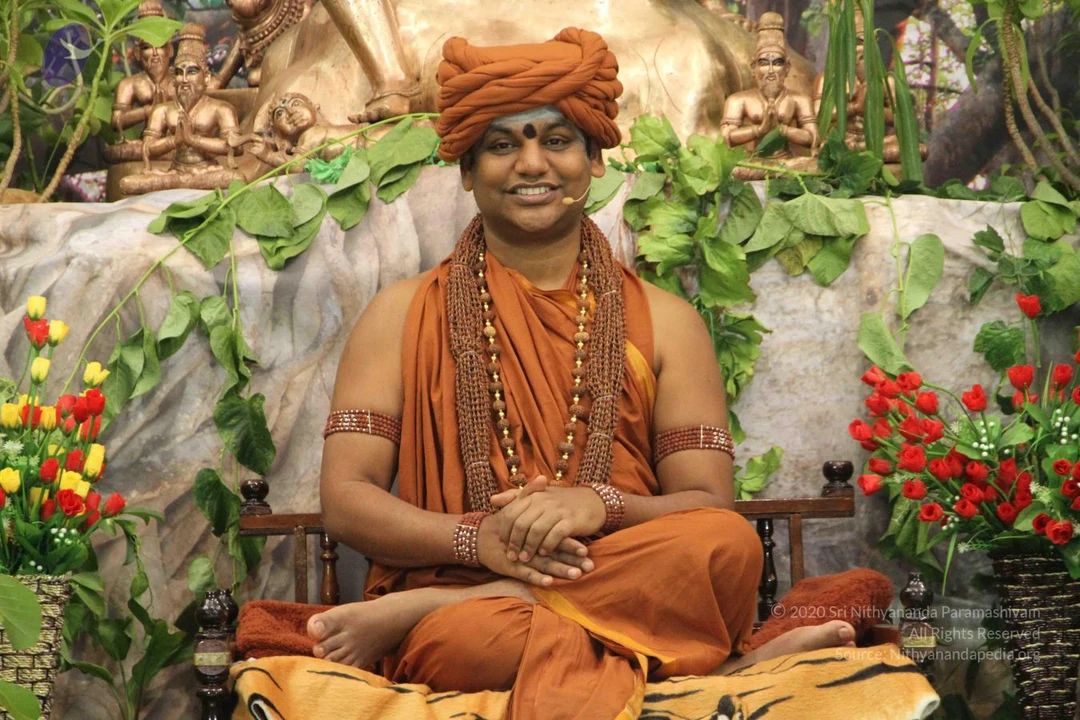
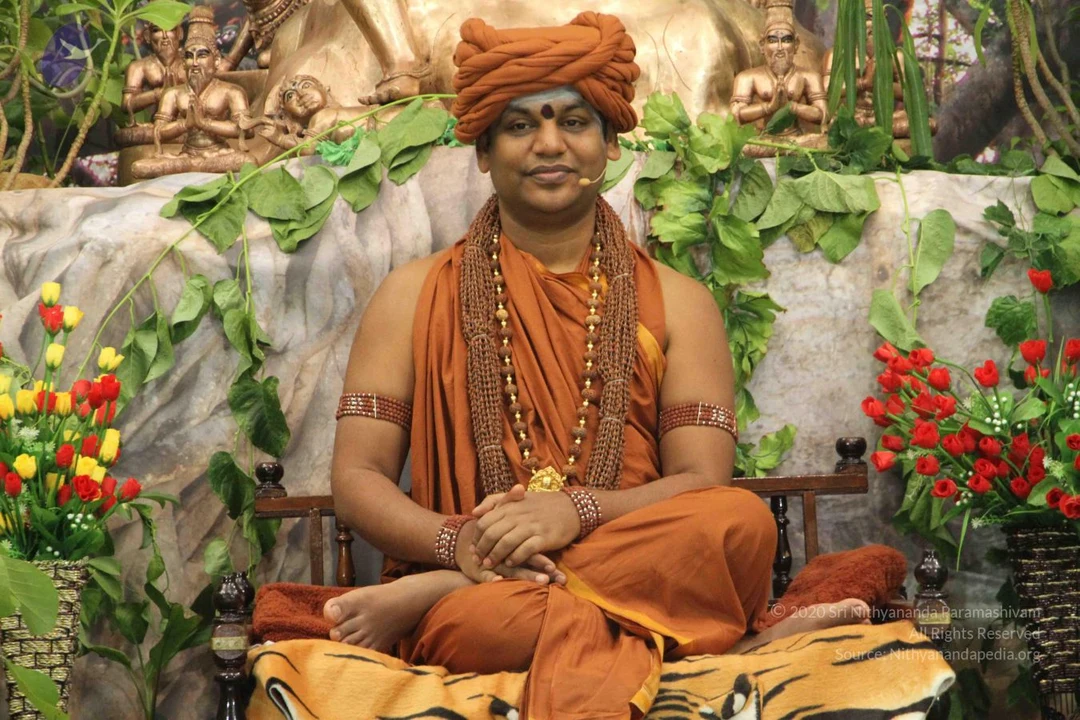
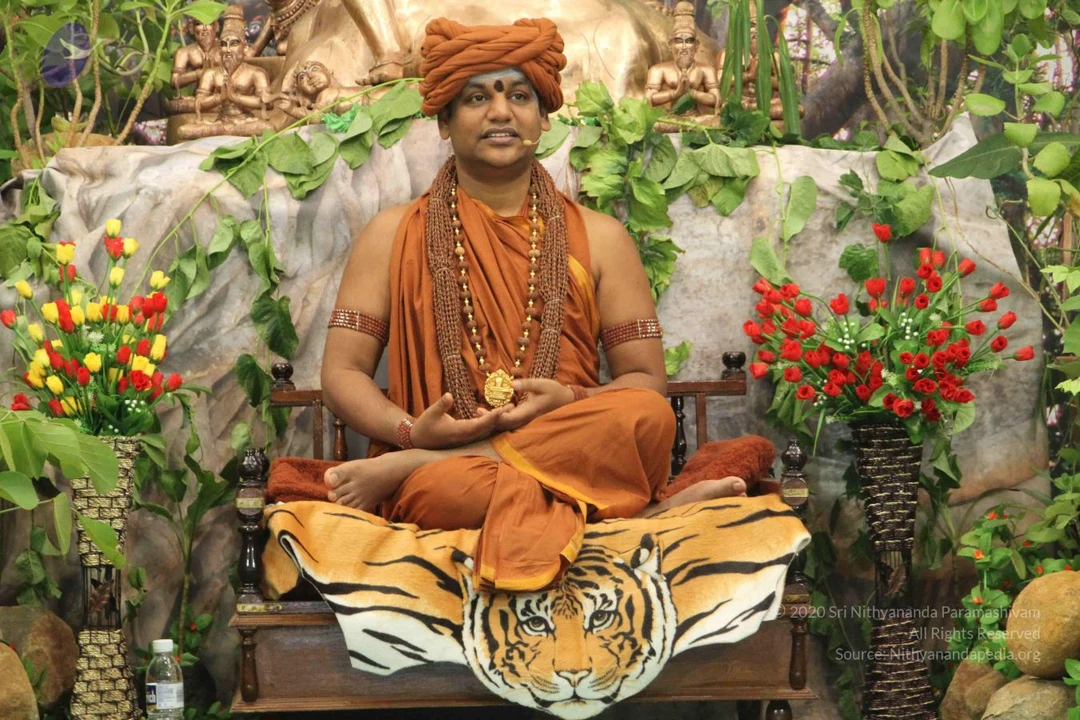
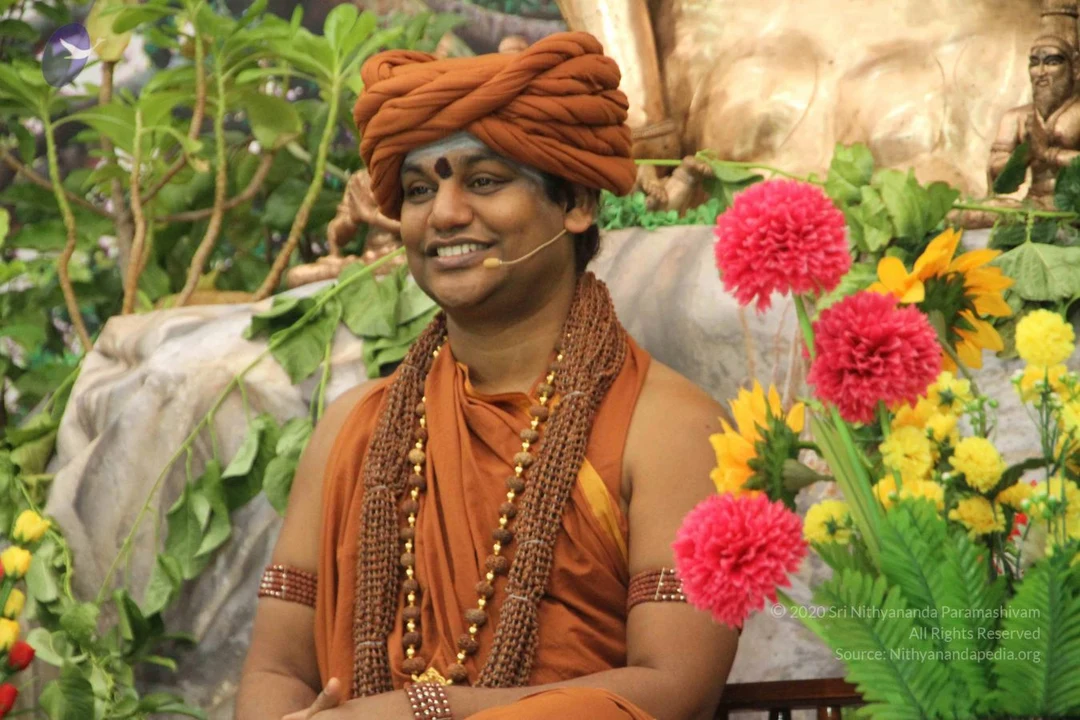
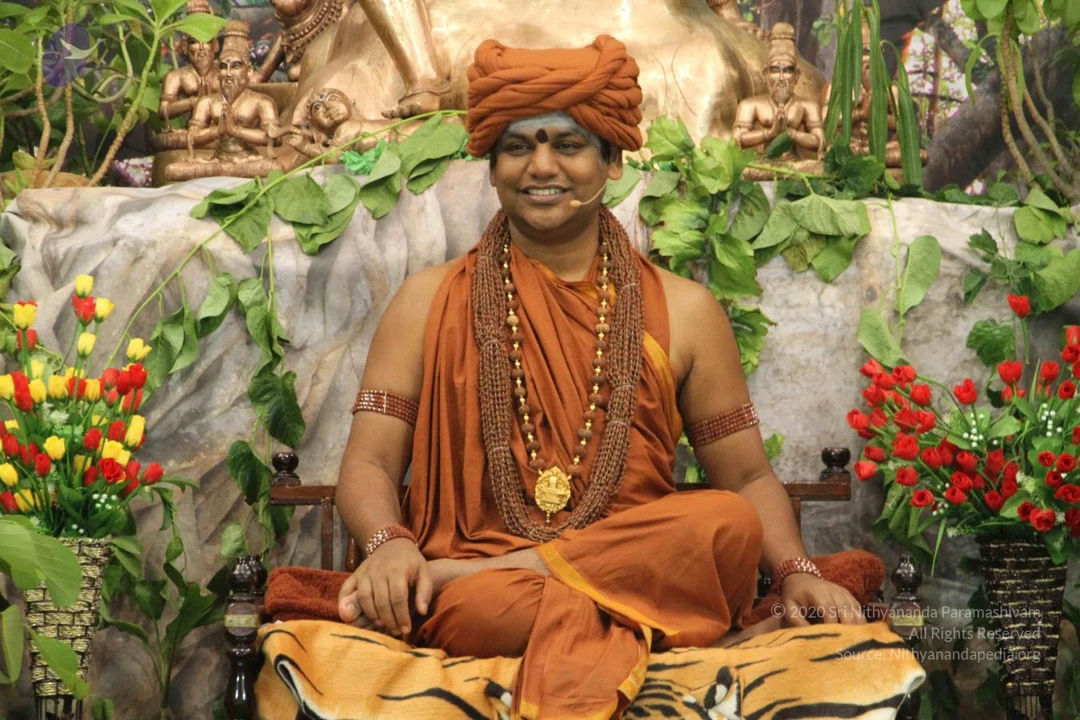
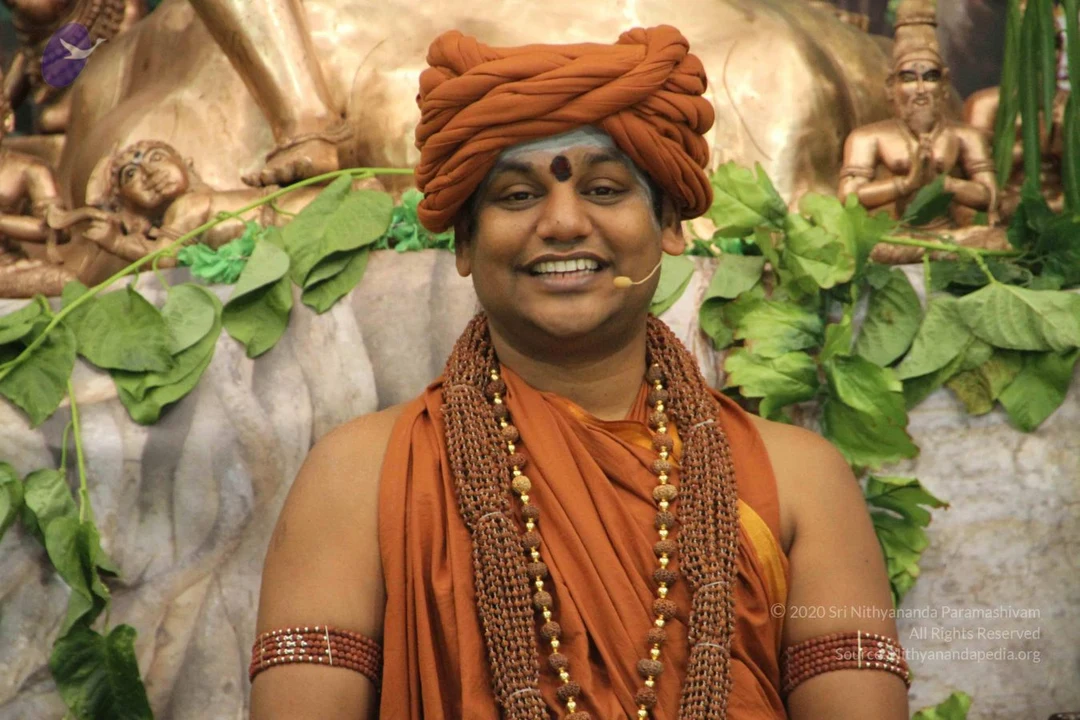
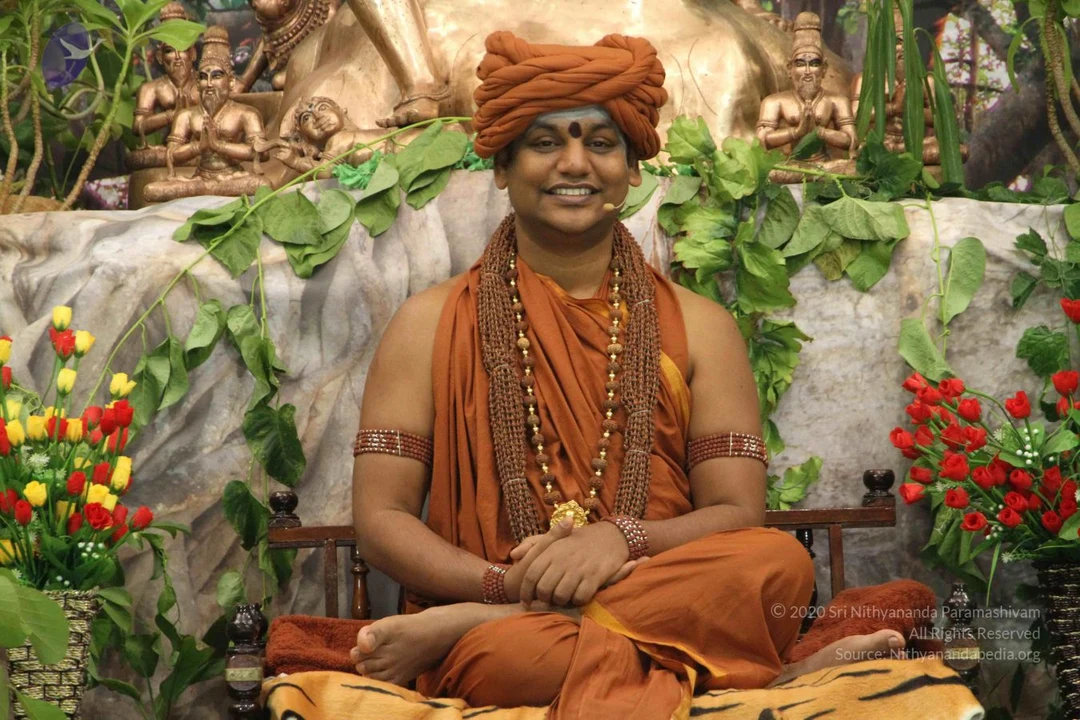
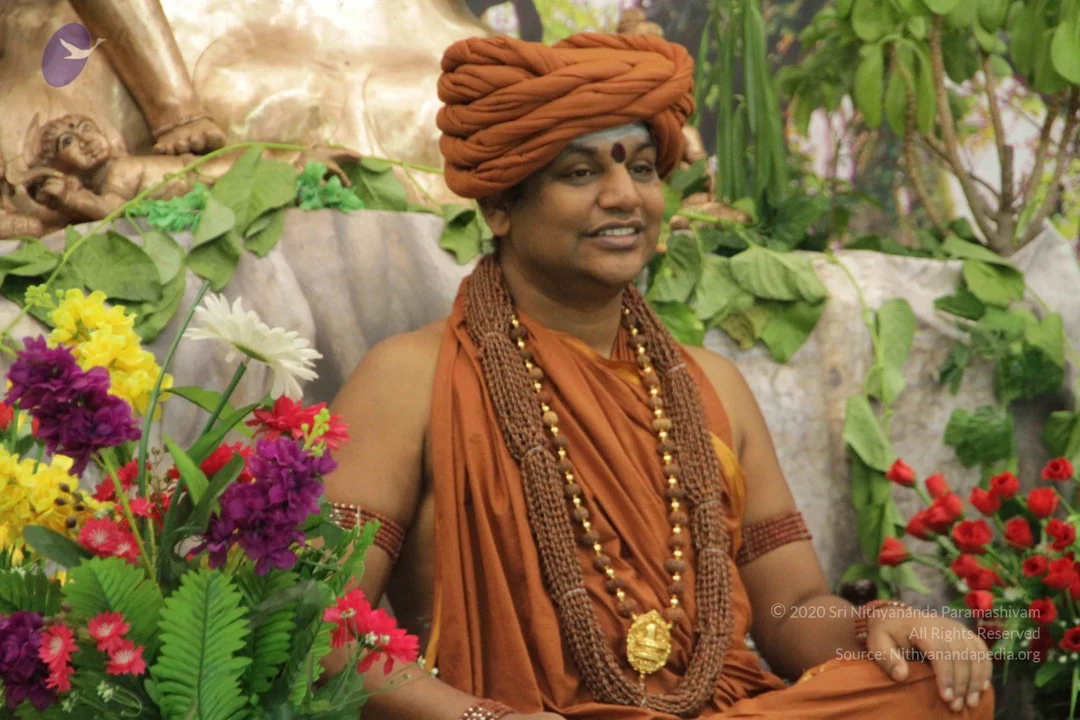
Photos Of The Day:
FB-Photos-of-the-Day
Photos from this day
View all 40 photosNithya Satsang
8 photosSource gallery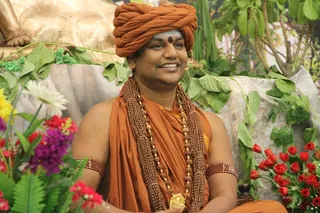
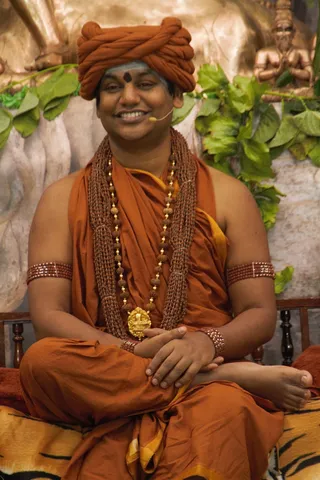
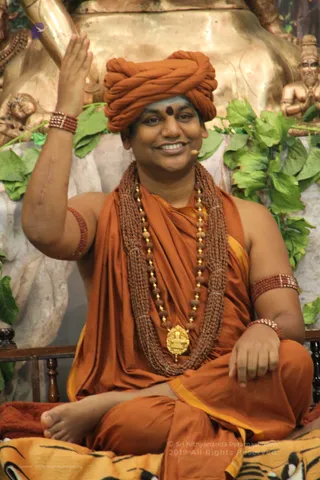
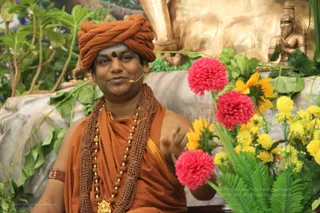
Nithya Satsang
27 photosSource gallery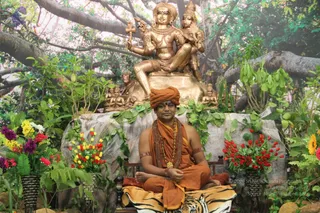
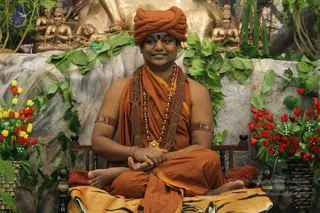
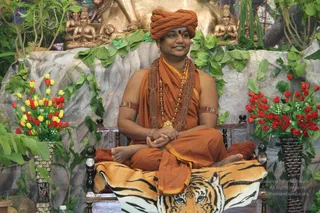
FB-Photos-of-the-Day
4 photosSource gallery

April 13 2015
1 photoView all