Friday
30 September 2016
Cosmic Oneness, the only currency of Universe
- Dated photos
- 753
- Source pages
- 1
- Media
- 2
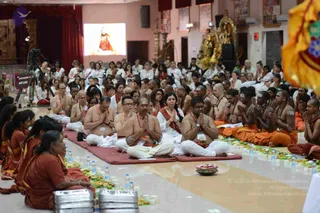
September 30 2016
Original wiki pageTitle
Cosmic Oneness, the only currency of Universe
Description:
His Holiness Paramahamsa Nithyananda divulges one of the most important sacred secrets to be out of all the difficulties we face in life. This one principle will not allow any fear or shock to enter into our system. It is the Cosmic Currency to adapt to all cultures in any of the 11 dimensions of existence. Your problems can’t make you powerless, and even your struggles will liberate you!
Link to Video:
| Video | Audio |
Transcript:
Nithyānandeśvara samārambhām Nithyānandeśvari madhyamām |
Asmadāchārya paryantām vande guru paramparām ||
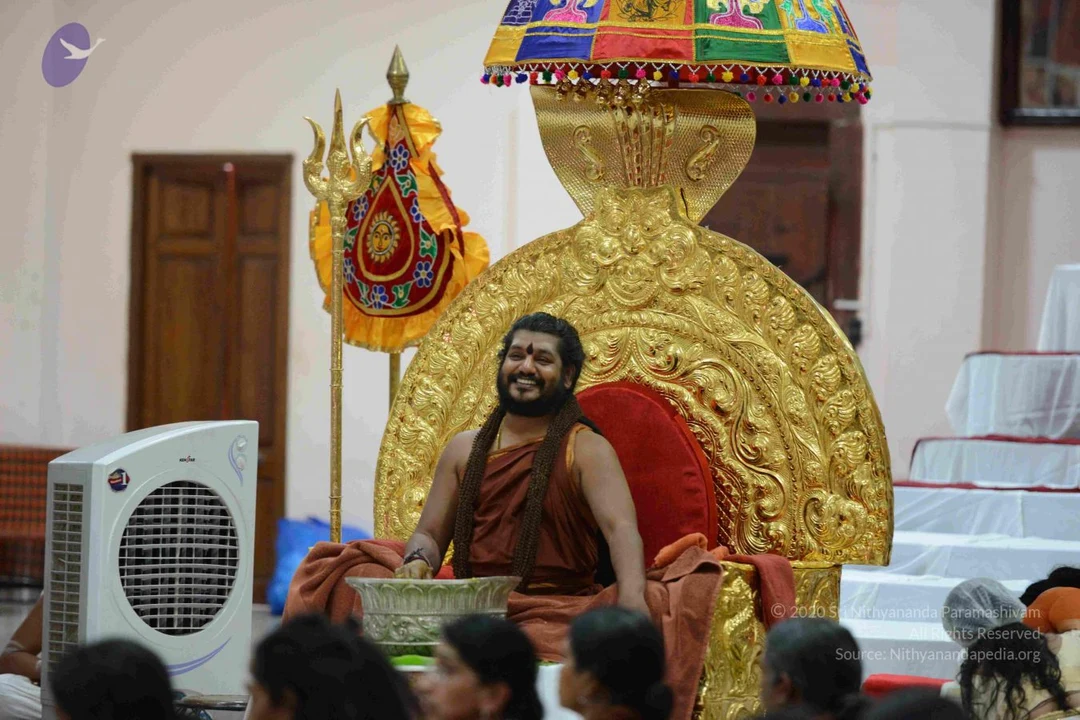
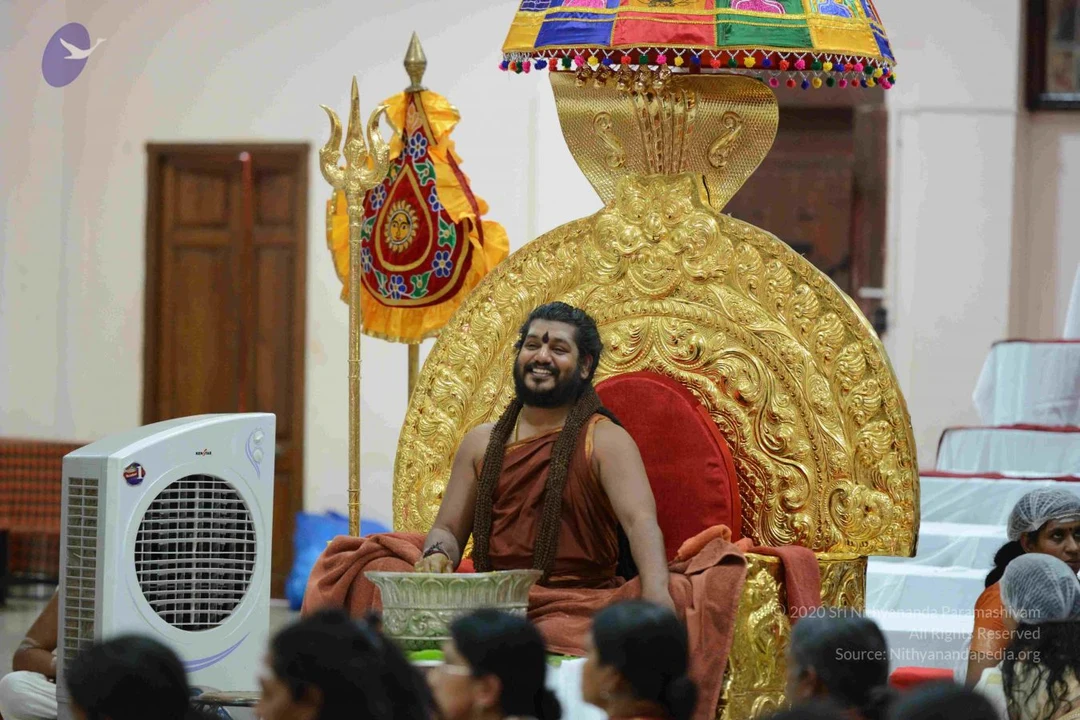
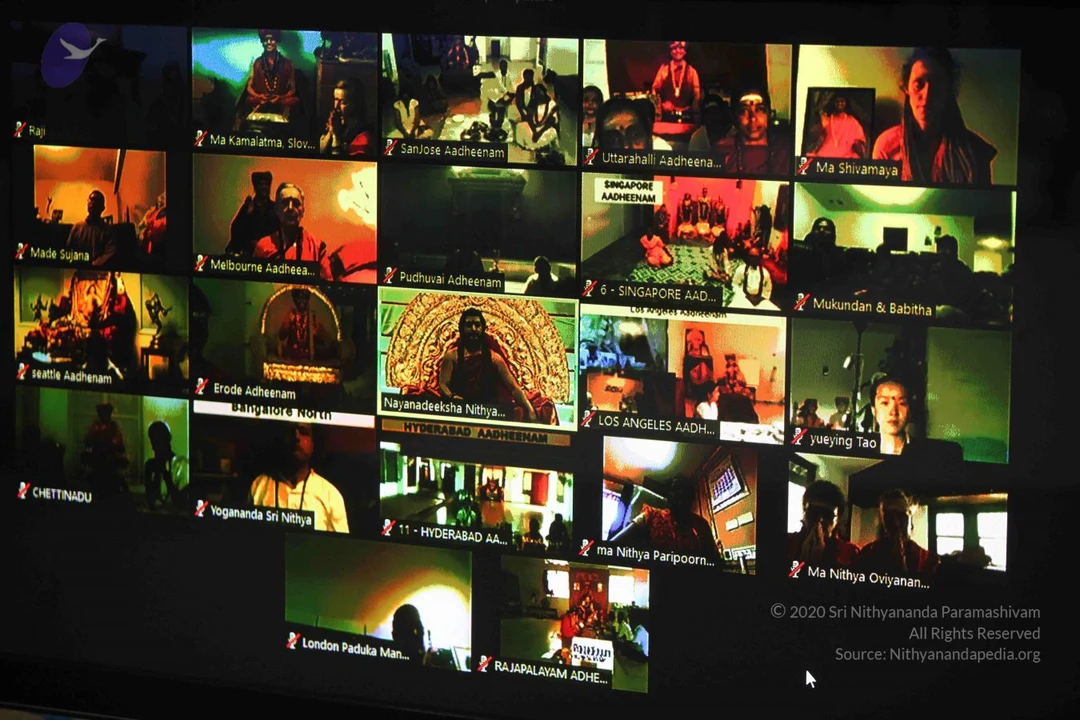
I welcome all of you with My love and respects. I welcome everyone sitting with us all over the world through Nithyananda TV, Two Way Video Conferencing, Facebook Live, YouTube Live, having Nayana Deeksha, all over the world.
(1:13)
First few things, which I wanted to share today. This was one of the important subject, I am introducing into Inner Awakening. Maybe I can say, from the different angle. The truth itself, is not new. The way I am presenting is completely new. Discovering the principle, discovering the principle, on which all the Universes function, all the dimensions and planes, 11 dimensions, 14 plane. Actually, 3 dimension fall in...sorry 3 planes fall in 1 dimension itself. 1 plane does not fall into any of the dimensions. 14 planes, 11 dimensions. All of them function, on 1 principle. For example, if you are habituated for New York lifestyle and enter into old Varanasi, you will have a big cultural shock. If you are habituated to old Varanasi and enter into London, you will have a big cultural shock. Listen carefully, the American dollar maybe useful in America, Indian dollar maybe…..Indian currency, rupees may be useful in India, Malaysian ringgits maybe useful in Malaysia, but gold is a Universal currency. The whole Planet Earth, anywhere the gold can be used as a currency. Same way, there is certain culture, mental setup software useful in New York. There is certain culture, lifestyle, useful in Bangalore. There is certain culture, mental setup useful in Varanasi. There is certain culture, mental setup, useful in Germany. If you move to a different place, you will have a cultural shock.
(4:15)
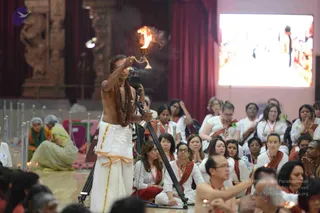
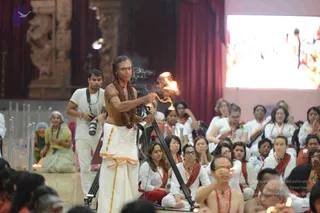
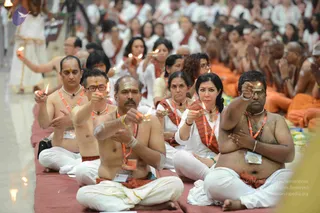
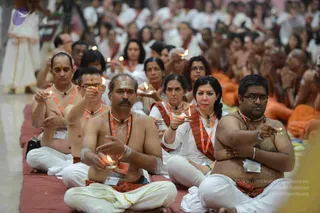
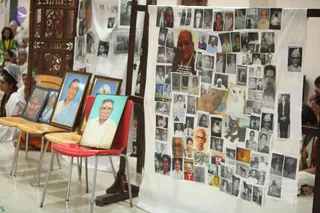
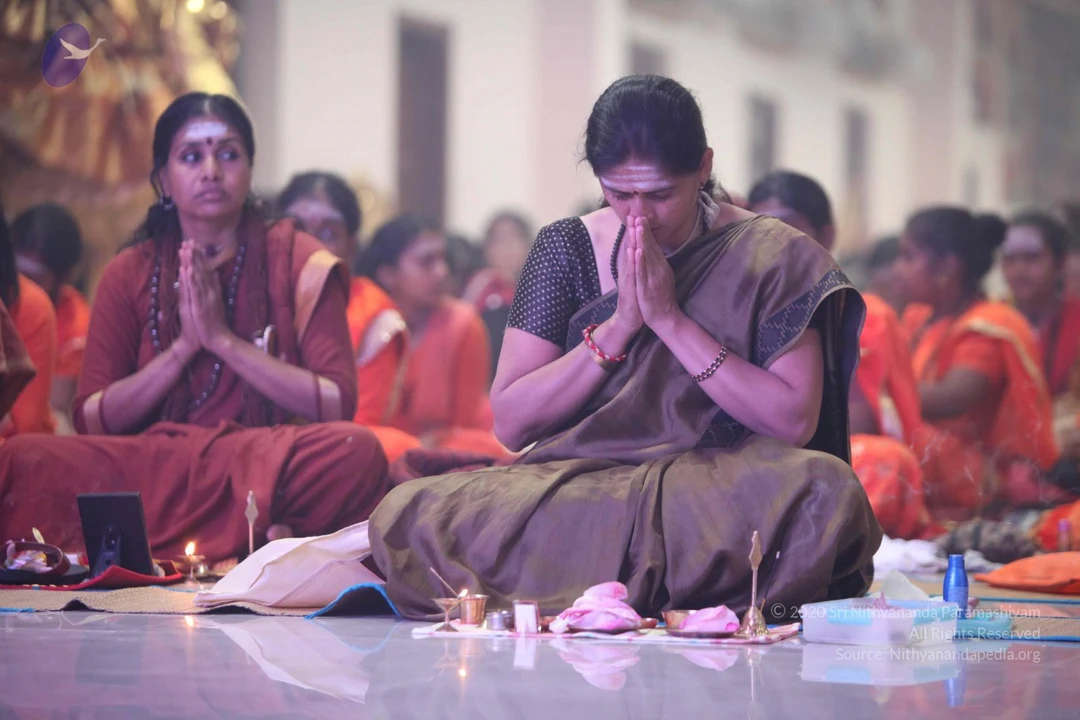
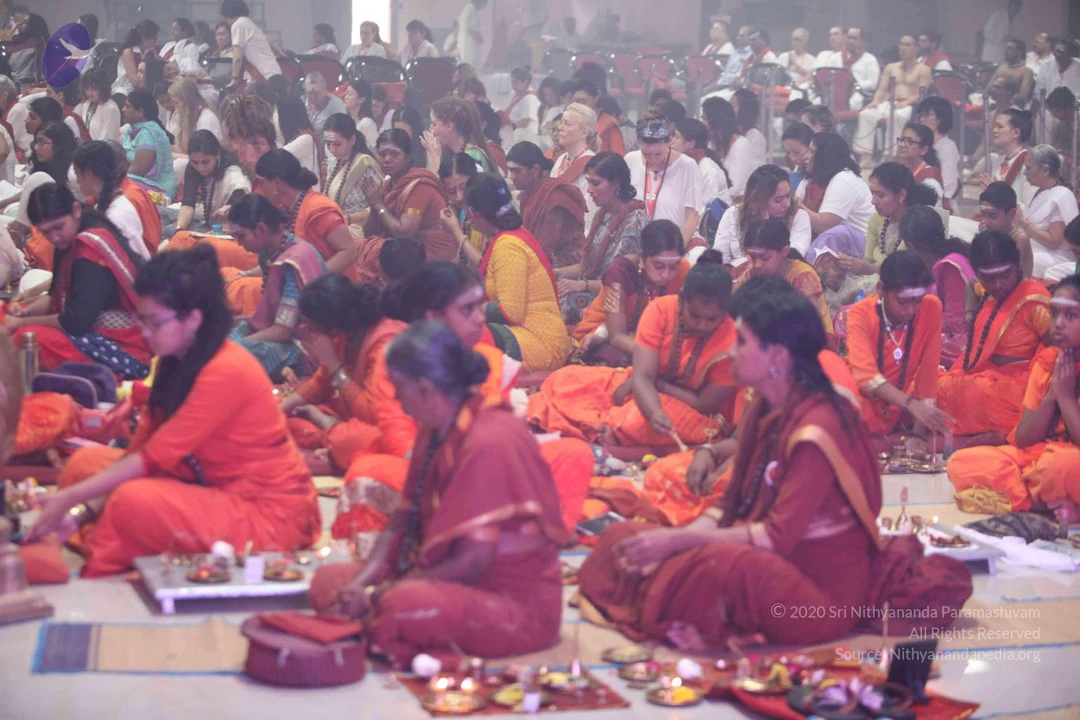
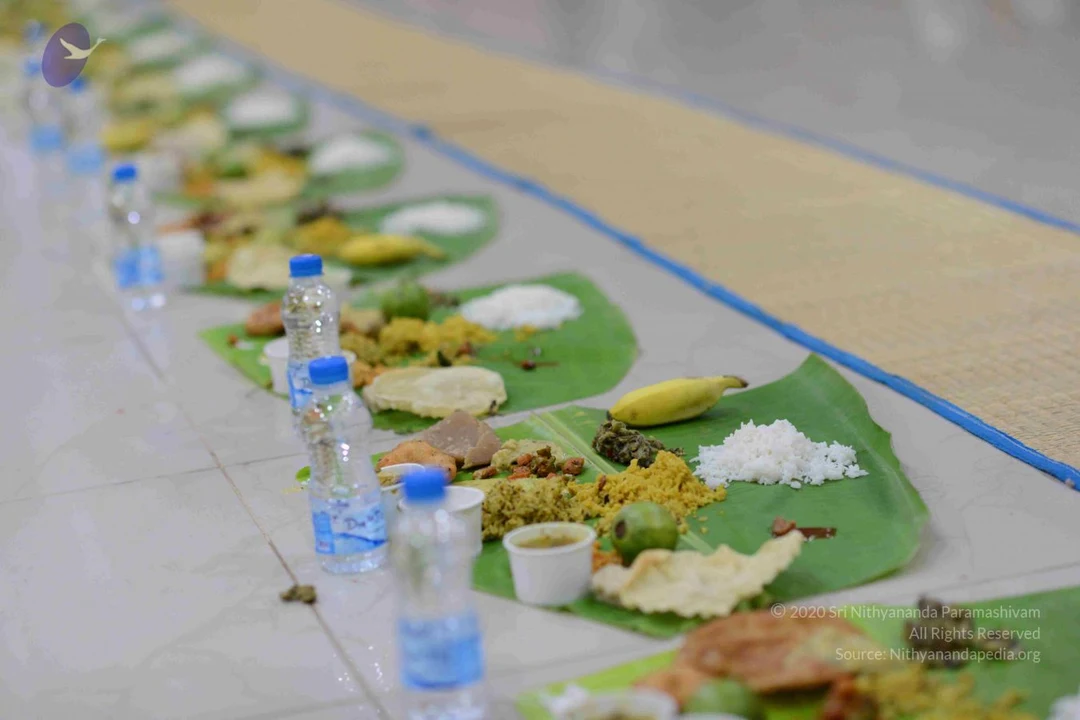
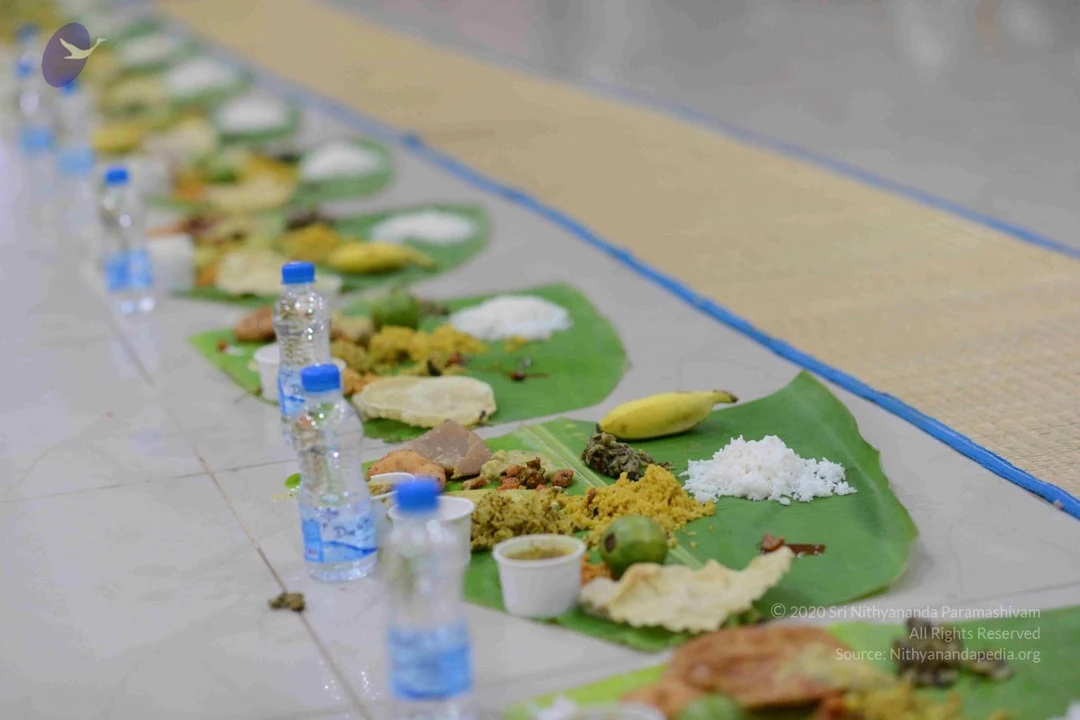
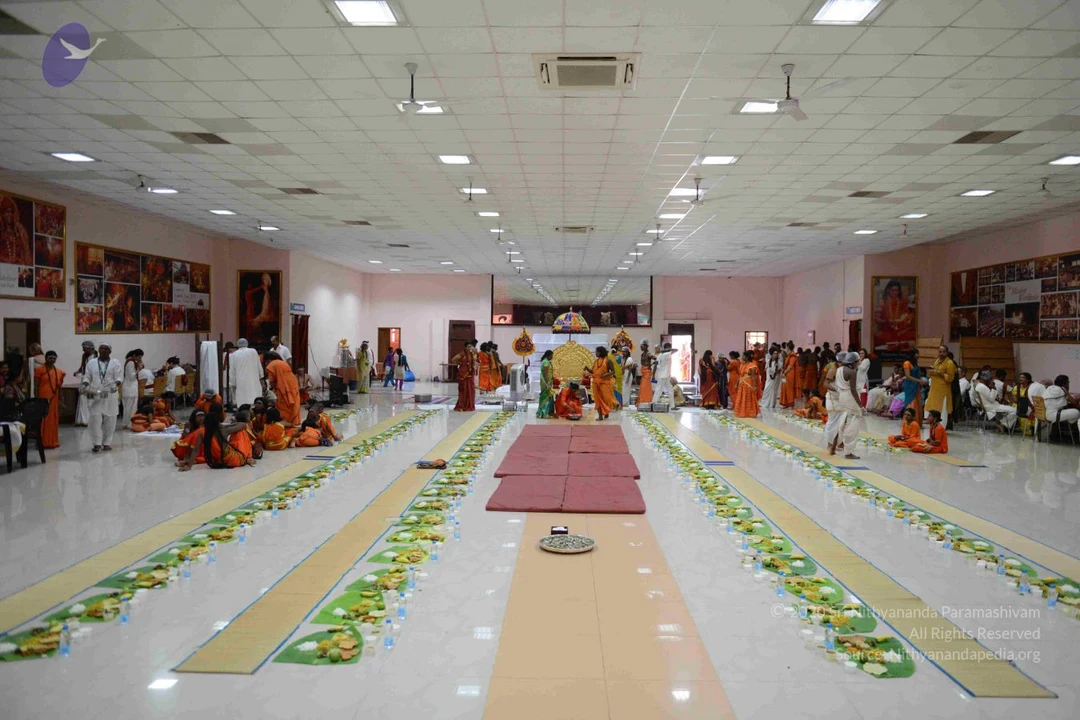
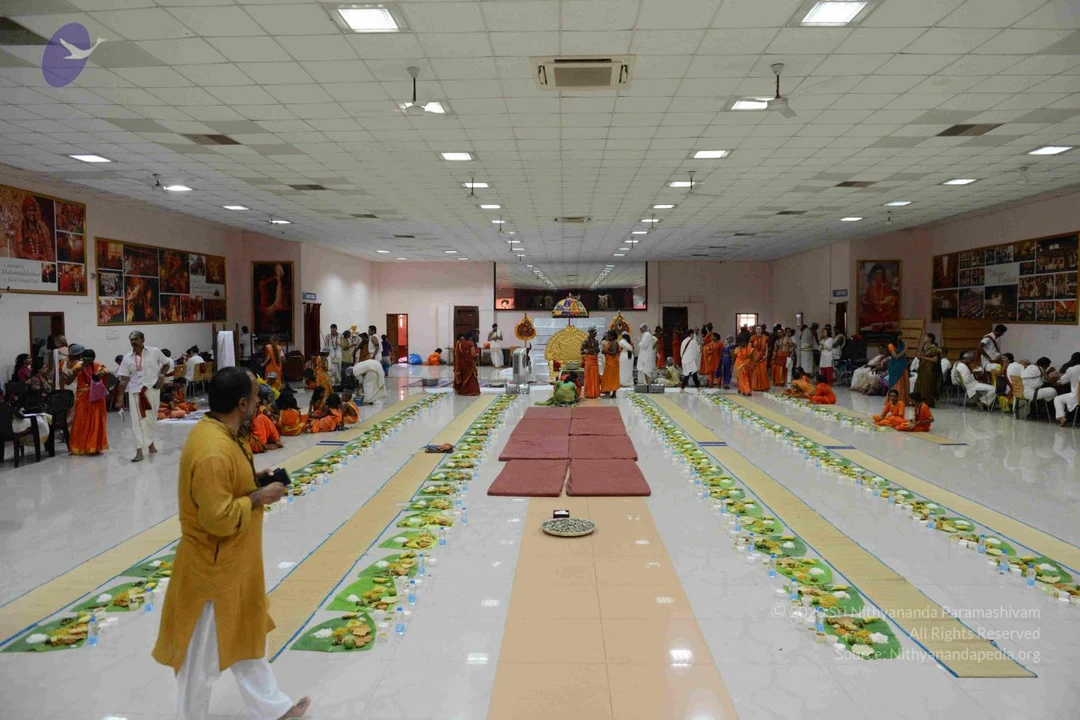
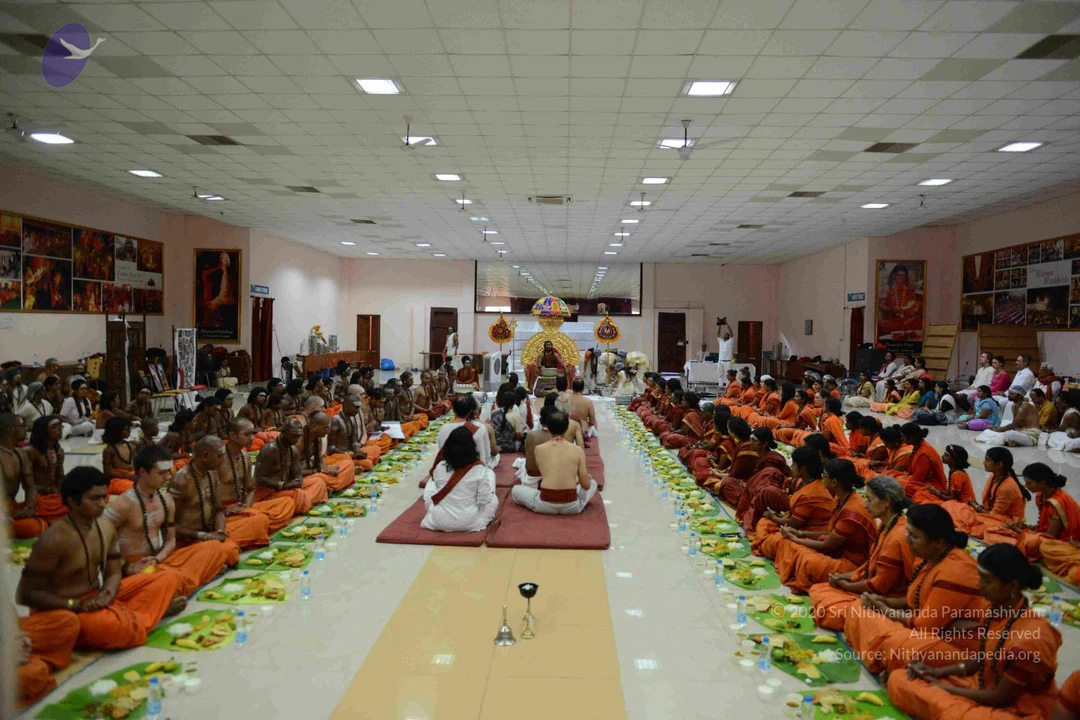
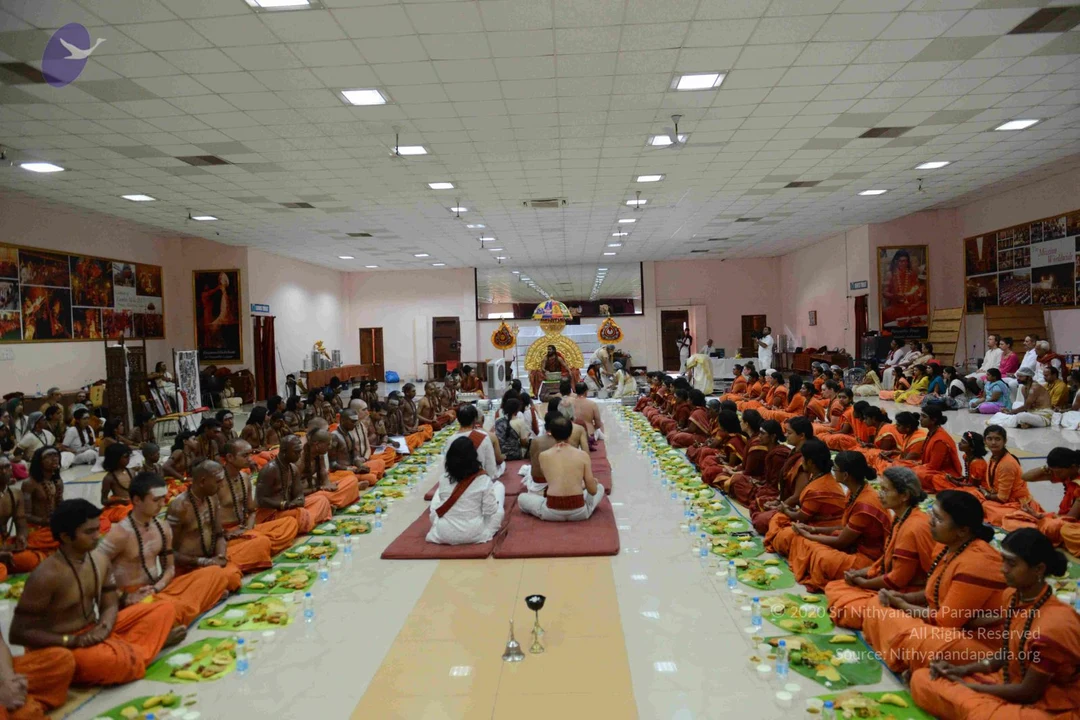
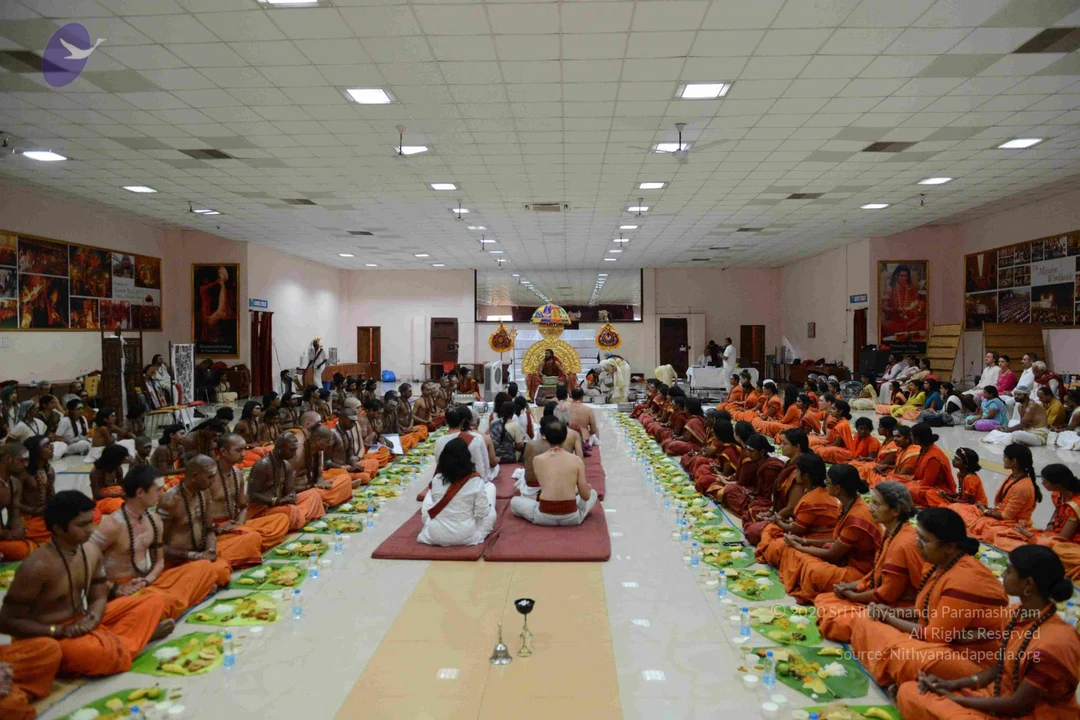
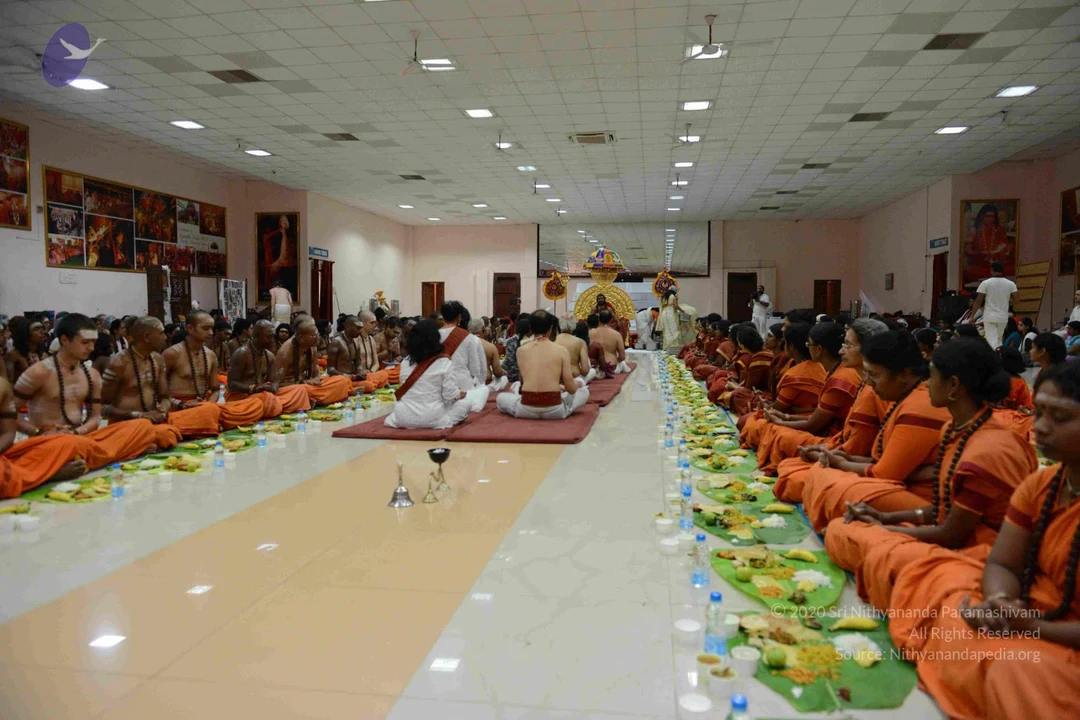
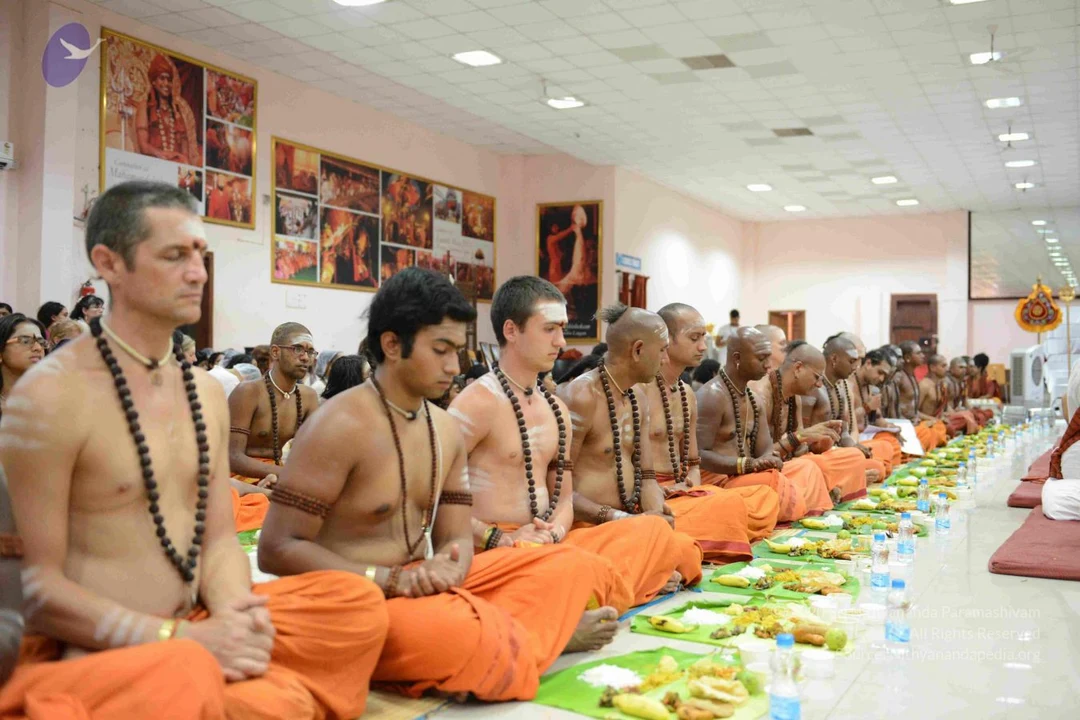
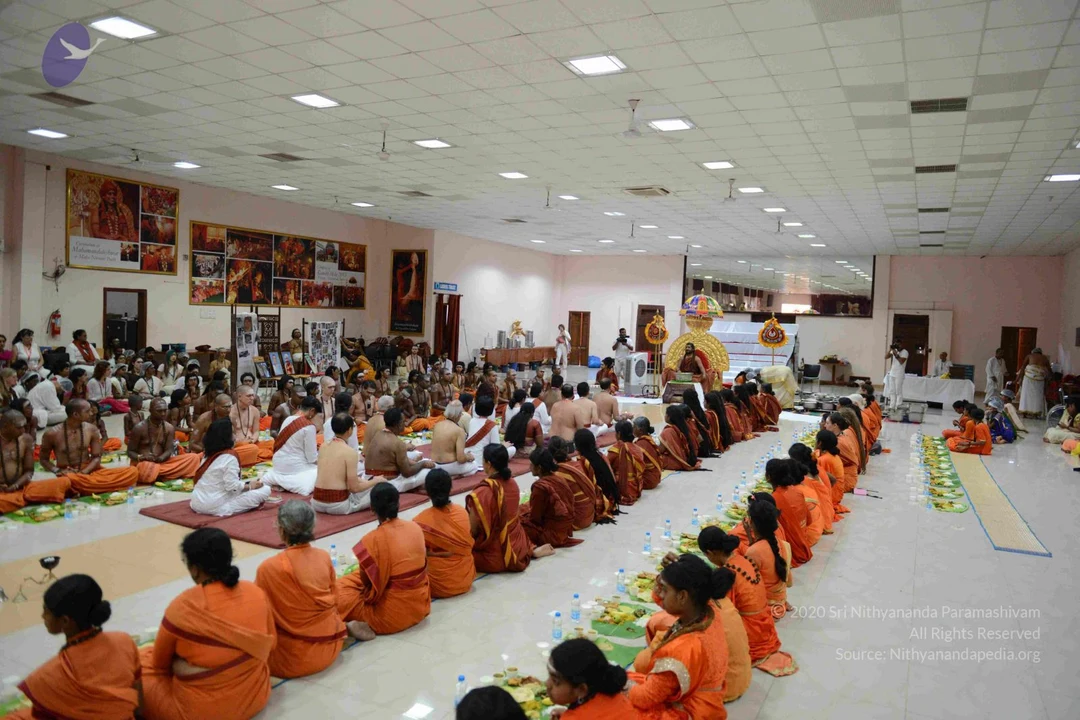
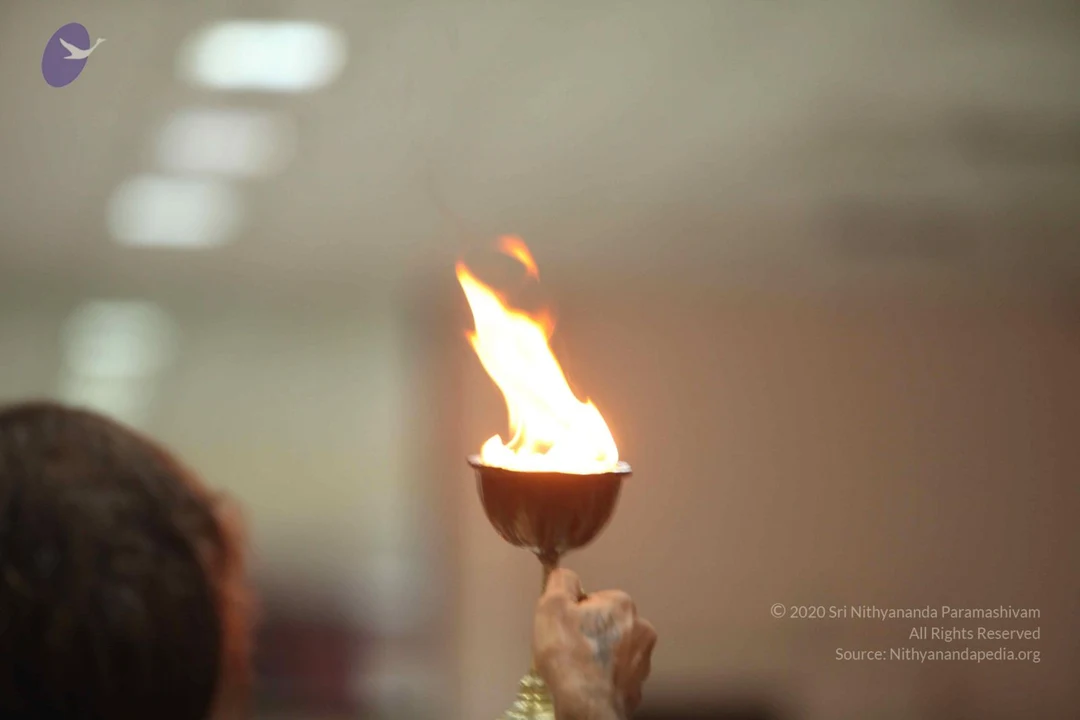
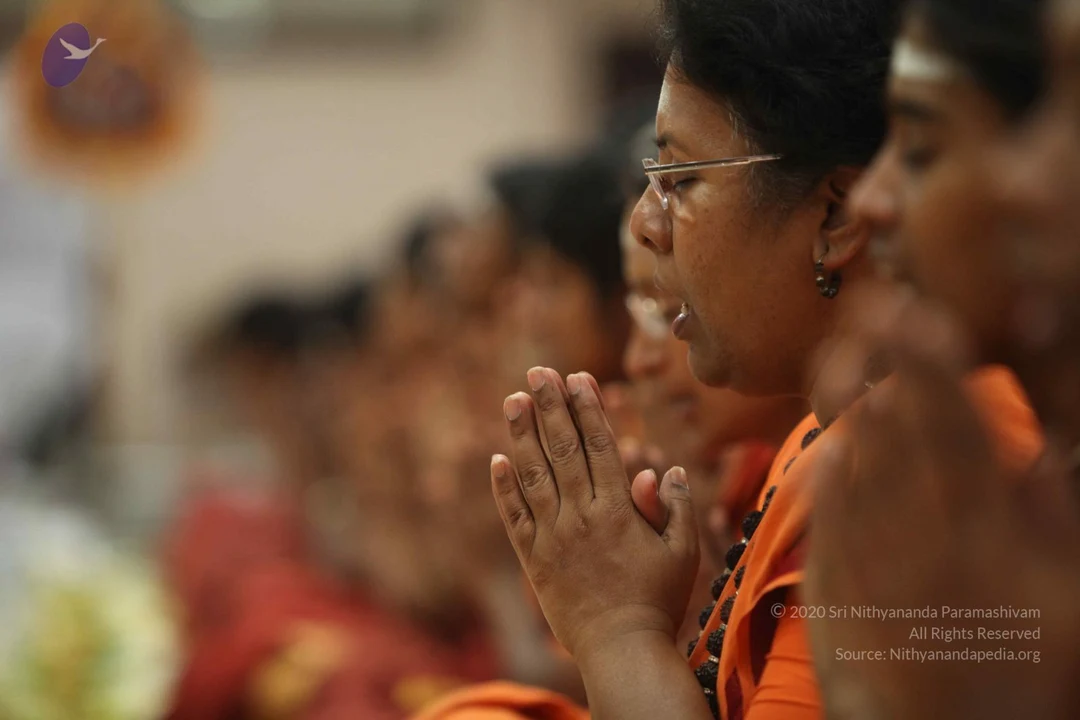
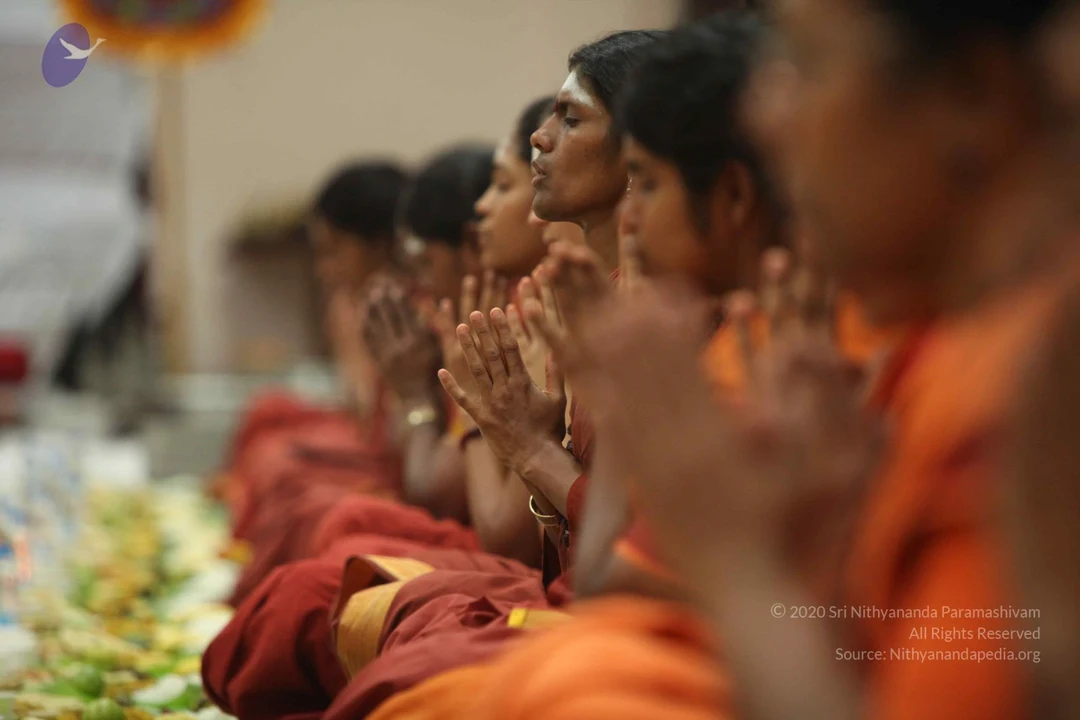
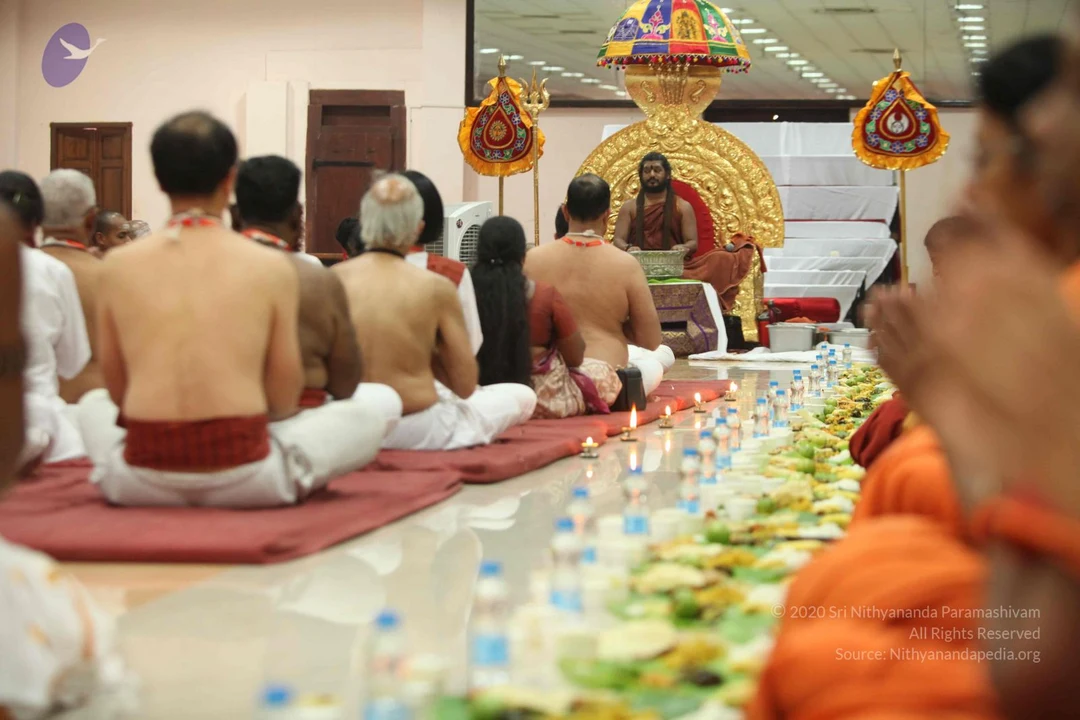
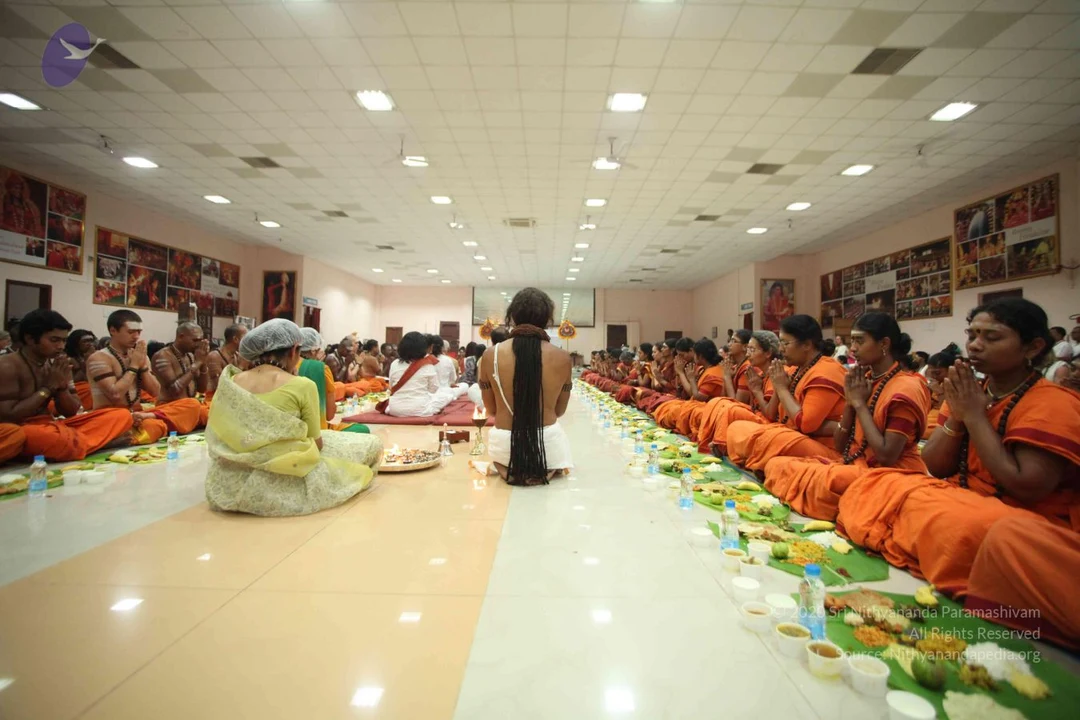
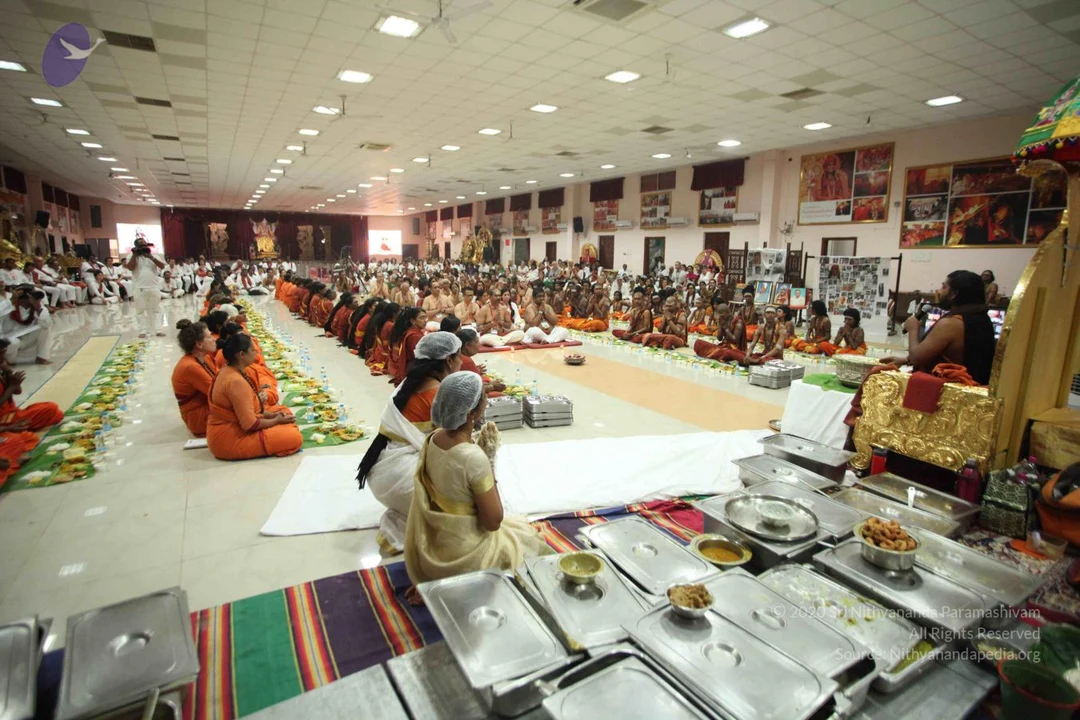
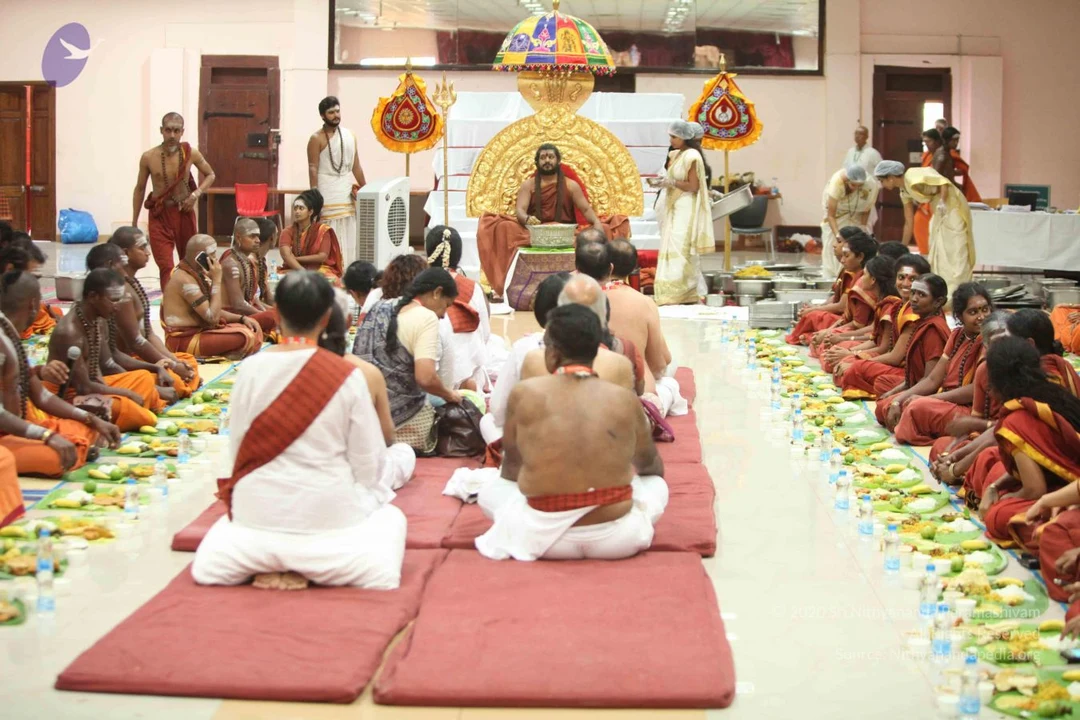
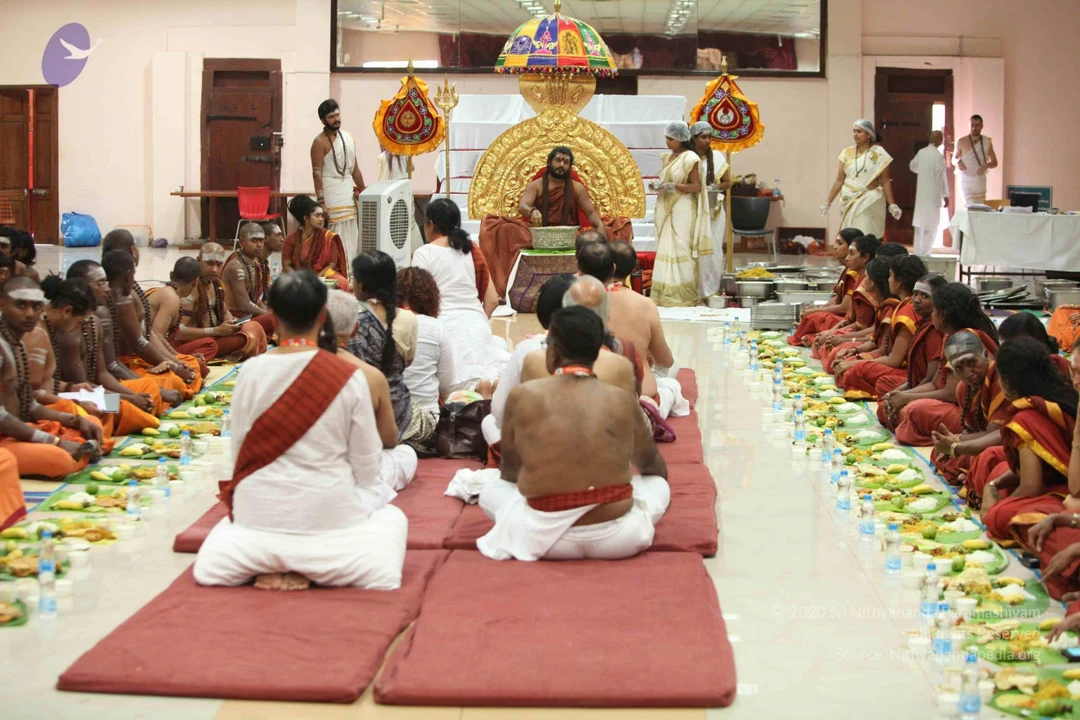
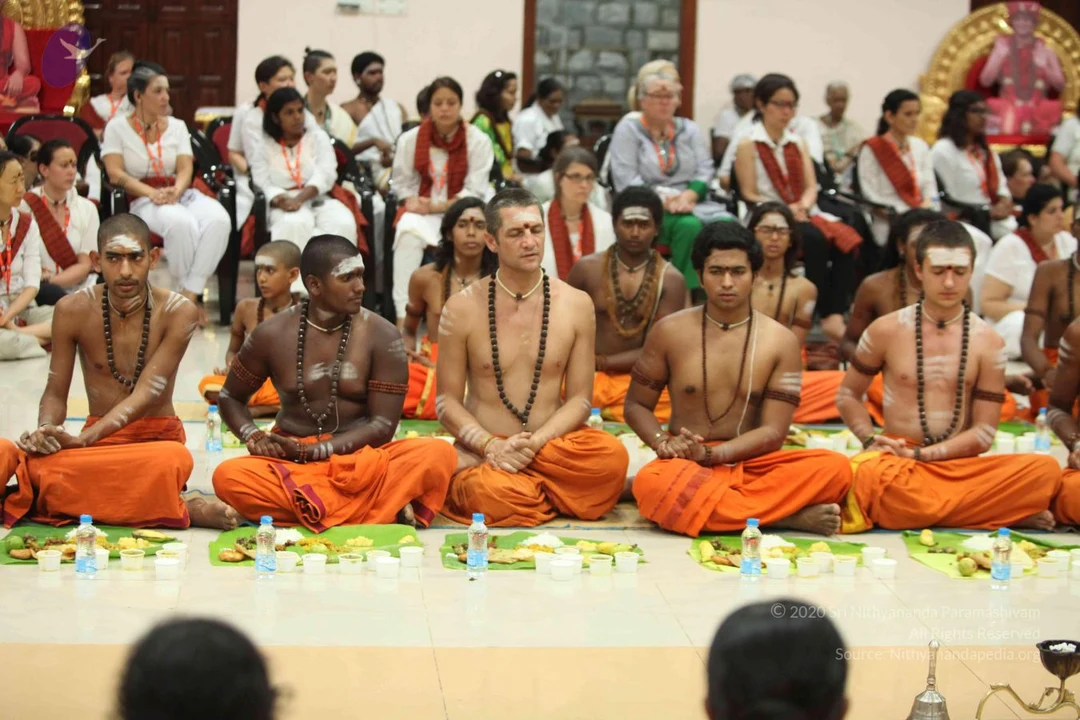
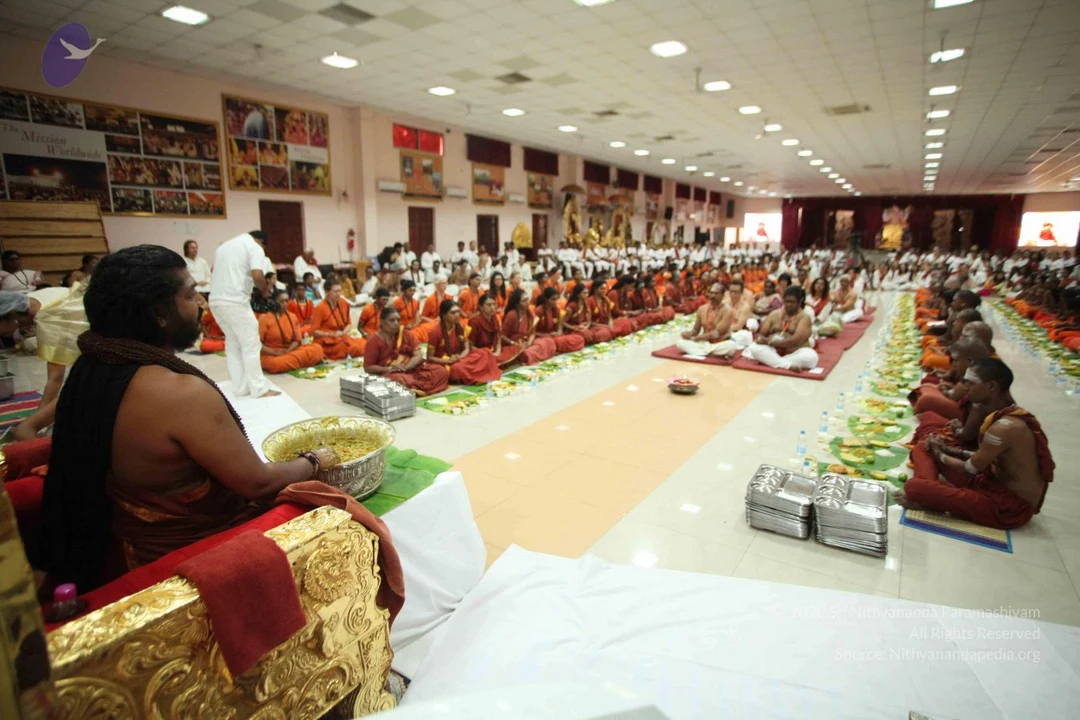
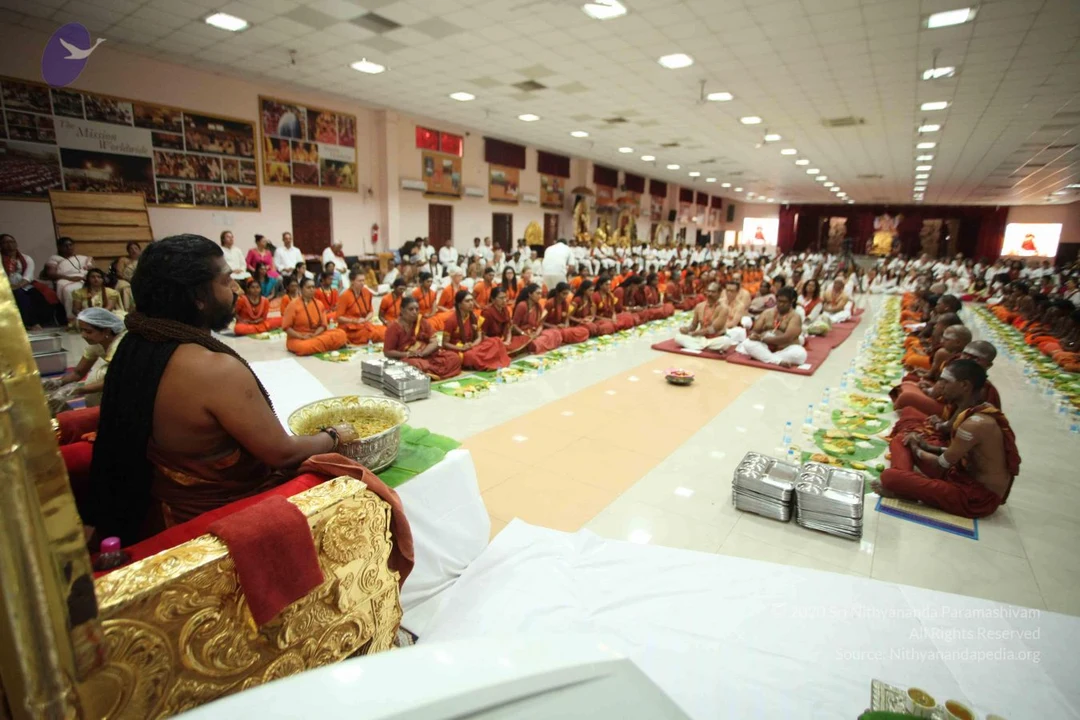
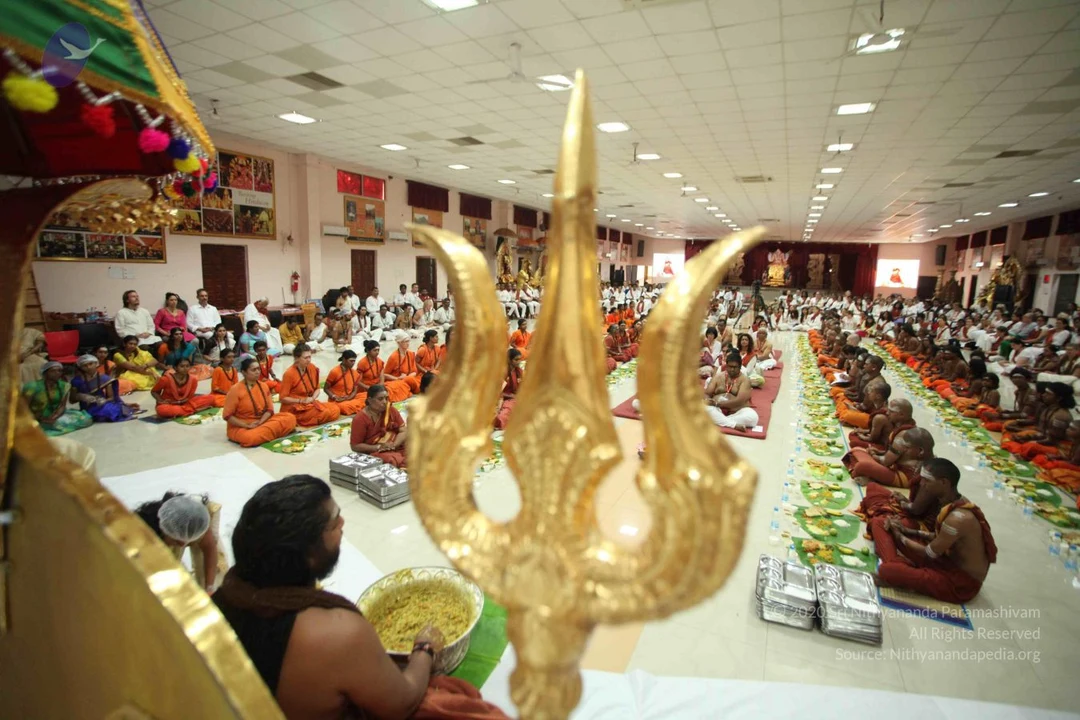
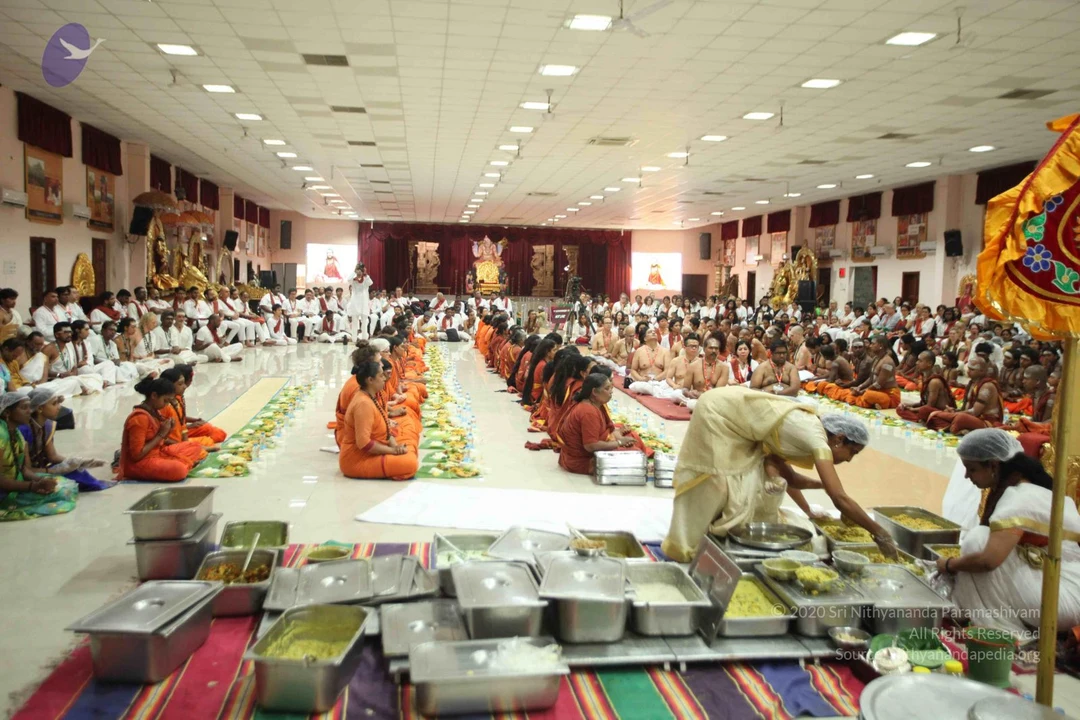
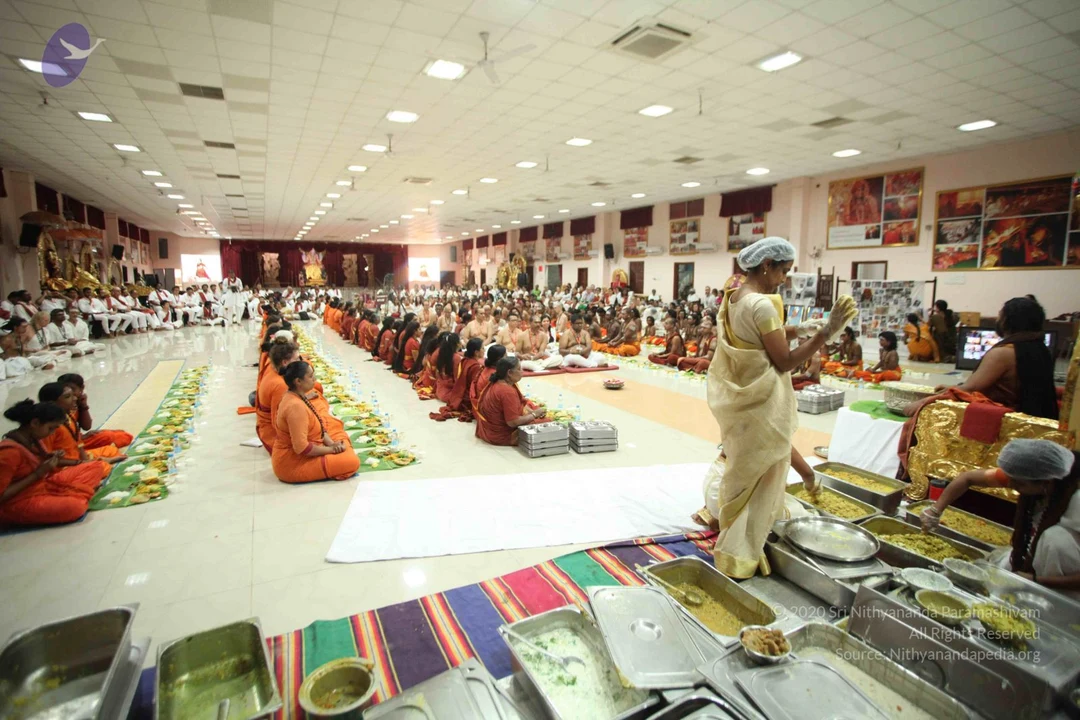
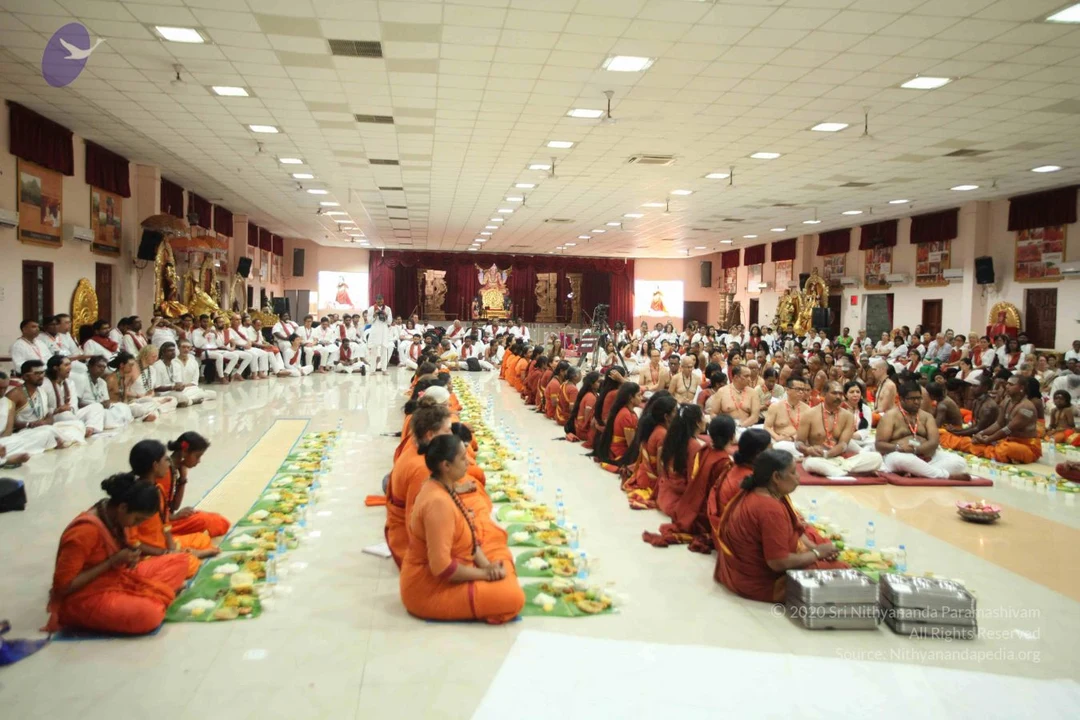
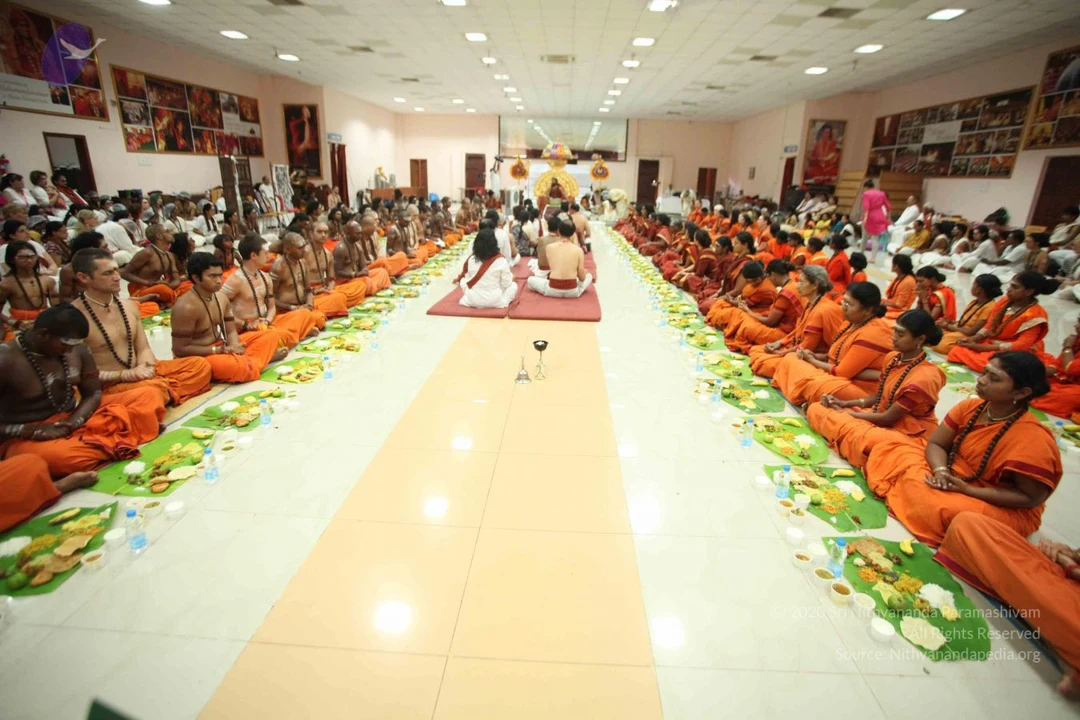
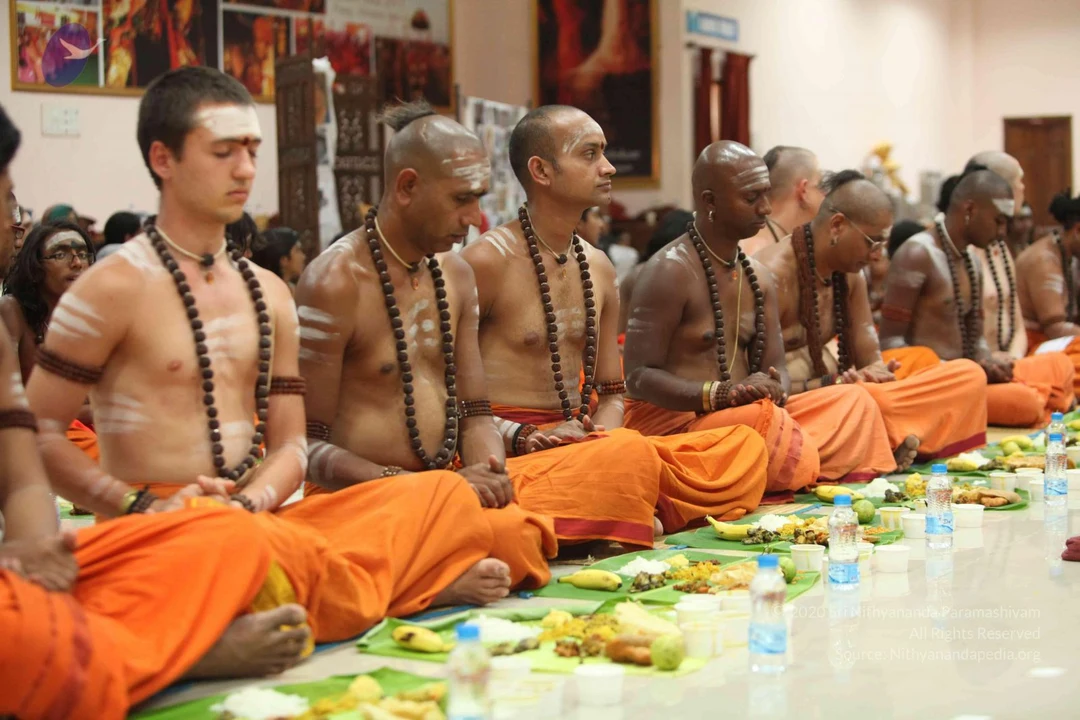
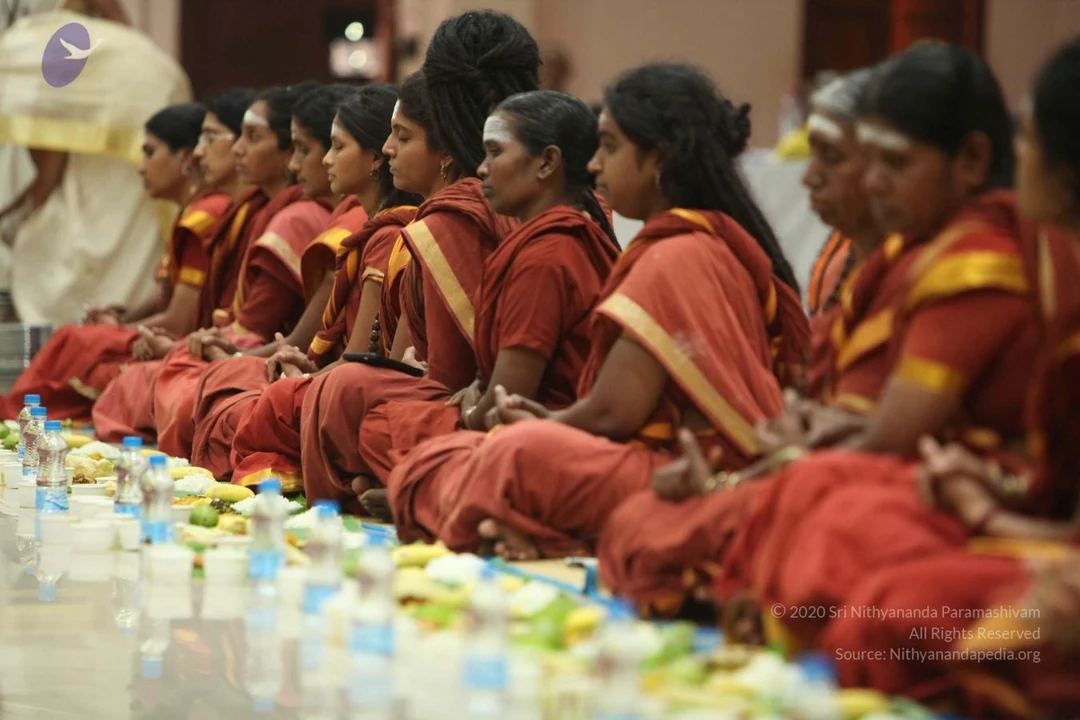
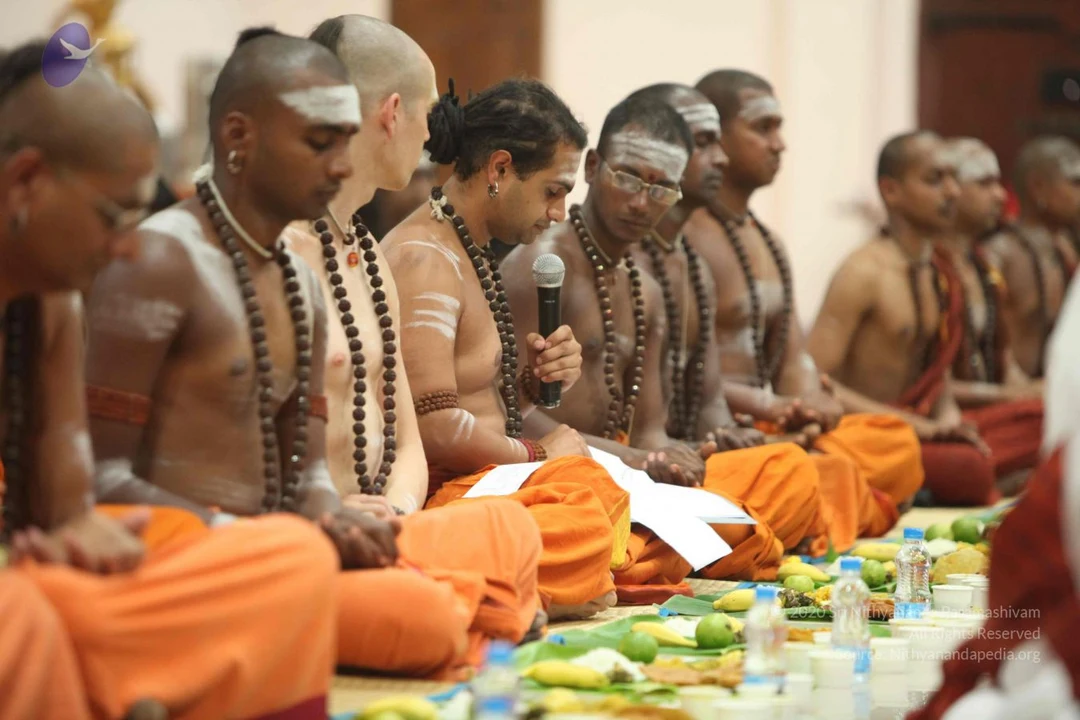
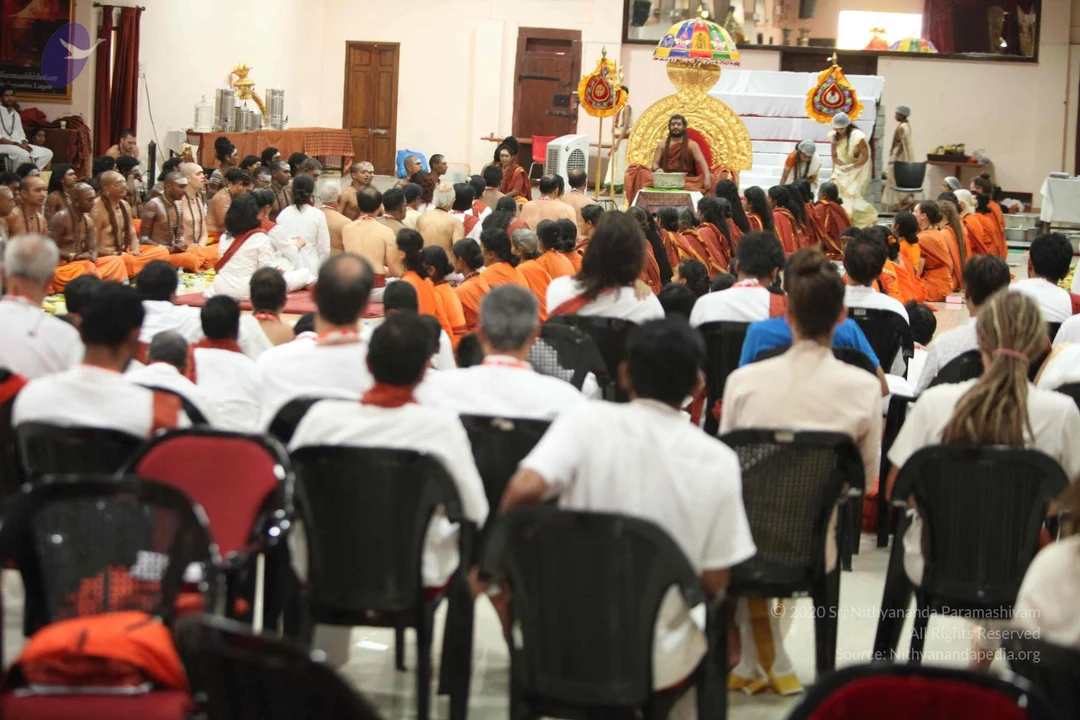
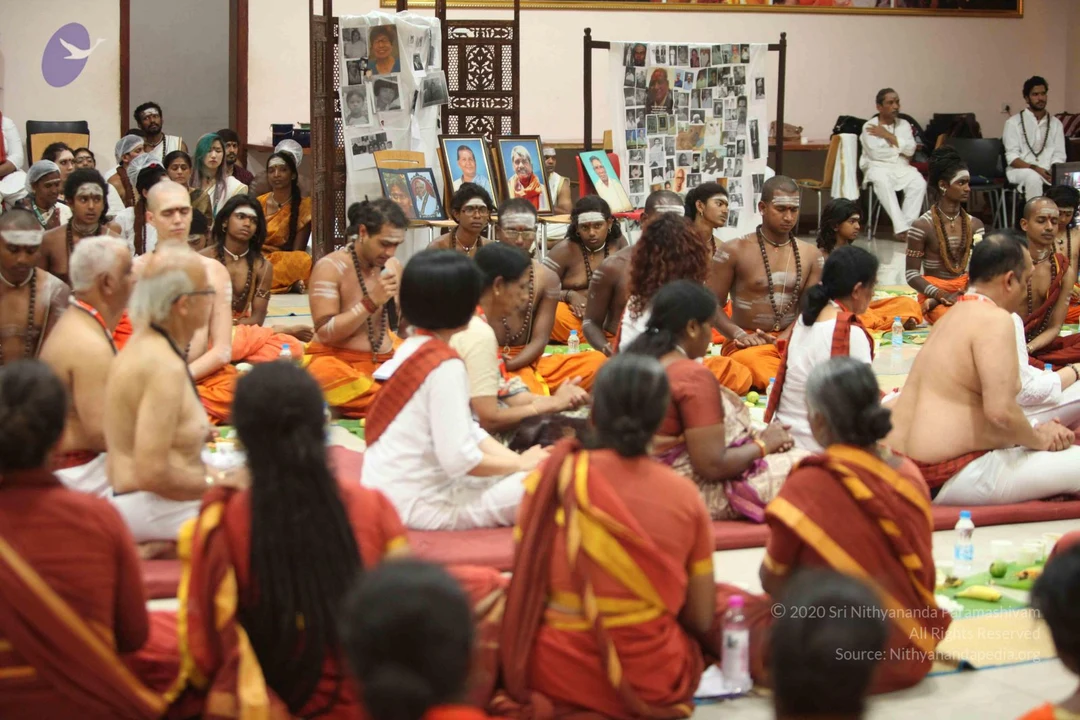
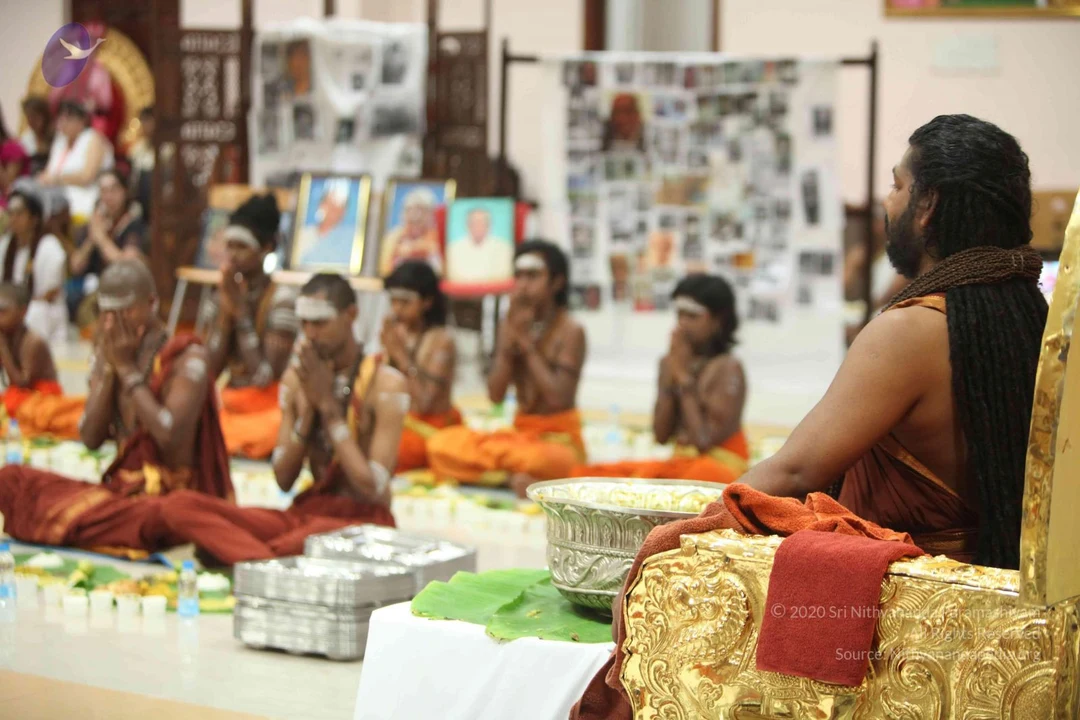
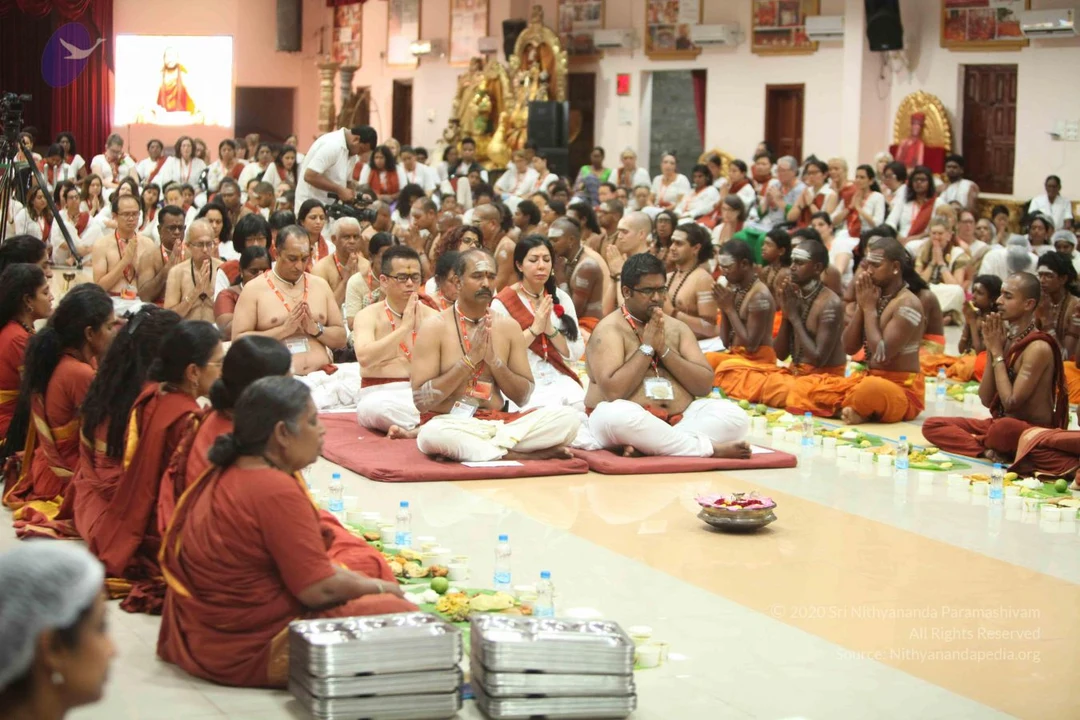
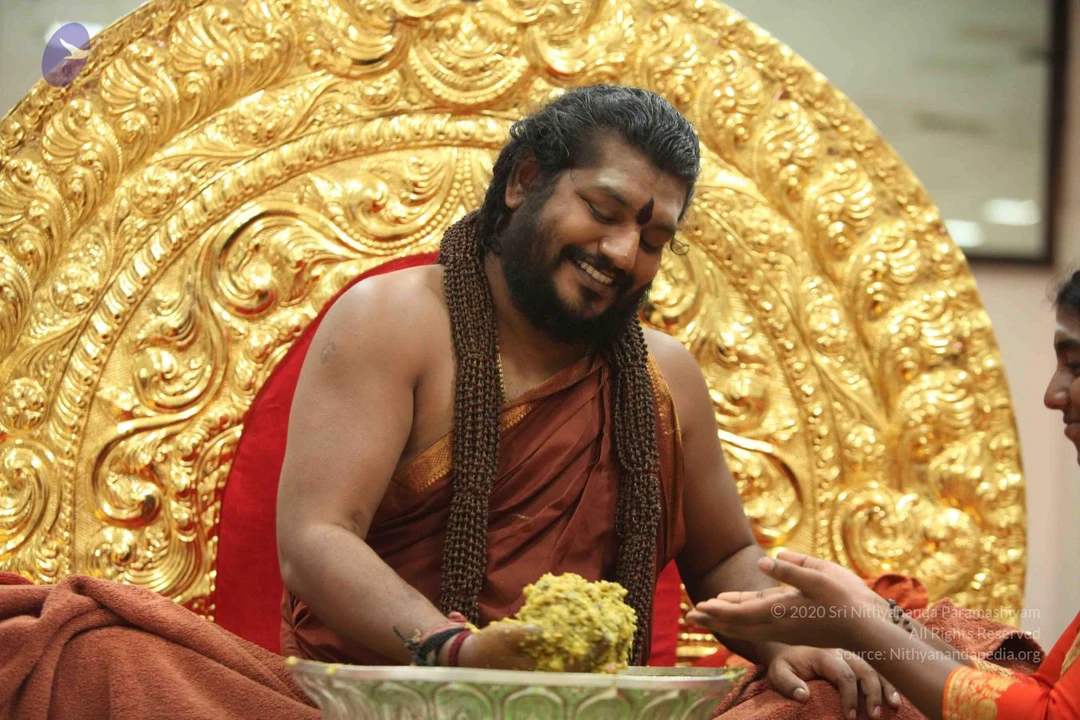
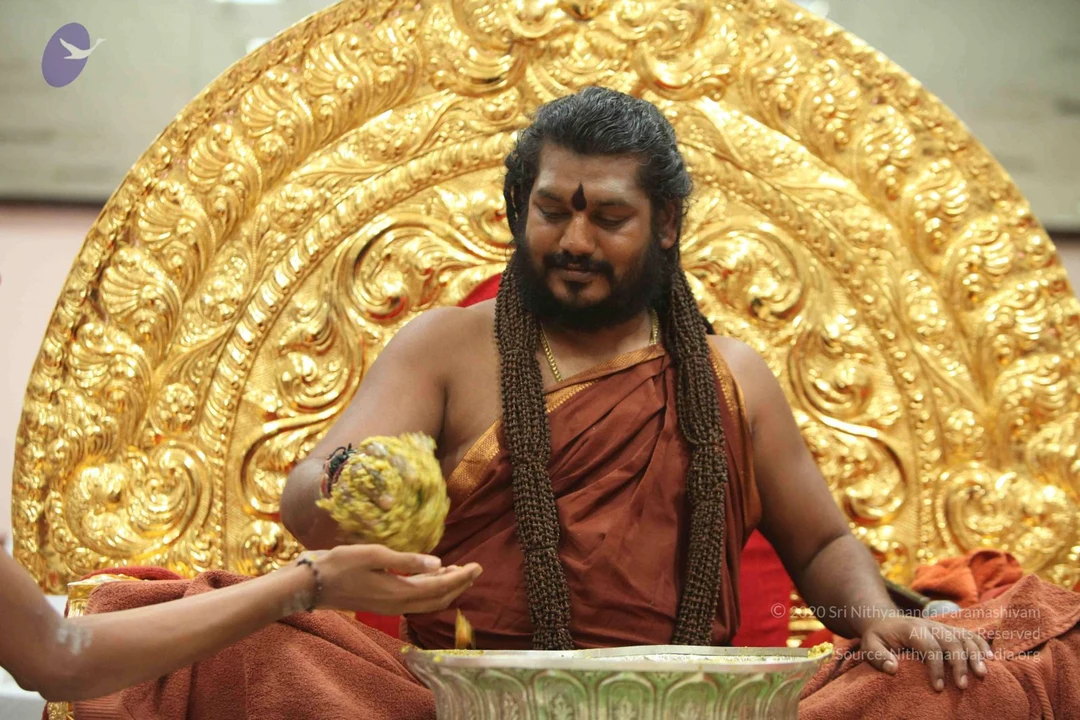
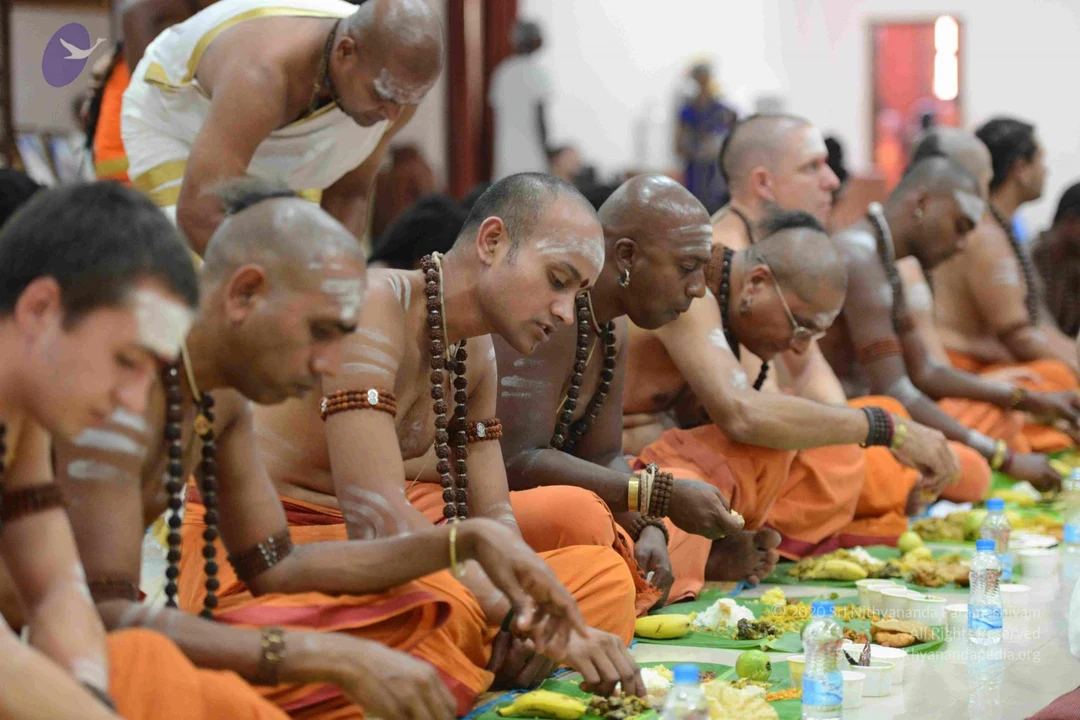
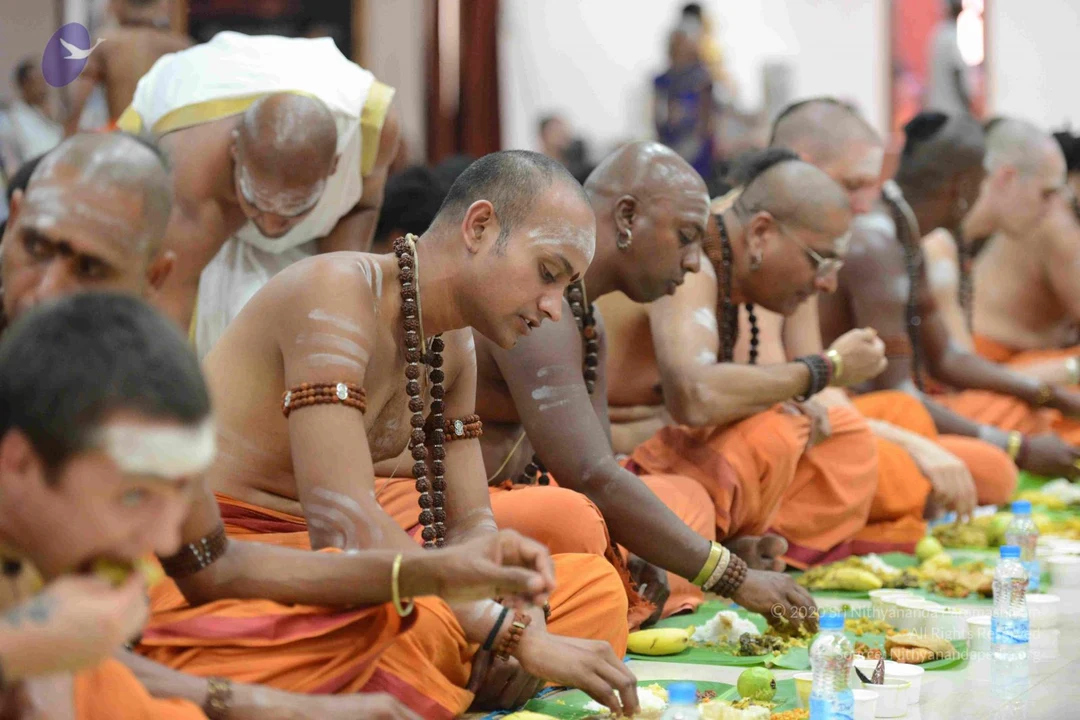
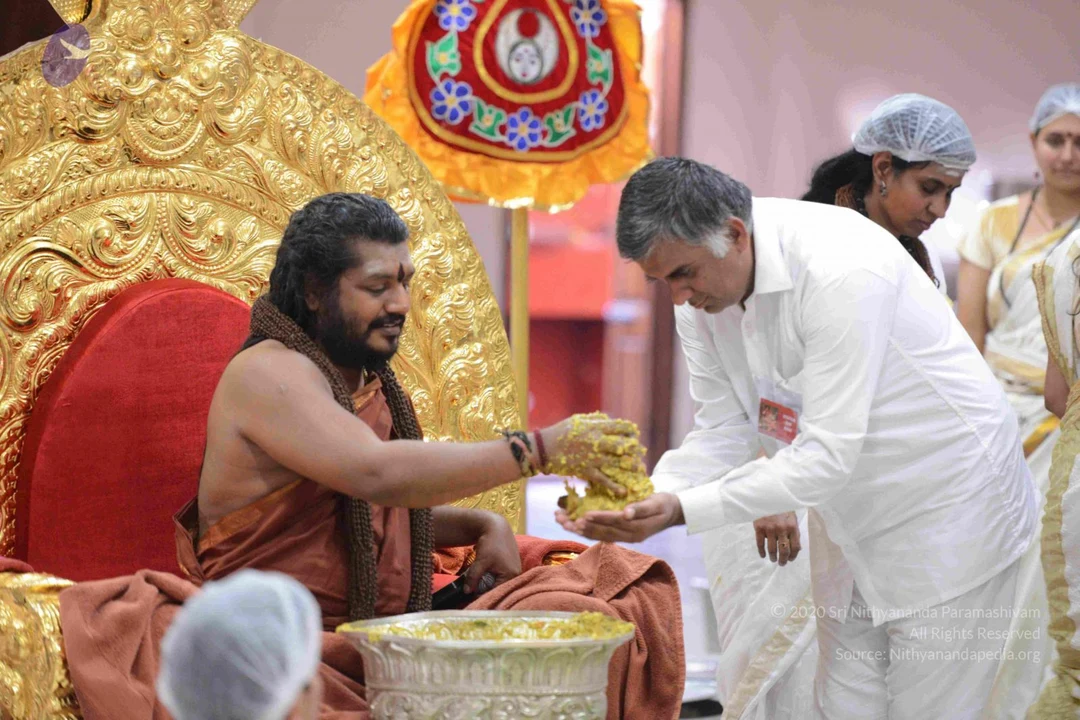
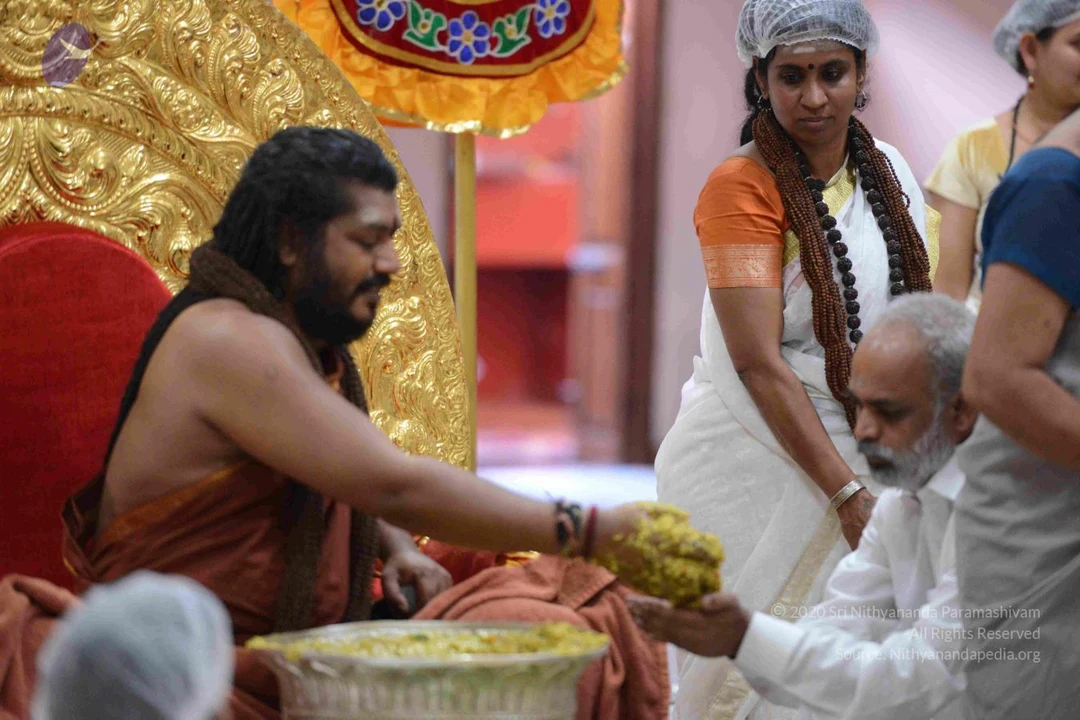
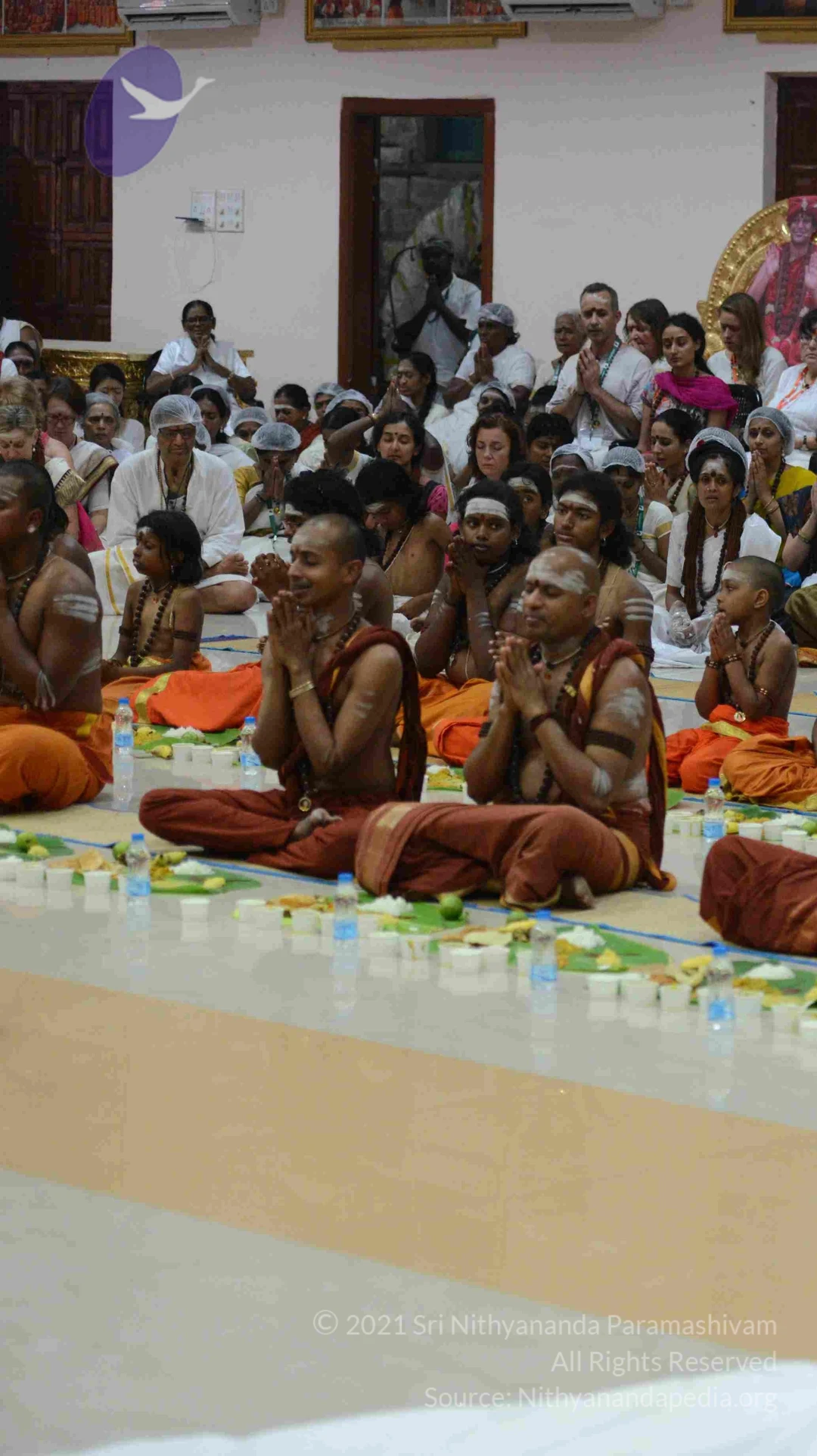
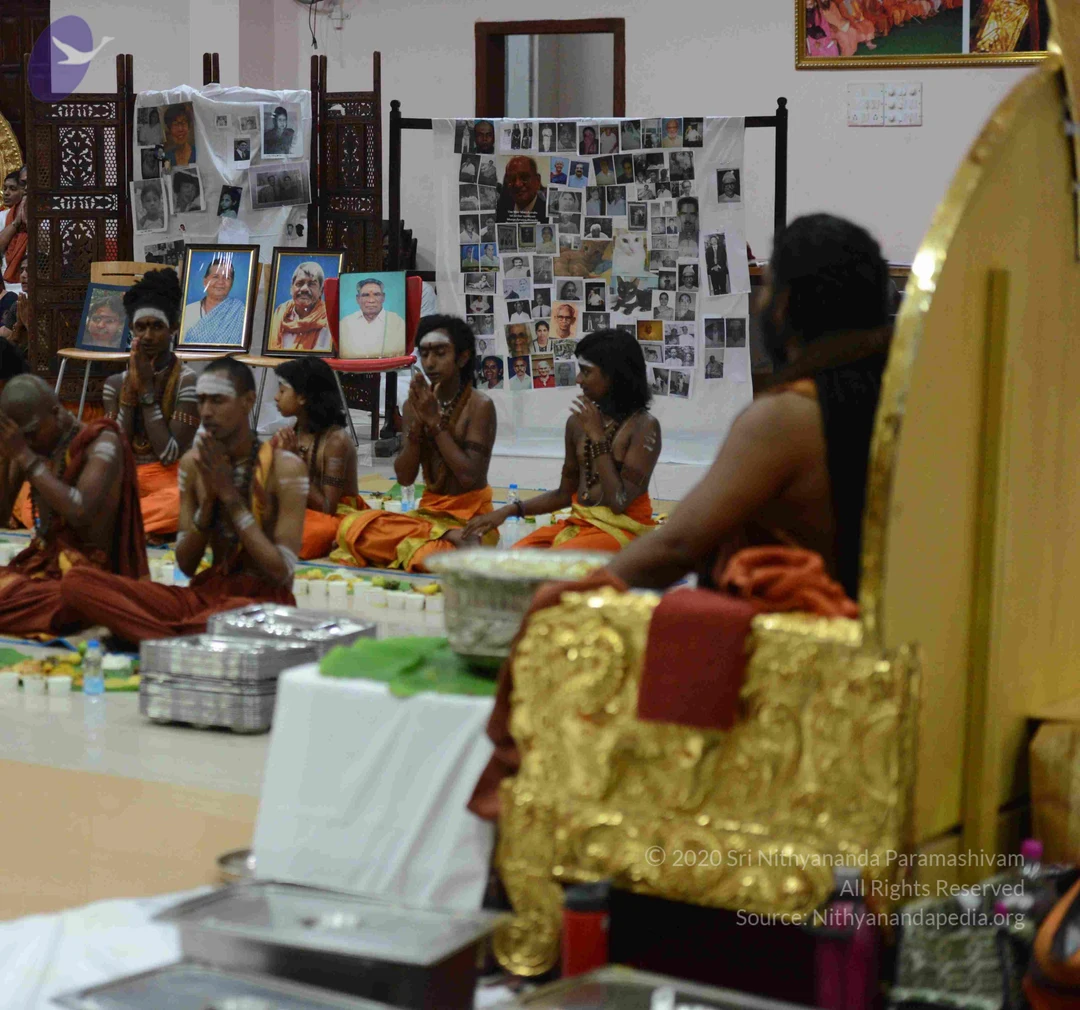
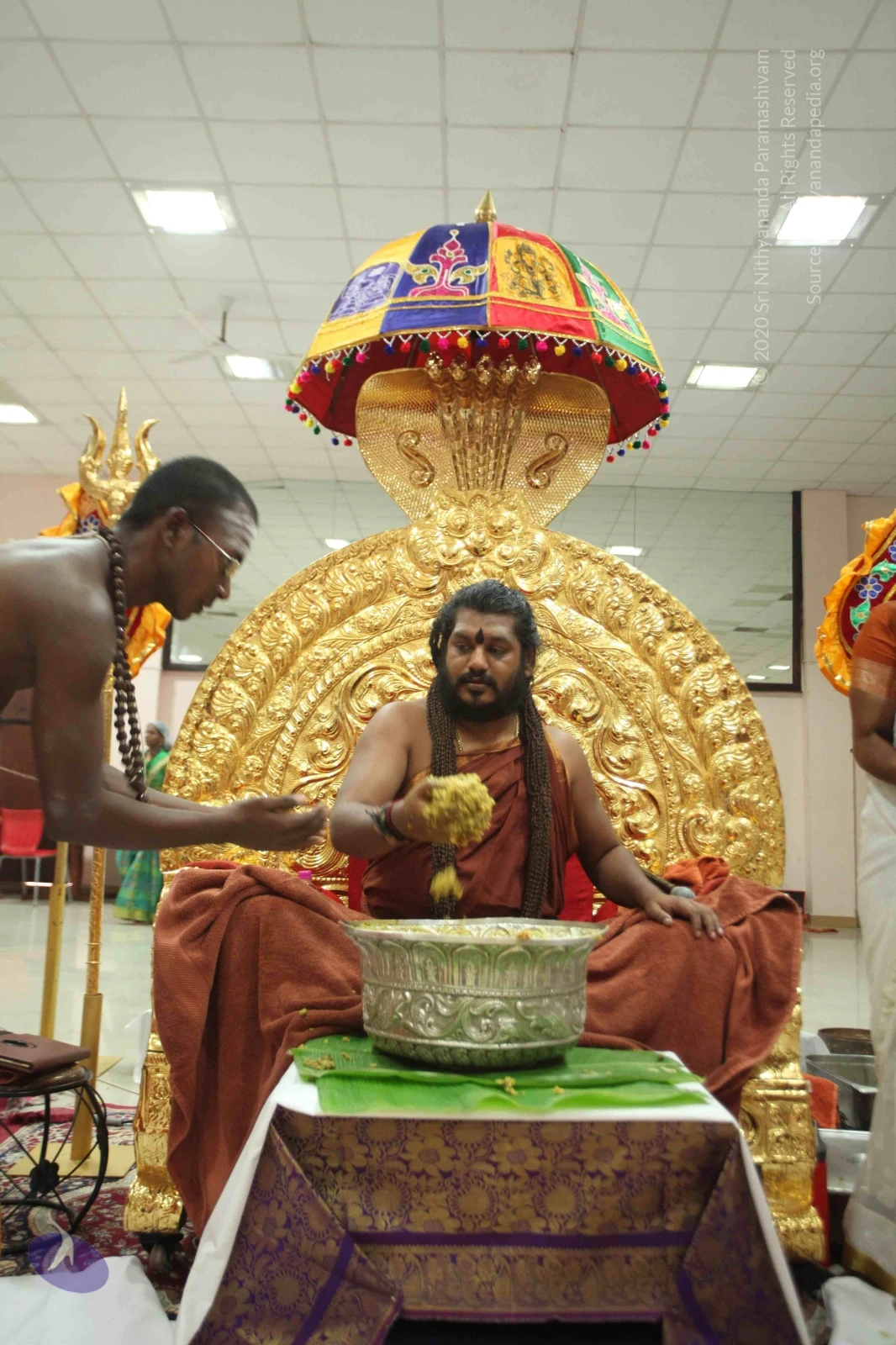
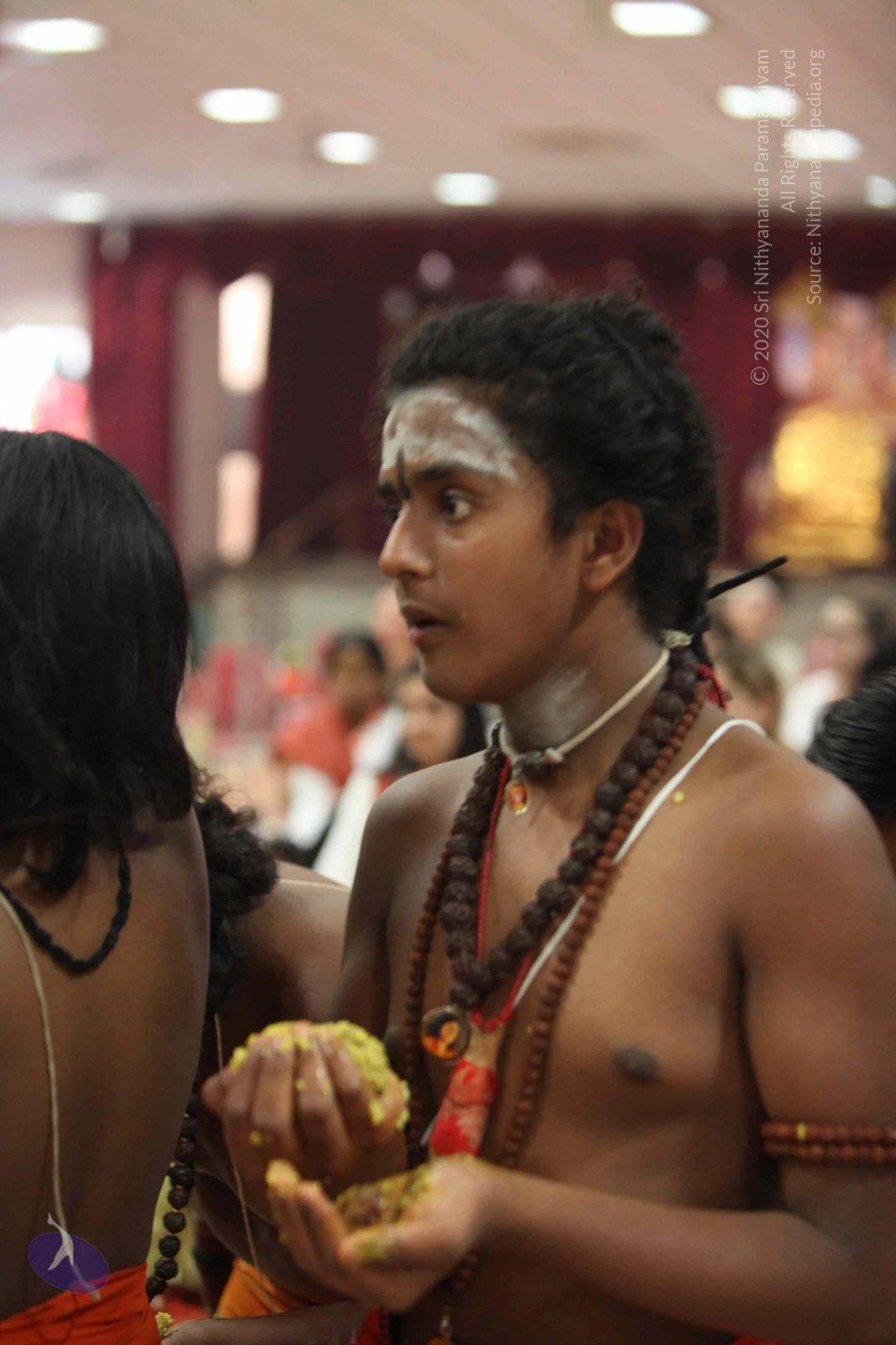
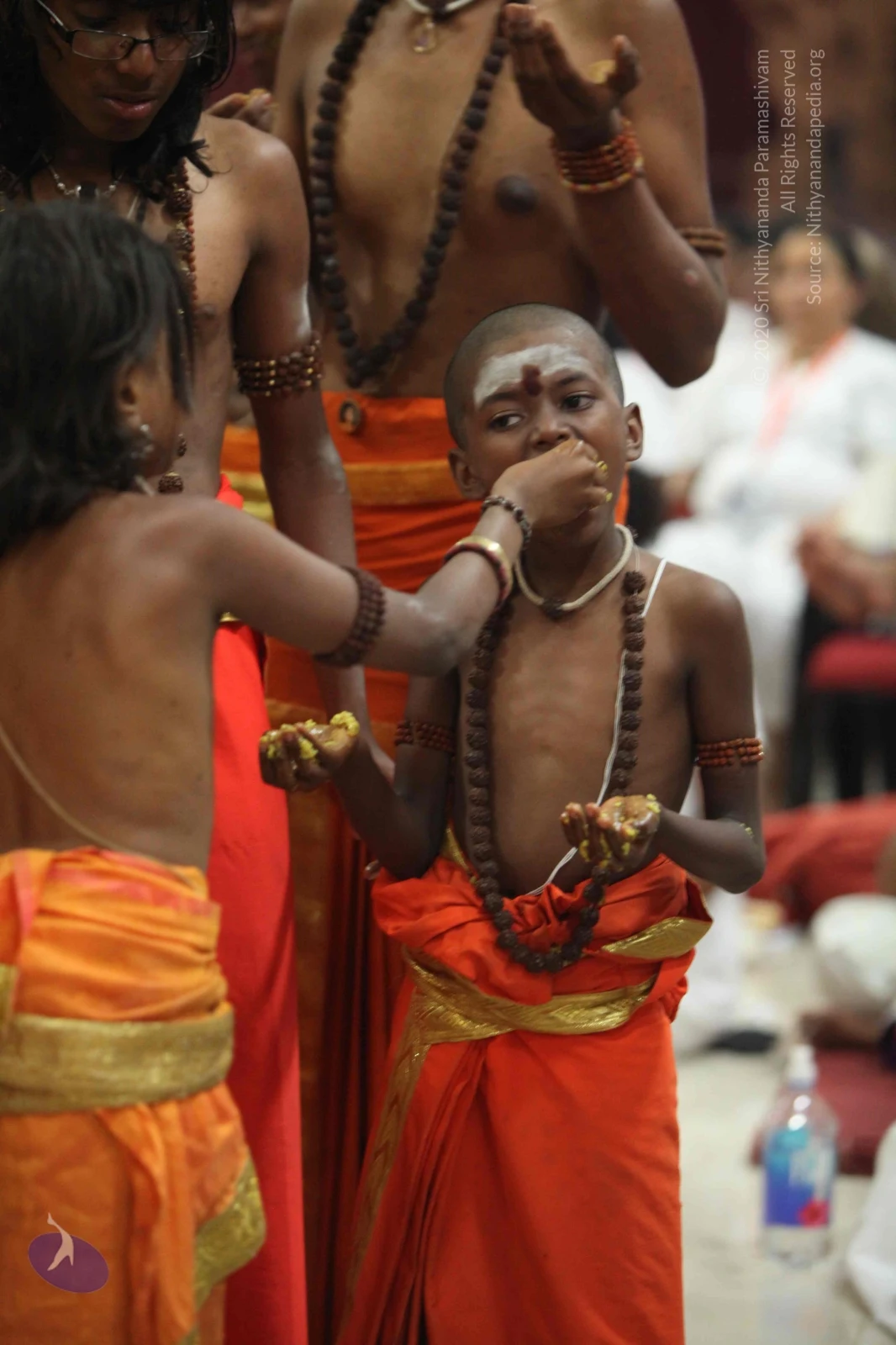
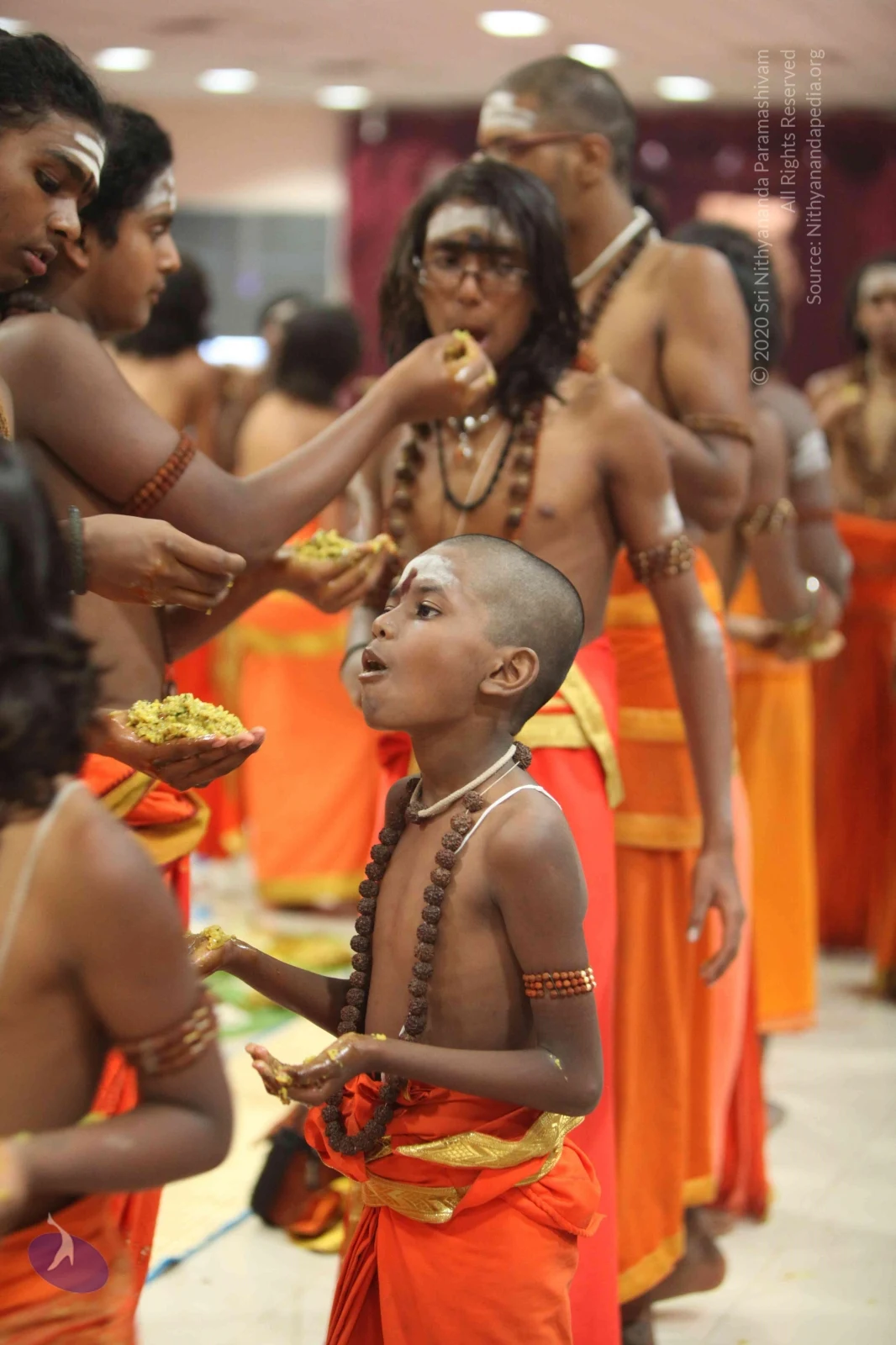
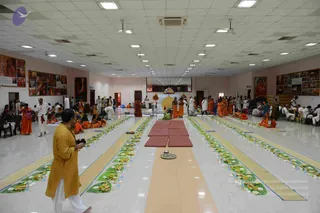
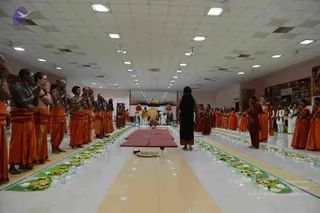
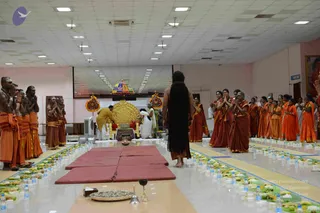
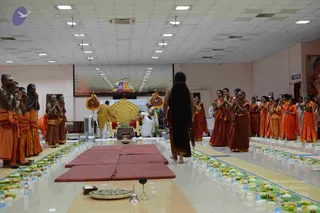
But, there is one culture, one principle common, to the whole 14 planes and 11 dimensions. The whole Brahmanda, if you develop this one principle in you, you have a Cosmic currency, you will not have shock in any of these planes, any transition into any plane. Whether you to go Pitru Loka, Bhu Loka, Bhuvar Loka, Tapo Loka, Tapo Loka it is called...Satya Loka, Brahma Loka, Vaikunta, Kailaasa, Goloka, Patala. Today, is Amavasya... Mahalaya Amavasya, the frequency of Pitru Loka, connects with the frequency with Bhu Loka, so, anything offered today, for your Pitrus, directly reaches them. They all…..they open their doors, to see you guys today. Today, they can have access to you. You can have access to them. You can complete with them, whatever incompletions, you left without completing. All the Pitrus….Pitrus means, people who are connected to your life, but who are not in the body anymore, who were connected, who are connected, but who are not having the body anymore. Pitrus. In any Loka, any transition, this one principle will not allow any fear, will not allow any cultural shock. It is like you have Cosmic currency, that principle is ONENESS.
(6:51)
Listen. Listen intensely.
If you start building, the depth of Oneness in you, cognition of Oneness in you, even your struggles will liberate you.
Listen carefully. Listen carefully. Even your struggles will liberate you. I want to tell you, if you feel you are missing something in life, lacking something in life, which most of us have, most of you have, even that, look from the angle of Oneness. Till you get your Oneness back, you will always feel something missing. And even if you gain it, you will miss it, just to feel the missing feeling is what you enjoy. I call it victim pornography mind. The mind cannot enjoy the success, but victim it can….vivid...victimhood, failure, it can vividly visualize and enjoy. The victim mental setup, almost gained the sacredness. If you are feeling you are victim, “Oh, you are humble.” No! All this stupidity, does not stay in Shaivism. In Shaivism victim mental setup is not appreciated or accepted, or respected or revered. No. I have seen, the people who enjoy victim mental set up, they will have so much anger towards anybody, who is happy, they can’t tolerate happiness. They can’t tolerate somebody joyful. They want everyone to be in the victim space like them, because they are in Patala. They want everyone to be in Patala. They don’t want anyone, to be in Svarga Loka or Brahma Loka or Tapo Loka. Even, if you have this problem, if you understand, analyze it, try to solve from the angle of Oneness, suddenly even that missing will become like Meera missing Radha….sorry Meera missing Krishna, Radha missing Krishna. It’s not that they did not have that emptiness or loneliness, when they try to handle from the Cosmic Oneness, even that came out, only as poetry, and finally it melted down into the powerfulness of Oneness.
(10:11)
Understand. If you don’t try to look, your emptiness, loneliness from the Cosmic Oneness, you will become demon, like Shurpnakha, or Tadaka. Shurpnakha was missing Rama, but she did not understand, that missing from angle of Cosmic Oneness and Completion. She was trying to grasp…..sorry not even grasp... grab. Ugly. Why the Surpanakha’s love is rejected and Meera’s love is accepted, after 5000 years. The gap between Krishna and Meera is 5000 years. Understand, anything you have, attend from Cosmic Oneness. Even if you are struggling with it, that currency will be useful for you, when you go through the Cosmic transition. If you have organized, any of your problems, with the cognition of Cosmic Oneness - One, you will solve, but even before you solving it, you have made it sacred. The problem is no more, a mundane problem. It is a sacred problem. The moment, even your loneliness, is aligned to the Cosmic Oneness, it is no more, problem of missing. It should be named as vyākulata, yearning. Yearning for the Oneness.
(12:28)
Everything you feel you lack, is only Cosmic Oneness. If you understand, as long as, I have not achieved the Cosmic Oneness, everything I have, everything I think I can have, cannot remove that emptiness from me. If you understand this, if you cognize this, your loneliness problem, is now aligned to the Cosmic Oneness. Afterwards, one day you will solve it, one day you may not solve it, you will be struggling, whatever happens. The problem has become sacred now. When the problem has become sacred, naturally you will experience Oneness and solve the problem. The feeling of loneliness will be completed. In every level, understand in every level, whether you are feeling not having enough money, it is nothing but not having enough of resources to do what you want. That feeling only. Even that, the moment you start looking at that issue from the Cosmic Oneness, “Why I am not having enough? because of my delusory, illusory separation.”Let me look into, the lack of resources, from the angle of Cosmic Oneness. You will have resources you want, that is one. Even till the time, you will be manifesting the resources you want, the problem has become sacred, it will not damage you anymore. It will not be hurting you anymore. It will not be making you powerless anymore. It will not be putting you in depression any more. It will not make your muscles weak, it will not make your life, powerless.
(14:49)
Listen. Whenever you look at any of your problem from the Cosmic Oneness cognition, one - the problem will be solved. Second, even till you solve the problem, it has become sacred, so it will not make you powerless anymore. Making all your problems powerless today, today, by this cognitive shift is the homework for all of you, assignment for all the Satsanghis today. Listen. Solving is one, solving your problems is one, making your problems powerless, is another one. Solving your problems, even if I tell it can be done immediately, you are not ready to believe, so I compromise, and come to your level and accept, for time being, you can solve only by taking time. Because if I say, “It can be solved immediately,” I look very violent and insensitive to you. So I do not want to look that insensitive, so I accept your problems can be solved, only in your own time. But I really want to tell you, they can be made powerless immediately. Your problems can be made powerless immediately, the moment you start shooting the arrows, from the shoulders of Oneness. Like Rama sitting on the shoulder of Hanuman and shooting the arrow. Hanuman is actually the energy of Nandi, Rudra and the moment you sit on the shoulder of Oneness and start shooting the arrows, the problem cannot make you powerless anymore. Your missing cannot be messing. If you do not understand, what you are missing, you start messing your life and other’s life. You become a horror movie, which nobody wants to see. Horror movie, which nobody wants to see.
(17:39)
Today, this is the biggest pritu tarpana you can do, Completion you can do with the departed souls and their remains in you. The incompletions, left over in you. Look at your whole life, from the space of Oneness. What all actual issues you have and don’t create anything new. Analyze only what you have. Sometime people think, “Oh, I don’t have any problem, then am I having more problem, some problem?” They come and tell me, “I don’t have any problem, do I have problems, Swamiji?” Why are you…….For the sake of Sadāshiva, why do you create more problem. No. No need. If you don’t have any problem, be happy you don’t have a problem. Understand. Understand the truth. The basic understanding you want to have, you should have, you need to have and you can have – is handling everything from your ONENESS space. See even when you sit with someone, with whom you have incompletion, you are really, really, waiting to slap that person. If nobody is around, no CCTV, you may slap him. When you sit with somebody of that incompletion, see what is happening in your muscles, in your inner space. Just observe what is happening. One part of you, is agitated about you, is only the irritation and incompletion you carry about others. Listen, one part of you, is agitated about you, incomplete about you, is only the incompletion you experience with somebody externally. Look at everything from the space of Cosmic Oneness. If you are sitting with somebody, with whom you are just melting, you are literally drooling, just see, there is some extraordinary comfort in your system and if you start enjoying that, even without that person being there, you will be in that space. Elongation of ecstasy, reduction of suffocations, both is possible, the moment you look at your life, from the space of Oneness.
(21:01)
Babita Mukundar is sending a question - “How to shoot arrow from Oneness?”
That’s what I am explaining. Every problem, look from the angle of Oneness. Oneness is Cosmic principle. Shuddhadvaita is the Cosmic principle, that is the spindle on which this 11 Dimensions and 14 planes, rotate. See, all the 11 planes…..sorry 11 dimensions, 14 planes of existence, spindle, the Sthandila, Meru Sthandila, on which all 14 rotates is Oneness.
If you learn to live Oneness here, any world you go, any plane you go, any dimension you go, you will not have cultural shock. They will tell, “Please come, welcome.” You will not have something new. It will only be like a department change, nothing more. It’ll not be cultural shock. It will not be, a being level shock, you will not feel something is new. You will not feel you have entered, into new place. You will feel something is unknown to you, you will just know, how to exist and how to function. How to operate.
(22:46)
Handling, everything from the Cosmic Oneness, listen, handling everything from the Cosmic Oneness, is what I am calling shooting arrow from Oneness. Whether your difficulty is missing something, you problem is health, your problem is not able to live with the community, you are trying to live – I am seeing many people who can’t align themself to Integrity cannot exist here. Actually not having Integrity, is equivalent to mental retarded, handicapped. See, to exist in a community like us, you need to equipped with Integrity, as one of your important dimension. I have seen people who are….people who can’t plan Integrity as their thinking strategy, can’t exist here. One day you will say, “I am feeling suffocated here, I don’t want to live here, I wanted to leave.” The next day you will send a message, “Miss you.” It’s like a fish trying to swallow the sun and sun says, ‘stupid.’ Then you say, “Oh I am missing the sun, sun is not letting me swallow it.” Integrity, not having integrity is equivalent to mentally retarded. It’s actually, not having Integrity, is the only psychiatric psychological disorder. Actually, both are not that big, the psychiatric and psychological. It’s only the relationship between, psychiatric, psychosomatic, psychological, the disorders, is only just the cause, effect, source. End of the day, one becomes the other, one becomes the other.
(25:19)
When there is a difficulty in the cognition level and it moves into verbalization, you call it psychological disorder.
When it moves into visualization, you call it as psychiatric disorder.
When it moves into cognition level, you call it psychosomatic disorder, that’s all.
I finished the whole psychology, psychiatric, psychosomatic in one statement. Any incompletion generated in you, is like a blood clot. If it moves in the level of verbalization, it is psychiatric disorder. When it moves in the level of visualization, it is psychological disorder. When it moves in the level of cognition, it is psychosomatic disorder, that’s all. Nothing else. Otherwise, it is nothing but cause, effect, source – Kārana Kārya Mula. That’s all. Understanding everything from Oneness, looking at everything from the space of Sadāshivoham, Shuddhadvaitam, Oneness, immediately makes the problem powerless over you. Your approach becomes sacred, spiritual, then even though you don’t understand the problem immediately, gets solved, it gets solved immediately. But you do not immediately, problem can get solved, what will I do, after that. All the time, you are talking about solving it, solving it, but how will I live after that. No, people feel so comfortable with their problems, it’s almost they are having honeymoon with it and they terribly miss, their problems – what will I do once you solve everything?!
(27:48)
I still remember, one small incident happened. One day in Tiruvannamalai temple, there was a ritual, festival going in. Originally, the source of festival is Shiva and Parvati, dance in Ananda Tandava, means the Cosmic Oneness of Adishakti and Sadāshiva. Tiruvannamalai temple and Madurai temple, has one unique tradition. The priest will explain the festival or the rituals before the celebration, is observed. The good point is the context is maintained. Bad point is, sometimes the wrong context gets inserted and that is being told for ages, again and again. If you don’t mix the context and keep the original Purana and Agama alive, then the narration is great. But in Thiruvannamalai, one context got lost. Instead of explaining it, as Ananda Tandava of Adishakti and Sadāshiva, the priest has explained this, as a fight between Devi and Mahadeva. And my Guru, Yogananda Puri was walking and the priest was standing. In those days, that big...systematic this types of mics were not there, so they will have some….they will hold in the hand, which is like a gramophone records, loudspeaker in copper, and in that, priest will shout.
And he was shouting, in Tamil
“Perumanukum Ambalukum Odal Vanthathanale, Muppathu Mukkodi Devargalum, Kinara, Kimburuda, Gandarva, Gandhara, Siddha, Rishi, Muni, Gana, ellorum serthu, ega para sugangal ellam thuranthu Enamabalavananai kandu thukkathale vadi varunthinargal”
Means: it is like Sadāshiva and Devi are having misunderstanding and fight, so all the Kinnara, Kimpuruda, Gandharva, Gandhaara, Rishis, Muni, Gana, everyone was in depression and suffering. And then he went on, started narrating, the fight started, Shiva and Devi started dancing in the anger with each other. Then, my Guru was standing next to the priest. I was also standing. He shouted in very colloquial Tamil
“Pikkali paiyan, ivan pondati kooda sandapotartha kooda peruman meethu satharan paru”
Means: “He fought with his wife and coming and telling Sadāshiva is fighting with his wife?” It is too small incident, but so sharp. It was a shock for me. WOW! RIGHT!
Ivan Pondatiyoda sanda potutu vanthu peruman pondatiyoda sandapodarar solran paru
(31:23)
Because he was fighting with his wife, he comes and tells Sadāshiva fought with Adishakti. Even though it was very small incident, in My life it hit Me so strongly – “Aye!, this is the way all the dilutions have happened. This is the way the dilutions happen.”
See, instead of we solving our problems from Oneness of Sadāshiva, we project our problems on Sadāshiva. Take the Sadāshiva space and you solve your problems. You look at you, from the prism of Sadāshiva, instead you look at Sadāshiva from the prism of you. My Guru was very well respected in the temple and religious circle. Immediately, the priest dropped his loud speaker. Swami,
“Ssami, ithalam thaniya sollapidatha, inga vanthuthan solluvaya?
Means: he removed the speaker and told my Guru, “Can’t you tell all this when I am alone? why should you come in the public and tell this all…..tell all this?”
We human beings find consolation by putting our delusion on Sadāshiva. Because, one person compete, another one person incomplete is like a rubbing the salt on the wound. Some are trying to cunningly manipulate the Akashic Records, but kids are very clear. Whatever questions you may ask, they are in the space of no fear and no greed. They straight answer. That’s what I told them. You cannot have fear or greed. You are integrated to Kalabhairava, whatever He shows read out that’s it. And you are protected by Kalabhairava, you don’t have to be afraid. Somehow trying to make a meaning, out of their reading as they want. “I think my Third Eye was open from the young age, can you tell it was open.” Even if you manipulate, it was not opened, be very clear. As long as you drop this manipulation, it will not be opened again. Only when you drop this manipulation, drop your hypocrisy, it will open. Many are trying, to put your….putting your incompletion on Sadāshiva and you think you are intelligent. Actually my Guru made, some more statements, which I cannot tell publically. He made in Tamil, very raw Tamil. I don’t want to dilute and present. Maybe, I’ll talk to Nithyananda Yogam Participants and exactly narrate the incident, as it happened. Let it be on record for future.
(34:57)
My Guru did not have the necessity, to be socially polite, but I have a necessity to be socially polite, at least in the Satsang but in the class I will tell exactly as it happened, as my Guru told Me. And I wanted to put all this on record. I don’t want all this to be lost. And, Enlightened people are really raw, street smart, a spicy people. They are very raw, street smart, very spicy and very tasty people. I am not telling exactly as what he said because I don’t want to dilute it. I wanted to give the raw as it happened.
Vatha kuzambu mathiri avanga panni vacha kozamba, sotha thayir sathama nan mathi vaika koodathunuthan
Their words should be repeated and preserved as it is.
The essence what I wanted to convey is – look at all your incompletions and problems and difficulties from the space of Oneness. That’s all. The moment you started looking at them from the space of Oneness, they become sacred. They don’t have power over you. They can’t make you powerless anymore. That’s first. Second, solving them, will simply happen immediately, as far as I am concerned but as far as you are concerned, it will take it’s own time. But that is okay, whether you believe, it will takes it own time or immediately, at least come to this understanding, let us start looking at the whole thing, through the prism of Oneness, that’s all. That’s all. That’s all.
(37:34)
With this I bless you all, let’s all radiate with Integrity, Authenticity, Responsibility, Enriching, Causing, Living Shuddhadvaita Shaivam, the Eternal Bliss - Nithyananda. Thank you. Be Blissful.
Tags:
Paramahamsa Nithyananda, Nithyananda, Cosmic Oneness, Oneness, Problems can become sacred, space of completion, Meera, Radha-Krishna, Rama on Hanuman Shoulder, Arrow of Oneness, cosmic currency, look through the prism of Oneness, Pitru Tarpana, completion with departed souls, powerfulness of Oneness, Shaivism, Cosmic transition
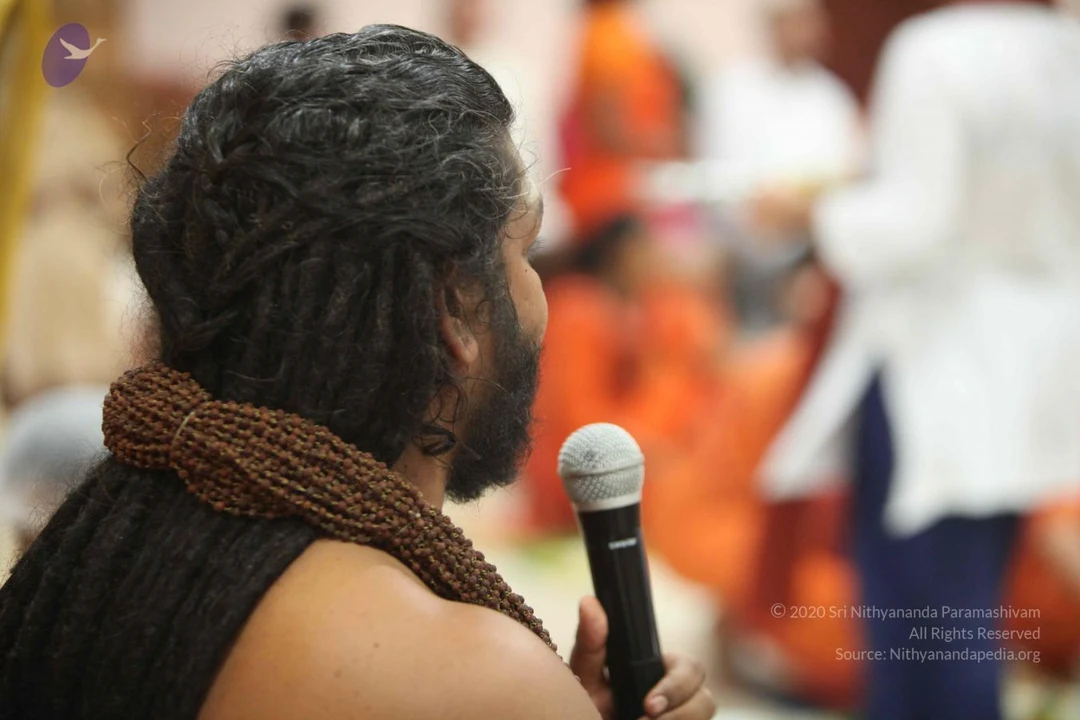
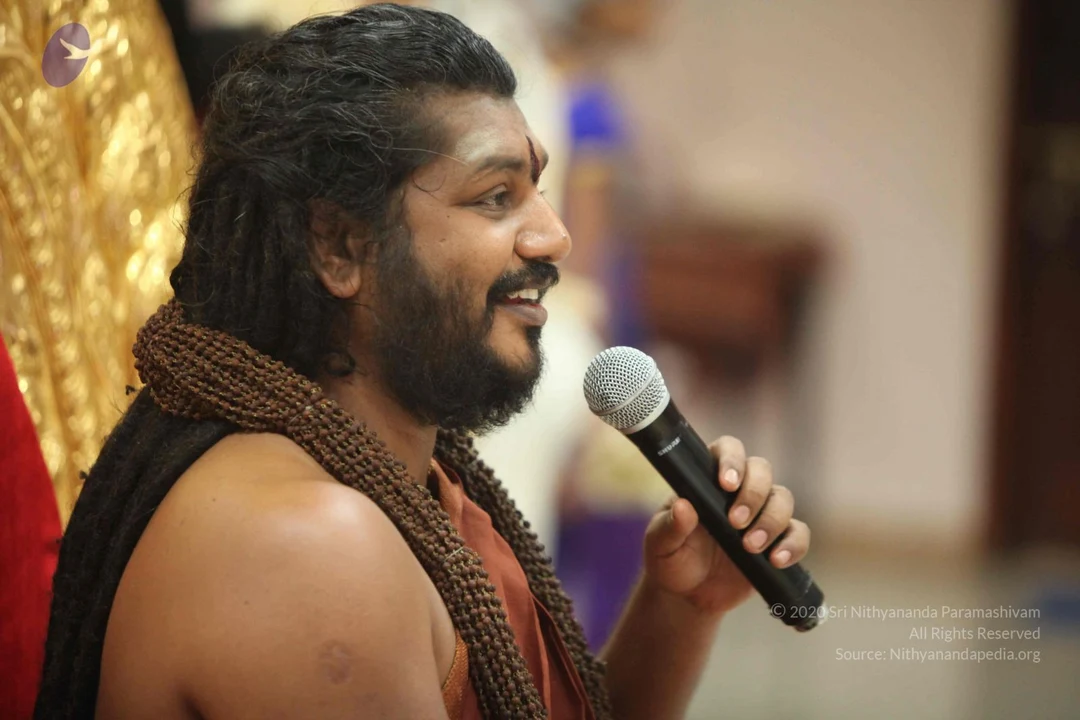
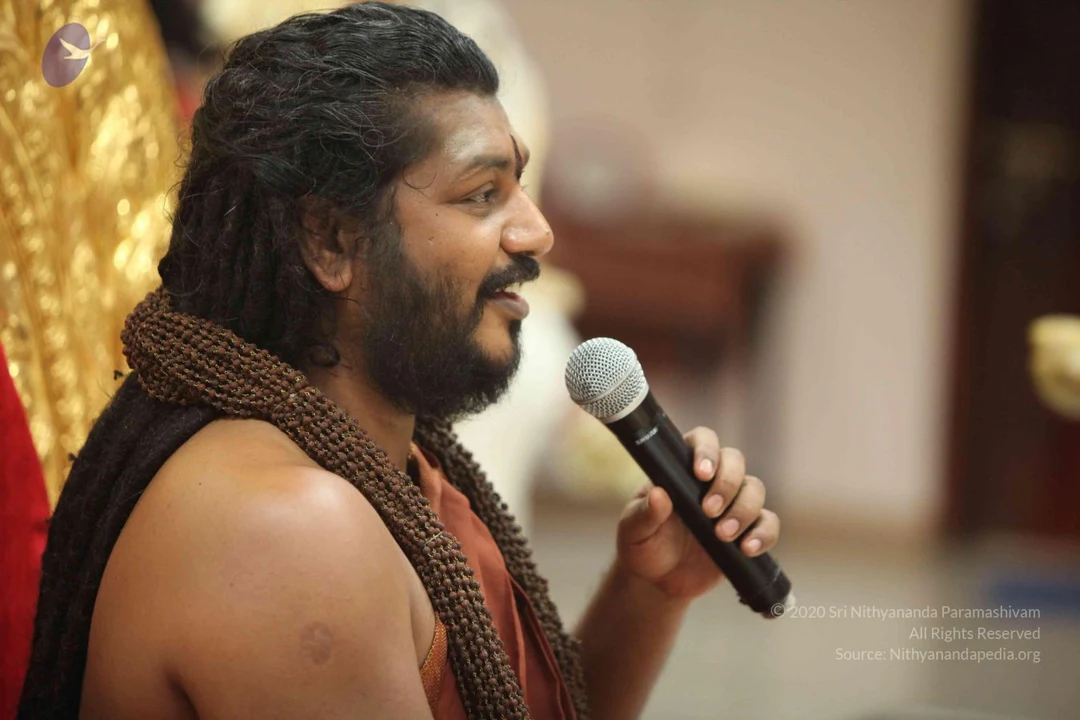
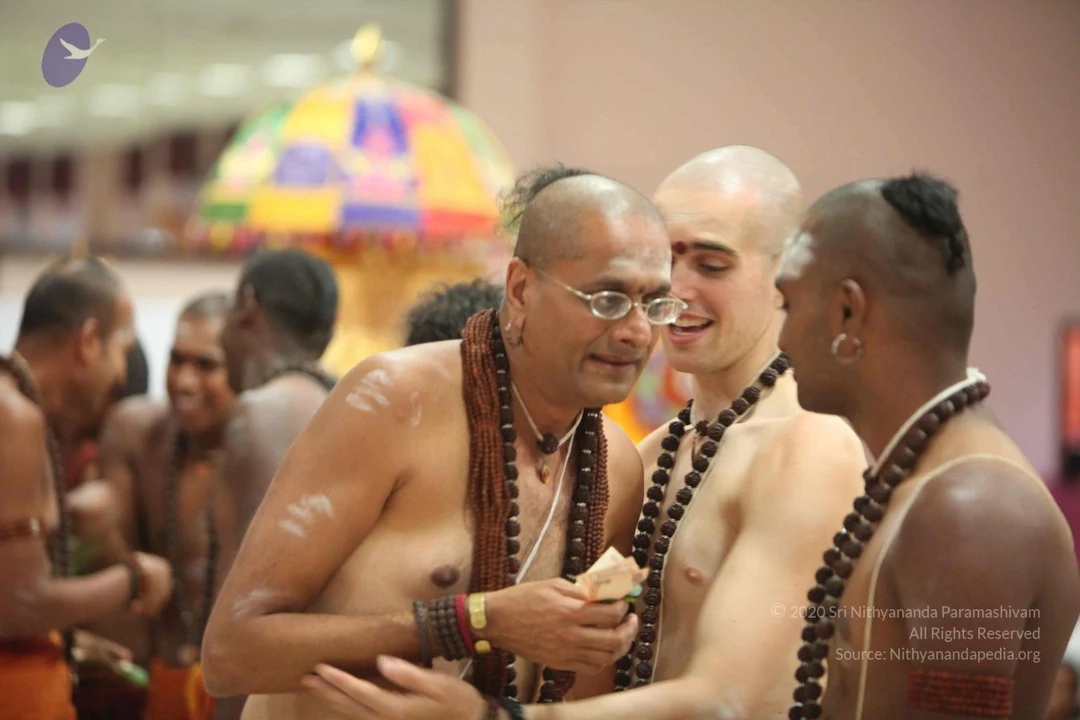
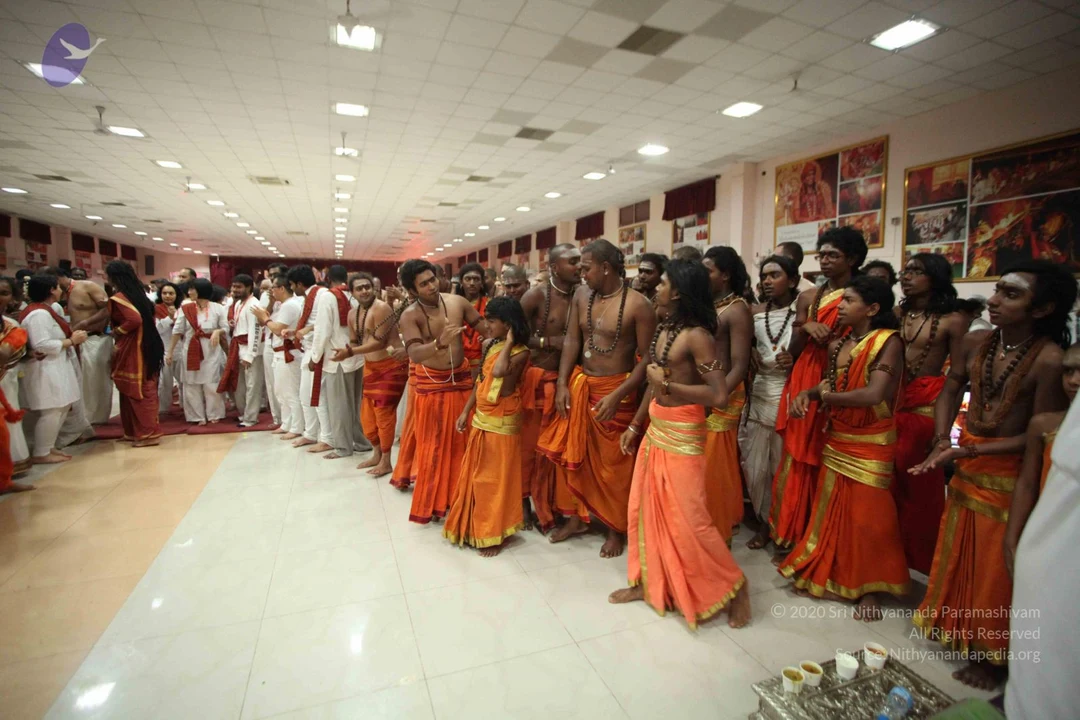
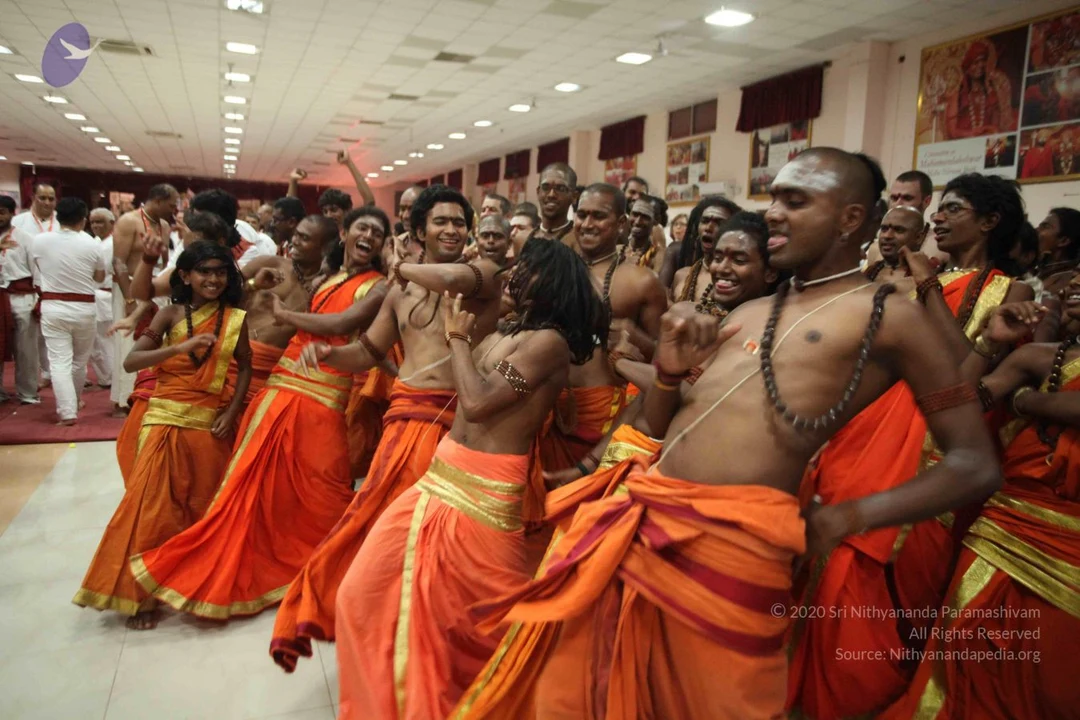
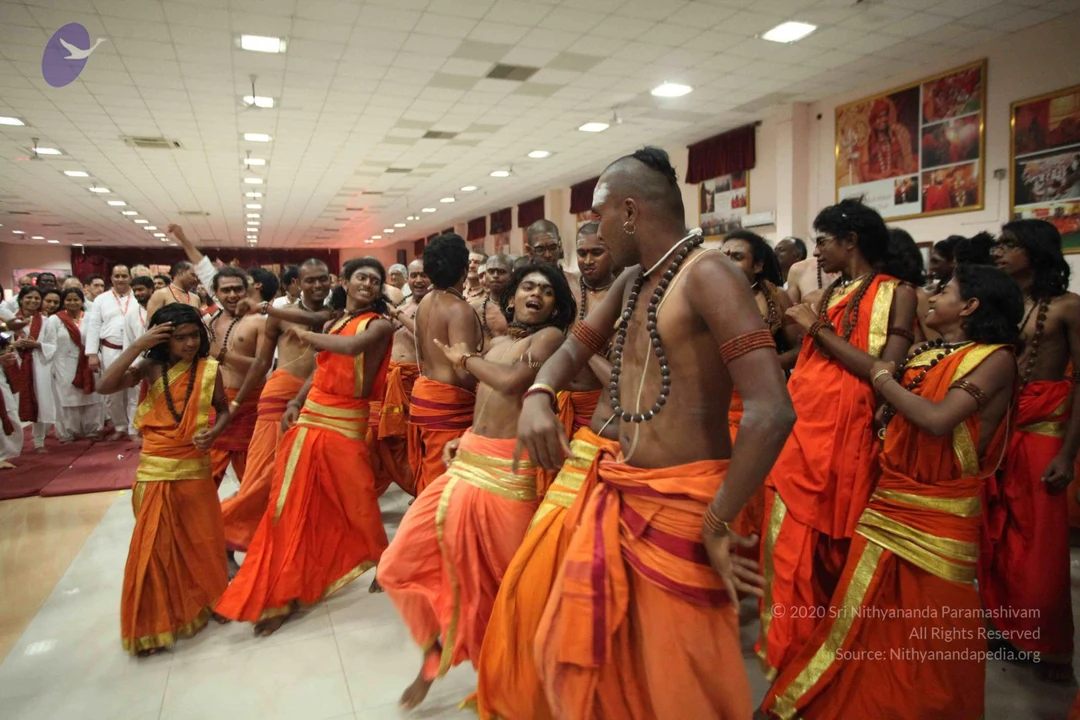
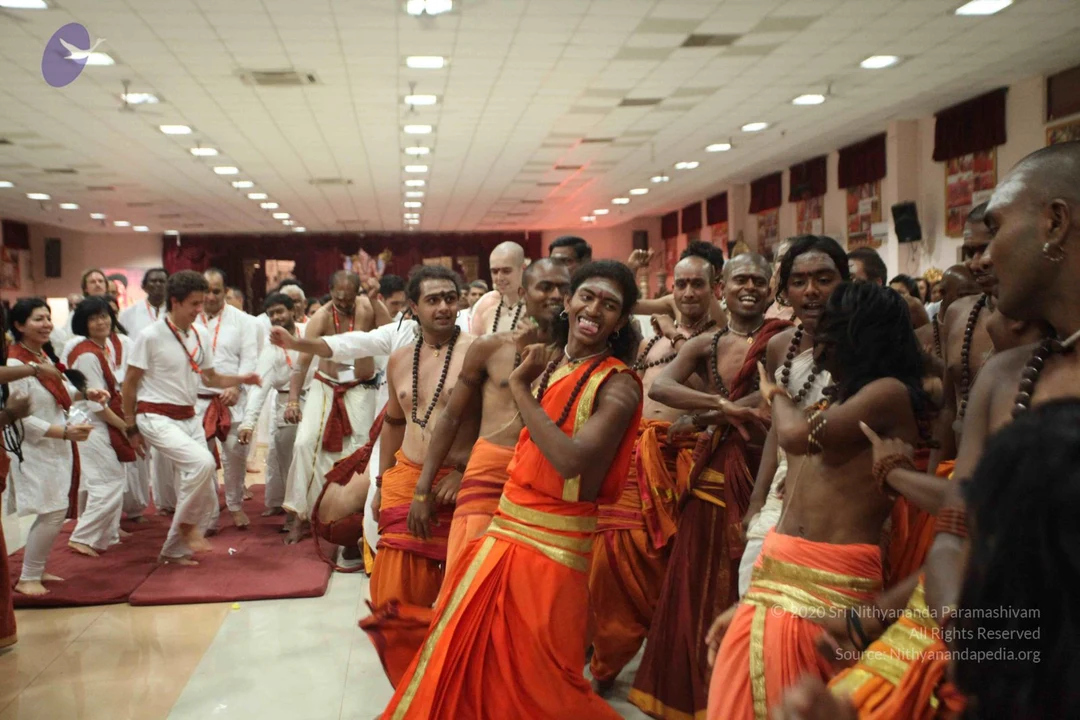
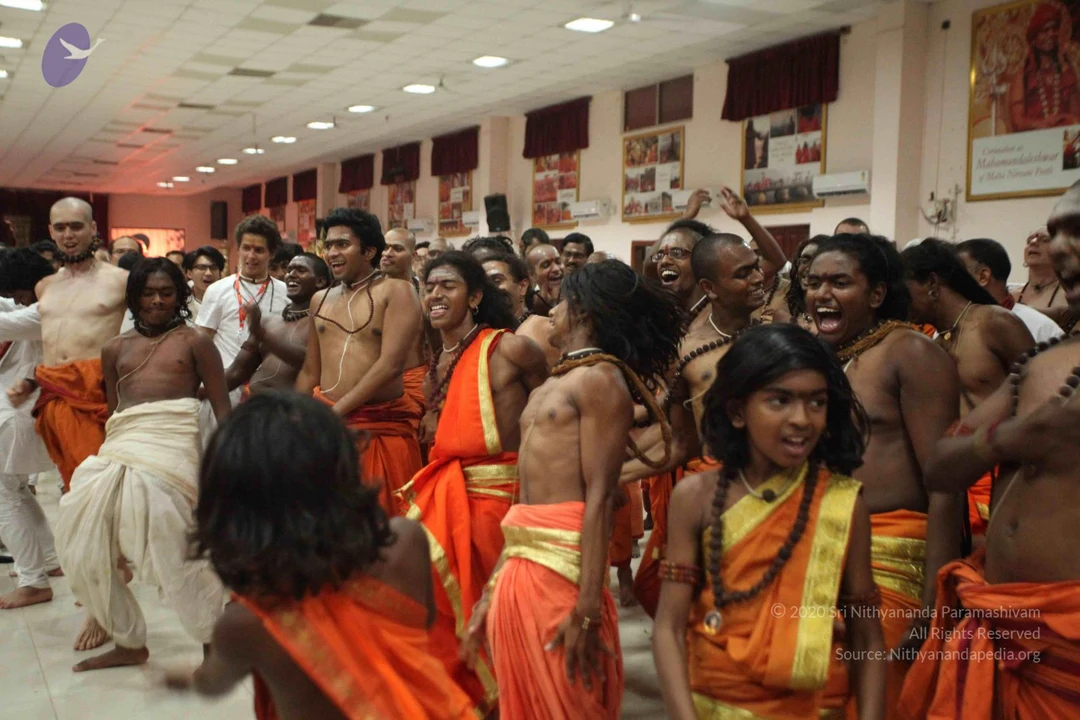
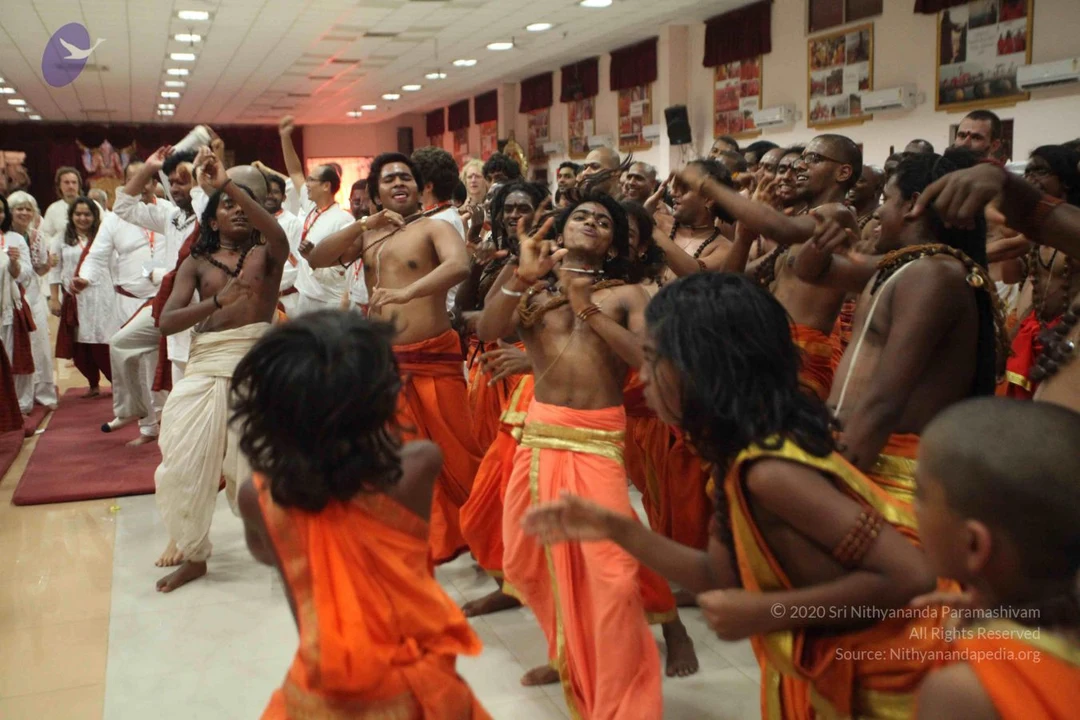
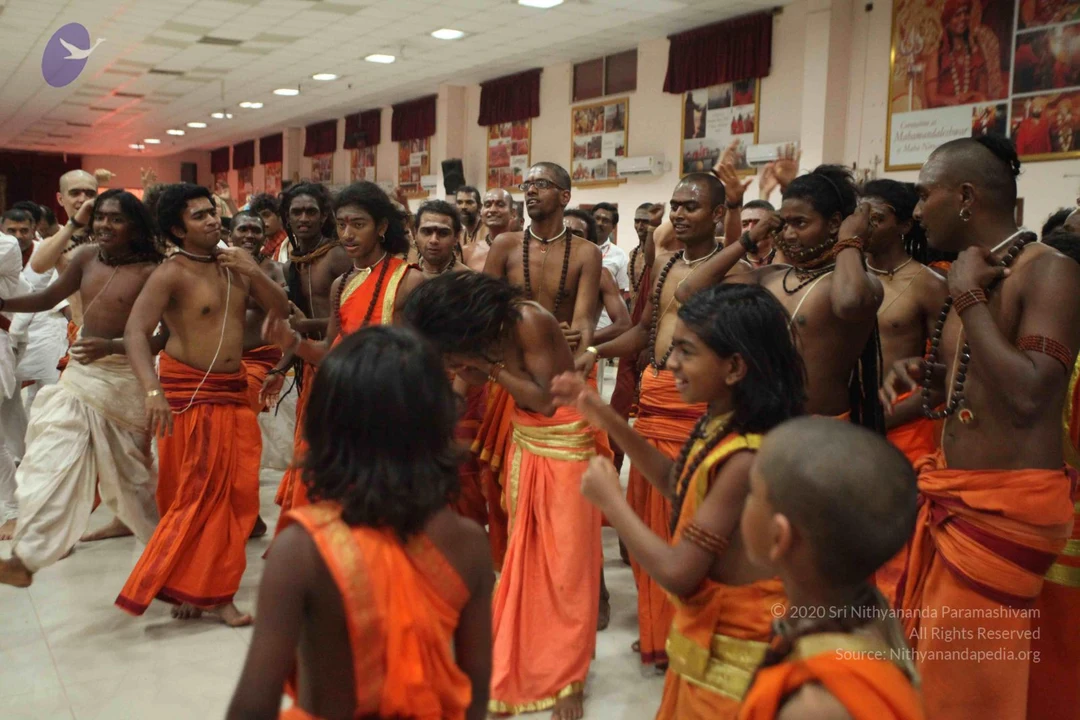
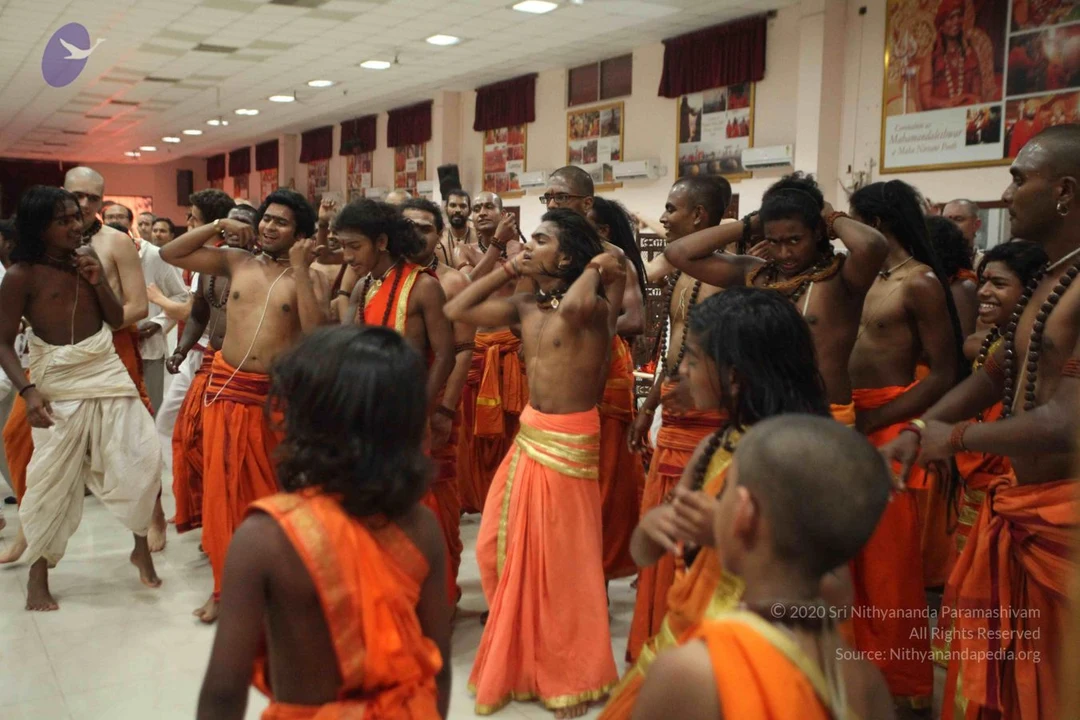
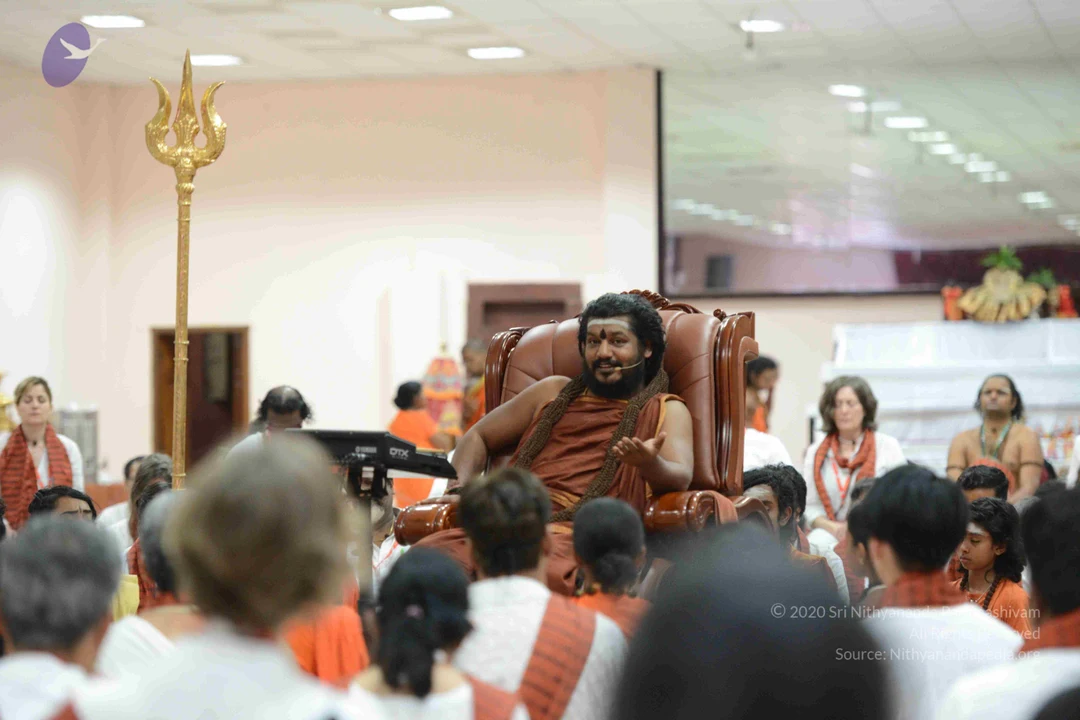
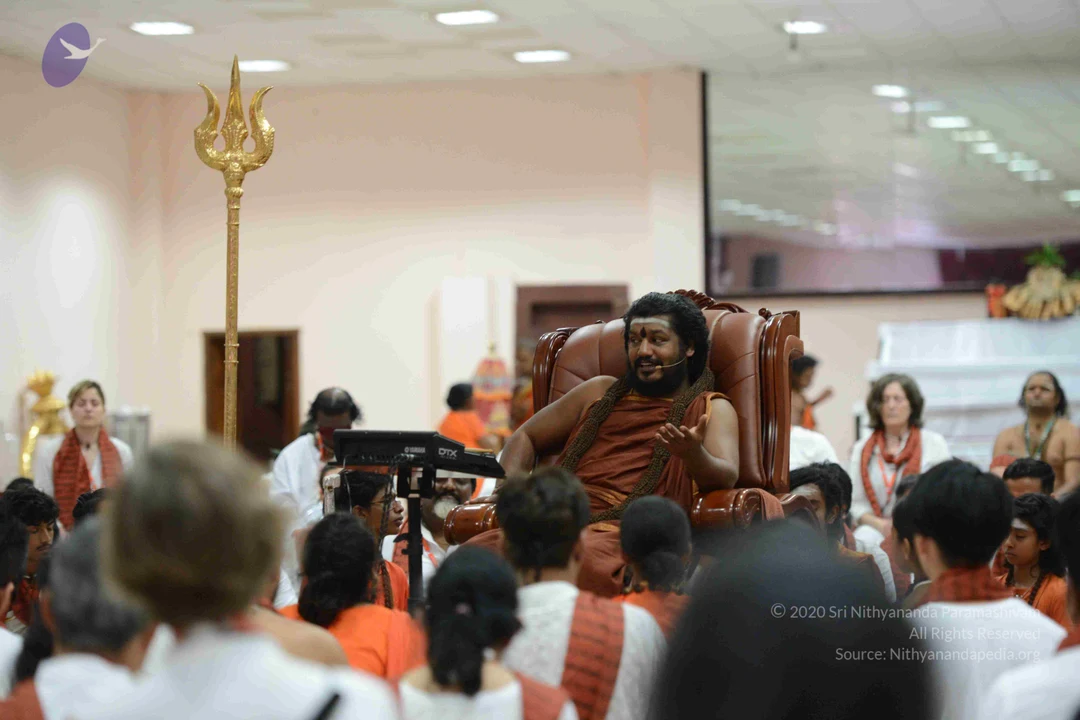
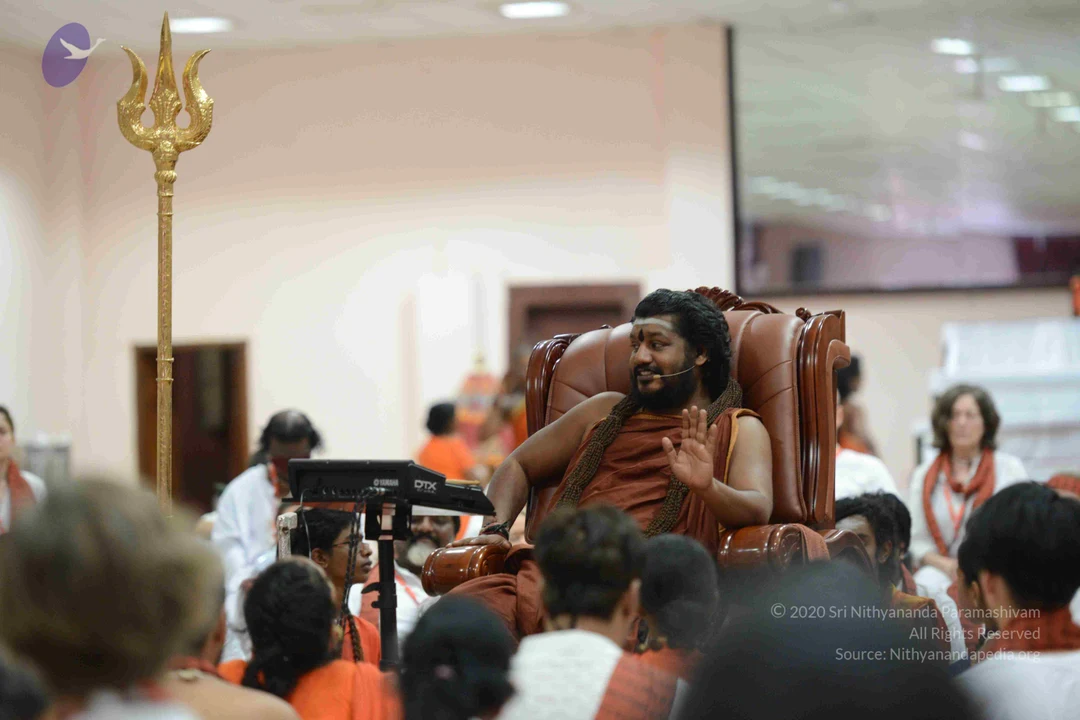
Photos Of The Day:
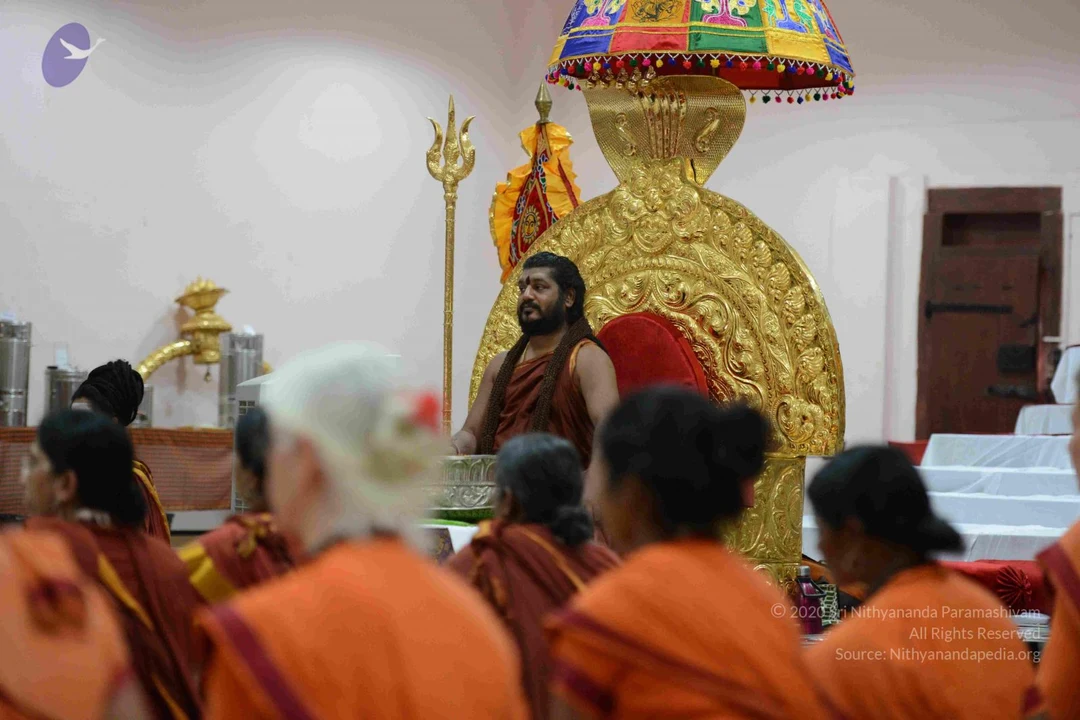
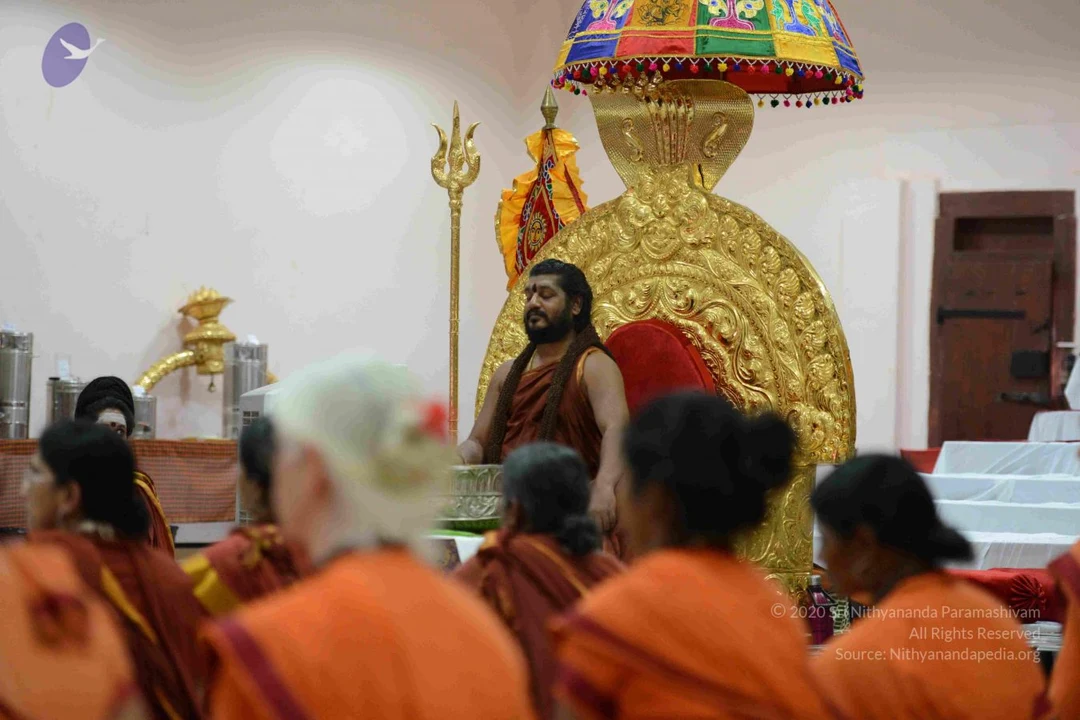
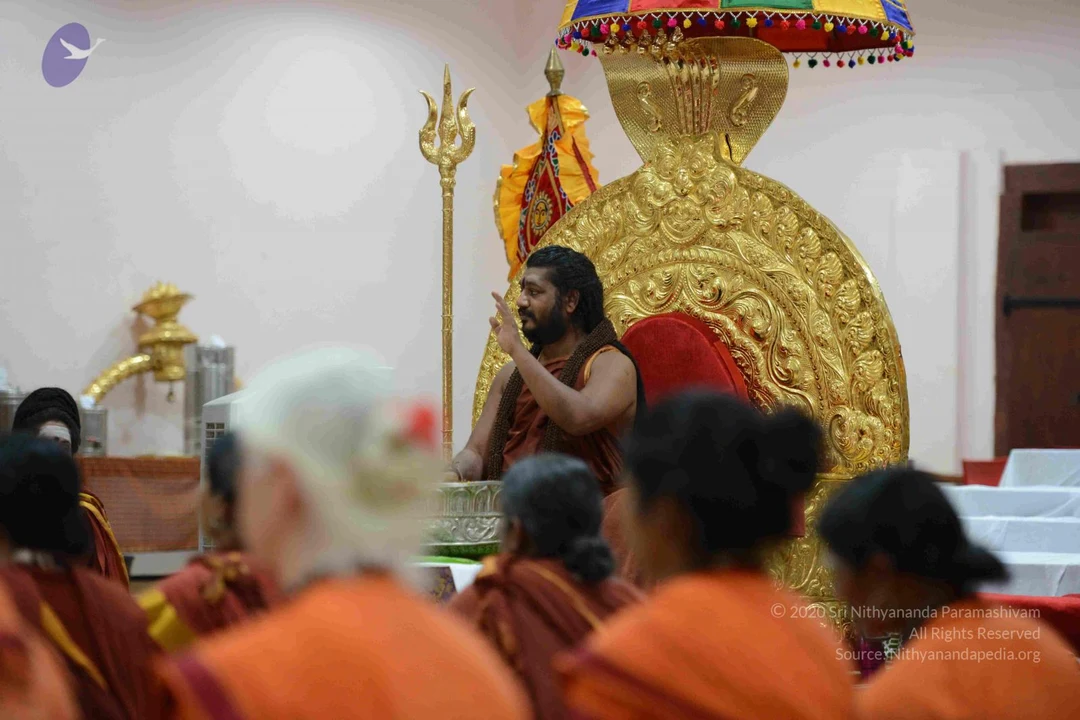
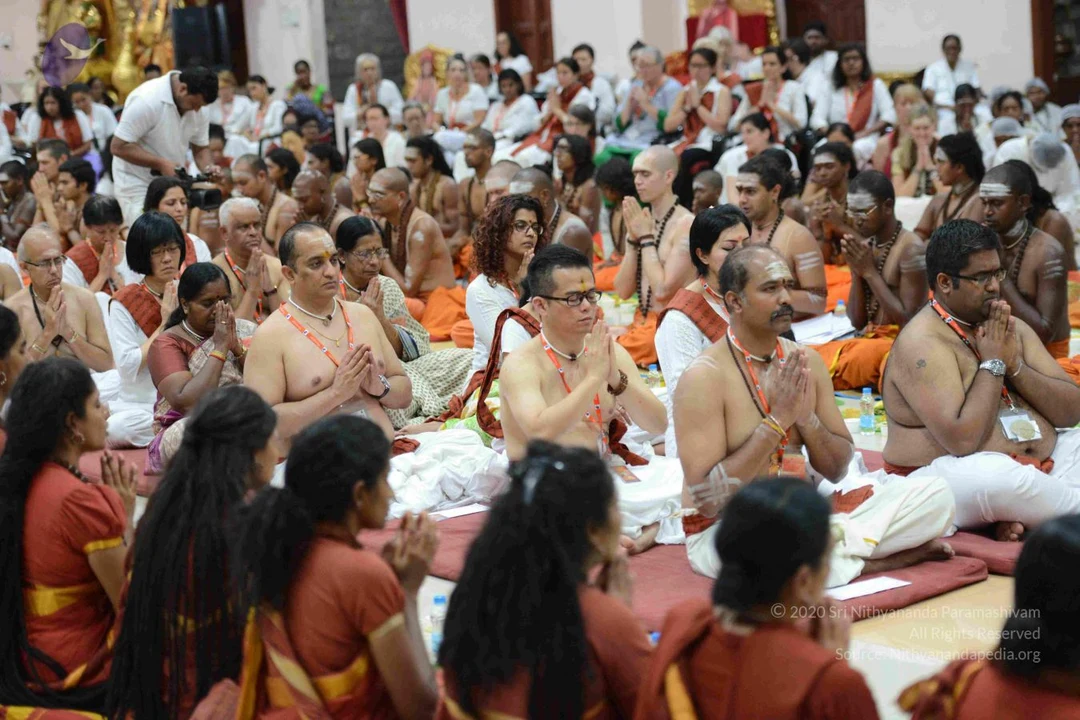
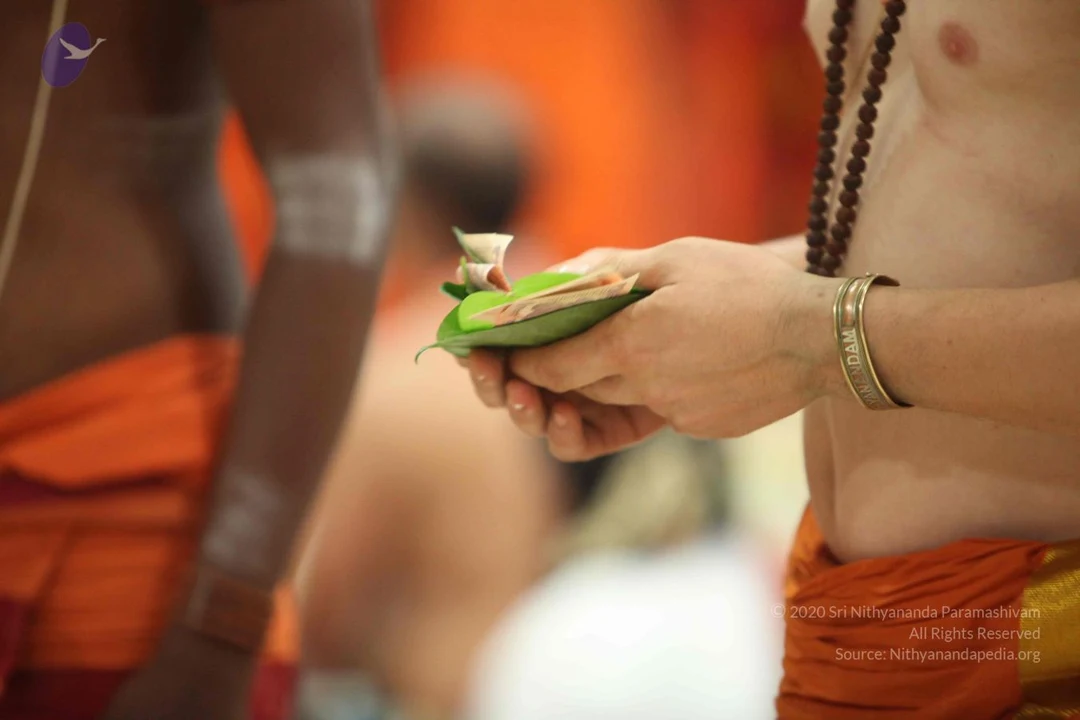
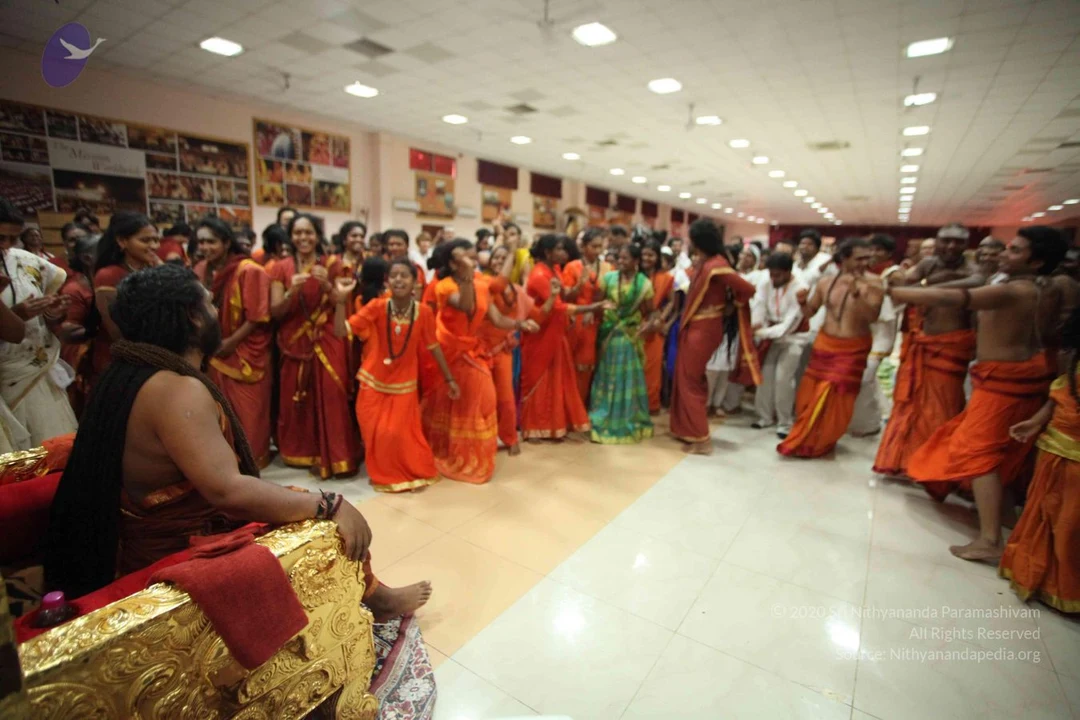
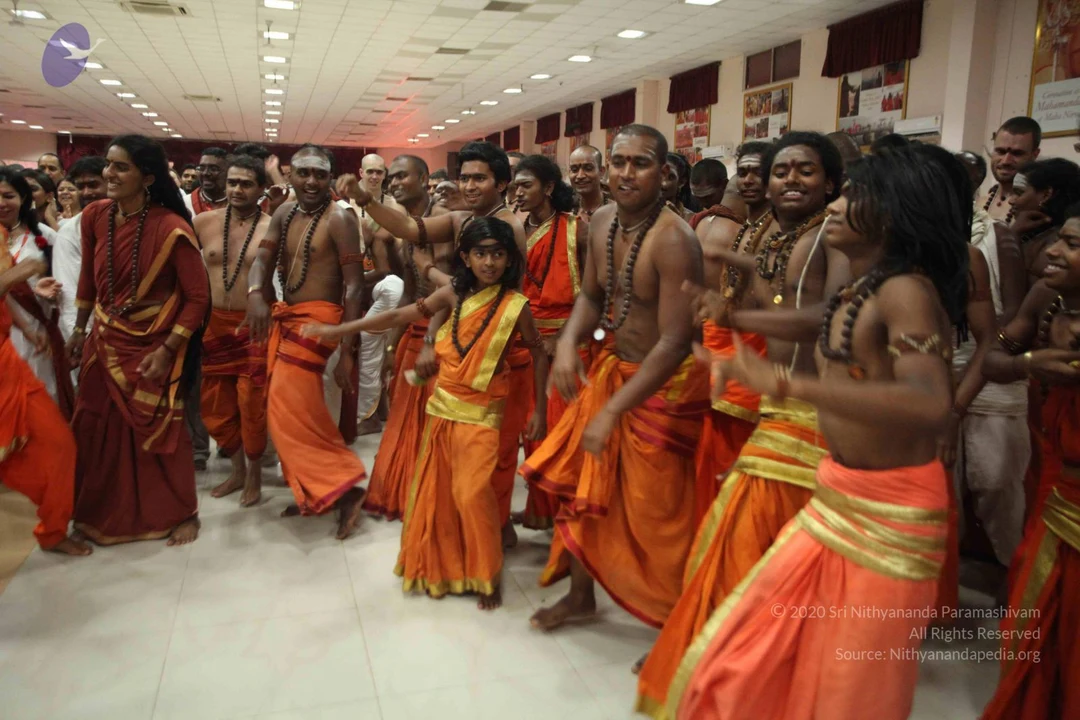
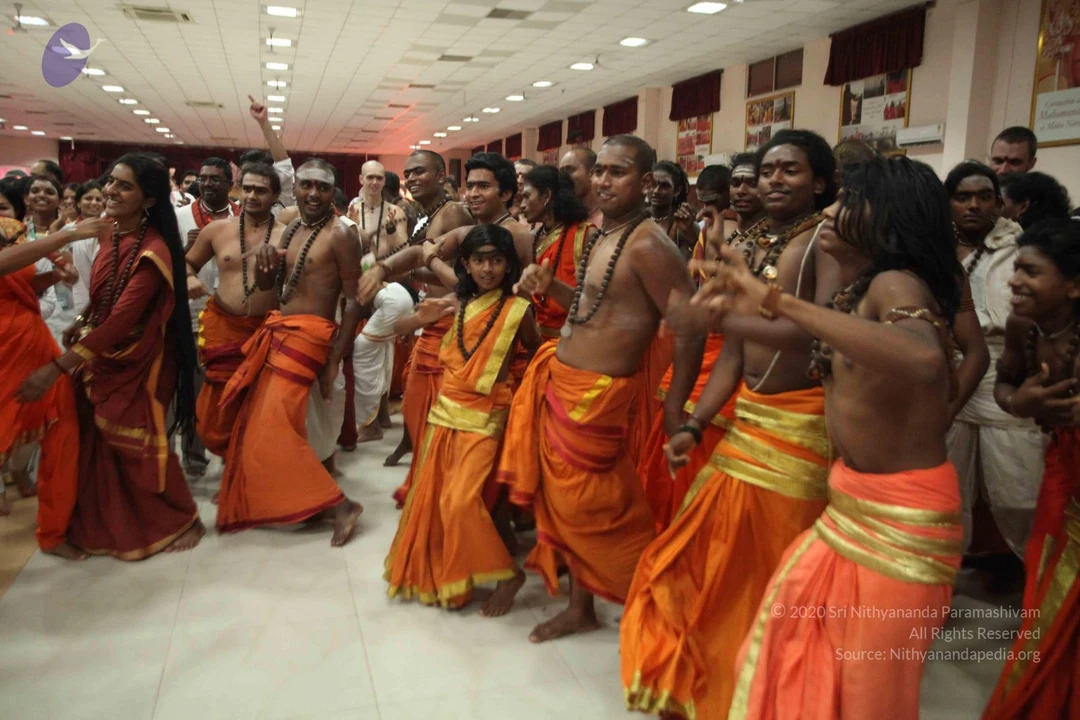
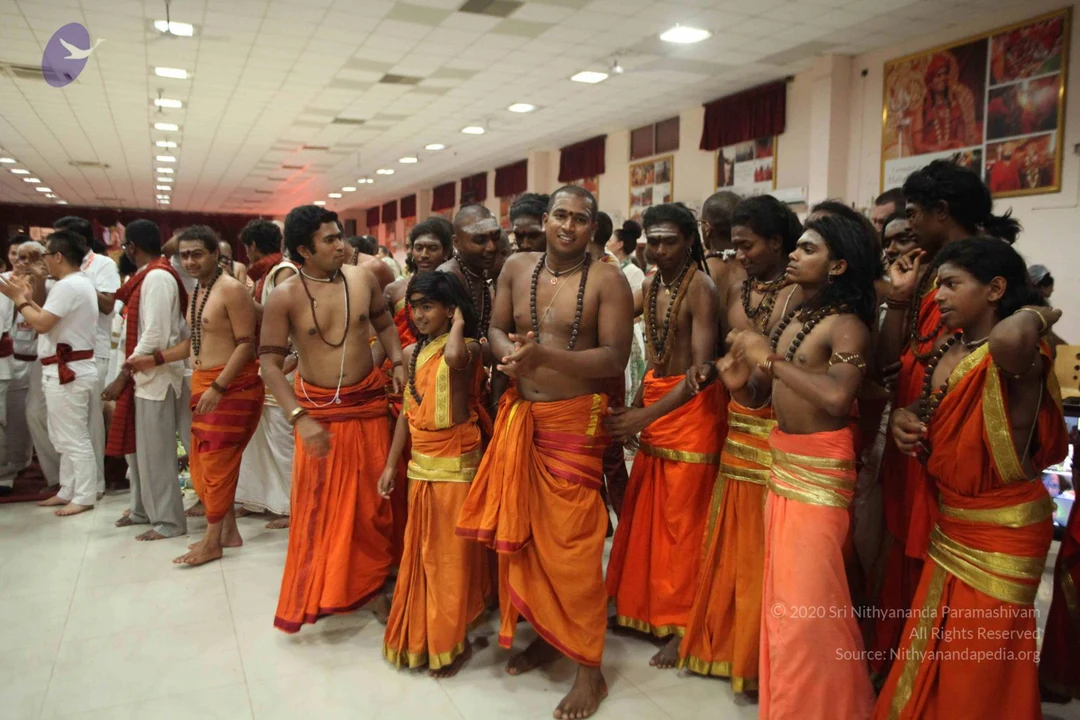
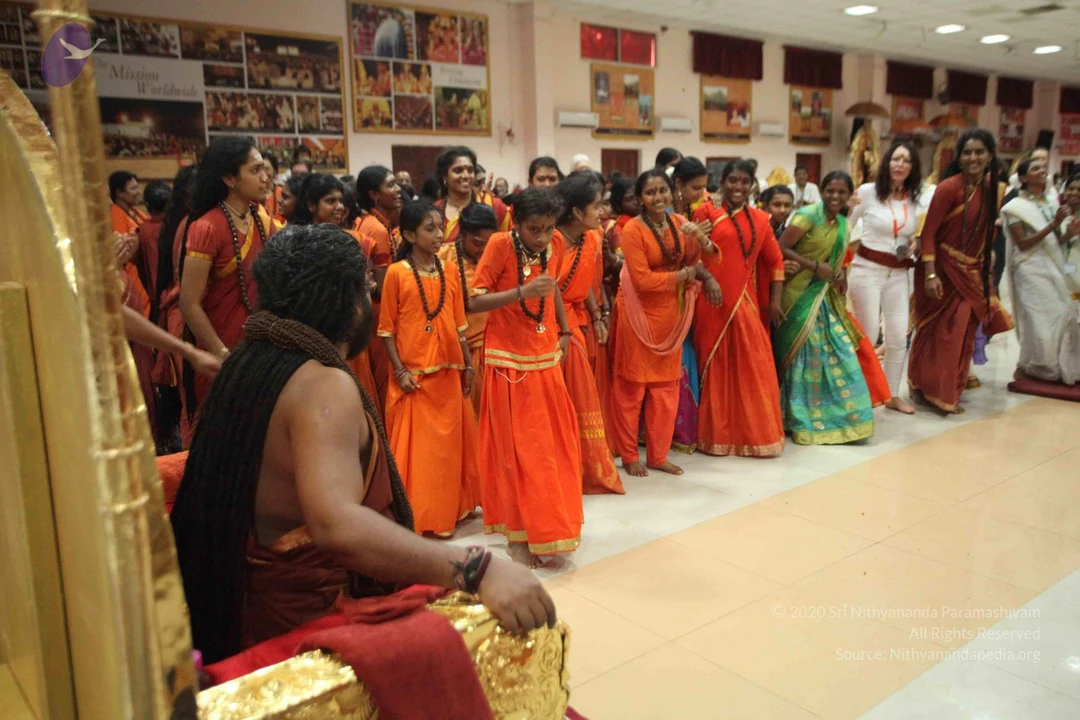
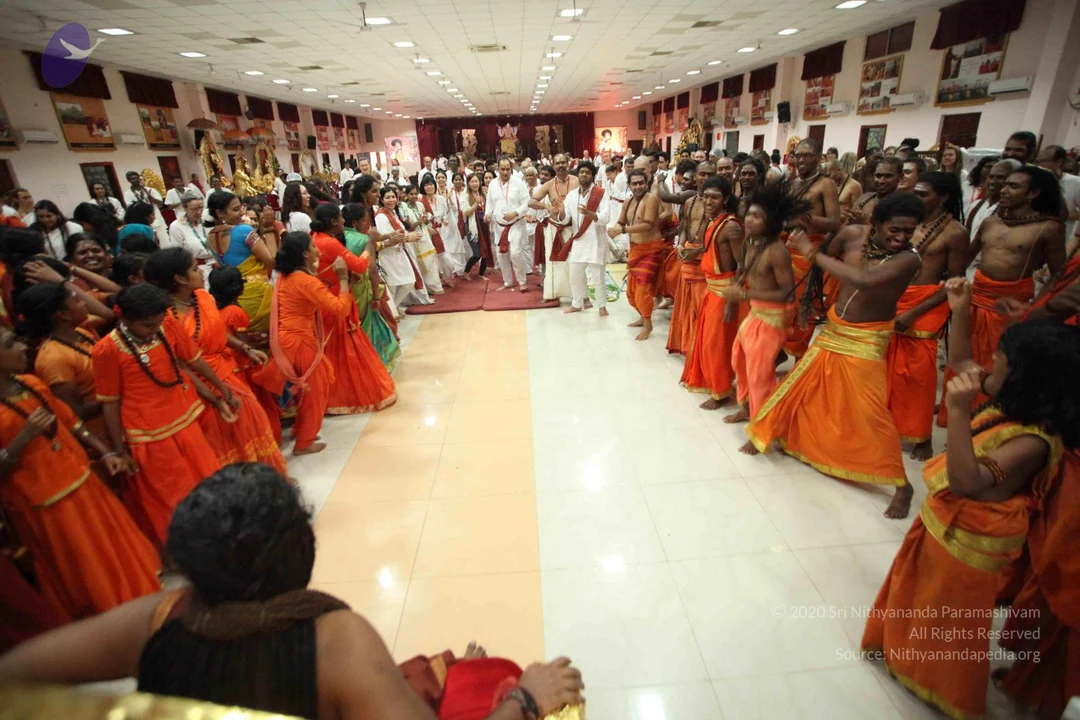
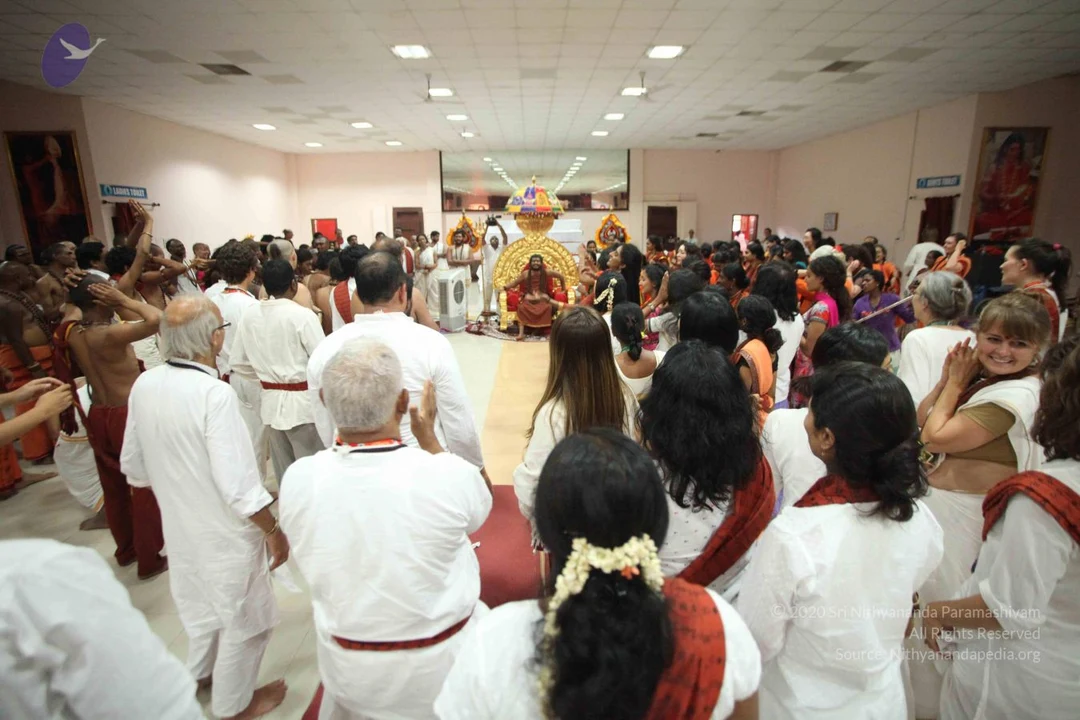
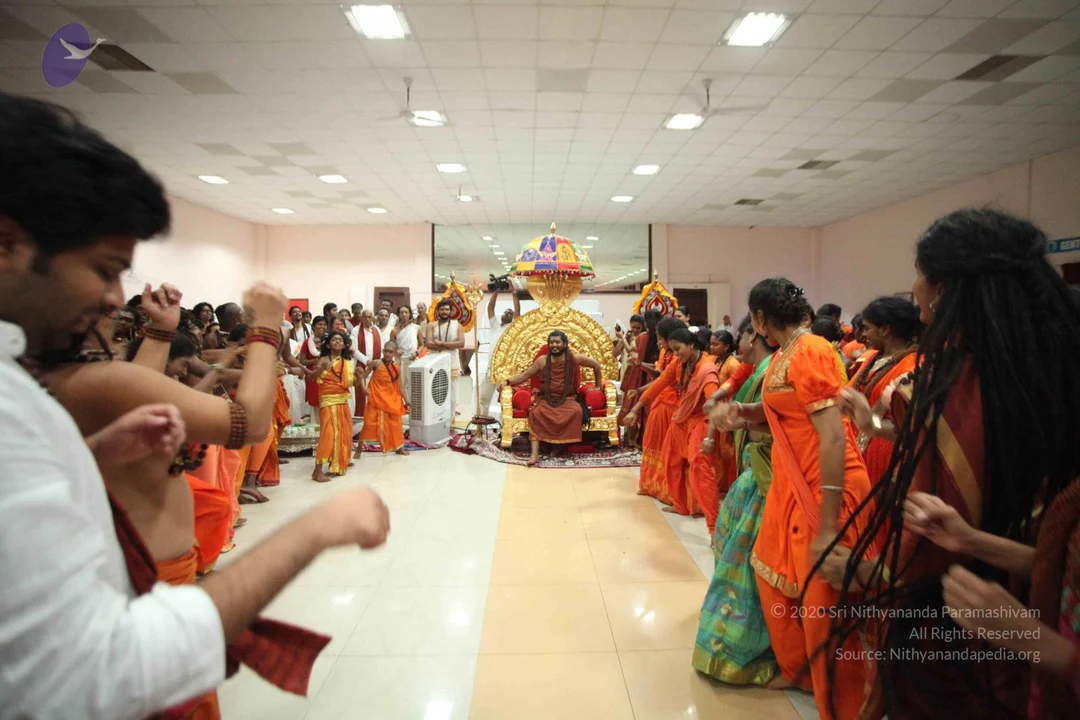
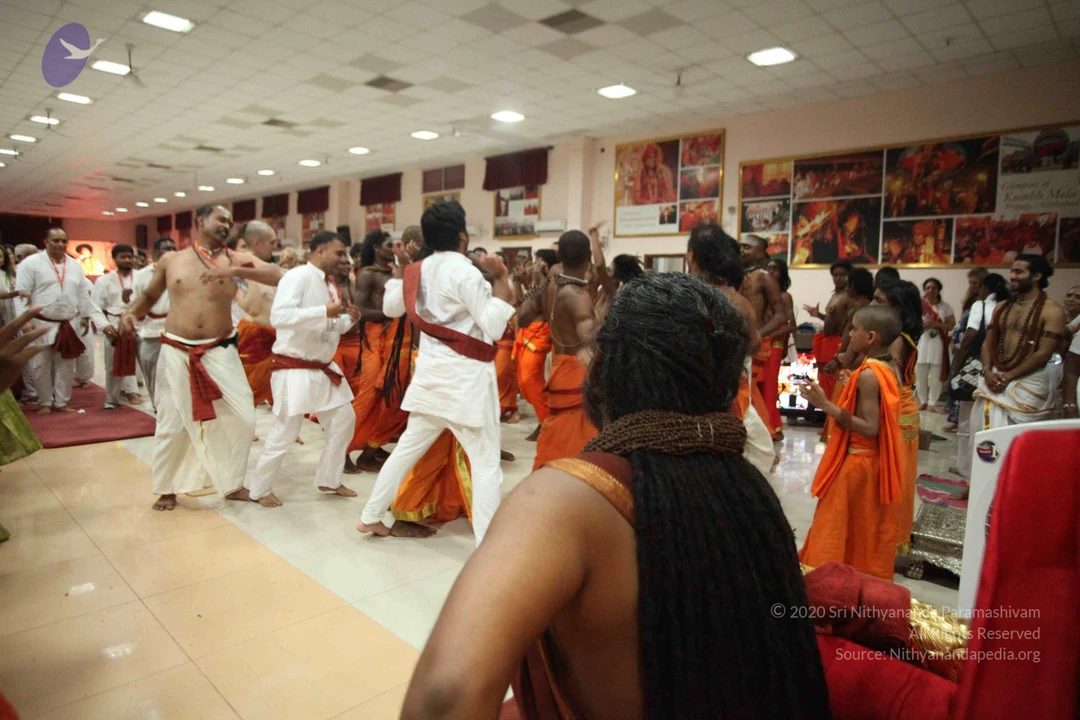
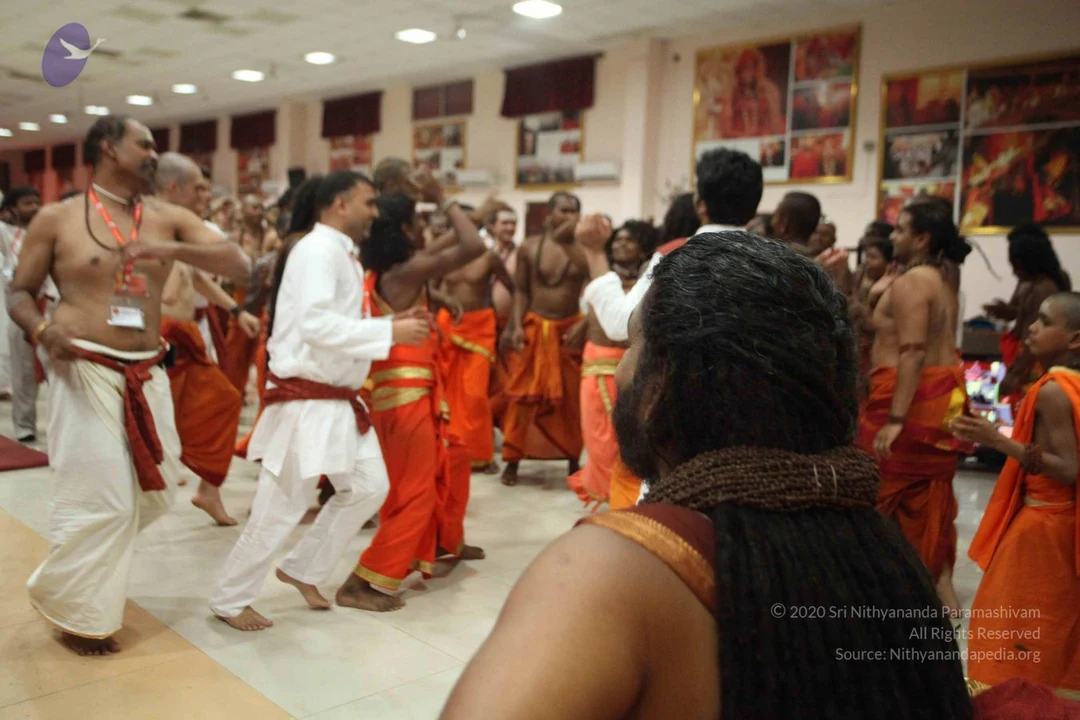
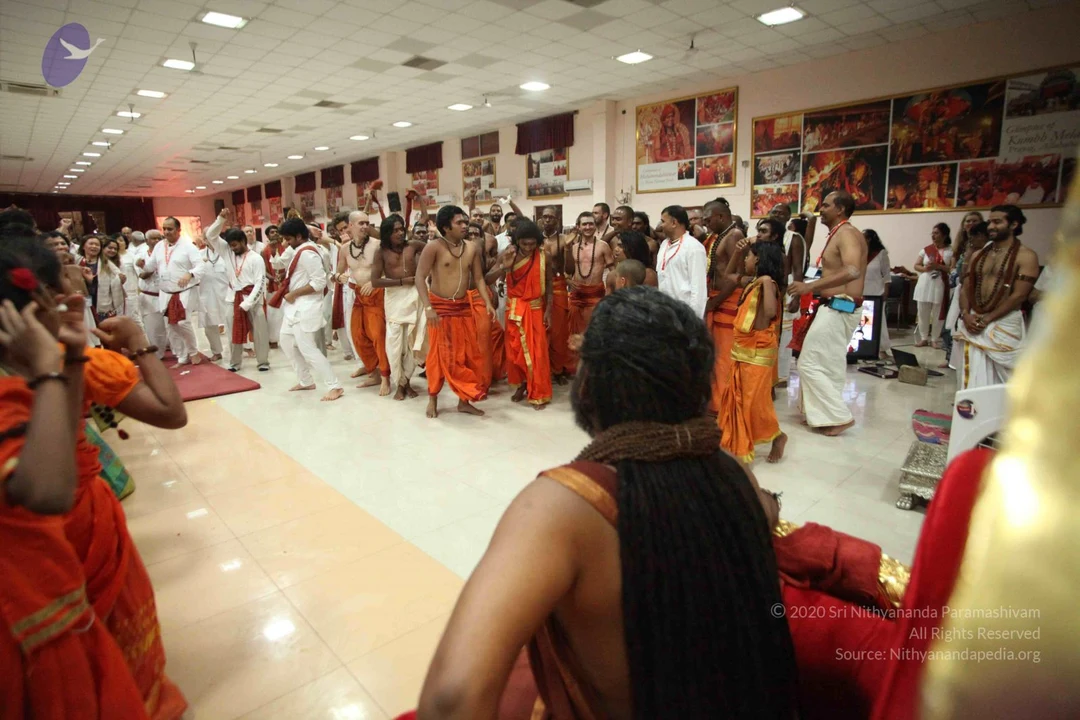
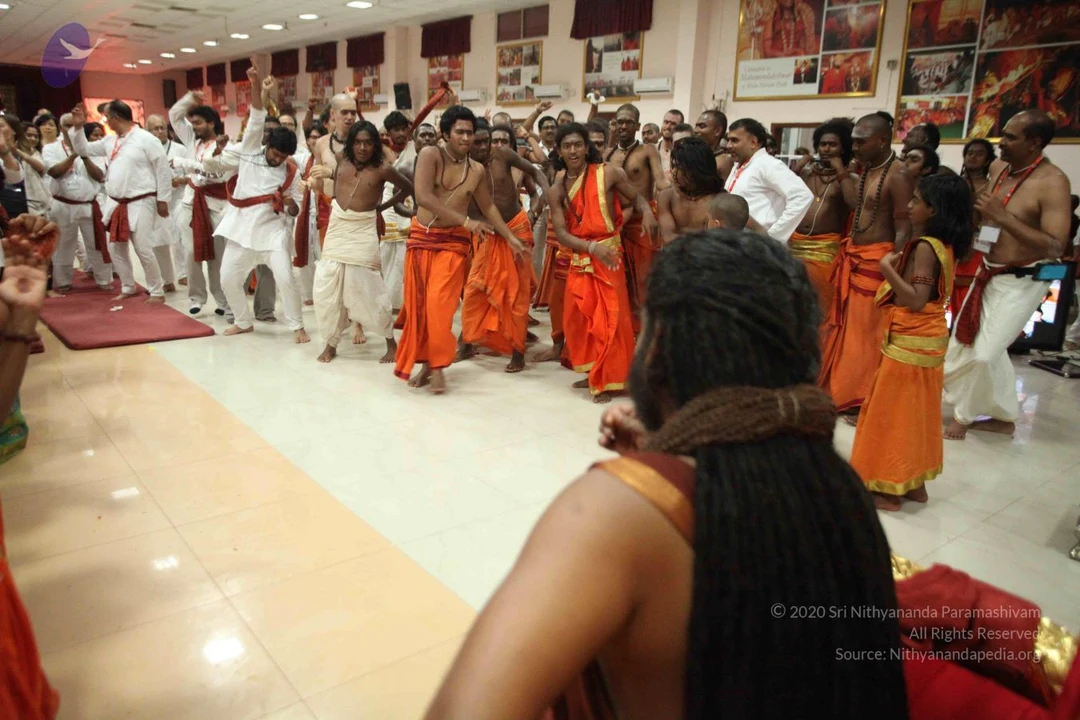
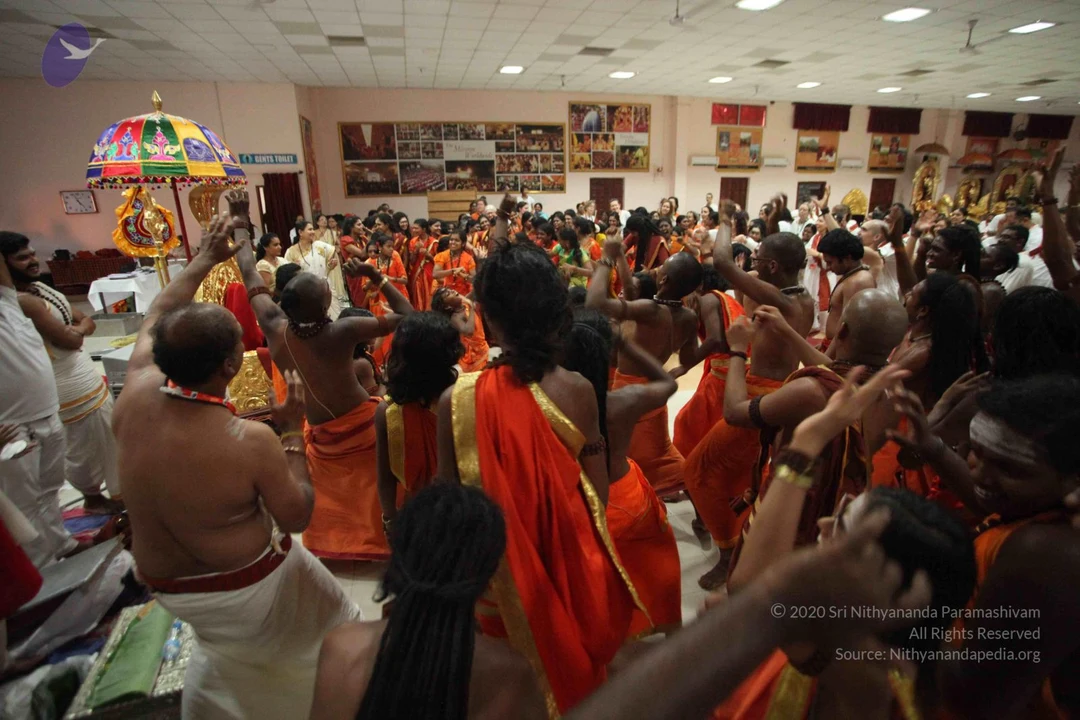
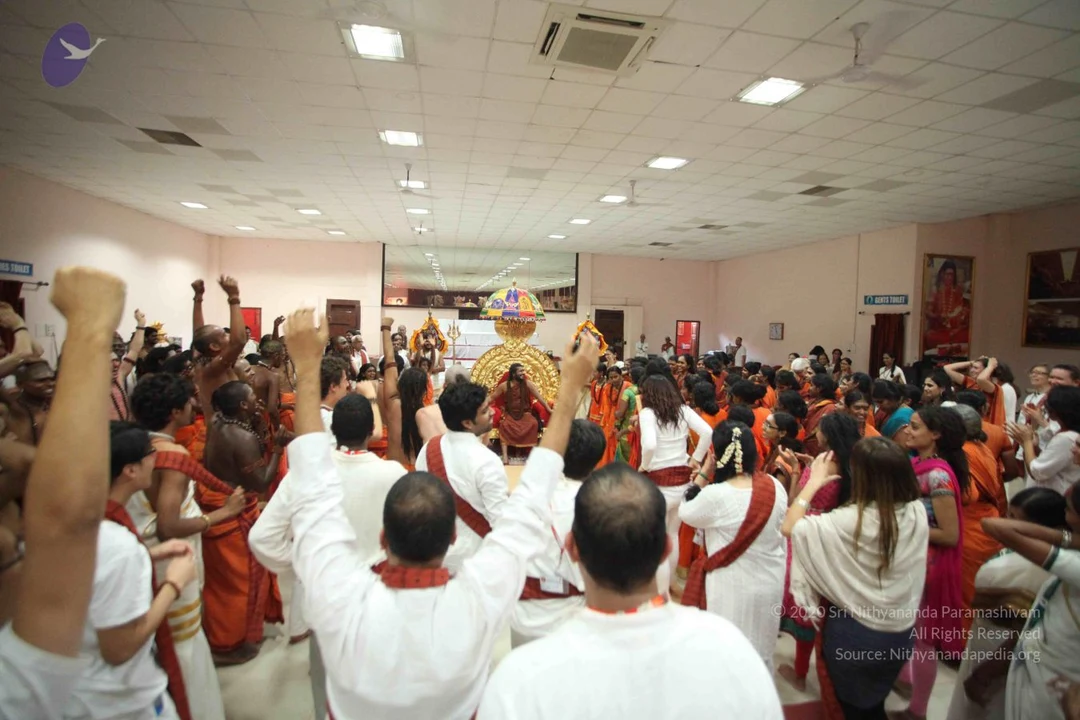
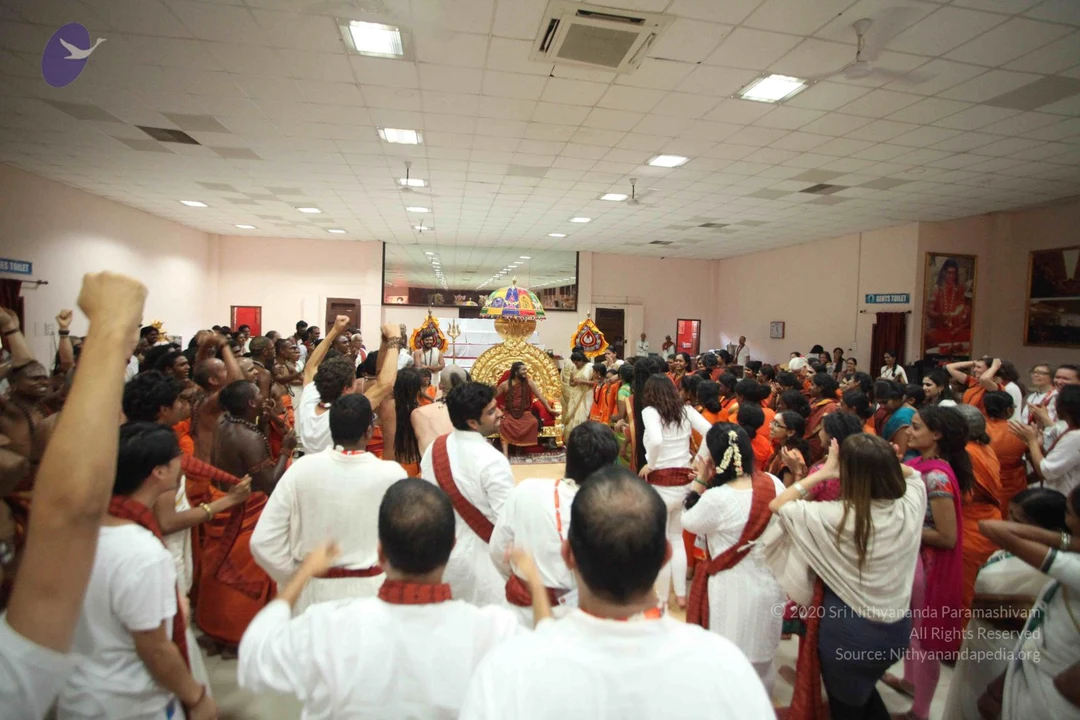
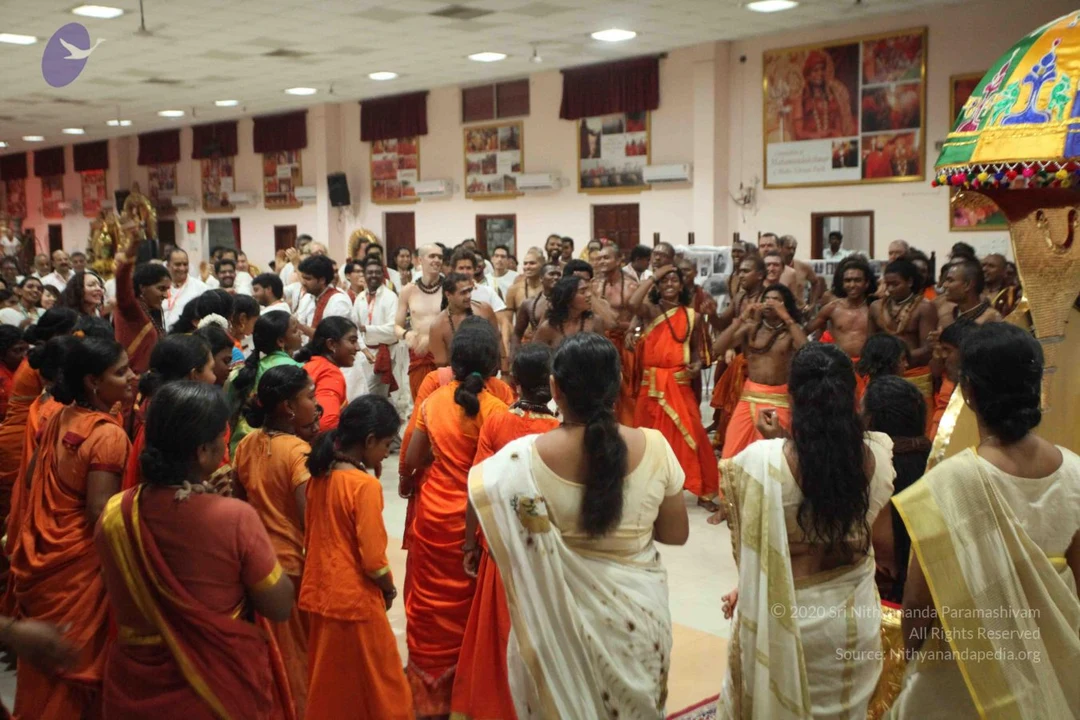
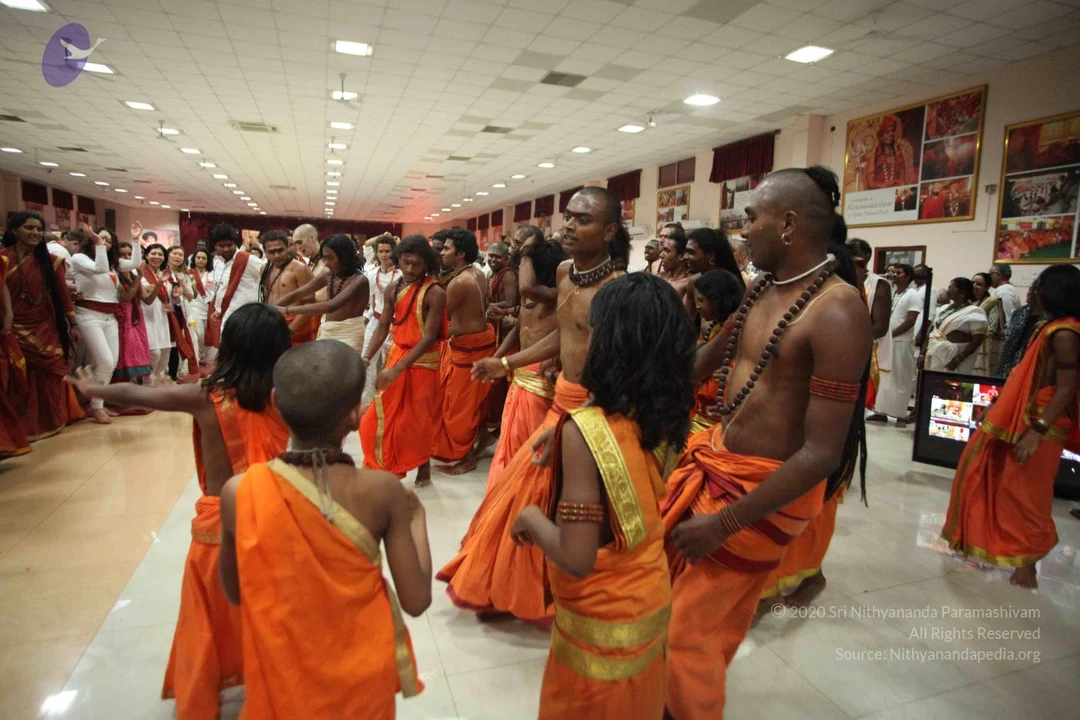
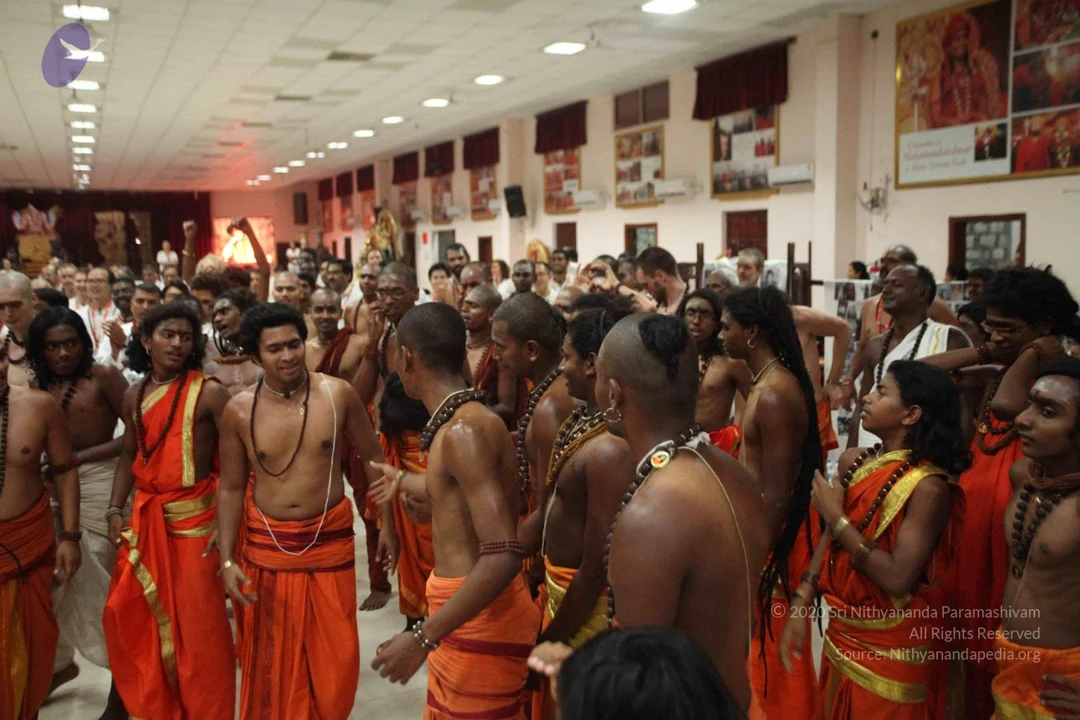
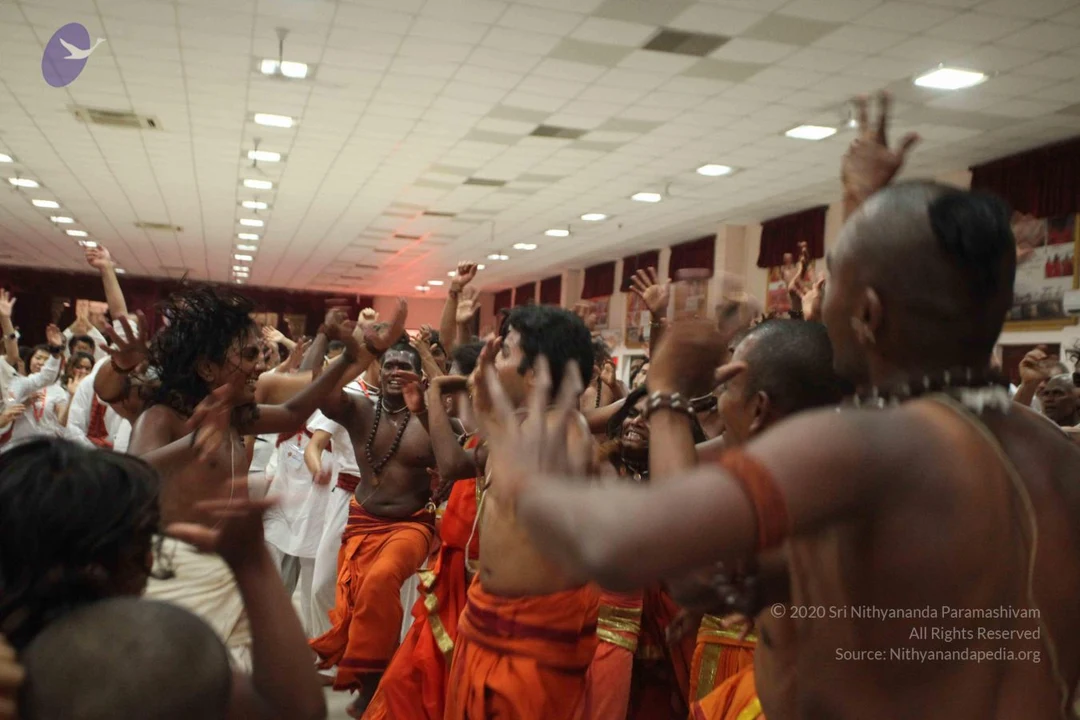
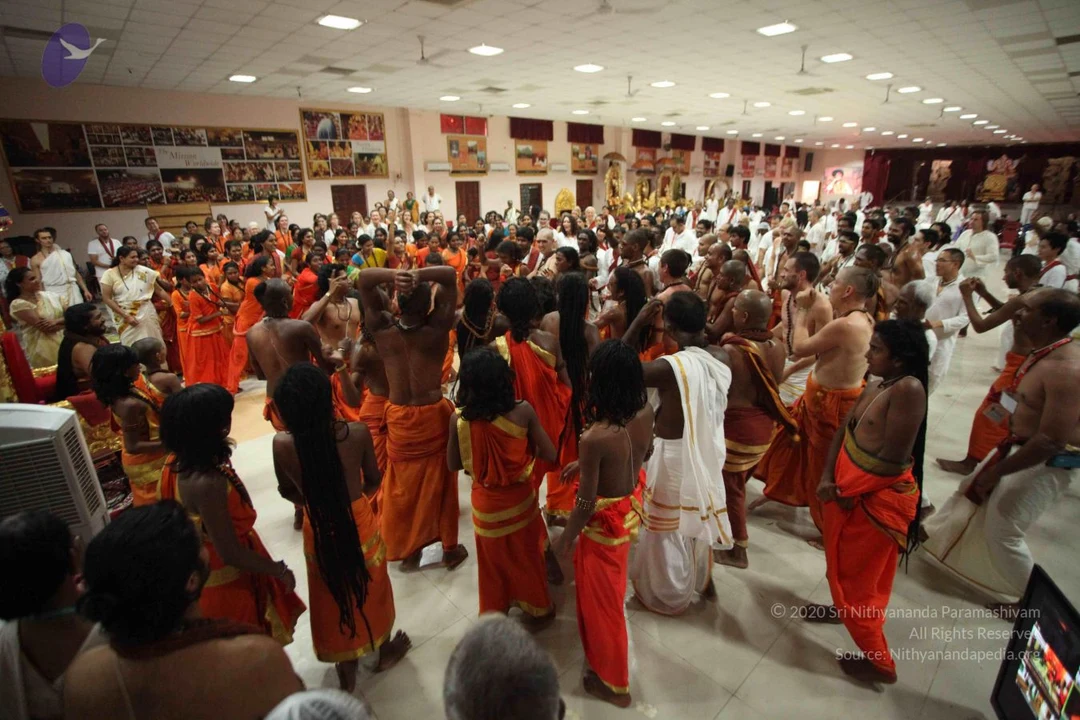
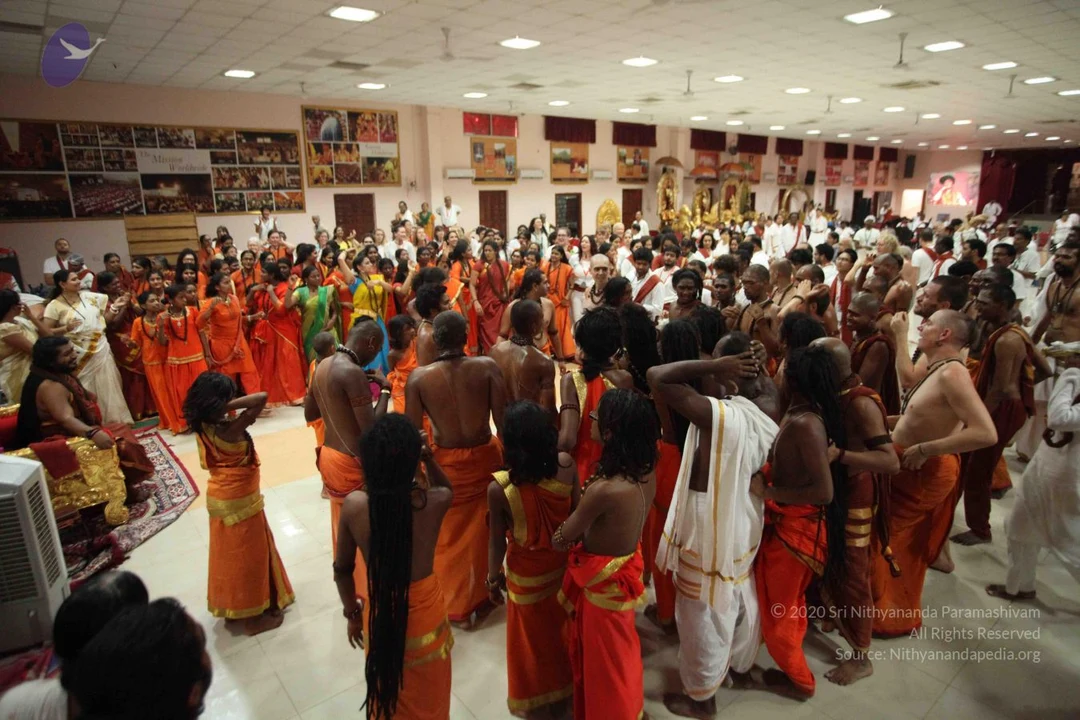
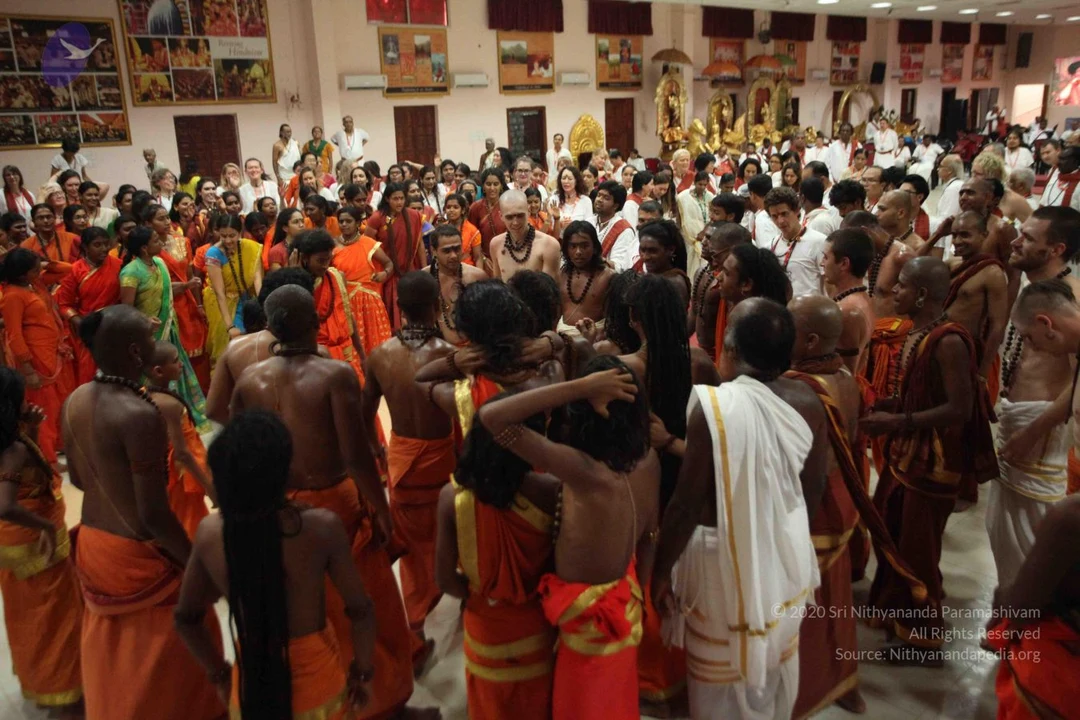
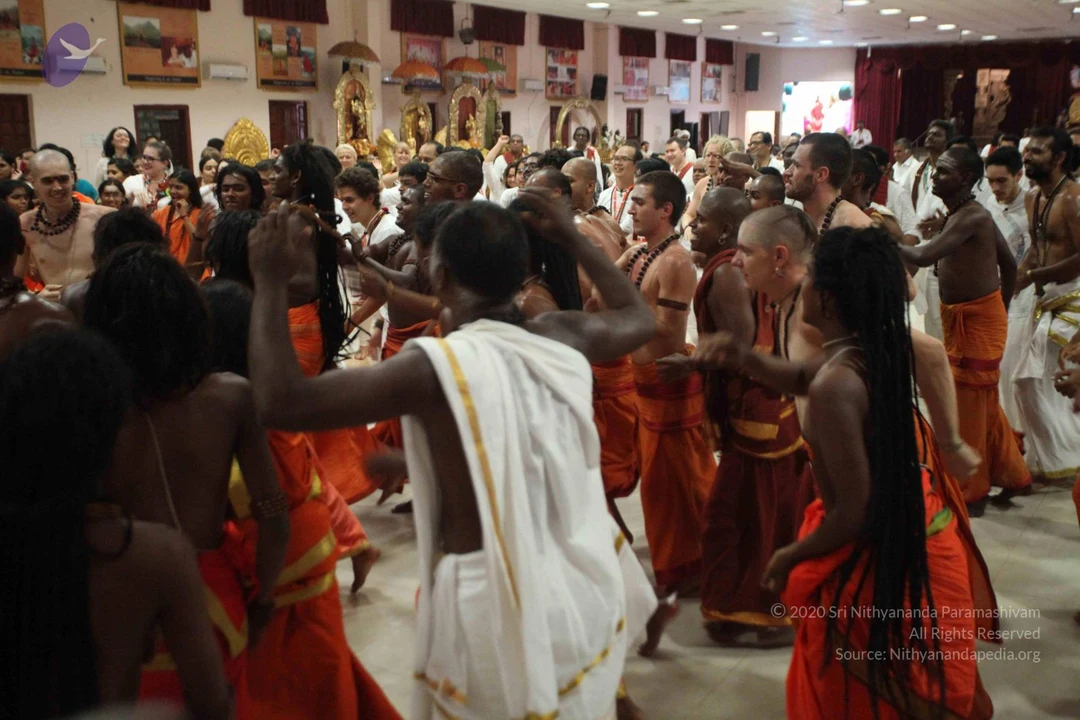
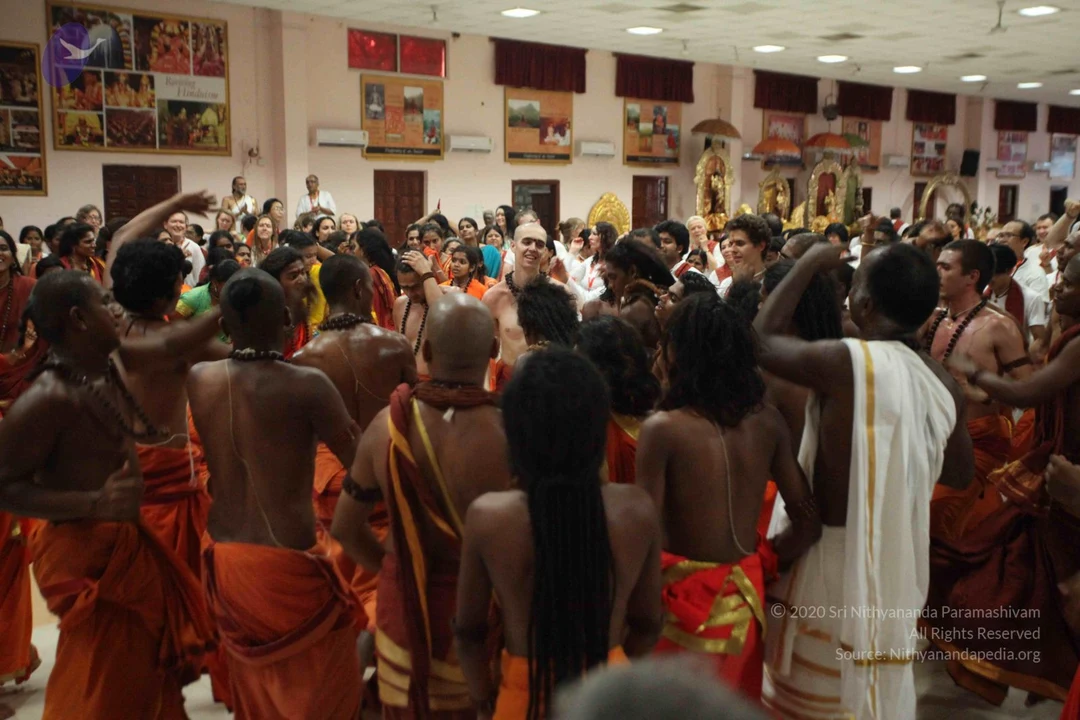
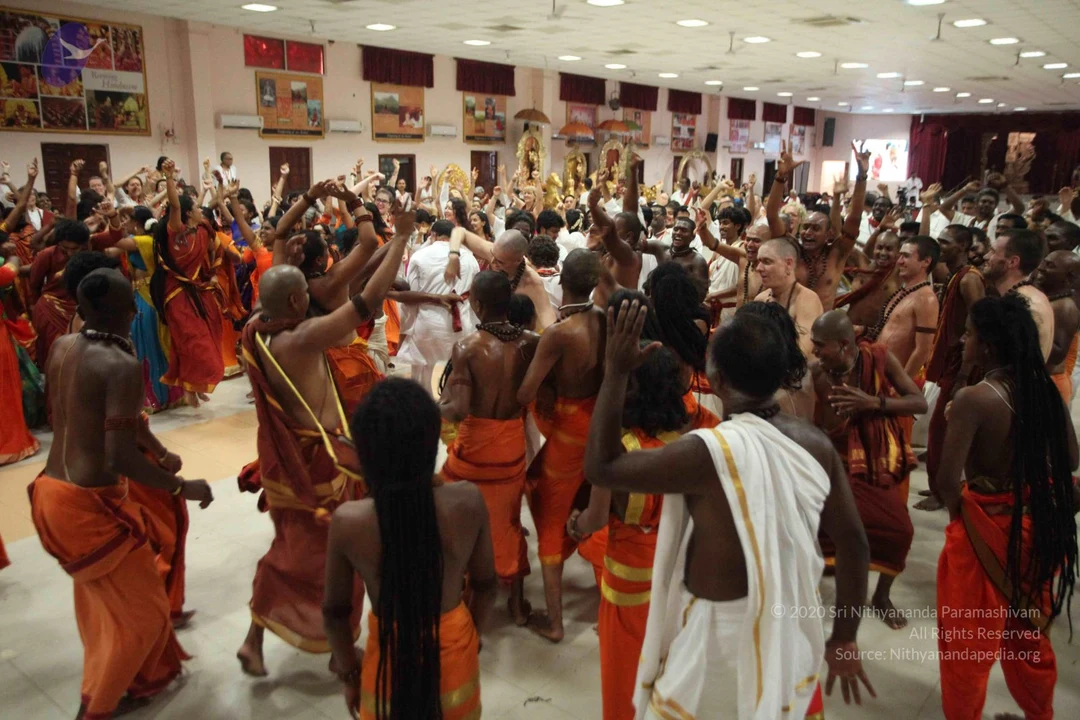
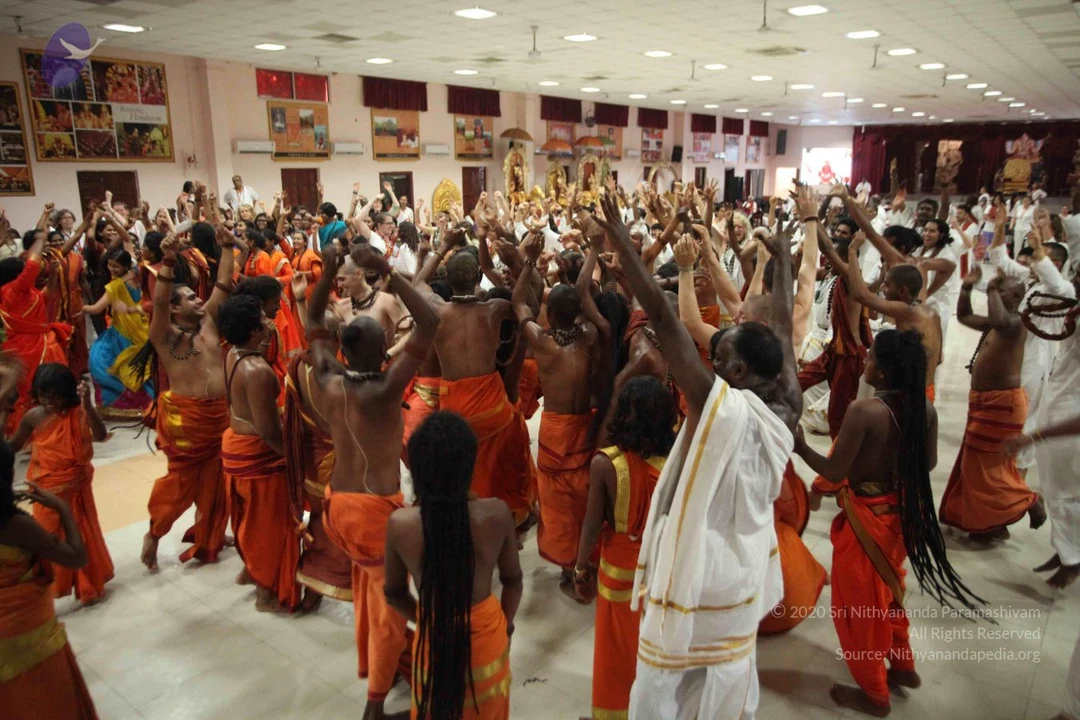
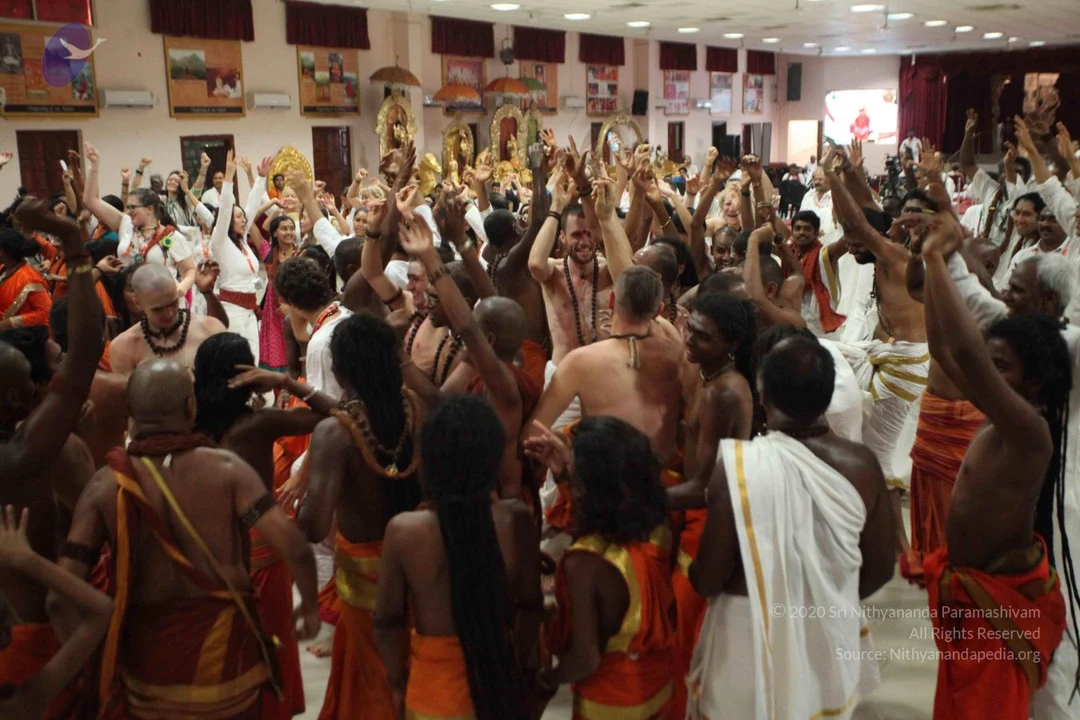
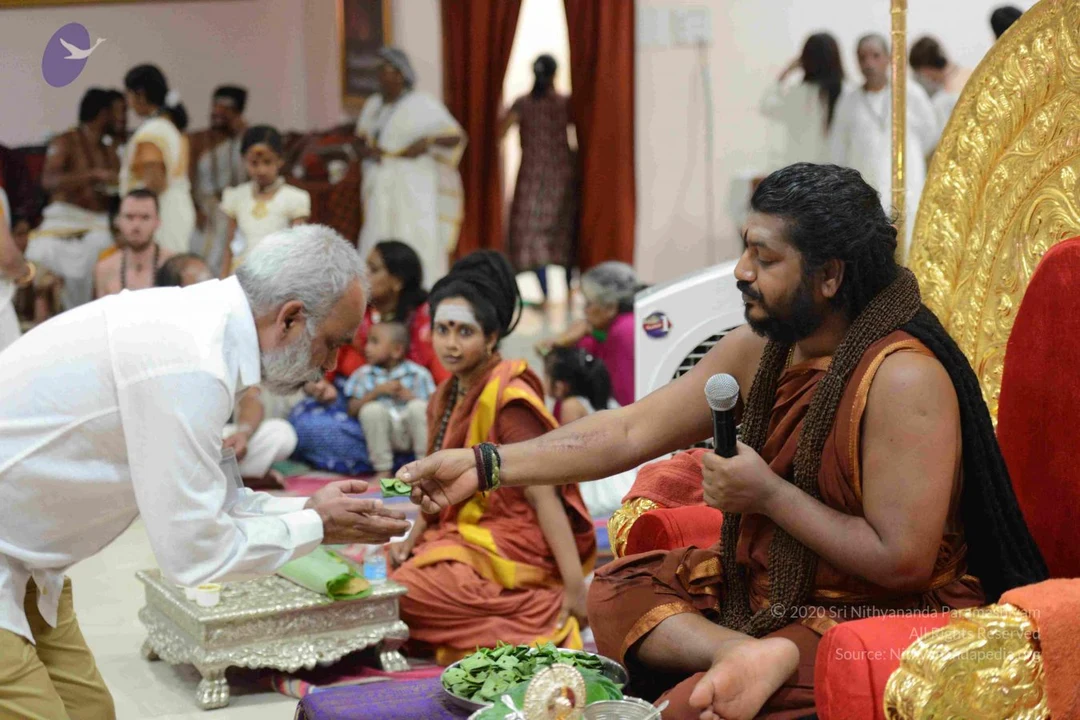
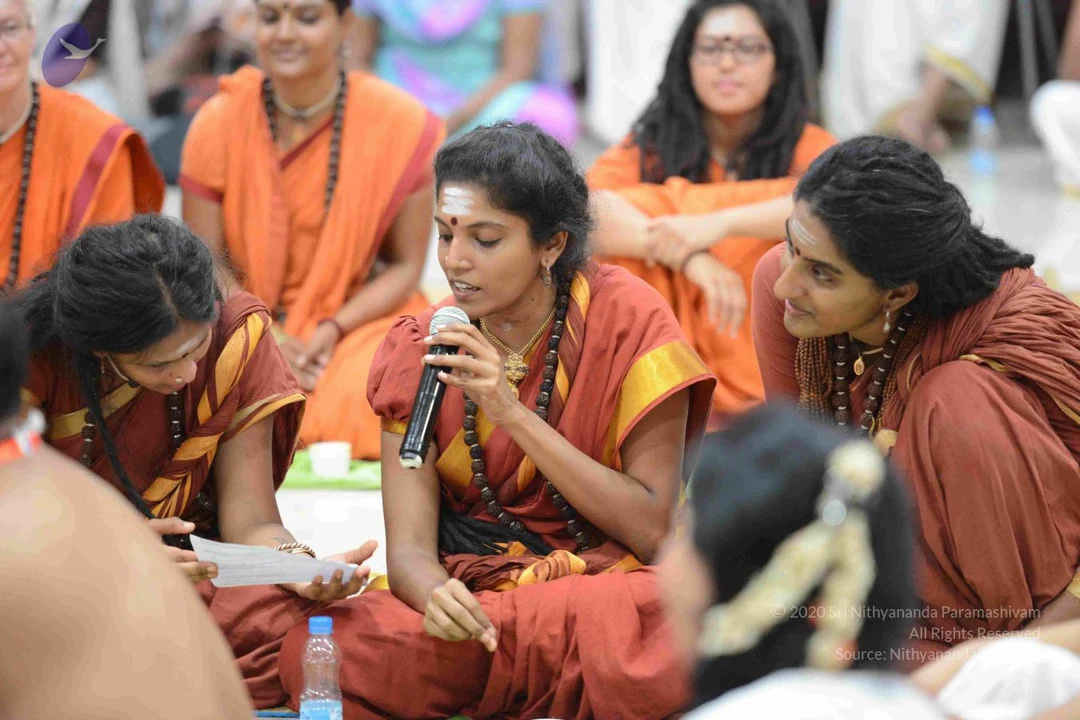
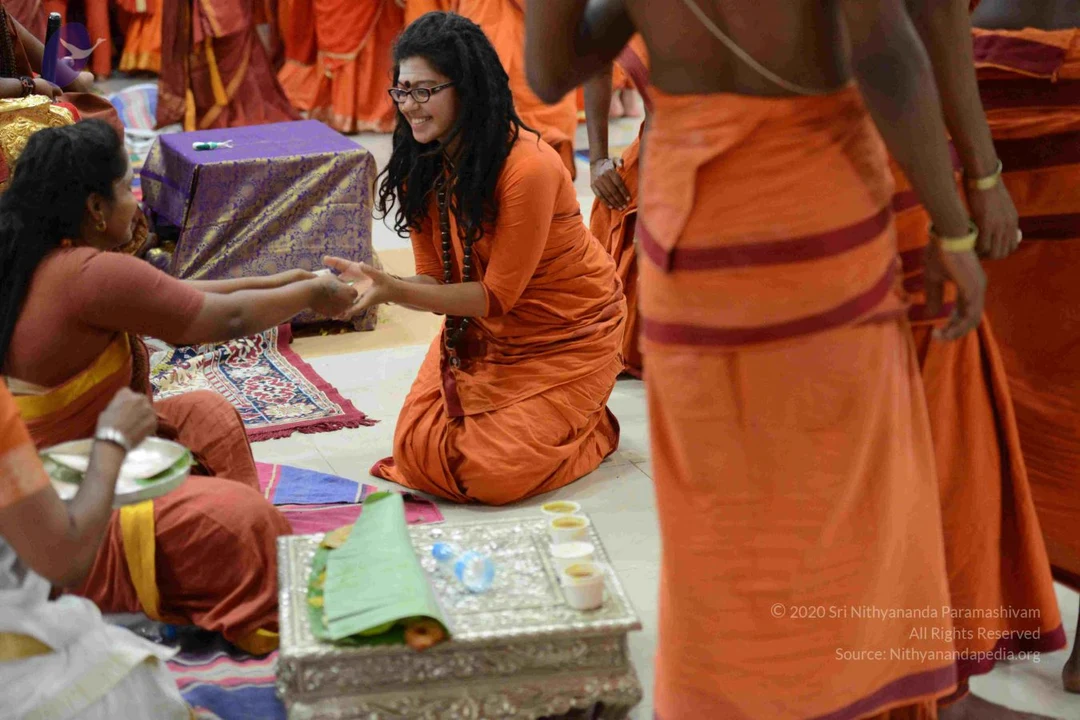
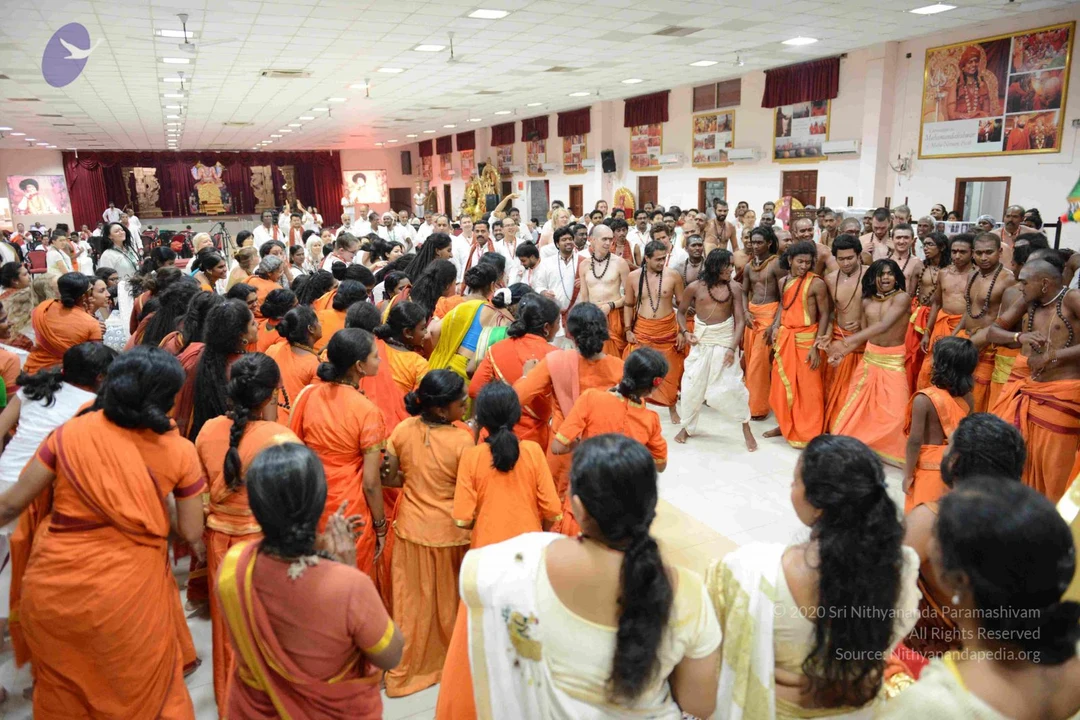
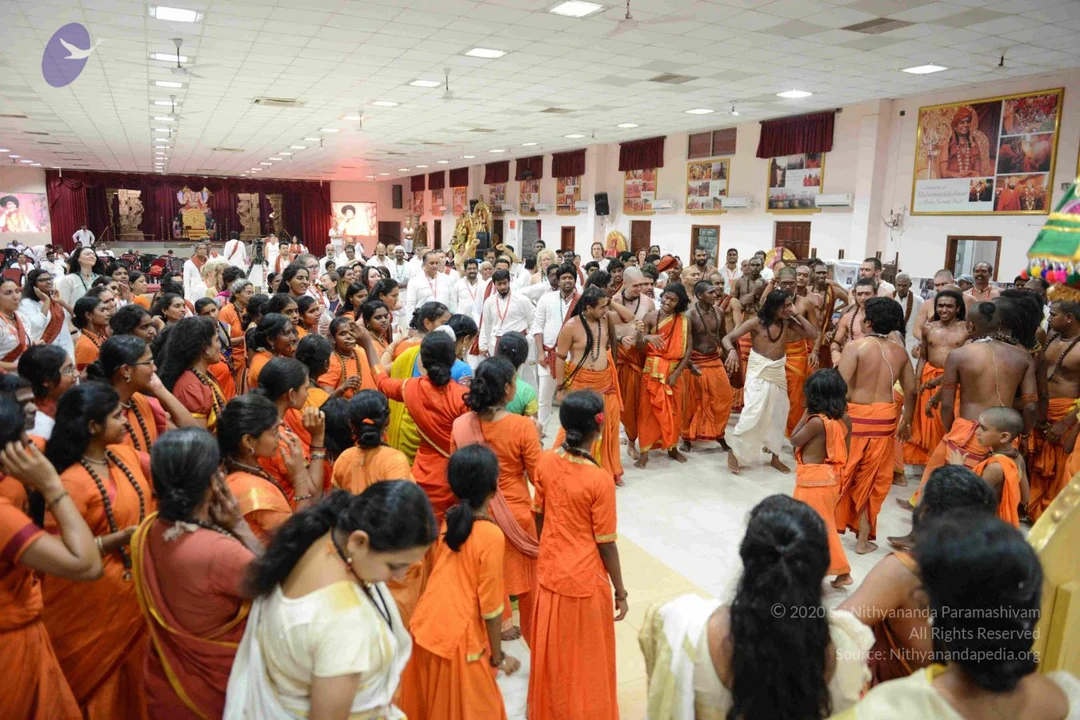
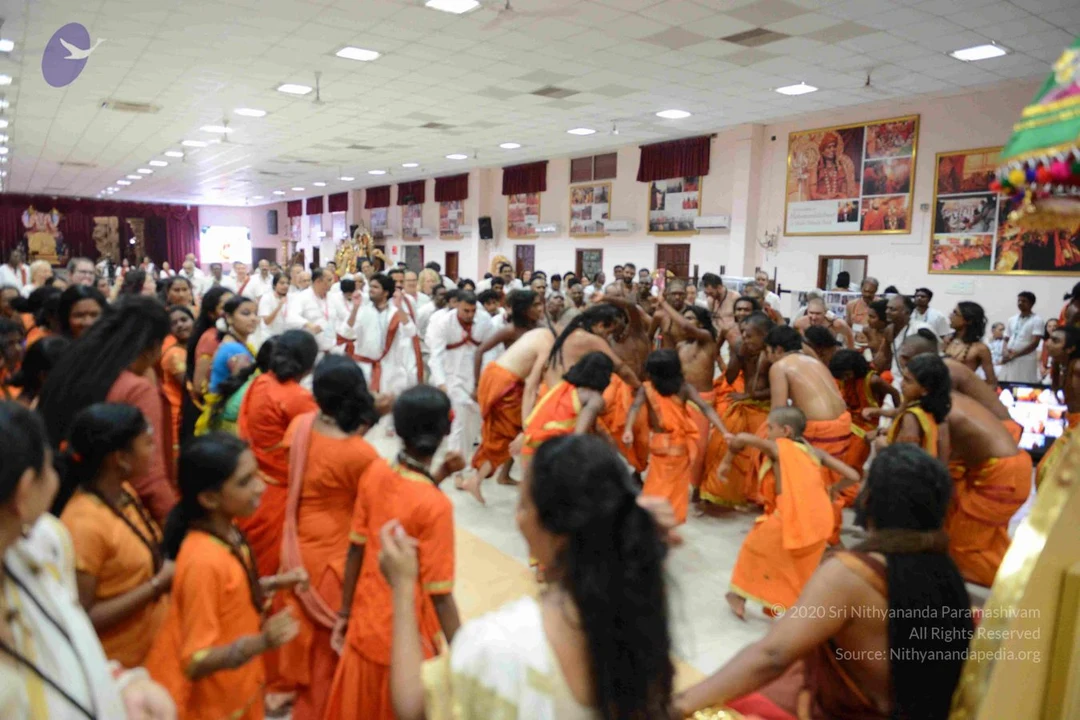
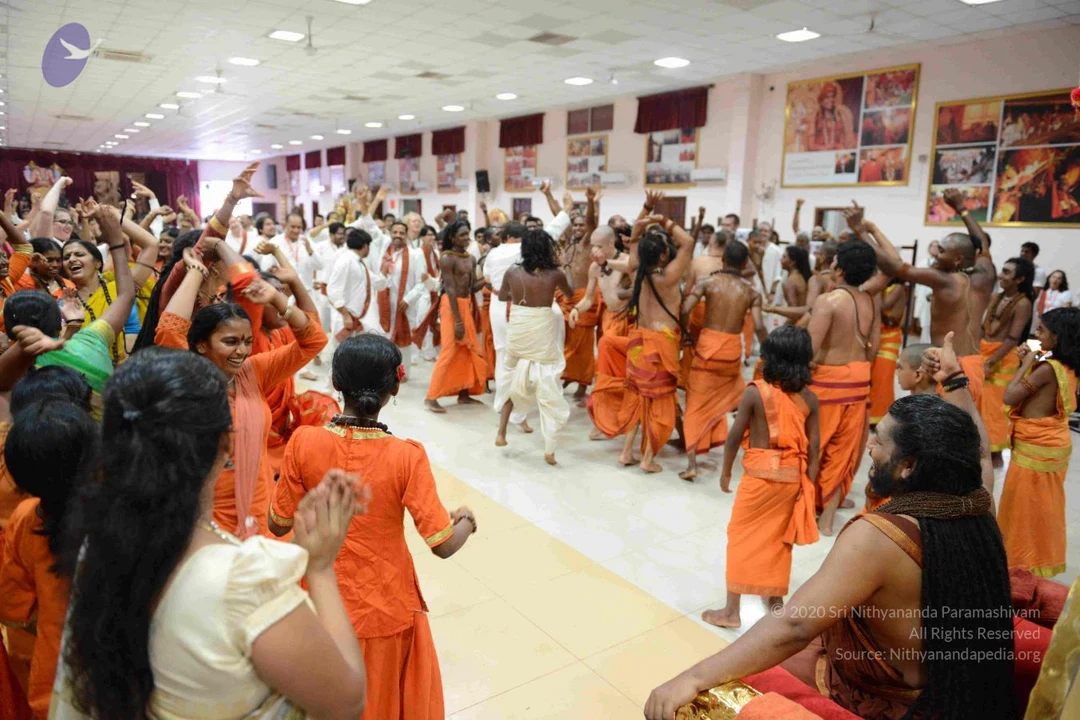
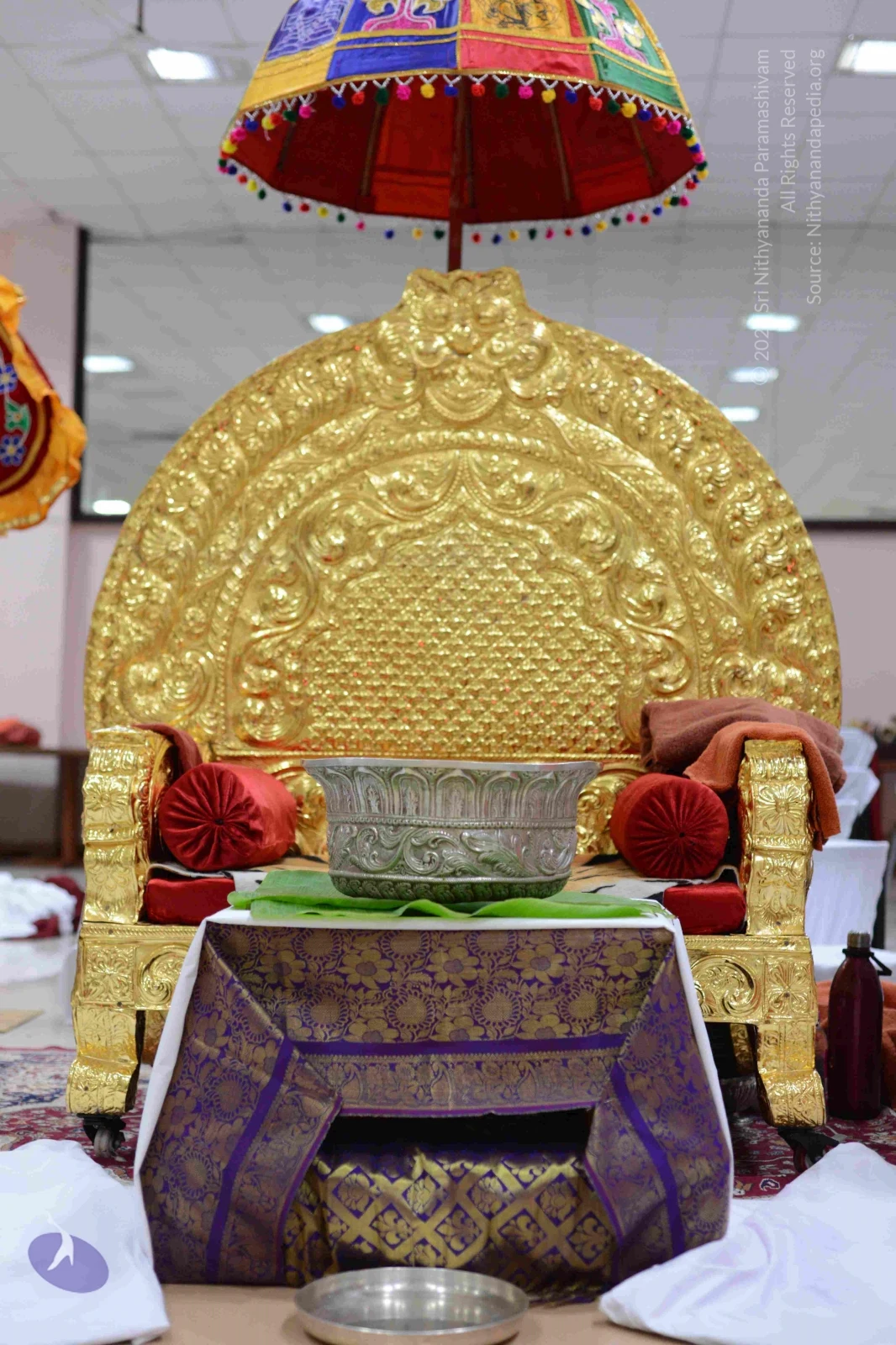
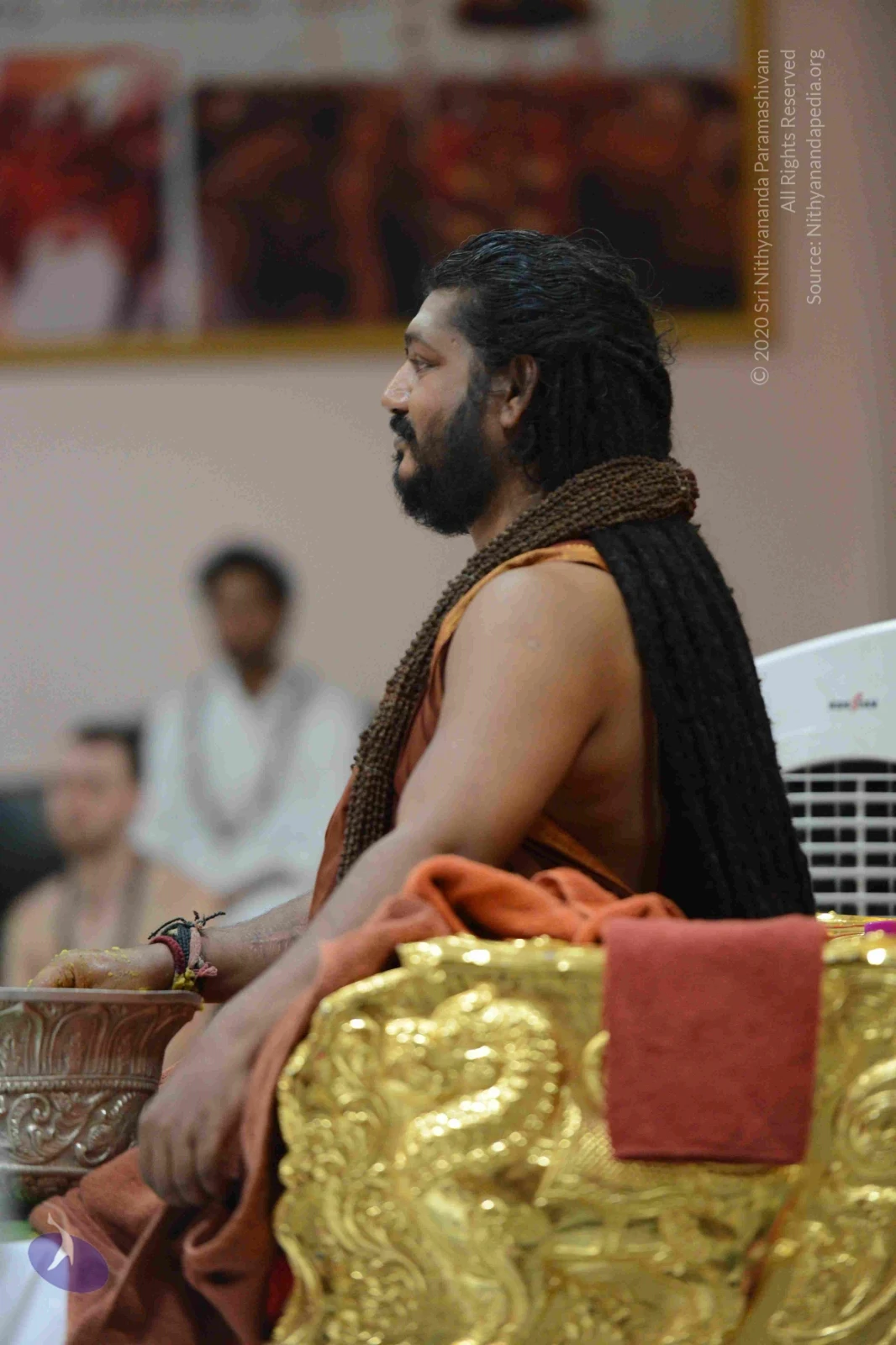
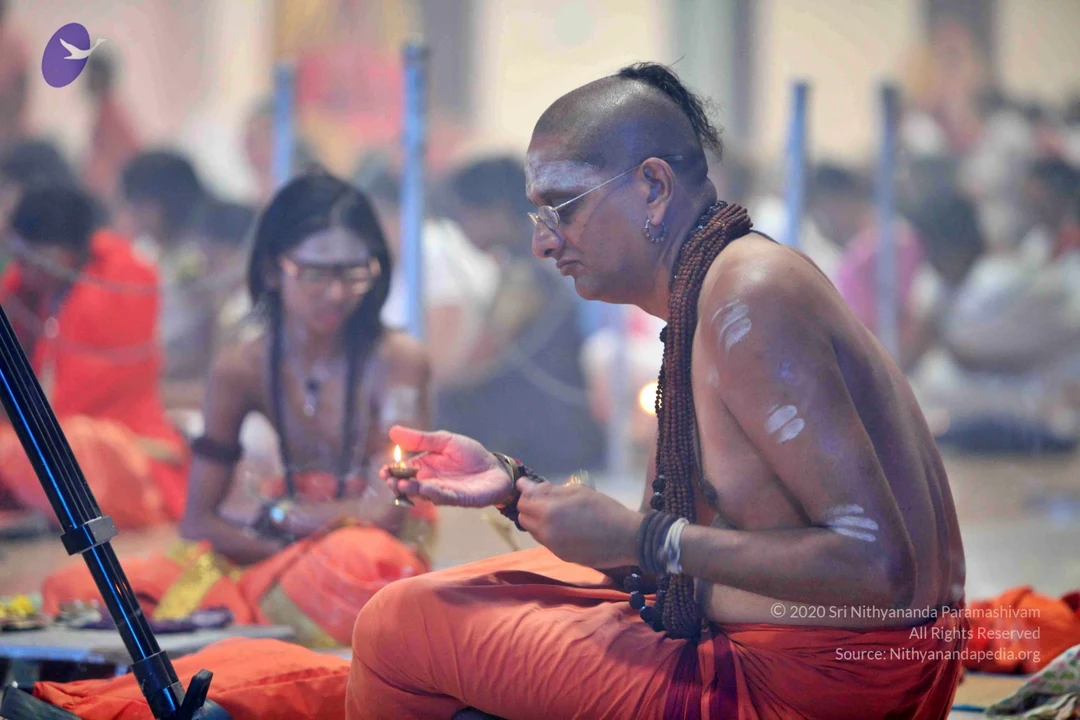
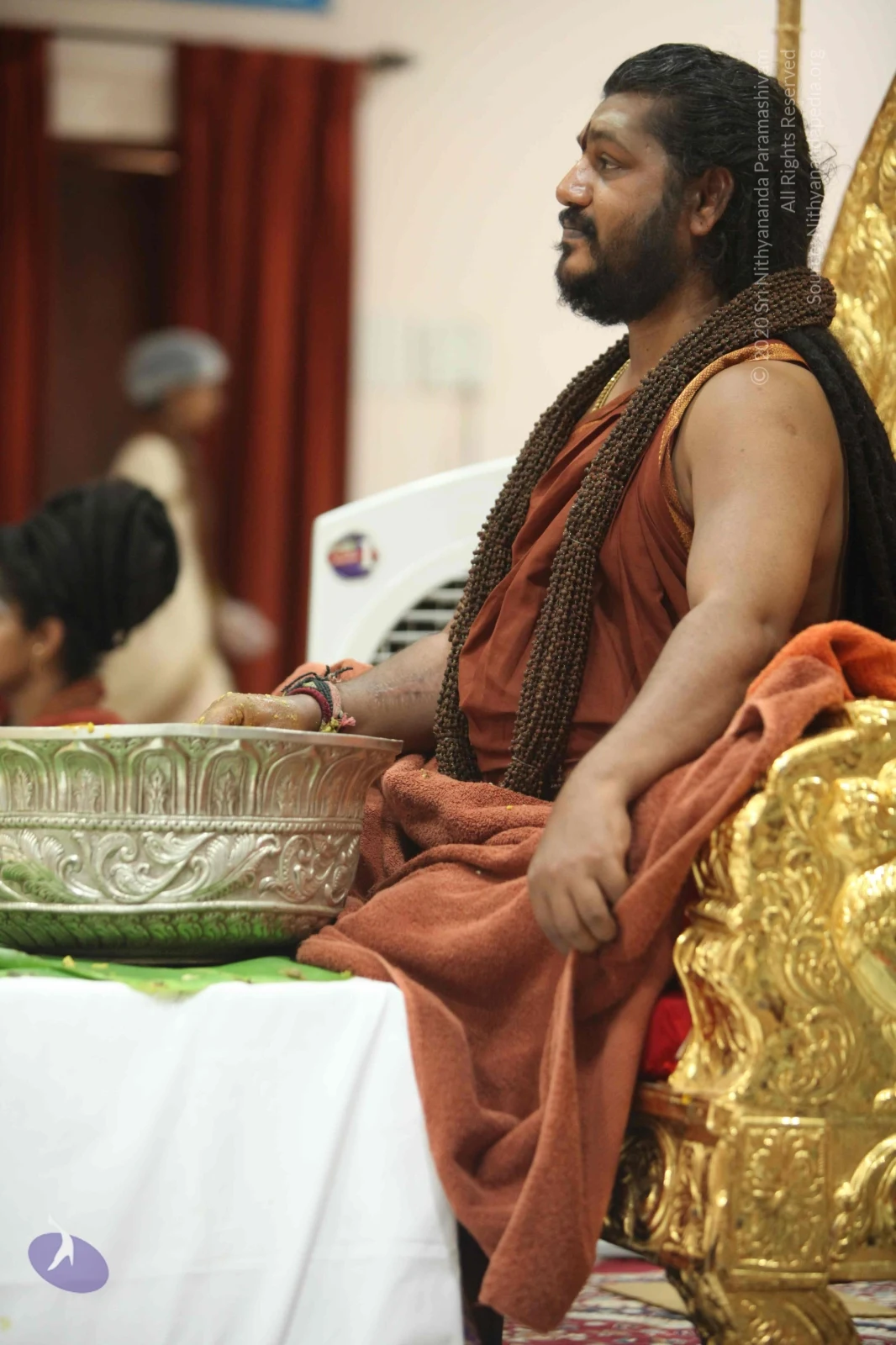
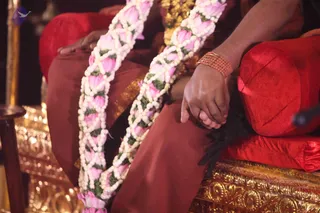
Pada puja
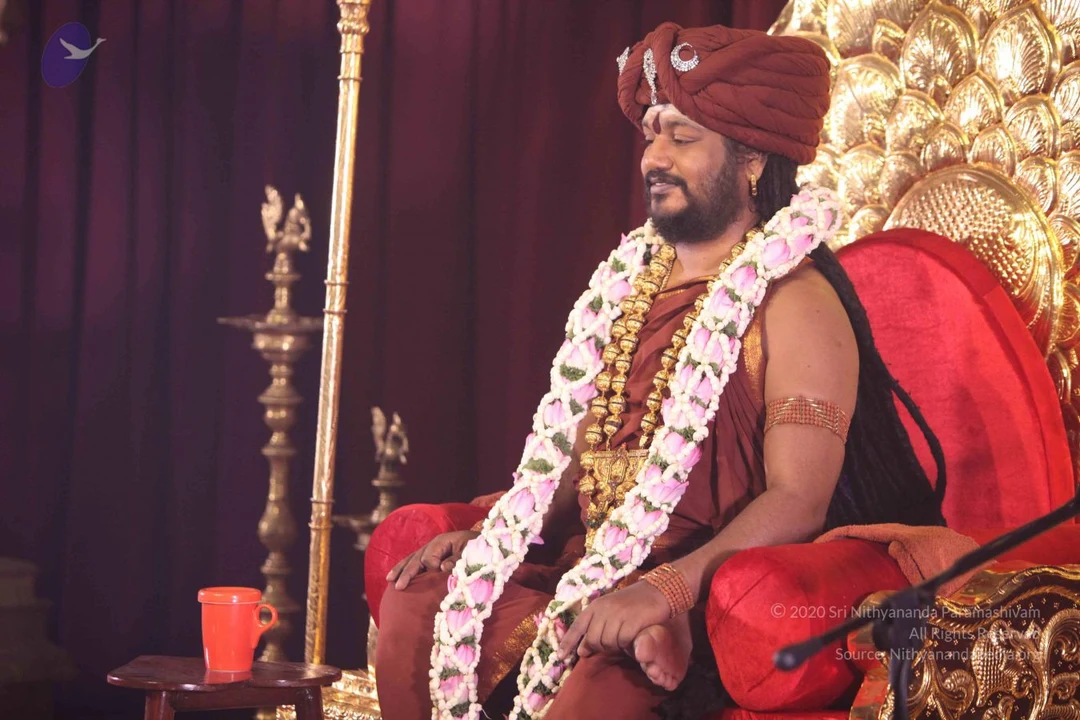
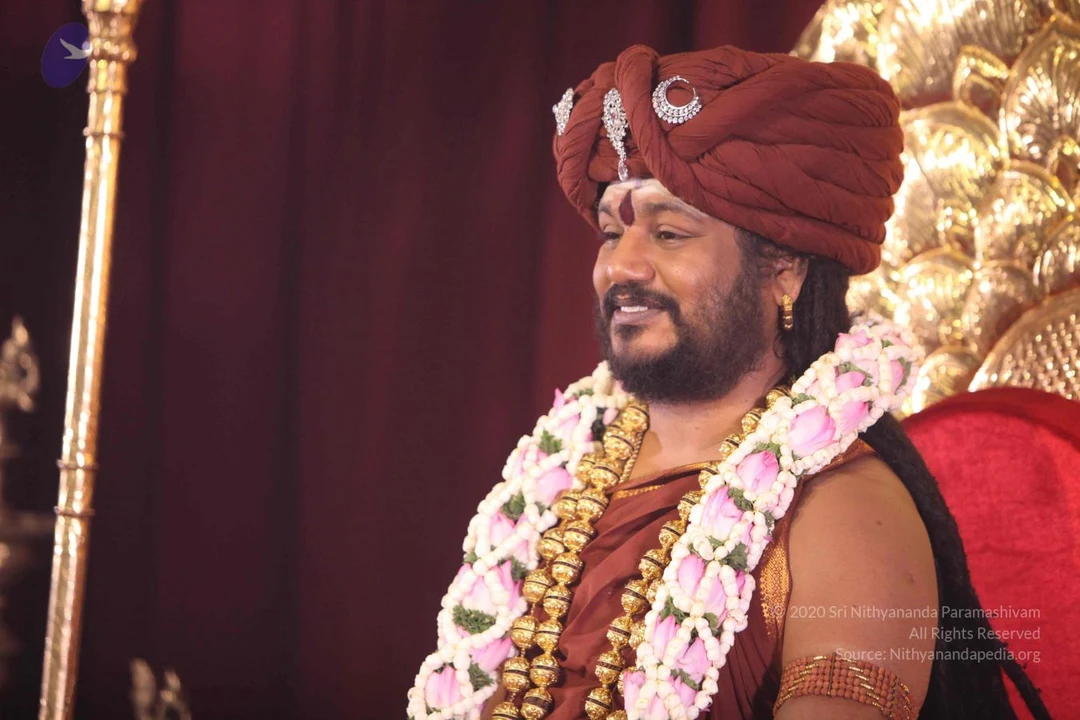
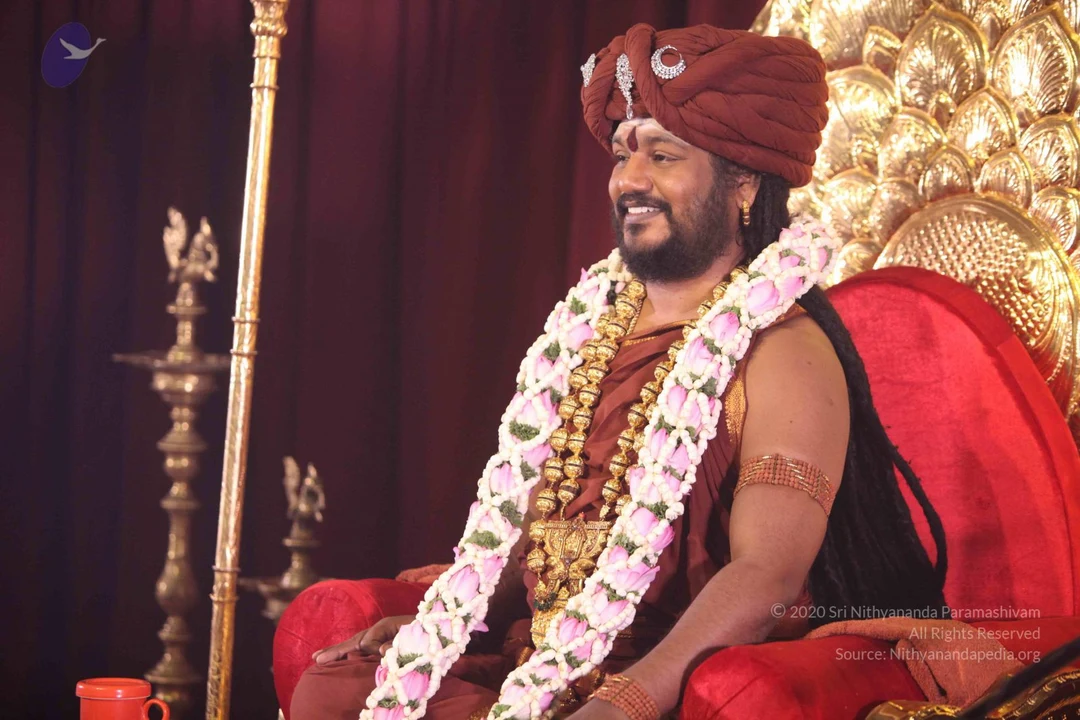
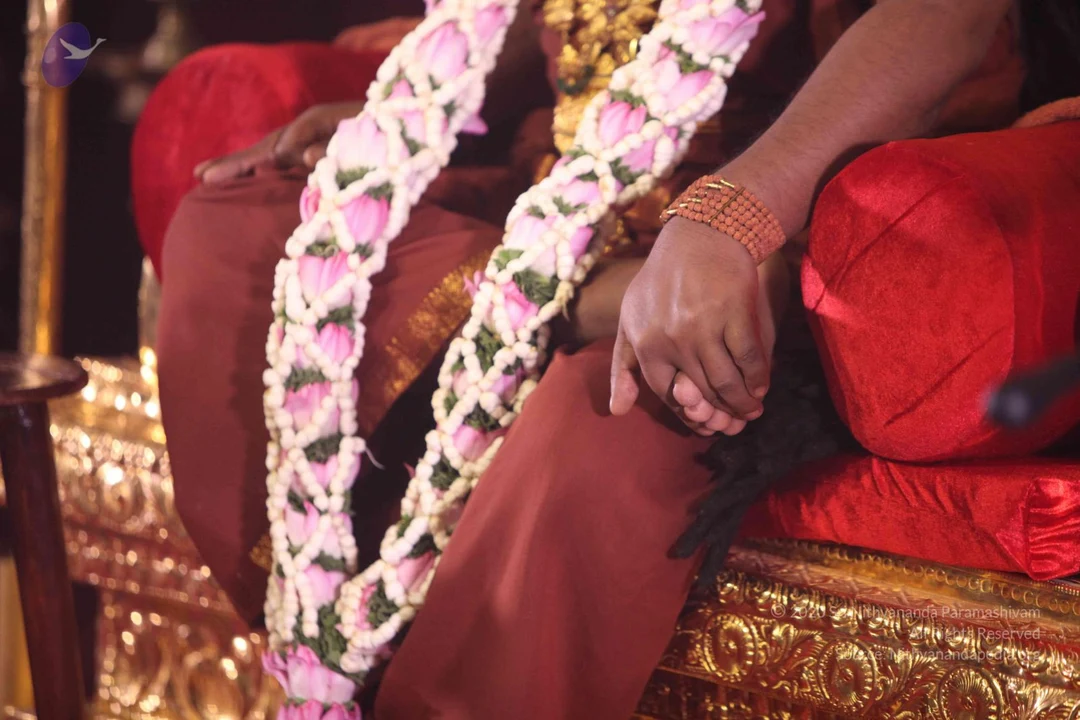
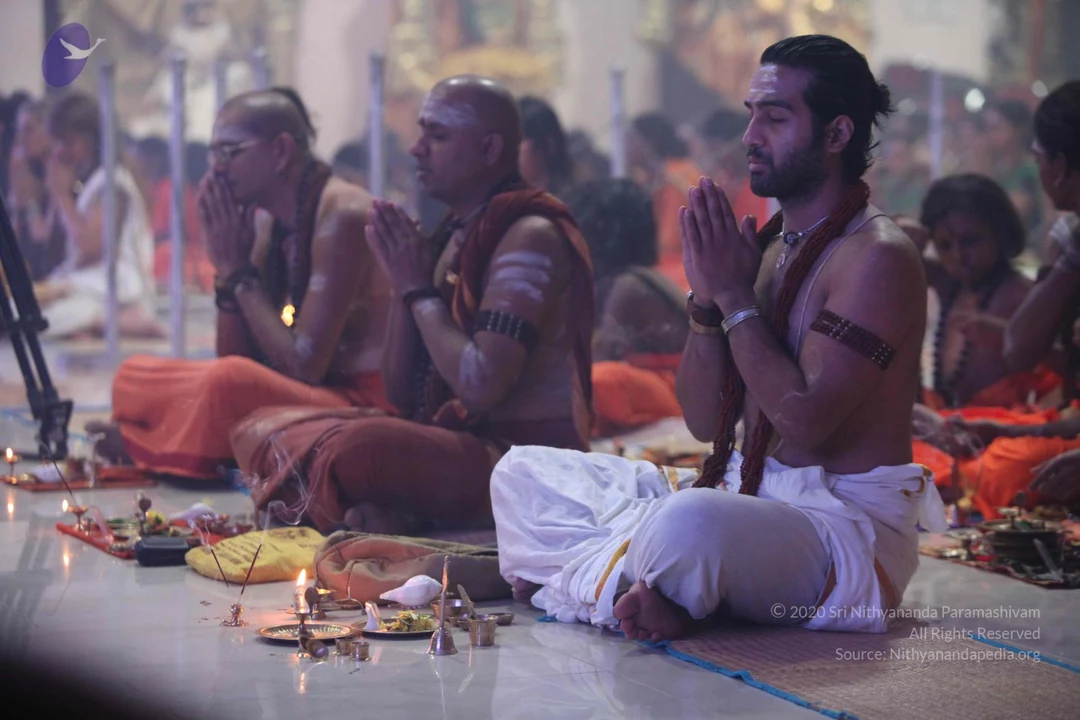
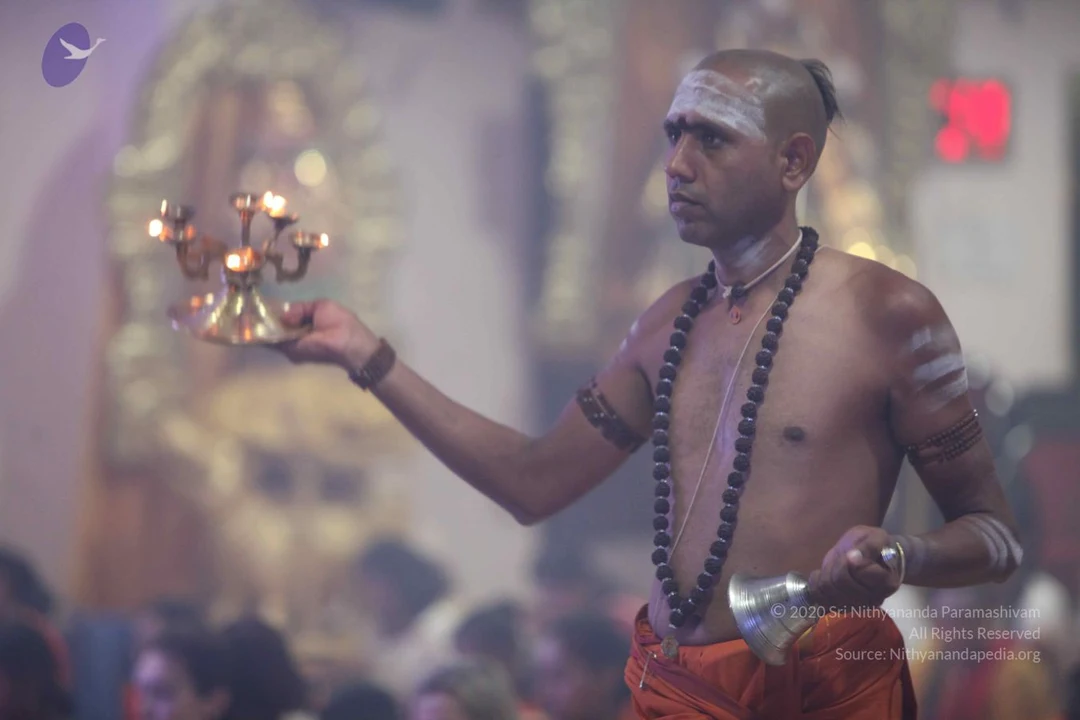
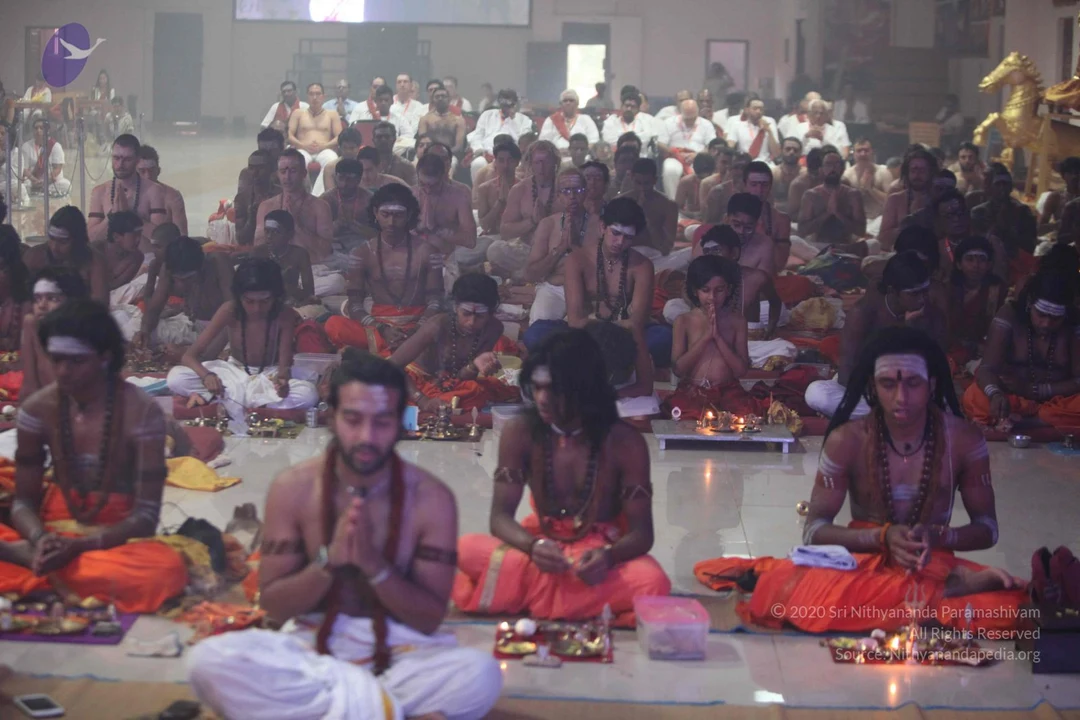

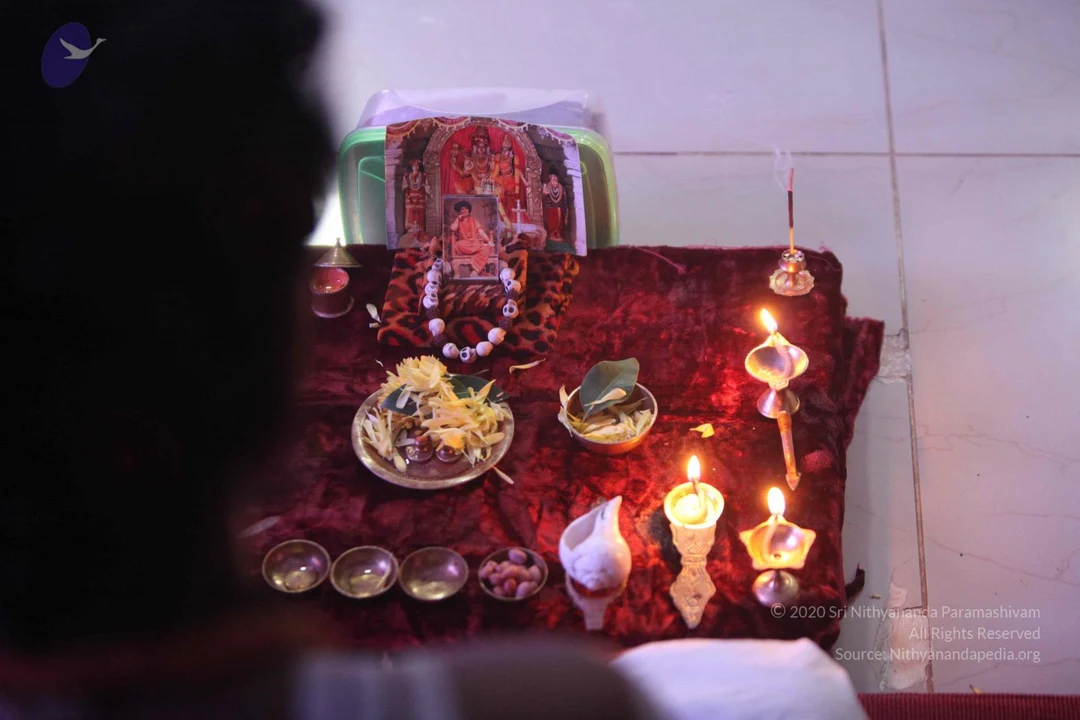
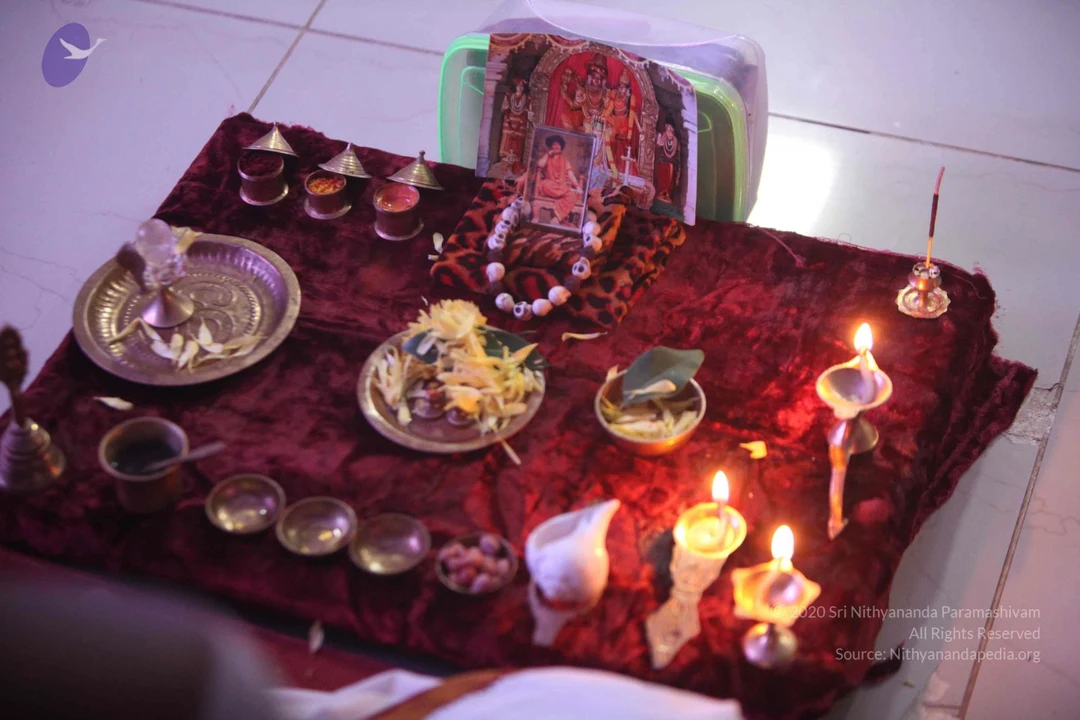
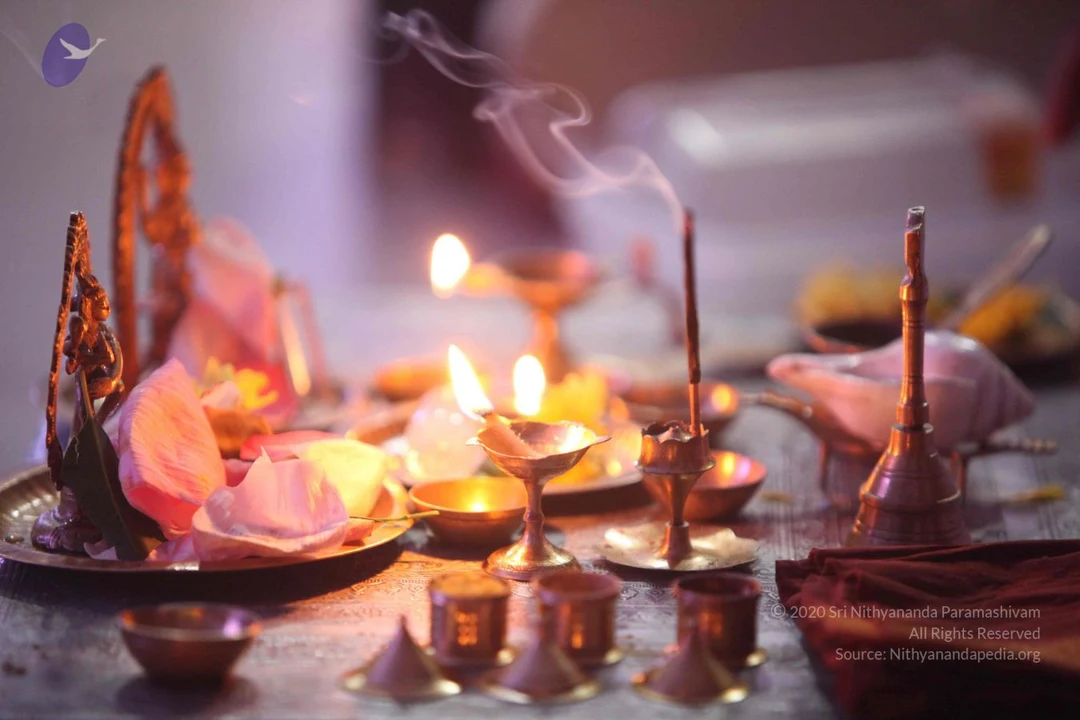
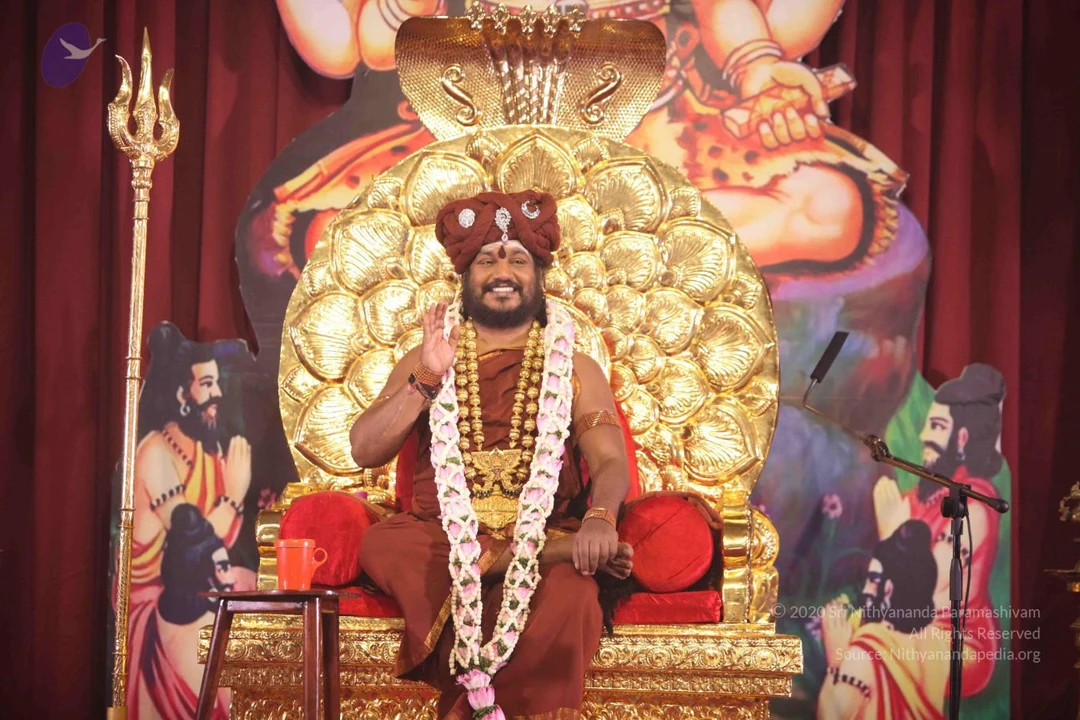
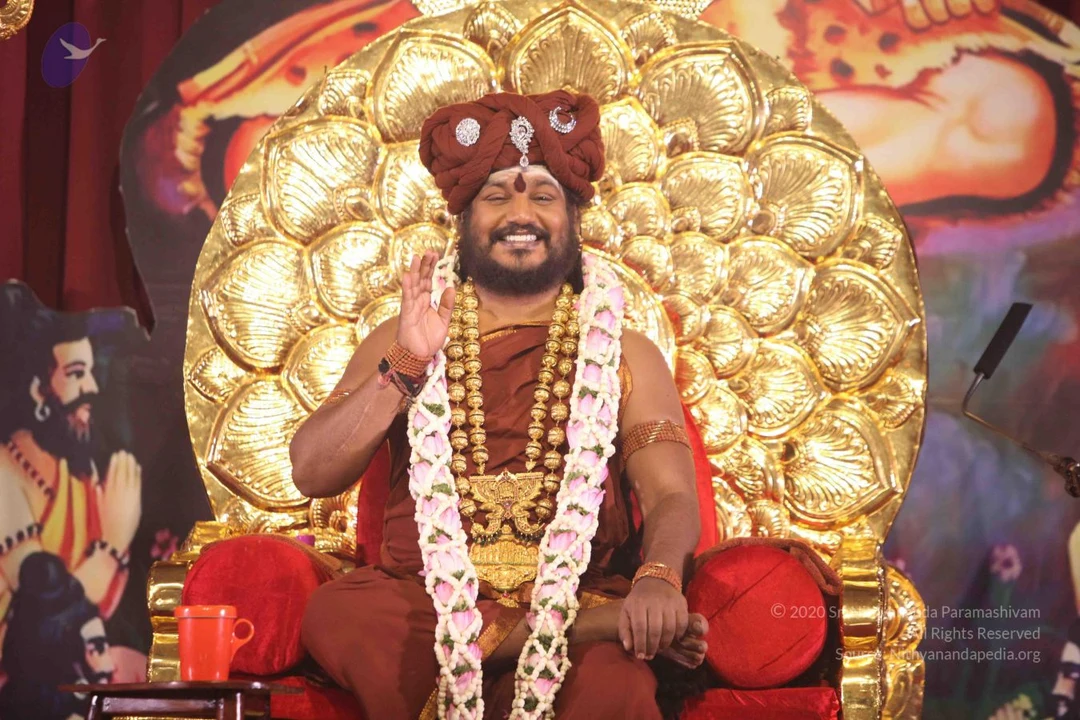
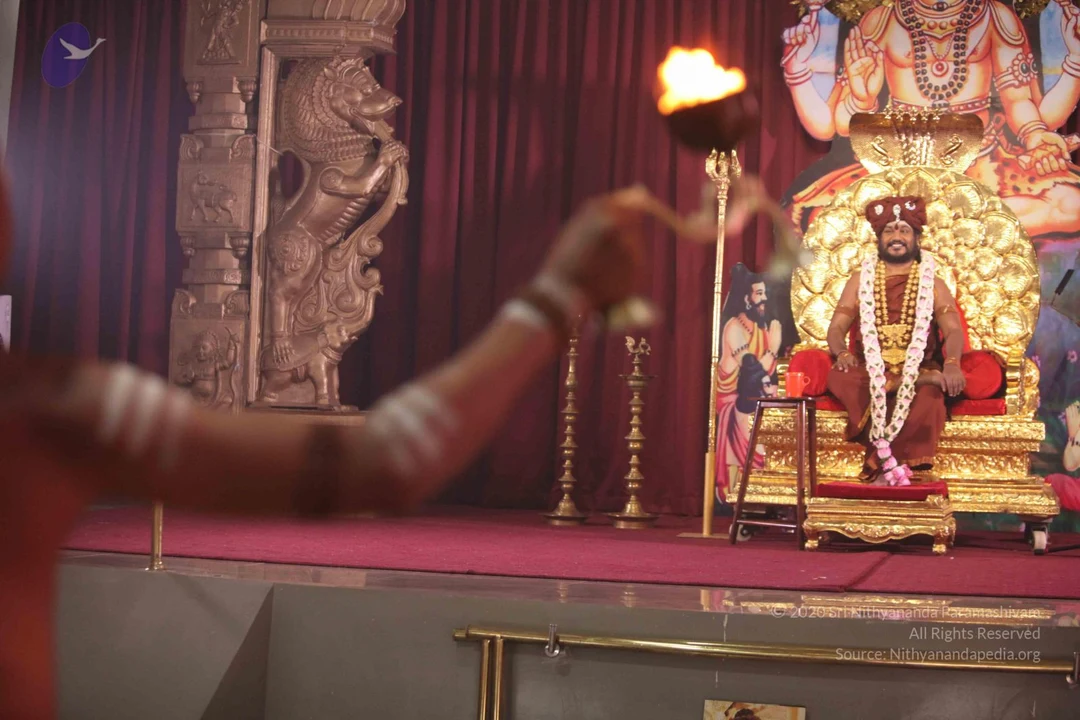
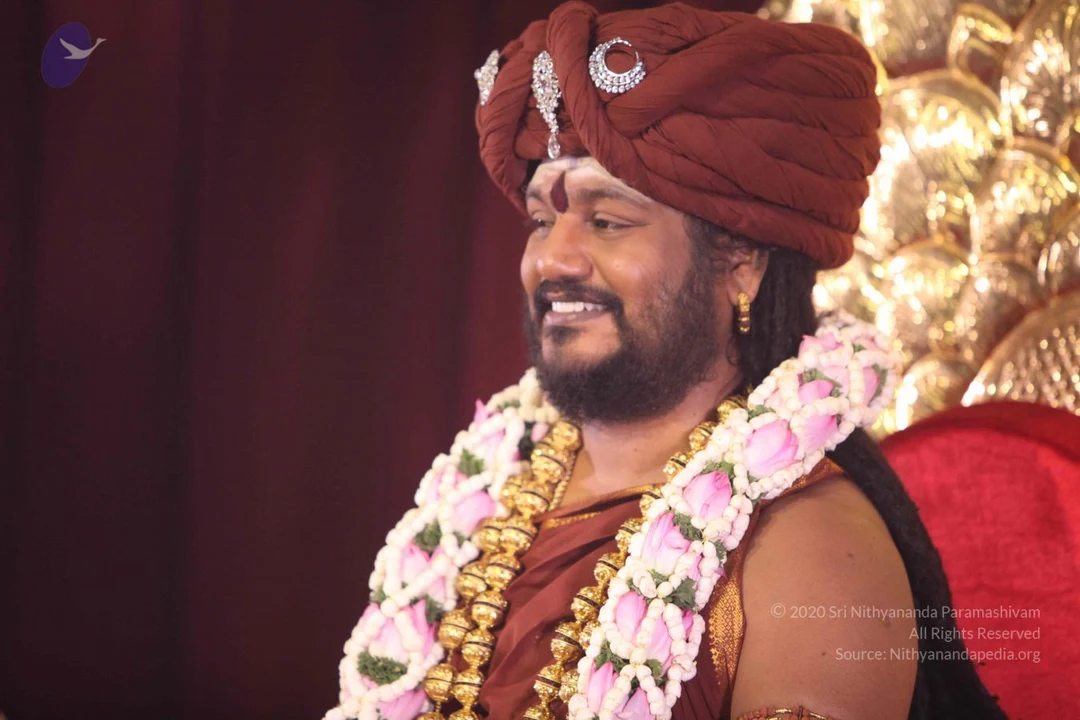
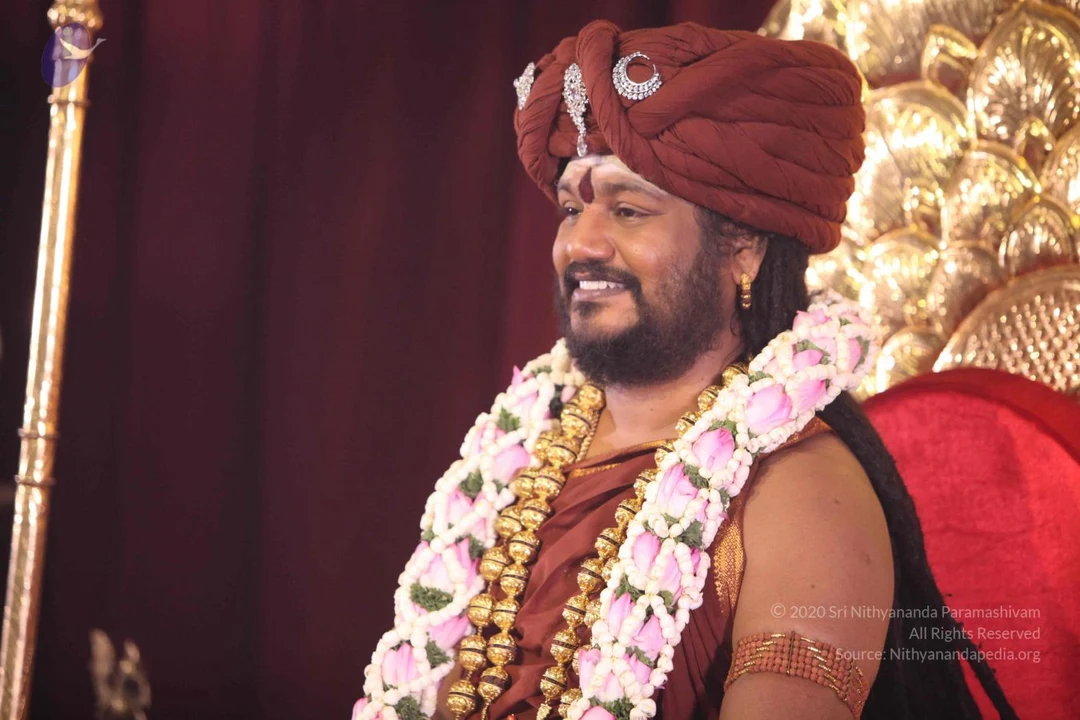

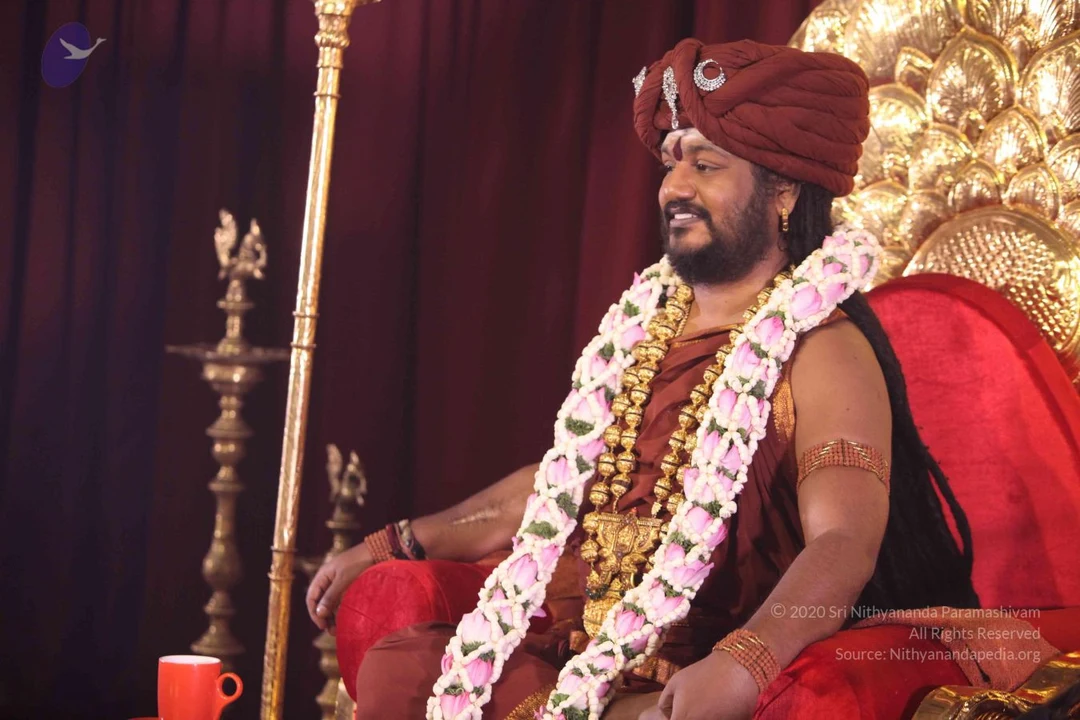
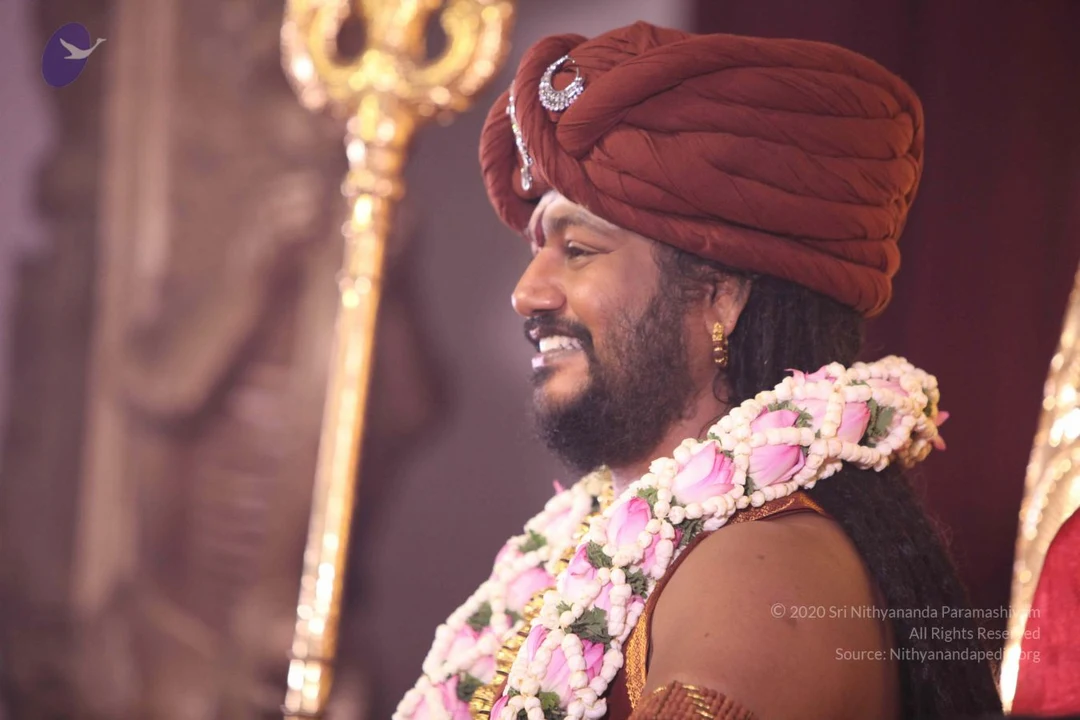
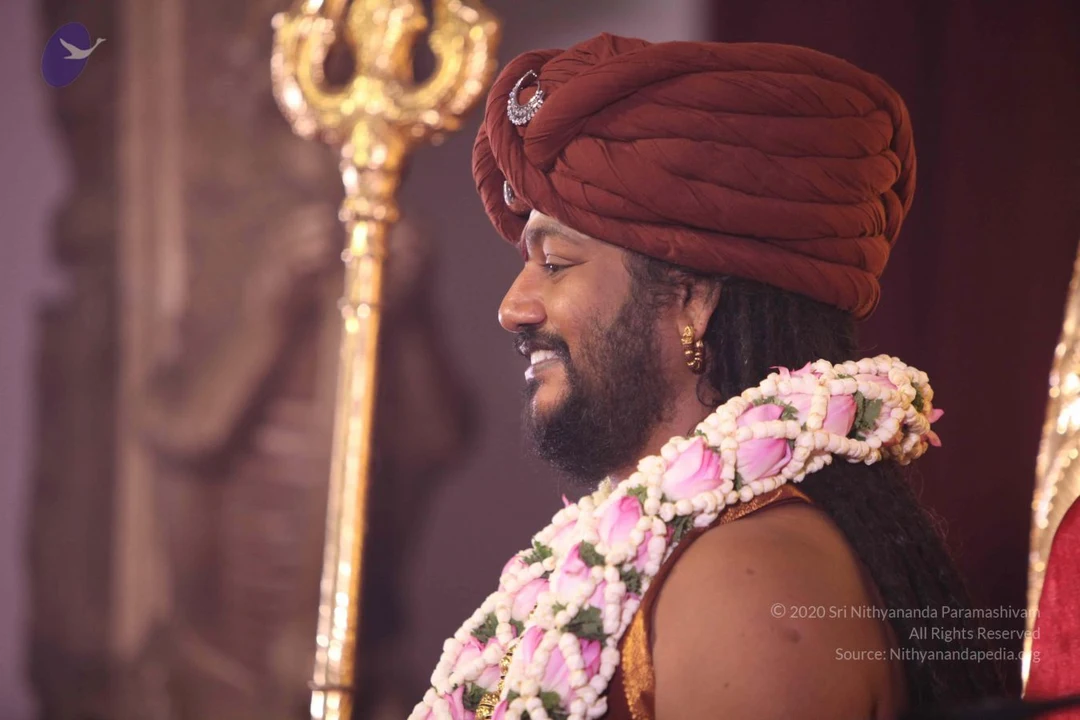
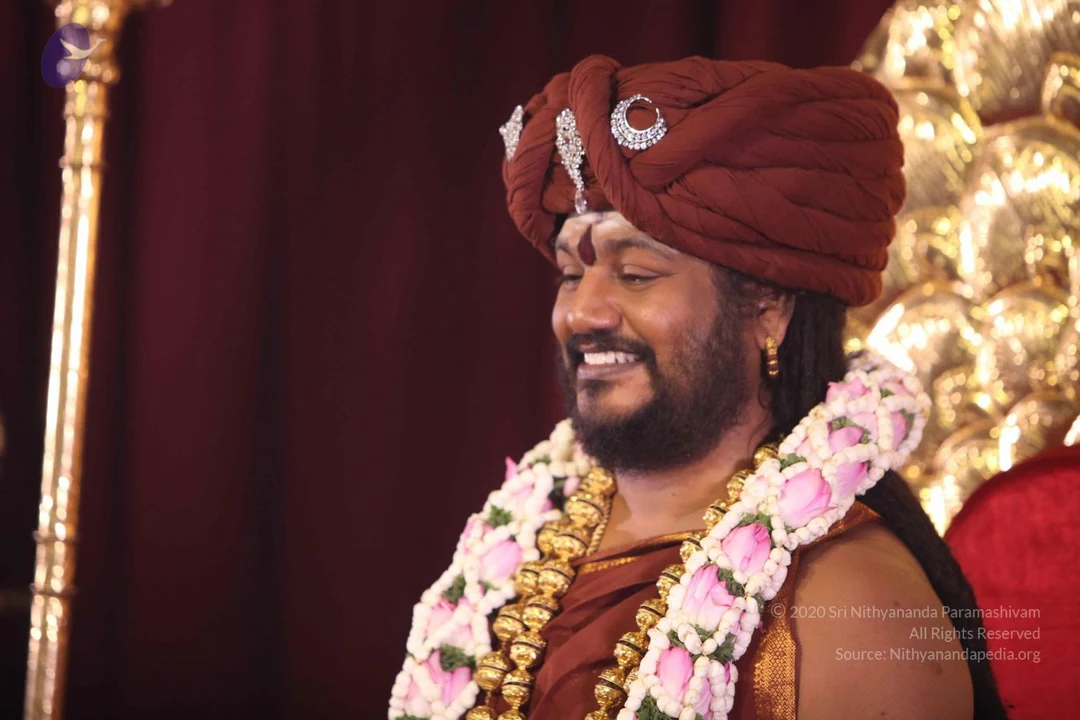
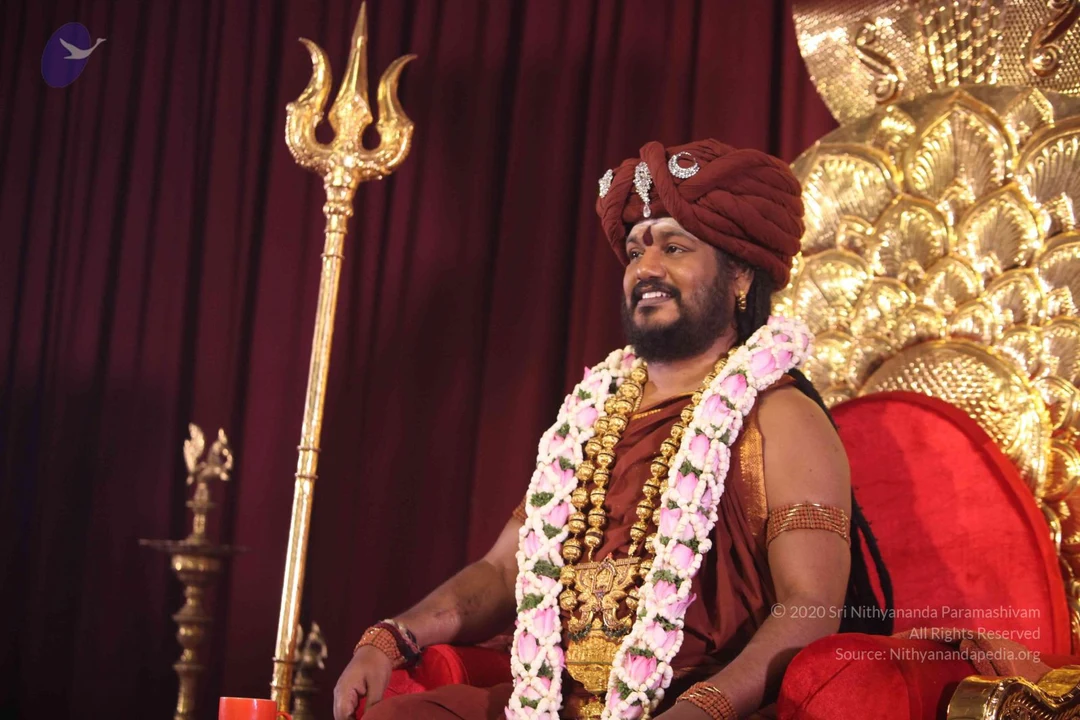
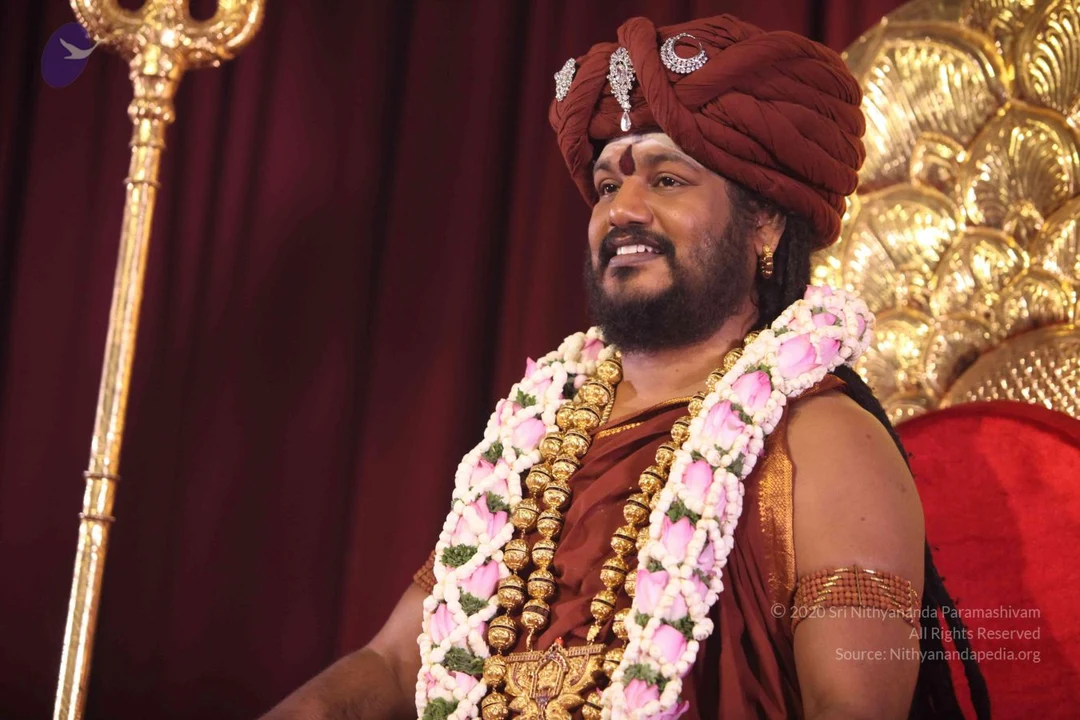
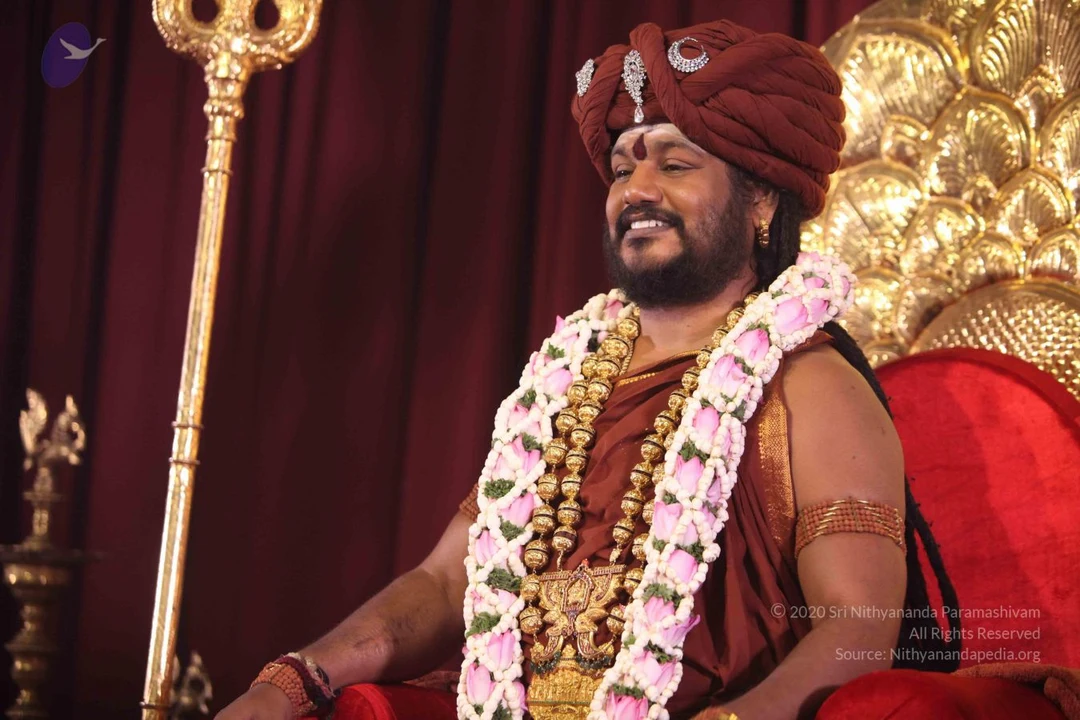
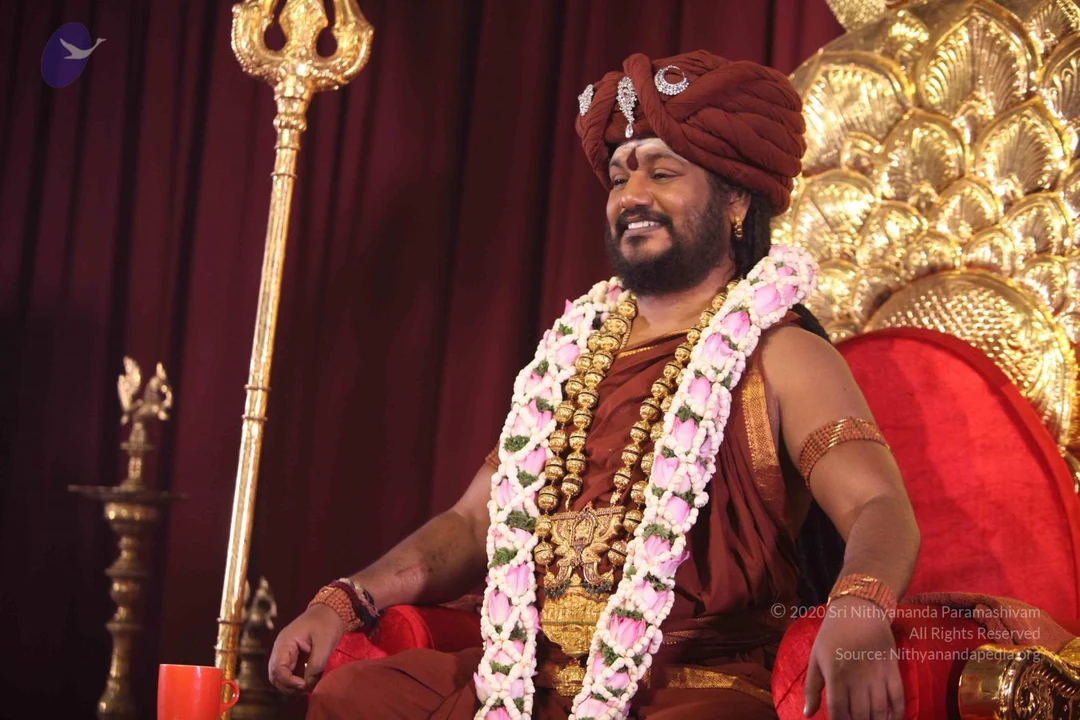
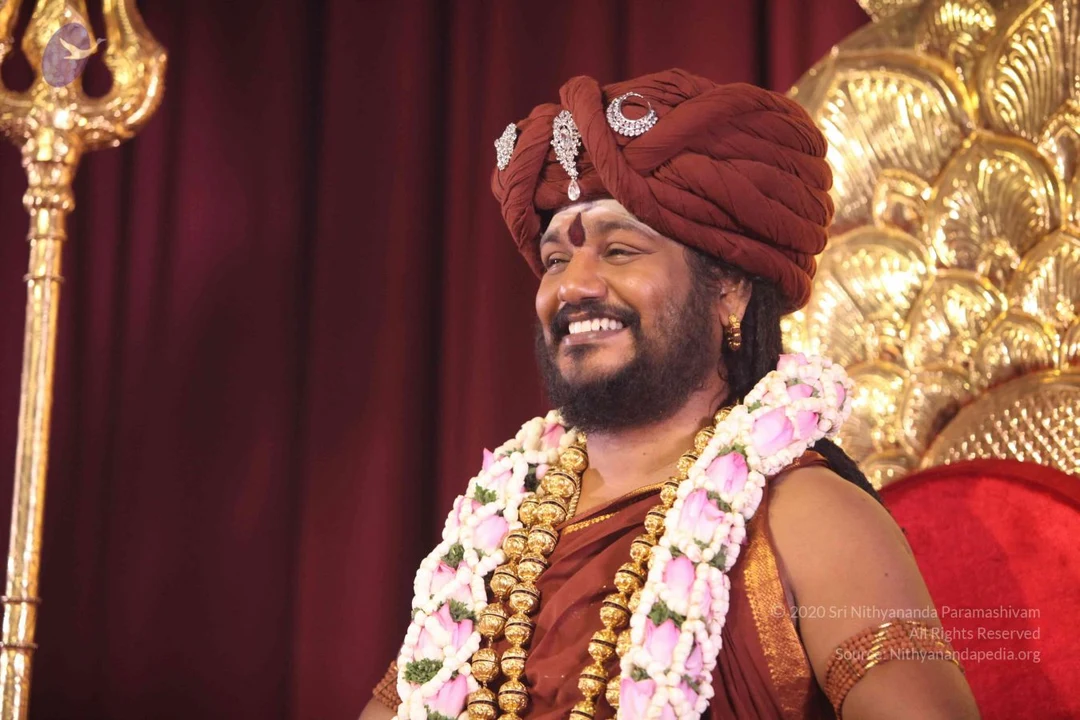
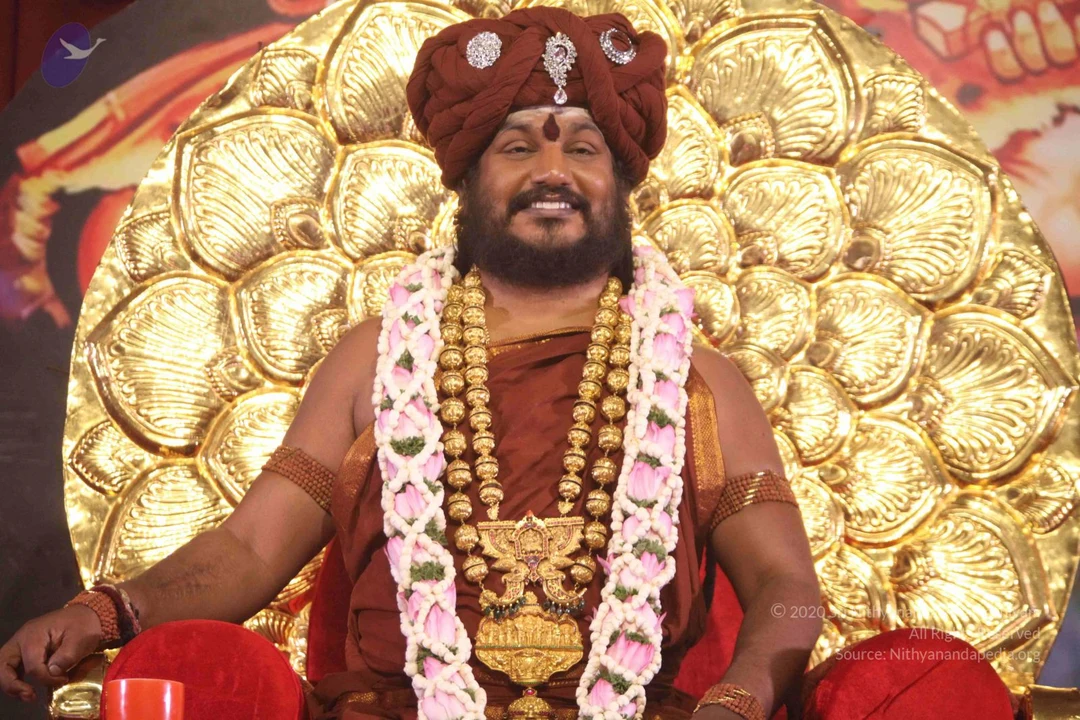
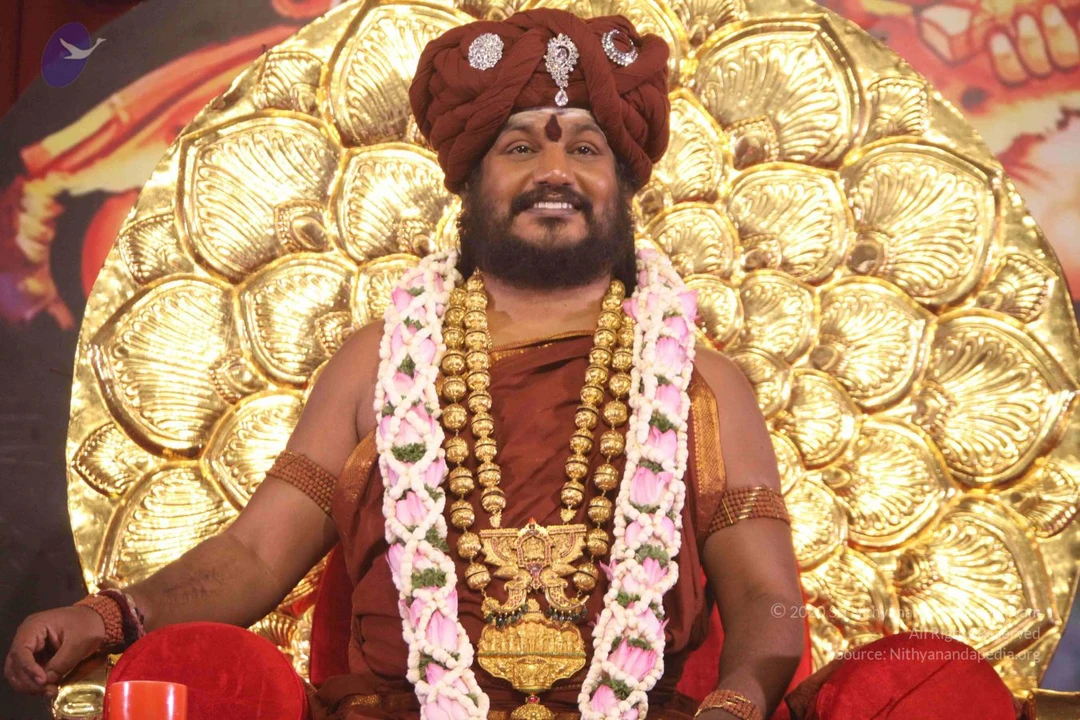
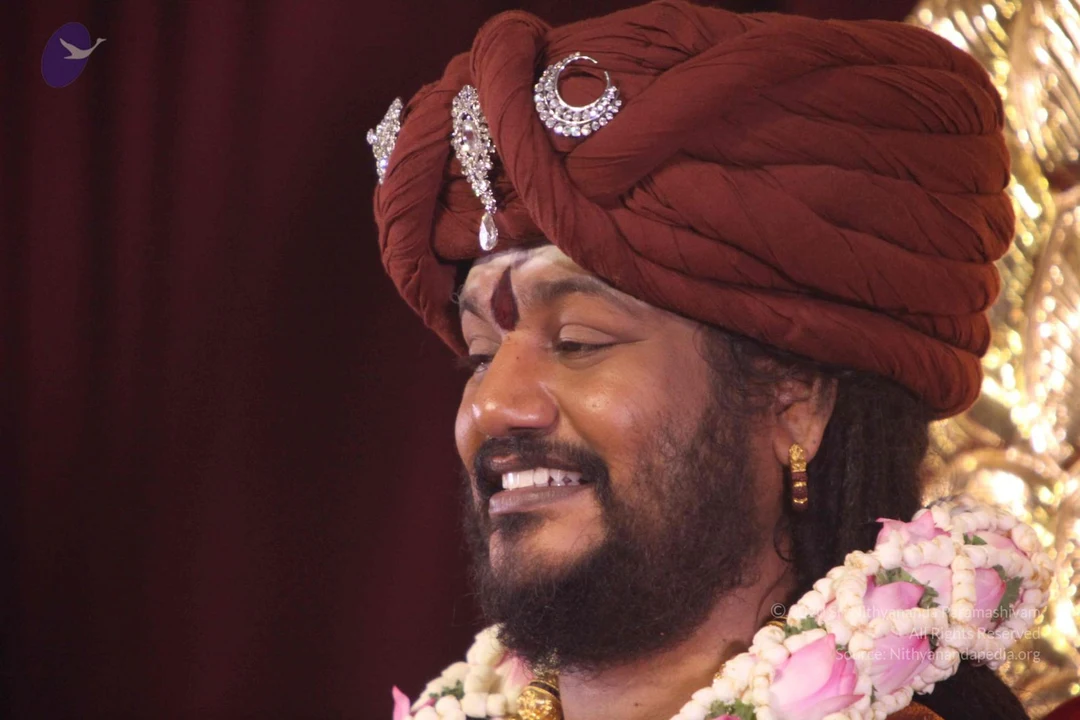
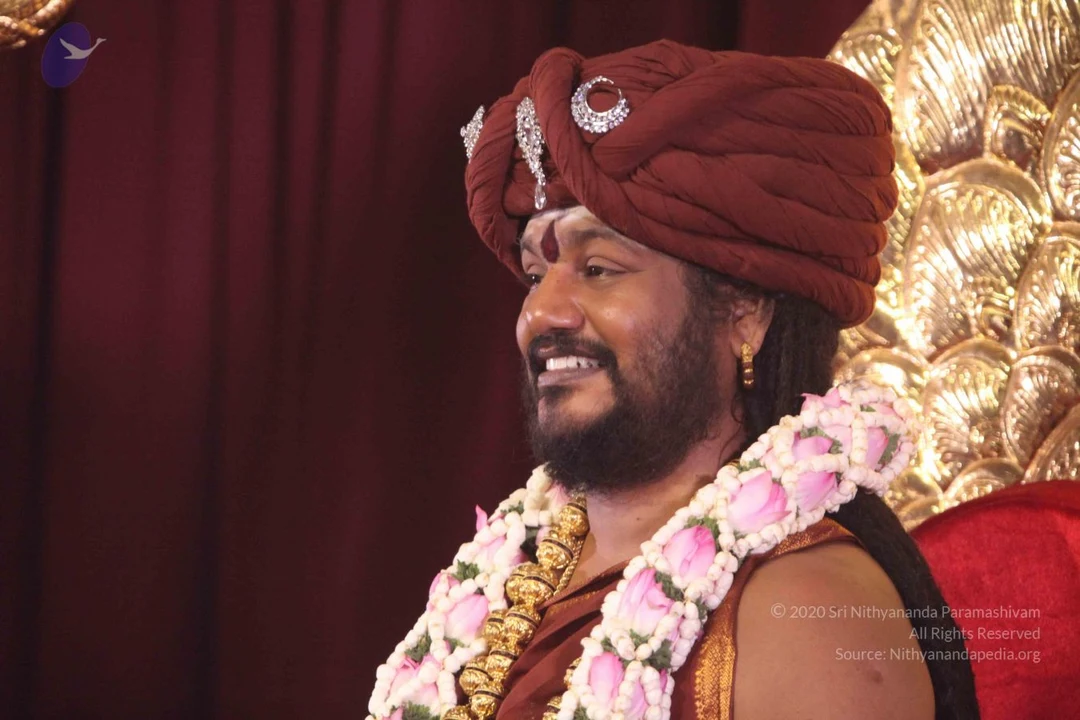
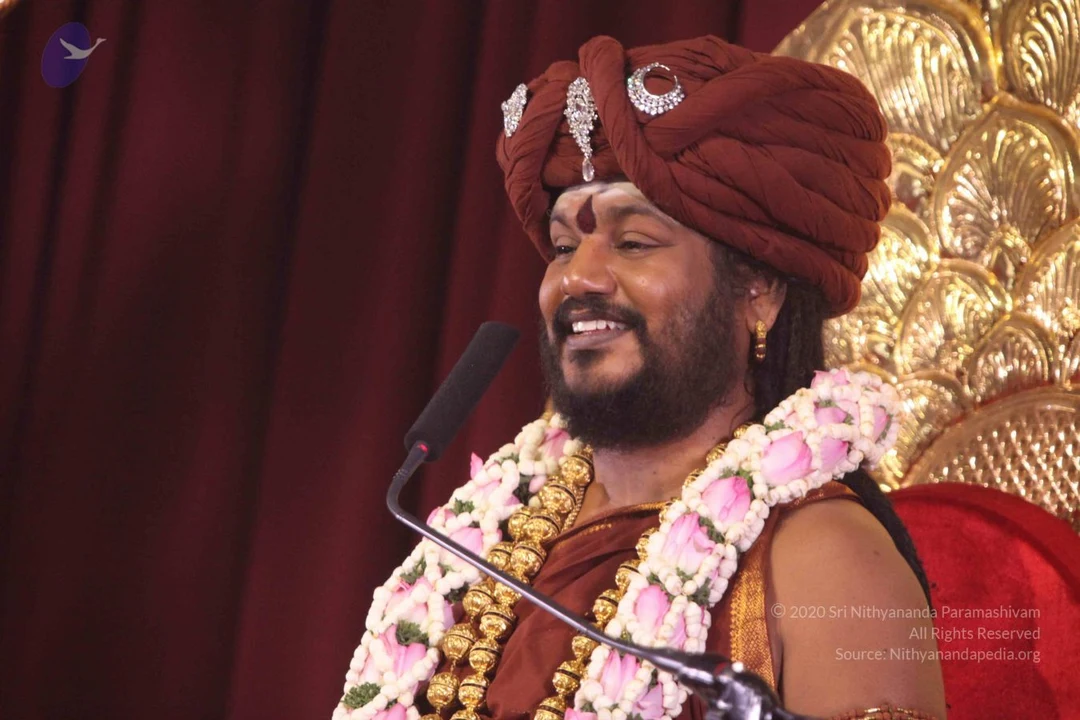
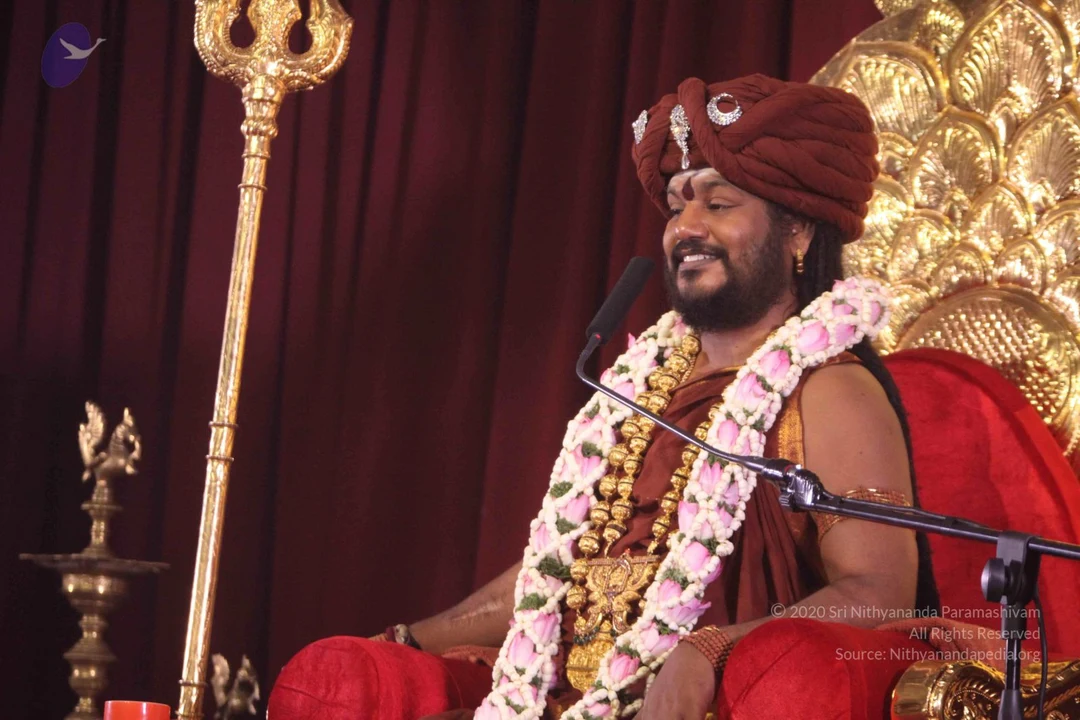
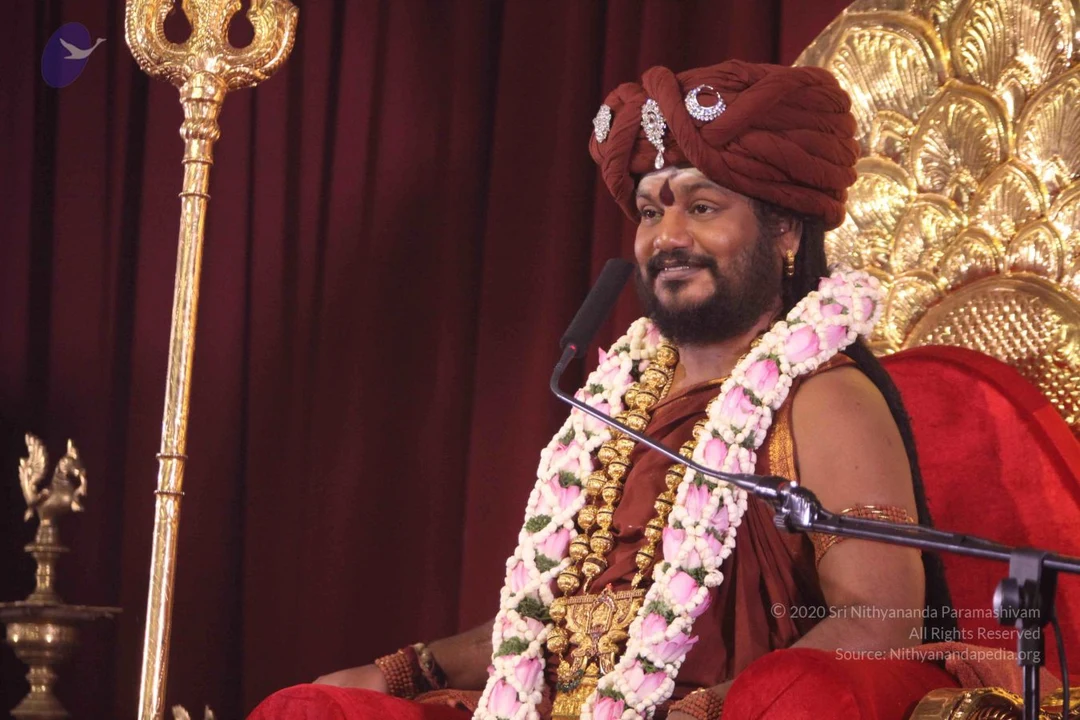
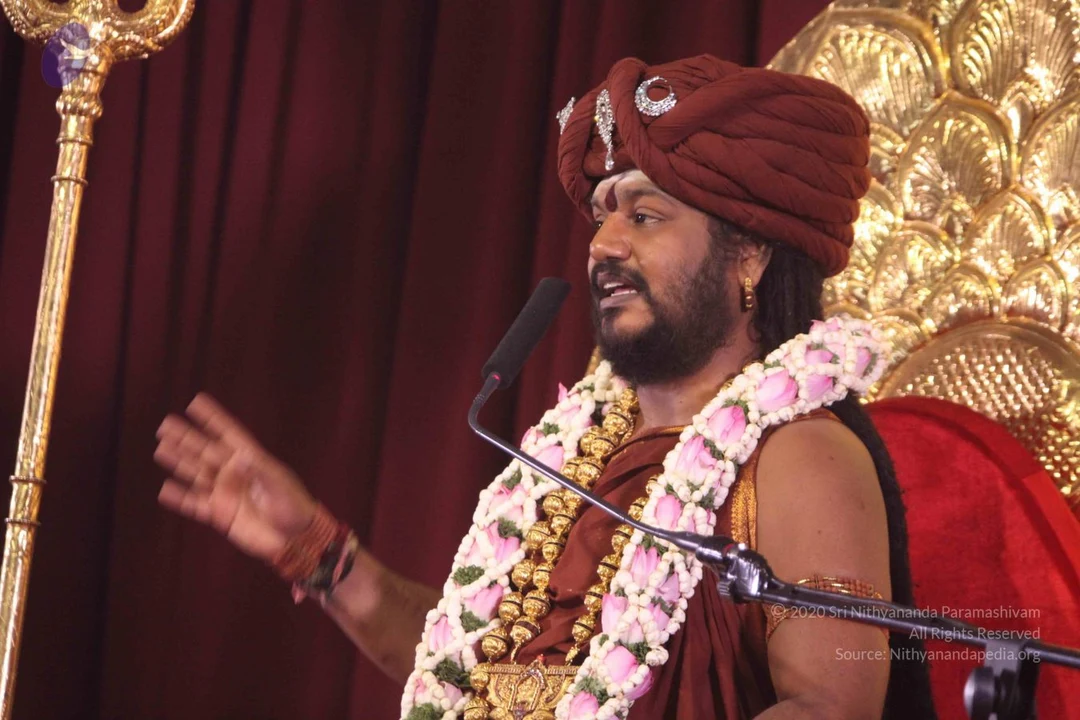
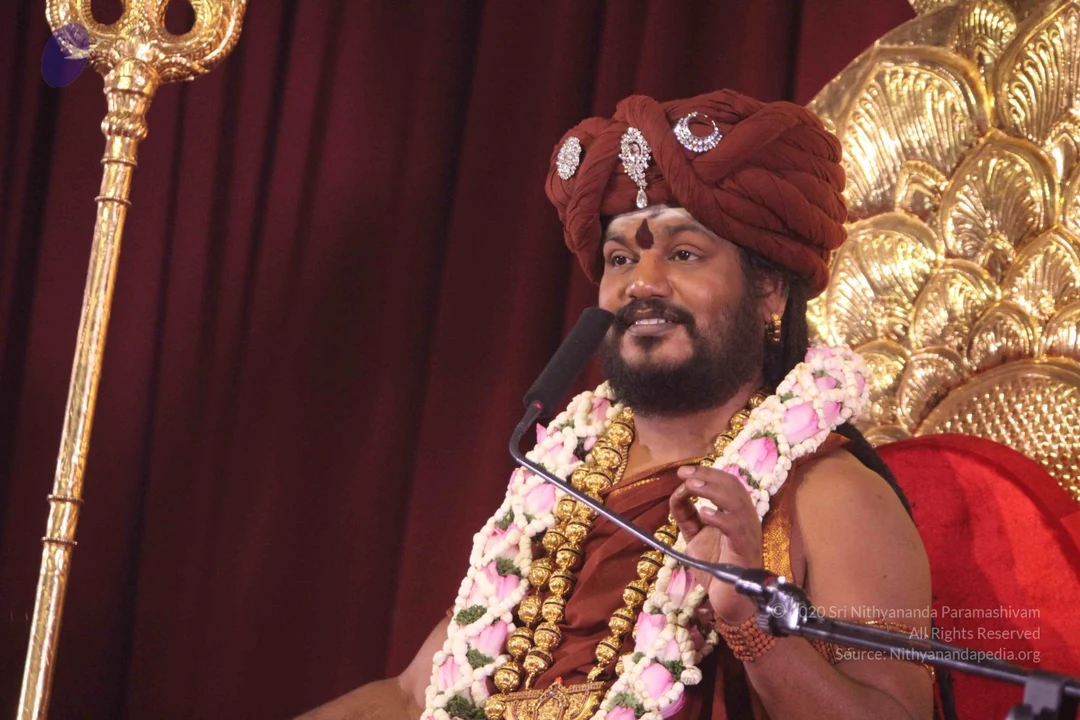
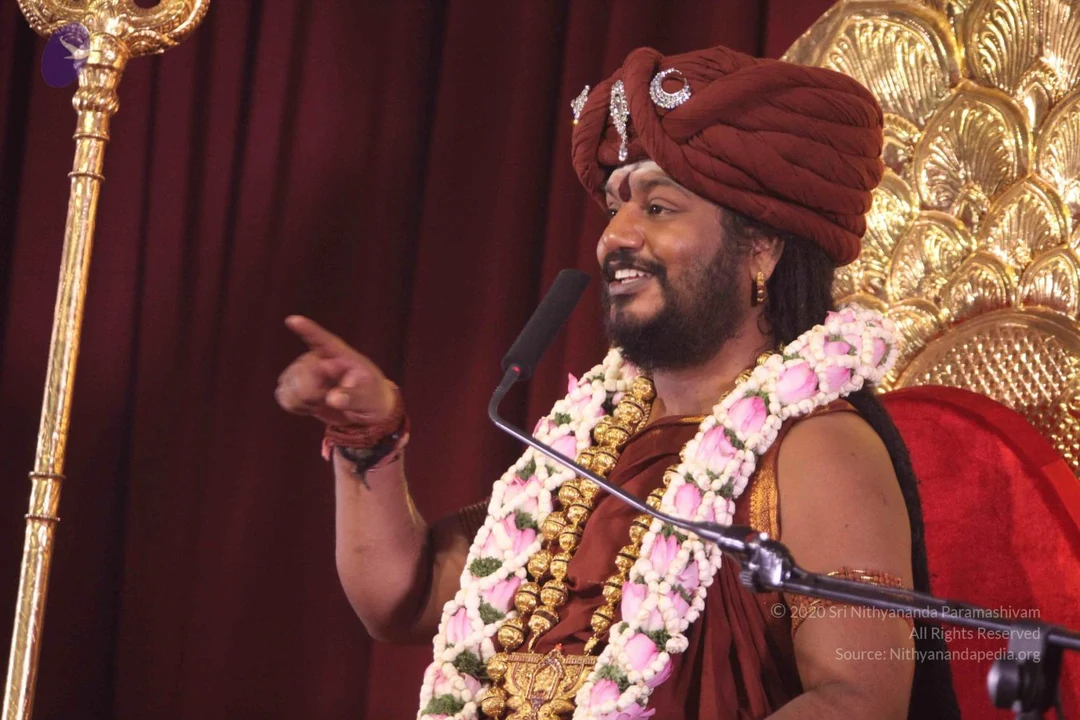
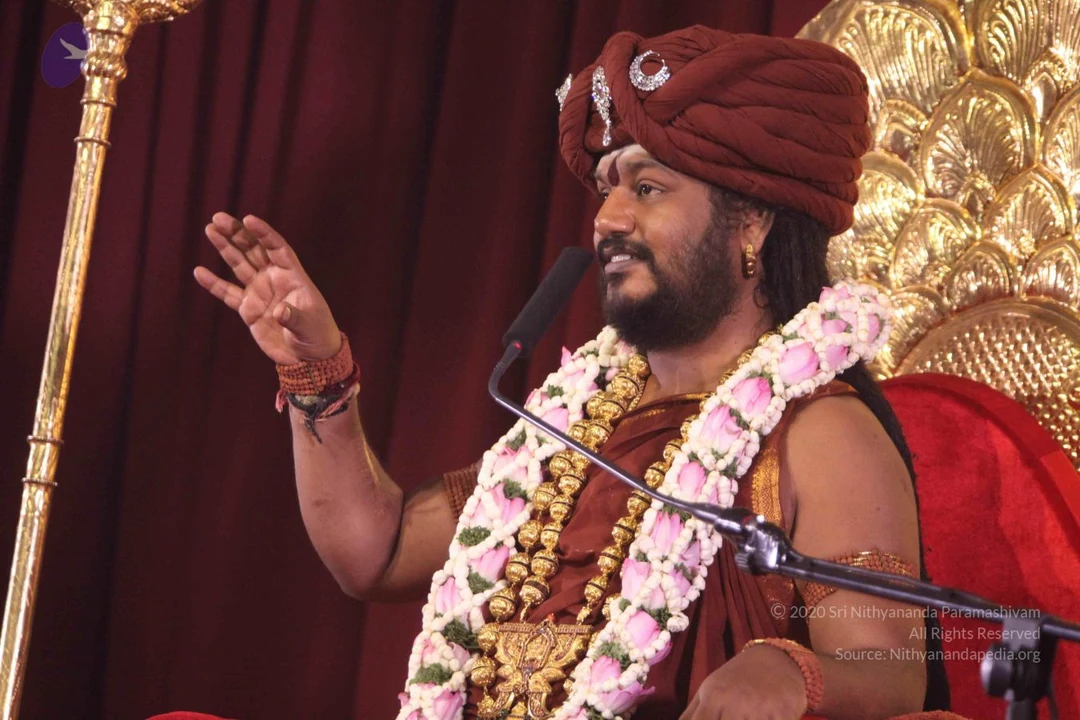
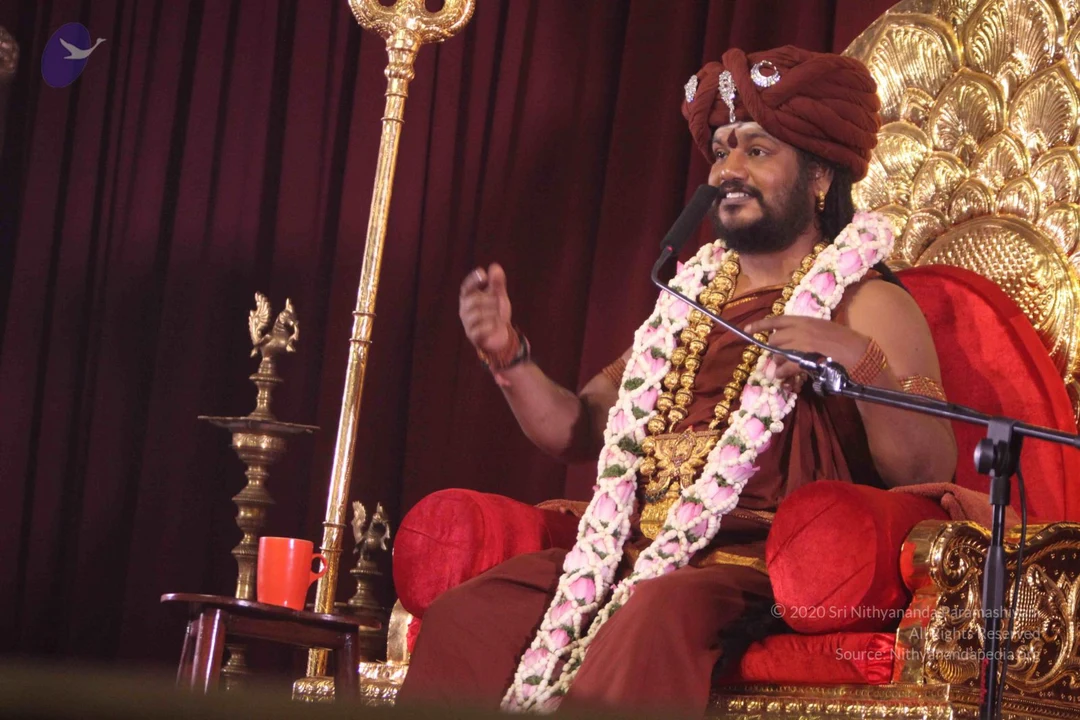
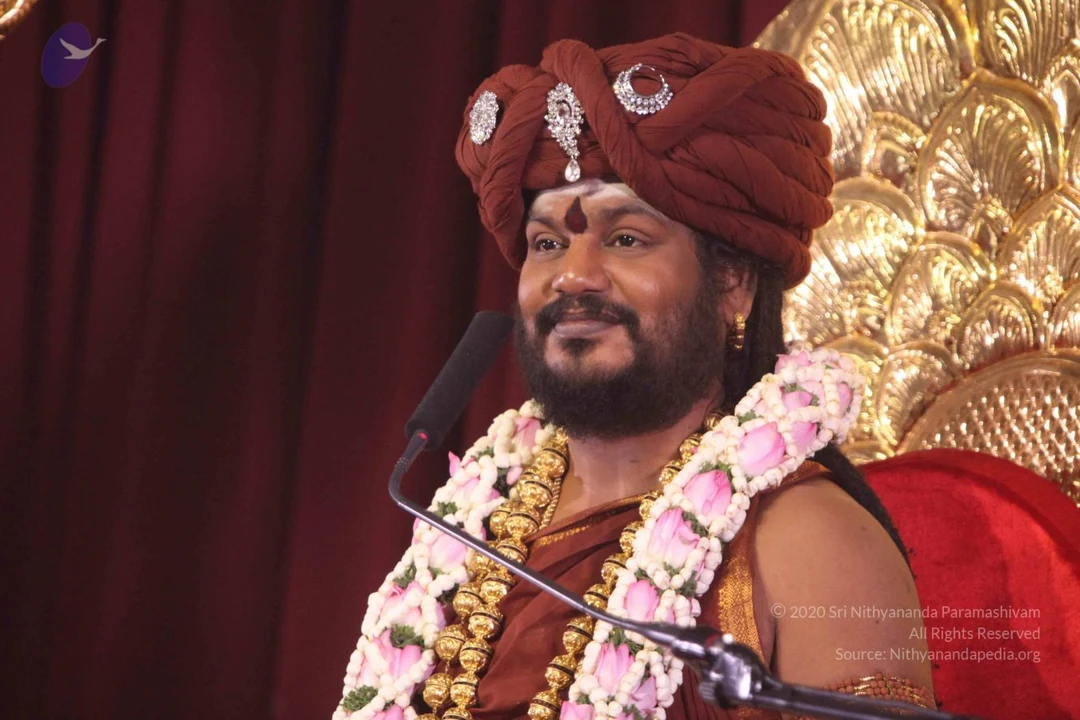
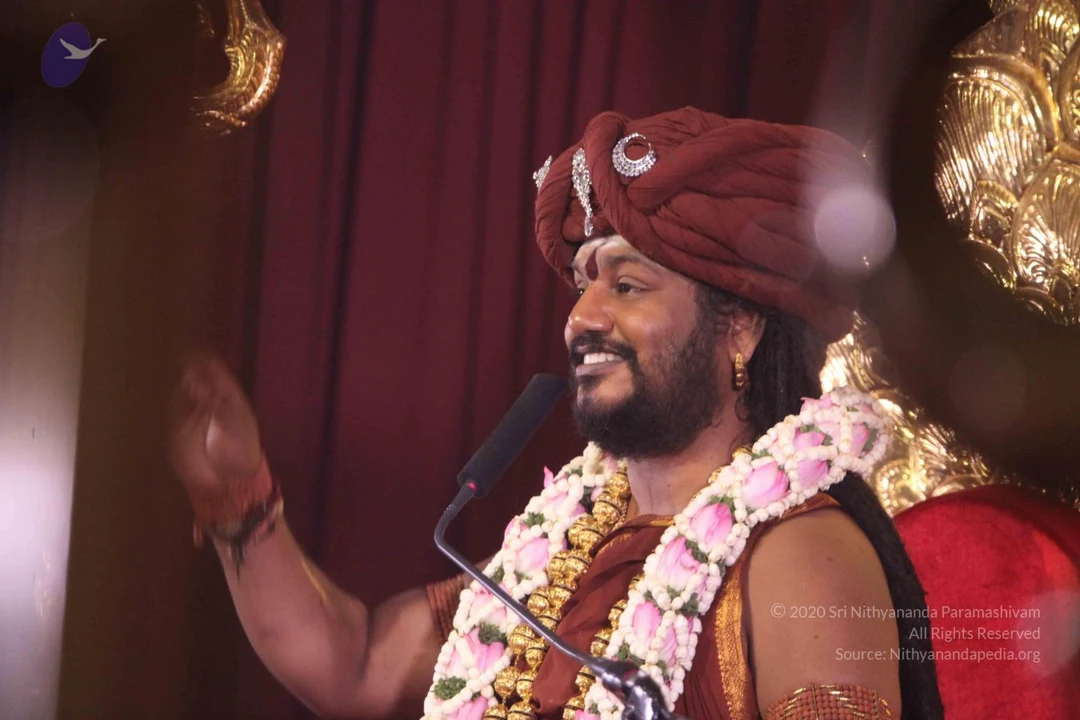

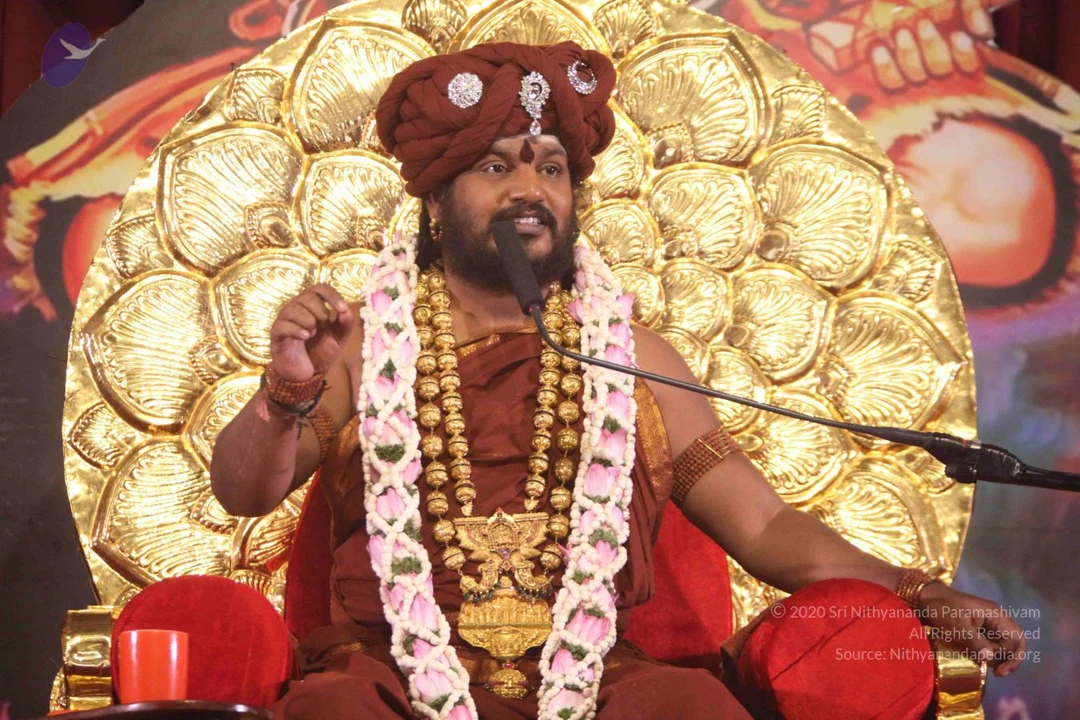
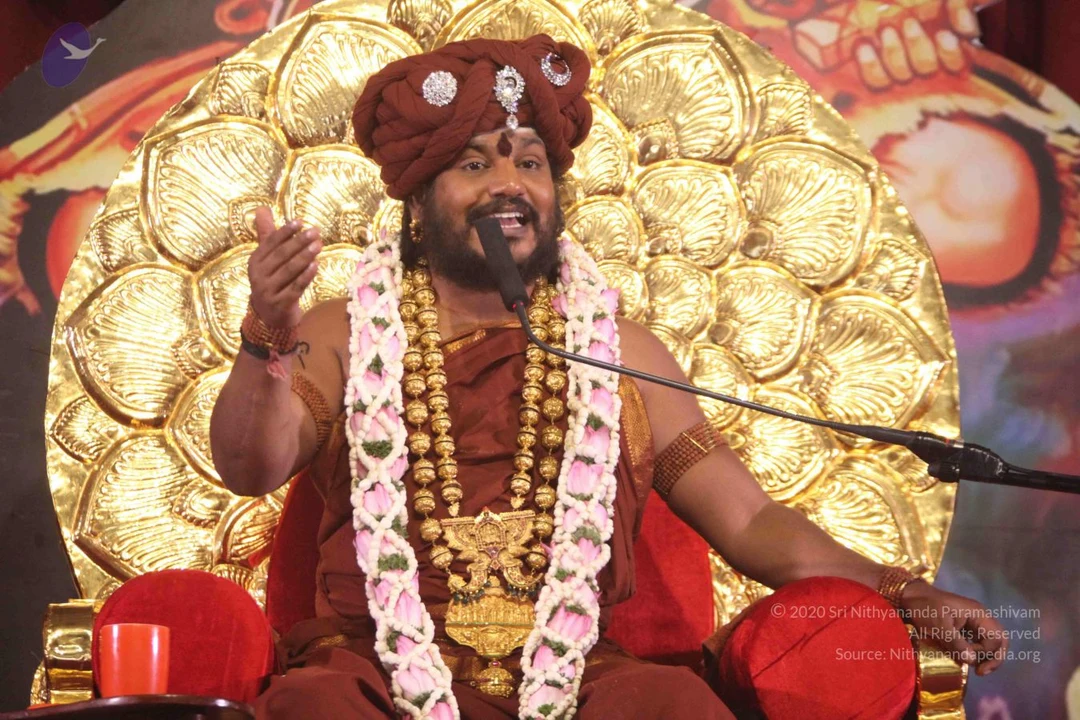
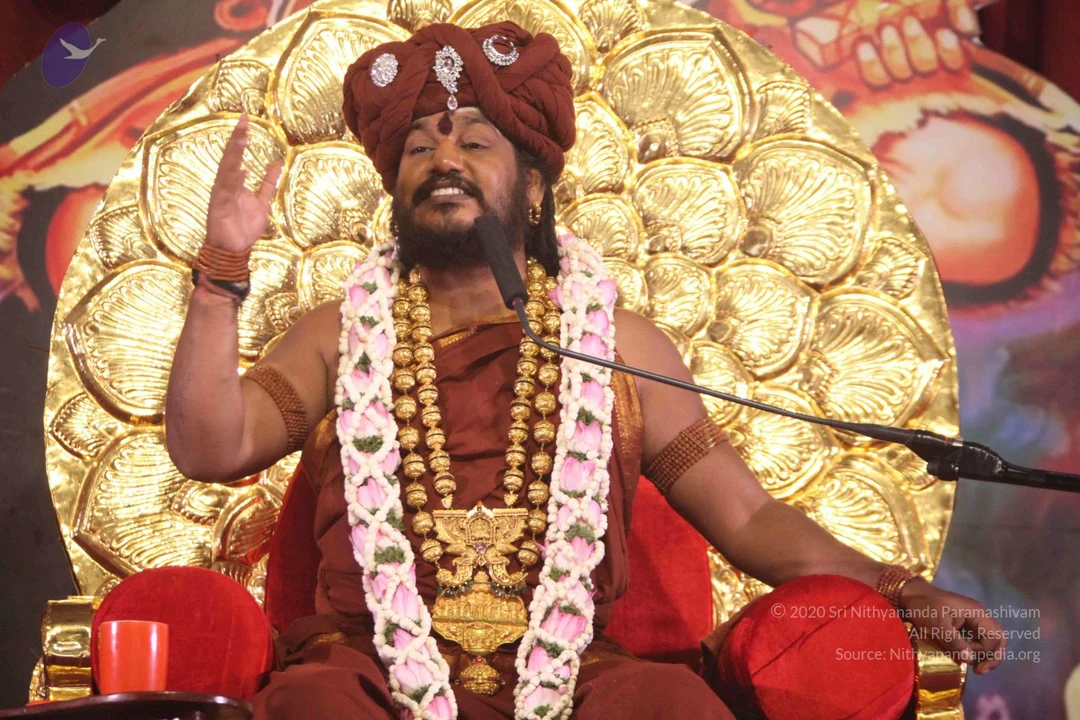
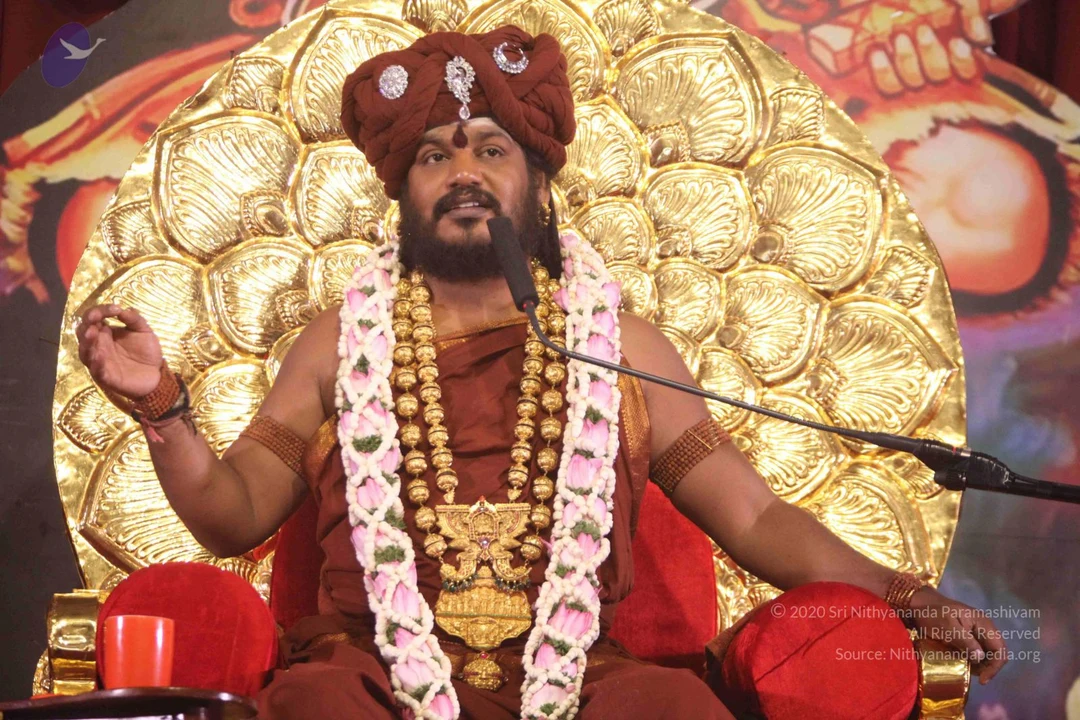
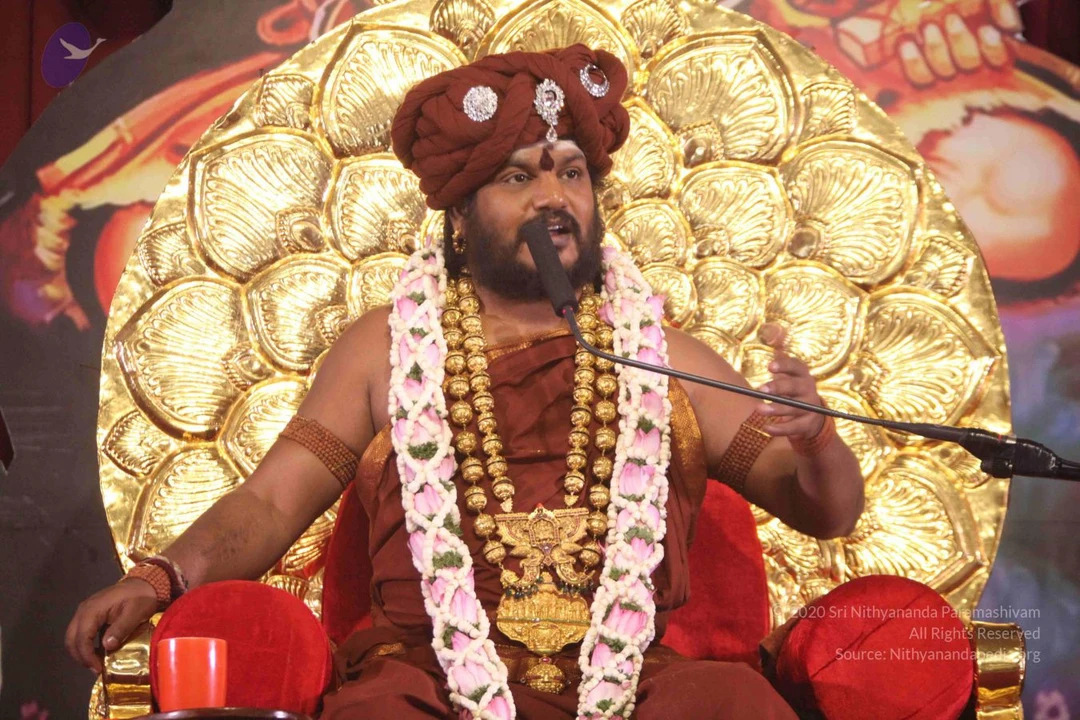
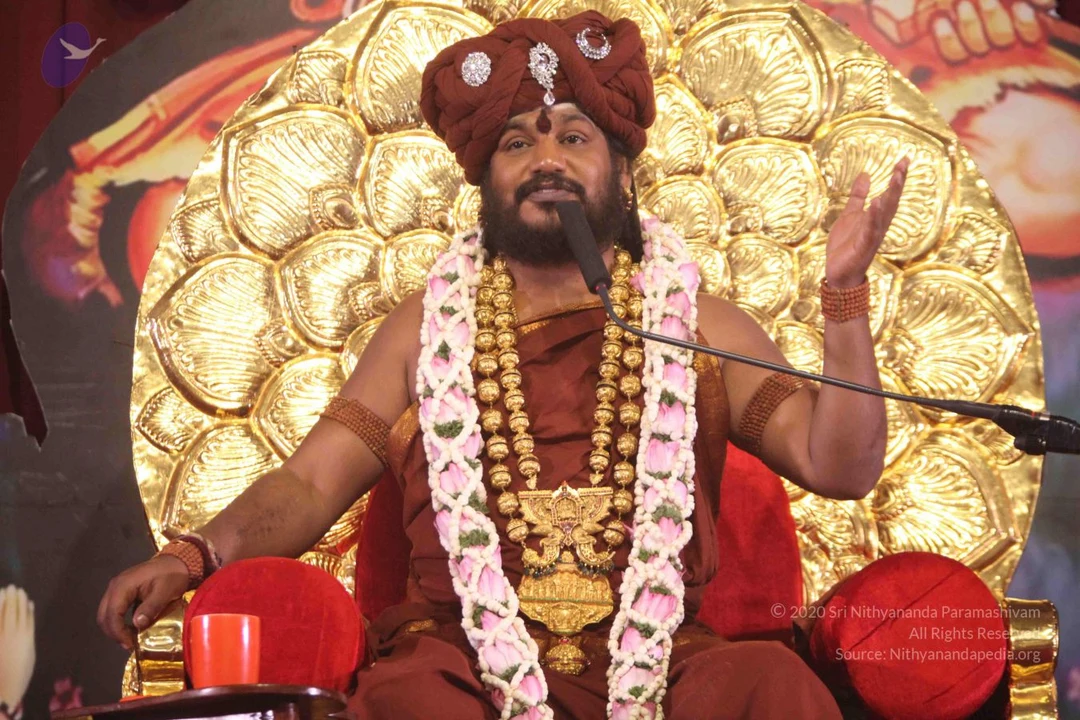
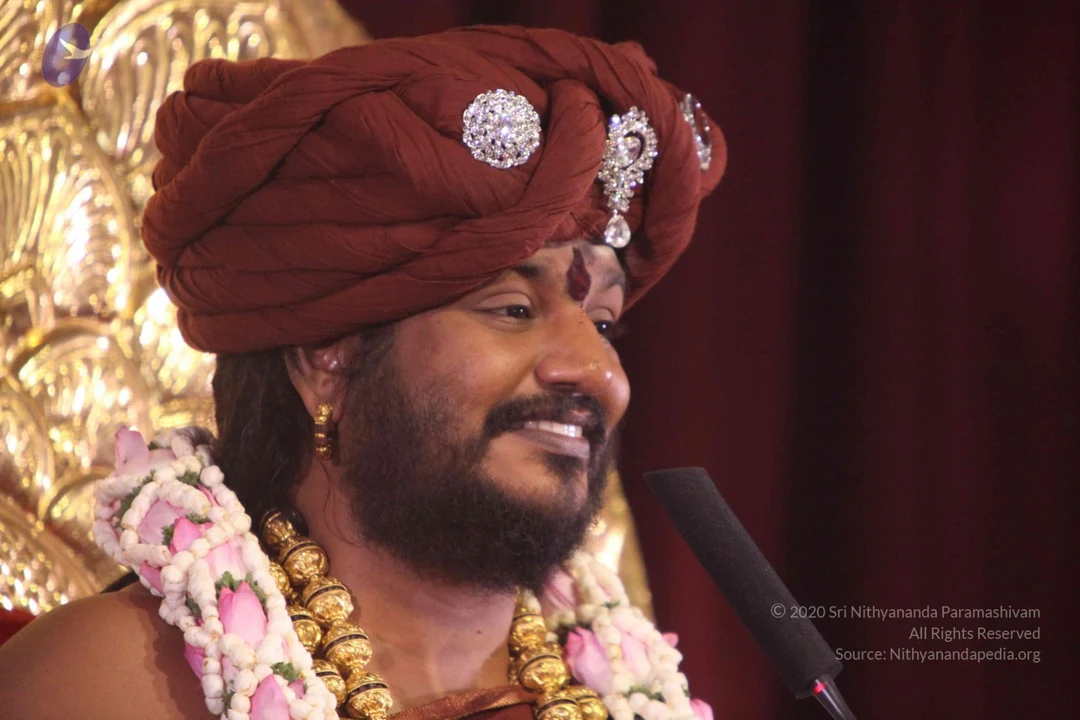
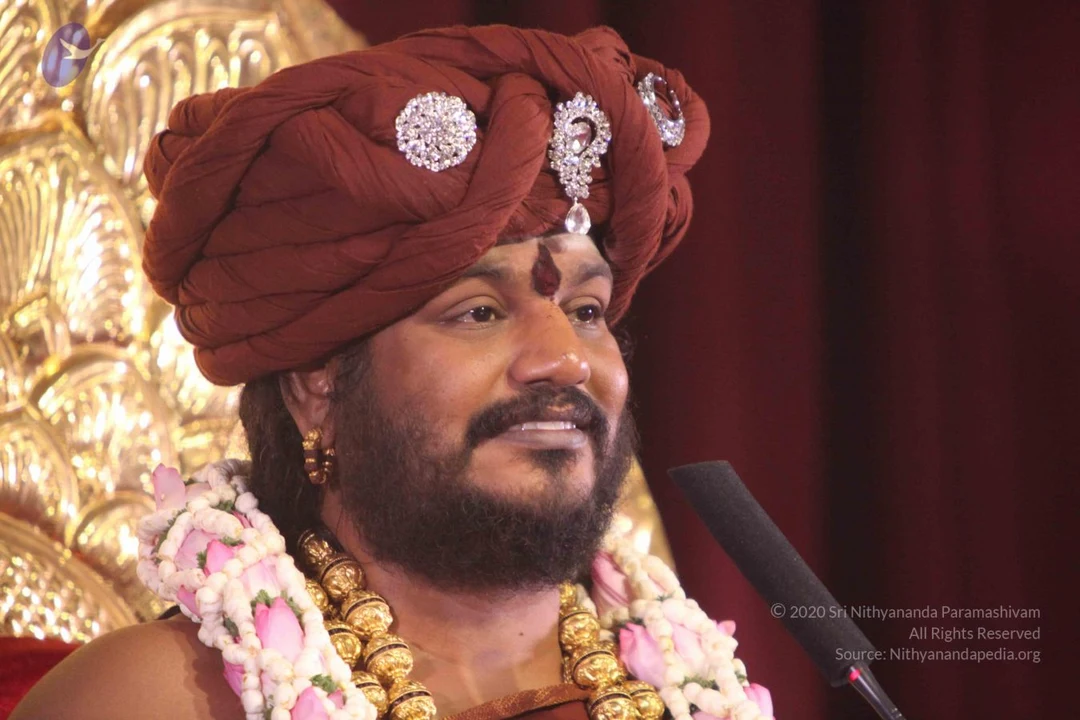
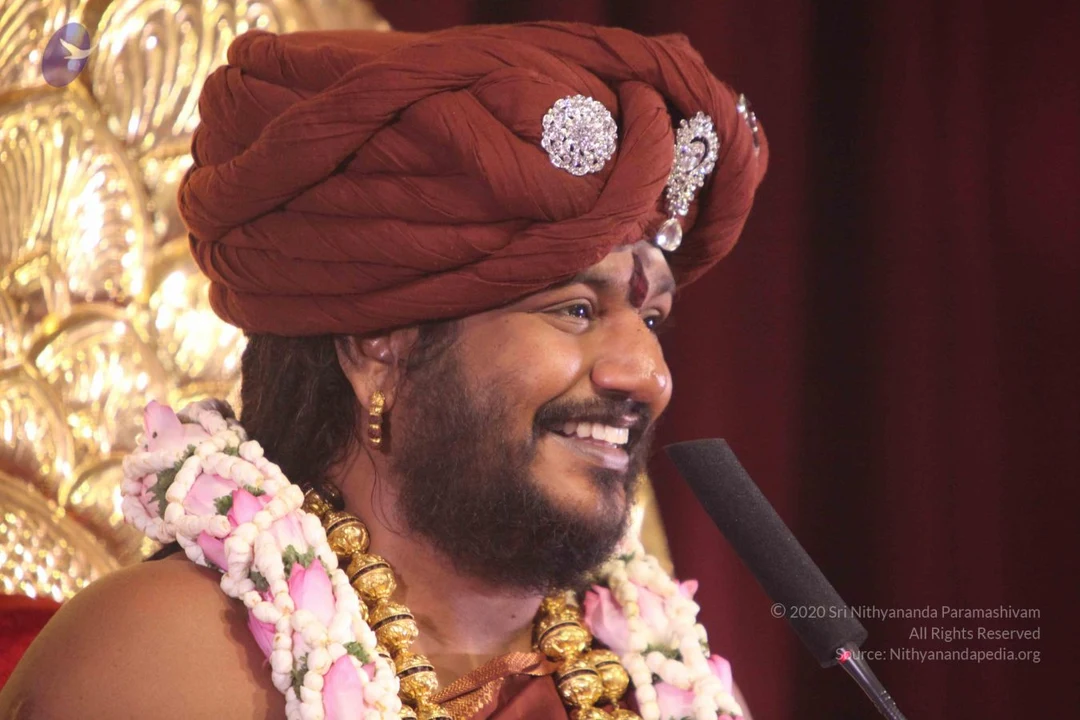
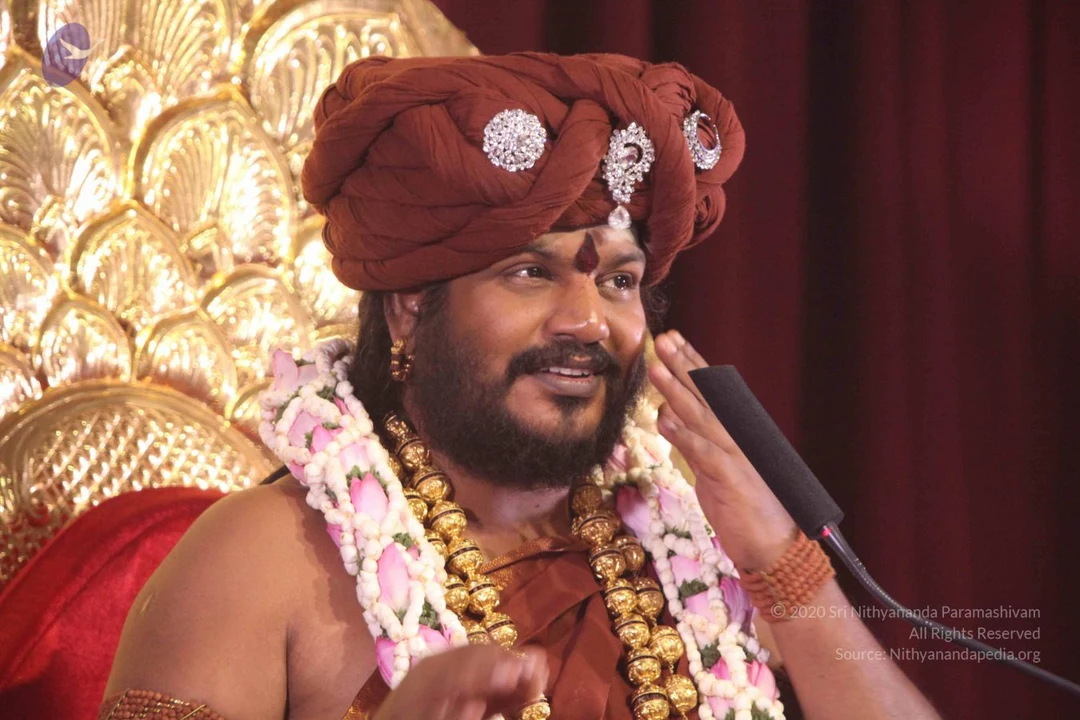
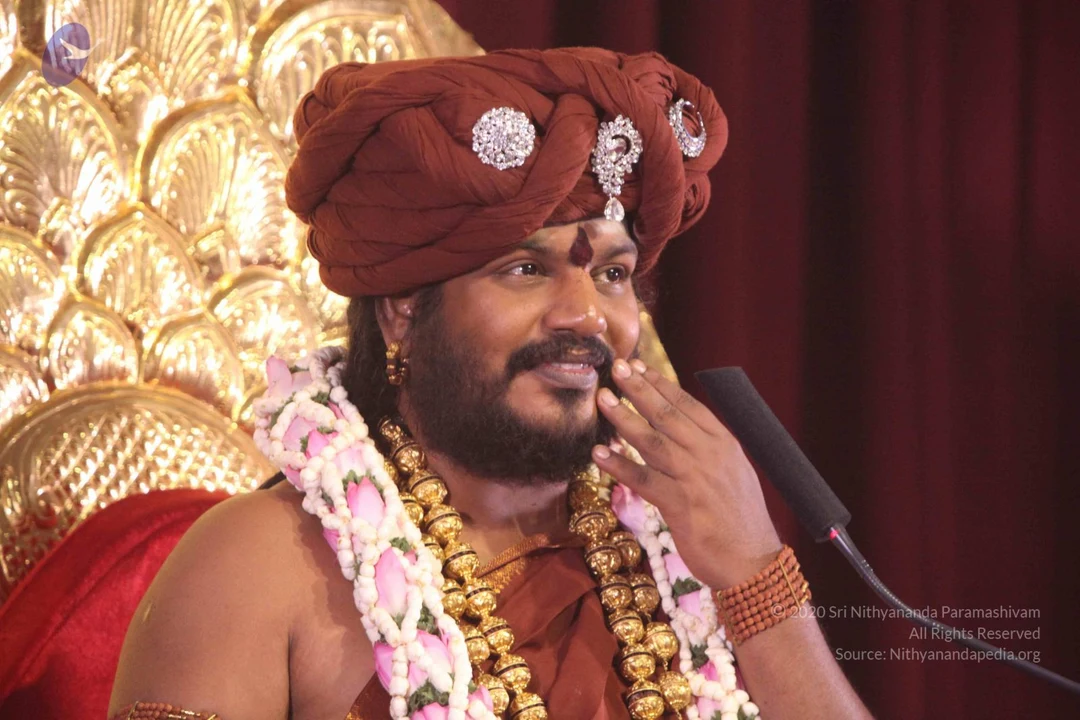

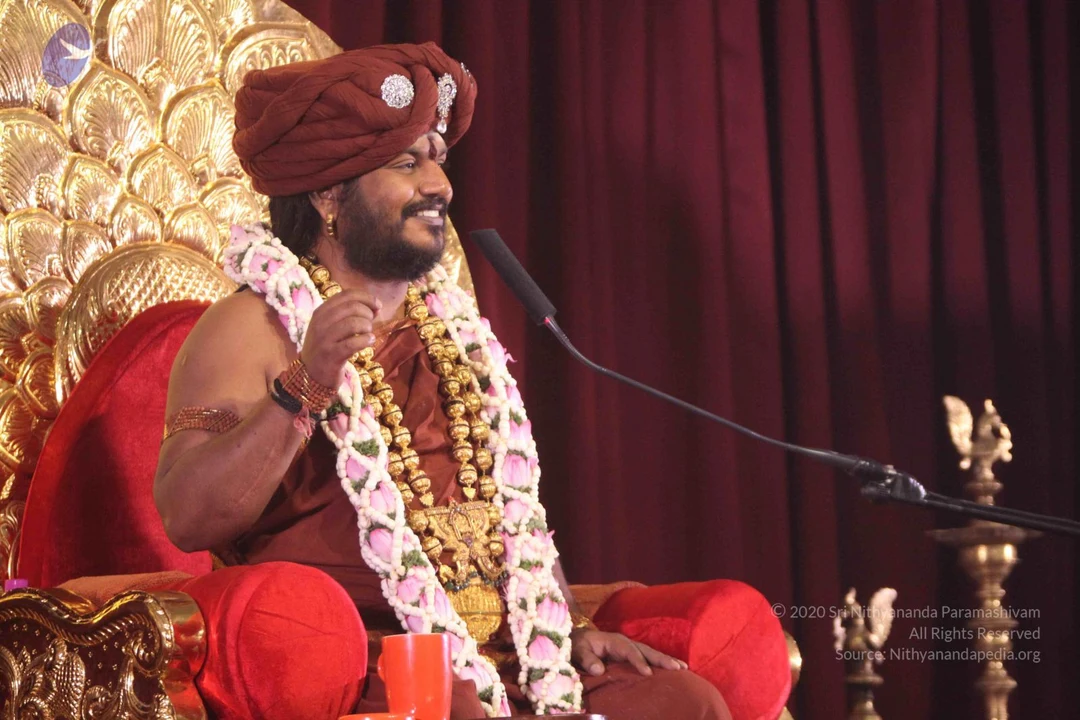
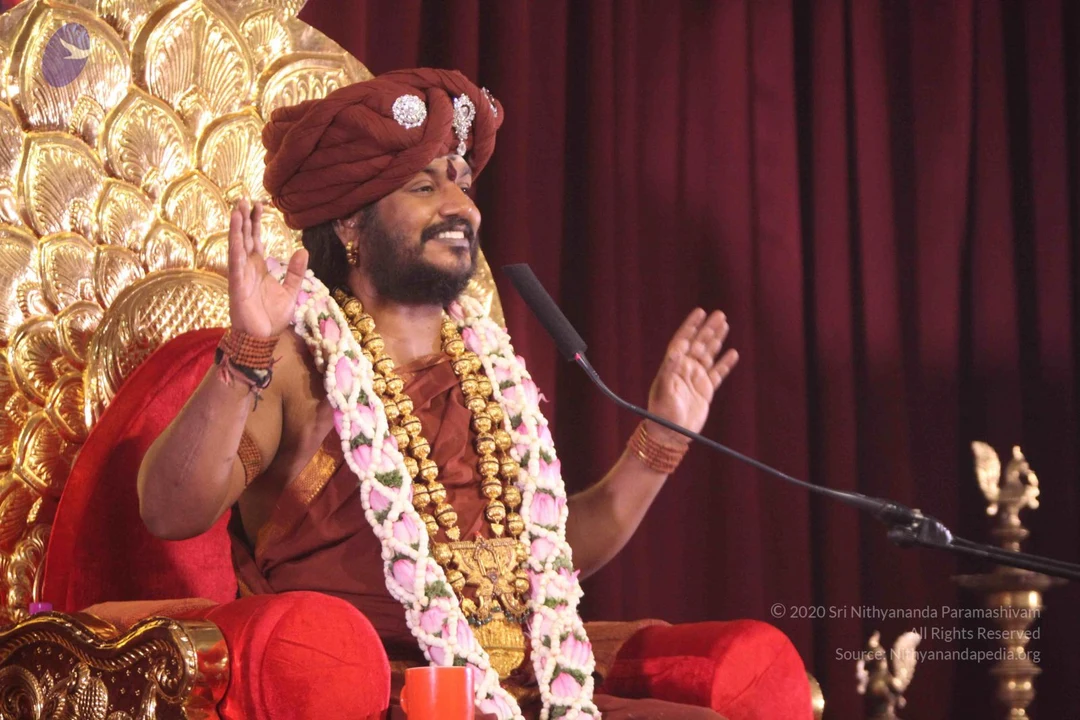
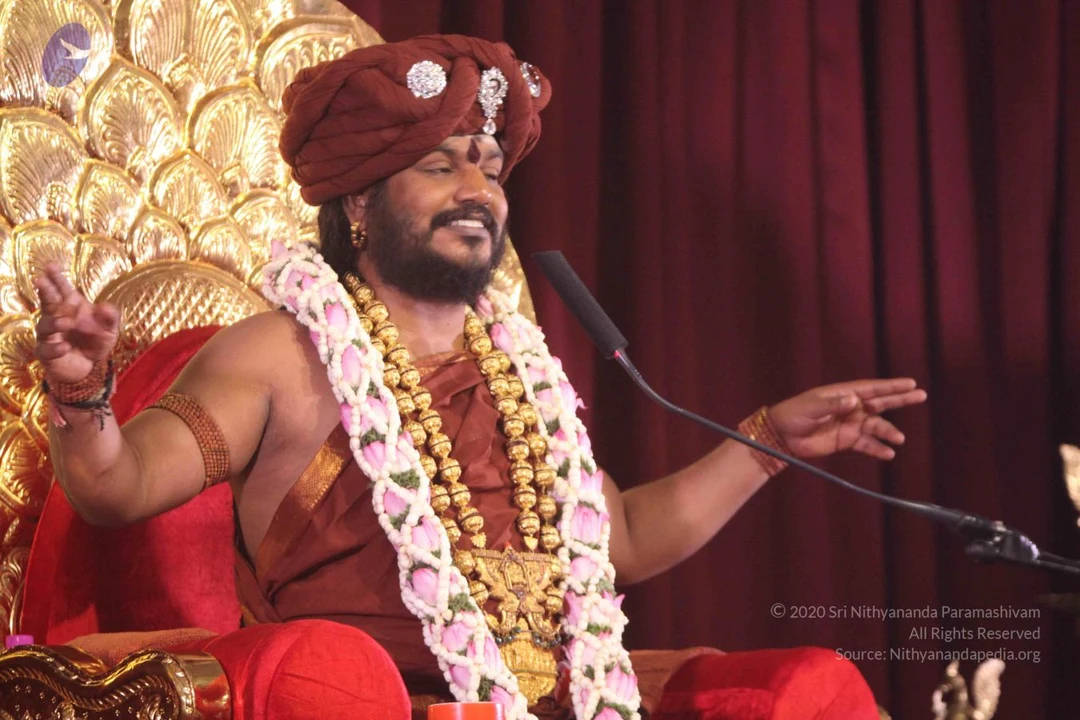
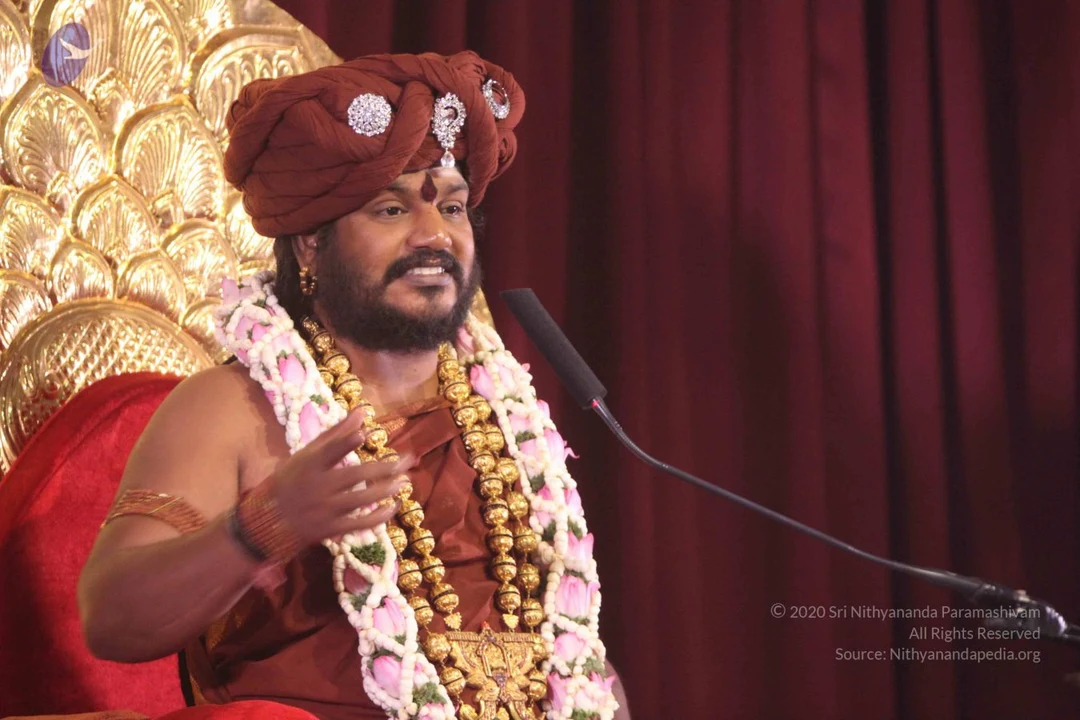
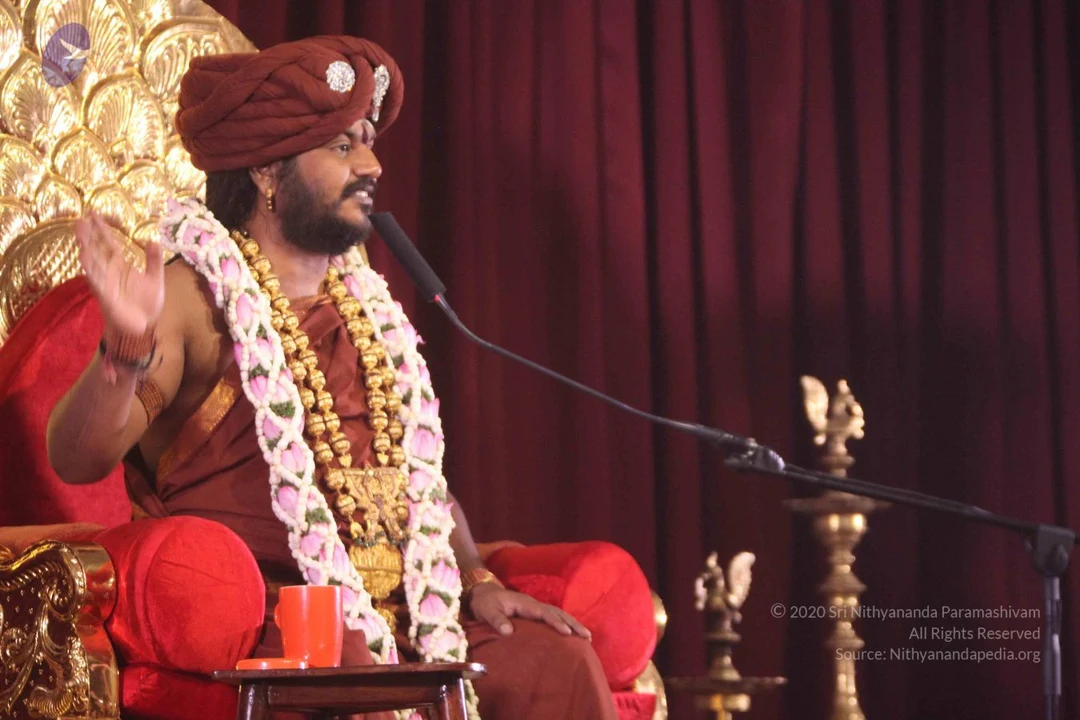
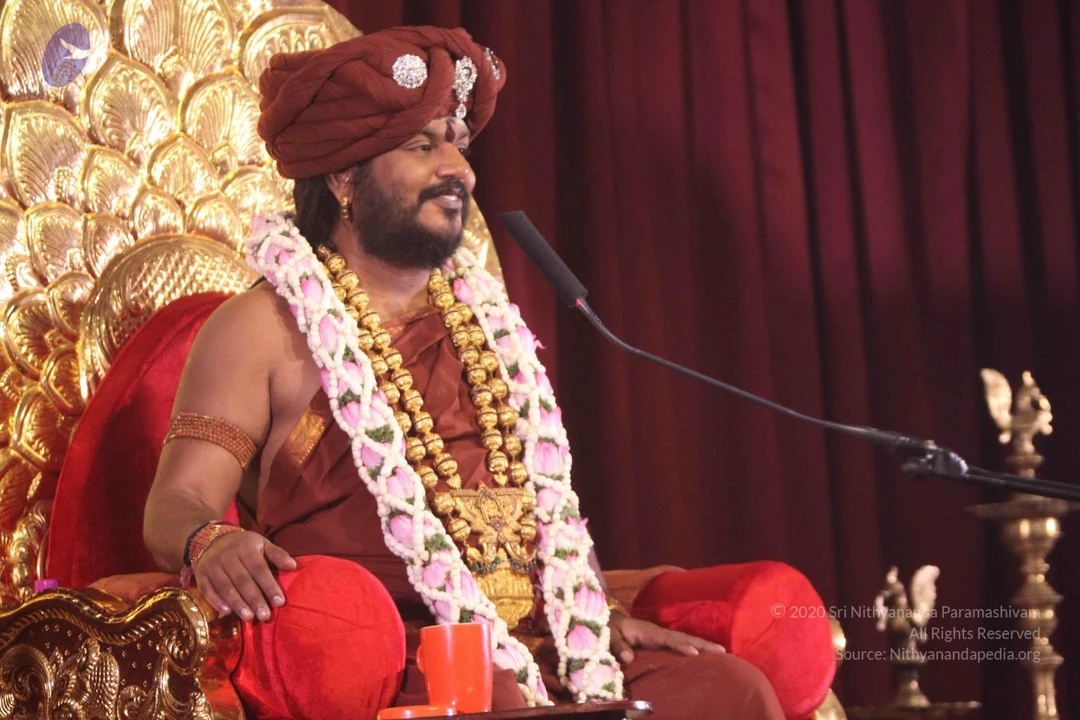
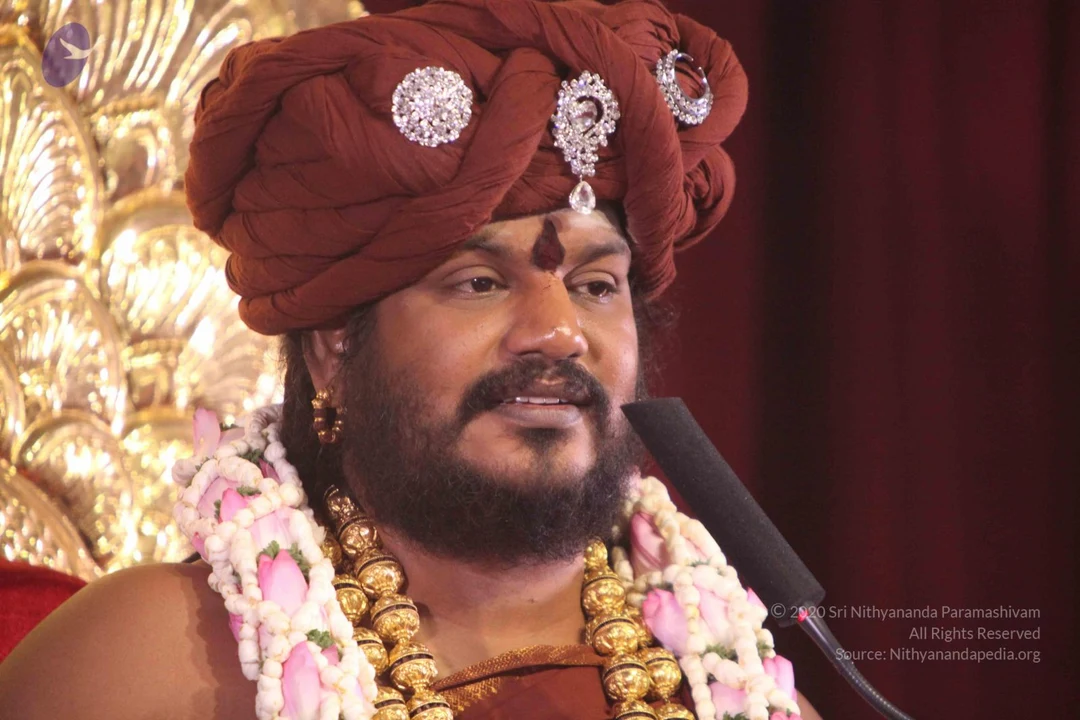
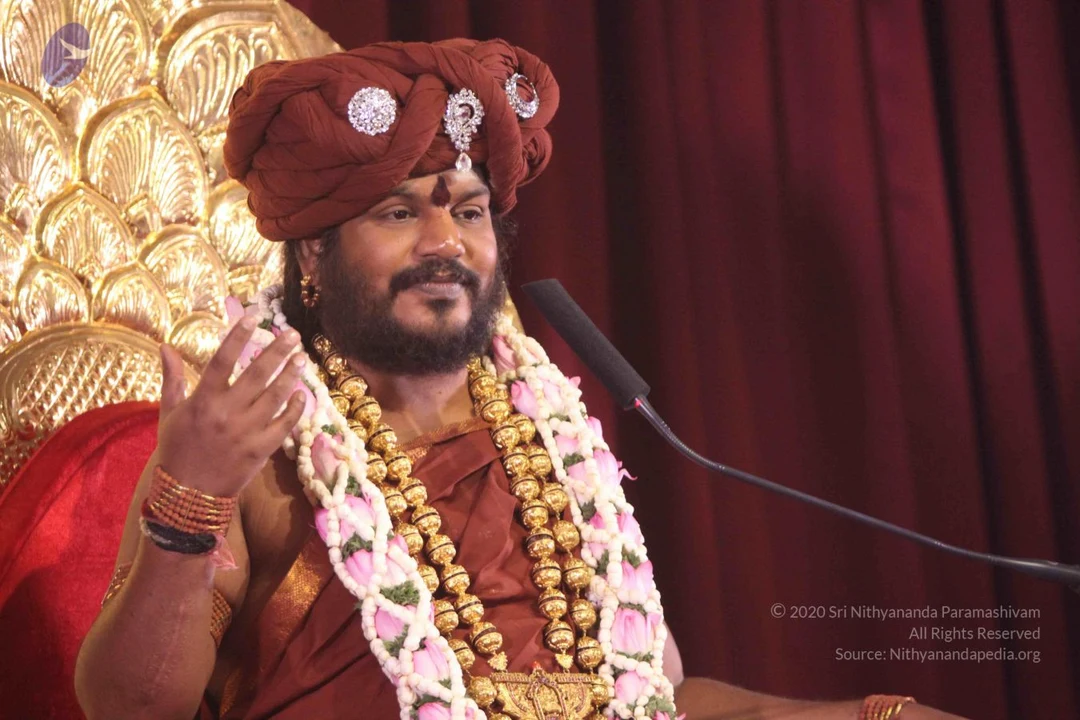
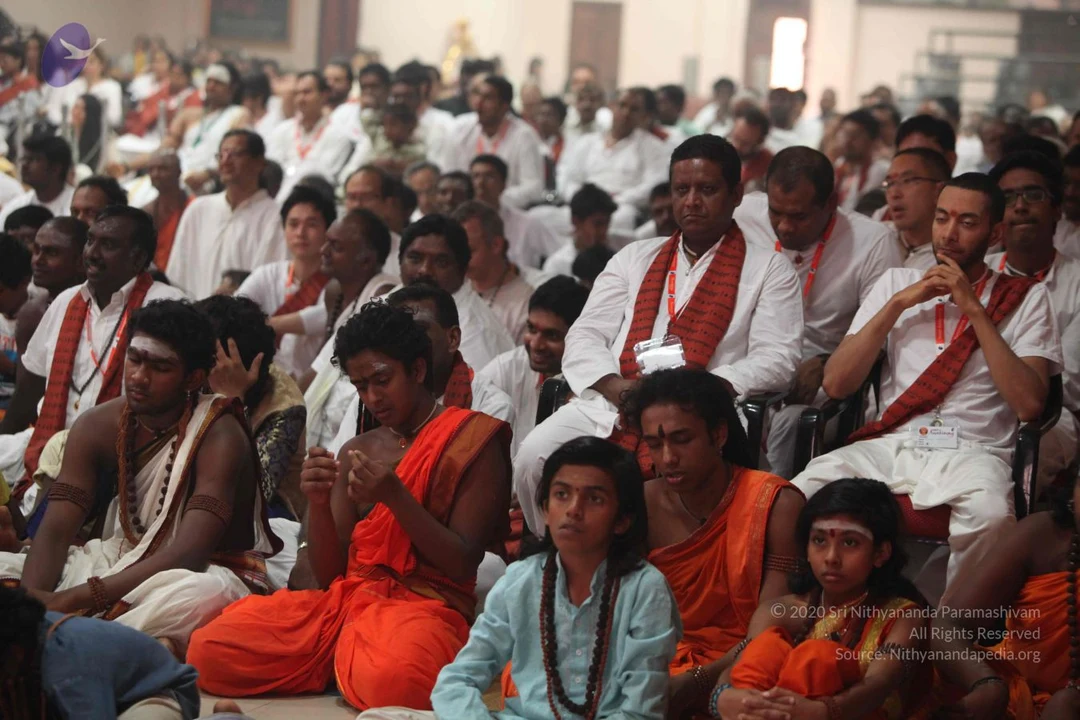
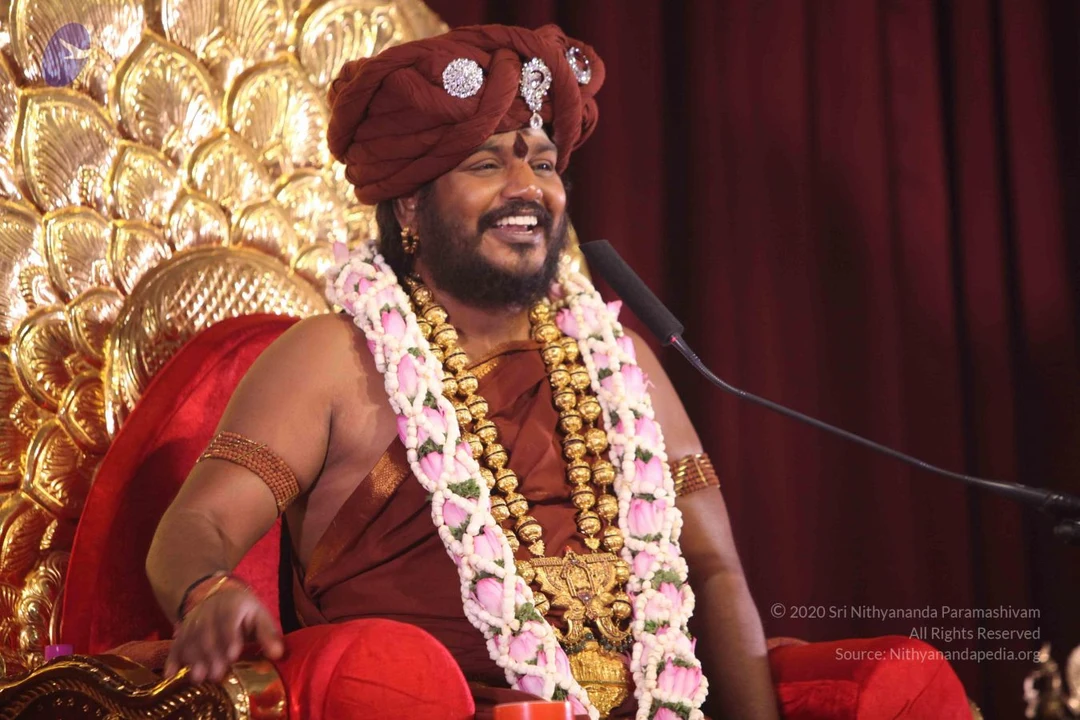
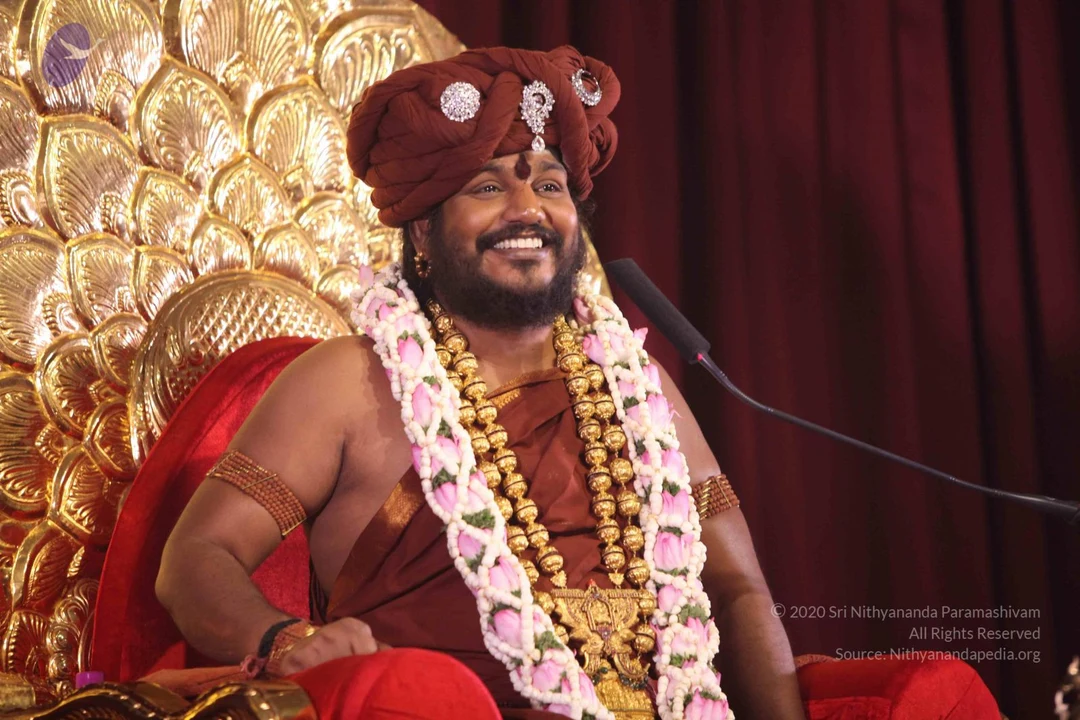
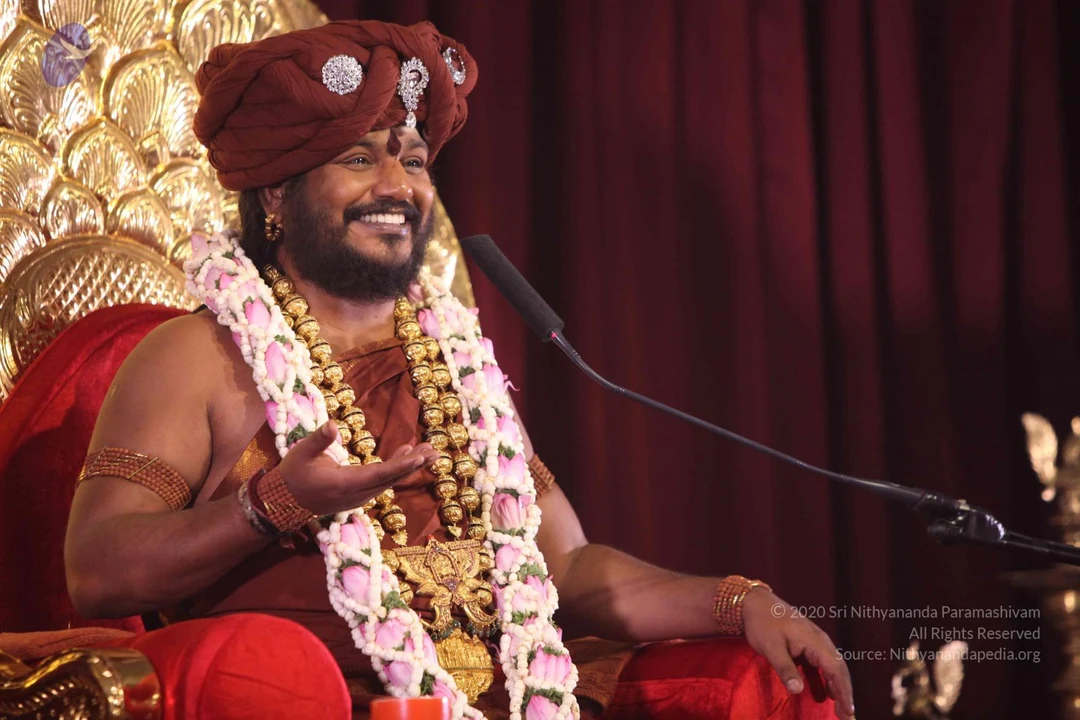
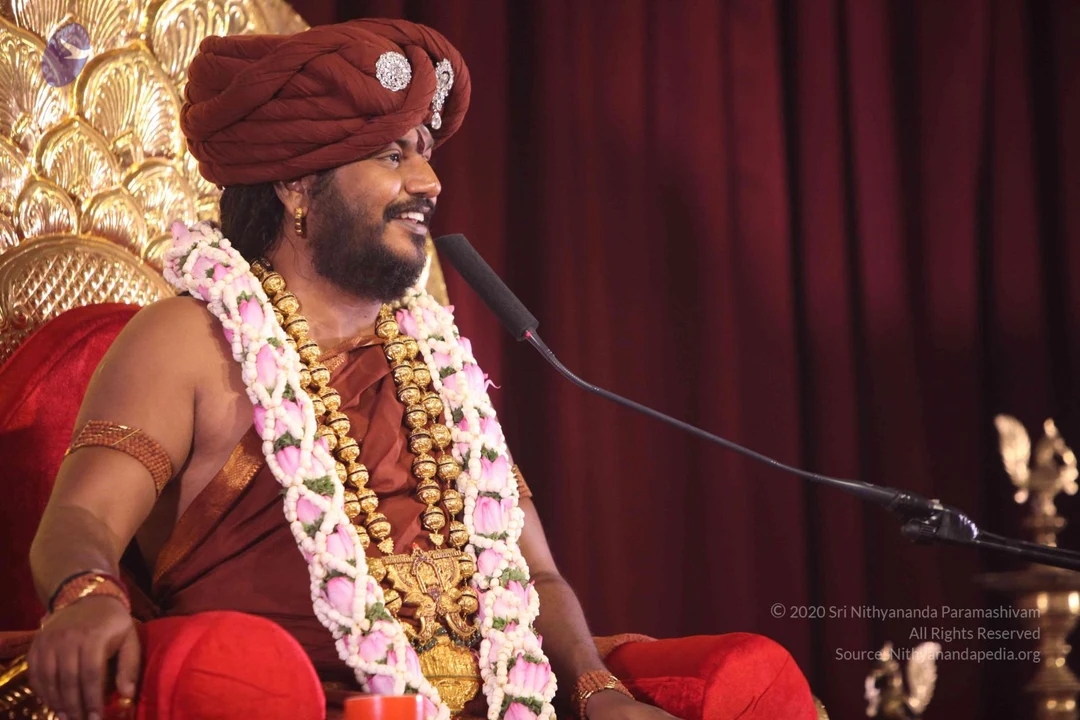
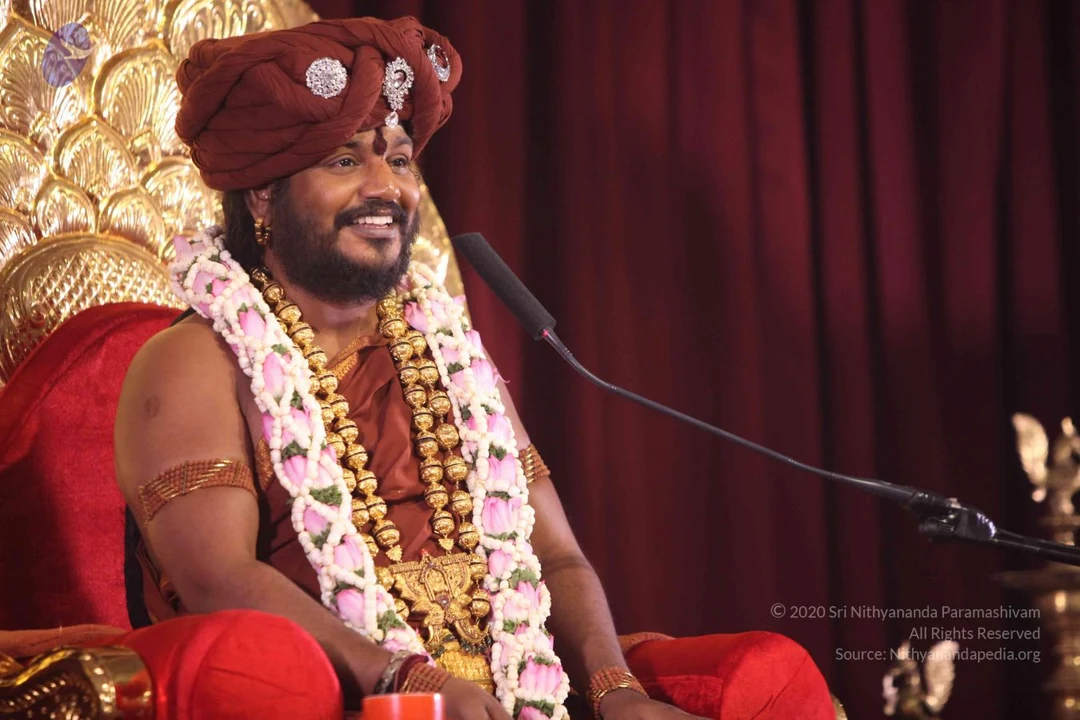
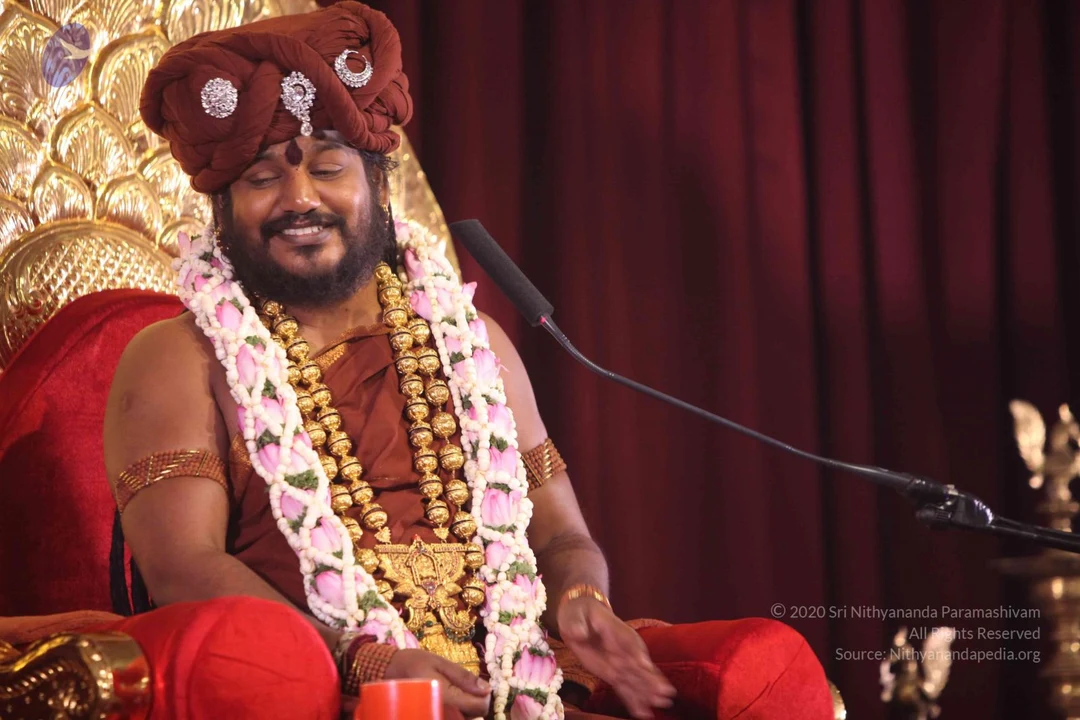
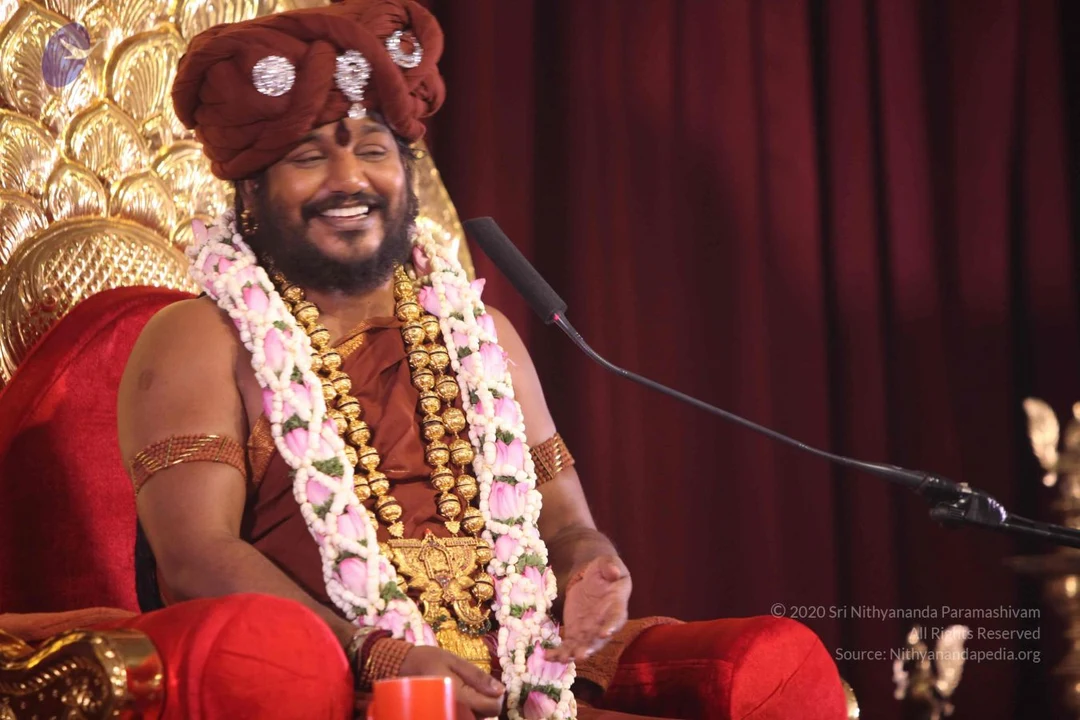
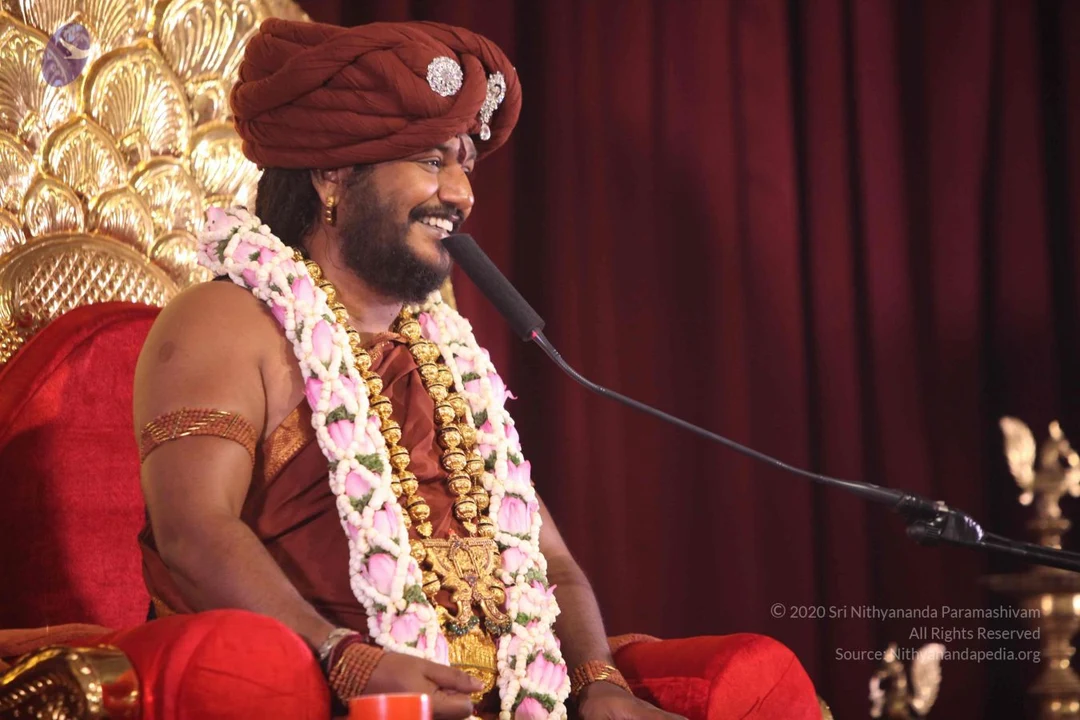
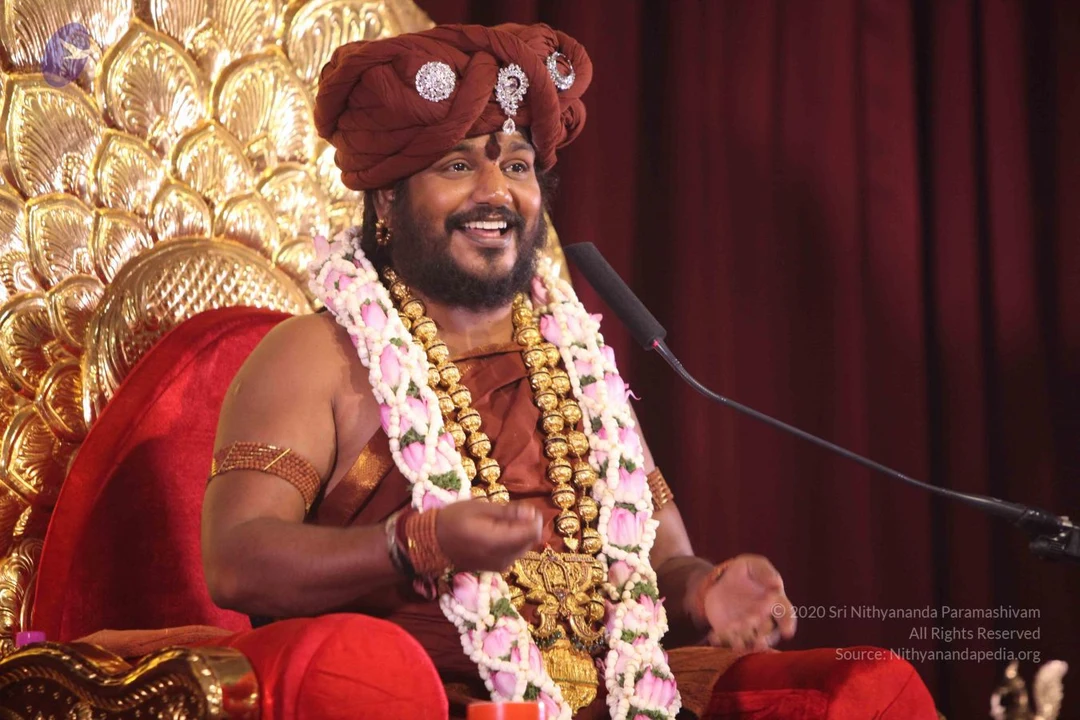
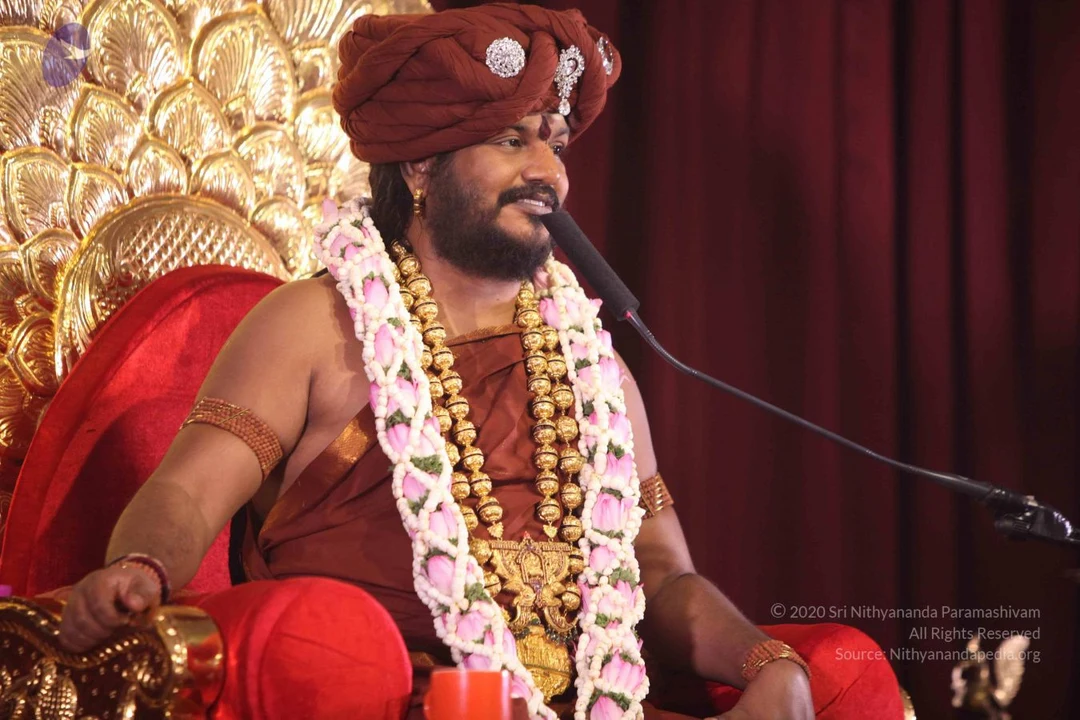
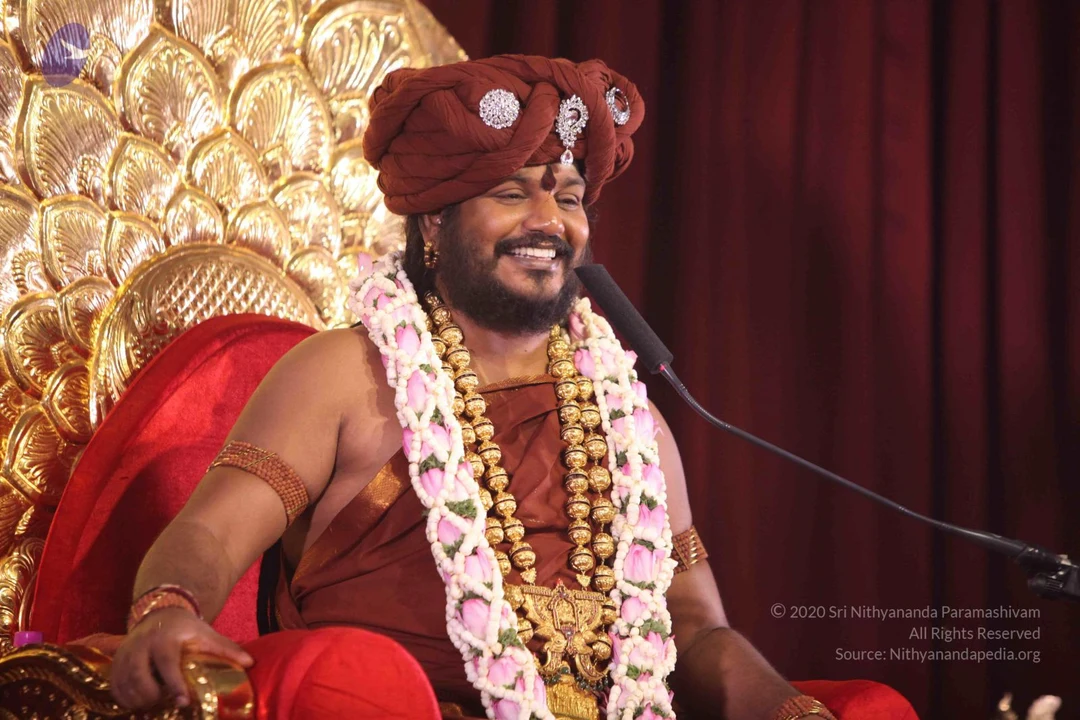
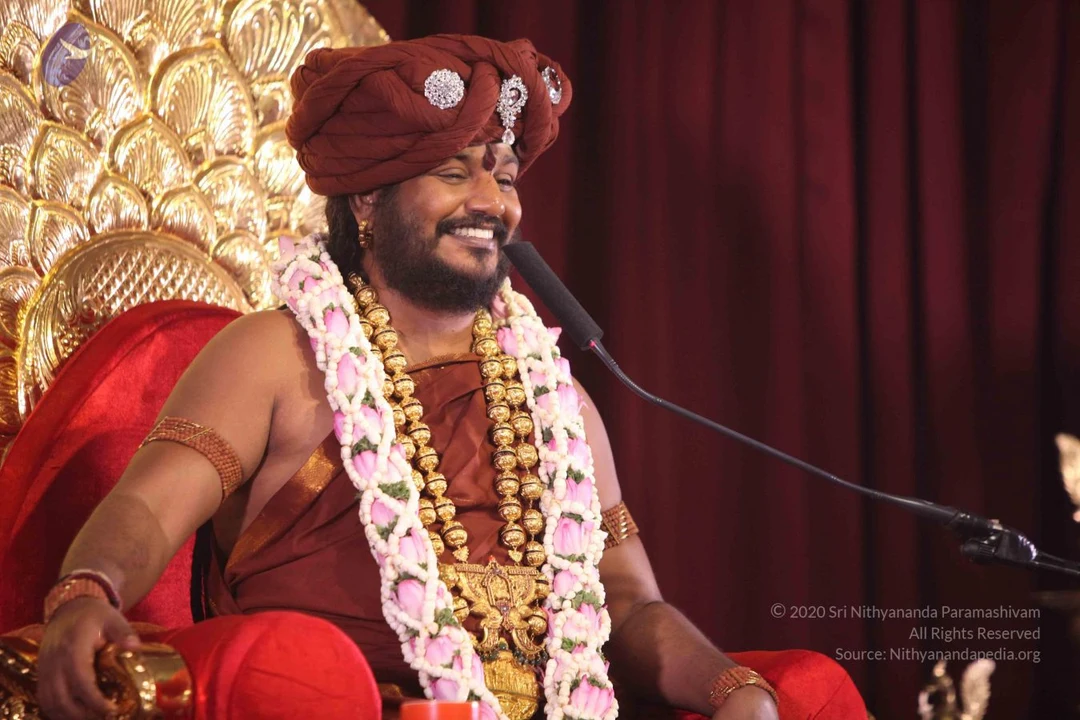
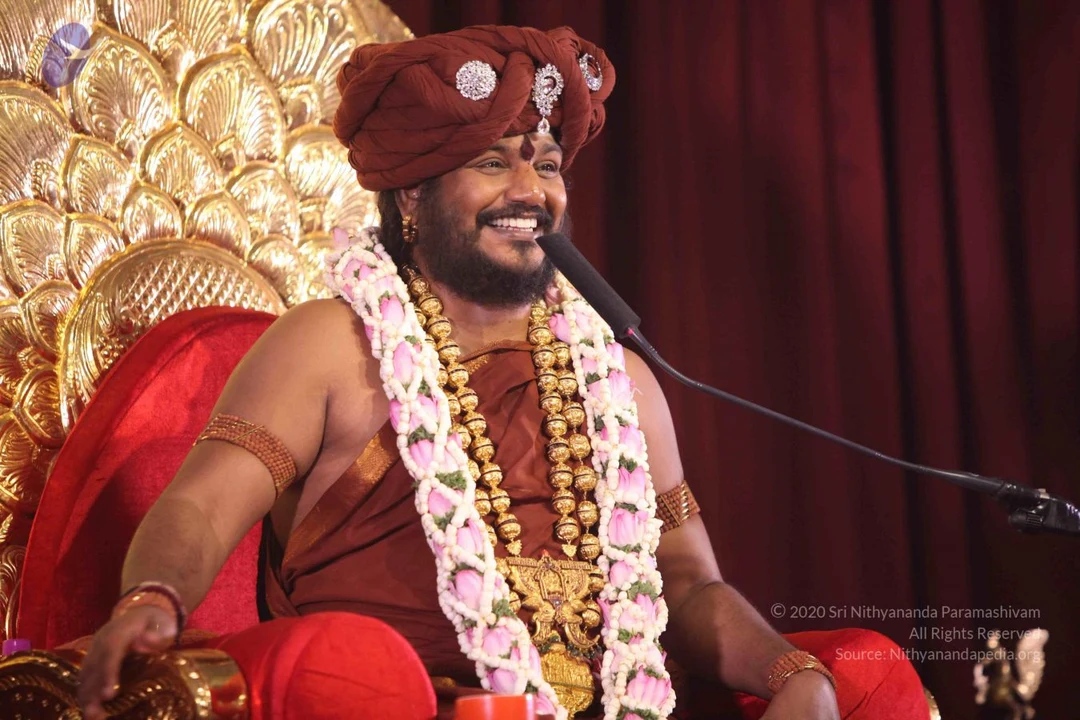
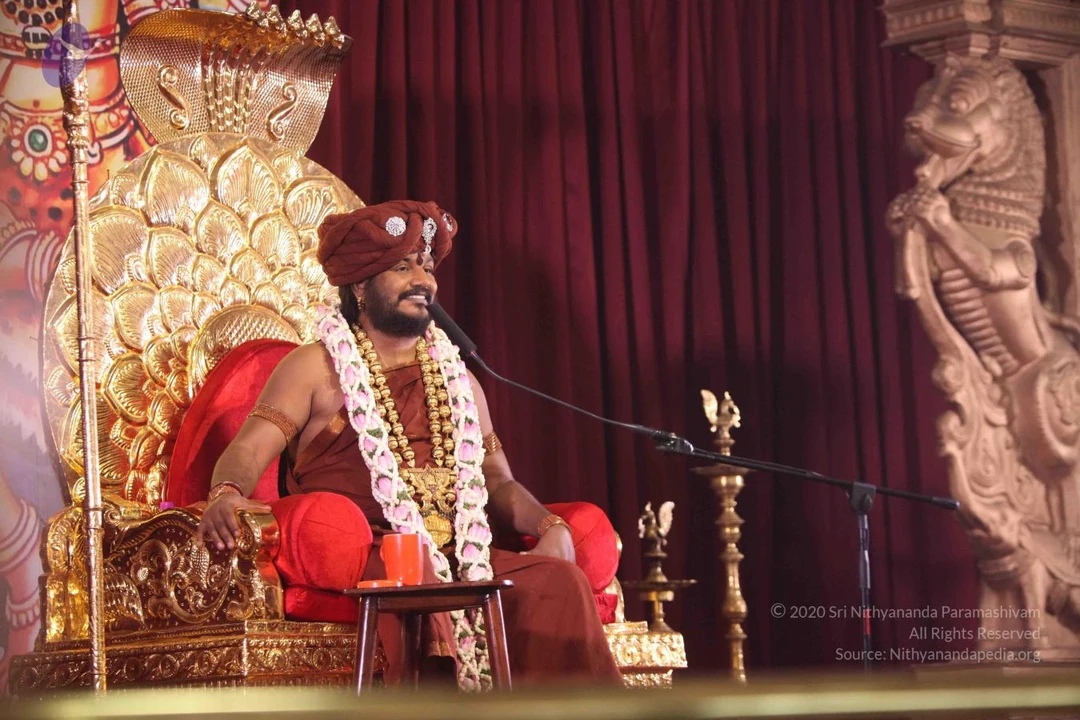
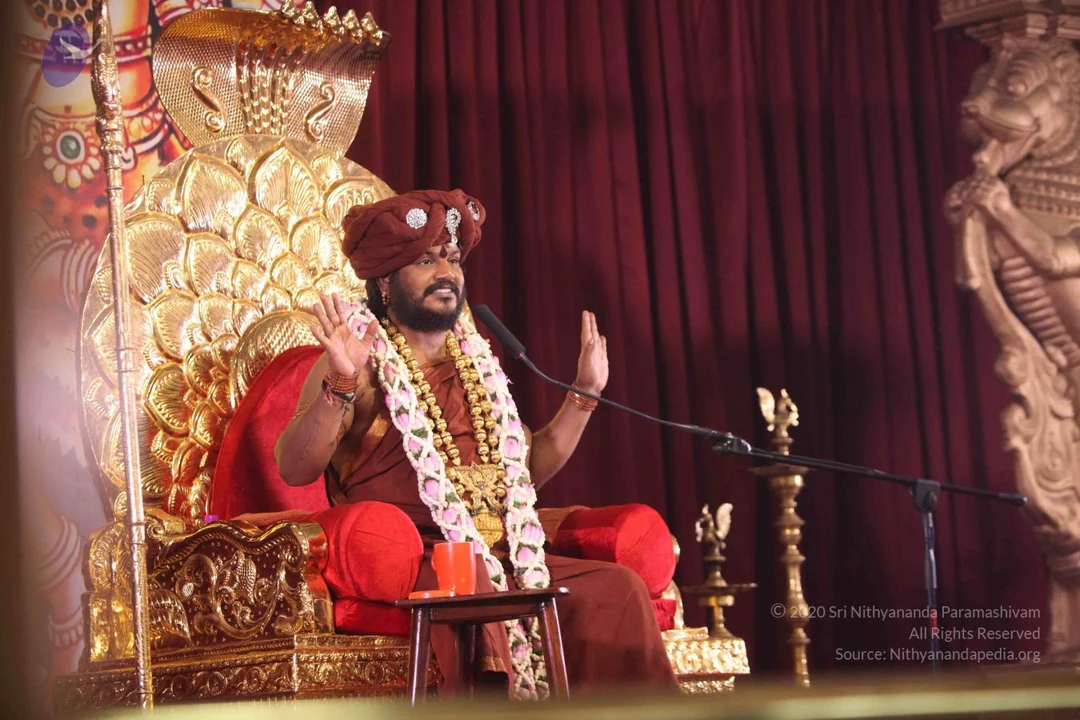
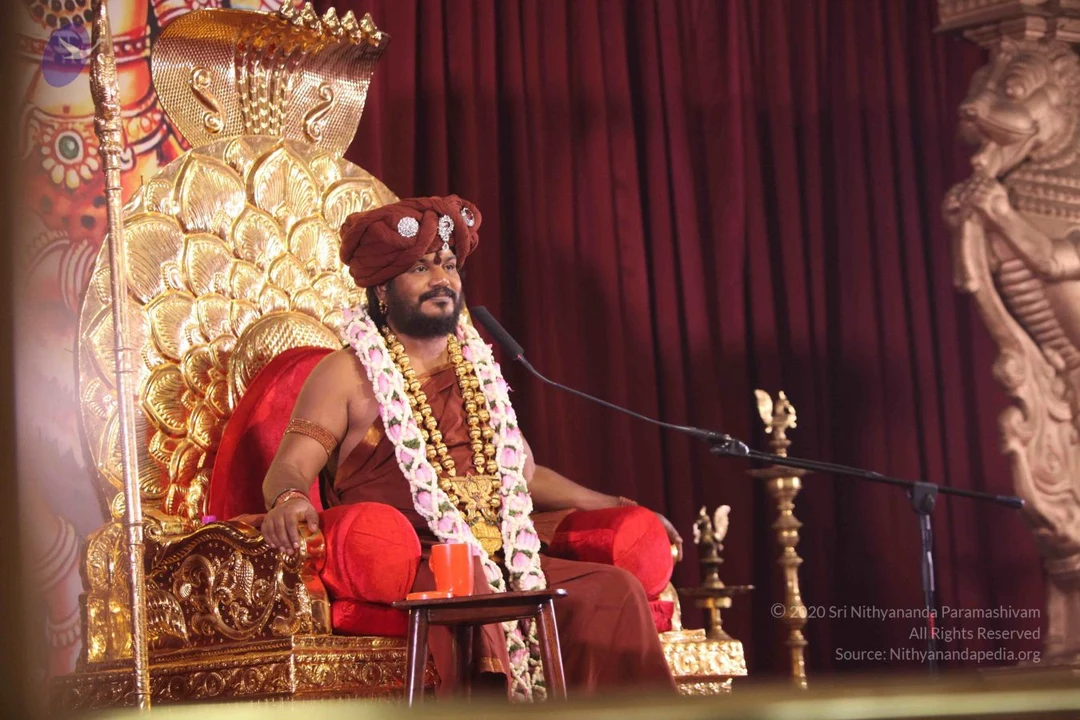
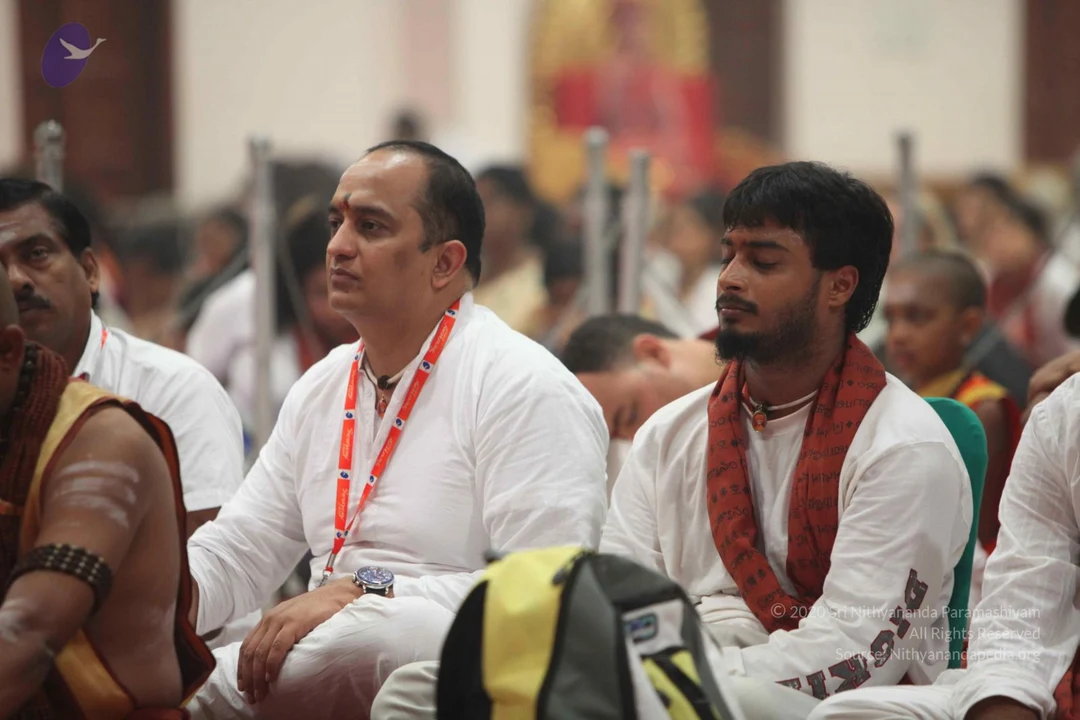
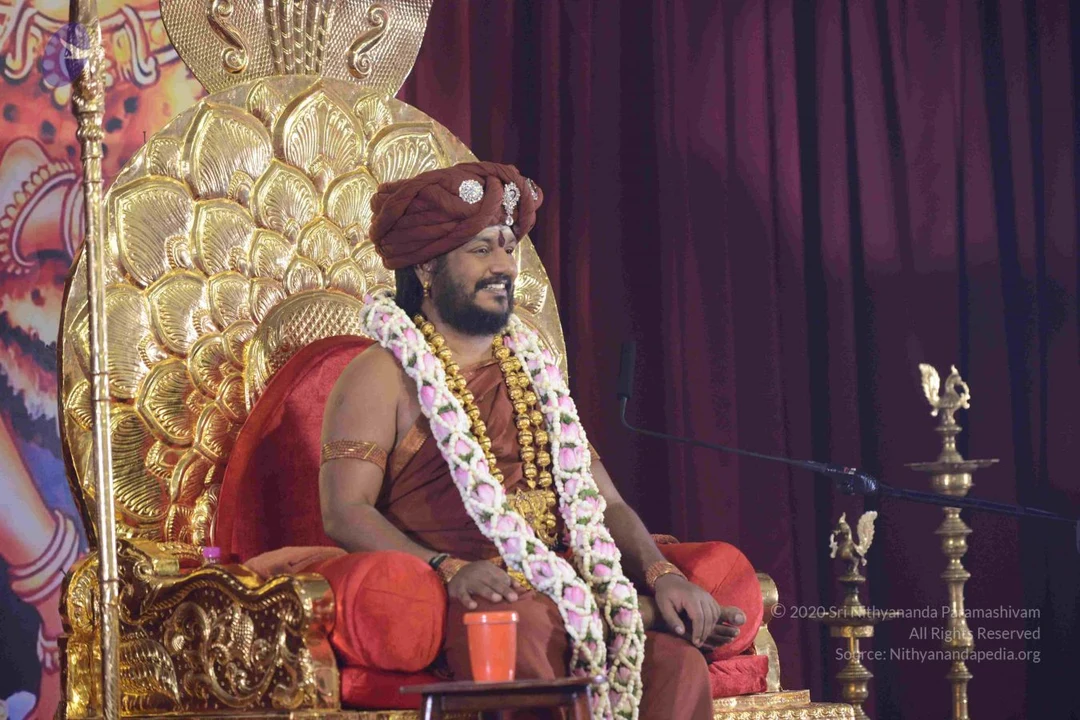
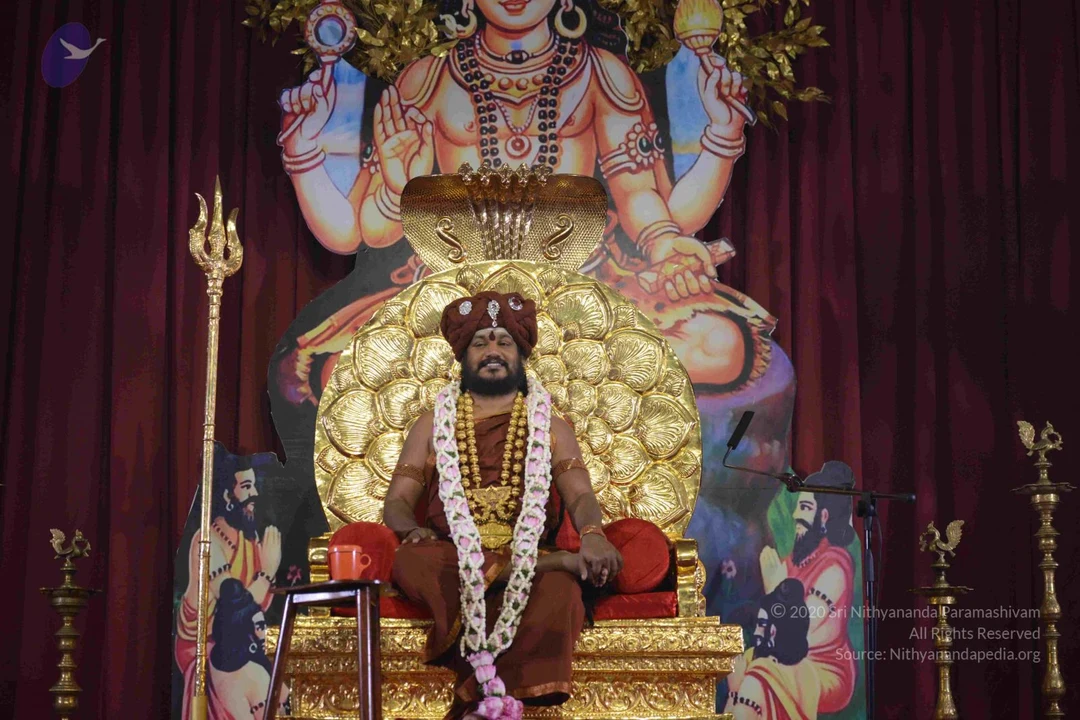
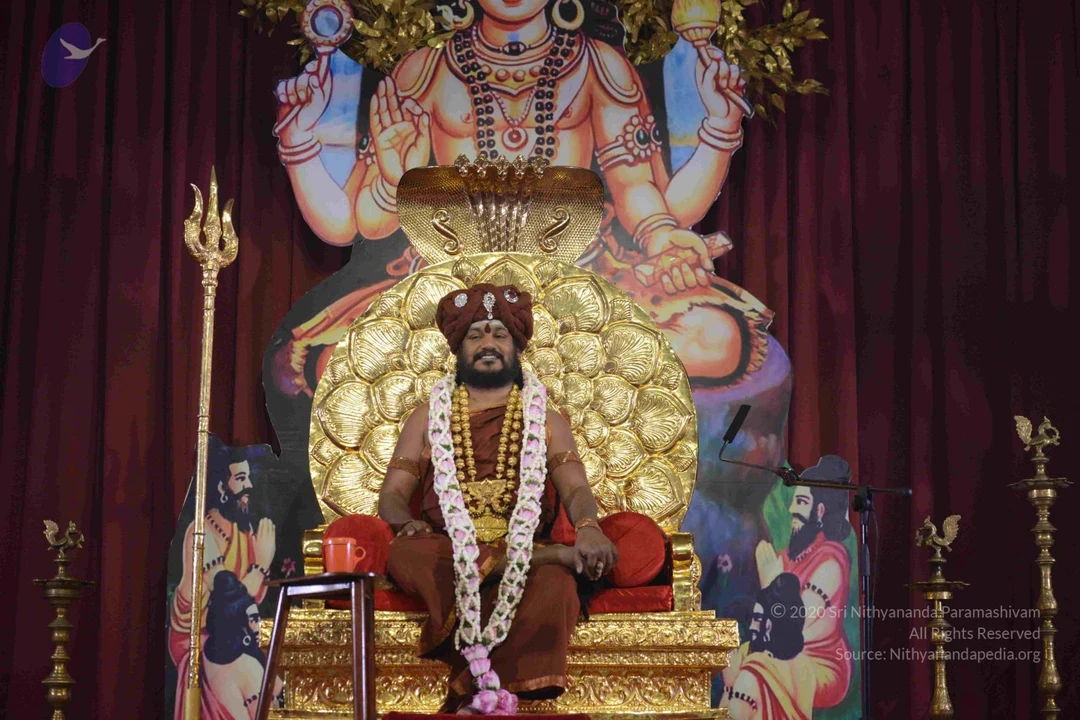
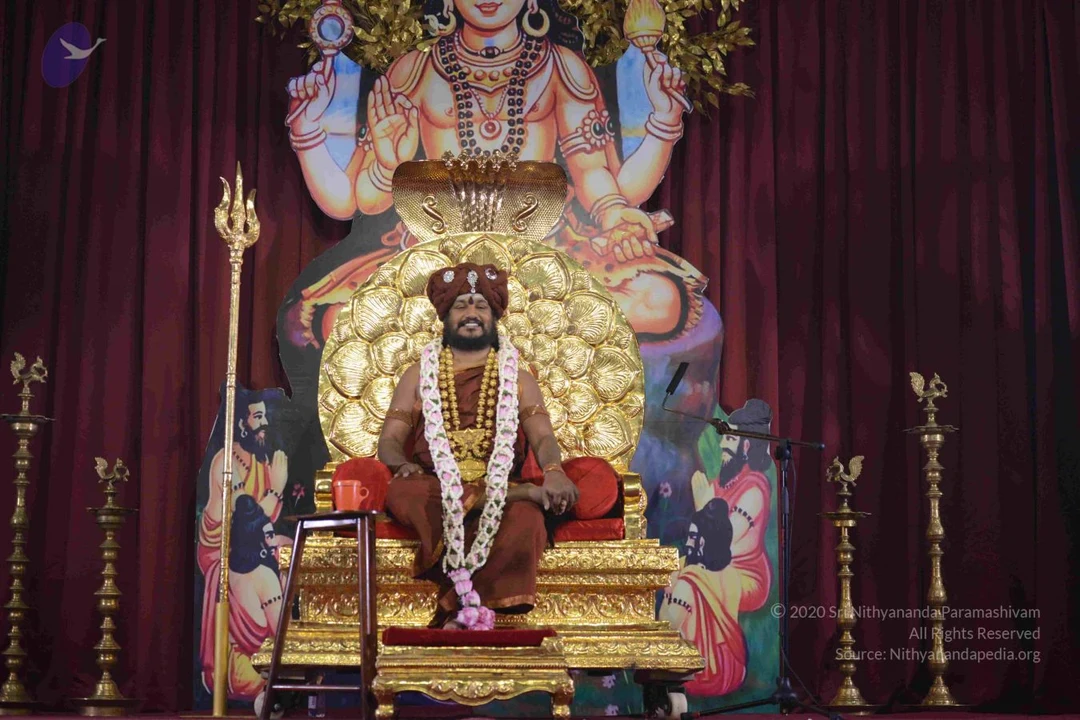
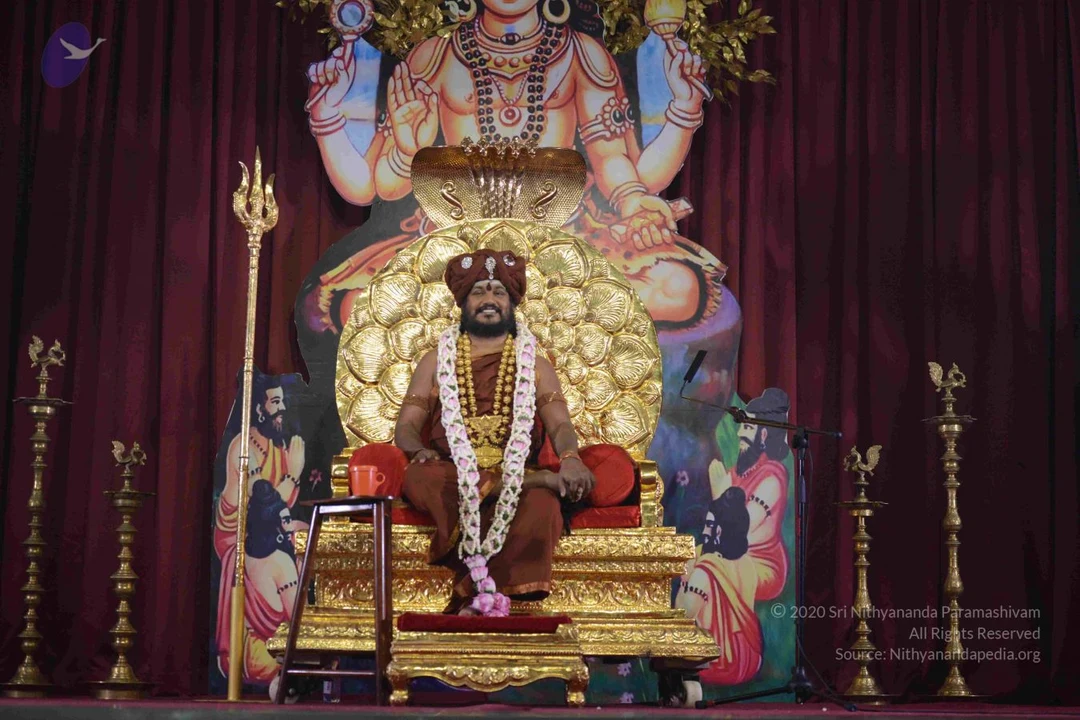
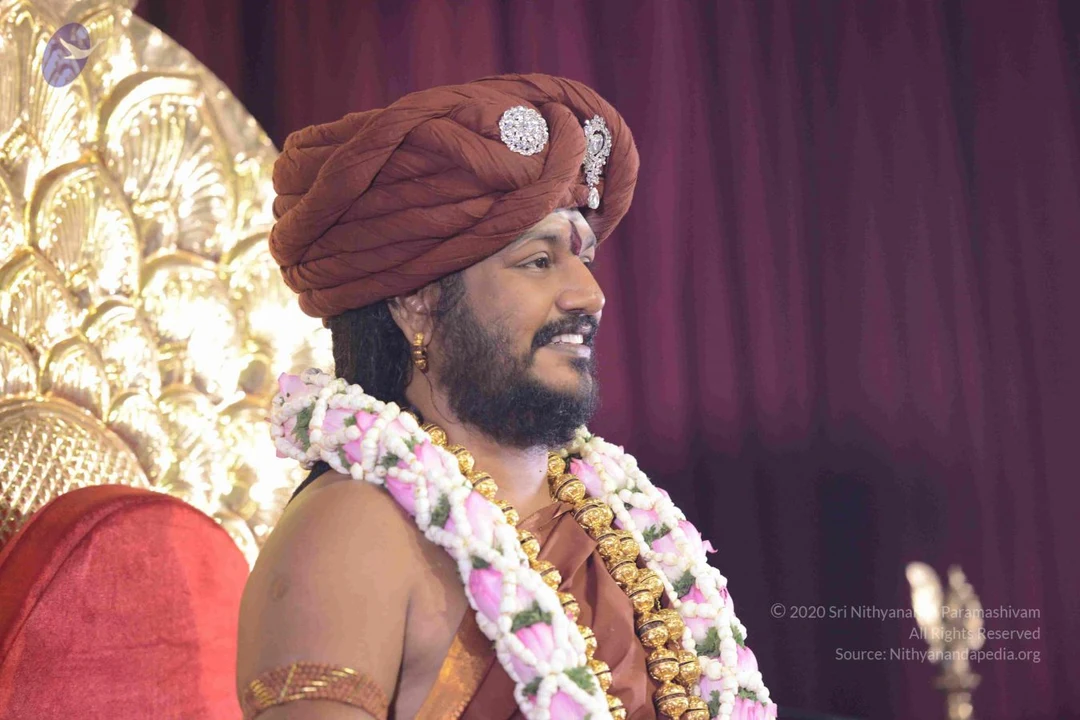
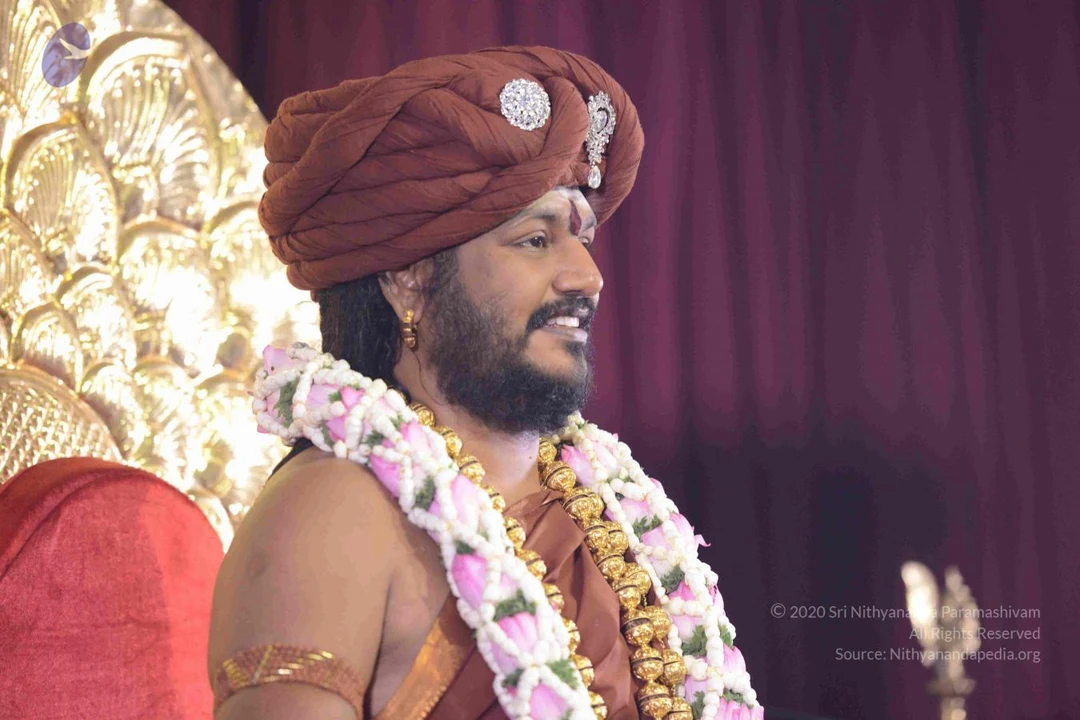
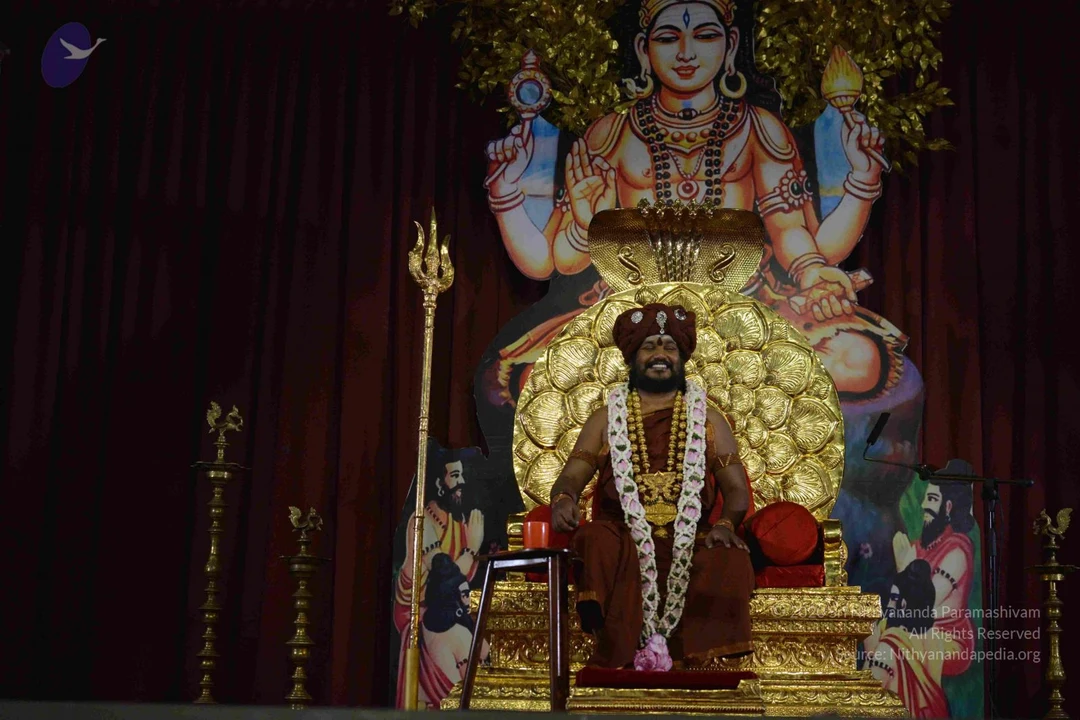
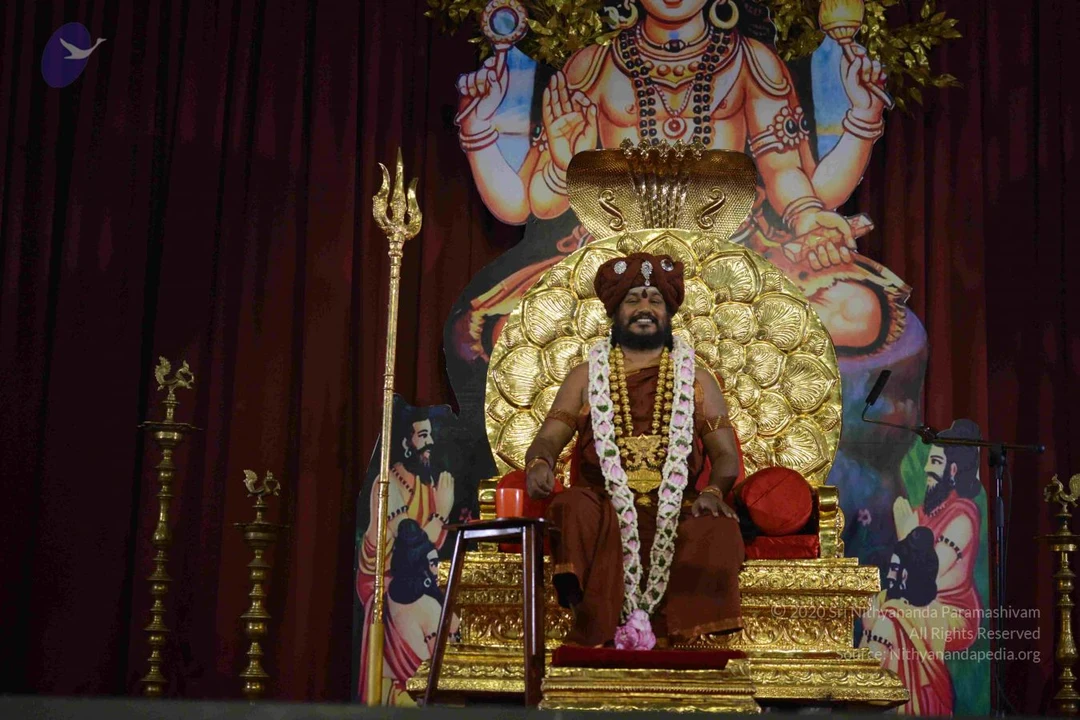
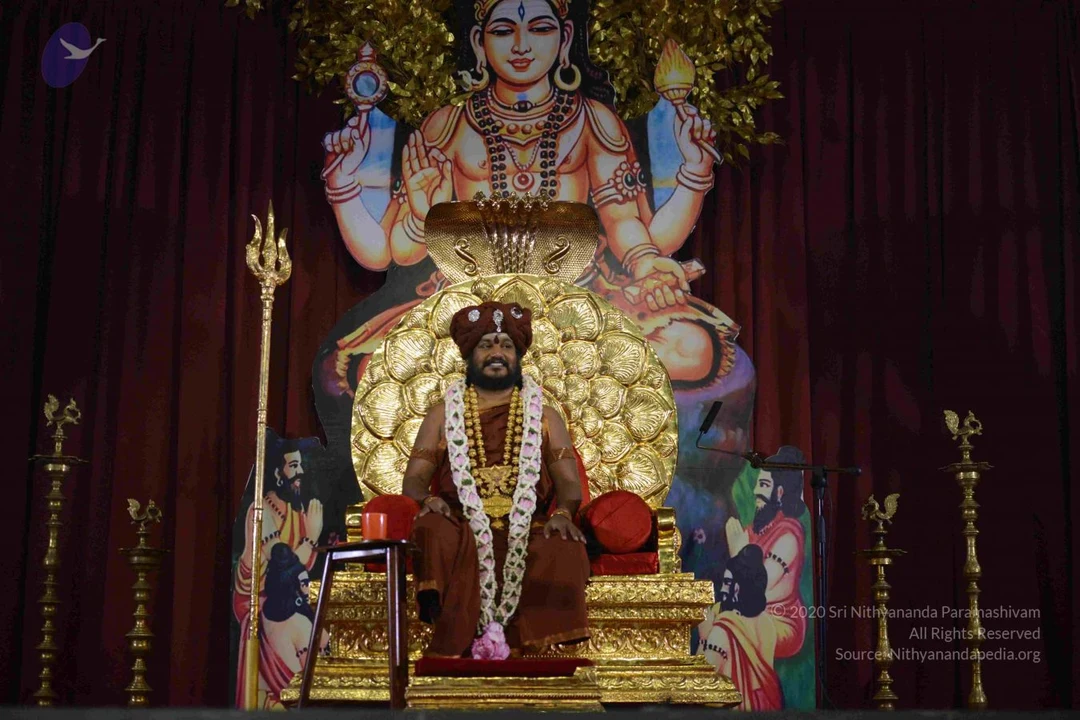
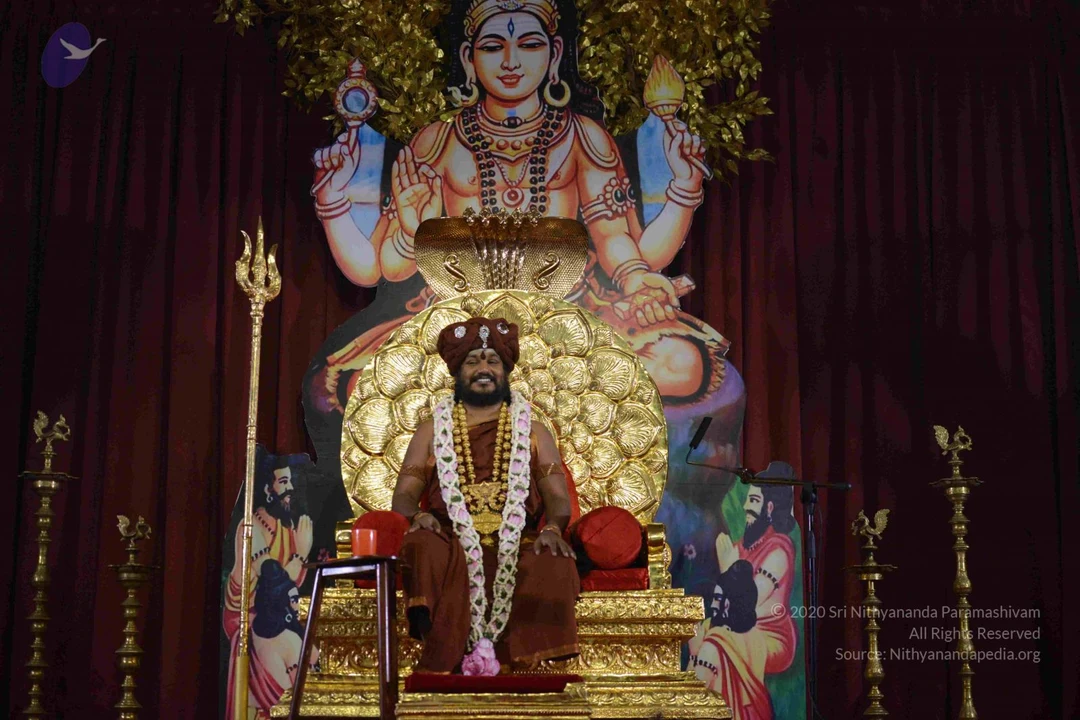
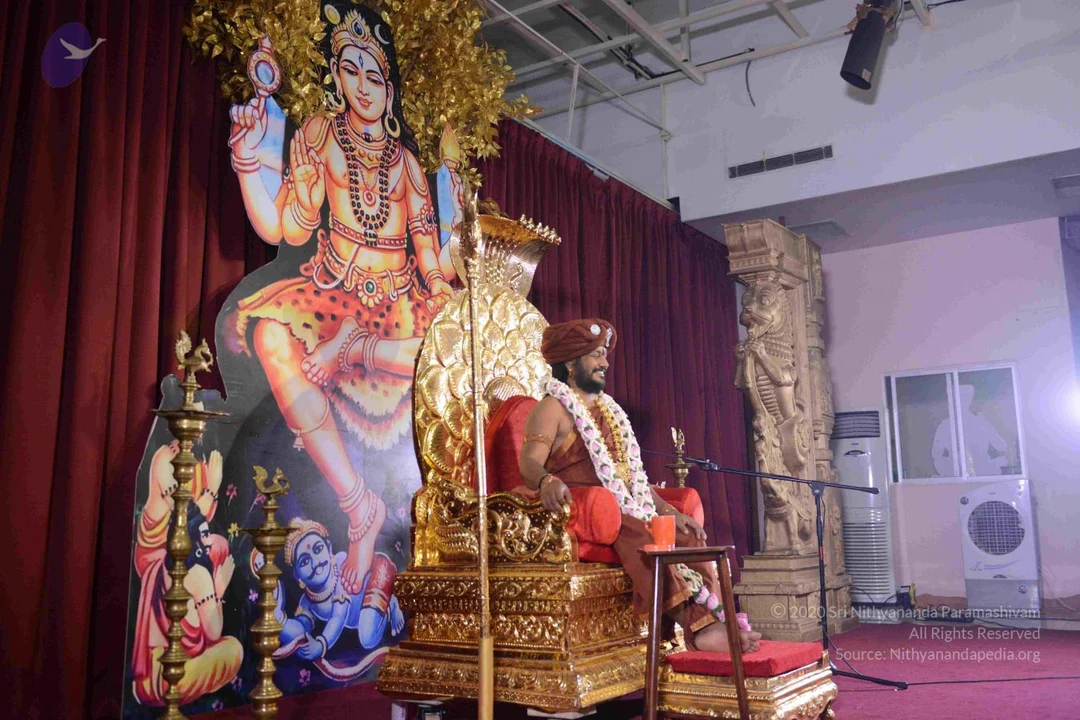
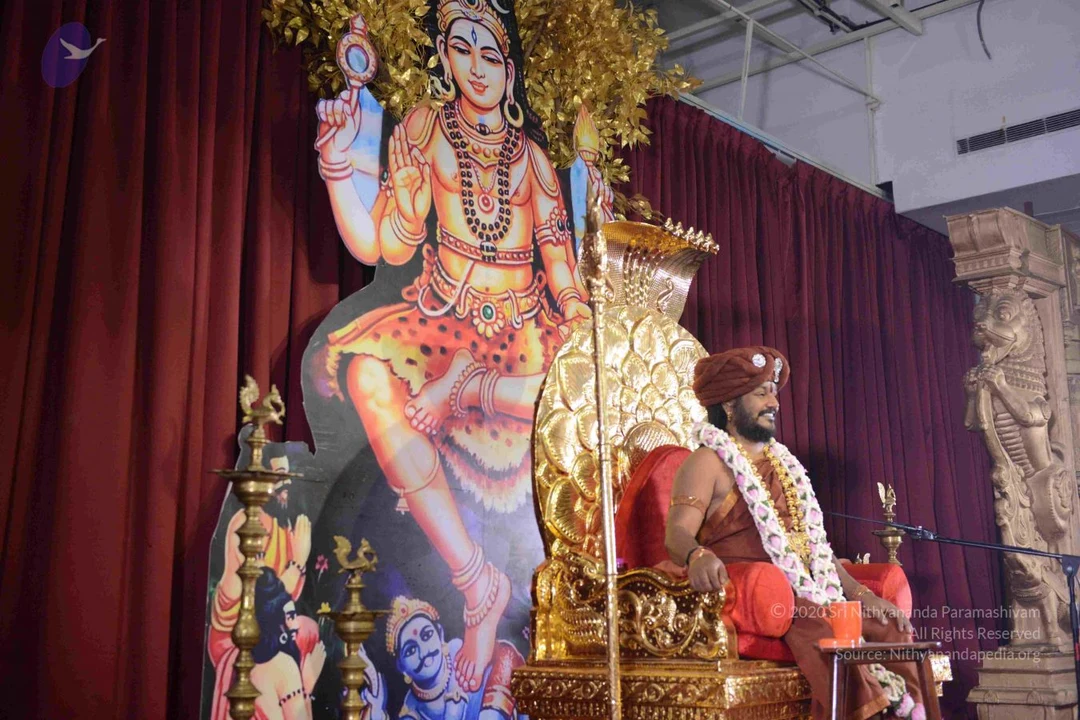
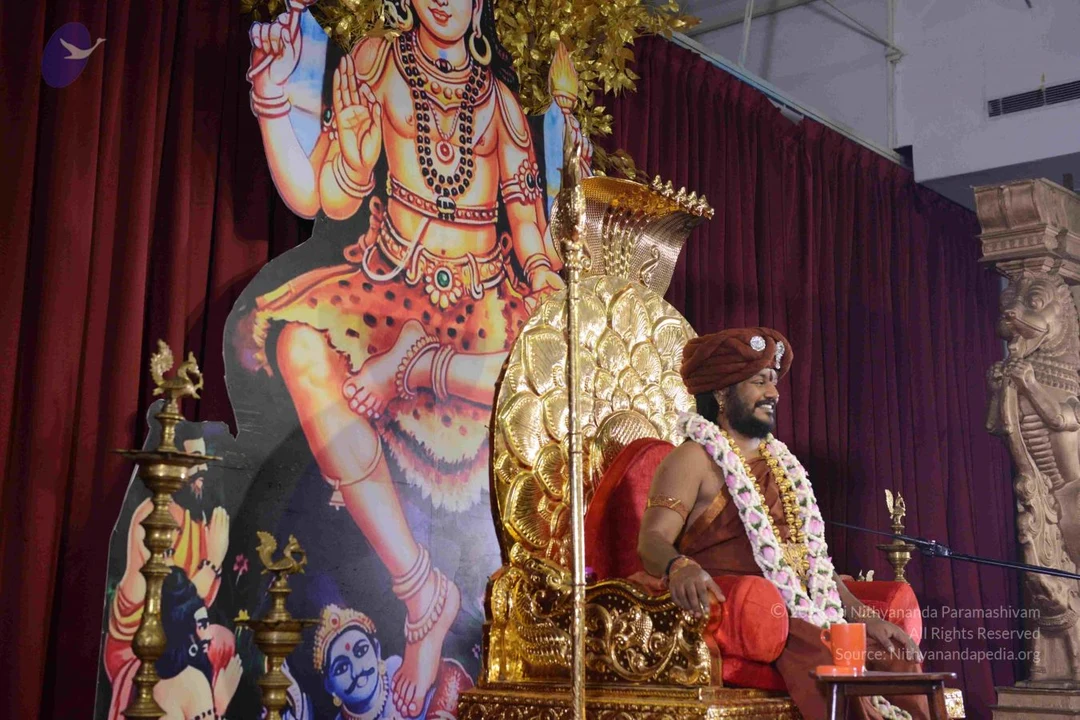
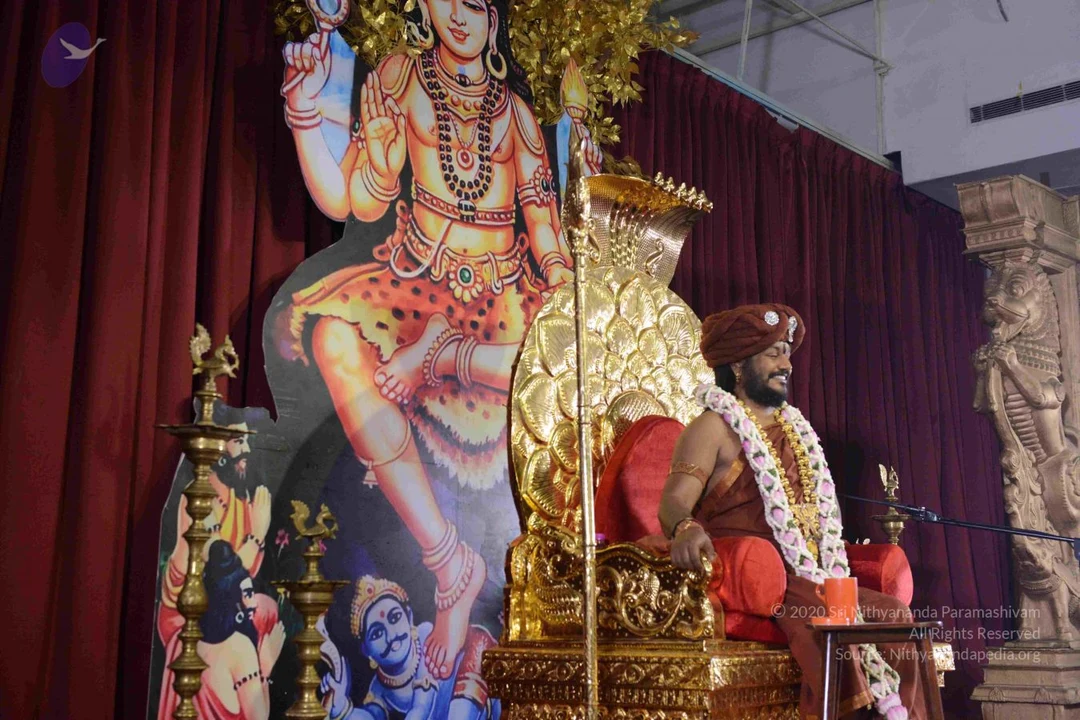
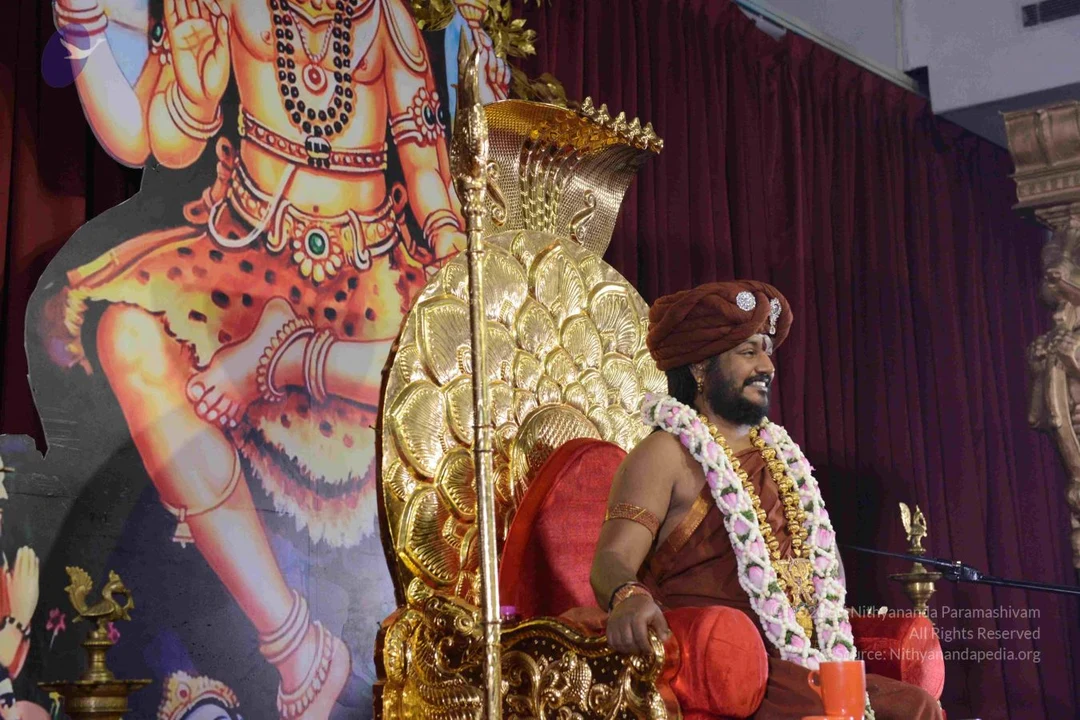
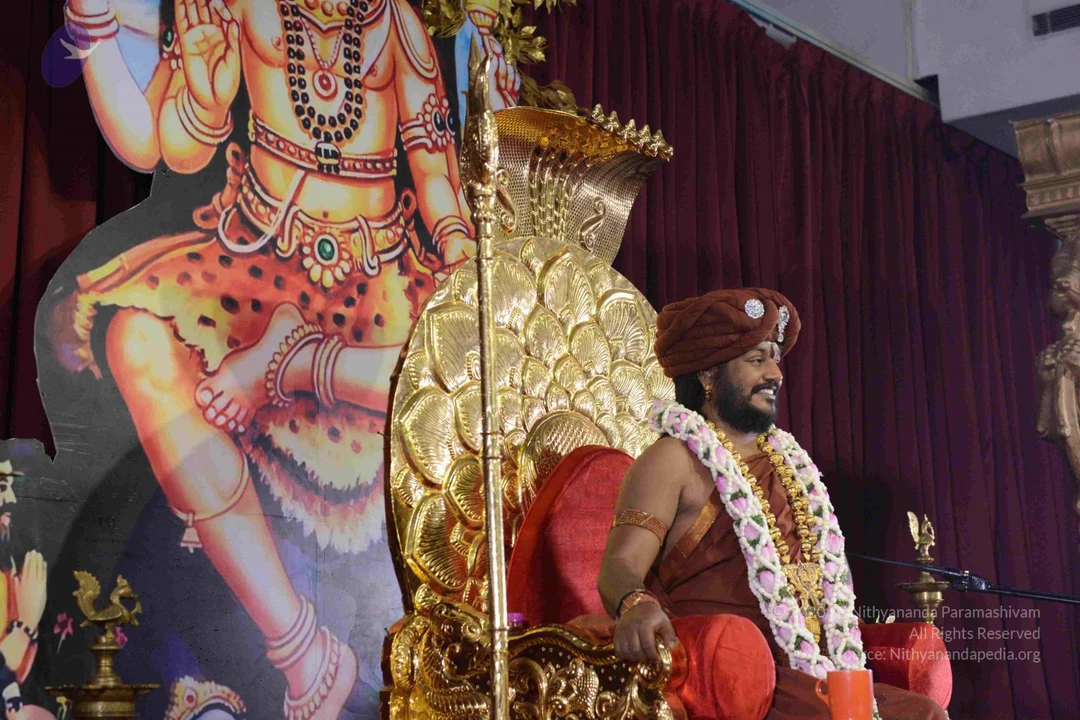
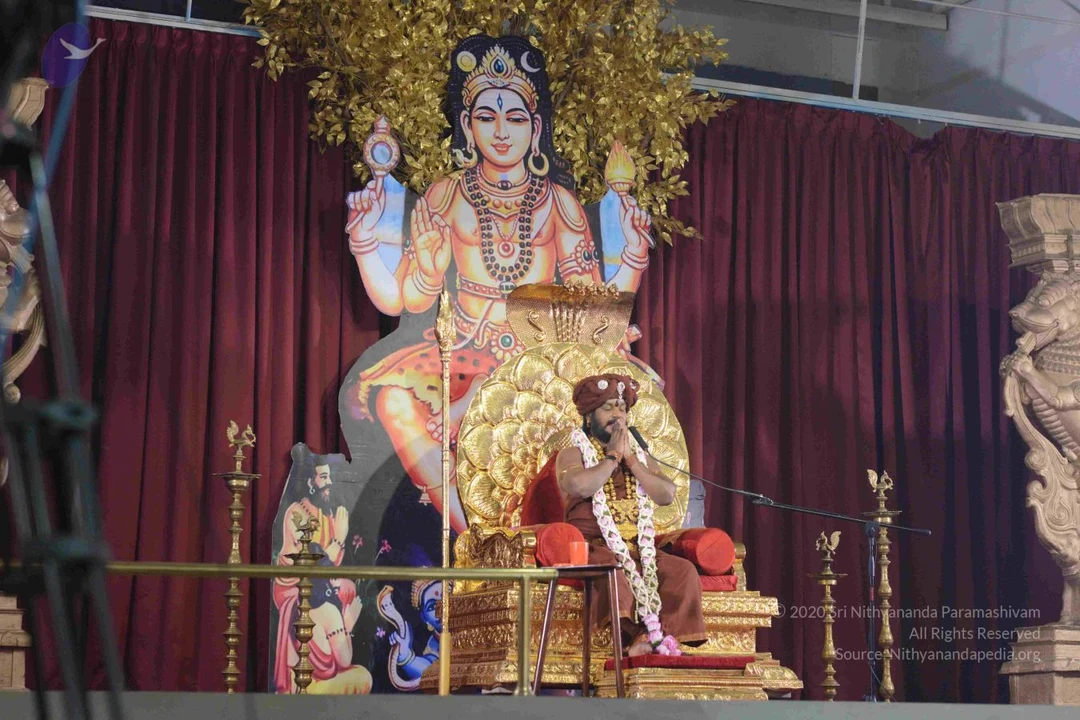
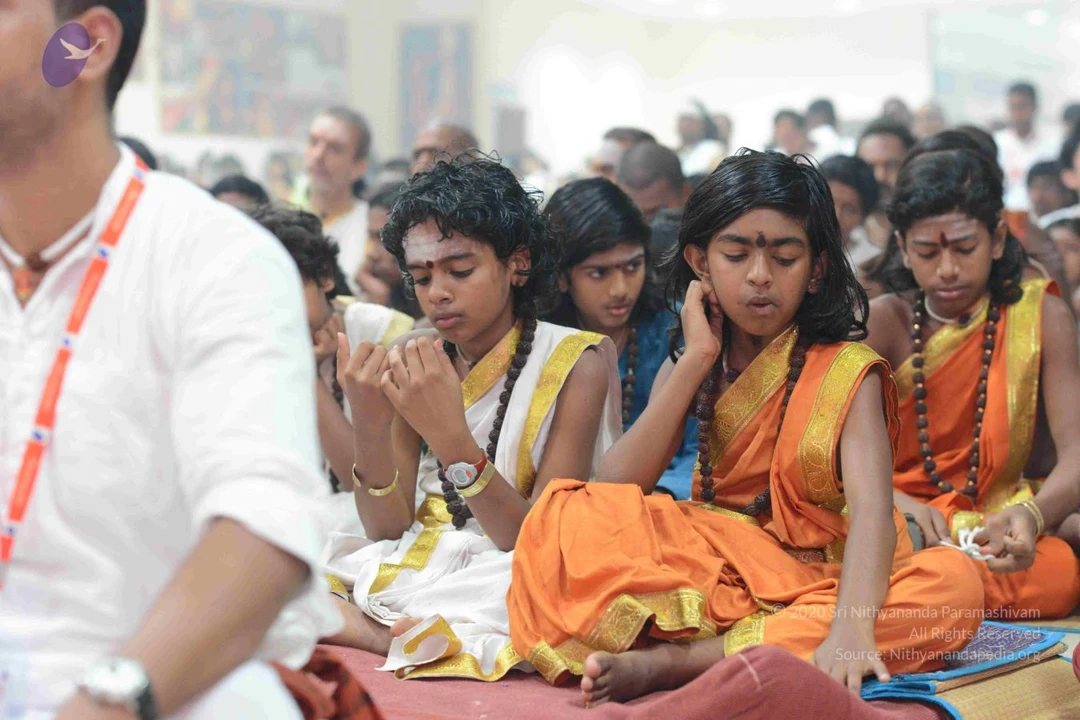
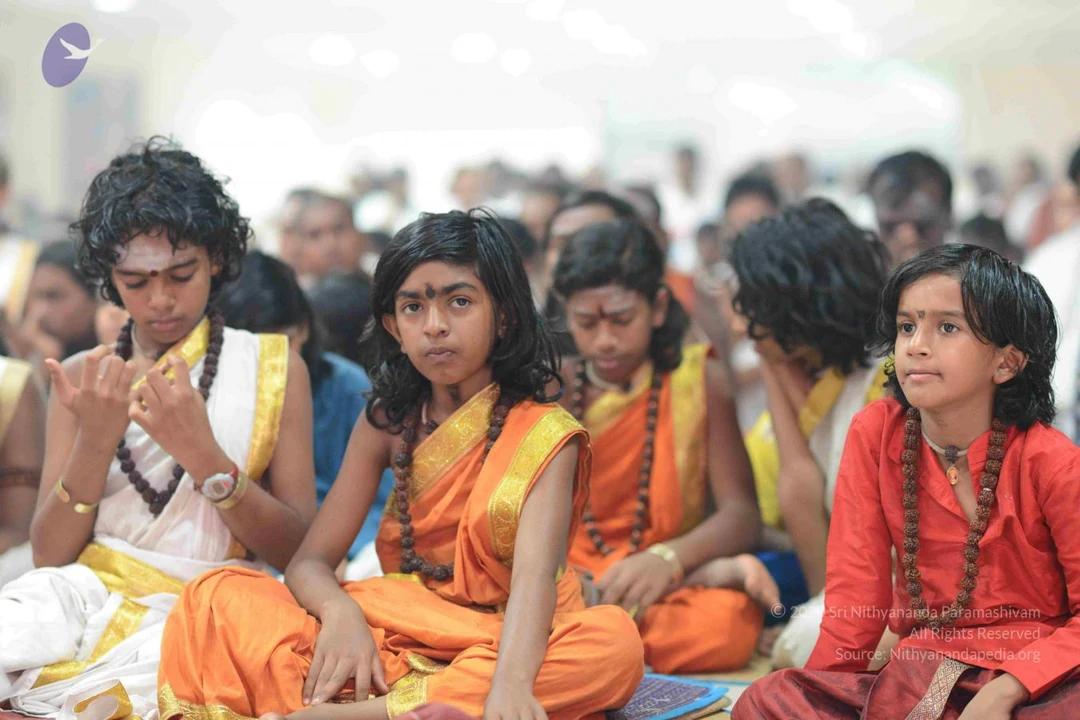
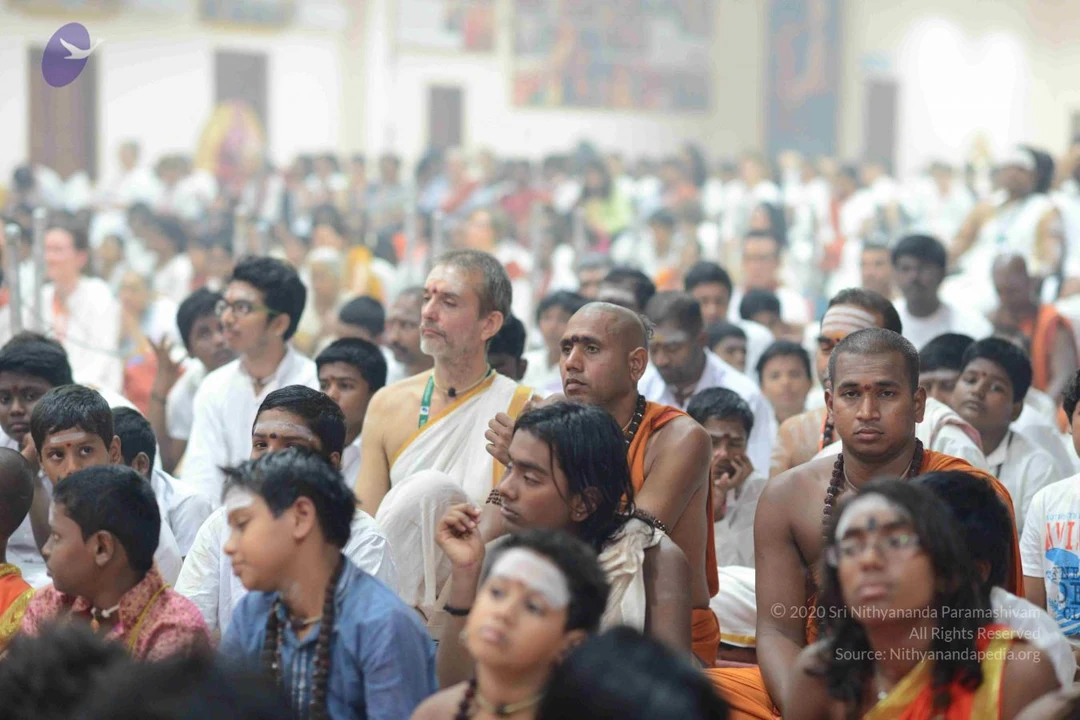
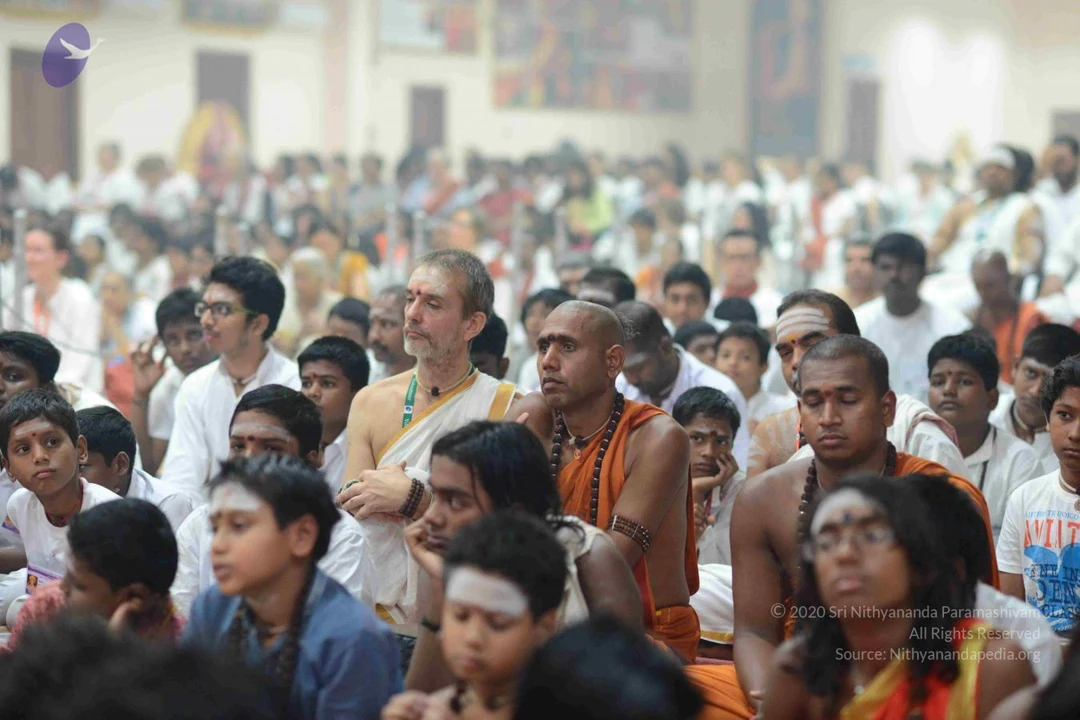
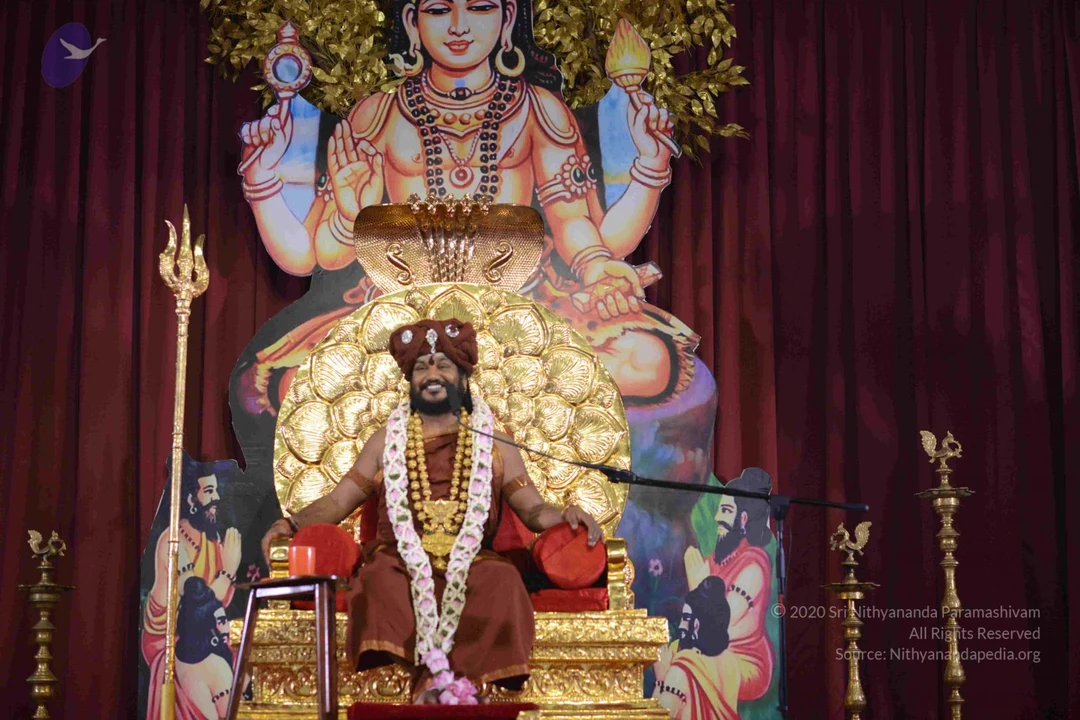
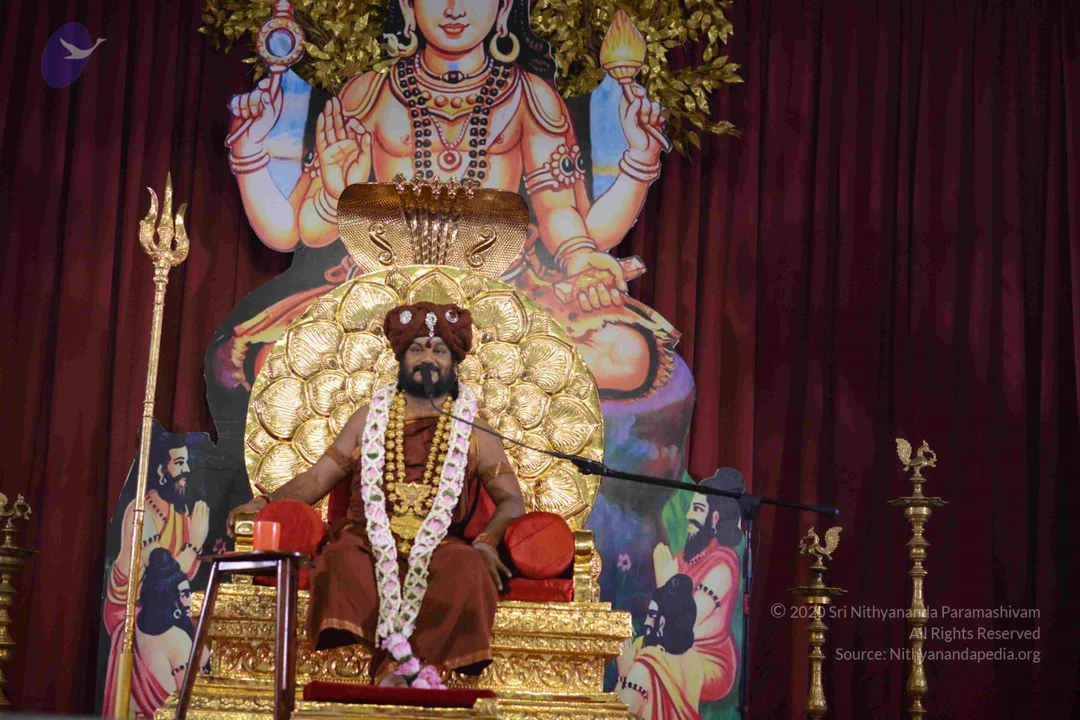
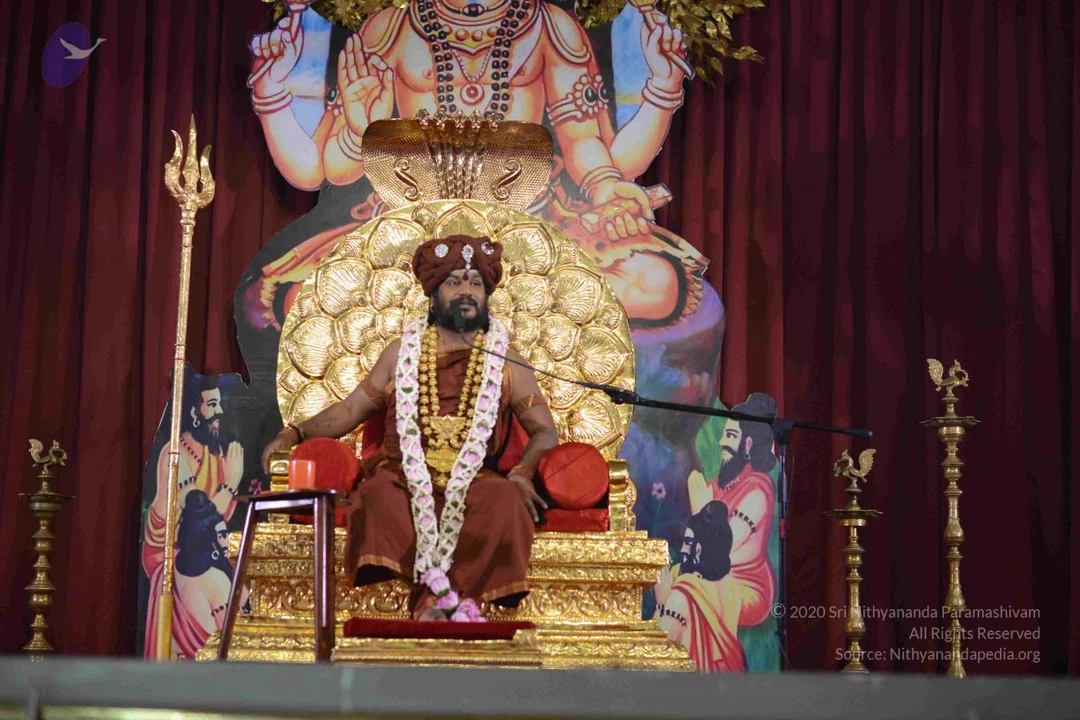
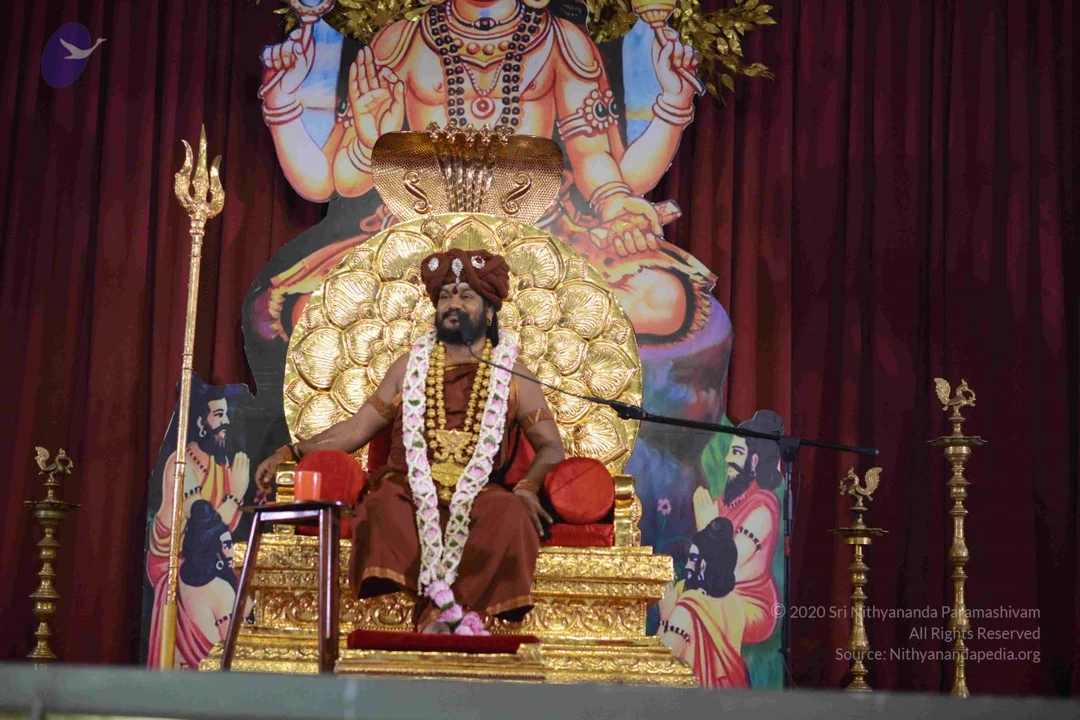
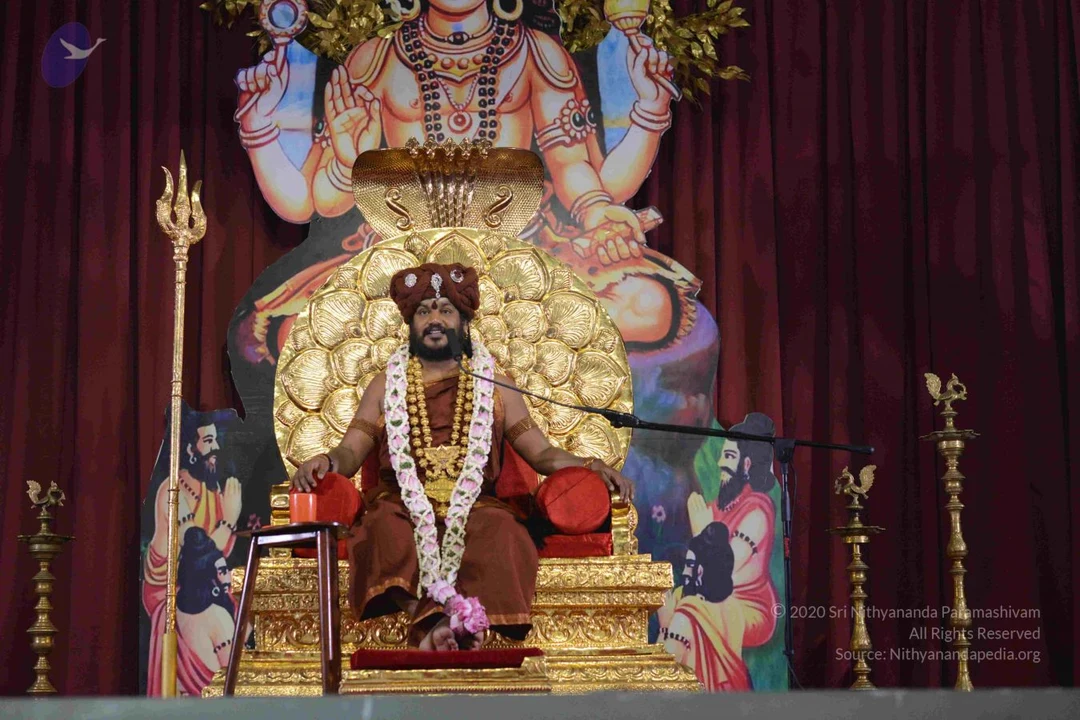
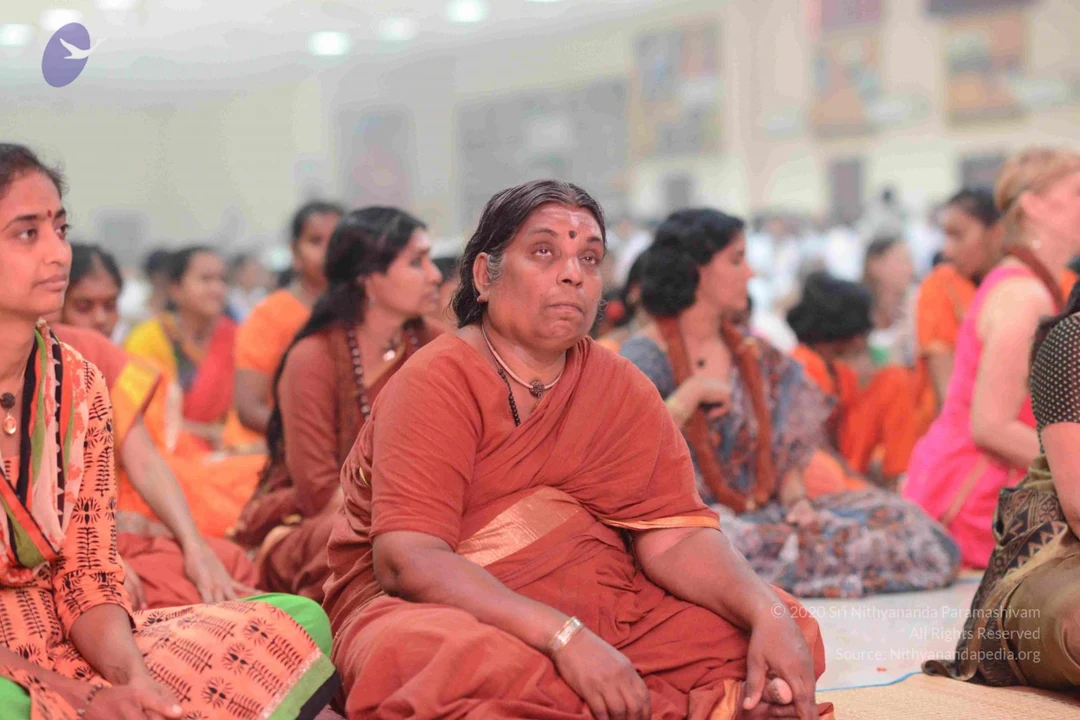
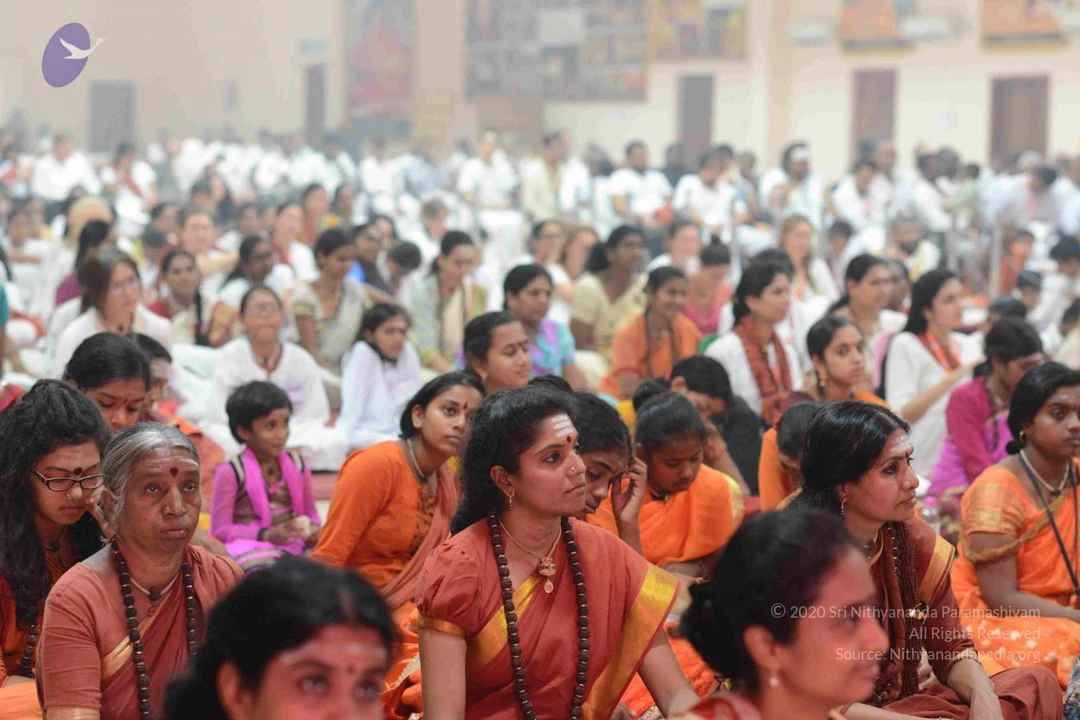
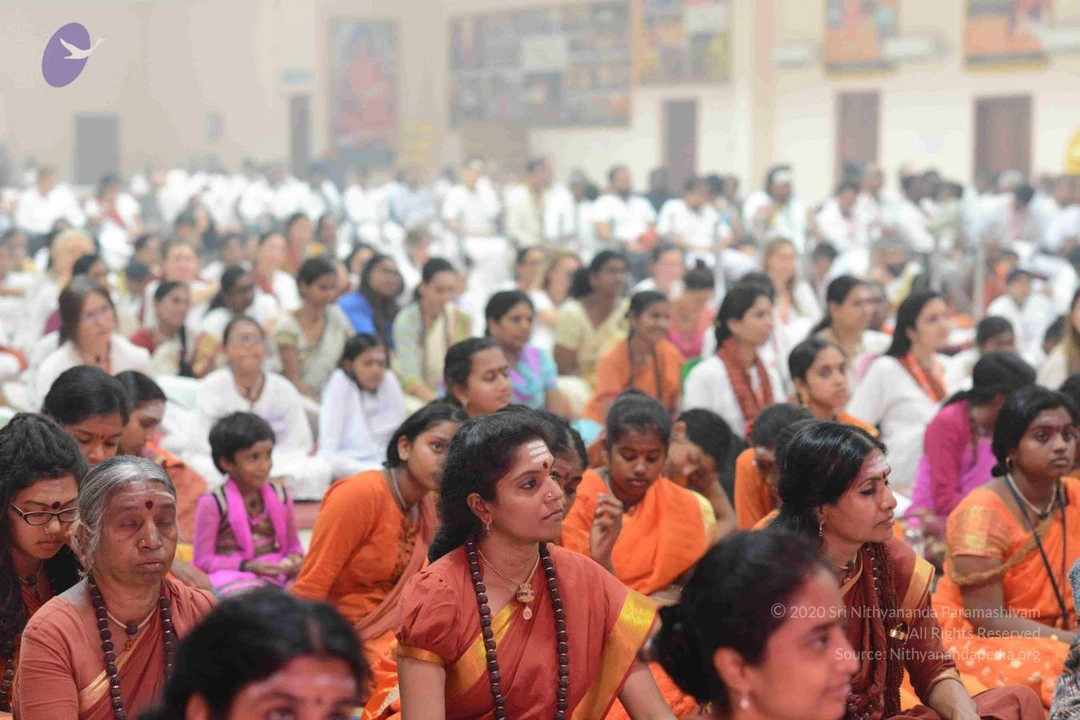
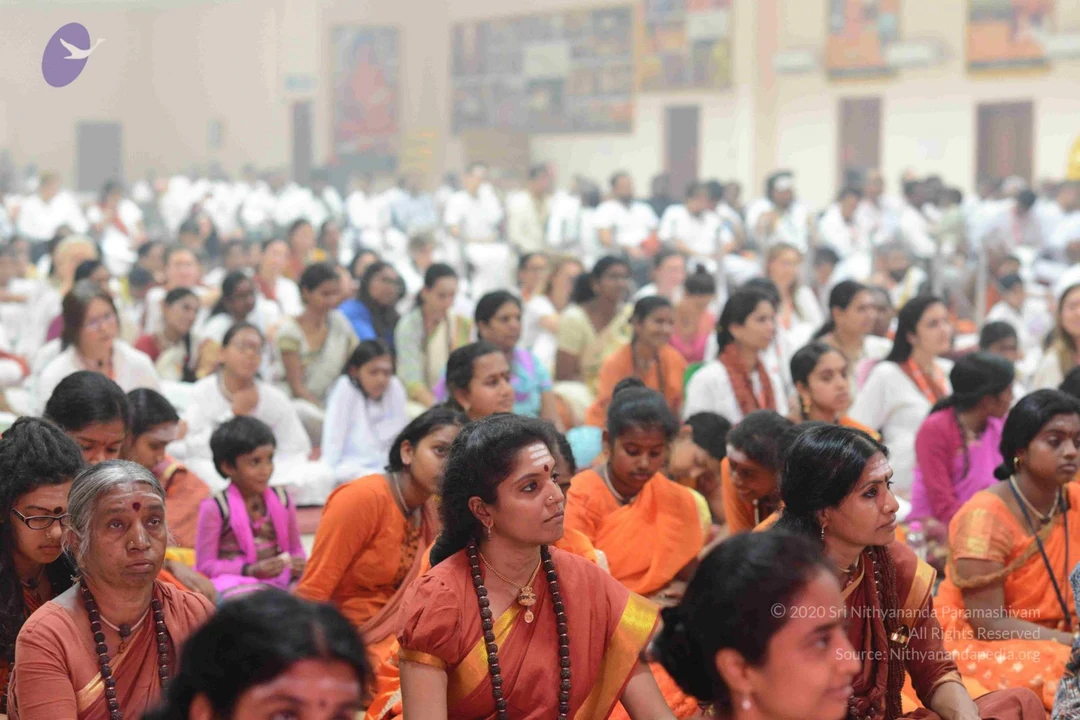
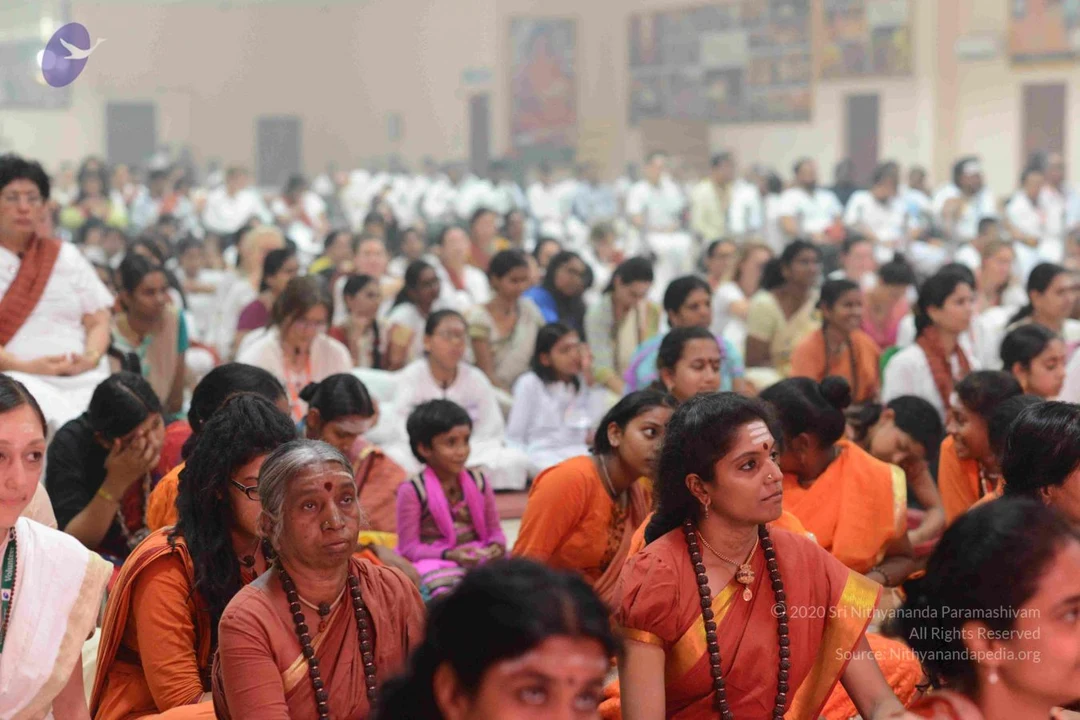
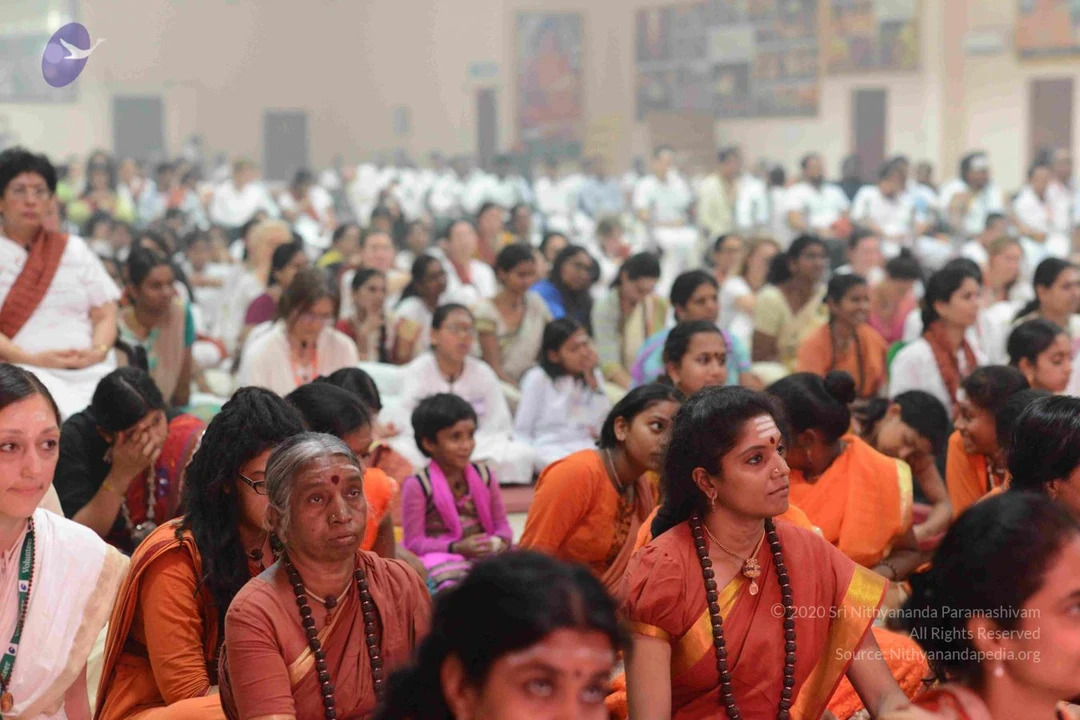
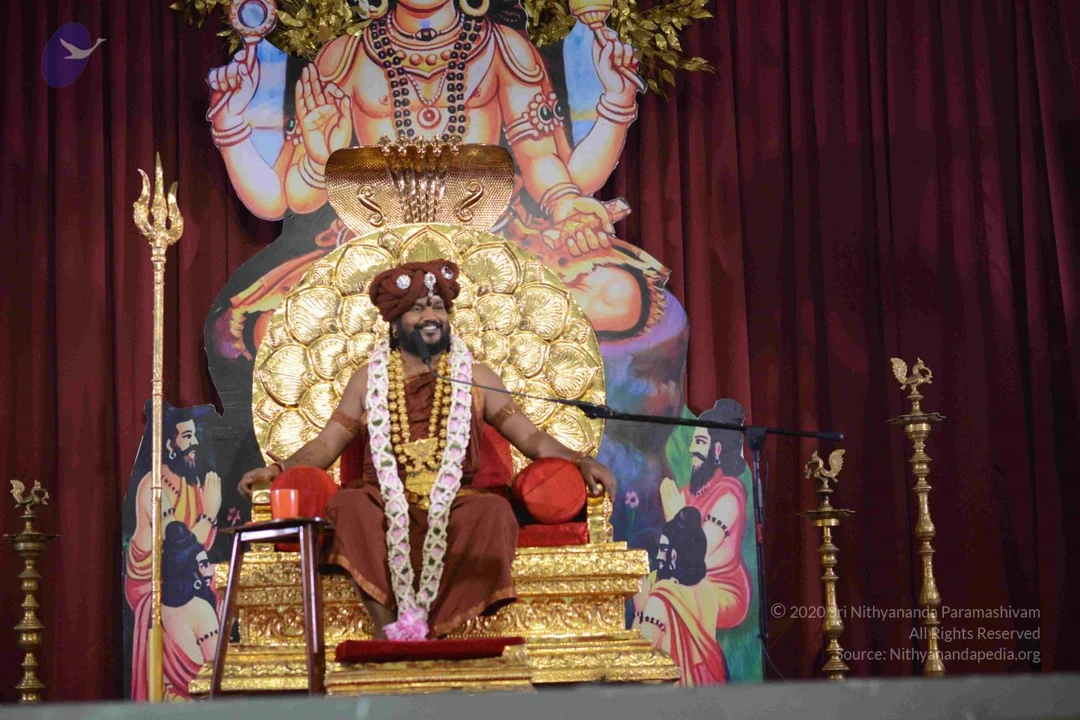
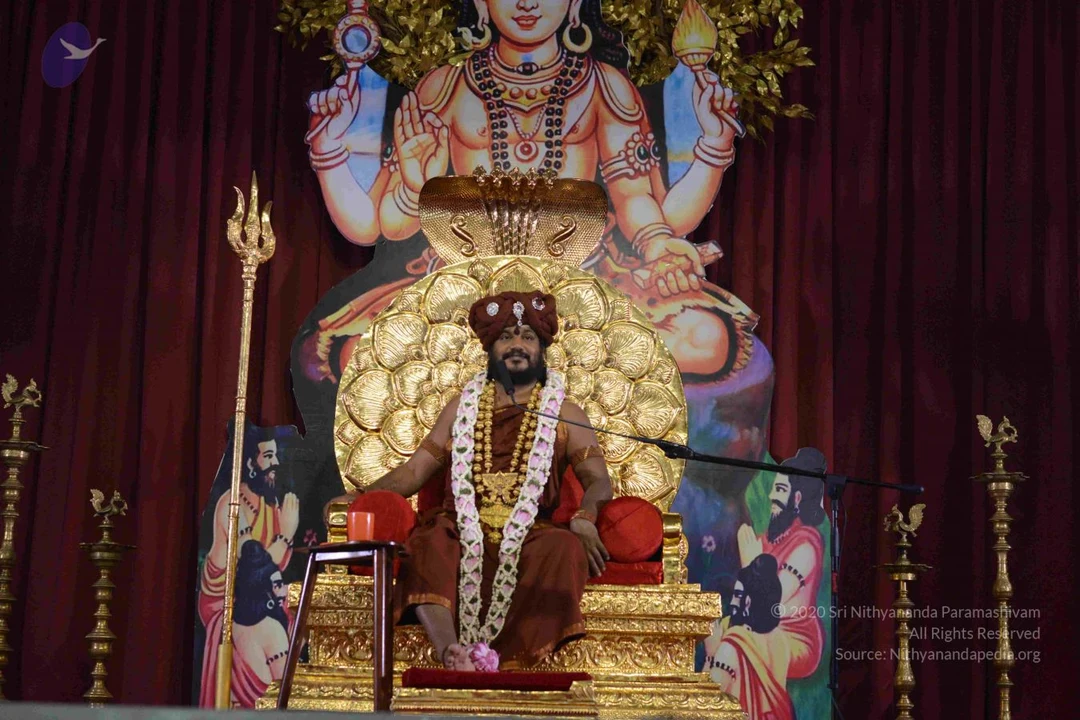
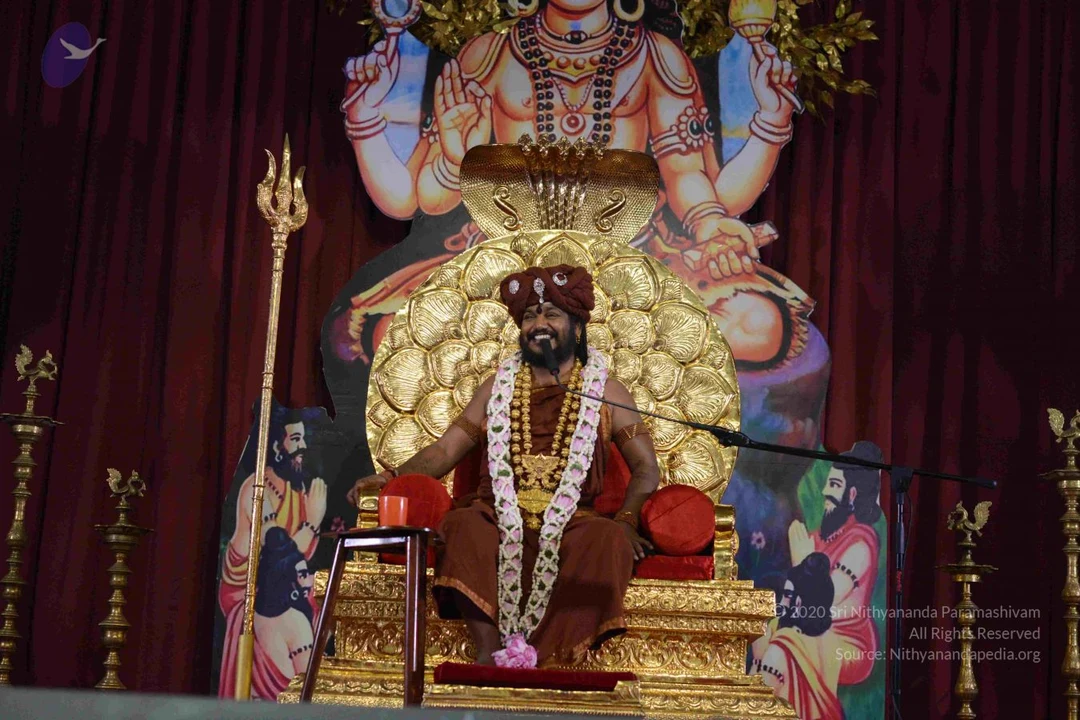
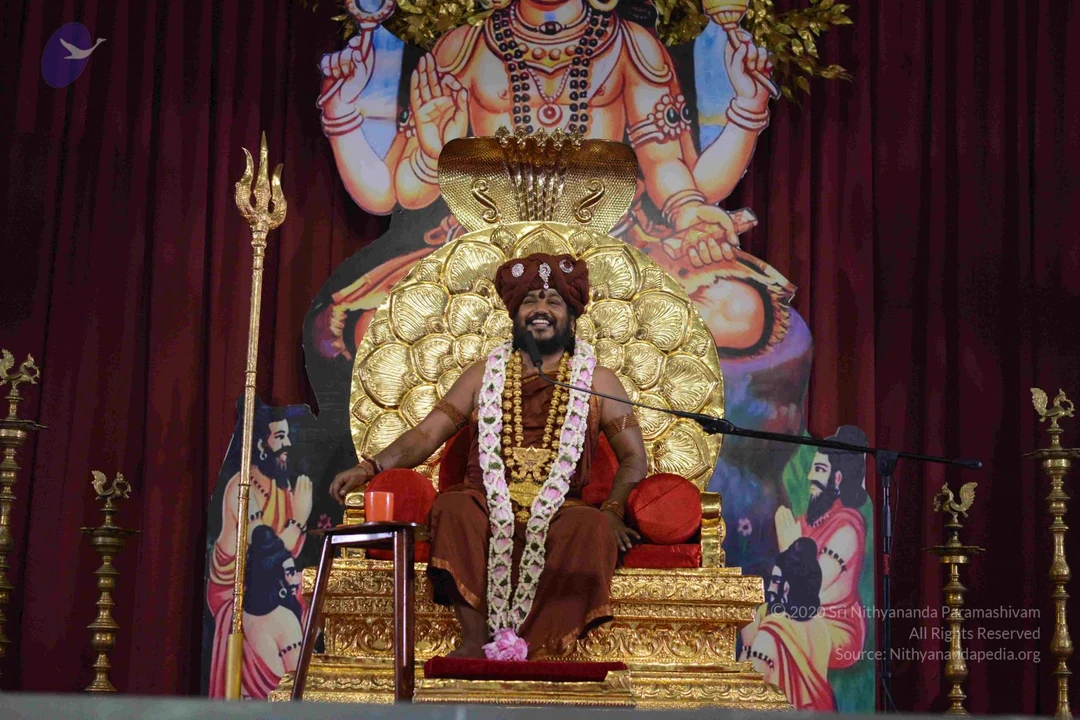
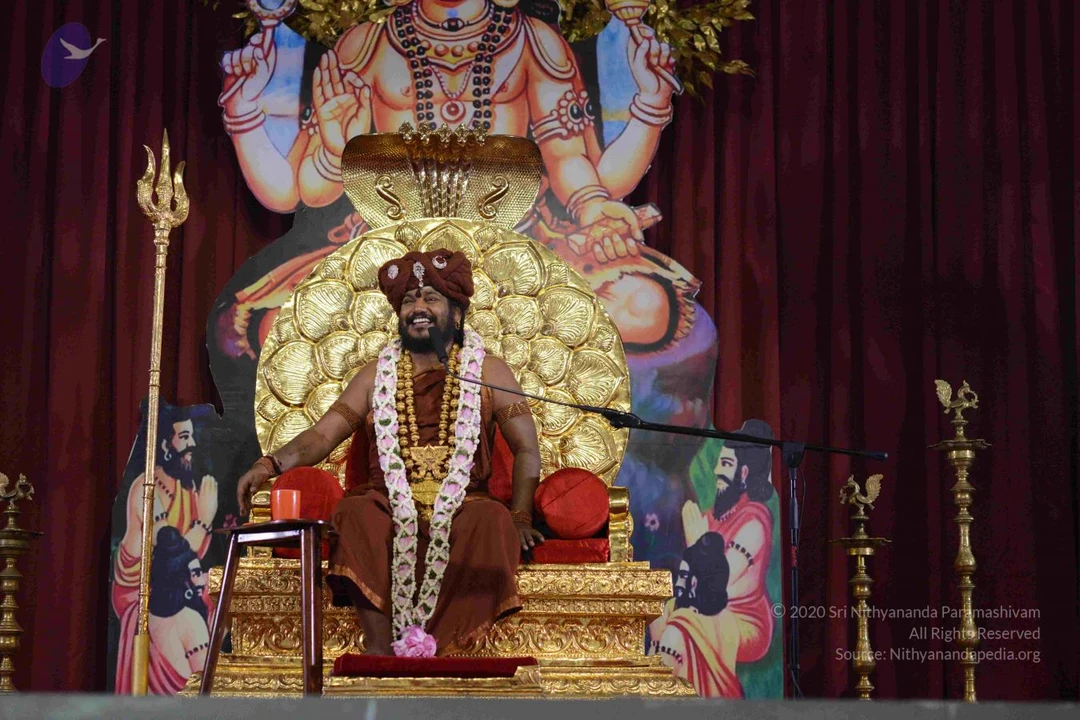
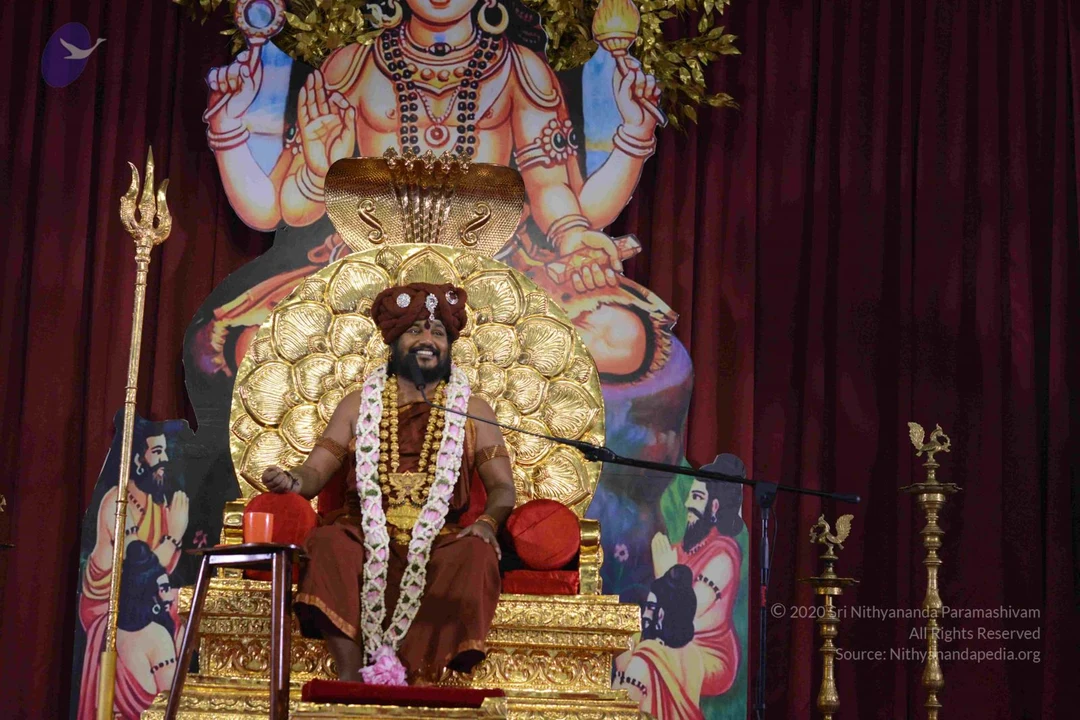

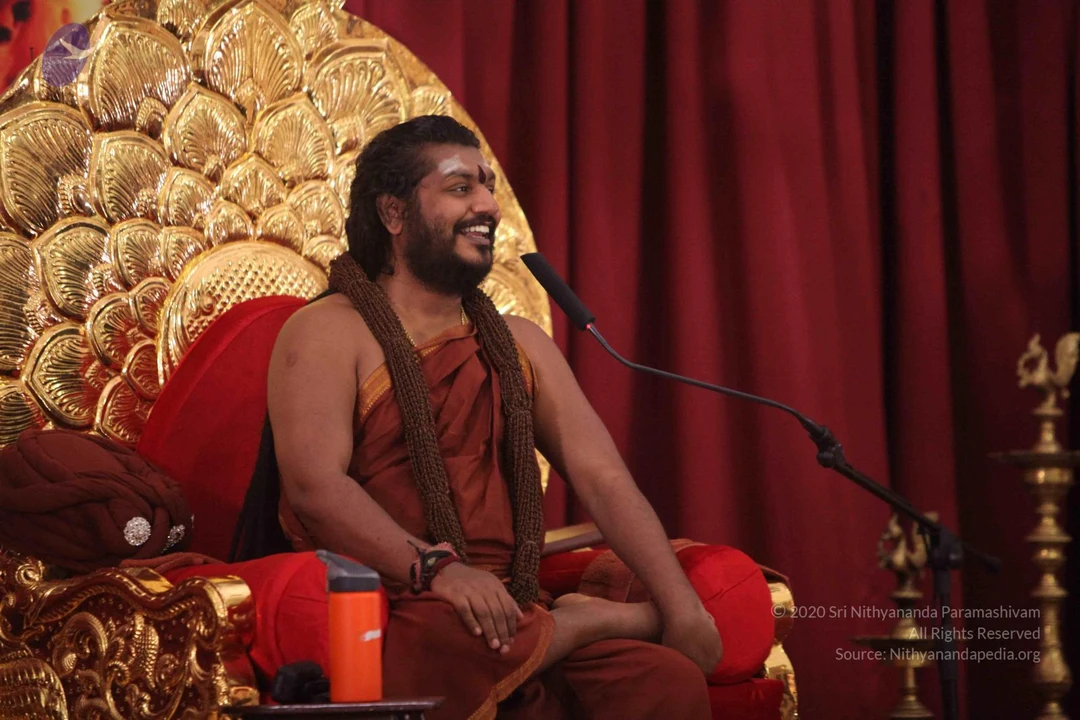
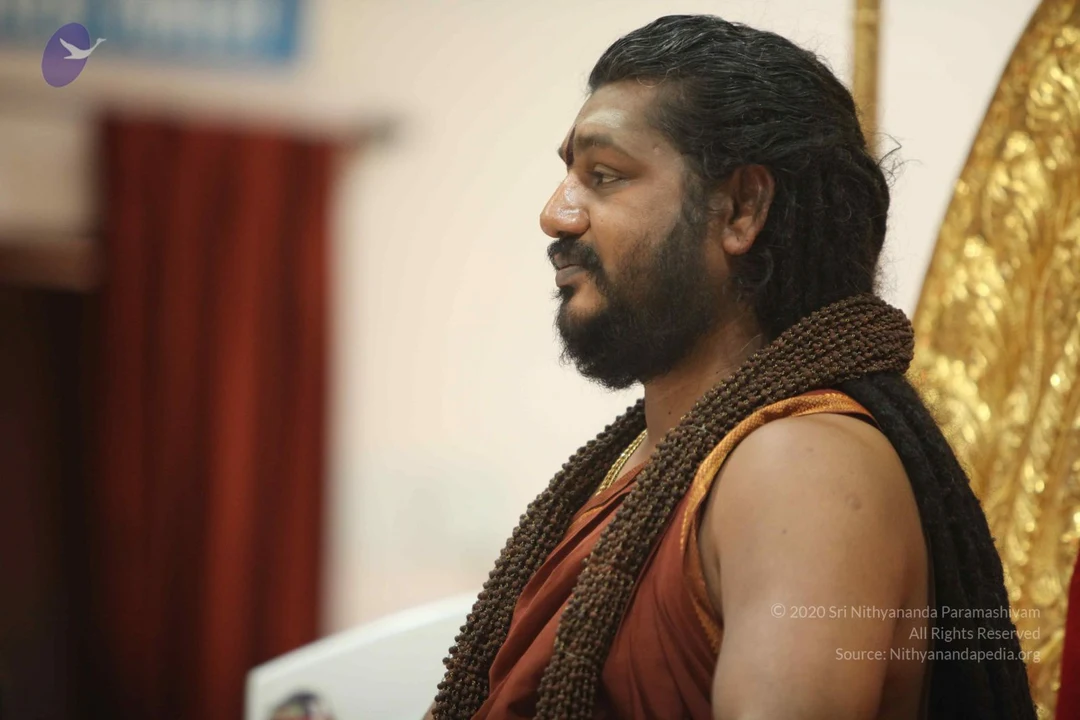
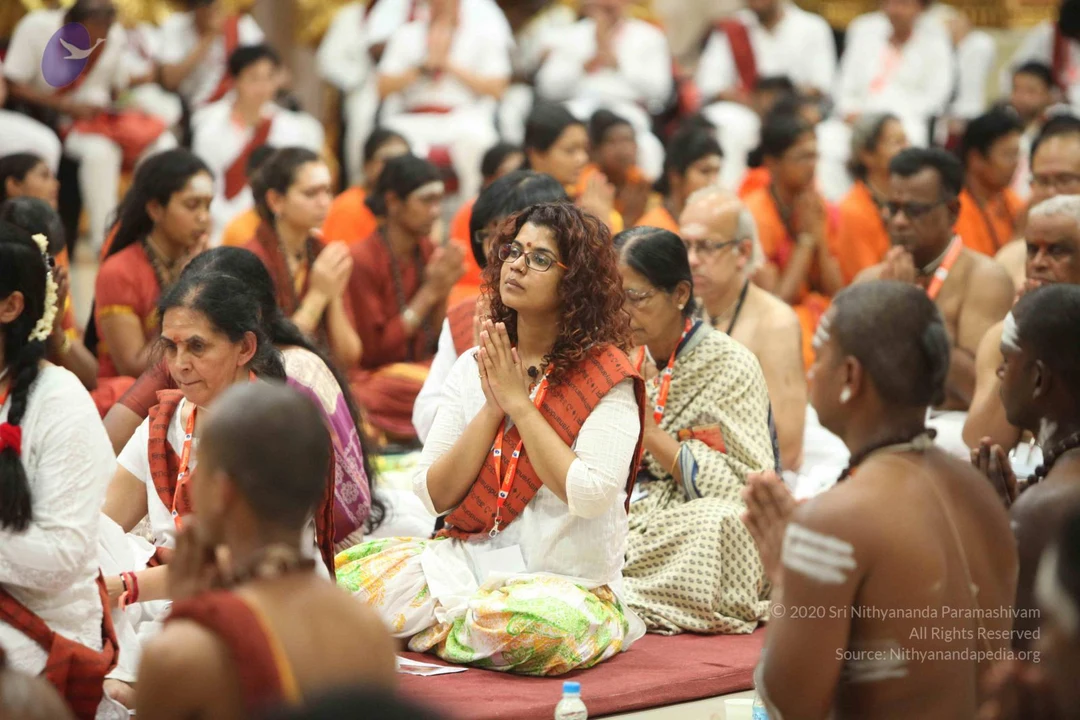
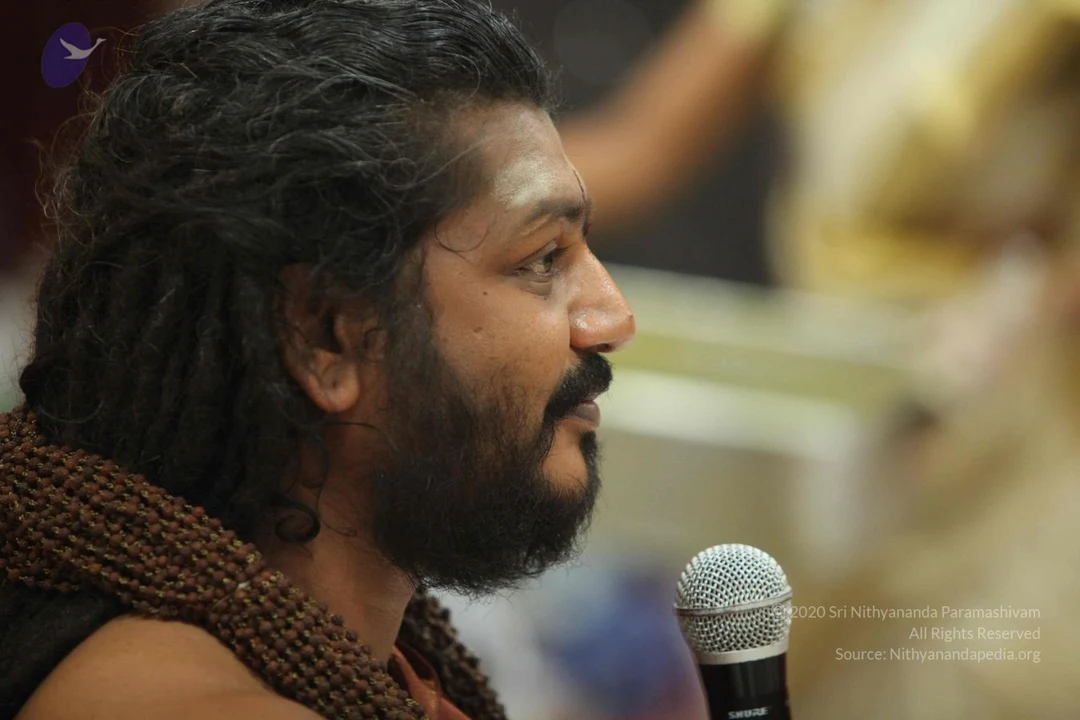
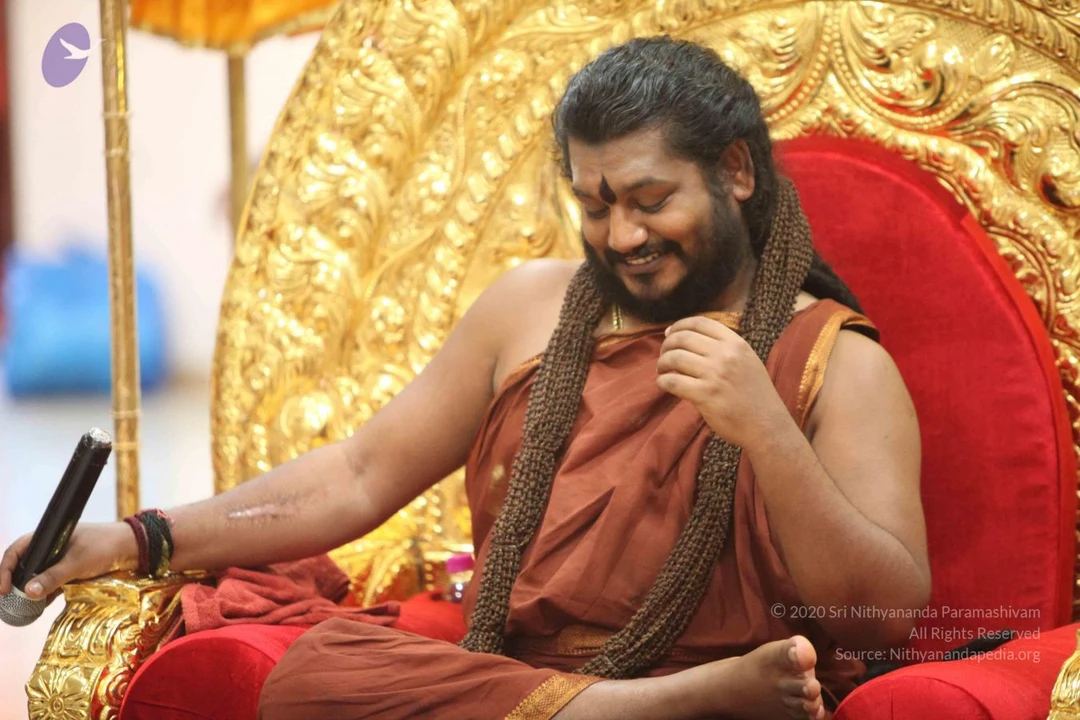
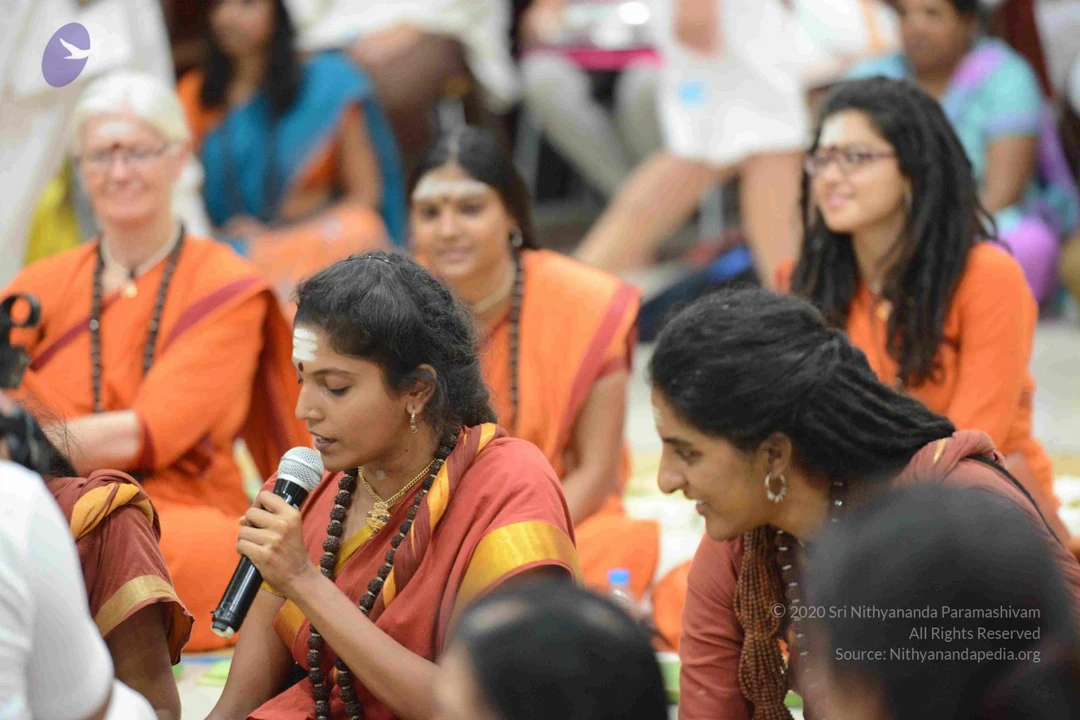
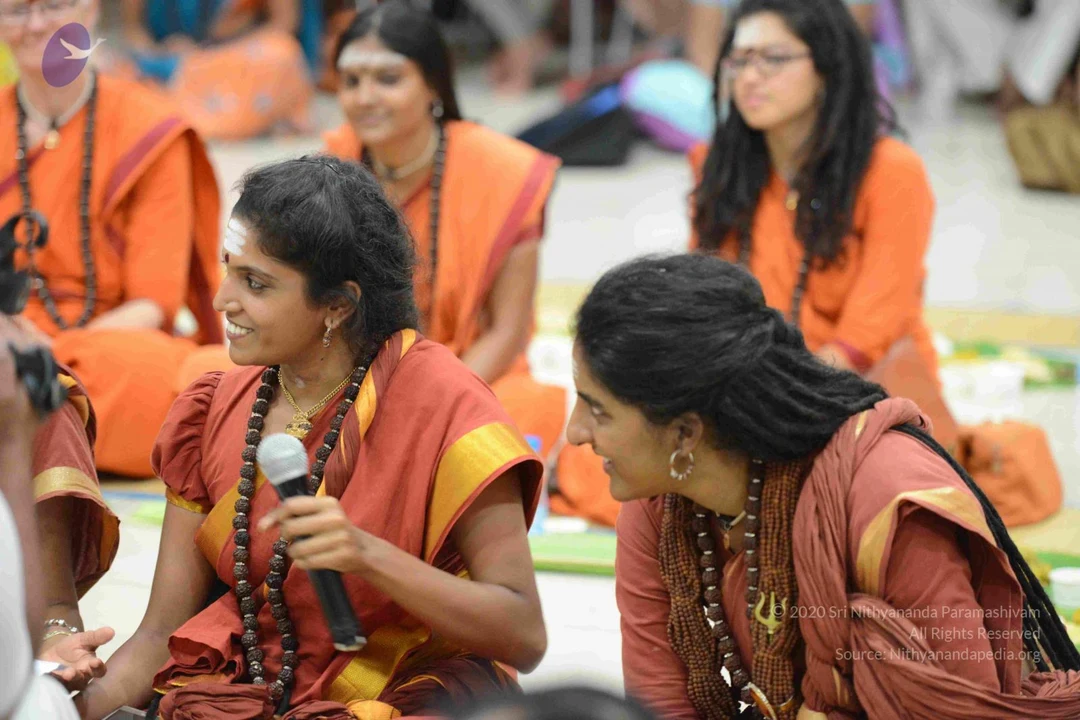
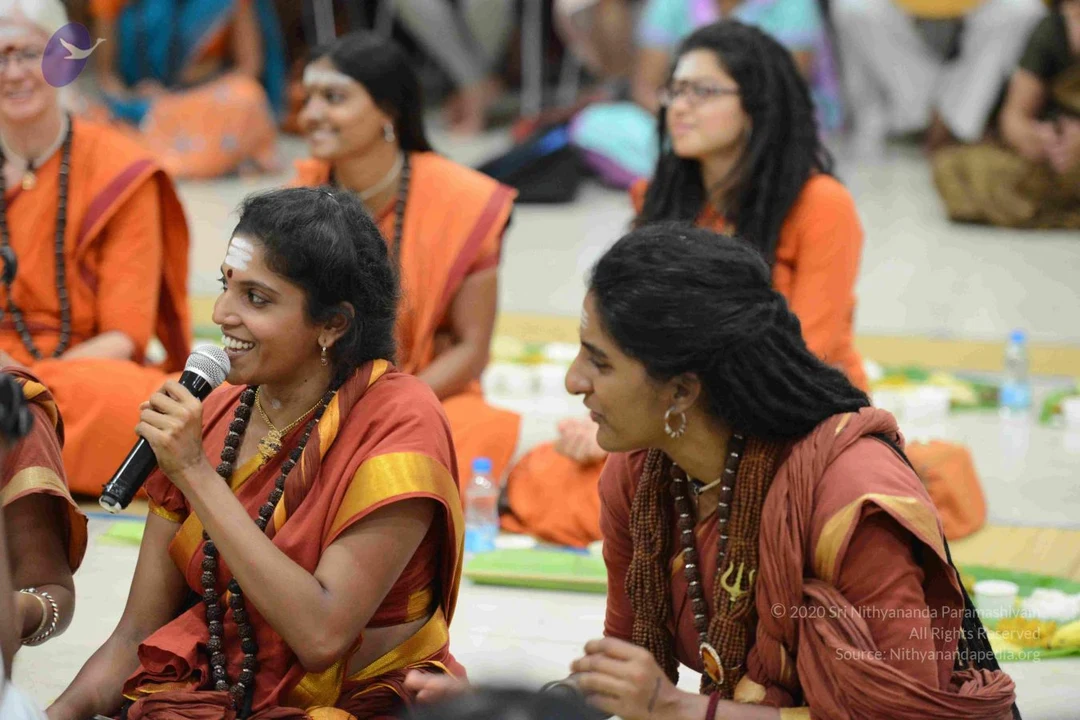
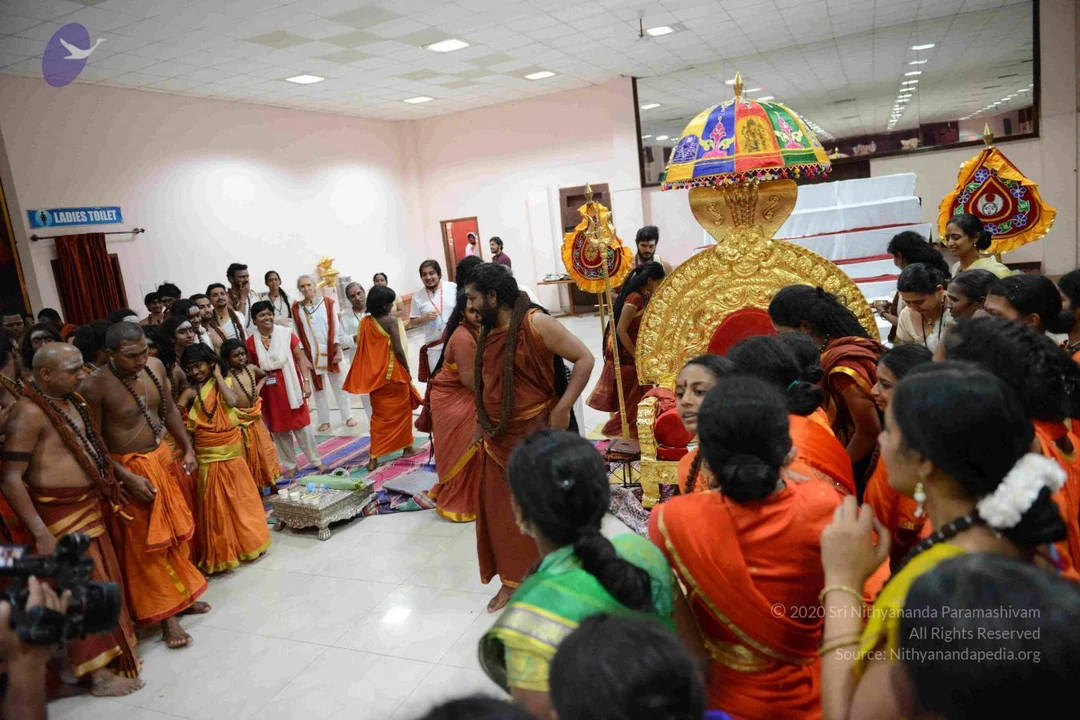
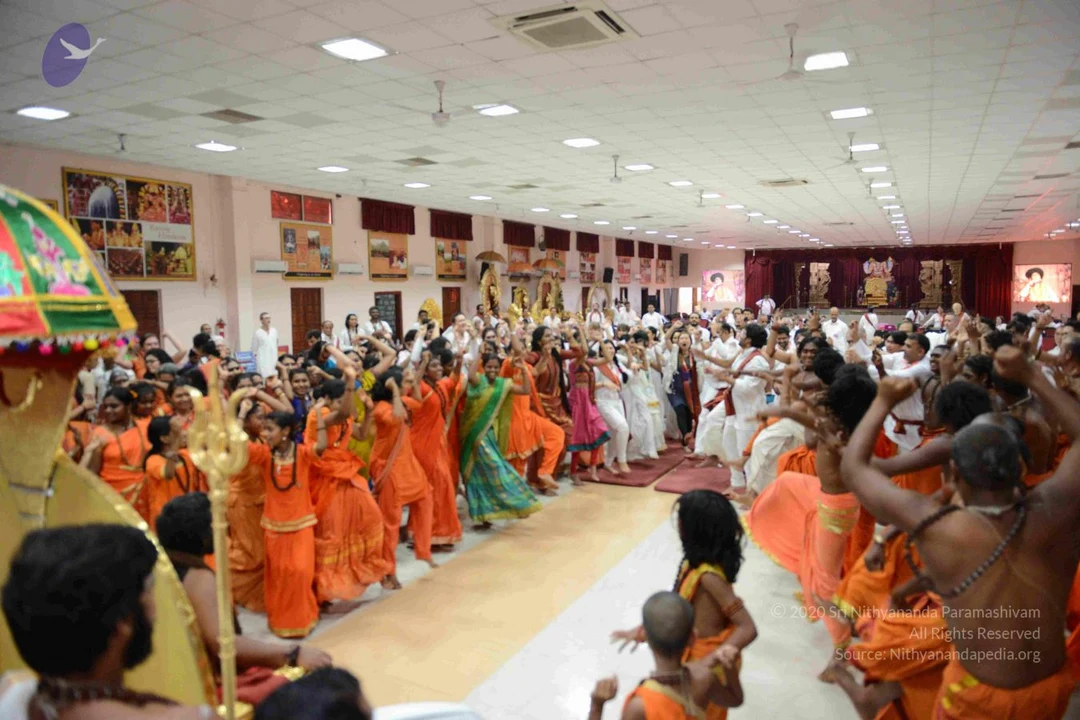
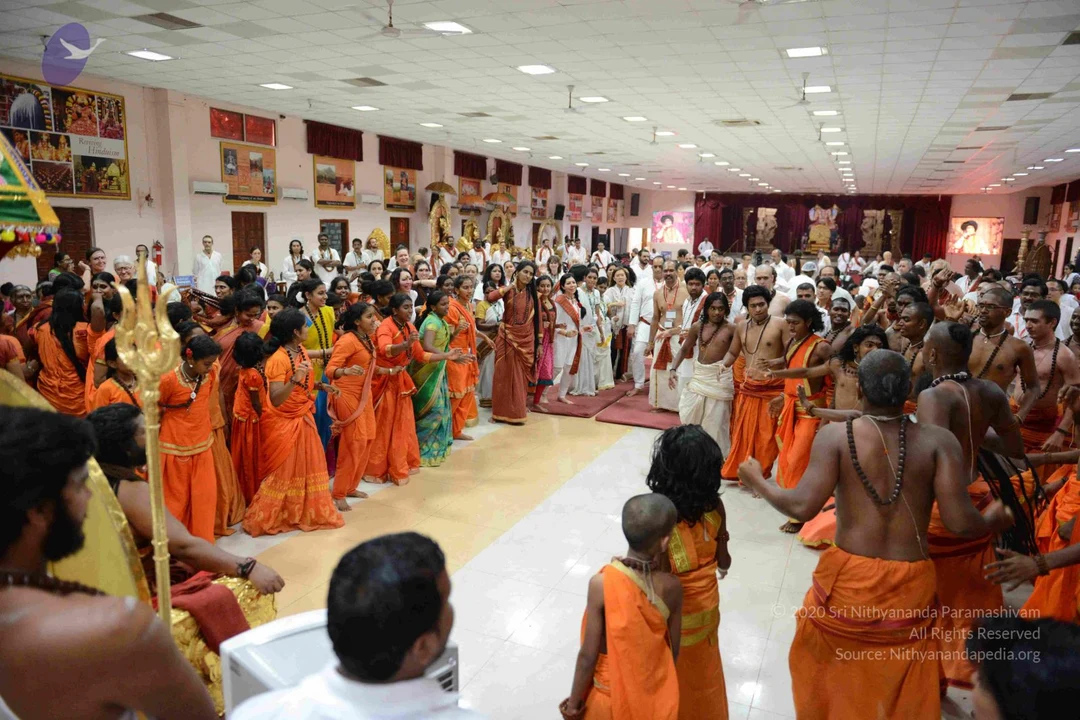
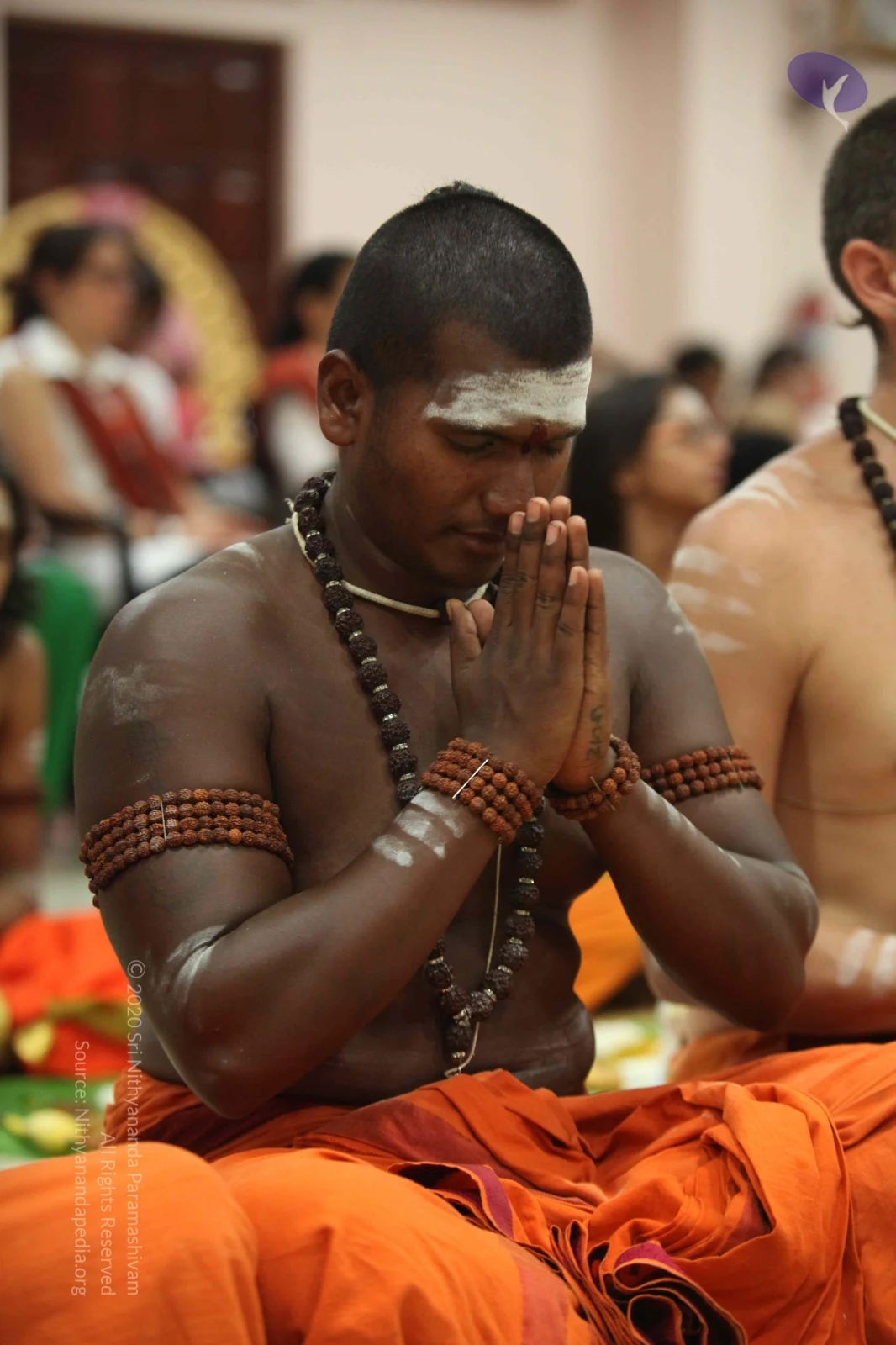
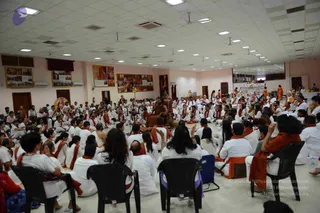
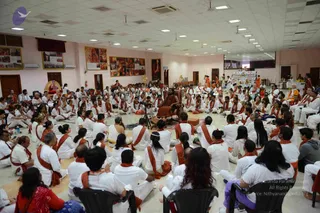
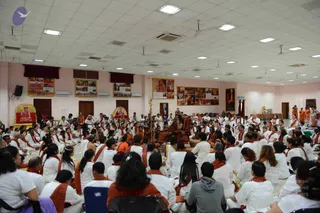
IA-session
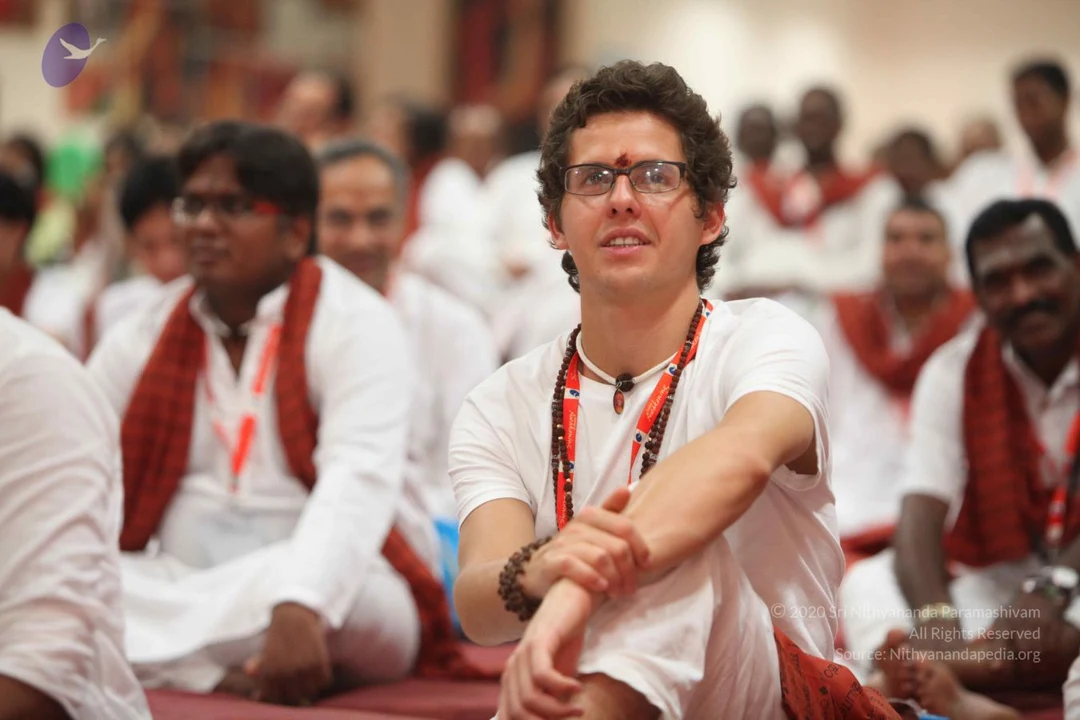
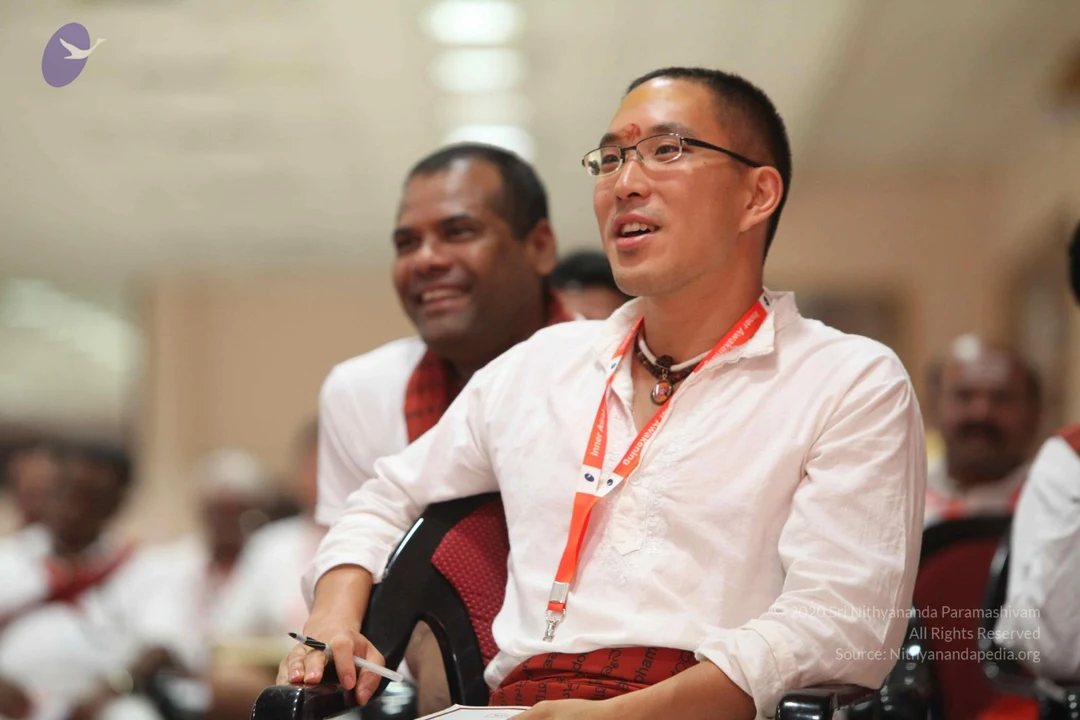
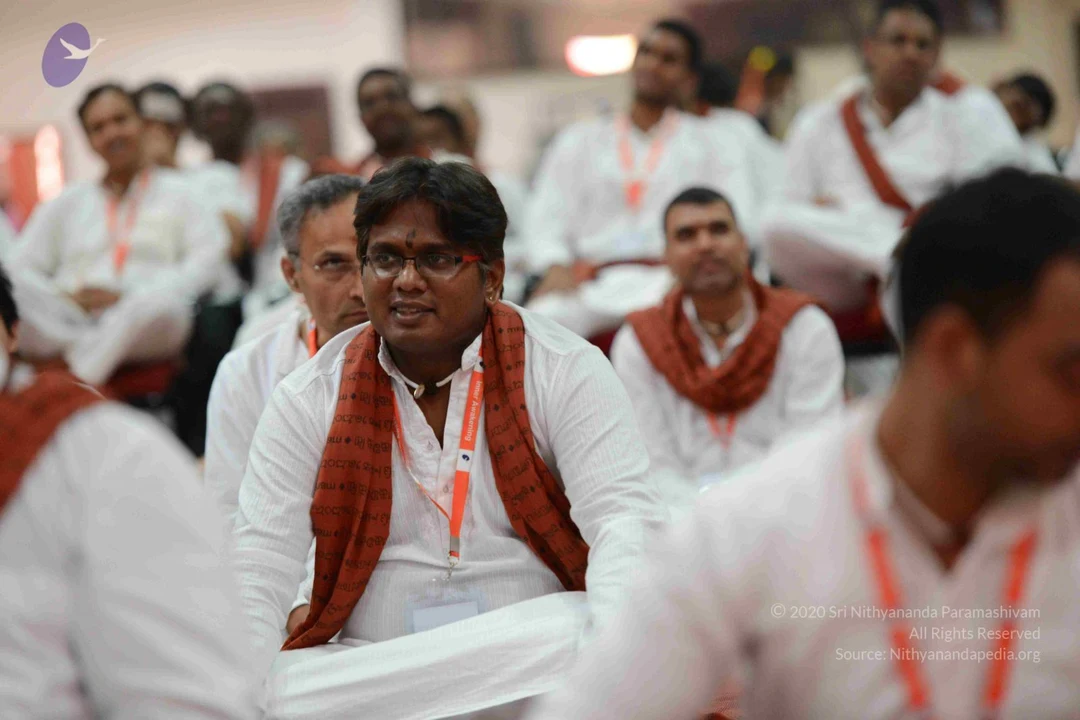
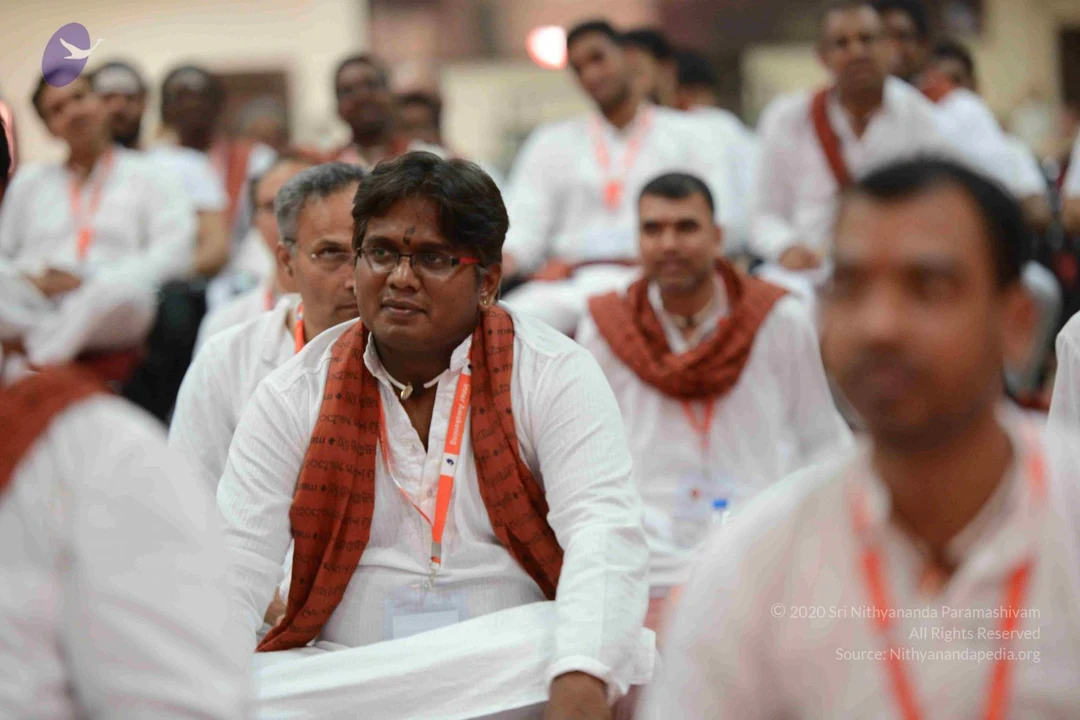
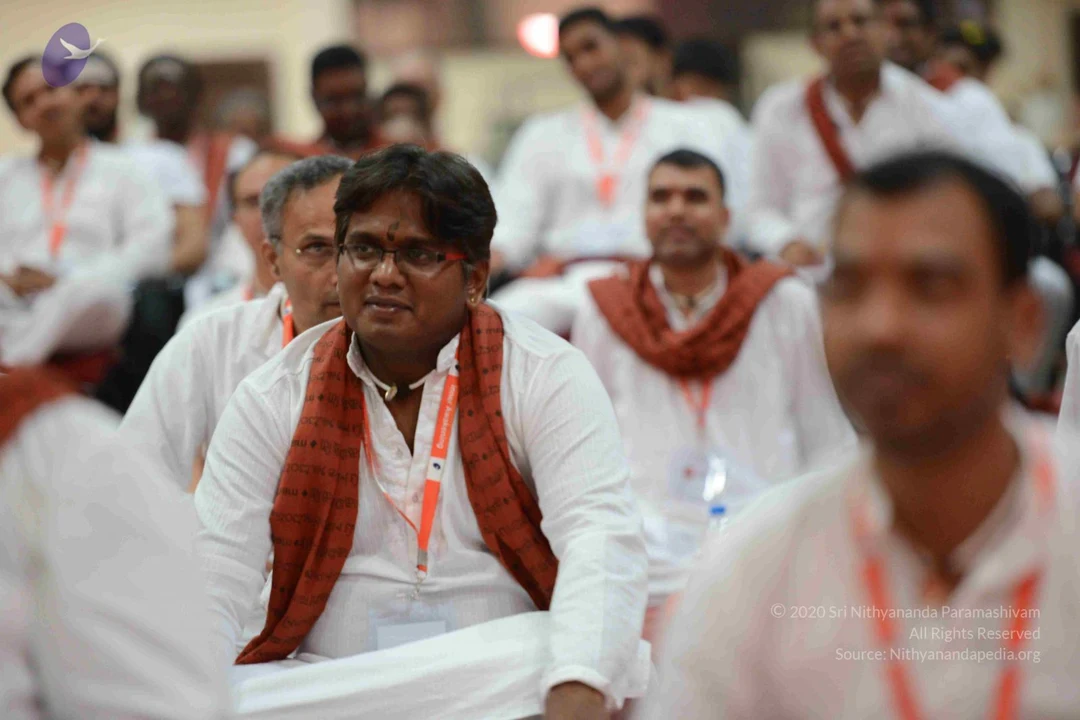
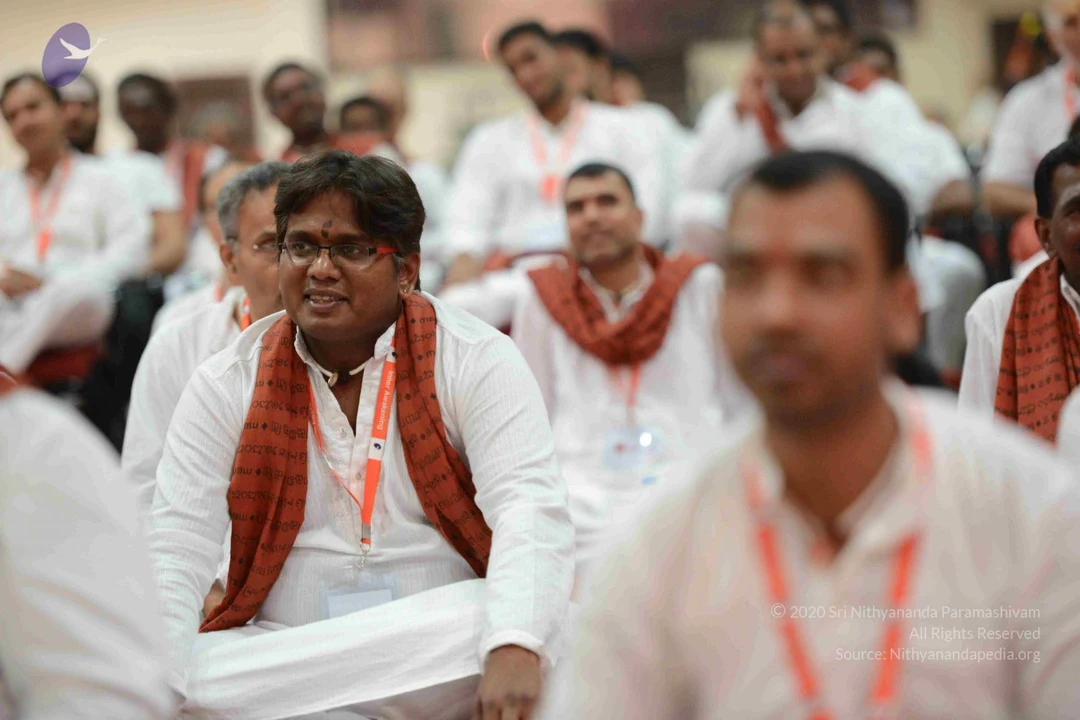
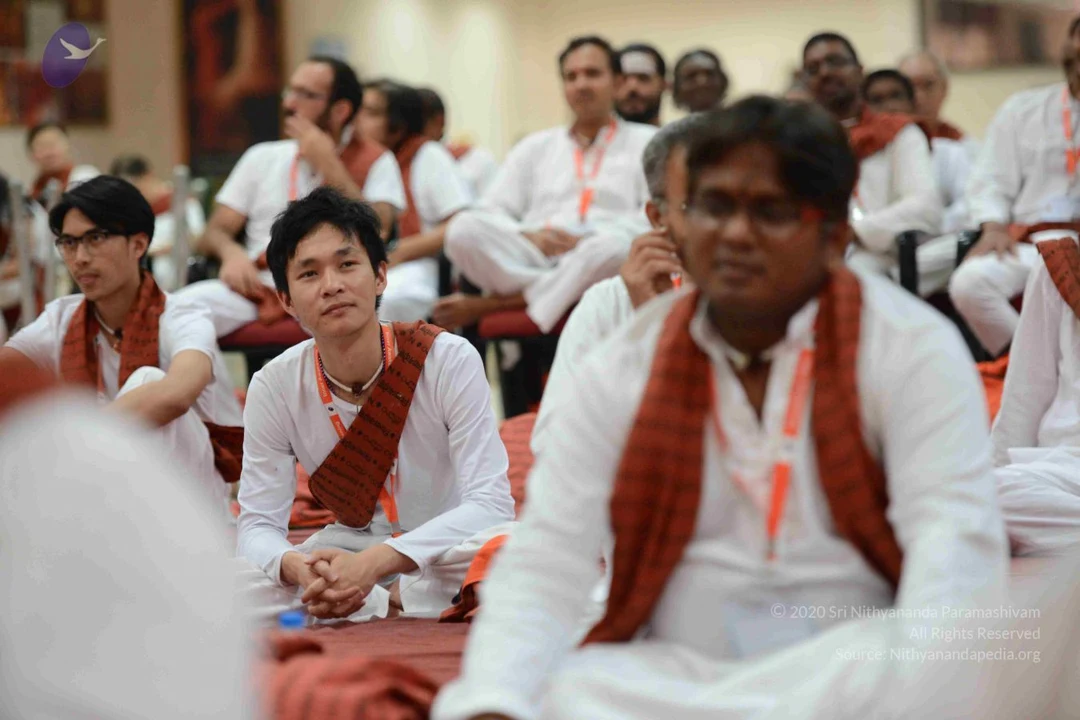
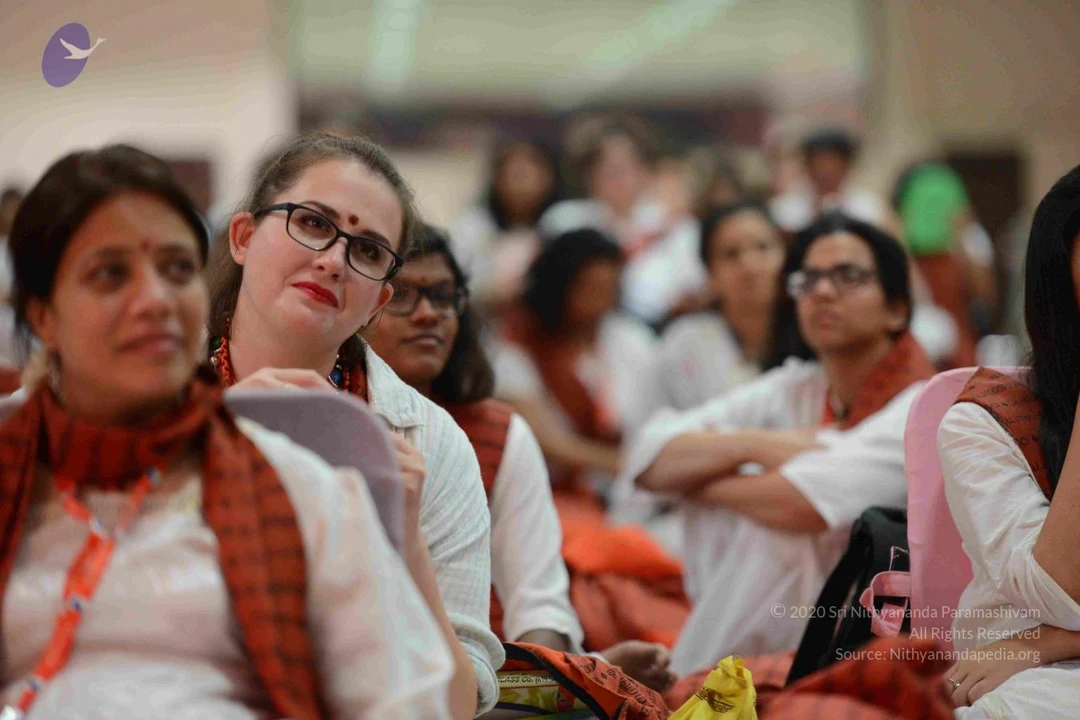
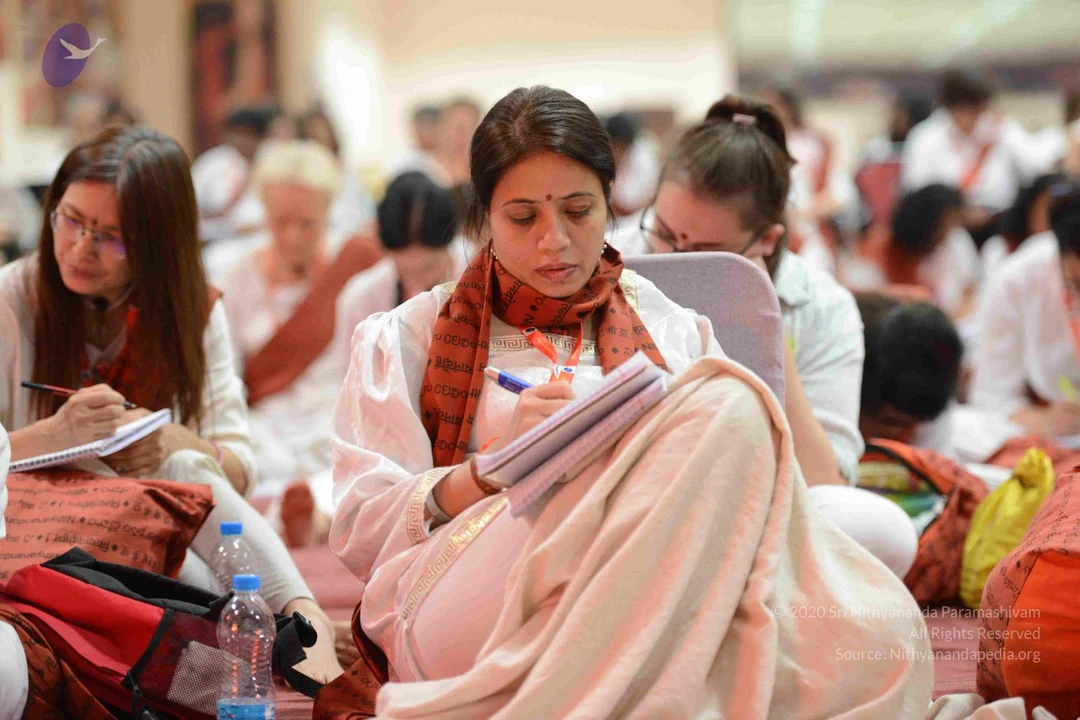
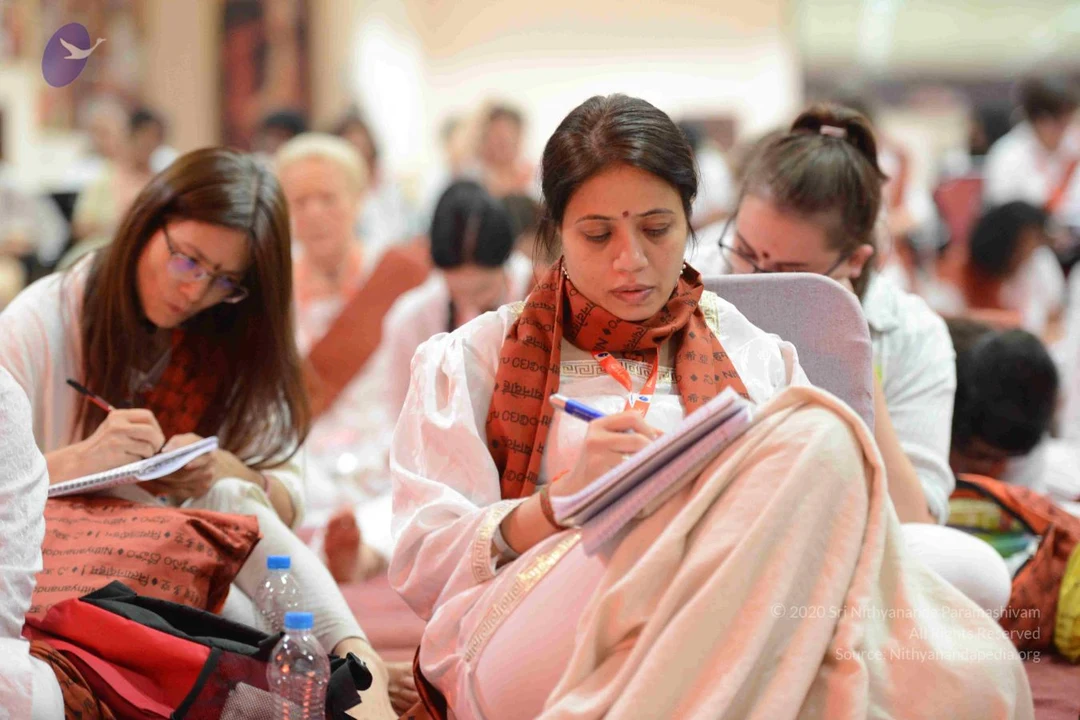
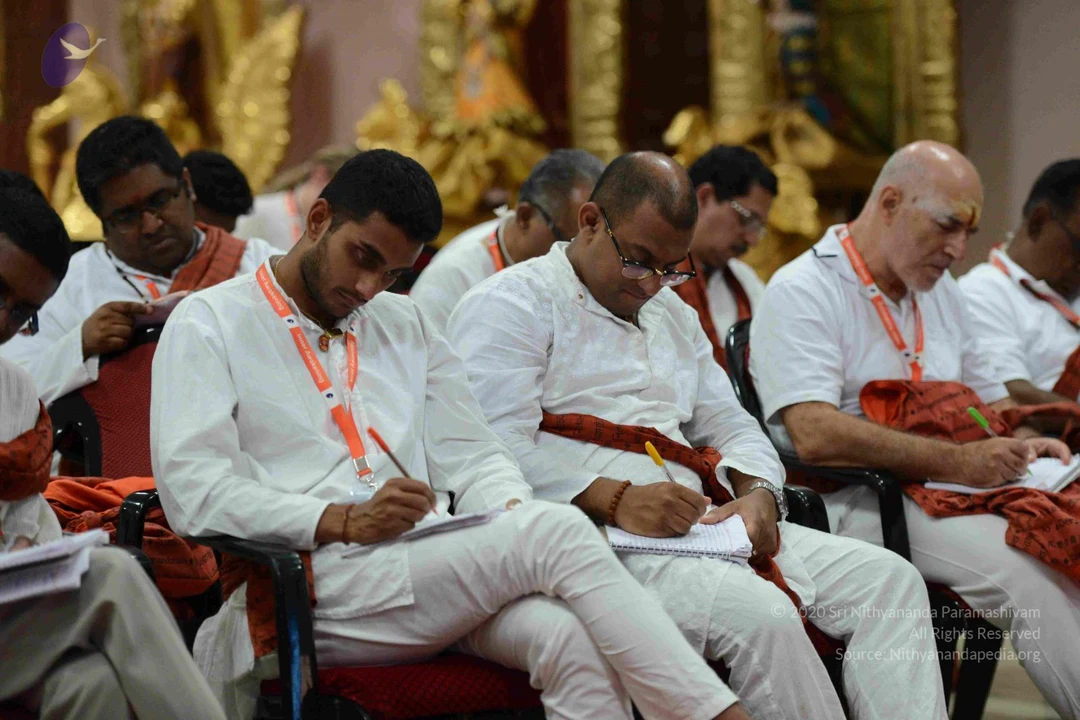
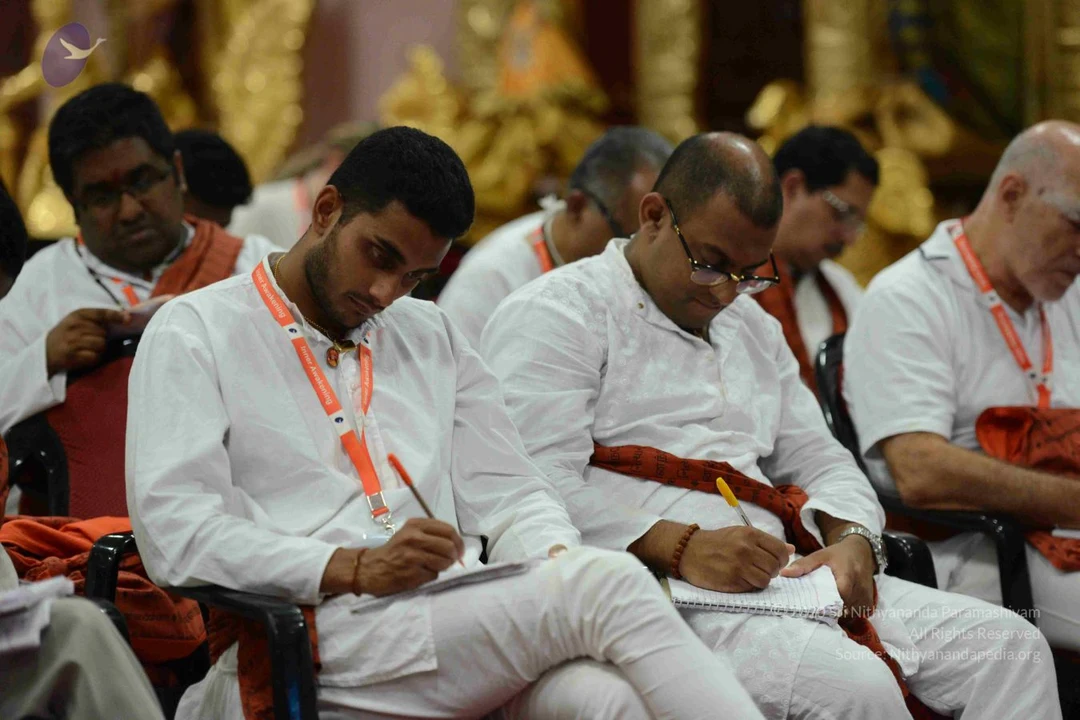
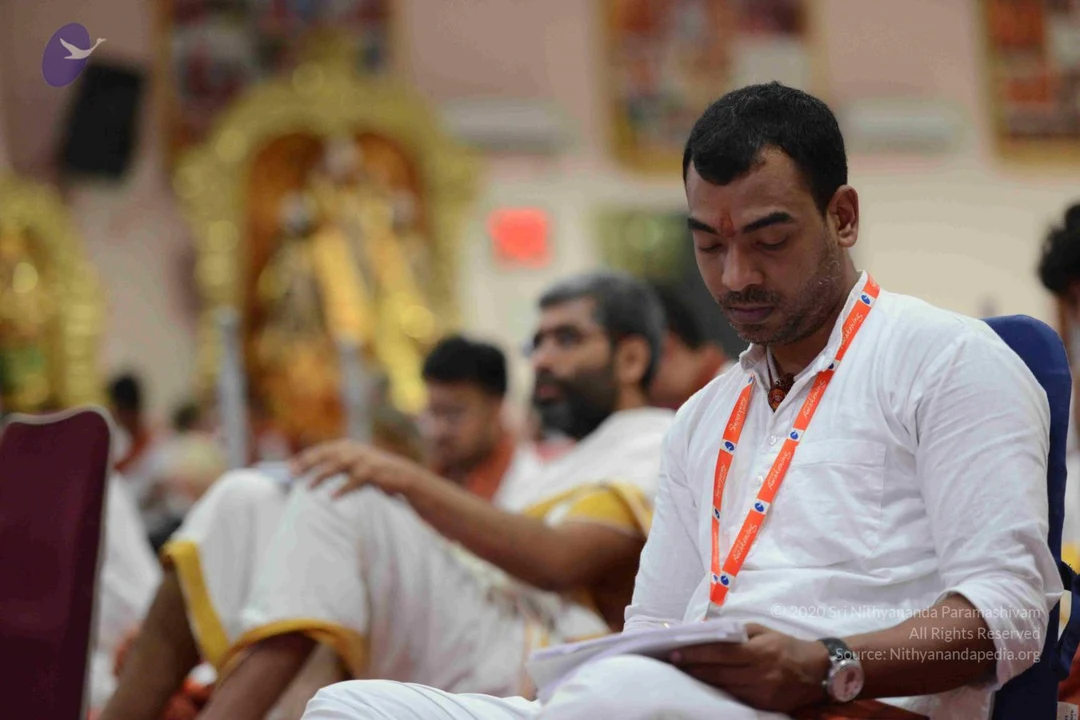
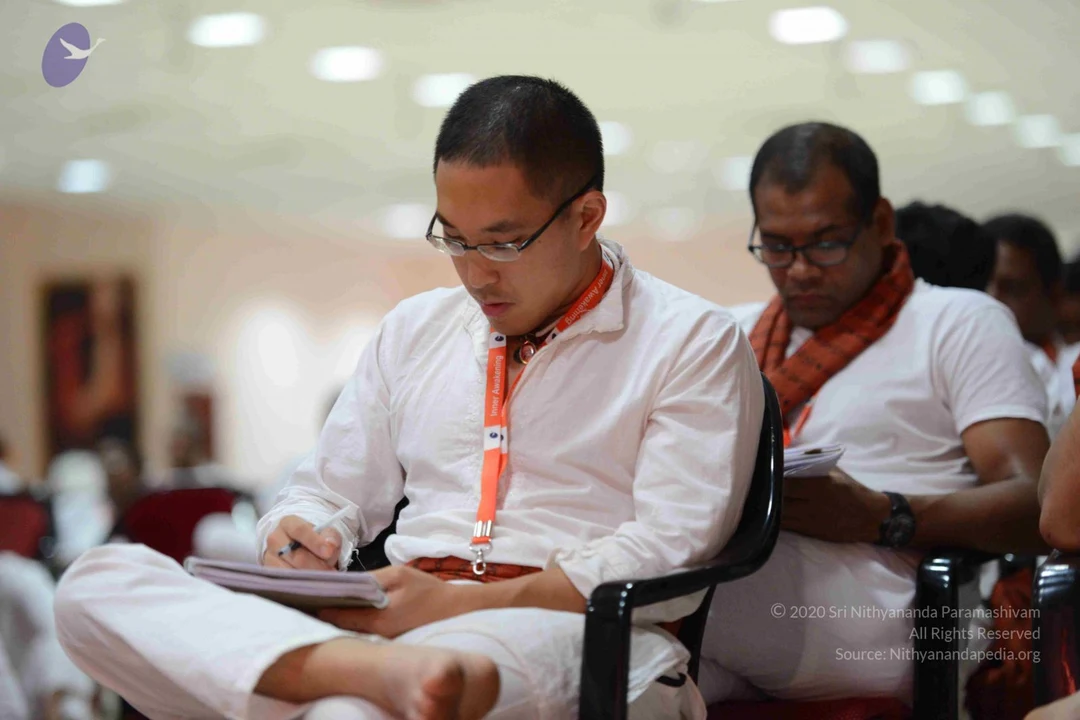
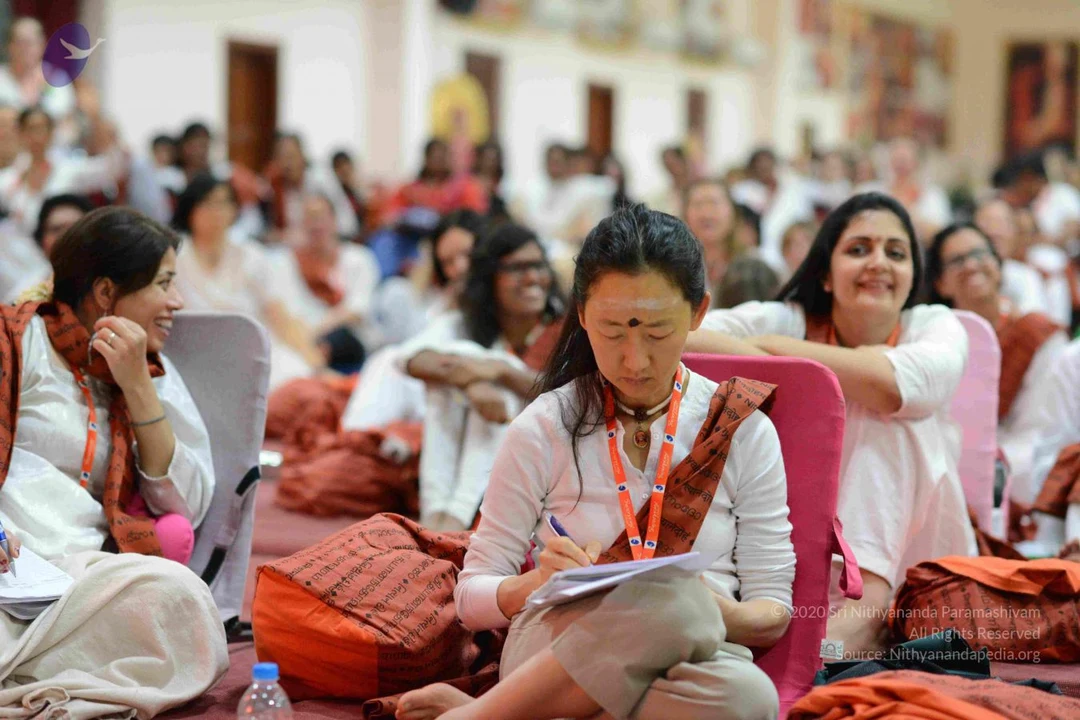
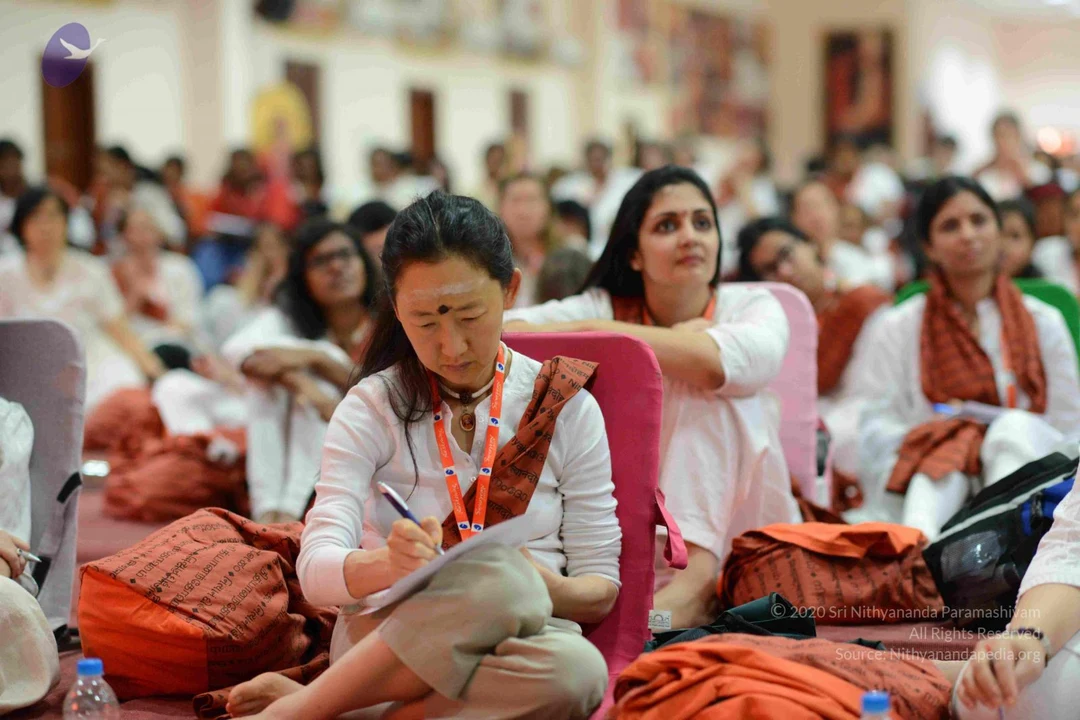
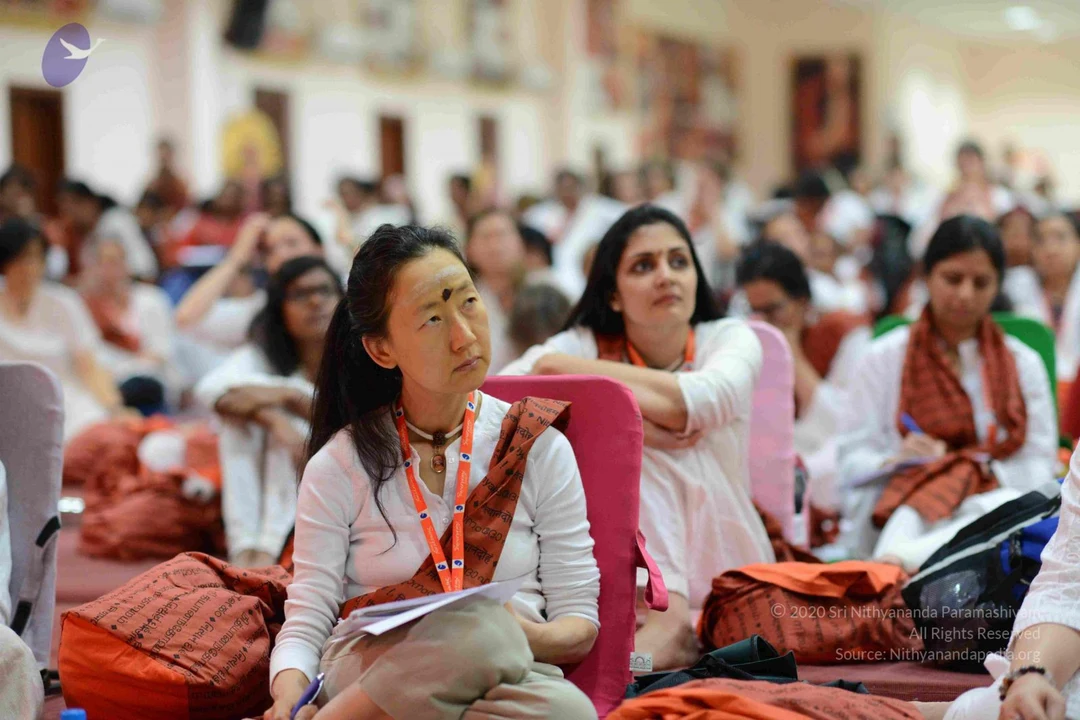
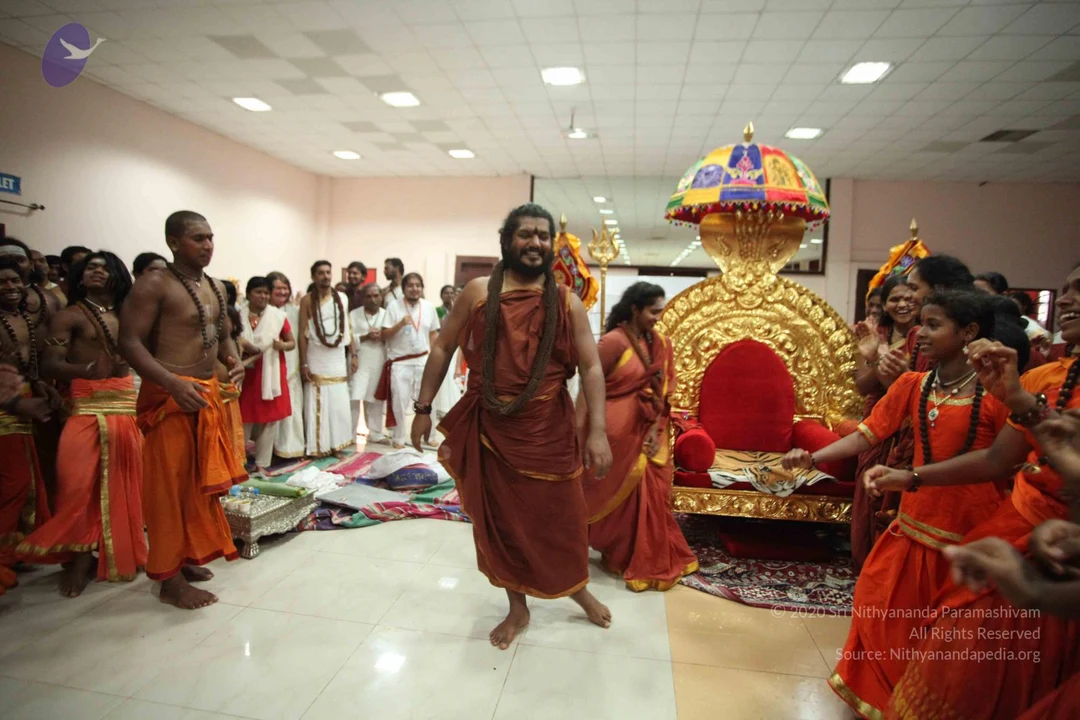
Krithan
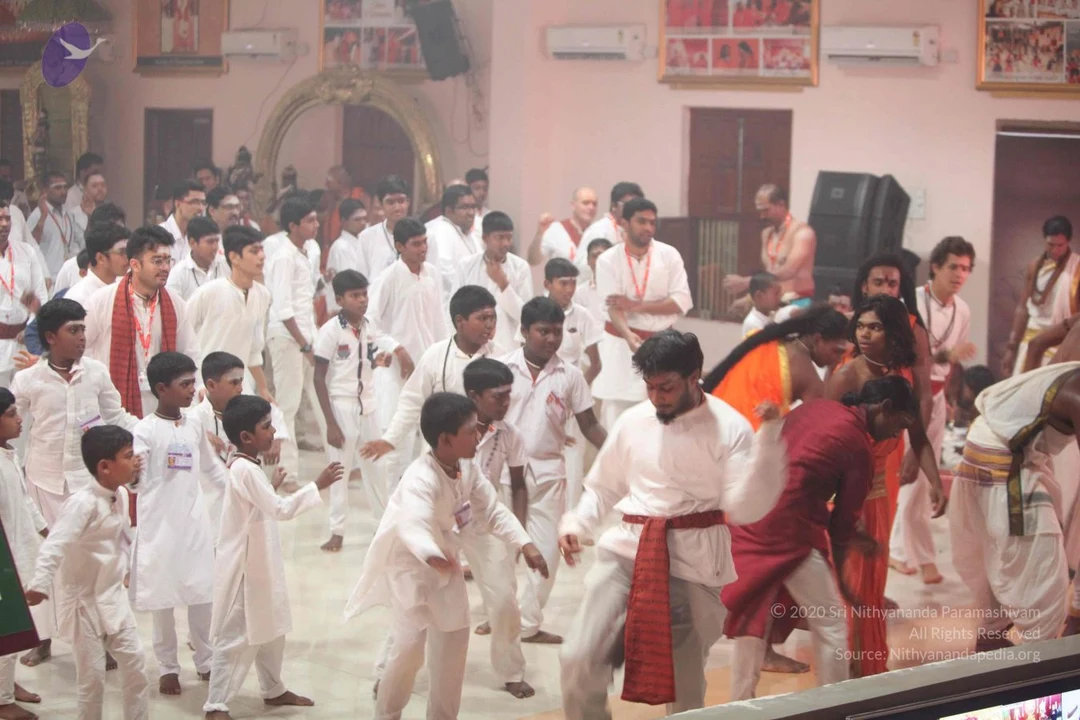
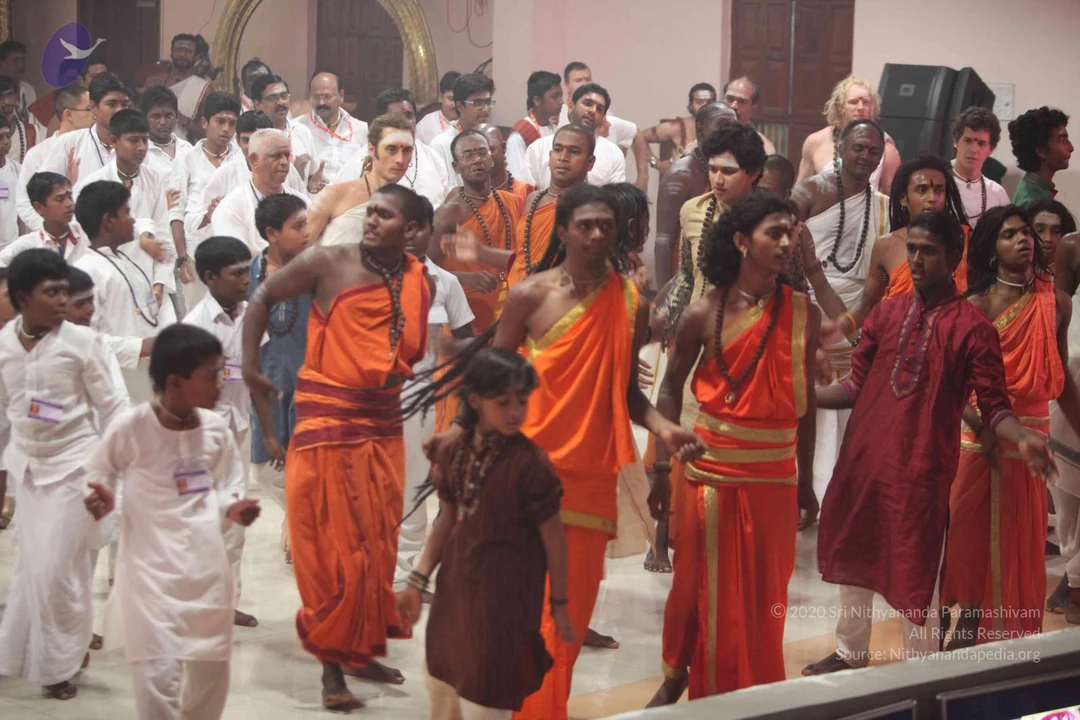
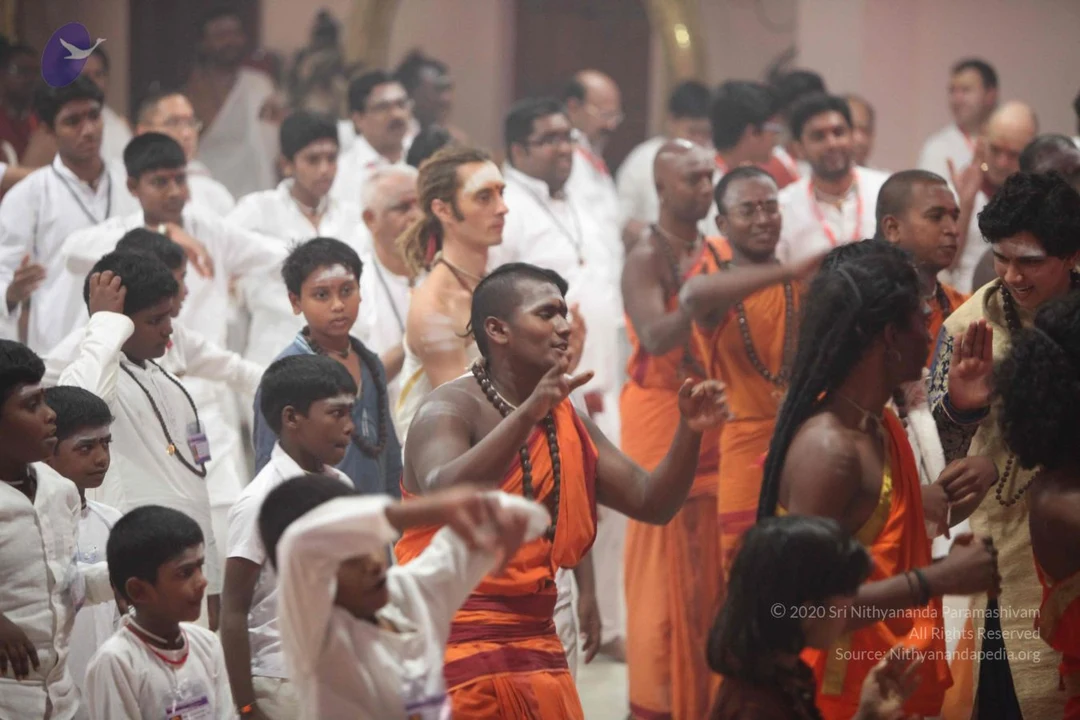
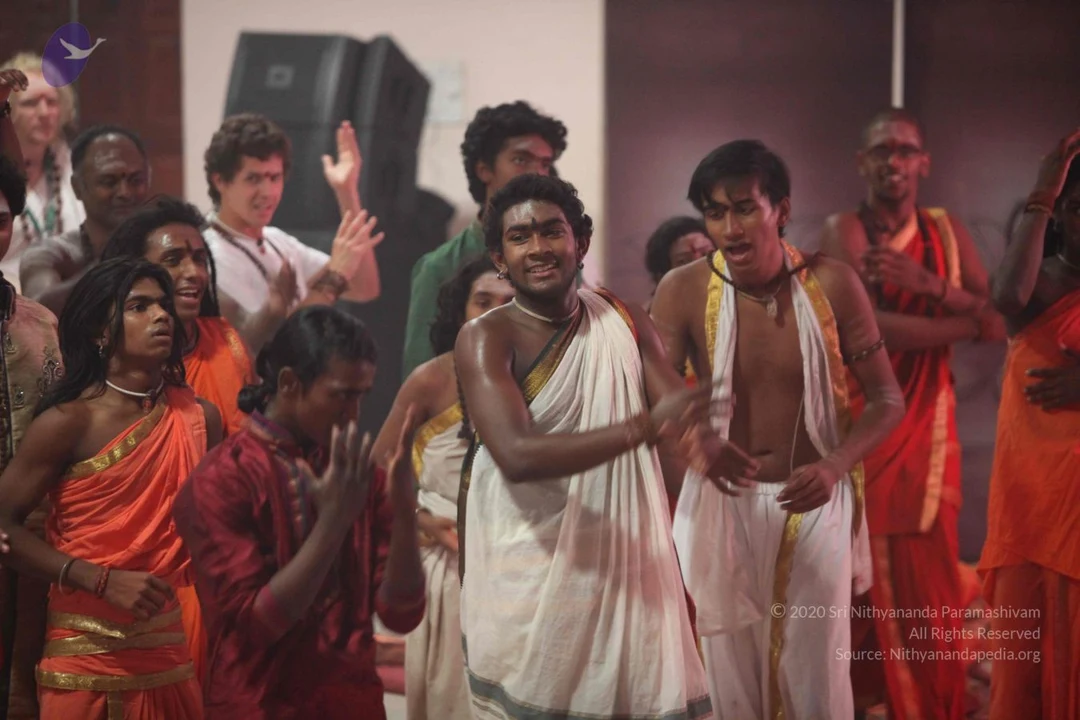
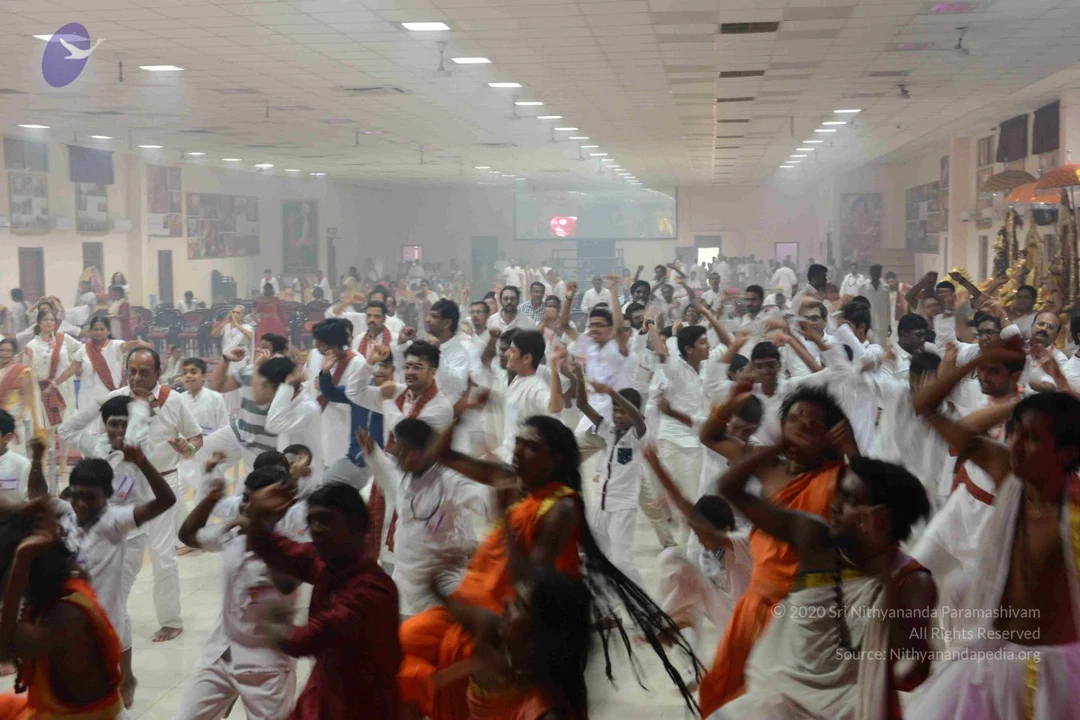
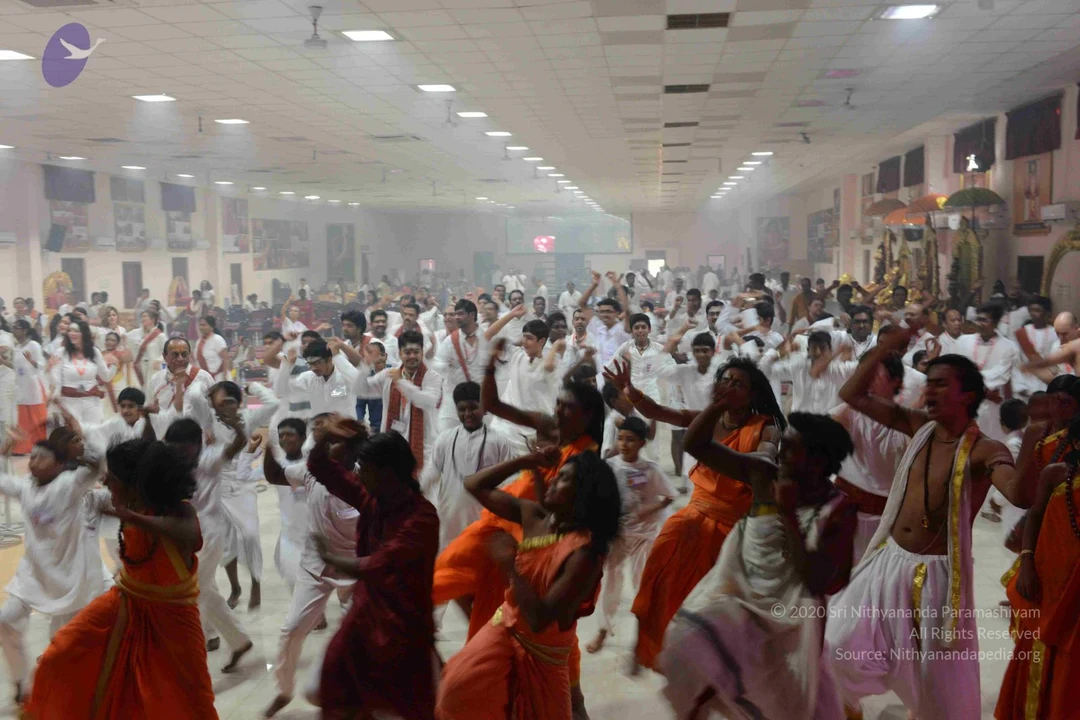
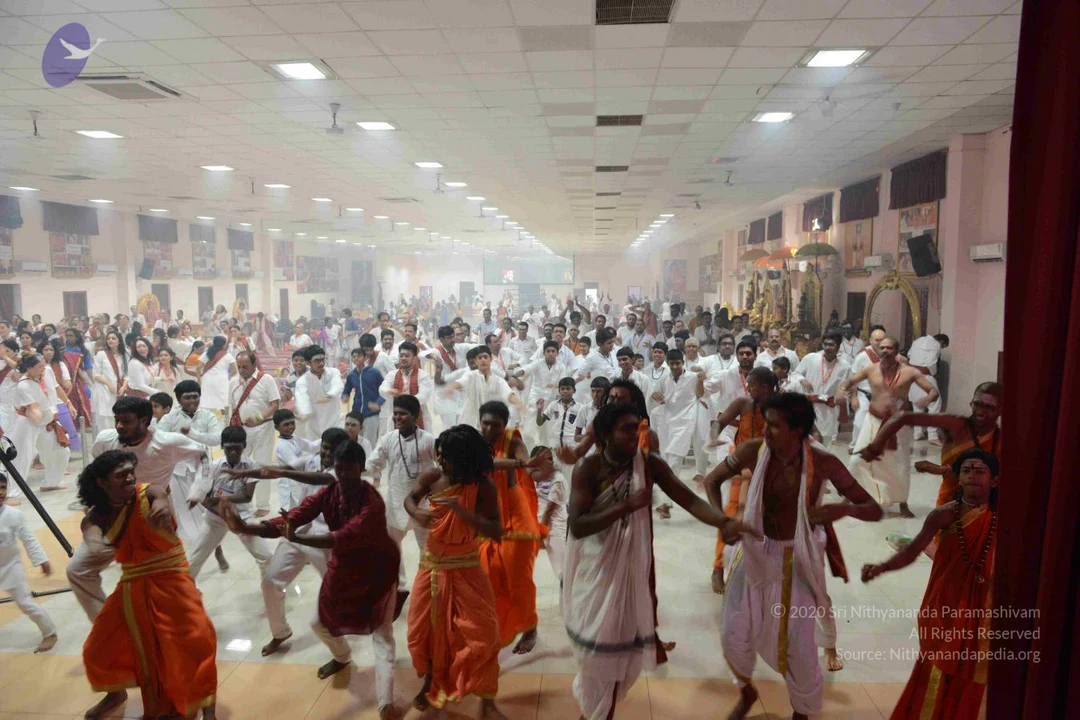
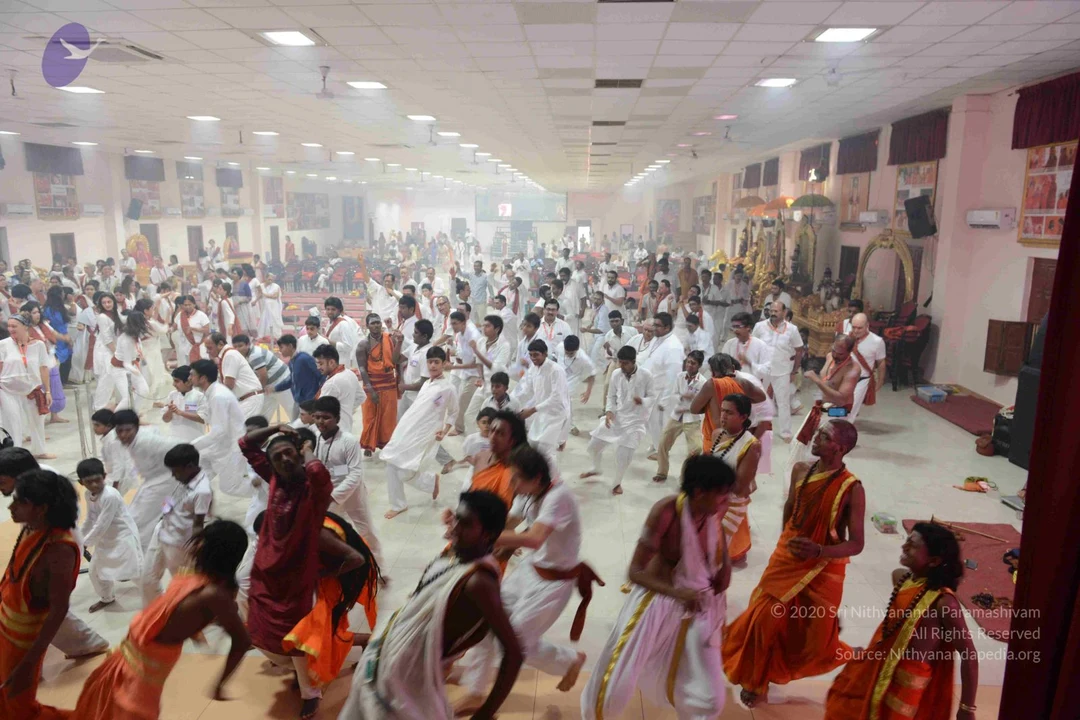
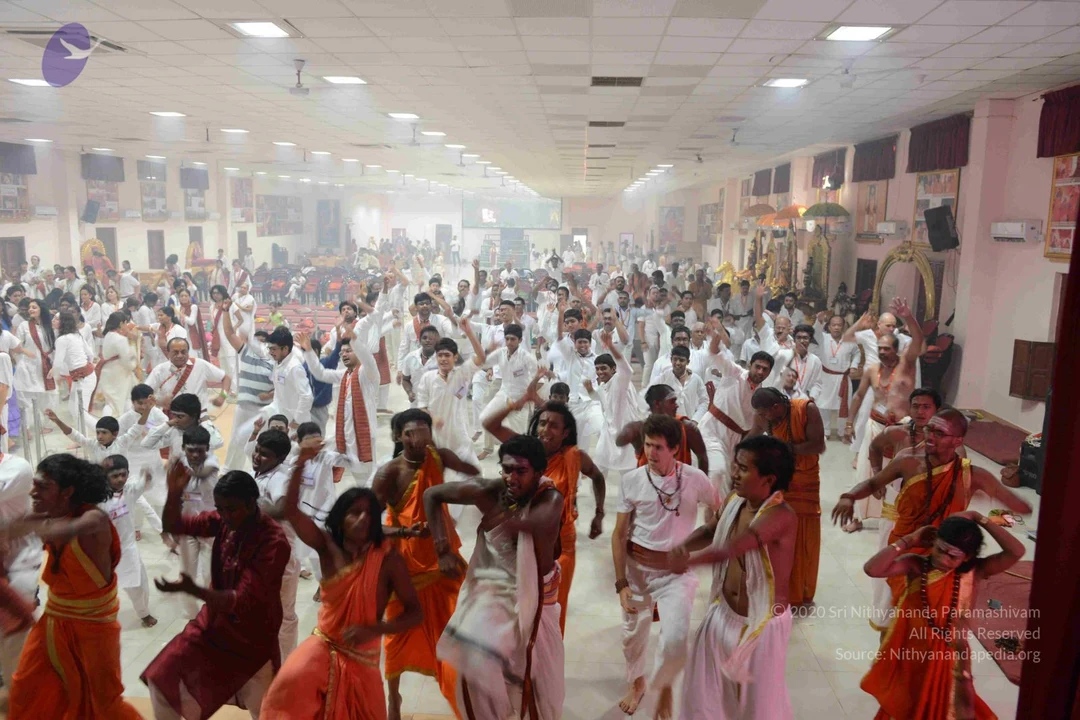
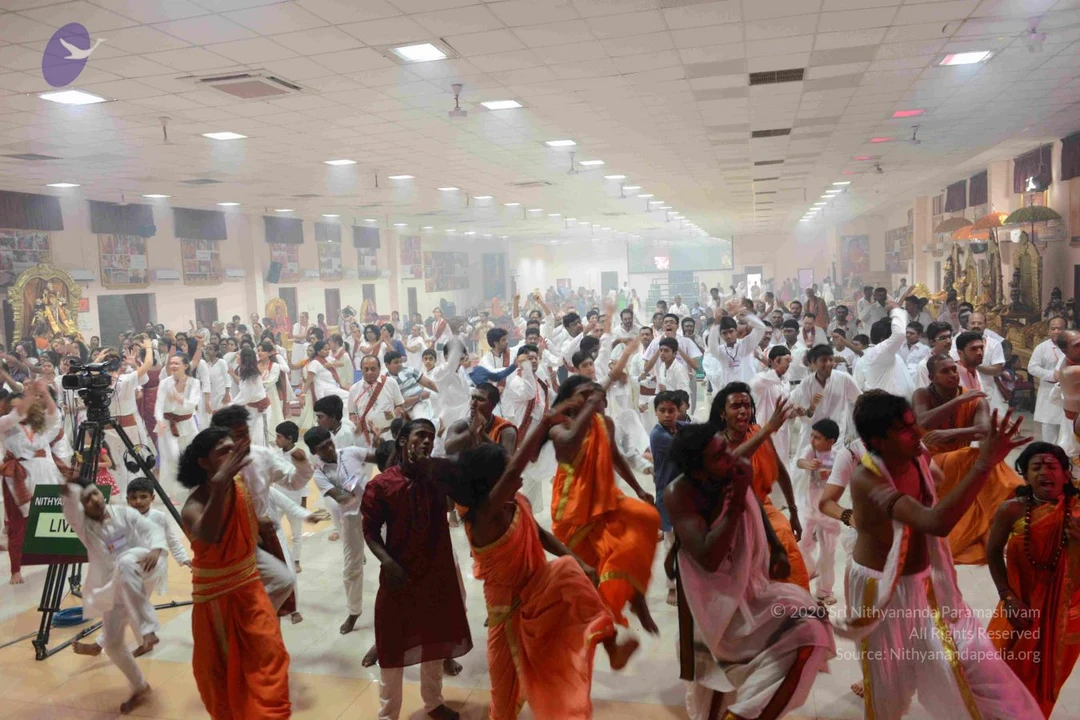
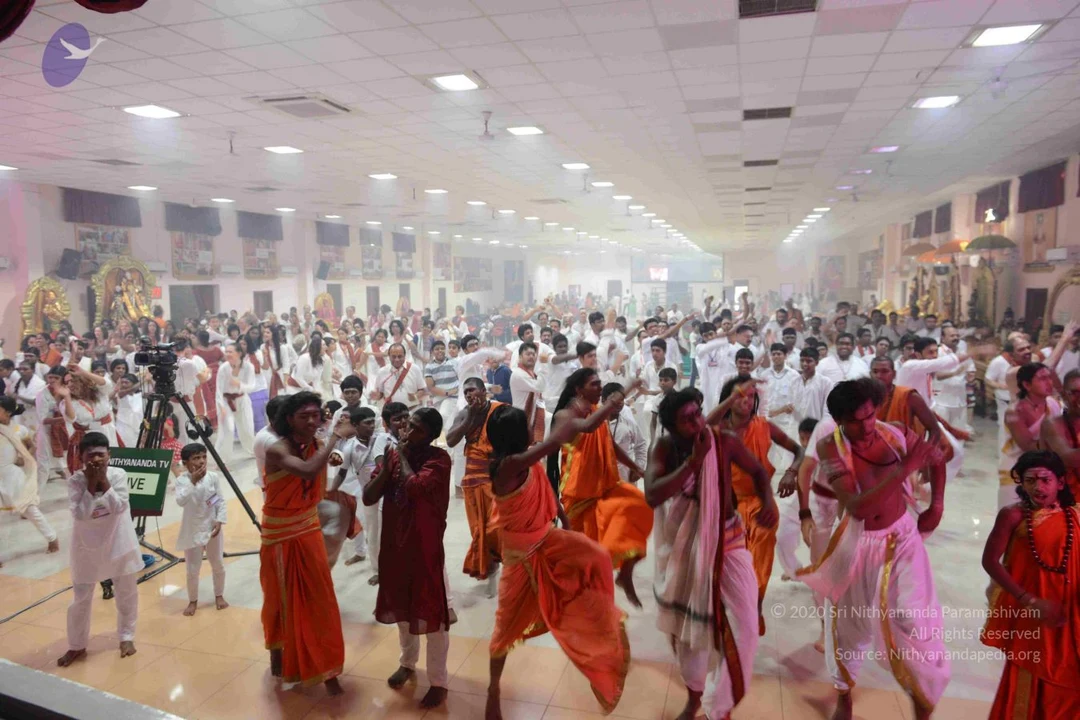
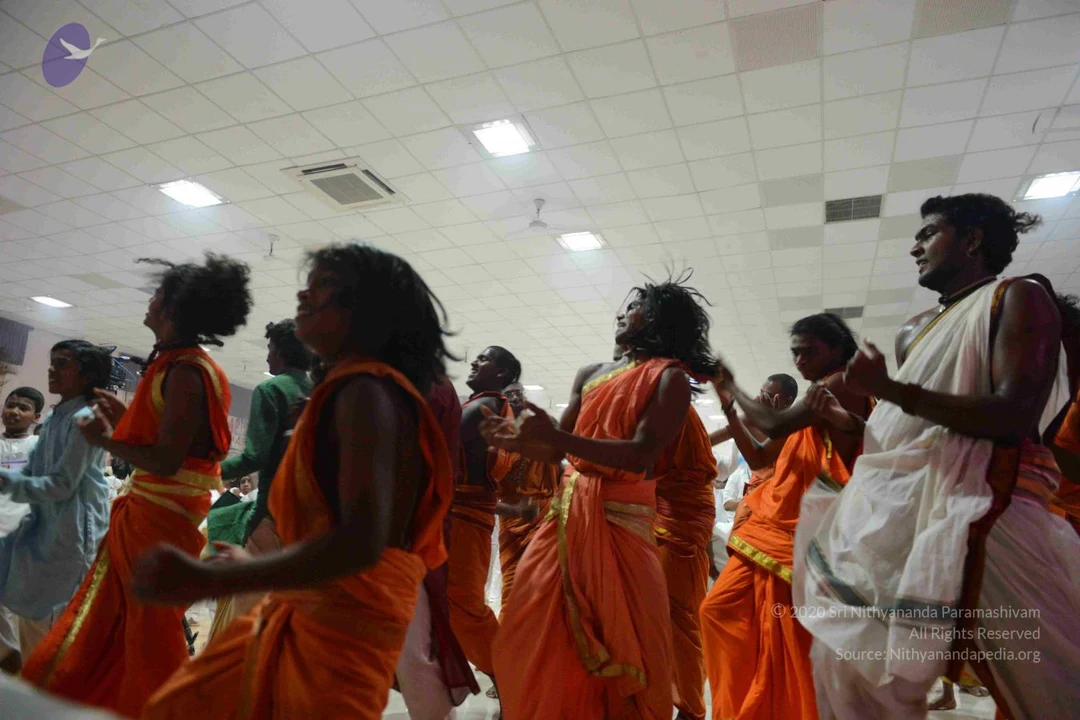
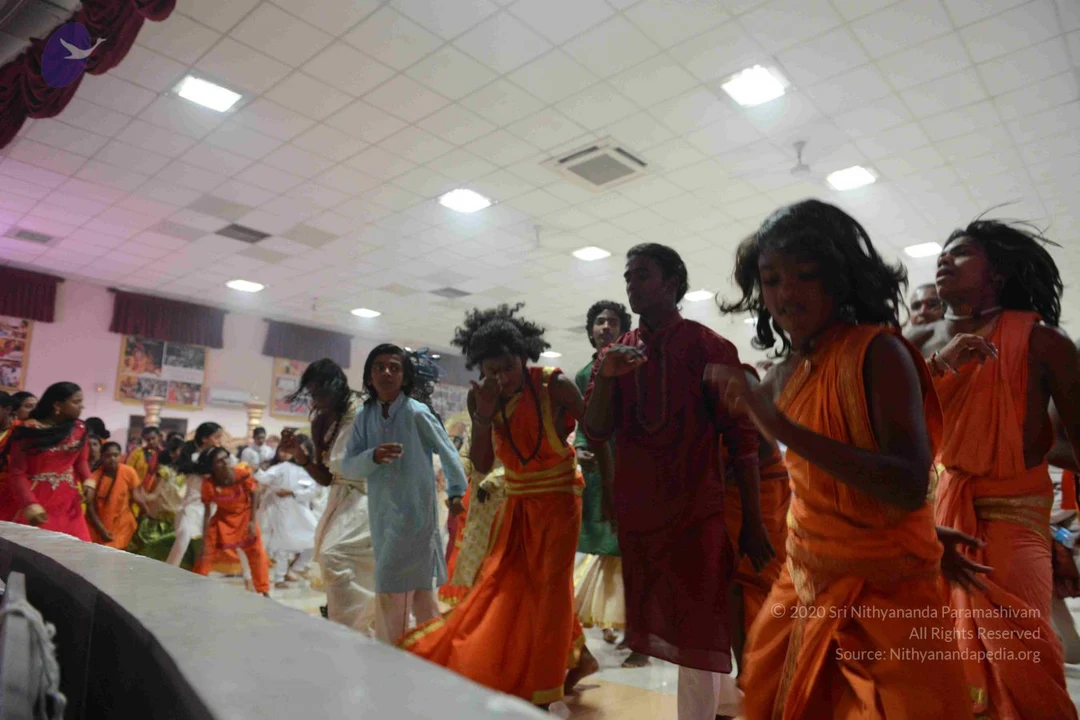
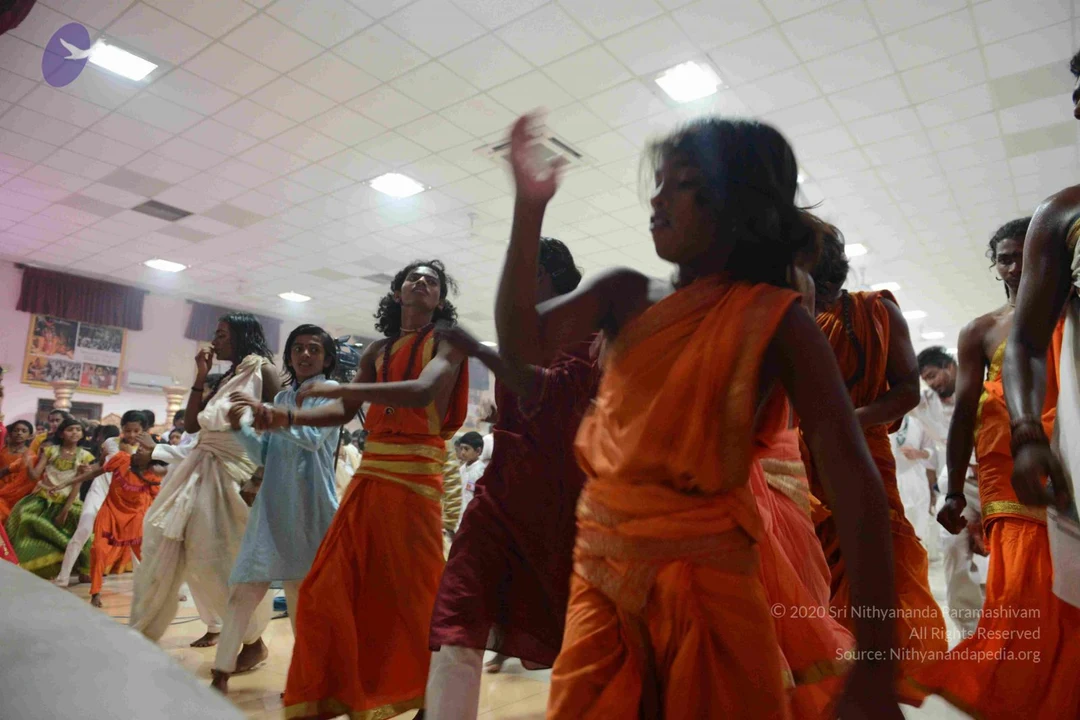
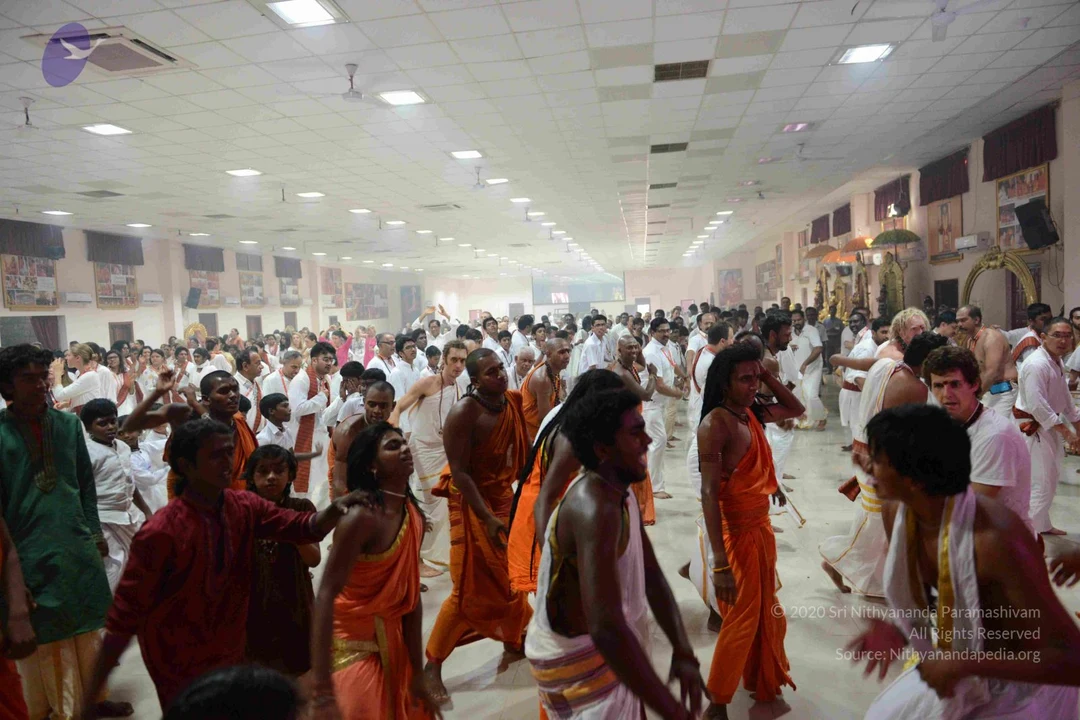
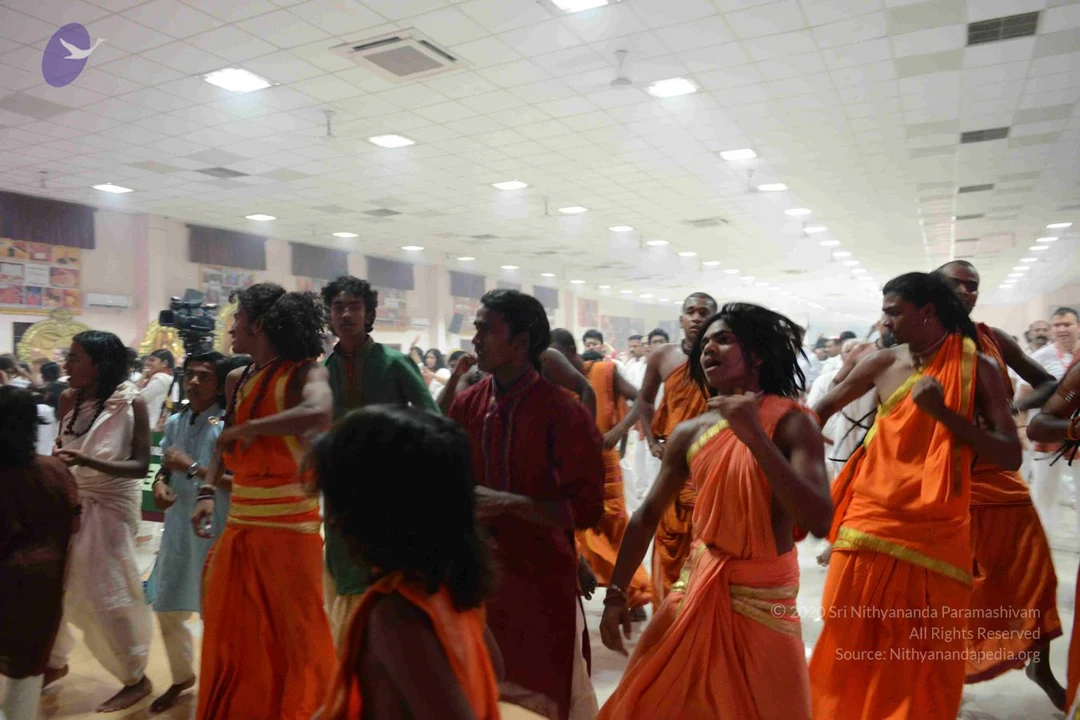
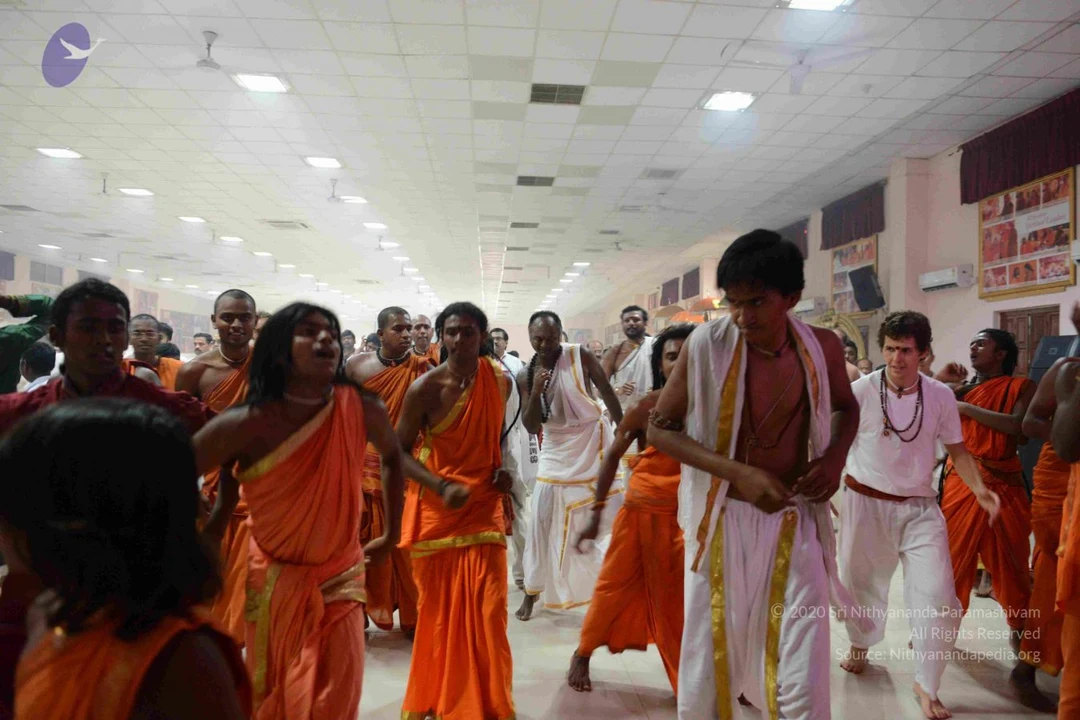
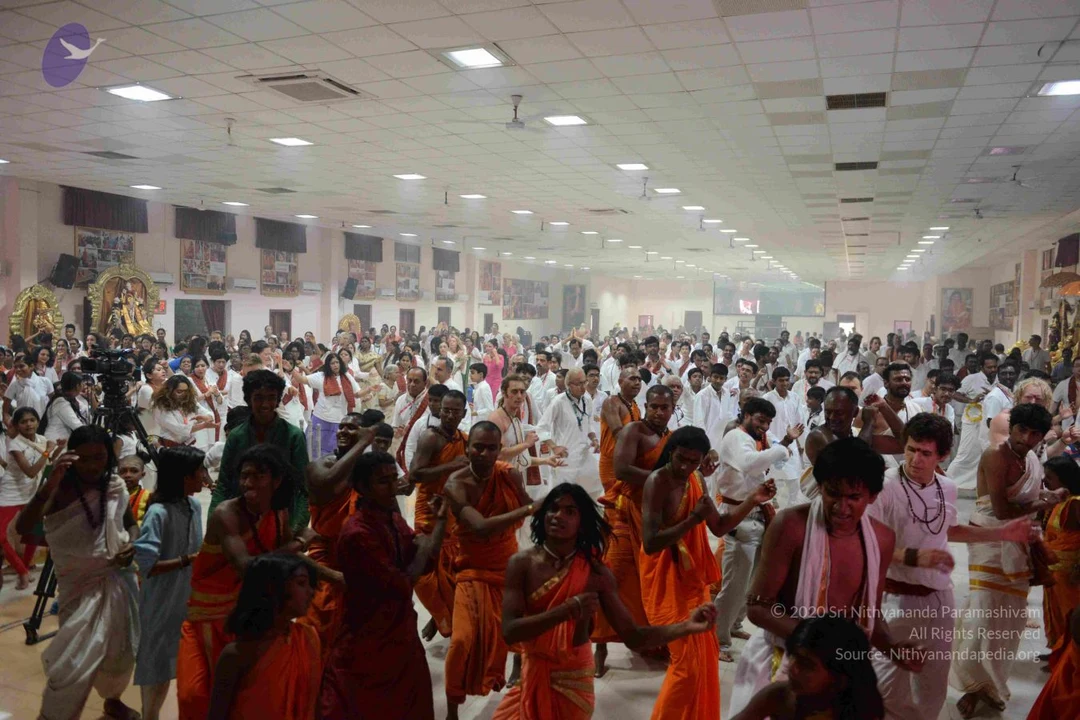
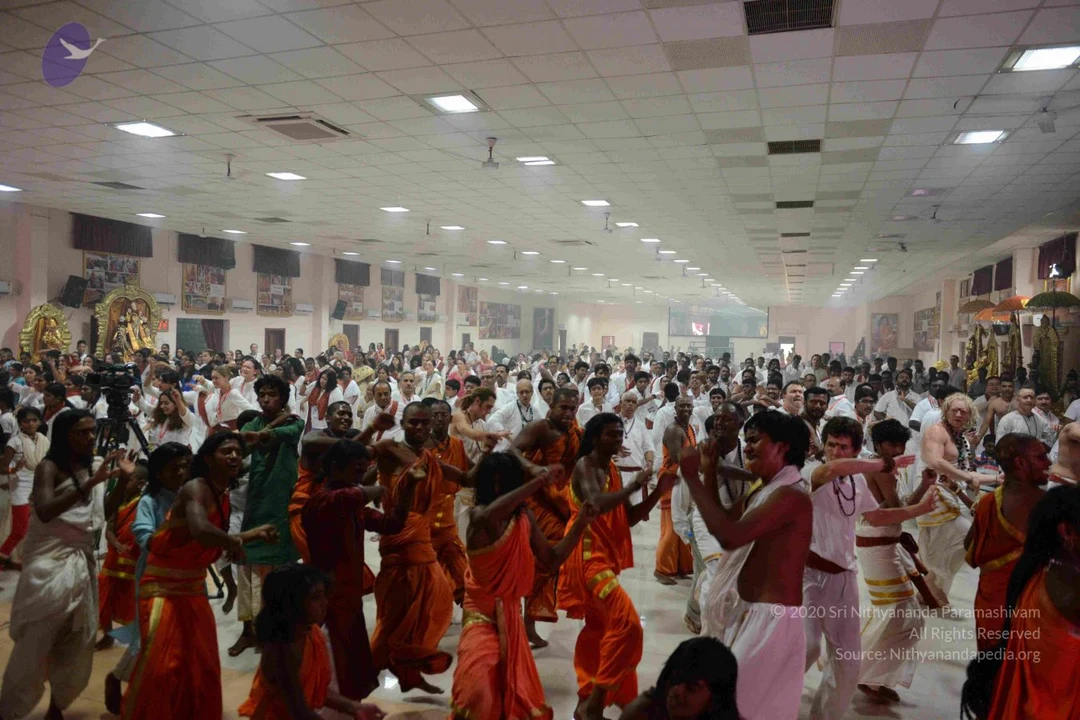
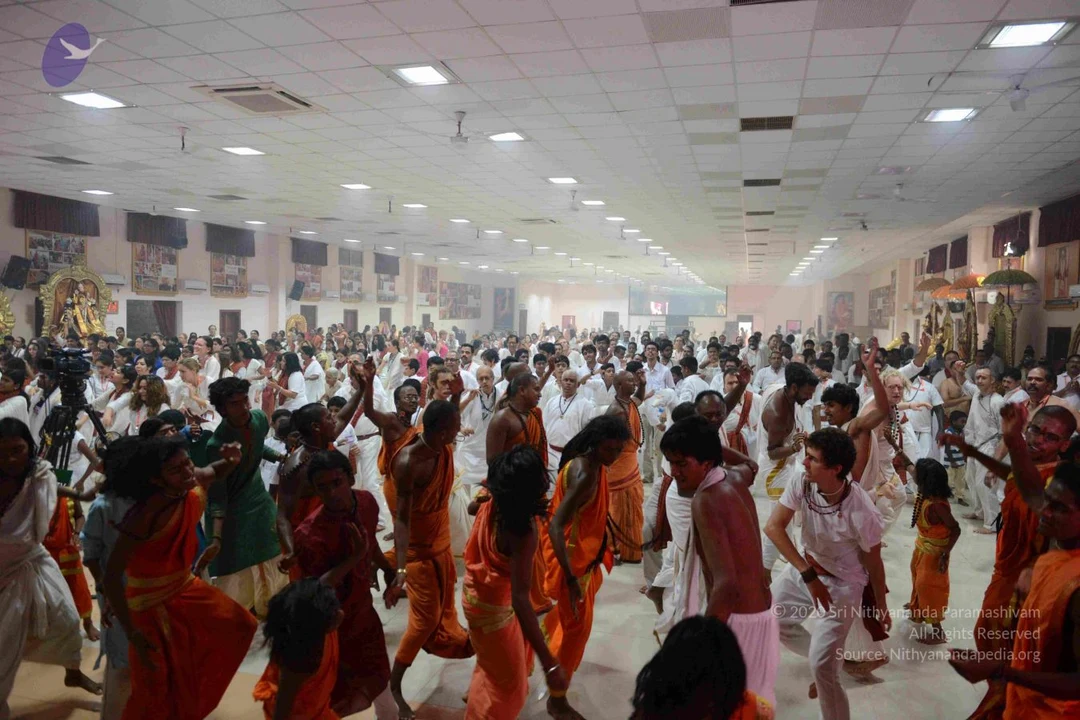
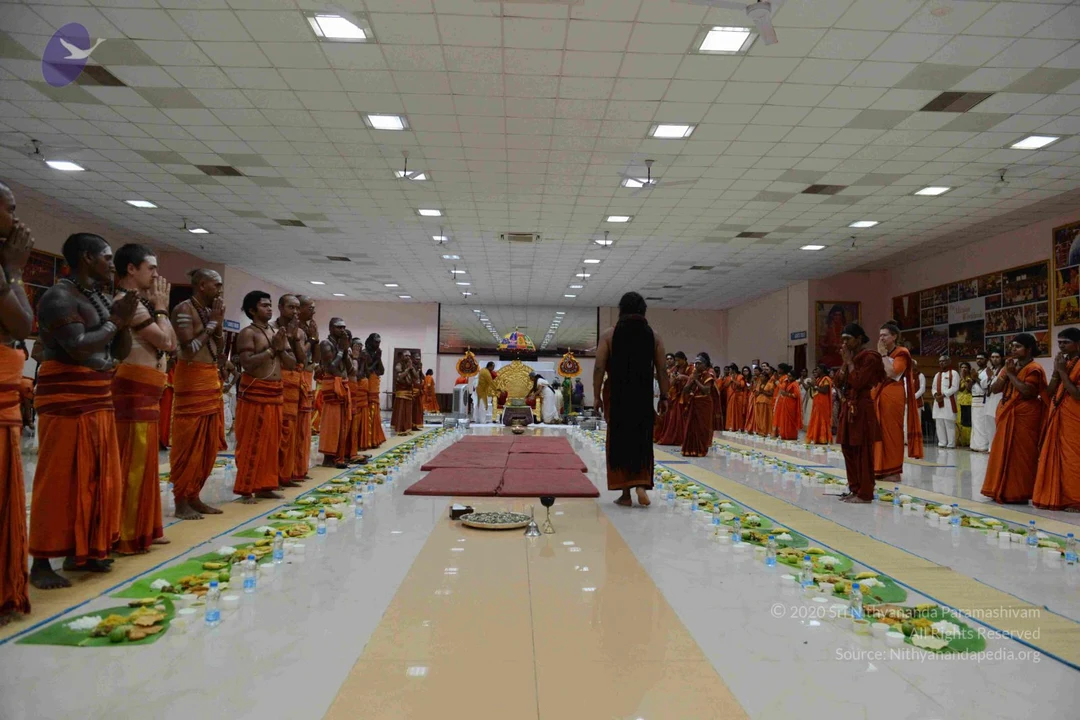
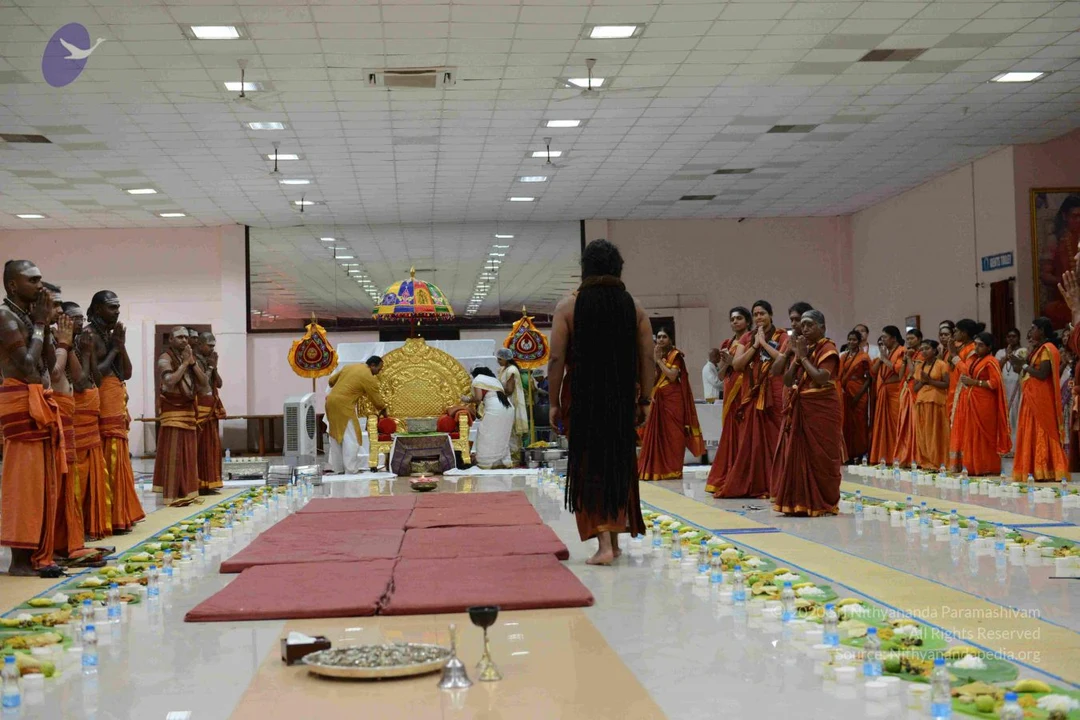
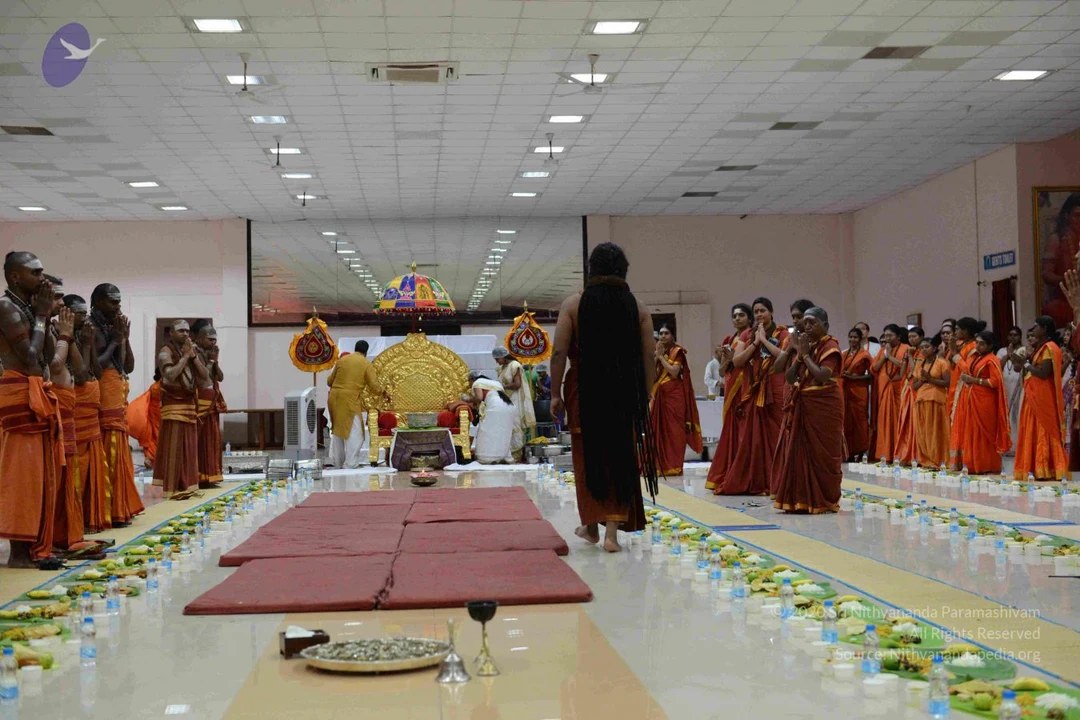
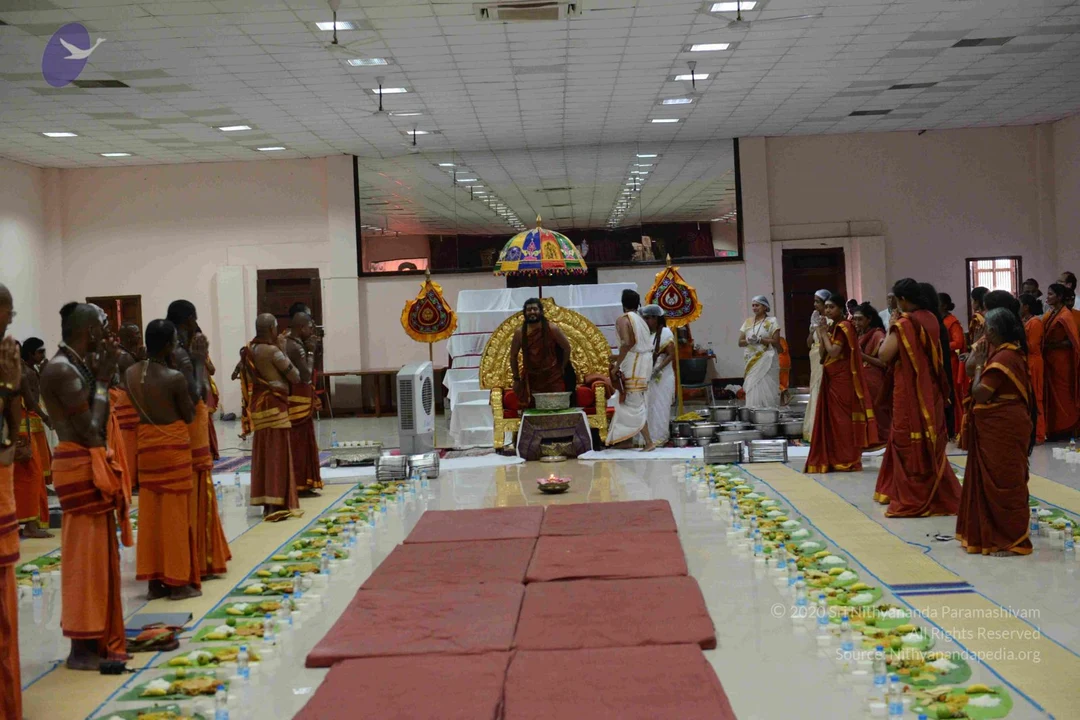
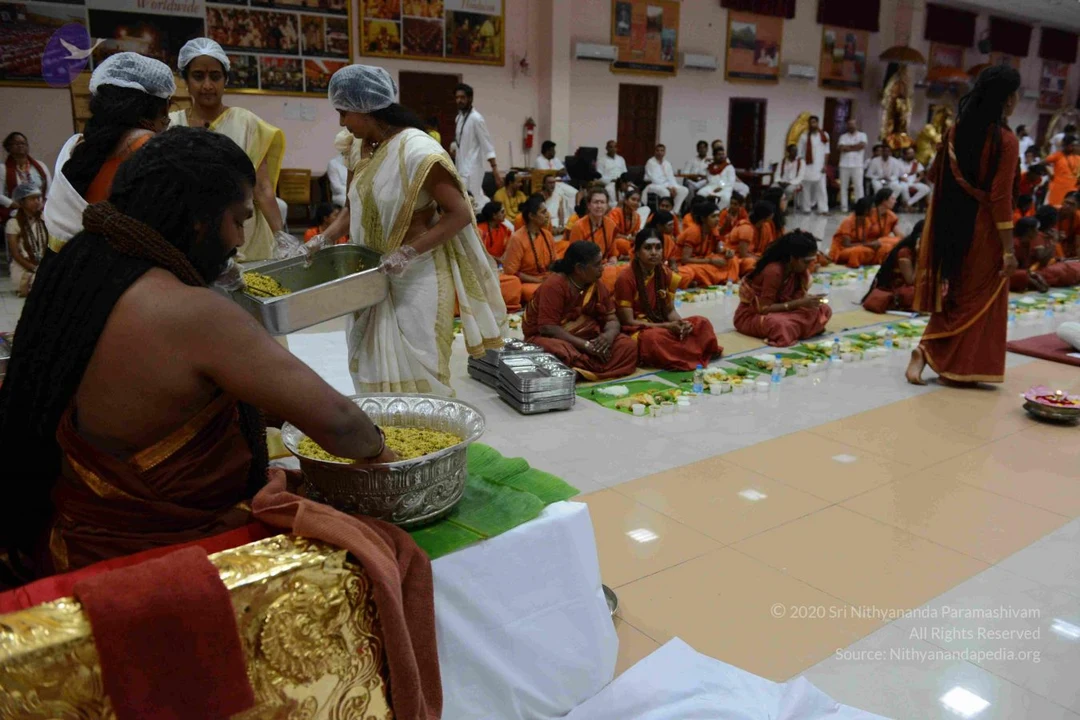
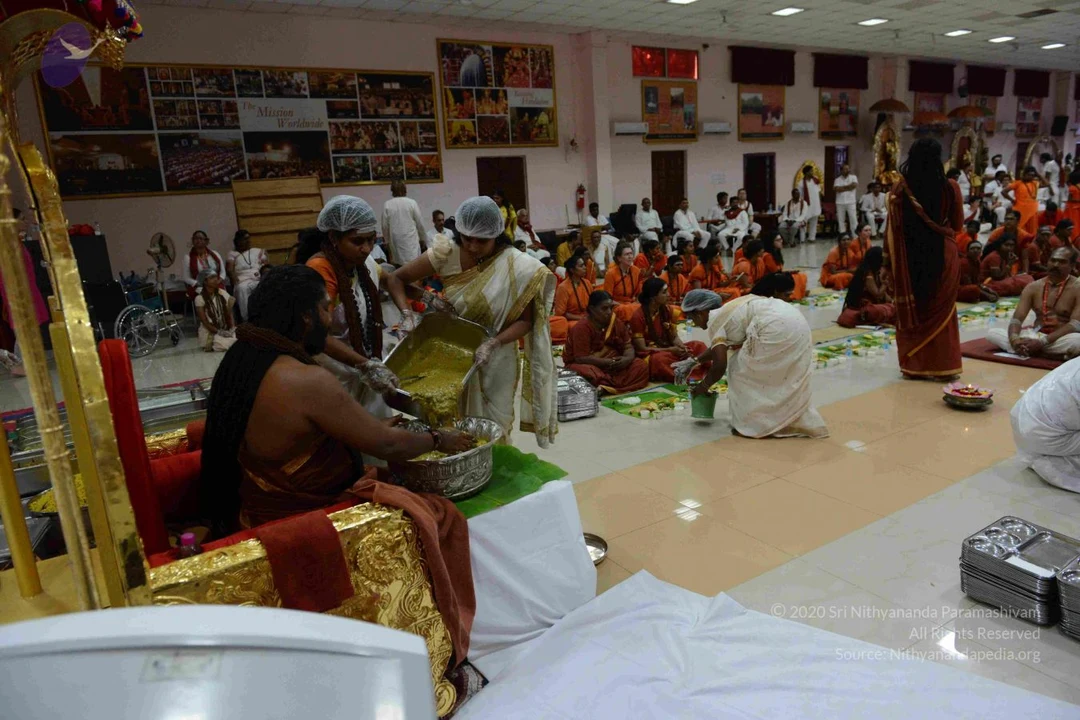
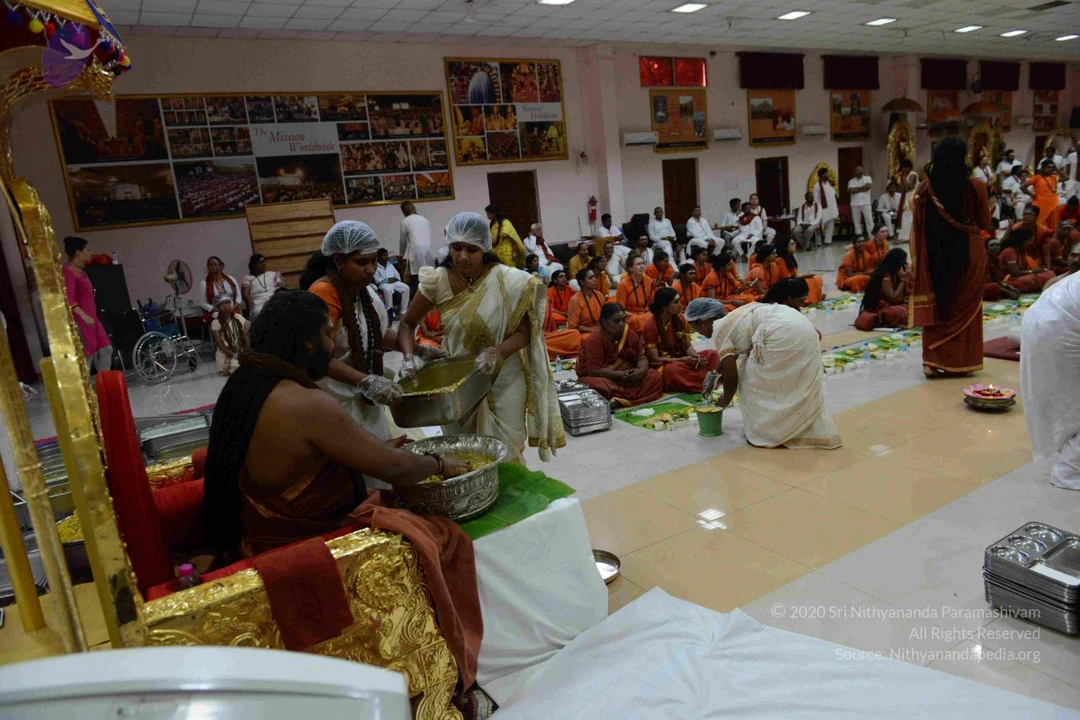
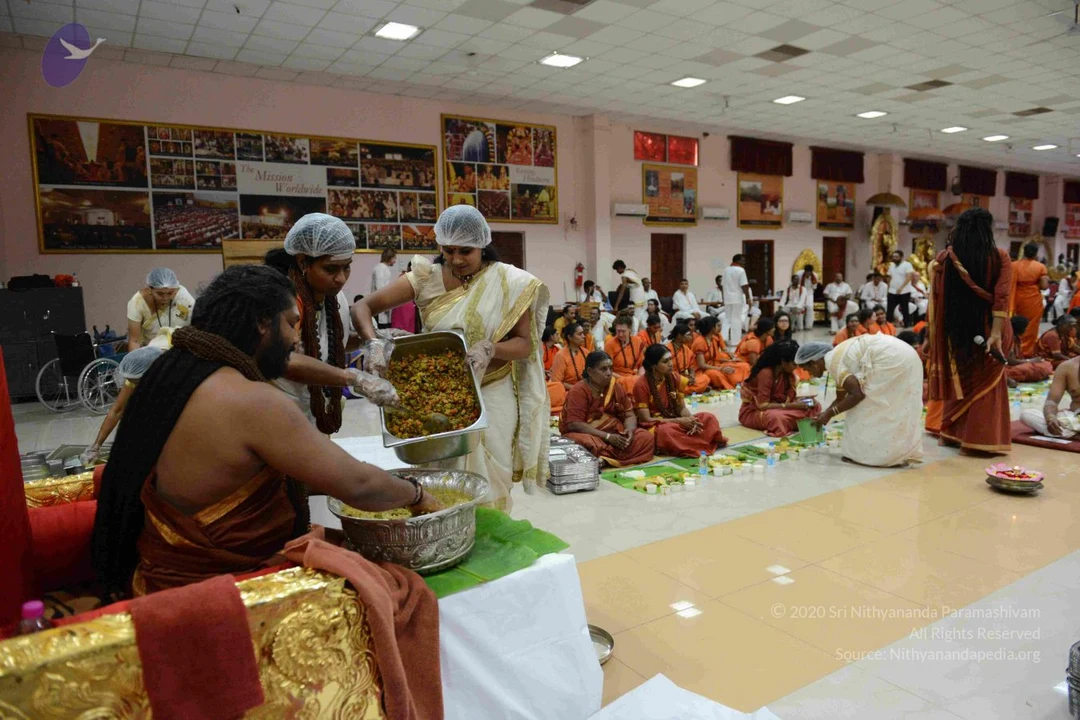
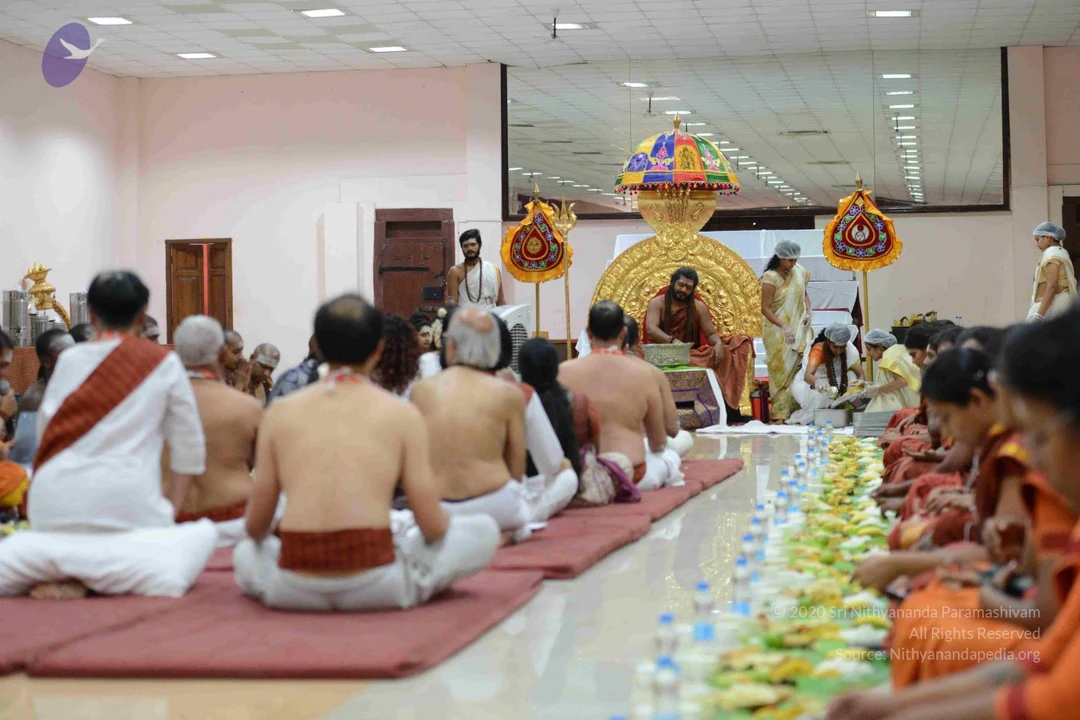
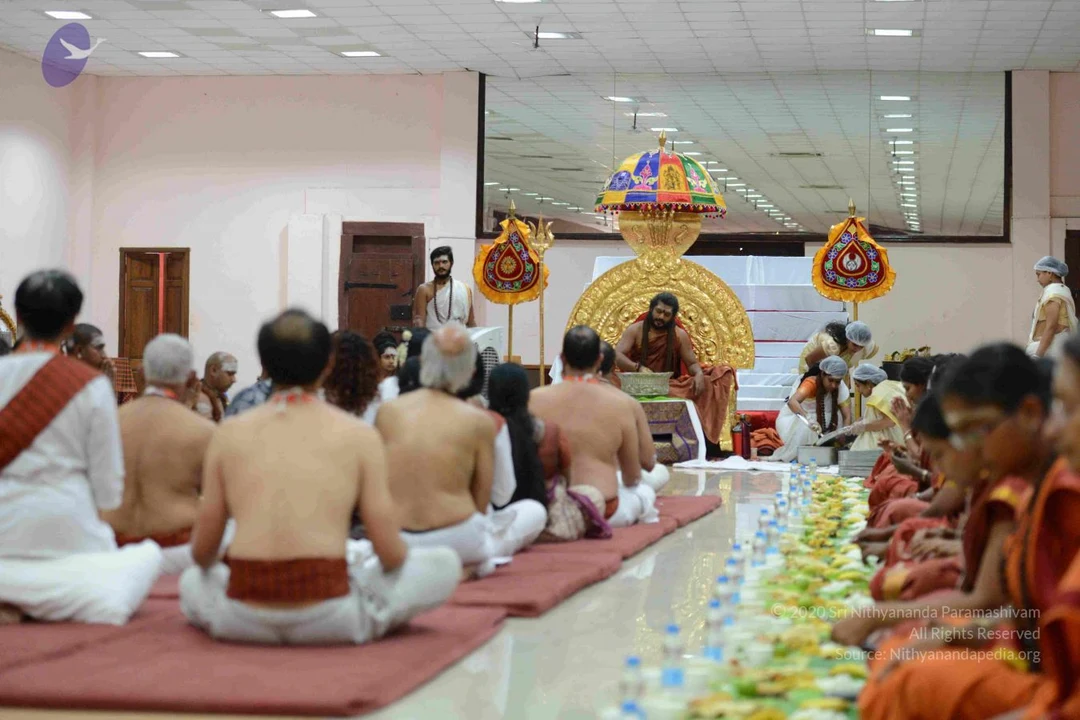
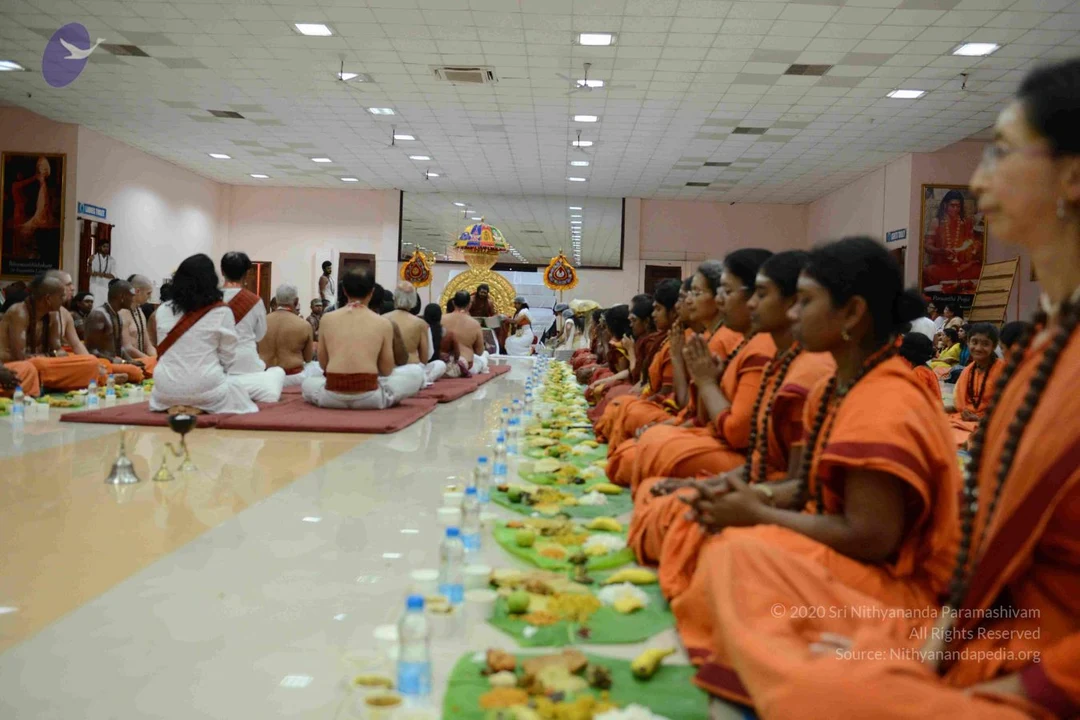
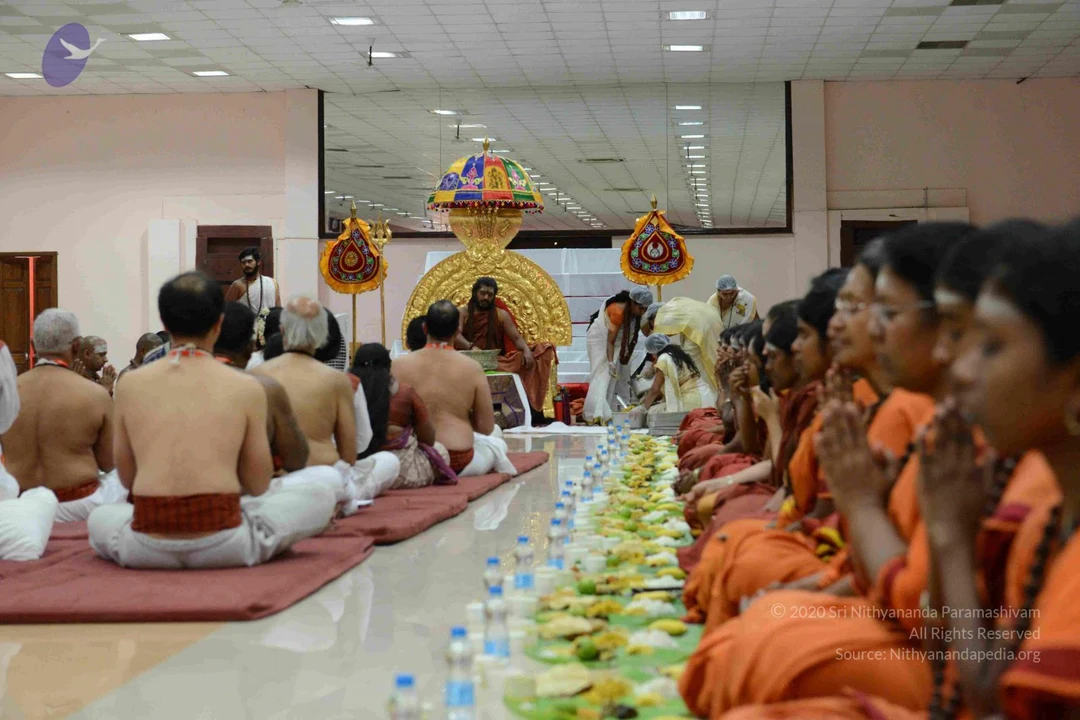
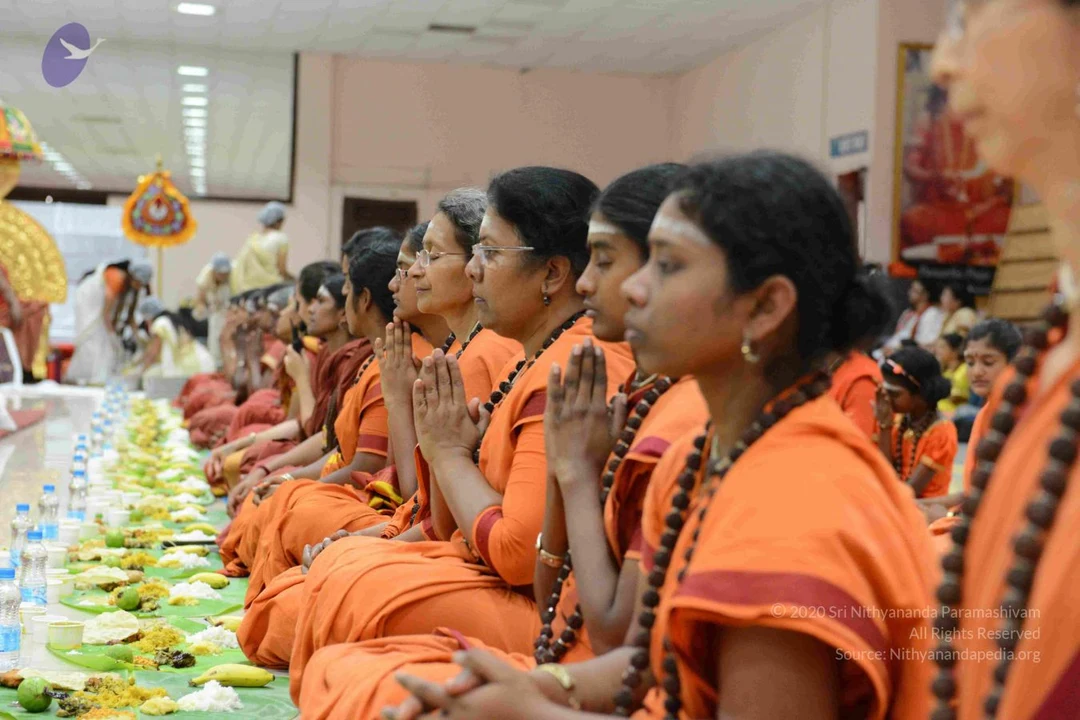
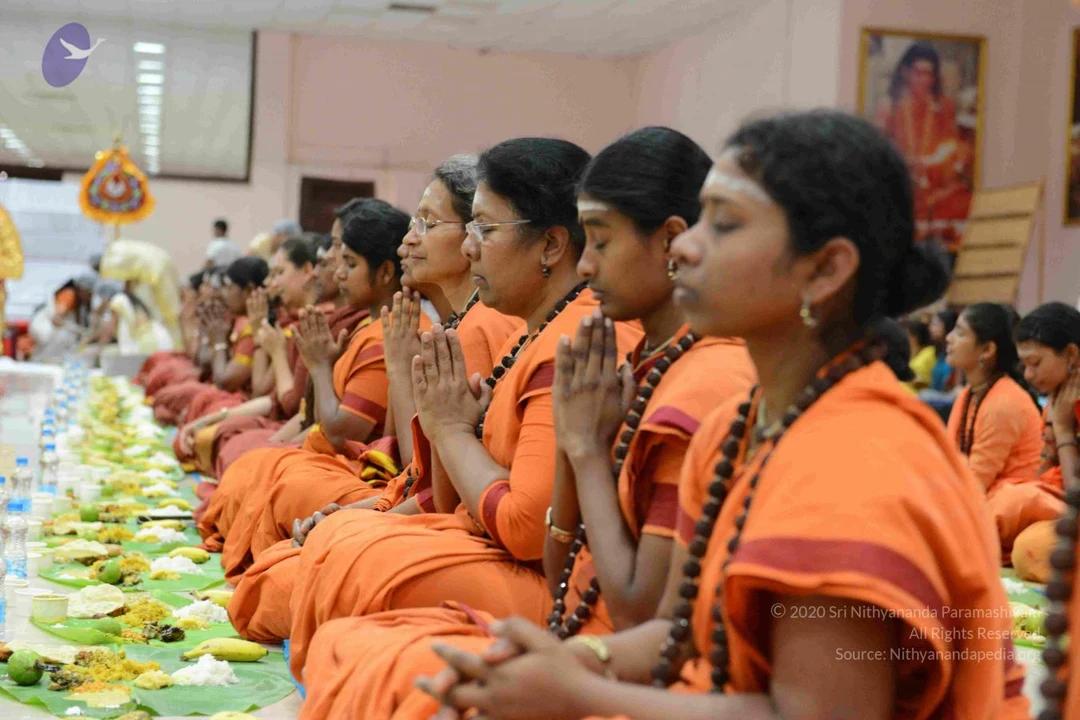
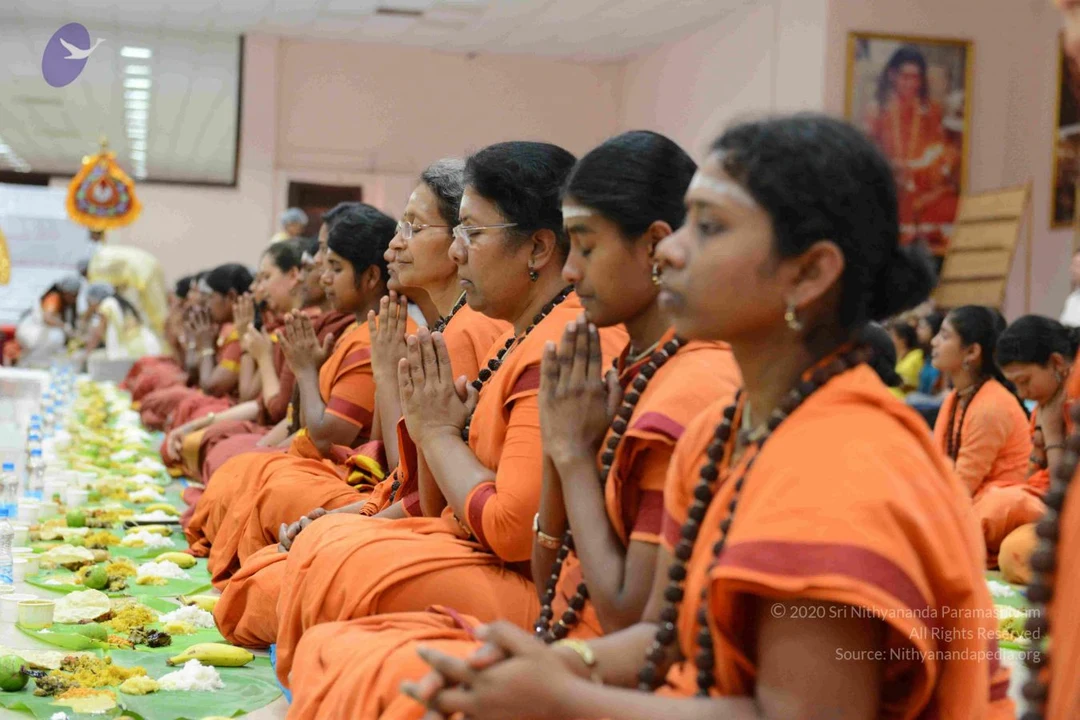
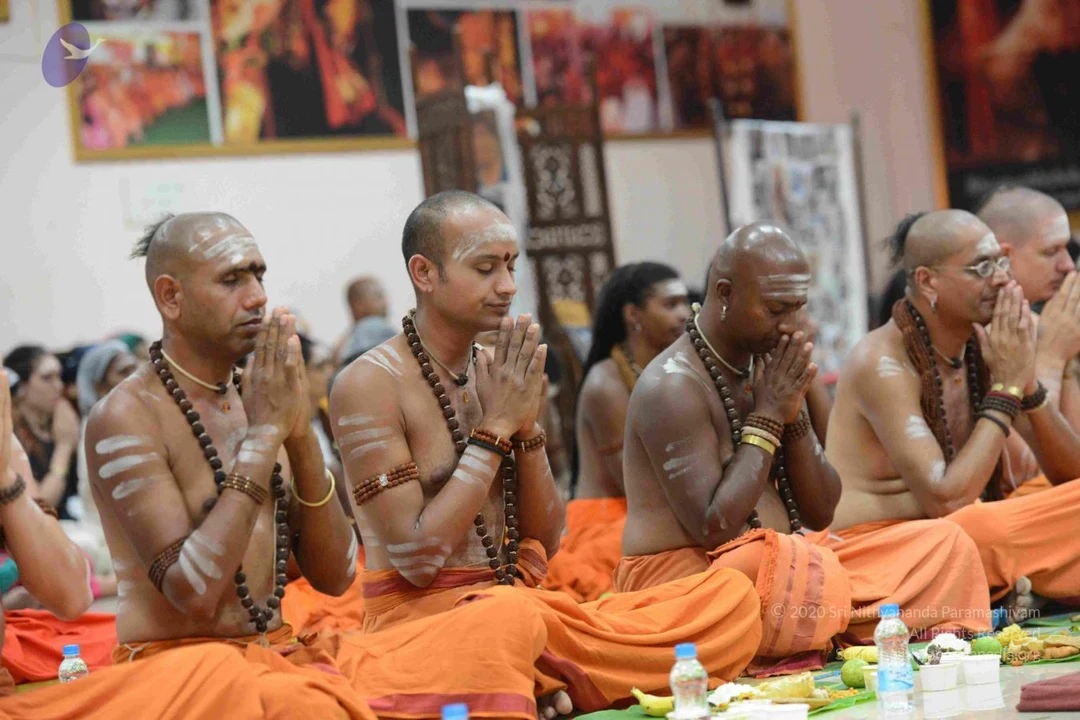
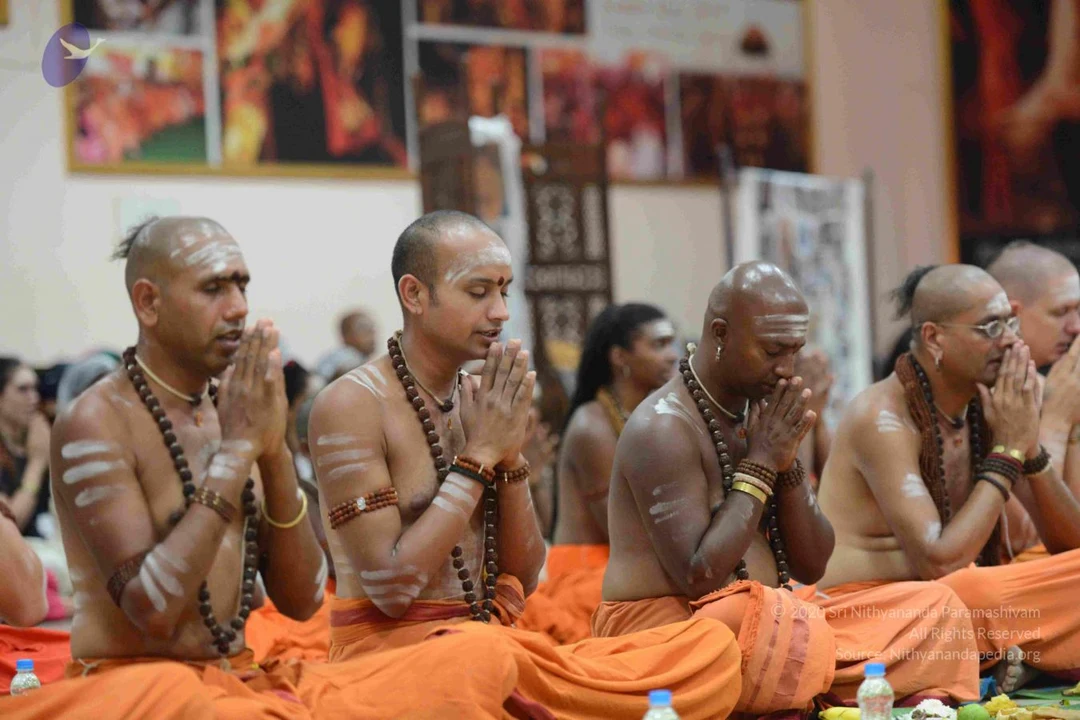
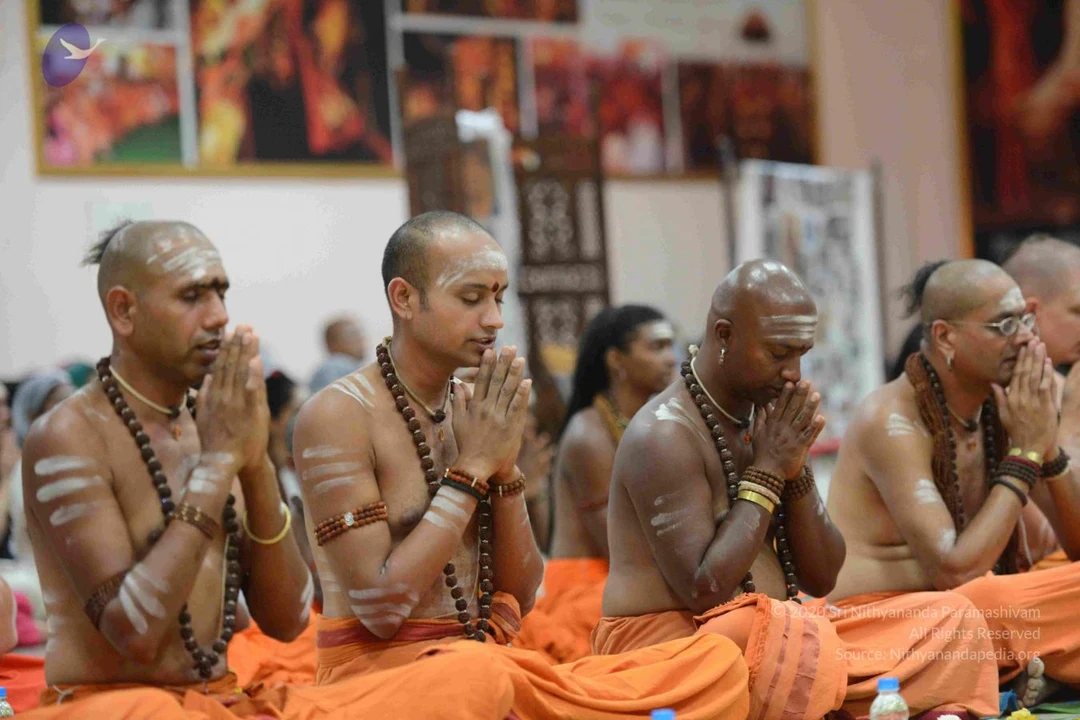
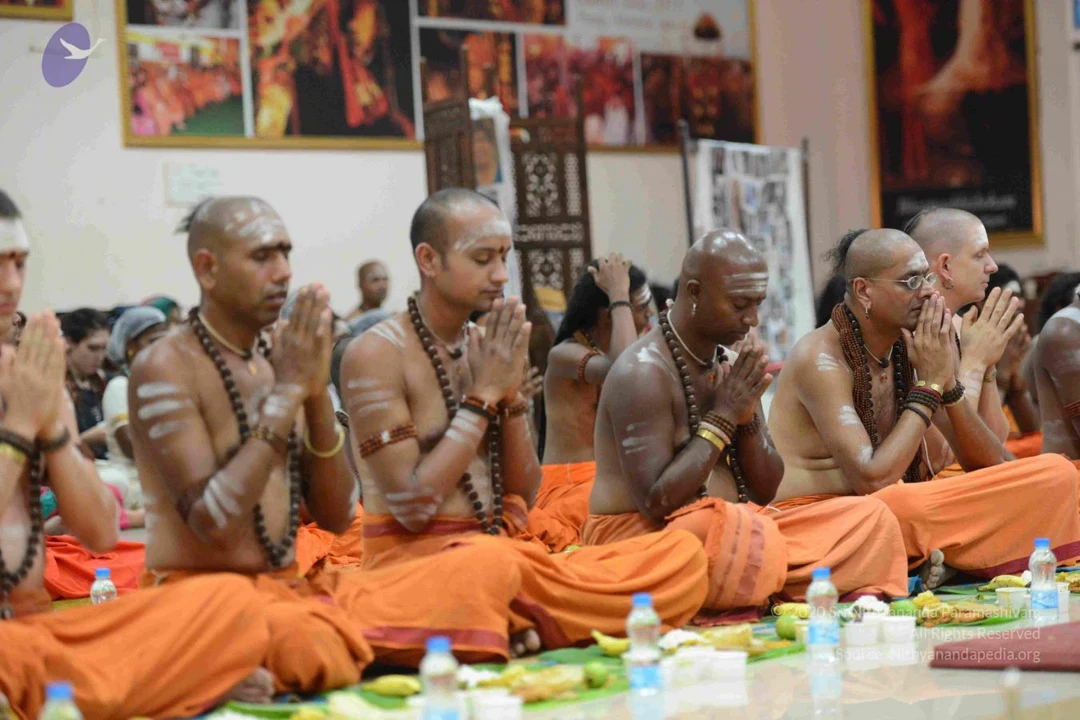
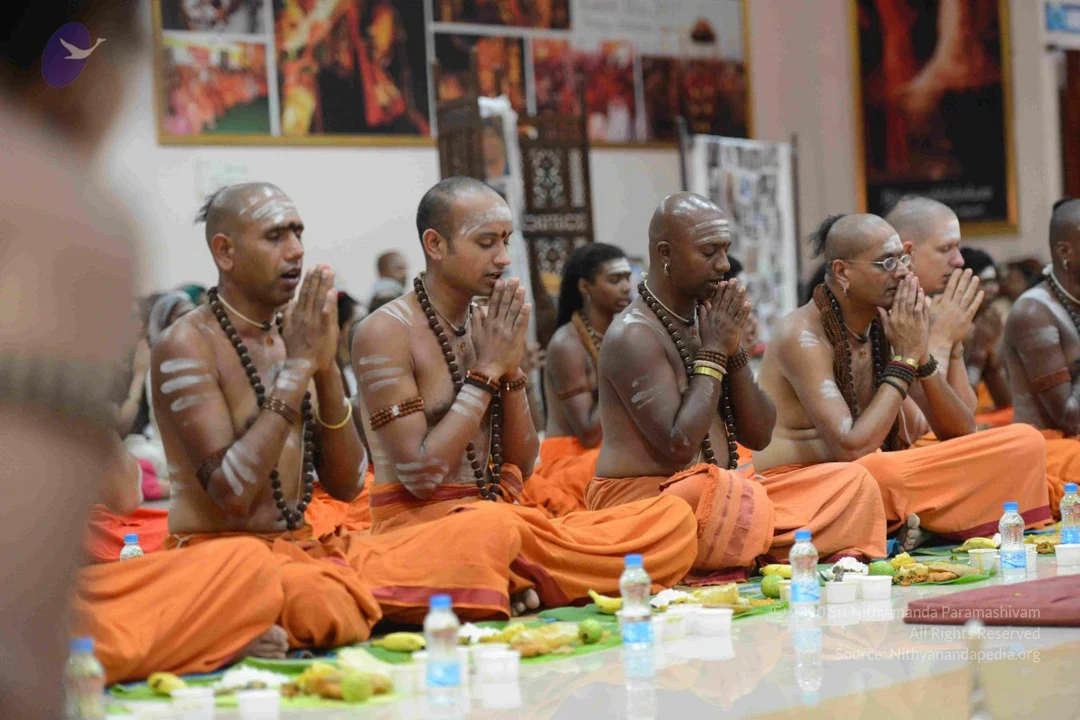
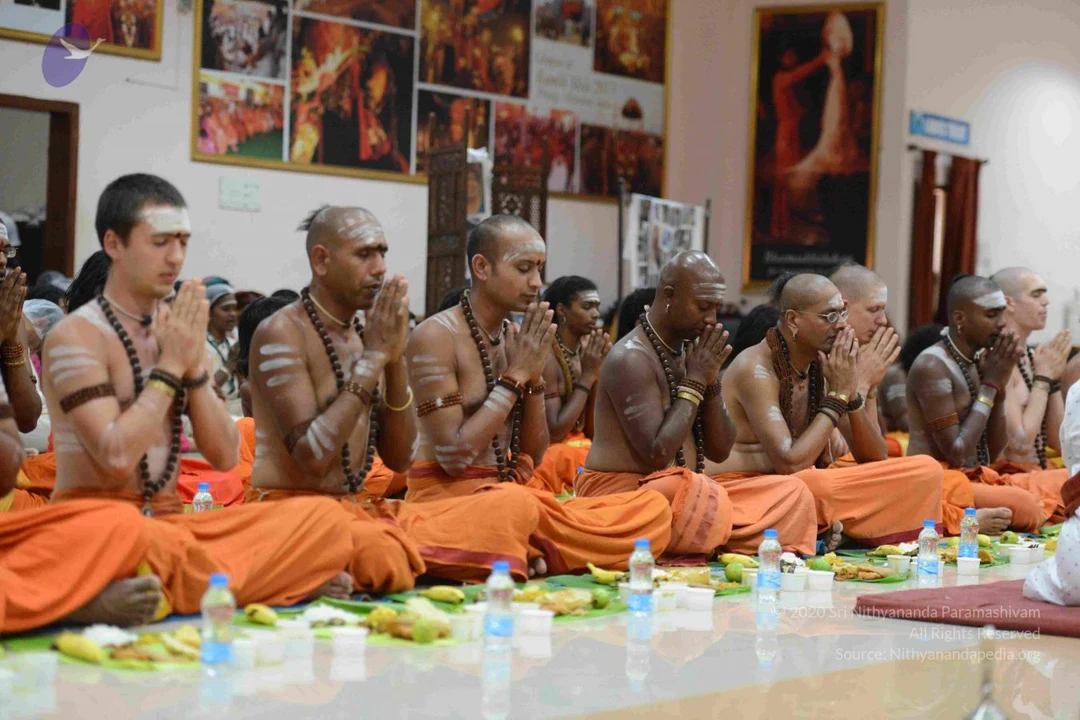
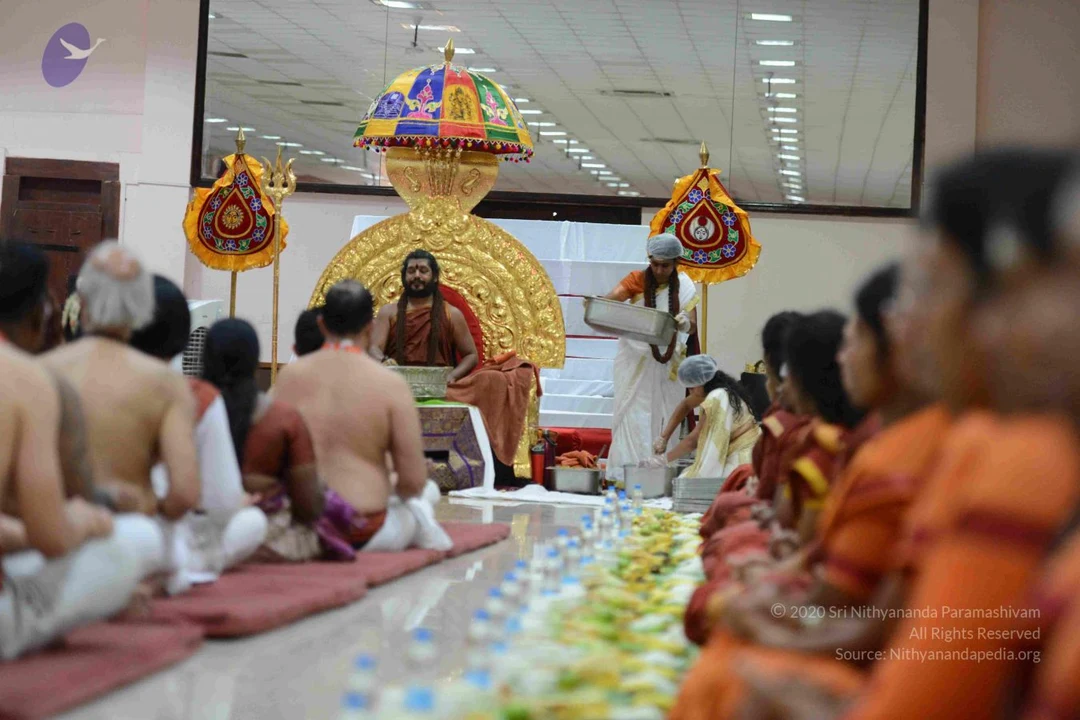
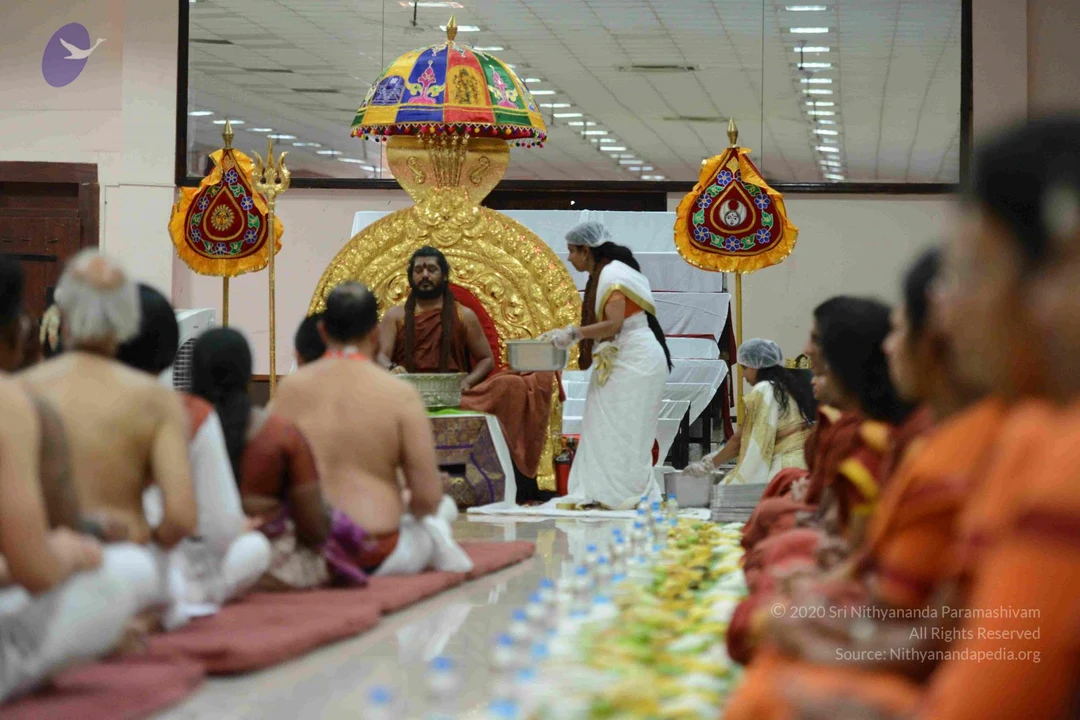
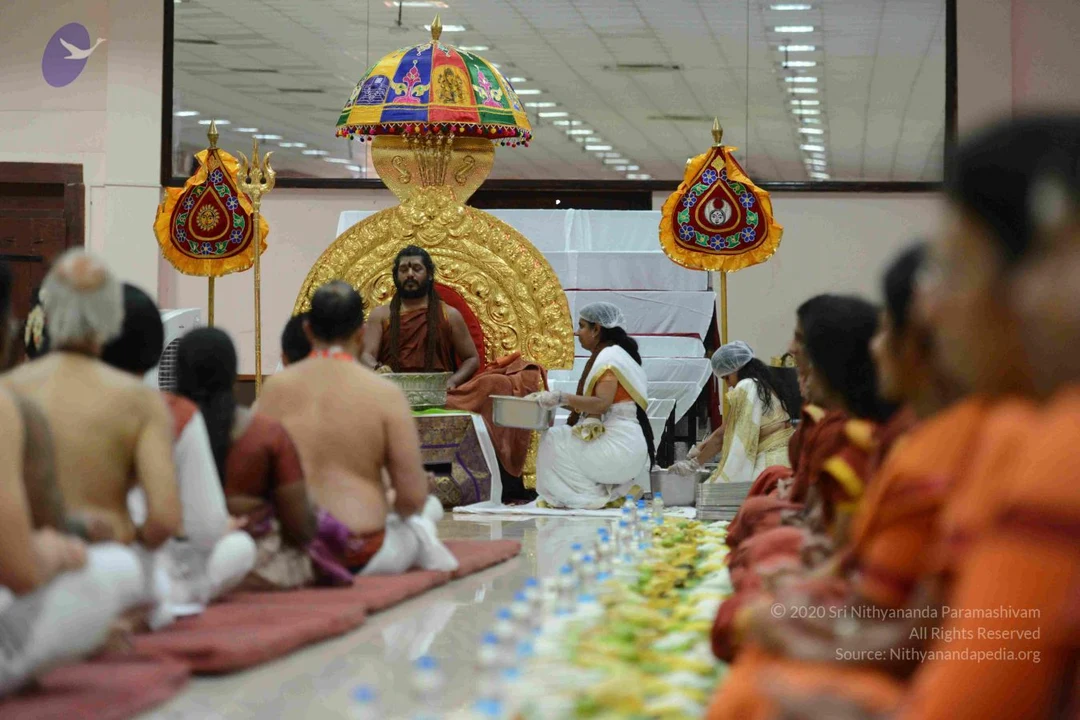
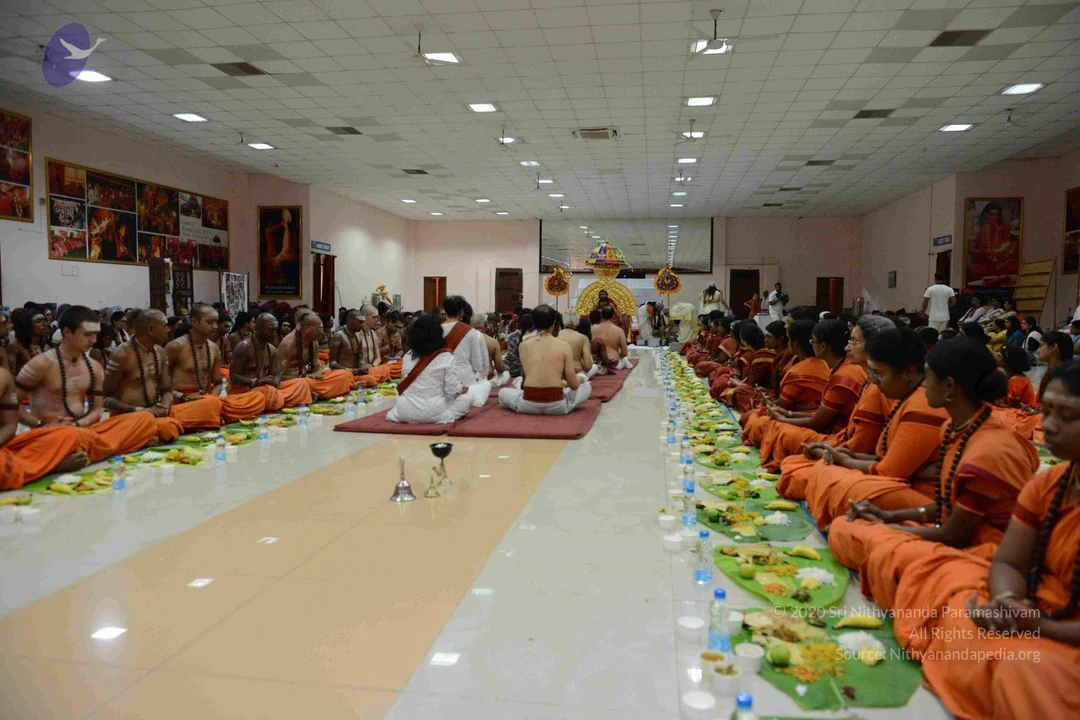
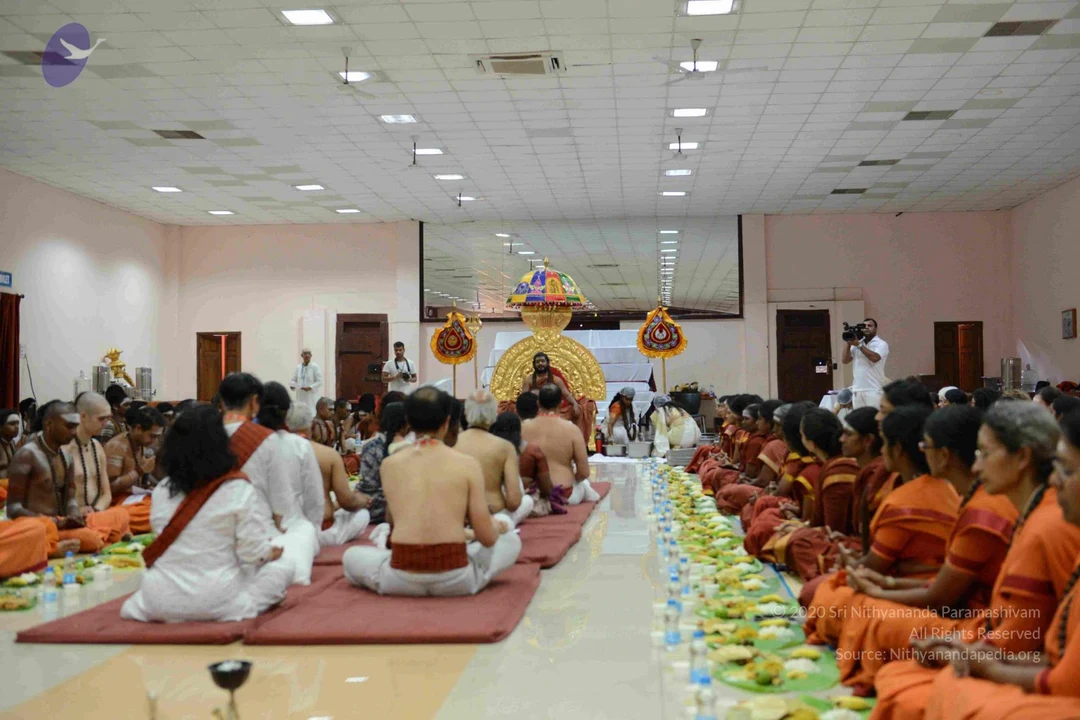
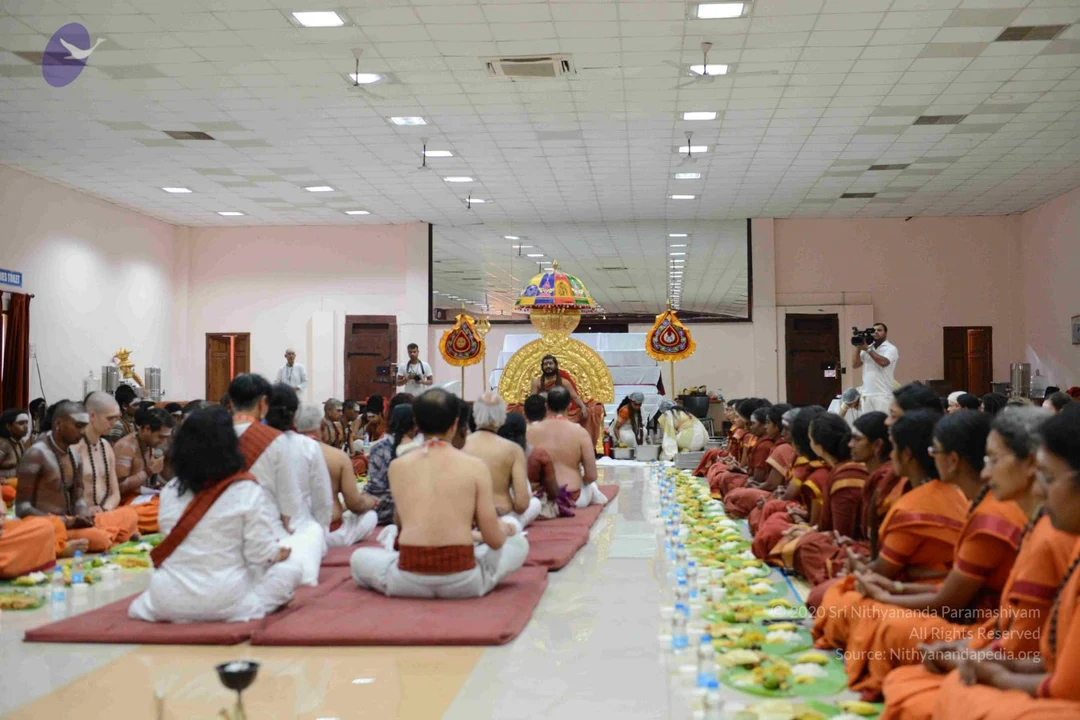
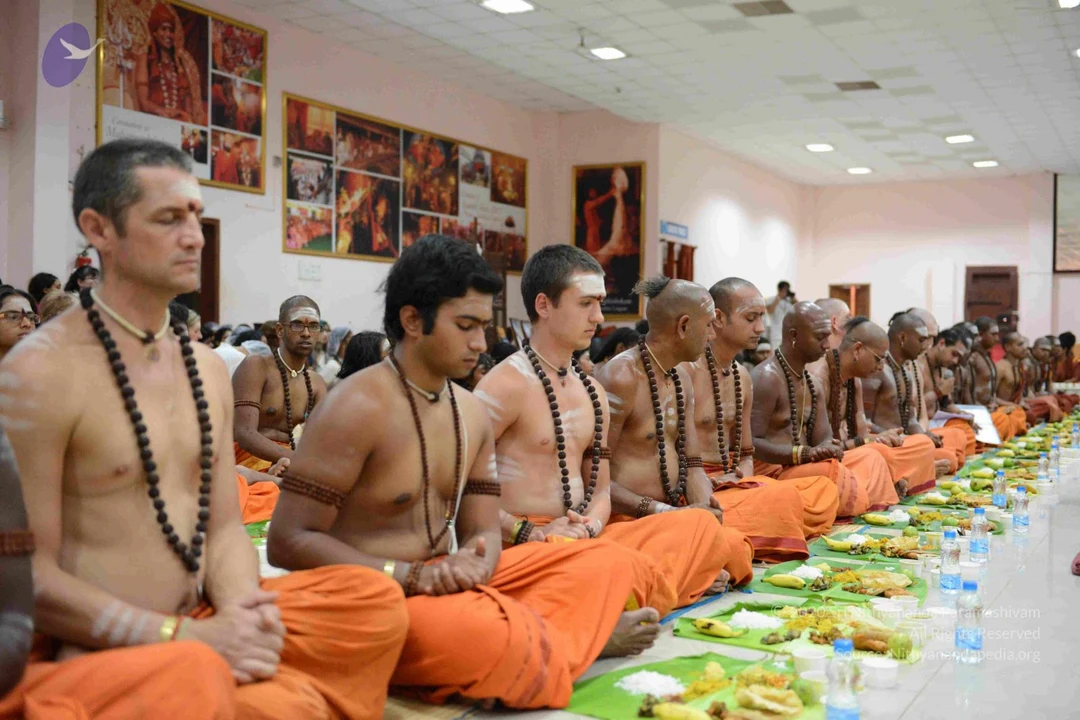
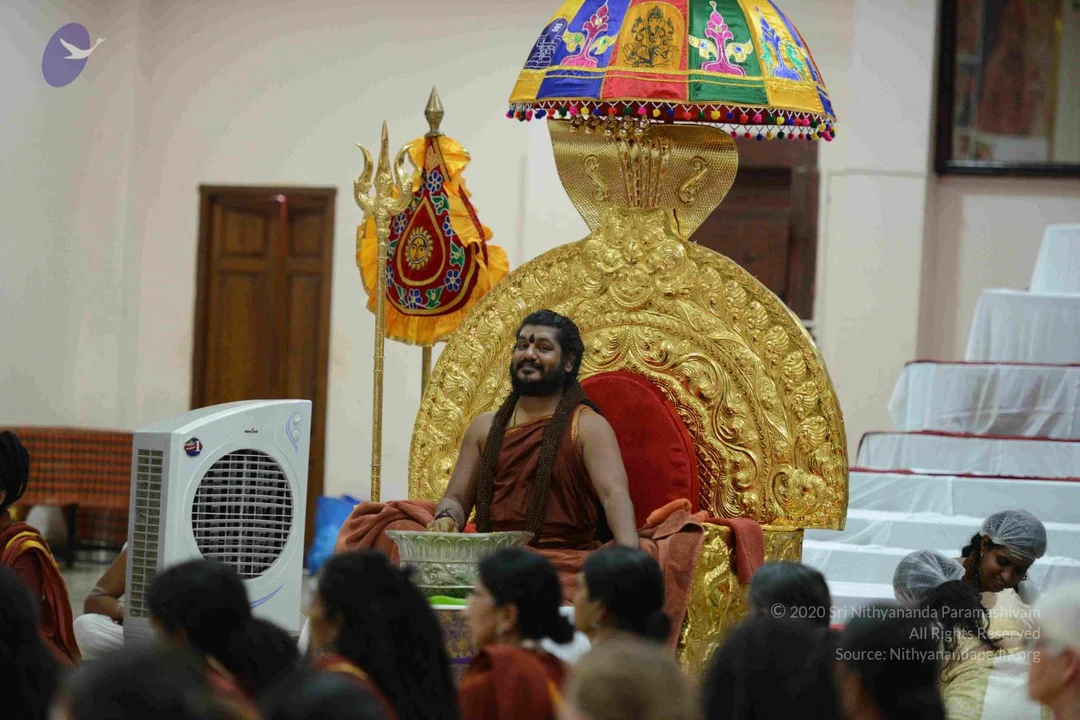
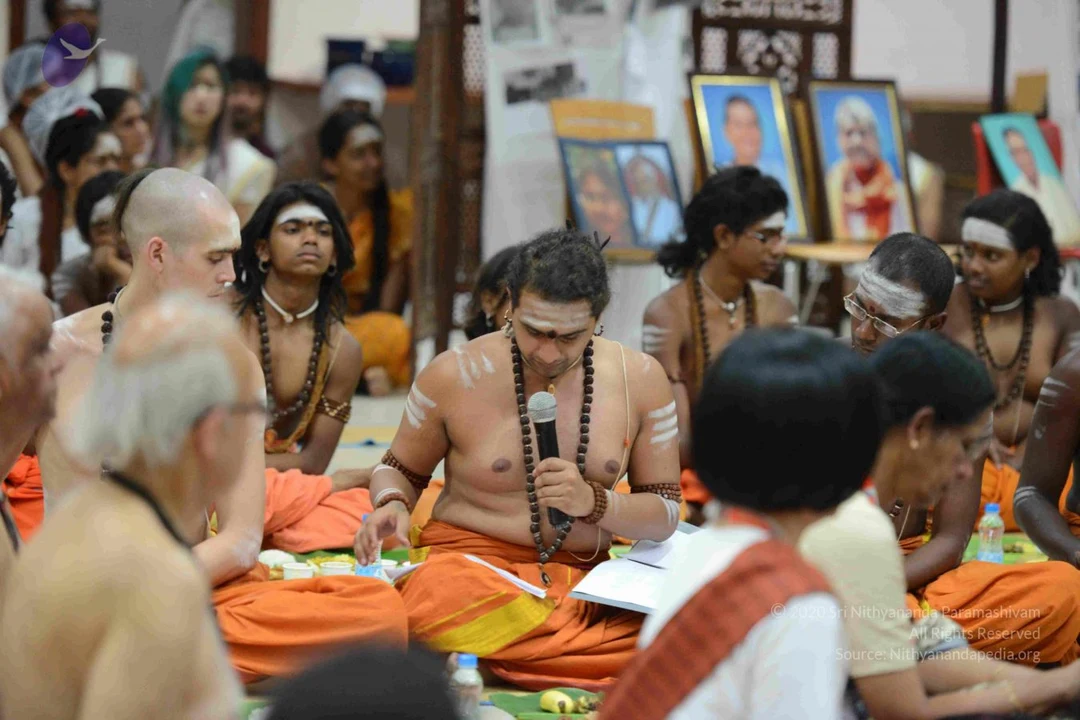
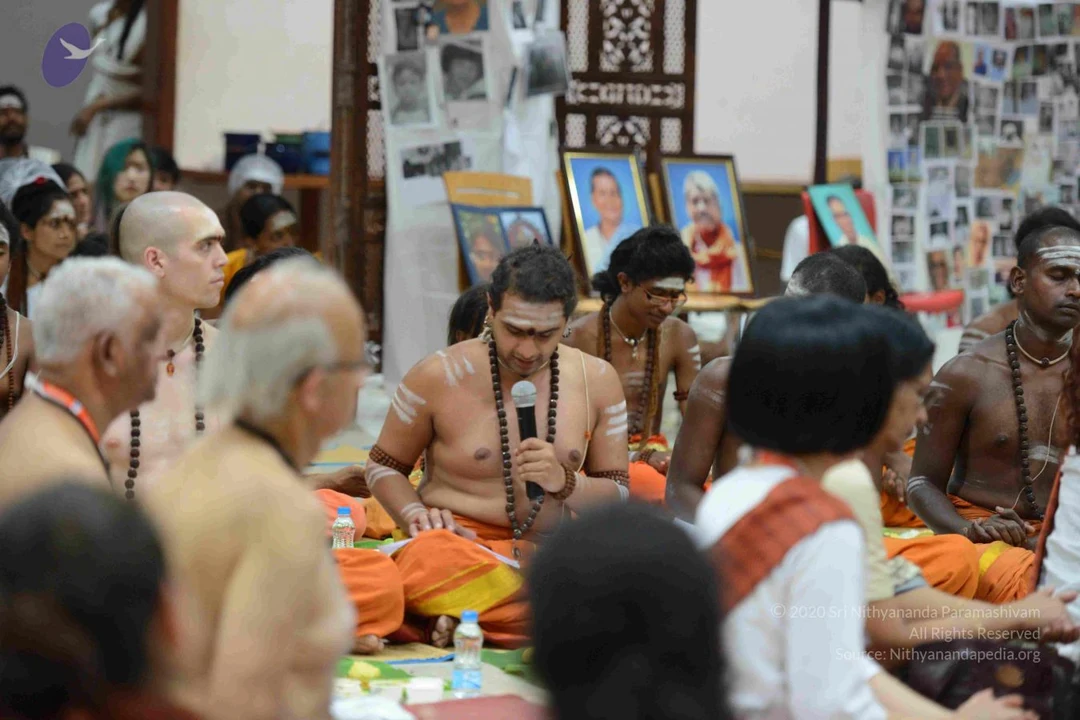
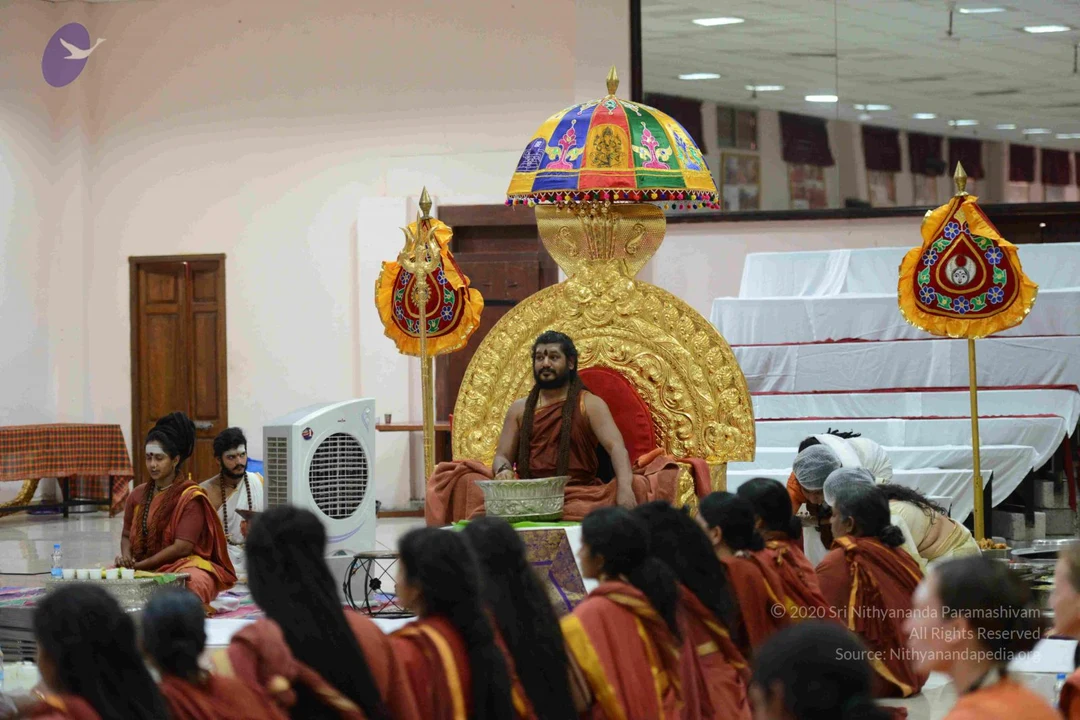
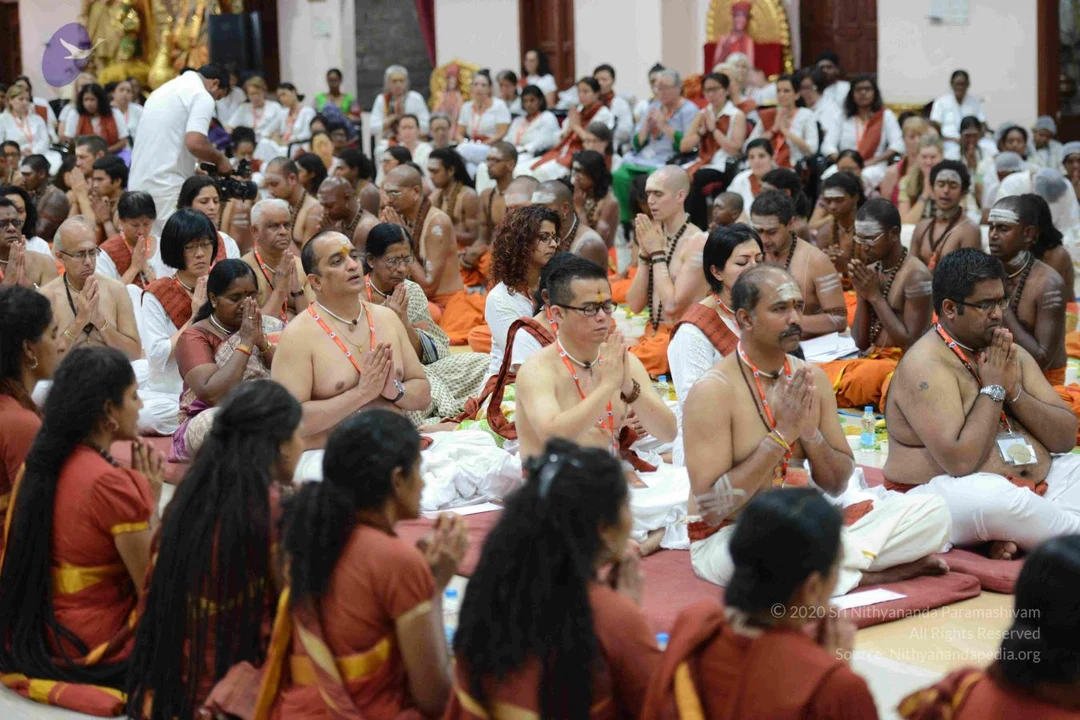
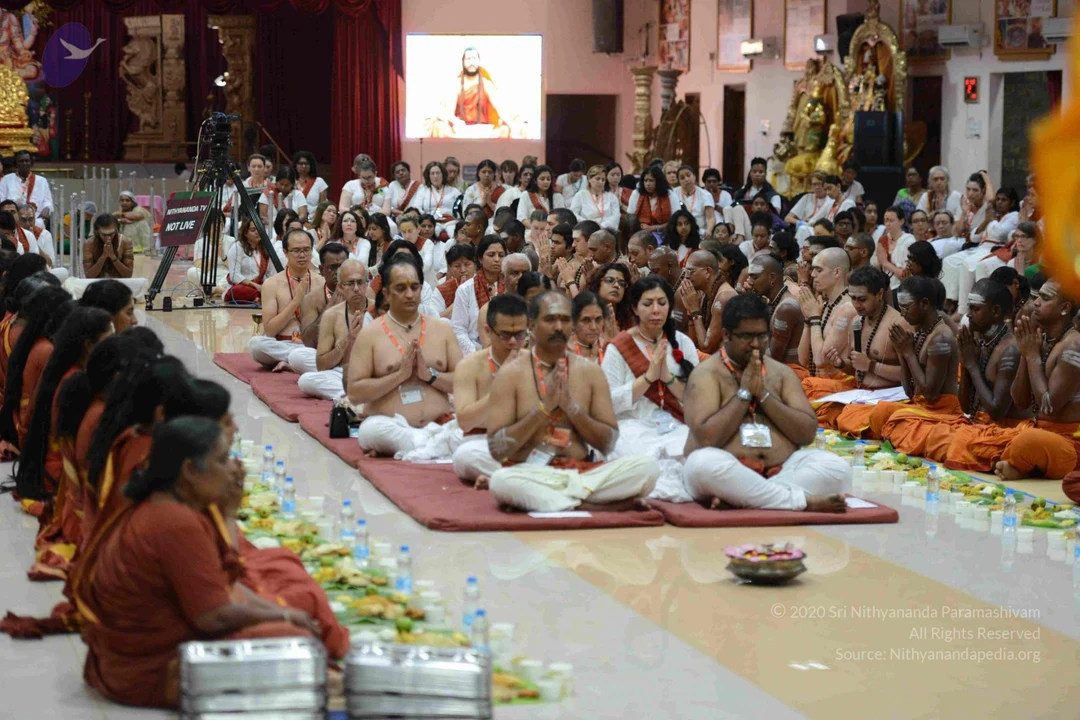
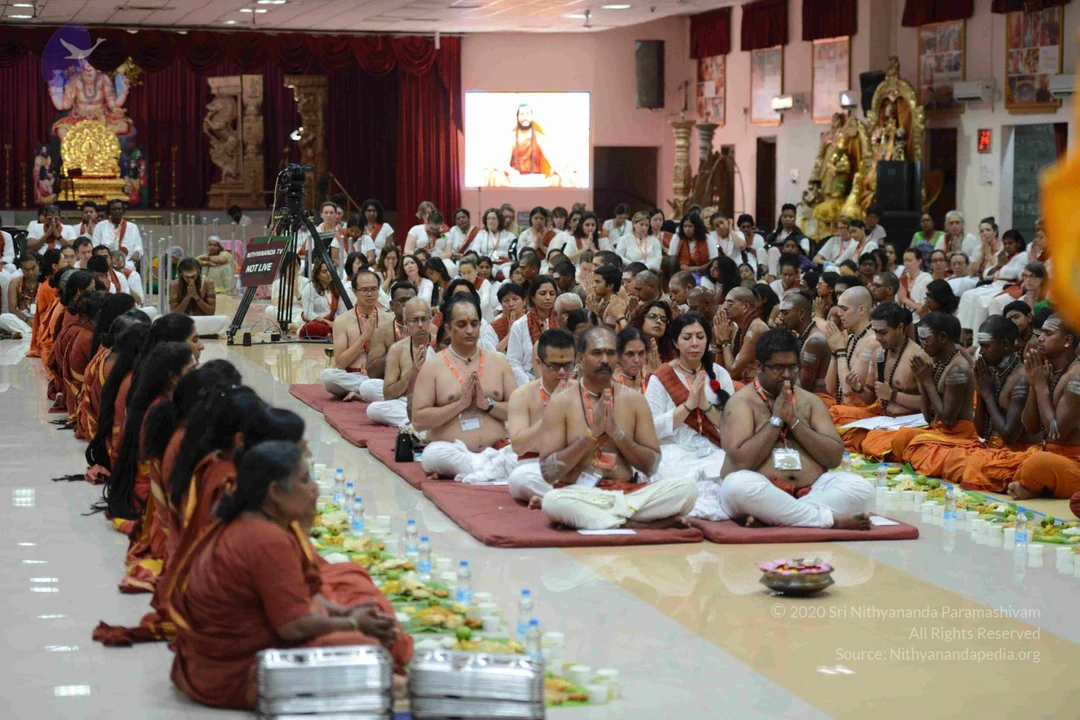
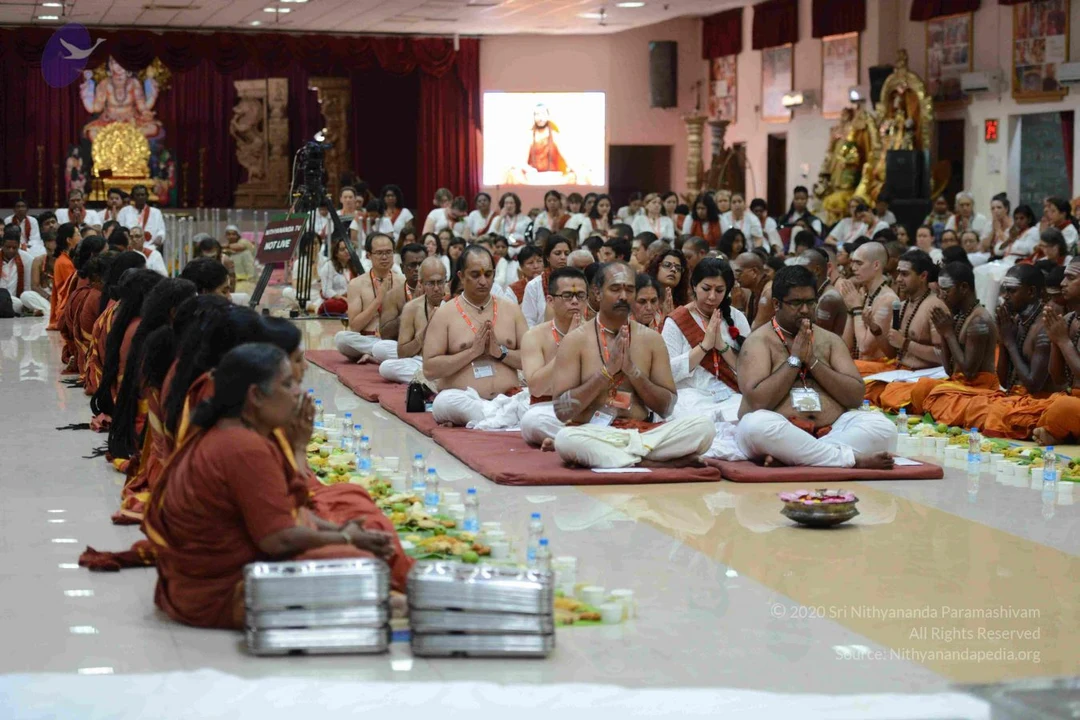
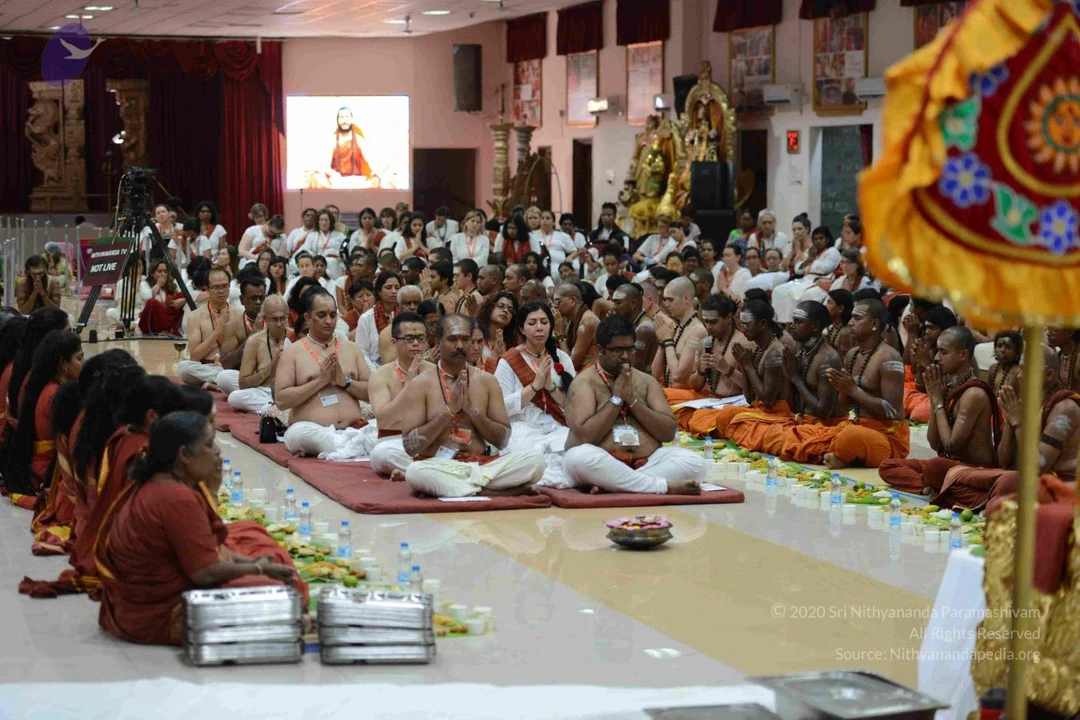
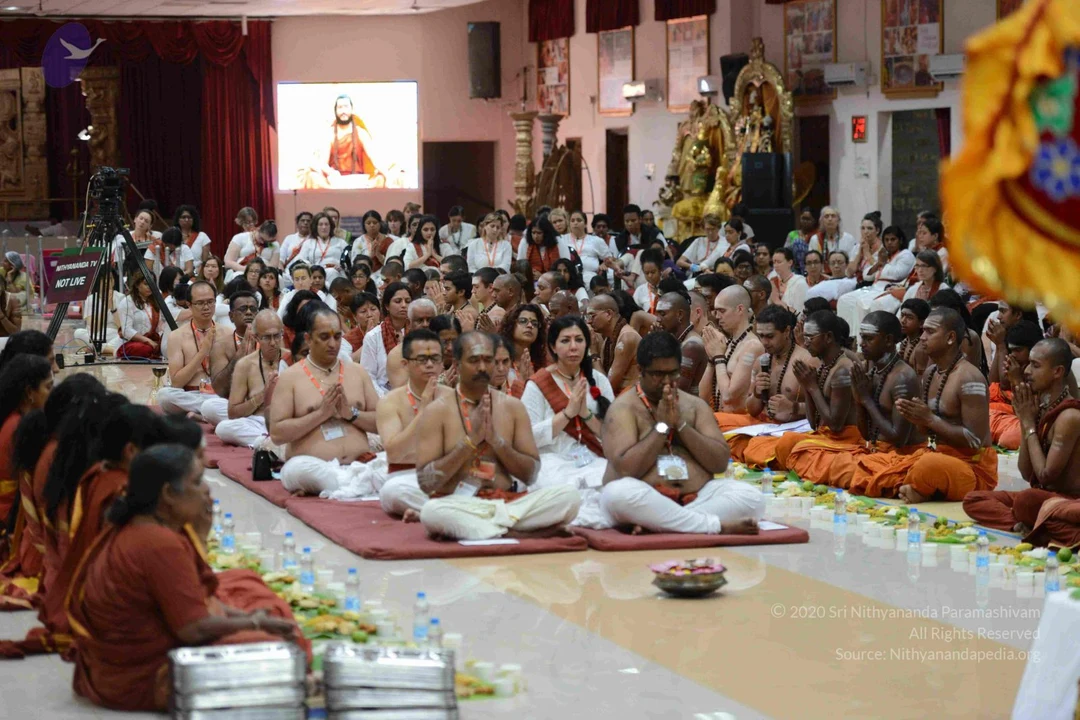
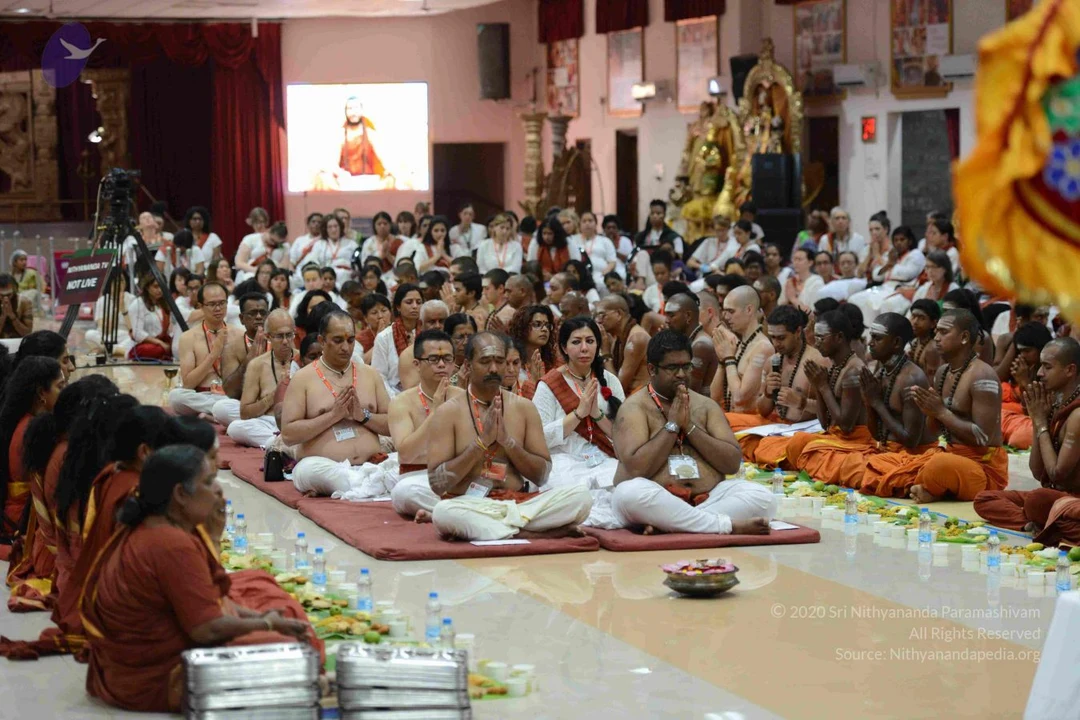
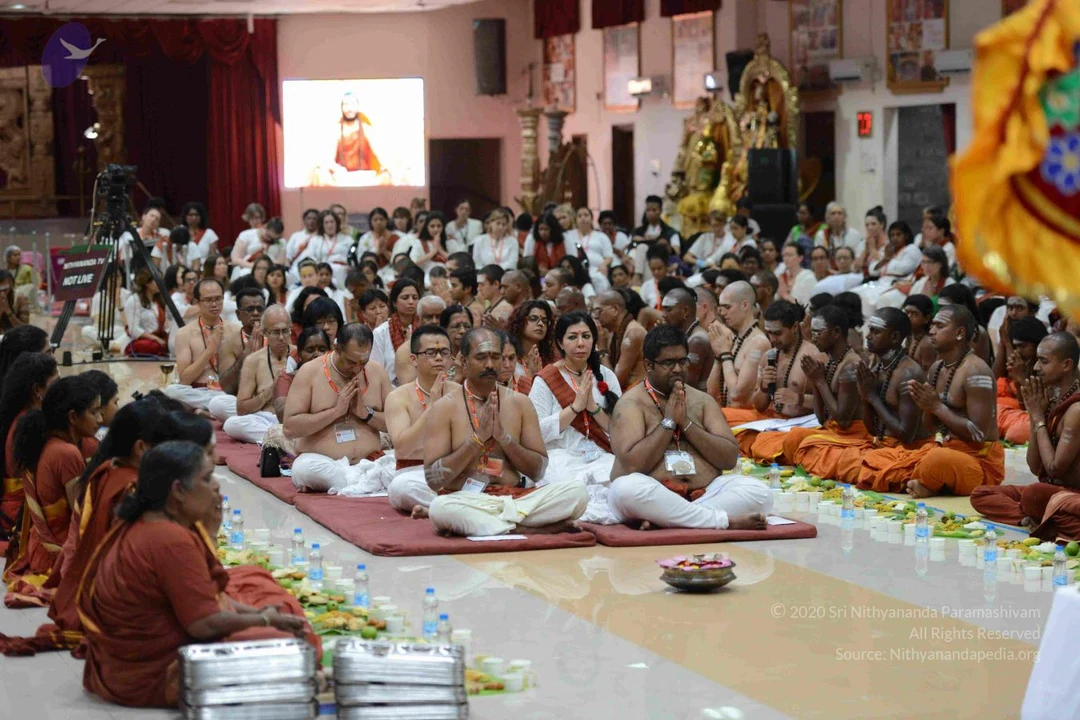
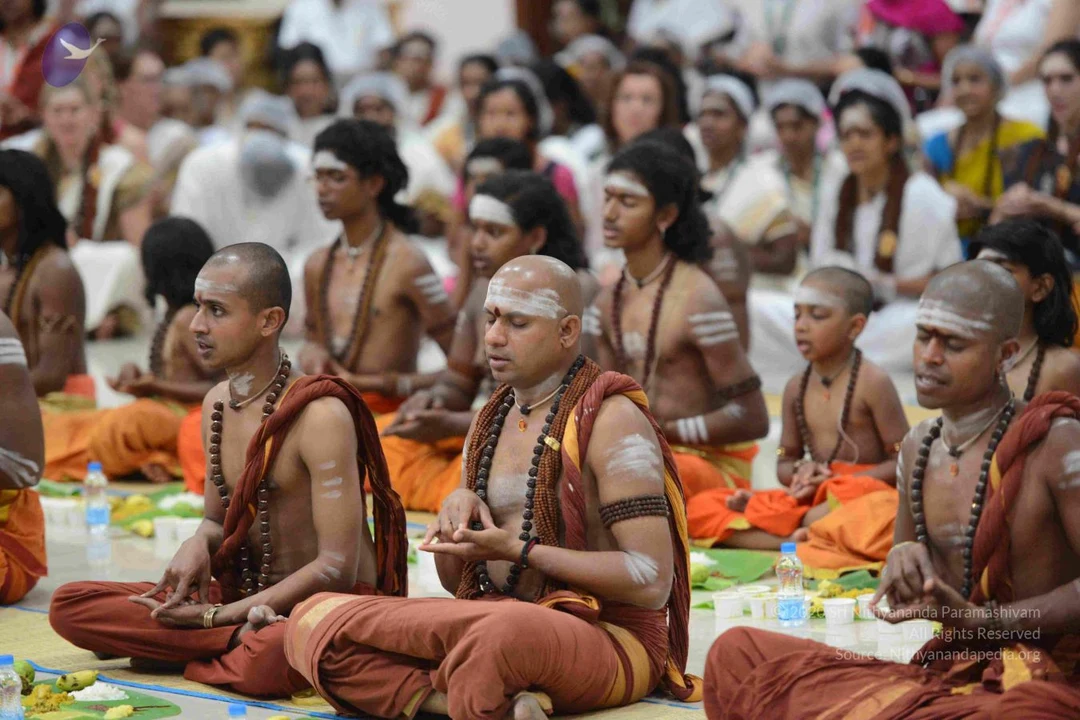
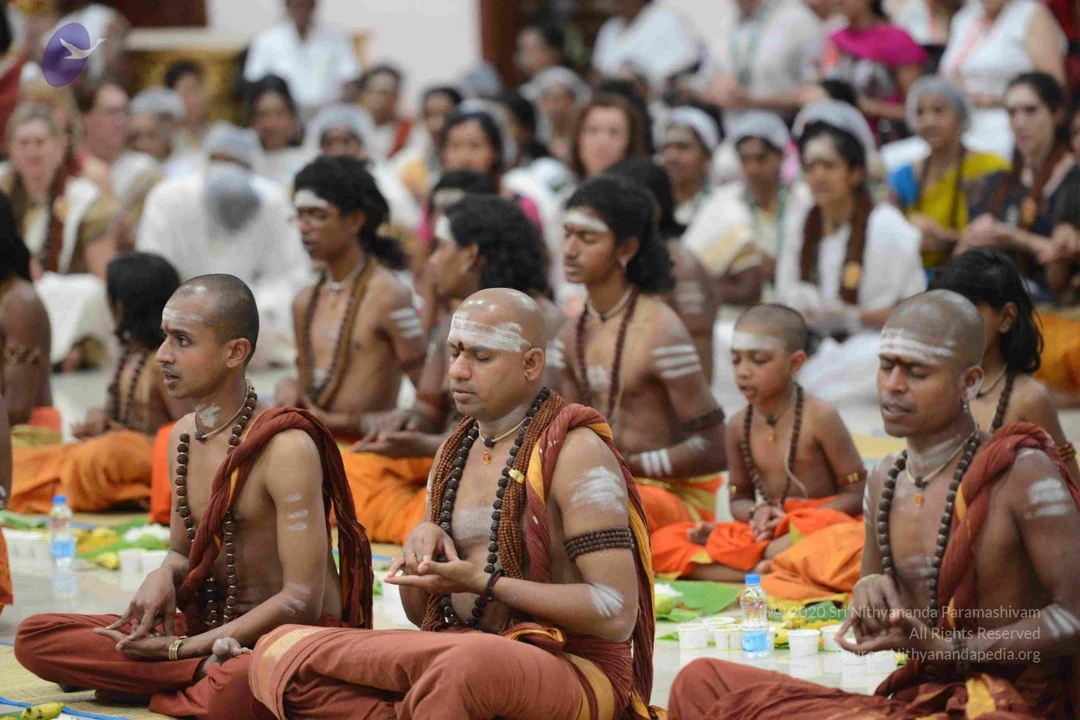
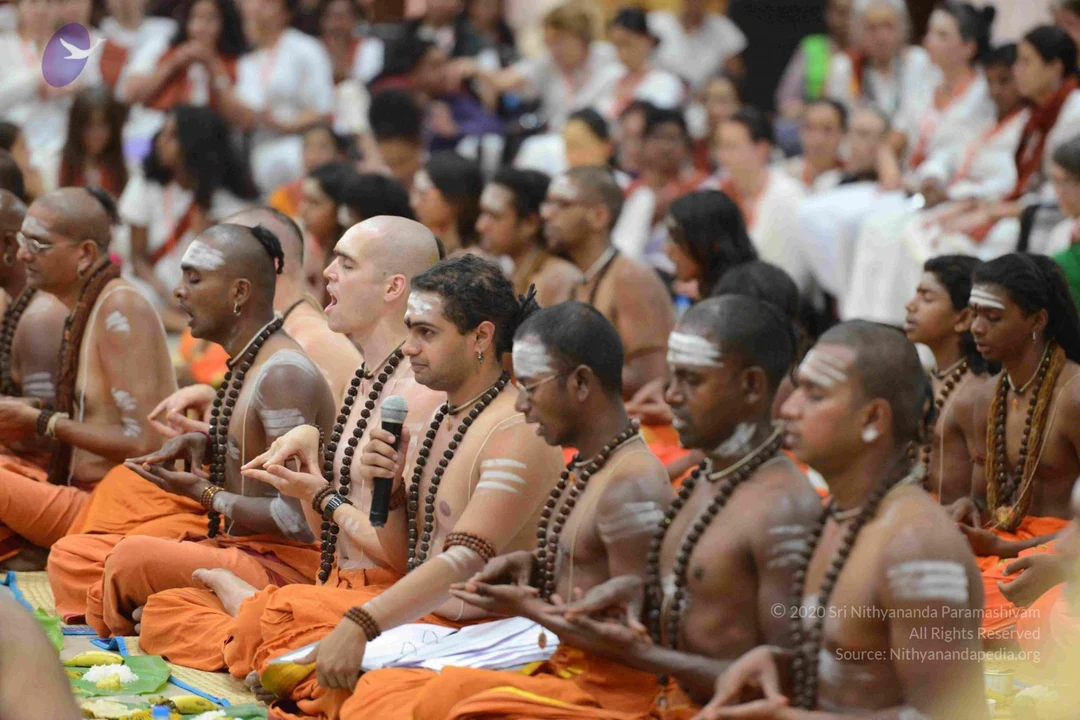
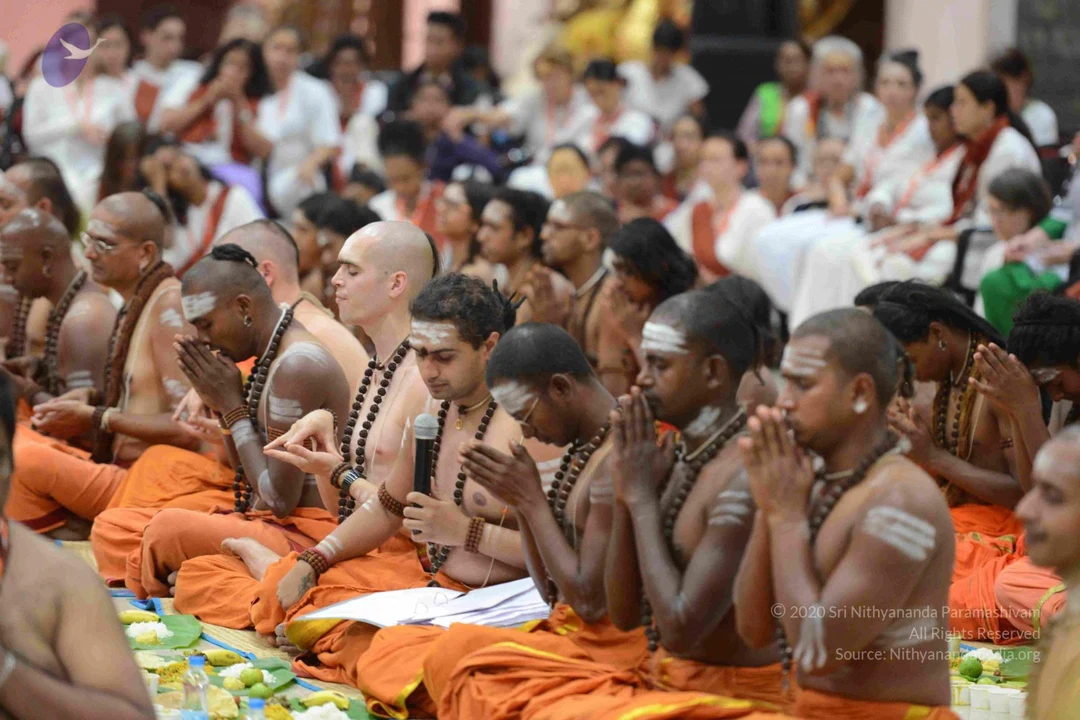
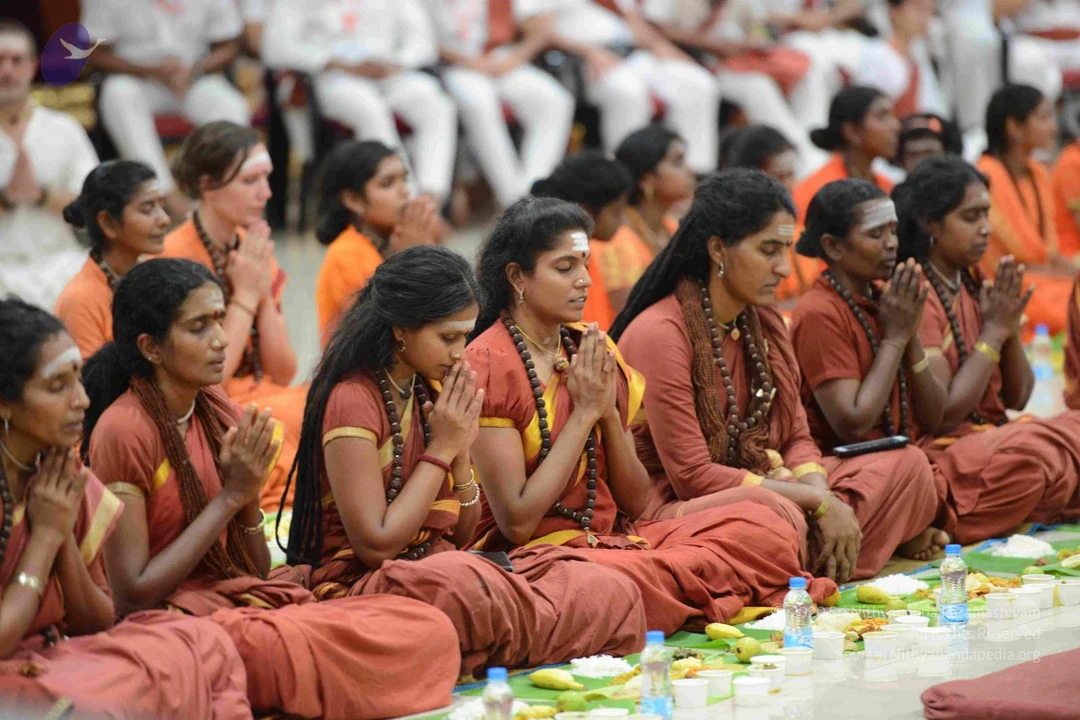
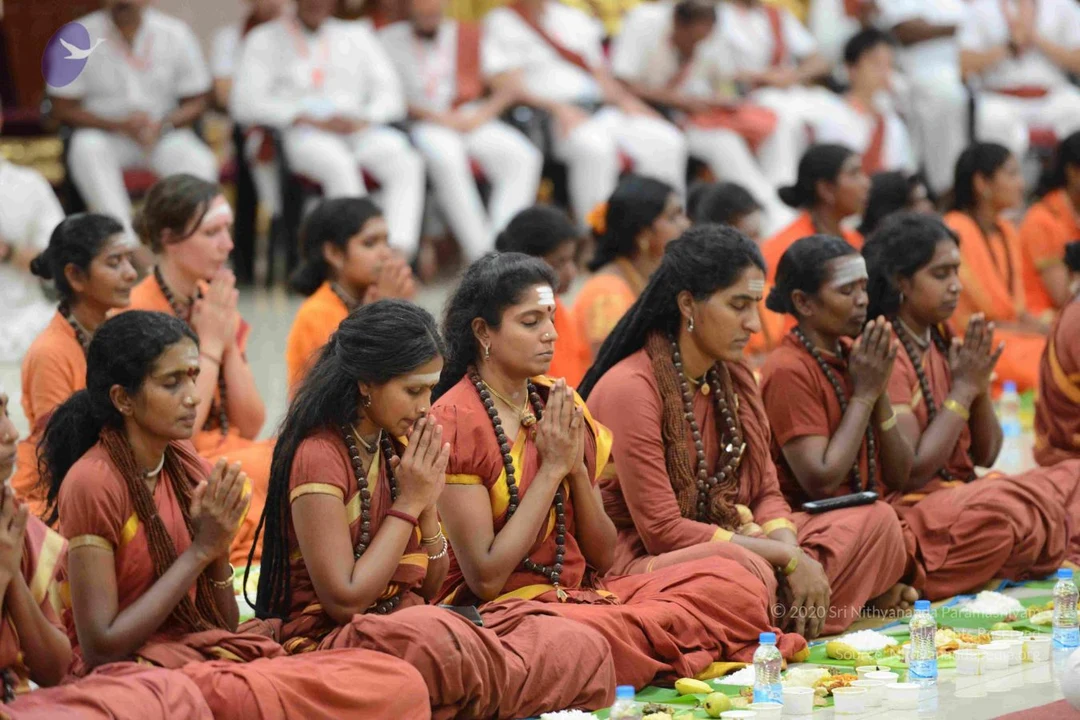
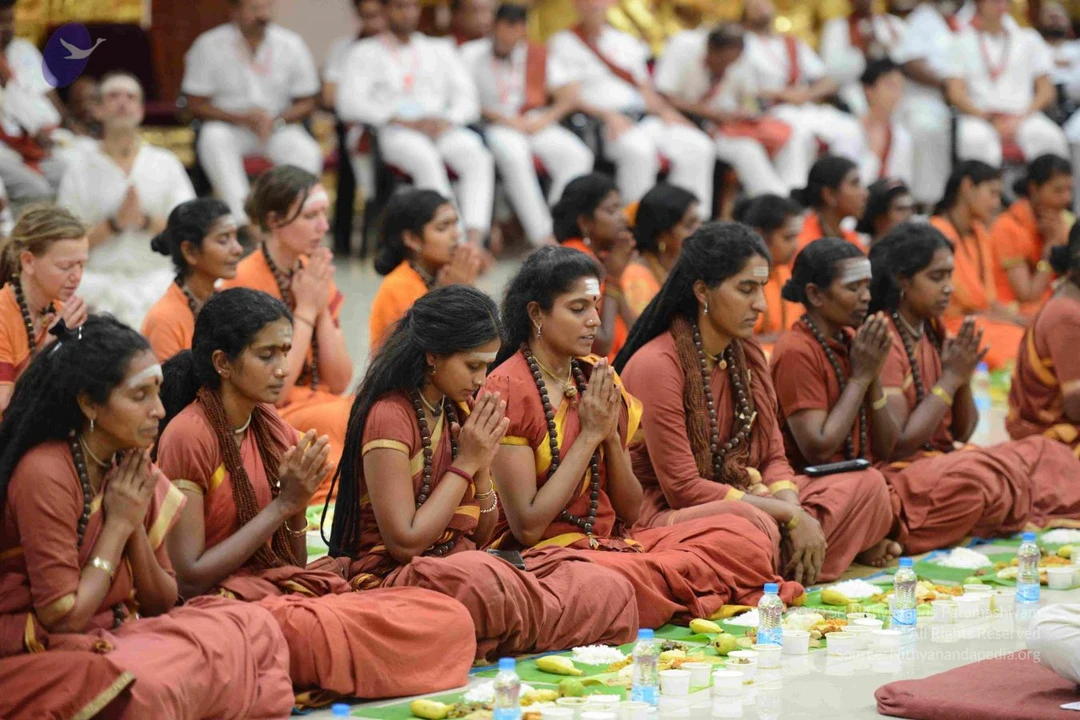
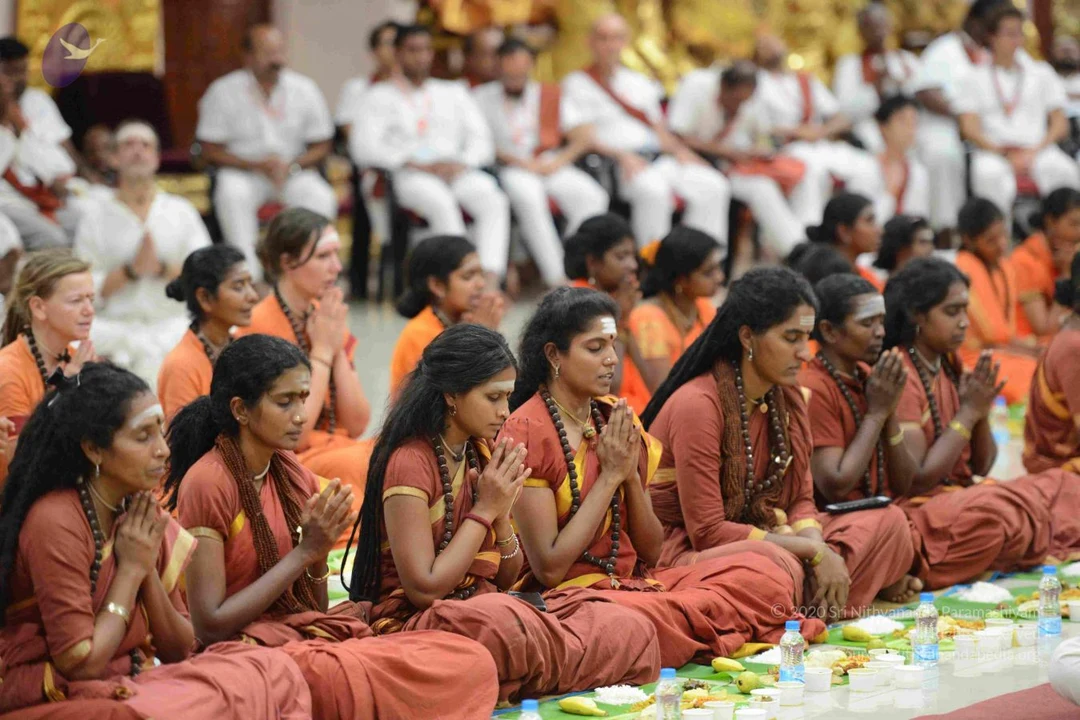
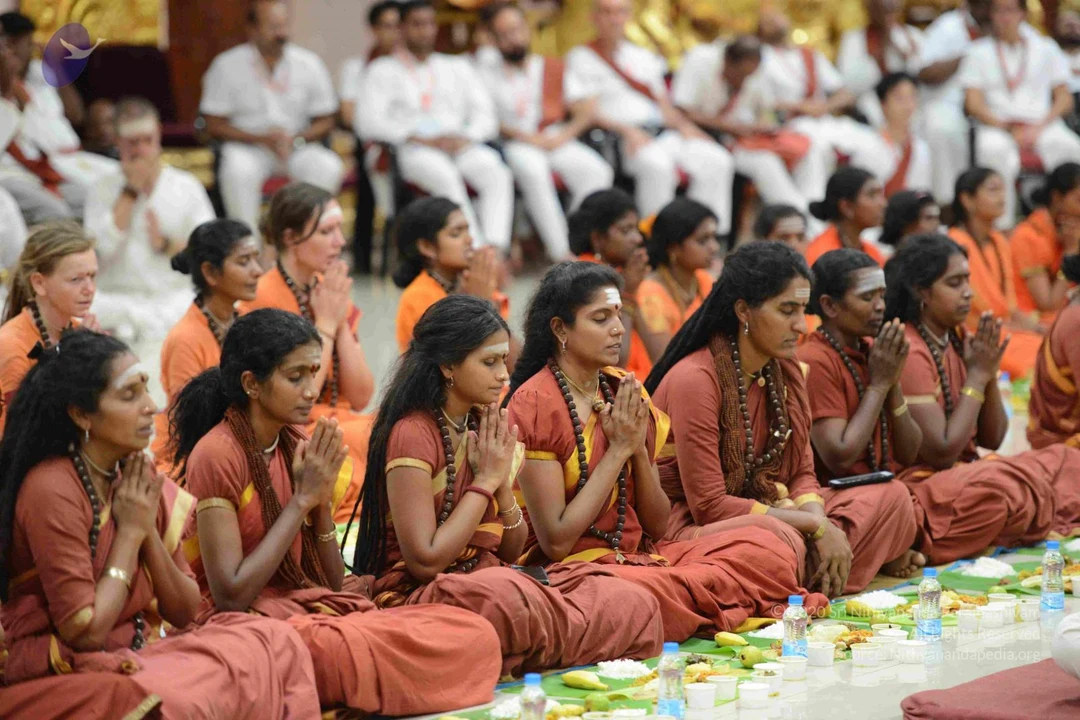
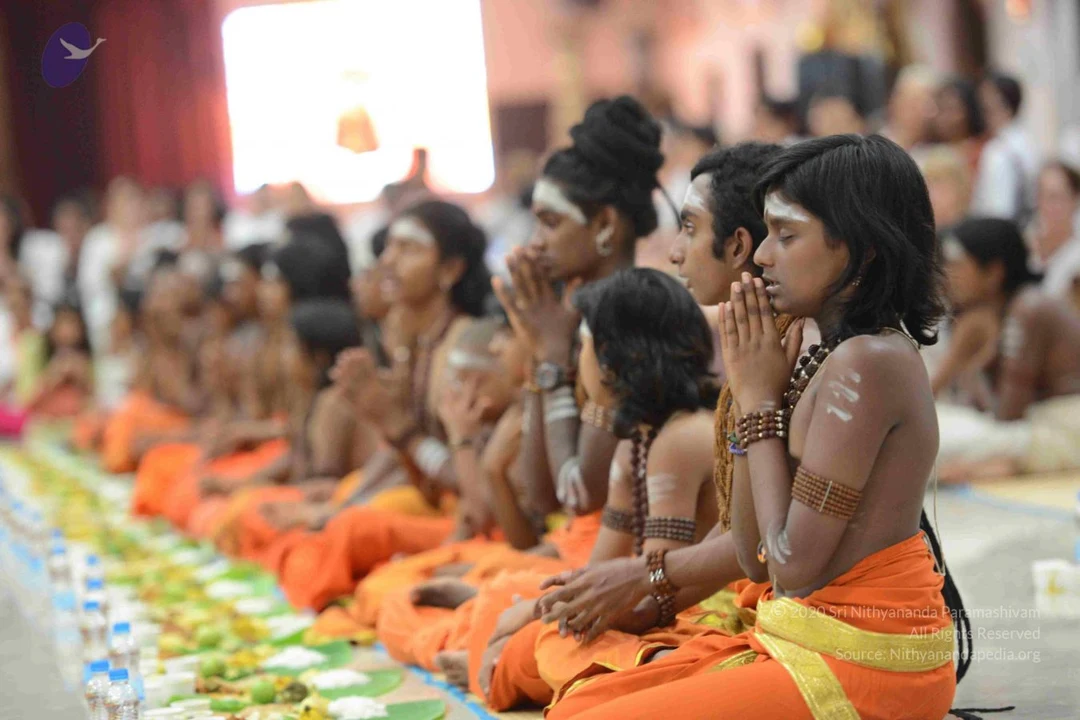
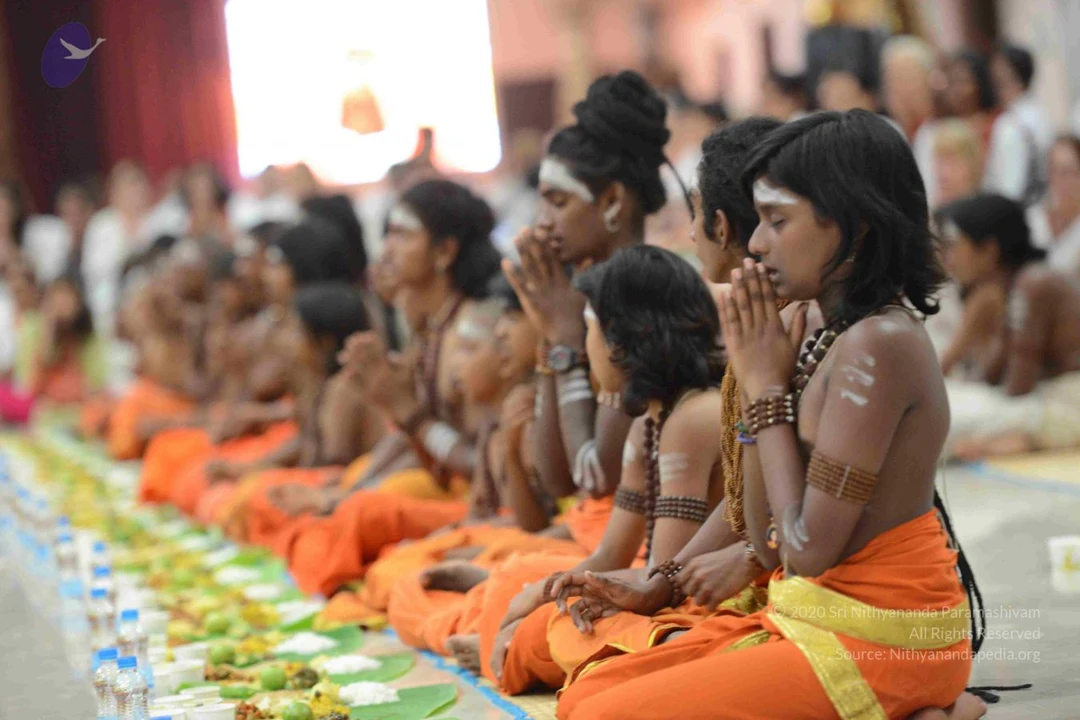
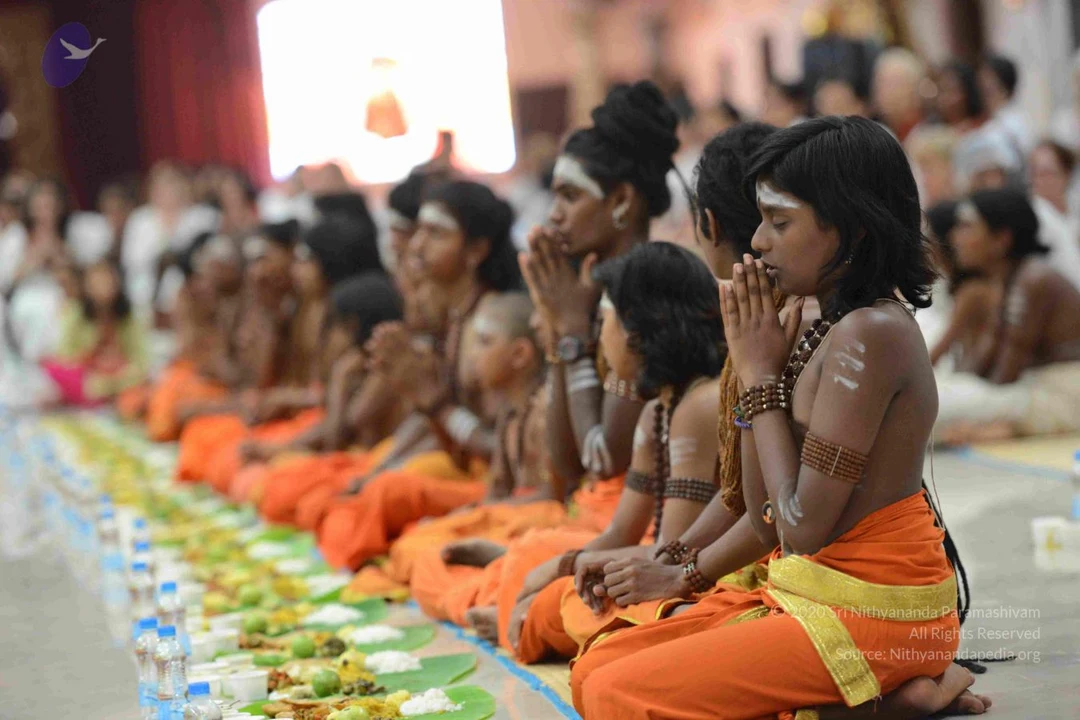
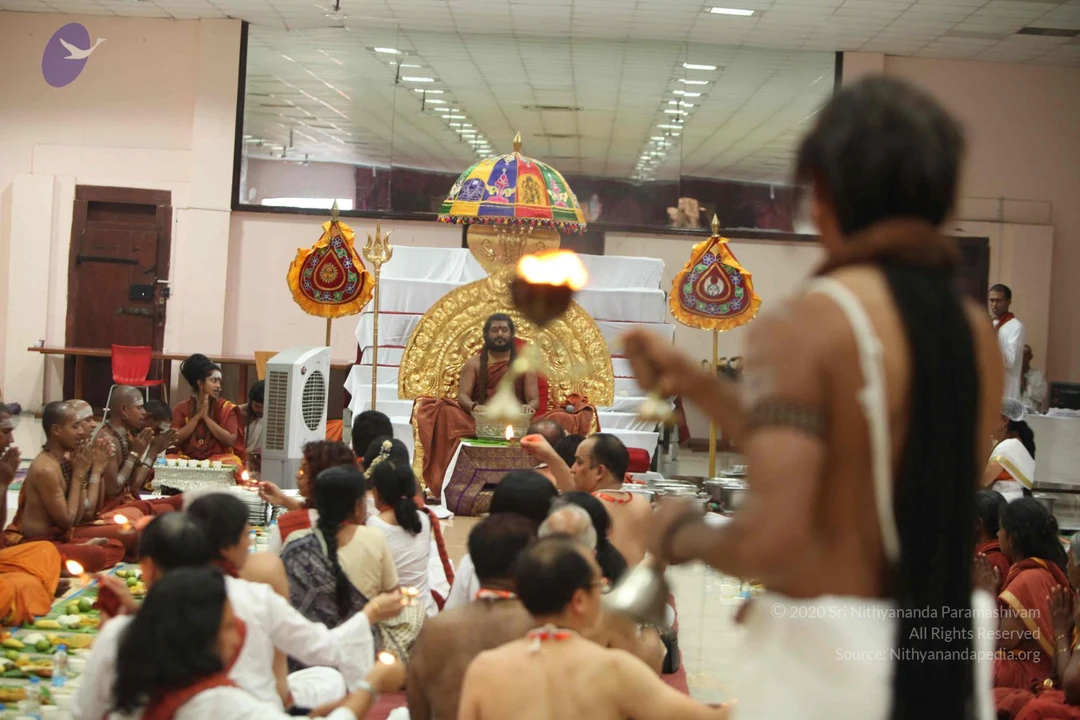
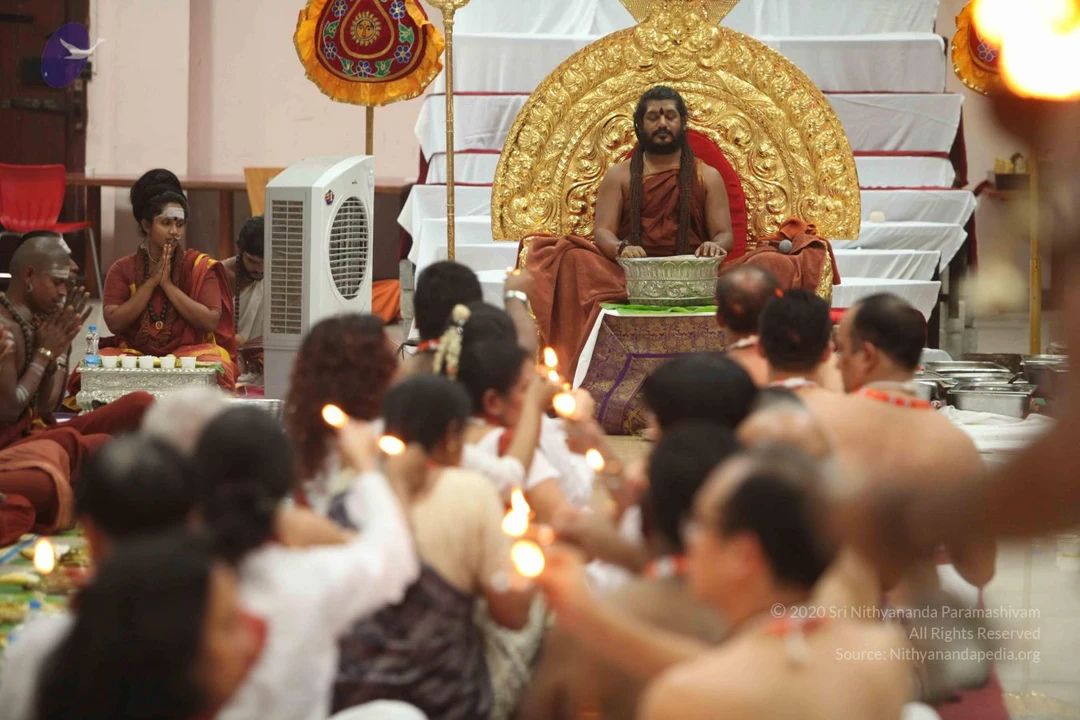
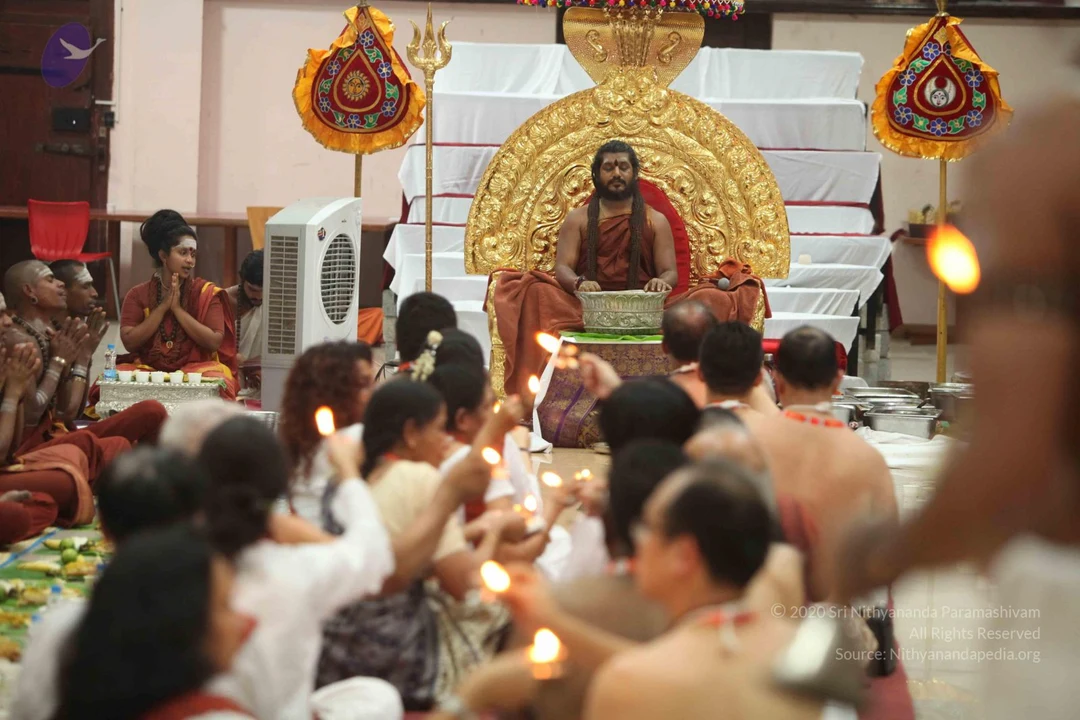
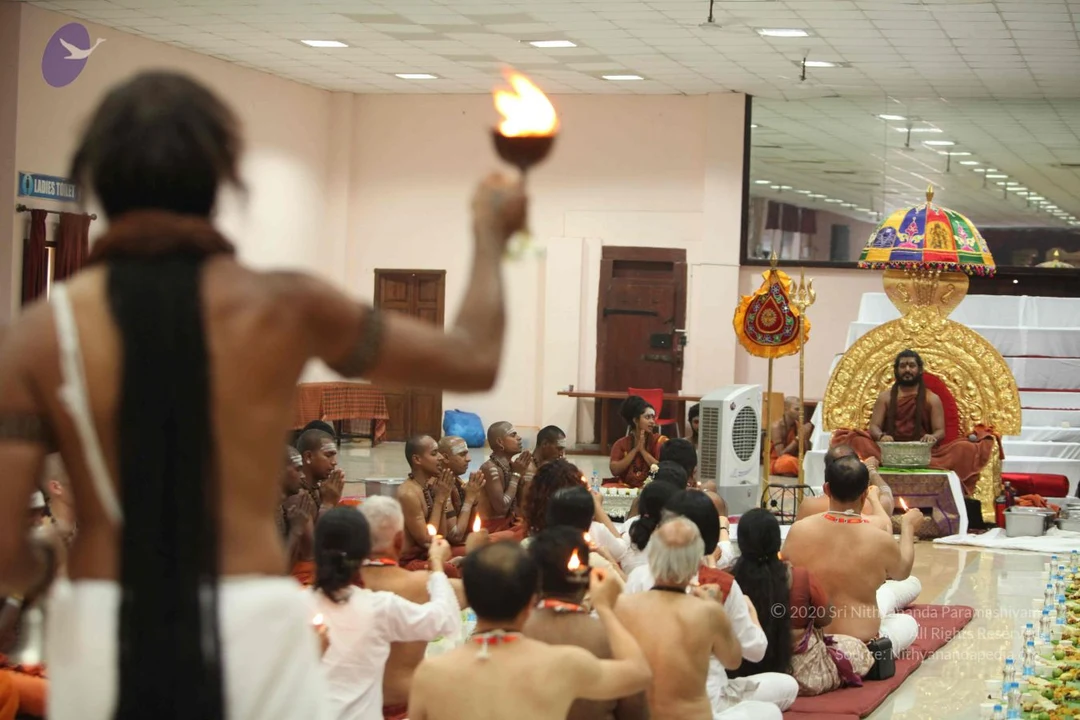
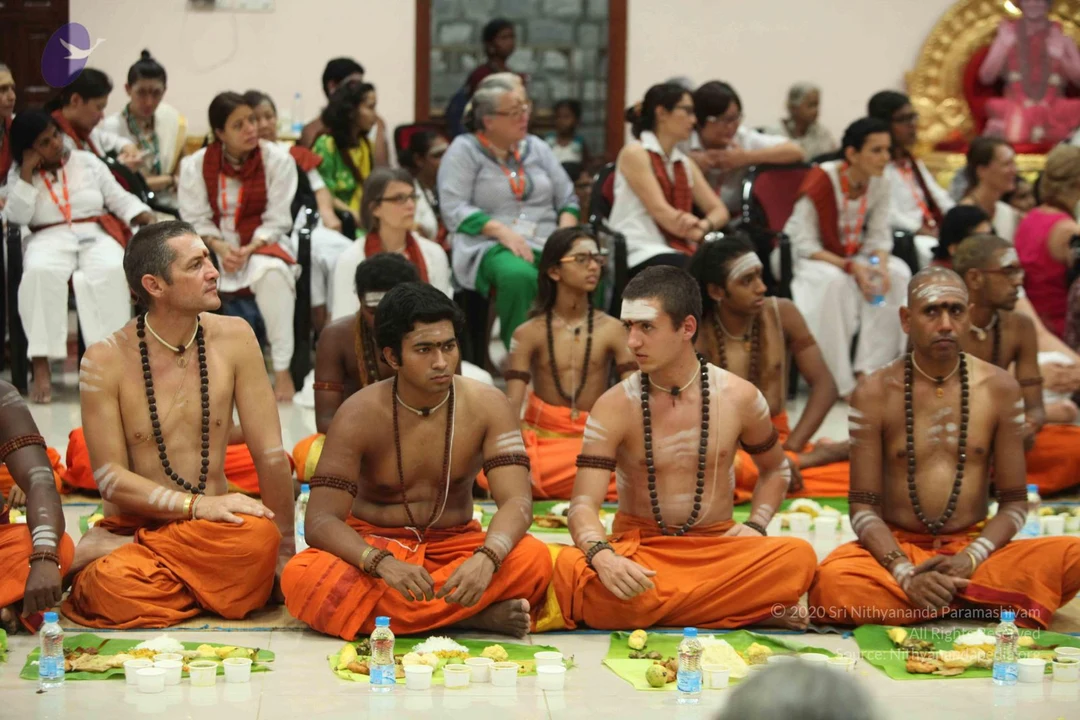
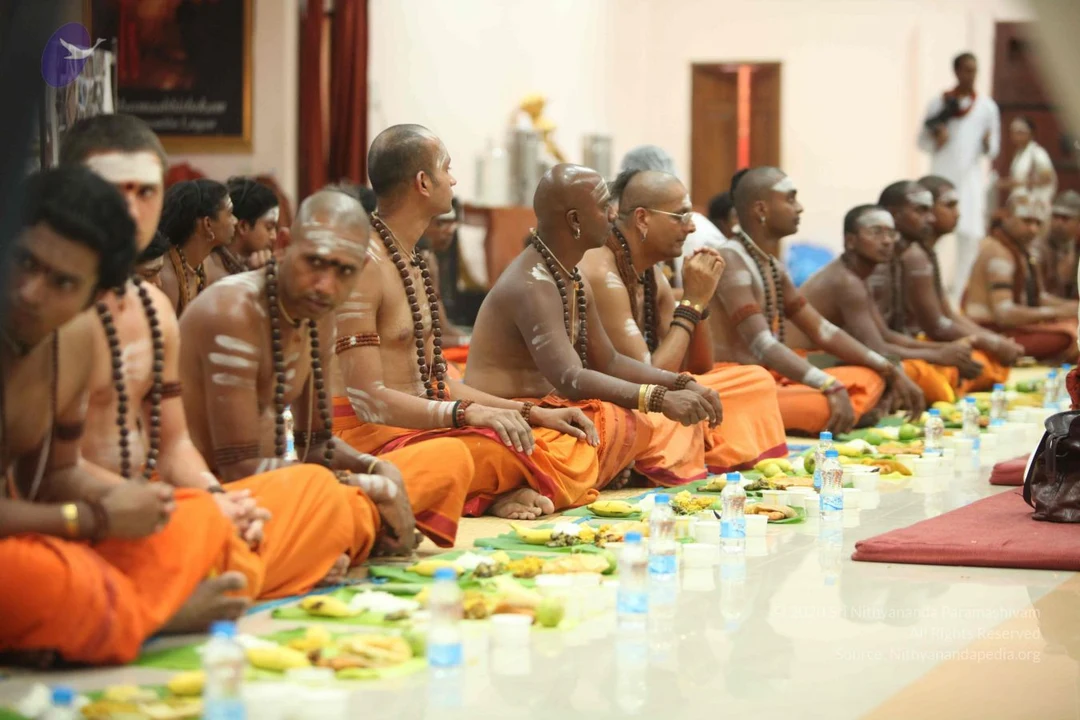
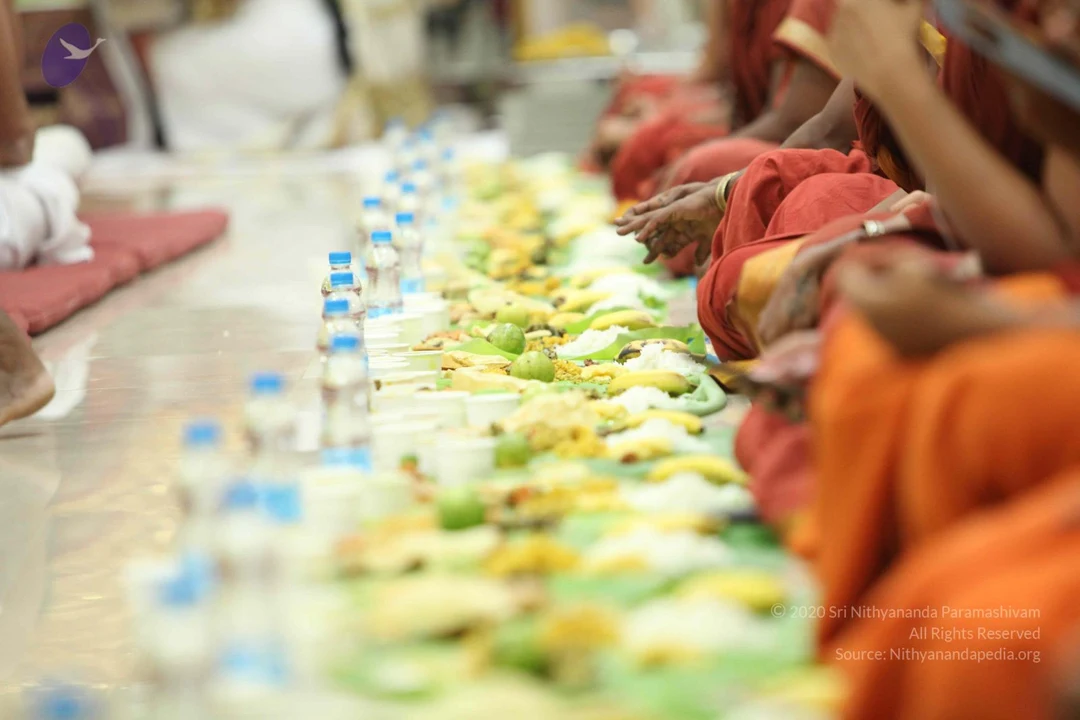
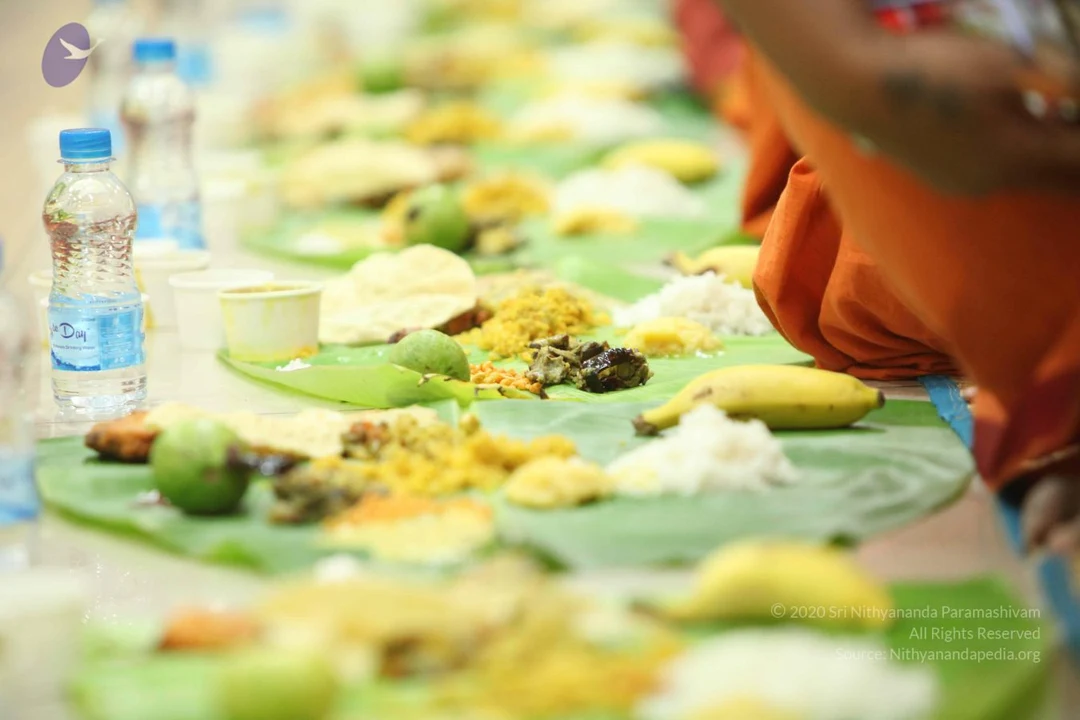
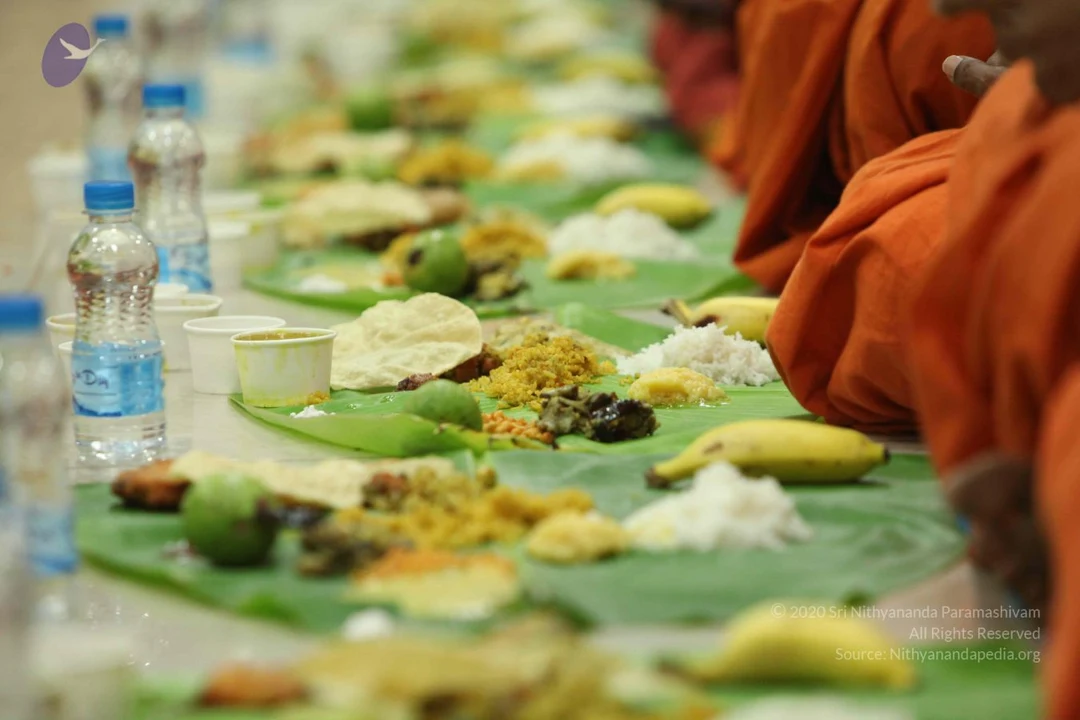
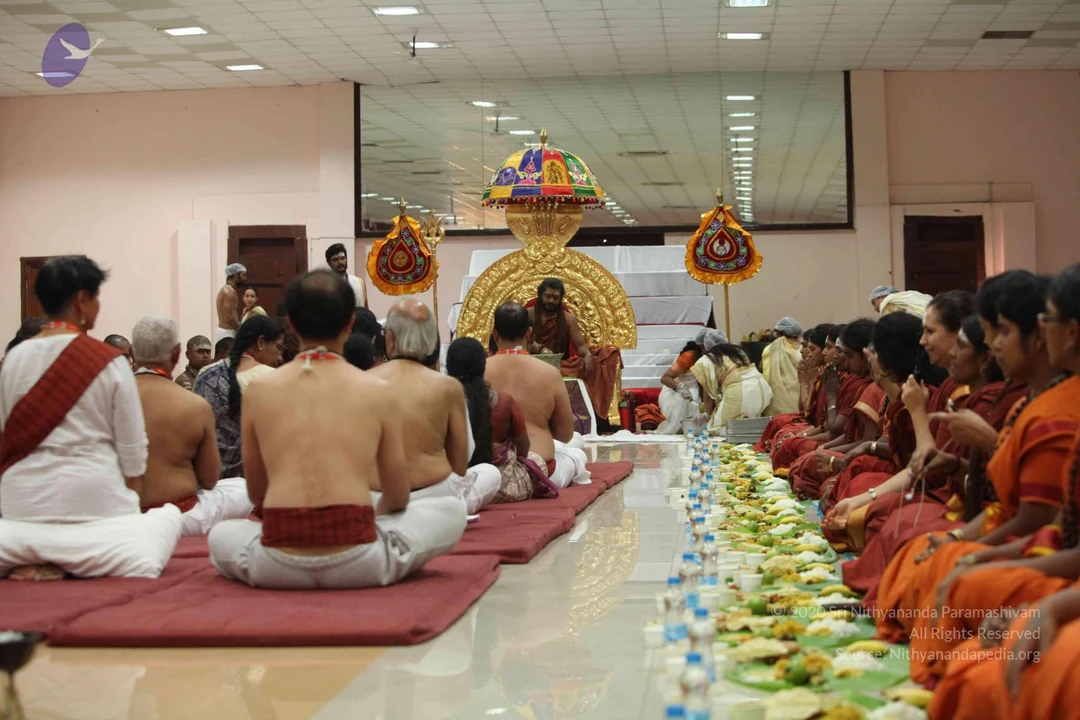
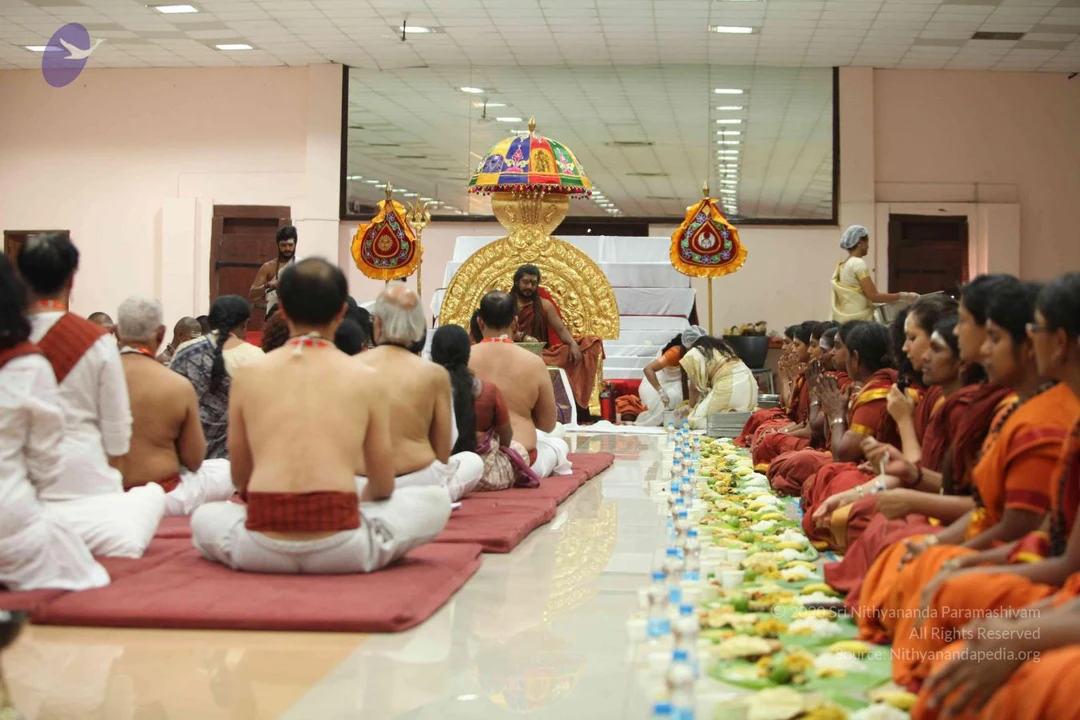
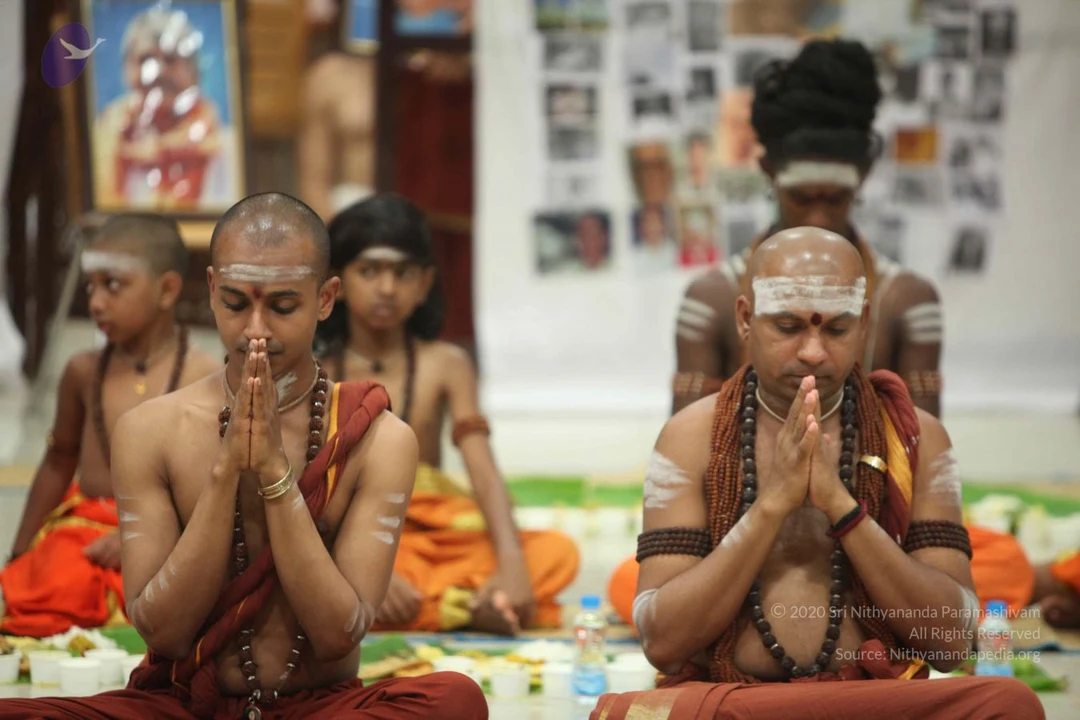
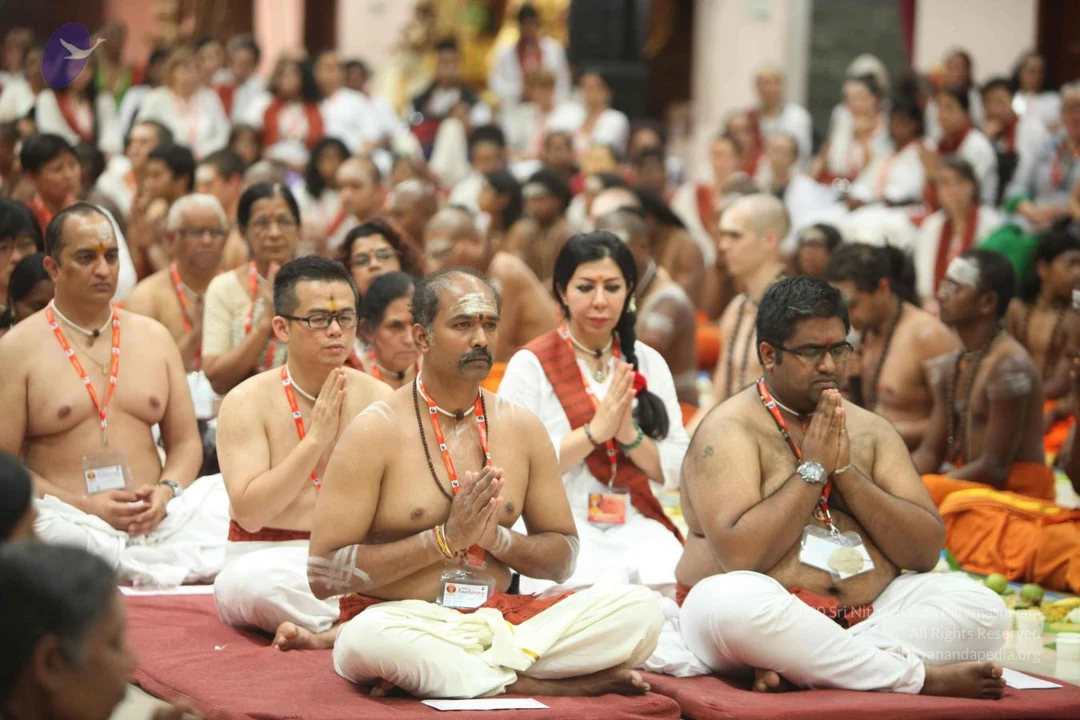
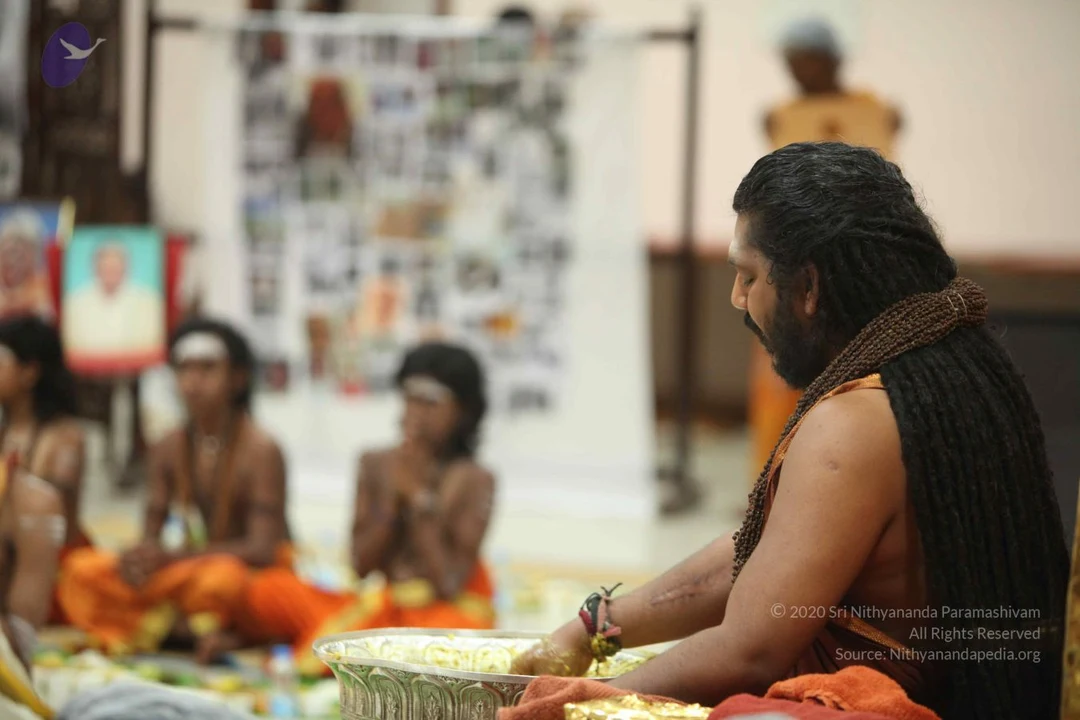
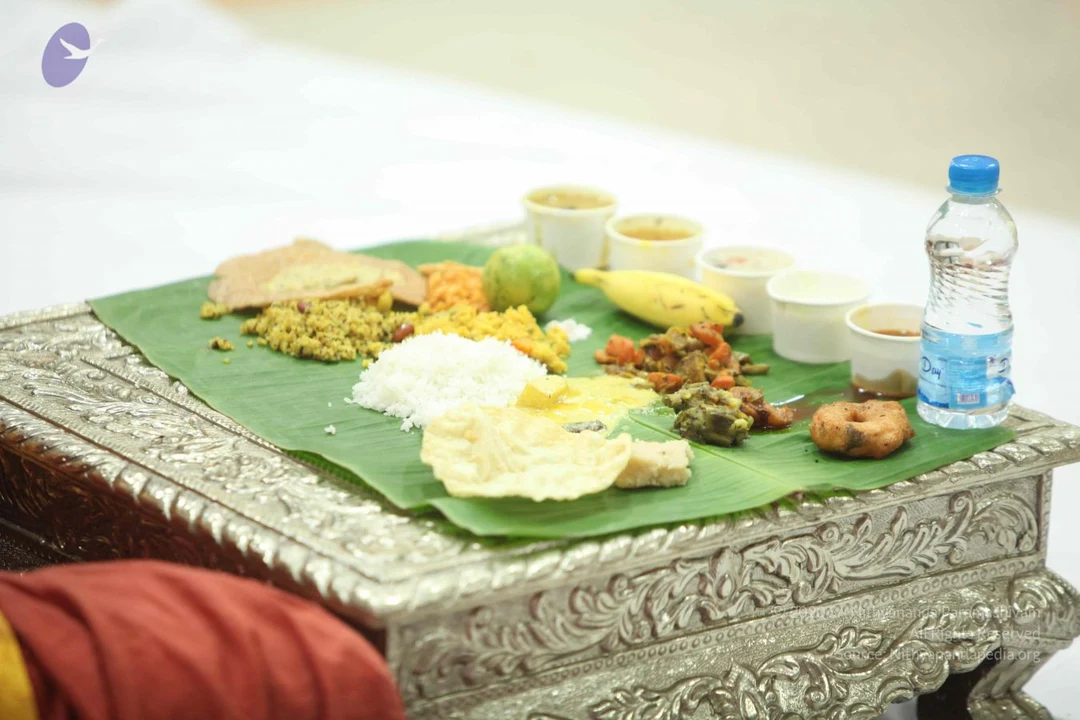
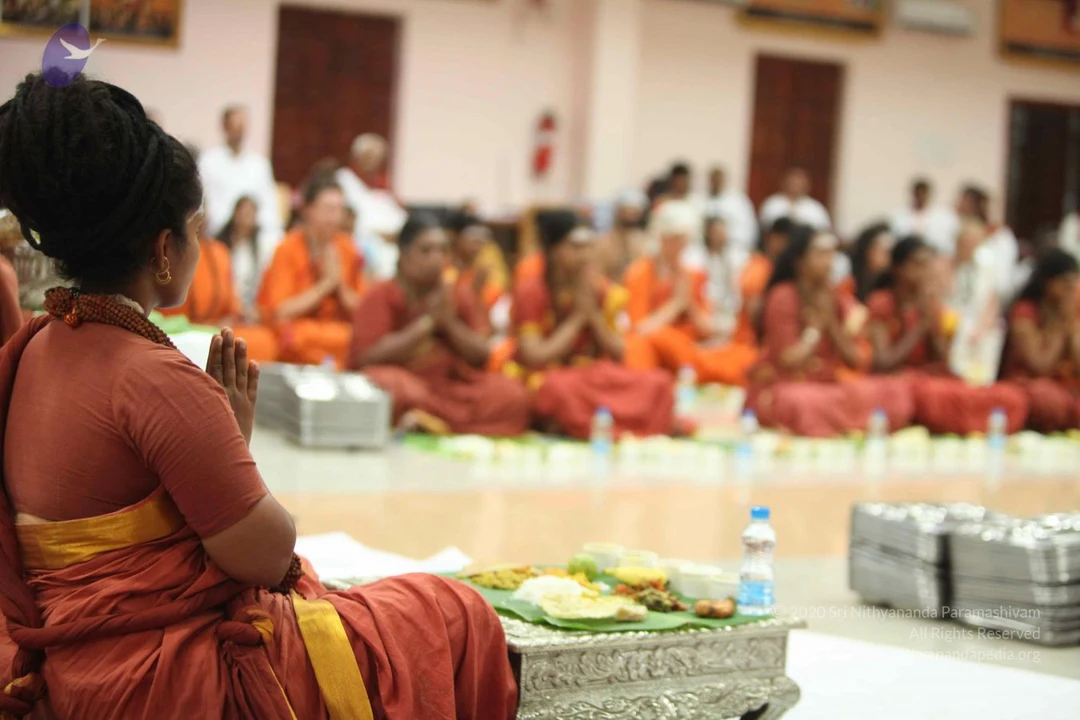
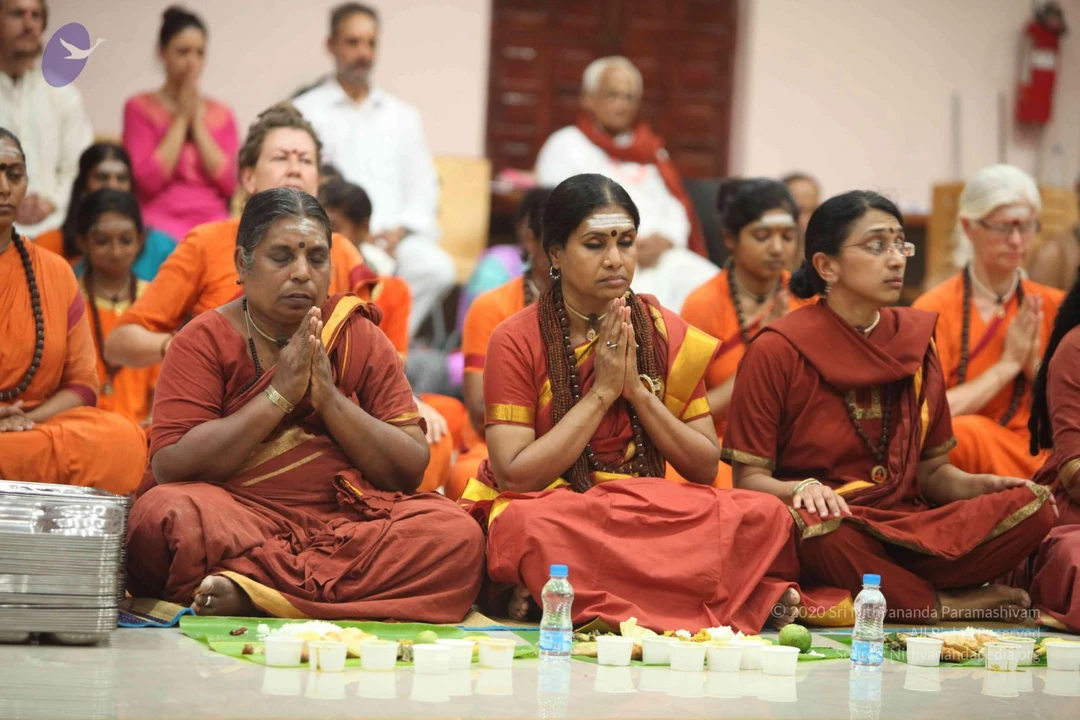
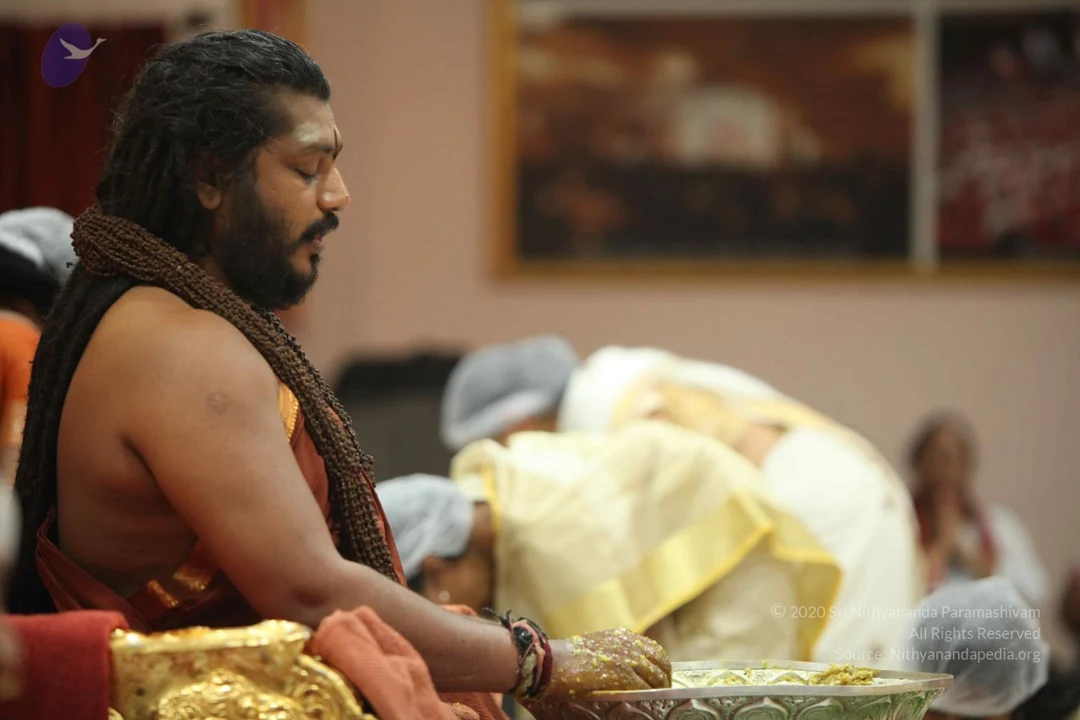
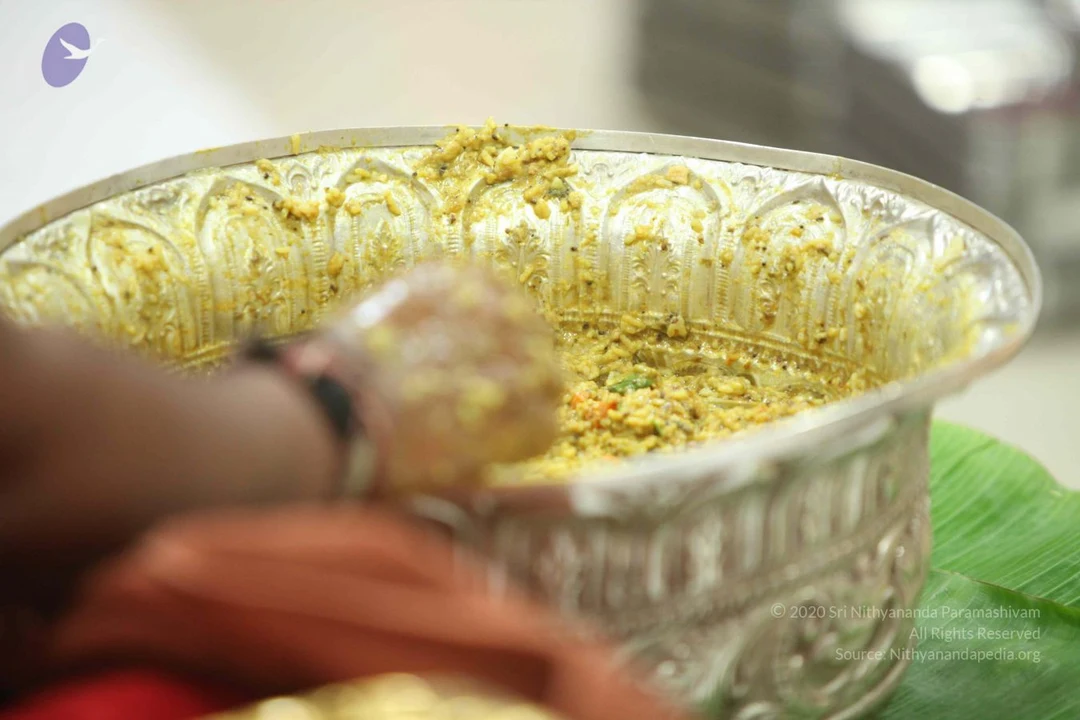
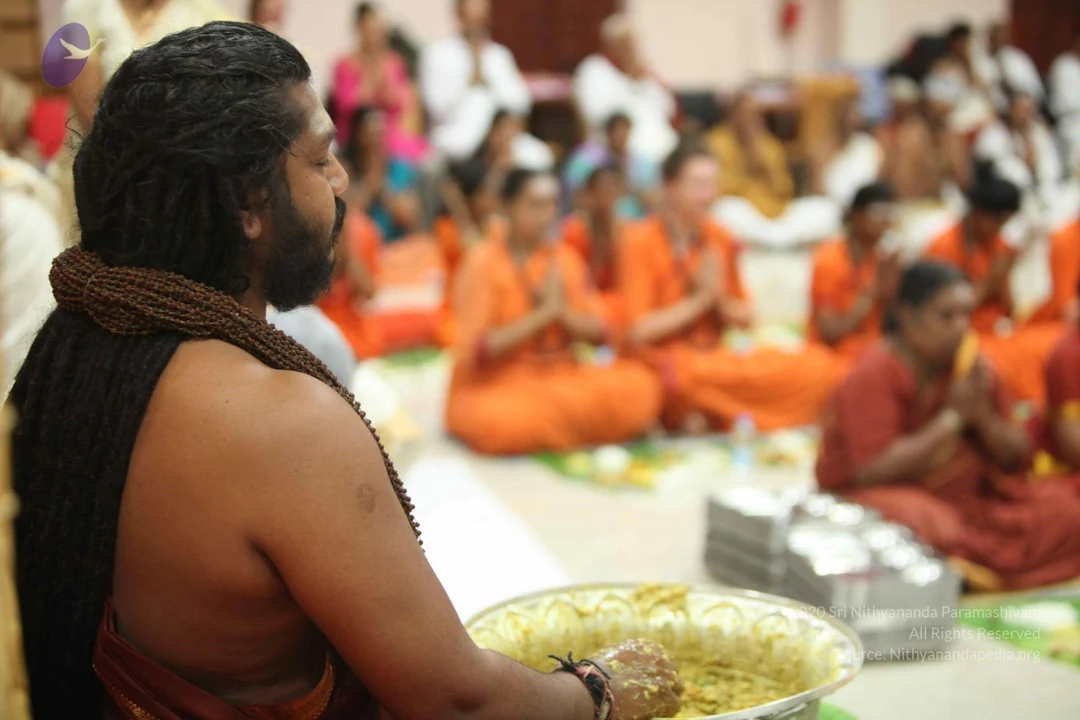
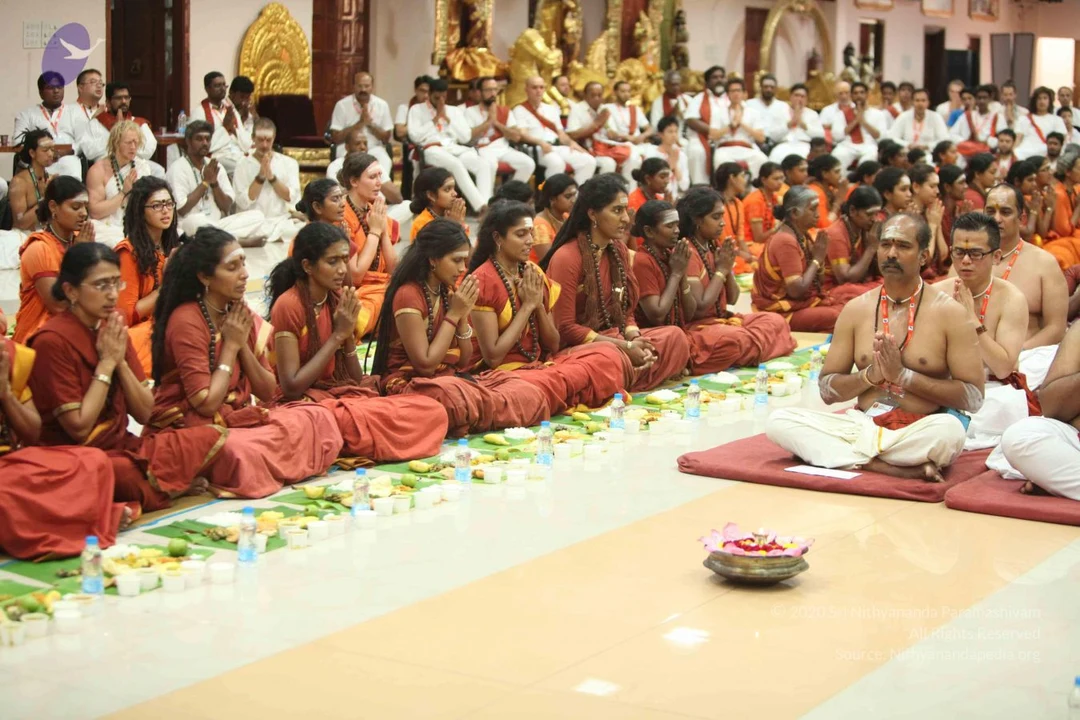
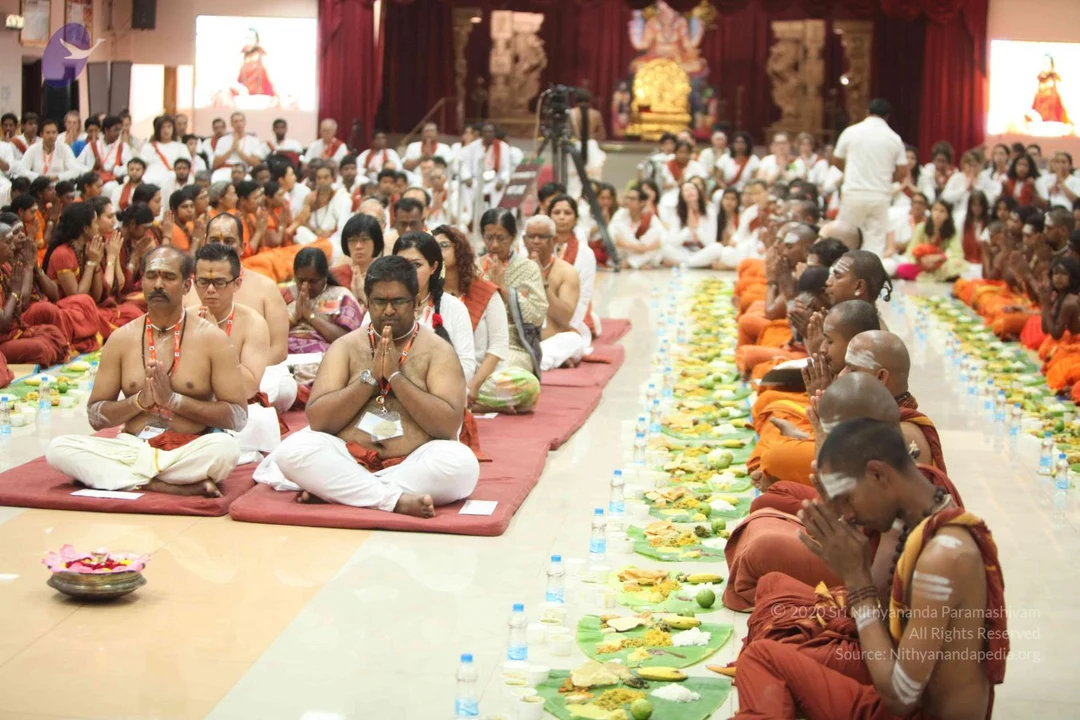
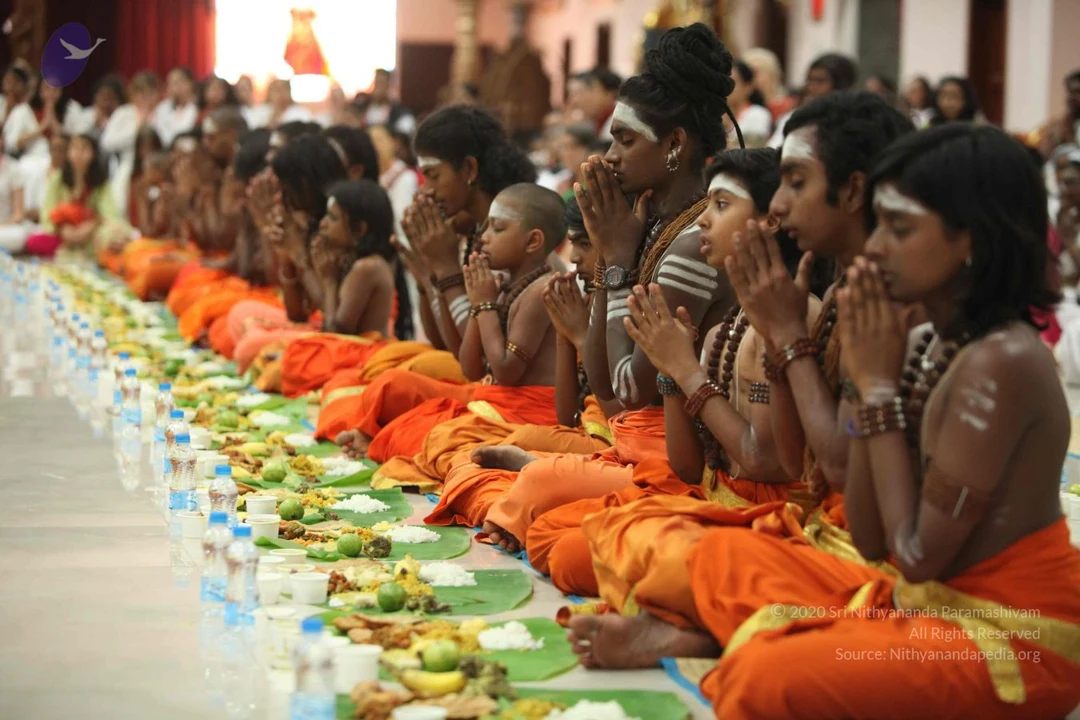
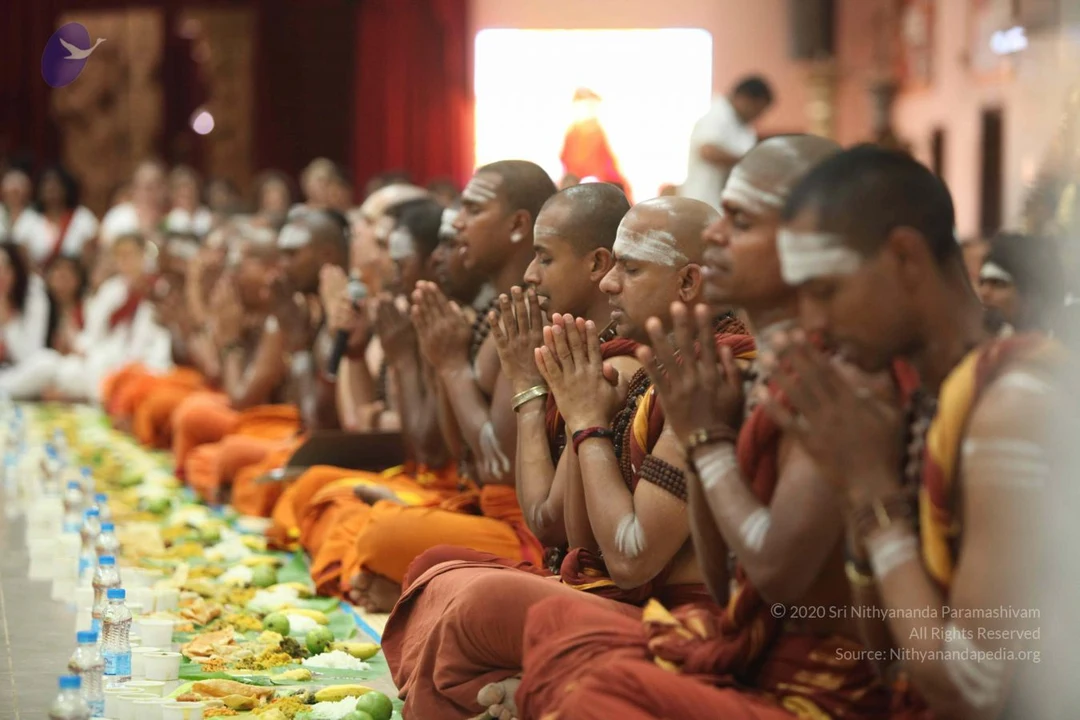
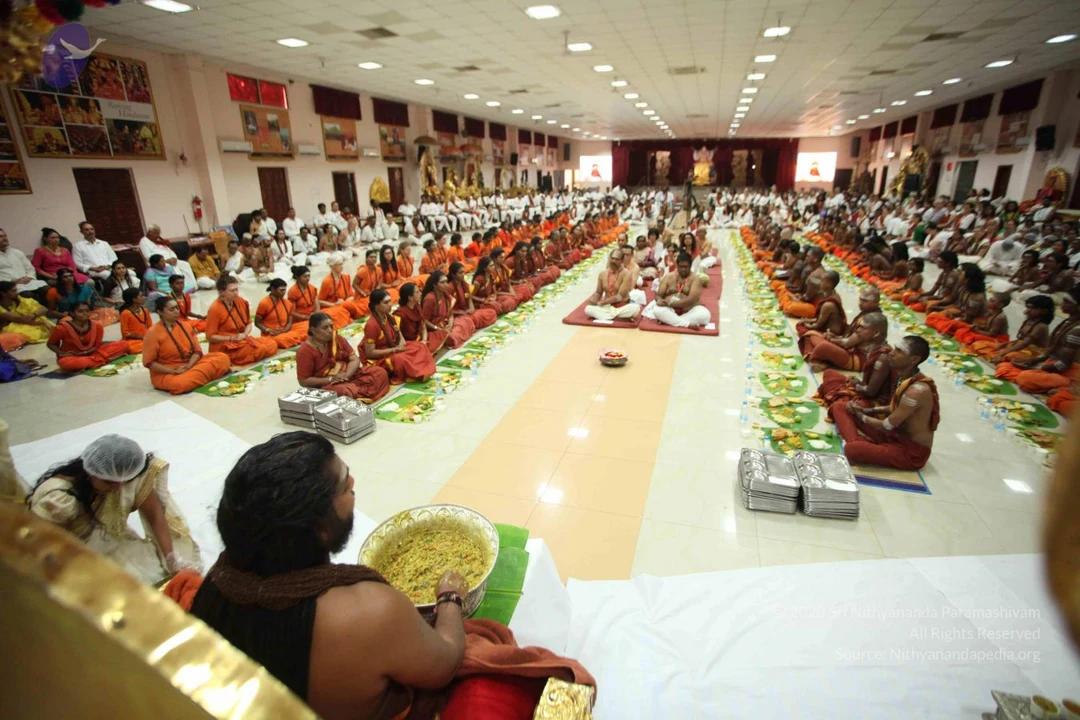
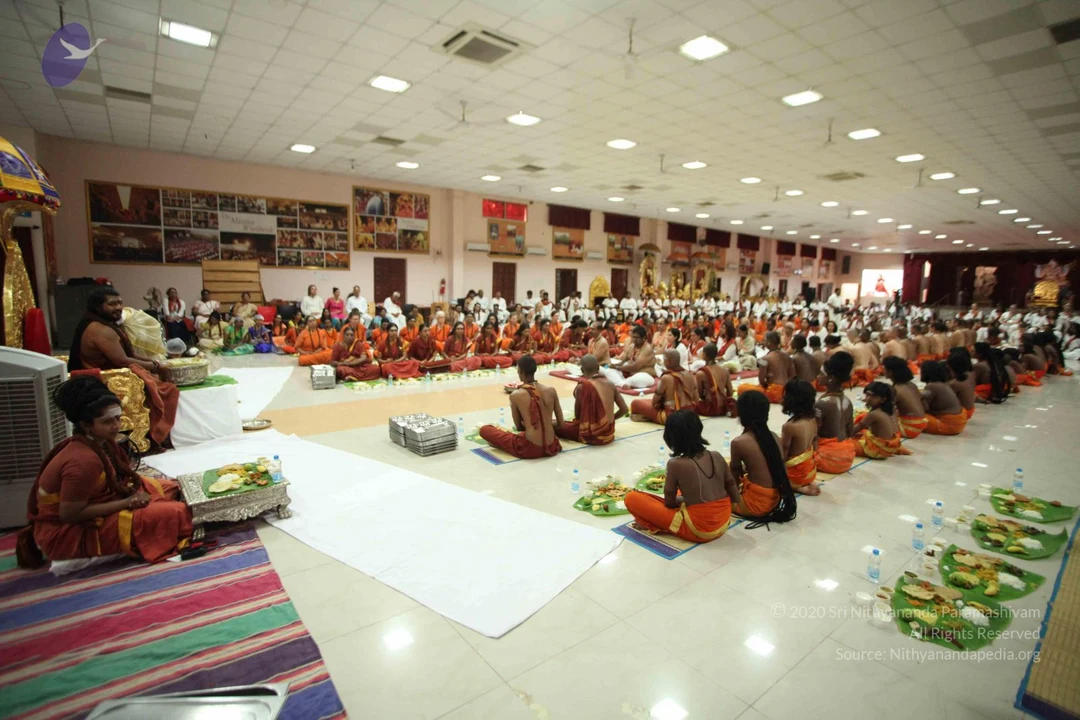
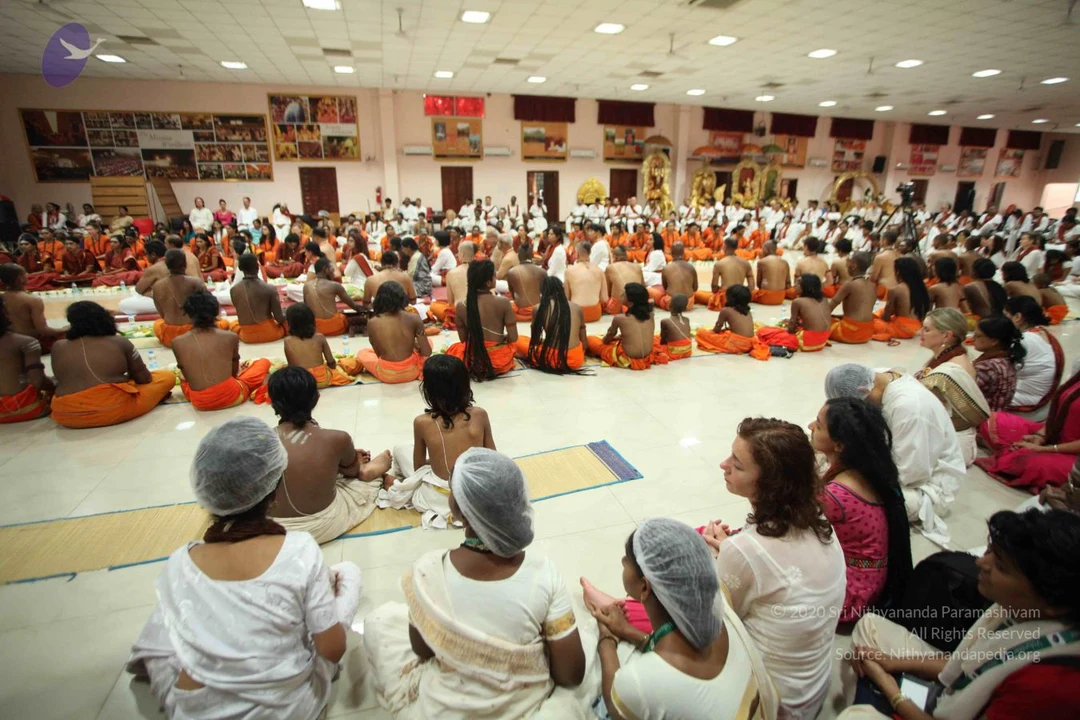
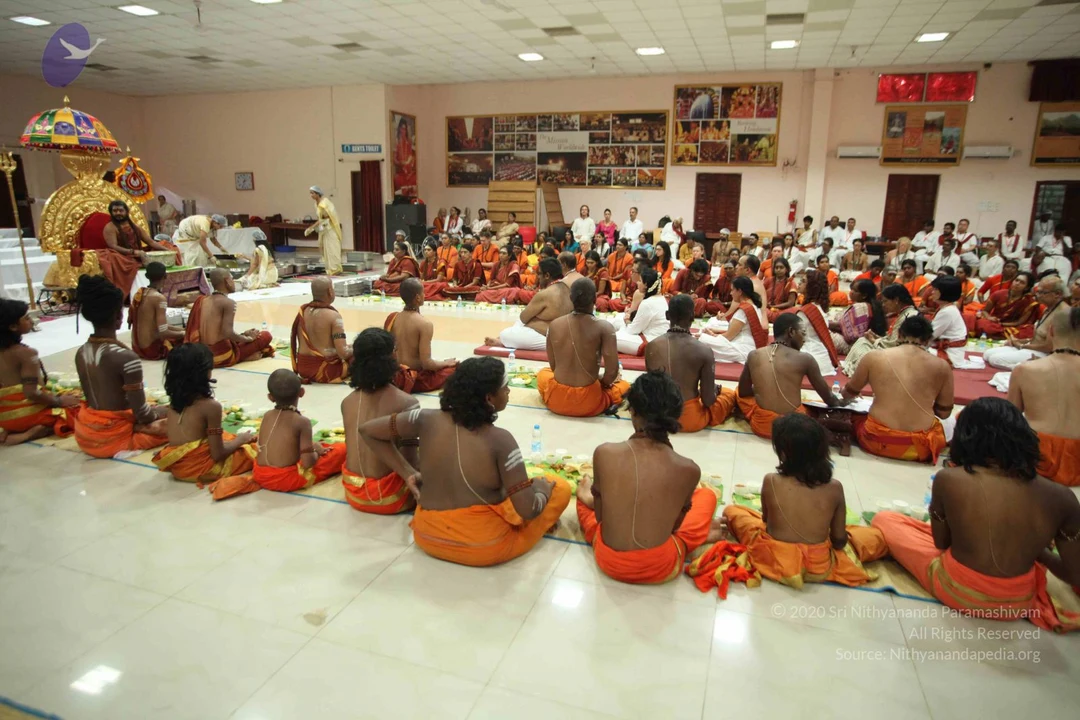
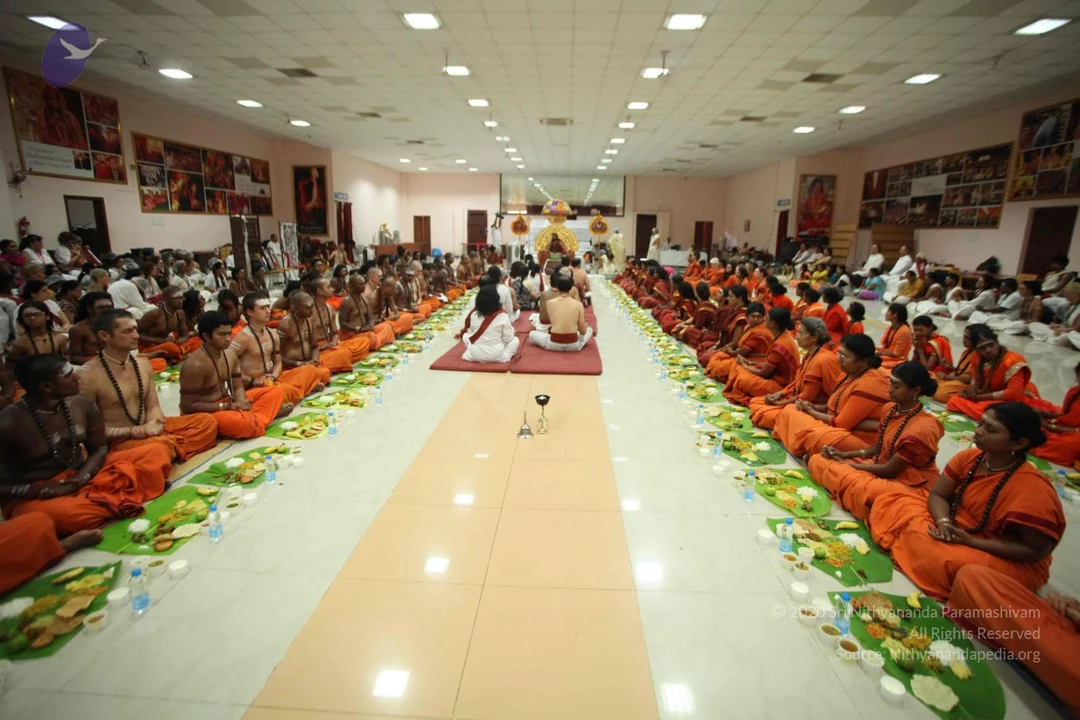
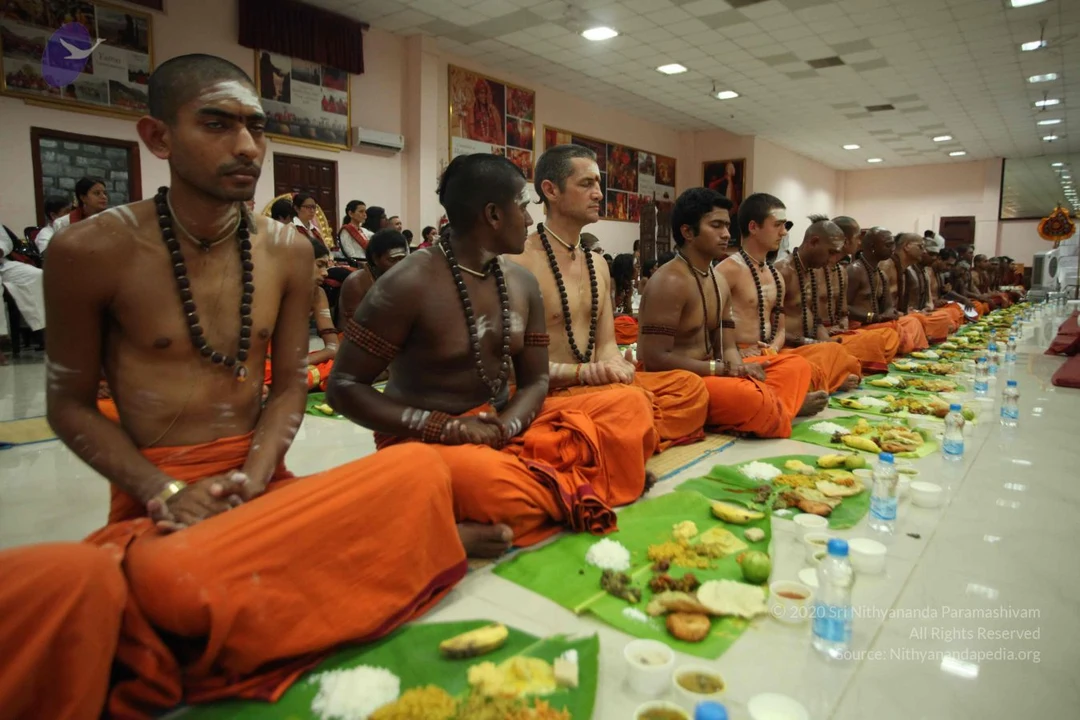
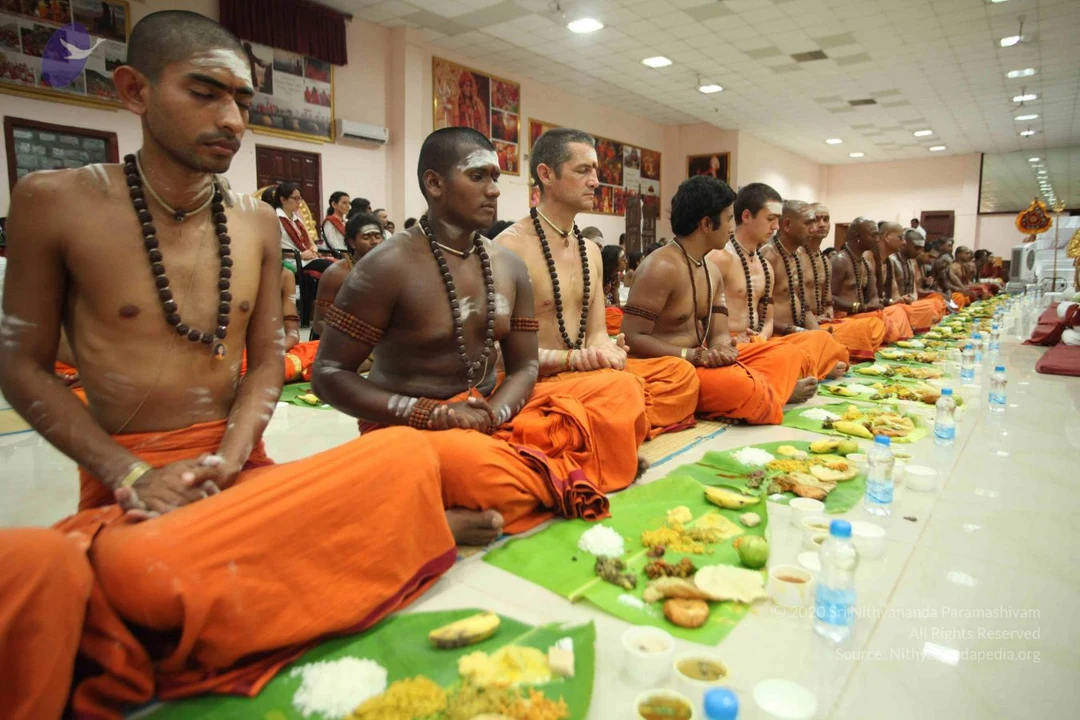
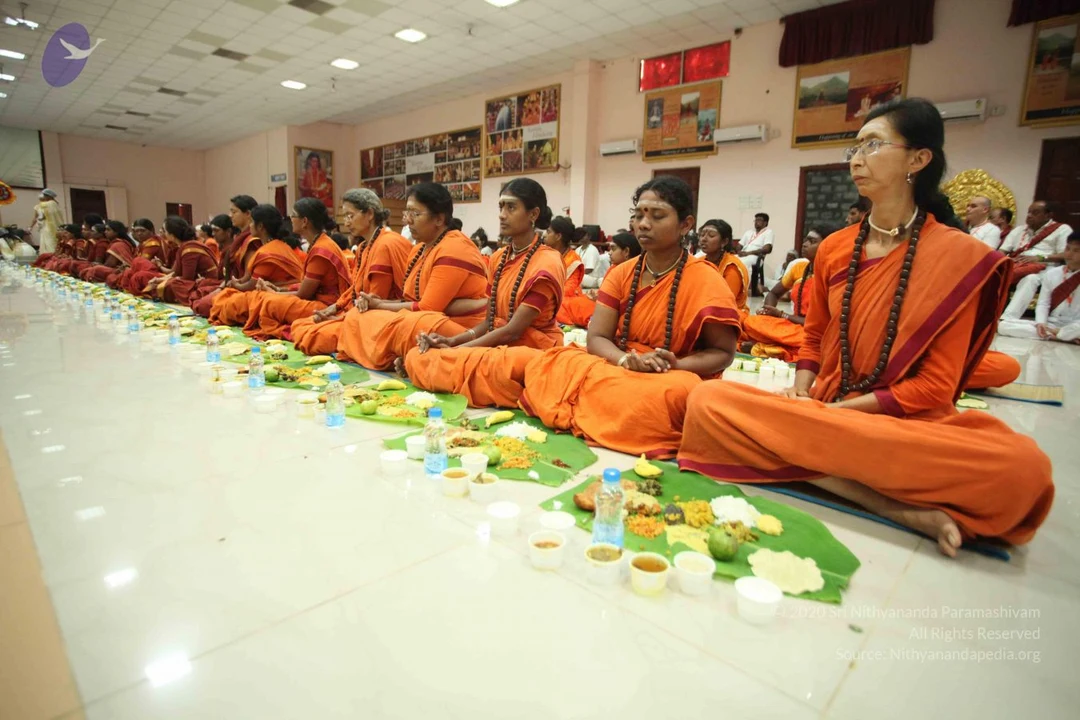
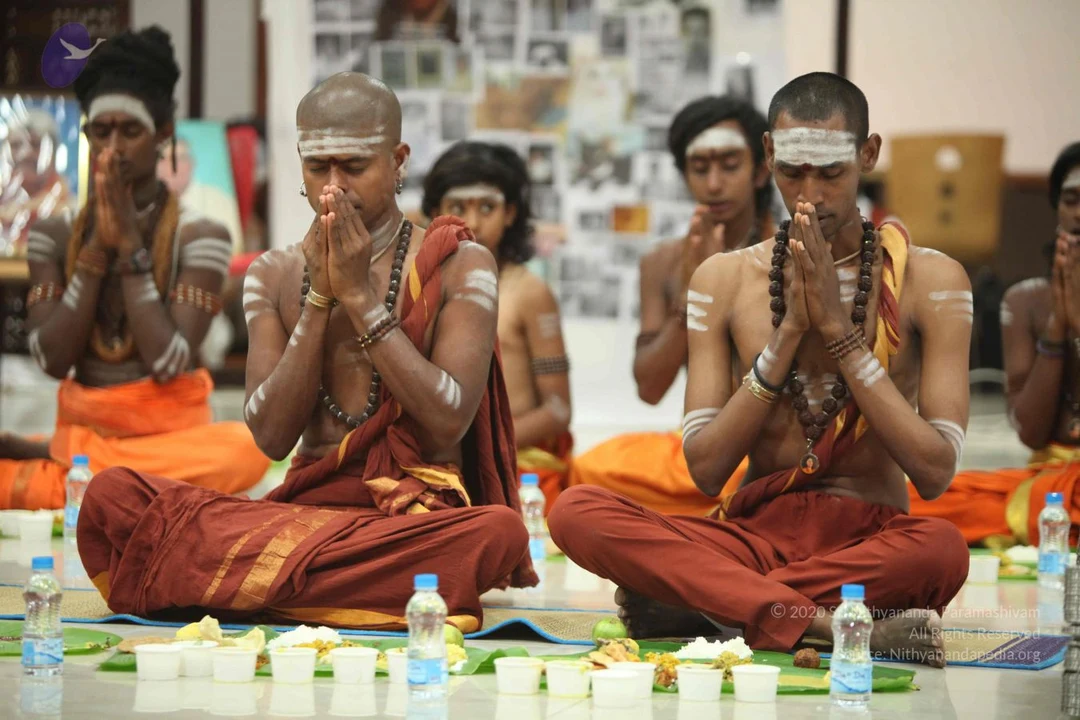
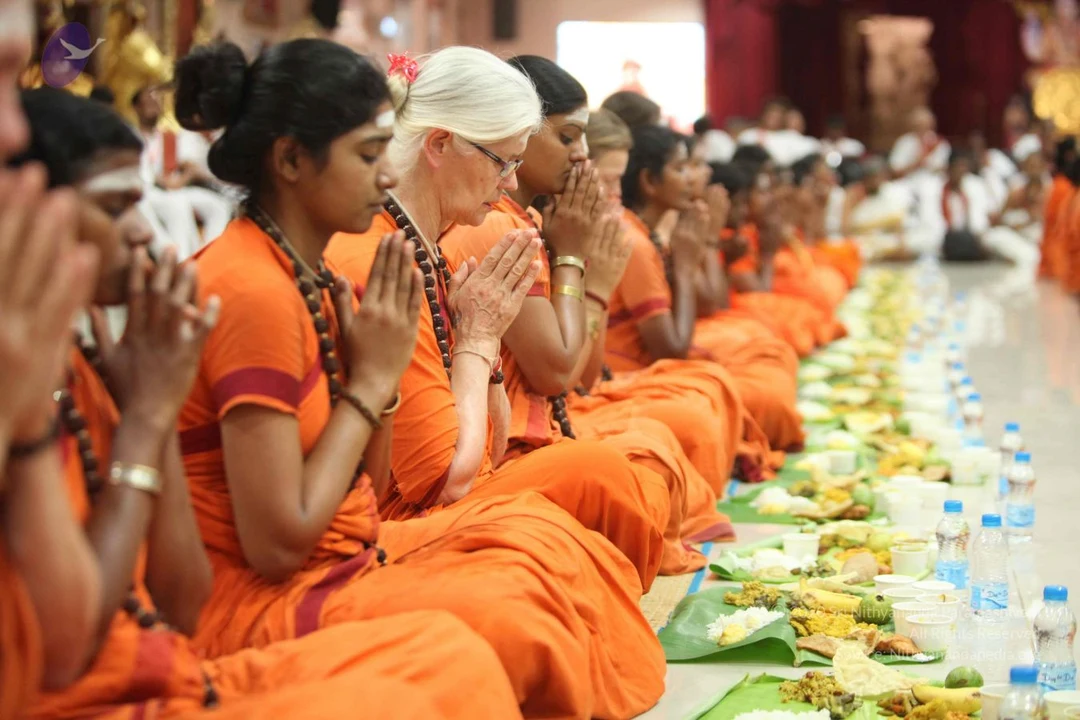
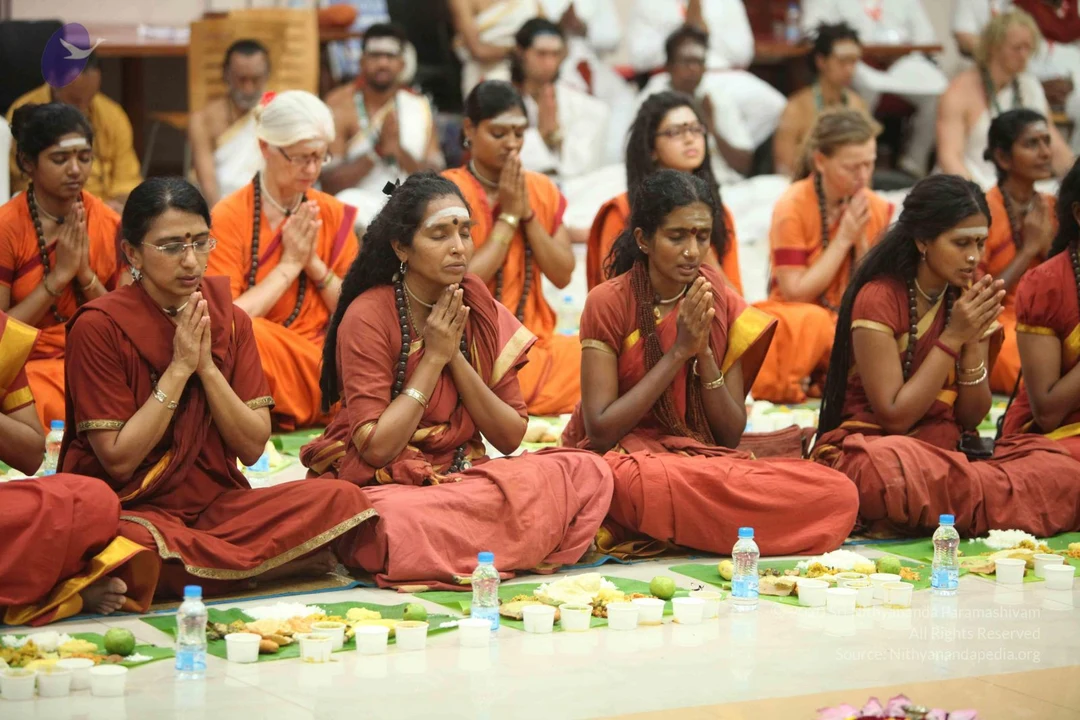
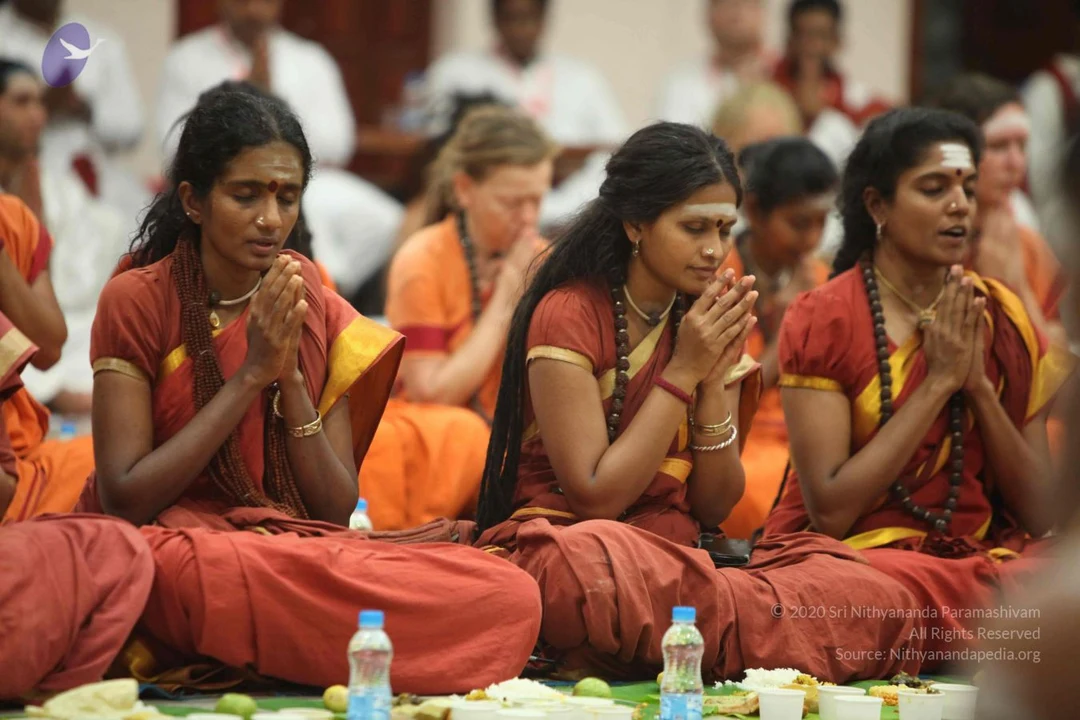
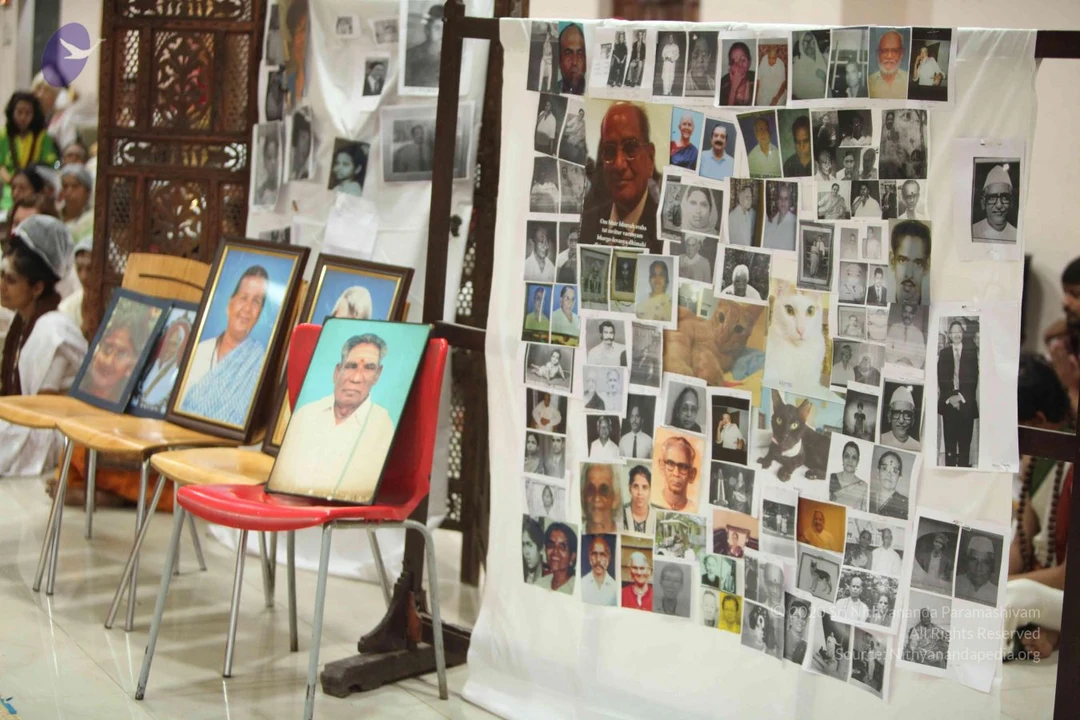
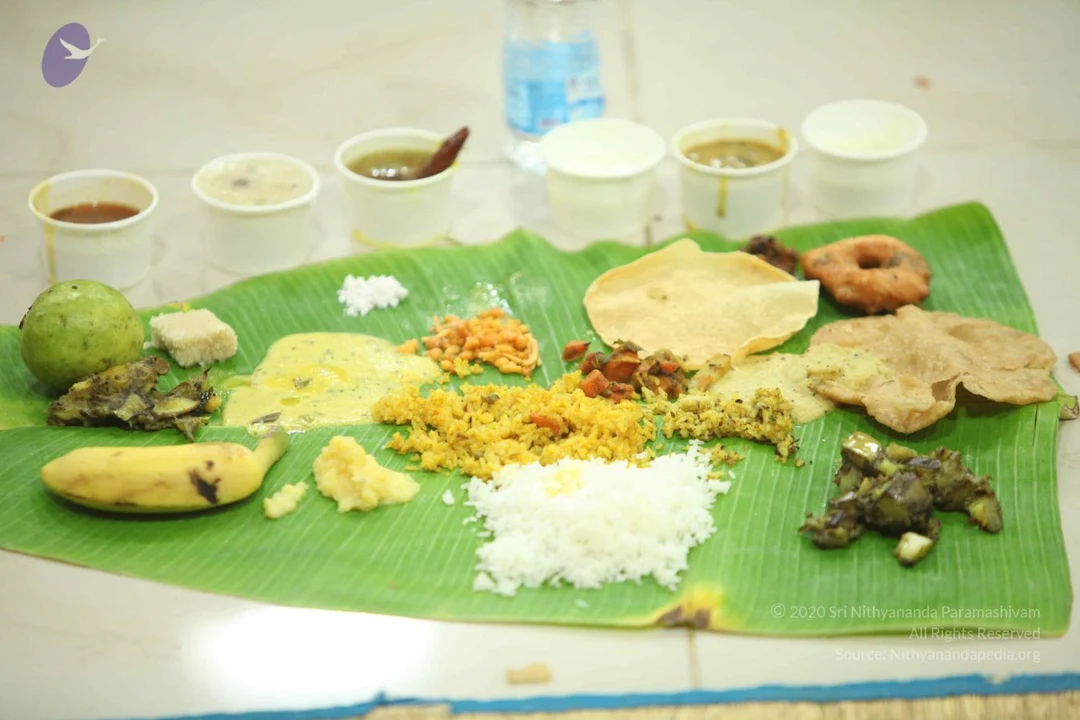
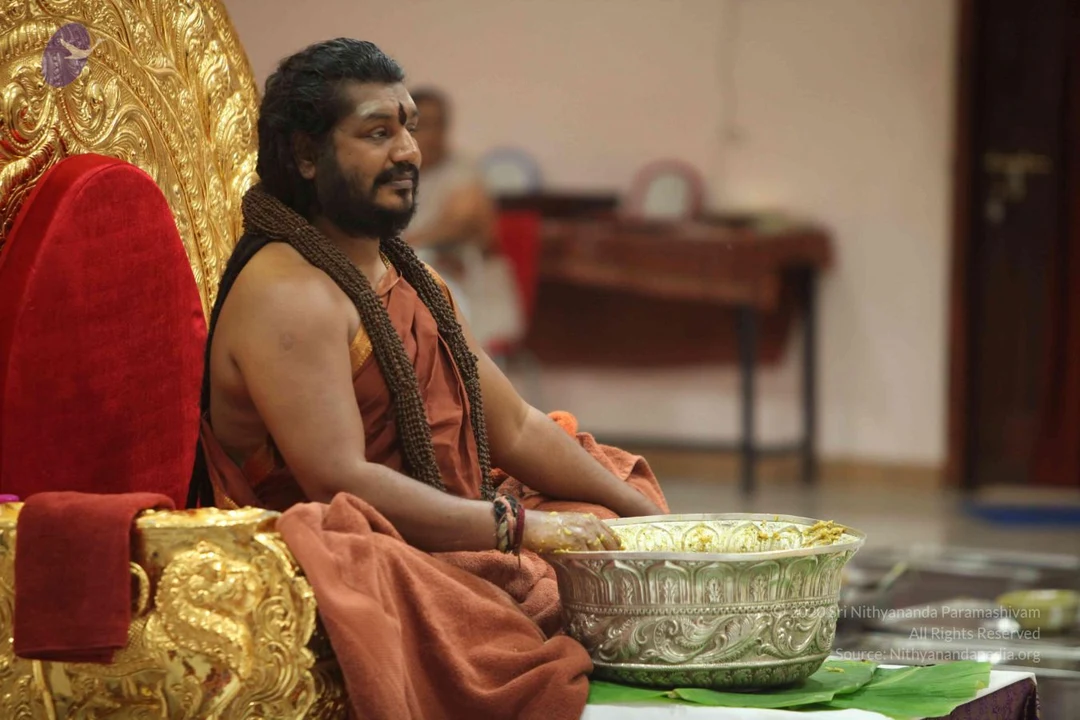
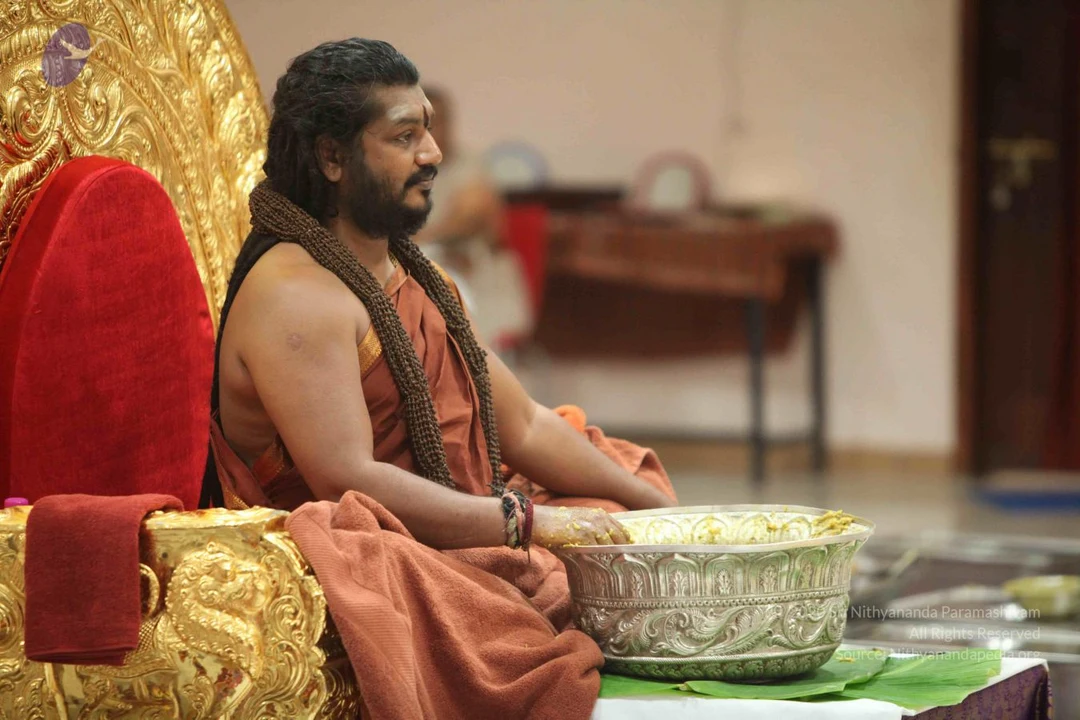
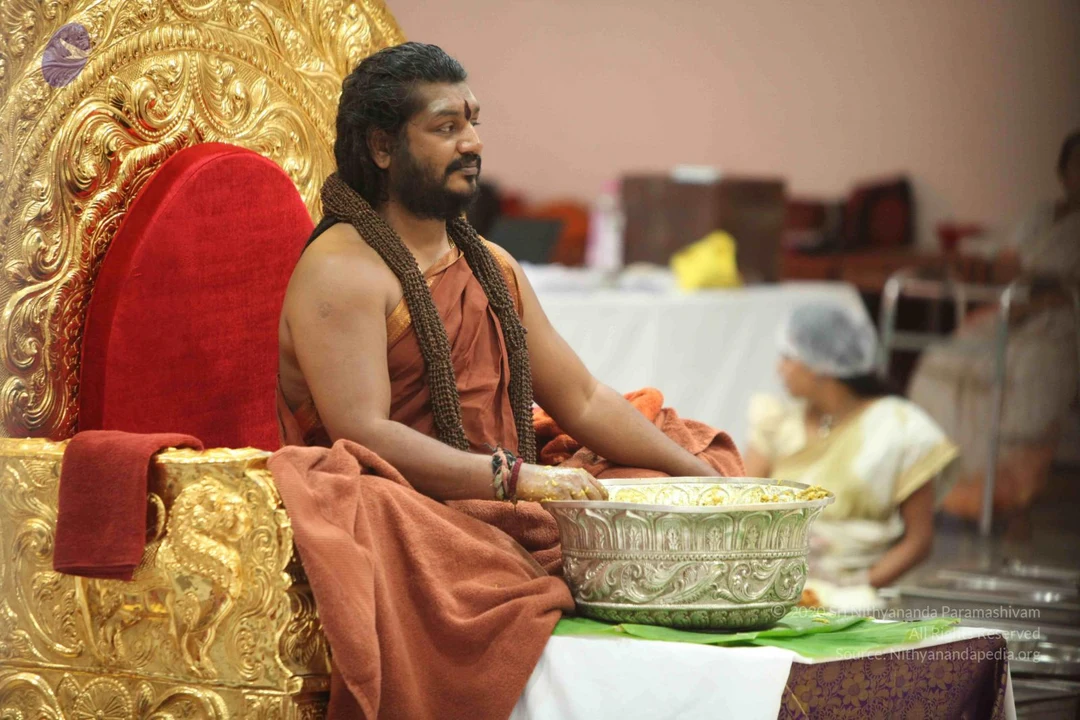
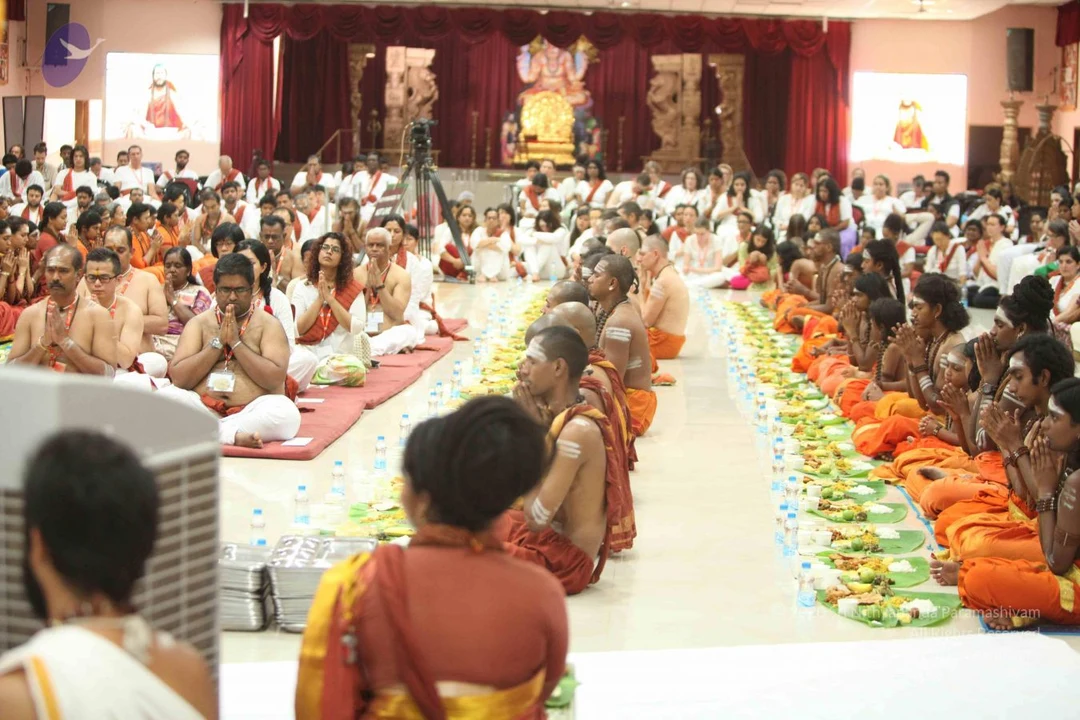
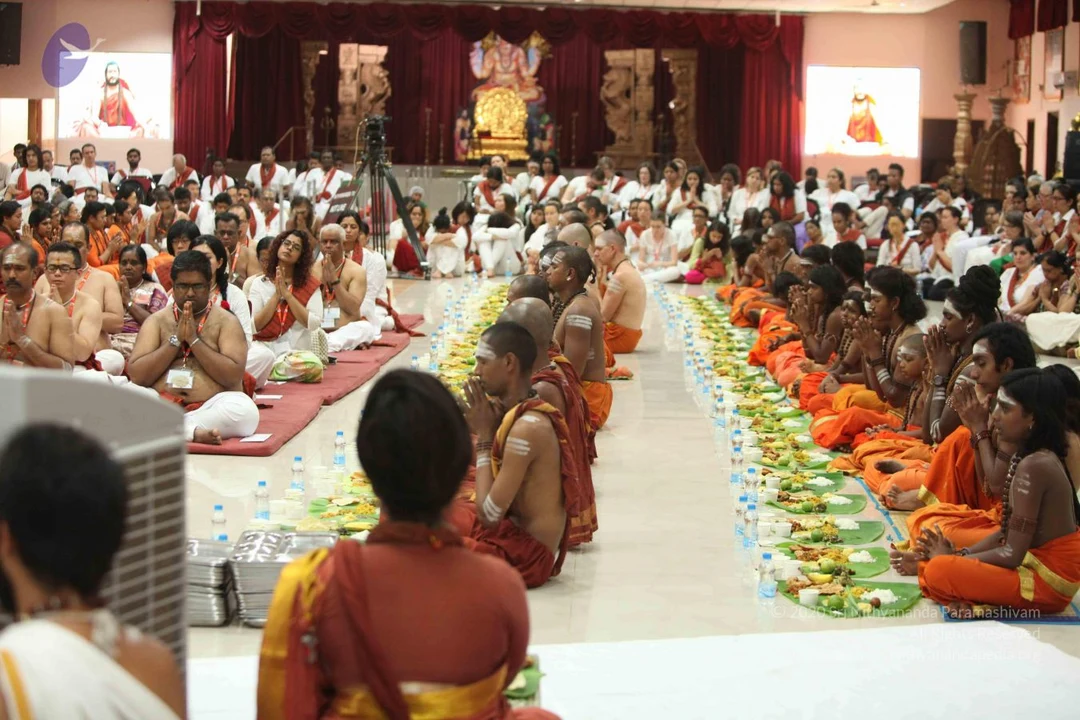
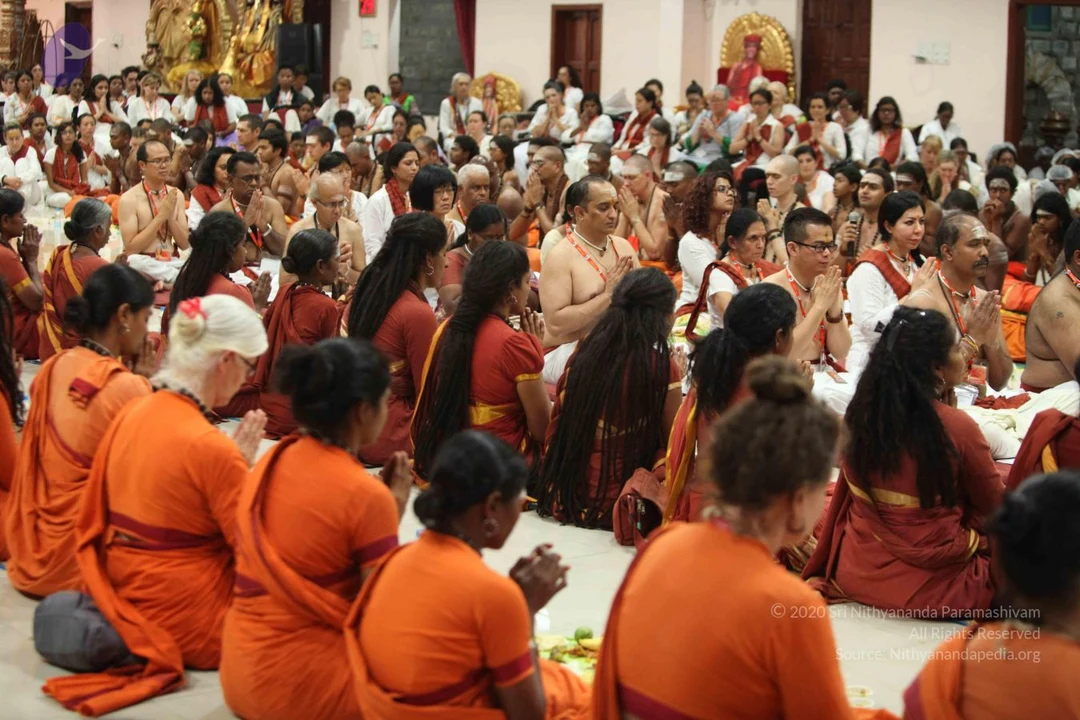
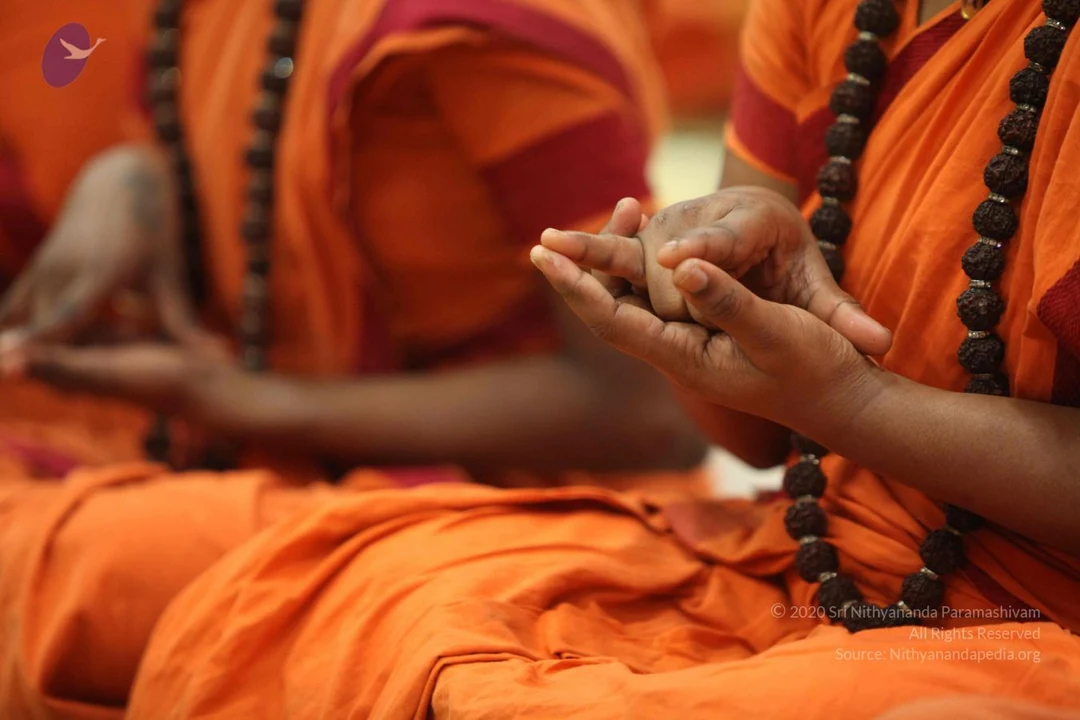
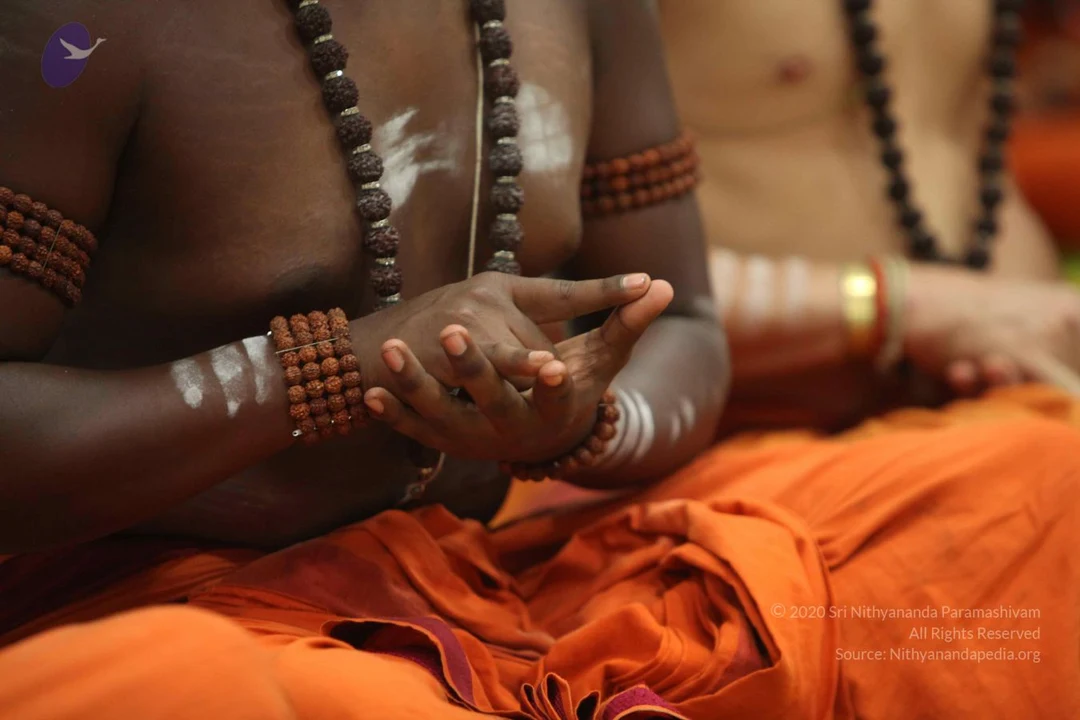
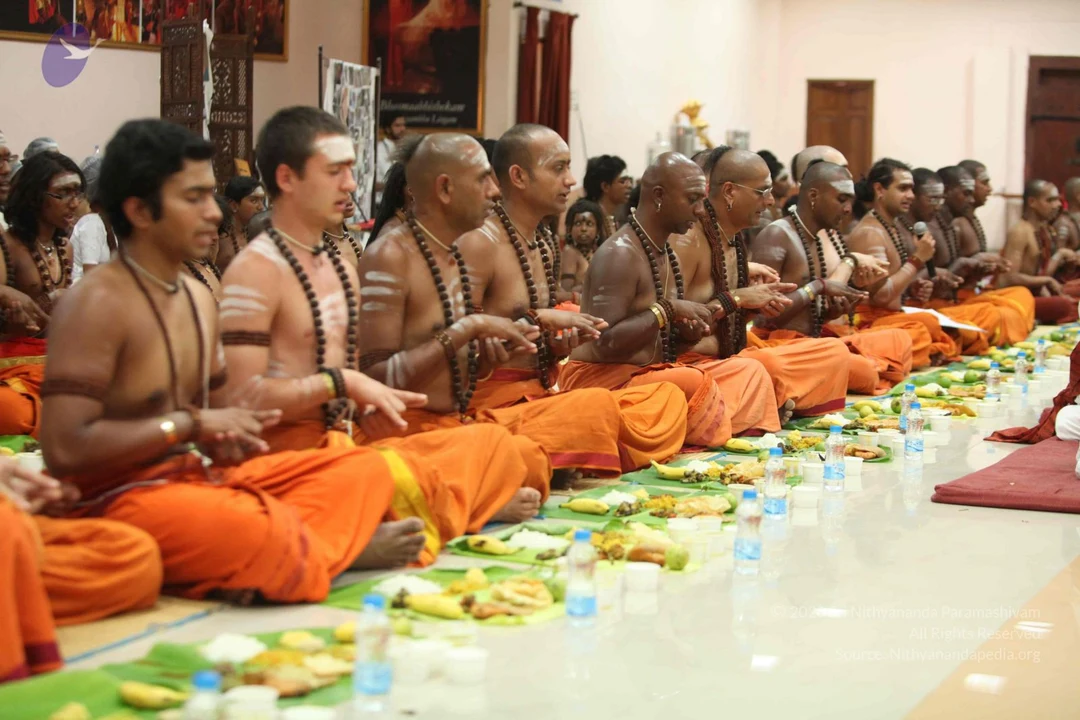
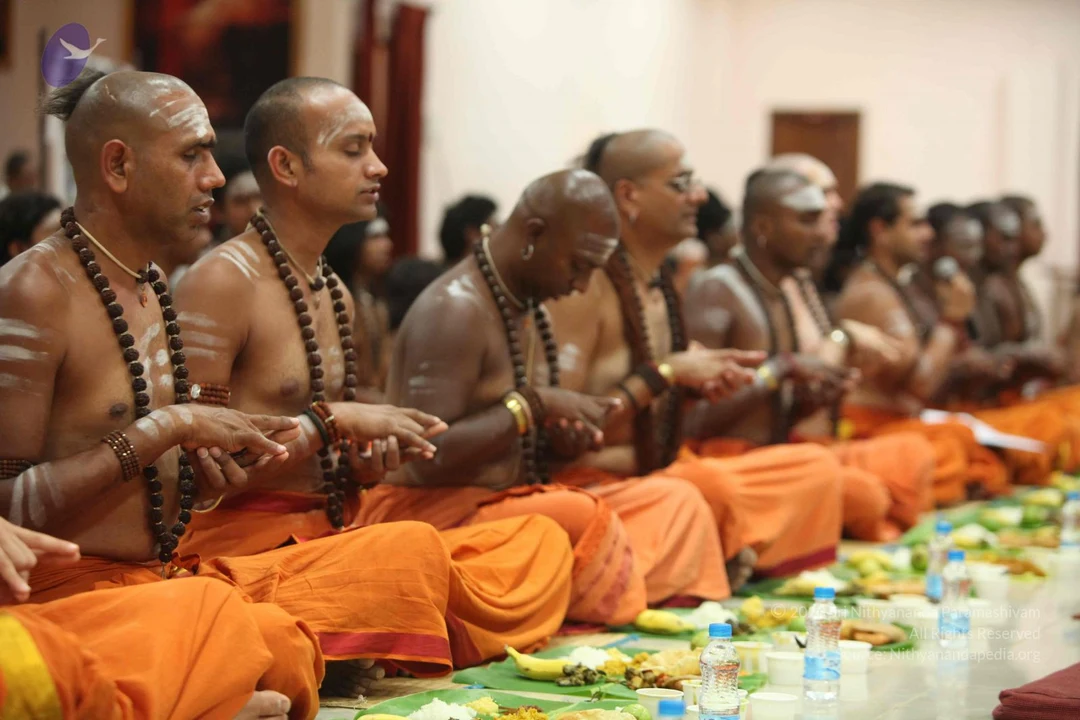
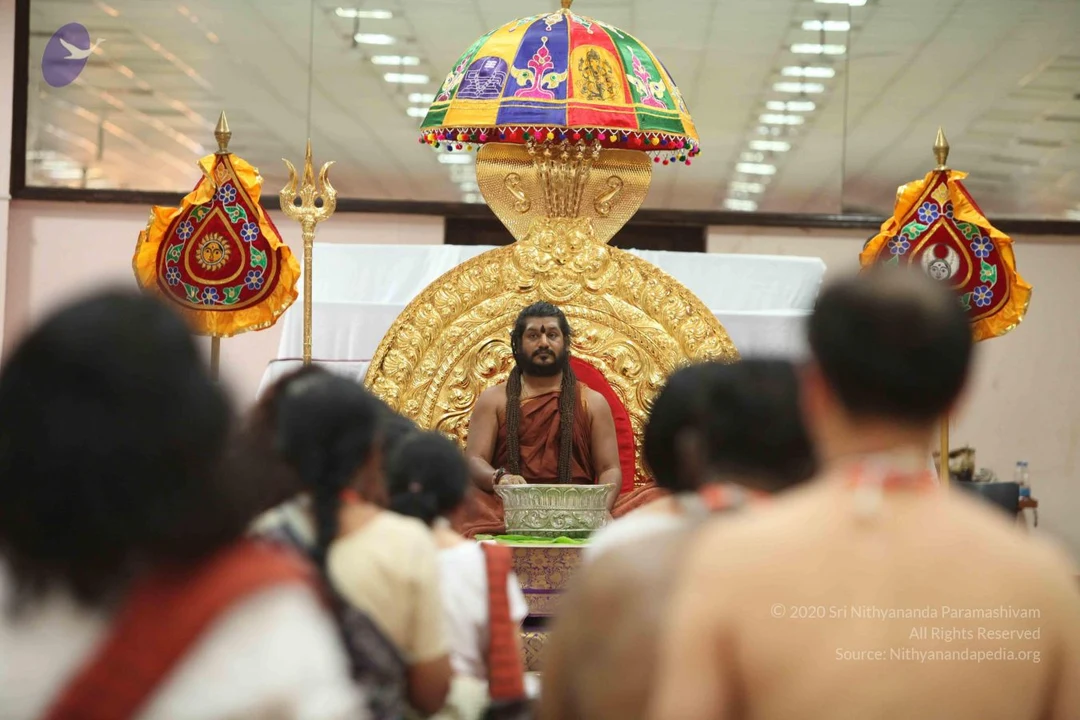
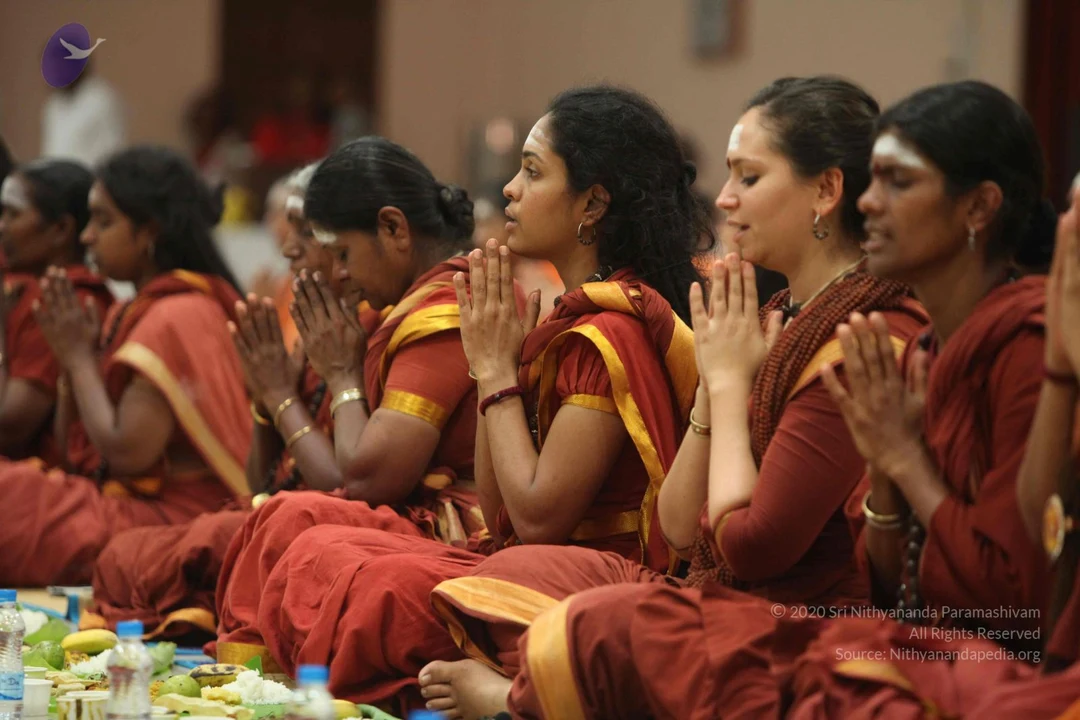
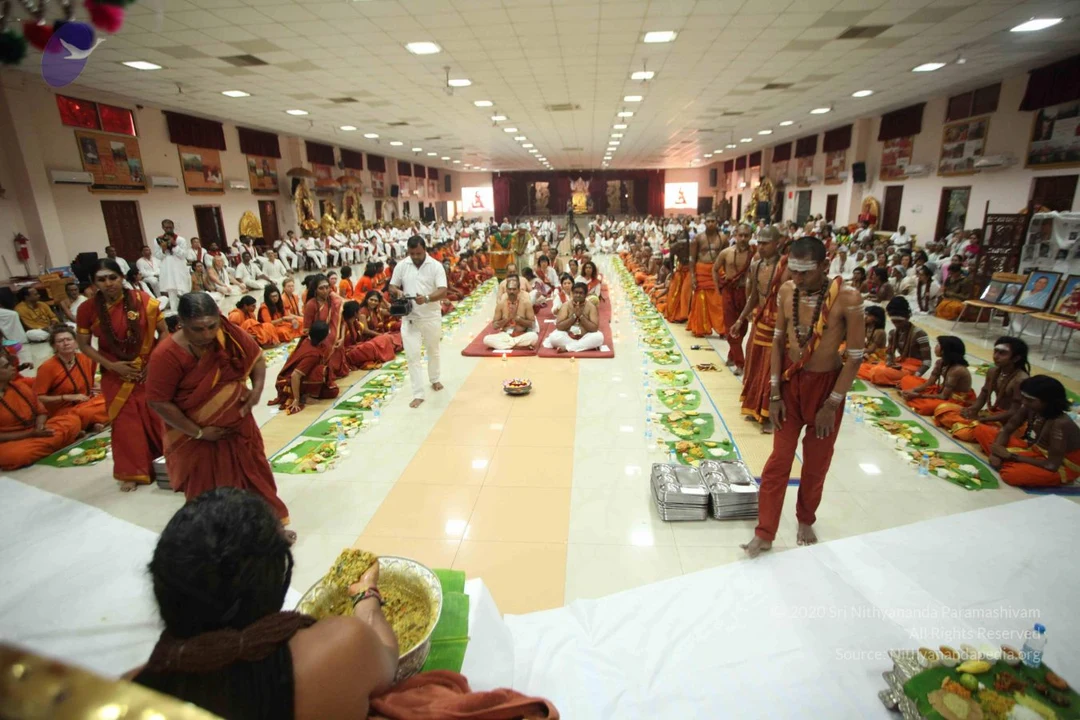
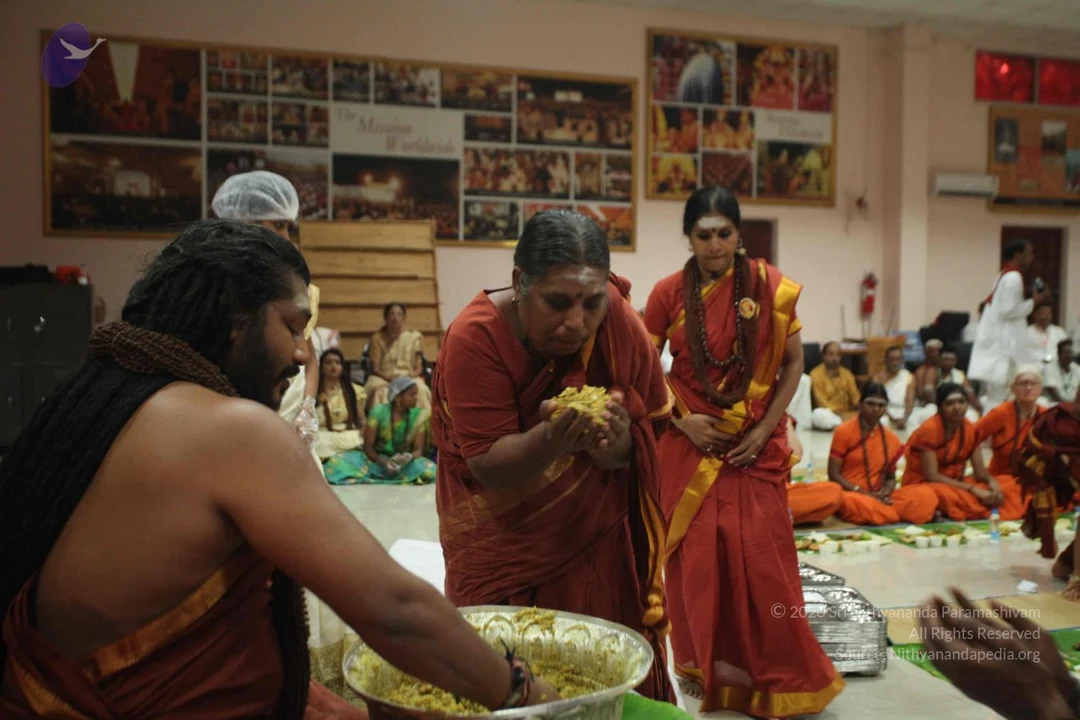
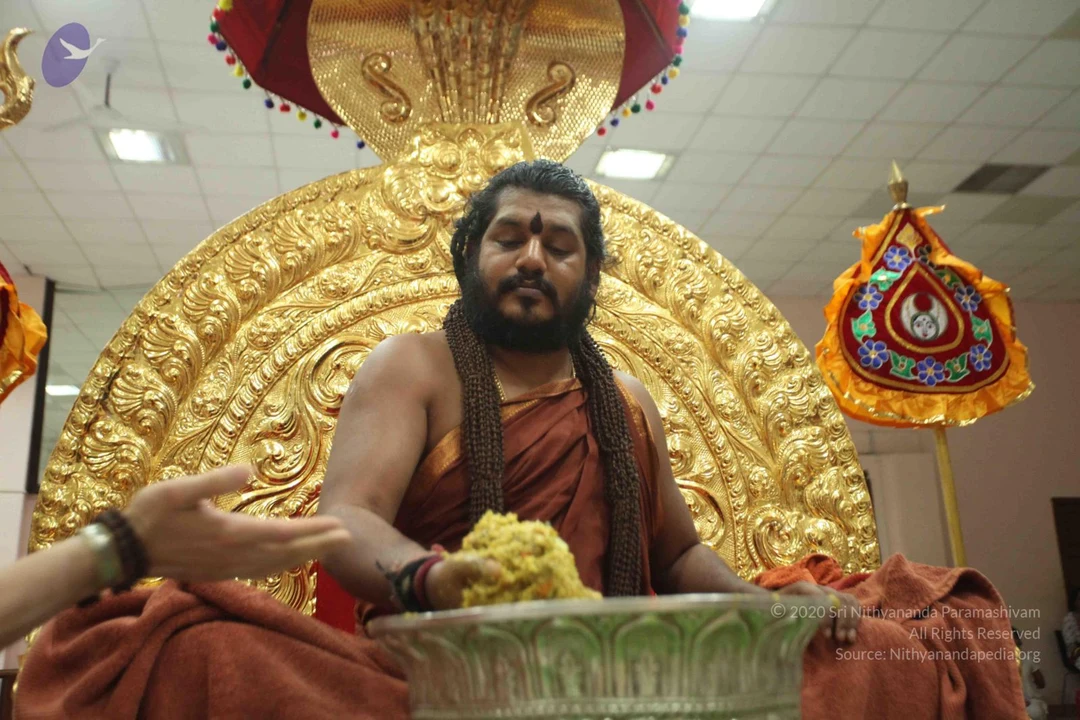
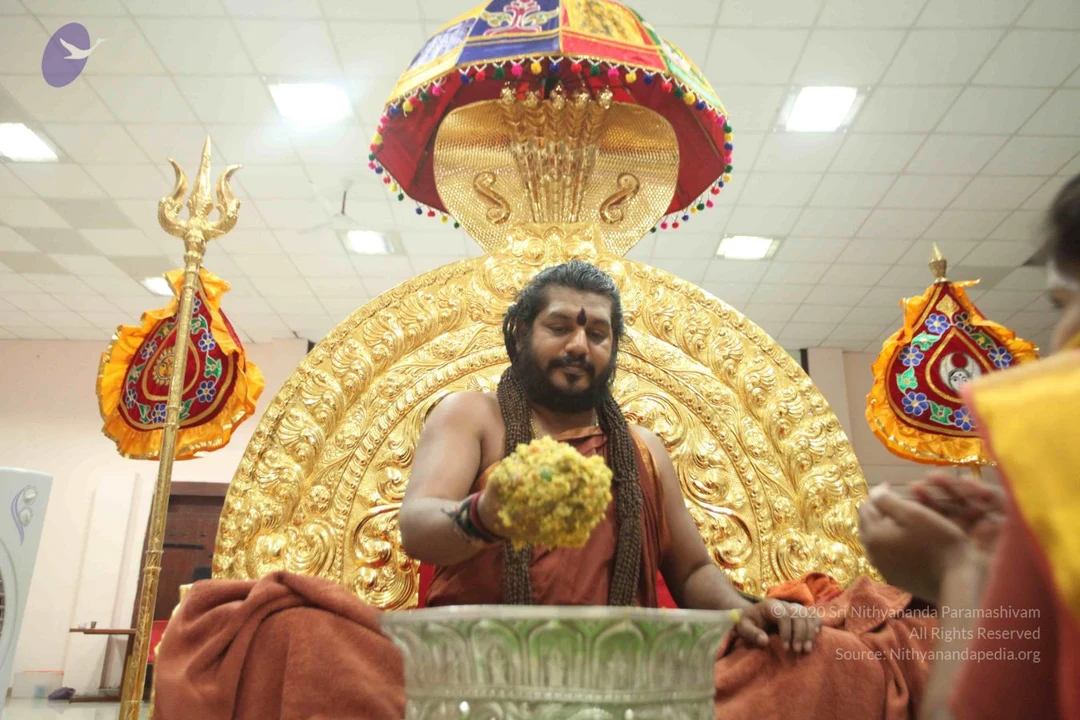
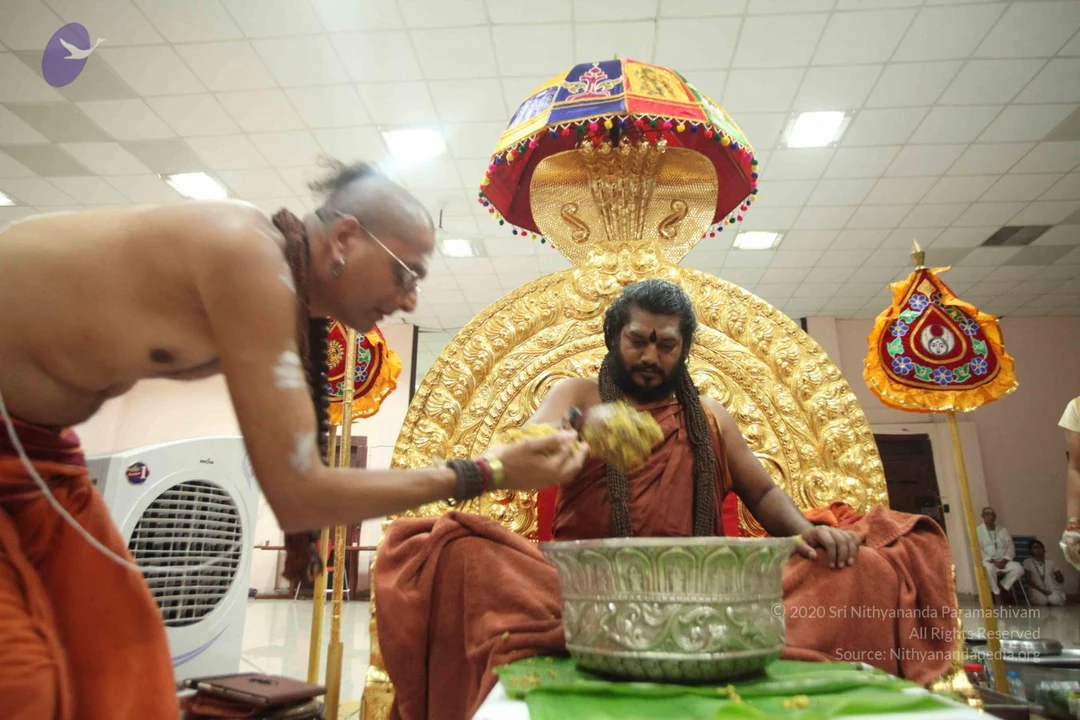
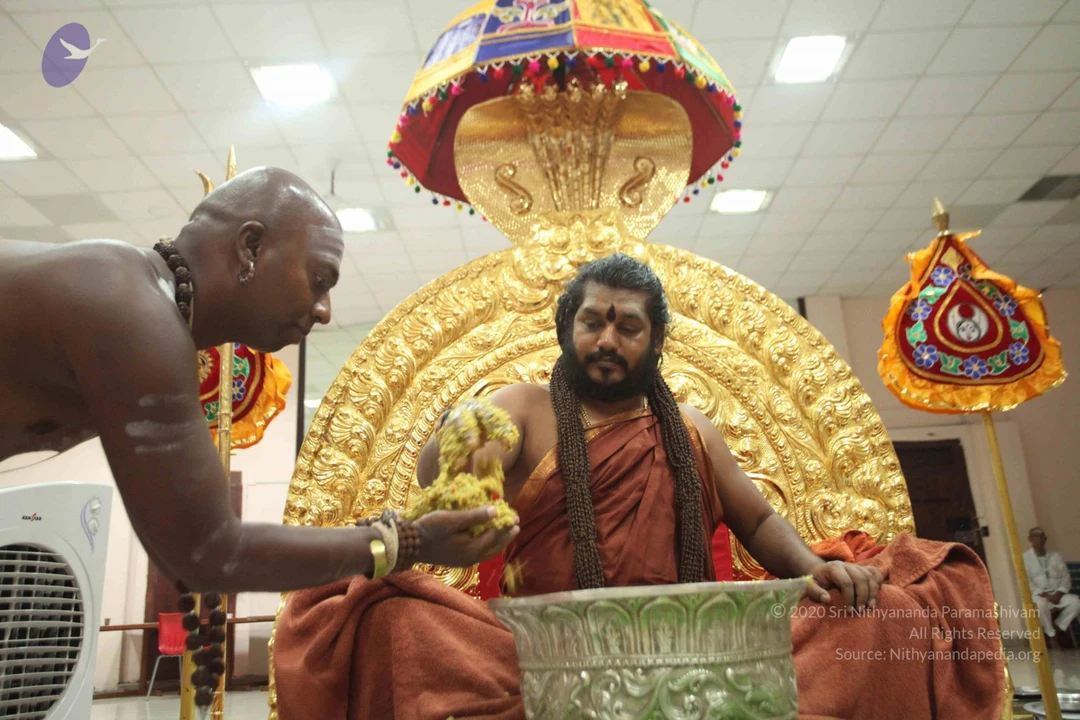
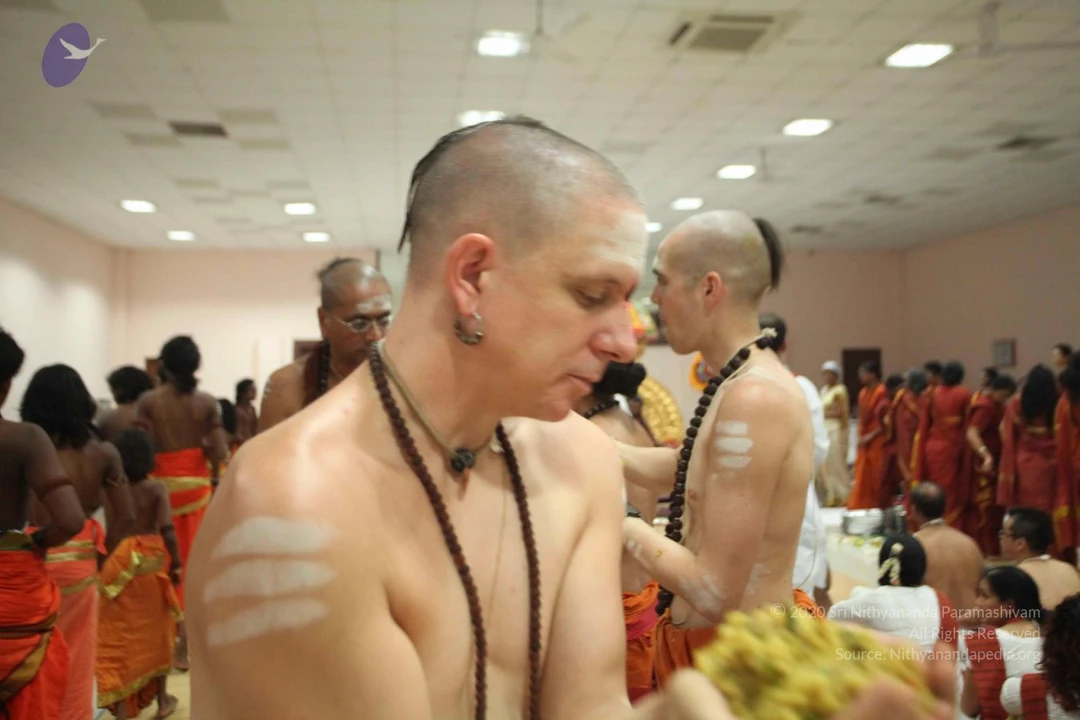
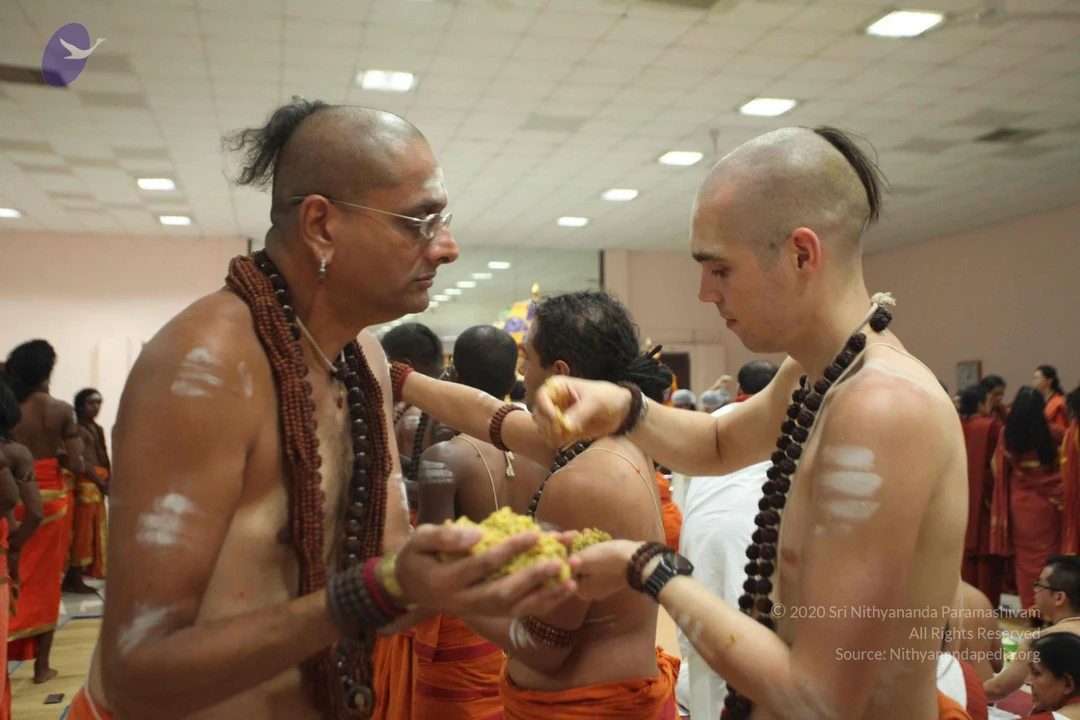
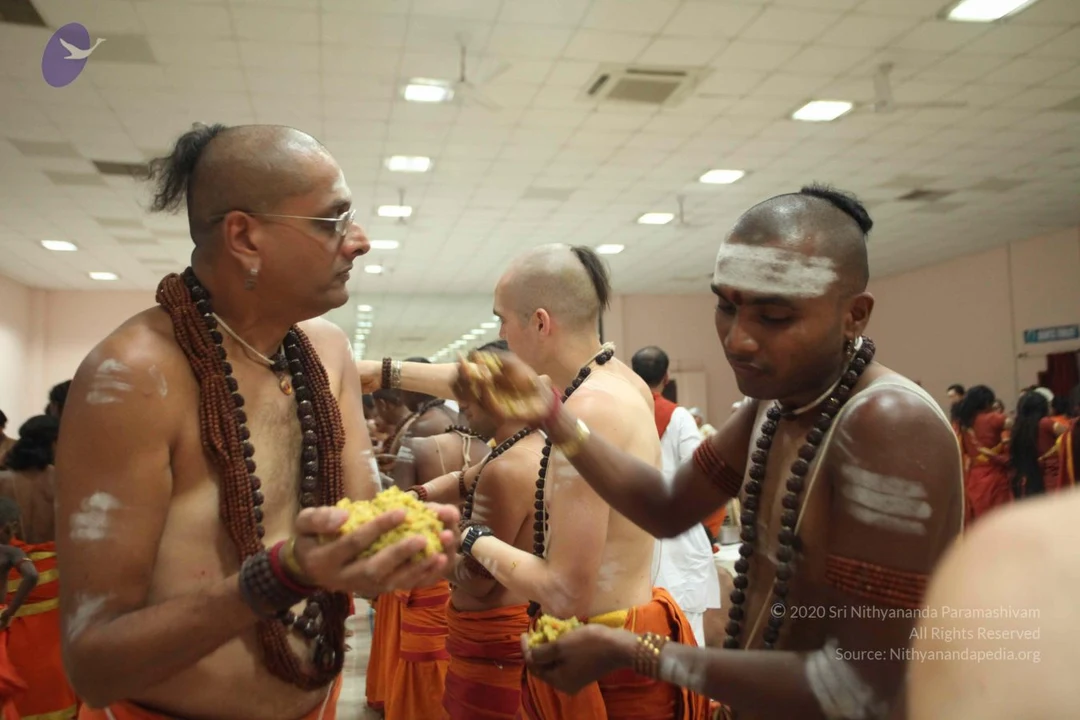
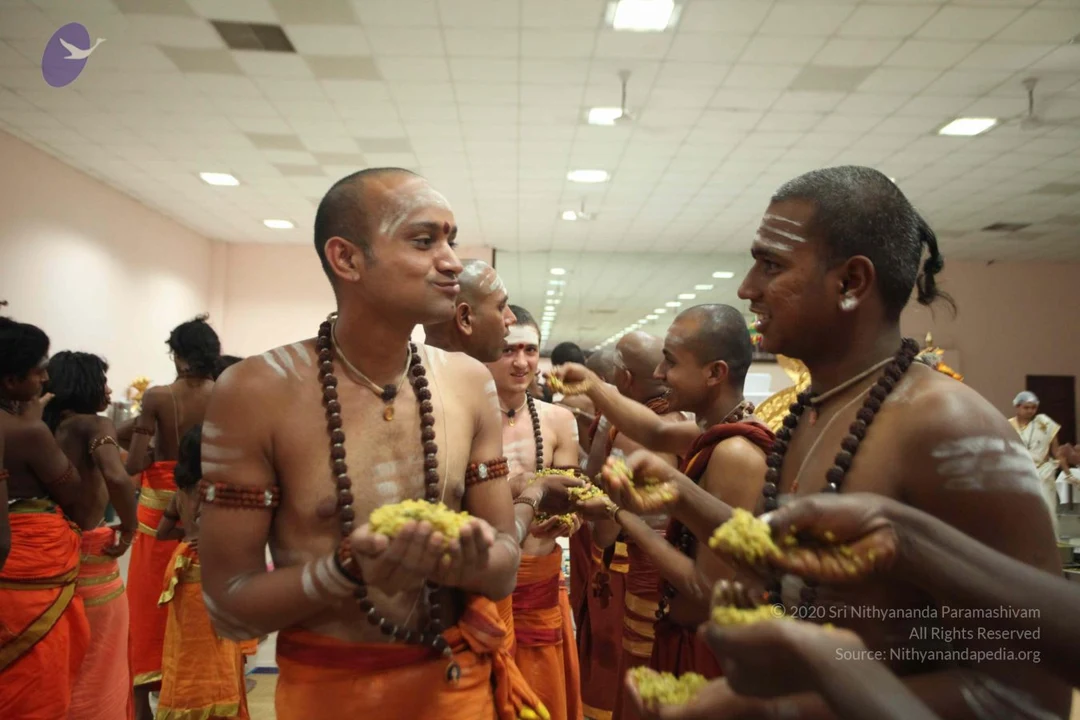
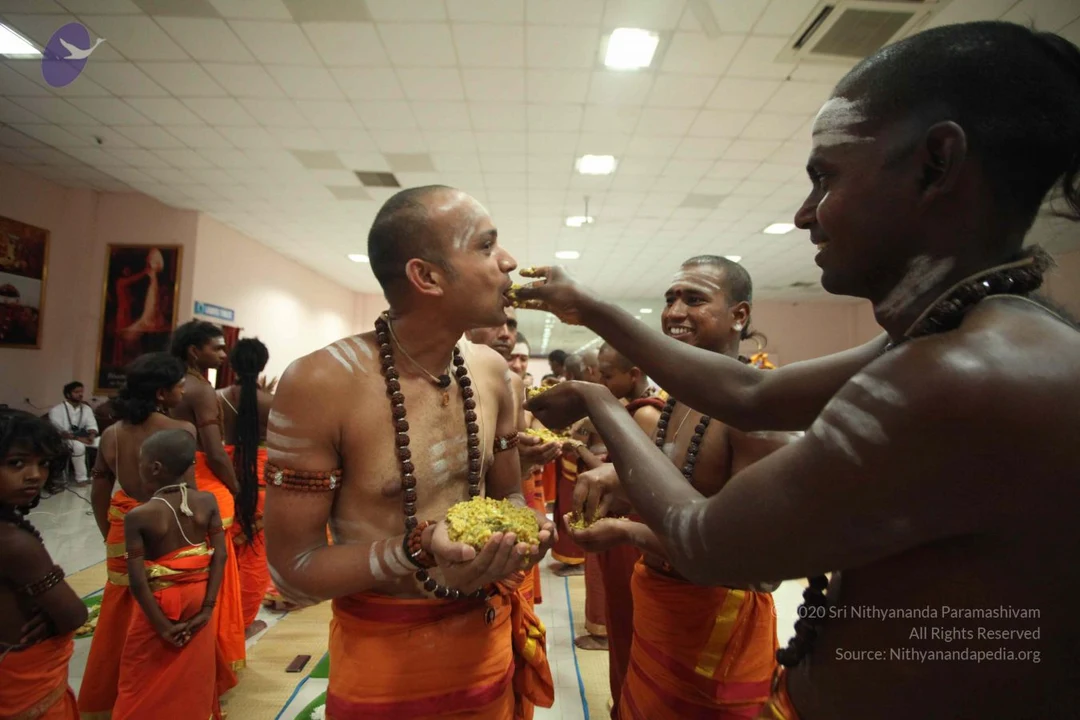
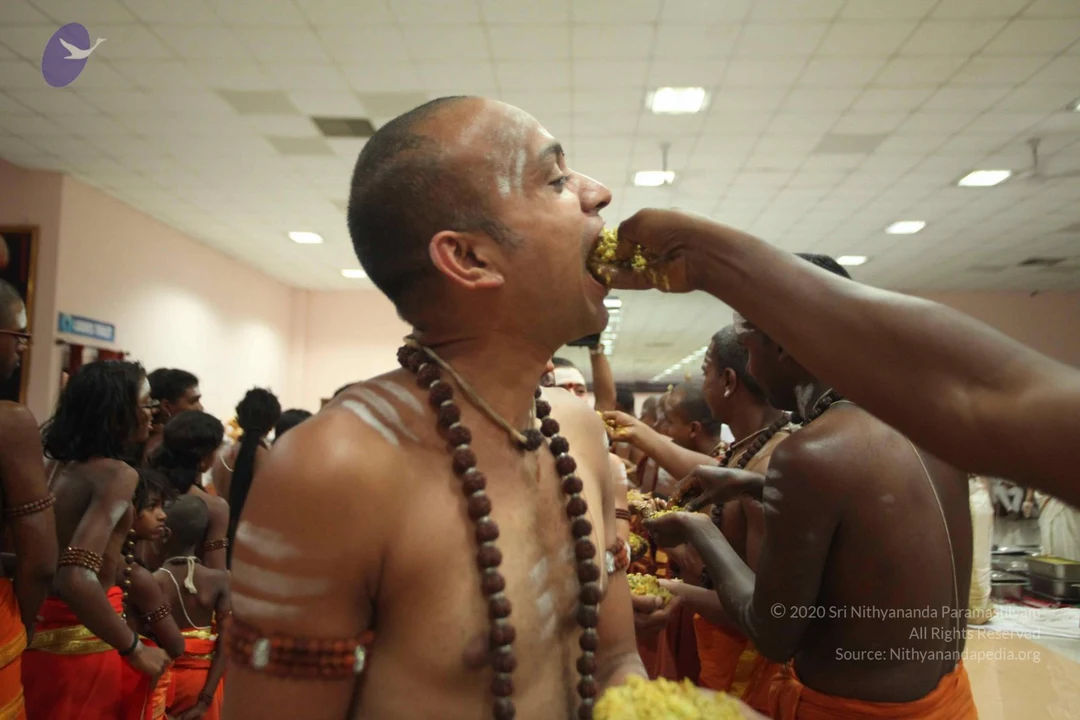
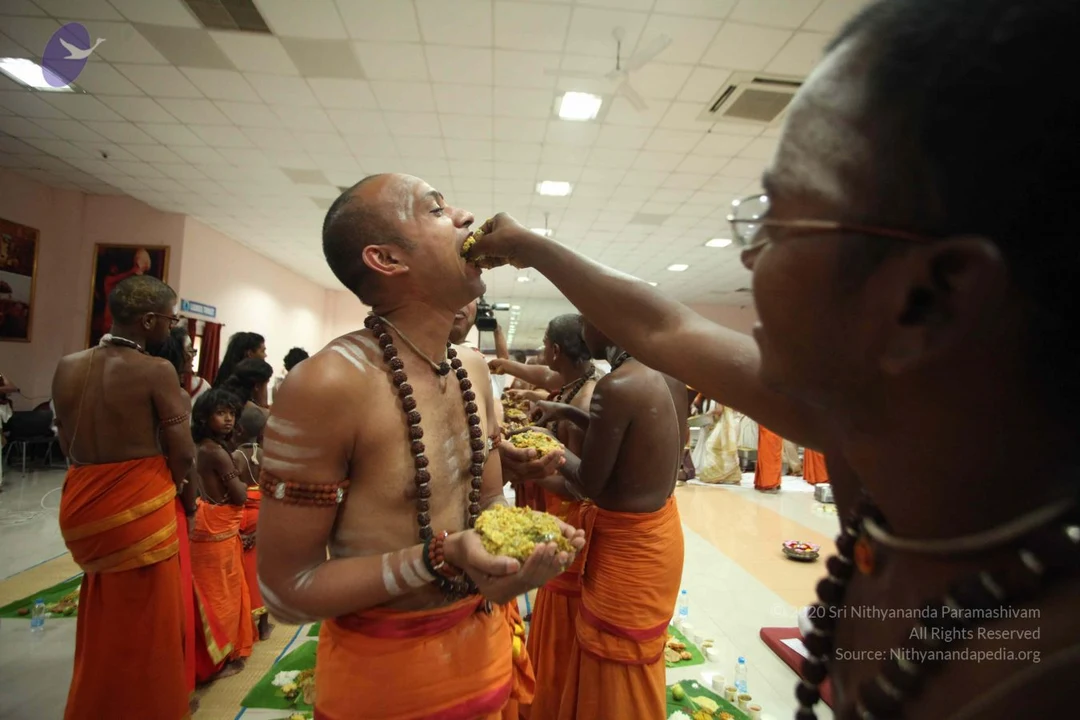
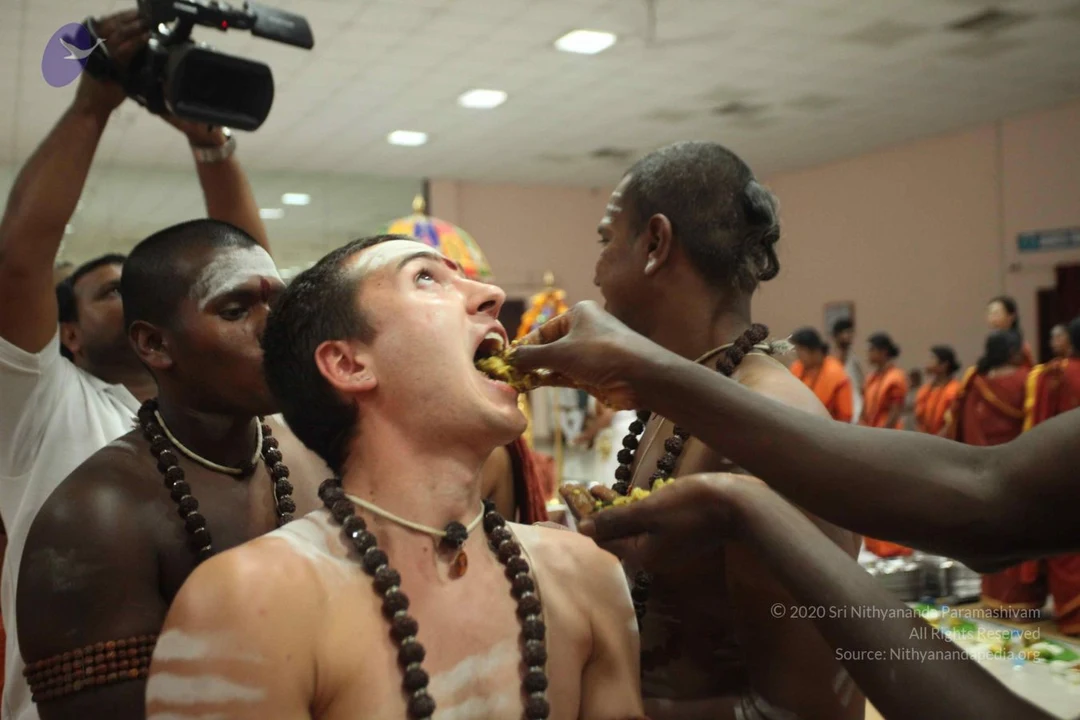
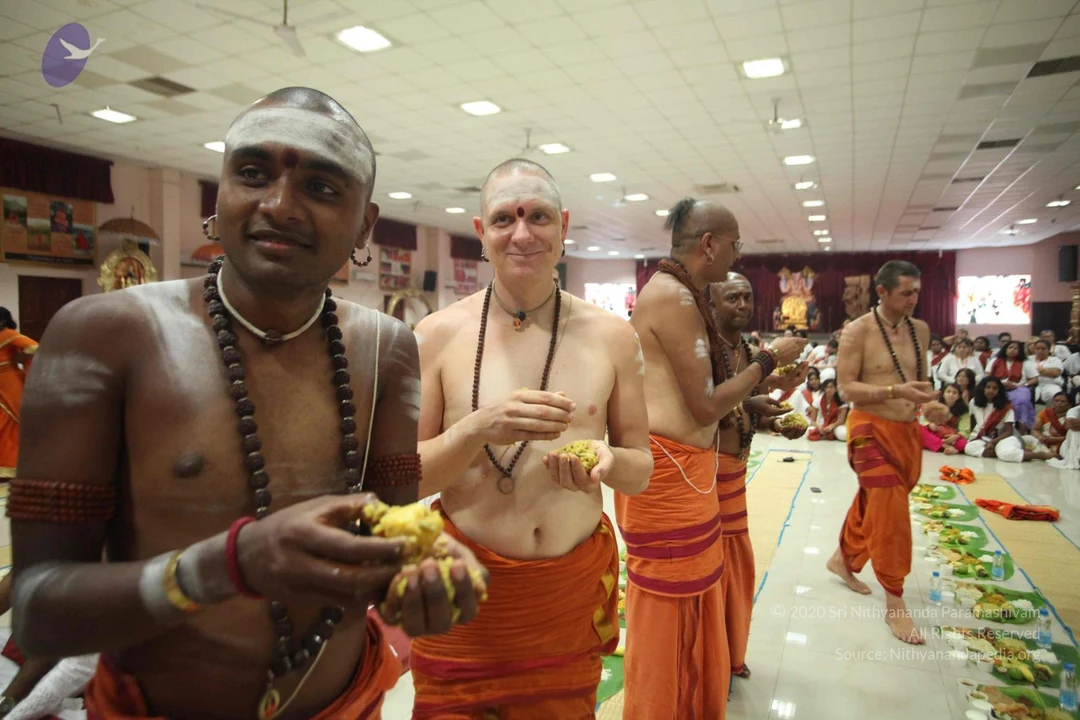
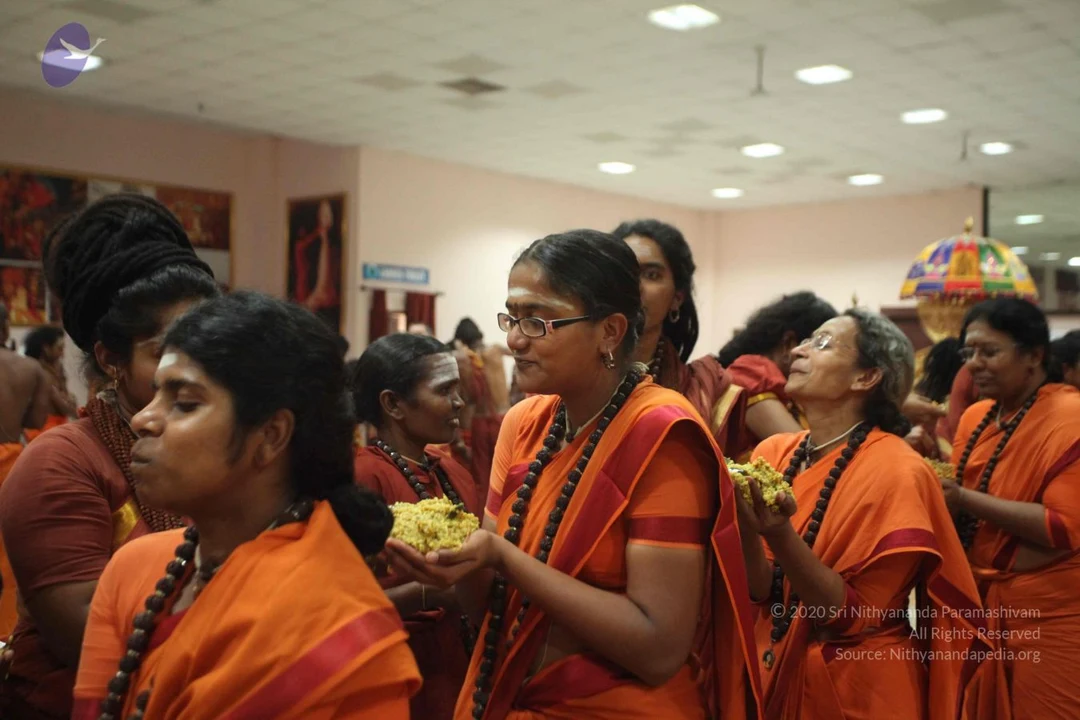
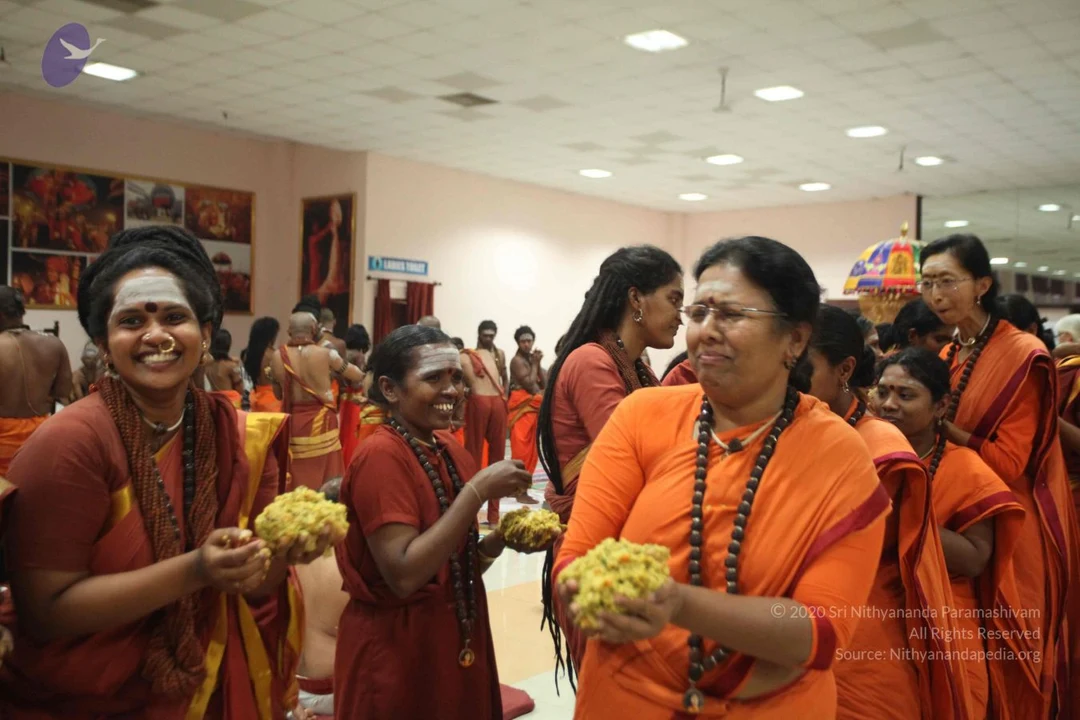
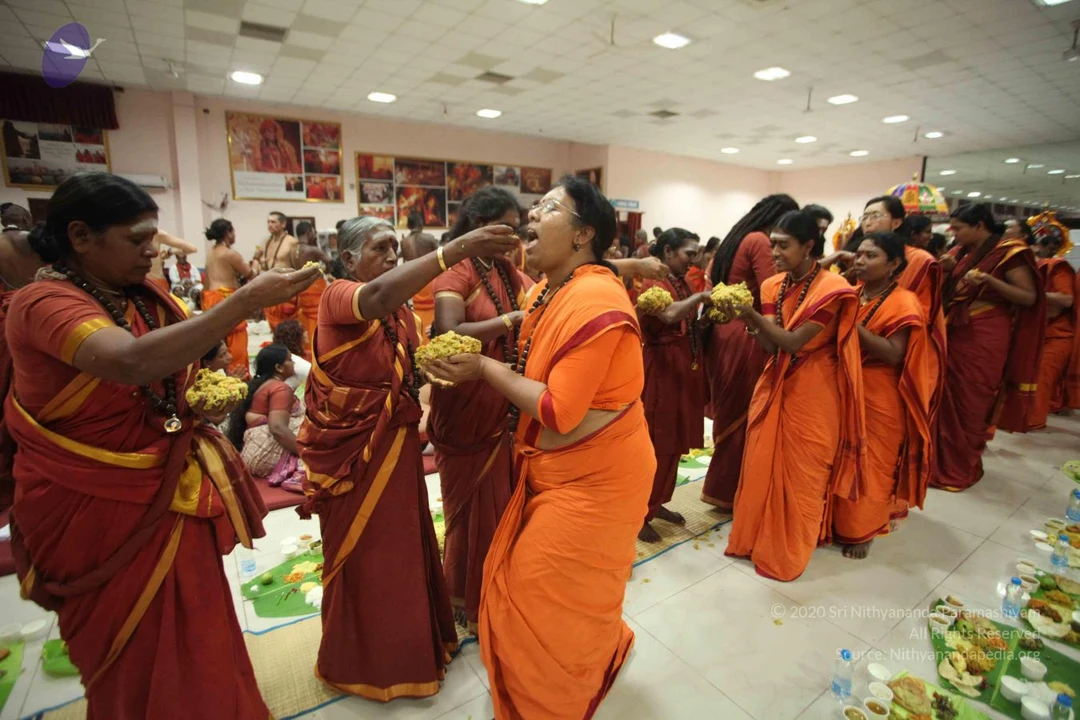
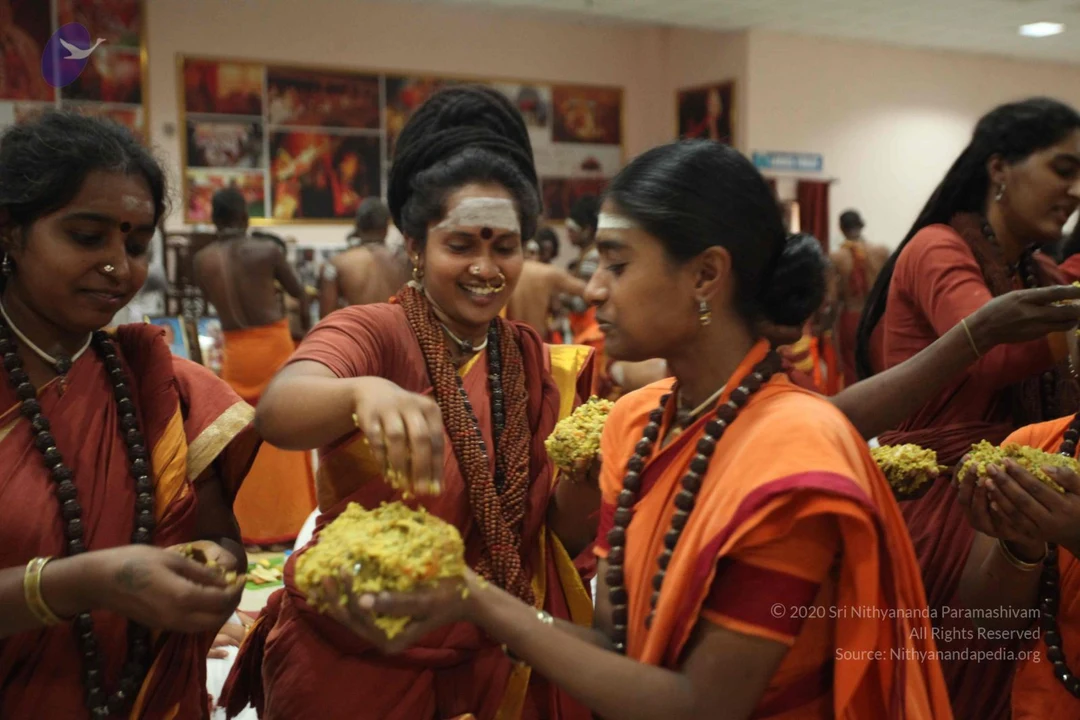
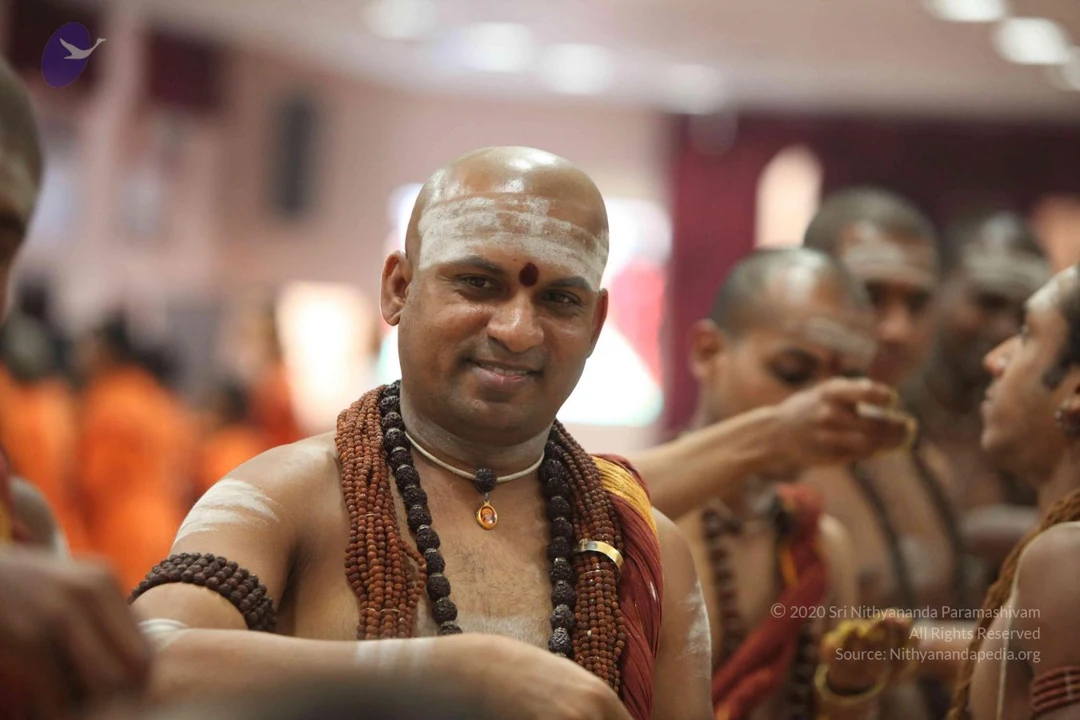
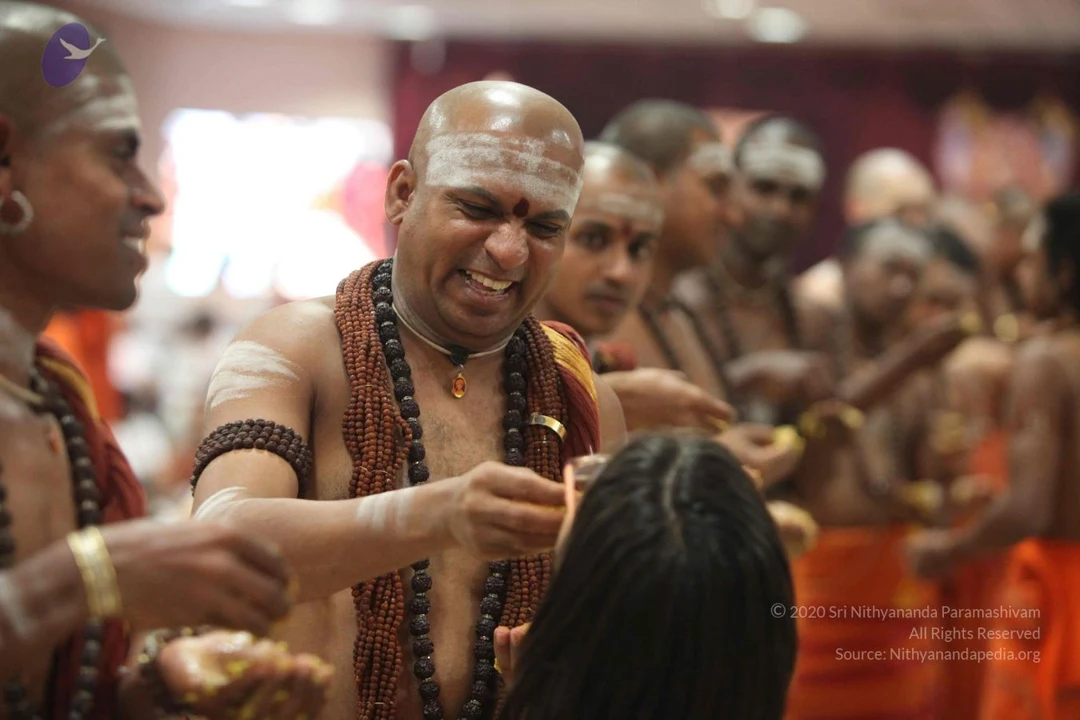
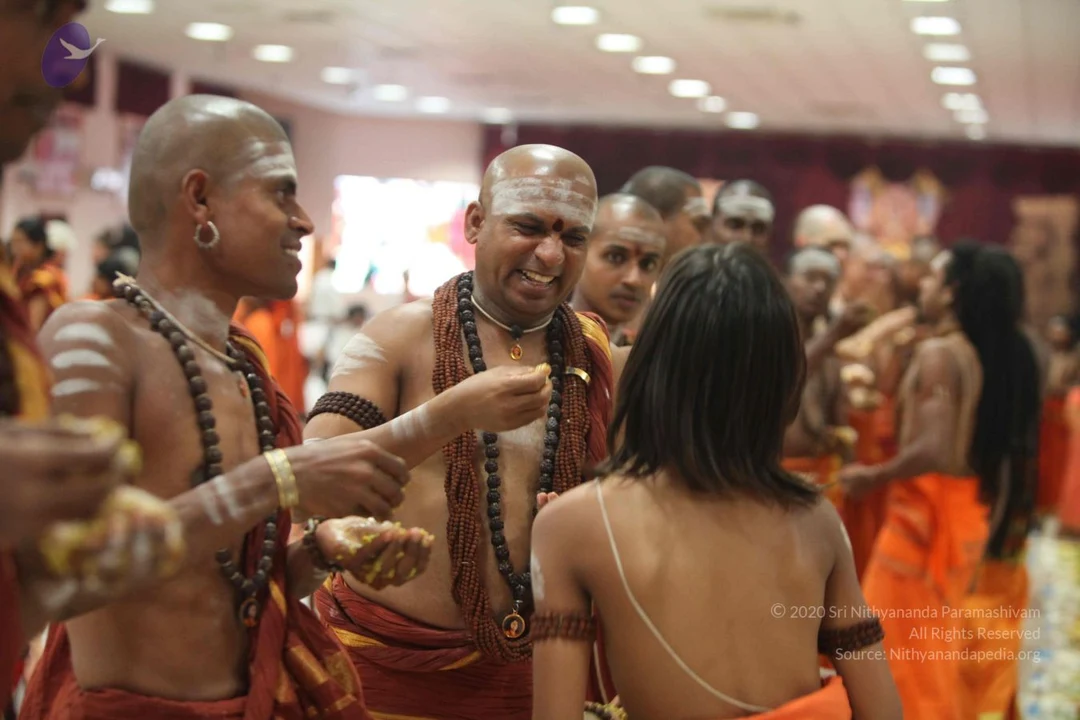
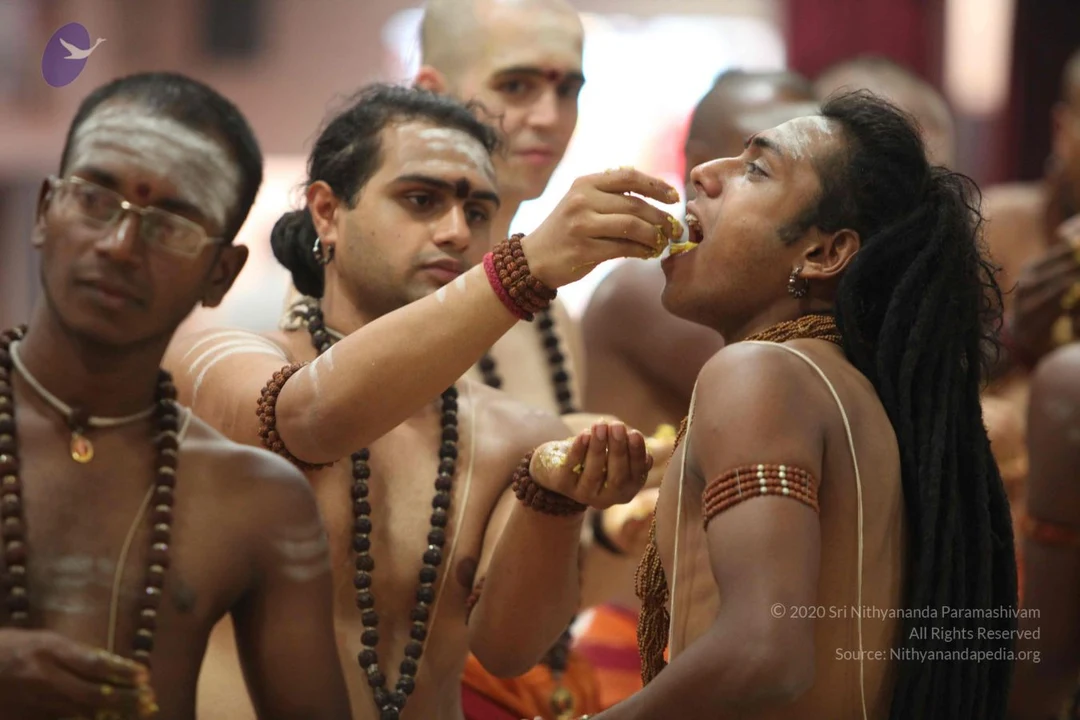
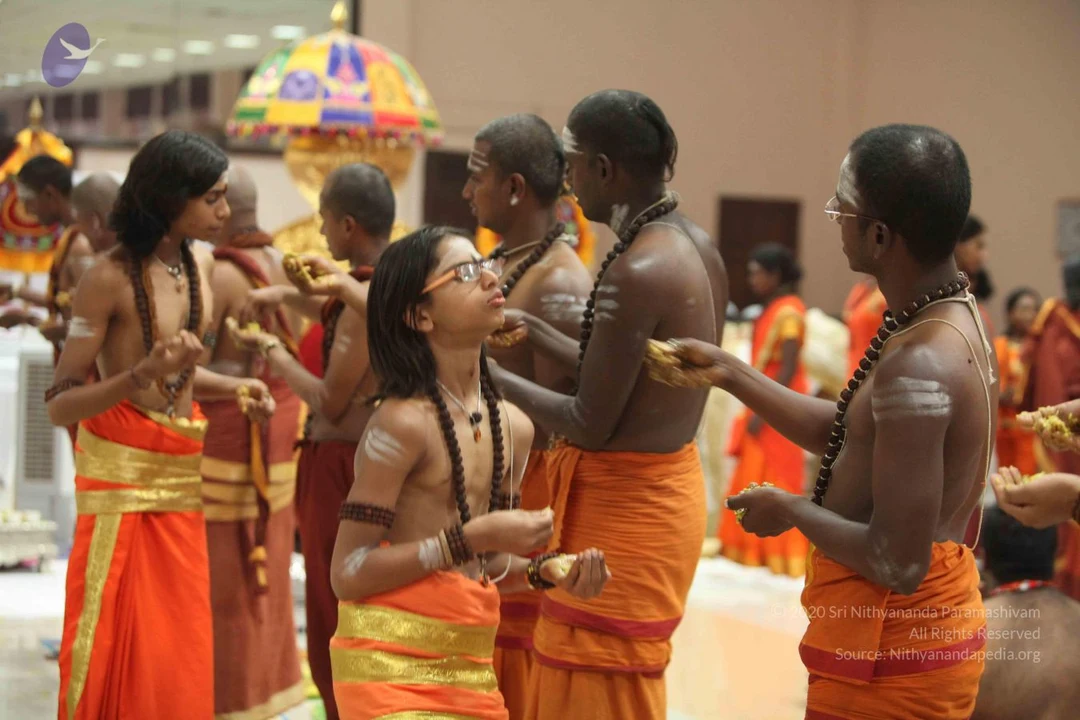
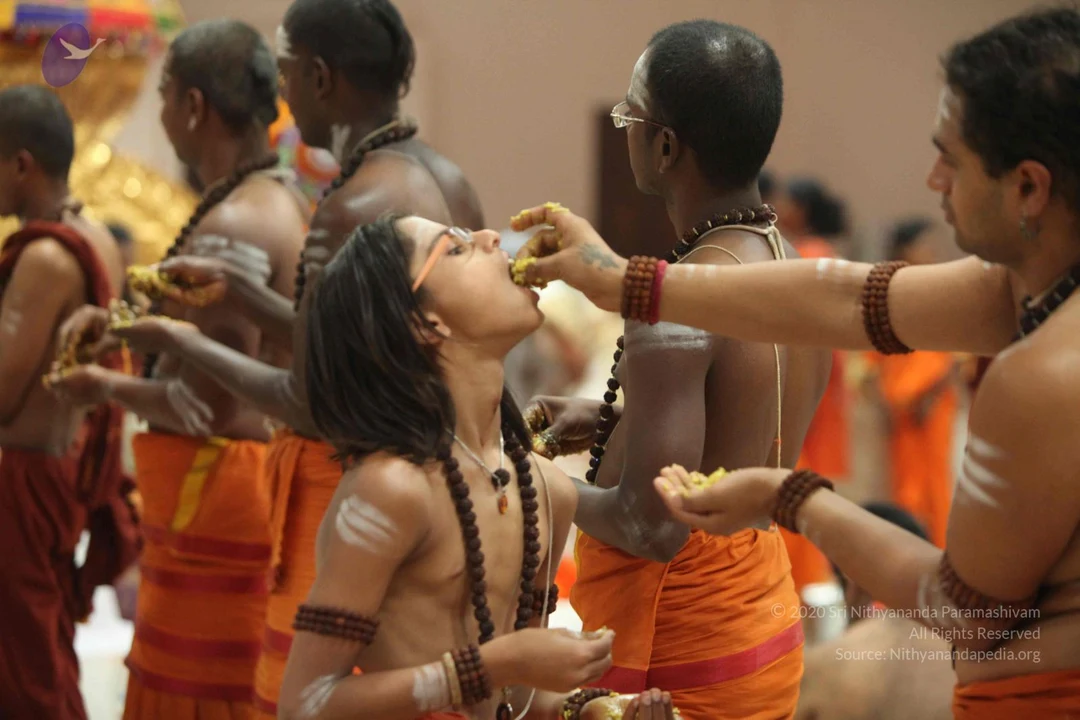
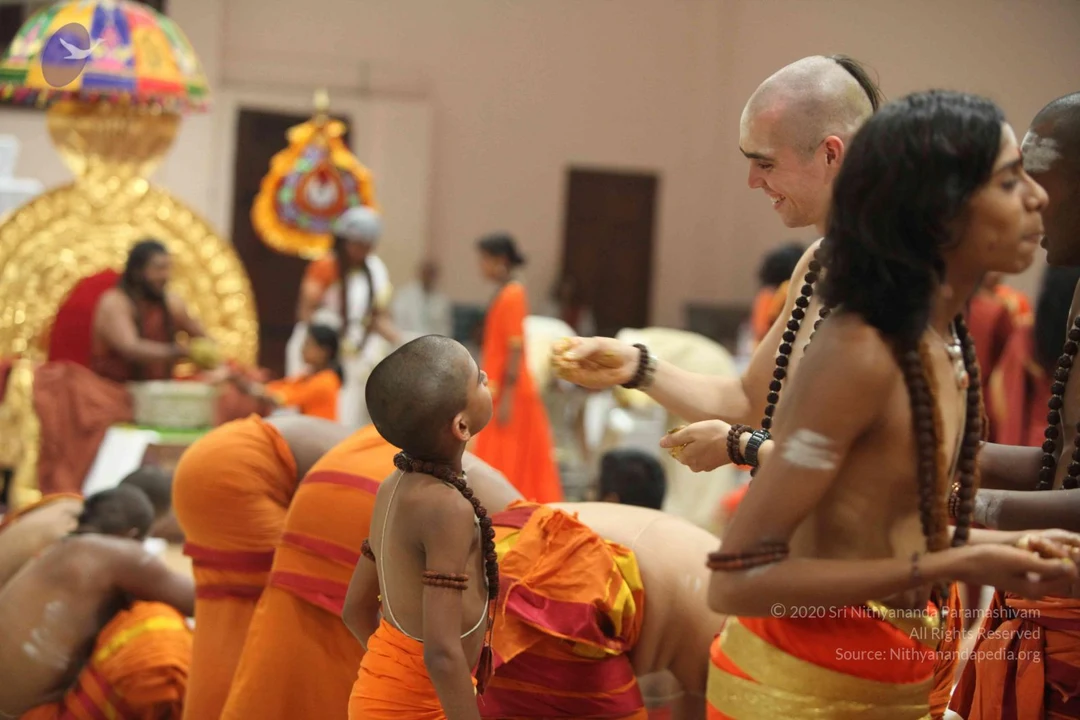
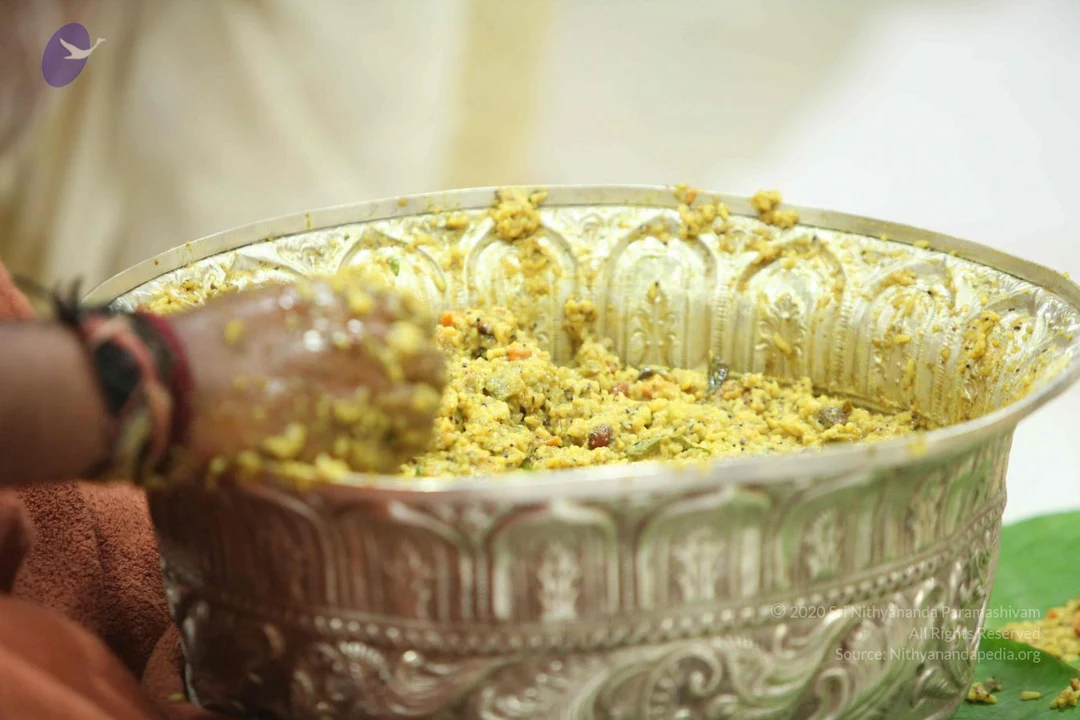
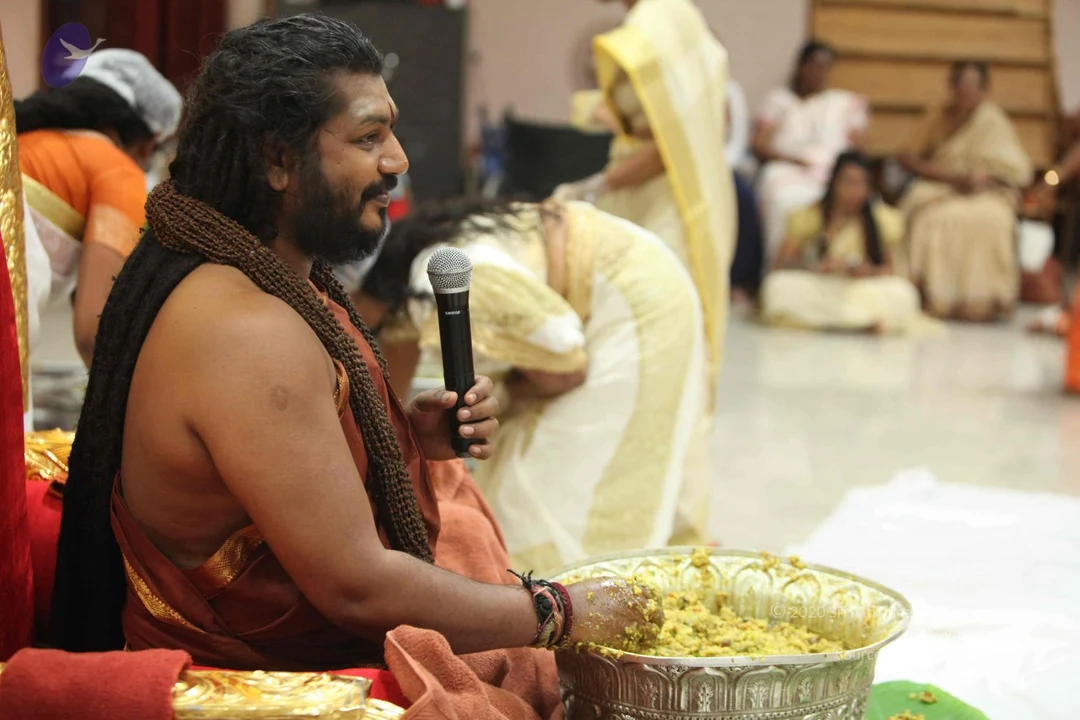
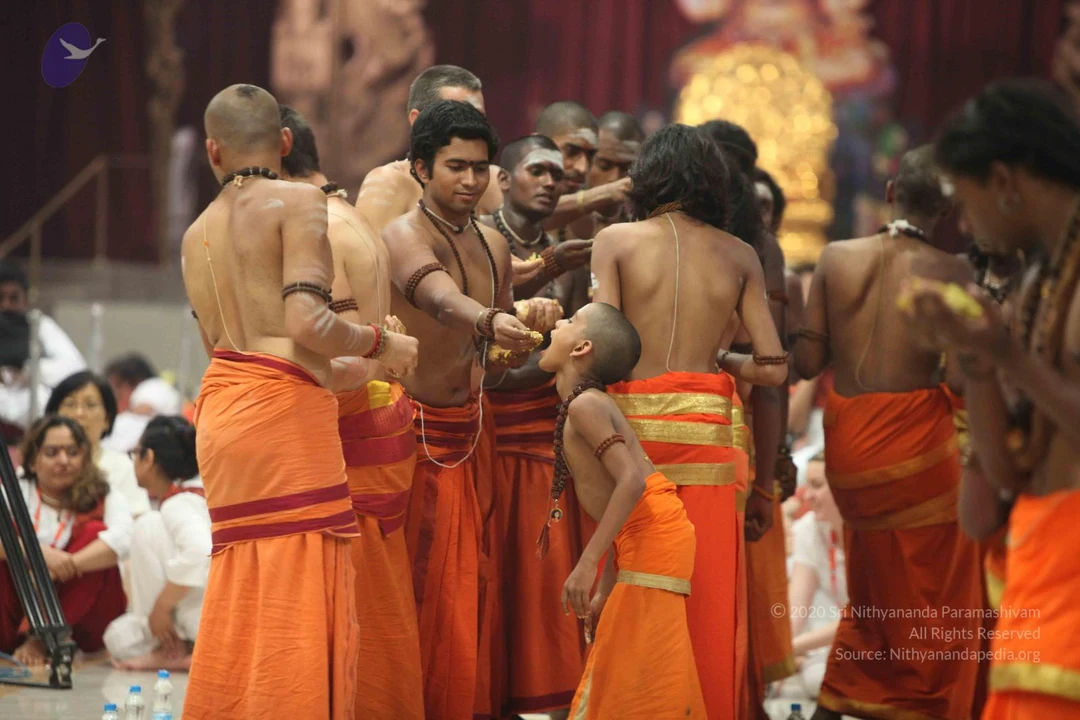
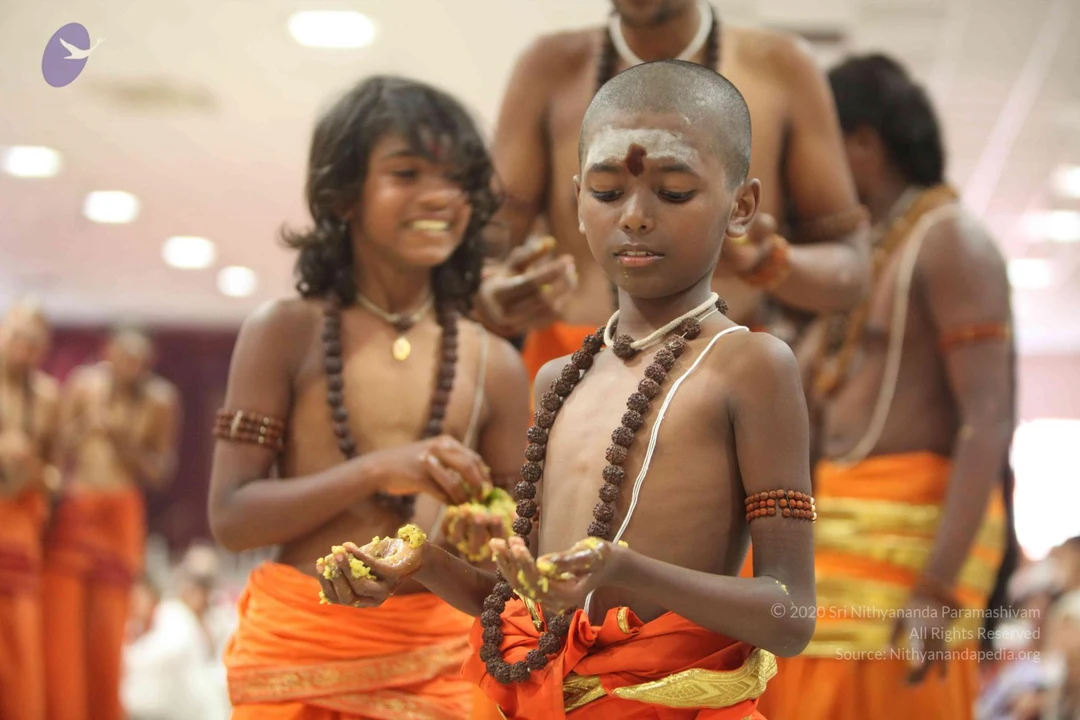
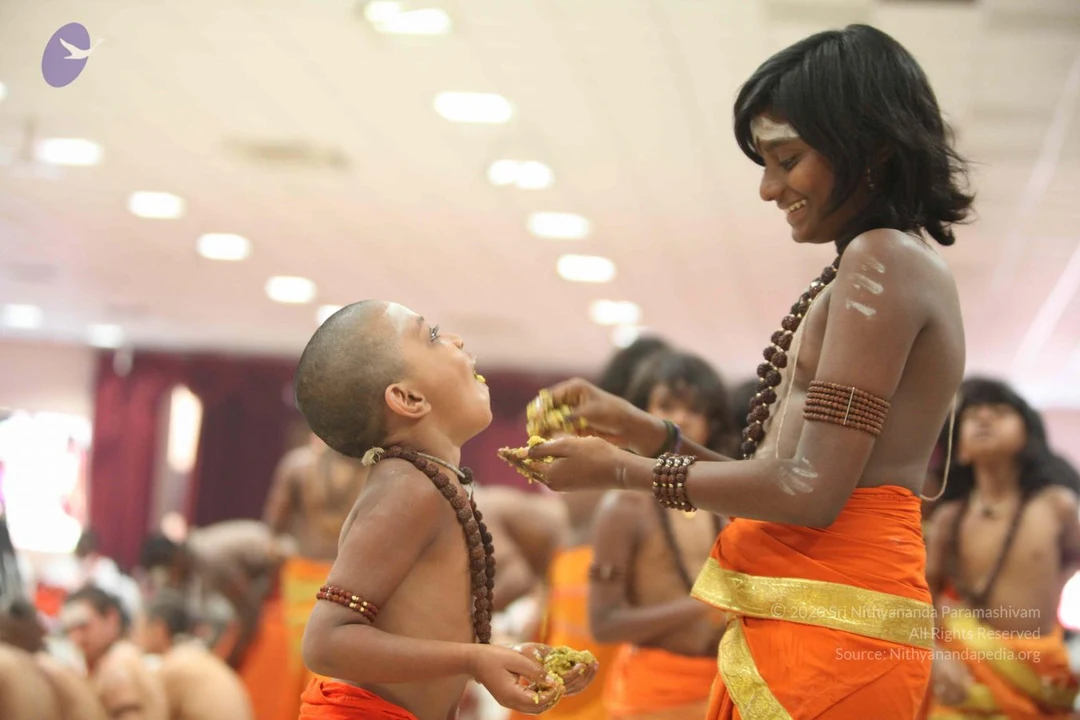
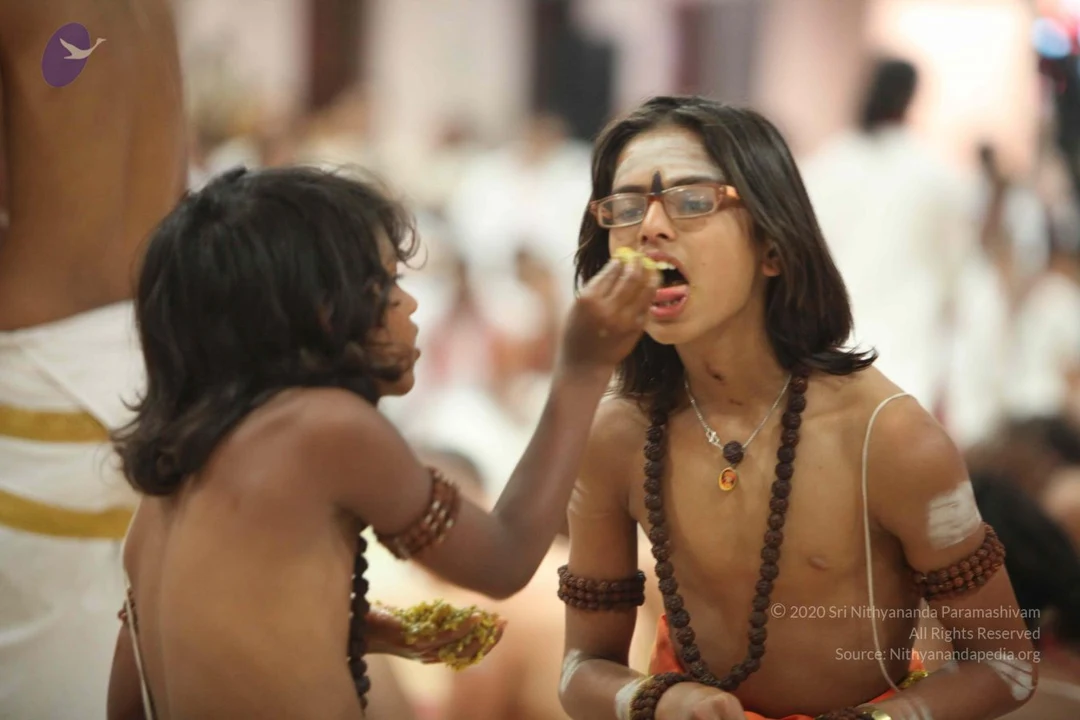
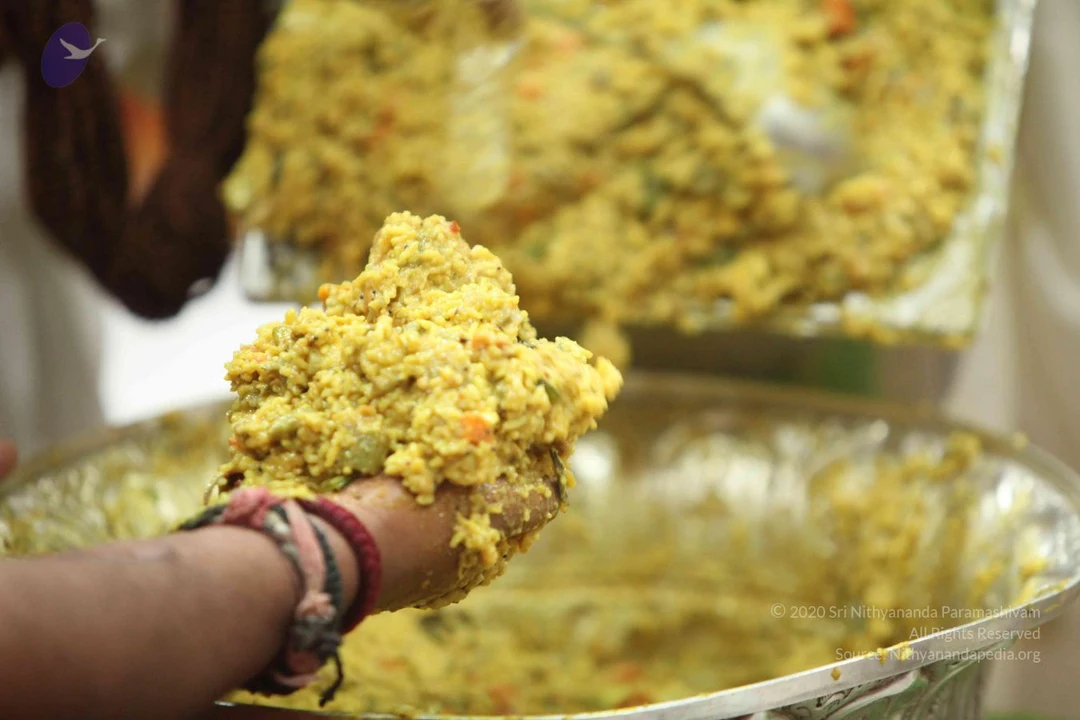
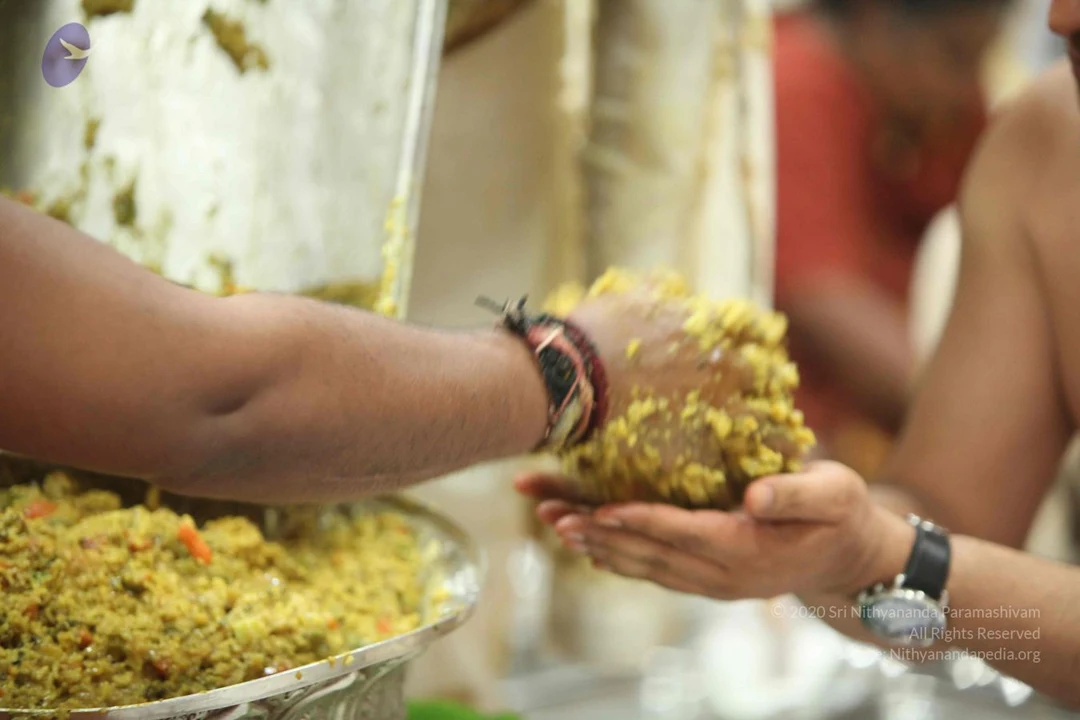
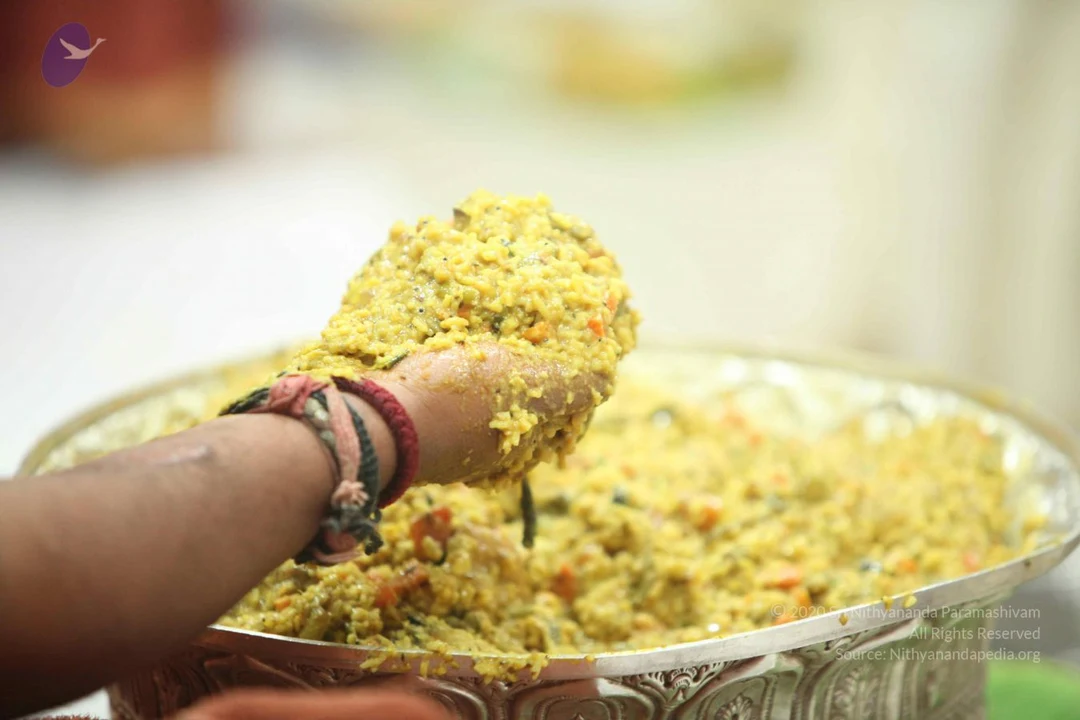
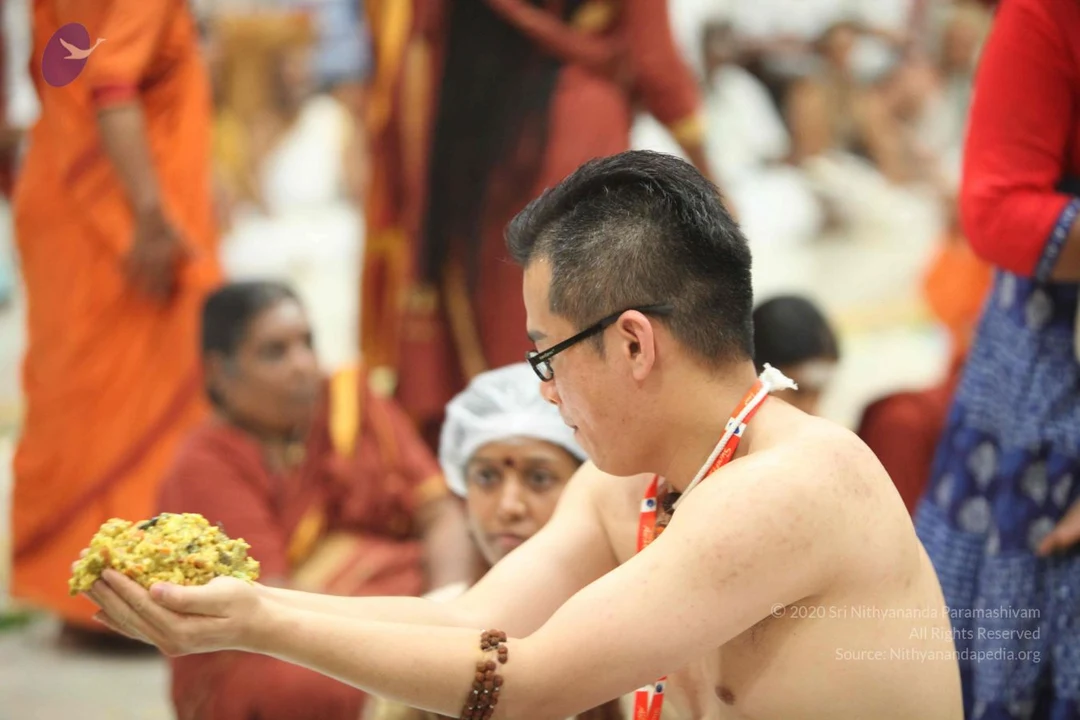
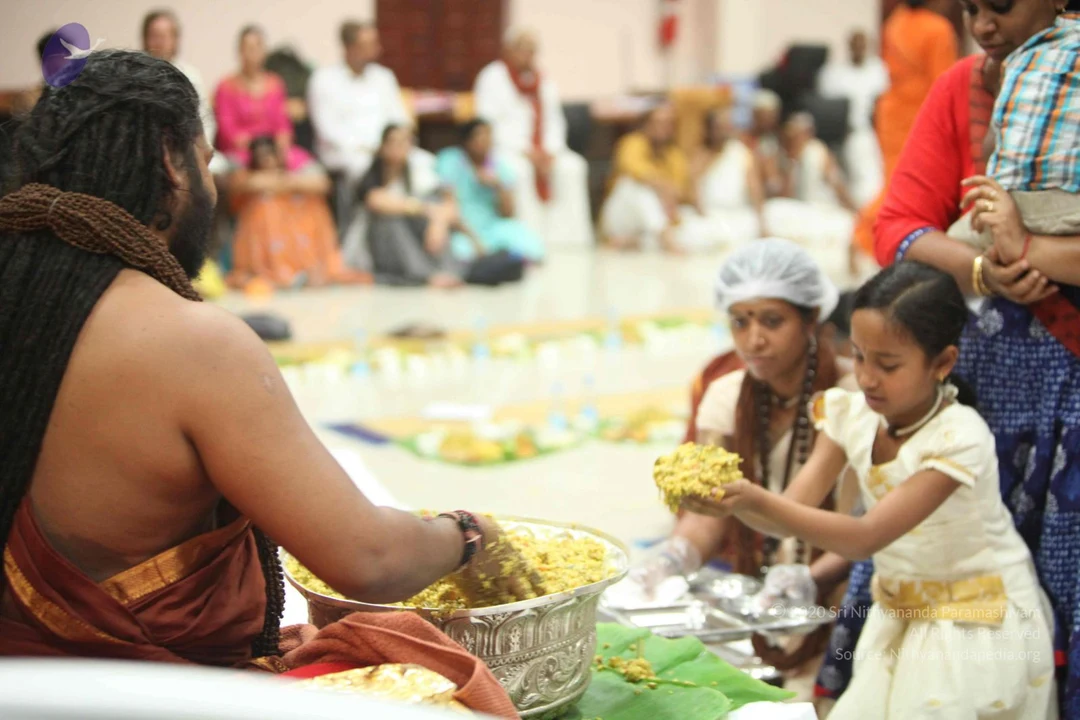
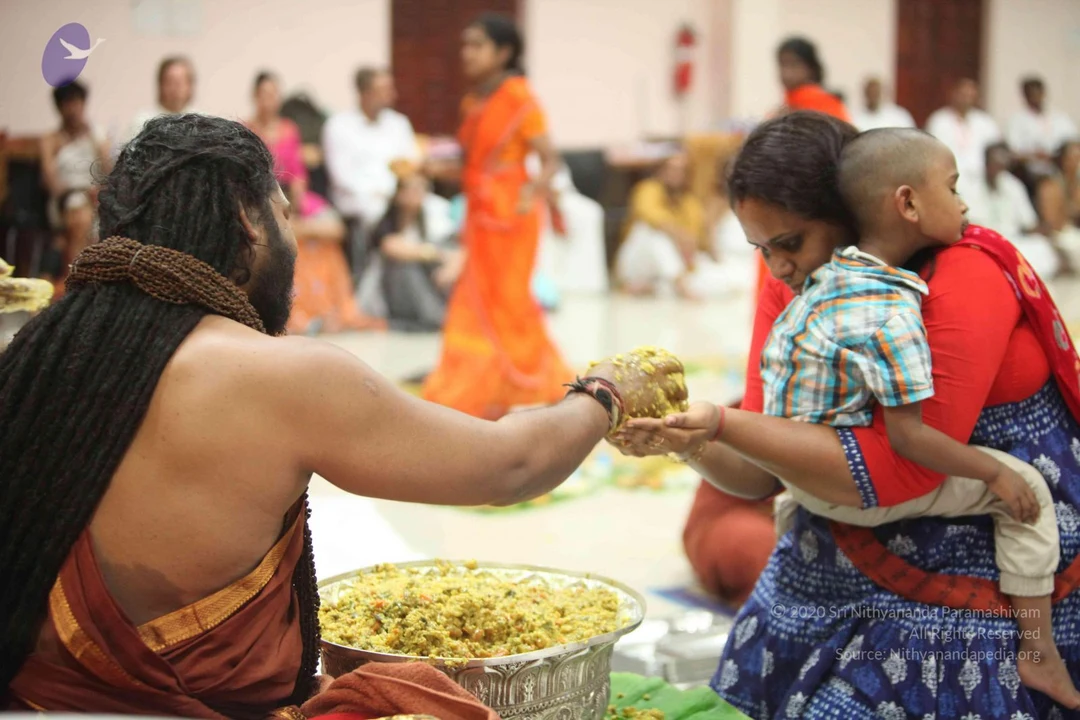
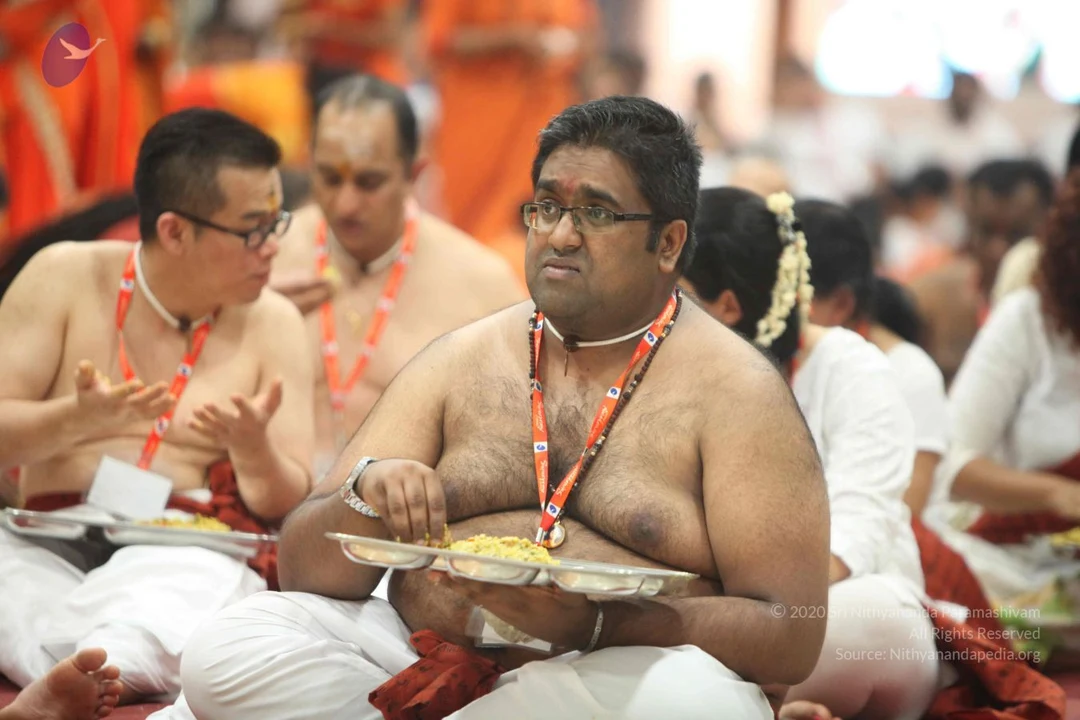
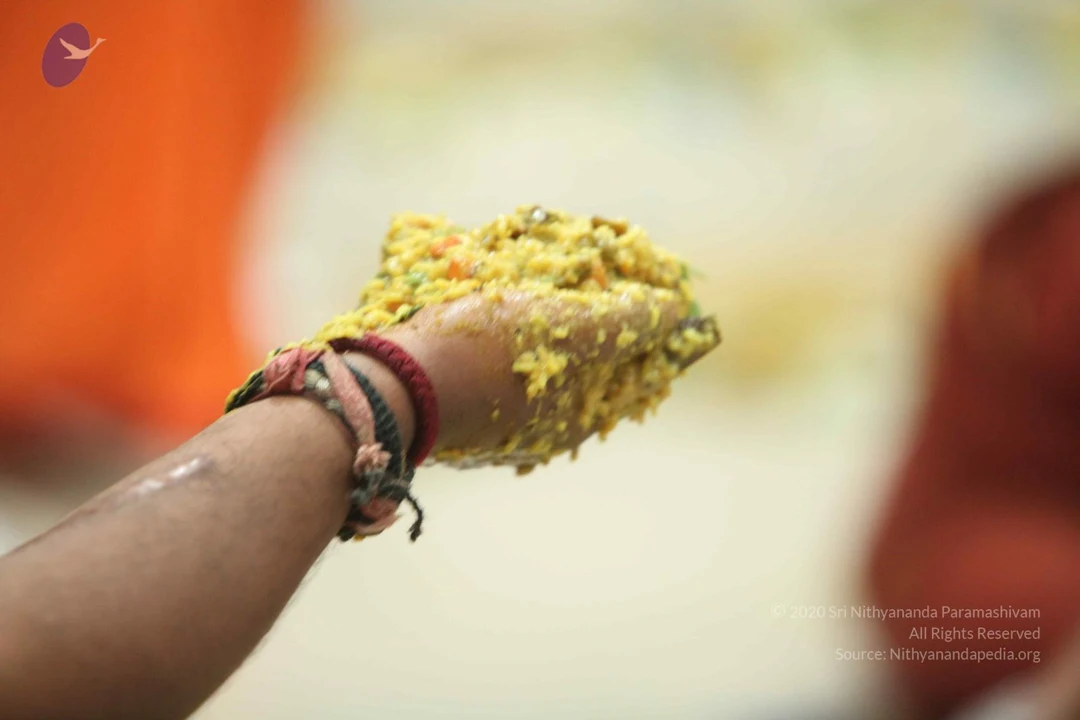
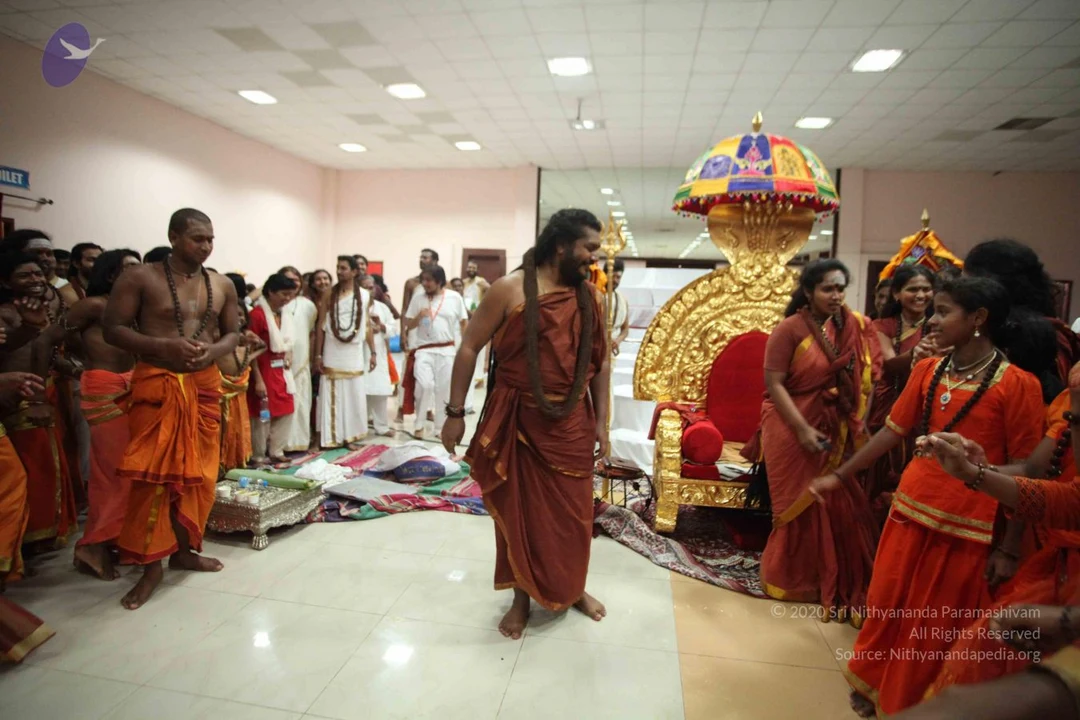
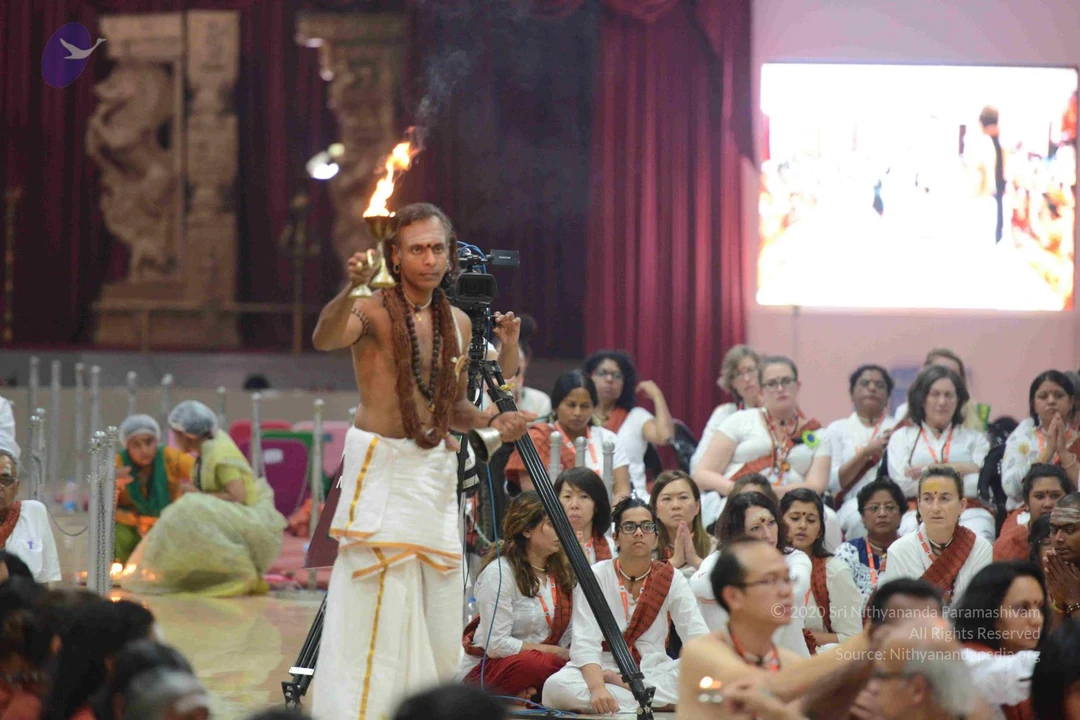
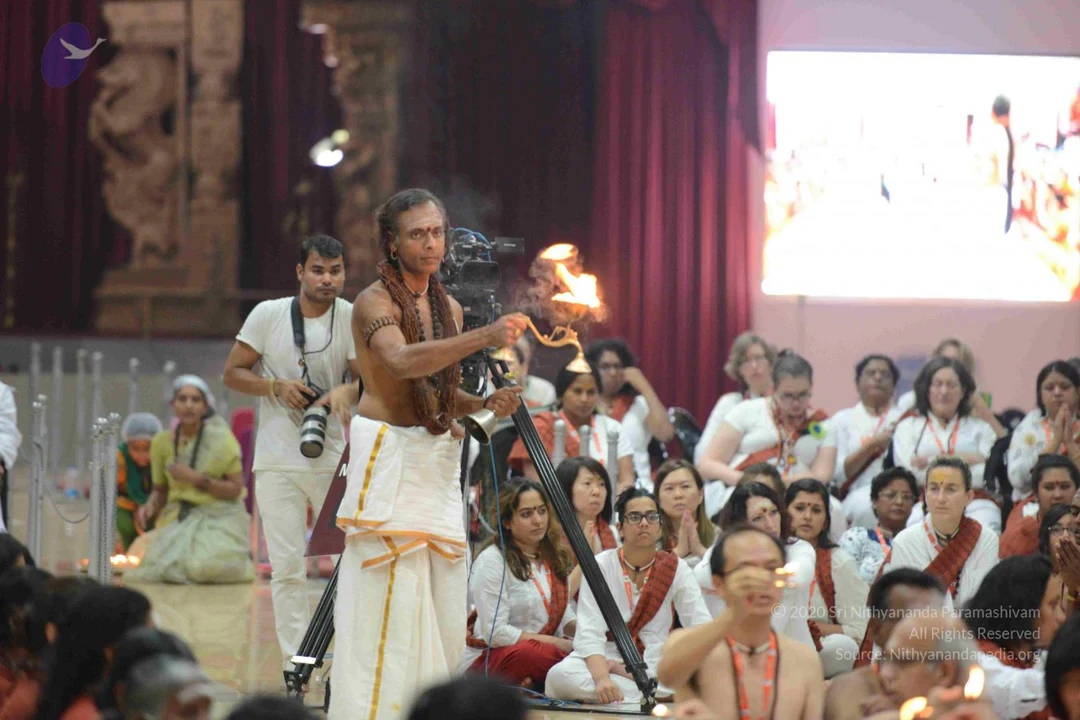
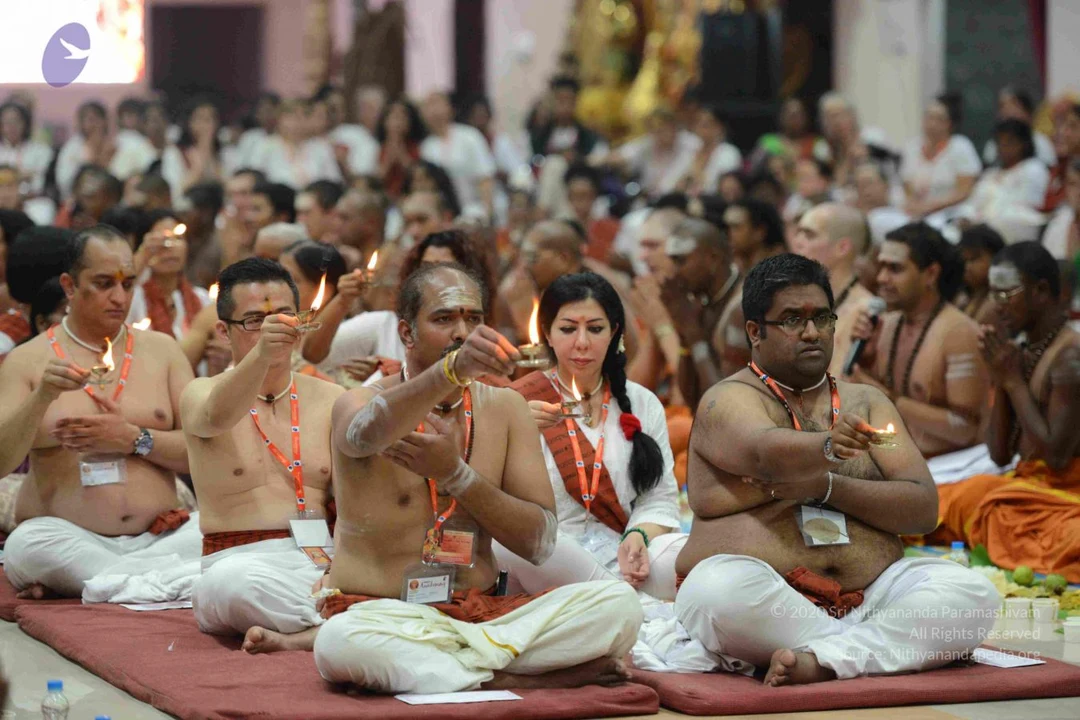
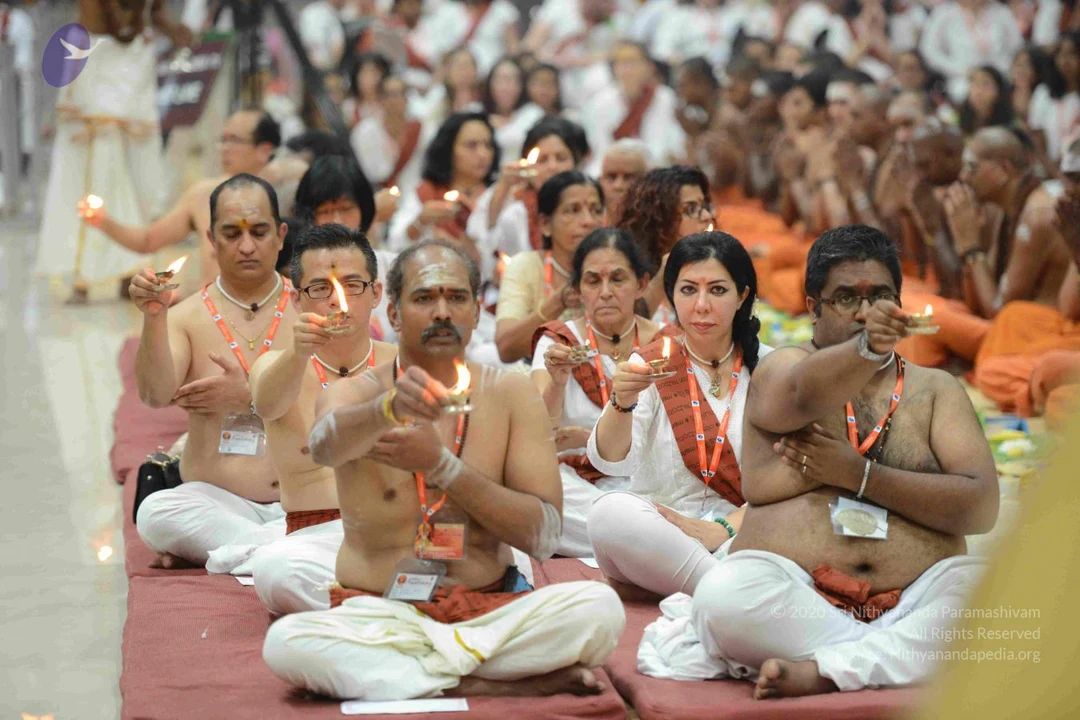
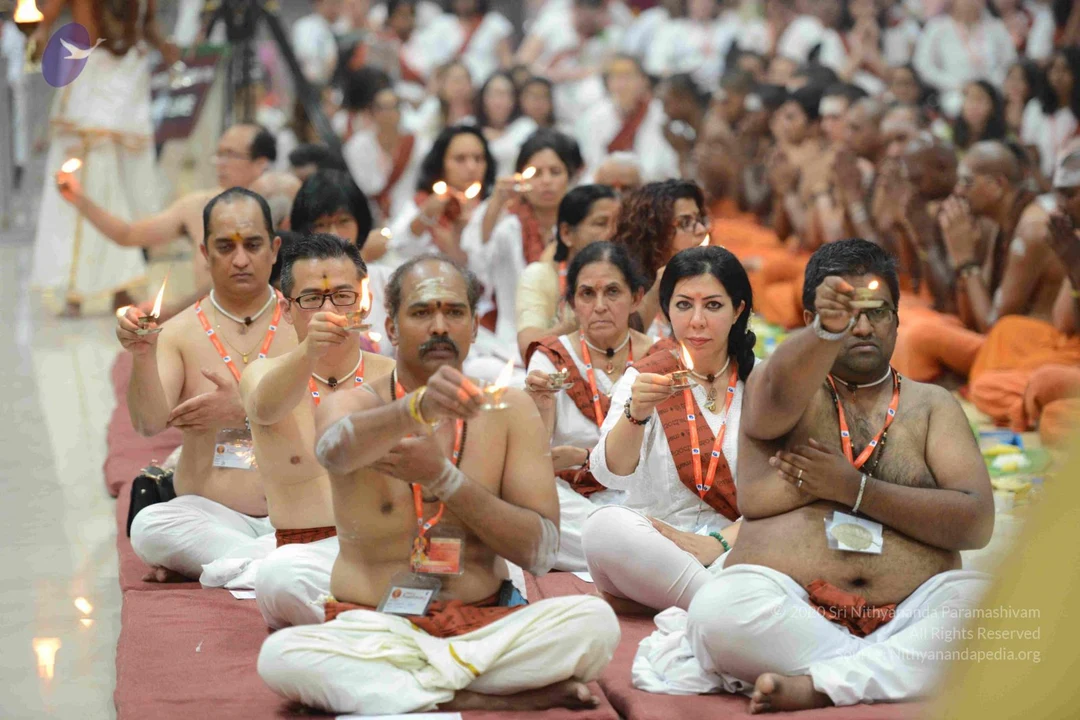
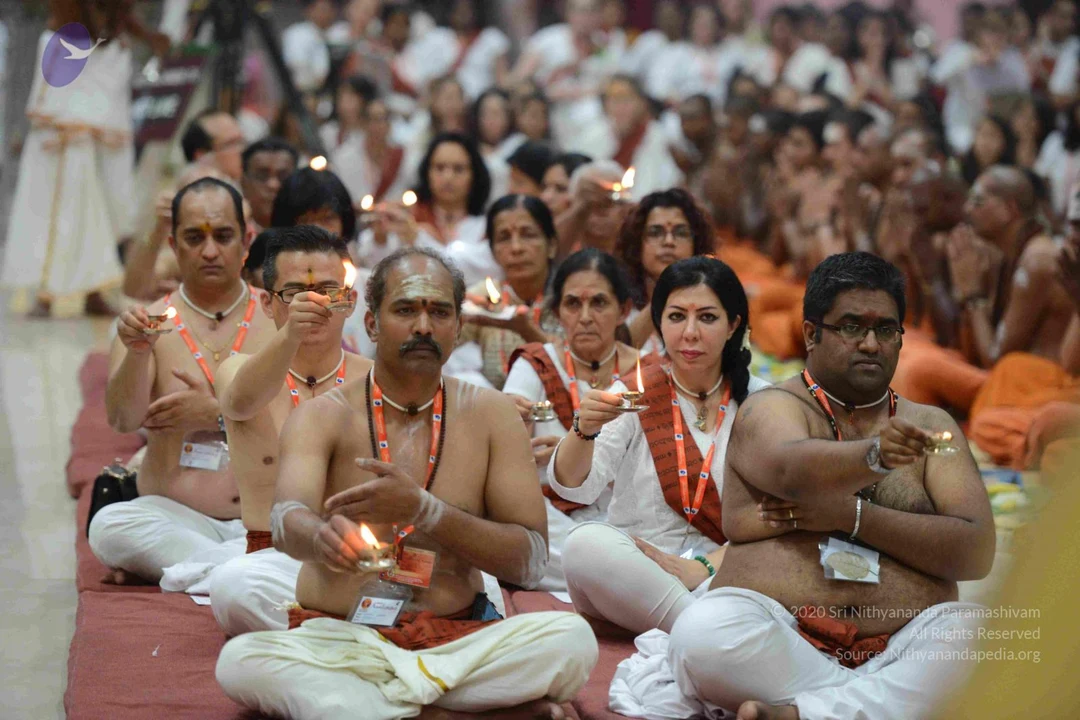
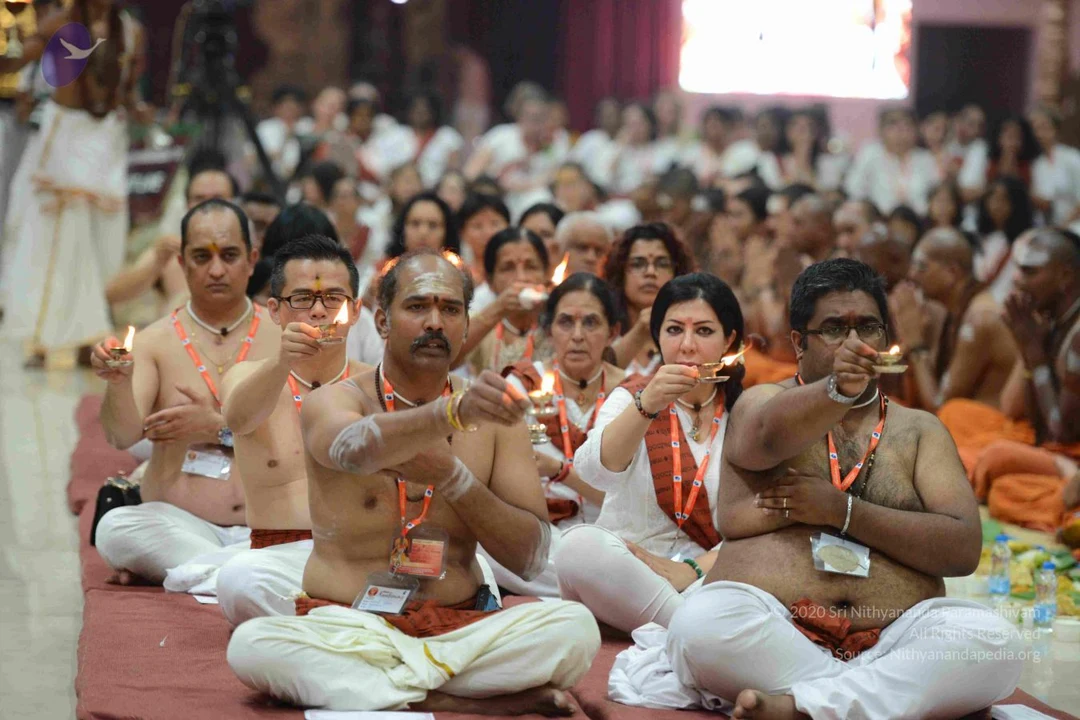
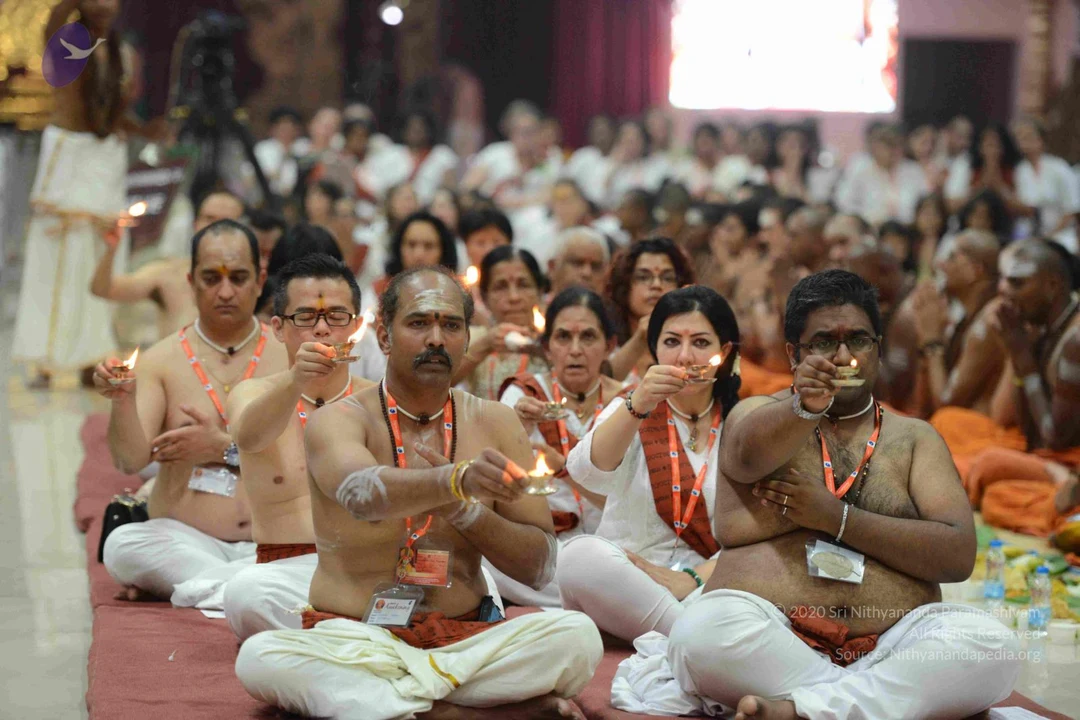
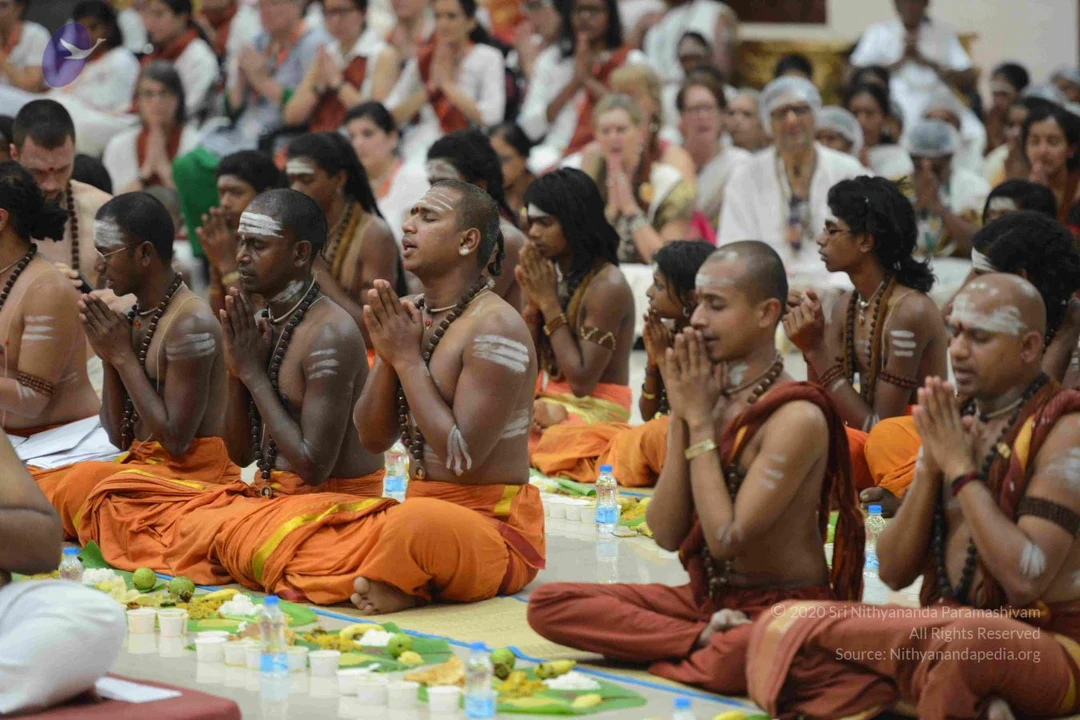
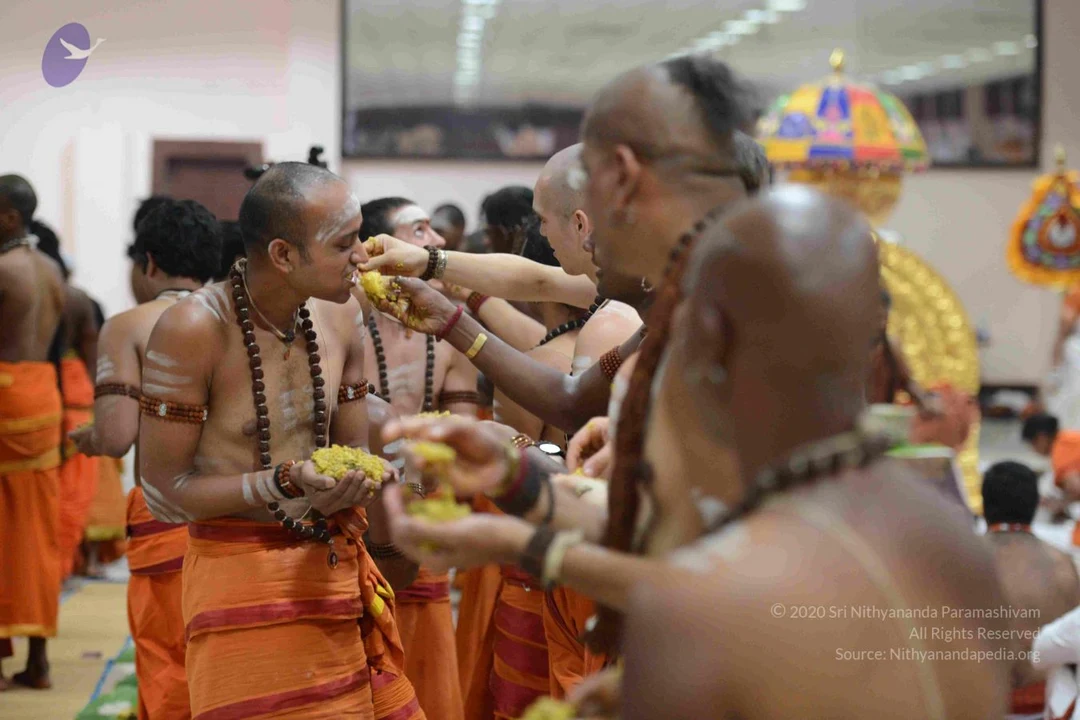
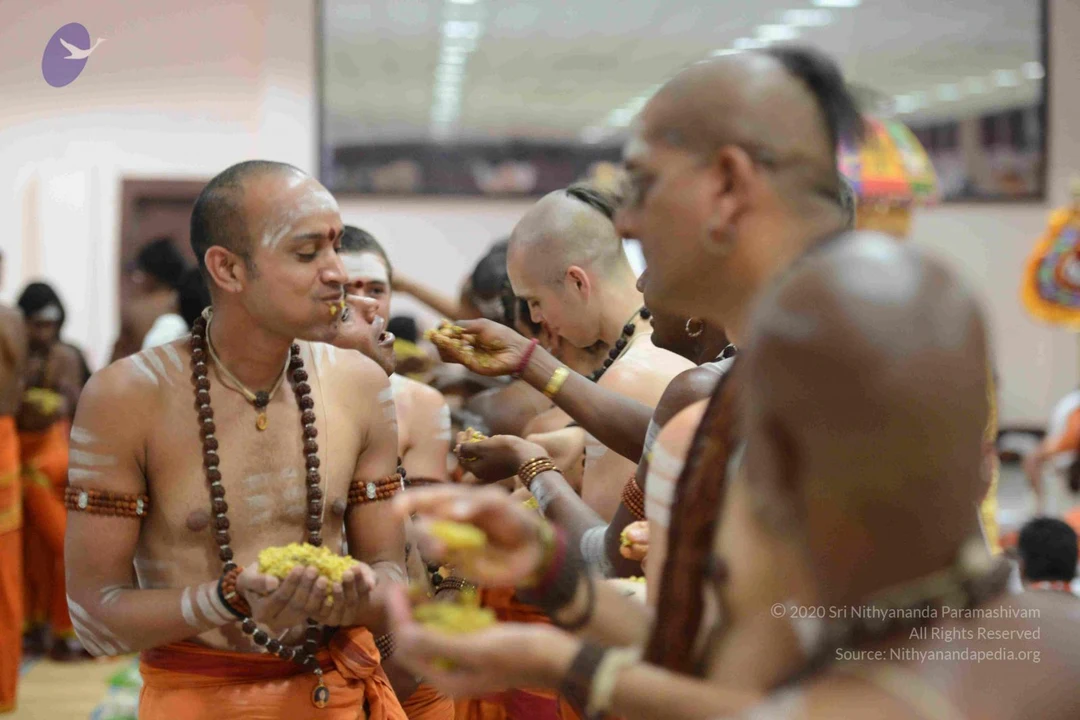
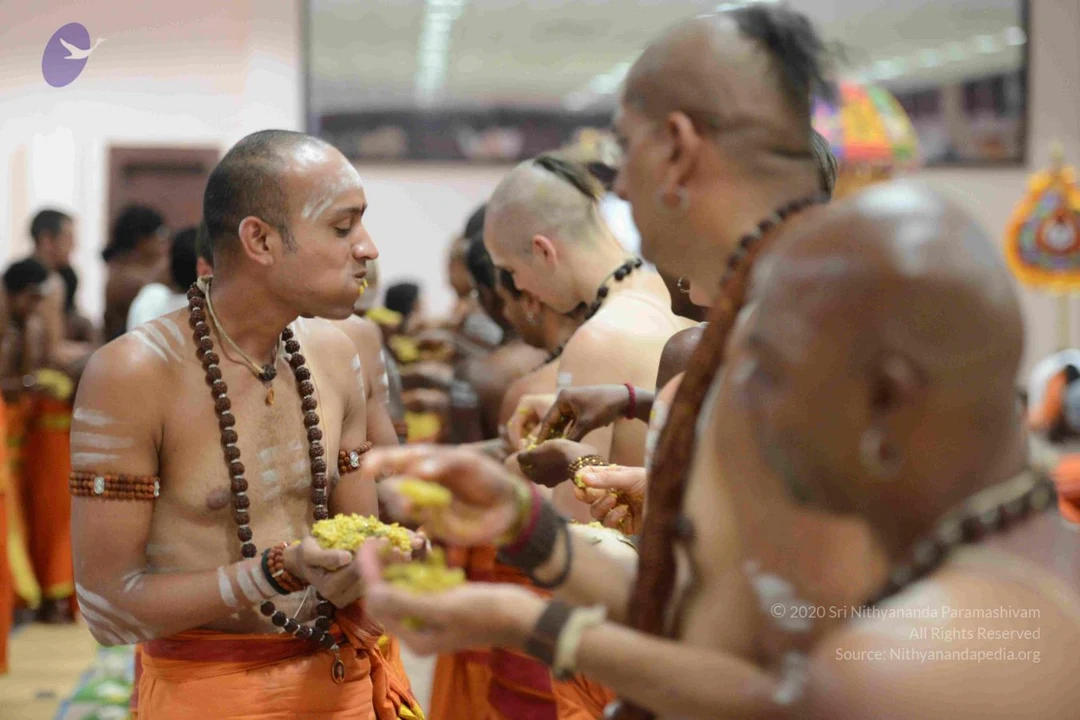
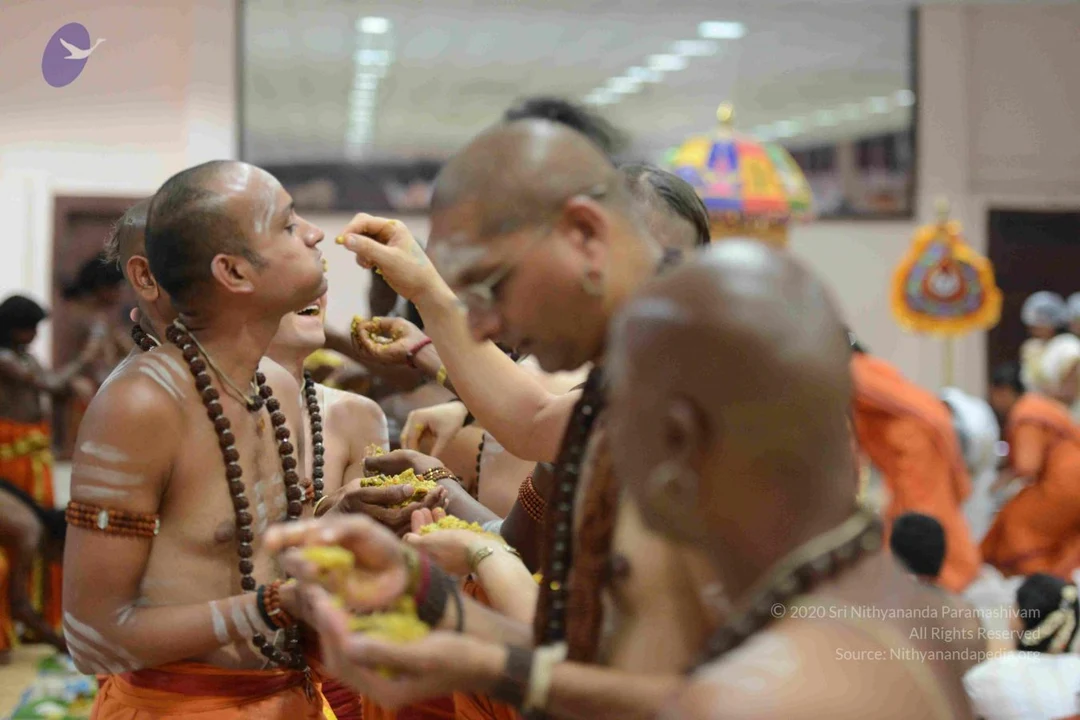
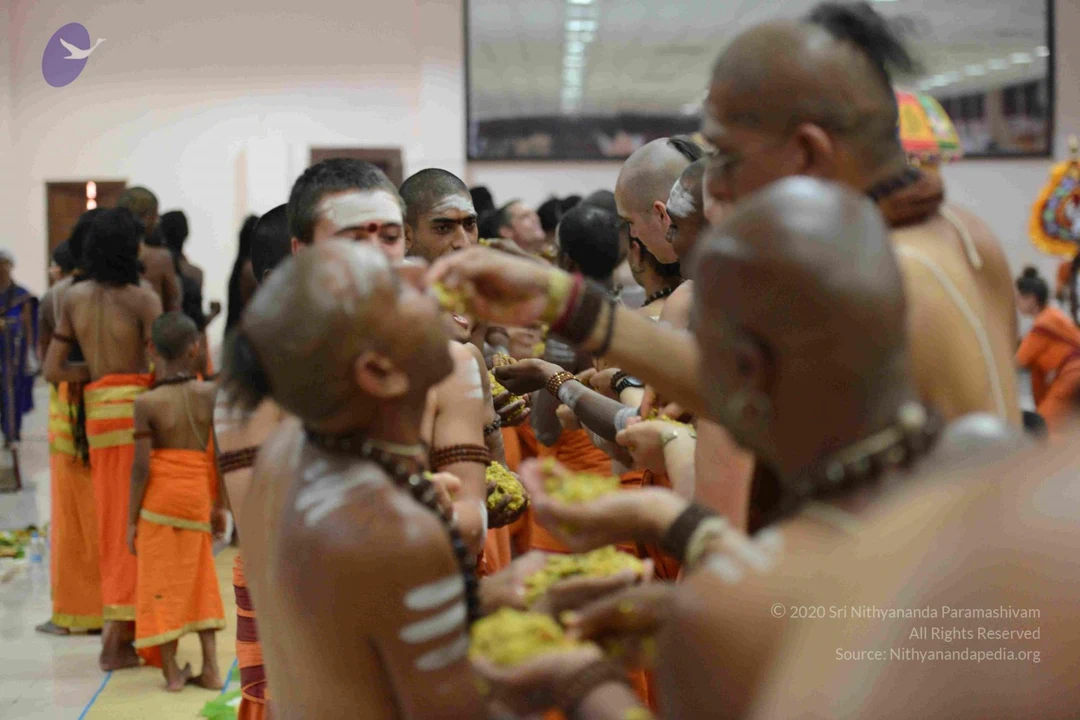
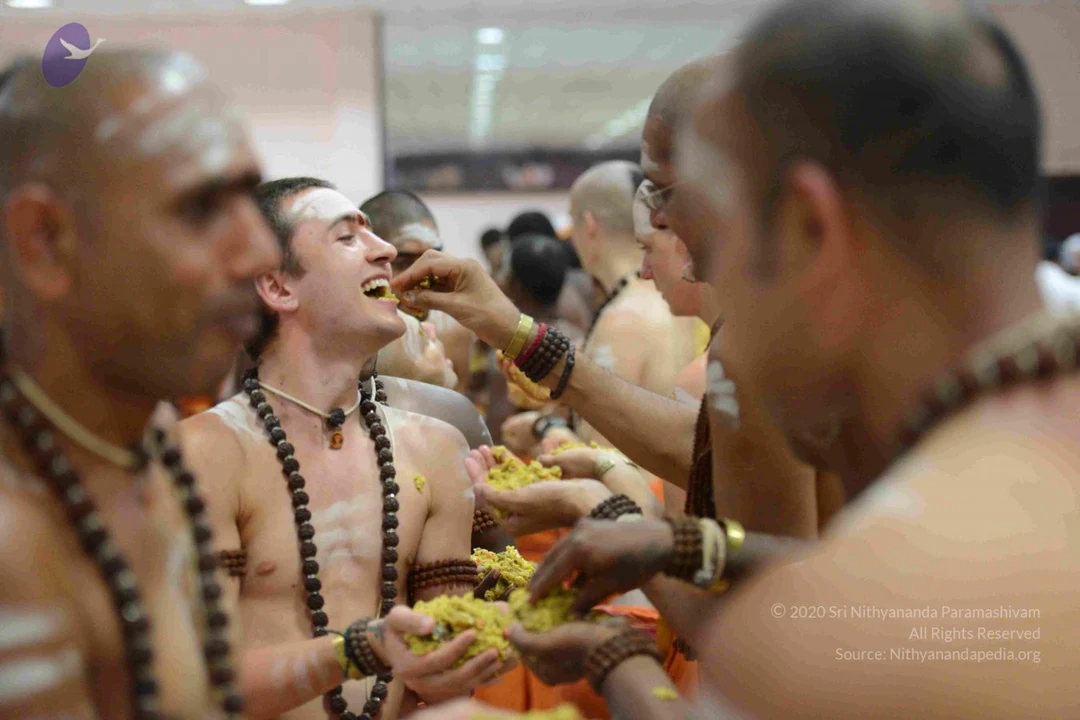
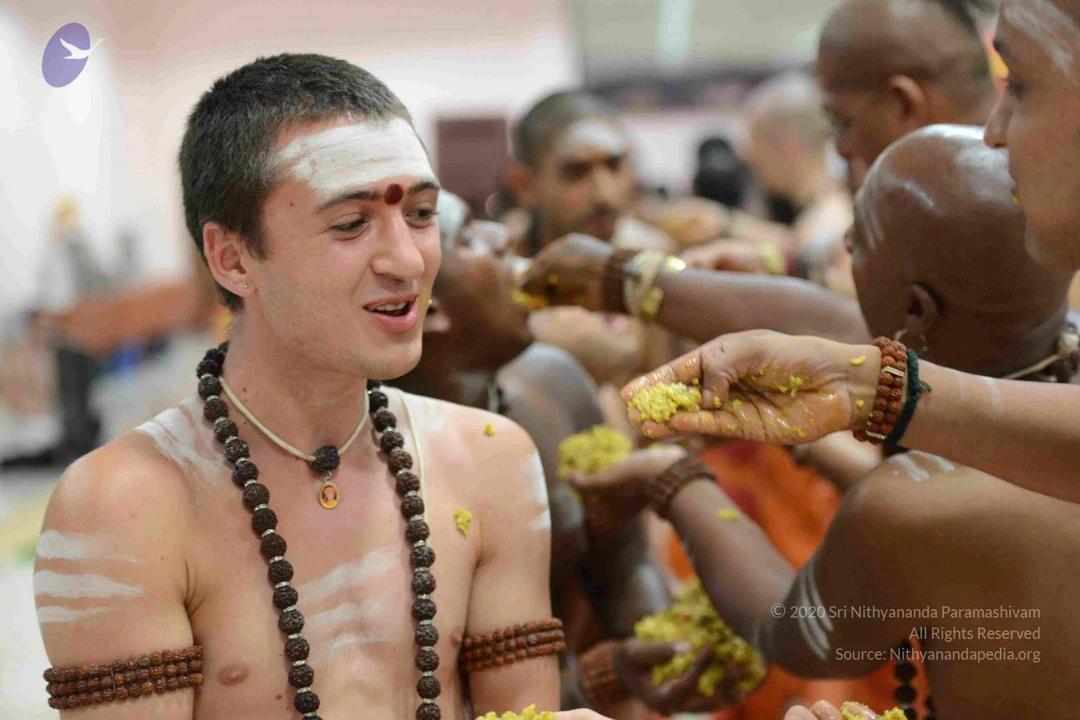
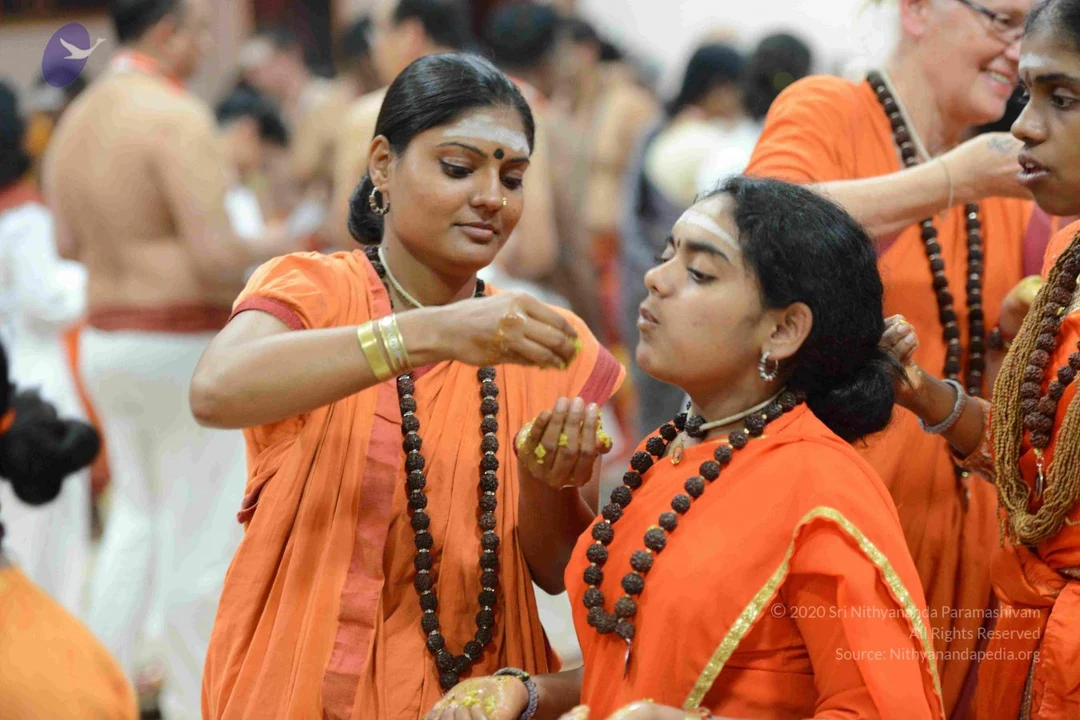
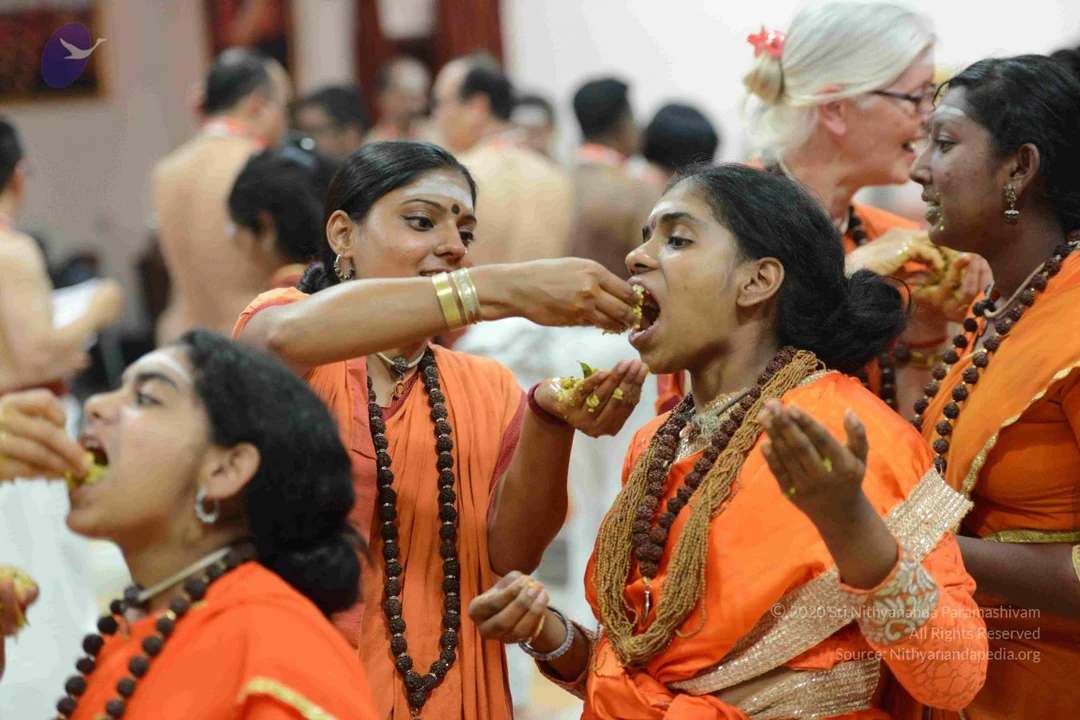
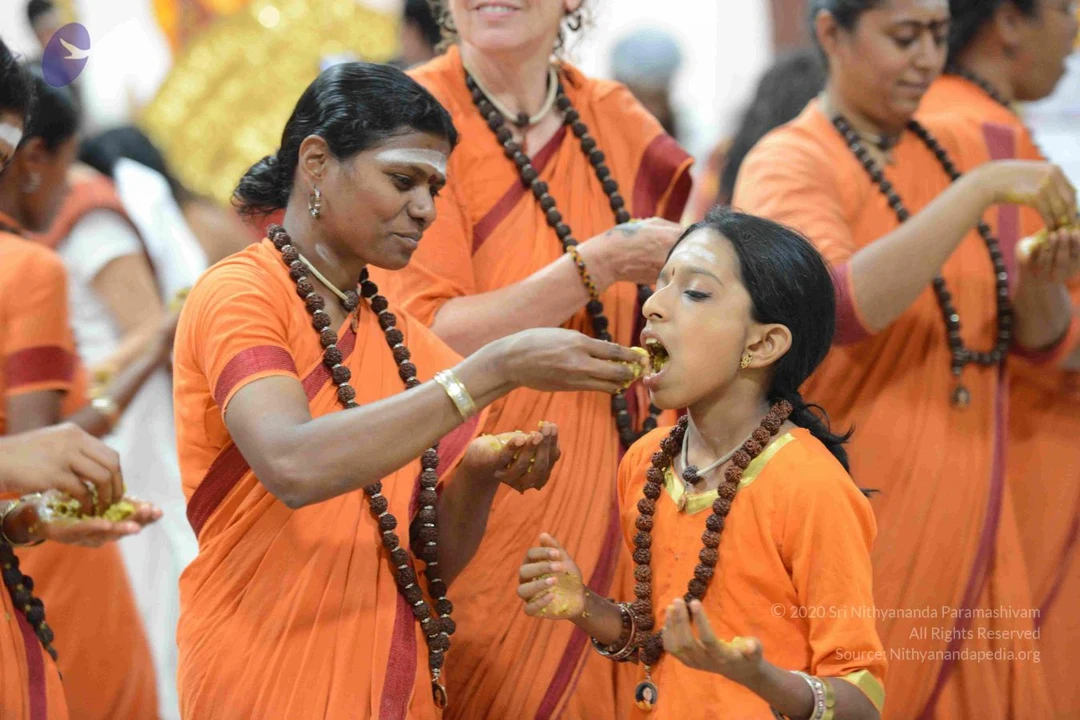
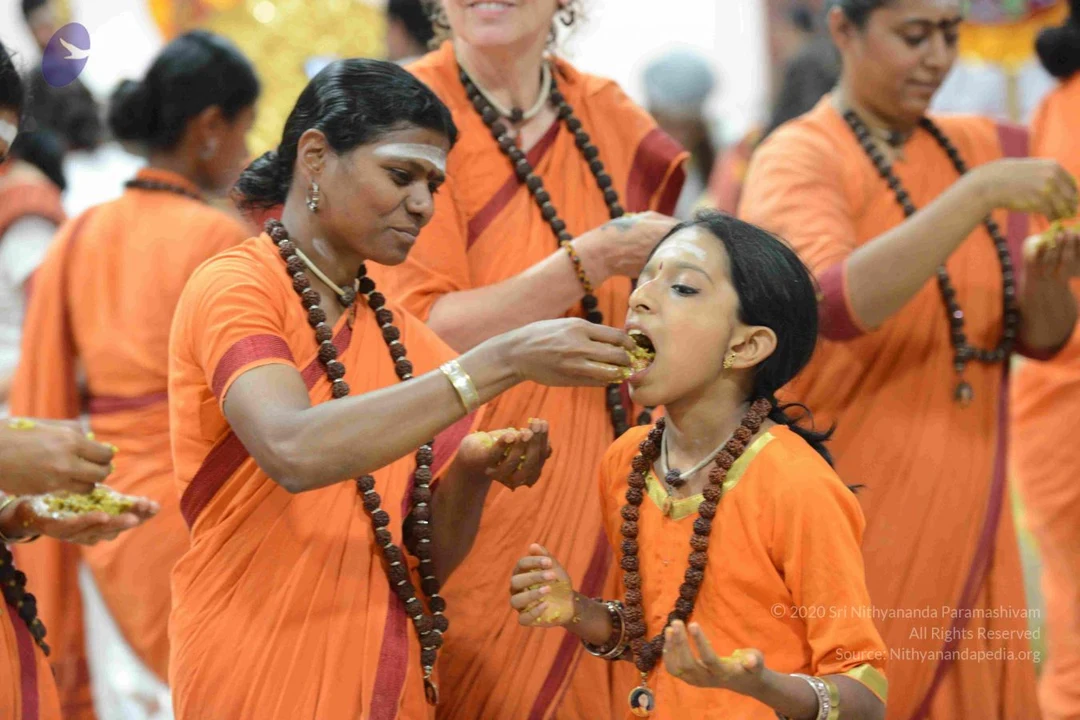
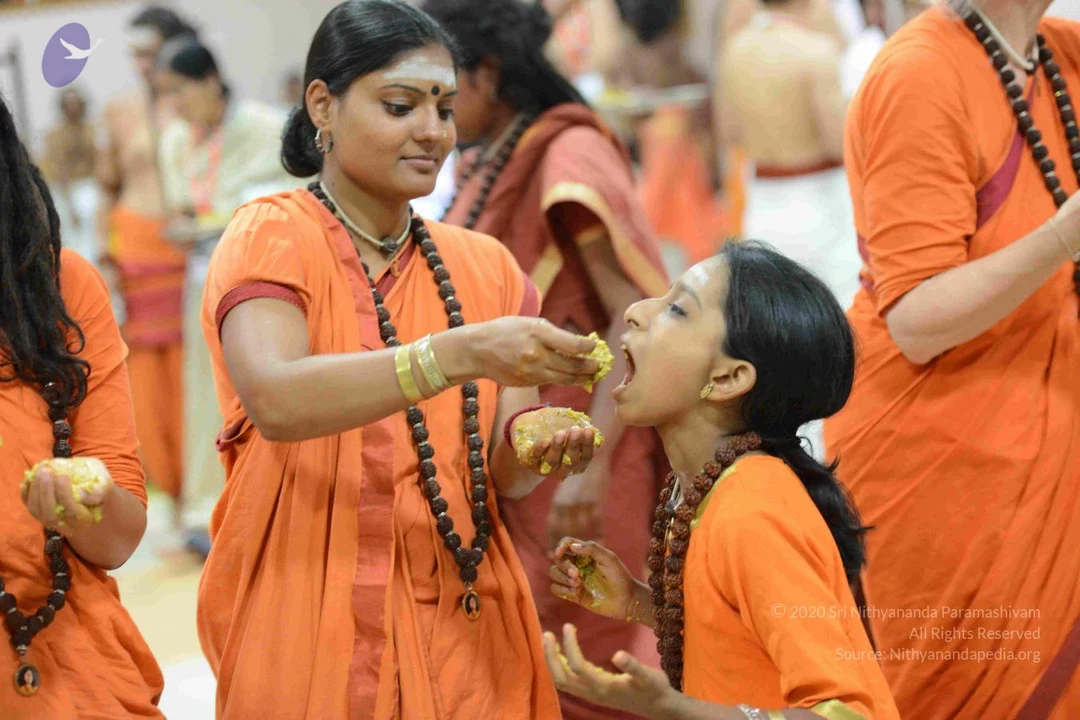
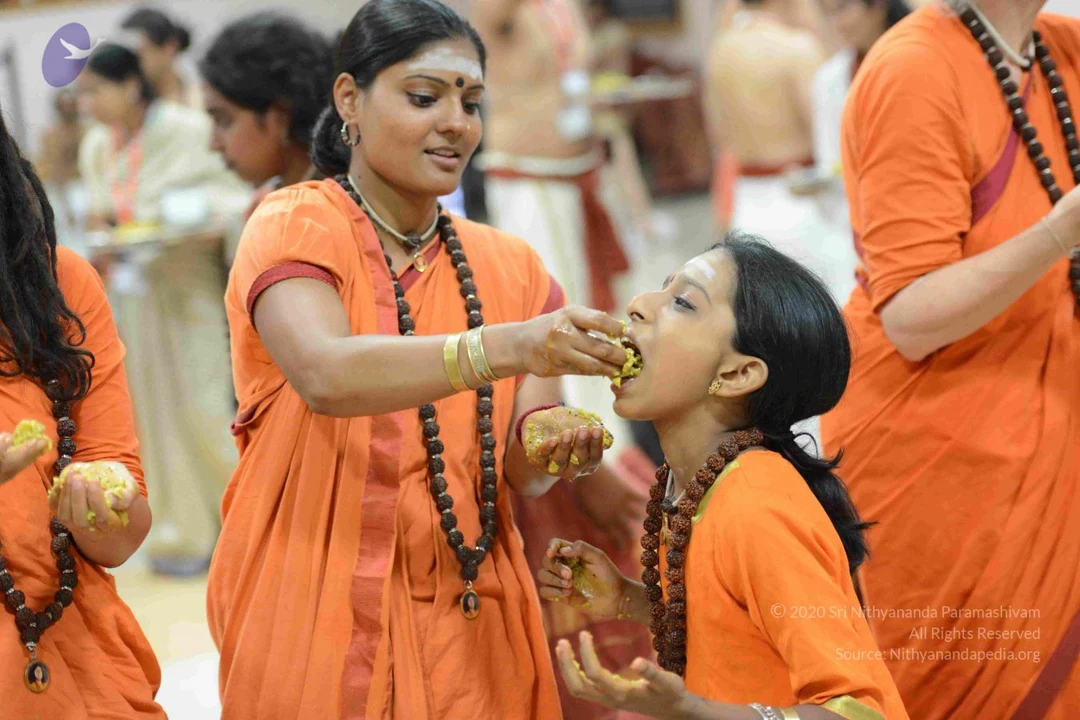
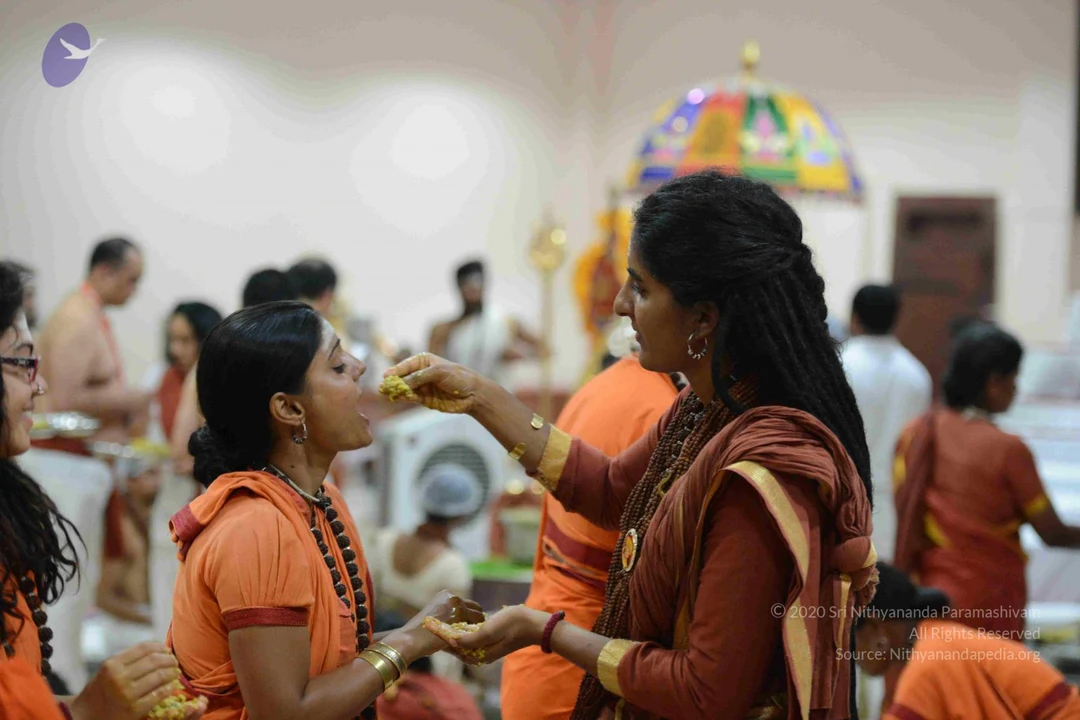
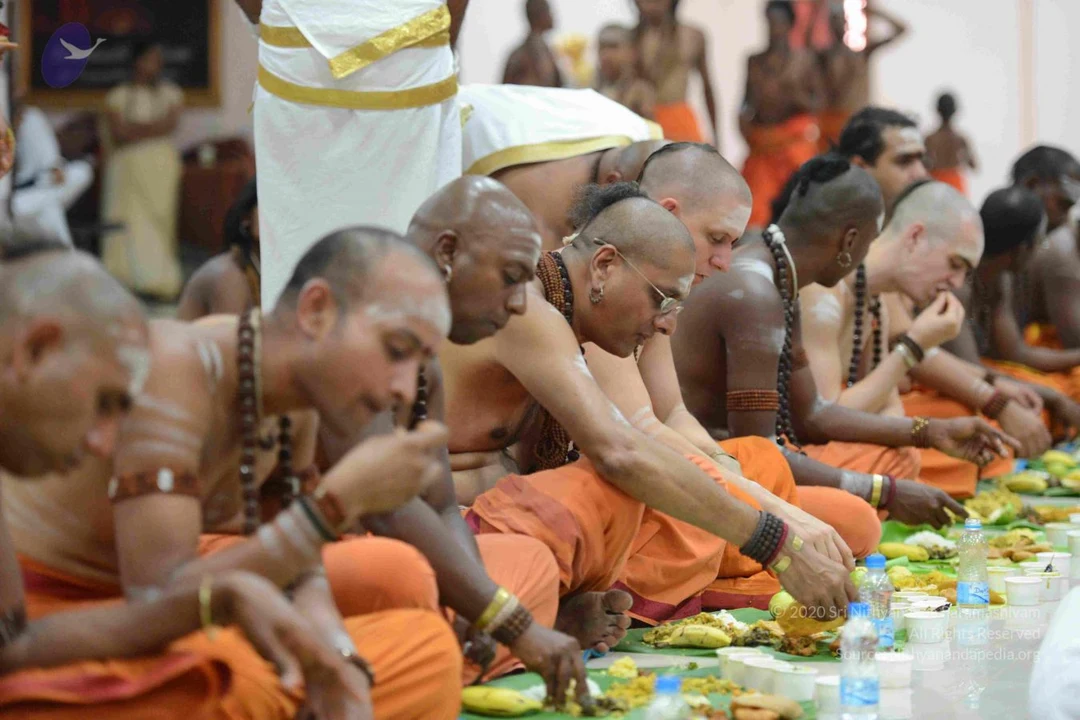
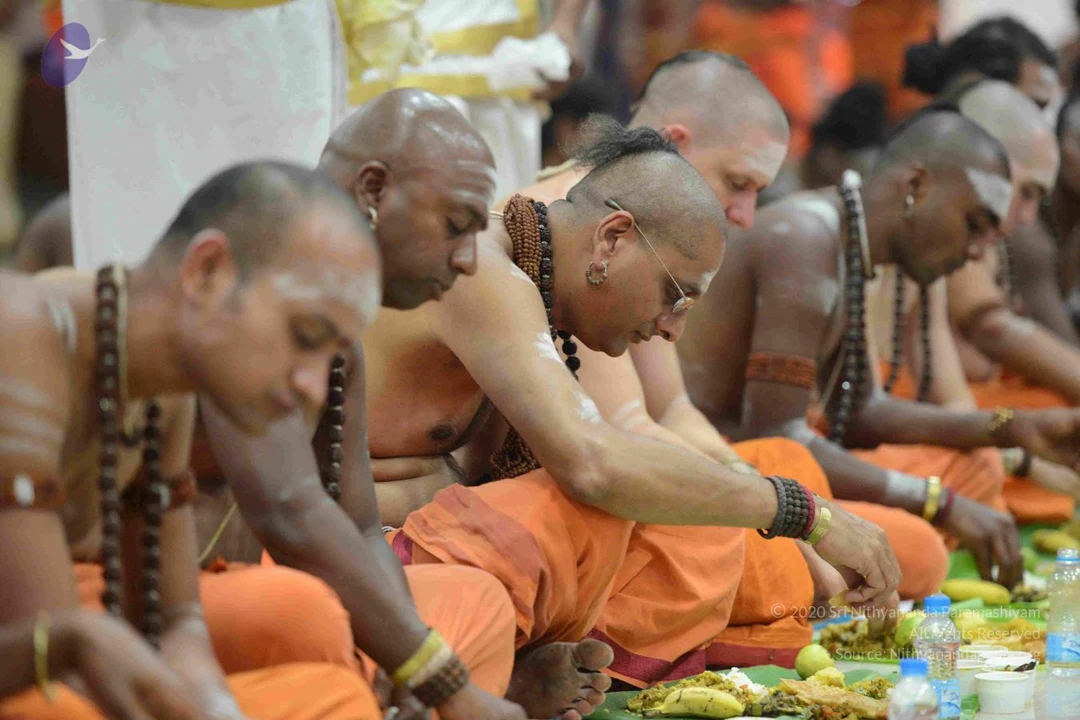
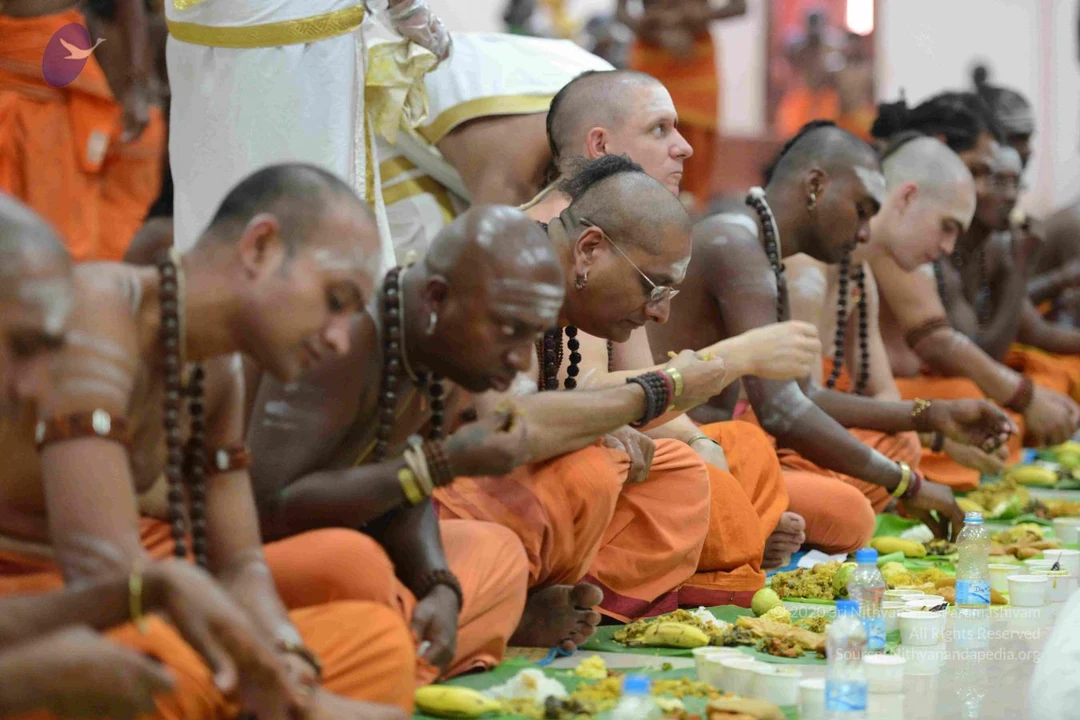
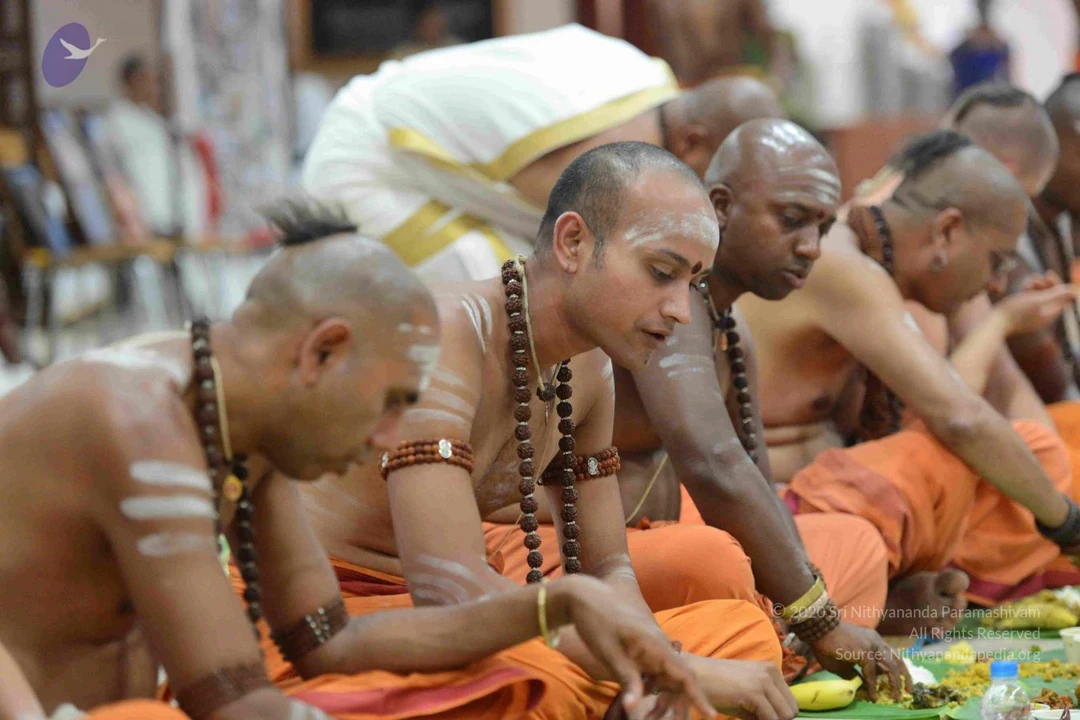
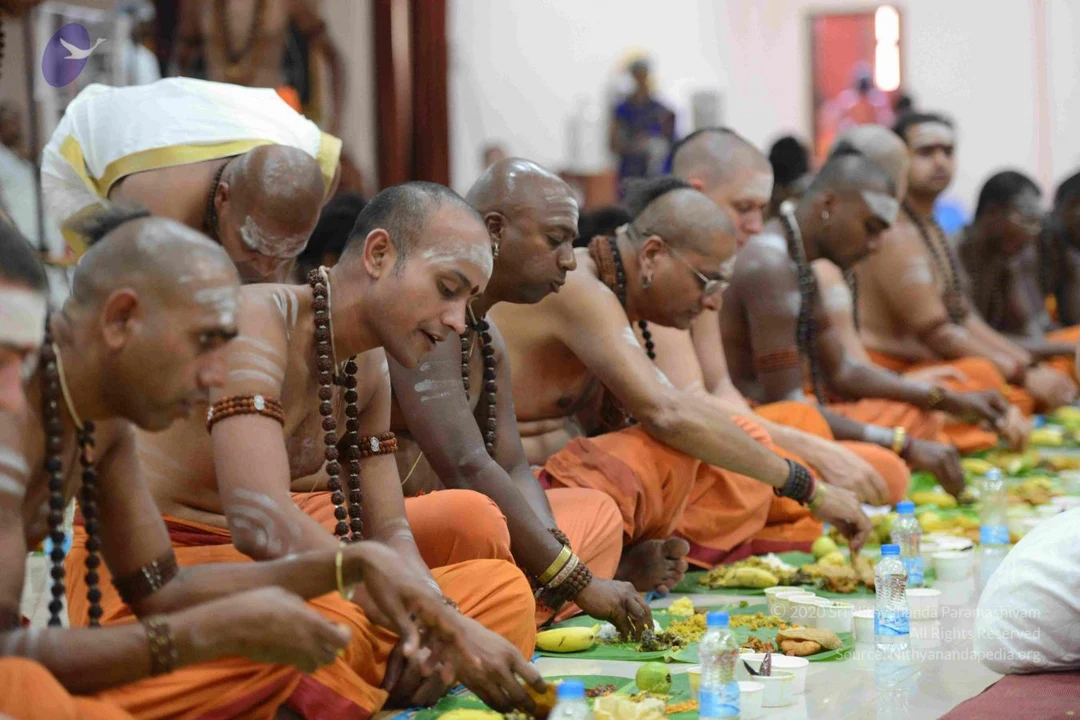
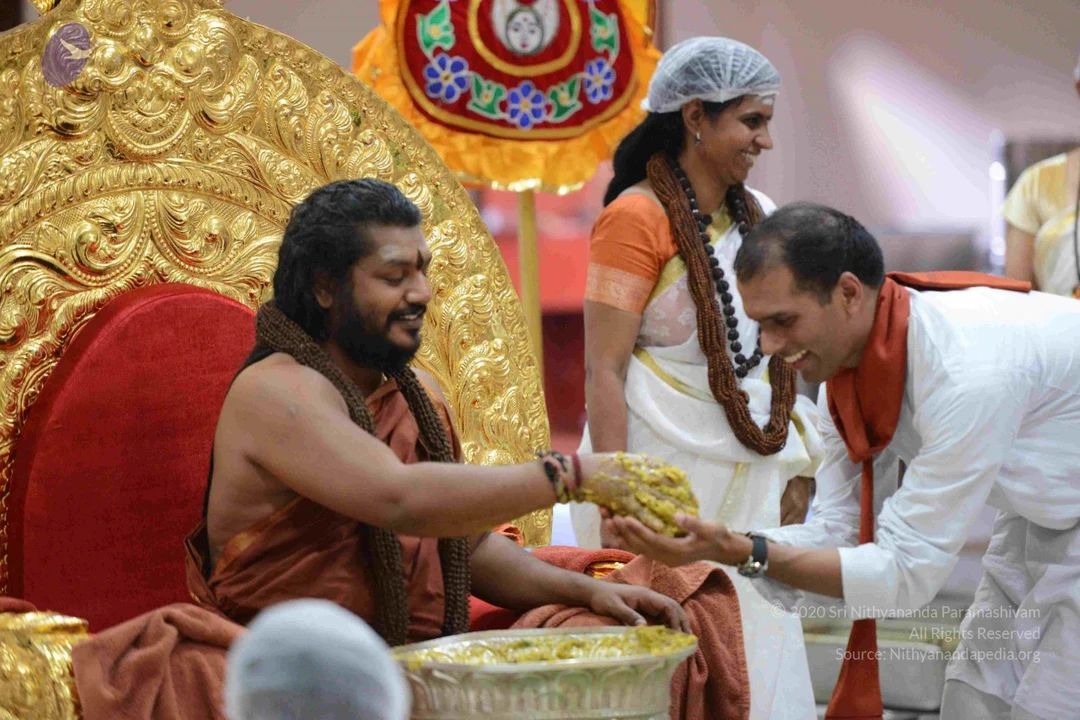
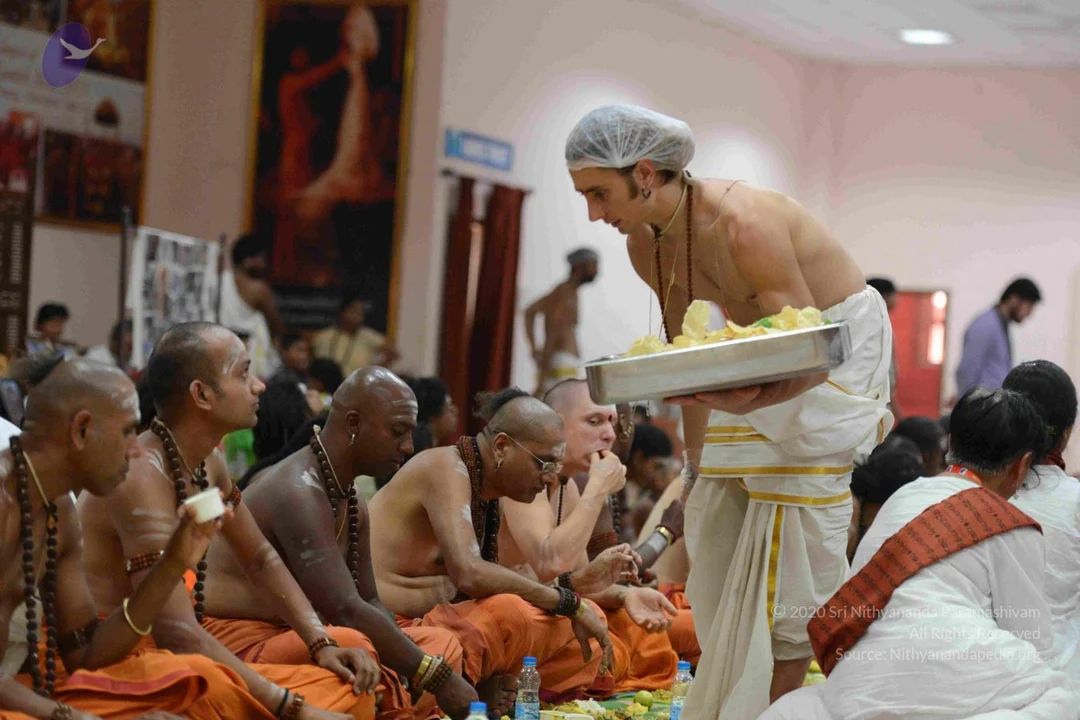
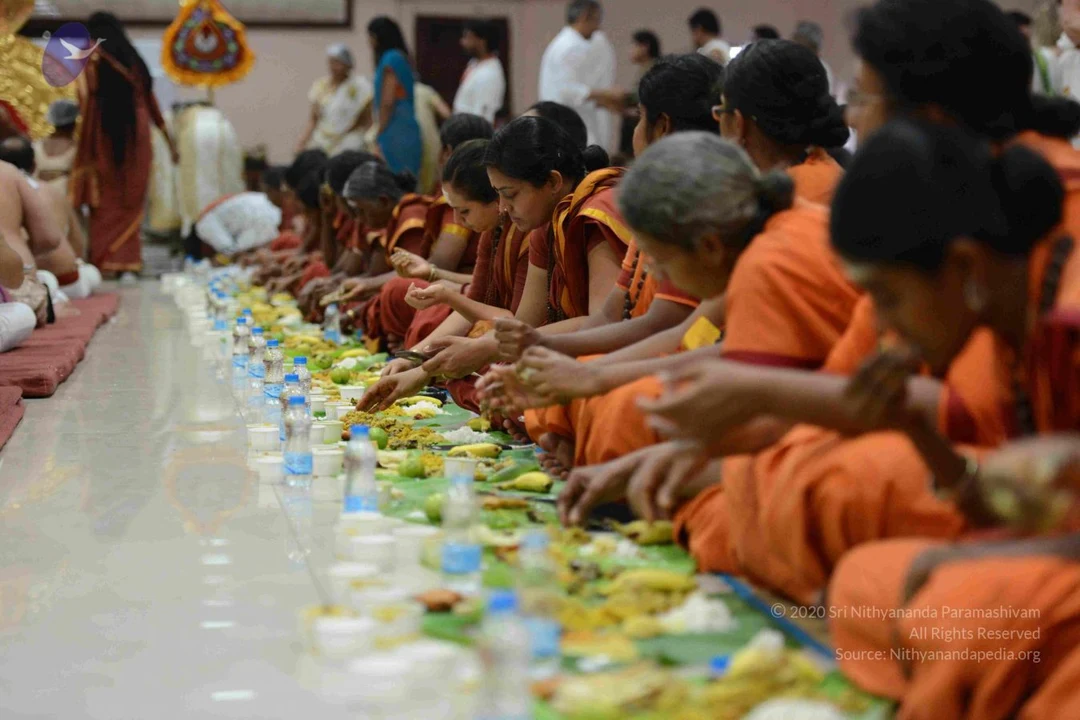
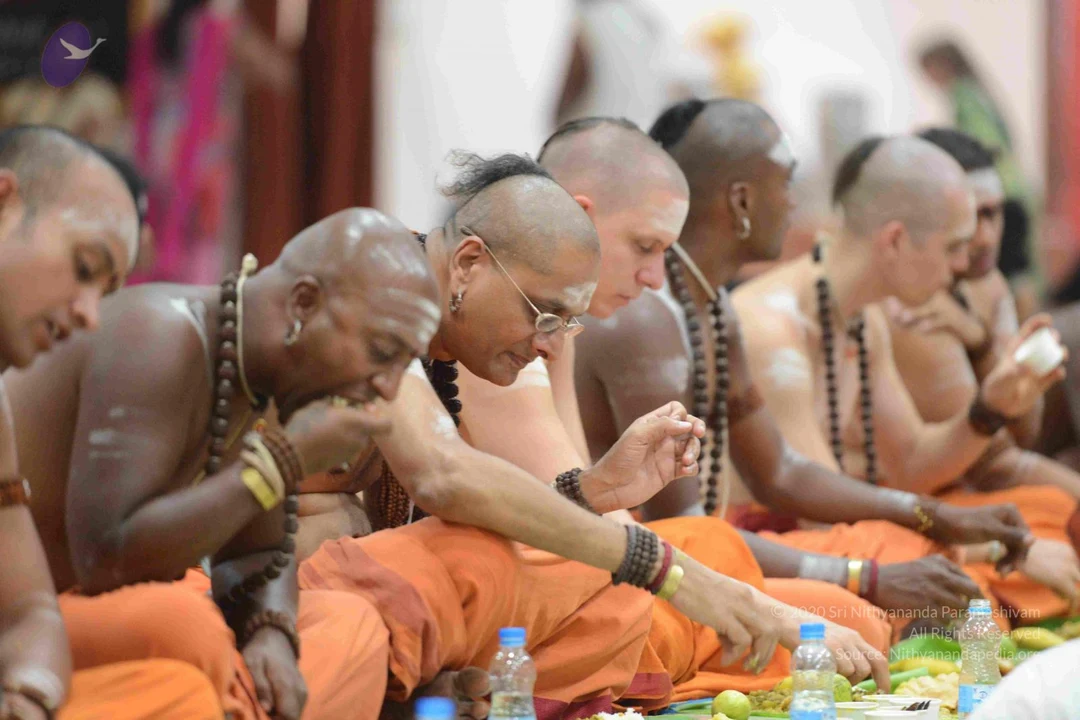
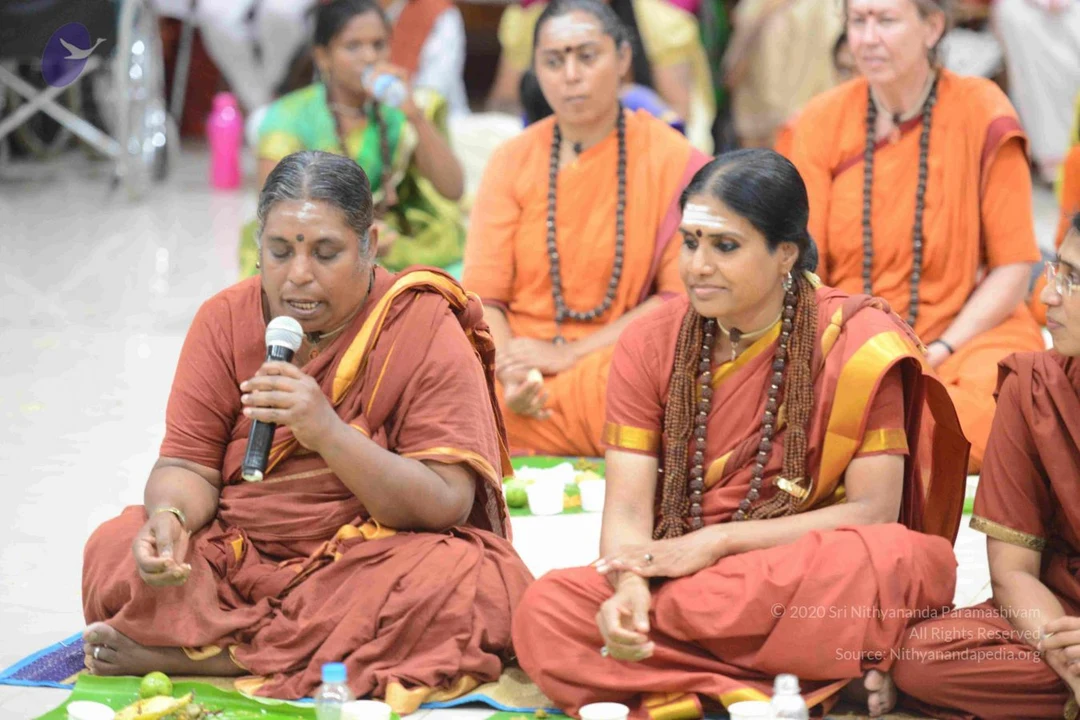
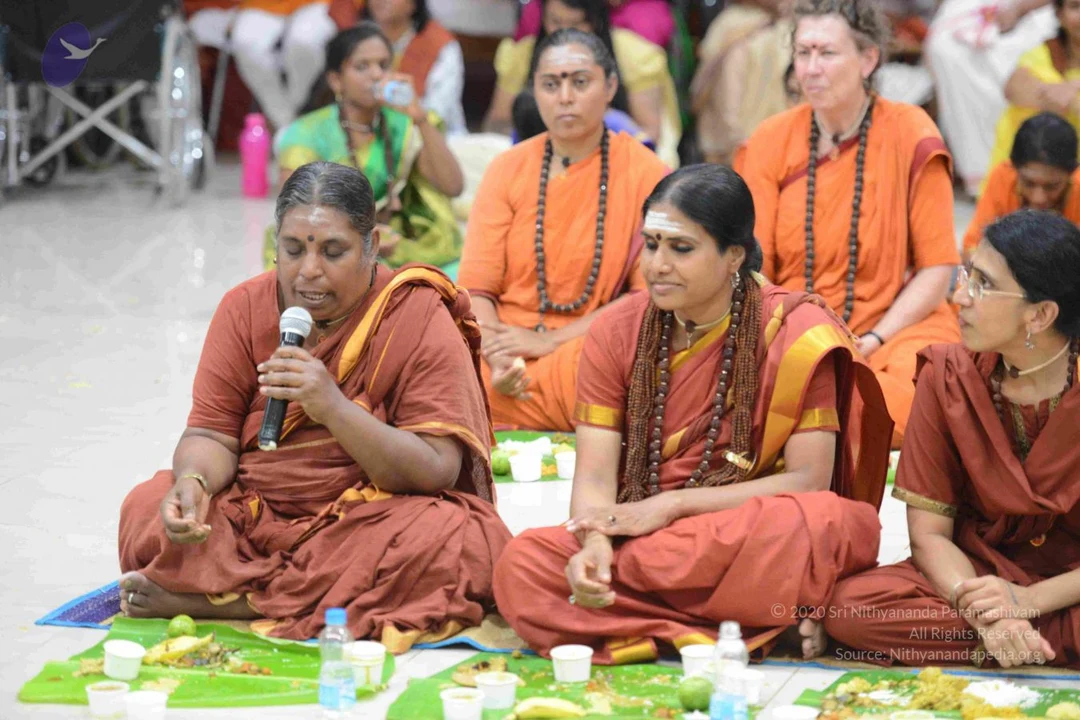
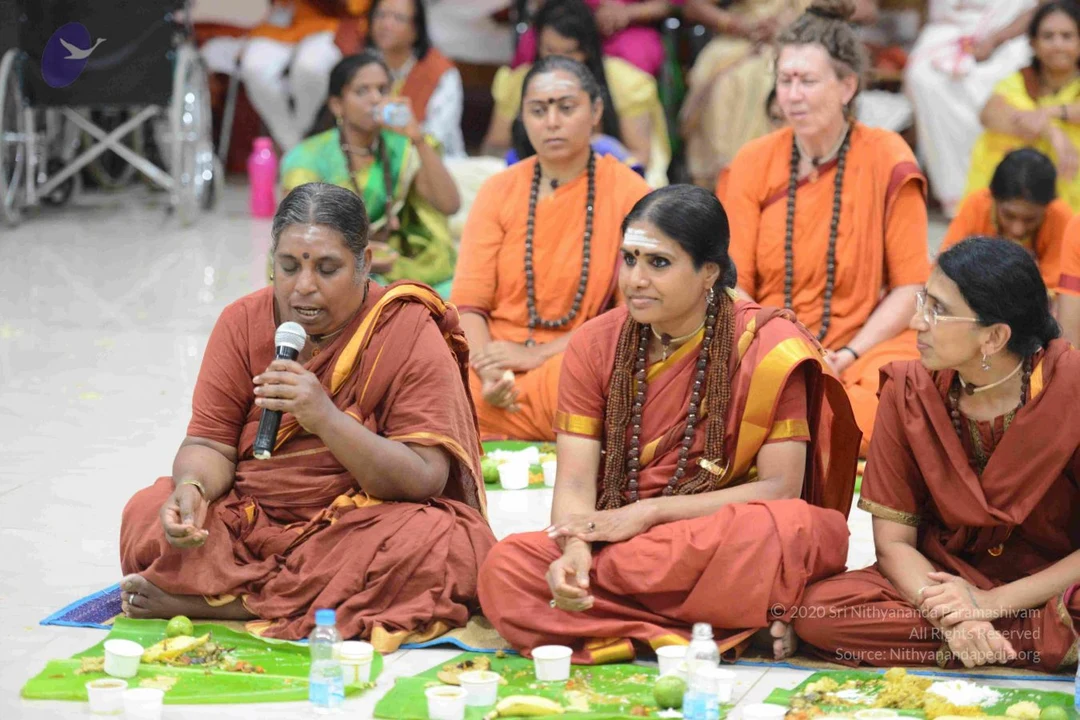
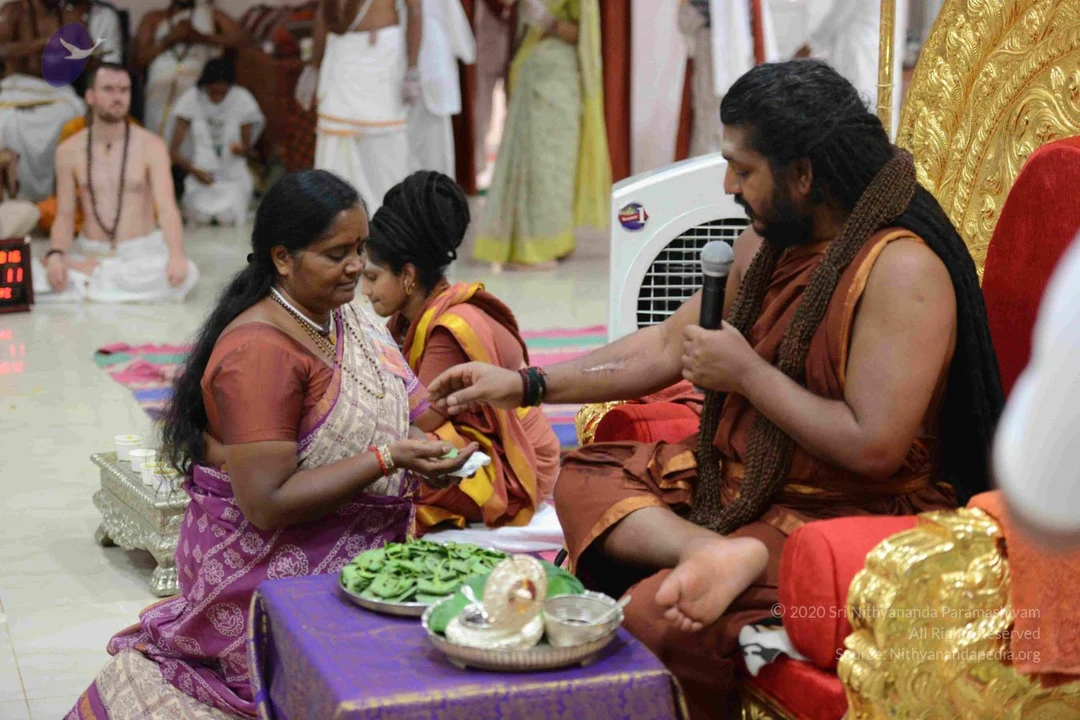
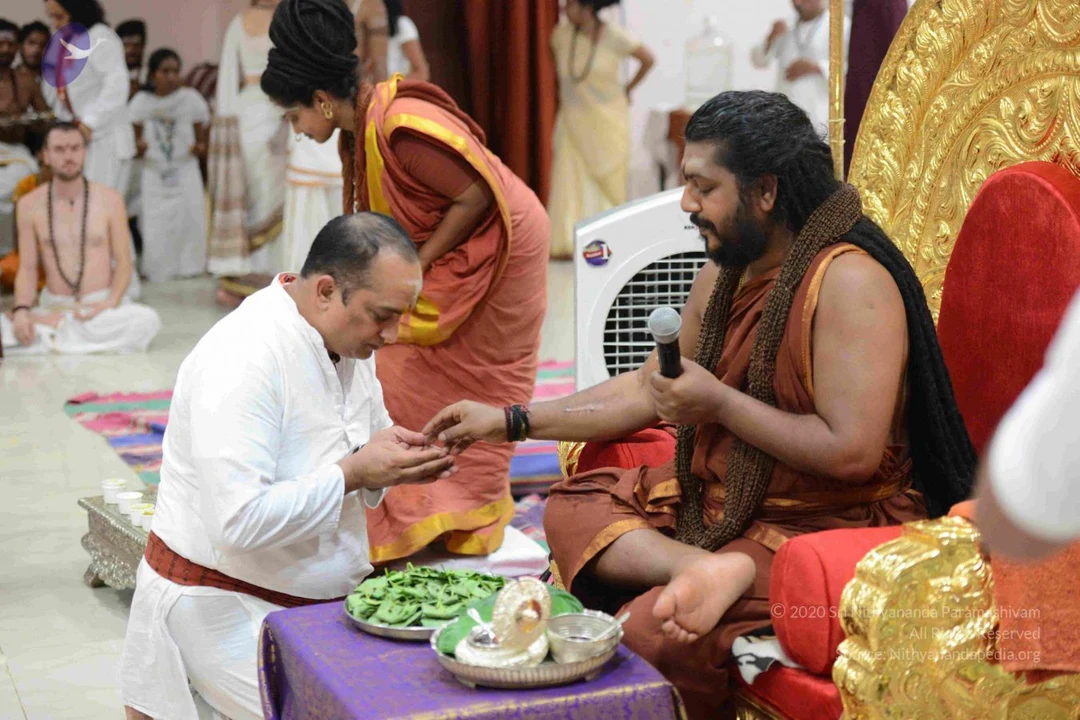
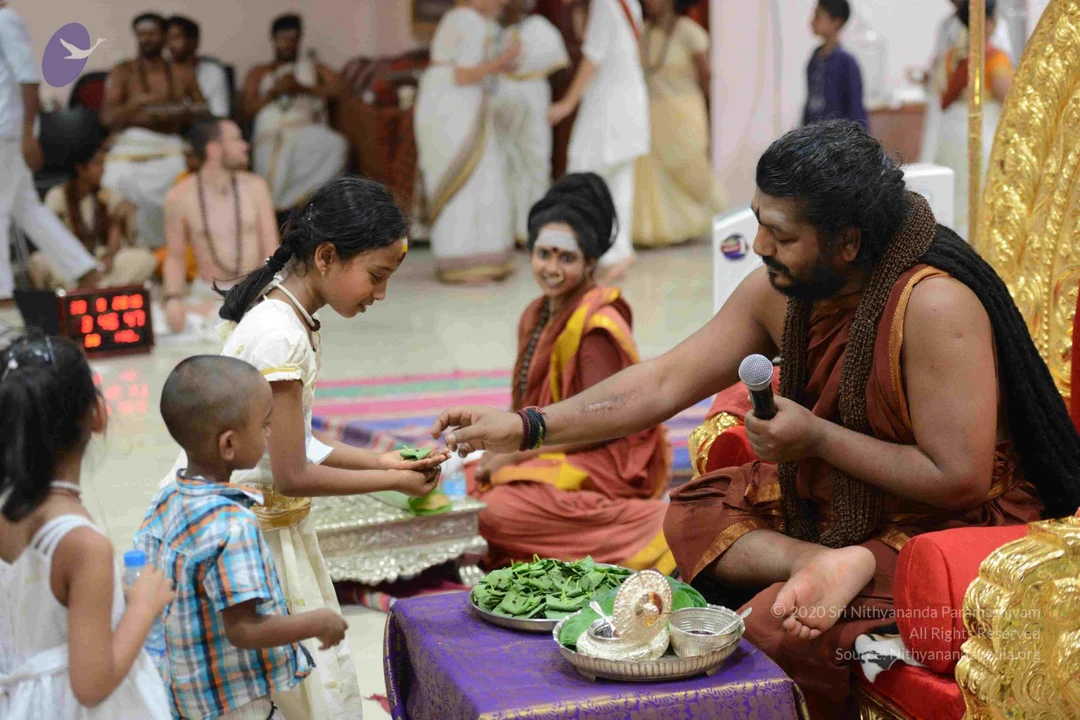
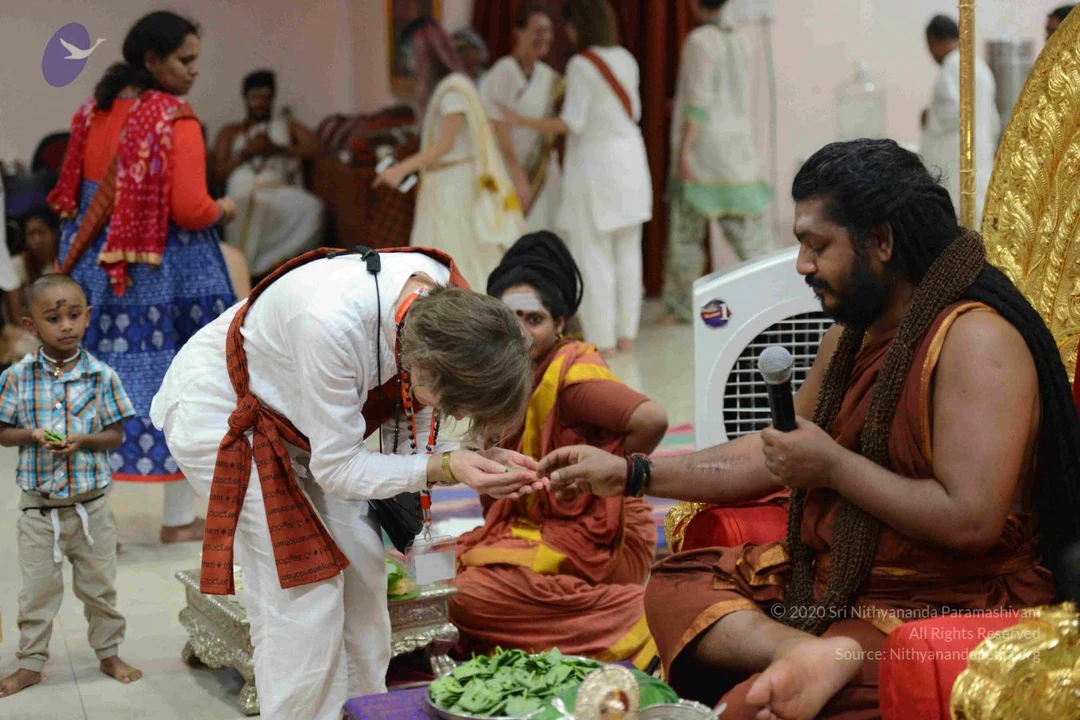
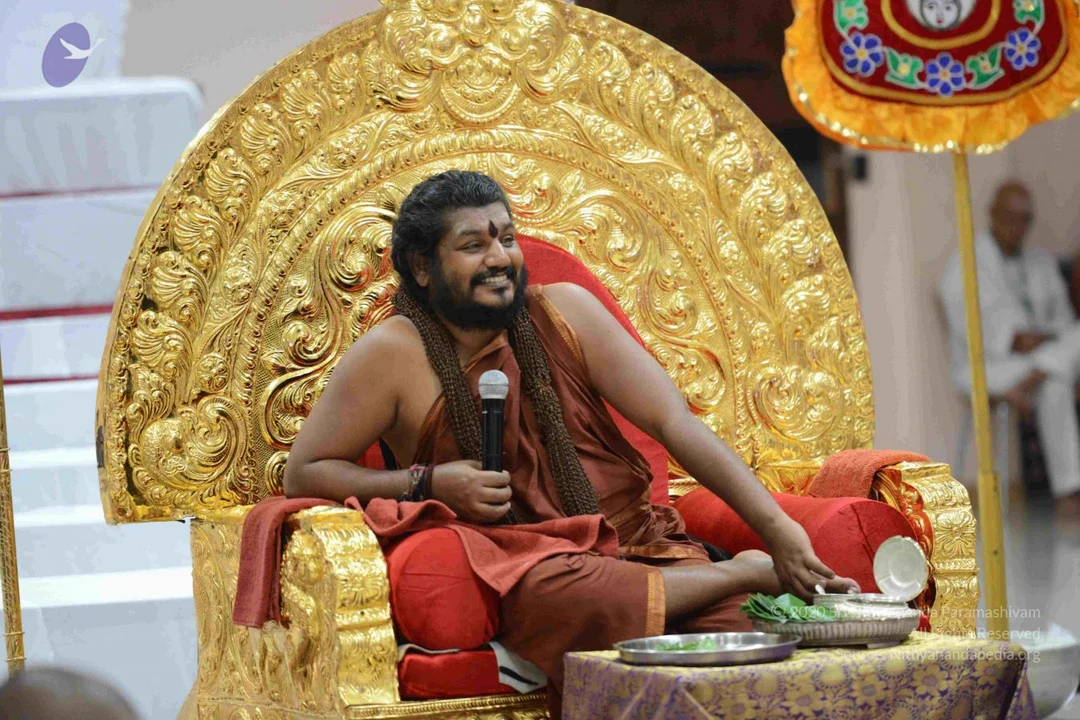
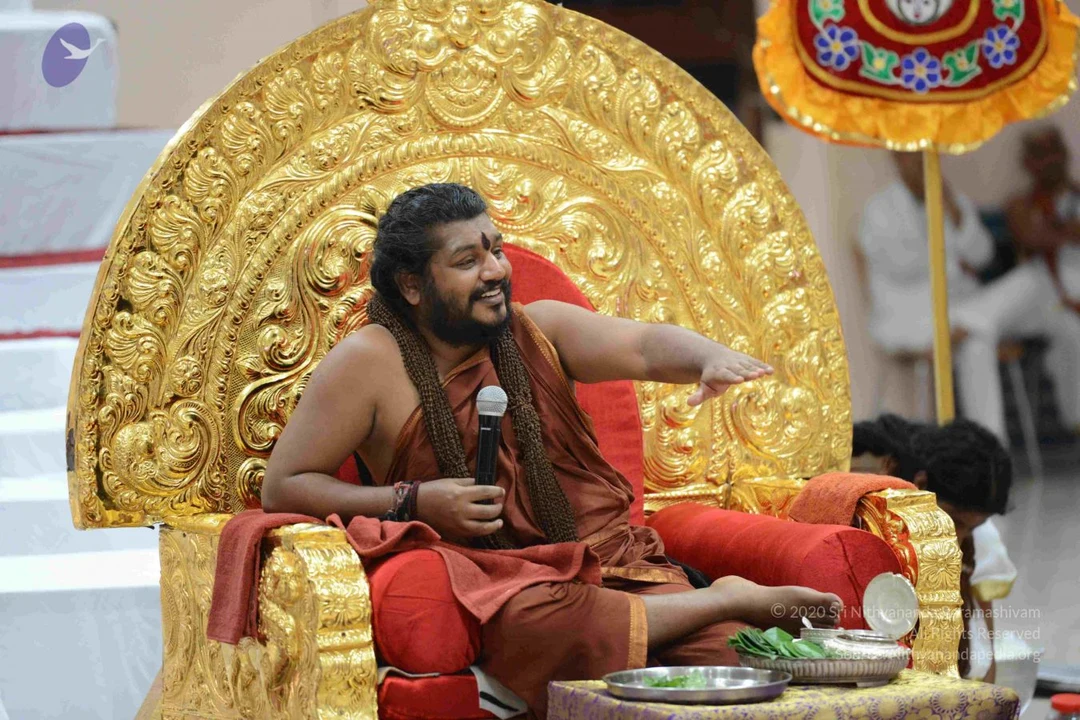
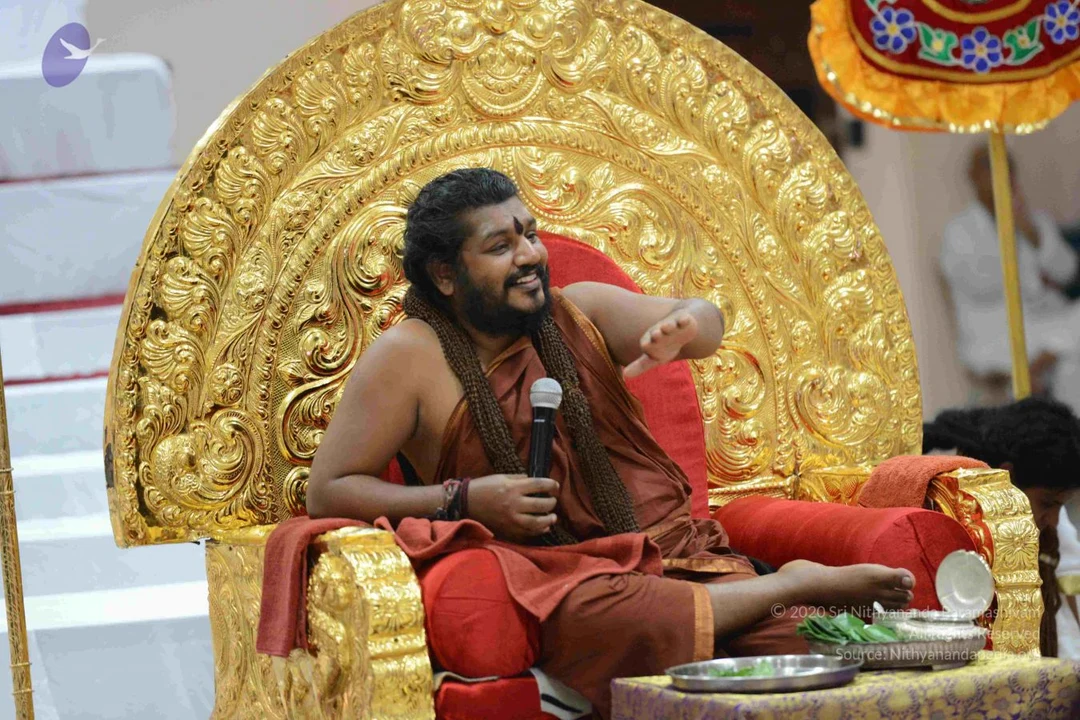
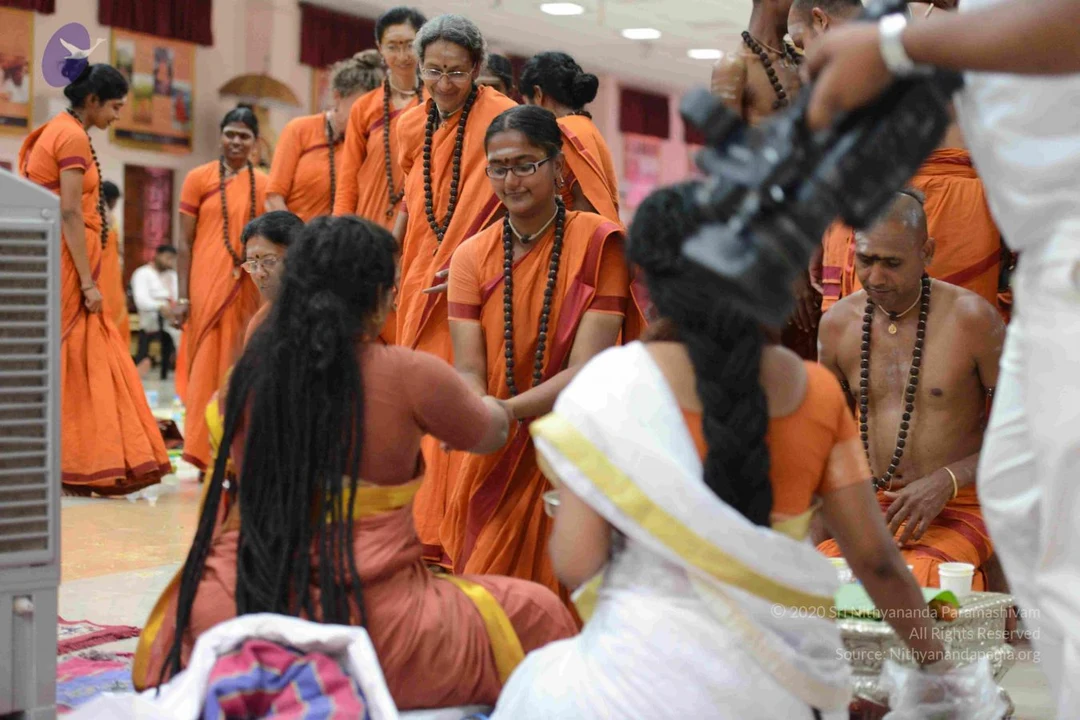
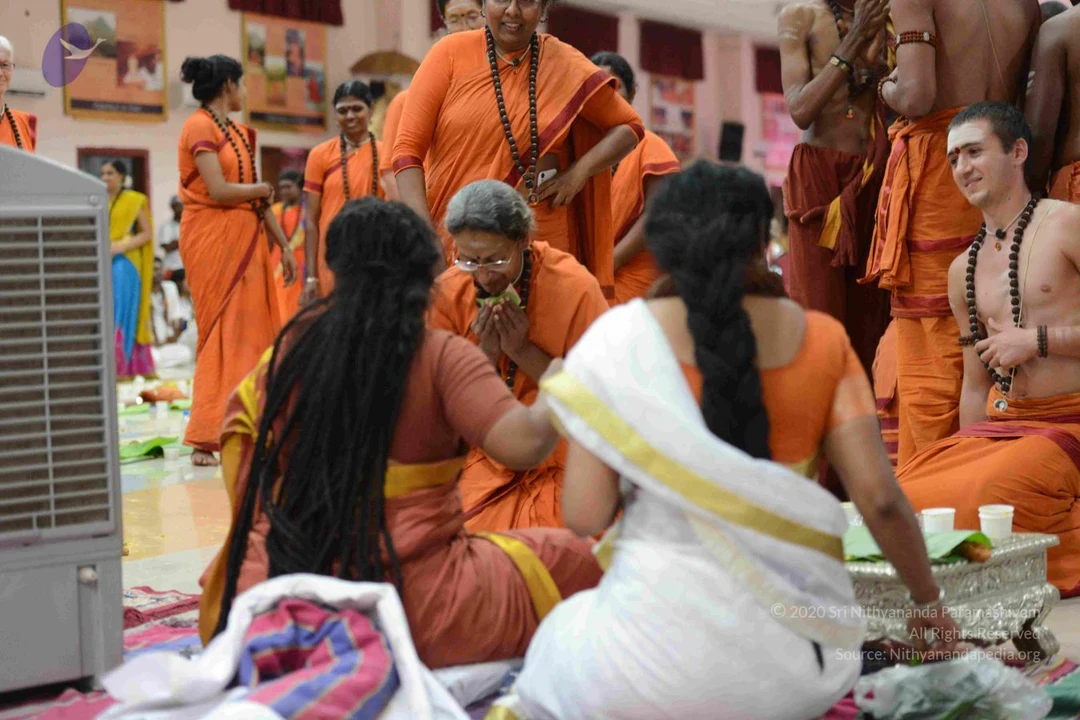
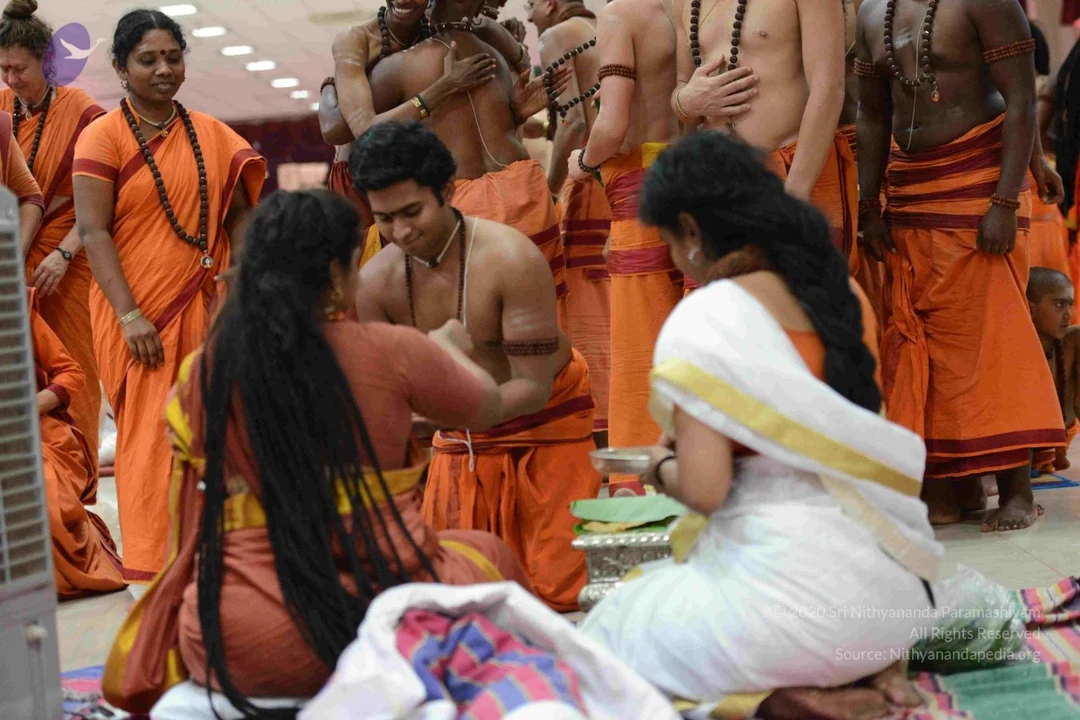
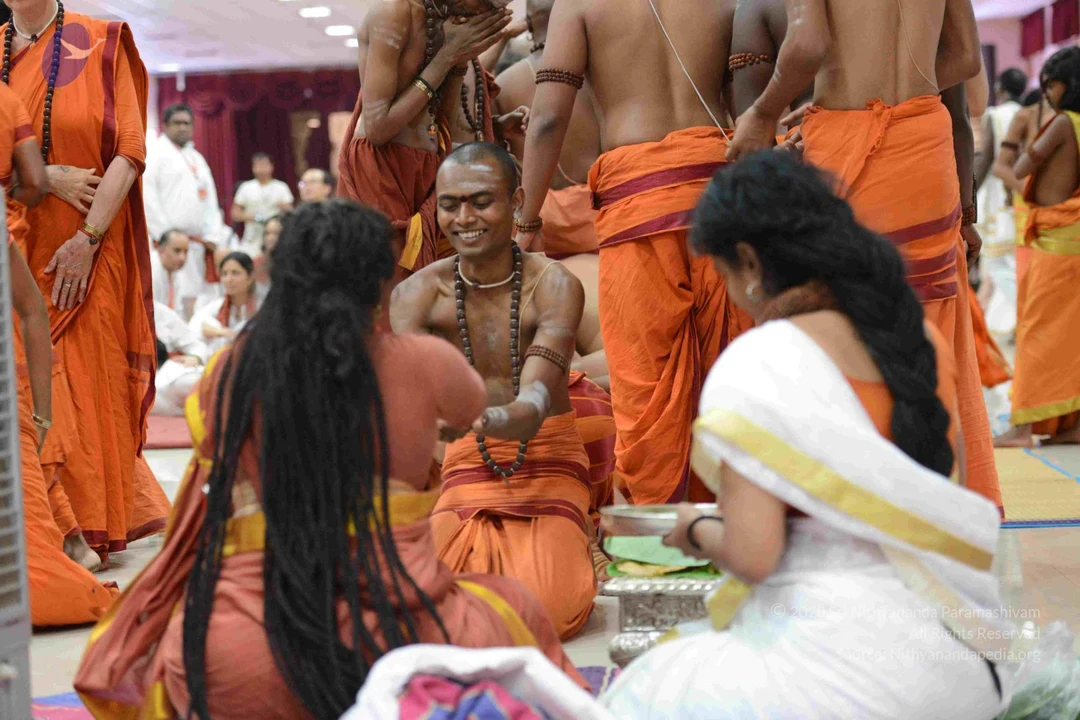
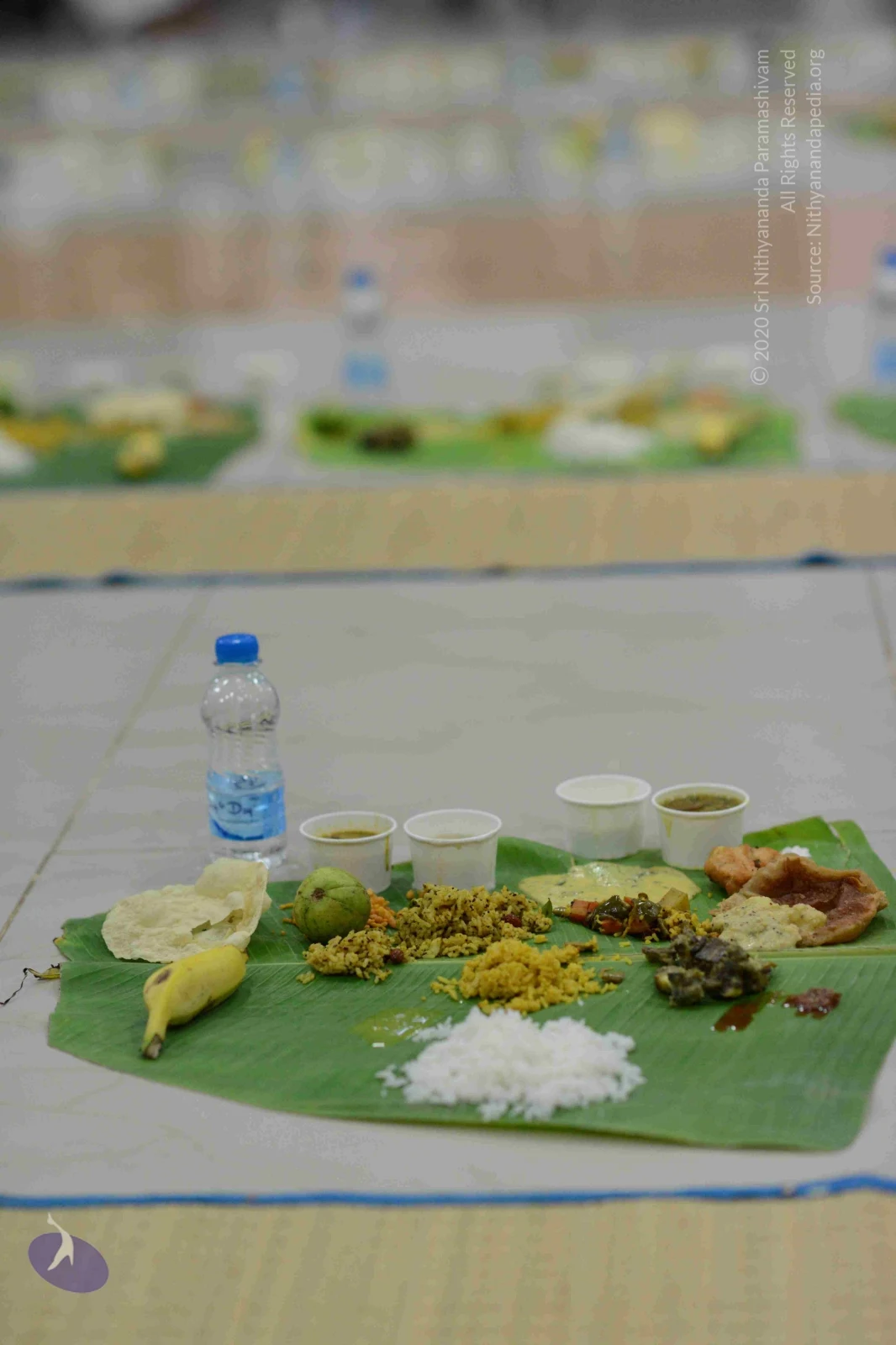
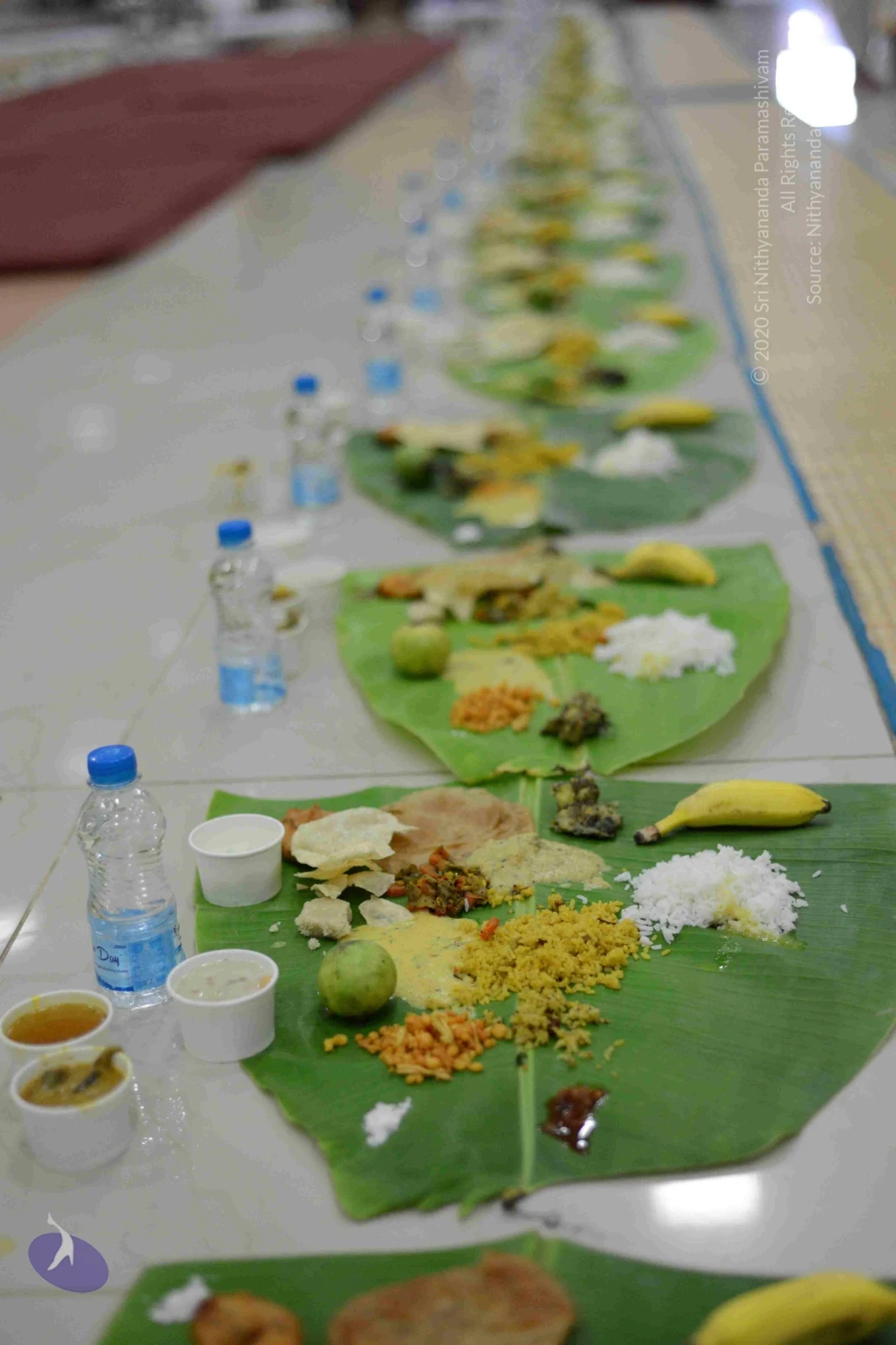
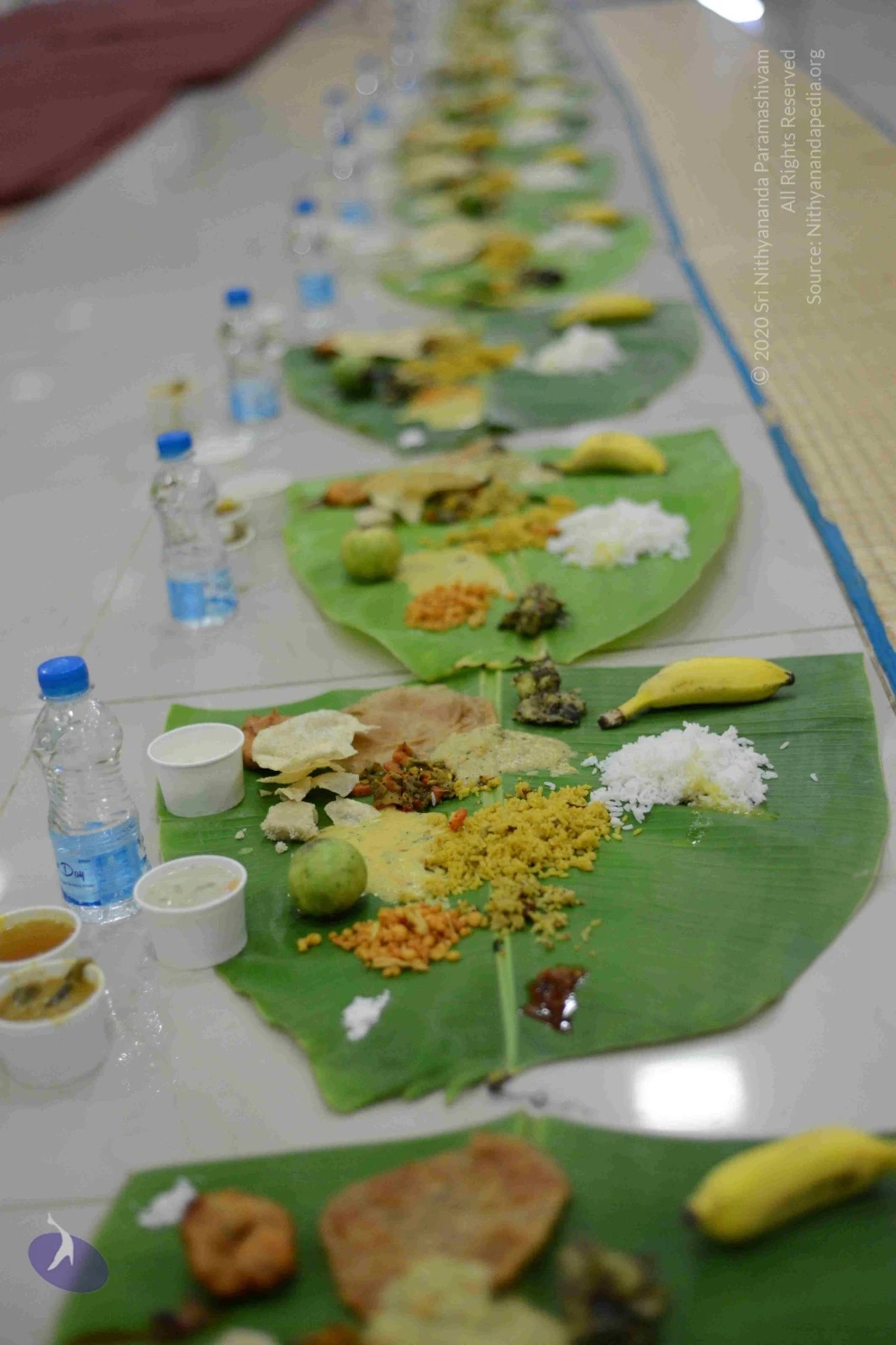
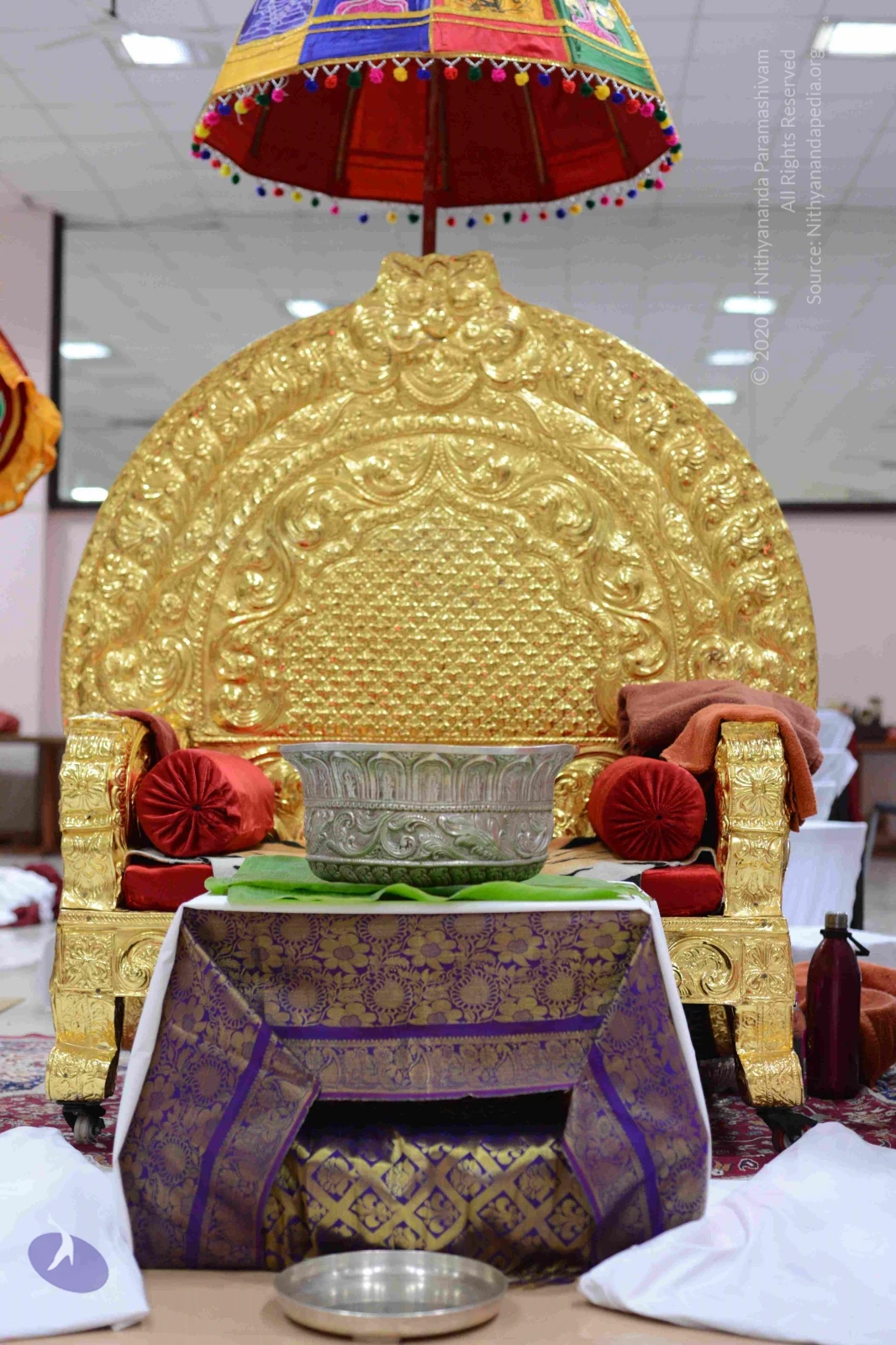
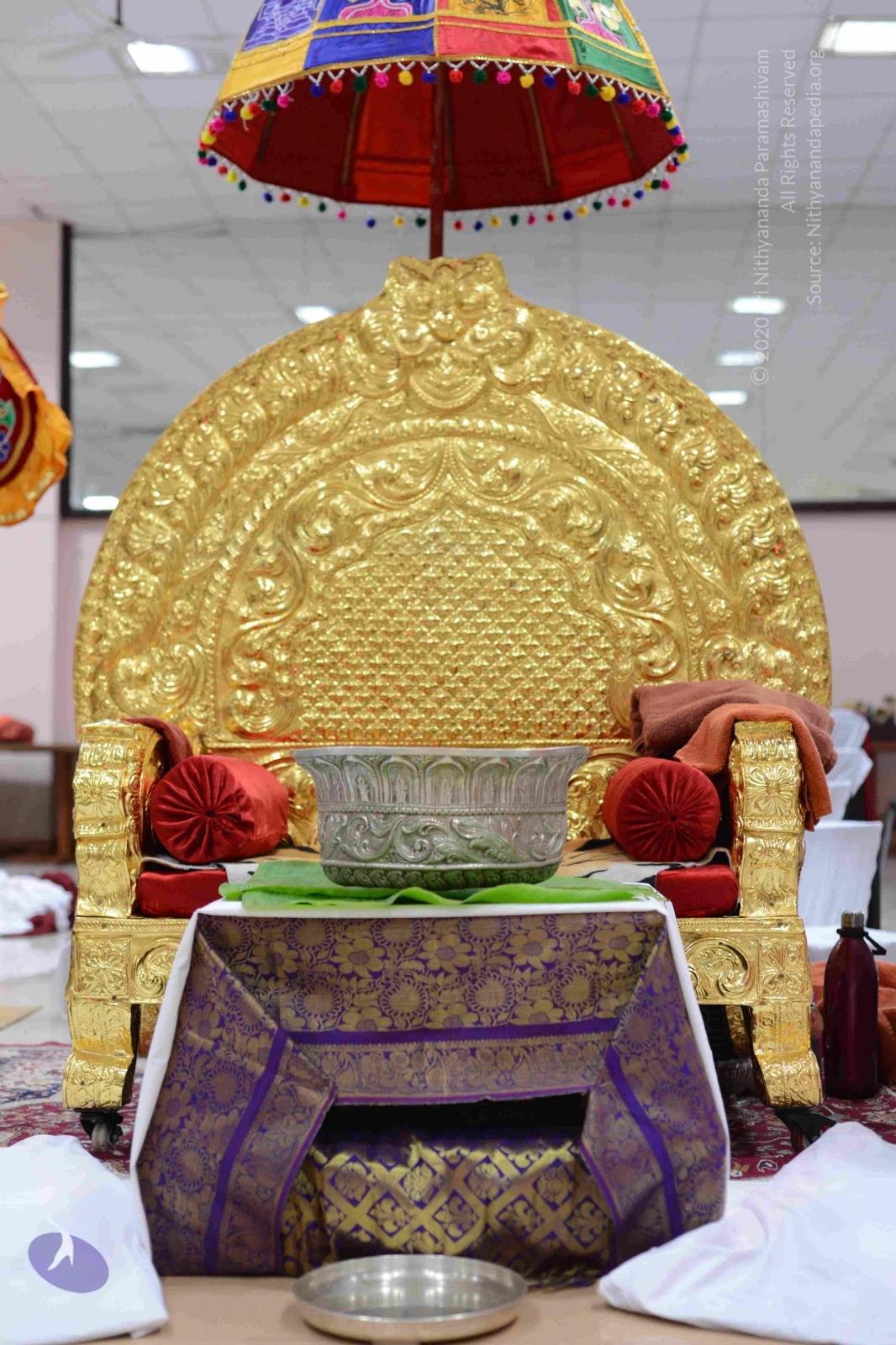
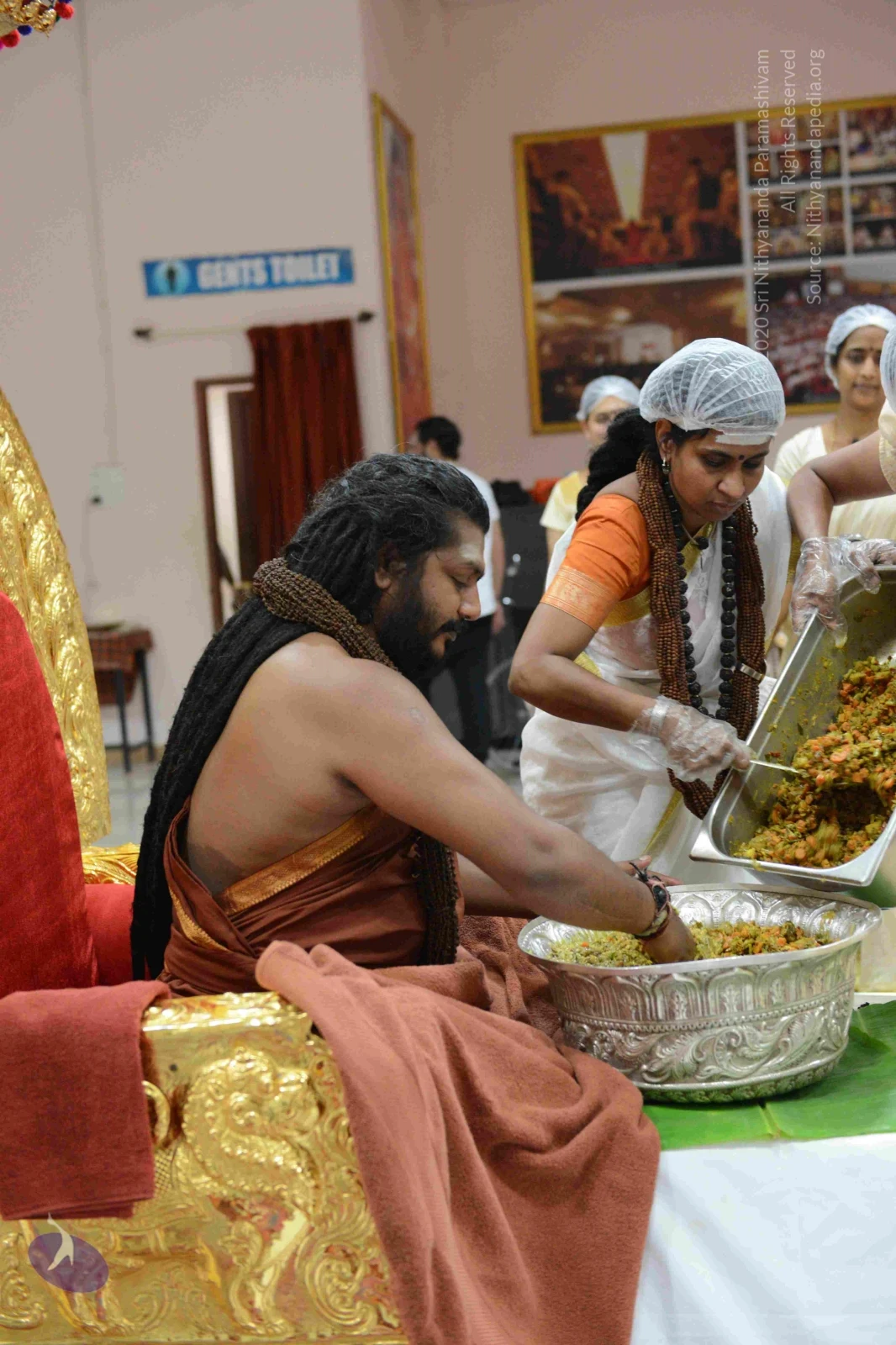
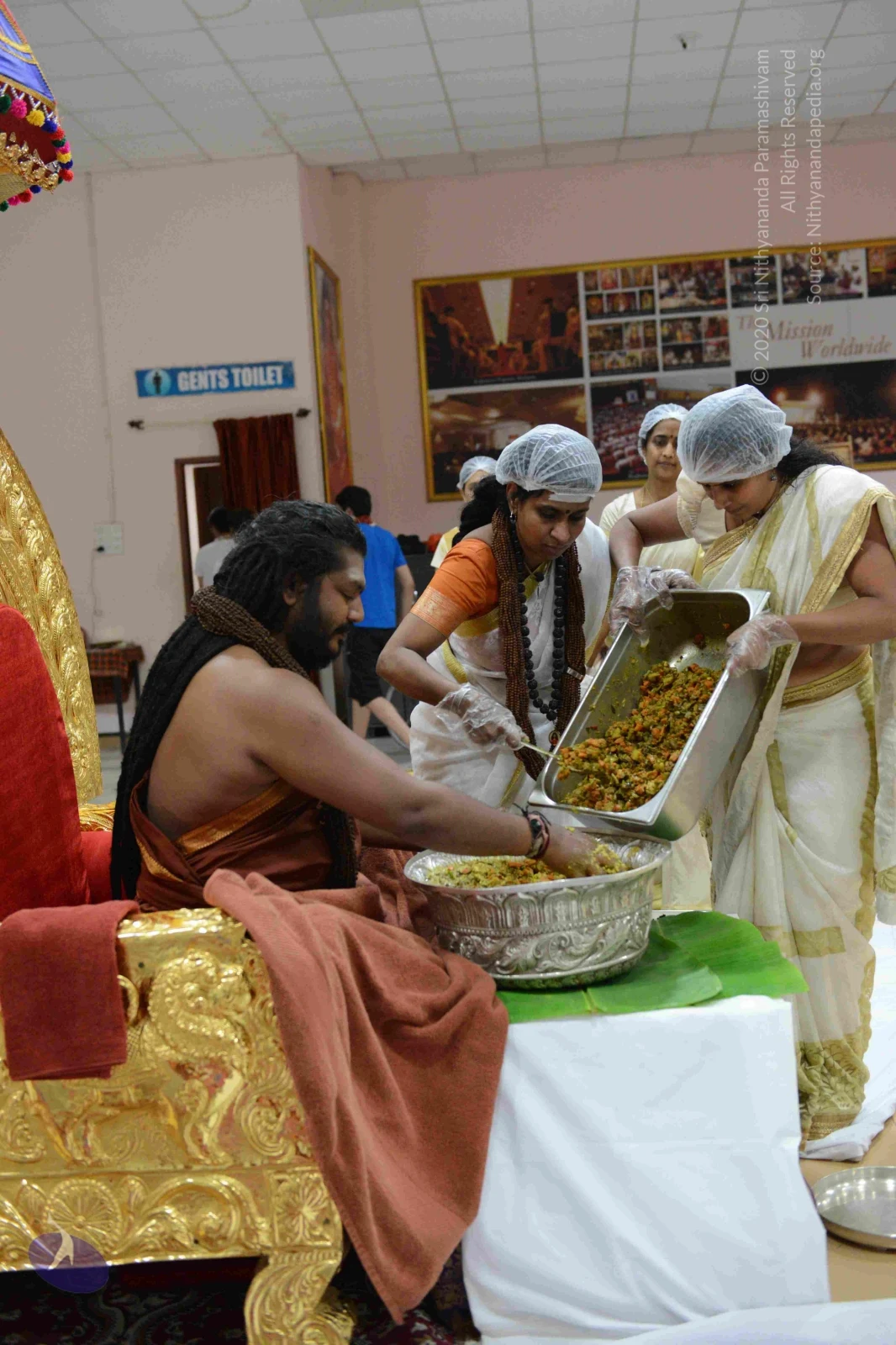
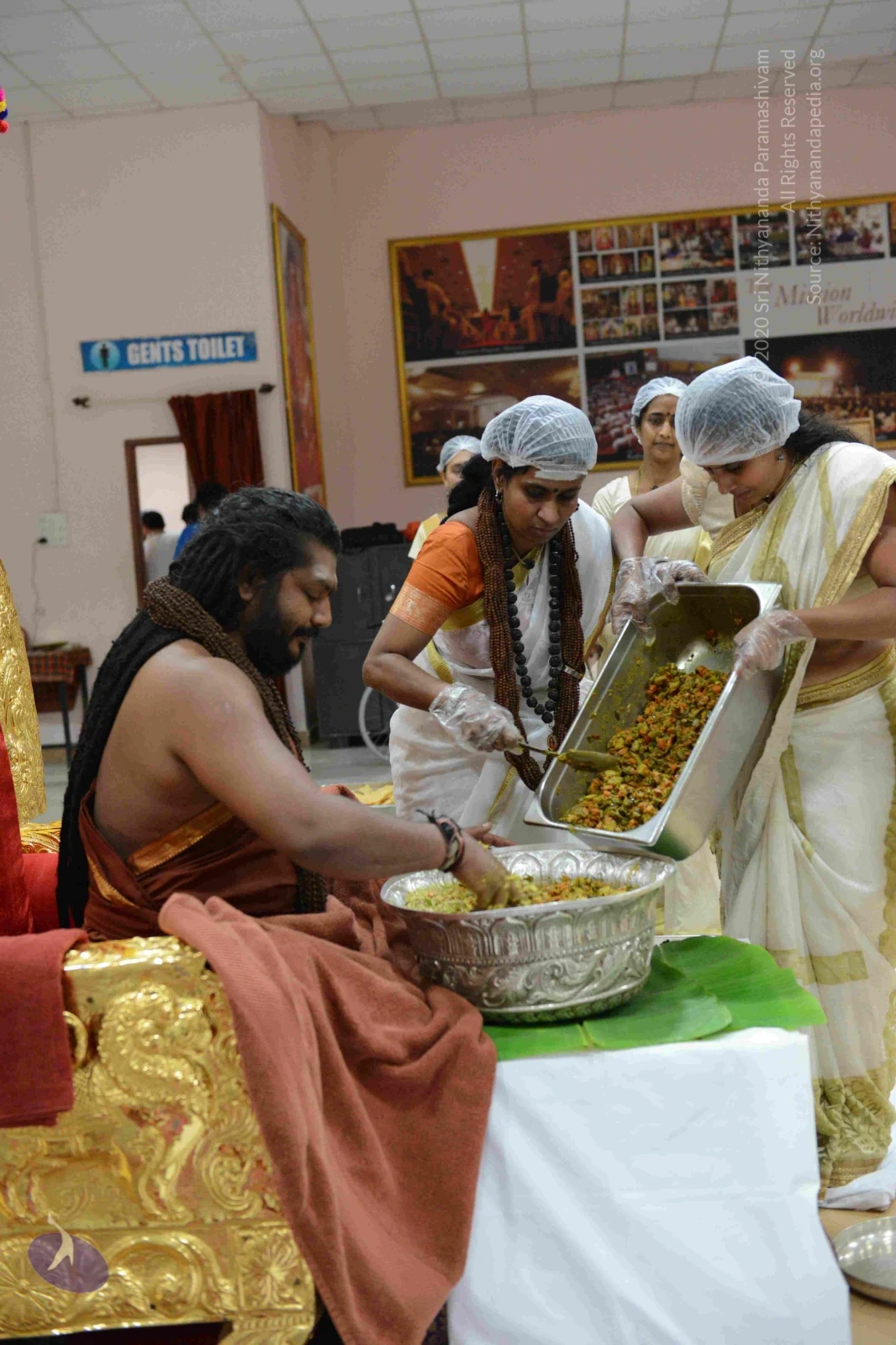
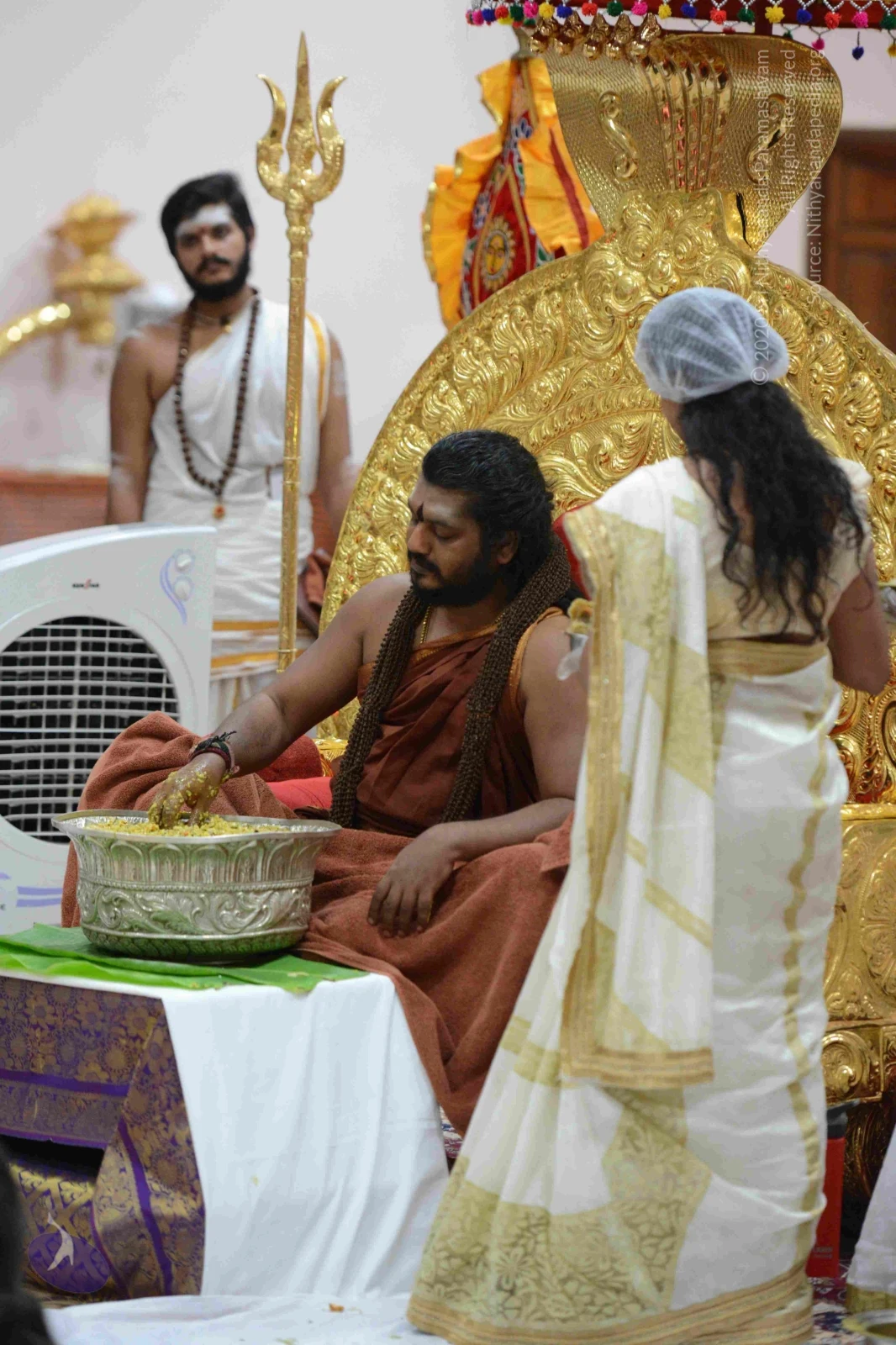
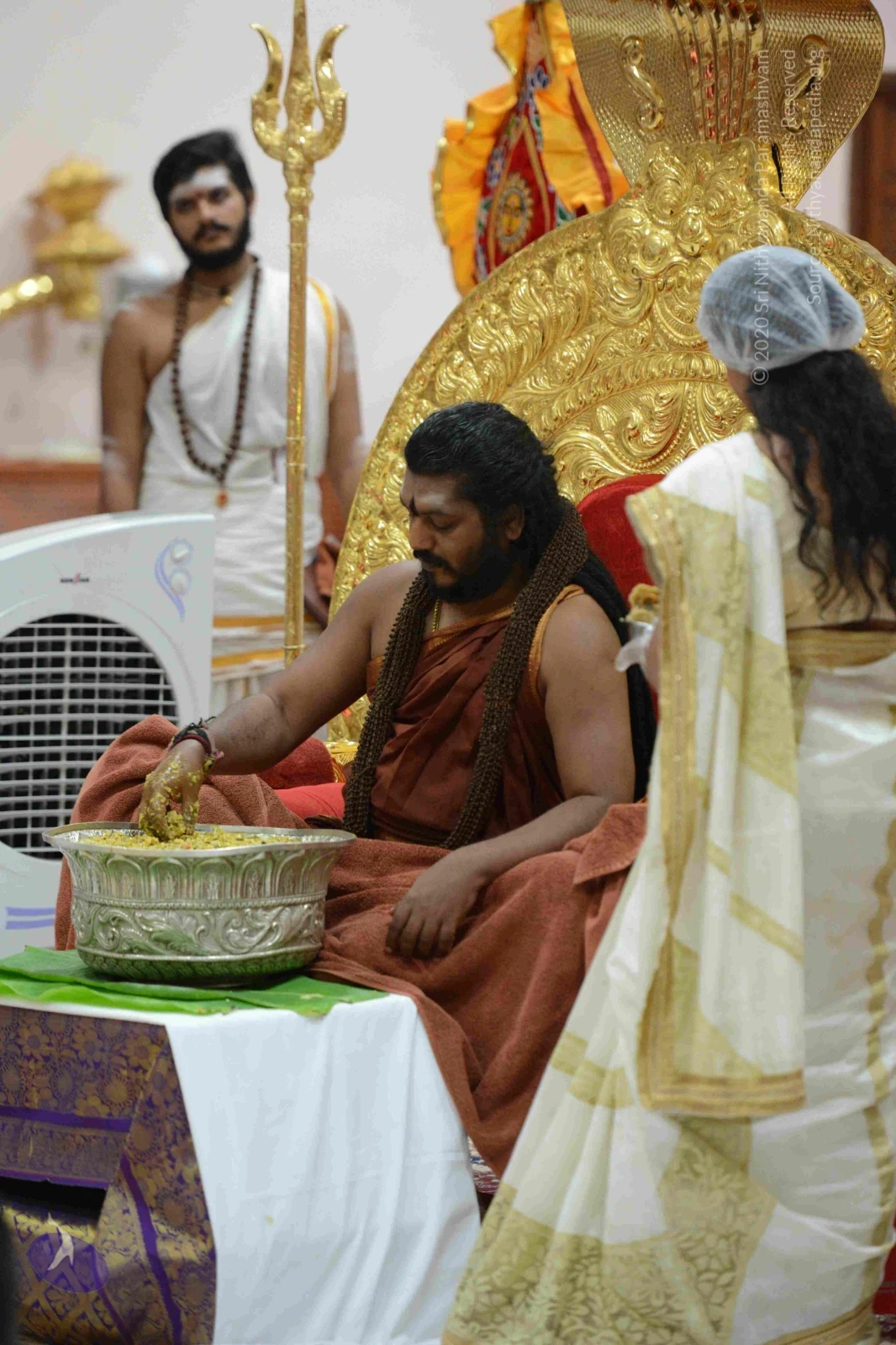
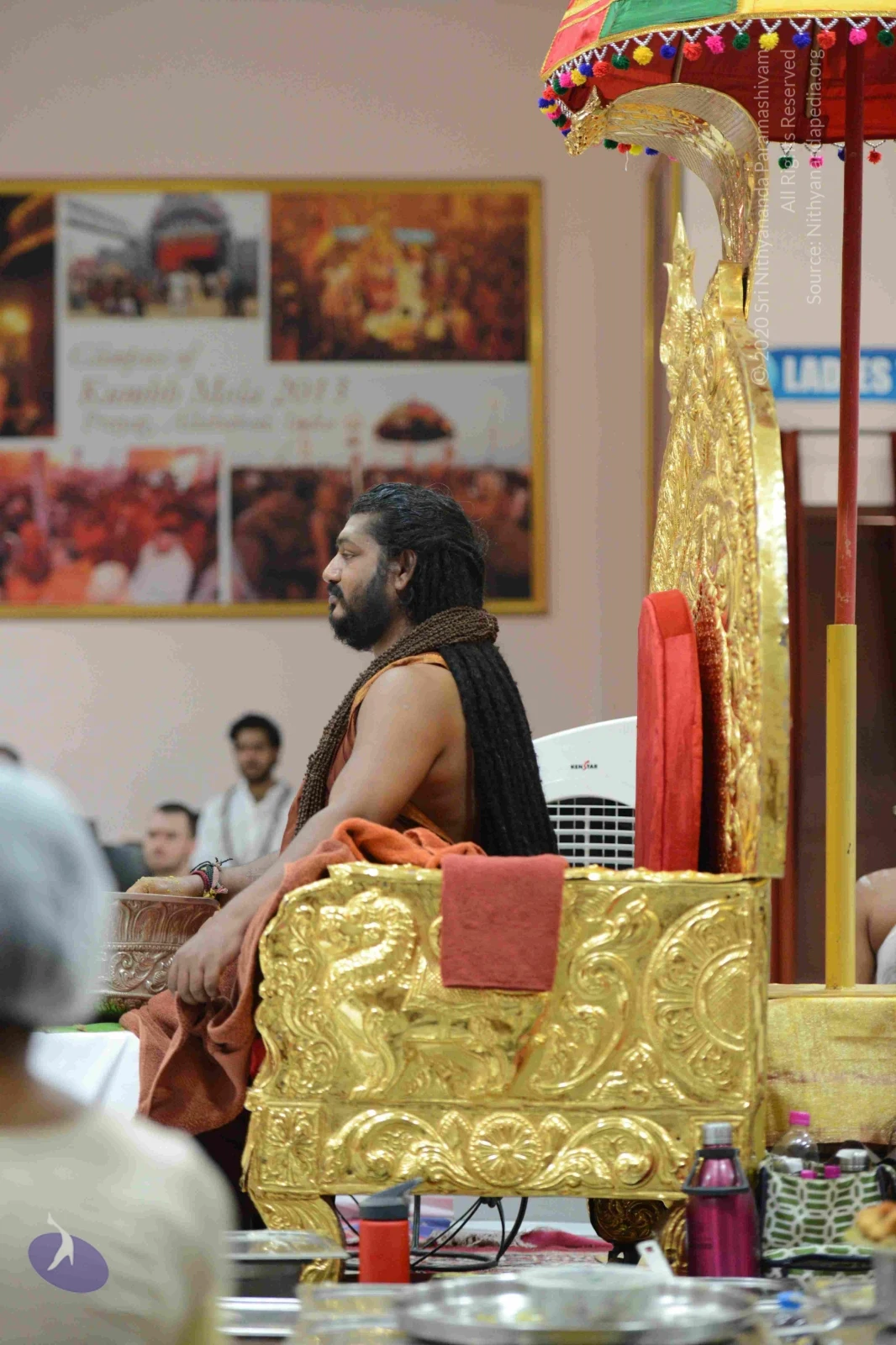
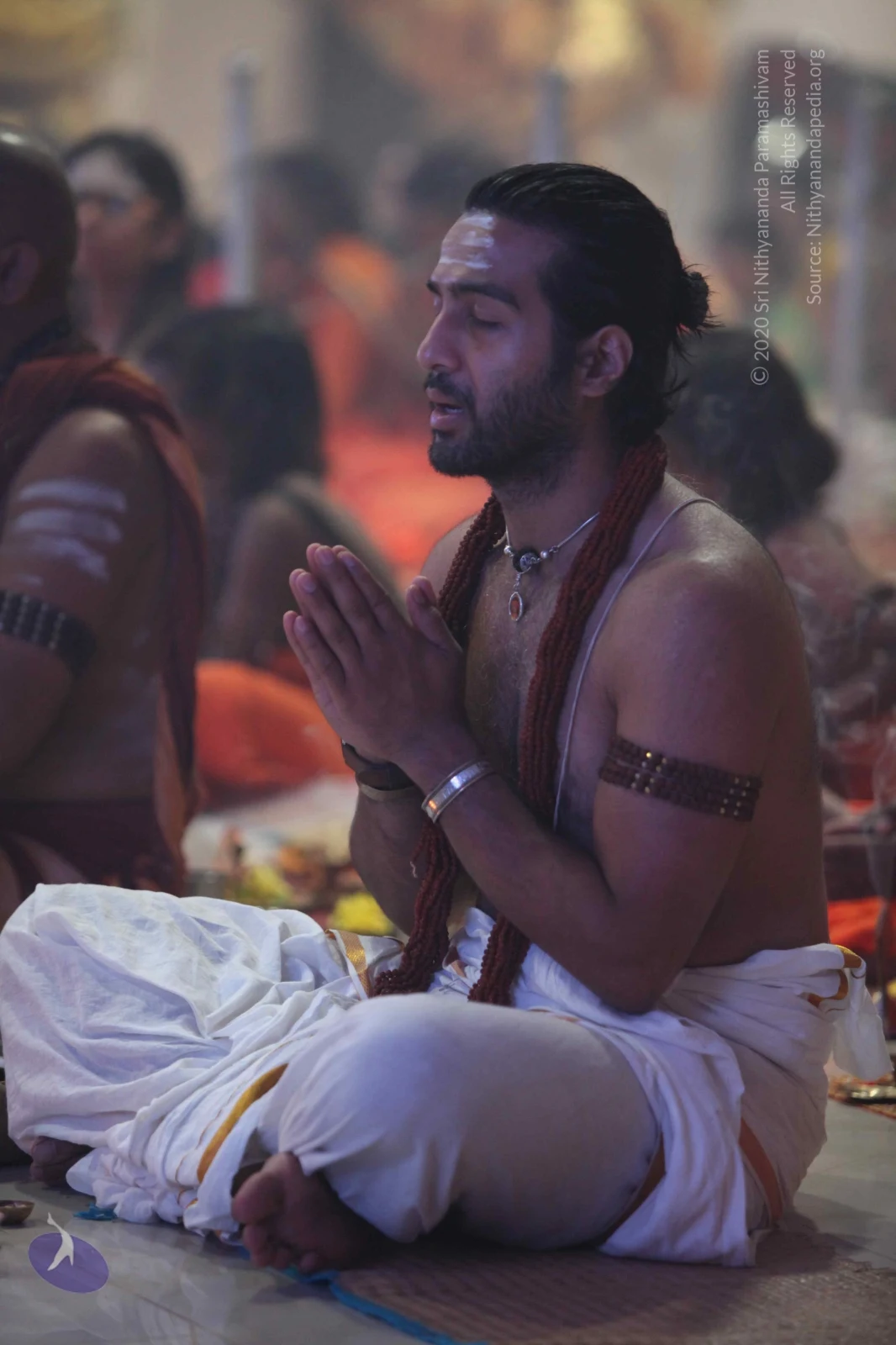
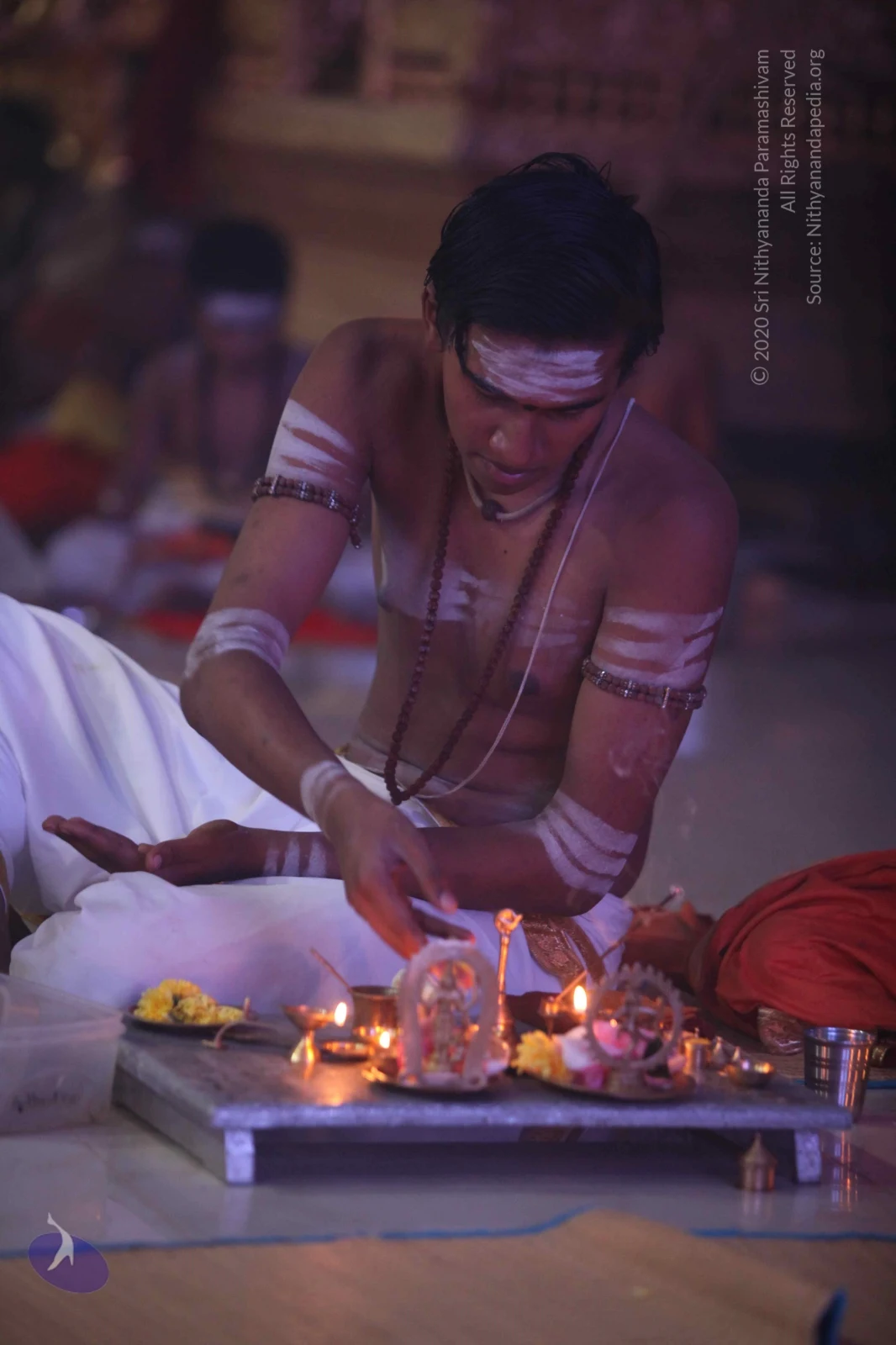
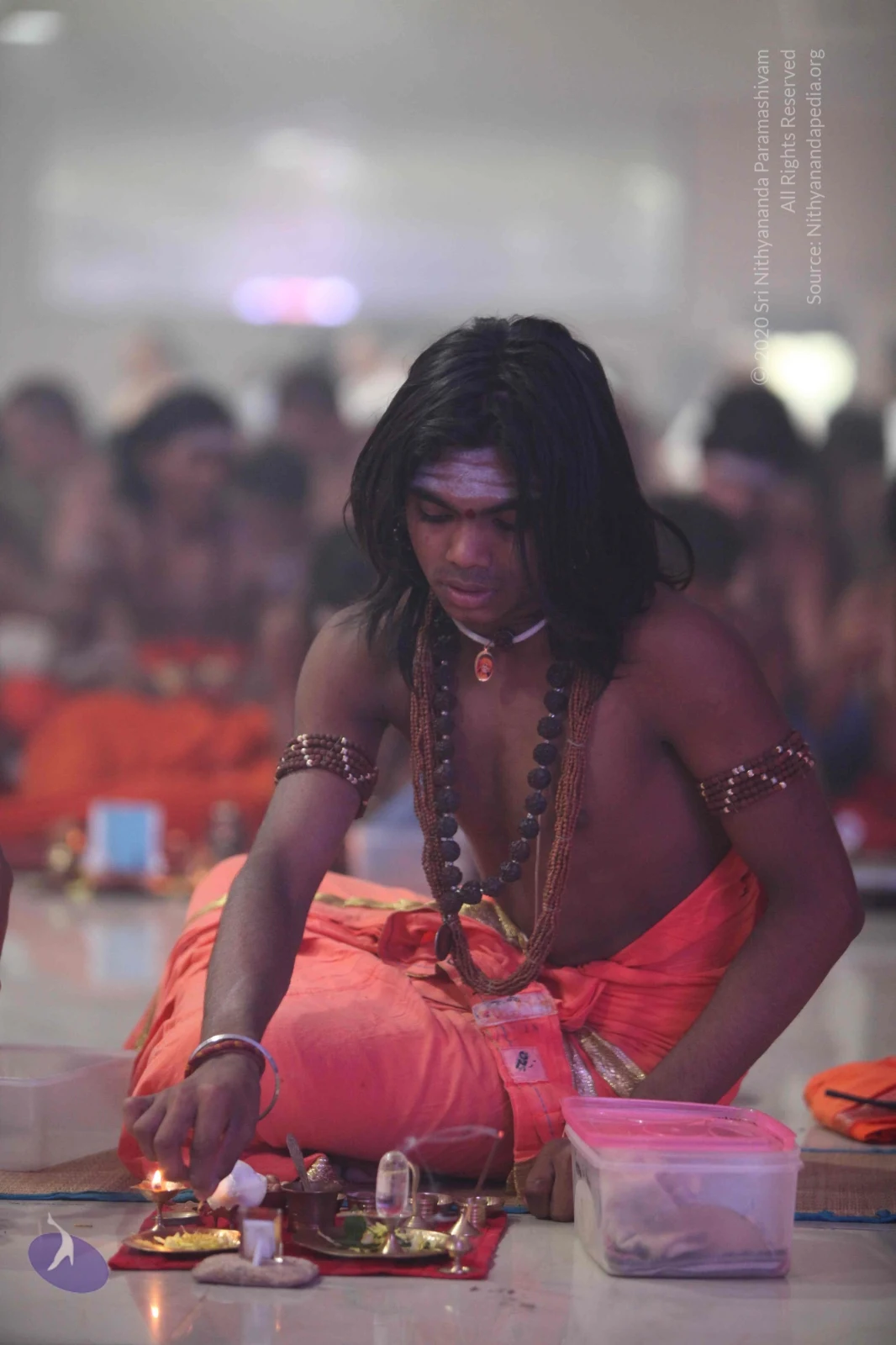
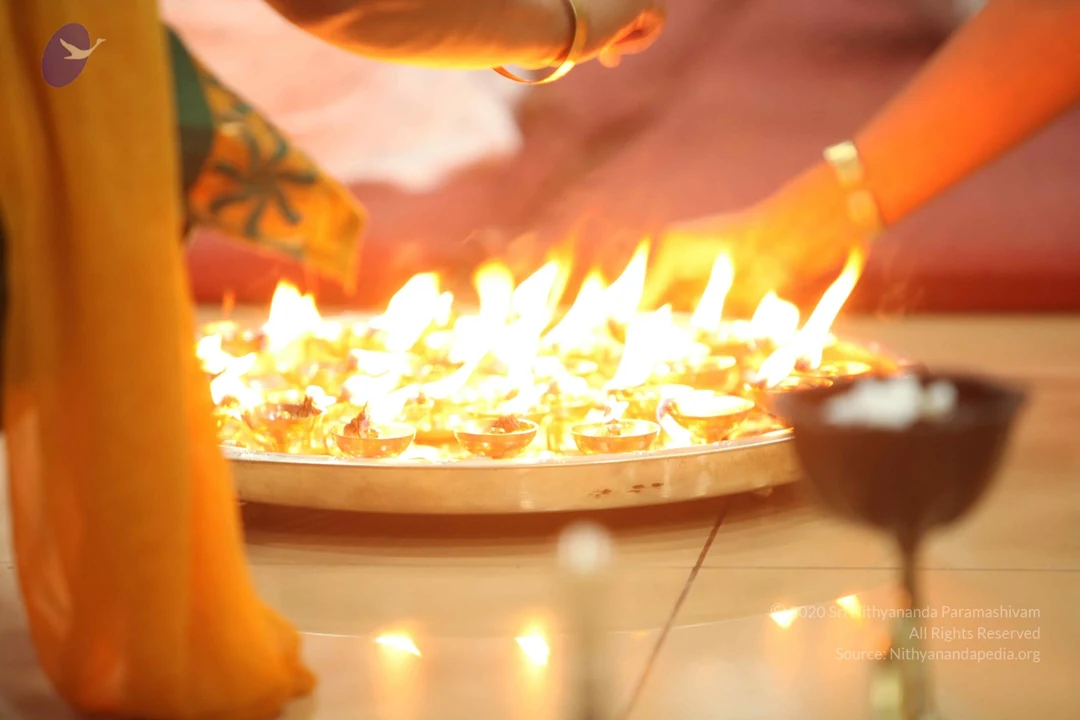
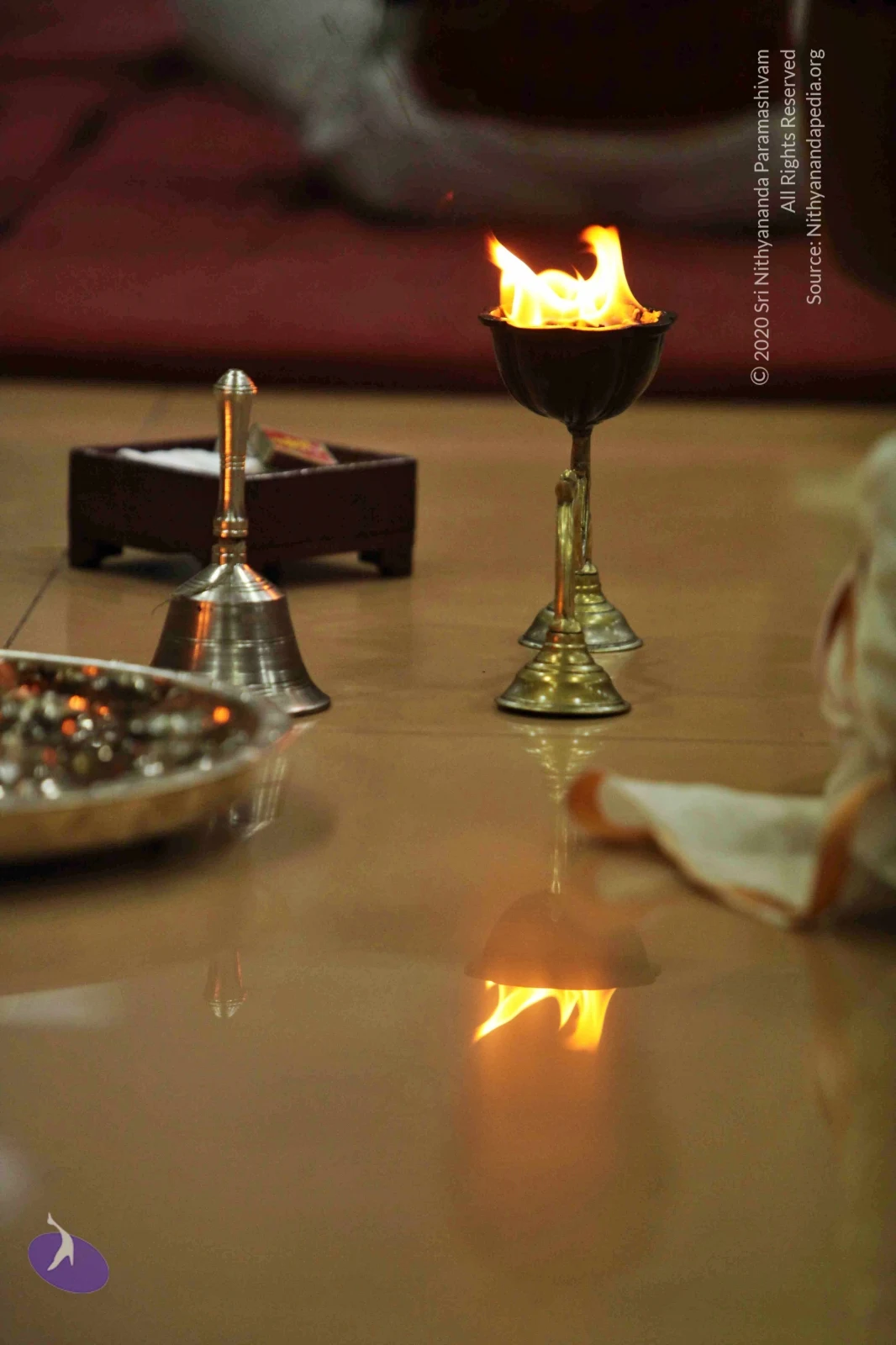
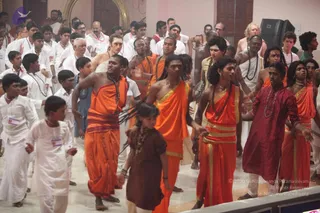
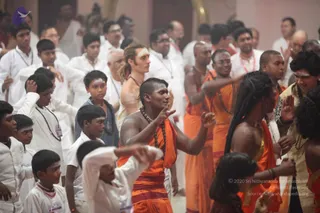
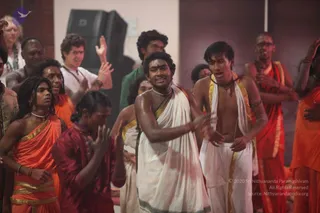
maheshwara-puja-mahalaya-amavasya

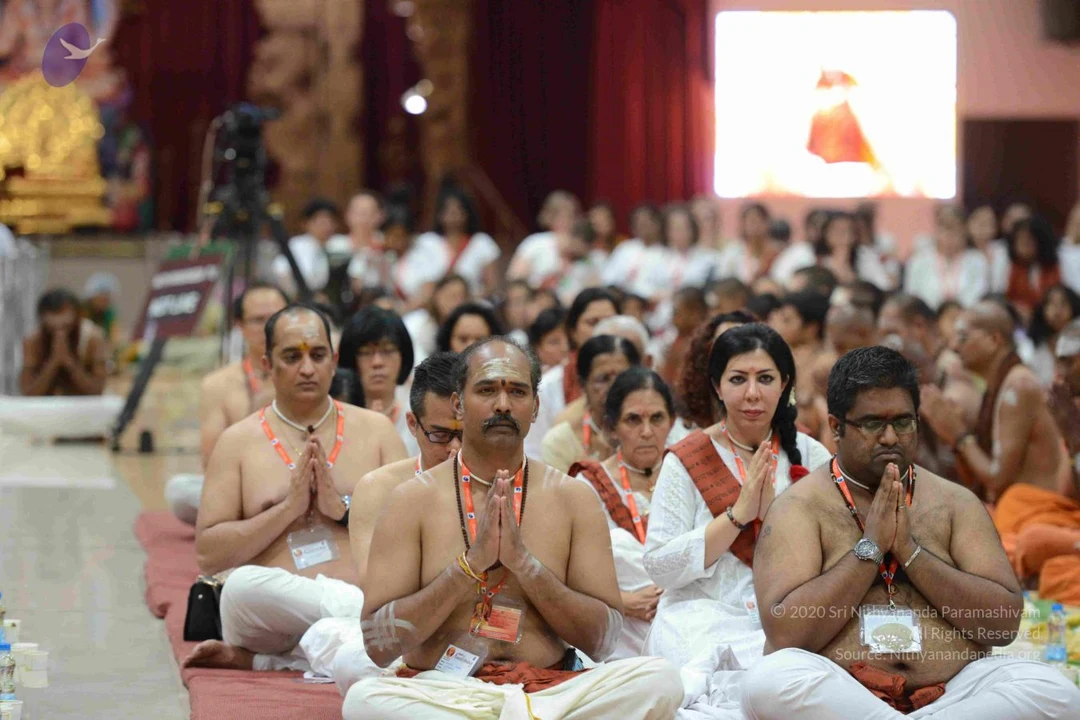
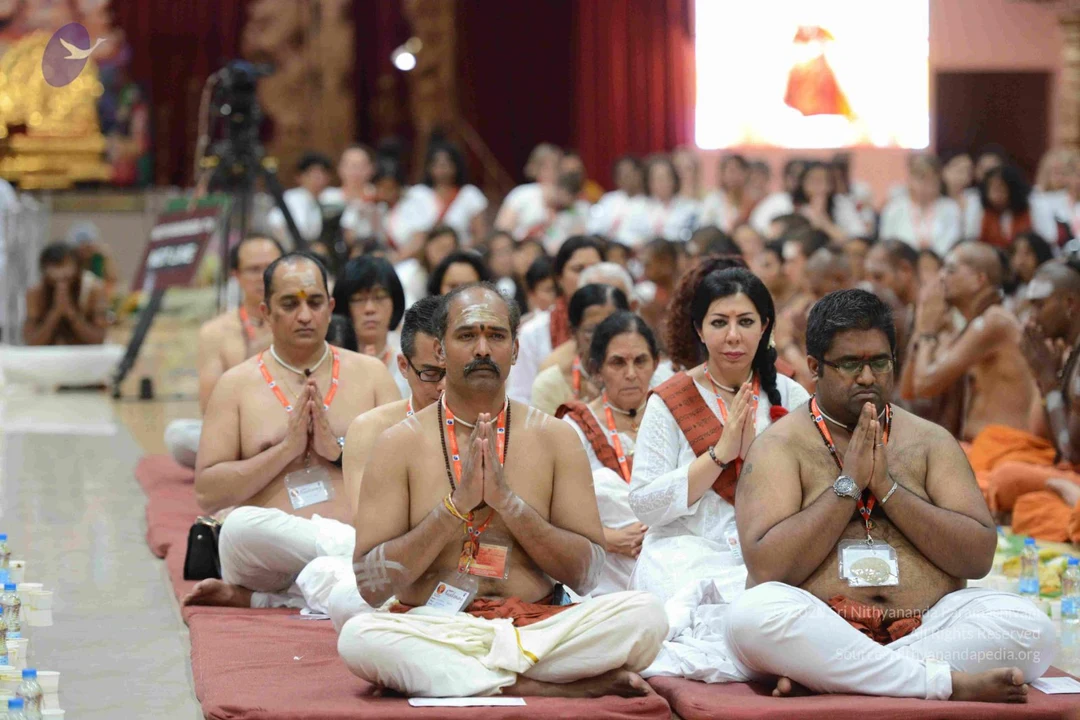
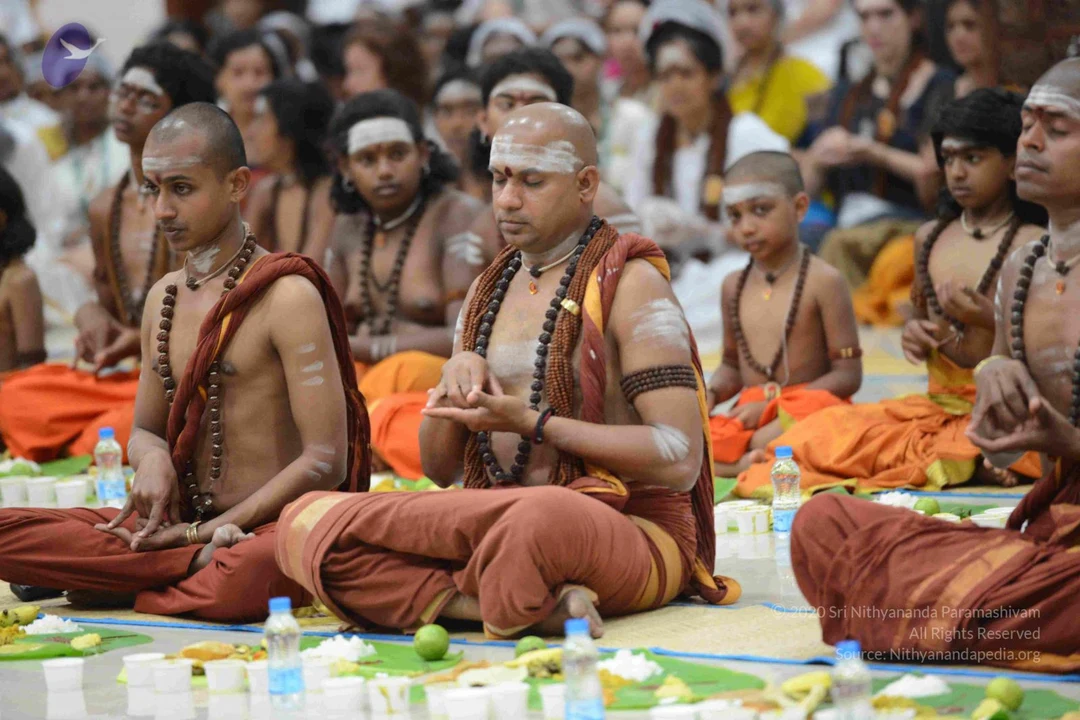
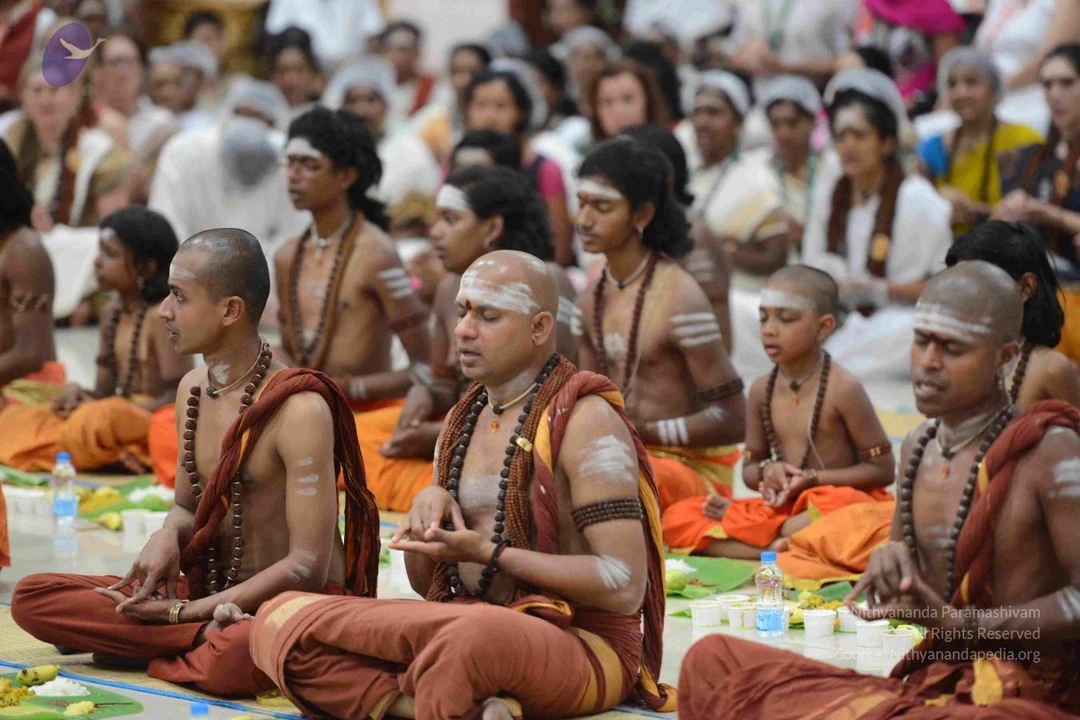

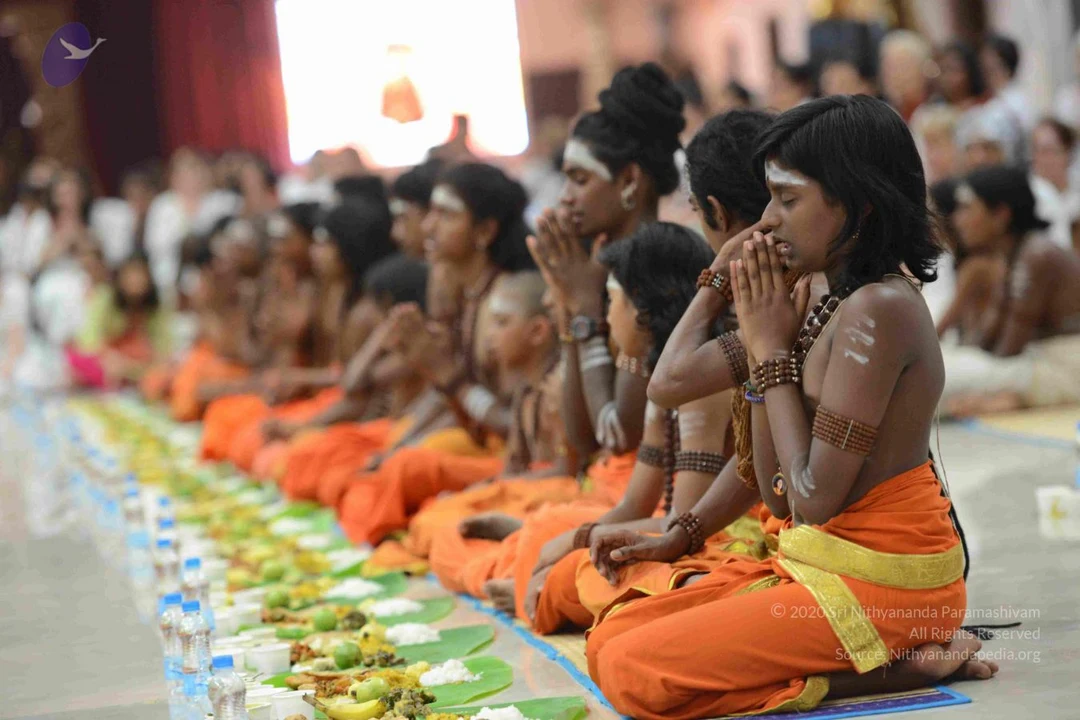
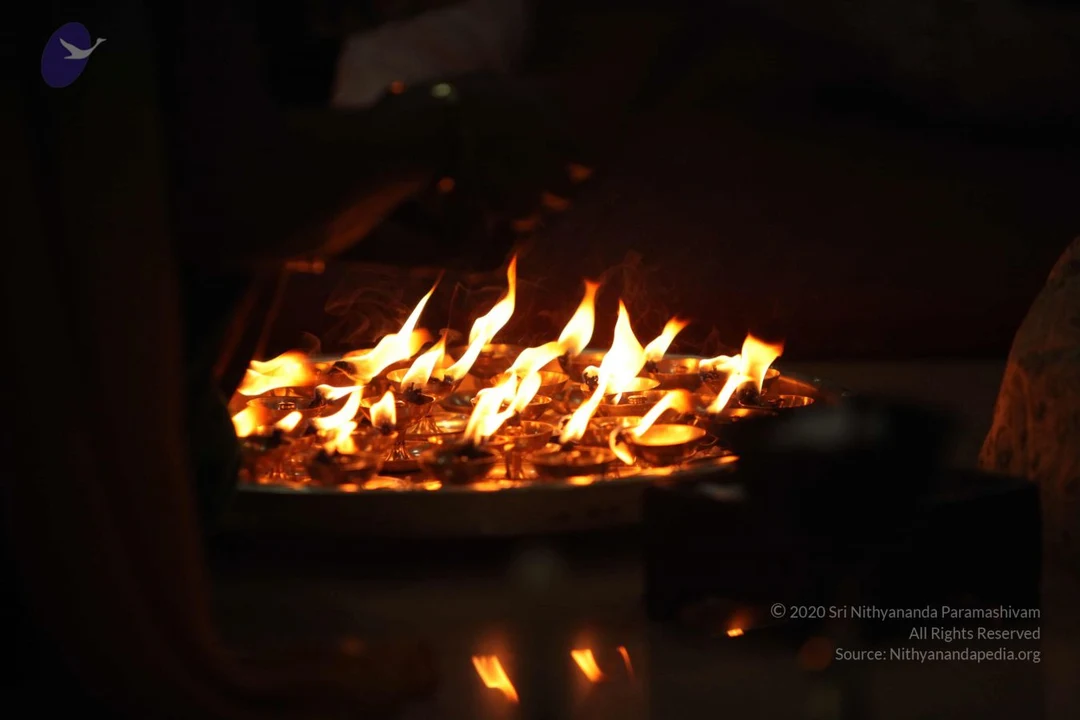
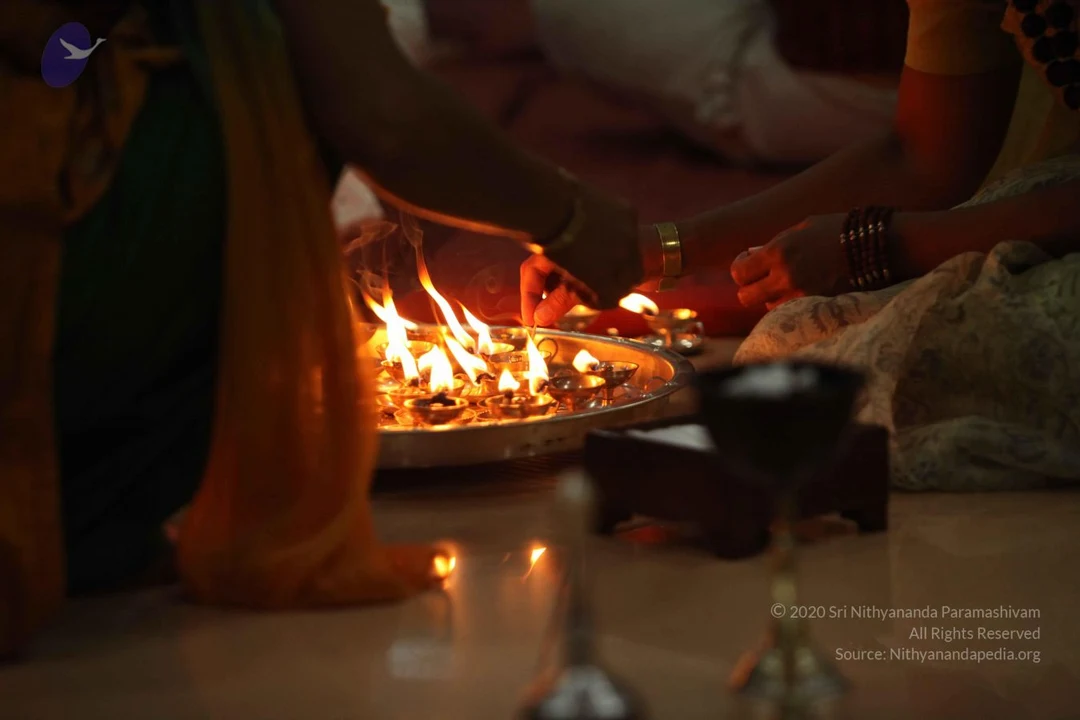
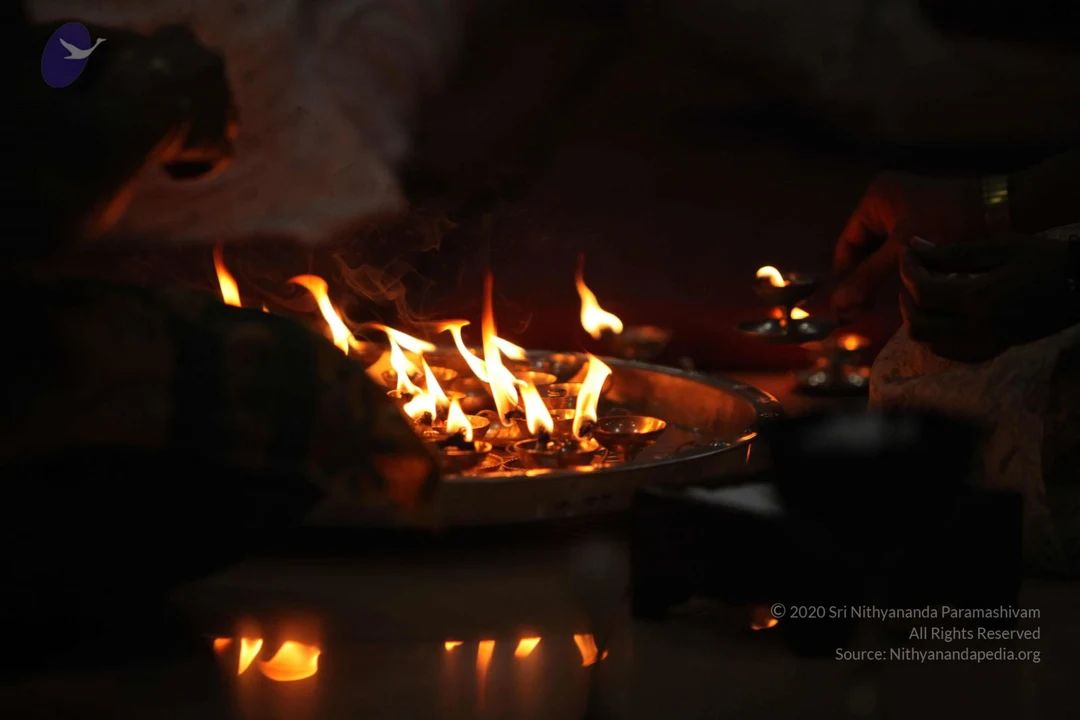


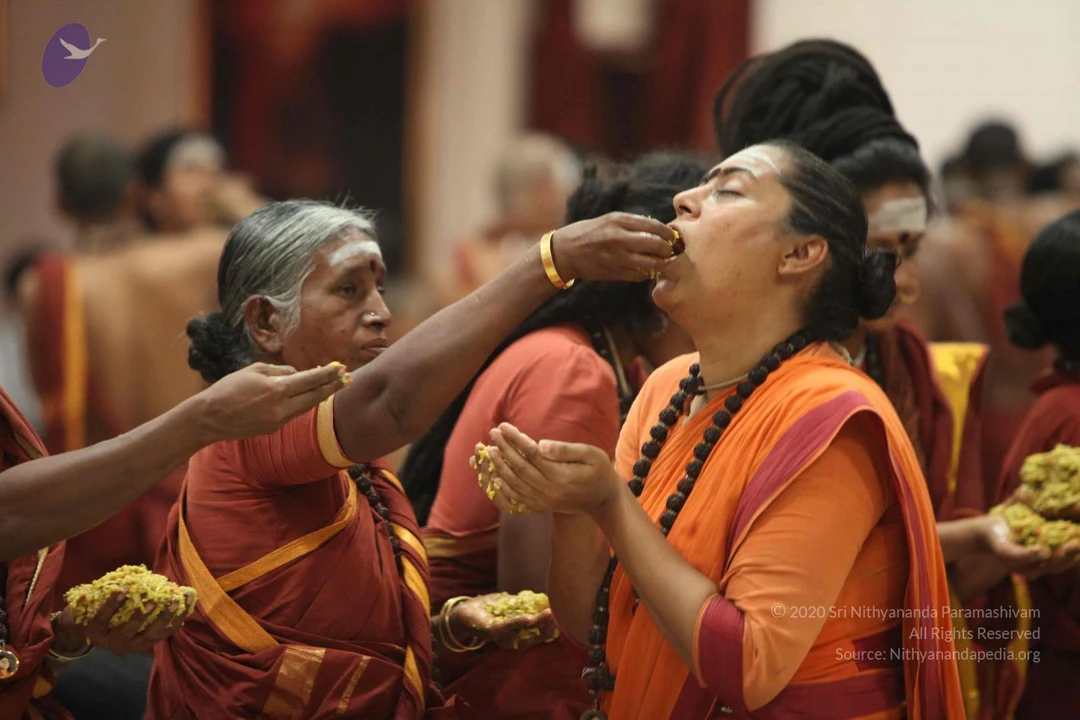
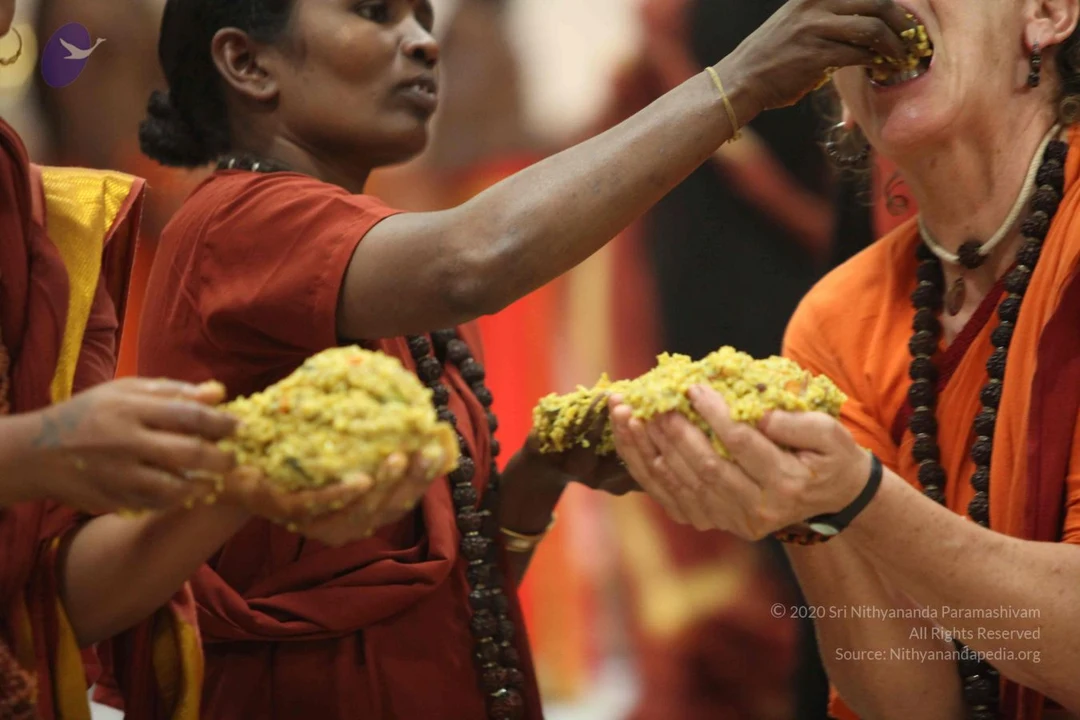
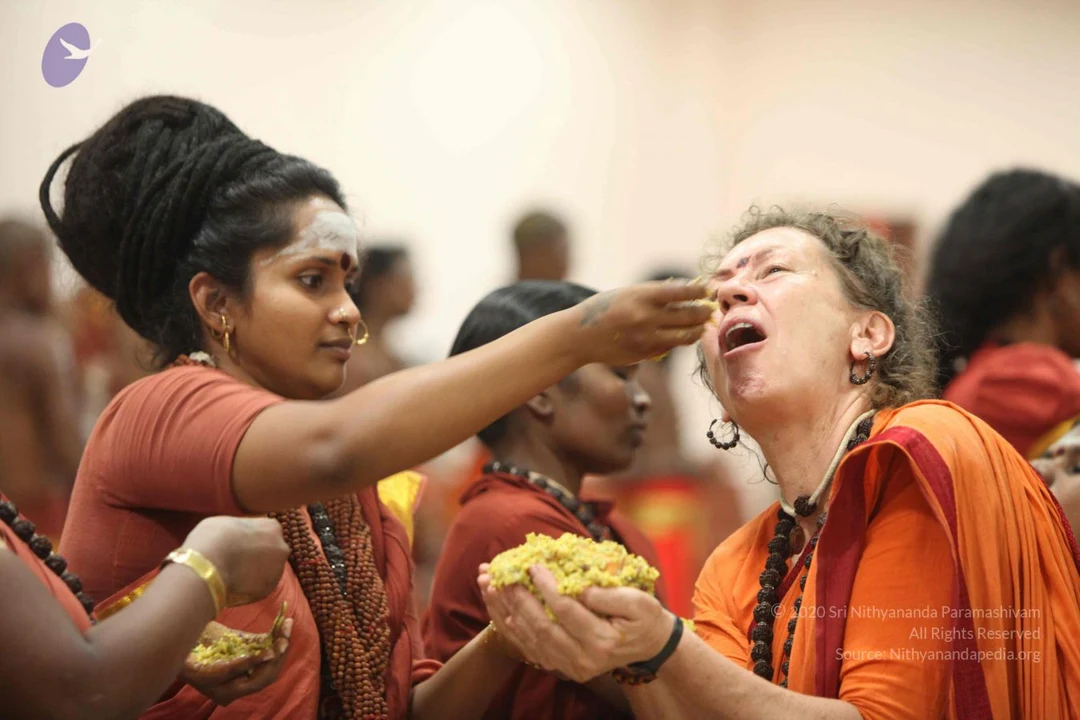
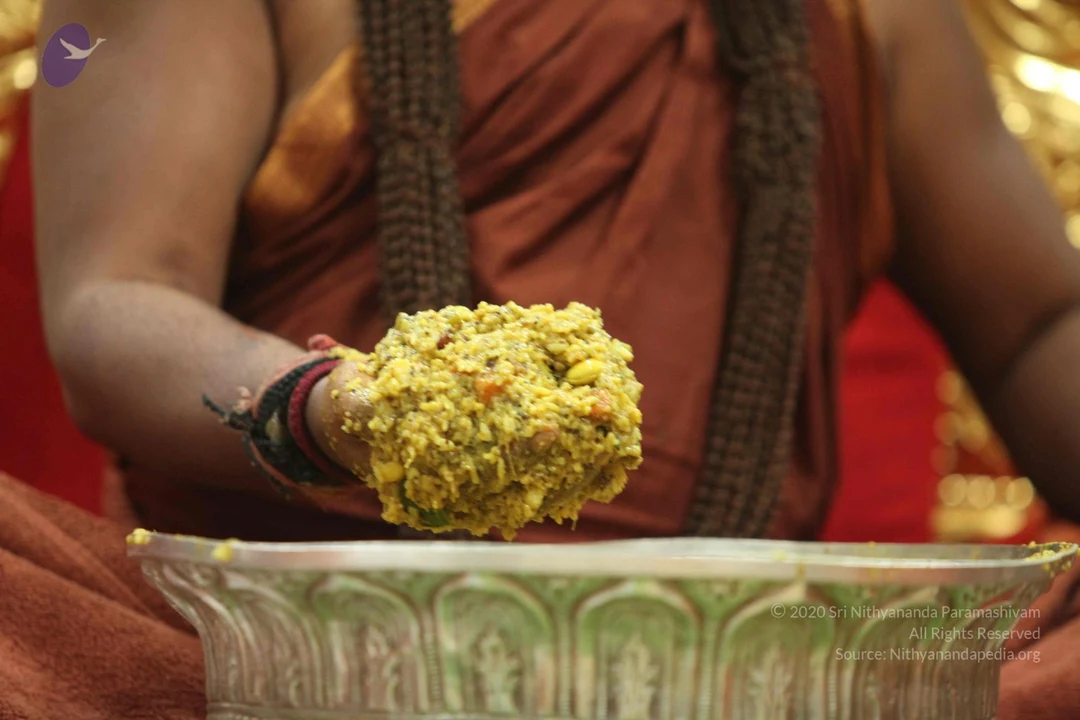
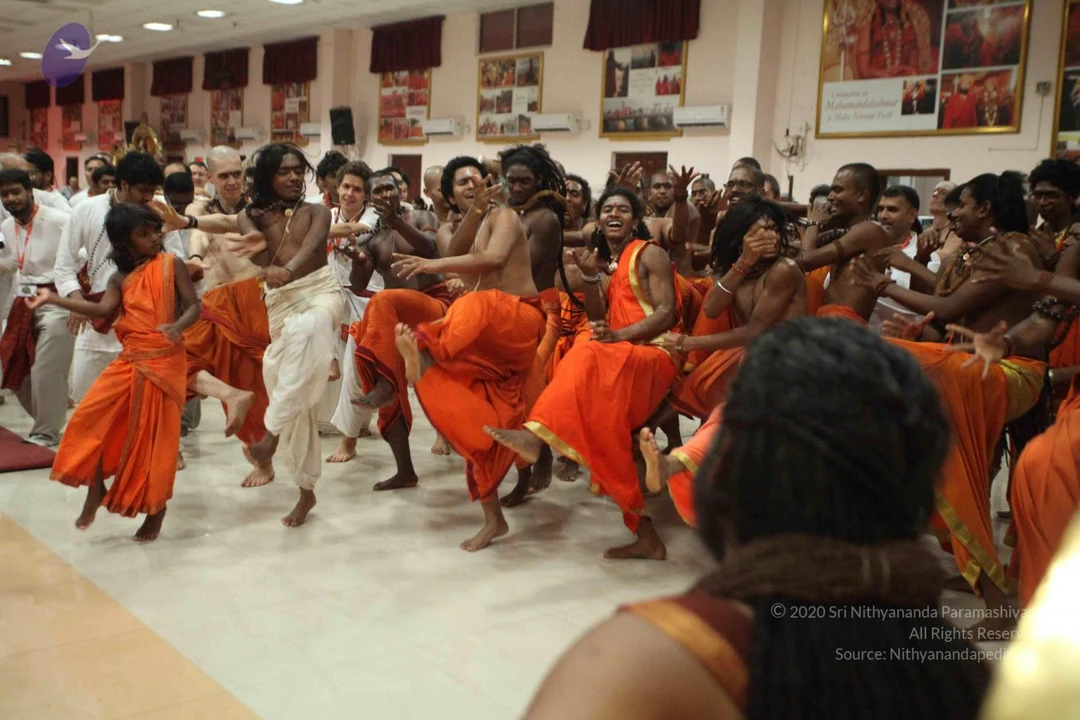
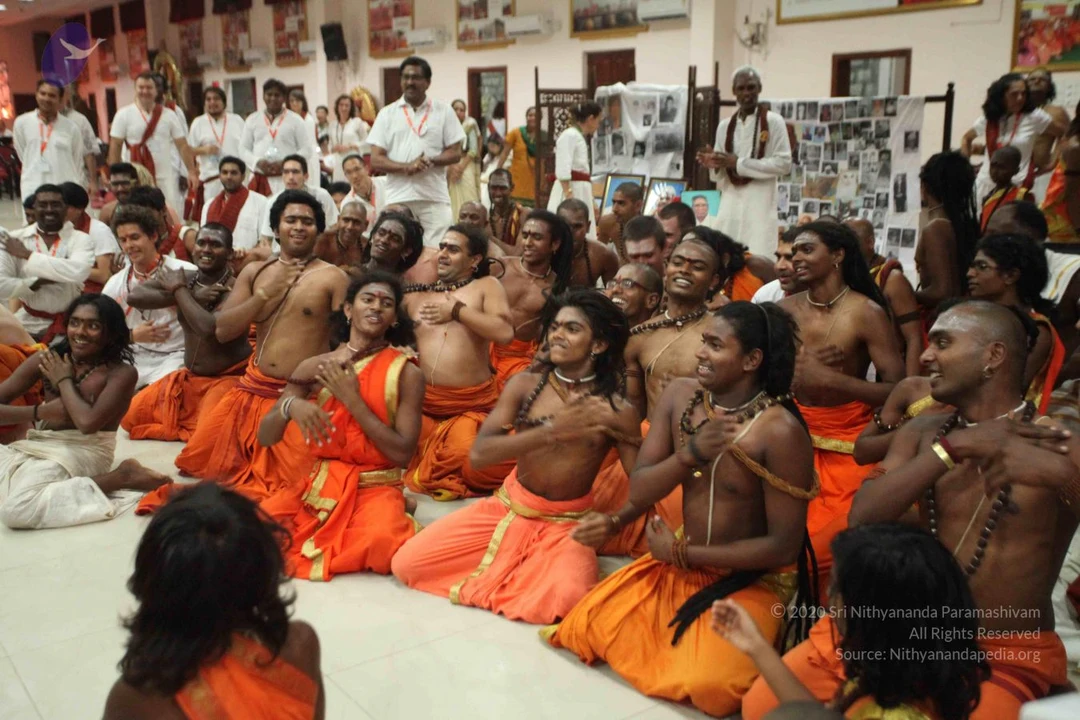
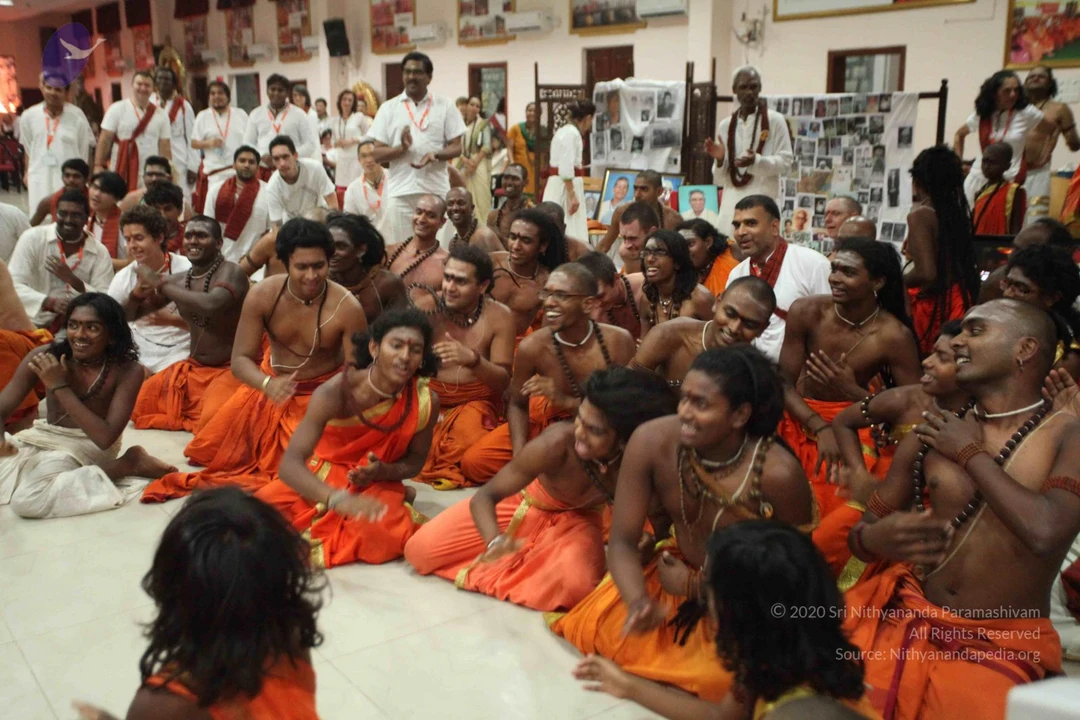
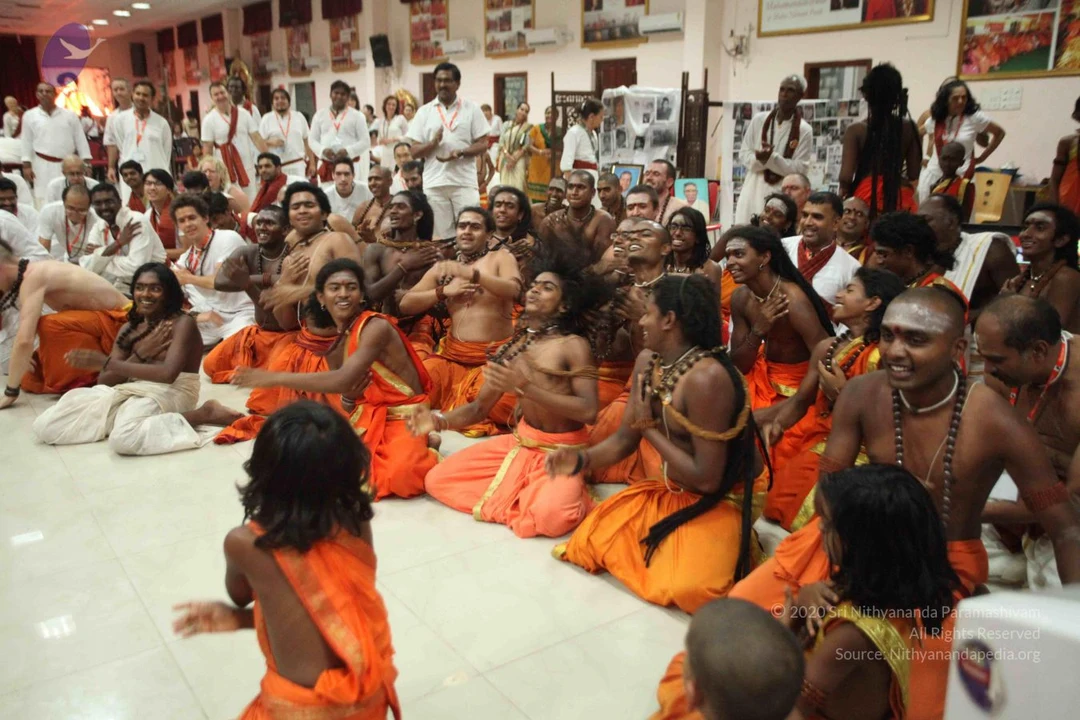
Photos Of The Day:
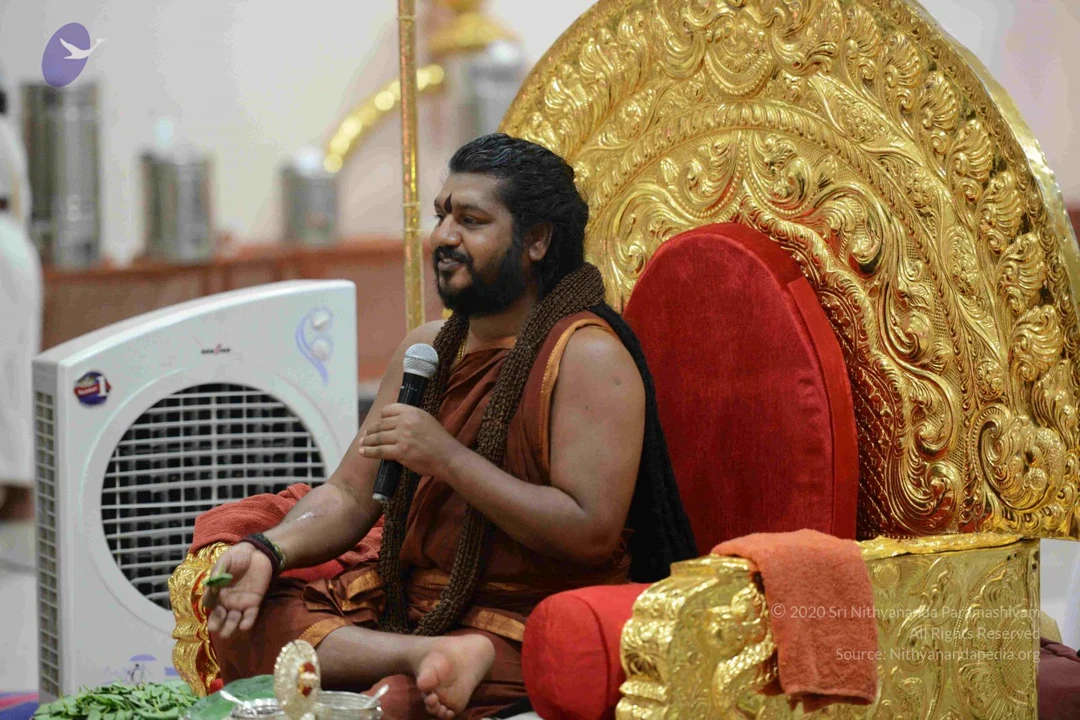
IA-Shivoham
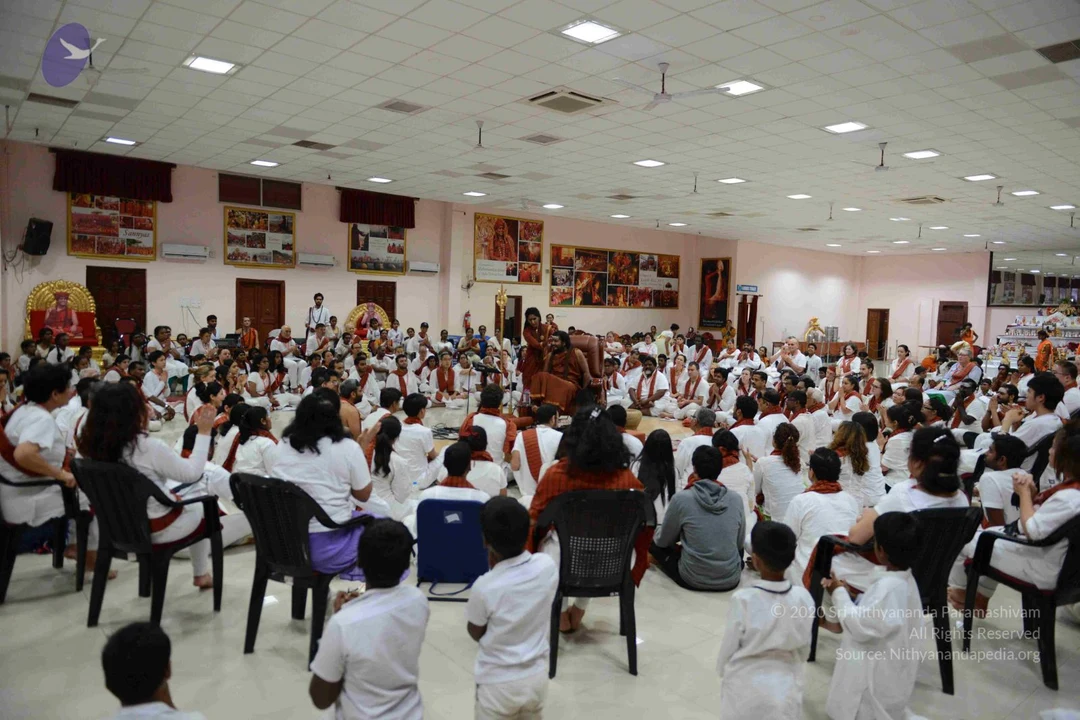
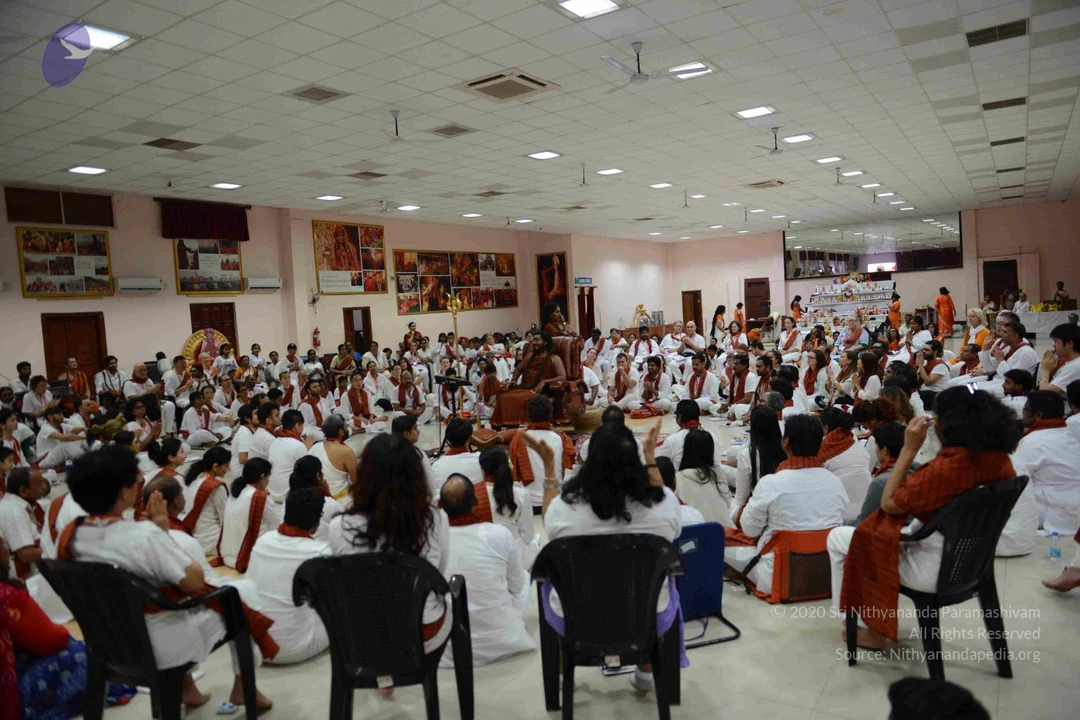
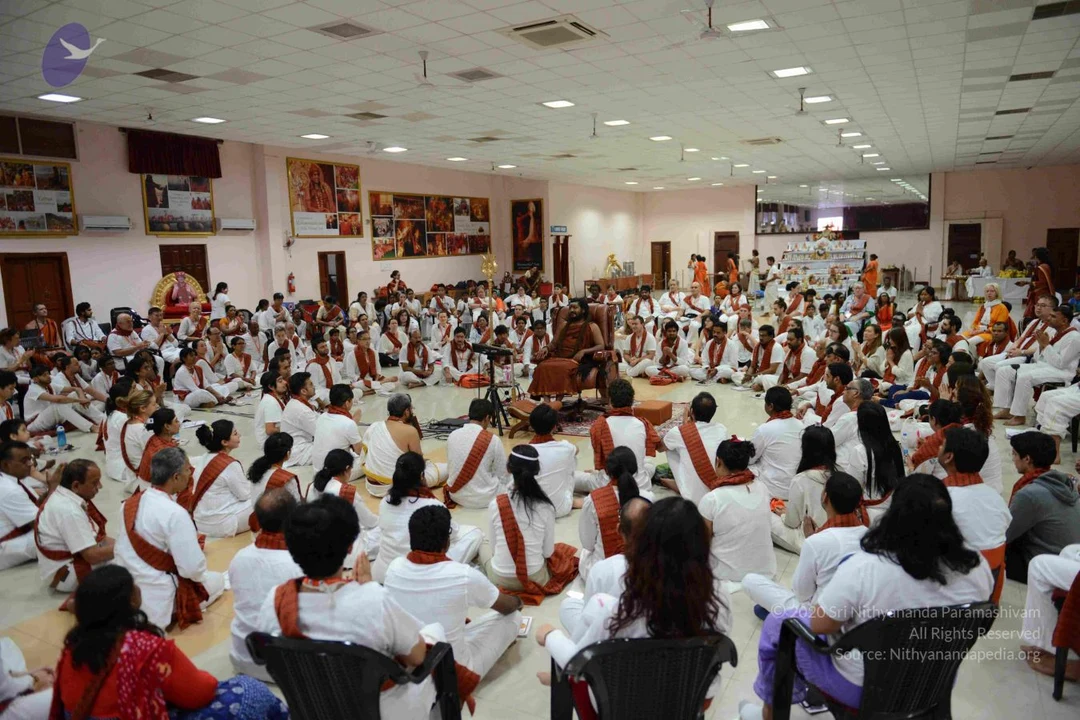
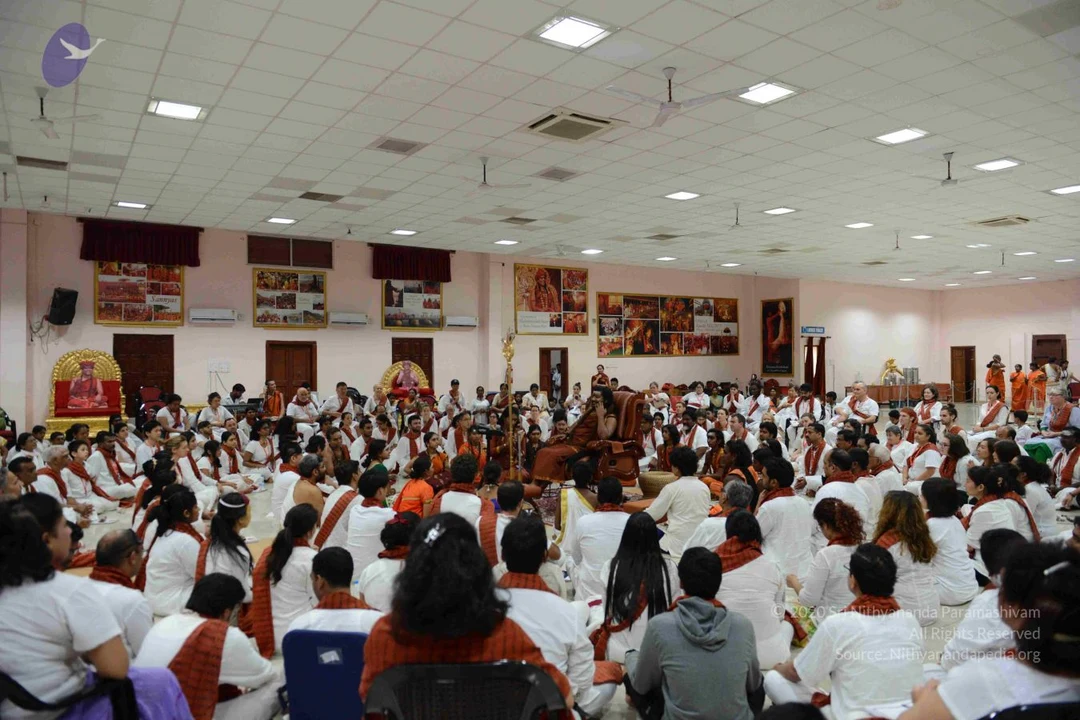
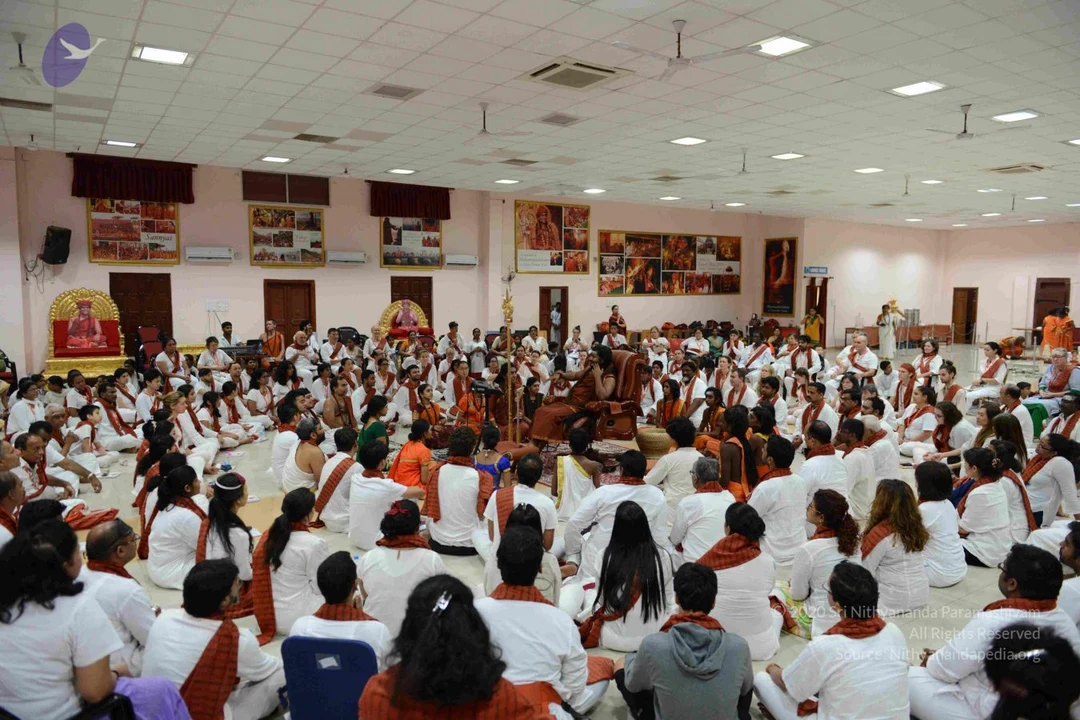
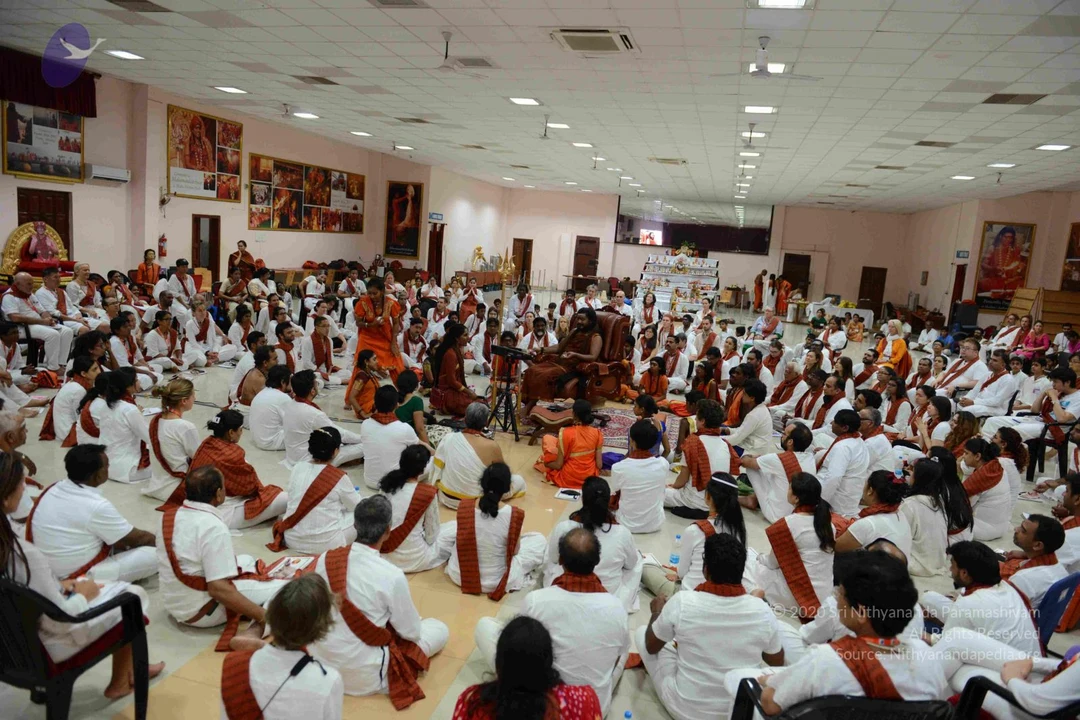
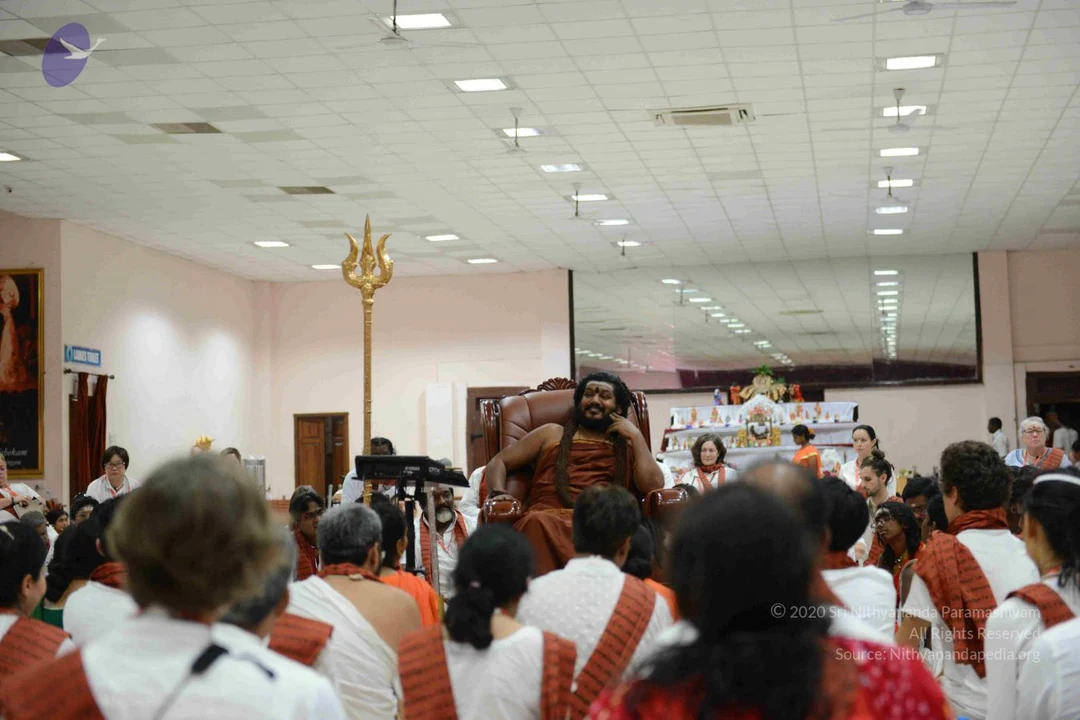
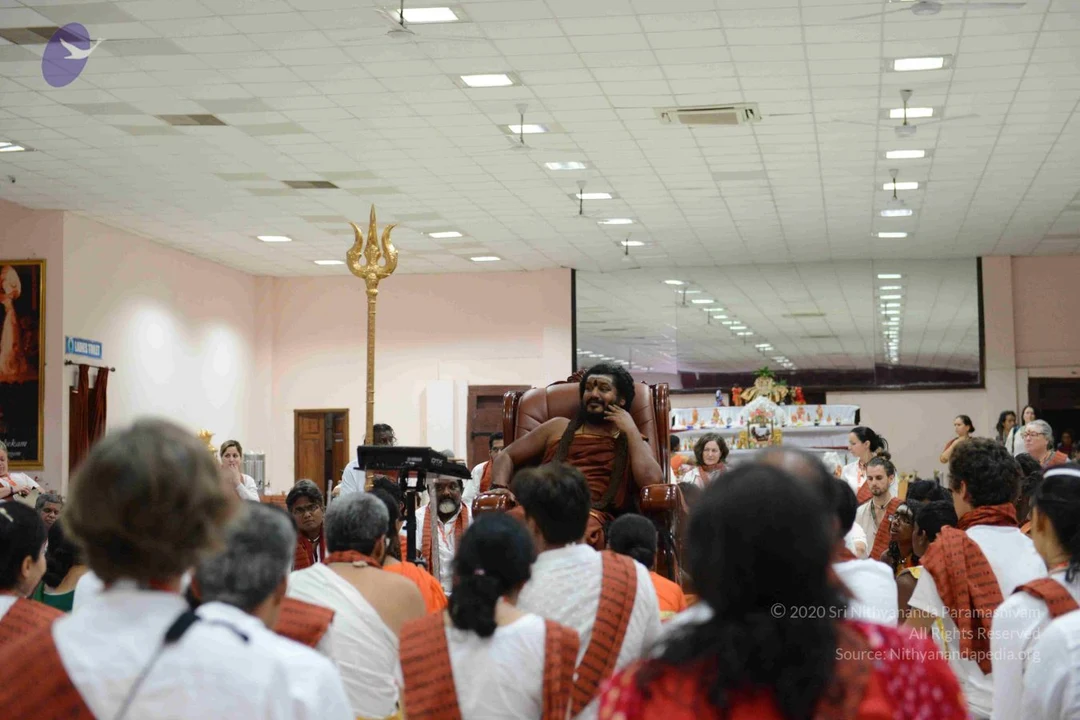
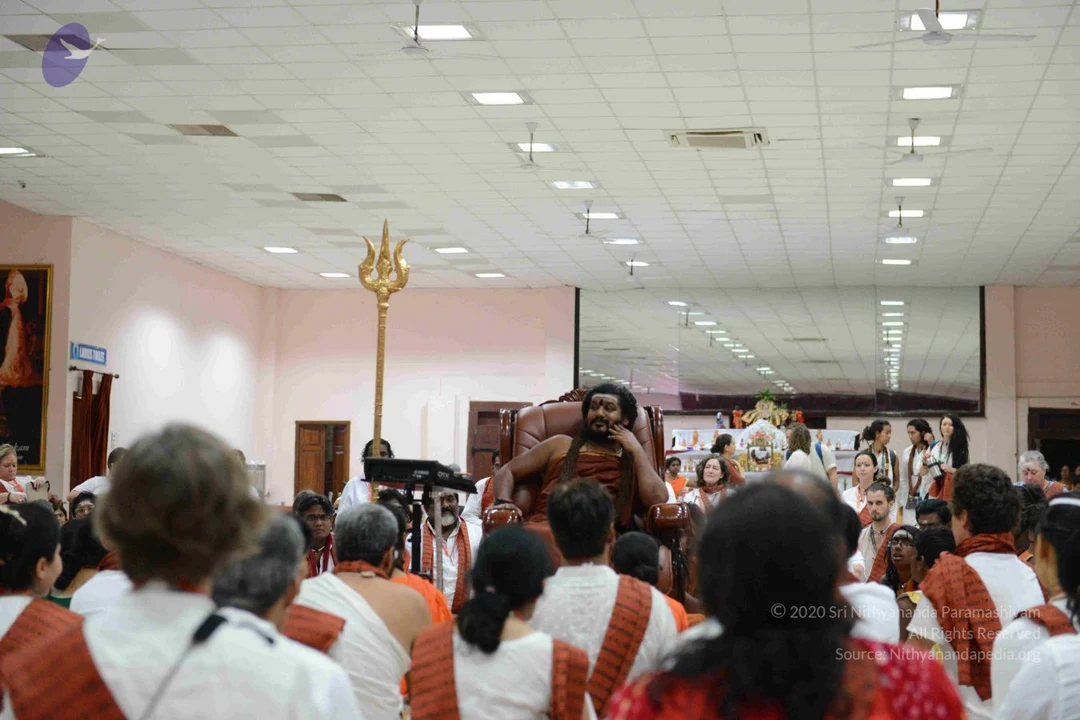
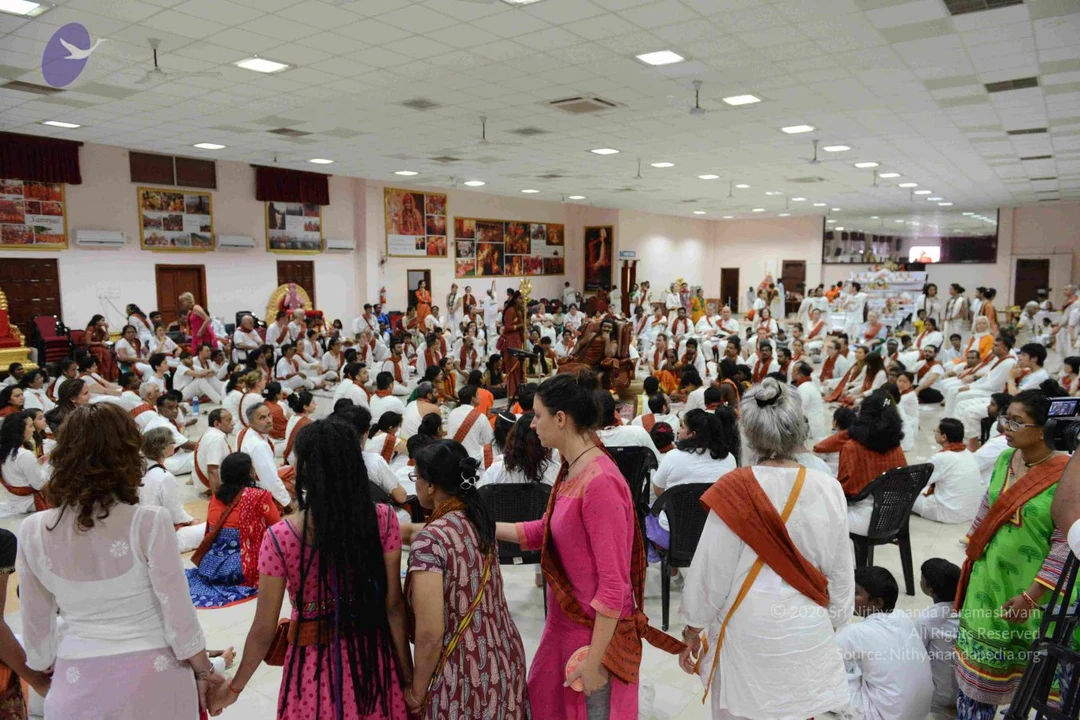
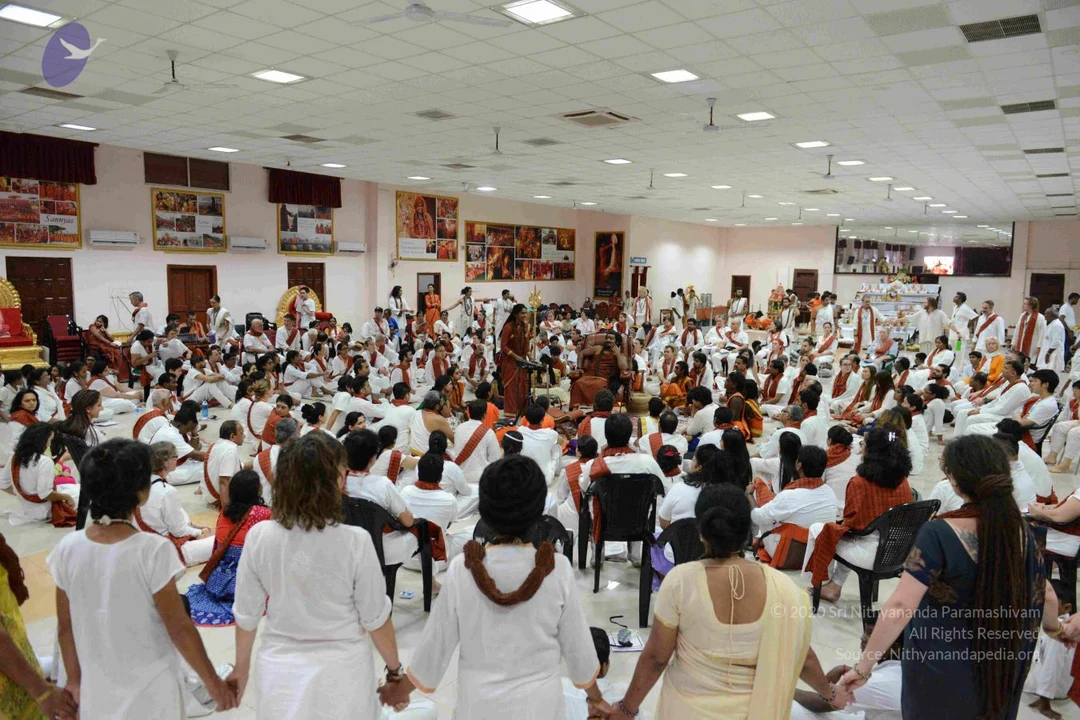
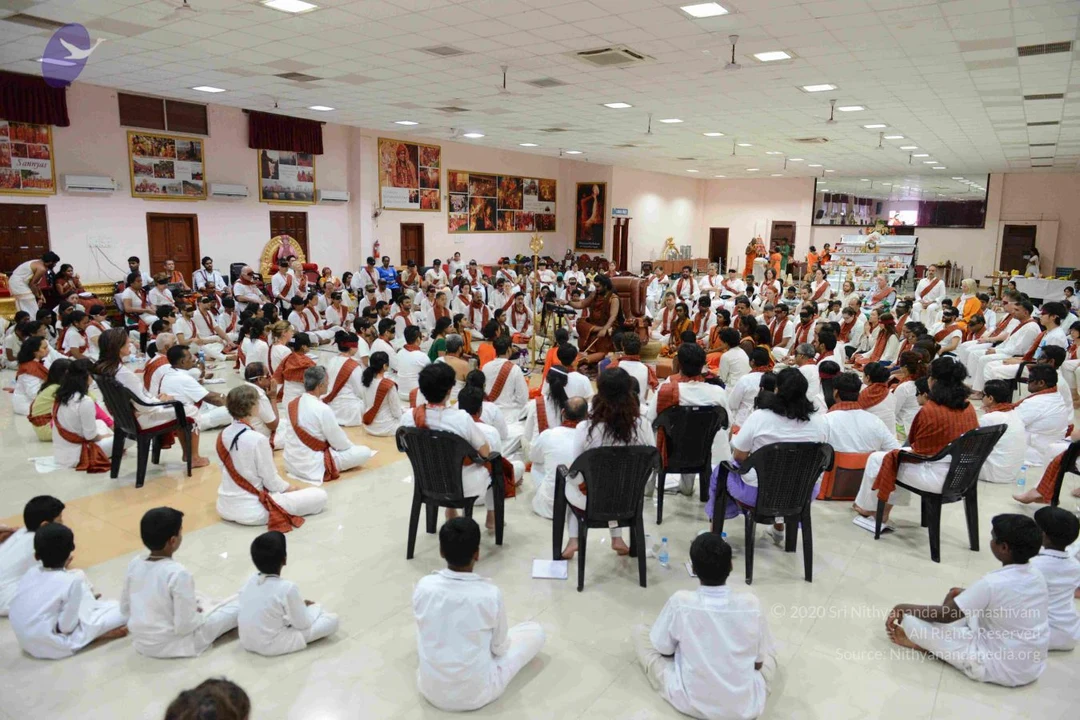
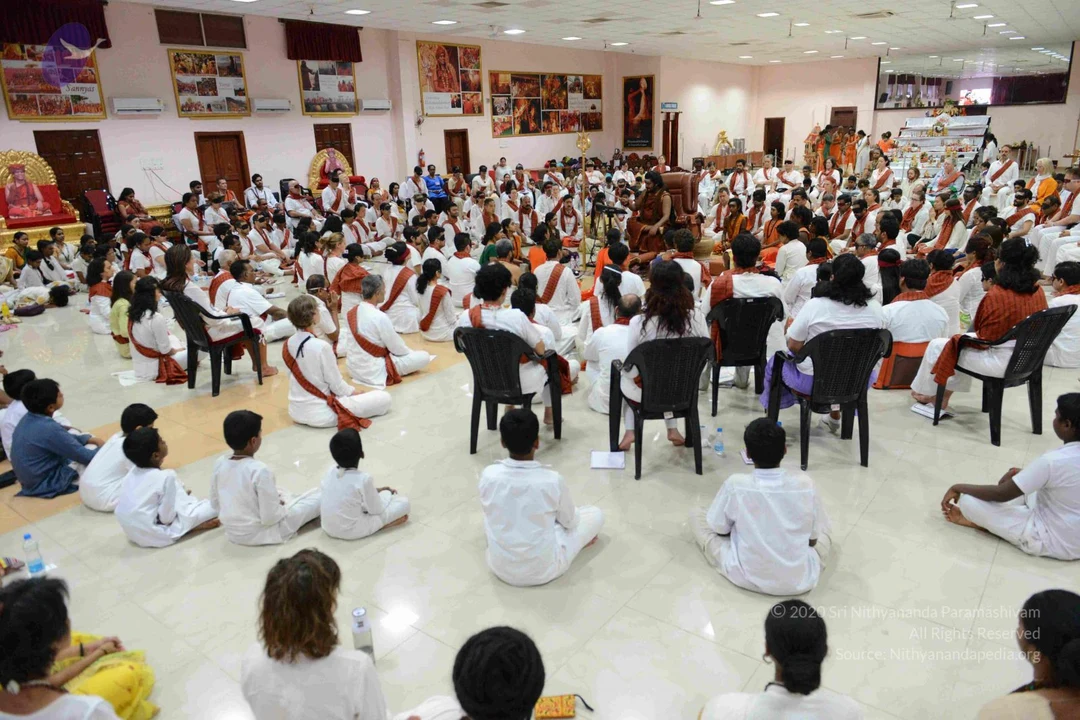
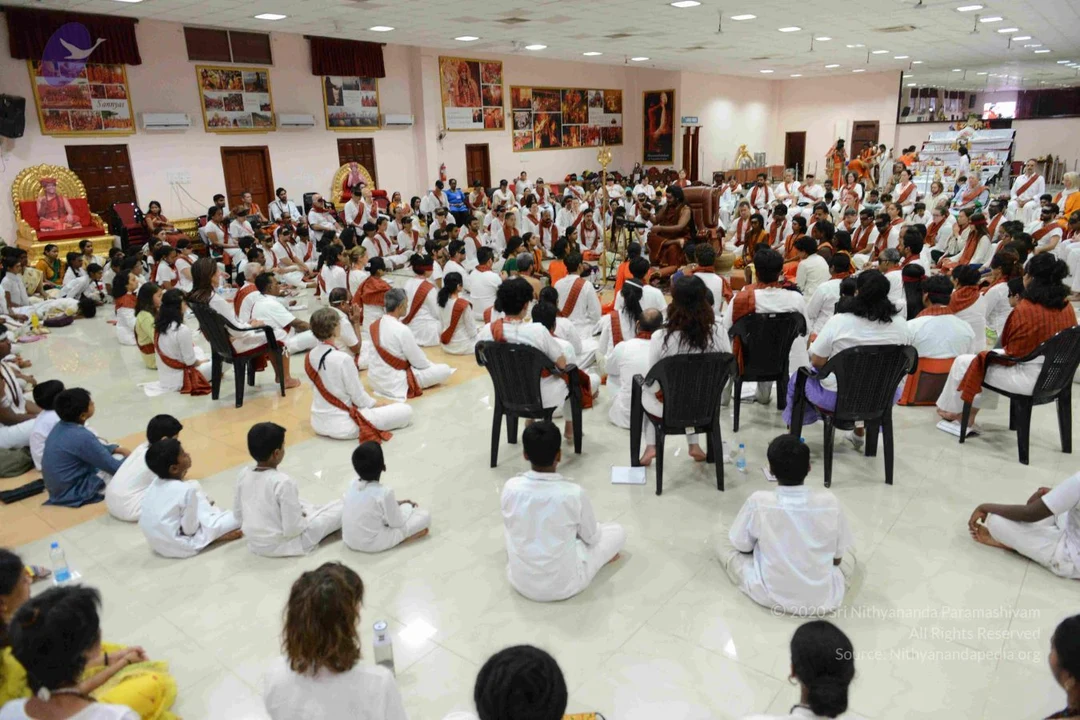
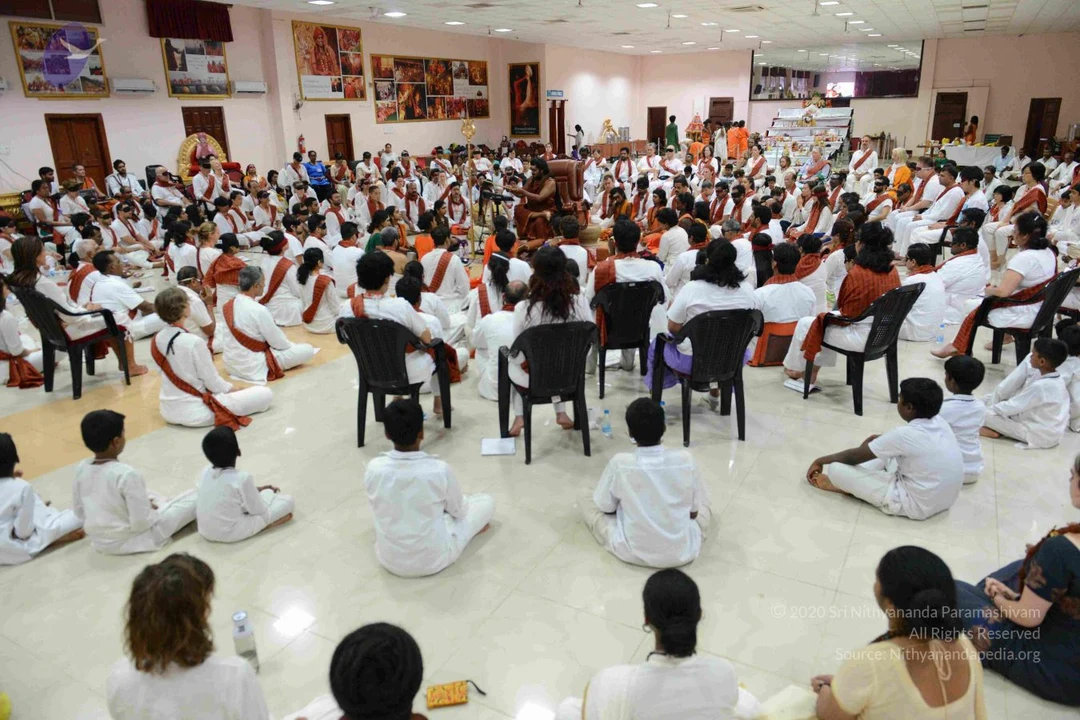
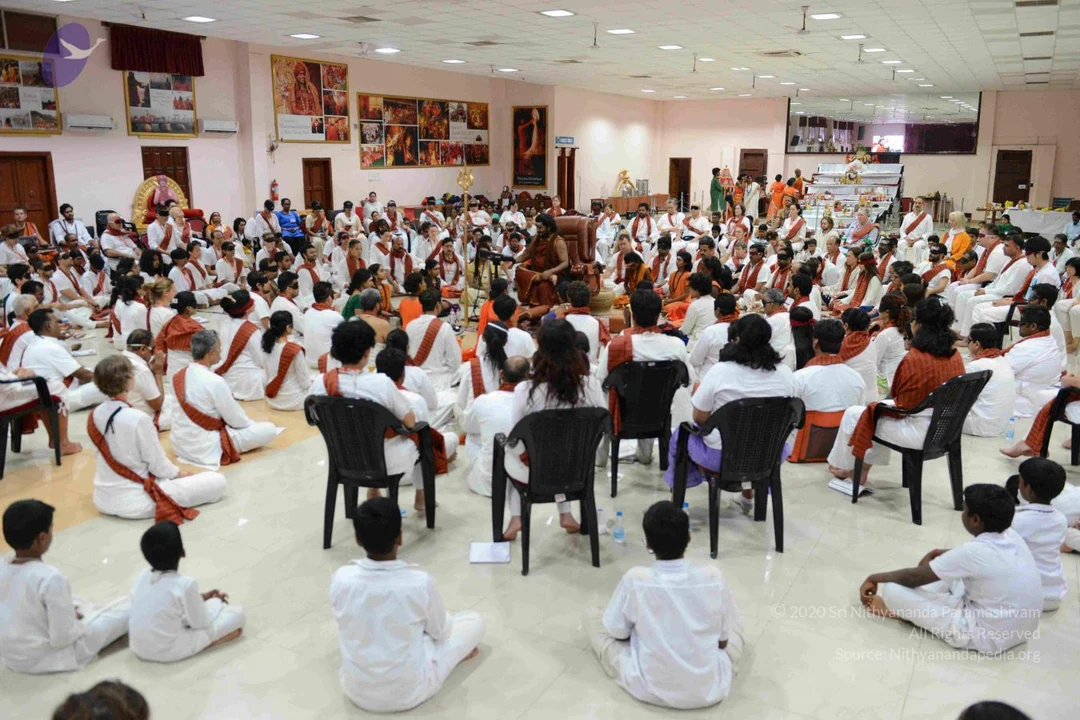
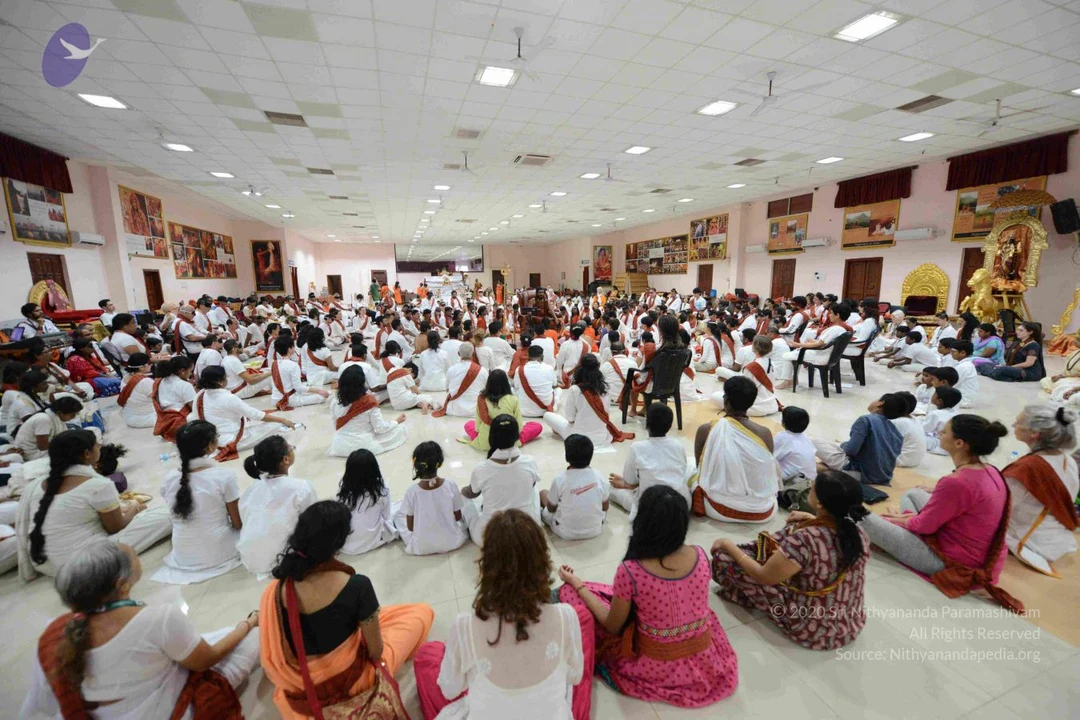
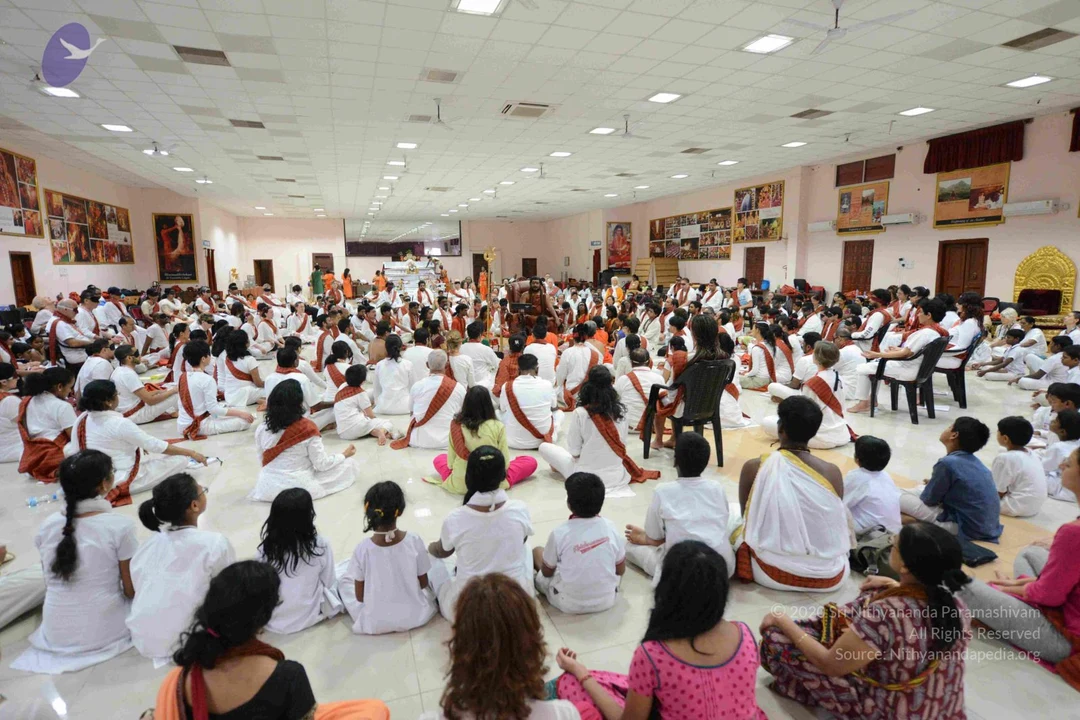
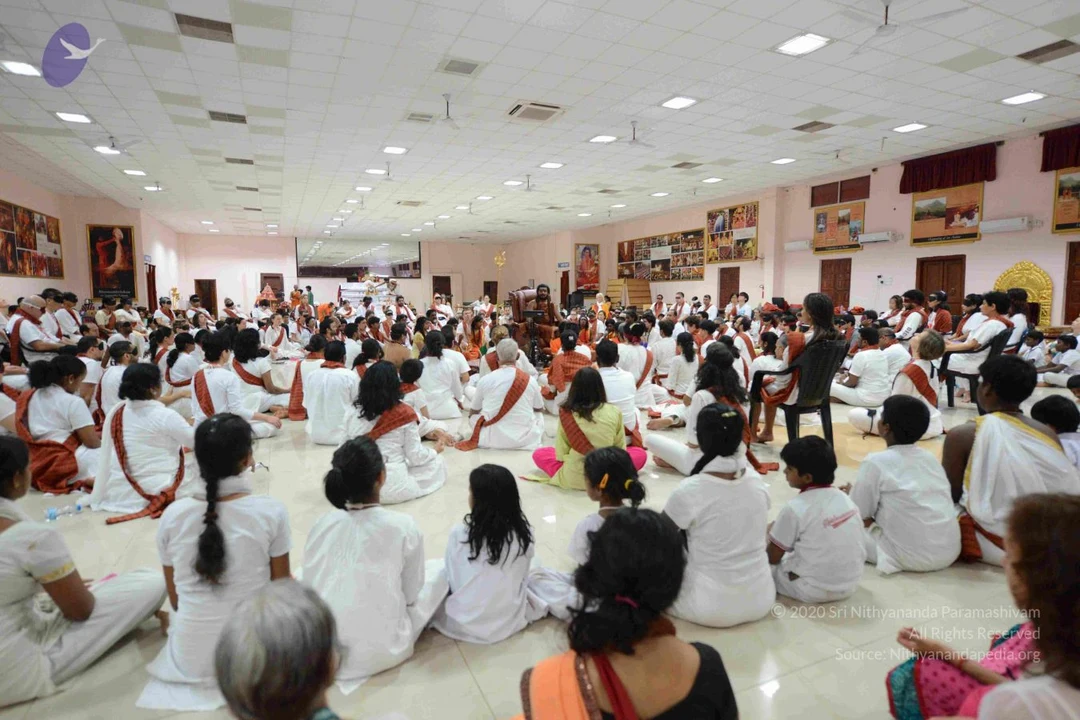
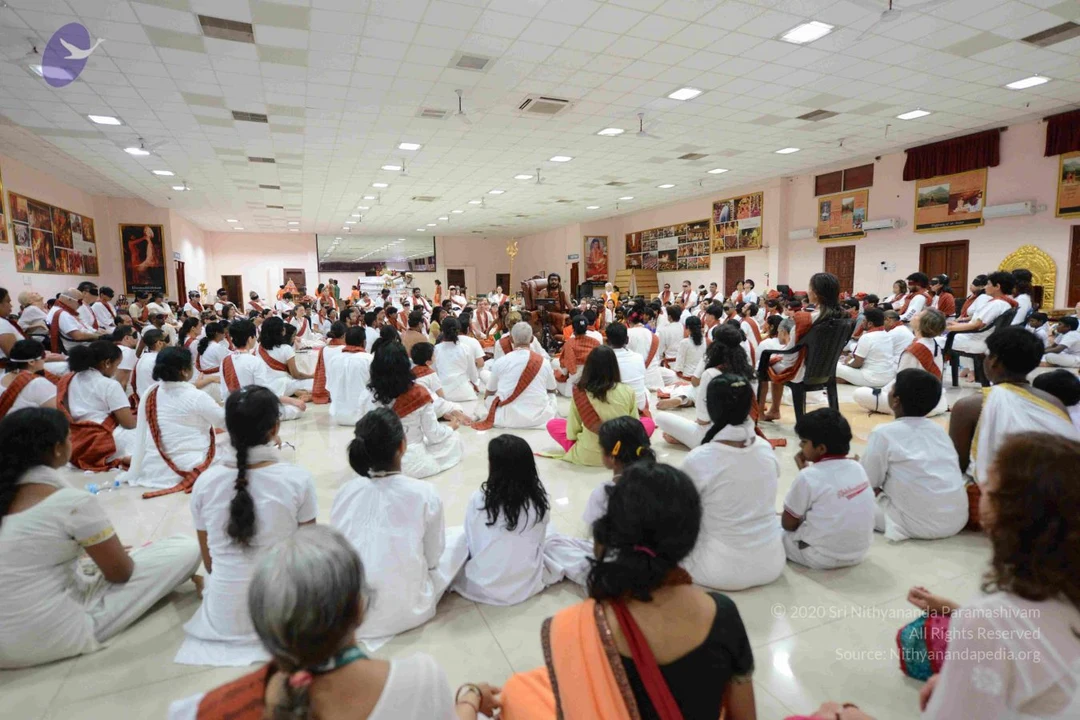
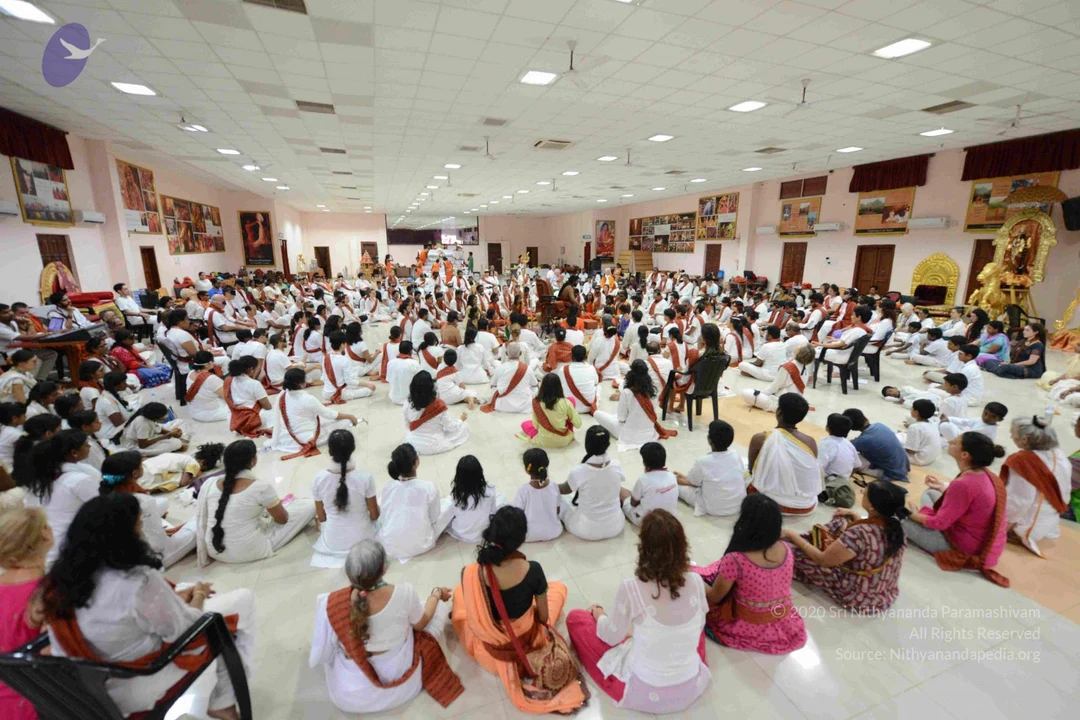
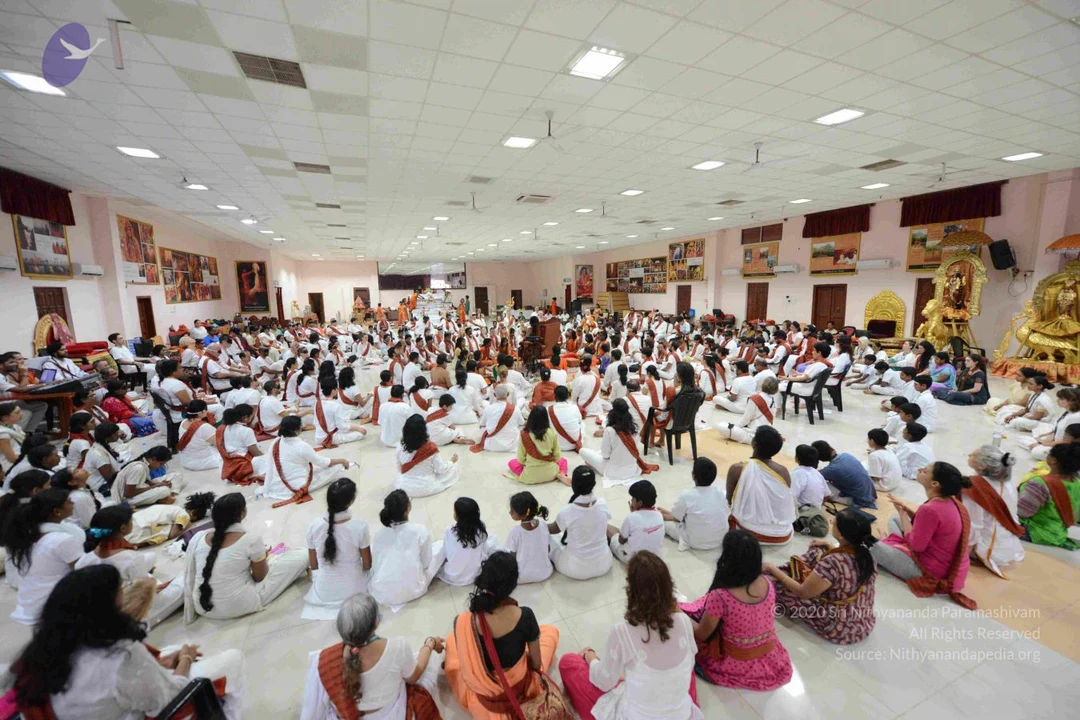
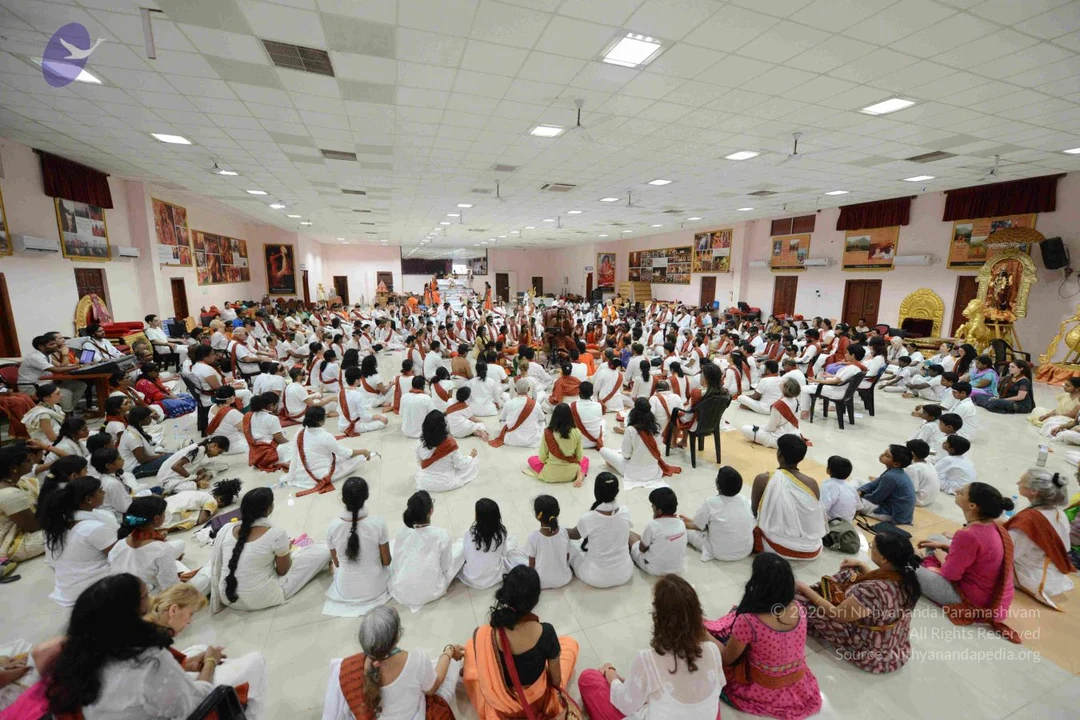
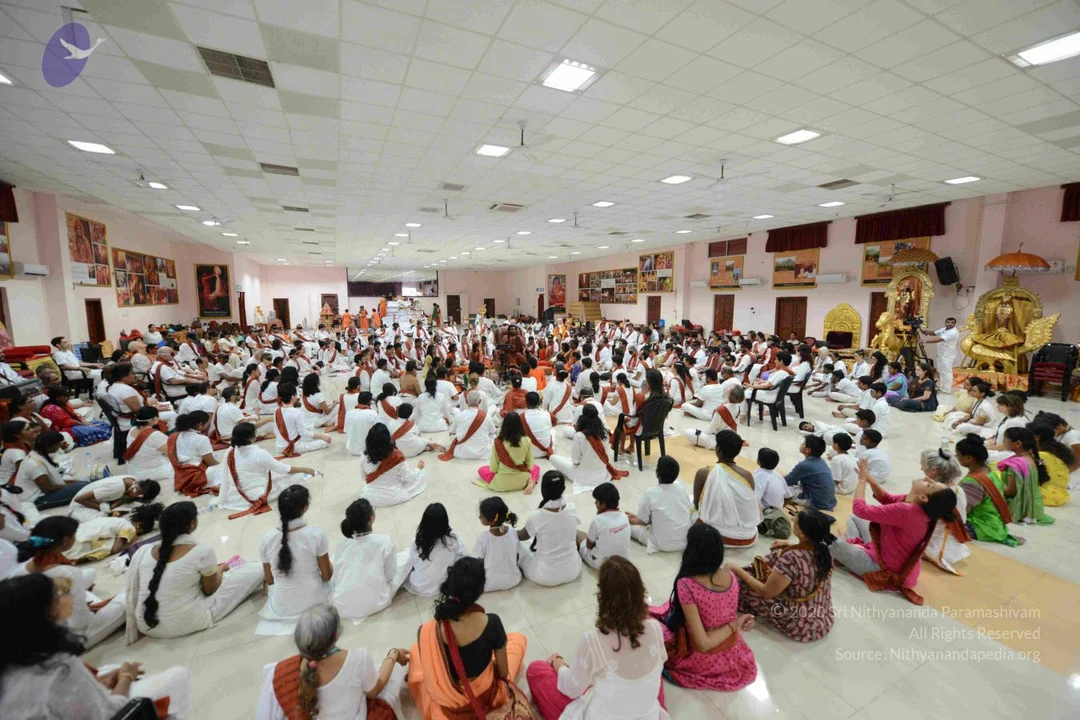
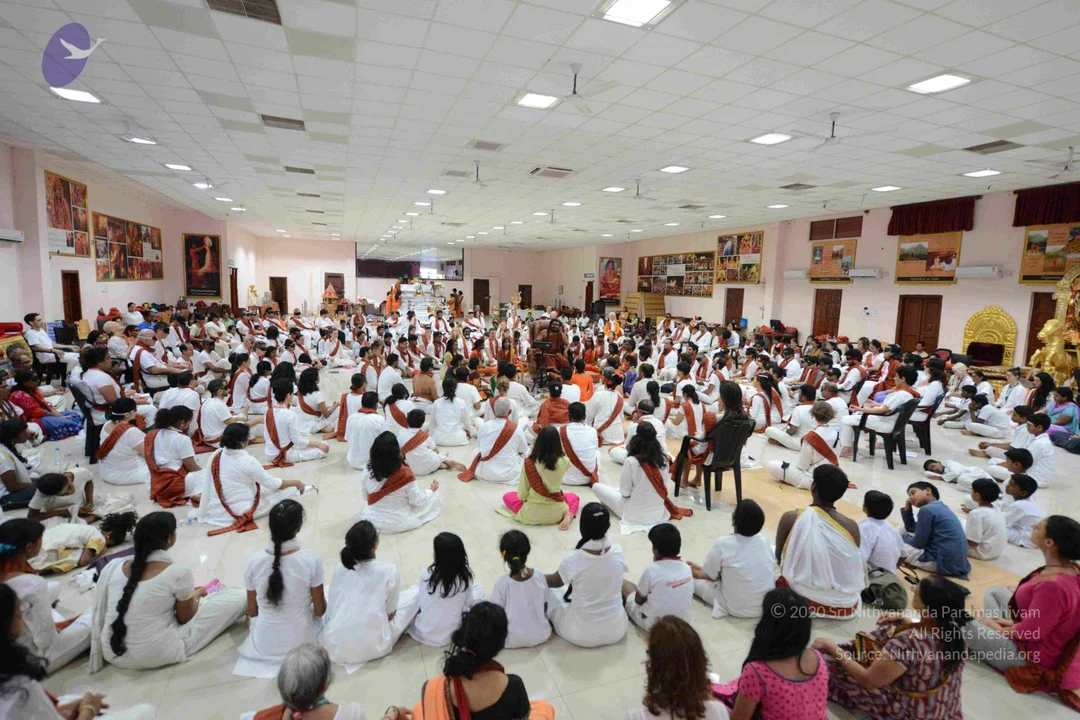
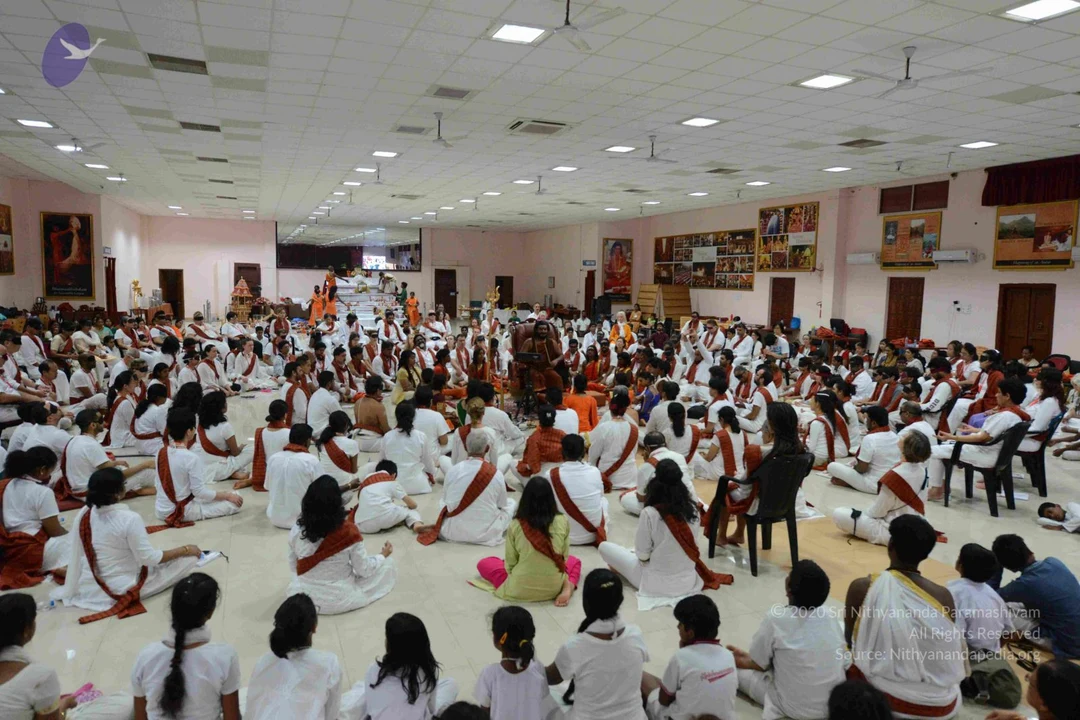
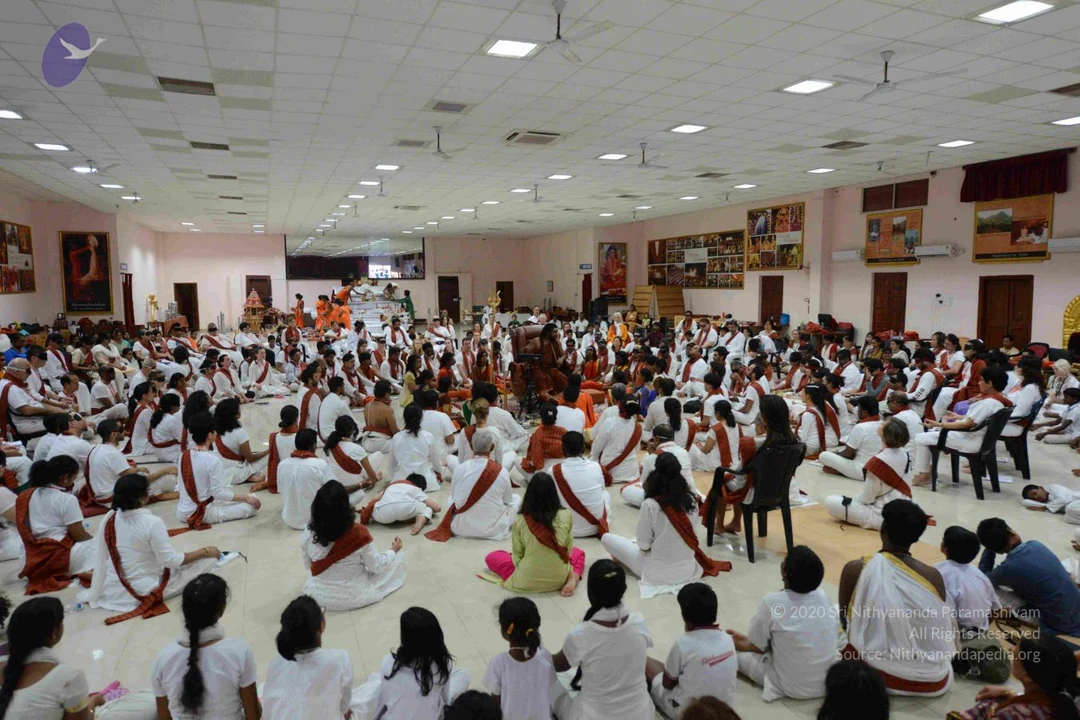
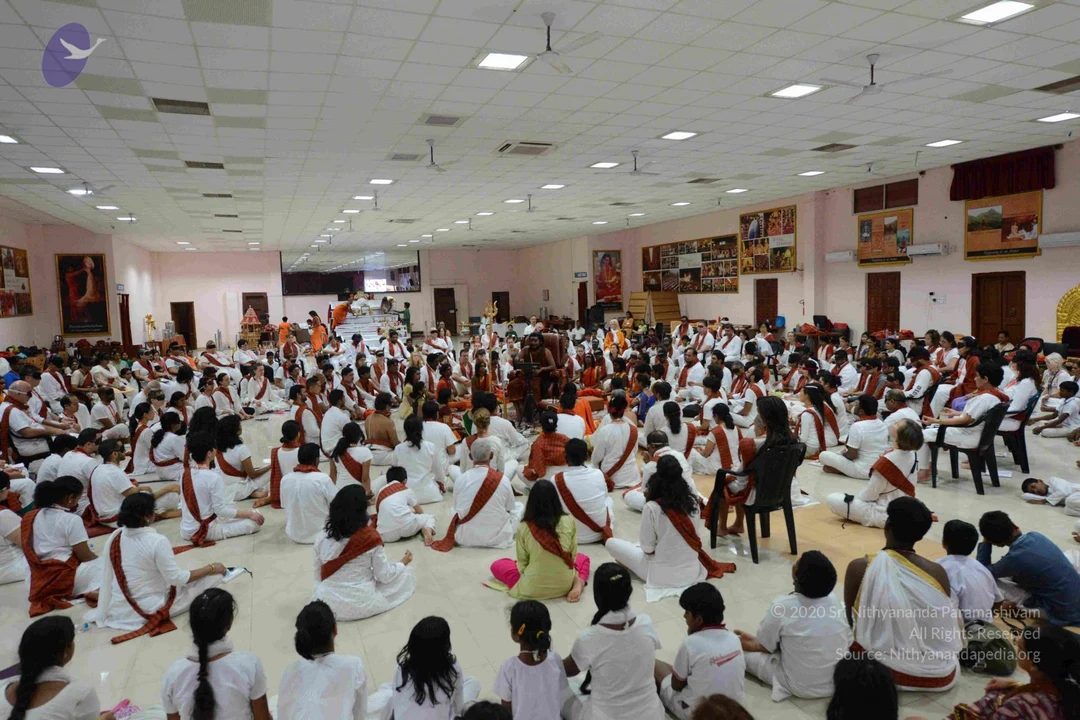
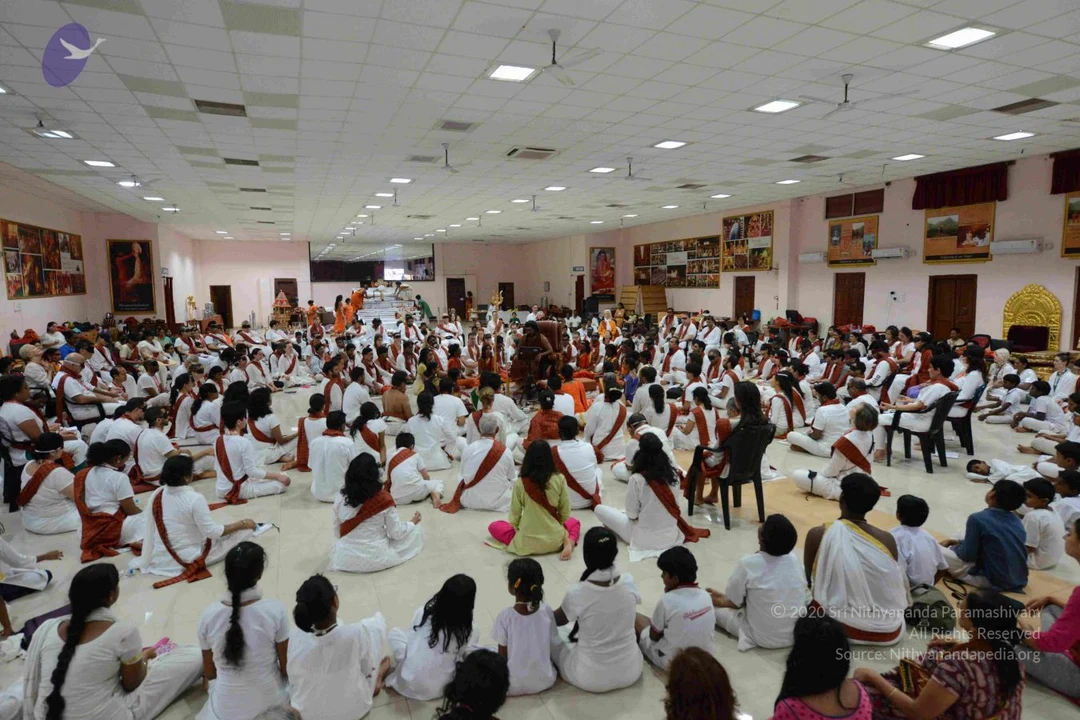
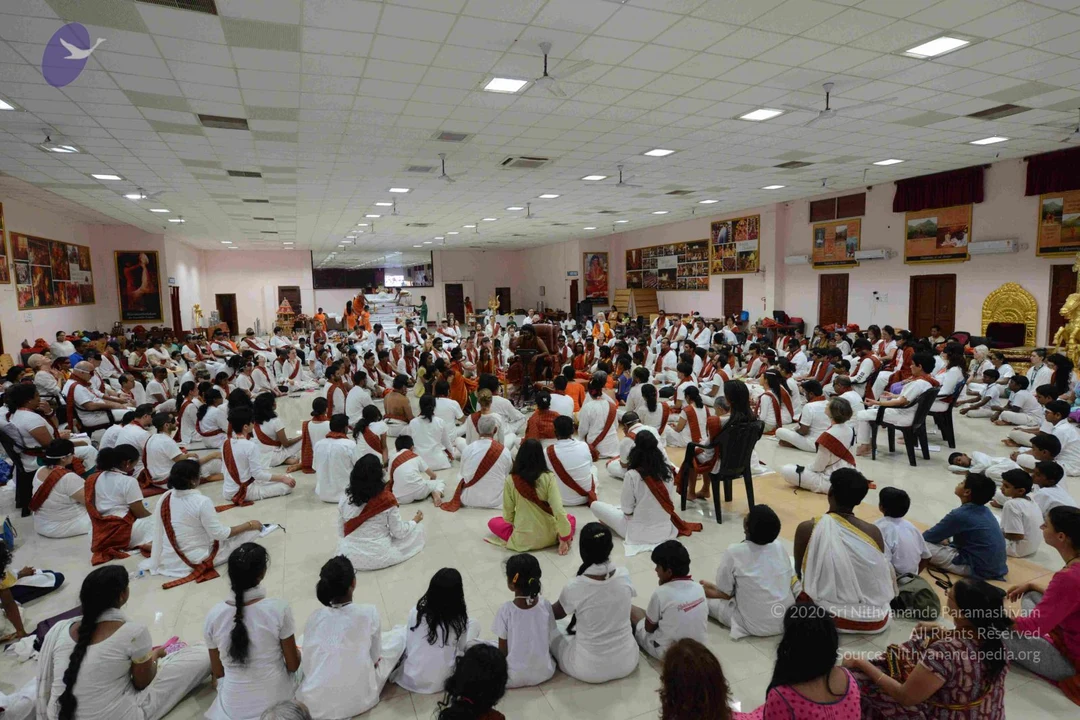
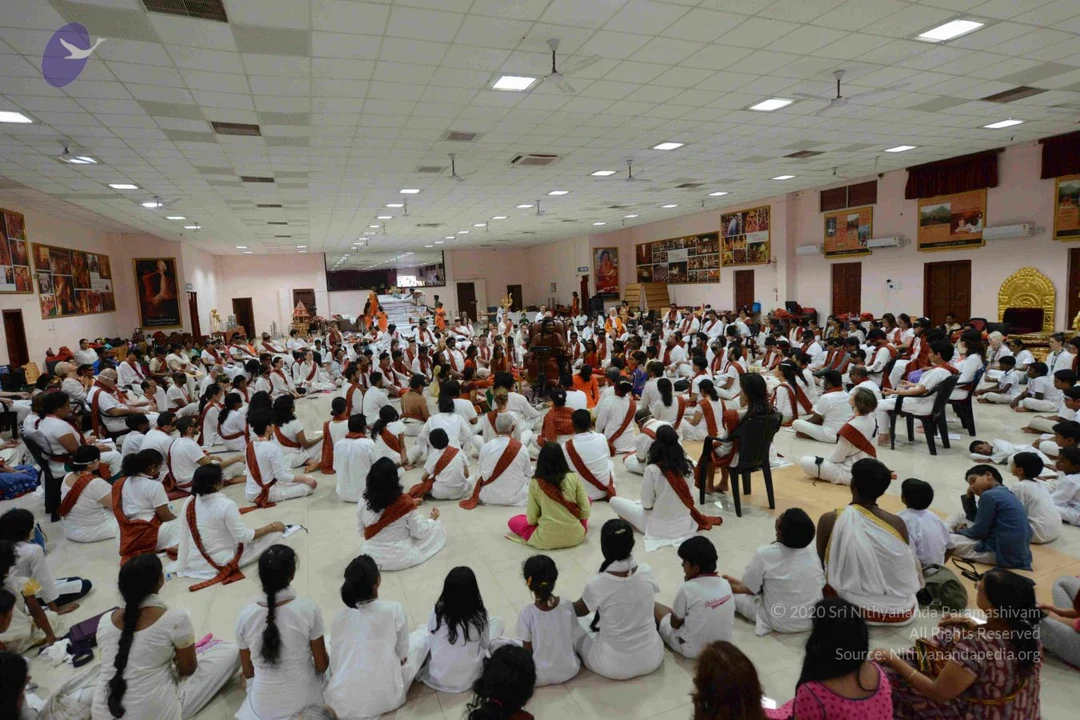
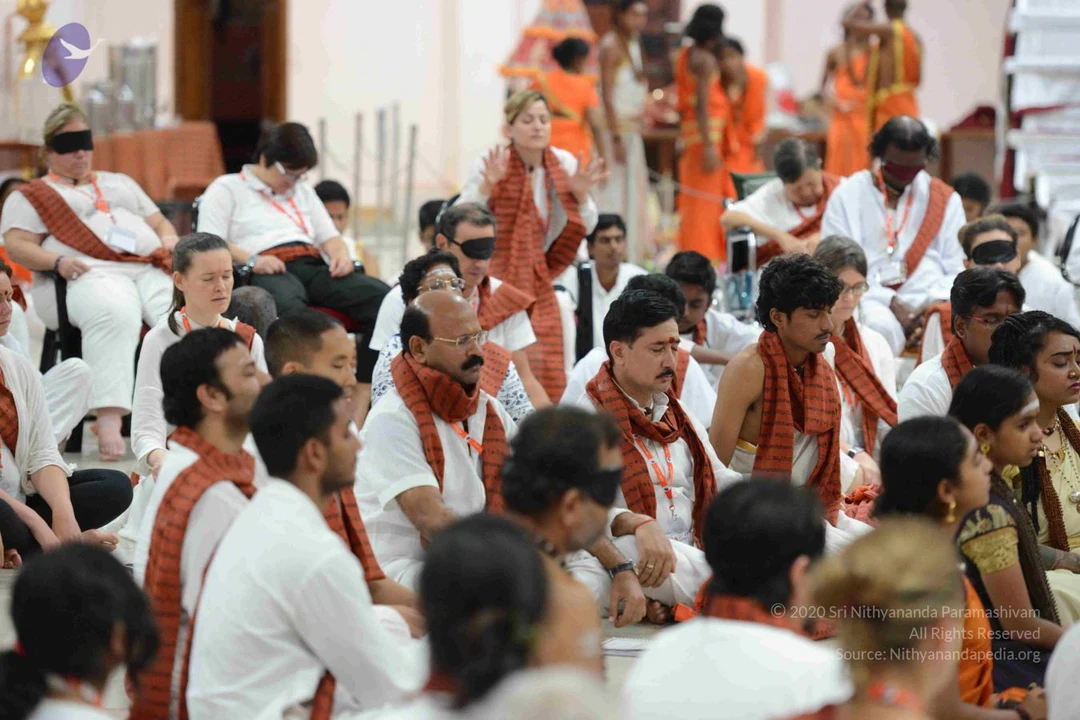
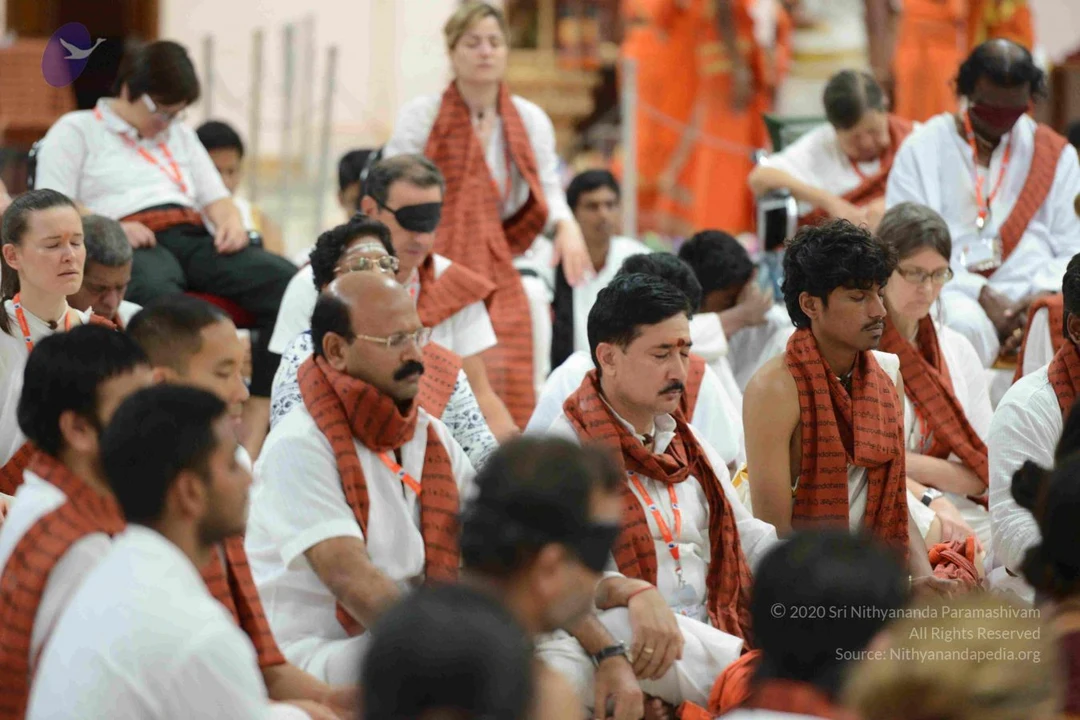
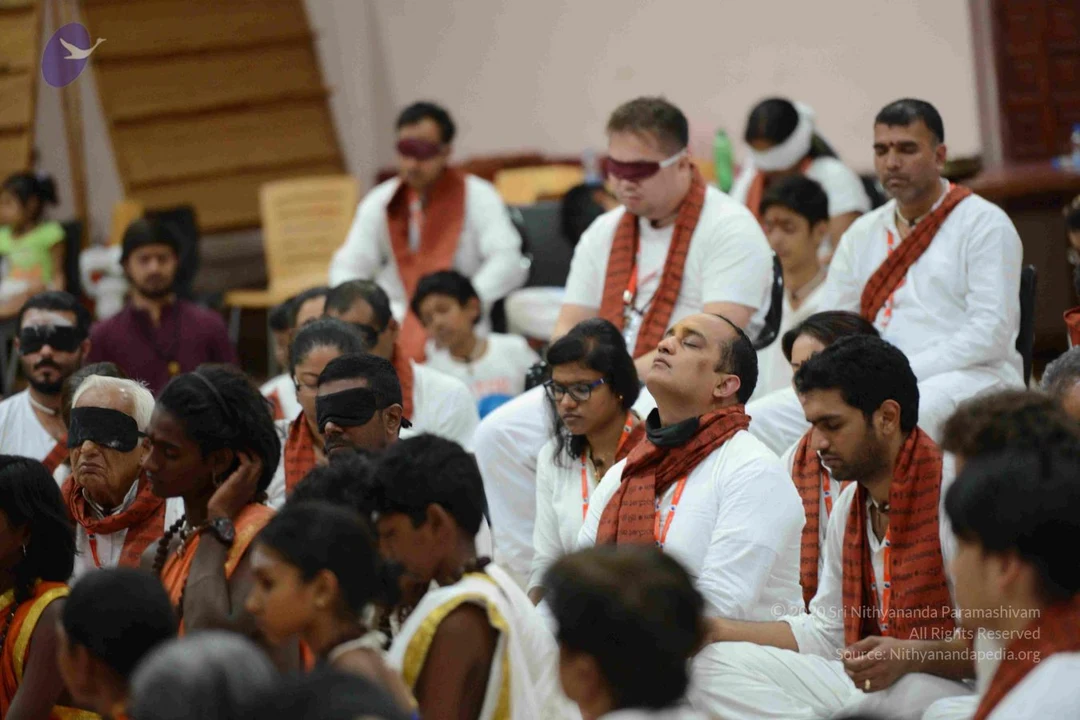
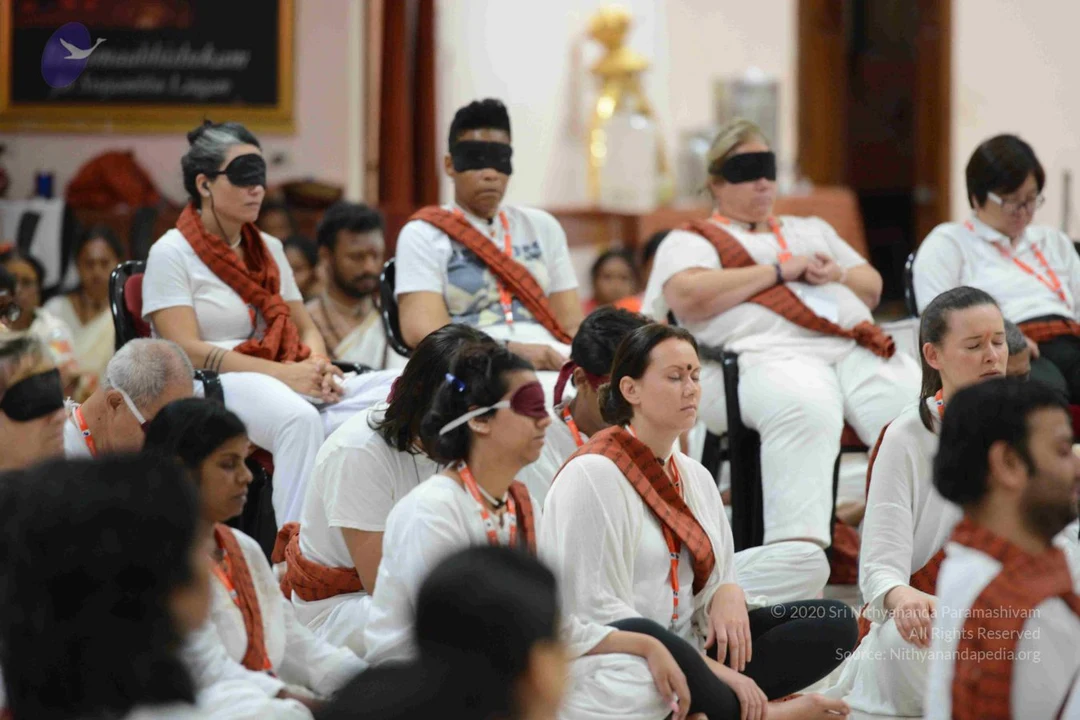
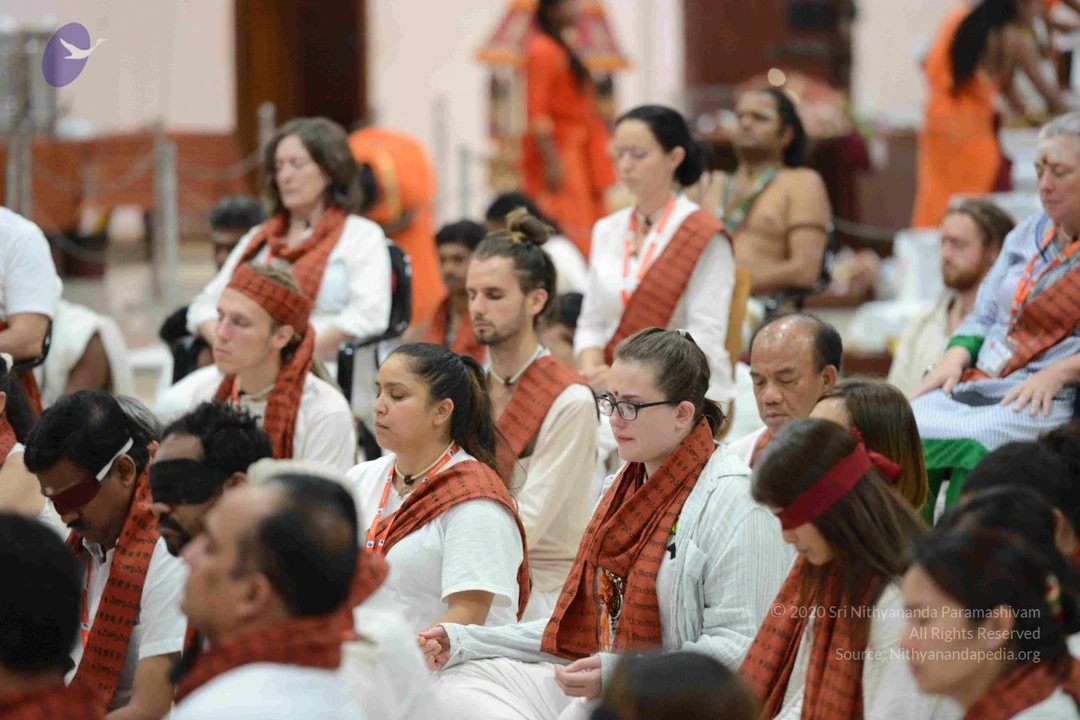
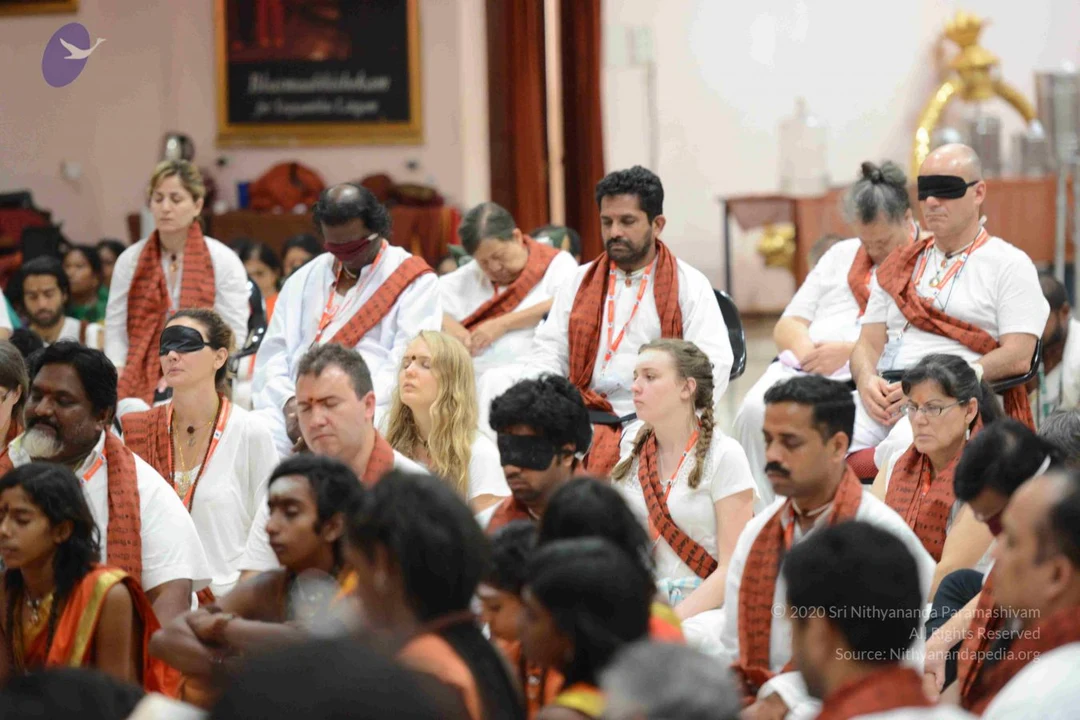
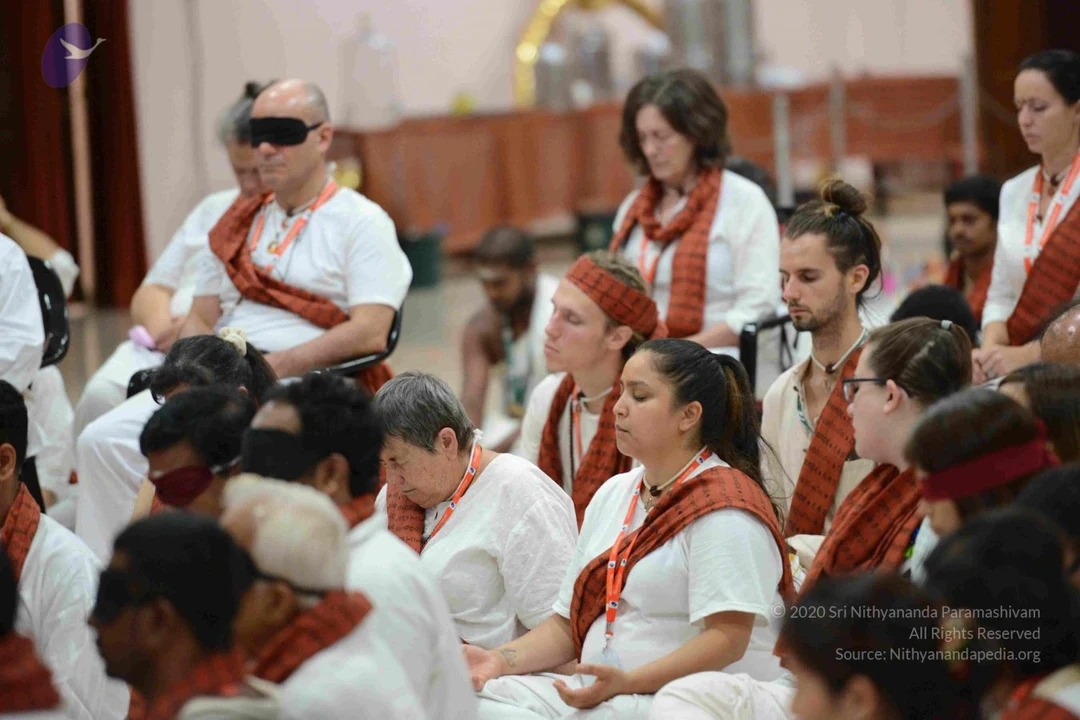
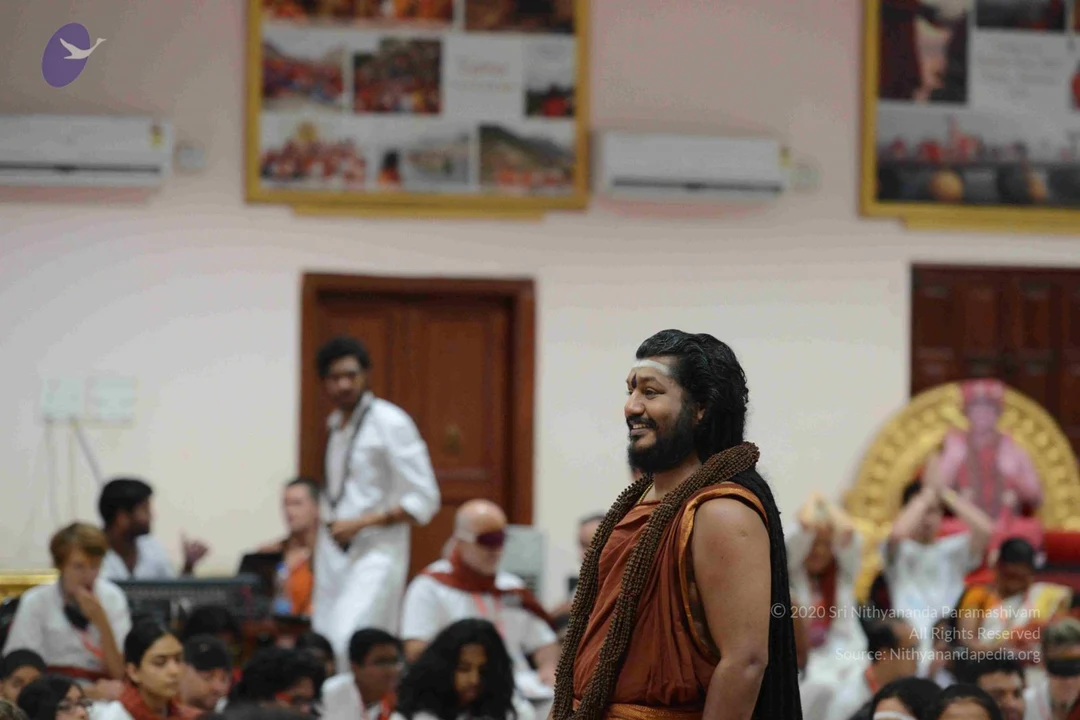
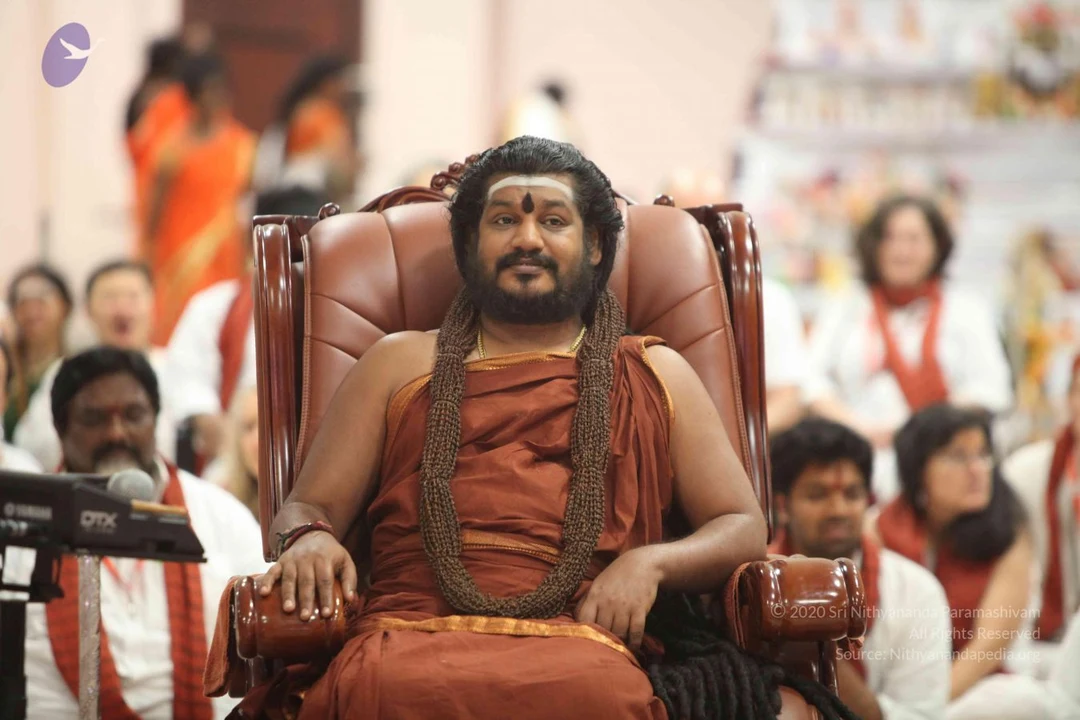
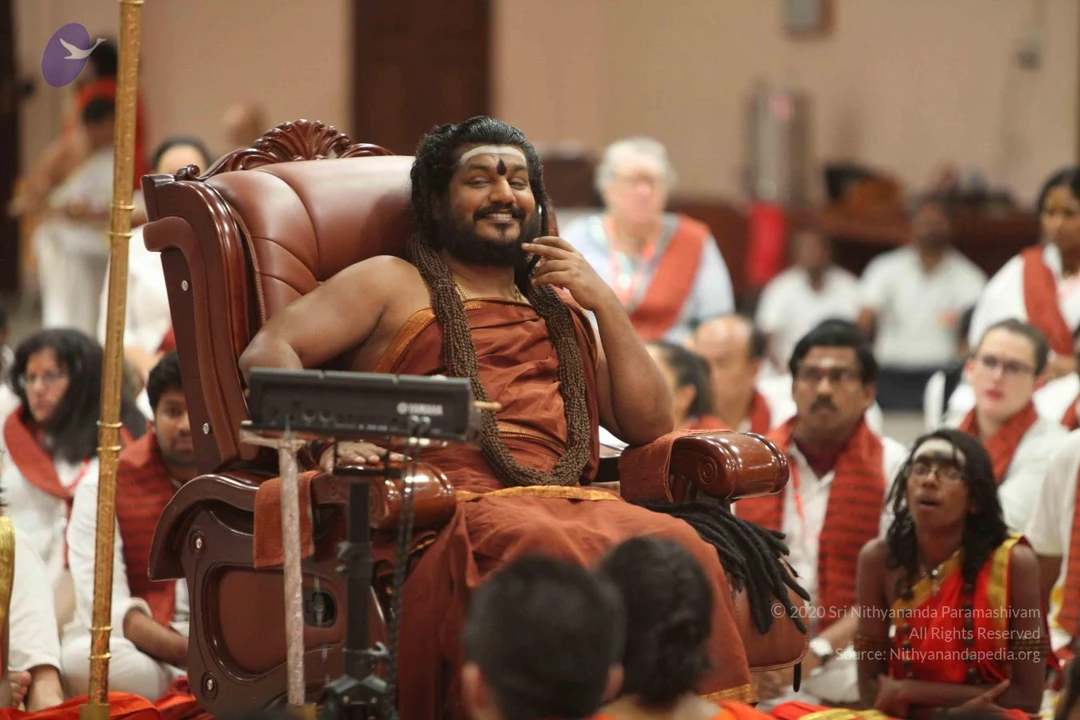
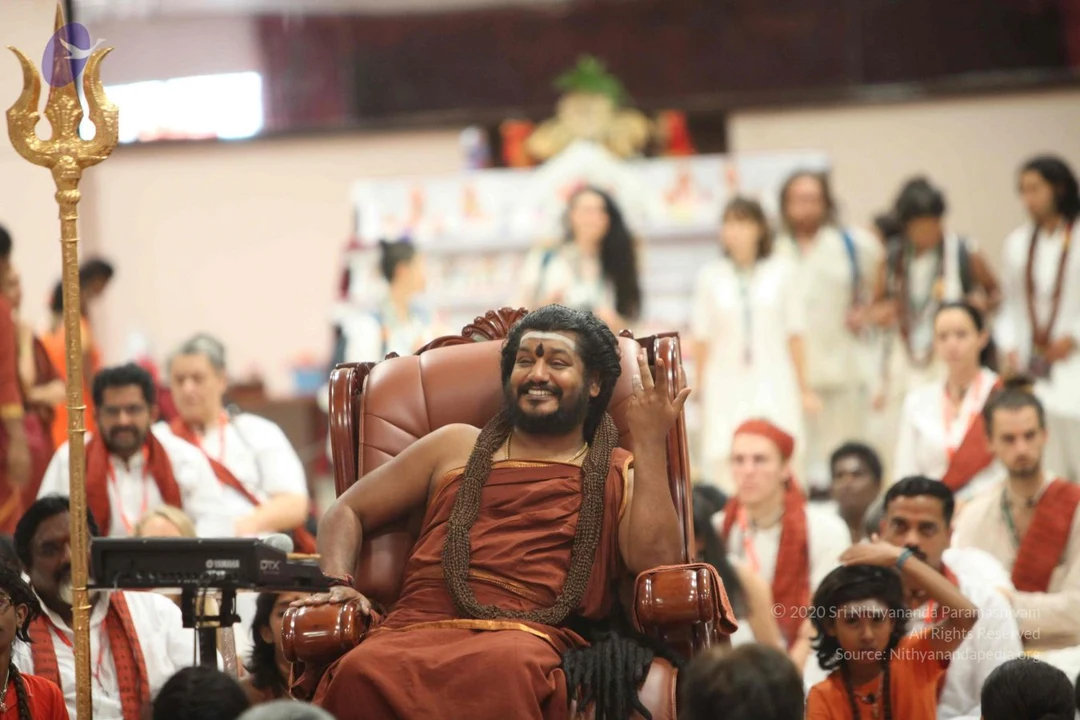
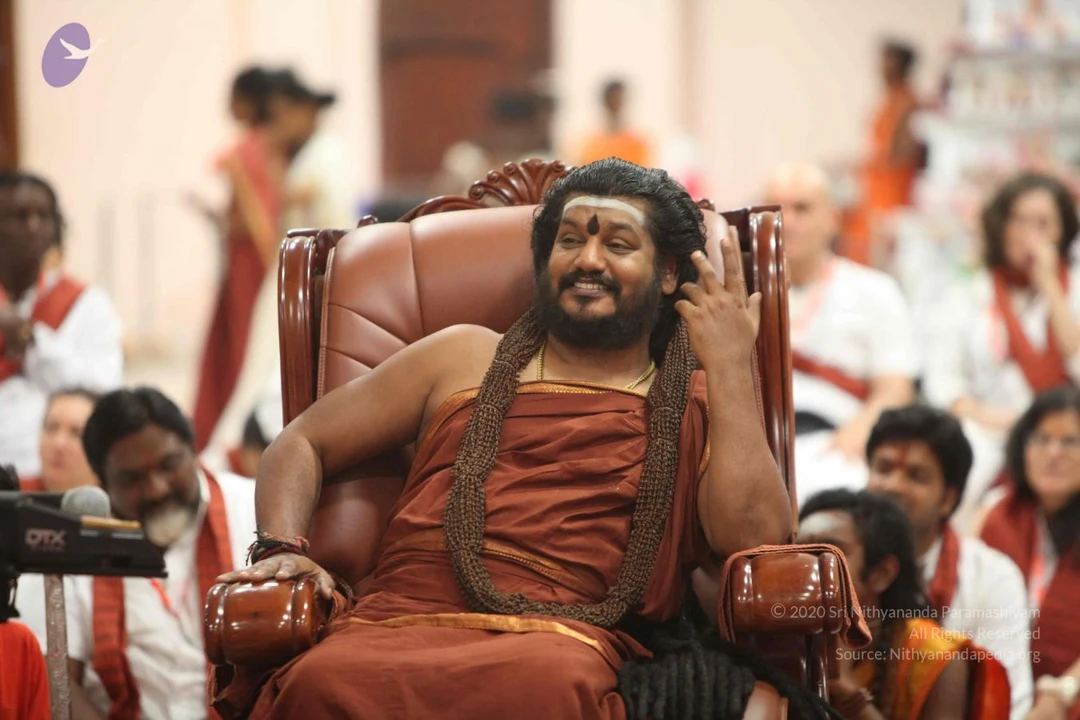
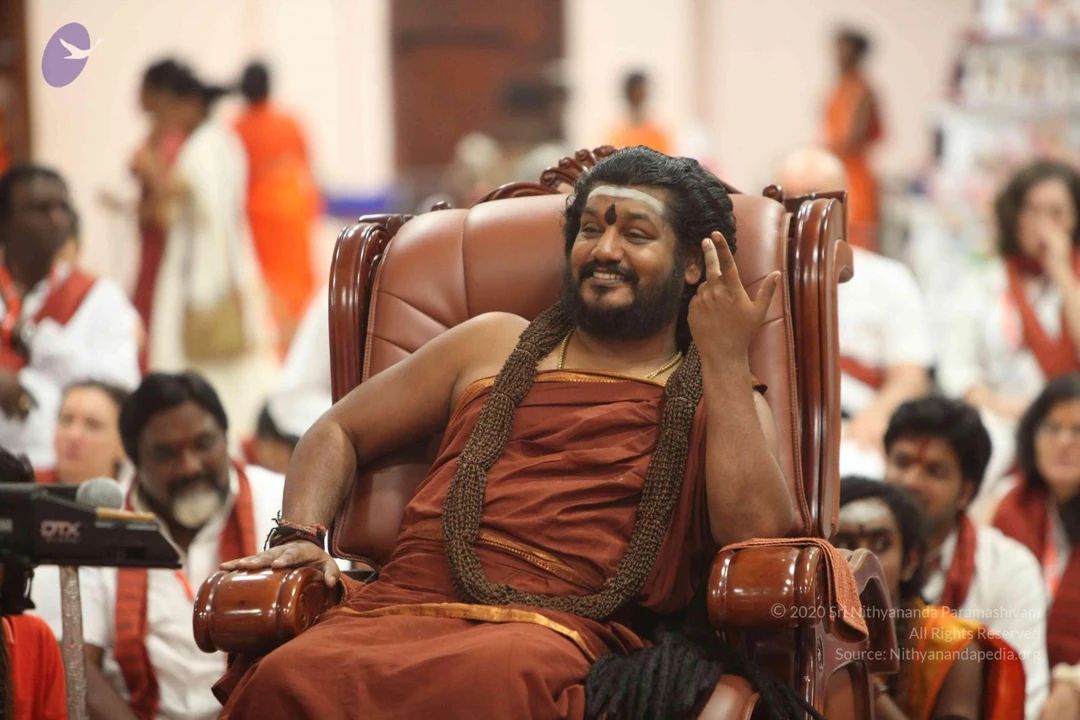
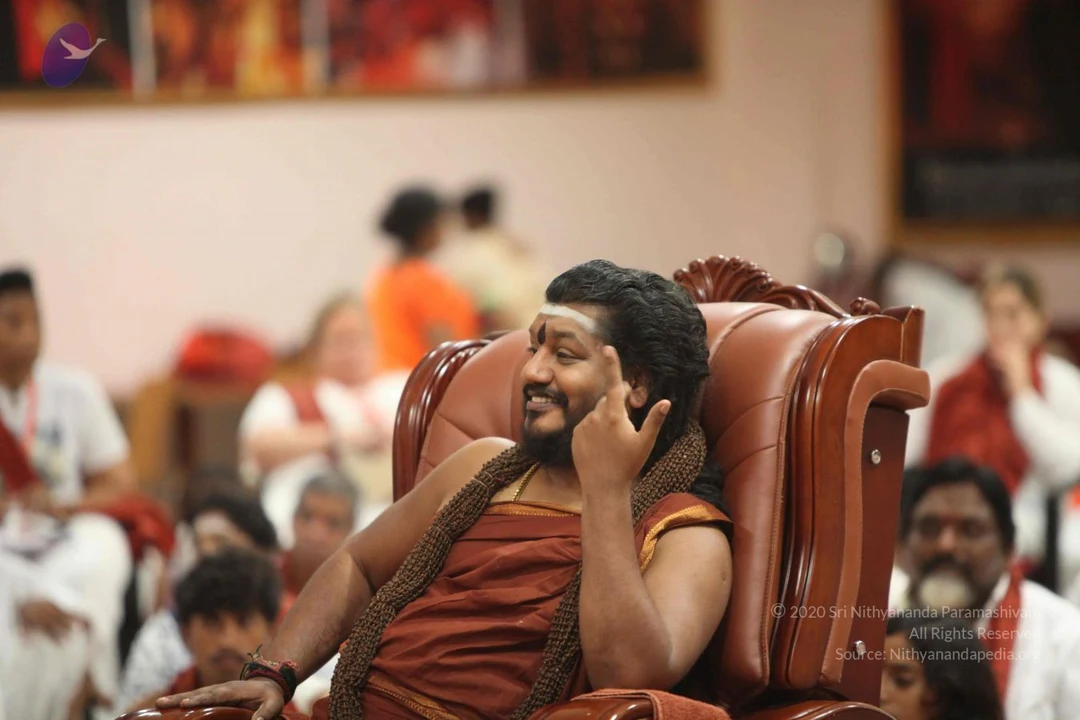
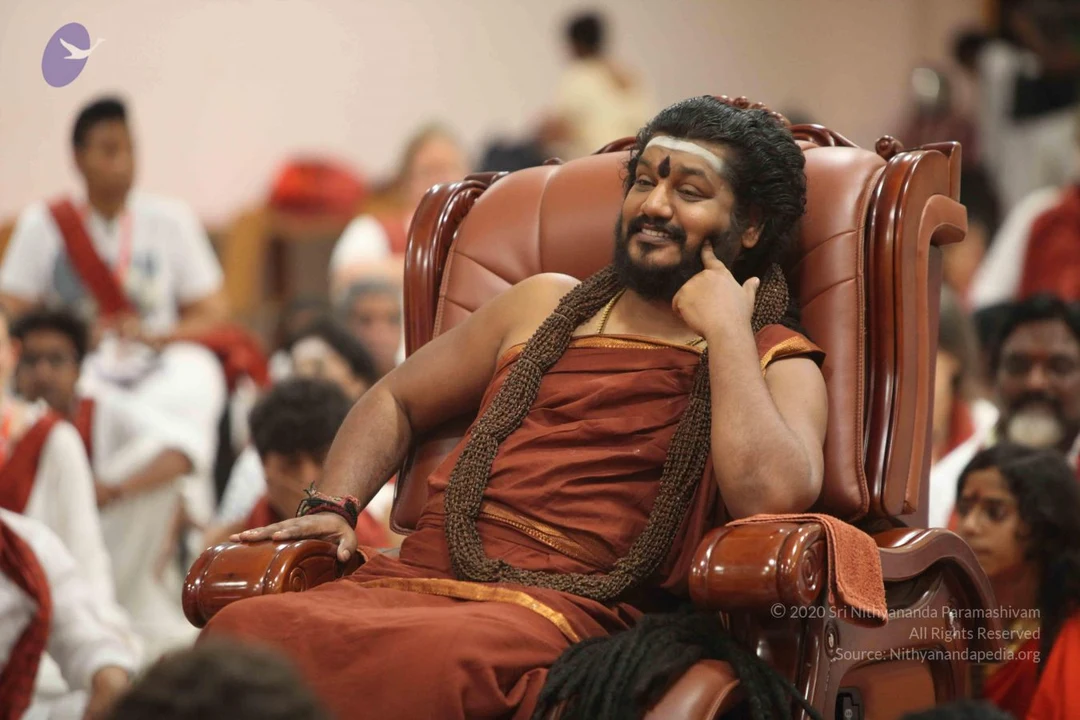
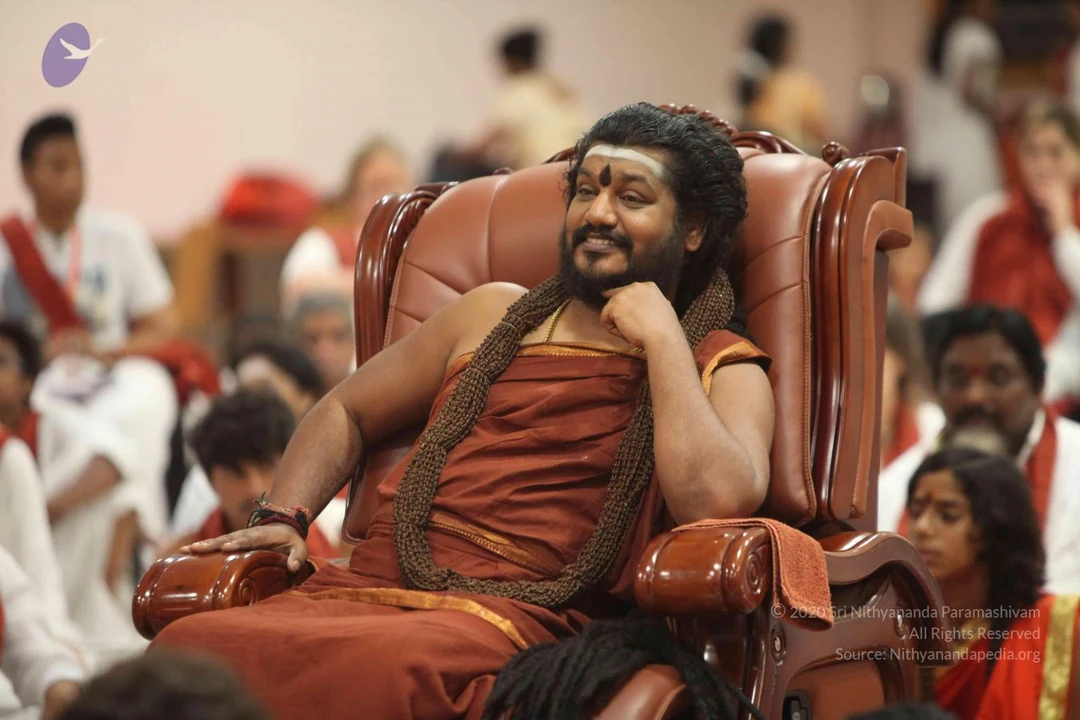
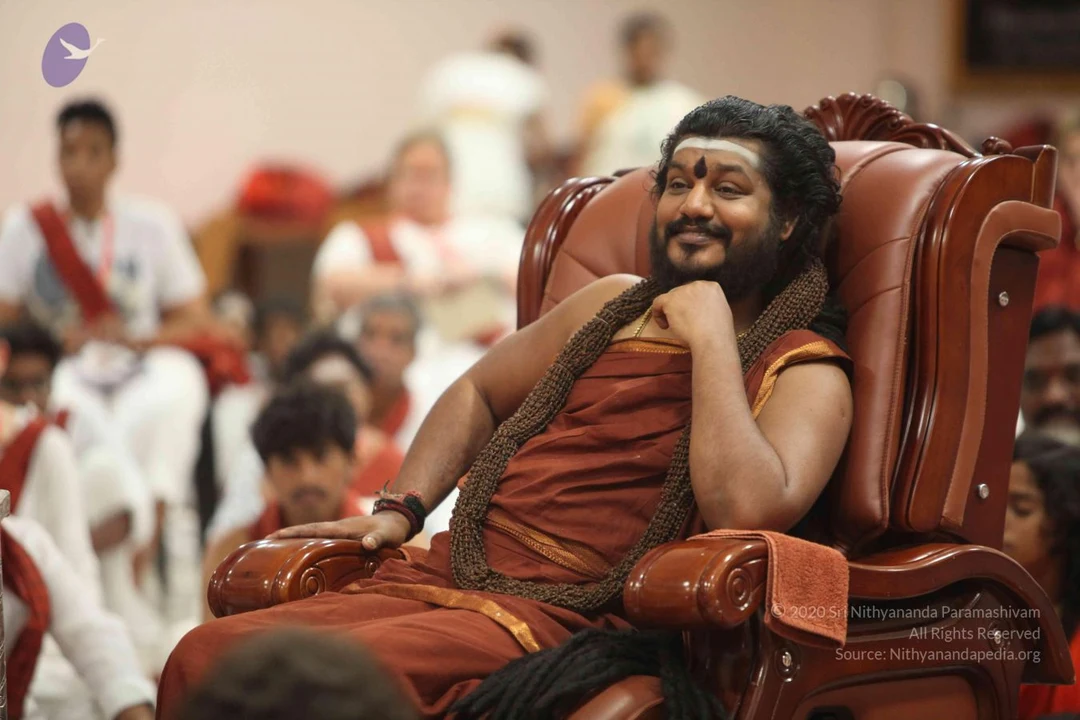
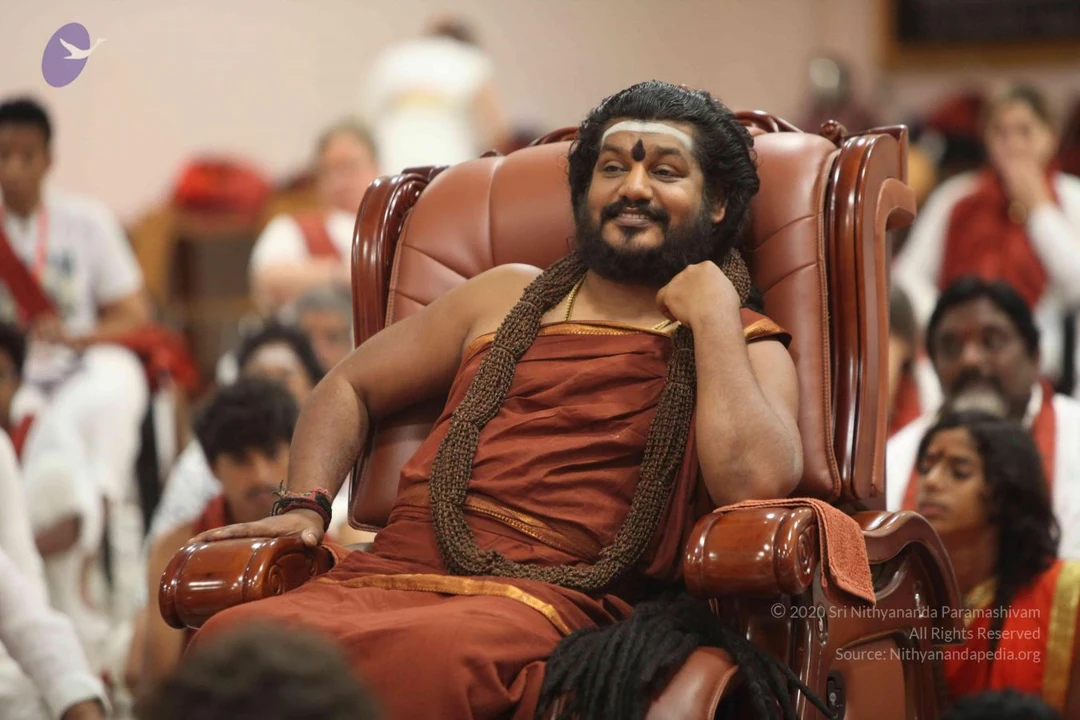
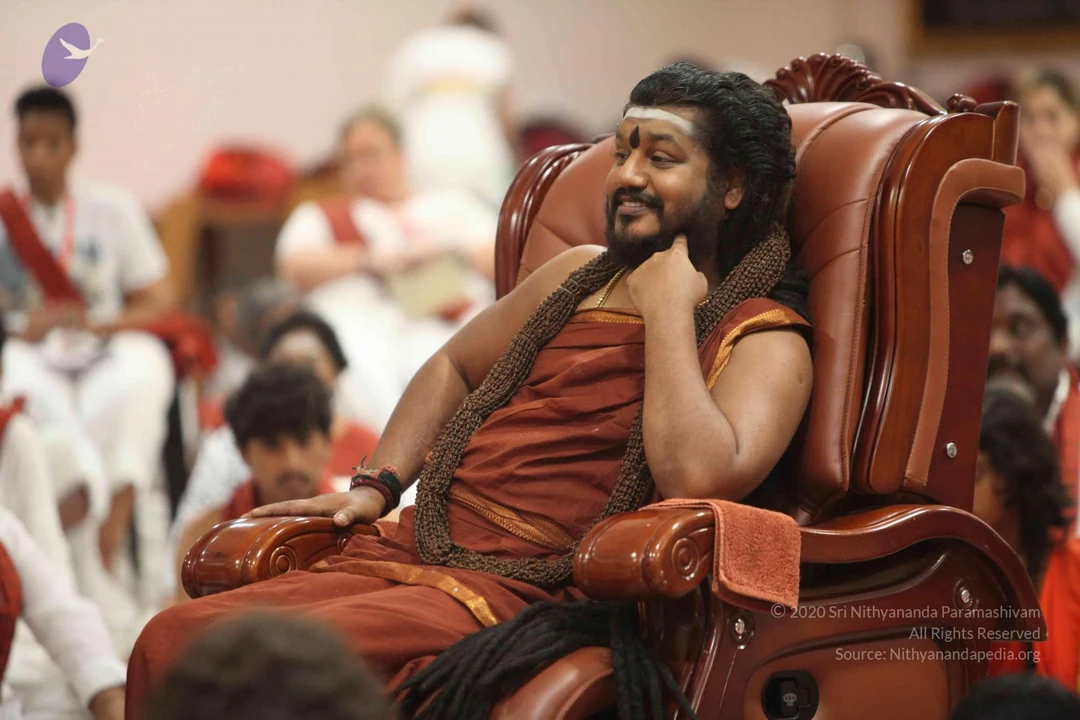
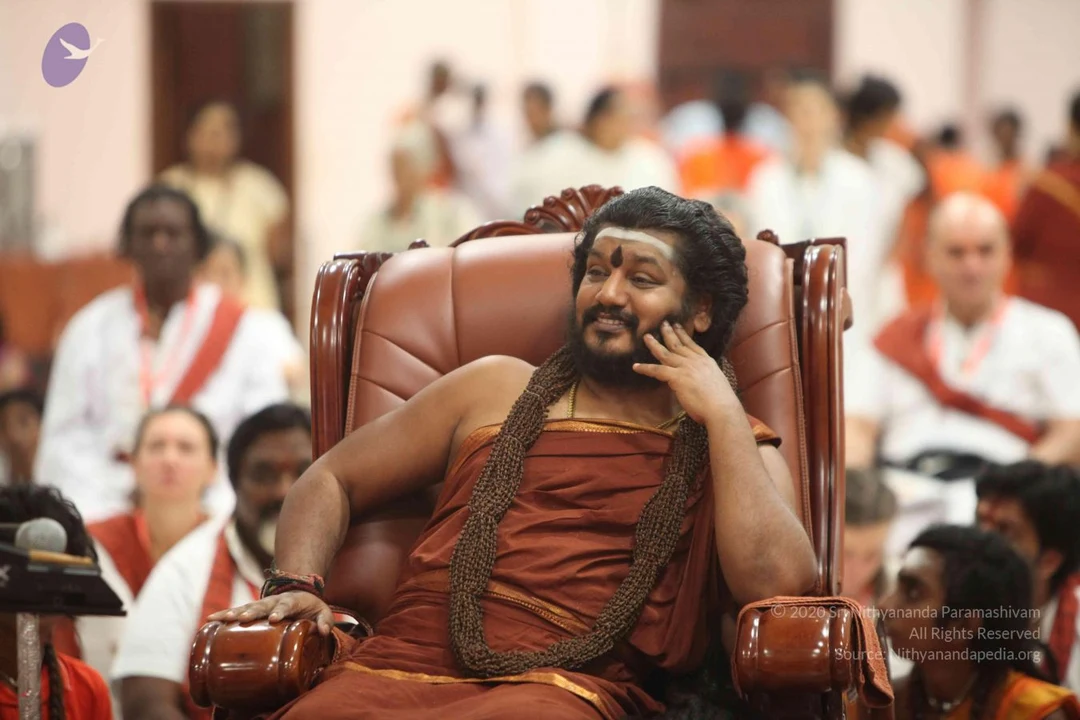
Maheshwara-Puja-Mahalaya-Amavasya
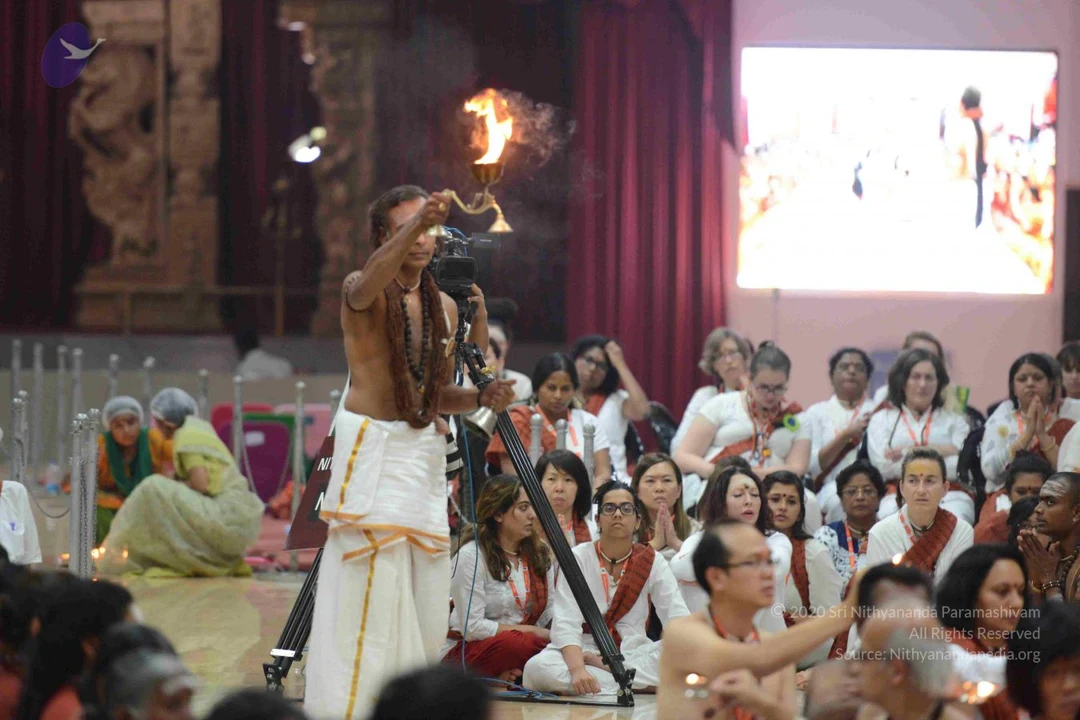
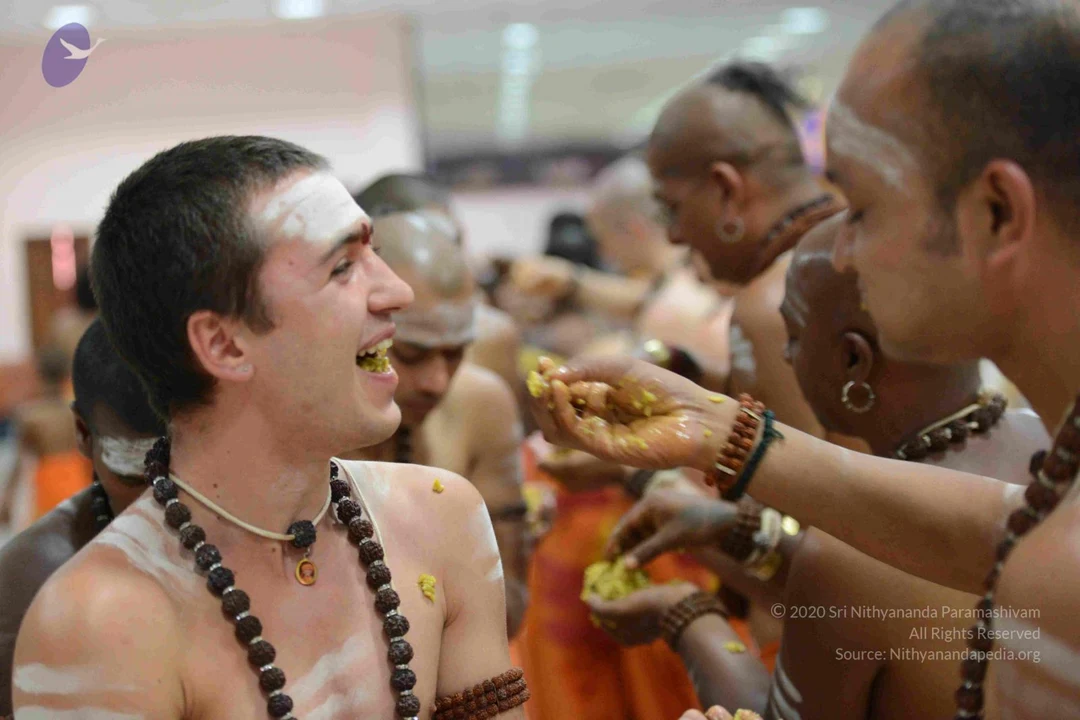
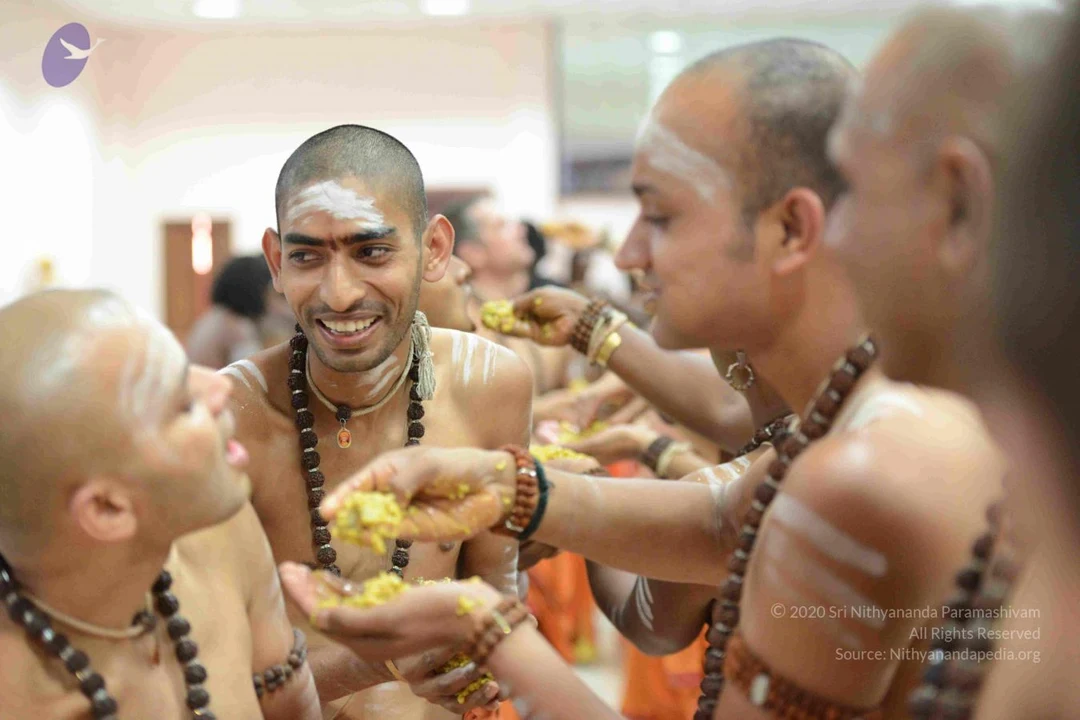
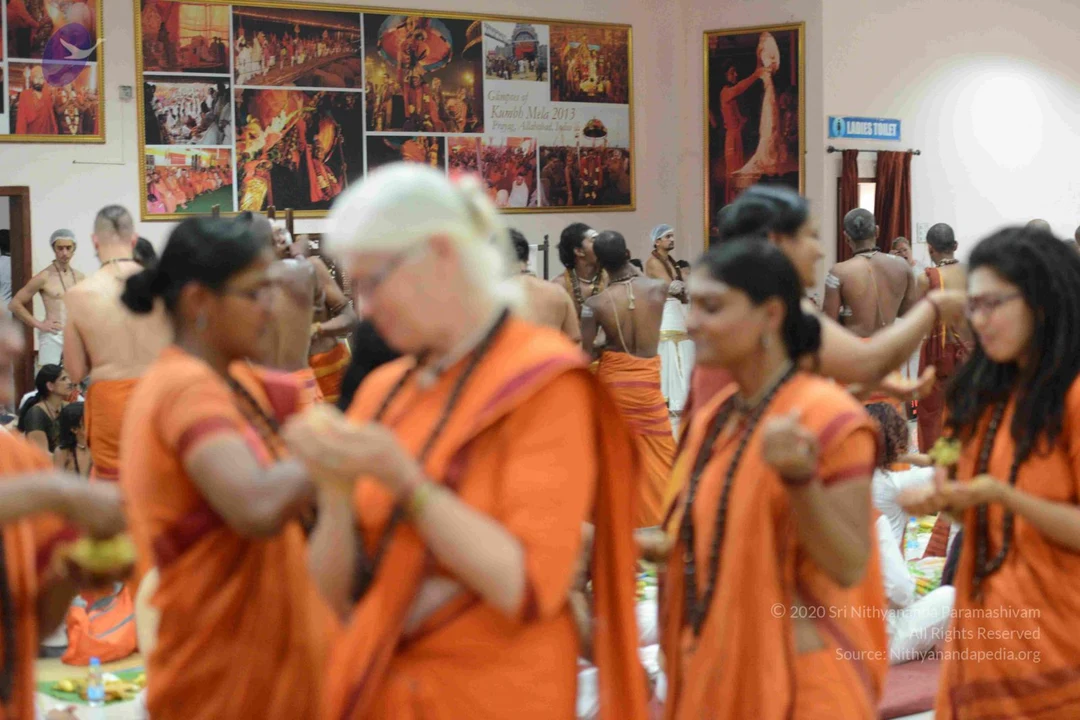
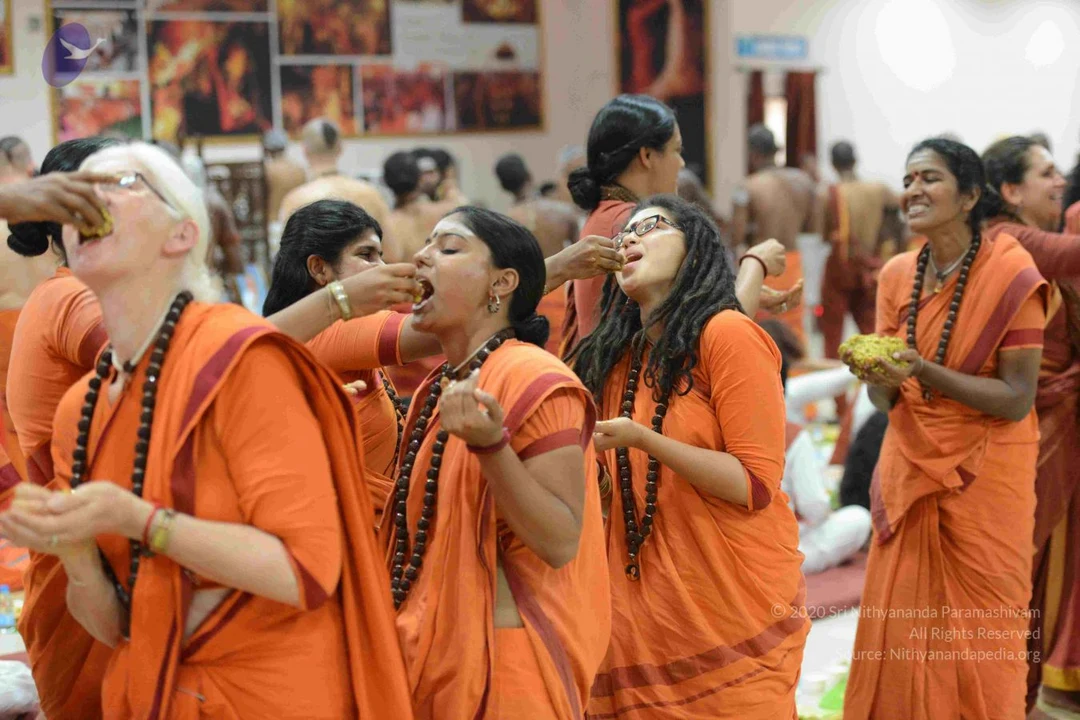
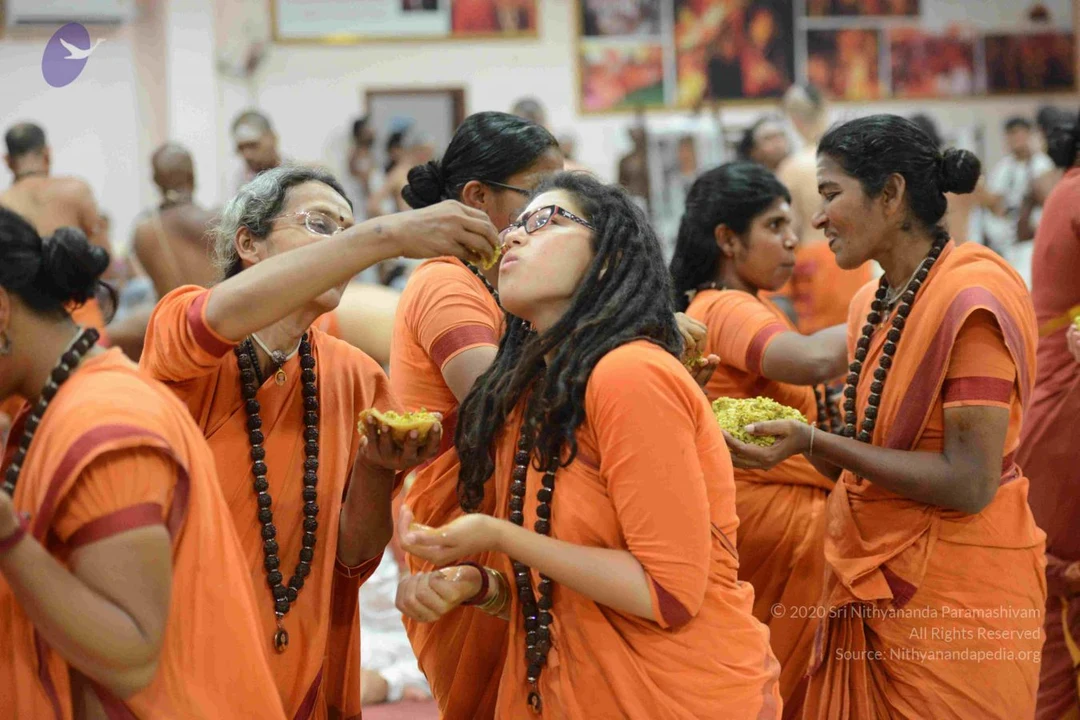
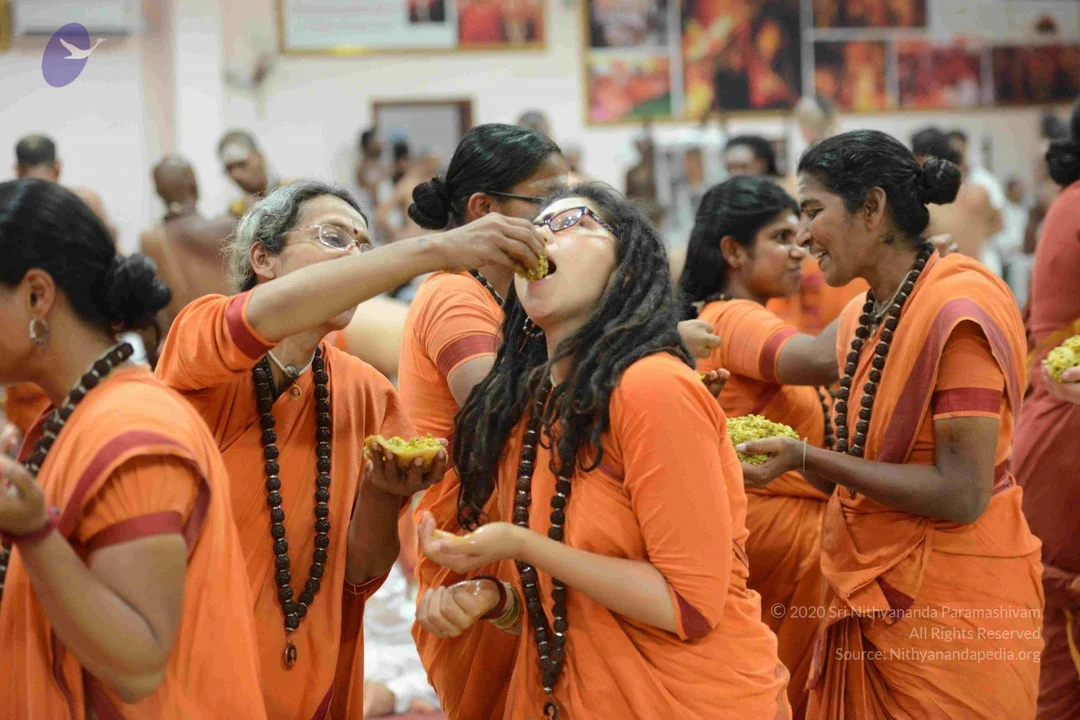
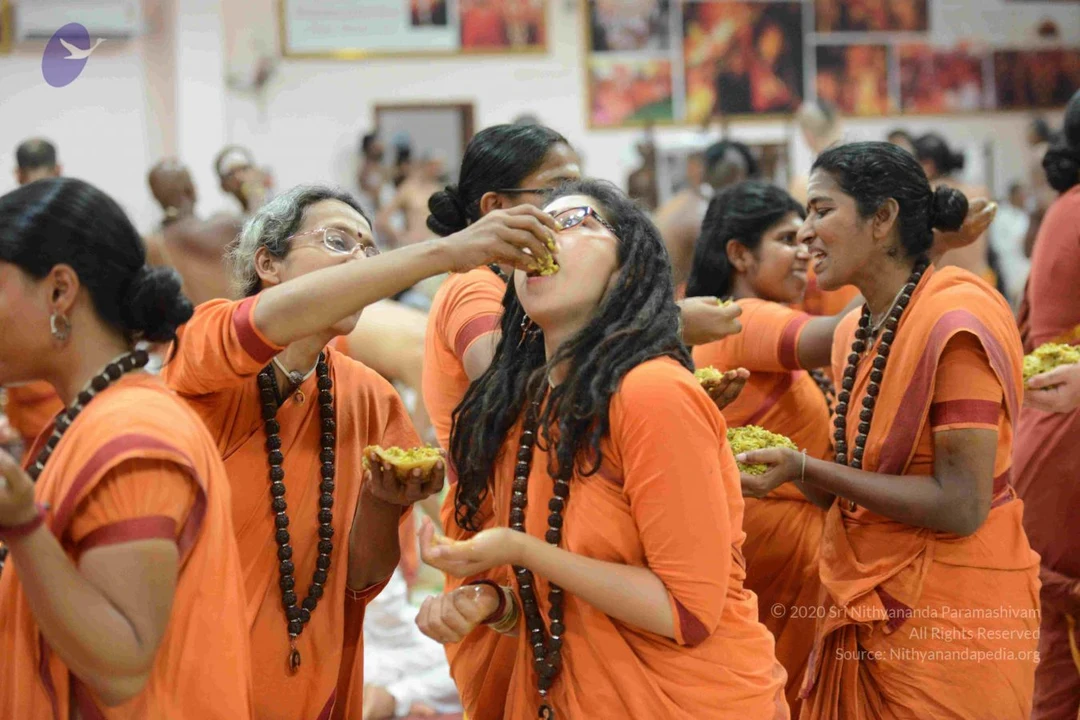
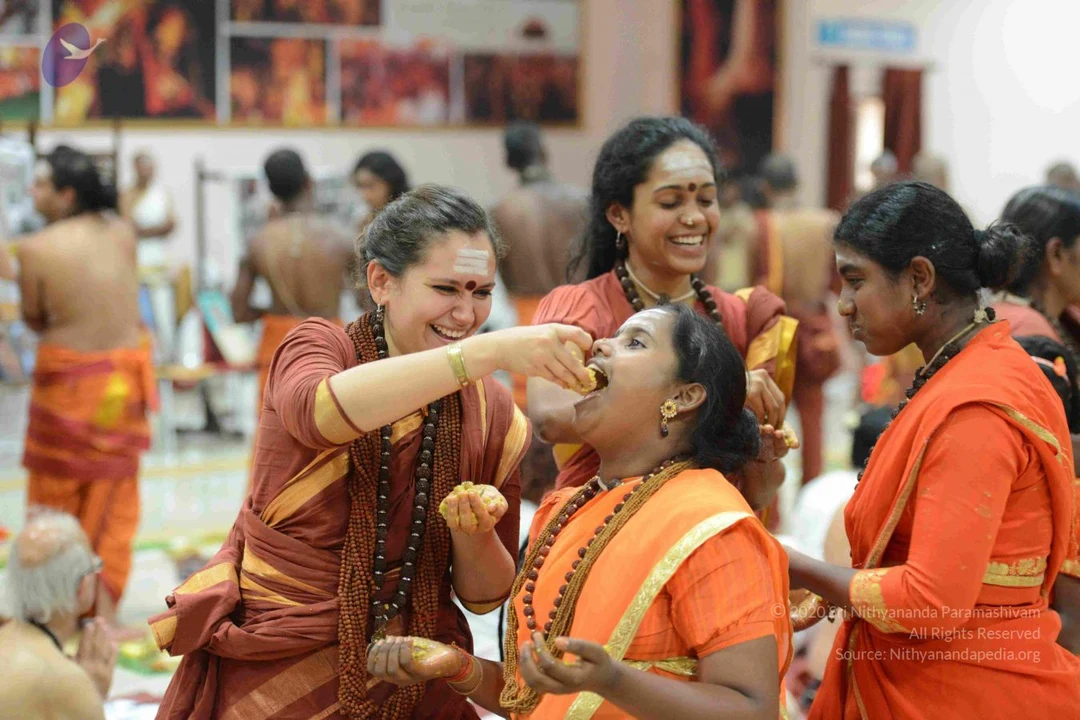
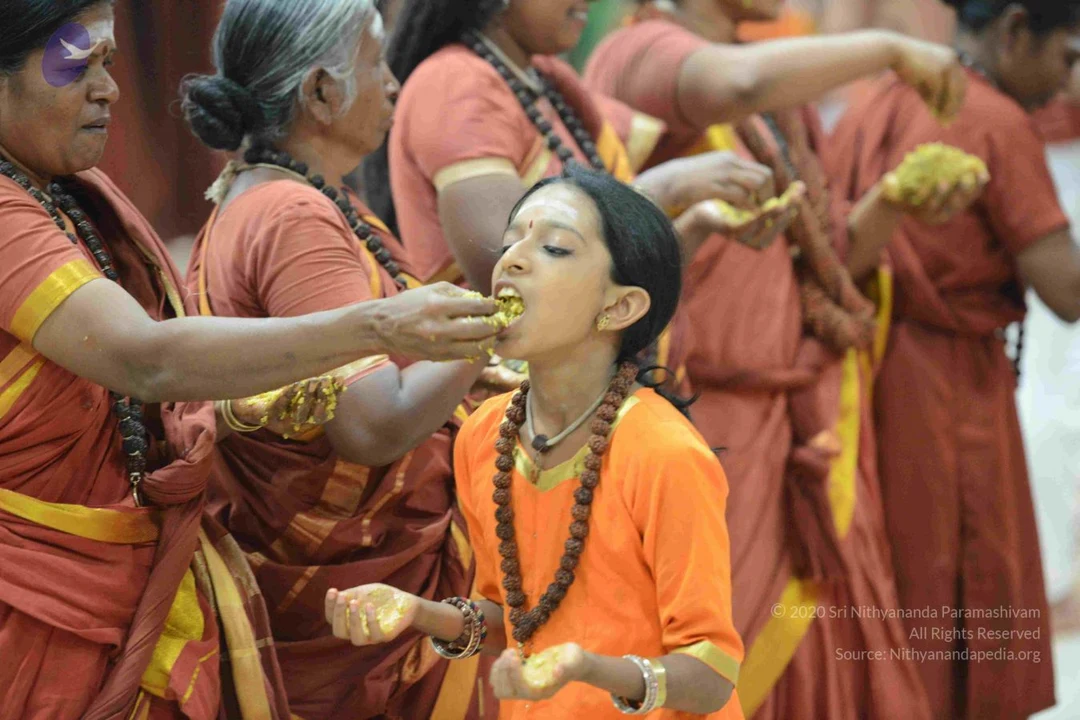
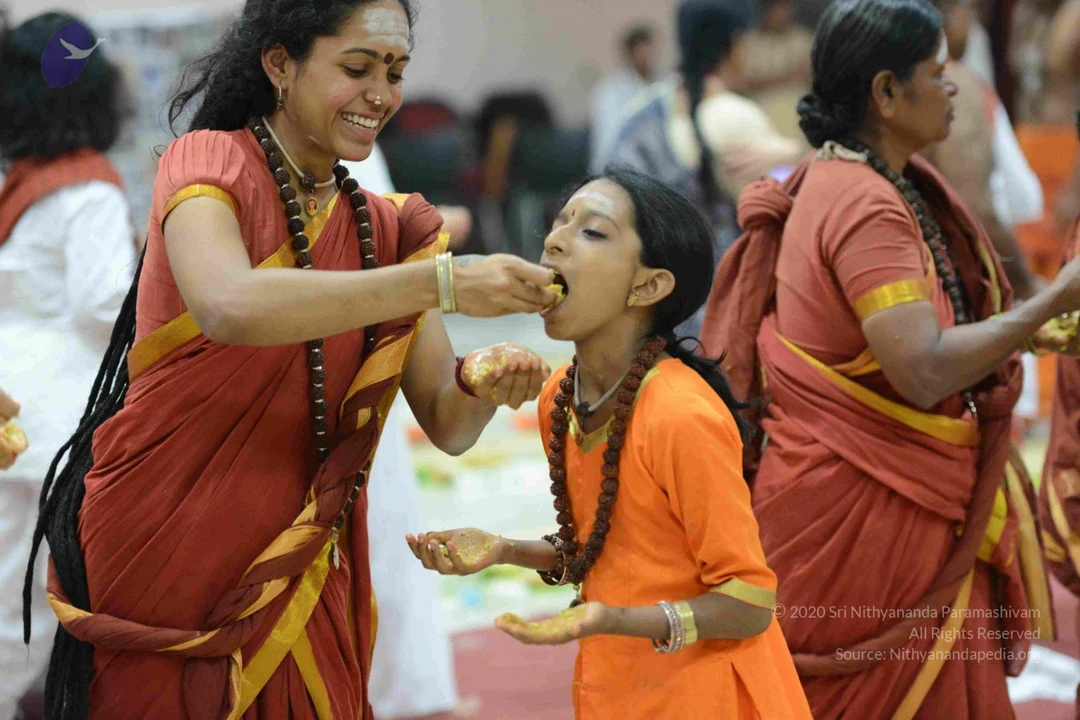
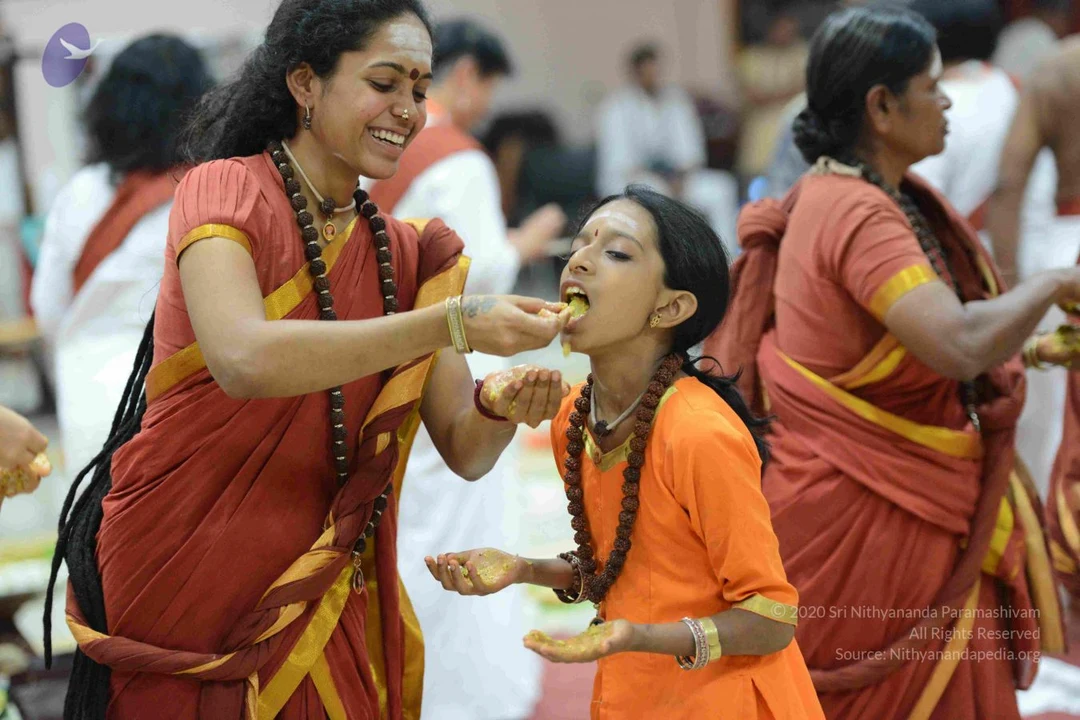
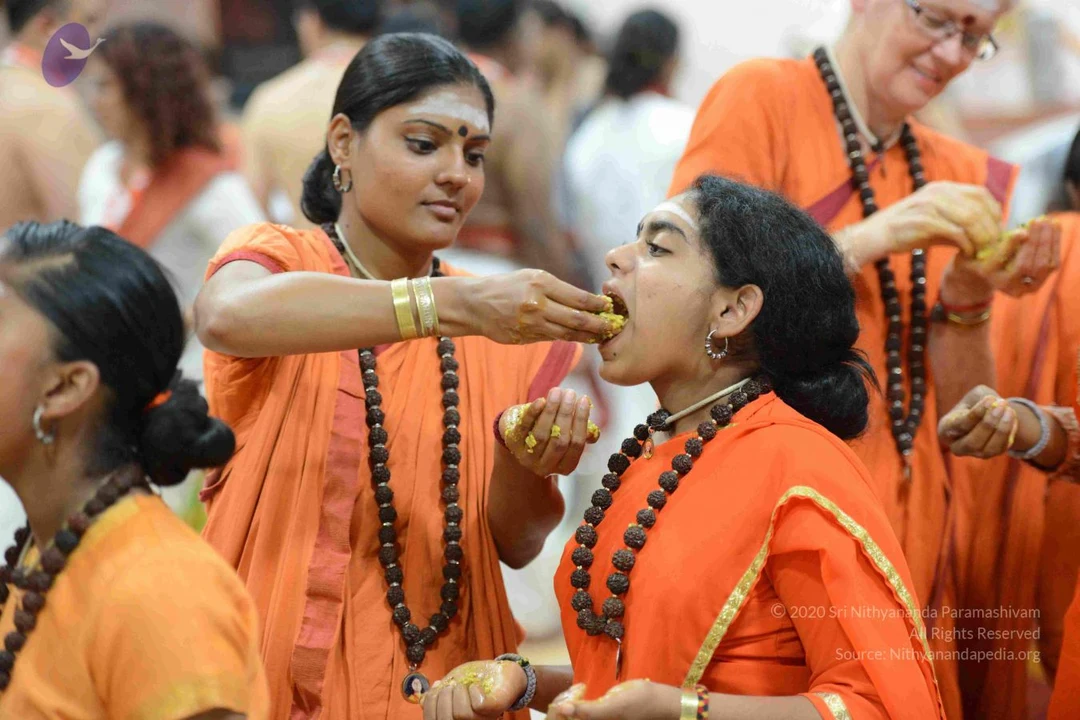
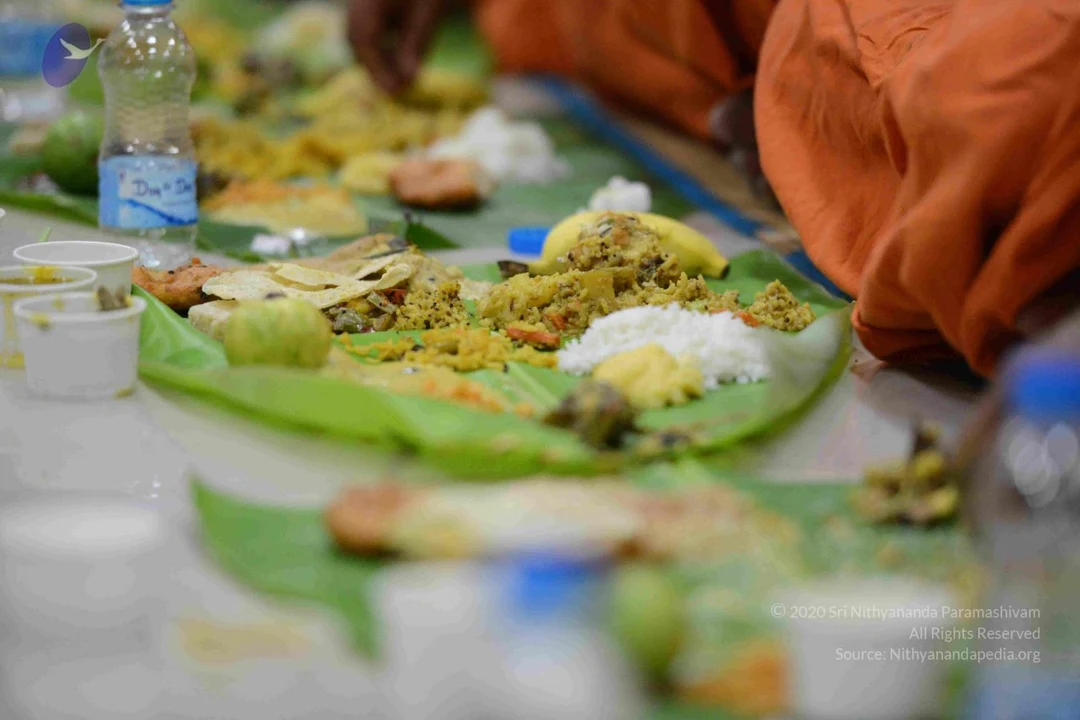
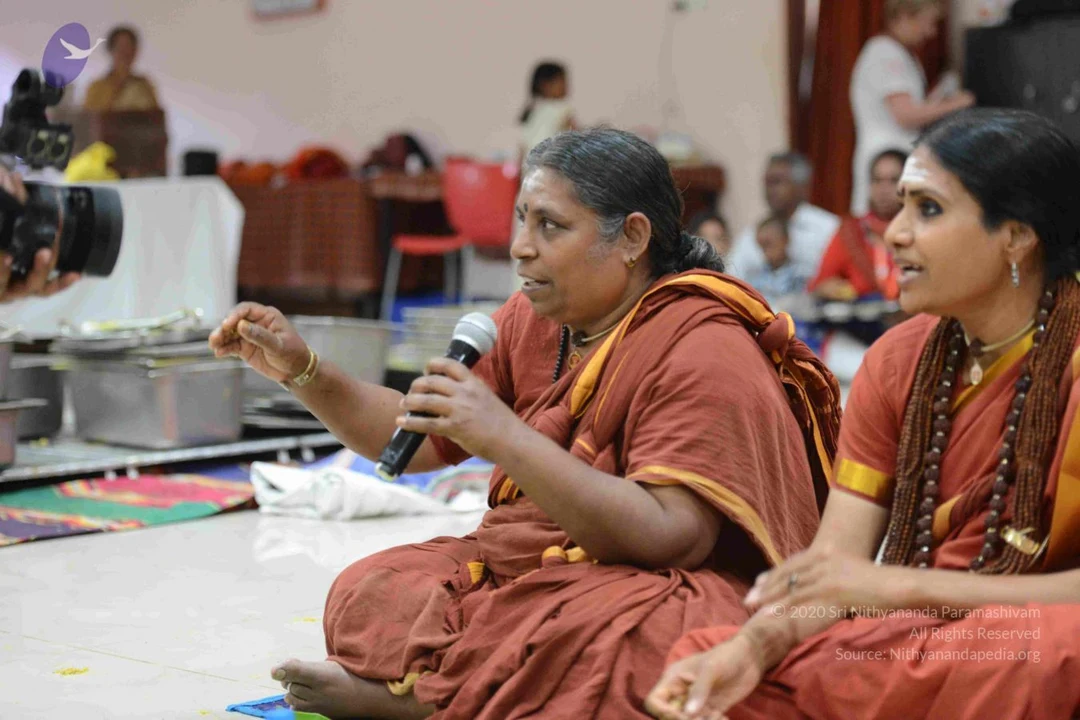
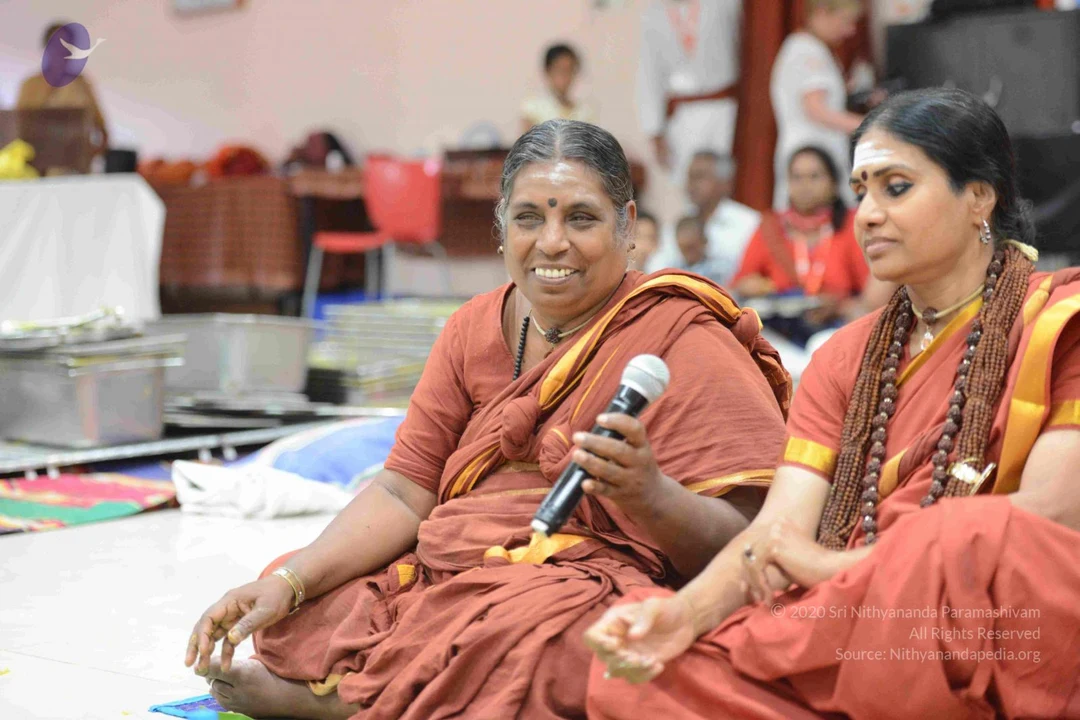
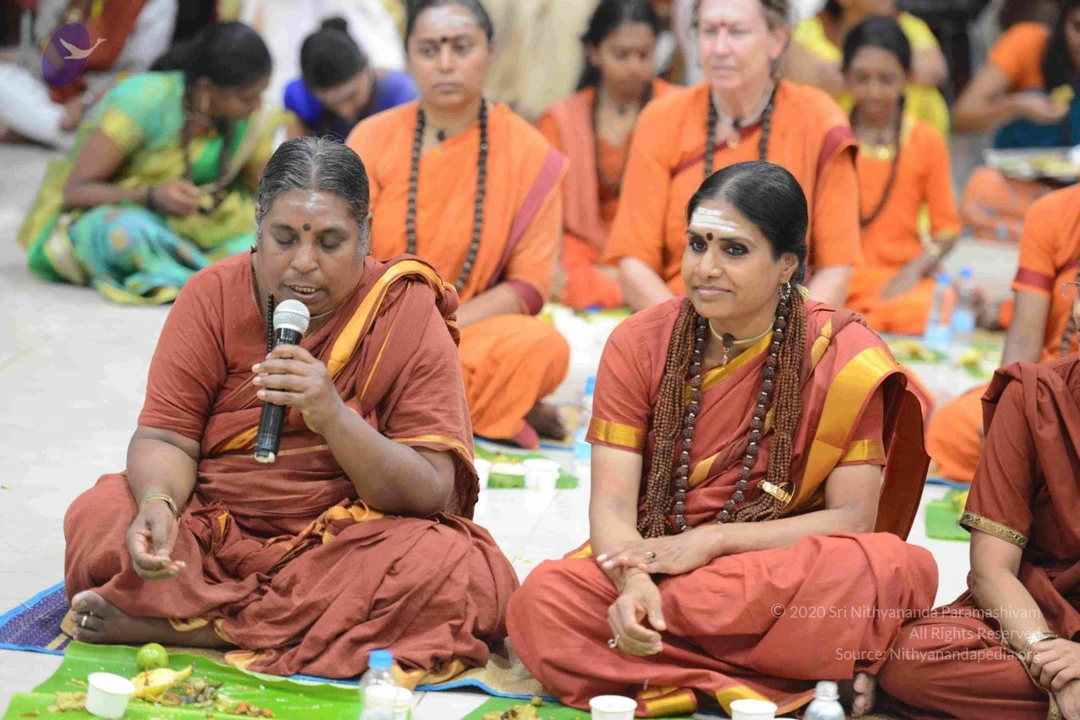
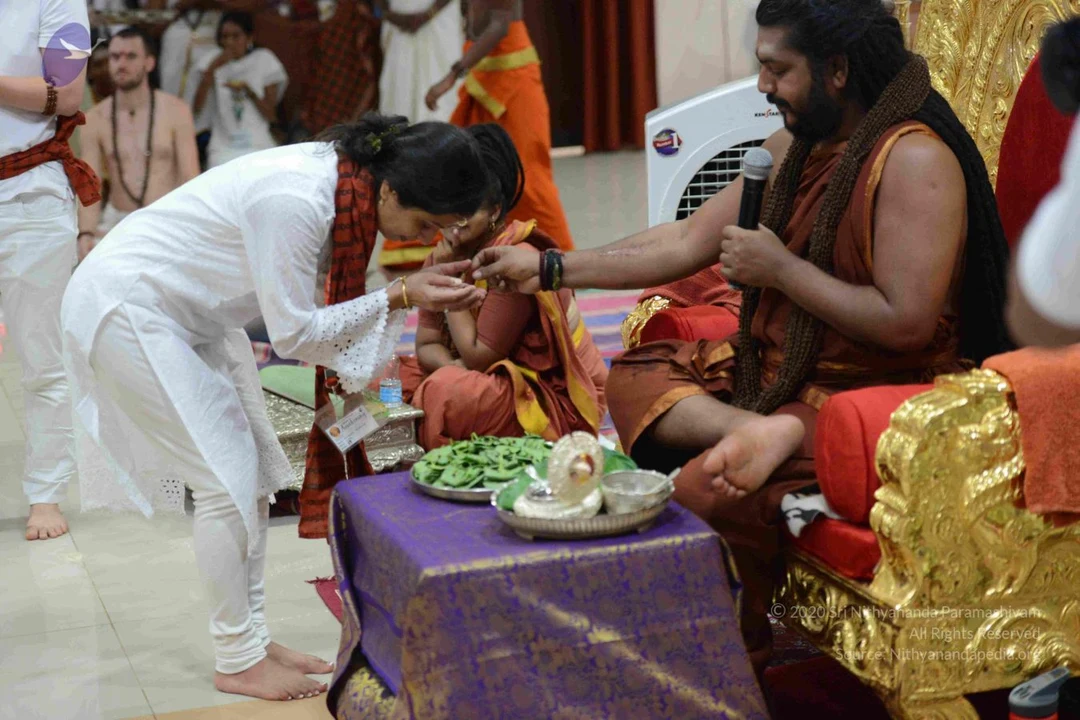
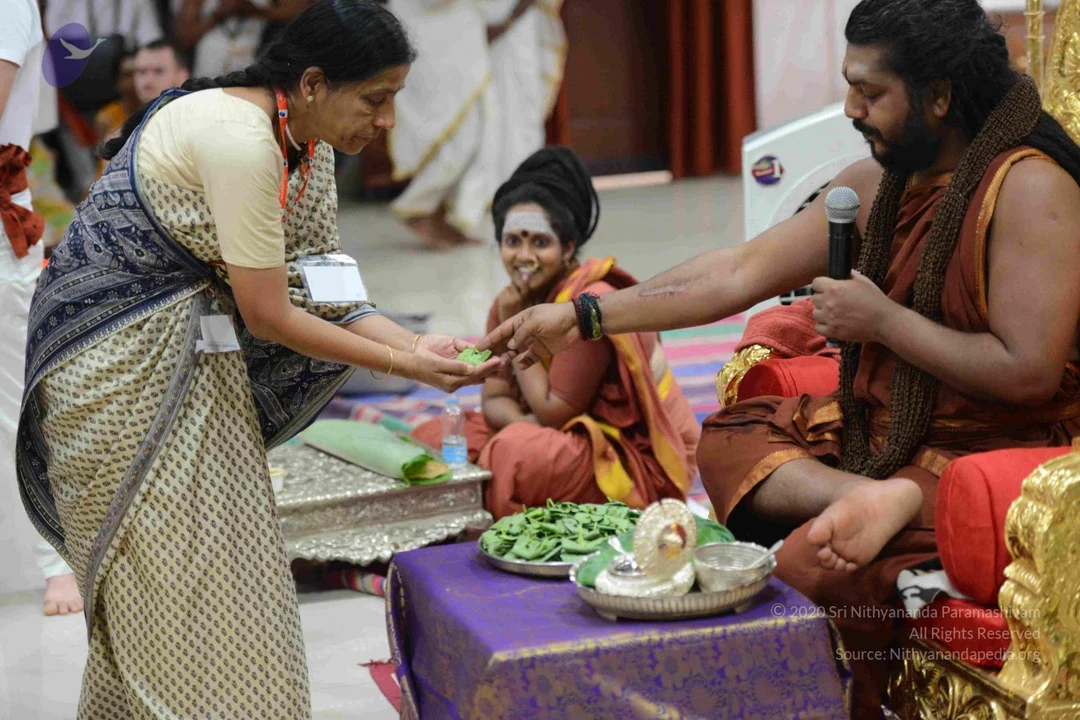
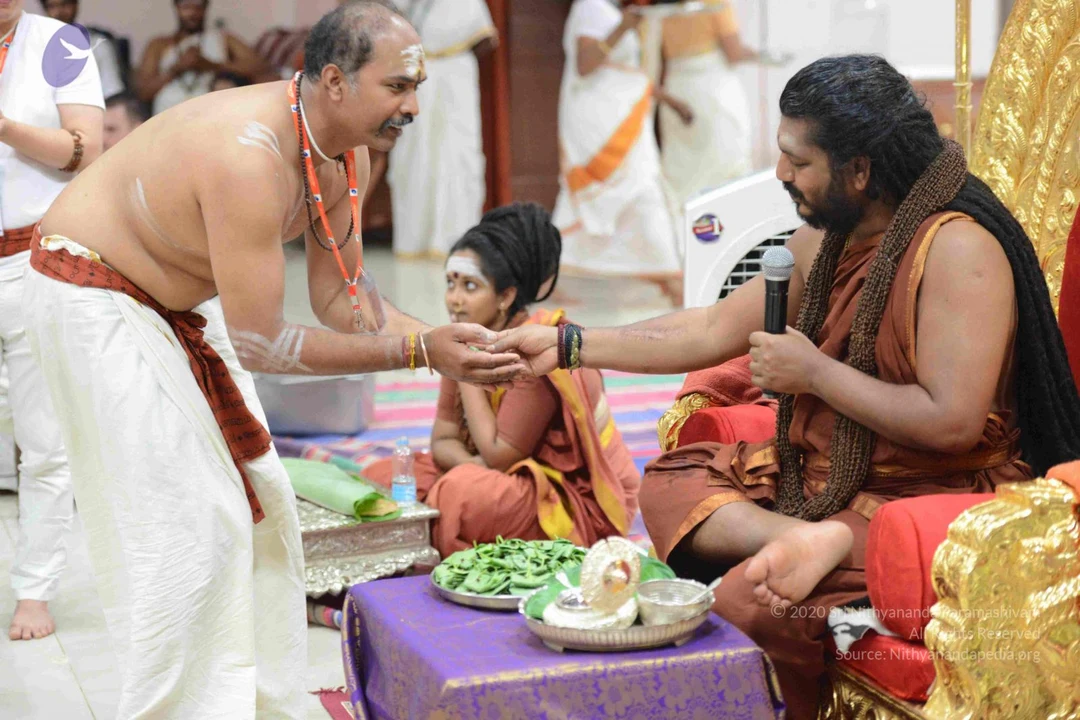
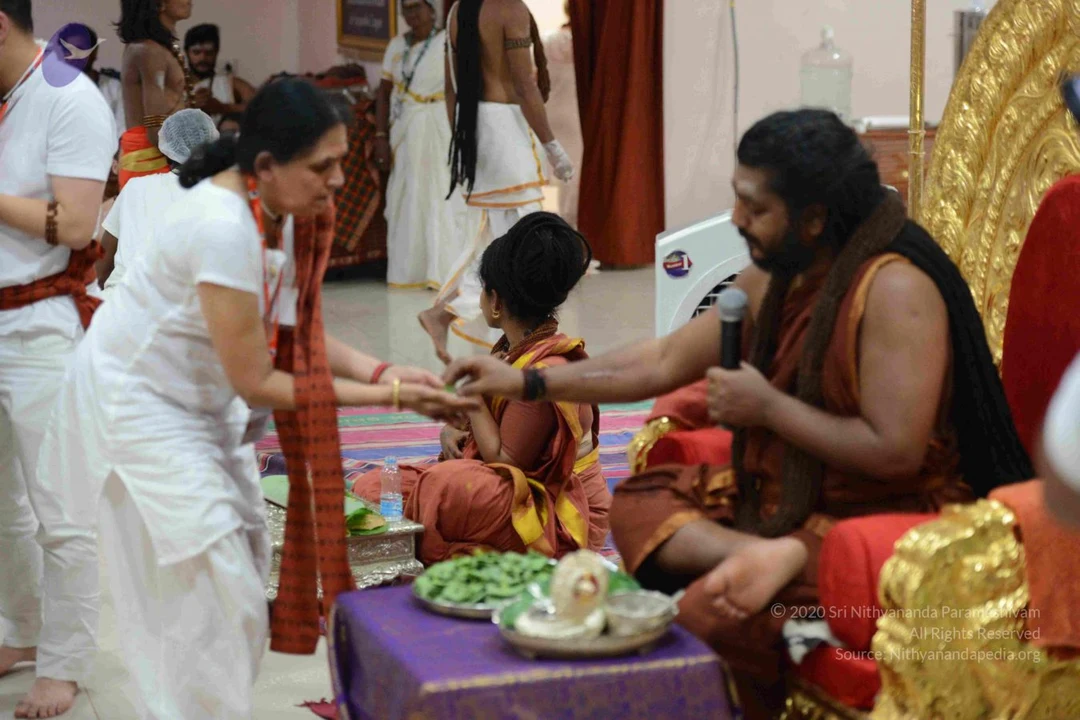

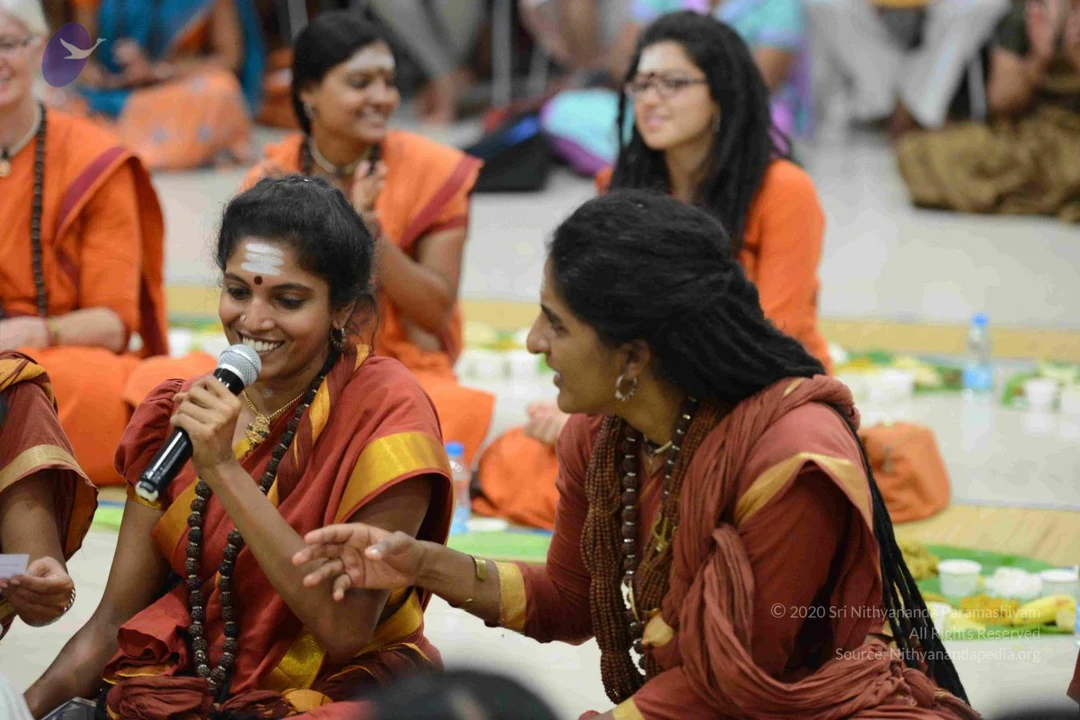
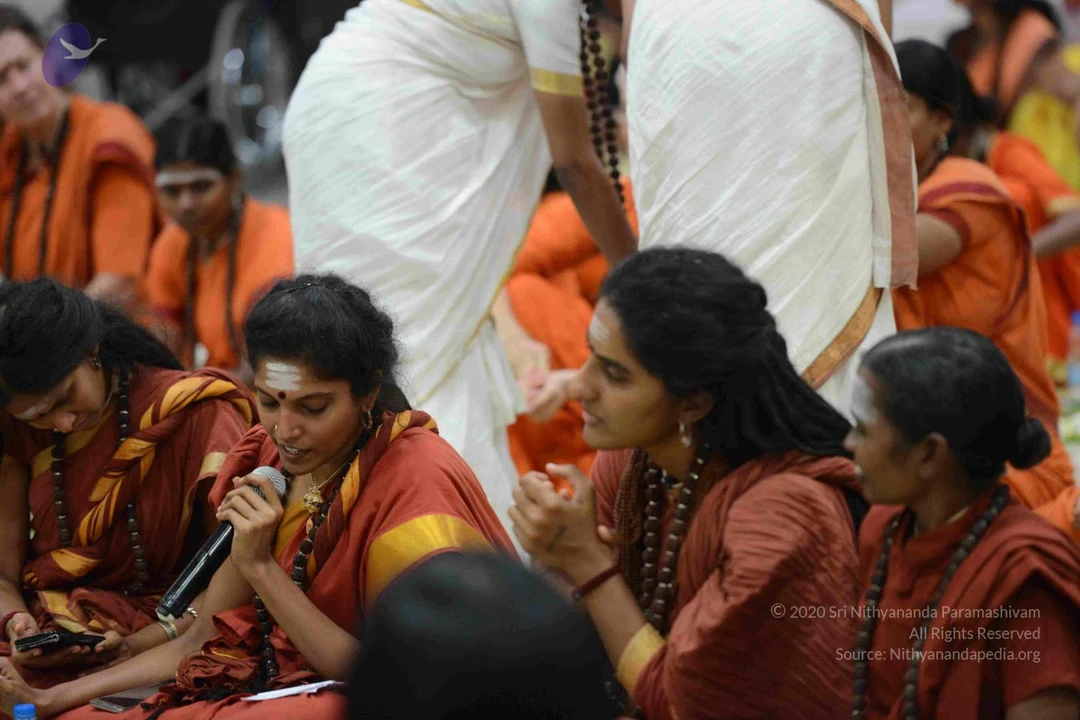
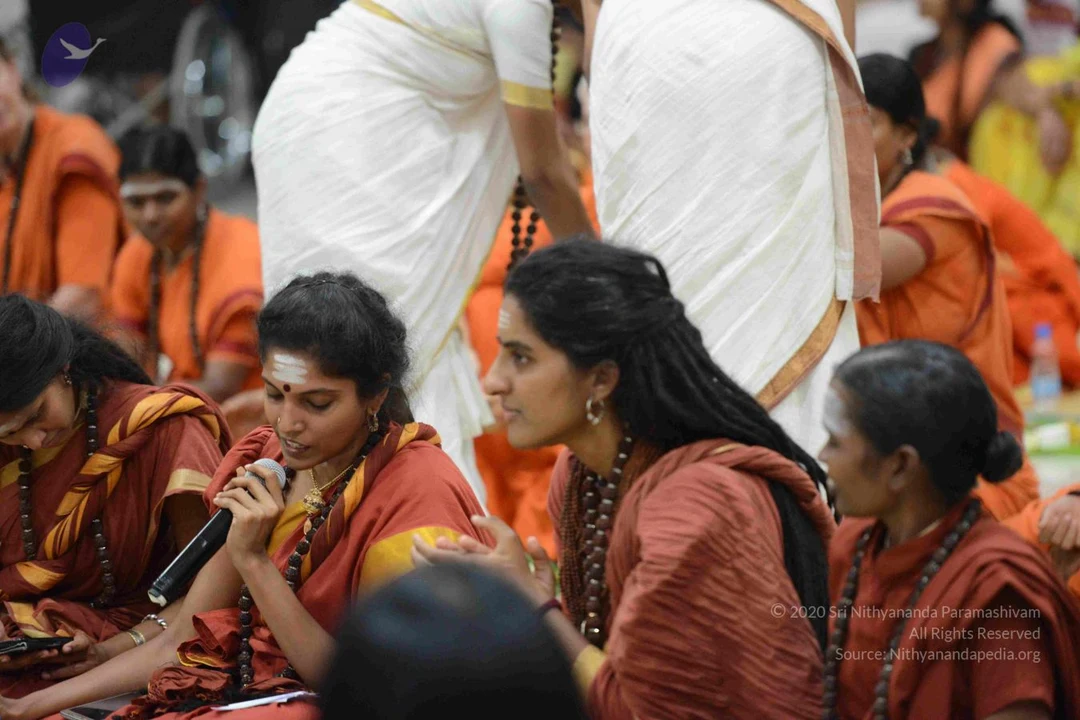
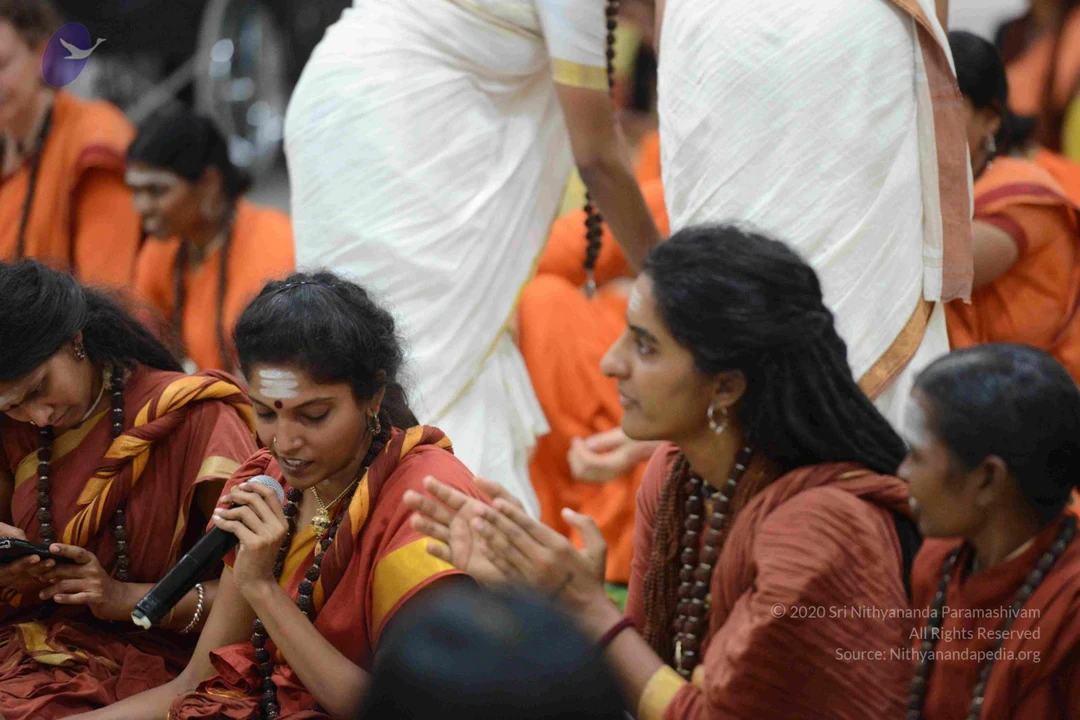
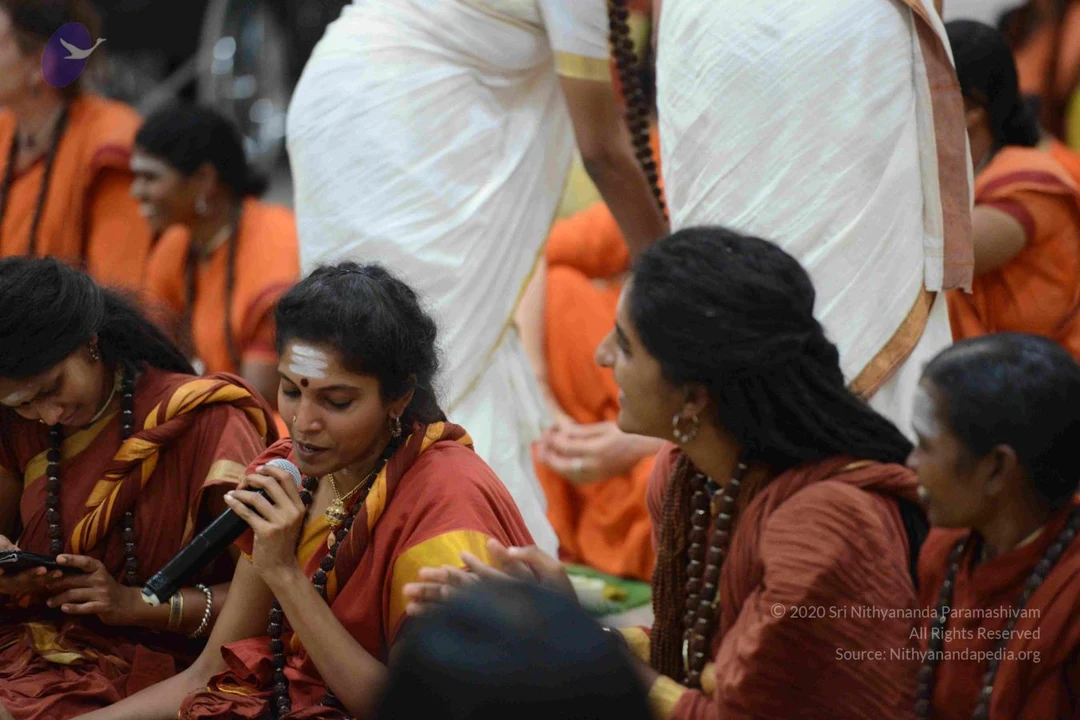
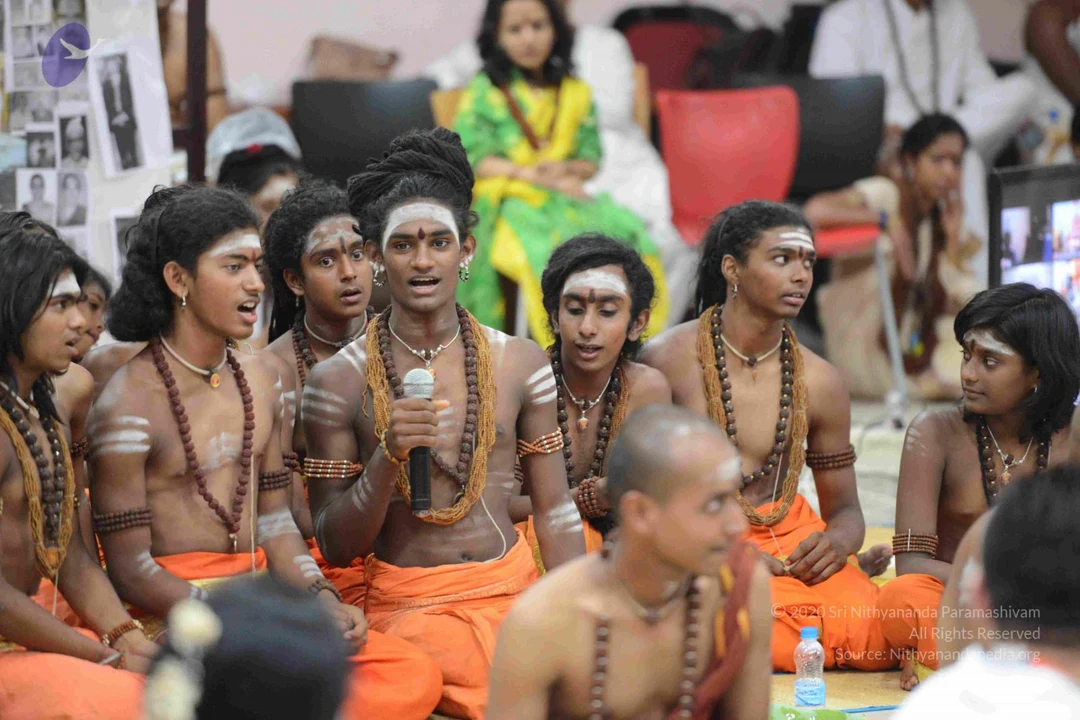
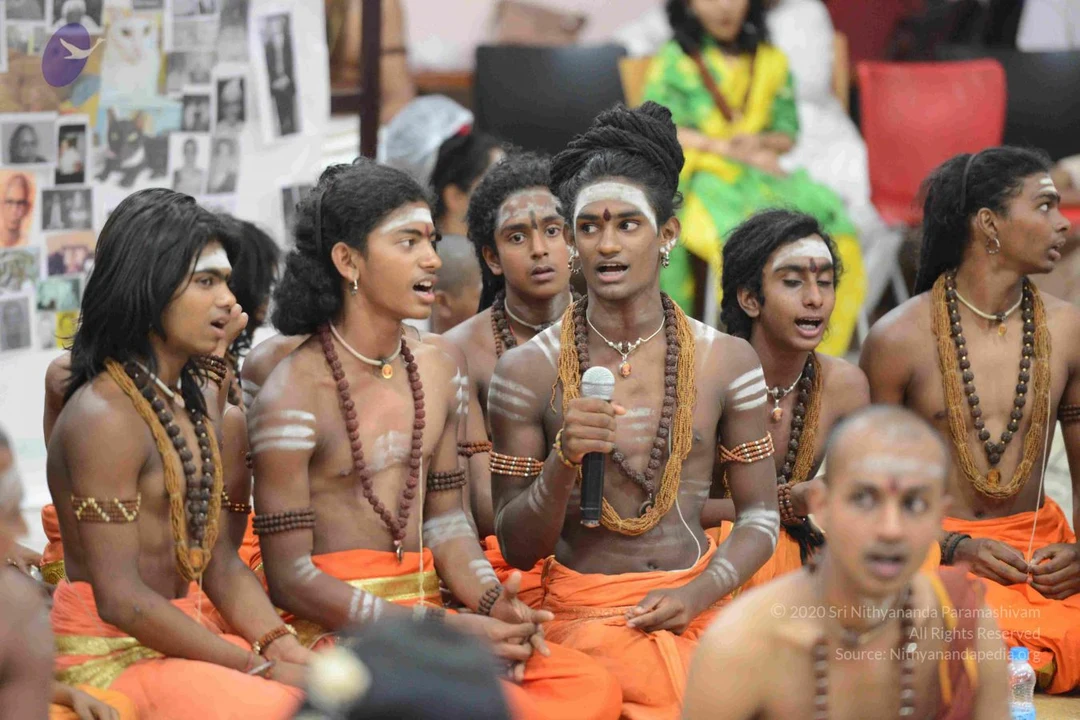
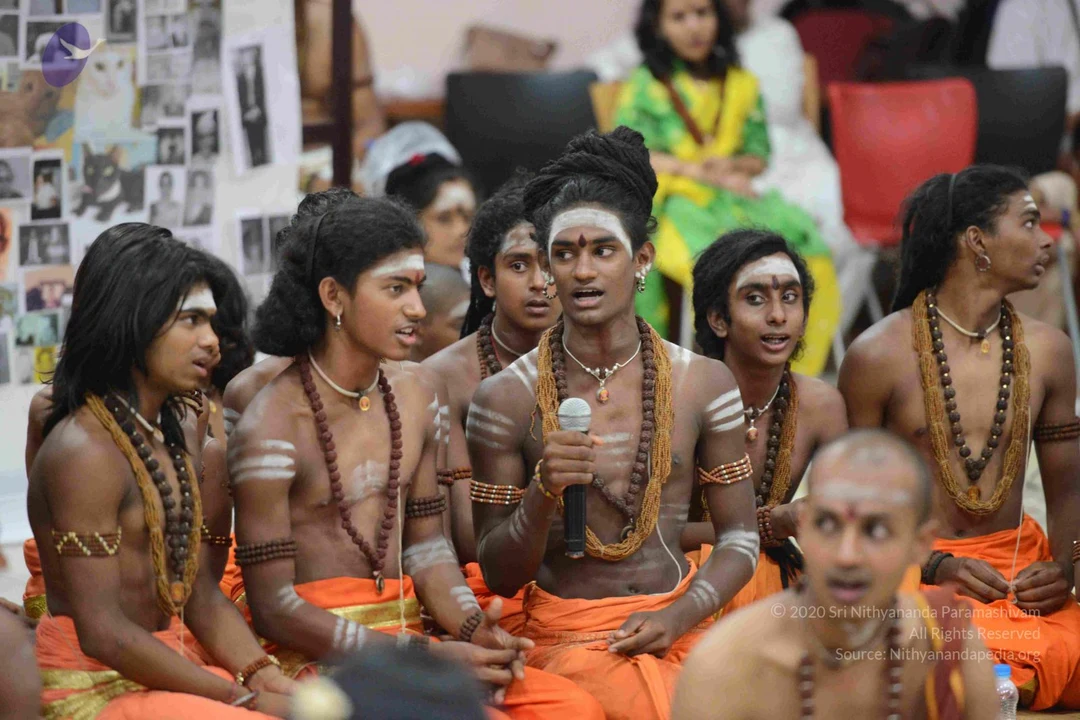
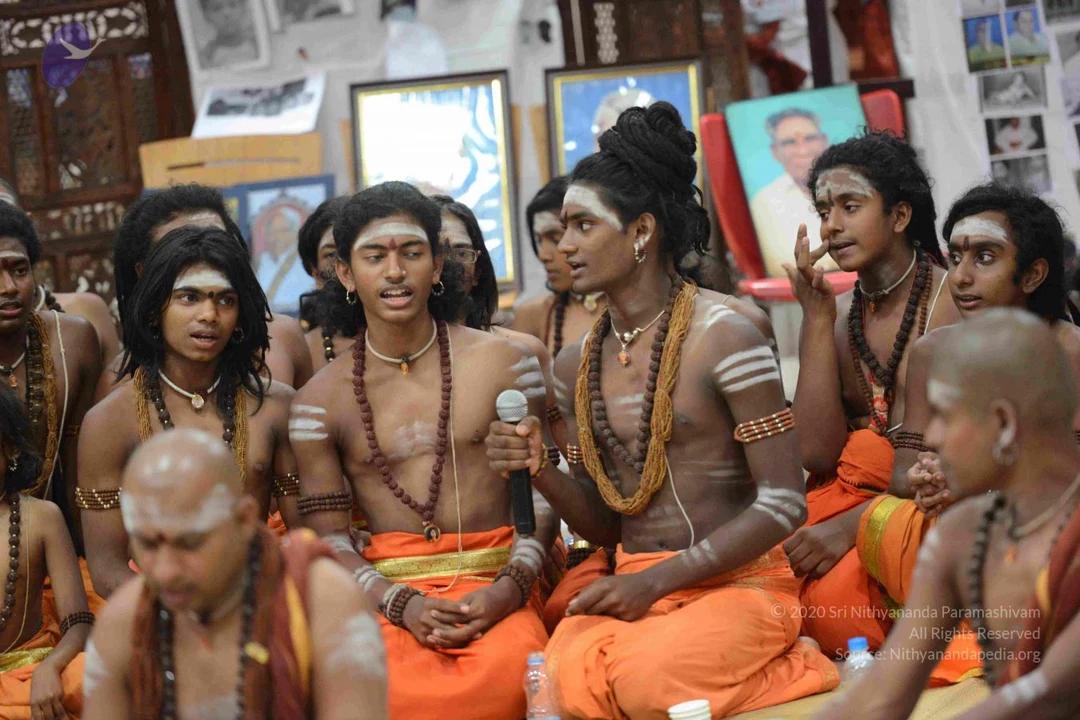
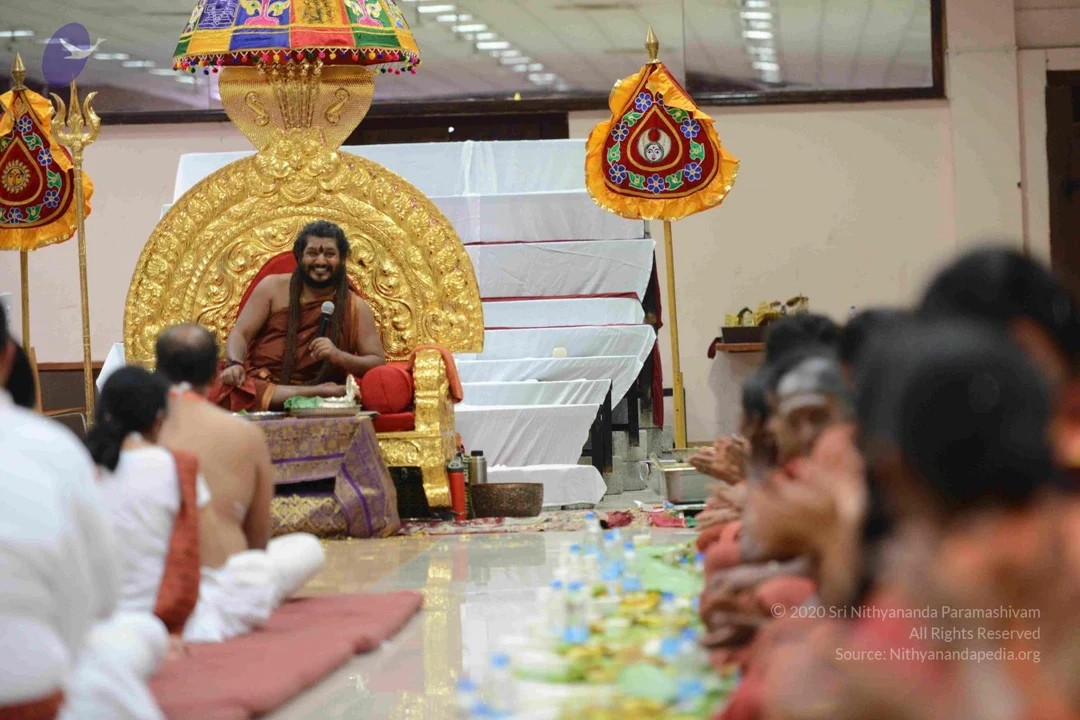
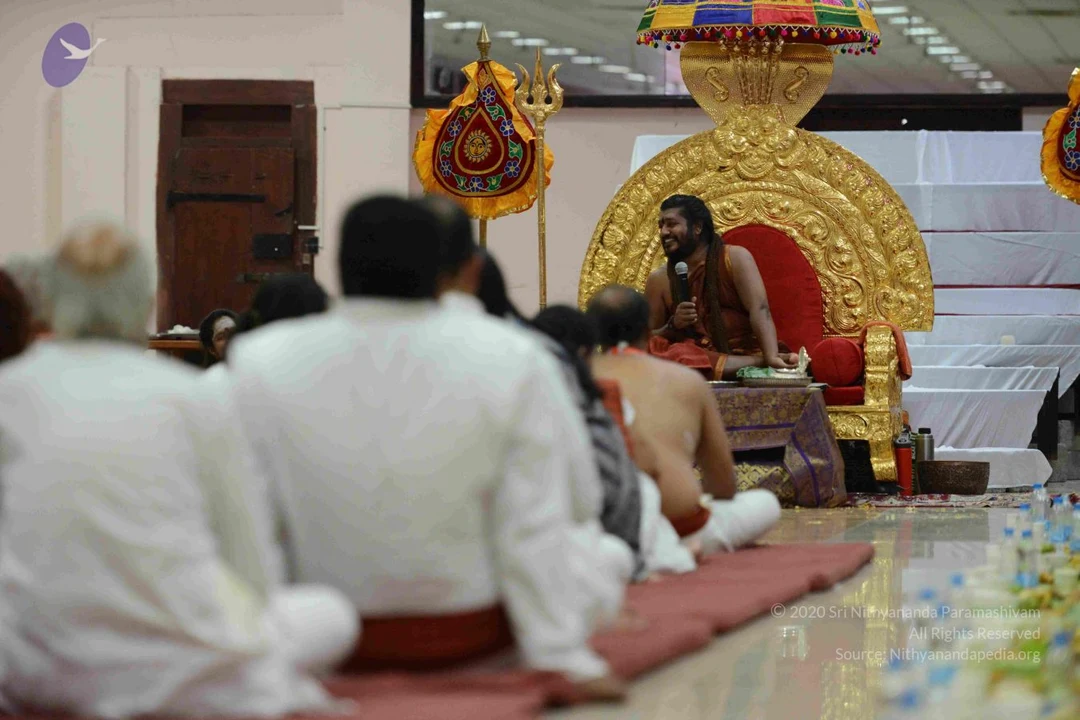
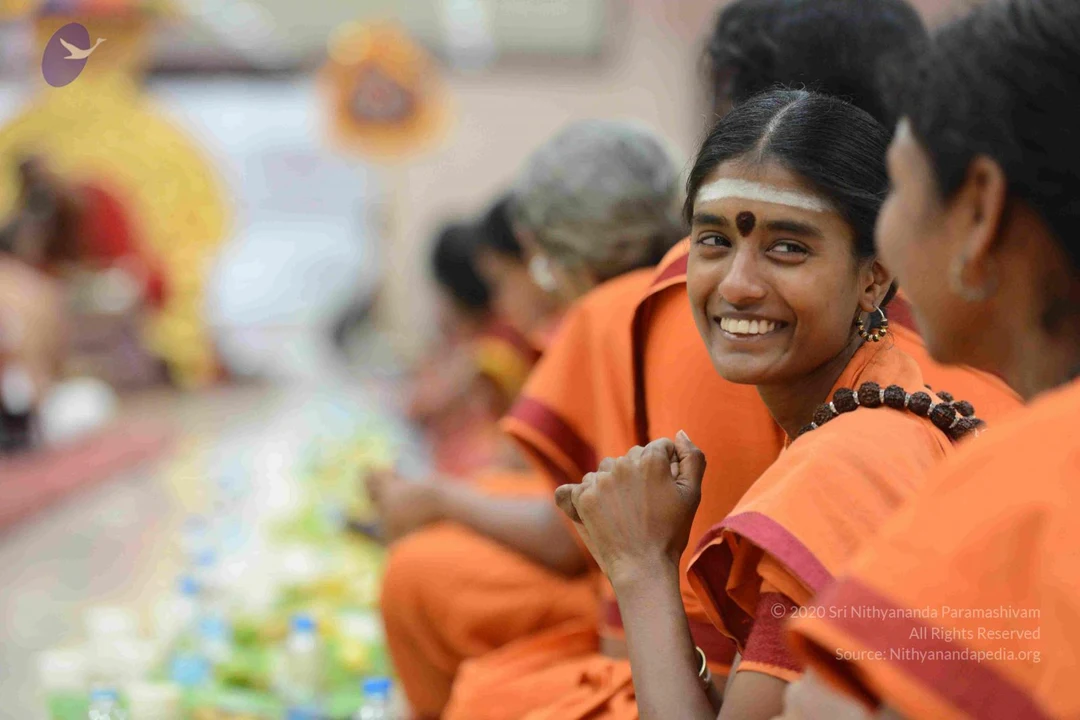
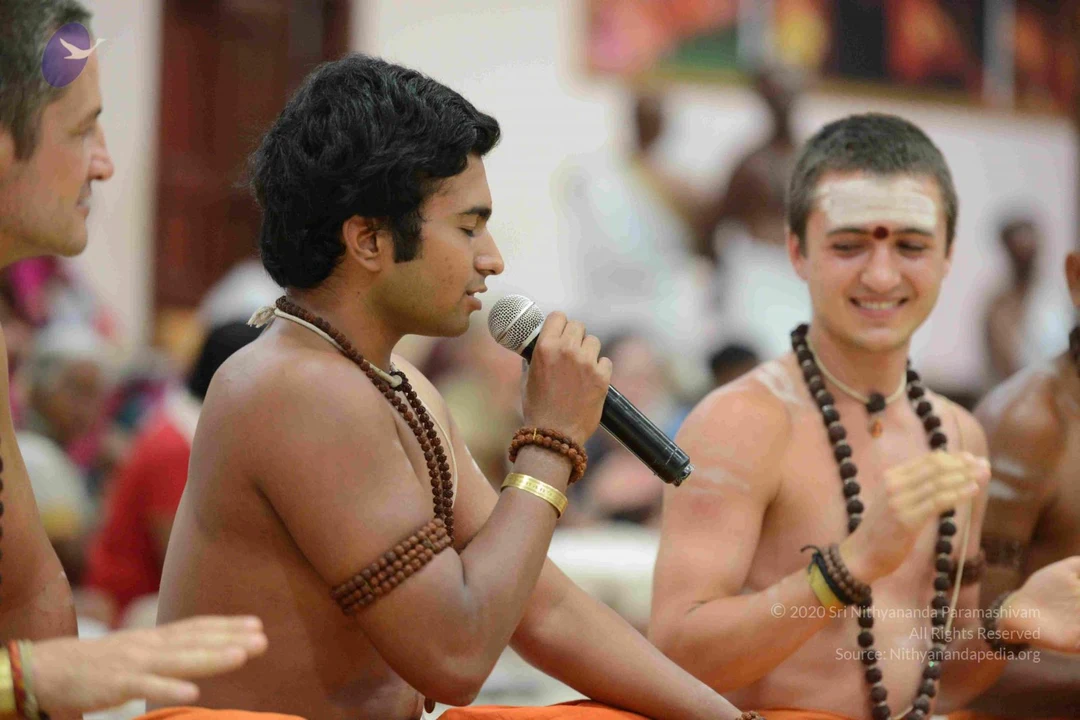
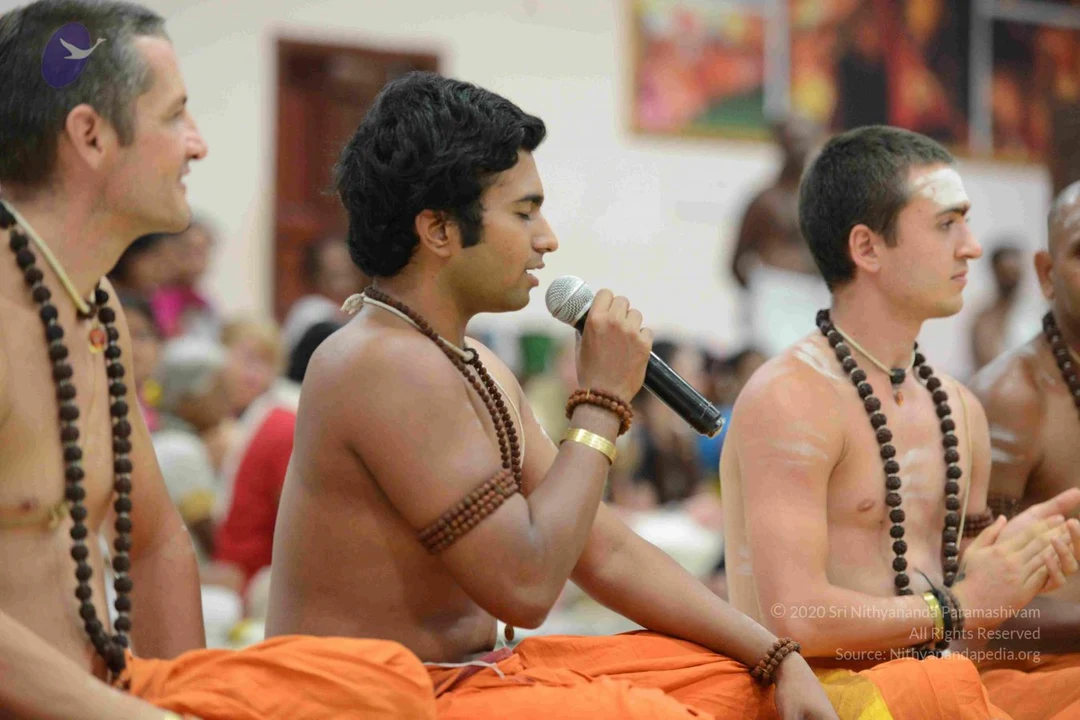
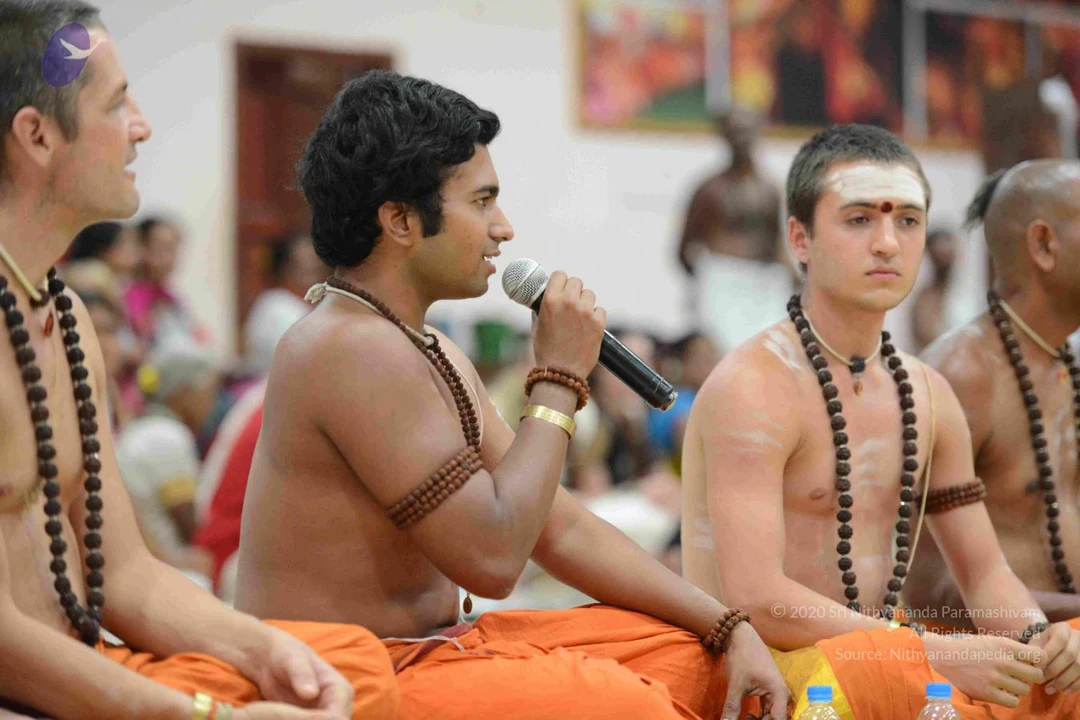
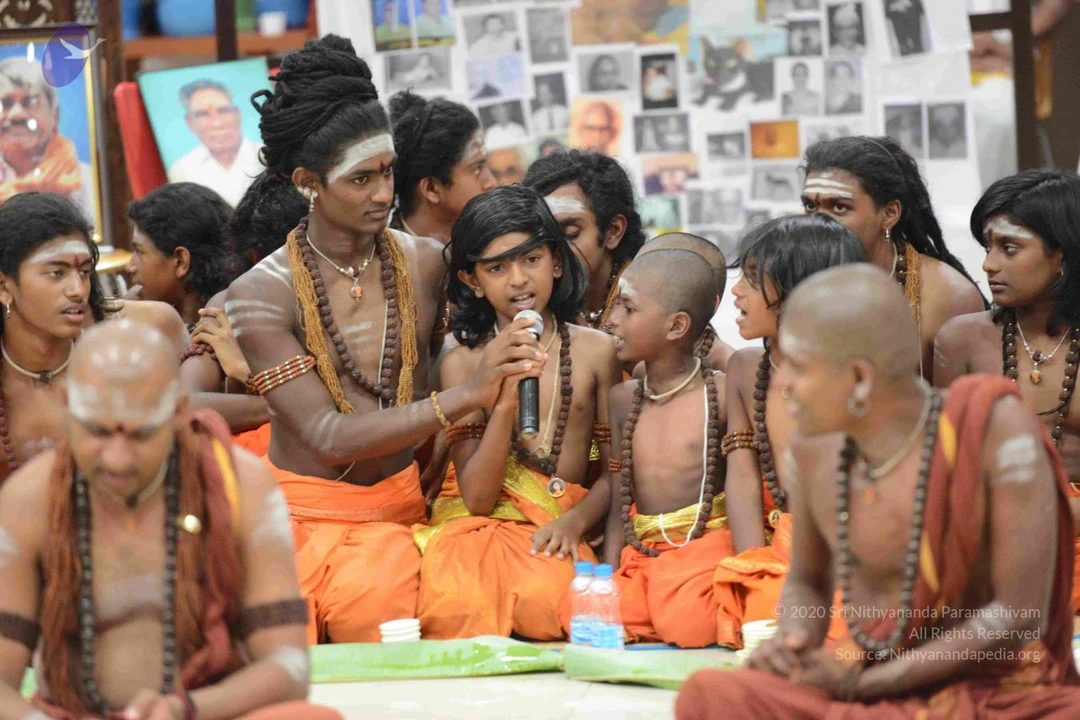
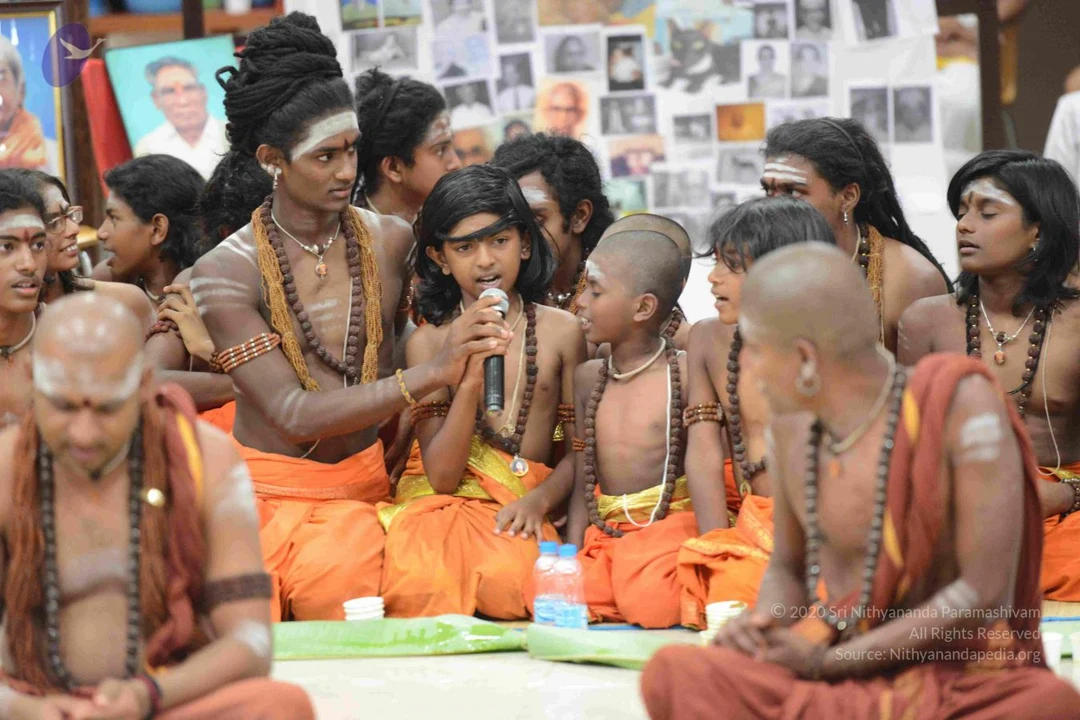
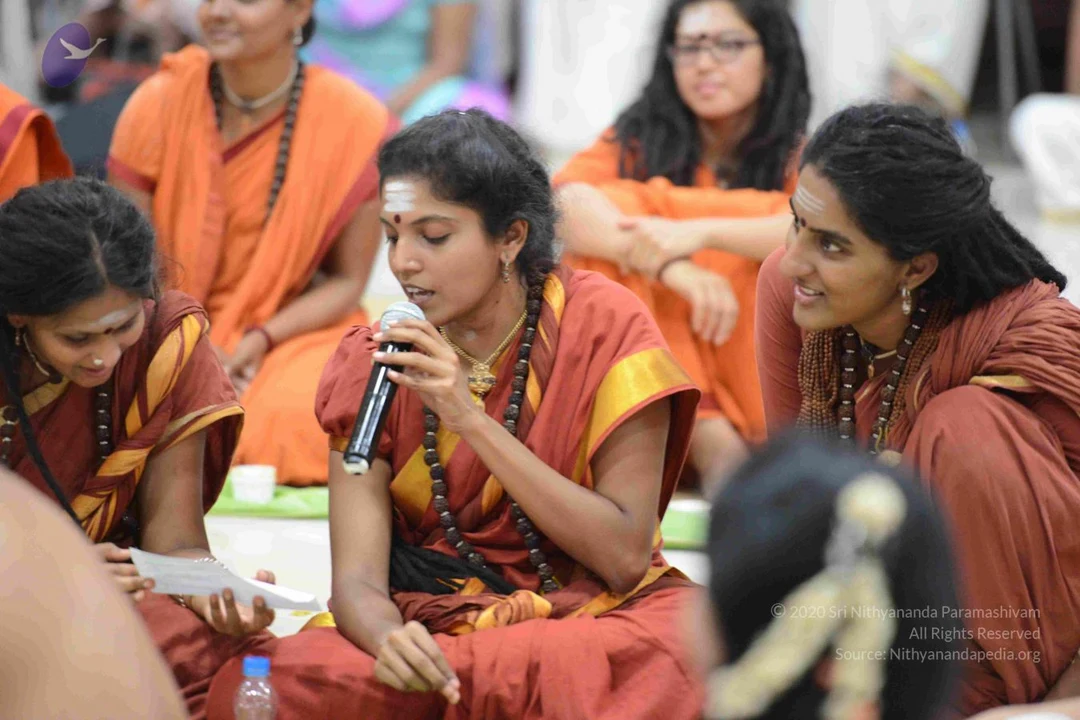
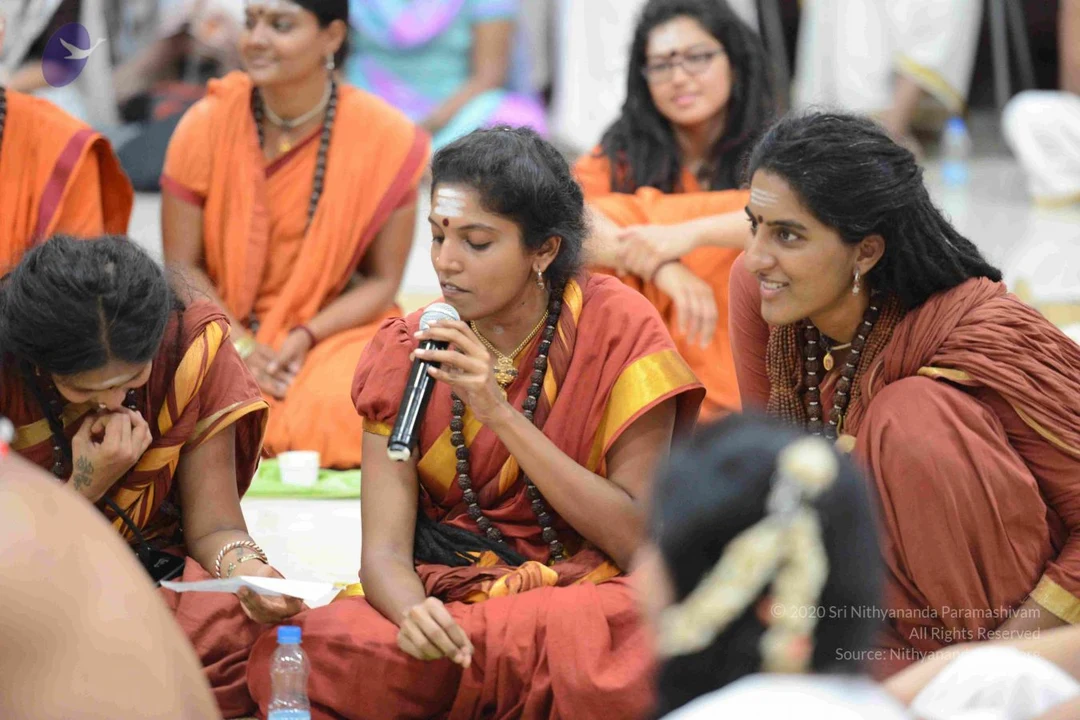
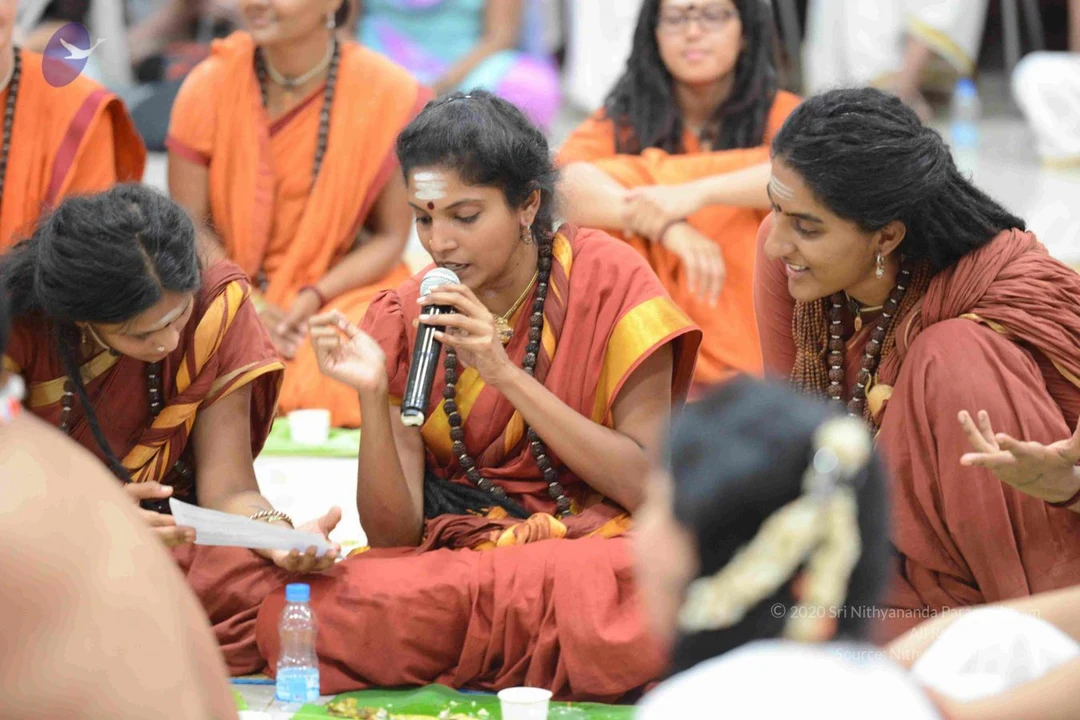

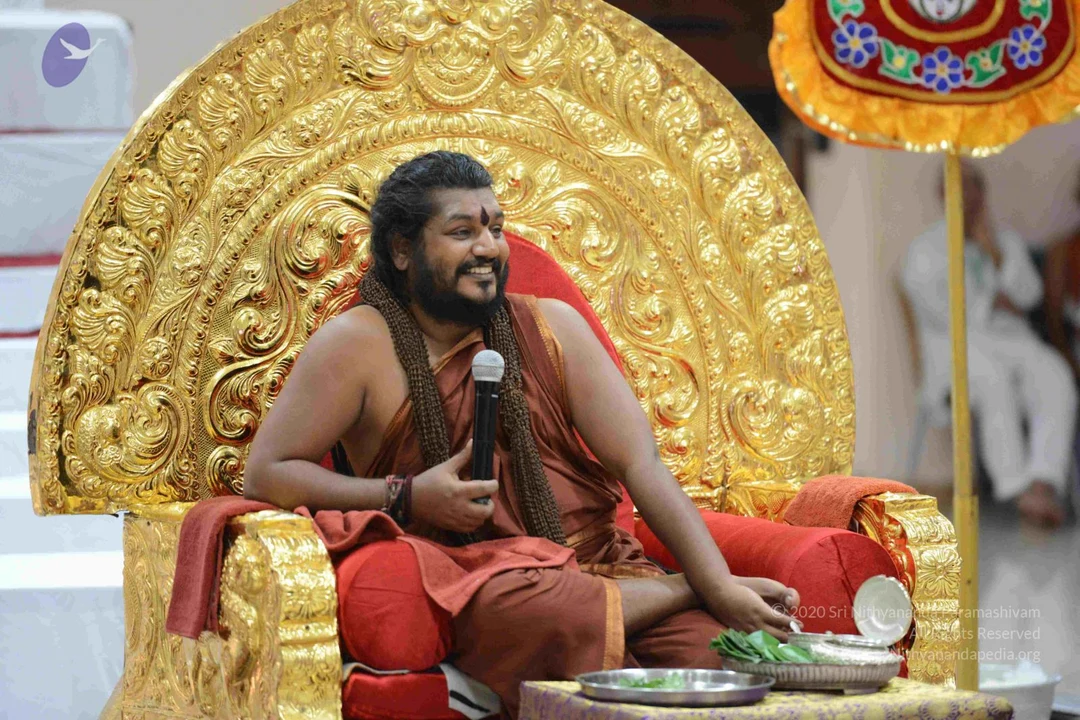
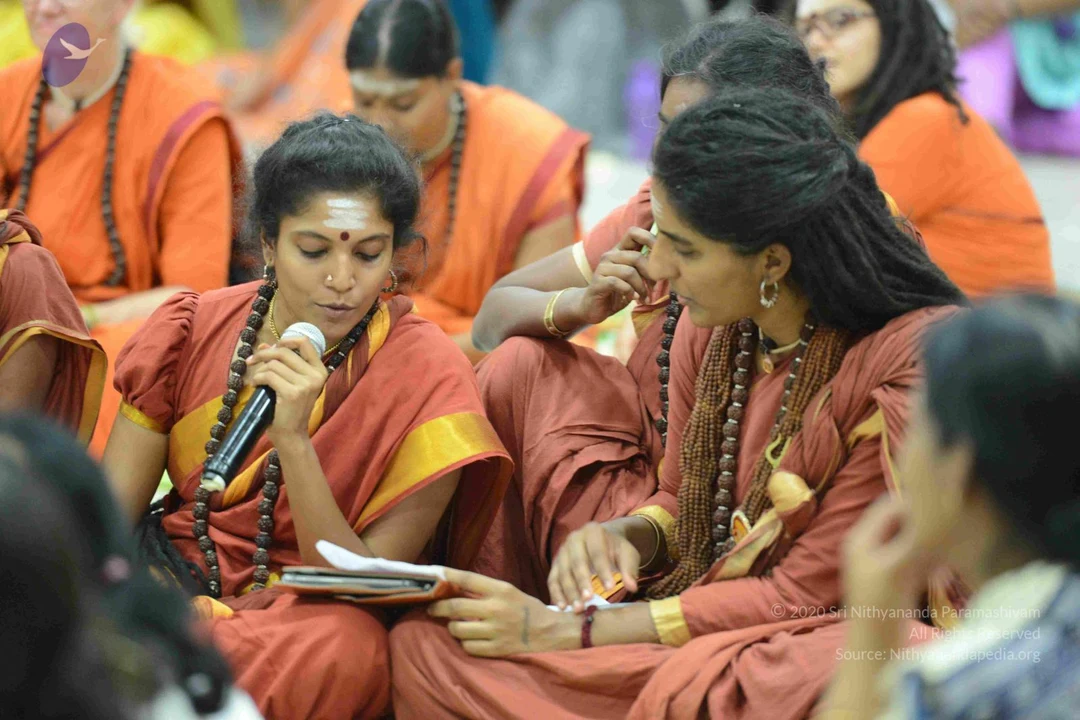
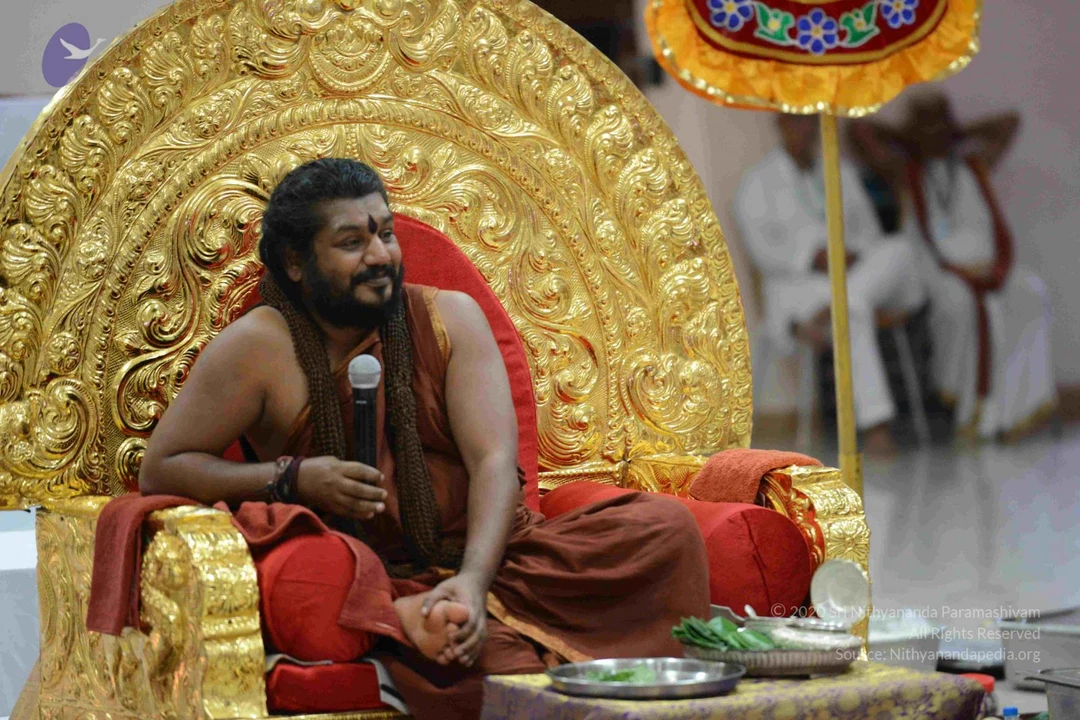

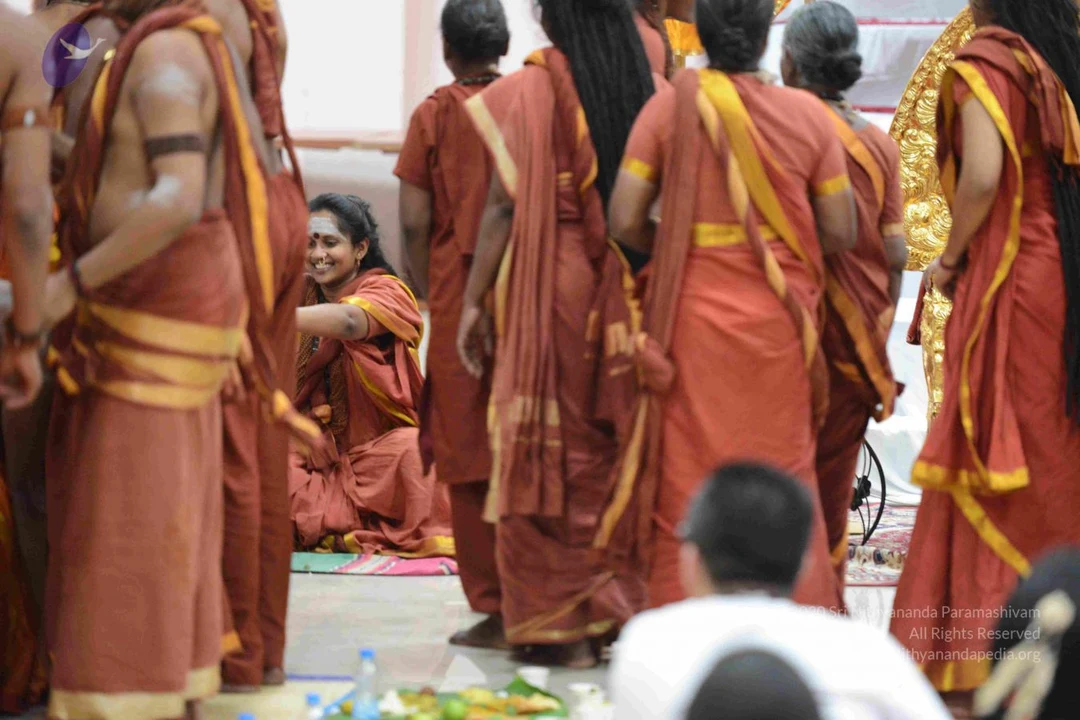
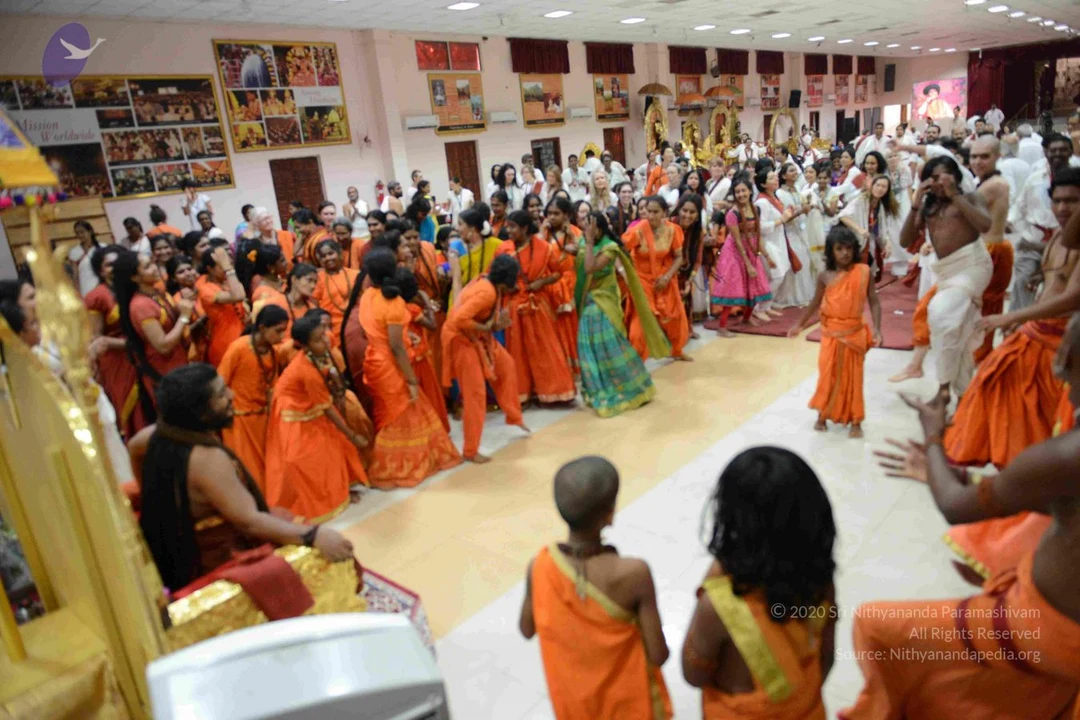
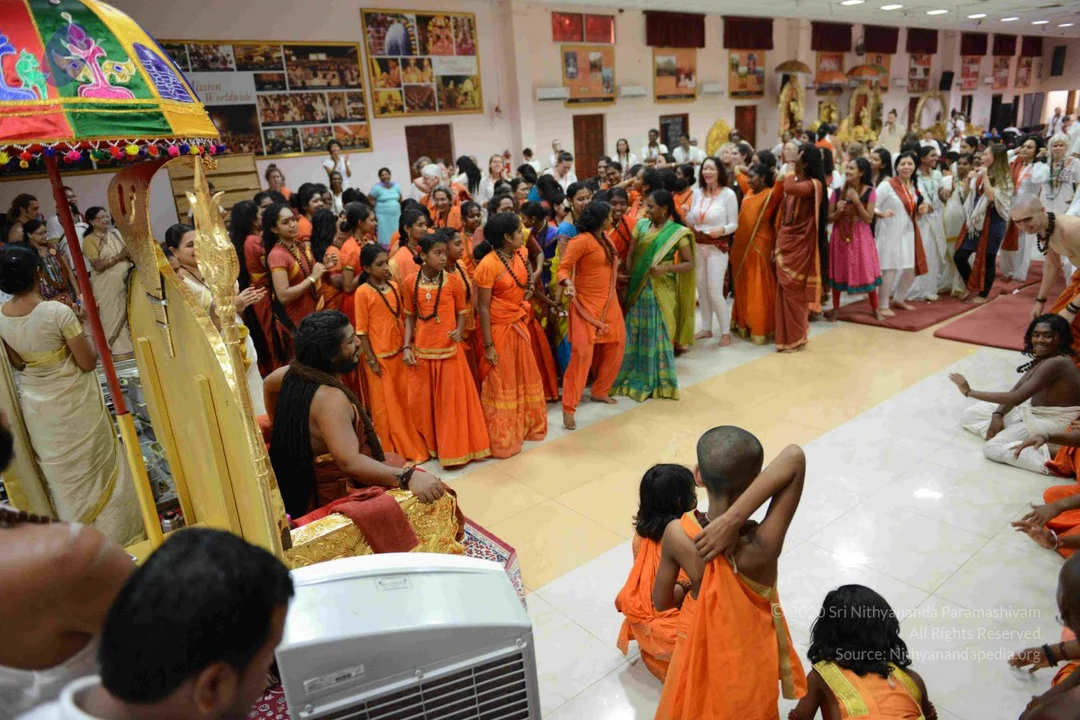
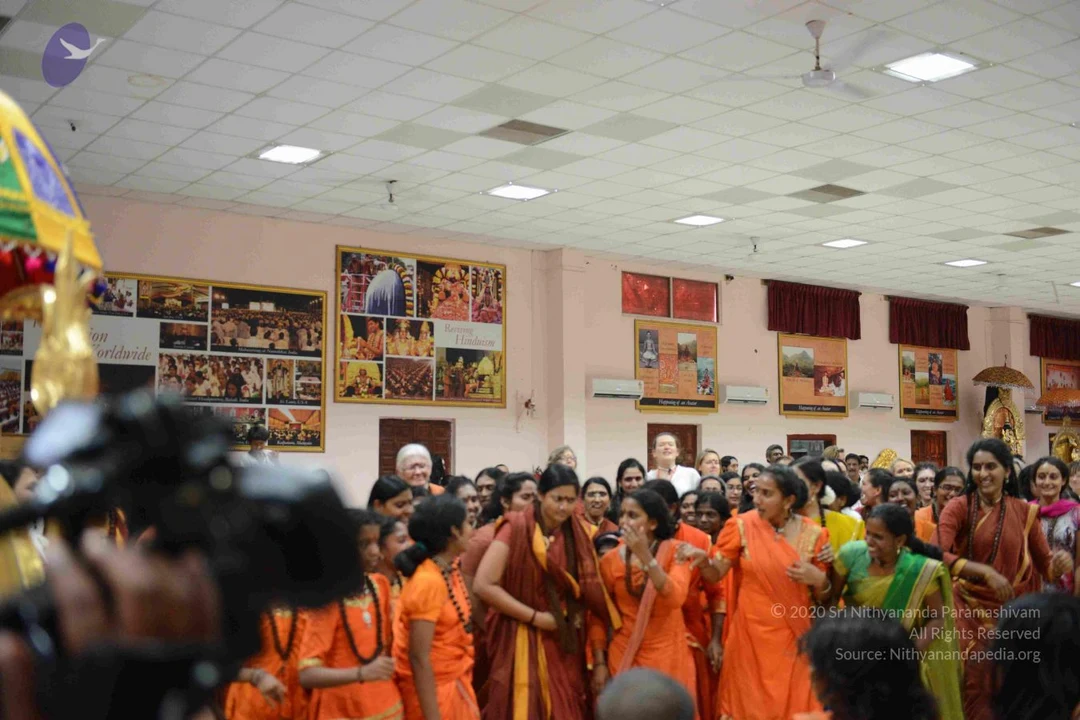
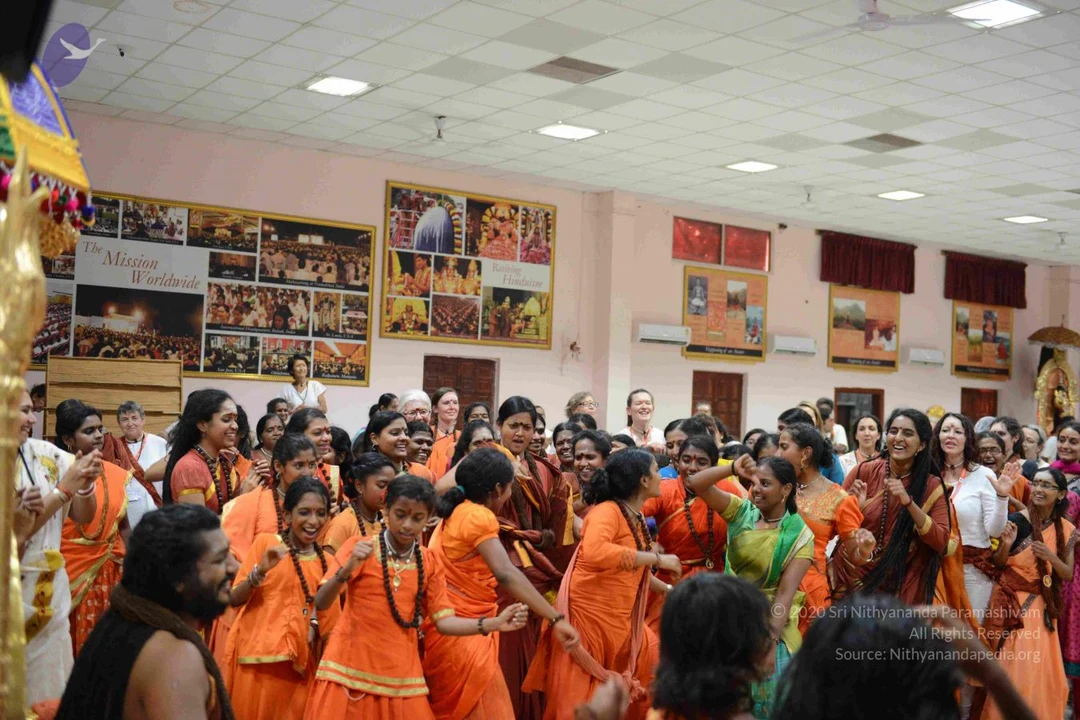
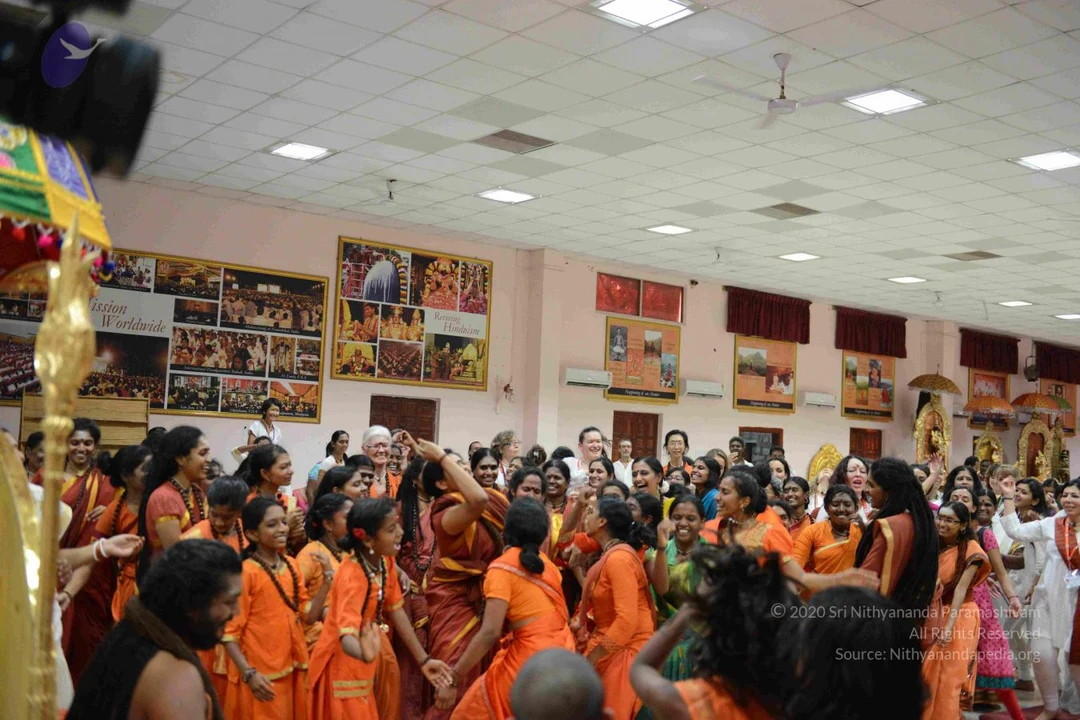
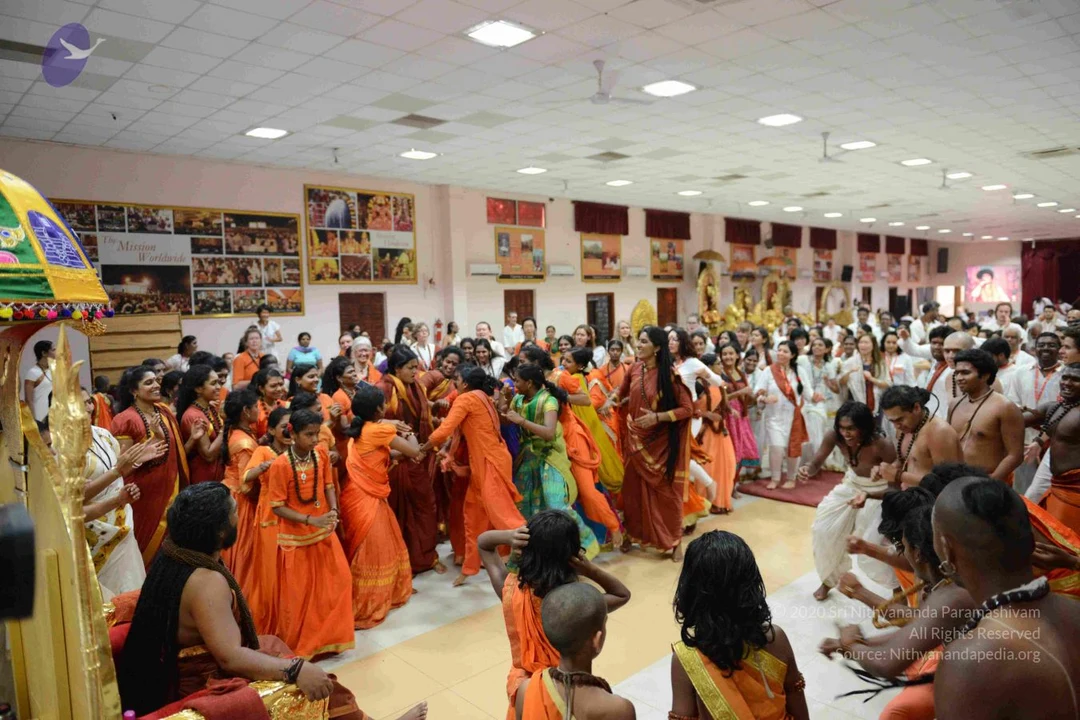
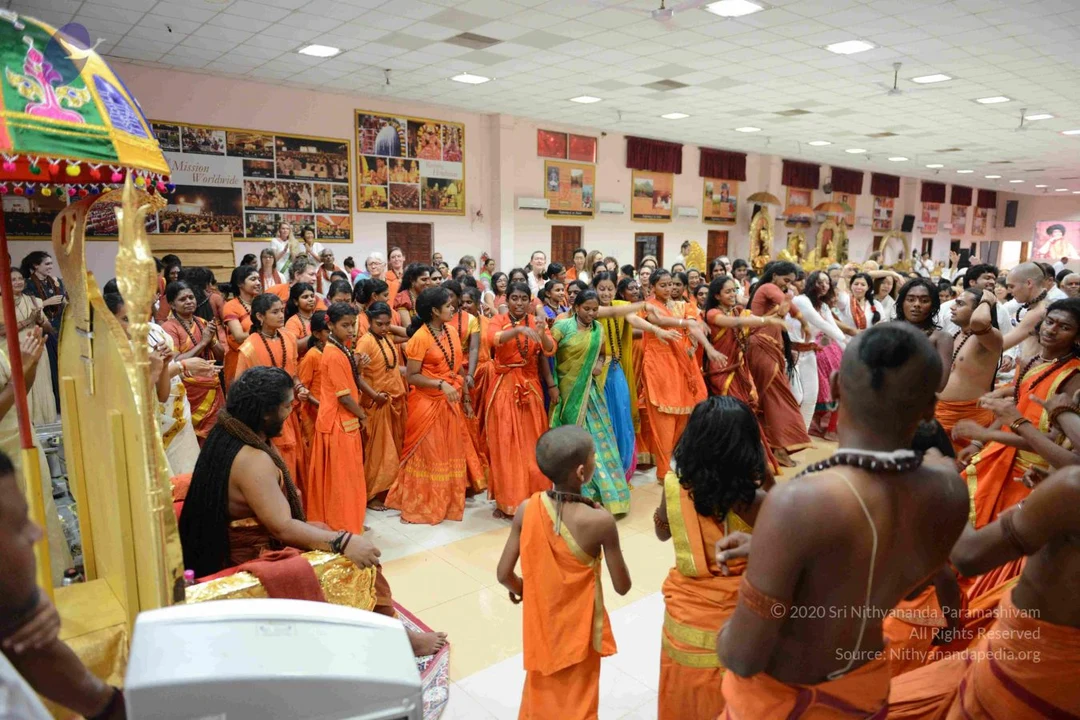
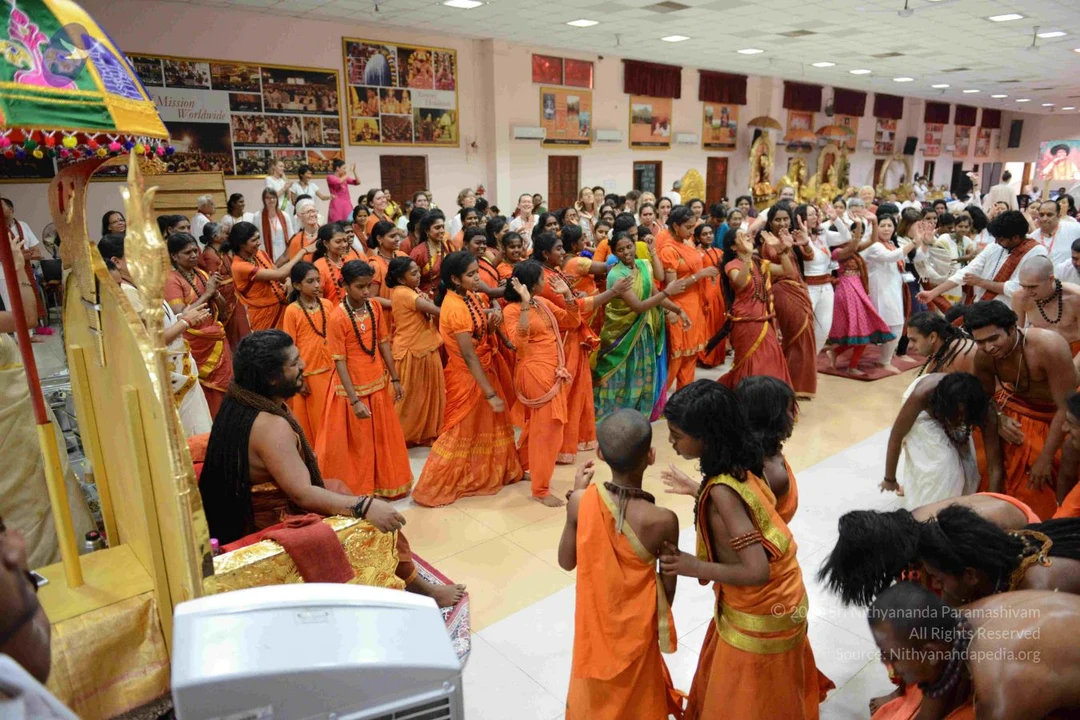
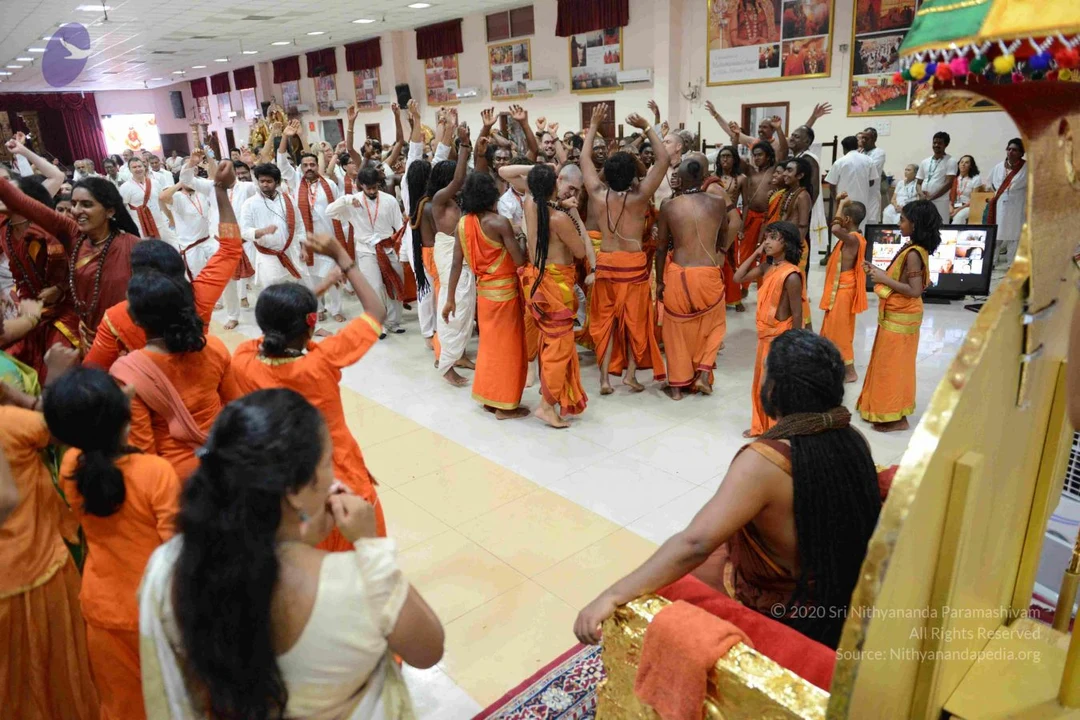
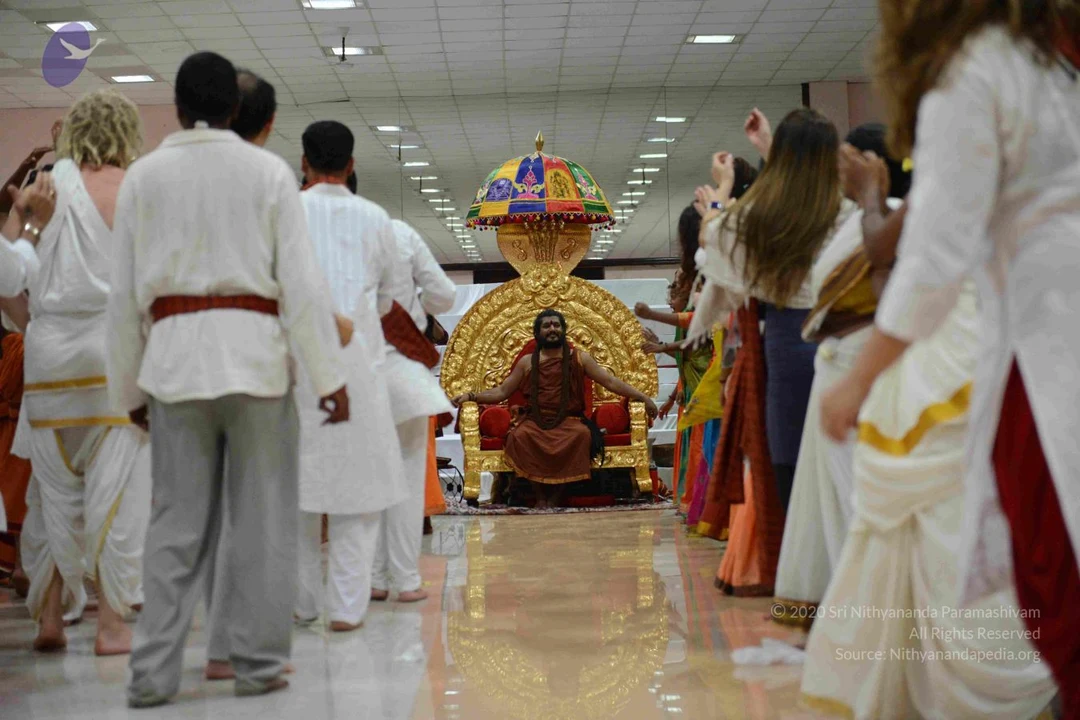
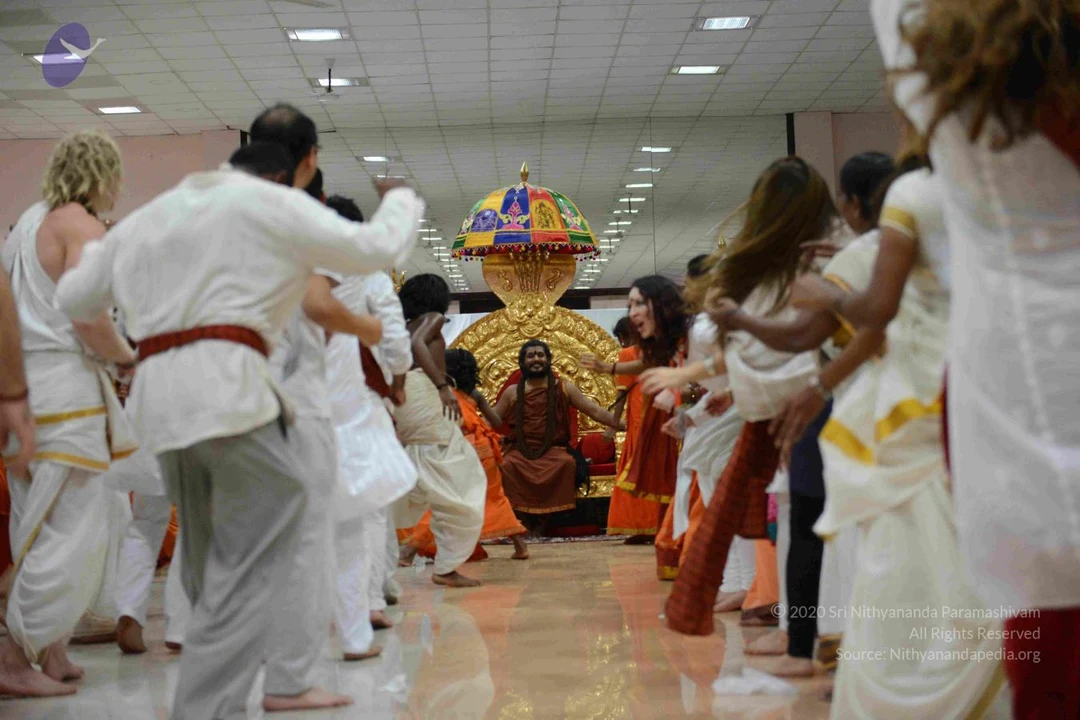
01--IA-Shivoham
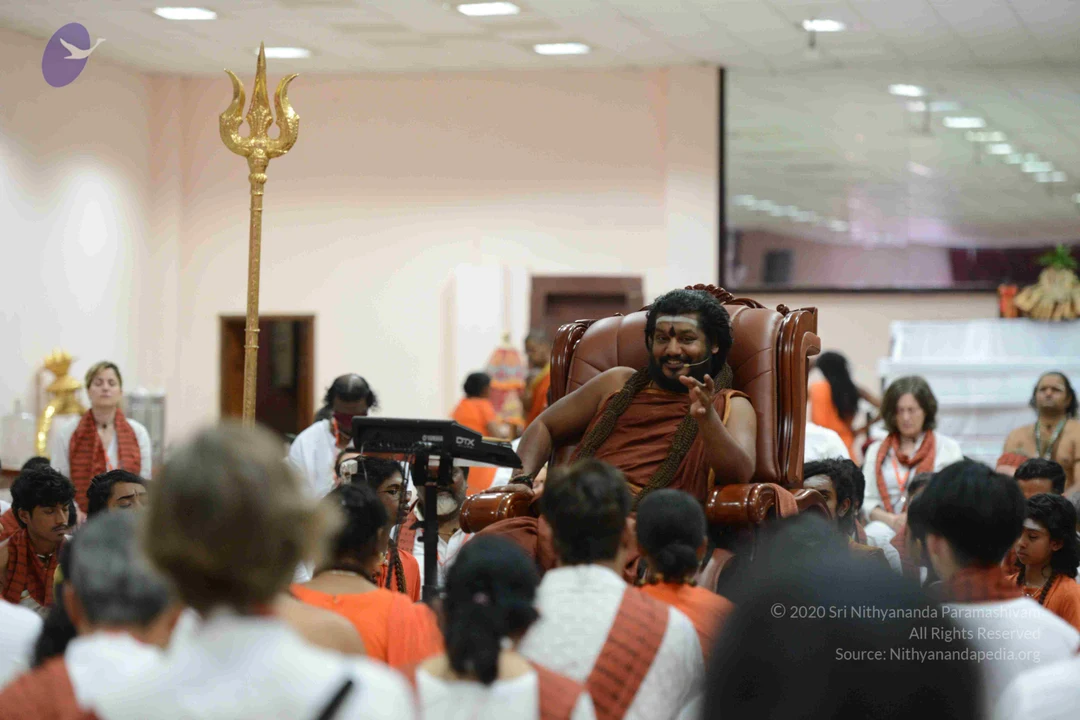
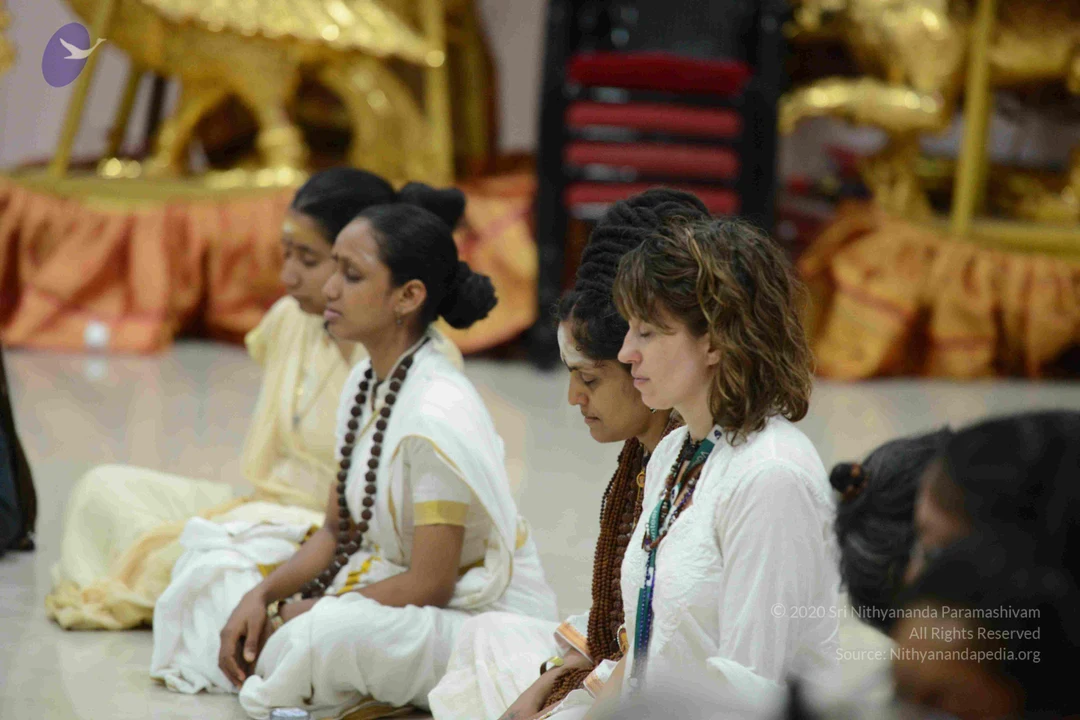
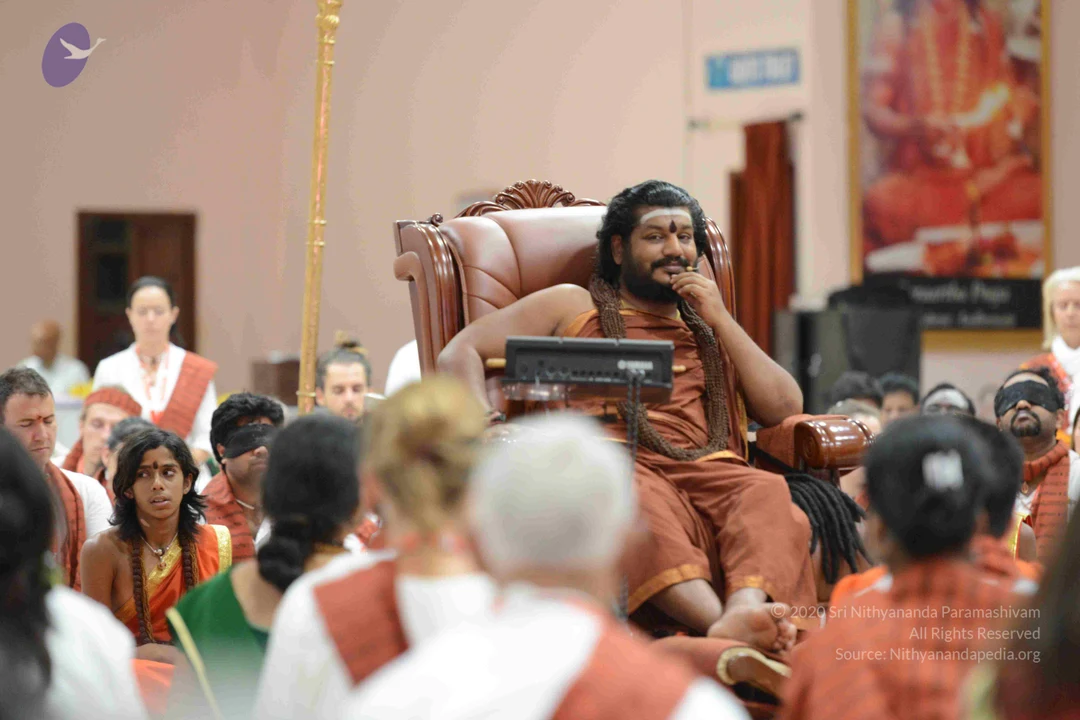
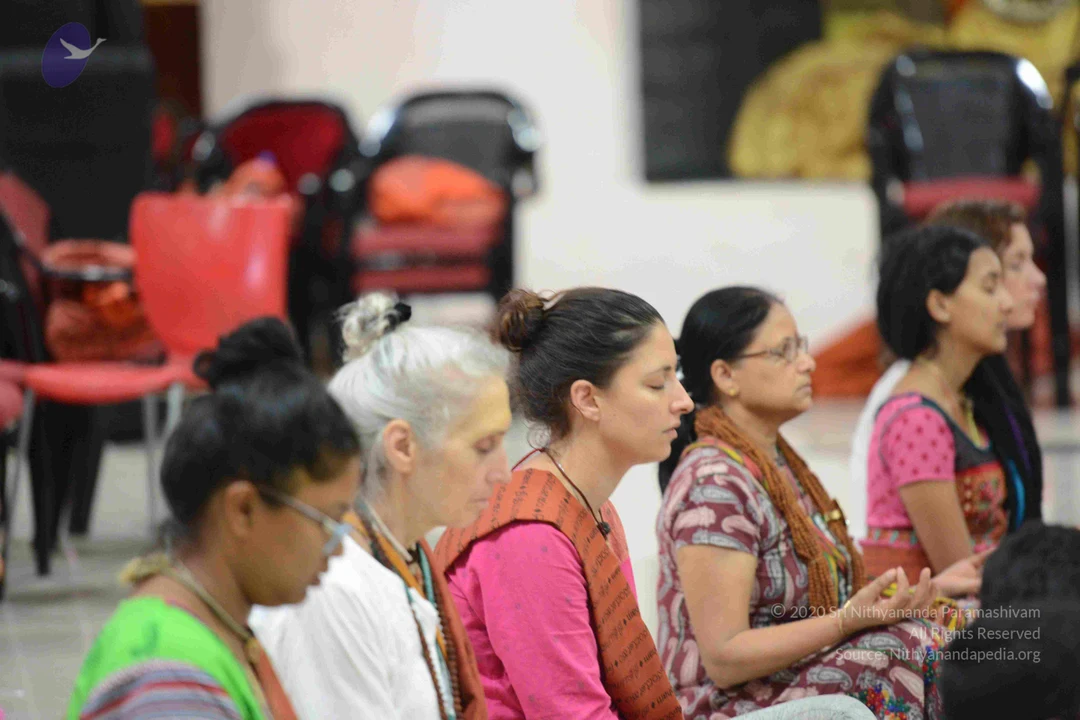
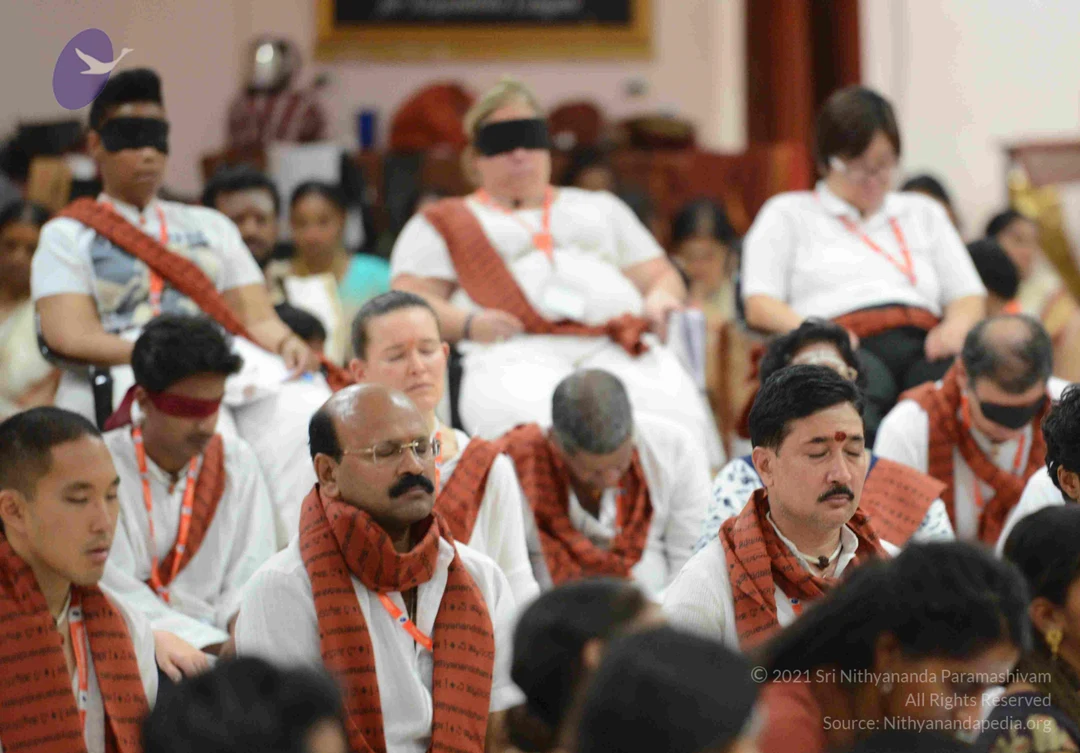
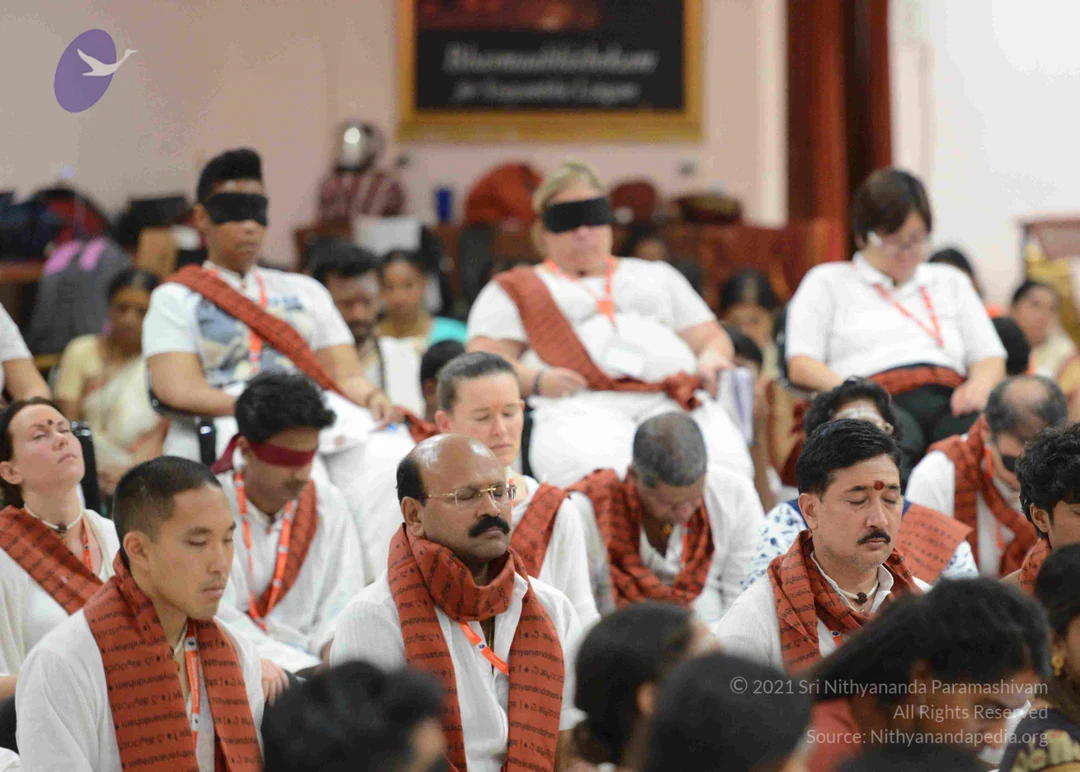
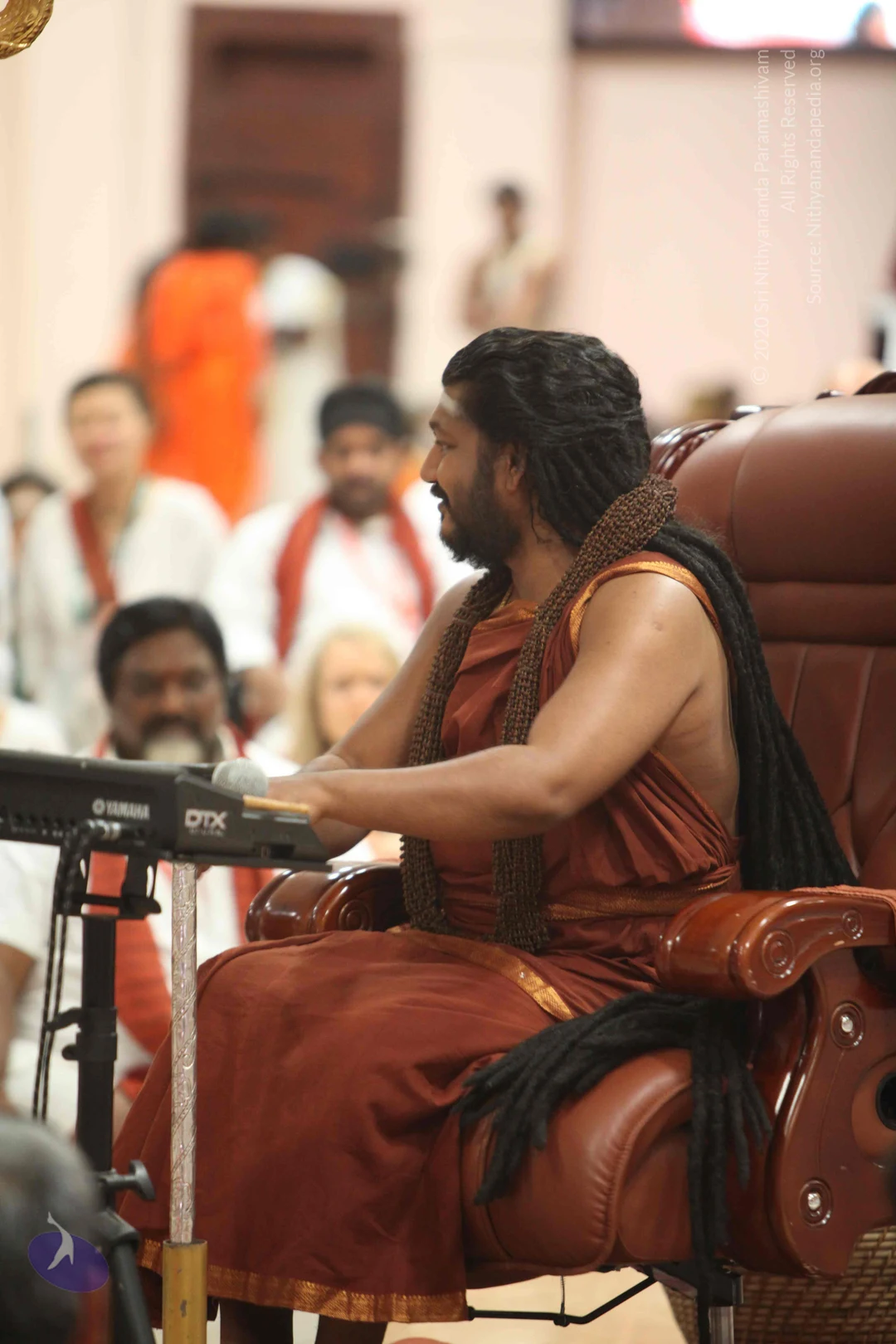
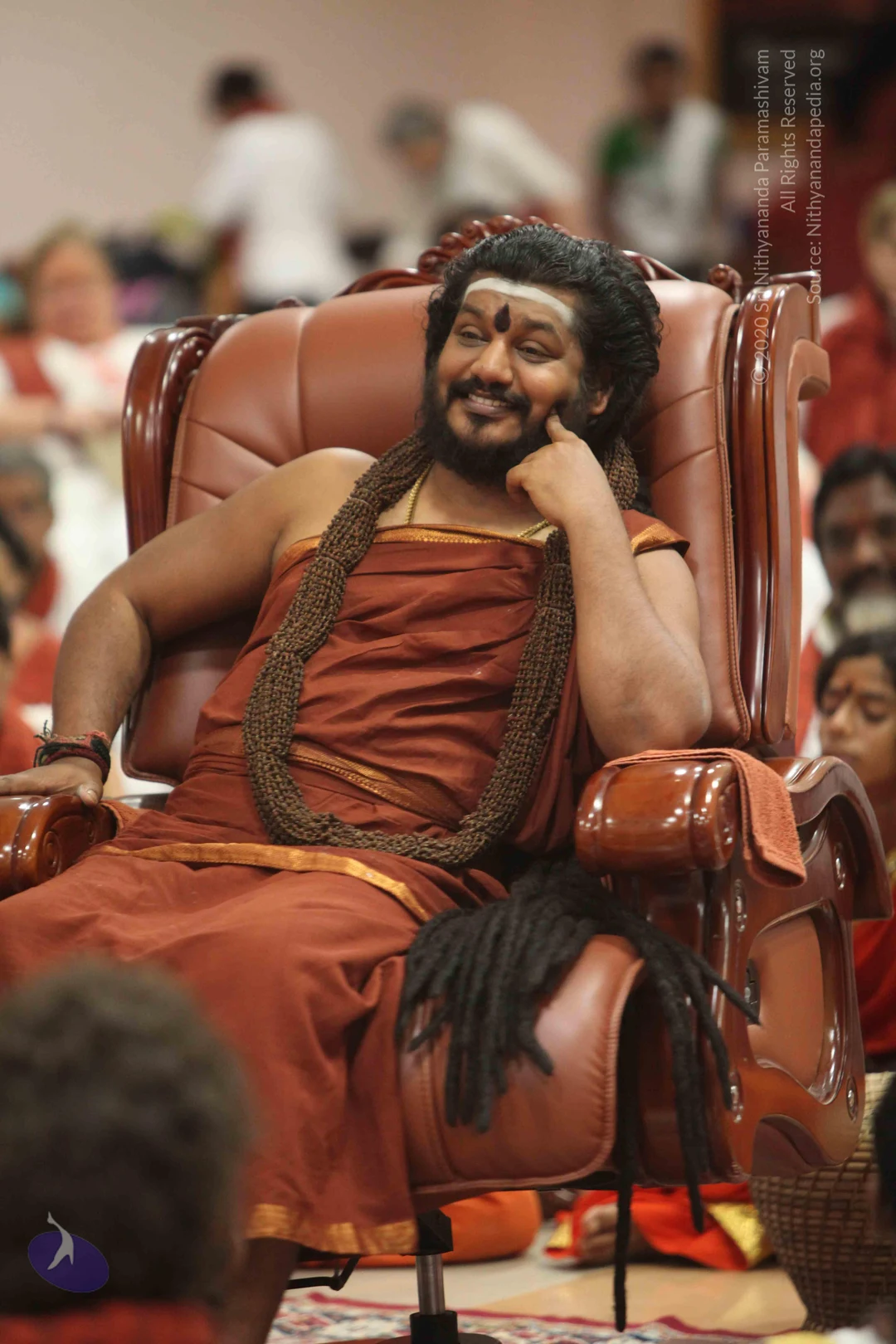
02--Maheshwara-Puja-Mahalaya-Amavasya
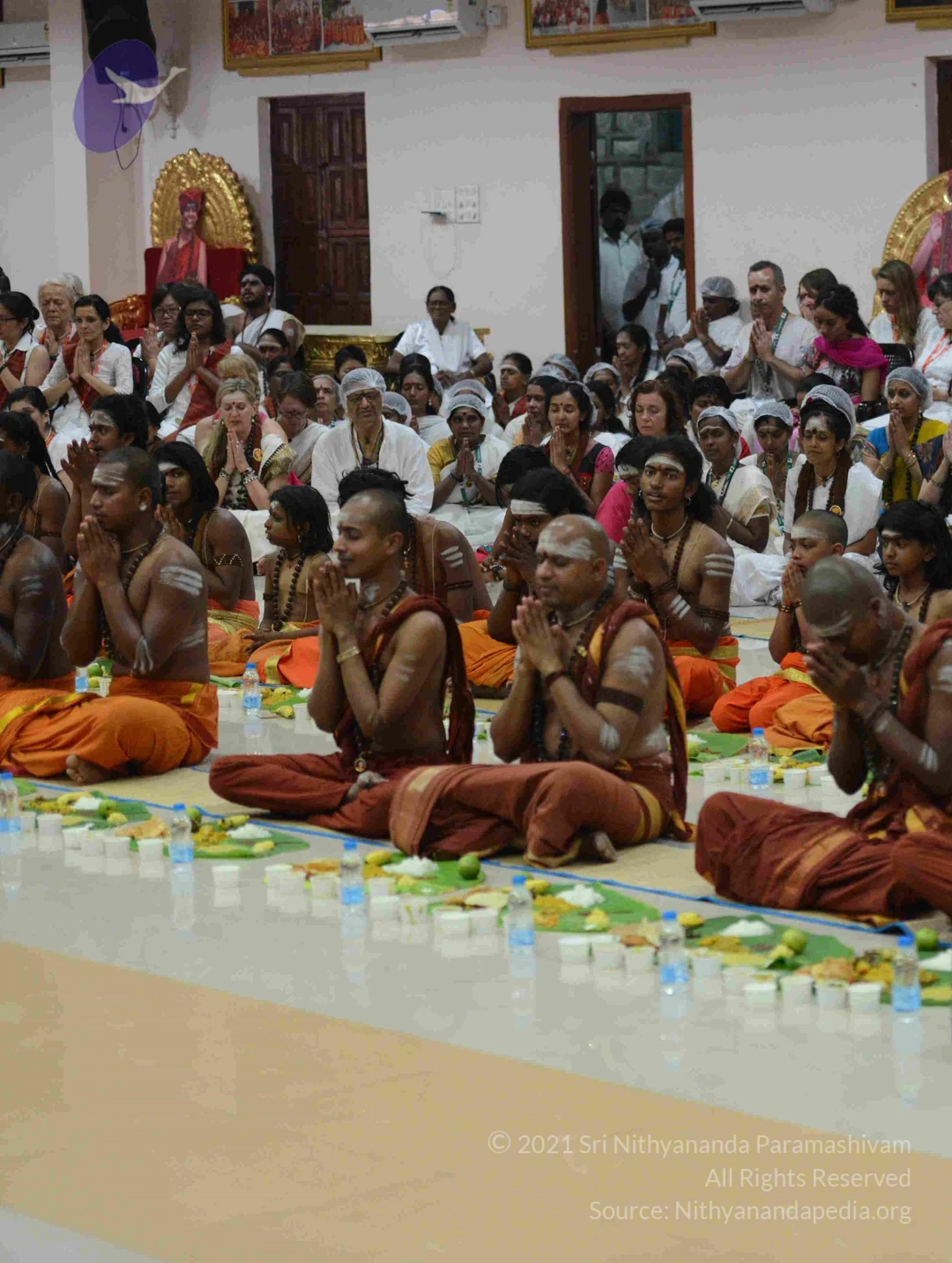
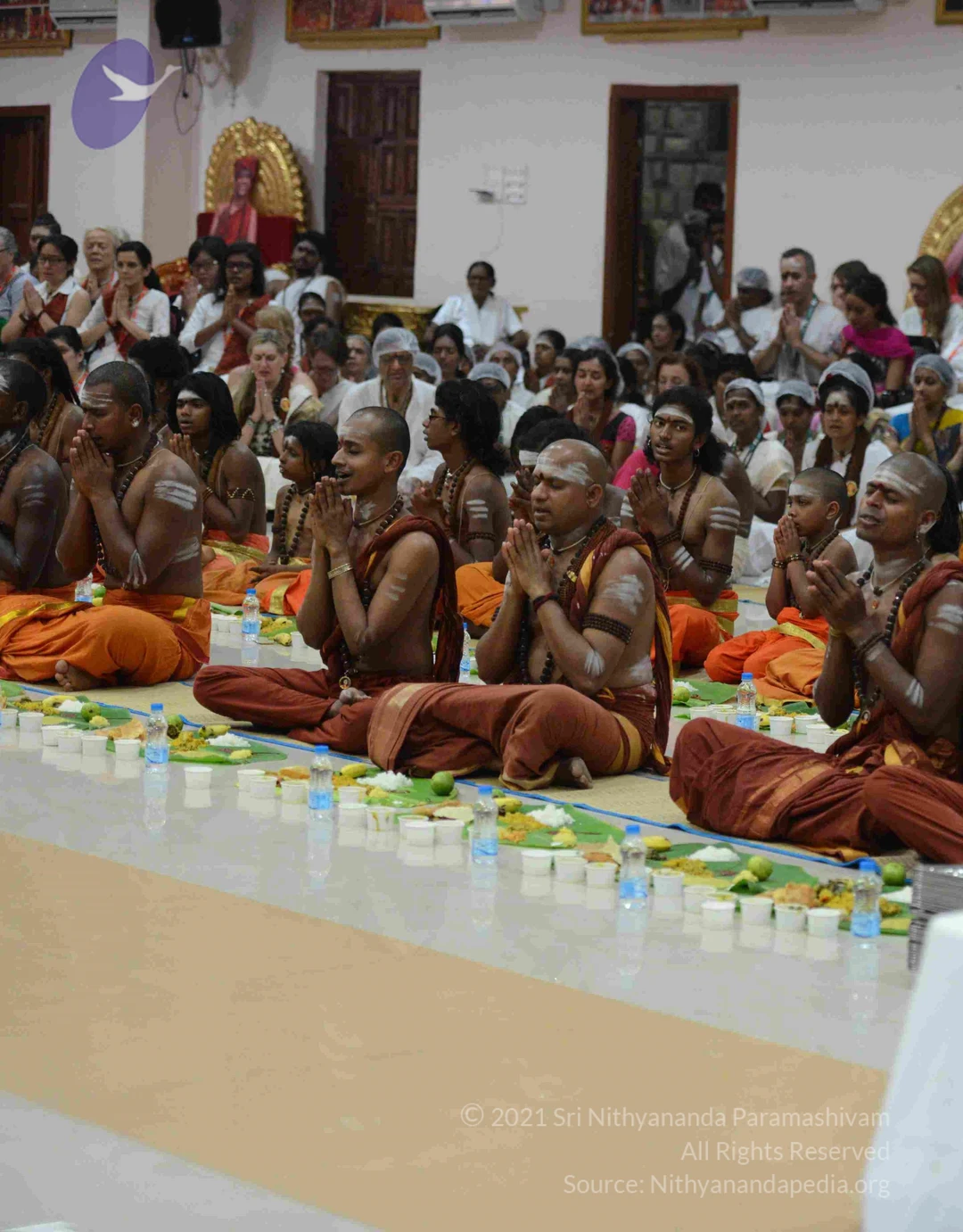
01-Nithya-Satsang
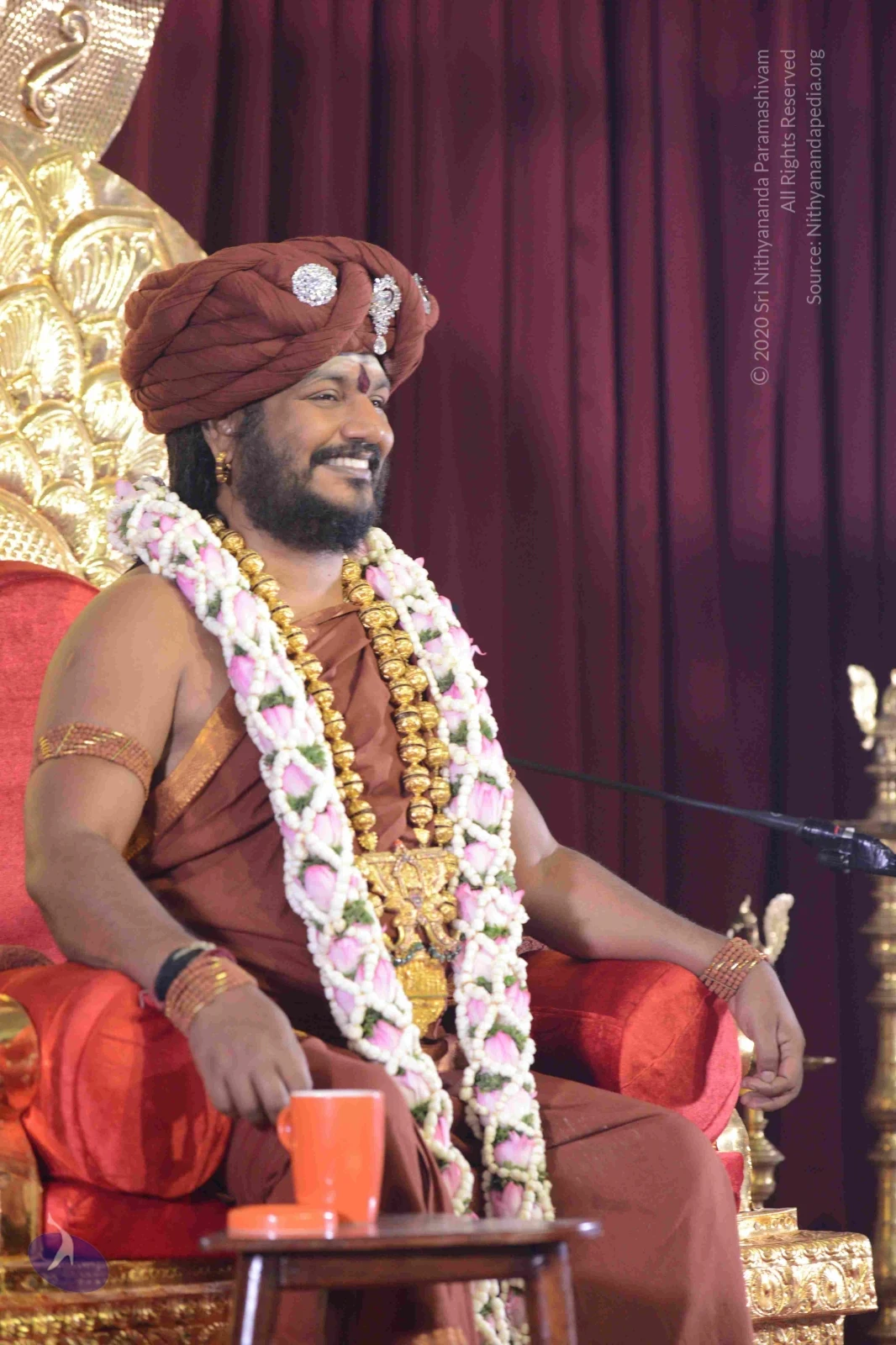
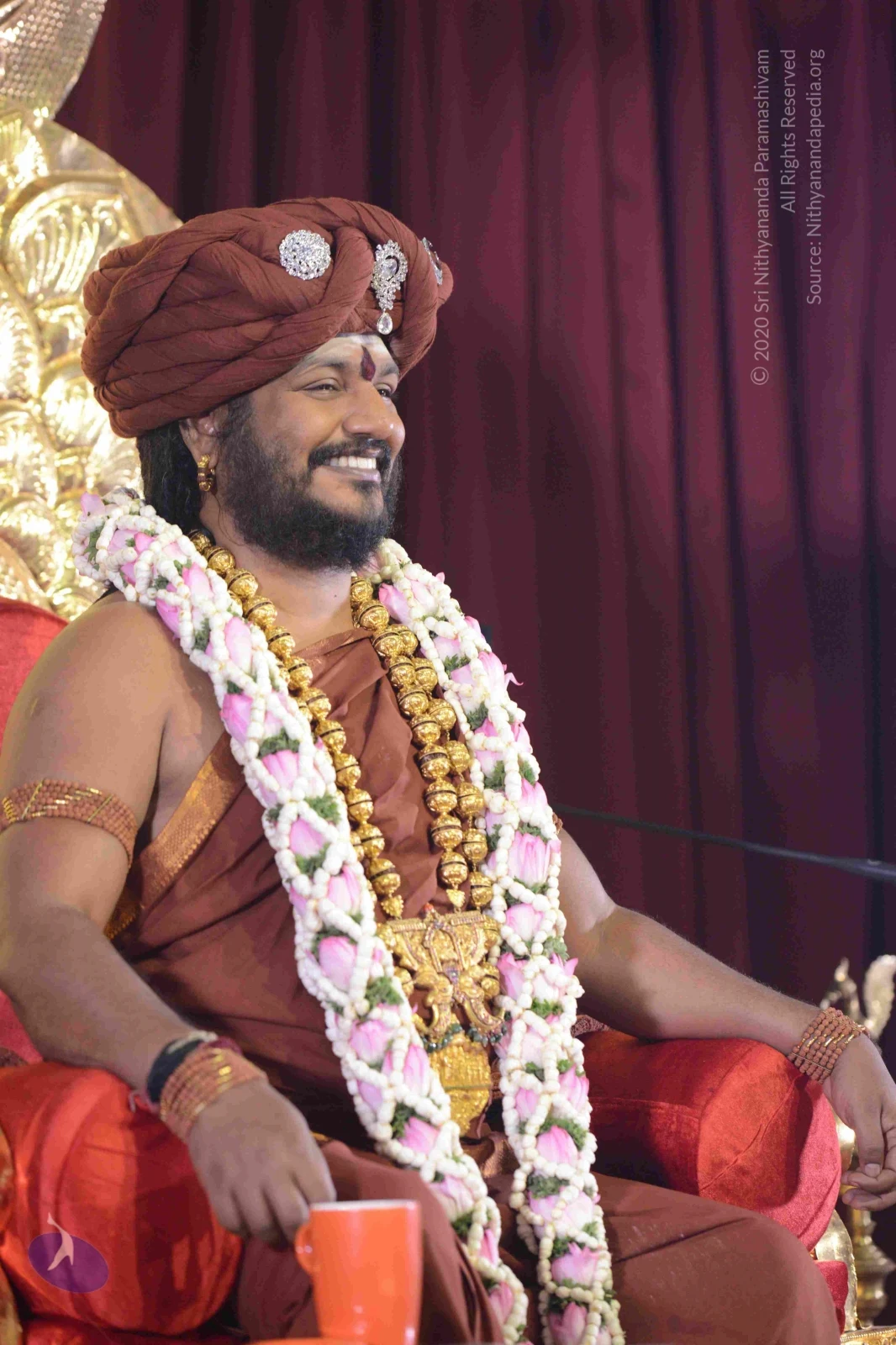
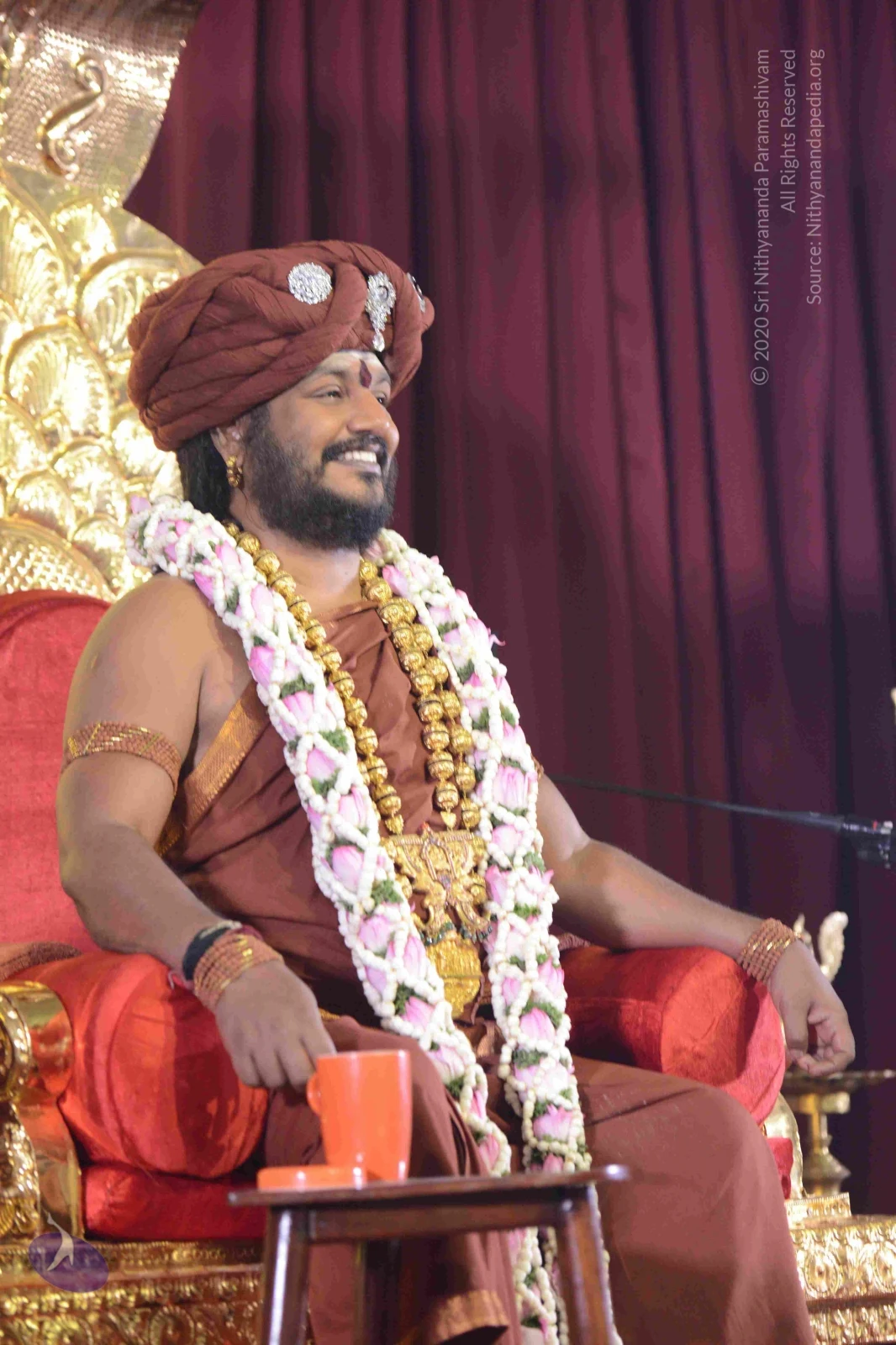
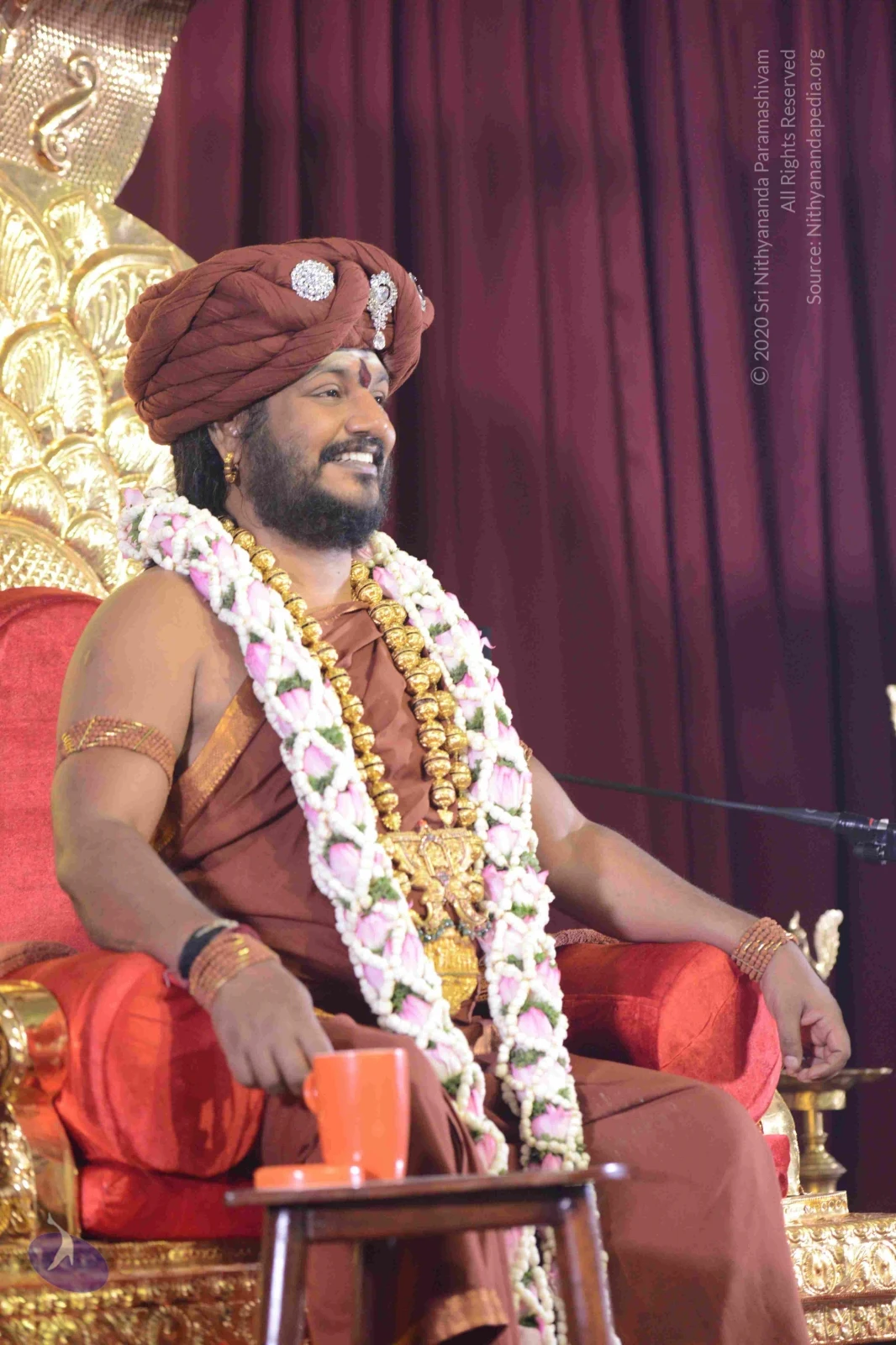
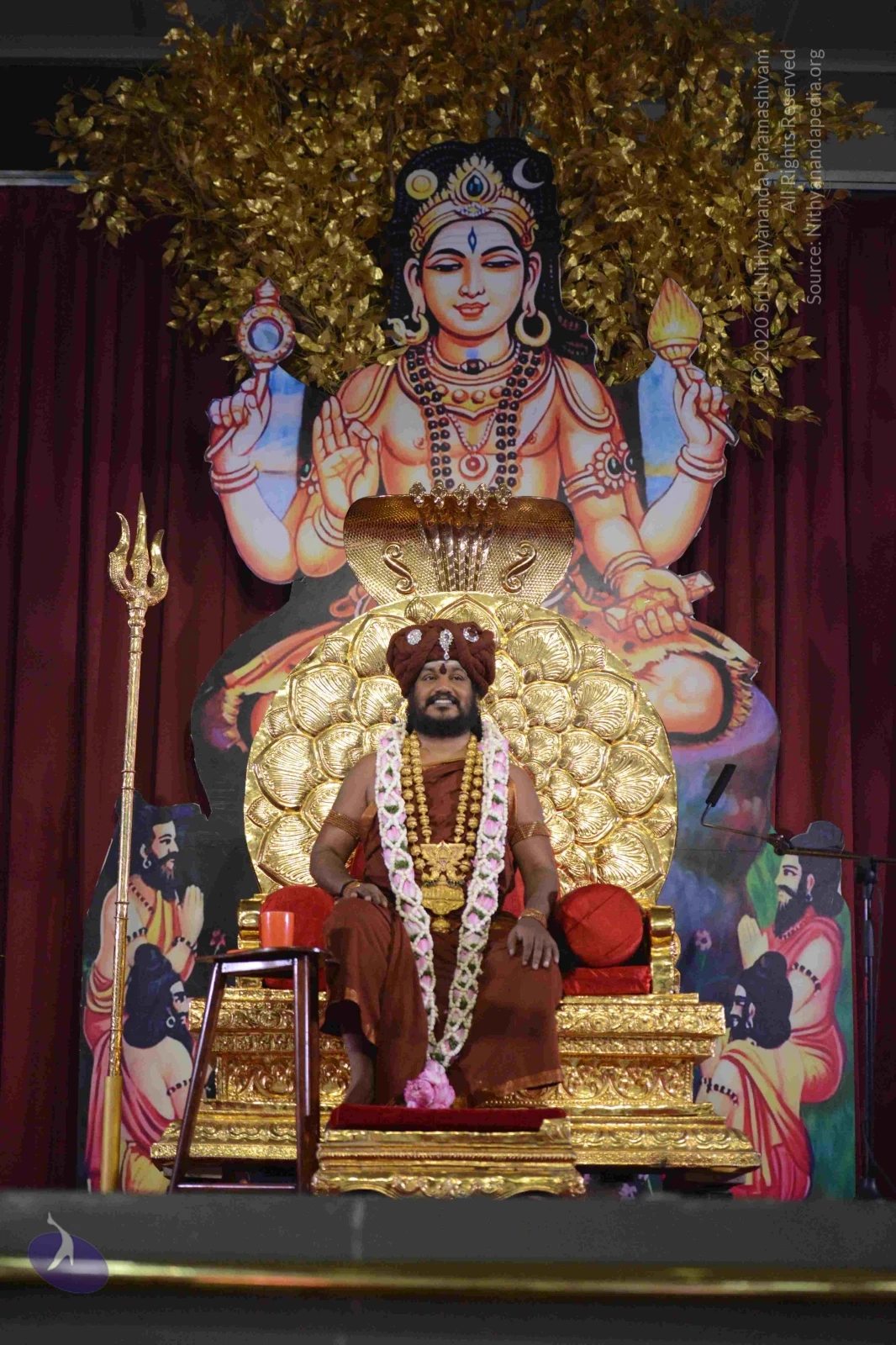
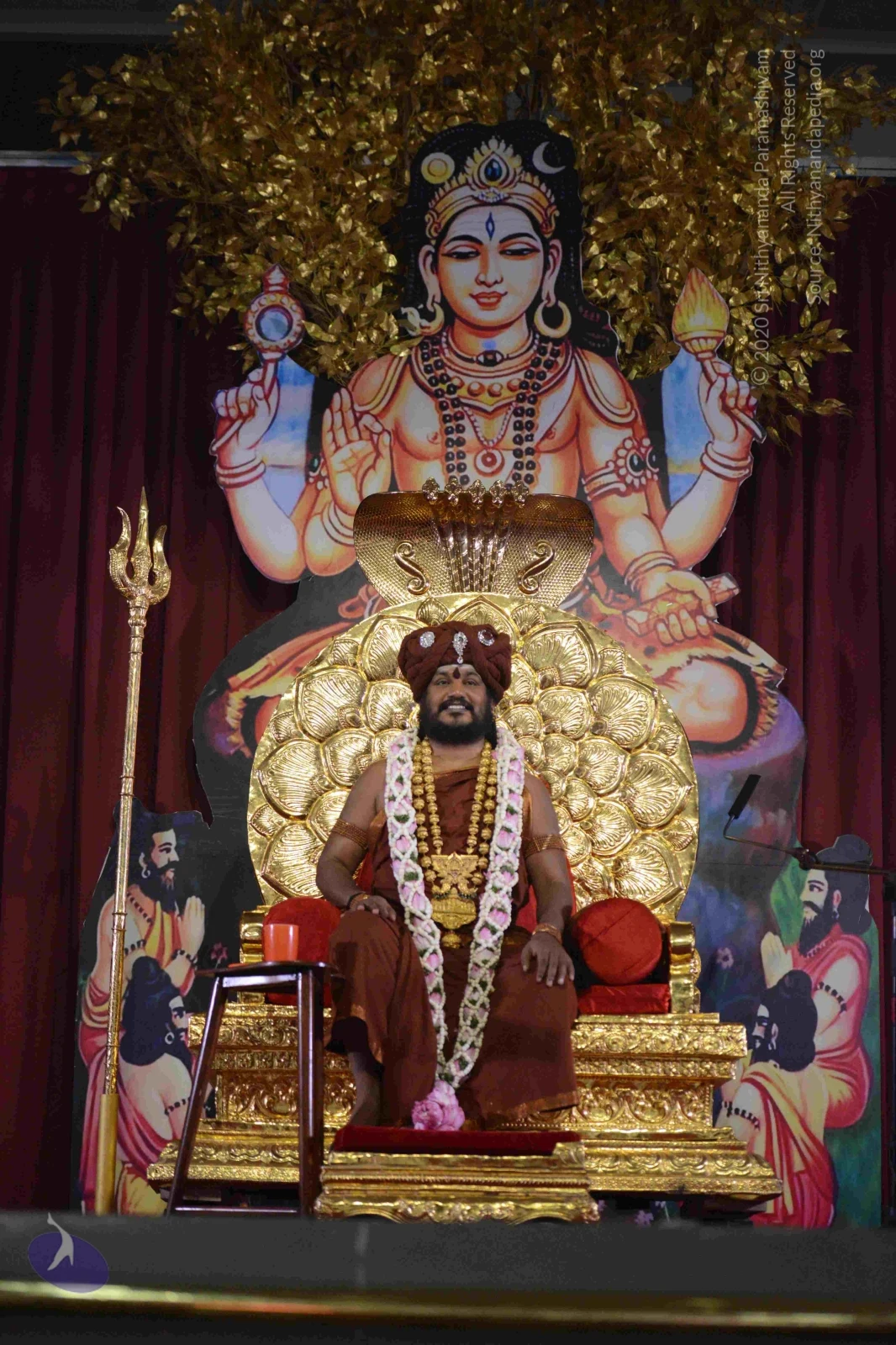
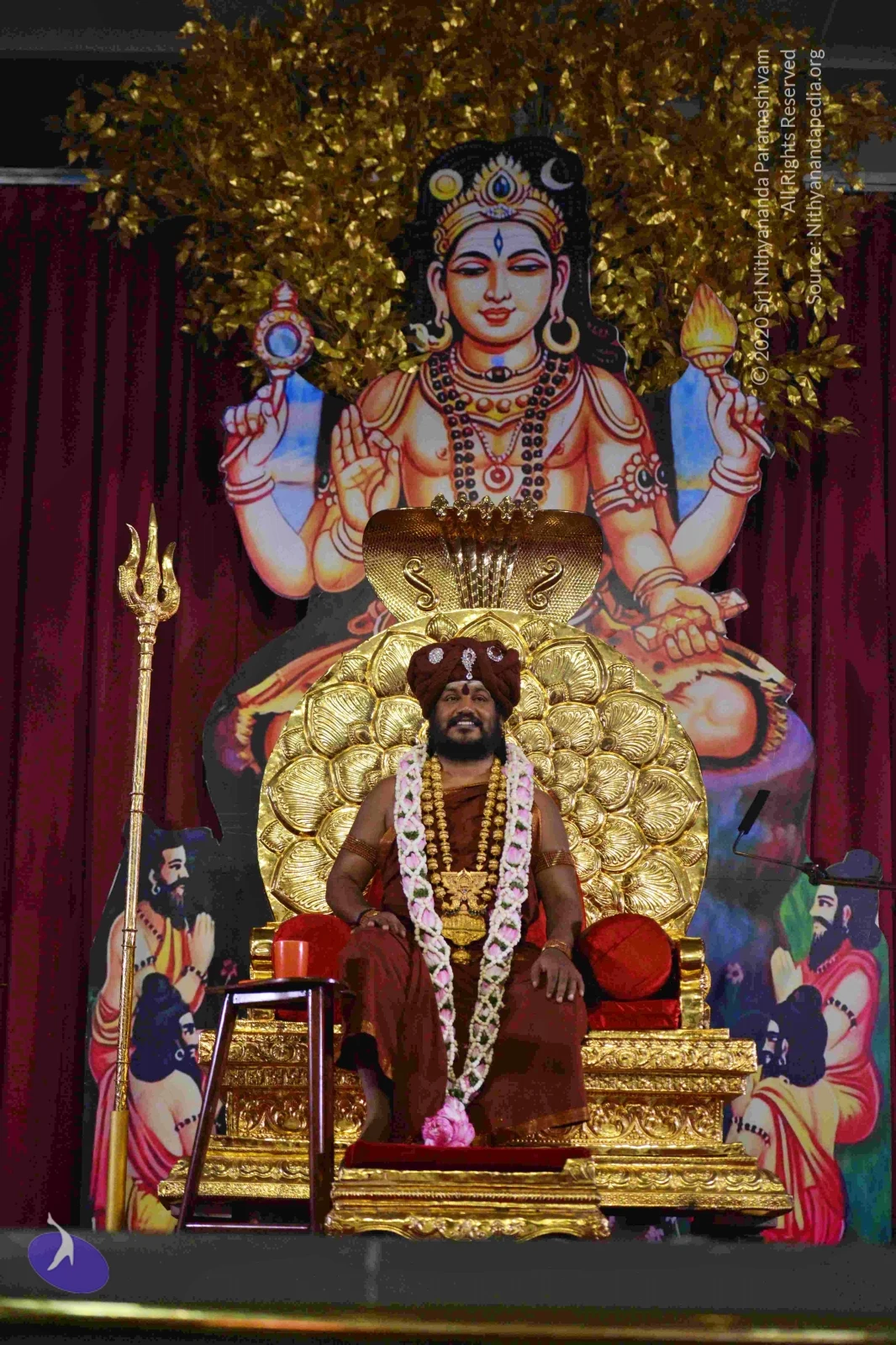
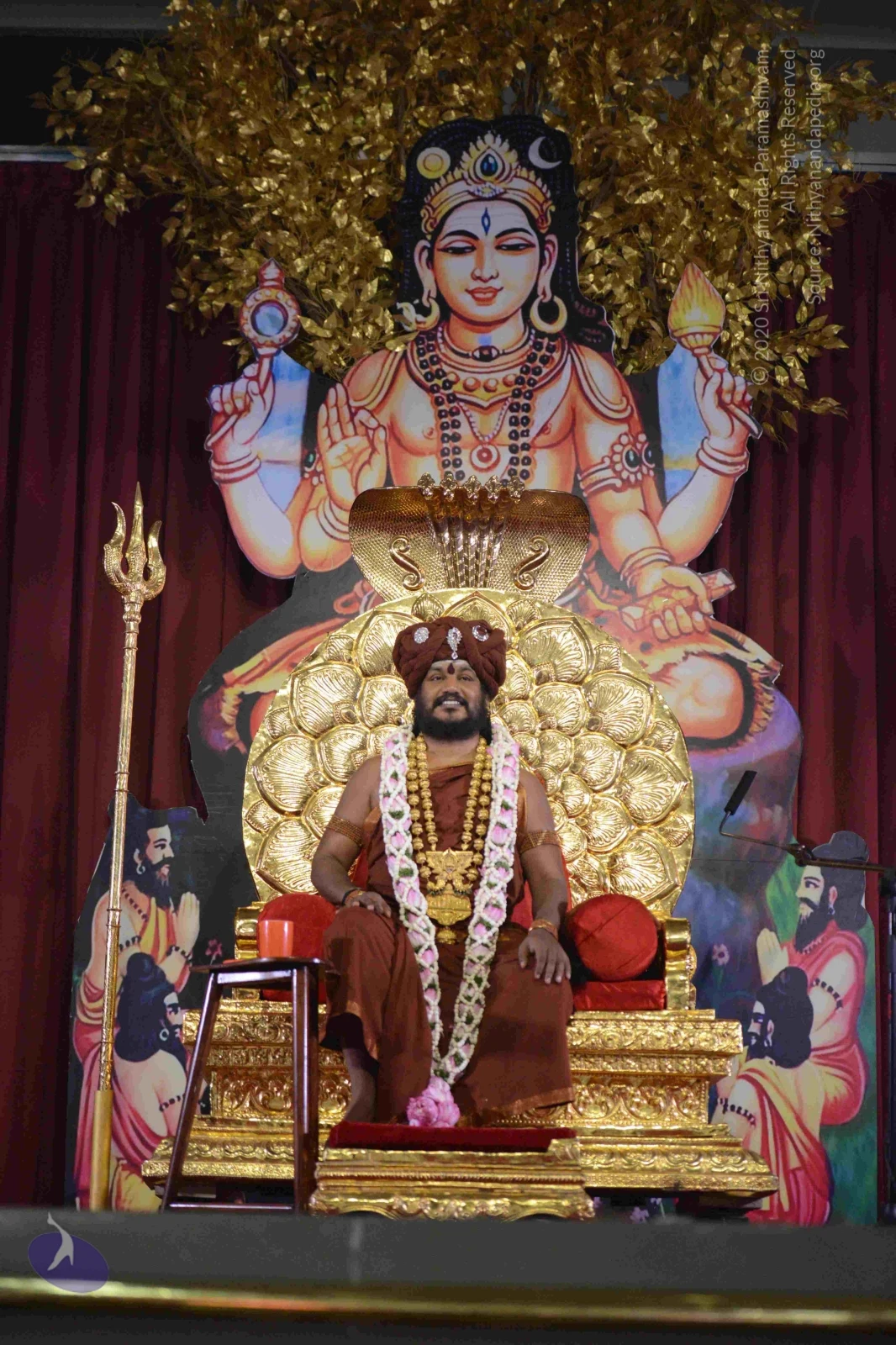
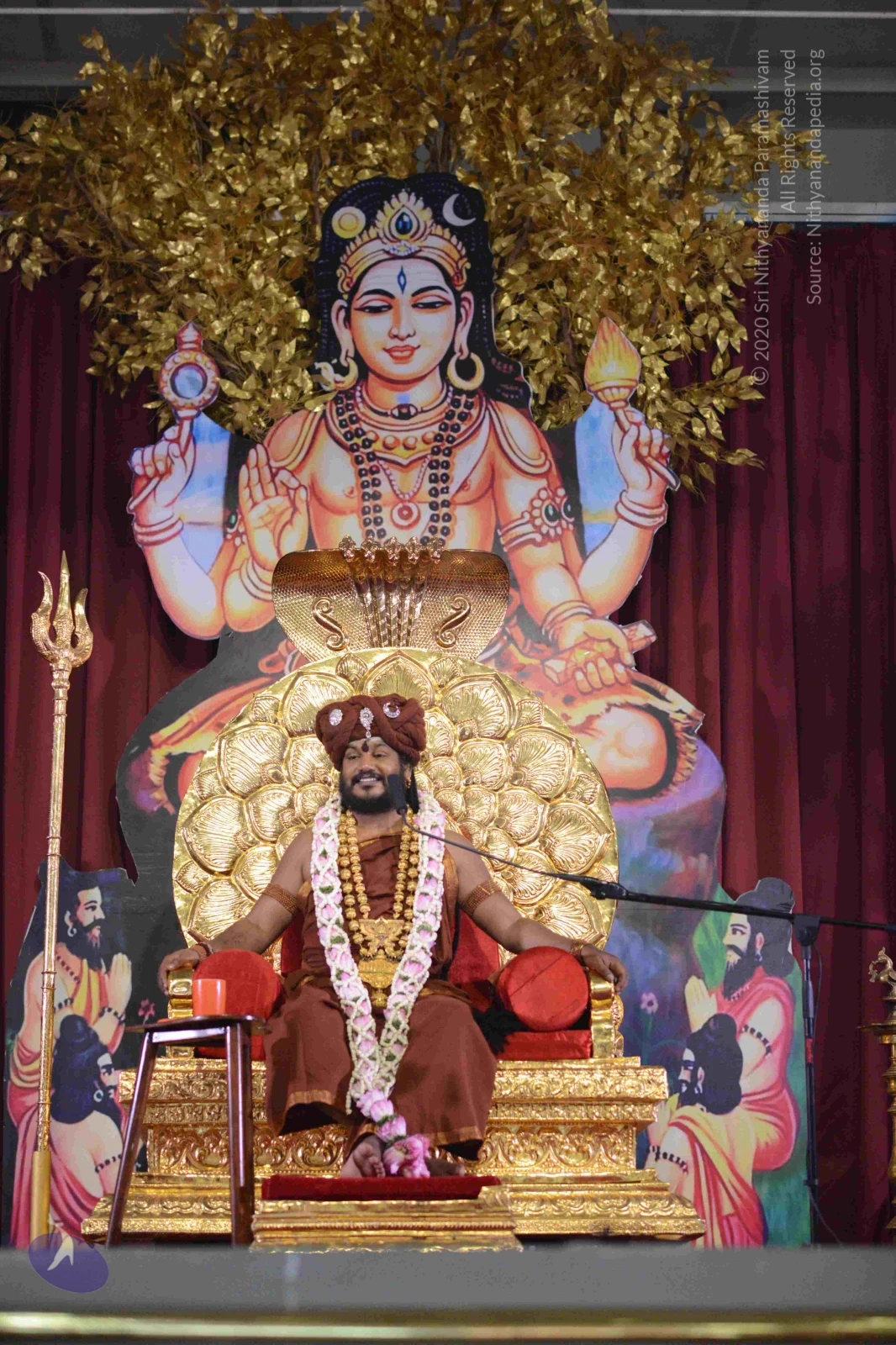
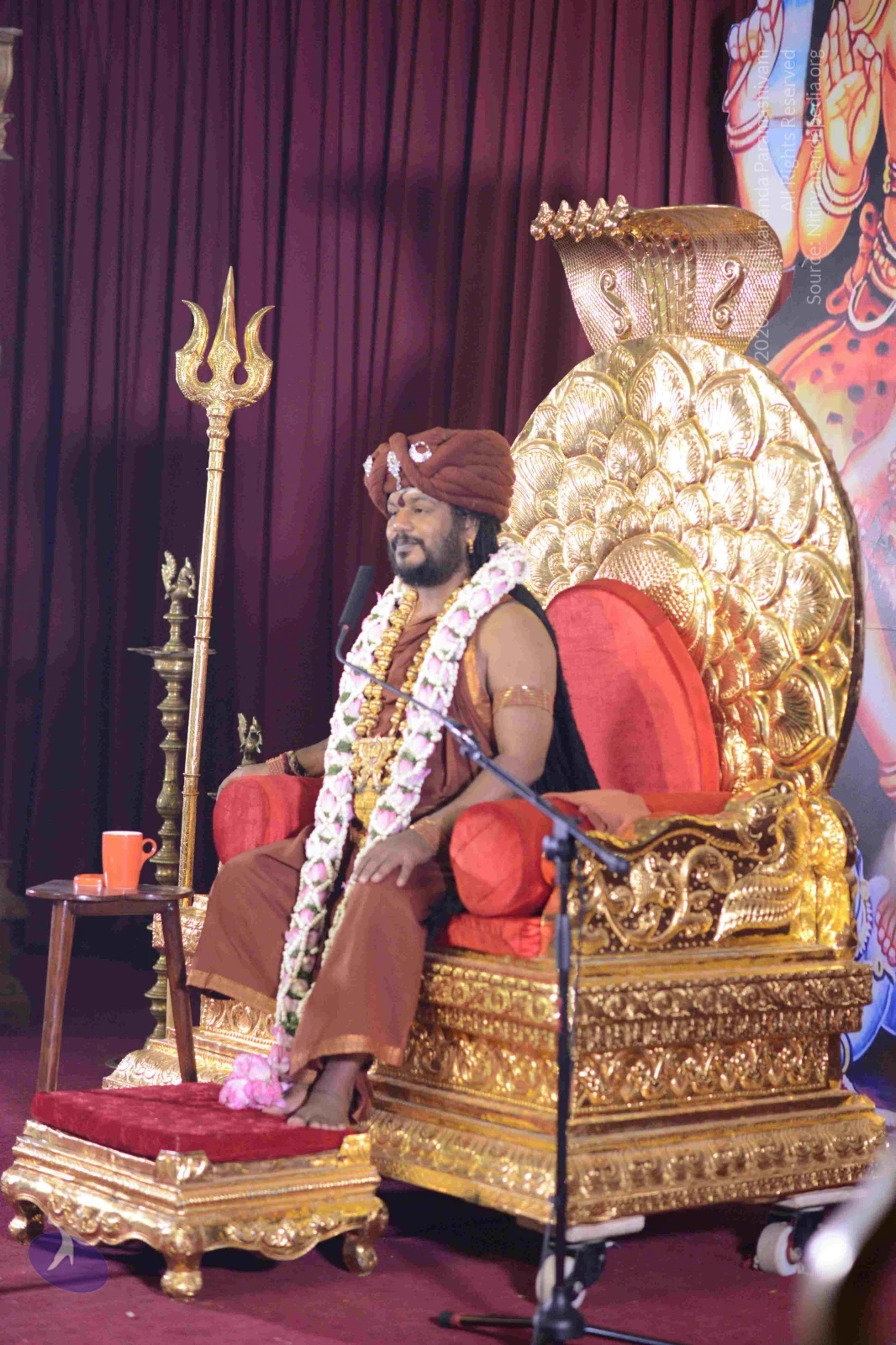
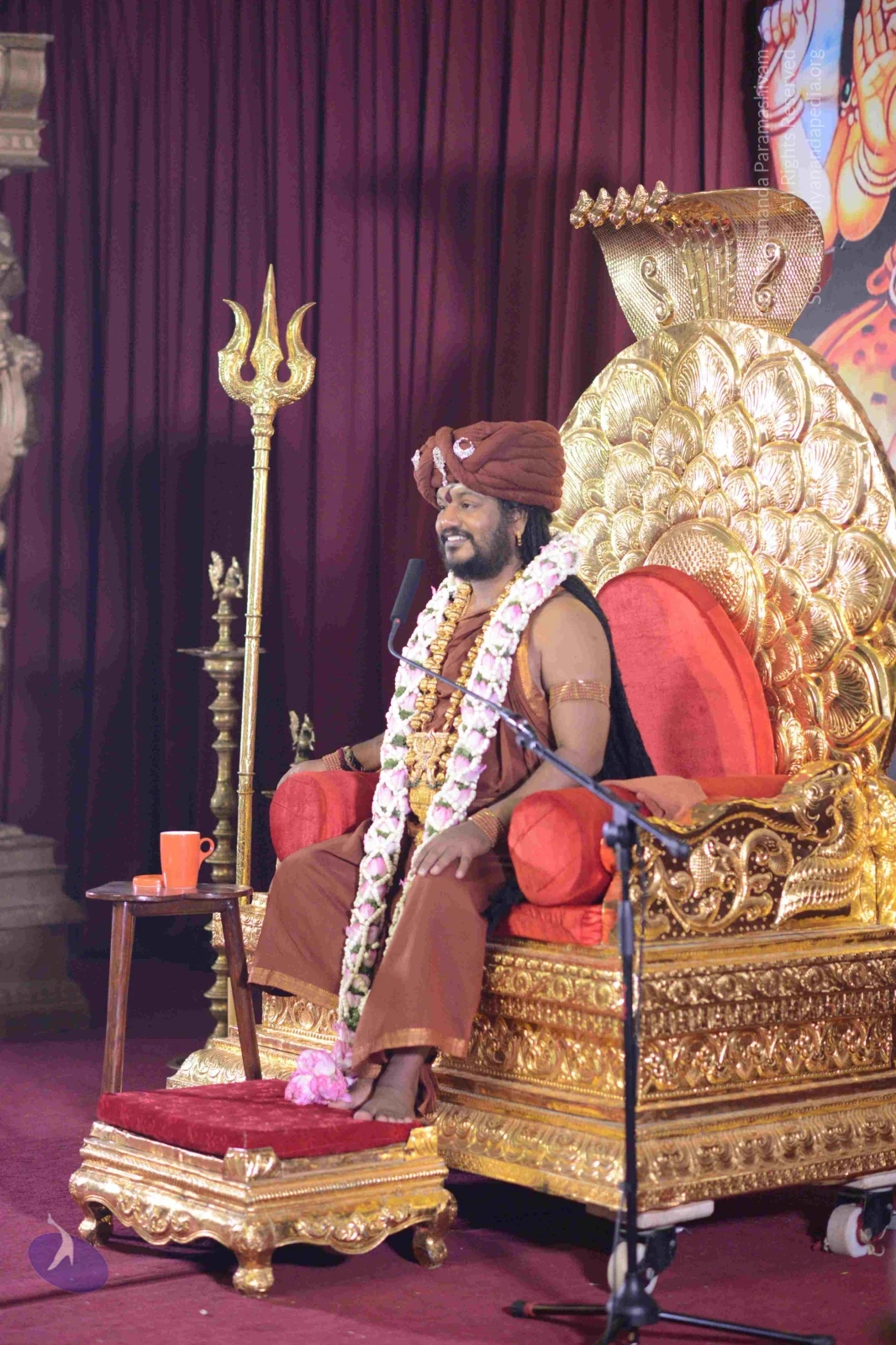
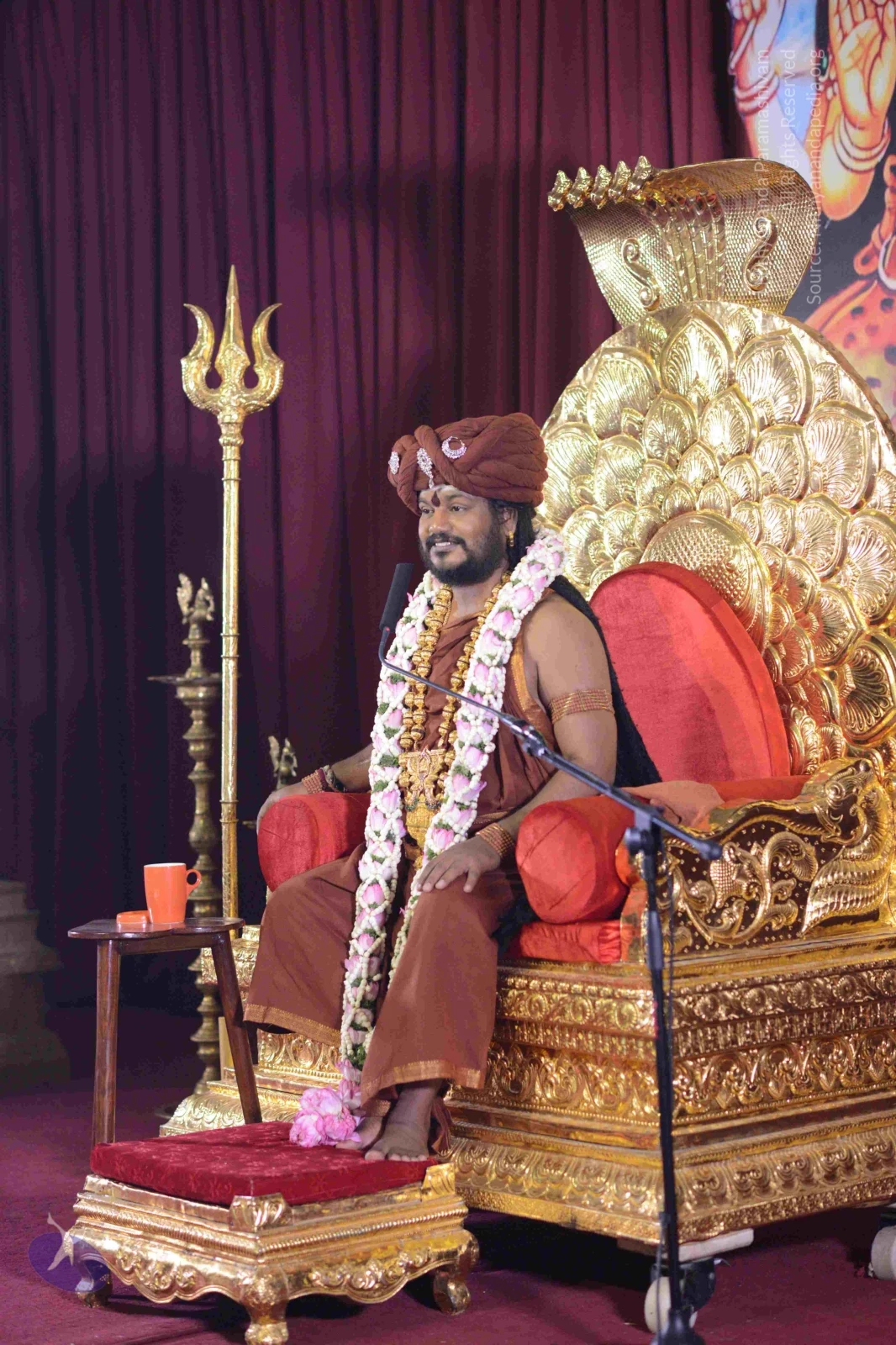
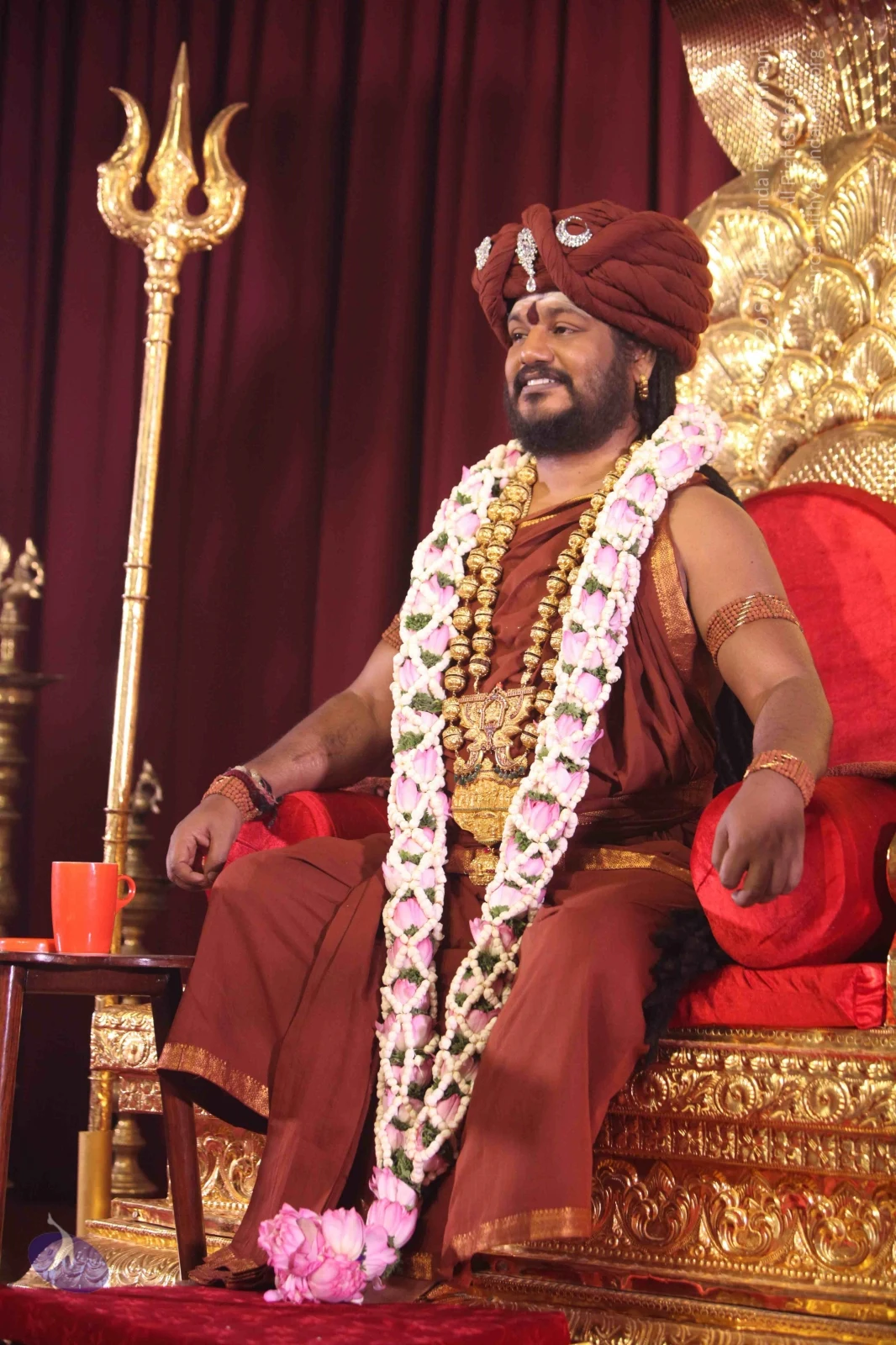
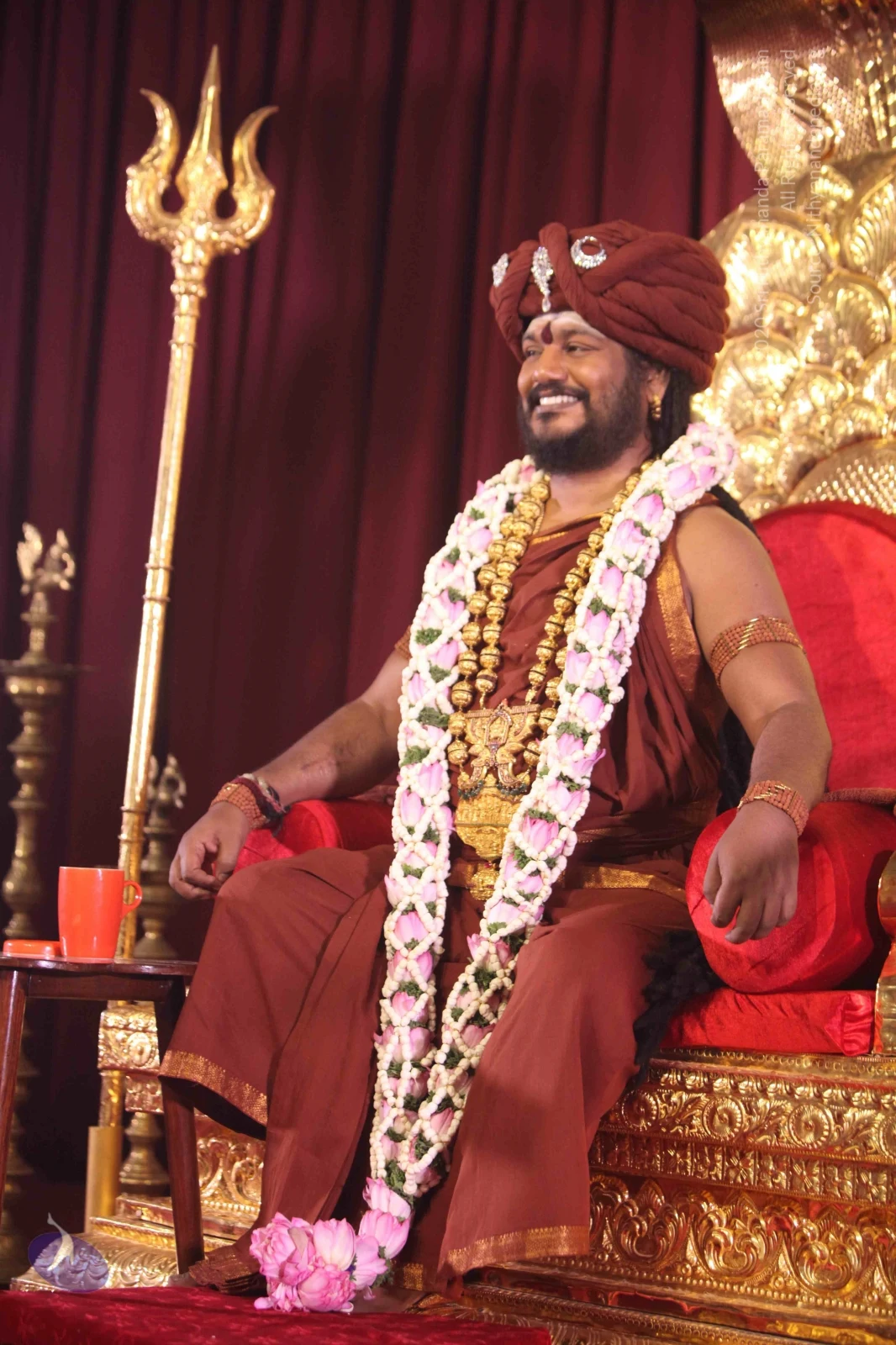
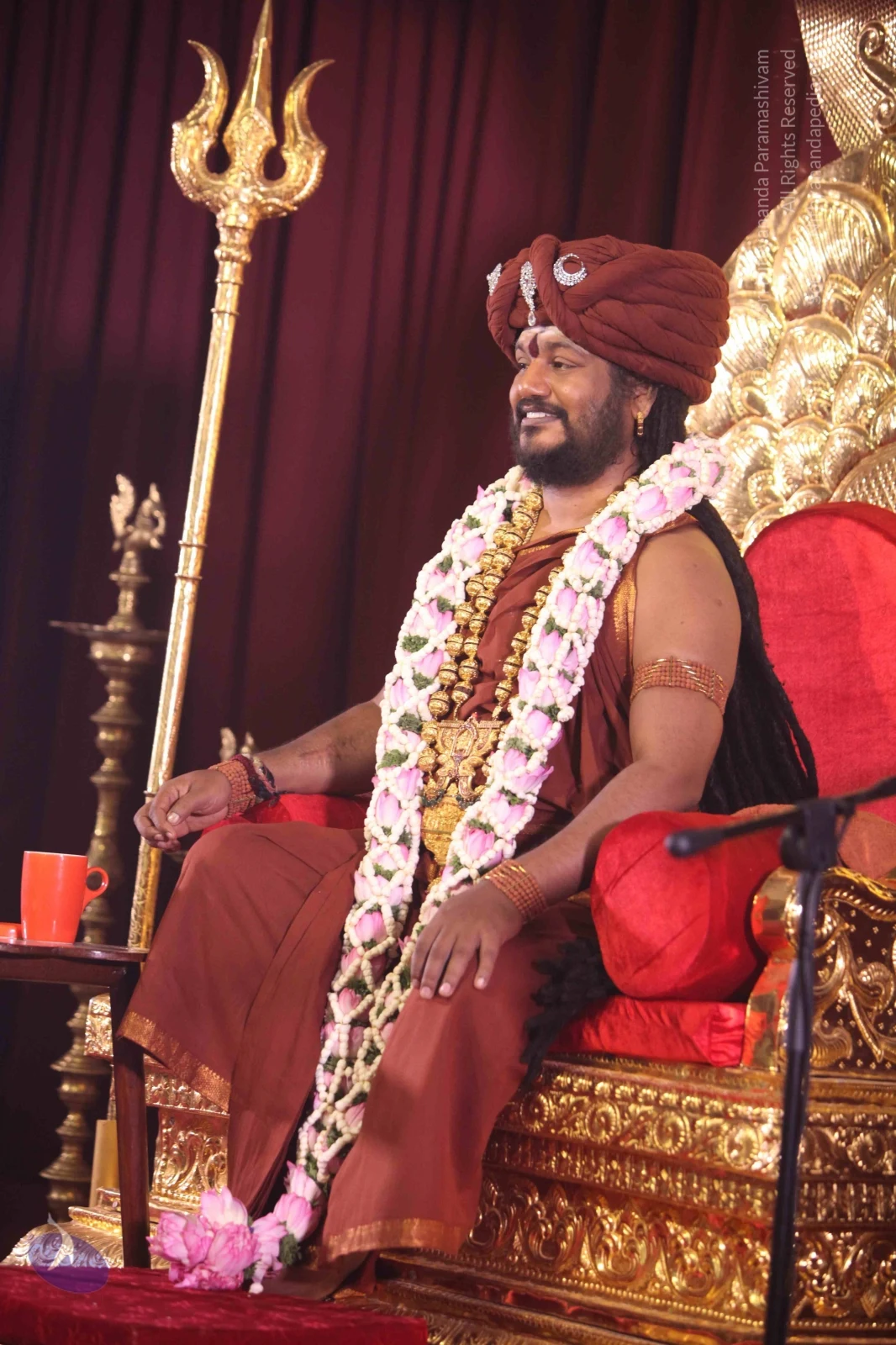
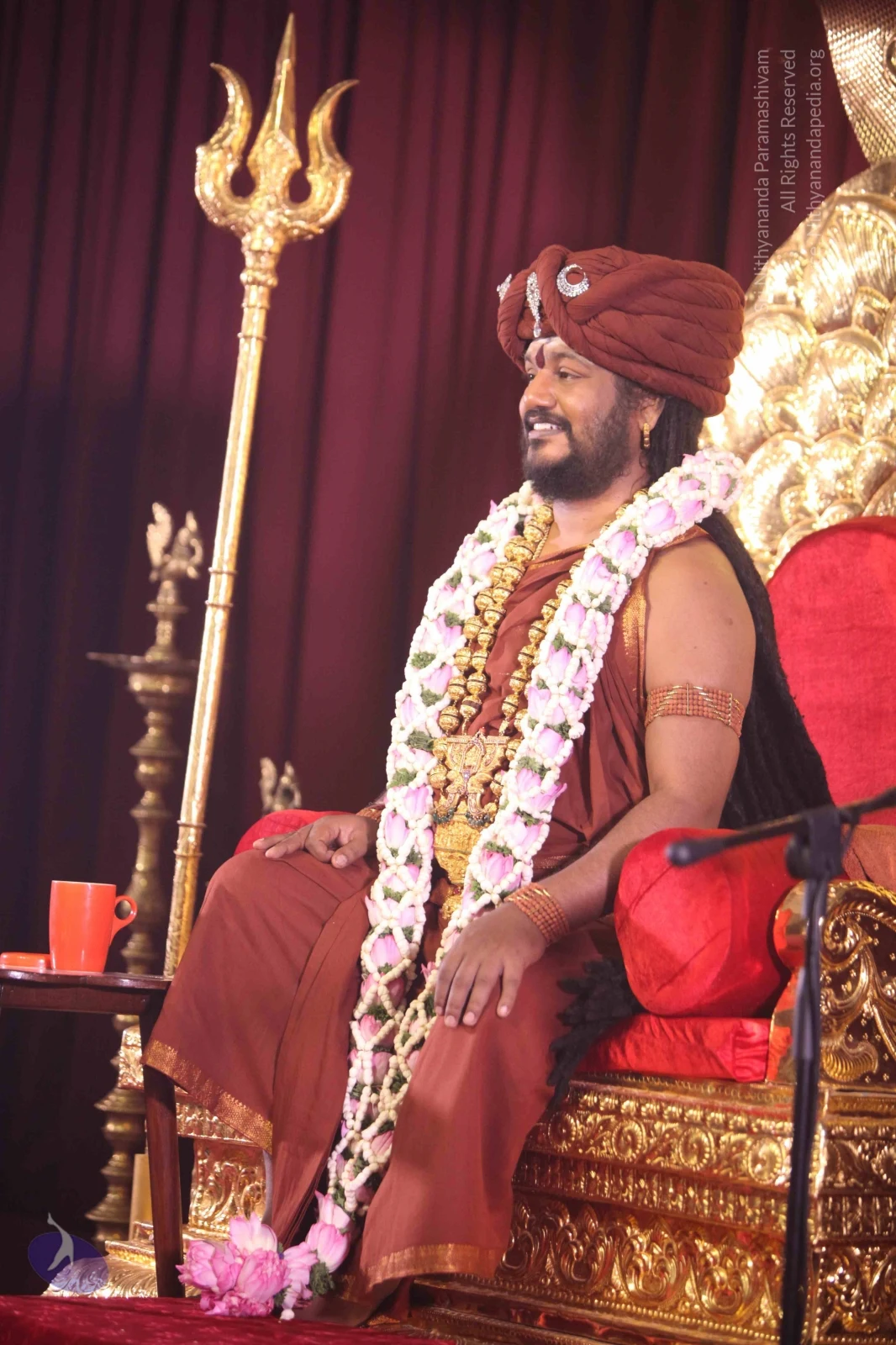
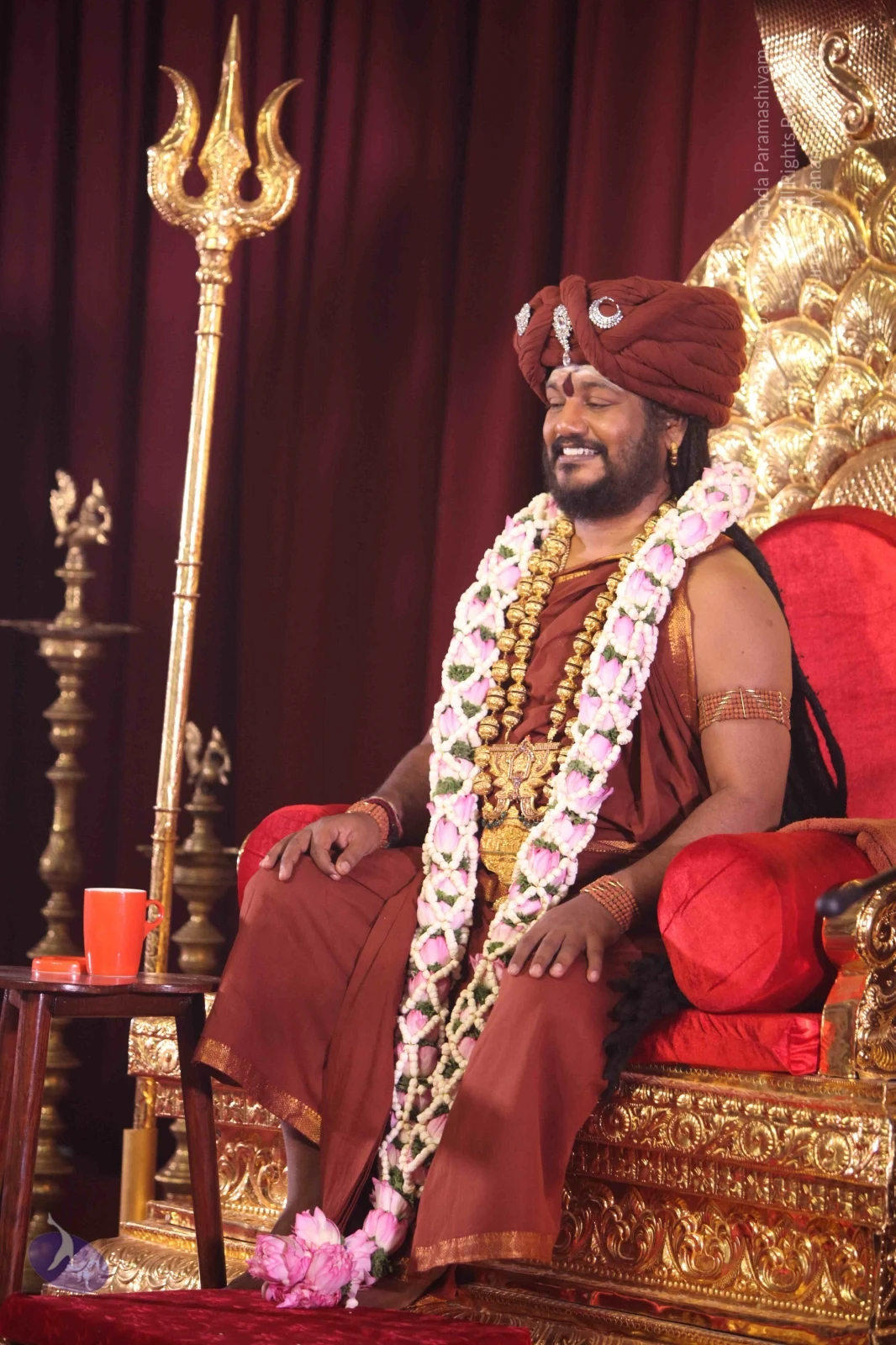
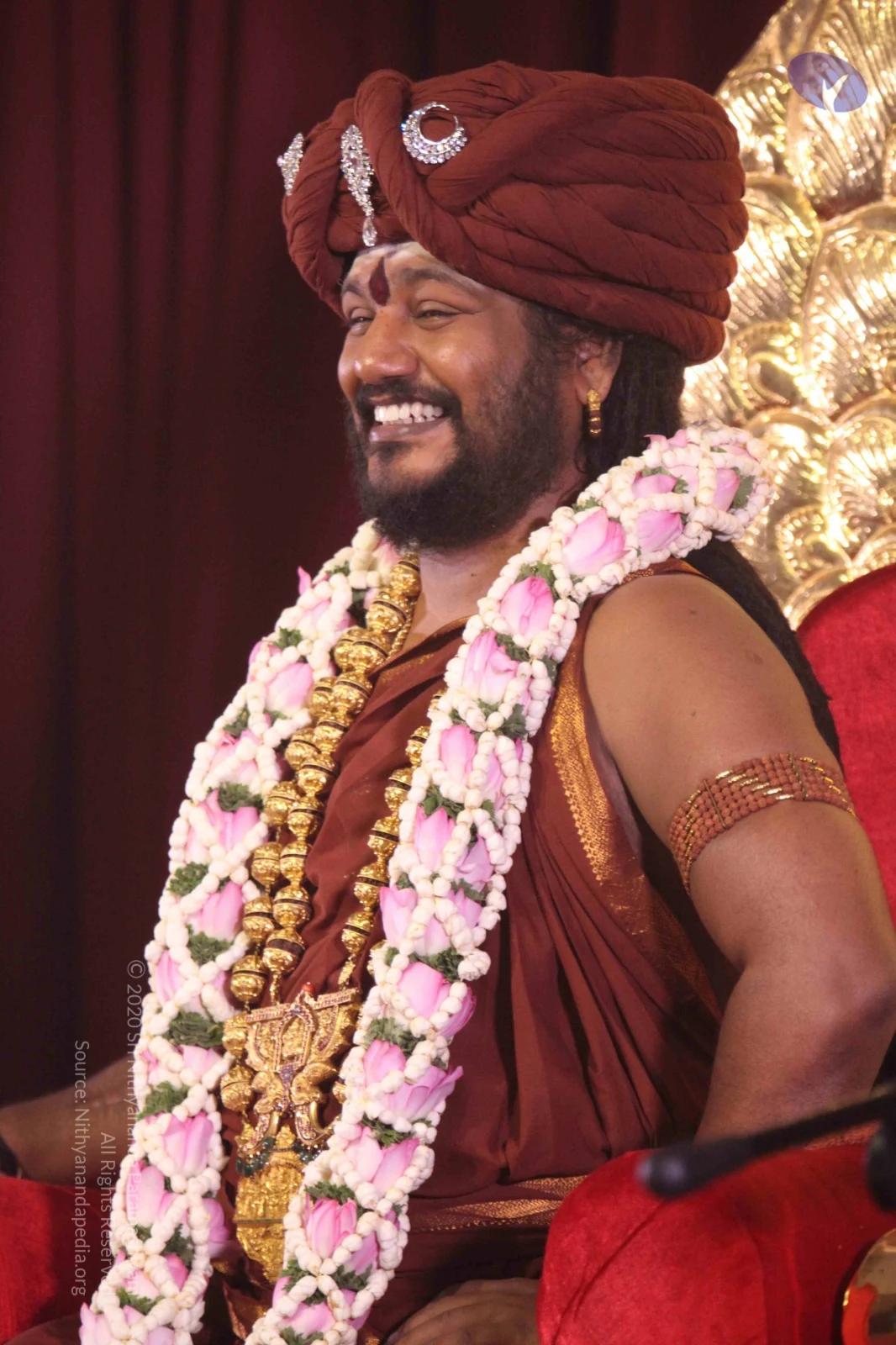
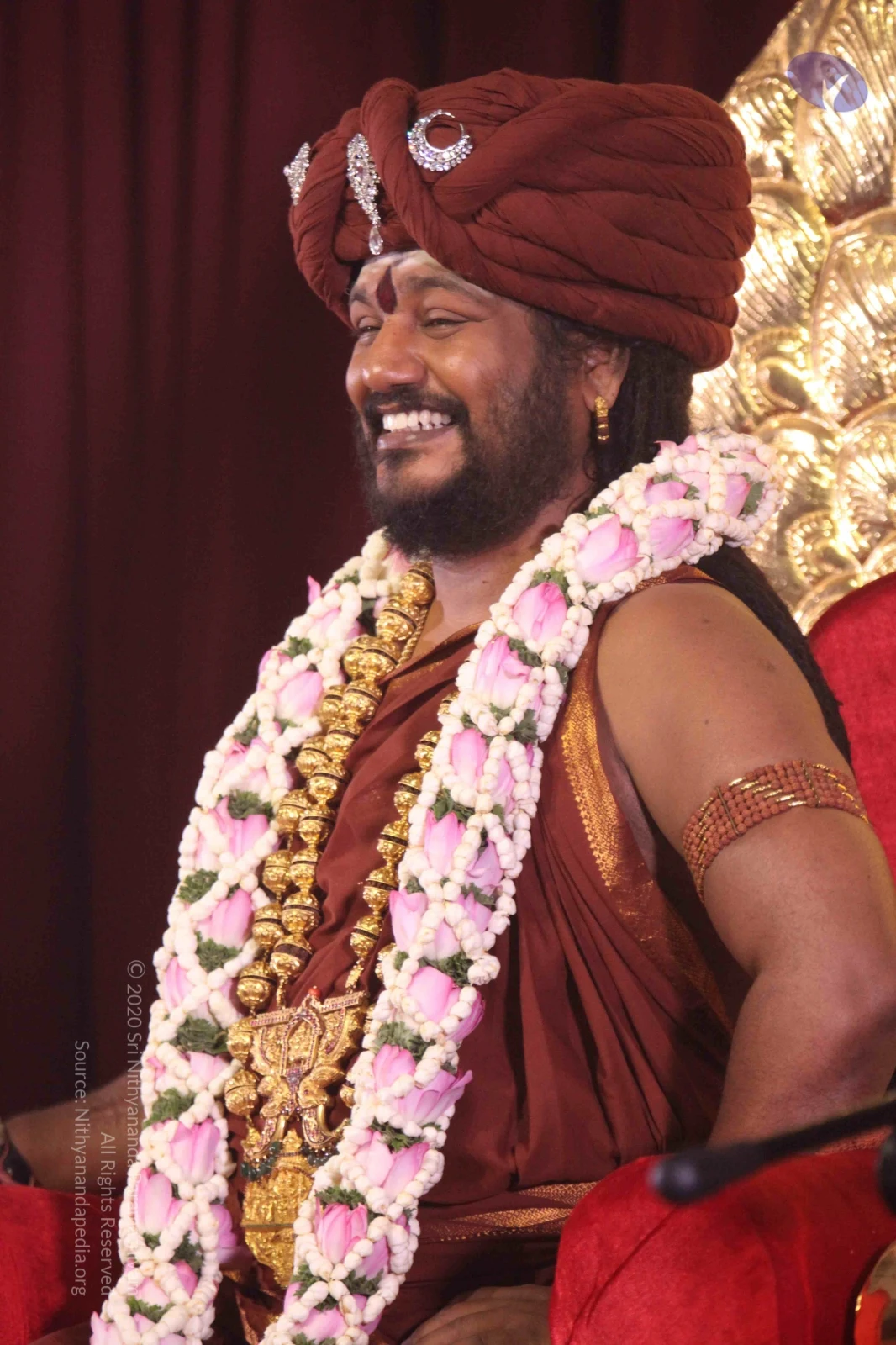
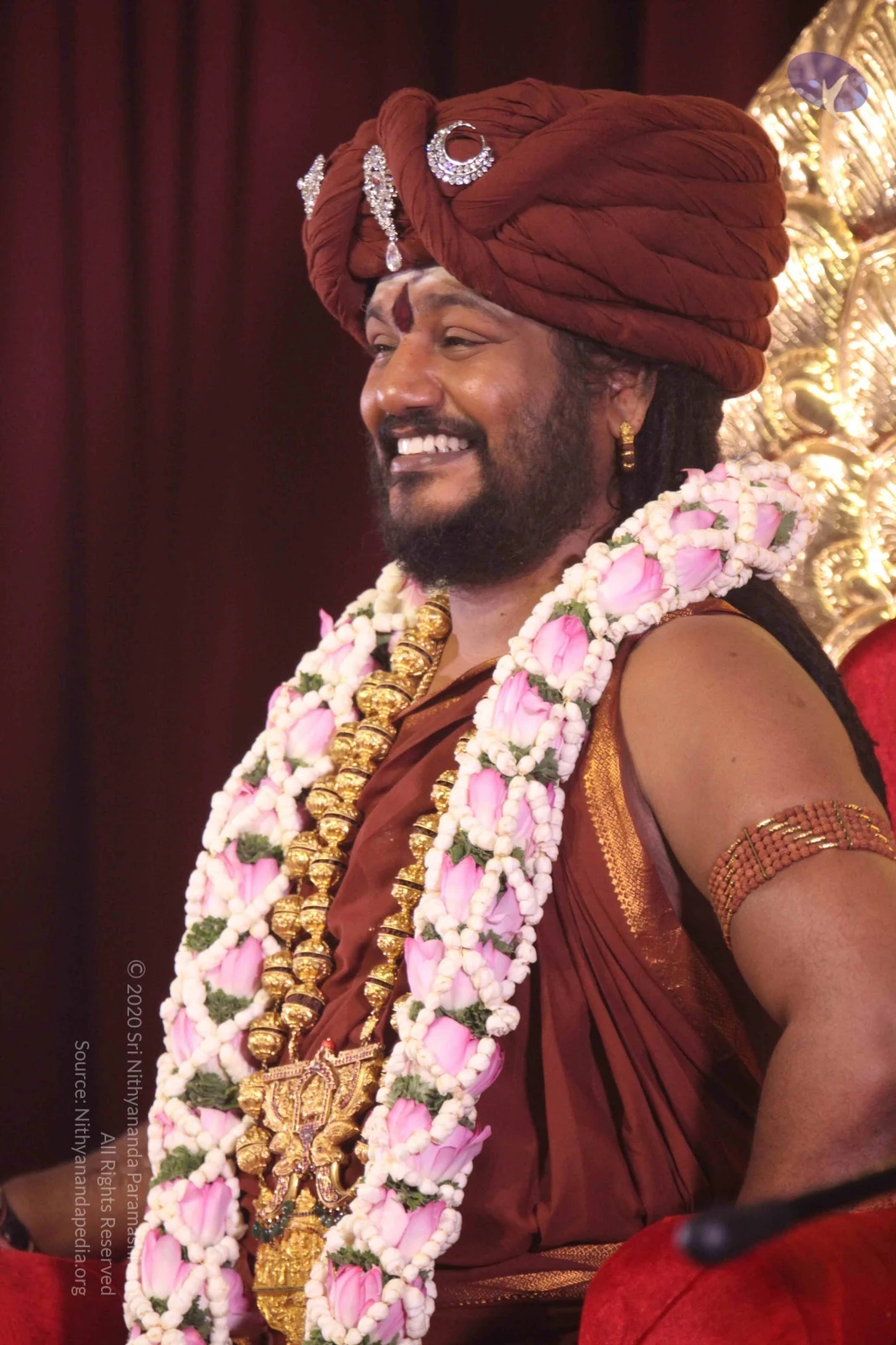
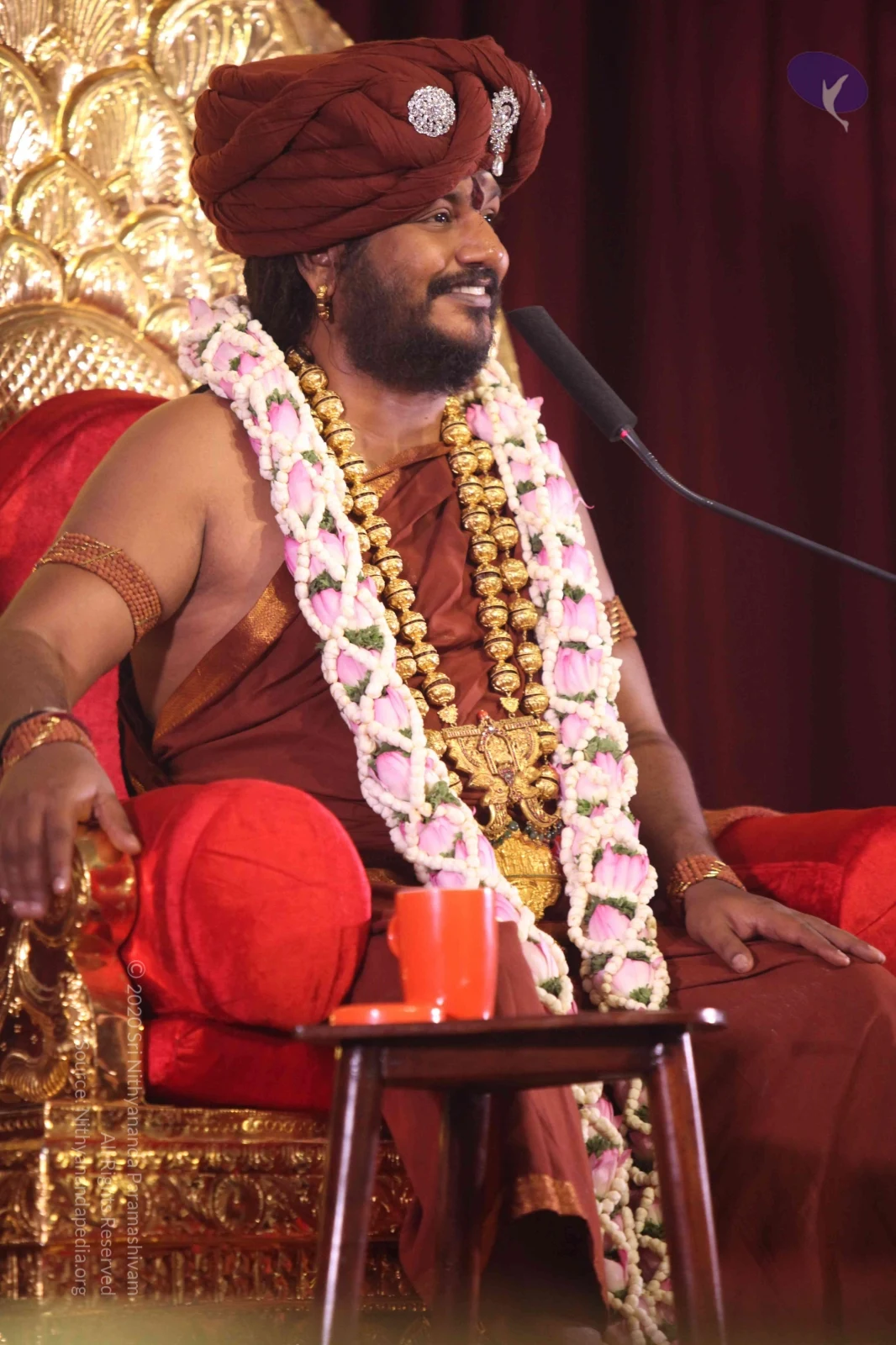
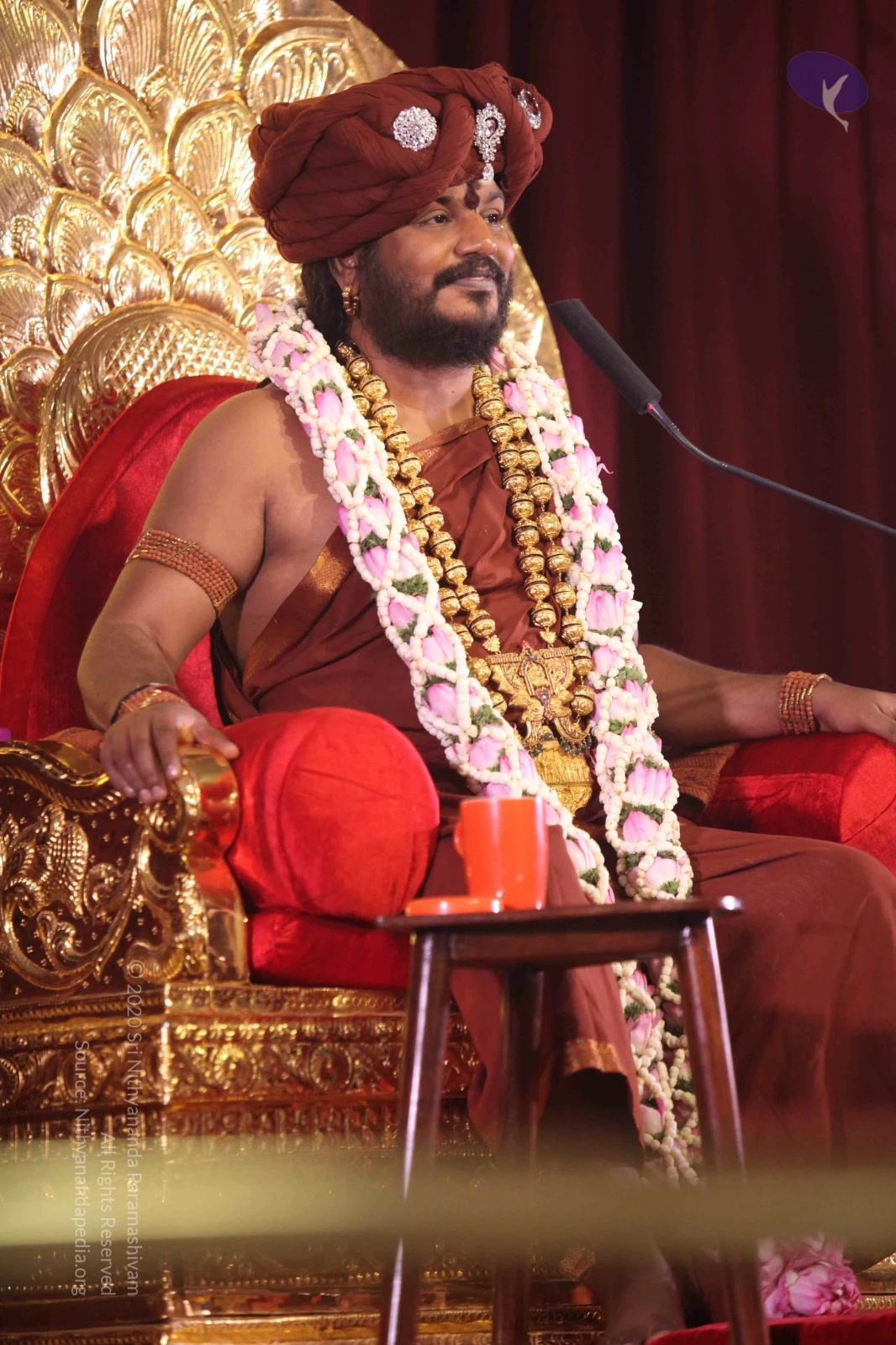
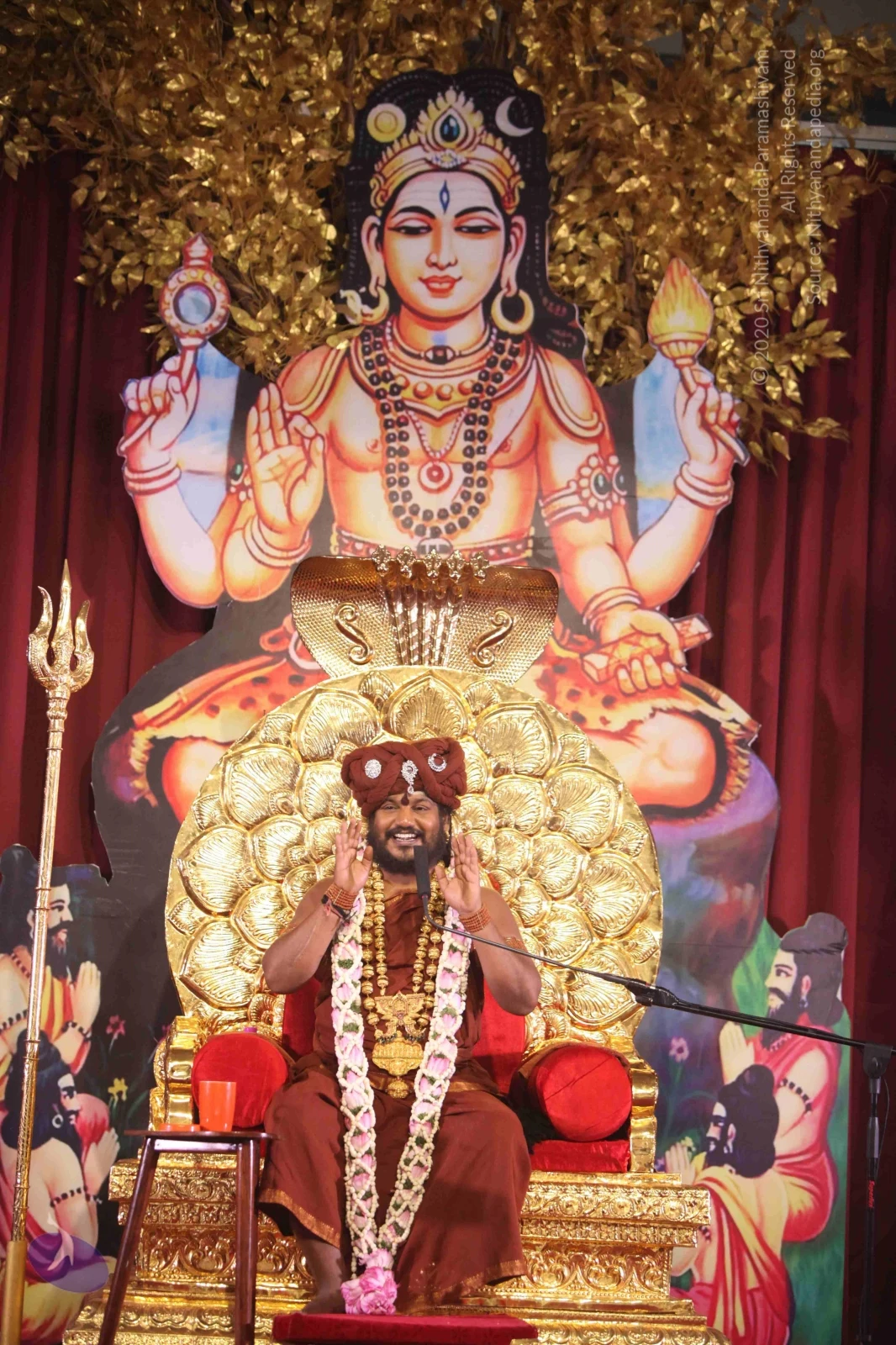
02-IA-Session
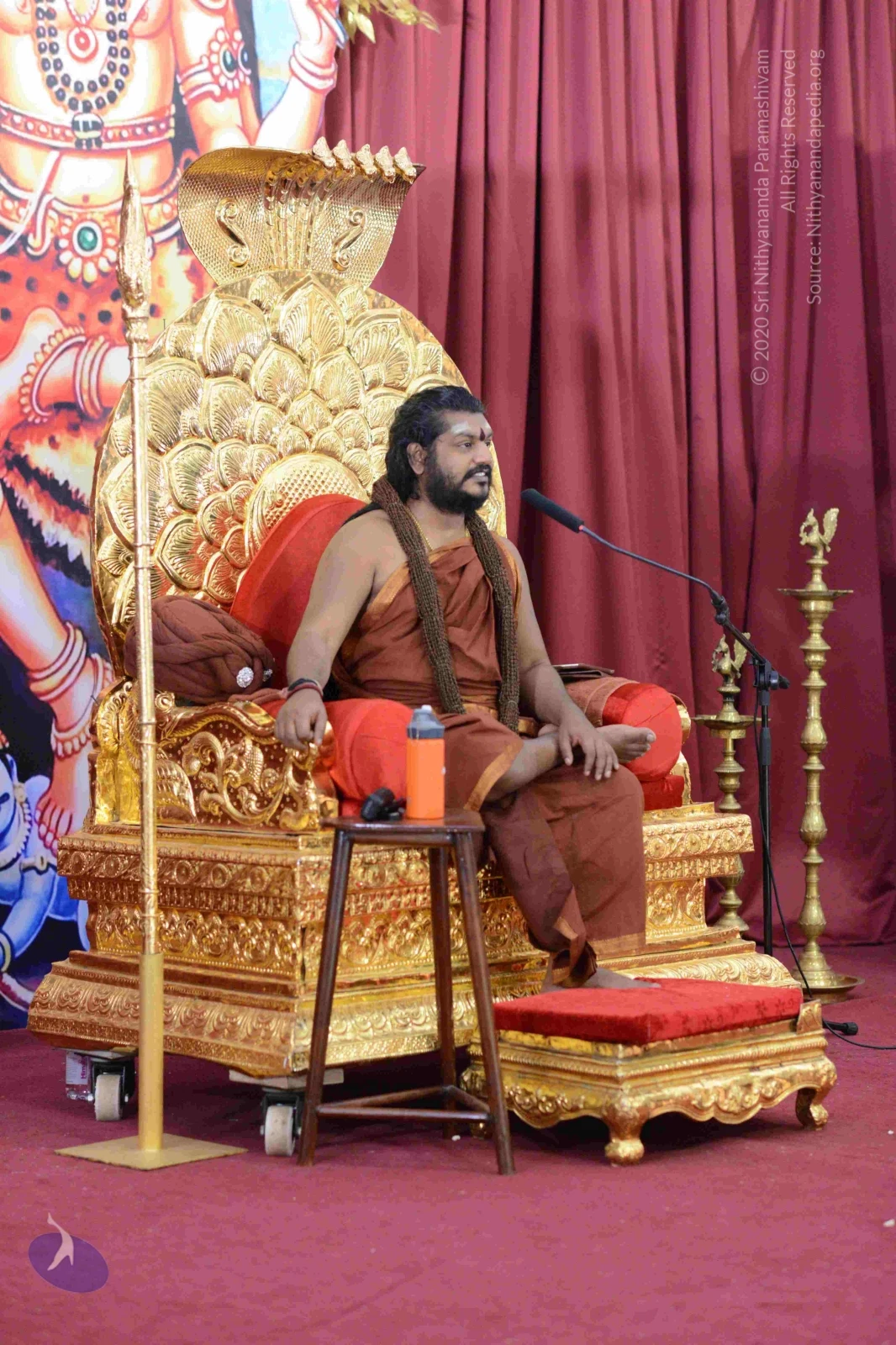
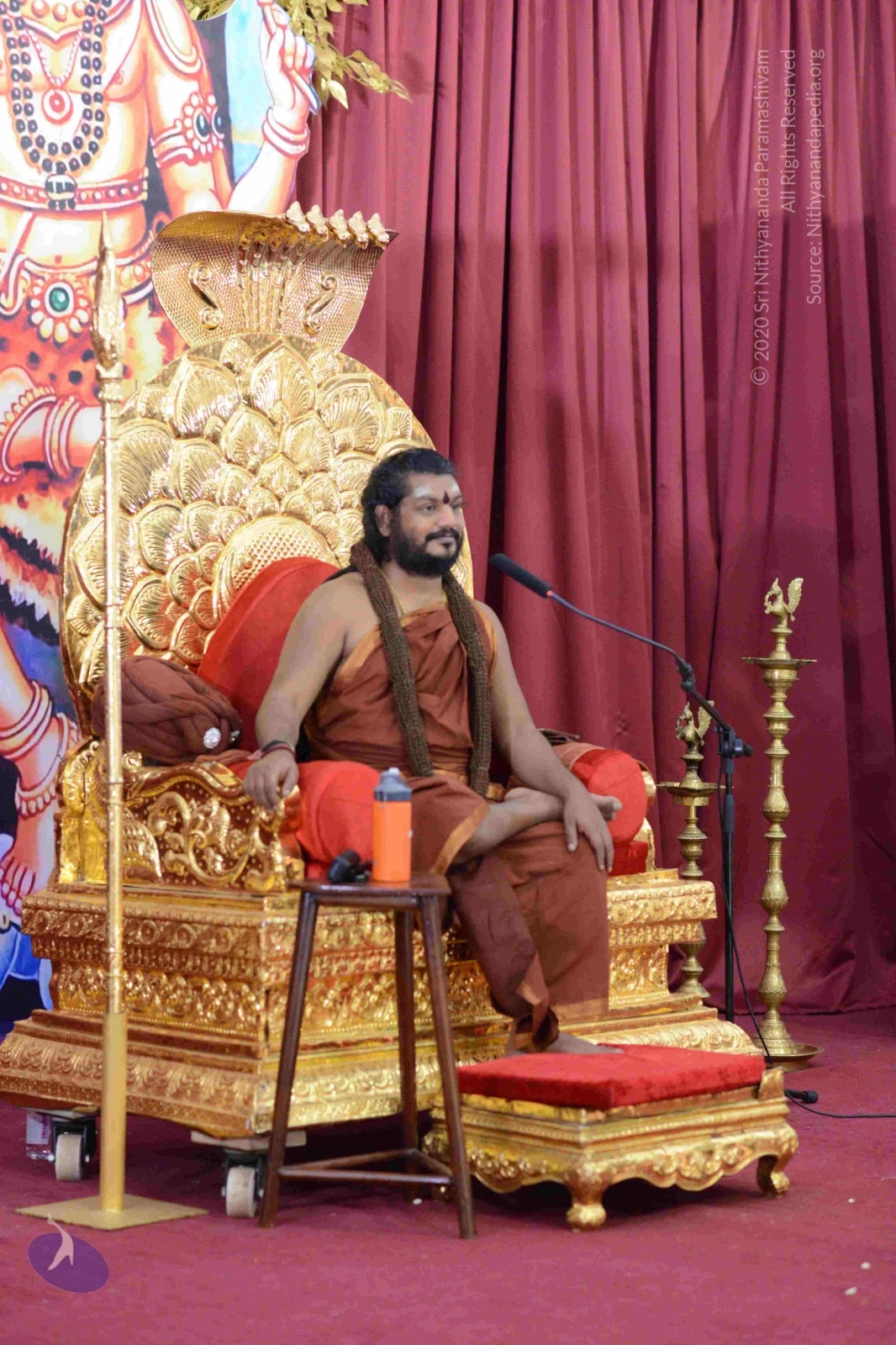
03-Maheshwara-Puja-Mahalaya-Amavasya
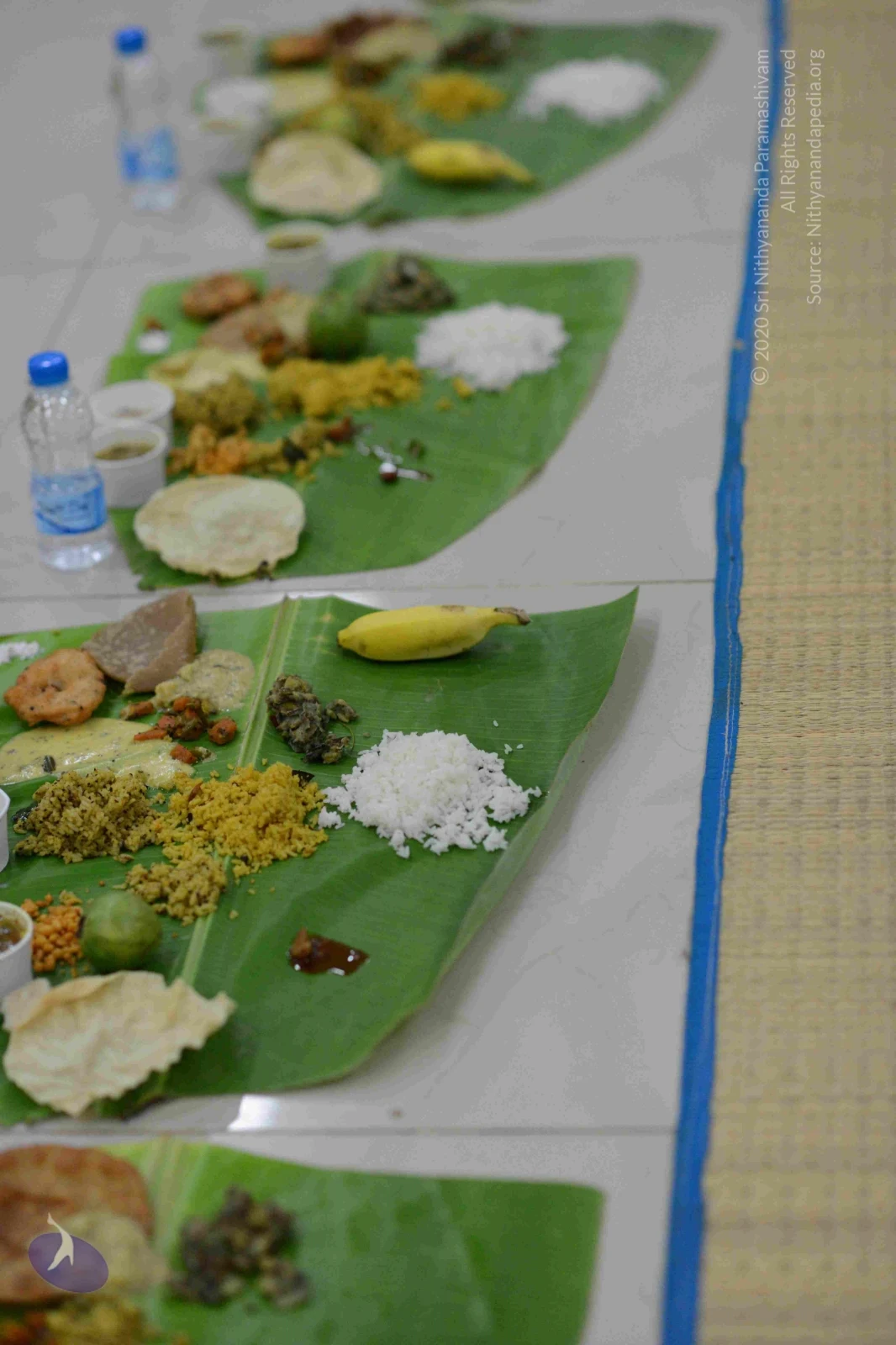
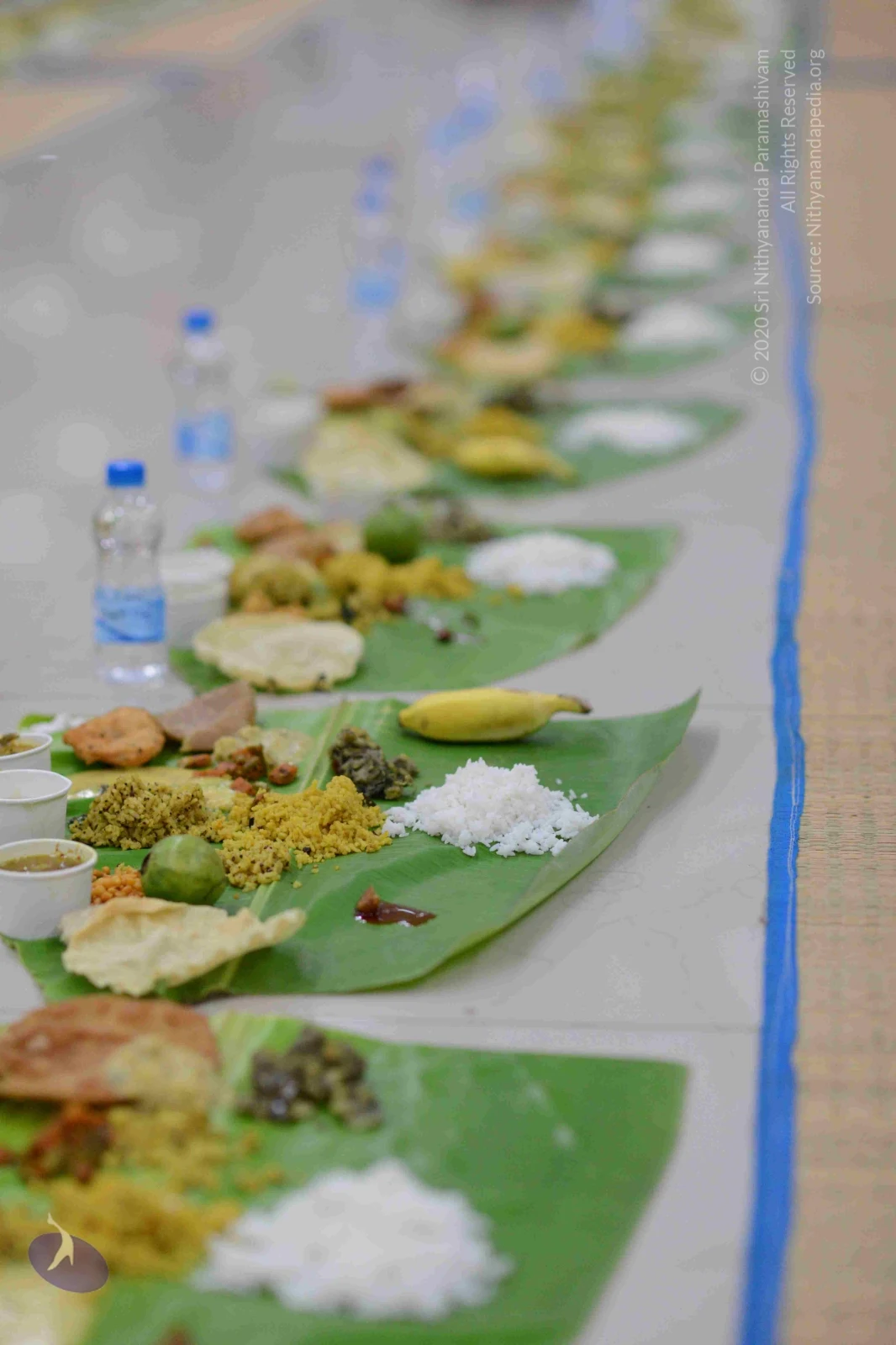
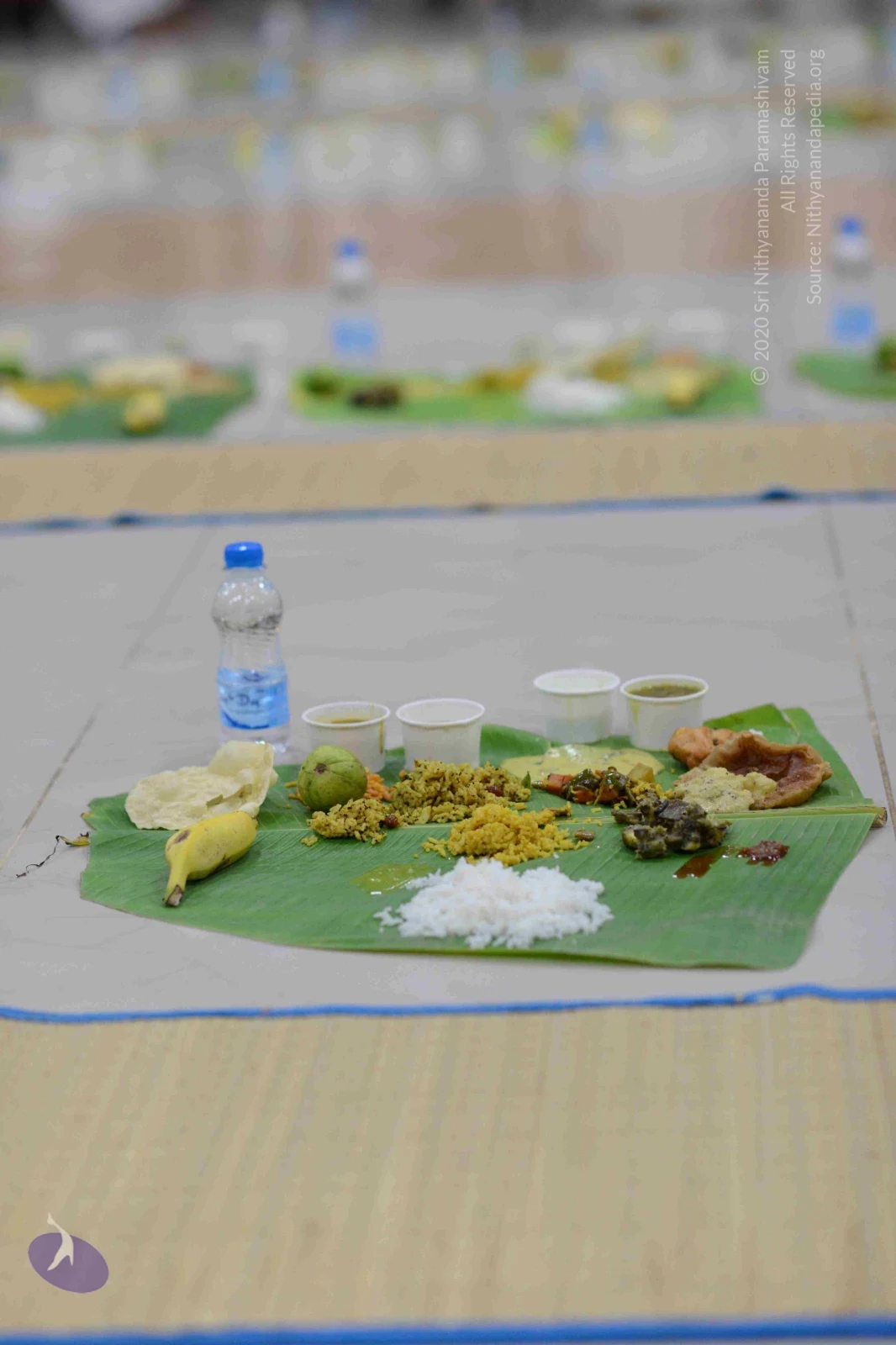
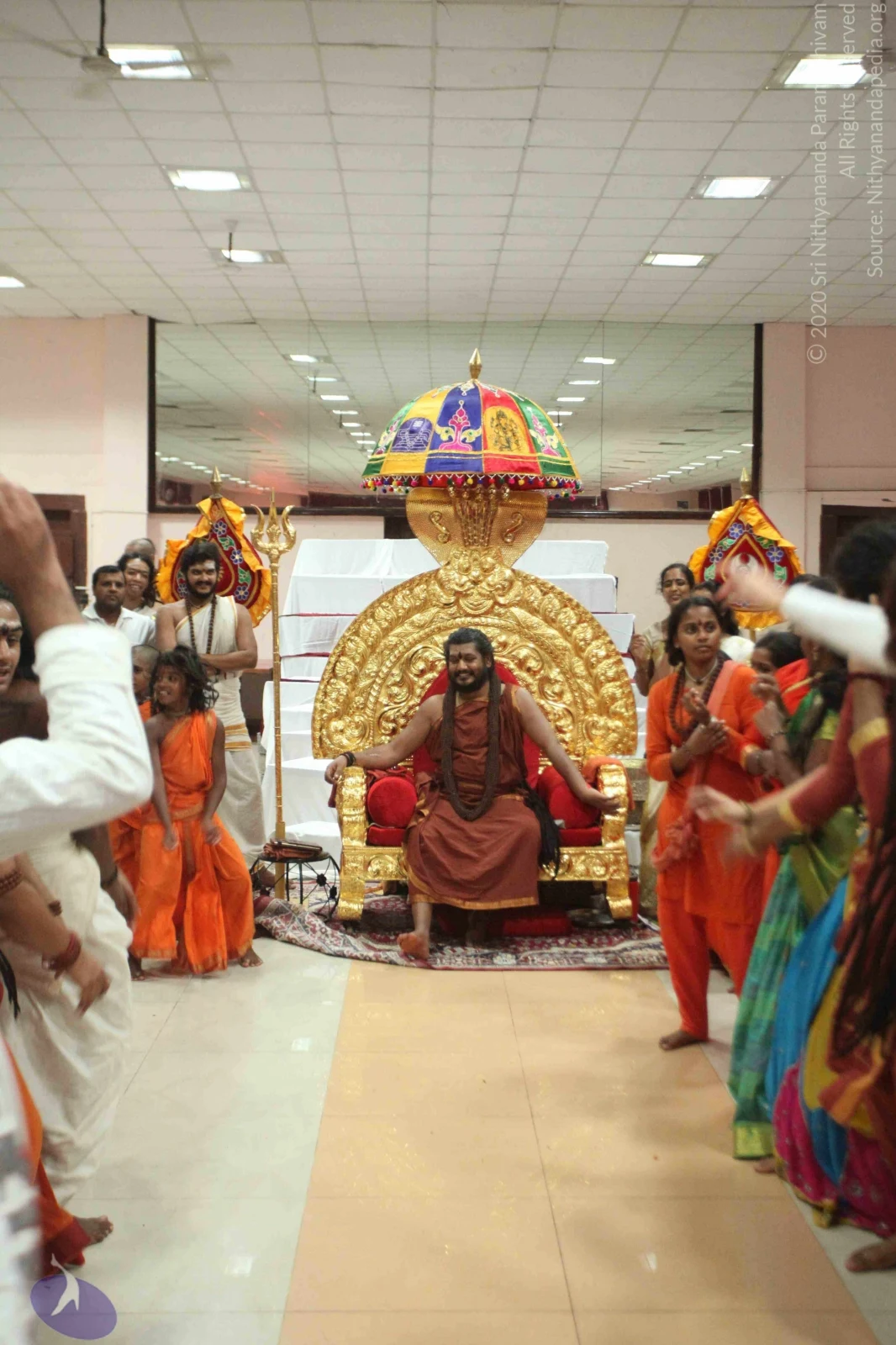
Photos from this day
View all 753 photosPada puja
132 photosSource gallery
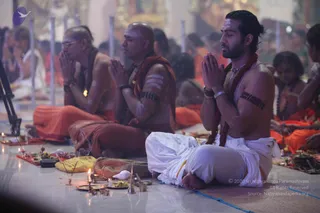
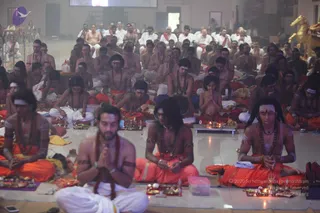
IA-session
14 photosSource gallery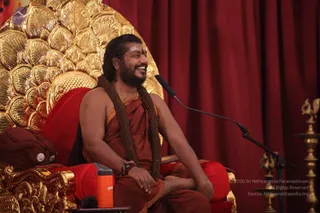

Krithan
16 photosSource gallery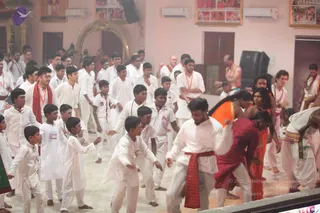
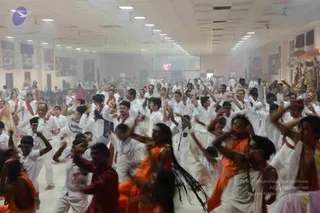
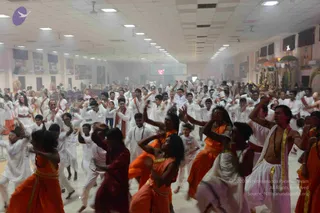
maheshwara-puja-mahalaya-amavasya
195 photosSource gallery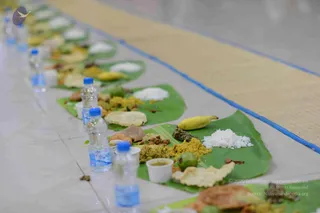
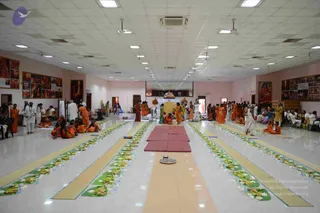
IA-Shivoham
46 photosSource gallery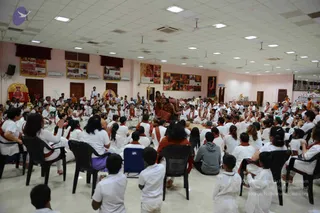
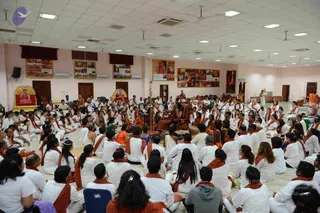
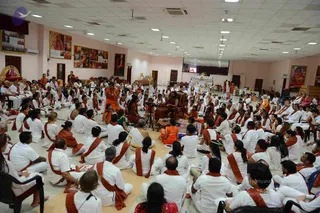
Maheshwara-Puja-Mahalaya-Amavasya
97 photosSource gallery