Skip to content
Monday

5 September 2016

MahaGanapati Embodiment of Spontaneous Completion Celebration

Dated photos
432
Source pages
1
Media
2
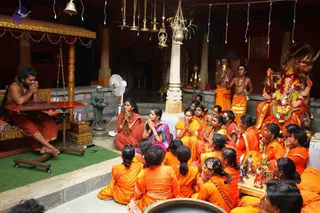
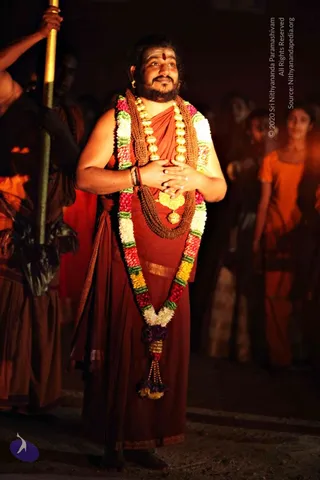
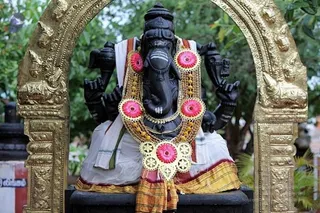
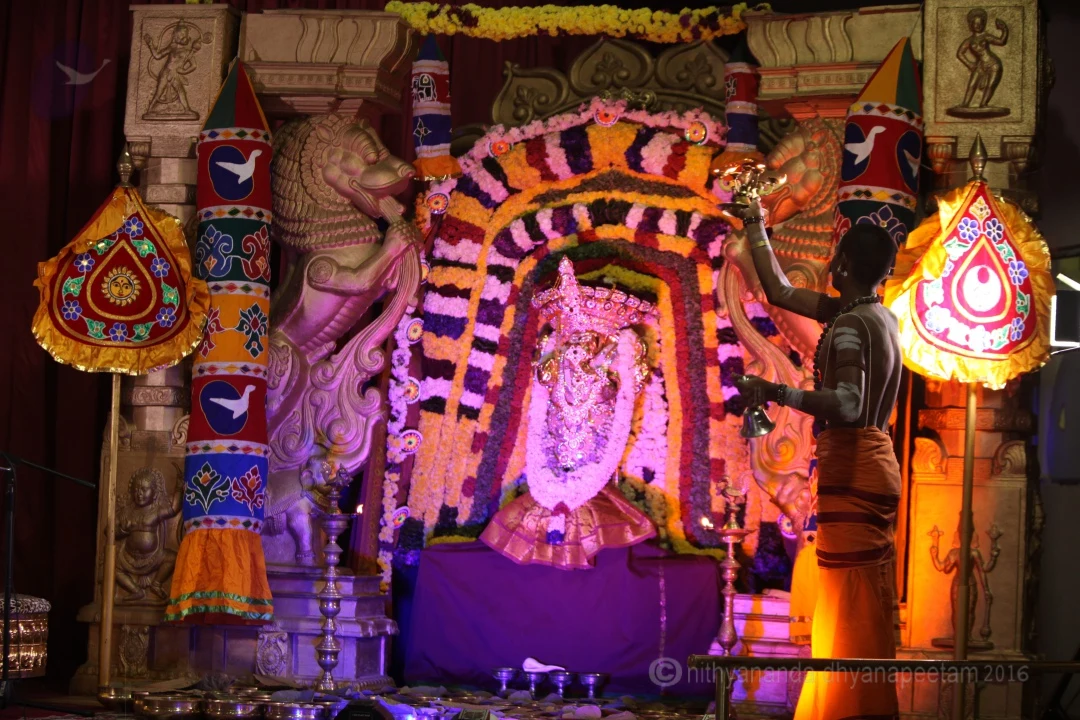
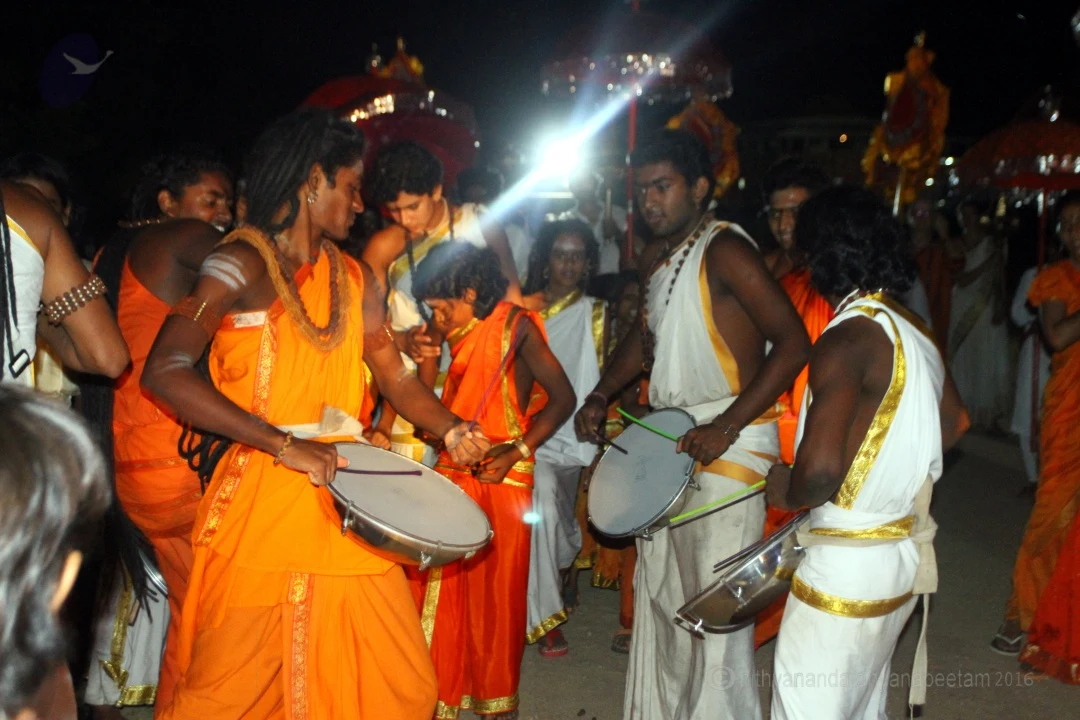
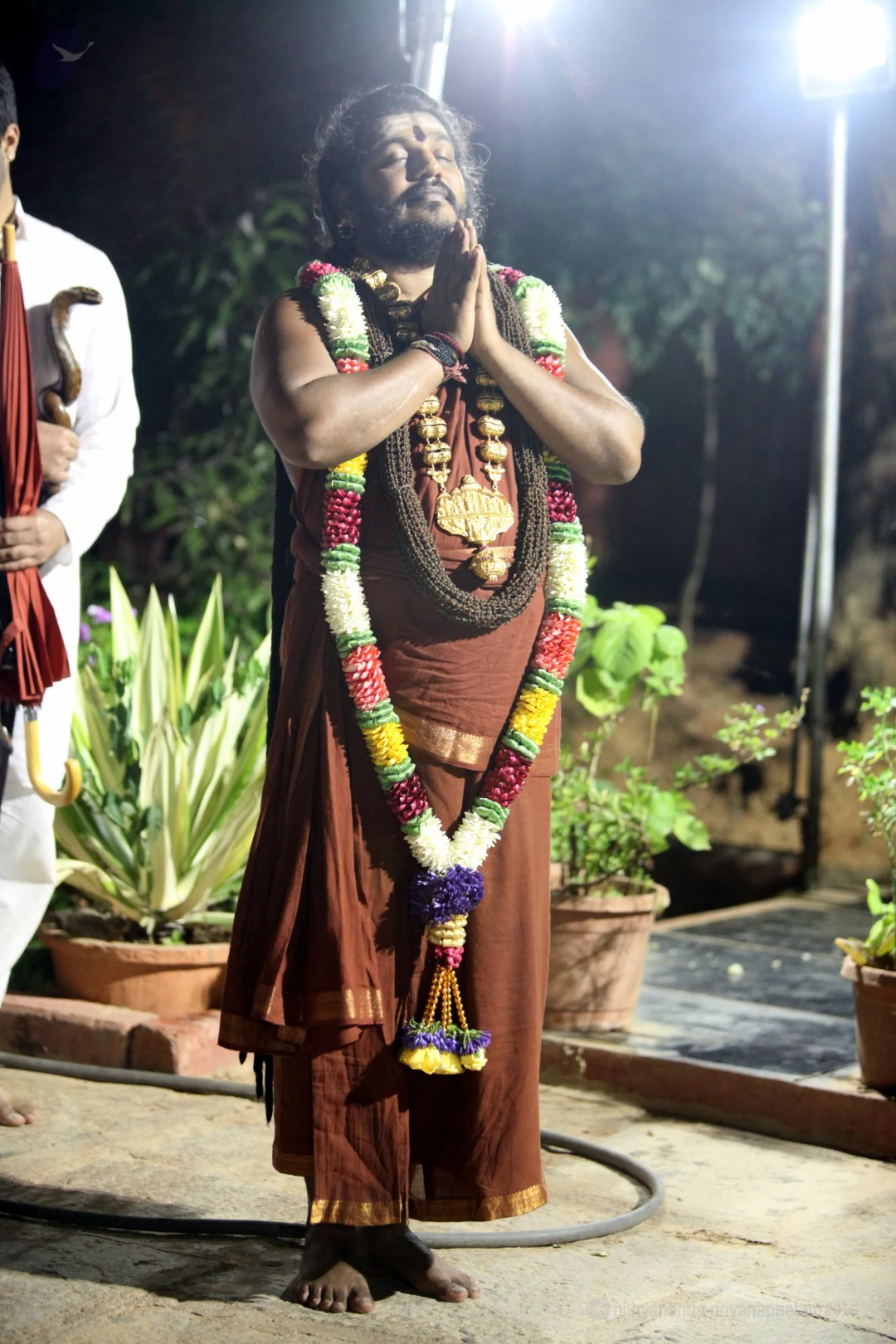
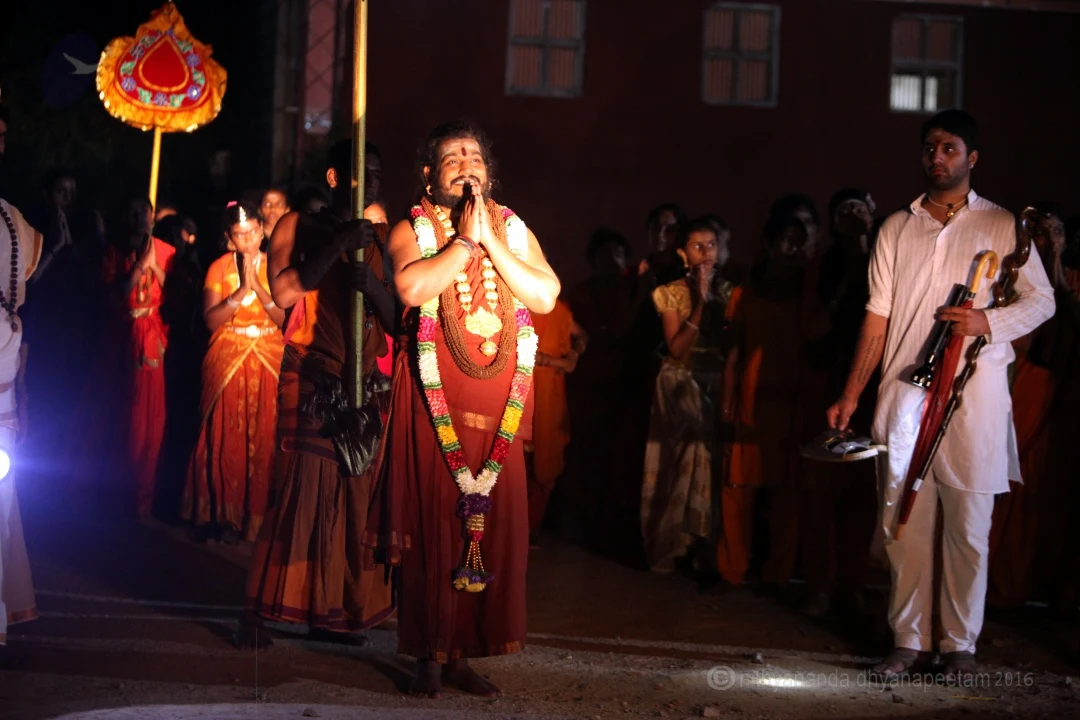
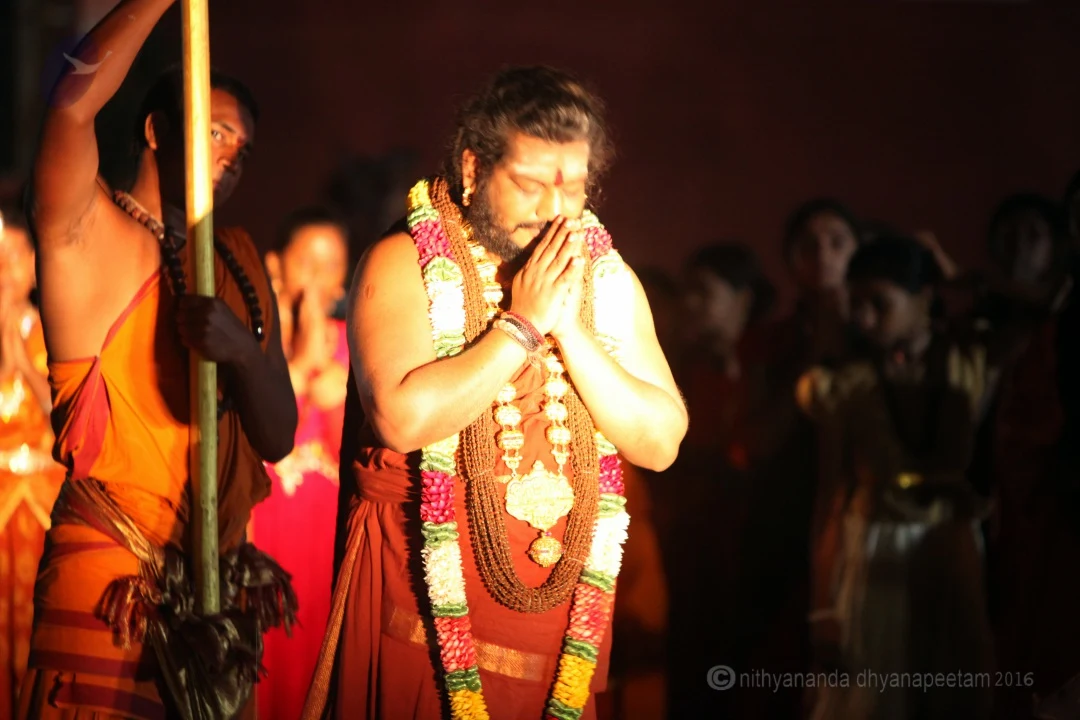
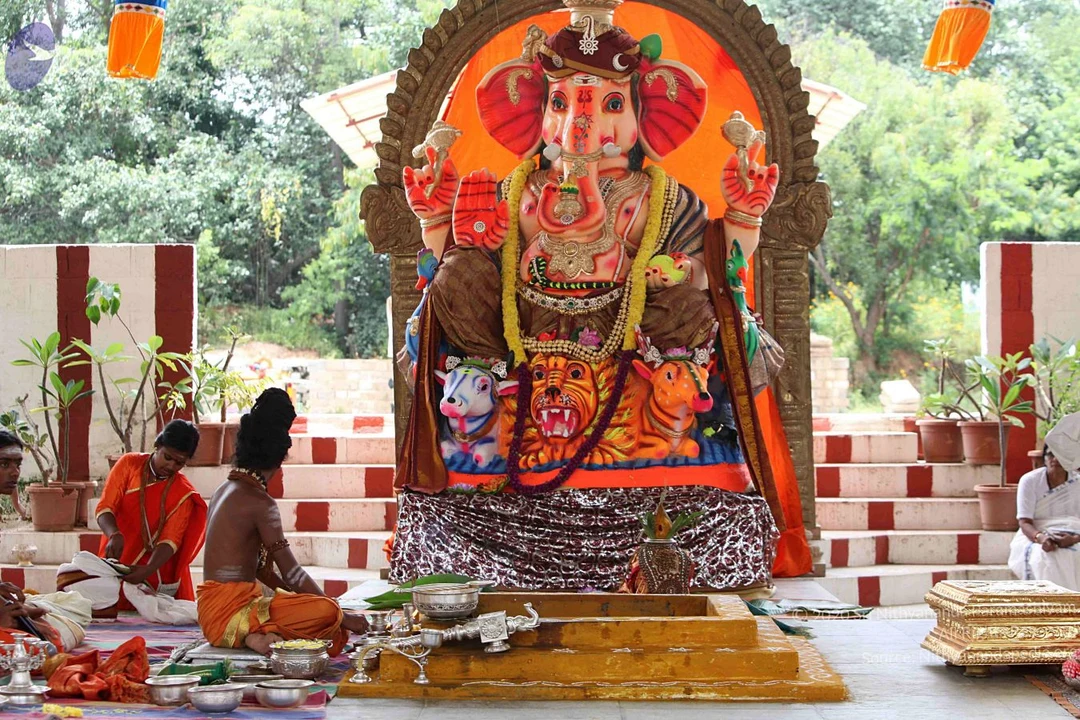
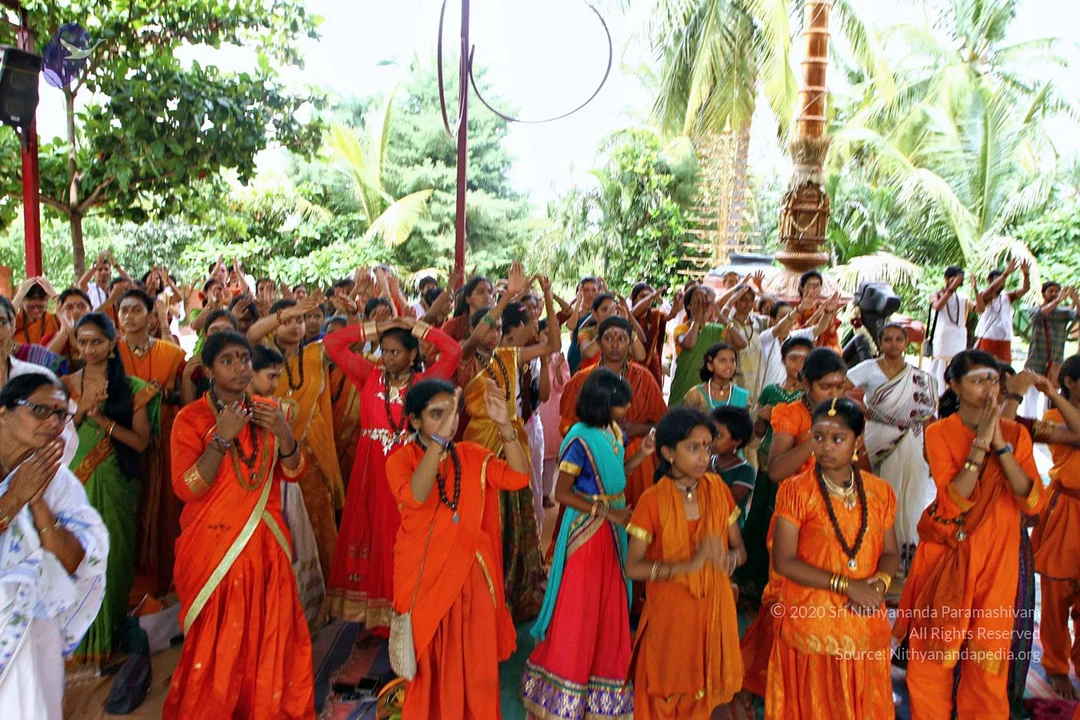
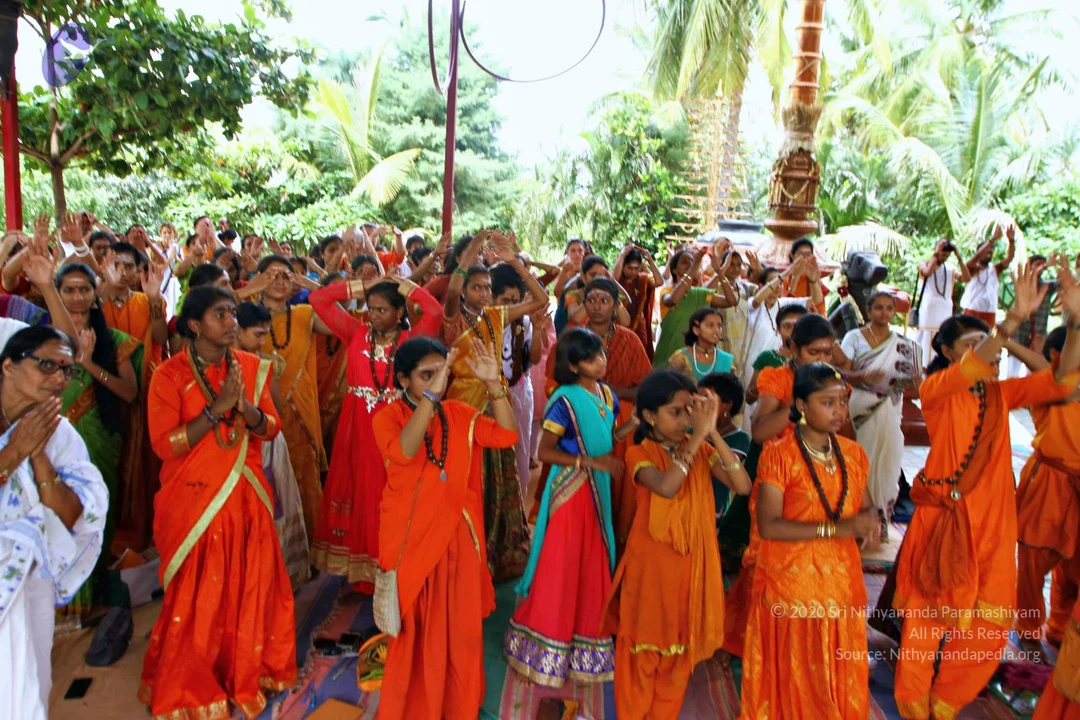
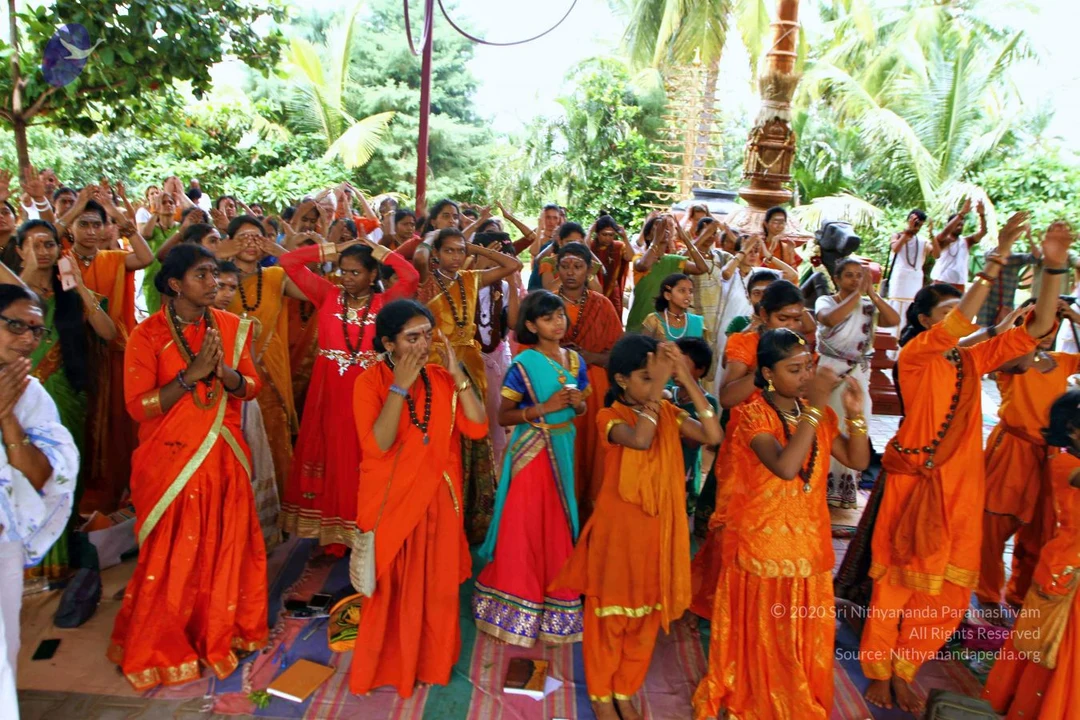
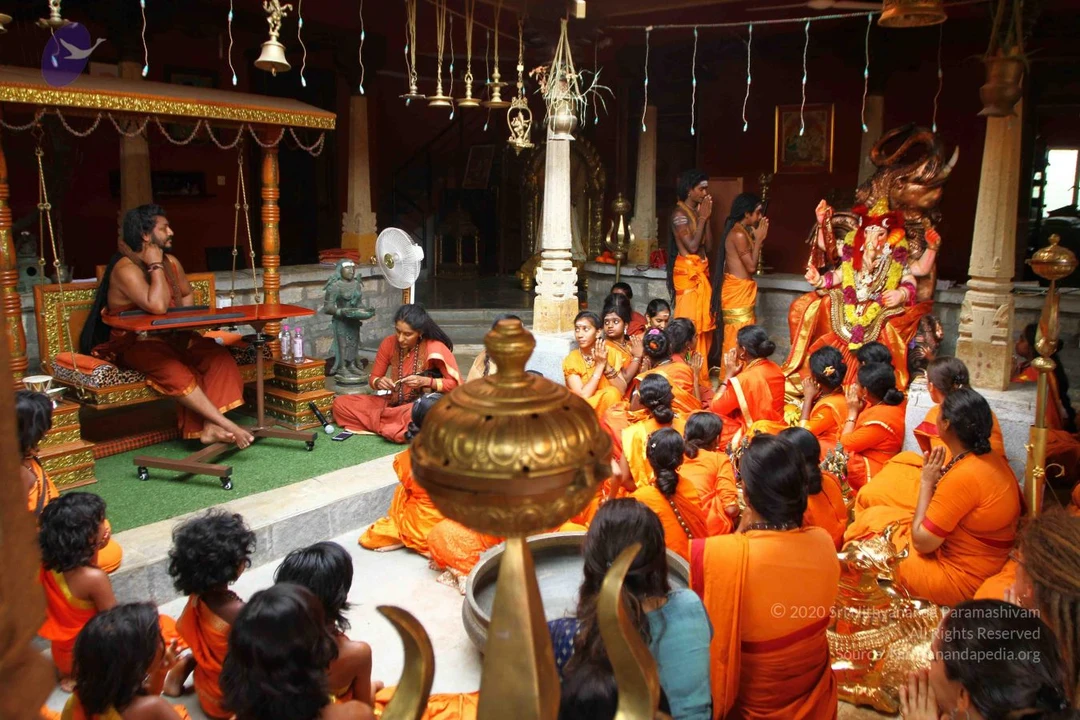
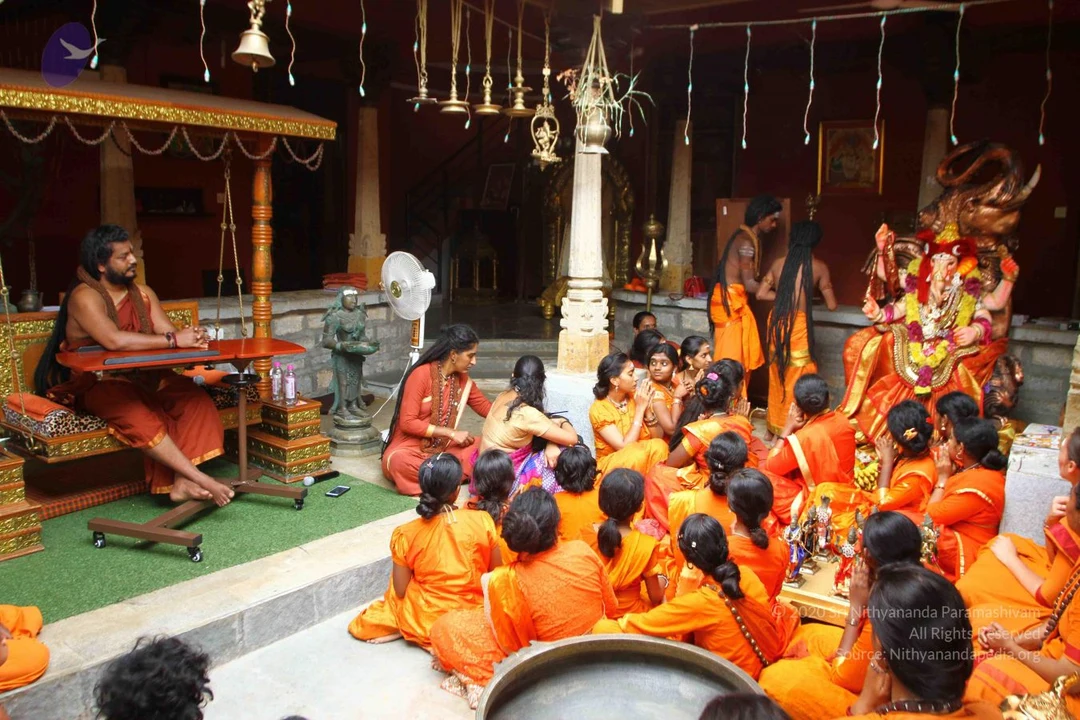
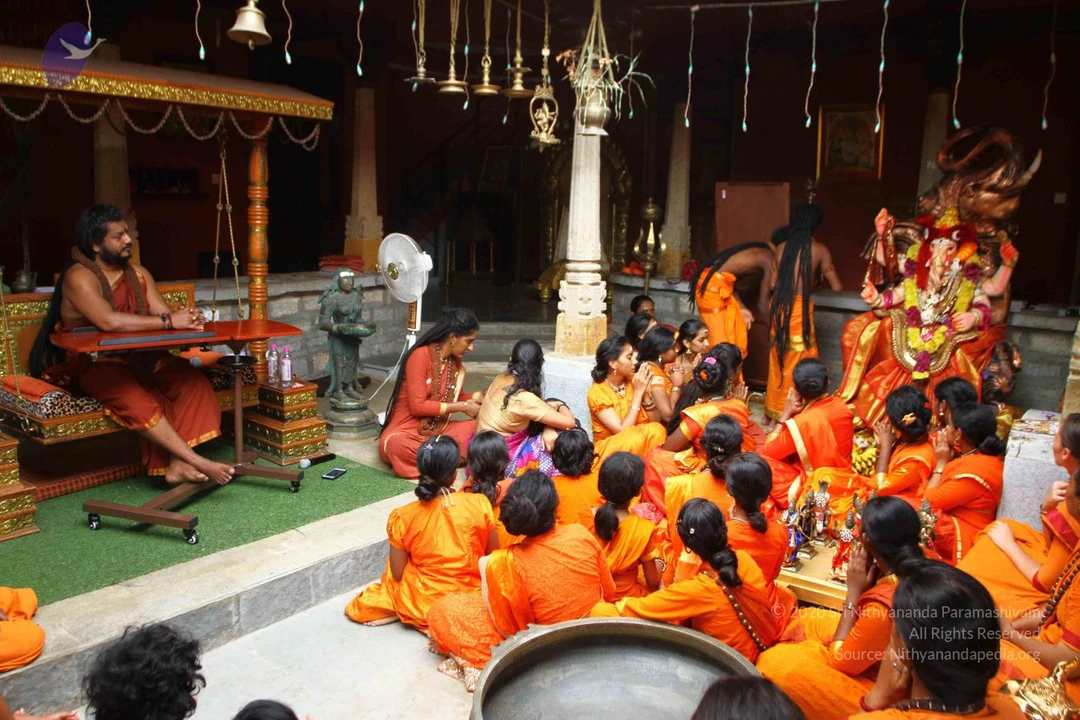
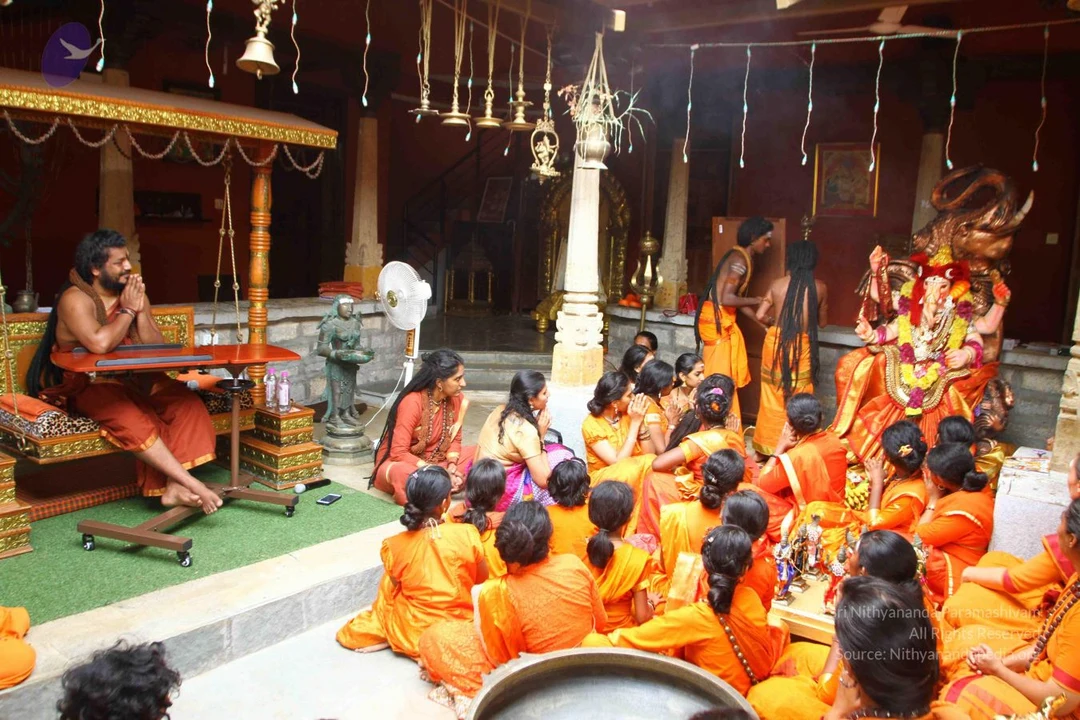
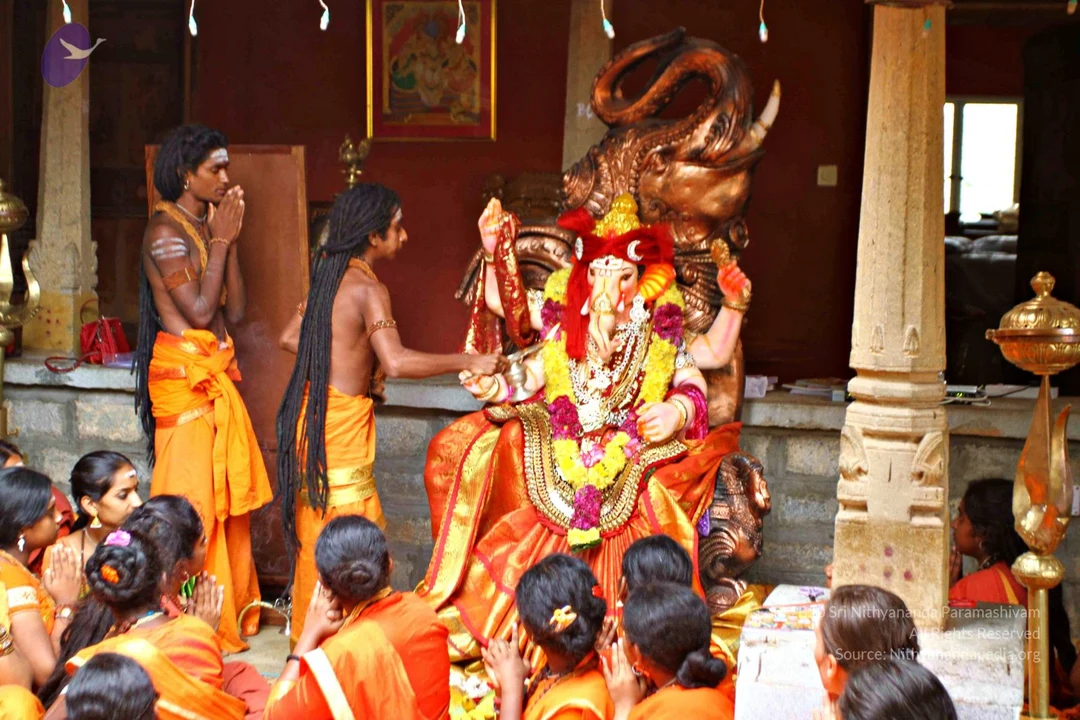
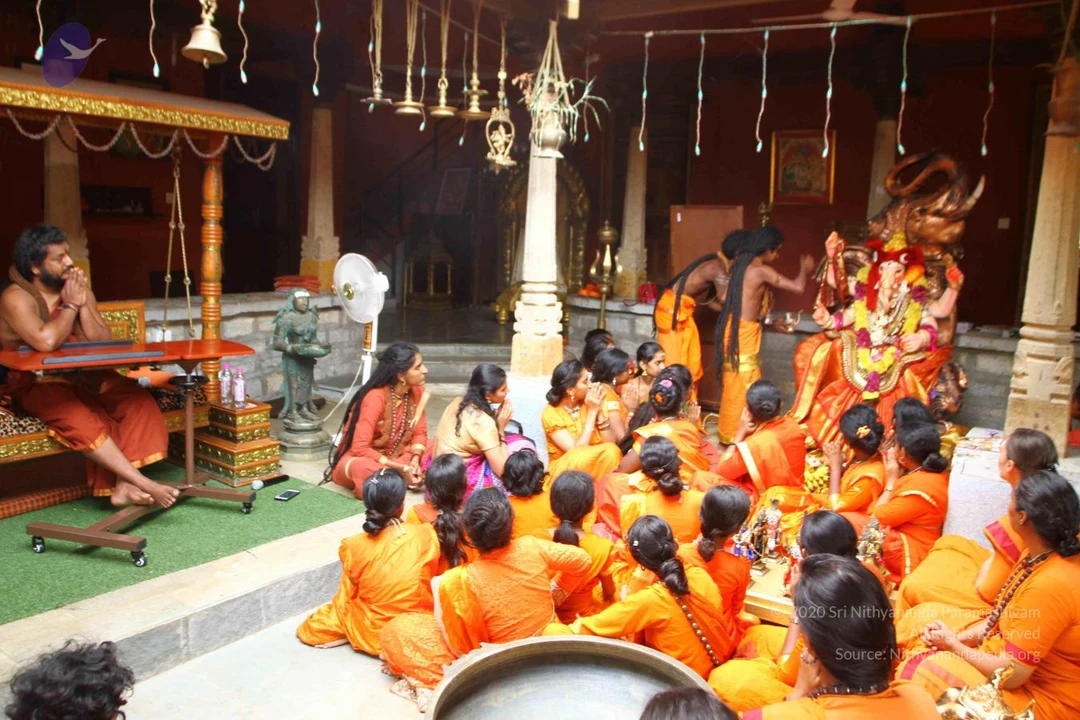
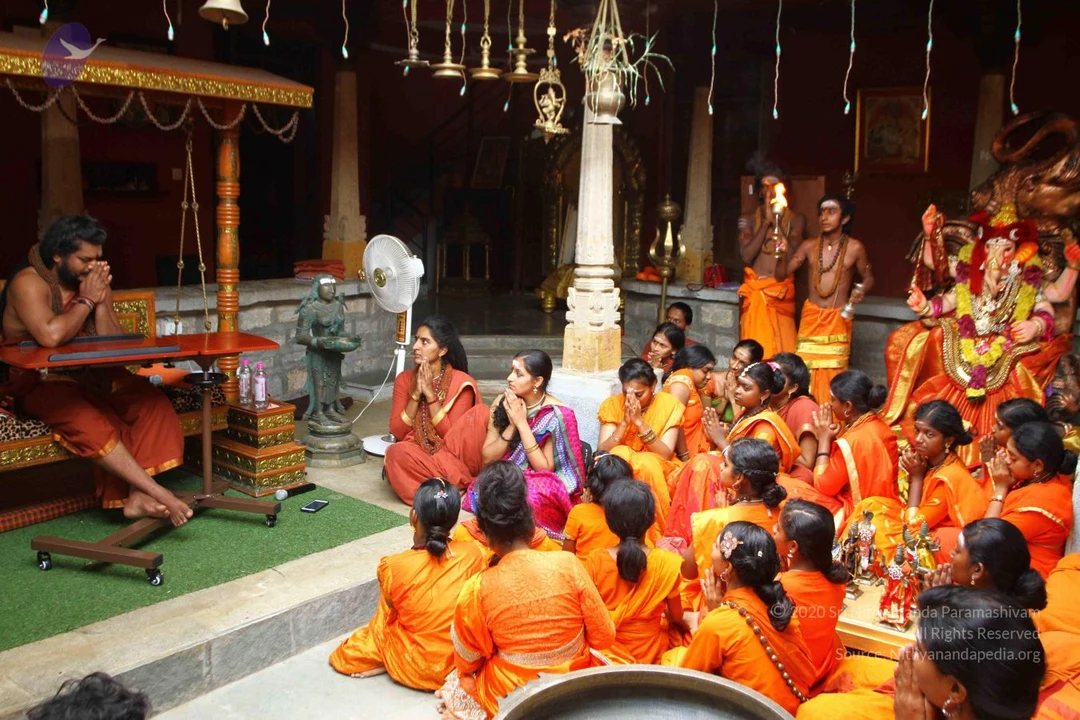
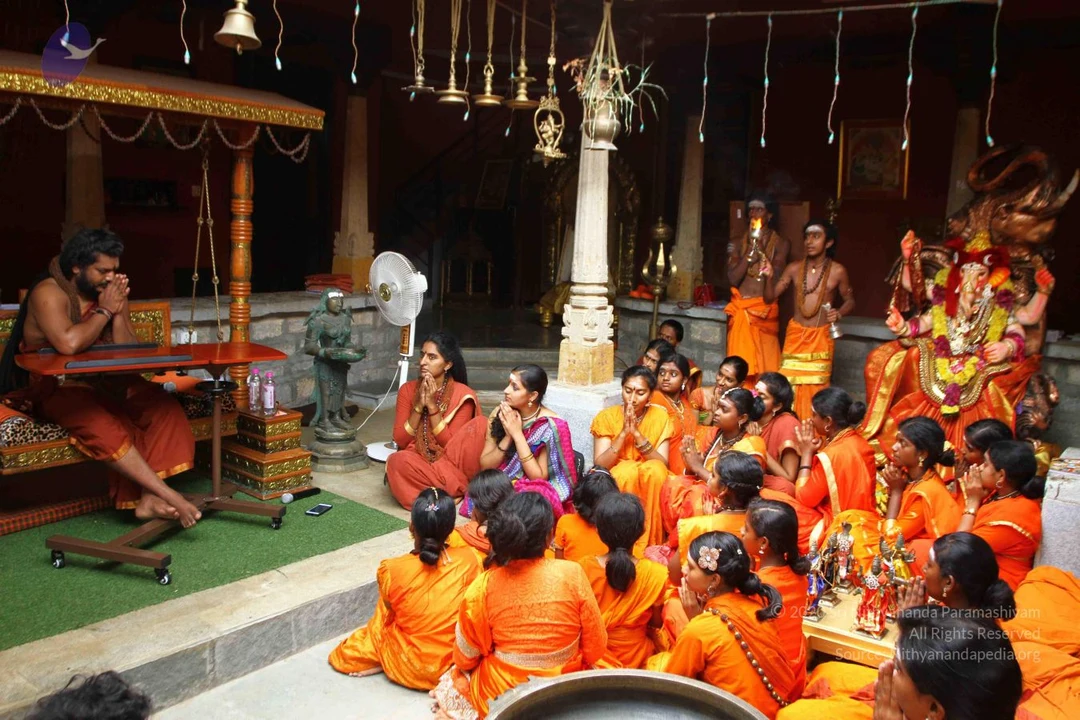
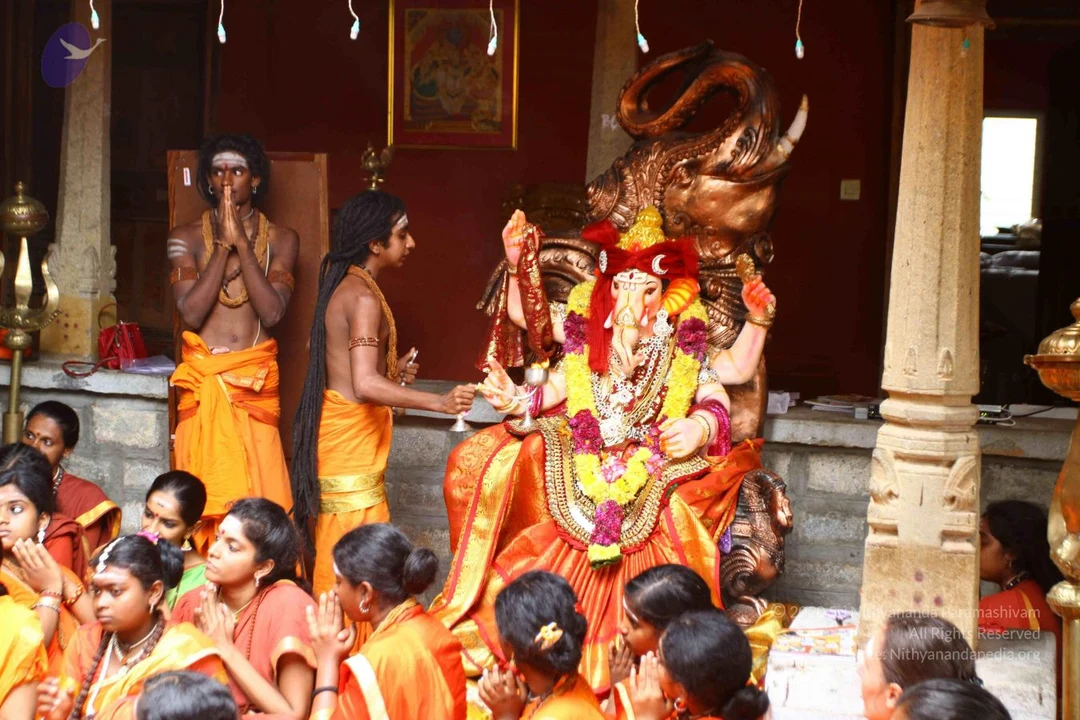
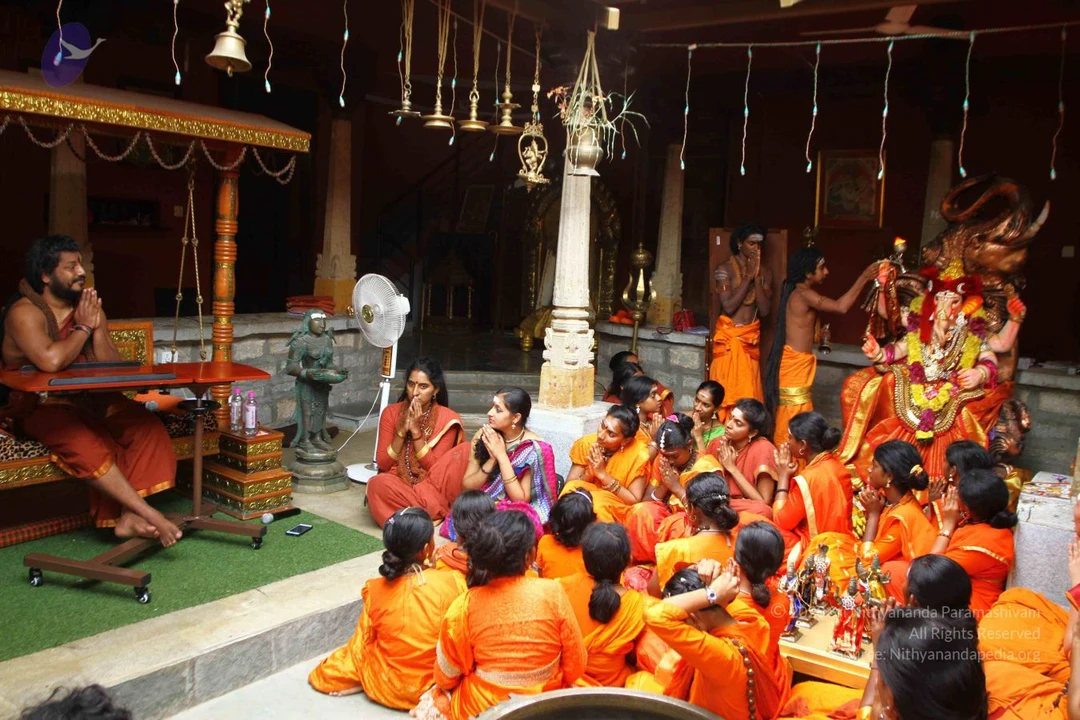
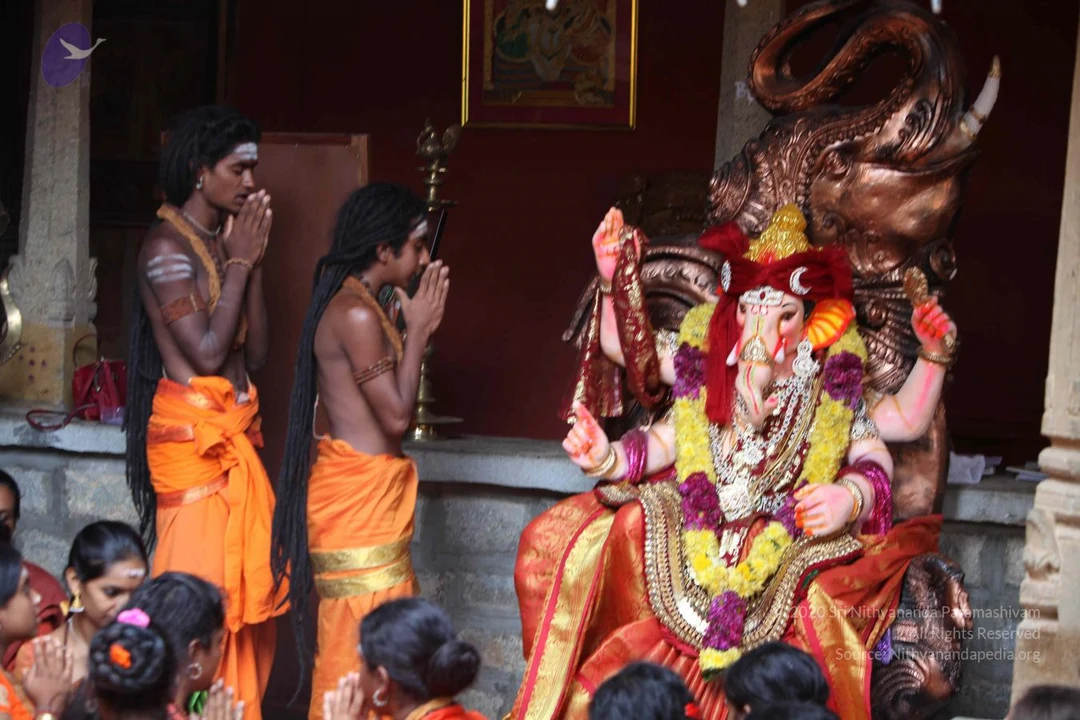
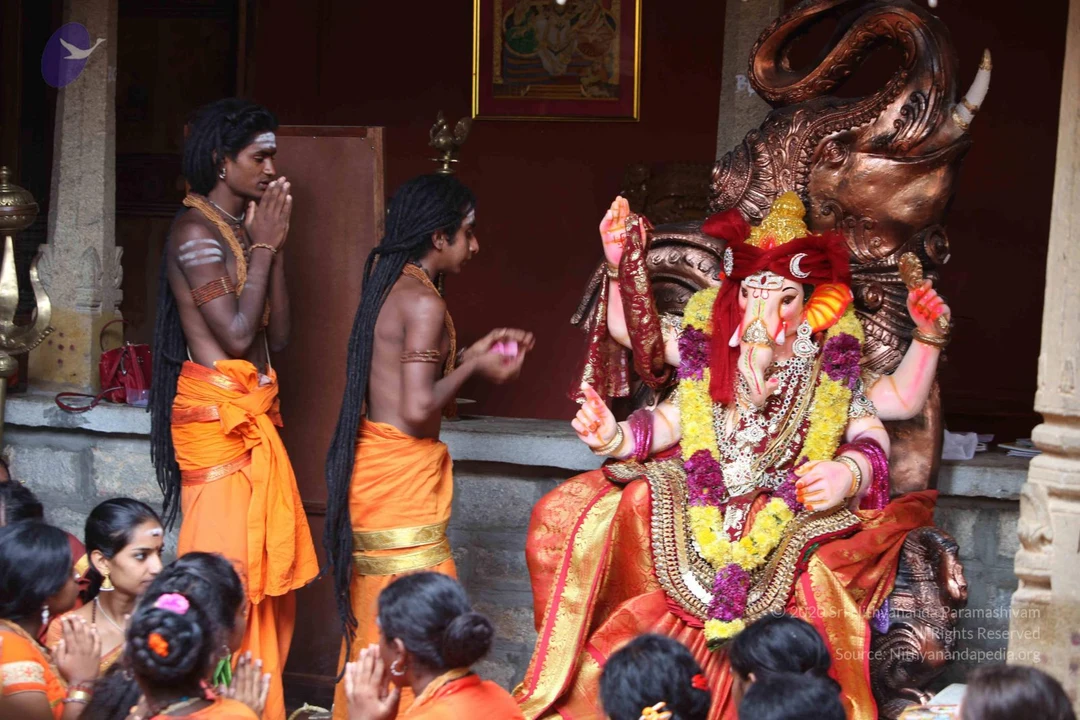
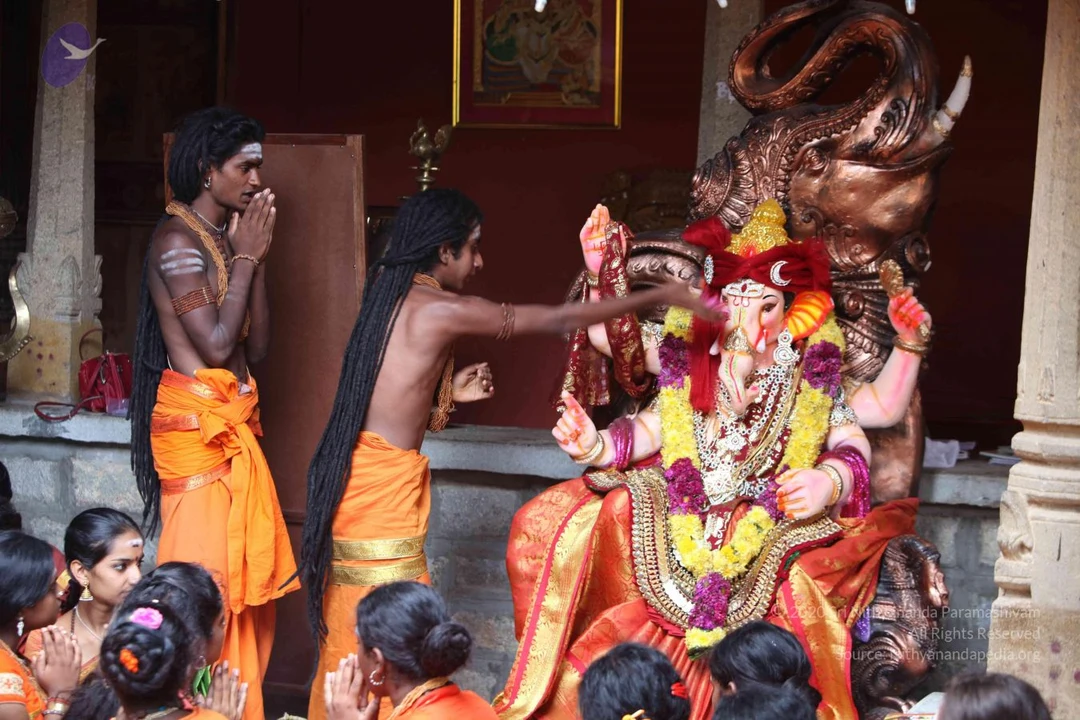
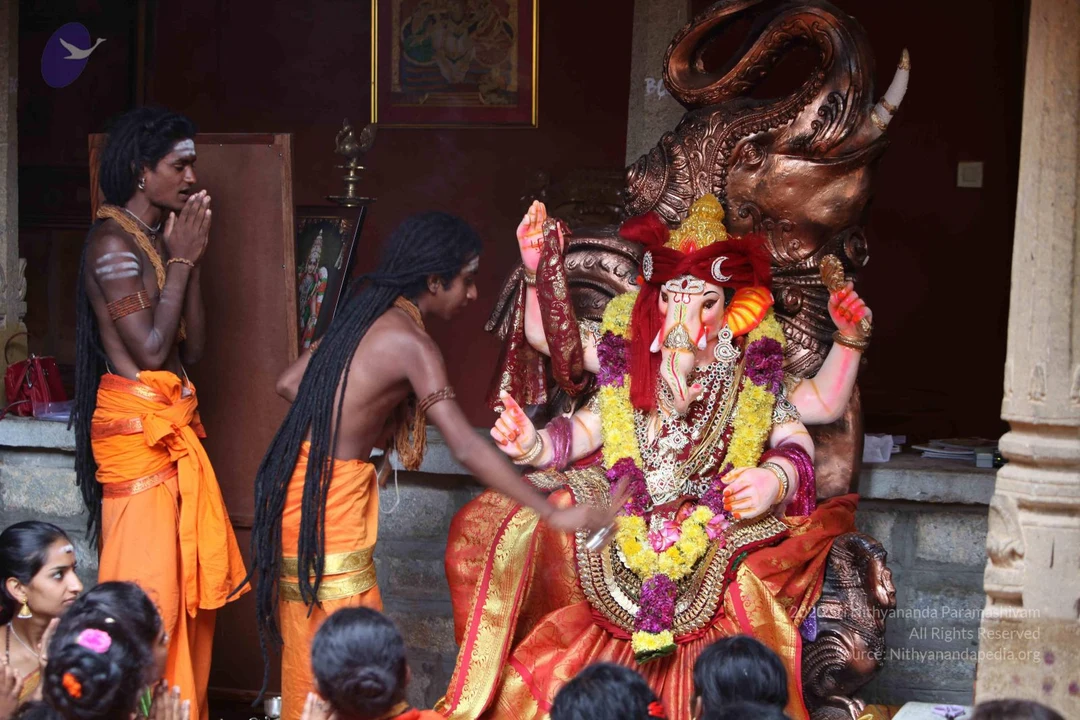
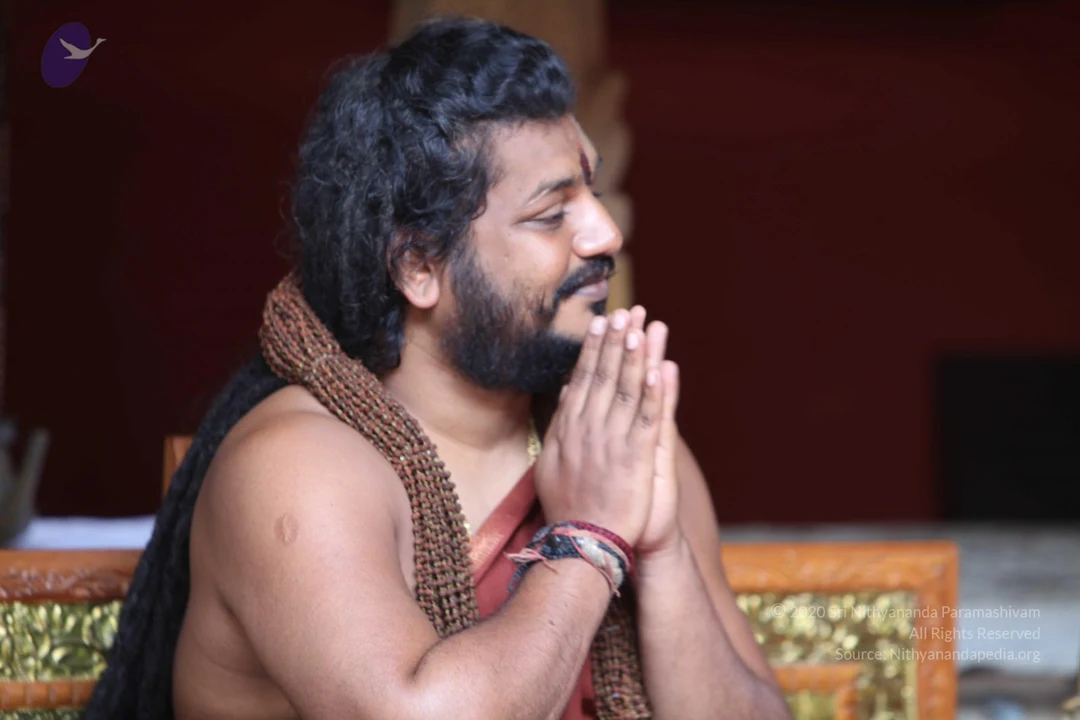
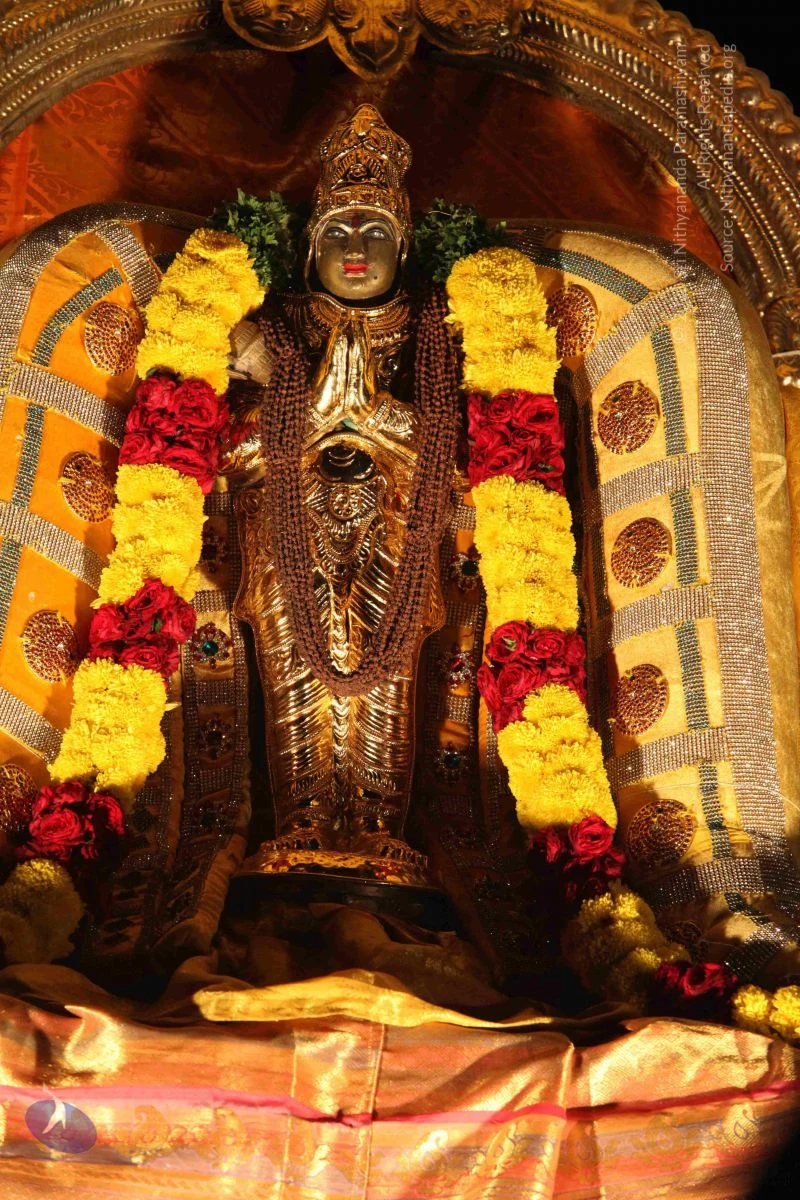
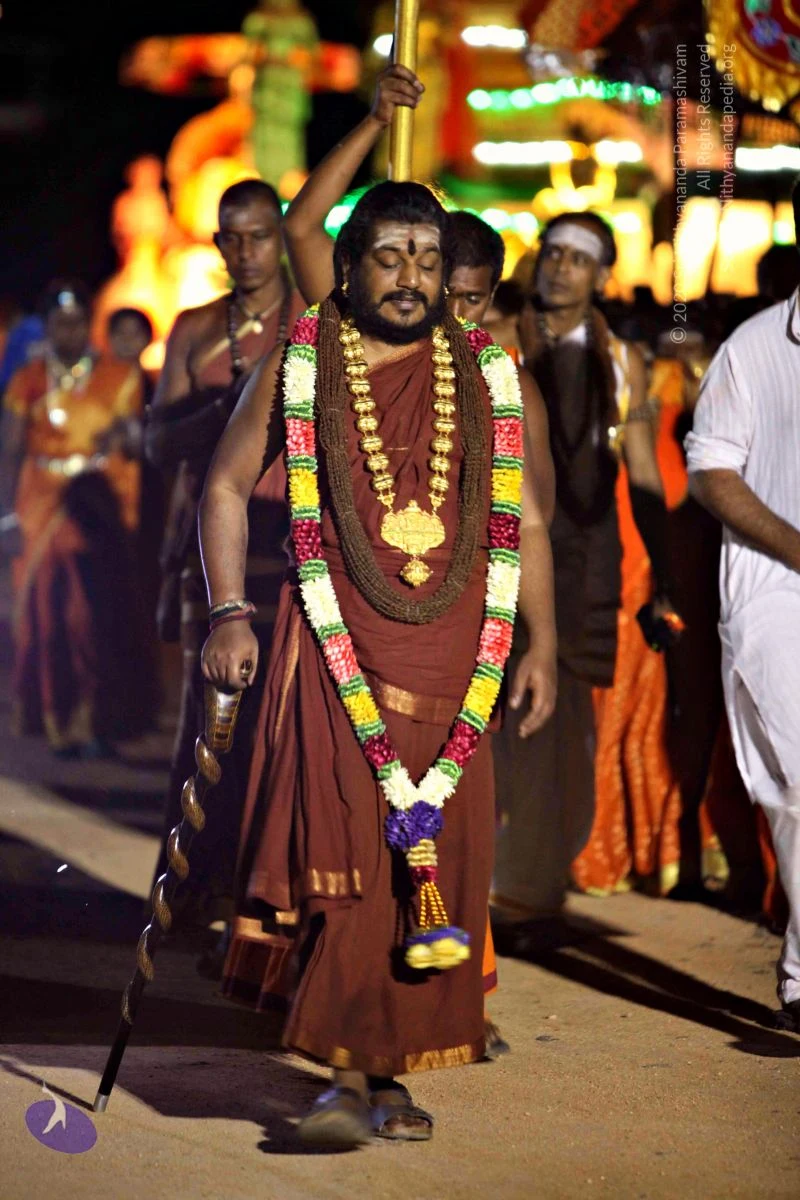
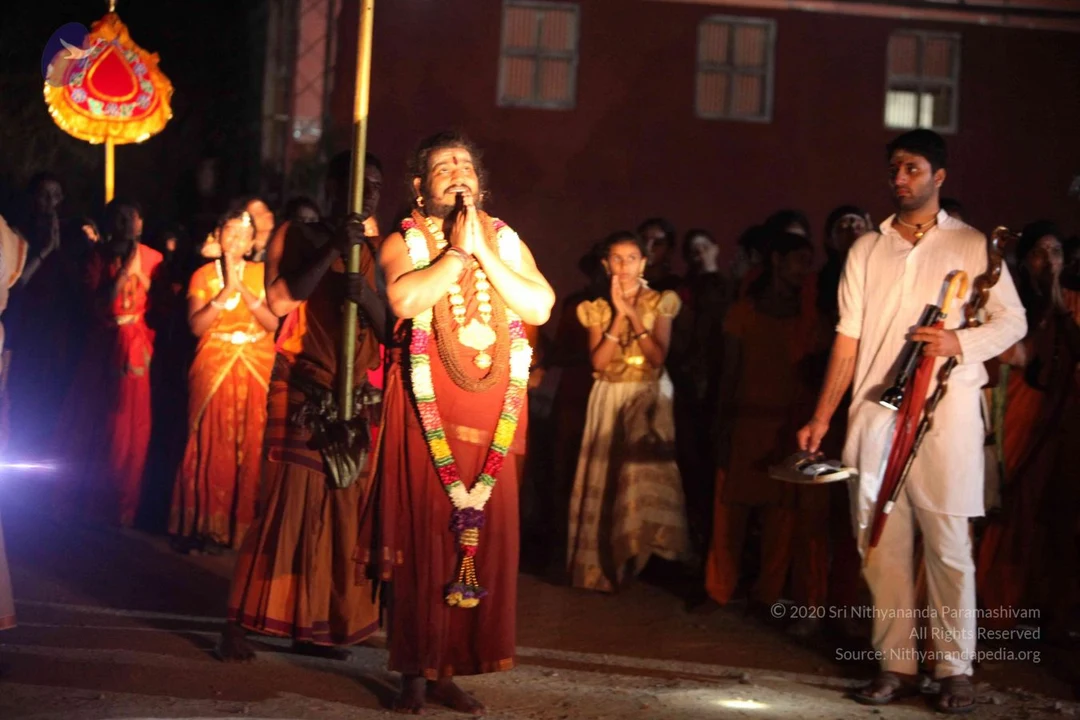
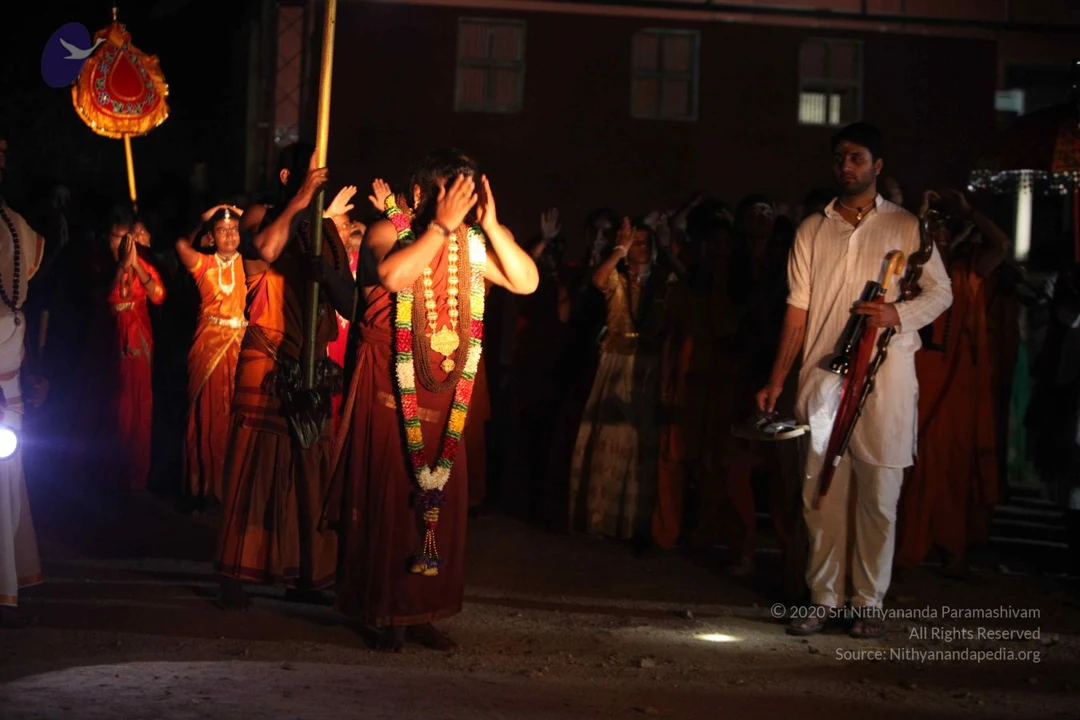
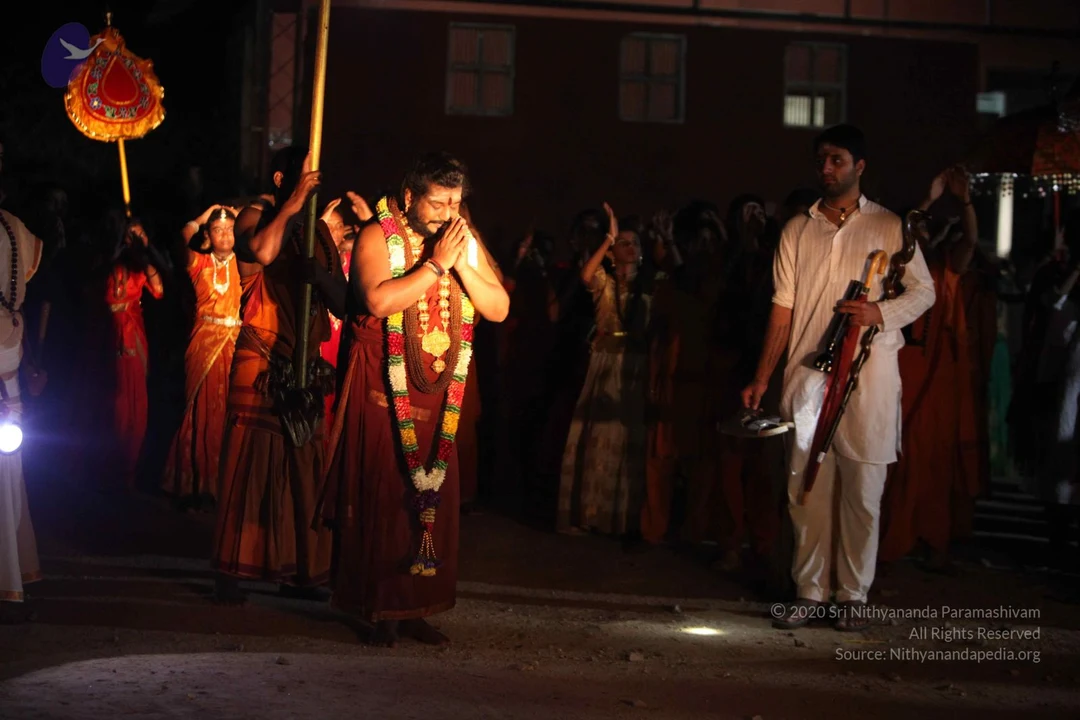
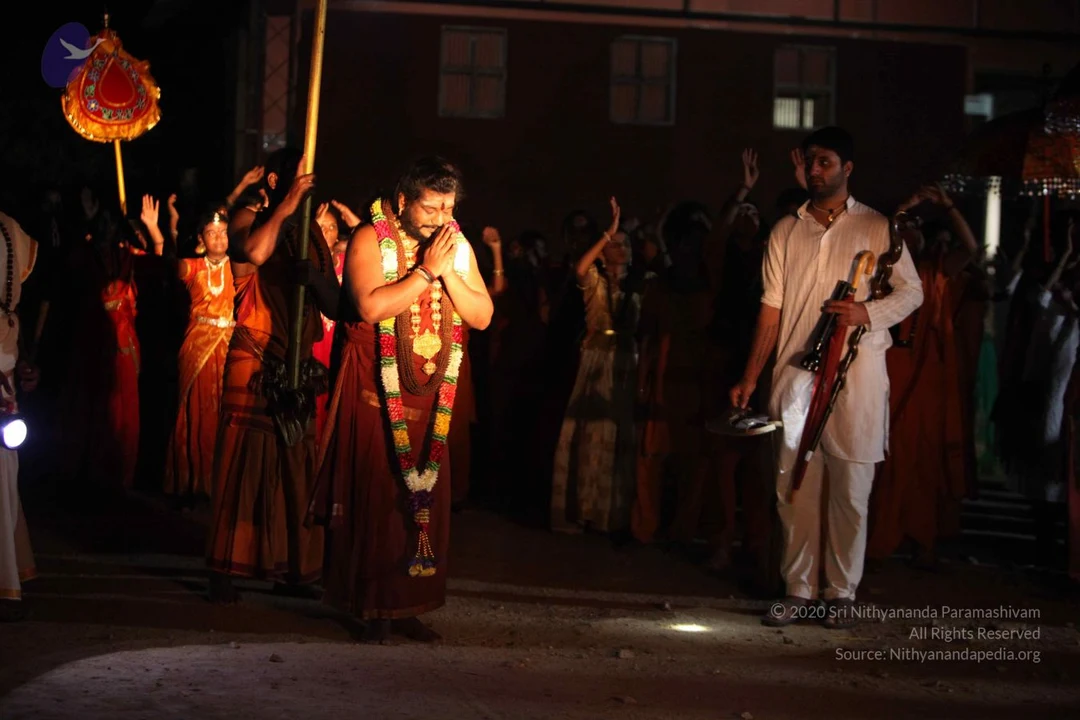
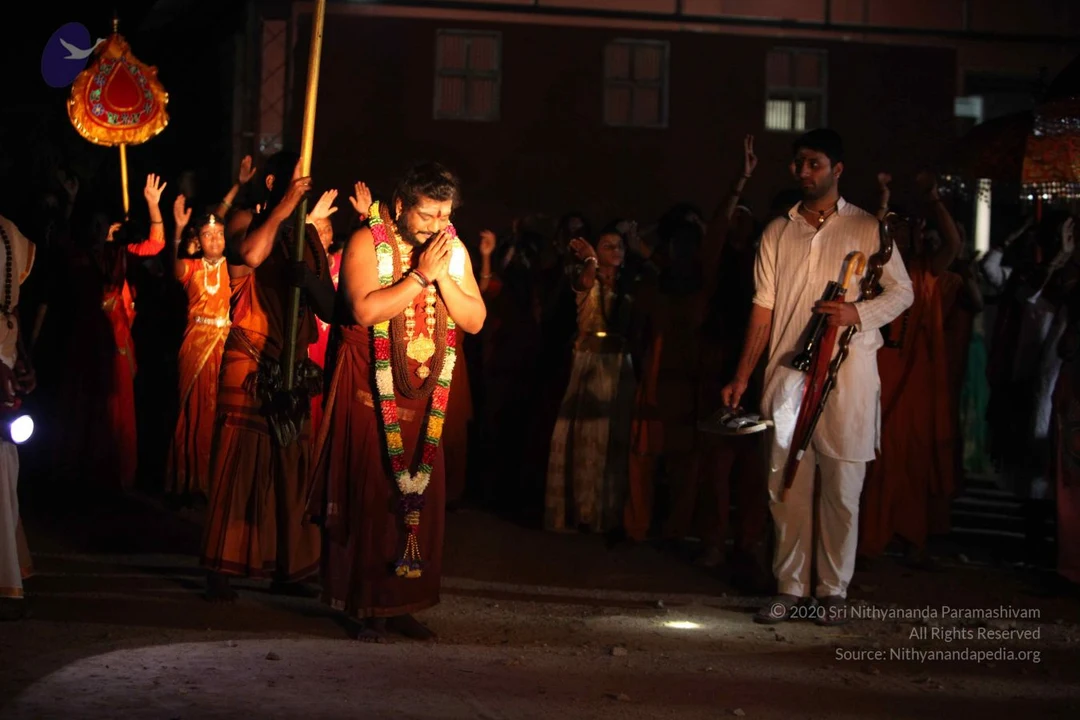
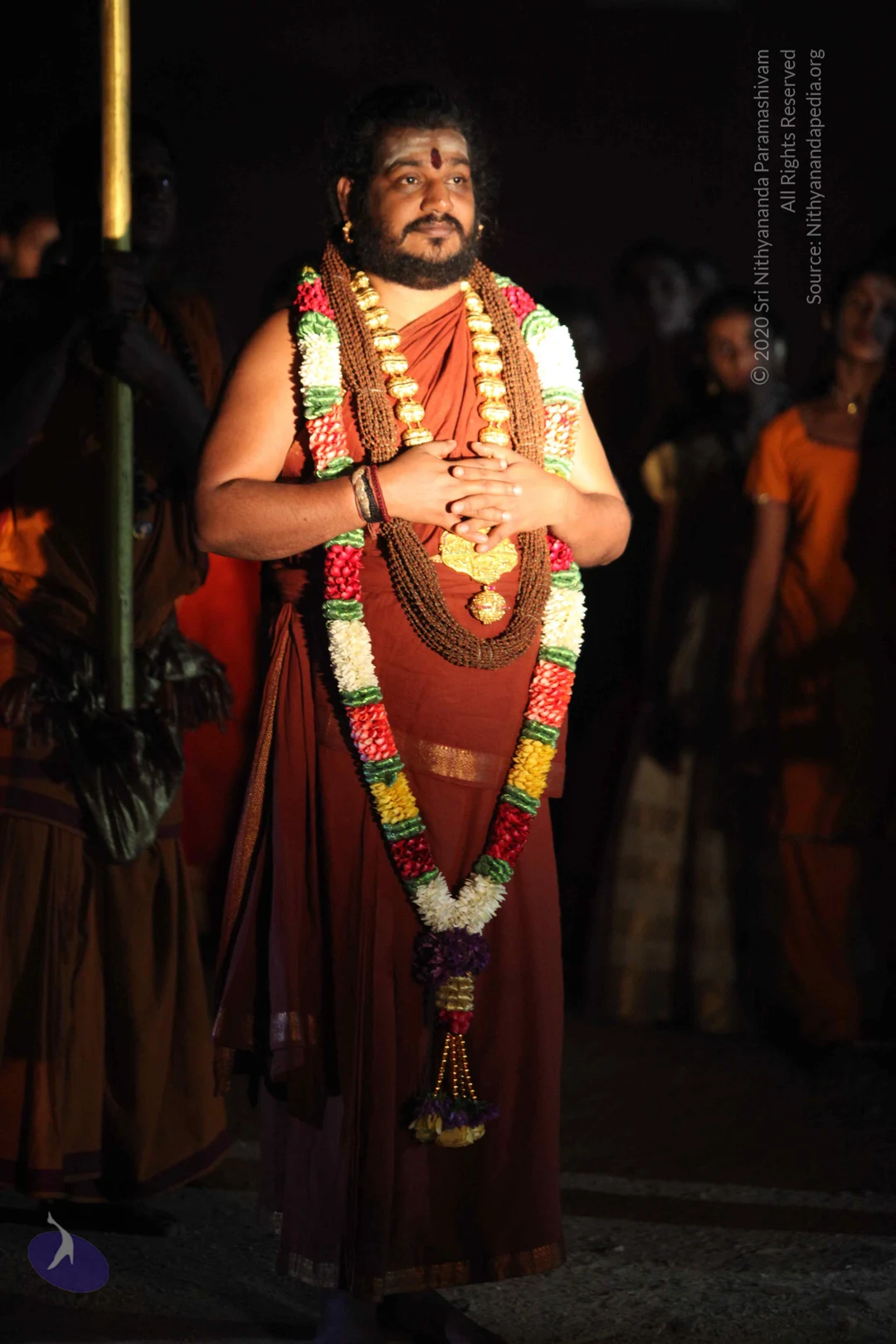
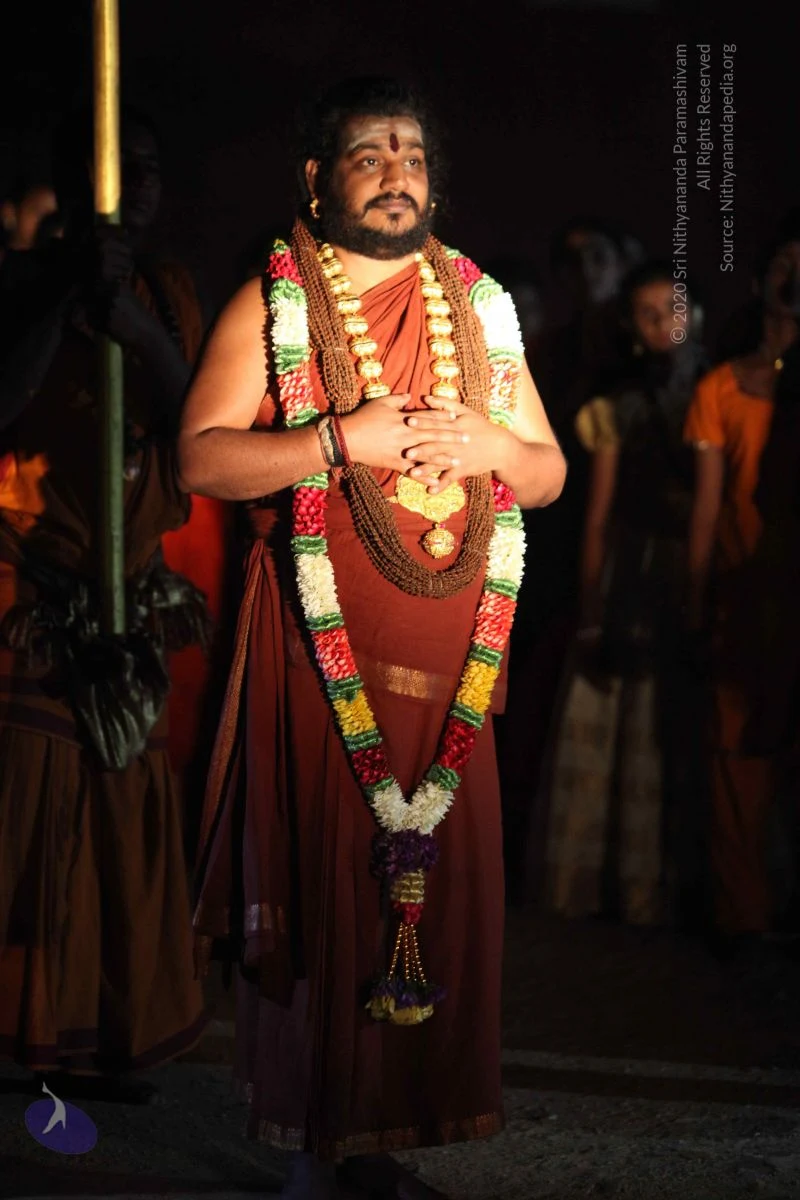
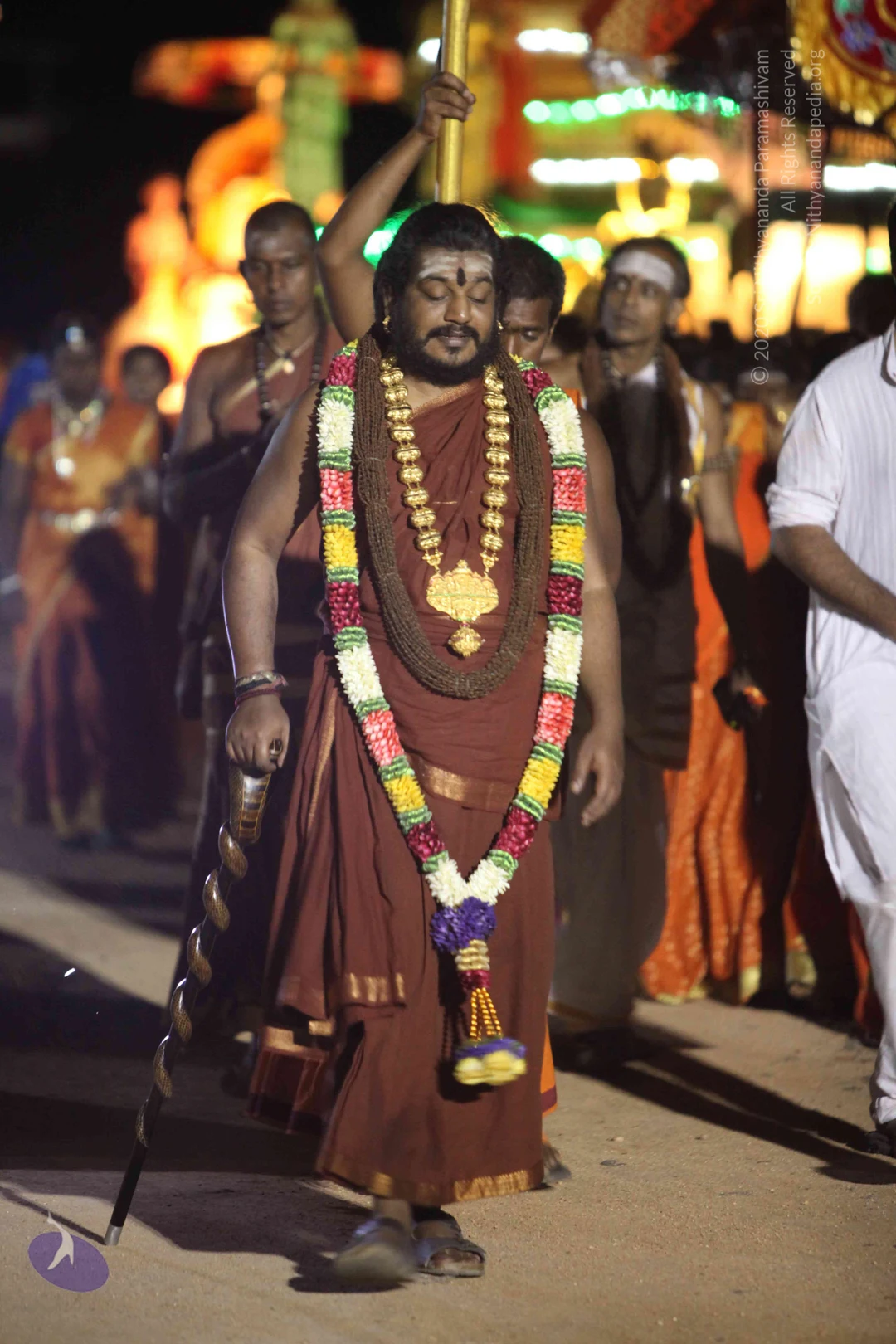
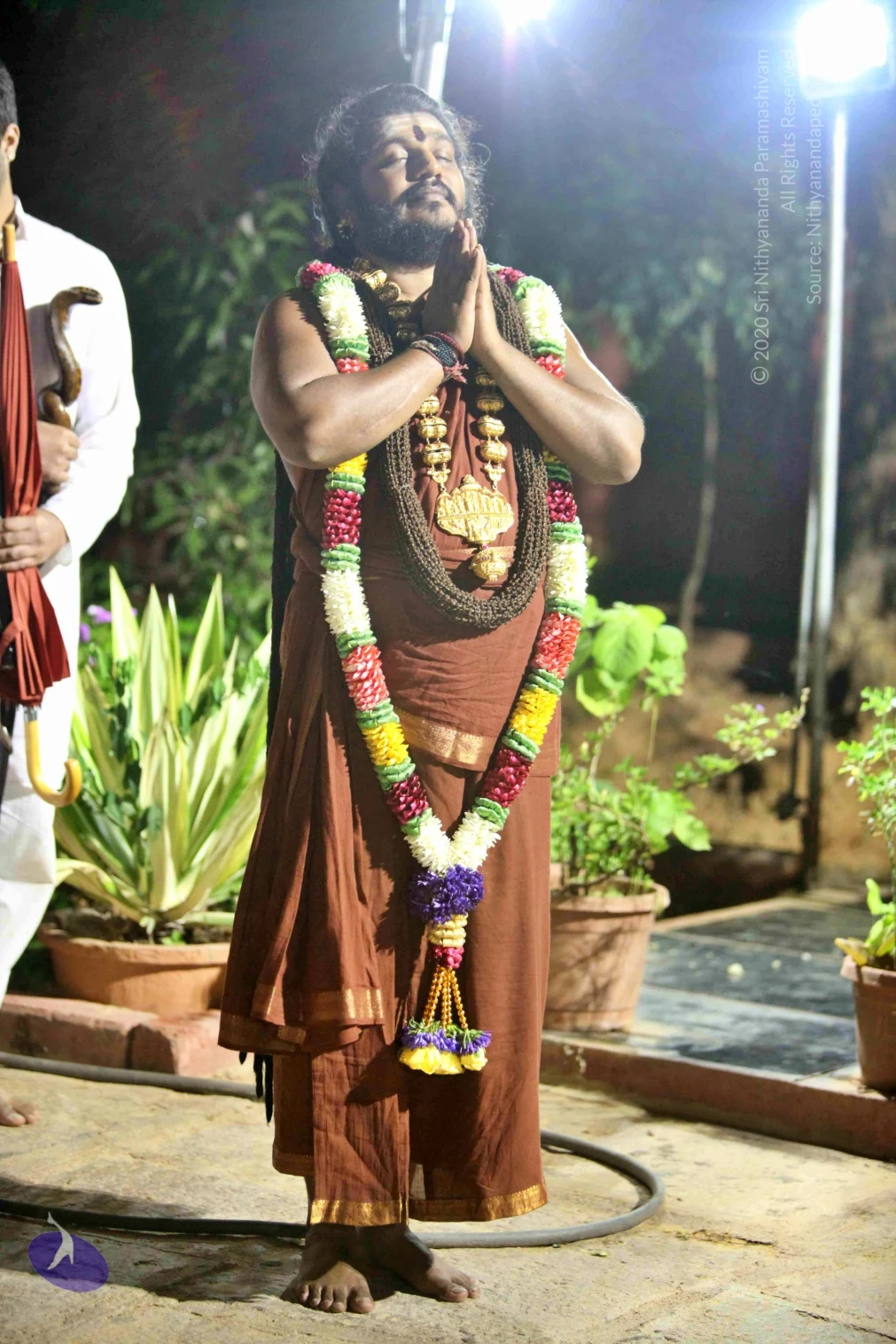
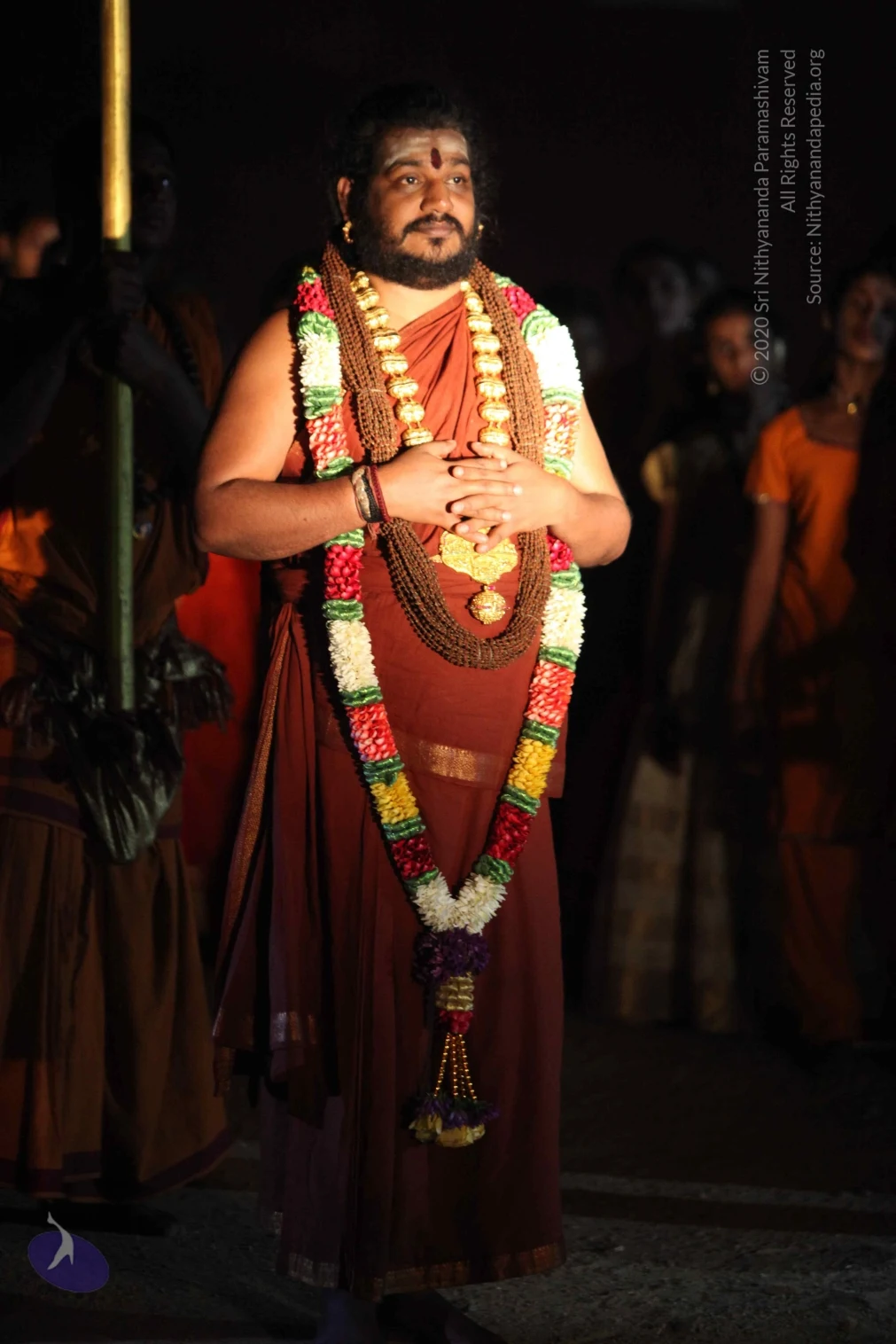
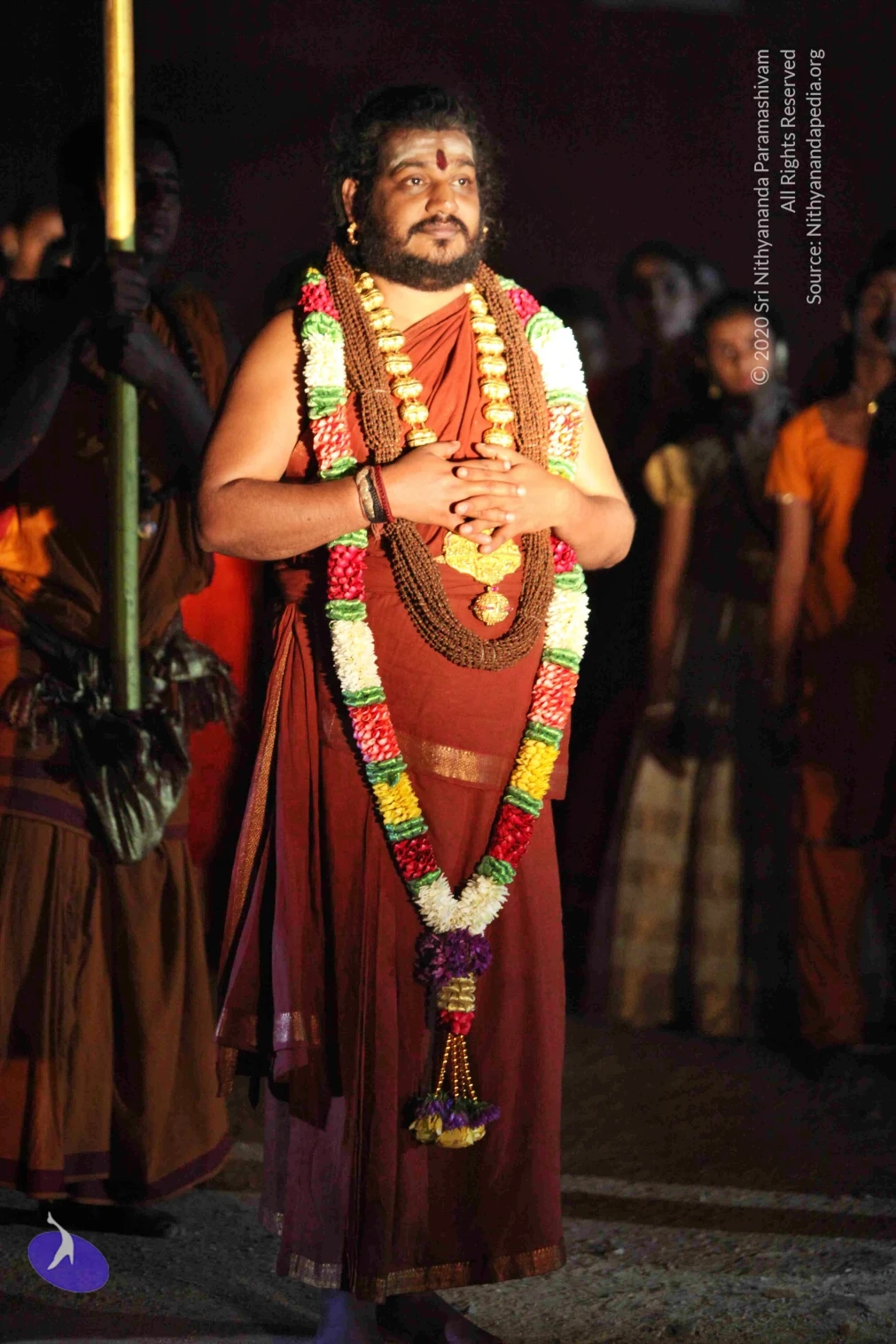
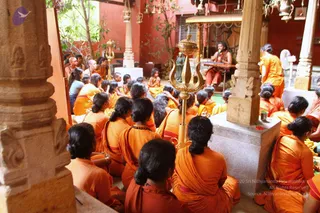
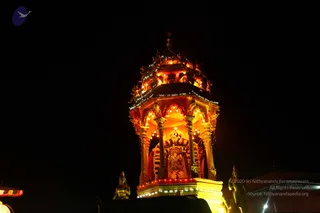
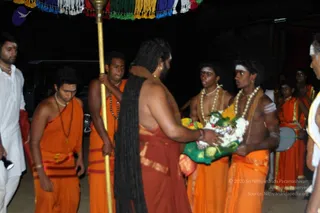
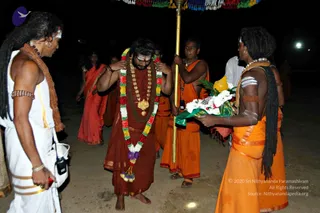
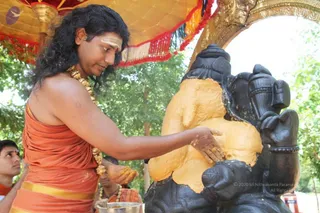
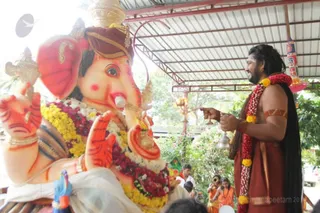
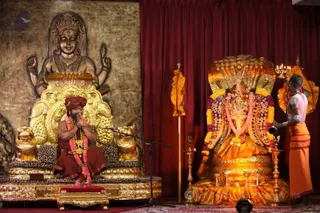
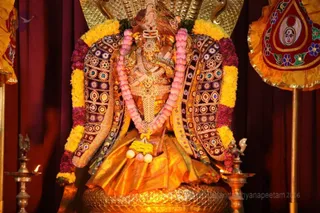
A Ganesha Chaturthi gathering in a temple hall with a large, orange-garlanded clay Ganesha murti on a decorated pedestal at right. A man with long hair, bare-chested and wearing an orange wrap, sits cross-legged on a raised wooden seat at left with his hands pressed in anjali, a small table and water bottles before him. Rows of women in orange and saffron saris sit on the floor with hands folded in prayer. Two young men in orange dhotis with rudraksha malas stand at right near the murti, one holding a lamp. Brass bells hang from the ceiling, a standing fan and a bronze figure stand in the middle, and a metal vessel sits in the foreground.Night photograph of a bearded man standing at the centre, hands pressed together in anjali at the chest, gazing upward. He wears a rust-red-brown dhoti and upper cloth with gold border, a multi-strand rudraksha mala with a large gold pendant, and a long garland of white, yellow, pink and green flowers with a tassel hanging to his waist. A red tilak marks his forehead. Behind him stand other figures in orange and brown garments, one holding a tall golden staff at the left edge, with a crowd faintly visible in the dark background. Appearance-based label: a person, wearing rudraksha malas, gold ornaments and a flower garland, standing in a procession.A black stone murti of Ganesha, the elephant-headed deity, seated in front of an ornate gold-coloured arched frame carved with figures. The murti has four arms and is draped in white cloth with a gold and maroon border, wears a large garland of pink flowers and gold-coloured discs, and sits on a dark pedestal. Green foliage and a wall with red and white painted bands appear behind. No physical people are visible, and the image shows a temple shrine setting.

September 05 2016

Original wiki page
Contents

Title

MahaGanapati Embodiment of Spontaneous Completion Celebration

Description:

Today is the celebration of Ganesha Chaturthi all over India. His Holiness Paramahamsa Nithyananda downloads the real story of Ganesha and how he appears in his form as Ganapathi, first son of Sadashiva and Adi Shakti. He was formed by Devi but it was in the dawn of the new day that Sadashiva himself gave the baby his bioenergy along with his the new, unique head that we know and love today.

Link to Video:

VideoAudio

Transcript:

Nithyānandeśvara samārambhām Nithyānandeśvari madhyamām | Asmadāchārya paryantām vande guru paramparām ||

I welcome all of you, with My love and respects.

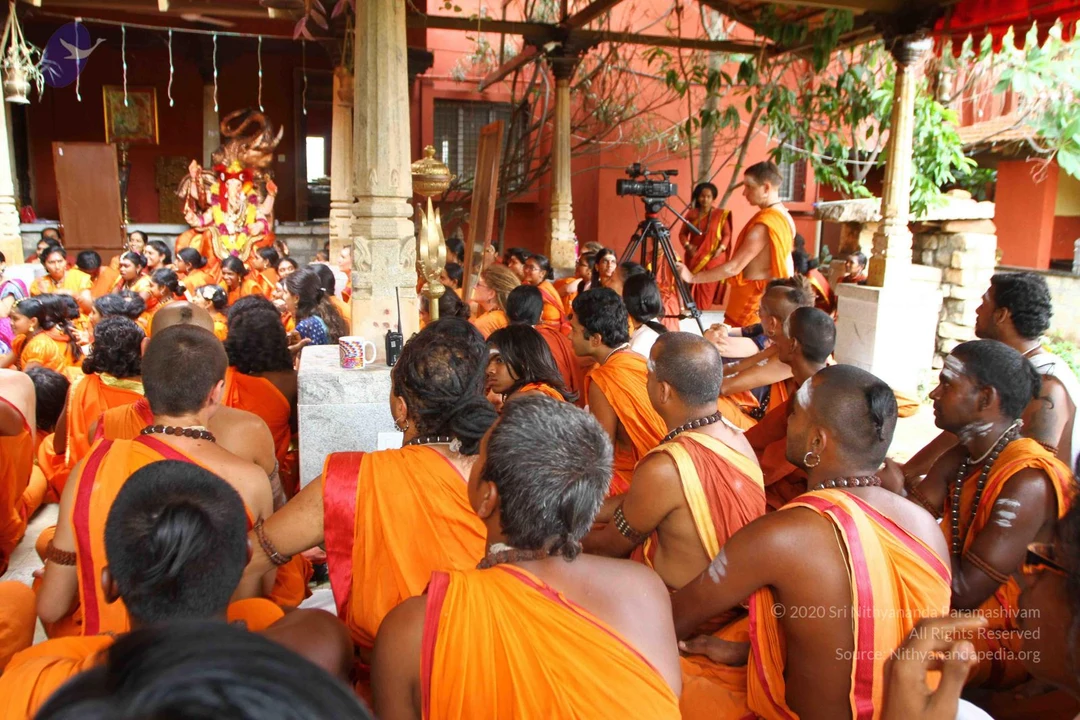
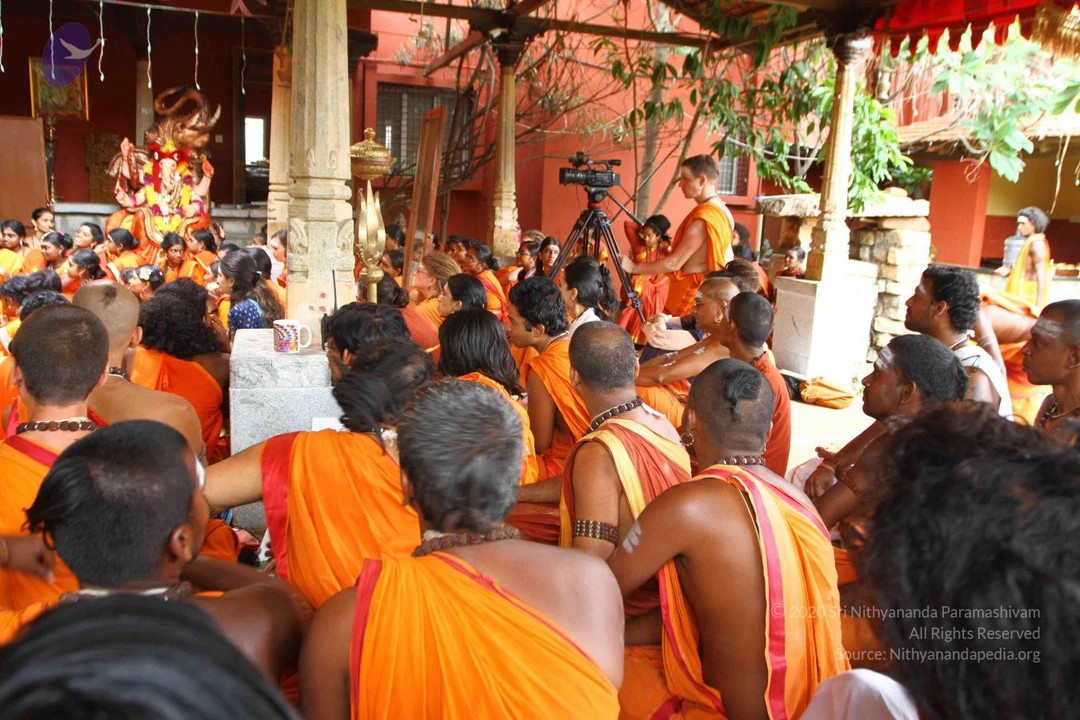
I welcome all the Devotees, Disciples, Sarvajnapeetha Yajamans, Nithya Satsanghis, Sri Mahants, Mahants, Kotharis, Thanedars, everyone, sitting with us, on this auspicious day of Ganesh Chaturti. You all need to know, today not only Ganesha happened, one more person, very important of our Sampradaya also happened, on today – Thirujnana Sambandar. It is Aavani Chaturthi, is the appearance day of Thirugnana Sambandar also, that is why he is called Pillaiyar. That is why the Jnana Sambandar Murti is called as Pillaiyar. Today is the day he also appeared, the auspicious day of Ganesha’s appearance. I welcome everyone who is sitting with us through Nithyananda TV, Facebook live, You Tube live, Two way Video Conferencing, everyone. Long lists, so I welcome all of you, with My love and blessings.

(2:34)

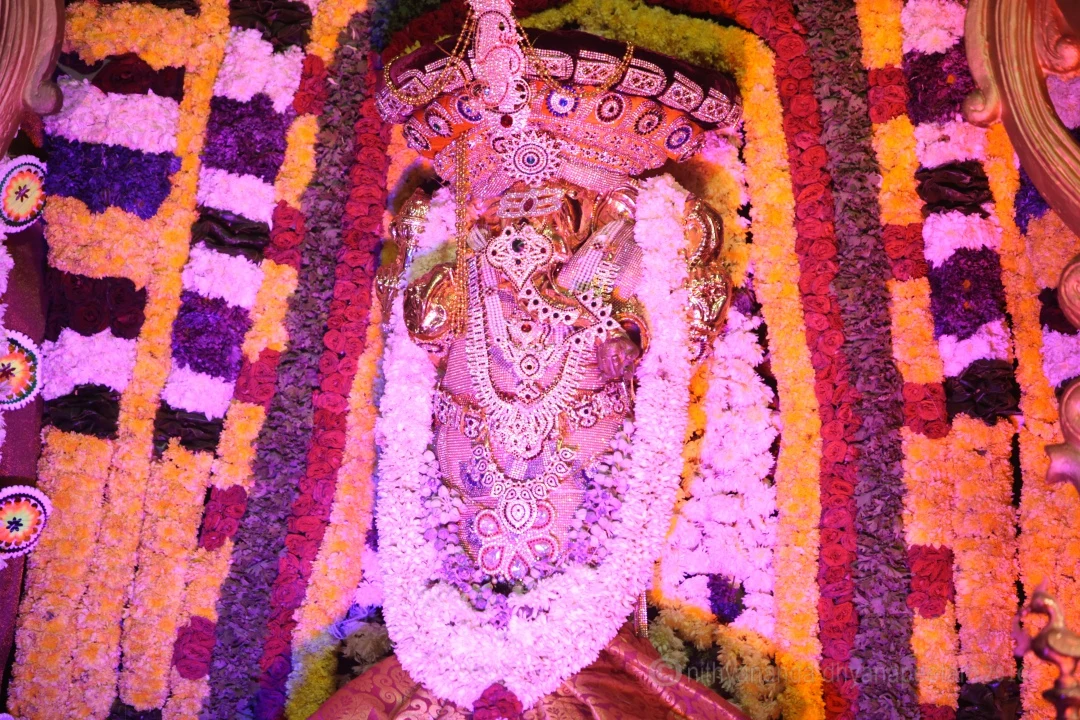
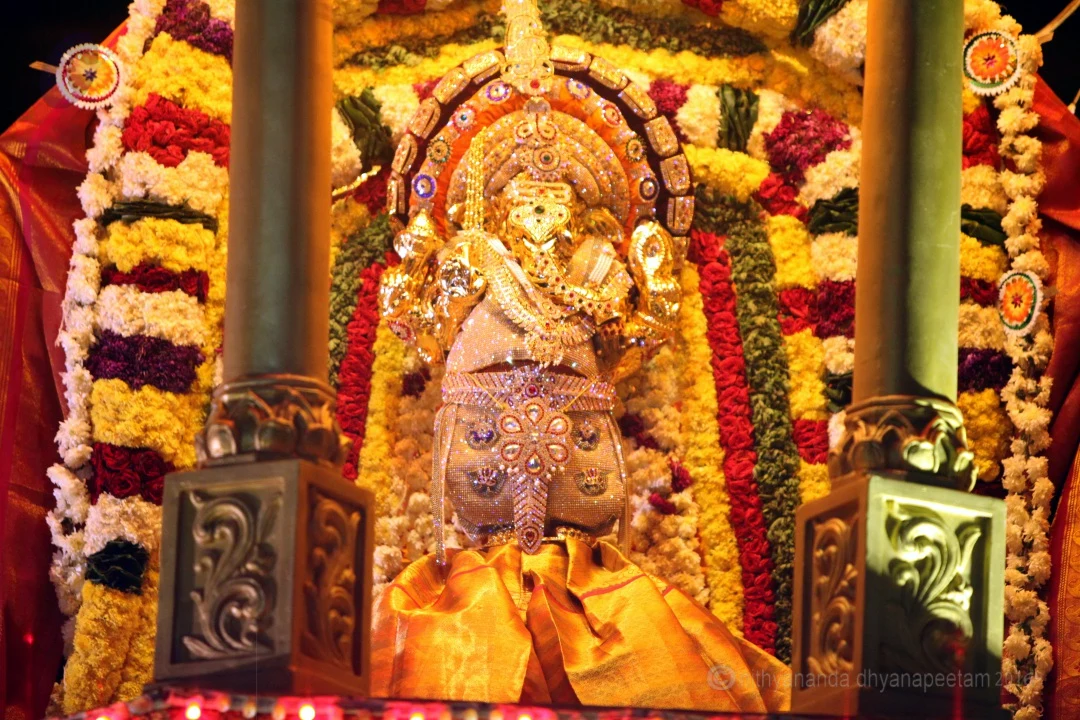
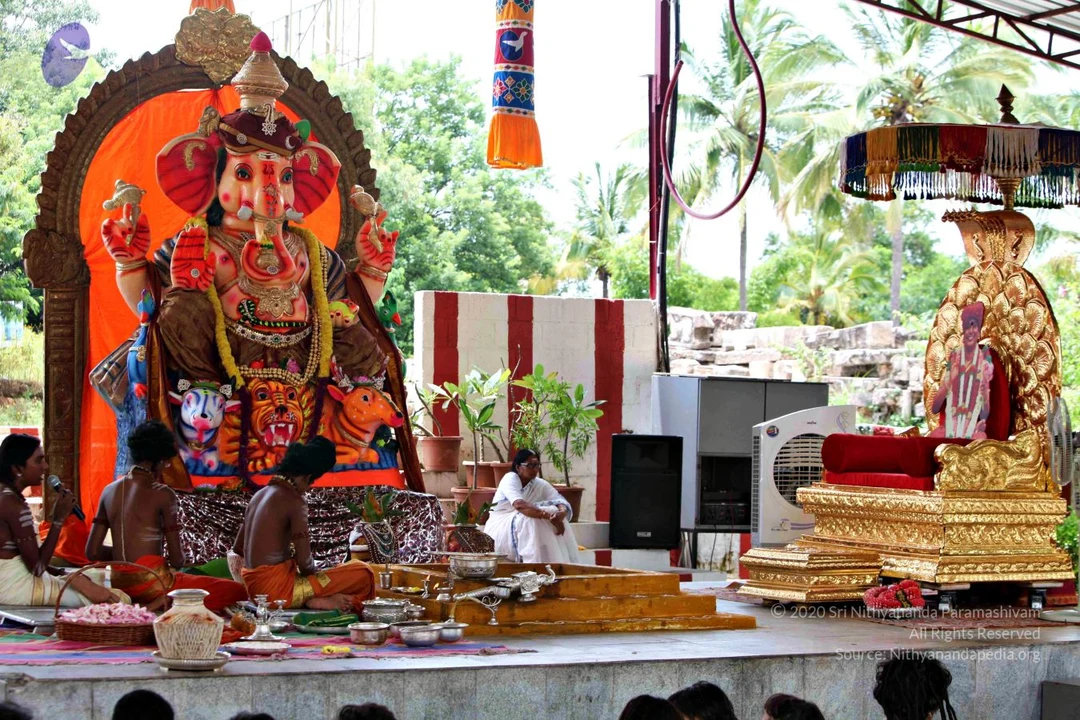
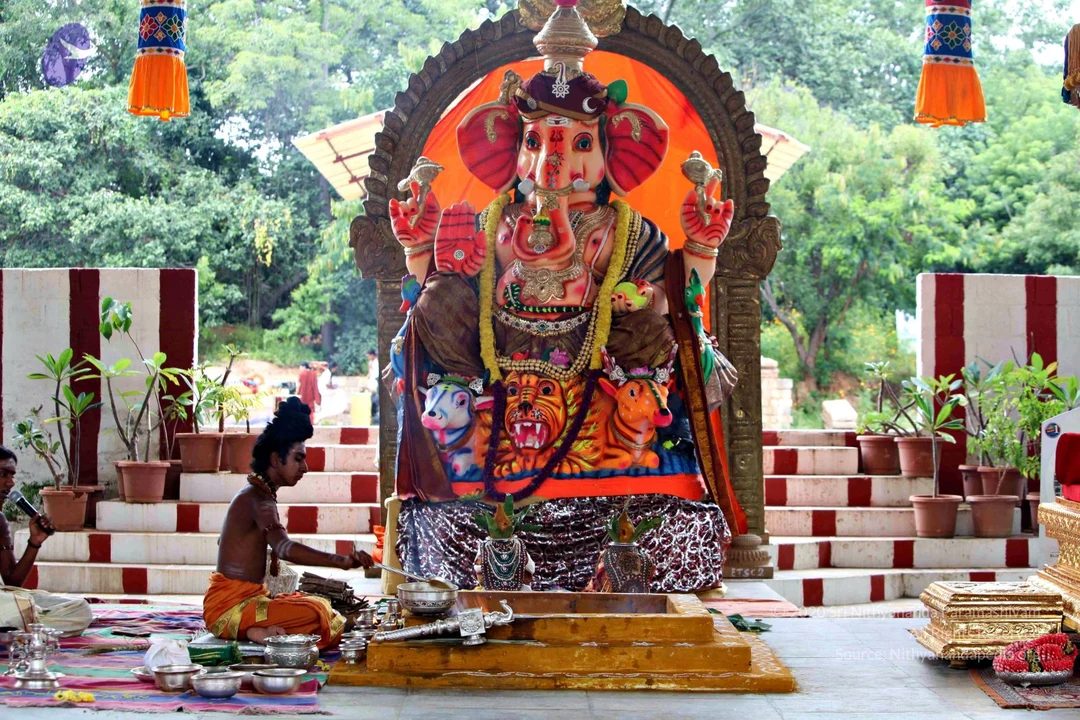
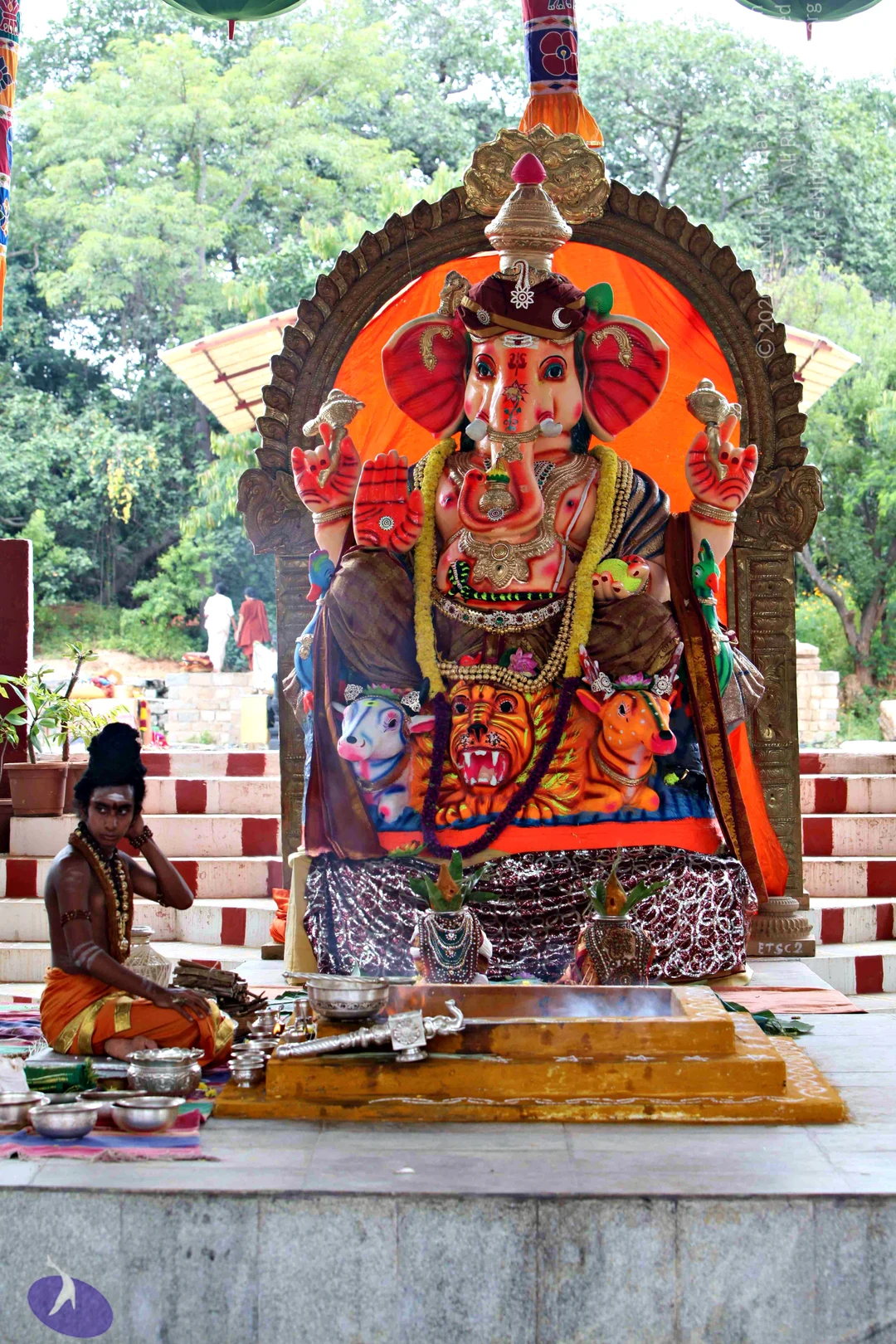
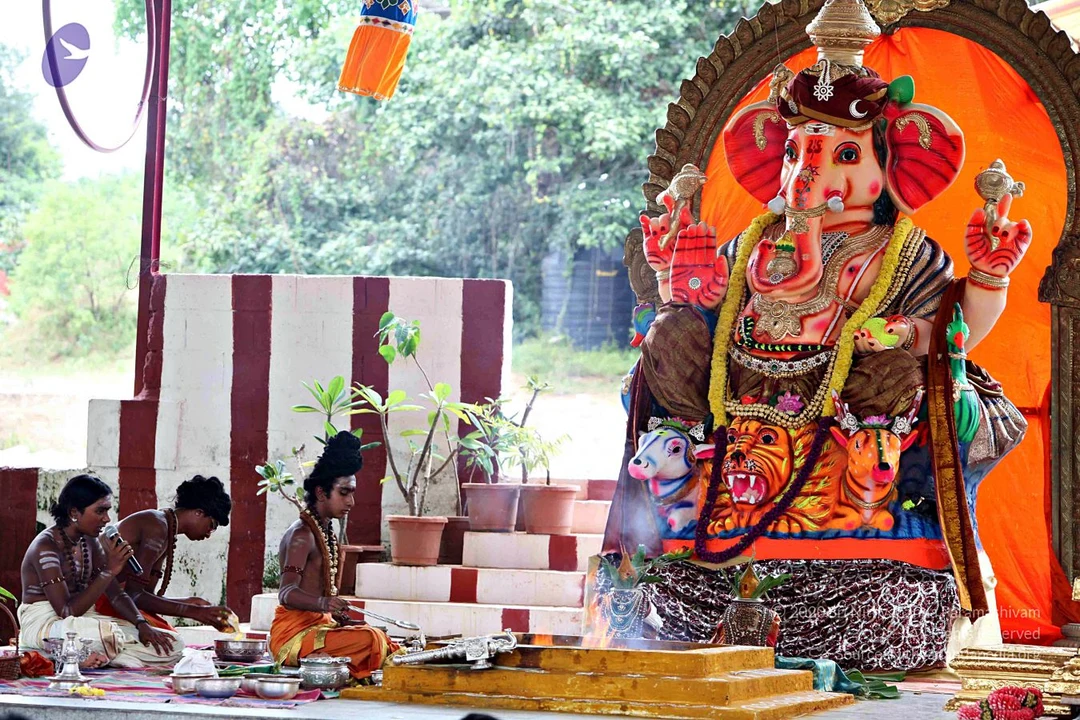
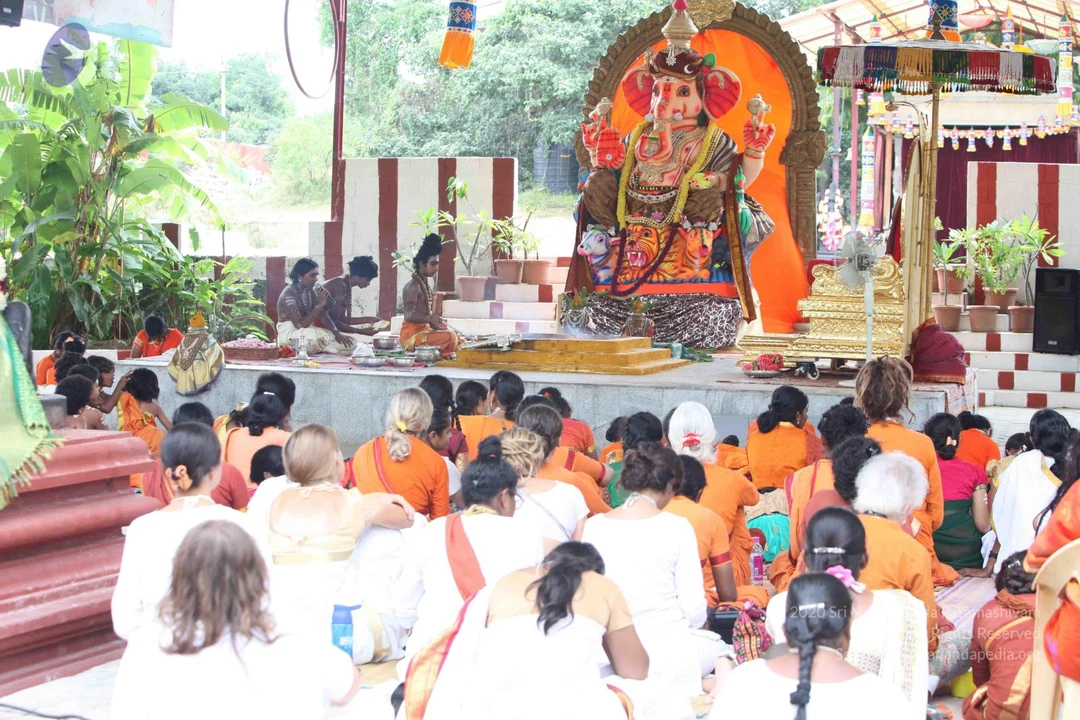
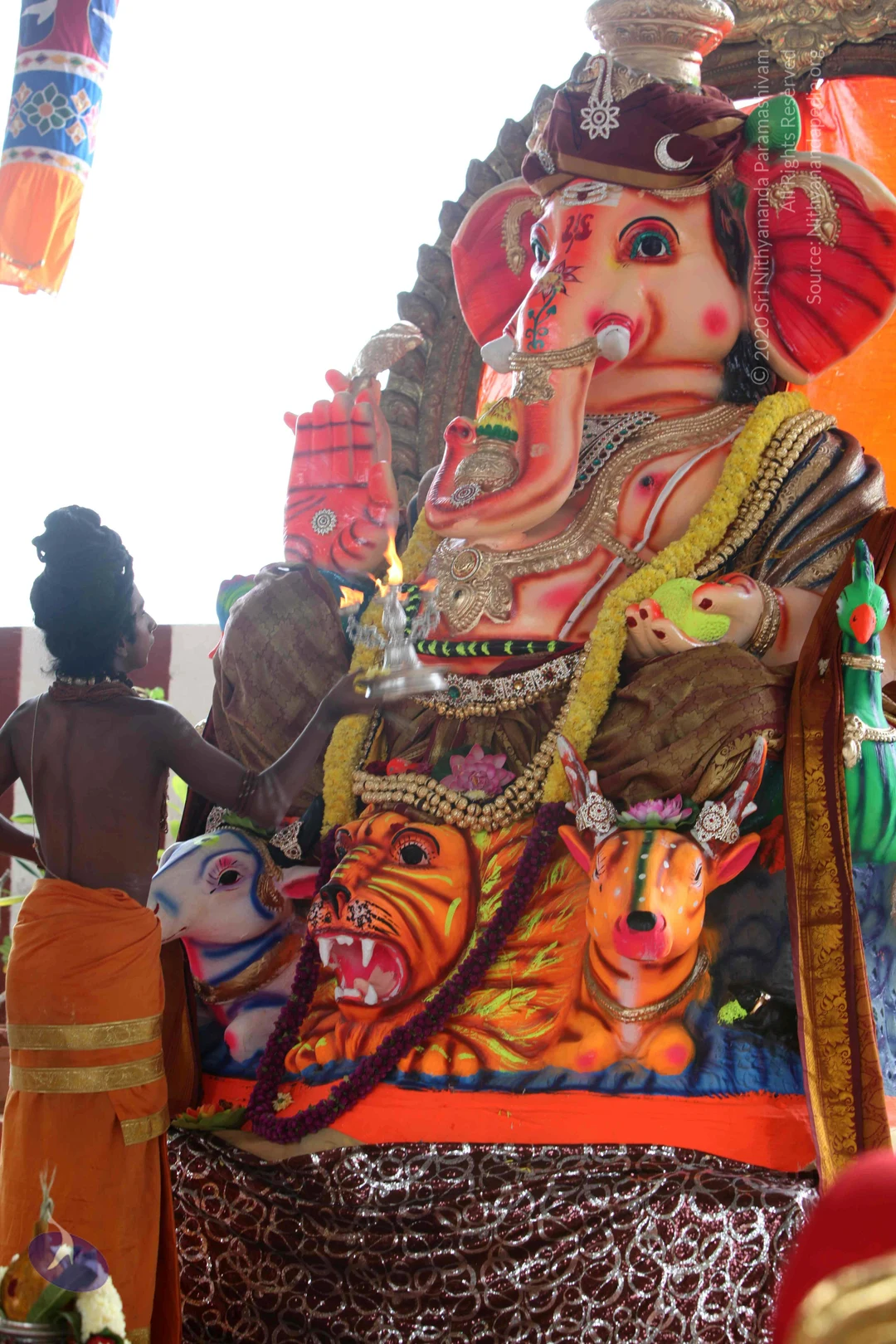
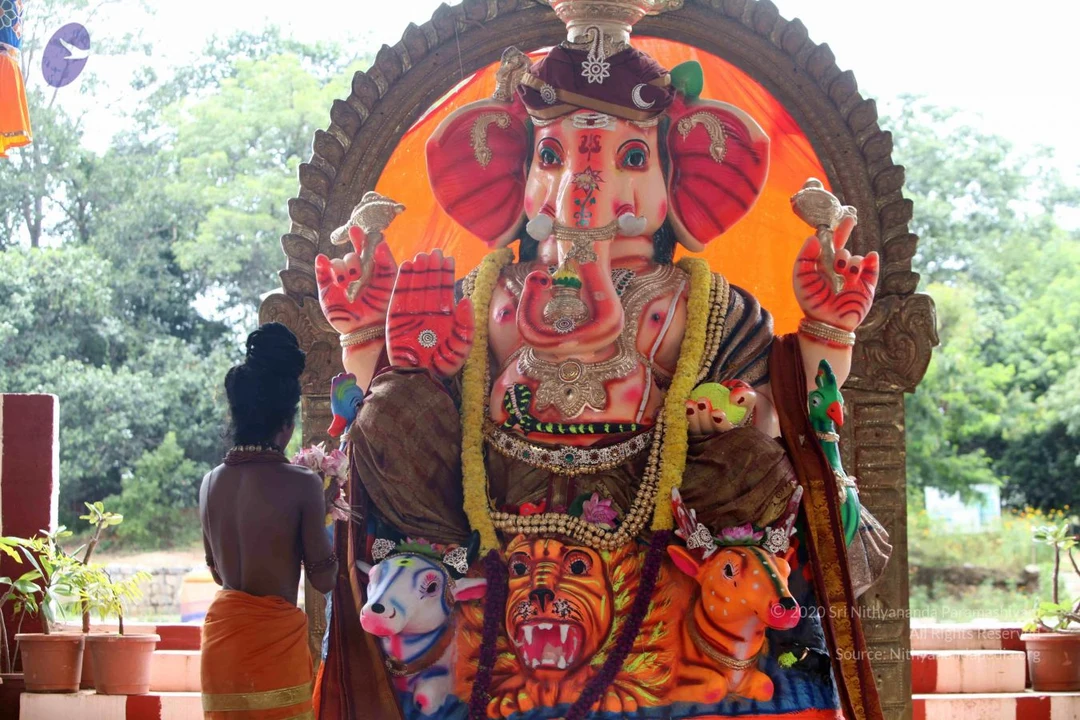
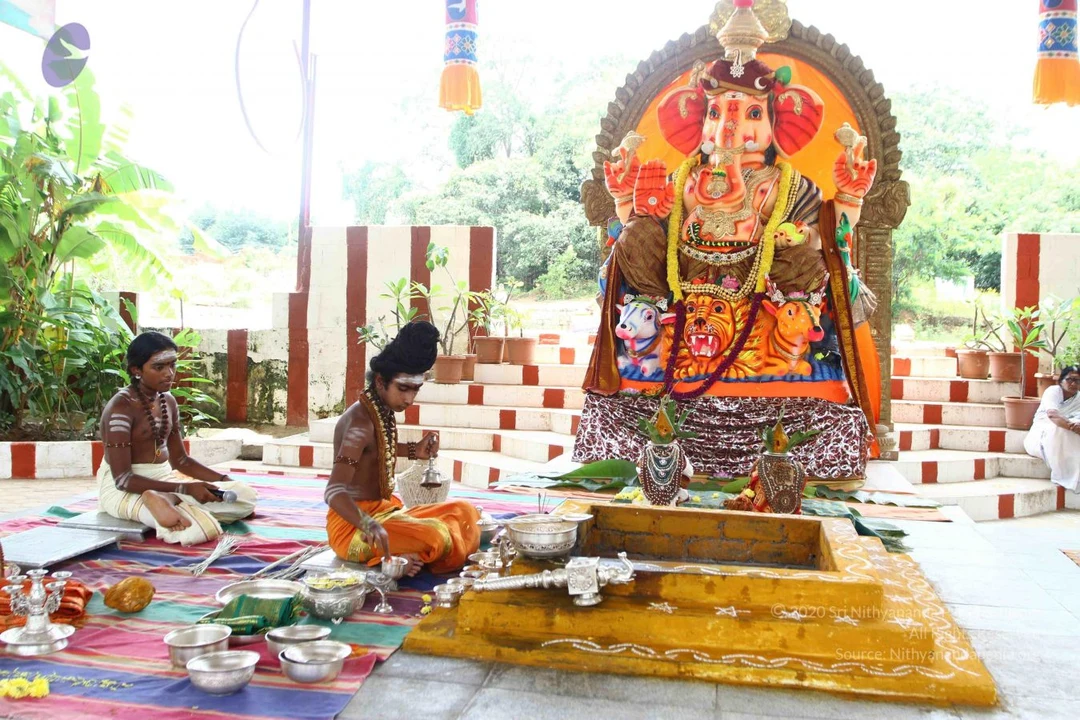
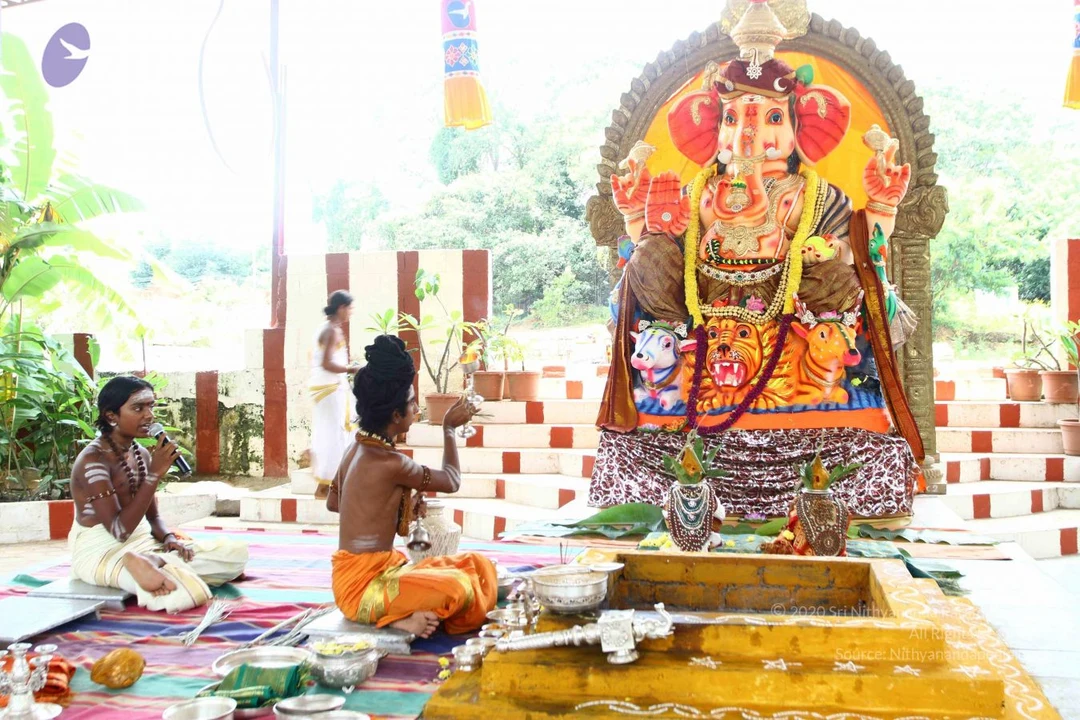
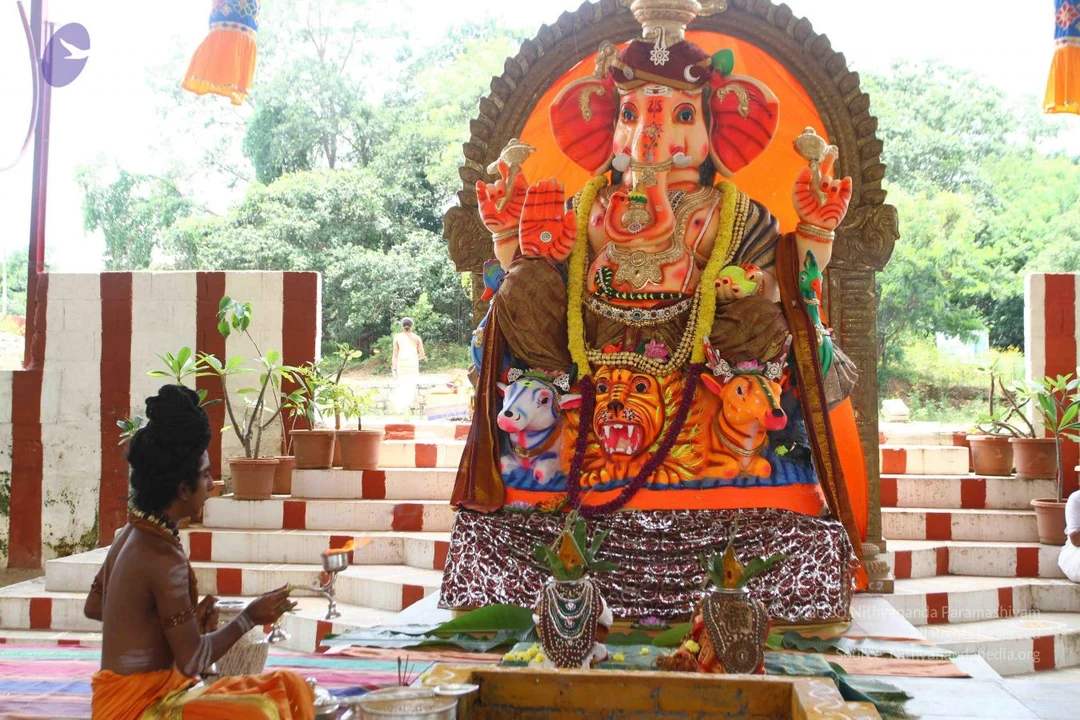
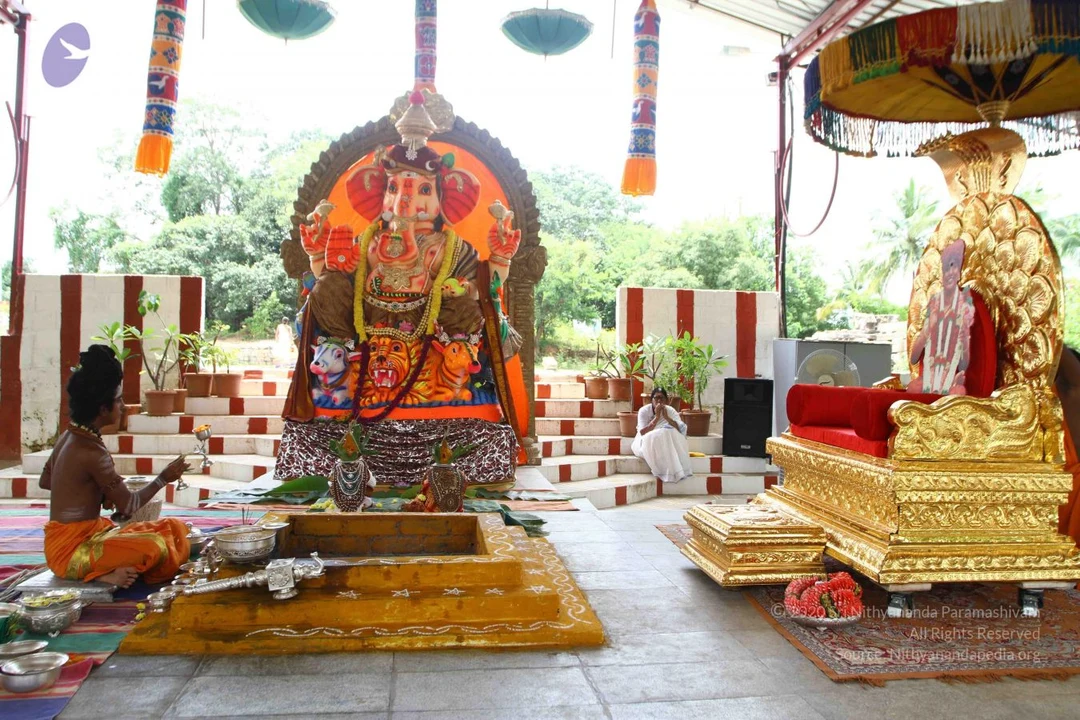
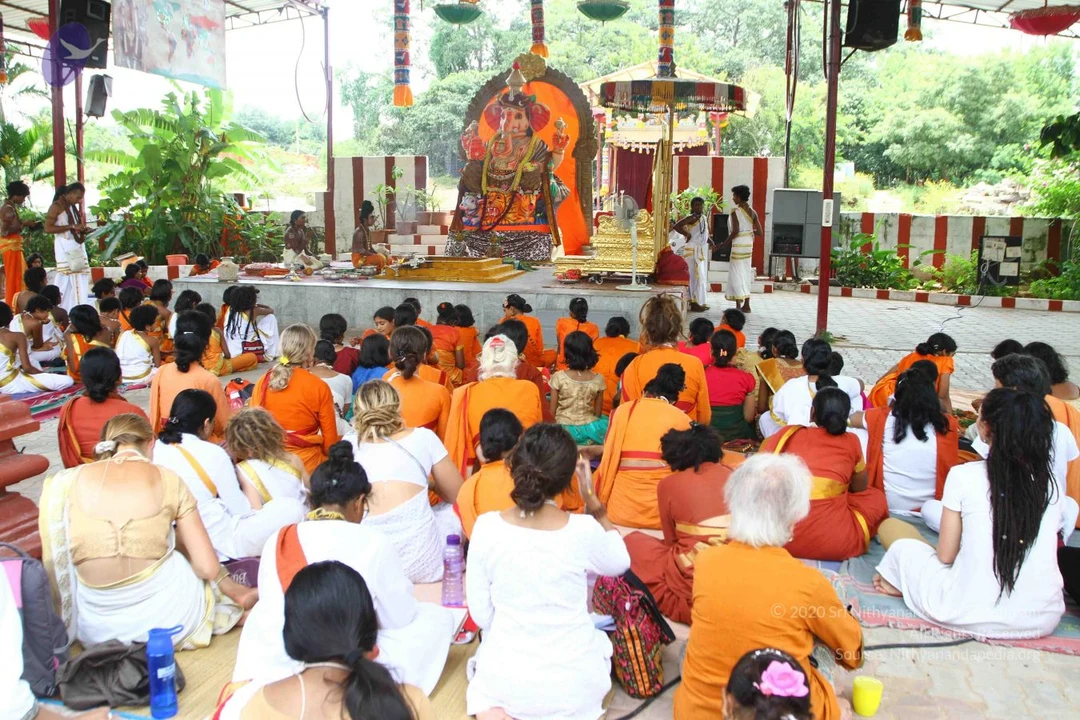
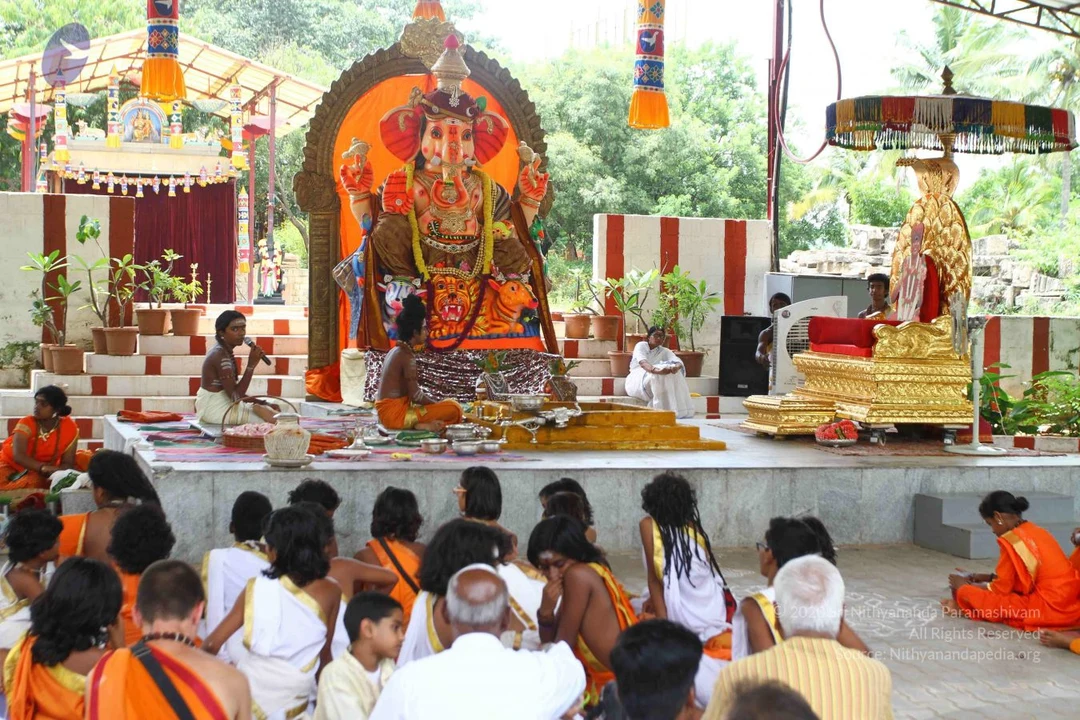
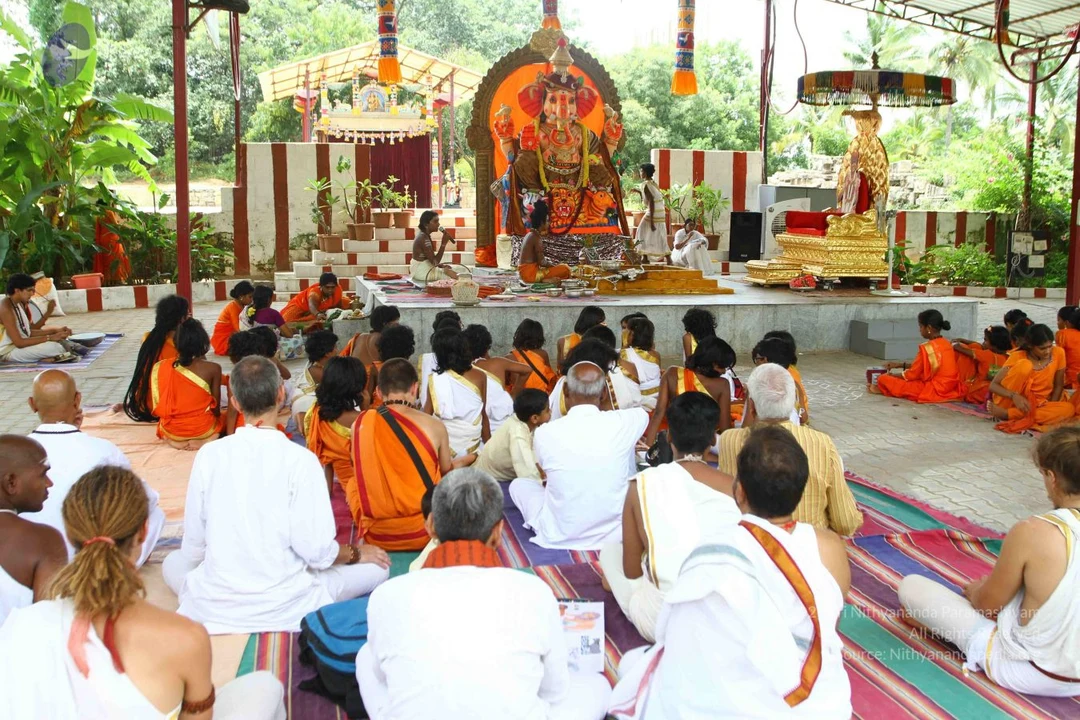
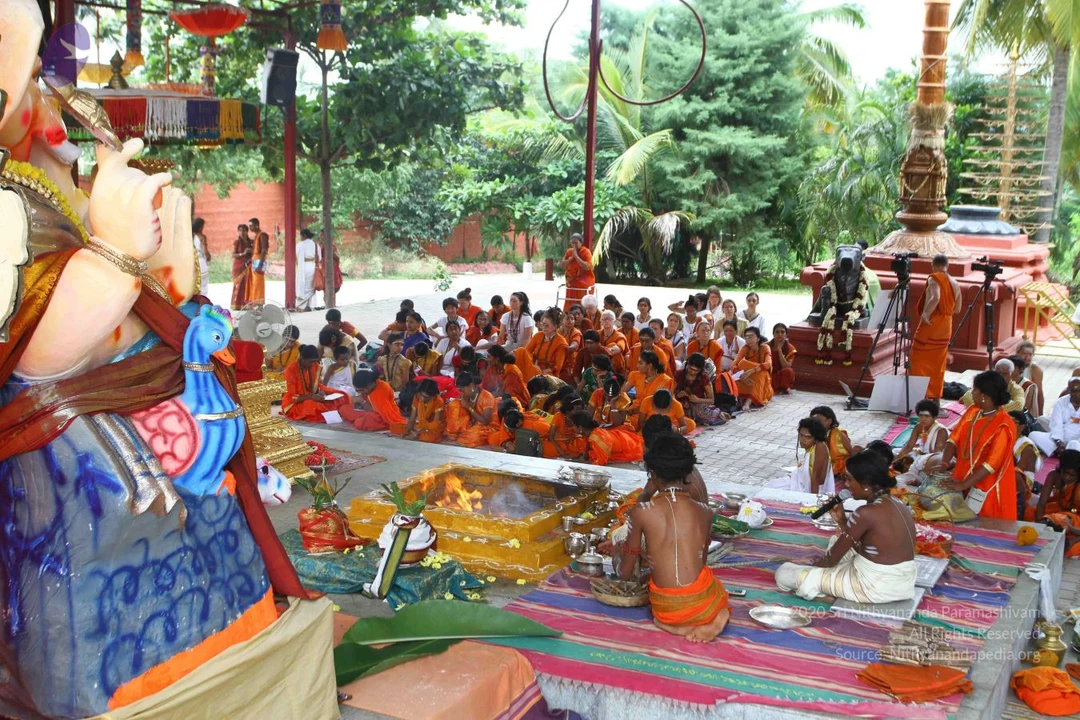
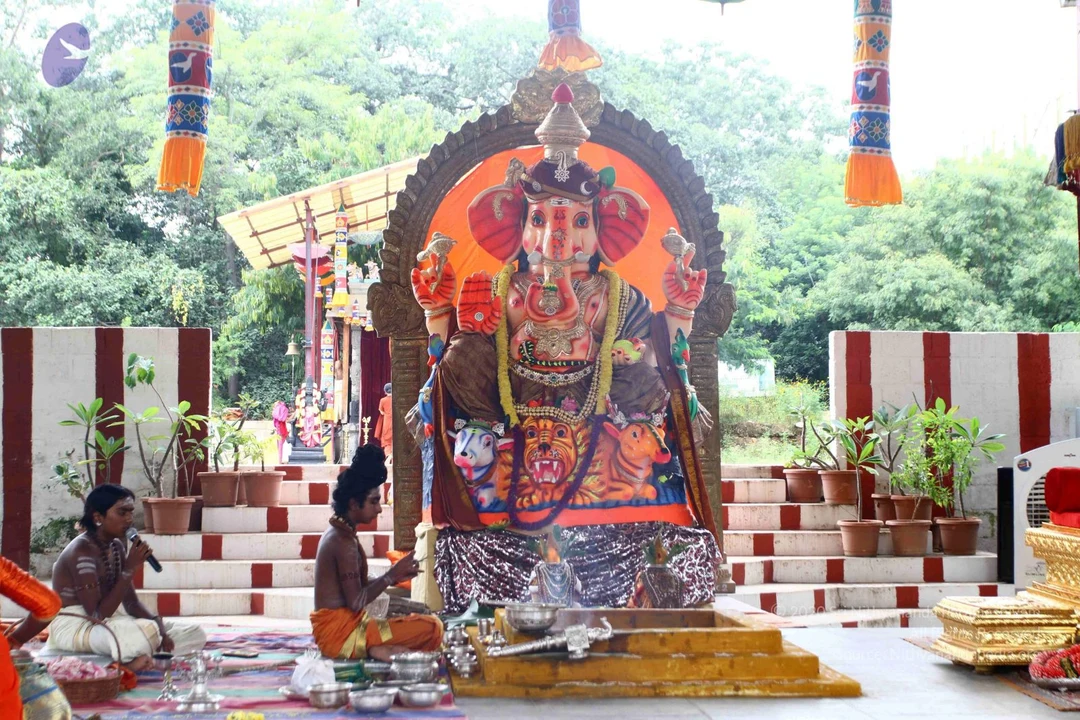
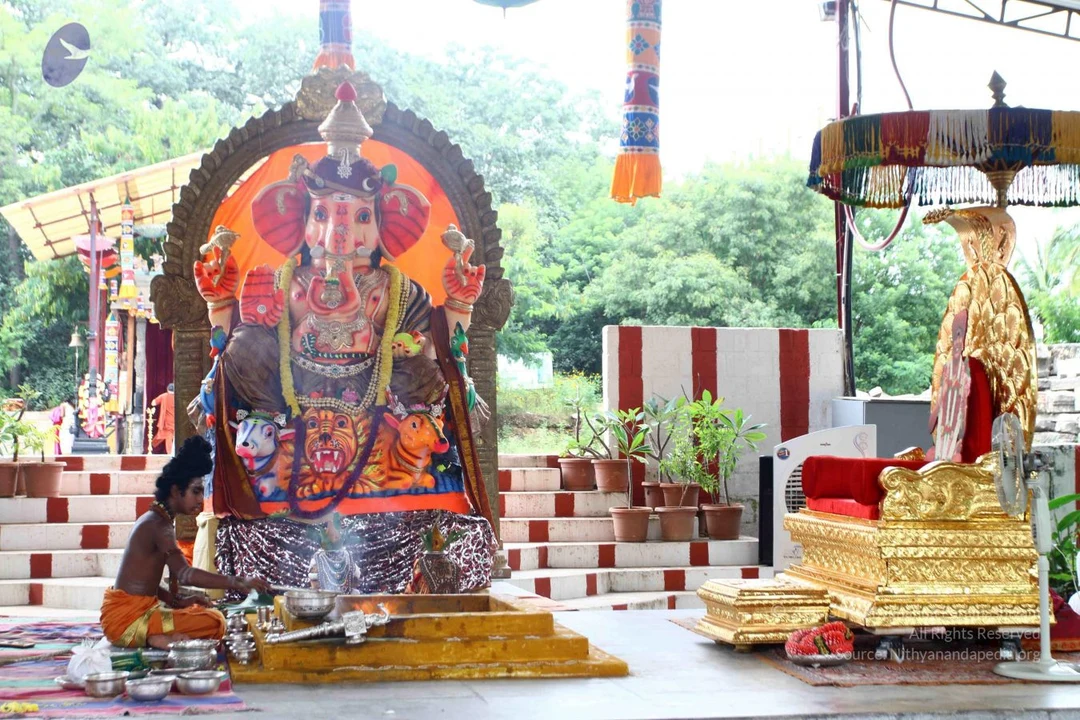
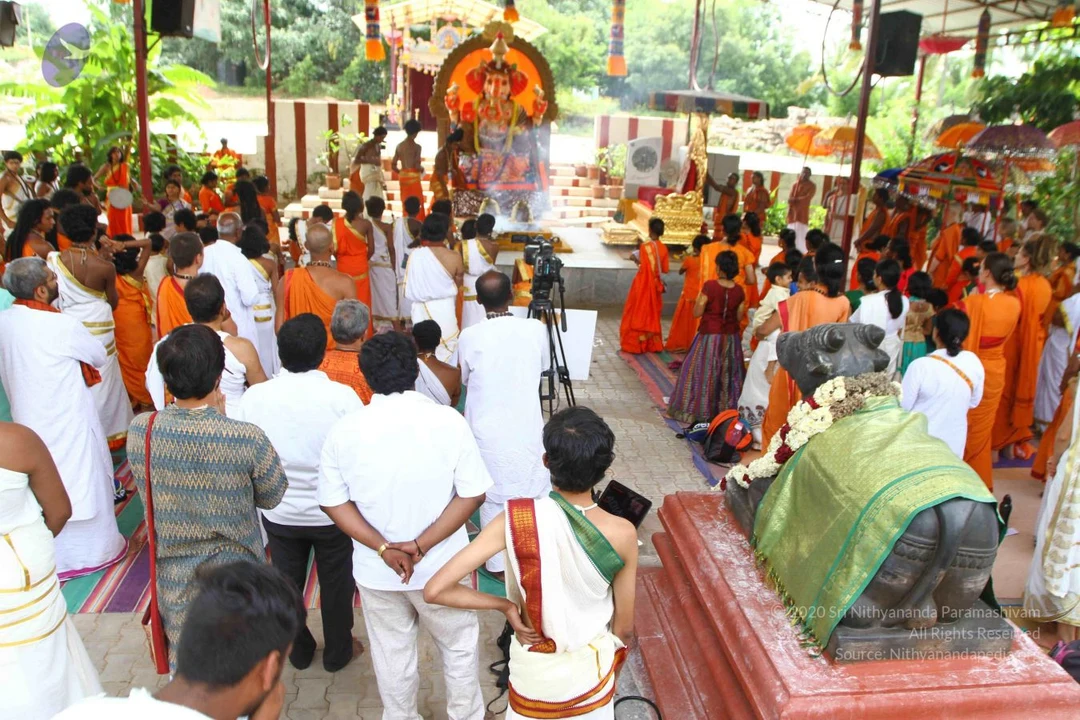
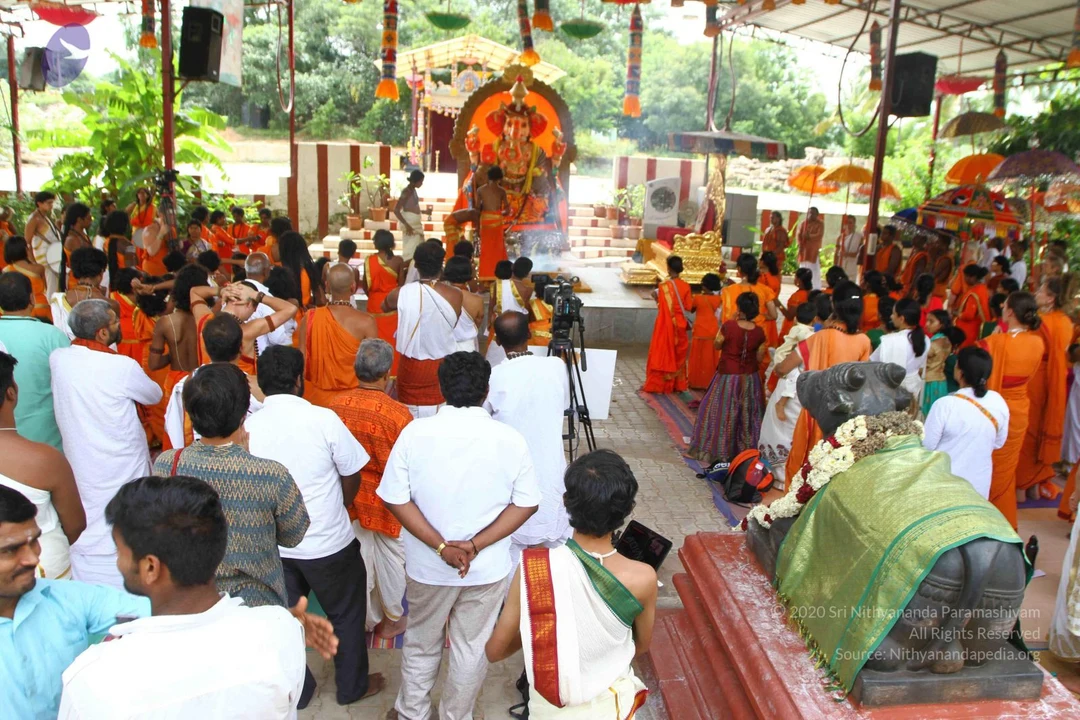
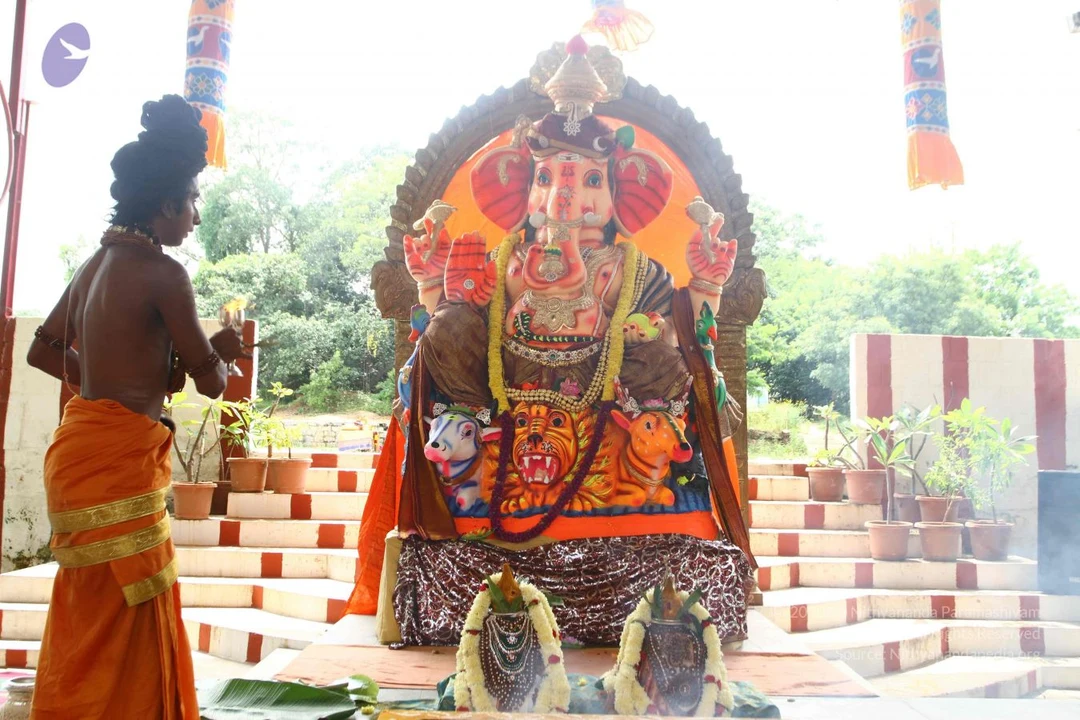
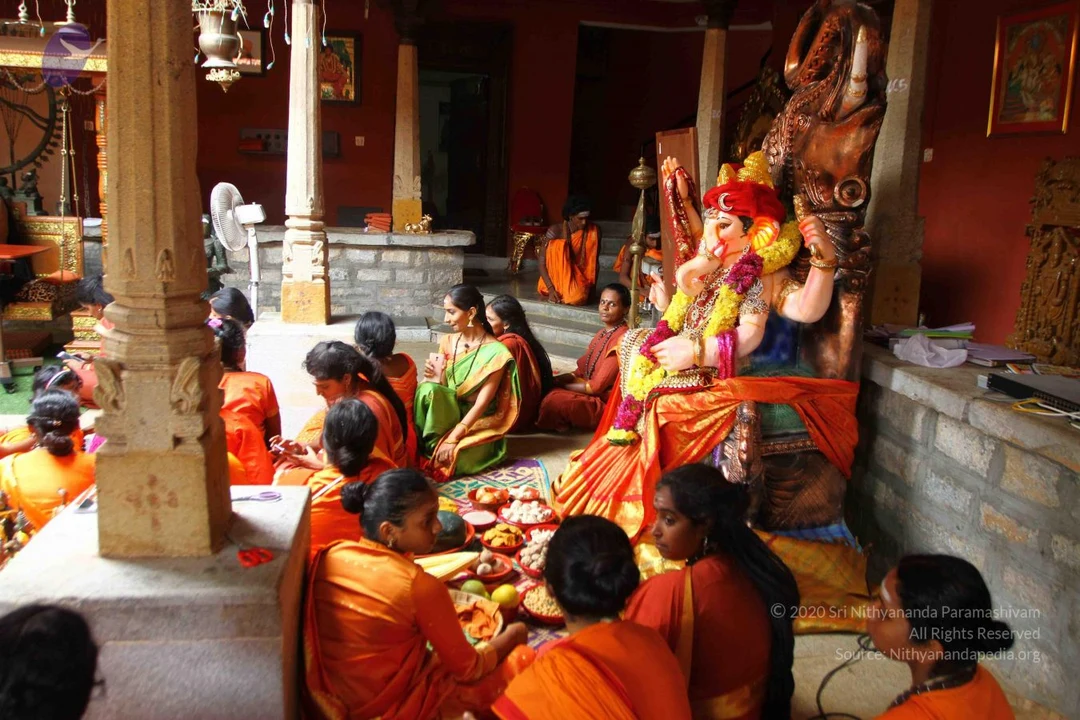
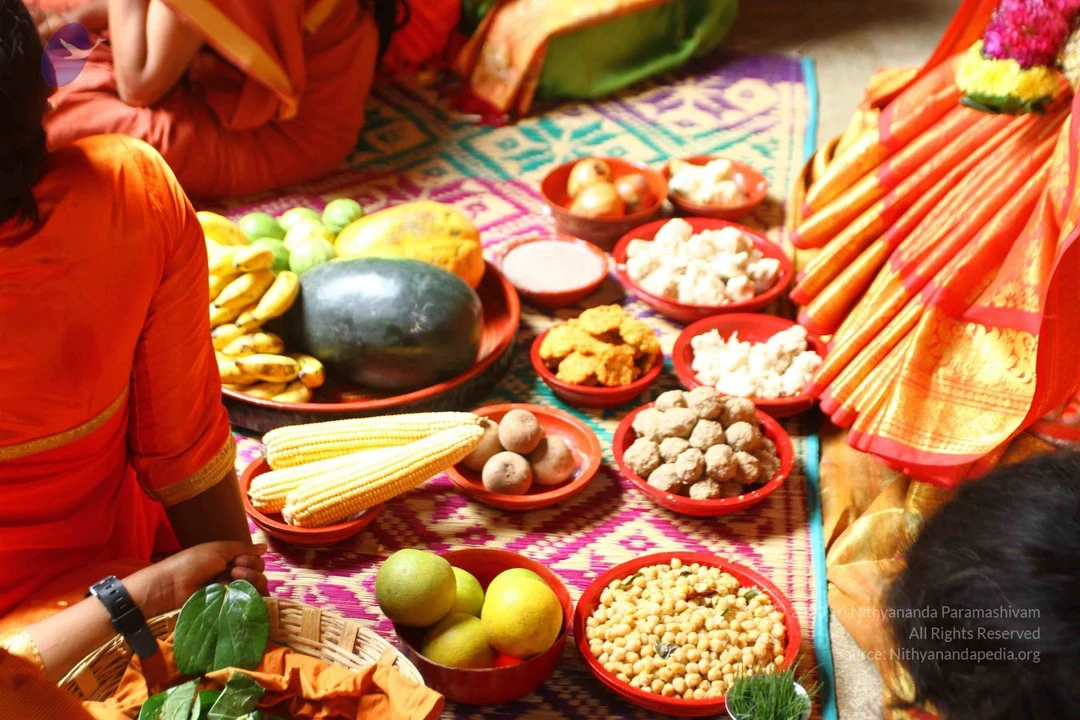
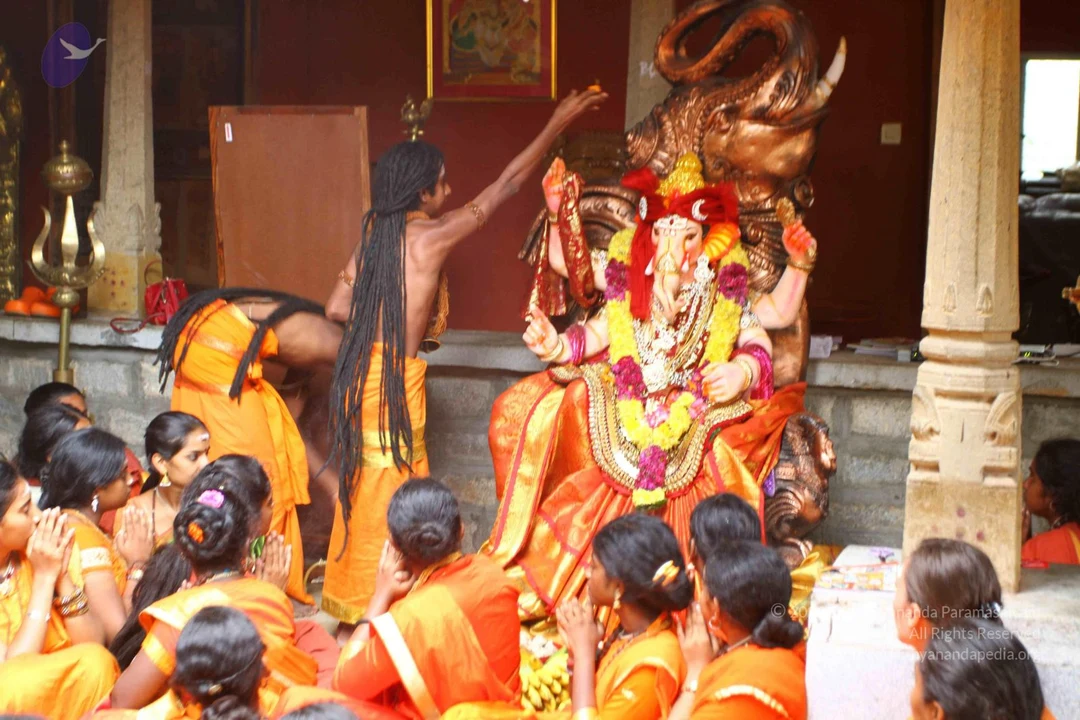
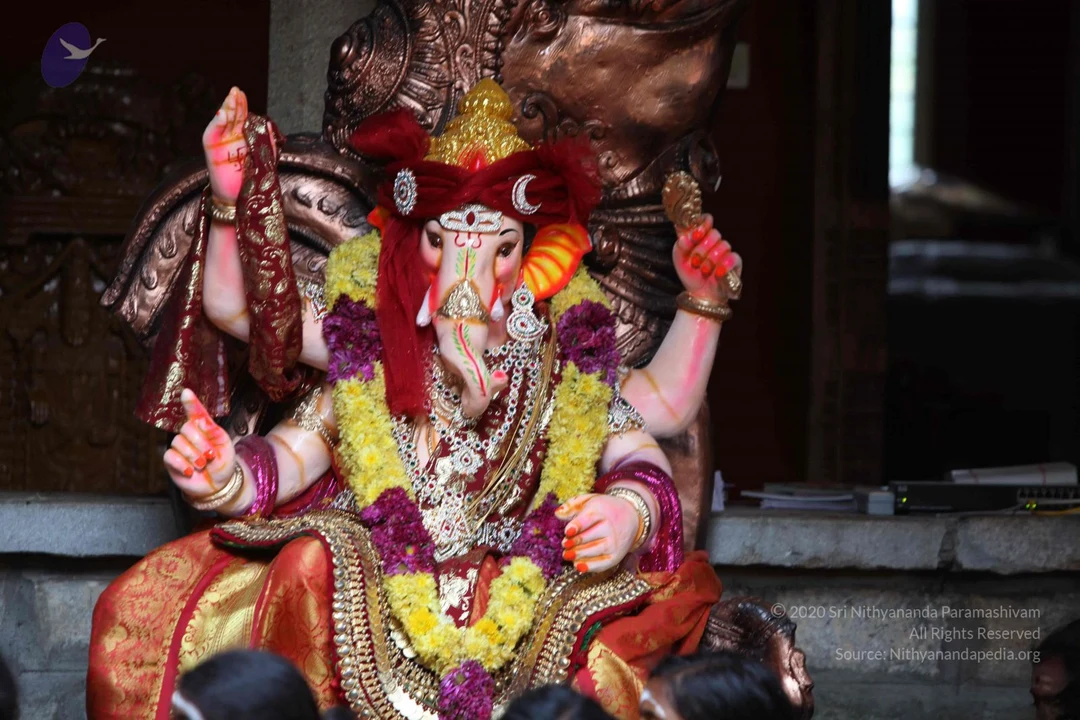
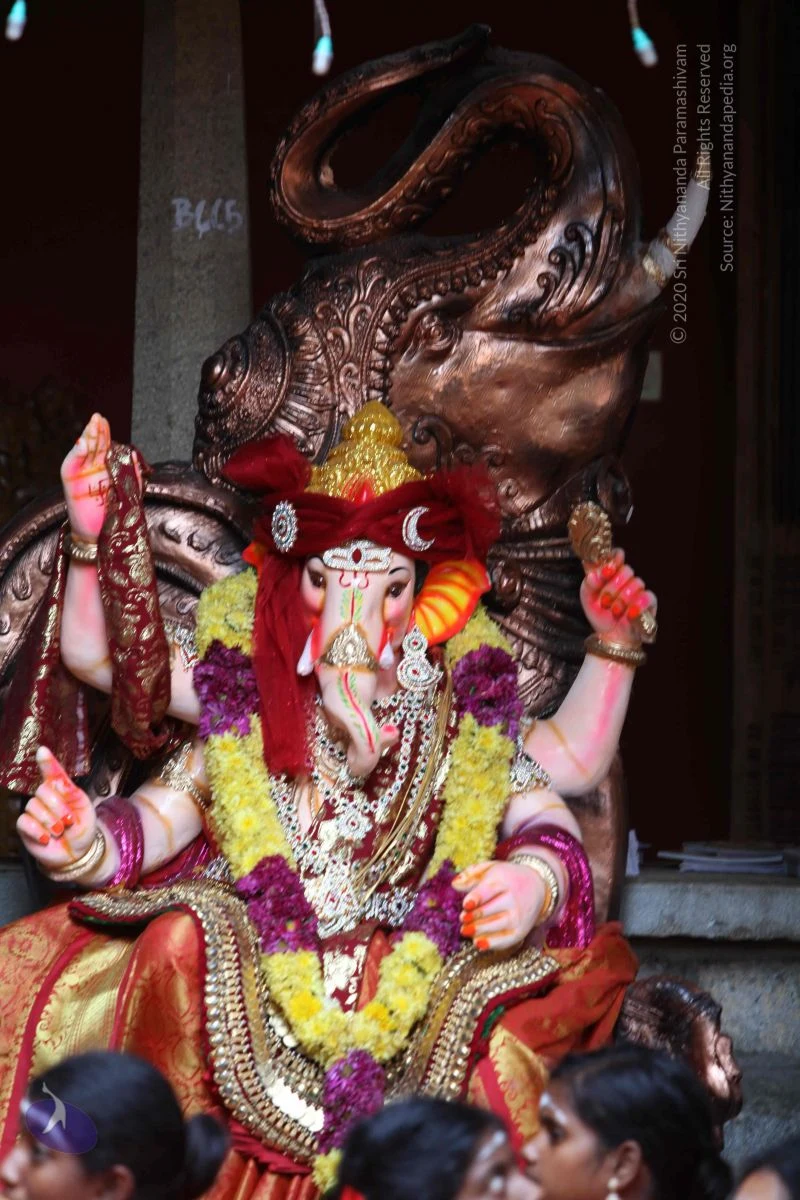
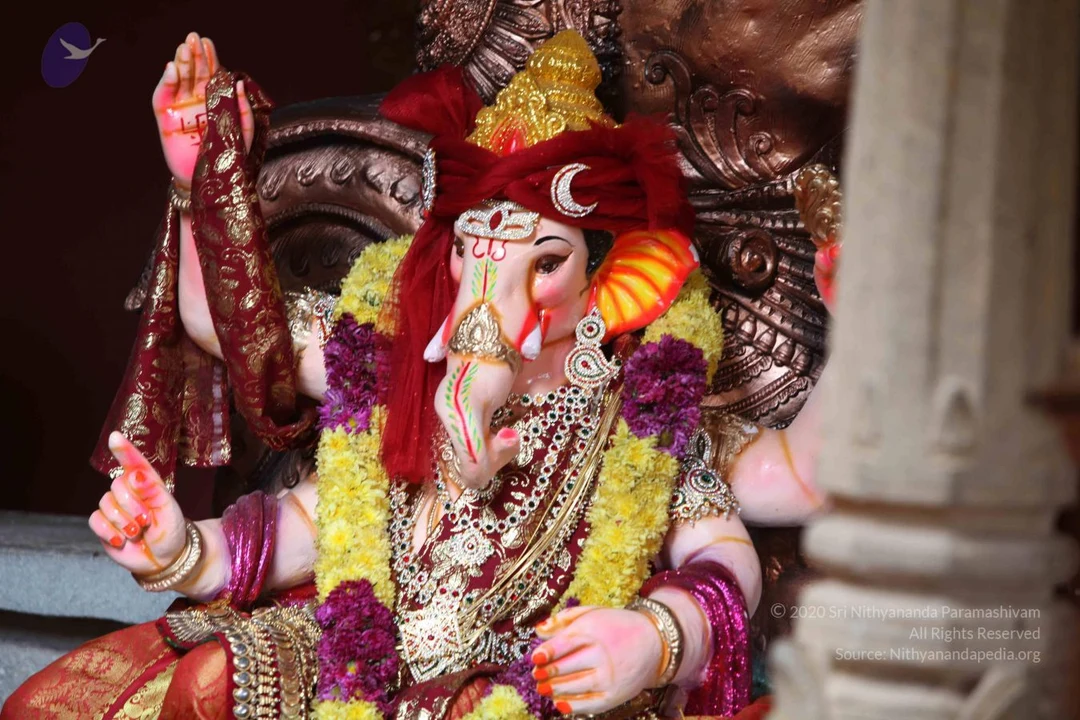
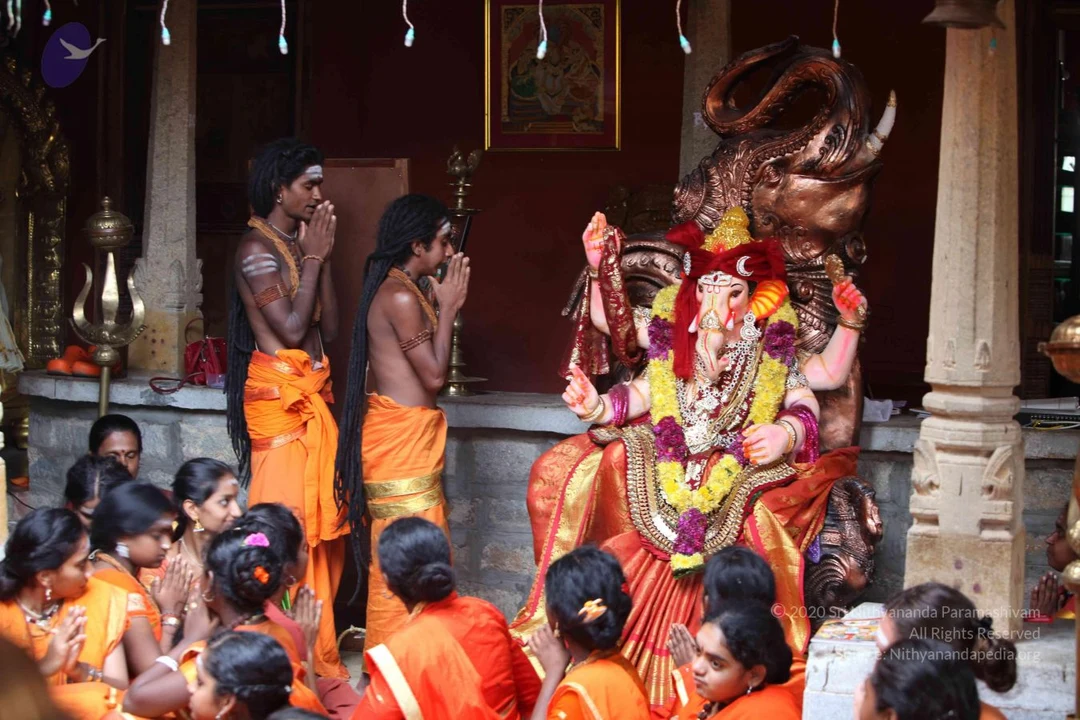
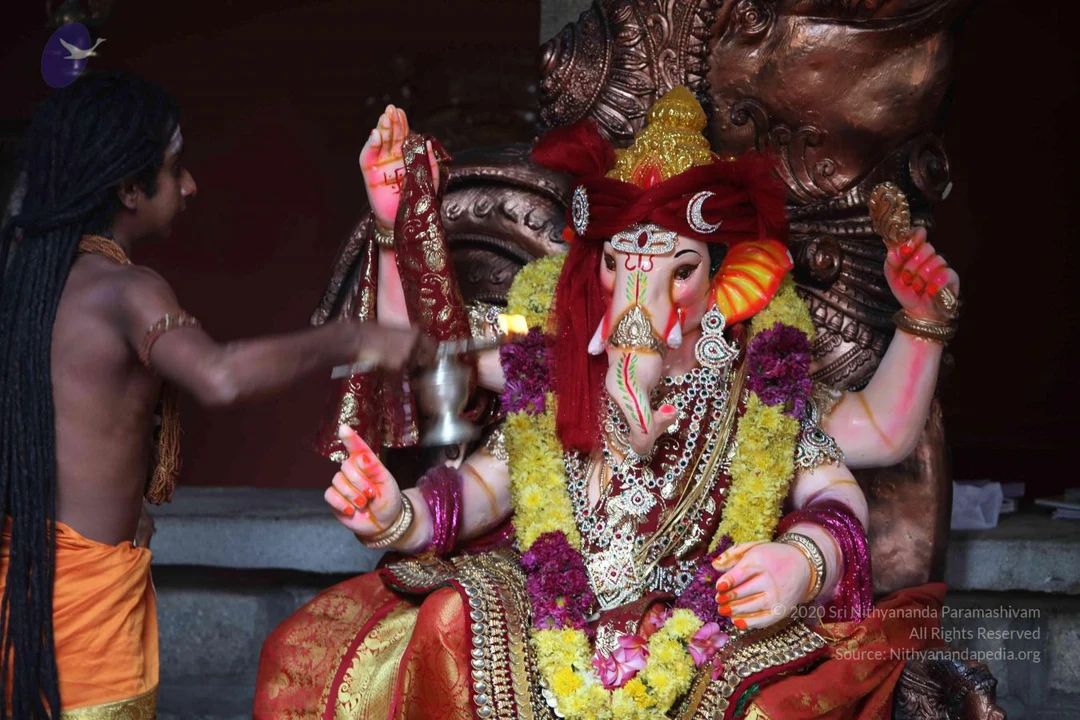
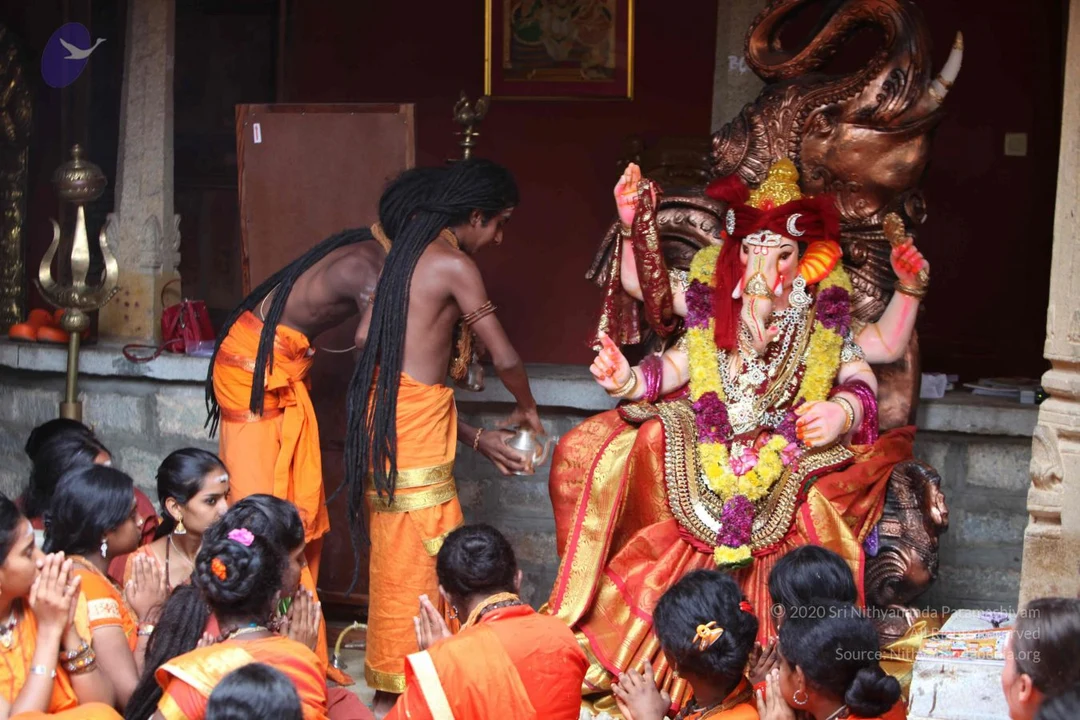
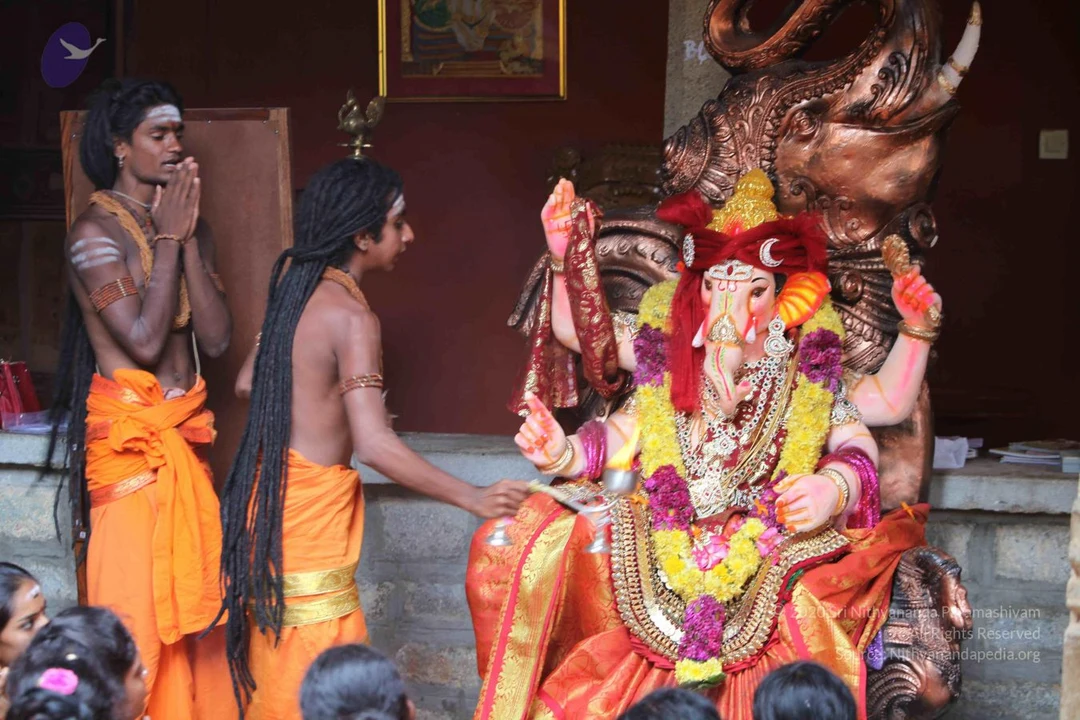
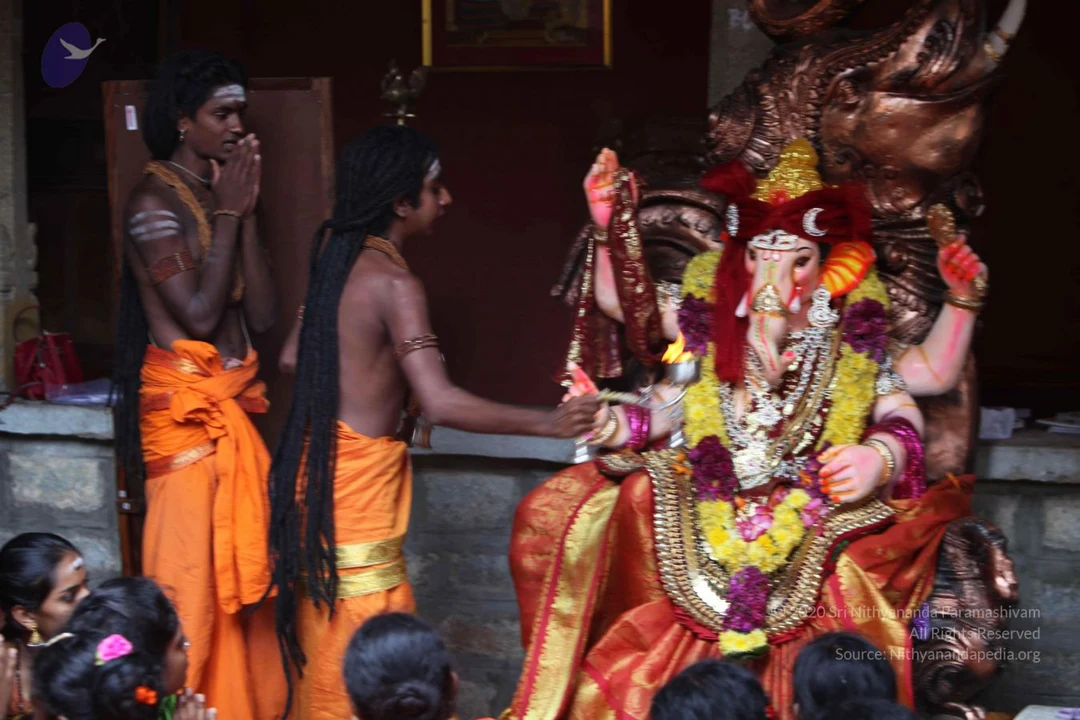
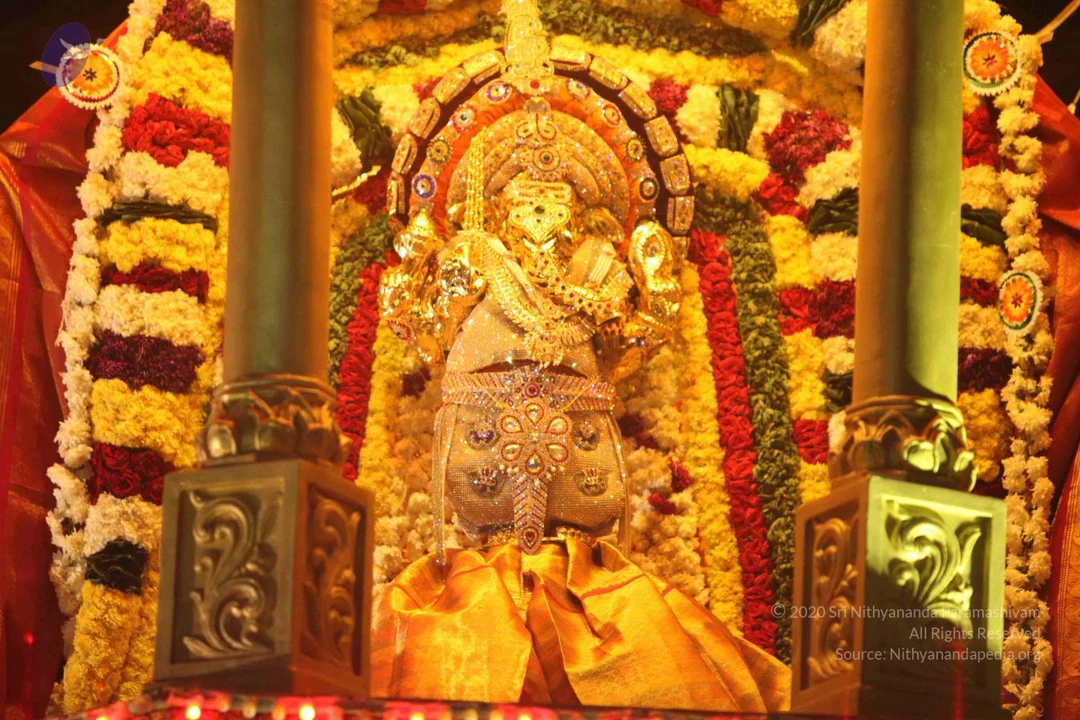
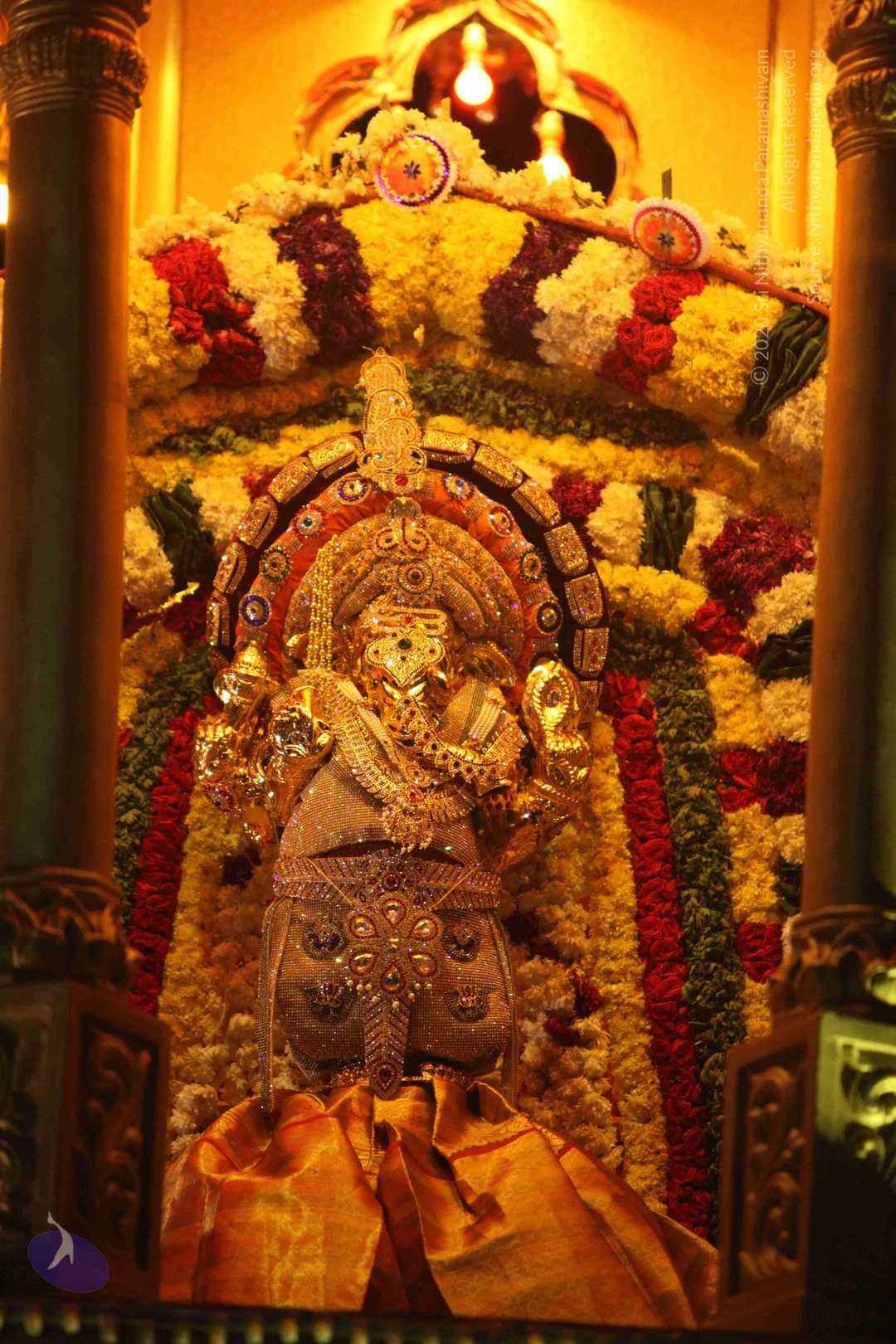
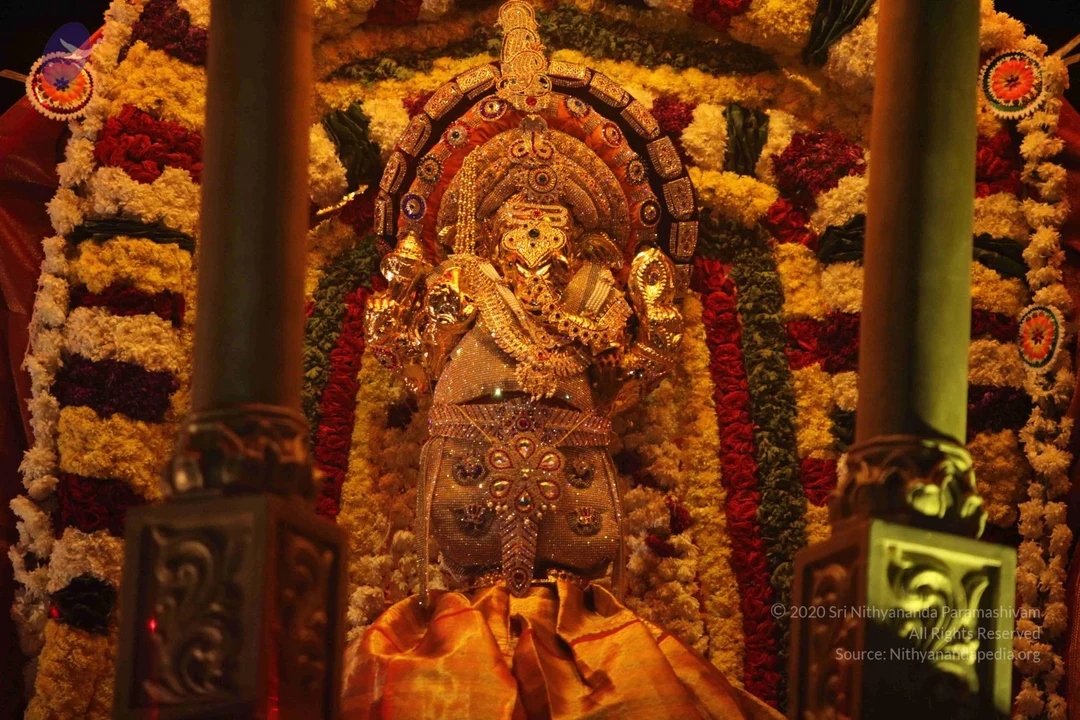
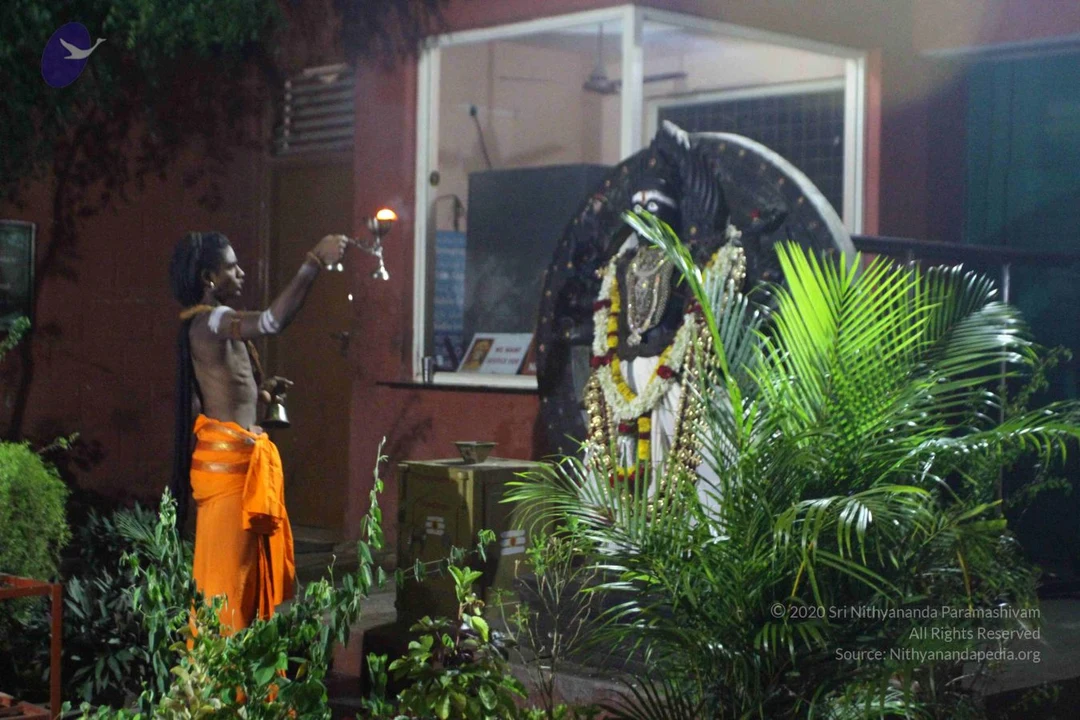
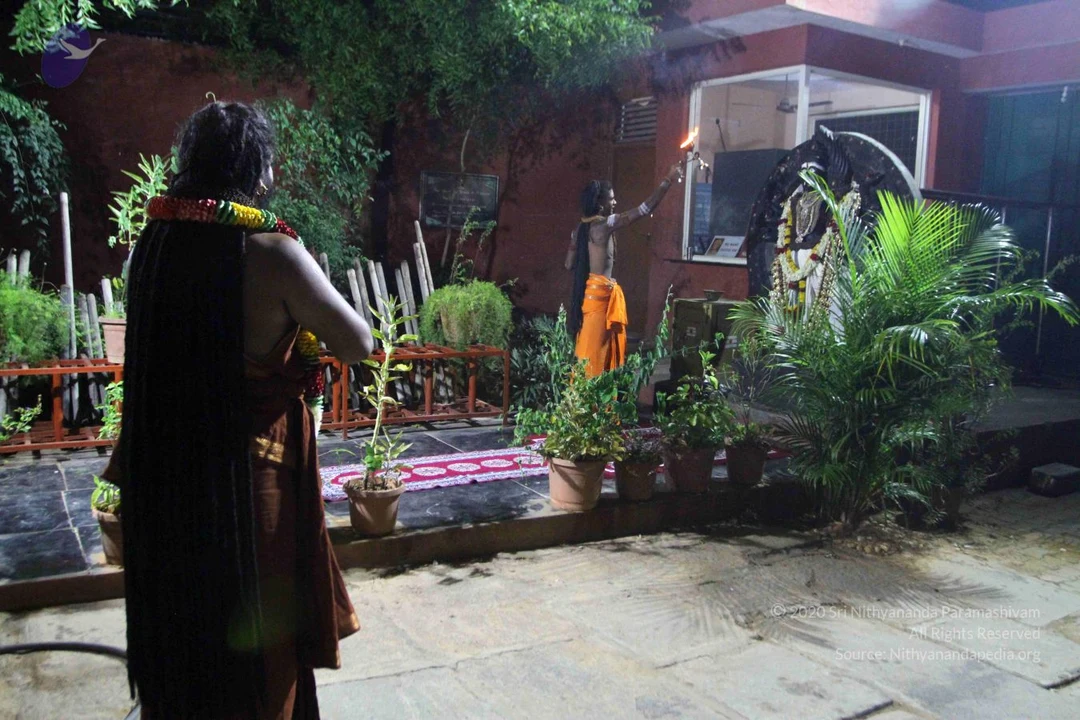
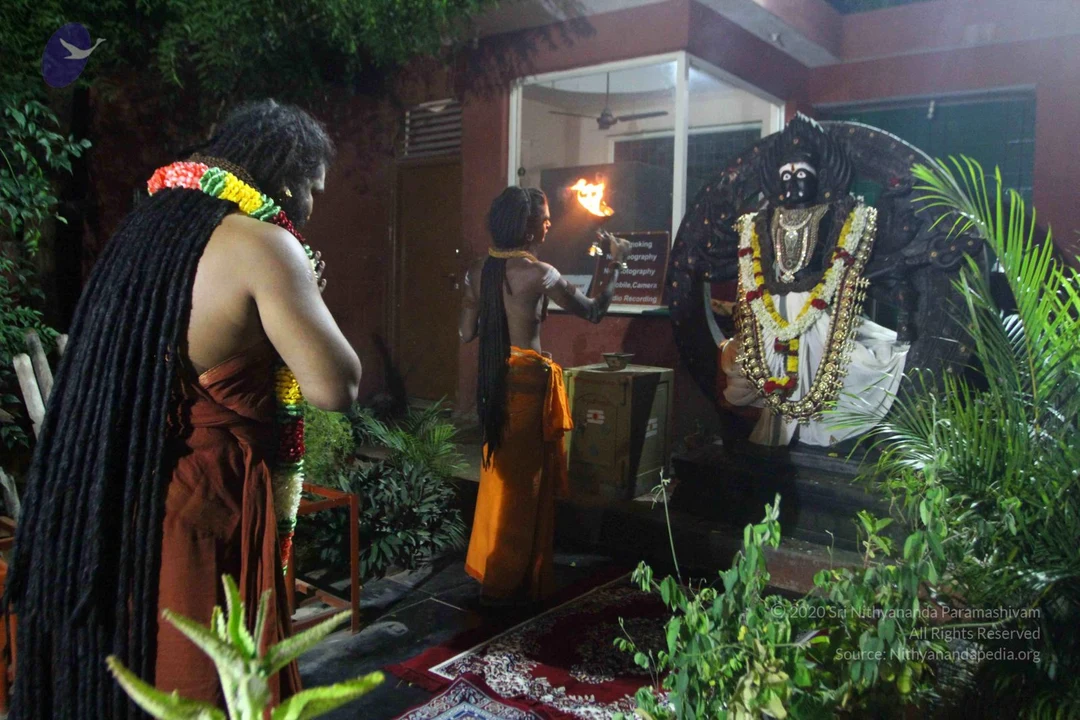
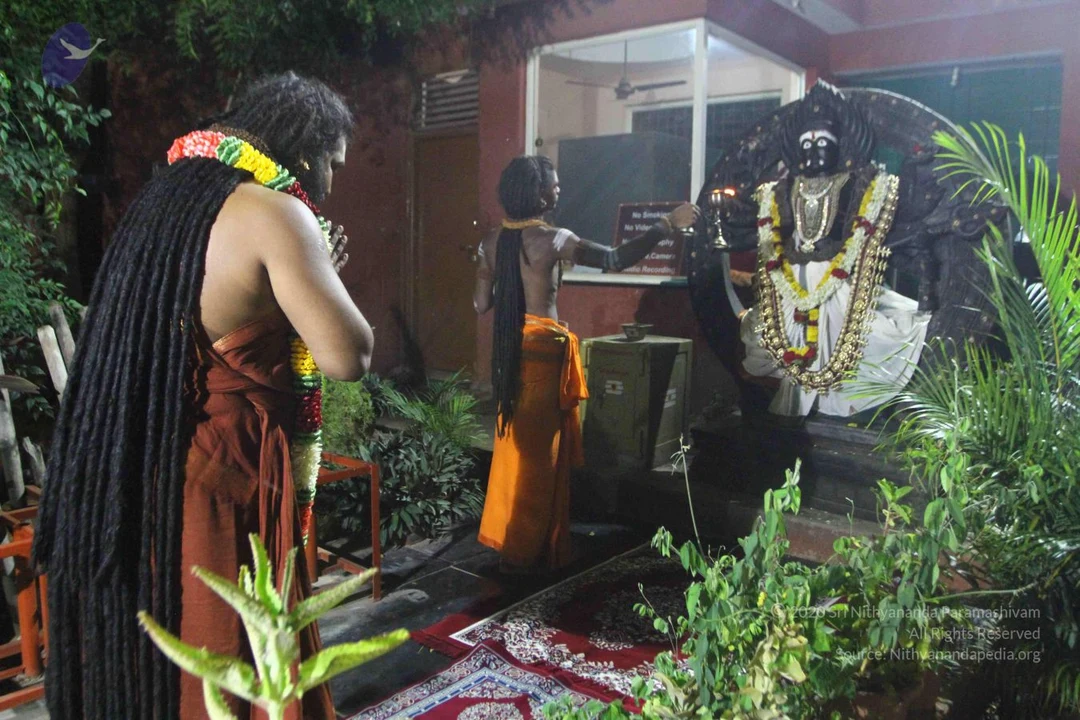
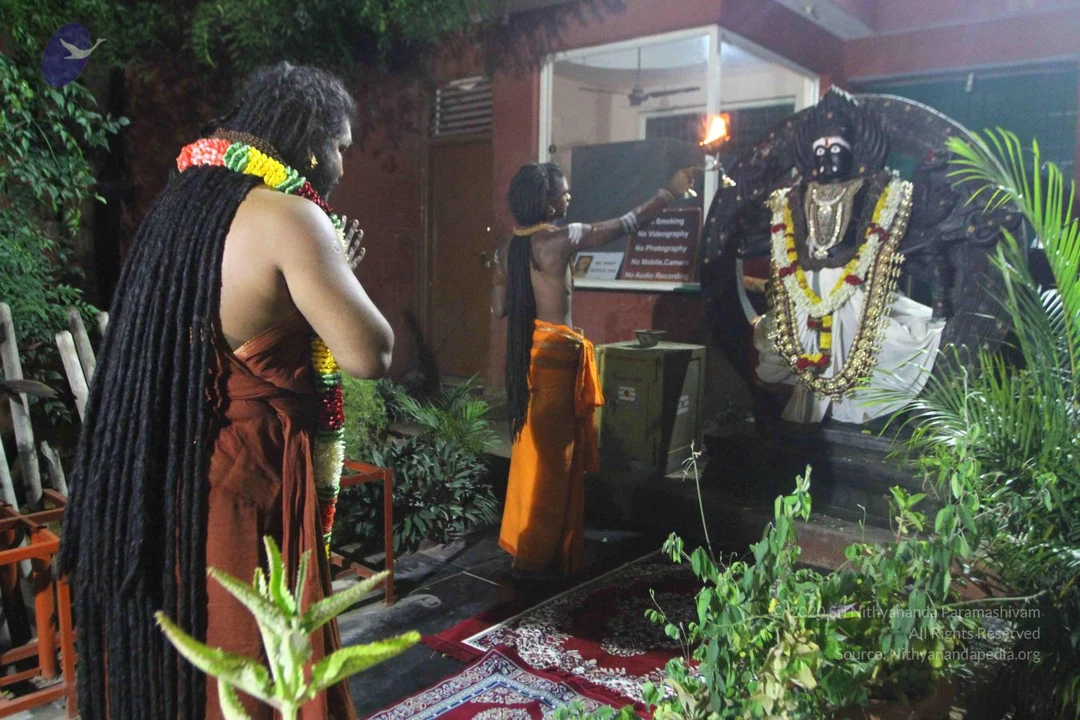
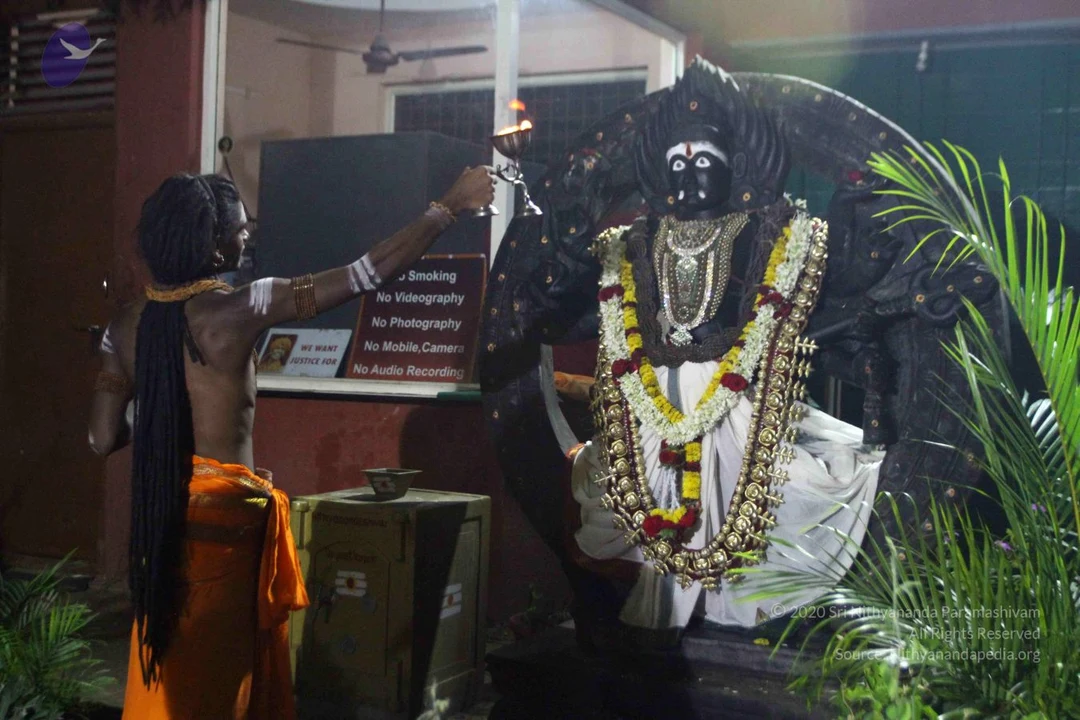
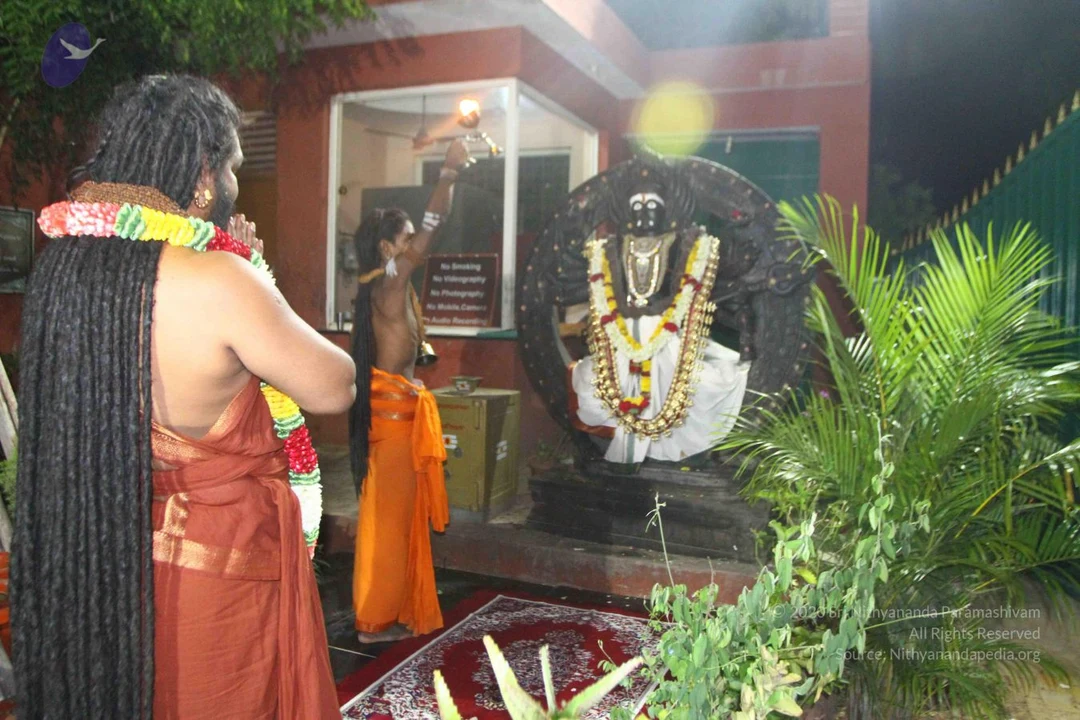
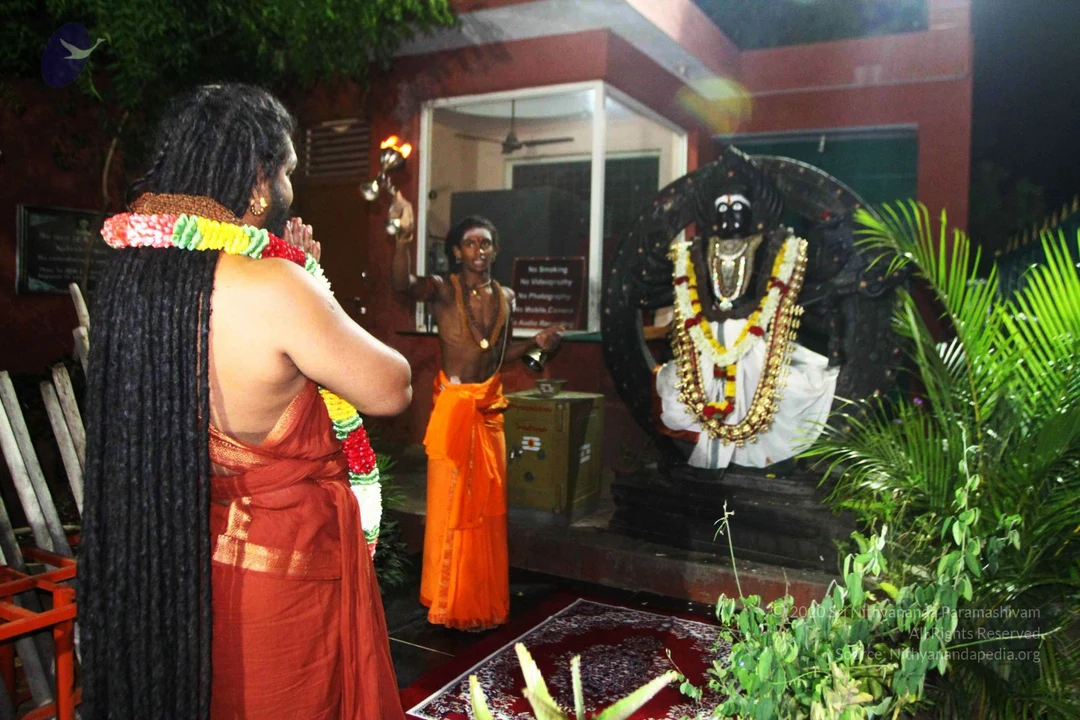
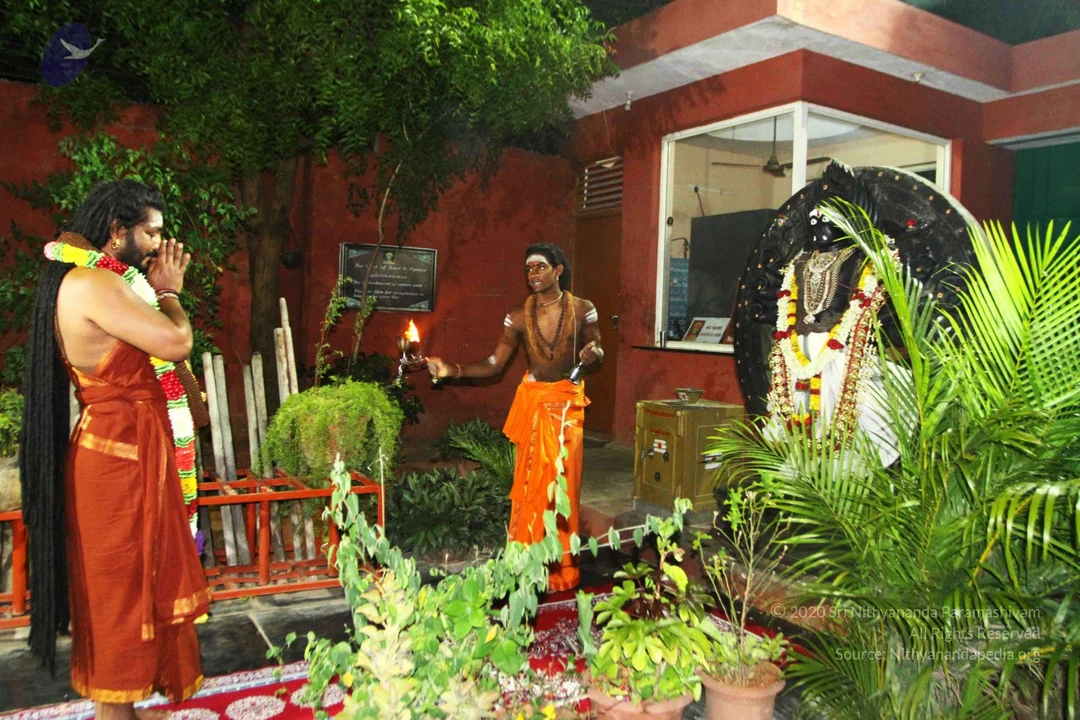
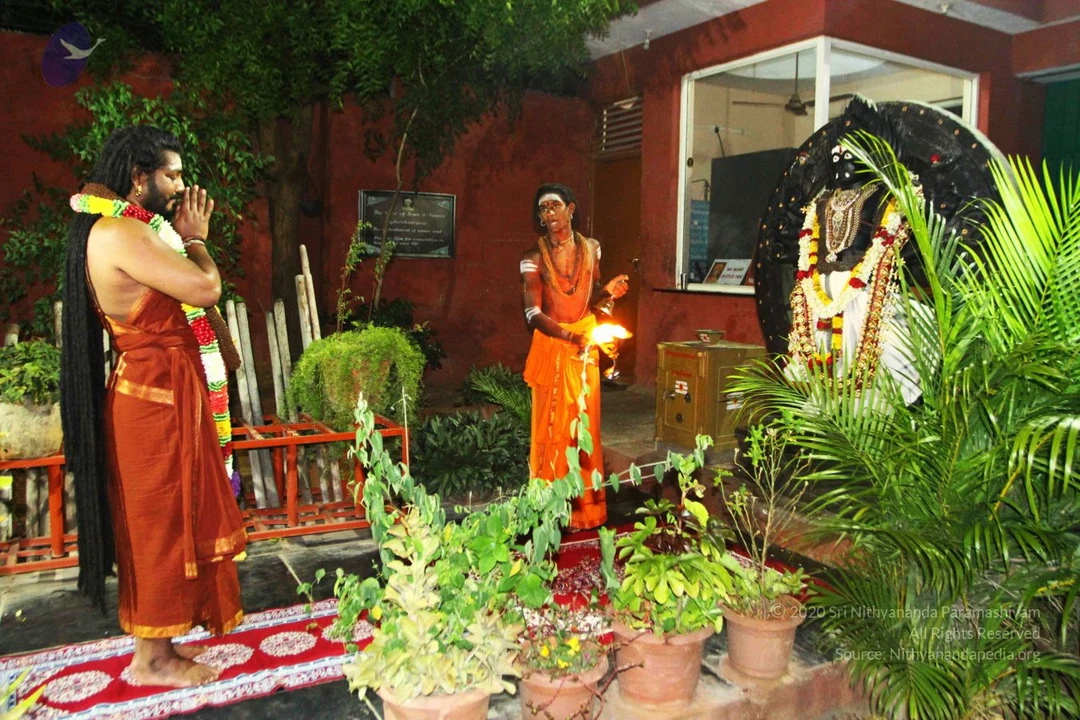
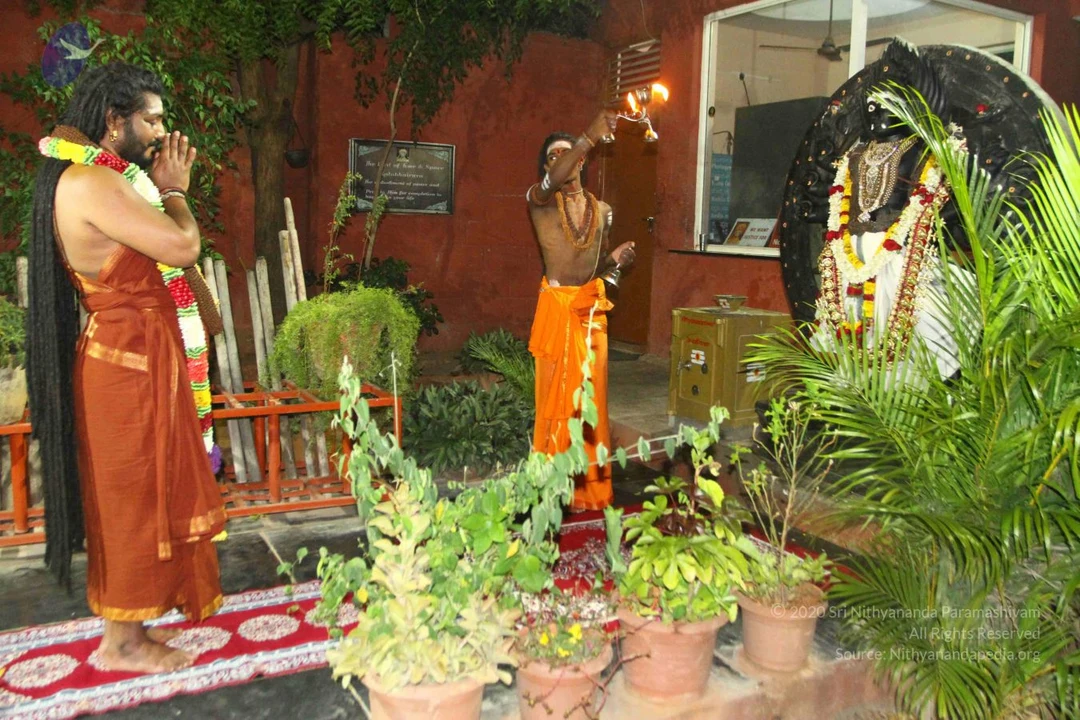
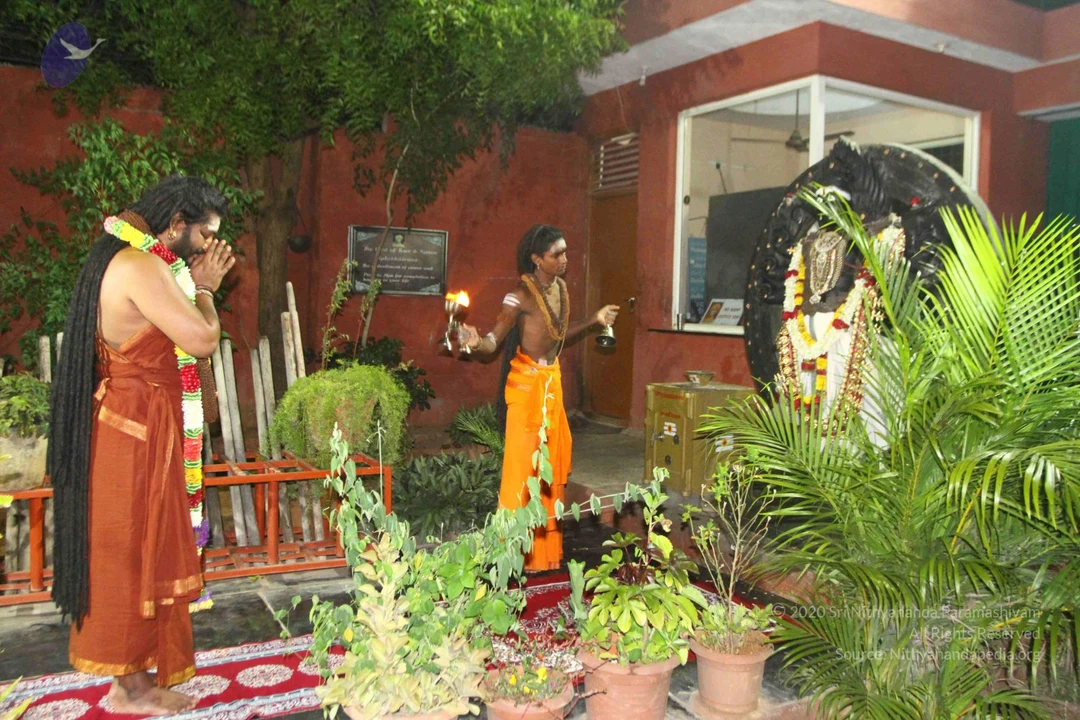
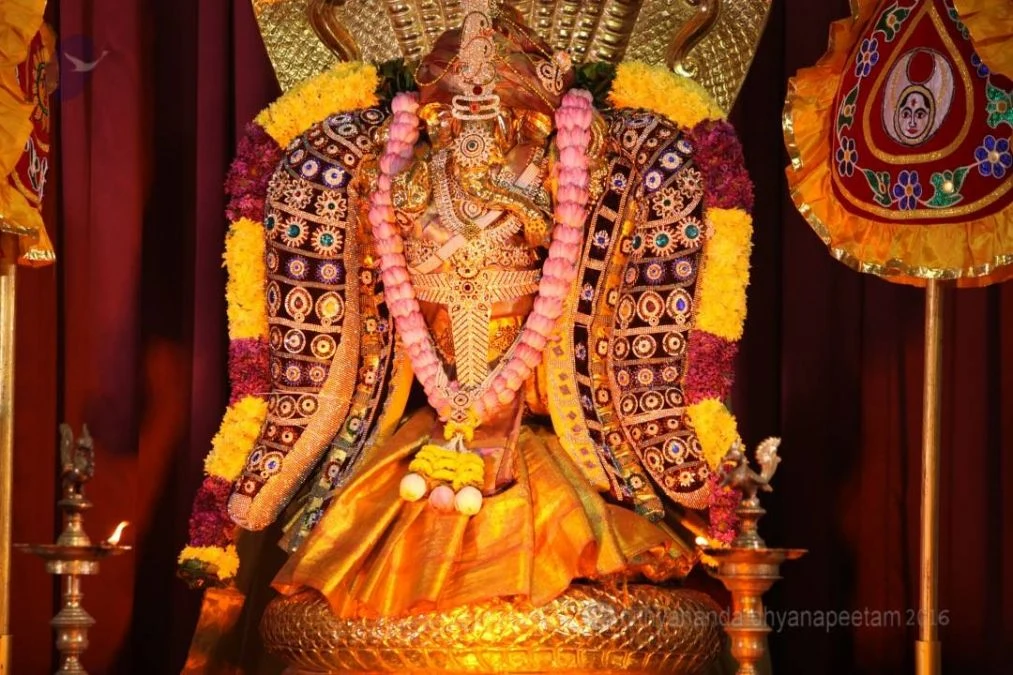
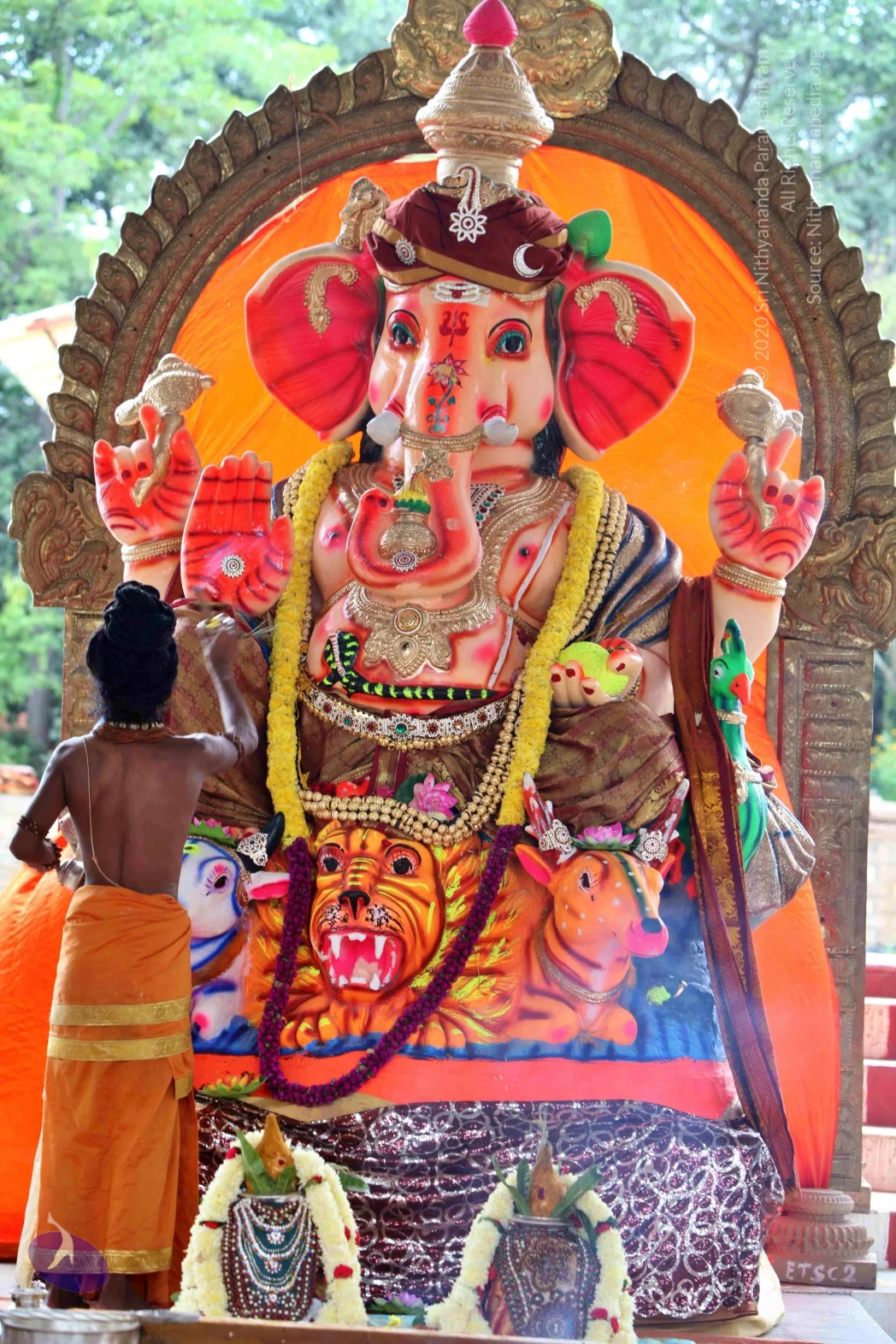
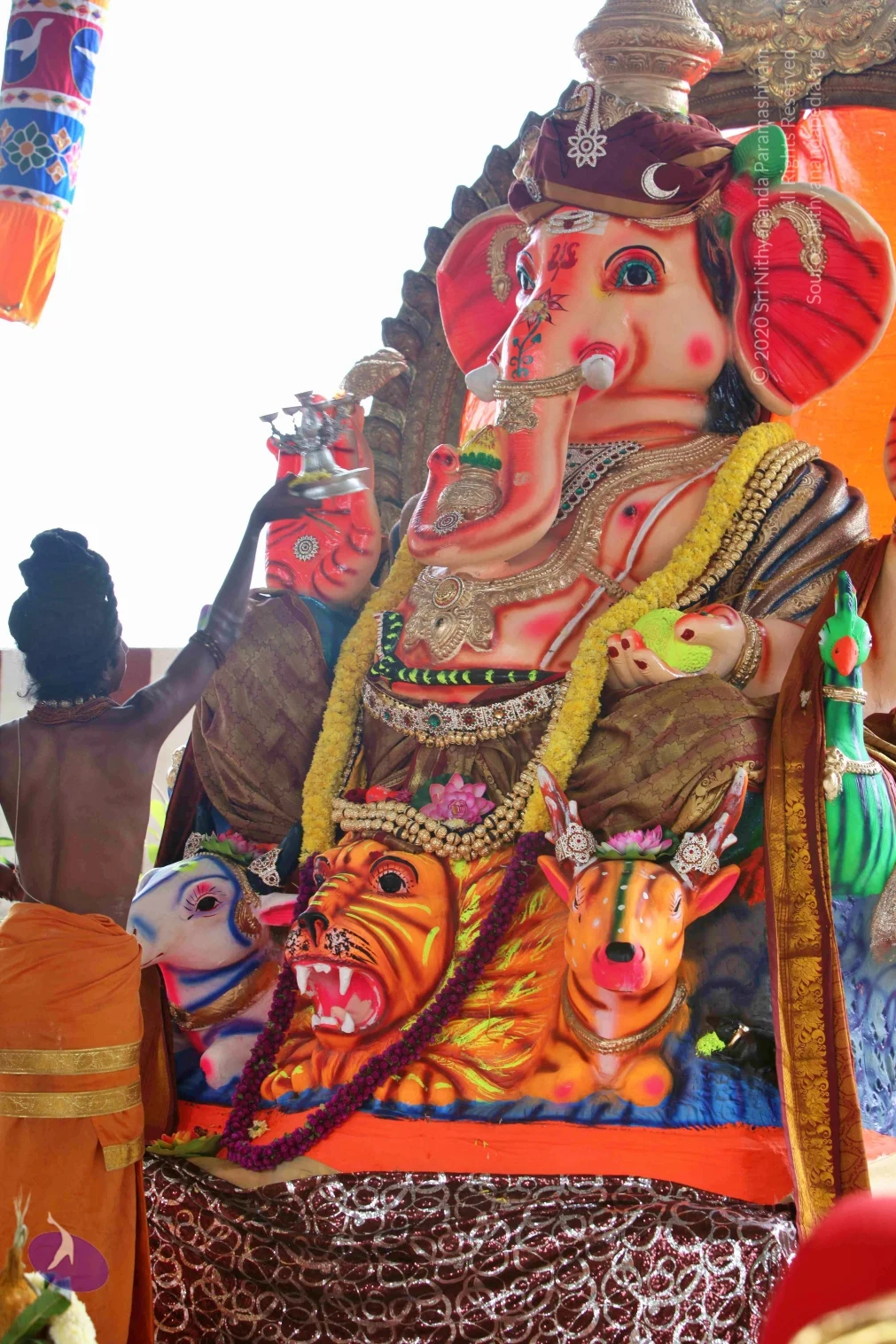
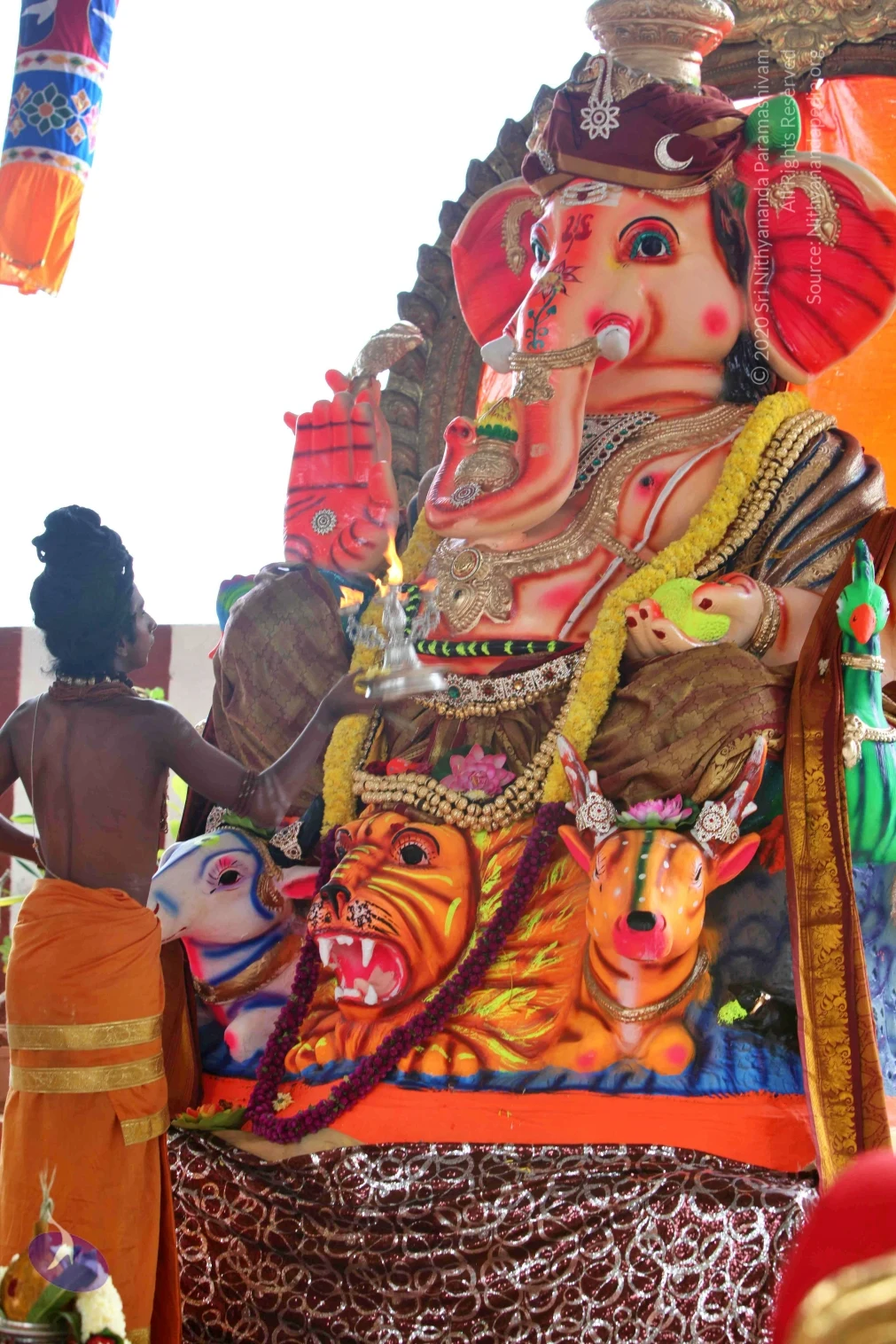
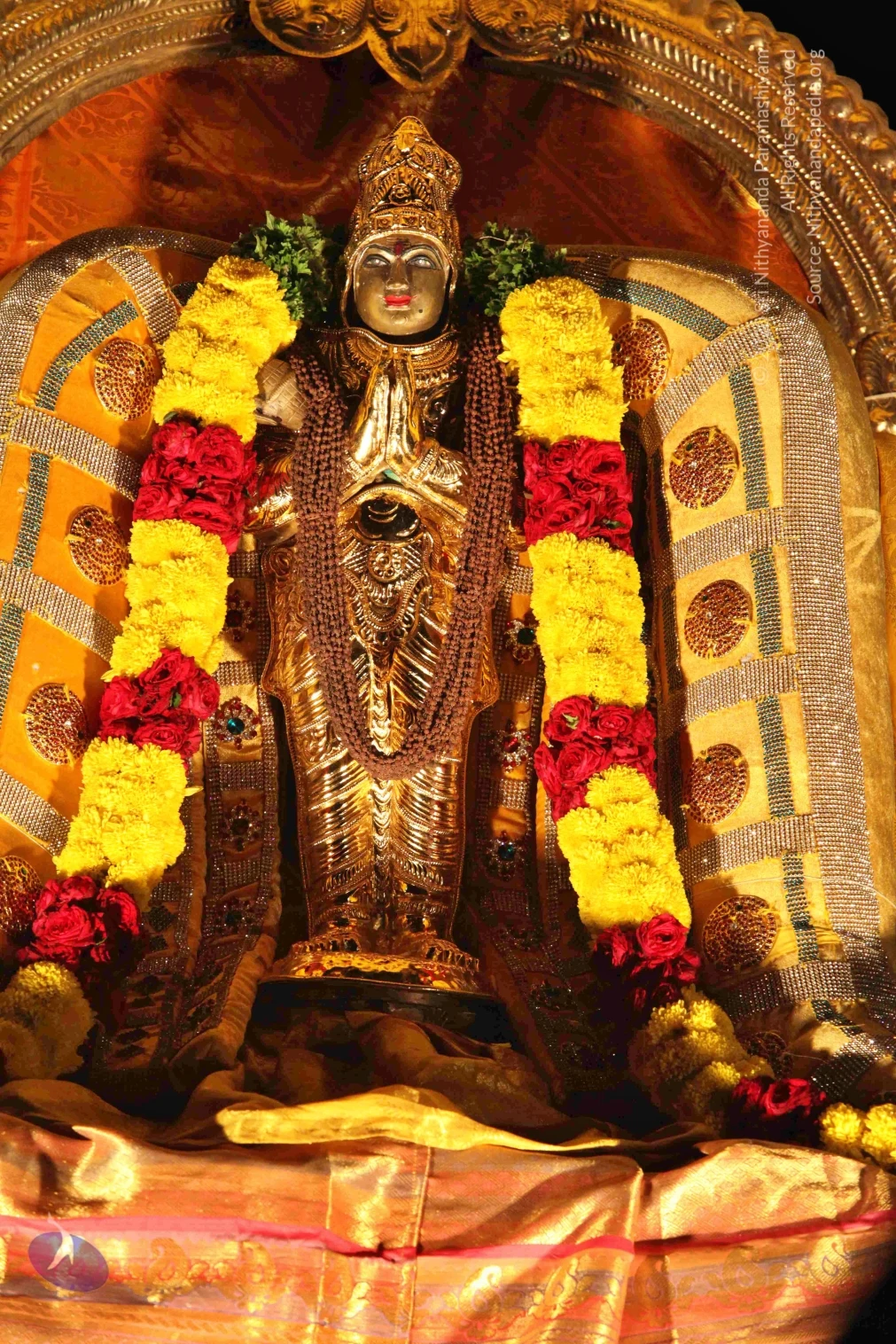
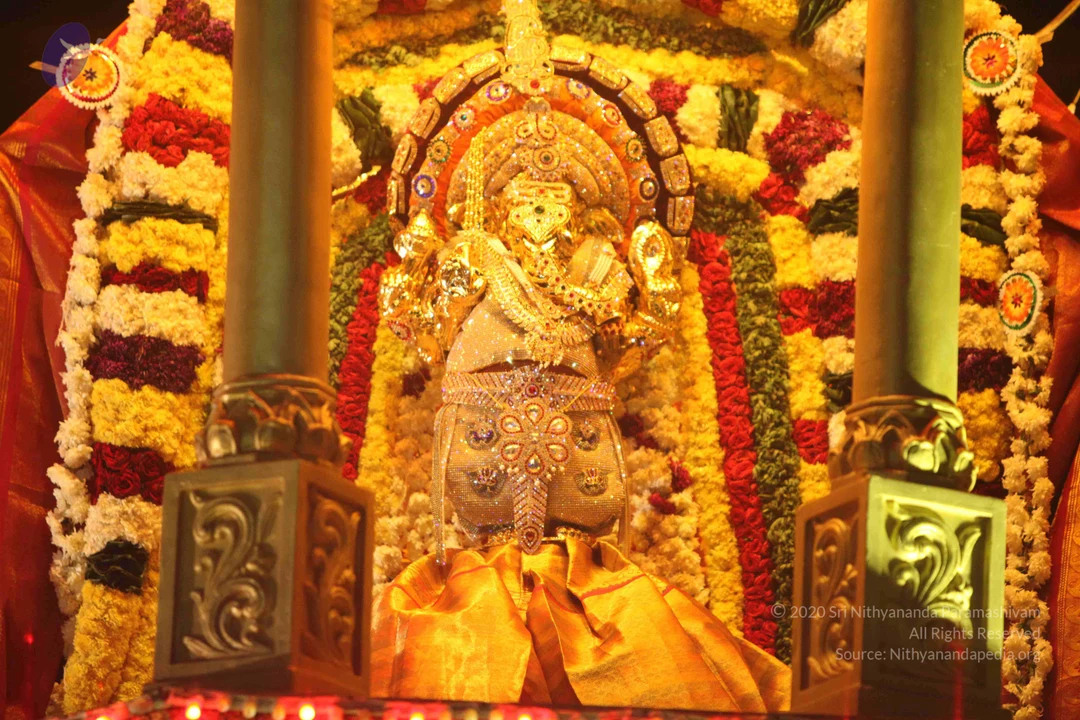
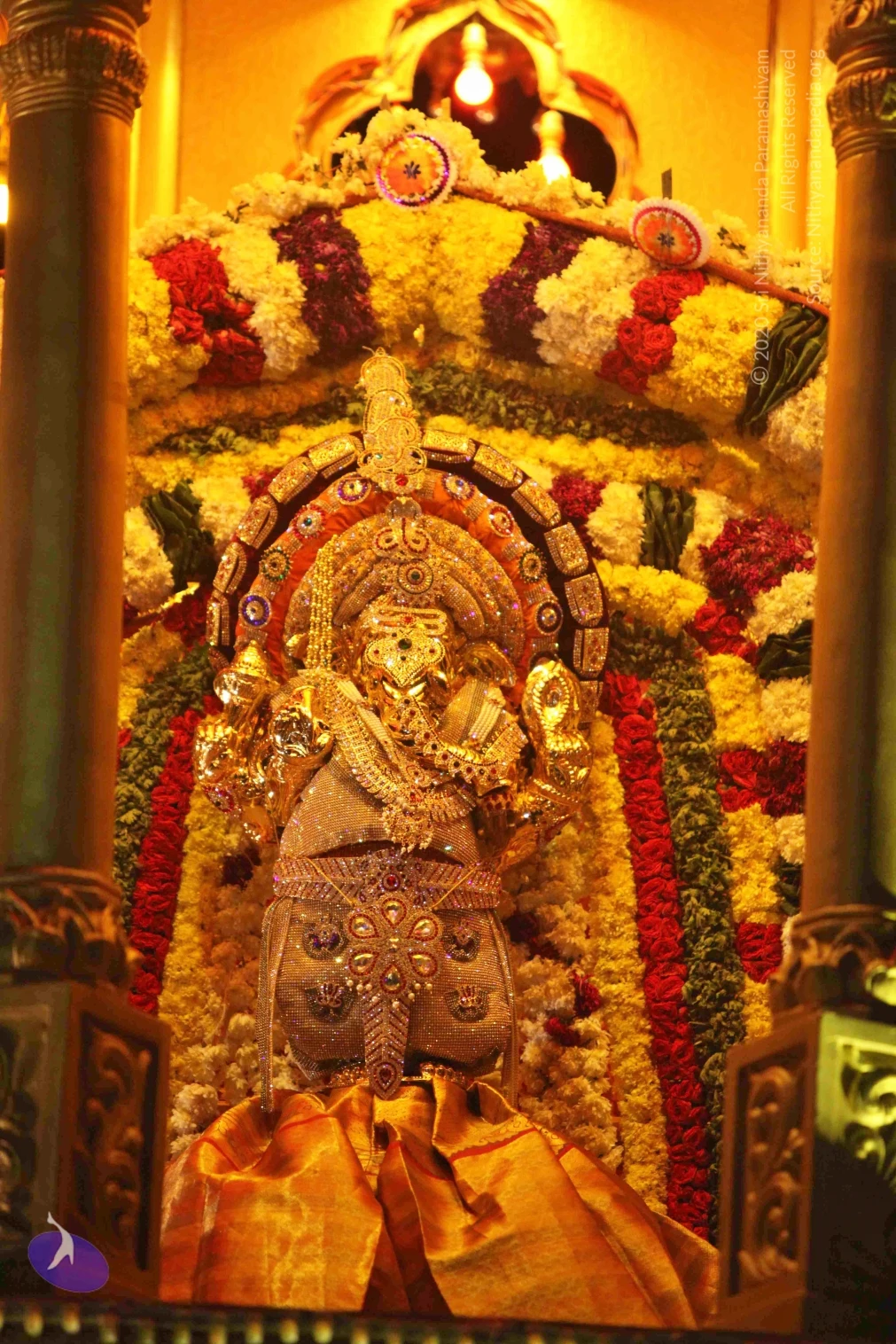
First, let us receive Parabrahma svarupi, Sadāshiva svarupi, Mahaganapati’s blessings, on his appearance day. He is gracing in Sarvālankāra and 108 Naivedhyams are offered to him.

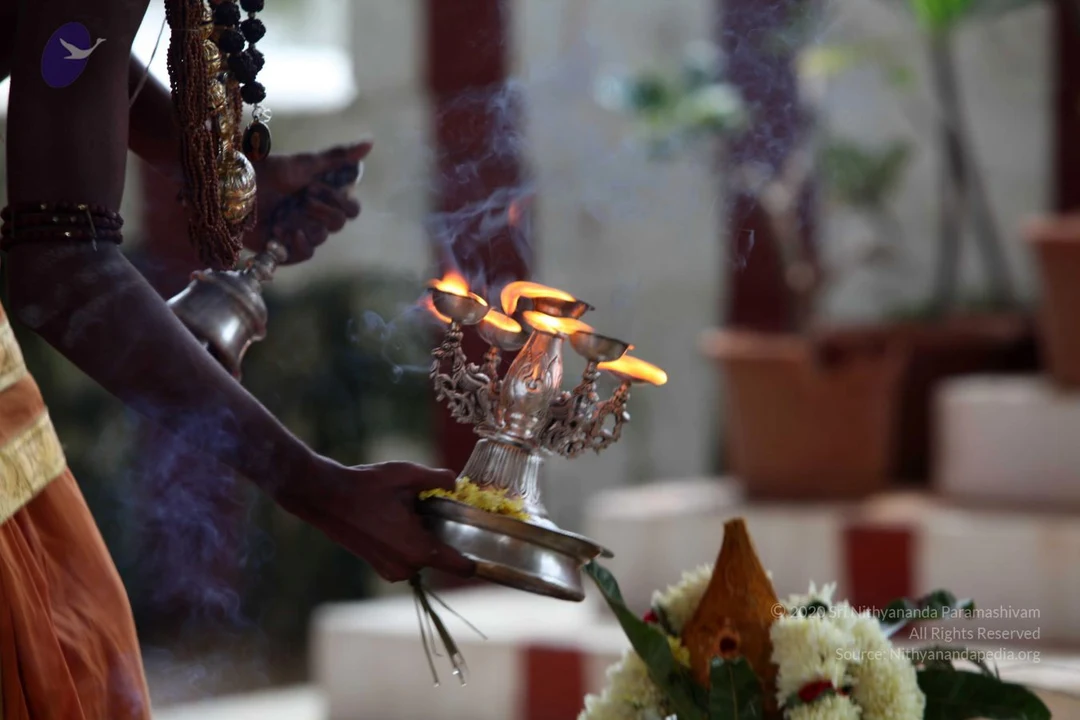
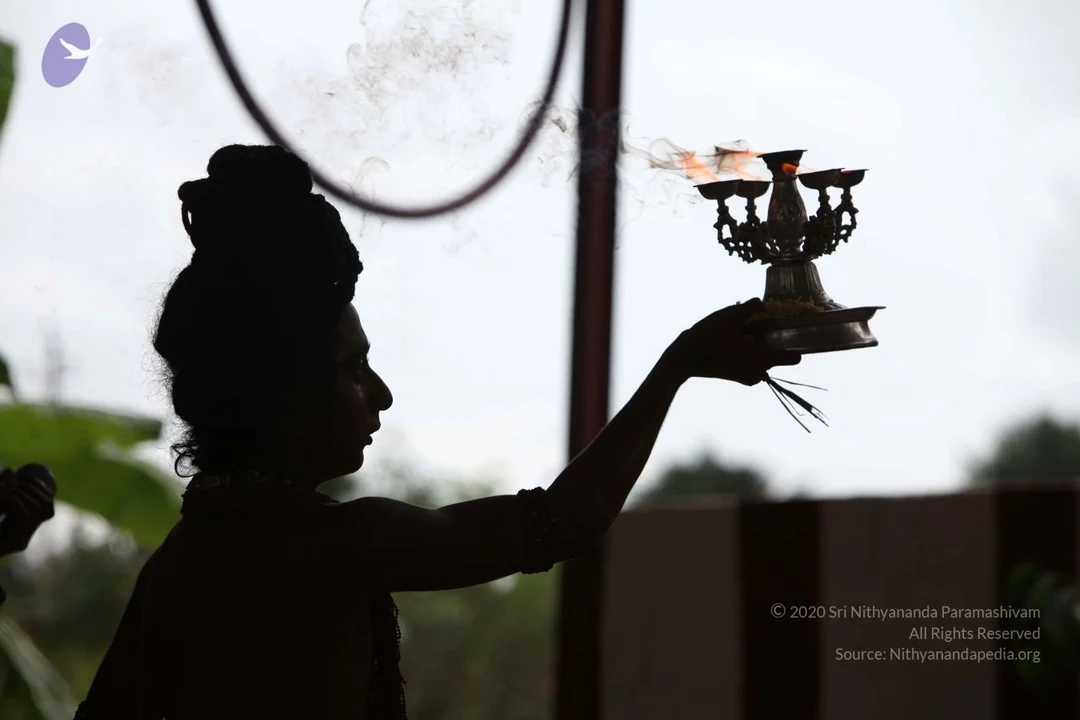
[Aarti offered to Ganesha]

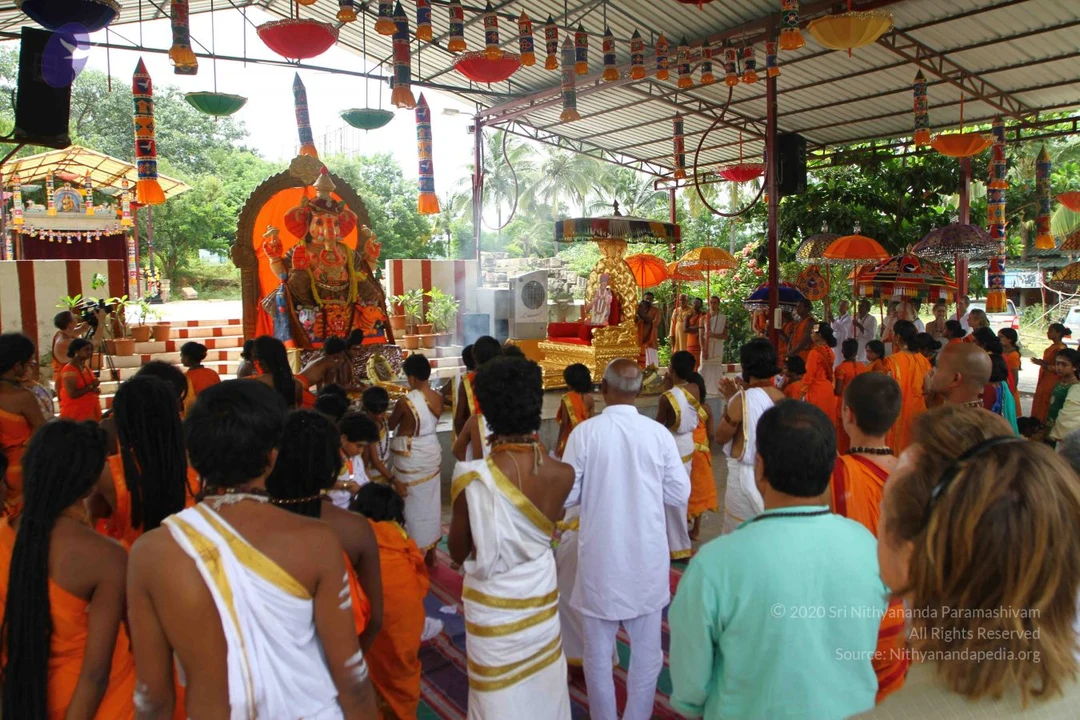
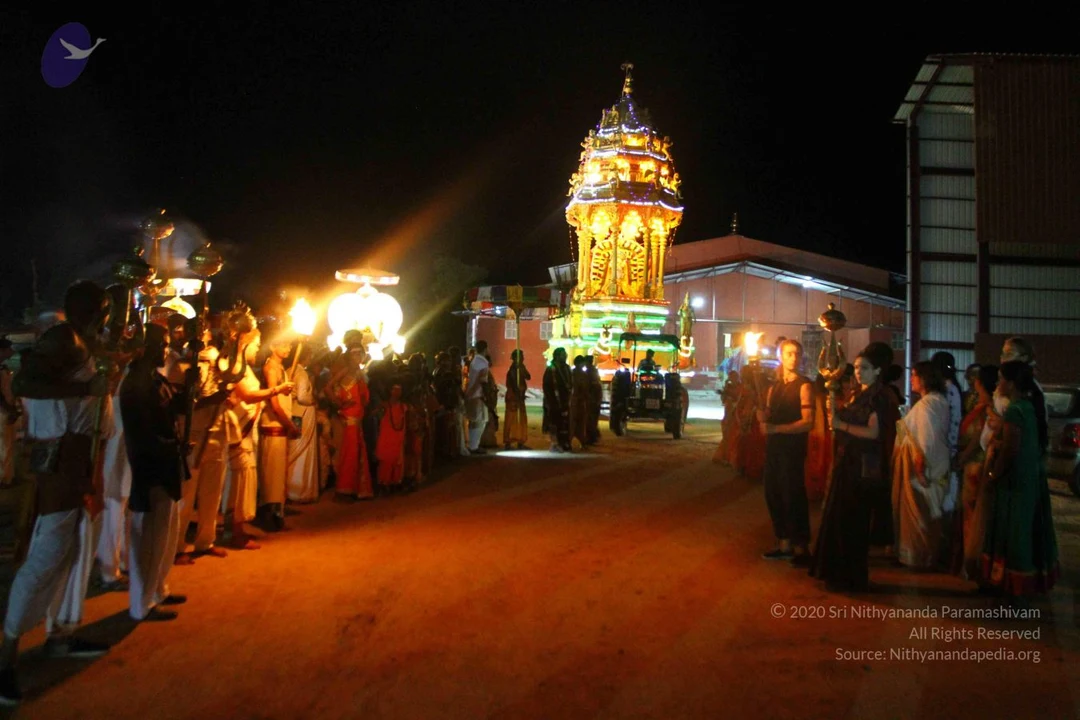
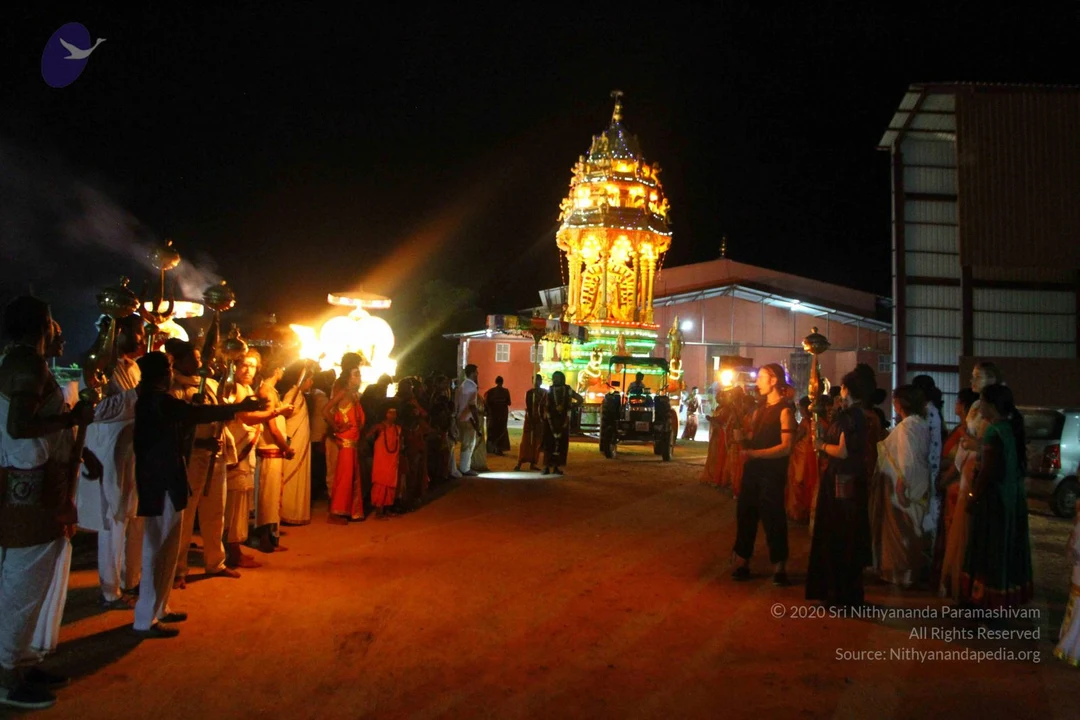
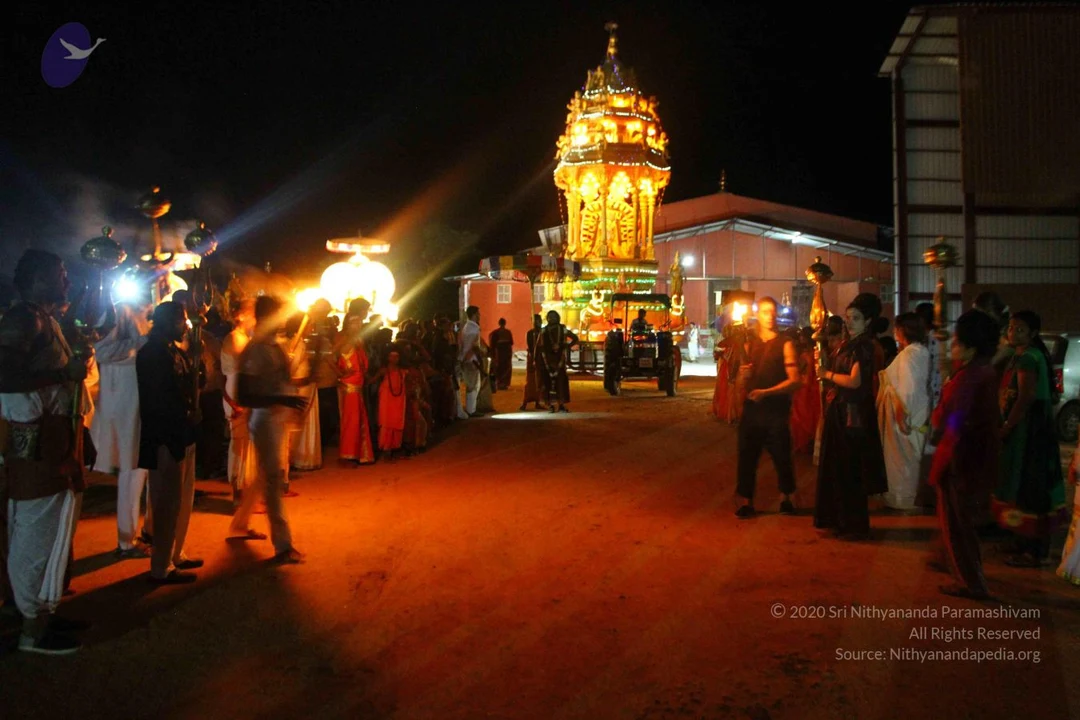
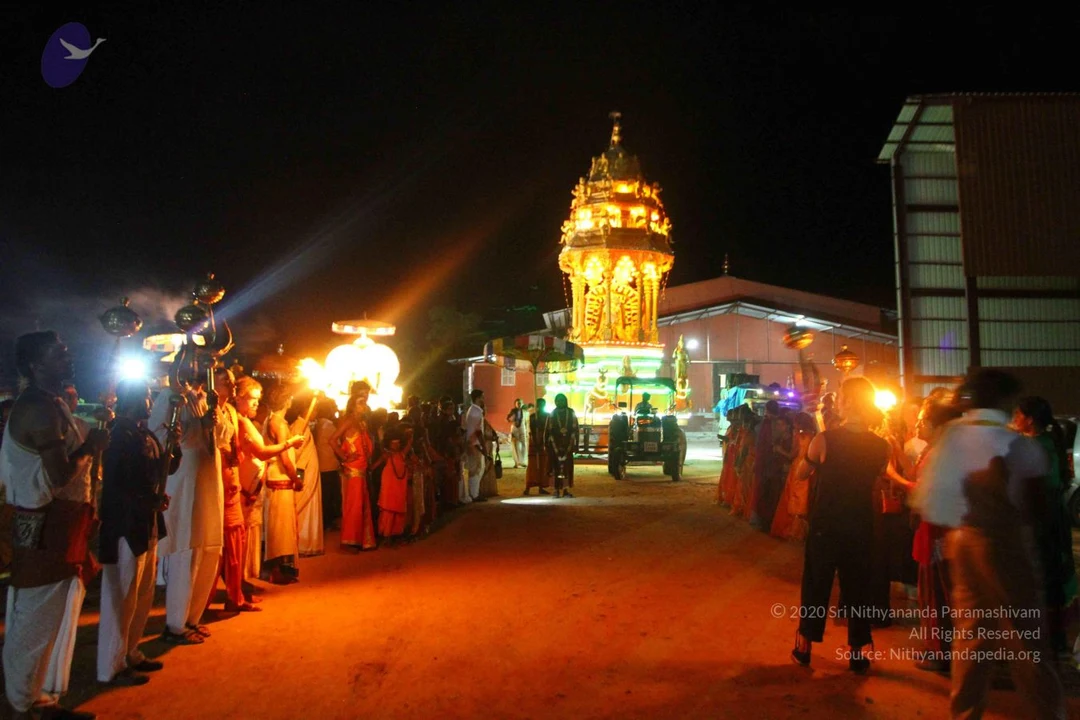
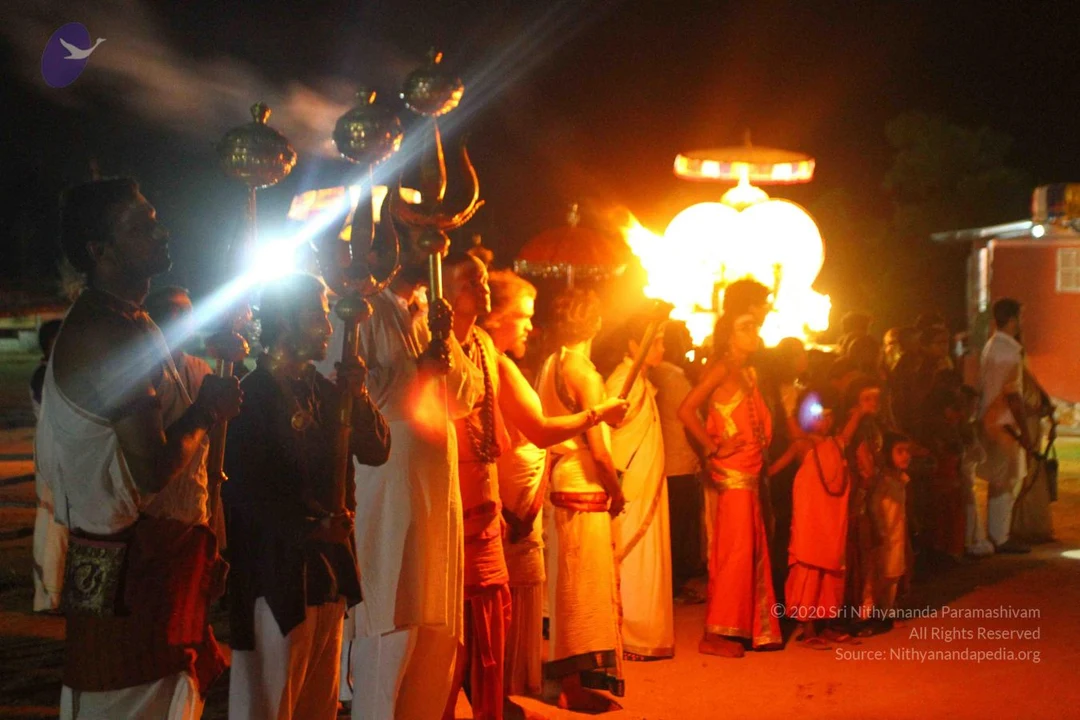
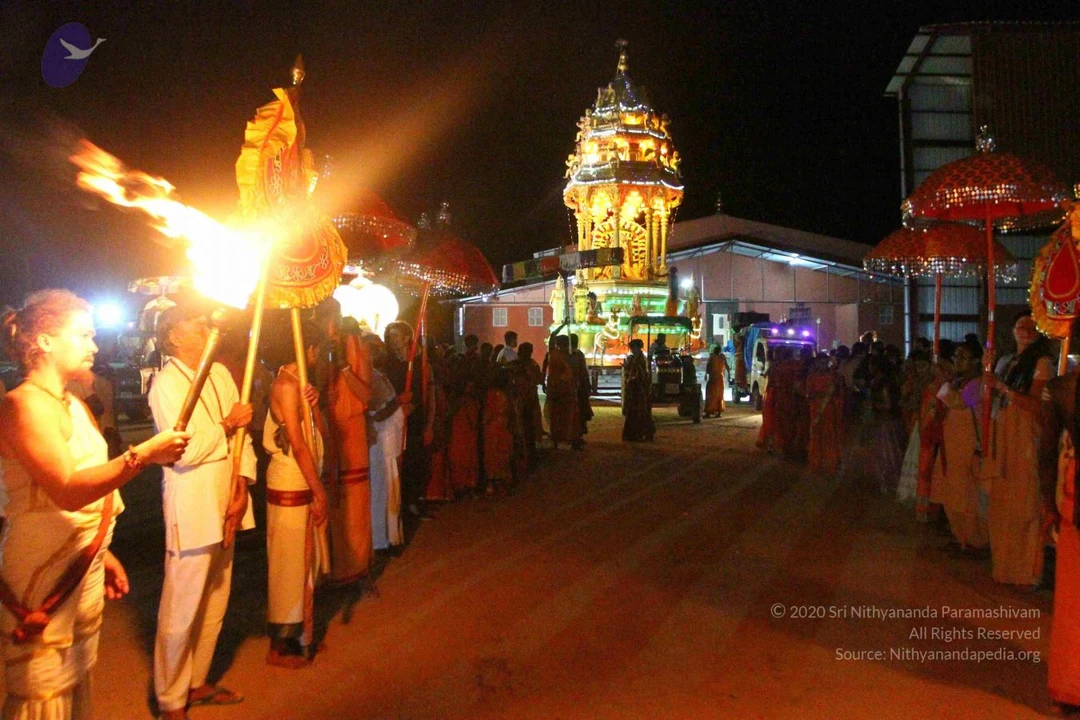
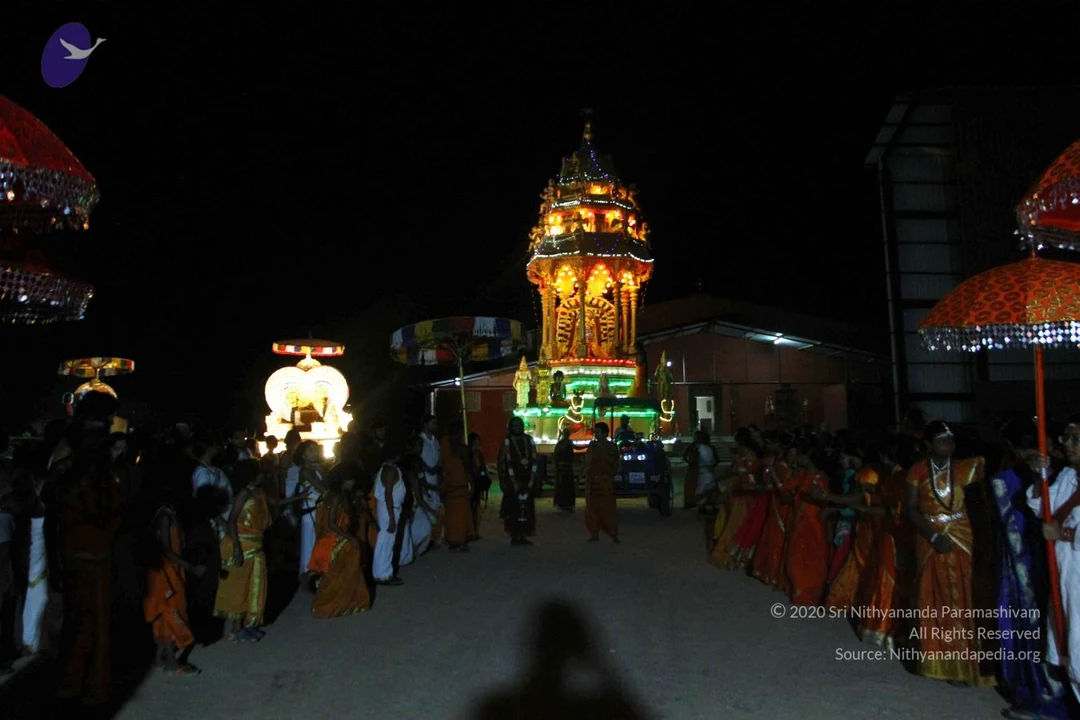
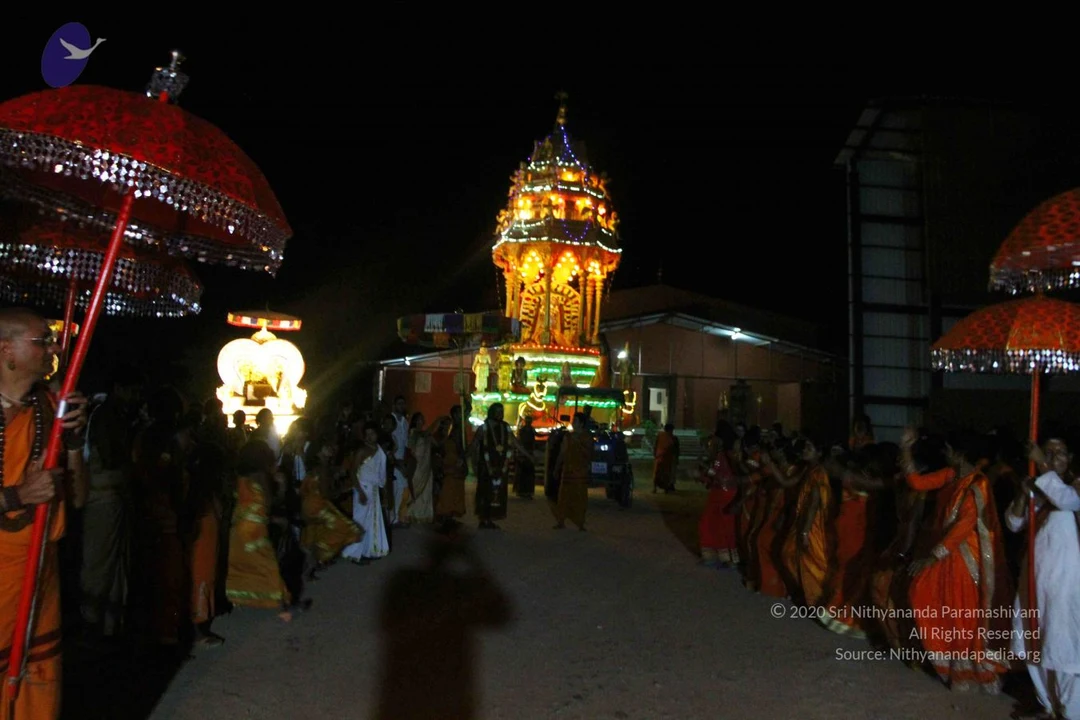
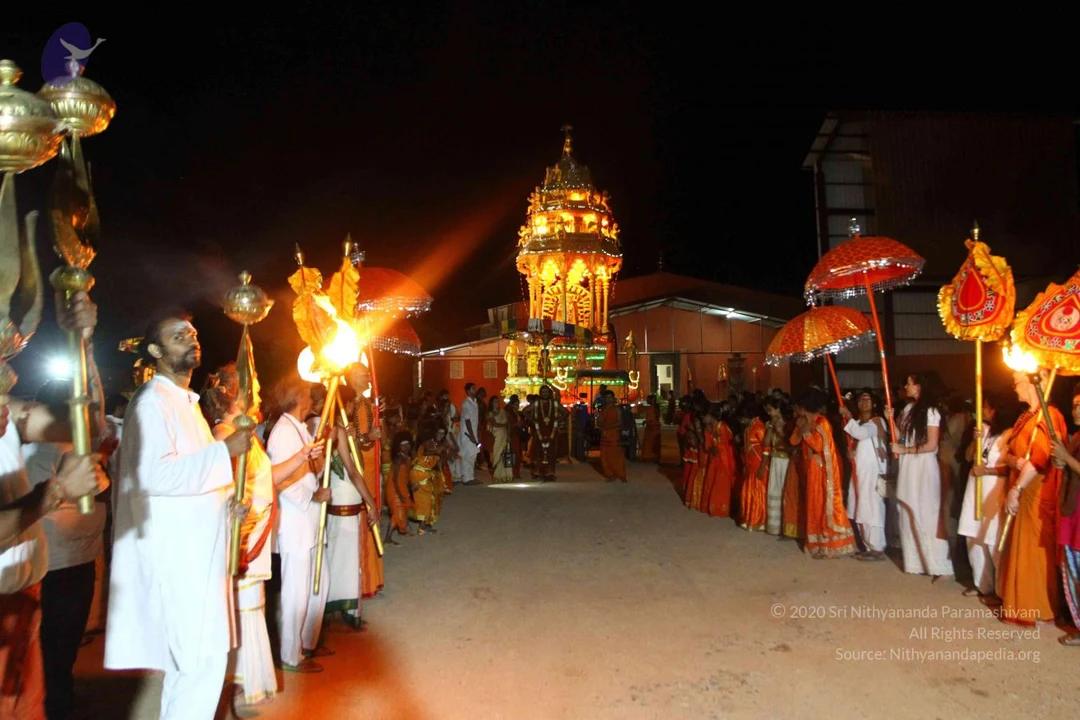
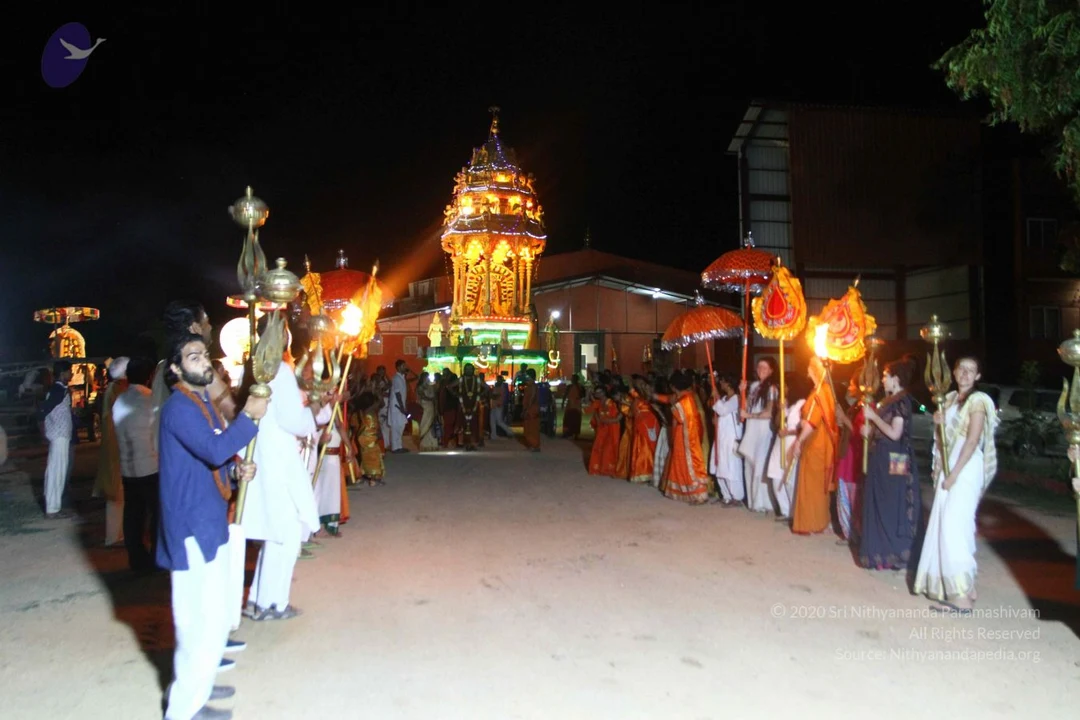
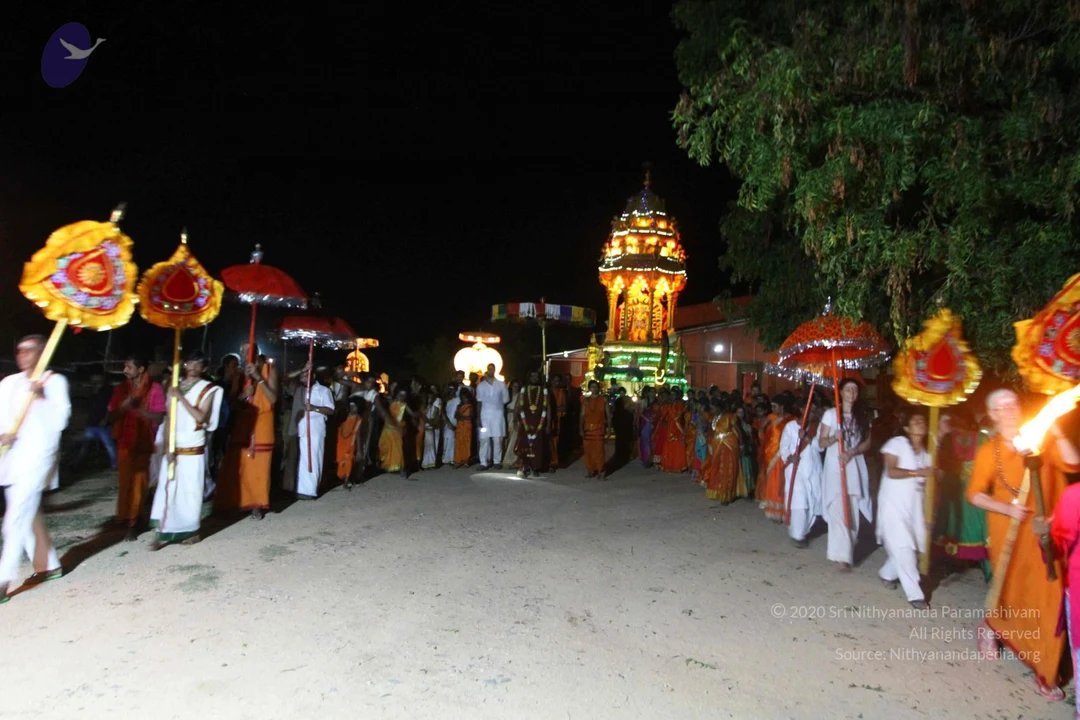
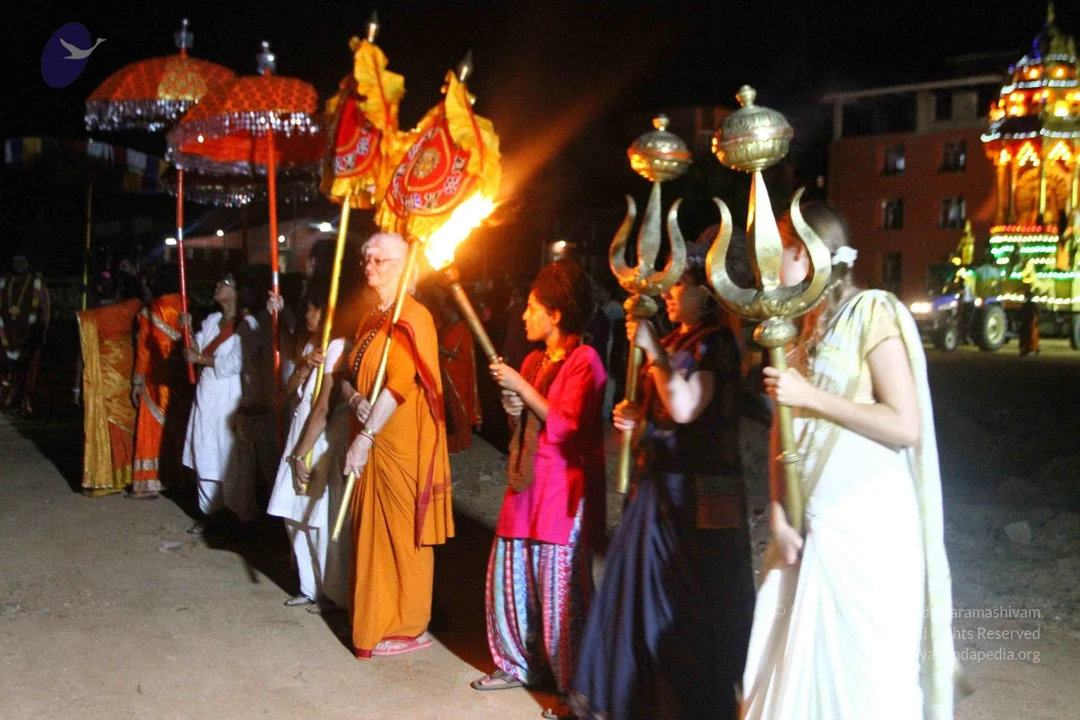
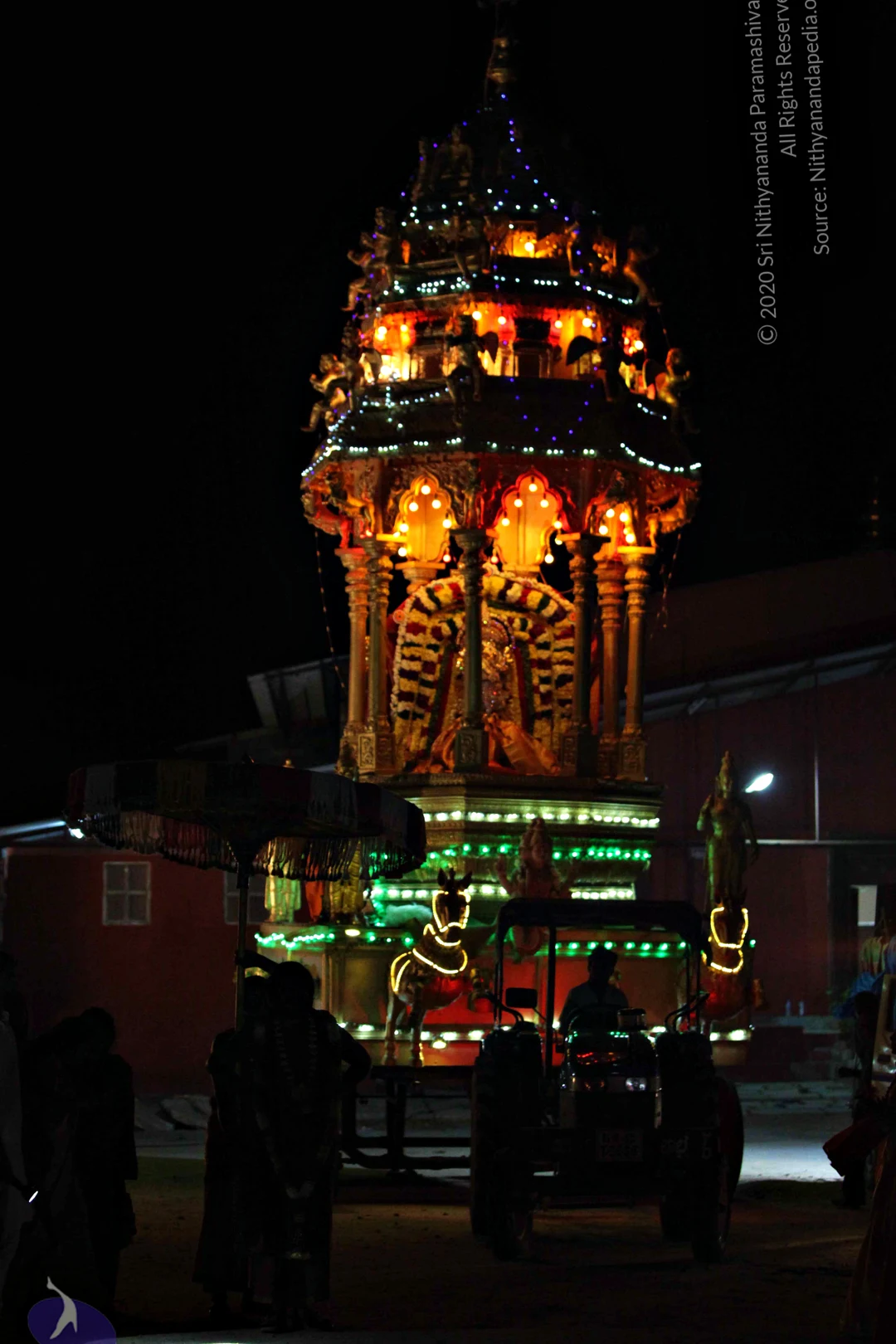
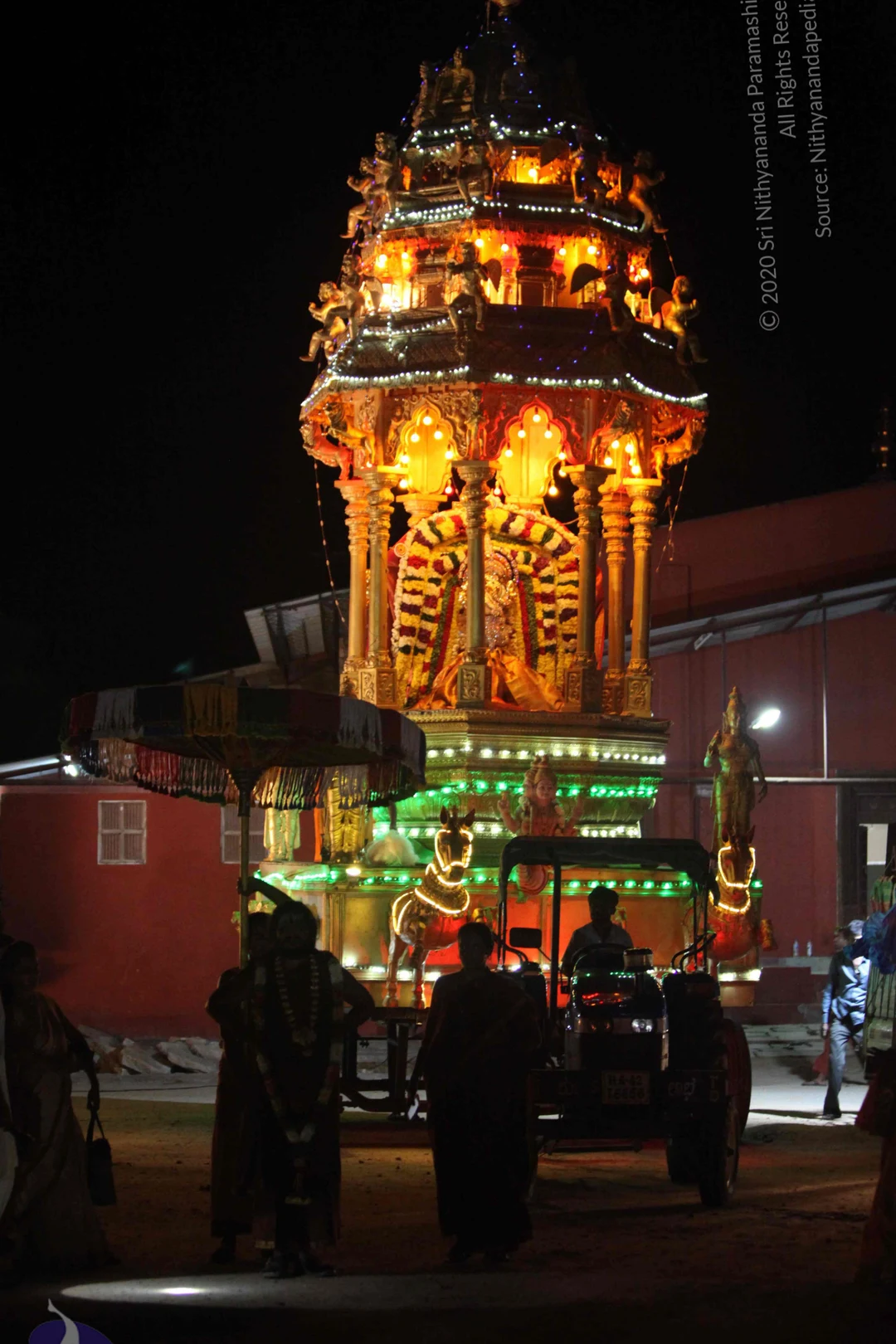
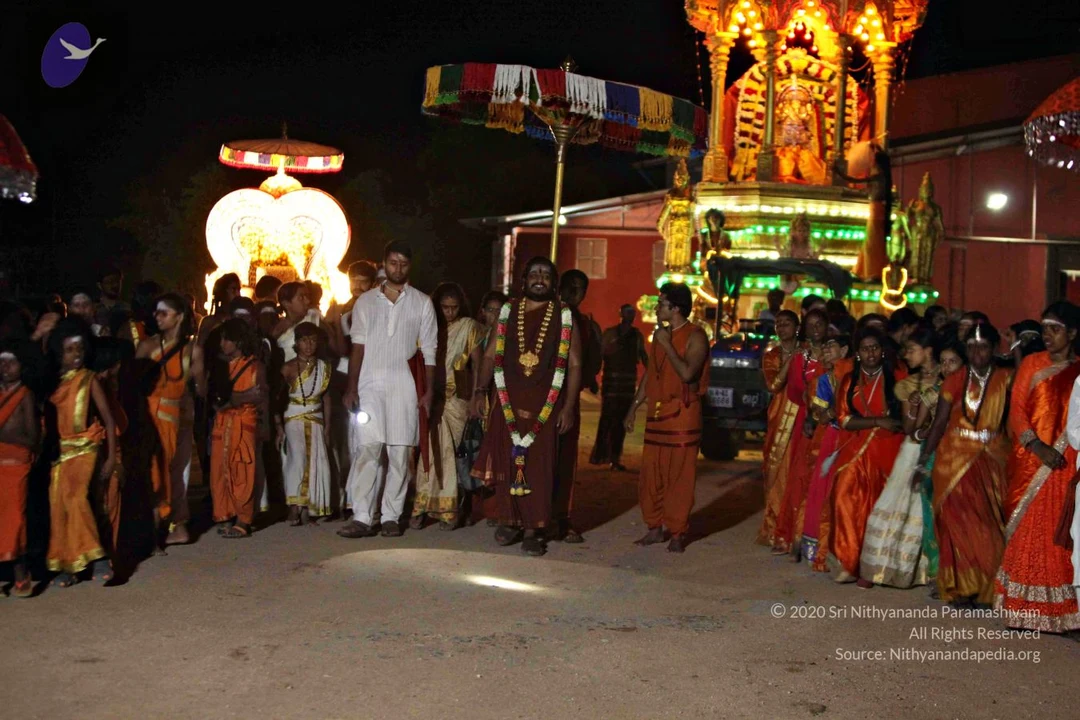
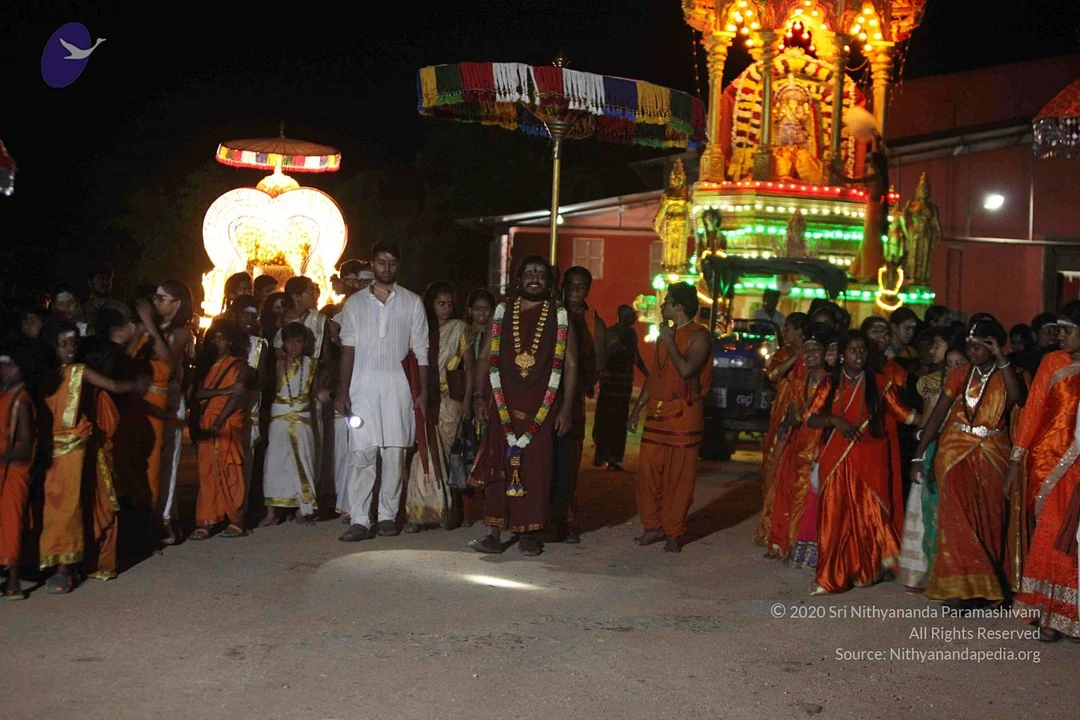
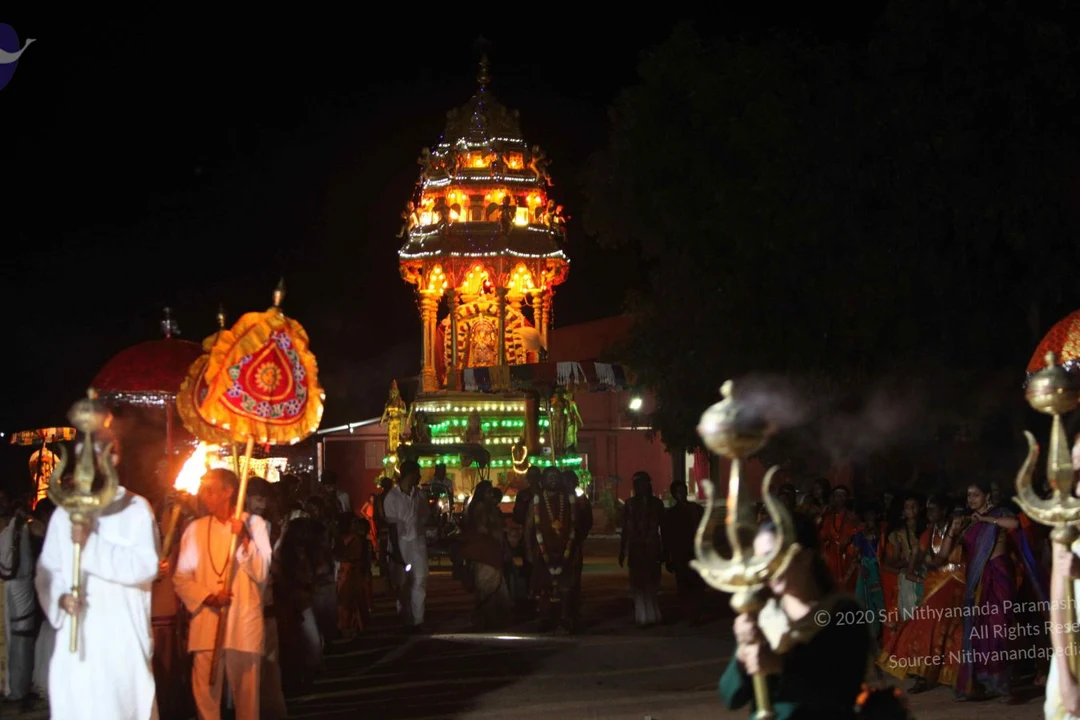
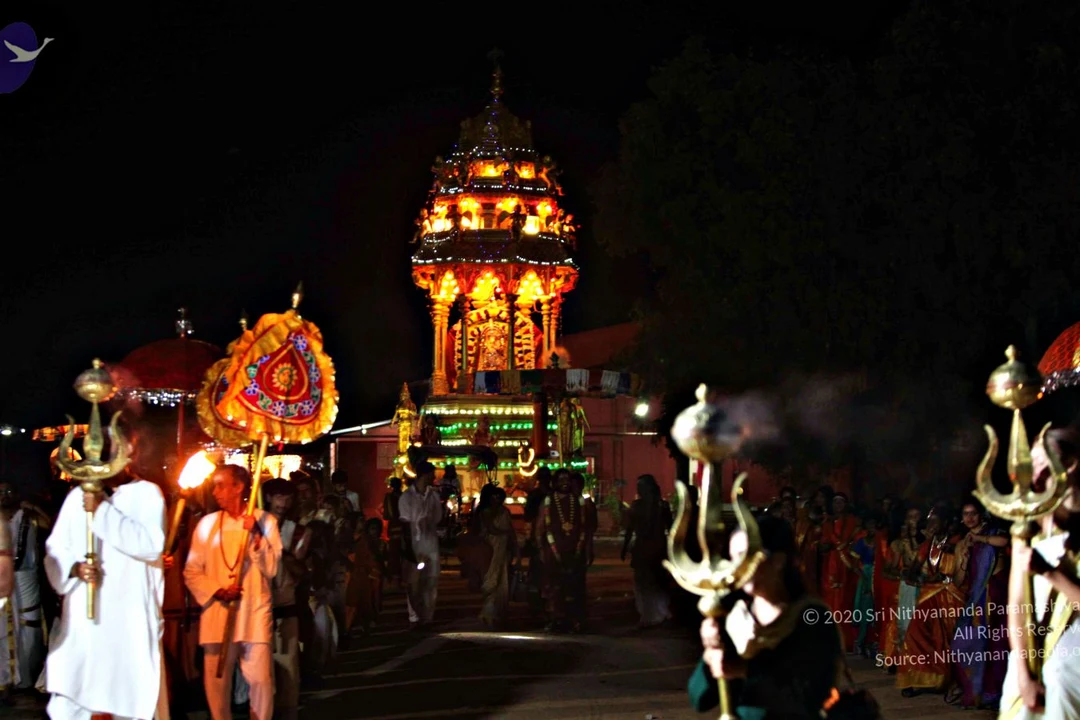
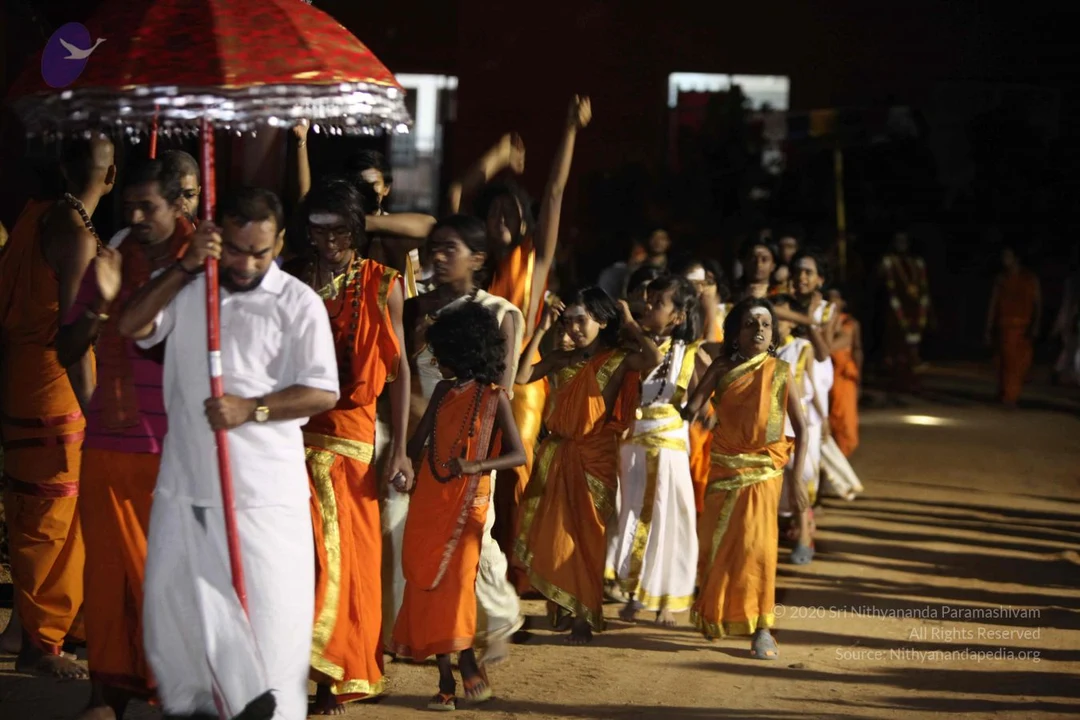
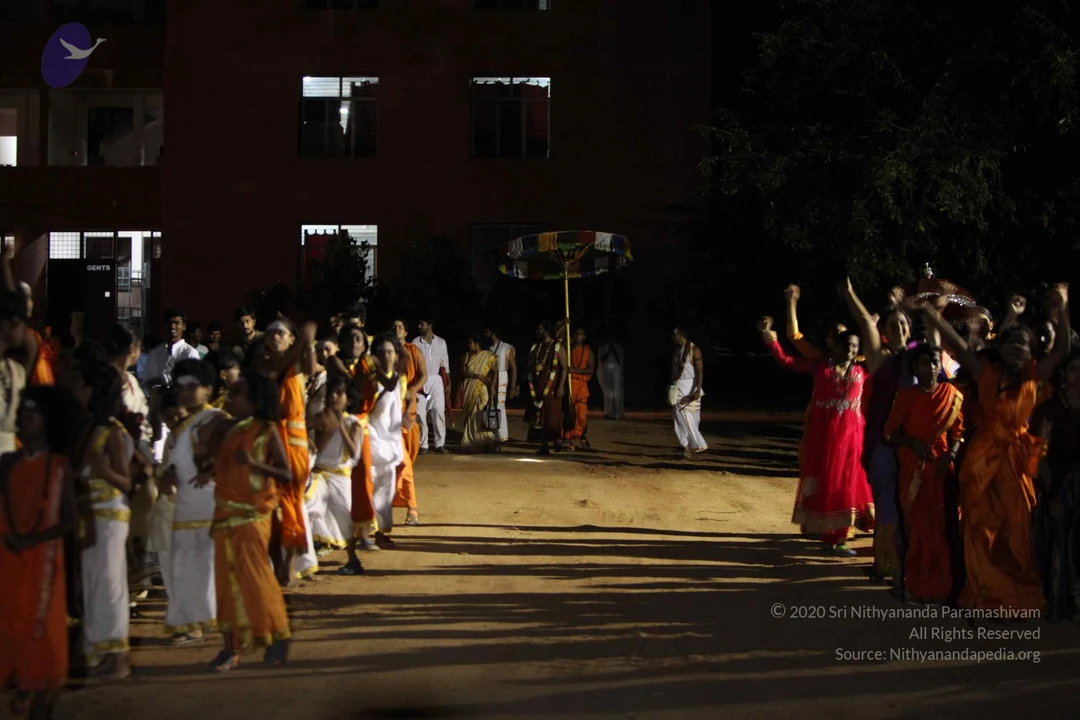
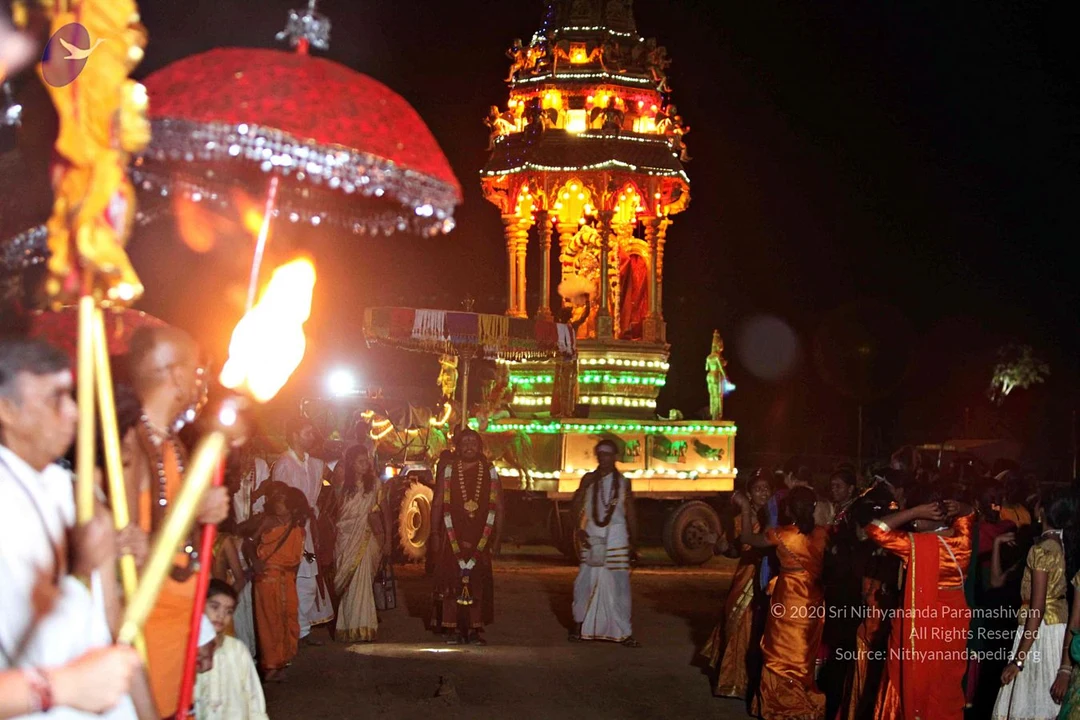
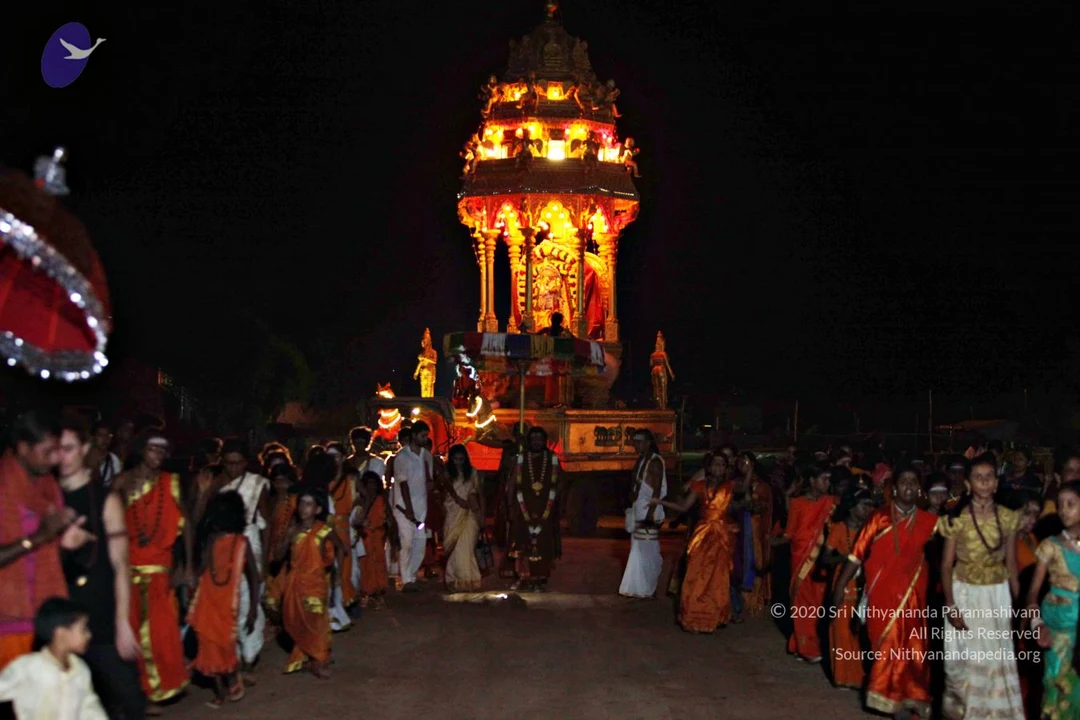
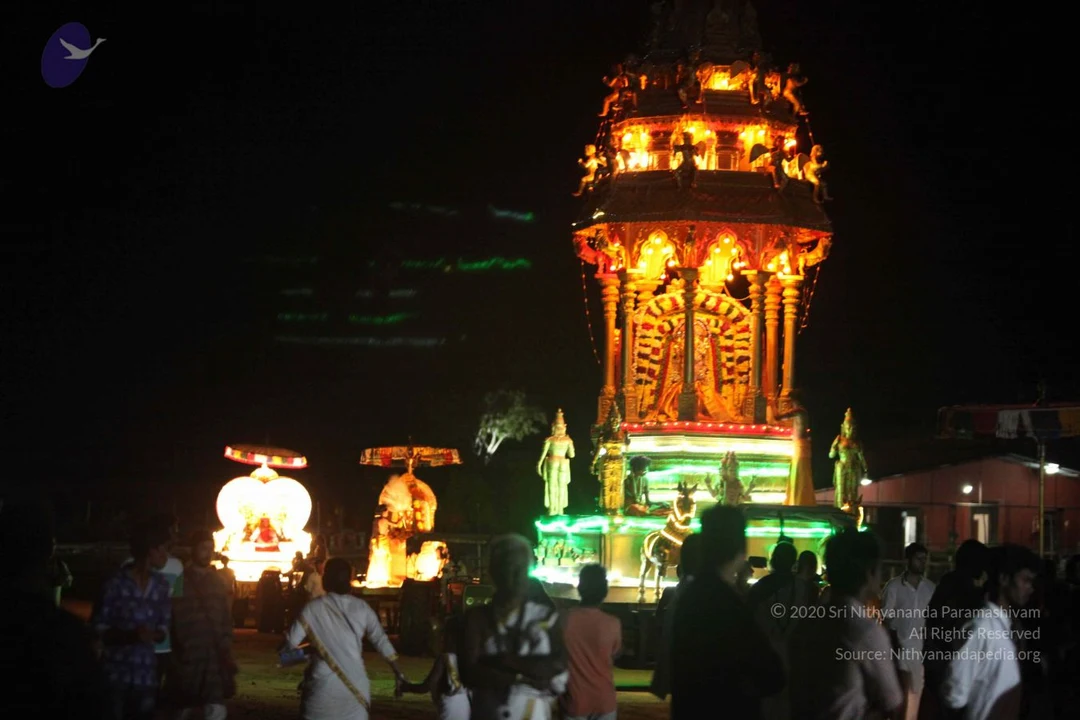
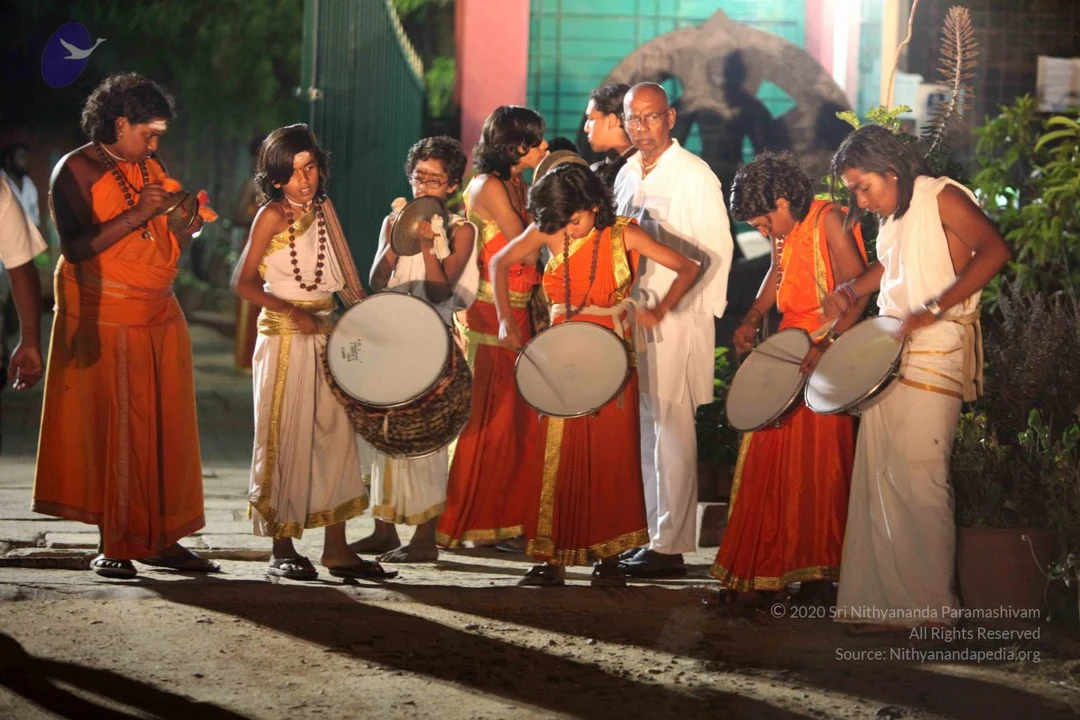
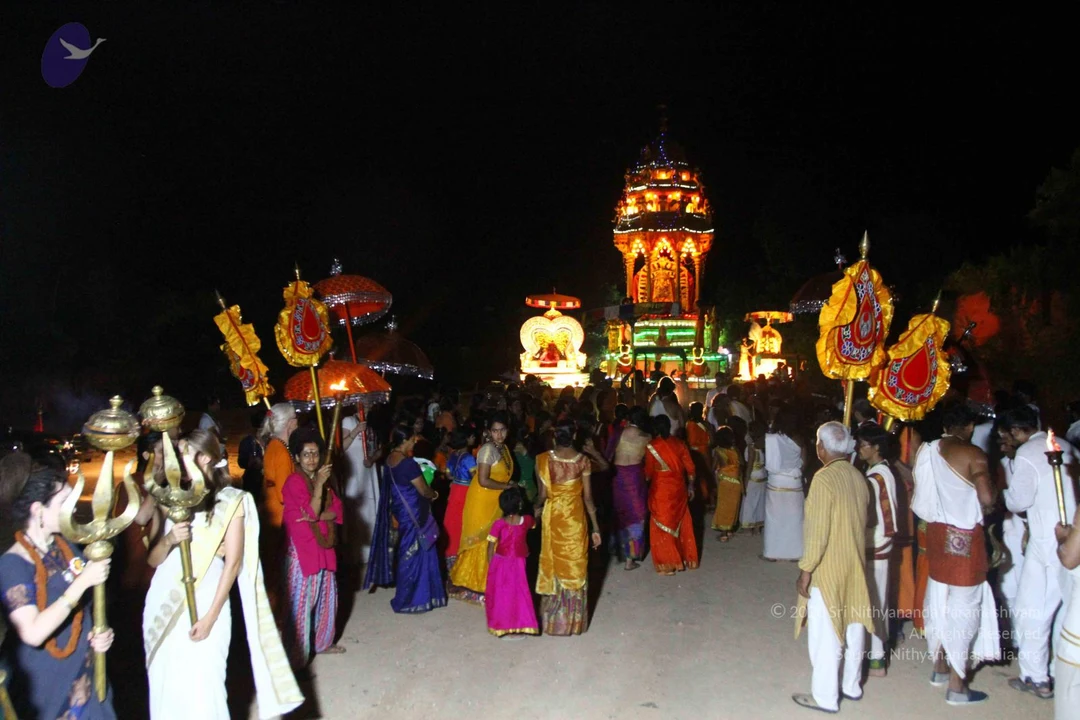
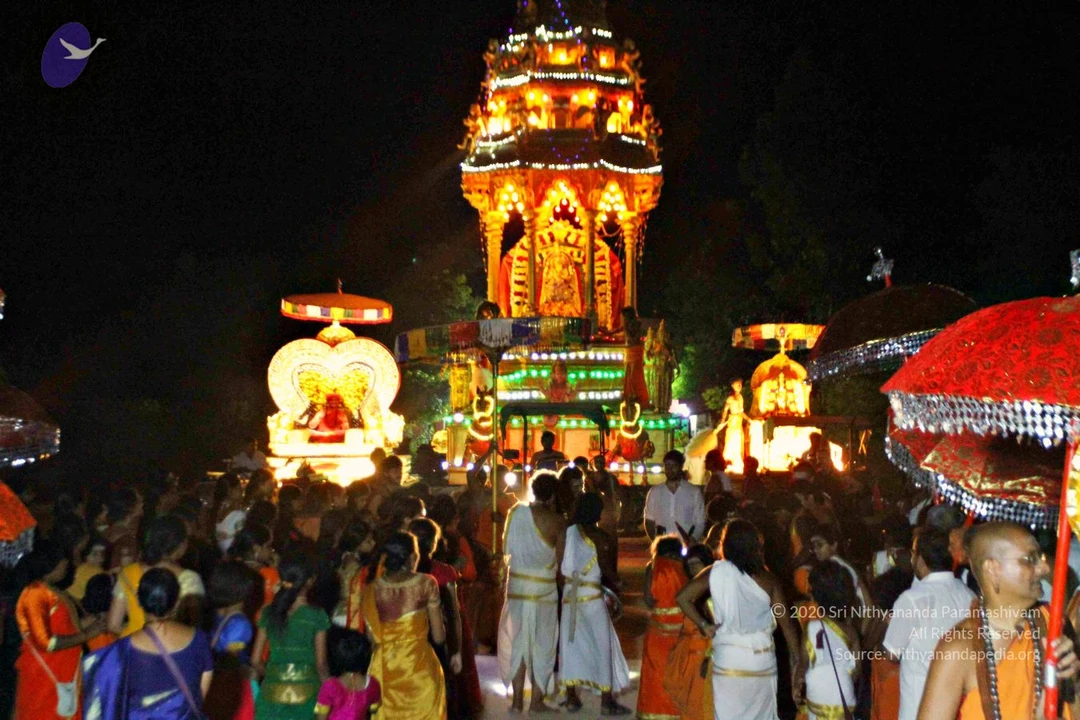
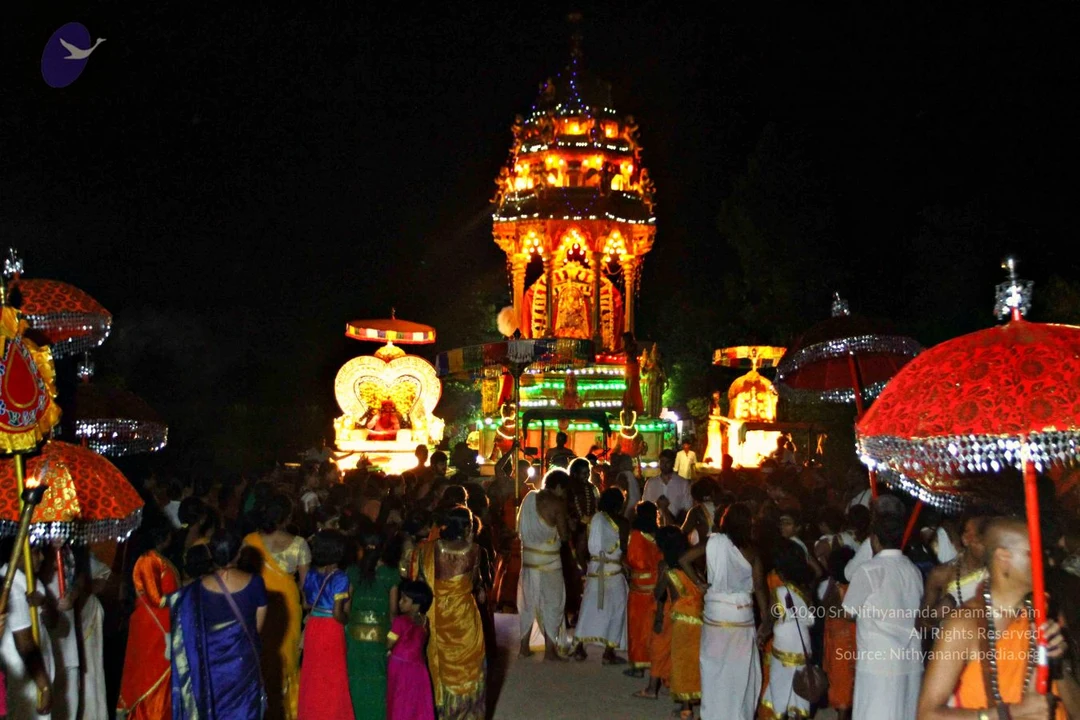
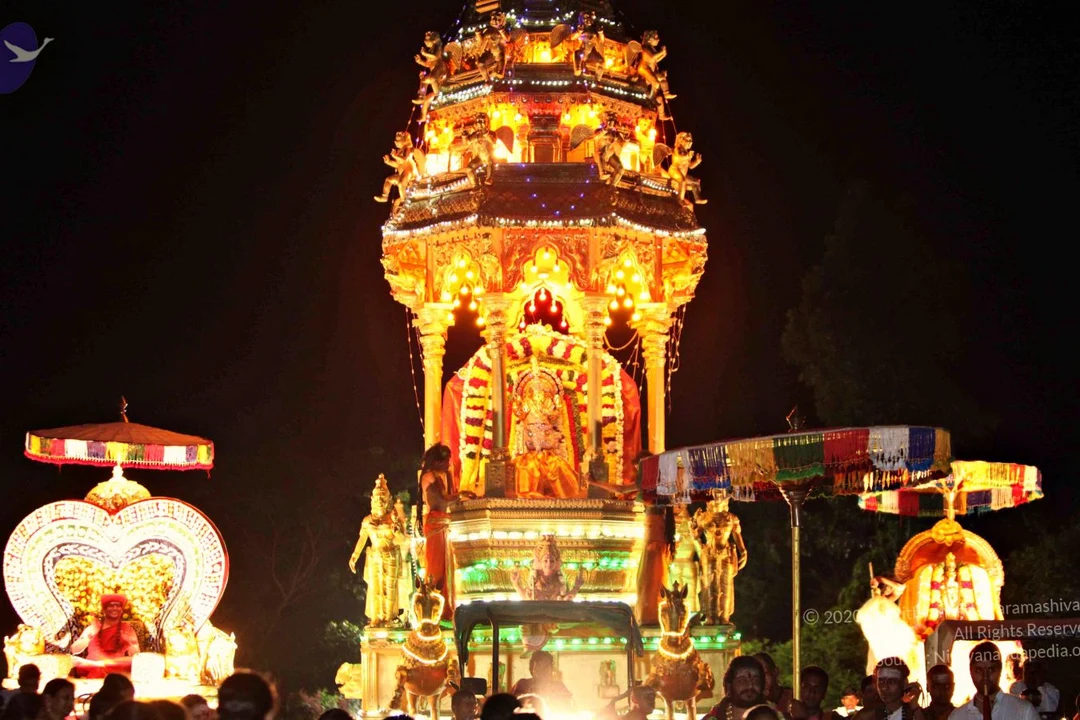
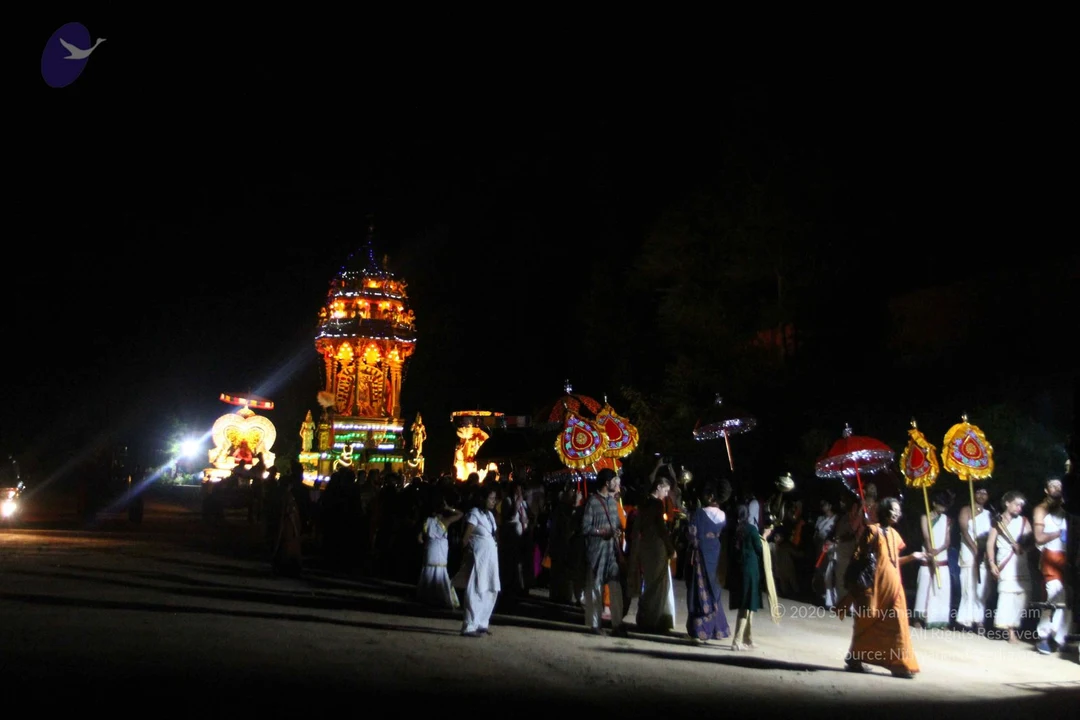
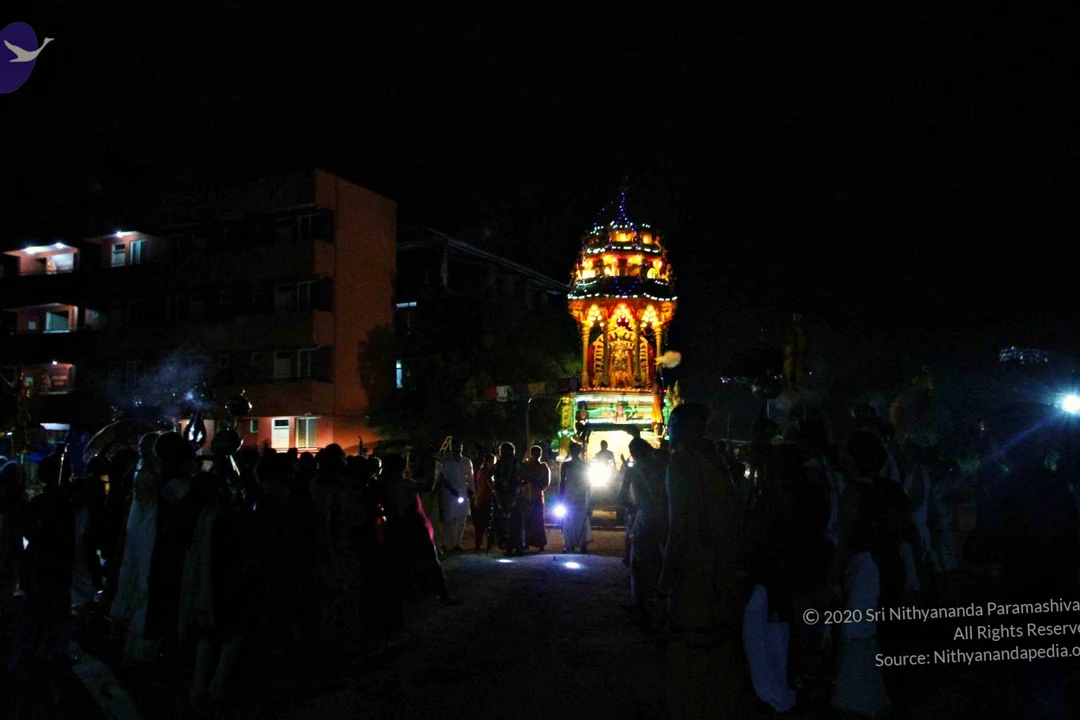
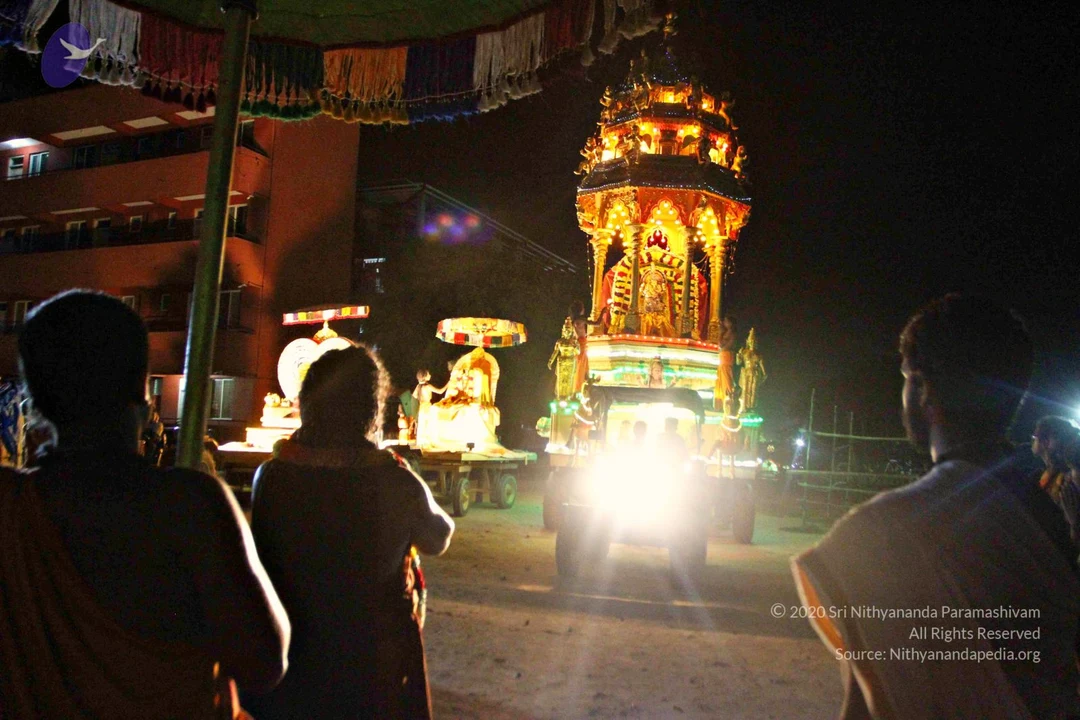
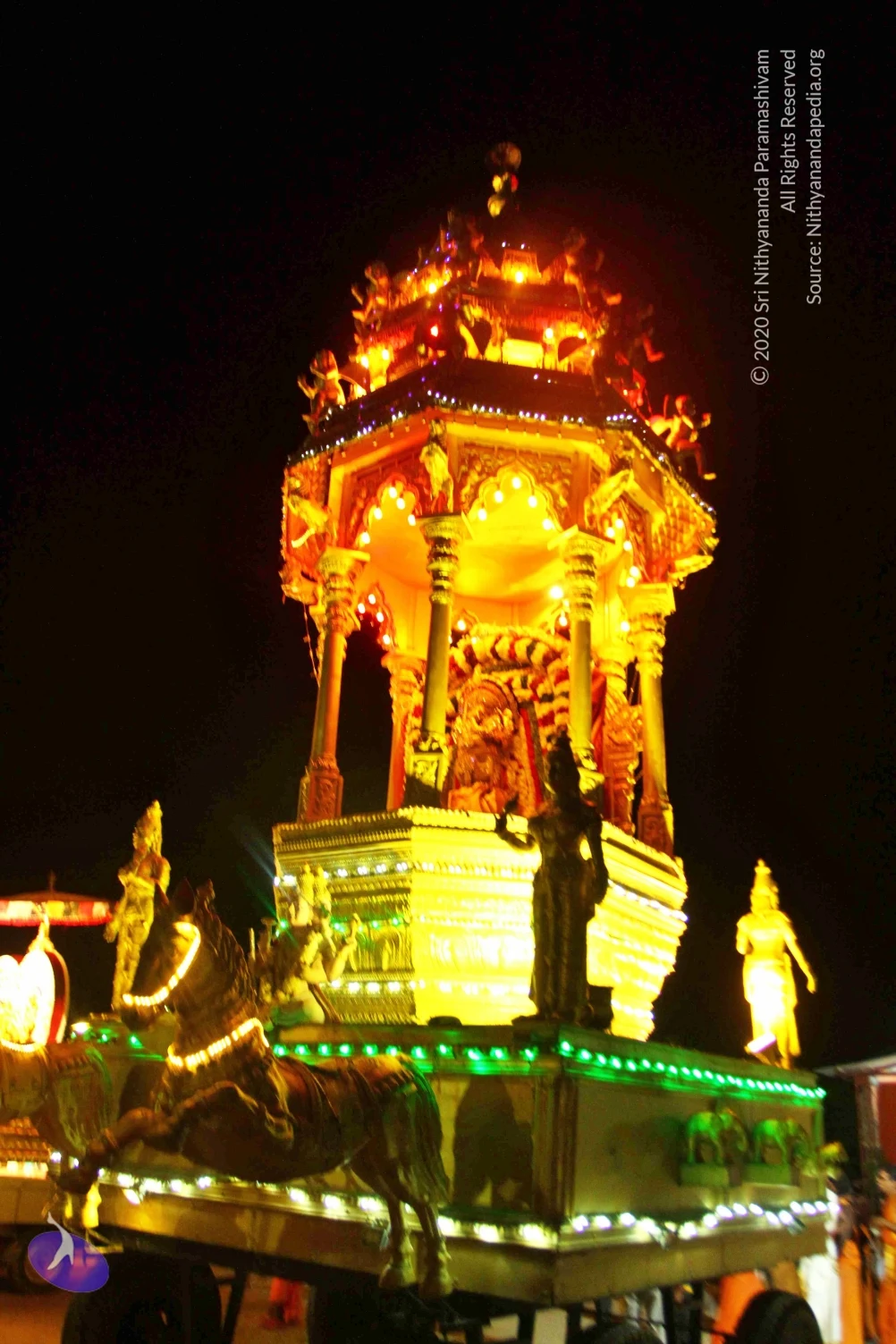
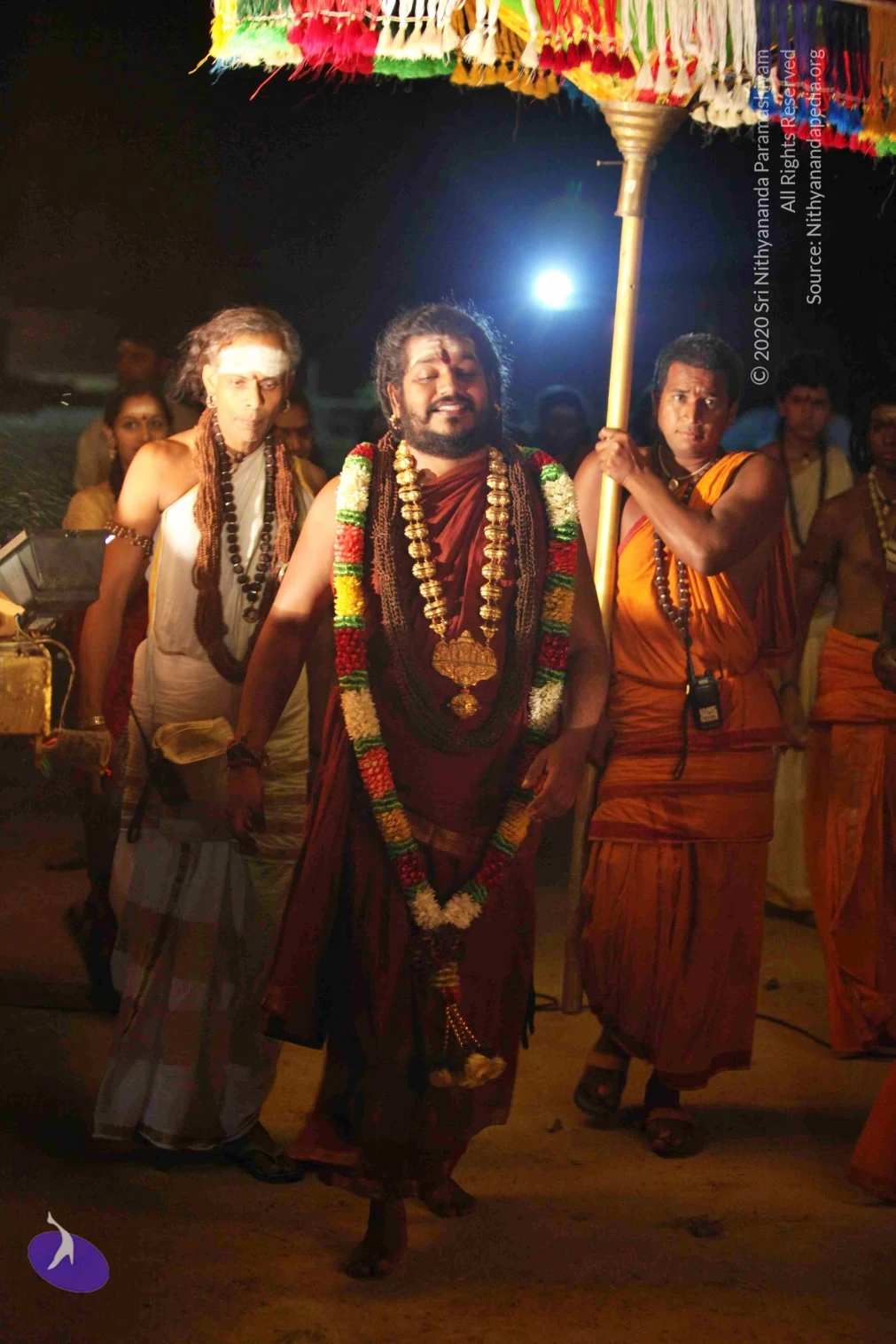
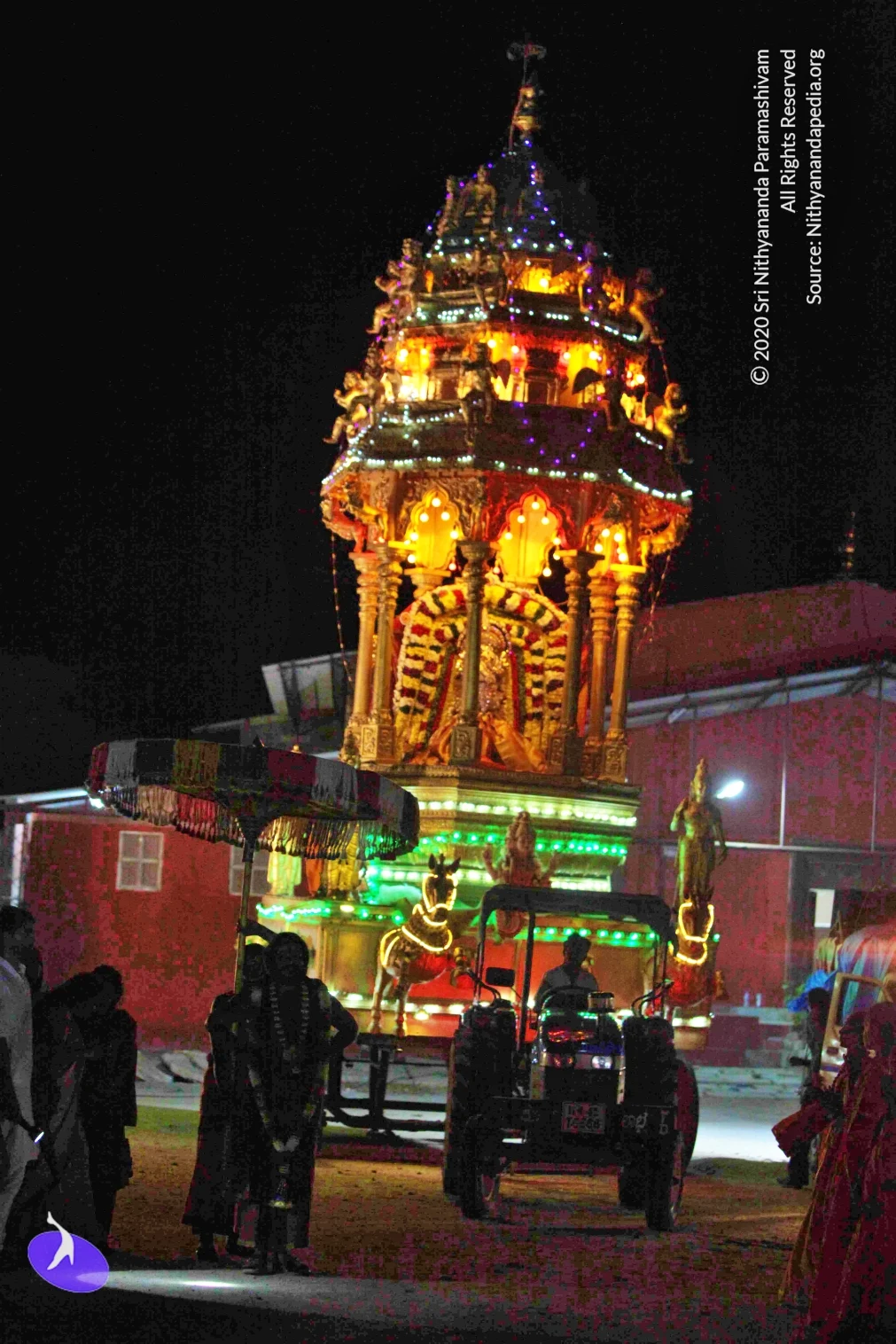
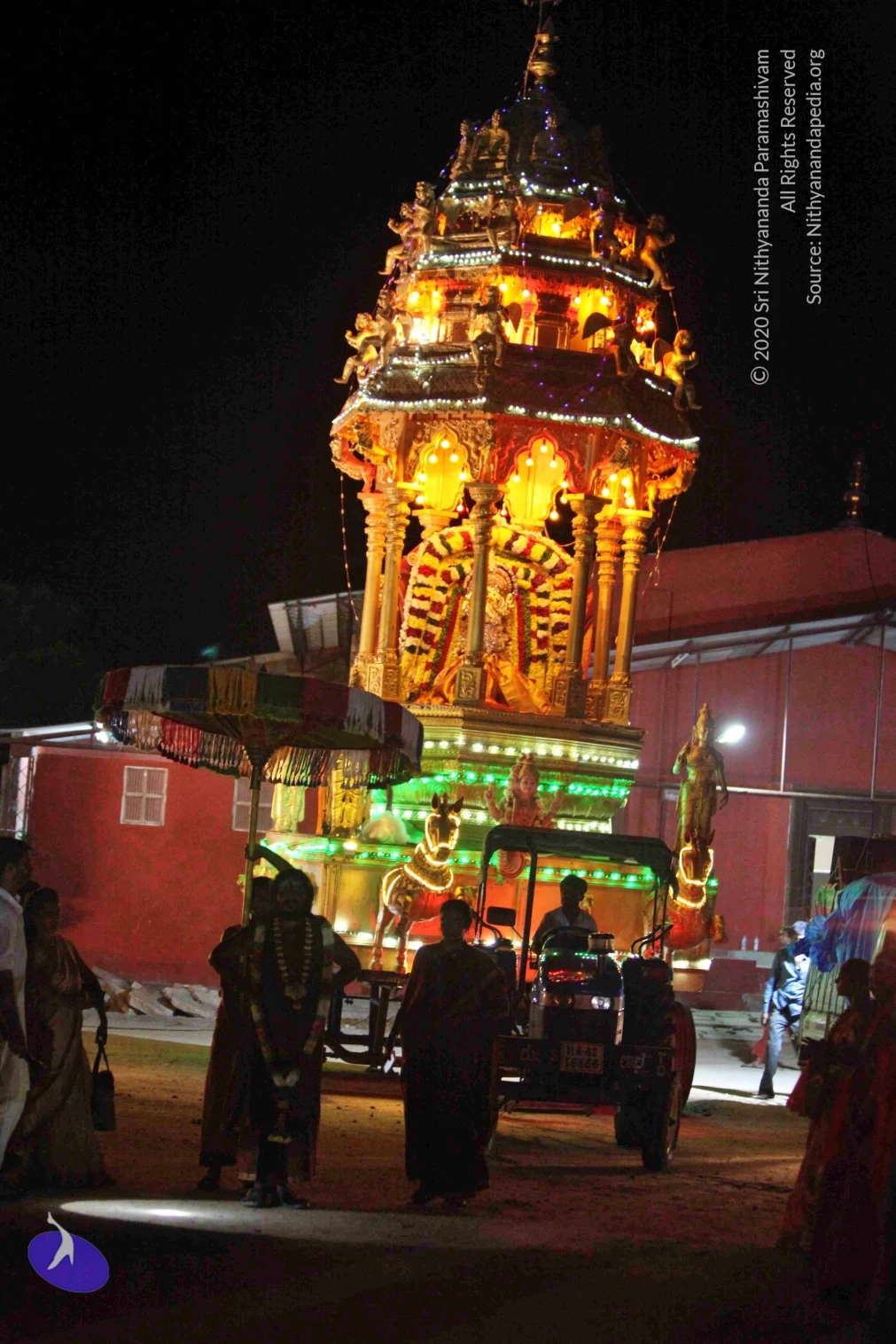
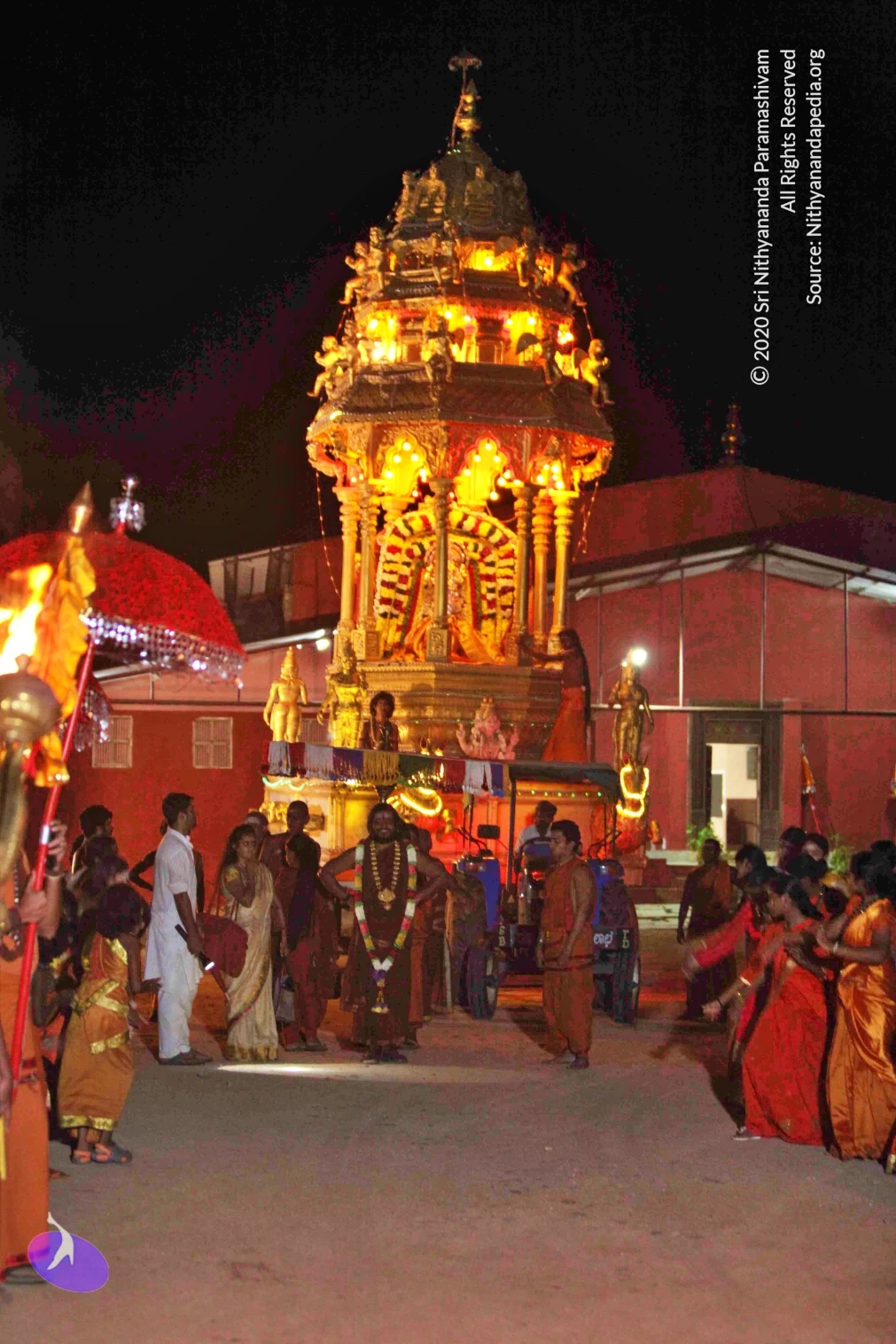
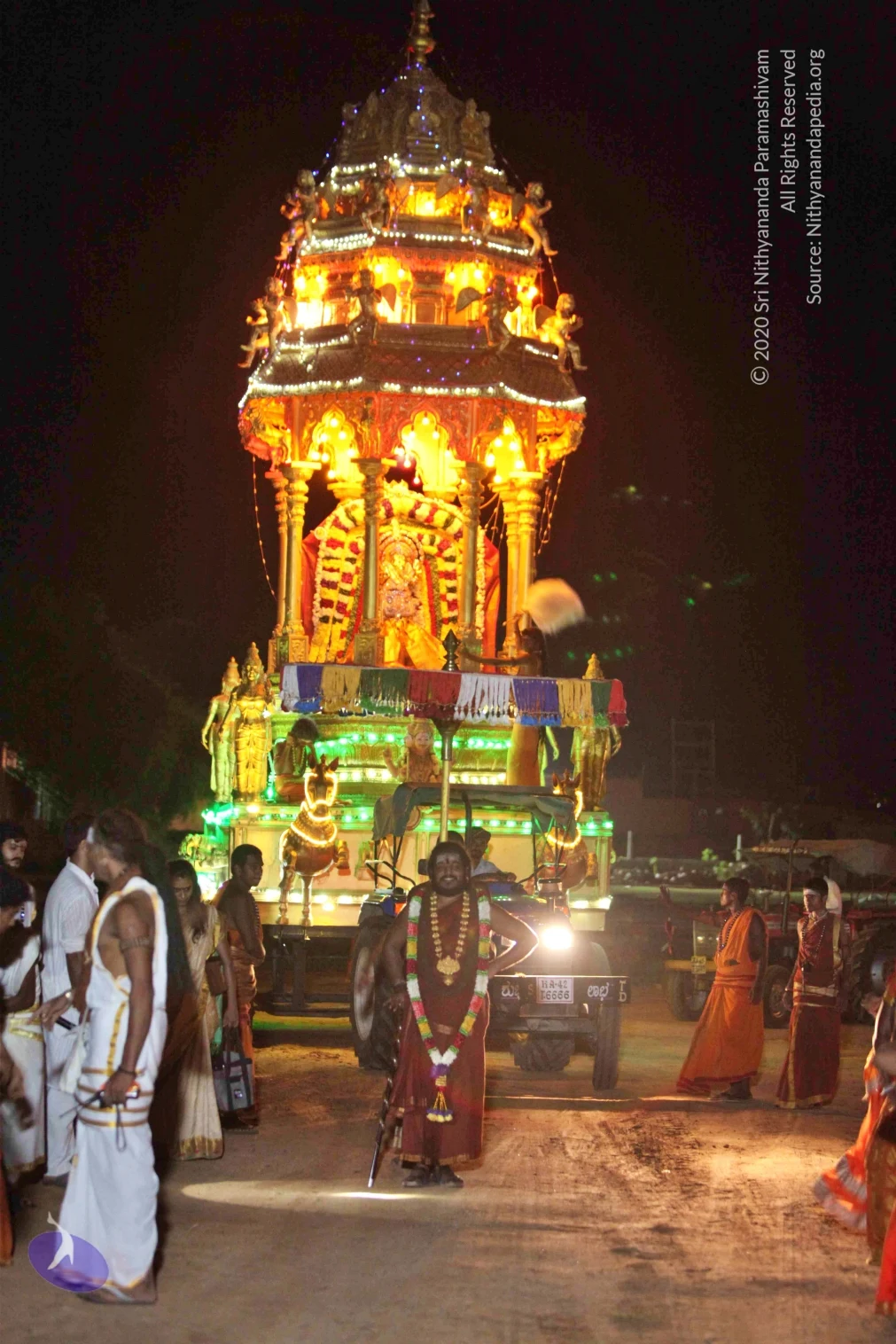
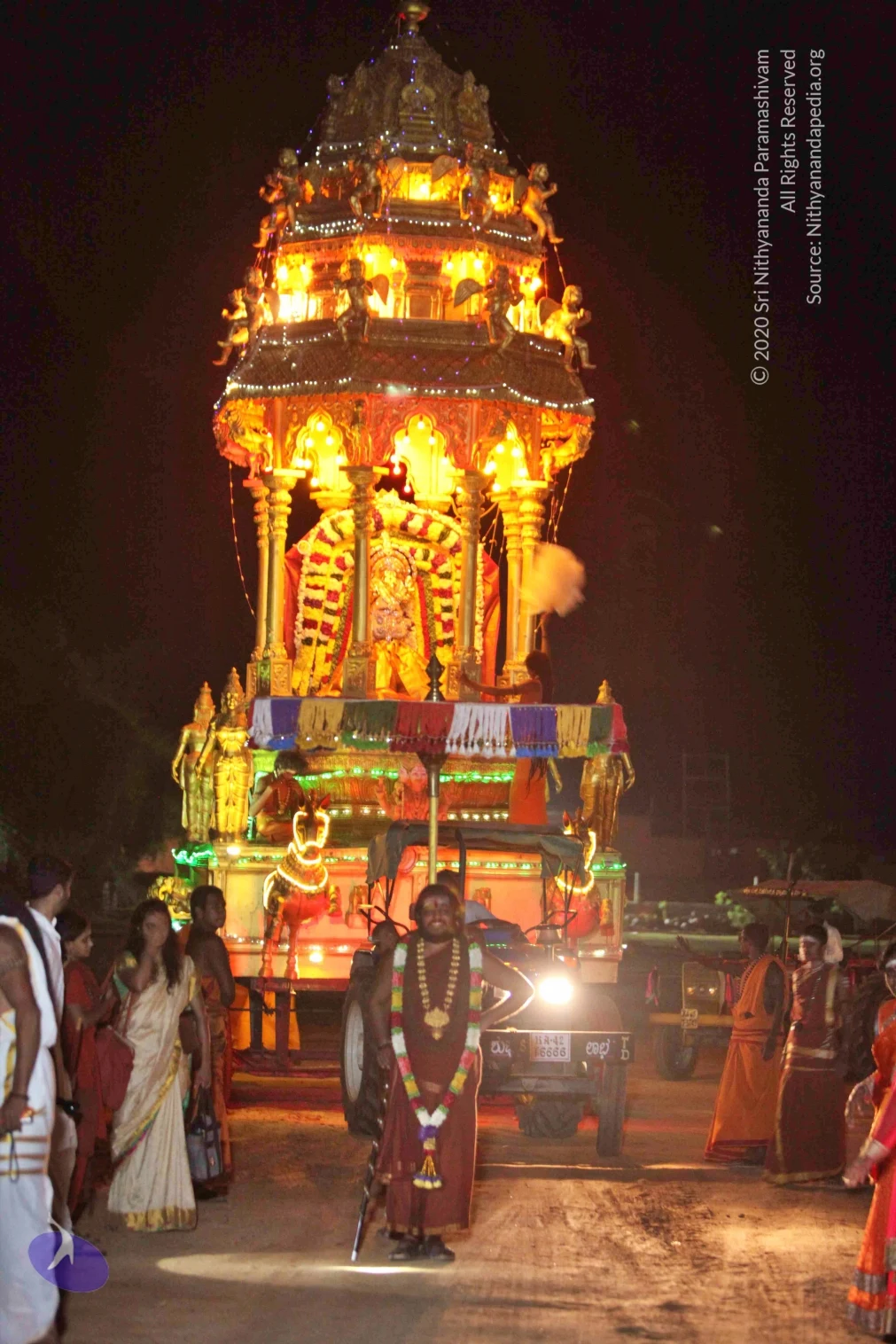
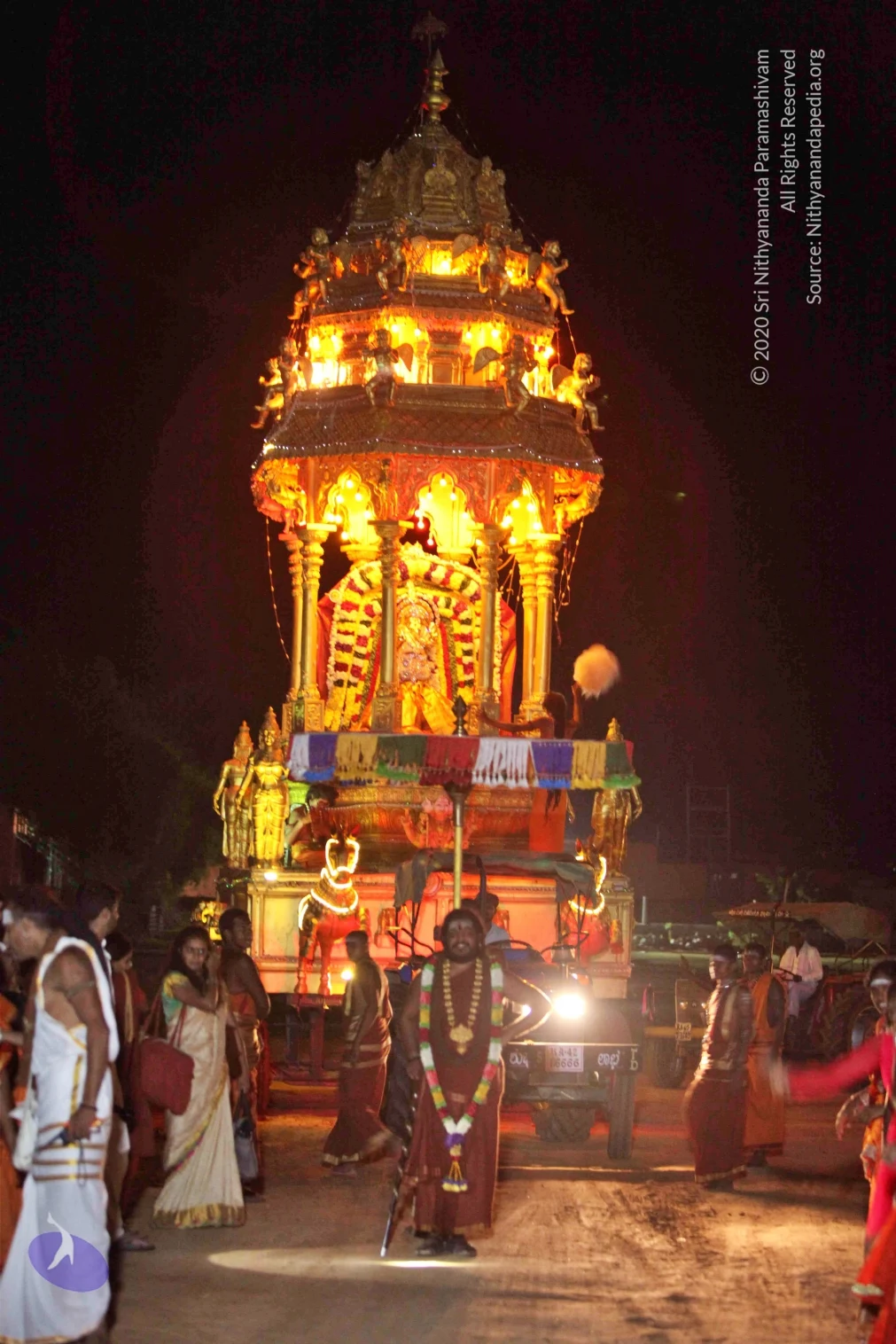
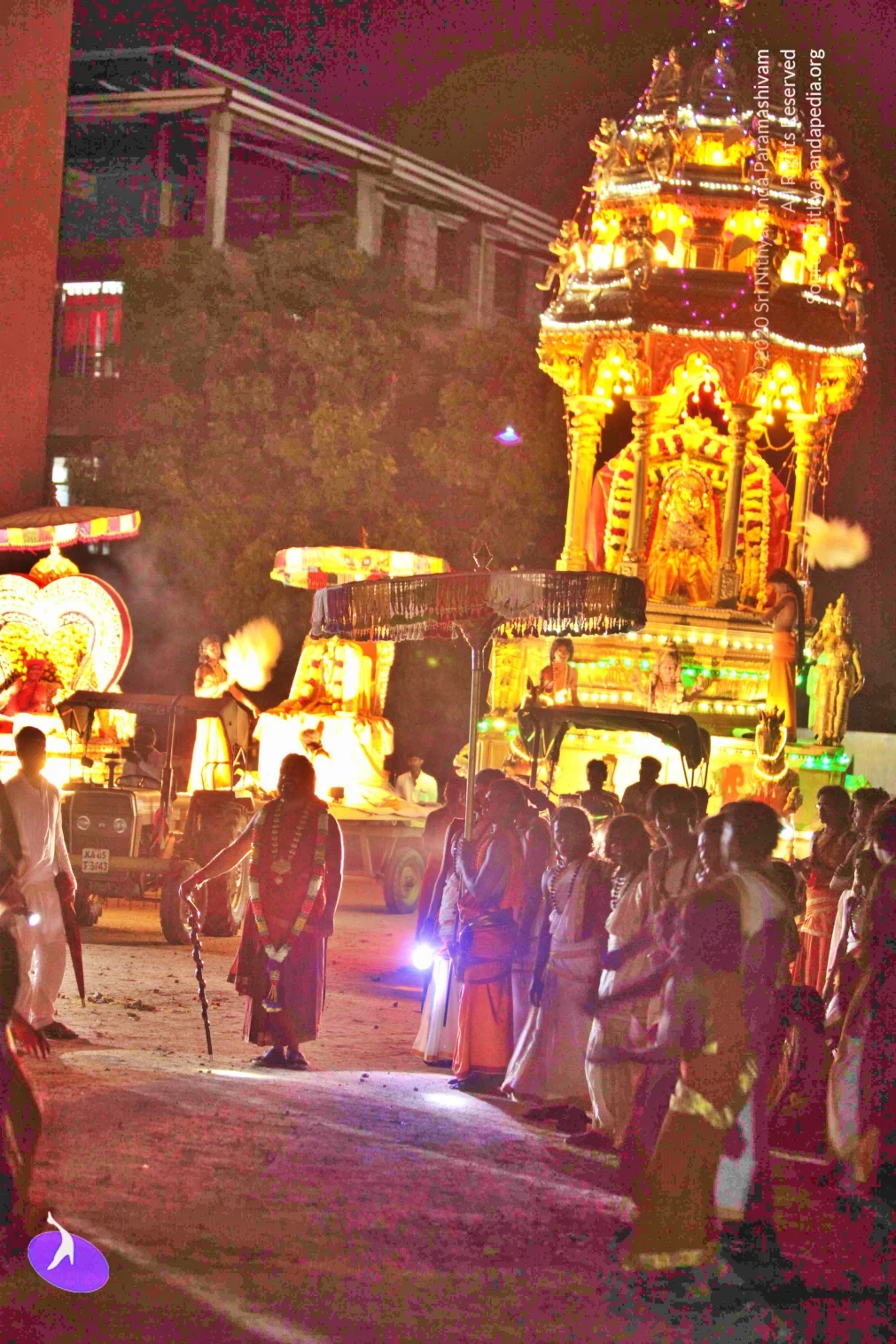
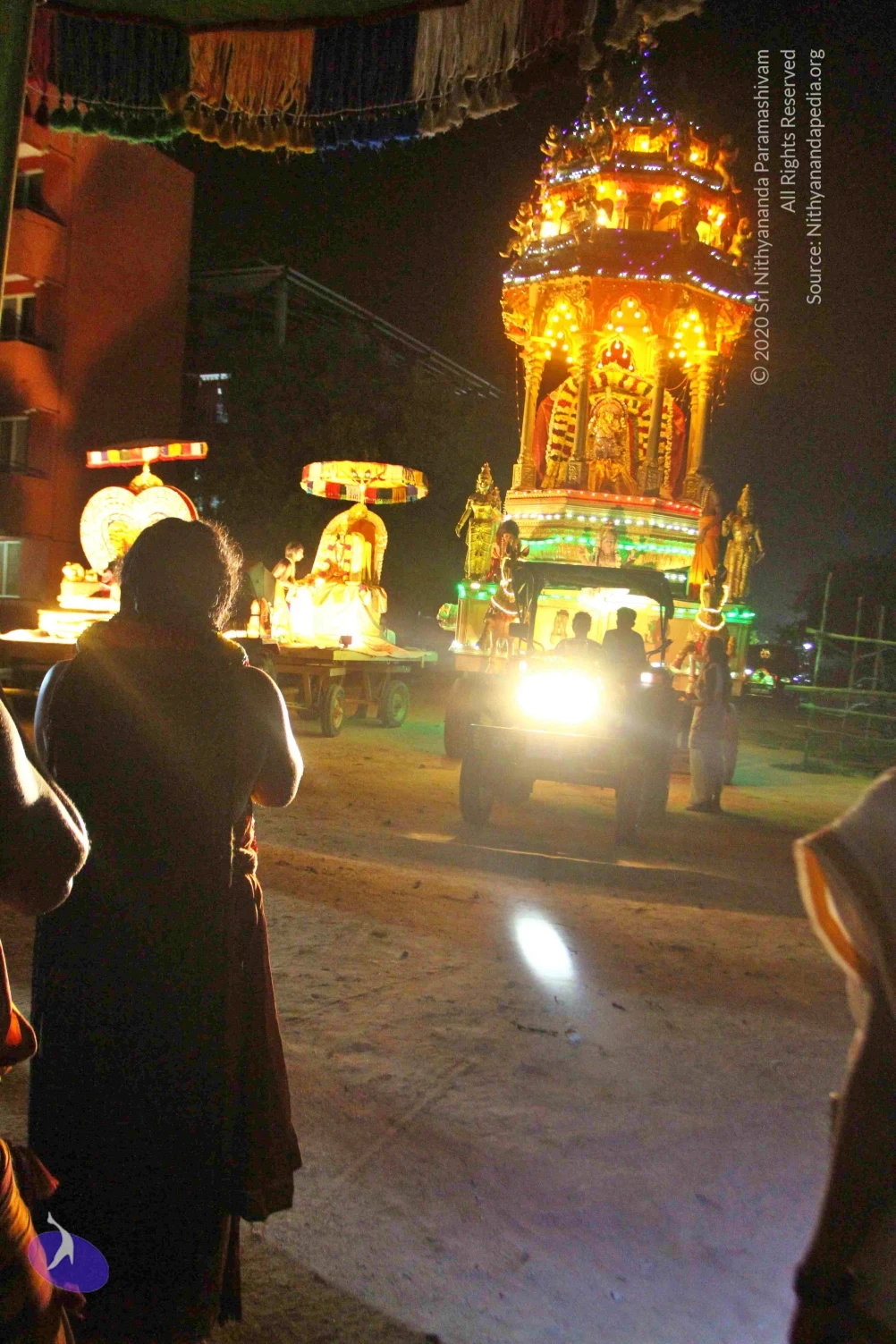
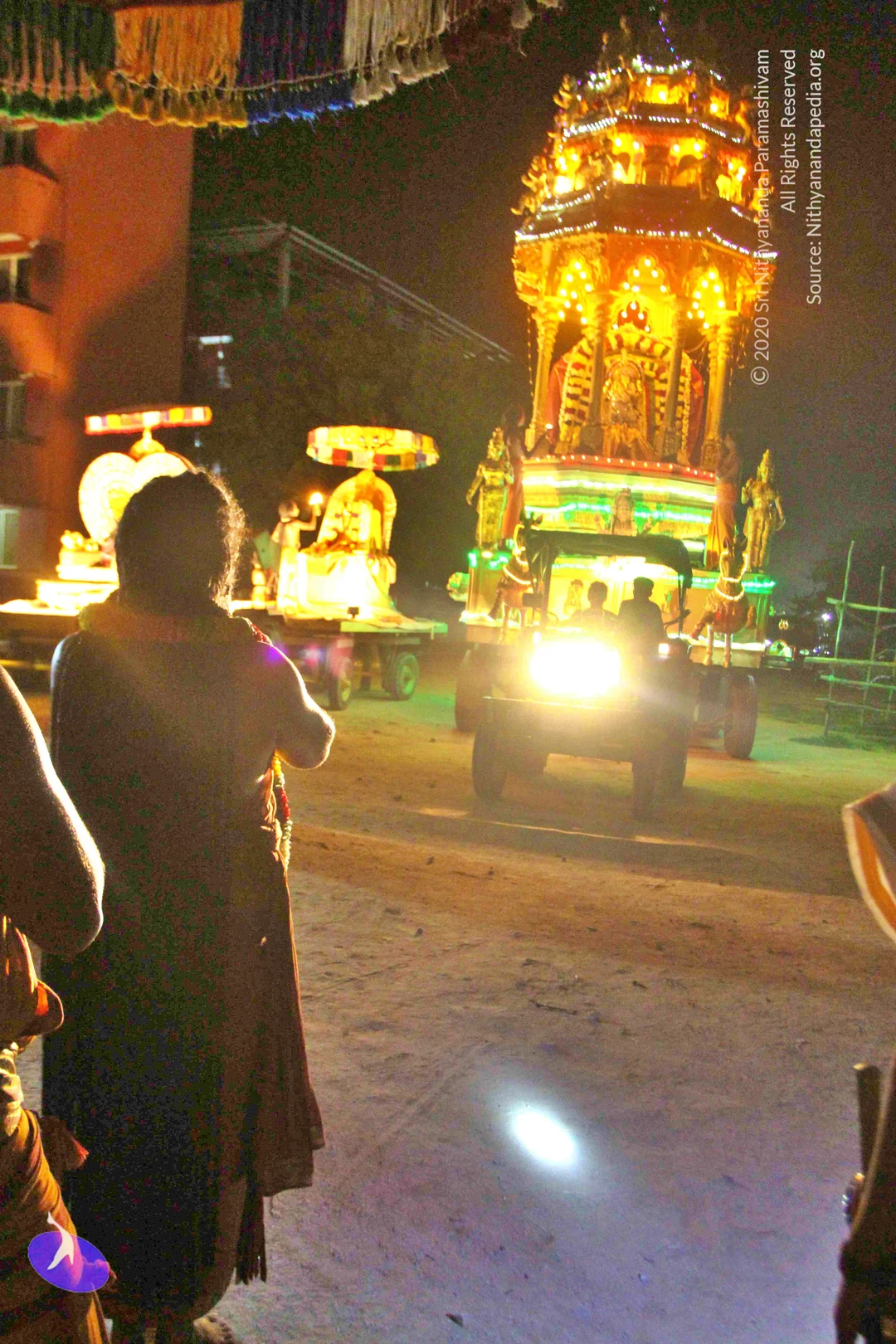
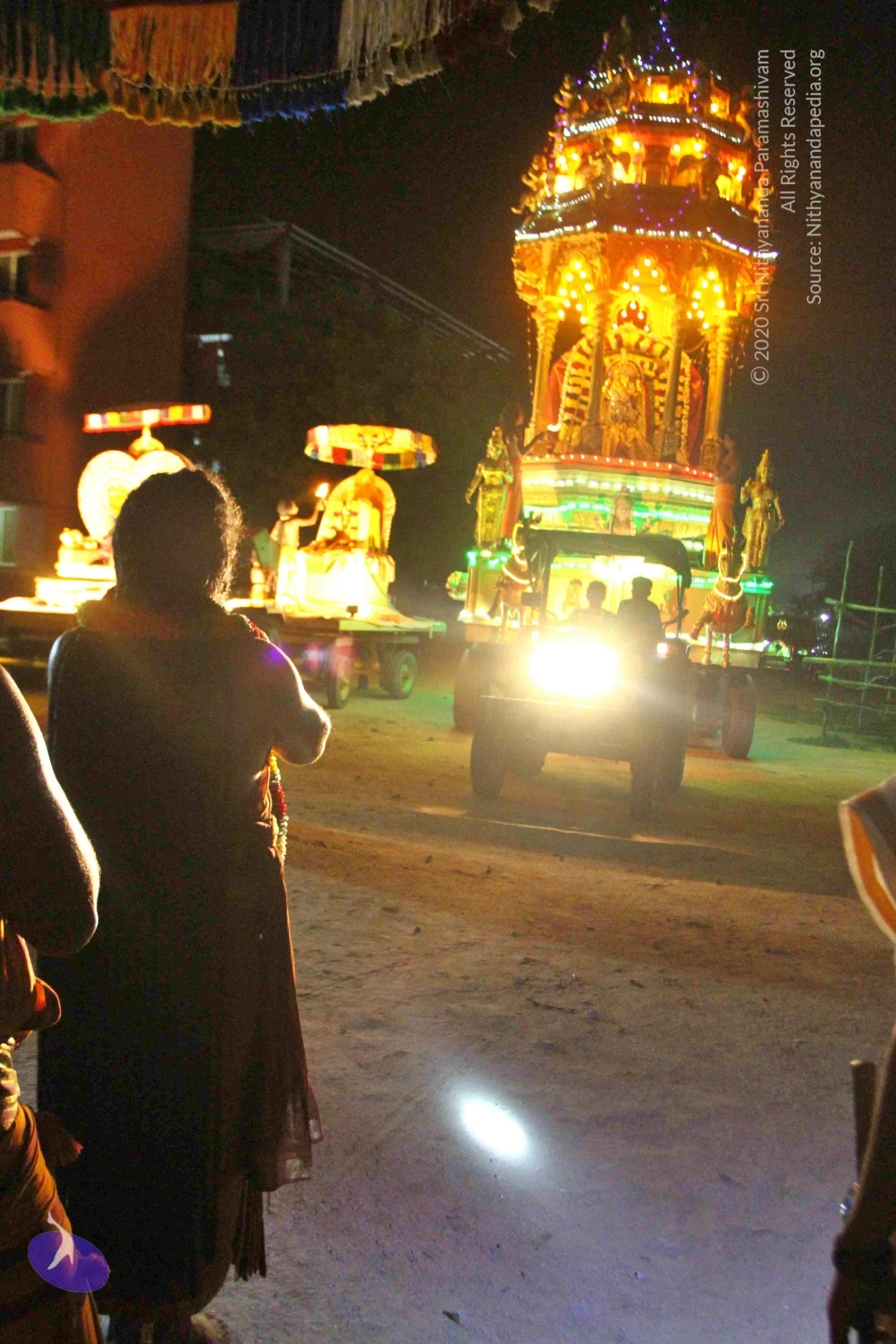
Today, we will also be having 12 pm noon, in….12 o’clock noon in Bengaluru Aadheenam, Ganesha Puja in the temple and in the evening Ganesha Rathotsava in Bangalore Aadheenam, so I welcome everyone to join physically or virtually.

(4:44)

Ganesha, He embodies, symbolizes, spontaneous completion celebration. Listen, spontaneous completion celebration – just see Him, you will be joyful. He is embodiment of joy, with a big belly, nicely sitting, and nicely enjoying food. You can see his very form, very clearly shows, He is a worry-free guy and no worries, no sufferings, no pain, nothing. Very happy about Himself, very happy about the Universe, very happy about His happening, everything. I tell you, His very way he appeared, the way He happened, if you see the whole story – very casually Devi just puts Her muscle memory, the mixture of haldi [[[turmeric]]] and I don’t know what you call in English, the alavanam in Tamil they say, the leaf you make as a paste and decorate, on your…. Mehendi, they call it. The haldi [turmeric] which She applied on Her body and the Mehendi, She just pulled both of it out with Her muscle memory and makes Ganapati, and breathes life into it, and the child is playing around outside. She says, “I am going for a bath, just be here.” Then, Sadāshiva walks in.

Some of the stupid interpretations says, ‘Sadāshiva does not recognize his own son.’ How can it be? who recognizes, the whole Universe. How can it be? No! He knows, He need to add His part, into Him. He has to make Him complete. He needs to add Sadāshiva component, into Him. He was so happy. He just needs to add his component, so he playfully picks a fight with him, “Aye, who are you?” That fellow says, “Aye, who are you? You are in…. coming to my house. You are asking me, ‘who are you?’, I am the owner of….. son of the owner of this house. Who are you?” He says, “No, no, I am the owner of this house. I have to go inside.” He says,” No, no, no, my Mother is taking bath, you cannot go inside now.” “Aye, I am the owner of this house. You are not letting me inside.”

(8:27)

In the playful fight, He removes the ignorance of Adiganapati. Understand, He removes the ignorance, of Adiganapati. Because, he is made of only the matter, Adishakti, Prakriti. Now, Sadāshiva need to add the Purusha, the bio-energy into it. Devi, pulled only her muscle-memory and made the body and bio-memory and gave the life, but Sadāshiva has to add the bio-energy. So, he just removed the ego. Then, Devi comes and says, “Come on, do what you want to do now, add what you need to add.” Then, He tells,” Alright go and get any head you get. The first head, you see, get it.” They bring the elephant. So He fixes and adds His bio-energy. And once, the baby is complete, Shiva Himself, breathes life into it. See, somebody who can breathe life into the person, he will not recognize, who he is? So you need to know the whole significance of the story, the whole truth behind the story. Then Ganesha, becomes Complete. Ganesha becomes a spontaneous Completion celebration. Actually, it was early morning, just before Brahma Muhurta, Devi makes Ganesha and before sunrise, Sadāshiva fits the new body, new head and by sunrise, He is complete and appears as Mahaganapati. And…. He is a spontaneous completion. Symbol of spontaneous Completion celebration, then whole Kailaasa celebrates, the arrival of the first son of Sadāshiva and Adishakti.

(10:58)

He is embodiment, symbol of spontaneous Completion celebration. Today, let’s invoke his grace, let’s invoke Him and bring spontaneous Completion, into all our incompletions. Let your idea about your body, be based on Completion. Let your idea about your mind, be based on Completion. Let your idea about your wealth, be based on Completion. Let your idea about your health, be based on Completion. Let your idea about your beauty, be based on Completion. Let your idea about others, be based on Completion. Let your idea about everything, understand, weakest way of existing, is fear. Let that fear, be blasted by Maha Ganapati’s spontaneous Completion celebration. Invoke Him. He is easy to approach, Ashuthosha. Ashuthosha means easily pleased, easy to approach, easily pleased. He is Ashuthosha. That is why, you can approach Him, in any way you want. You don’t have to do, big, big…..there is no big prerequisites. Just keep a mud heap - He is Ganapati or make Him in diamond and platinum, He is Ganapati. Easily approachable, ‘Ashuthosha’. Let’s invoke His presence. Today, this 24 hours, let us dedicate it, to spontaneous Completion celebration.

(12:57)

All of us are made already out of the Prakriti. Body is there, mind is there. Let us add, Sadāshiva component inside today. Let’s bring Him inside. Let’s add His bio-energy inside and bring spontaneous completion celebration. I tell you, nothing! nothing needs to be changed in you, you are accepted as you are, just bring the spontaneous Completion celebration. Everything becomes beautiful. Everything becomes beautiful. Everything becomes powerful. Everything becomes powerful. He is the most sweetest, beautiful, life affirmative, life energy, love, bliss, joy, power. The is embodiment of all this. Let’s bring spontaneous completion celebration today.

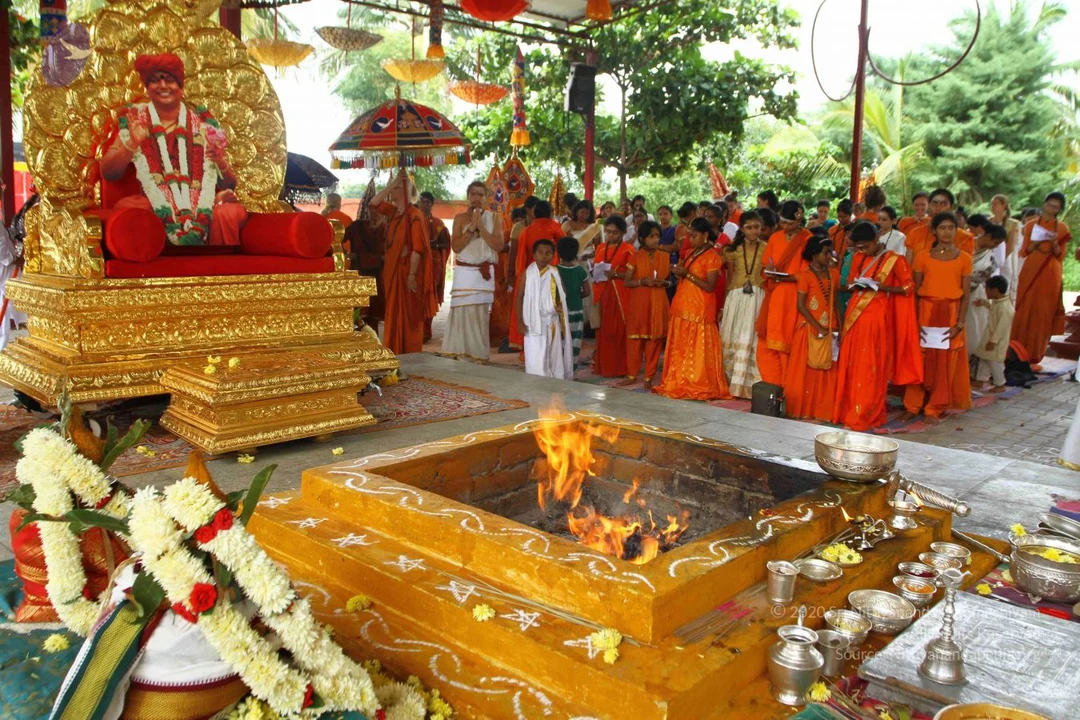
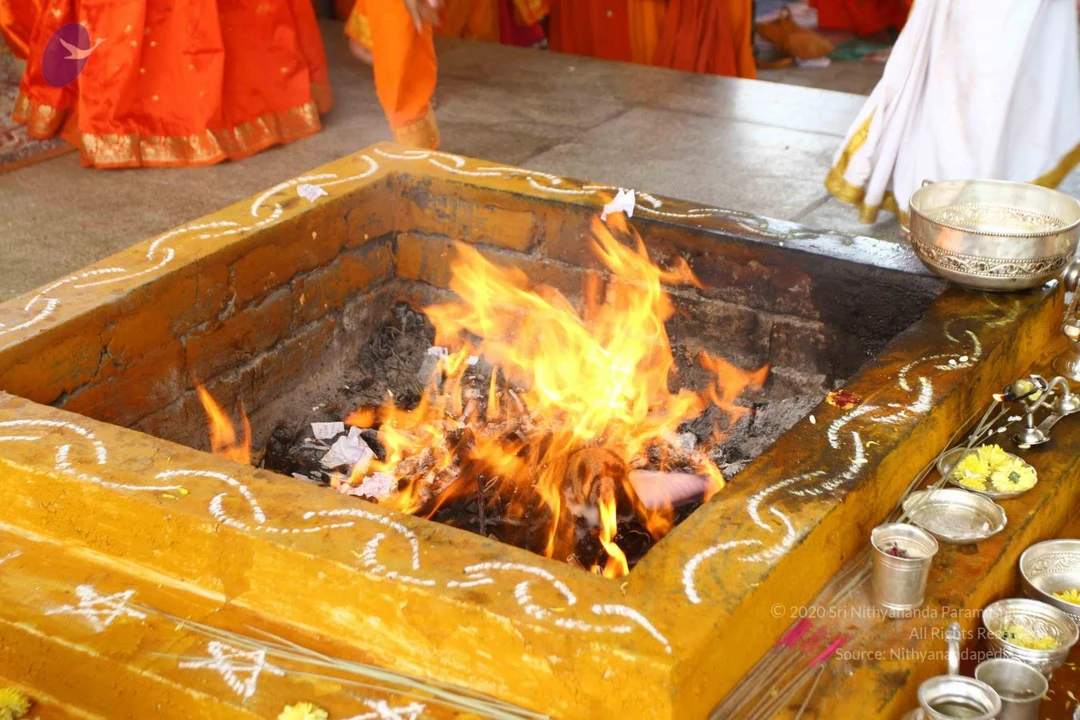
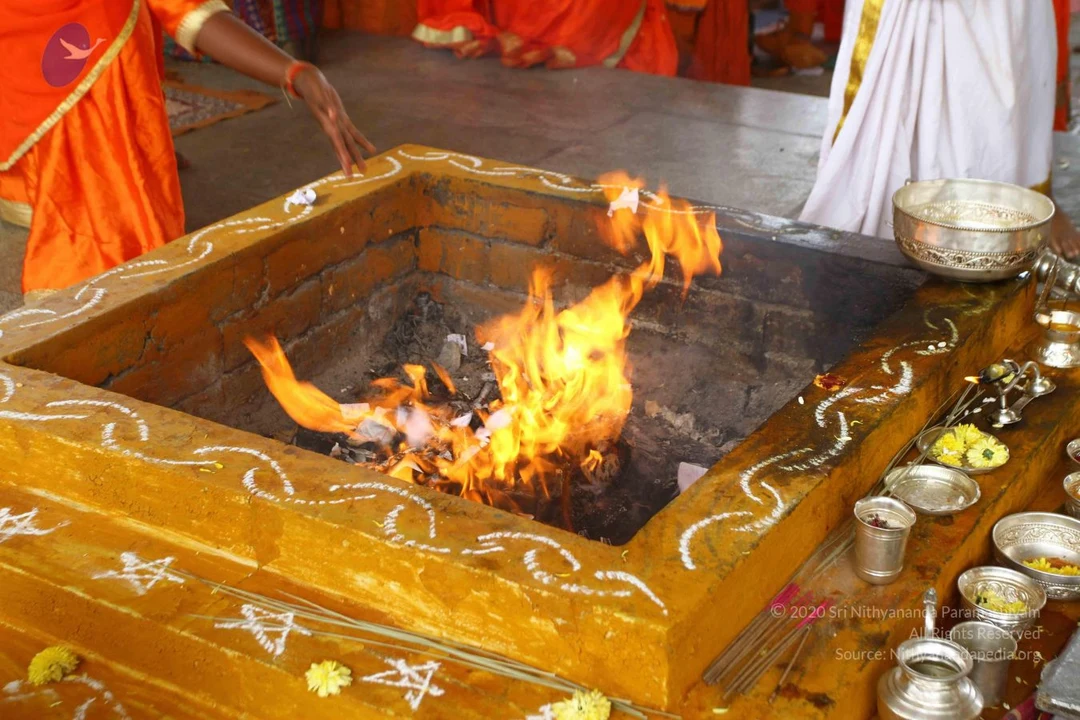
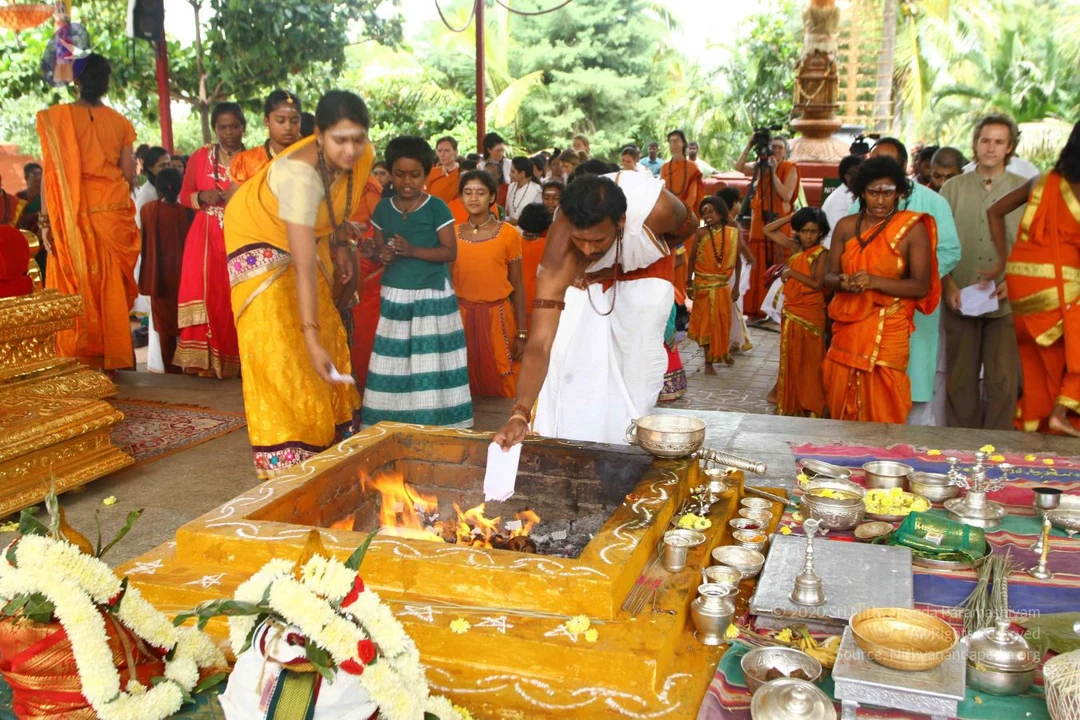
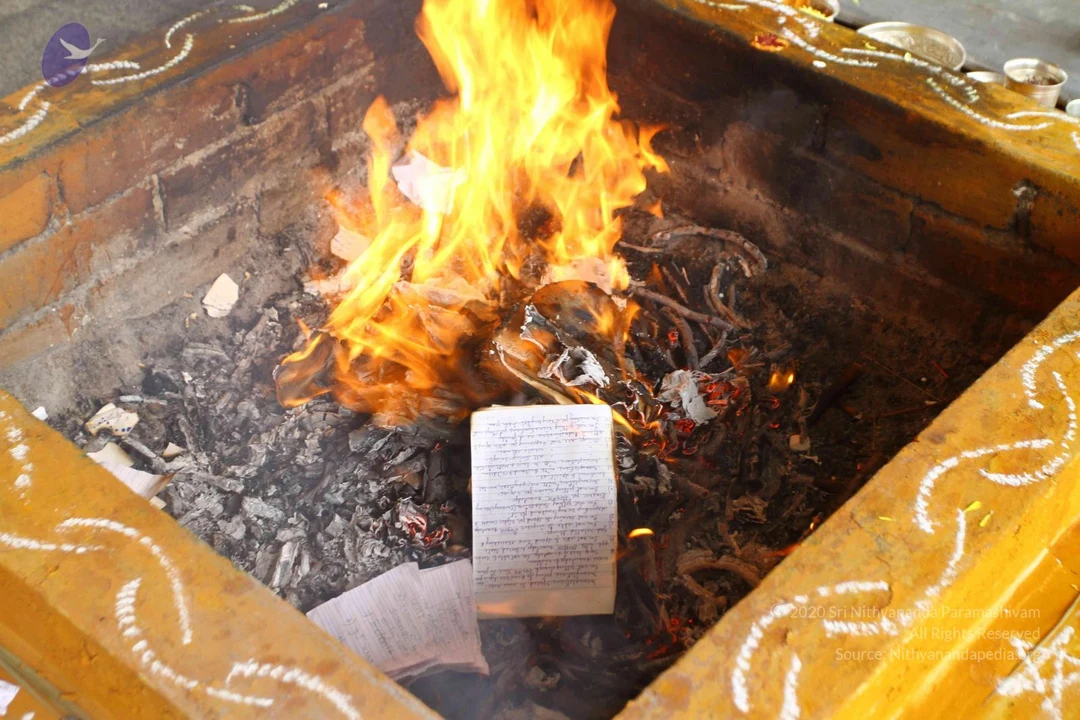
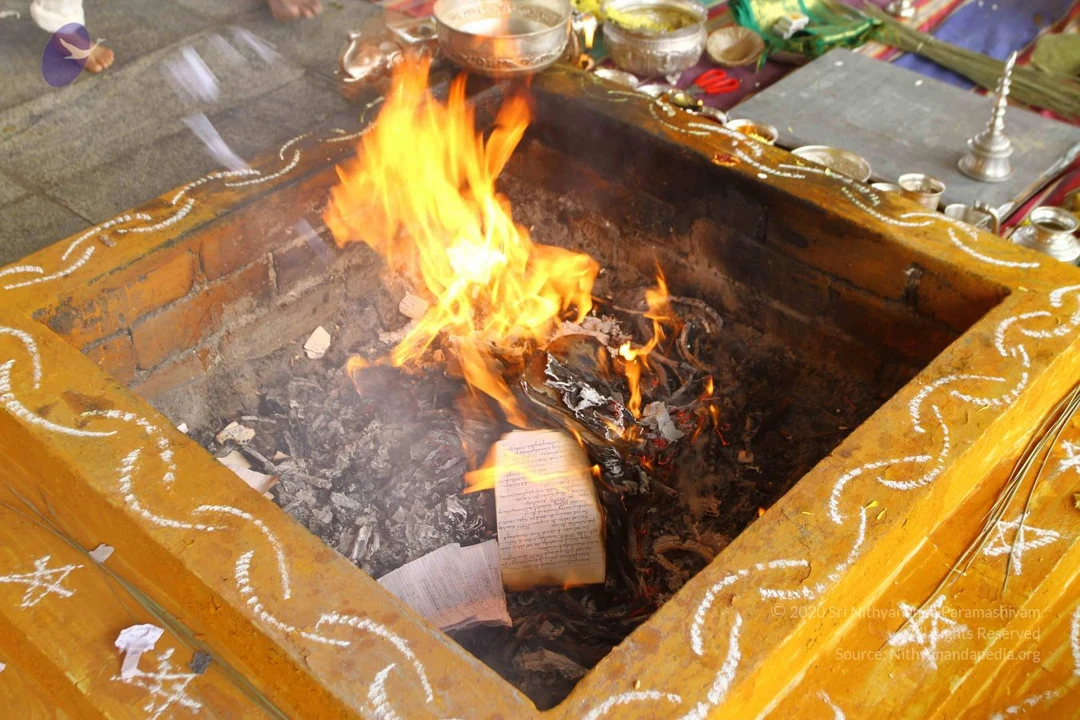
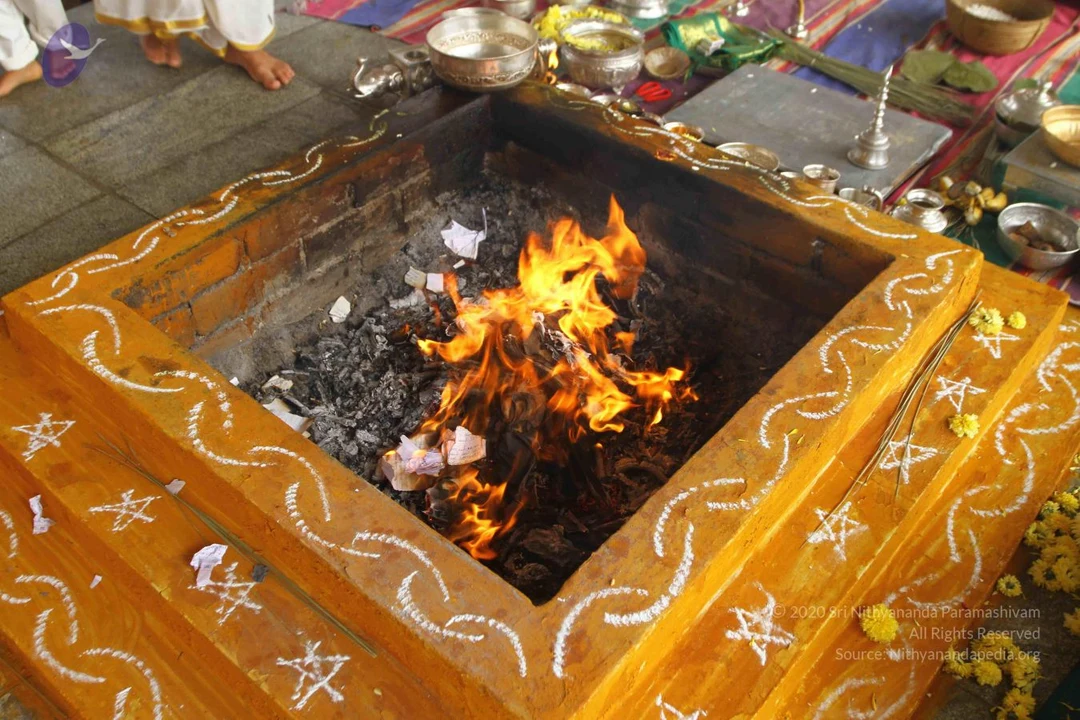
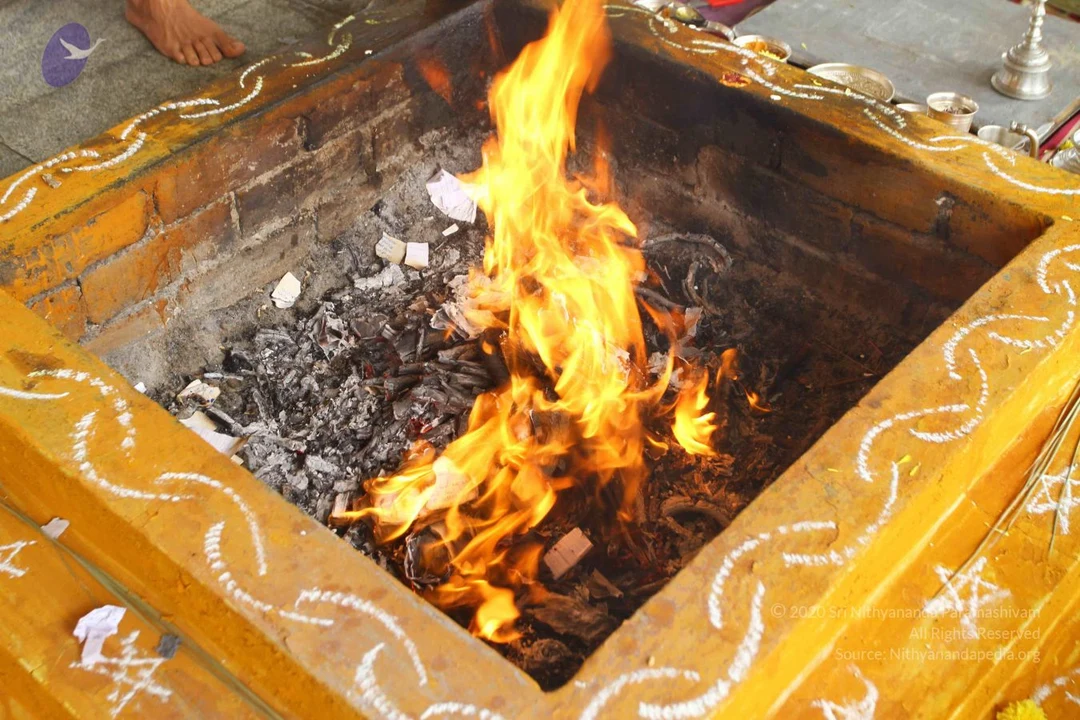
So, I wanted all of you to do this as a assignment. Sit, pen down all incompletions you have or you think you have and bring it, to Maha Ganapati Homa and offer it to Him. He will simply declare, spontaneous Completion and celebrate the life. That’s all. Just bring it Him and understand, He is alive, available. Don’t think this are all stories. No! Ganesha happened on this day, is HISTORY, not story. HISTORY. So, He is available to all of us. He is living. He is not, as some of us may think, some ambiguous. No! He is solid, physical, this size, Available! So, let’s put all our incompletions at His feet and ask His blessings, for the spontaneous completion. Even if you have the thought, “Oh, many times I did, this, this is the way it is going on.” Even that is one more incompletion. Put in that also. That, also in writing and put it at His feet. And finally, write one word, known, unknown, all Completion, incompletion, everything. Put it at His feet.

(15:56)

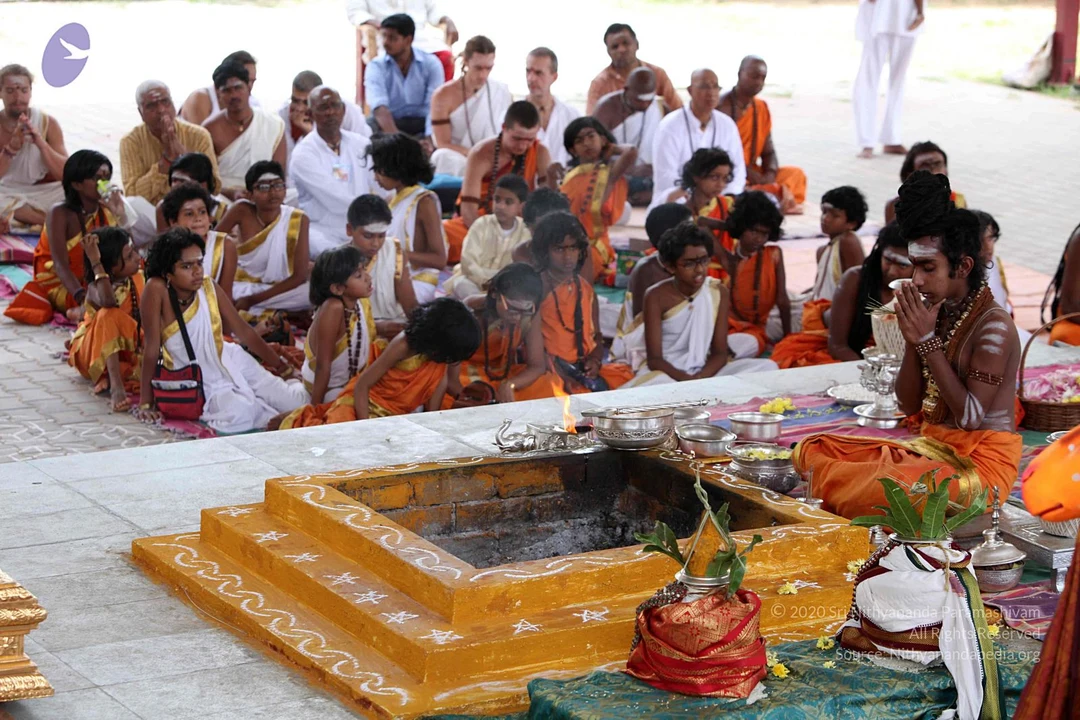
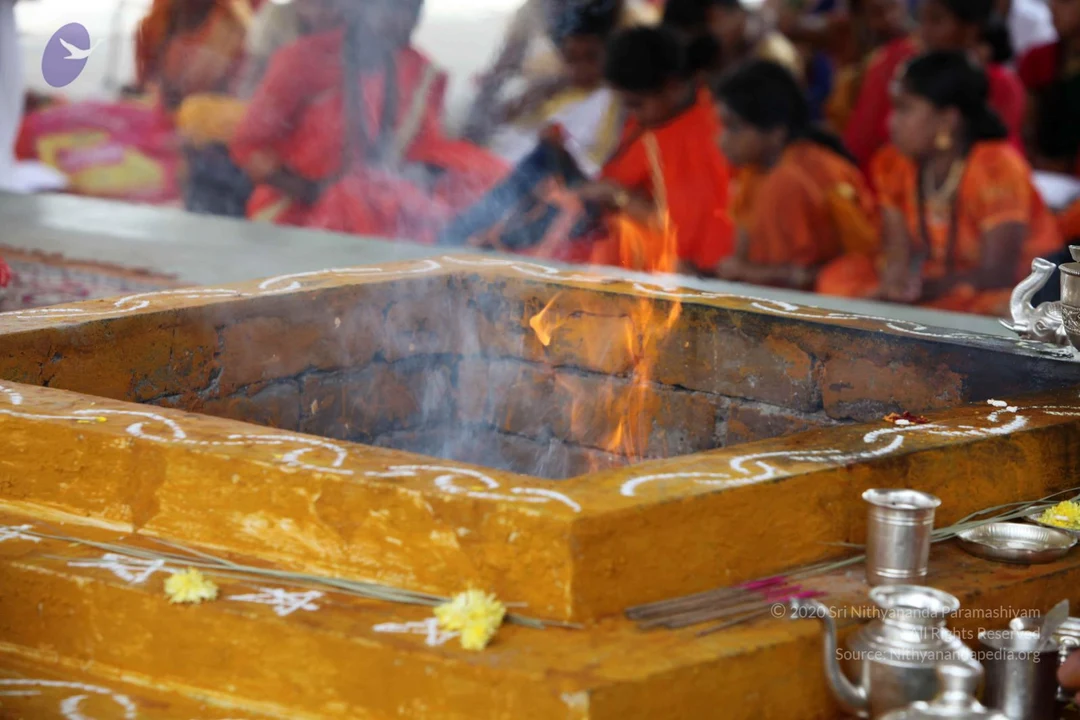
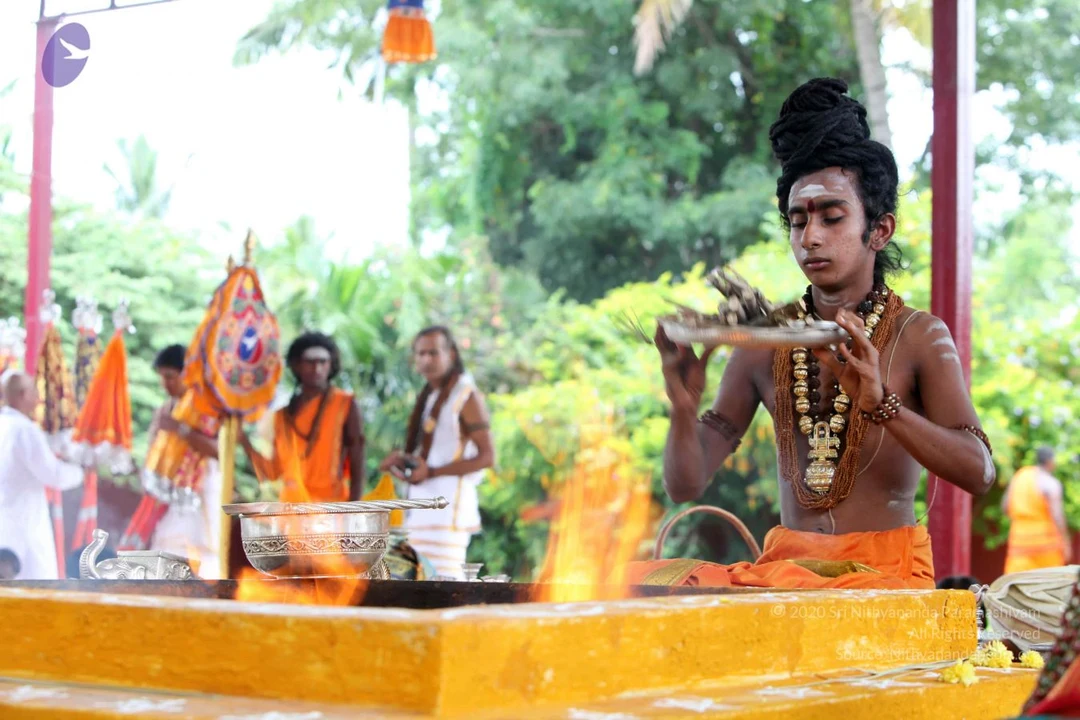
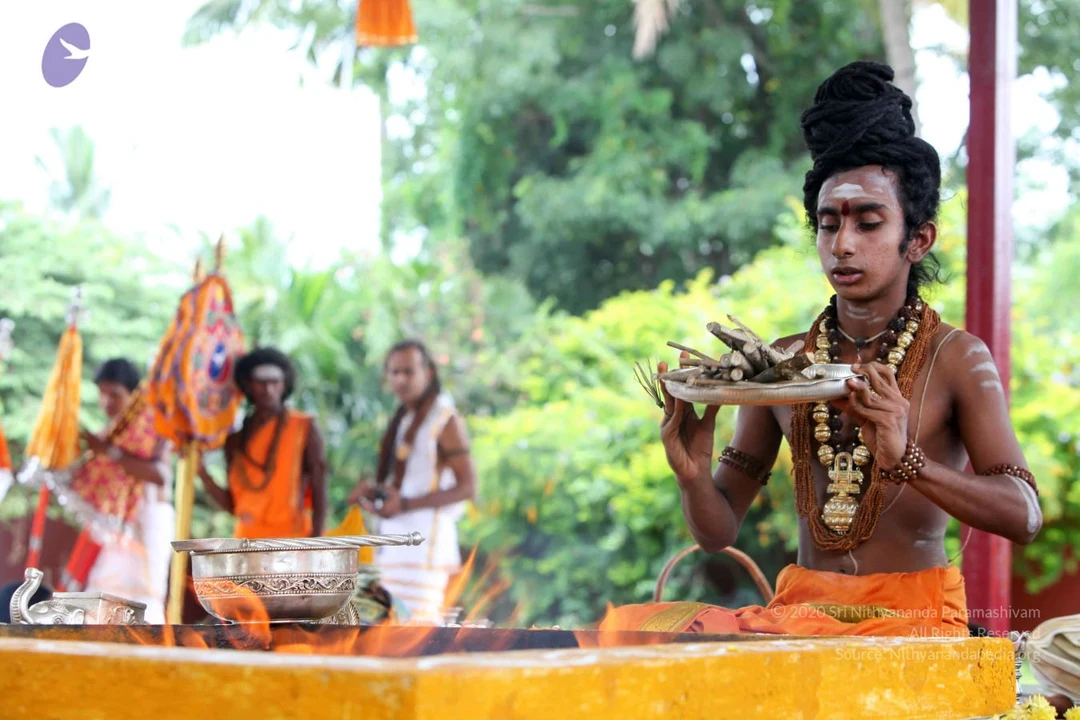
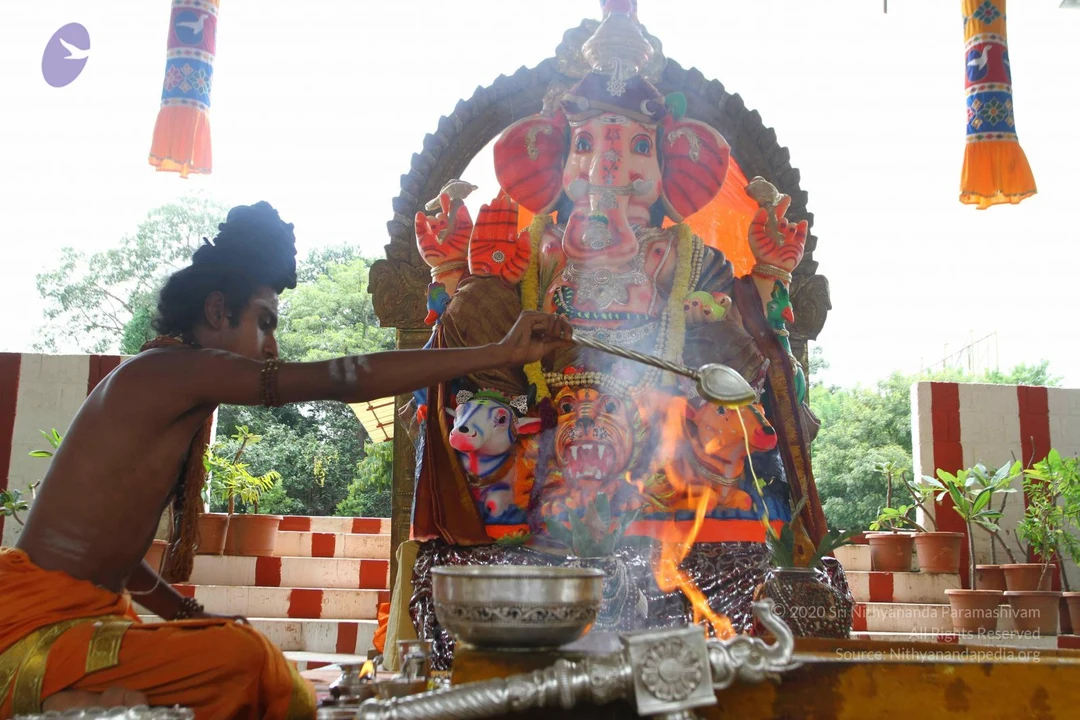
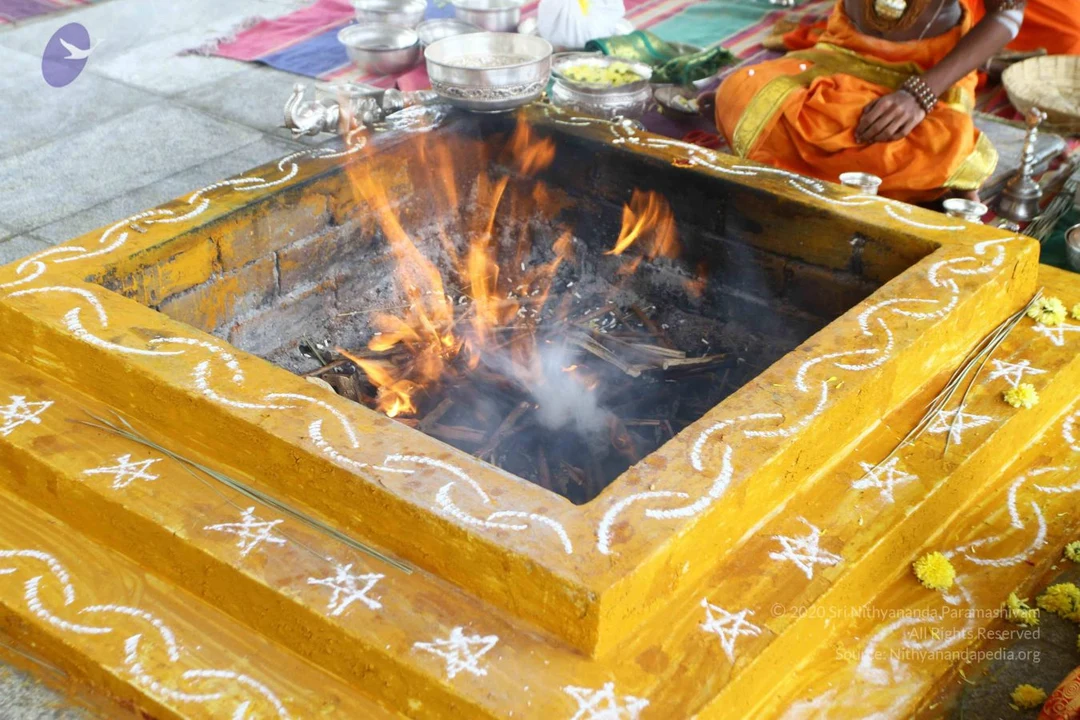
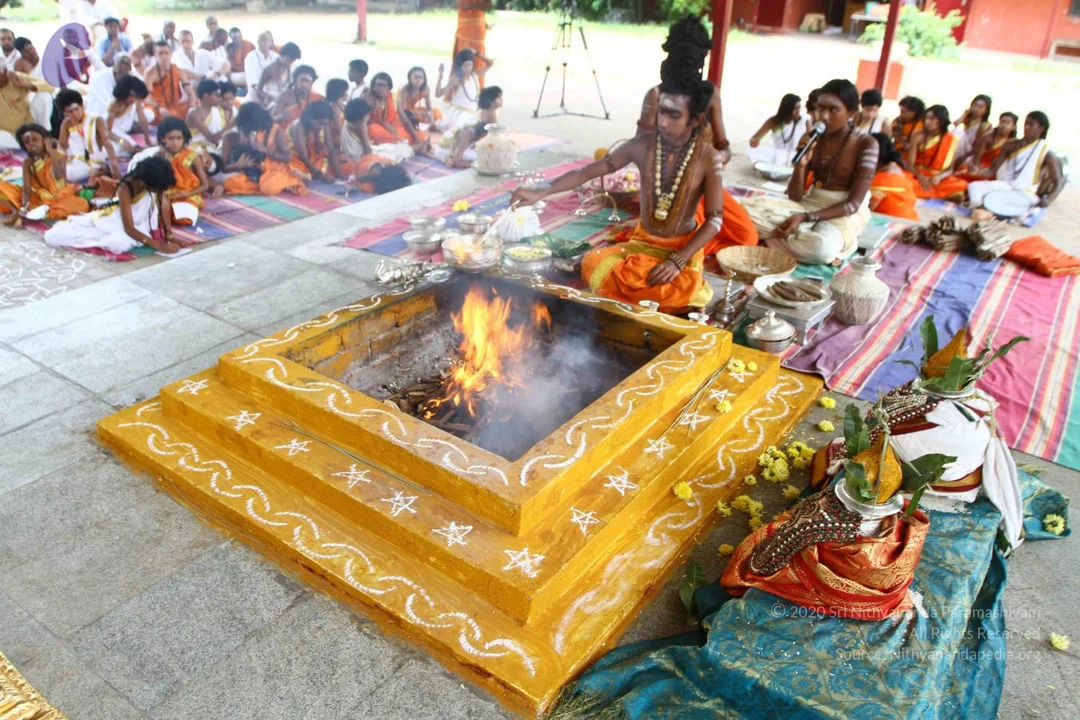
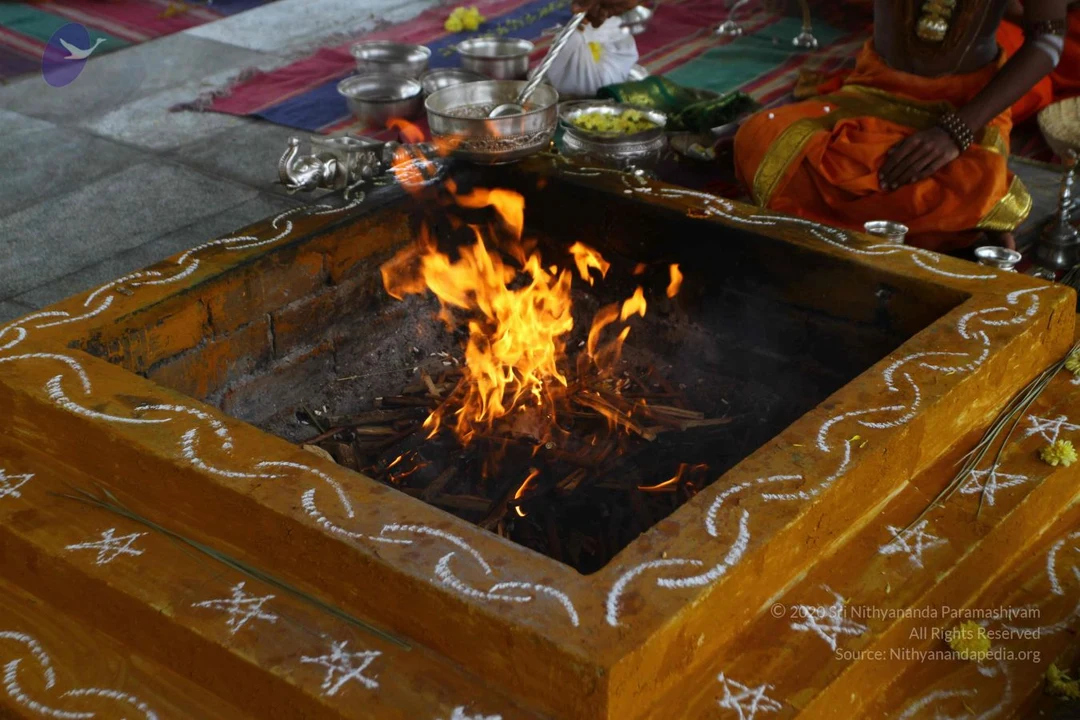
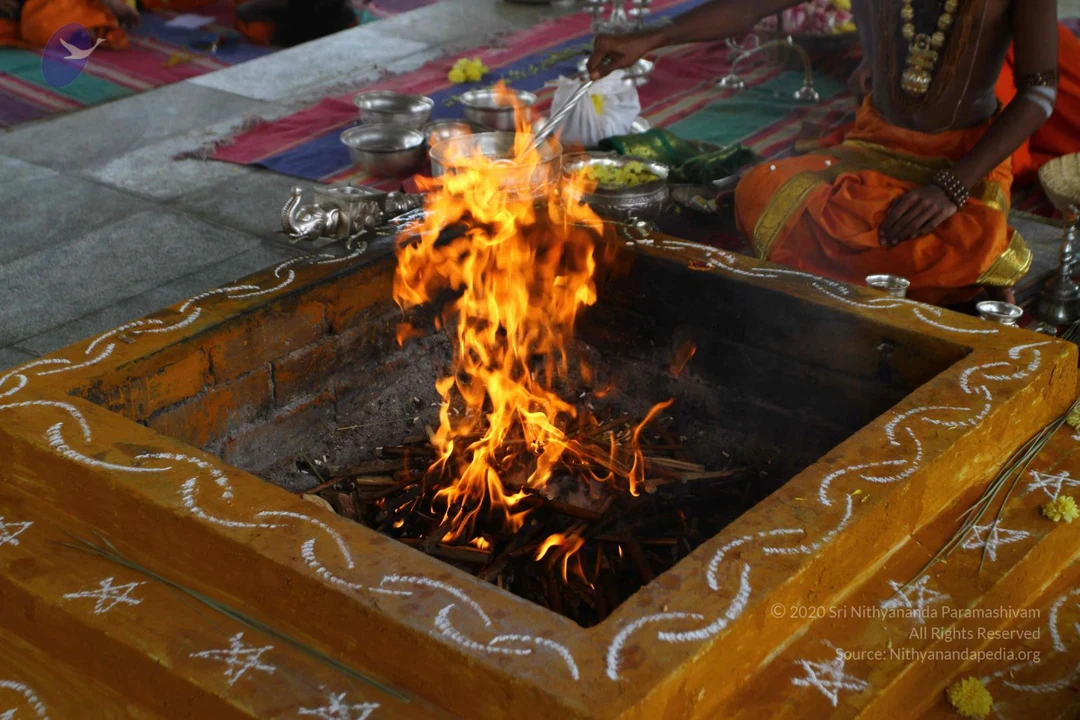
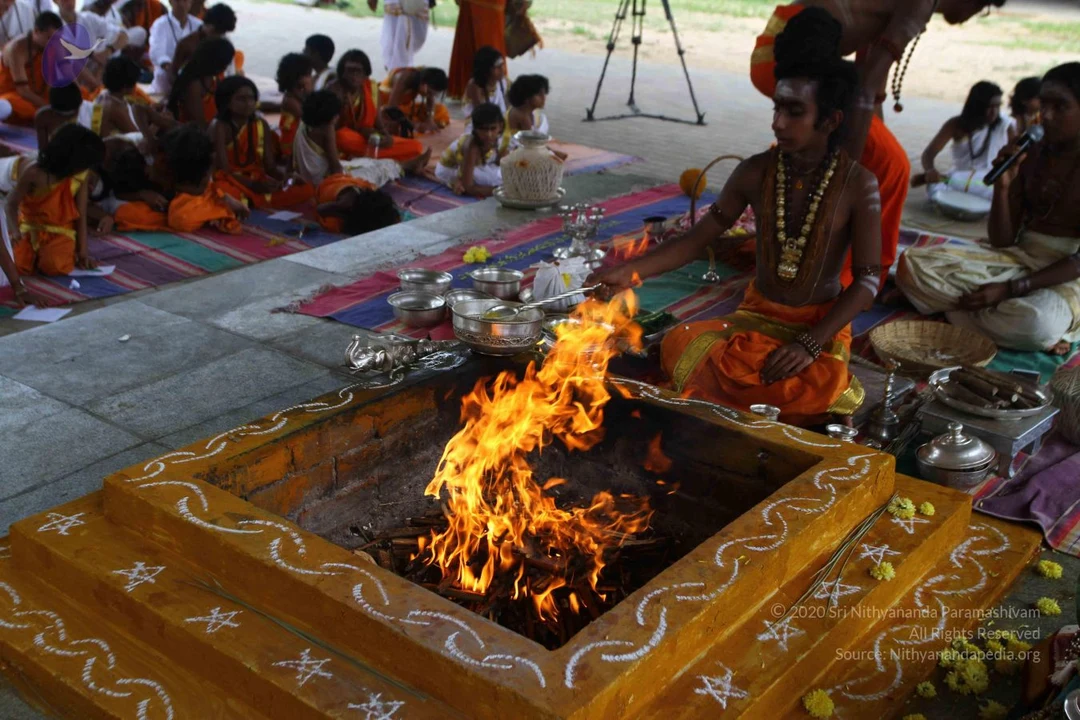
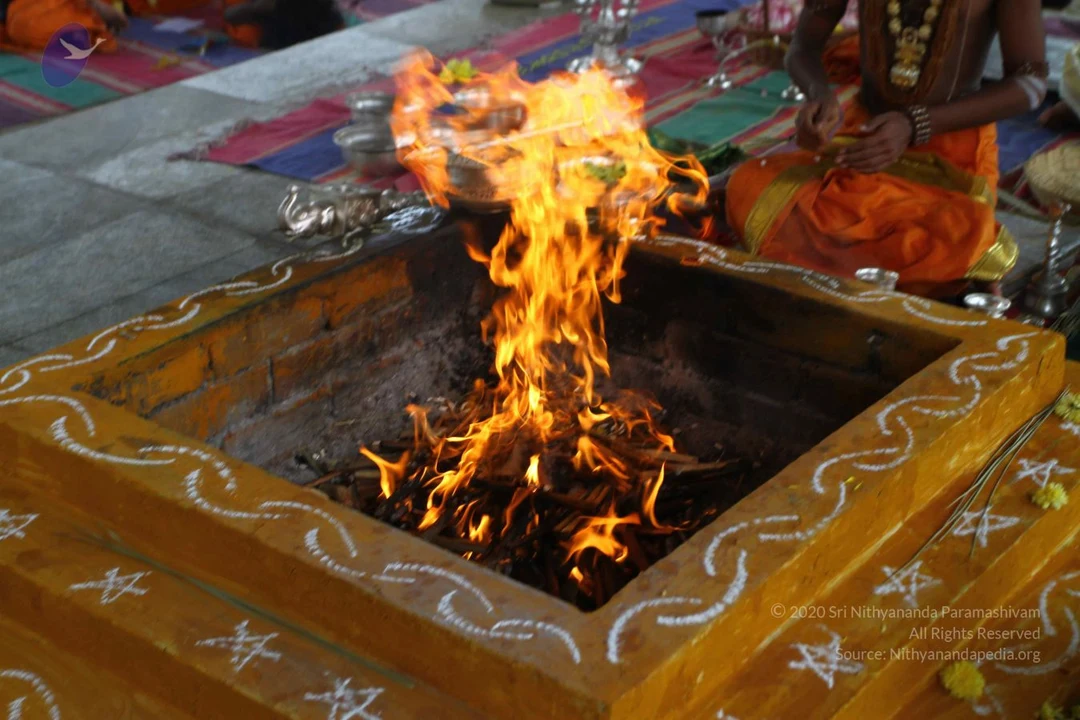
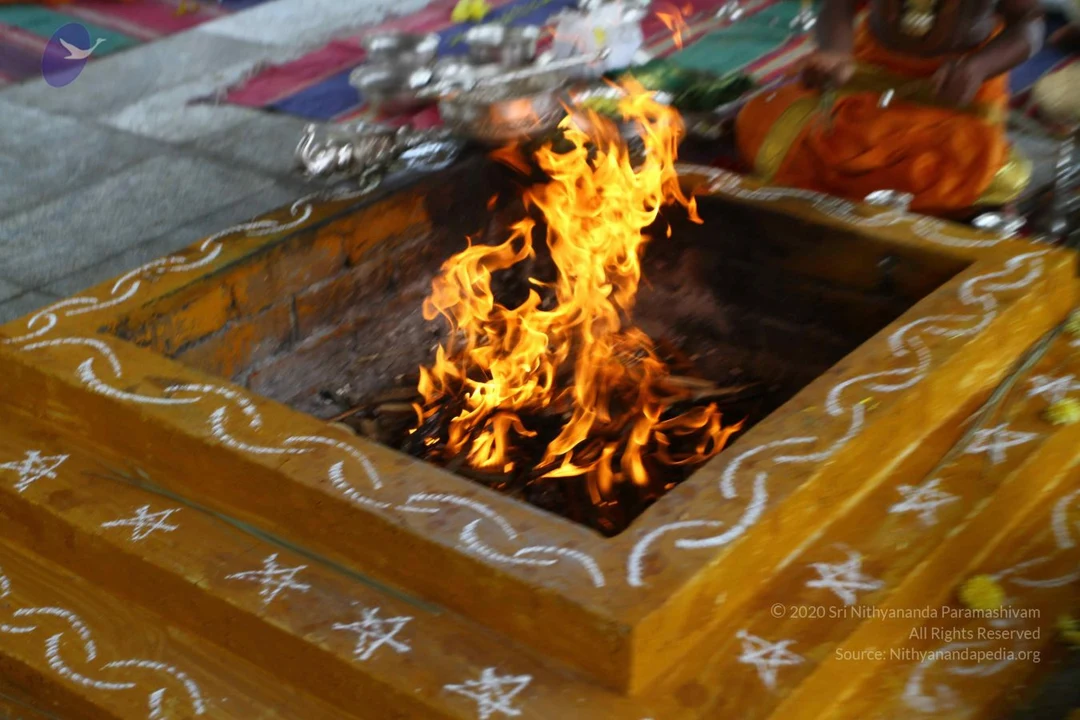
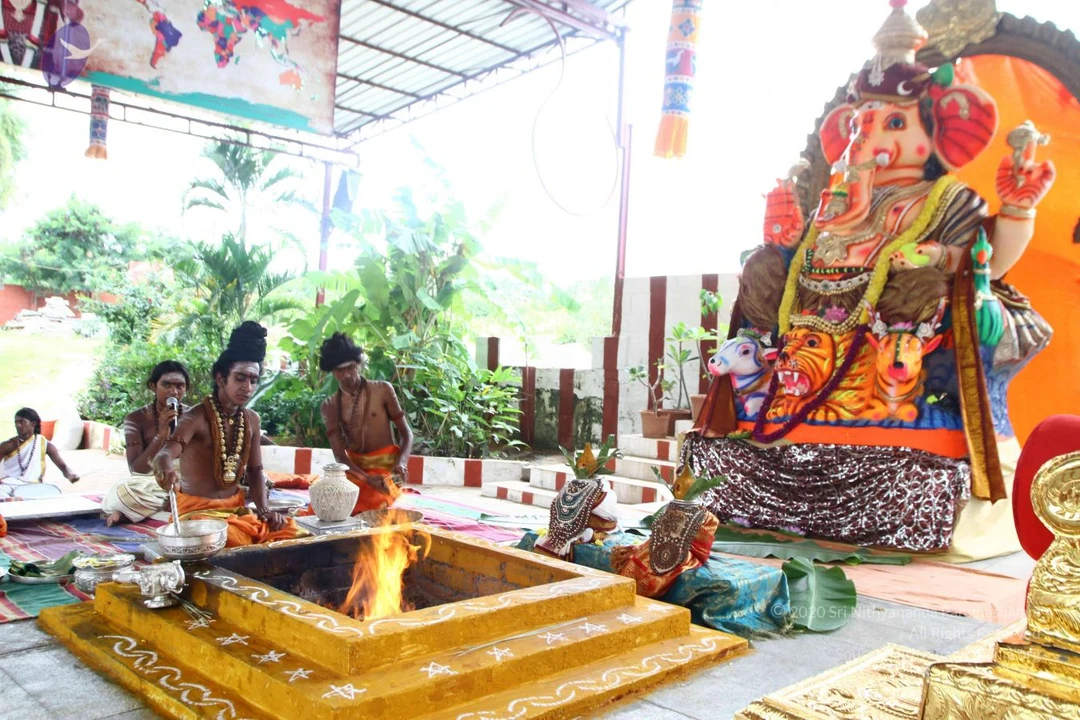
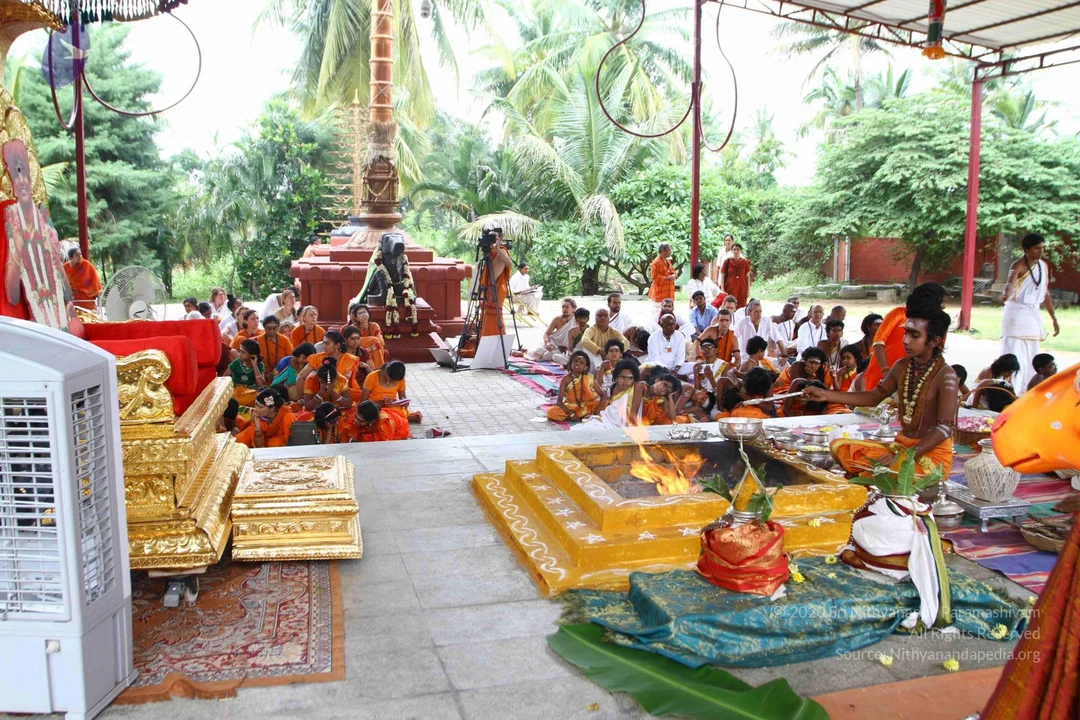
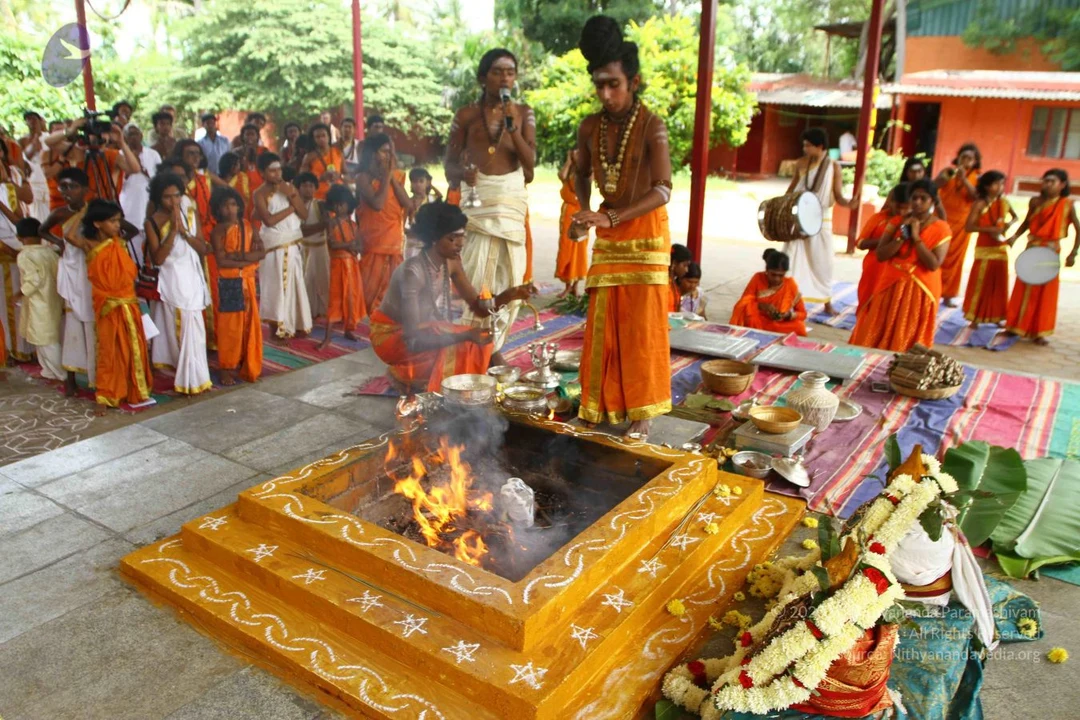
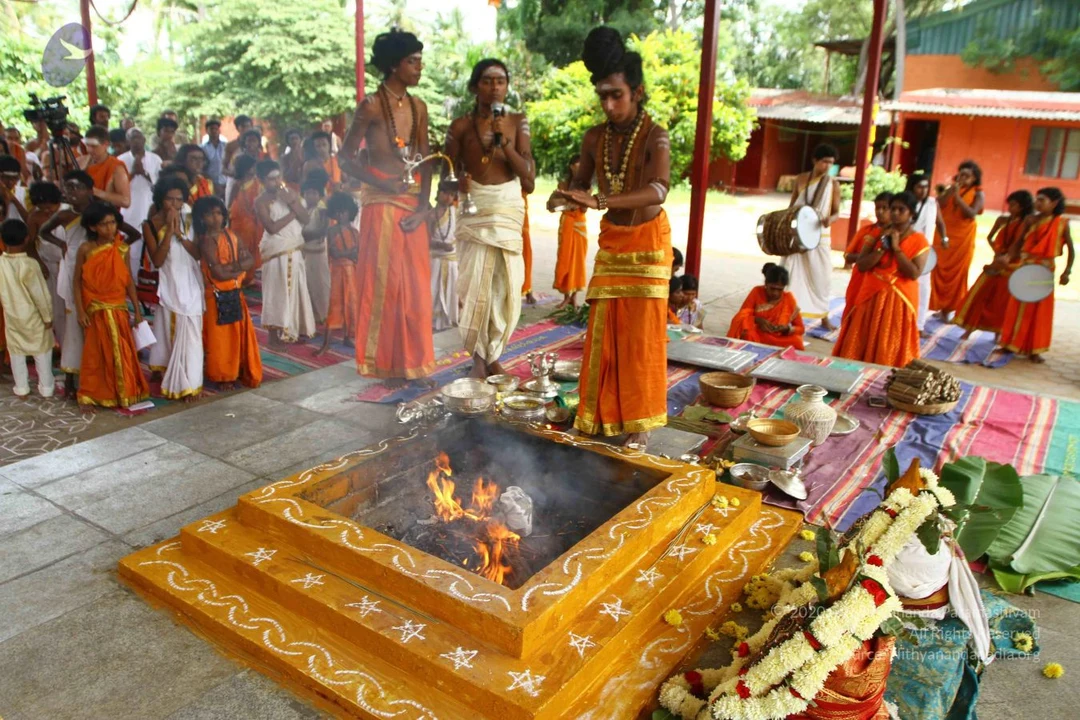
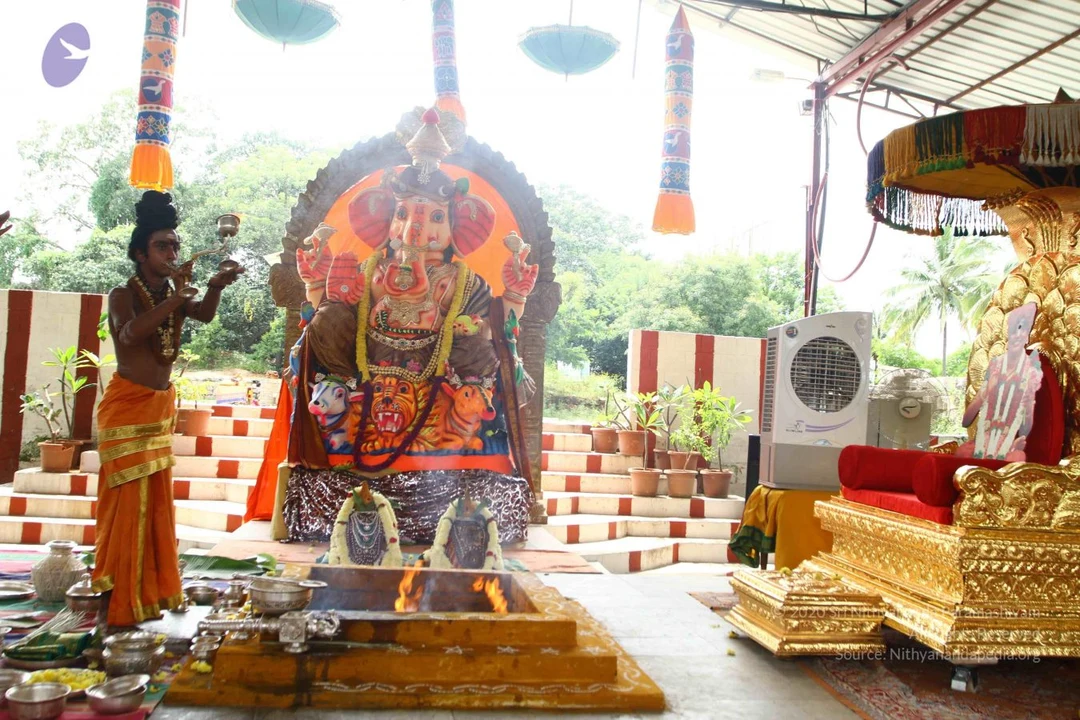
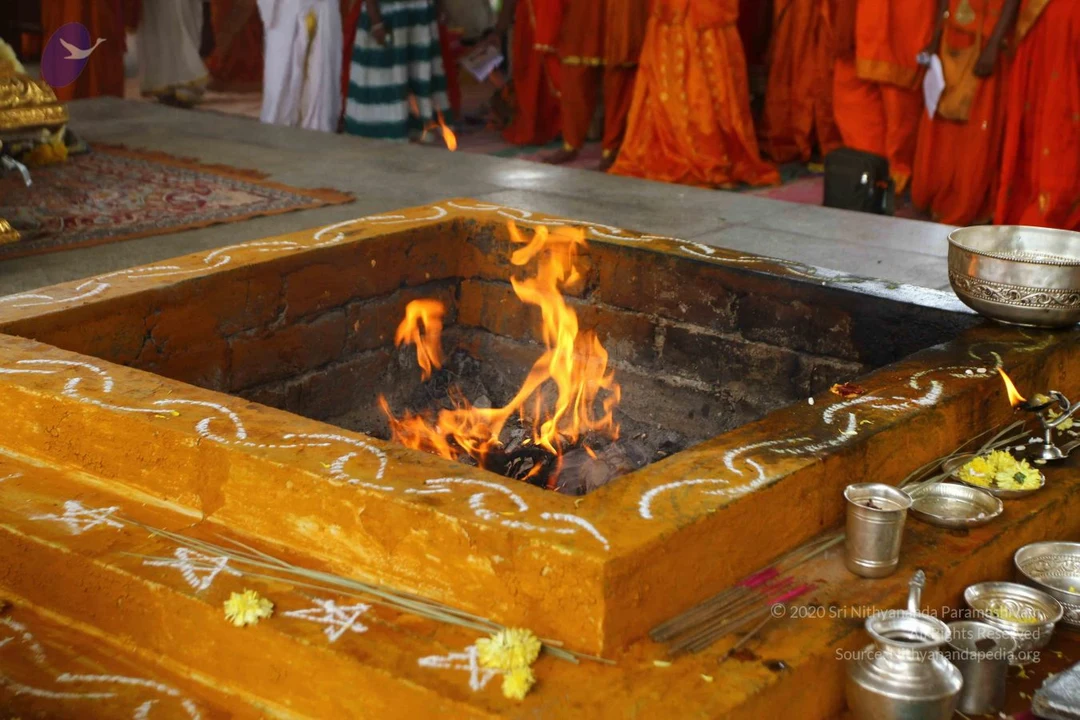
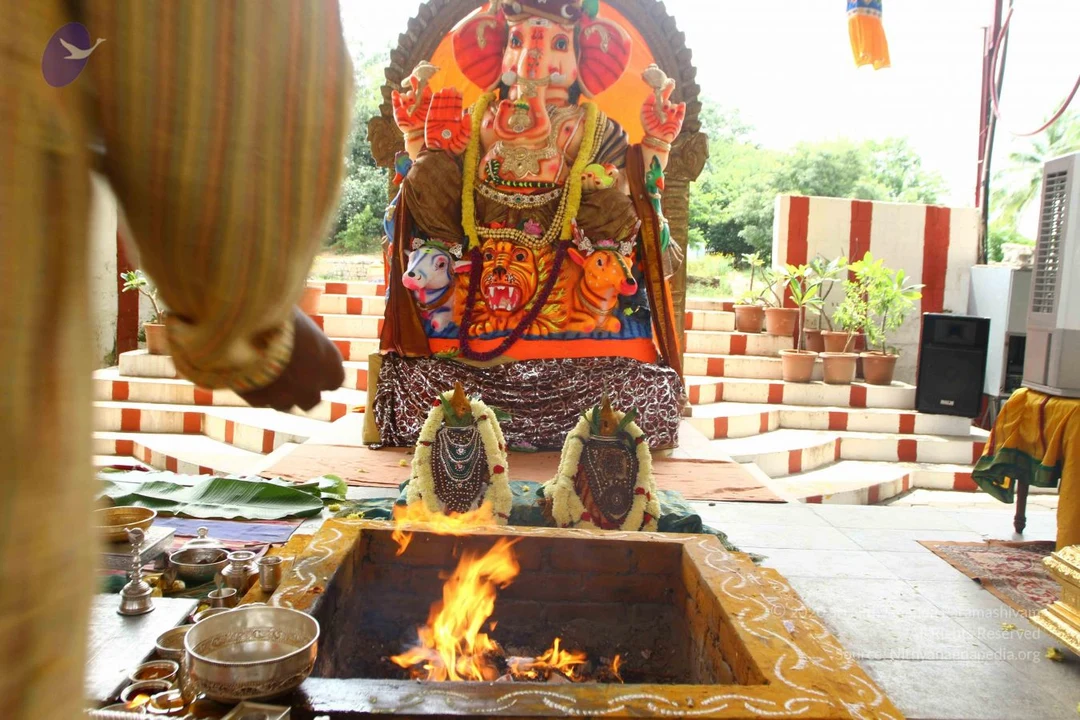
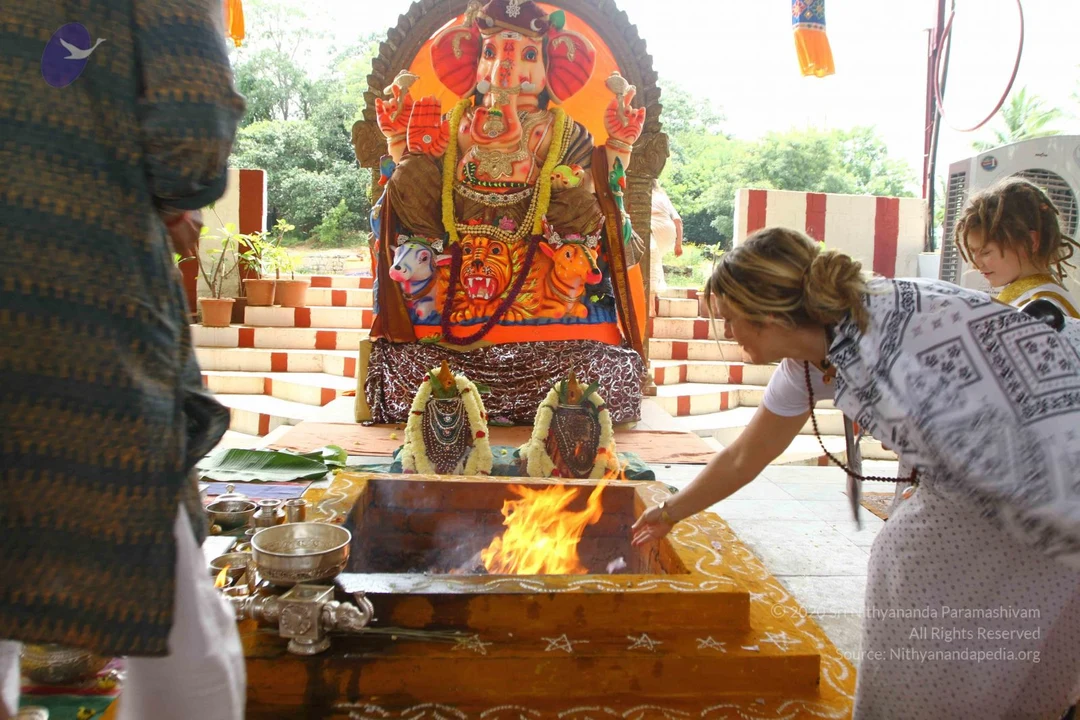
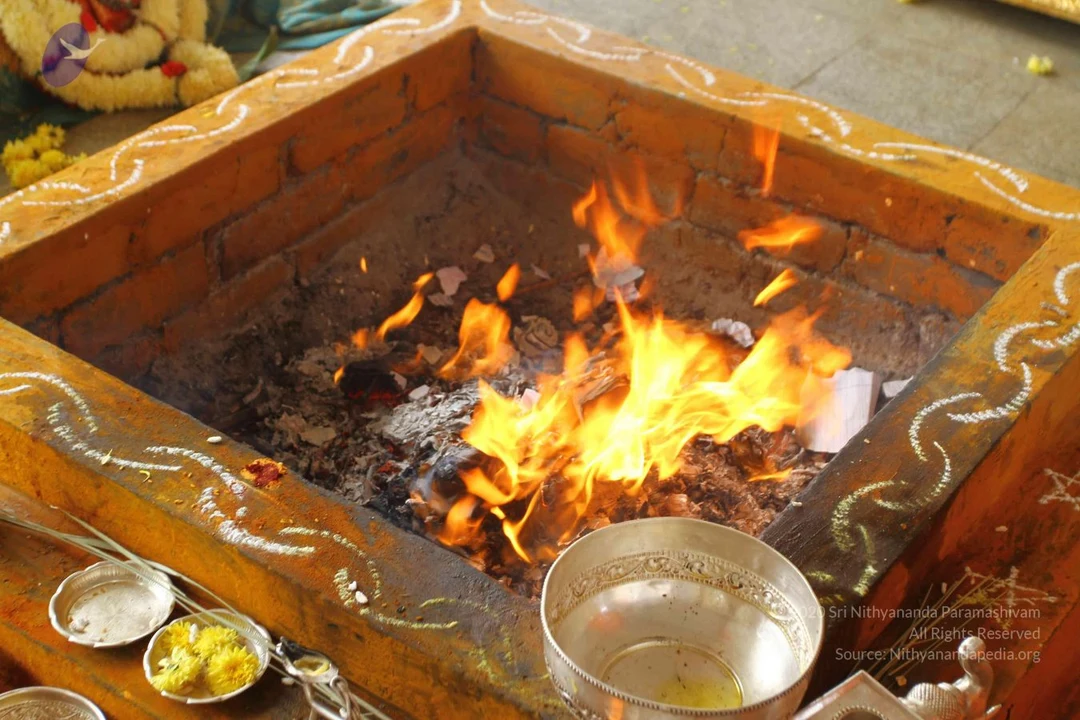
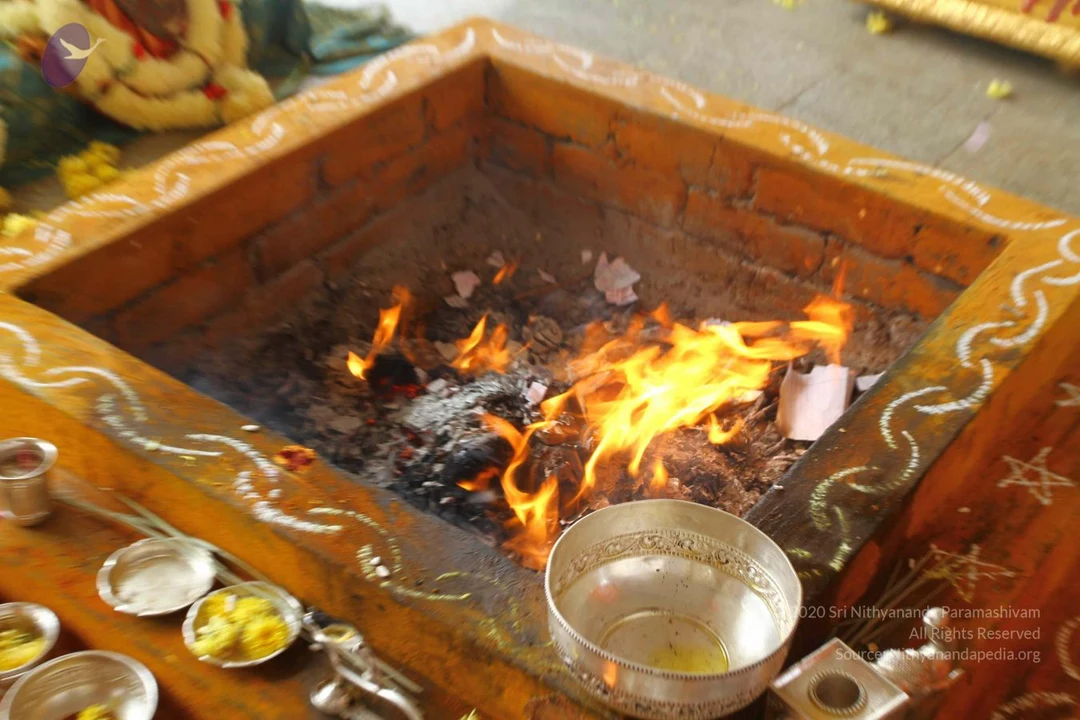
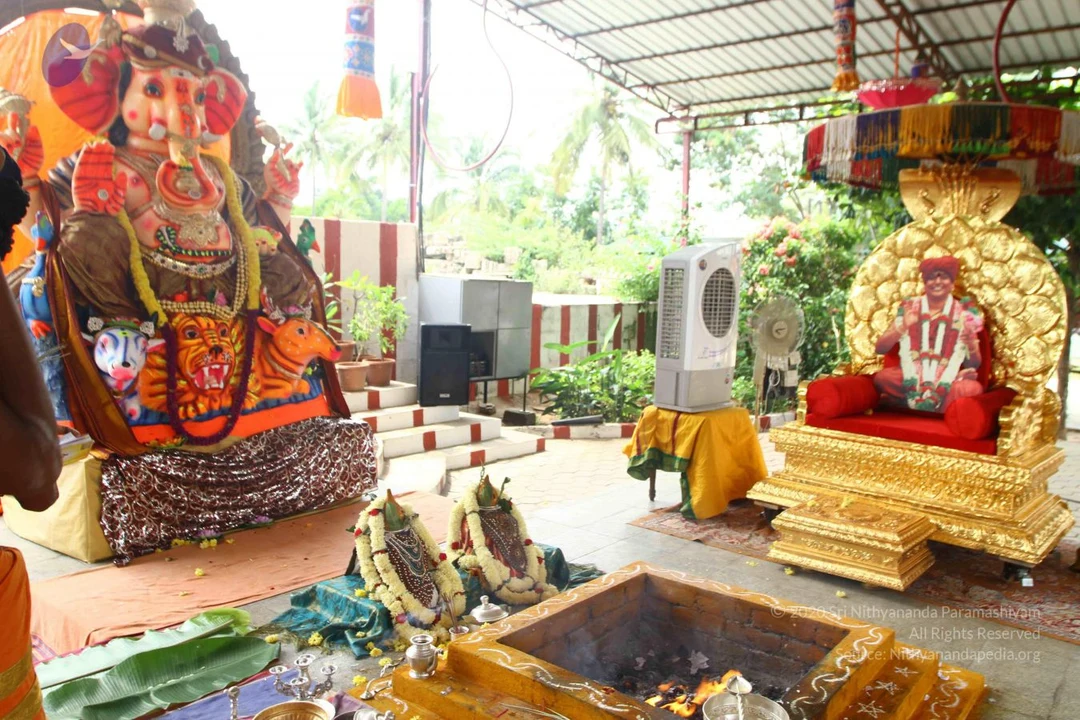
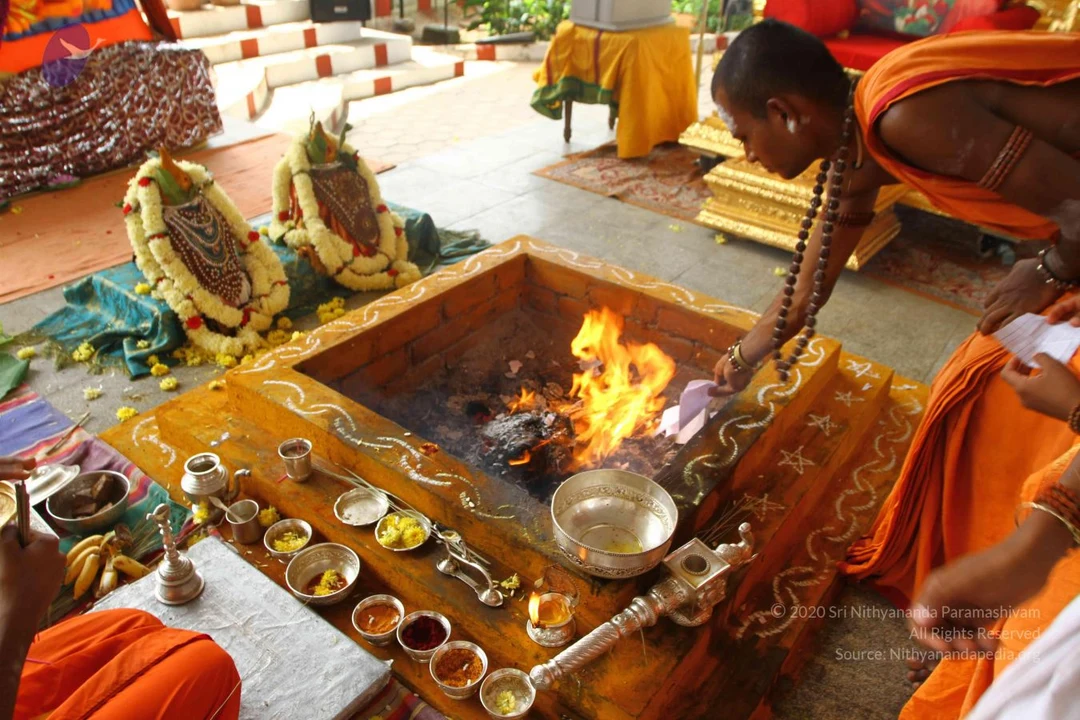
And…..today we will be having Mahaganapati Homa. Surely, He’ll be there, in the Agni, receiving all our offerings. Put all your incompletions, along with the paper you wrote, into Him. Let Him burn it, and ask Him, pray to him to give a spontaneous completion celebration. All the online Viewers, the local temples will be conducting, the Homa Puja. Go there, if you are not able to go there, just at least pen down, all the incompletions. After we all have offered, our incompletions into that fire, just delete and present it, to Mahaganapati. Delete it and surrender to Maha Ganapati, saying that, “Prabhu, I am surrendering it you. Give me spontaneous Completion.” So, all the online viewers also, surrender the whole thing at the feet of Mahaganapati.

Let His grace, let His energy, let His presence radiate. Let His presence, fill all our life. I tell you, bring spontaneous Completion celebration, that’s all is My Mission. That’s all, is Sadāshiva wants to do, to the Planet Earth. Nothing else.

(17:20)

Everything else, is to support this, building a temple, whatever, whatever, whatever. And I also wanted to announce, yesterday I started, the Kara Seva, to continue the temple work. Actually, we restarted. Earlier itself, we started, now we restarted, the Nithyanandeshvara Sadashiva’s Golden Temple work, through Kara Seva. I welcome everyone of you, every Sunday, there will be Kara Seva, which I will be participating personally. The whole Kara Seva, will be around the Banyan tree and working for the temple. Working for Sadāshiva’s temple. Please understand, in Vaishnavaite tradition, if you just offer money, that’s enough. In Shākta tradition, if you visit, that’s enough. In Shaivaite tradition, you have to physically offer your kara sevā, that is why, only Shaivaite tradition has the tradition of purvaara padi. In no Vaishnavite….in no Vaishnavite temple, they will ask you to physically to do volunteering. But in all Vaishnavite temple, they will only ask the…. give money. Offer donations. But all Shaivaite temples, the first thing is physical volunteering, because Sadāshiva wants your life. Nothing else. It’s very easy to give money and go away. Then you can easily keep your ego alive. But, Sadāshiva is all about radiating through you. So, all of you can come and celebrate. All of you, can come and celebrate. Every Sunday, we will be doing kara sevā [lit. serving with hand], building Sadāshiva’s temple, which I also will be participating. Yesterday, I Myself started participating and this is the best thing you can do to yourself. Every Sunday kara sevā, to build Sadāshiva’s temple. Because I wanted this temple, to be built, with lot of love, devotion and physical kara sevā than, just with money. So, if we do physically work and build the temple, by the time we build the temple, we would have become a temple. So, with Maha Ganapati’s grace….. Today, I also wanted to announce few more things.

(20:29)

Sadāshivoham 2016 will be in Trinidad, Tobago - November 20th to December 10th. The dates will be between November 20th to December 10th. Formally, officially, I am making the announcements, Sadāshivoham 2016 will be in Trinidad Tobago. Dates will be November 20th to December 10th. So, I welcome all of you, for Sadāshivoham 2016. We also need 200 volunteers who are ready to do multiple tasking. If you are interested in volunteering, you can apply, but you may be…..have to do be doing multiple tasking. It’s a huge arrangement. It’s going to be the huge celebration. So, 2016, you are welcome to apply, for volunteering also.

Let’s invoke Mahaganapati and live spontaneous completion and radiate the spontaneous Completion celebration. You can enjoy Ganapati’s prasada. Ganesh Chaturthi, means, naturally, lot of prasadam of Ganapati. Today, enjoy and eat like Ganapati and enjoy like Ganapati. Eat like Ganapati and enjoy like Ganapati. And…..today, if time permits, today or tomorrow, we will also have a session I’ll teach the kids, Balasants to make Ganapati…..Ganesha. Ganesha, making out of clay, I Myself will teach. So, bring spontaneous Completion celebration, into your life, on this auspicious day of Ganesh Chaturti. So, may be all the Aadheenamvasis, Balasants, Devotees can receive Ganesha’s prasadam now, after the…...Satsang. Whoever is here, Bengaluru Aadheenam can come and receive Ganesha’s prasada, My blessings.

Get ready for Sadāshivoham 2016.

(24:25)

So, whoever wants to apply for volunteering also, can apply. You may have to be here, two months before, for preparing. You will be called by, I think…..as early as possible, you will be called for preparation whoever is going to be part of the volunteering team. So, welcome, get ready for Sadāshivoham 2016!

I bless you all, let you all radiate with Integrity, Authenticity, Responsibility, Enriching, Causing, Living Shuddhadvaita Saivam, the Eternal Bliss - Nithyananda. Thank you. Be Blissful.

Photos From The Day:

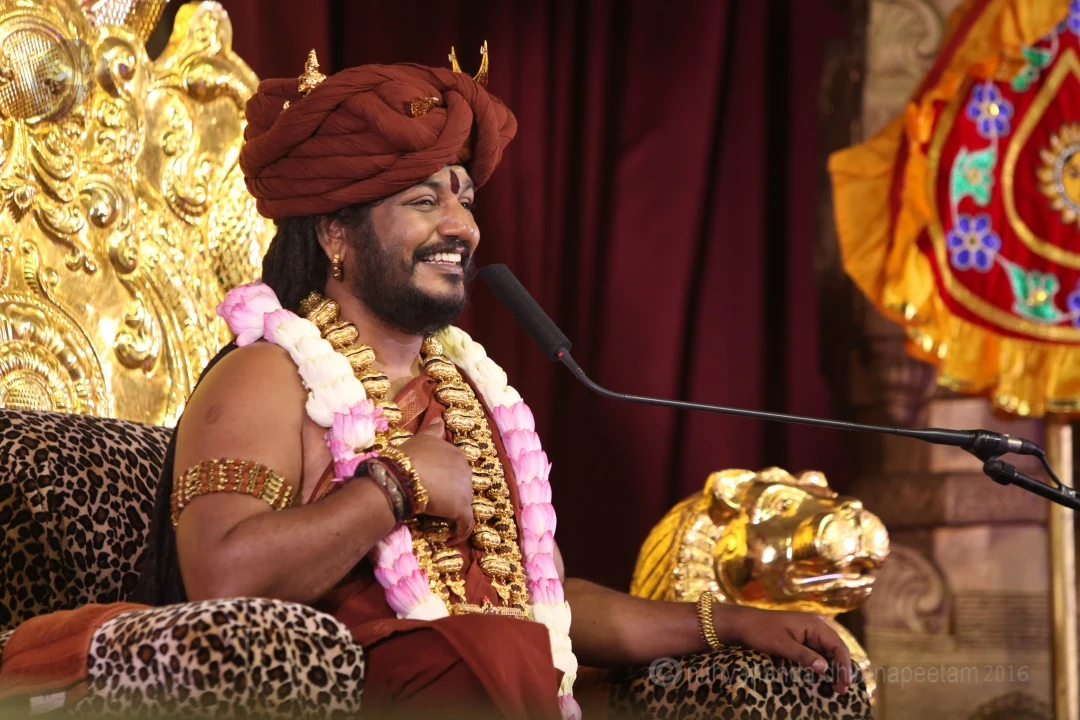
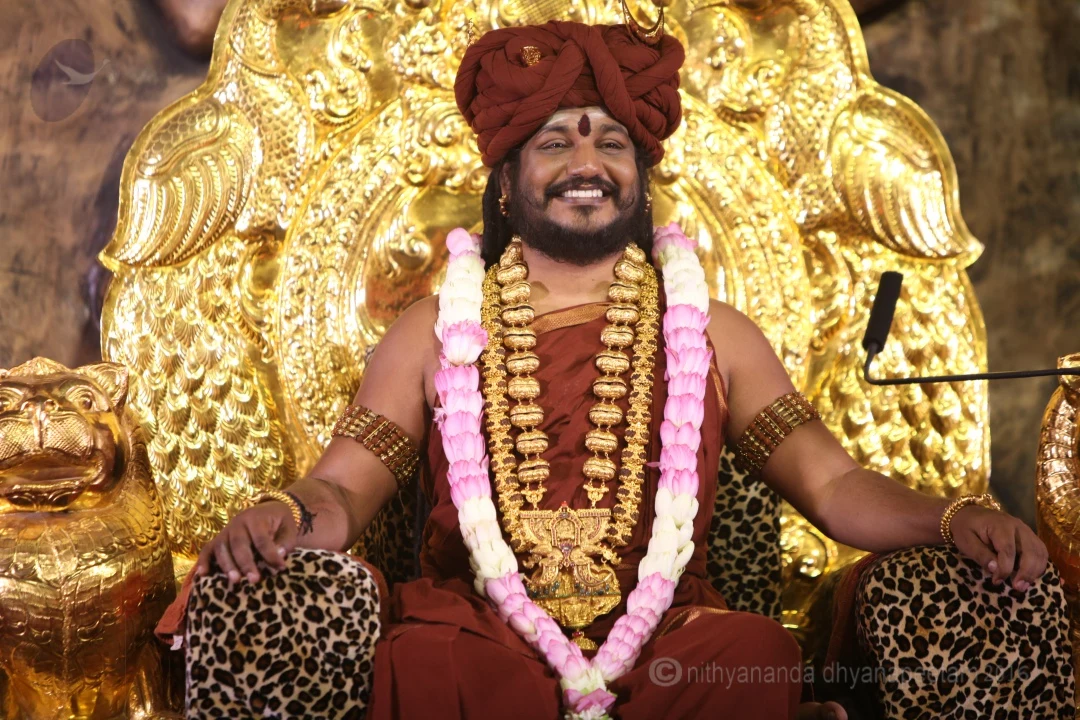
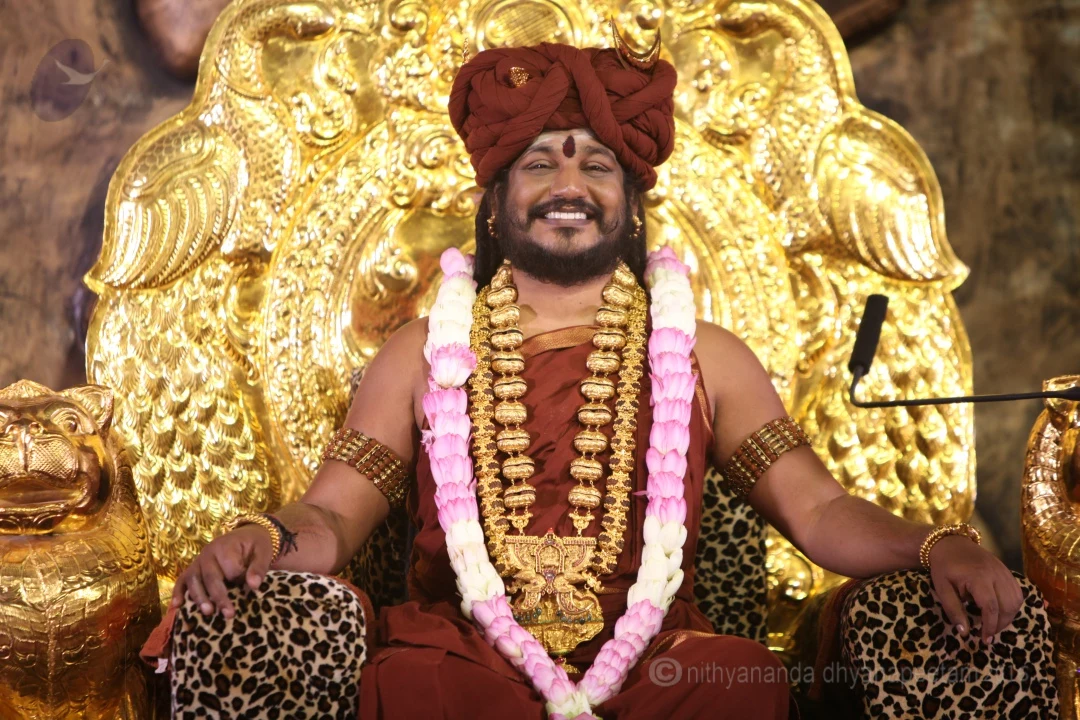
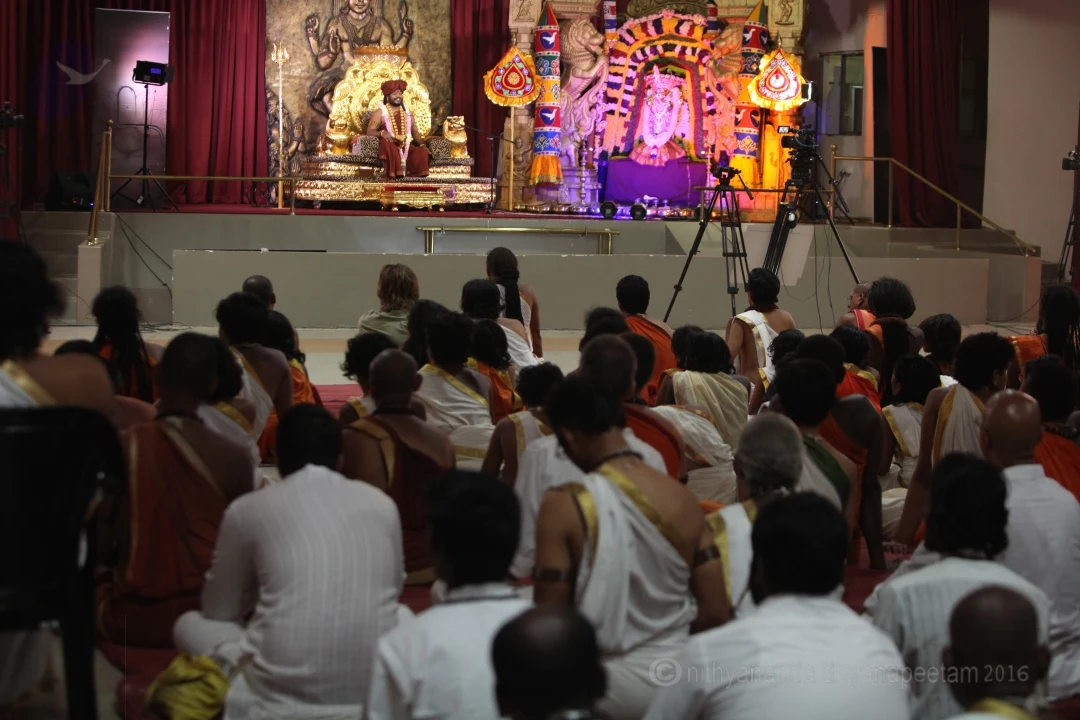
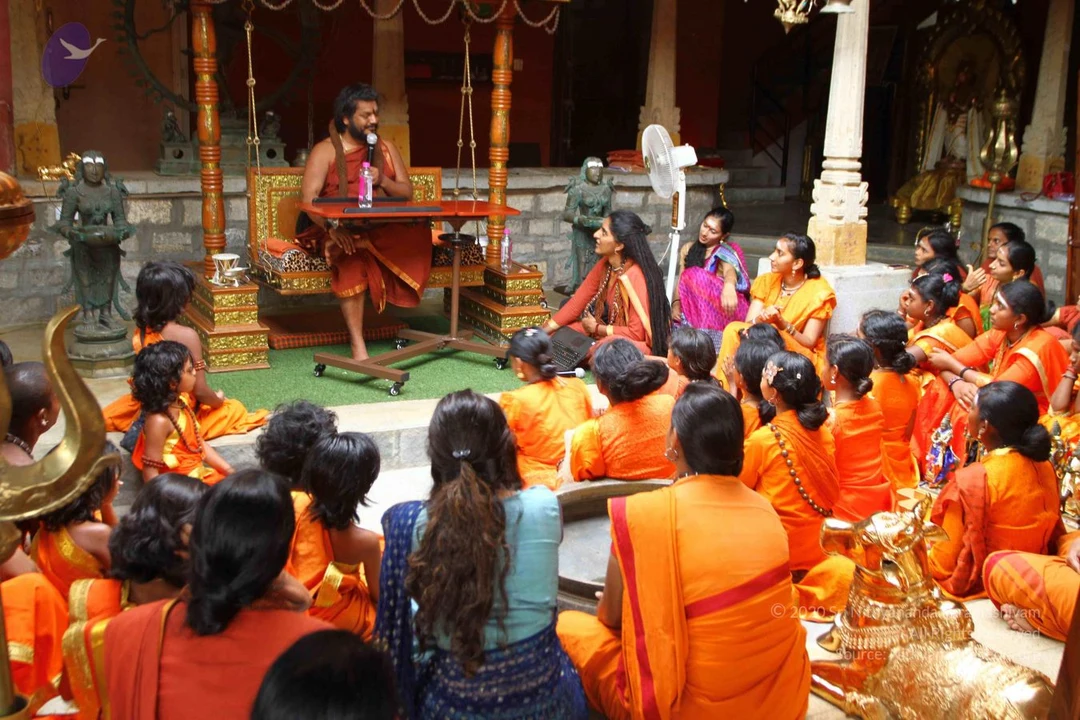
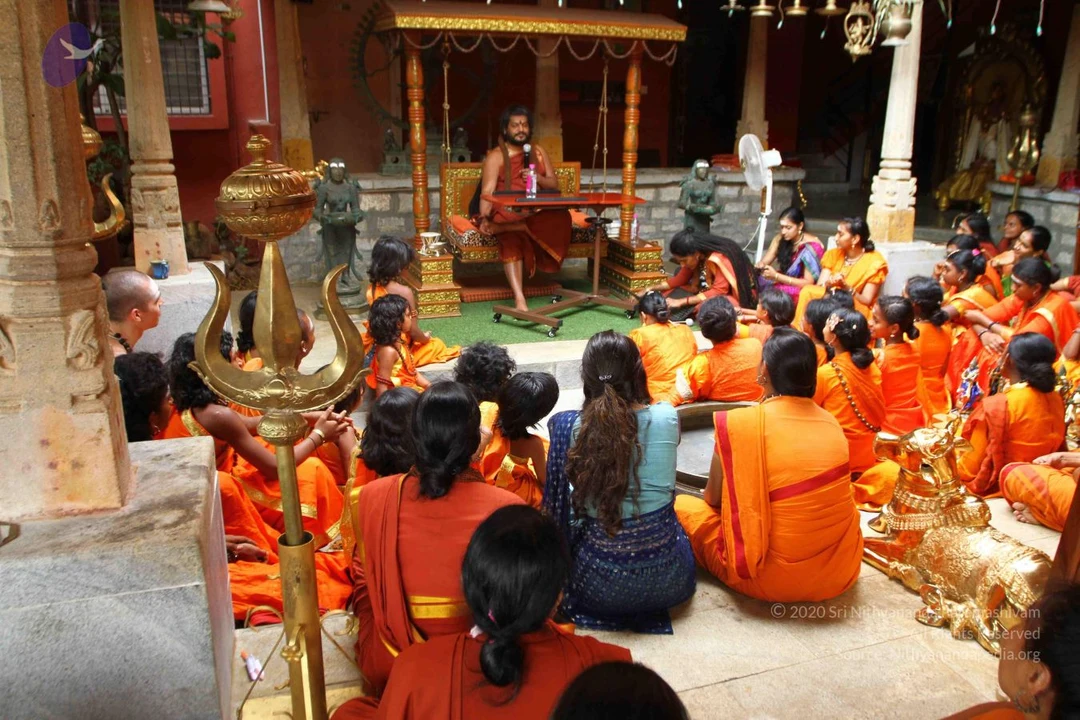
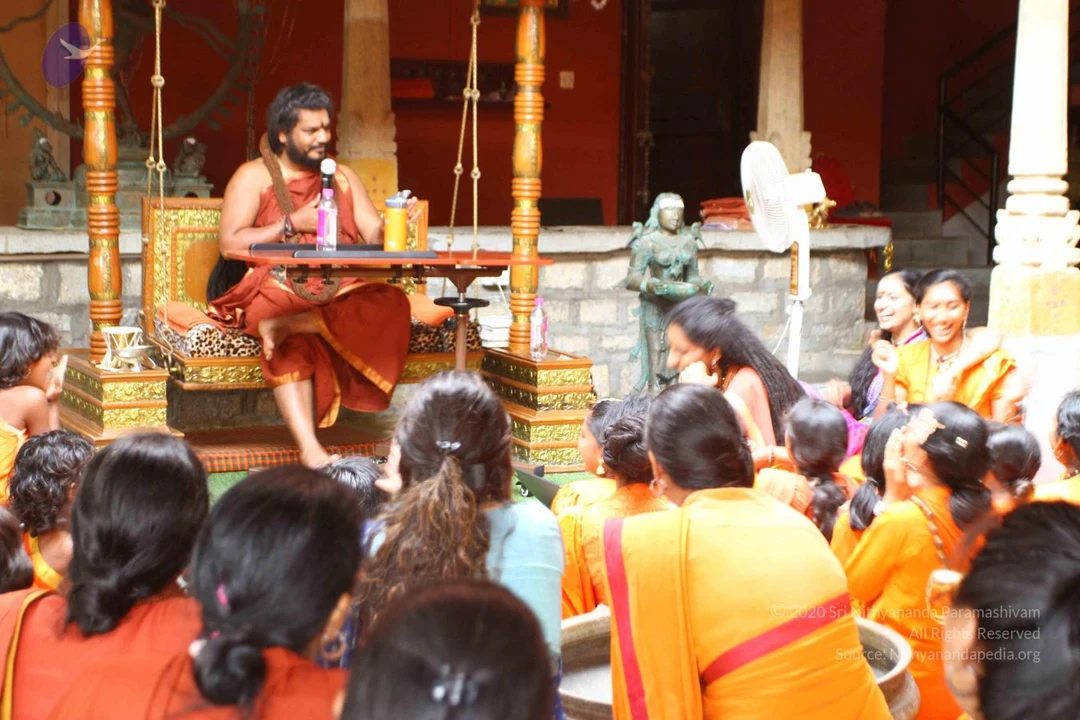
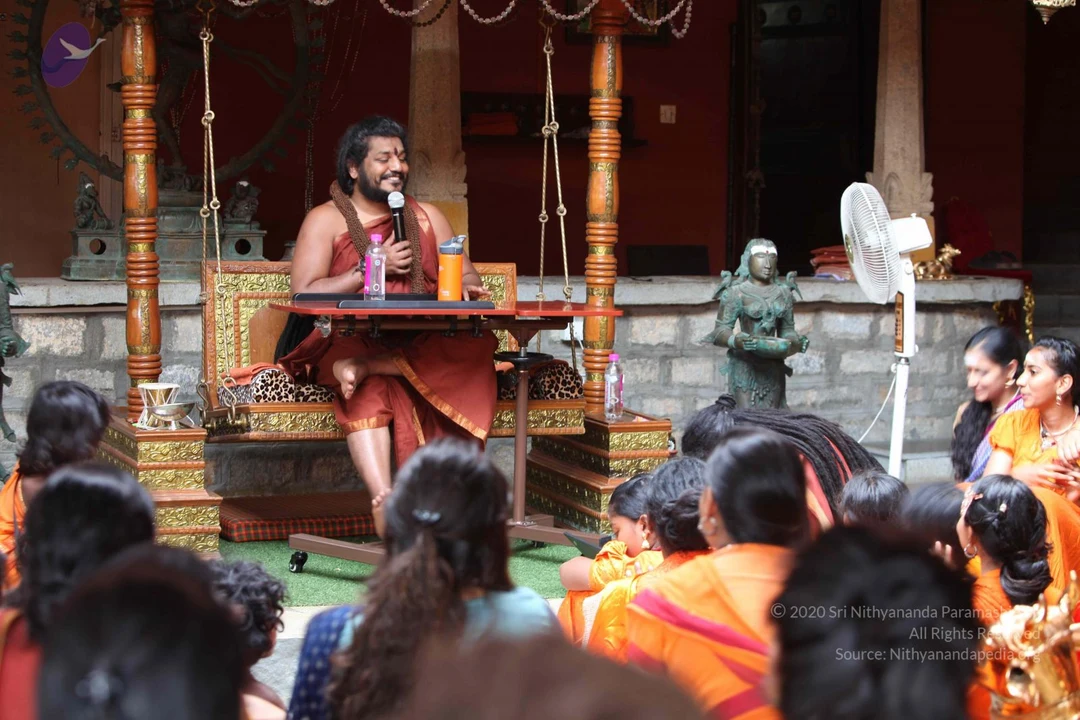
Morning Satsang
Kalpataru Darshan

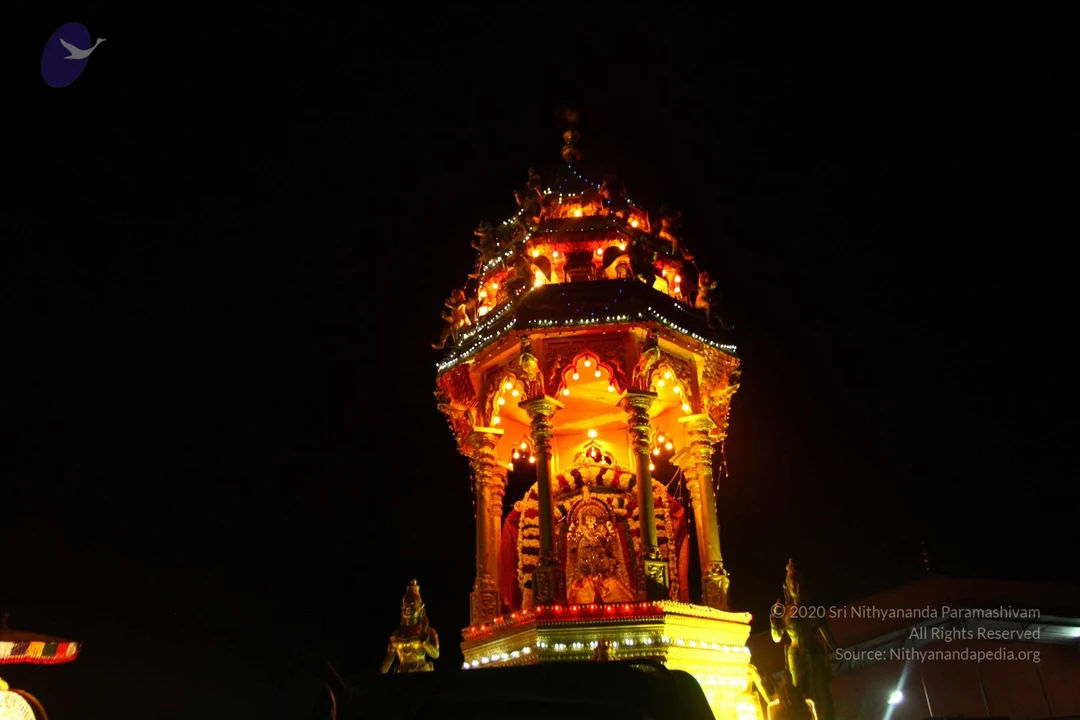
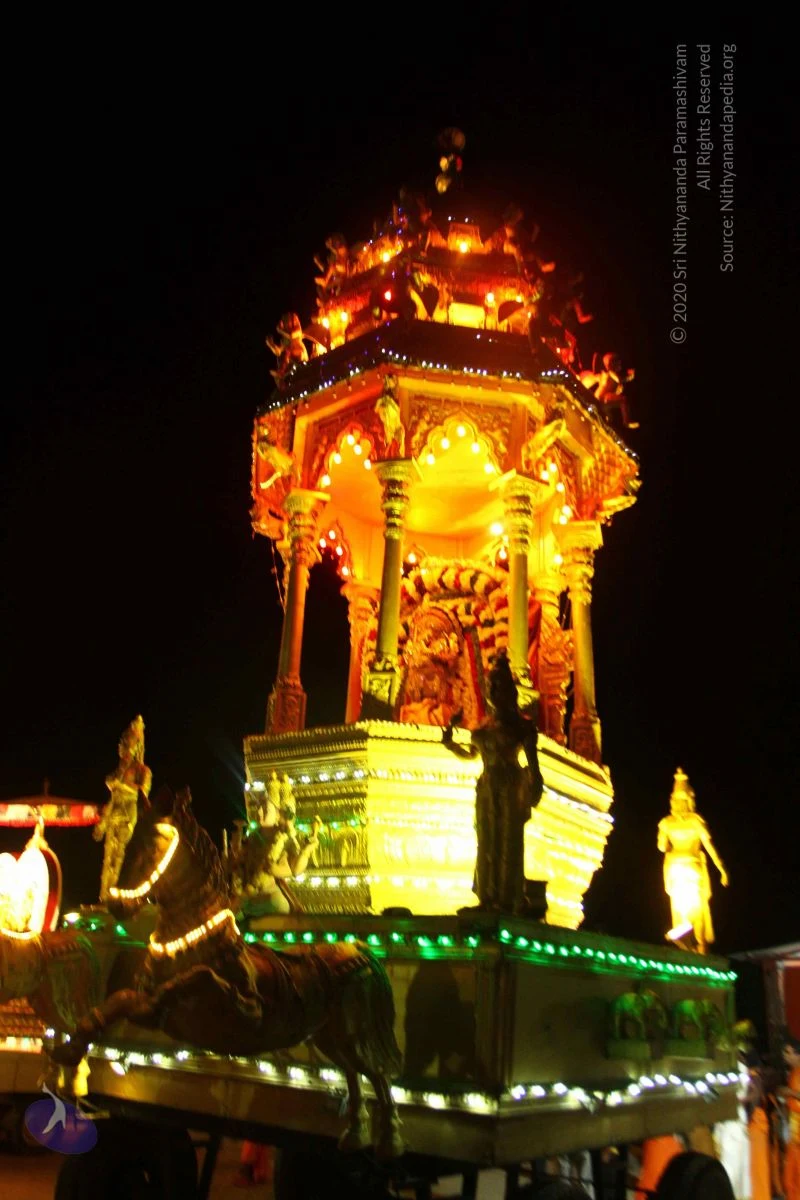
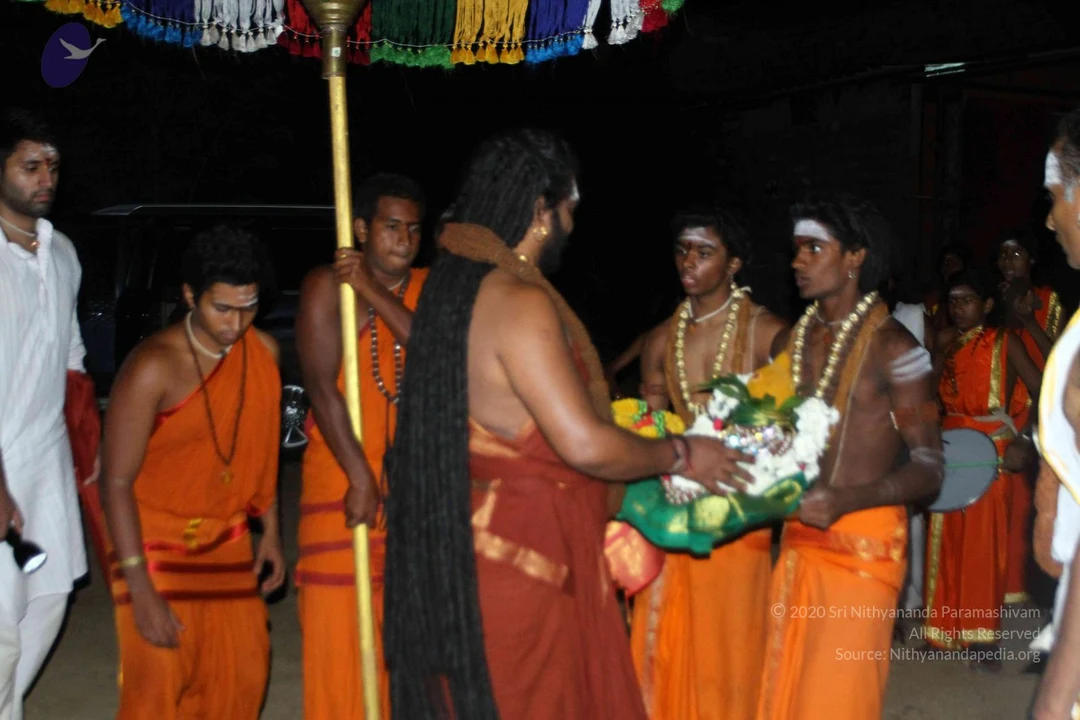
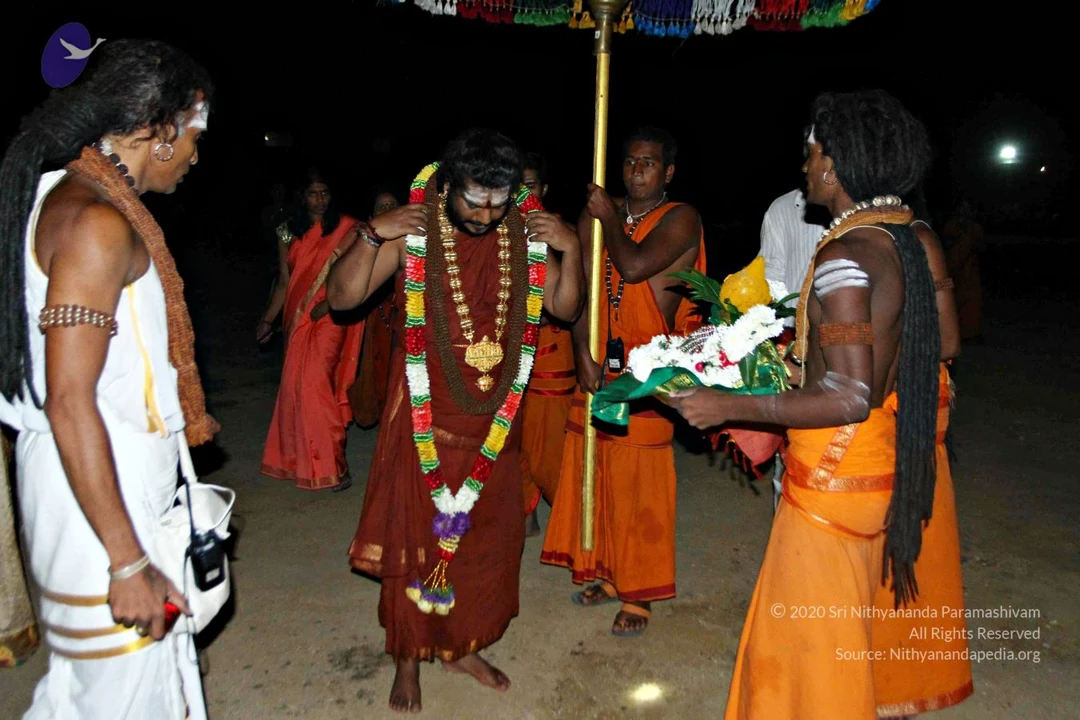
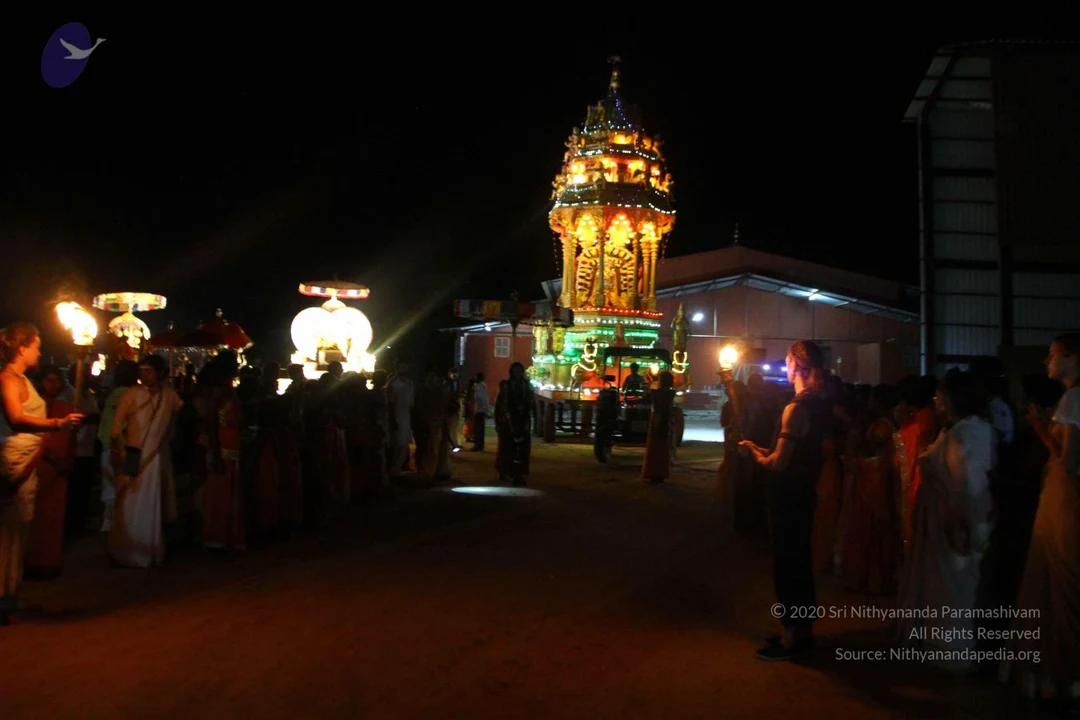
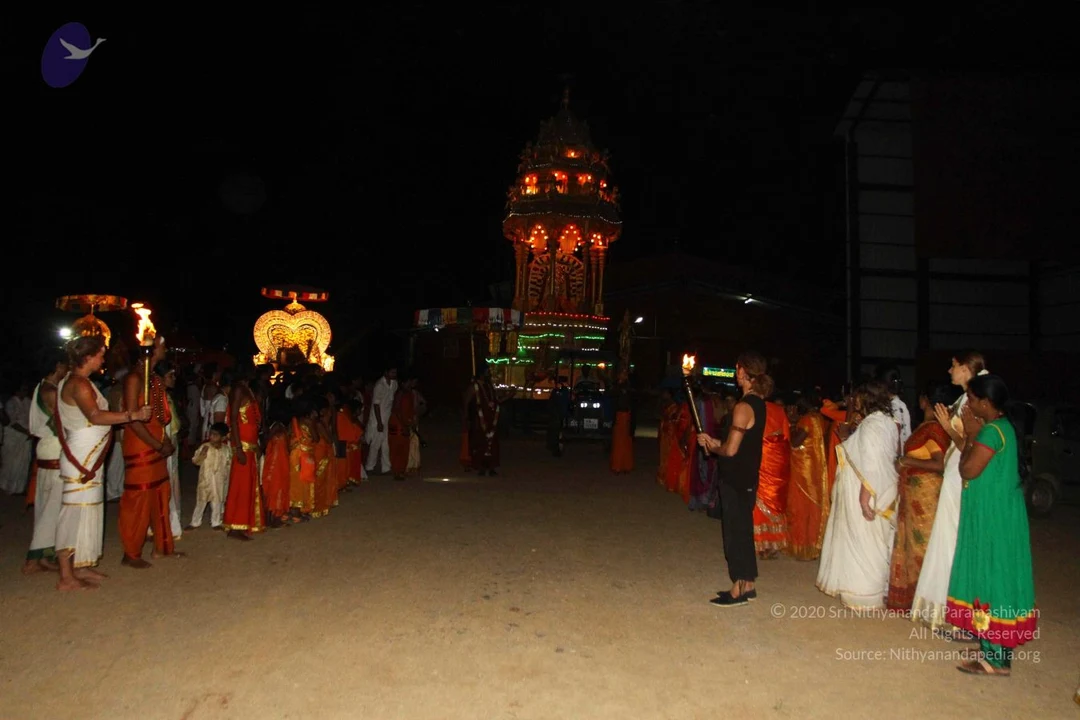
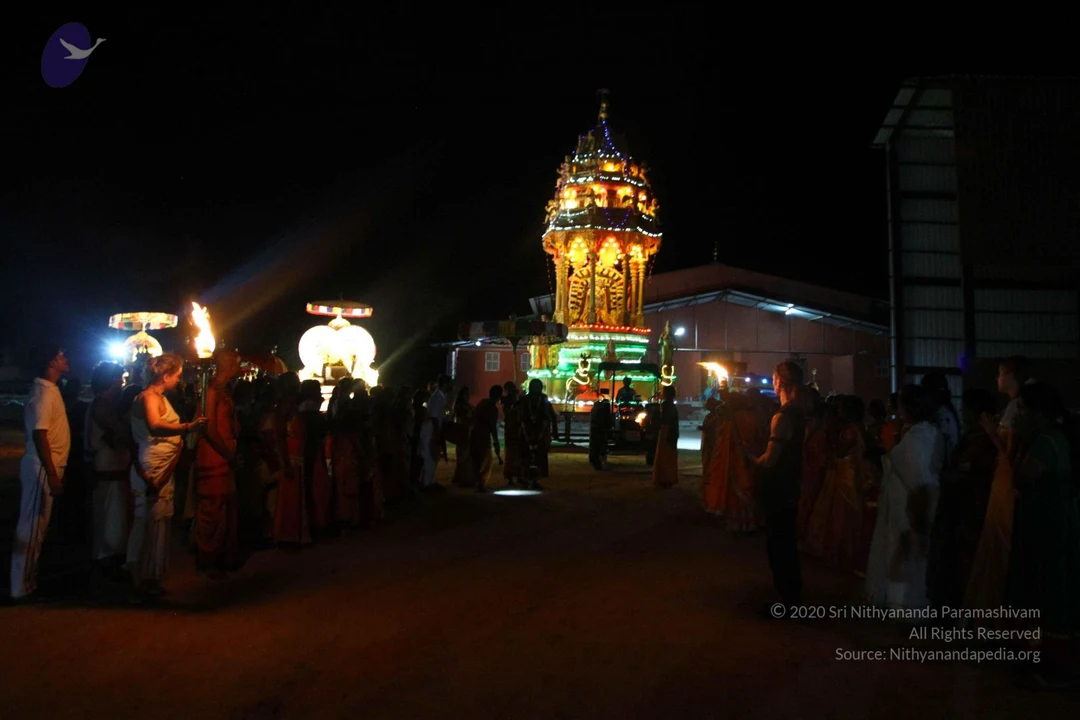
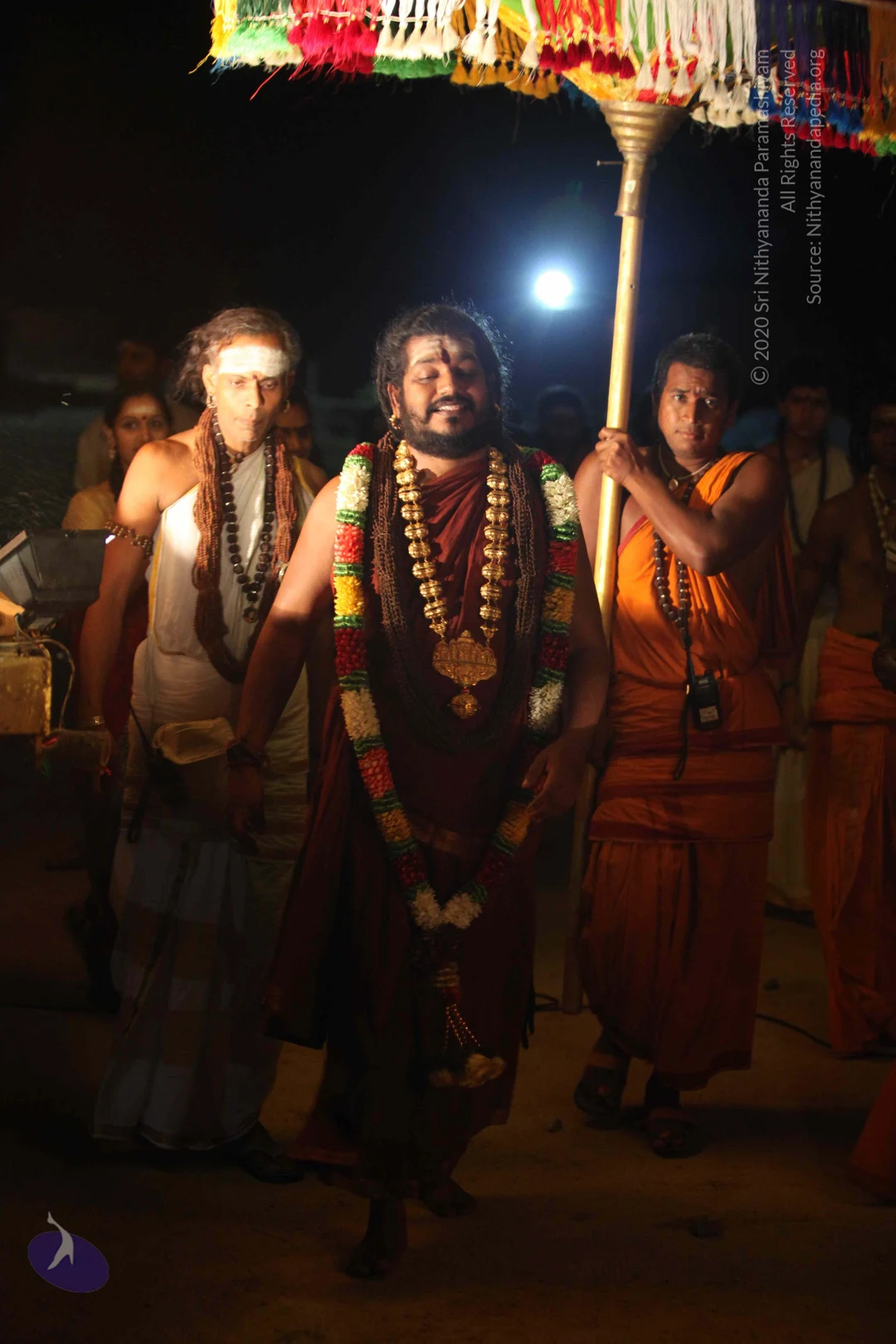
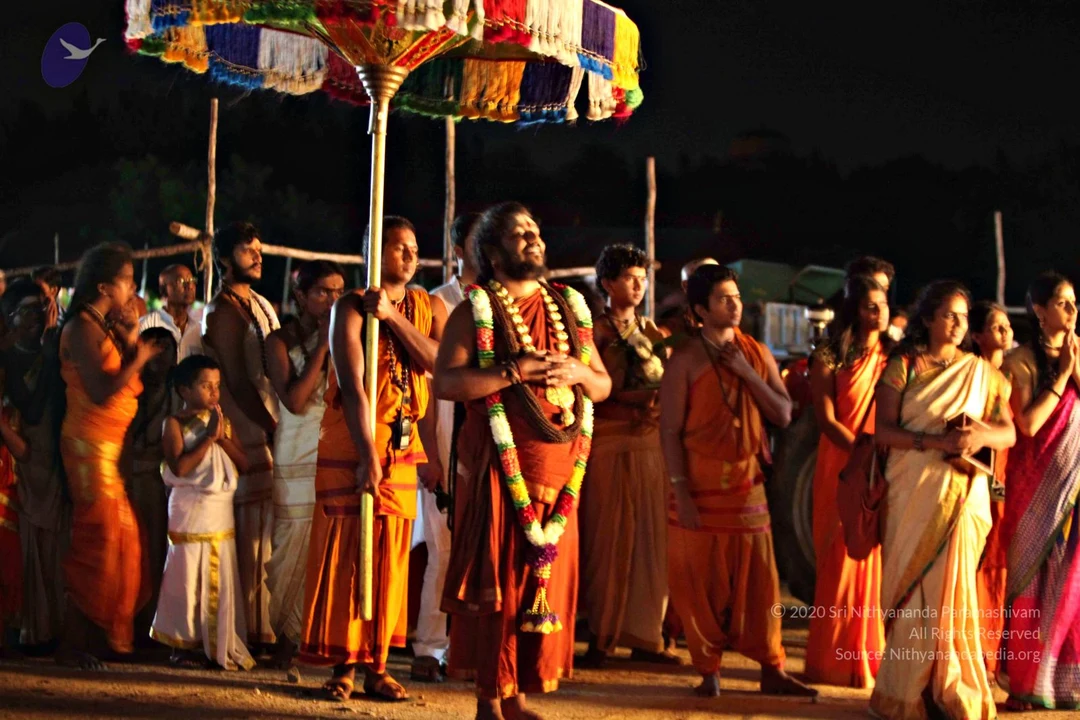
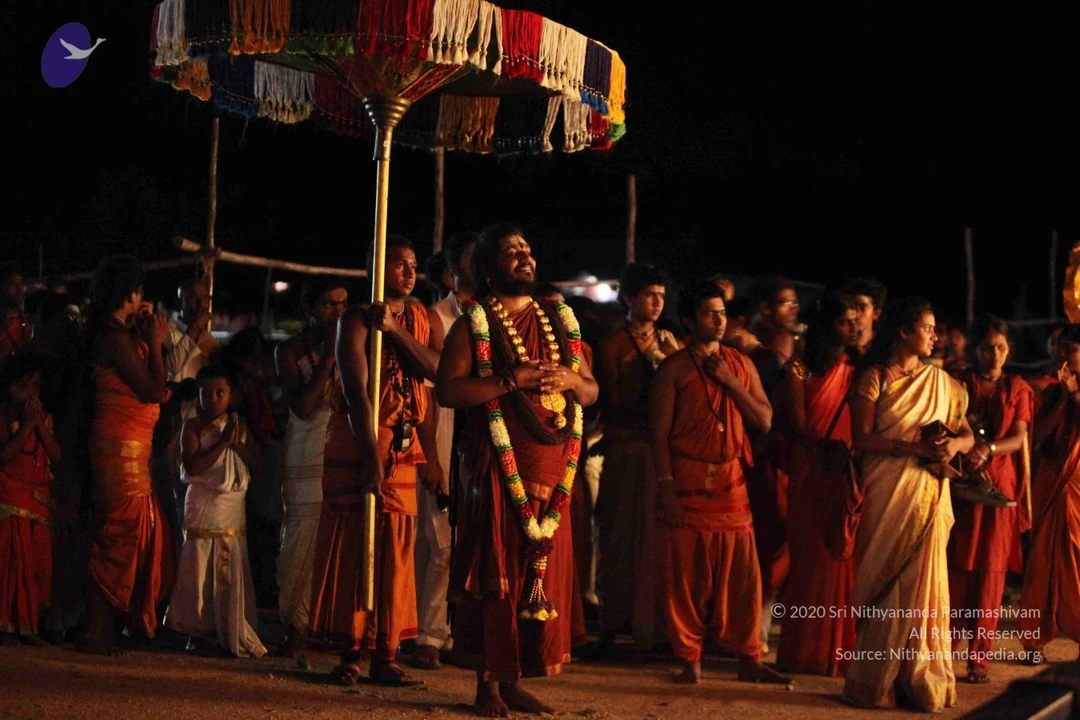
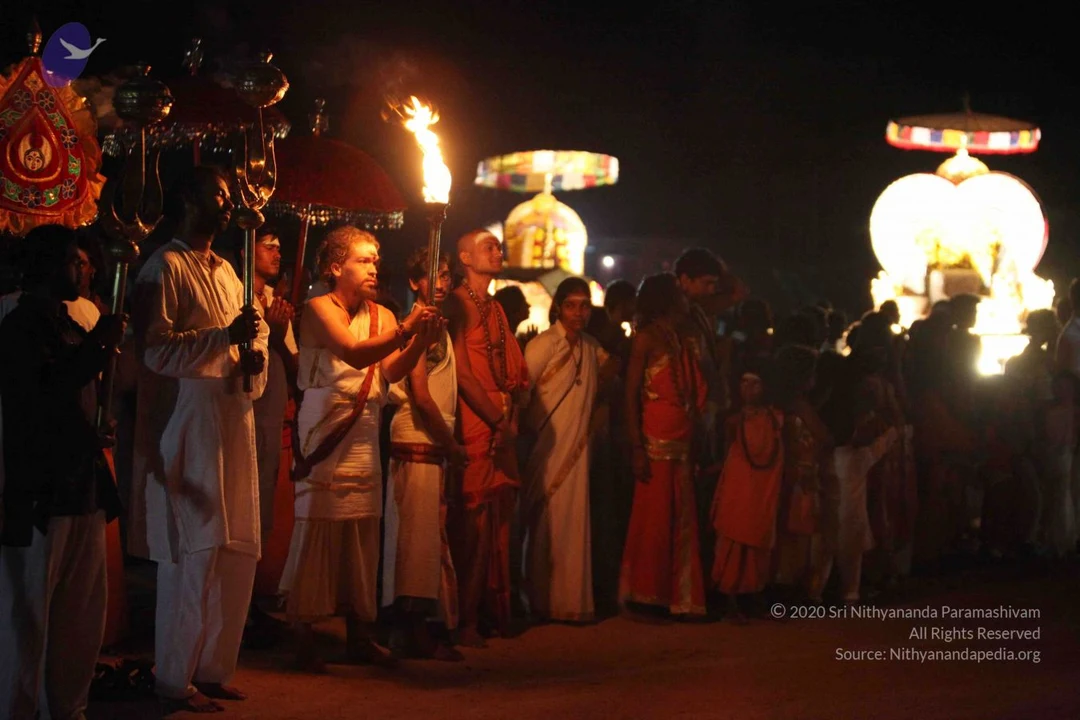
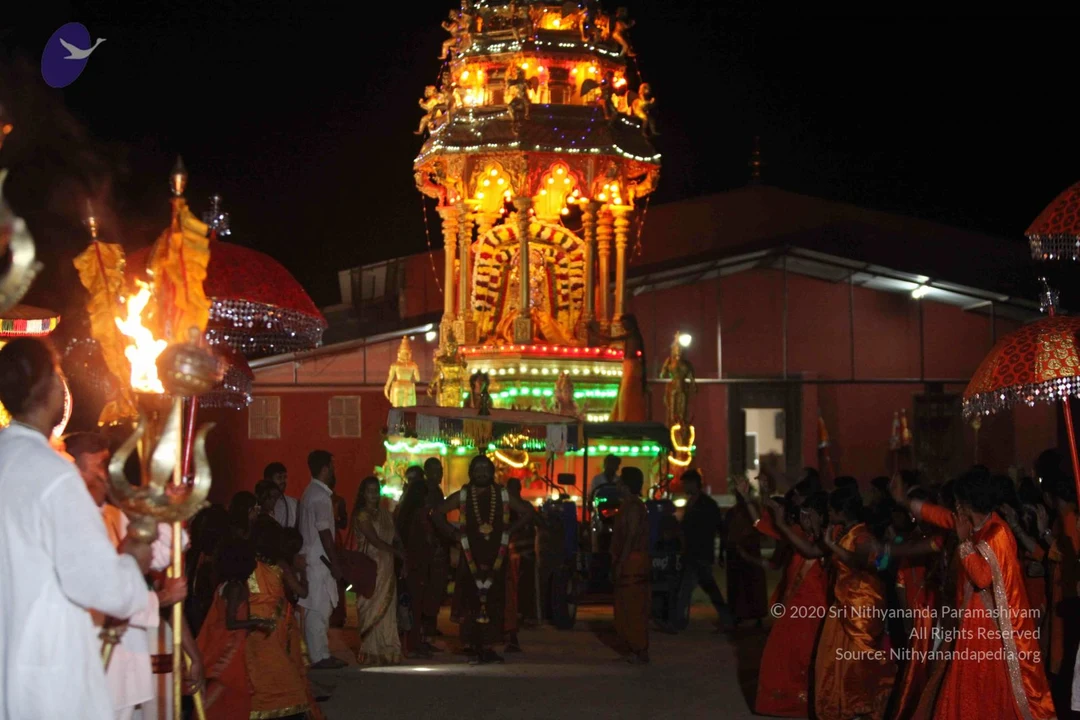
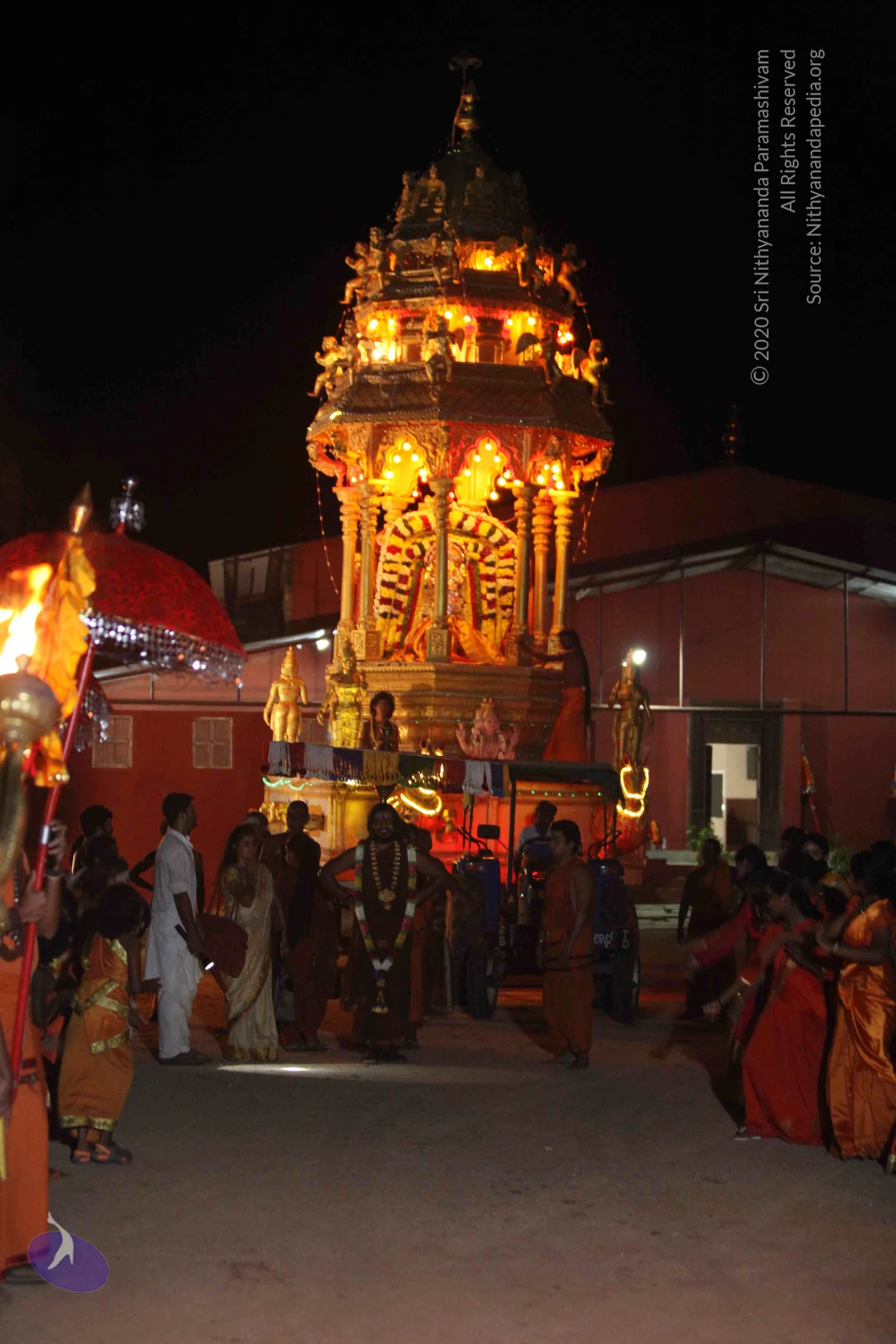
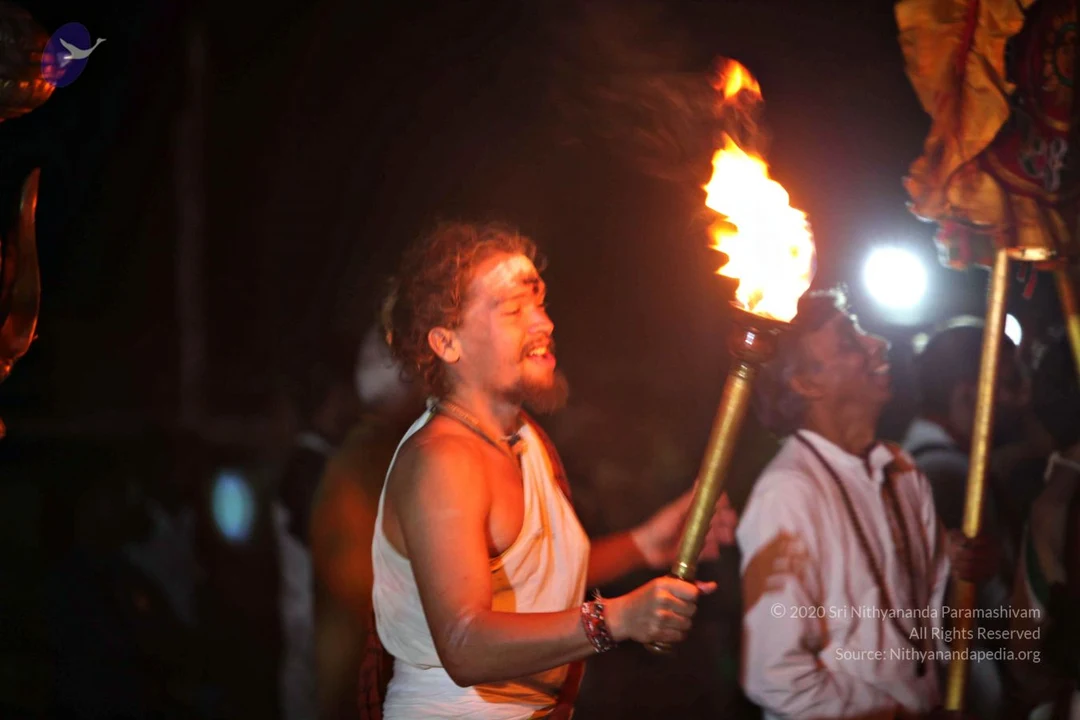
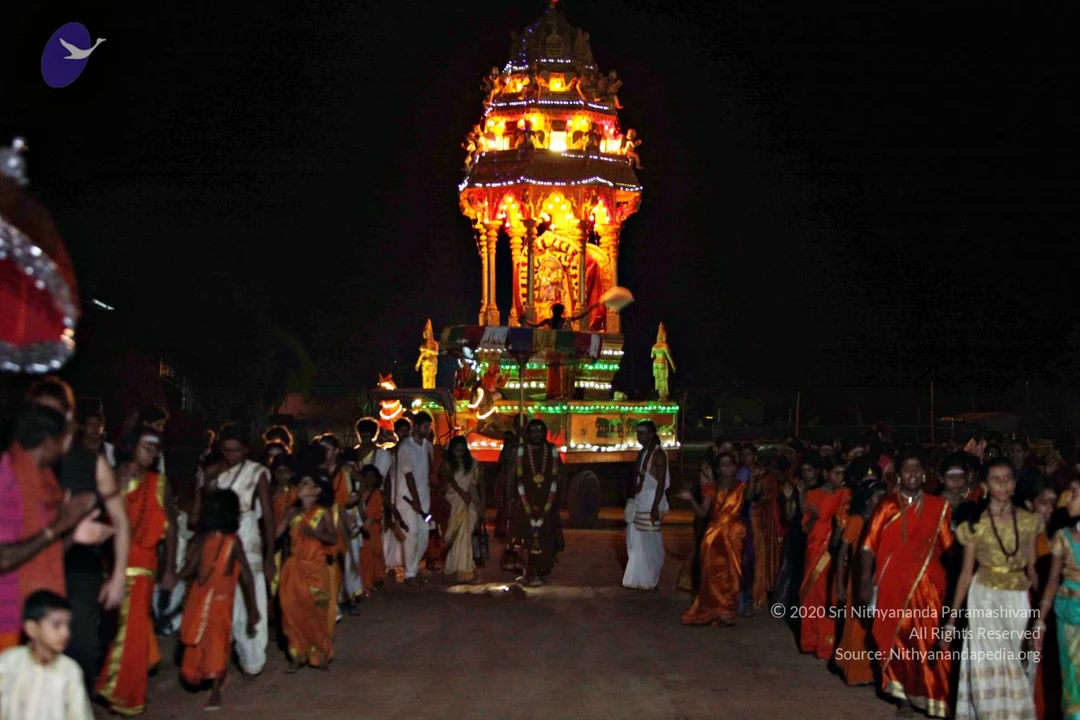
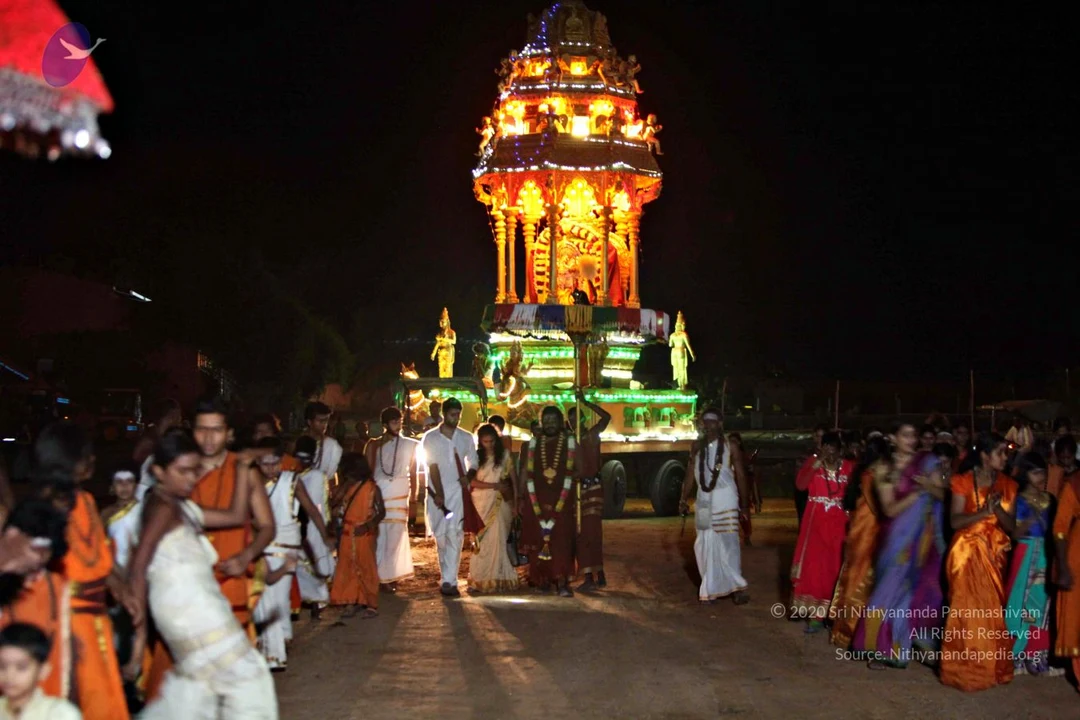
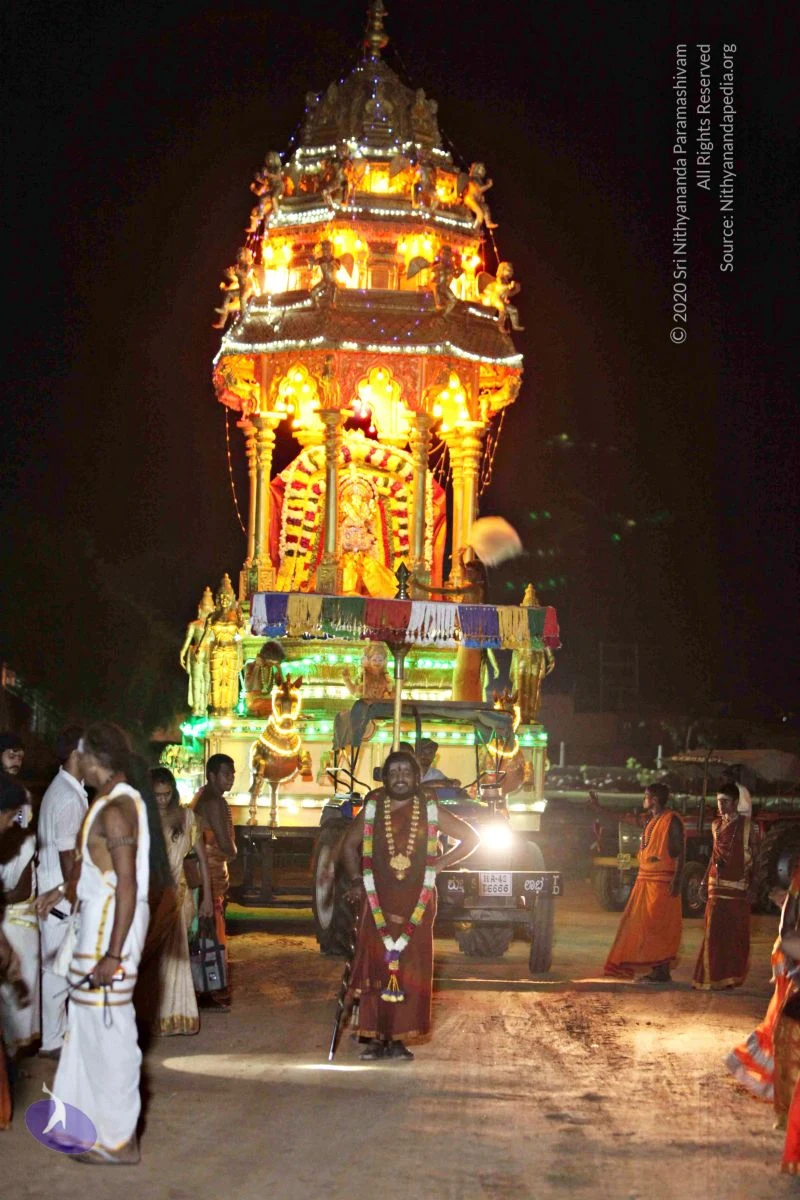
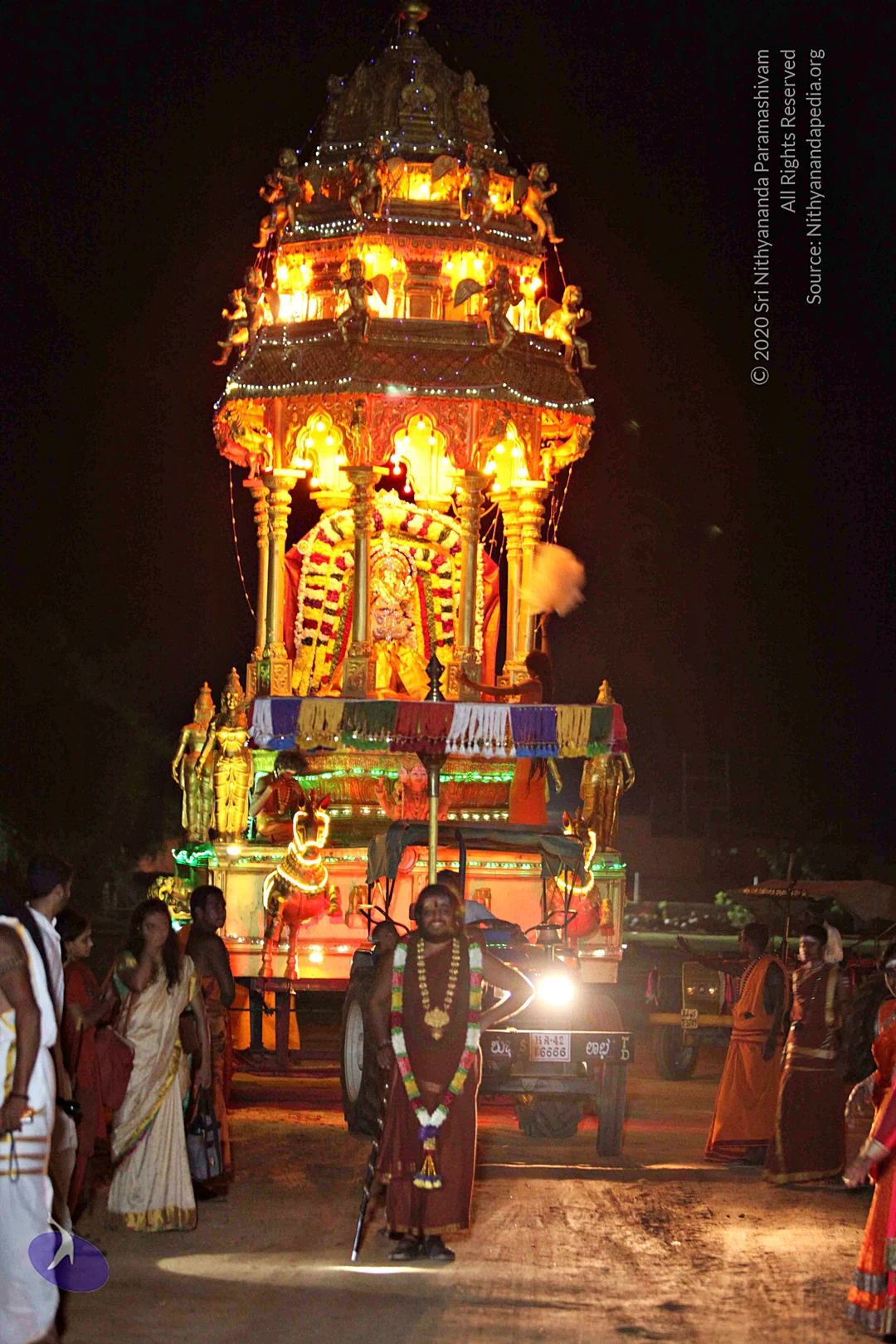
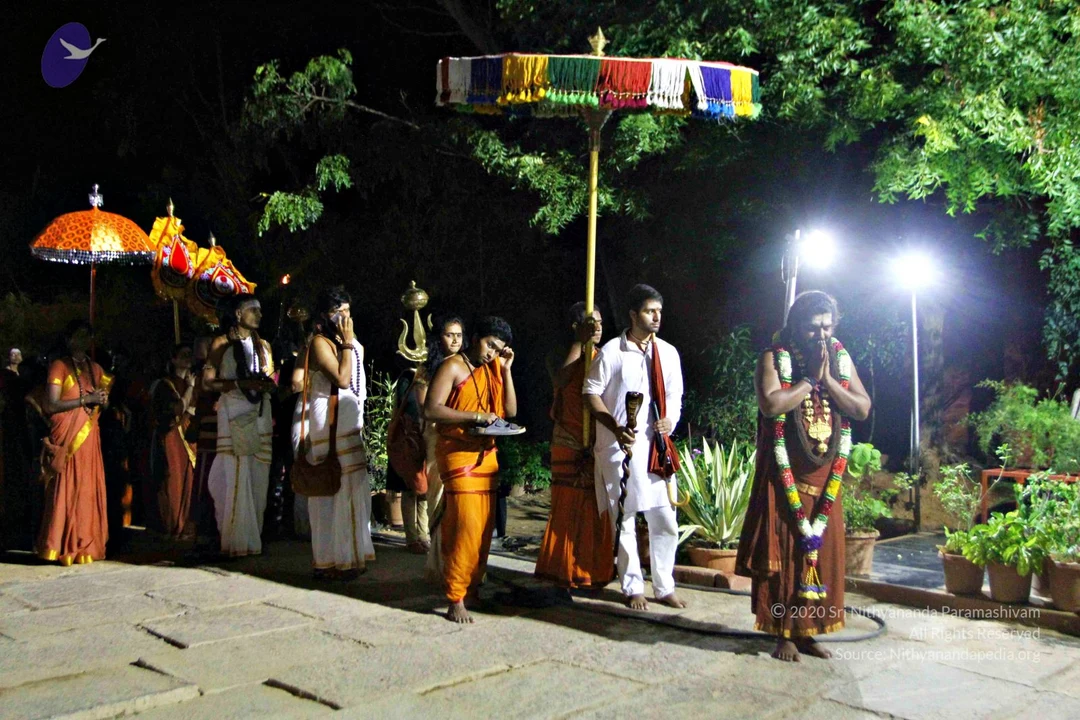
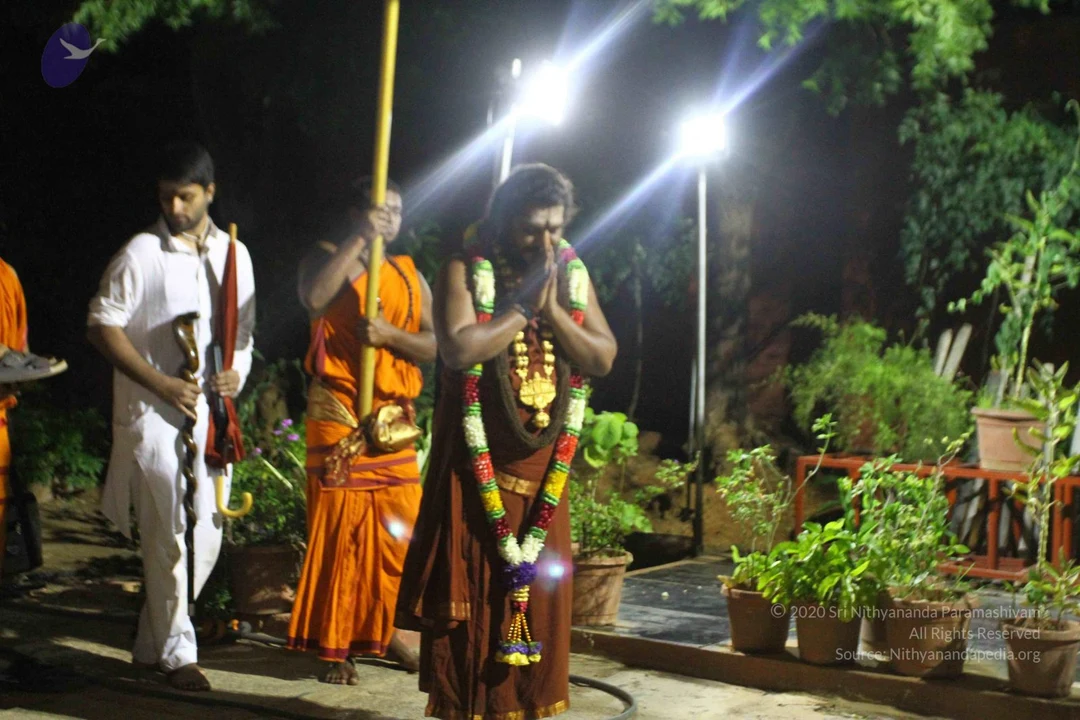
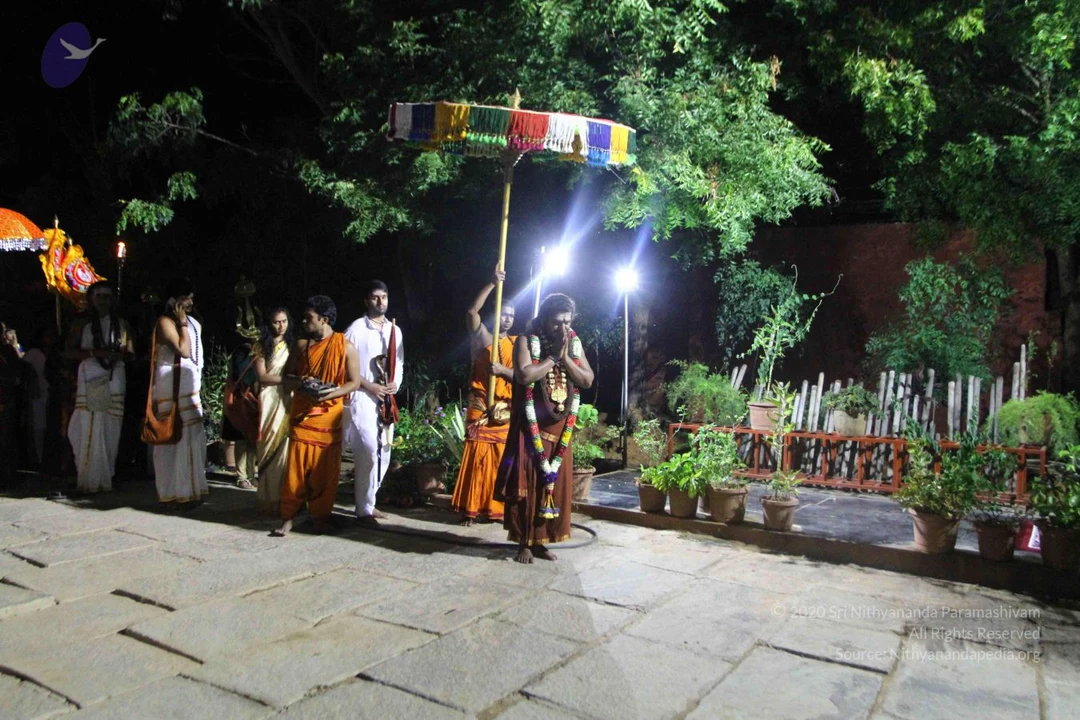
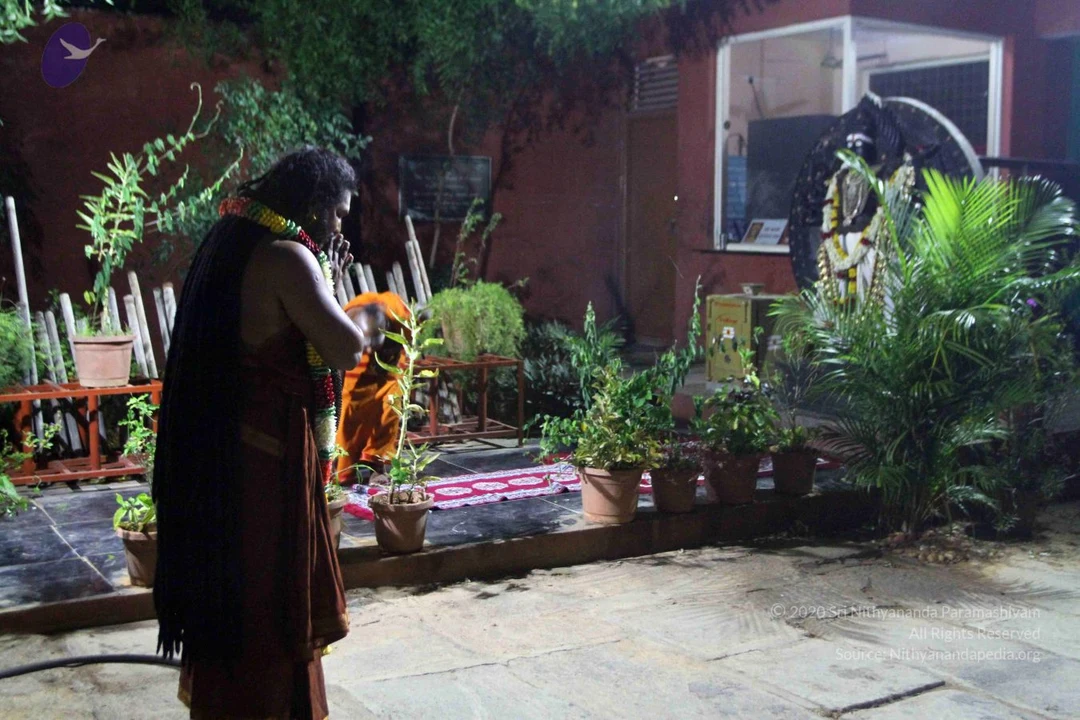
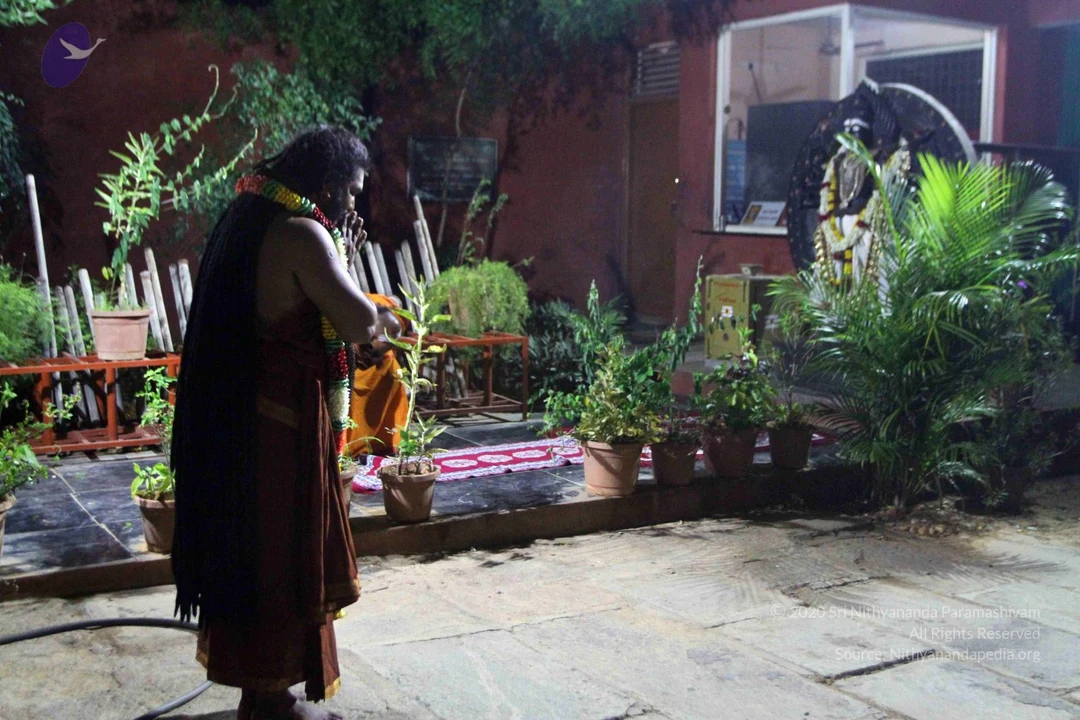
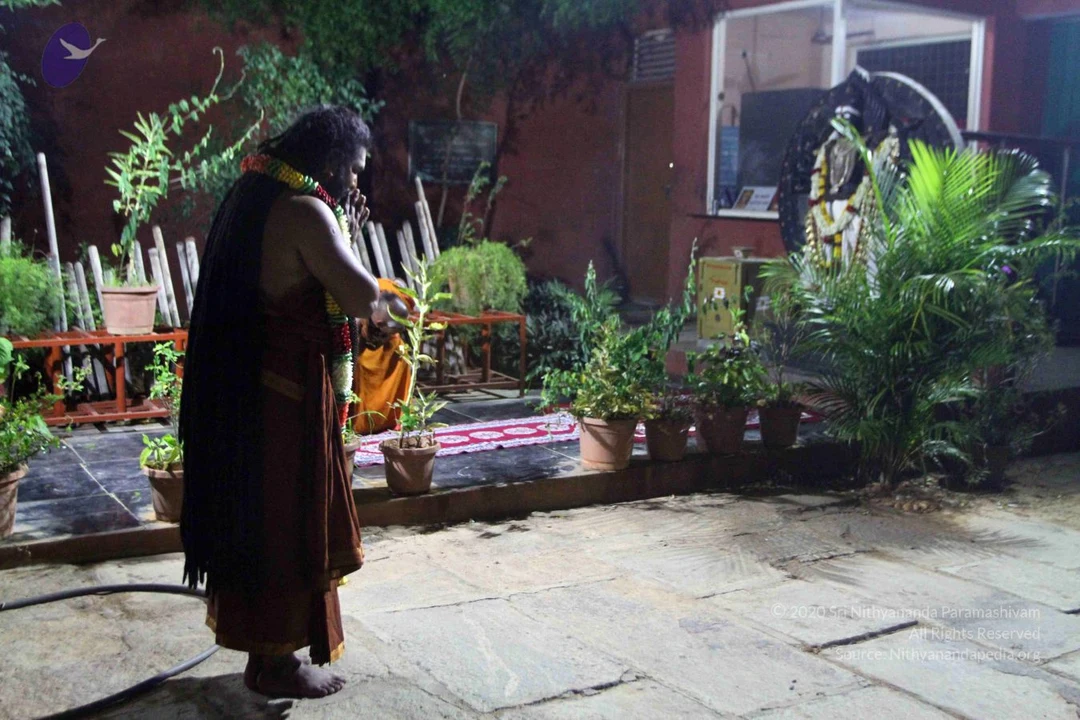
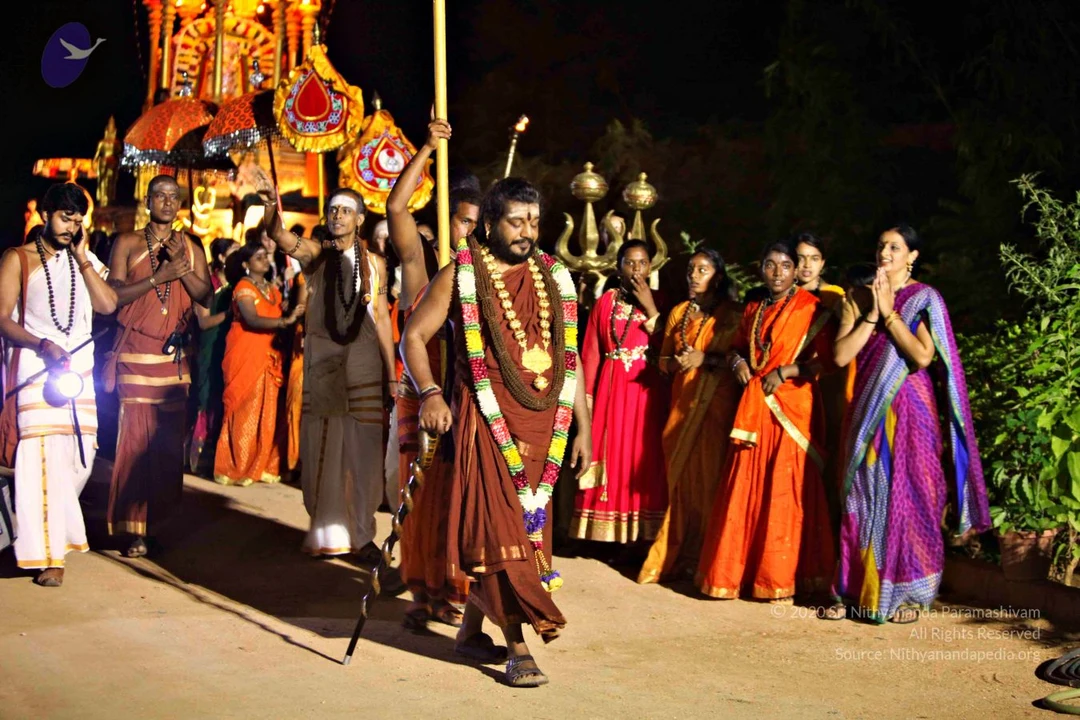
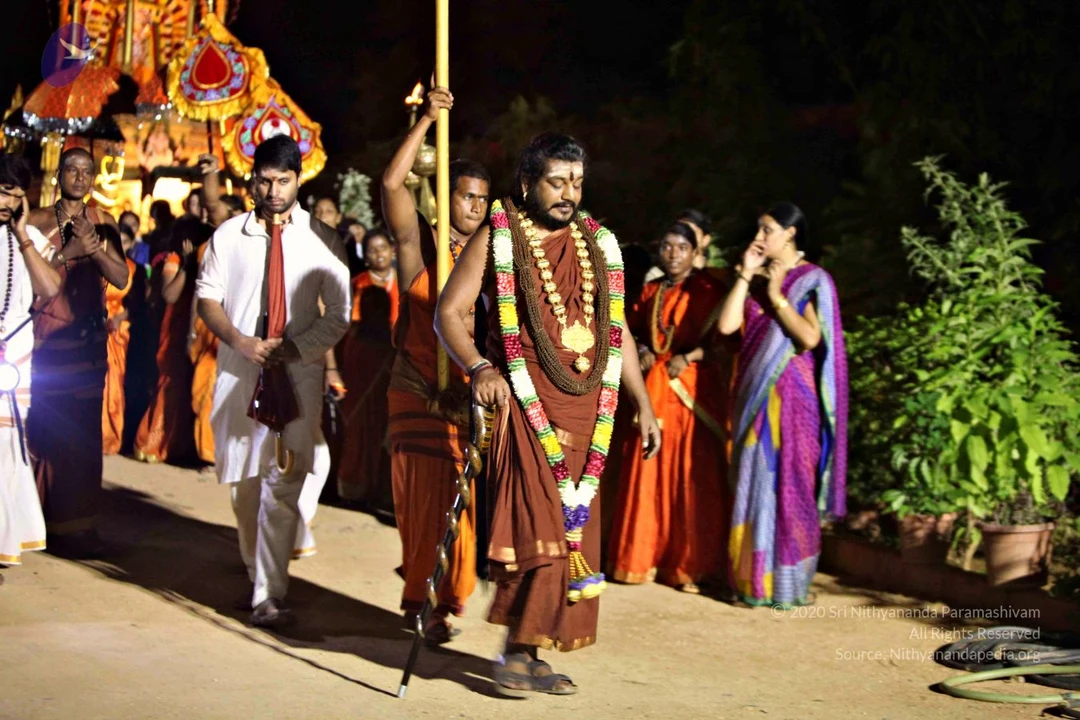
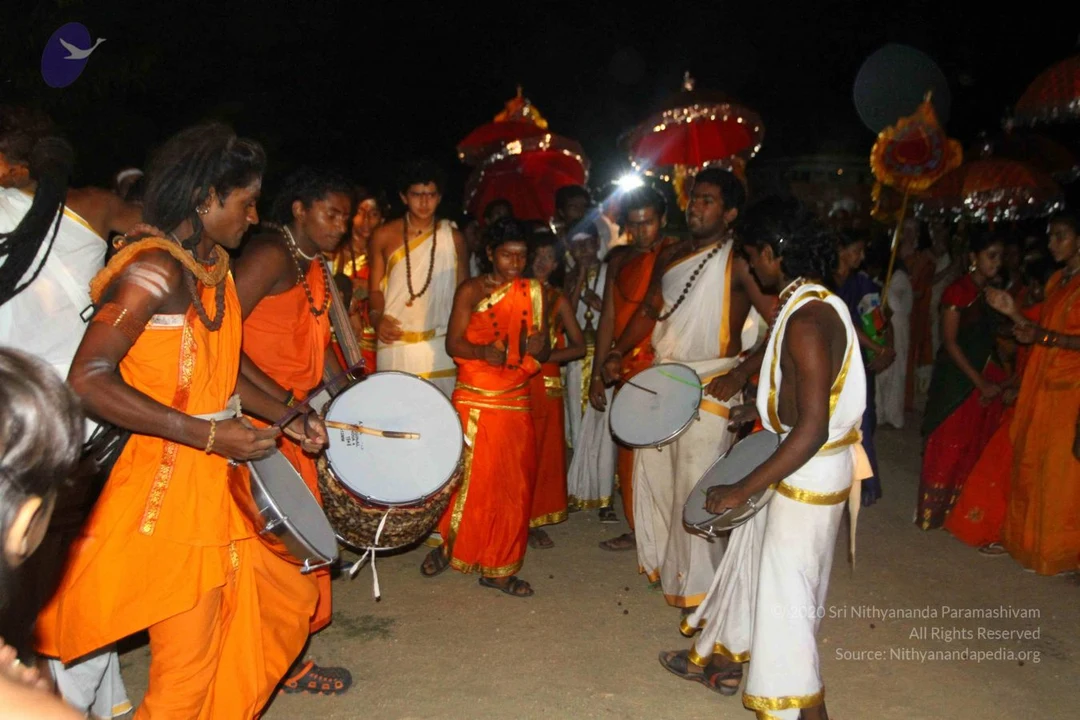
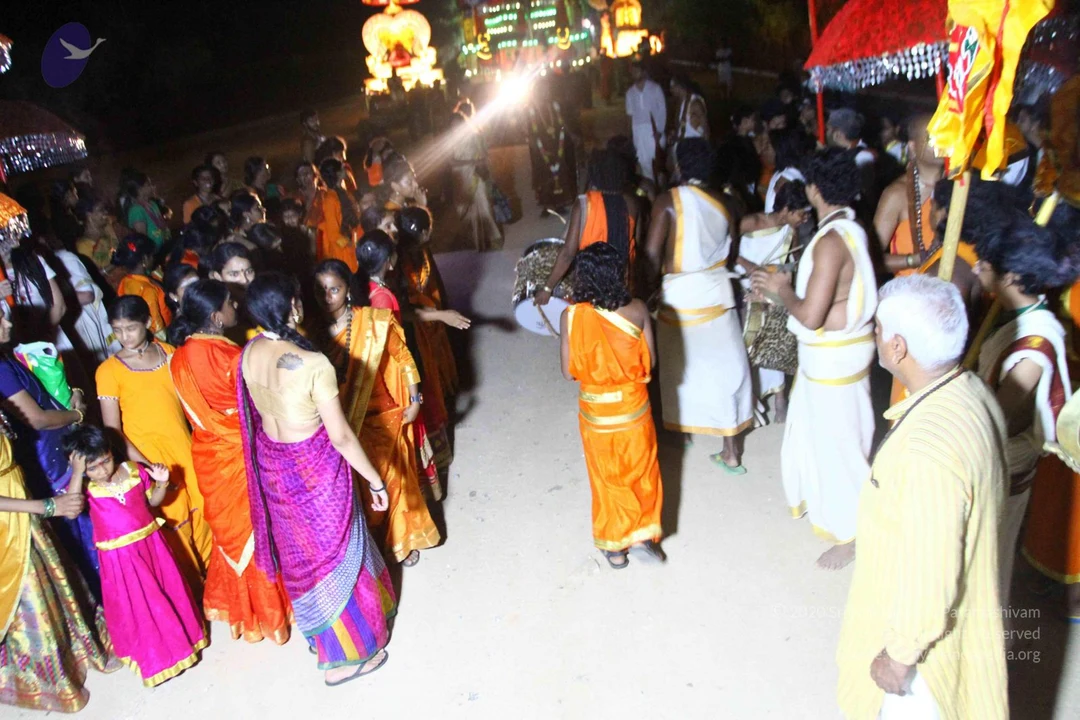
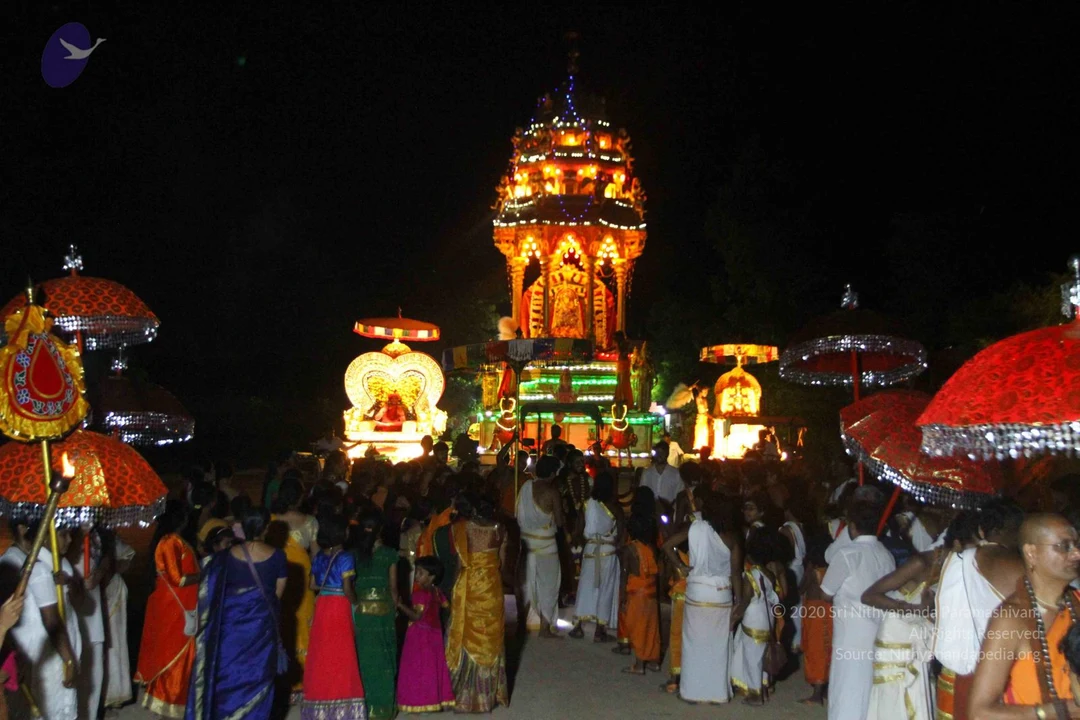
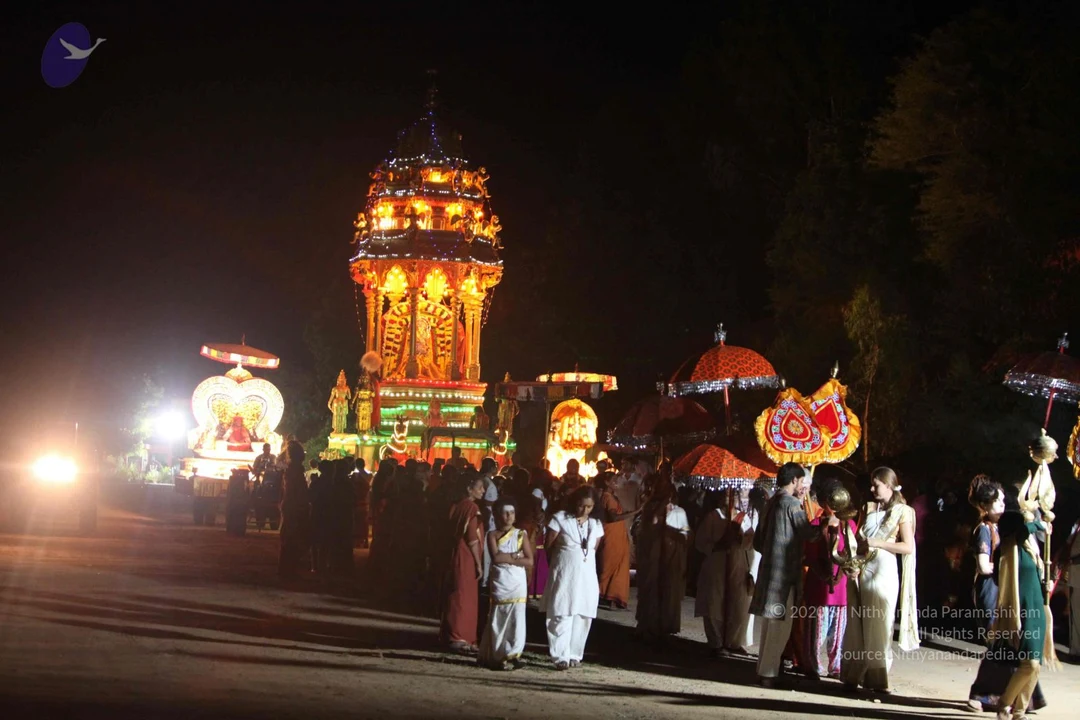
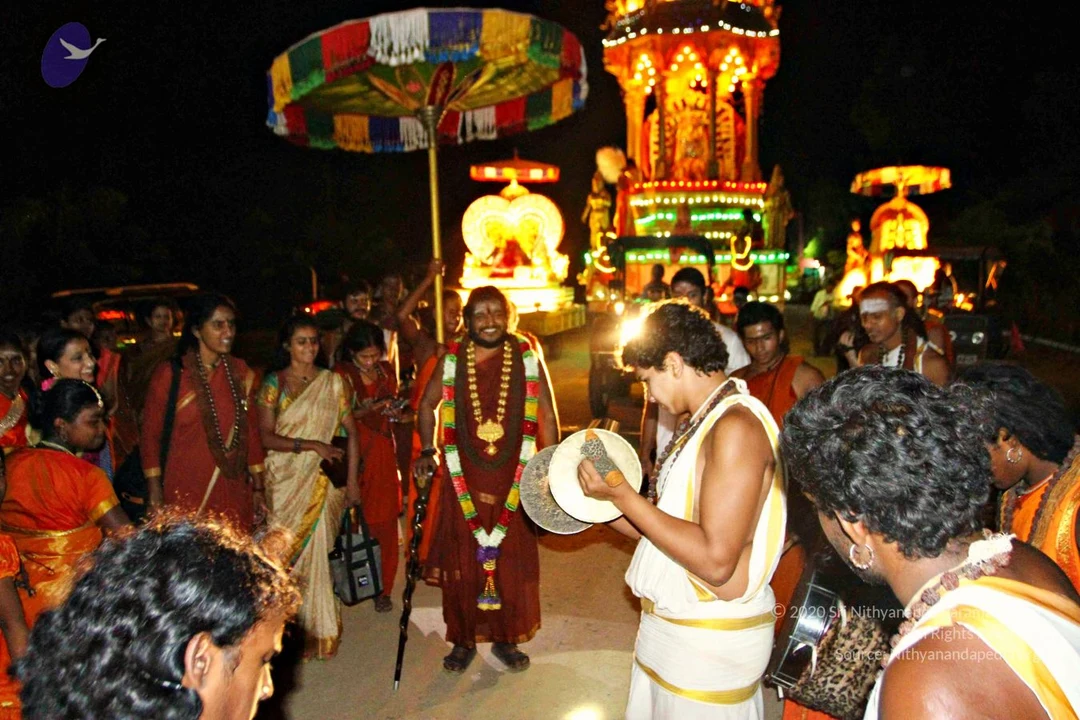
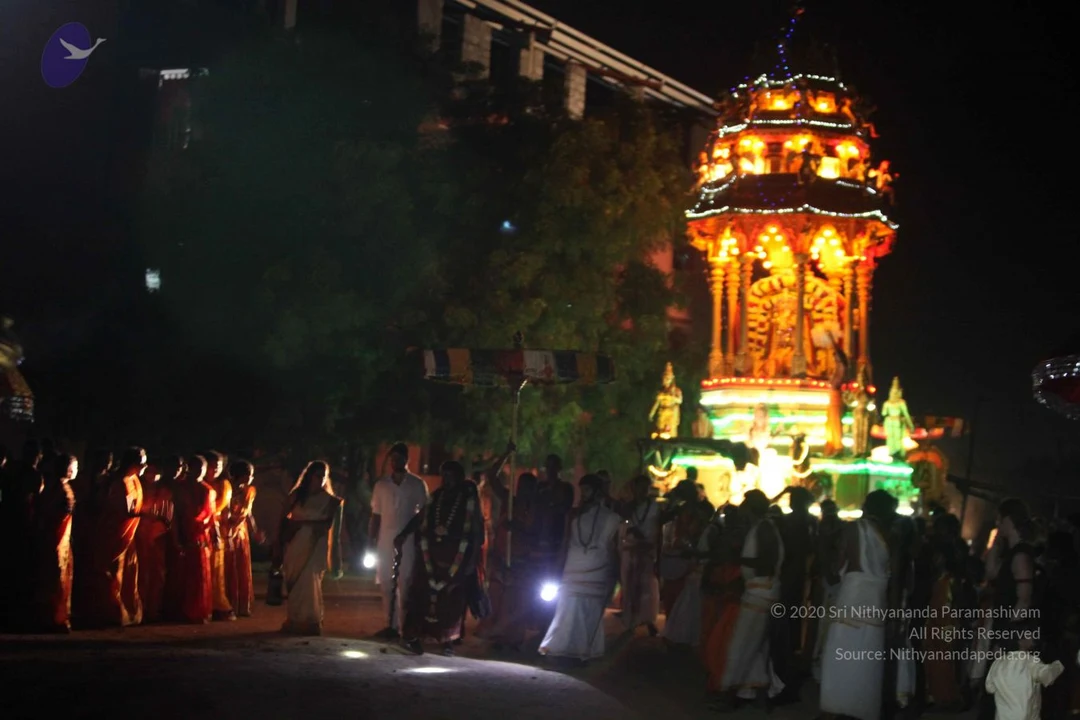
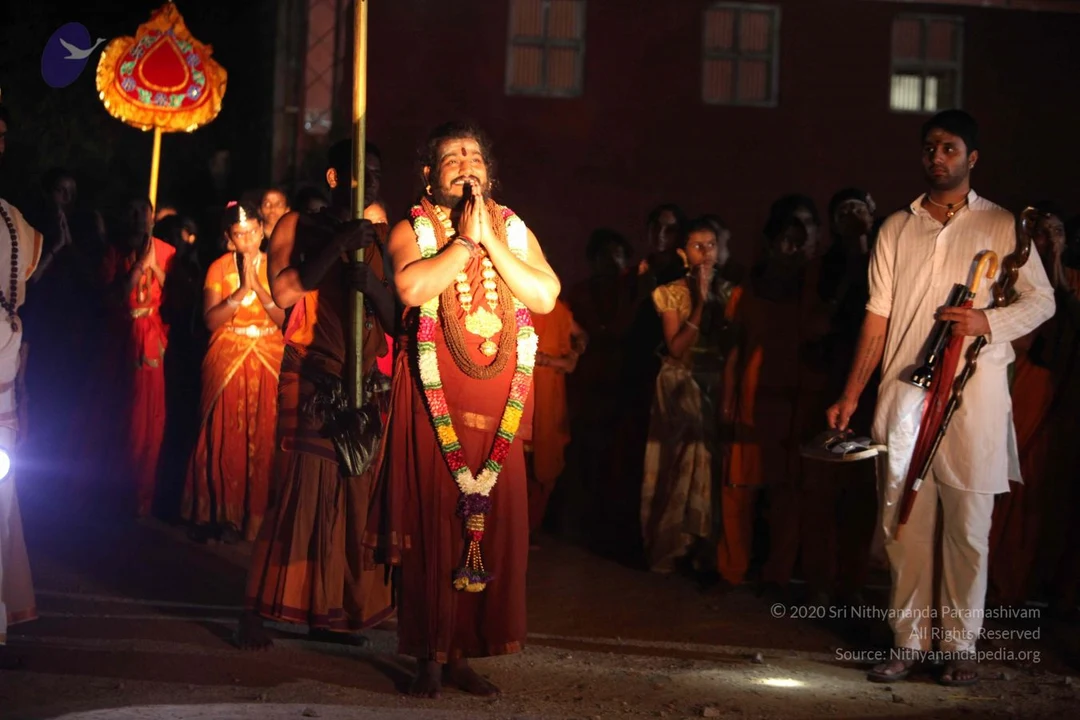
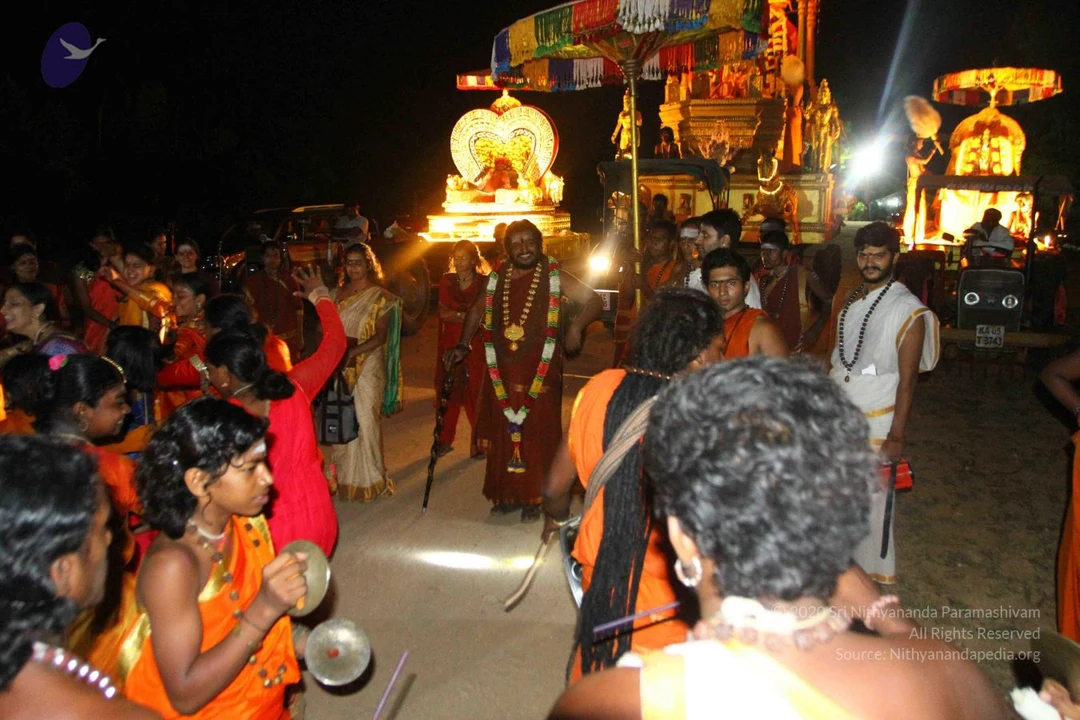
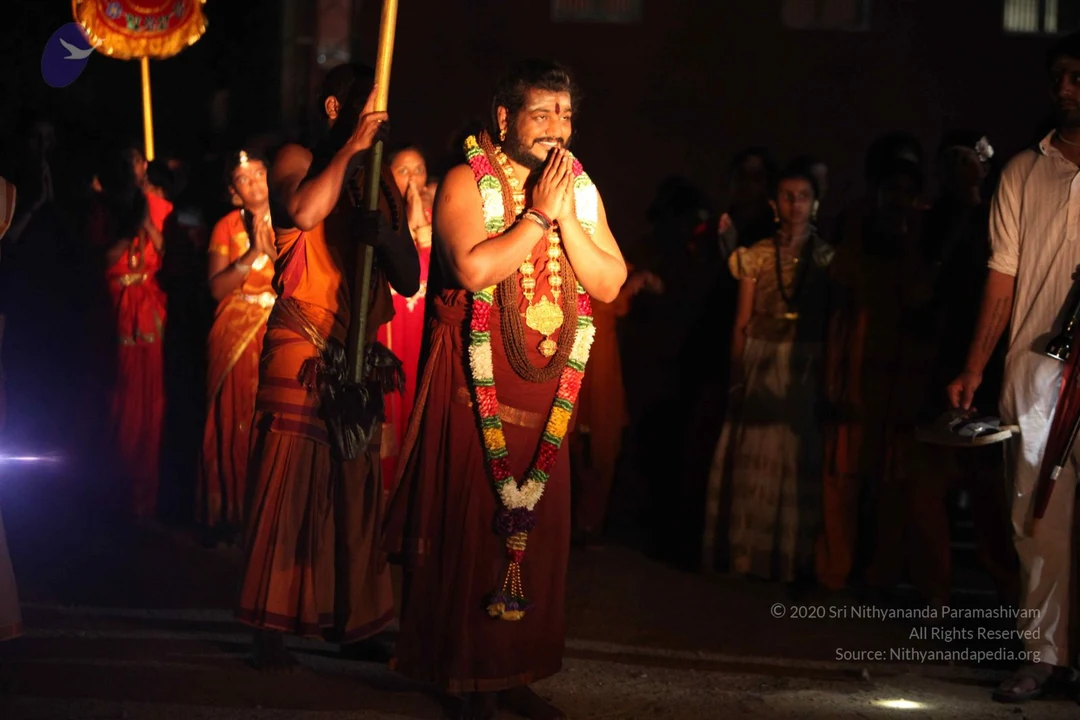
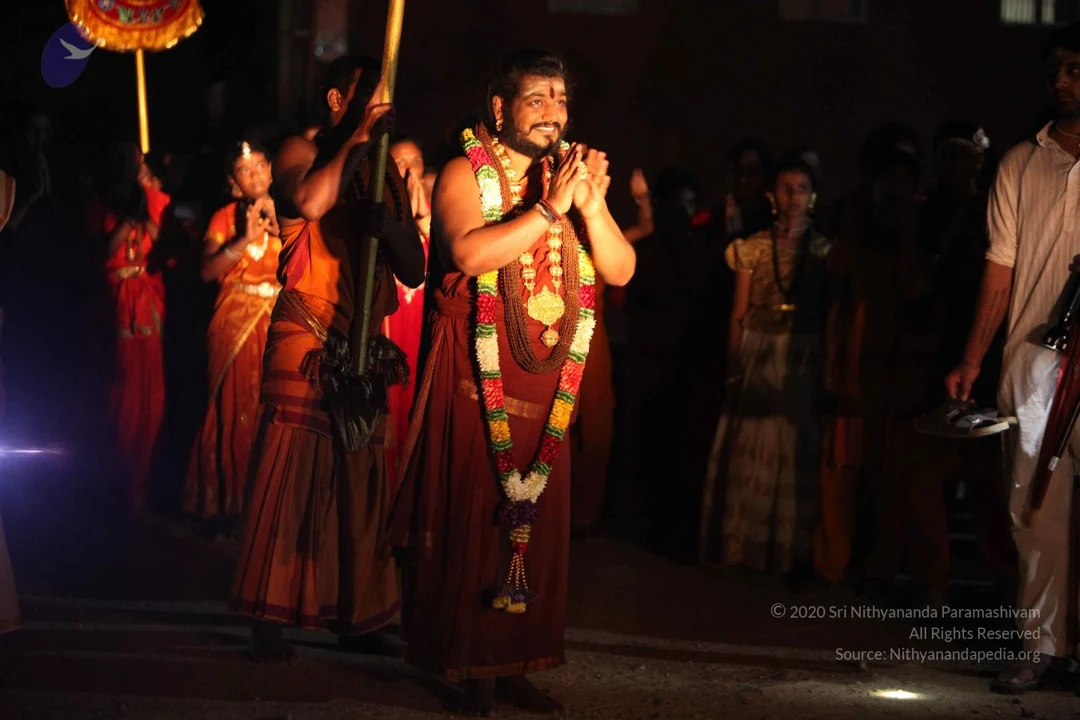
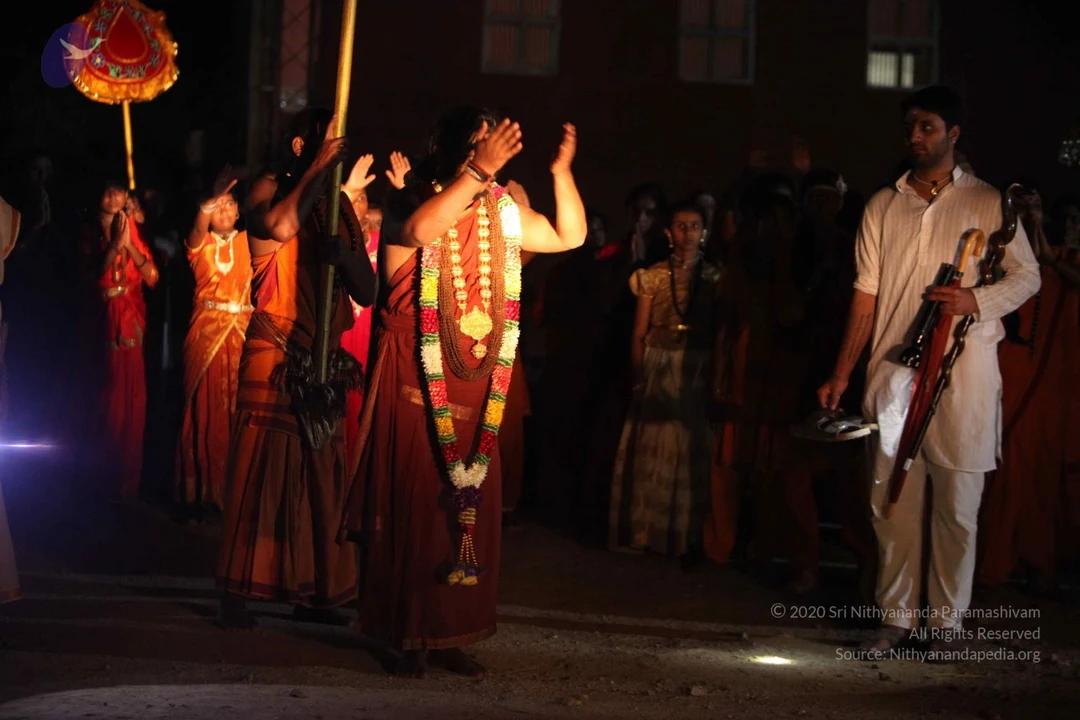
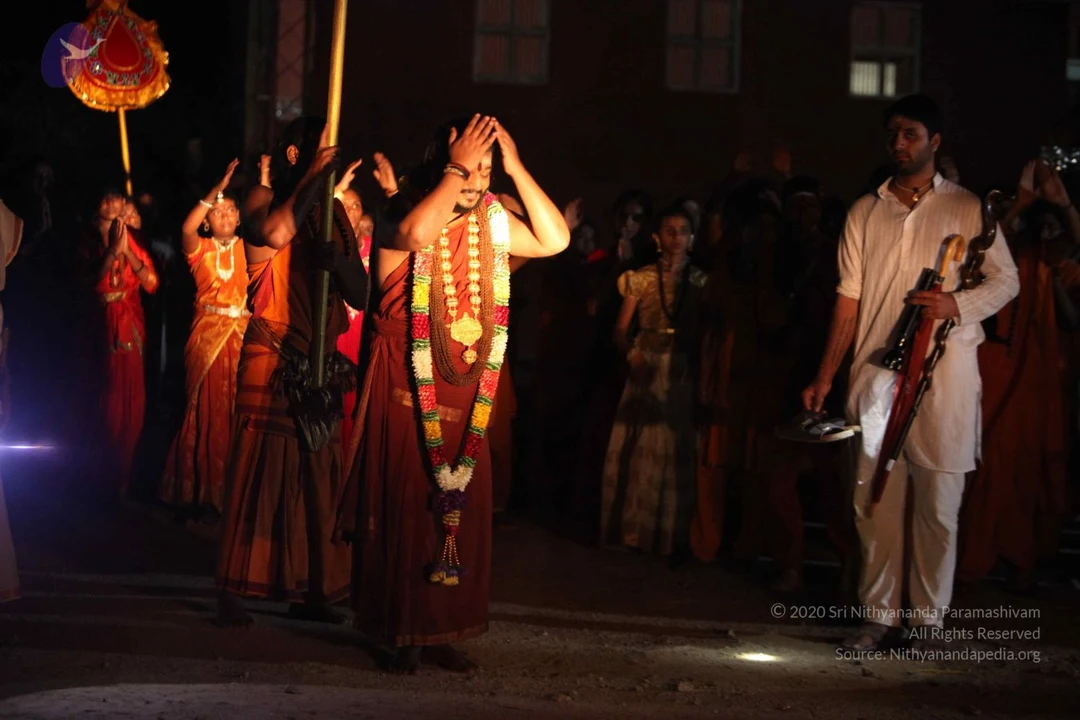
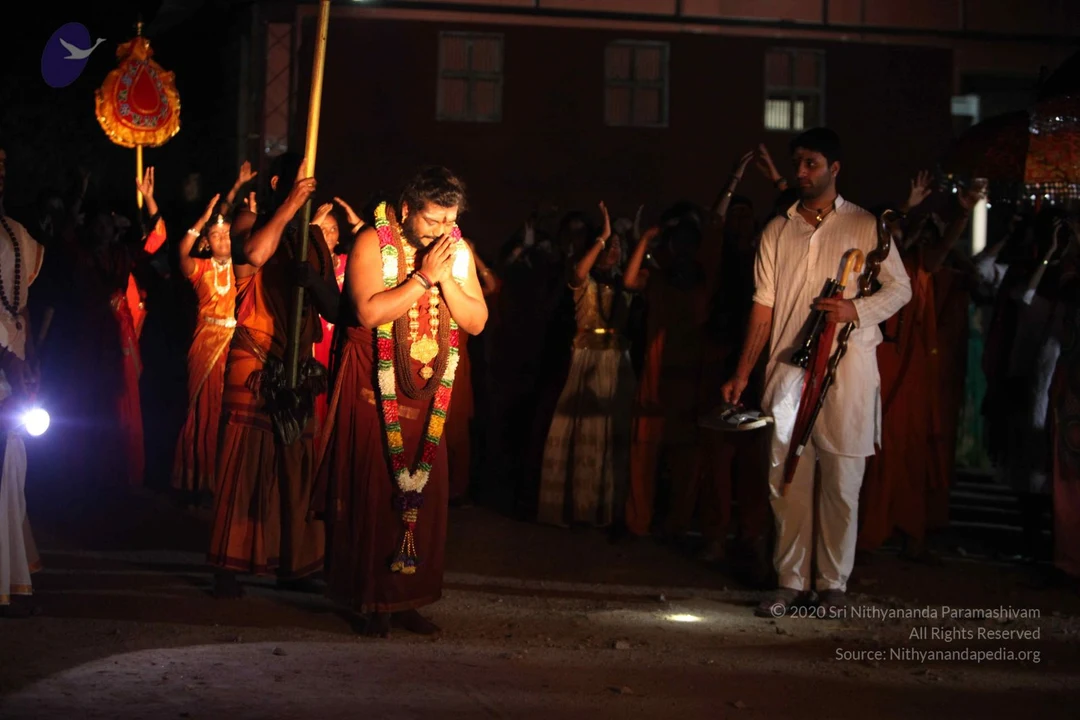
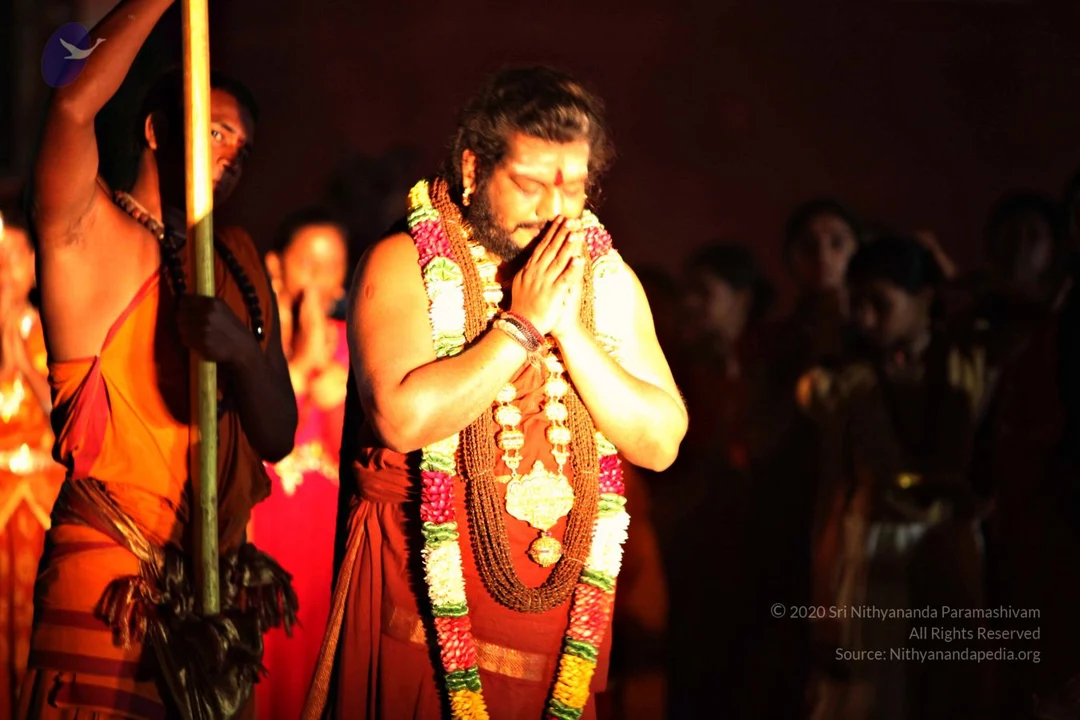
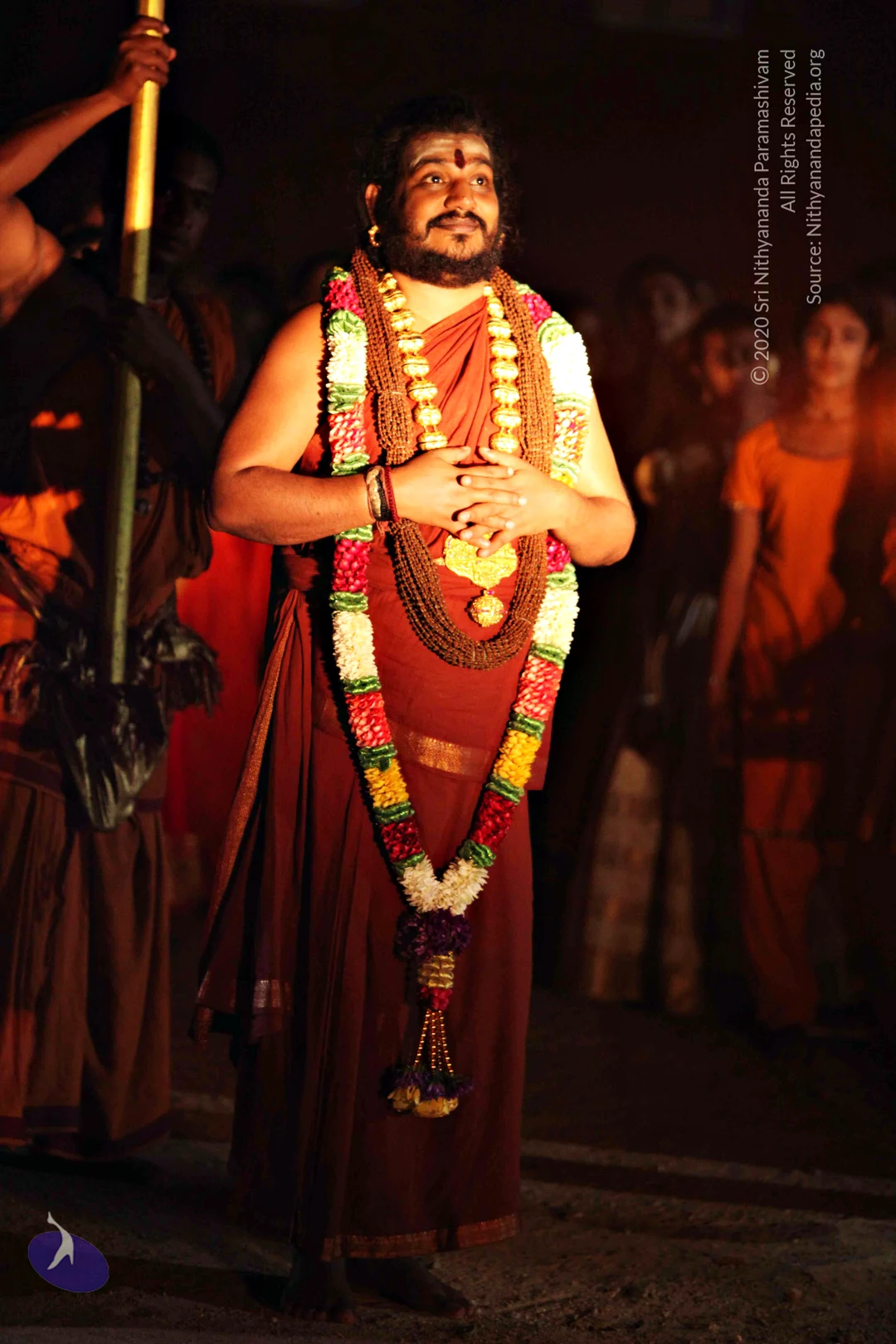
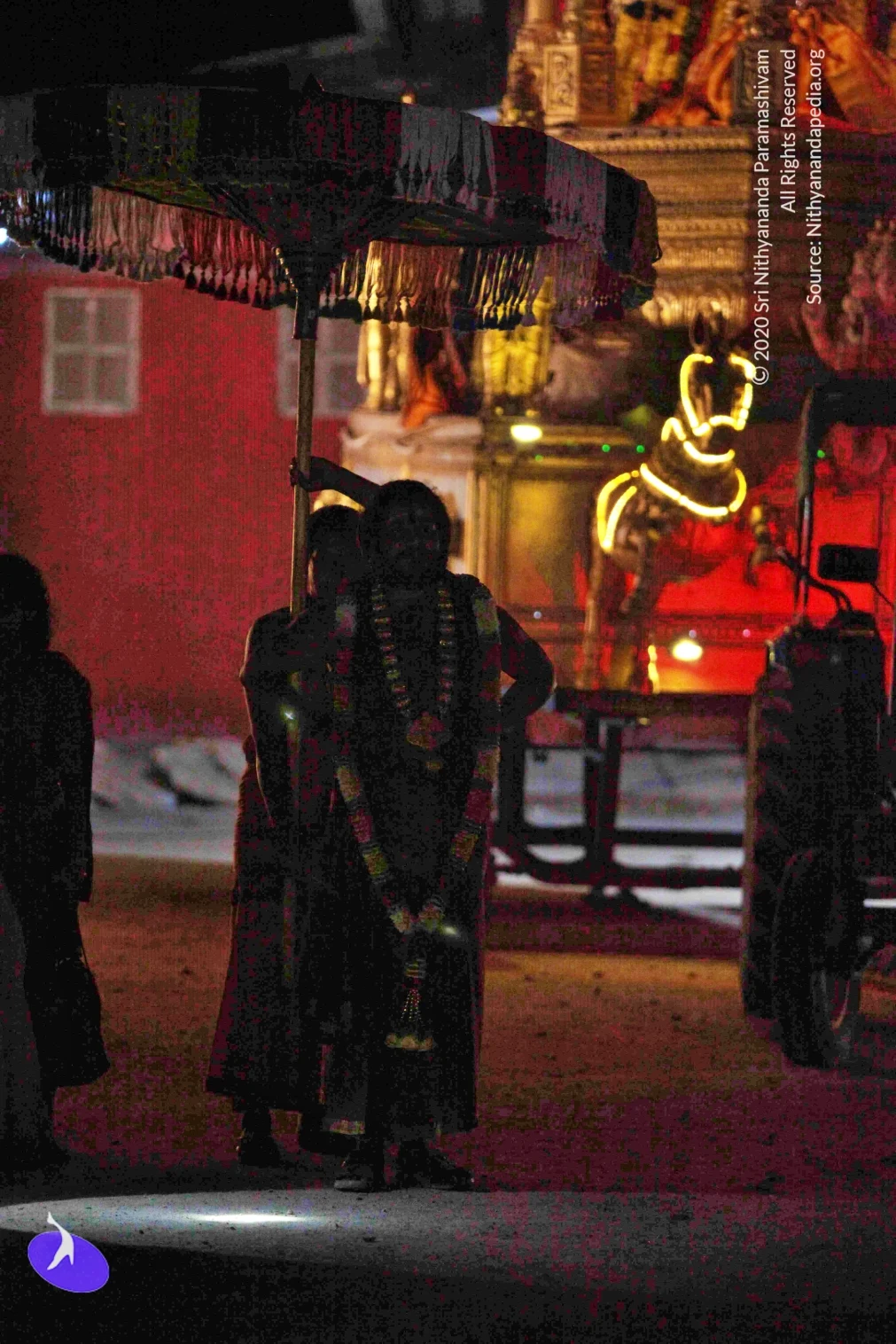
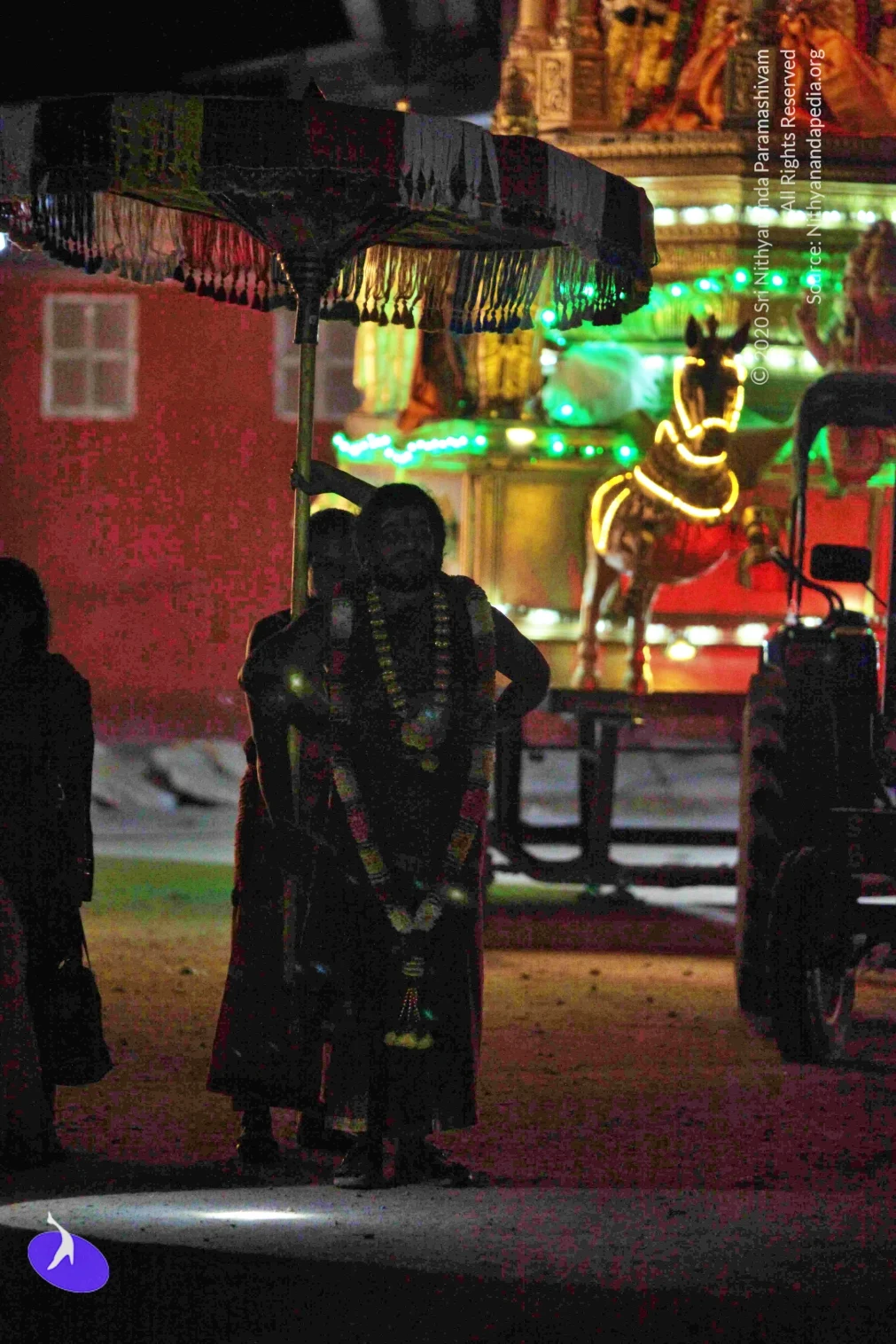
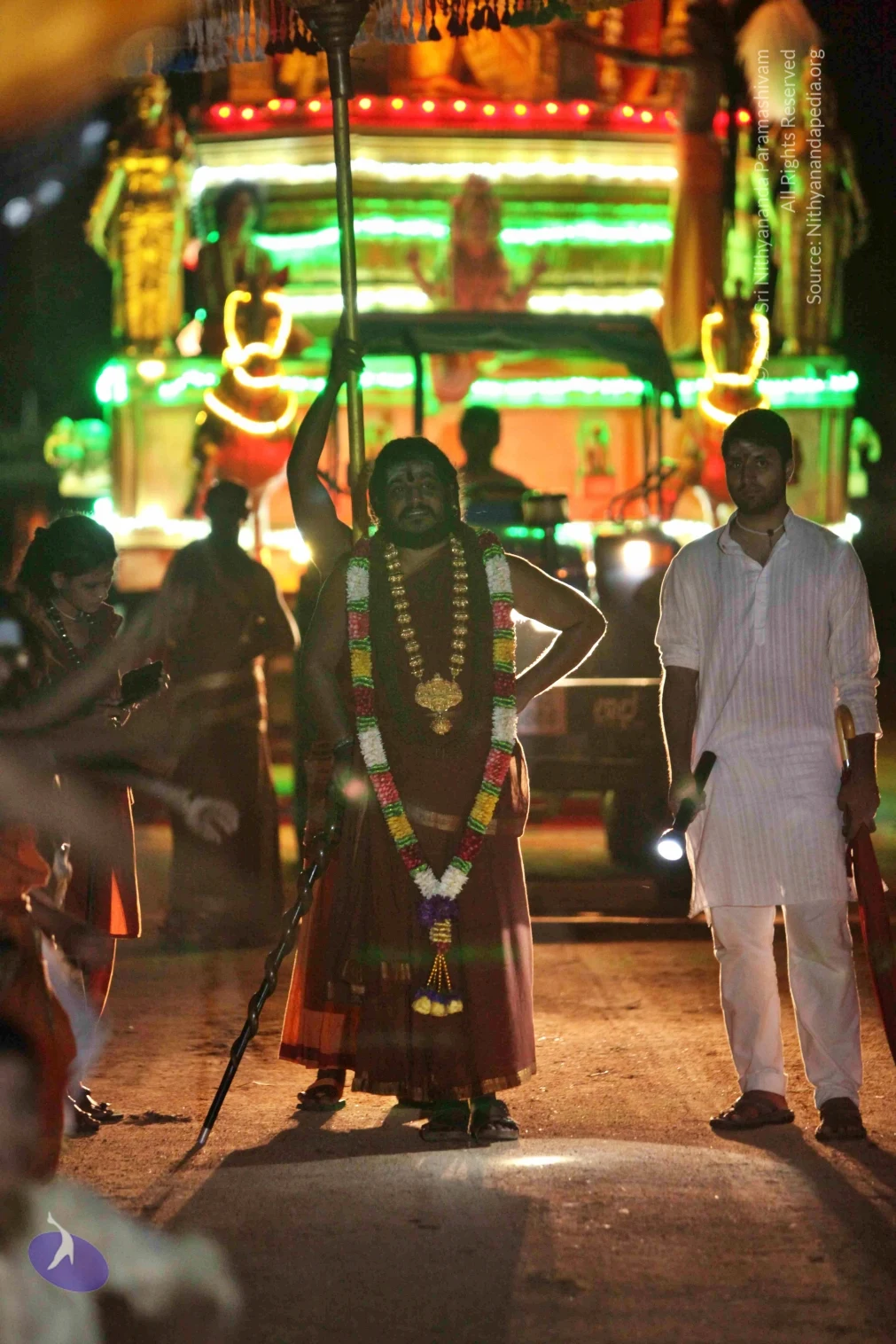
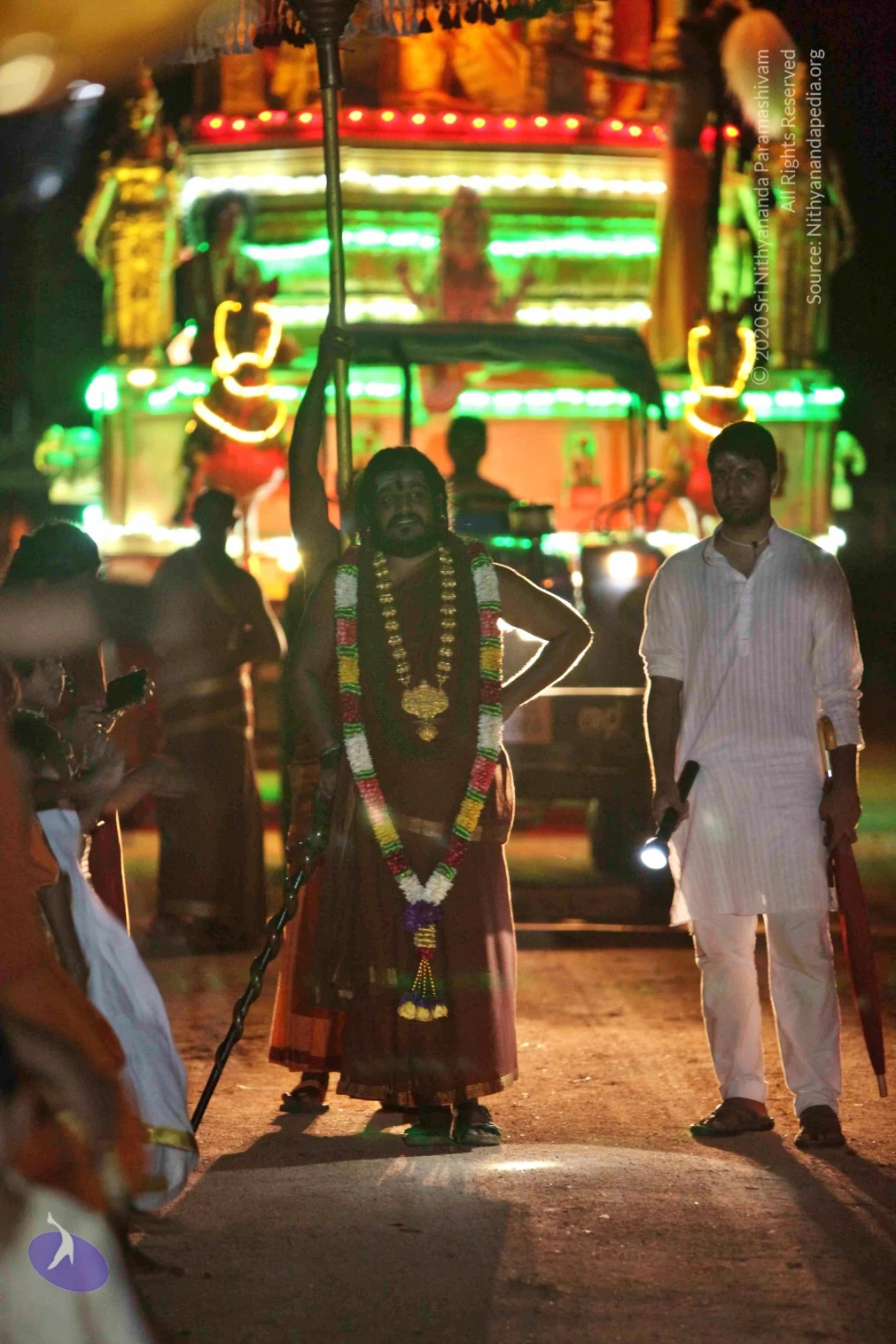
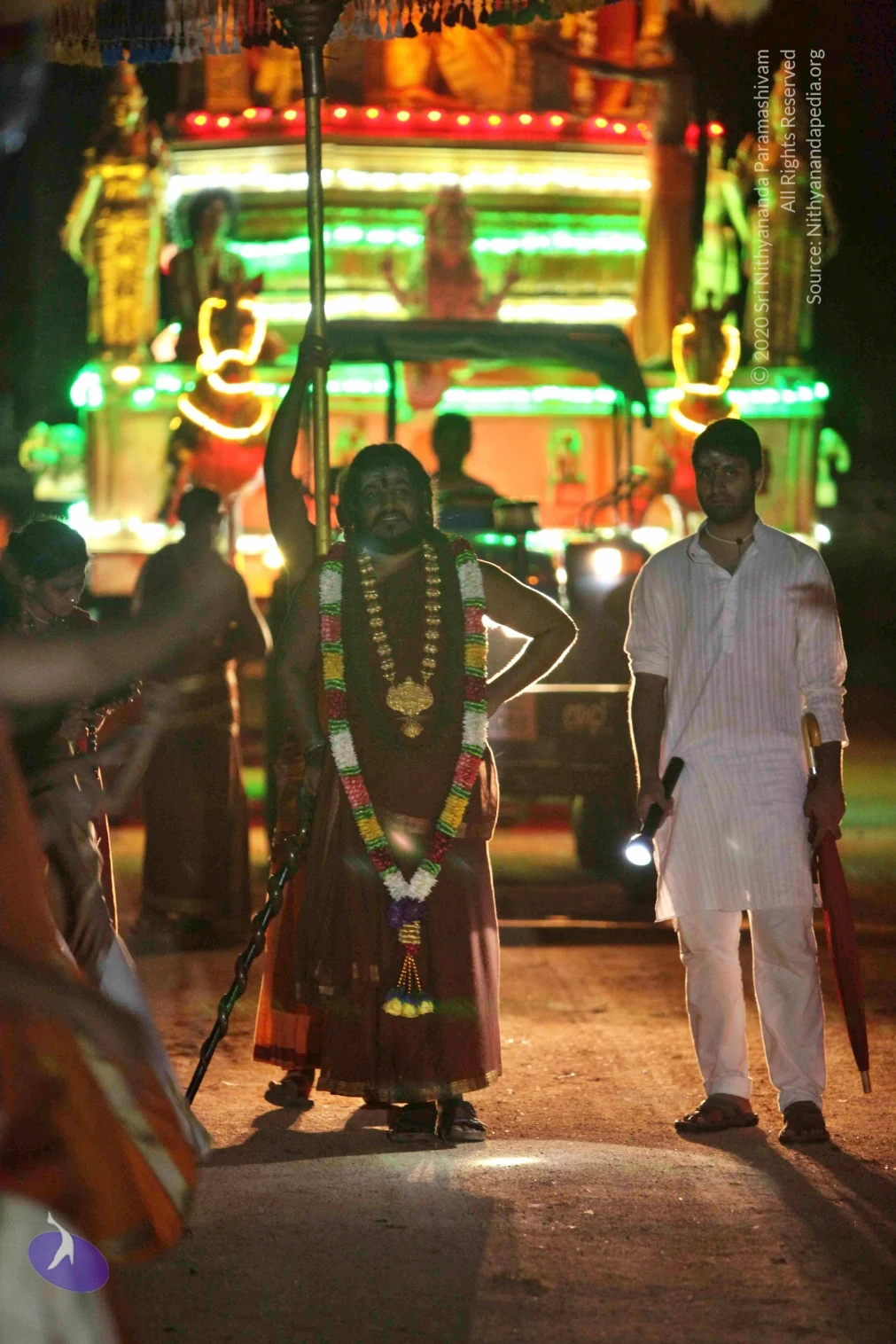
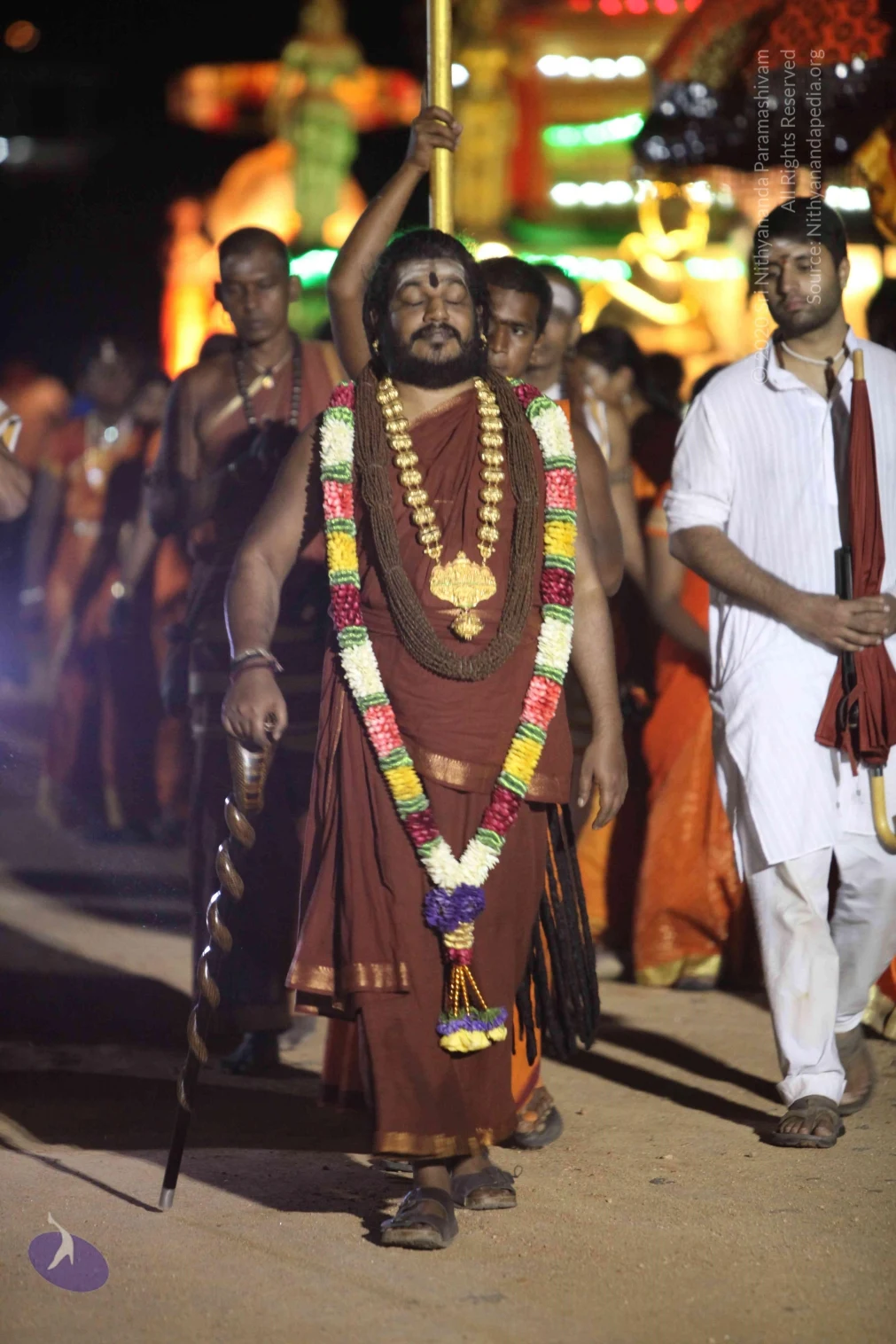
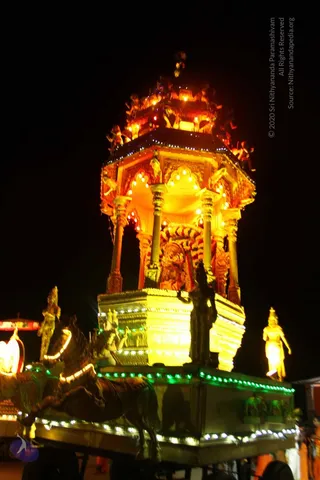
Ganesha Chaturthi Procession

Facebook Posts

https://www.facebook.com/ParamahamsaNithyananda/posts/1122209064533609

Tags:

Paramahamsa, Nithyananda, Mahaganapati, Adishakti, Devi, Prakriti, Nature, Purusha, Sadashiva, Ganesha, spontaneous completion, celebration, Ganesh Chaturti, History of Ganesha’s birth, Adiganapati, Ashudosha, Kailaasa, muscle-memory of Devi, Bio-energy of Sadashiva

Photos Of The Day:

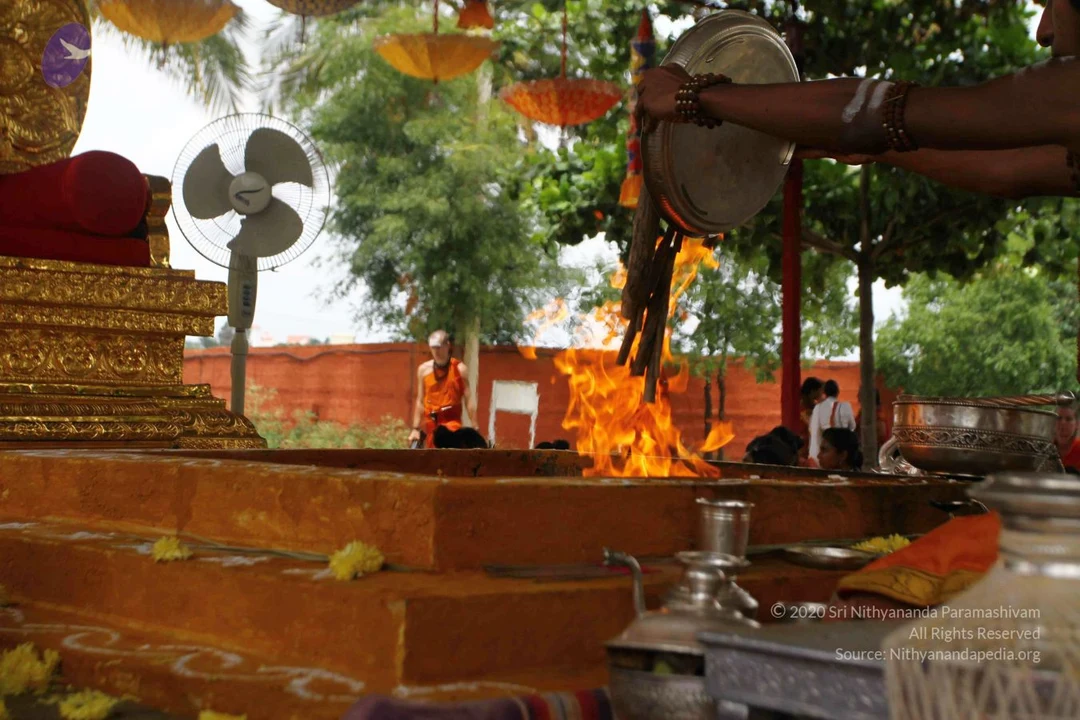
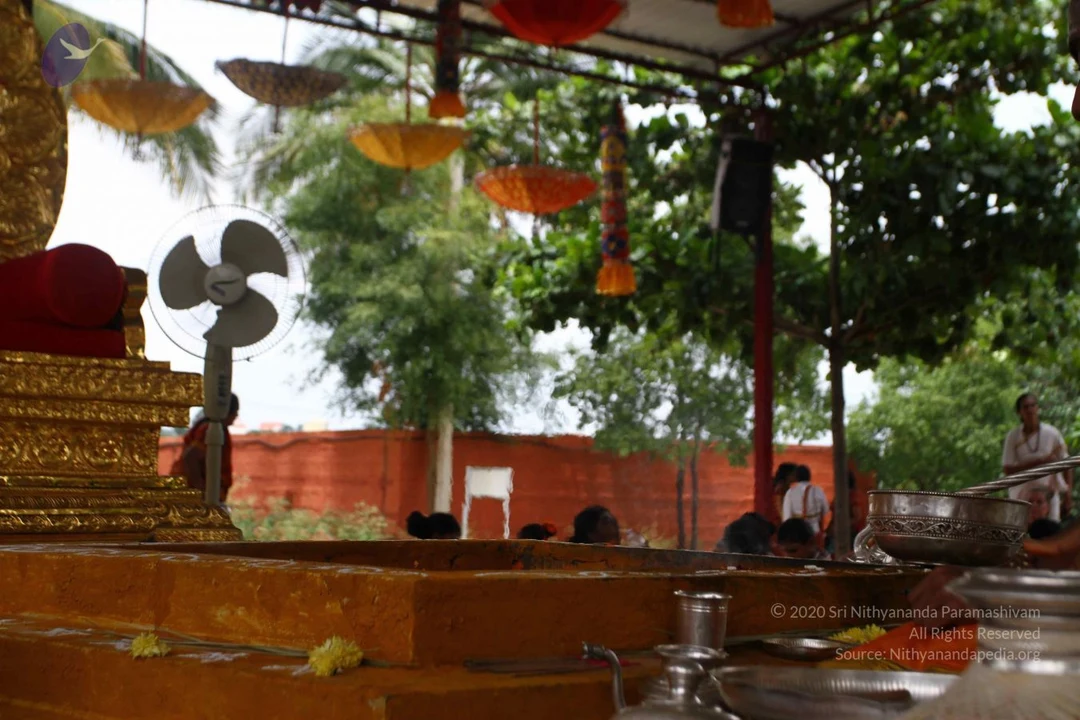
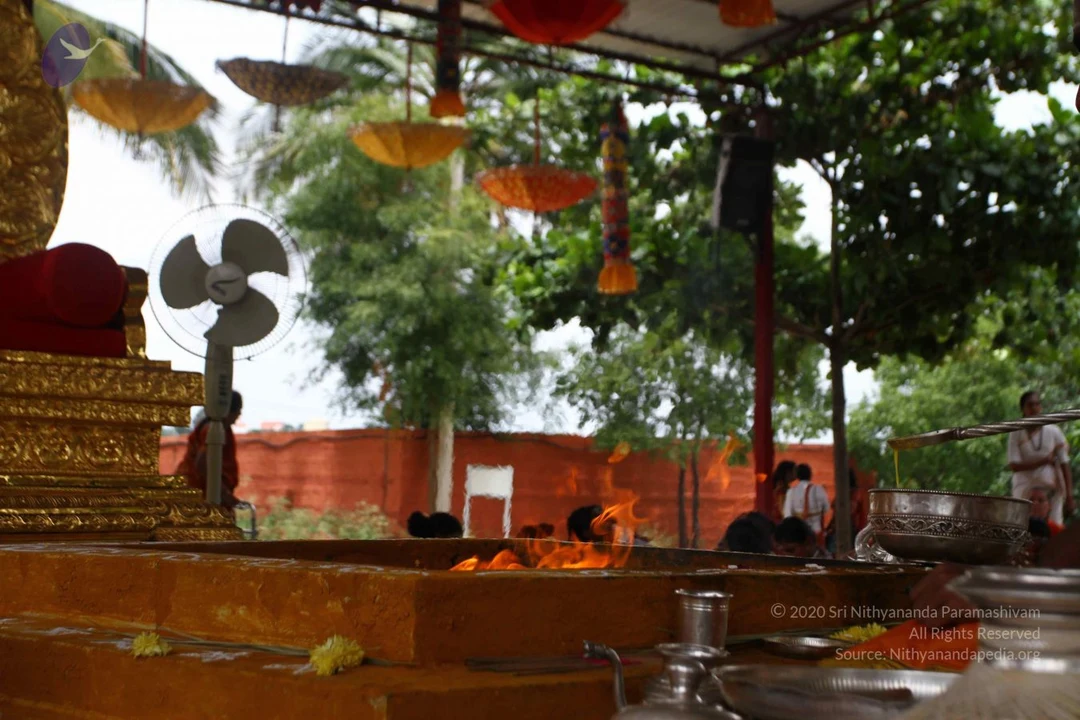
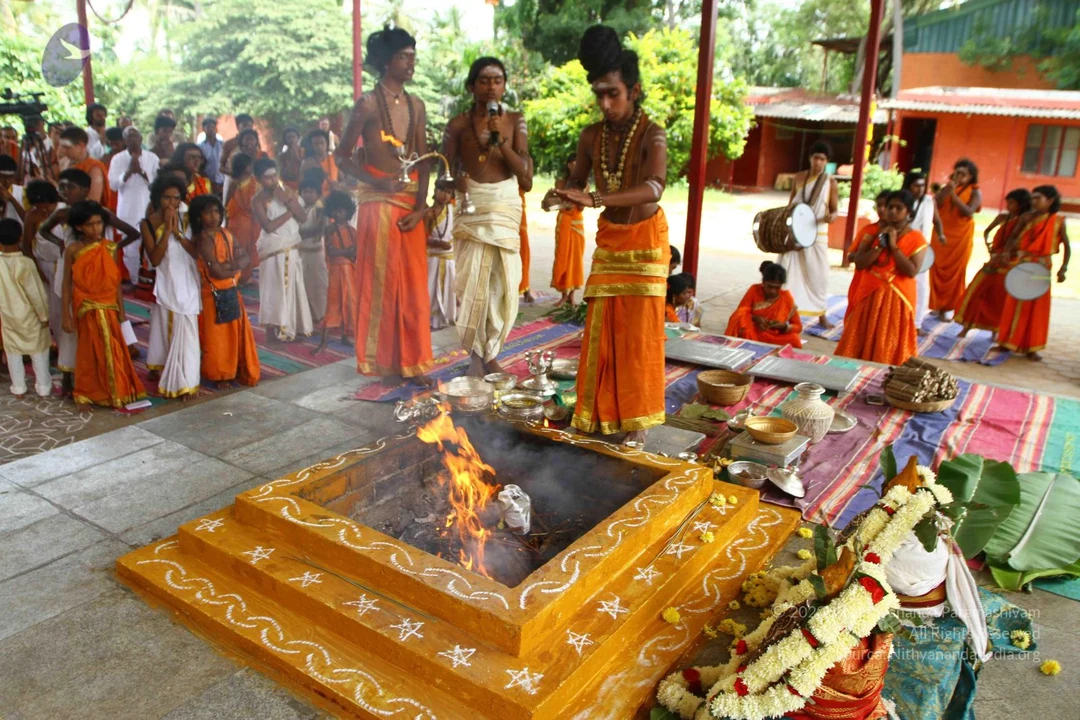
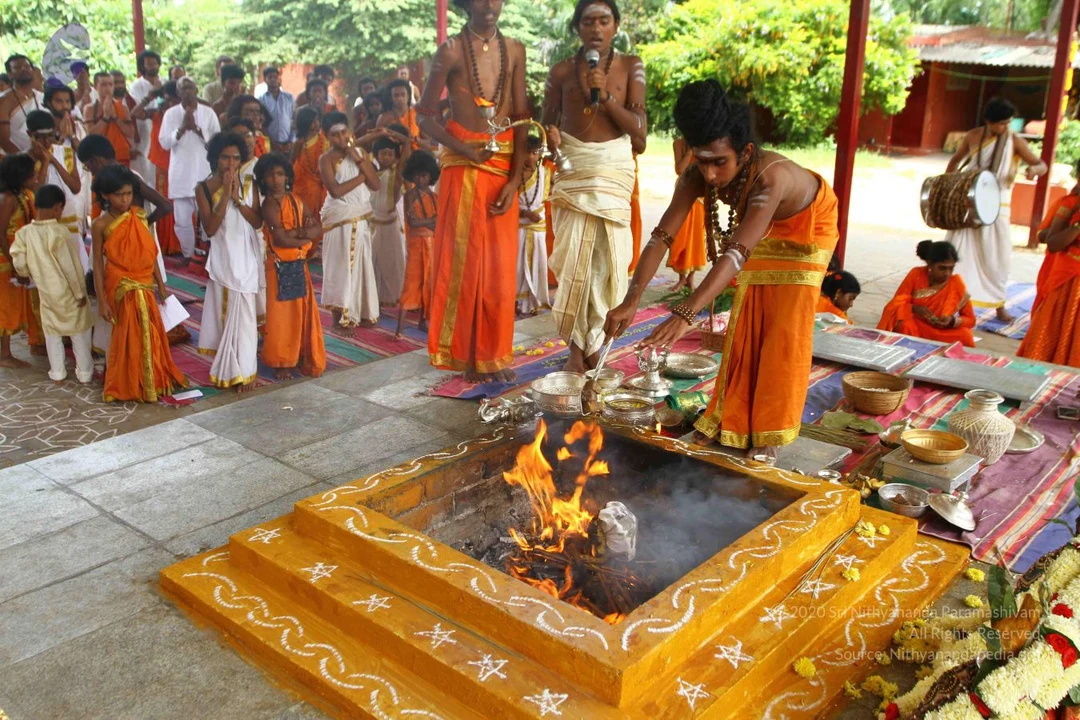
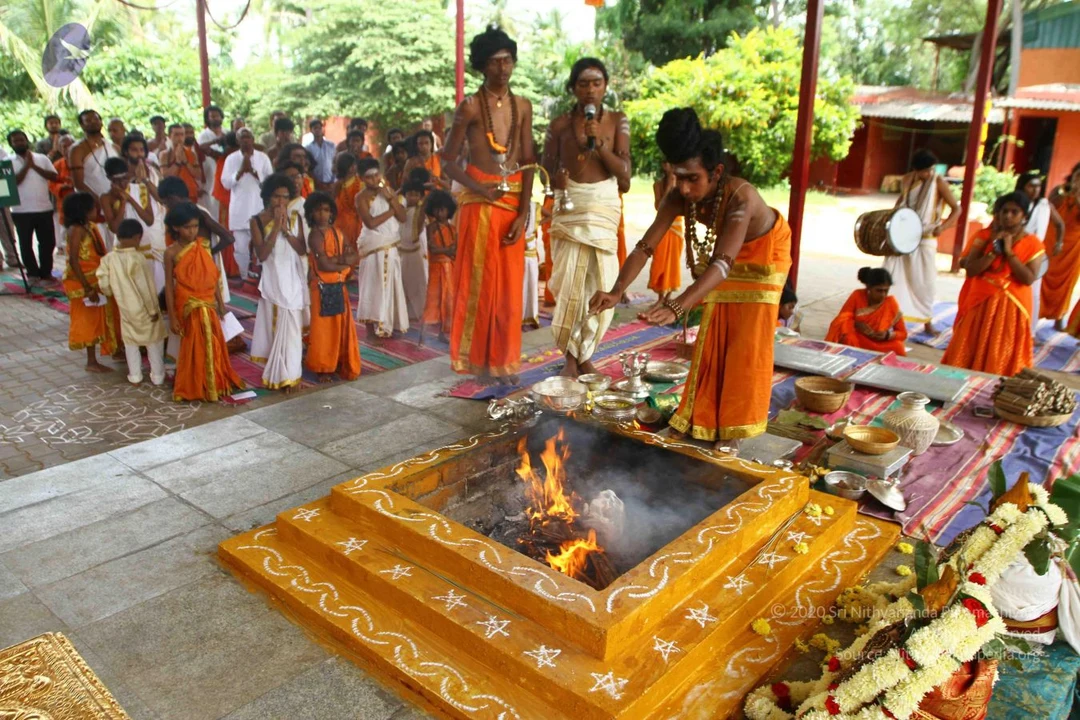
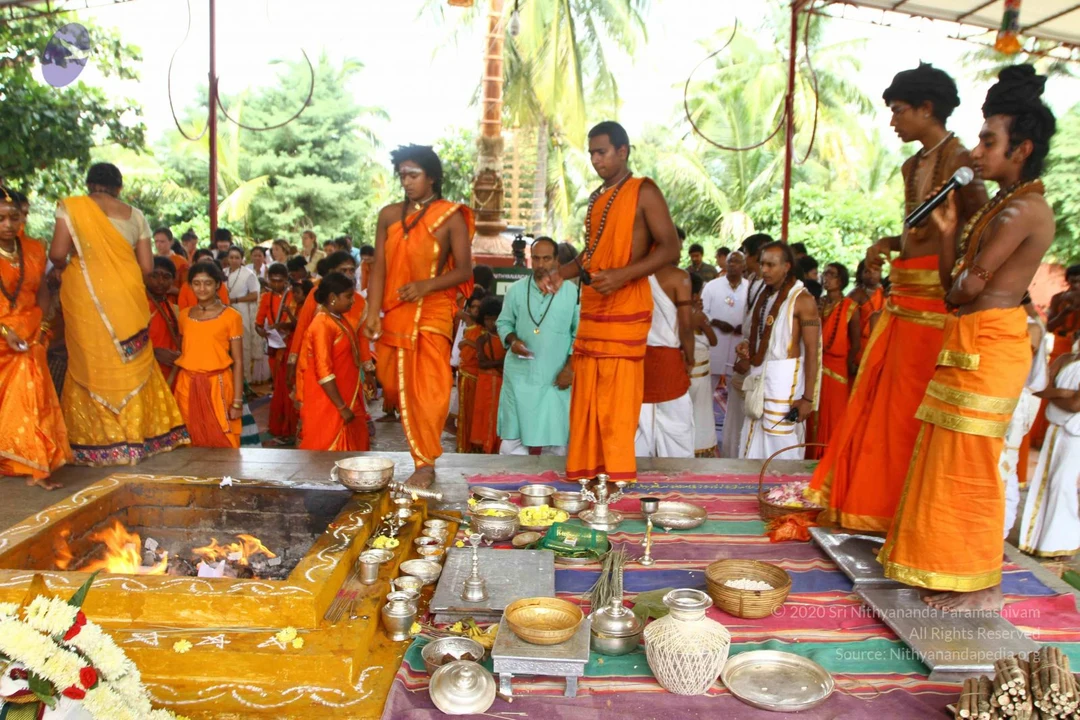
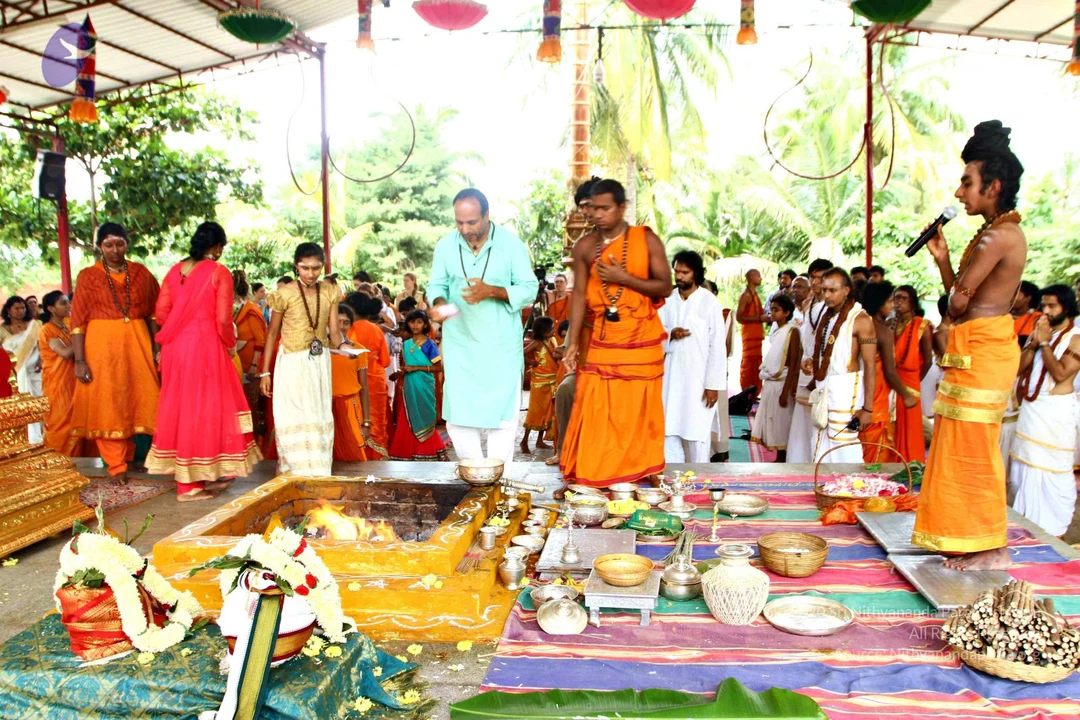
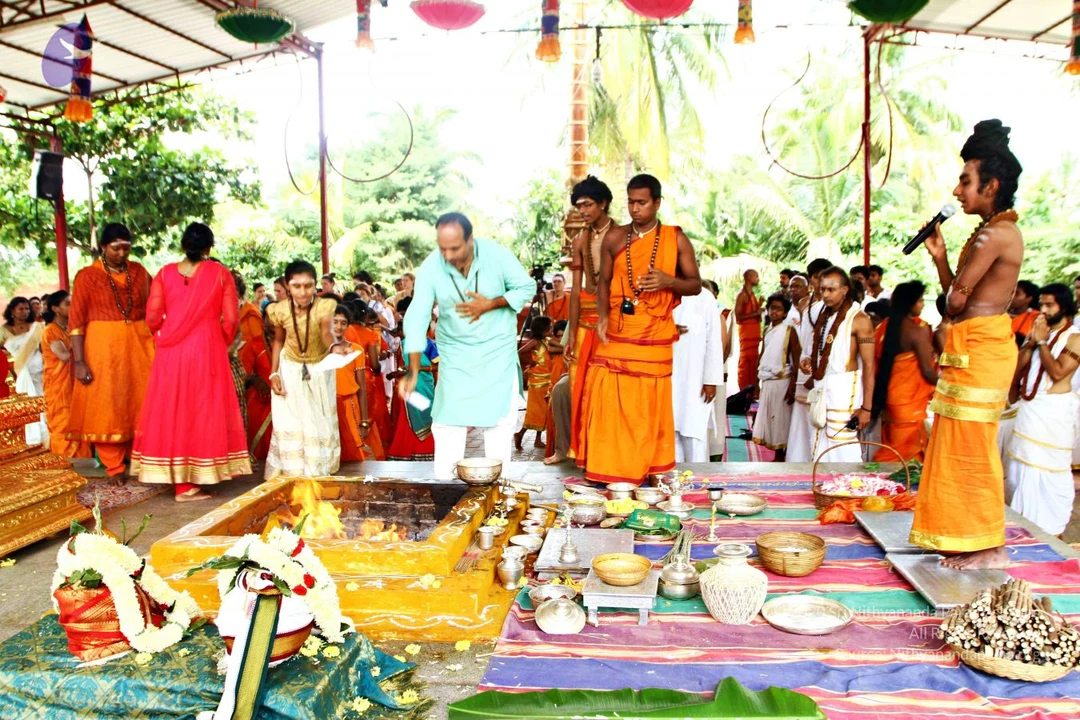
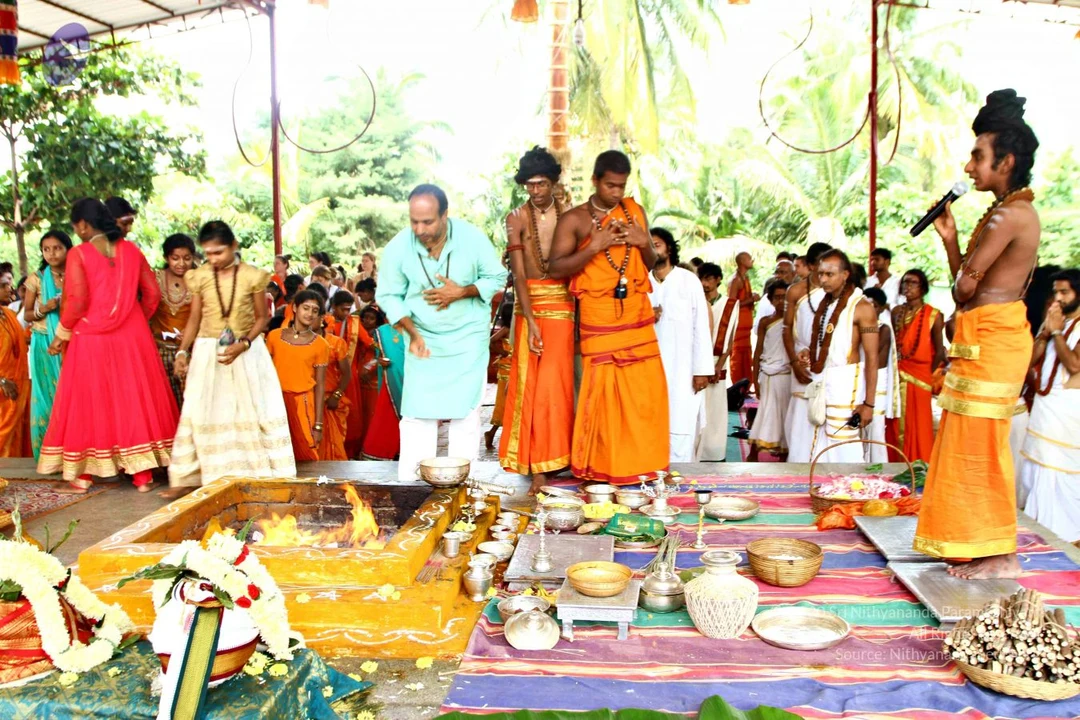
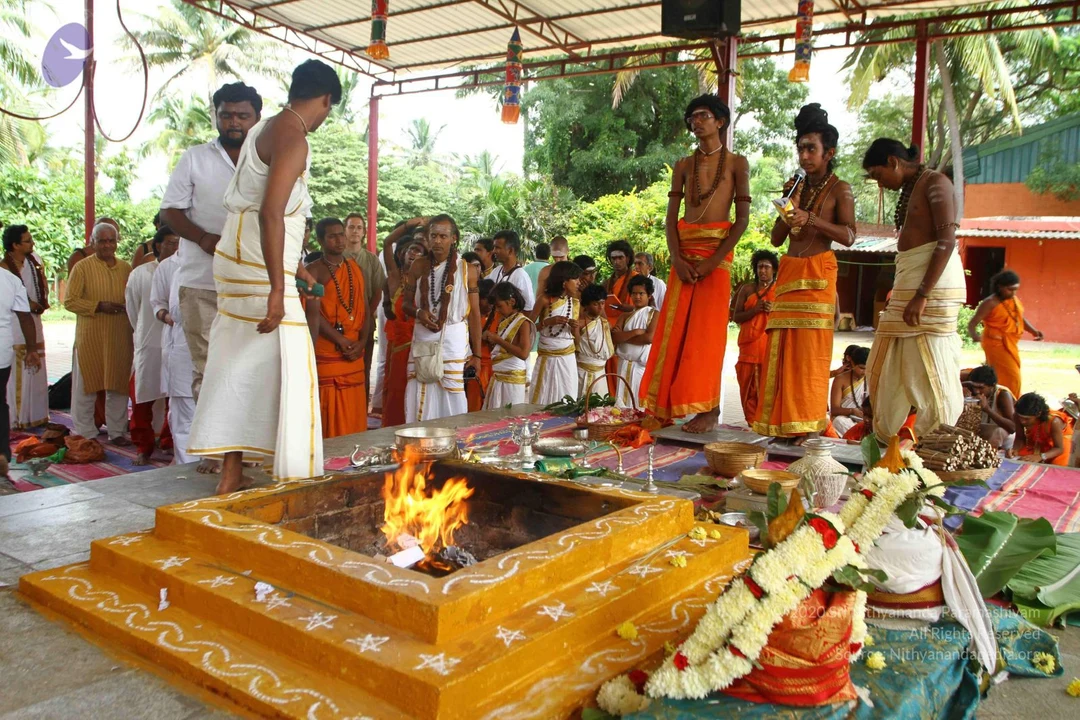
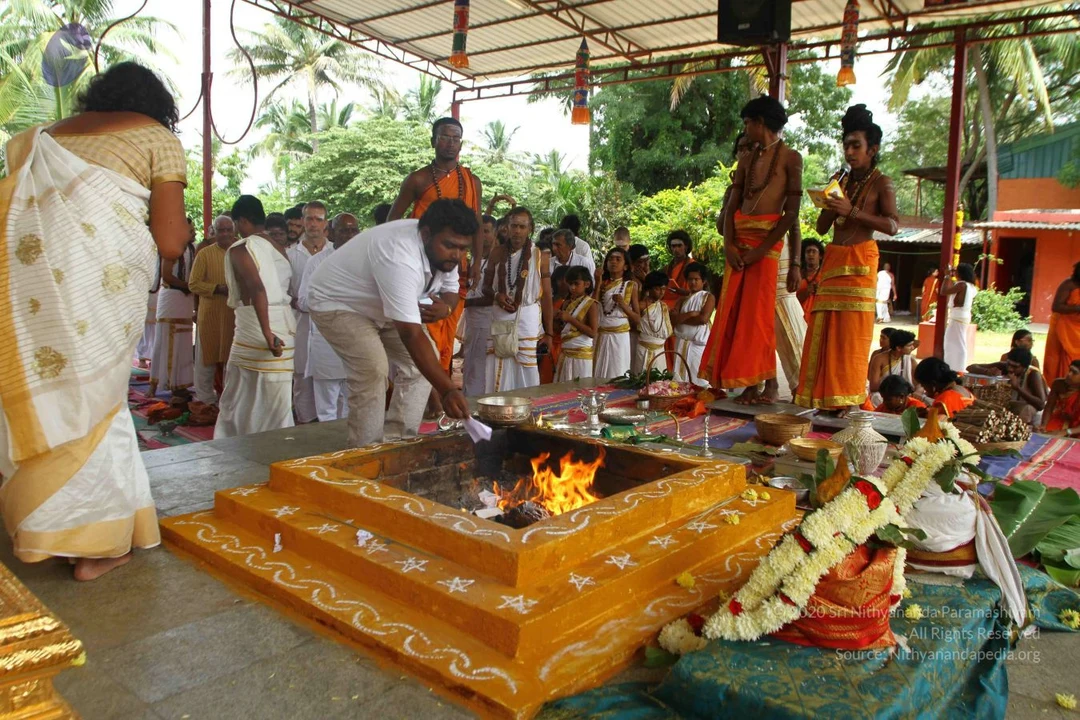
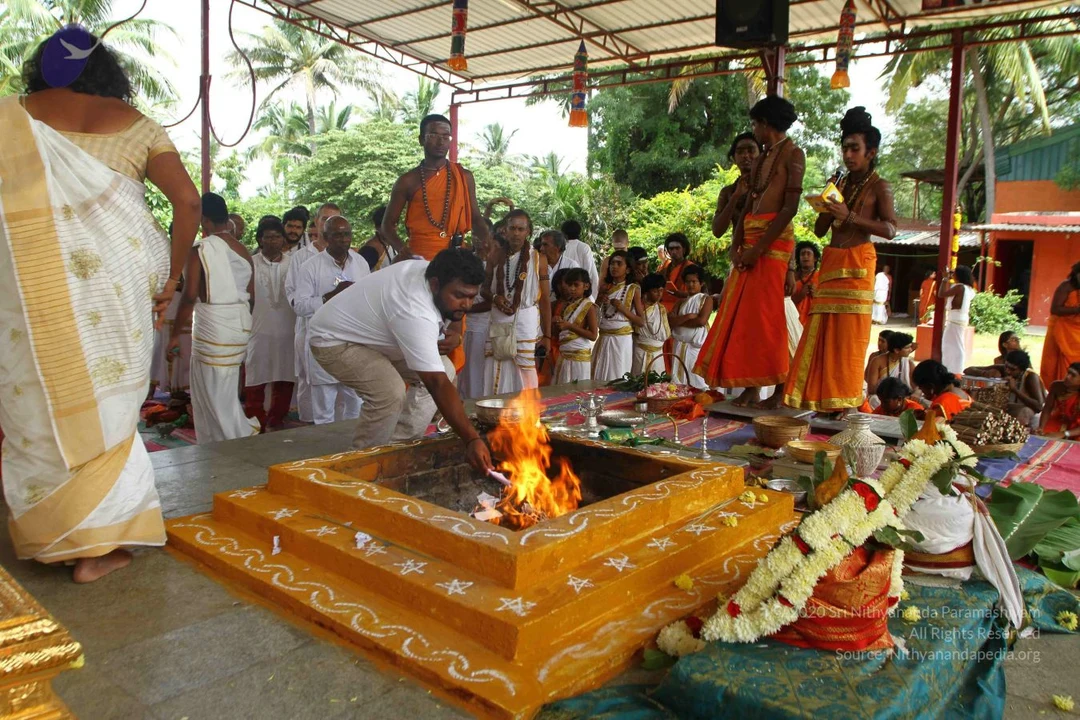
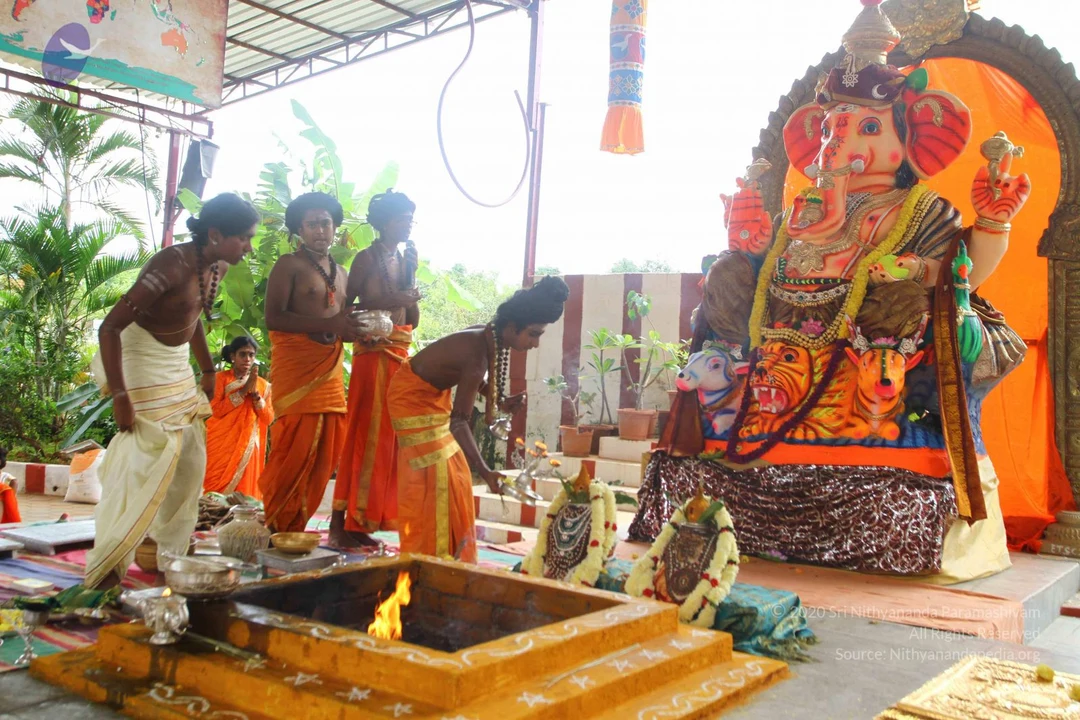
Maha-Ganapathy-Homa

Brahmacharyam-Initiation-To-All

Procession

Photos Of The Day:

FB-Photos-of-the-Day

01--Maha-Ganapathy-Homa

02--PROCESSION

,

Photos from this day

View all 432 photos

Morning Satsang
25 photosSource gallery
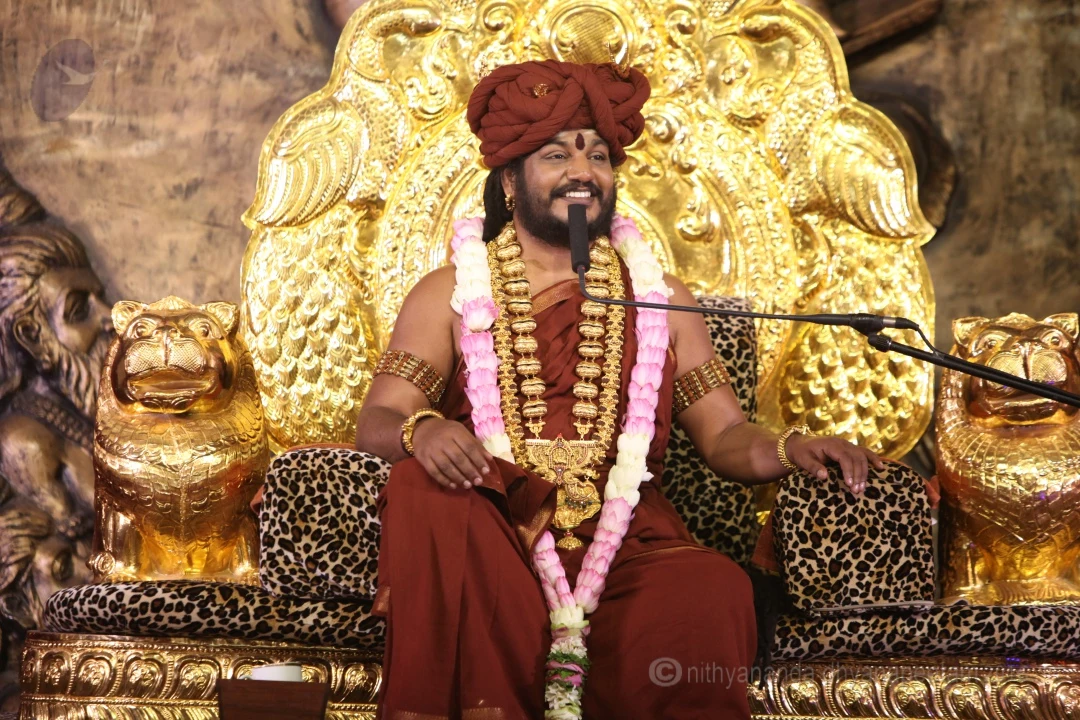
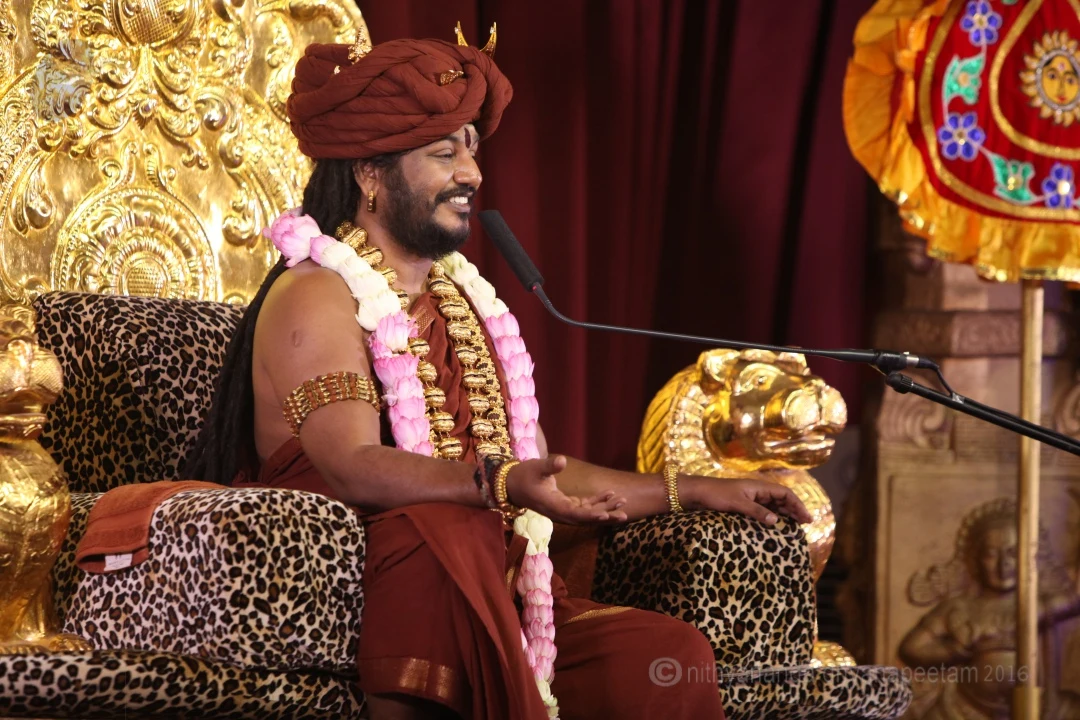
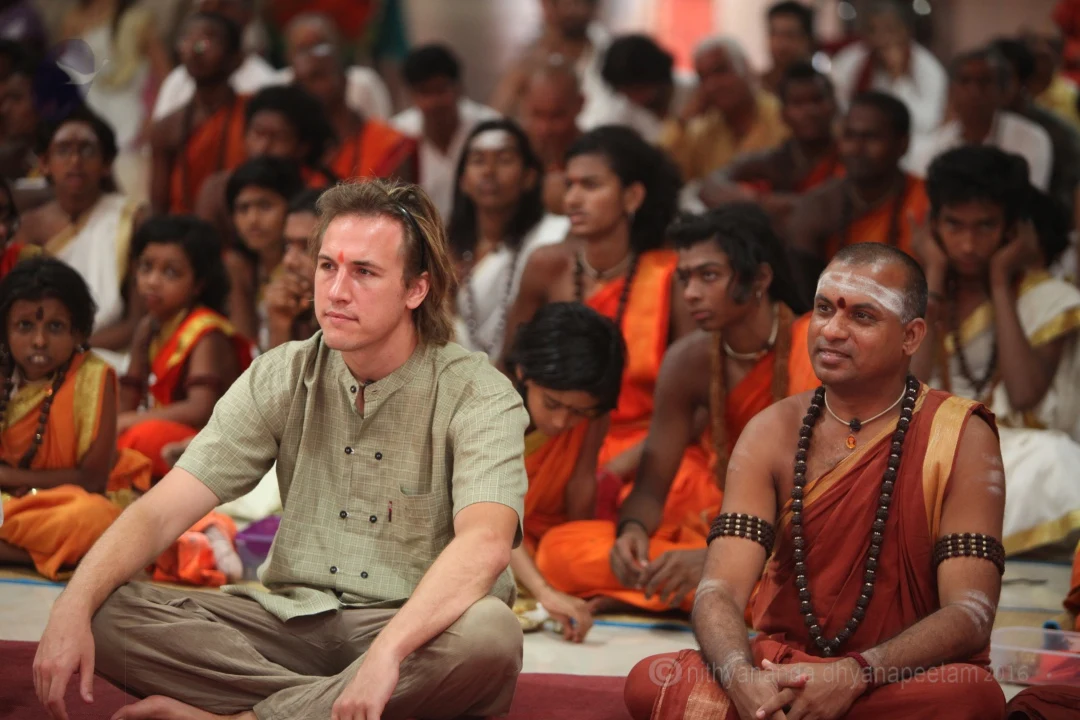
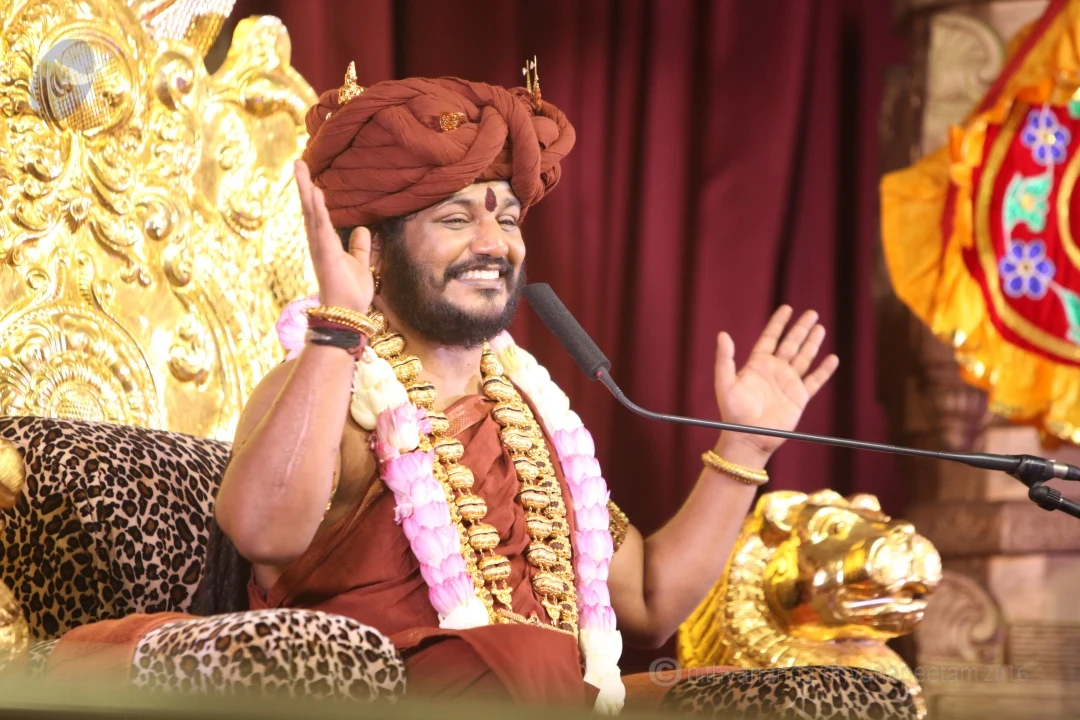
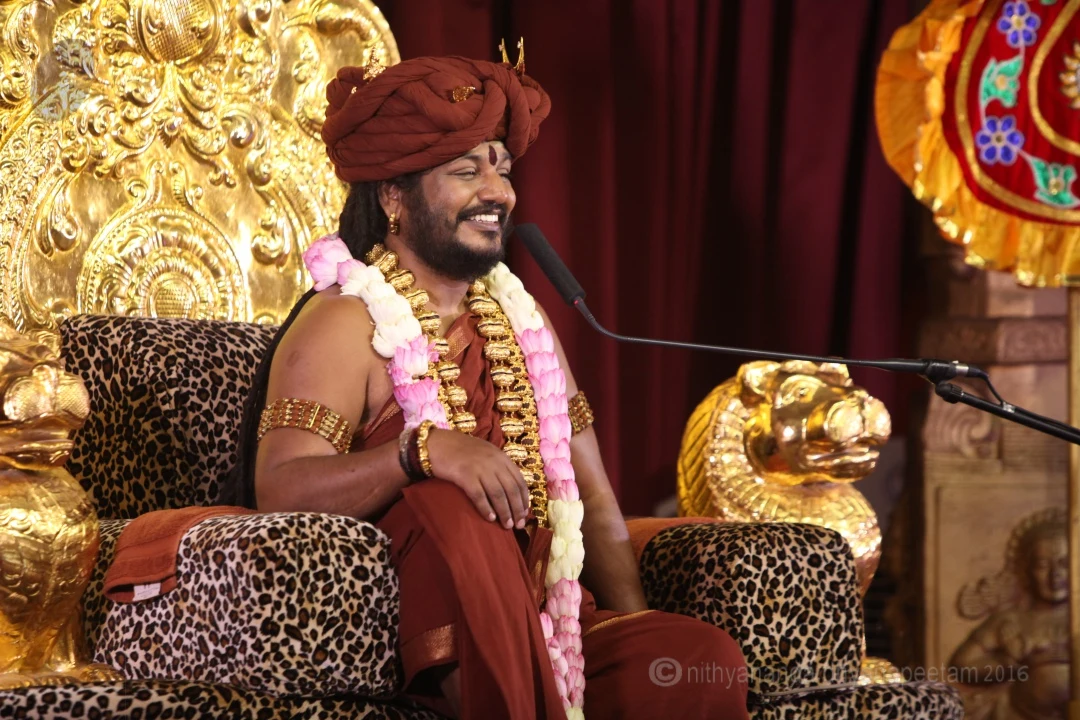
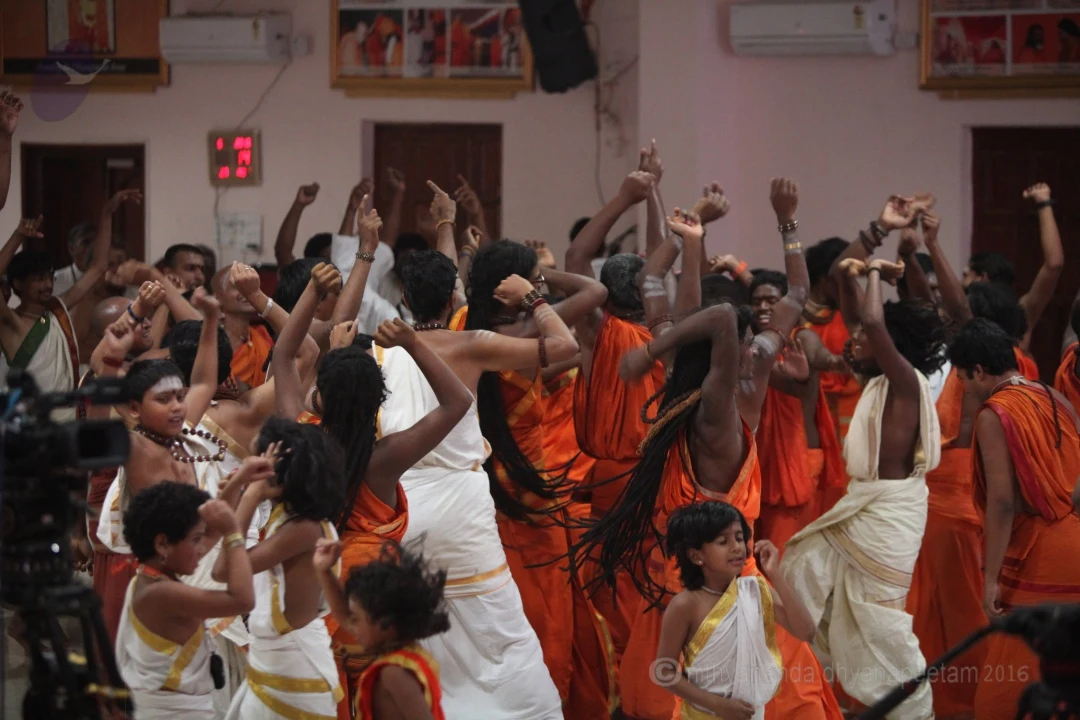
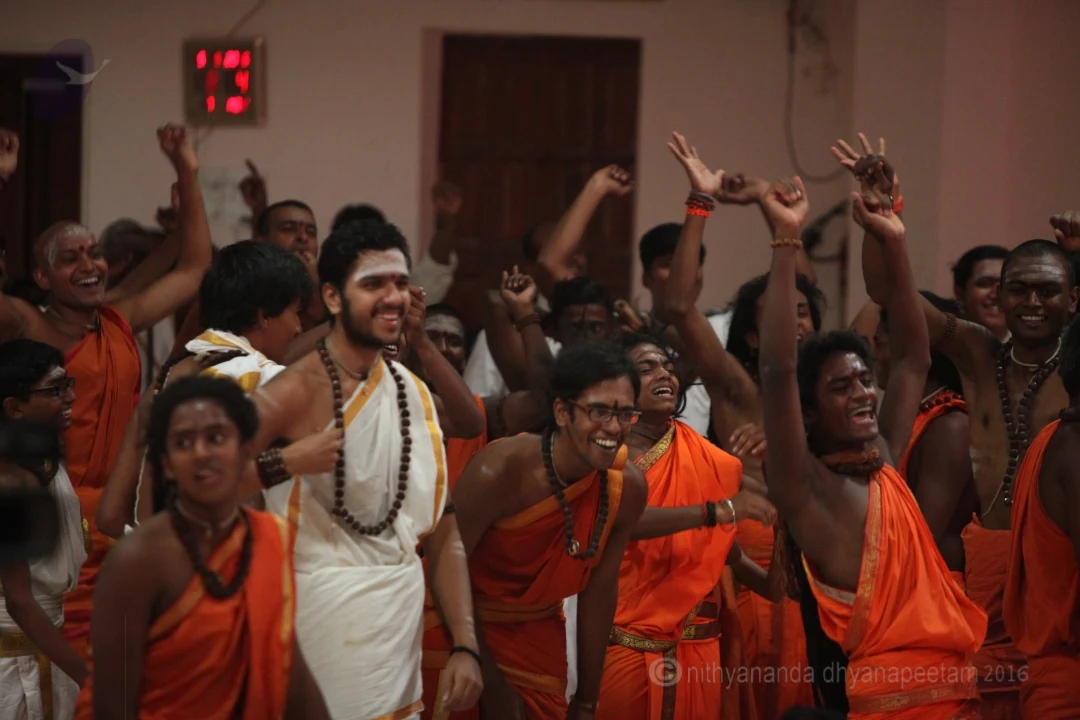
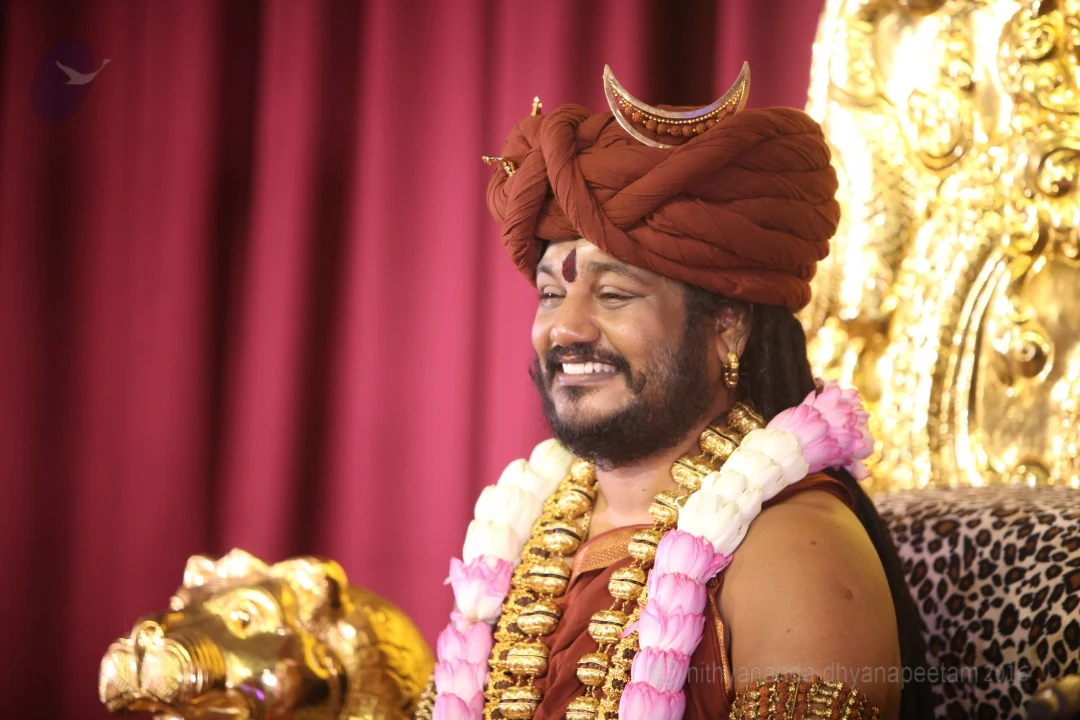
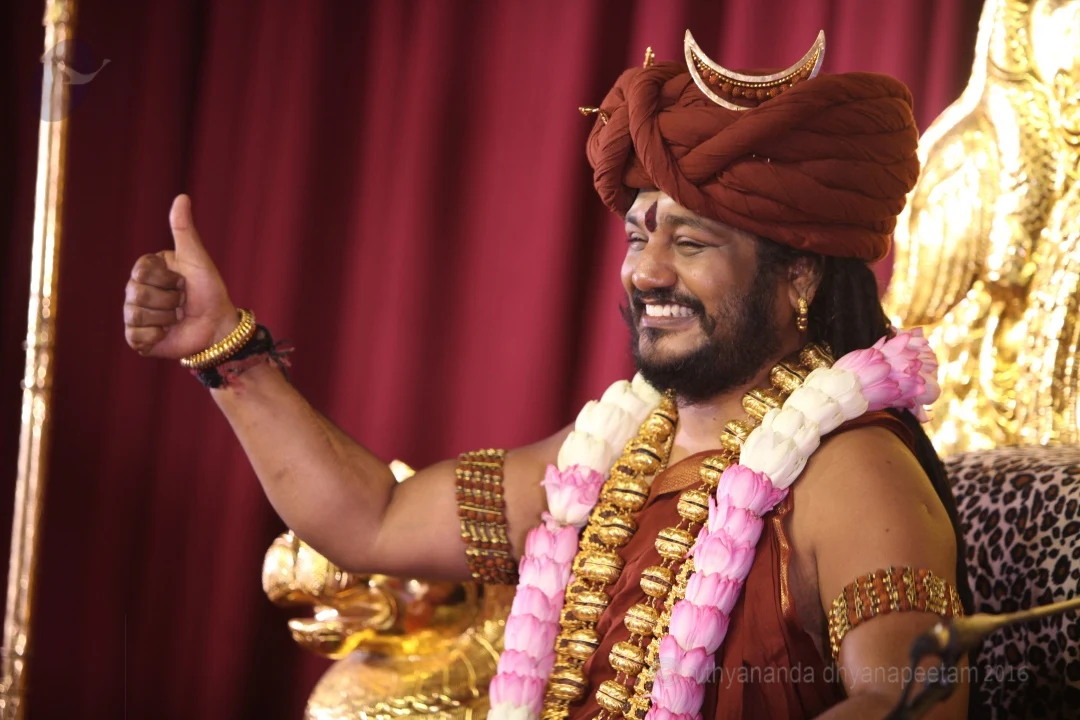
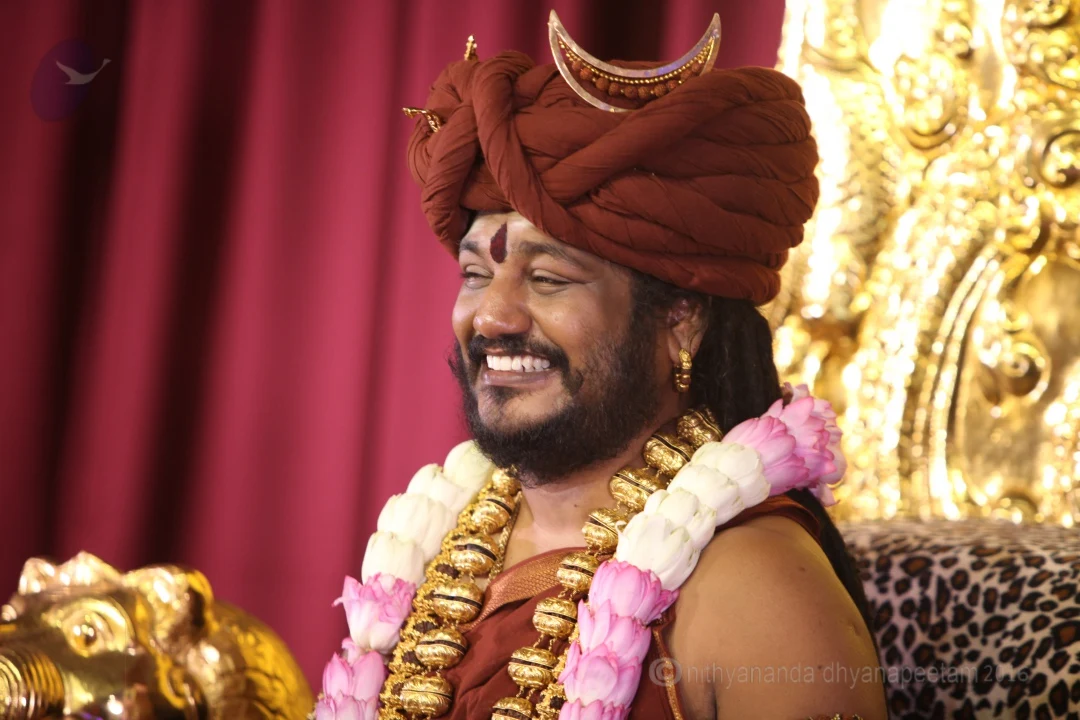
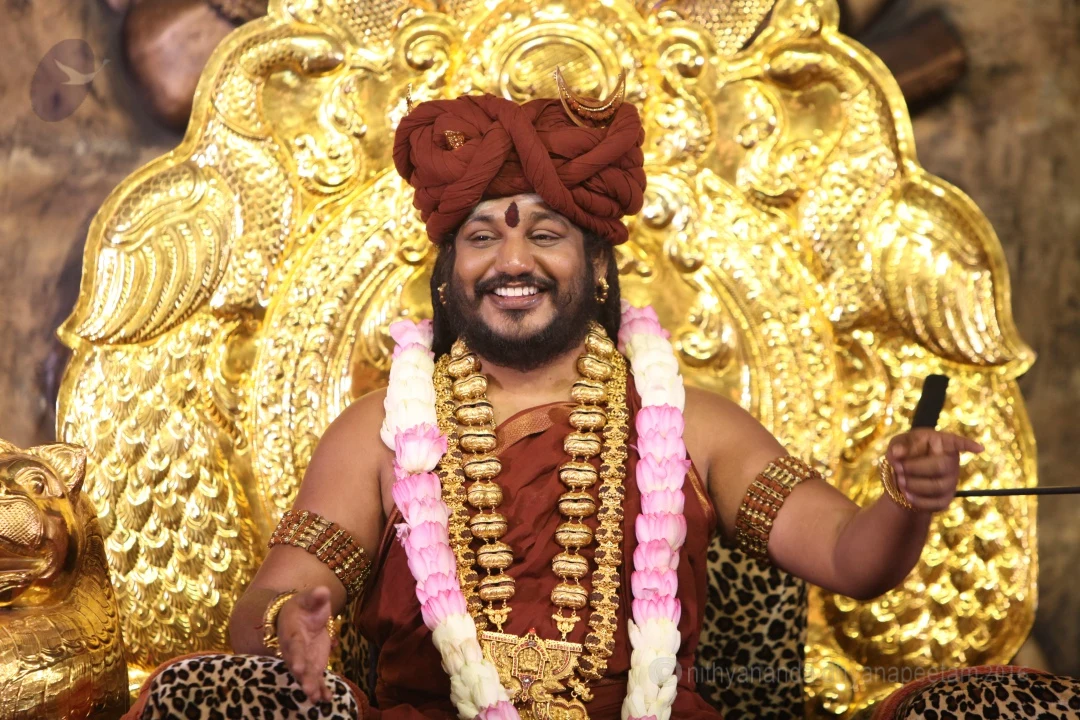
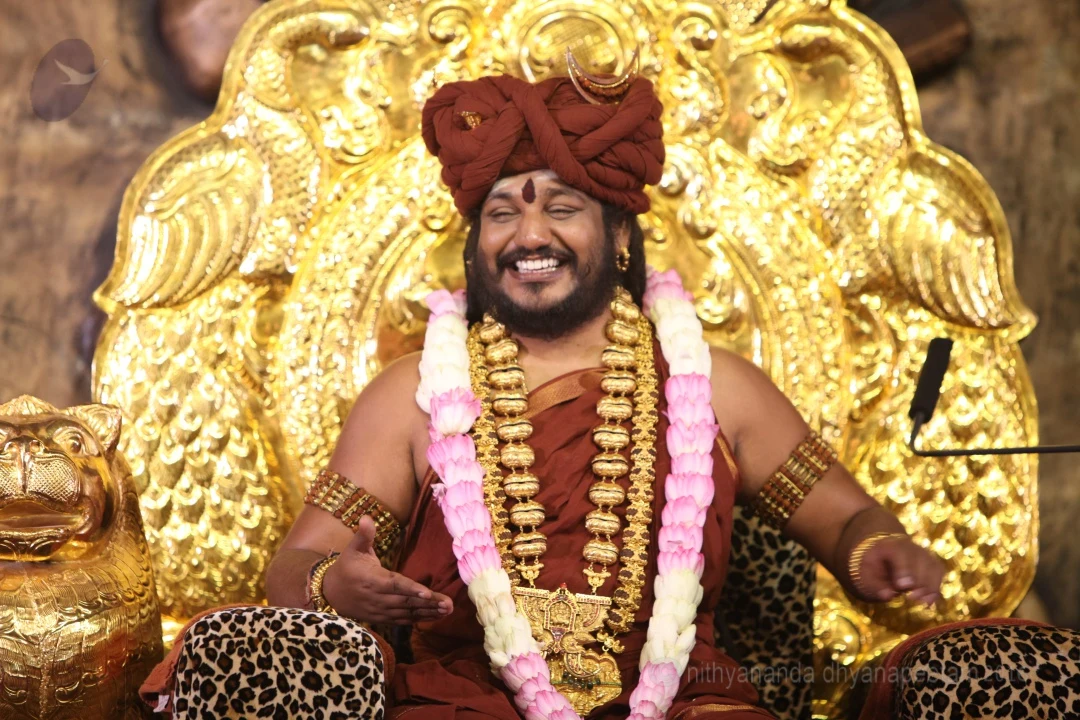
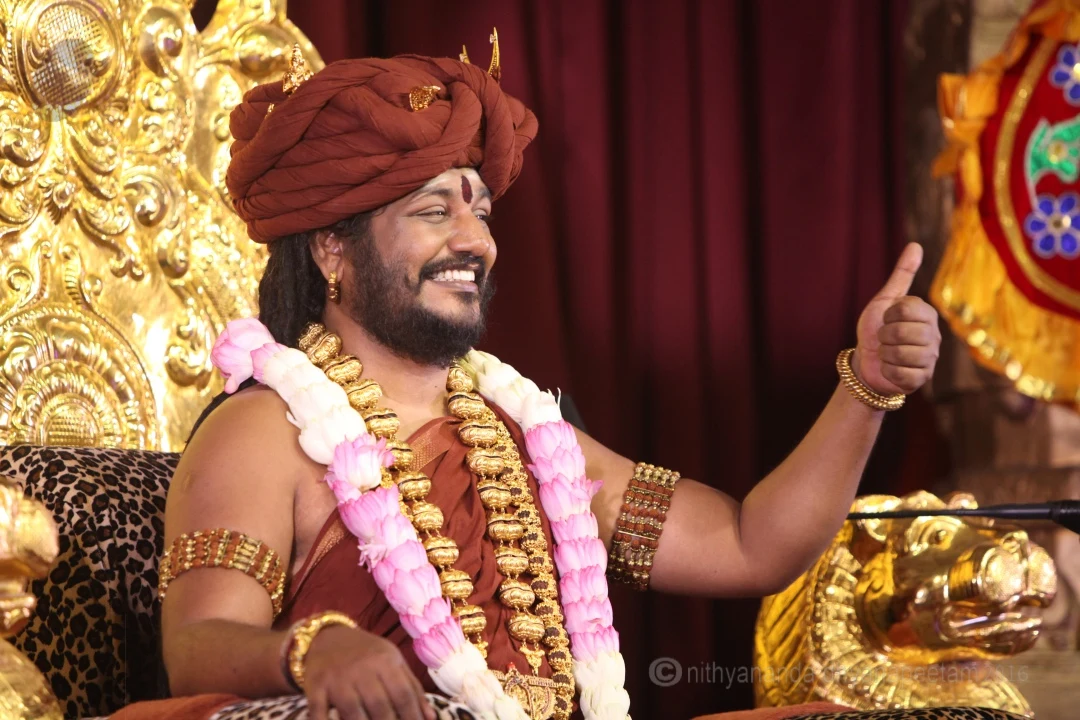
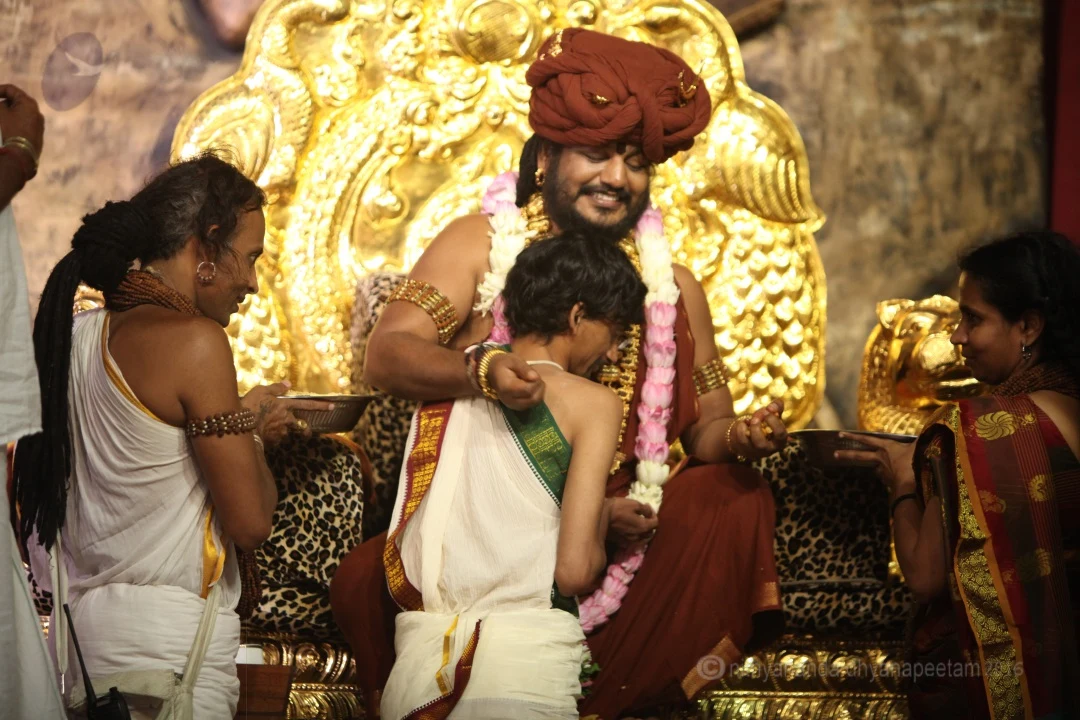
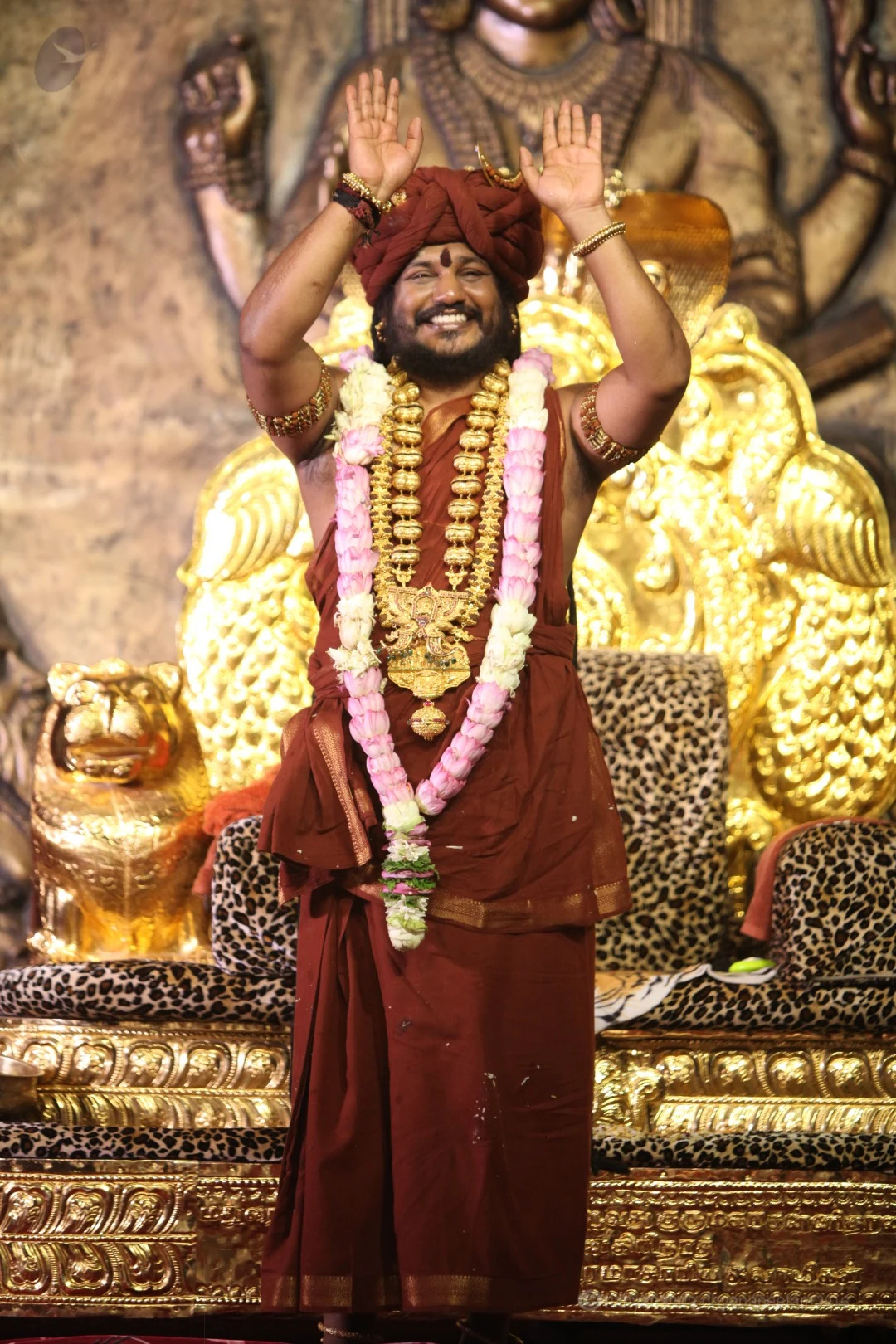
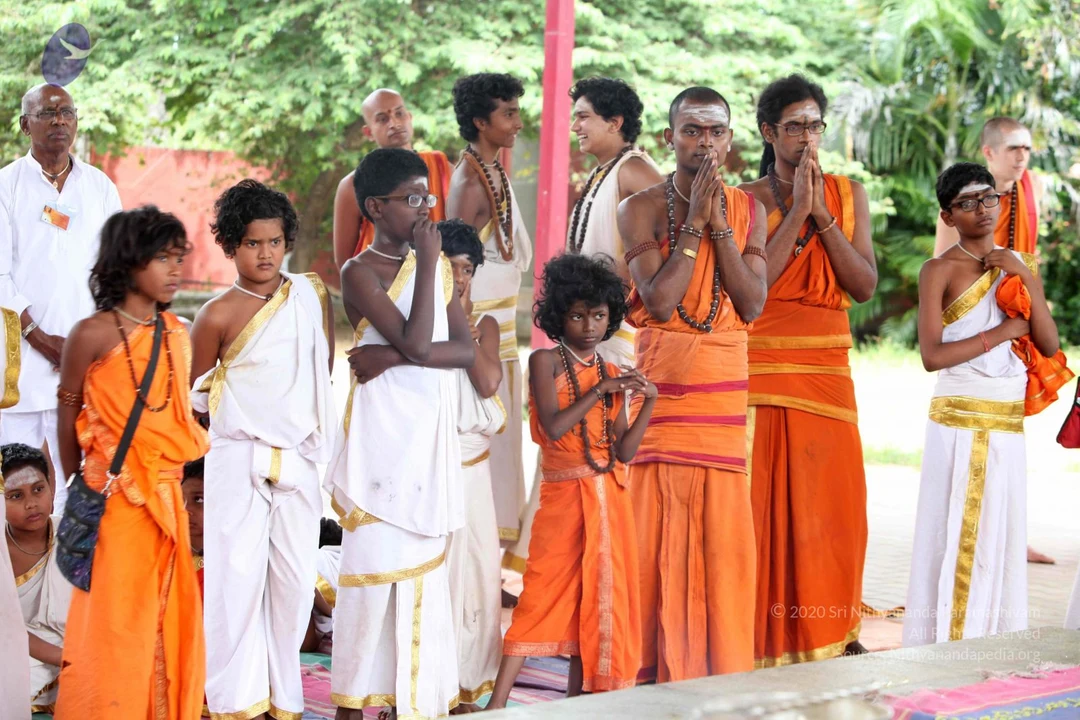
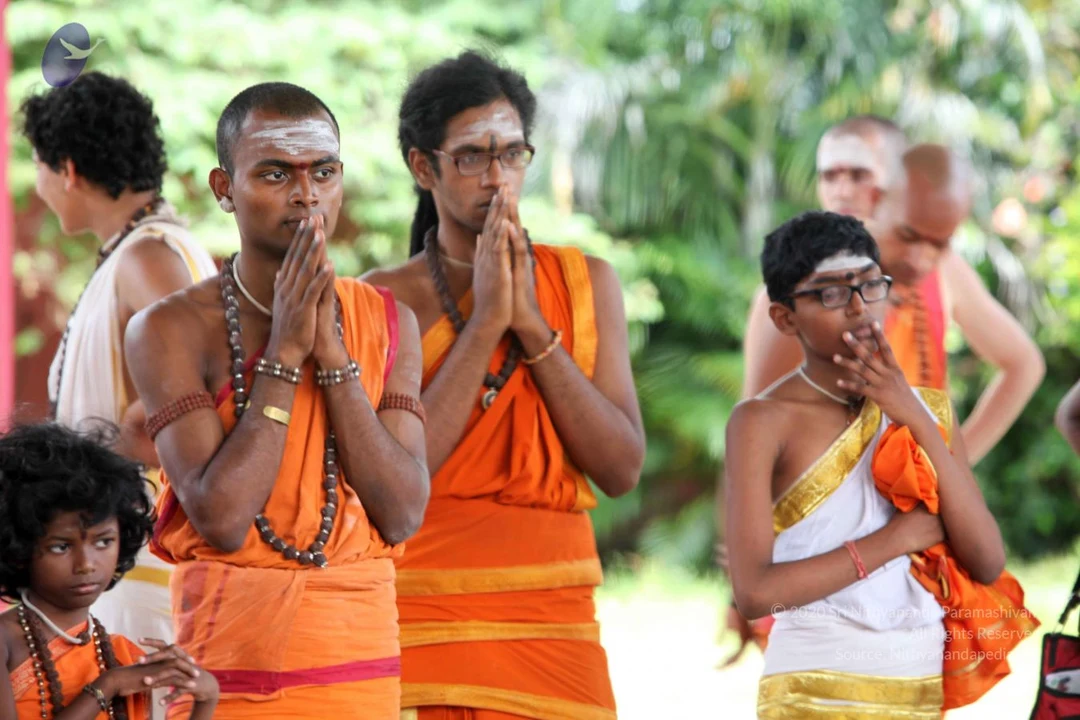
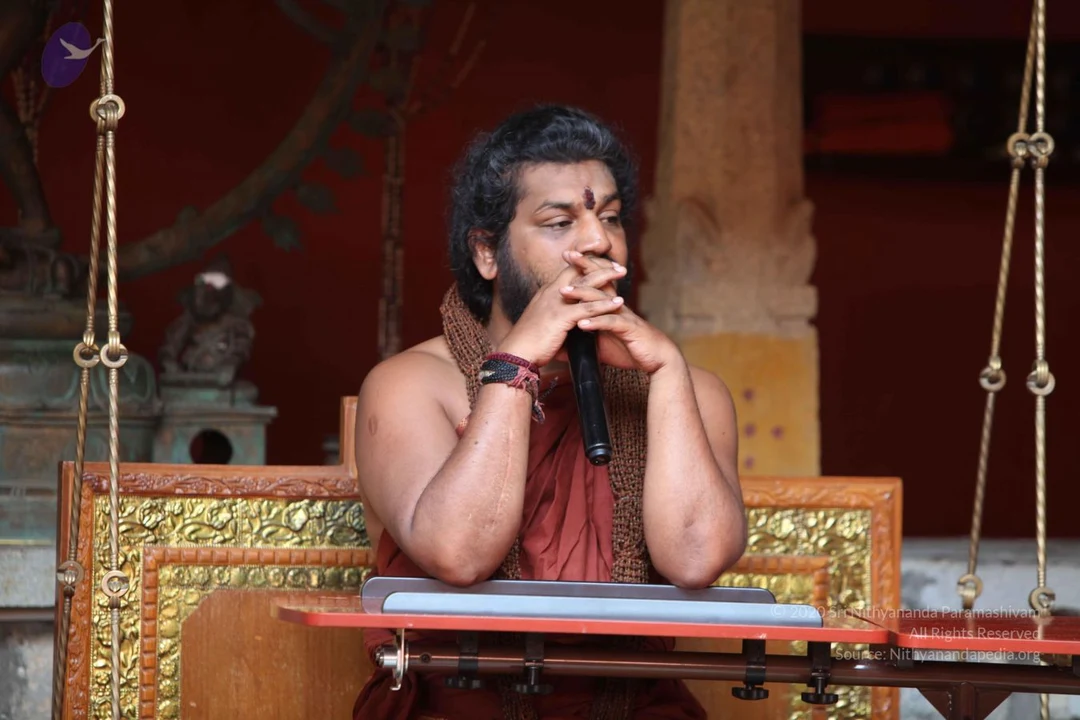
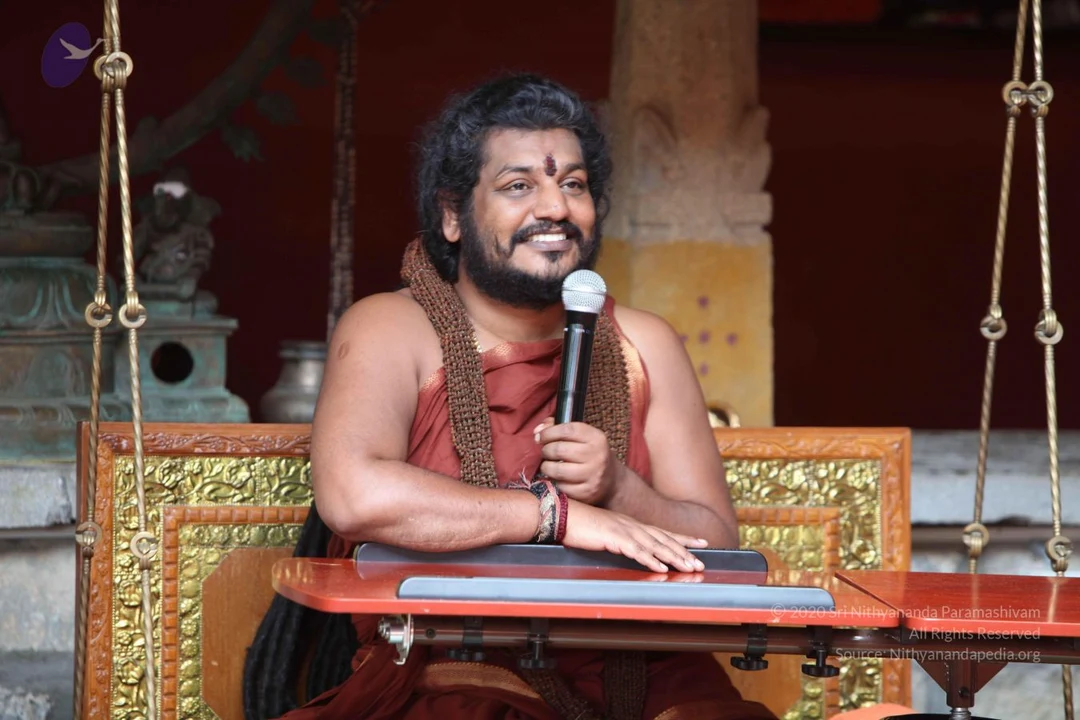
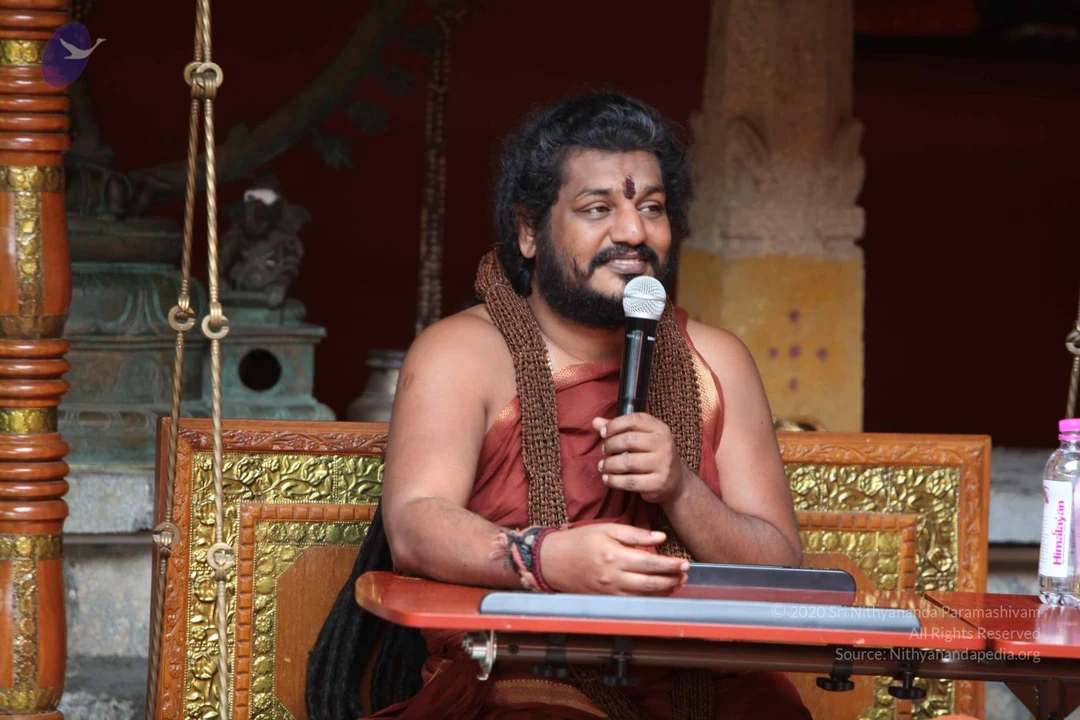
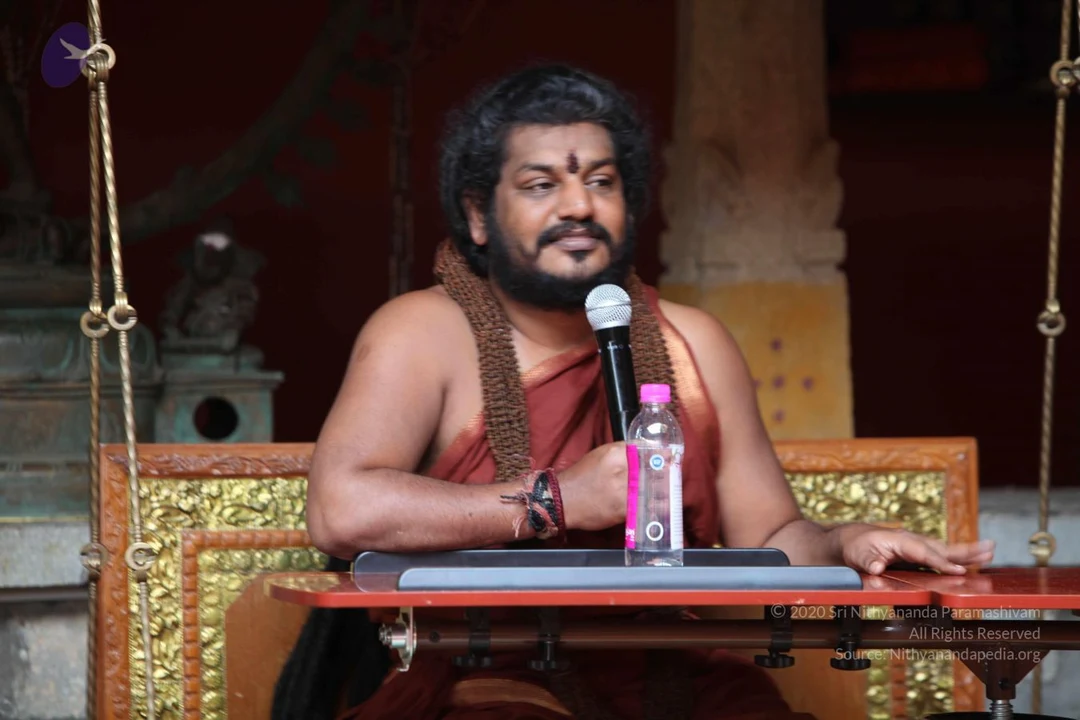
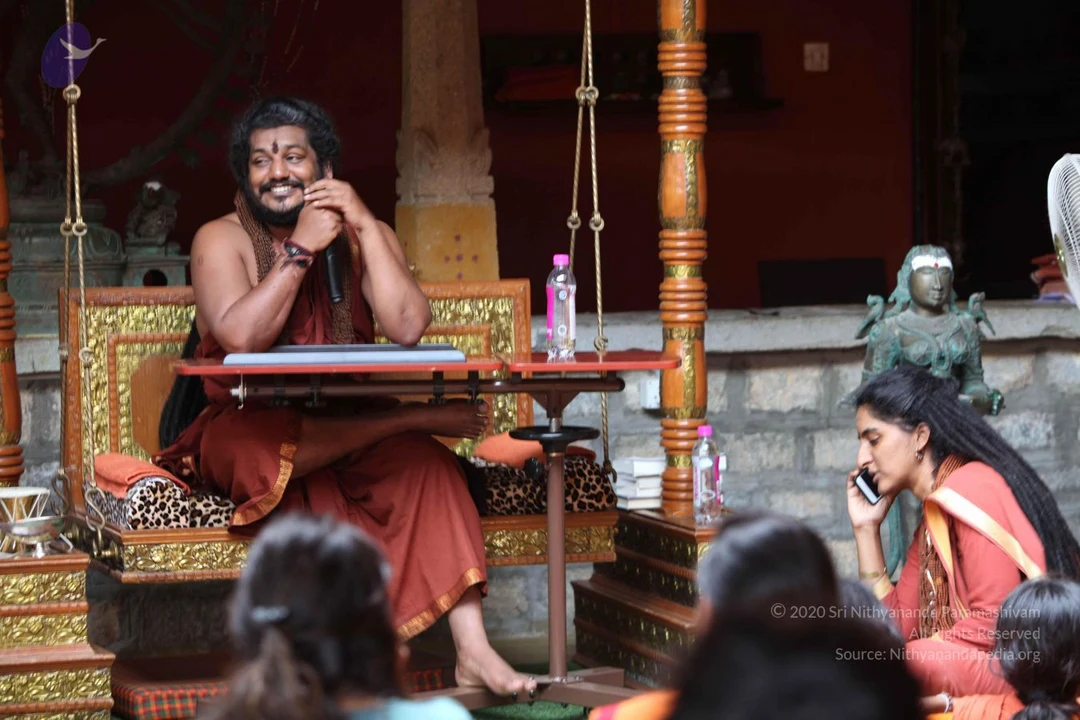
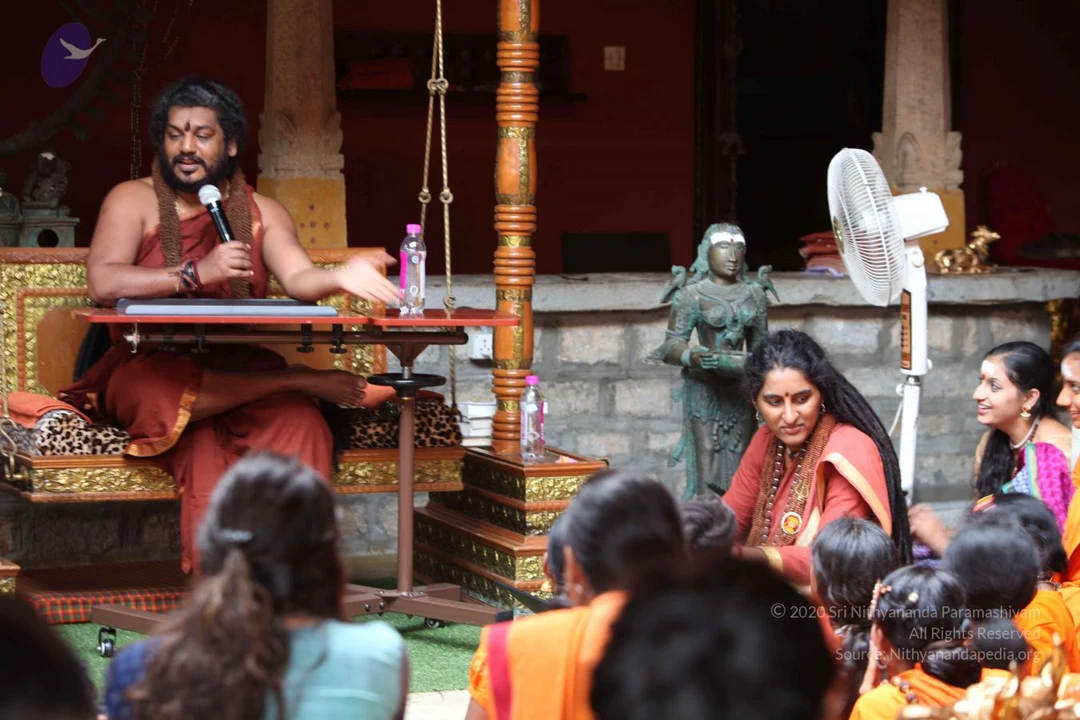
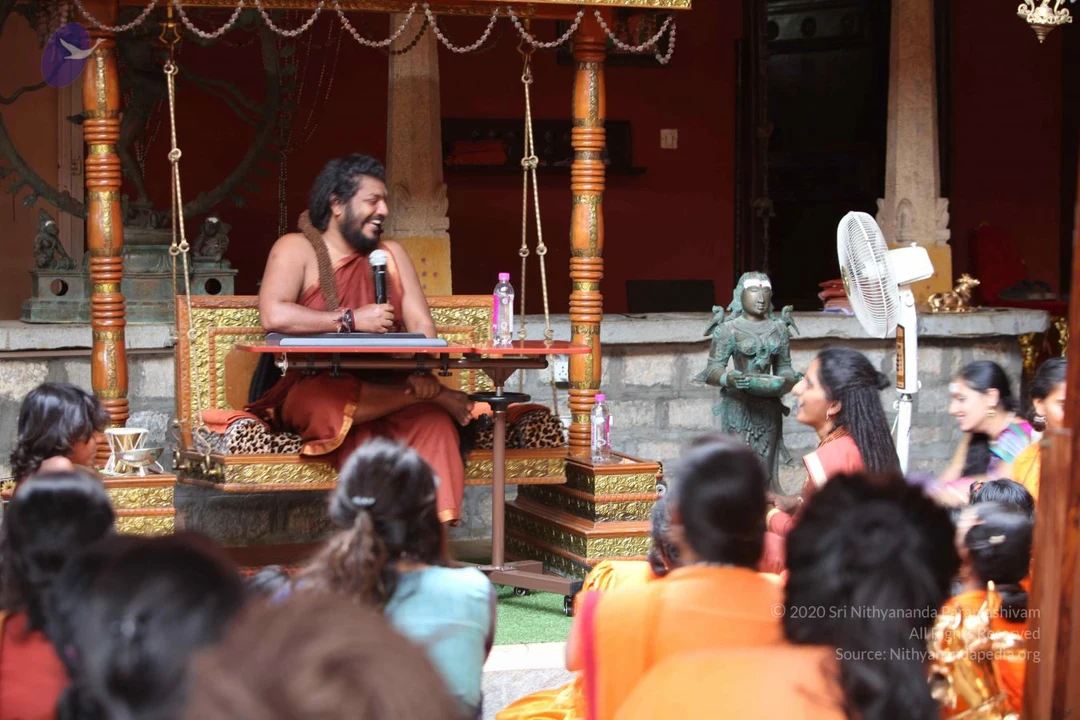
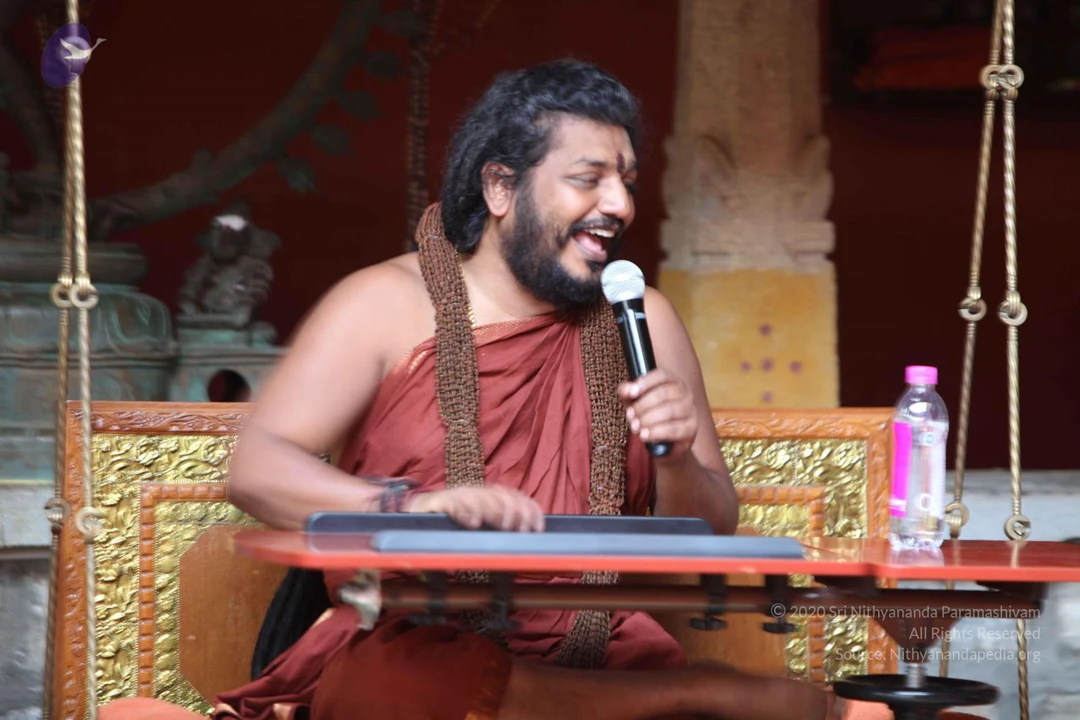
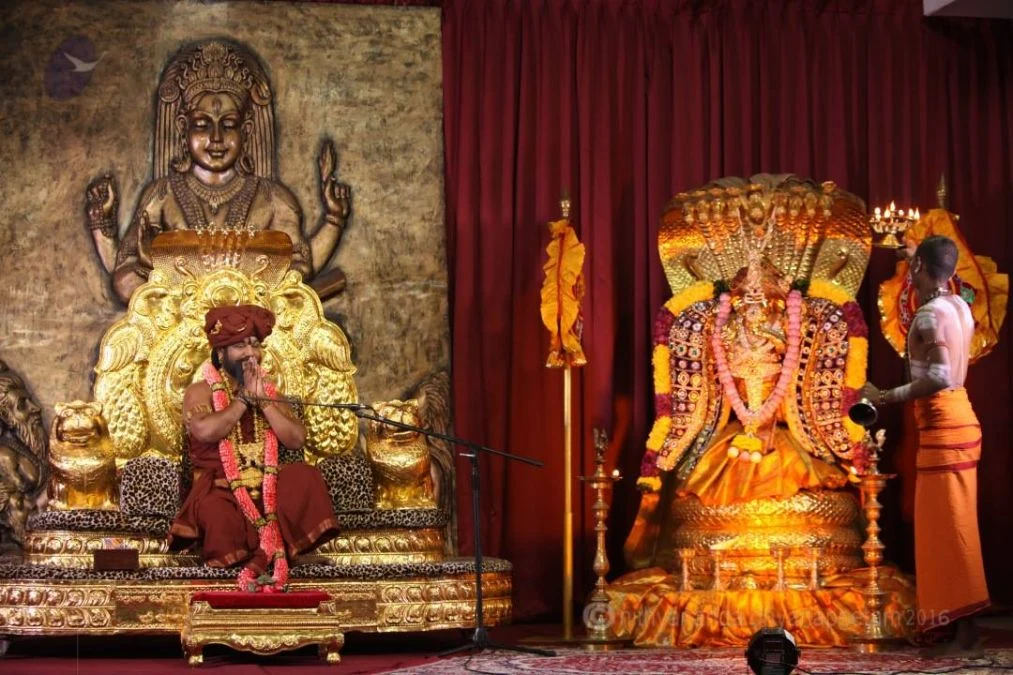
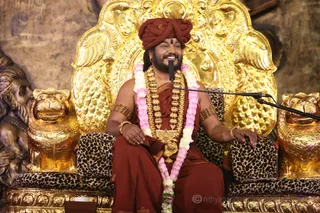
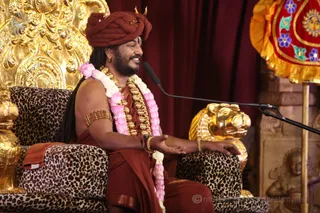
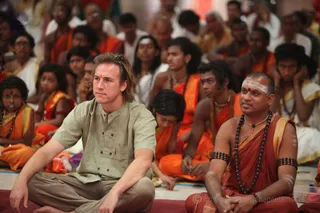
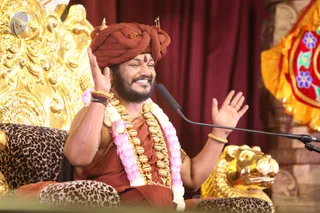
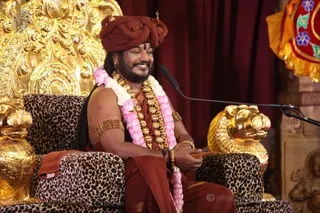
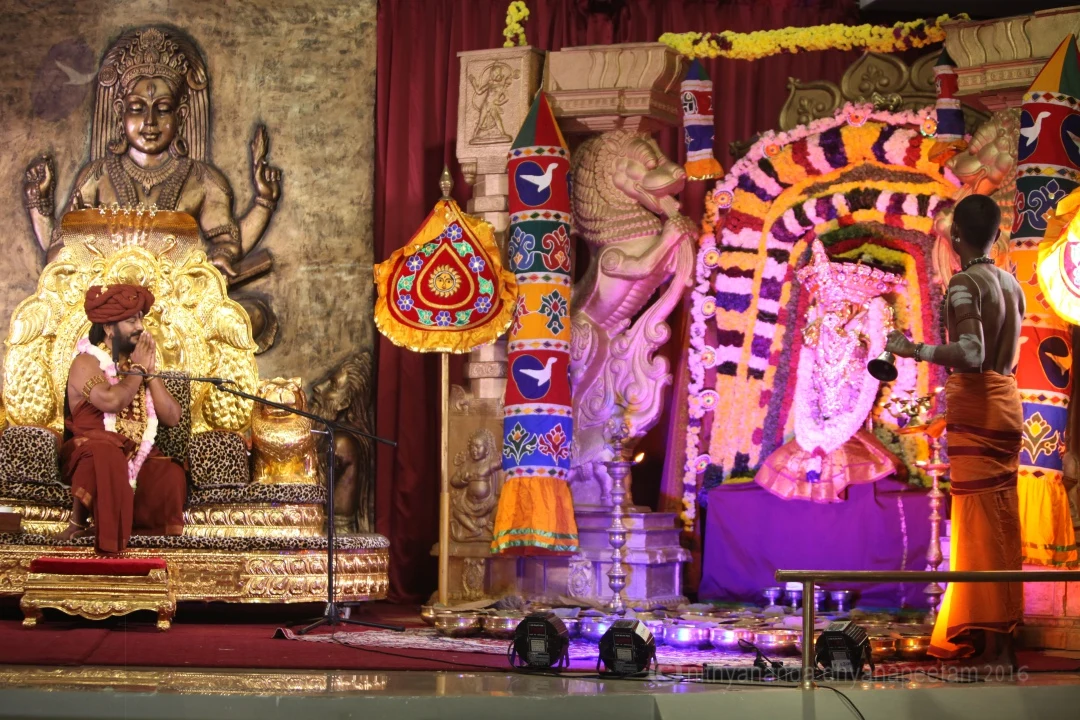
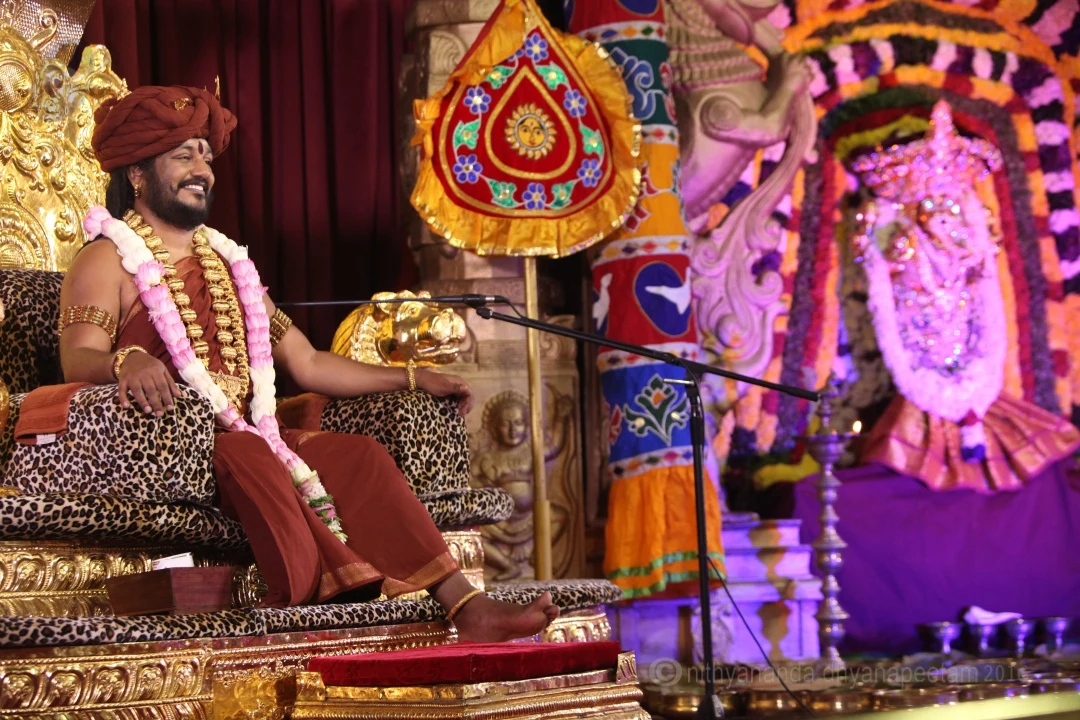
A seated figure in a red-brown robe with a saffron-orange turban and a white flower garland sits on an ornate gold throne with leopard-print cushions, hands folded in namaste before a microphone stand. To the right, a shirtless priest in an orange dhoti holds a ritual vessel beside a pink-and-white decorated deity murti of Ganesha framed by a floral arch of marigolds and roses in purple, yellow and pink. Rows of oil lamps line the stage floor, with a stone lion sculpture, colourful striped pennants with bird motifs and a golden carved backdrop depicting a four-armed deity above the throne. The scene suggests a Ganesha Chaturthi celebration at an ashram stage.A priest performs aarti before a richly decorated Ganesha murti at a temple-style shrine. The deity is adorned with silver ornaments and wrapped in garlands of marigolds and pink and purple flowers arranged in a multicoloured arch. Two rearing lion or yali figures flank the altar, with tall decorated pillars painted in red, blue and yellow patterns and ornate yellow-and-red umbrella-like canopies on either side. The priest, shown from behind, bare-chested with a saffron-orange dhoti and a mala, holds a lit lamp aloft in one hand and a bell in the other. Brass lamps and oil lamps sit on the purple-draped platform in front of the deity.A smiling man in a rust-red turban and matching red-brown robes sits on an ornate golden throne carved with scrolling patterns and flanked by golden lion figures. He wears a heavy gold necklace, a pink and white flower garland, gold armbands and bangles, and a red bindi. A microphone stands before him as he speaks to an audience, with leopard-print cushions on the seat. The setting resembles a satsang stage, though the identity of the seated man is uncertain from appearance alone.A man seated on an ornate golden throne with leopard-print upholstery, smiling and gesturing with open hands toward a microphone on a stand. He wears a rust-red turban with gold ornaments, a bare-shouldered rust-red garment, a pink and white flower garland, a gold beaded necklace, a gold armband and gold bangles. A gold lion-head armrest and a red curtain stand behind him, with a red and yellow decorated parasol at right.A seated satsang gathering in a hall with a red mat. In the foreground, a man with shoulder-length light brown hair and a red tilak wears a sage-green short-sleeved kurta and sits cross-legged, gazing ahead. Beside him, a bald man with white forehead markings and a sandalwood-coloured tilak wears a saffron-orange dhoti and a long rudraksha mala with a matching bead necklace, and dark rudraksha bands on his upper arms, hands folded in his lap. Behind them, many people sit in saffron and orange robes and white dhotis with gold borders, some with white forehead markings, and young children in orange cloth sit on the left. A bright clear plastic container sits at the lower right. The background is a crowded, blurred audience of roughly thirty people.A bearded man in a rust-red turban with a gold ornament and red tilak sits on an ornate golden throne draped in a leopard-print cushion, smiling and raising both hands while speaking into a microphone. He wears an orange-brown robe, a heavy gold necklace of beads and a white-and-pink flower garland. Behind him hang deep maroon curtains and a golden lion-head armrest, with a decorated yellow-and-red fabric banner at right. The man appears to be Swamiji (probable), identified by the swept turban, saffron-brown robes, ornate gold necklace and garland cues, seated in a discourse setting.

Kalpataru Darshan
10 photosSource gallery
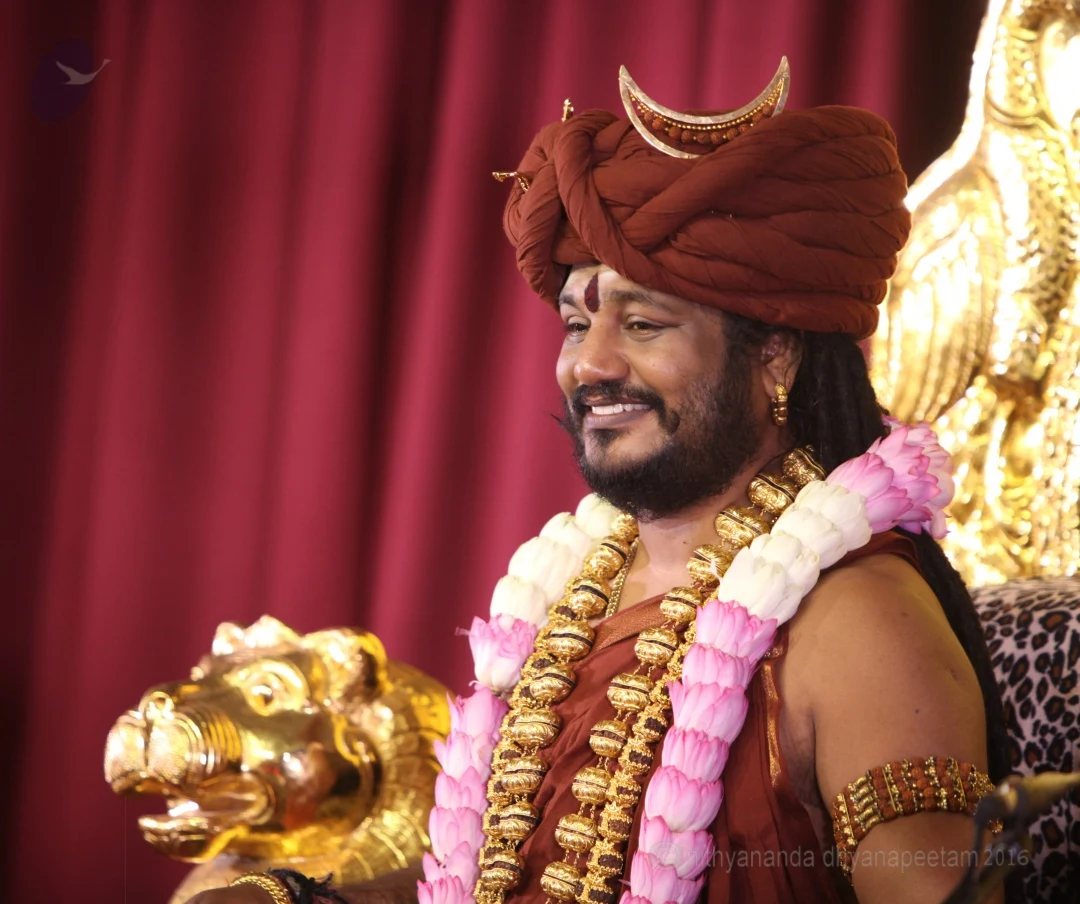
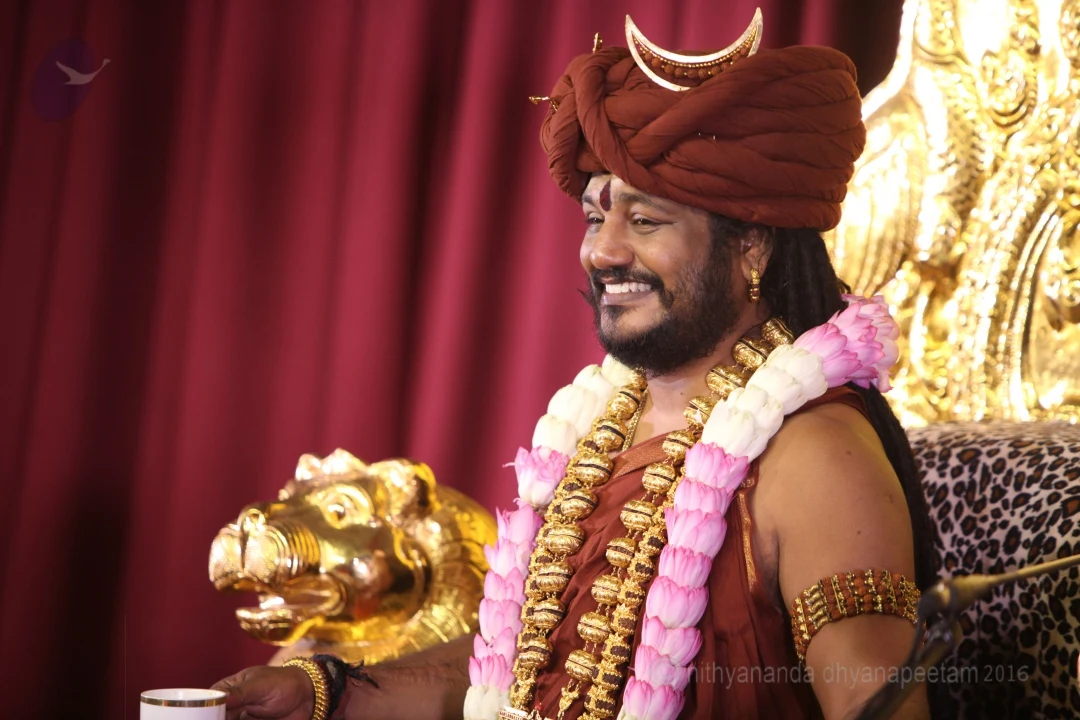
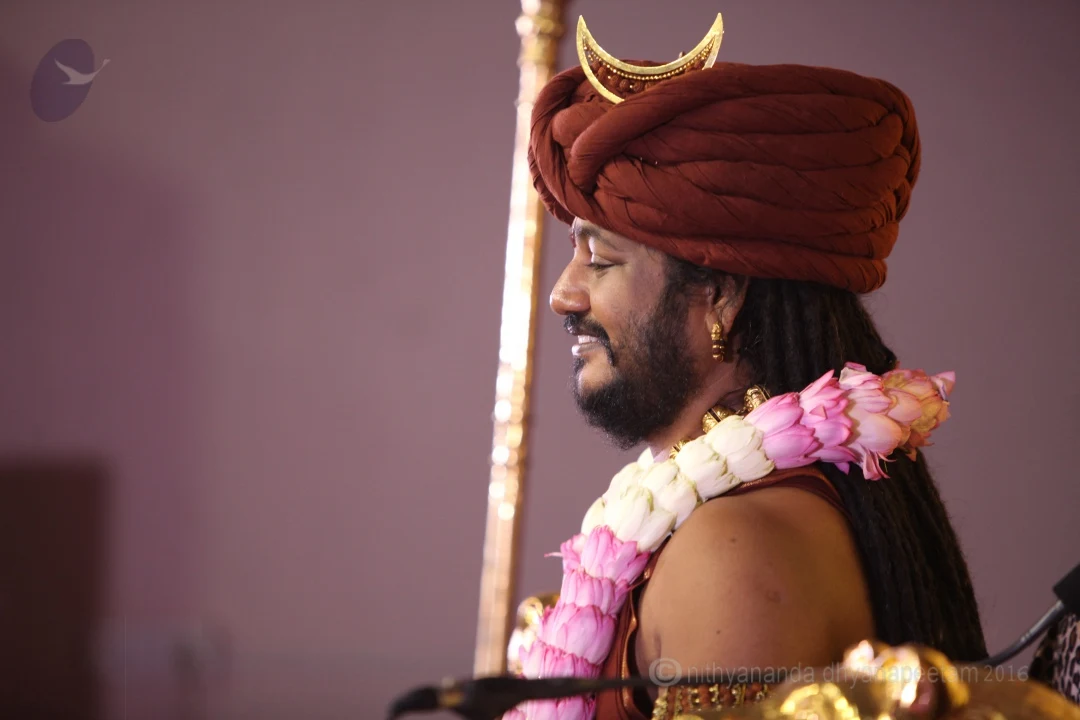
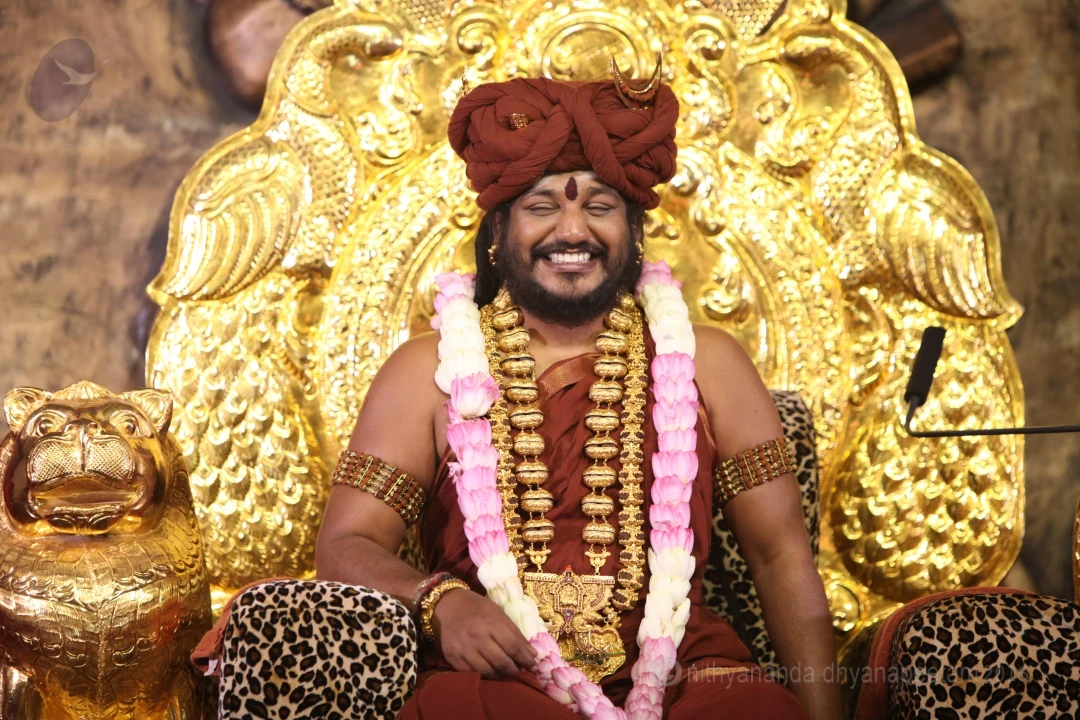
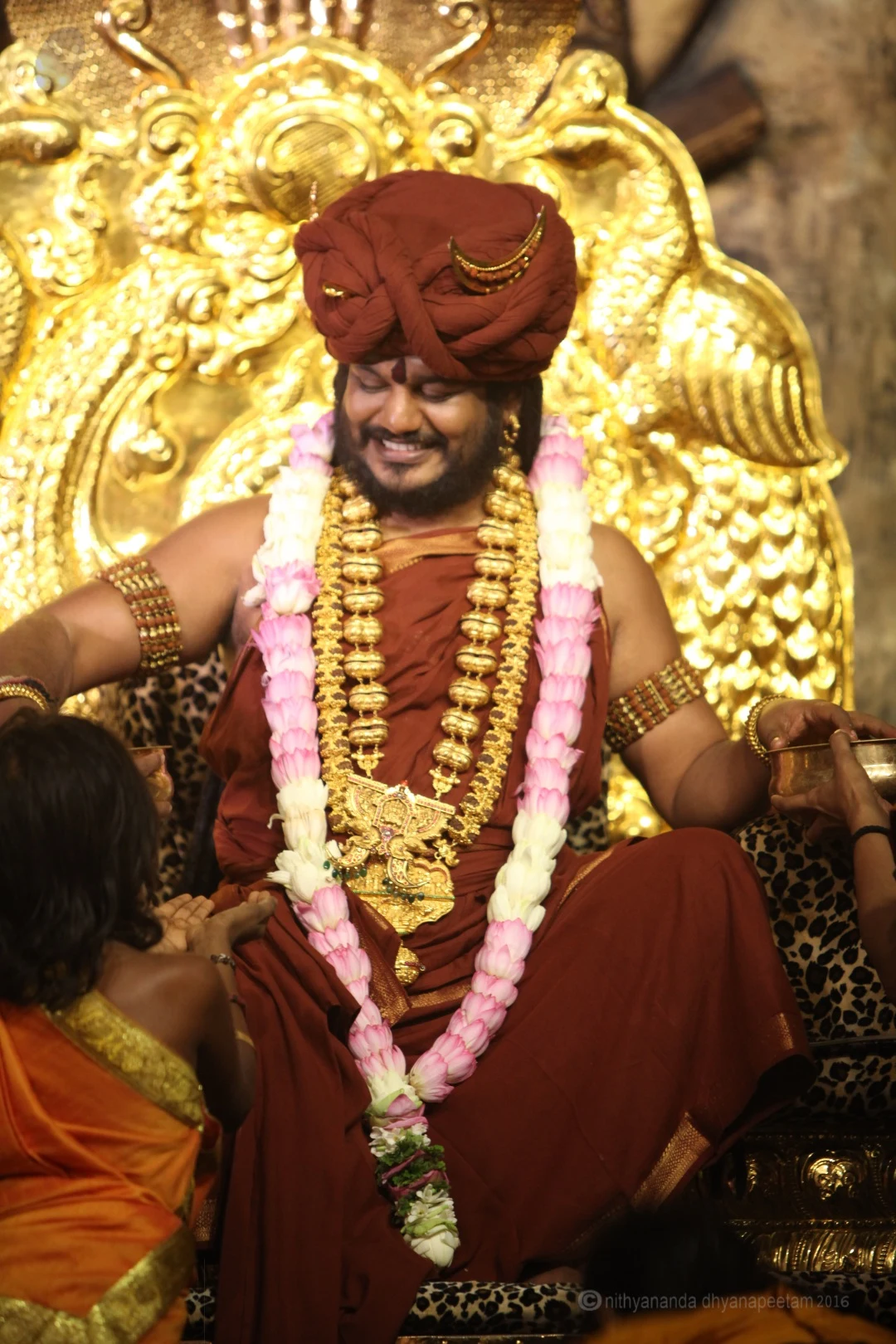
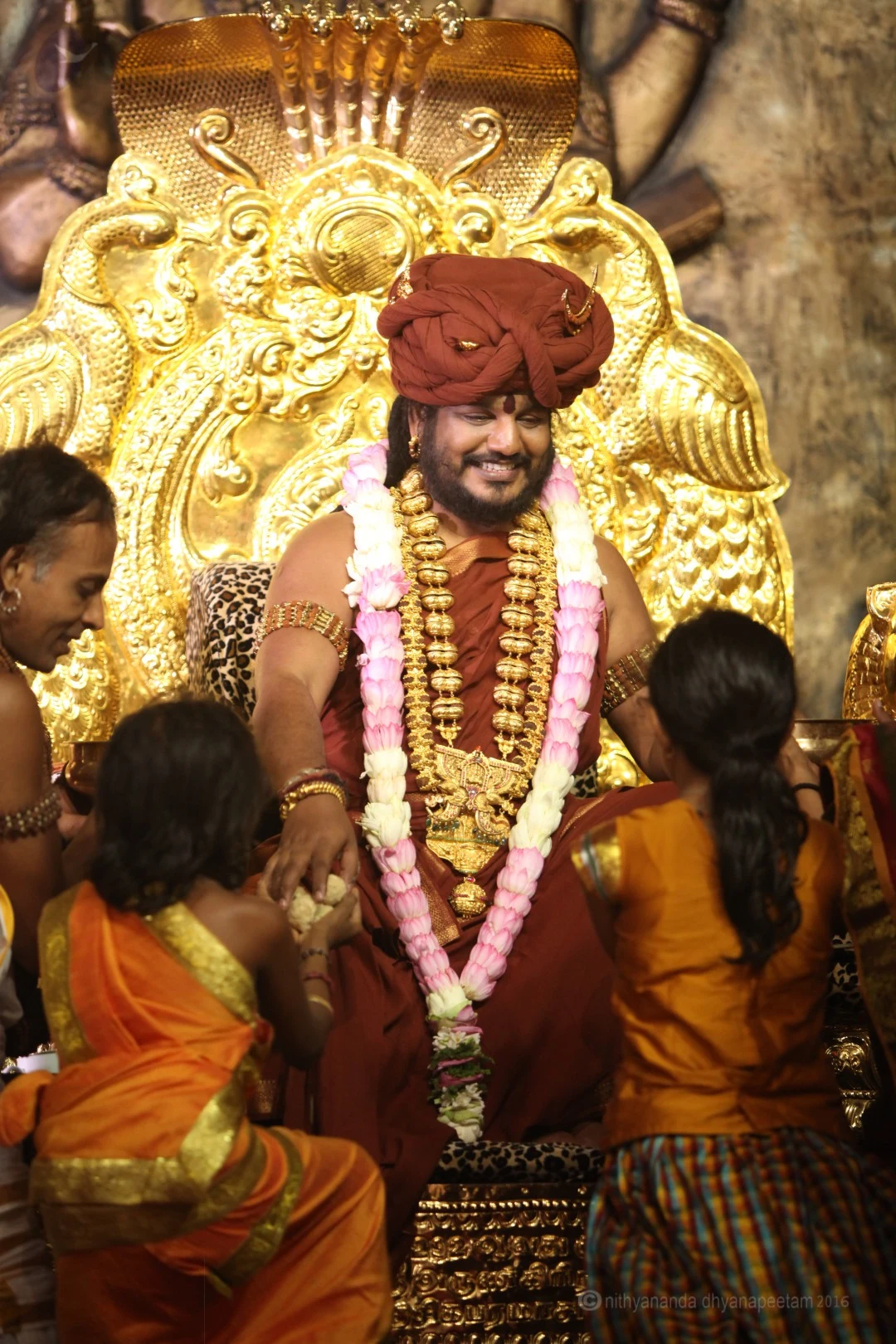
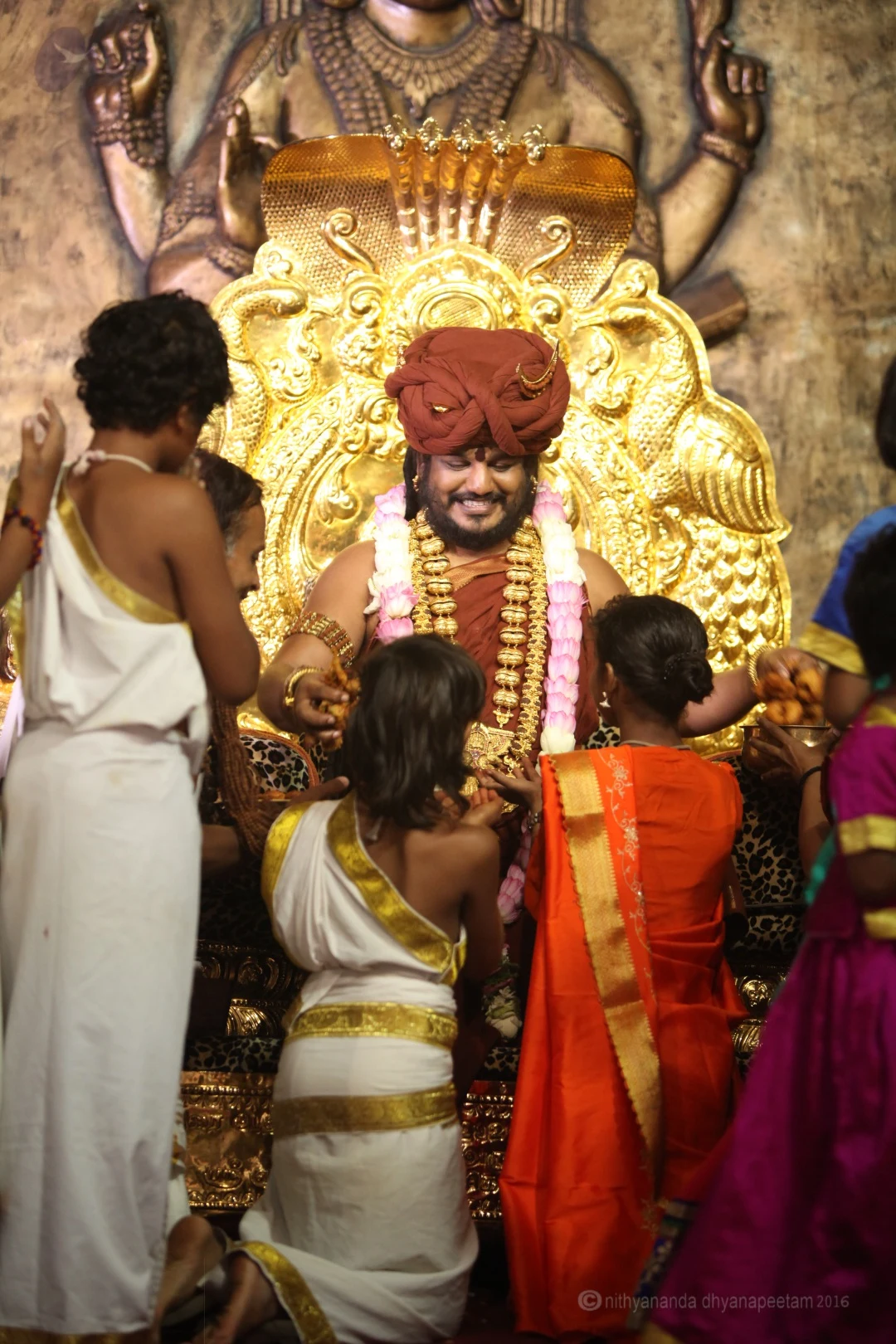
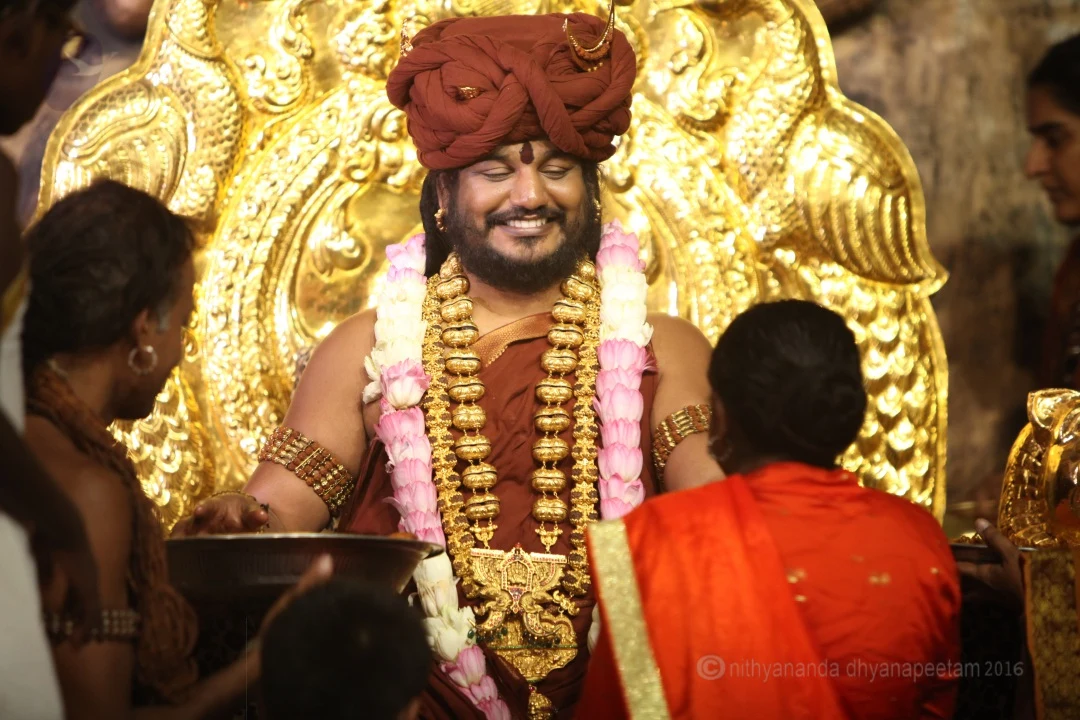
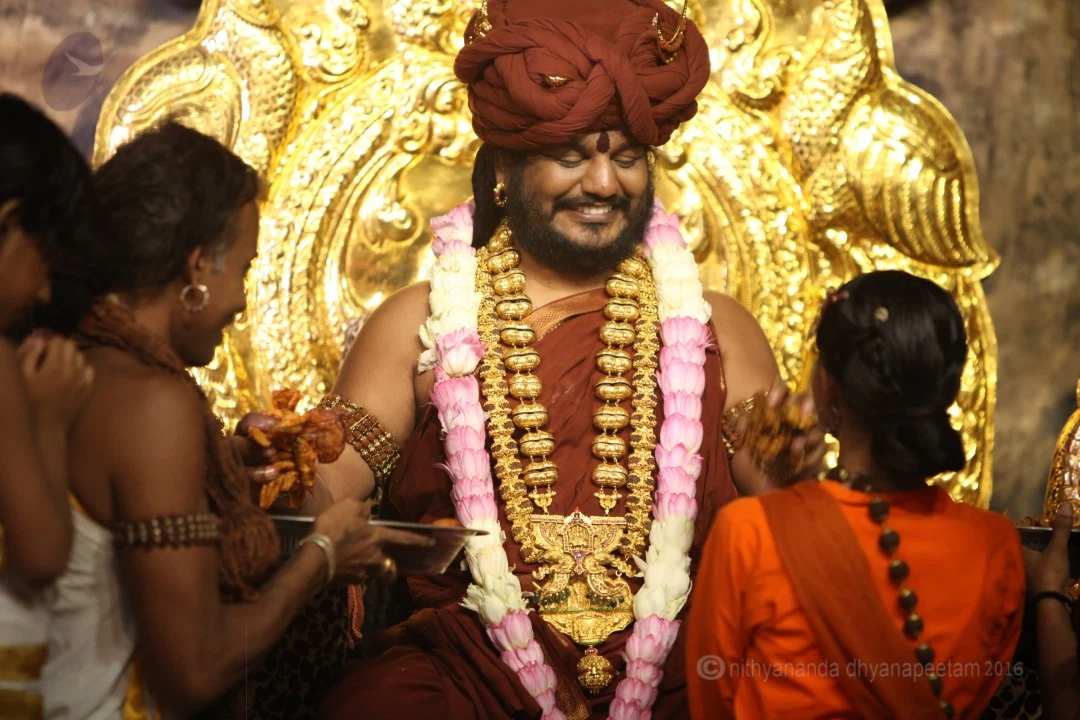
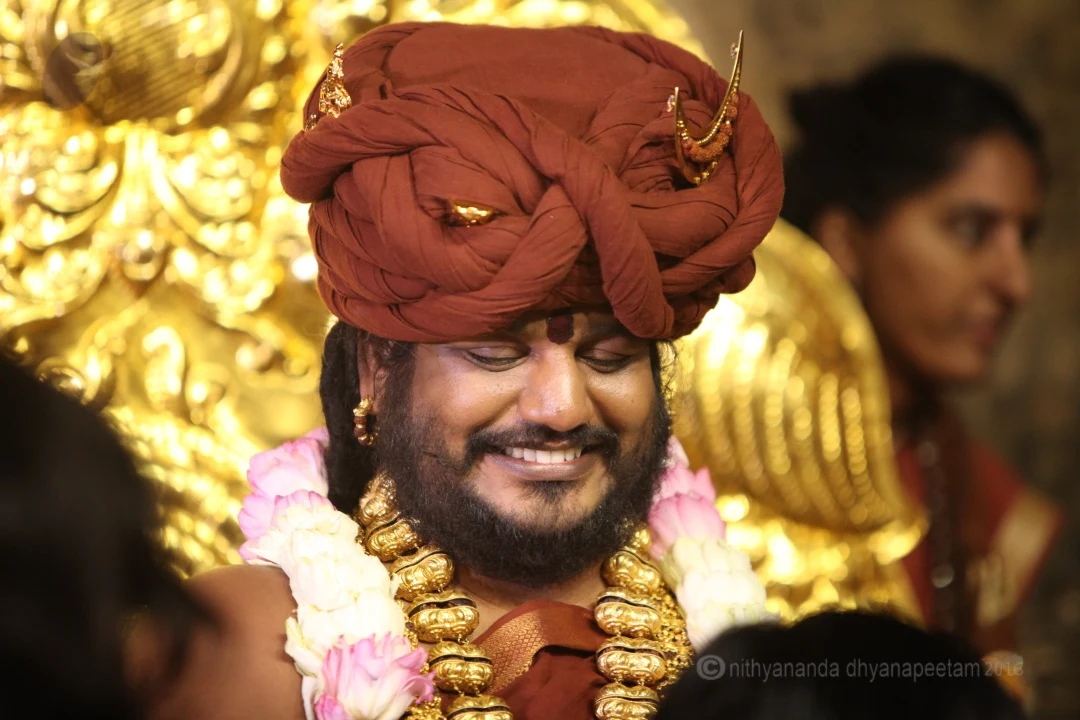
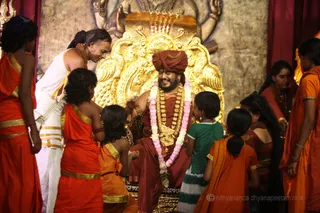
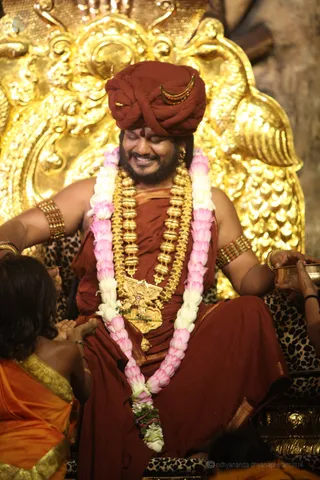
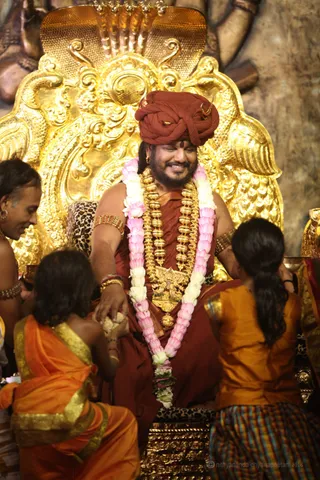
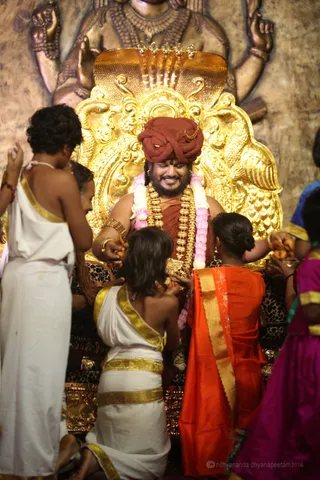
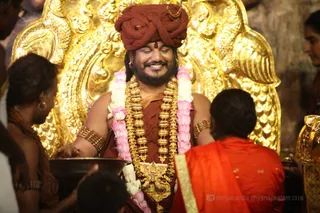
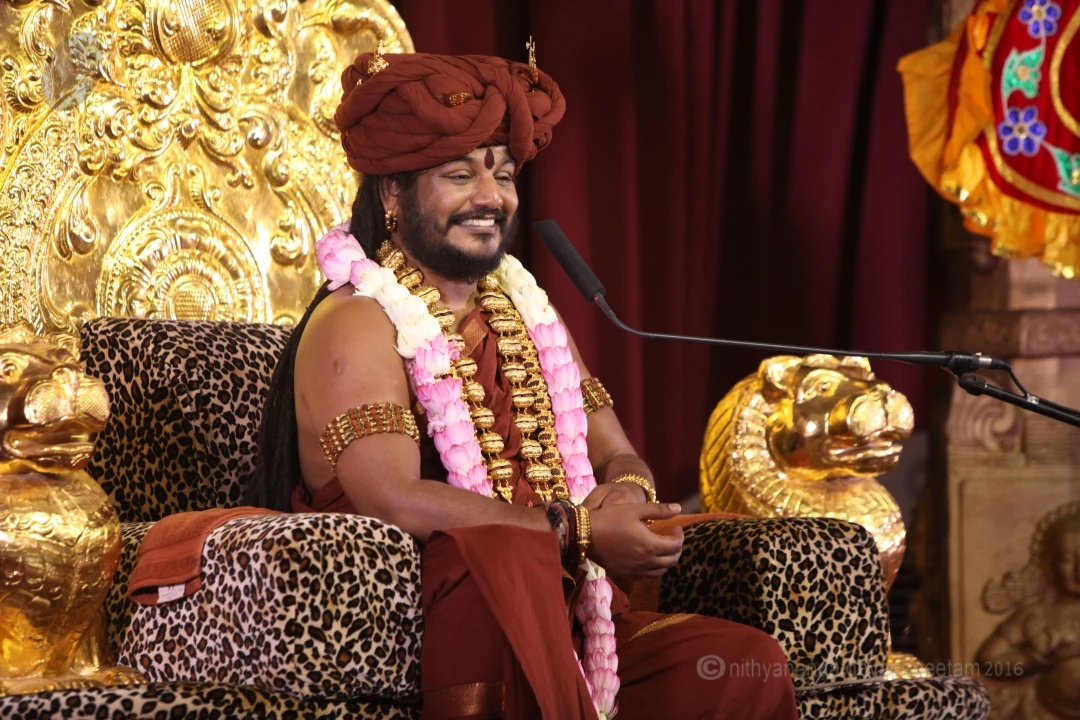
A photograph of a seated man in a rust-red turban and matching rust-red robe, smiling broadly as he speaks into a microphone on a stand. He wears a pink and white floral garland, layered gold bead necklaces, gold armbands and bangles, and a red forehead mark. He sits in an ornate gold throne with leopard-print cushions, golden lion-head armrests, and a deep red drape behind him, with a gold-and-red embroidered cloth at the upper right. Swamiji (probable): the turban, flowing hair, rudraksha-style gold beads and ornate gold throne fit the appearance cues; the seated figure is presented in a discourse setting.A photograph of a ceremony in a decorated hall with a large golden throne backed by a golden deity relief and red drapes. A man seated on the throne wears a maroon turban, maroon robe, a multi-strand gold necklace, and a pink and white flower garland, with a smiling expression. Around him, young girls in orange and saffron dresses with gold borders stand close, and one girl in green sits at his side. A man in white dhoti and a white top with a crimson shawl bends forward at left, and women in orange and red saris stand at right. Children offer him attention and the scene appears to be a devotional gathering. Visible people number about ten.A man seated on an ornate gold throne with a carved, repoussé backrest, smiling with eyes closed. He wears a deep maroon turban with a gold crescent ornament, a maroon robe, heavy gold beaded necklaces, a large gold pendant, gold armlets and bangles, and a pink and white lotus garland. A woman in an orange sari with gold border sits at the left, and a hand holding a brass bowl appears at right, with a leopard-print cloth on the seat. This is a Swamiji (probable) with a crown-style turban, ornate gold jewellery, lotus garland and throne, seated and being offered a bowl by devotees.A bearded man in a rust-red turban and matching red-orange robes sits on an ornate gold throne carved with cobra hoods, smiling and wearing a long pink-and-white flower garland, heavy gold beaded necklaces and a gold pendant. Two girls in orange and gold-bordered saris kneel before him, one offering or receiving something from his hand, while a woman in a striped checked skirt sits at right. A leopard-print cushion lies on the throne. Behind is a large gold-toned deity relief. a person, seated on the throne in the rust-red turban and gold ornaments, receiving the girls' offerings as part of a darshan-style gathering.A photo of a man in a maroon-red turban and saffron-orange robe seated on an ornate gold throne with a carved cobra-hood backrest, a large carved deity relief with multiple arms behind him. He wears a white and pink flower garland and heavy gold beaded necklaces, and smiles with eyes closed. Several children in white dhotis with gold borders and a girl in an orange sari and a girl in magenta are gathered before him, one holding a plate of sweets and another offering food to him. The scene reads as a devotional offering.A photograph of a bearded man seated in front of an ornate gold throne with carved floral and scroll patterns. He wears a maroon turban with a red tilak, a maroon shawl draped over his shoulders, a multi-strand gold necklace with a large gold pendant, gold armlets and bangles, and a long garland of pink and white flowers. He smiles with eyes closed. In the foreground a devotee in an orange garment with gold border faces him, and a woman with a bowl stands at the left. Appearance-based label: a person, seated on the throne, adorned with turban, gold ornaments and garland.

Ganesha Chaturthi Procession
3 photosSource gallery
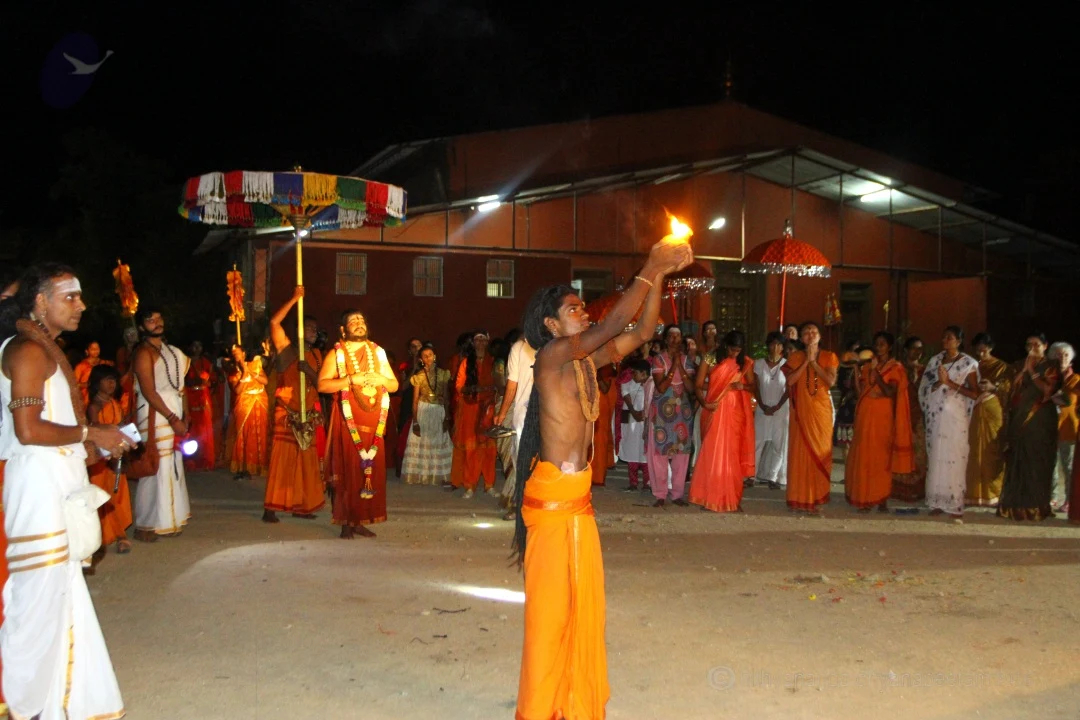
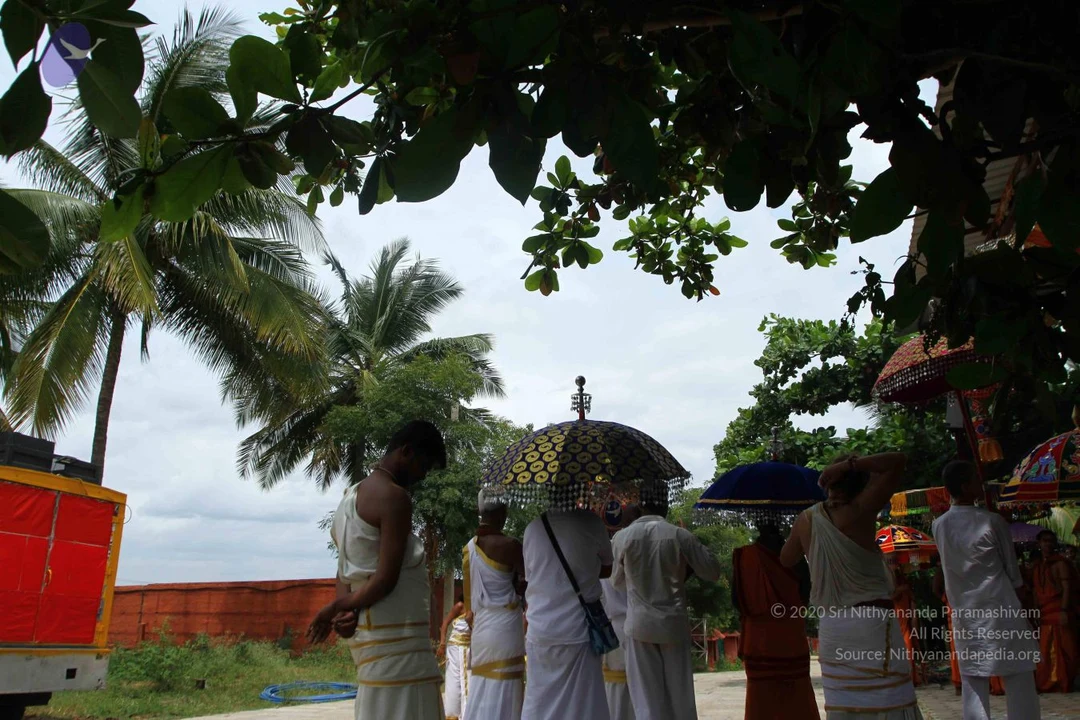
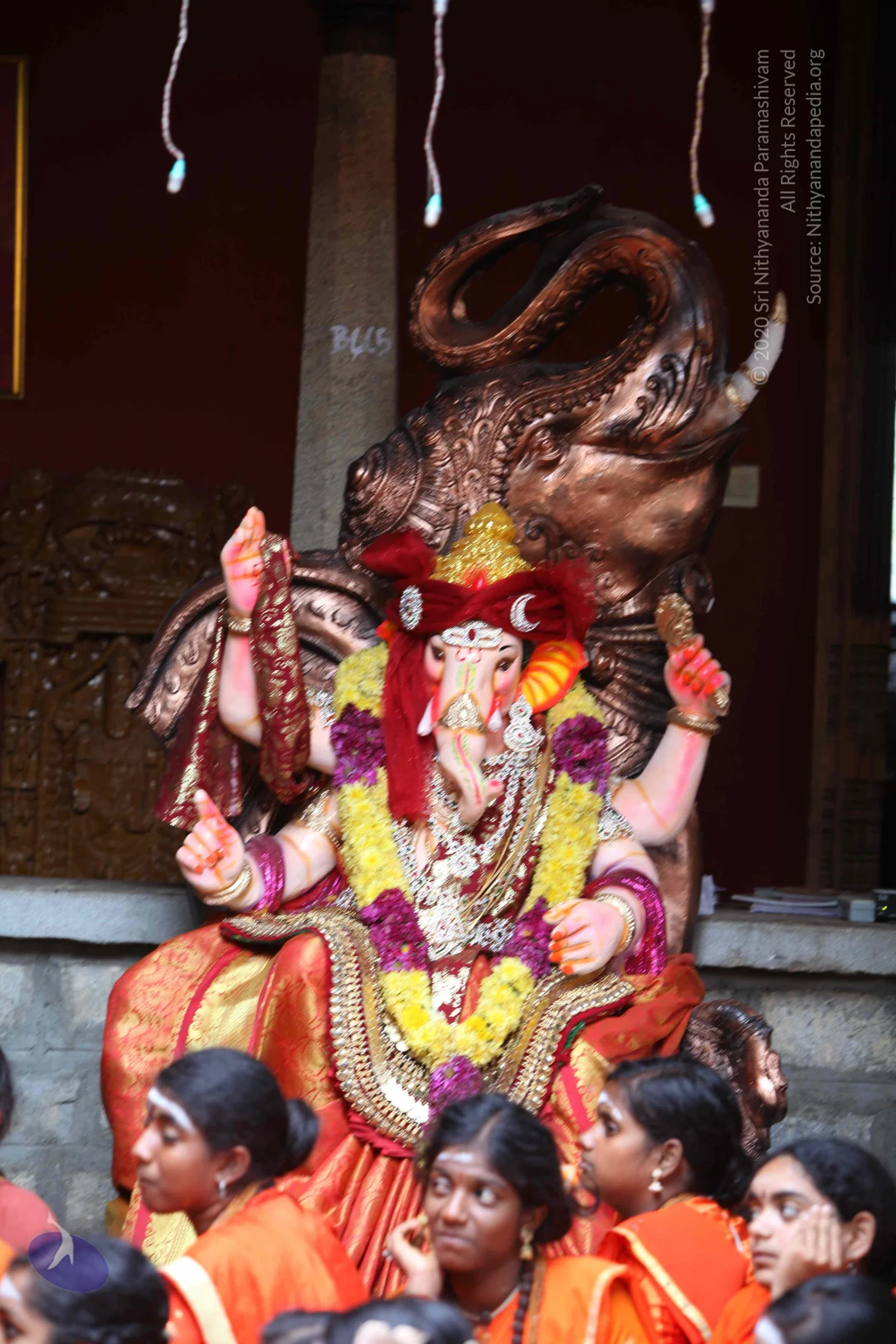
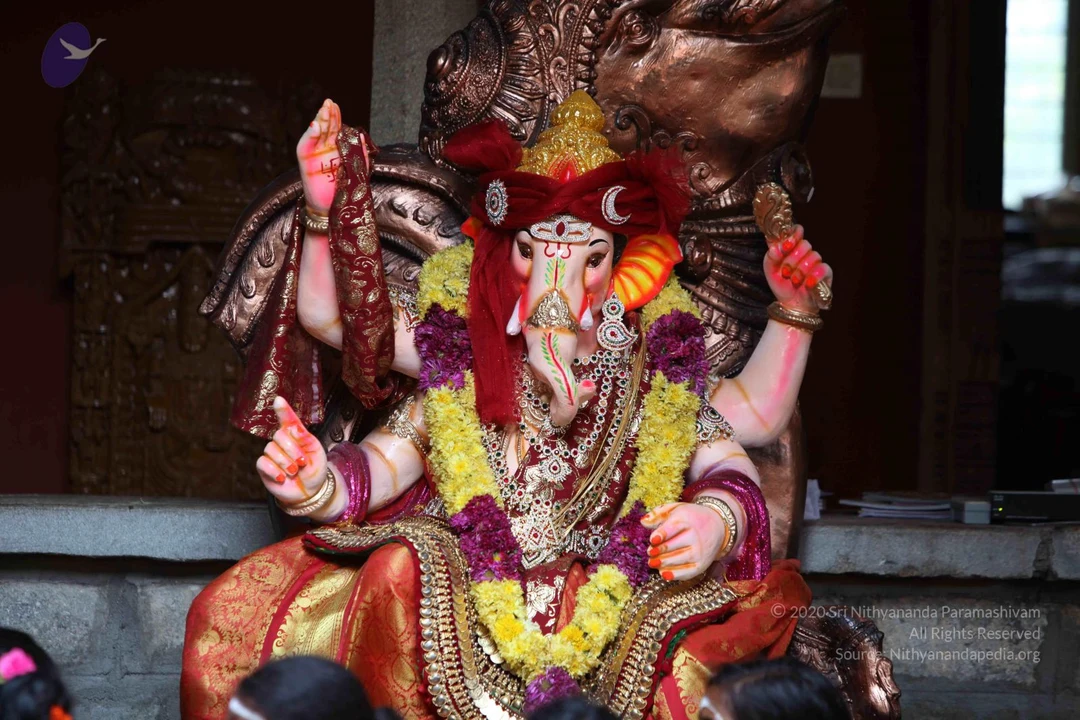
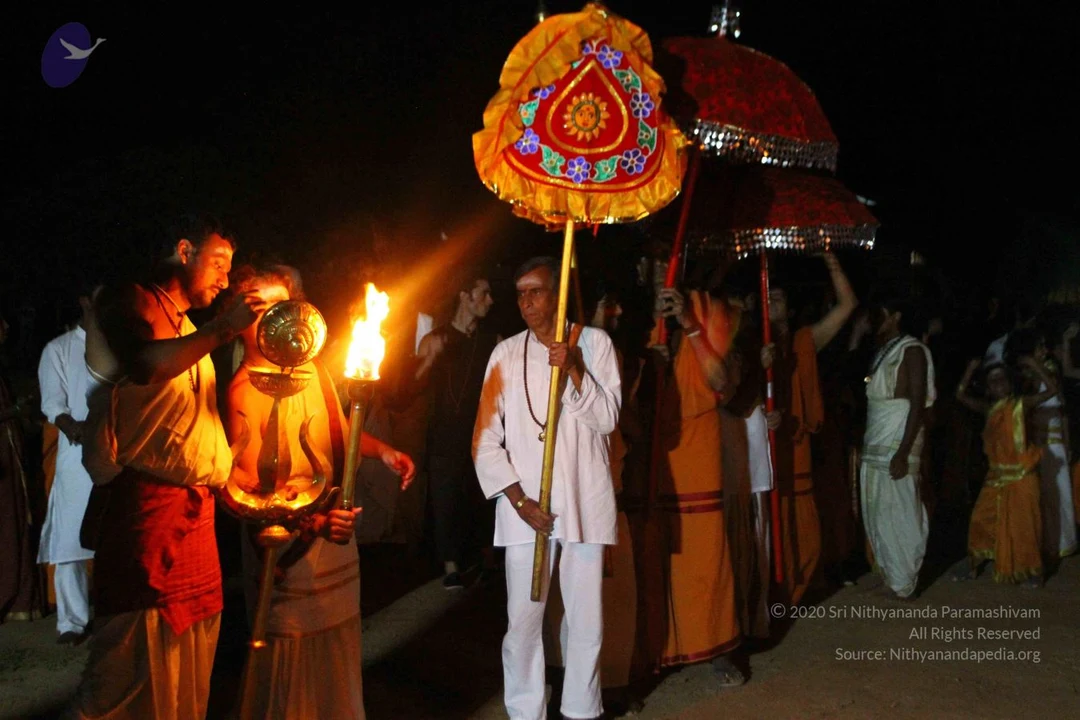
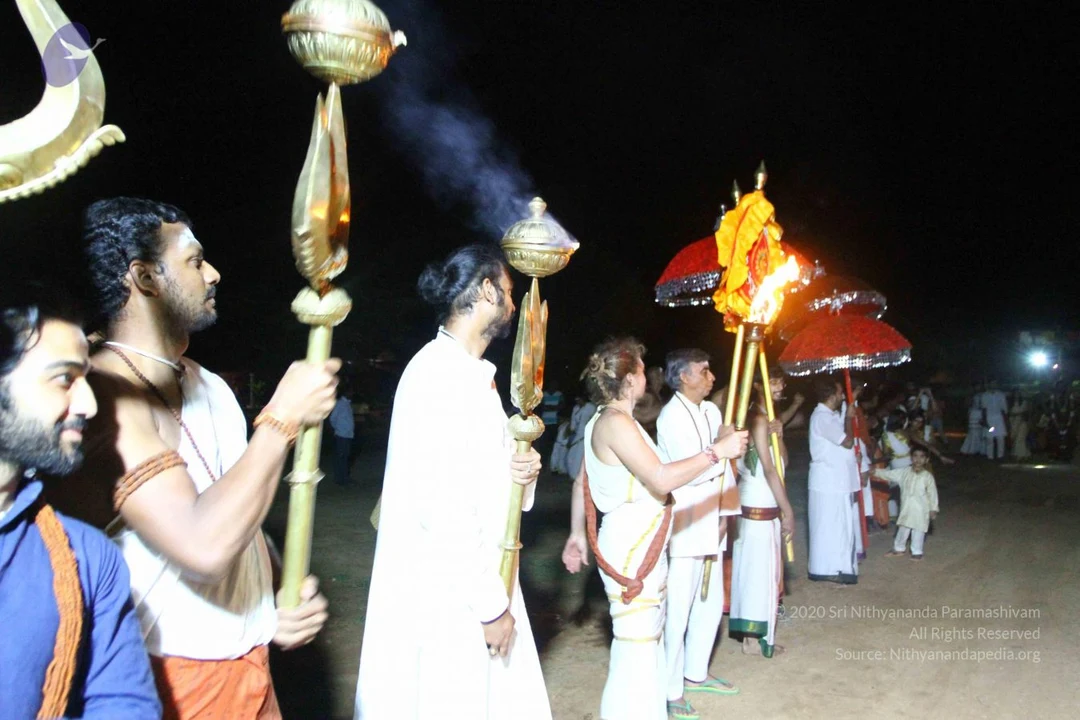
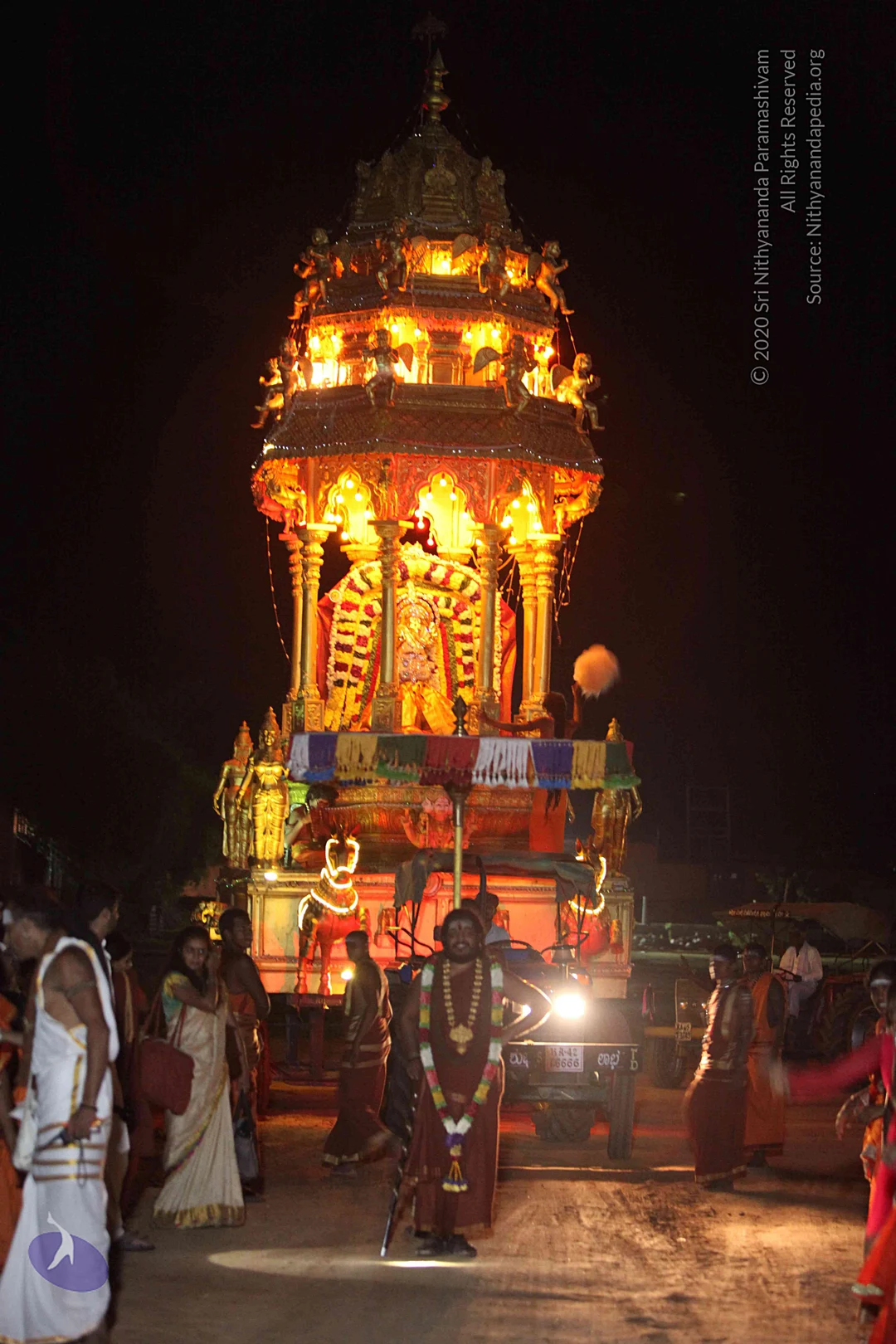
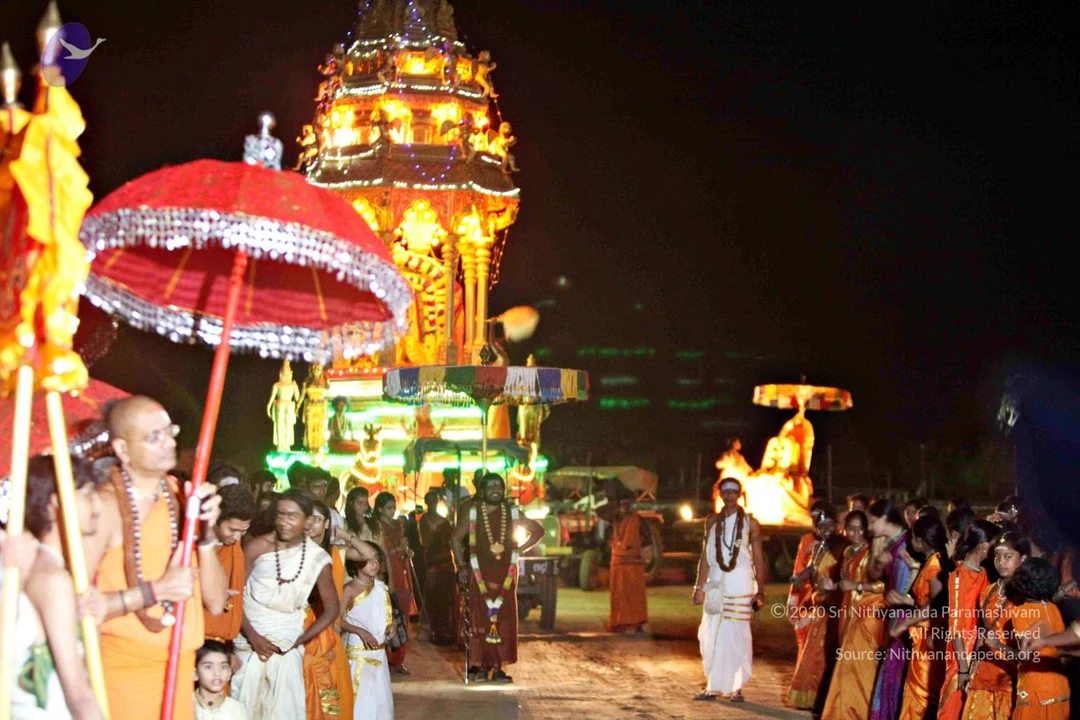
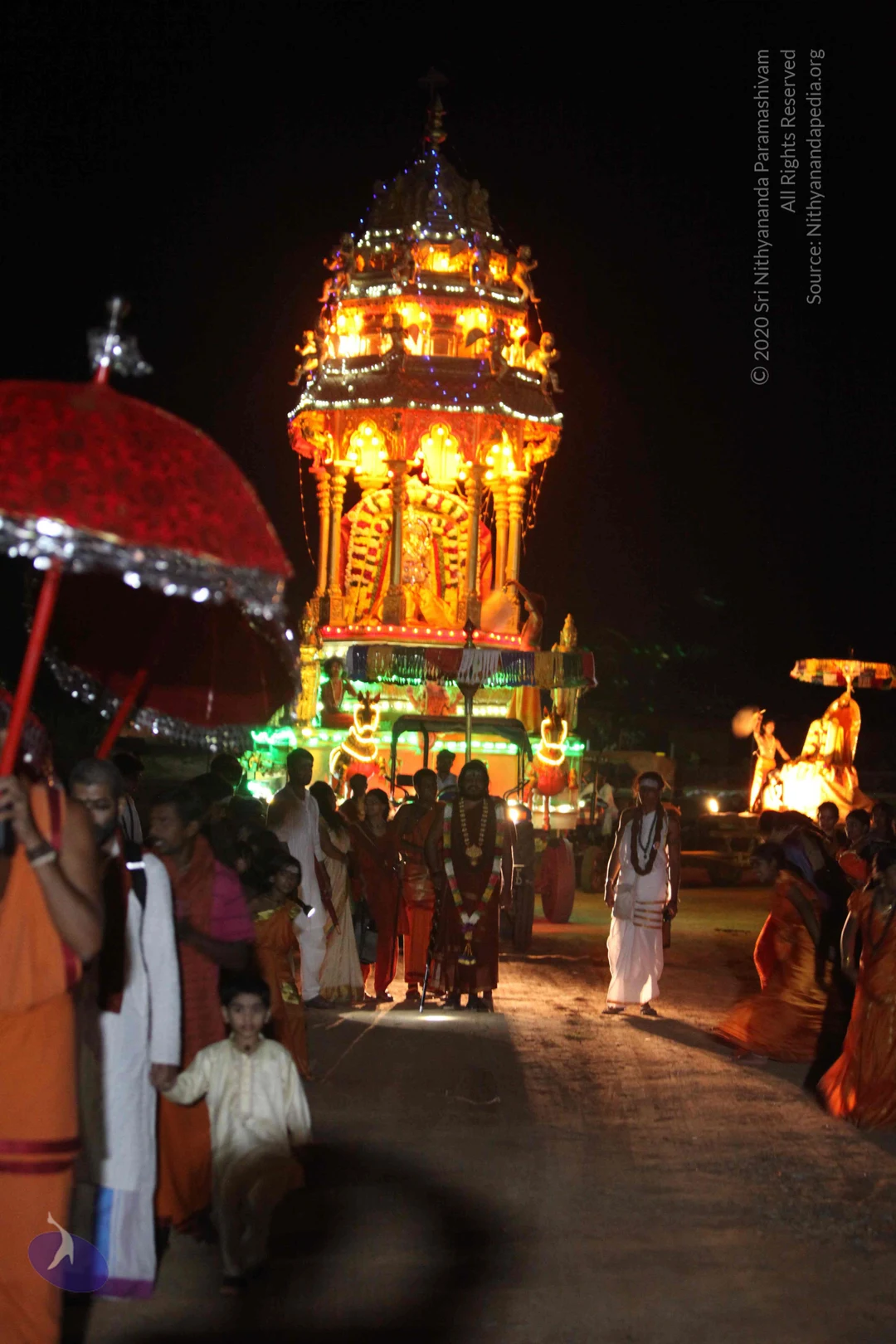
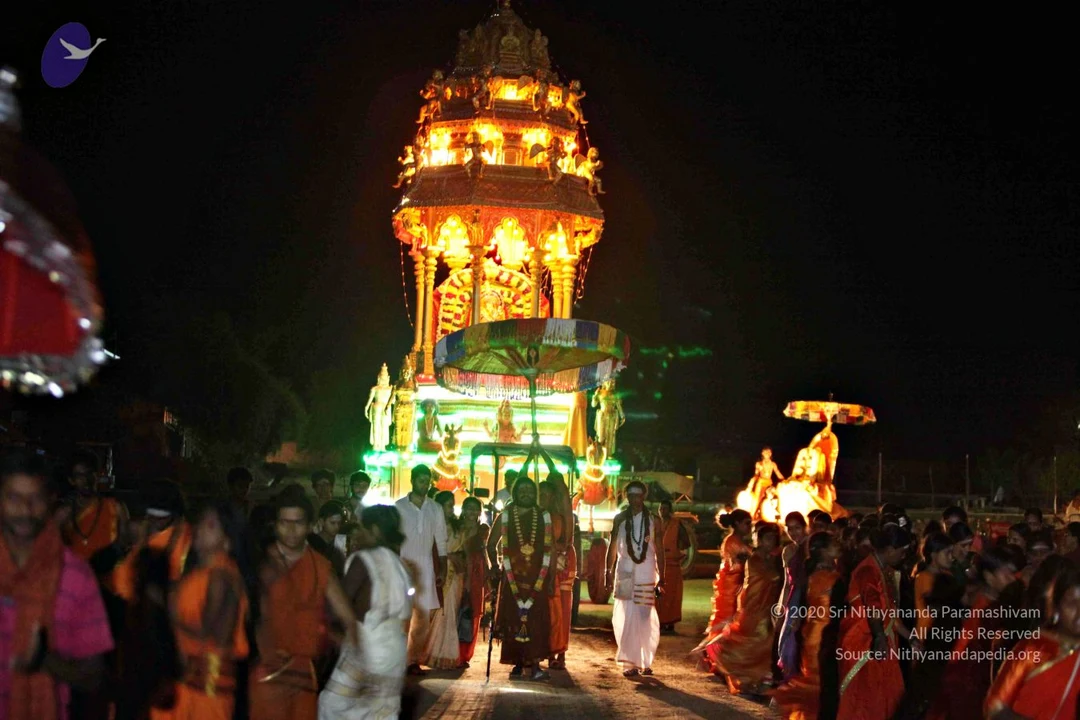
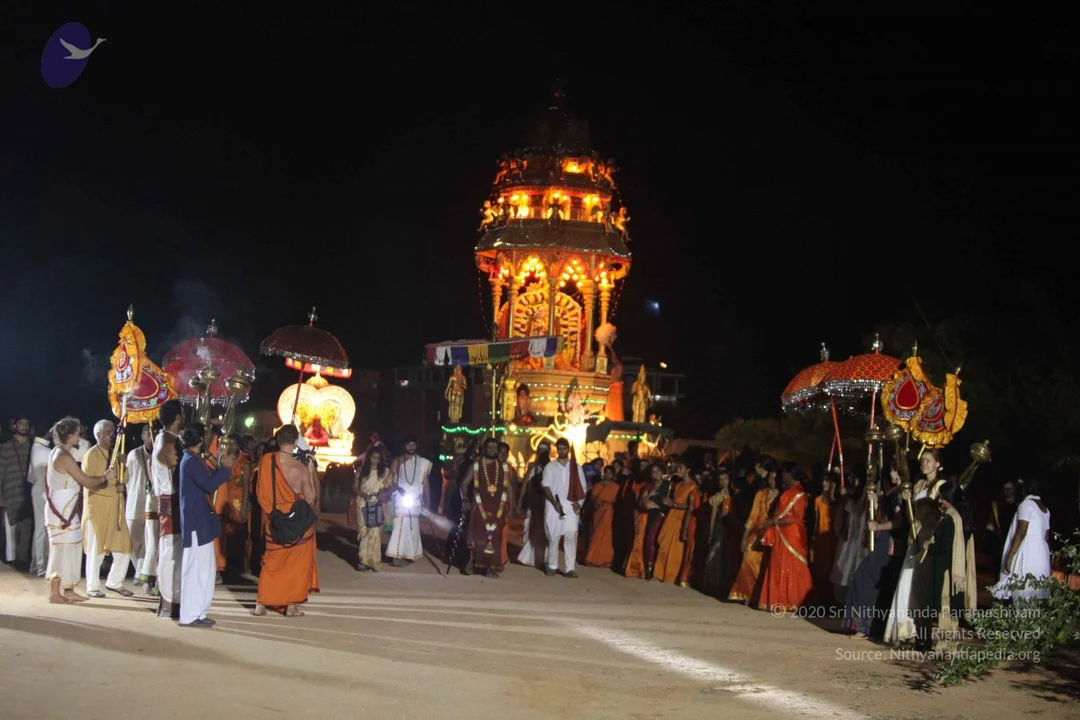
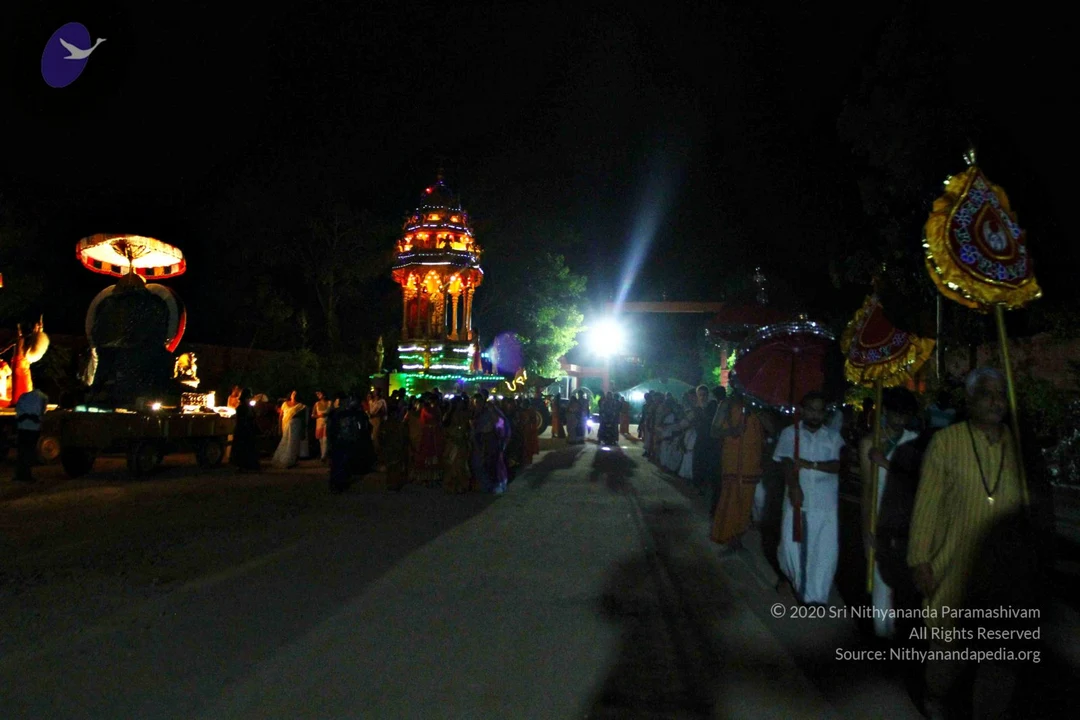
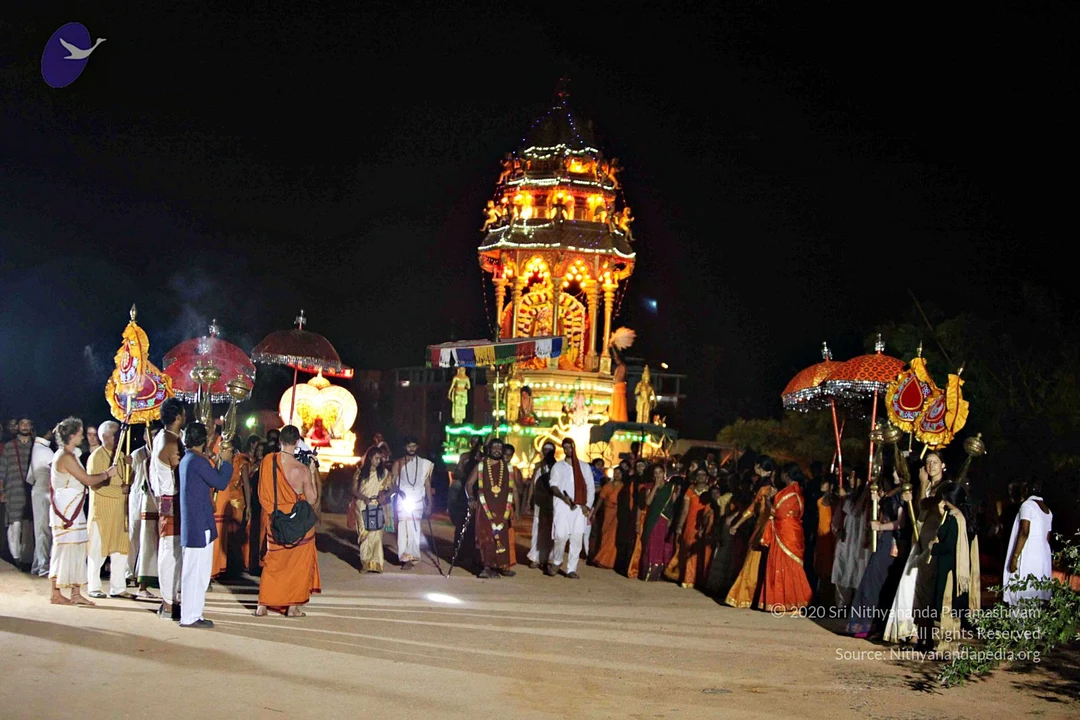
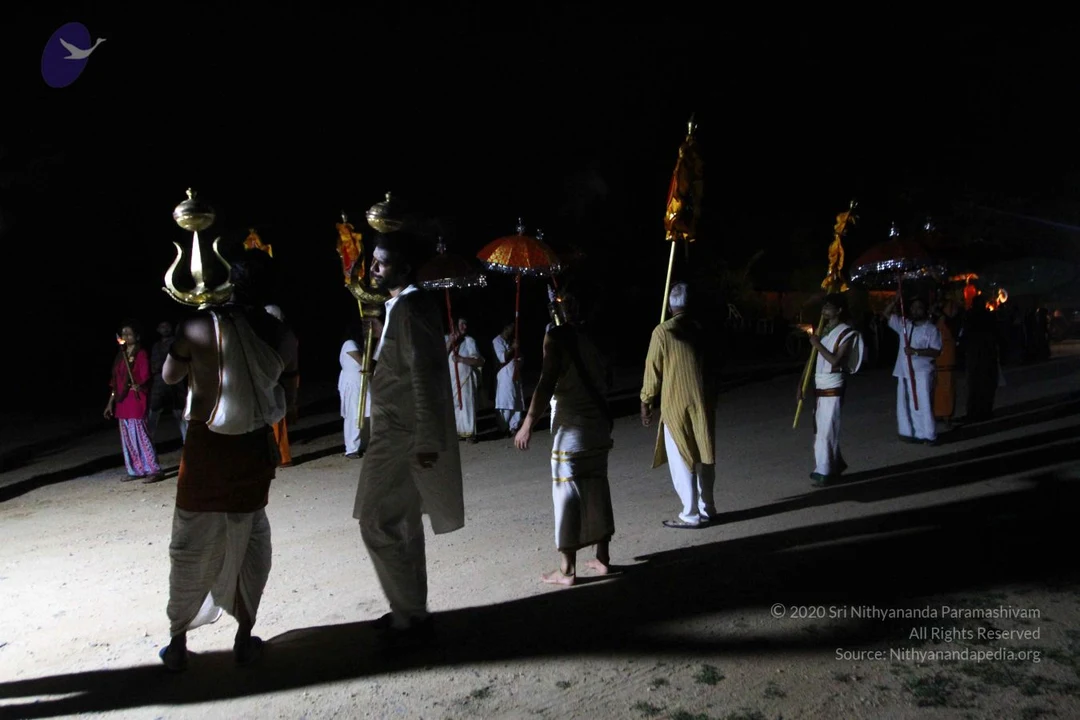
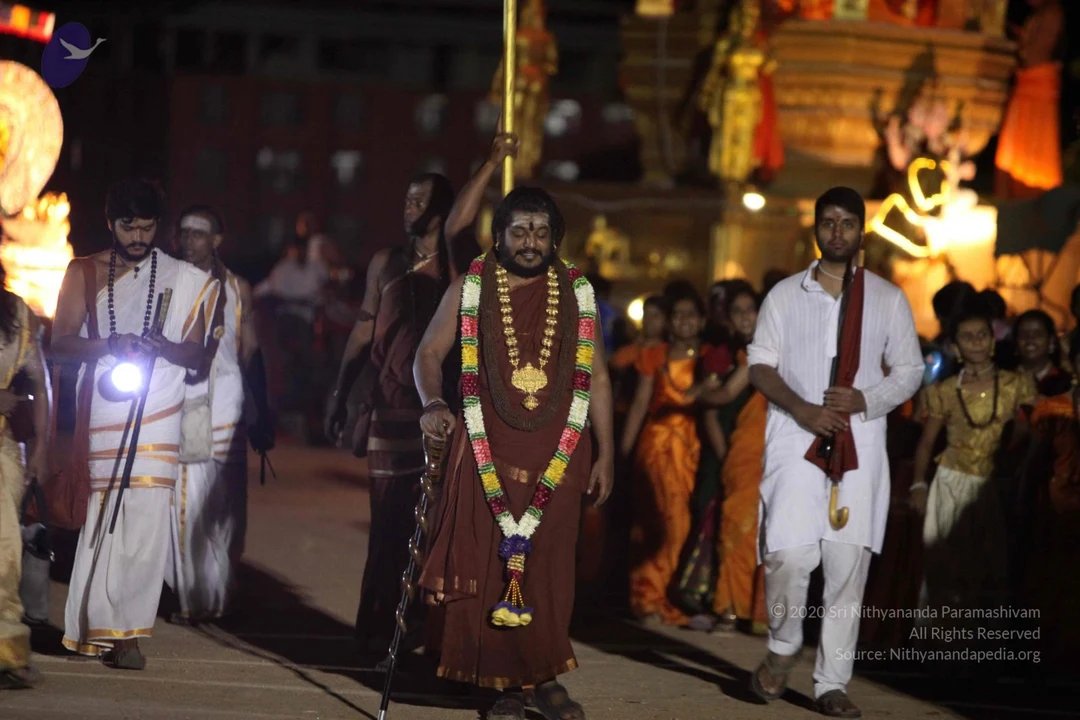
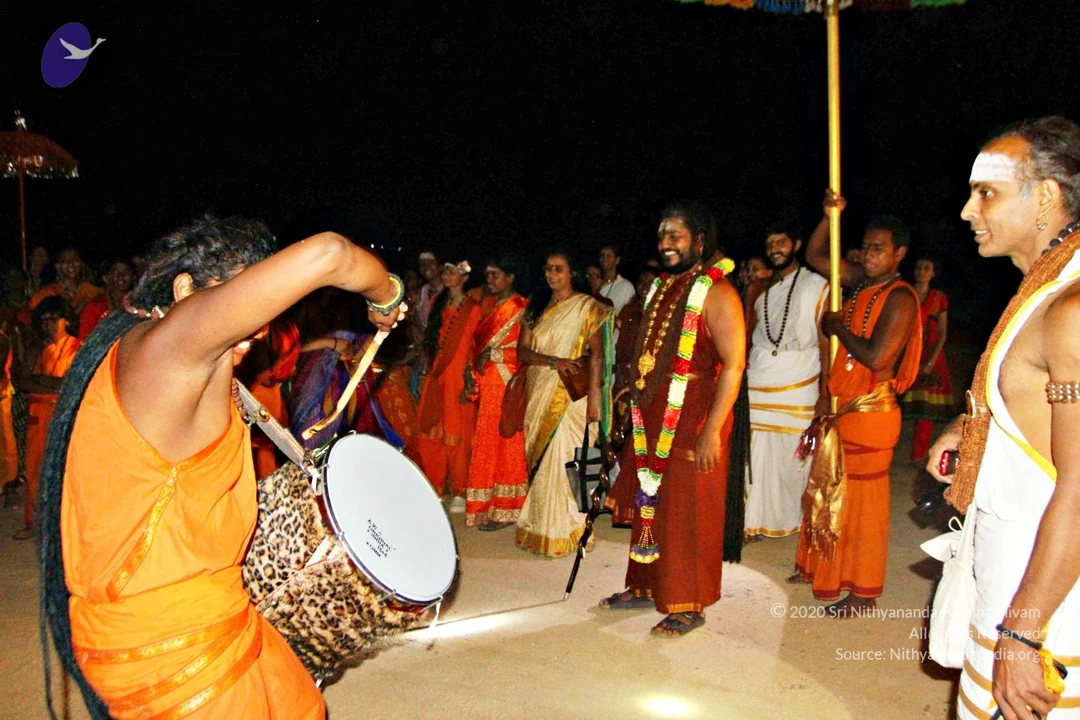
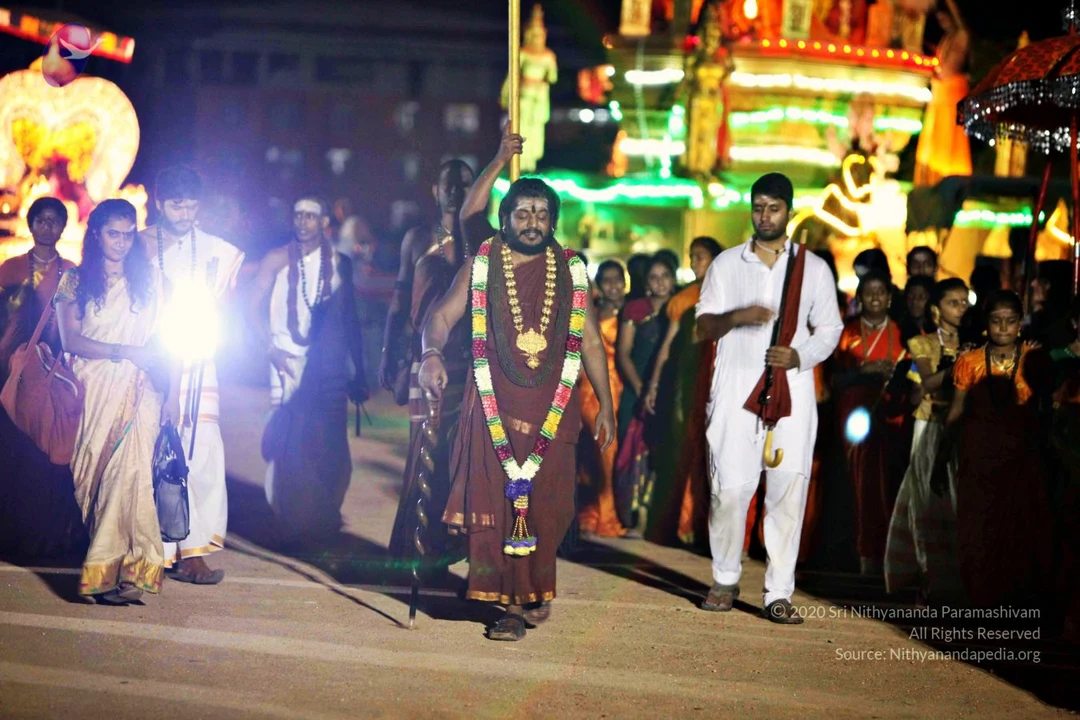
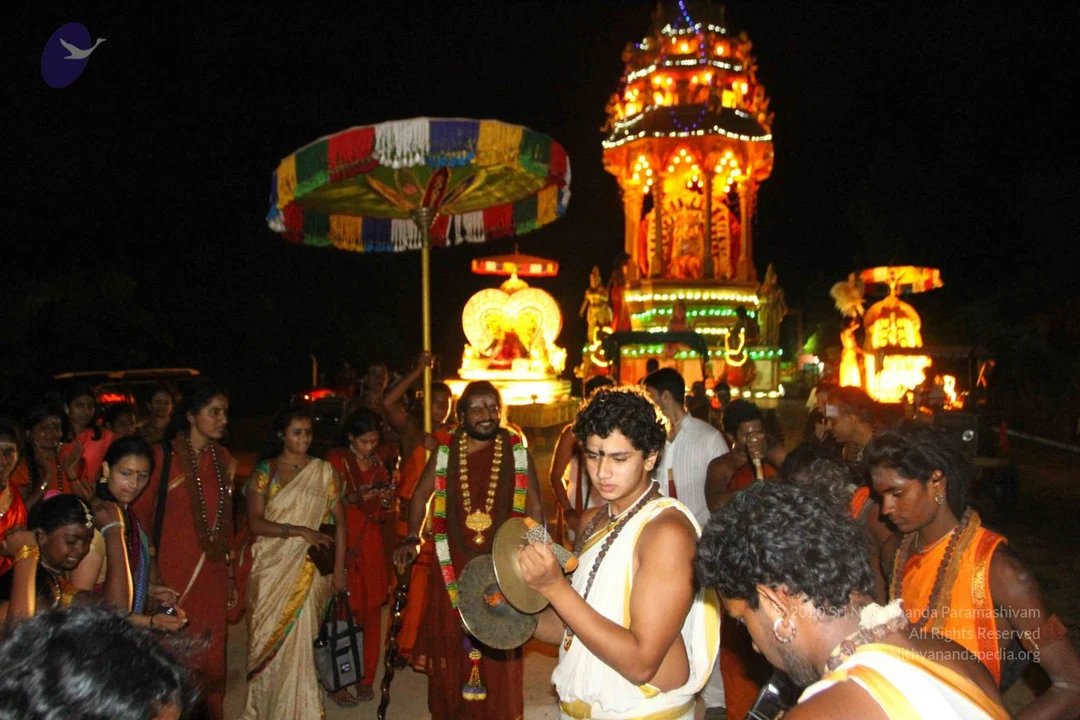
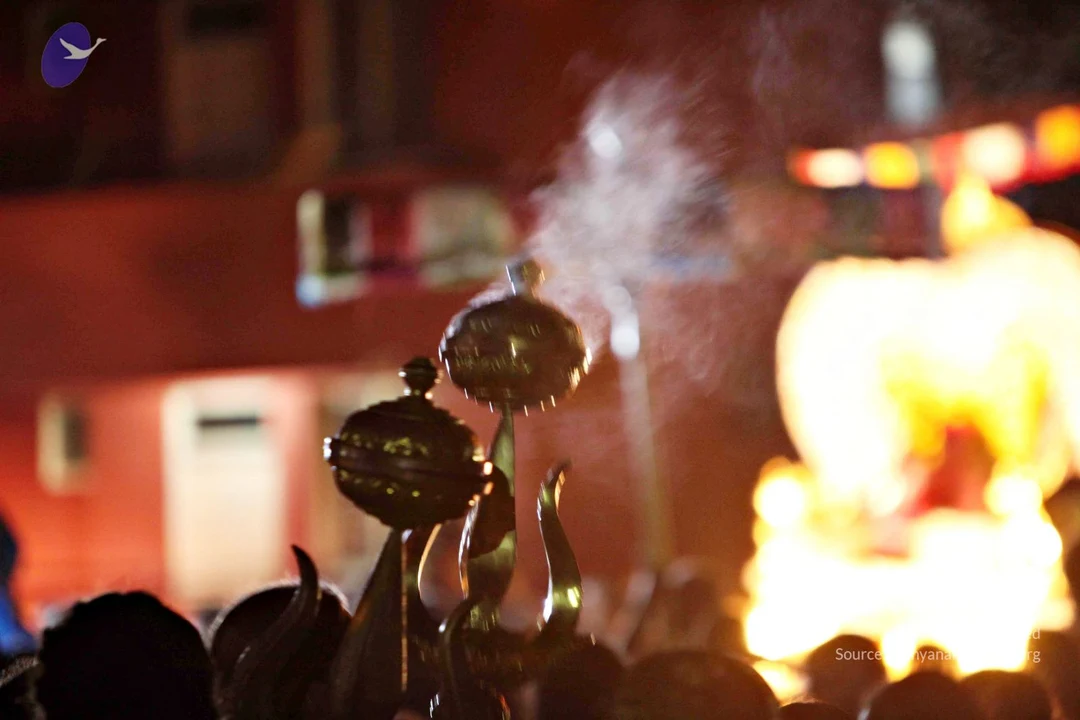
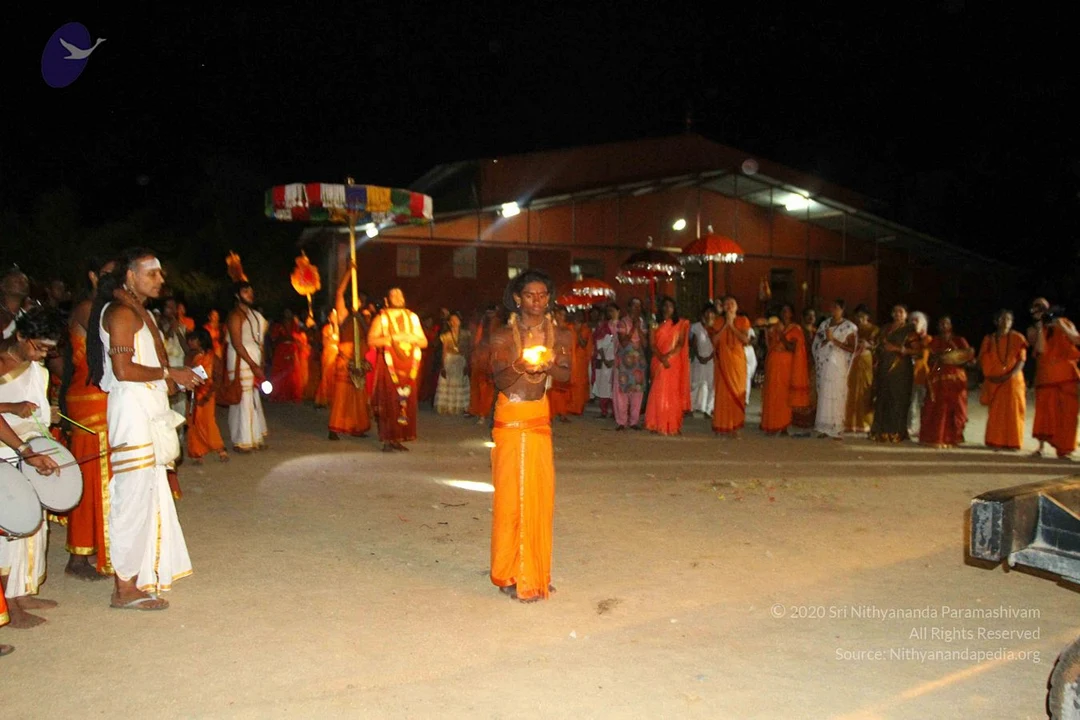
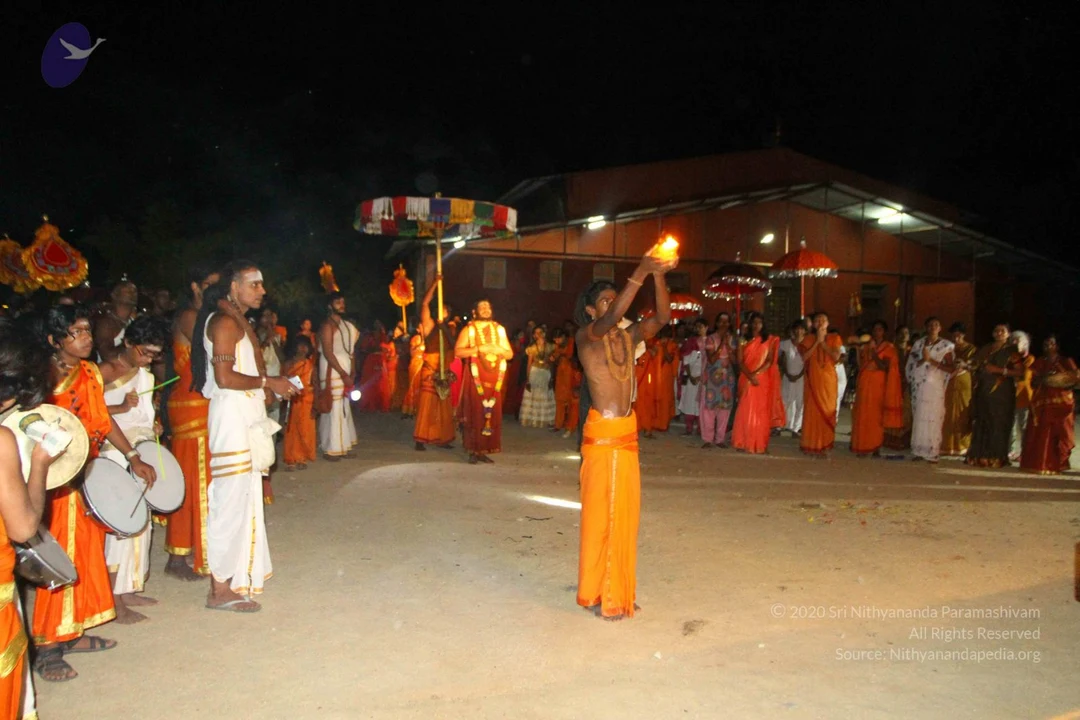
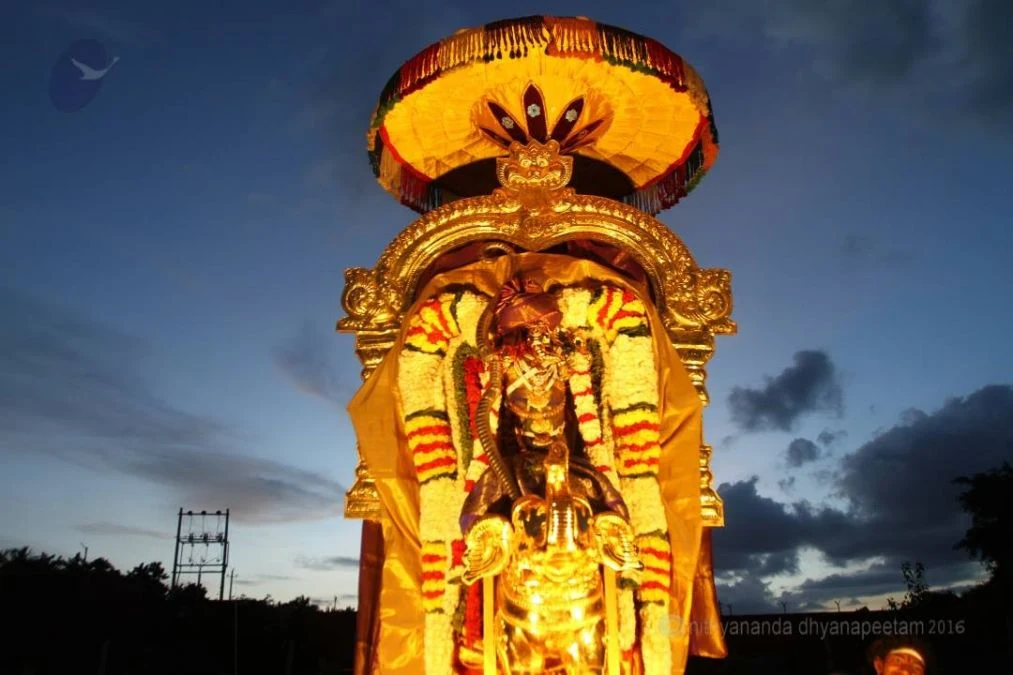
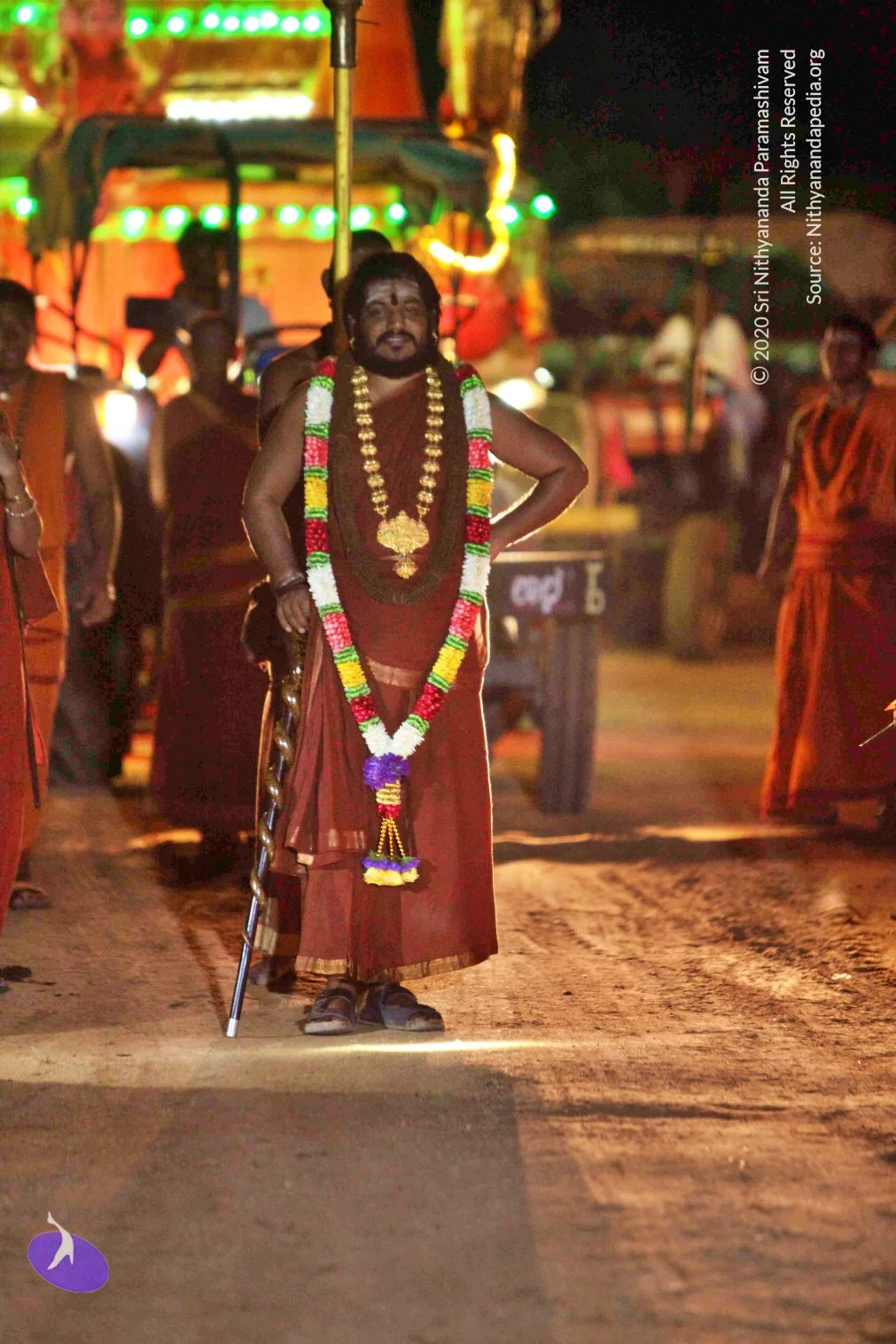
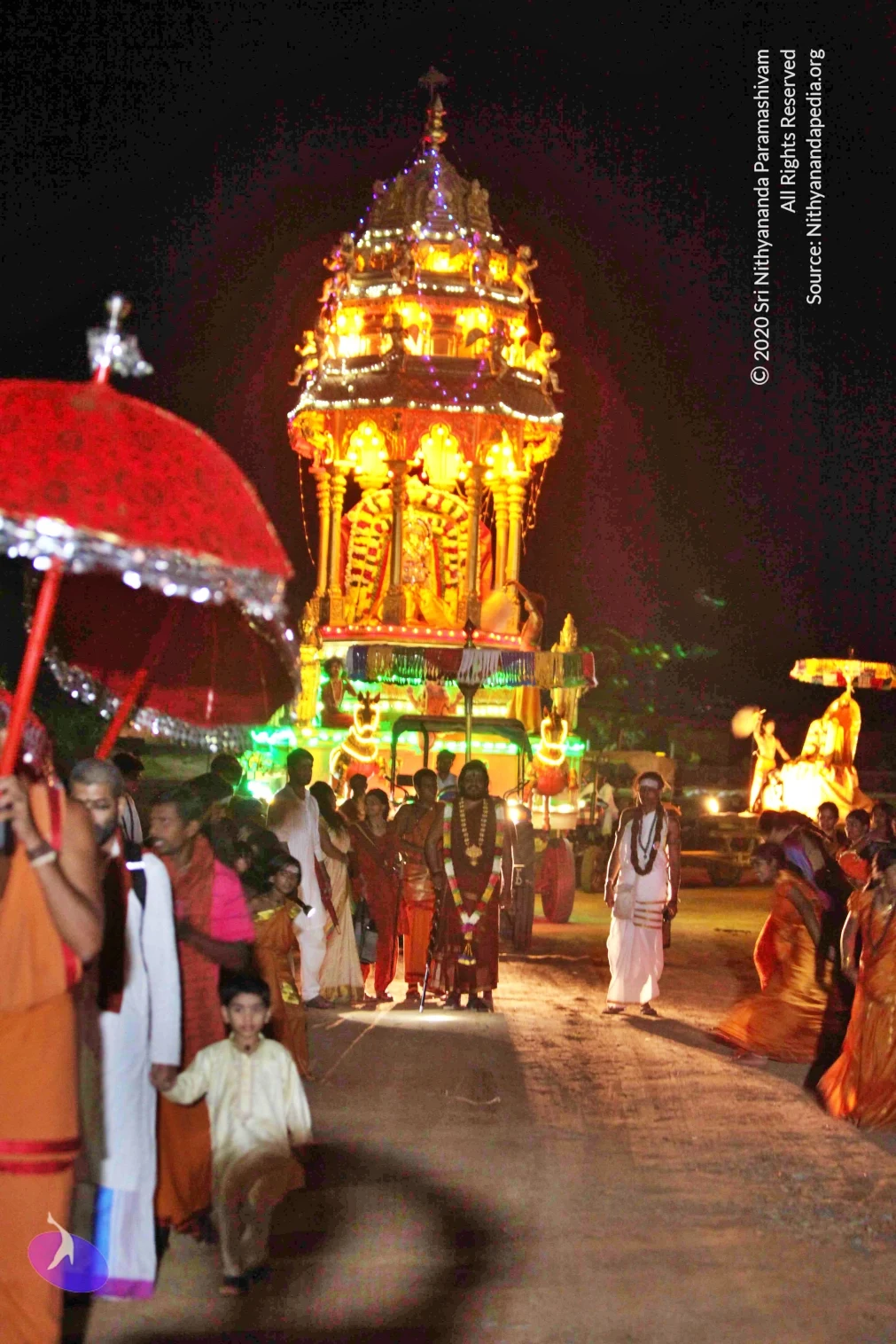
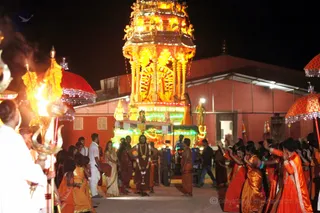
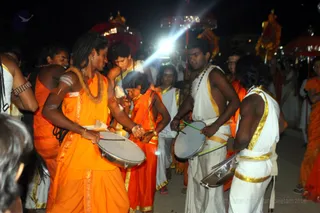
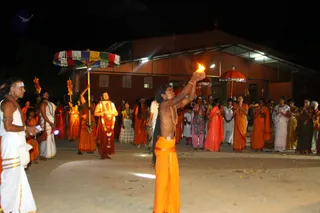
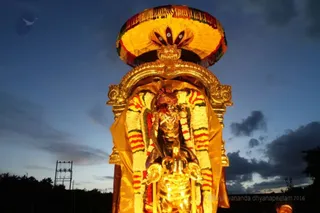
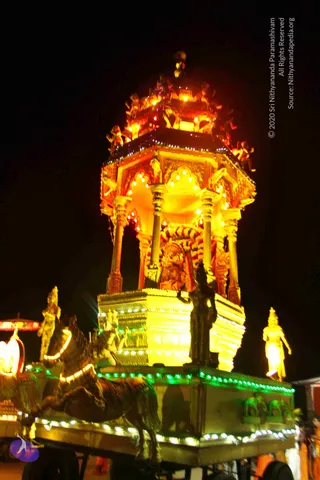
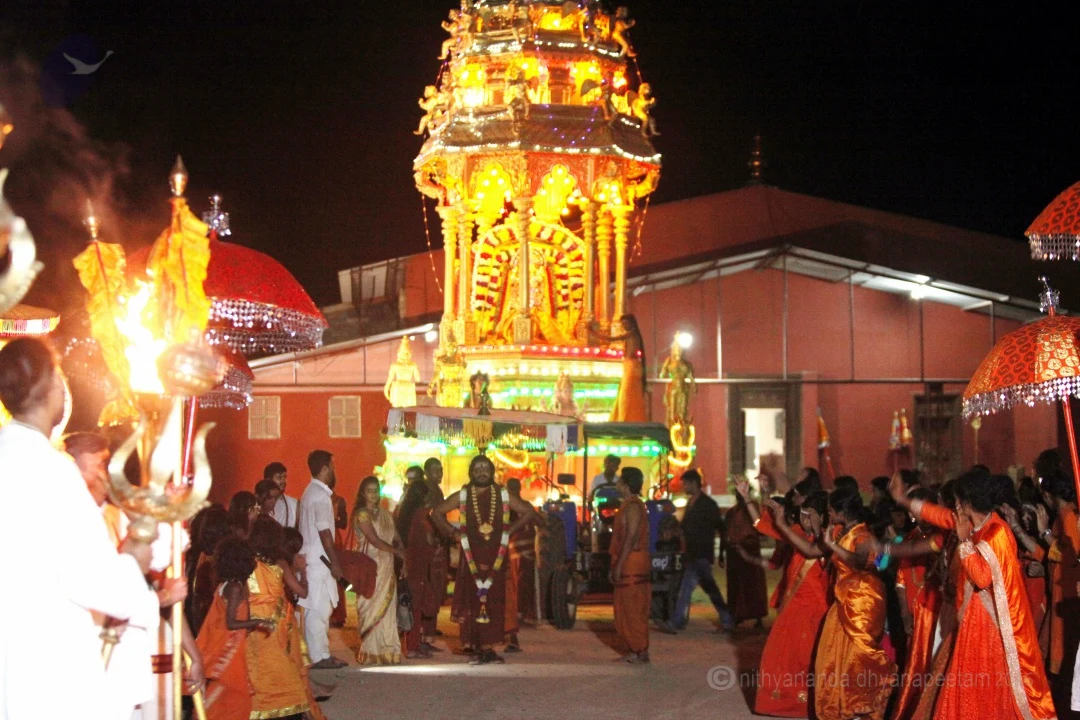
Night procession at a temple-style compound, with a brightly illuminated golden ratha/chariot tower lit with strings of lights and carved figures, pulled by a vehicle. A bare-chested man with long dark hair wears a rudraksha-style garland and orange-red cloth, standing in the procession. Women in orange and red saris stand on the right, holding their hands together in devotion beside red and gold umbrellas. On the left, a man in white holds a tall brass staff with a flaming torch and a trident-like finial. Red-roofed buildings and dark sky form the background.Night procession with drummers in saffron and white ceremonial clothes. In the foreground, a young man with long dreadlocks wears an orange dhoti, orange shawl, a marigold garland and white sacred ash lines on his arms; he plays a silver-rimmed drum with a stick. Beside him, a drummer in white with gold-bordered dhoti strikes a drum, while other drummers in orange and white stand behind. Bright stage light flares in the background, with red and orange processional umbrellas and a decorated palanquin or ratha visible above the crowd. Some onlookers are at the lower edge.Night procession at an ashram courtyard: a sadhu in saffron dhoti holds a lit flame aloft in his right hand, while a man in orange robes and red-and-white garland walks beside a striped fringed parasol in the centre. Behind them, a large crowd of devotees in orange, red, pink and white saris and dhotis stands with hands pressed together in namaskar. A white-clad priest with sacred ash marks and a bare-chested attendant stand at left, and a red building with a red umbrella-shaped canopy lies in the background.

Maha-Ganapathy-Homa
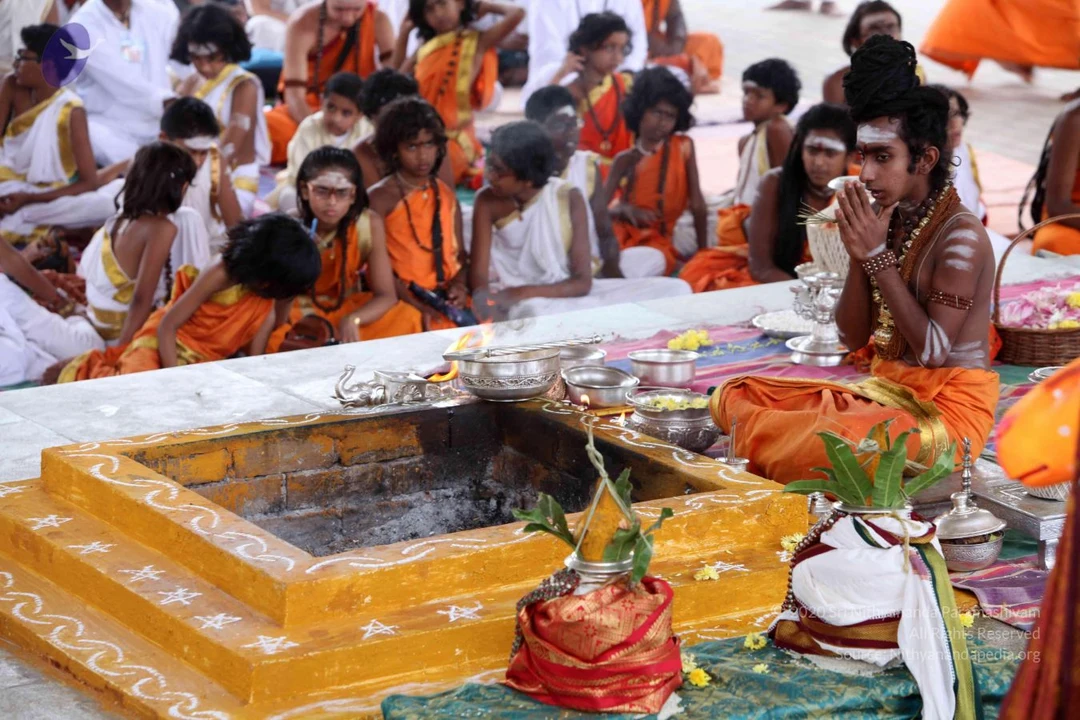
128 photosSource gallery
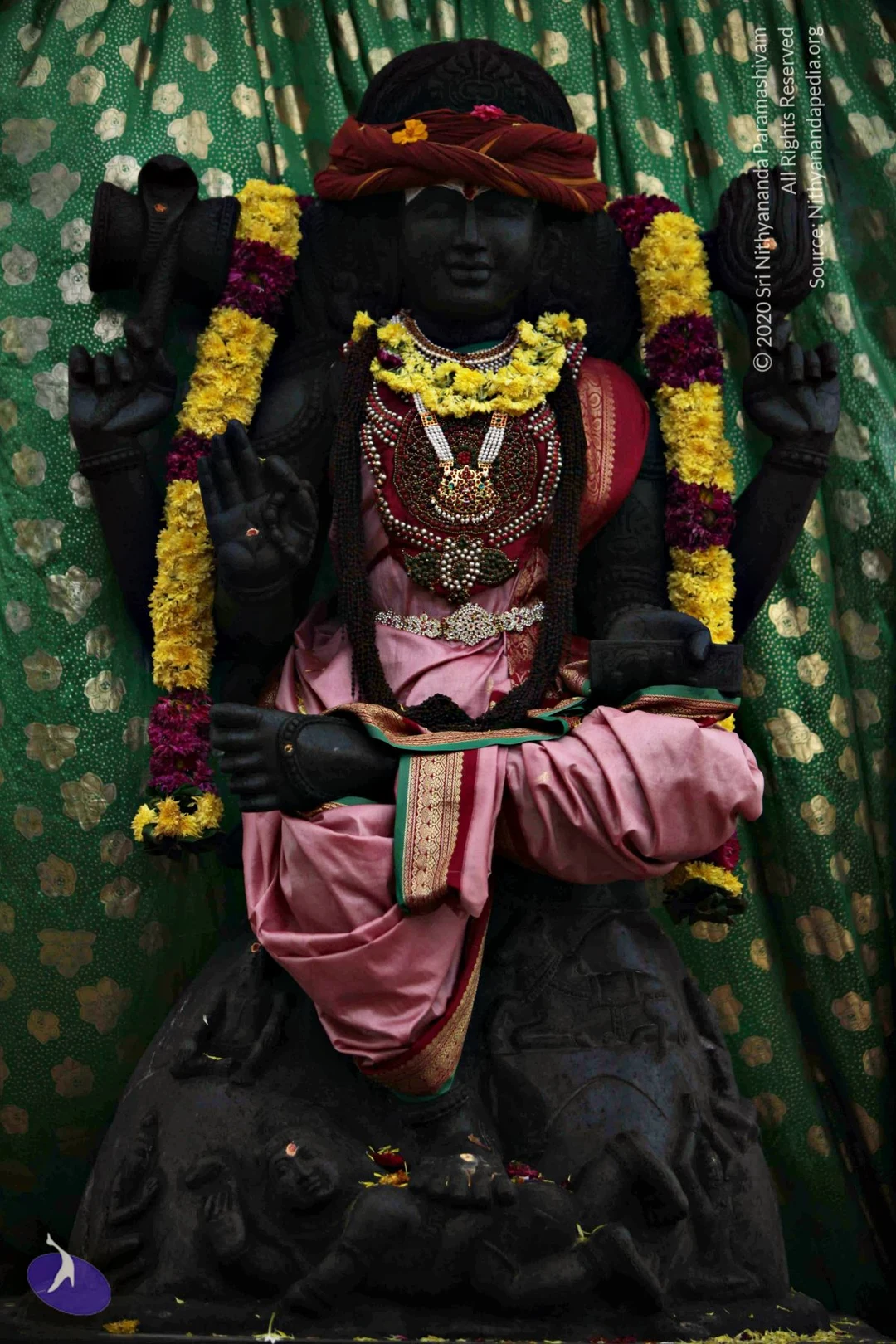
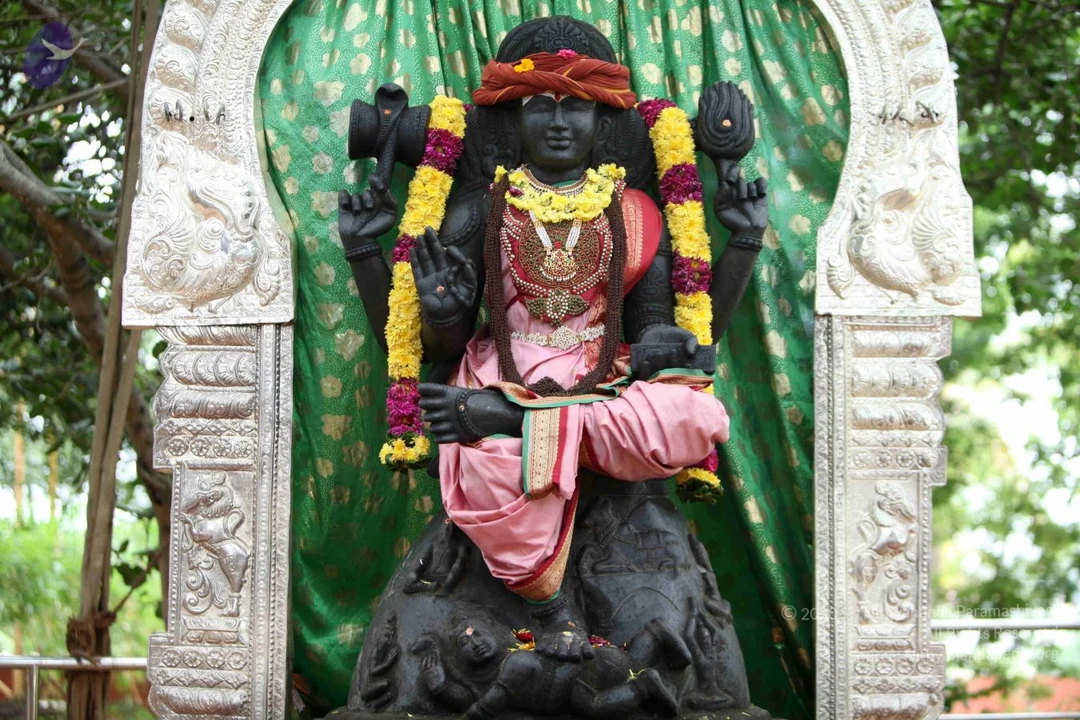
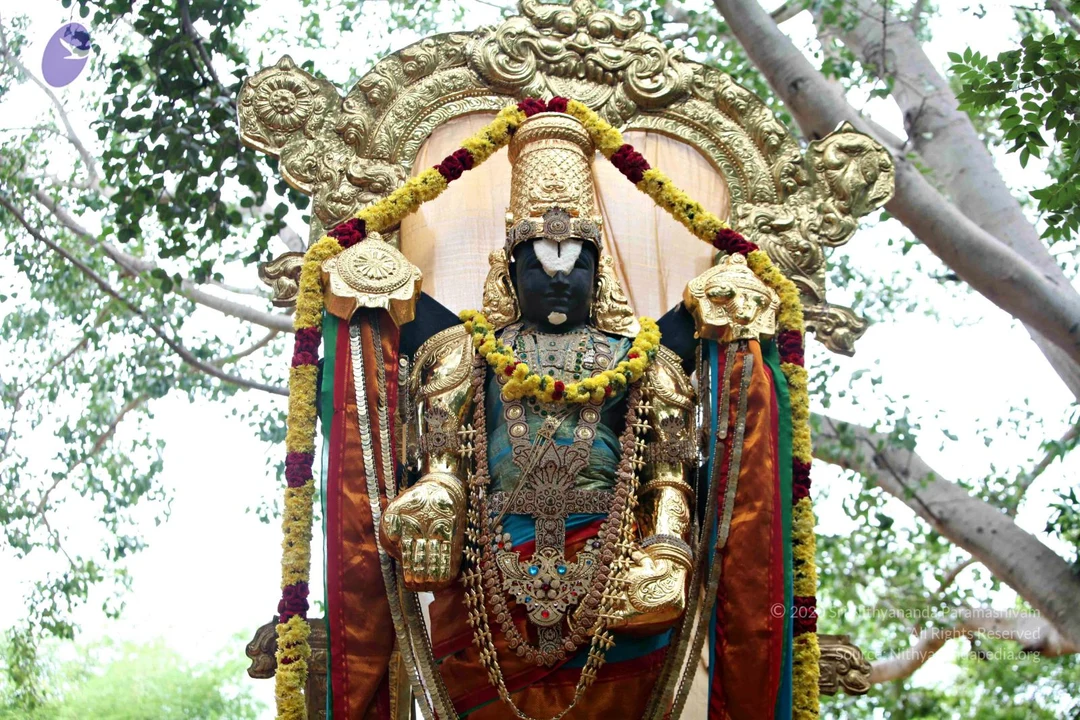
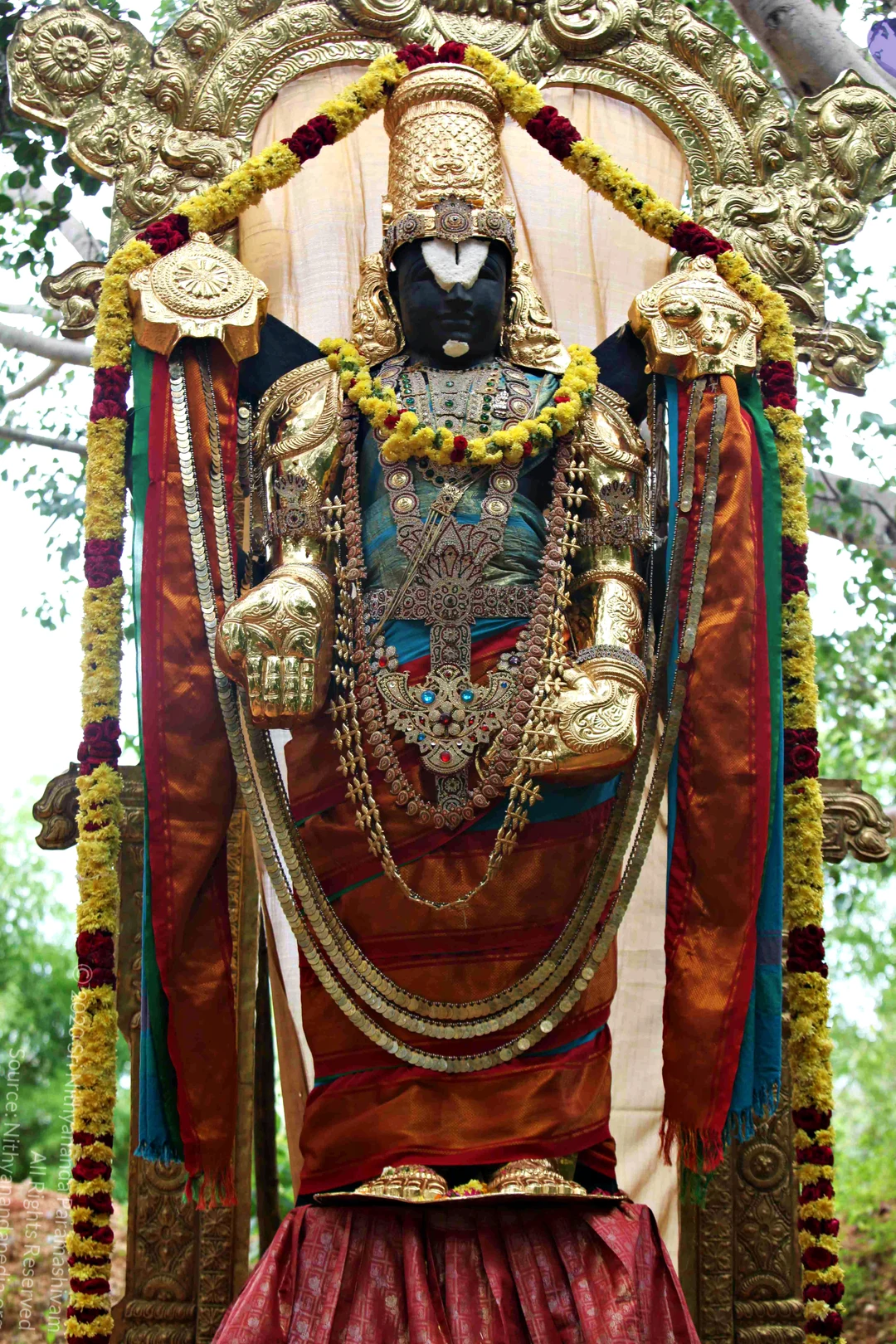
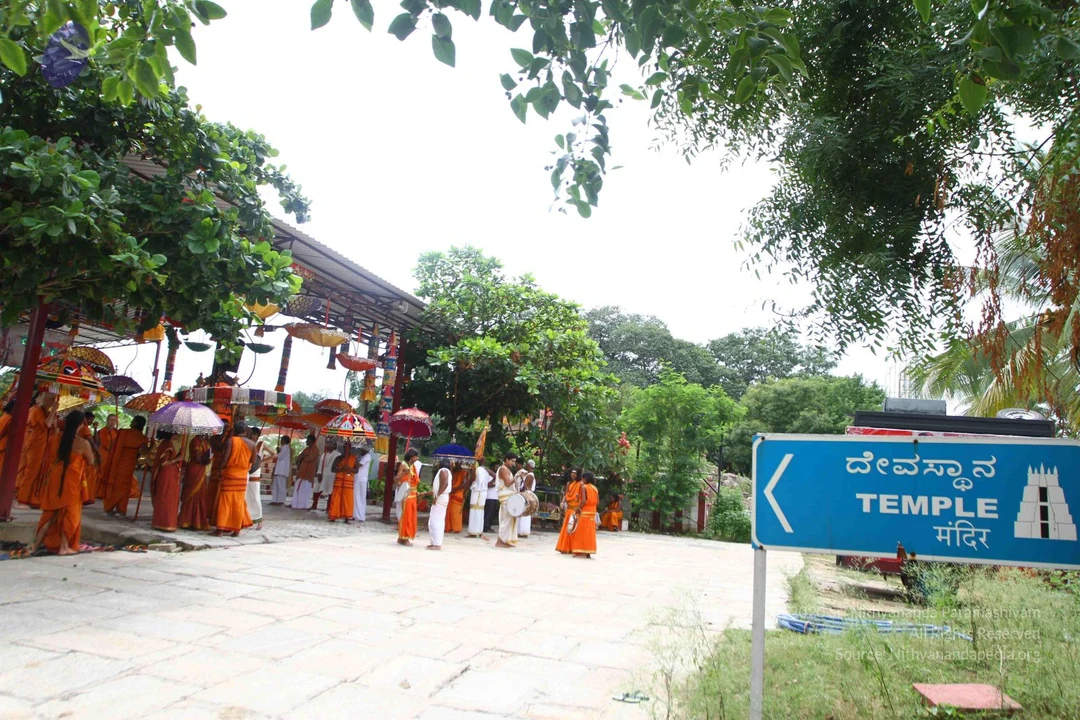
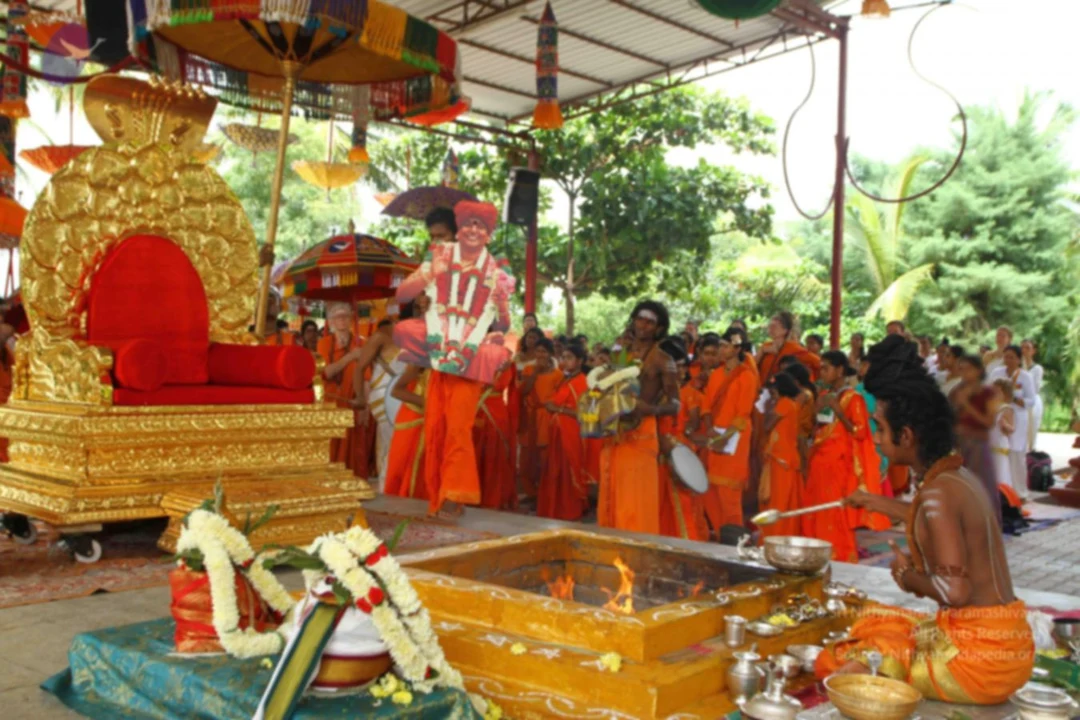
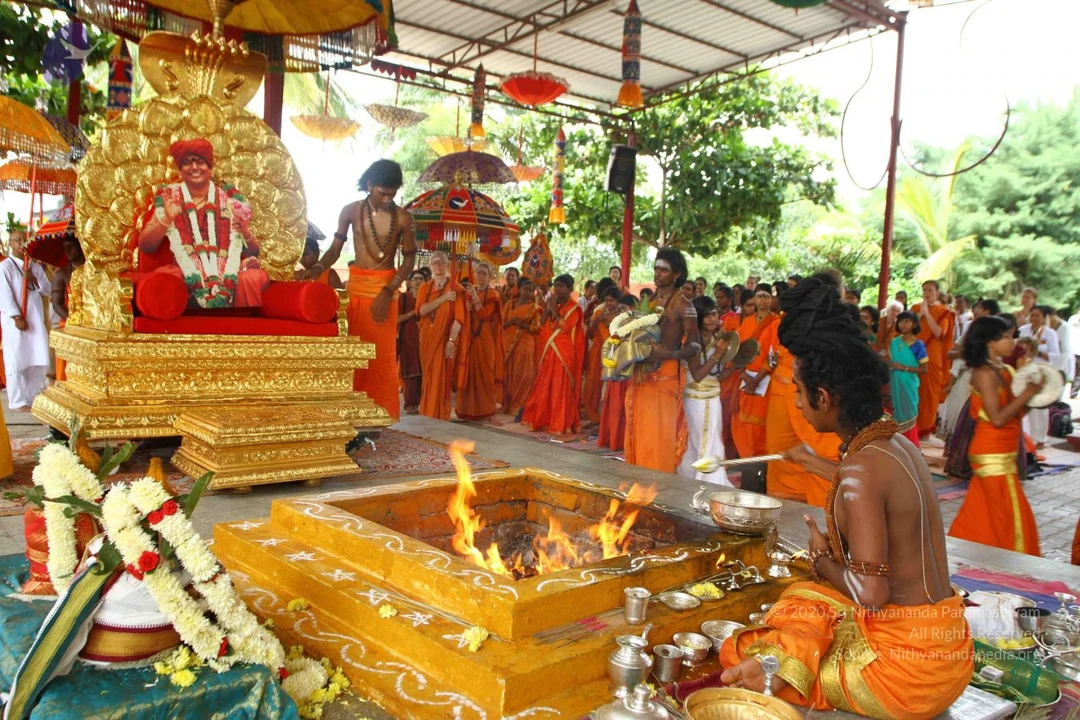
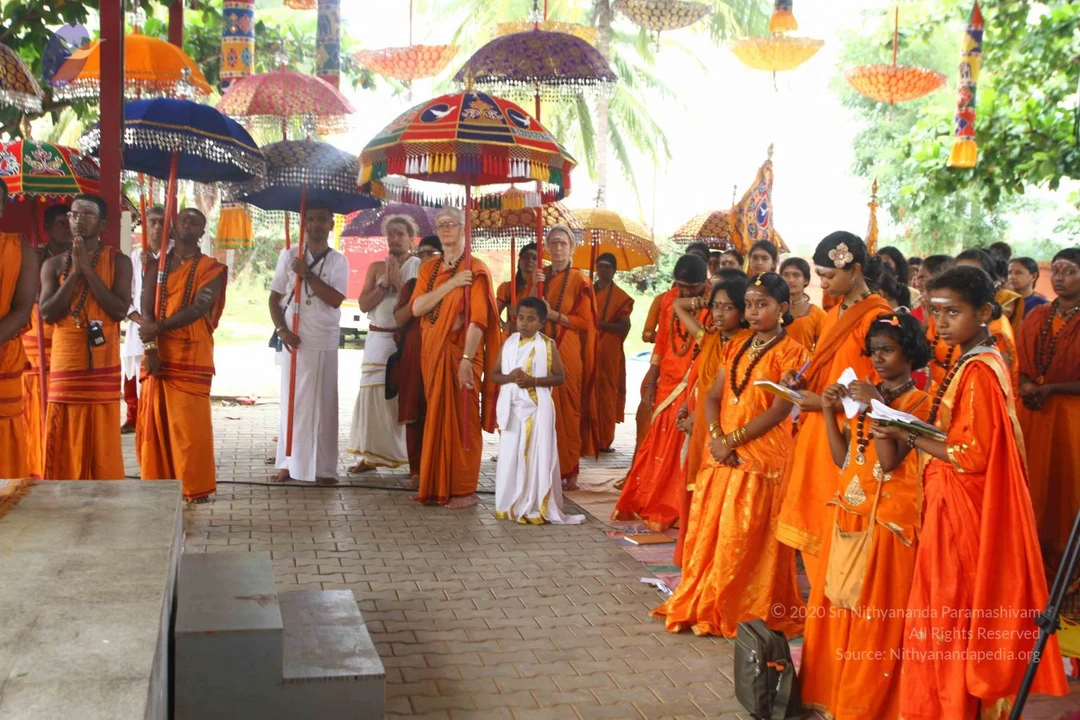
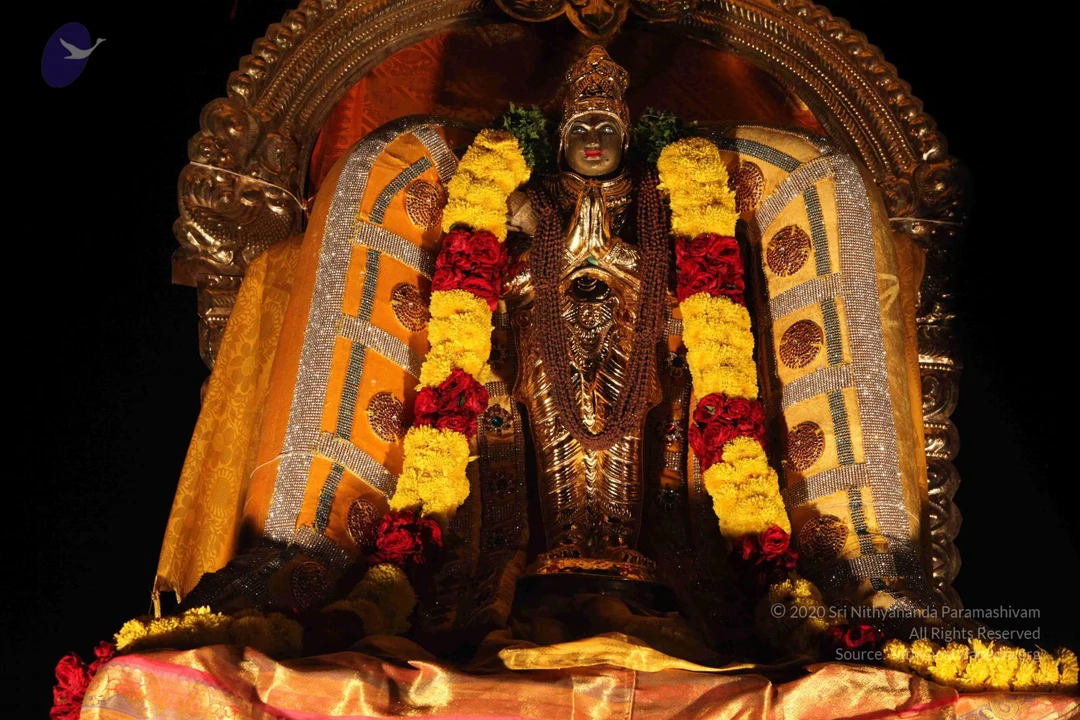
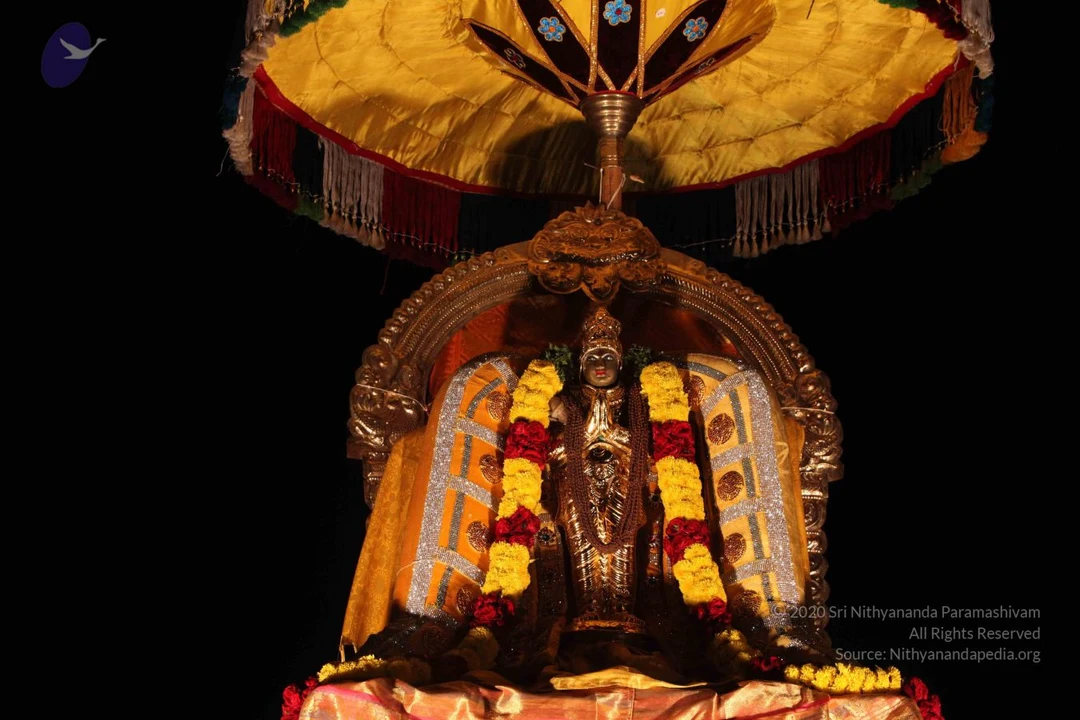
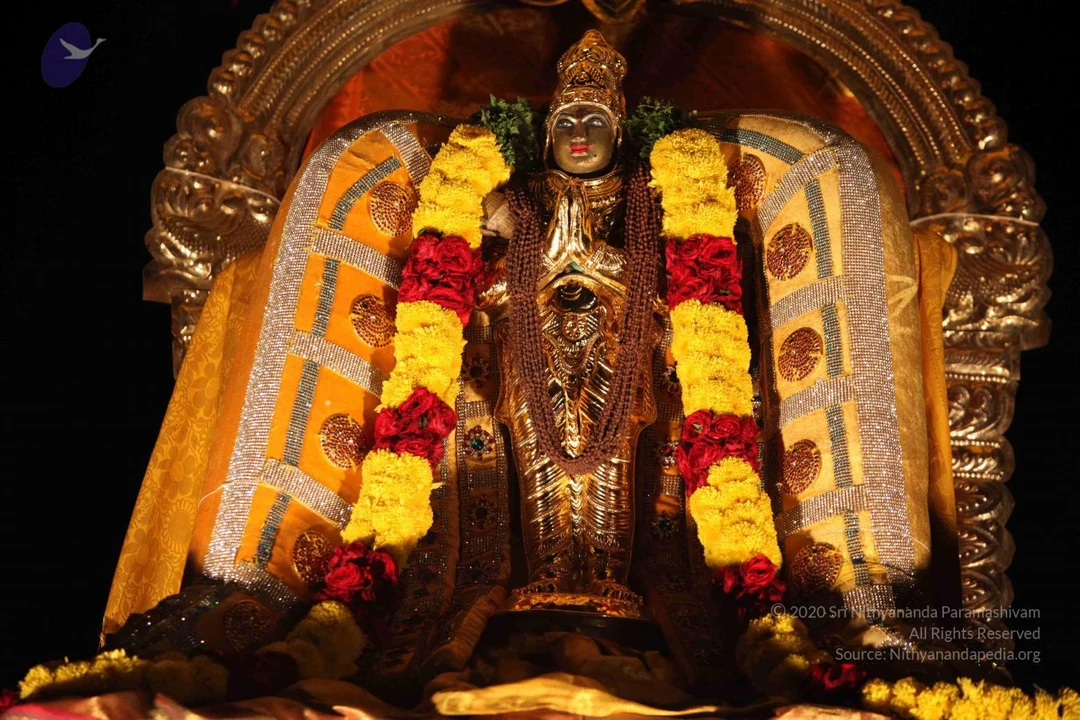
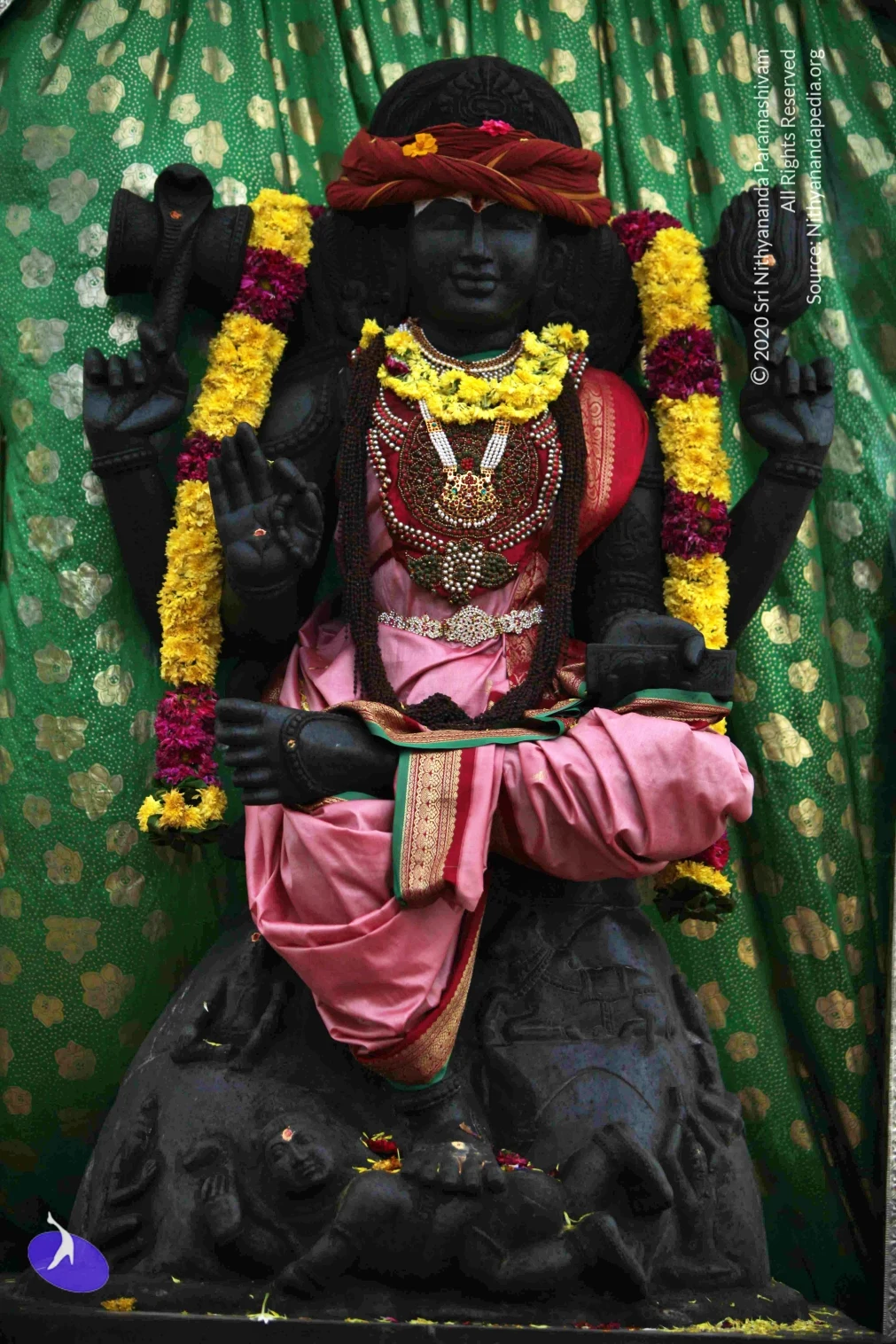
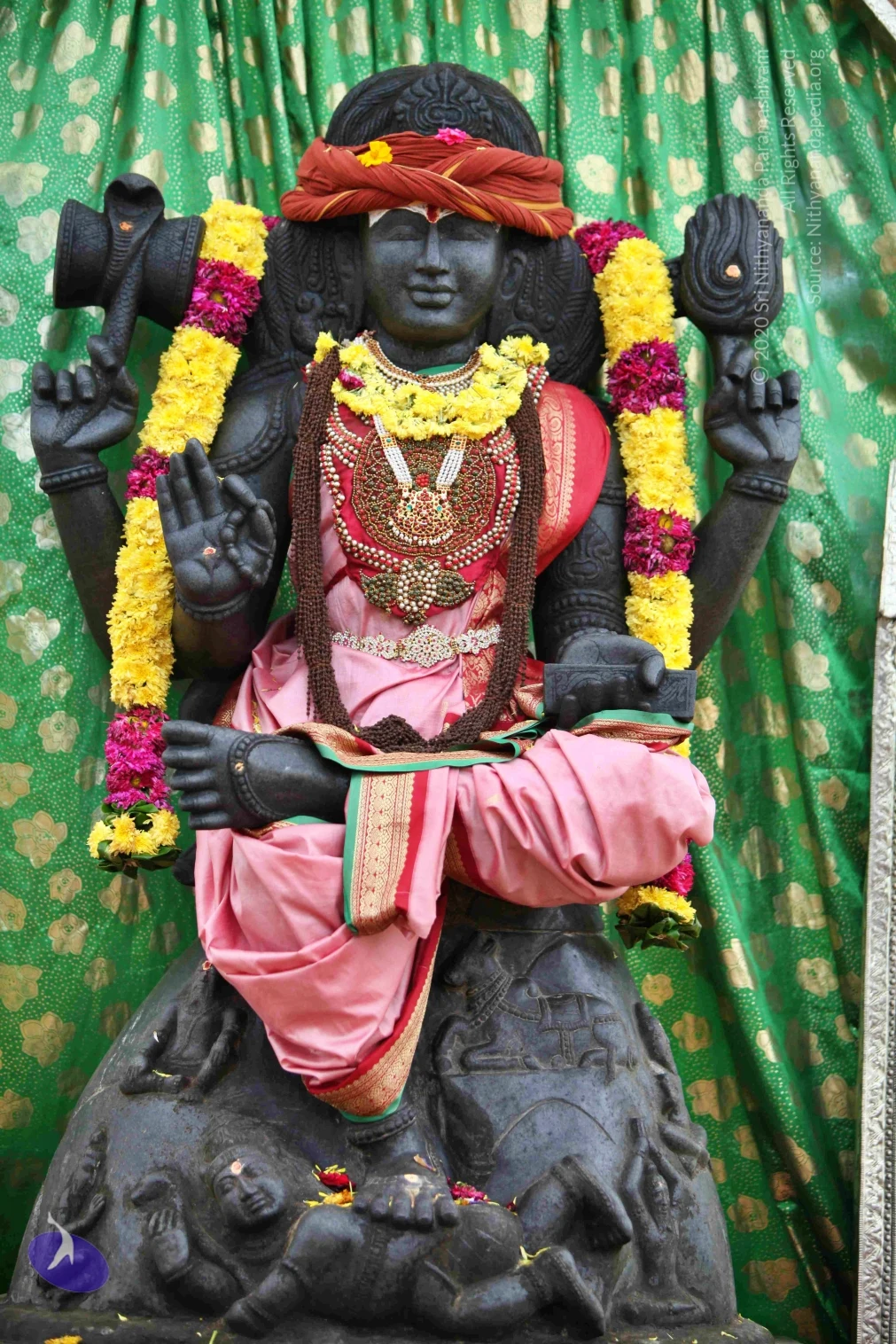
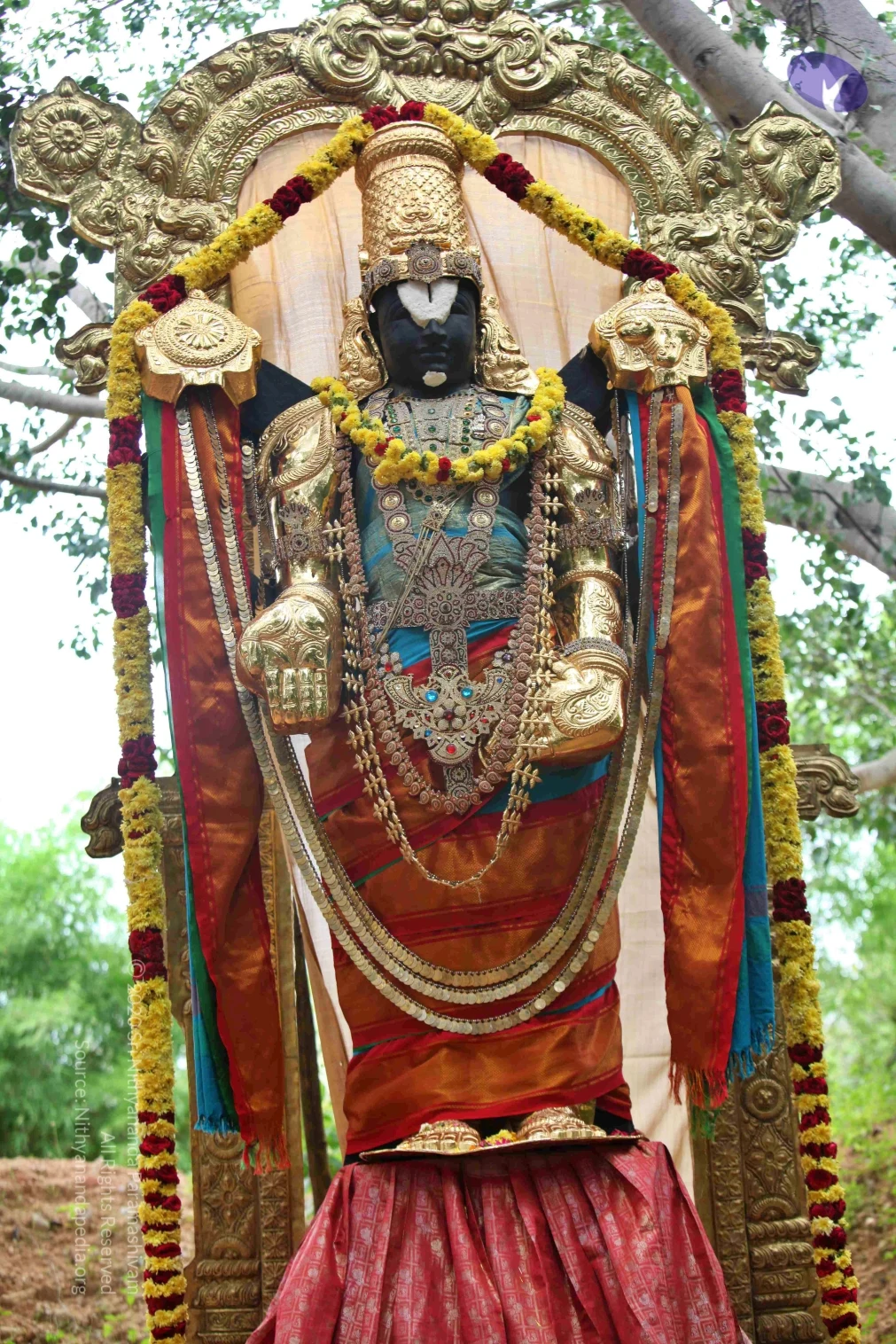
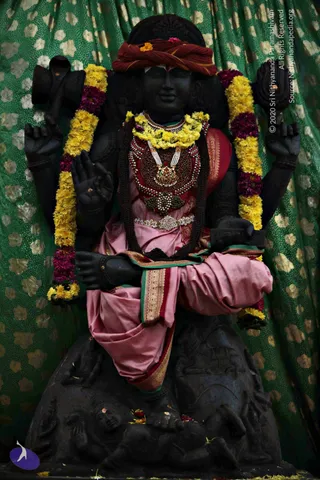
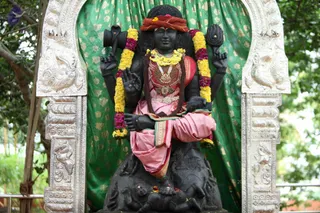
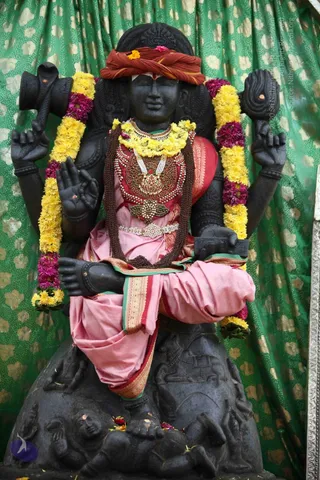
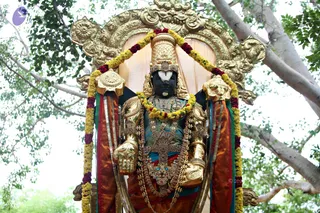
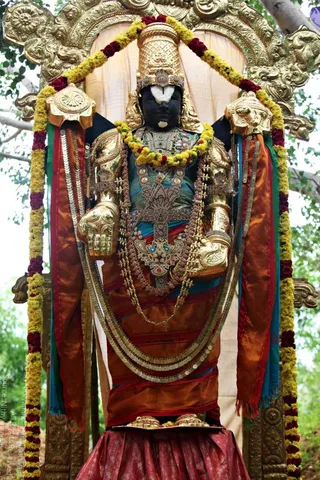
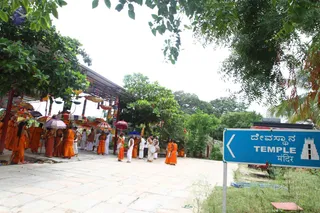
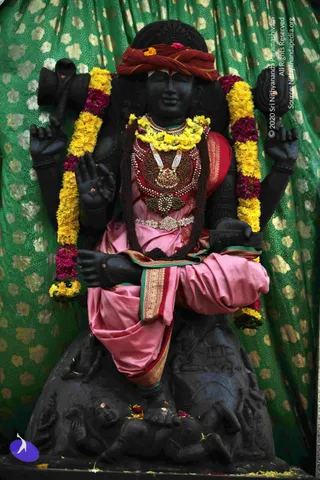
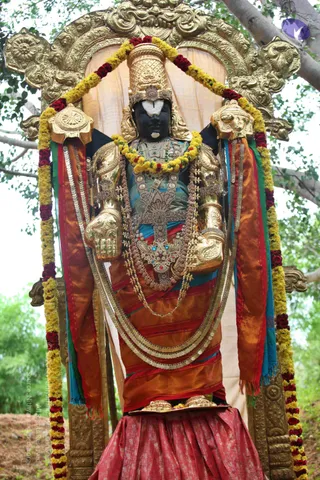
A dark stone murti of a four-armed deity seated in a cross-legged pose against a green backdrop with gold floral print. The figure wears a red and maroon turban with a flower, yellow and magenta marigold garlands, a layered pearl and beaded necklace with a large red-and-green jewelled pendant, a jewelled waist belt, and a pink silk dhoti with gold and green border. Hands hold objects and show mudras. The base carries carved figures and scattered petals. A deity murti rather than a living person; no person is present.A dark stone murti of Ganesha seated in a silver-framed arch against a green gold-dotted cloth backdrop with trees behind. The deity has a red turban with a gold-and-red headband, a red-and-gold necklace and layered ornaments, and wears a pink dhoti with a gold border. Garlands of yellow and magenta flowers drape over its shoulders and arms. Several hands hold ritual objects, and small figures and flower offerings sit at the base of the pedestal. No living people are visible, and no a person candidate appears in the image.A black stone statue of the deity Ganesha seated in a meditative pose on a carved rock base, with a green gold-patterned cloth backdrop. The murti wears a red-orange turban, a pink silk dhoti with gold border, layered gold and red jewellery, a bead necklace and a brown rudraksha-style mala, and garlands of yellow and magenta flowers draped over its arms. Its four hands hold an axe and a modak-like object, and the base shows carved figures and scattered flower petals. This is a statue, not a living person.A large dark-stone deity murti stands in an ornate gilded arch under a leafy tree, shown outdoors. The figure wears a tall golden crown, a white vertical tilak on the forehead, a green-and-gold cloth, a gold breastplate with heavy jewelled necklaces and a rudraksha-style mala, and gold armlets. Its arms hang at the sides, and garlands of yellow and red flowers frame the murti from above and down the sides. Orange and red cloth drapes the lower body. No physical people are visible, and no a person candidate appears in the image.A gilded deity murti stands frontally under a golden arched canopy draped with garlands of yellow marigolds and red roses. The black stone figure wears a tall golden crown, a white urdhva tilaka on the forehead, layered gold and jewelled necklaces, golden shoulder and arm ornaments, and a teal and orange silk garment with a red lower cloth. Strands of gold coin chains hang across the torso. No physical people are visible; the figure is a sculpted murti in an outdoor setting with trees behind.A photograph of an outdoor temple procession on a paved path beneath a tin-roofed shelter and large shade trees. Several people in saffron-orange robes walk in a line, some in white dhotis, carrying colourful decorated umbrellas in red, pink, purple and yellow. A person in white holds a drum near the middle of the line. On the right, a blue road sign reads TEMPLE with a temple tower icon and Kannada text for devasthana.

Brahmacharyam-Initiation-To-All

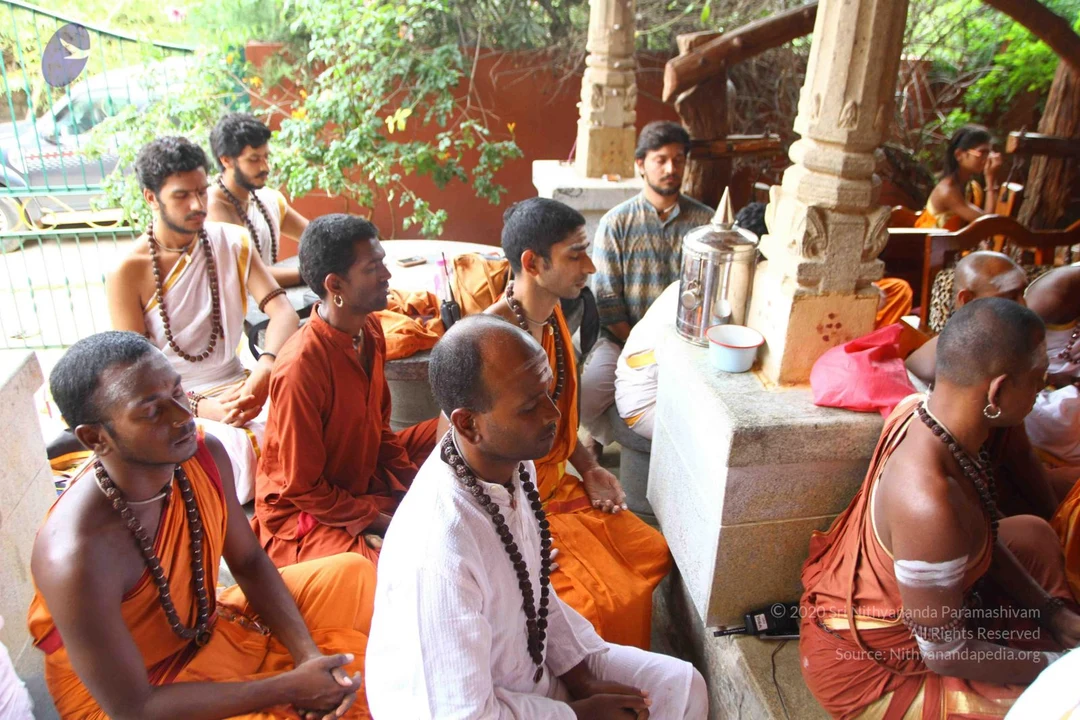
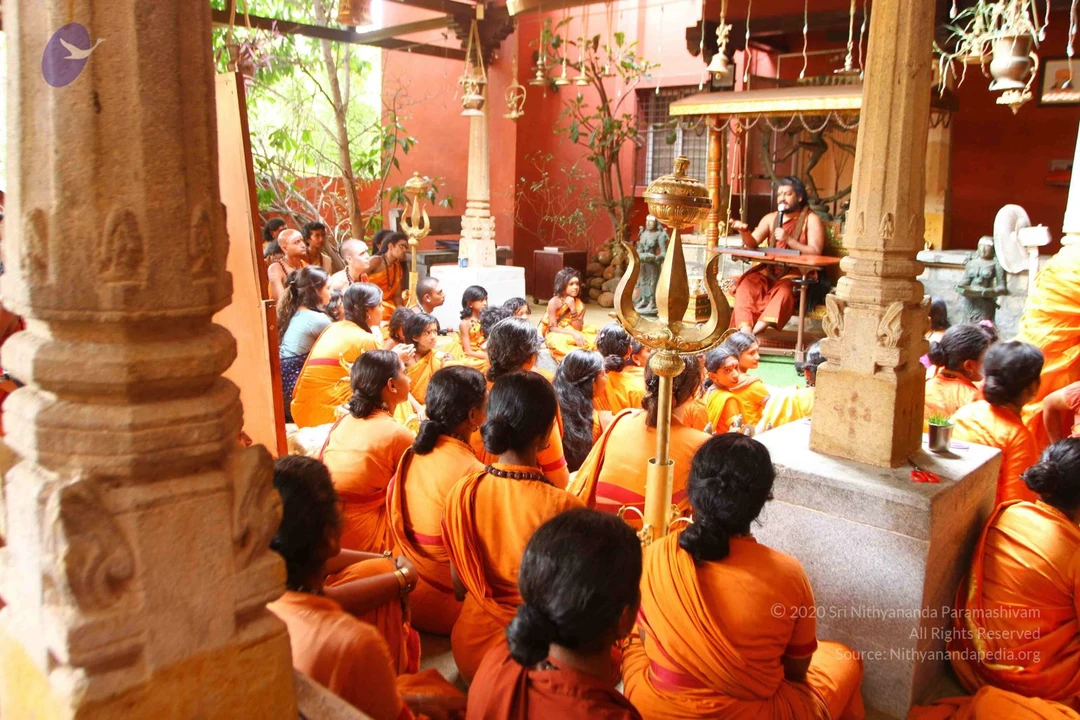
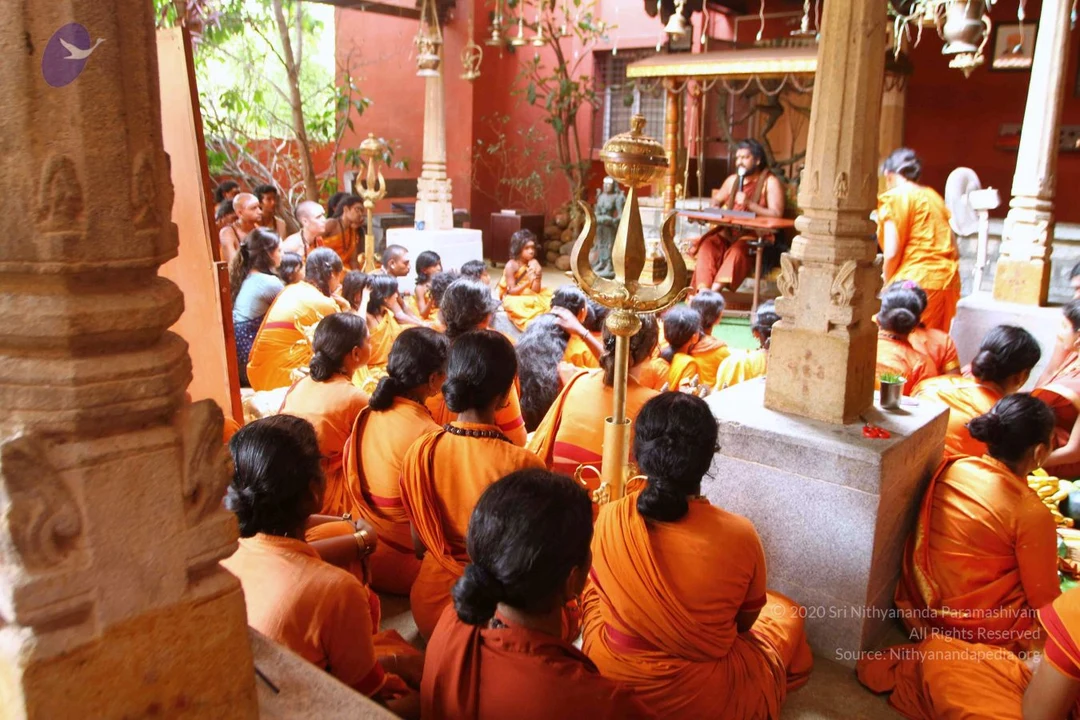
99 photosSource gallery
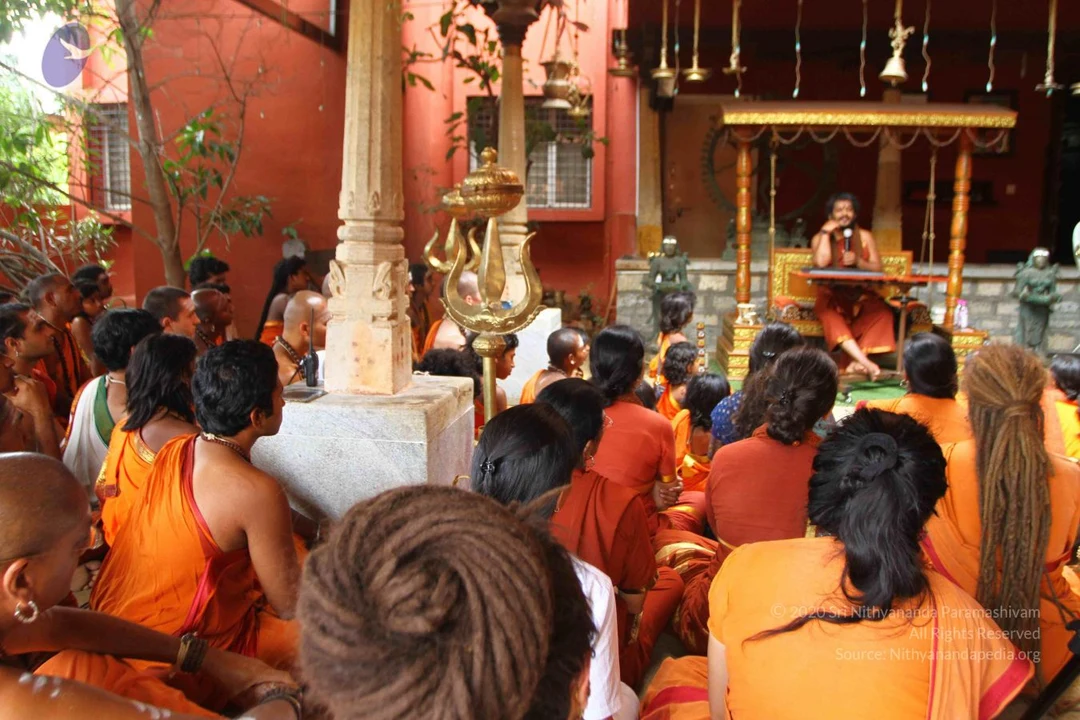
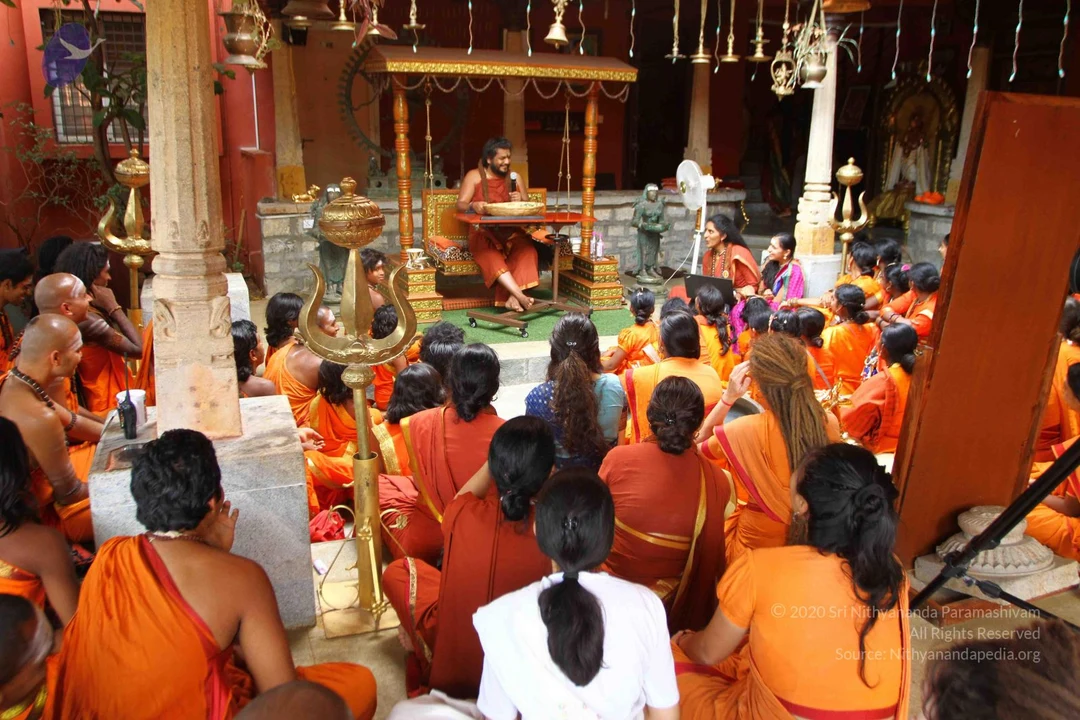
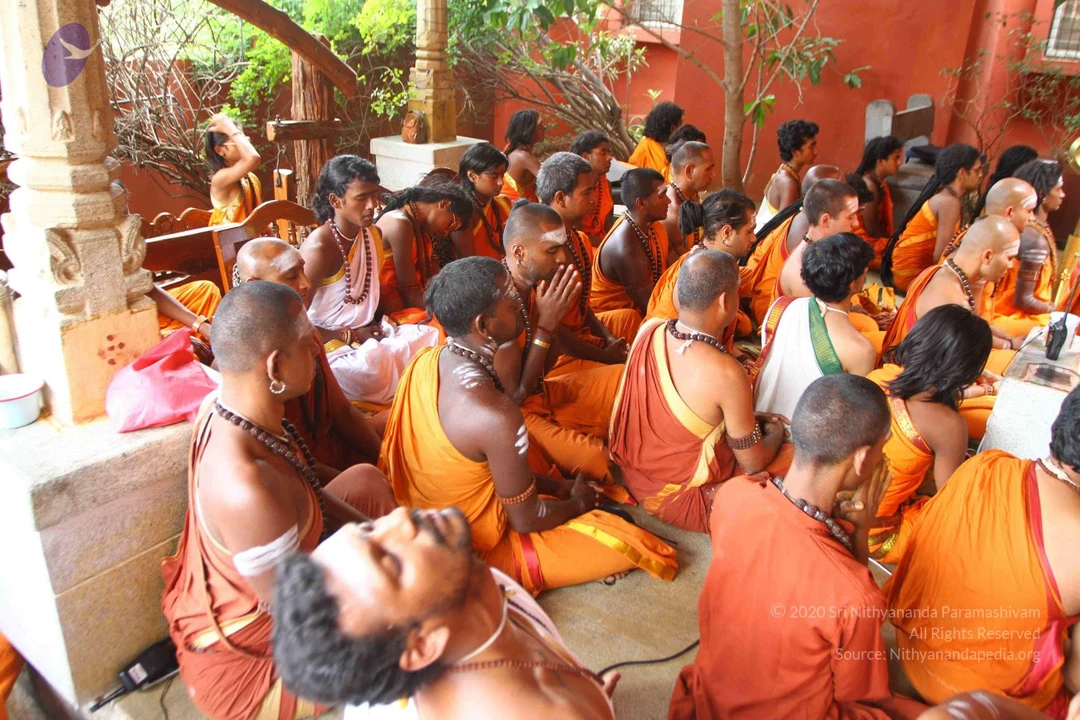
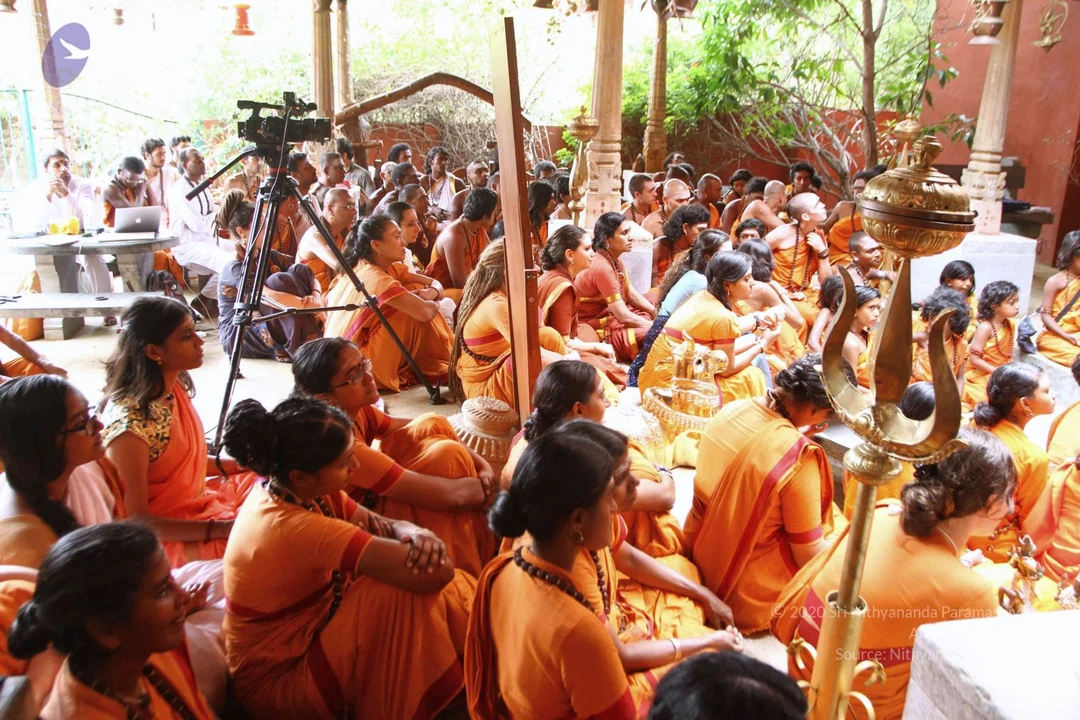
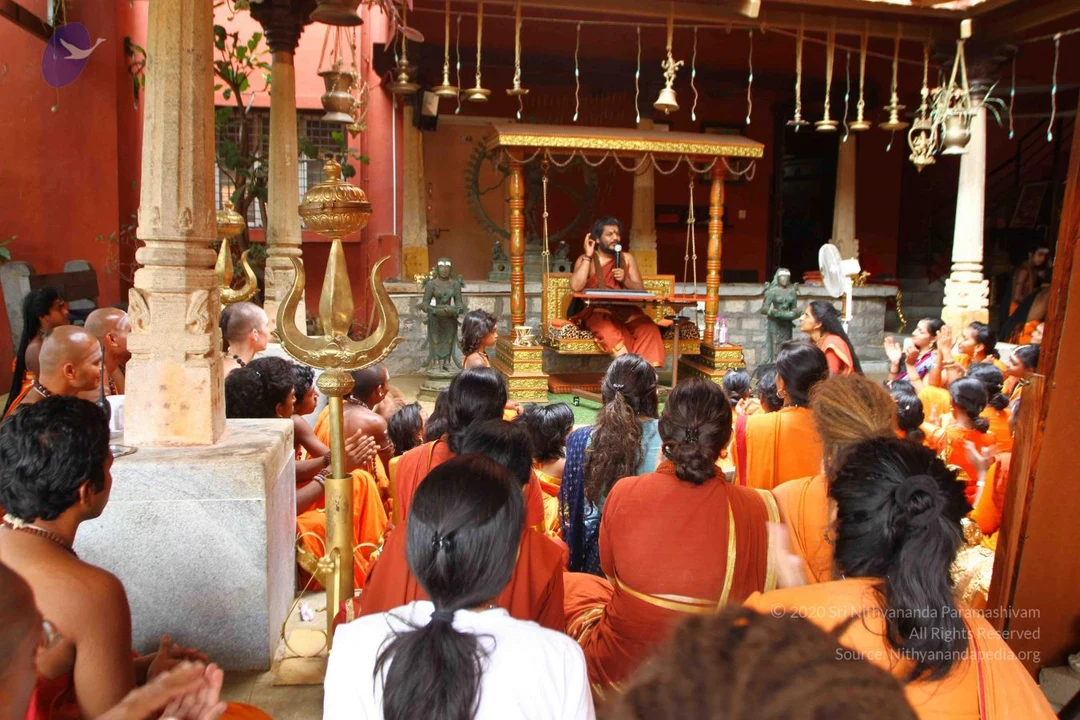
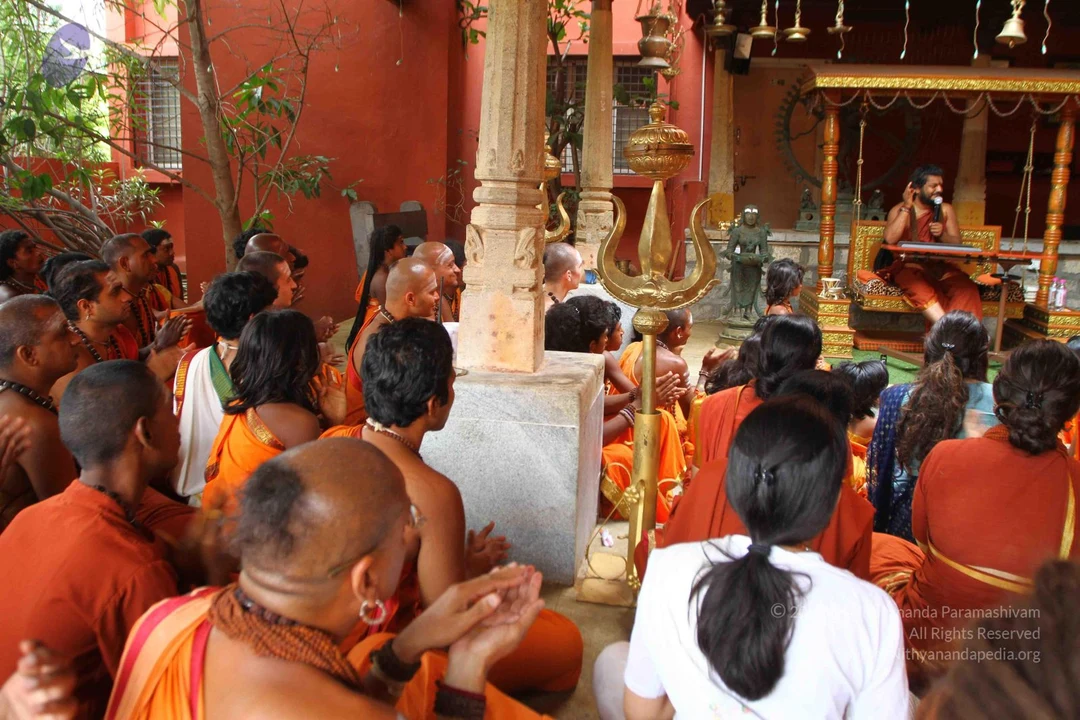
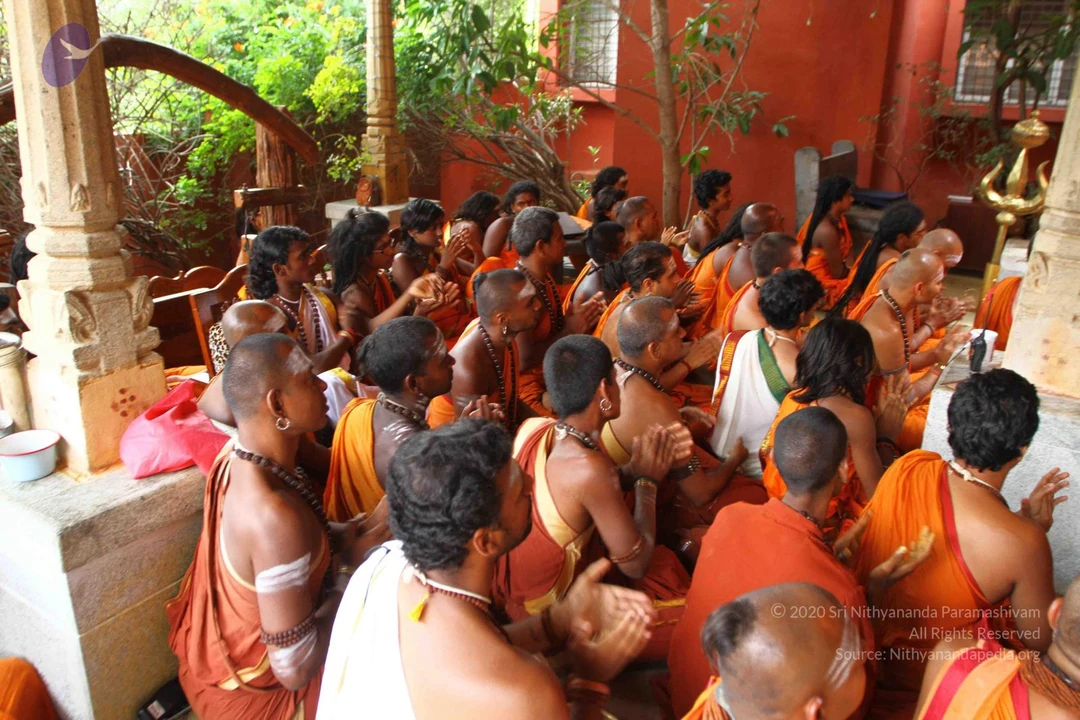
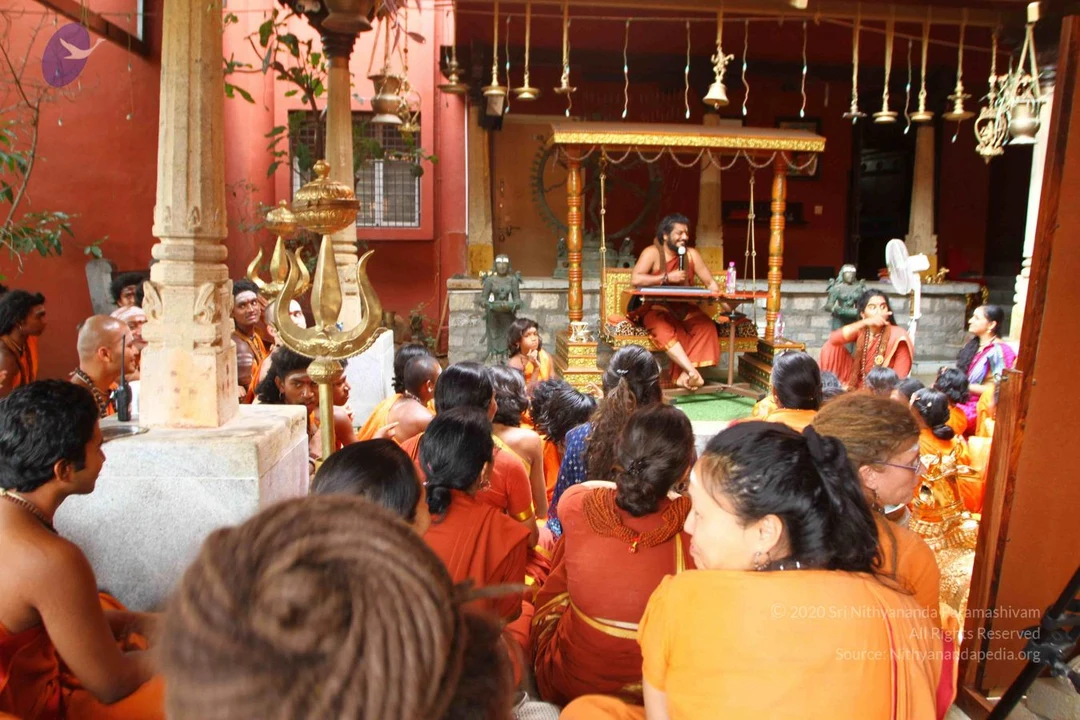
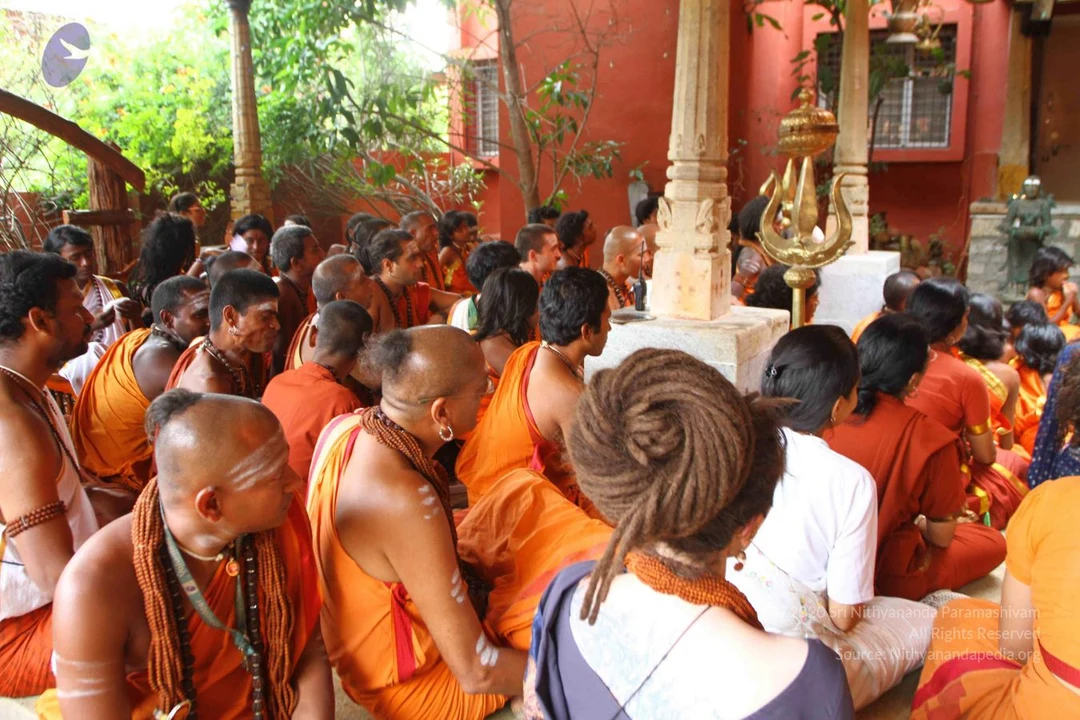
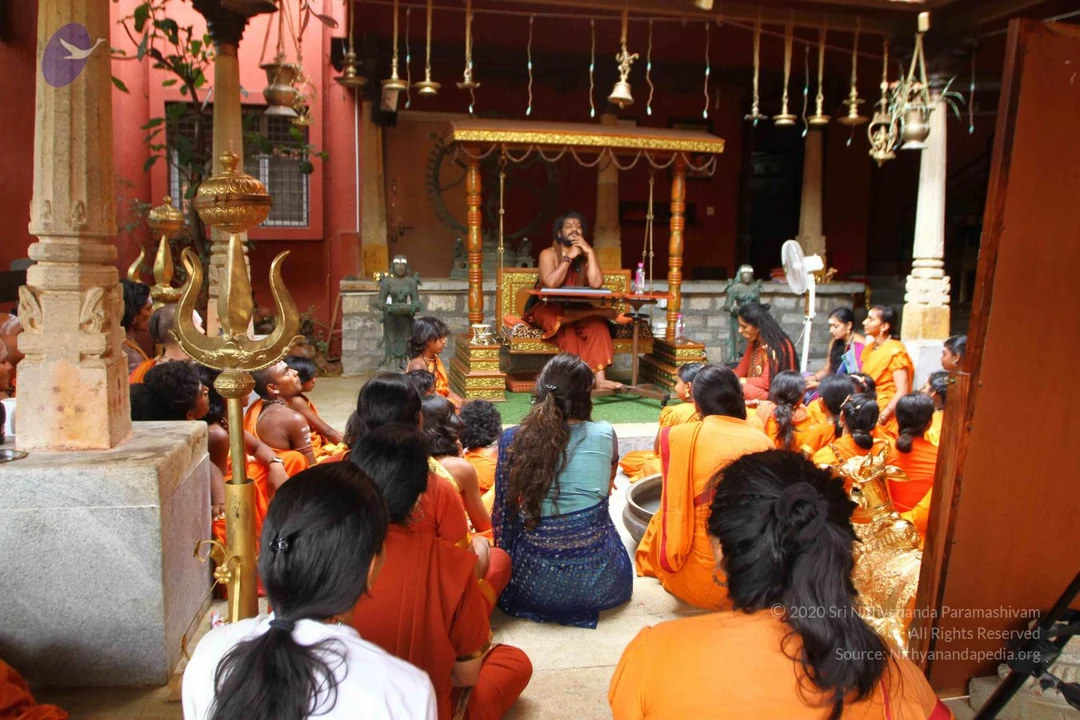
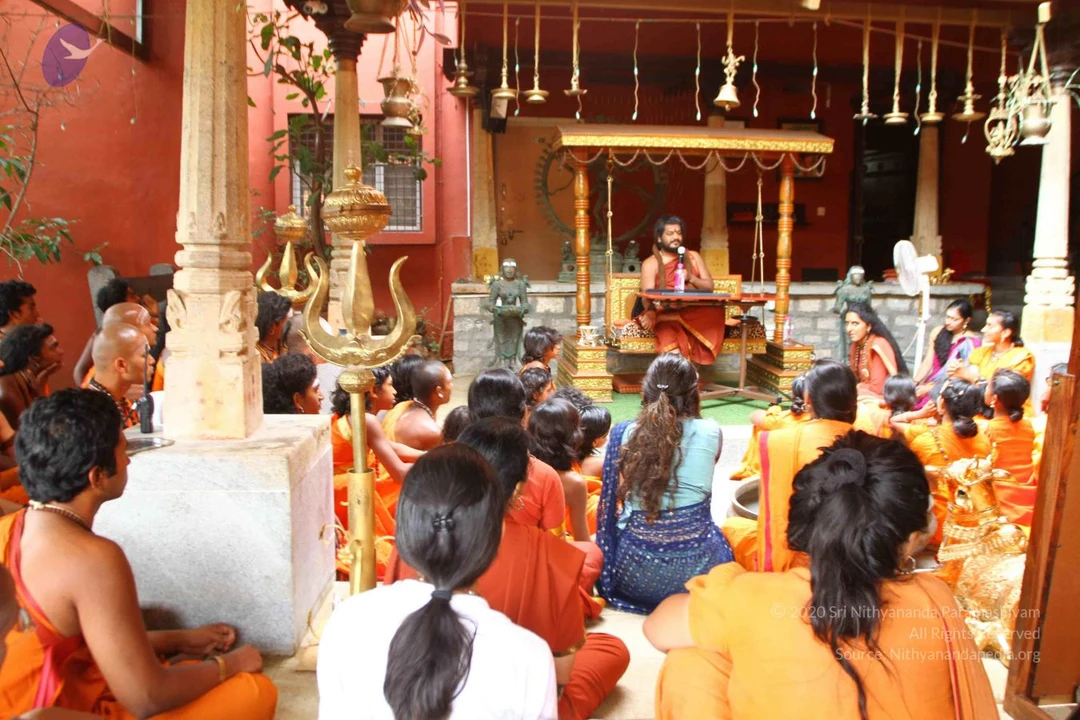
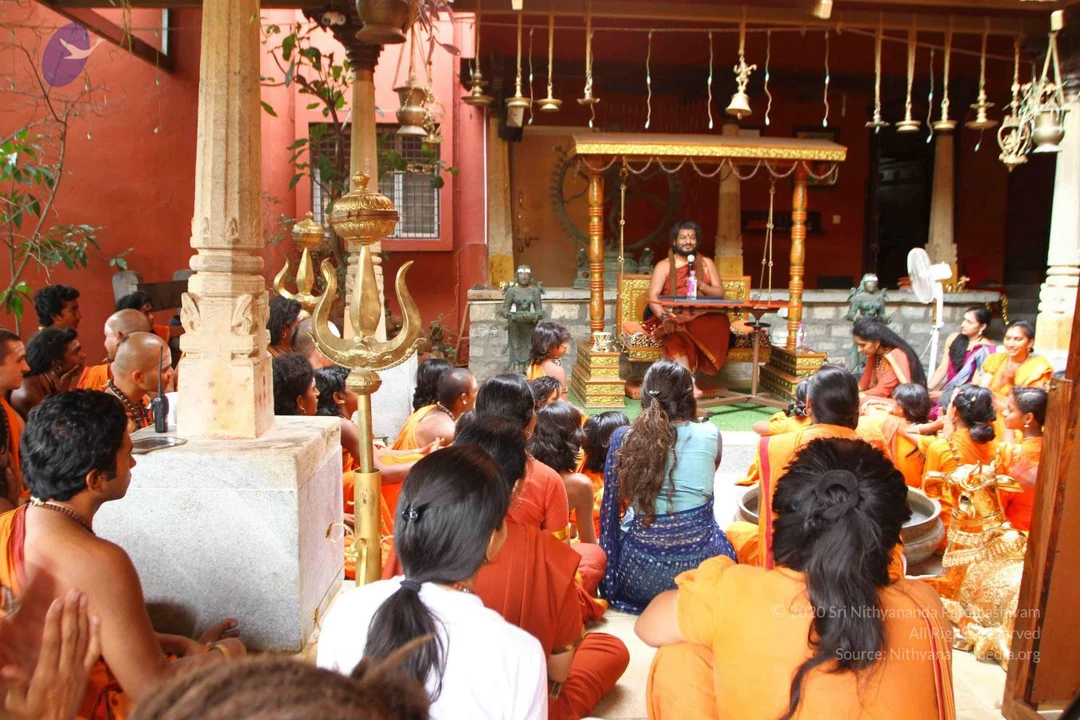
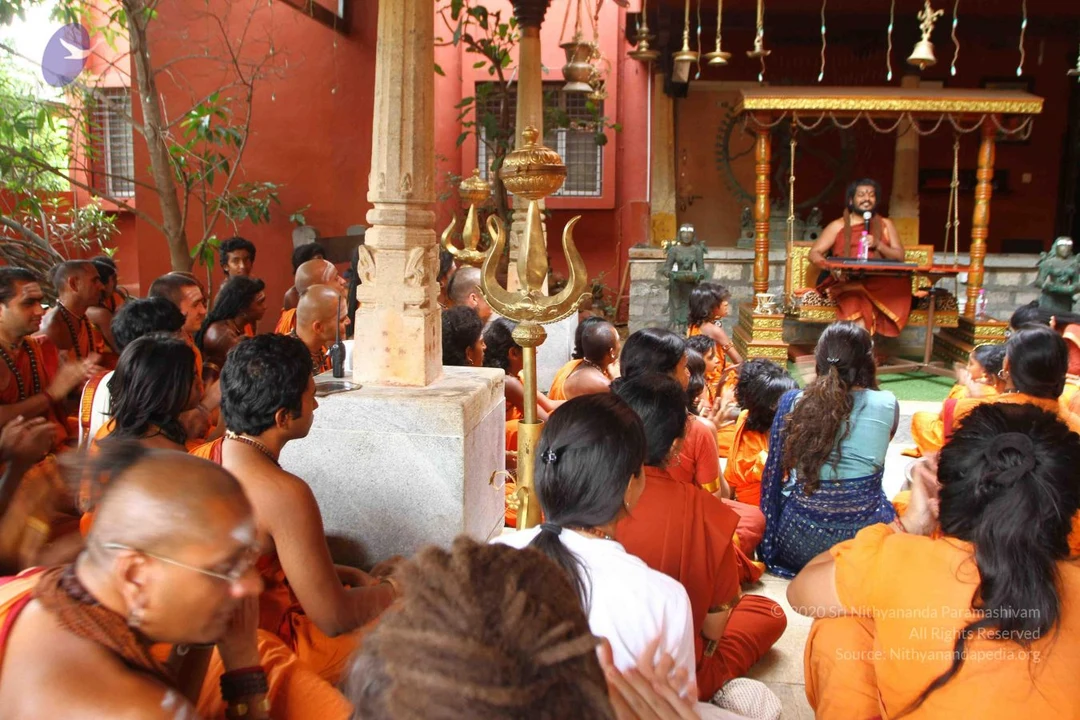
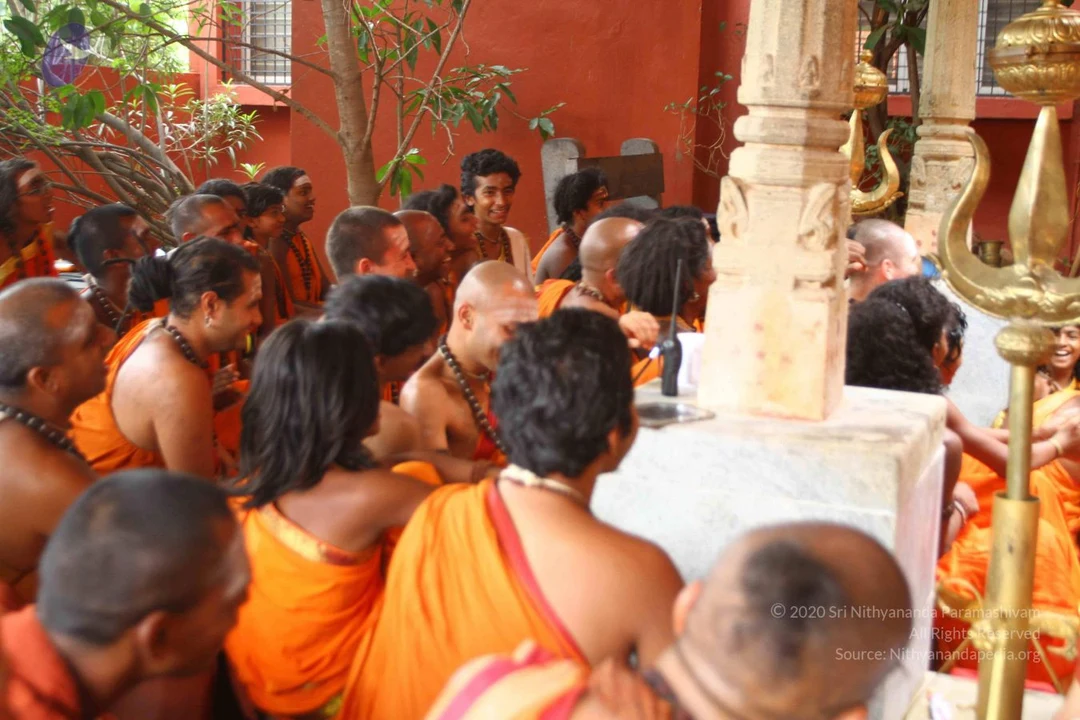
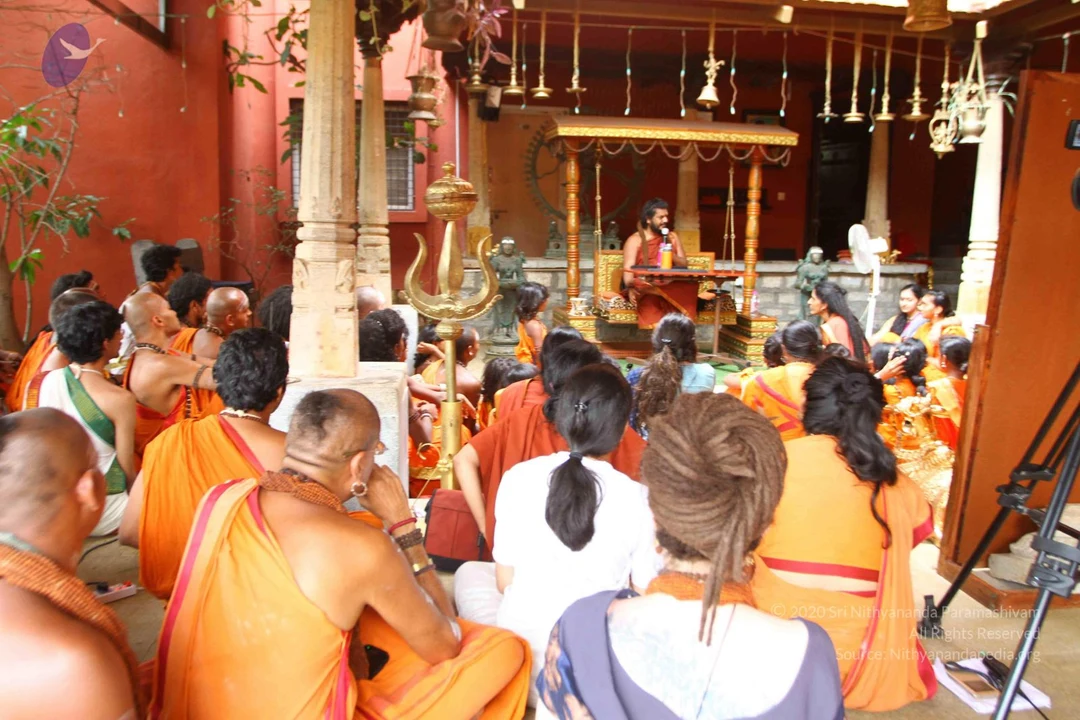
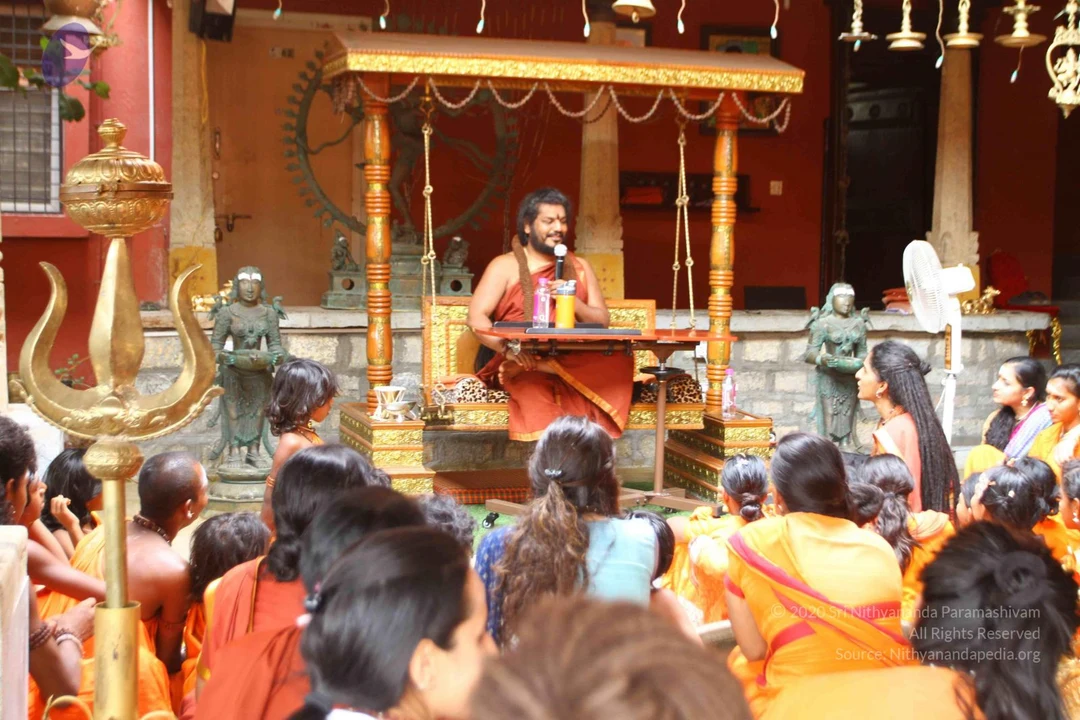
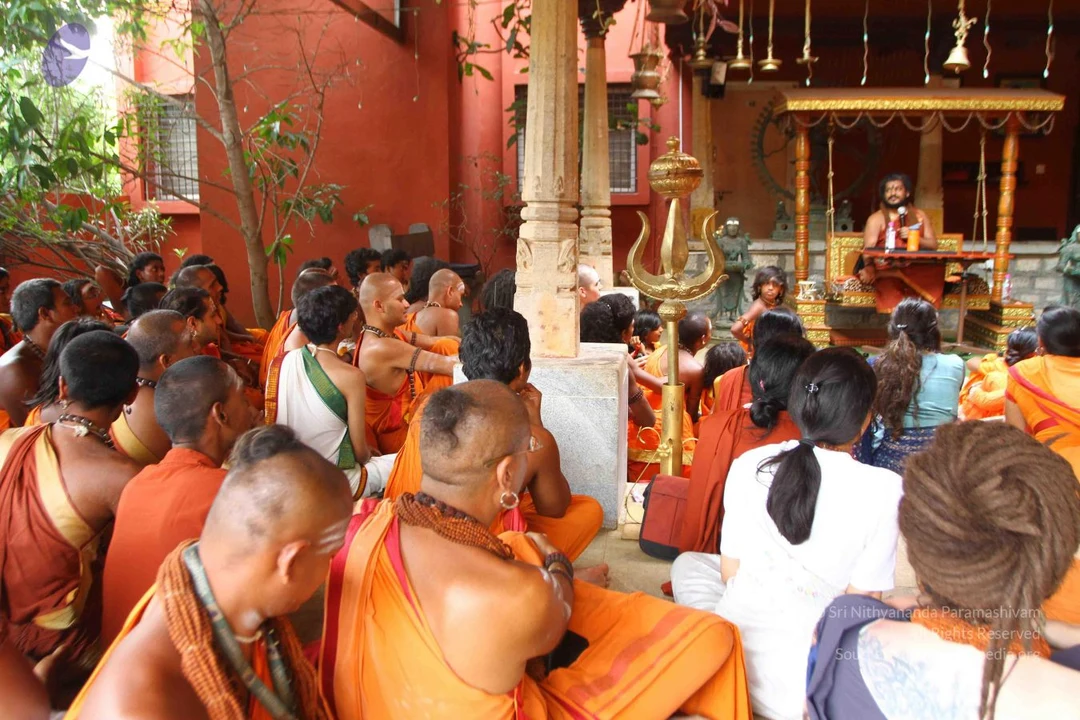
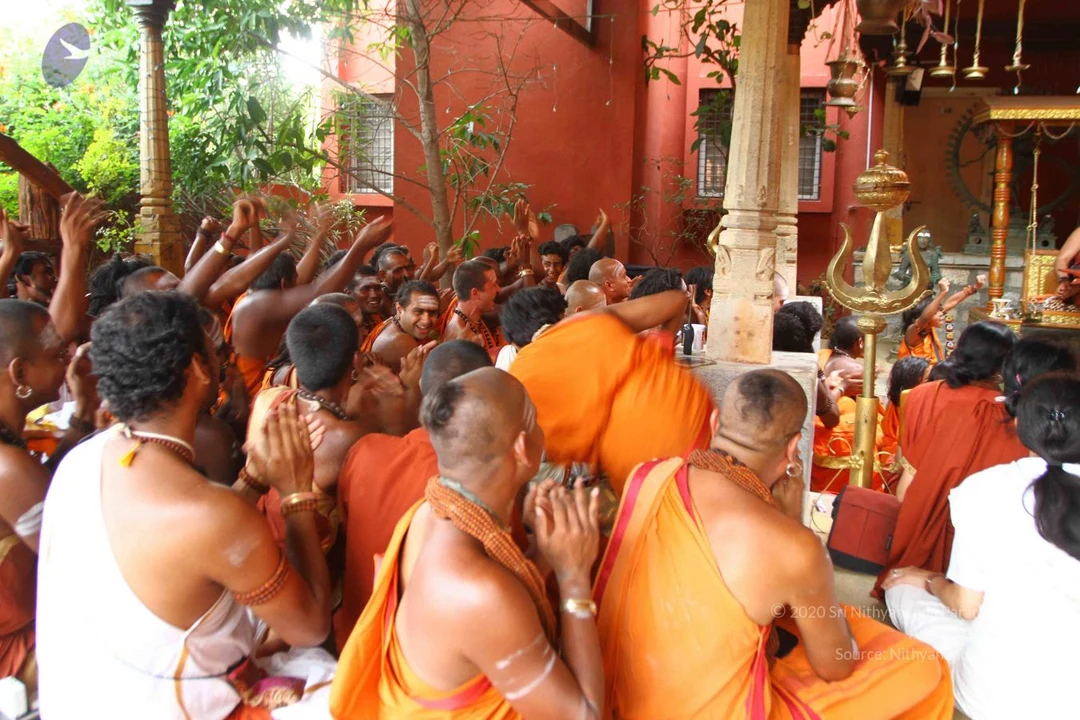
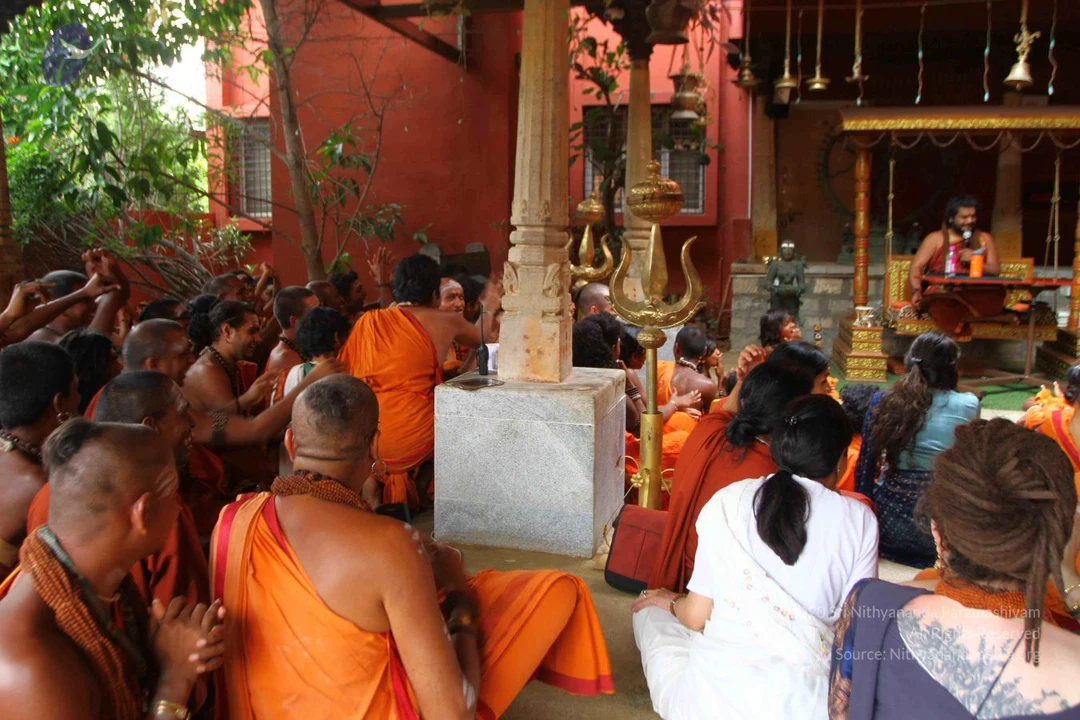
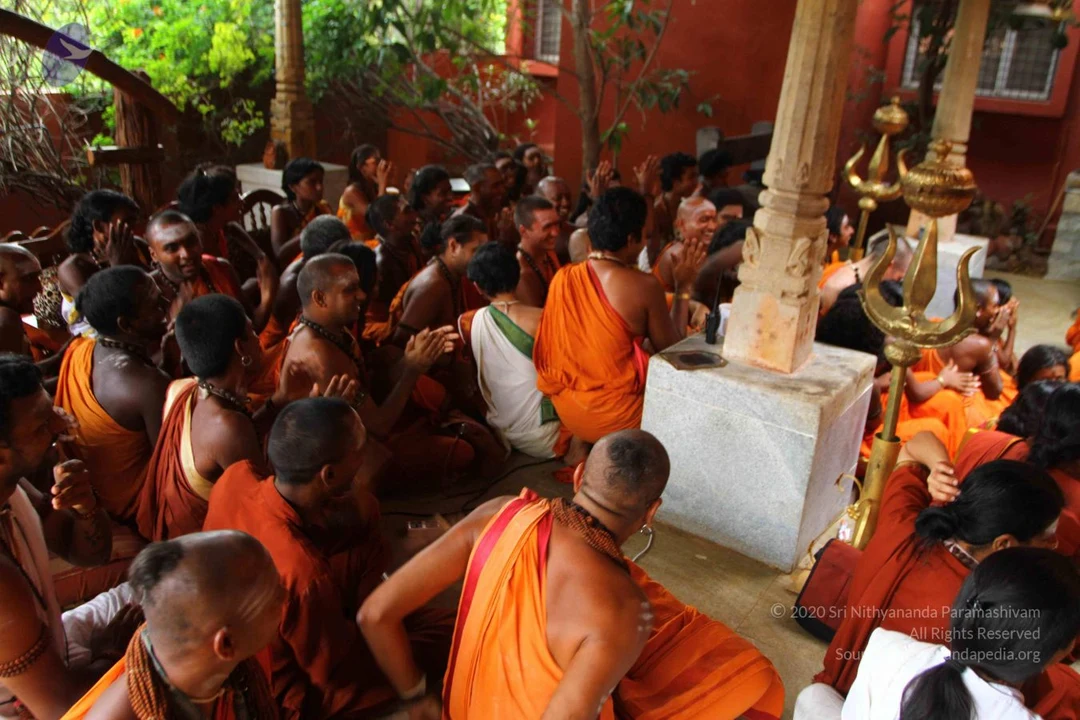
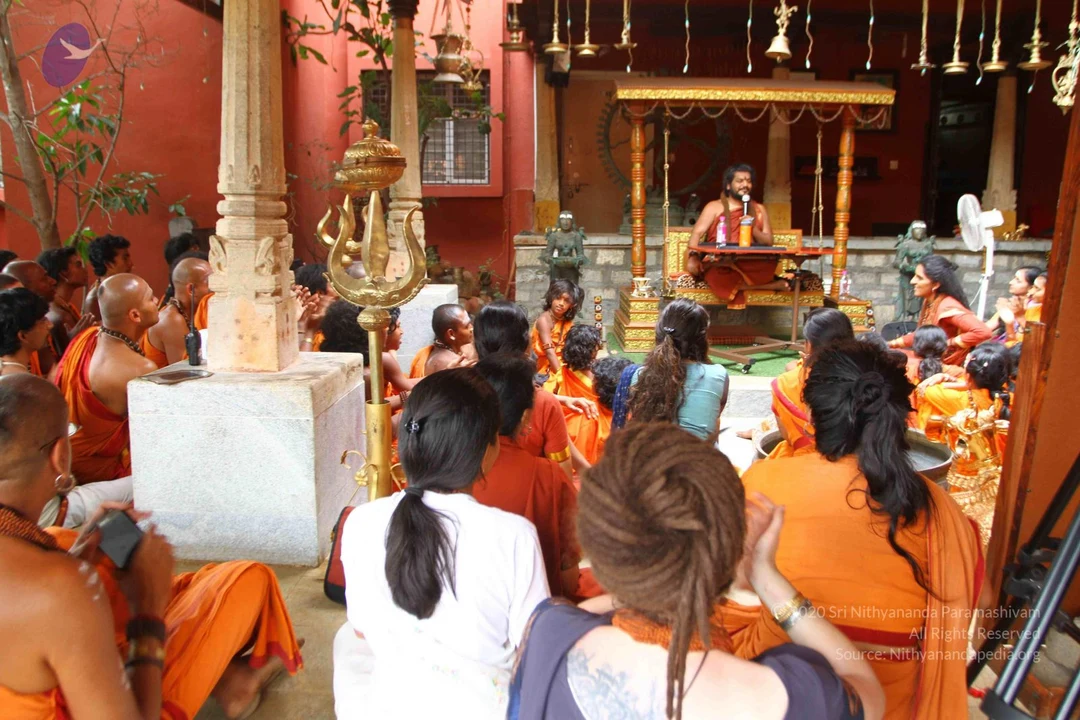
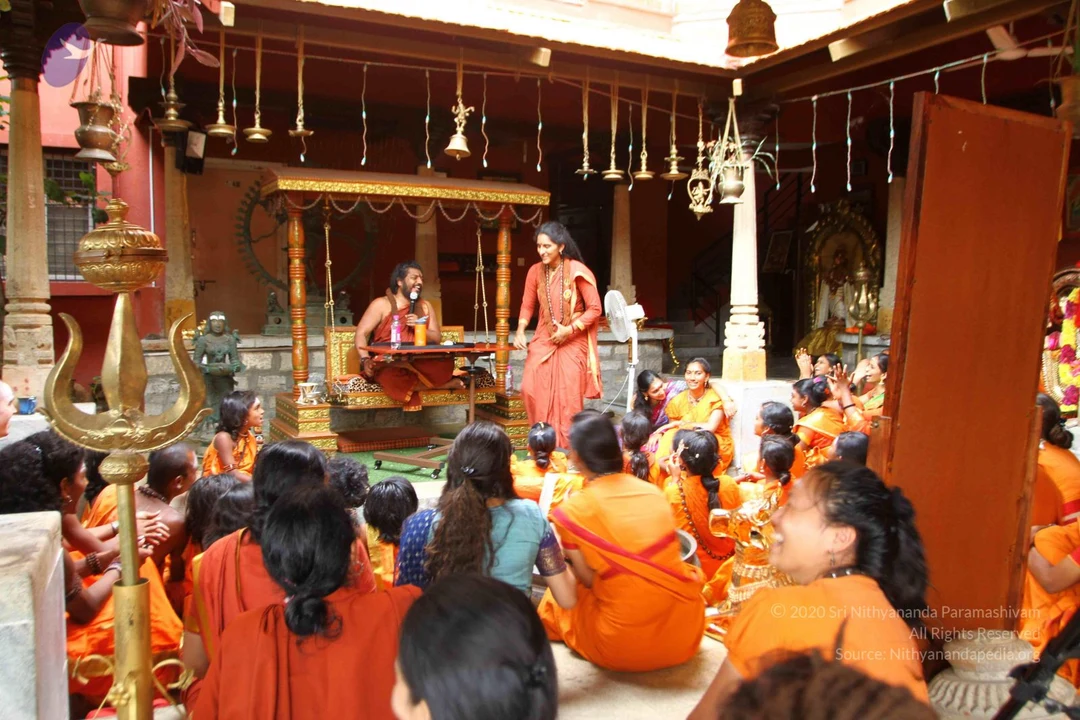
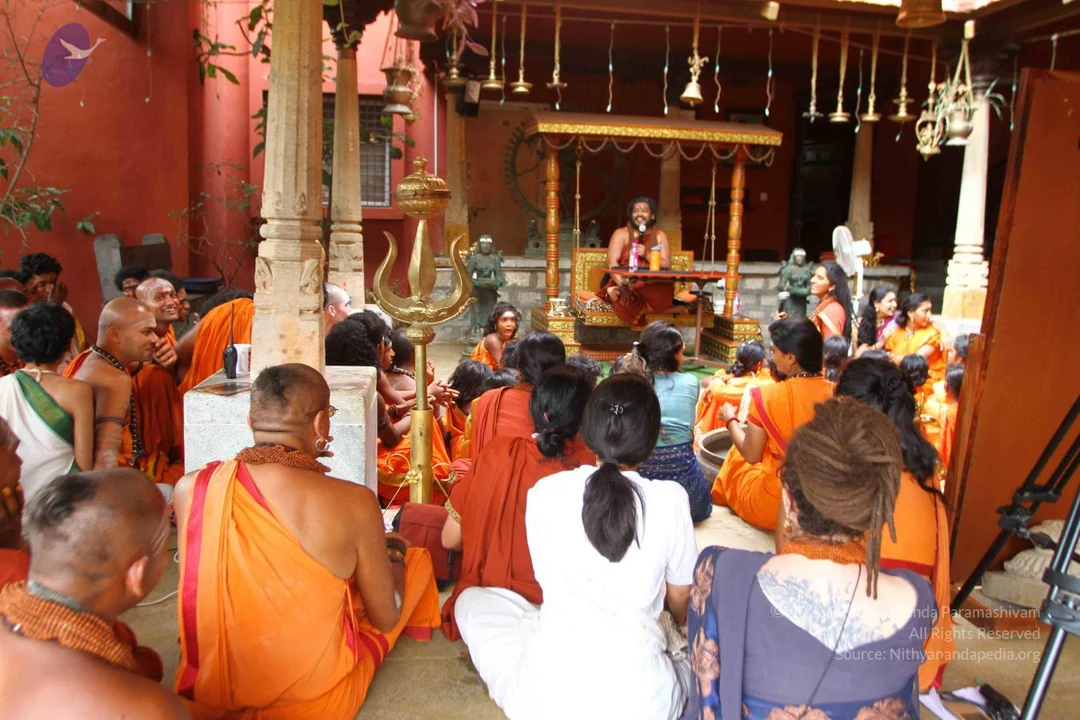
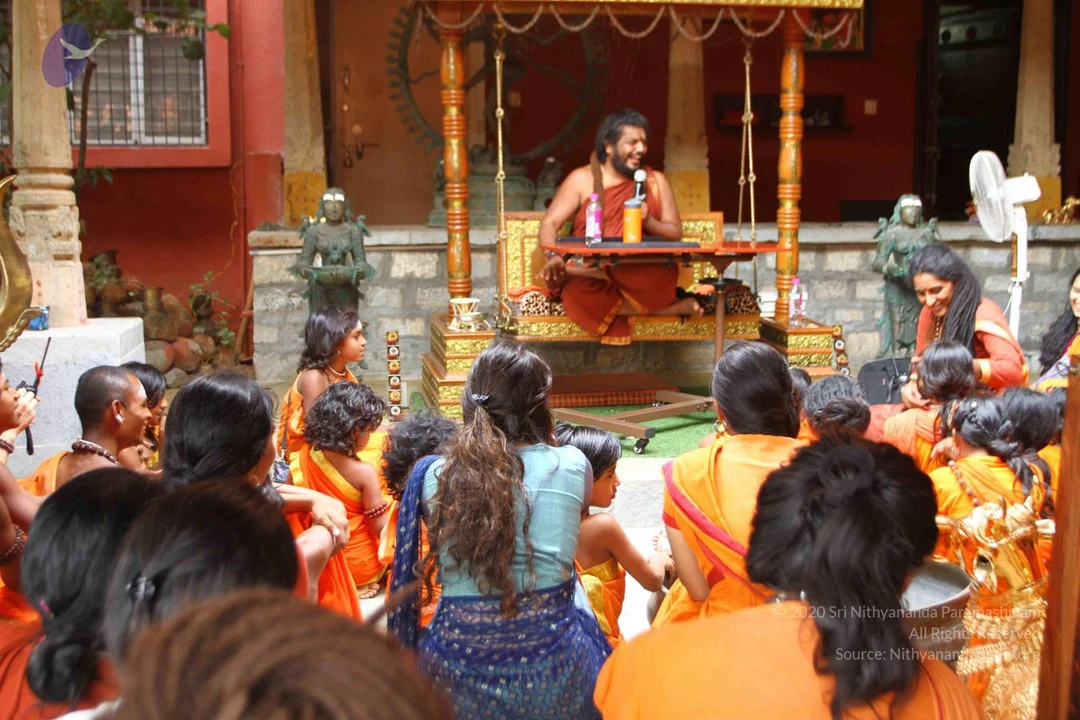
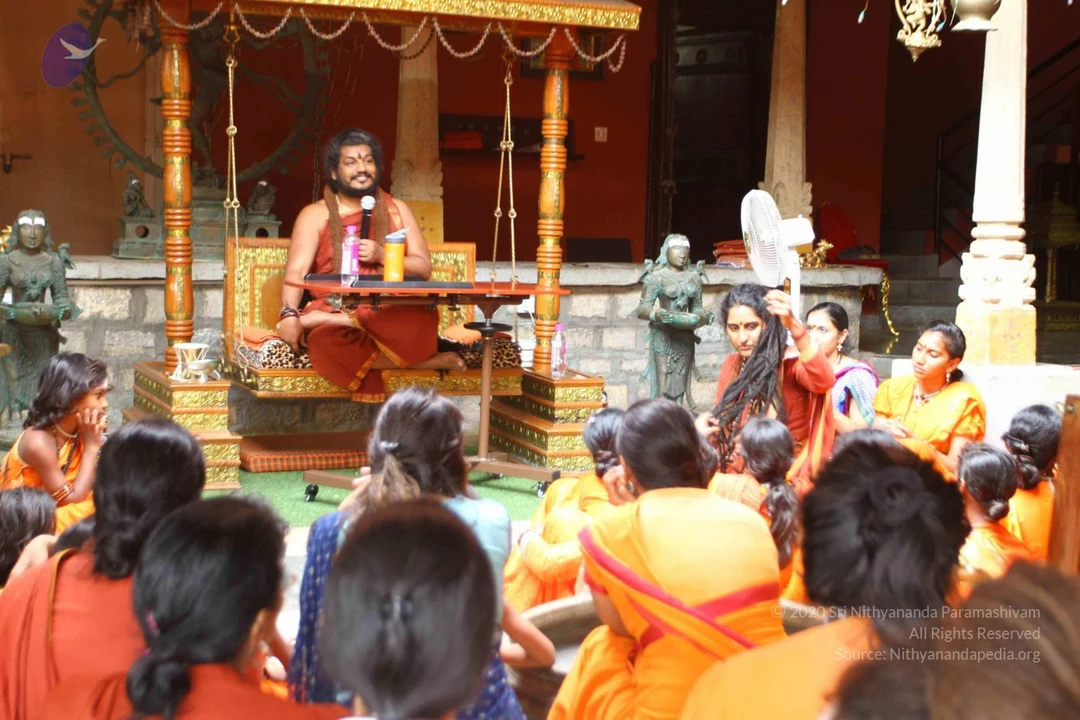
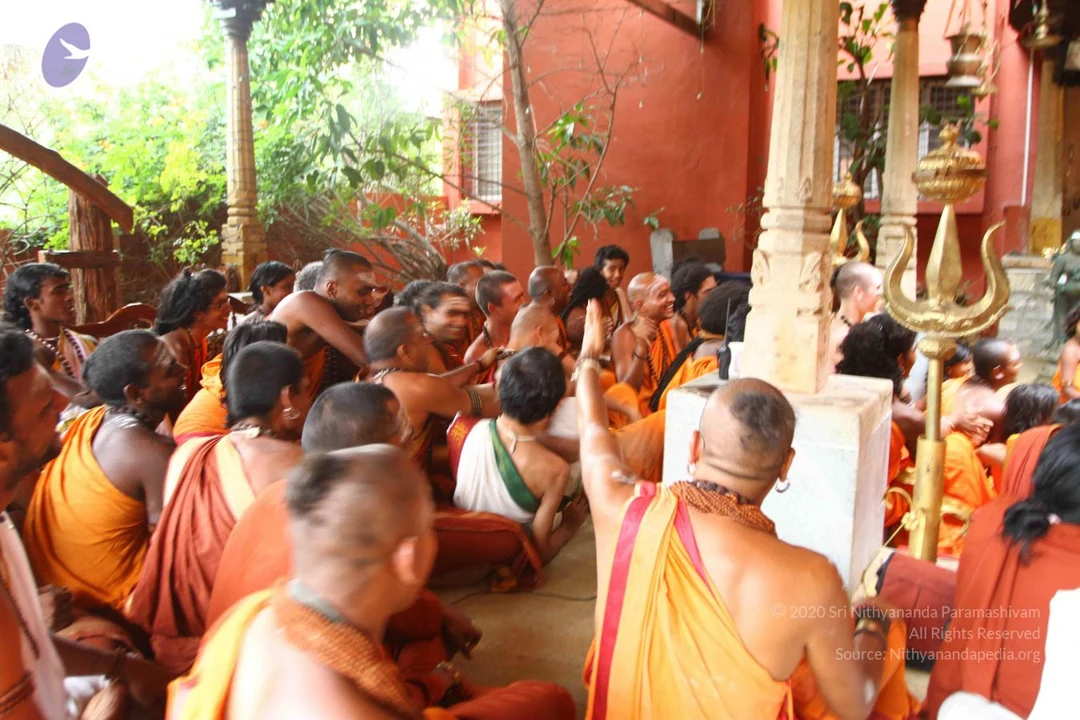
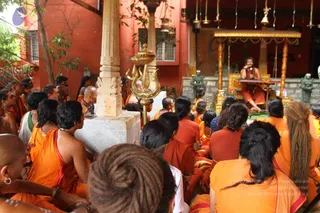
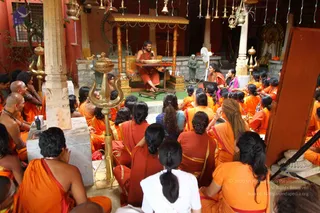
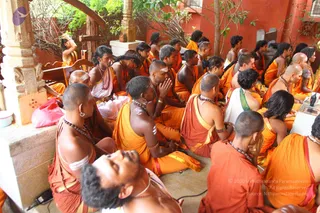
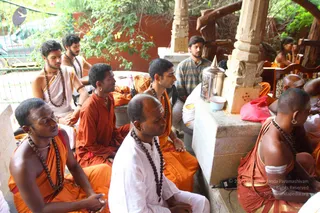
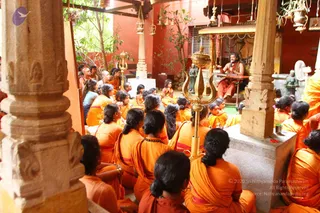
A courtyard satsang seen from behind a seated crowd of orange-robed devotees and sannyasis, many with shaved heads or long dreadlocked hair. In the foreground a large golden trident stands beside a stone pillar. At the far end, a man in orange clothes sits on an elevated golden throne-like seat under a gilded canopy, speaking into a microphone with a small table in front of him, flanked by bronze deity murtis and hanging brass lamps. Red walls and a potted plant frame the scene.A photograph of a satsang discourse in an open courtyard. A man in orange-red robes sits on a raised gold-trimmed seat behind a small red table, holding a microphone and a small brass bowl, with a gold canopy overhead. Around him a large seated audience in saffron and orange garments faces him; several men in front have shaved heads and wear rudraksha-style necklaces. A woman in red-orange sari stands near the dais beside a music stand. Brass trishul and kalasha-style finials, bronze figures and hanging bells decorate the pillared red walls.A seated group of devotees in orange and saffron robes fills a red-walled courtyard at an ashram, many wearing rudraksha malas and white or ash markings on their foreheads and arms. Several have hands pressed together in anjali or eyes closed in meditation, while one man in the foreground lies back with his eyes shut. A carved stone pillar and a small shrine with a lamp stand at left, with potted plants and a wooden bench nearby. Among the seated people, a man in white with a green-bordered cloth sits near the centre. No one is identifiable as a person from appearance in this view.A seated group of devotees in outdoor temple courtyard sits in meditative or prayer posture beside a stone pillar and a stone platform holding a steel vessel with a lid and a small white bowl. Foreground: a man in orange clothing with dark rudraksha malas and a bare shoulder sits with eyes closed and hands together; beside him a man in white ritual clothes with a dark rudraksha mala sits in profile. Behind them, men in orange and white robes with rudraksha malas sit on the ground and on a low stone ledge, with a bald devotee in orange at right. Green foliage and a red wall fill the background. No clearly identifiable a person is visible.A seated crowd of devotees dressed in orange and saffron robes sits on the floor of a red-walled courtyard temple, facing a raised stone platform. On the right, a man with long dark hair and a reddish-orange wrap sits behind a wooden reading stand and speaks into a microphone, apparently giving a discourse. Brass lamps, a tall gold trident and a kalasha-style brass vessel stand near the platform. Many attendees have their heads bowed or turned toward him, and a few shaved-headed monks in orange sit at the back. Potted plants, hanging brass lamps and small deity figures line the walls.A photograph of a seated audience of devotees in orange and saffron clothing at an open-air courtyard shrine with red walls, stone pillars and a golden trident on a brass stand in the foreground. A figure in saffron robes sits at a raised wooden stand on the right, speaking into a microphone, apparently teaching. Many women with hair tied back in braids sit on the stone floor facing him, and several children in orange sit among them. Other orange-clad attendants stand and sit near a stone platform holding offerings and fruit. Green potted plants and hanging brass lamps are visible overhead.

Procession

129 photosSource gallery
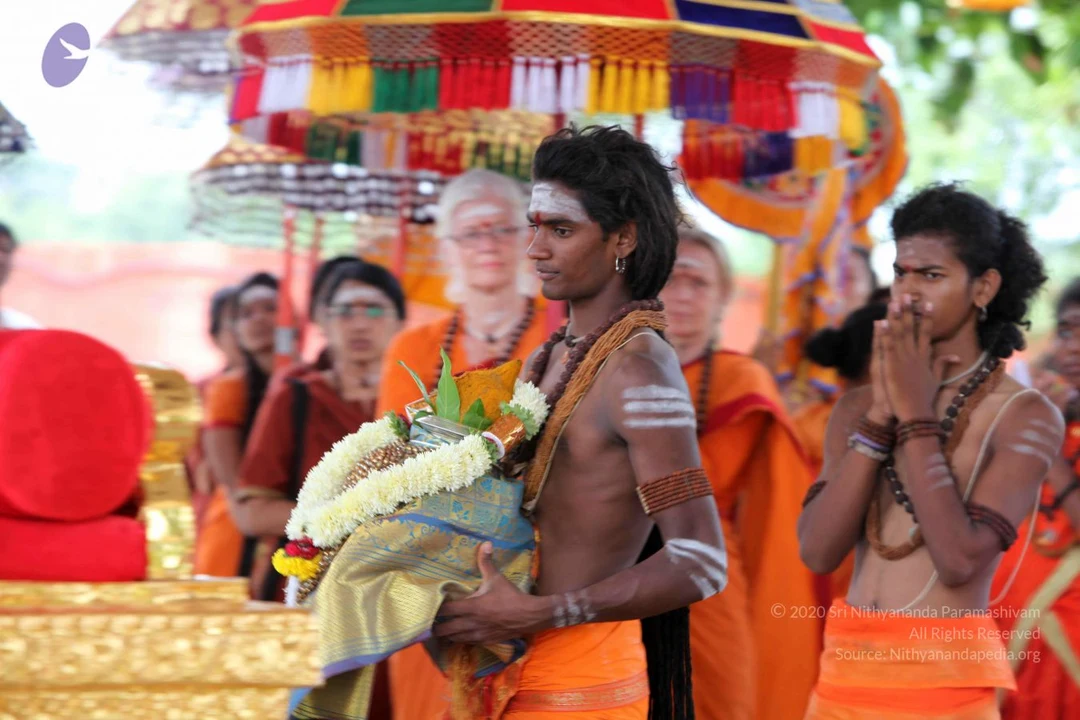
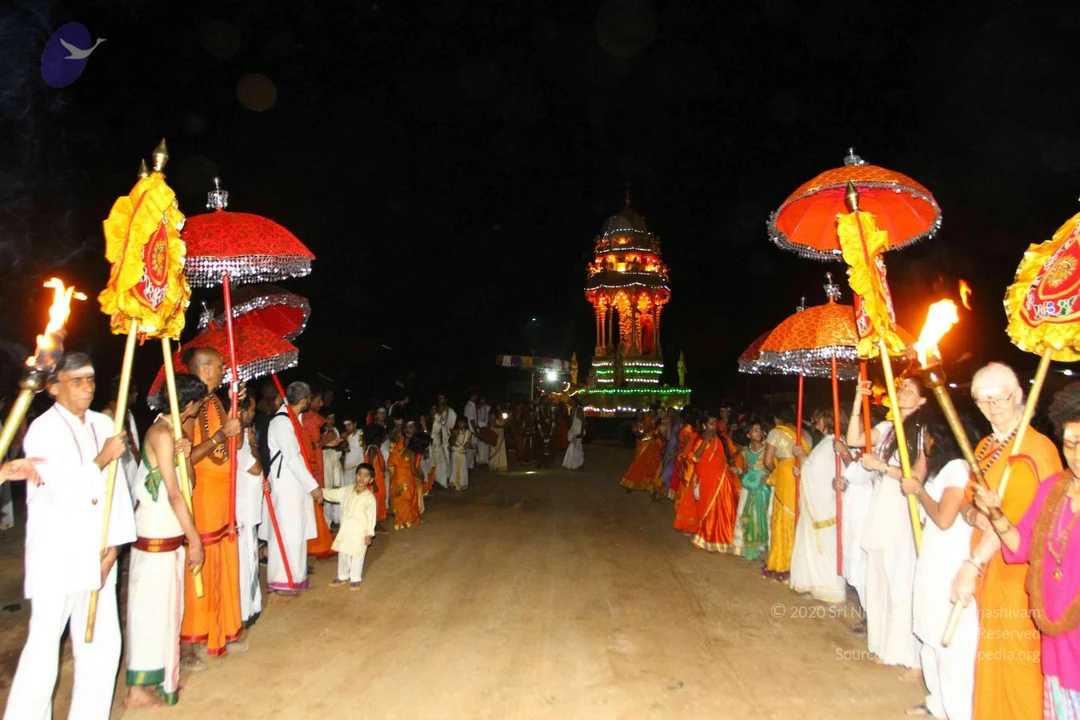
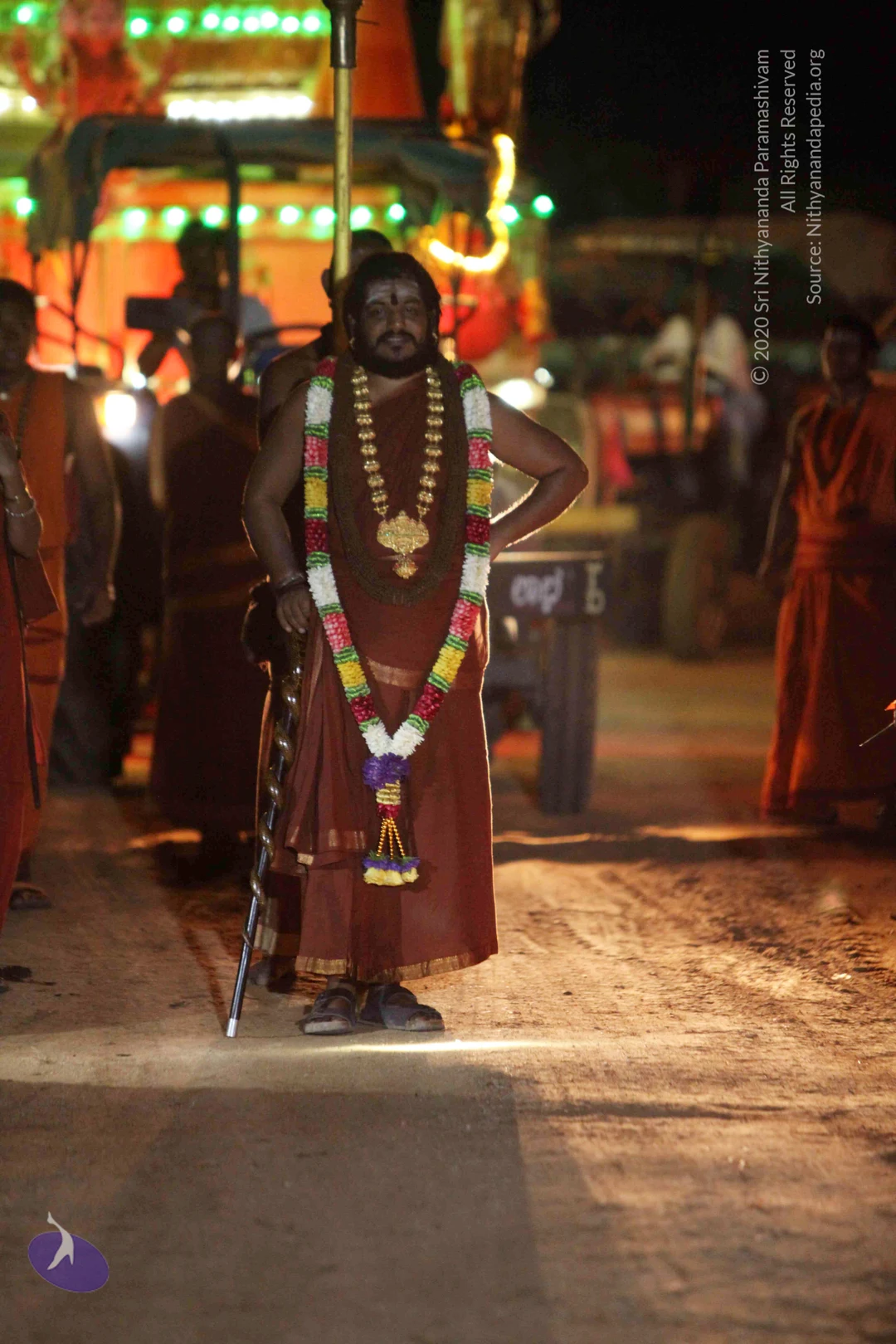
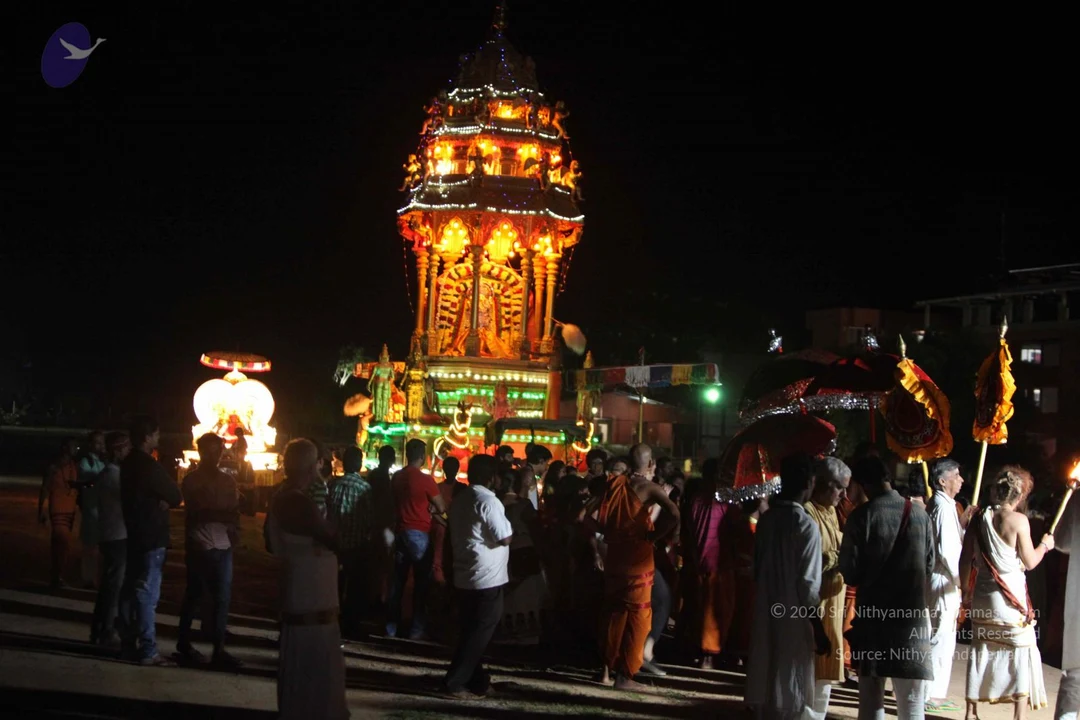
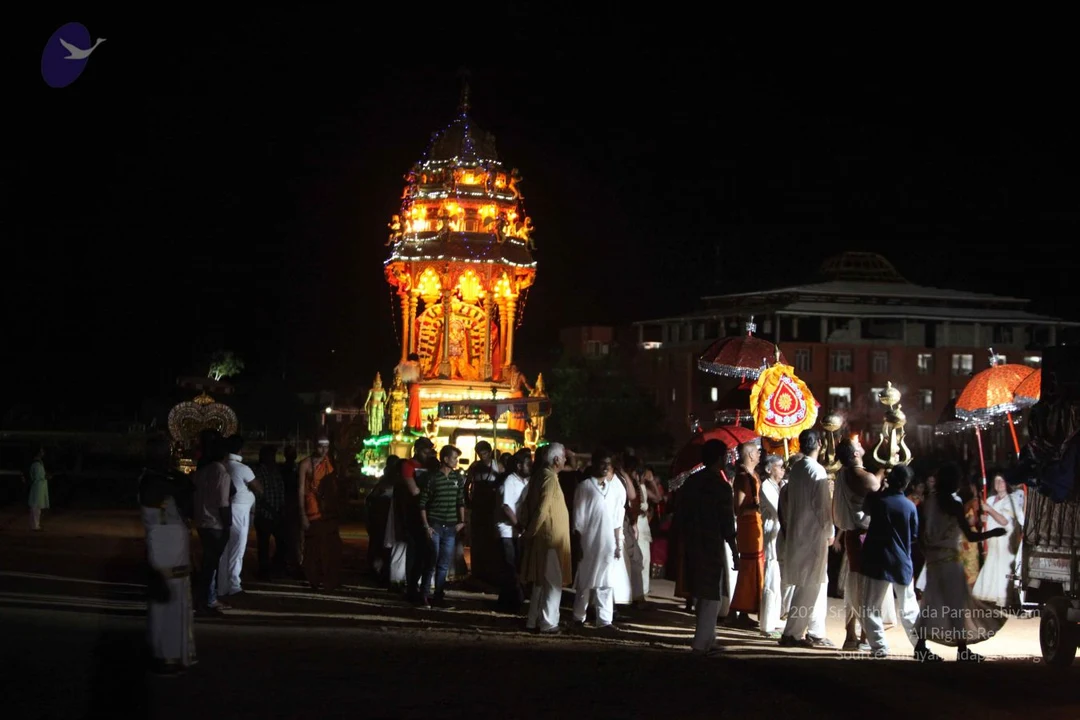
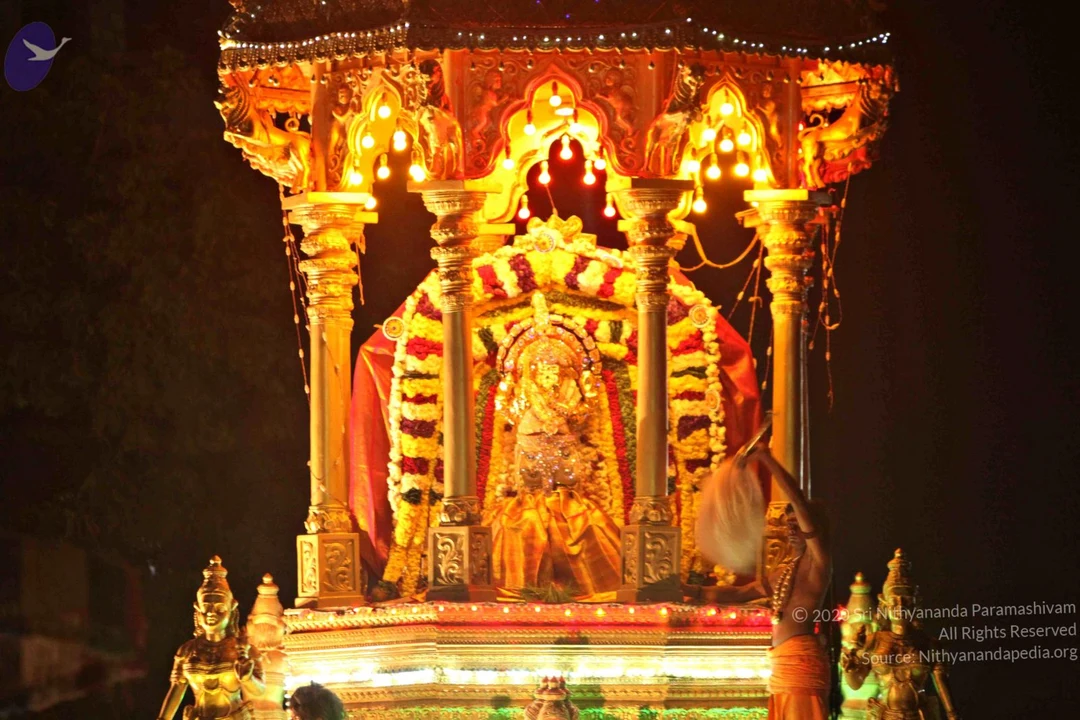
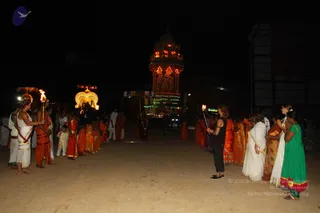
A night photograph of an illuminated processional chariot, a ratha with a multi-tiered, pyramidal roof crowned by a kalasha finial and lit with warm oil lamps and string lights. Ornate pillars frame an inner shrine where a deity murti sits draped in garlands. Lit lamps glow along the tiers and figures carved on the roof, against a black sky. Small lit structures appear at the edges of the frame, and the chariot is the main subject of the scene.A night photograph of an illuminated ornate chariot, the ratha, lit with warm yellow lights and green string lights along its base. A tall tiered canopy with carved pillars and small figures rises above a platform, with a horse sculpture on the left and a standing statue on the right. No people are visible in the scene.Night-time procession at a temple or ashram. A man with long swept-back dark hair and a reddish-brown wrap stands centre, holding a green cloth bundle of white flowers and garlands toward a young man in orange clothes with a white forehead band and white flower garlands. Around them, several young men in saffron-orange dhotis and shawls stand near a tall golden staff topped by a colourful striped canopy. A man in white clothes stands at left, and a drum is visible at right.Night procession outdoors on sandy ground under a decorated canopy with colourful tassels. A central figure in a rust-red robe and a long brown rudraksha-style mala is garlanded with a multicolour flower garland and wears a gold pendant necklace and a tilak, appearing to be the honoured figure. Behind him a bearer in an orange cloth holds up a gold-topped umbrella pole, and another man in orange holds a bouquet of white flowers wrapped in green ribbon. A person in a white dhoti and a shawl stands at left holding a phone, and women in red-orange saris and a man in orange walk in the background. a person cues include the garlanded central figure with rudraksha and gold ornaments, but the face and posture are not clearly distinct enough to confirm.Night procession on a dirt road with a brightly illuminated ornate ratha/chariot topped by a tall tiered golden tower with lit lamps and carved figures. Devotees line both sides in white and orange-red clothes, some holding flaming torches on the left, and a woman in a dark outfit on the right holds a lit lamp. Large illuminated umbrellas/canopies and a glowing palanquin-like structure sit near the front. A low building with a pink-orange wall stands behind the chariot.Night procession on a sandy open ground lit by torches and small oil lamps. In the foreground, a line of people stands on both sides of a central path; a woman in white with a flaming torch faces the approaching procession at left, while a woman in a black top holds a torch at center-right. Several women in saffron, orange and green saris stand with hands folded in namaskar. Behind them a tall, brightly lit ornate chariot or ratha with multi-tiered lamps and a red-and-white canopy rises under the night sky, flanked by a glowing heart-shaped palanquin with lit fringes. Men in white dhotis and orange-saffron cloth attend the procession, and a small child in white stands among them. Strings of bunting and colored lights decorate a nearby structure.

FB-Photos-of-the-Day

8 photosSource gallery
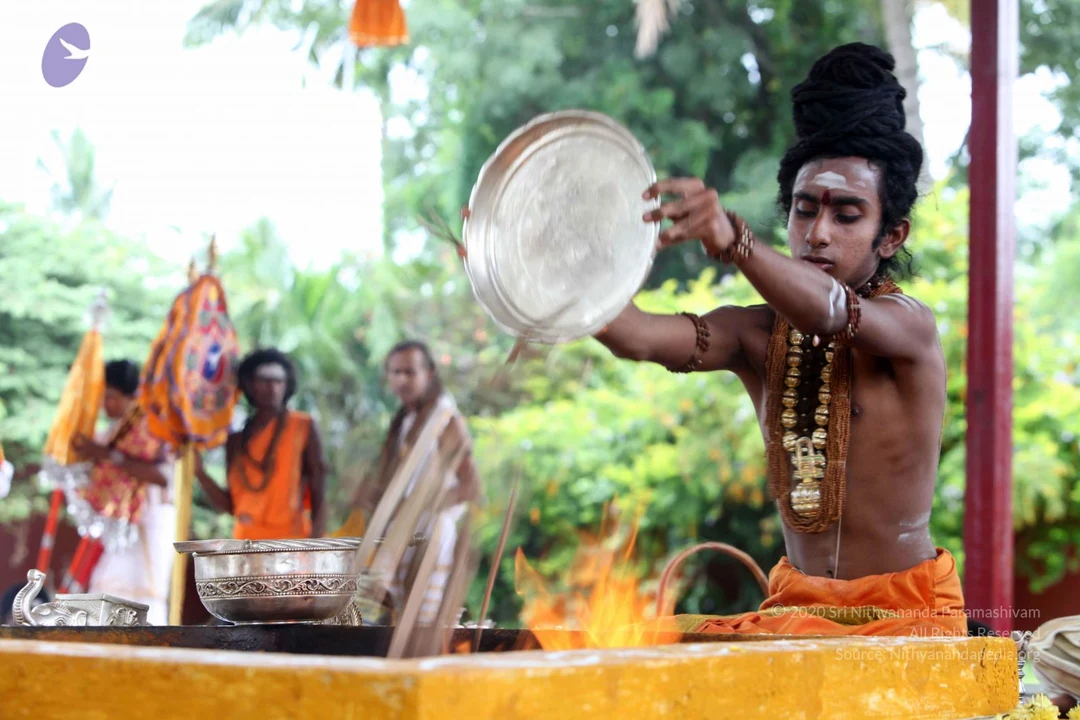
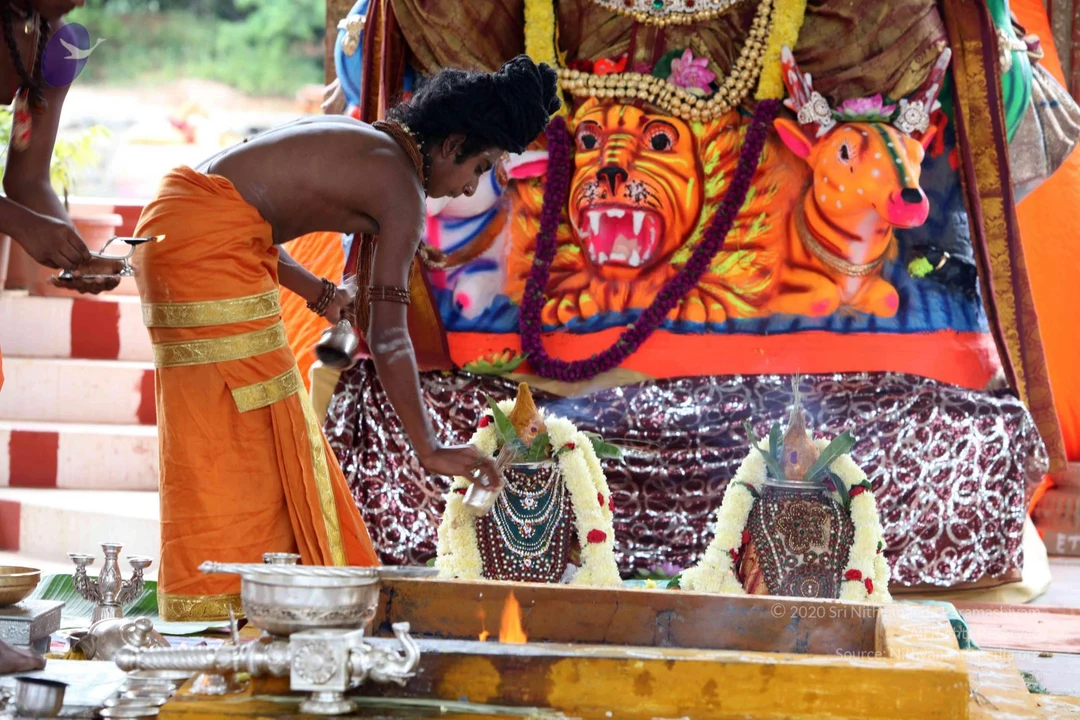
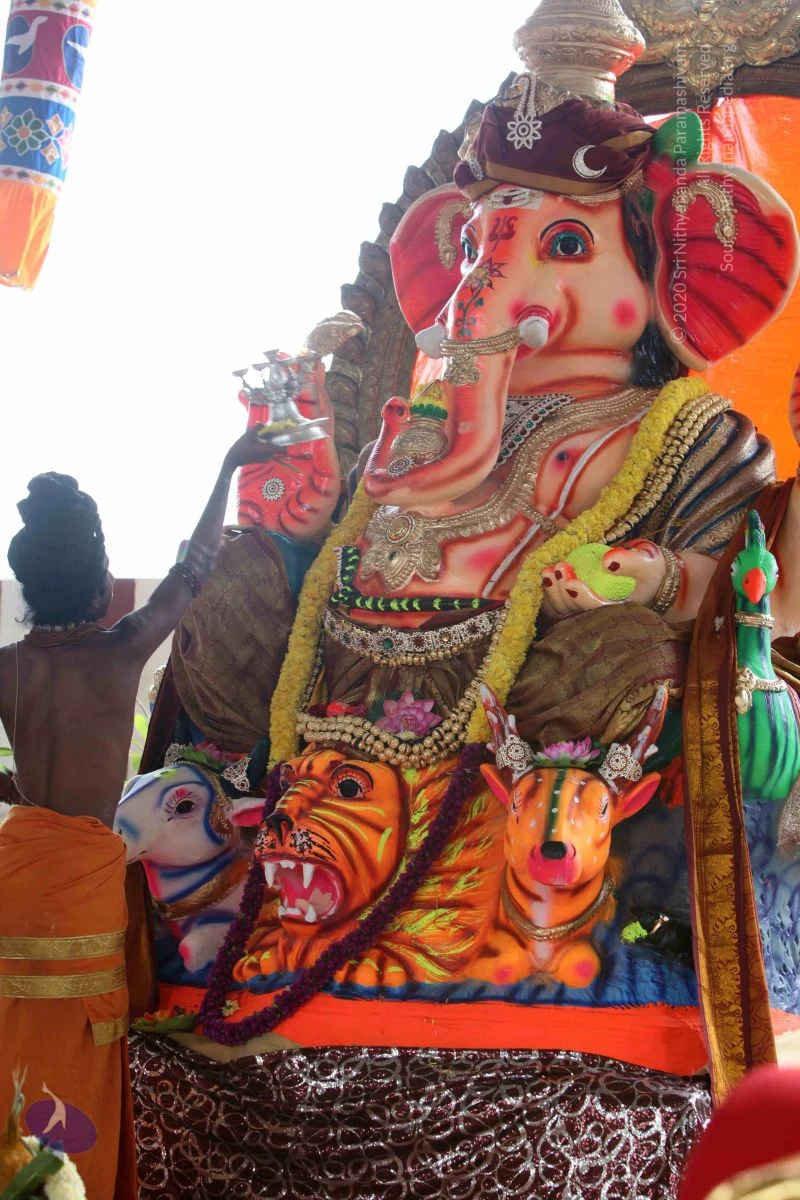
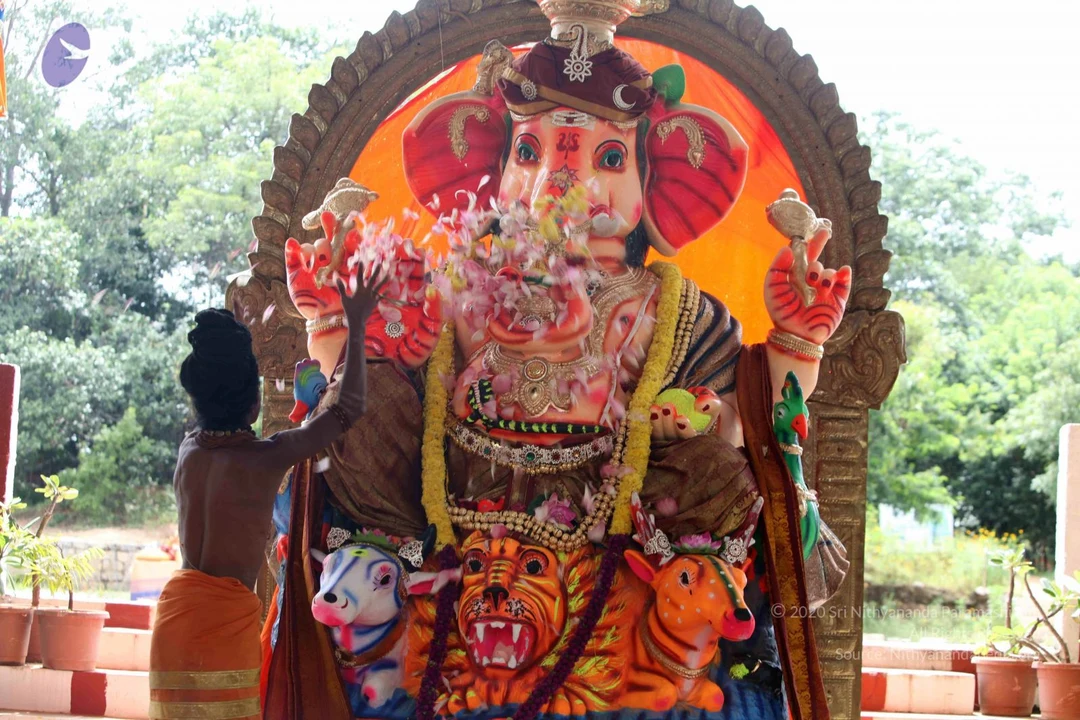
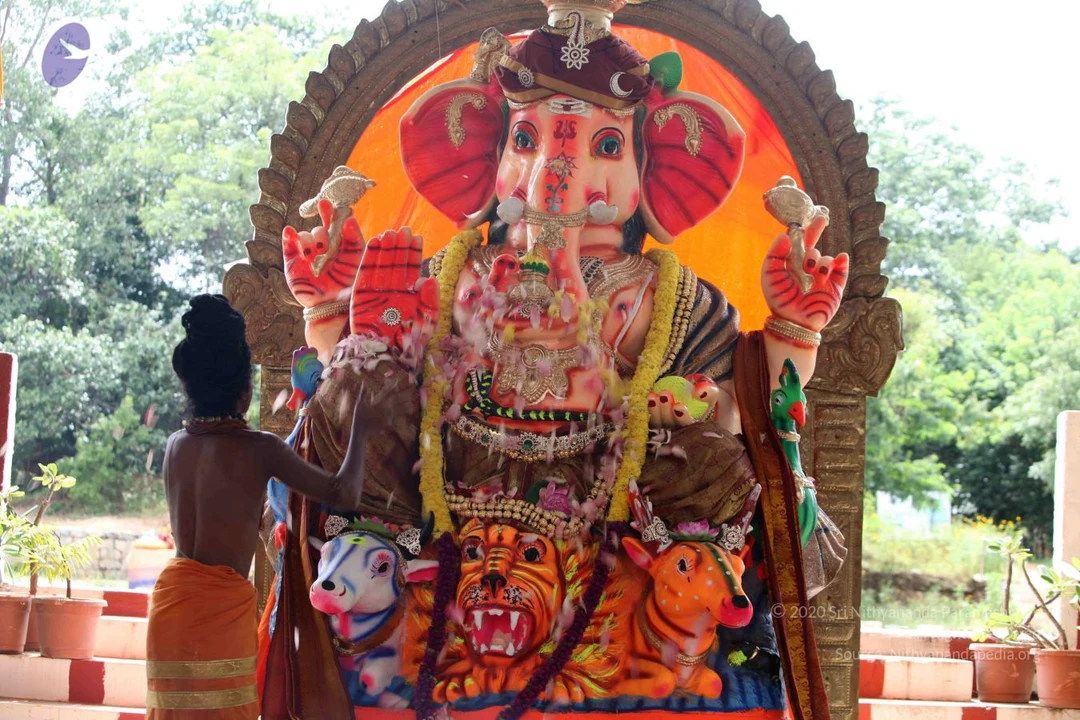
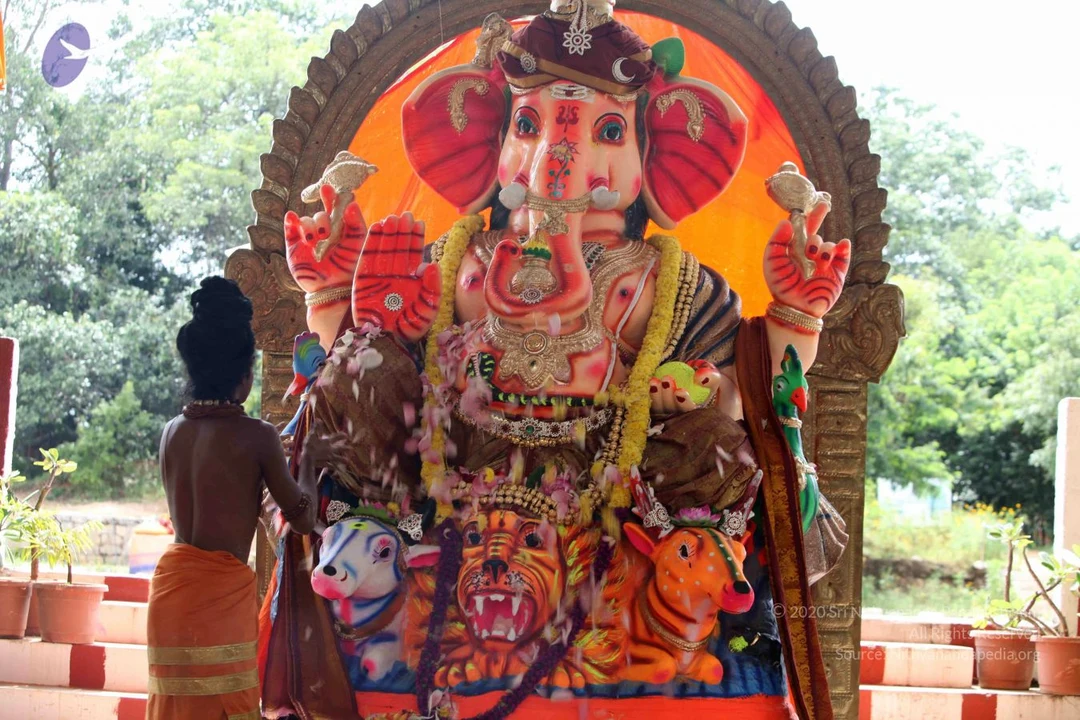
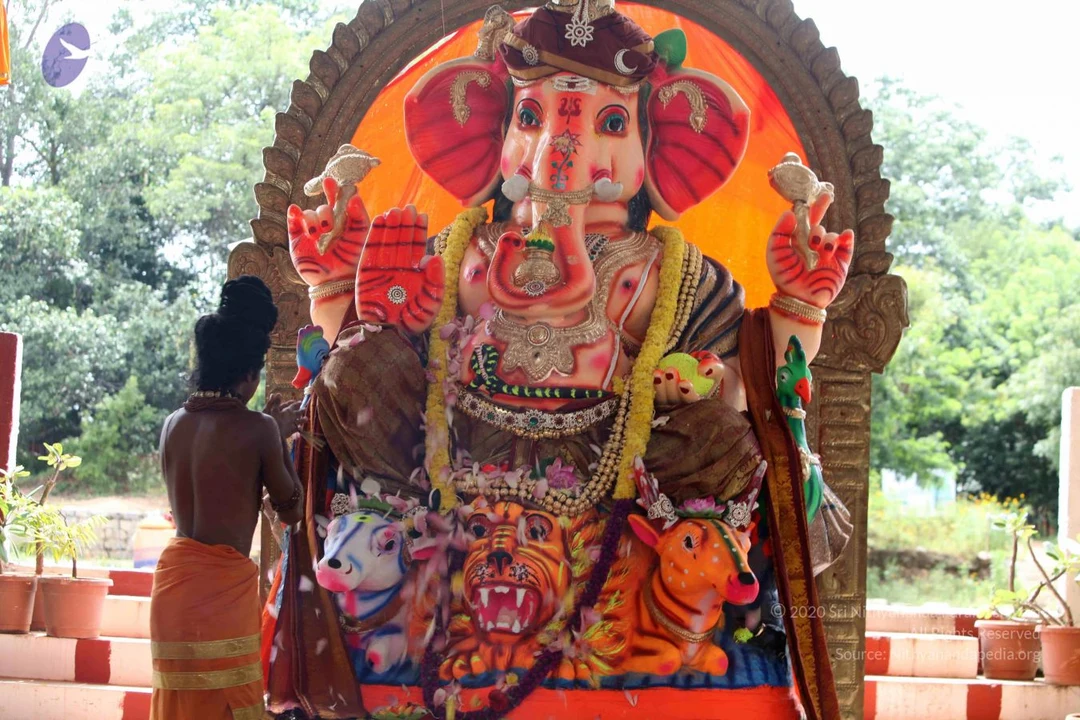
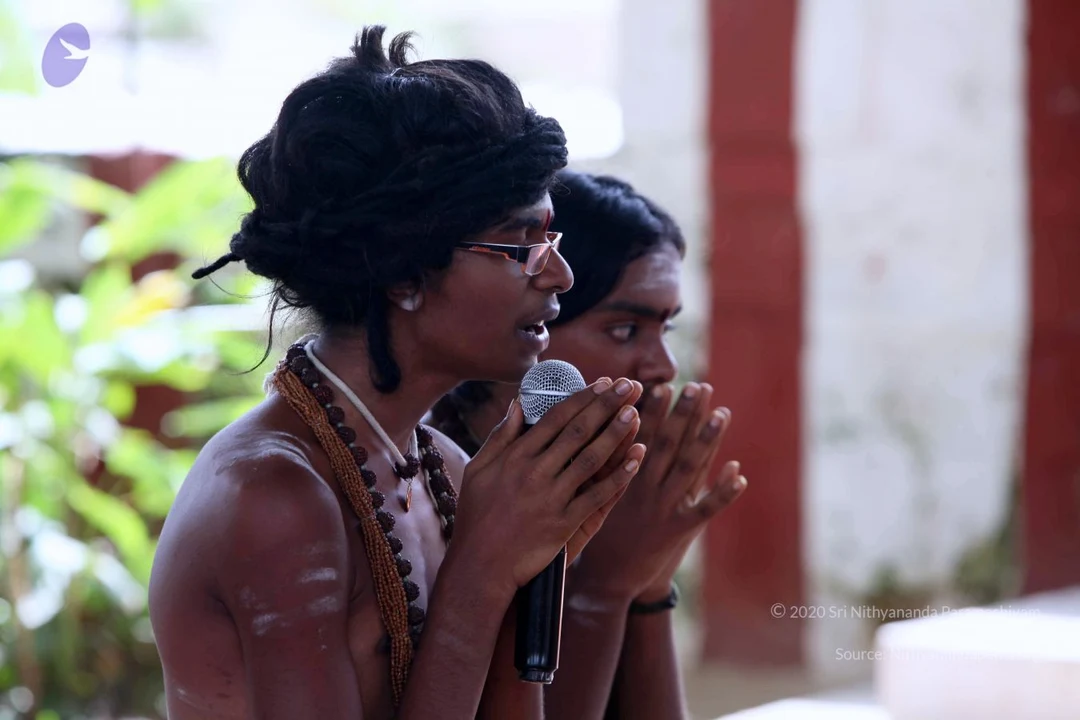
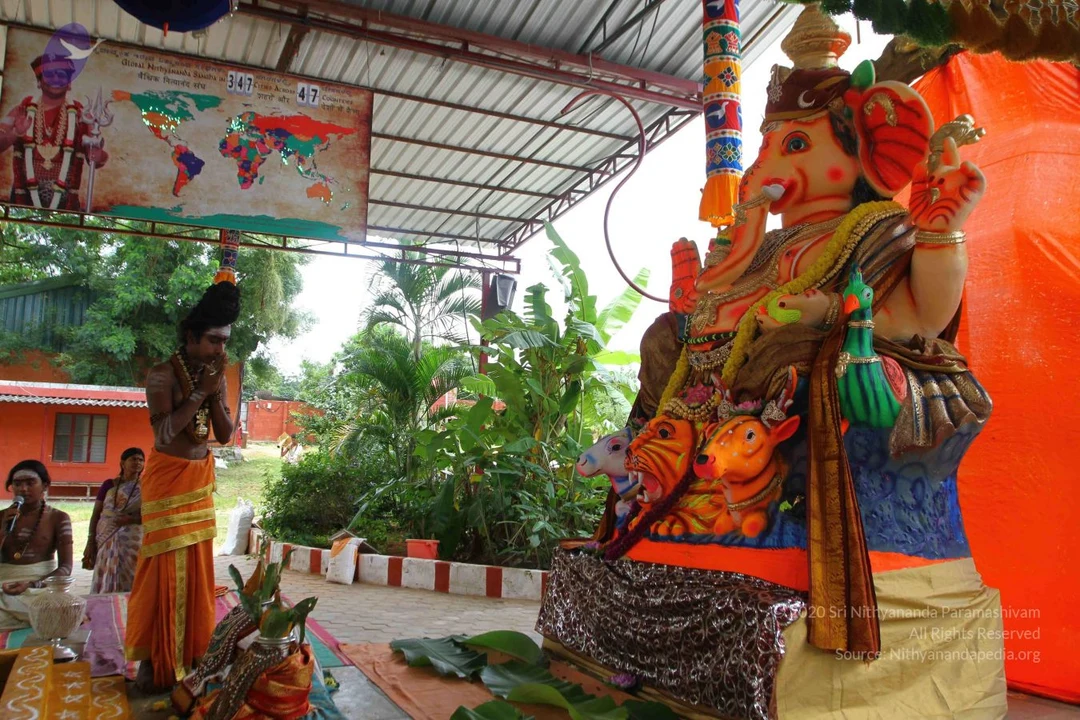
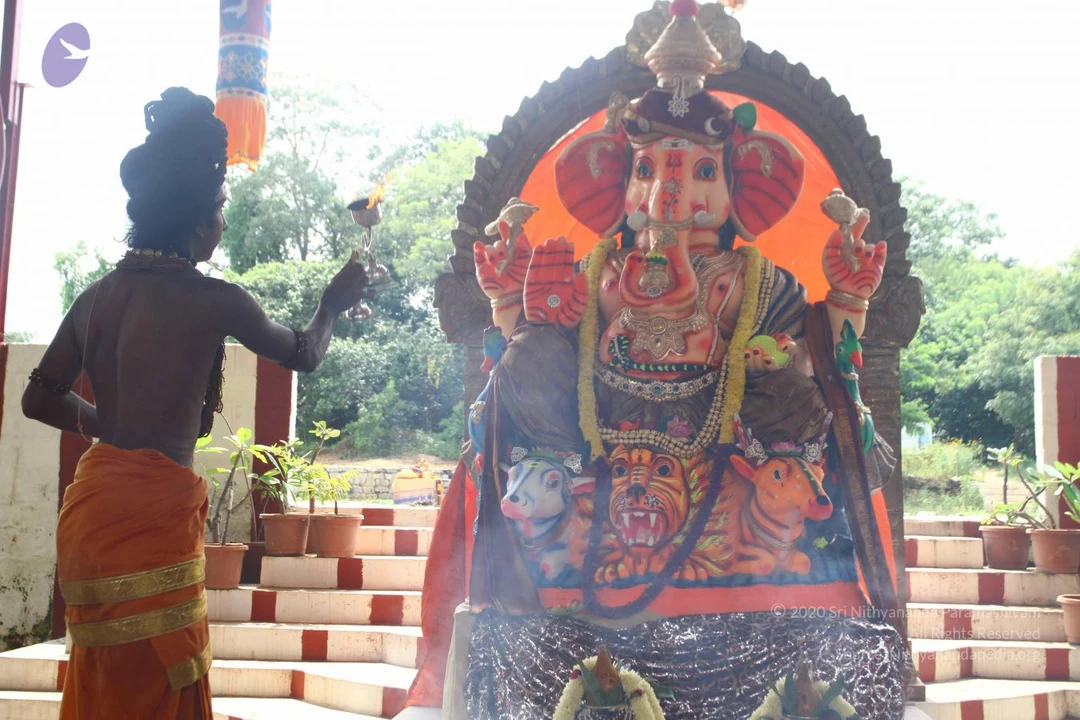
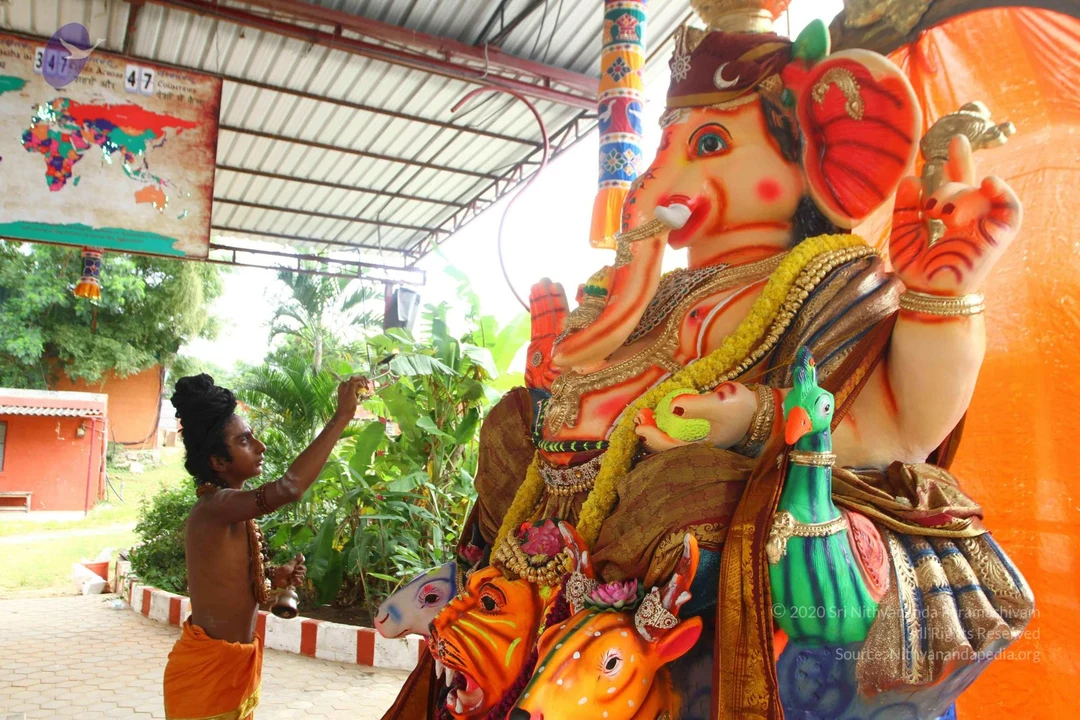
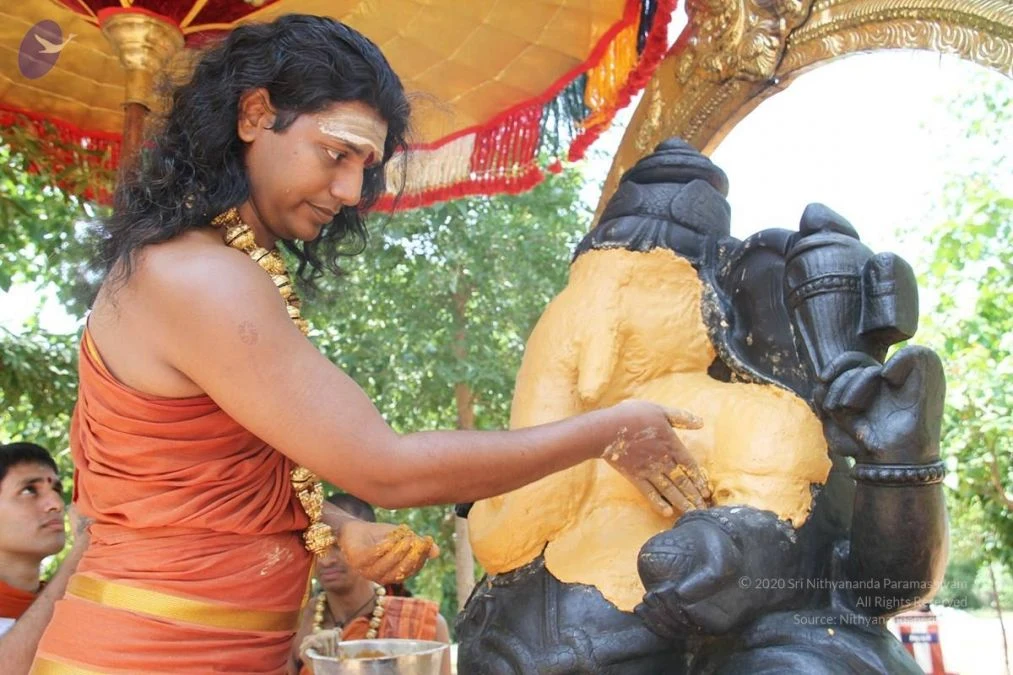
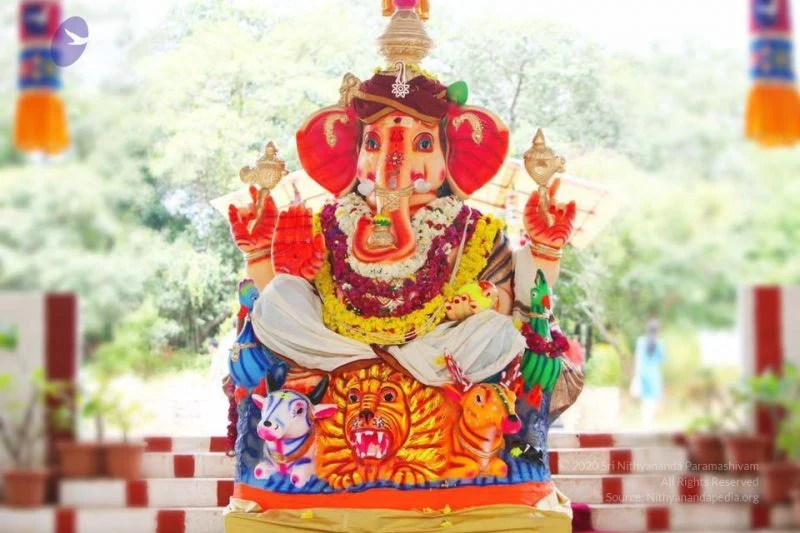
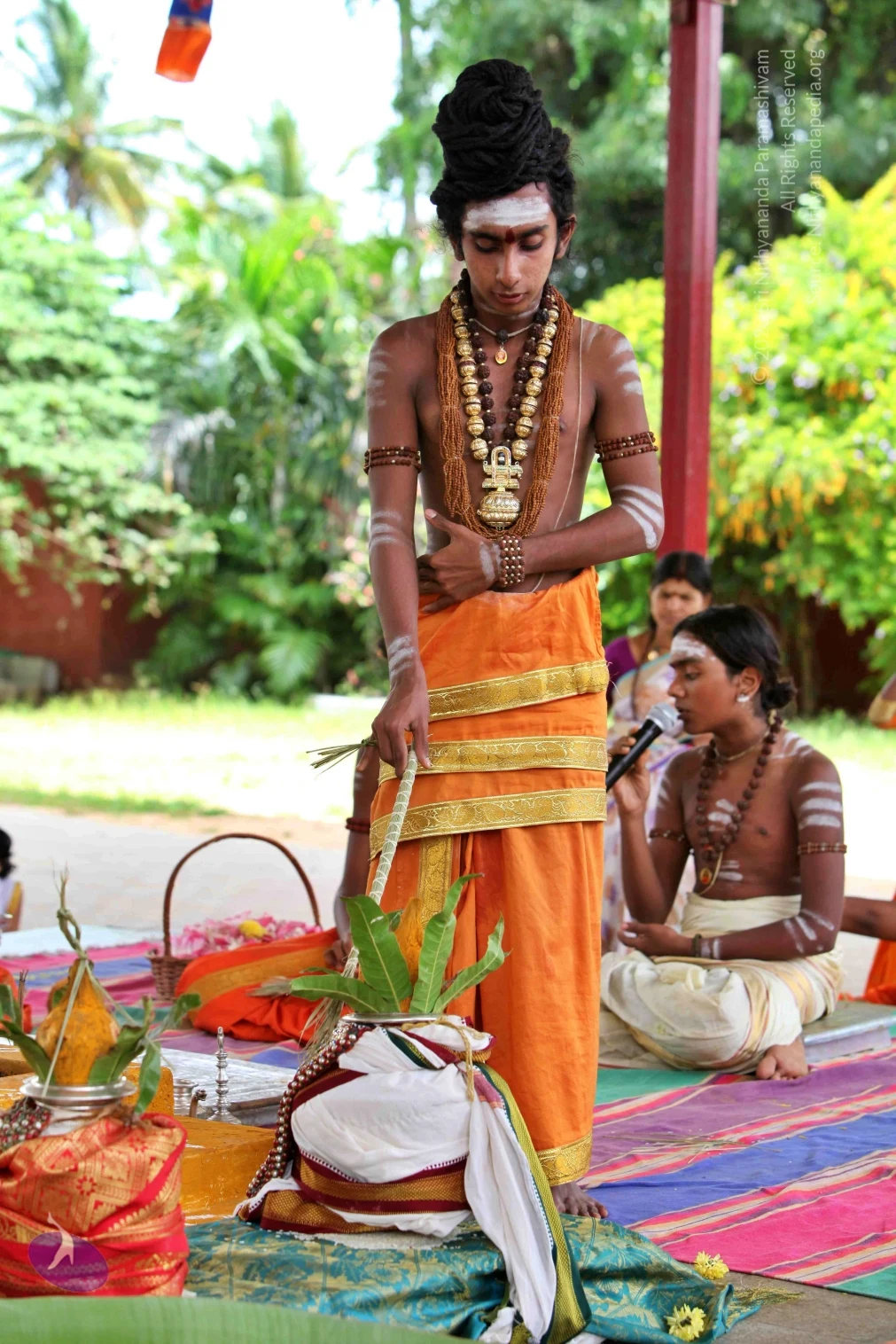
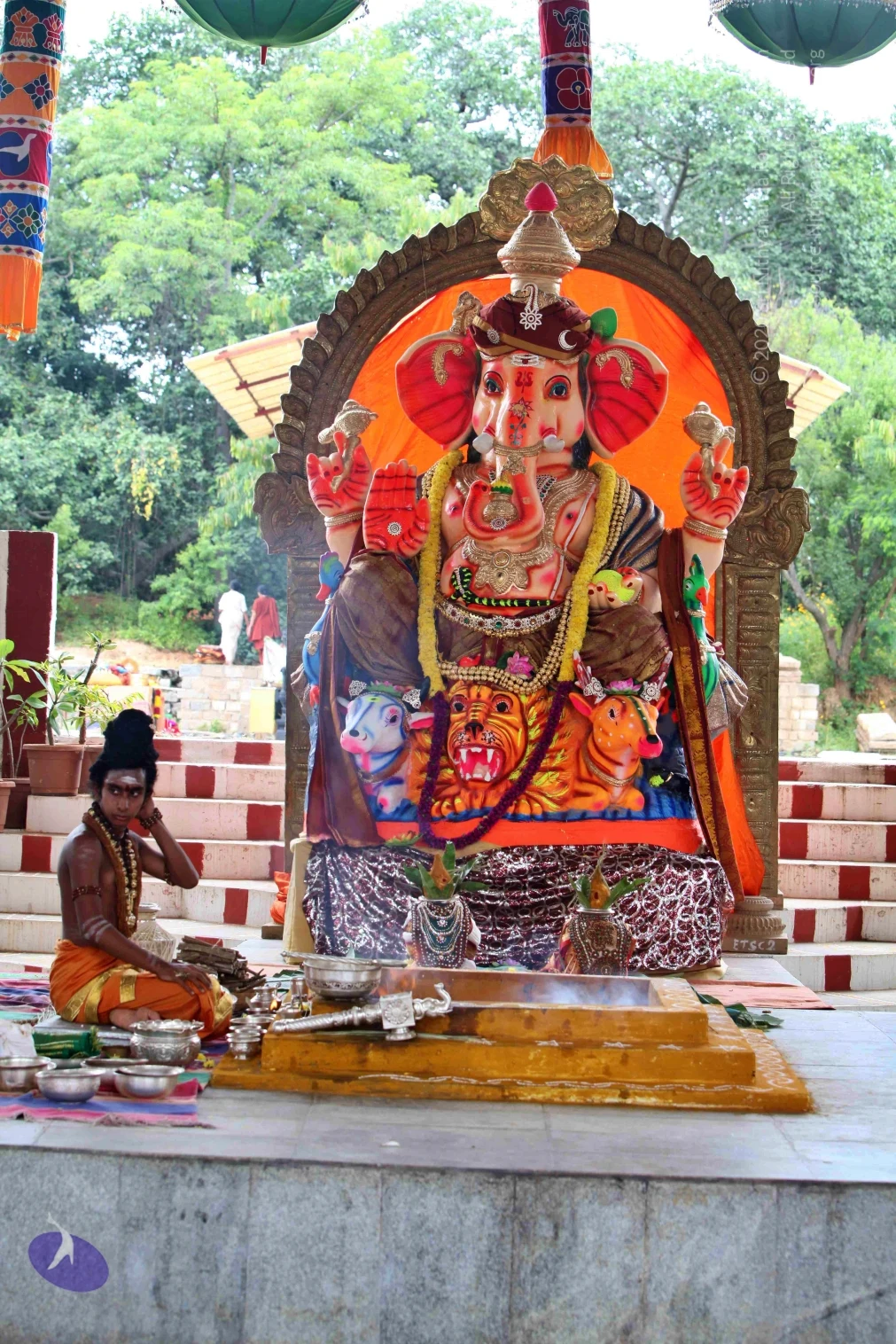
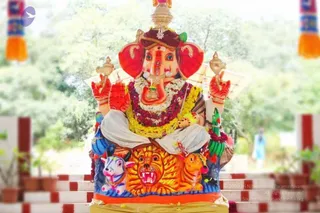
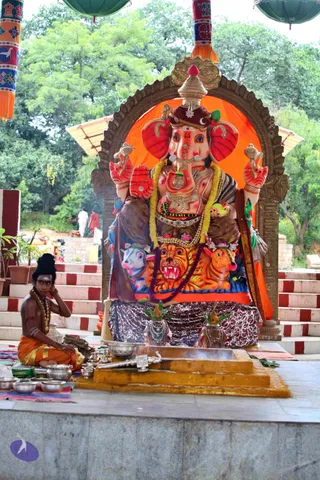
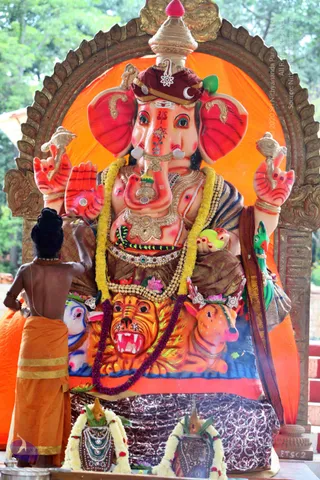
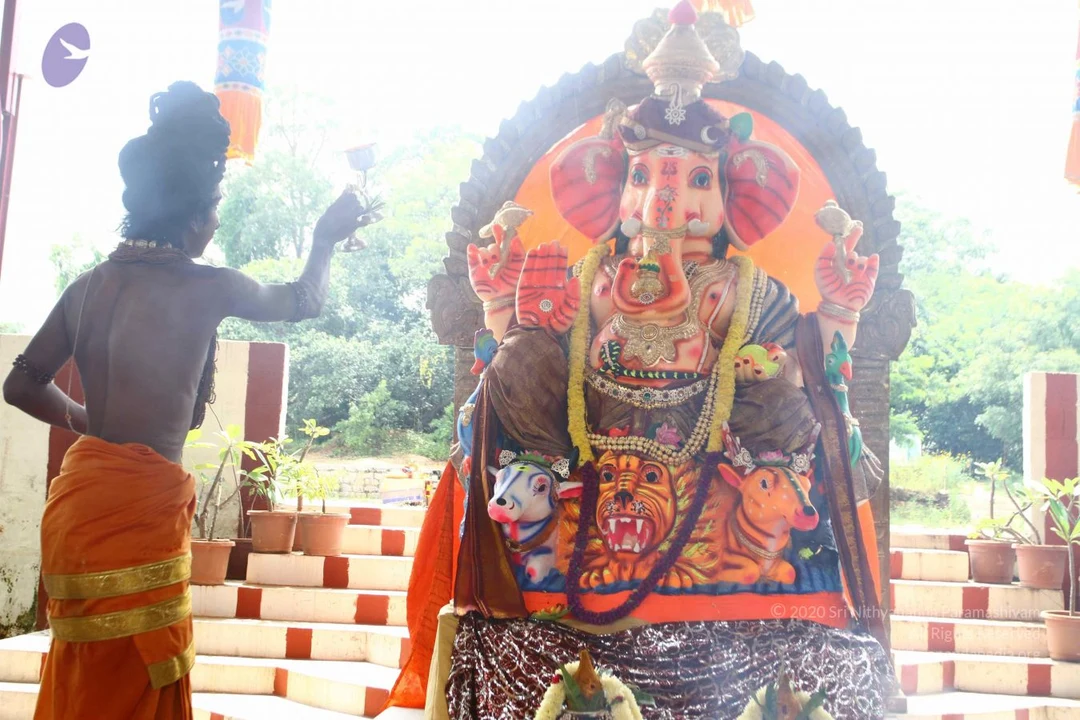
A man with long, swept-back dark hair and a white-and-red tilak on his forehead applies yellow-gold paste to a large black Ganesha murti under a golden umbrella with red fringe. He wears an orange-saffron dhoti and shawl, a gold chain and a gold-beaded necklace, and is focused on the sculpture's upper body. Behind him, a younger man in orange and a bearded man in orange clothing with beads assist, and a metal bowl sits nearby. Leafy trees form the outdoor setting, consistent with a Ganesha Chaturthi abhishekam or ritual anointing. Three to five people are visible.A large colourful murti of Ganesha, the elephant-headed deity, seated on a lion-and-mouse-like base flanked by a cow and a tiger motif, with a red trunk, red ears, a golden crown and necklaces of yellow marigold and red and white flower garlands. Its hands hold lotus-like and ritual objects, and the figure is draped in white cloth. It stands on red-and-white striped steps before green trees, with orange tassel decorations at the sides. A tiny distant figure in light clothing stands in the background.

01--Maha-Ganapathy-Homa
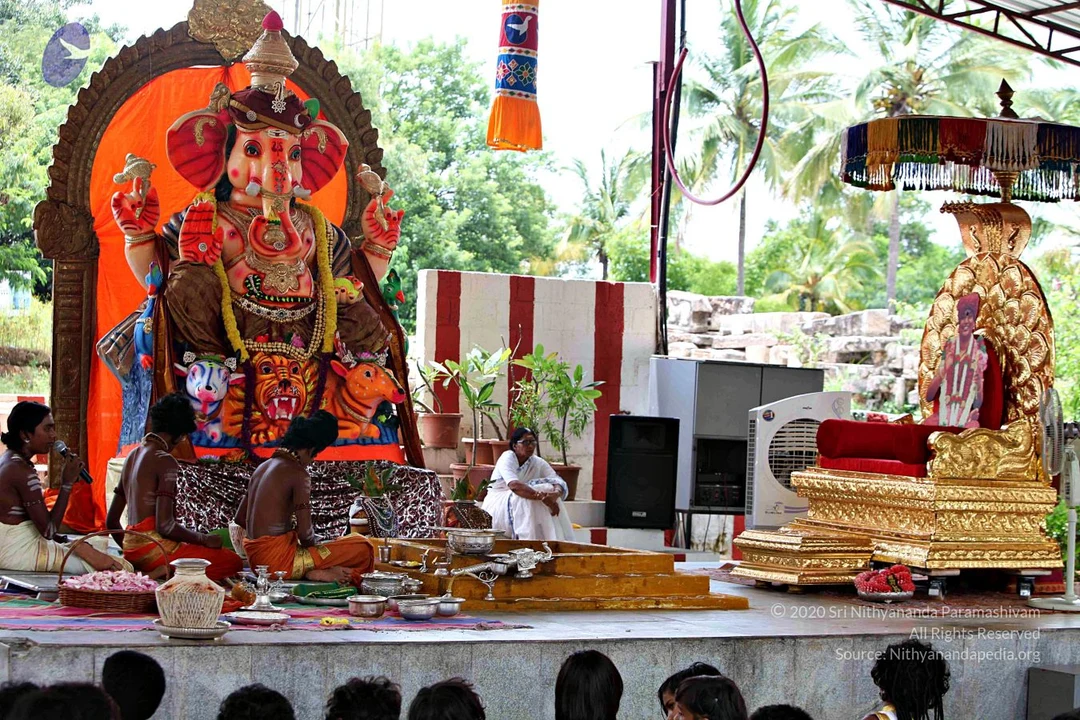
7 photosSource gallery
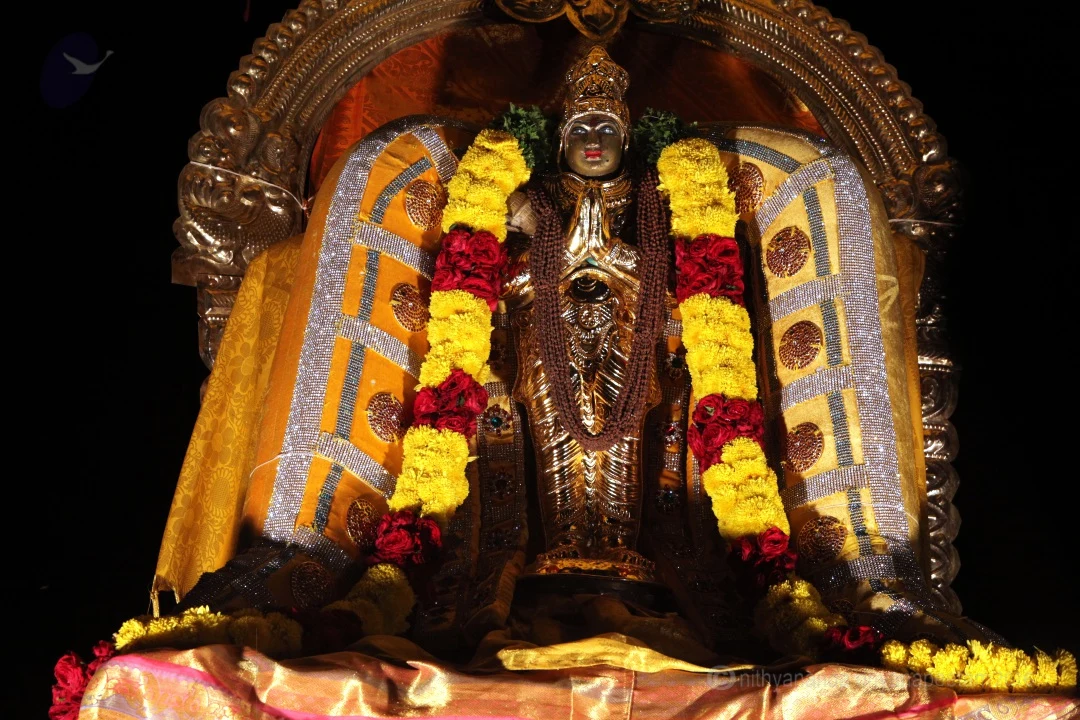
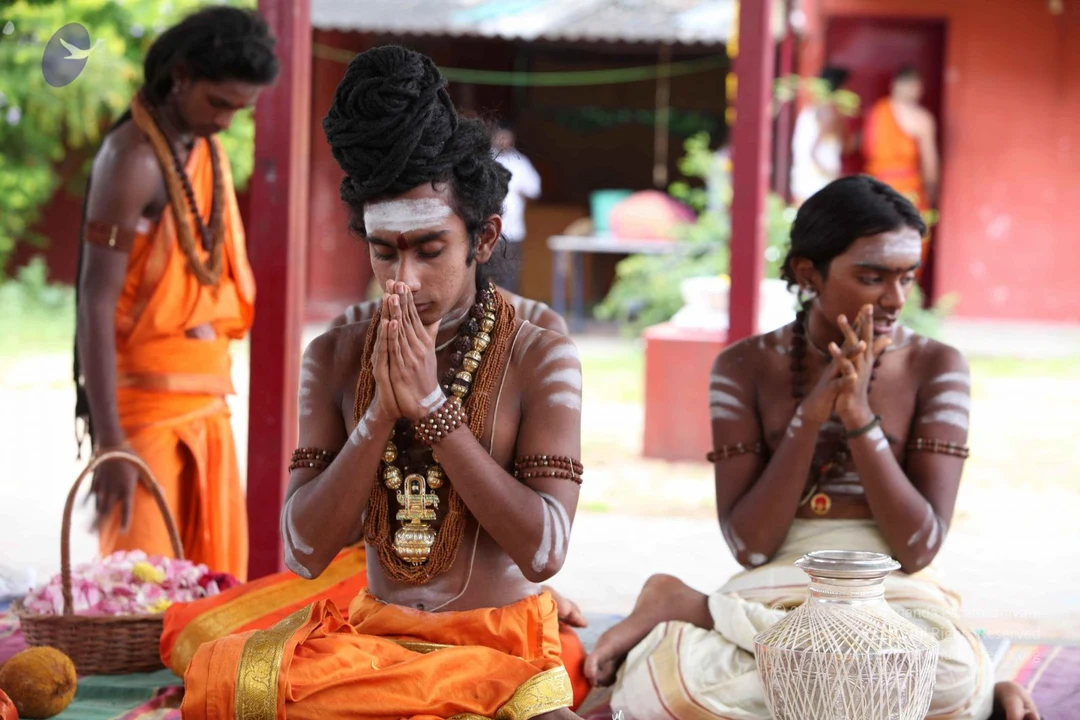
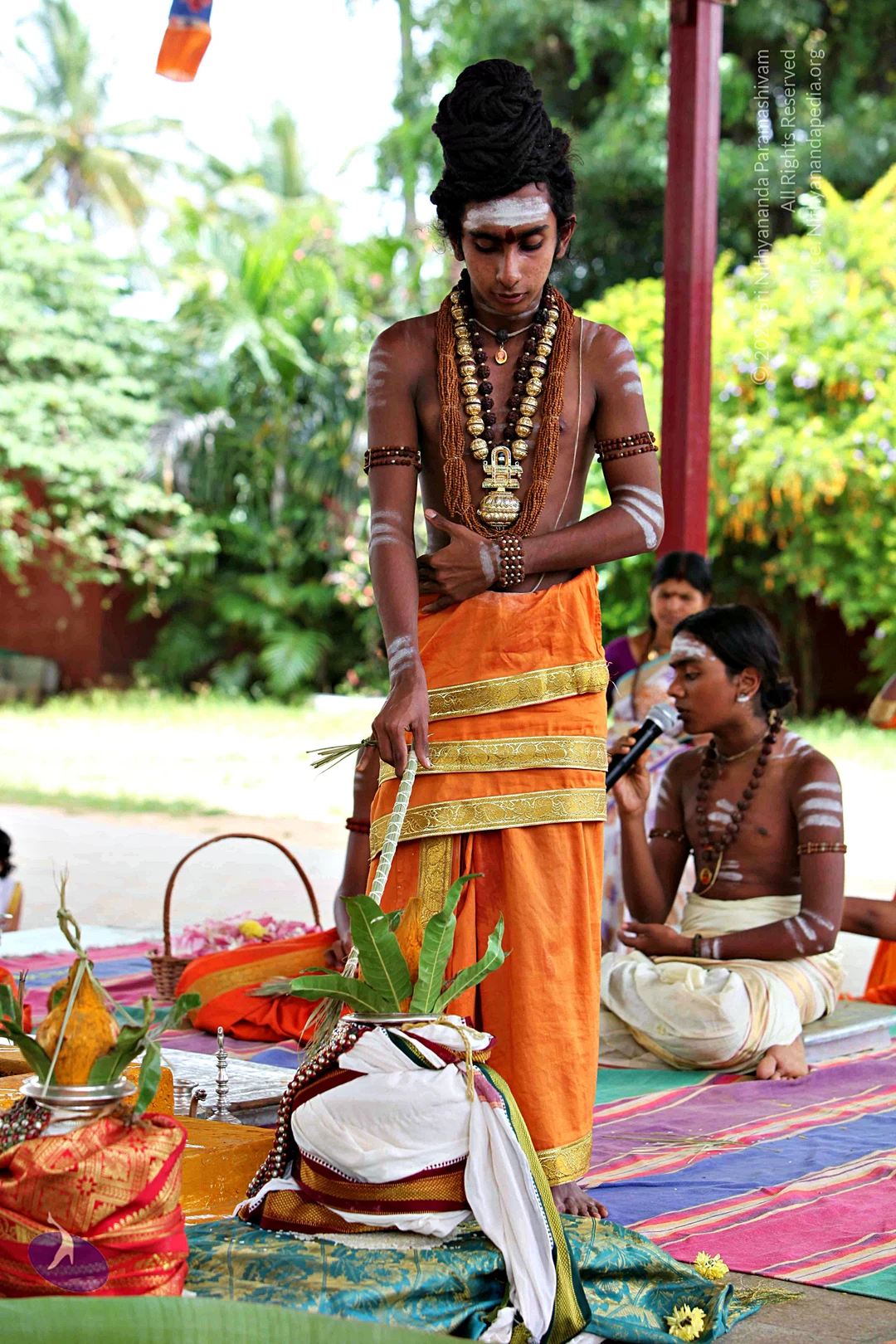
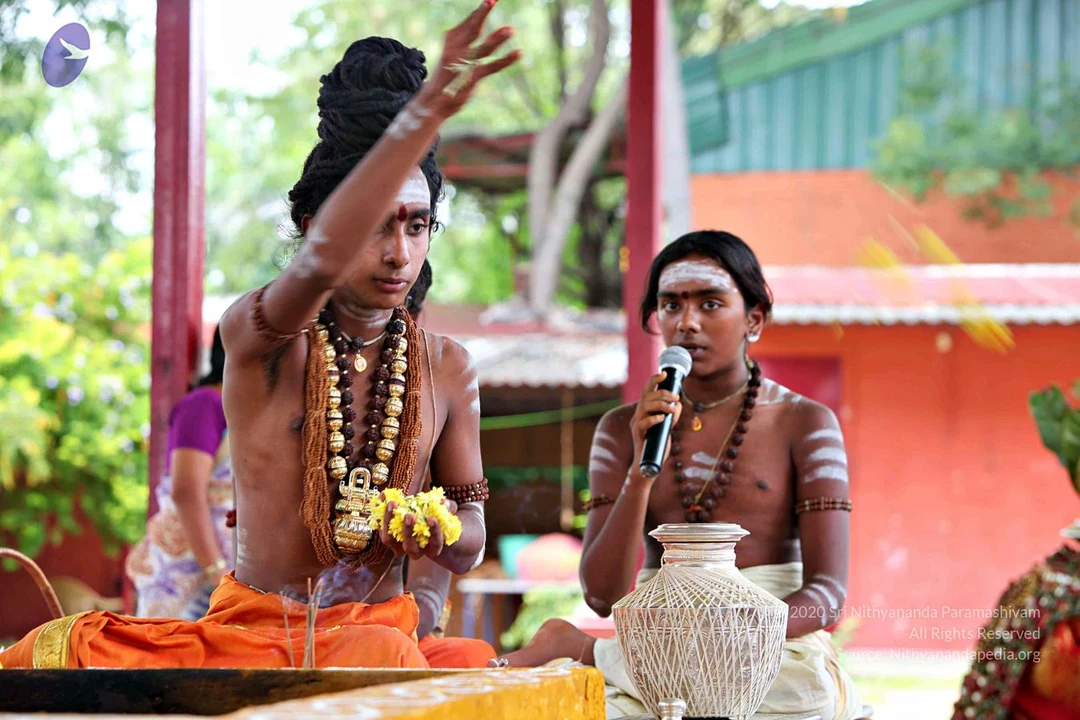
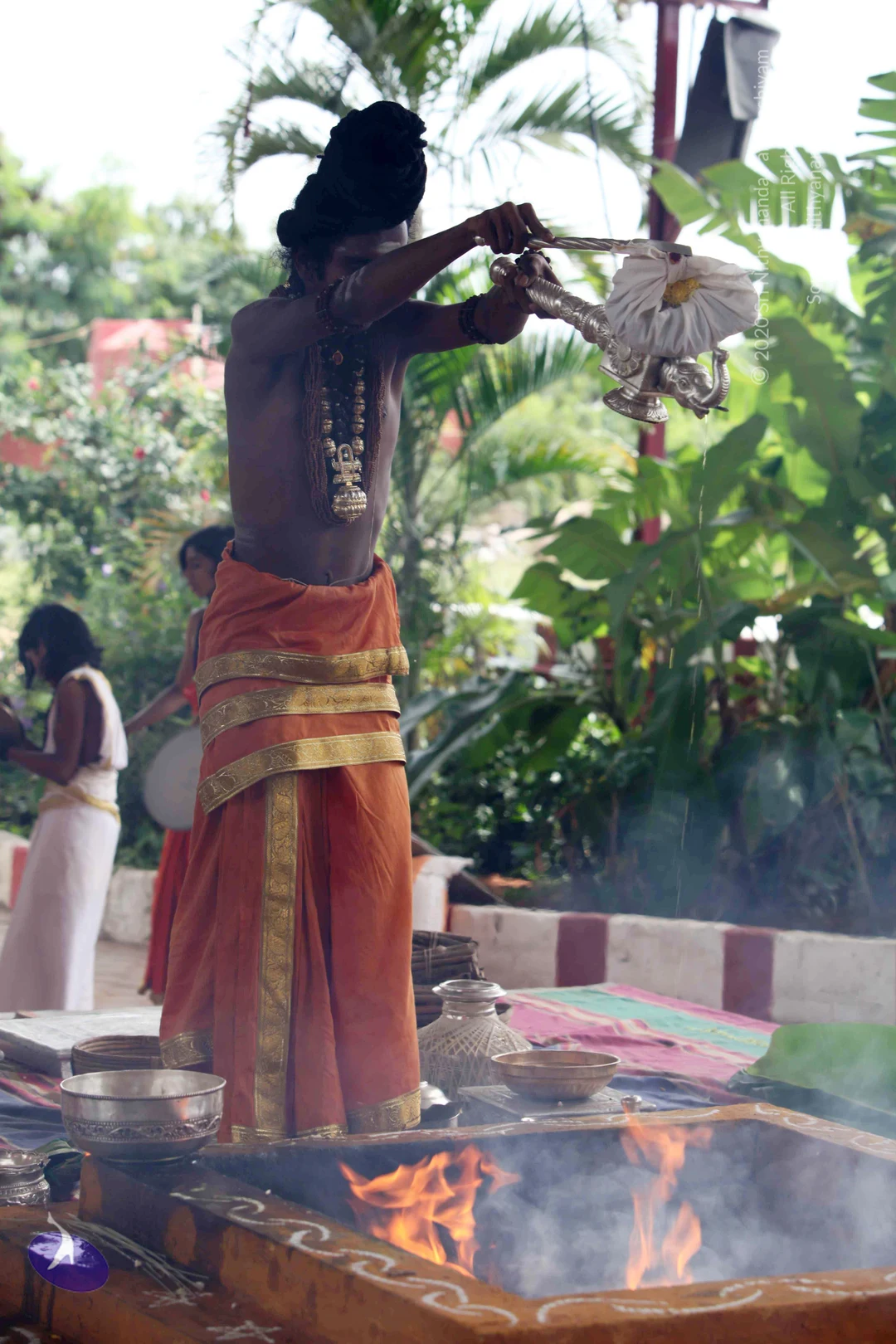
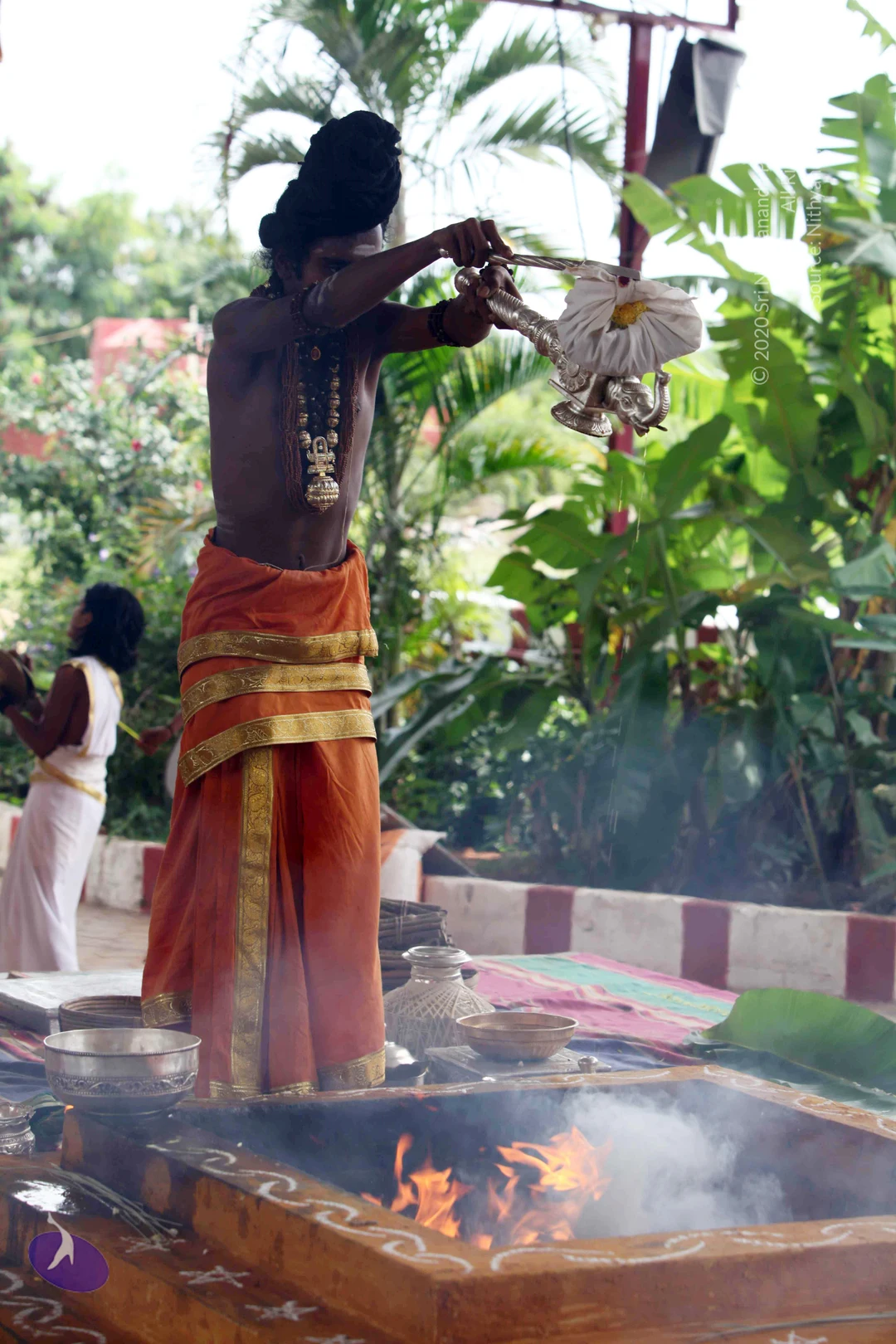
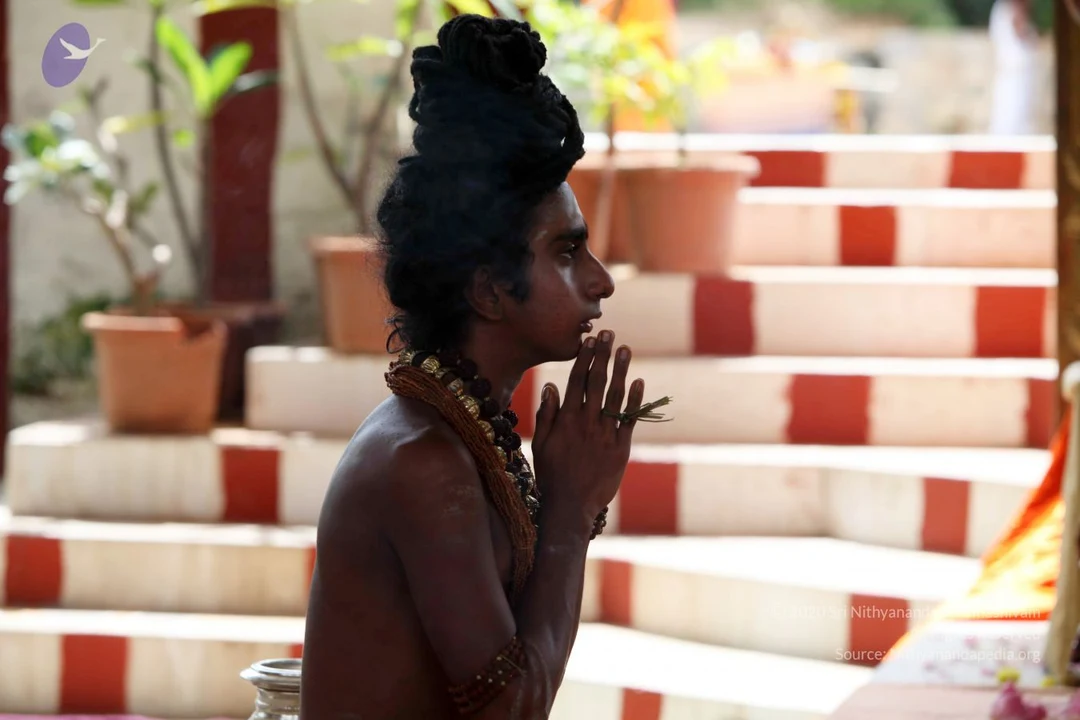
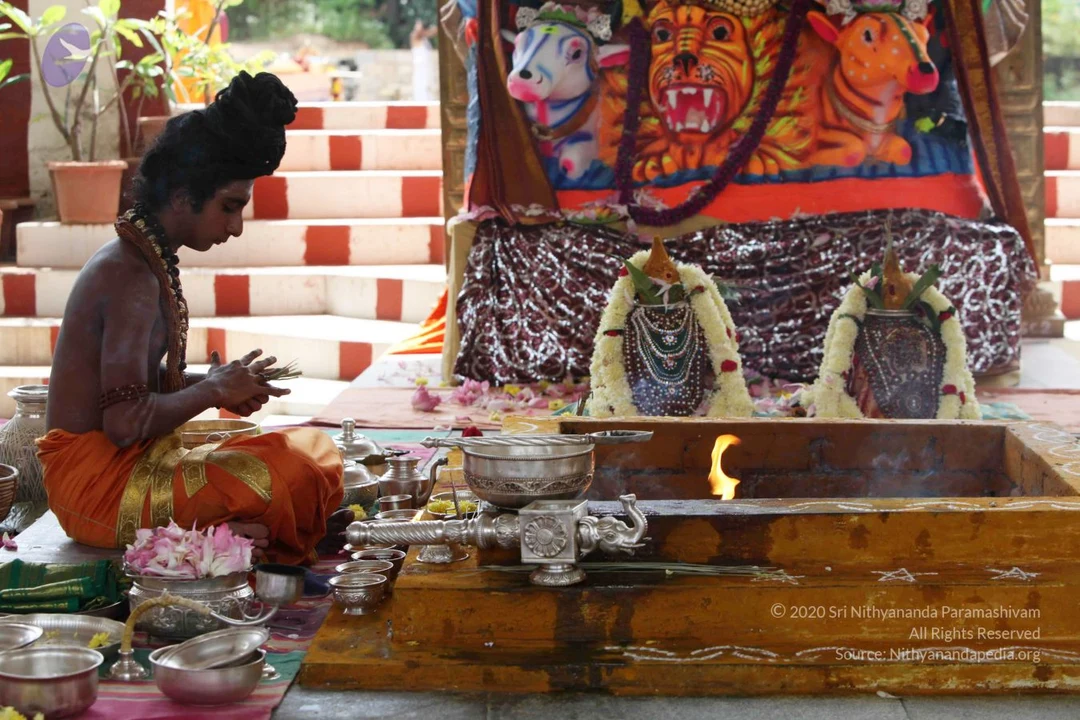
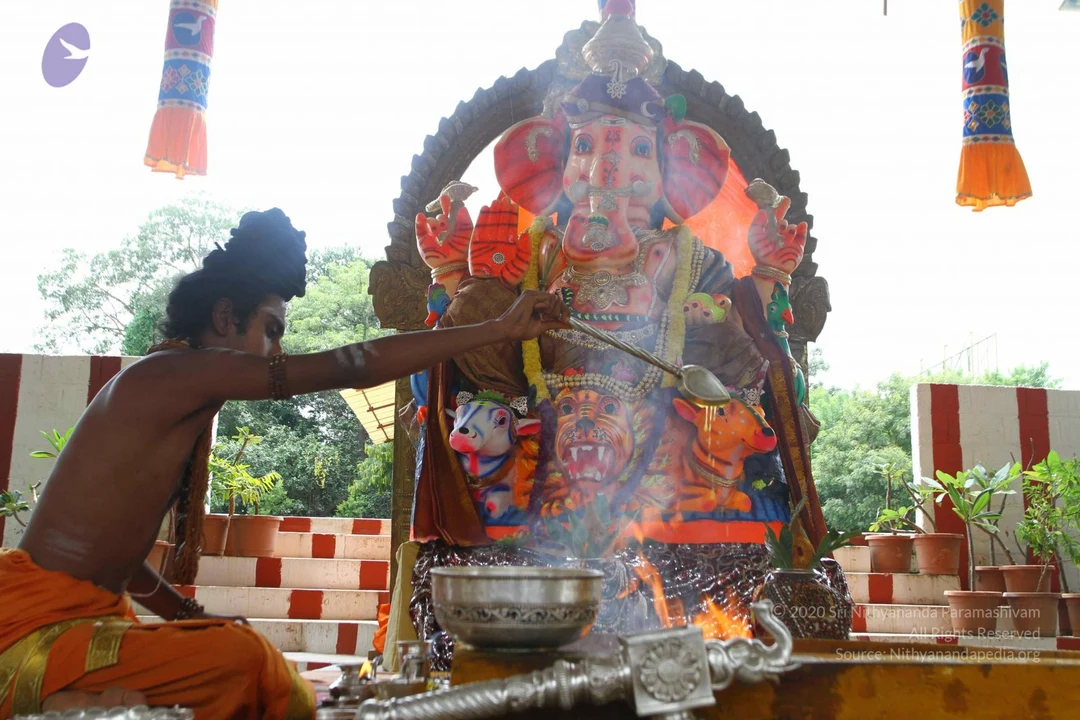
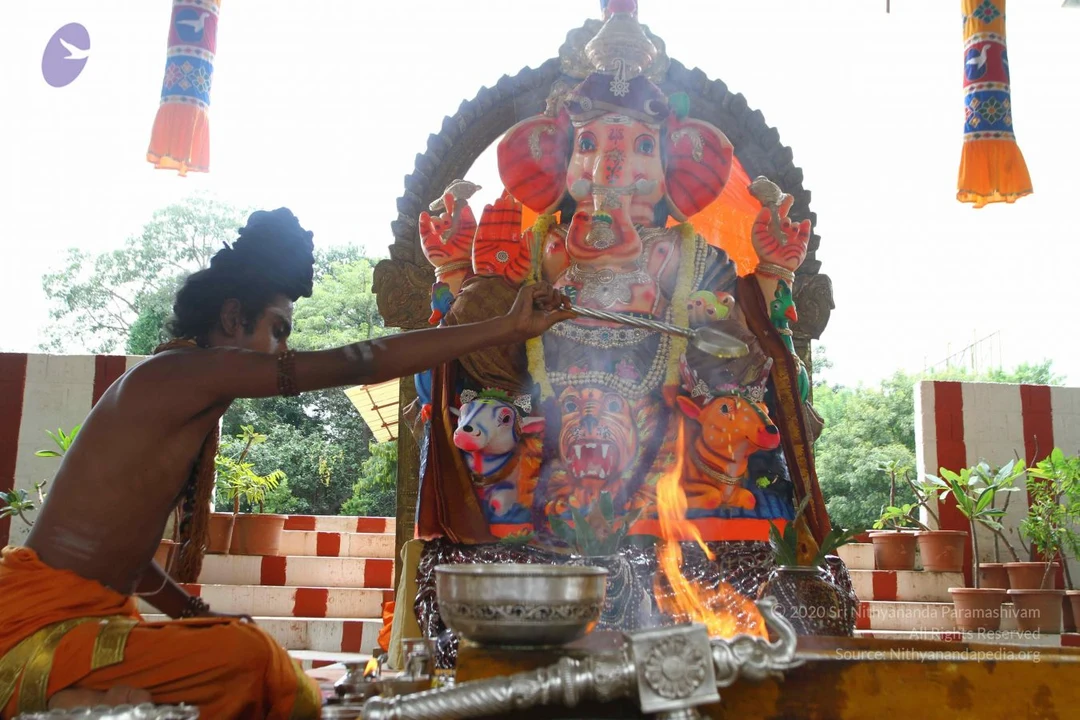
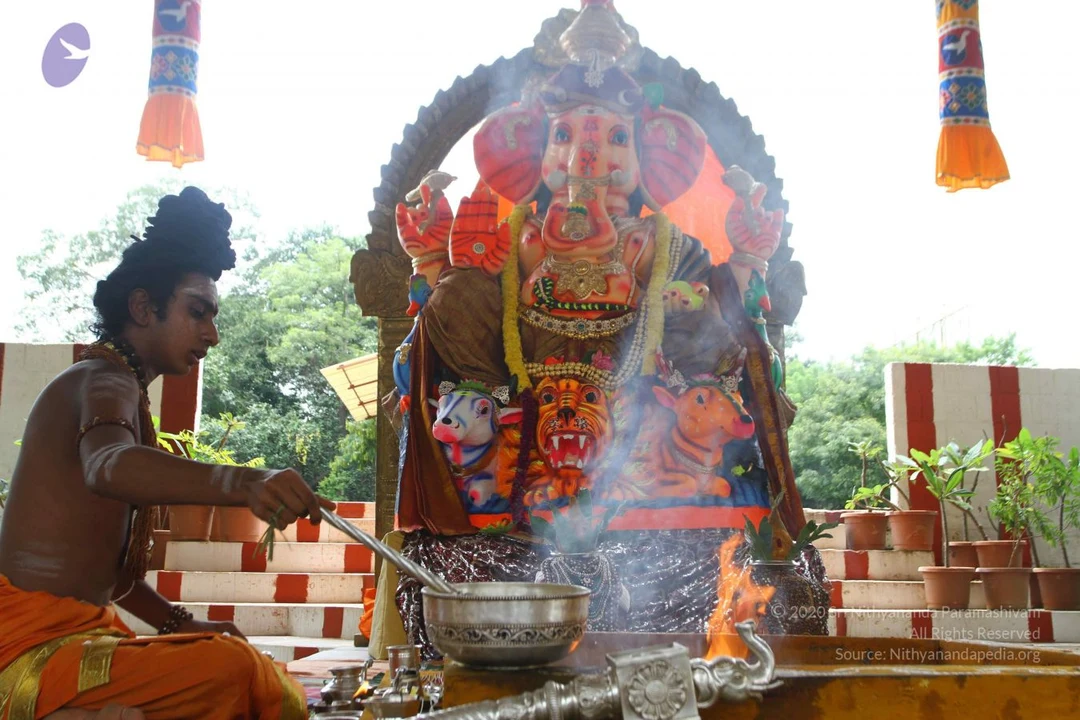
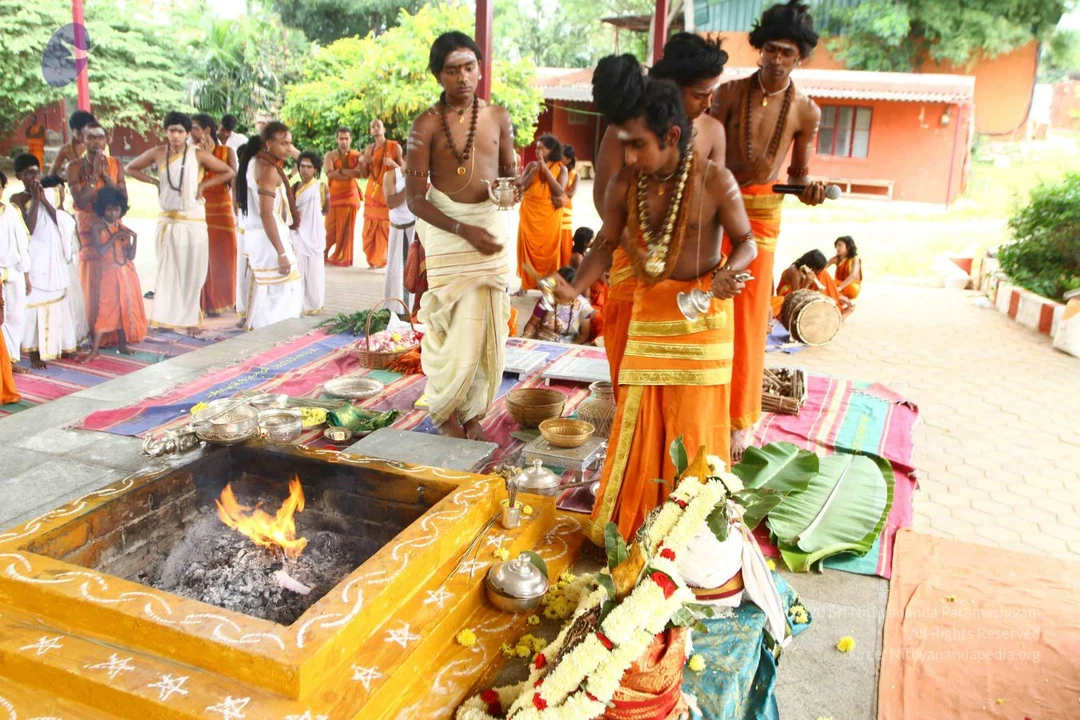
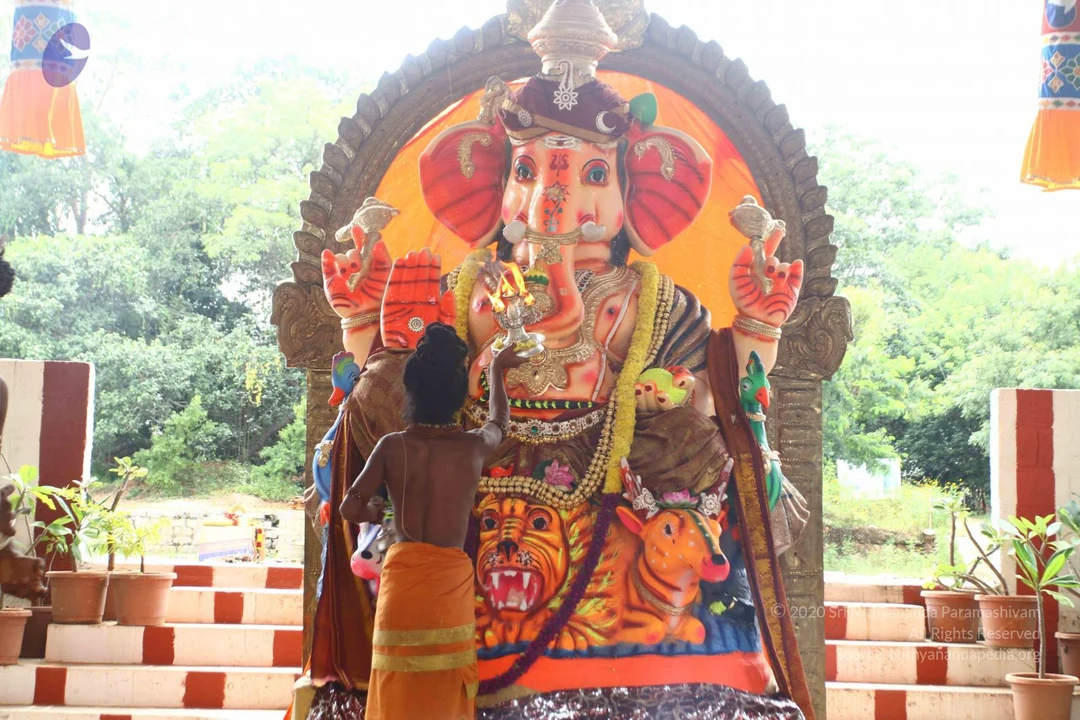
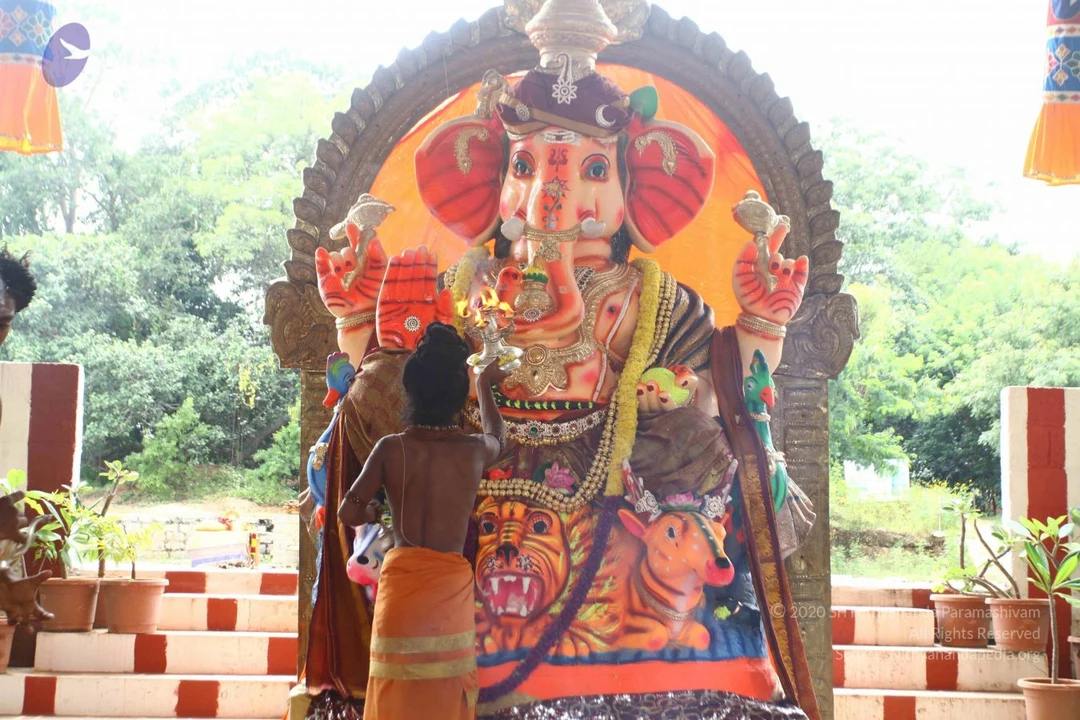
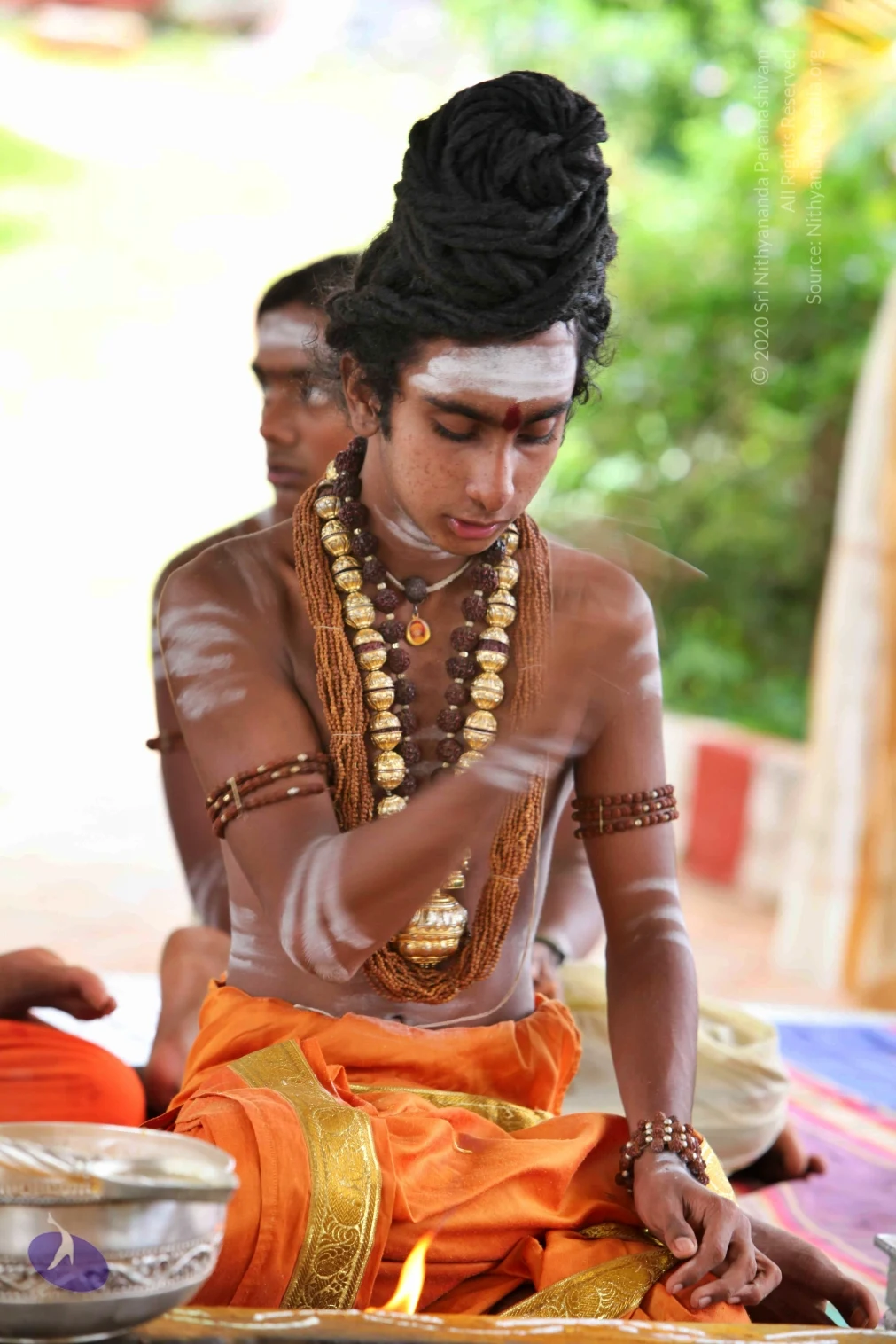
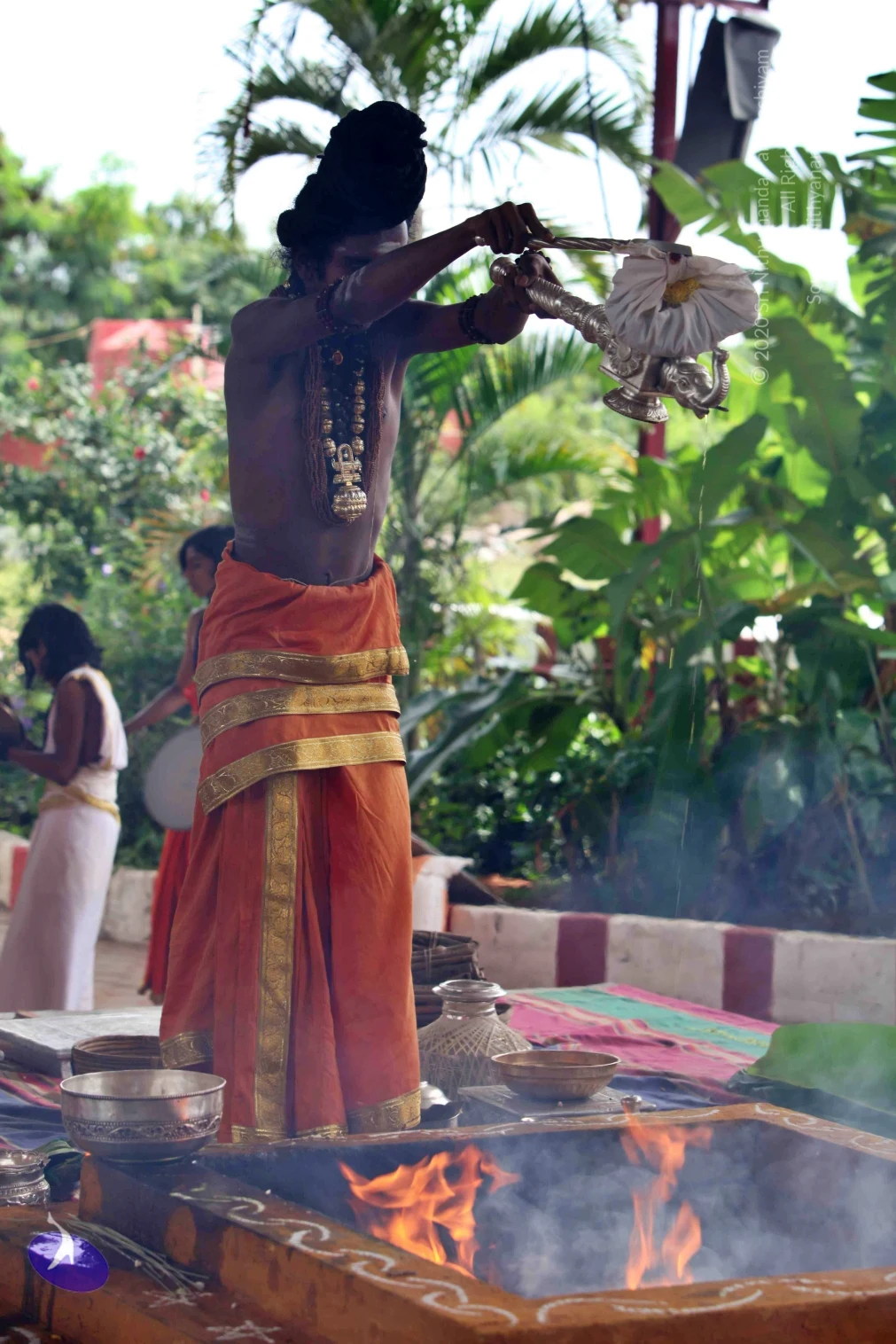
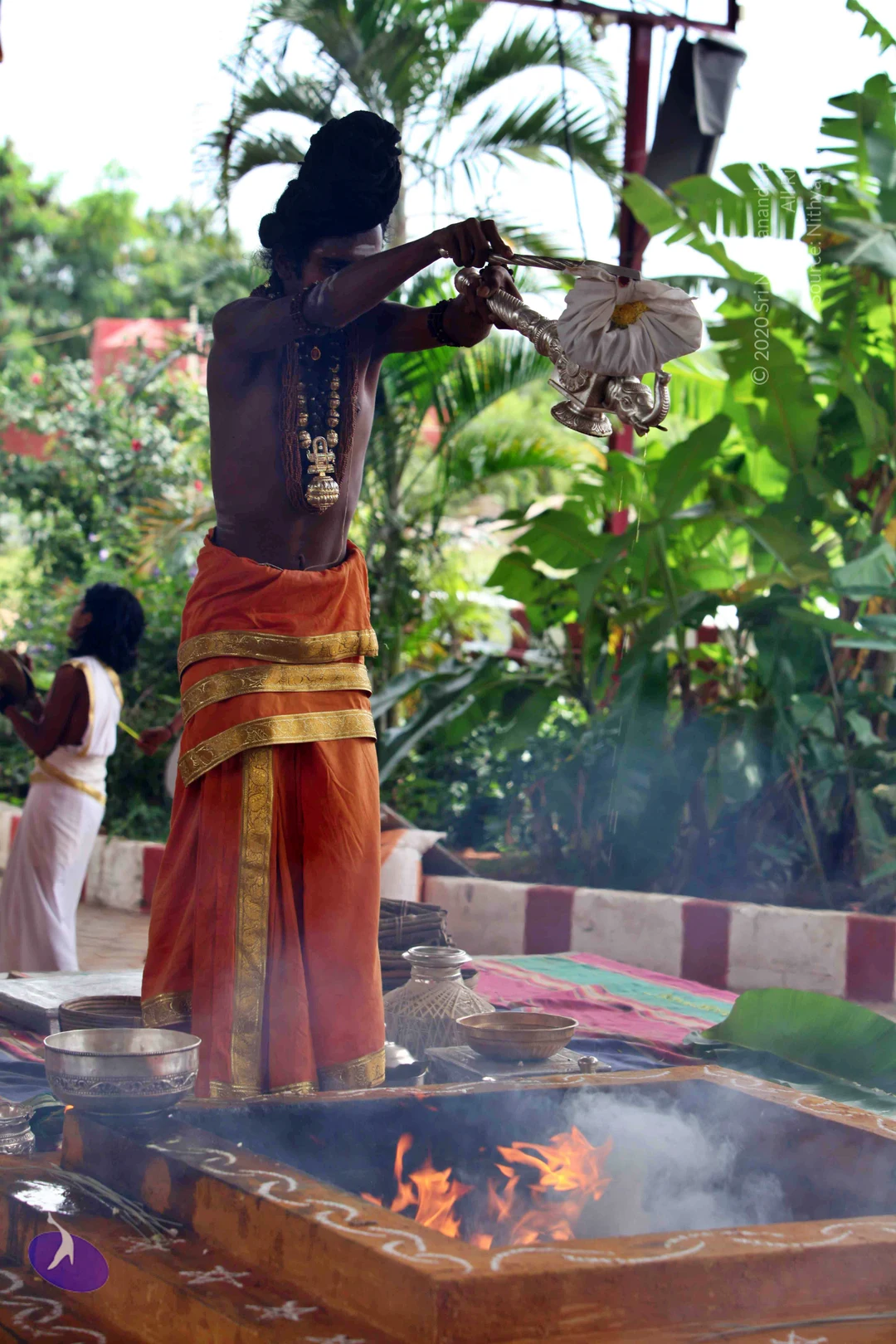
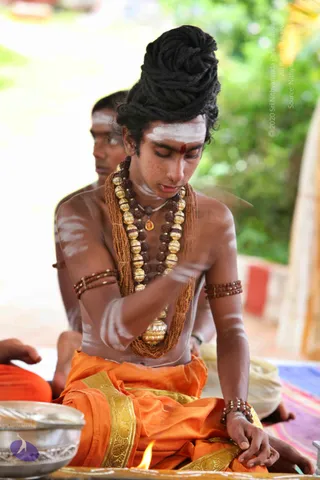
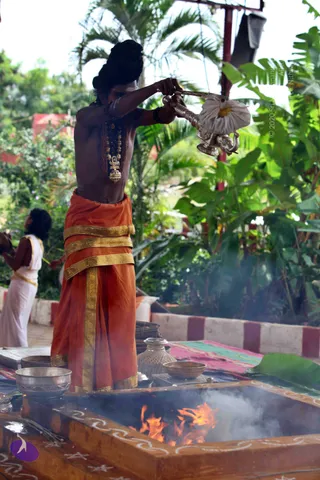
A dark stone murti of Ganesha seated cross-legged on a rock base, four-armed, with a red turban and yellow-and-magenta marigold garlands draped over its shoulders. It wears layered red, green and pearl necklaces, a pink silk dhoti with gold border, and a jewelled waist belt. Behind it hangs a green curtain with gold floral print. Small flower petals and marigolds lie at its base, and a relief carving of a figure appears on the pedestal. No people are visible.A dark-stone deity murti of Vishnu stands in a gilded arched shrine framed by flower garlands of yellow marigolds and red roses. The murti wears a tall gold crown, a white urdhva pundra tilak on the forehead, gold armour-like shoulder and arm pieces, and layered gold and jewelled necklaces. It is draped in an orange and red silk garment with blue and red borders, and a red patterned lower cloth is visible below. Tree branches and green foliage surround the shrine outdoors.A young man with a tall black braided topknot sits cross-legged at a ritual fire, bare-chested with white horizontal vibhuti stripes on his forehead, arms and torso and a red kumkum dot between his brows. He wears an orange dhoti with a gold border, layered rudraksha malas, gold bead necklaces and multiple beaded bracelets, and he gazes down while adding offerings toward a small flame. A silver bowl sits at lower left, and another seated person in white or orange is partly visible behind him, appearing to take part in a homa or puja.A large painted Ganesha murti sits in an arched golden niche with an orange backdrop, wearing a red crown, jewelled garlands and a rudraksha-style necklace, with marigold garlands draped across its body. In front, a shirtless young priest with orange-saffron cloth and rudraksha beads sits on a mat beside silver bowls, a fire pit and a brass vessel, appearing to tend a homa. Colourful festival banners and green lanterns hang above, with trees behind and steps leading up on either side.A bare-chested priest with long hair tied up stands at an outdoor homa fire pit lined with decorative white patterns, pouring from a silver vessel with a spout and a white cloth tied over its top. He wears an orange dhoti with broad gold borders and a dark rudraksha-style mala with a gold pendant. Flames and smoke rise from the fire pit, with silver bowls and a clay pot placed nearby. Behind him, a second person in white clothing stands among tropical plants, banana leaves and palms. A patterned mat and a ceremonial setting suggest a fire ritual in a garden.Large painted Ganesha murti dominates the frame, seated in an arched golden frame before a bright orange backdrop, with red trunk, large red ears, a maroon turban with crescent ornament, and multiple arms holding objects. Yellow and purple marigold garlands drape the figure, which rests on a lion and a mouse. In the foreground a bare-chested priest in an orange dhoti stands with his back to the camera, raising an offering toward the deity. Two decorated kalasha pots garlanded with flowers and leaves sit at the base. The priest performs puja at the Ganesha murti during an outdoor ritual setting with green trees behind.
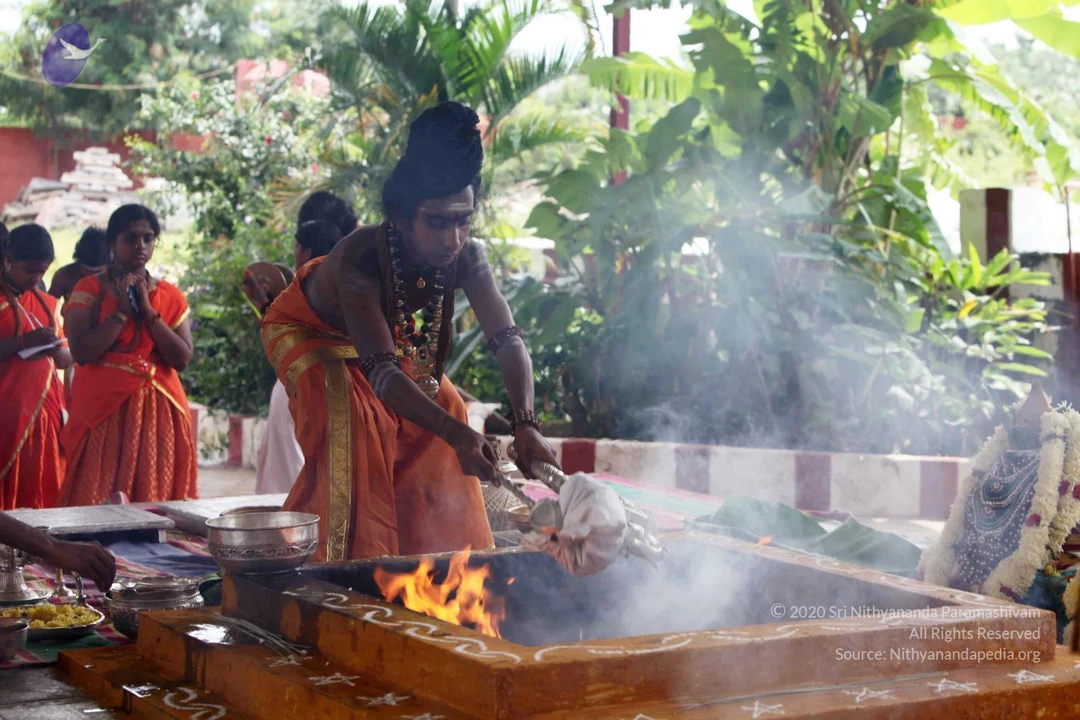
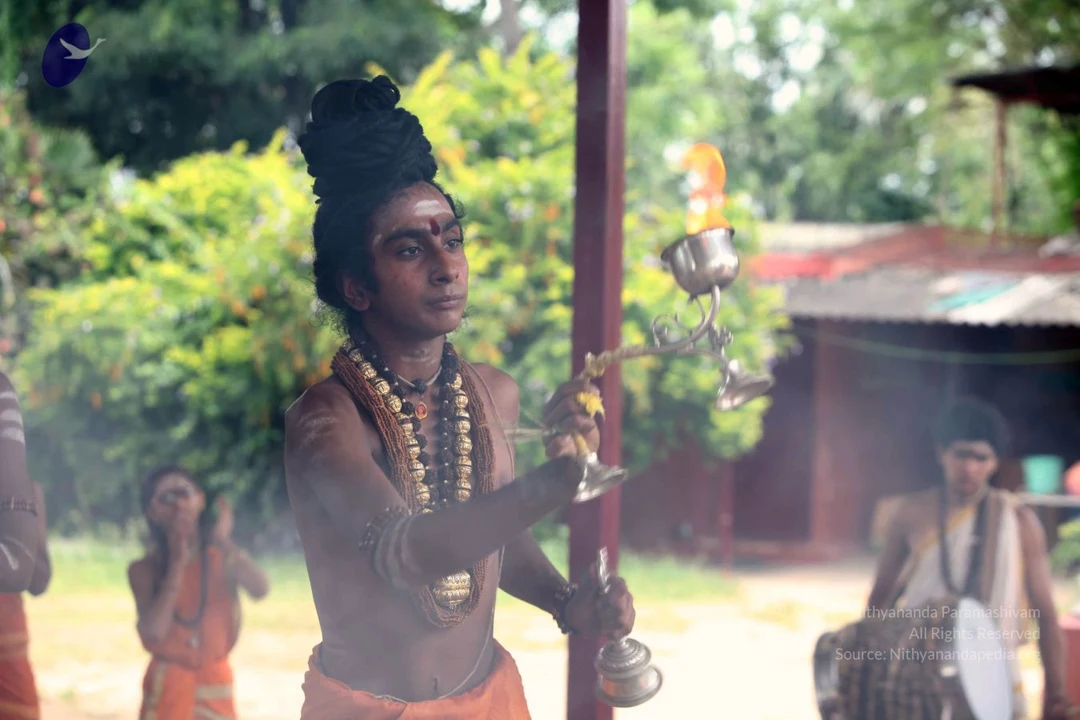
02--PROCESSION

23 photosSource gallery
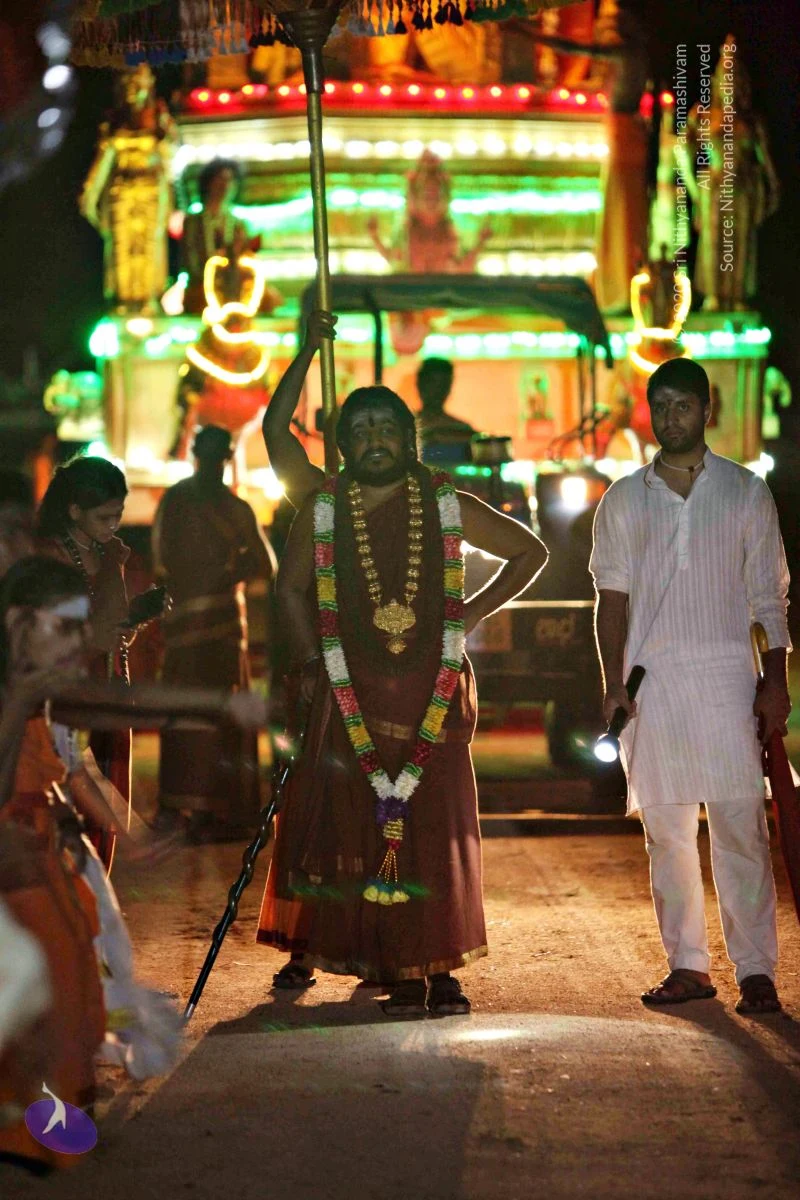
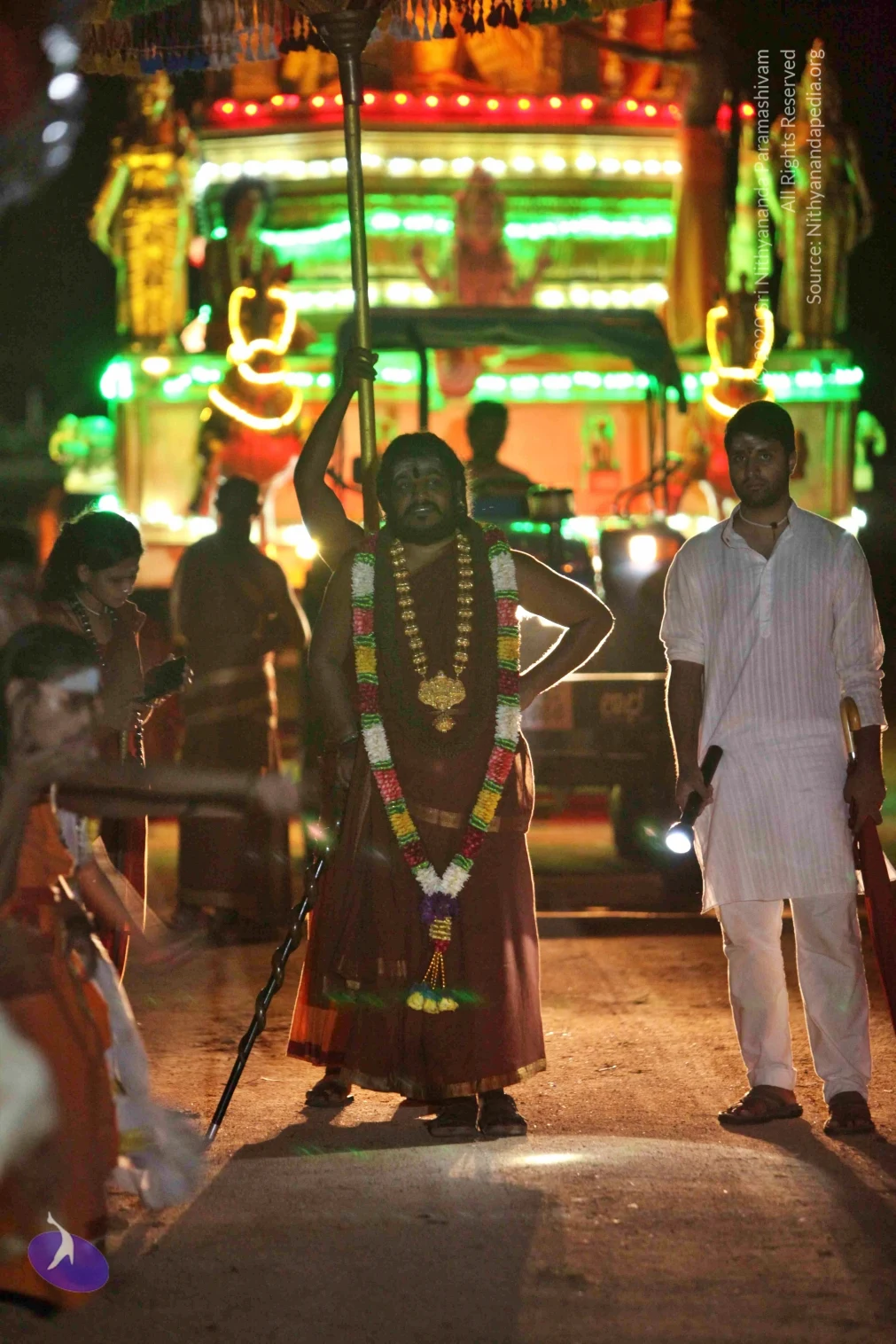
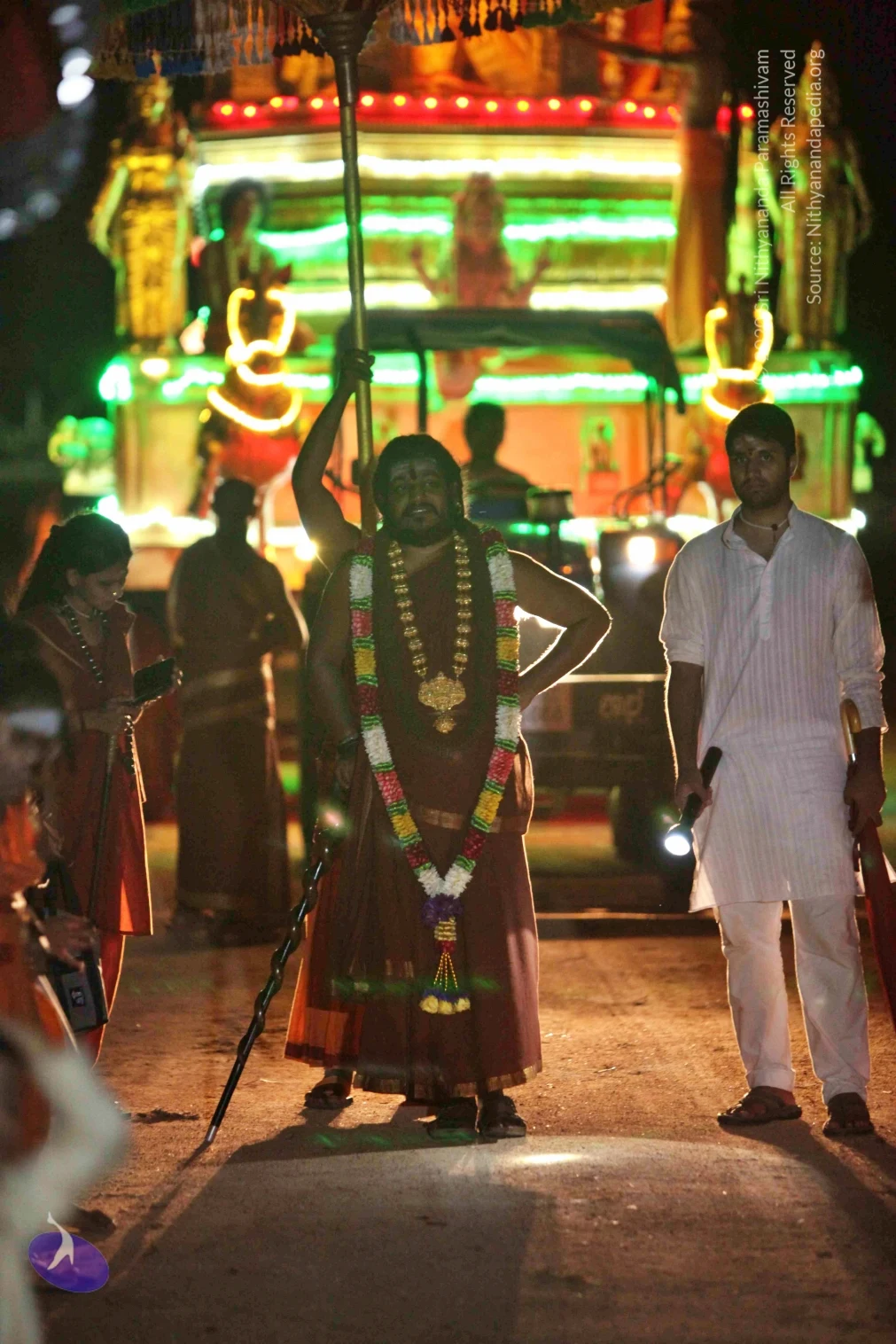
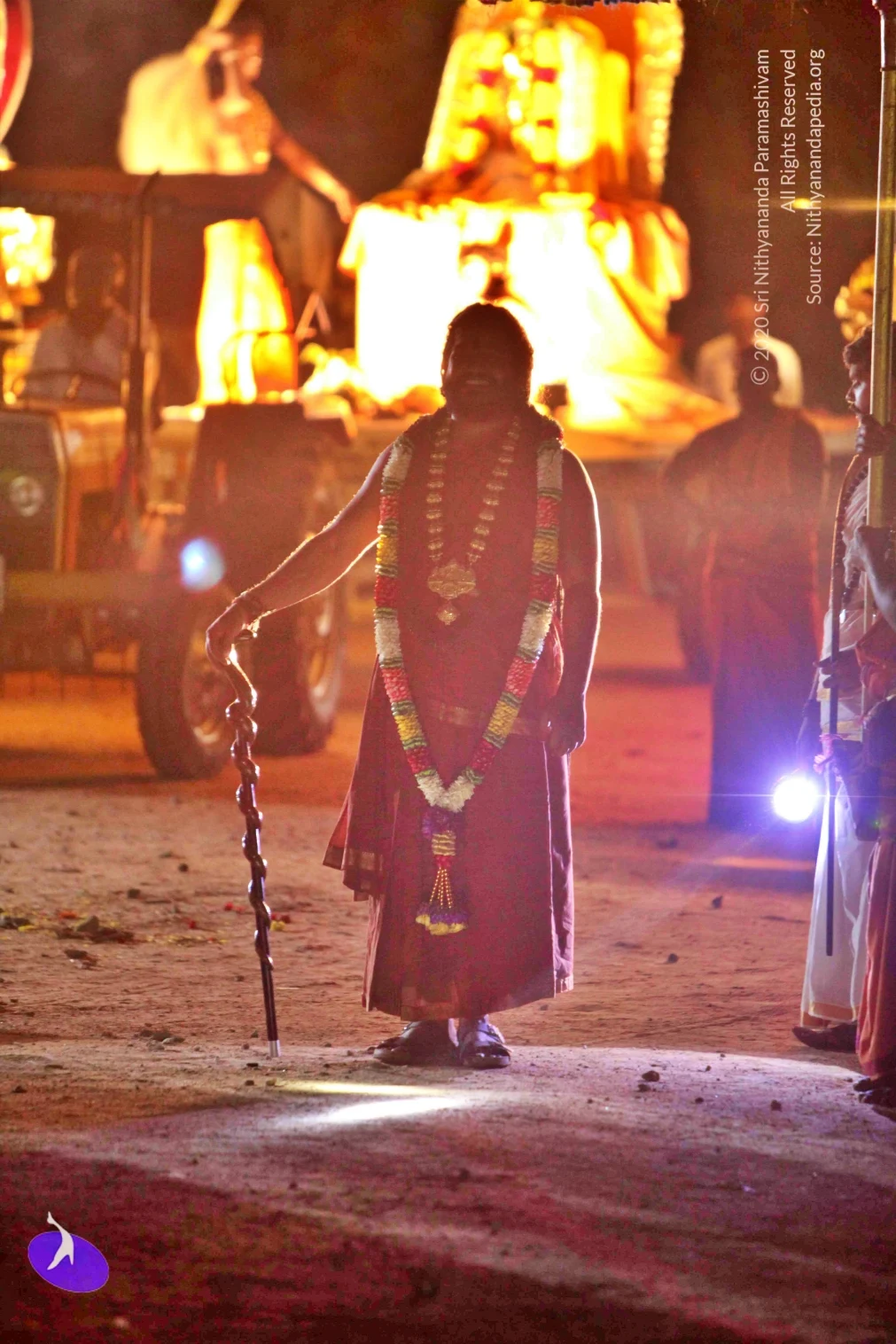
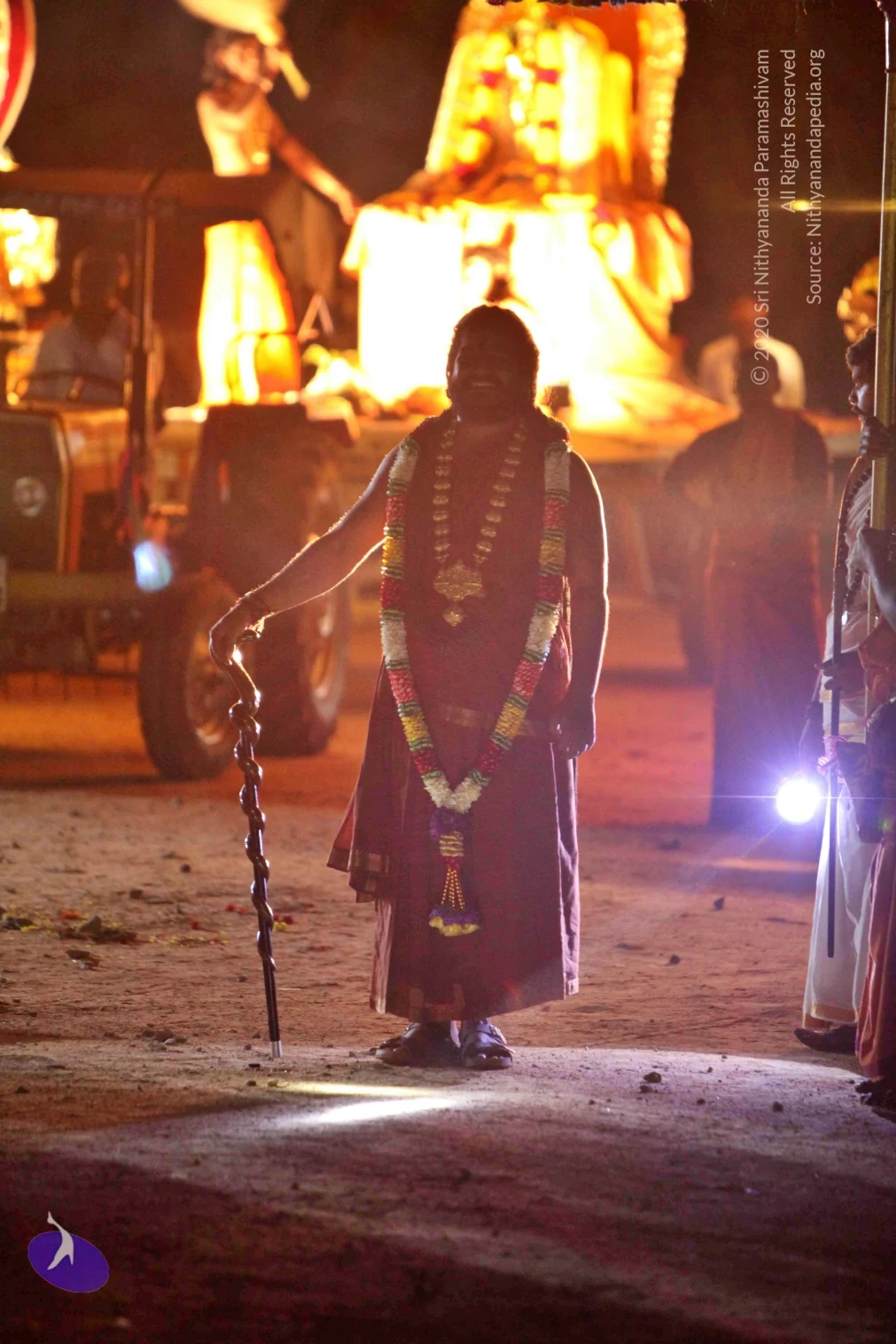
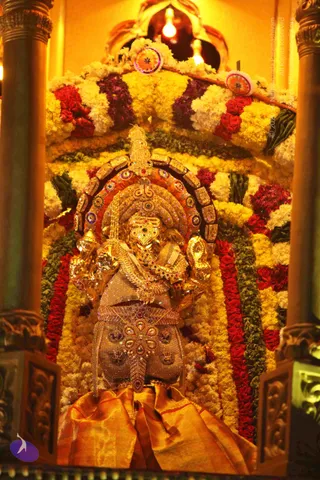
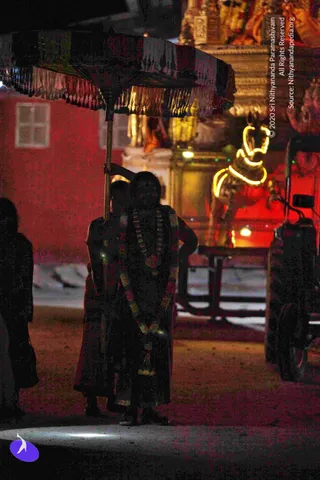
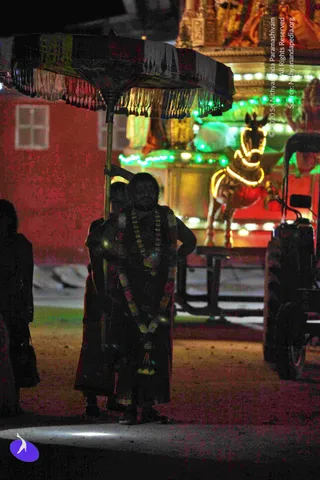
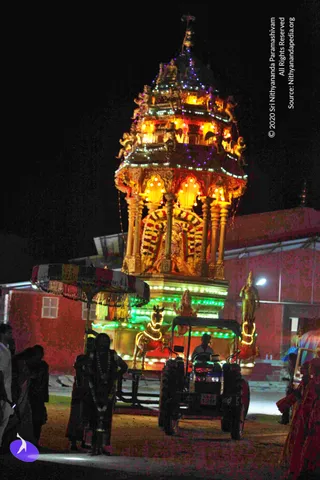
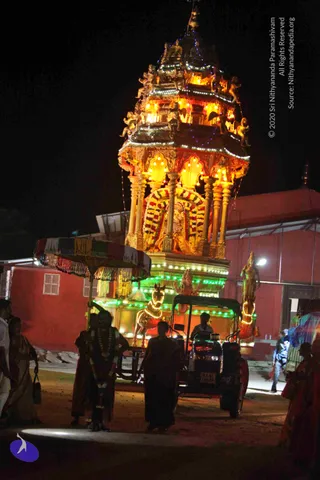
Night photograph of an illuminated ceremonial chariot (ratha) during a procession. A tiered, multi-storied golden canopy shrine glows with warm lamps and string lights, topped by a finial and carved figures along its roofline. Inside the central shrine a deity murti is visible. A bronze-coloured horse statue and standing sculpted figures stand on the chariot's lit base, which is edged with green and white lights. Dark sky behind, with a few onlookers at the lower right.A photograph of a richly decorated Ganesha murti in a shrine niche, covered in gold and jewelled ornaments with a glittering embellished body, a jewelled arch behind the head, and a gold-and-orange silk dhoti draped at its base. The deity is surrounded by dense garlands of yellow and white flowers and red rose strings, with lit oil lamps glowing above and flanking carved wooden pillars. No people are visible in the scene.Night procession photo showing a person standing in dark silhouette beneath a large ornate umbrella with fringed tassels, held on a long pole by another person. The standing figure wears a long garland of multicoloured flowers draped over the shoulders and a long dark garment. Behind them, a glowing illuminated deity murti on a golden chariot-like structure, with a decorated golden tower and a red vehicle at right. Red building and street lights in the background.Night procession scene. A man stands under a dark fringed parasol-style canopy on a pole, wearing a long dark garment and multiple flower garlands with bead strands around his neck, a second person stands behind holding the pole. To the right, a brightly lit illuminated chariot with a glowing gold-and-white horse figure and green string lights; a tractor-like vehicle sits at the right edge. A red building with windows stands behind the canopy.Night procession photograph of an illuminated ratha/chariot with a tiered, pinnacled canopy decorated with lights, small figures and a golden deity murti framed by a floral garland. The chariot is pulled by a tractor driven by a man in a white shirt. Figures in dark clothing stand at left beneath a striped fringed parasol, and a golden horse and a standing golden figure flank the base. Red buildings and a bright lamp are visible behind.Night procession photograph showing an illuminated multi-tiered ratha or chariot shrine decorated with golden figures, string lights, and a garland-draped deity murti under a lit canopy. A tractor-drawn vehicle pulls the chariot forward. Several people in dark and white clothing walk beside it, one wearing a long garland, while a colourful fringed umbrella stands at the left. A red building and a tall golden figure appear to the right. Watermarked copyright text runs down the right edge.