Wednesday
1 July 2015
Varanasi - The City Of Sacred Sentiments By Nithyananda
- Dated photos
- 411
- Source pages
- 1
- Media
- 3
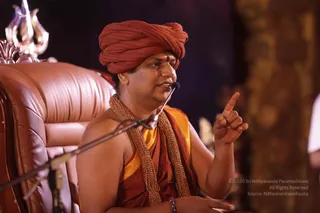
July 01 2015
Original wiki pageTitle:
Varanasi - The City Of Sacred Sentiments By Nithyananda
Description:
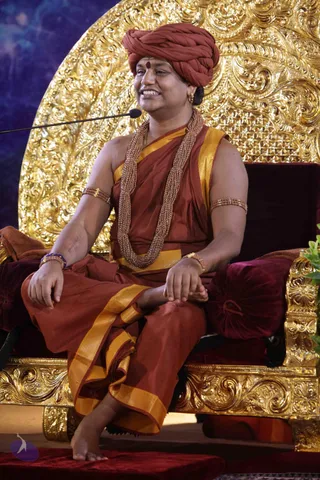
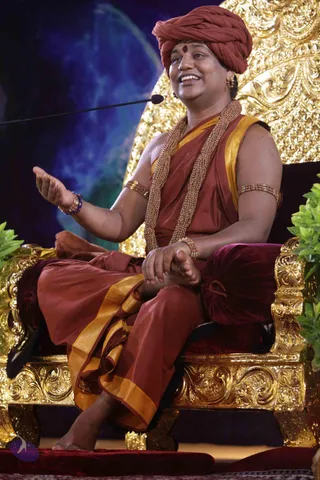
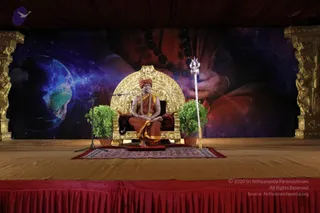
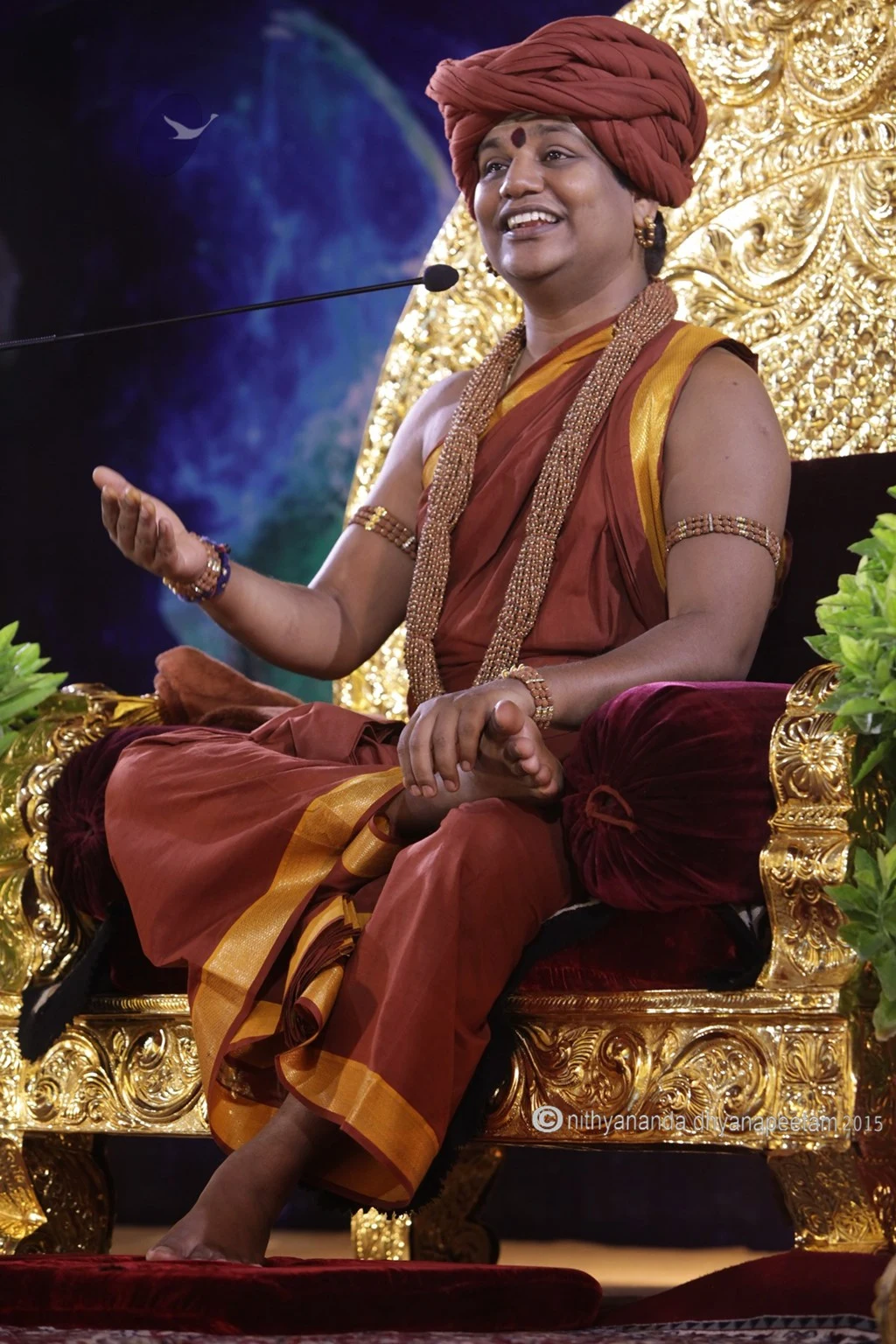
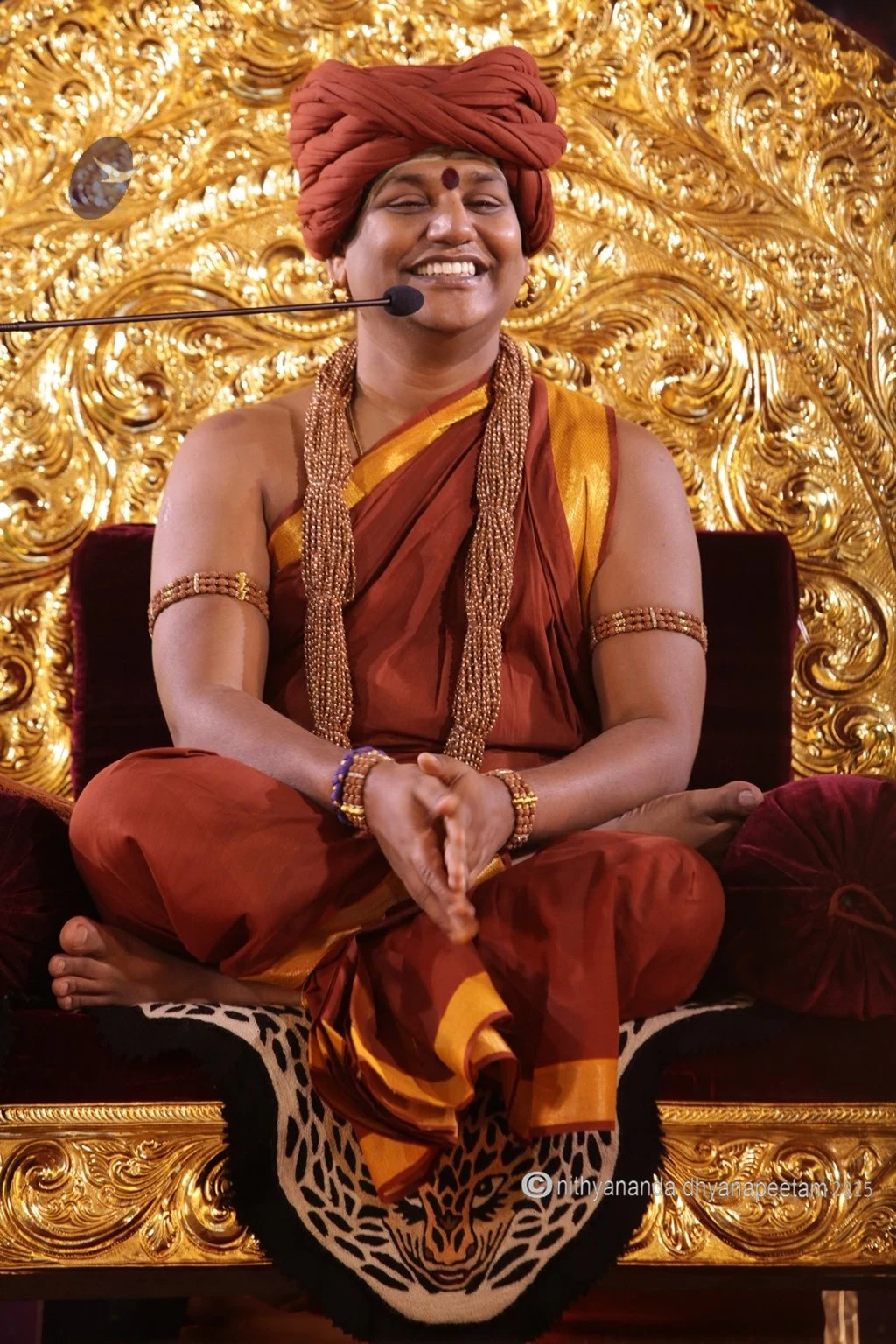
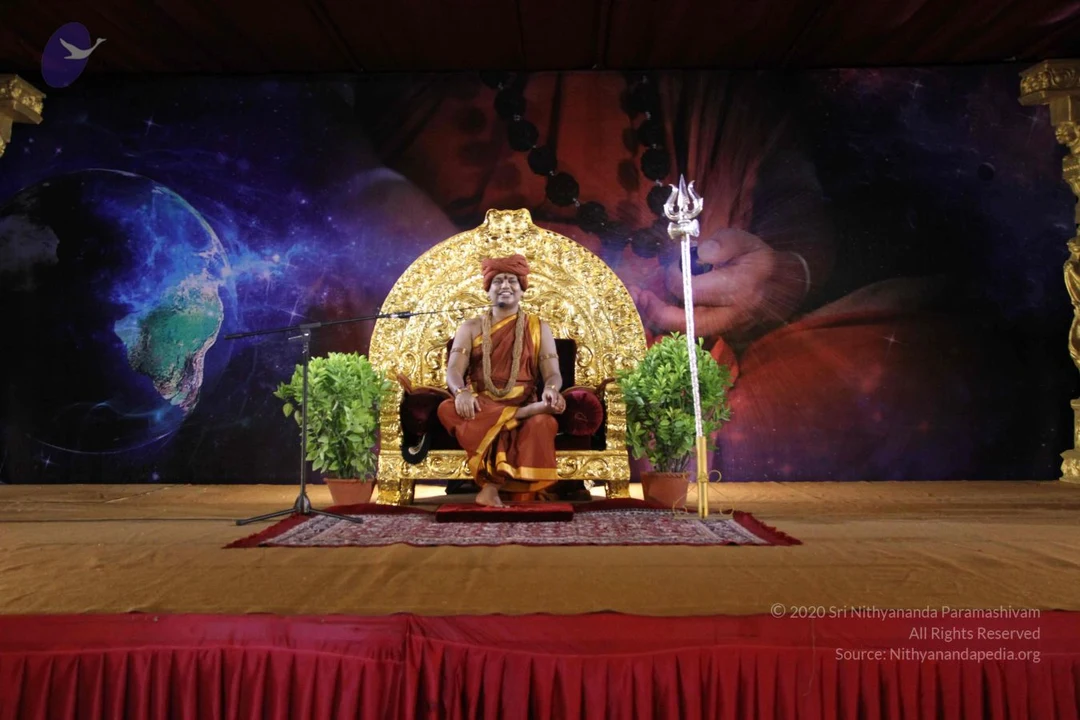
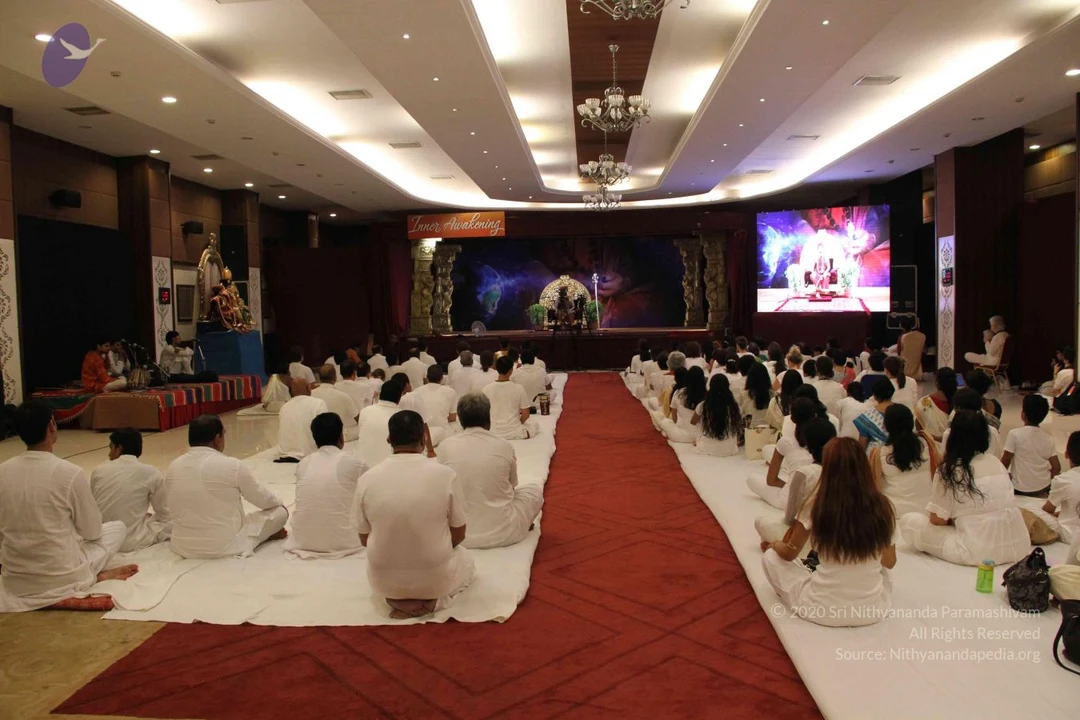
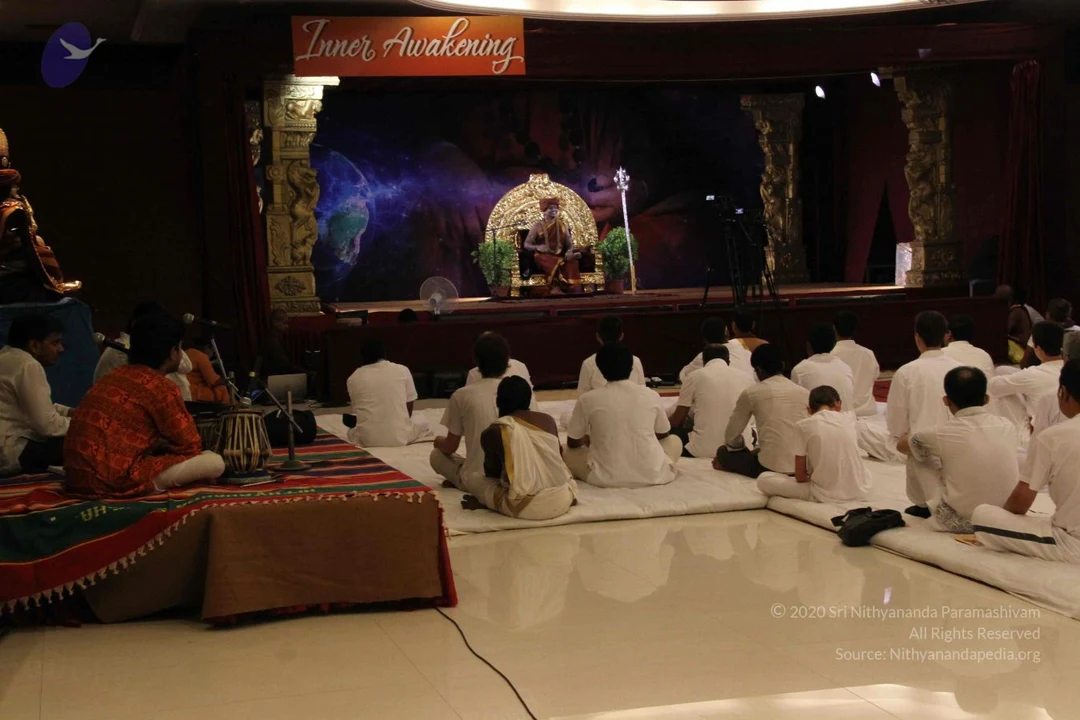
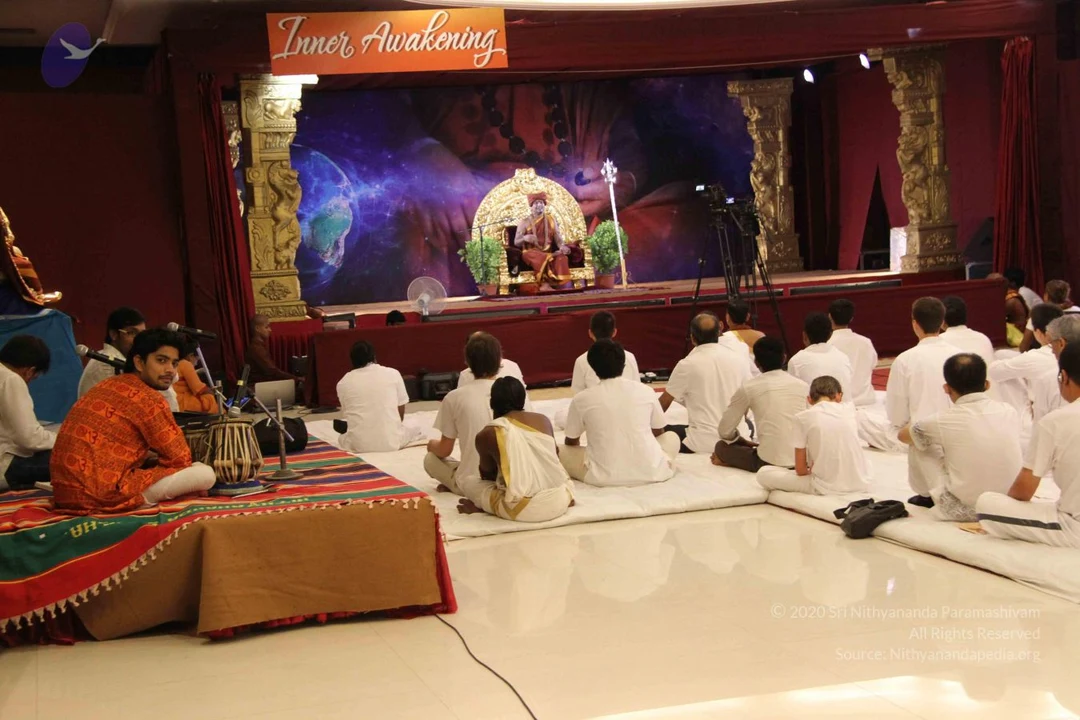
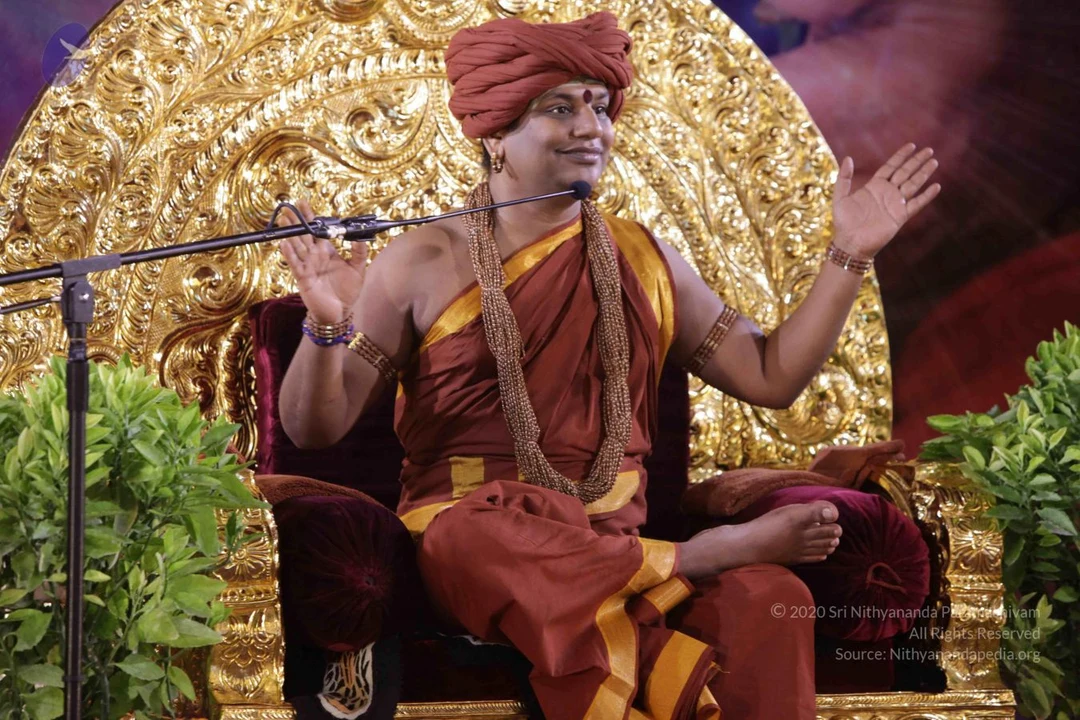
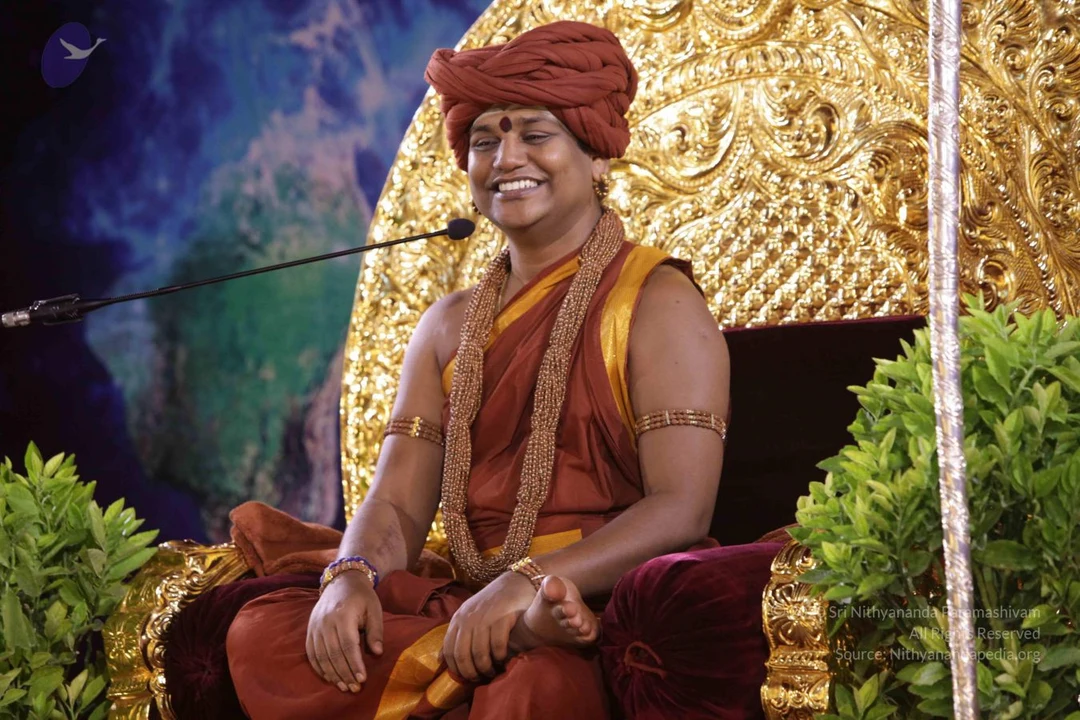
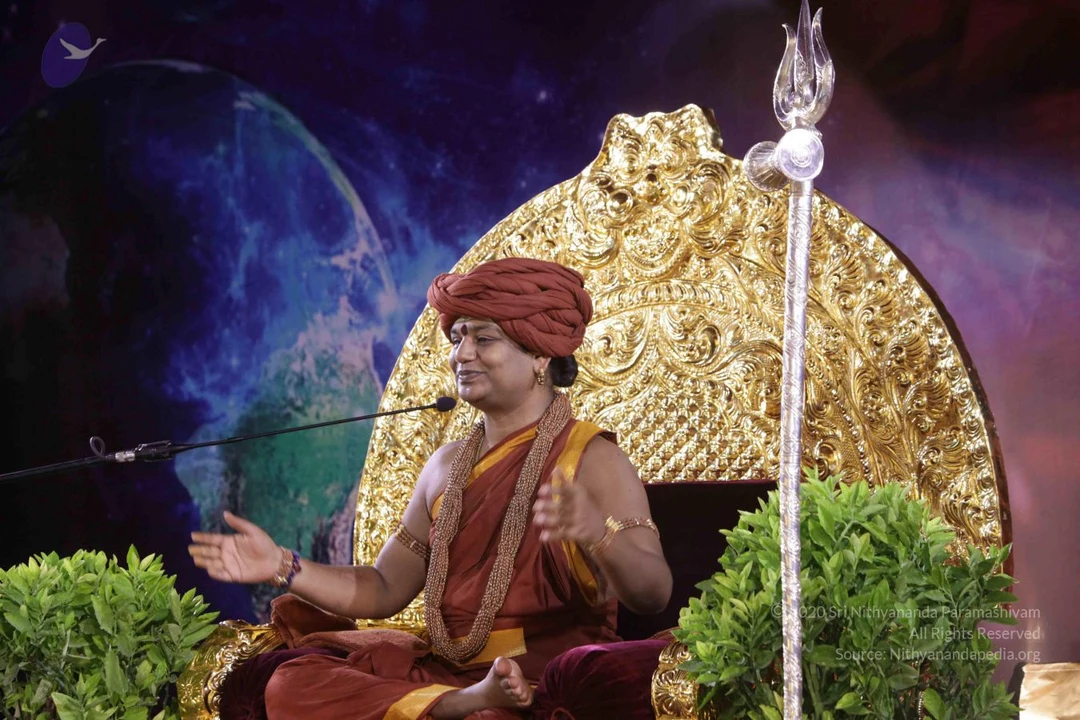
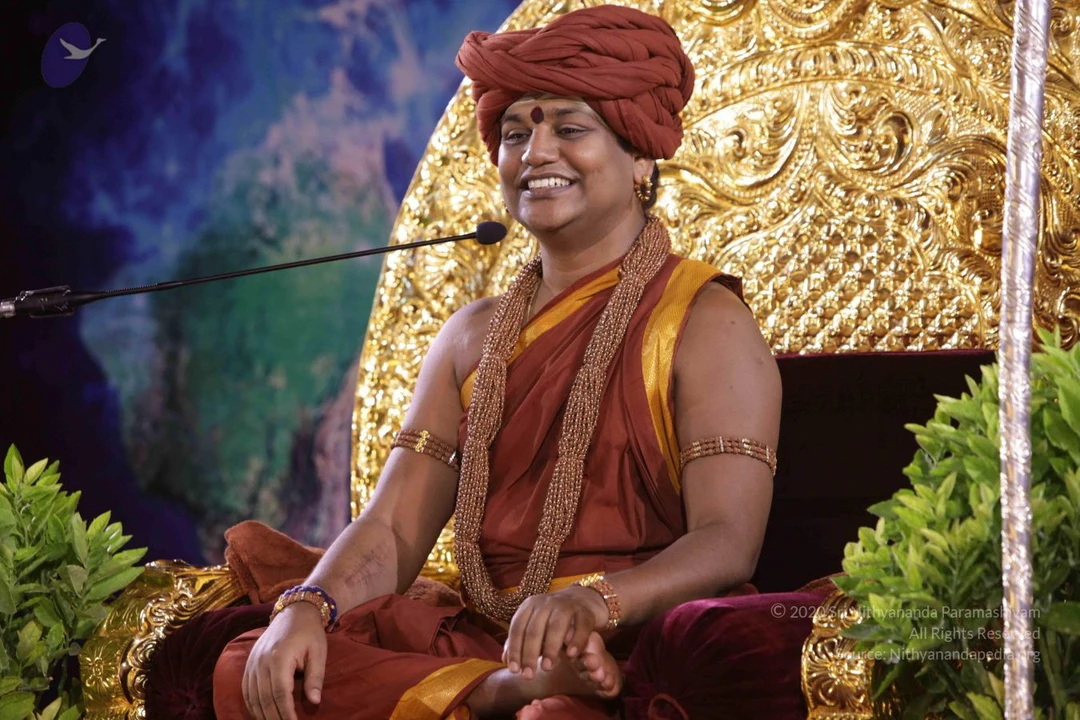
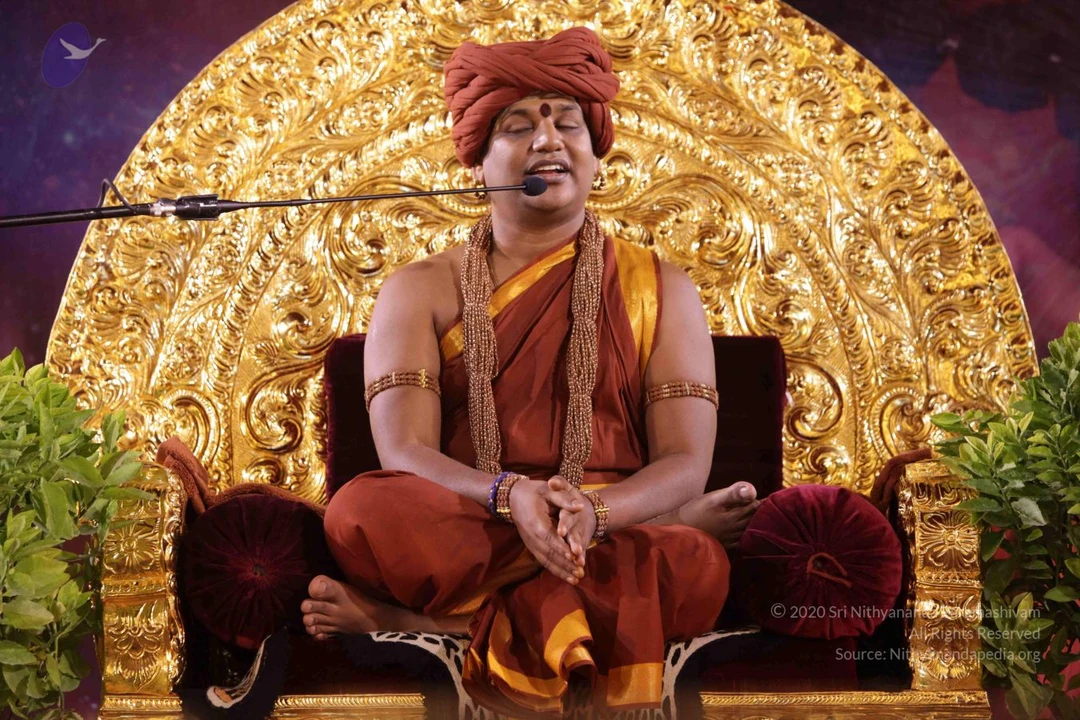
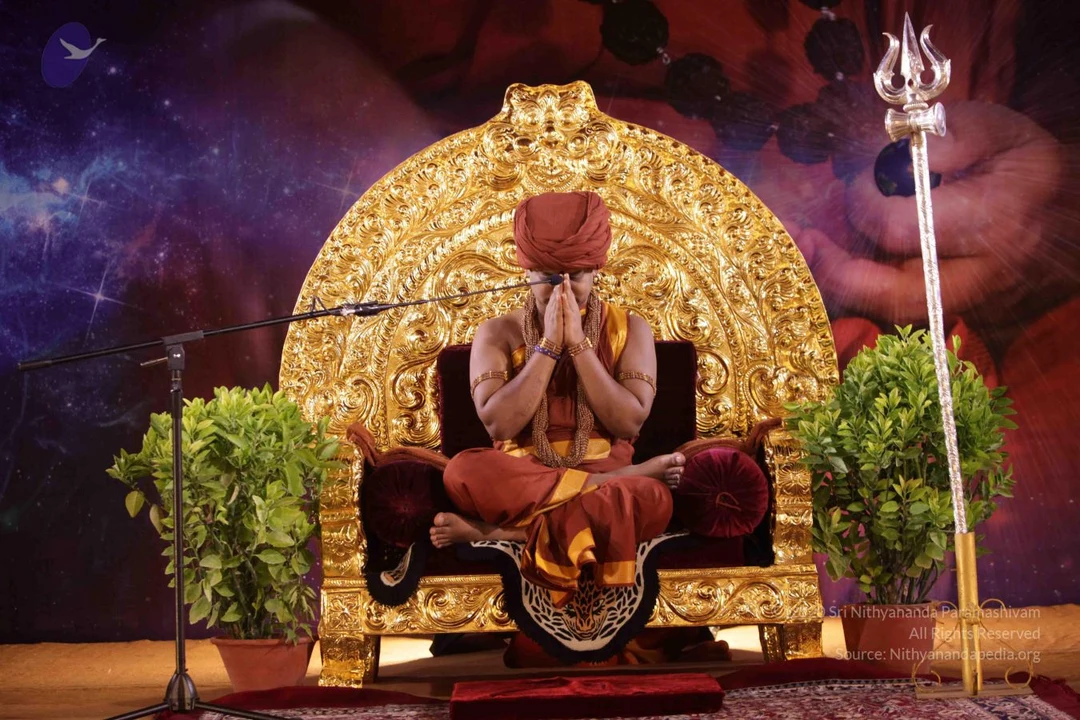
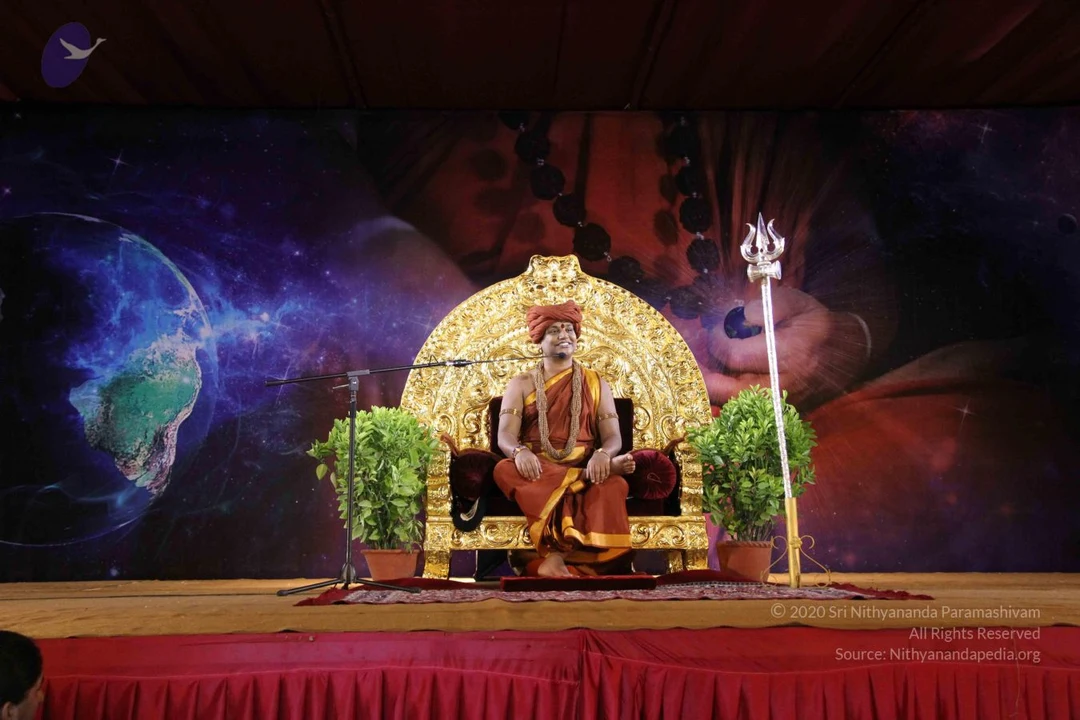
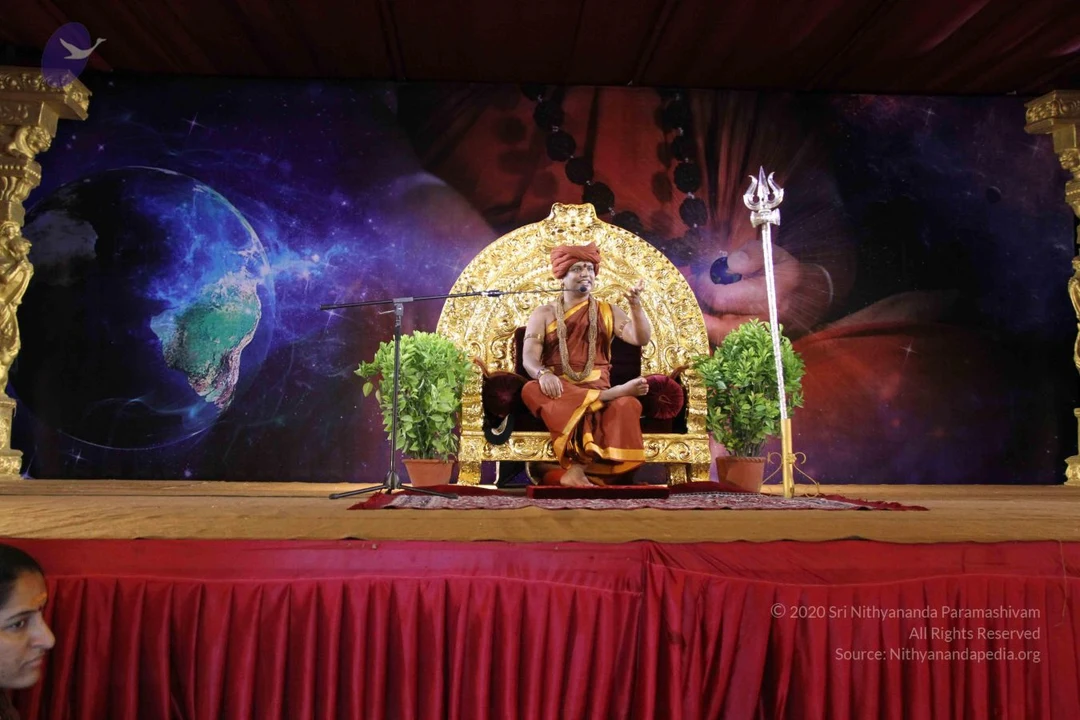
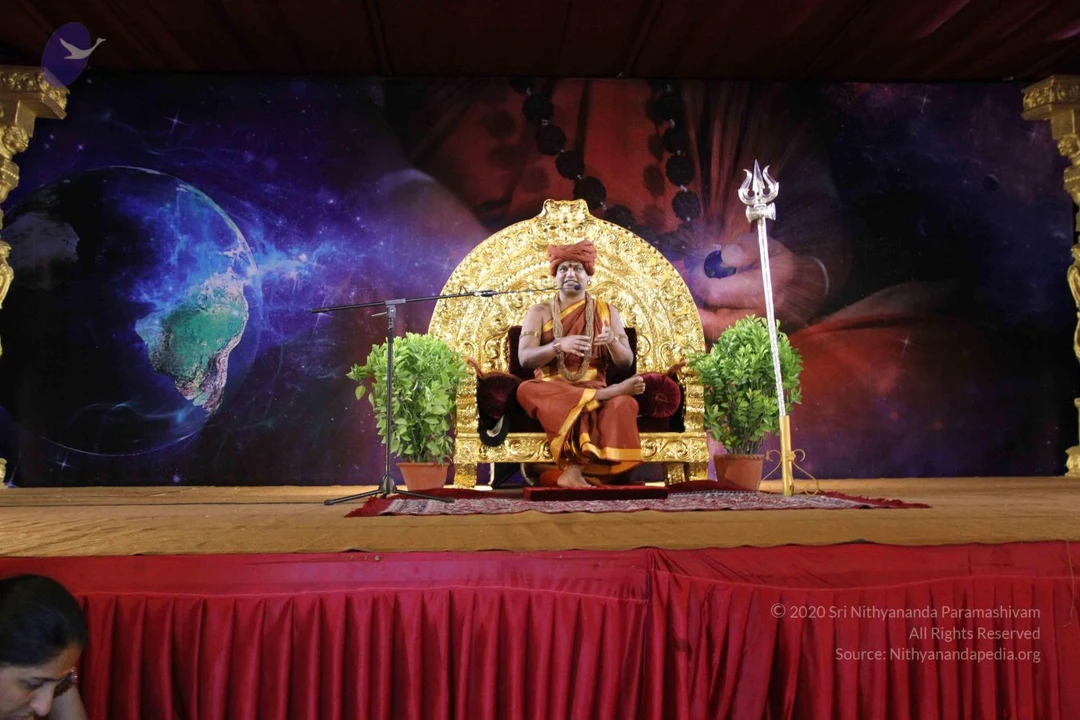
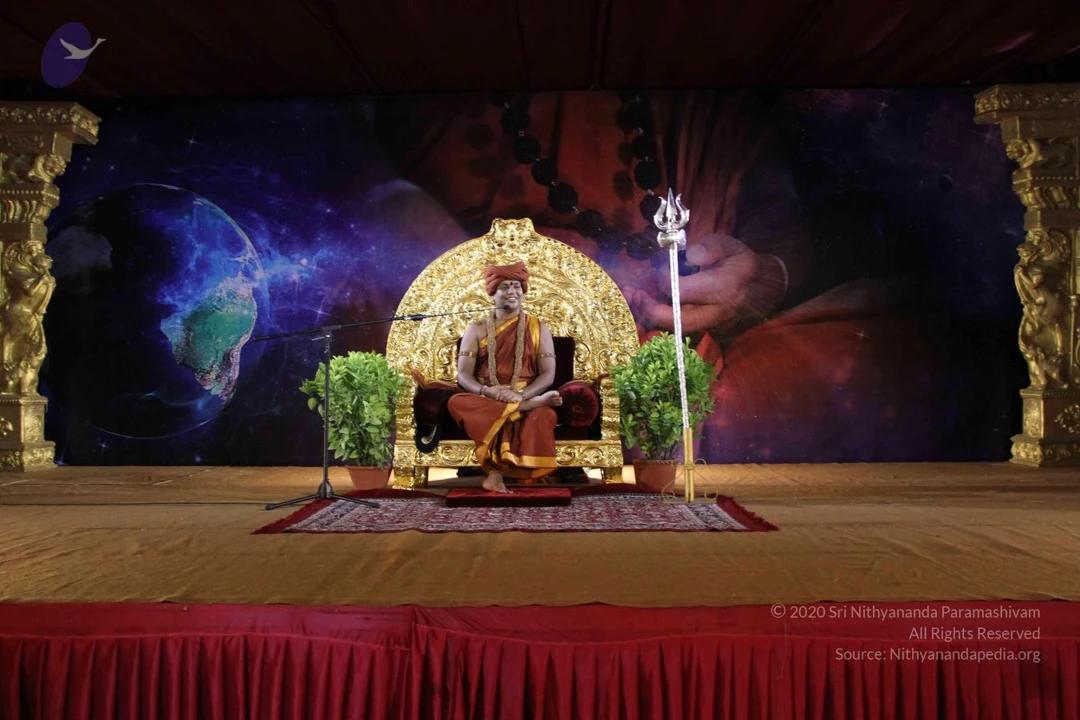
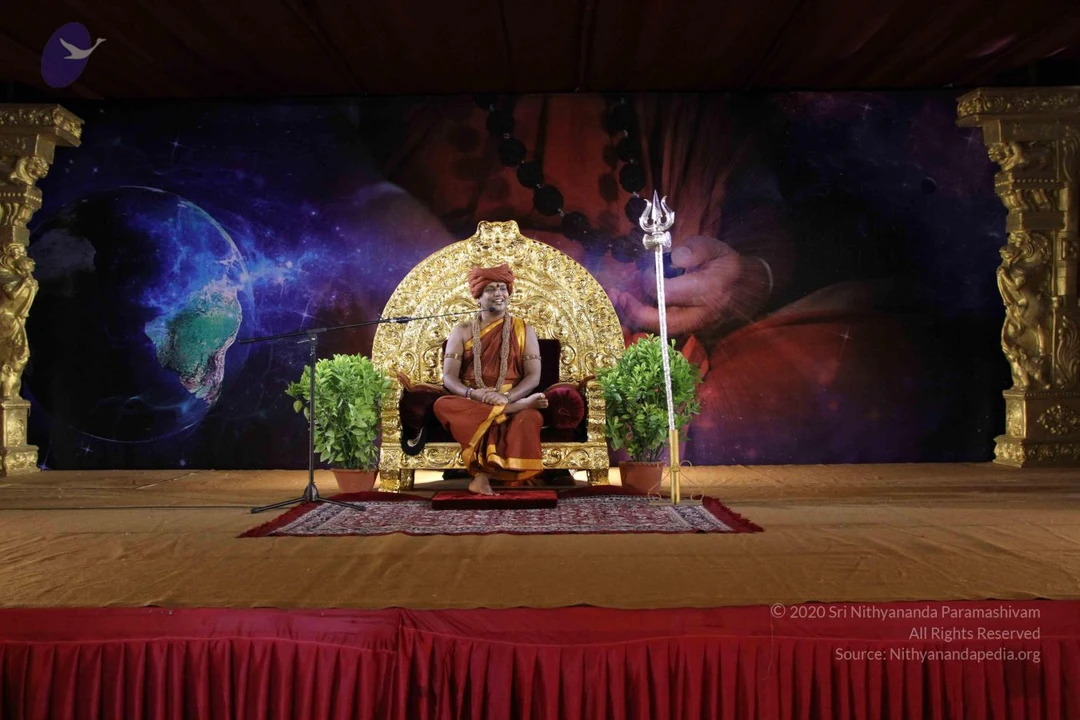
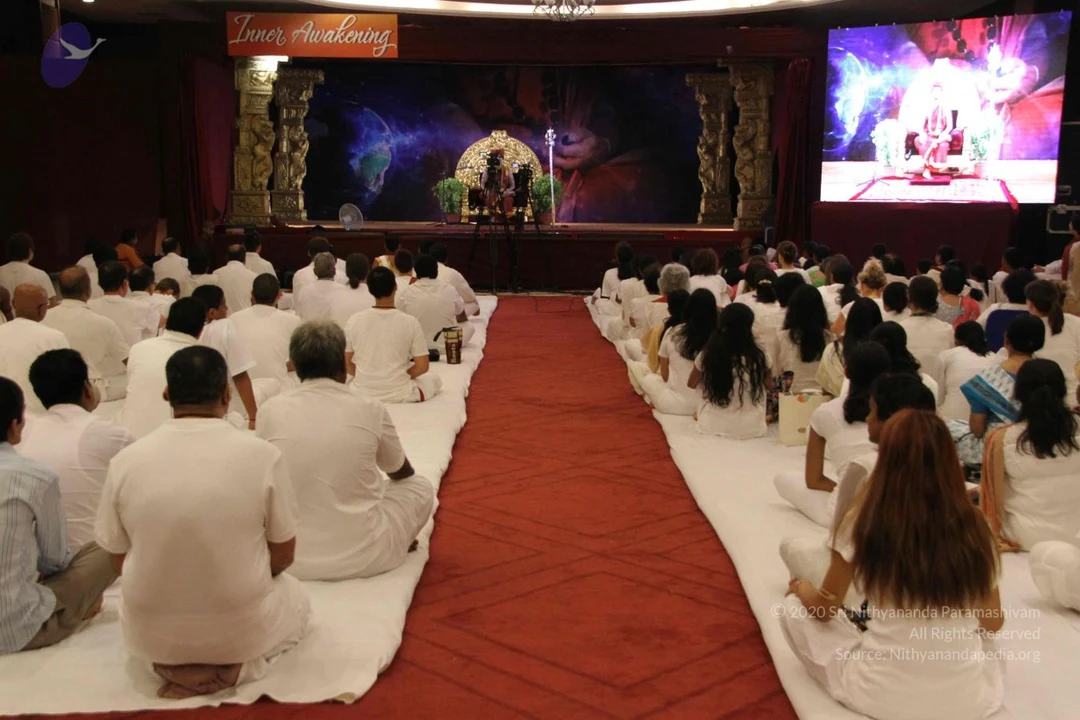
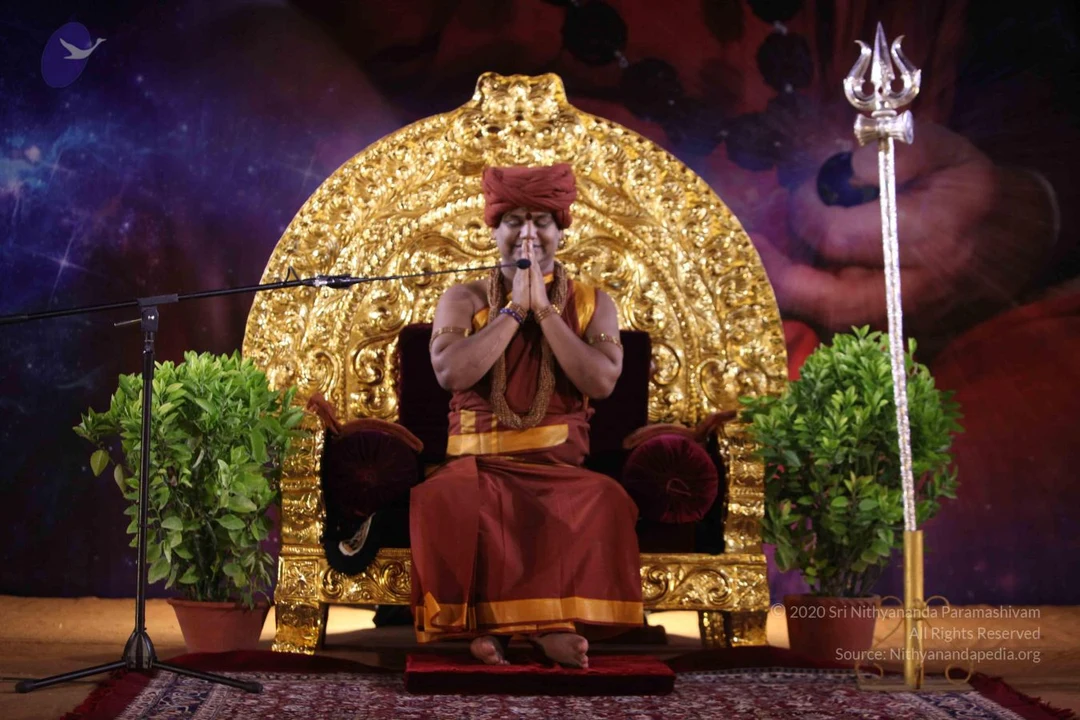
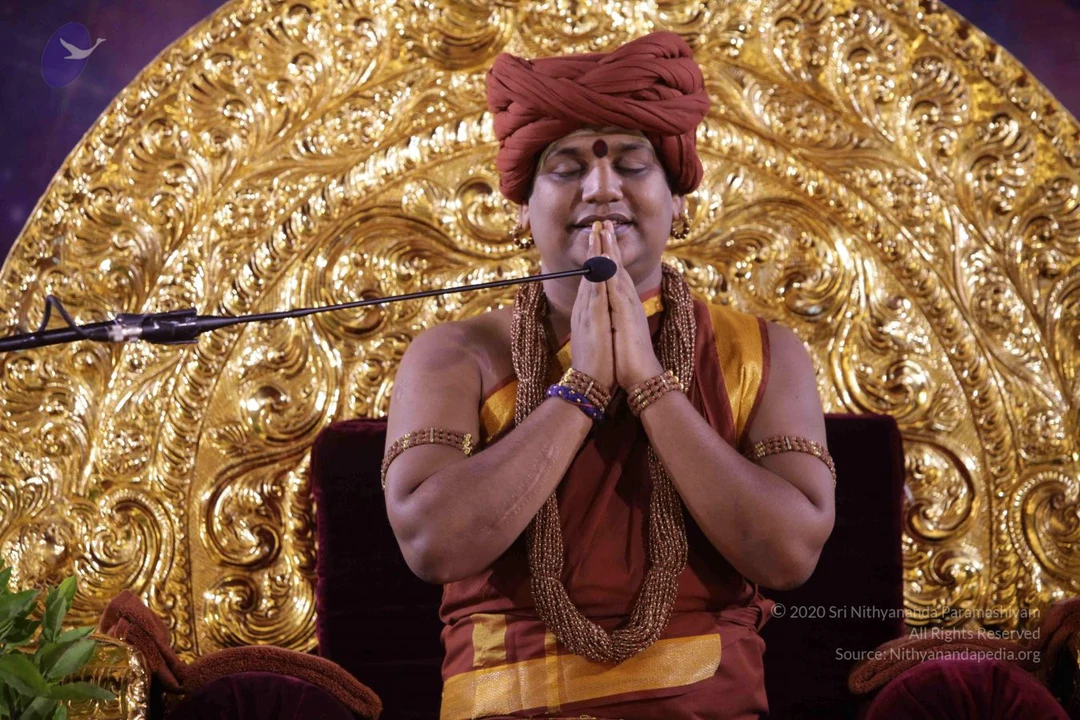
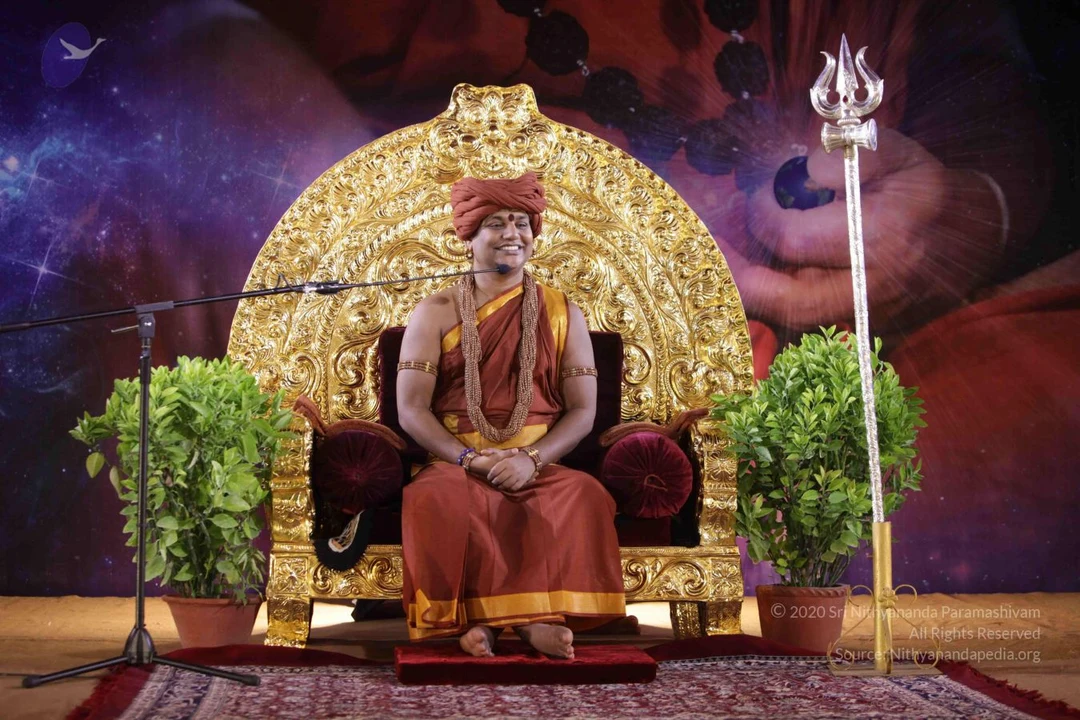
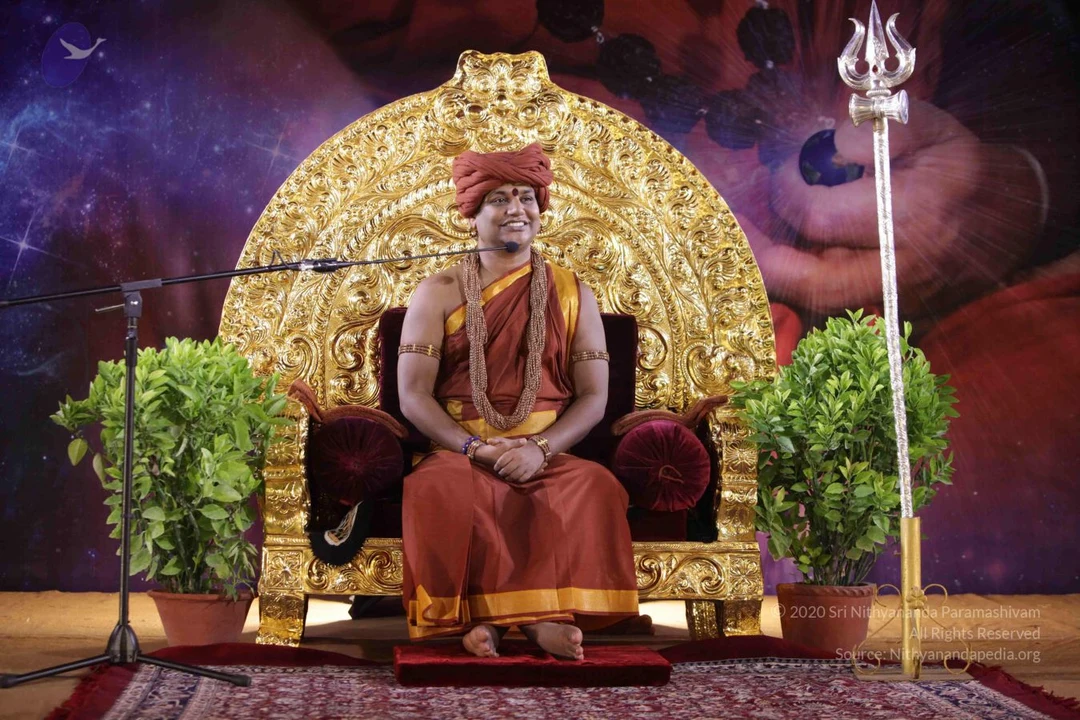
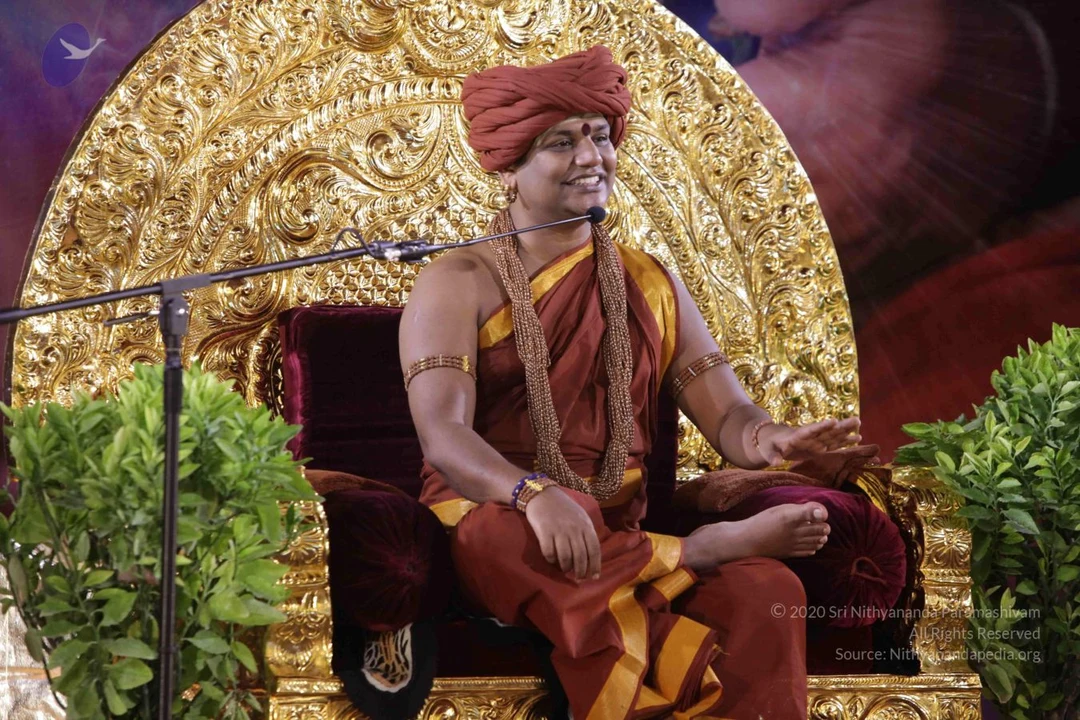
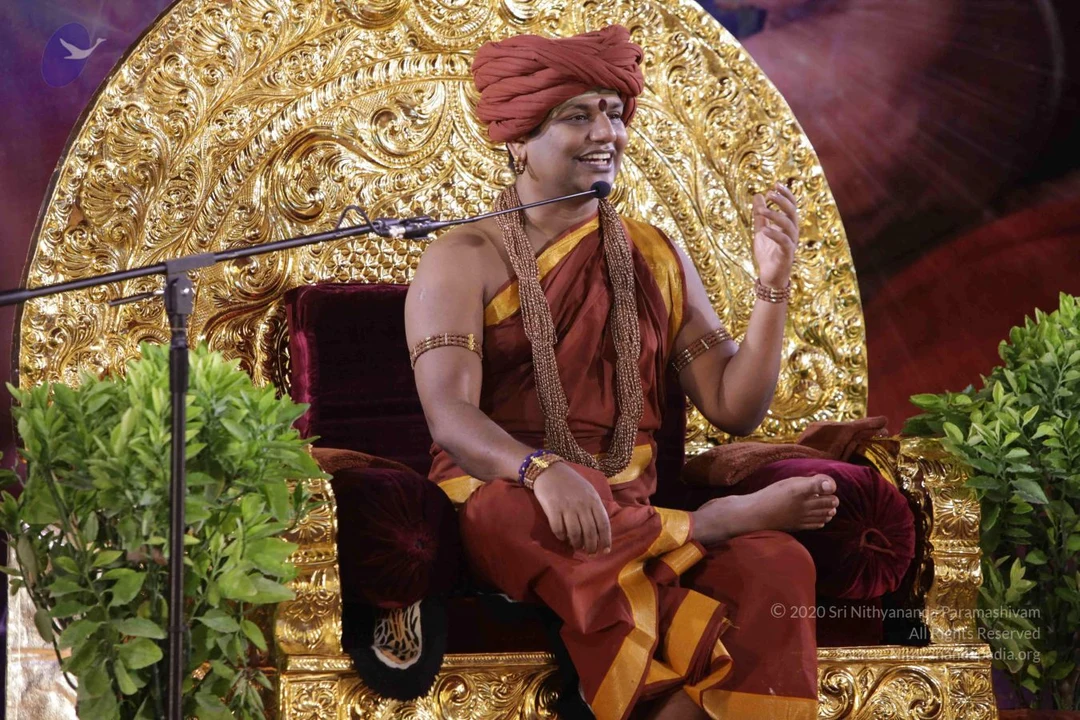
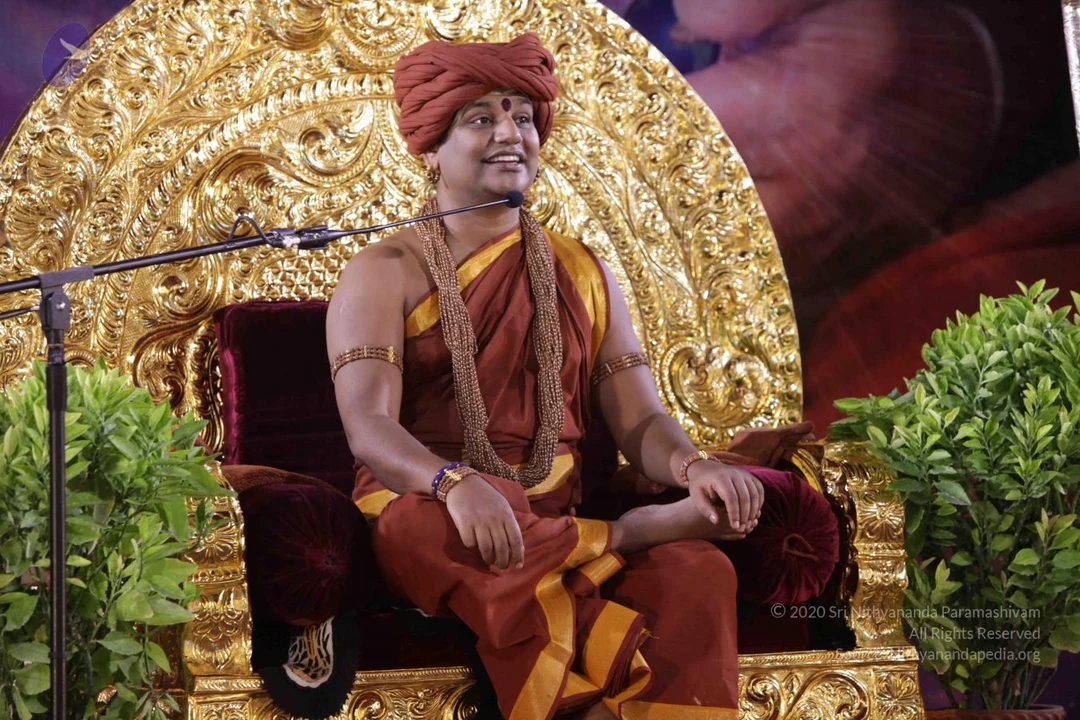
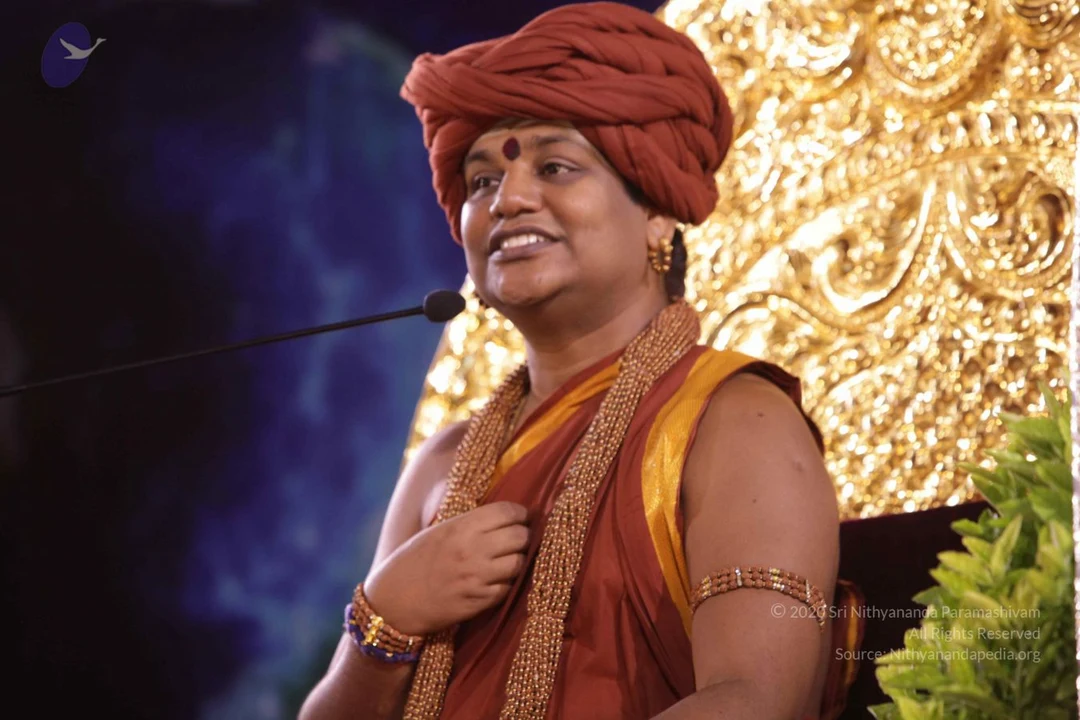
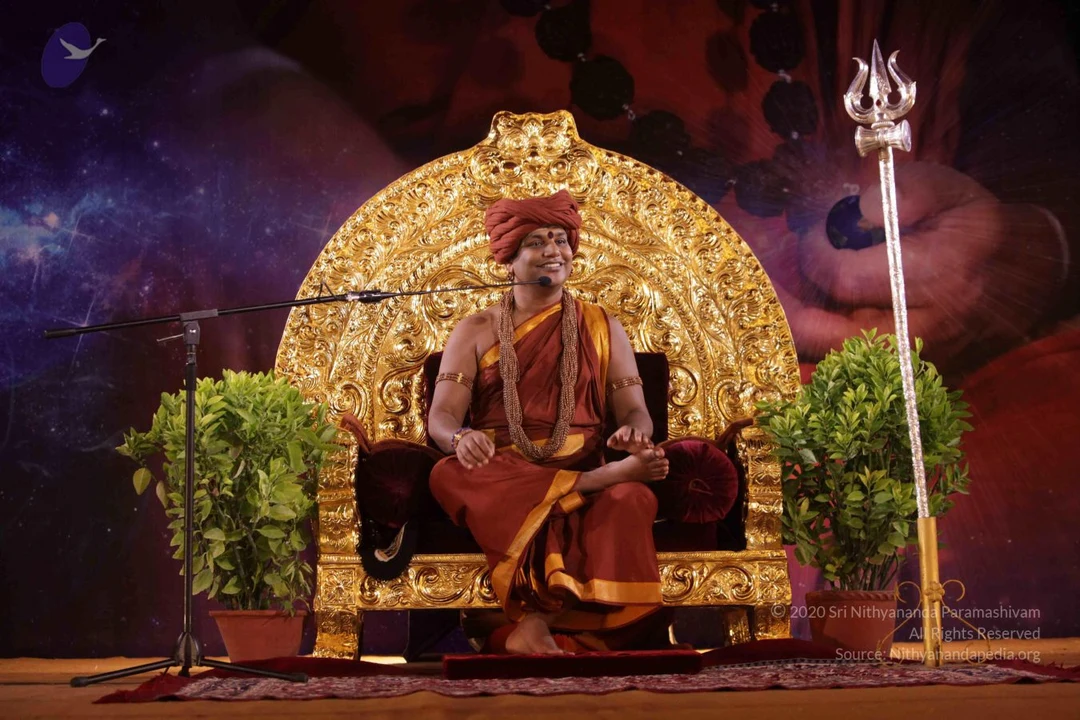
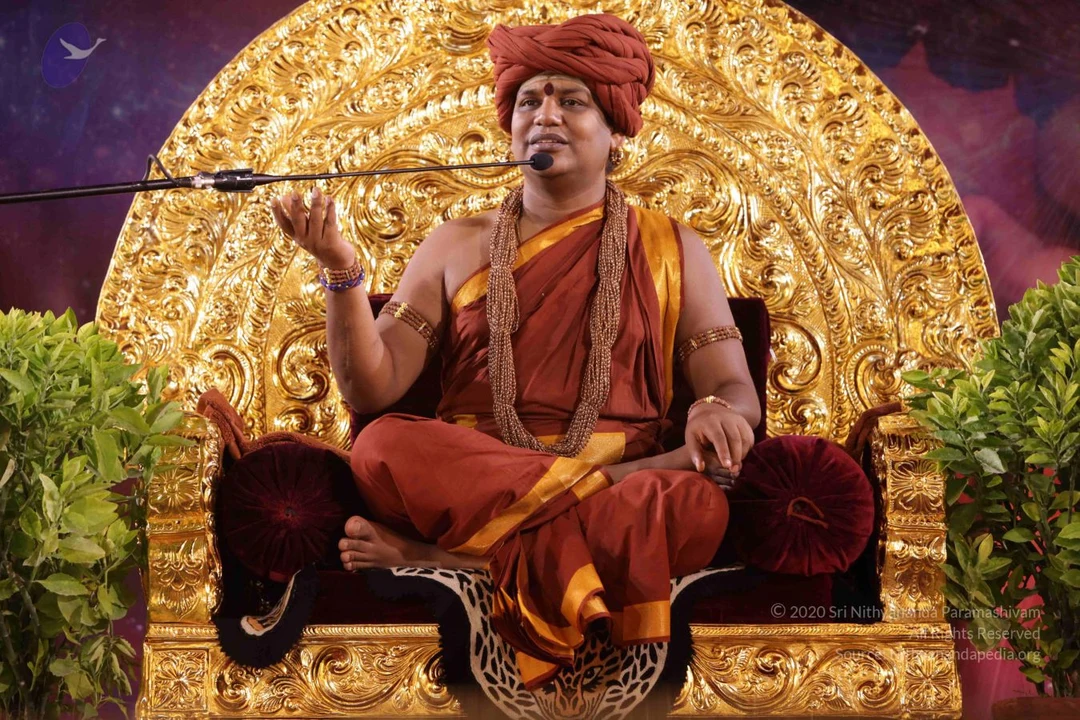
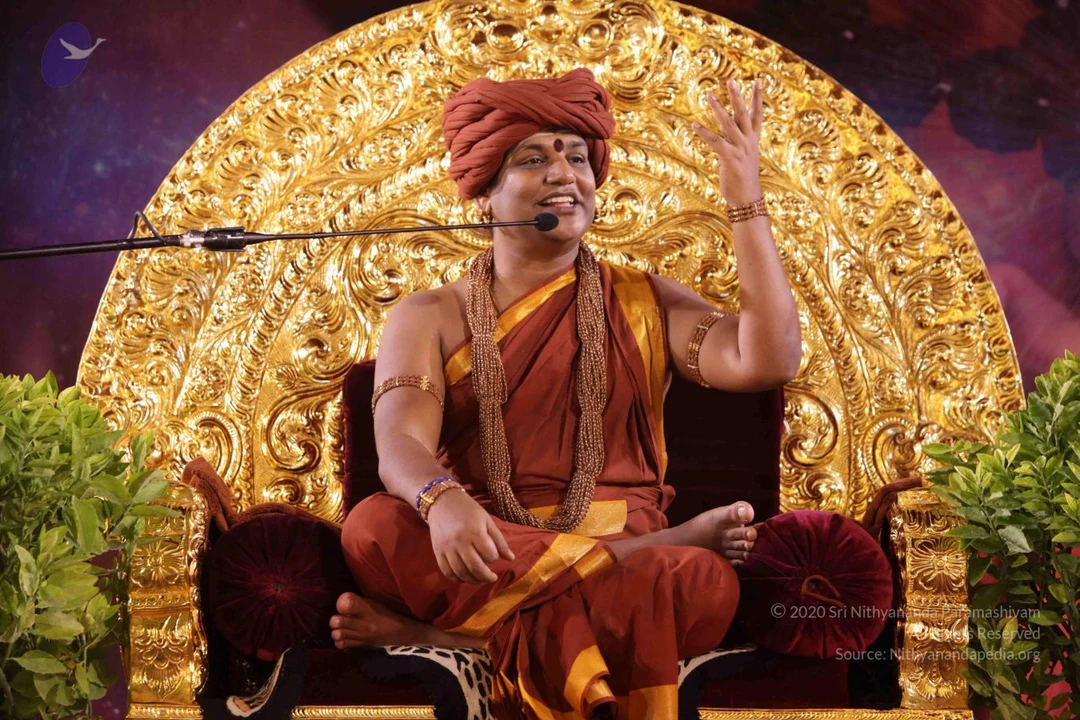
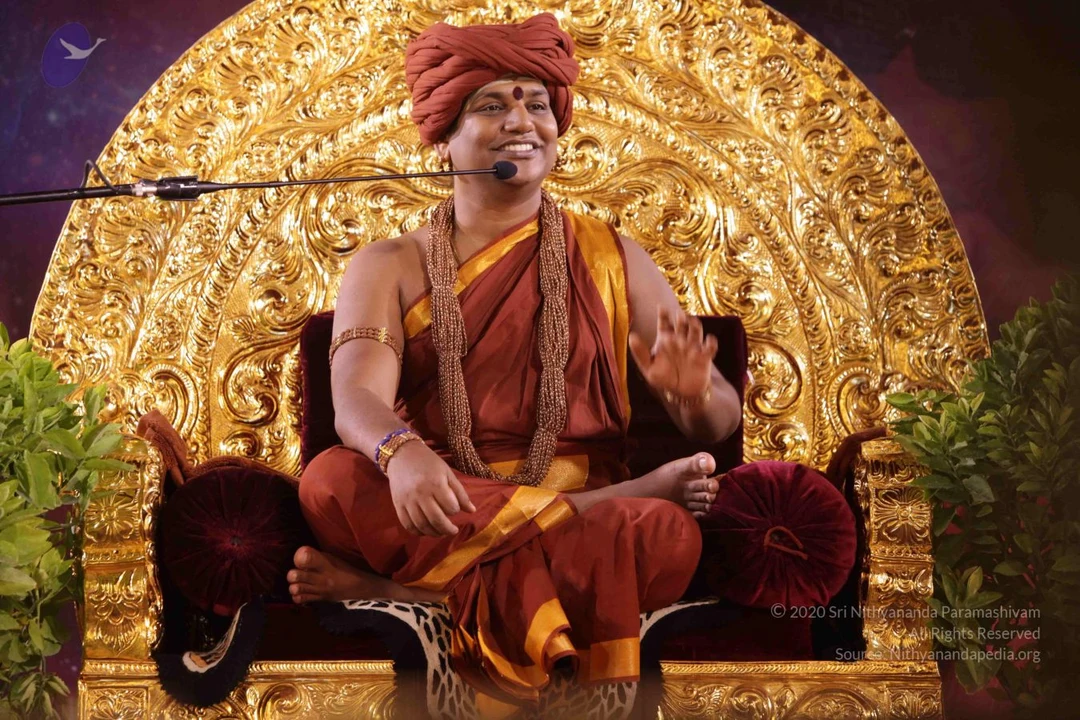
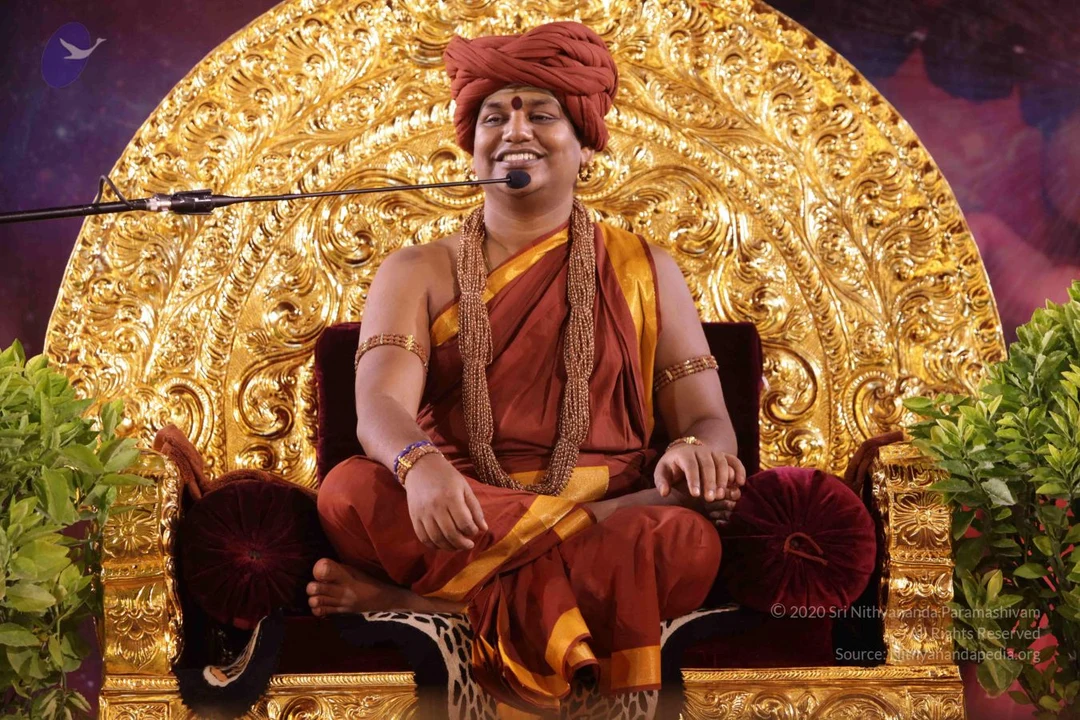
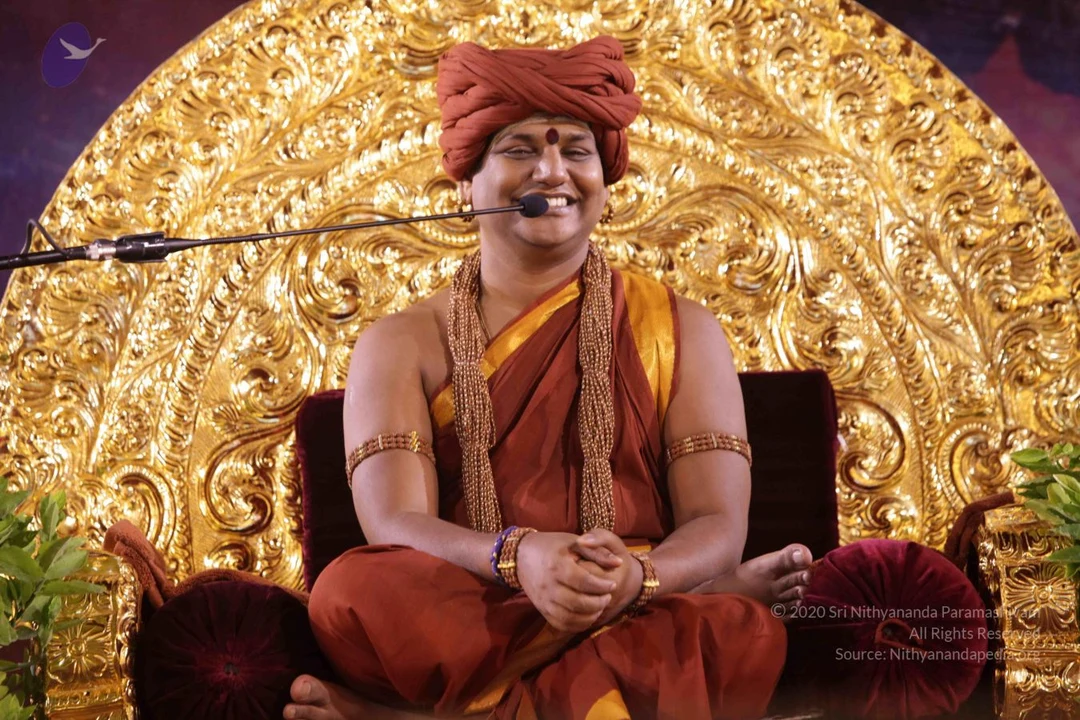
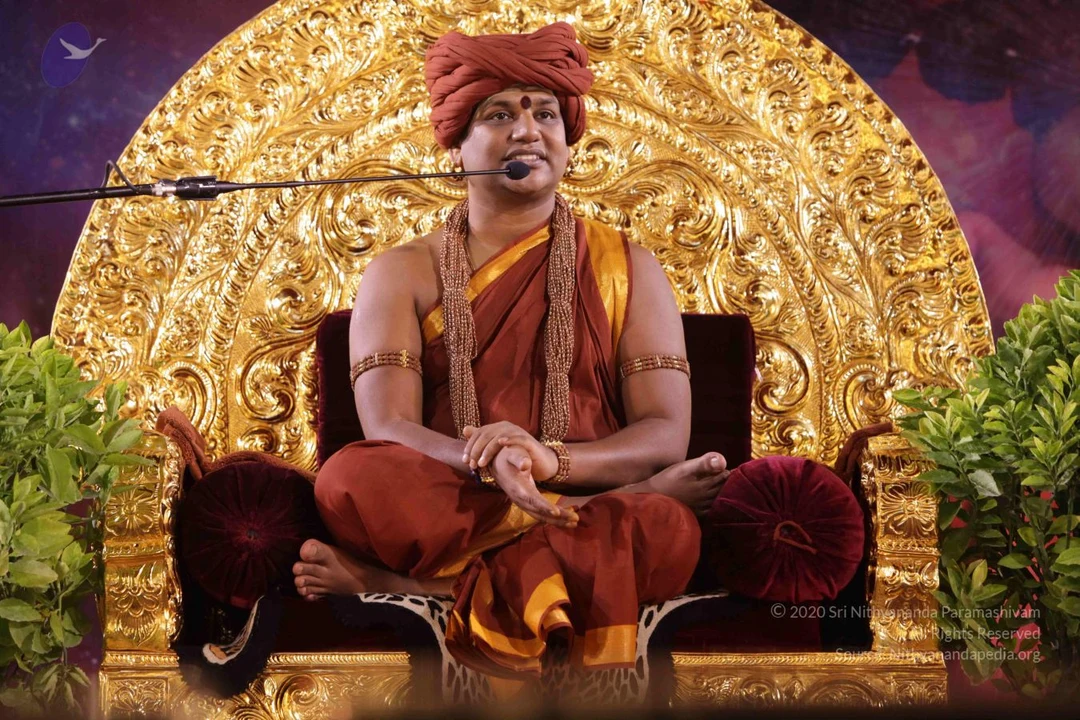
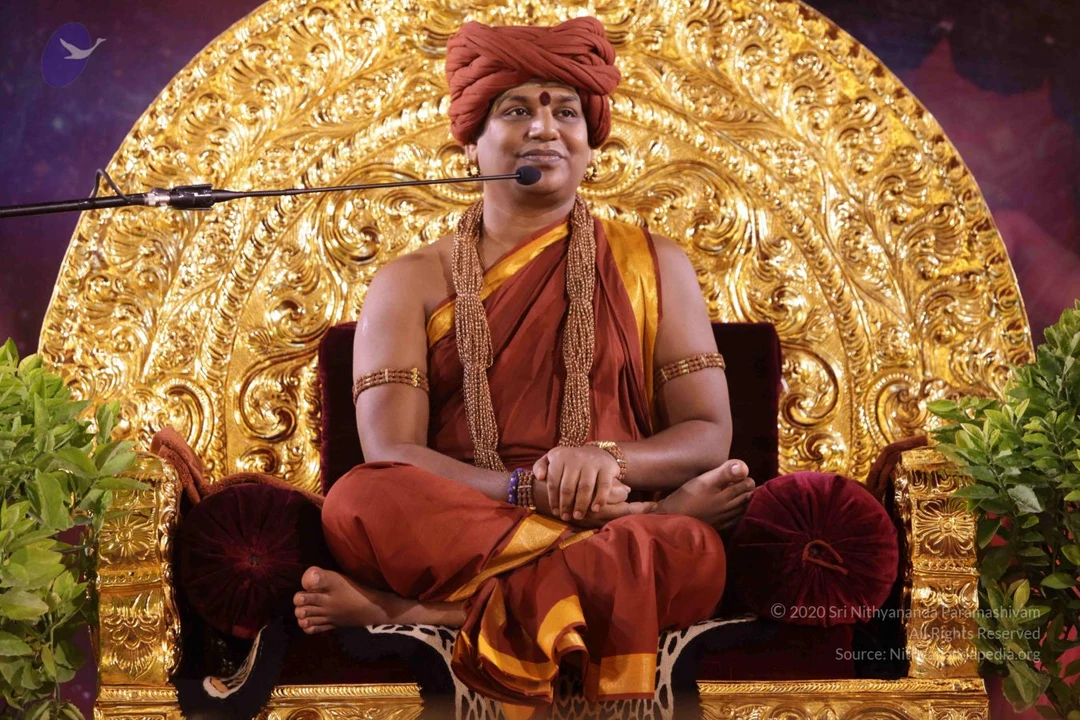
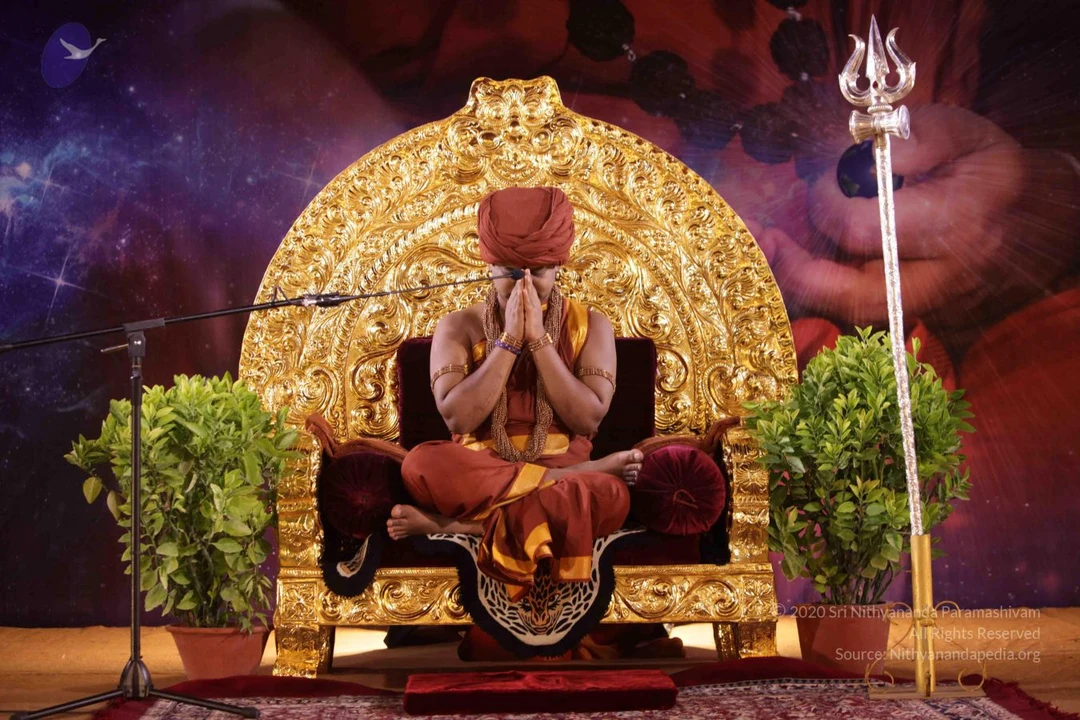
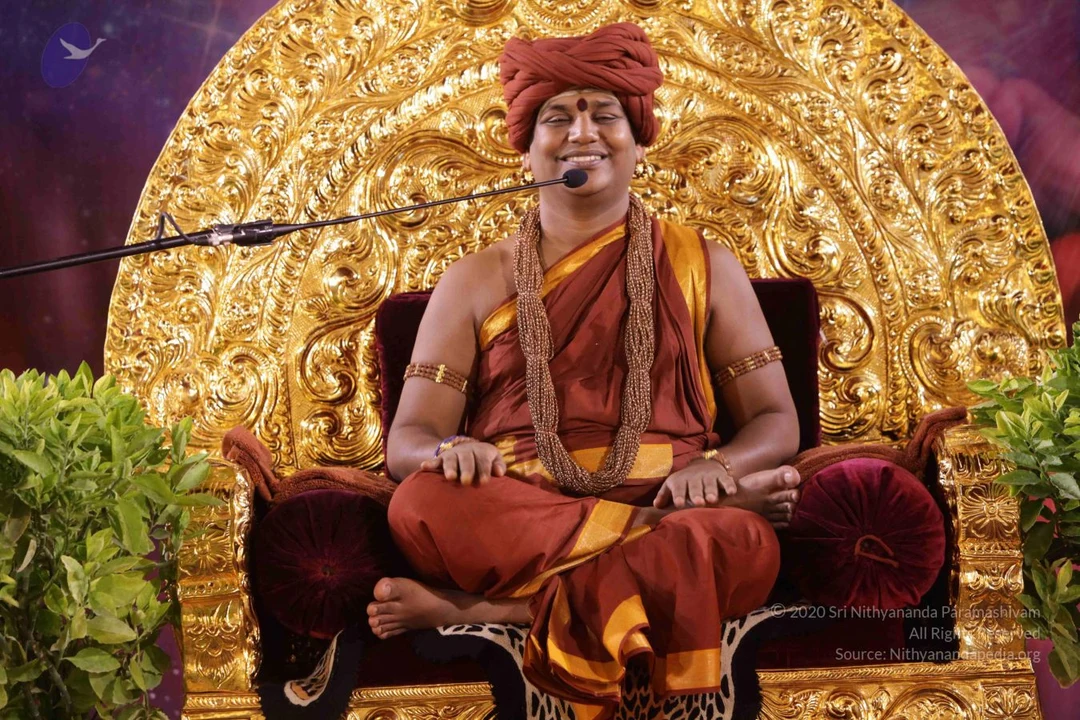
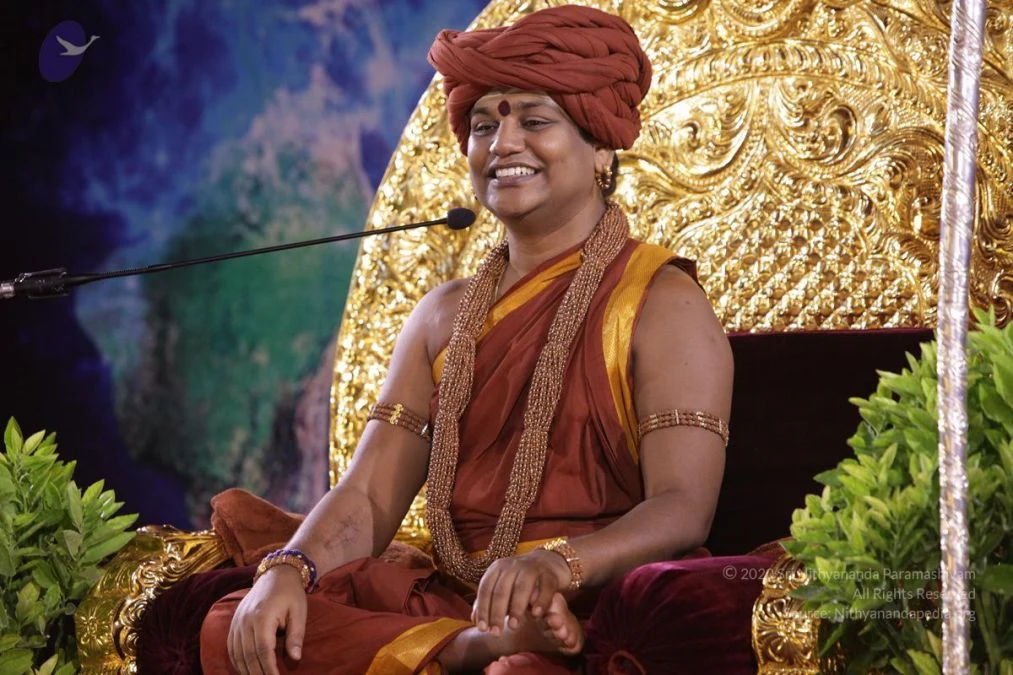
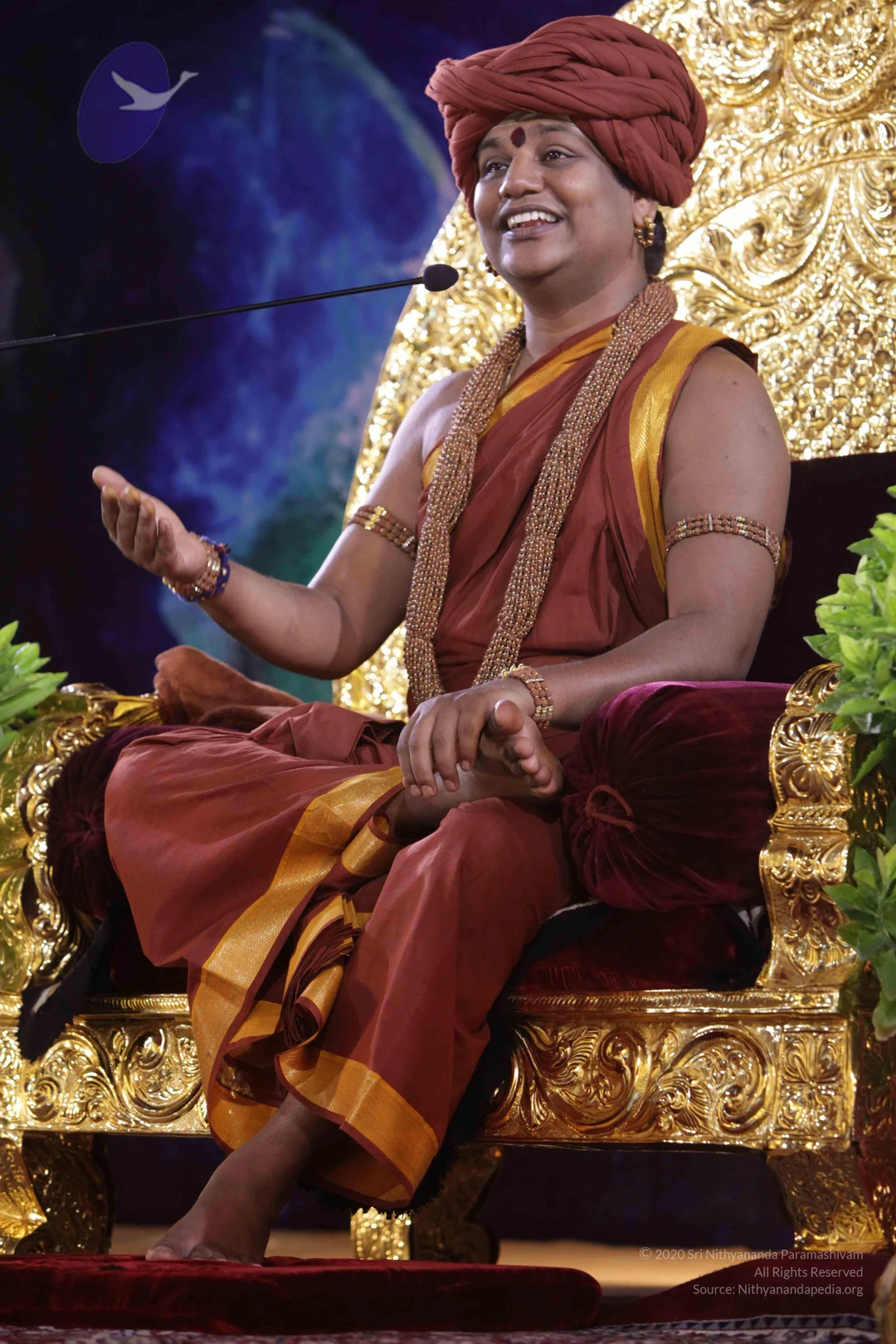
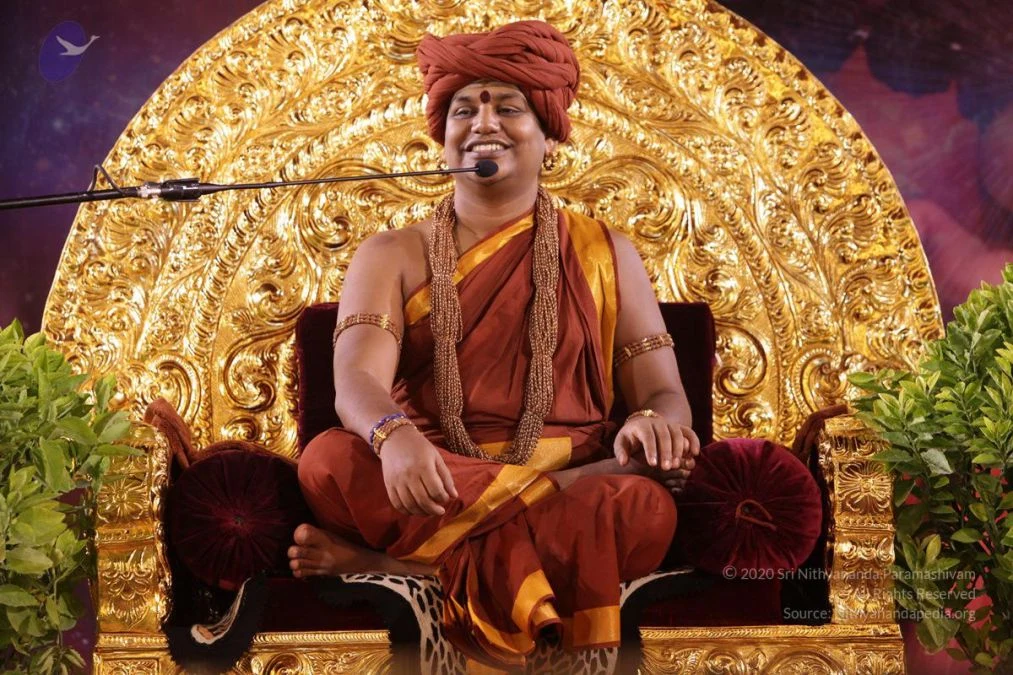
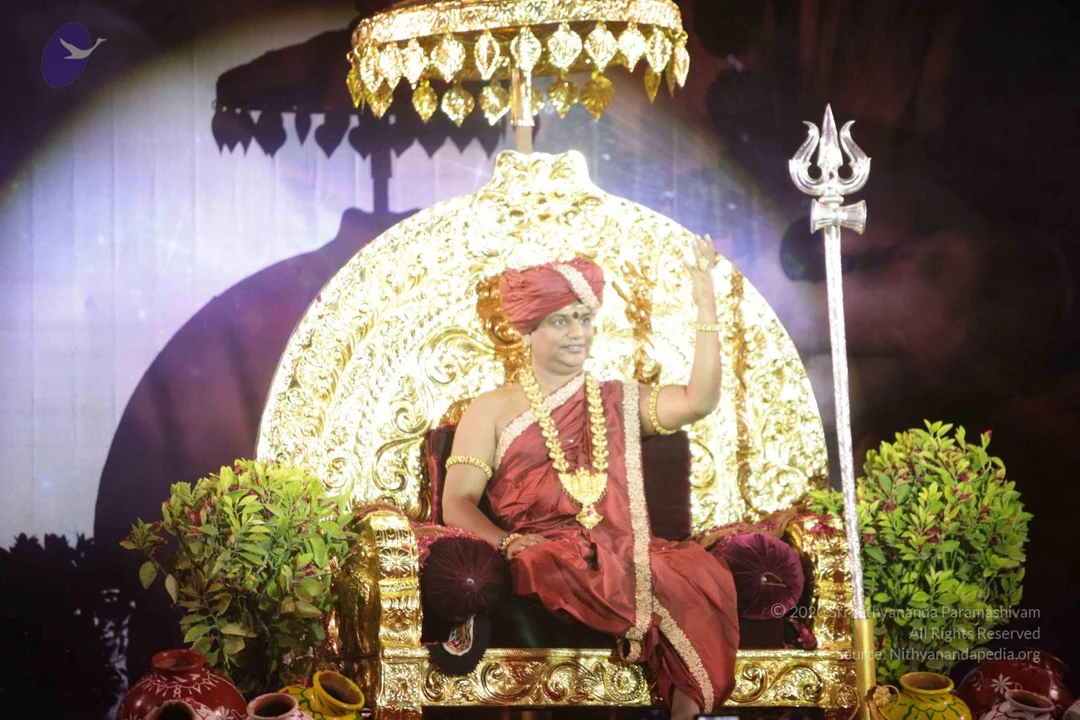
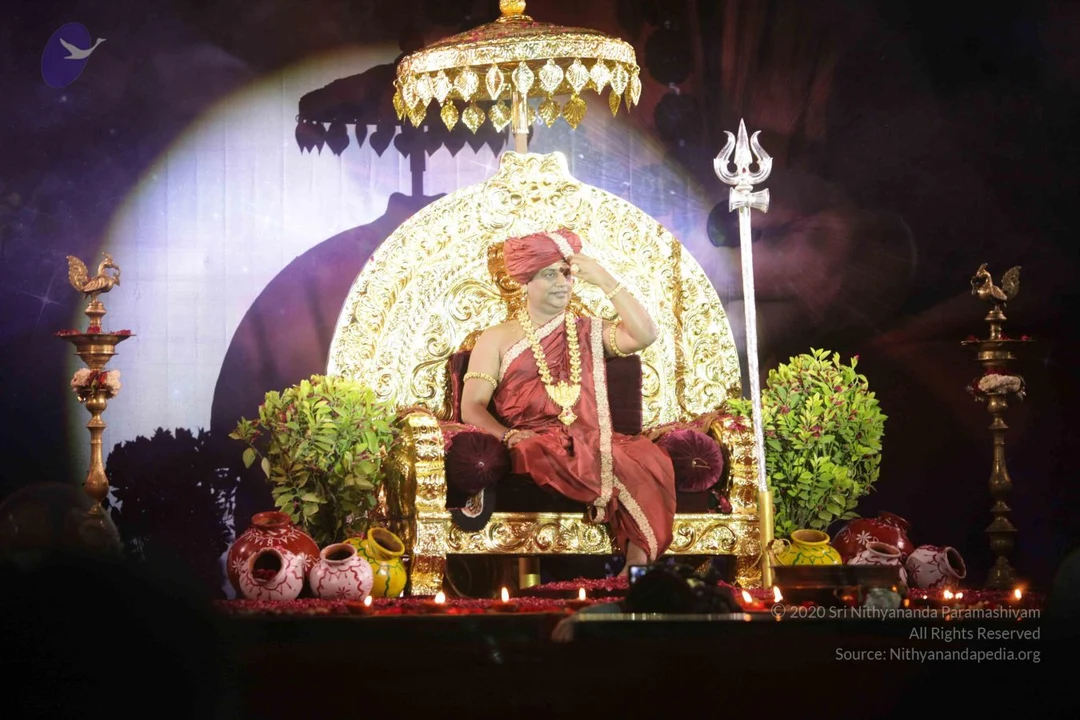
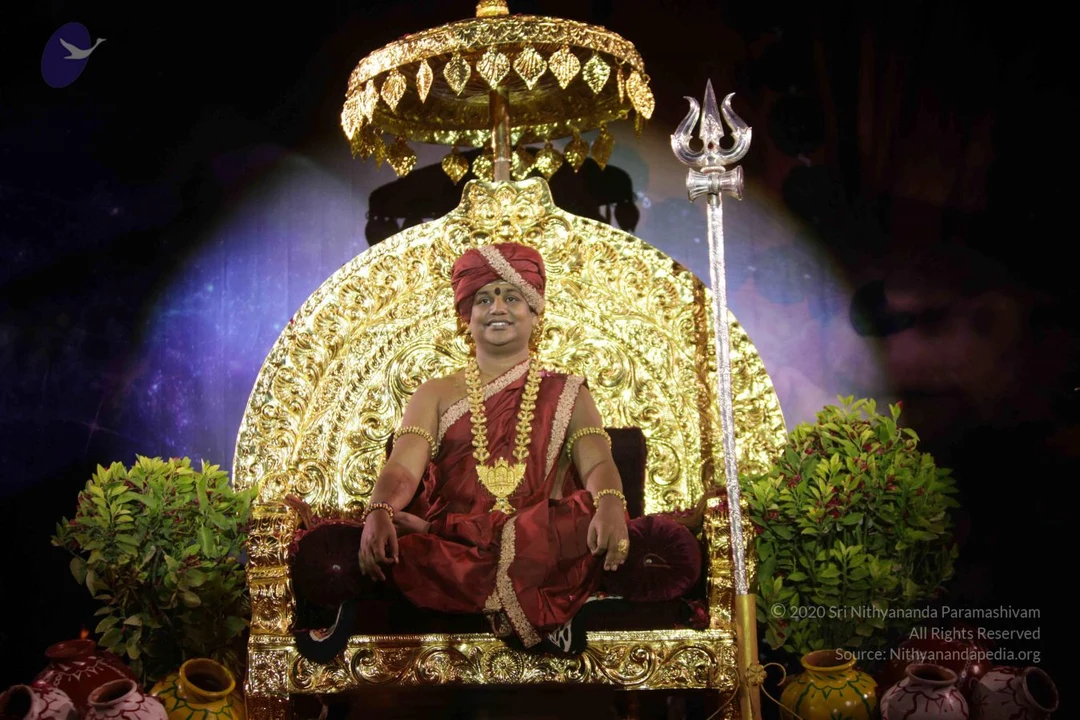
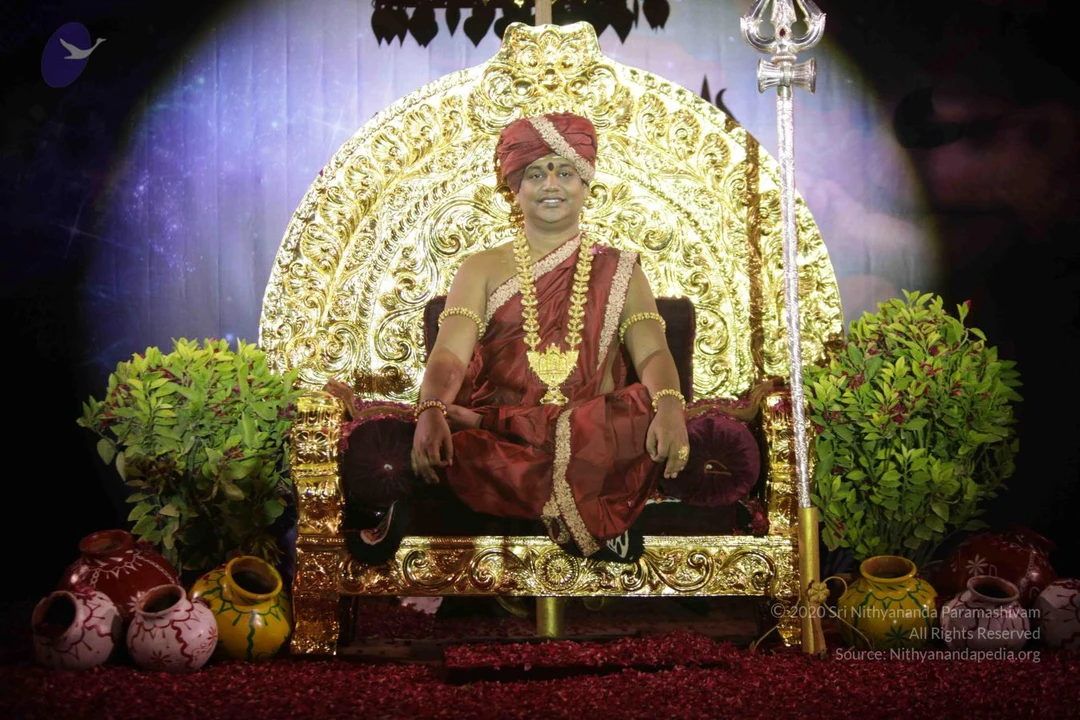
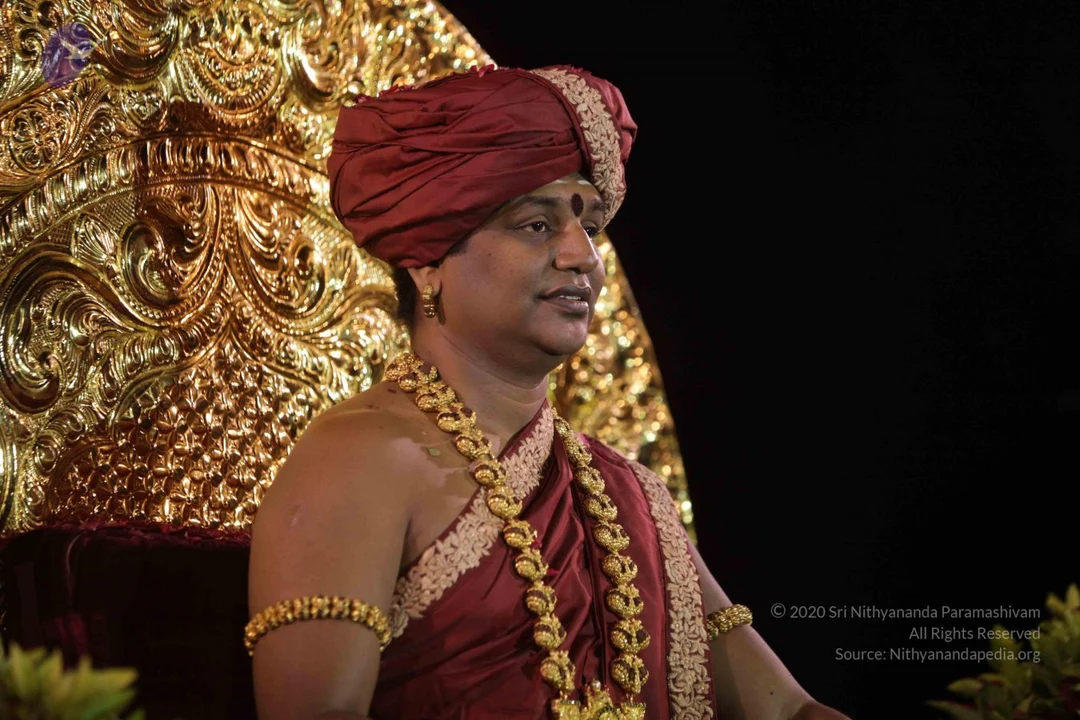
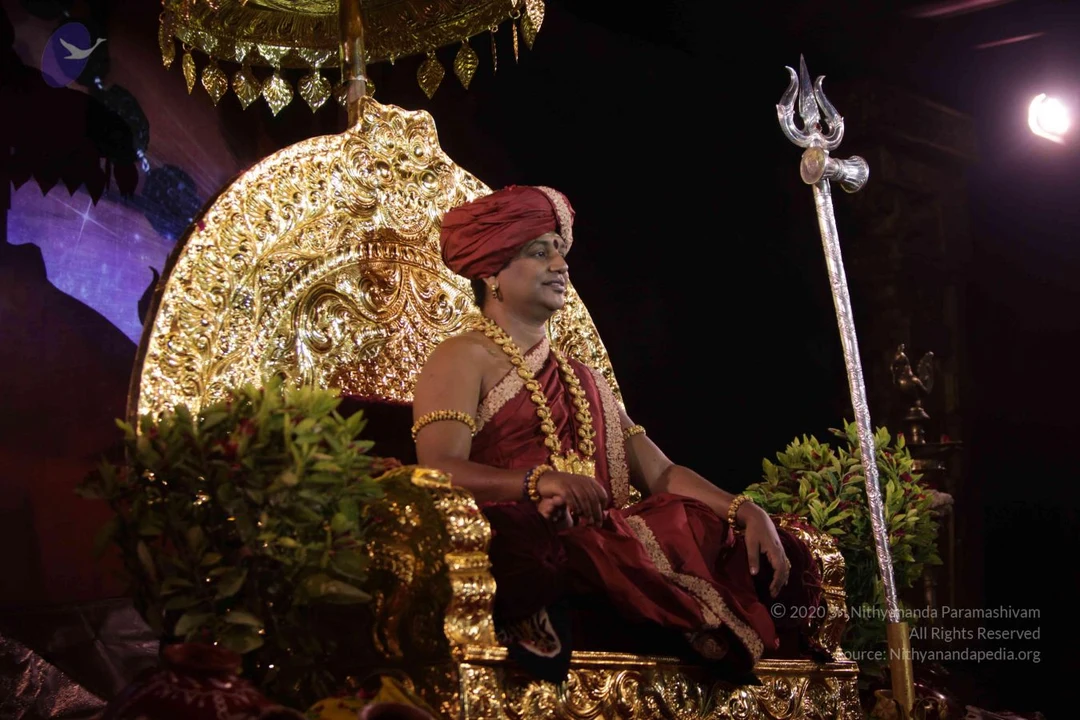
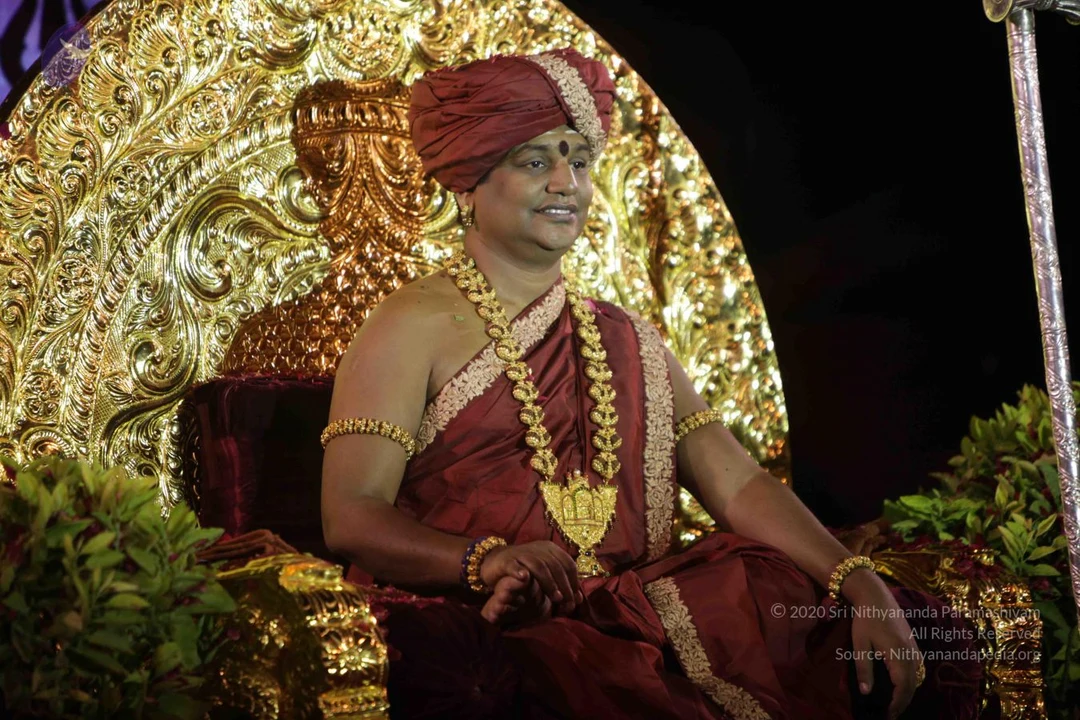
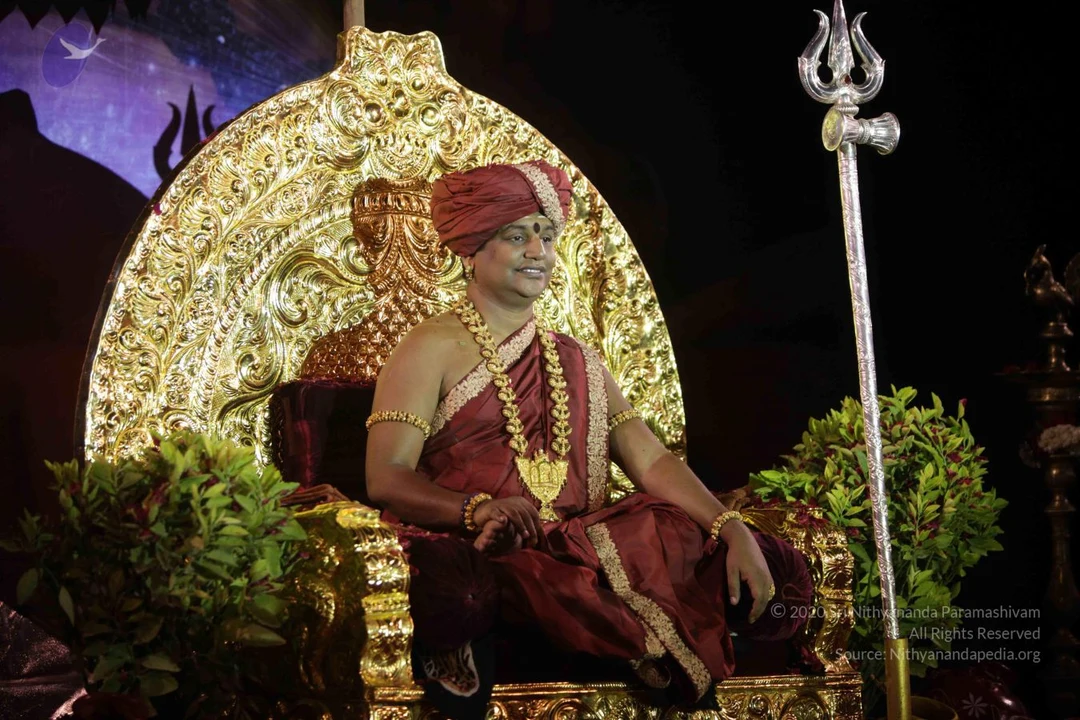
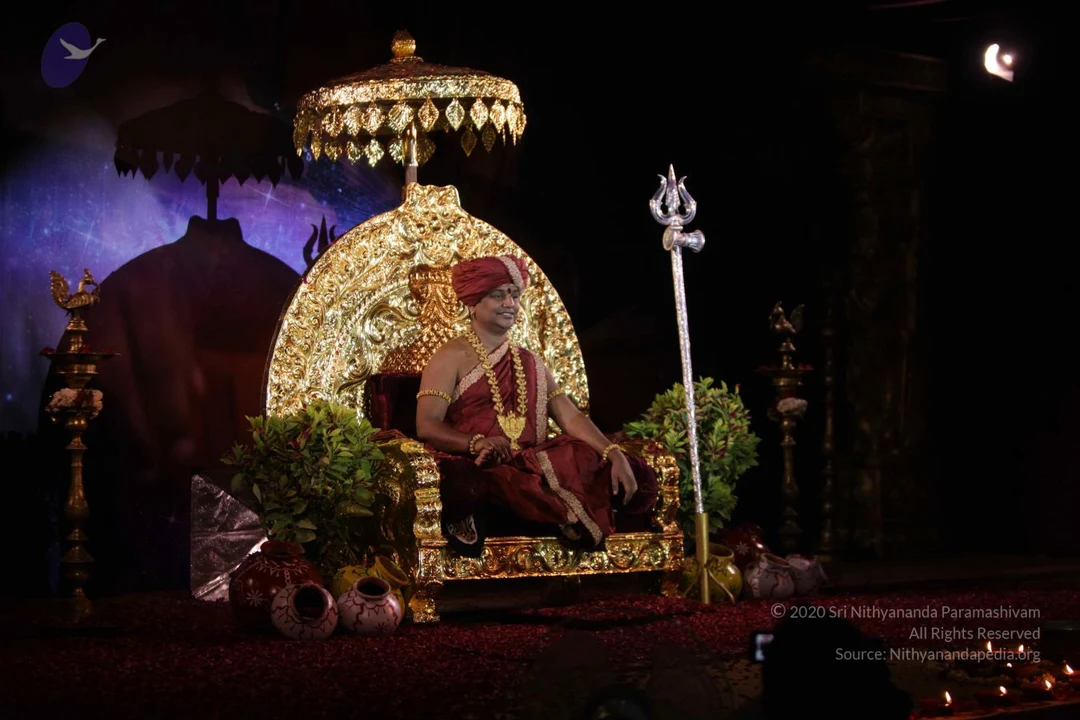
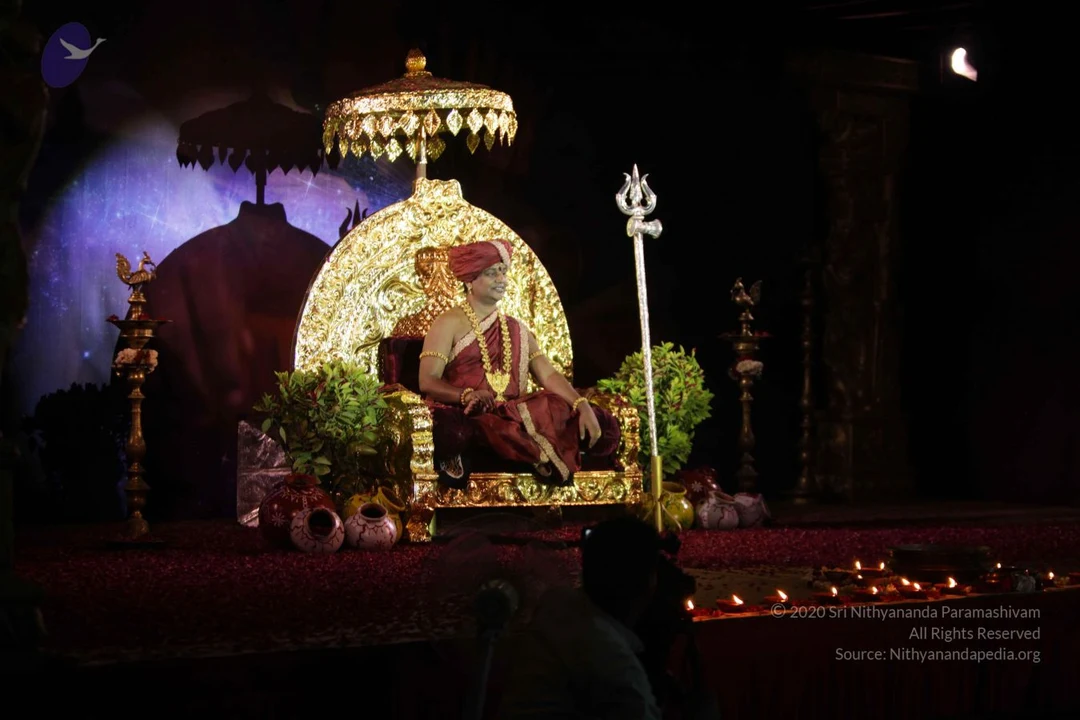
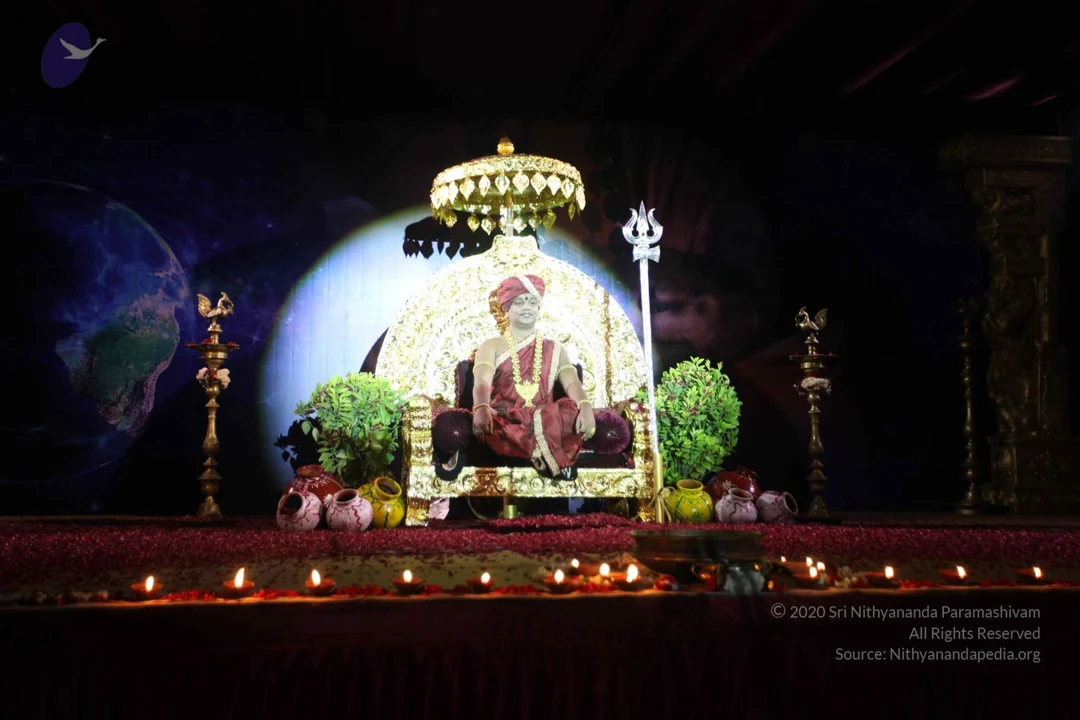
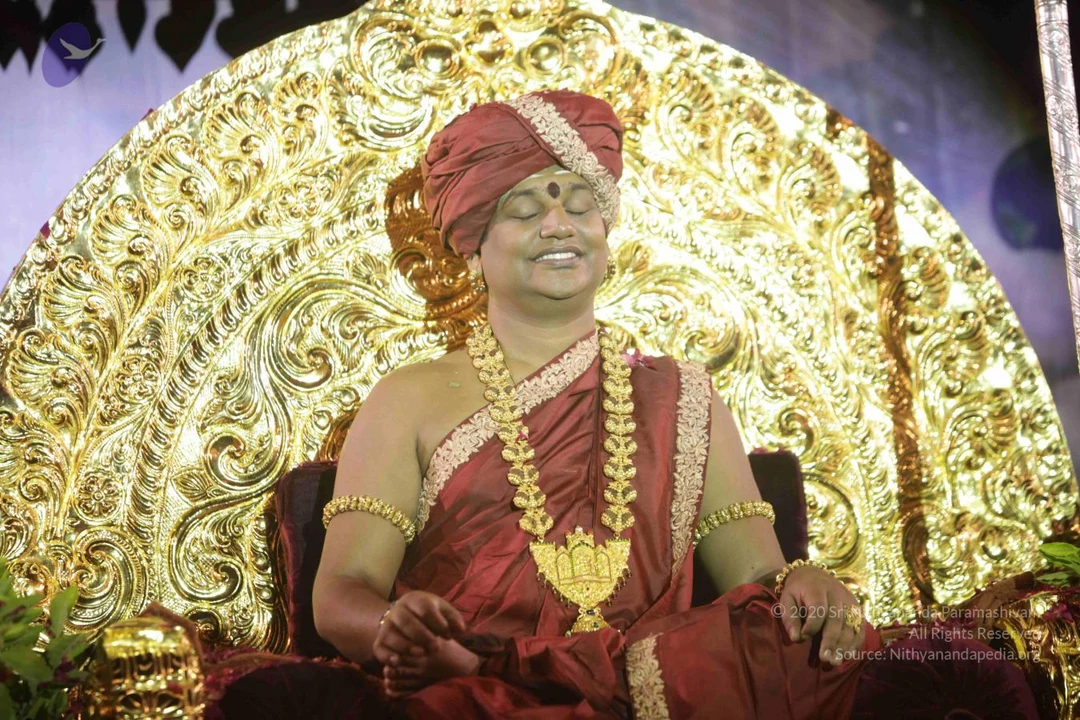
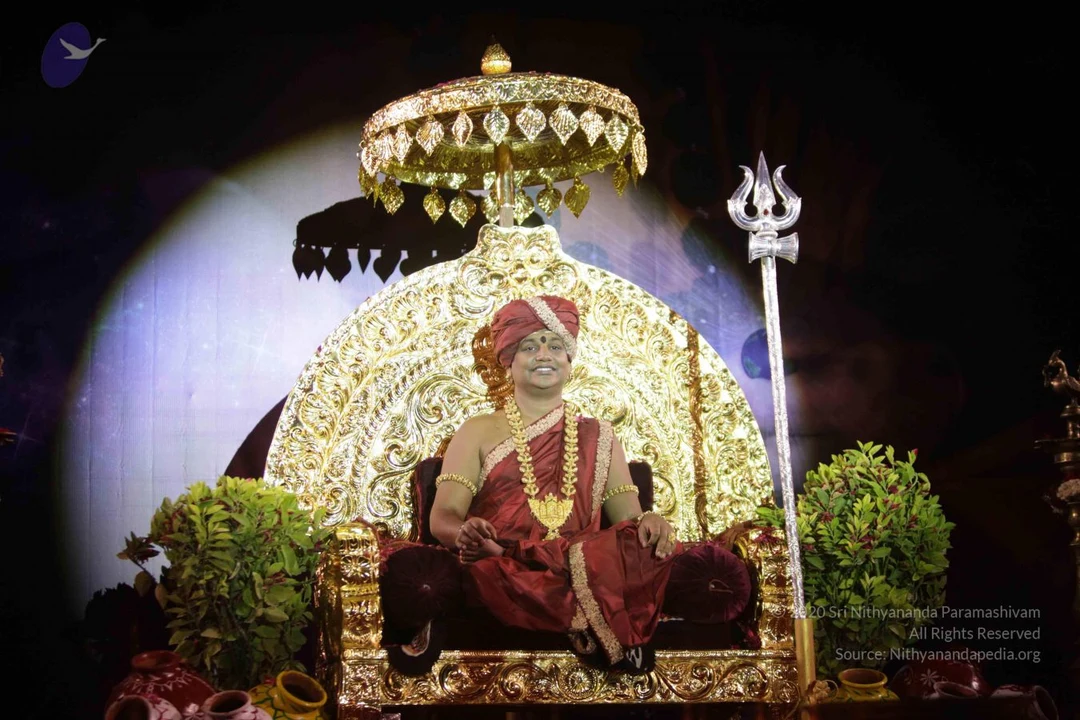
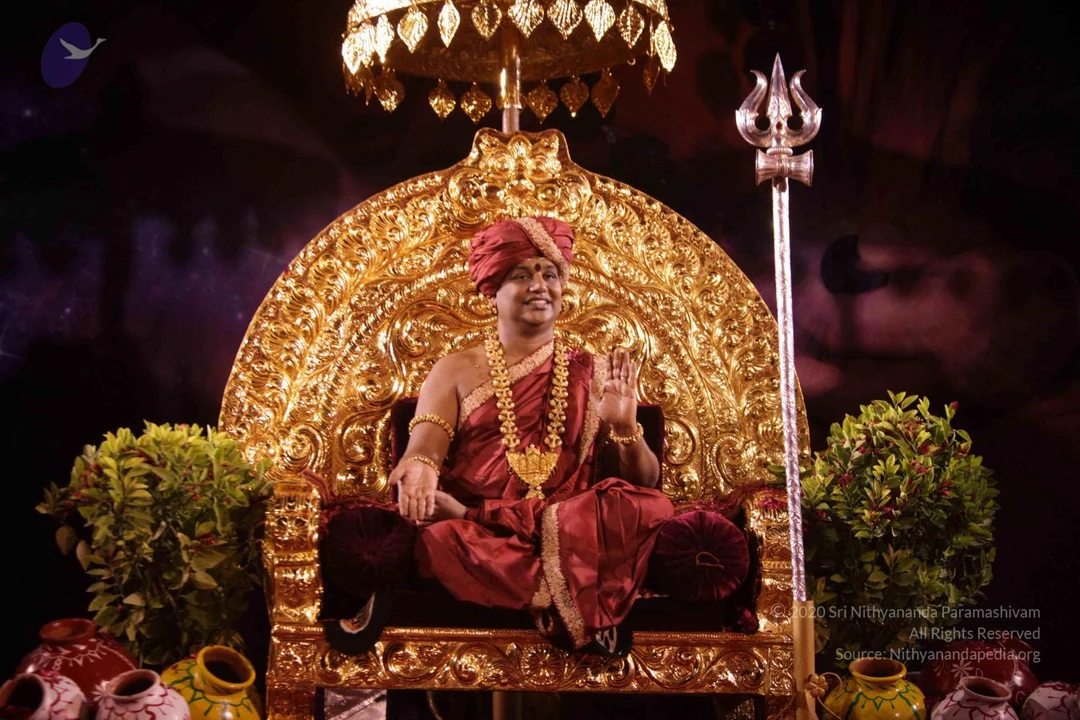
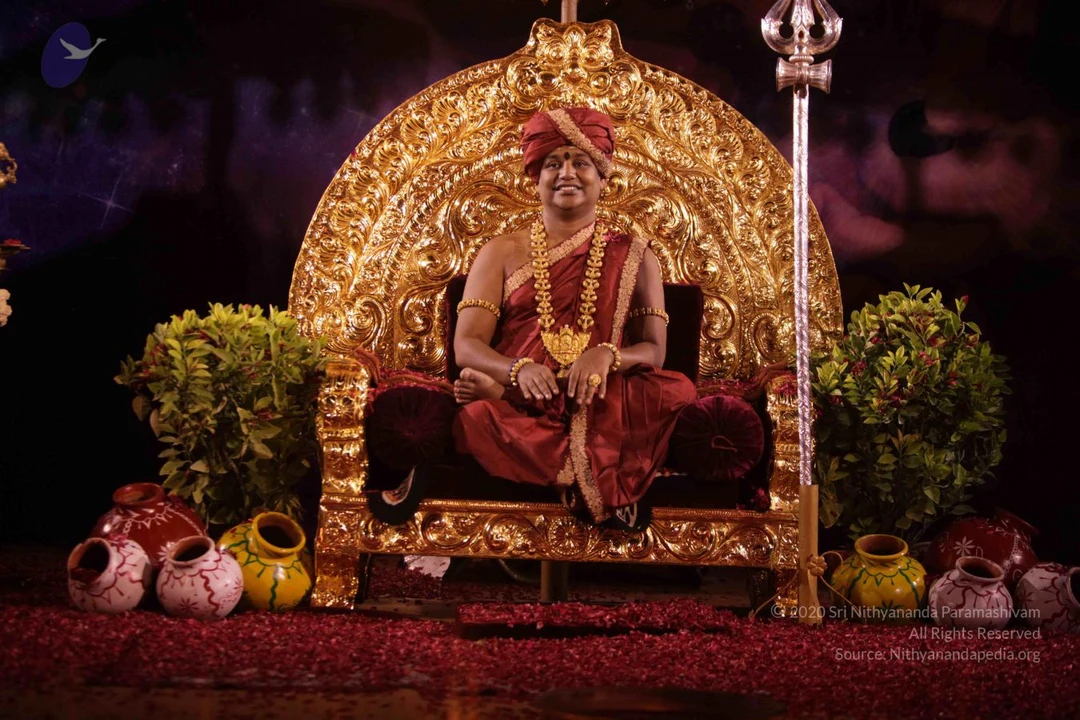
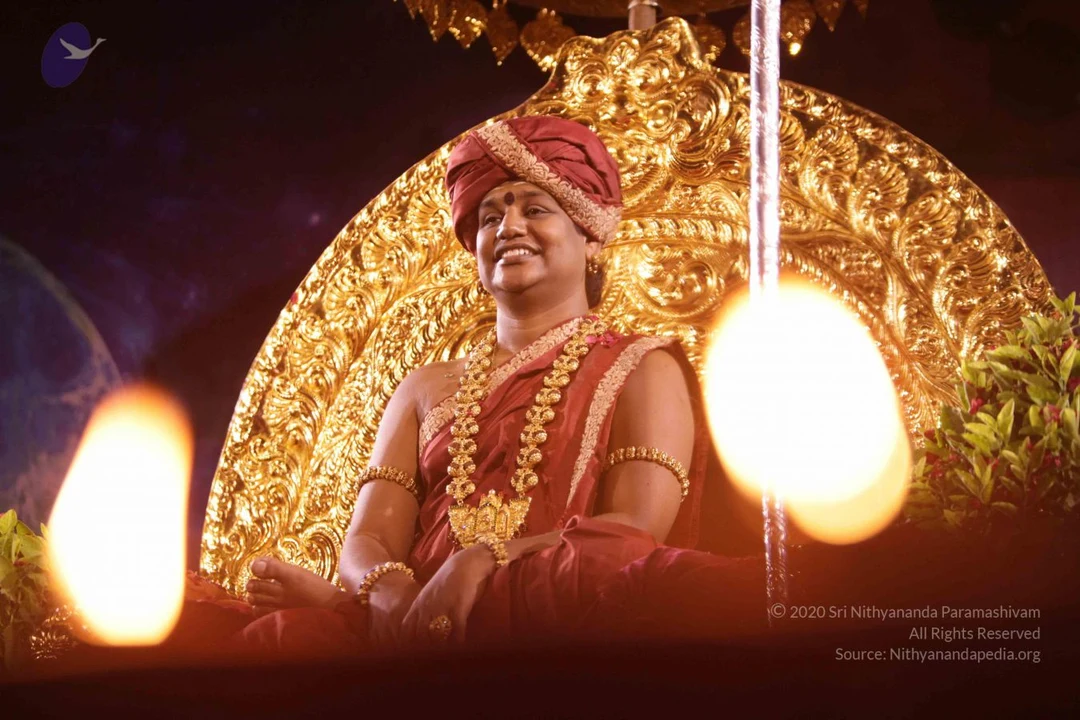
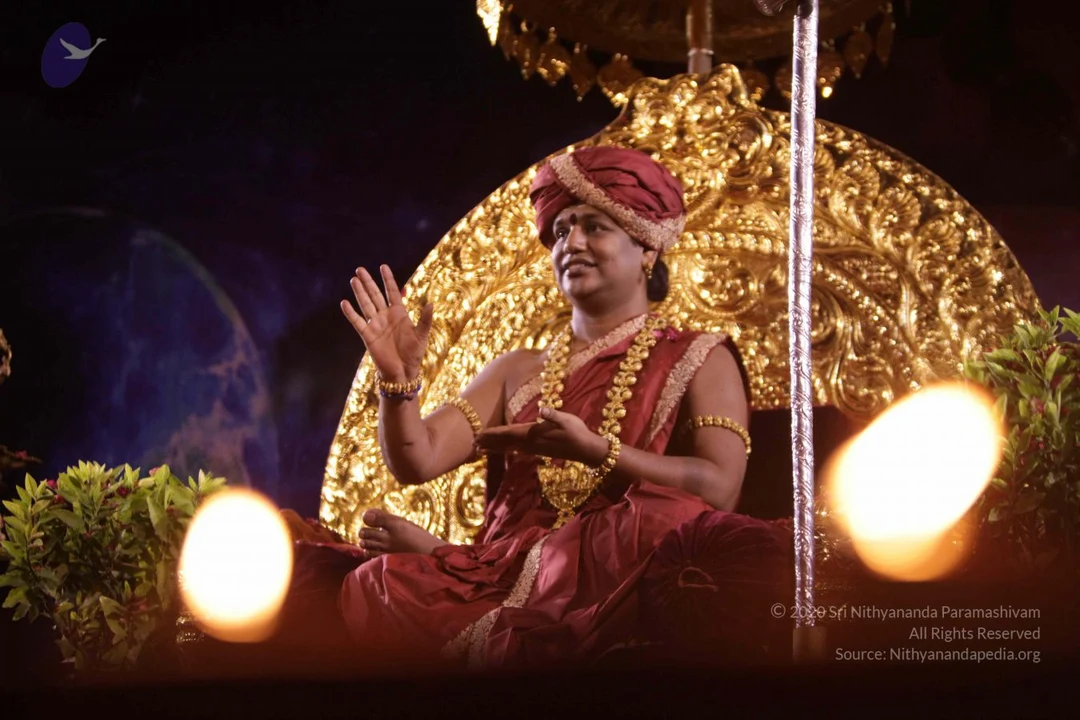
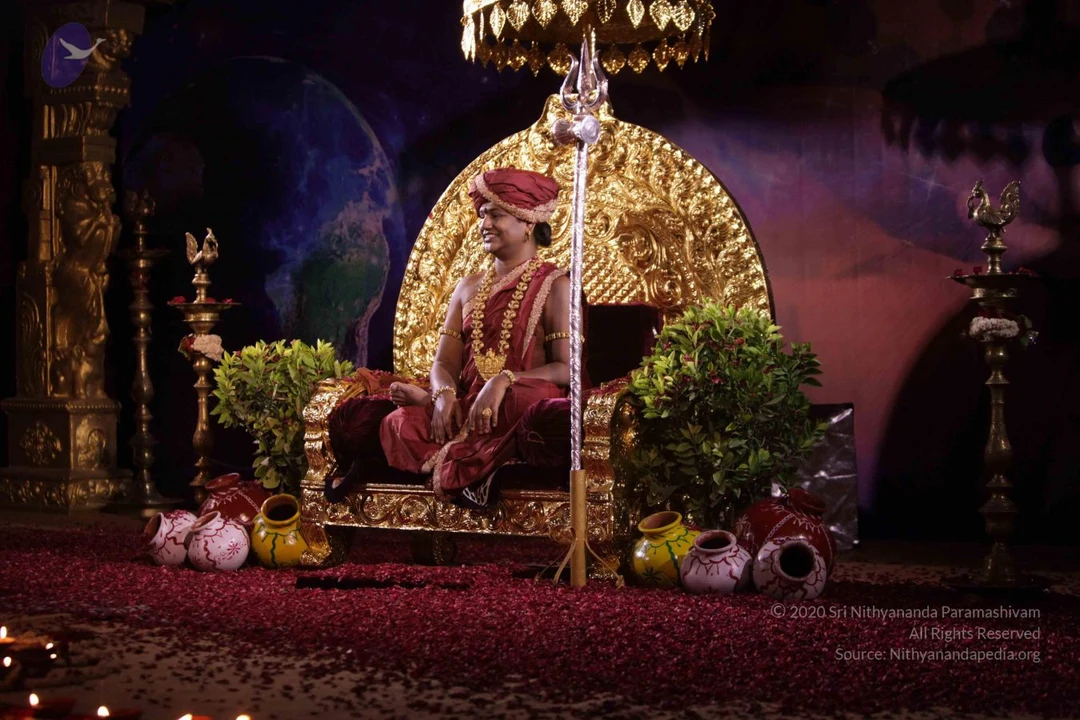
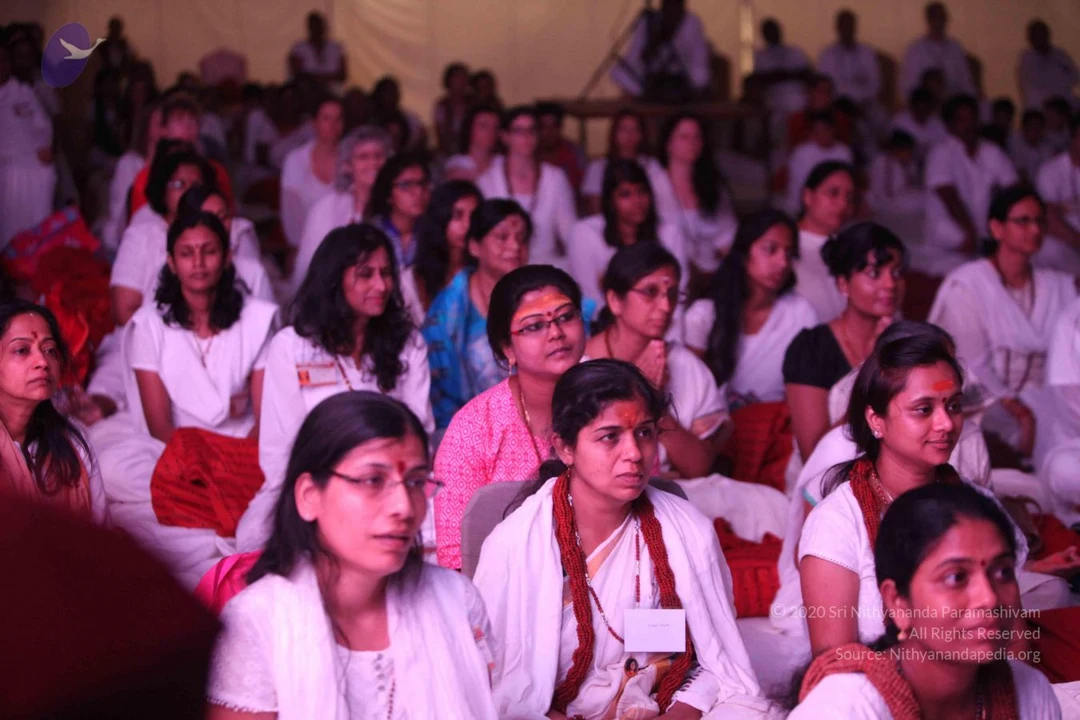
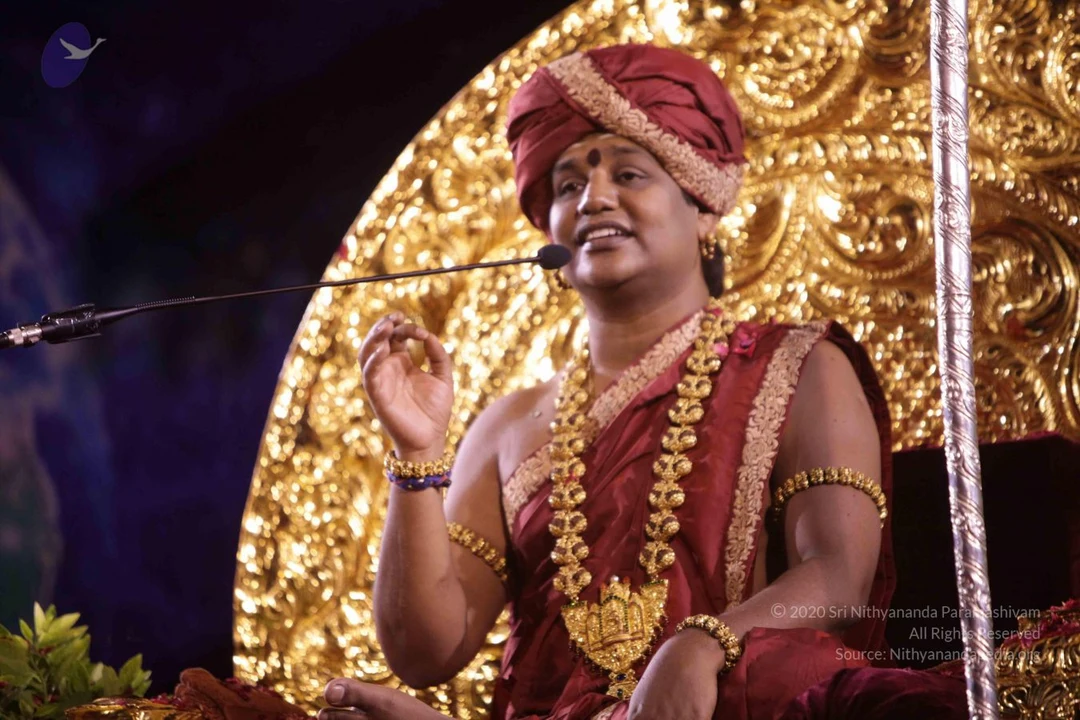
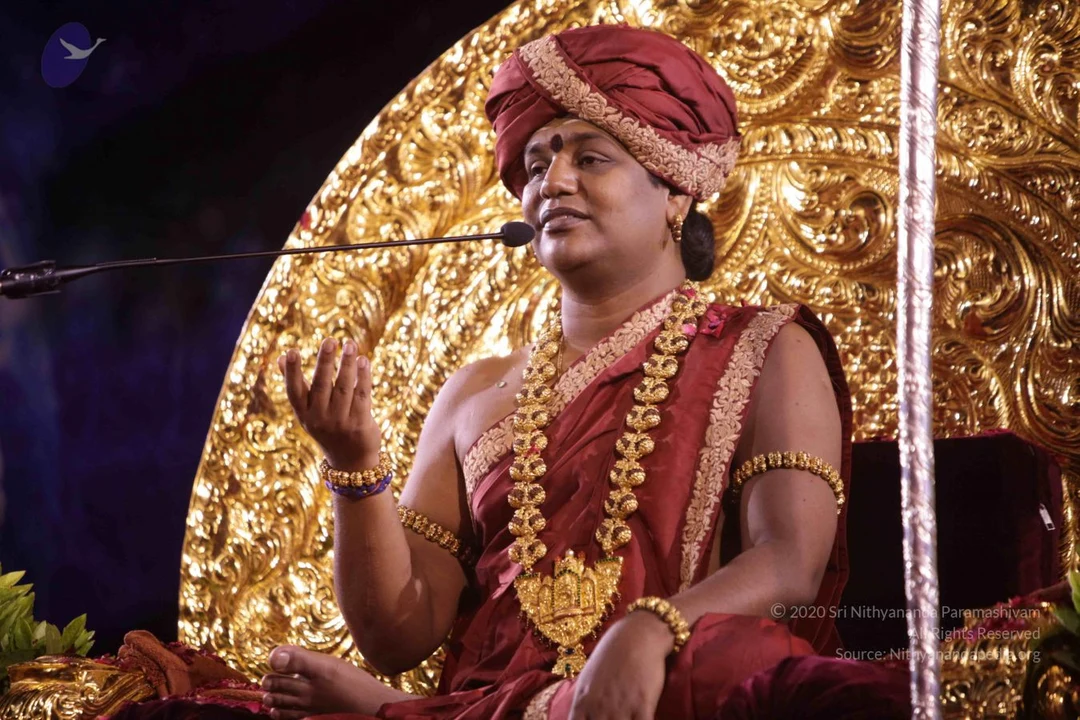
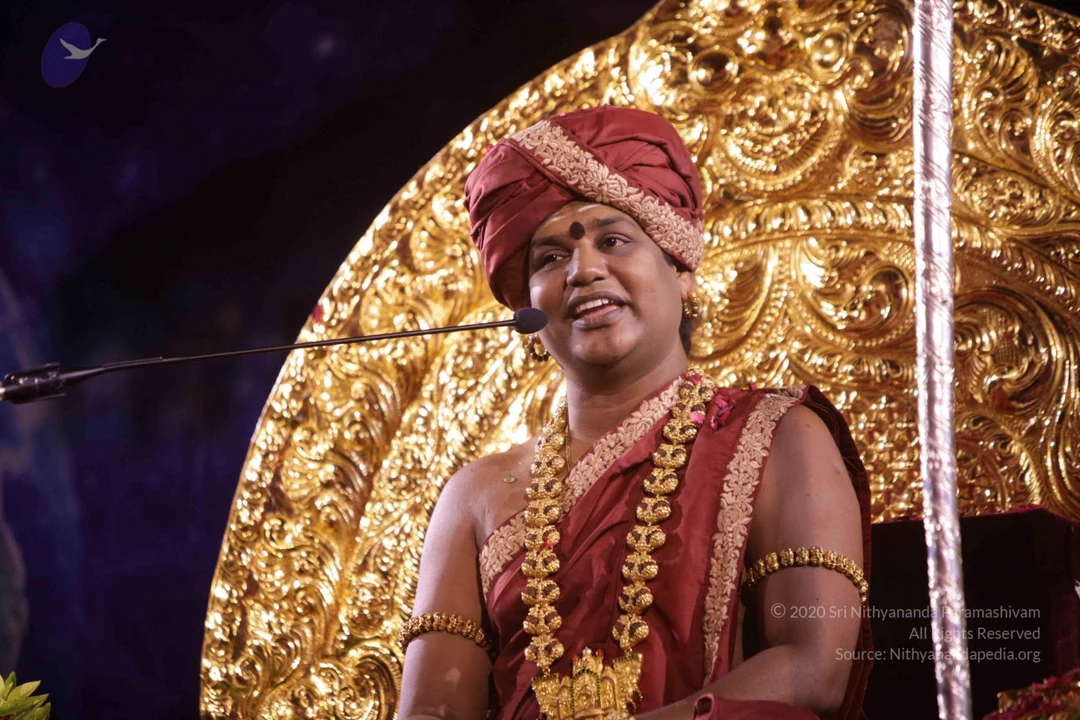
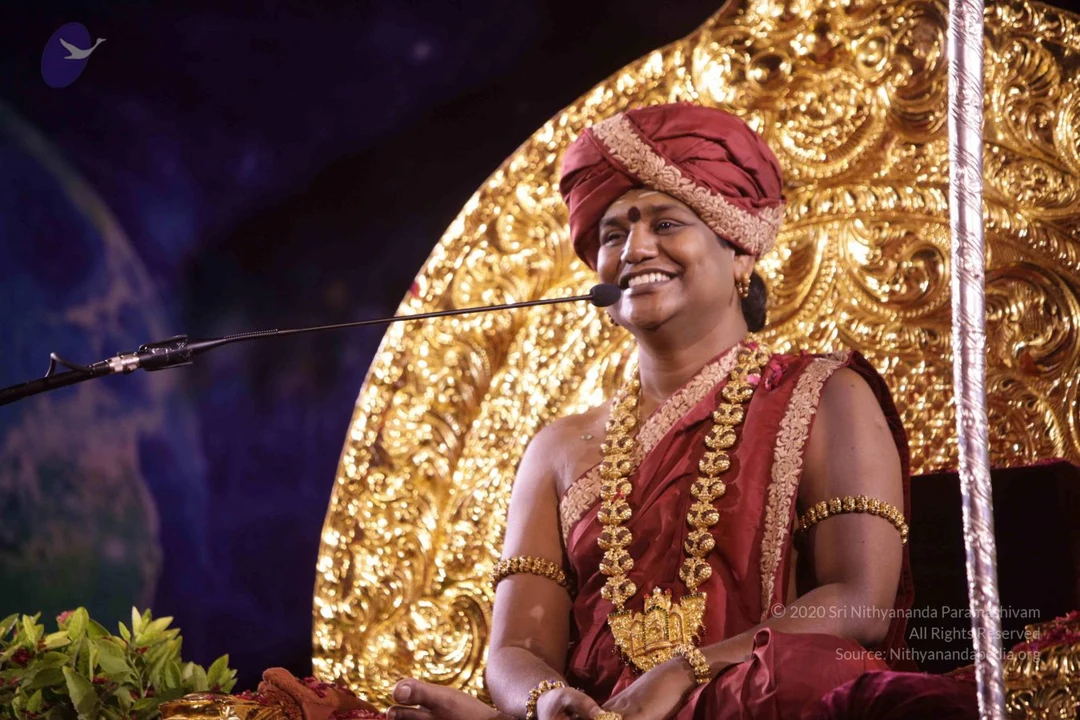
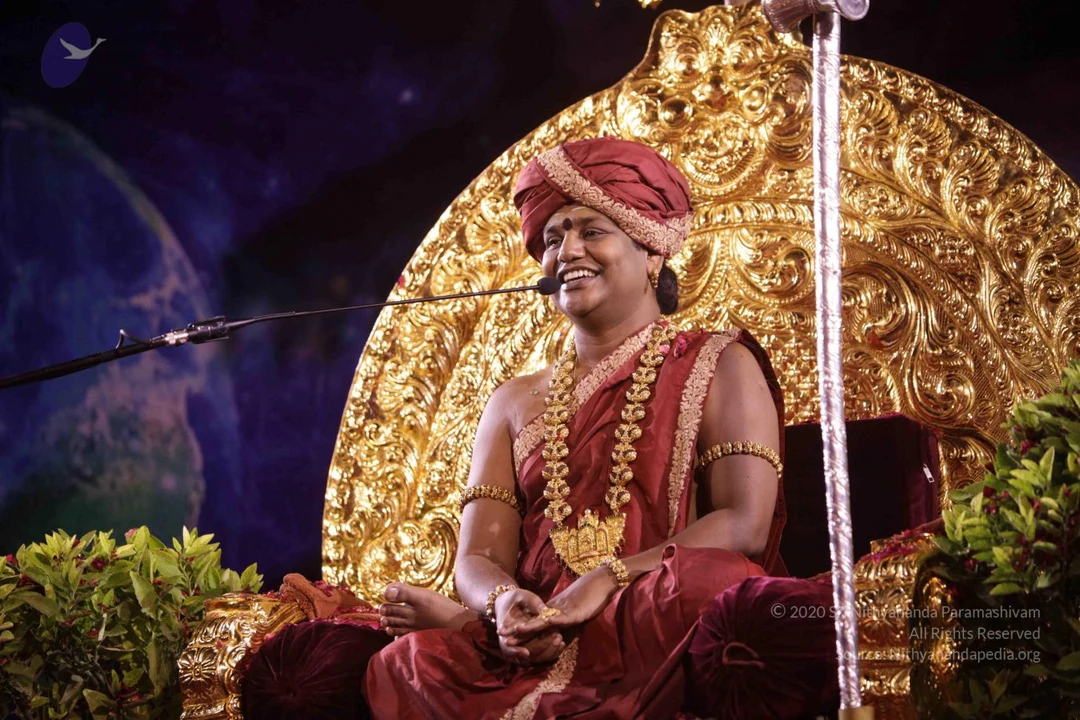
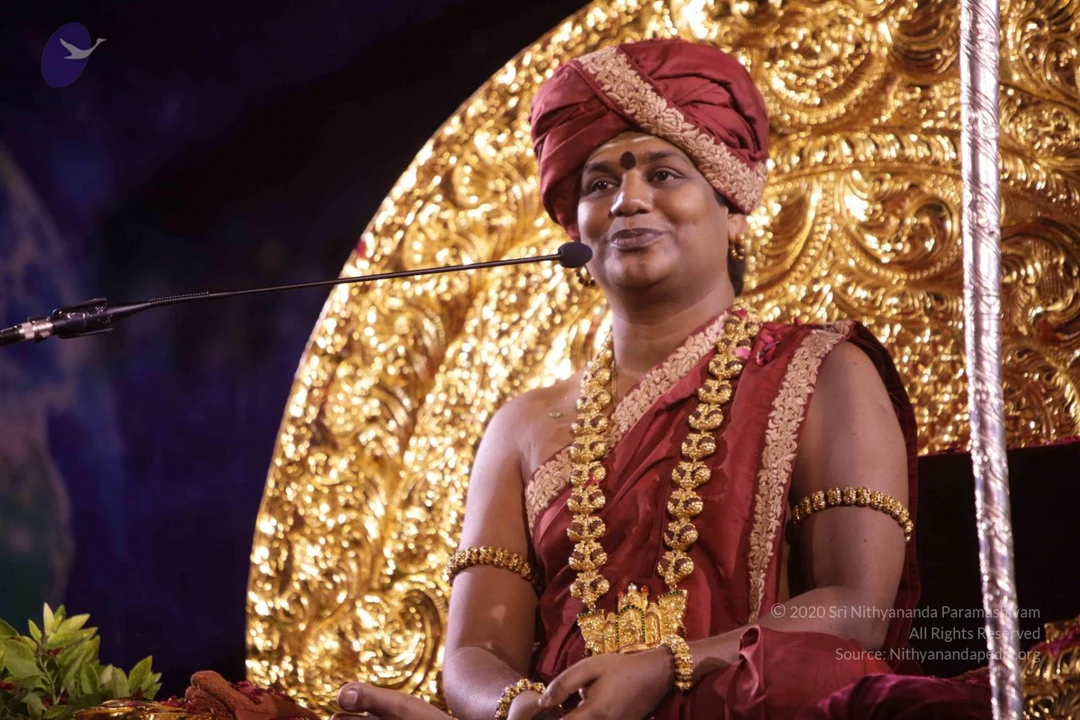
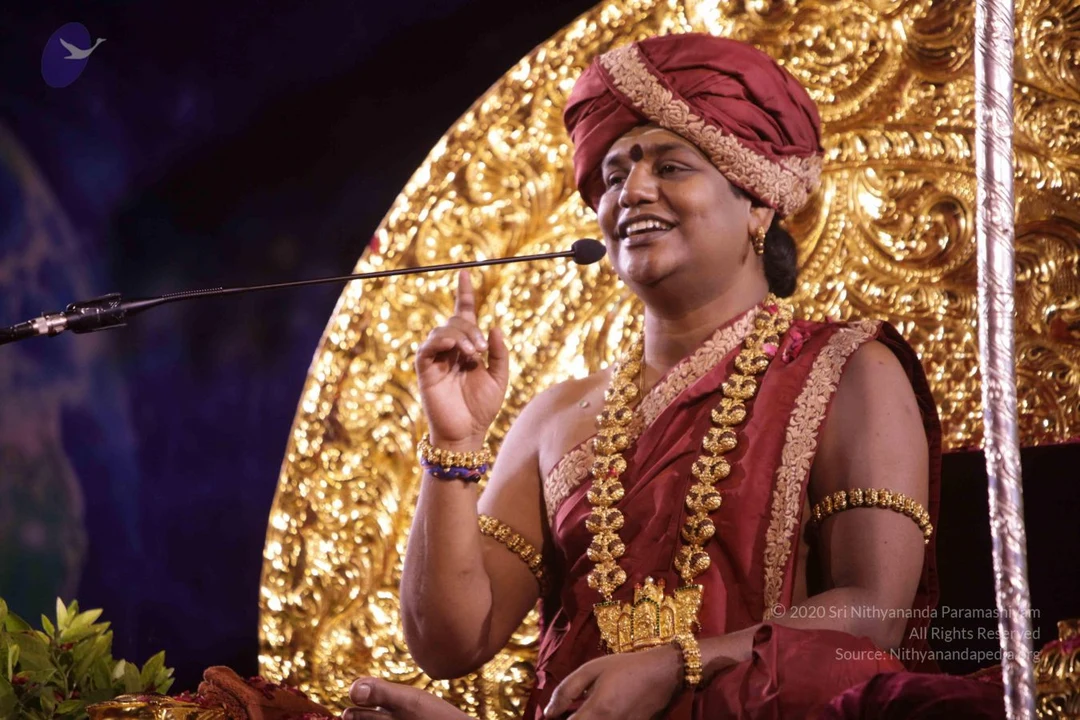
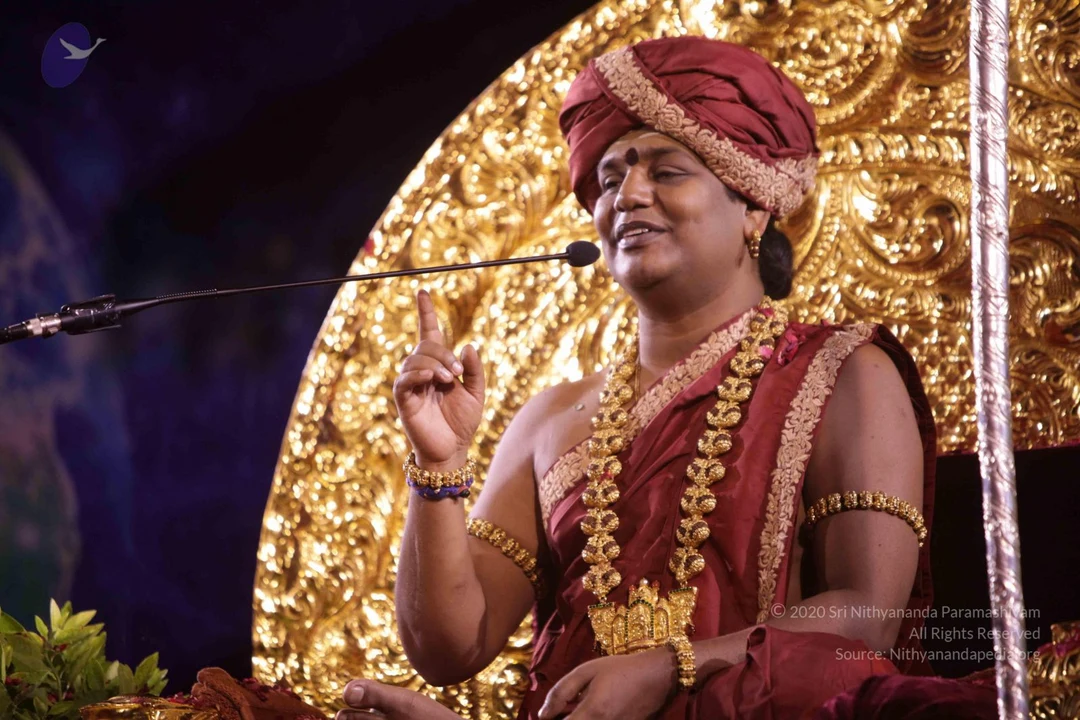
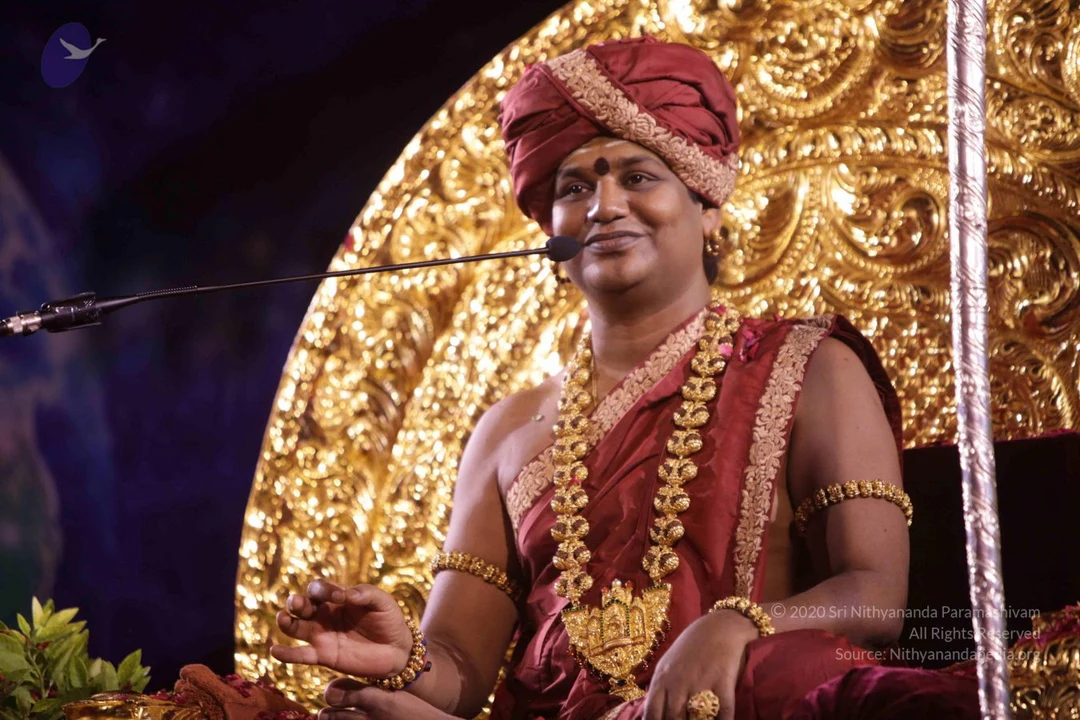
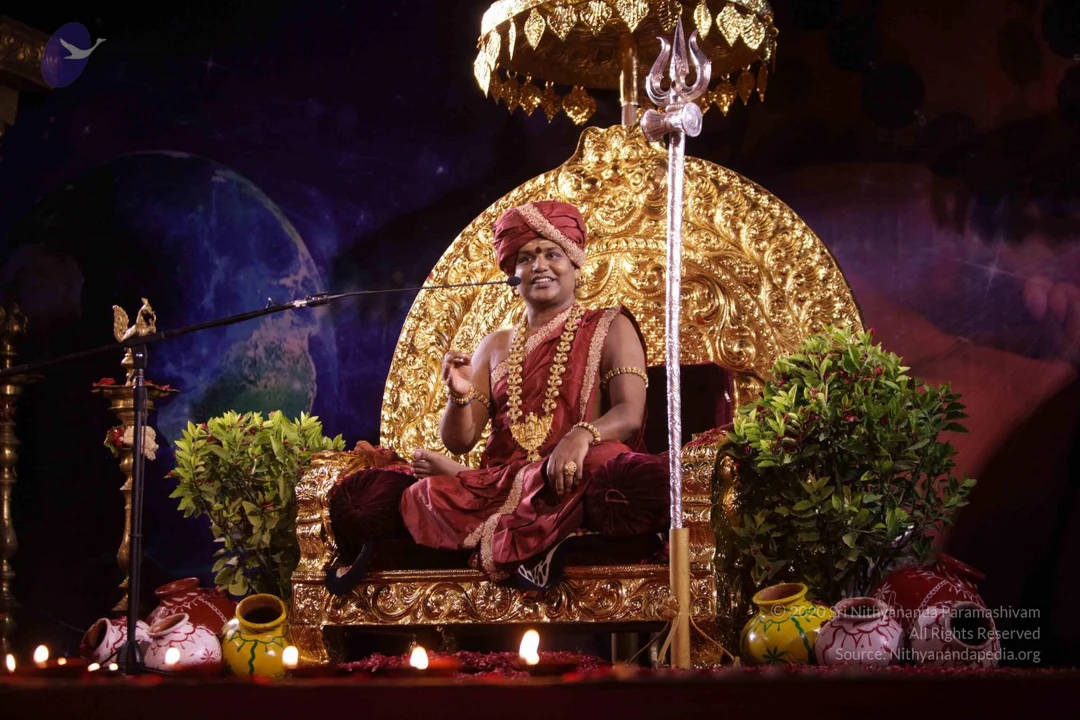
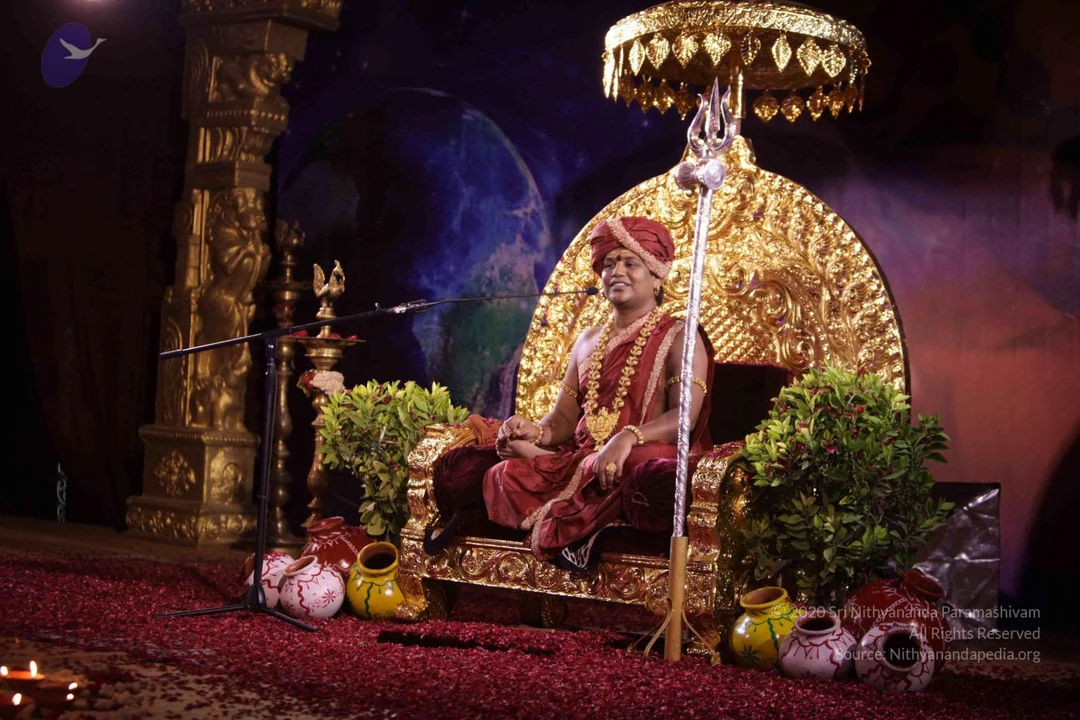
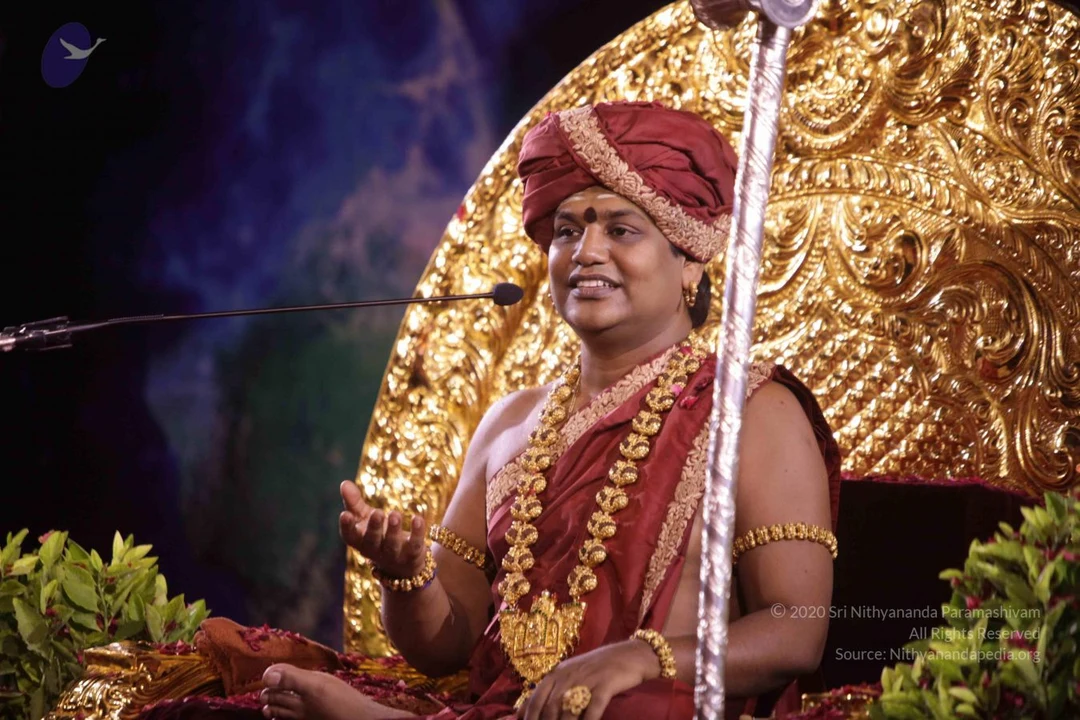
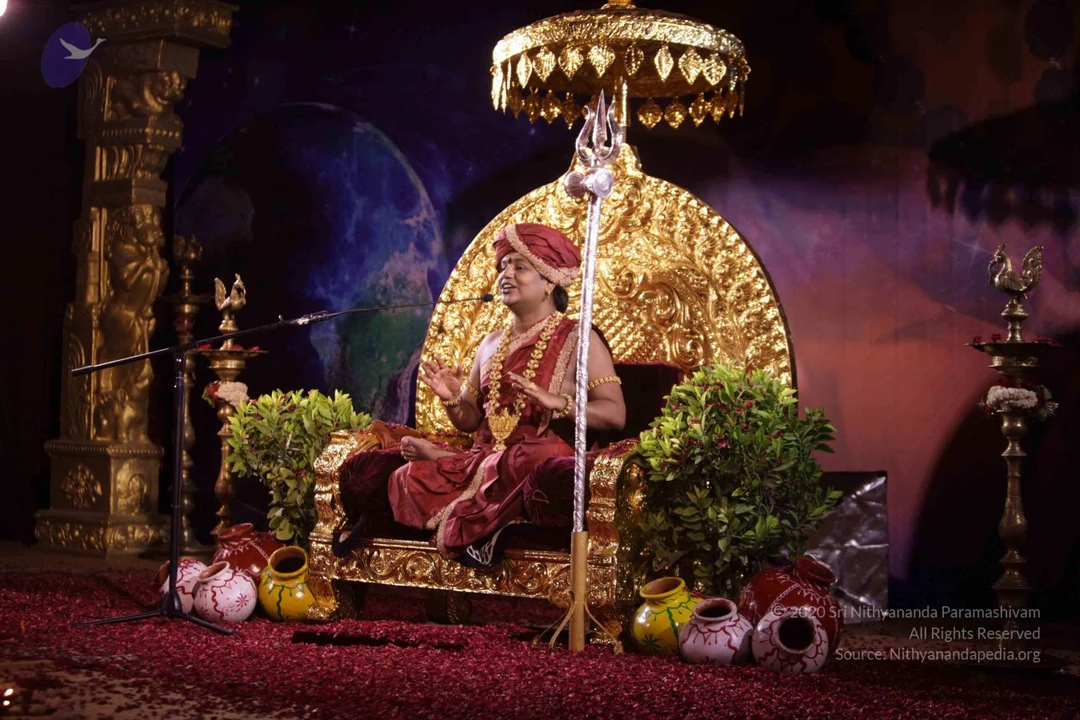
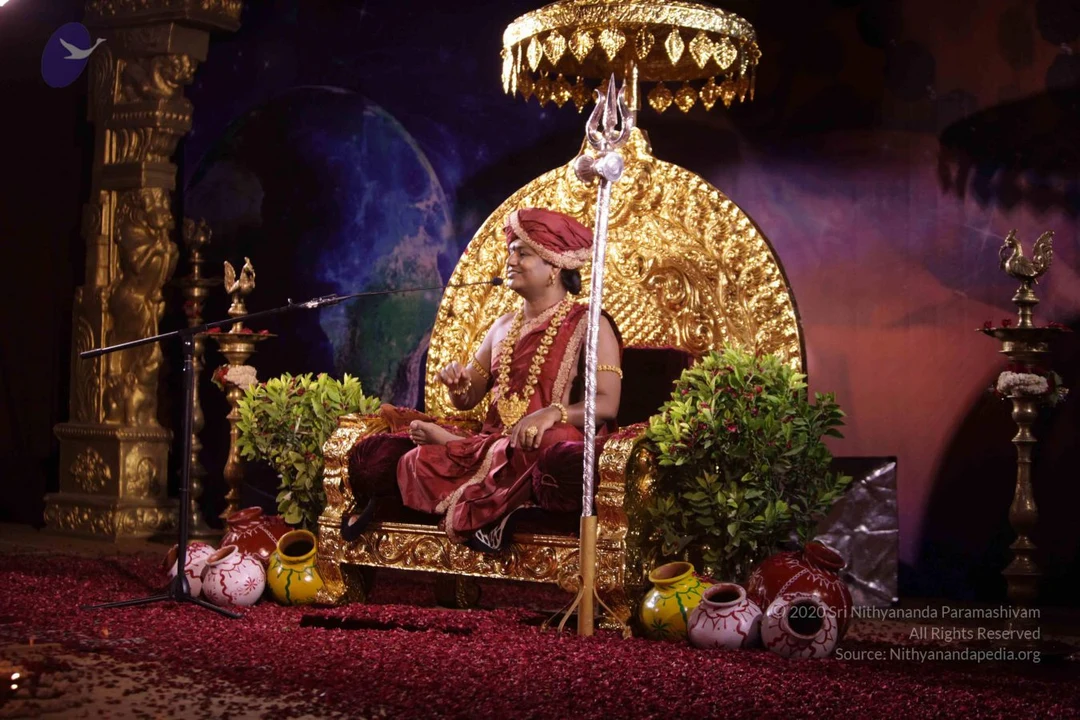
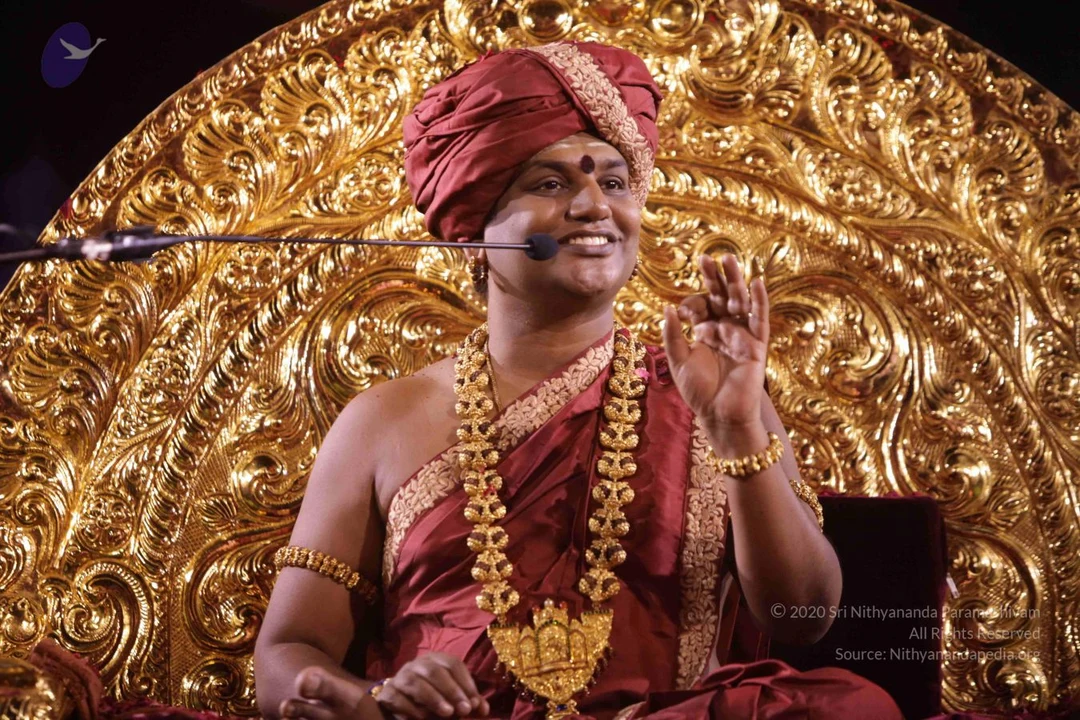
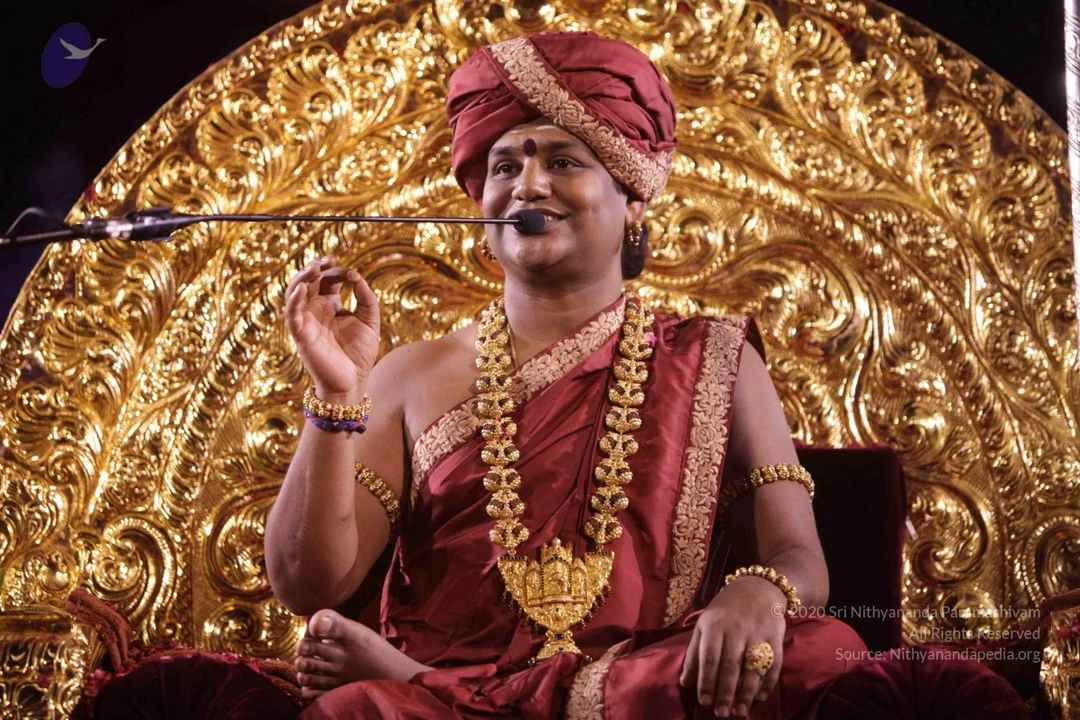
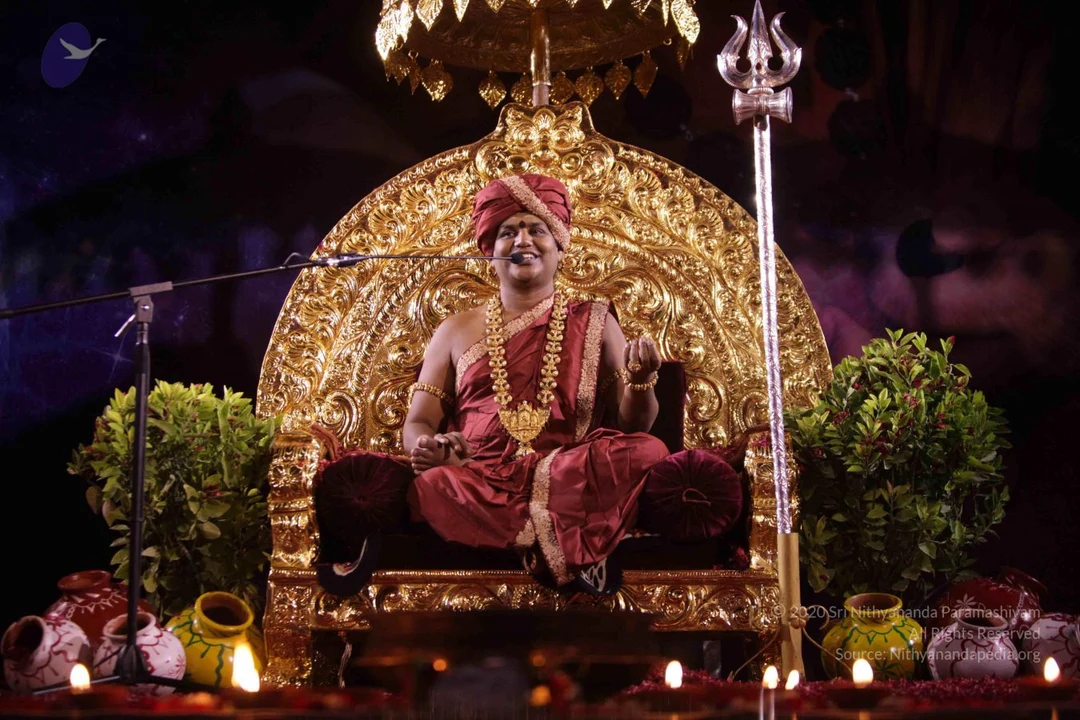
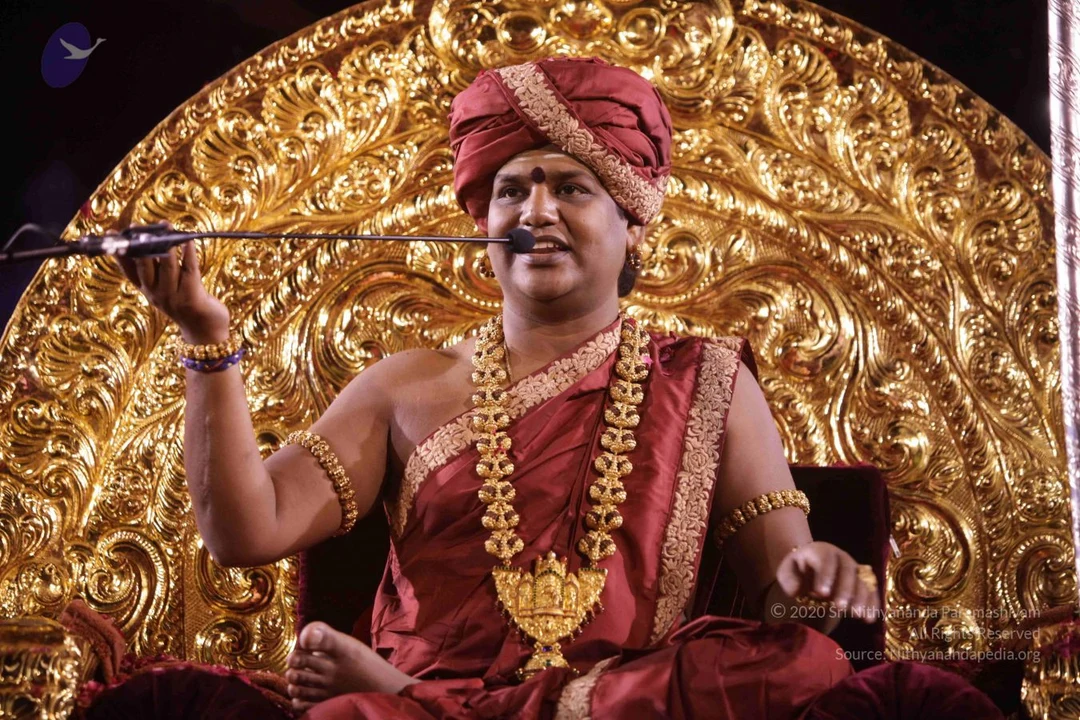
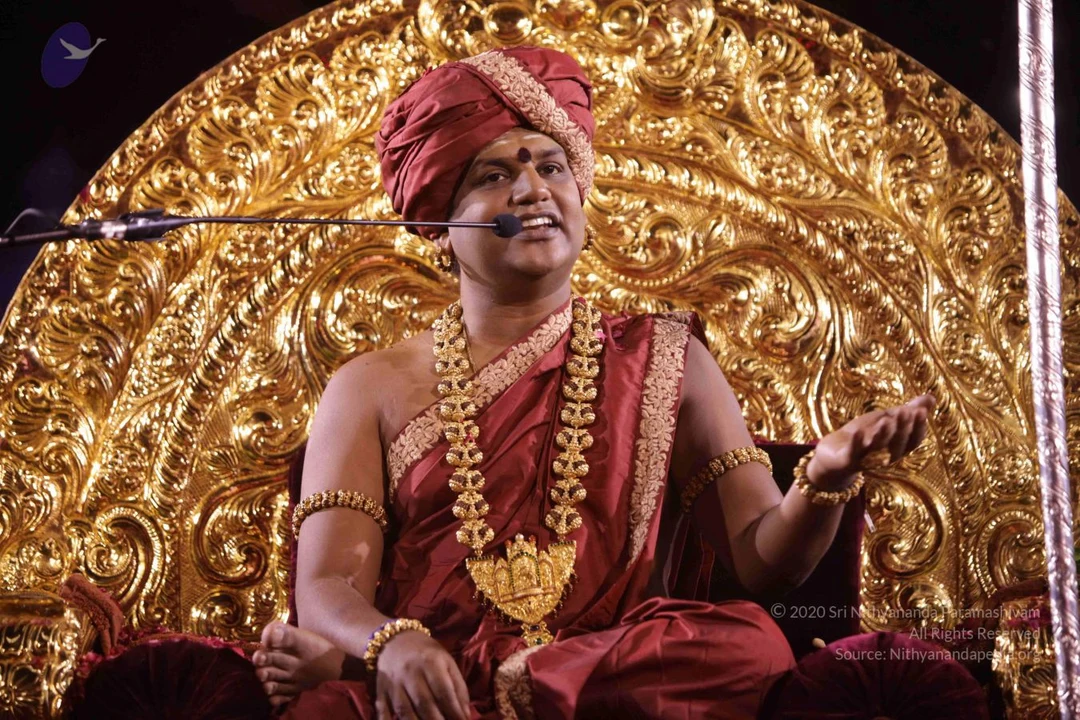
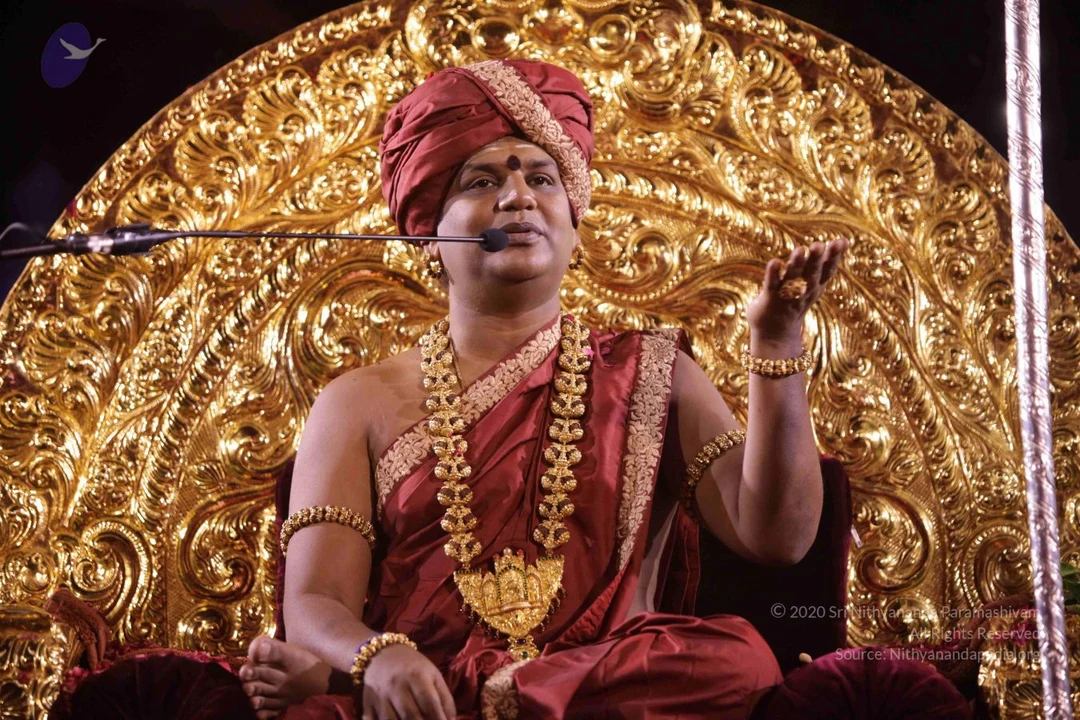
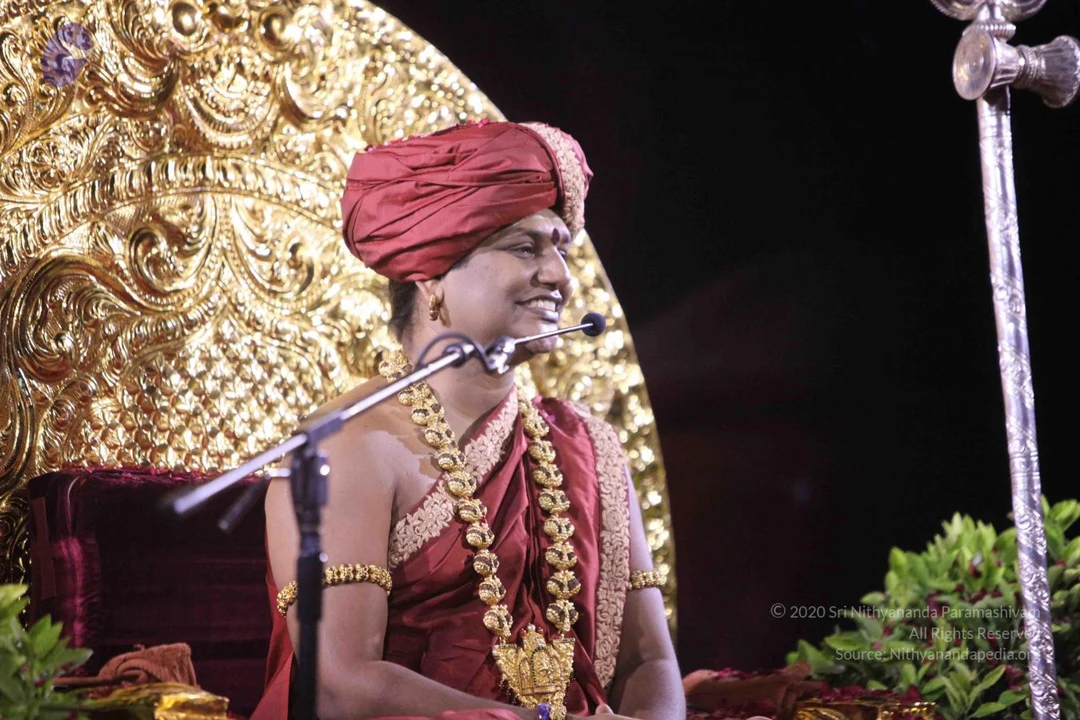
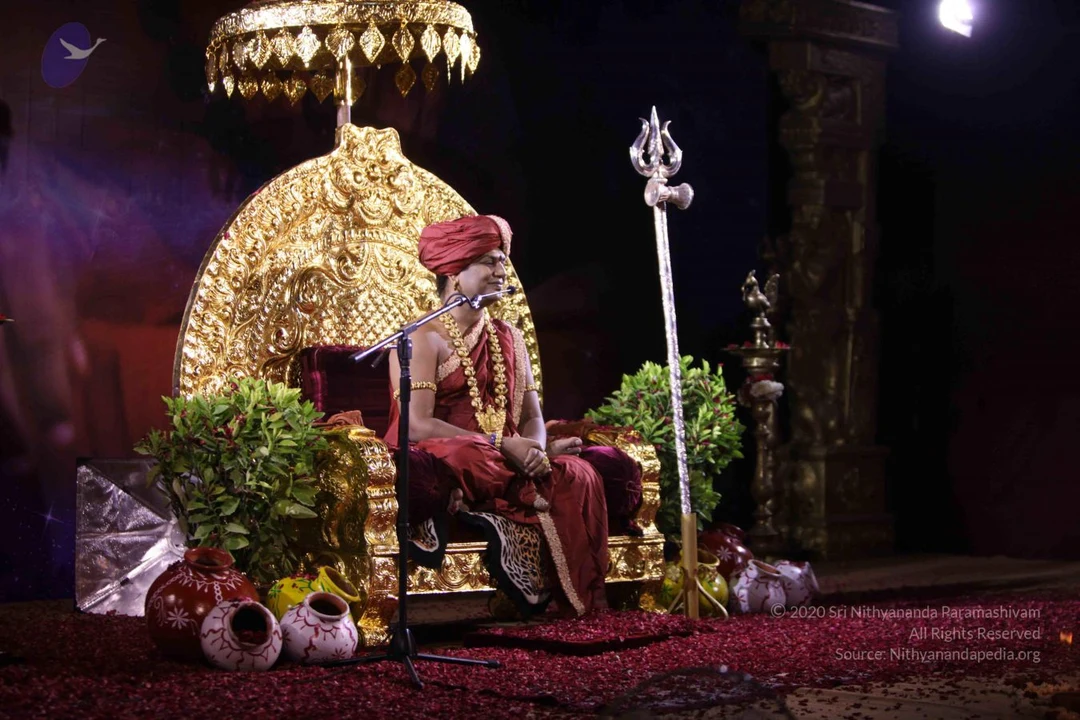
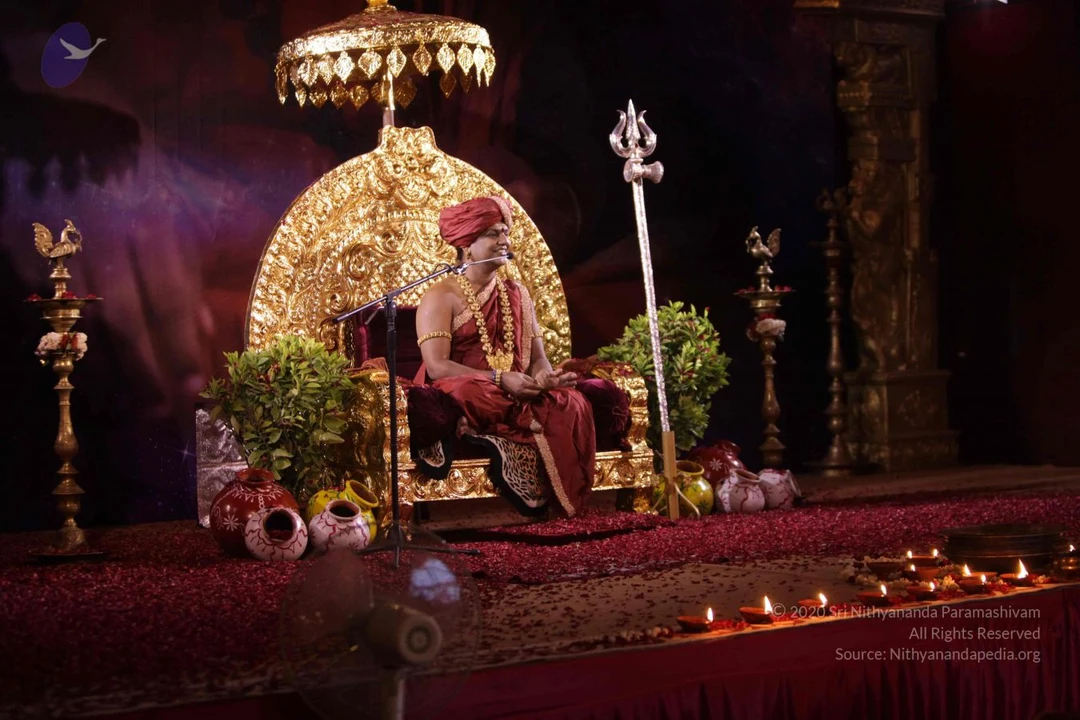
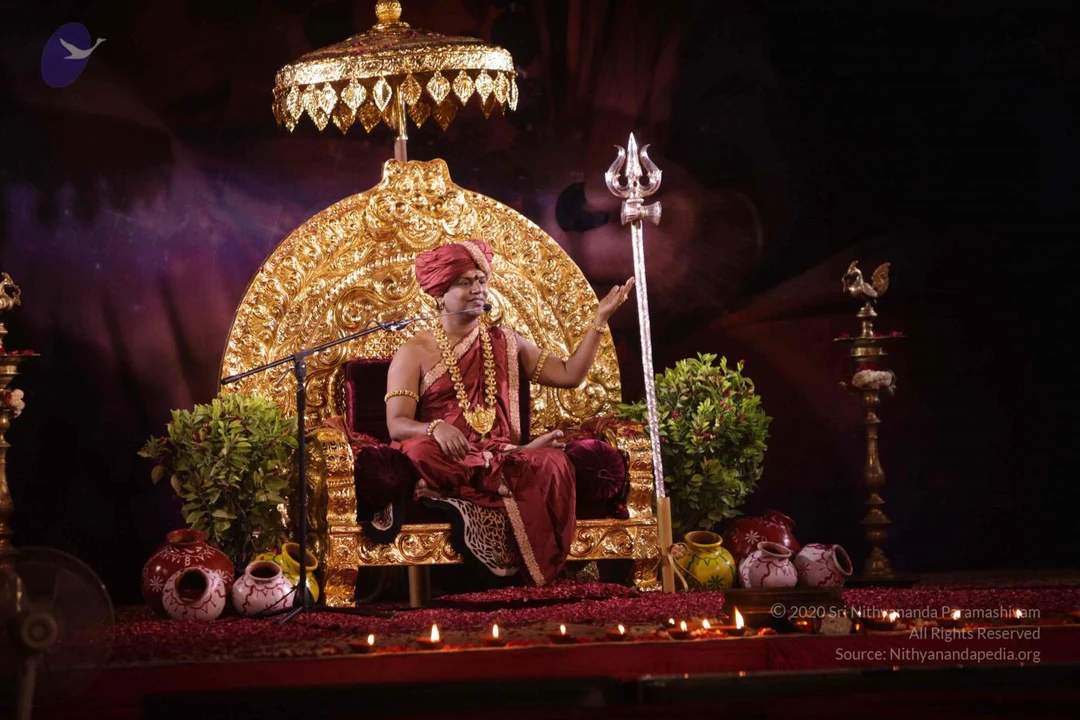
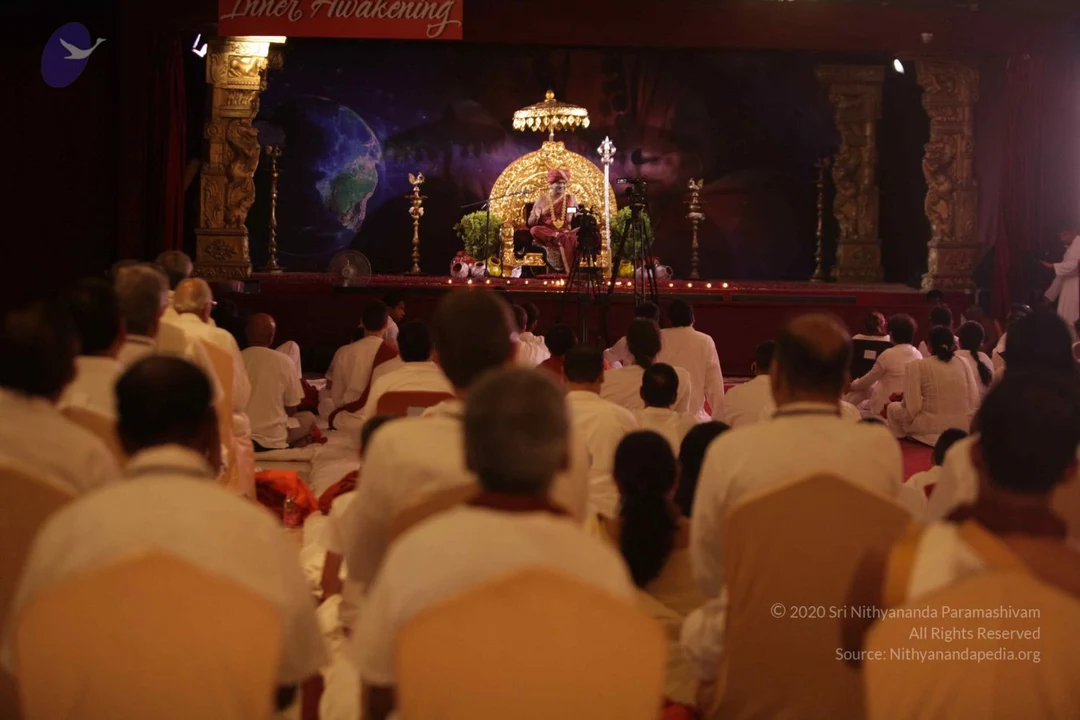
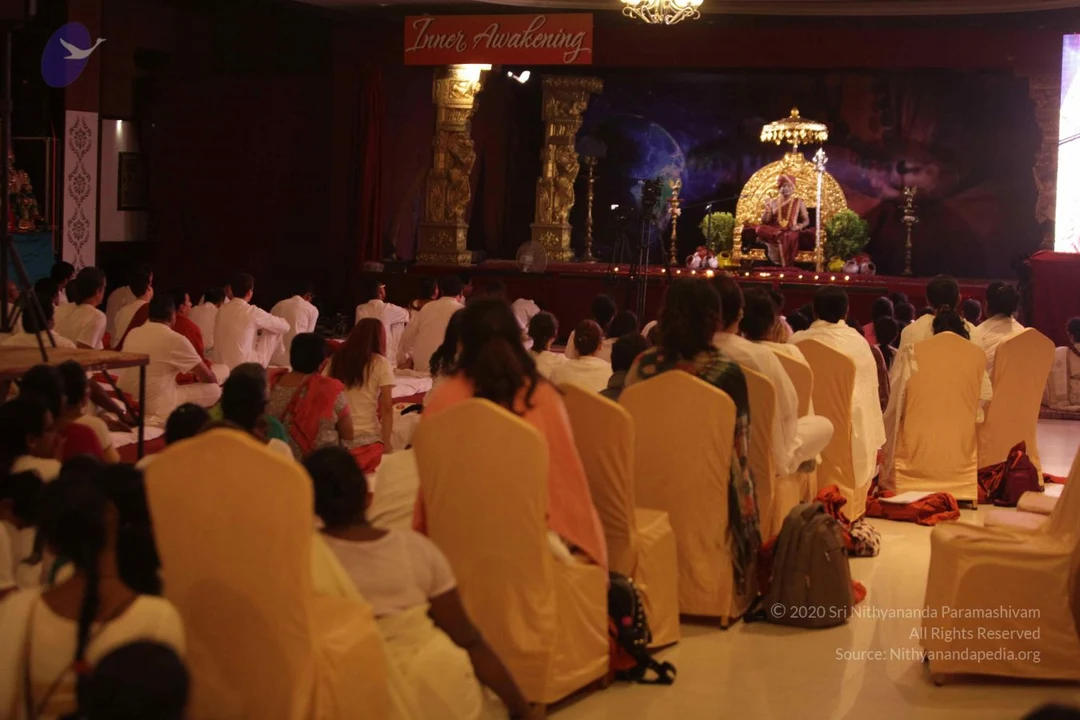
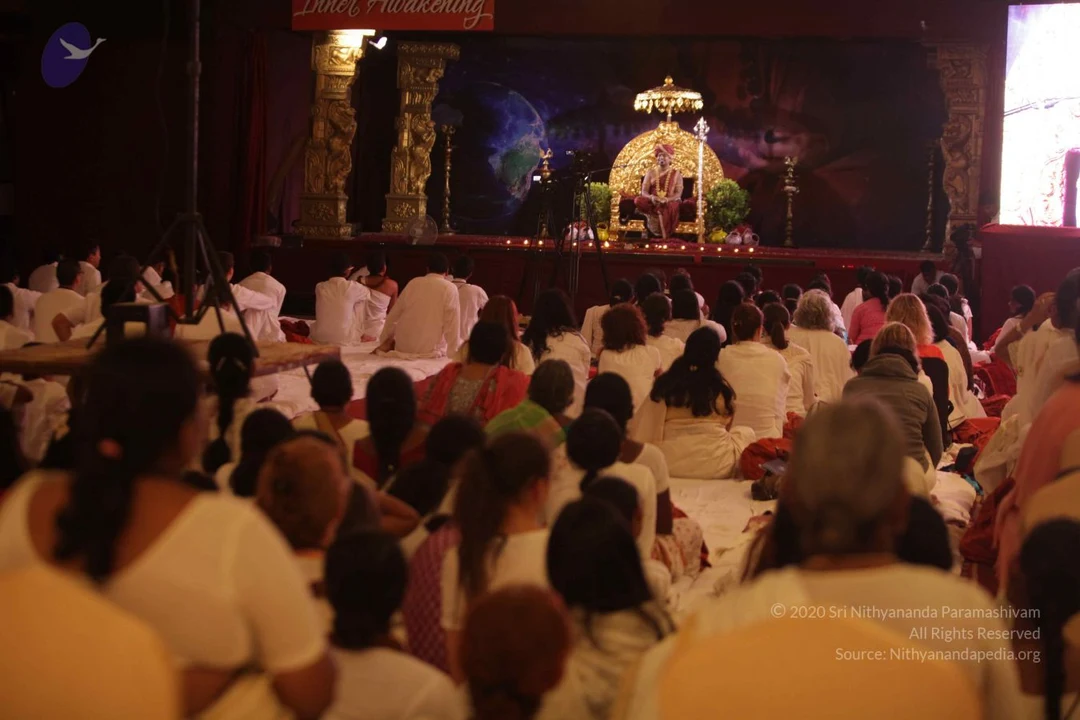
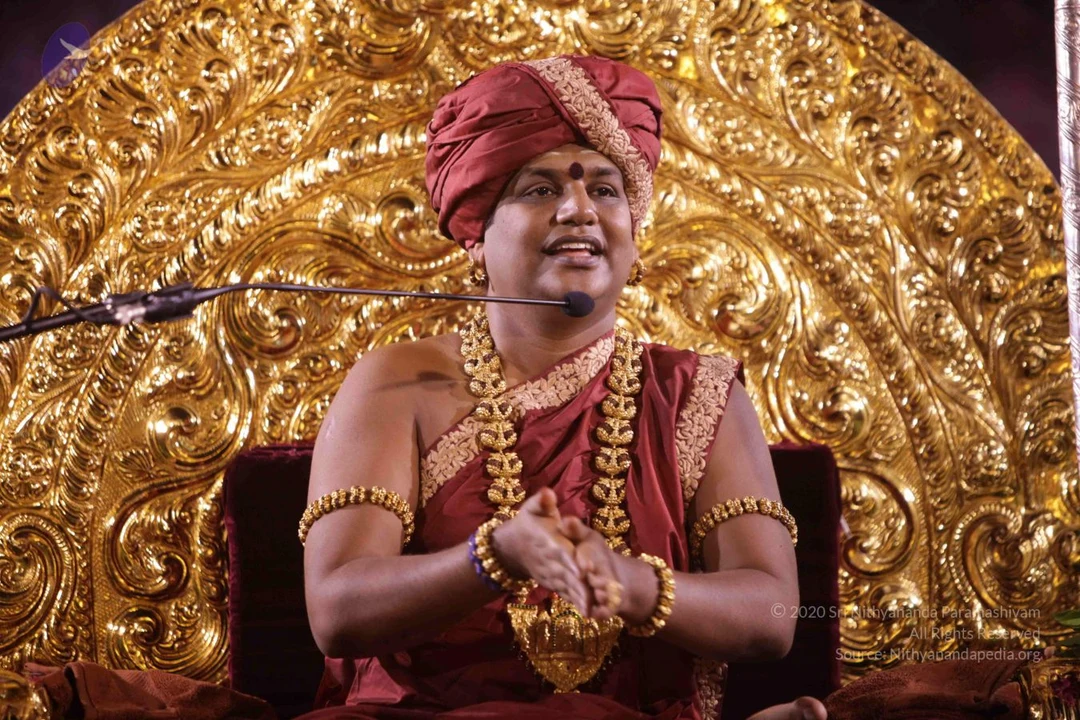
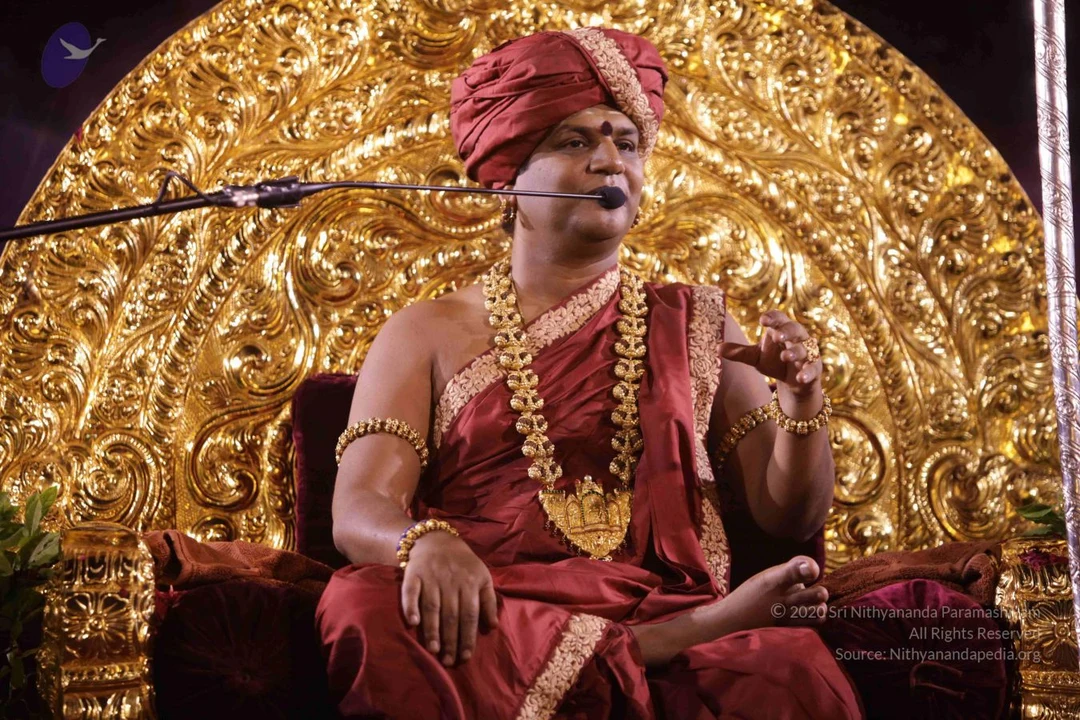
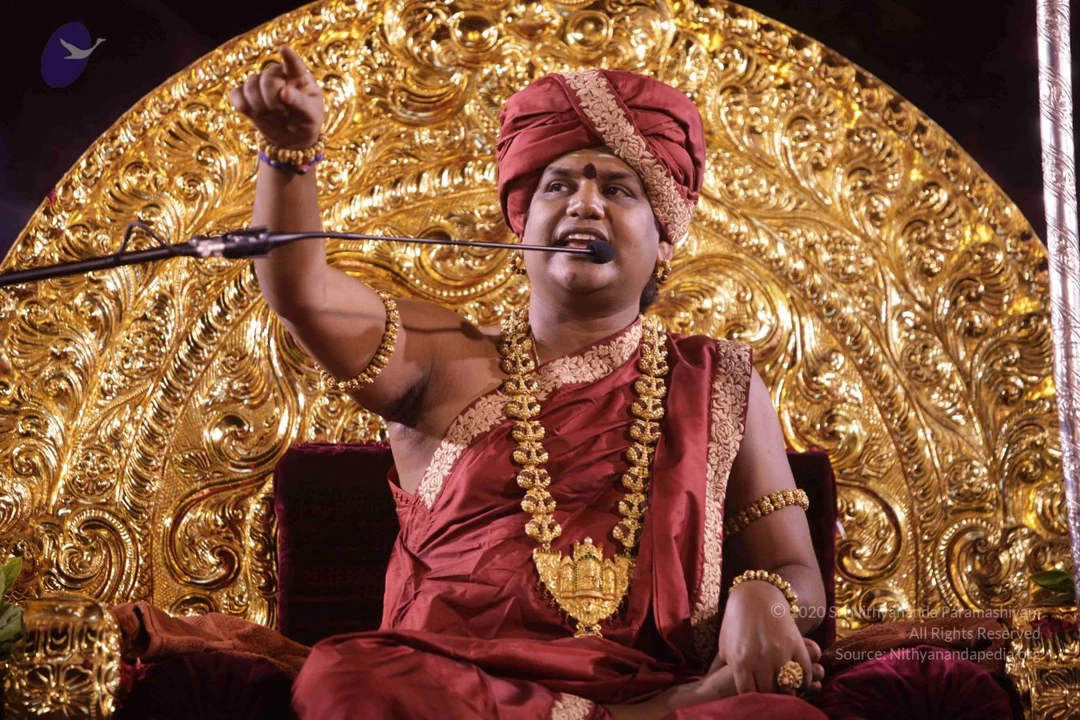
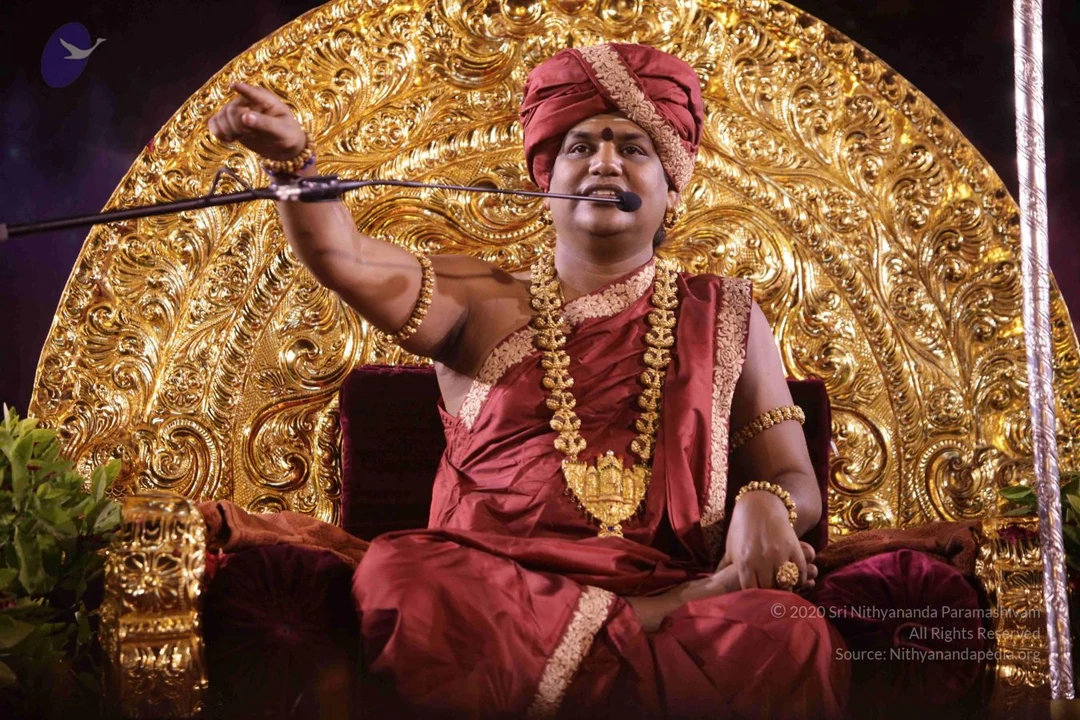
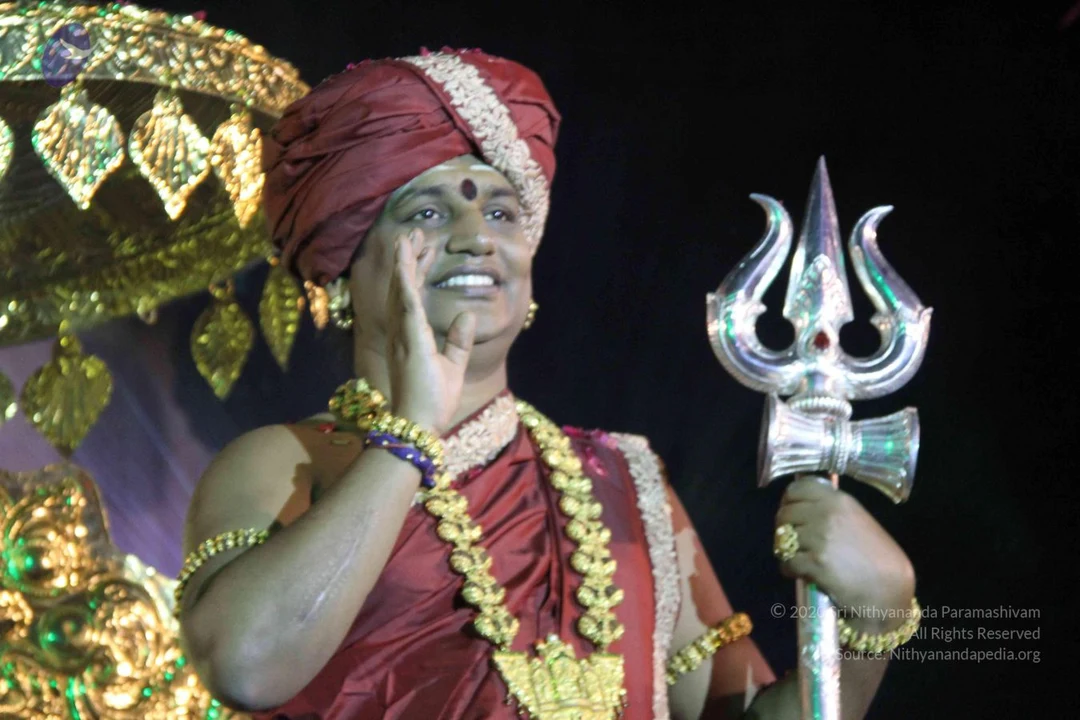
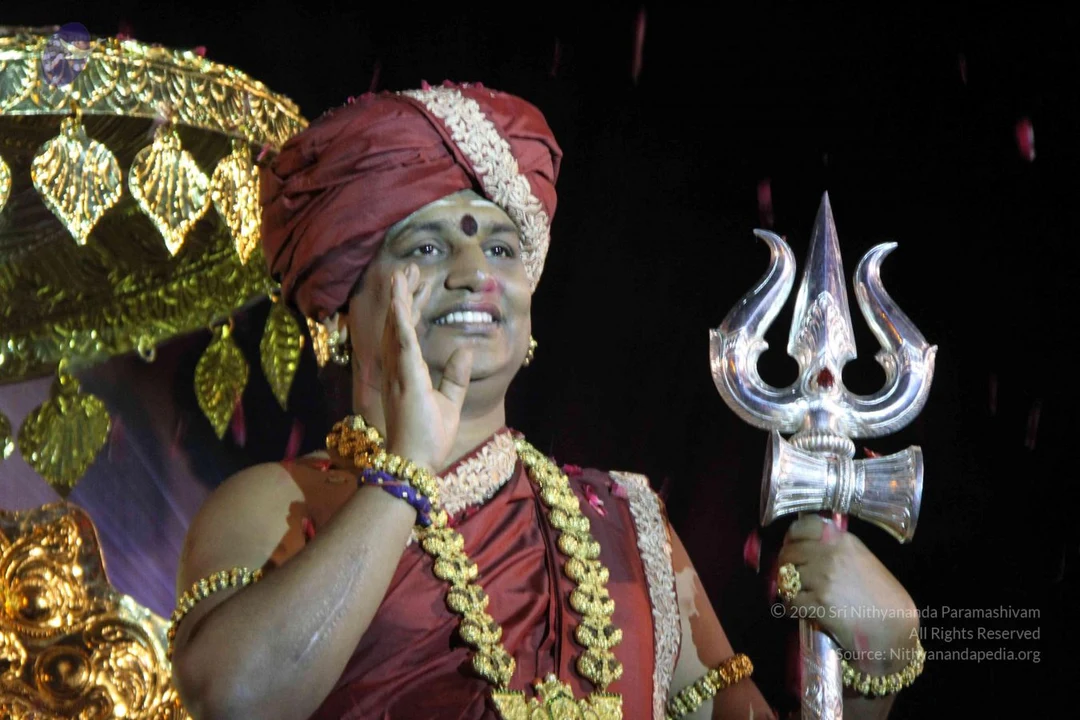
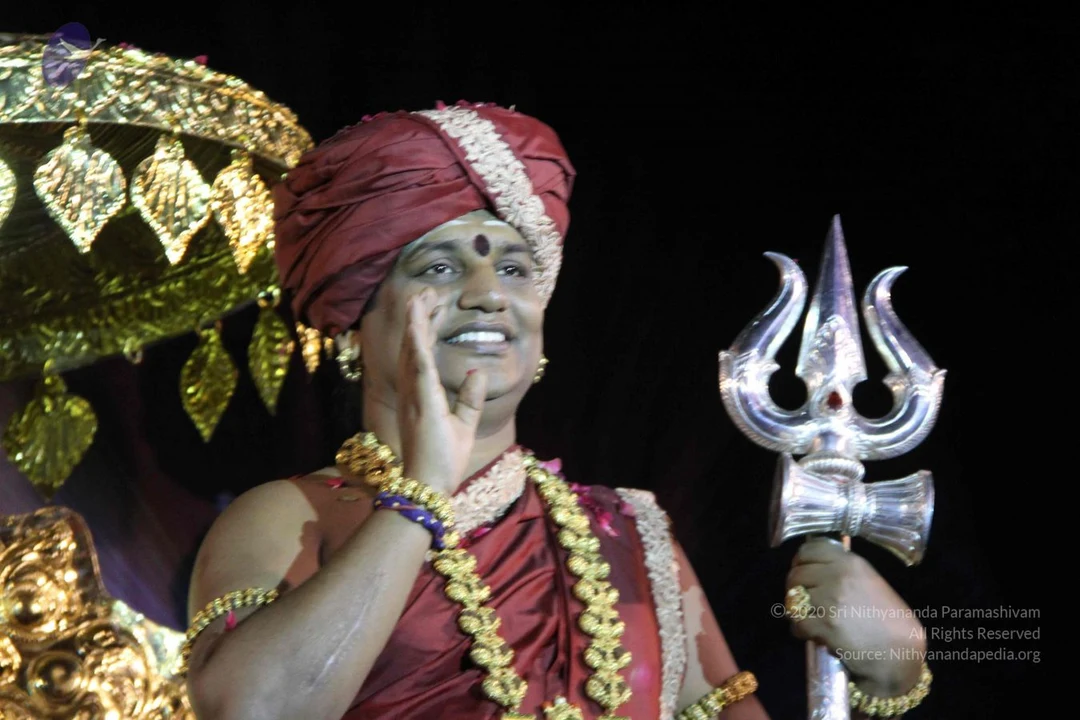
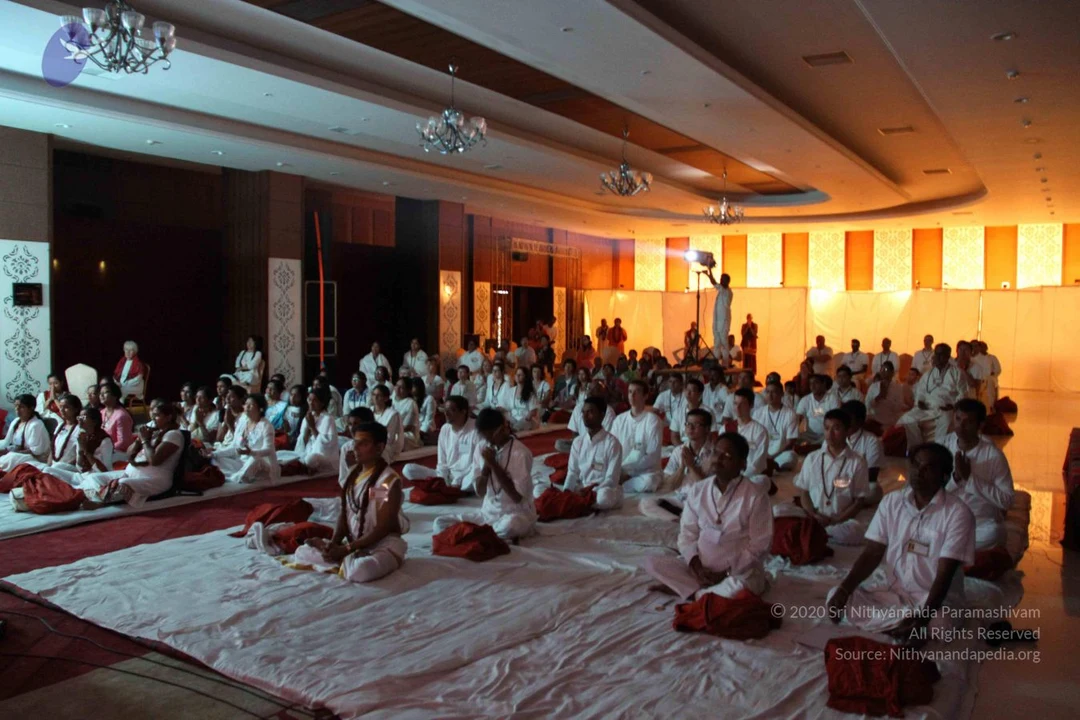
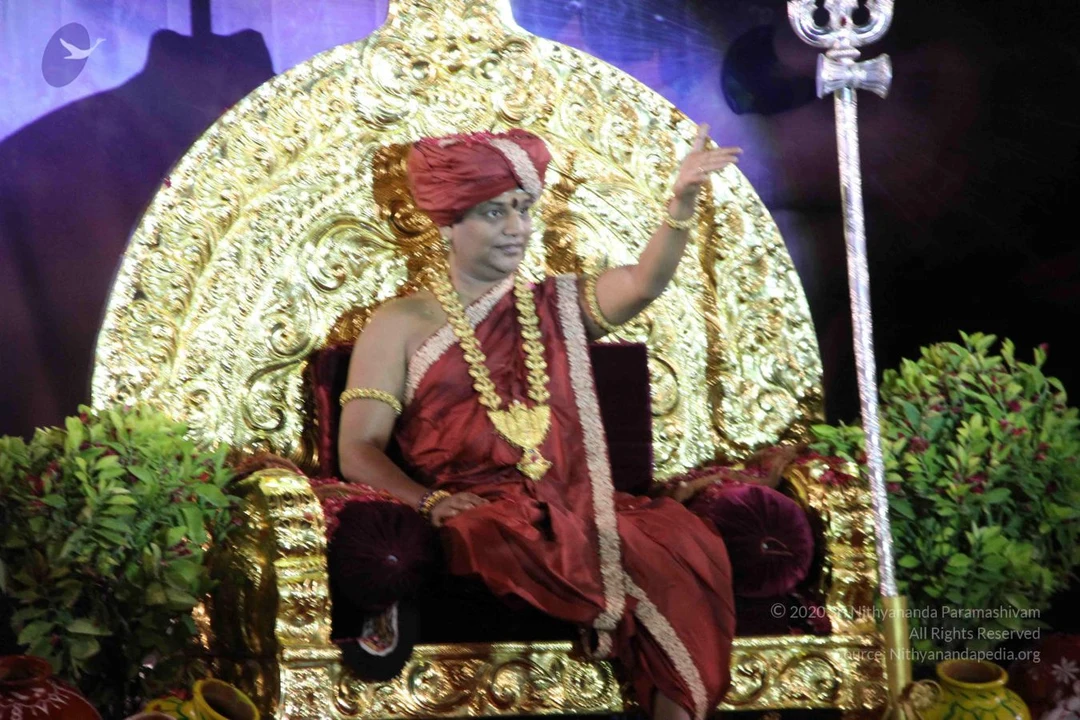
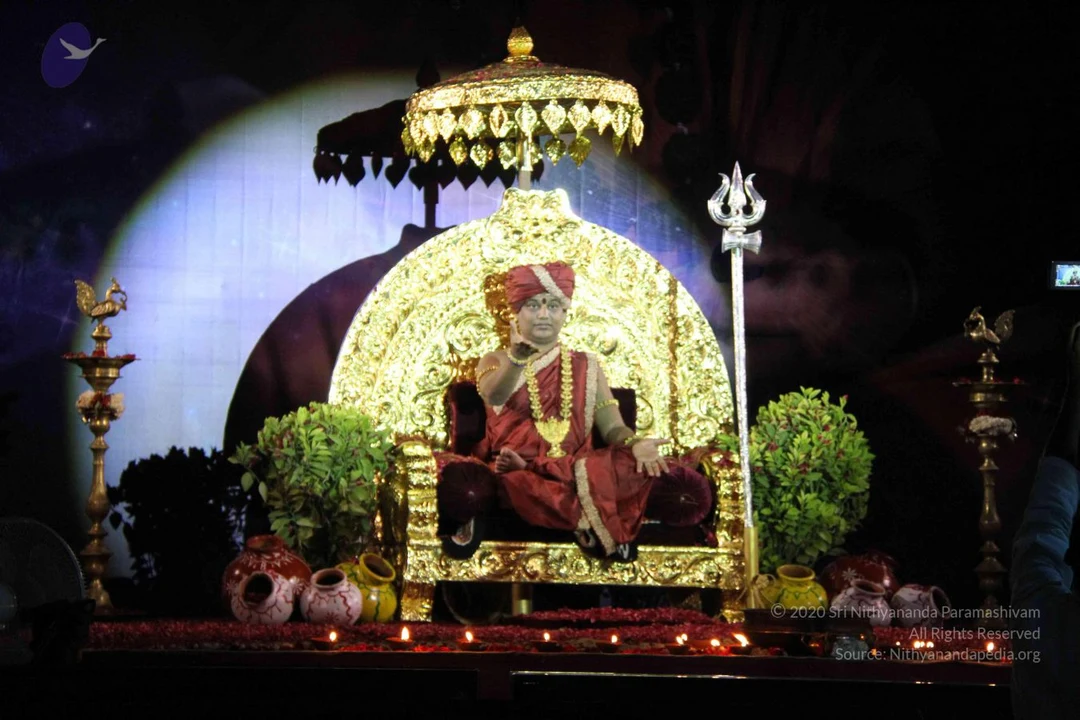
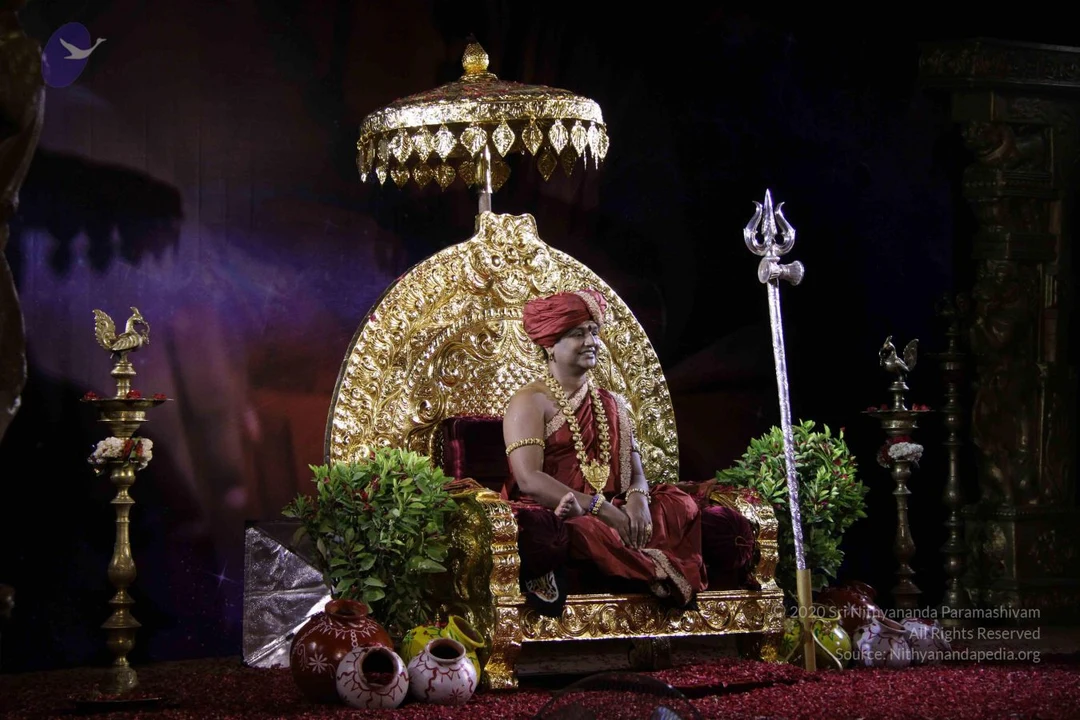
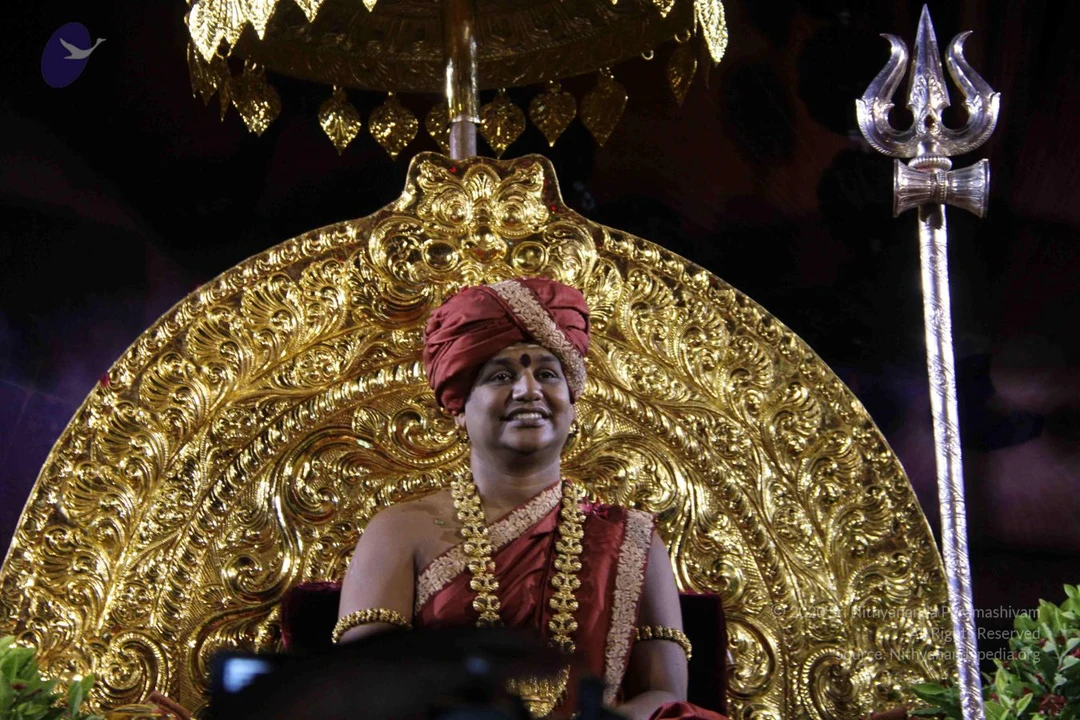
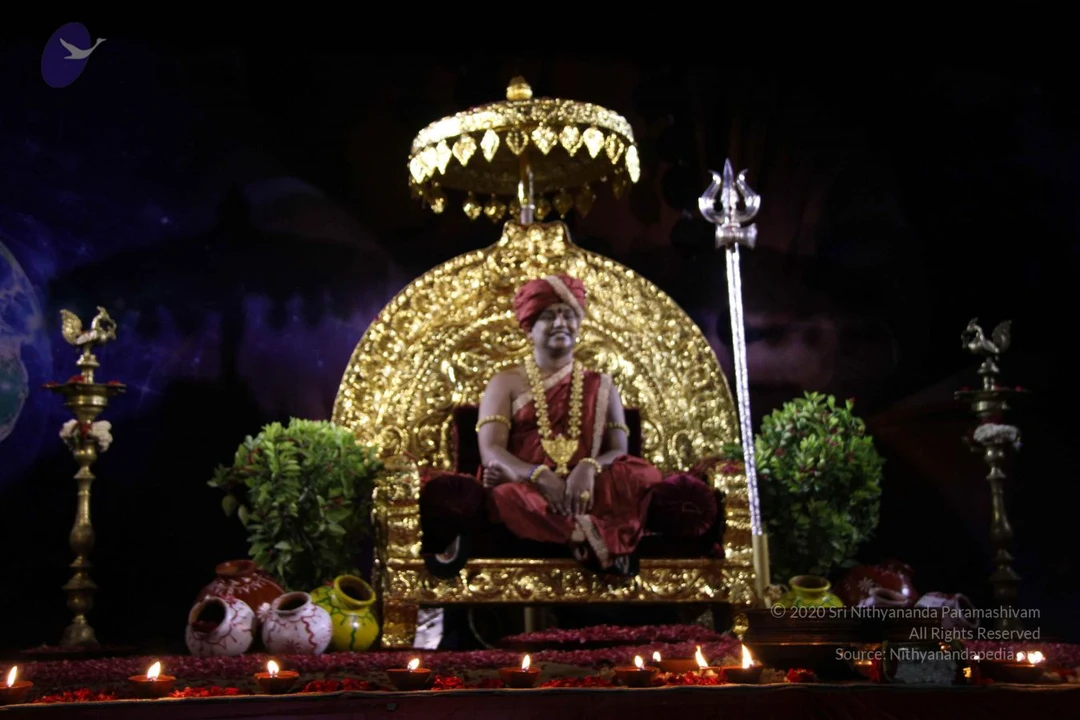
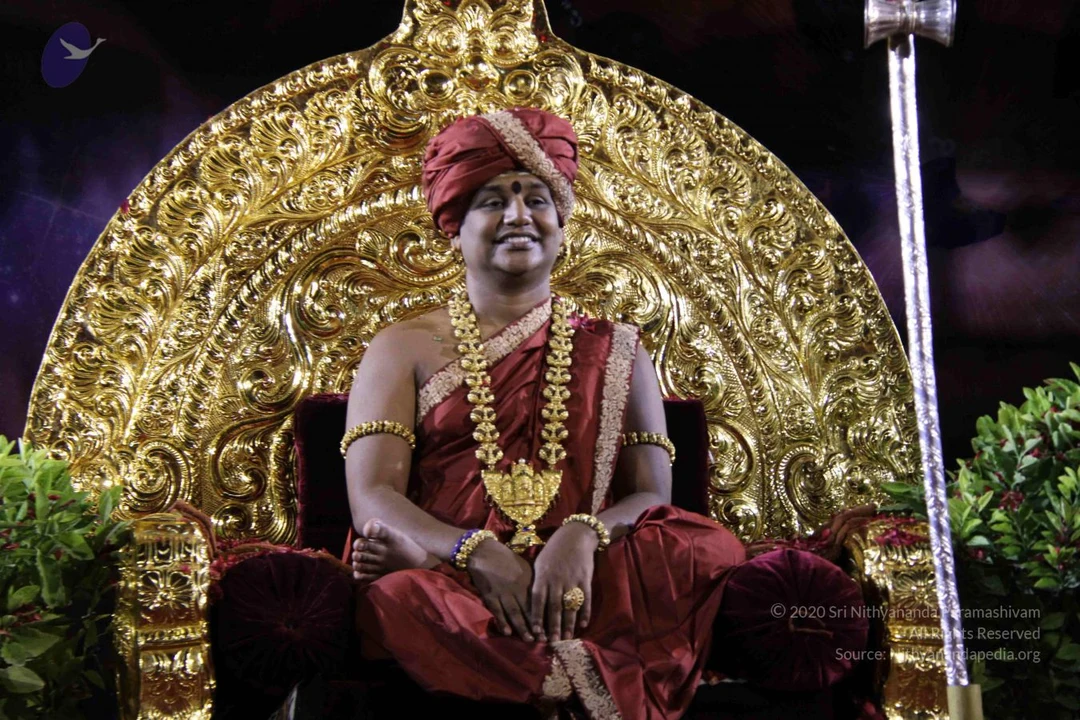
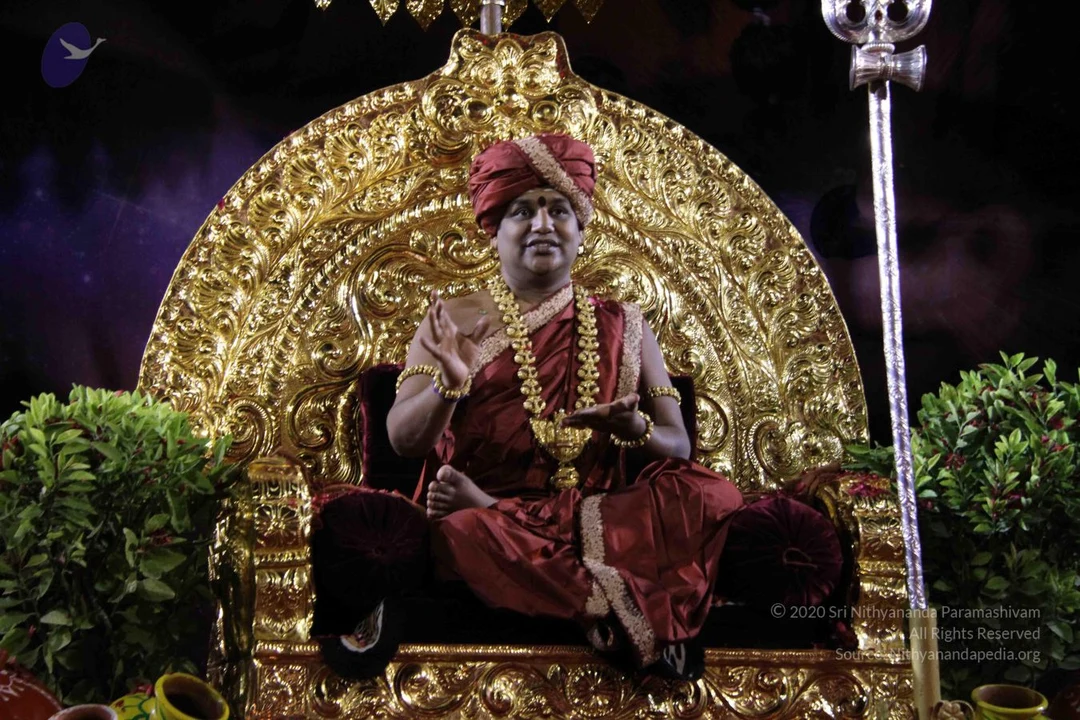
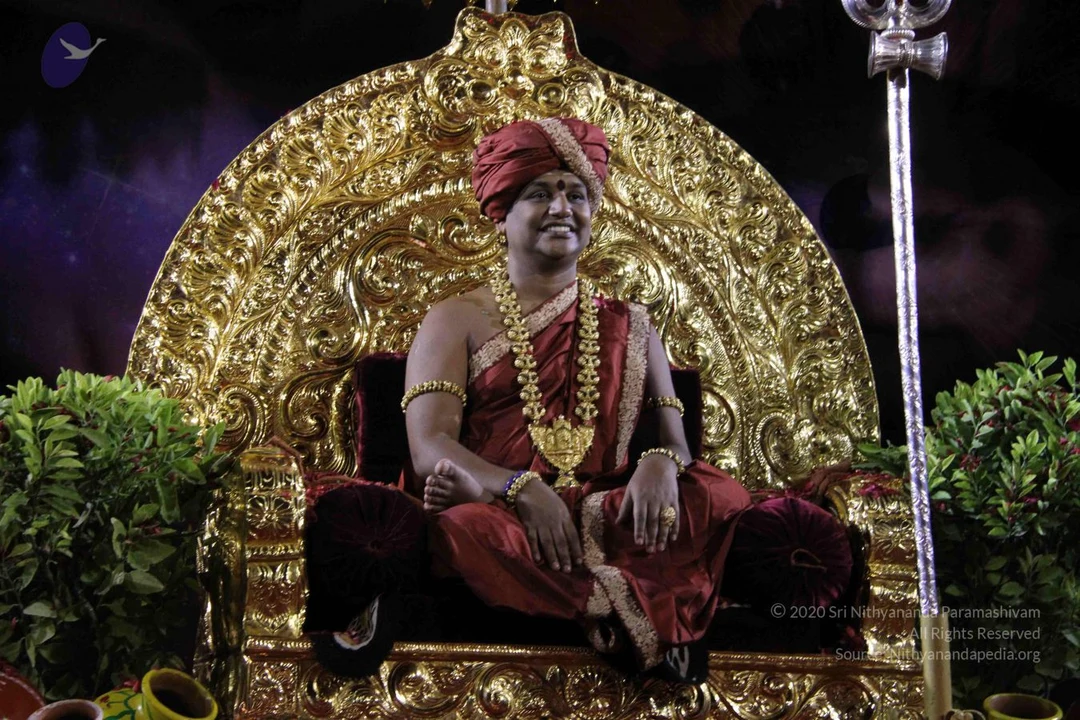
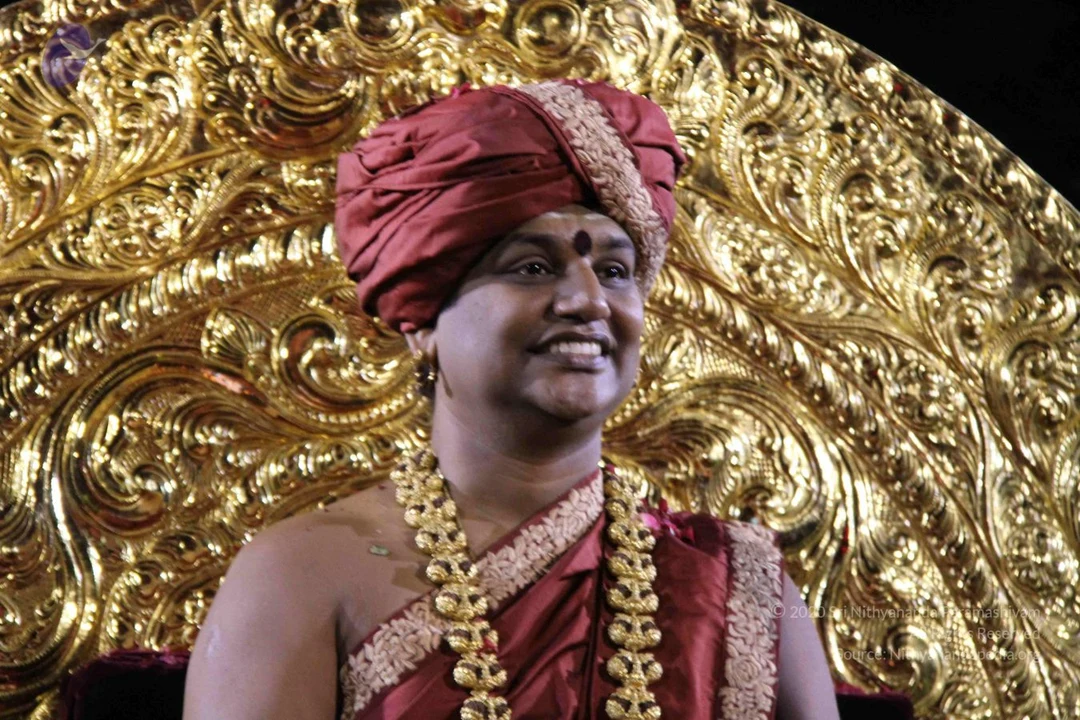
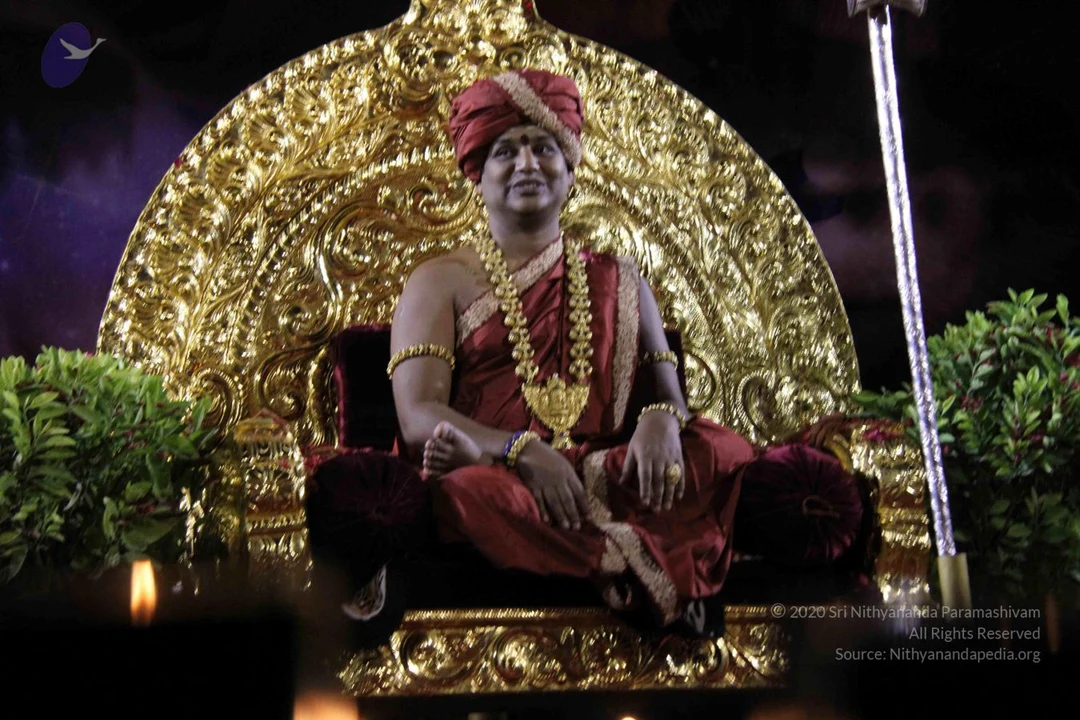
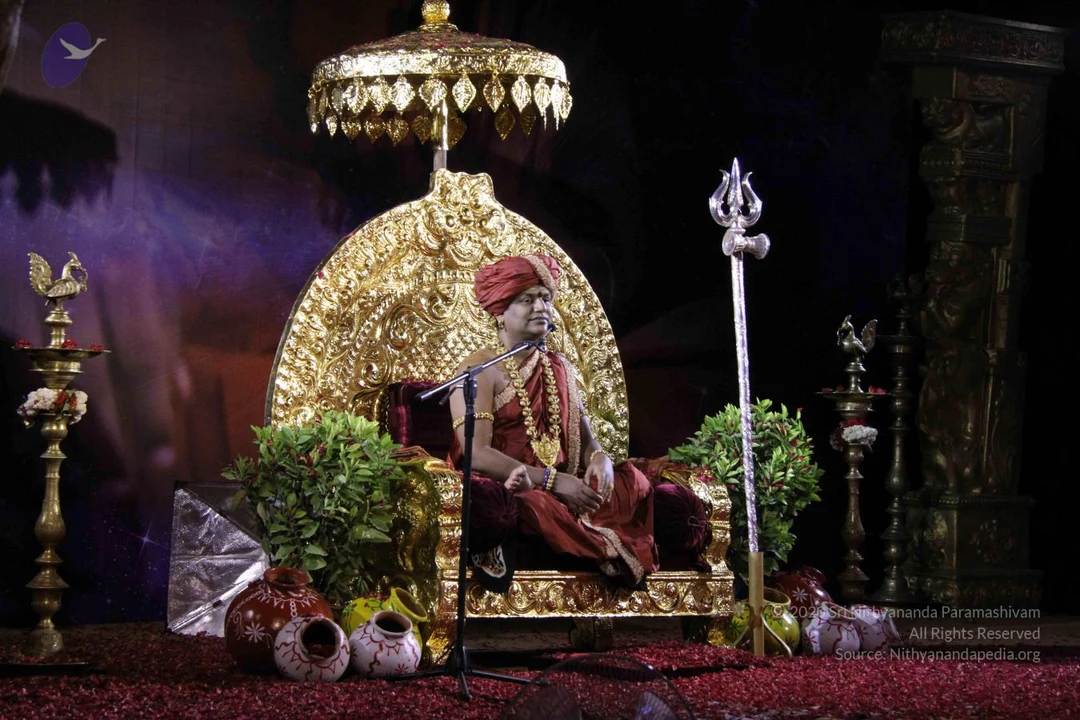
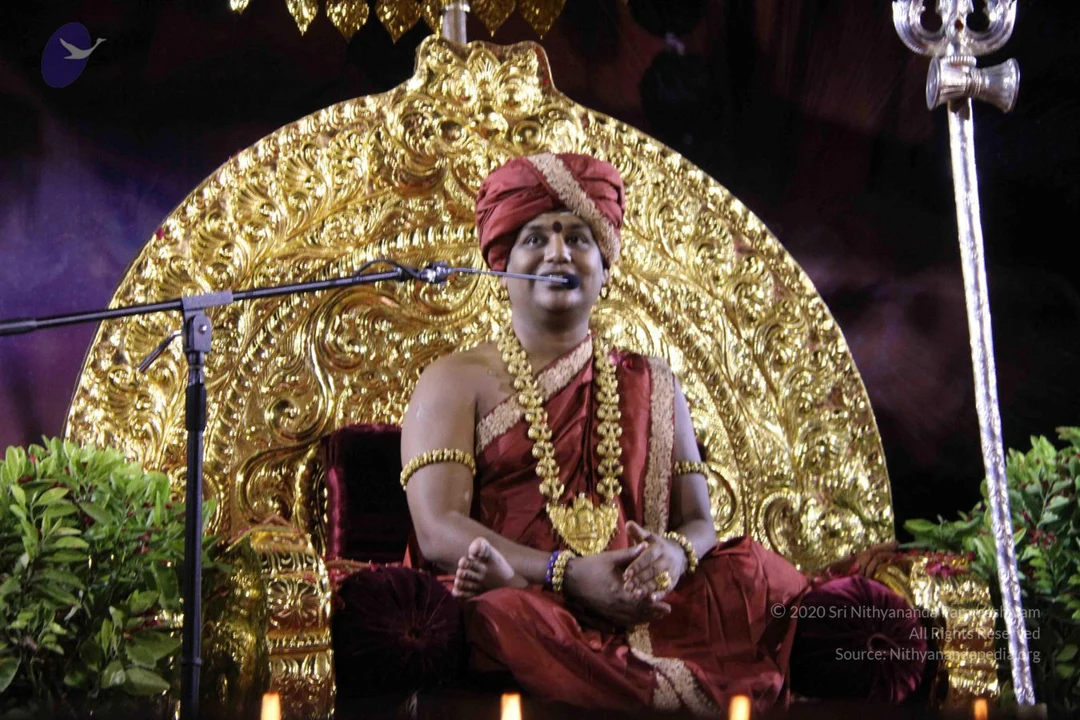
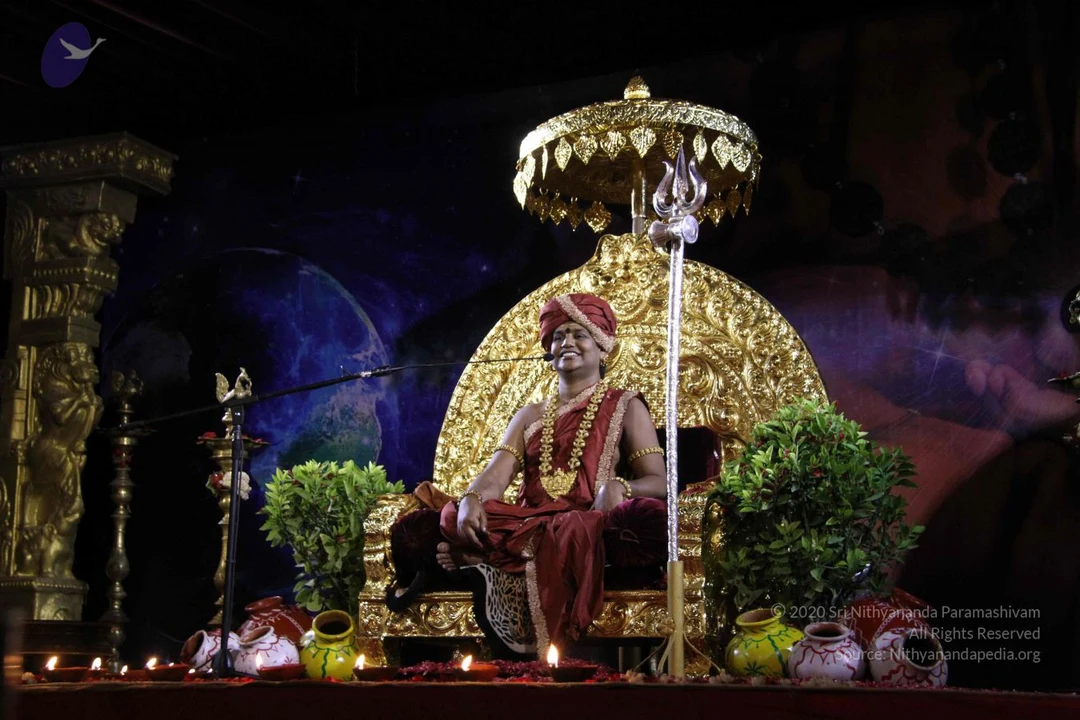
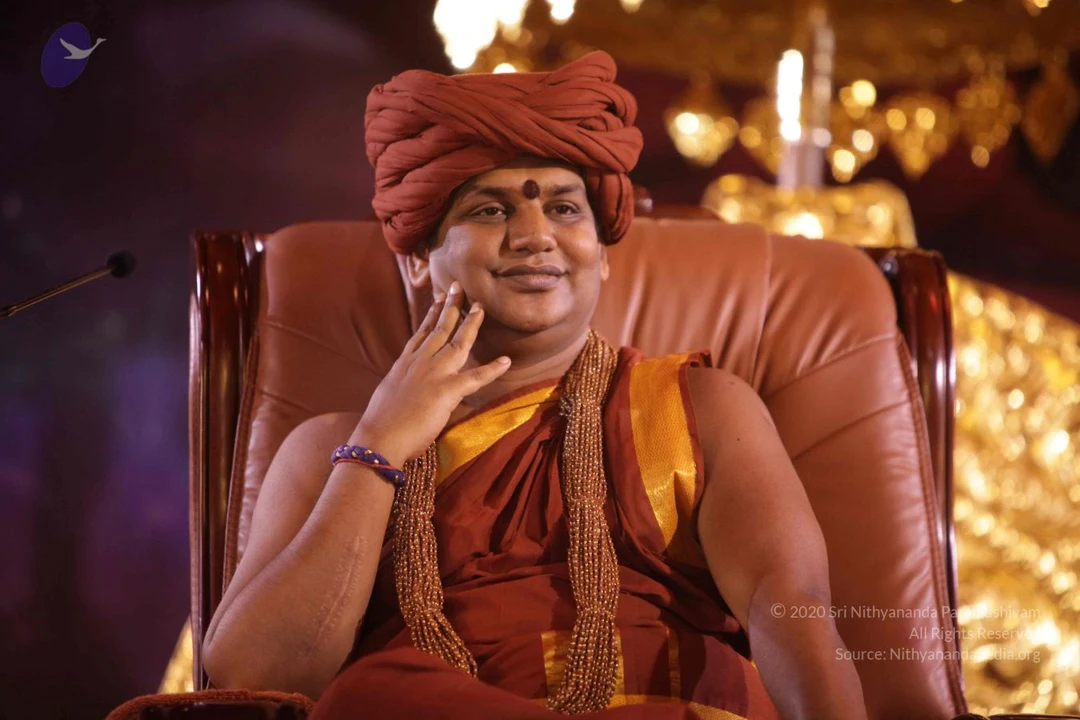
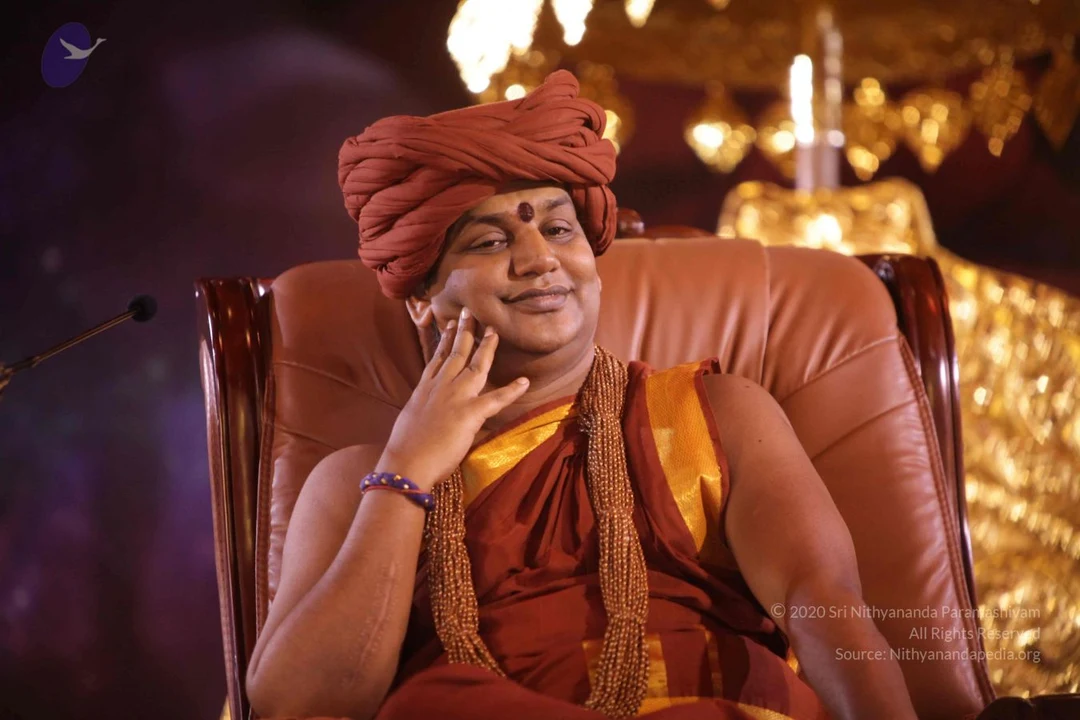
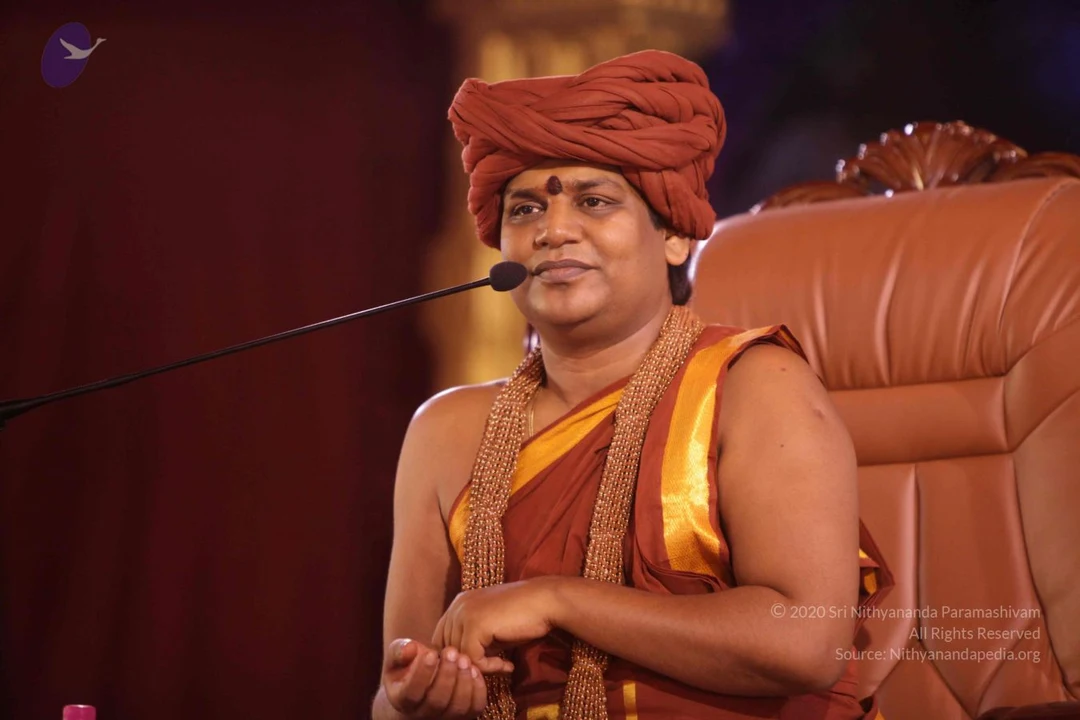
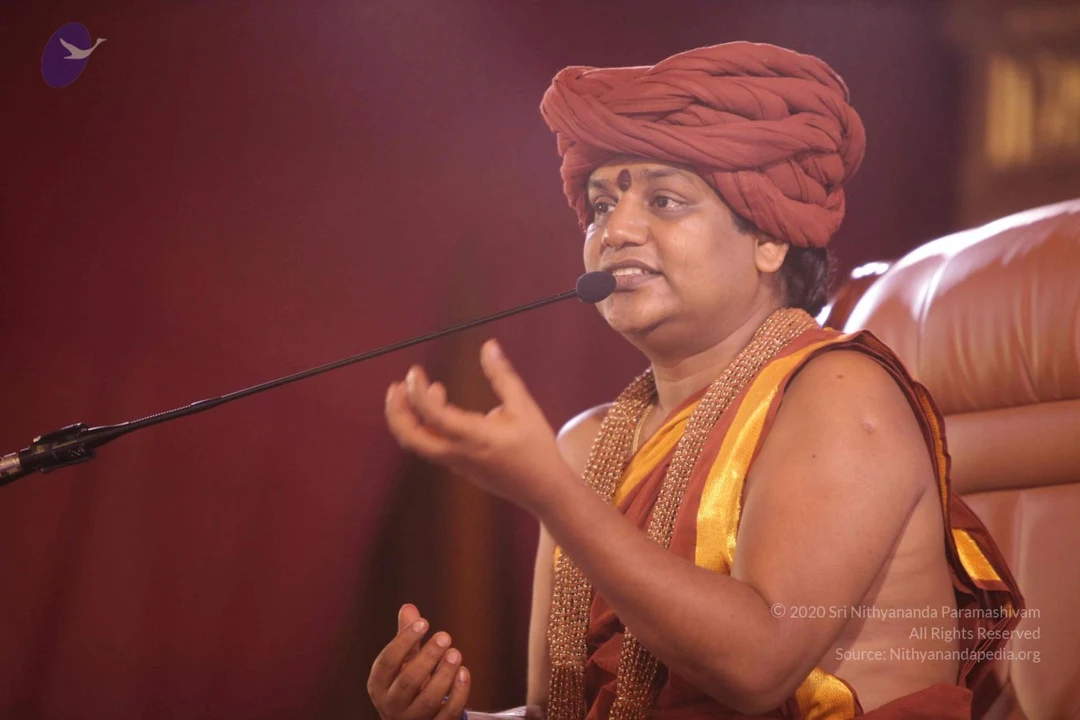
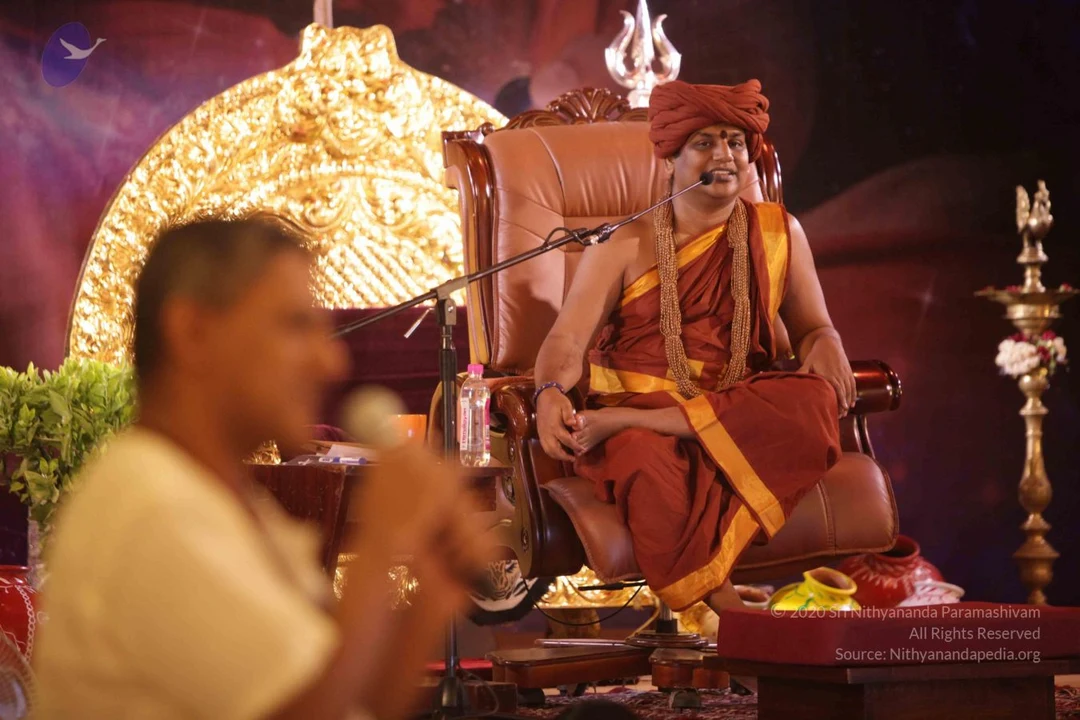
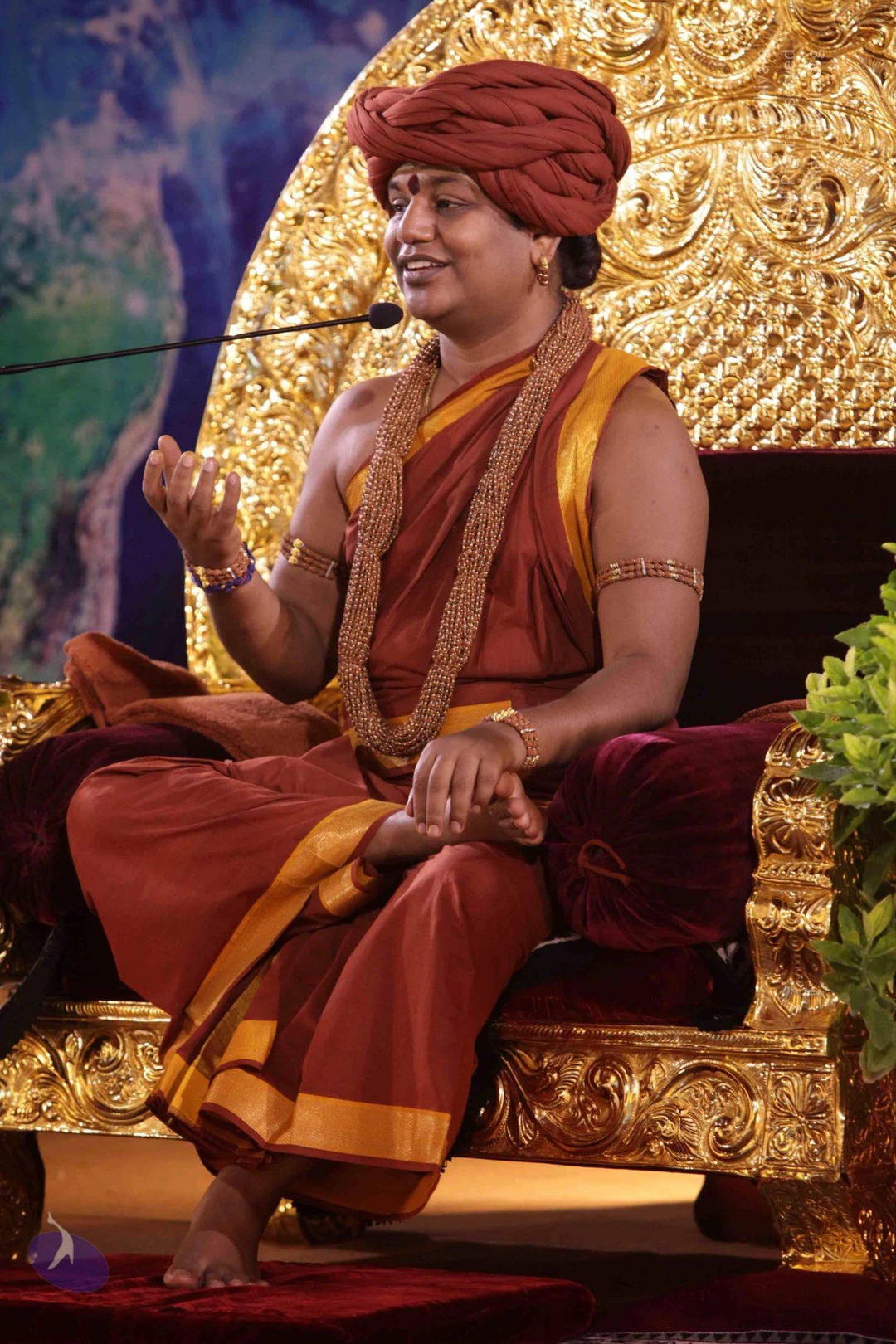
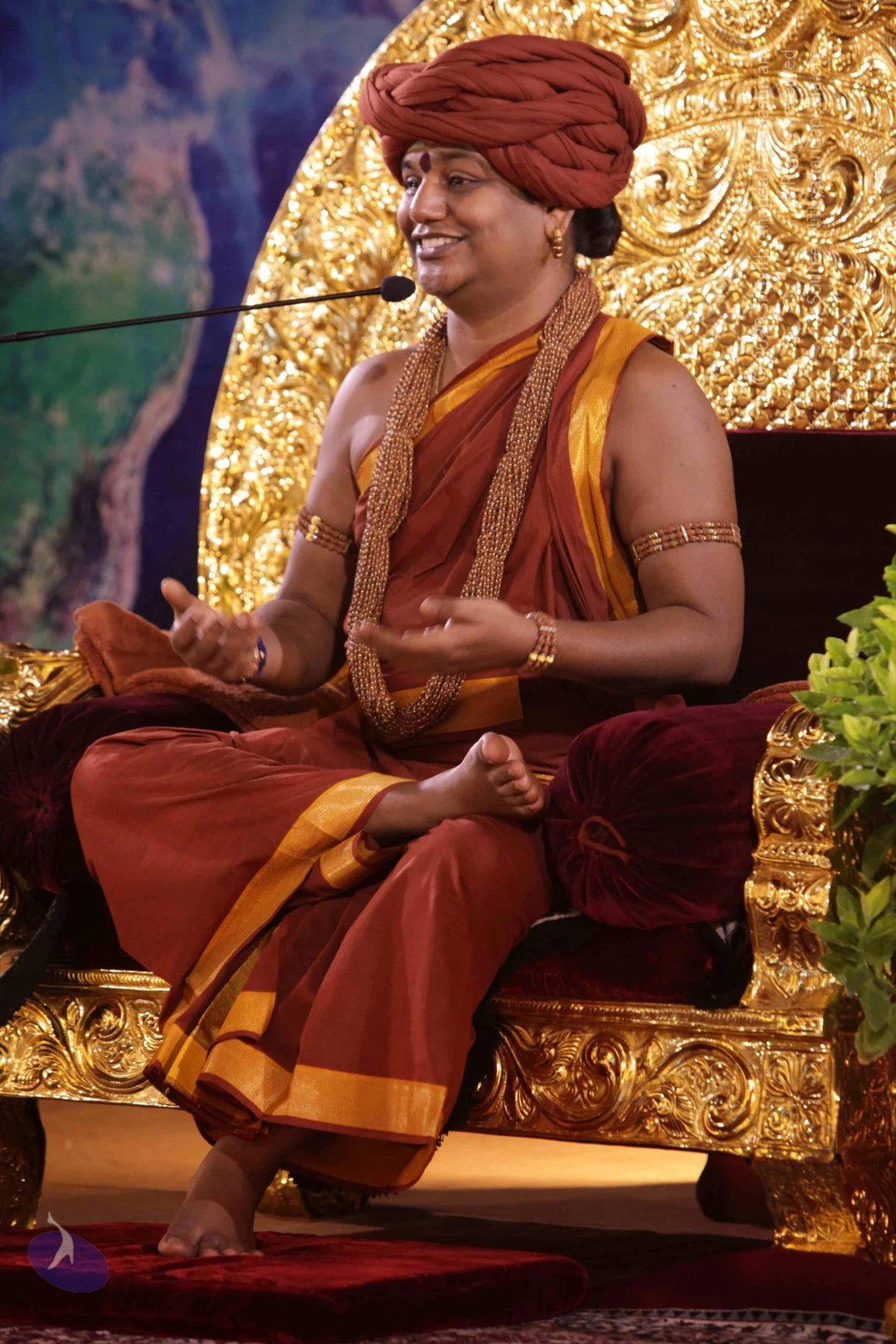
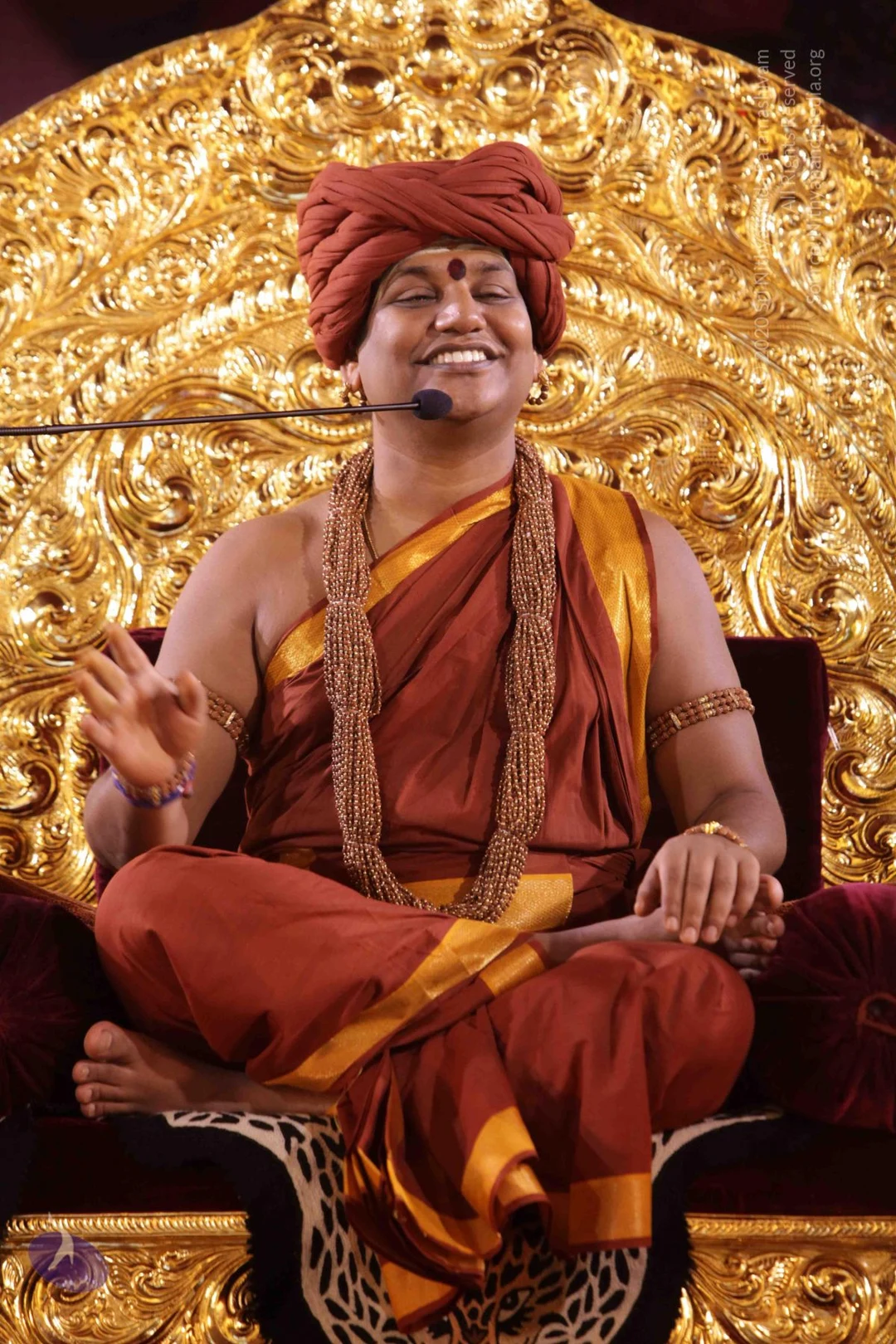
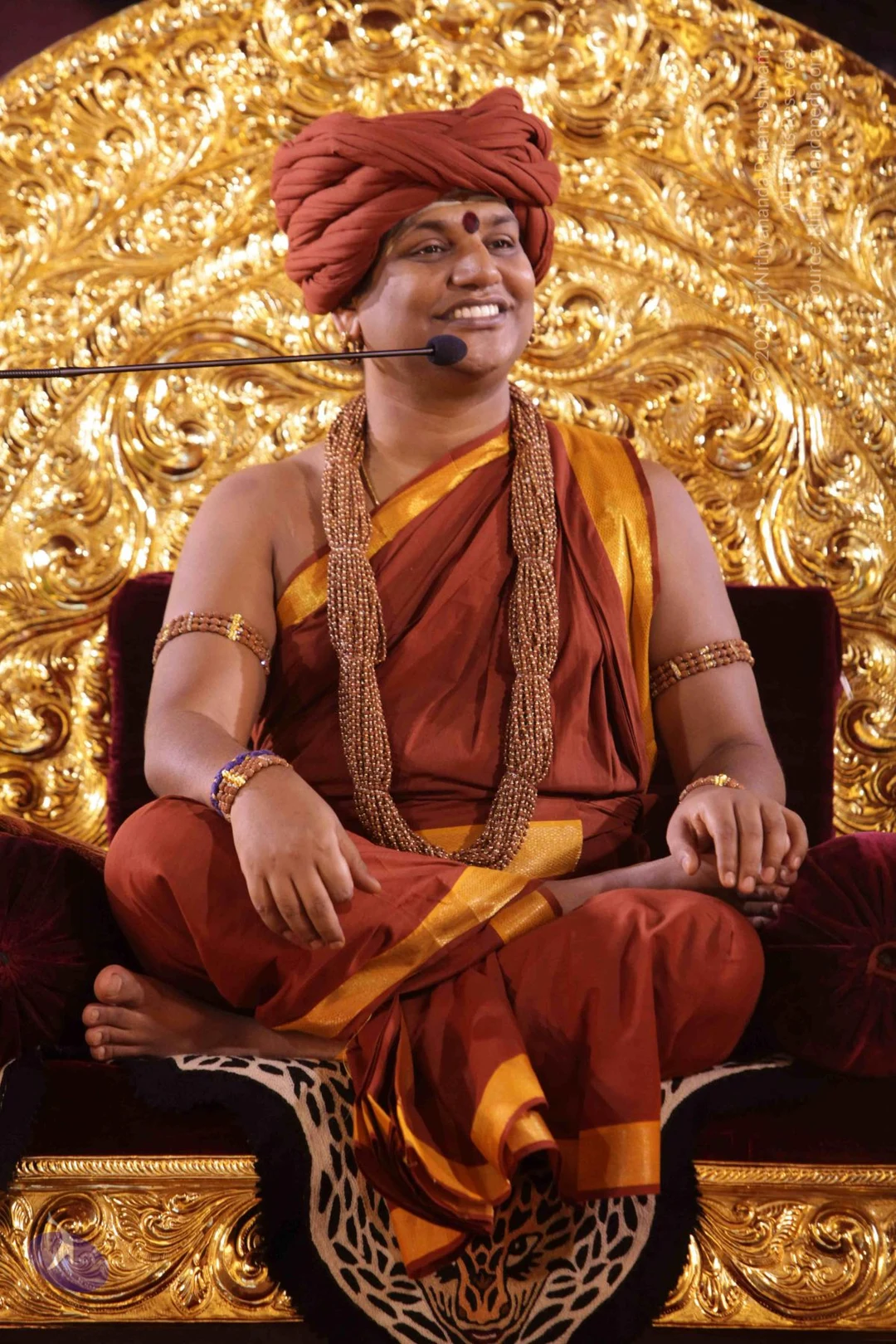
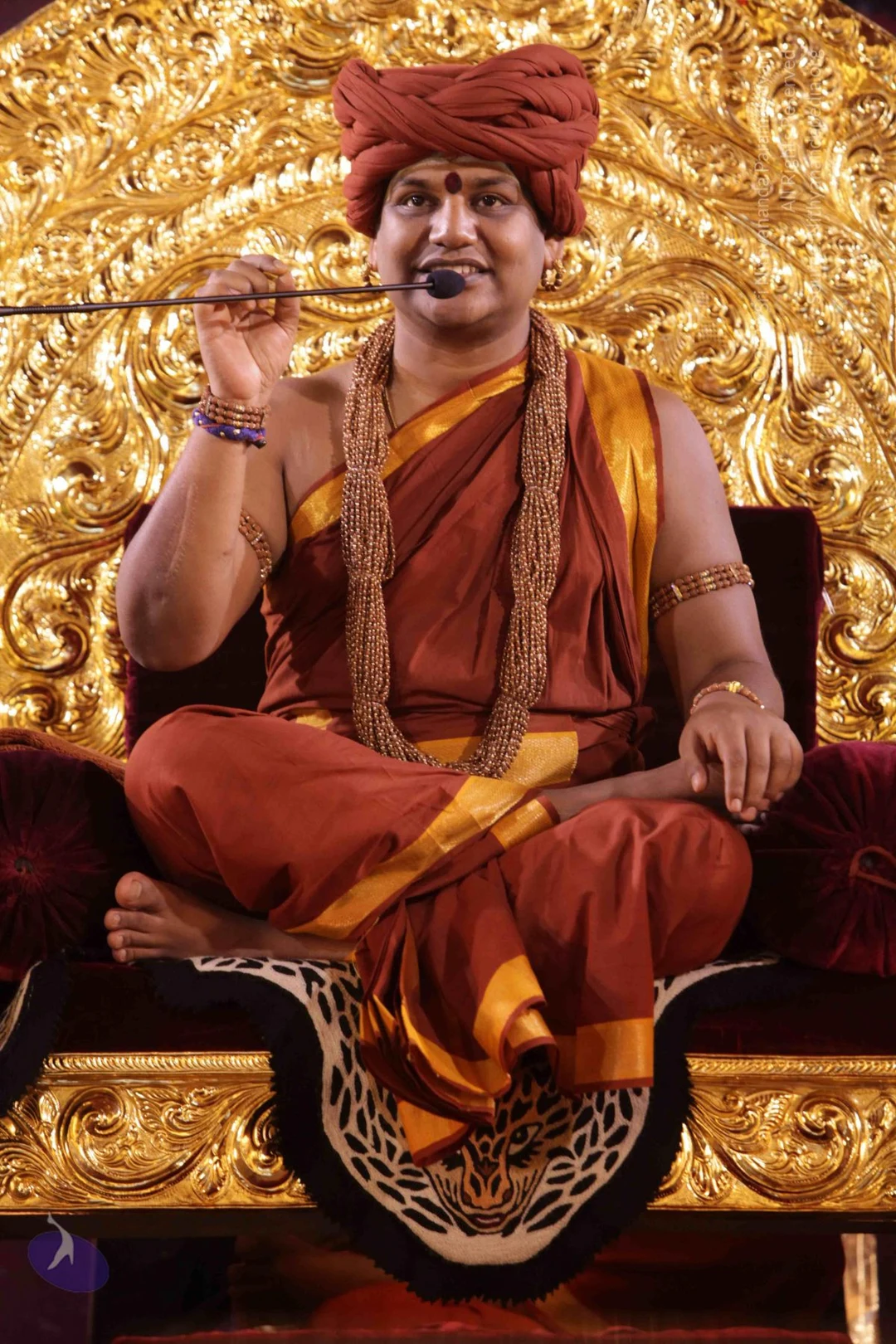
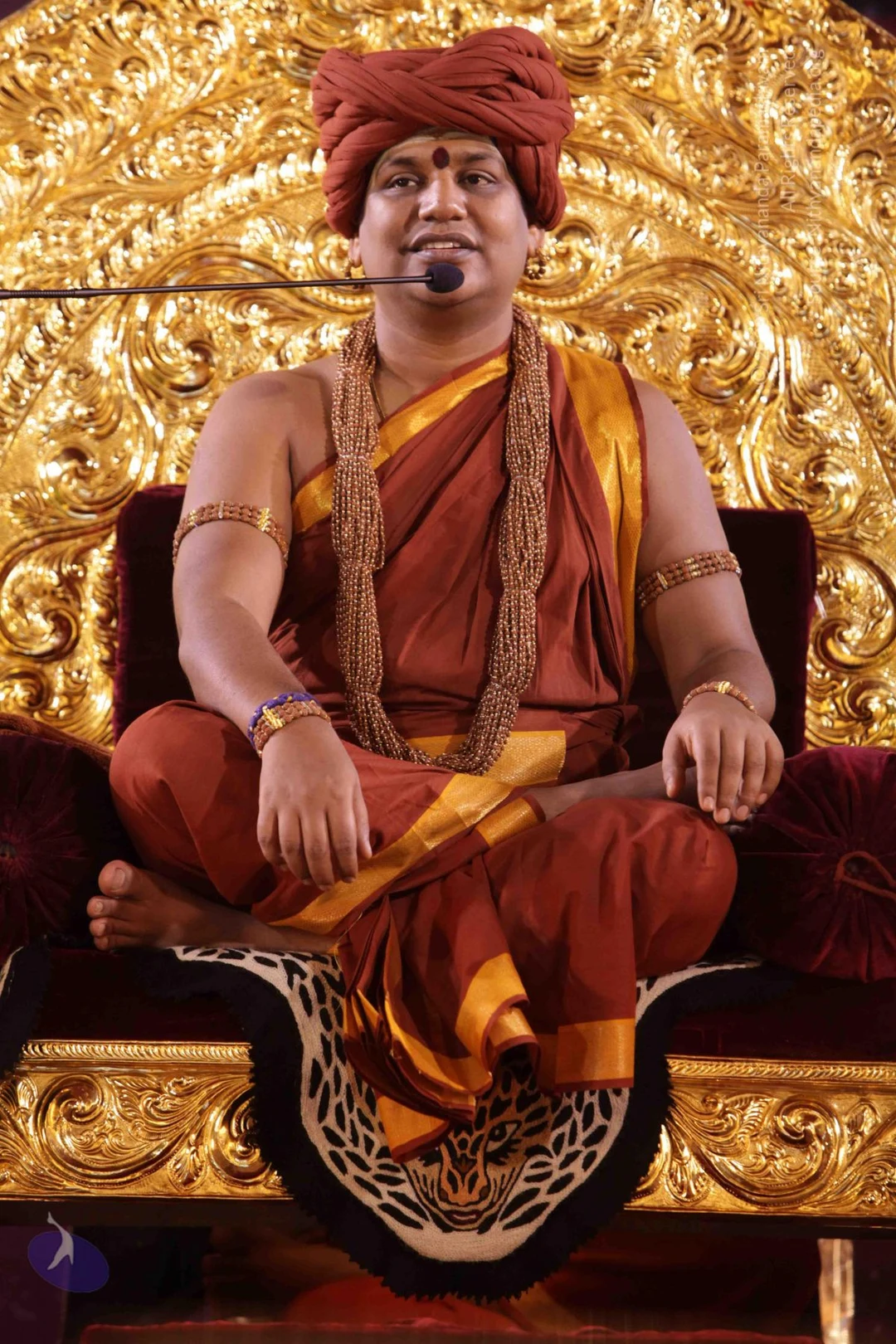
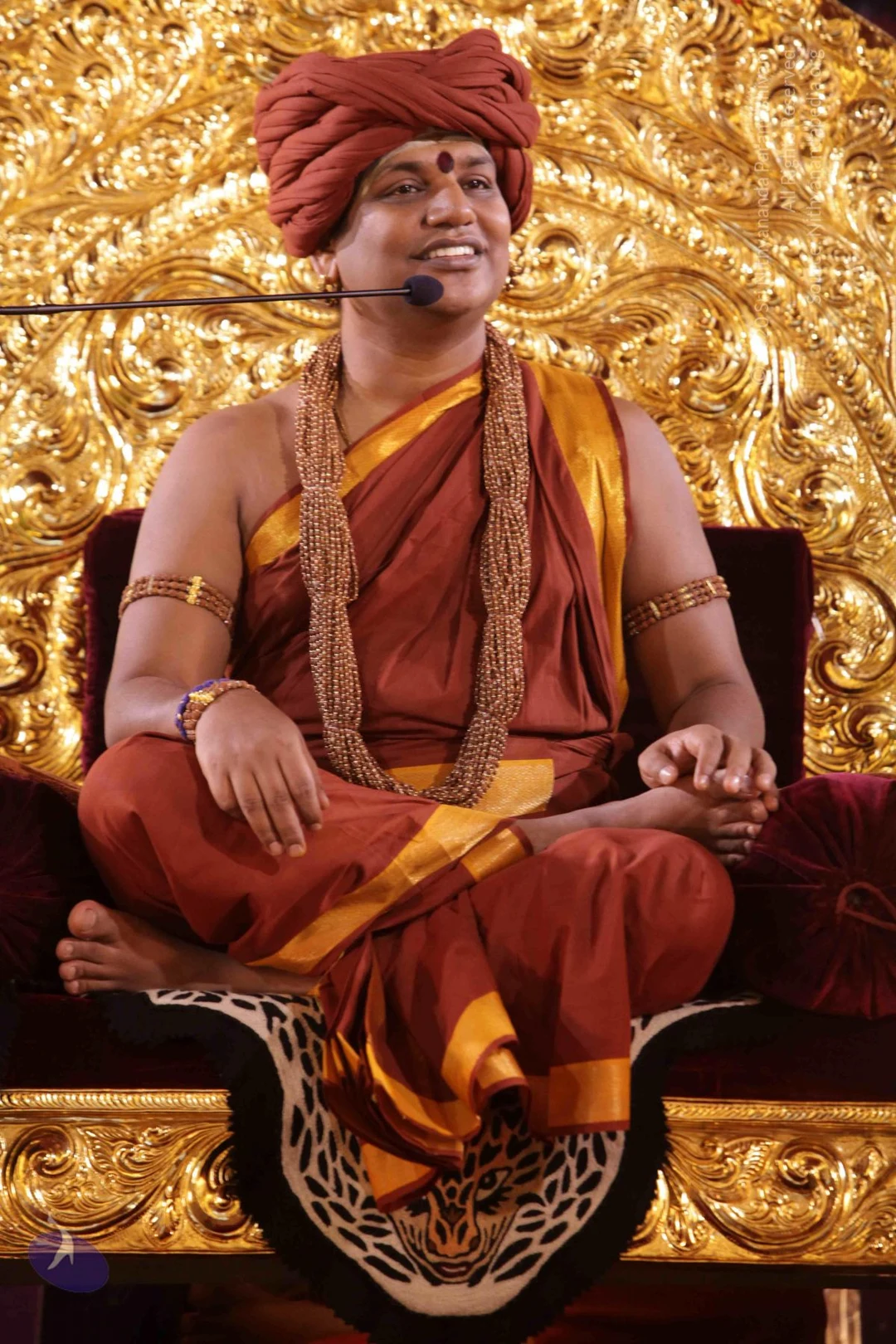
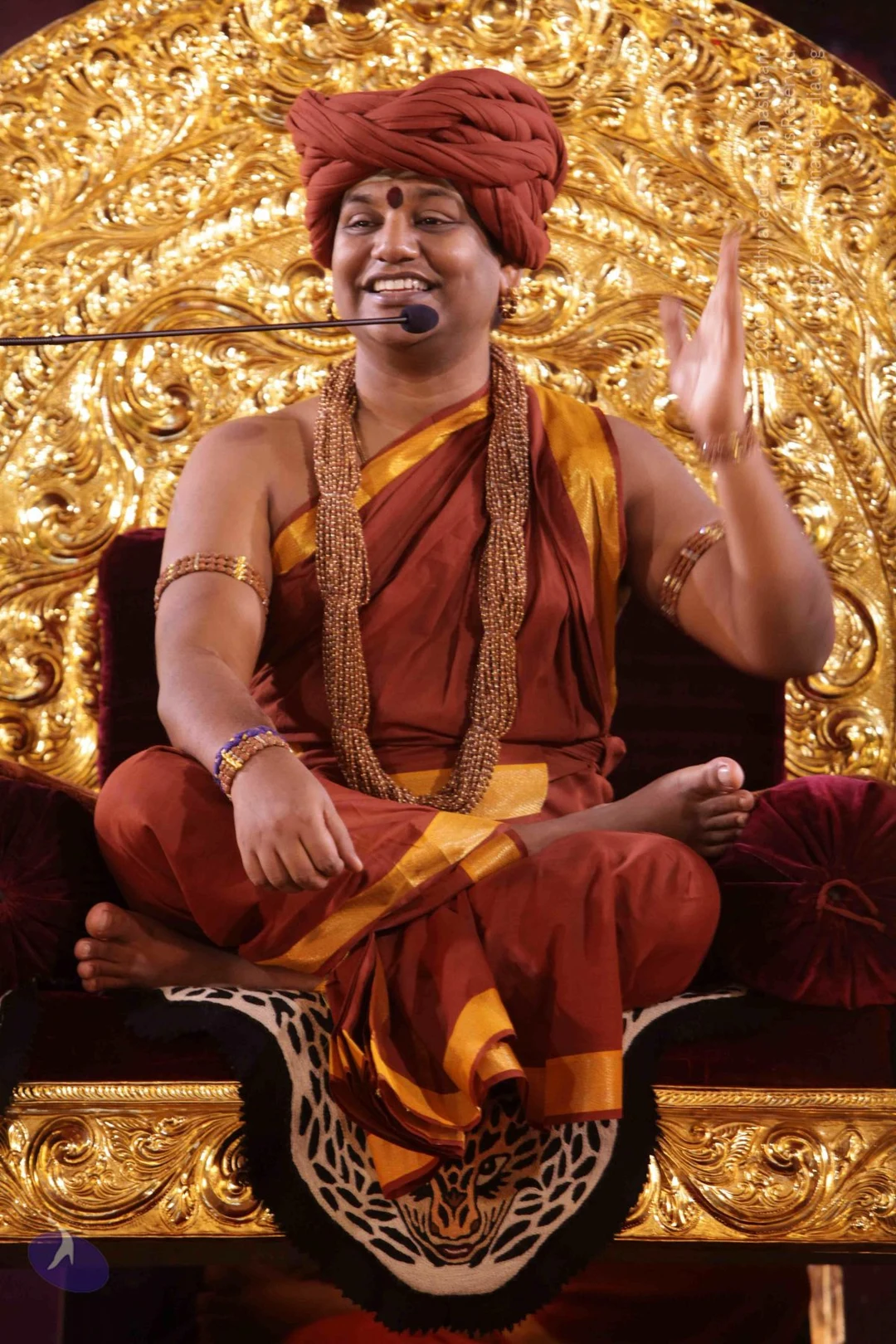
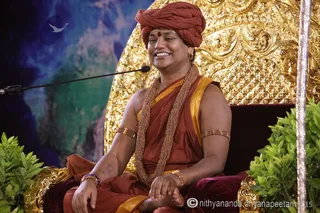
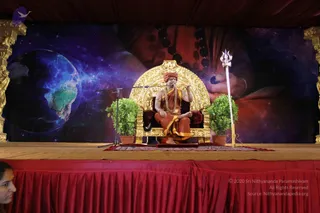
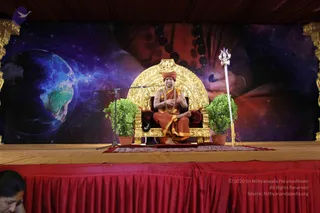
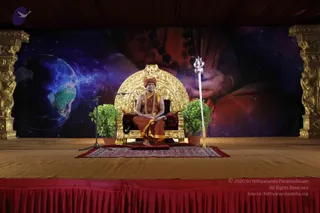
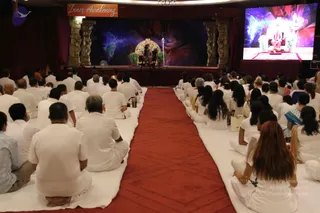
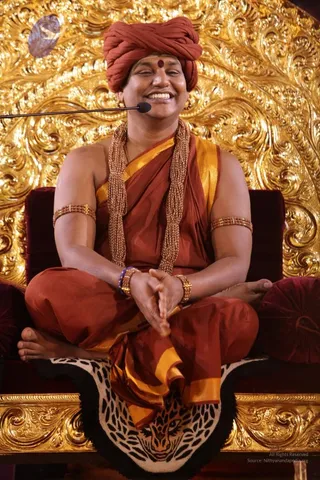
In today's (1 July 2015) special satsang from Varanasi, Ananda Vana, Paramahamsa Nithyananda launches the 33rd Inner Awakening Program where he is initiating people into into SHIVOHAM in Shiva's Home and Third Eye Awakening. Narrating the glory of Varanasi, he shares the greatness of Annapurni Devi's energy-field that gives the feeling of bliss, health and completion., which is in the very air of Kashi. Varanasi is the very DNA of Hinduism and is directly controlled by Mahadeva, where He dances, celebrates His own existence and protects it as Kalabhairava. All these divinities are literally, physically living here in Varanasi. Varanasi is literally the place where Gods make themselves available to everyone who comes here to relate with them, talk with them, receive blessings or offer gratitude. "Among the Gods - Mahadeva; among the kshetras - Varanasi; among the mantras - Pranava; among the books - Upanishads." Watch, Share and Subscribe to our channel to be notified of the next upload click http://www.youtube.com/subscription_center?add_user=lifeblissfoundation to subscribe. visit: http://www.nithyananda.org http://www.nithyananda.tv http://www.innerawakening.org https://www.youtube.com/user/LifeBlissFoundation https://twitter.com/SriNithyananda https://www.facebook.com/ParamahamsaNithyananda https://plus.google.com/104086565286265959836/posts
Link to Video:
| Video | Audio |
Transcript:
Nithyanandeshwara Samaarambhaam
Nithyanandeshwari Madhyamaam |
Asmath Aachaarya Paryanthaam
Vandhey Guru Paramparaam ||
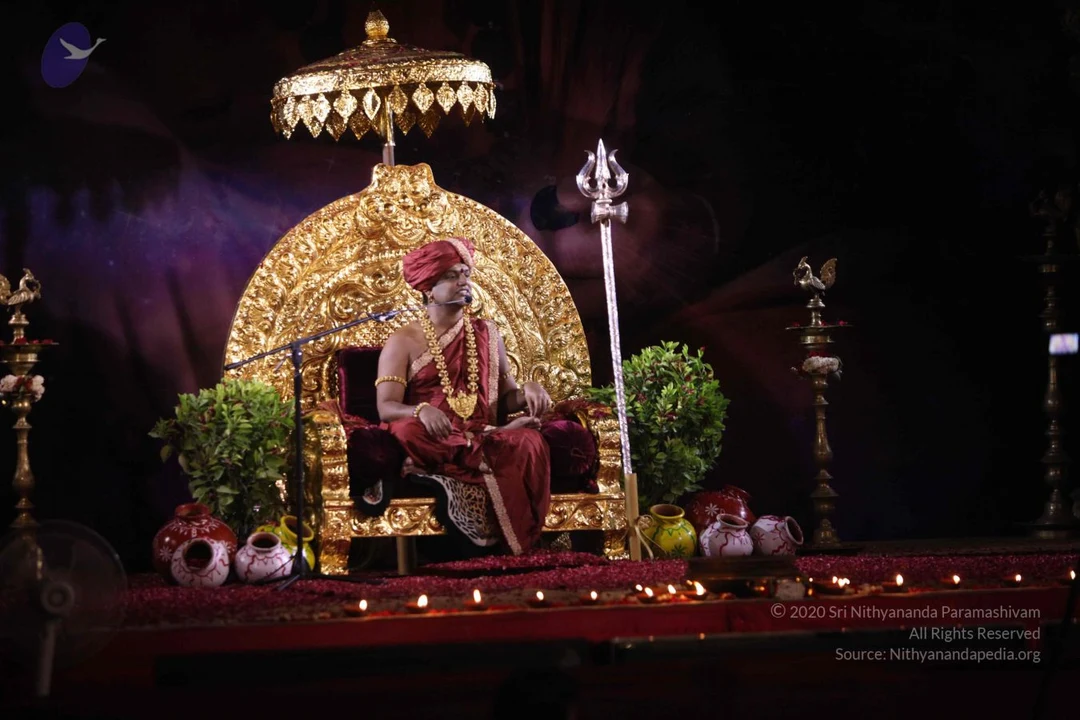
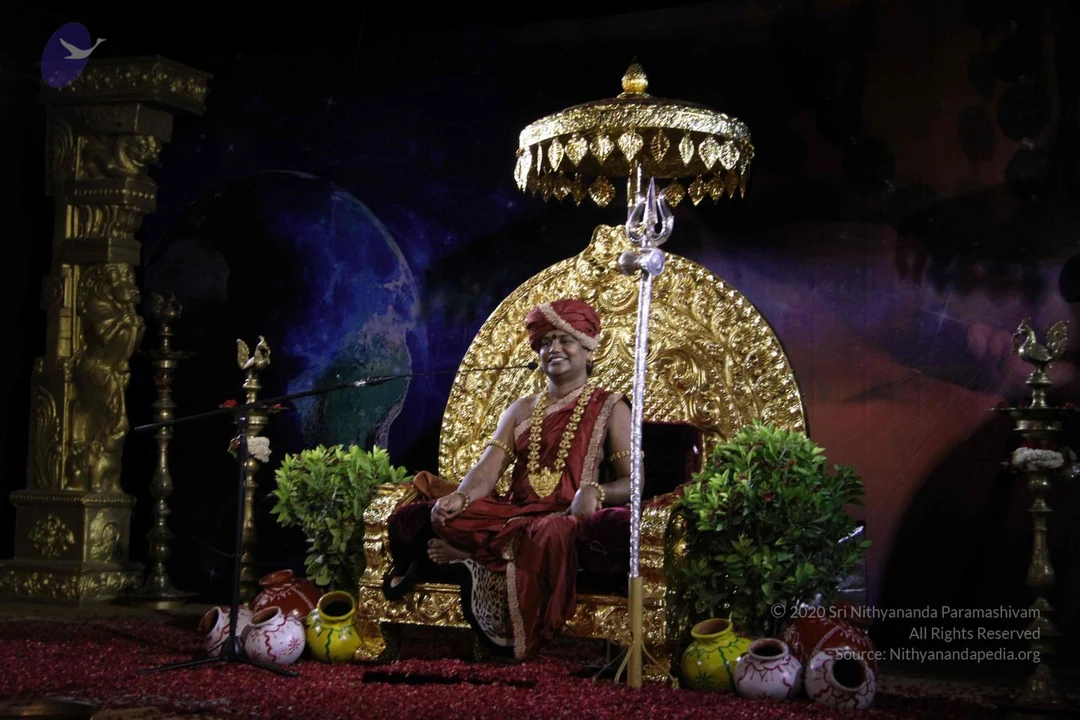
I welcome all of you with my love and respects. It is so nice to be here in Varanasi (laughs). I am not trying to tease you all, I am just reminding when I am here what are you doing there.
Varanasi, Anandavana, the place of Annapurni. Only yesterday I realised the power of Annapurni’s energy field. Please understand, it is not only that she gives food, the moment you enter this space your metabolism just goes up. That is the power of the Annapurna’s energy field. Just yesterday night, I discovered it, why I feel so blissful. See, the bliss of enlightenment is always there, why I feel so blissful when I enter Varanasi? I was just looking why I feel so healthy the moment I enter the energy field of Varanasi. Because, the metabolism goes so high, literally the body is digesting the air itself. The very air is digested by the body. Body is enjoying the very breath or the energy field of this Anandavana, Varanasi.
2:40
This place is ecstasy for people who seek the higher purpose of life. See, the highest purpose is enlightenment, not doubt, but even if somebody is seeking little higher than what they are seeking. Even if they are seeking for health, they want complete health, then little higher than what they are seeking. They were looking for wealth, now they are looking for more wealth. That is little higher than what they are seeking.
3:25
See, highest is enlightenment, but even you are seeking little higher than what you have in your life this place does the job. It is really, really, really Anandavana. Even Saraswati in my tongue feels ‘Wow, how can I describe Varanasi’.
This is most fascinating city. If you understand the chaos and the order and all, this is the most fascinating city; if you don’t understand and resist, most frustrating city. This city is like me, always in extreme. If you understand the order, most fascinating; if you resist, most frustrating. I can say this city is literally DNA of Hinduism, it is DNA of Hinduism. That is the only word I can use.
4:42
One nice thing in this city, nothing is in our control. That is the beauty you need to enjoy in this city. Nothing, not only weather or temperature, those natural things, things related to nature, even most common things like you want to go somewhere, or you have your plans to do something, nothing, nothing is in your control. You can never be an organized person in Varanasi. (laughs).
You have to taste the flow of life in Varanasi. Everything will be there, suddenly nothing will be there. Nothing will be there, suddenly everything will be there. If you don’t understand what I am saying,wait, in the next few days you will understand (laughs).
5:58
This is really, really, literally controlled by Mahadeva, the place where He dances, celebrates His own existence, and what not. Land of Vishwanatha, protected by, maintained by Kalabhairava; fed, nourished, enriched by Mata Annapurni. Please understand, all of them are not just some dry principle as described by Vedantis, no! When it comes to Hindu God and Goddesses, I am a simple, straightforward agamik devotee. I am not a Vedanti. See, when I say Annapurni, Kalabhairava, Vishwanatha, please understand they are literally living here and responding in the very physical plane. Like how you can talk to your friends or neighbor, relatives, to me and receive response, in that very plane all of them exist in Varanasi. I am not talking about they are diety in the temple. That represents them, no doubt. And I am not talking about they existing in the form of a principle. ‘God exists everywhere’. No! Relax! I am not a dry Vedanti. Please understand, I am talking straightforward, direct form. They exist, where you can talk to them, relate with them.
8:28
See yesterday, the moment I landed in Varanasi first thing I did, went and had darshan of Kalabhairava, gave attendance, I am here, bless me everything should go well. Understand, Varanasi is literally the place where Gods make themselves available to everyone, anyone who comes here to relate with them, talk to them, receive blessings, or offer gratitude. Whatever may be the purpose, when you are here, when u relate with them, they make themselves available to you physically. And I tell you, I am not giving you false promise. I am talking on a national channel. Please understand, I am talking on a national channel, the nation where only Hindus are targeted, only Hindu Gurus are put to the highest possible scrutiny, not to be accepted, but to be rejected. I am talking on the country’s national channel. So, I am talking responsibly. Understand! Varanasi is a place where these great Gods and Goddesses are physically making themselves available, physically literally making themselves available to everyone who comes here for praying, connecting with them, offering gratitude. As I said, this place is the DNA of Hinduism, DNA of Hinduism.
10:45
Many times people come and complain to me, “Oh, this place is so dirty”. I tell them, “Relax little bit”. Understand the load this city is handling. This city is the center of the faith of hundred crore people, literally billion, one billion people’s faith center. So this place has to support the spiritual sentiments, needs, the sacred needs of literally billion people. The kind of load this city has to take is unimaginable. Taking all that load, still this city is surviving without collapsing itself is a miracle, forget about the little dirt here and there you see. And unfortunately, we Hindus don’t have any sense of cleanliness or social service. We have high religious sentiments, but we ourselves don’t feel when we offer something in the temple, when we offer something in the mutts, monasteries, we should spend little time to clean that place up, we don’t have that sense.
12:25
The dignity of labour is only growing now with us. So naturally, the combination of these two….See, if we don’t go the place will be clean, if we have the sense of cleanliness, that place will be clean. We don’t stop going, we will go; but unfortunately, still we have not developed that level of sense of cleanliness, so naturally there will be little…. as per your standard. It is like your backyard is used only once in a while for small parties so you can keep it clean. But imagine, every night 500 people come there and go and you don’t have anybody to clean it. This place, hundreds and thousands of people walk in every day to offer prayers, worship, sacred sentiment, the load this city is handling, still this city is surviving itself is a miracle. So do not complain about cleanliness or anything. This city needs to be celebrated. Ramakrishna says, “I don’t see this city built out of stone, mud, wood, mortar and all that, I see this city is completely built out of gold, Golden City”.
14:13
I tell you, I was contemplating why Ramakrishna told this city is a golden city; and basically he doesn’t like gold. That is an important thing you need to know. He can’t touch gold. He is not like me, nicely wearing gold. He is not that kind of a person. I was meditating one day about this, why Ramakrishna said. Actually, I was in the boat in the Ganga and I was looking at Kashi. Kashi itself is considered as a God here, Kashika Devi. I was thinking why Ramakrishna made this remark. I suddenly saw clearly, it is built out of so much of sacred sentiments of billions of devotees, lakhs of Sannyasis, millions of seekers, all their sacred sentiment, all their deep devotion, all their yearning for highest purpose. All these sentiments were the foundation for this city to be built, nothing else.
15:35
So this most sacred city, the most sacred place, built with so much of sacred sentiments, so much of sacredness, that sacred sentiments only Ramakrishna describes as Golden City. Varanasi means the place between eyebrows and the nose, third eye, understand! The word varanasi means third eye. And, the very inhaling, exhaling action in Varanasi, this very air of Ganga Mata, the breathing space of Ganga Mata, means the air which travels on the Ganga, even inhaling and exhaling that very air subtly massages the third eye and awakens it, understand! The very air of the Ganga in Varanasi going in and coming out massages your third eye and awakens it. This land, even the great personalities like Vyasa, Shankara, even they are not able to sing the glory of Anandavana, where am I? I may not be able to sing the glory, but I will continue to try.
Among the Gods - Mahadeva; among the kshetras - Varanasi; among the mantras - Pranava; among the books - Upanishads, you can’t even compare.
17:45
See, if there is something to compare, you can compare and describe. This city has a unique lifestyle, even the people. Please understand, in this city people see 10,000 sadhus every day. They would have seen all great, big mahatmas. They don’t have to go anywhere. If they just sit in their gully, in their pan shop, or chai shop, or just outside their house in their veranda, they will see all the great mahatmas of the world. Any mahatma that exists on planet earth, they will see them outside their house in the street. But still, yesterday when I am walking, I am seeing the whole gully standing up and doing namaskar. I was thinking if you see mahatmas, sadhus, Gurus every day, day in and day out, babas, sadhus, Gurus; and of course Hinduism has tons of them. Literally I think per 100 persons we have one temple and per 1000 persons we have one Guru in Hinduism. If we do the statistics, it may be even less. Seeing so many of them, still I see that it is a joy for them, it is excitement for them. They don’t even just do namaskar with the hands, they stand up. They have their own way of respecting. Somebody will tell ‘Har Har Mahadev’, somebody will tell ‘Mahadev’, somebody will tell ‘Annapurni ki jai’, somebody will tell ‘bolo Vishwanath’, somebody will tell –‘Bhole Baba’, whatever. But, they have their own way of respecting. One thing is sure, no one will miss the opportunity of respecting.
19:53
See, I have seen many holy cities. I am born in a sacred town, in Tiruvannamalai, where people see thousands of sadhus, so they became insensitive to sadhus. I have not seen the natives of Tiruvannamalai, people standing up and respecting every sadhu who walks in the street. Natives have become insensitive to sadhus. May be the people who come from outside, visitors may respect the sadhus and sannyasis whom they see. Natives have almost….okay, this is everyday life. But Varanasi, still I am seeing….Varanasi they must be seeing the mahatmas and sadhus at least hundred times more than Tiruvannamalai; but still it is a joy, excitement. I tell you, this city is literally the DNA of Hinduism, the Hindu tradition, the lifestyle, the gallies, the temples, the people, everything, everything. Varanasi has its own culture.
21:10
I can say Varanasi is its own religion. The way of food, clothes, building, shelter, art, dance, music, handicraft, everything. Varanasi has its own religion by its own uniqueness. Any quality you attribute it to Varanasi, you can attribute that quality to Hinduism. Any quality you see in Hinduism, you can attribute that to Varanasi, the qualities of Hinduism, worshipping everything as God. I tell you, in Varanasi, not only everything is worshipped as God, nothing else exists other than God. There are many religions which say one God, but Varanasi, only God.
See, actually, one God is a stupid theory. Only God is the reality. And, ability to bear all the invasions, attacks and stand back, if it is a quality of Hinduism, you can attribute that to Varanasi. Varanasi has seen equal number of invaders. The number of visitors, devotees, sannyasis it sees, the same number of invaders it has seen; but still it stands, it stands.
23:10
Actually, whoever invades Varanasi, they just fall in love with Varanasi. Varanasi invades into them with its subtle power. They come with hard power to invade Varanasi with army, all that, but Varanasi’s subtle power invades them and they go back carrying Varanasi inside them. You just need the right context to understand Varanasi, to celebrate Varanasi. Everything, everything best humanity has done whether in the field of philosophy, in the field of enlightenment, in the field of spiritual powers, in the field of music, art, architecture, in every field, the best, most ancient civilization on the planet earth, the Vedic tradition, Sanatana Hindu Dharma tradition, the best they have done is still preserved, protected in this one city. Whether it is the cooking style, eating style, feeding style, or music or dance, or philosophy or way of teaching, everything, the best we invented, discovered, developed in our tradition by our research and development, everything is still preserved in this one city in its lifestyle.
25:14
I don’t know how you all feel when I talk about Varanasi, but I am enjoying, that is why I am not able to stop talking about it (laughs). I am enjoying it so much, that is why every time I come to Varanasi at least one or two days’ satsang I won’t be able to talk about anything else. I know I am supposed to talk about Kathopanishad, but the moment I enter I am so full of Varanasi. Not only I am devotee of Vishwanatha and Annapoorni, I have become a great fan of Varanasi and everything that exists in Varanasi, the way life is lived, the way death is faced, the way everything, everything is lived.
Please understand, when you are coming driving around in this city, any vehicle on which if you see the shining cloth is tied on a suitcase or luggage, please understand it is not suitcase or luggage it is a dead body (laughs). If a shining color cloth is covered on that luggage end to end completely (laughs)….understand it is a dead body. You will see them on auto, or taxi, or car which is driving next to you. At the most you will hear ‘Ram naam satya hai’ from those people who are taking the body who are sitting inside the vehicle. And, I have seen sometimes they nicely offload the body next to a chai shop and all four of them will be standing and sipping chai. It is not that they disrespect the person who is dead...they must be direct father, mother or a close relative, then when they take the body again, again they chant only one thing ‘Ram naam satya hai’. Per day almost 300 bodies are burned minimum. Sometimes, it goes upto even 600 in Manikarnika Ghat. But, I have not seen a single person crying in that Manikarnika Ghat. See, I went and sat in Manikarnika Ghat, hundreds of days I have spent time there. So many people bring their bodies, their relatives’, near and dear ones’ bodies. Once I have seen one bull was dragging the body and bringing it to Manikarnika. Just all alone one bull, the owner’s body. I don’t know who tied all the clothes properly, but it was bringing. I have seen with my own eyes. Then the people working in the cremation ground they just offloaded the body and they did the rituals. Not even once I was able to see any one relative crying. It is not that people don’t love their near and dear ones here, but they know death here means liberation, death here means liberation. So strong, it is no more a faith.
Please understand, when there is doubt 50%, then it can be called as Faith. When there is 20% doubt, you can call it as Blind-faith. When there is 10% doubt, you can call it as Perception. When there is no place for doubt, it is Reality.
29:53
In Varanasi, the idea death here is liberation is a reality; not even 1% doubt. I have seen the way people hold Varanasi in their inner space. If some place can generate such an amazing inner space, it is reality; please understand, it is reality. How in Hollywood movies just the perception they try to make it look like almost reality and for the 3-4 hours you literally believe it is reality. Even though after that you know no, no, no it was created perception. How they make it look like almost reality. So each country has its own way of expressions of life. Here, it is really, really real. The liberation is a reality. Death here means liberation, that is reality. It is not just belief, blind belief, death here means liberation. It is reality.
See, man has many different expressions, like his imagination. America’s imagination is Hollywood. And same way, the kick of playing with probability, that is Las Vegas. Even playing with the probability gives certain kick. After operating that slot machine, waiting for the numbers to settle, those few seconds’ kick. That is what makes people addicted to gambling. So the kick of playing with the probability is Las Vegas. The expression of their imagination is Hollywood. But, for Sanatana Hindu Dharma, Varanasi is everything, our expression of imagination, our kick of playing with probability and what not and everything beyond all these. Even imagination is too small word. It is beyond all these. It has gone to the extreme of the sacred sentiments and experience. It is just reality. It is just reality.
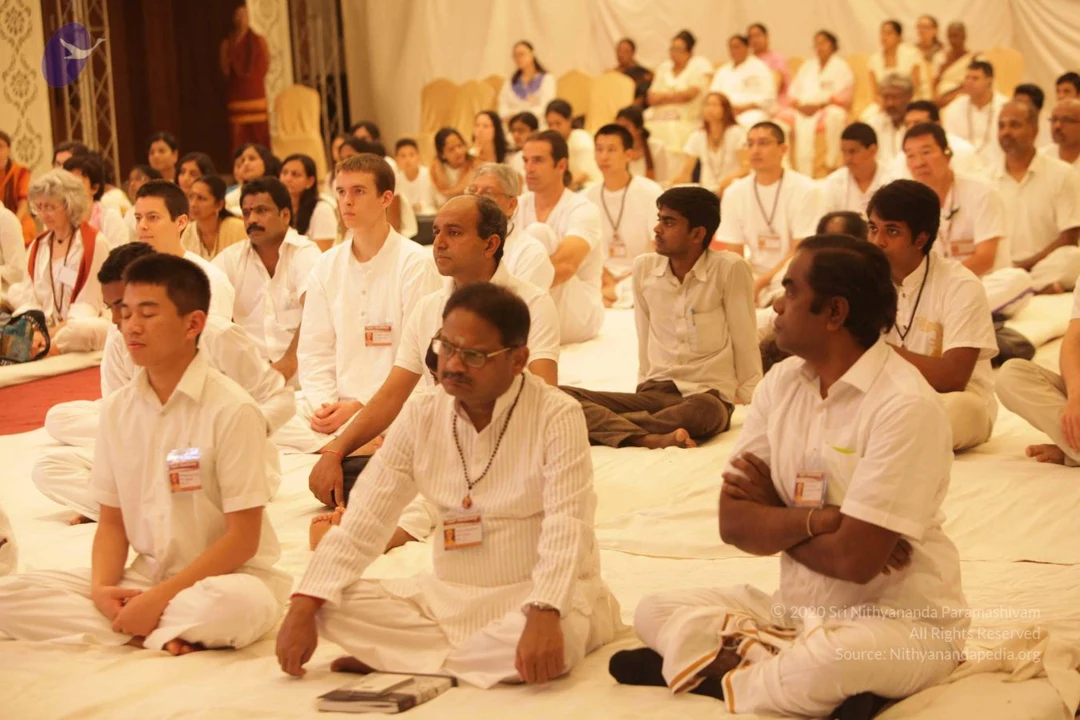
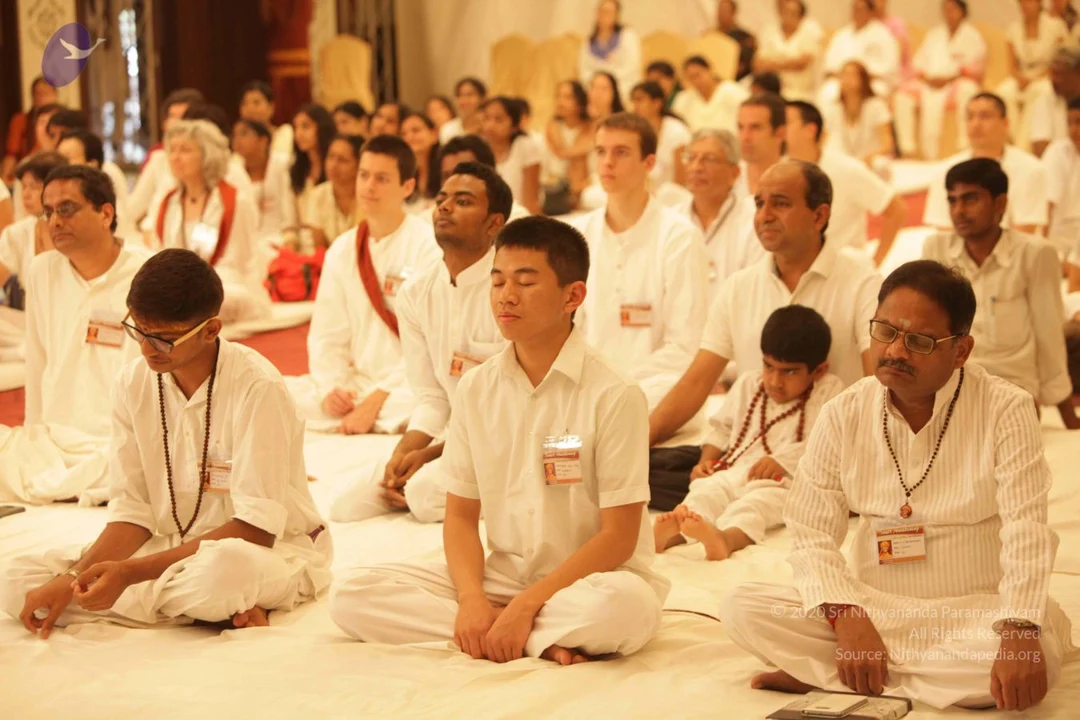
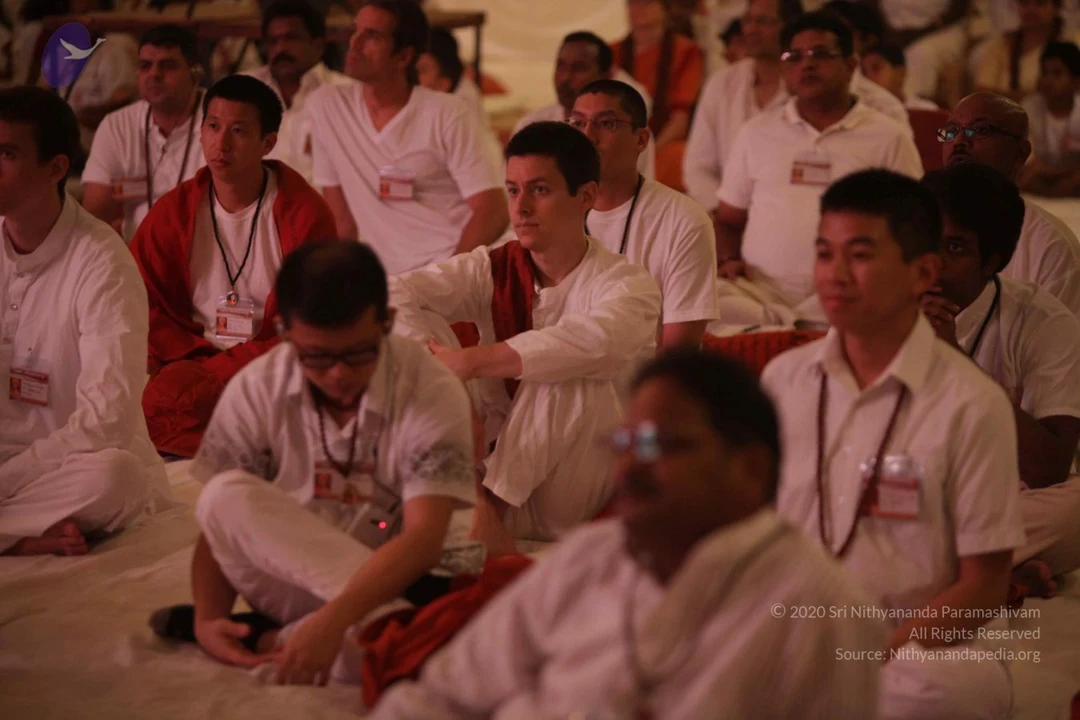
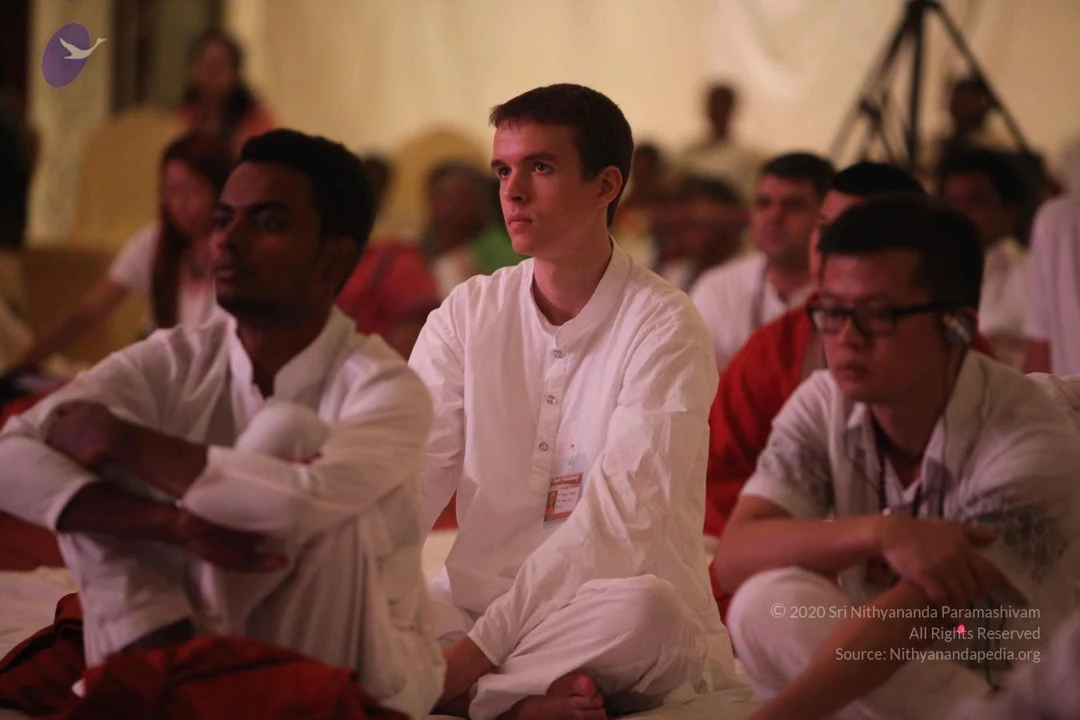
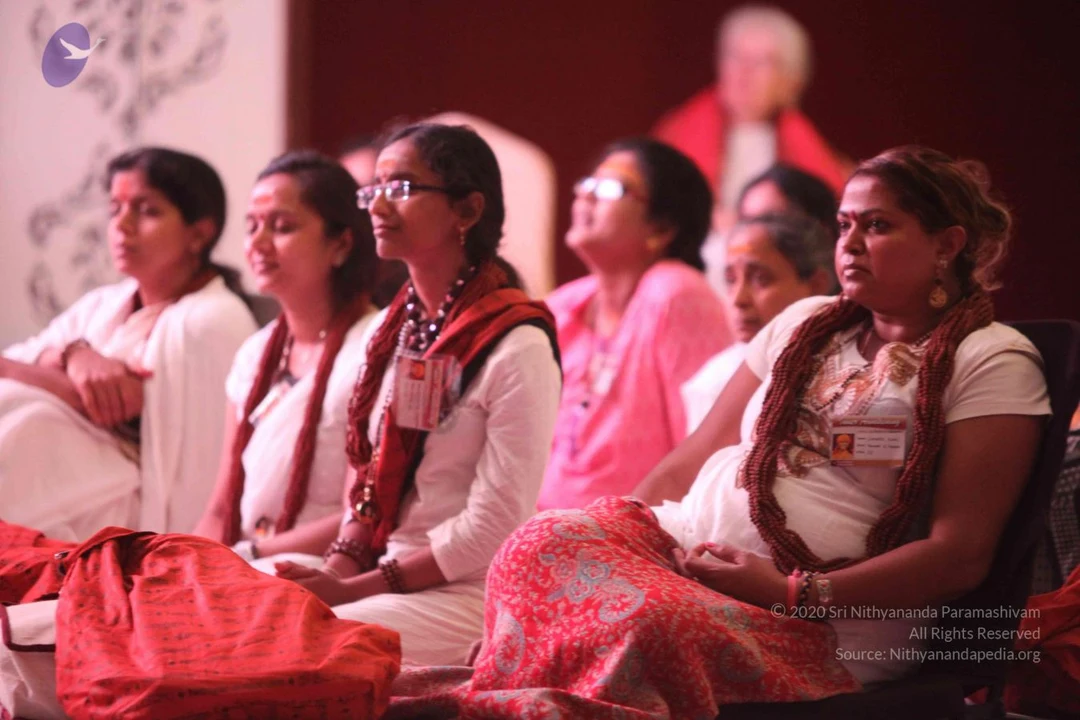
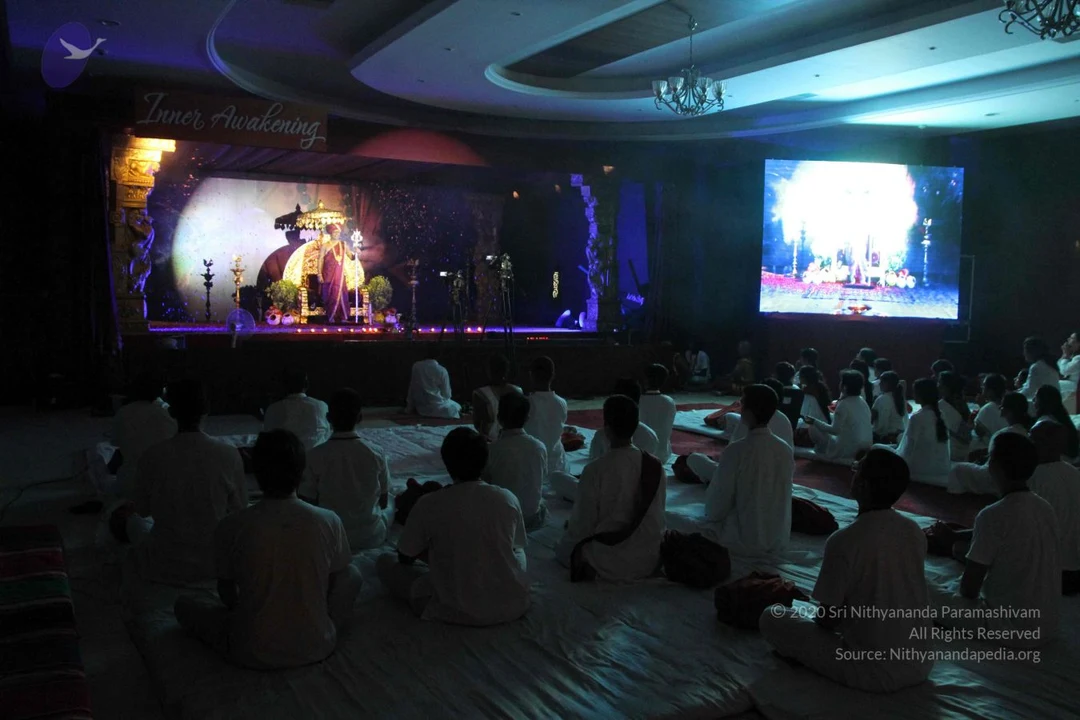
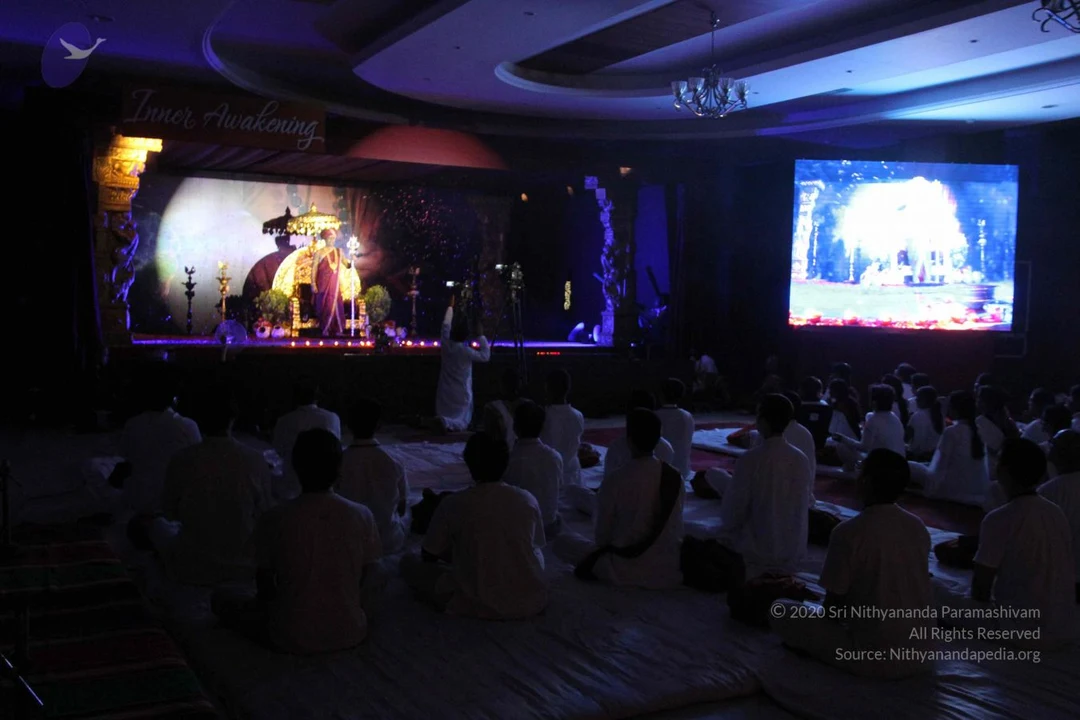
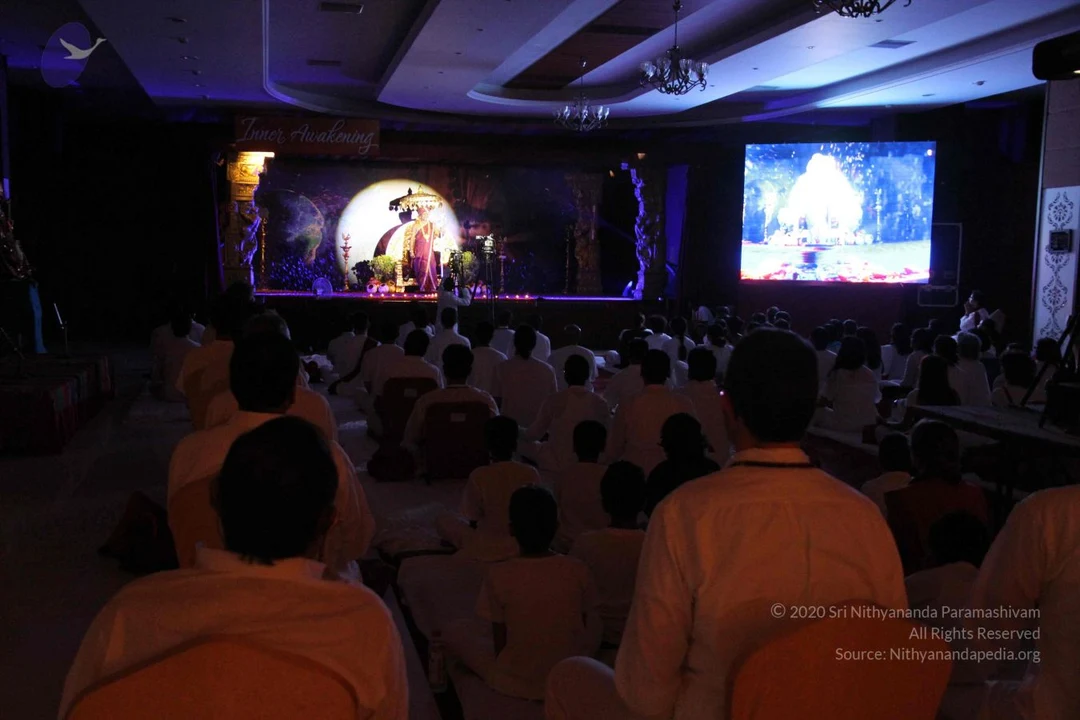
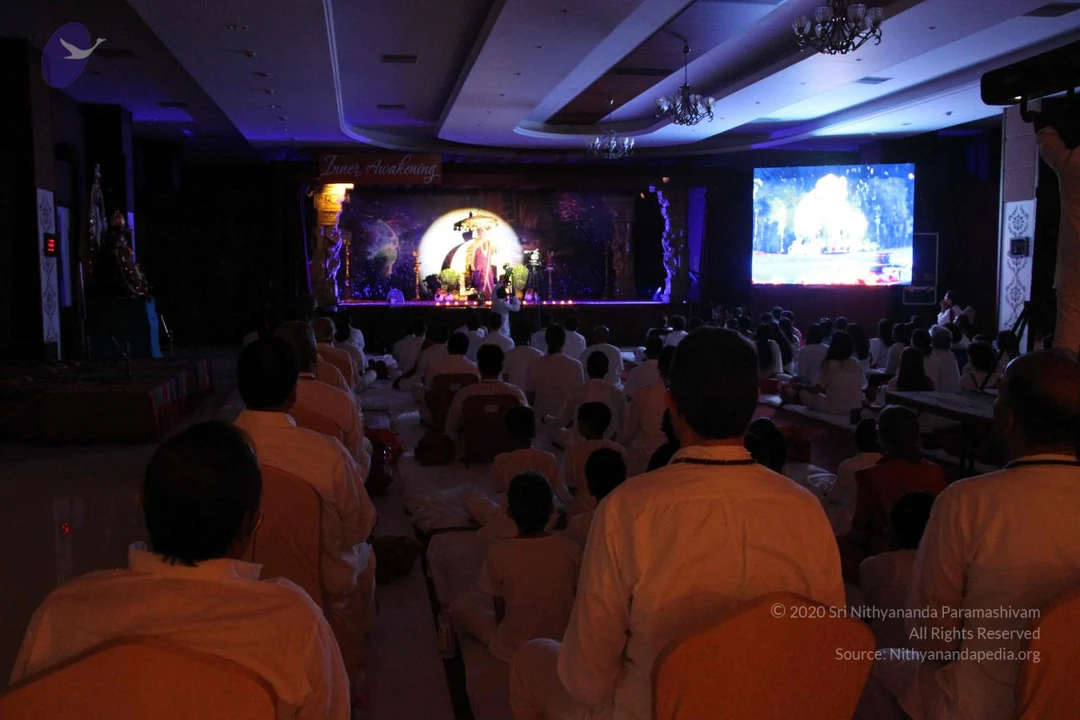
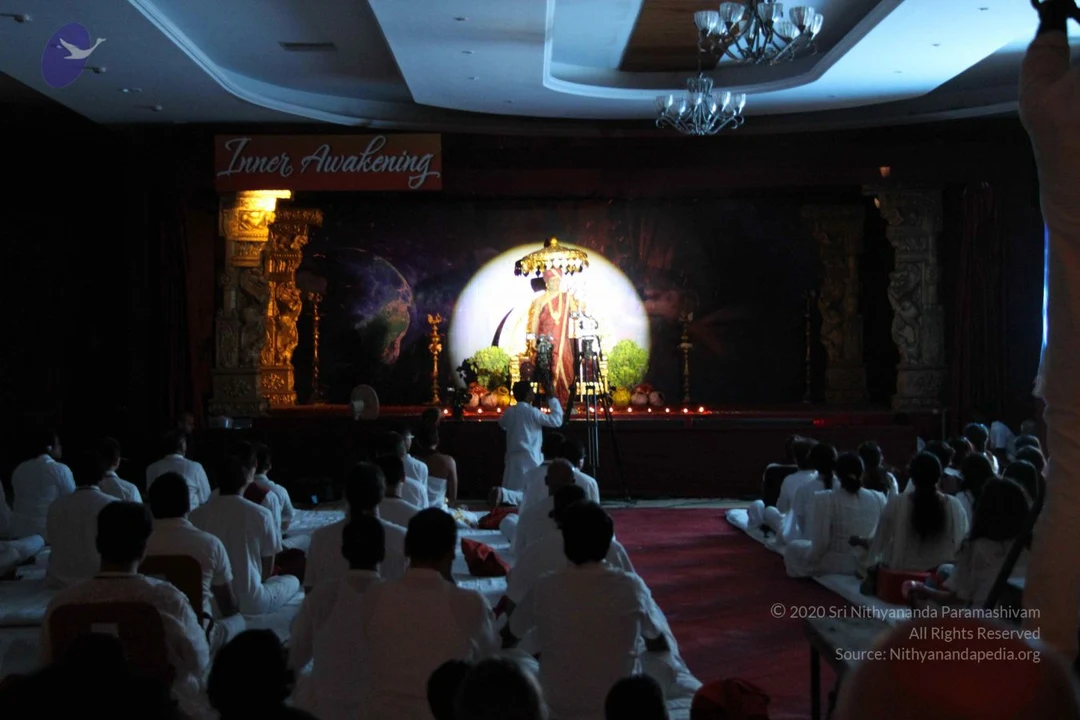
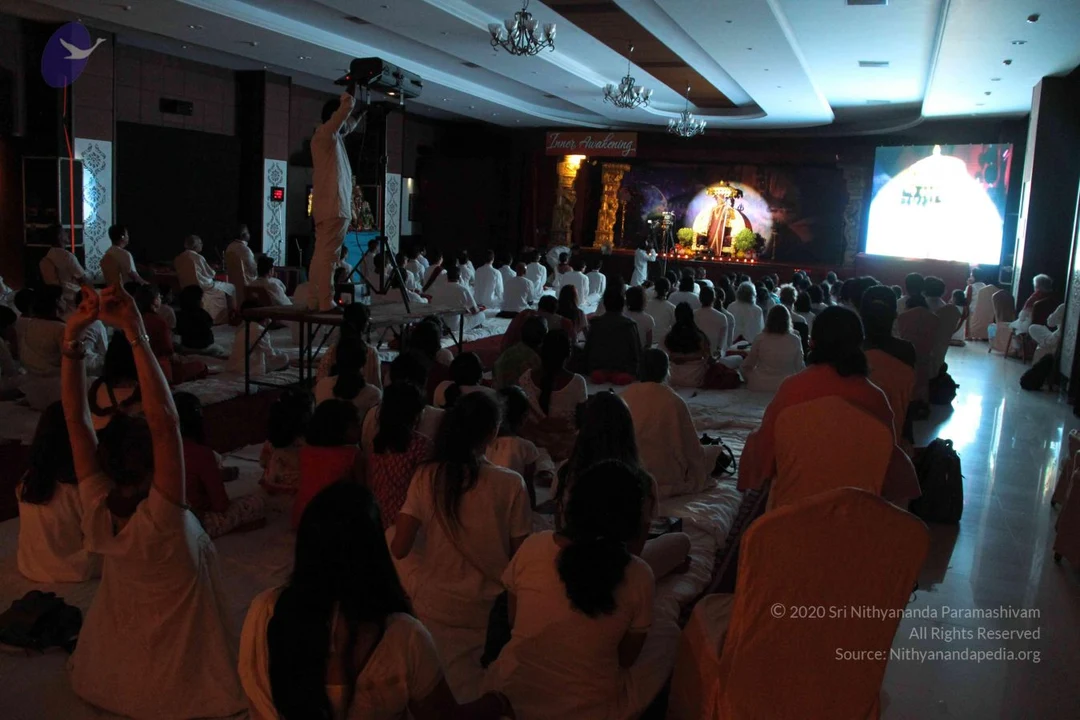
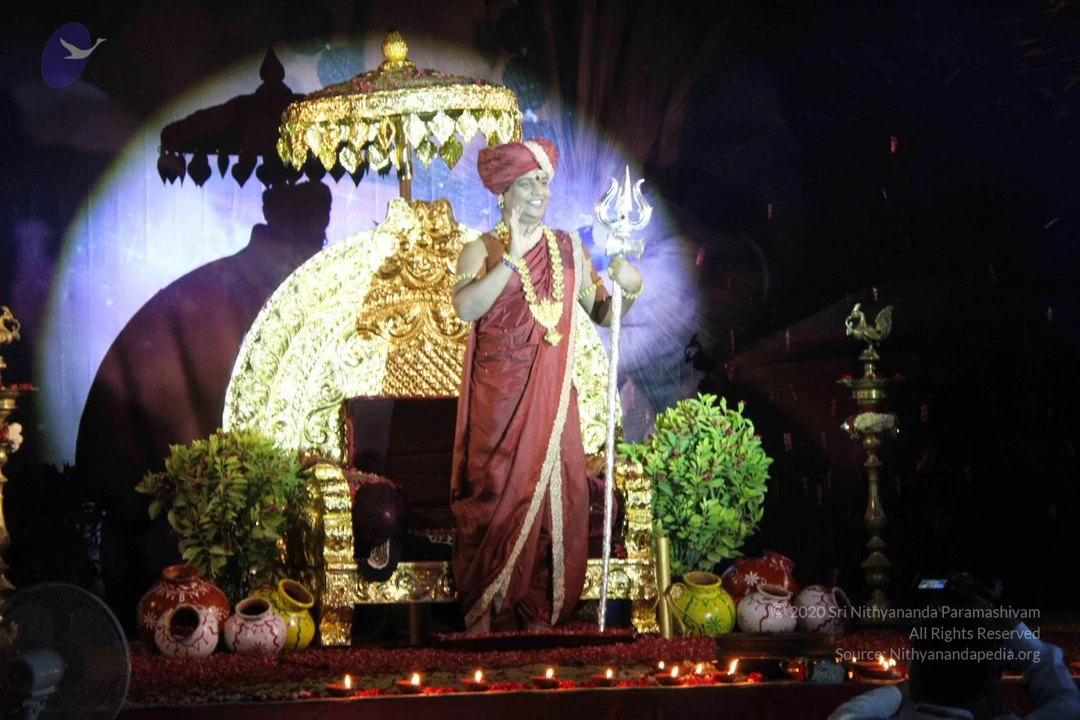
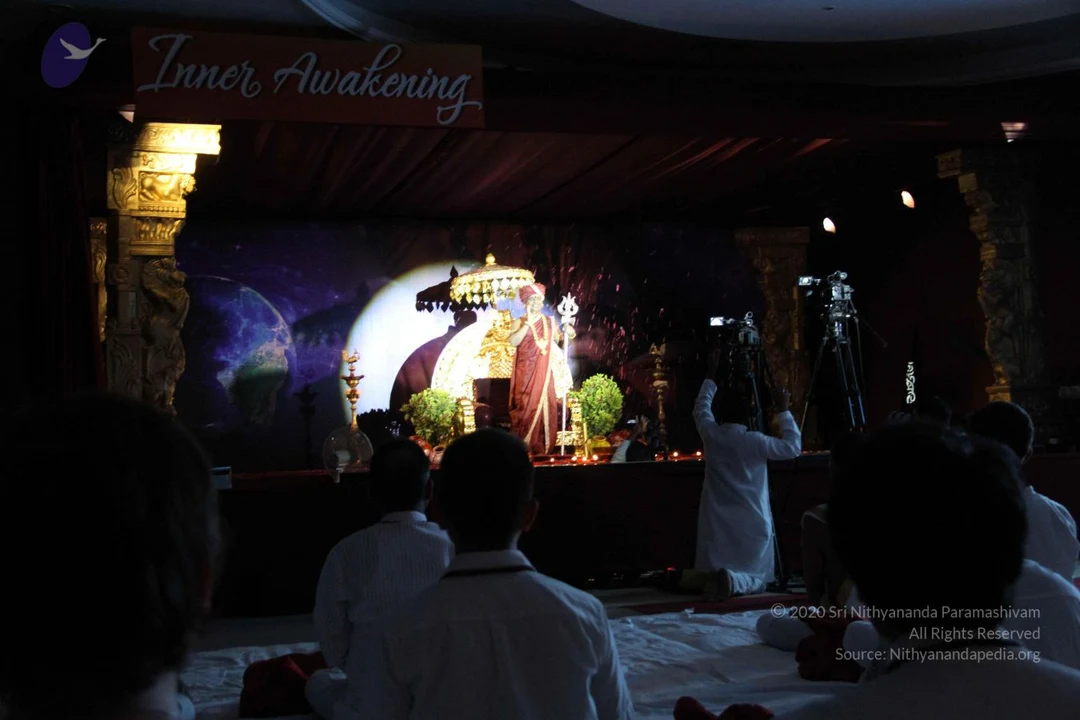
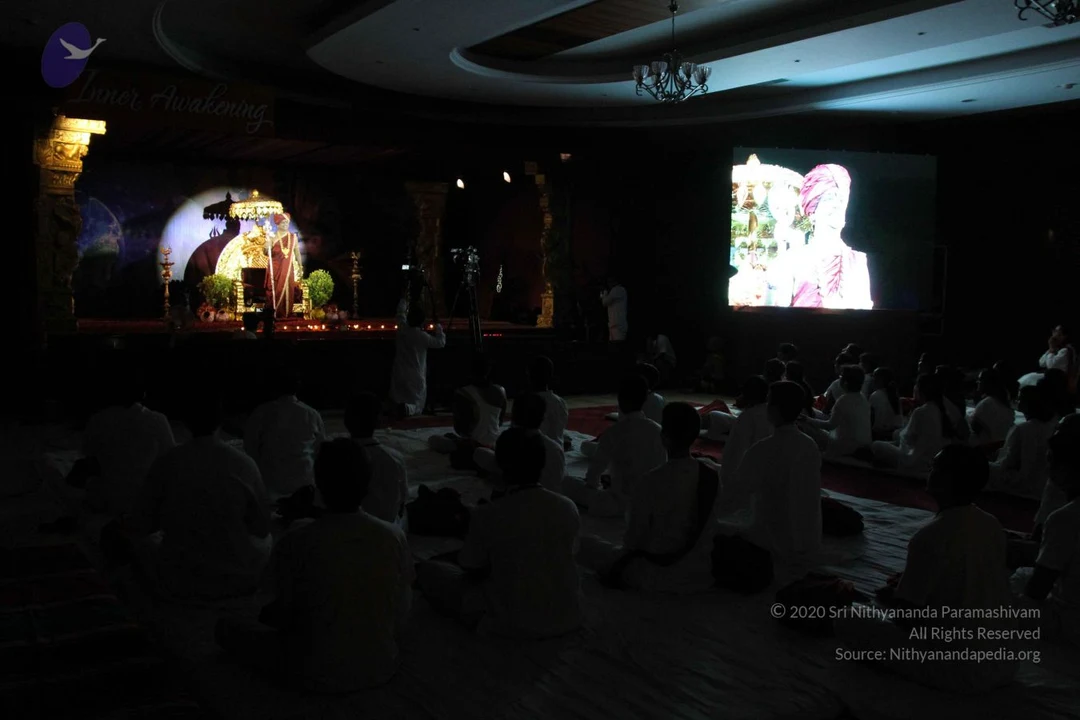
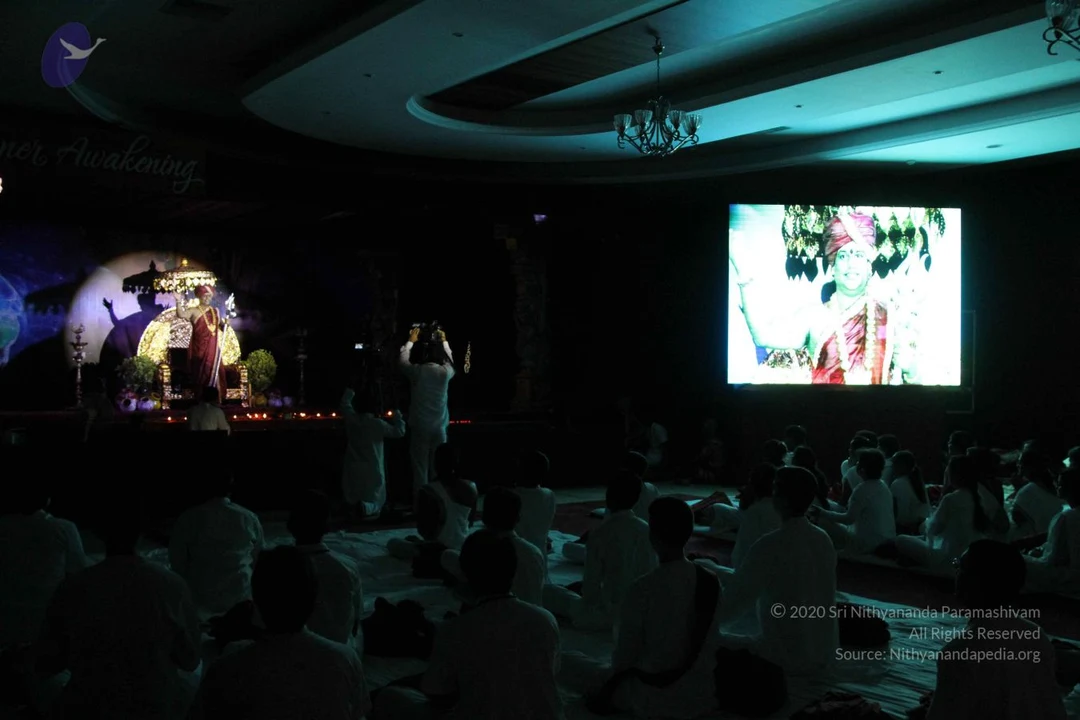
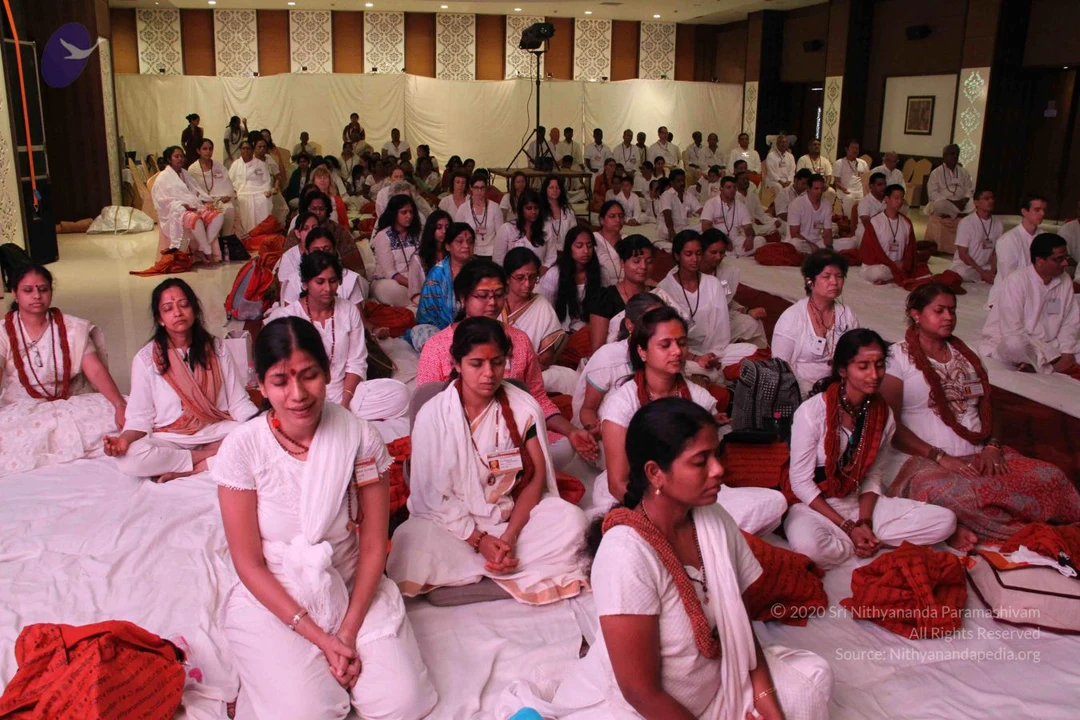
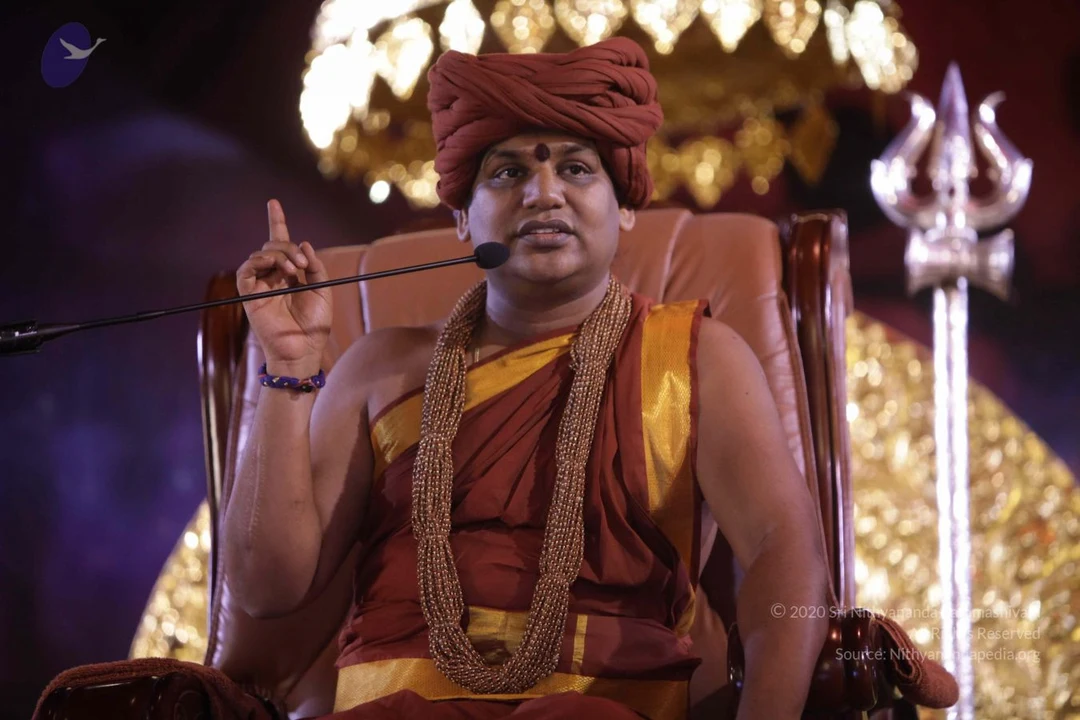
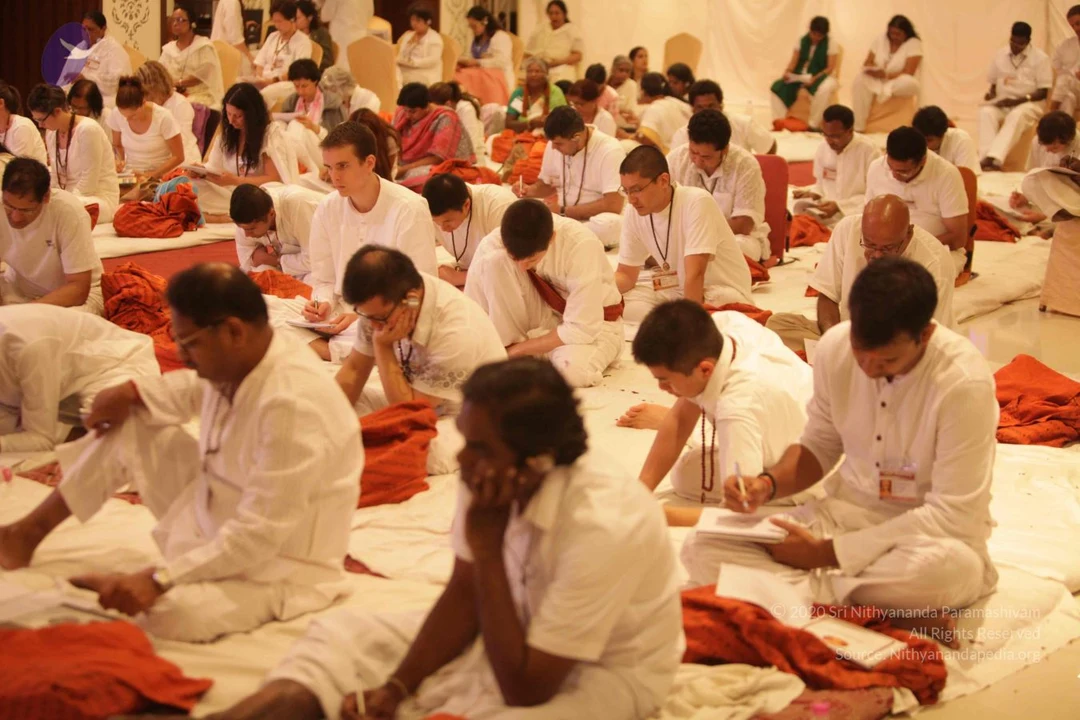
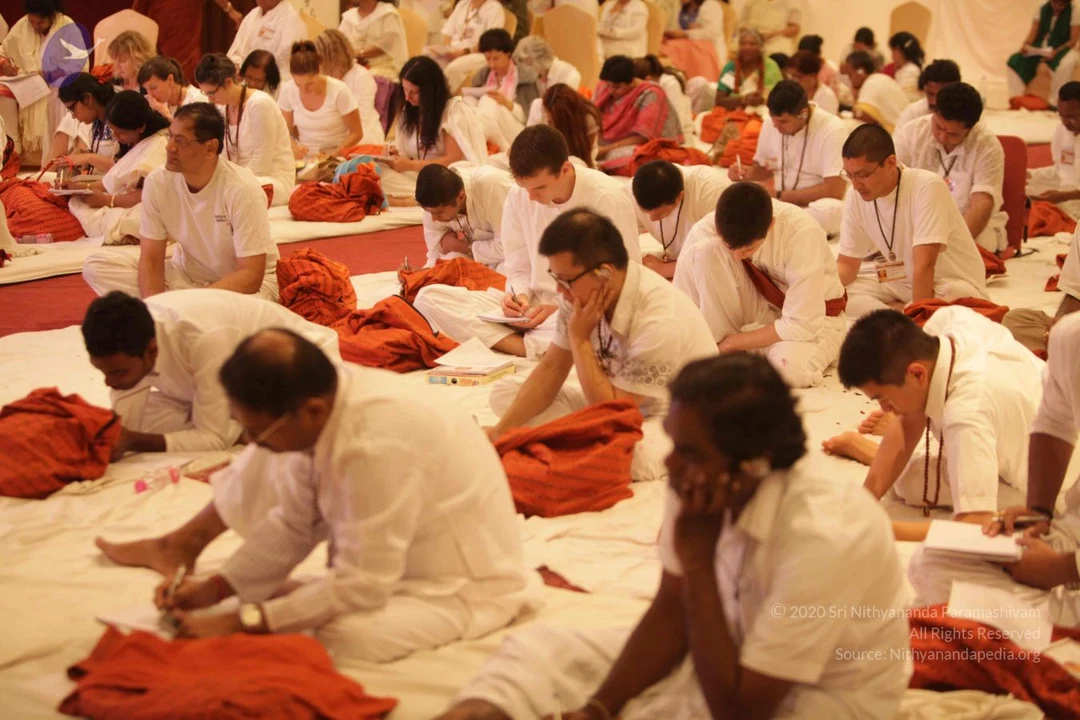
This city, THE PLACE, it is the spiritual capital of the world. I can go on and on and on. I won’t be able to stop speaking about Varanasi. But, we will have to go to the next sessions. And, today the next Inner Awakening is starting in Varanasi, 33rd Inner Awakening and 30th Inner Awakening for kids, 33rd Inner Awakening is starting. This IA, we are going to give a breakthrough to IA’s. It will be a breakthrough to IA’s. That is the way this IA is going to be. So, you can expect even the most unexpected, even the most unexpected greatest positive possibilities. So you all have to get ready for the introduction session.
34:33
I know I need to give little time for all you guys to settle down, jet lag, everything. But, in Varanasi you will not have any problems related to jet lag and all. Because, see if you get down from one jet and rest only then you will have jet lag. Varanasi itself is another one jet. You are just moving from one jet to another jet. So you don’t have time for jet lagging or anything else. It is Varanasi.
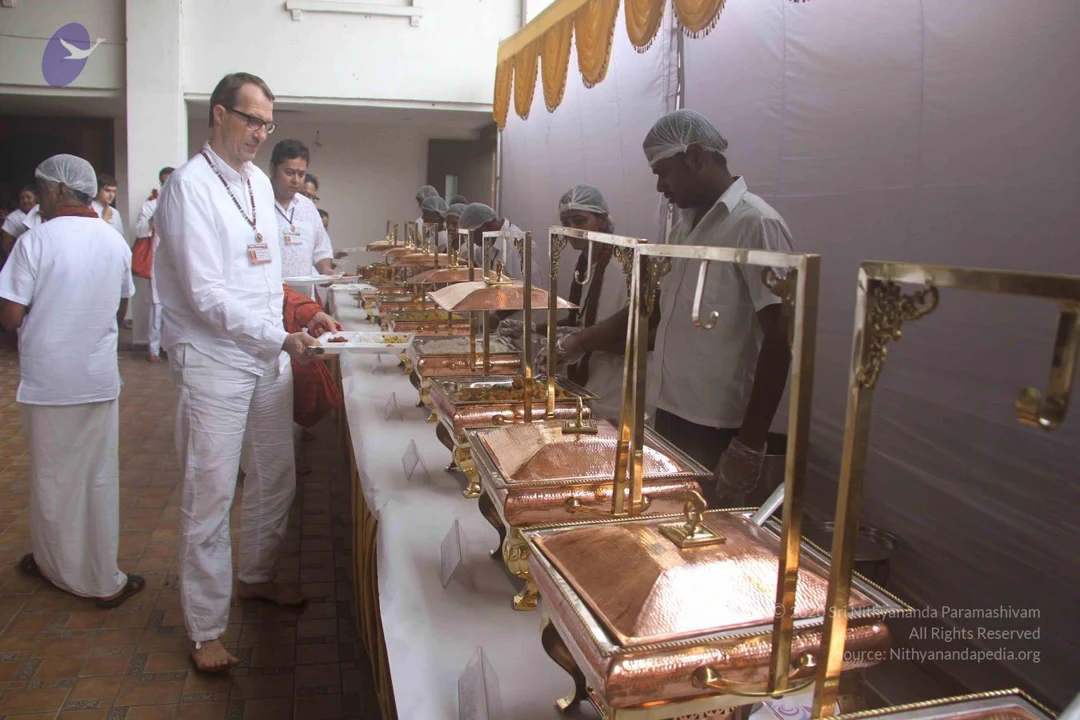
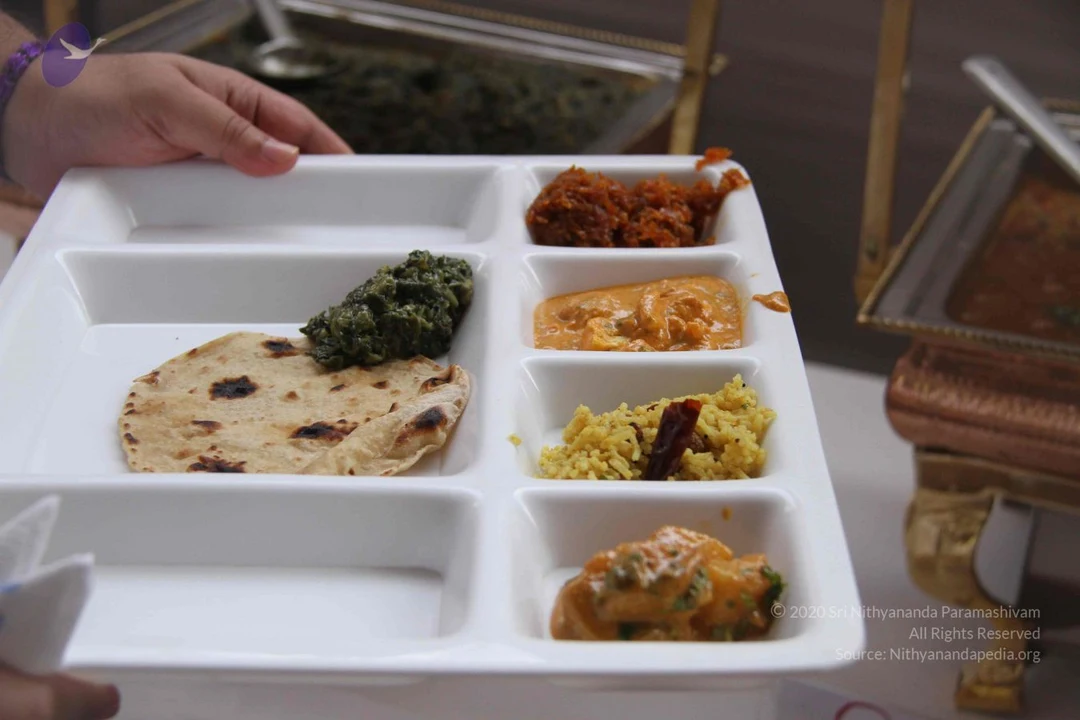
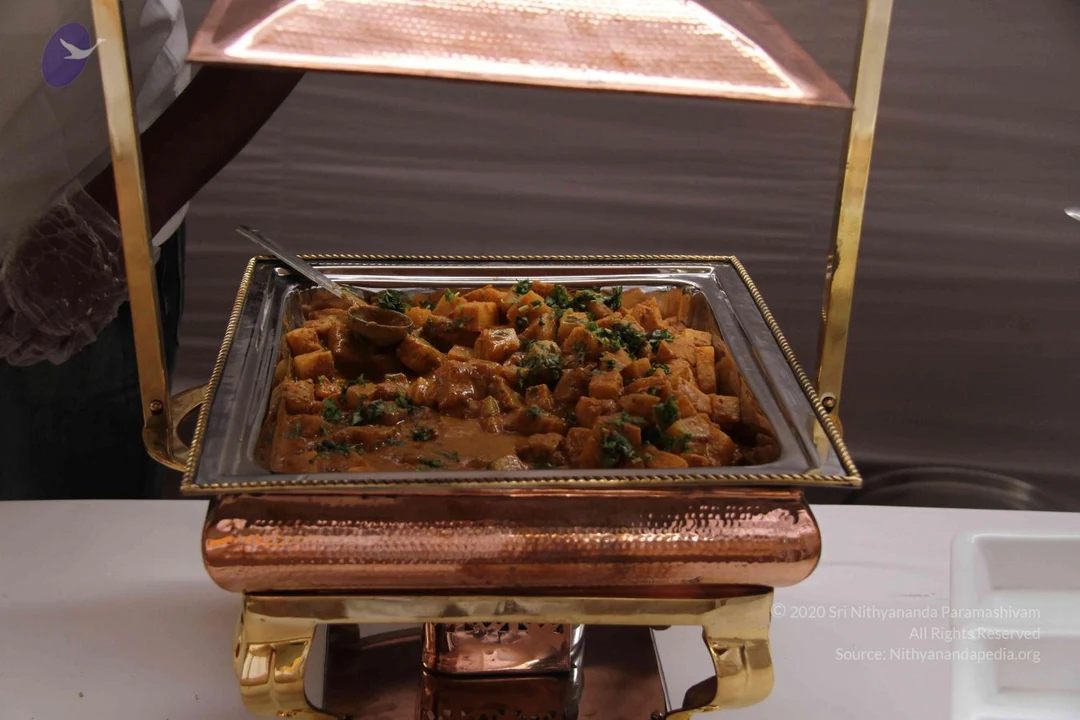
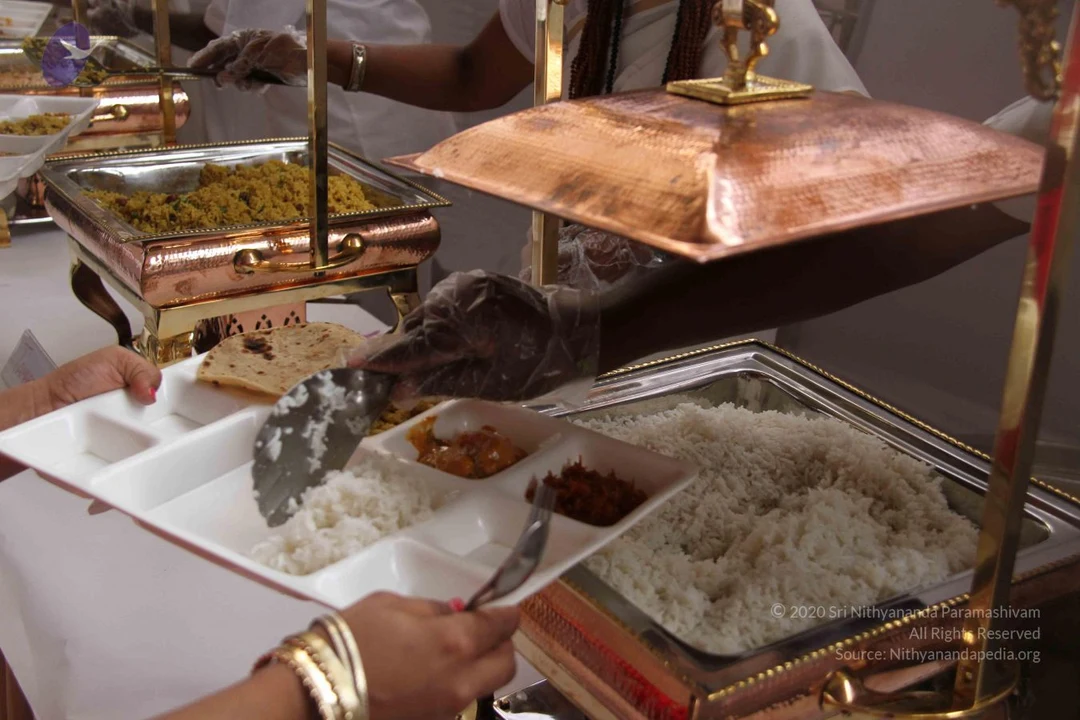
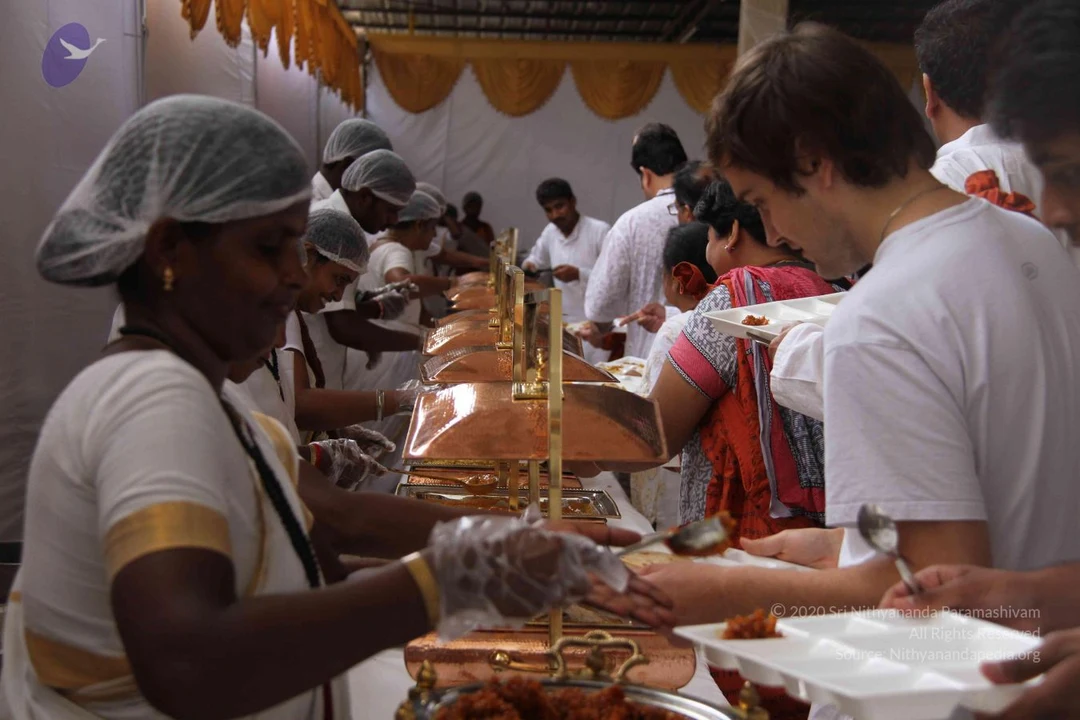
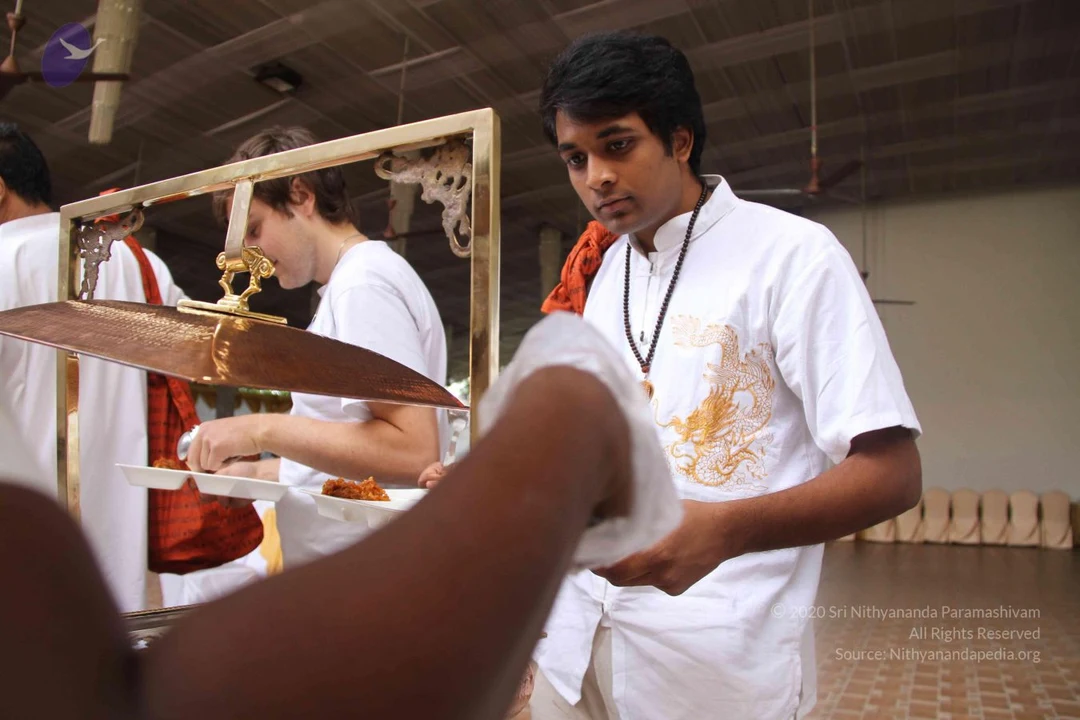
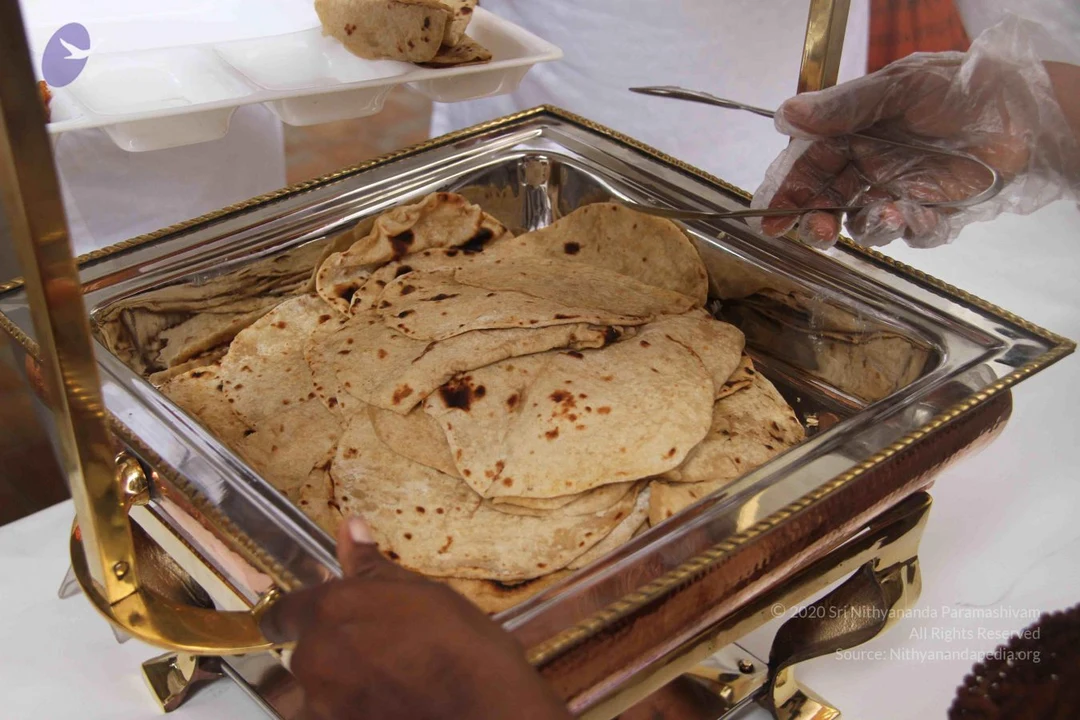
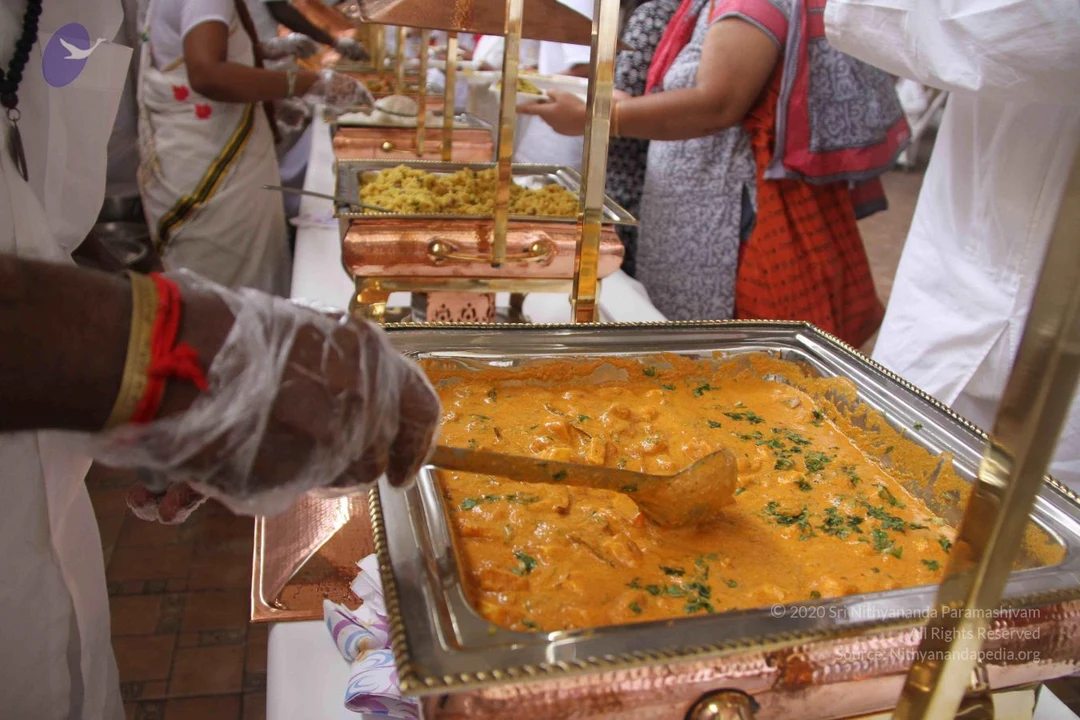
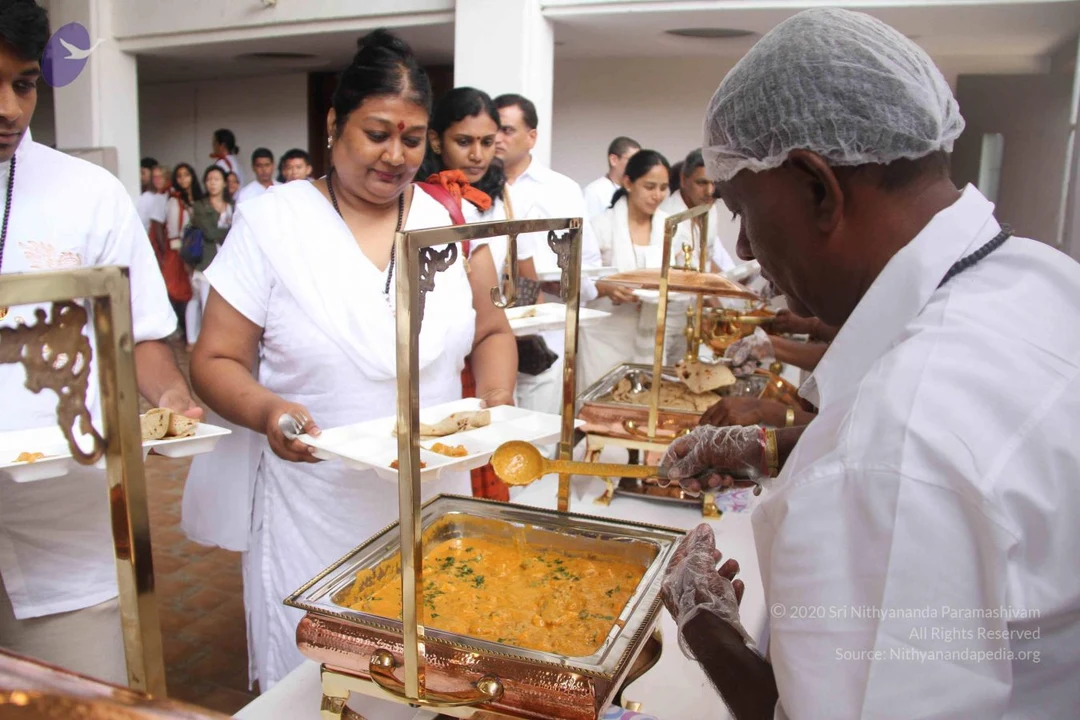
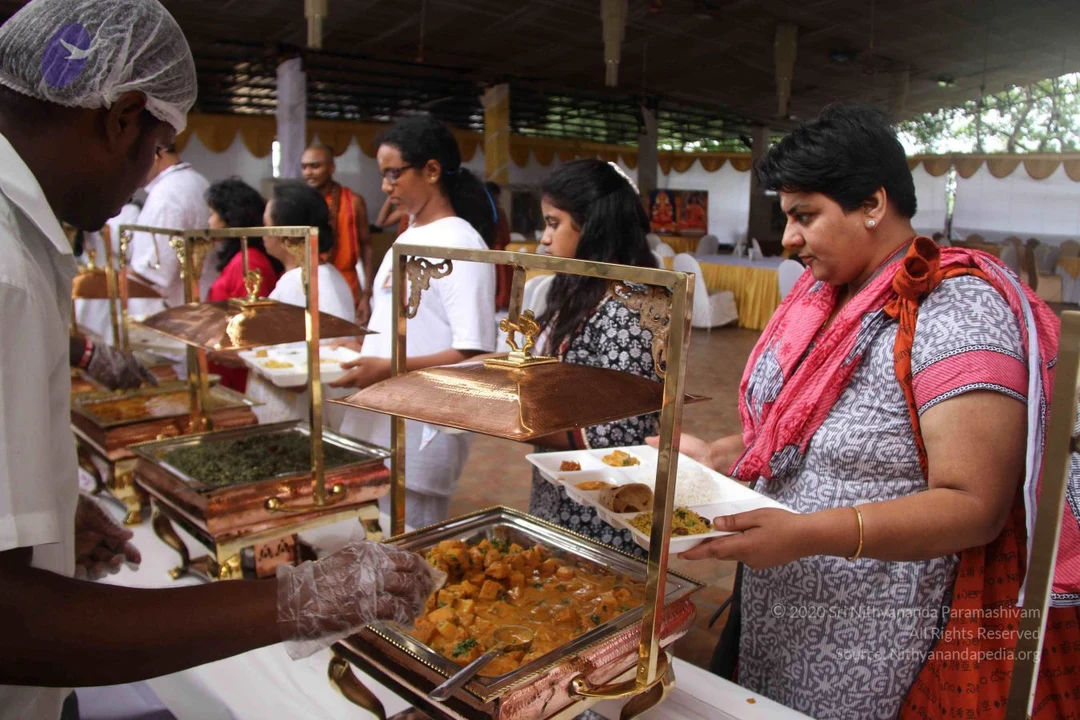
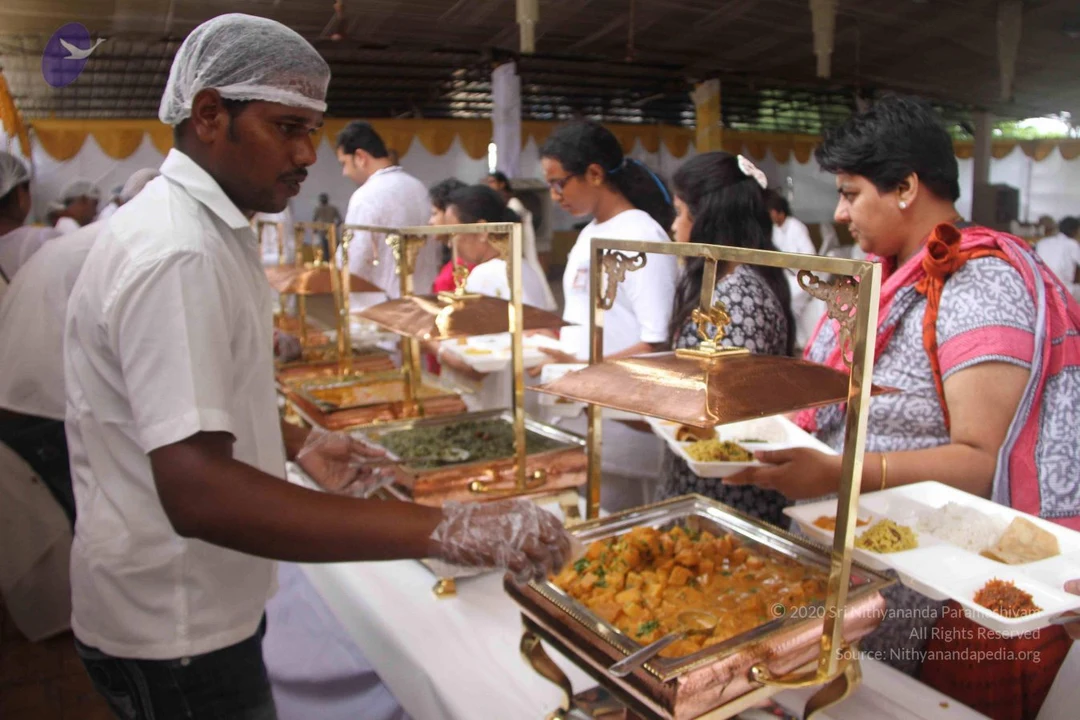
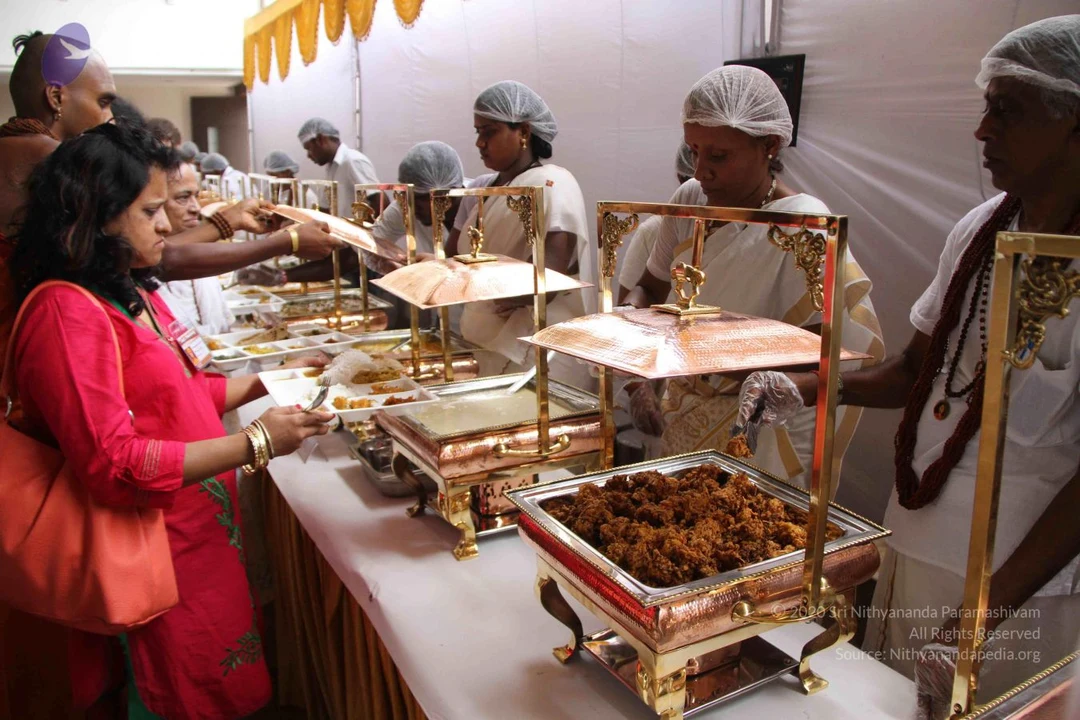
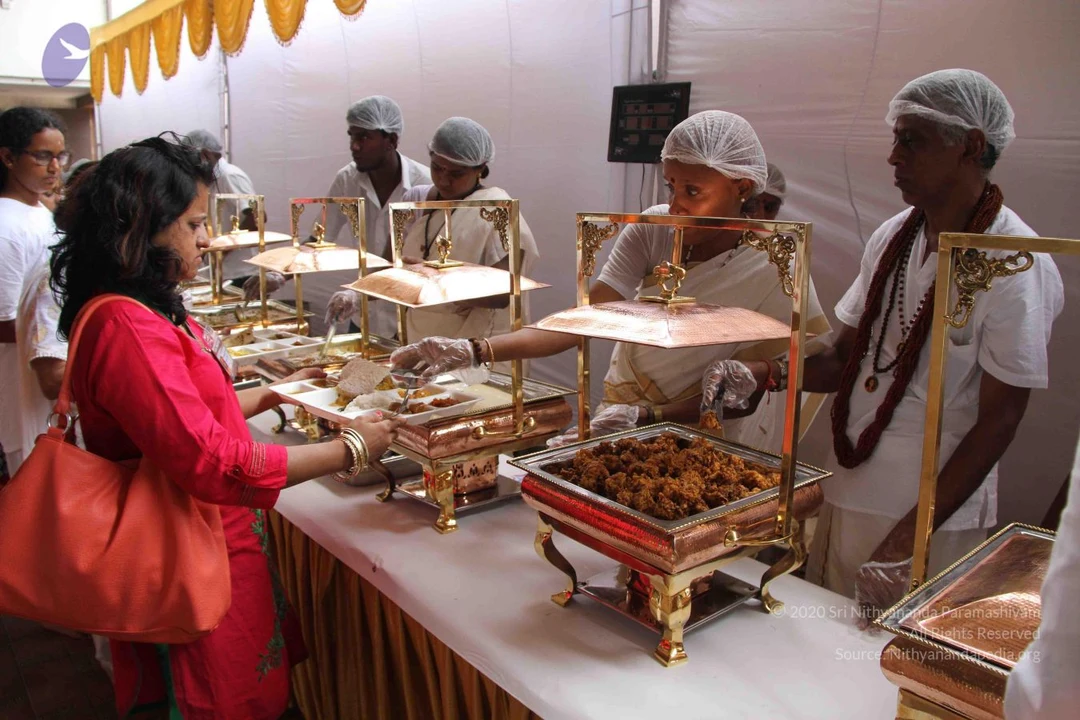
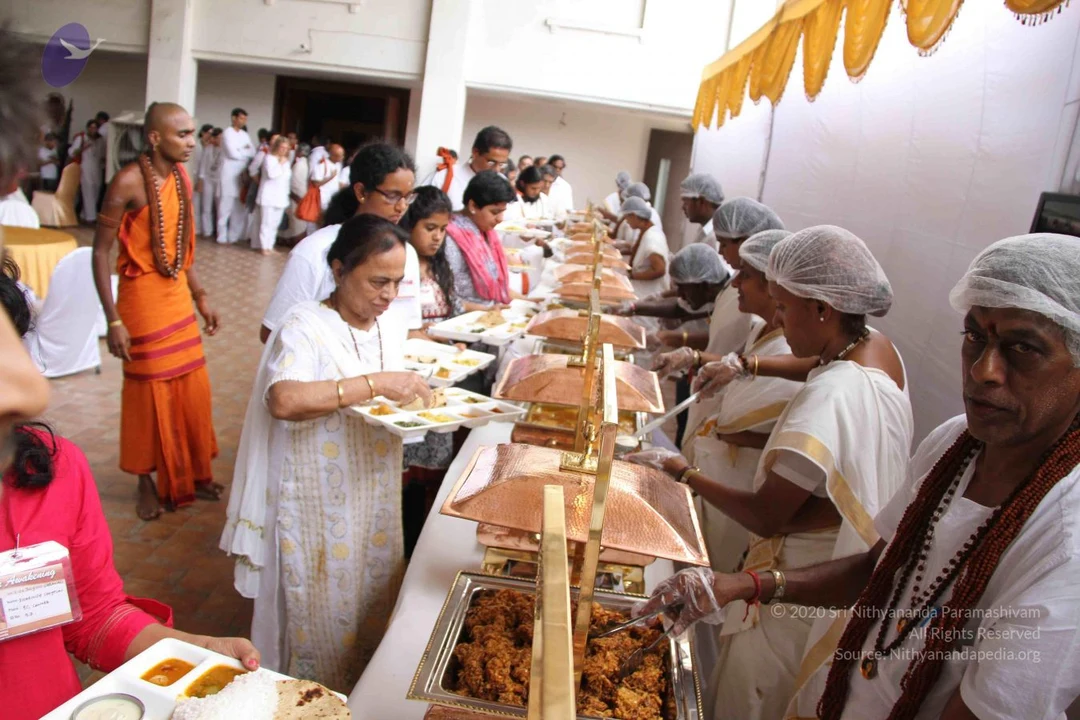
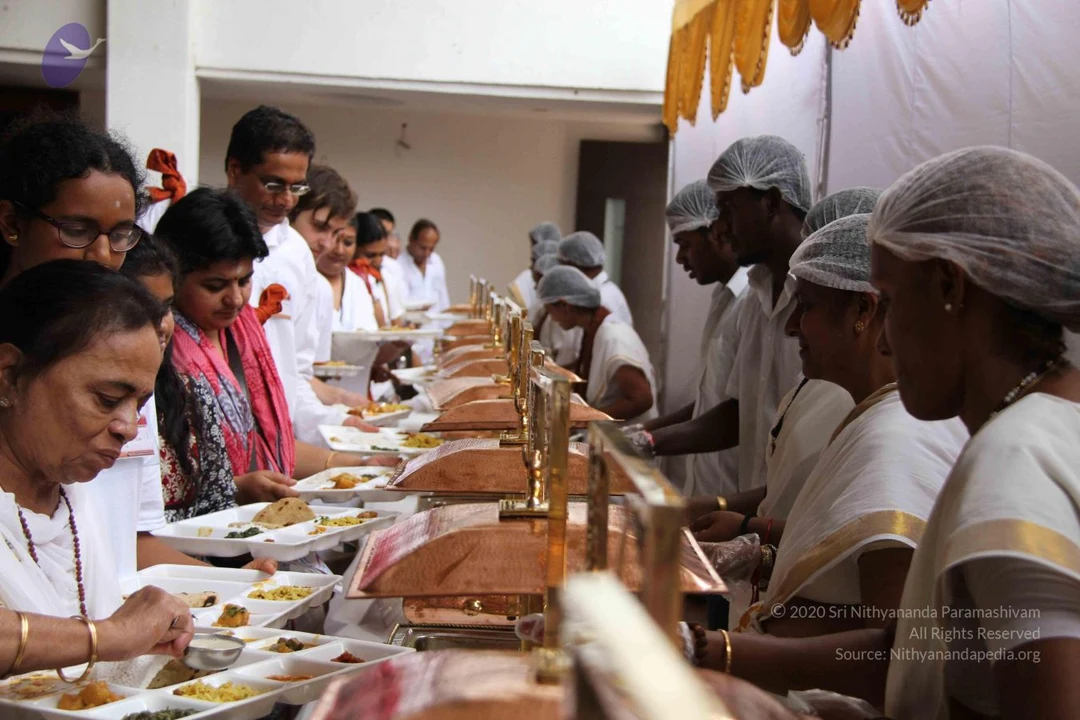
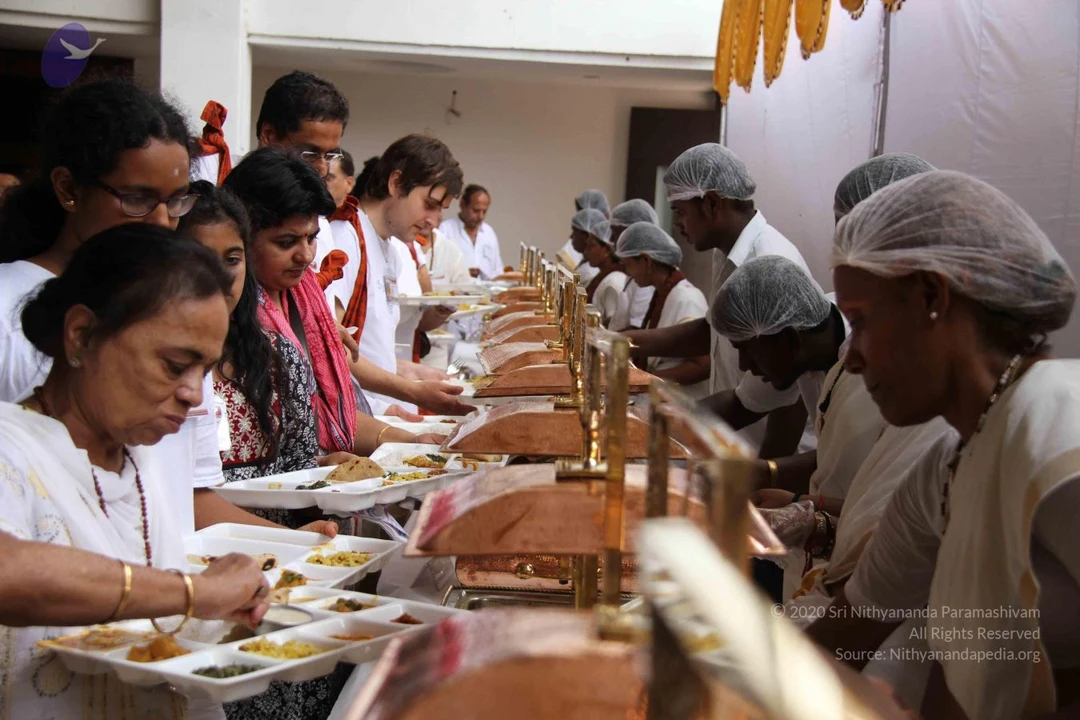
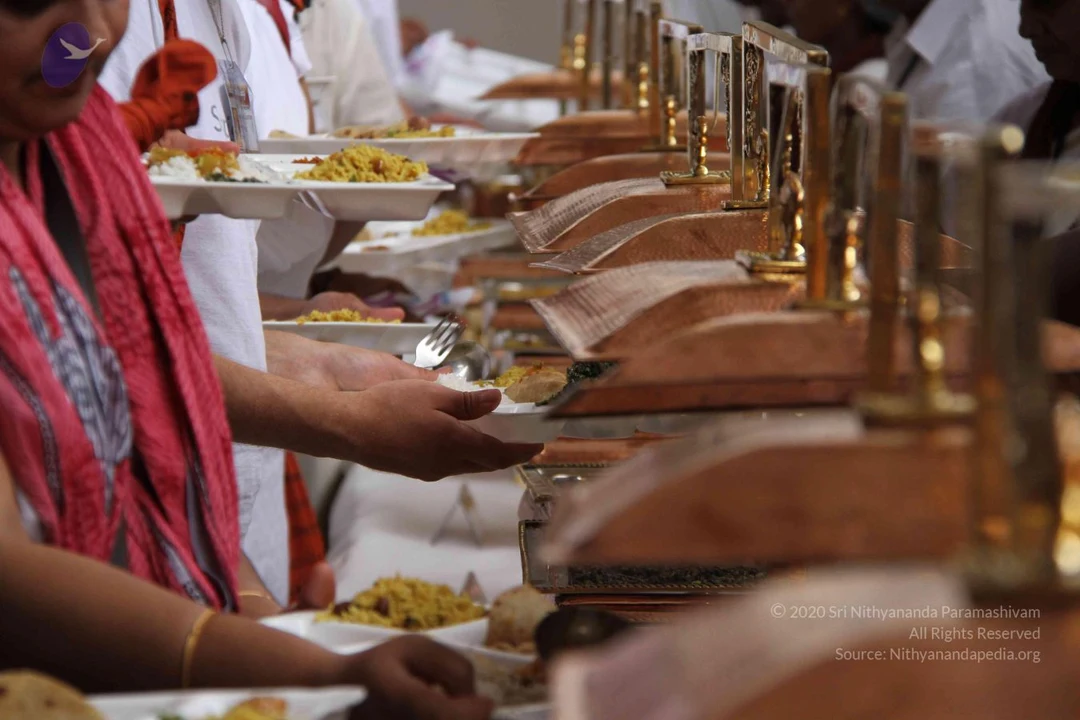
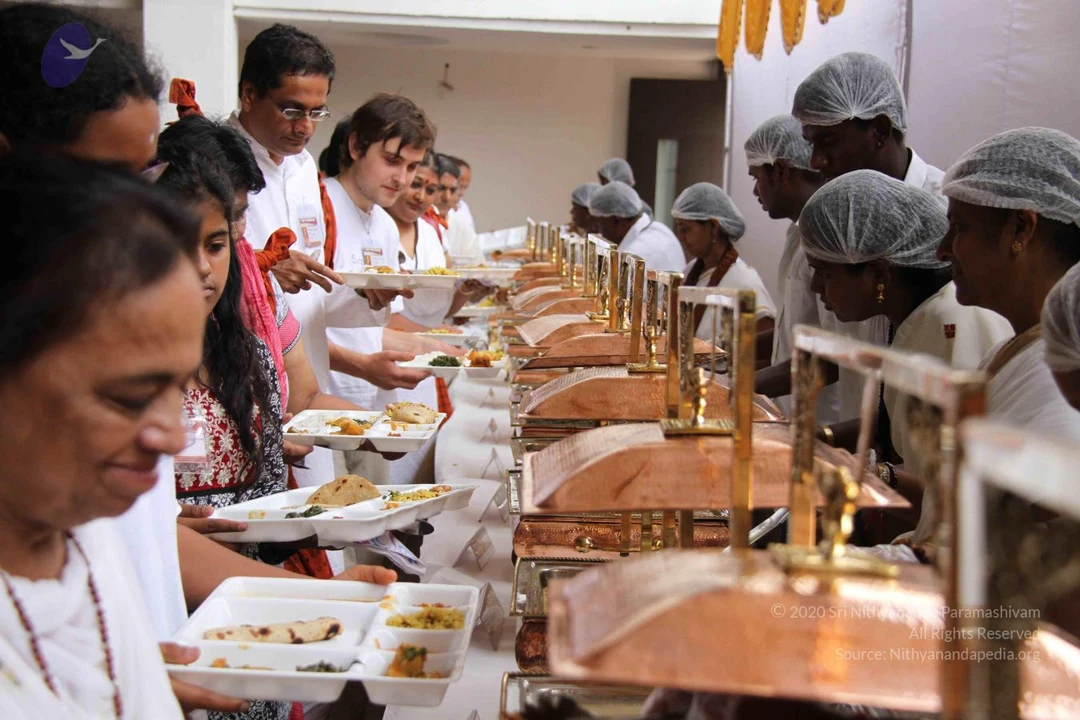
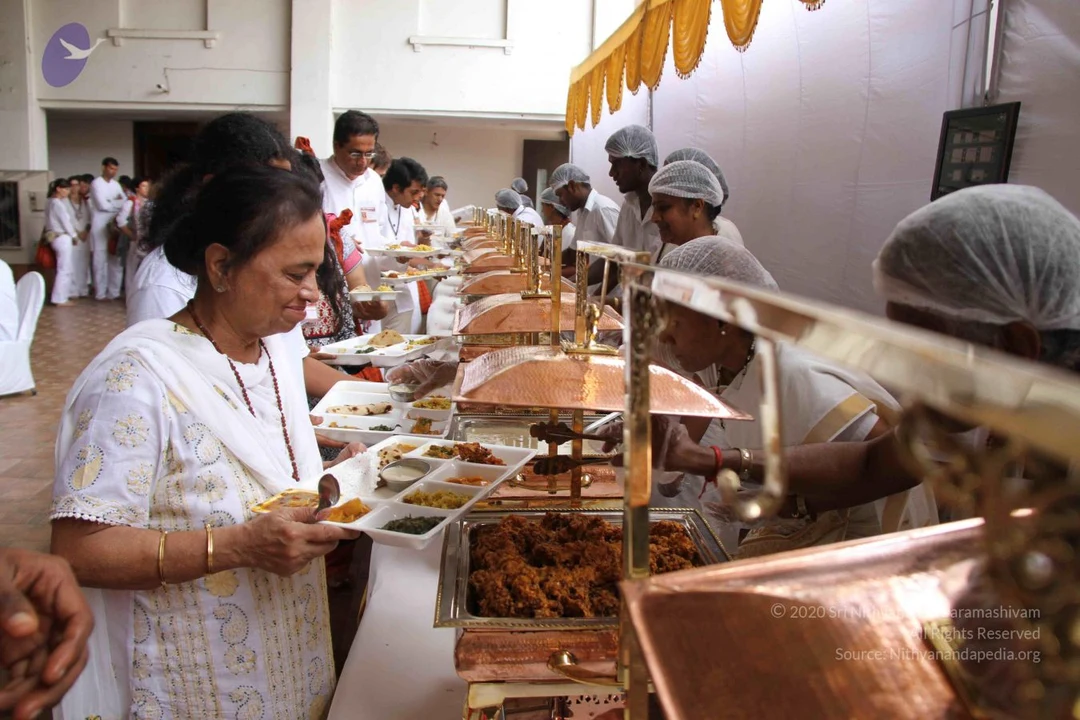
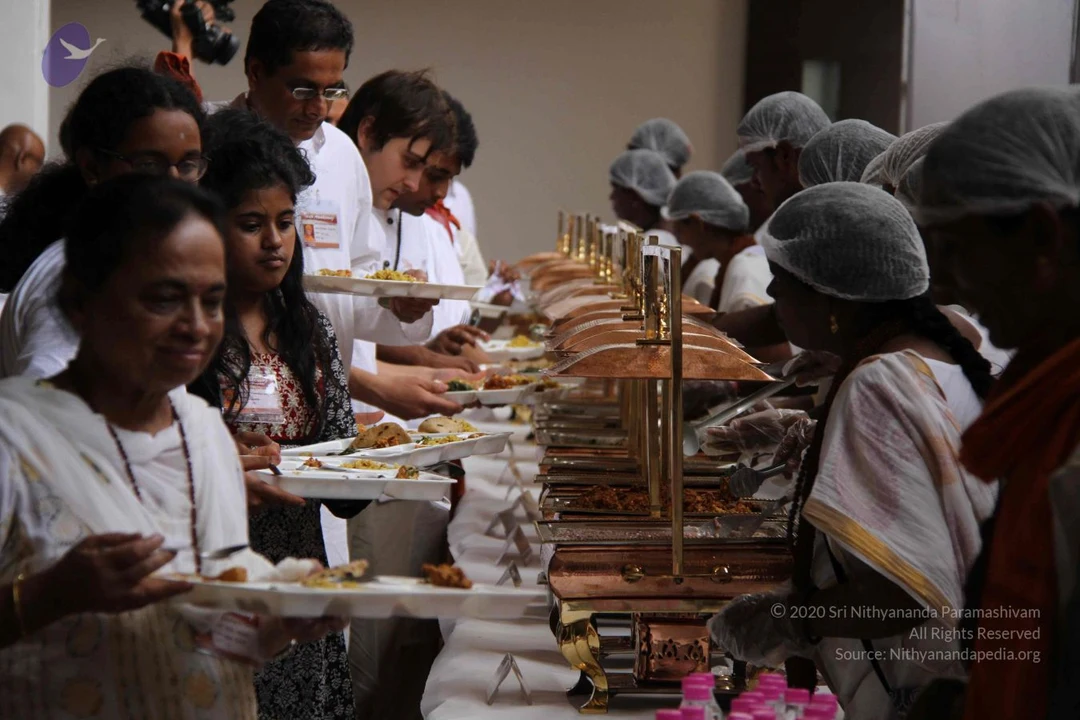
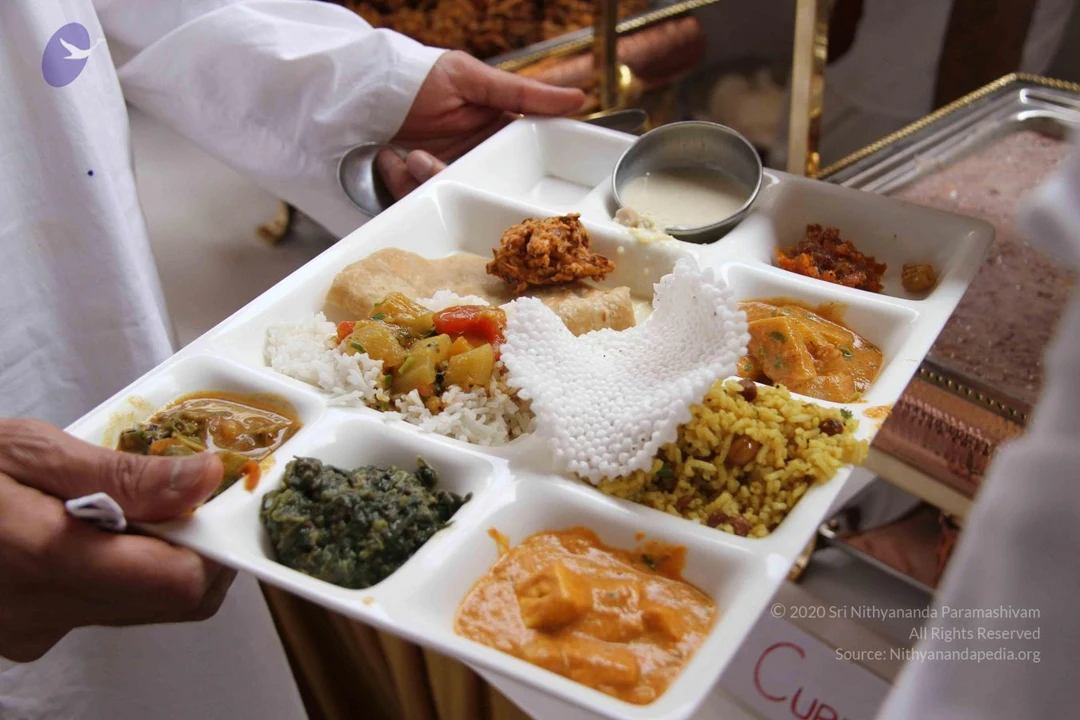
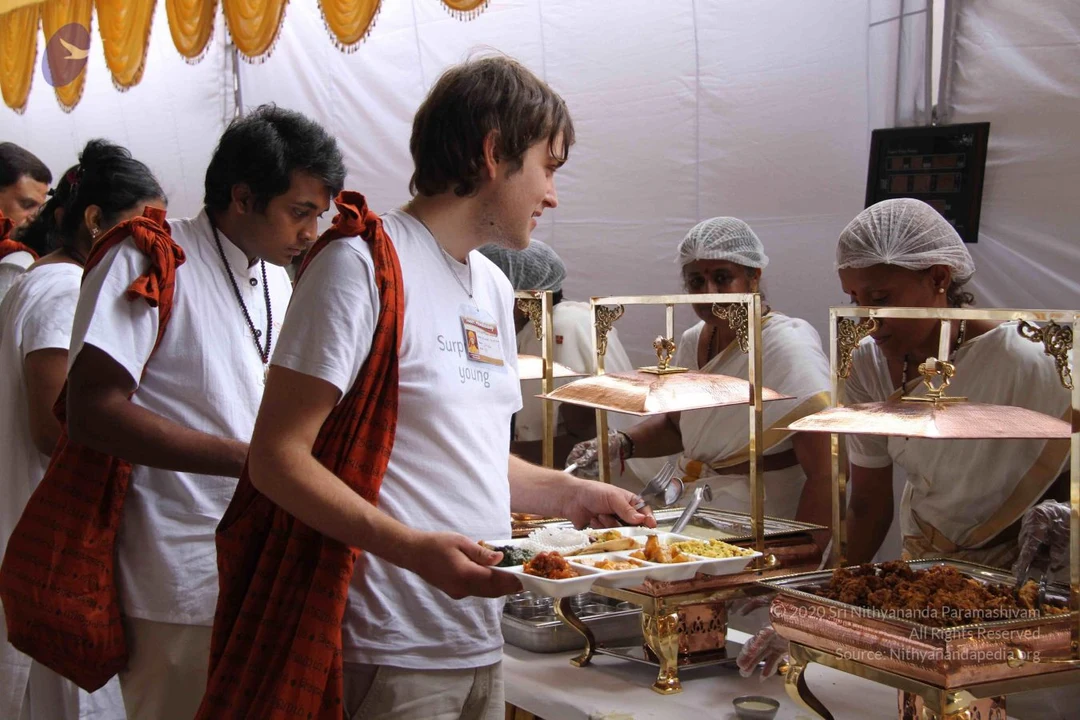
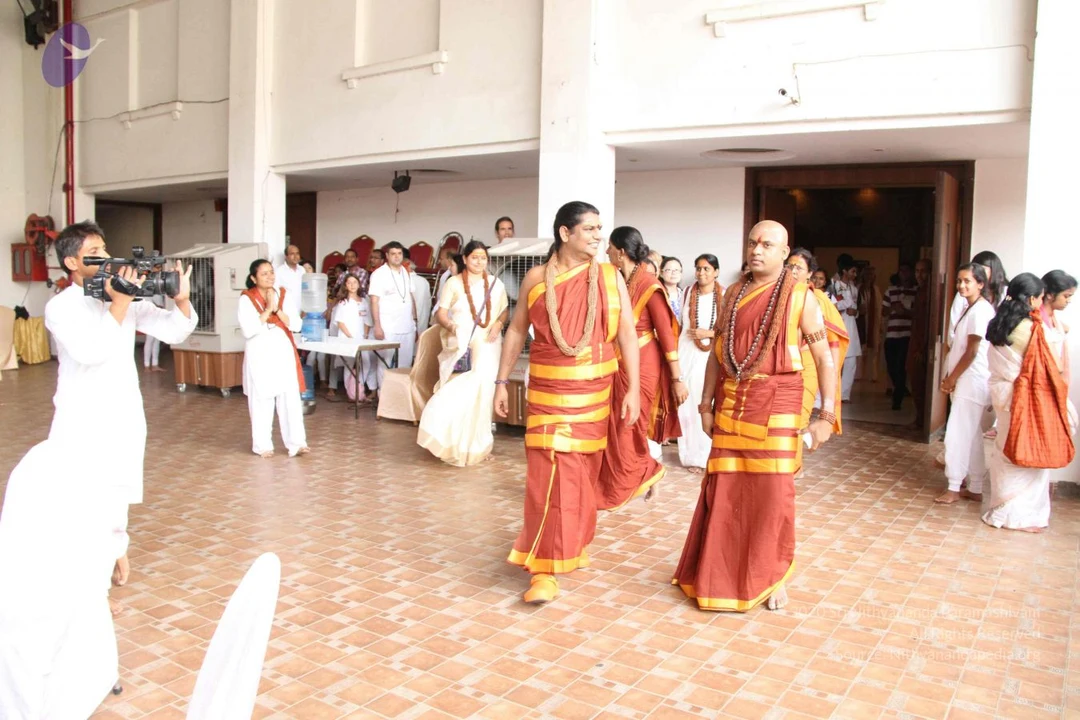
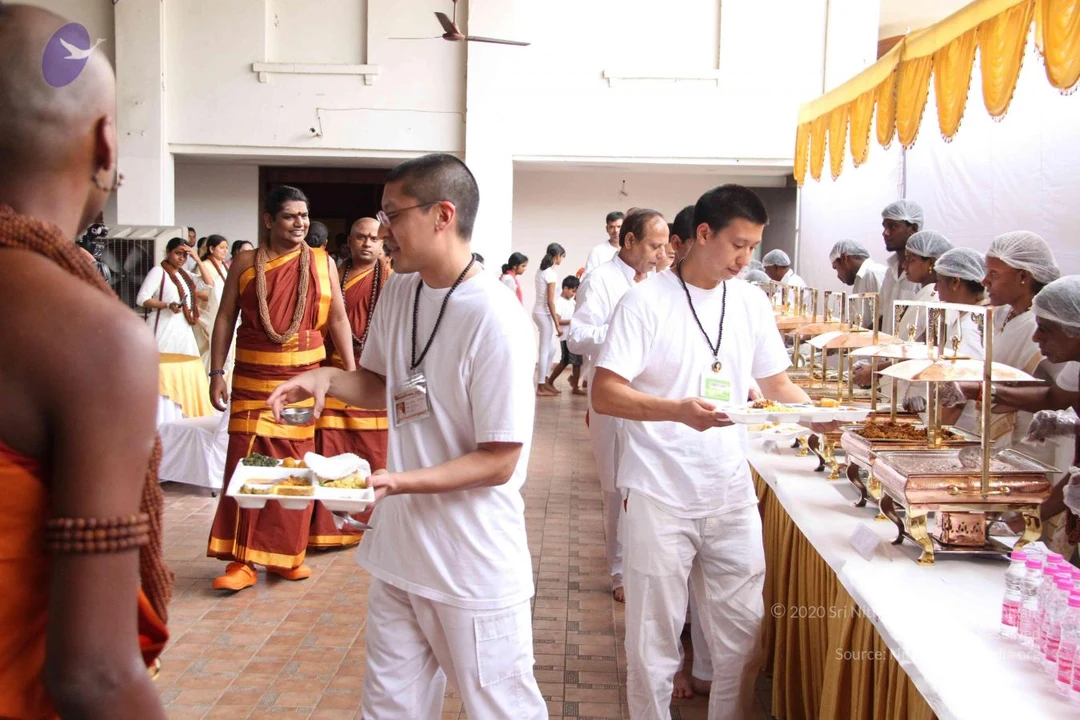
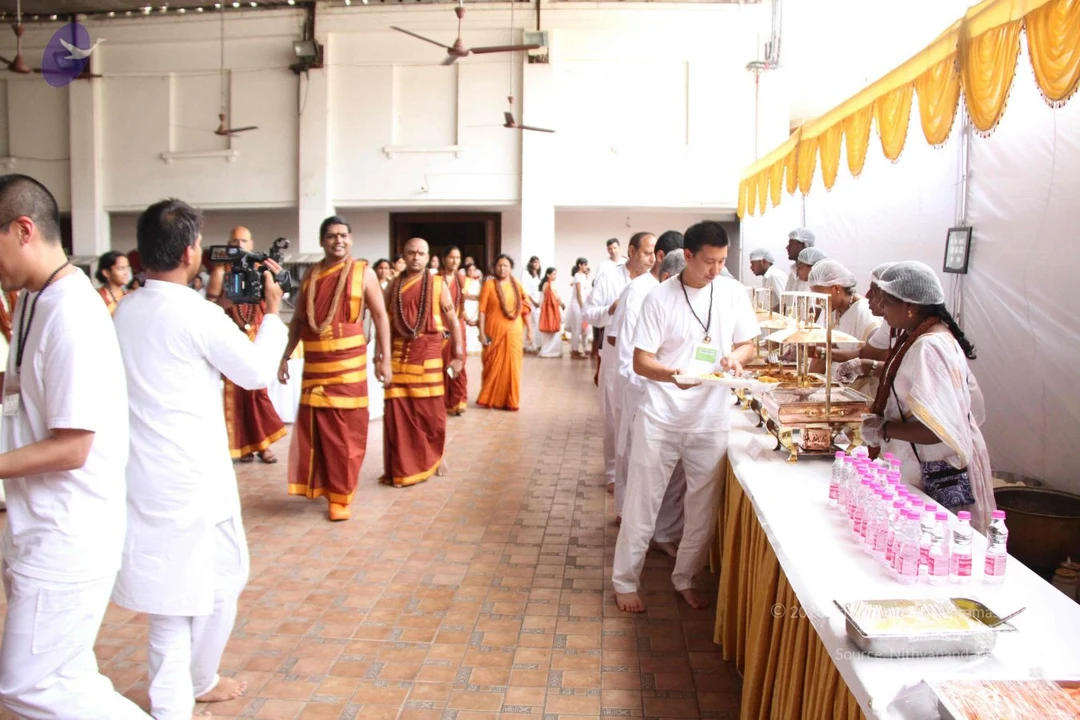
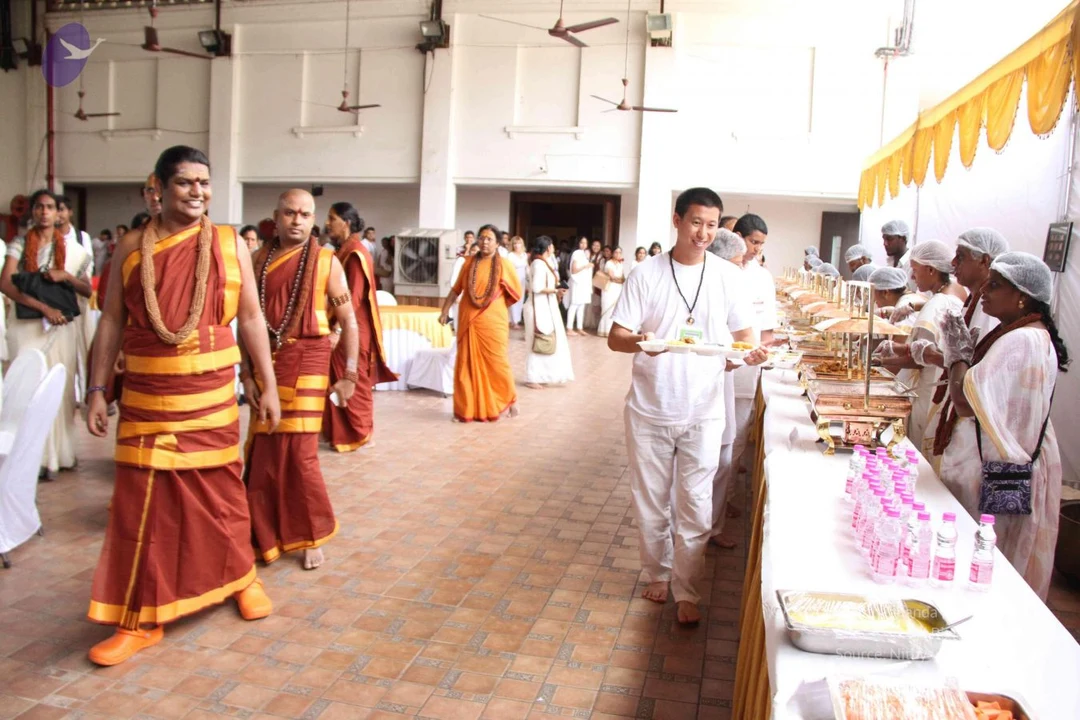
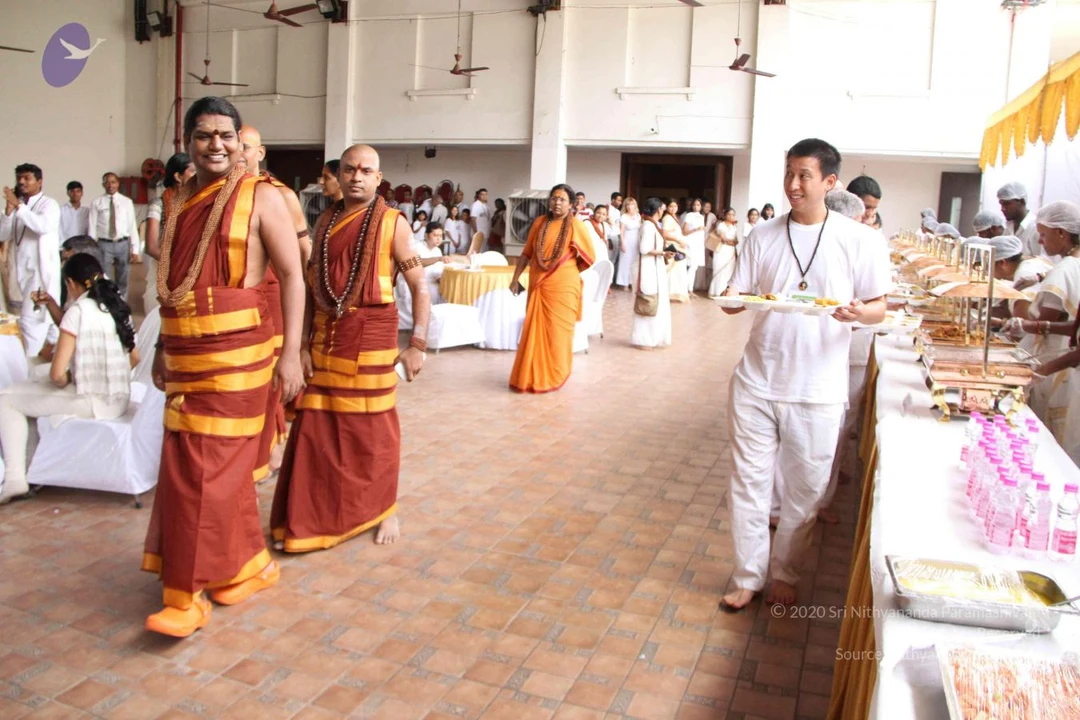
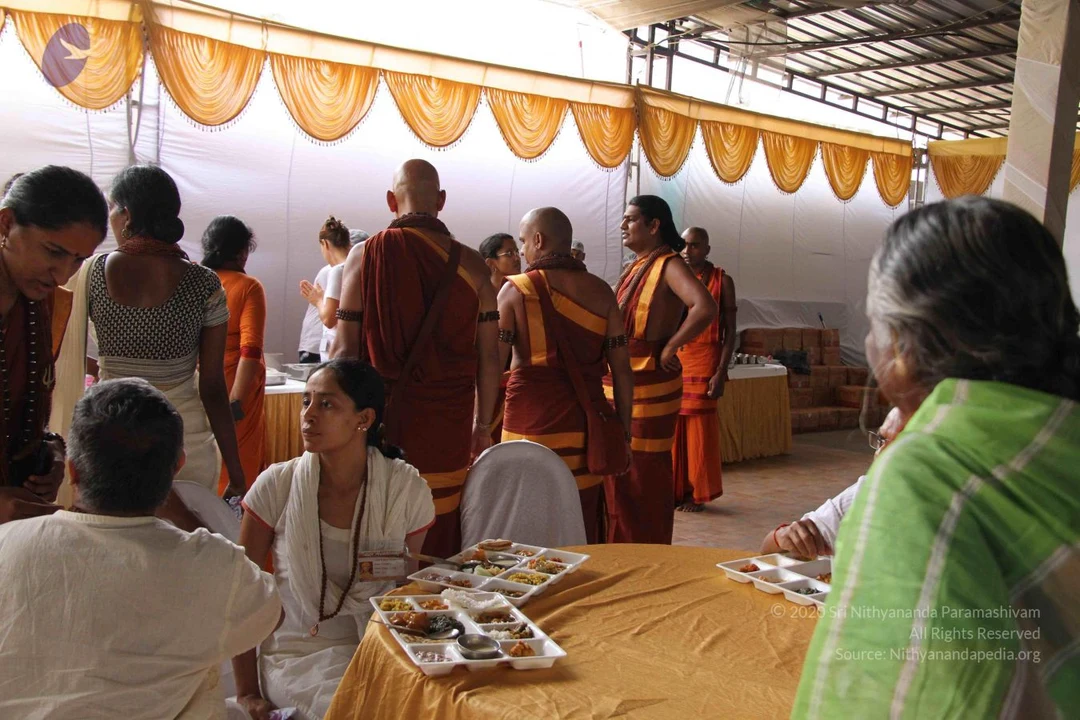
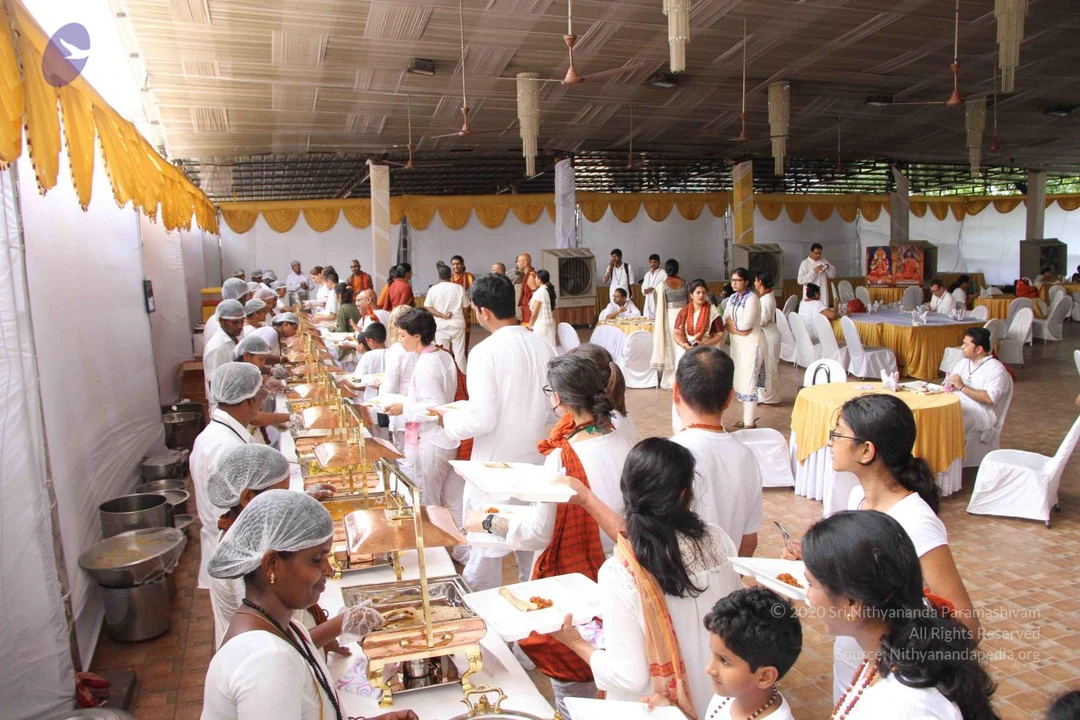
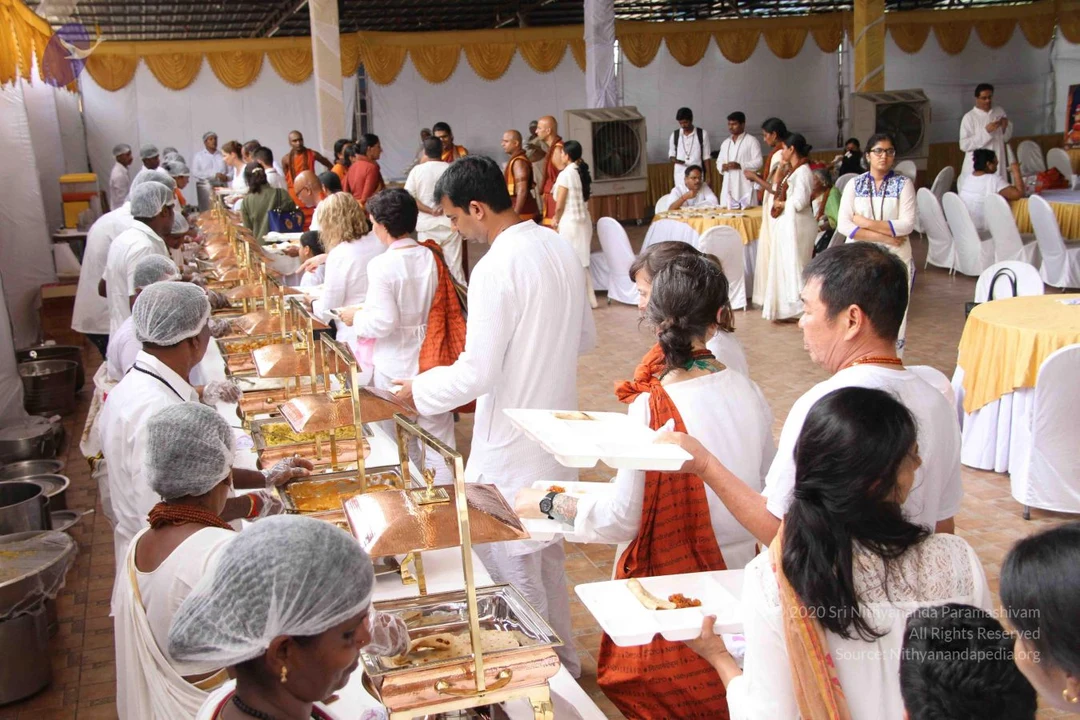
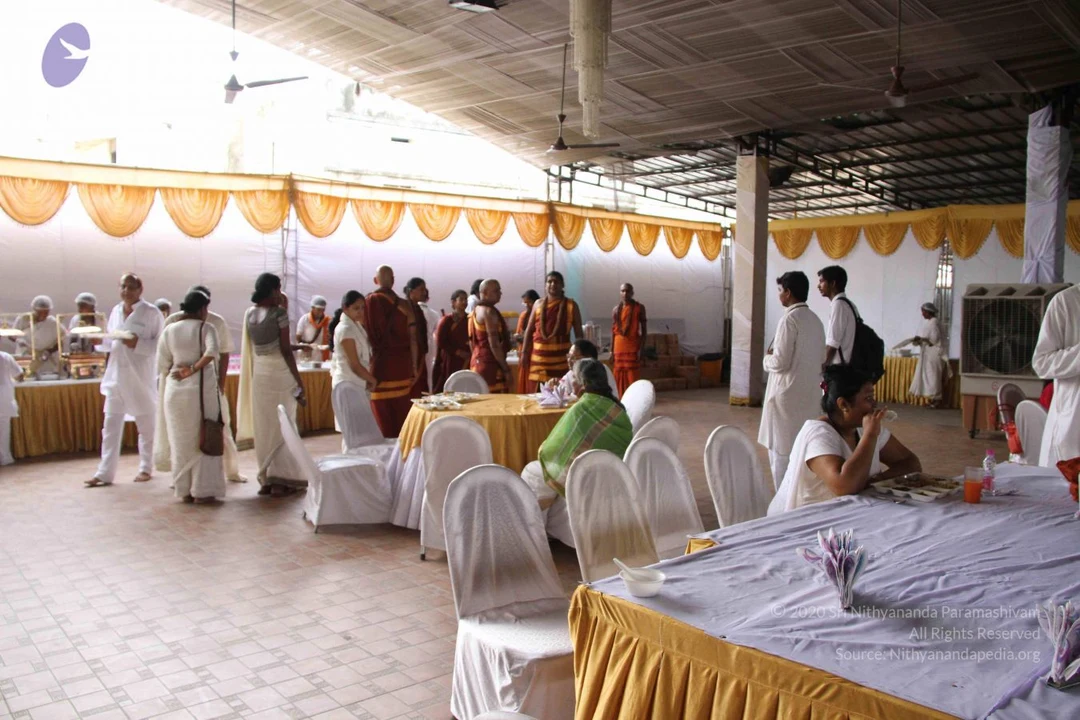
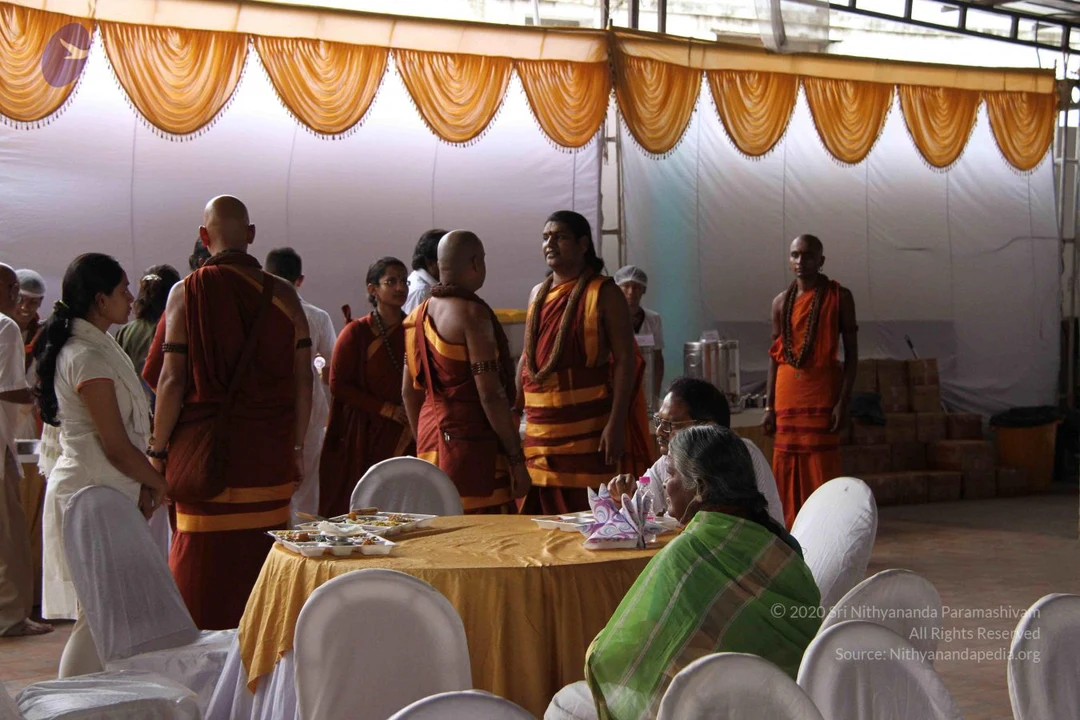
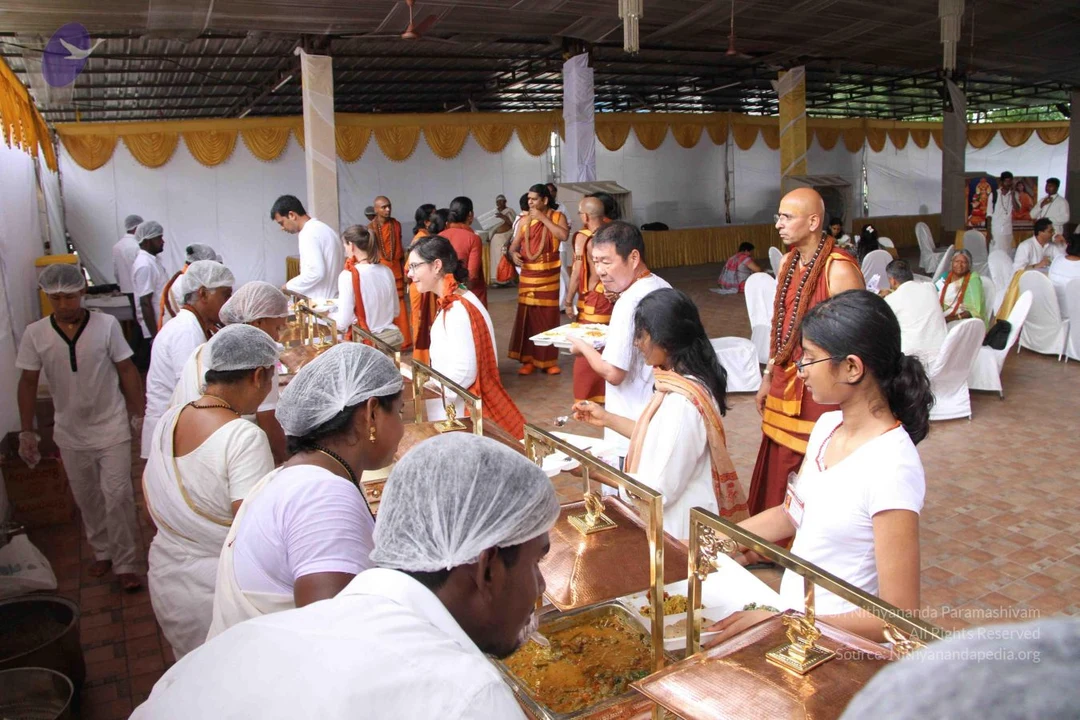
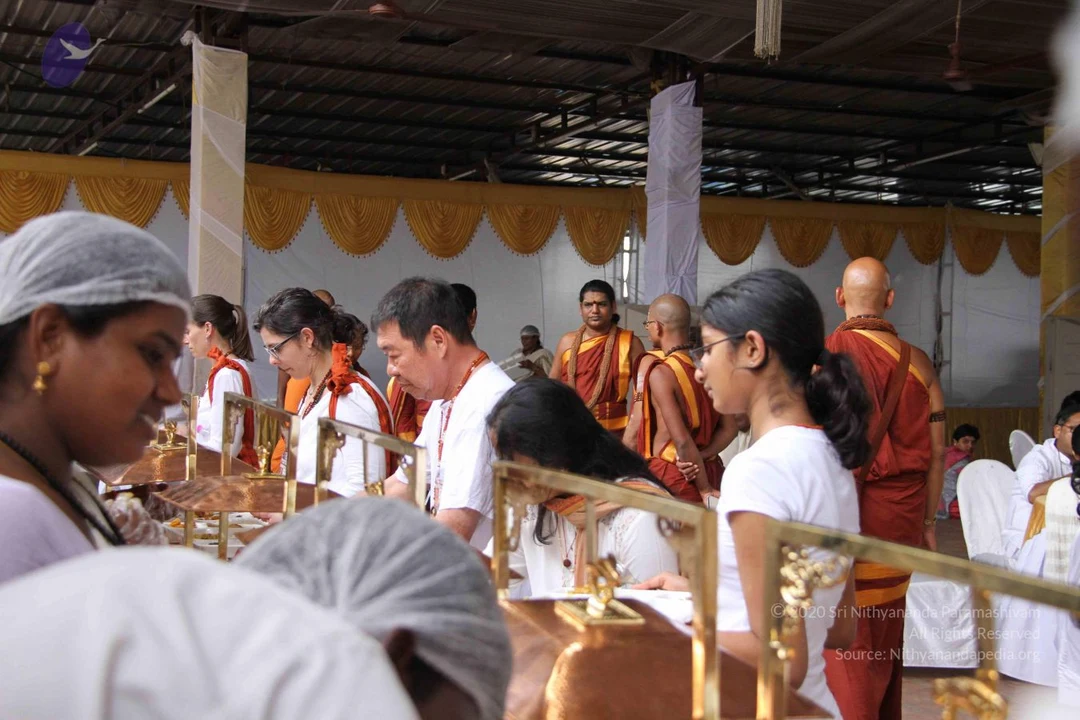
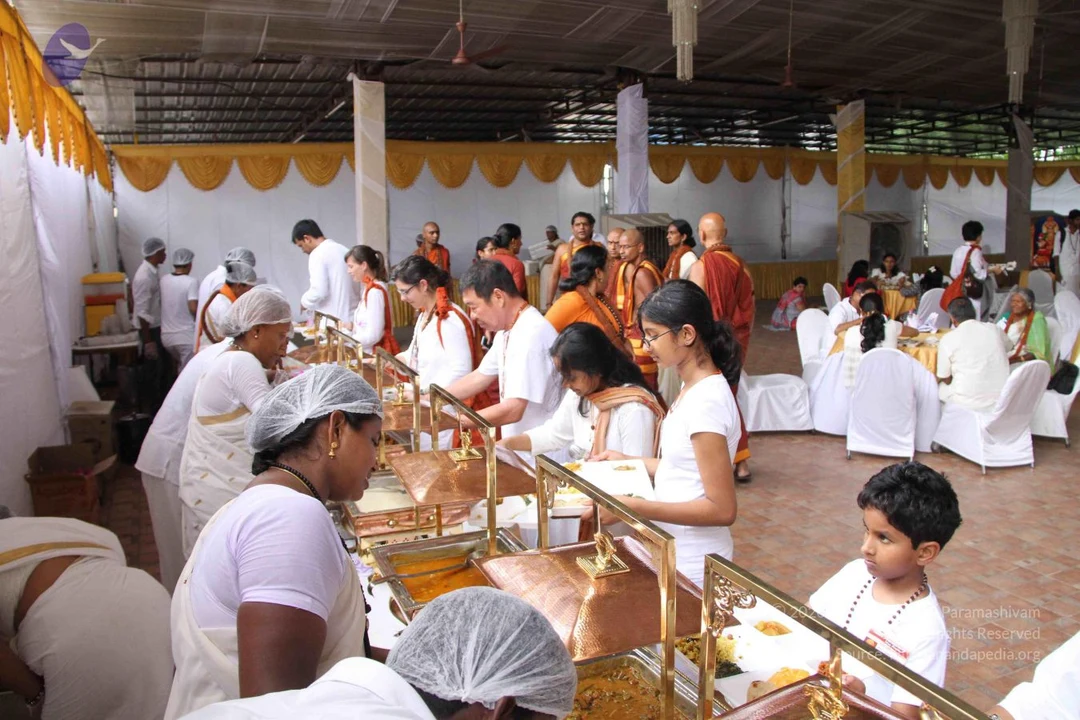
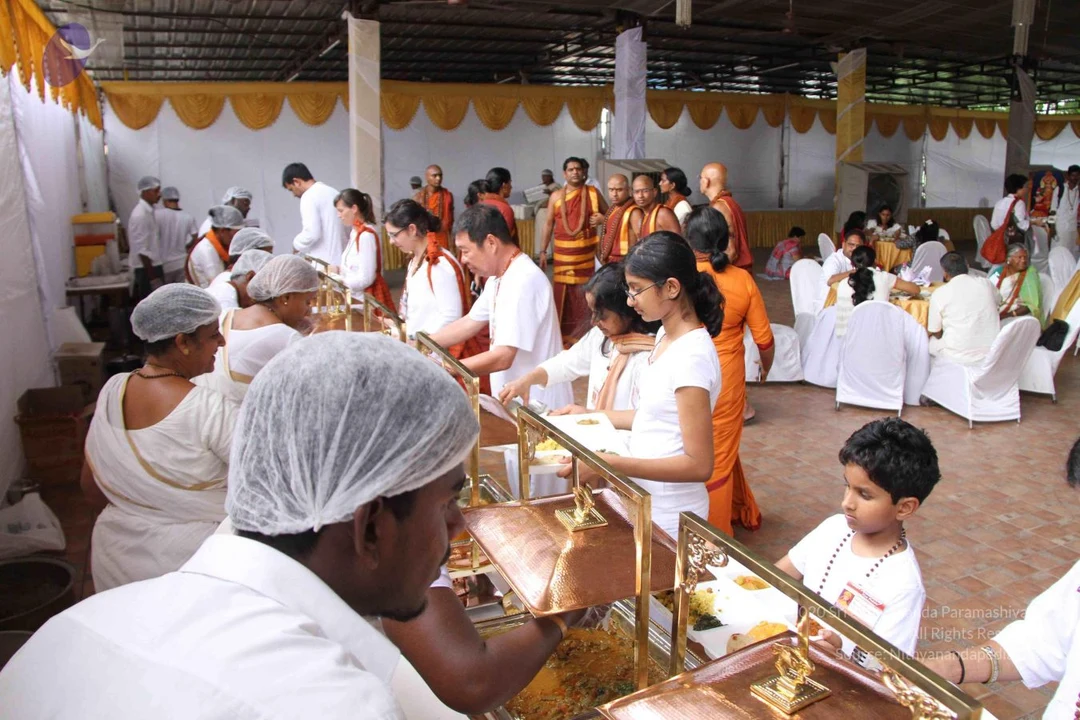
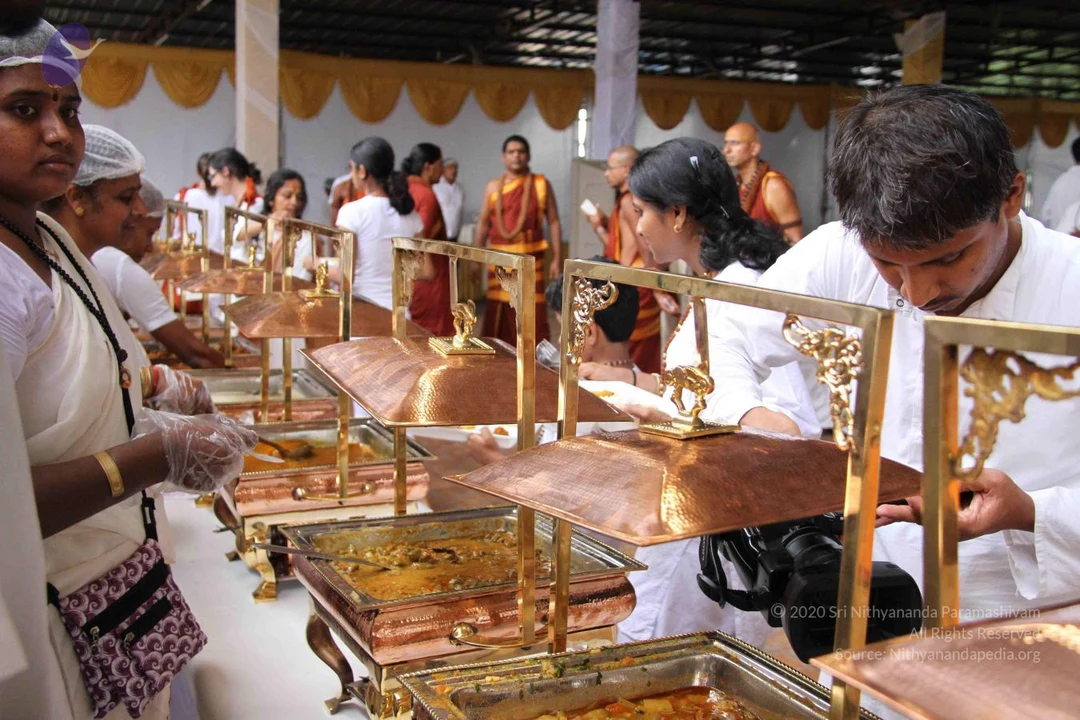
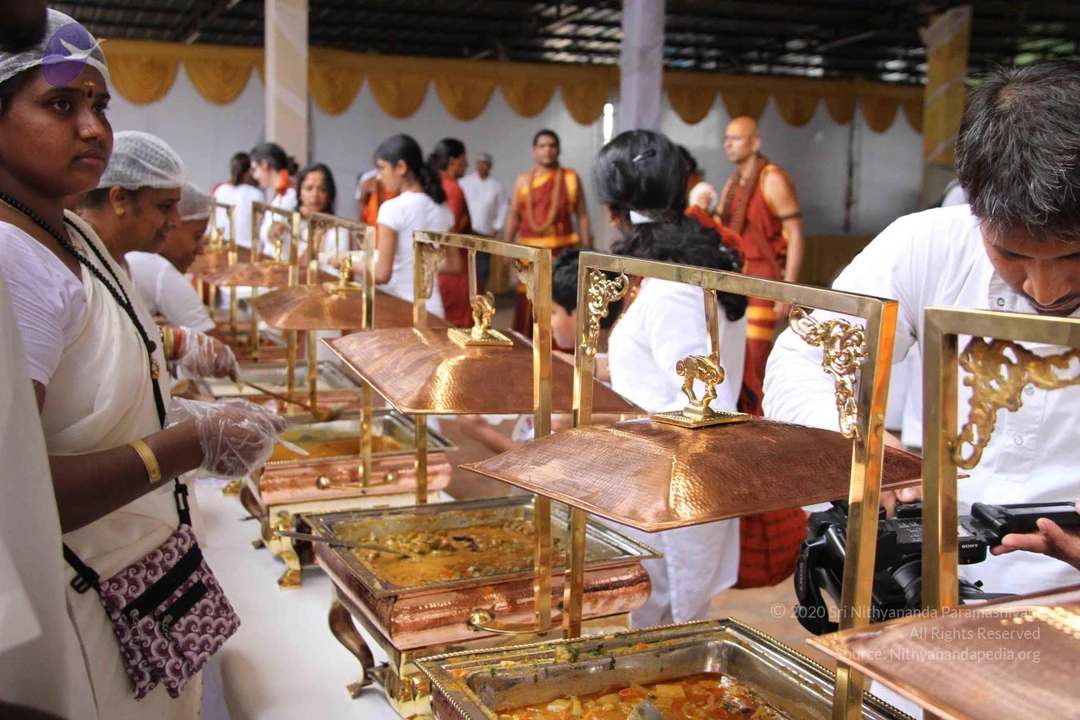
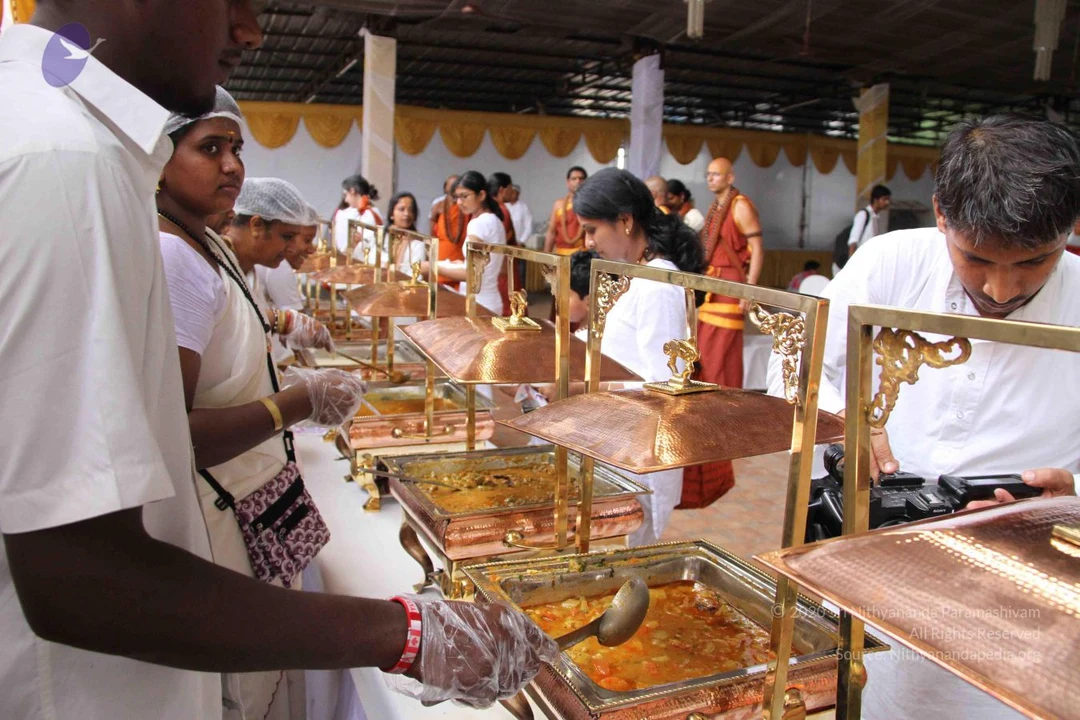
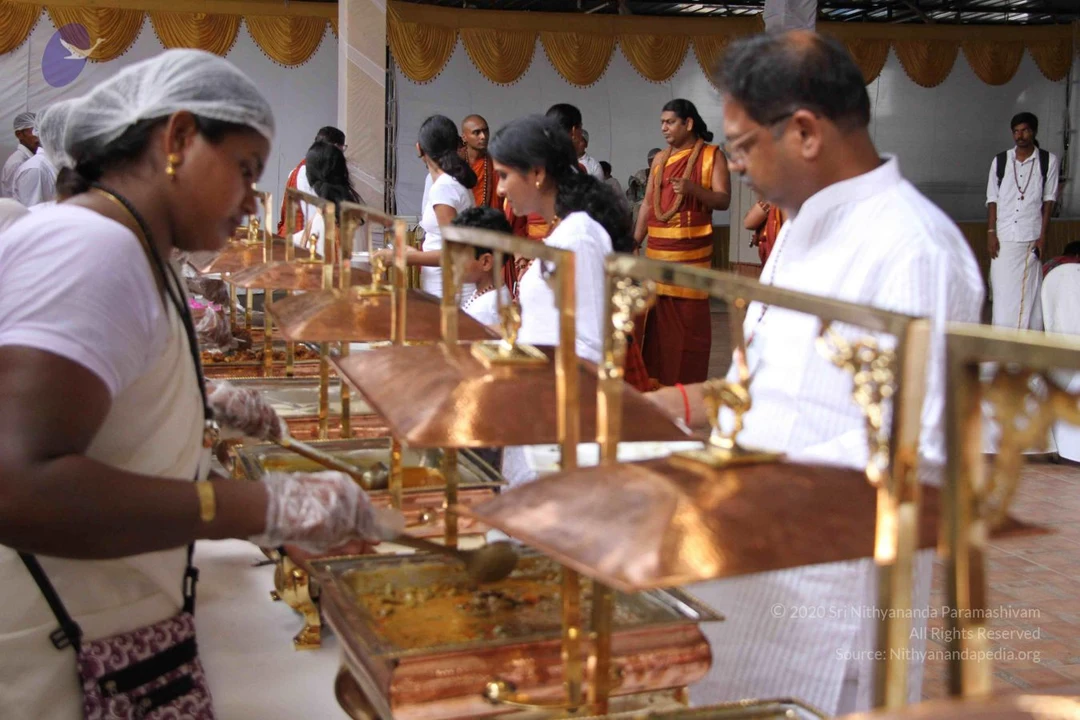
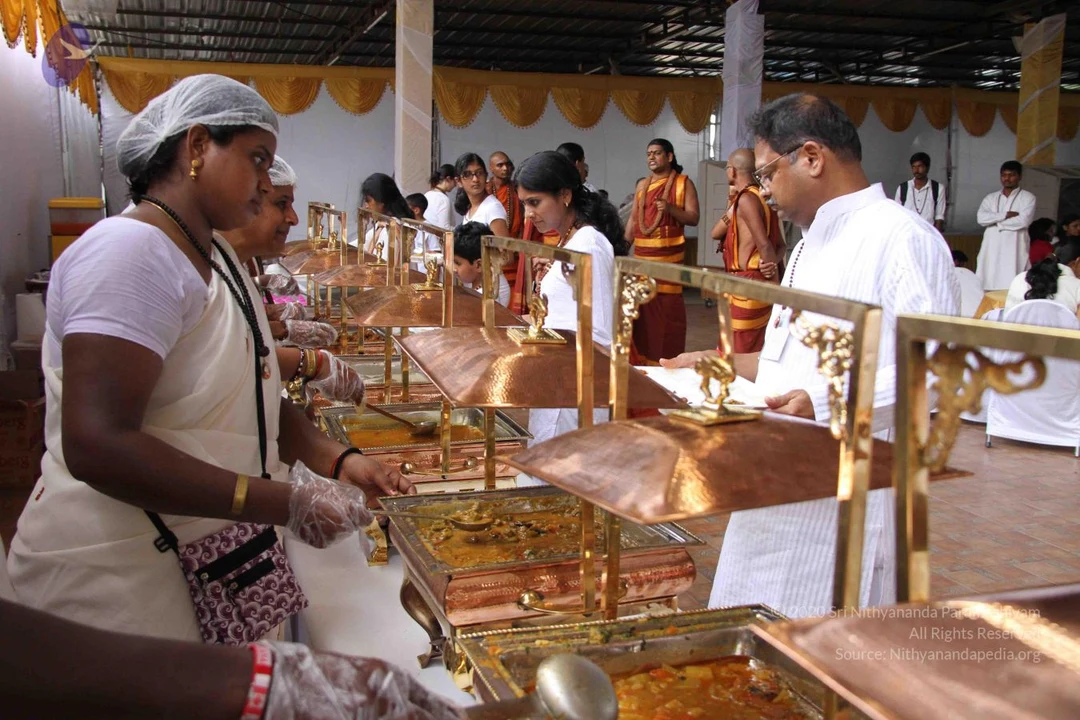
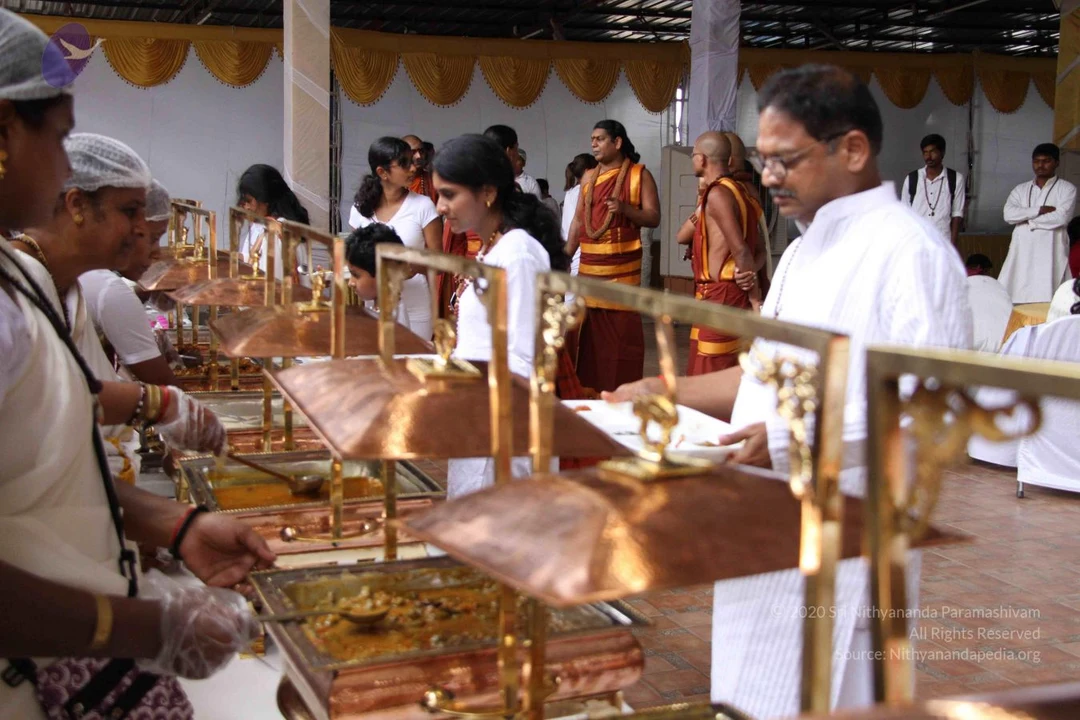
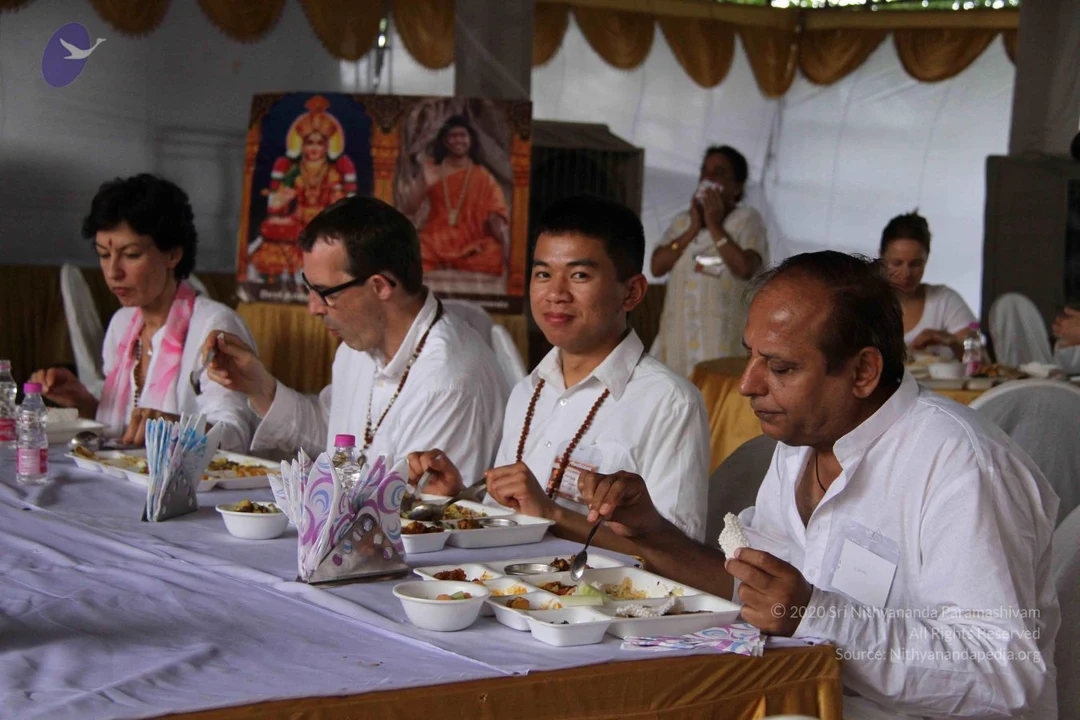
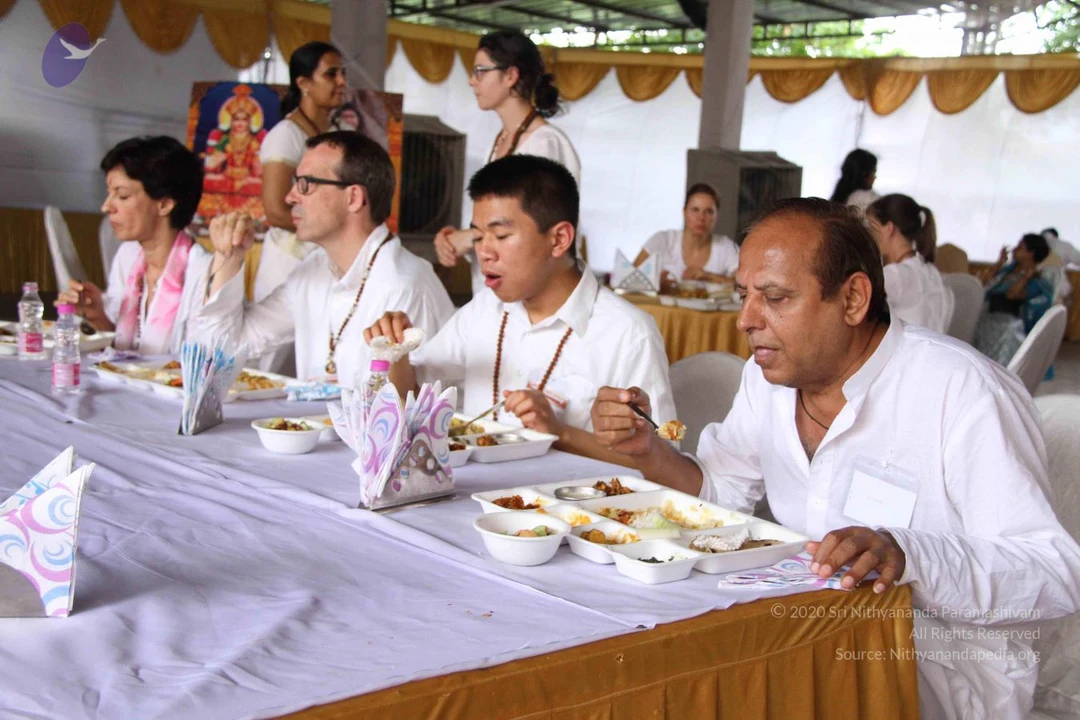
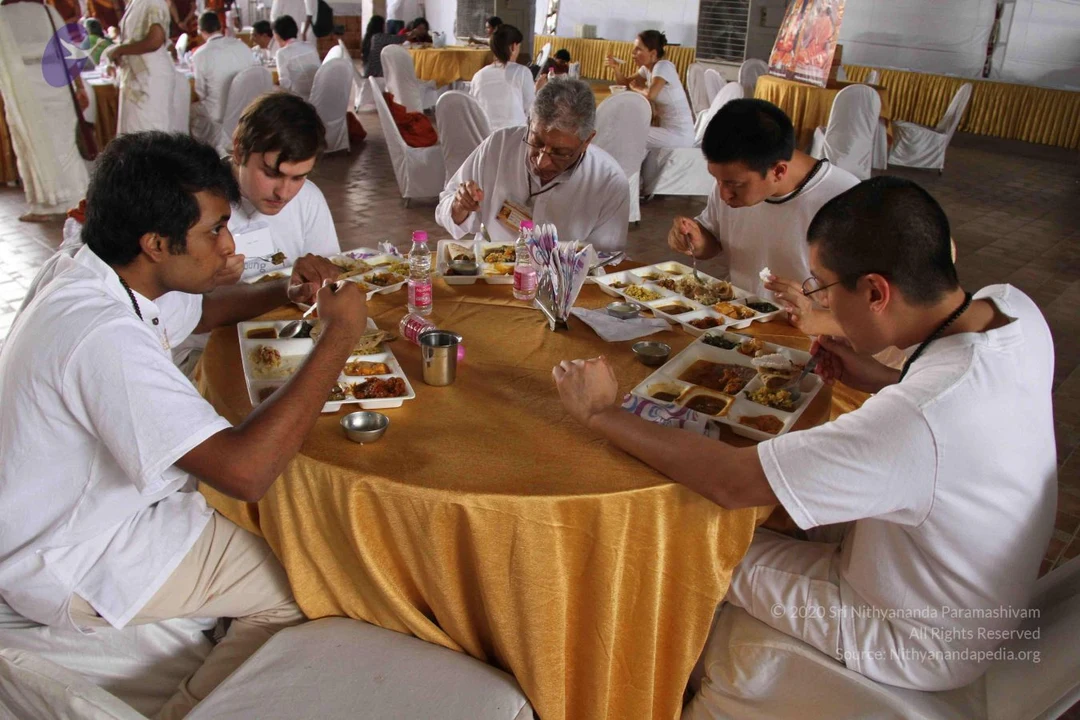
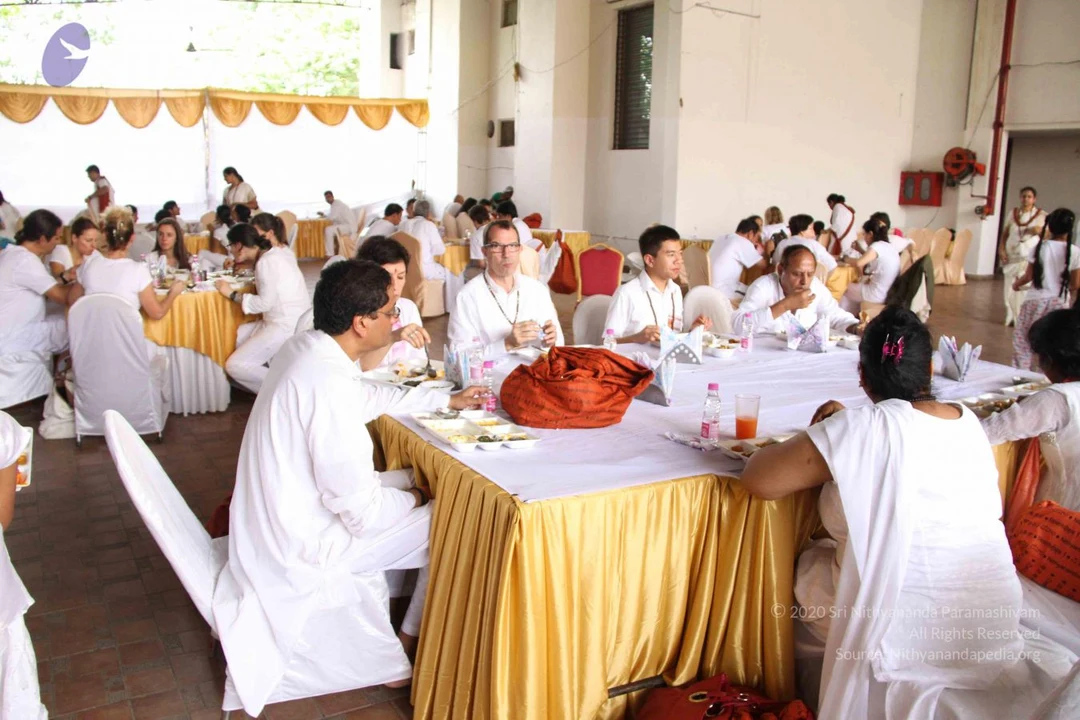
Actually, this time the whole organizing literally we have taken it upon ourselves. Please understand, last time food and all that we have given as a contract. Unfortunately, how much ever we tell….we tried our best to make everything organic last time. Those fellows how much ever we tell….see, there are some things which are really not available organic in India, it has become impossible to procure. For example, green chilli, organic green chilli is available only in Andhra. Anywhere else green chilli production has become nonorganic, with chemical. Only in particular areas of Andhra, they still produce green chilli and red chilli both in organic way. So like that there are some things not available immediately. If those things they use the regular available market items it is okay, but last time we were not even able to control even that much. Once we give the contract, what they bring they bring, what they cook they cook. How much ever you scrutinize, suddenly after 10 days they say alright if you are not interested common I am stopping cooking. What will we do? In the beginning itself we said we will cook on our own, and we have 50 volunteers from Tamil Nadu. Please understand, actually this time we have more staff and volunteers than the participants. I said it is okay, we need to train our own battalion, our own group. Fifty people, 52 actually to tell the exact number, 52 people have come. Literally all the groceries in lorries and trucks we brought from South. We procured everything, because in Karnataka you get lot of these organic items, and only few perishable items we were not able to bring. All the nonperishable groceries we brought from there. Here, we are trying to source even the perishable organic.
37:39
With all these, still we are struggling, a few items are not available organic. But, with all our integrity, we put all our effort to serve food as per Mahadeva’s instruction.
Please understand, Mahadeva has written a beautiful cookbook called Bagashastra. It is attributed to Mahadeva. I feel the book is so beautiful, anybody who has written it he is already in the space of Mahadeva. So very boldly, courageously we can say it is written by Mahadeva. Nothing needs to be doubted. The book describes beautifully about the cooking vessel, the way of cooking, the temperature that needs to be maintained for each item to be cooked; and around, I think, 200 items Mahadeva himself has described in the book called Bagashastra which was, at least, the book must be 20,000 to 30,000 years old because the way things are described, the way things were available. It is so beautiful.
With all our integrity, we have put our 100% effort to serve you guys this time as per the Bagashastra. Only for this cleaning, cleaning the vessels and all that I allowed them to use the modern day soaps and little acid to clean the floor and to clean the vessels. Only for that I allowed them to use chemicals. Because unfortunately, Mahadeva is not describing the items for cleaning the vessels. I don’t know how that chapter got missed. Only for those things where Mahadeva did not describe we are using the modern day items. Other than that, literally we are bringing back the original cooking of Mahadeva’s family kitchen. So enjoy. It is full of good things from Ayurveda; and literally not only cooking all the other arrangements also we have taken it in our hands directly without having any contractors or any middleman. So hope we will really serve you. Apart from that, get ready for the great spiritual feast. It is going to be an extraordinary spiritual feast.
40:10
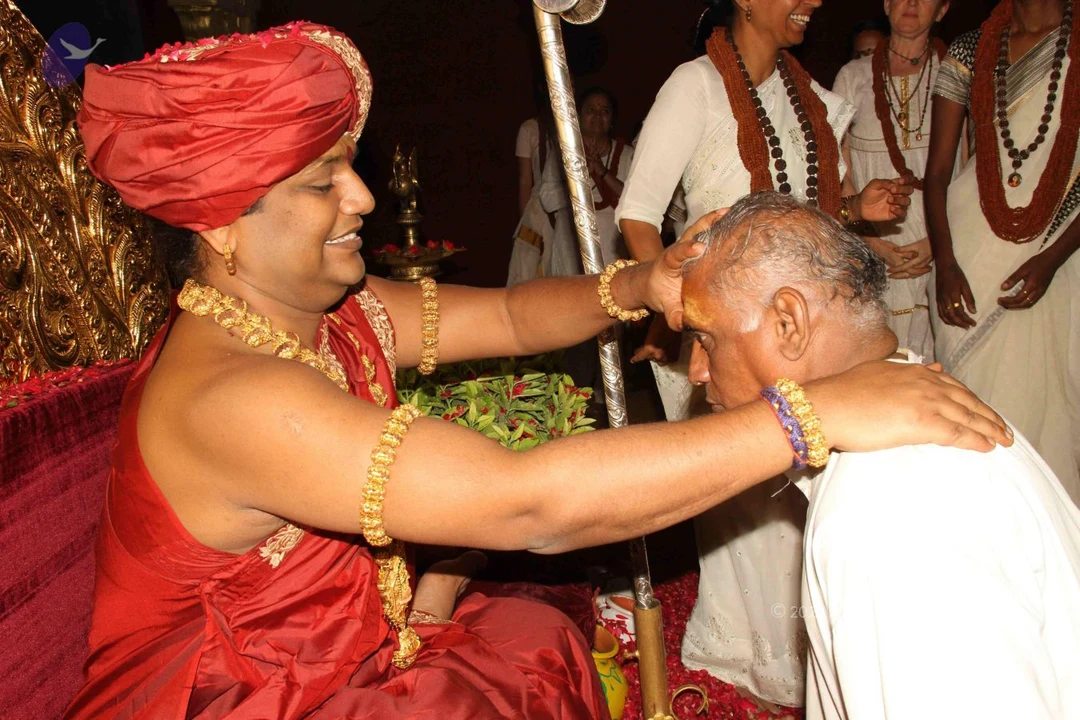
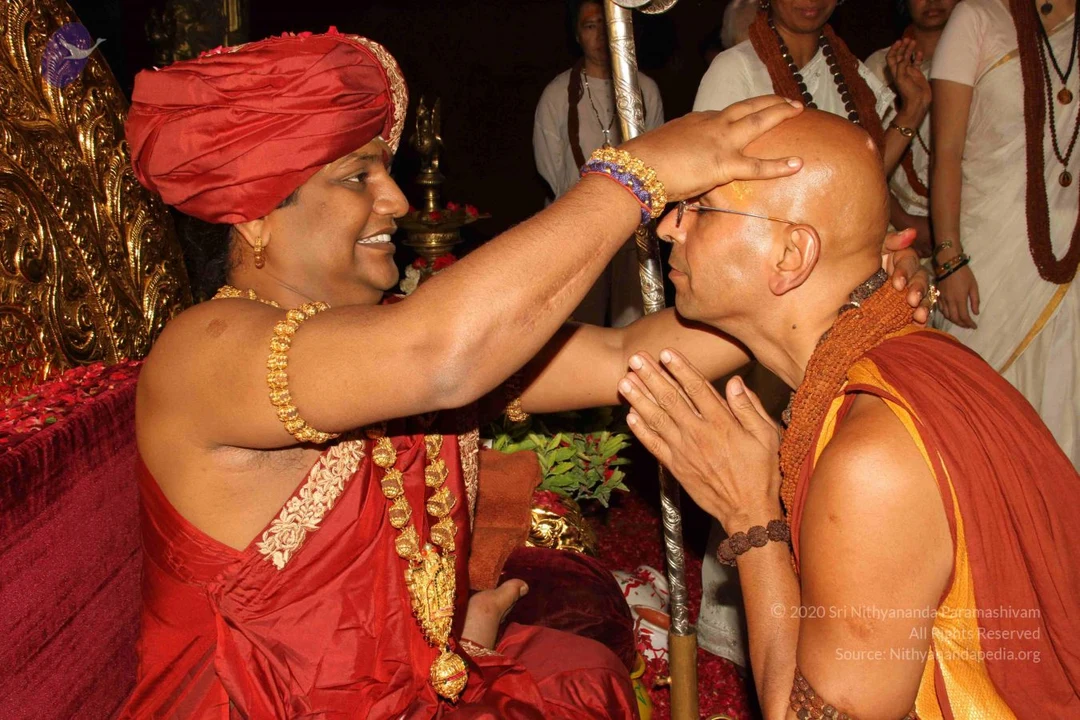
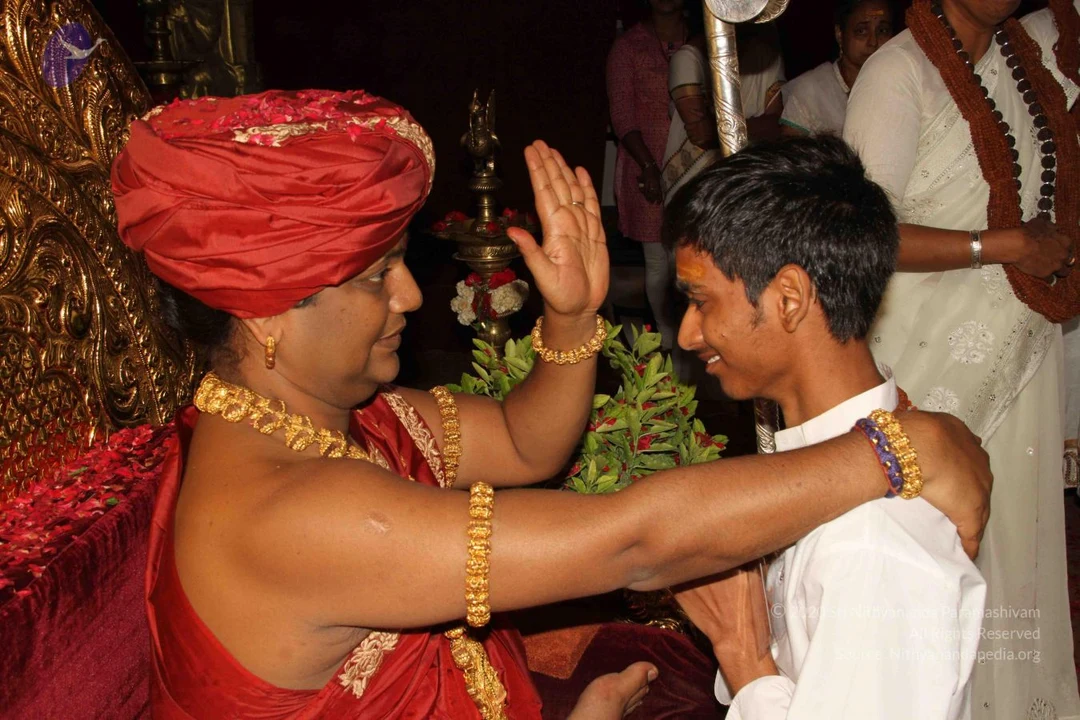
I am going to start the third eye initiation from today, day 1. Please understand, the third eye initiation, working on the third eye, is going to be starting today. It is not the12th day...of course, the 12th day I am going to start for Shivoham participants. For all the Inner Awakening participants, I am going to start today. Because by 11th day, I wanted to finish the third eye process with all you guys. You will all be ready so I can concentrate on the Shivoham participants. Of course, those last 11 days also you will be also having initiation, but I can put little more time on them. So, the initiation and the process is going to start today for all of you.
I really, really want to make sure that everyone, 100%, 100% Third Eye Awakening result, whether you are a kid or adult this Inner Awakening. So I am starting today. The initiation starts on day 1. Get ready for a spiritual blast, literally for a spiritual blast.
And with this, I bless you all let you all radiate with Integrity, Authenticity, Responsibility and Enriching causing Living Advaita, the eternal bliss. Nithyanandam! Thank you! Be blissful!
Title:
Nithyananda Times - 01st July 2015
Description:
The Daily Video Magazine of the Nithyananda Sangha
Link to Video:
Photos From The Day:
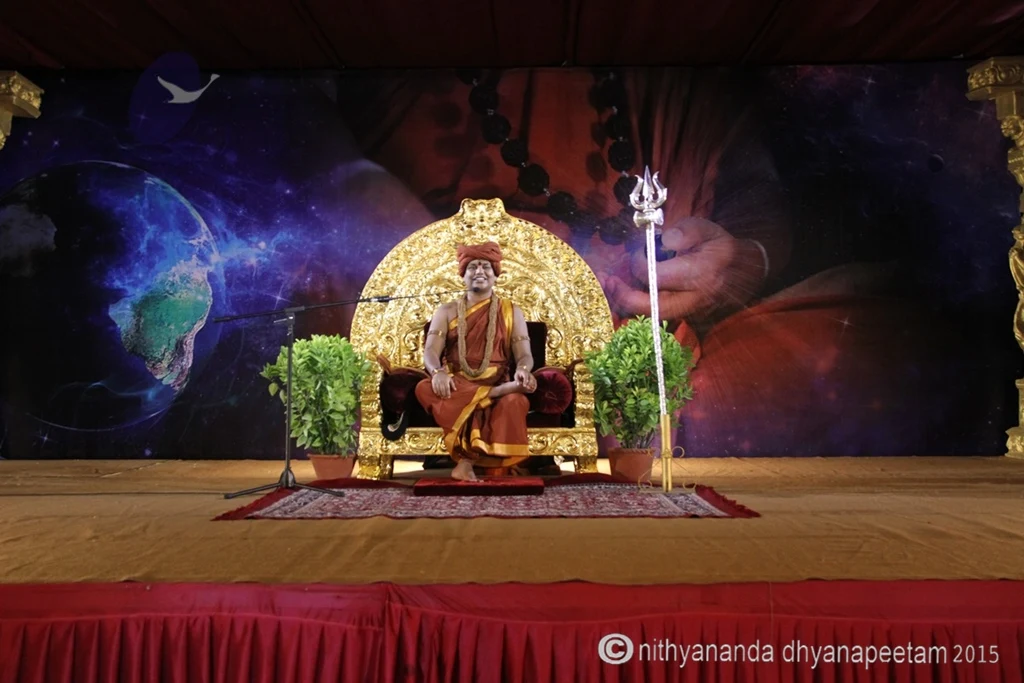
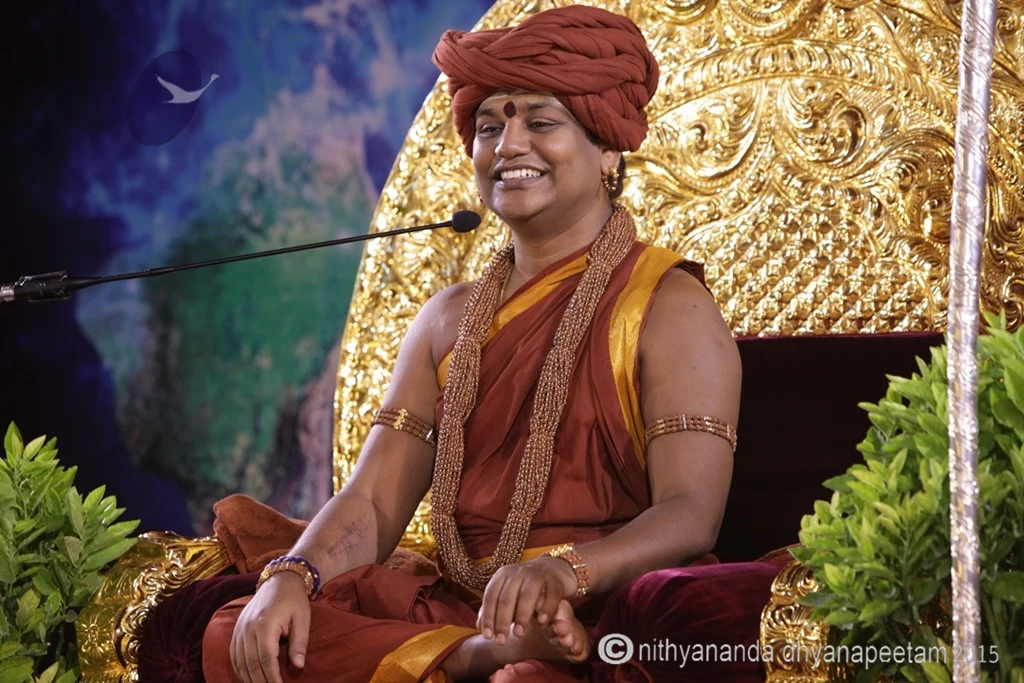
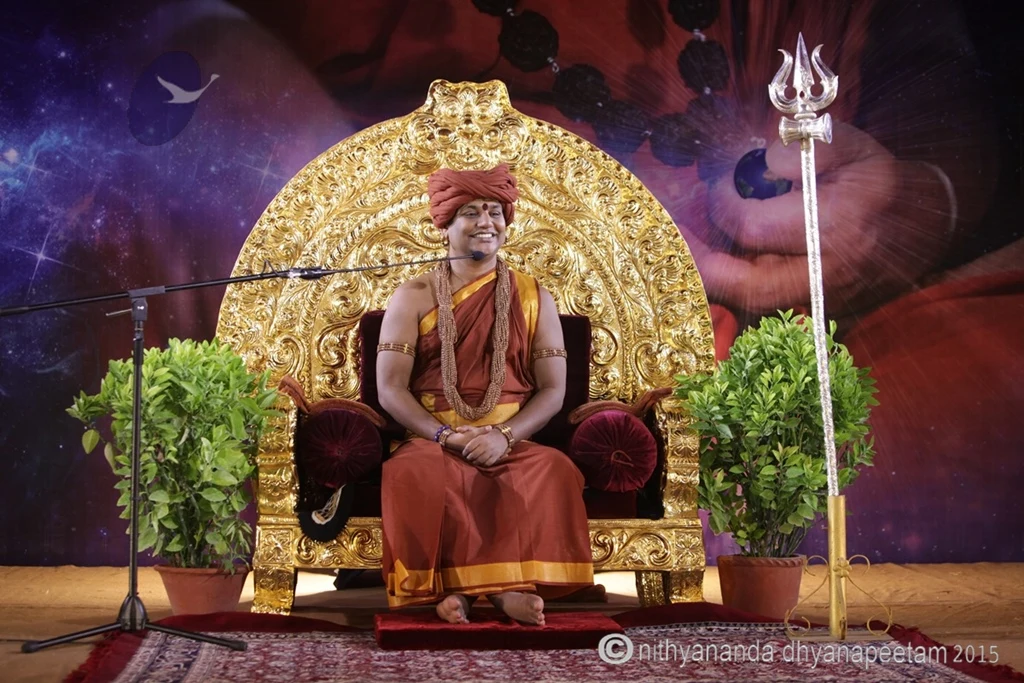




Tags:
Paramahamsa Nithyananda, Varanasi, Hinduism, Kalabhiarava, Annapurni, Annapoorni, Kashi, Anandavana, Inner Awakening, Third Eye Awakening, Shivoham
Photos Of The Day:
FB-fotos-of-the-day

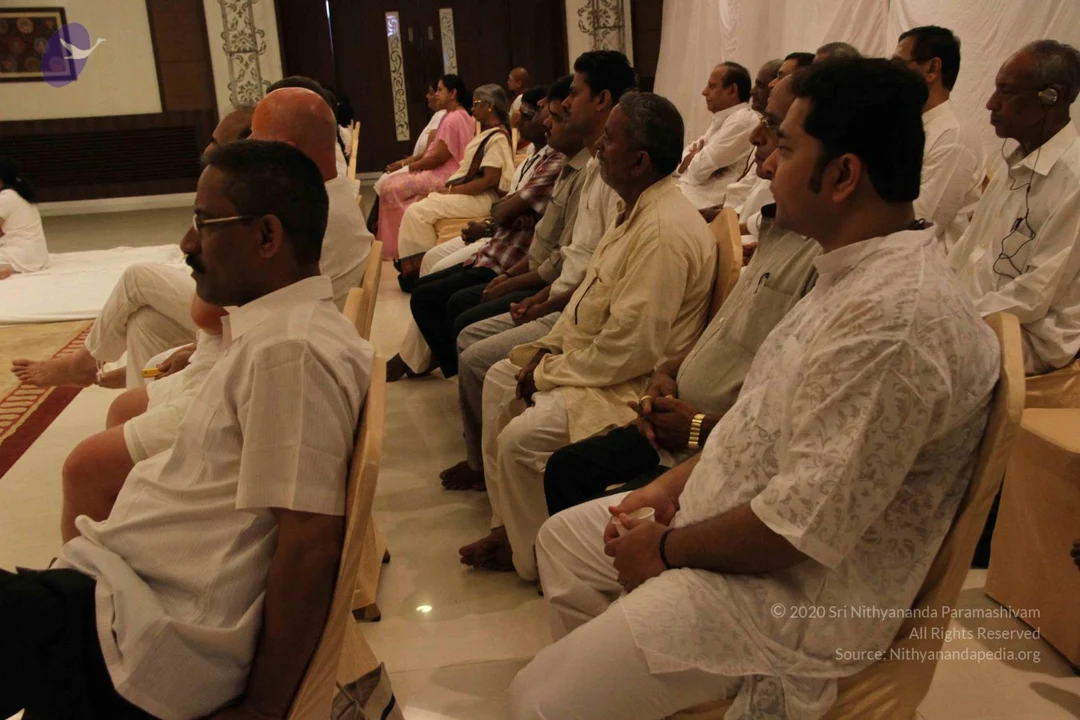
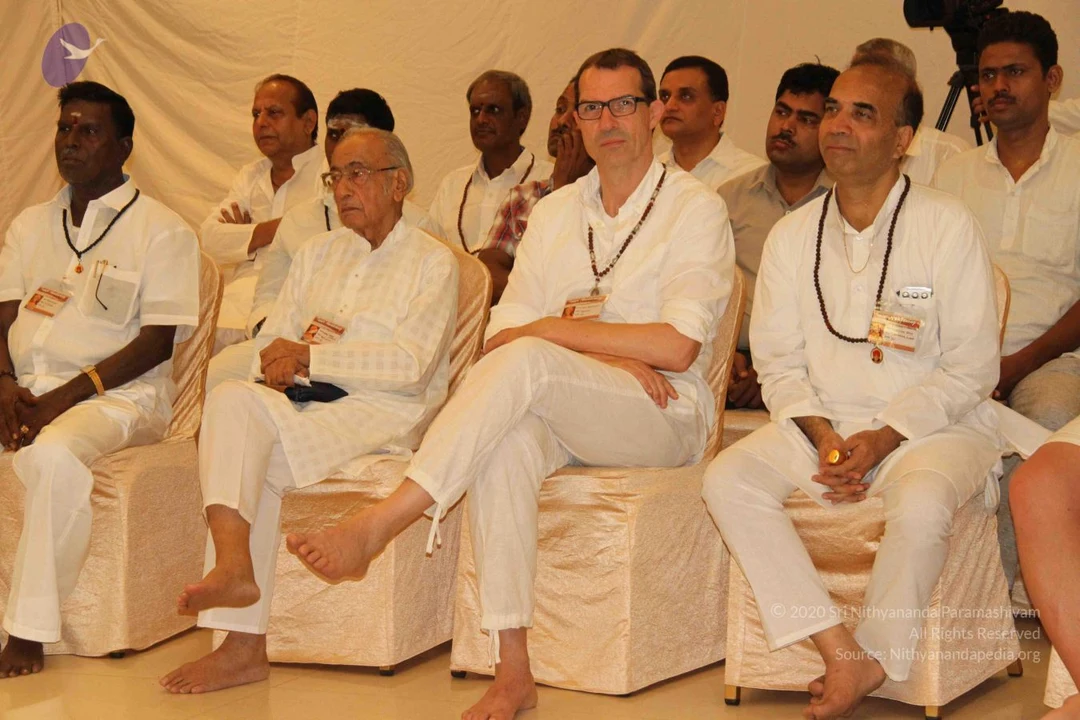

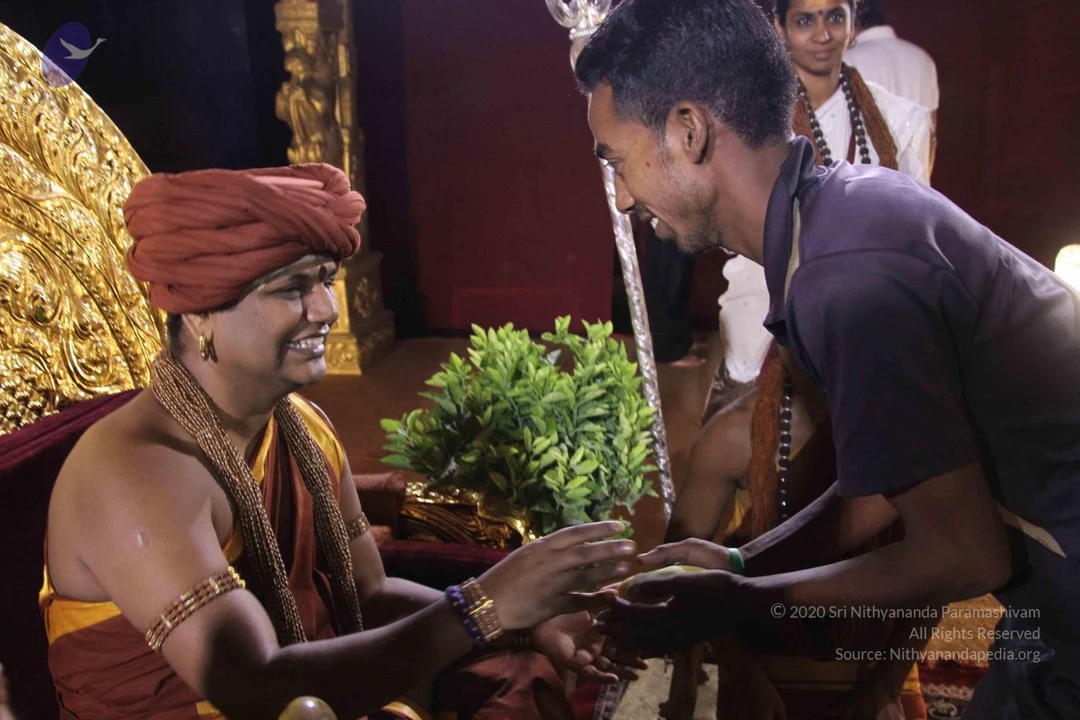
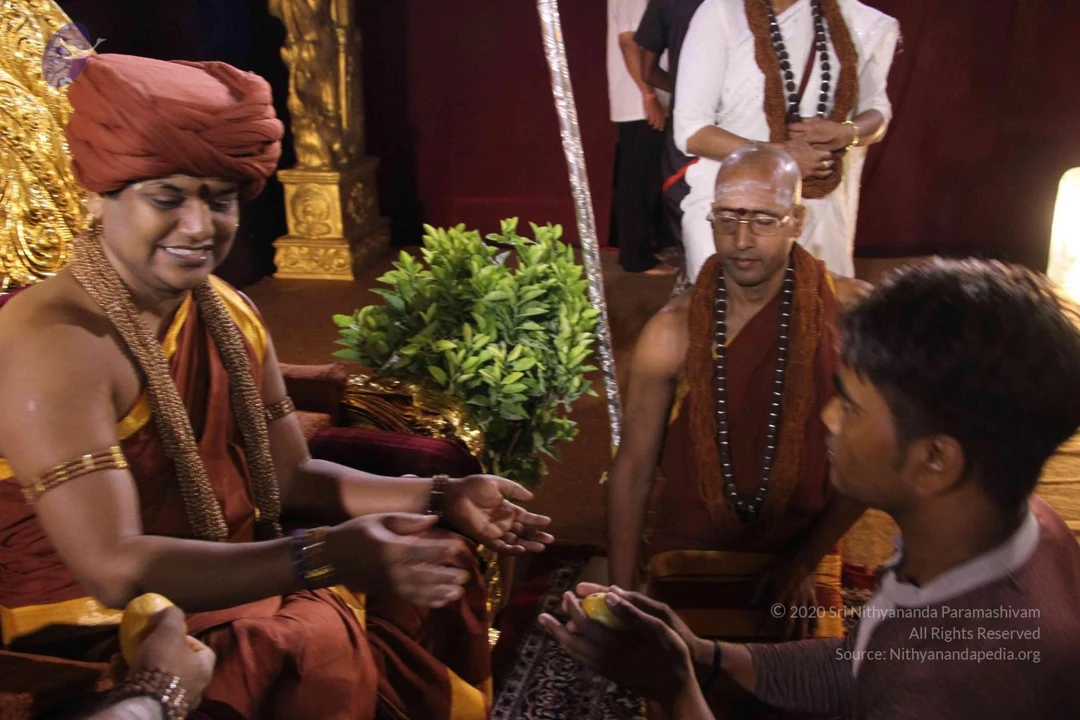
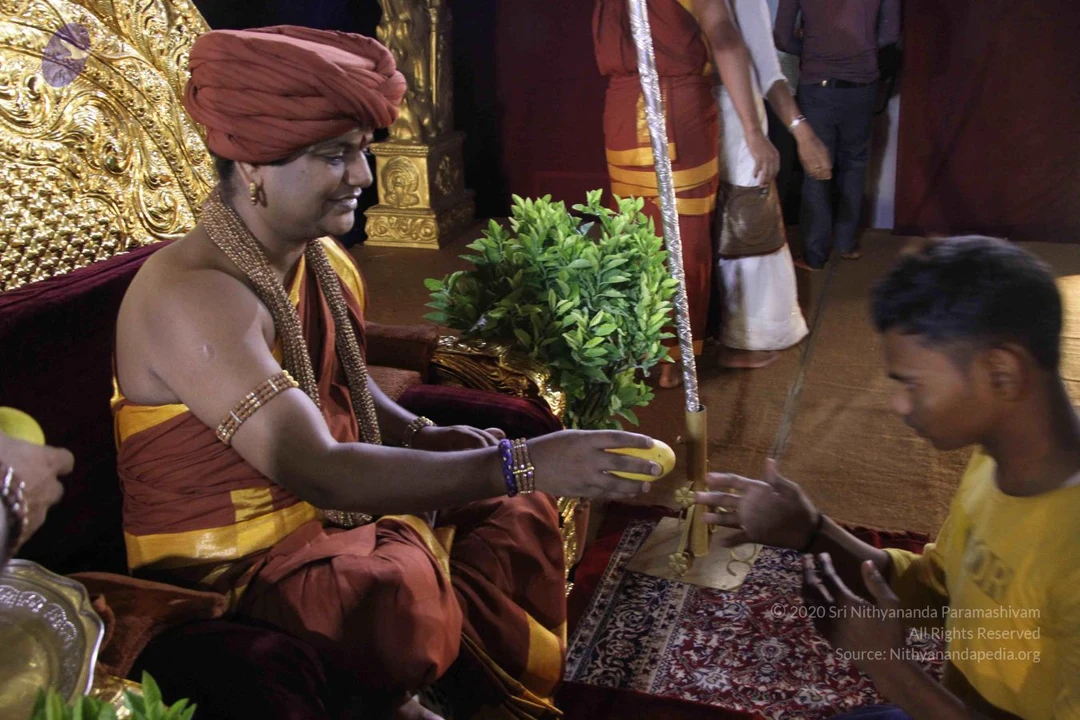
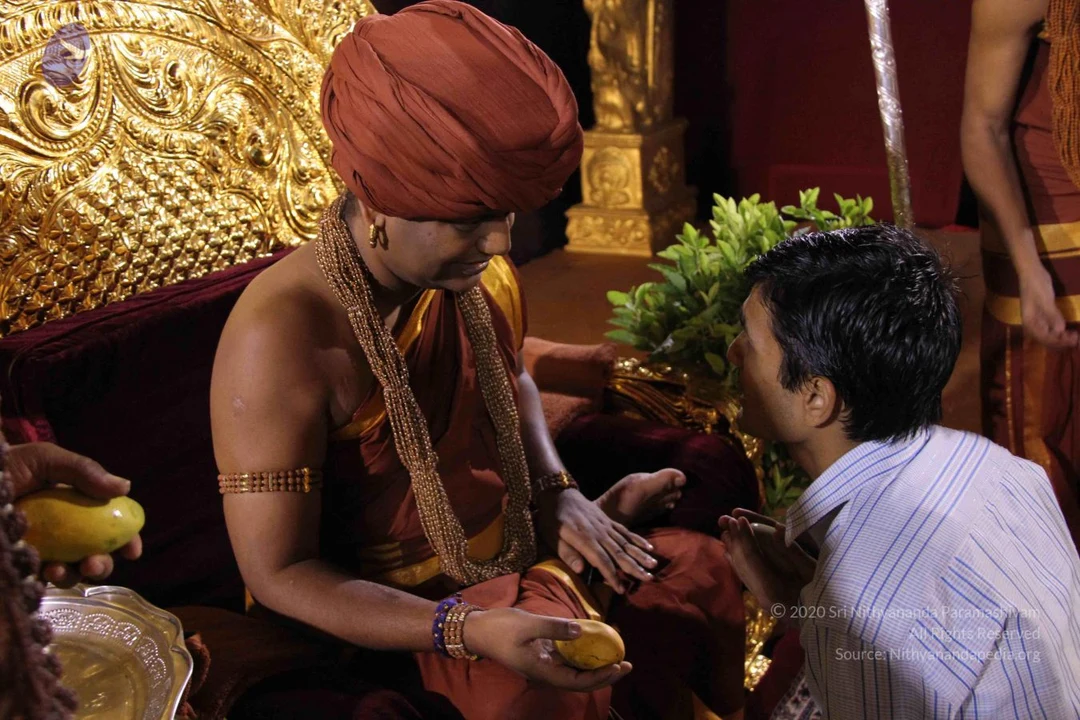
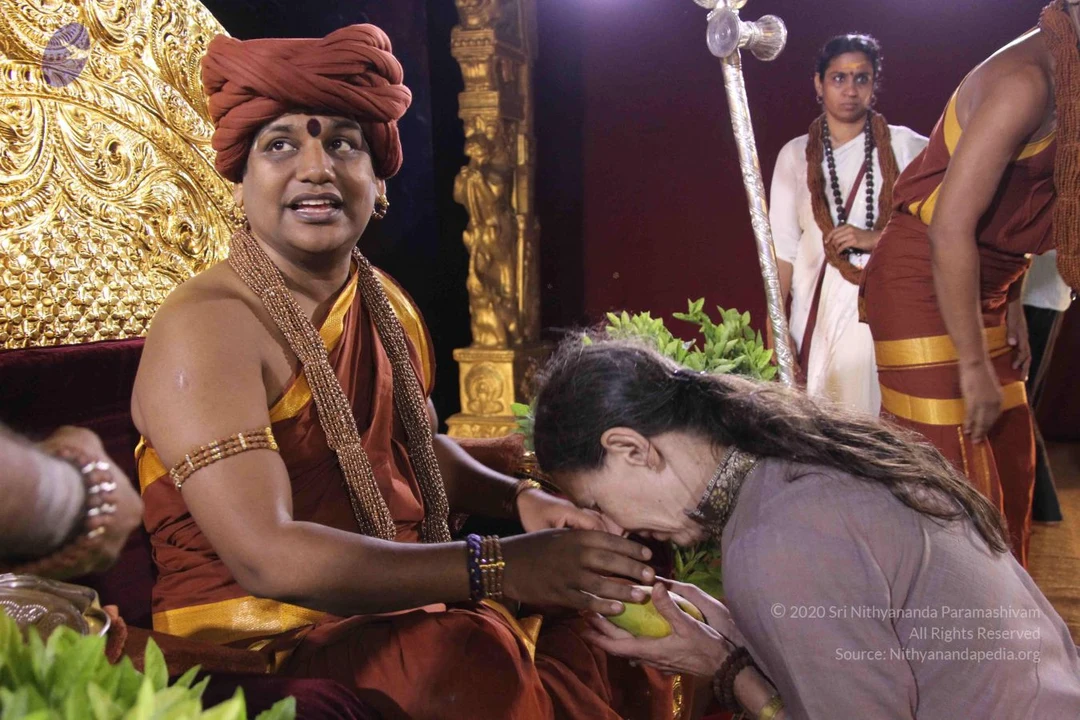
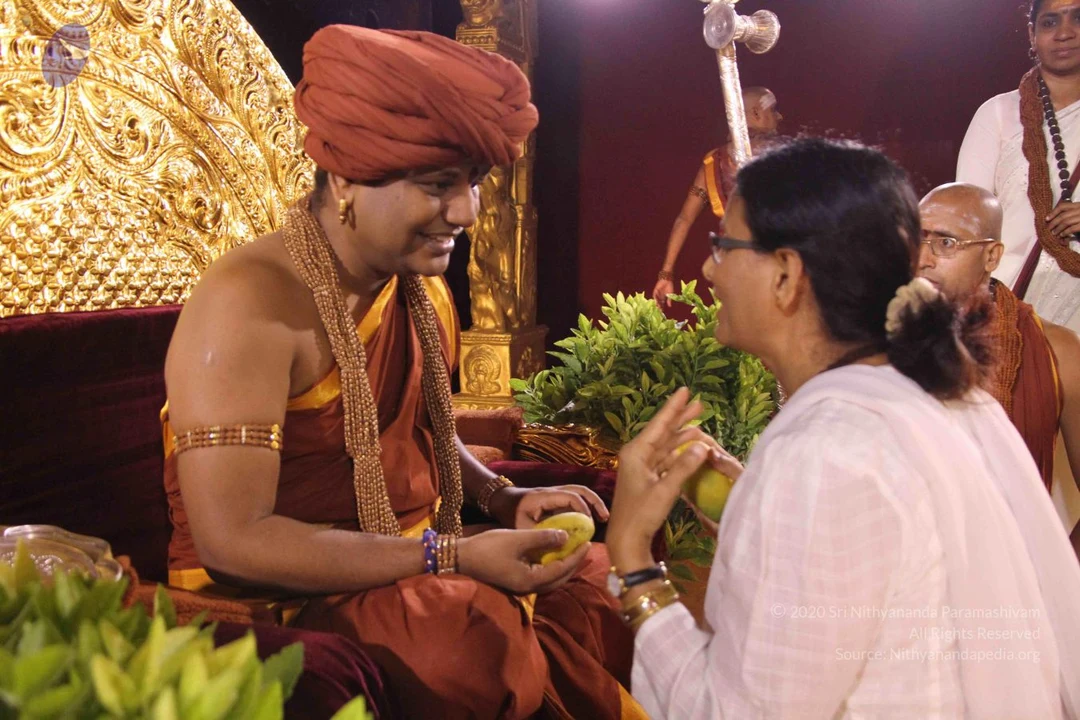
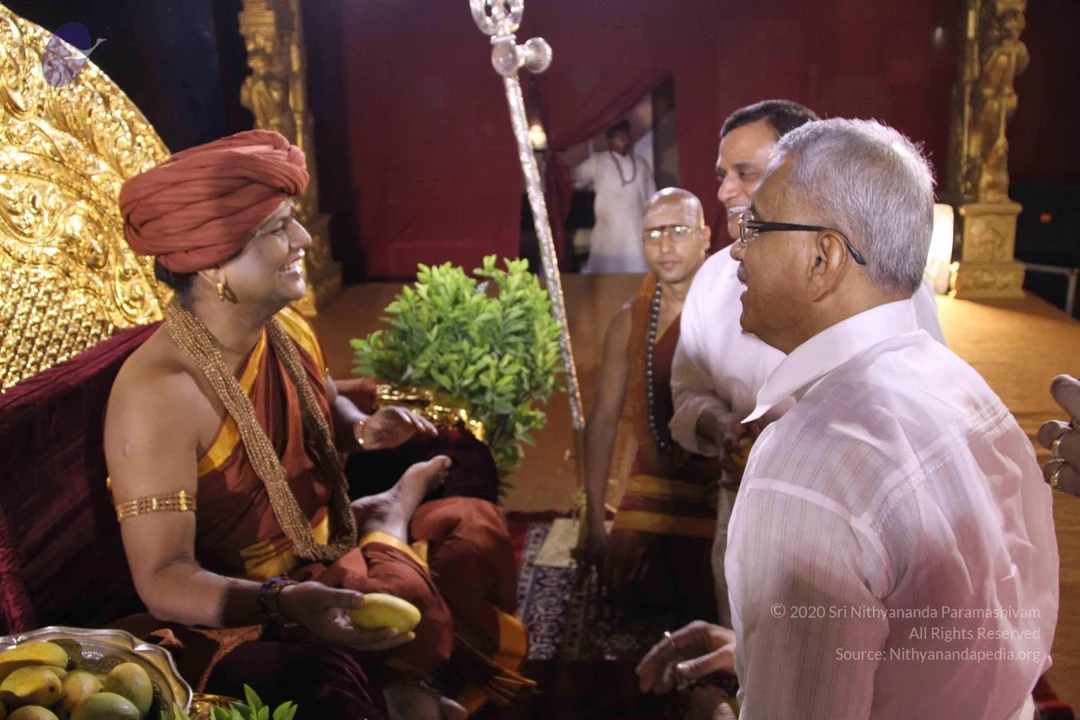
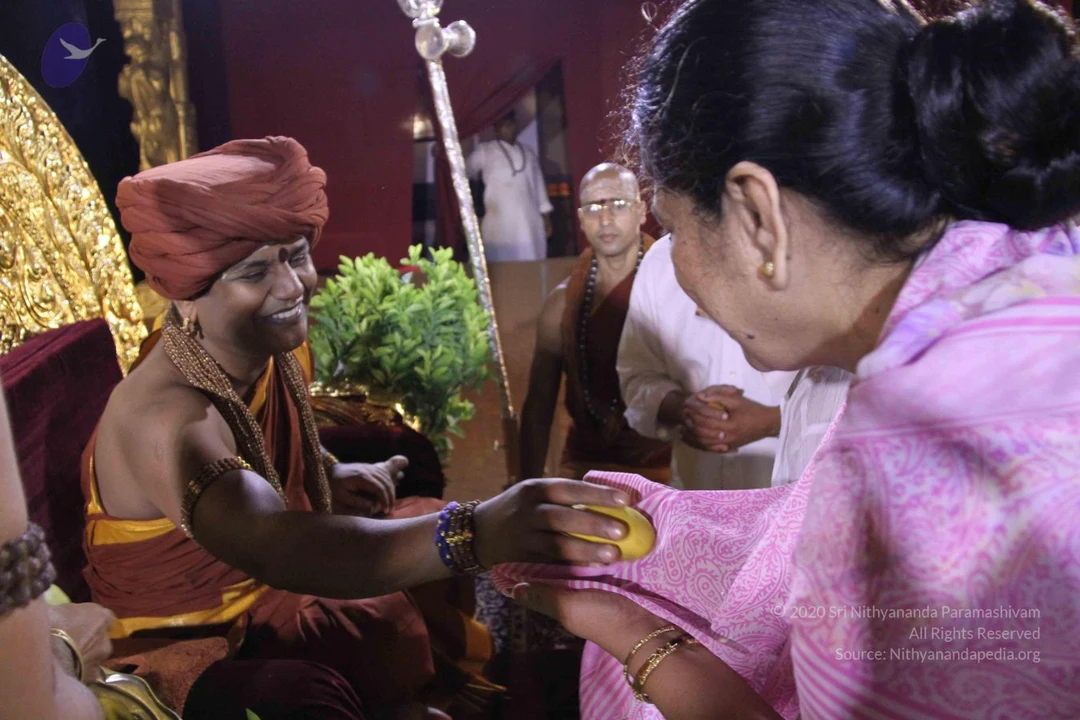
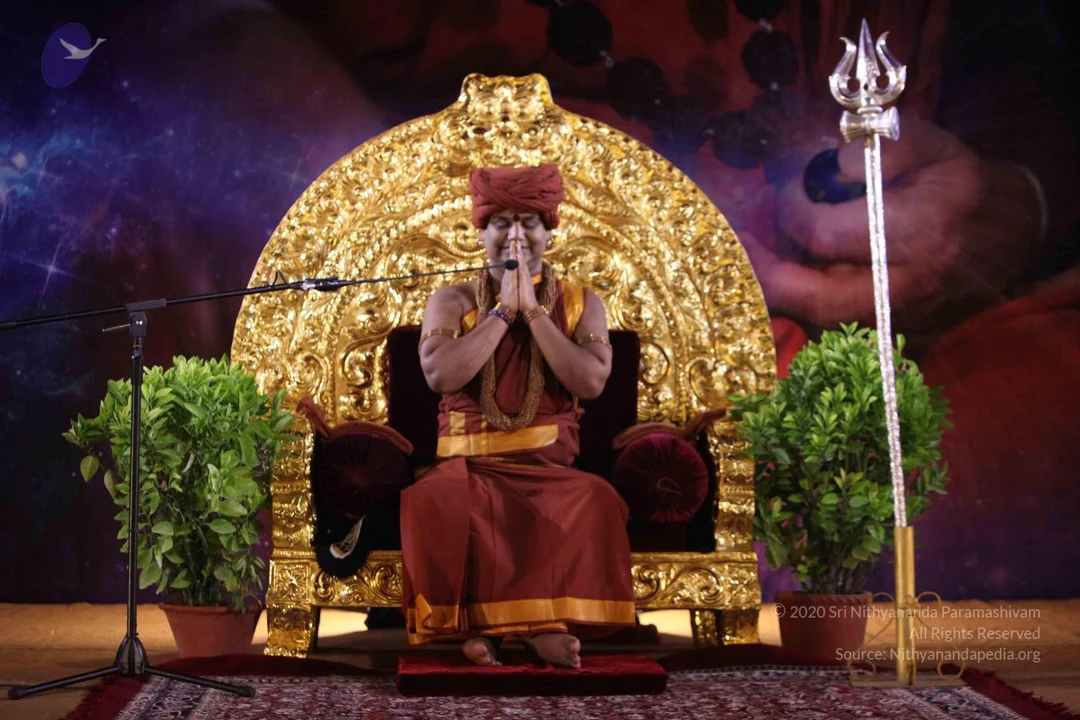
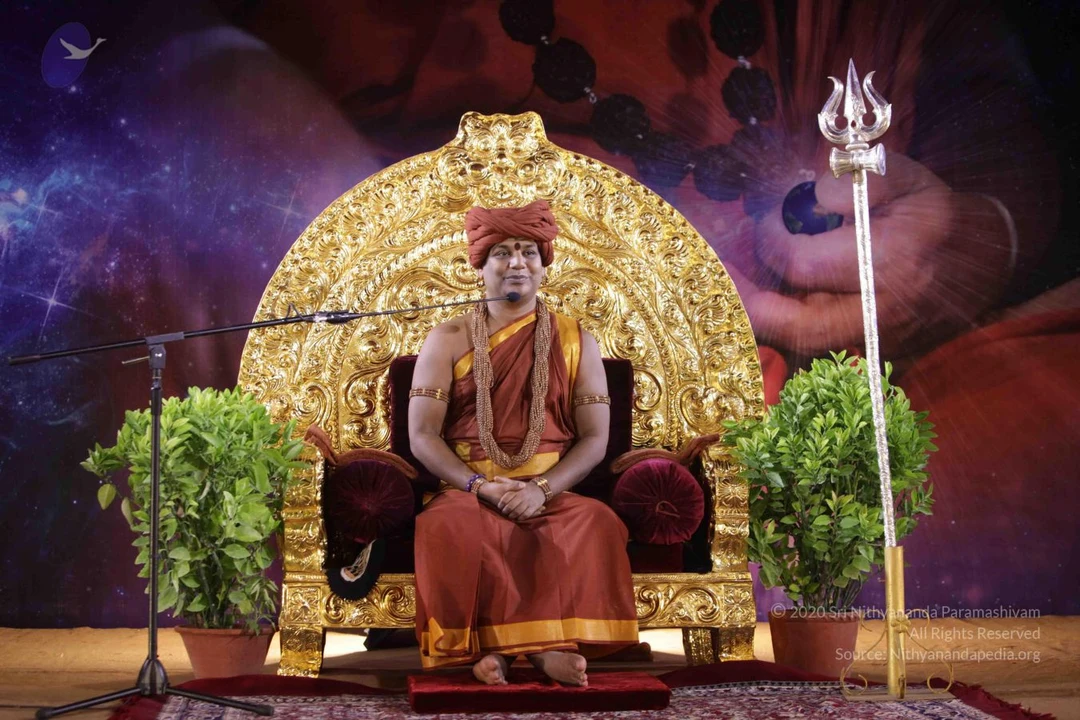
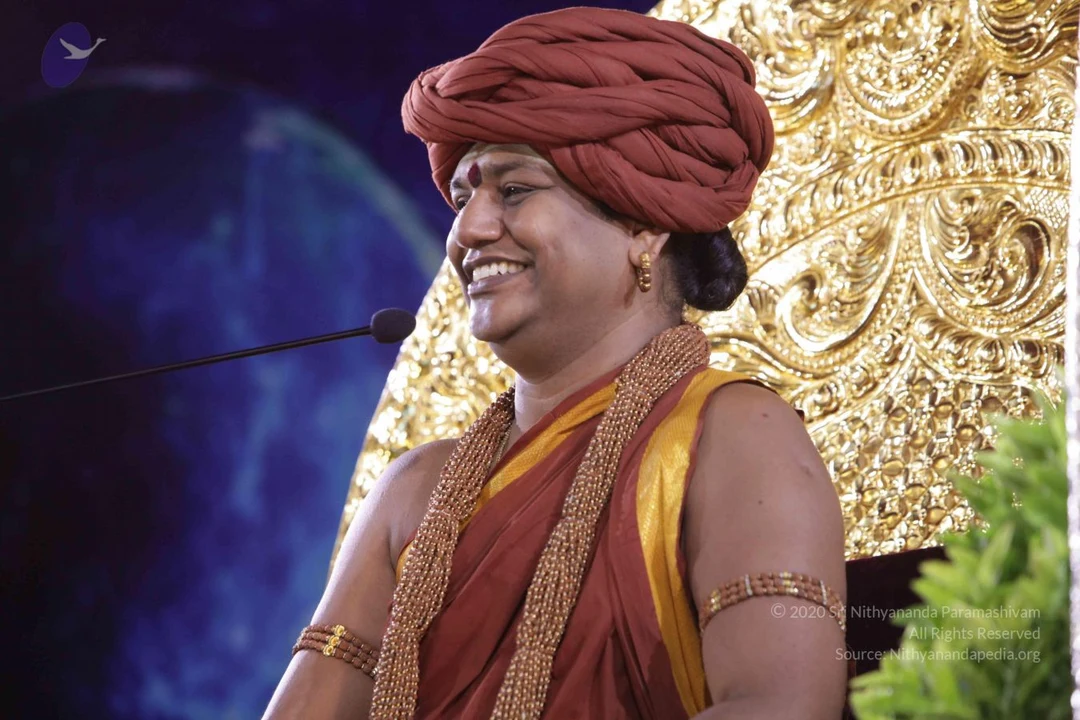
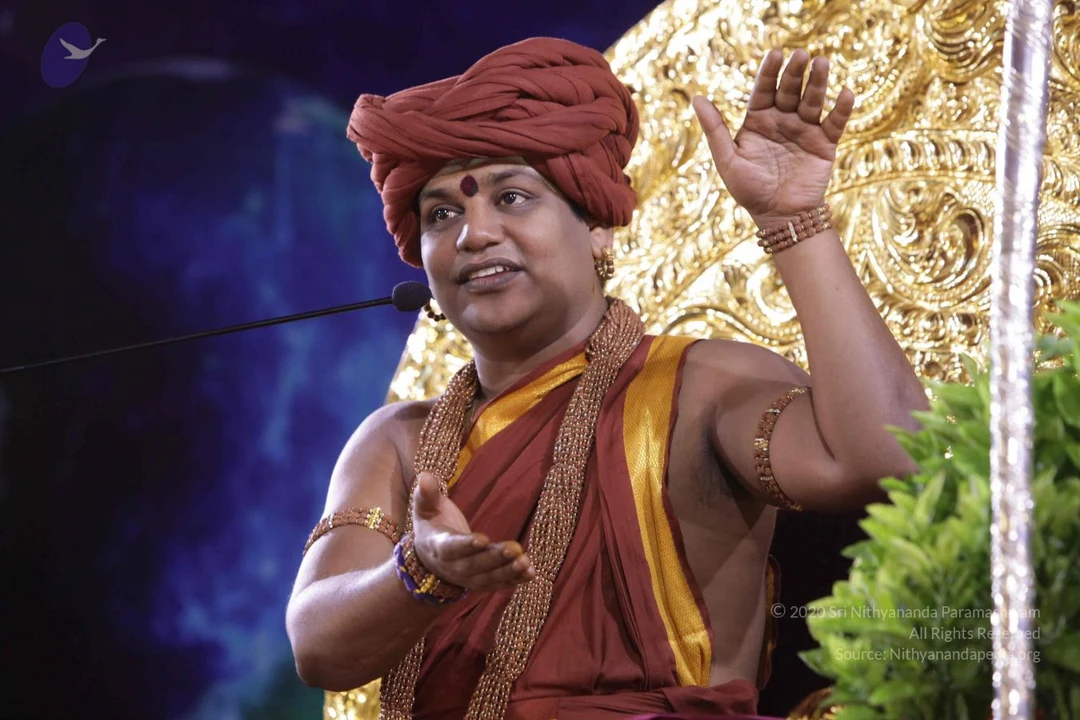
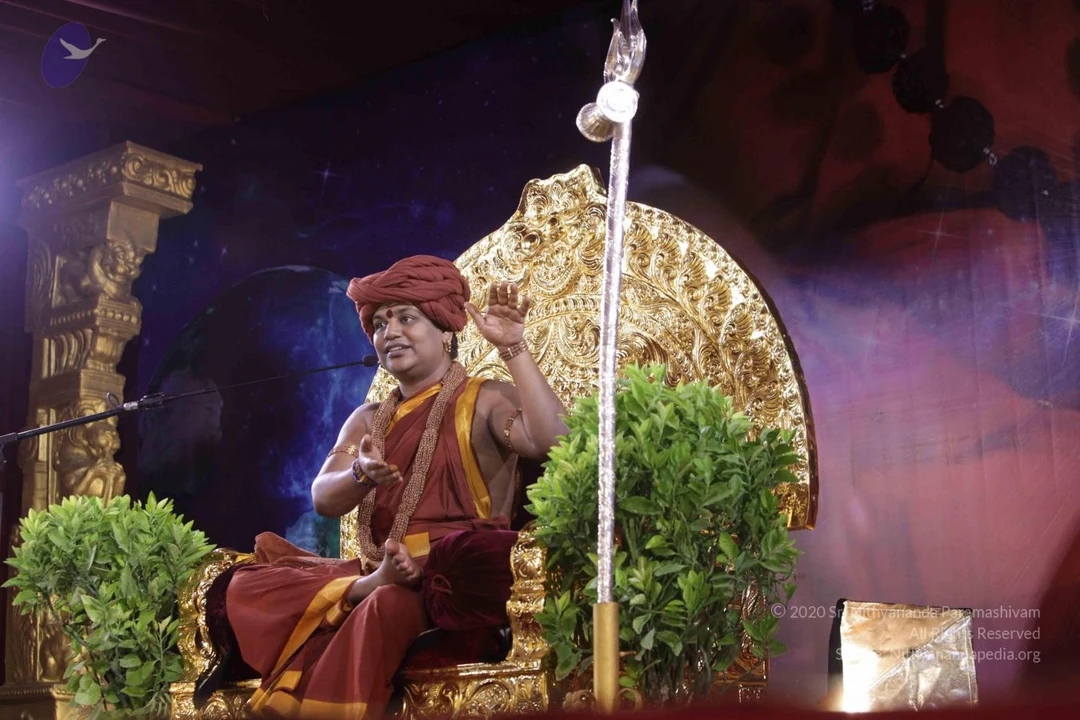
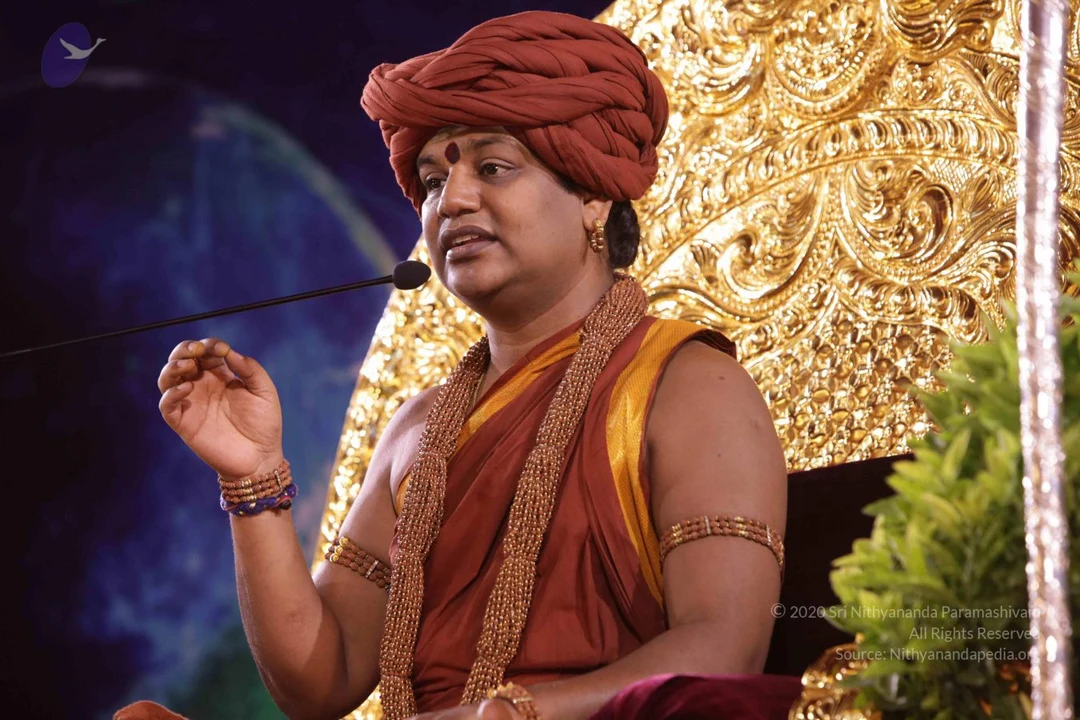


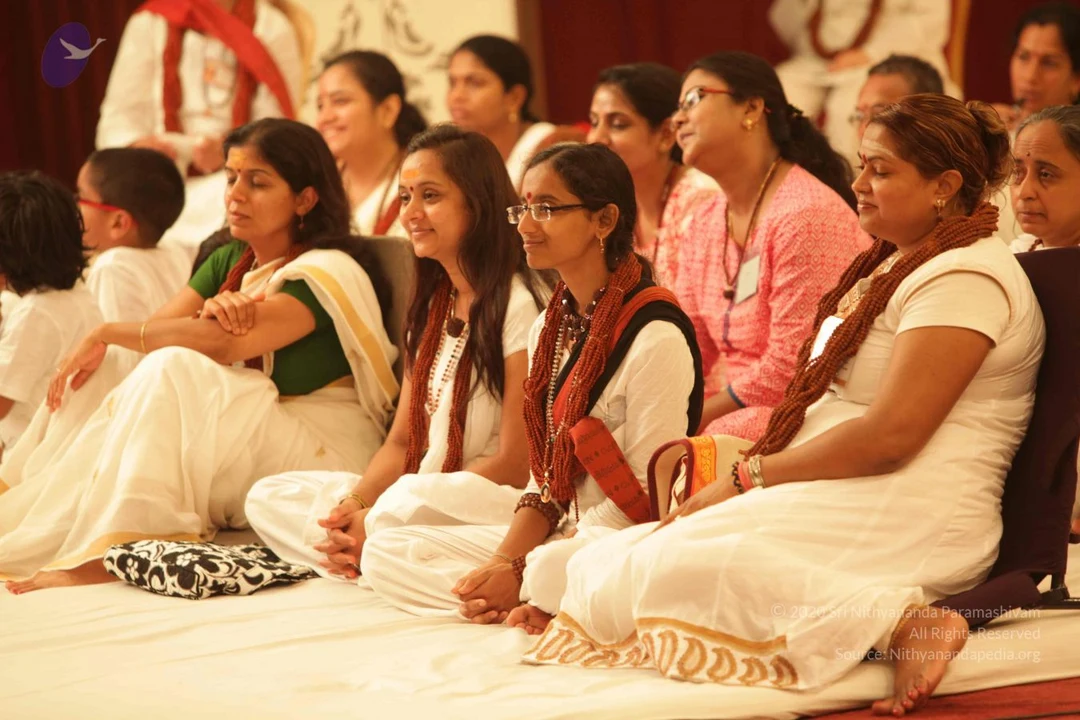
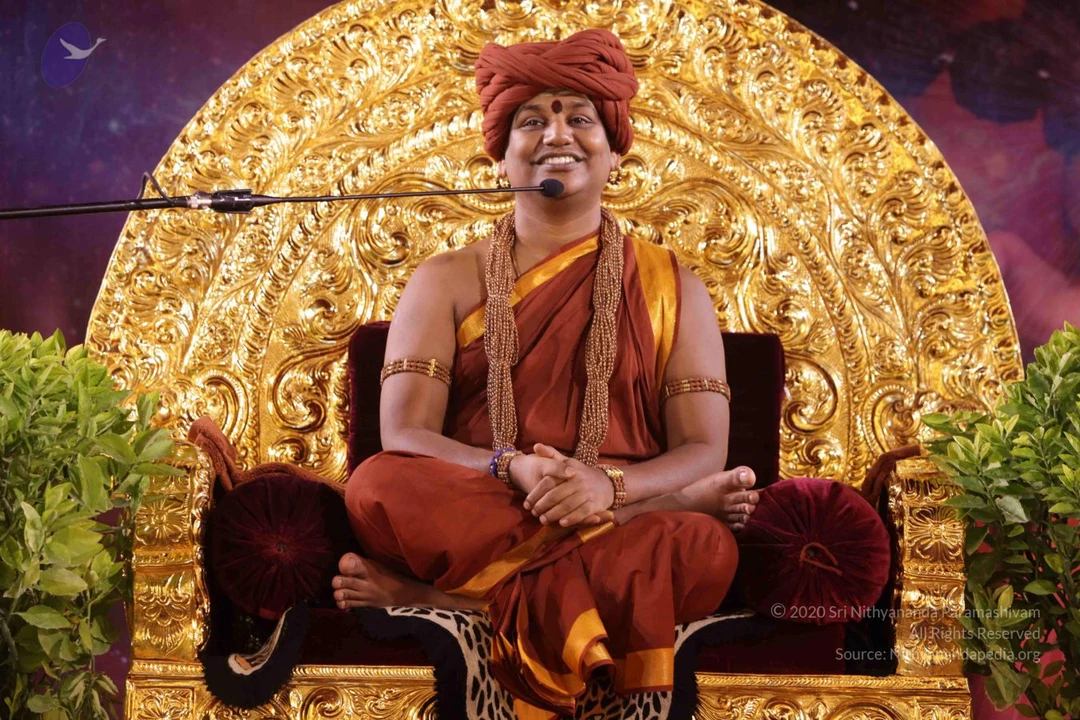
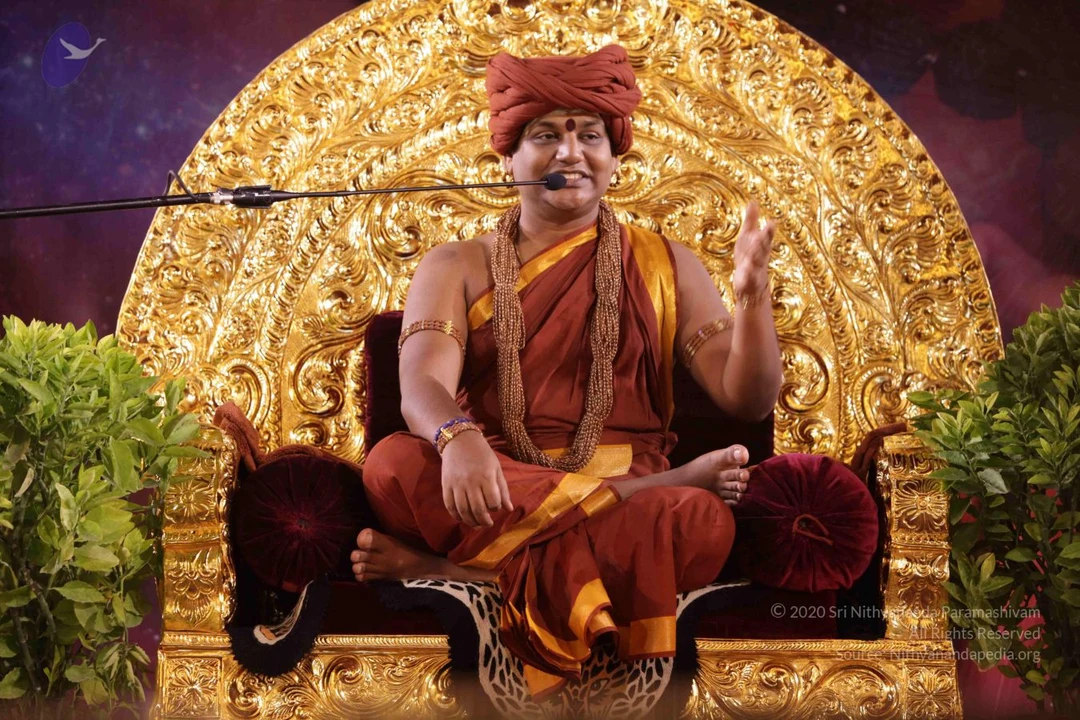
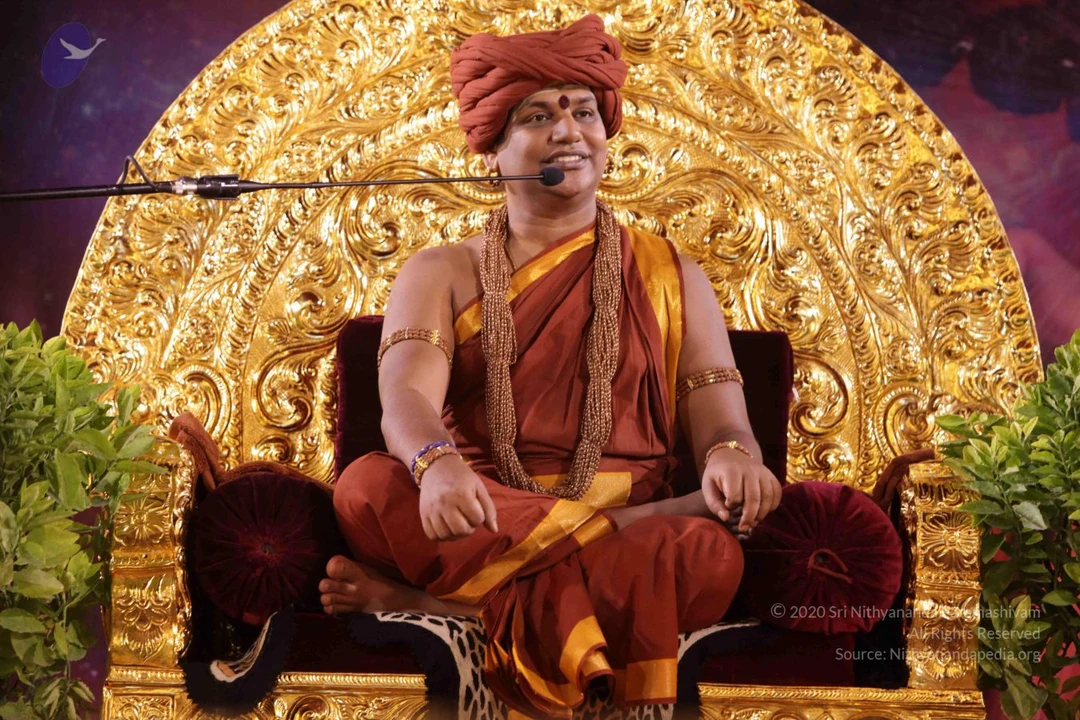
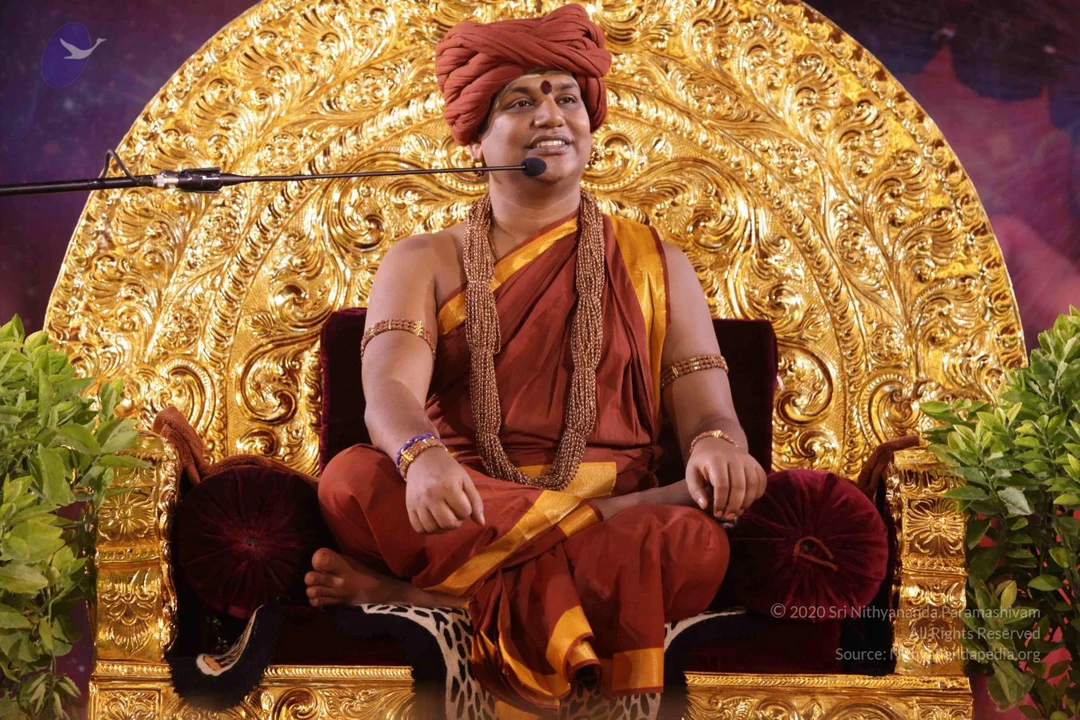
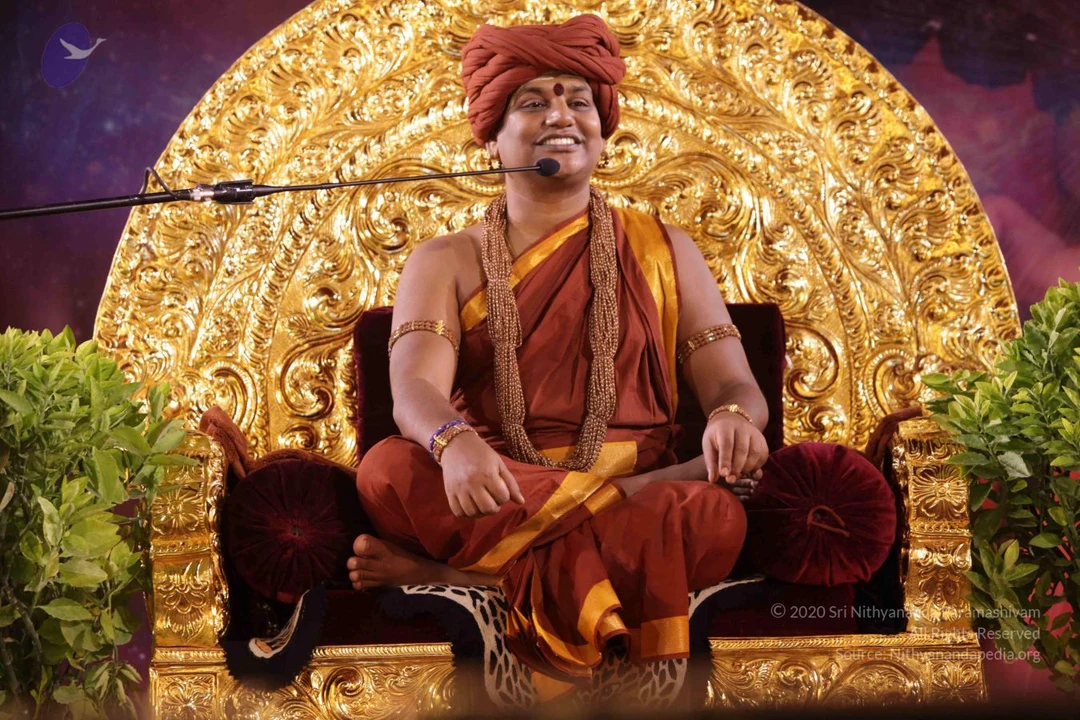
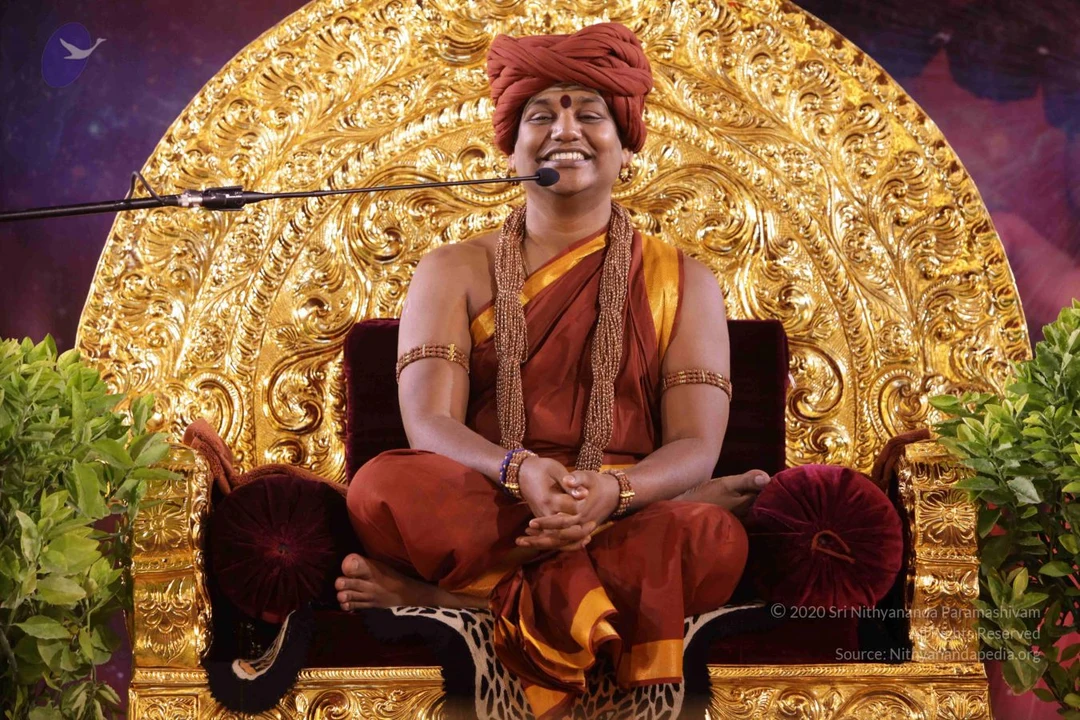
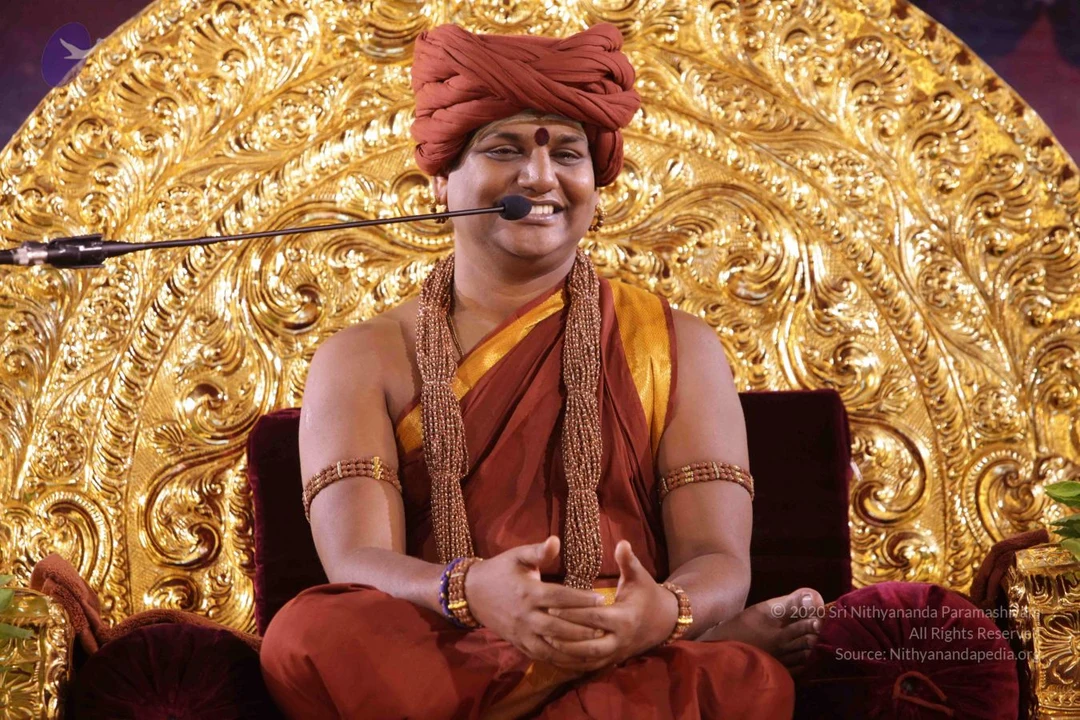
Photos Of The Day:
FB-fotos-of-the-day
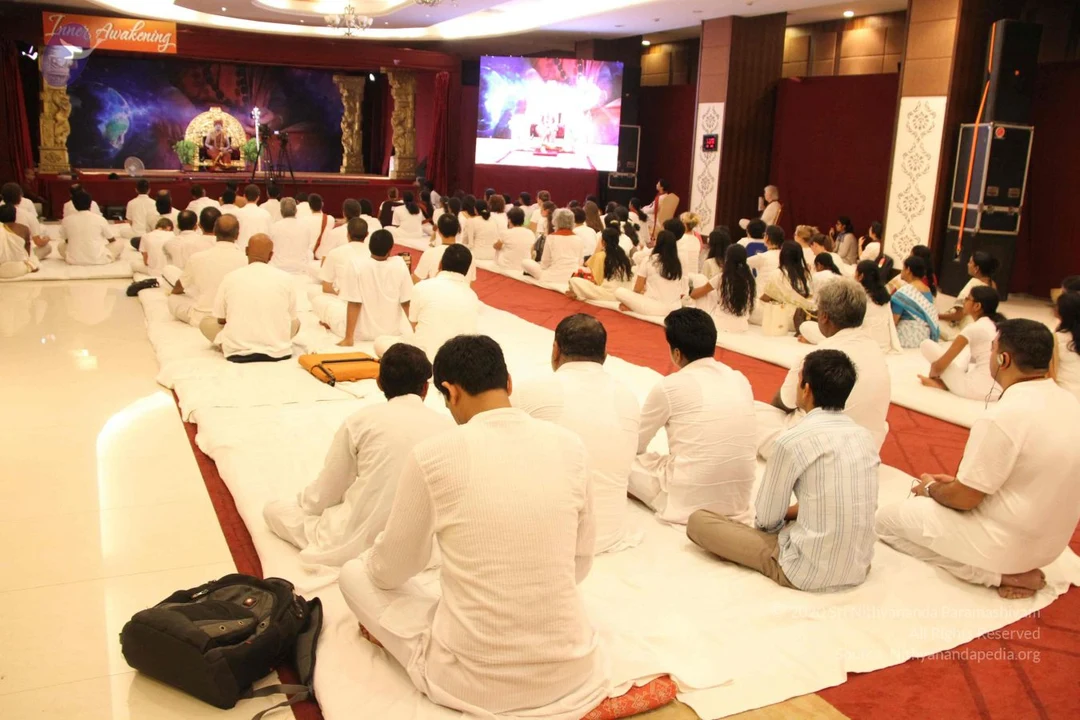
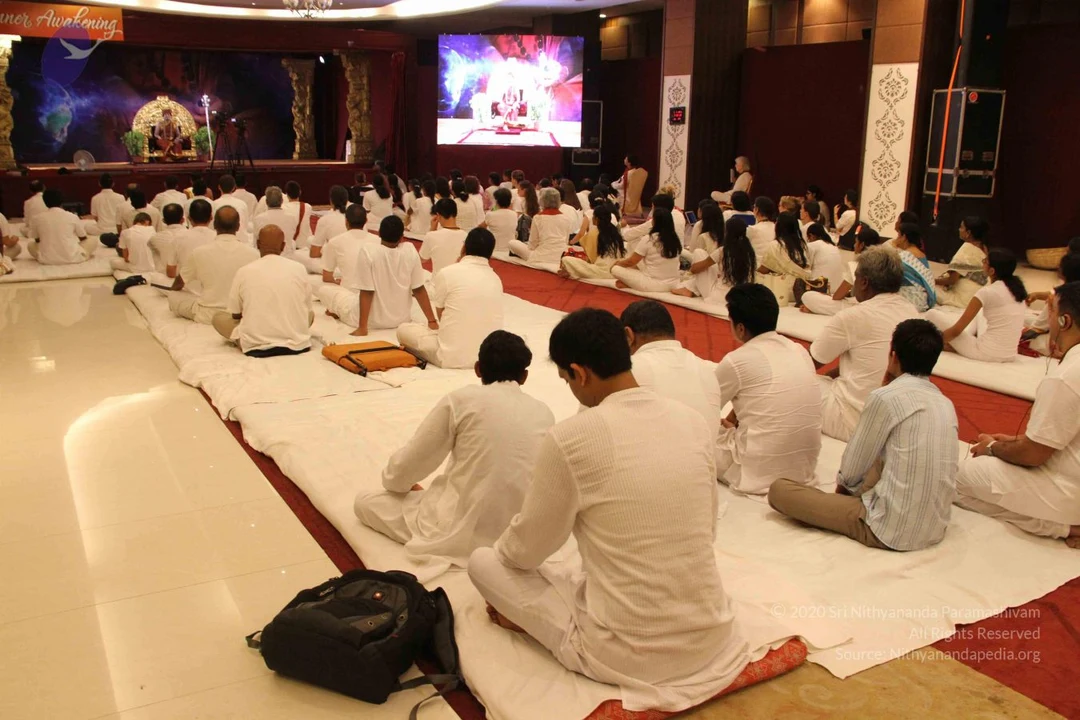
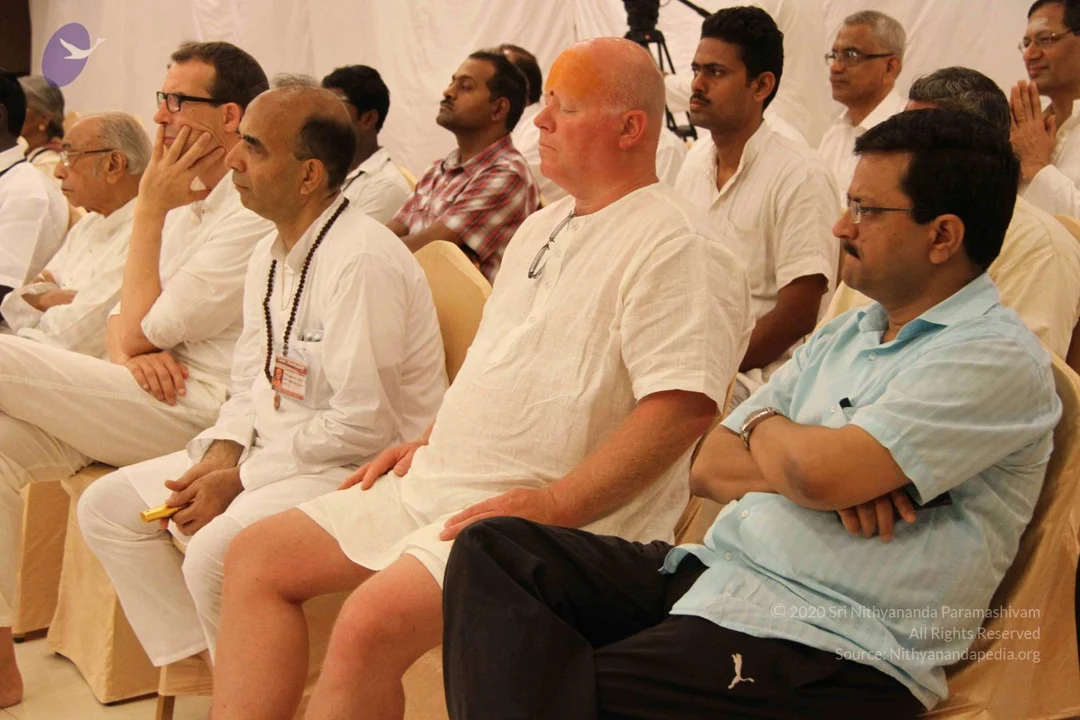
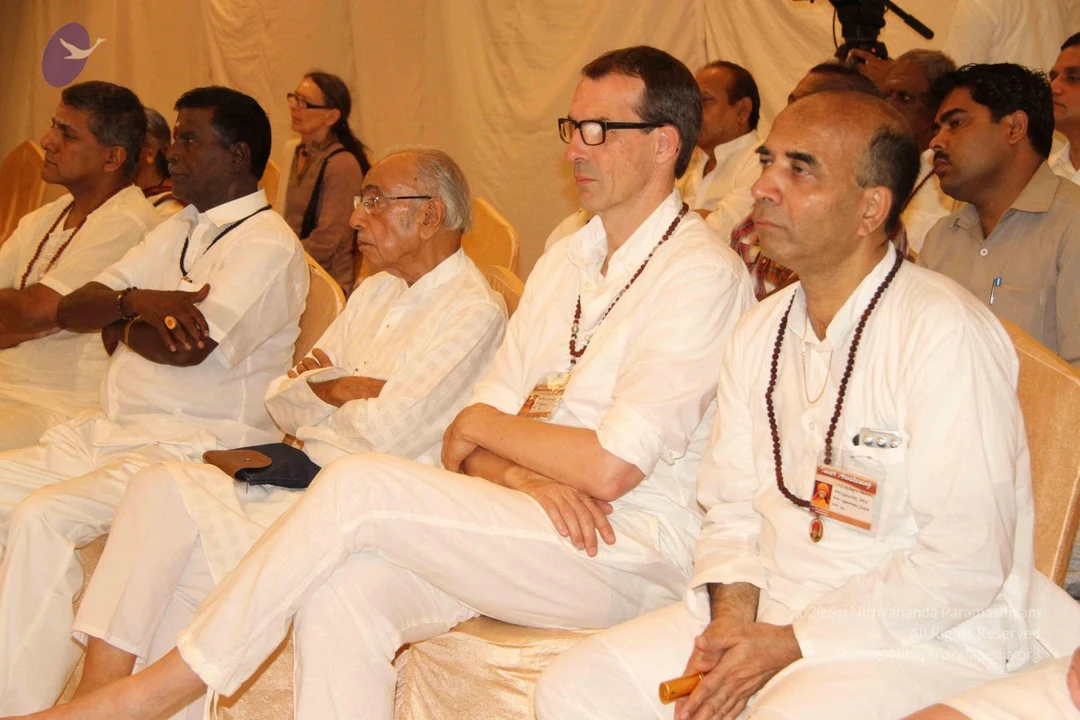
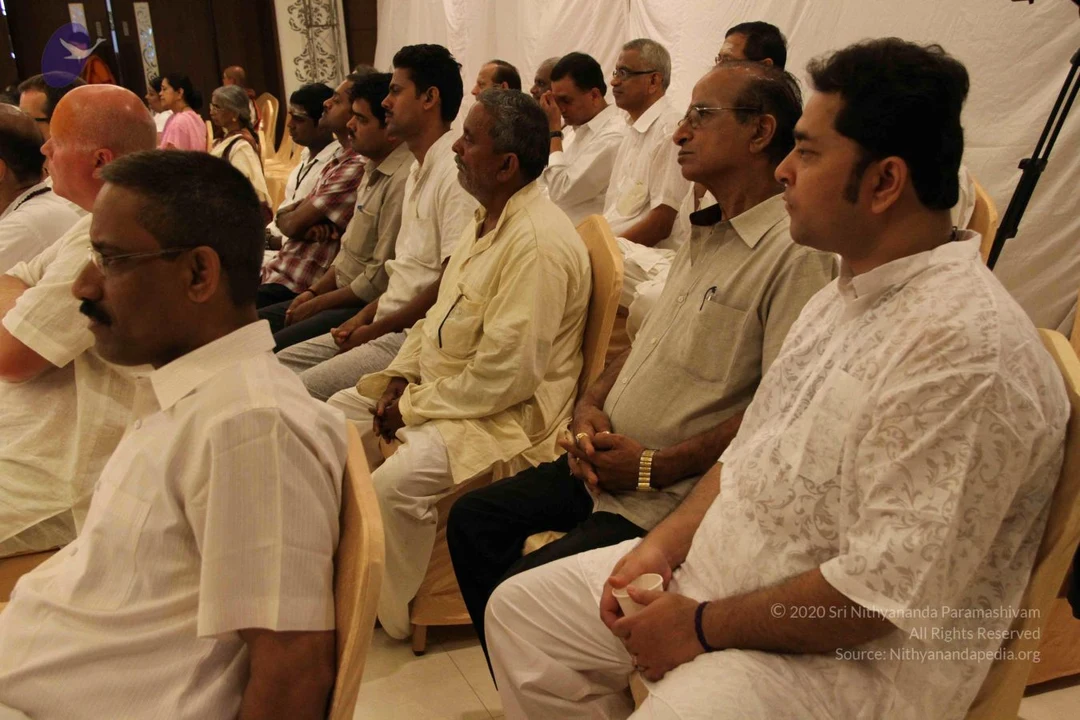
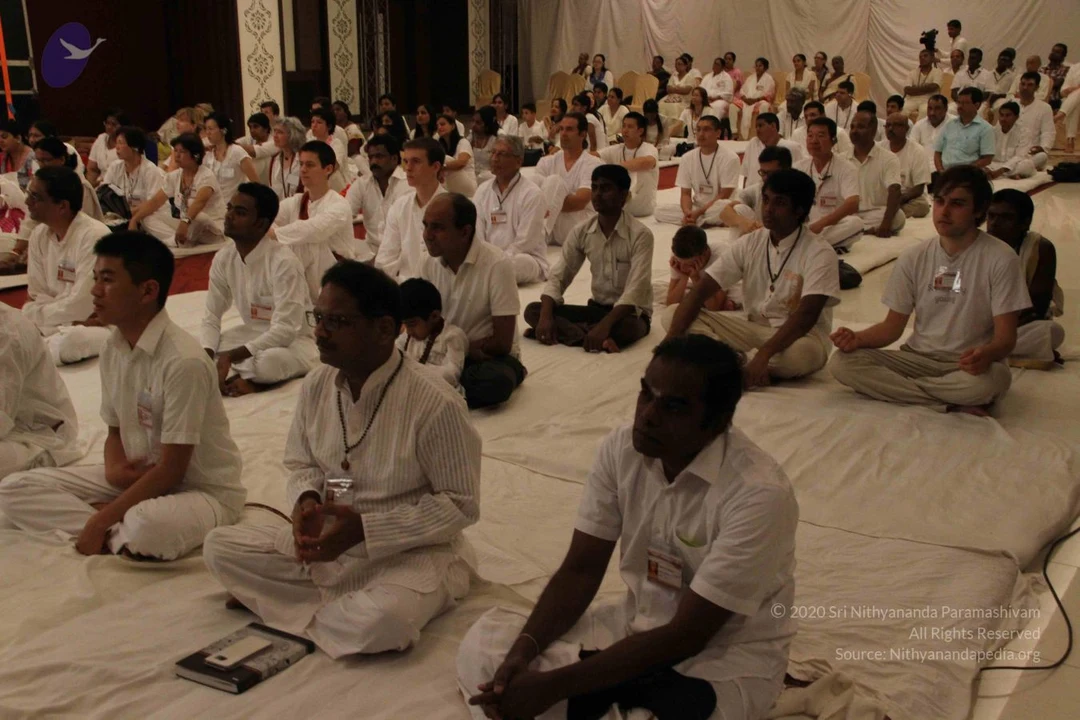
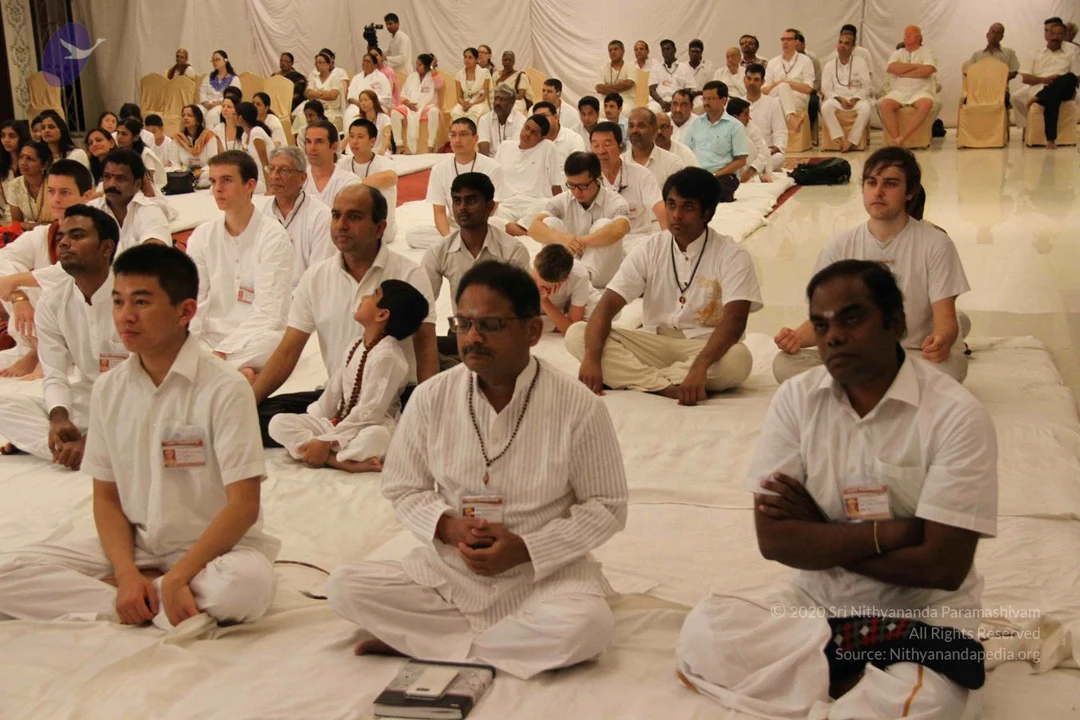
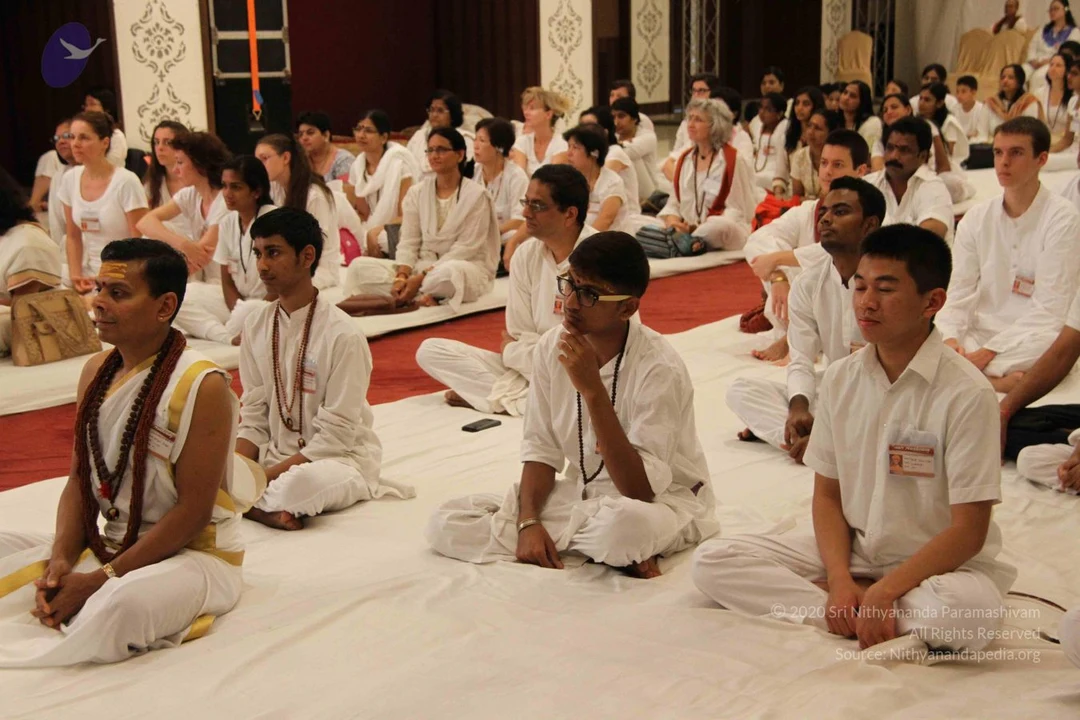
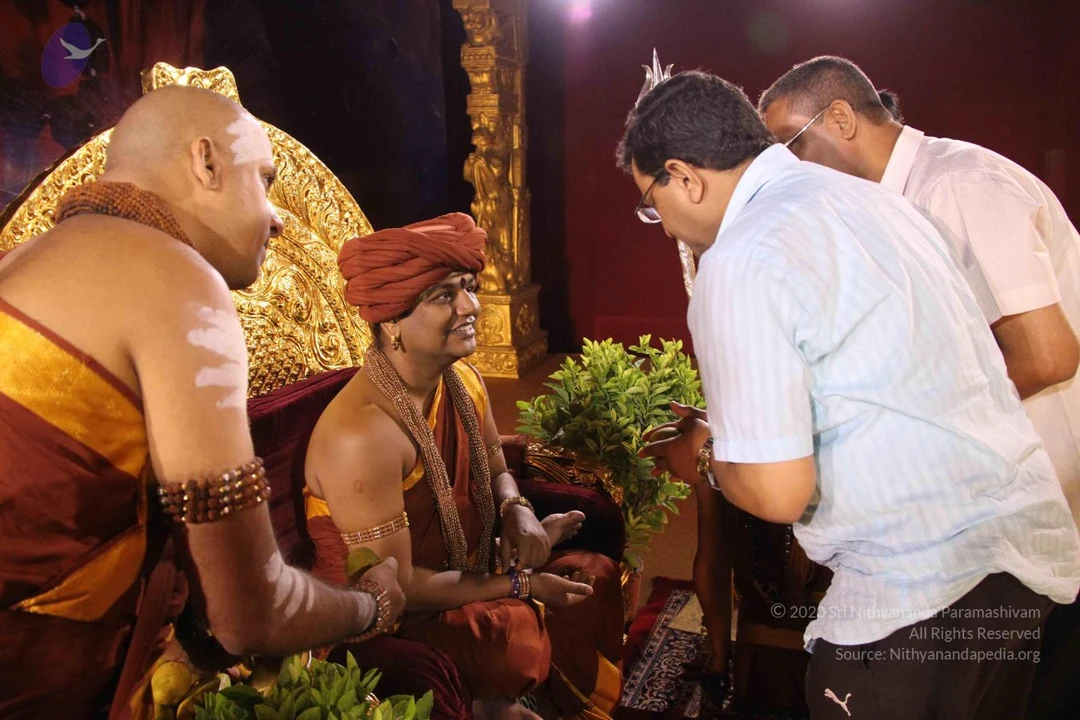
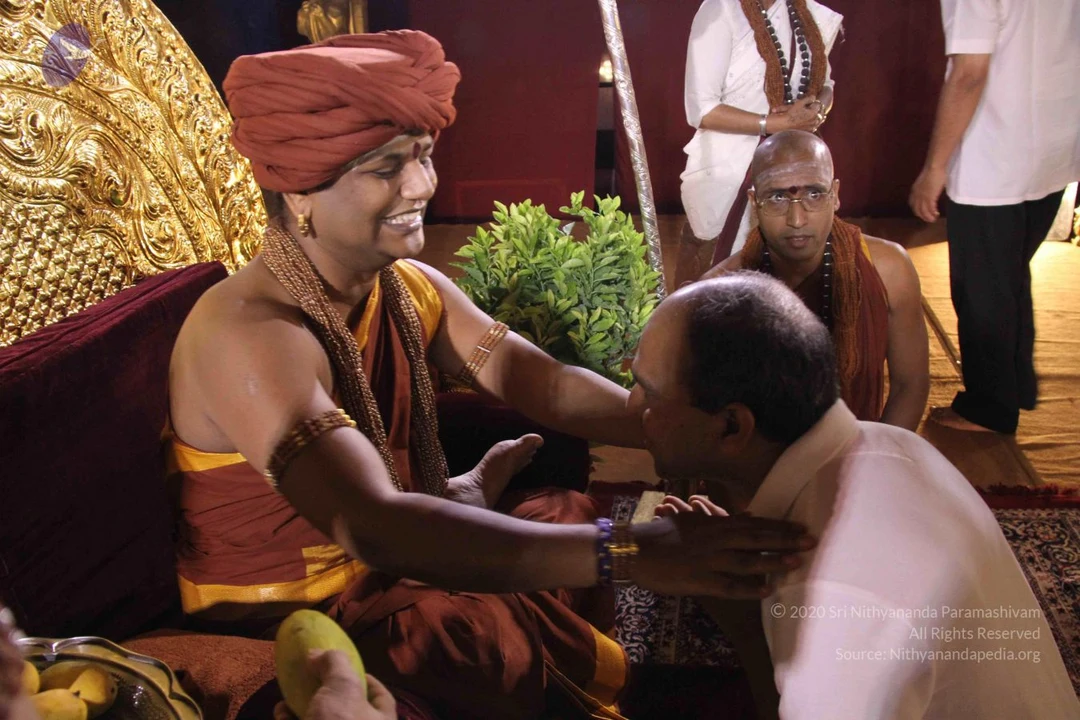
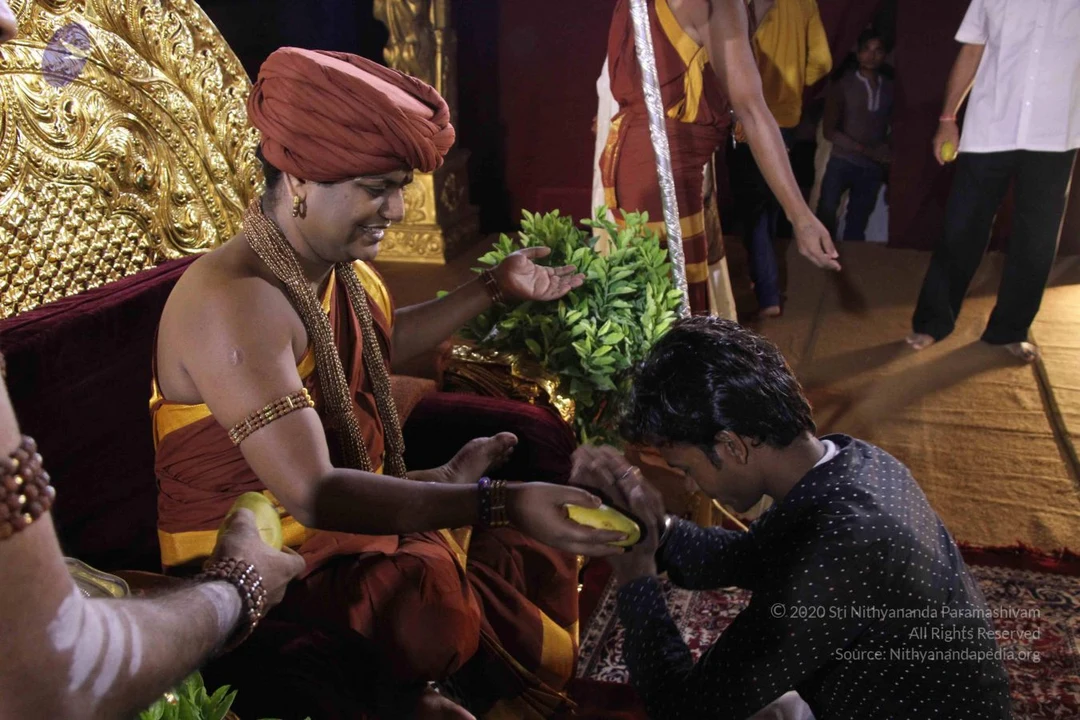
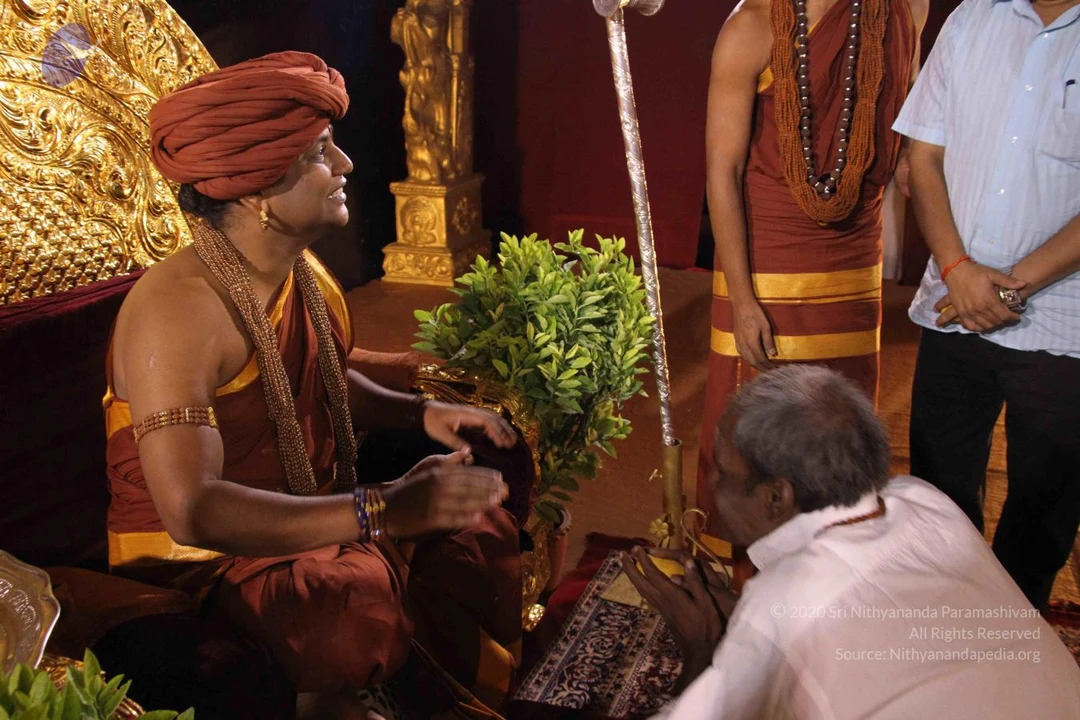
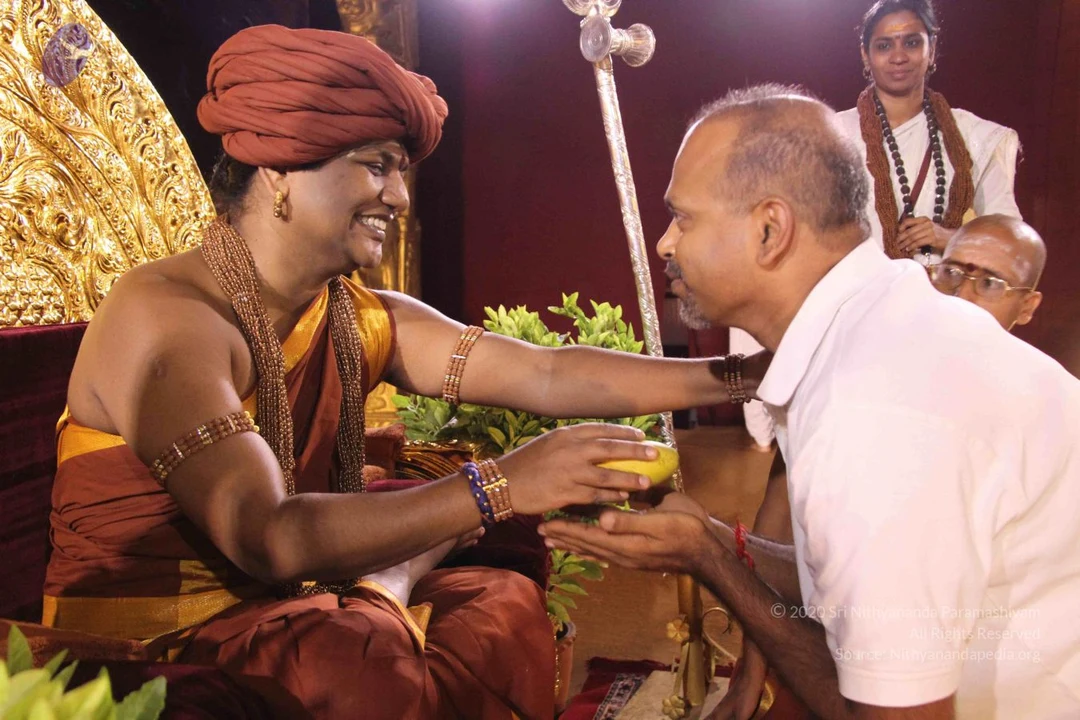
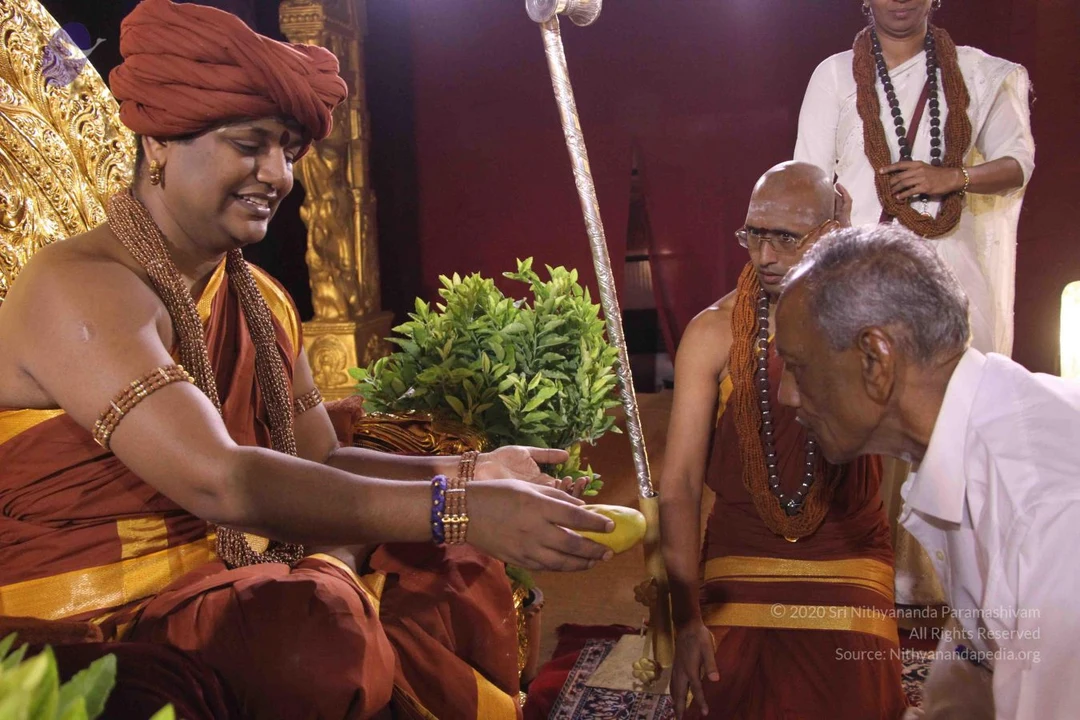
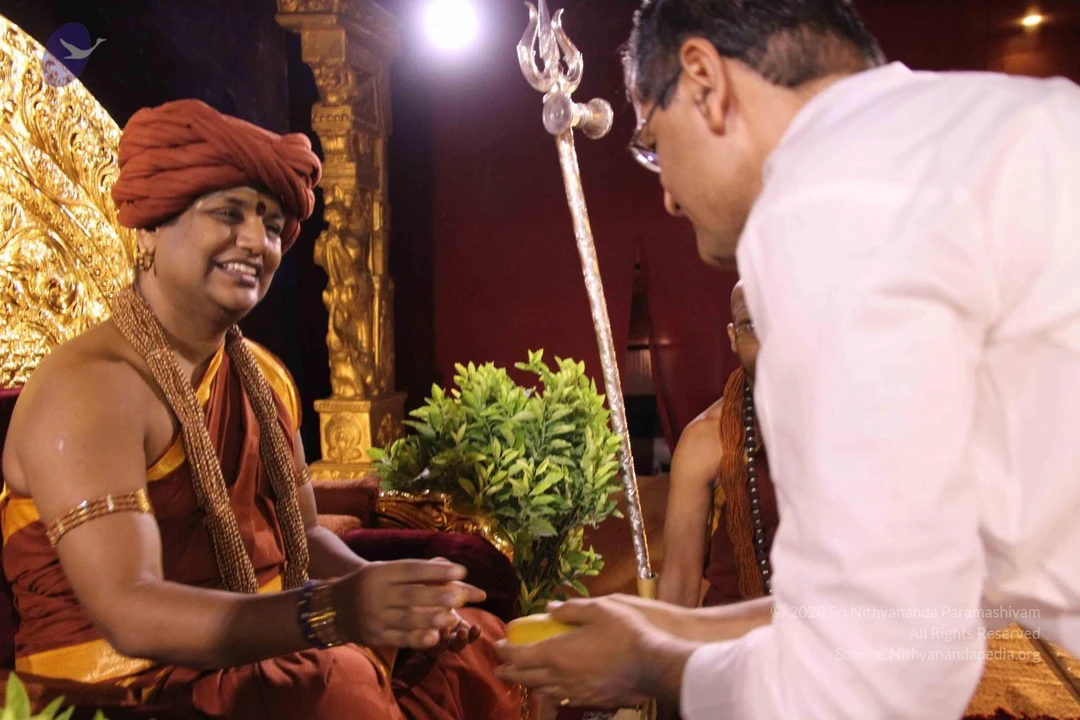
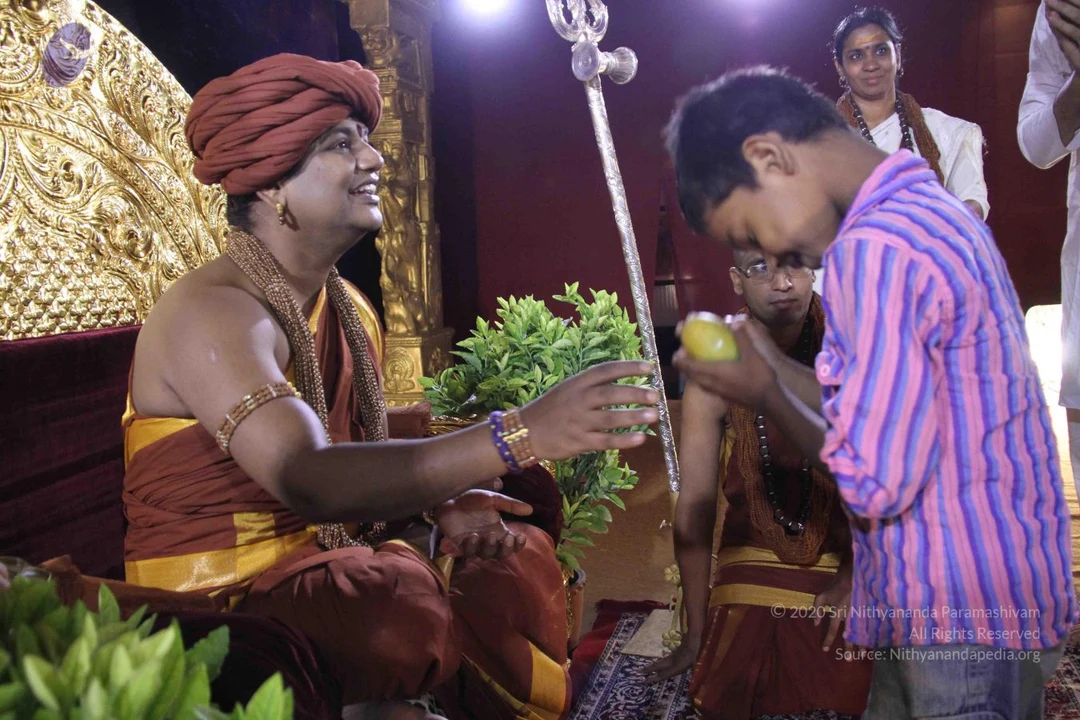
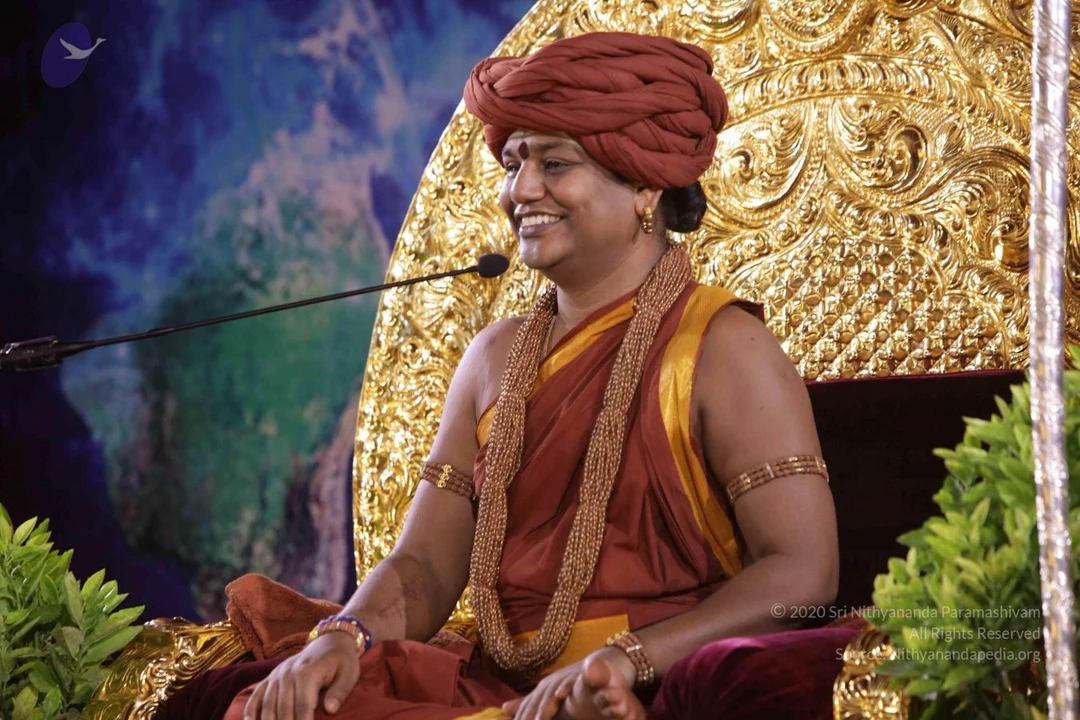
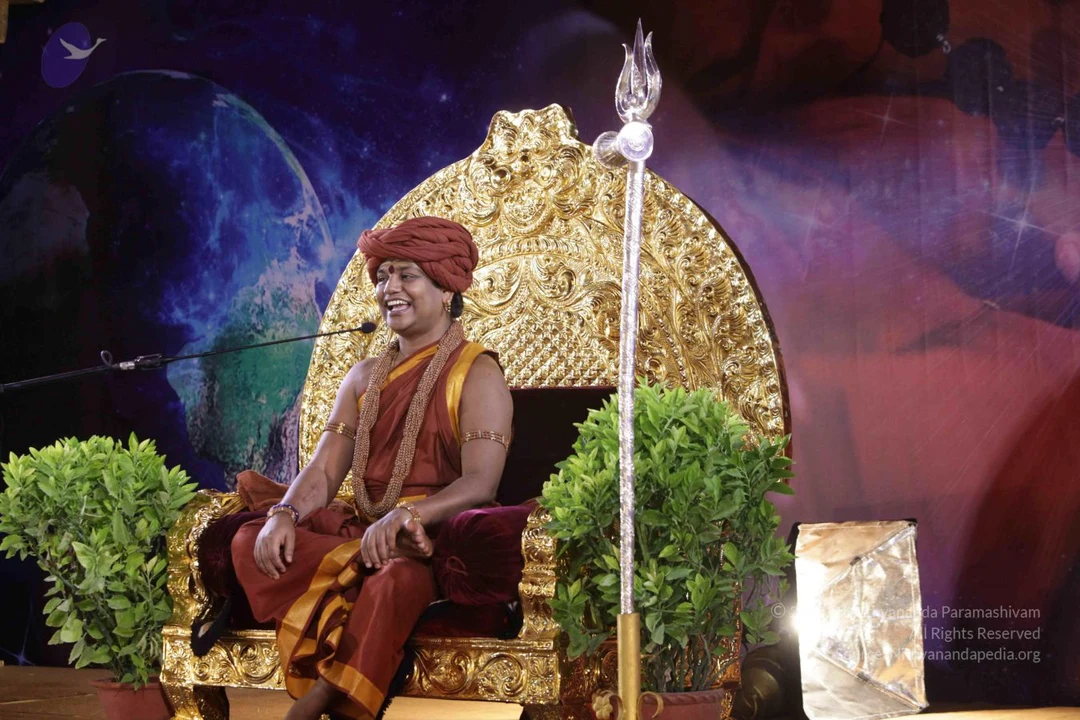
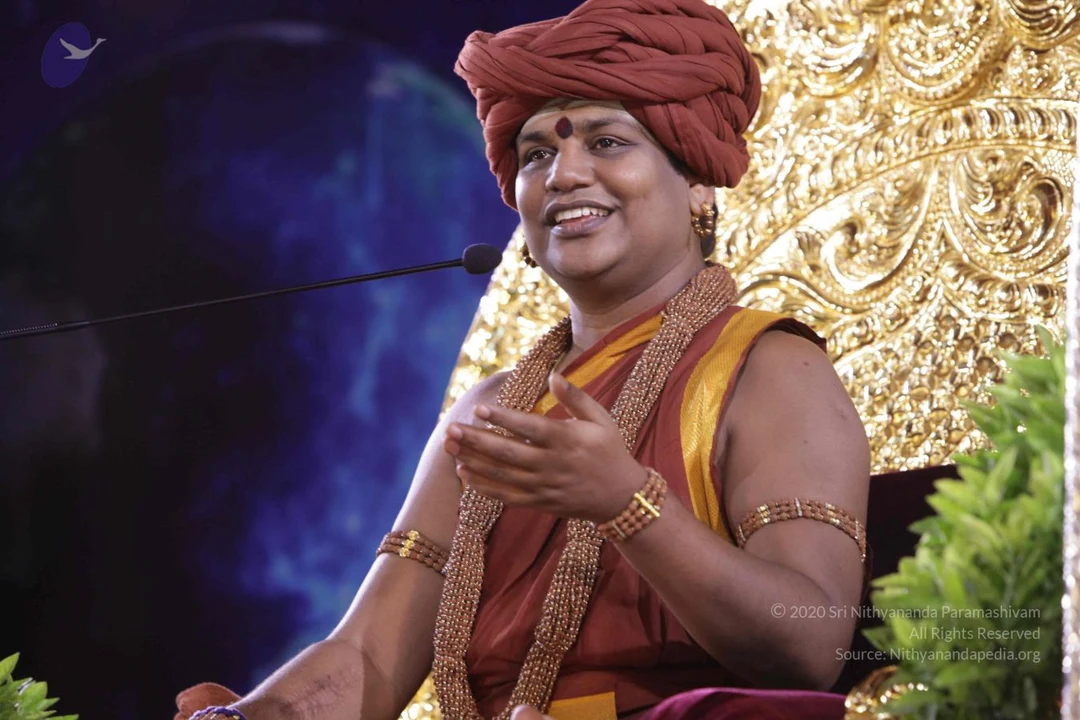
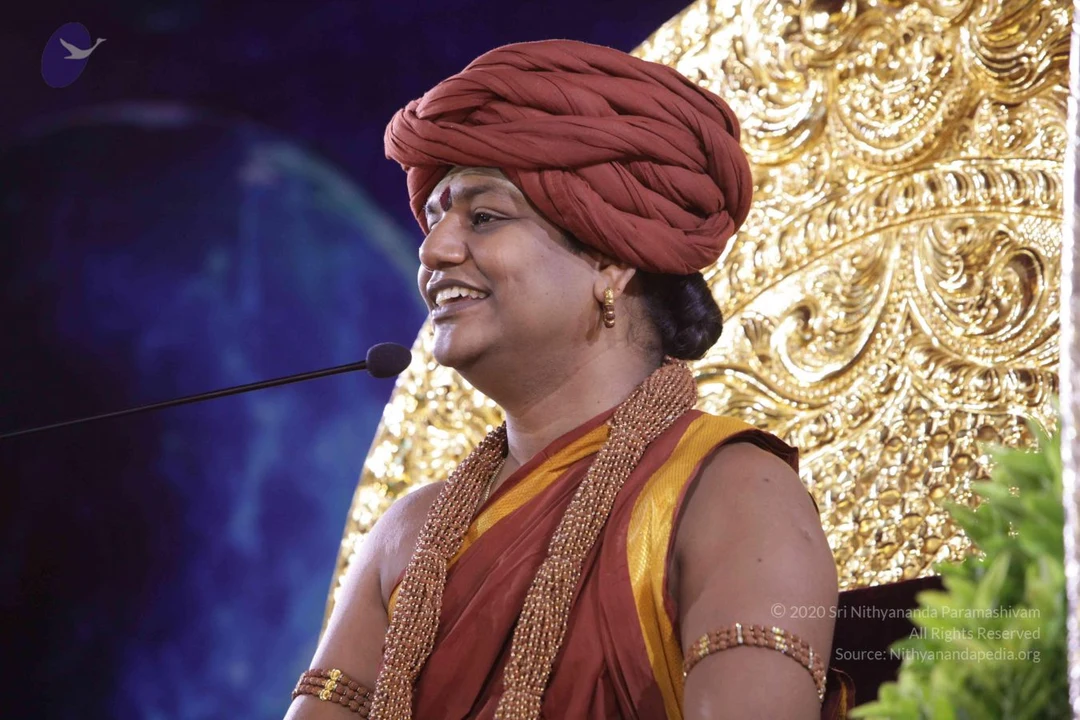
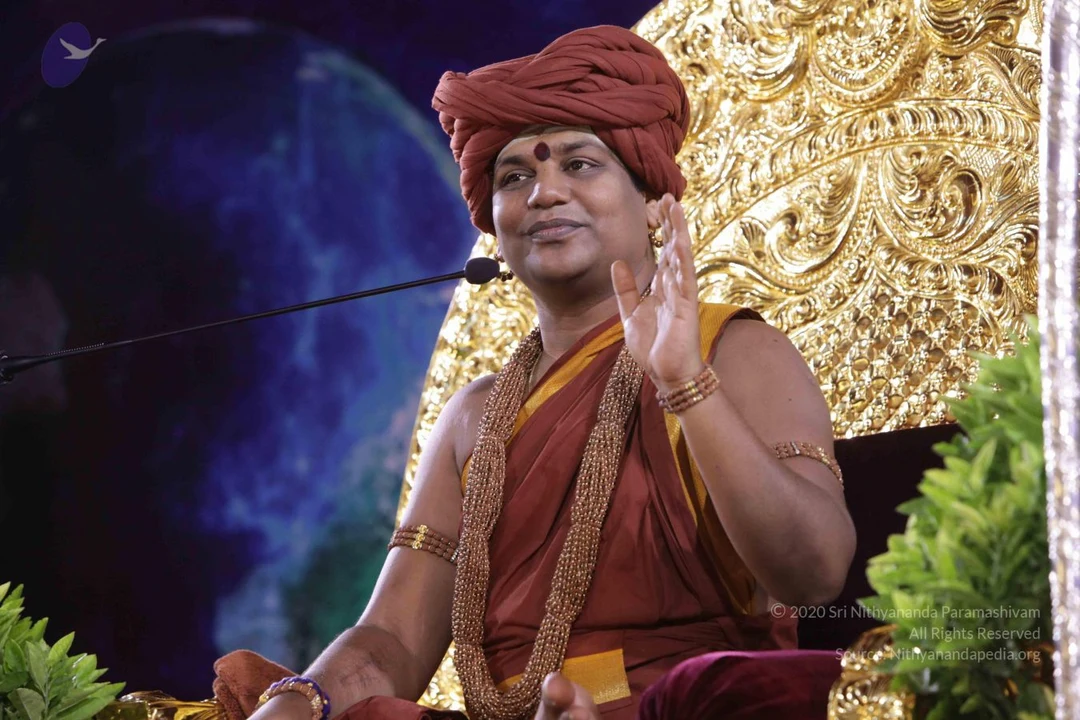
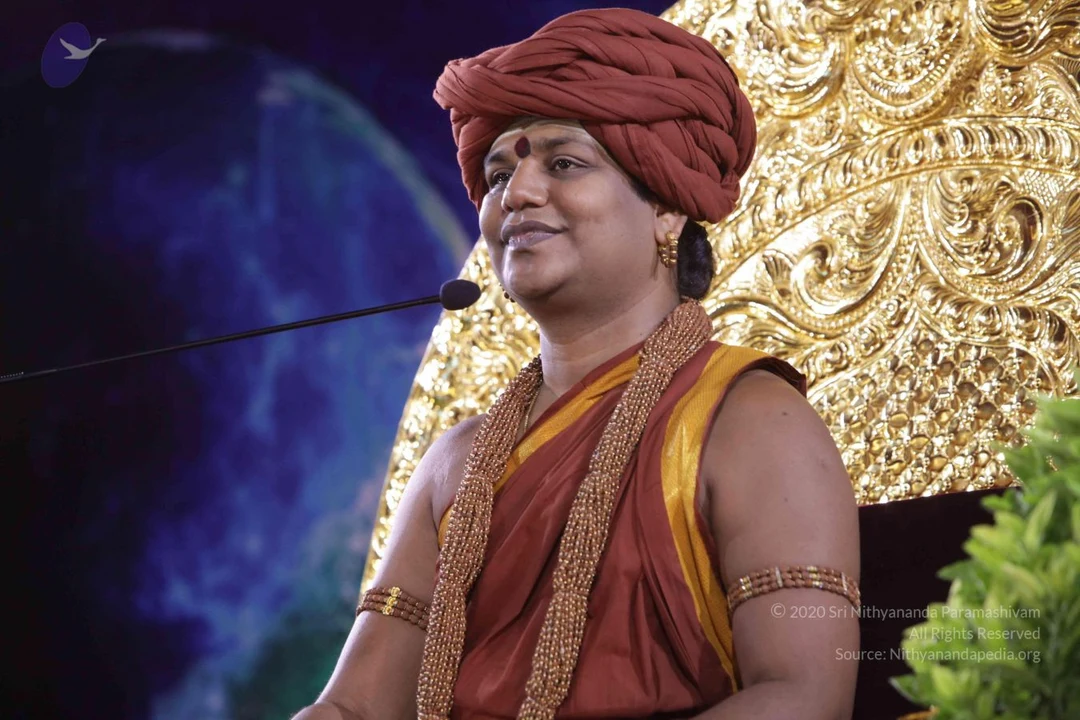
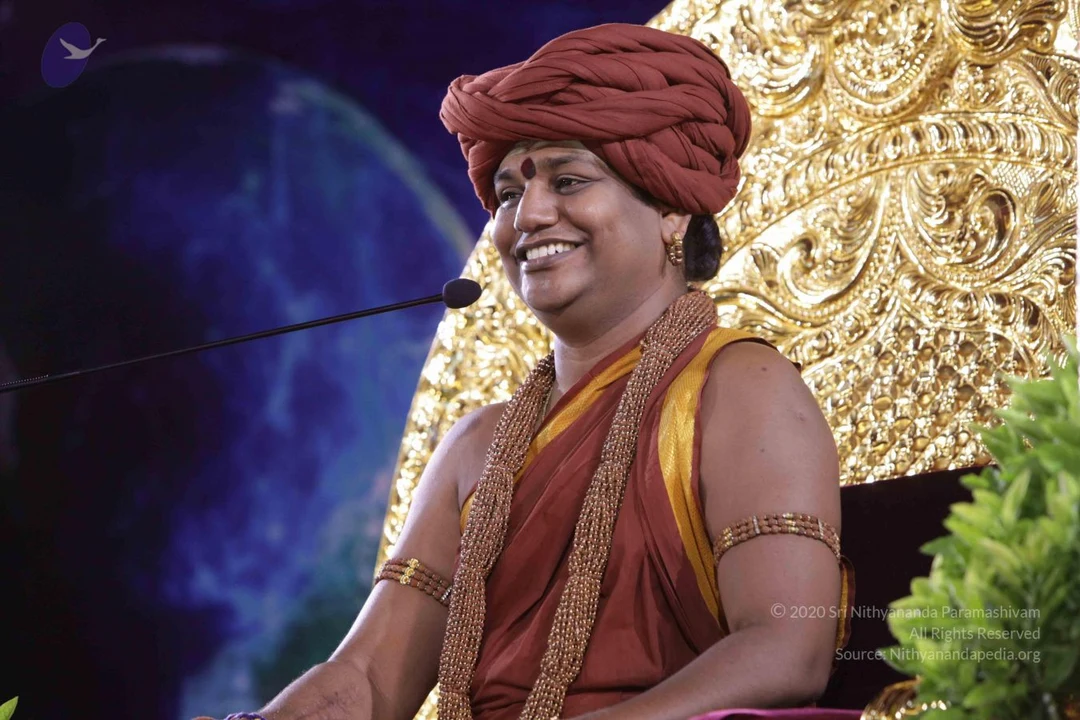
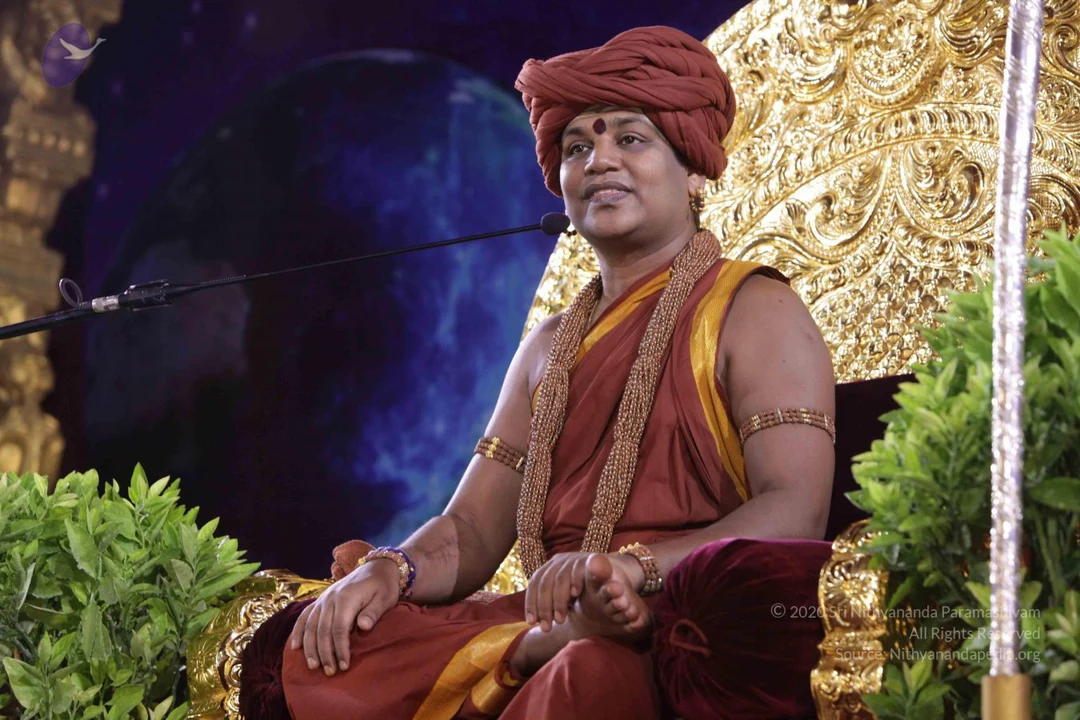
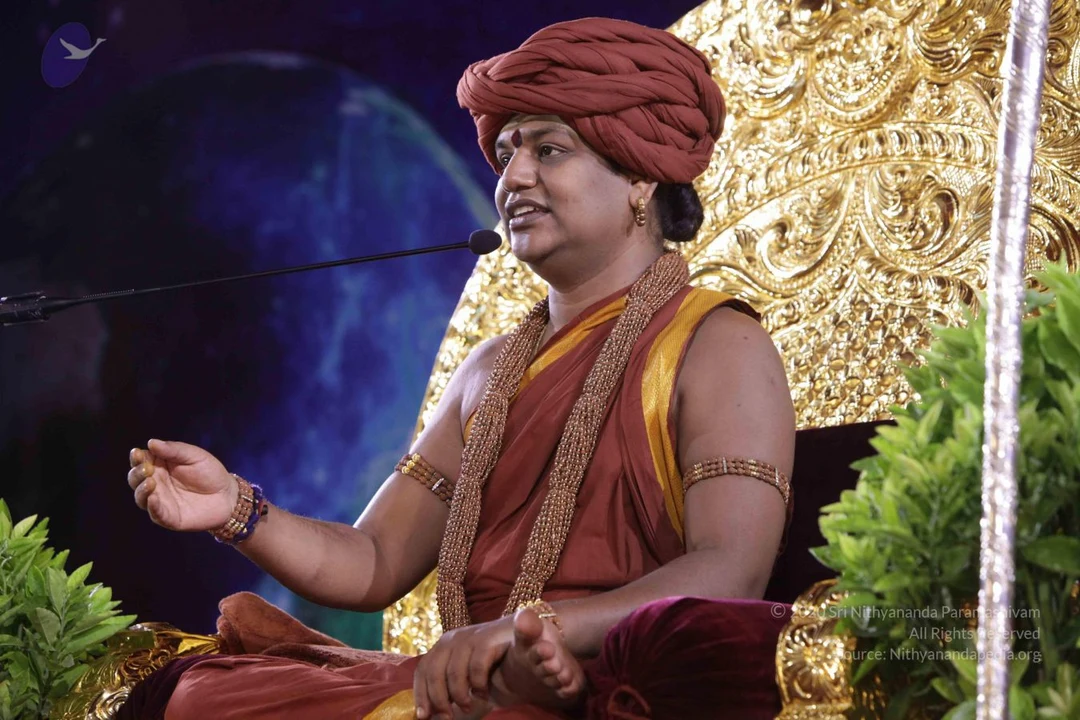
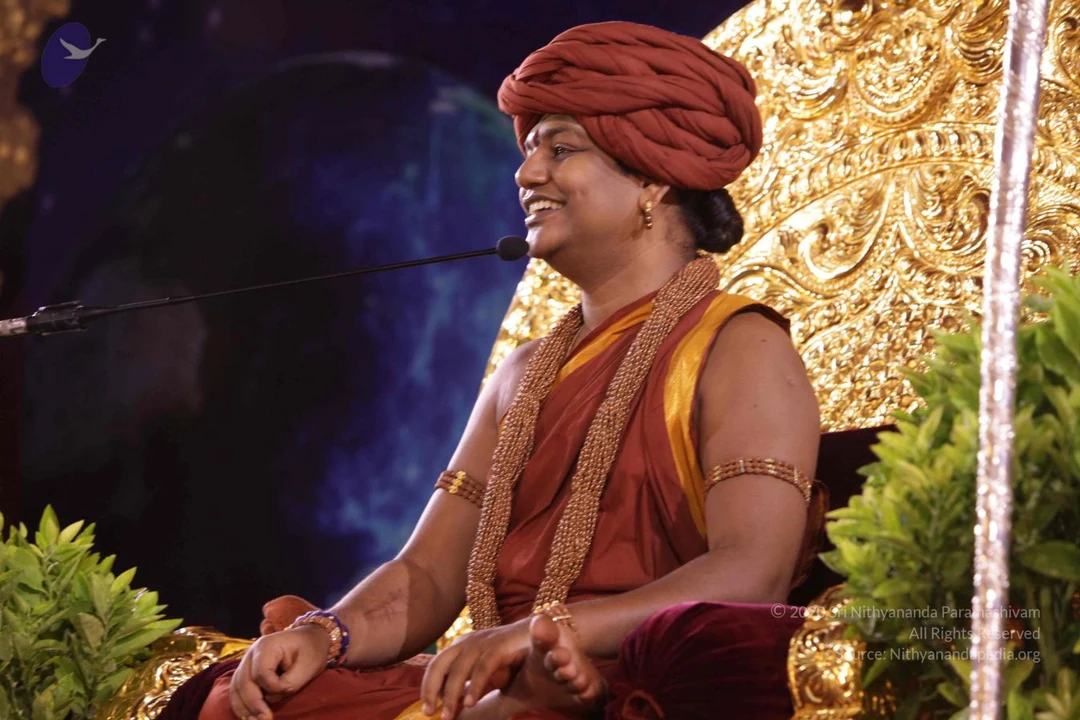
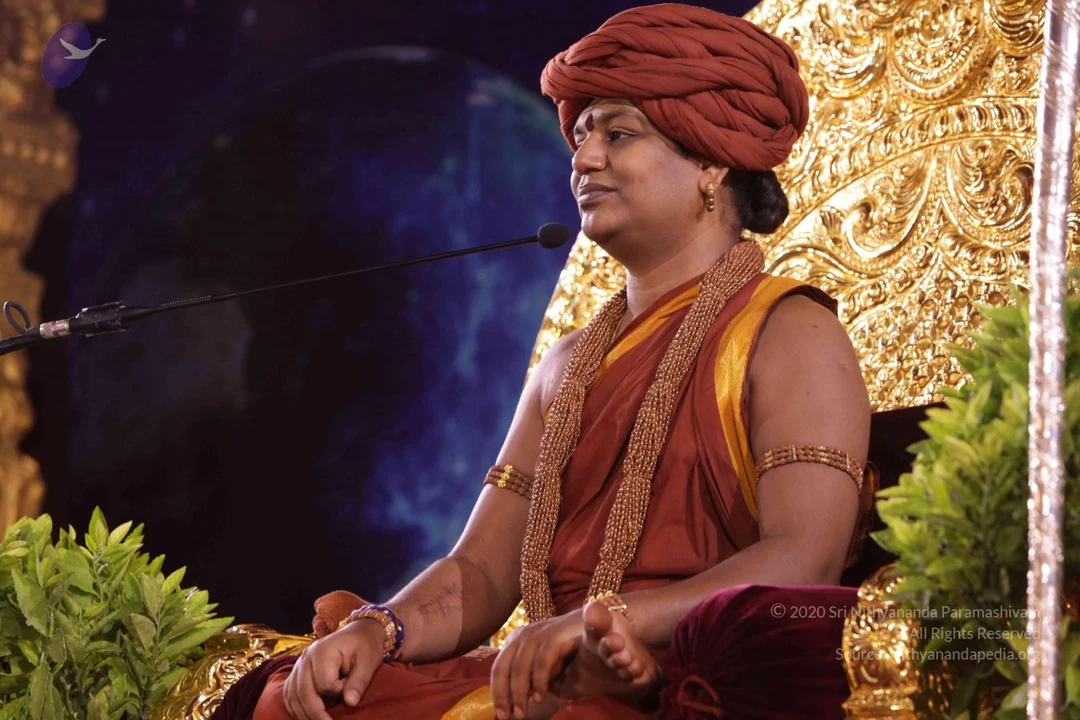
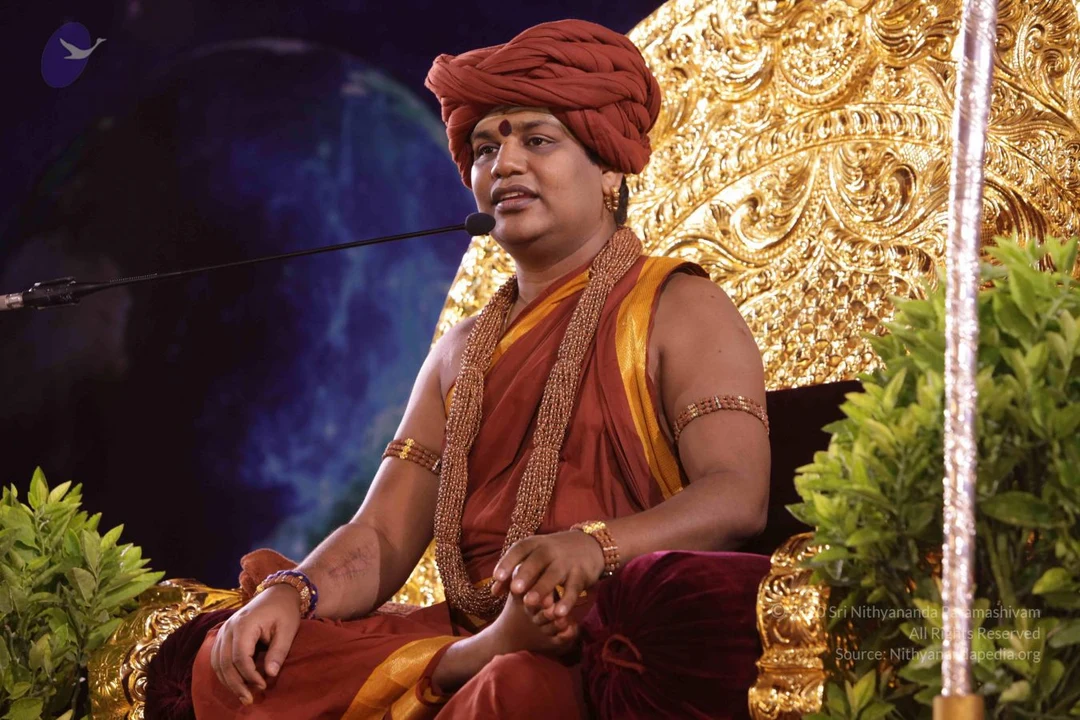
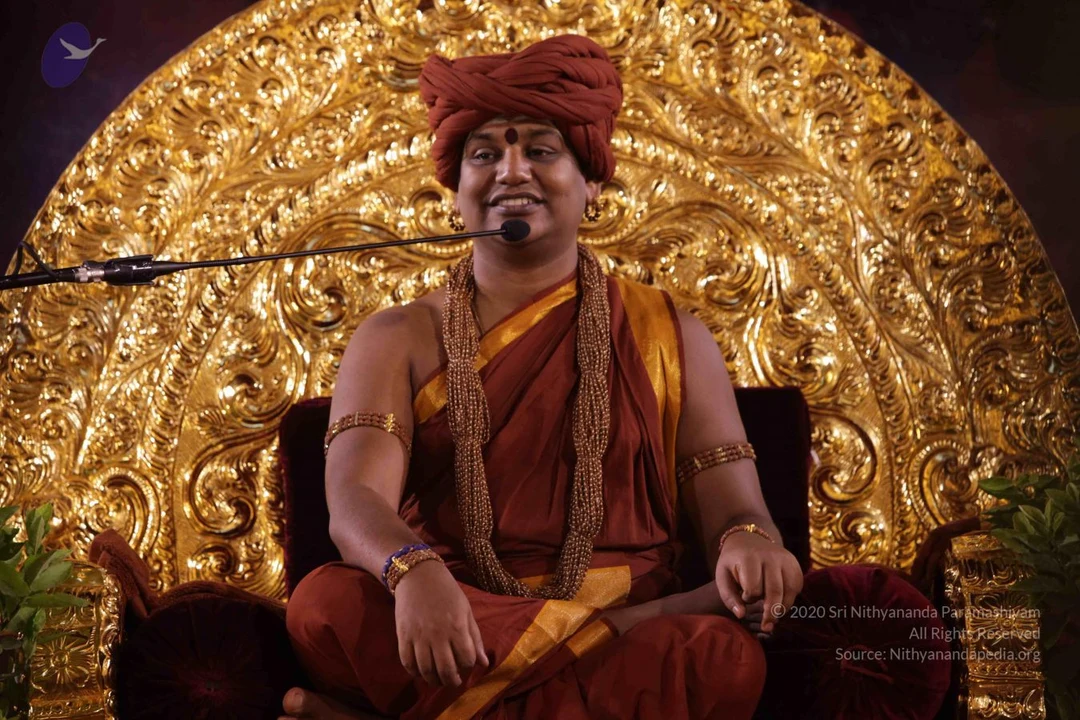
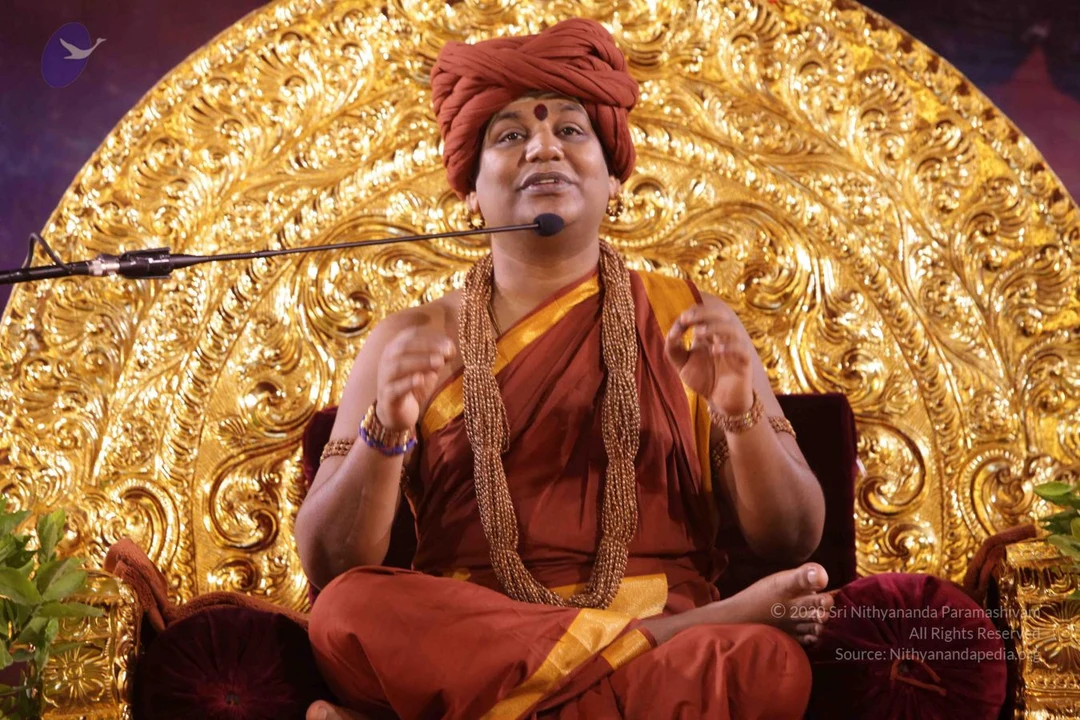
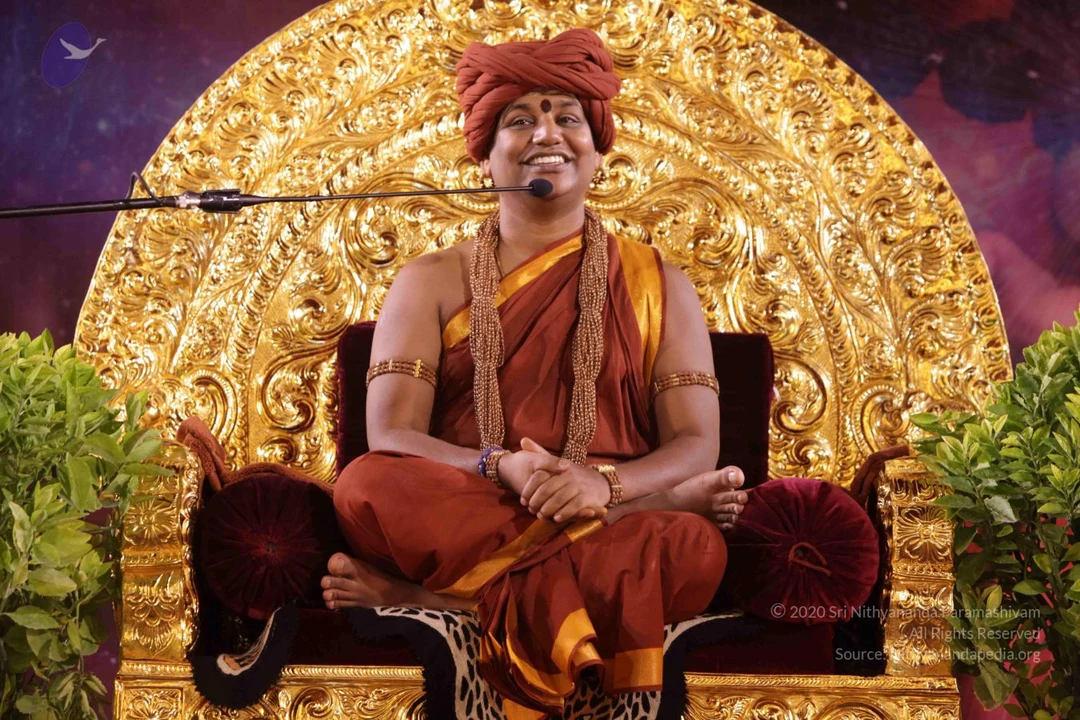
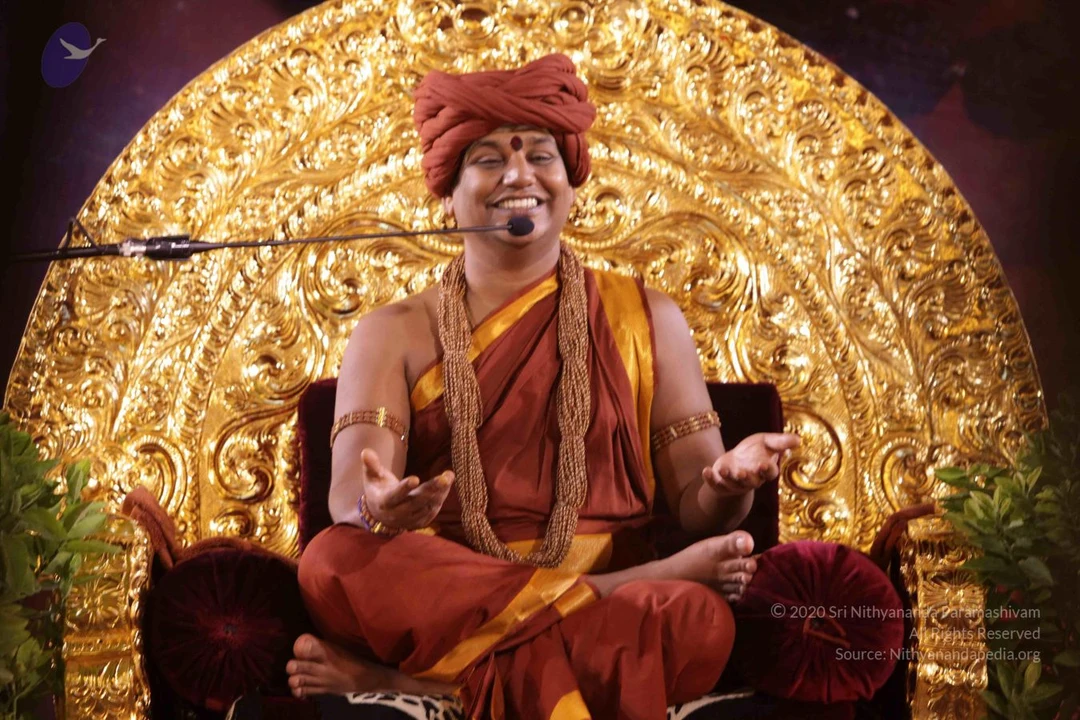
Photos Of The Day:
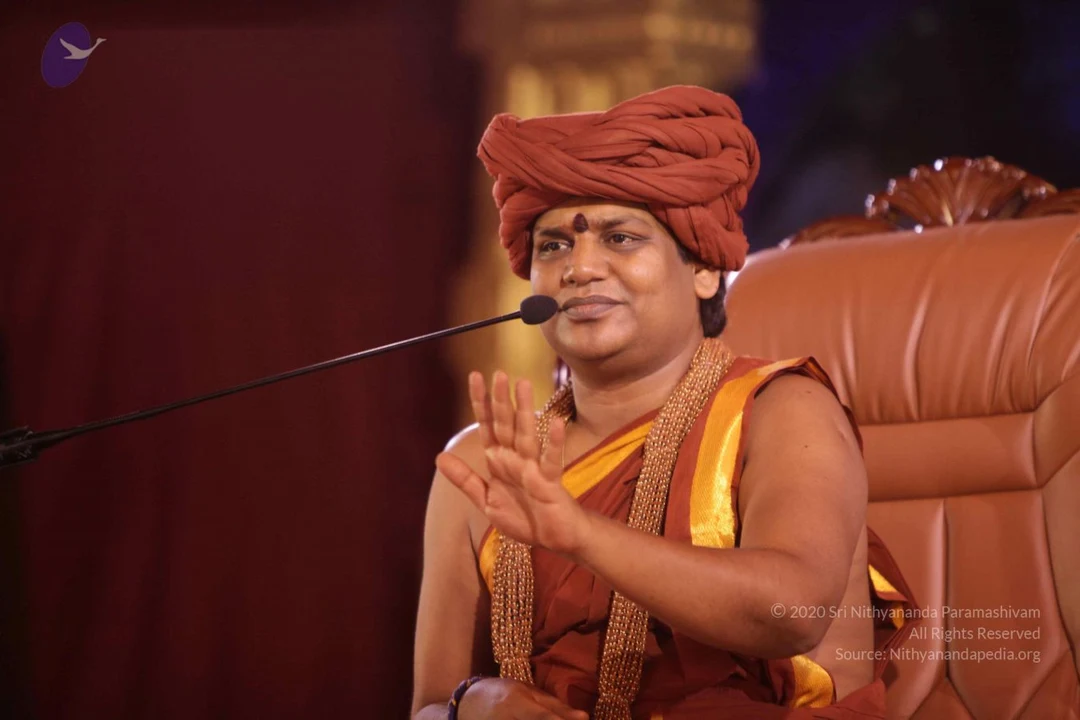
Satsang
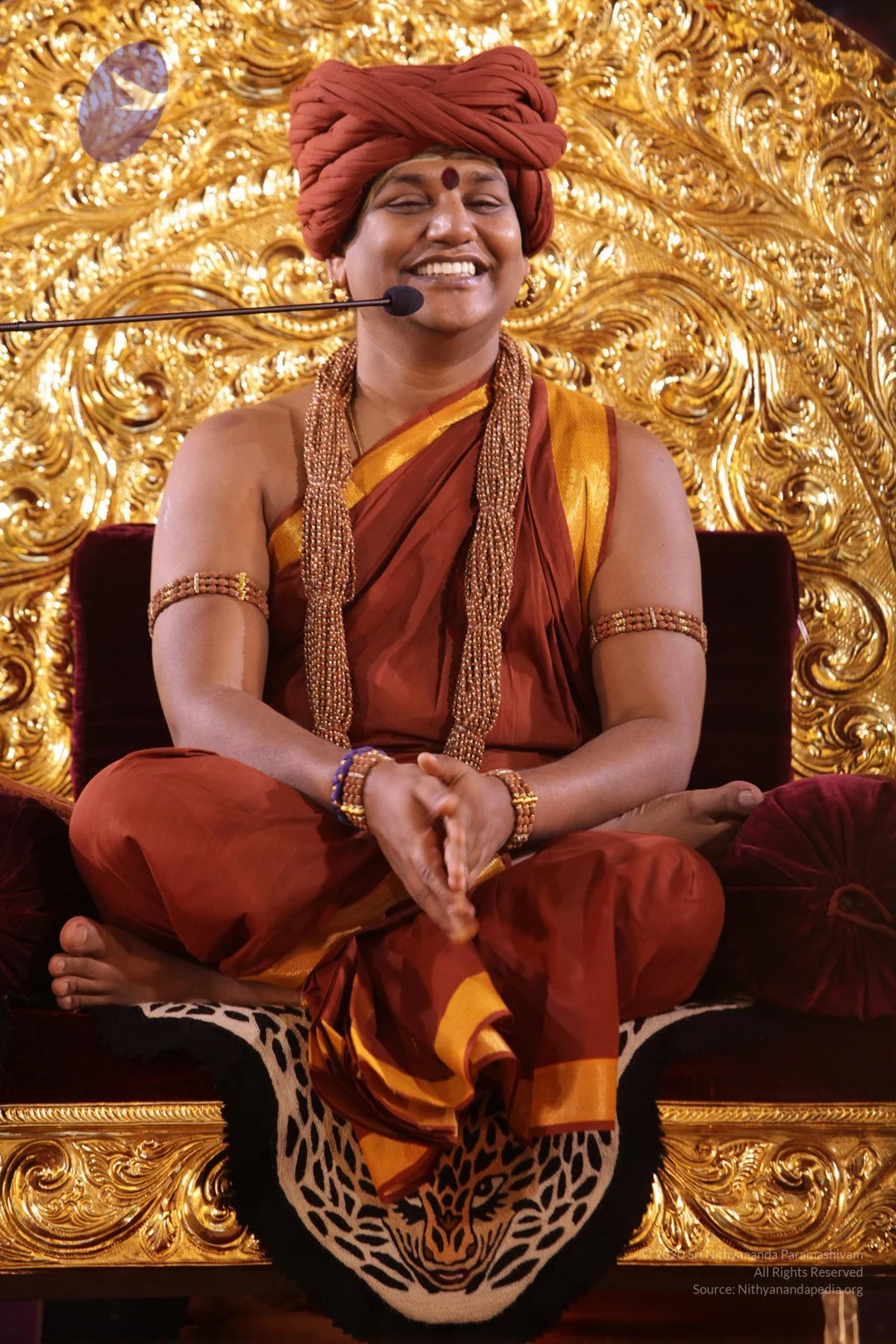
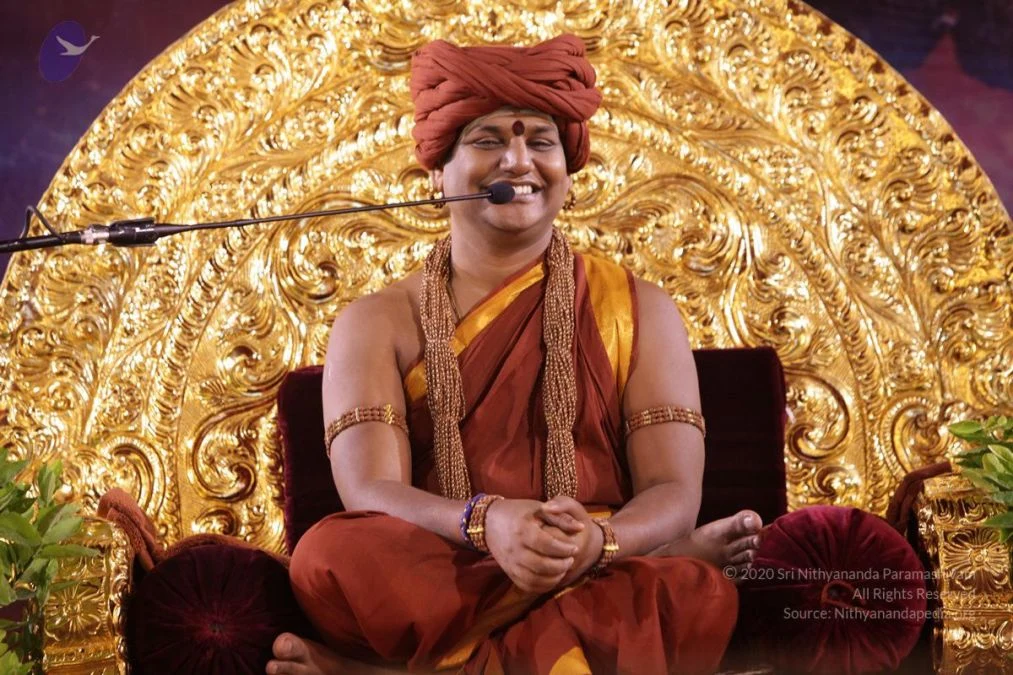
Sarve-Darshan
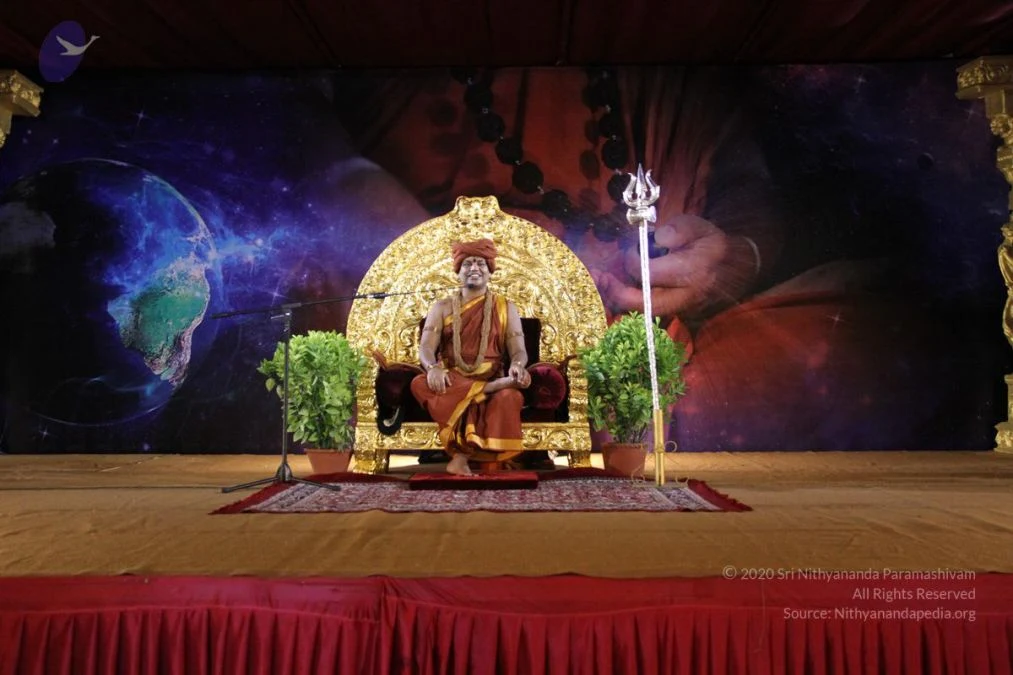
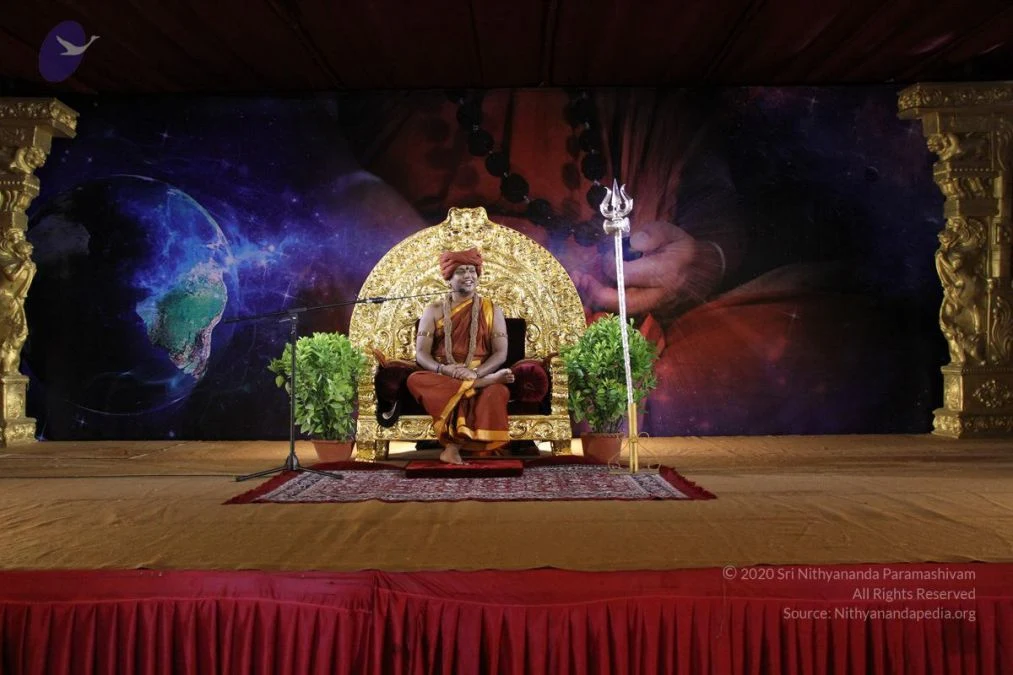
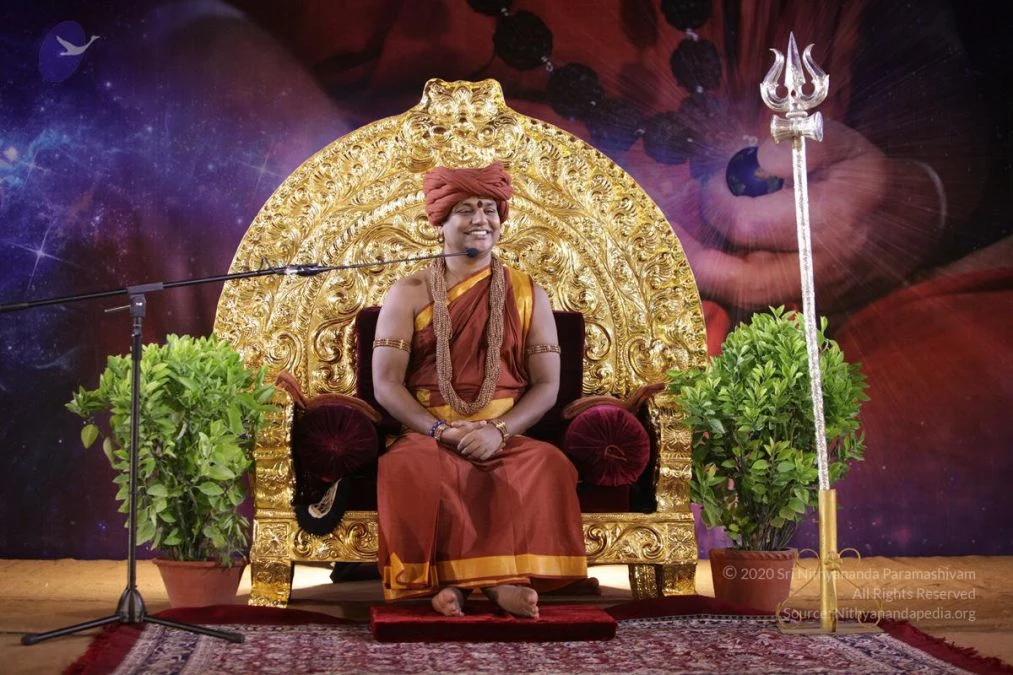
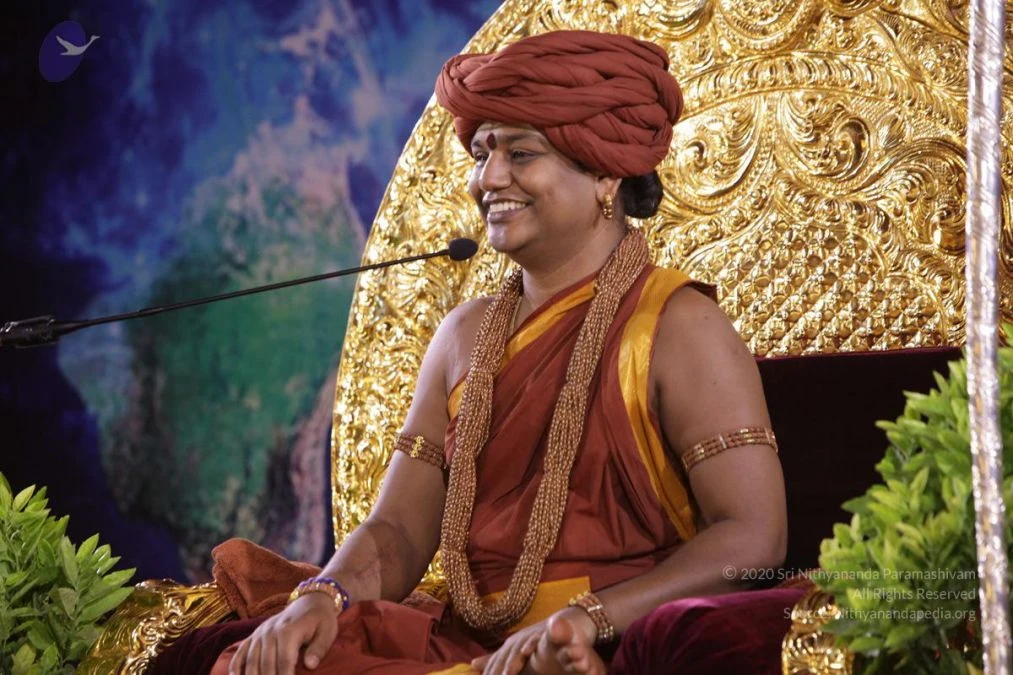
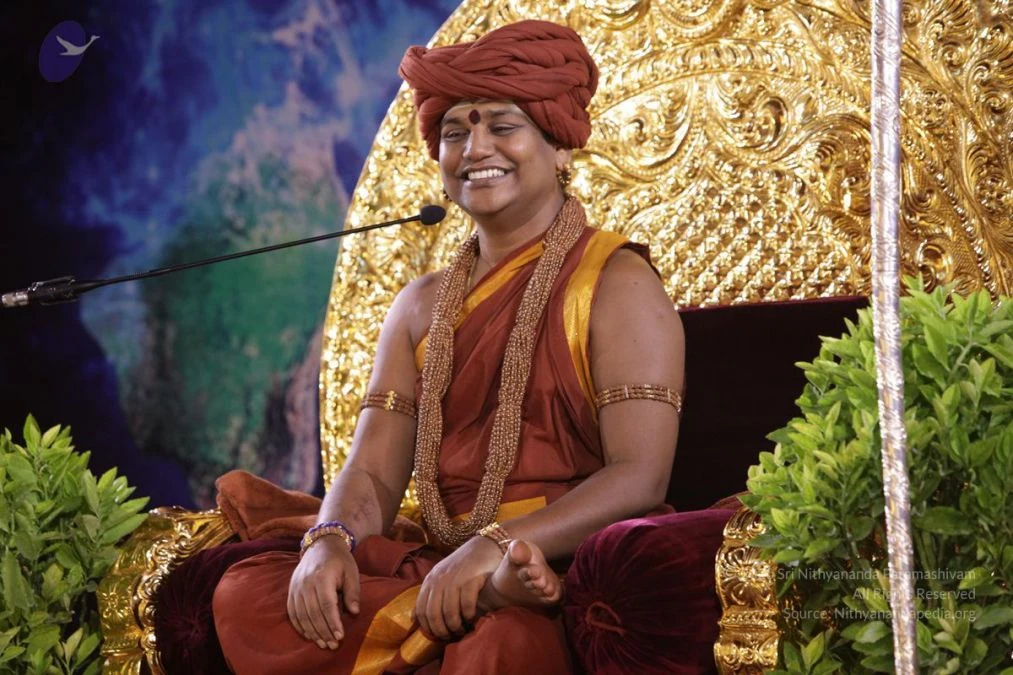
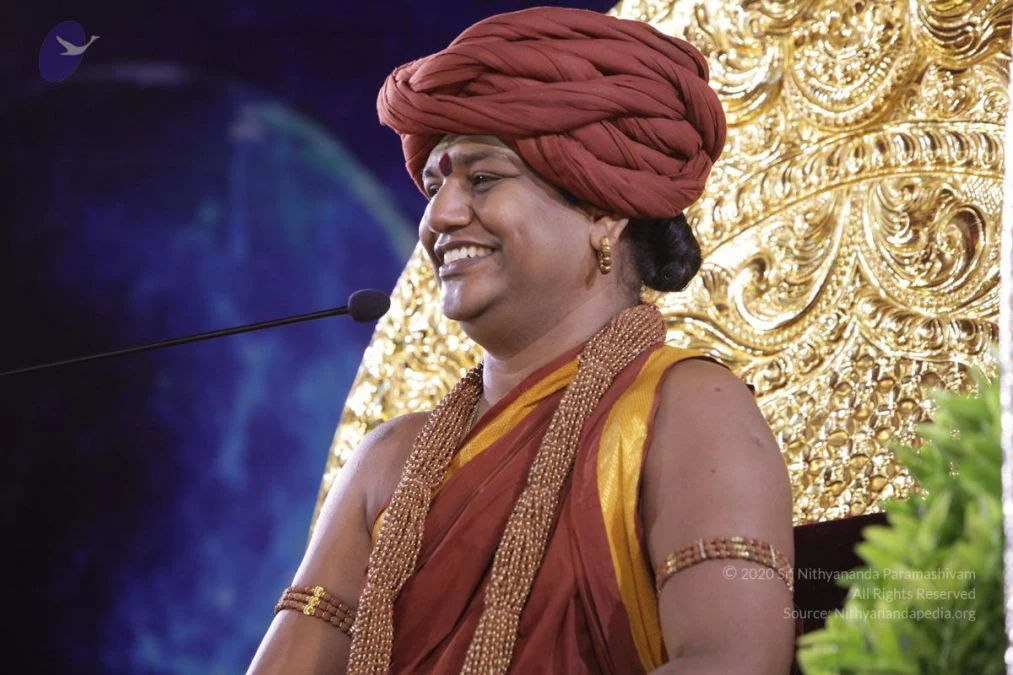
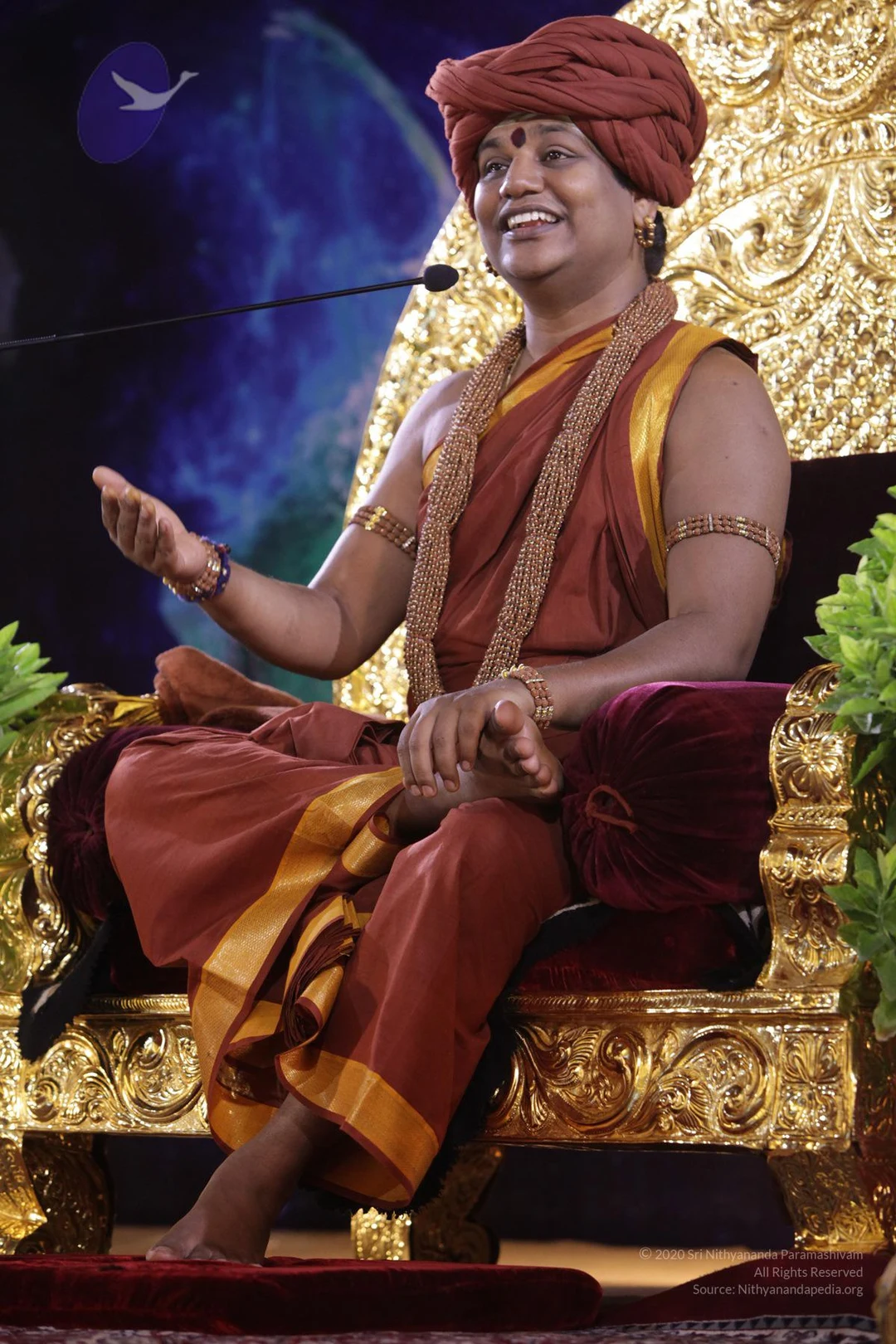
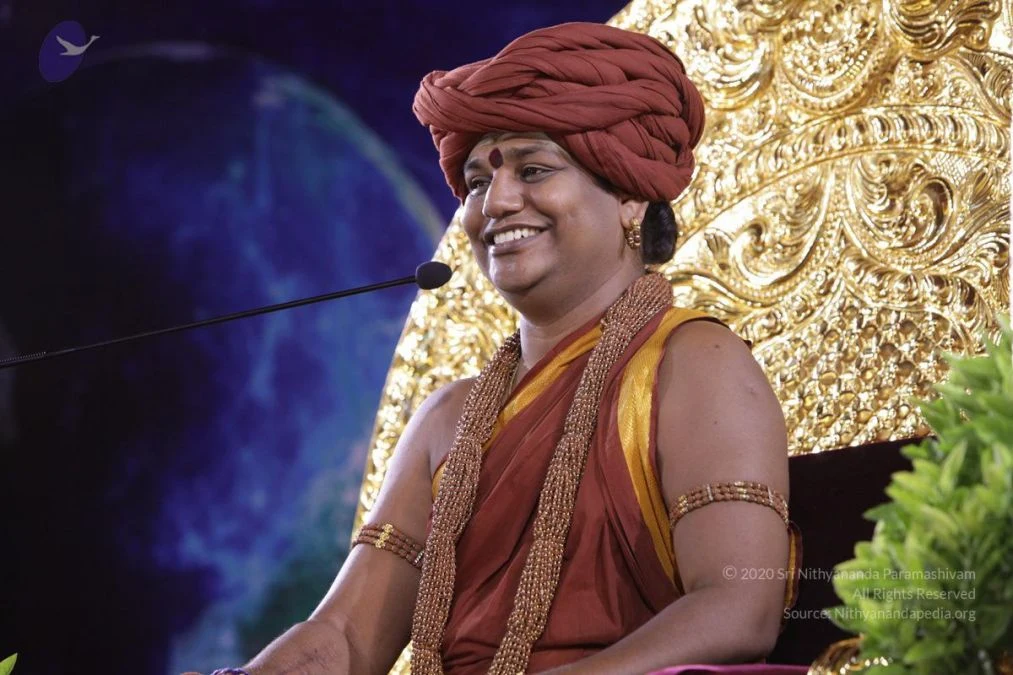
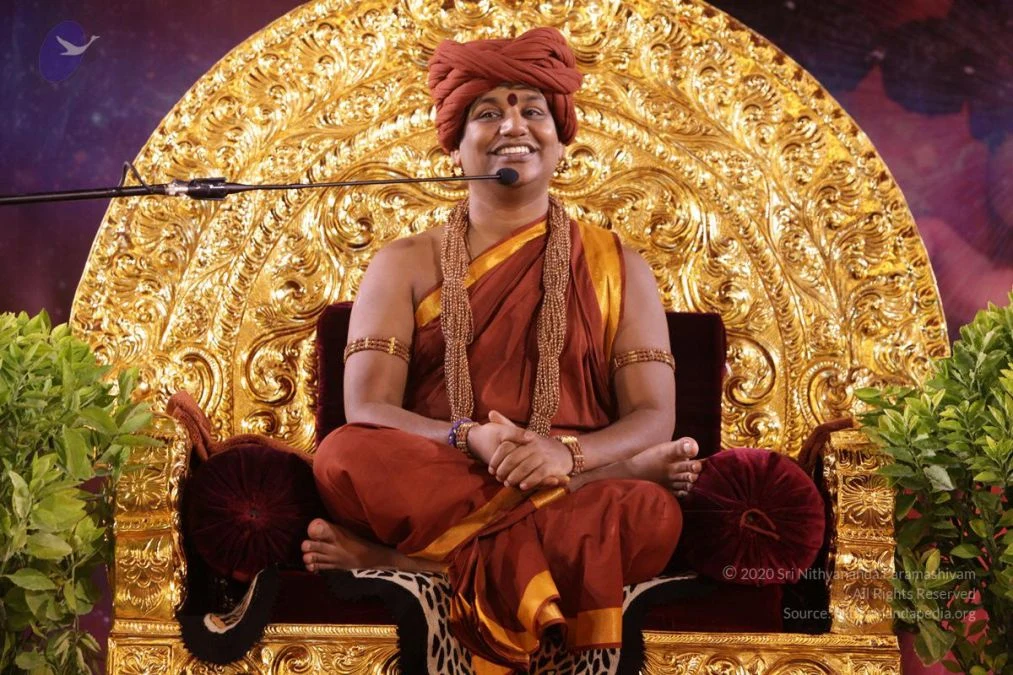
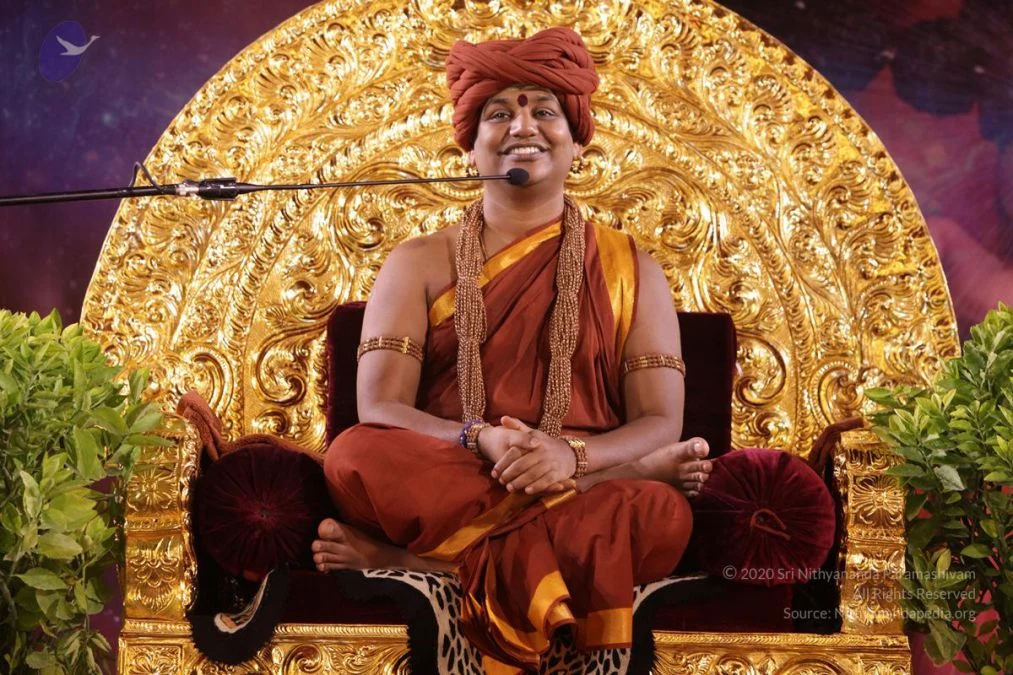
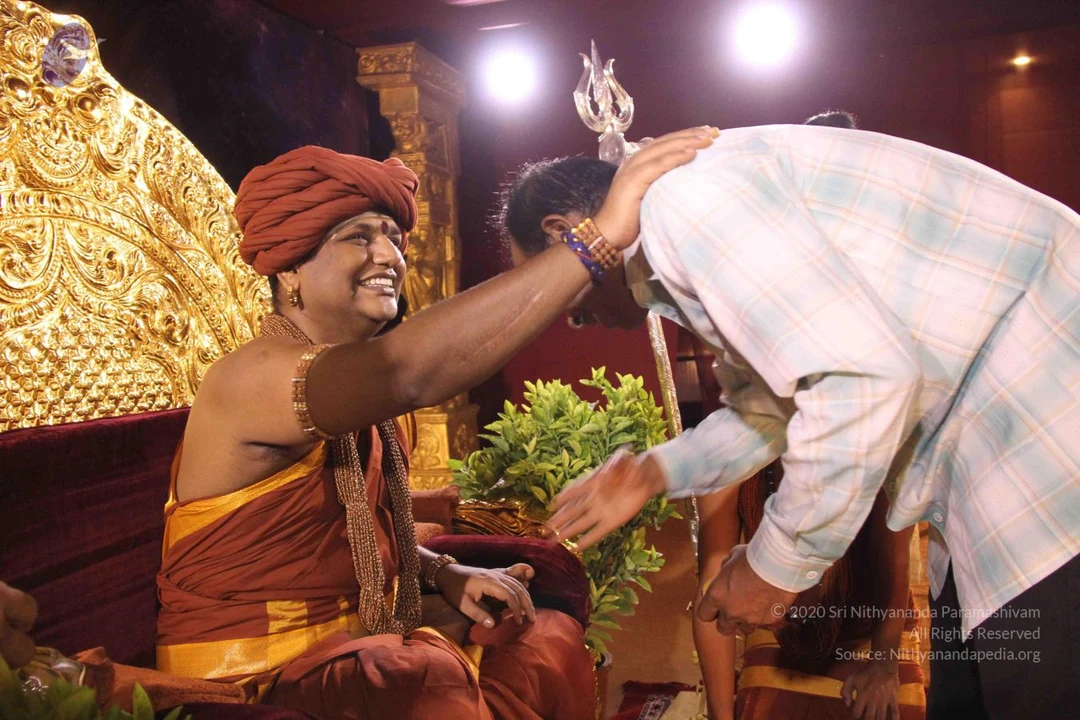
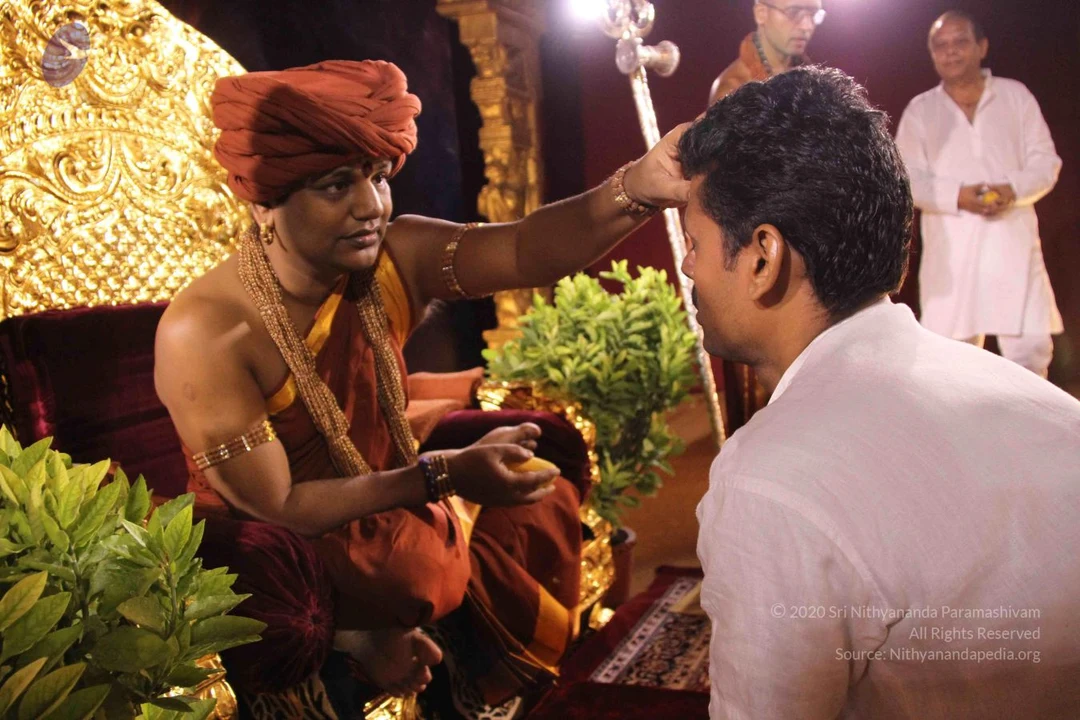
Photo-with swamiji
Photos Of The Day:
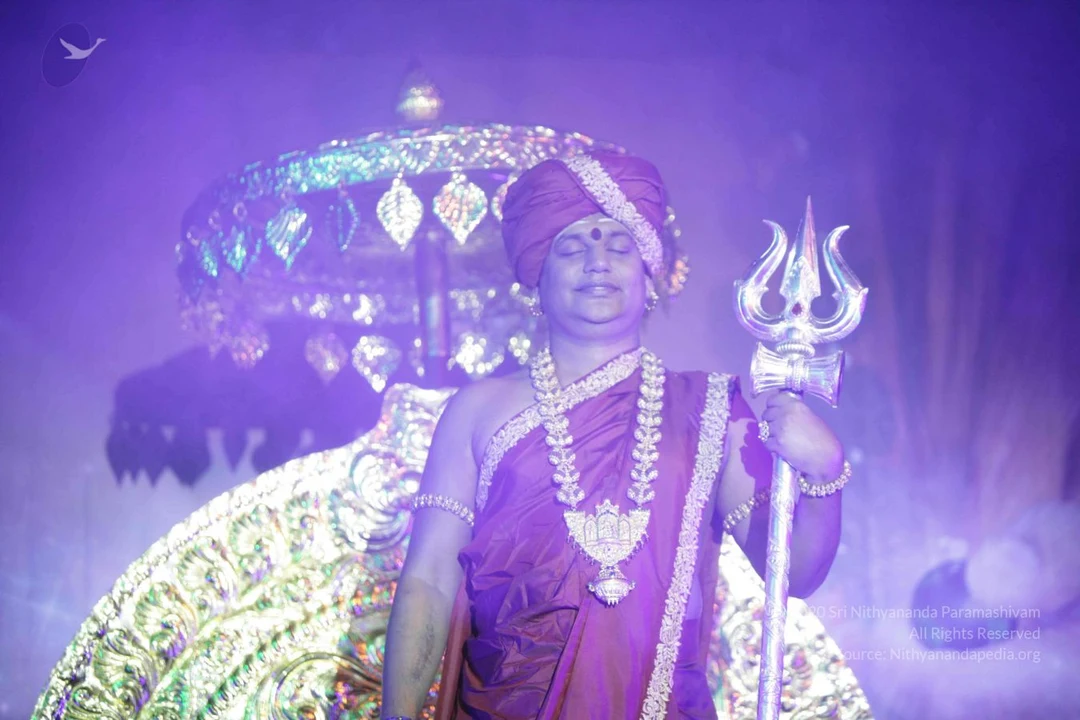
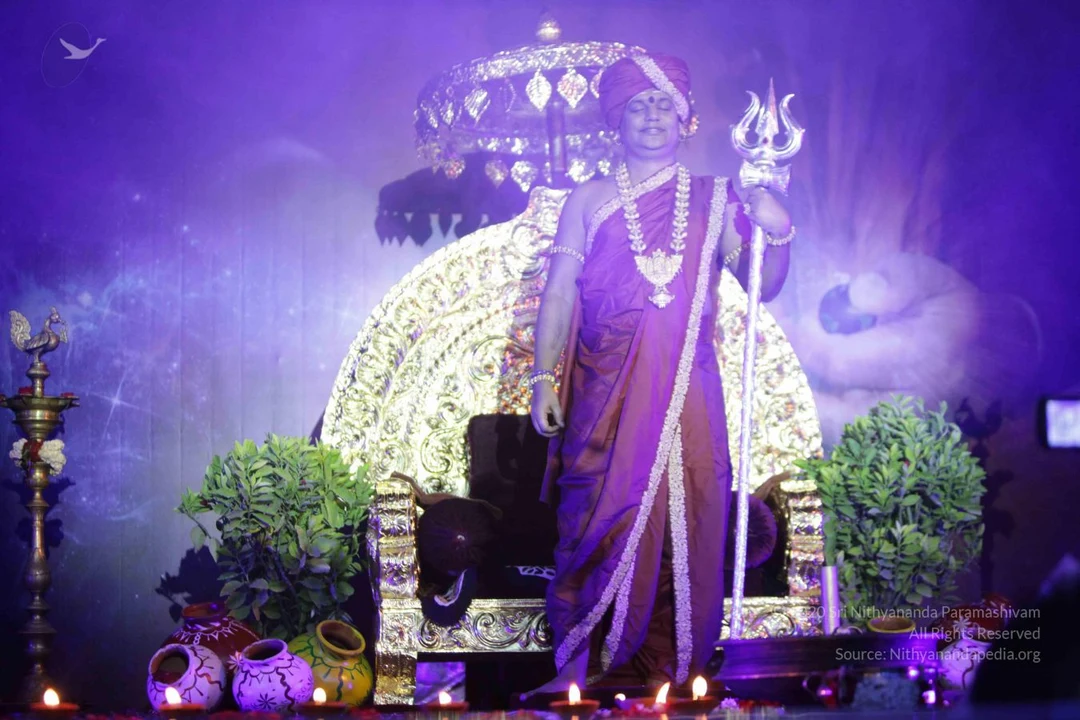
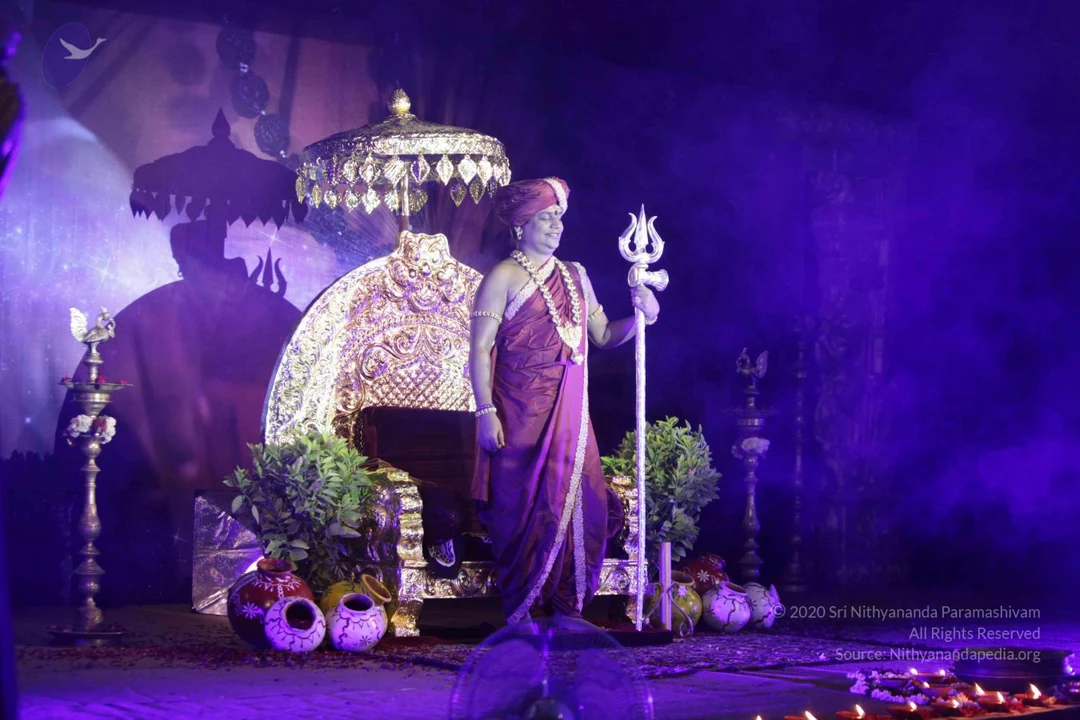
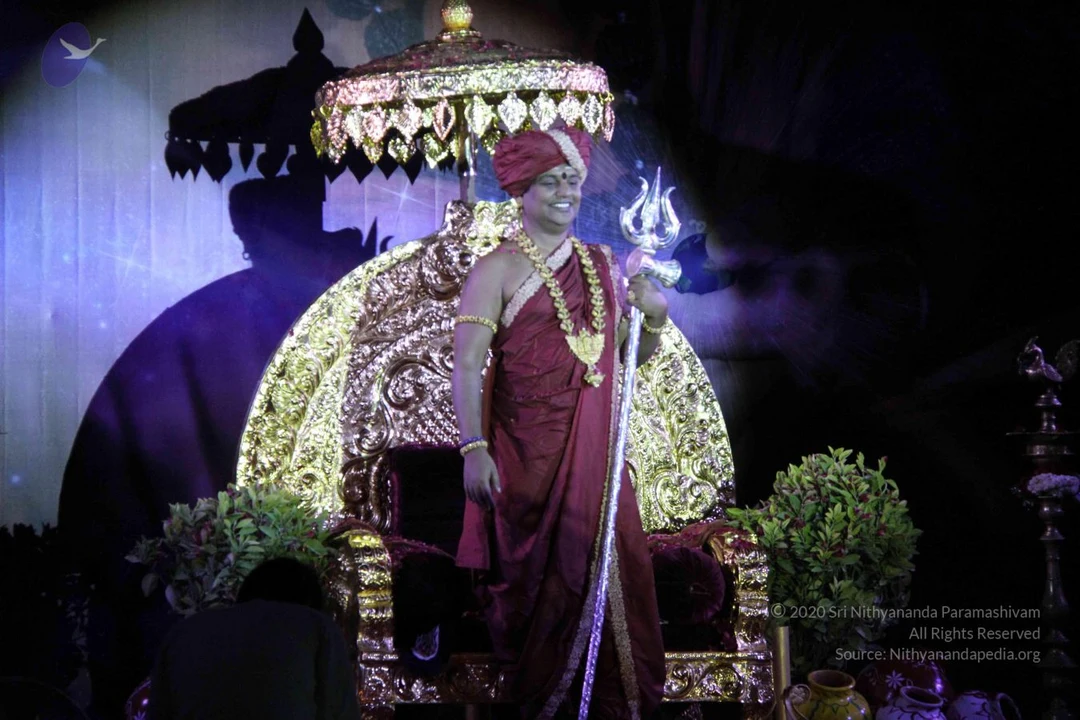
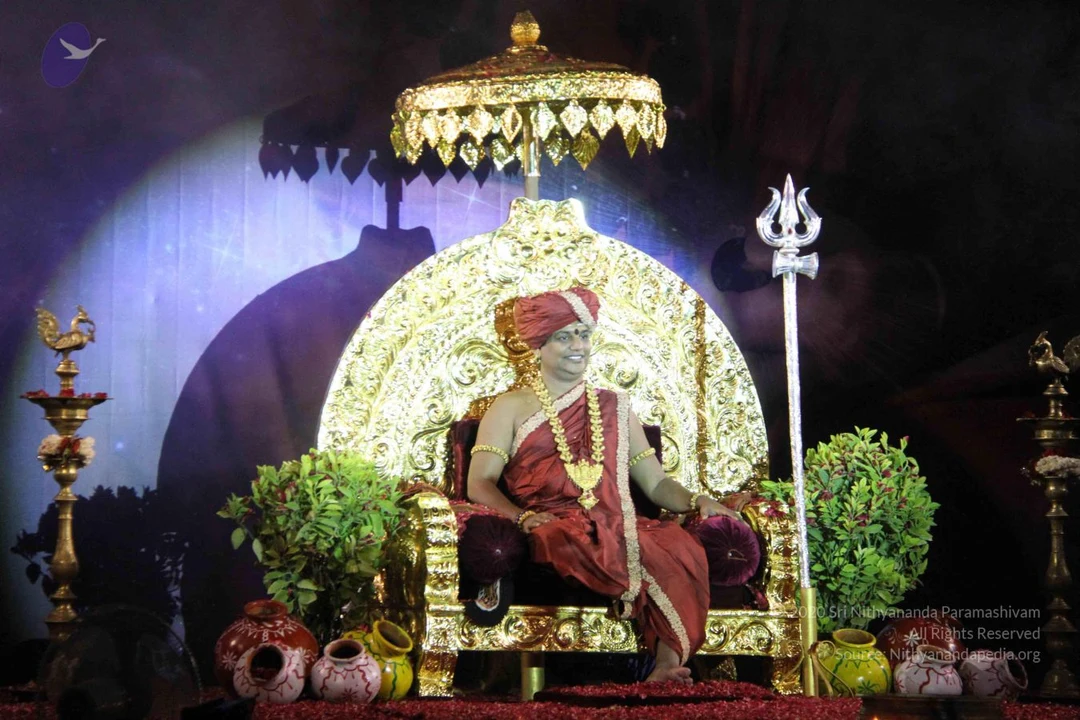
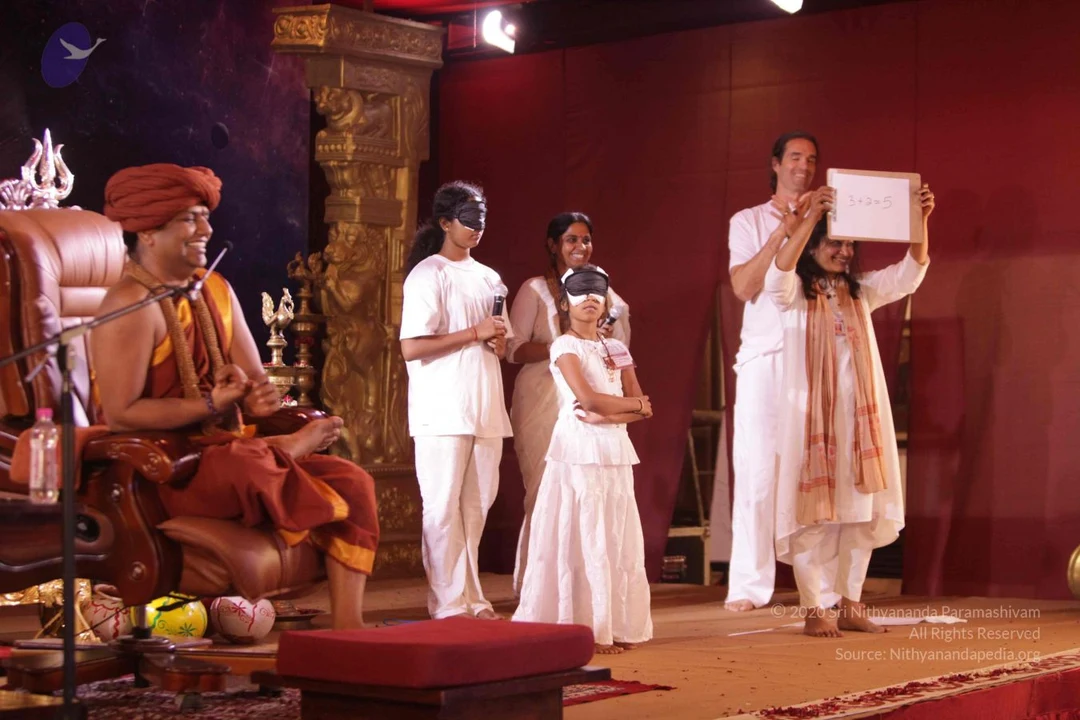
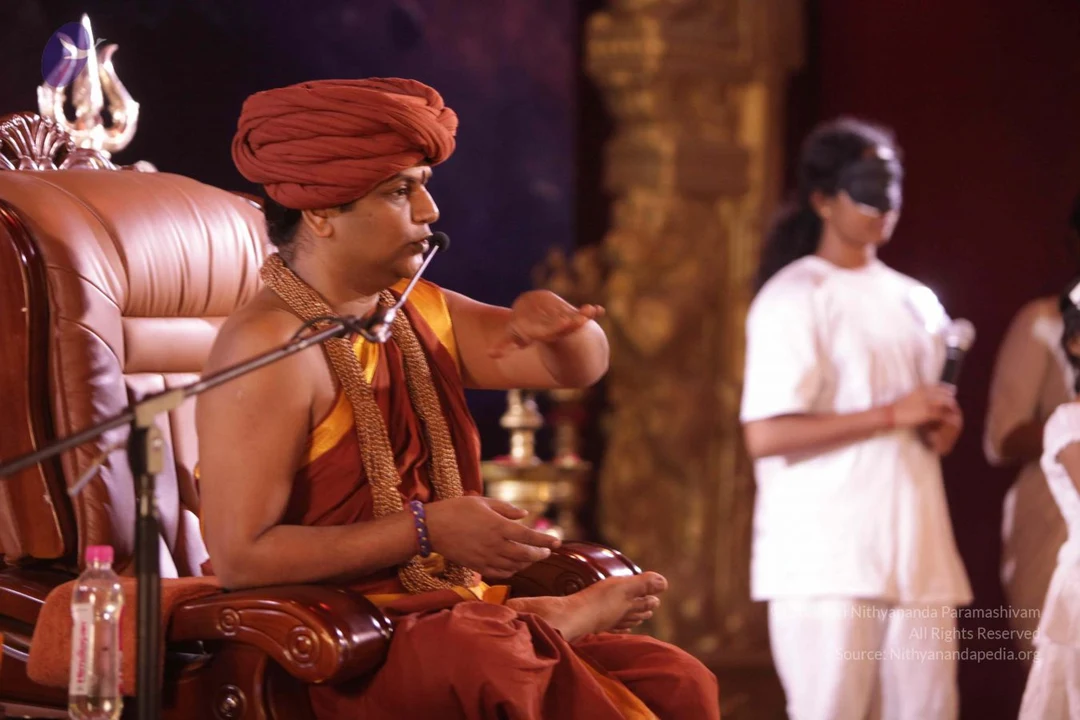
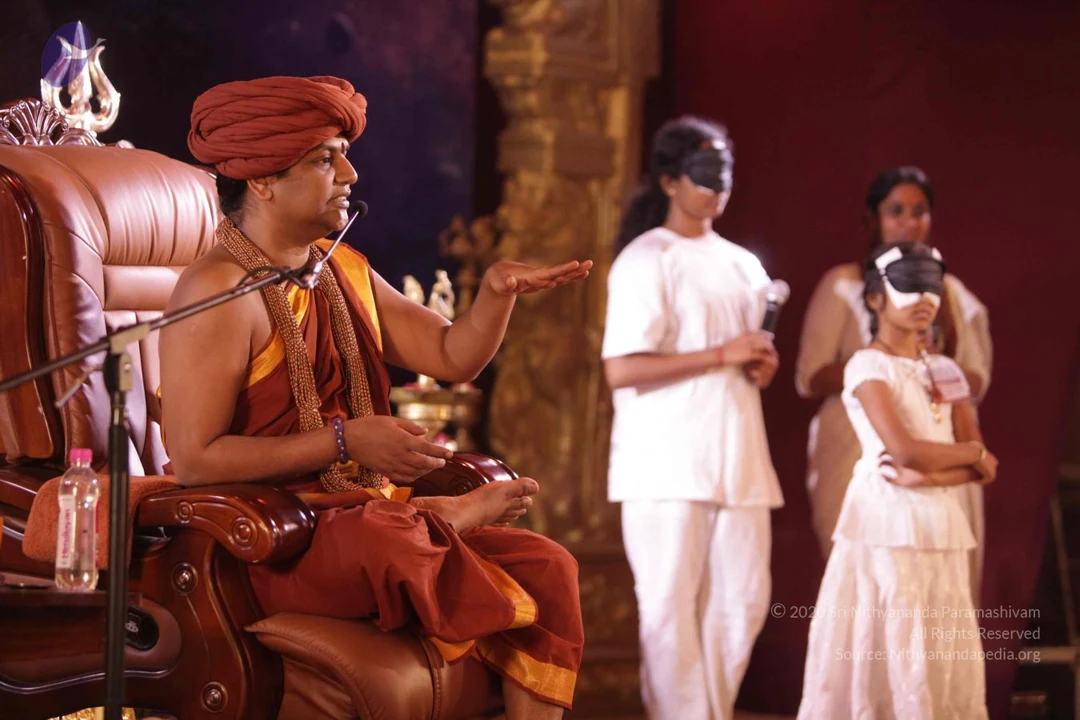
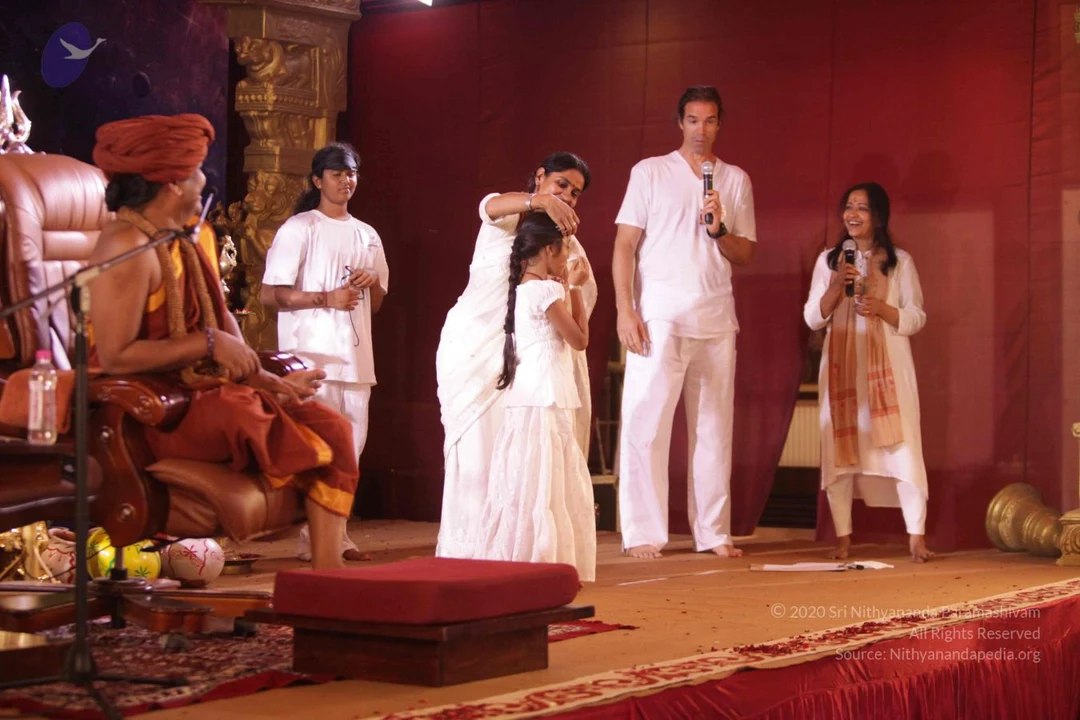
Intro-IASession
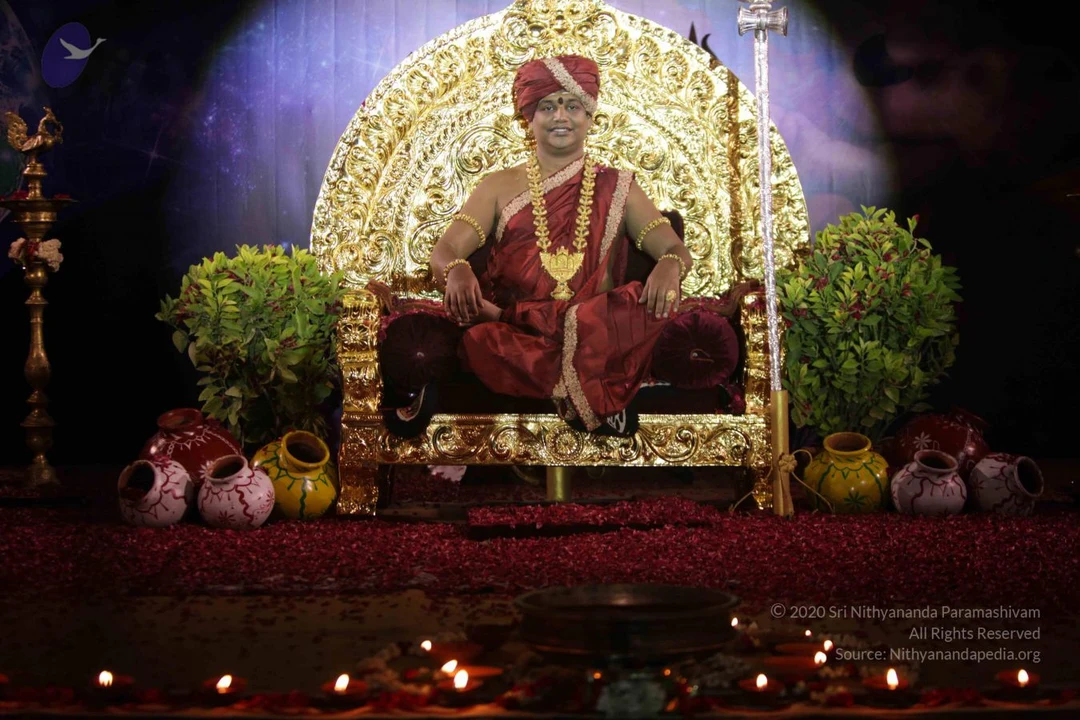
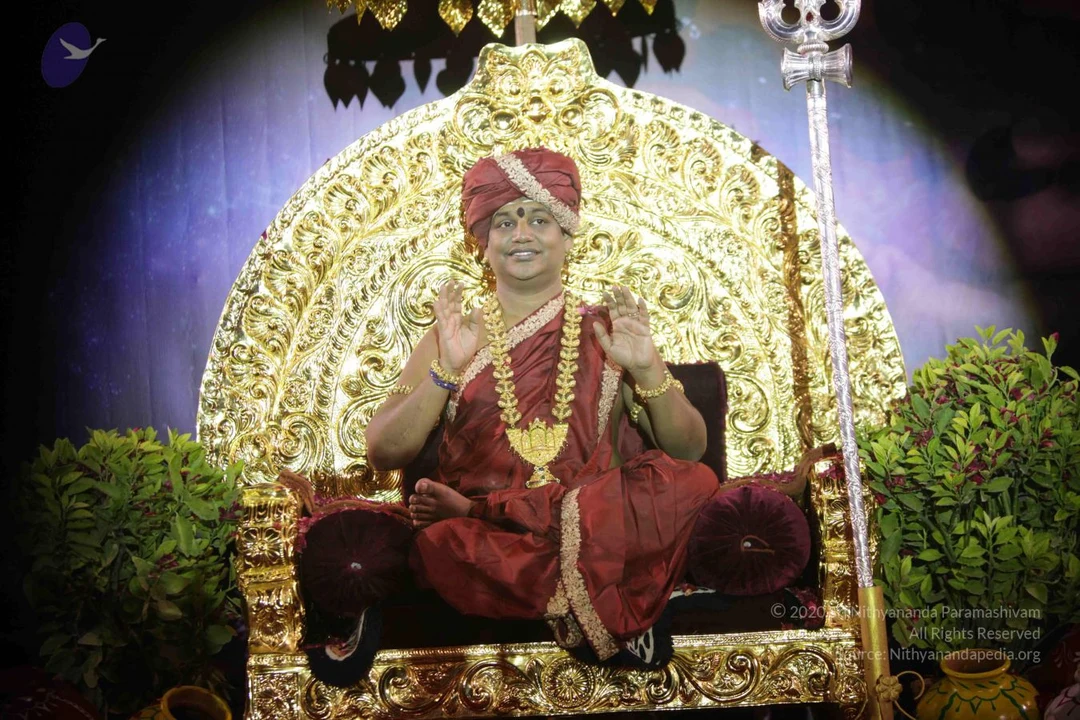
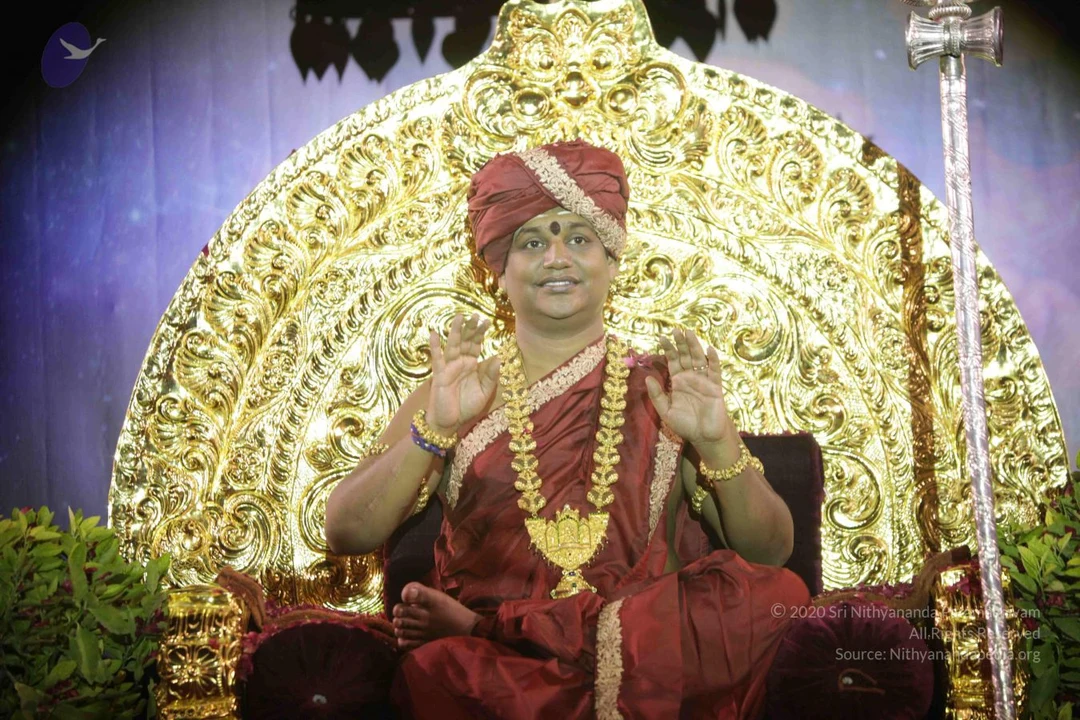
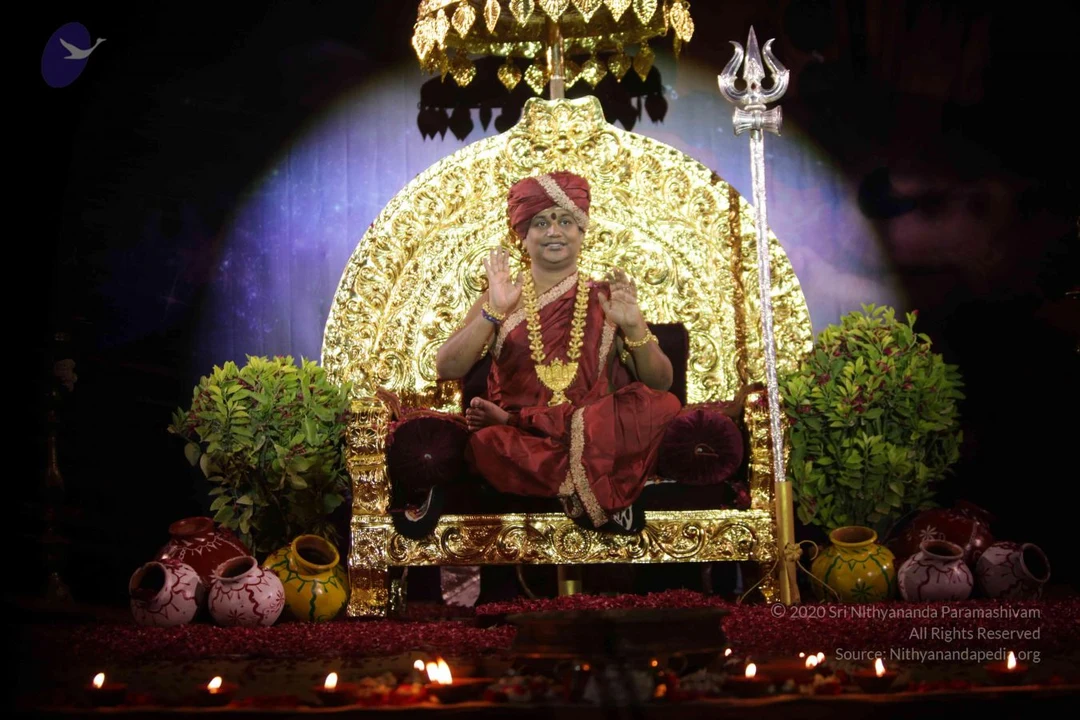












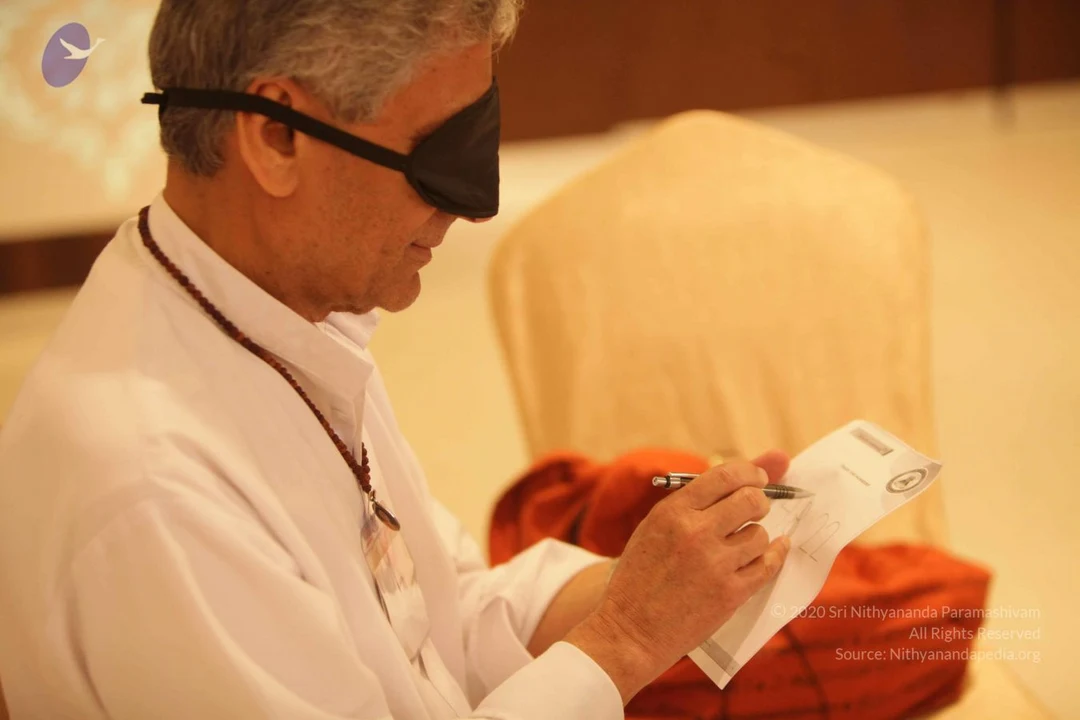
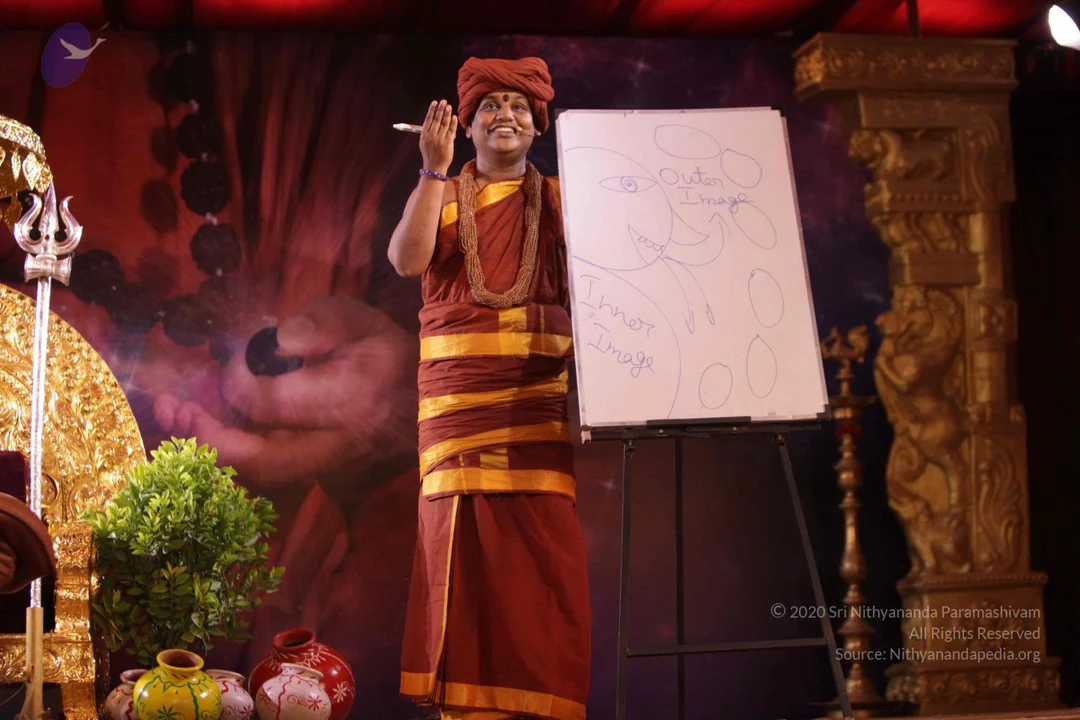
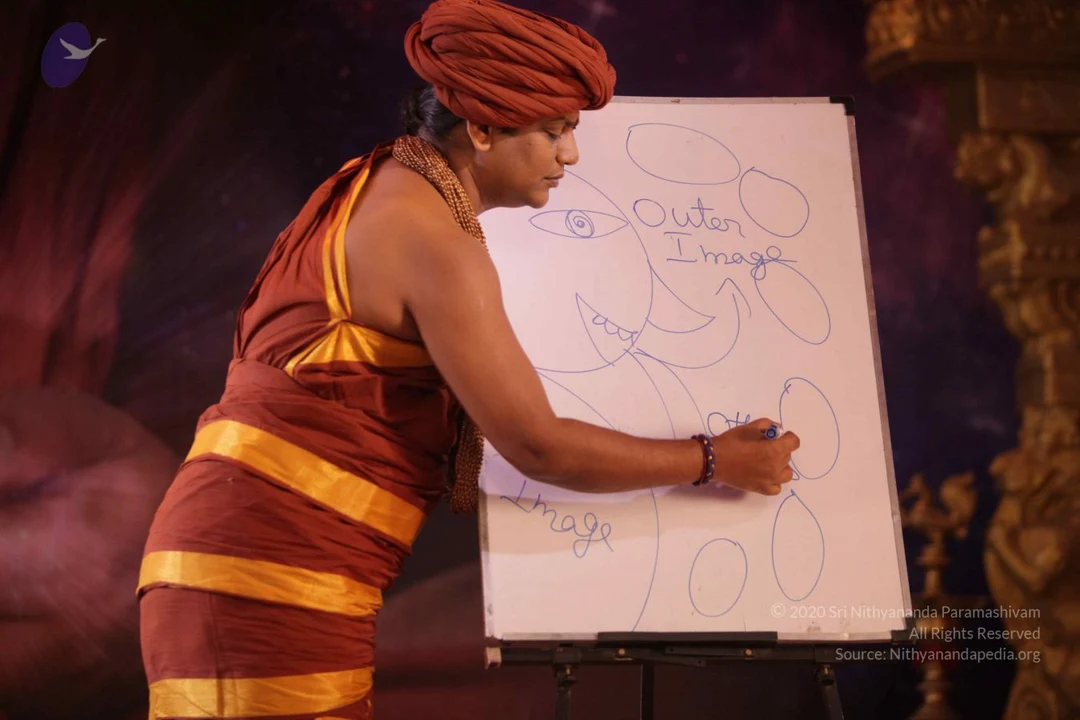
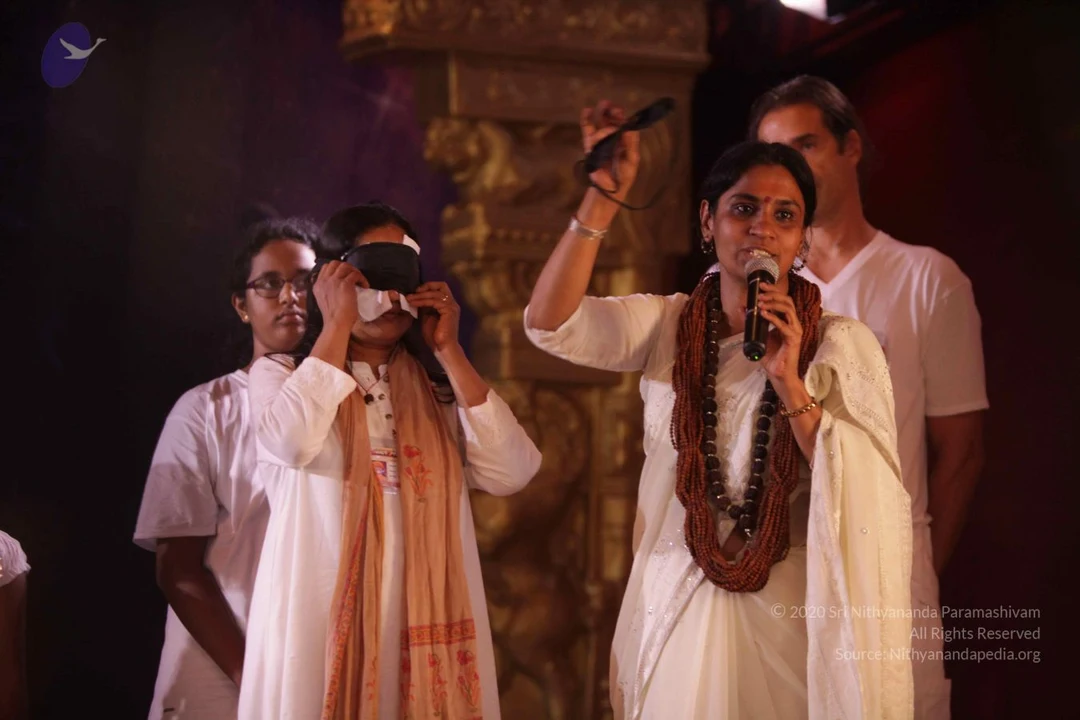
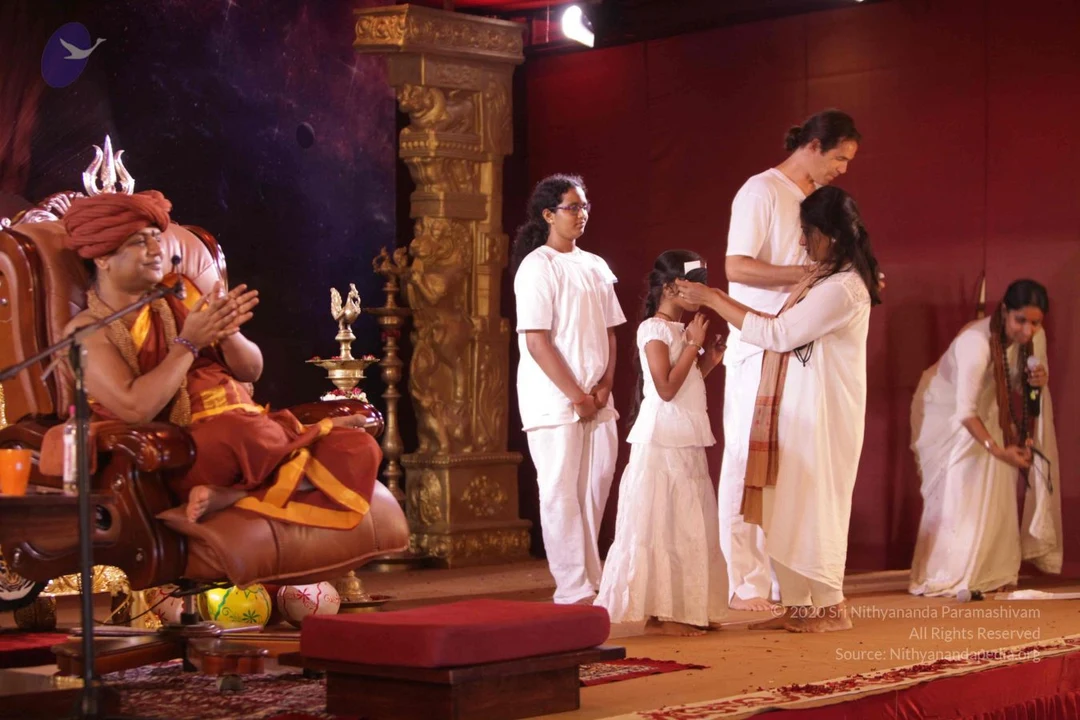
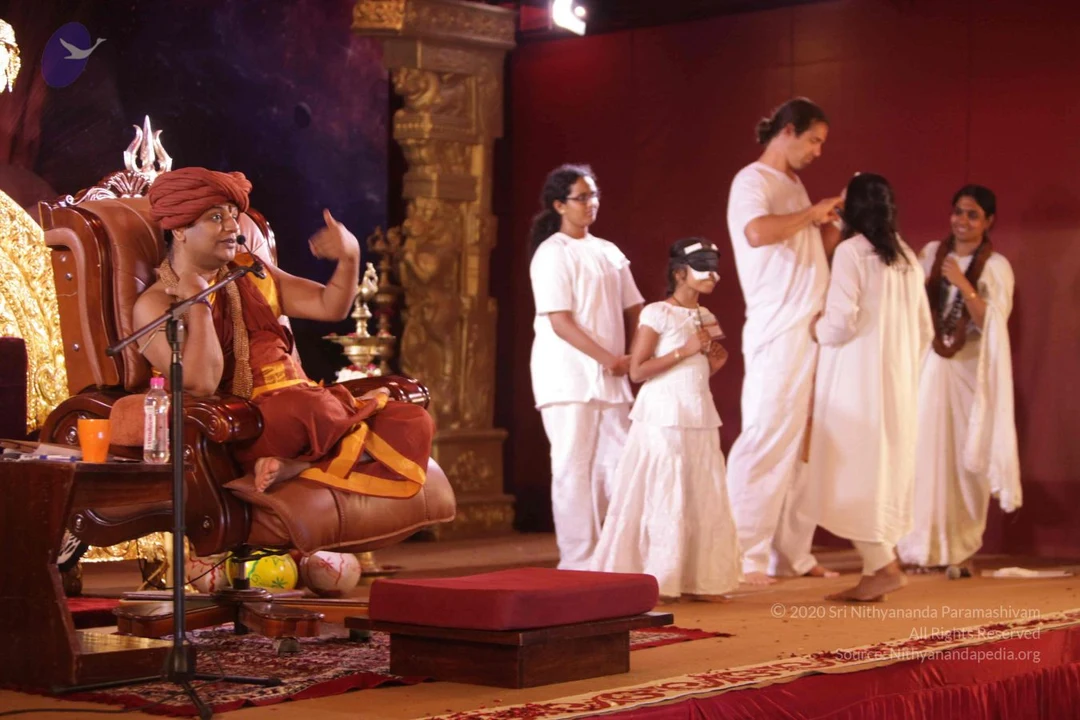
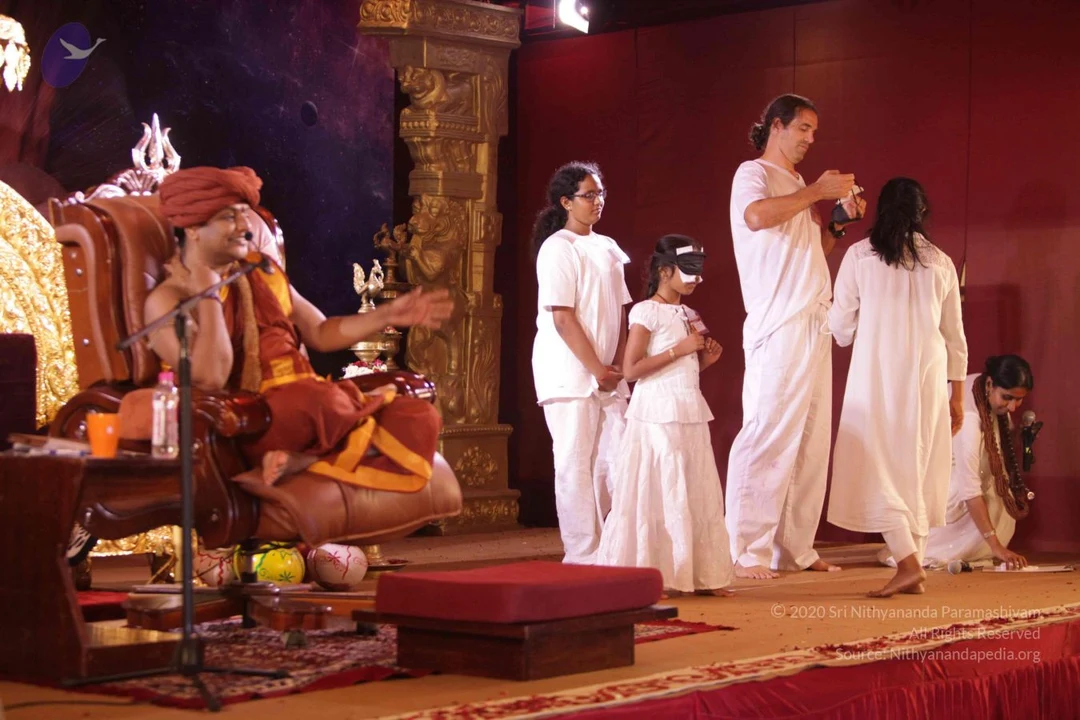
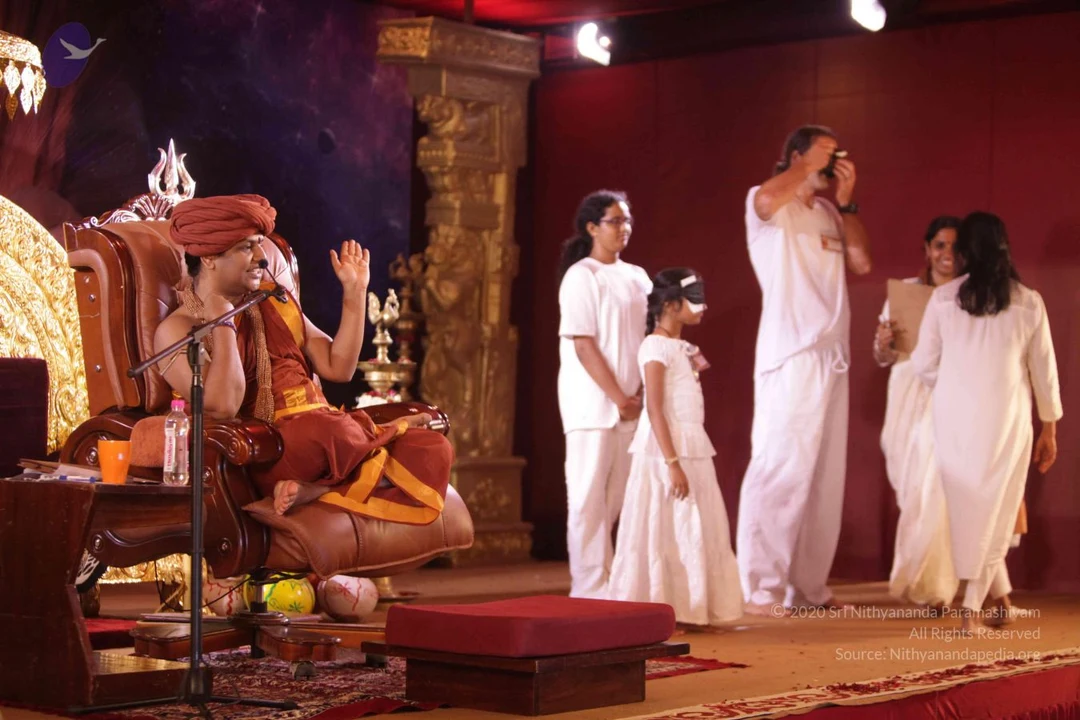
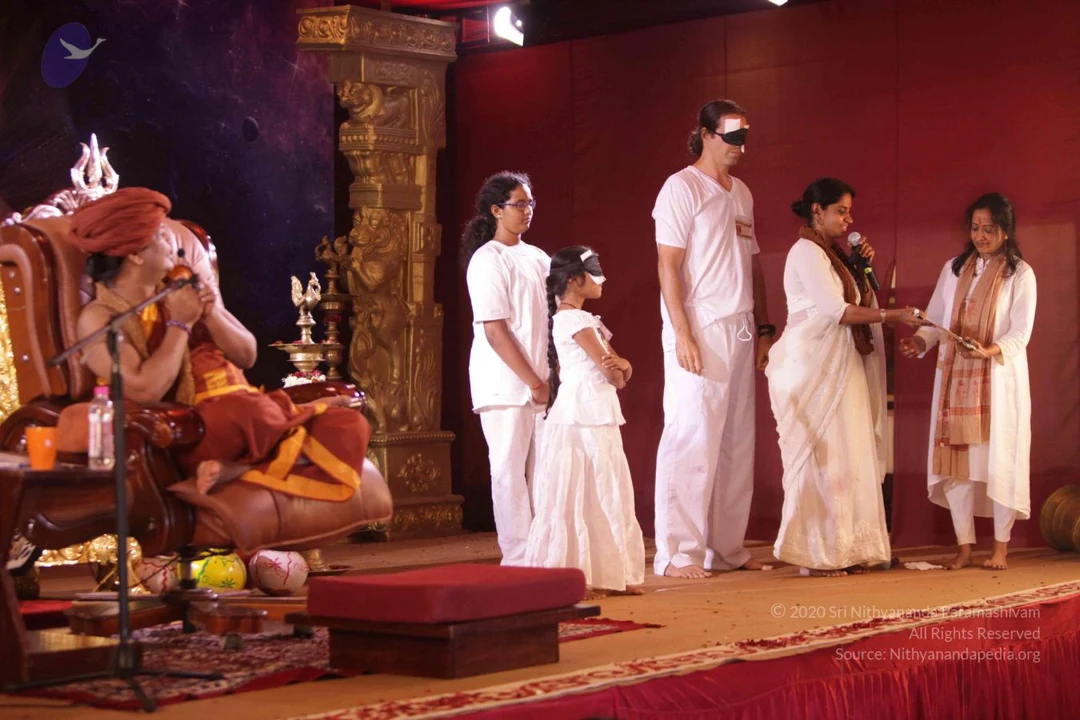
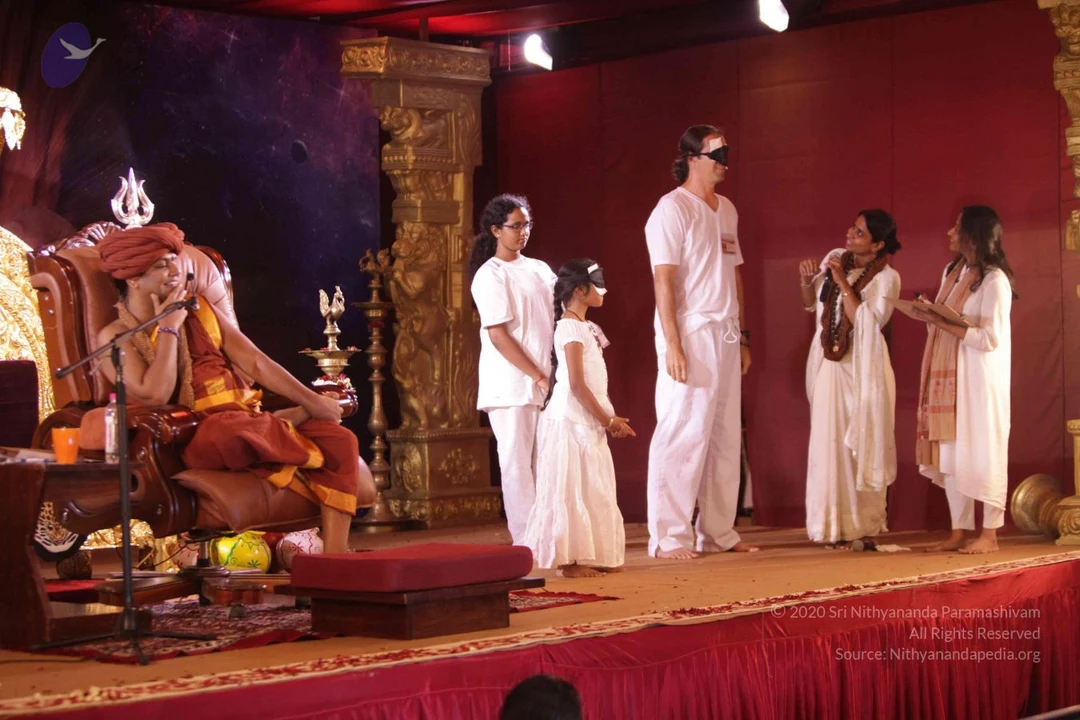
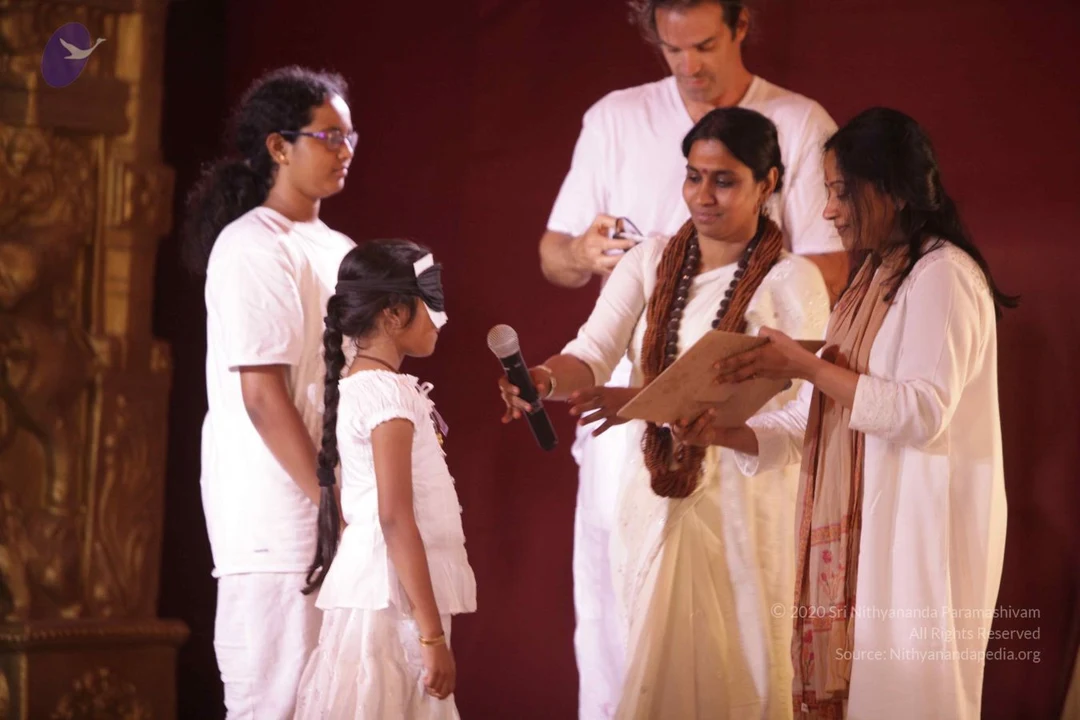
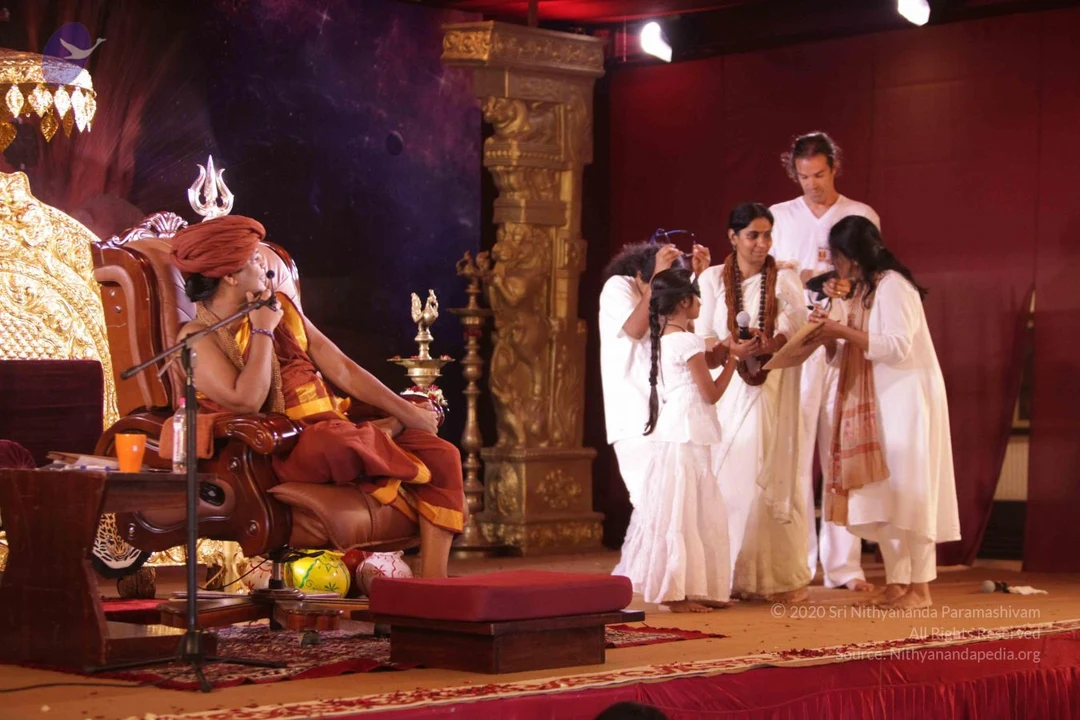
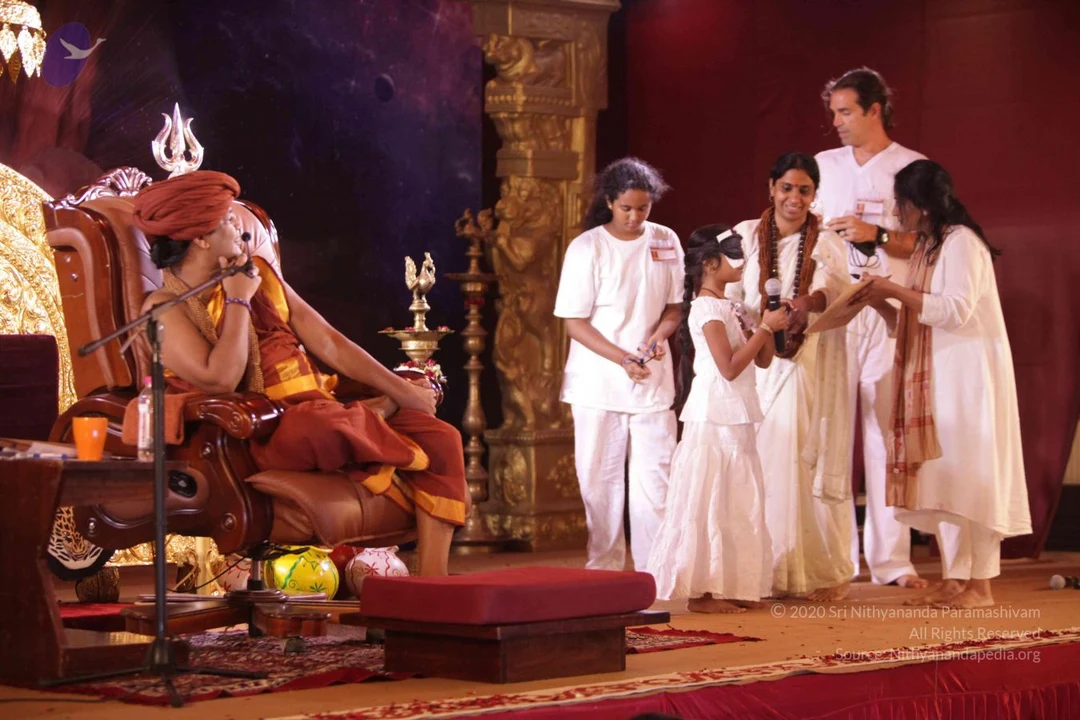
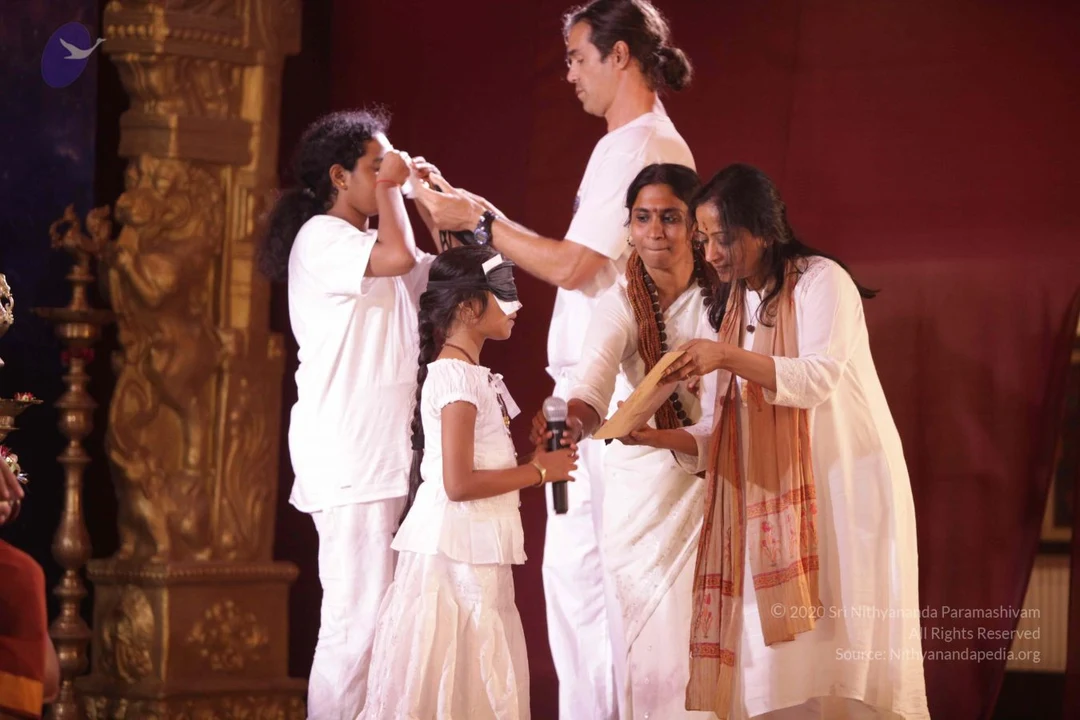
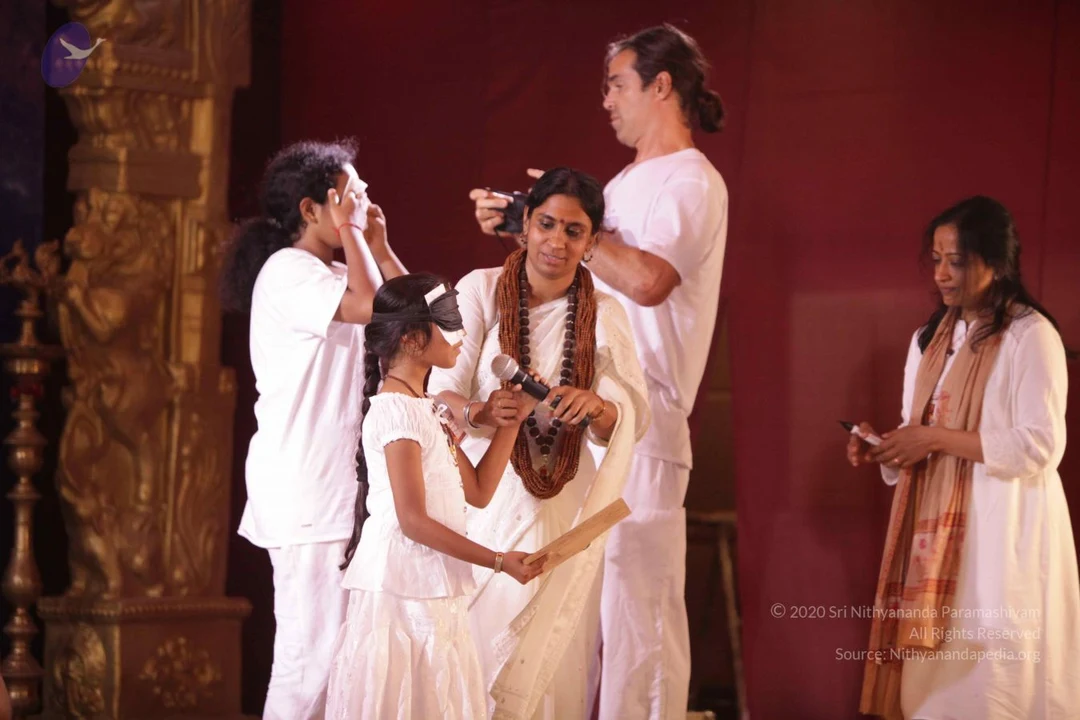
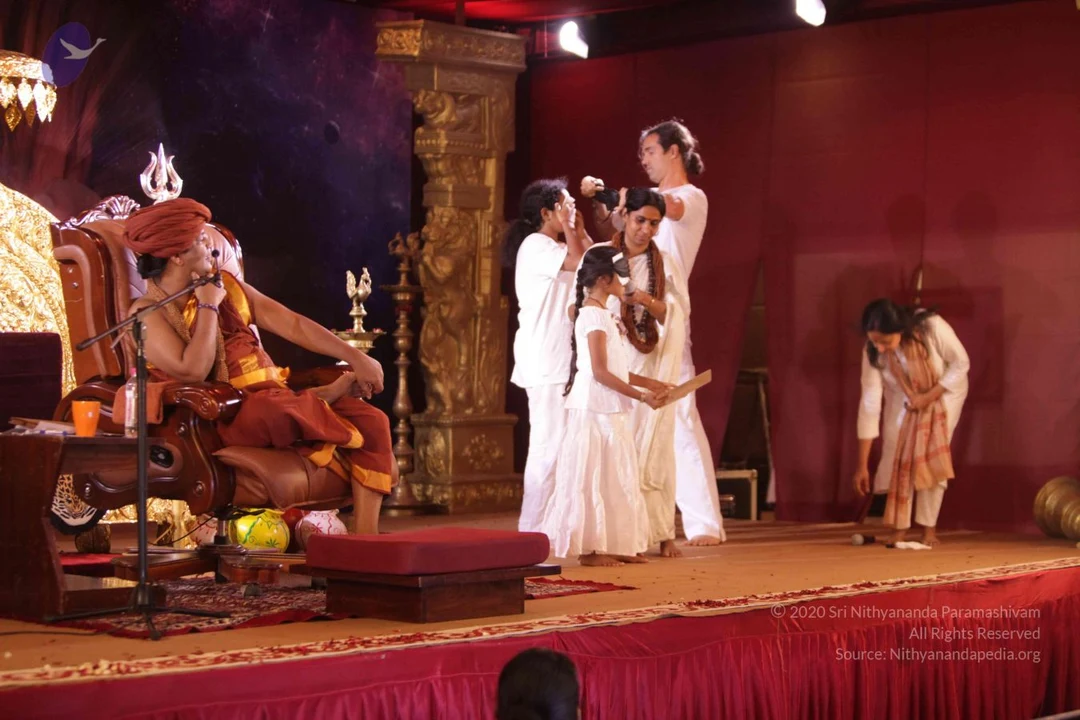
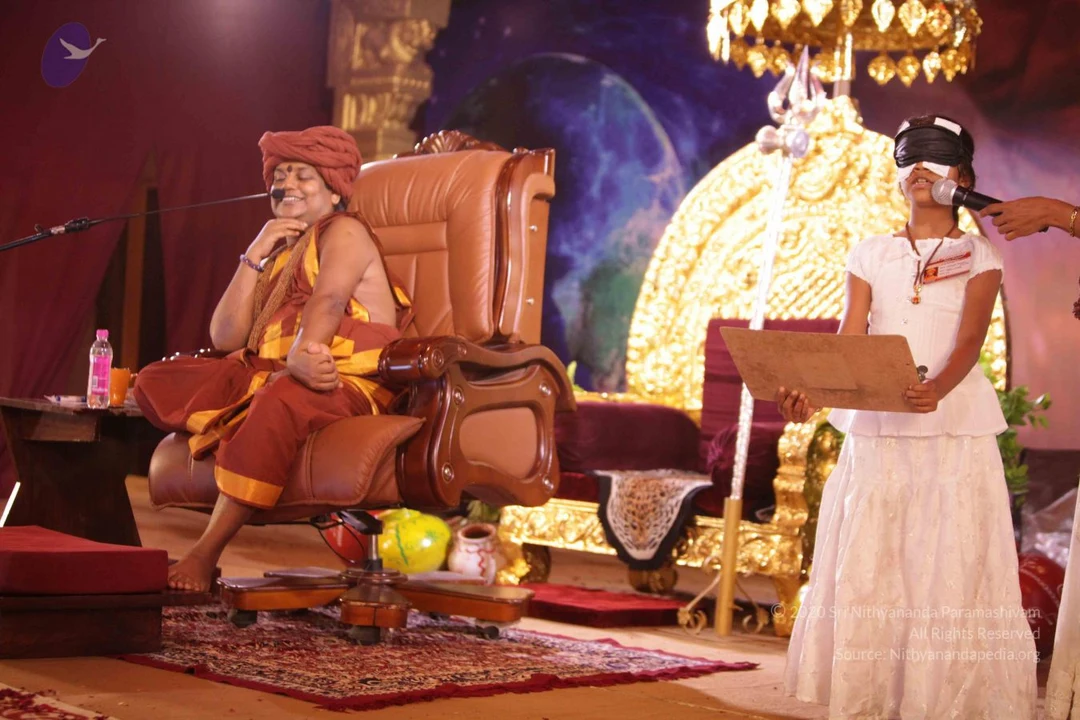
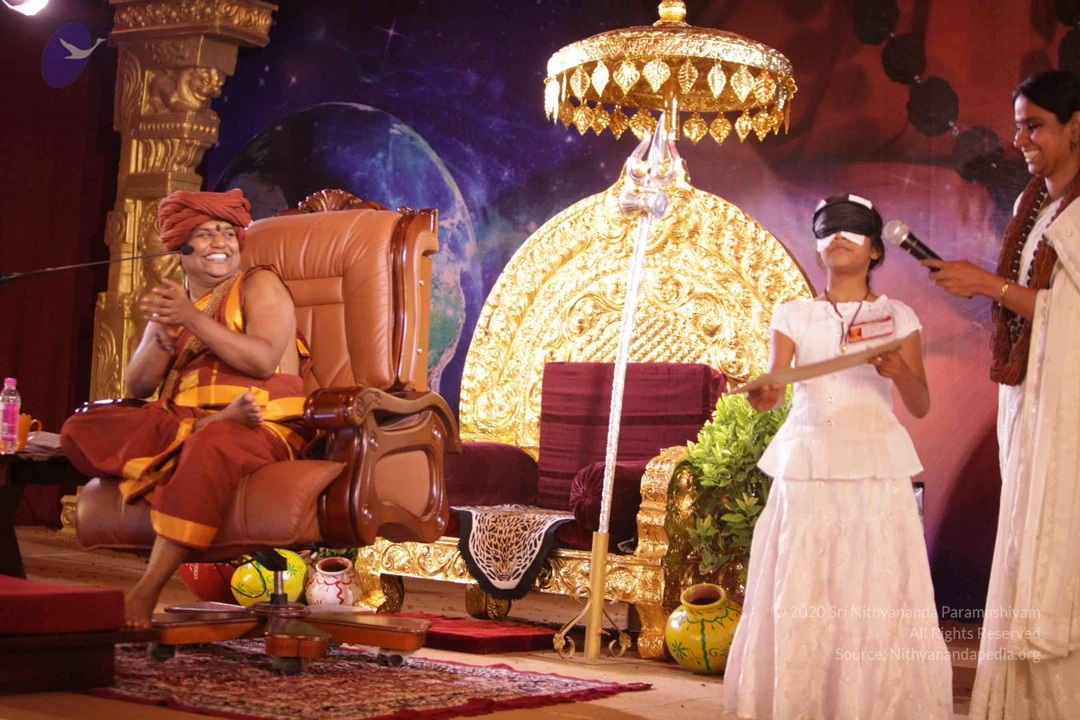
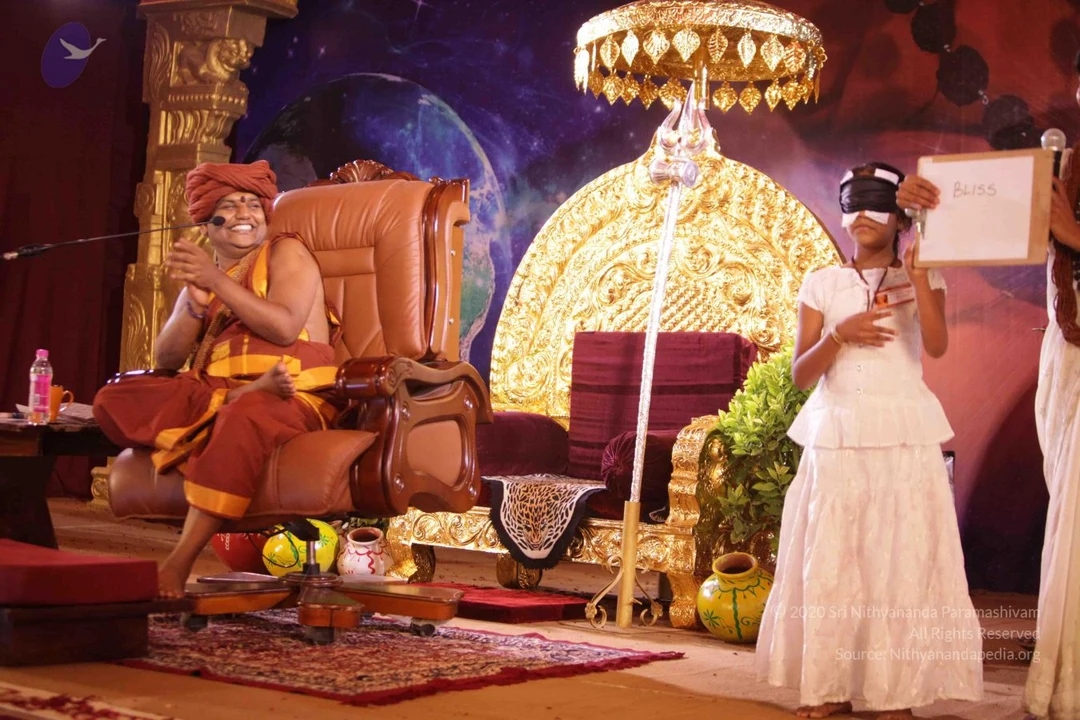
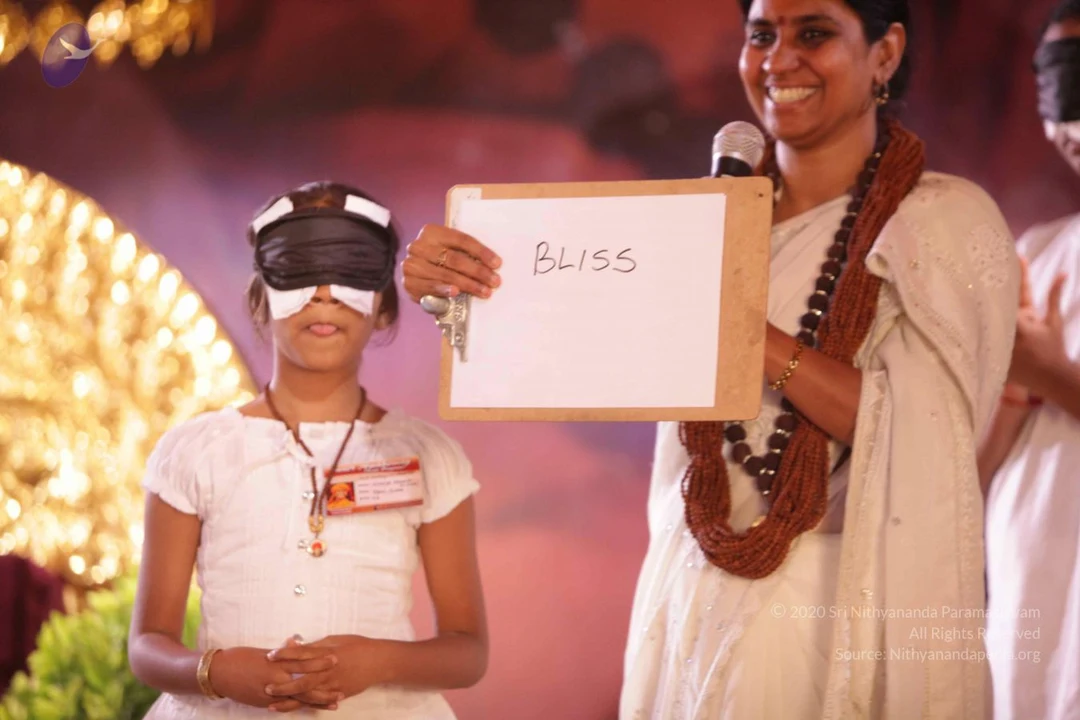
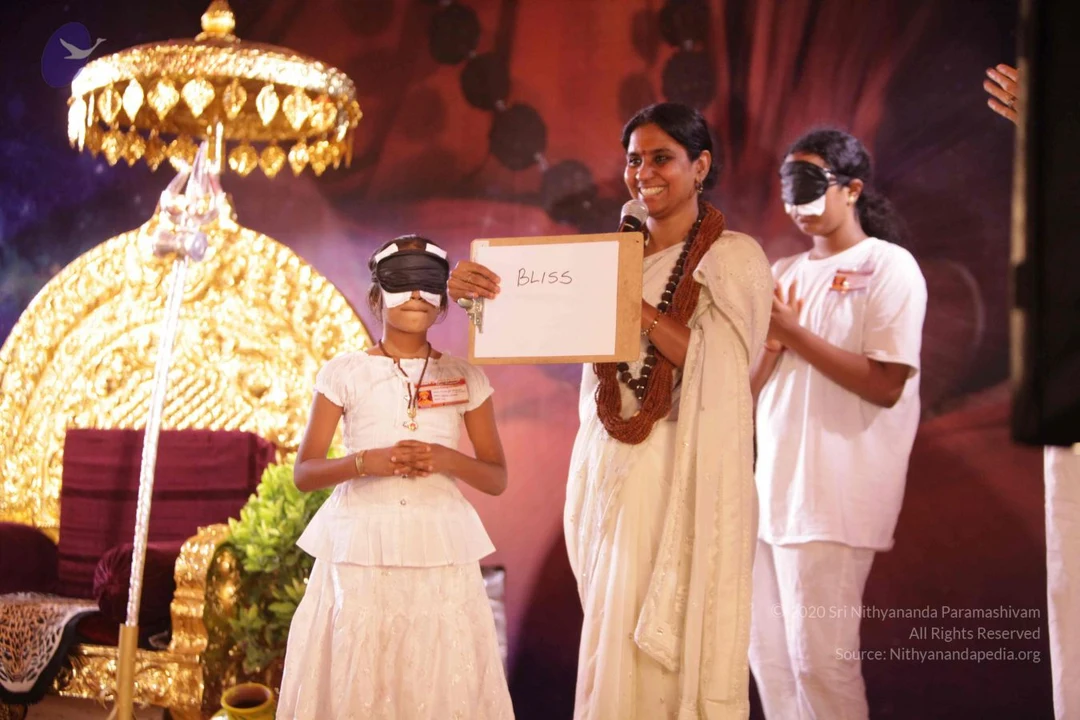
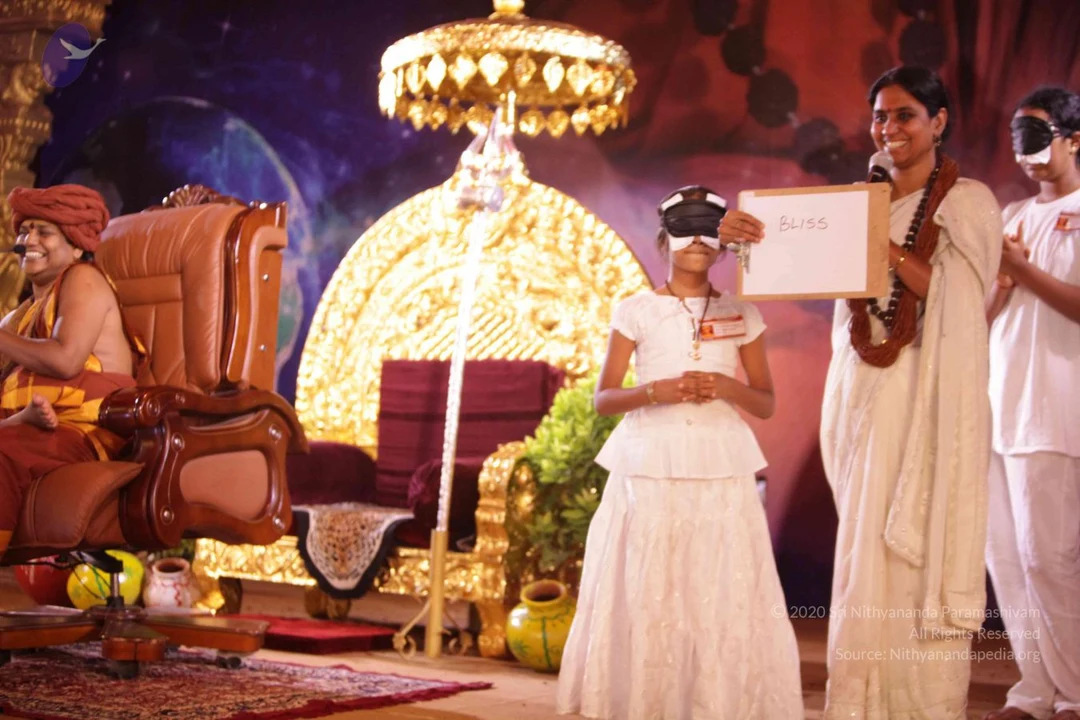
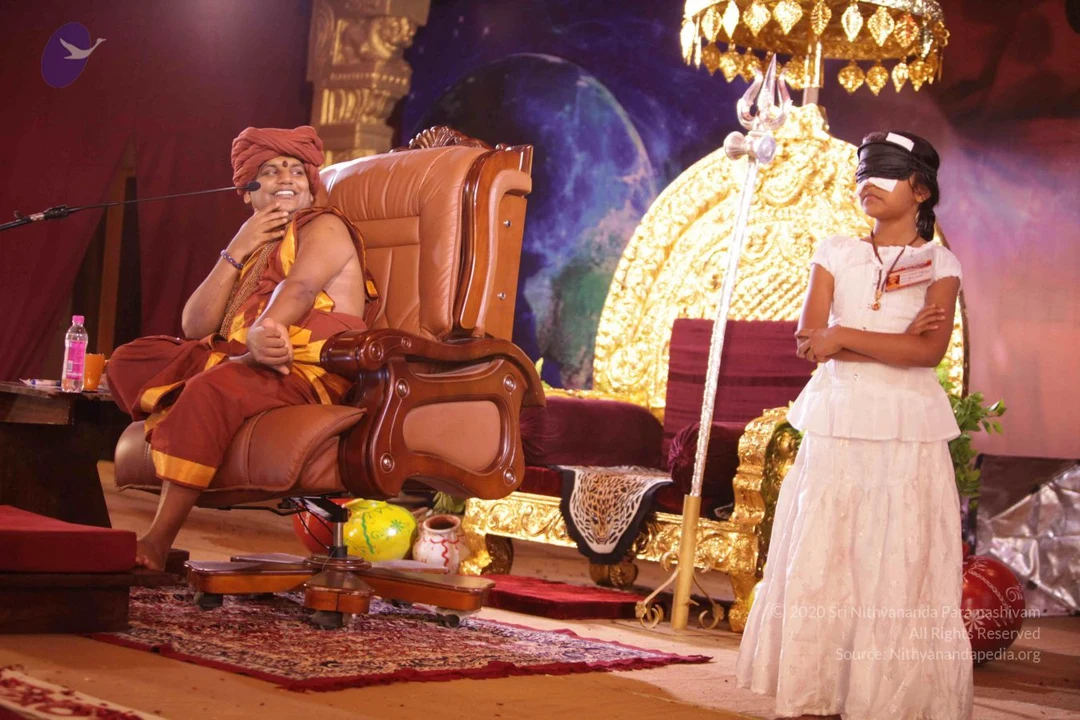
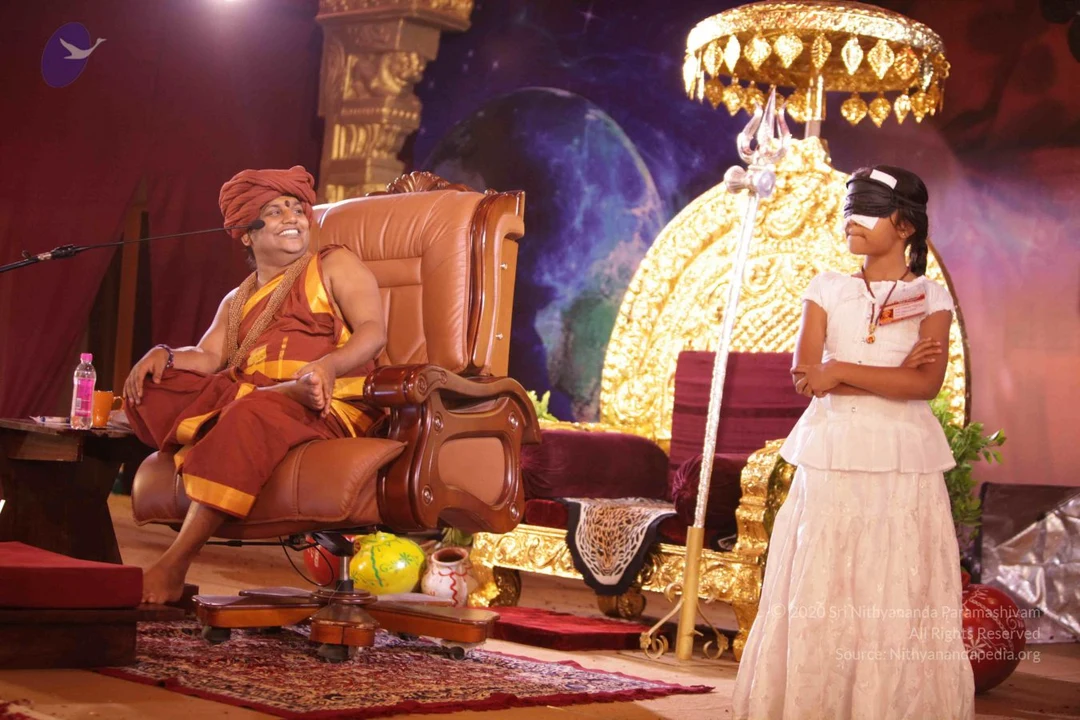
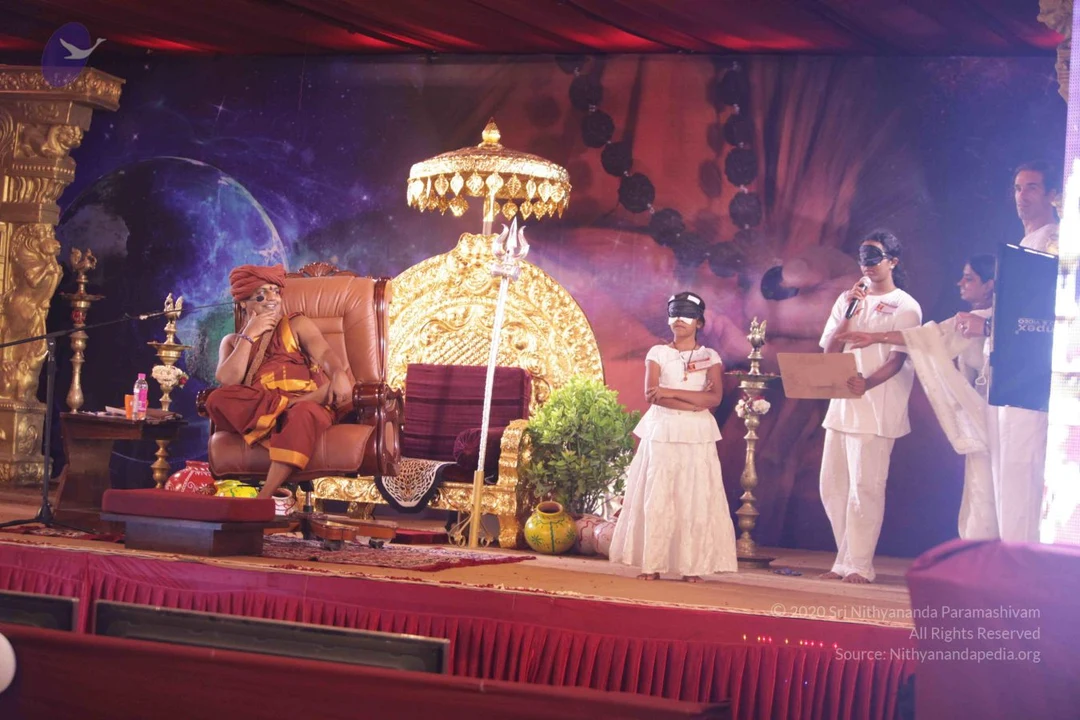
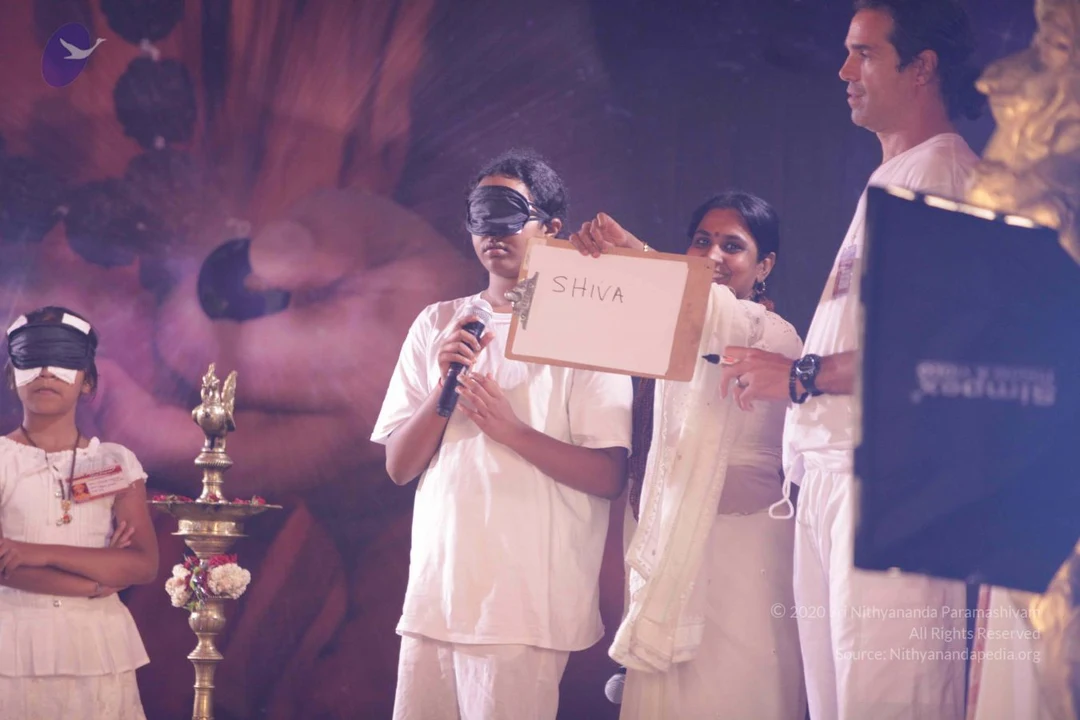
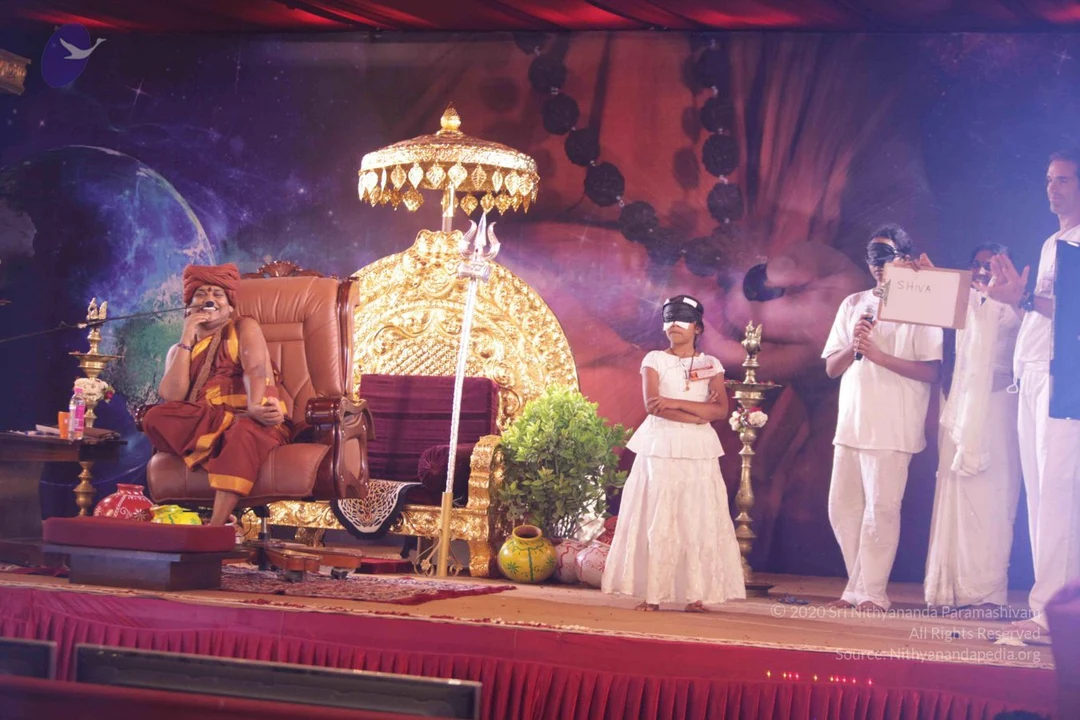
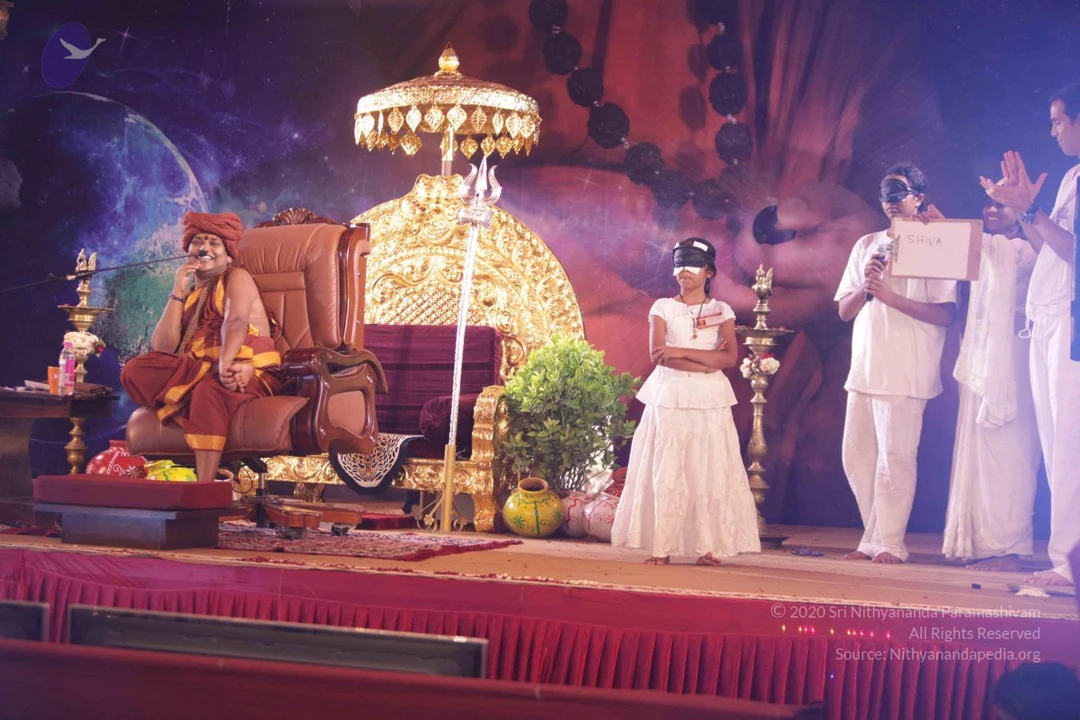
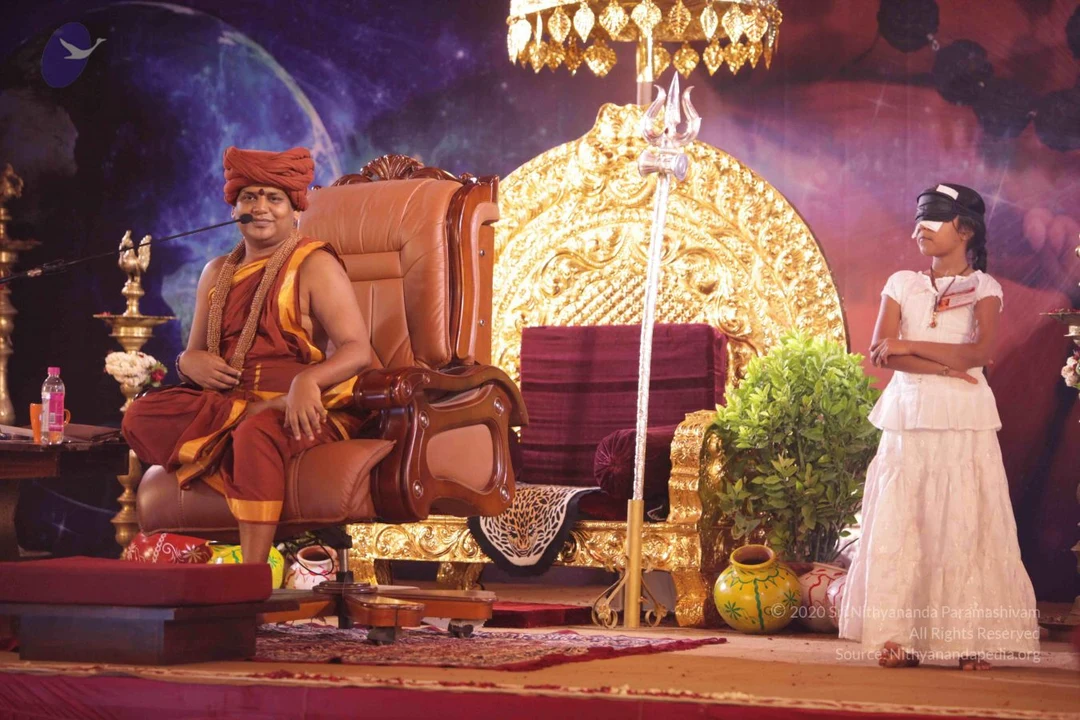
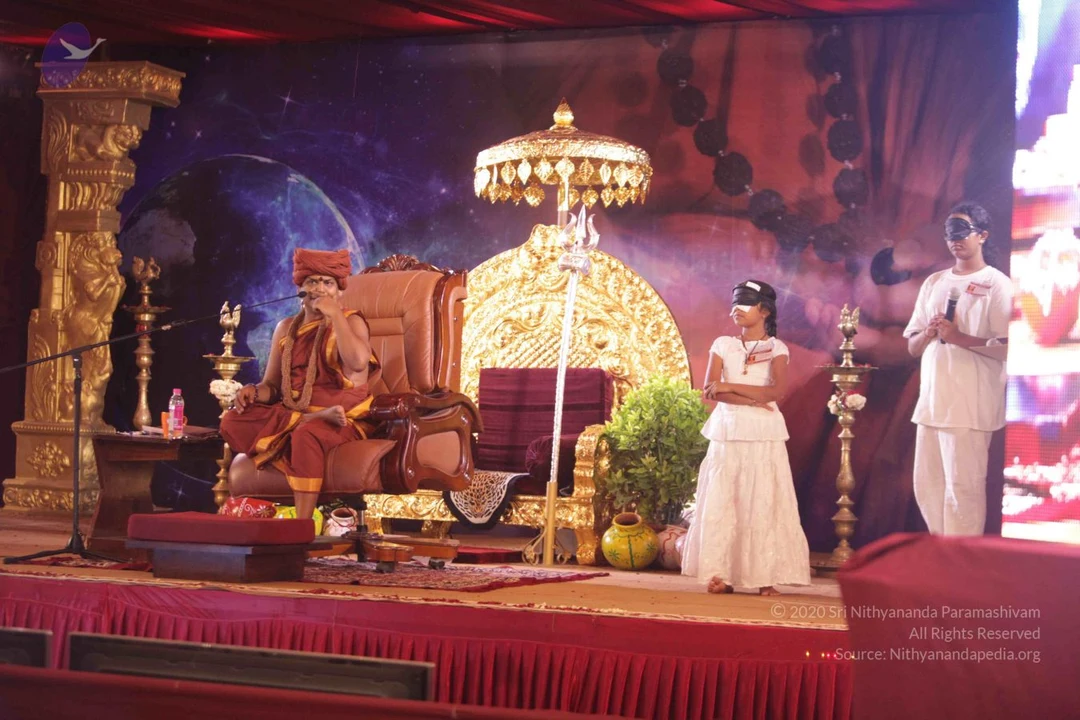
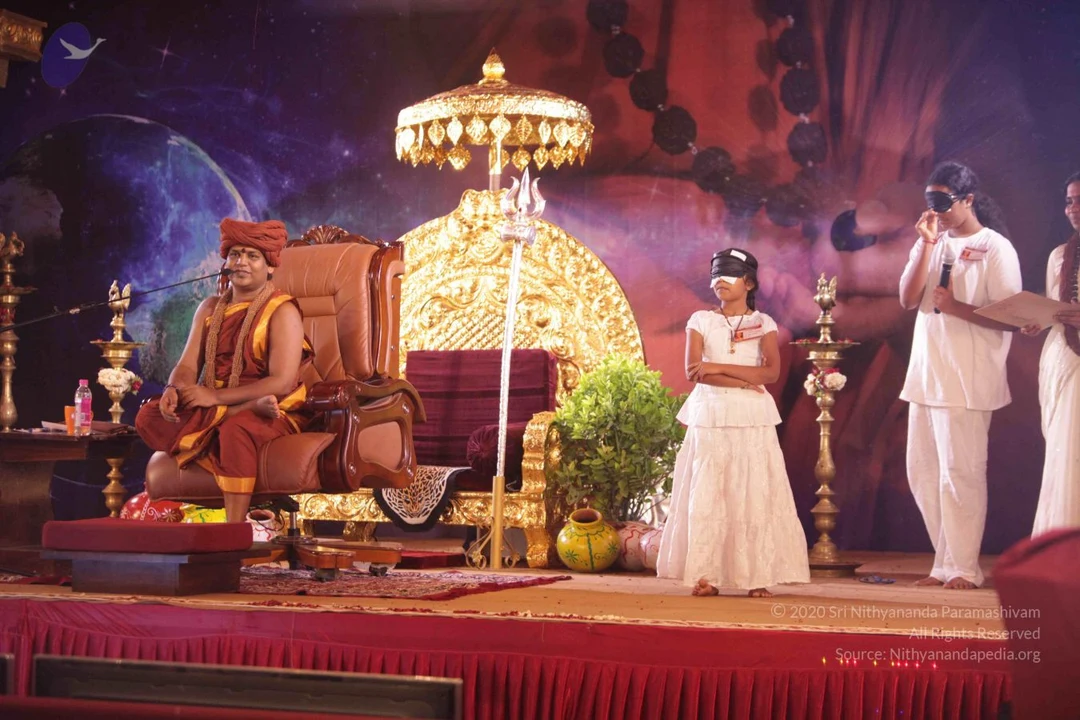
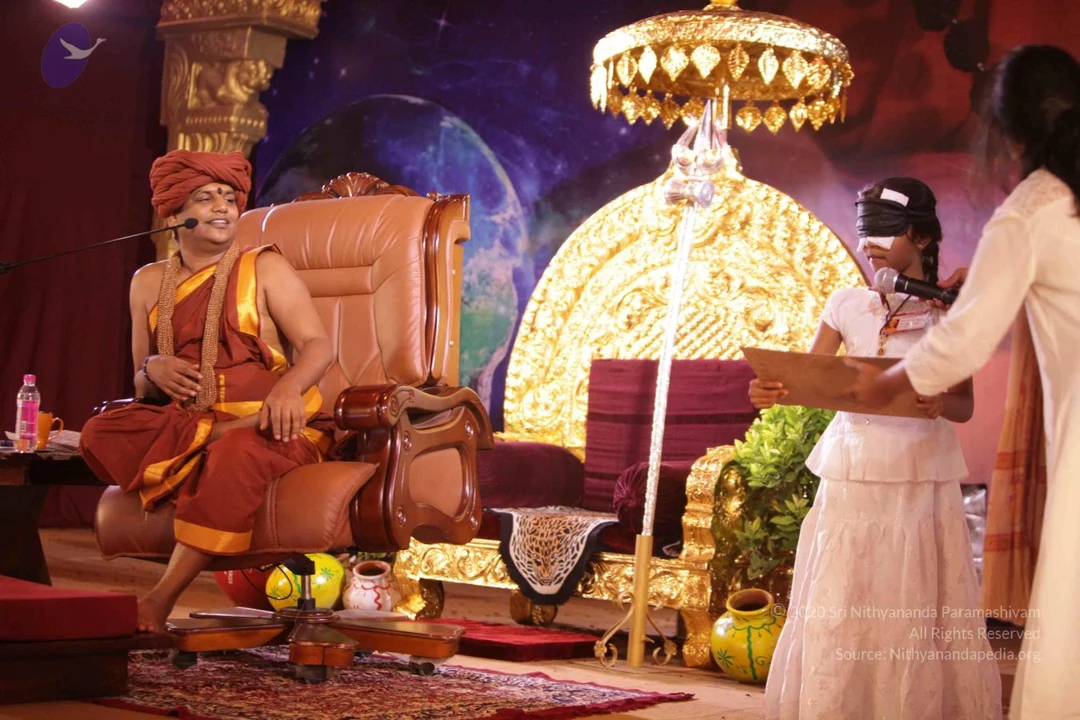
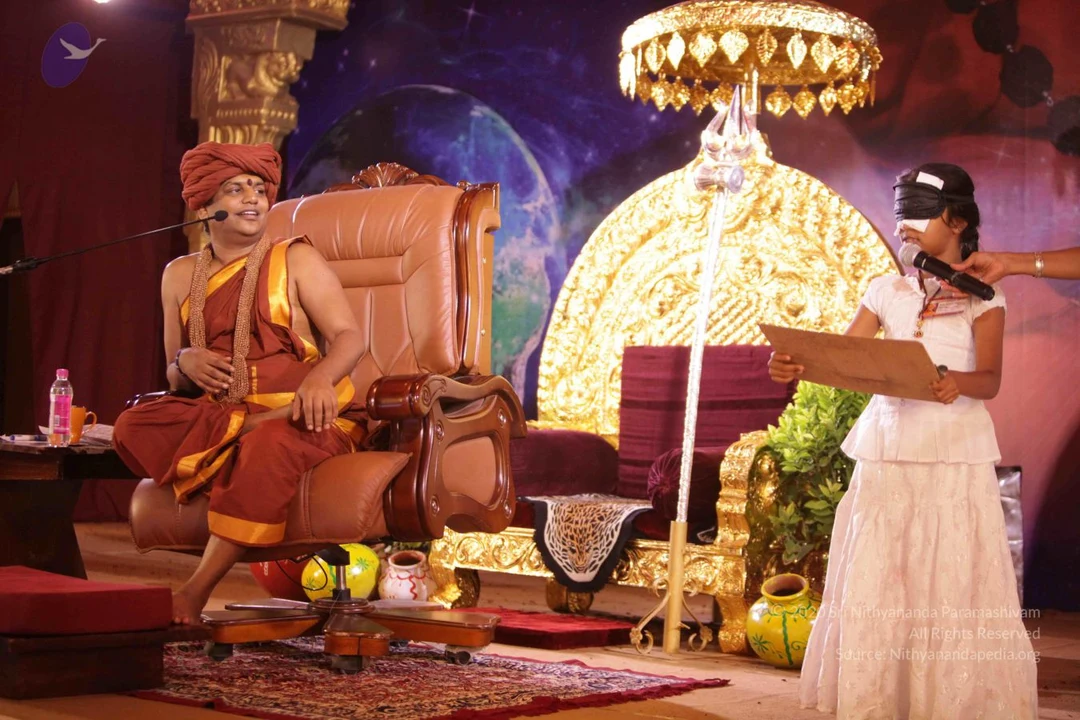
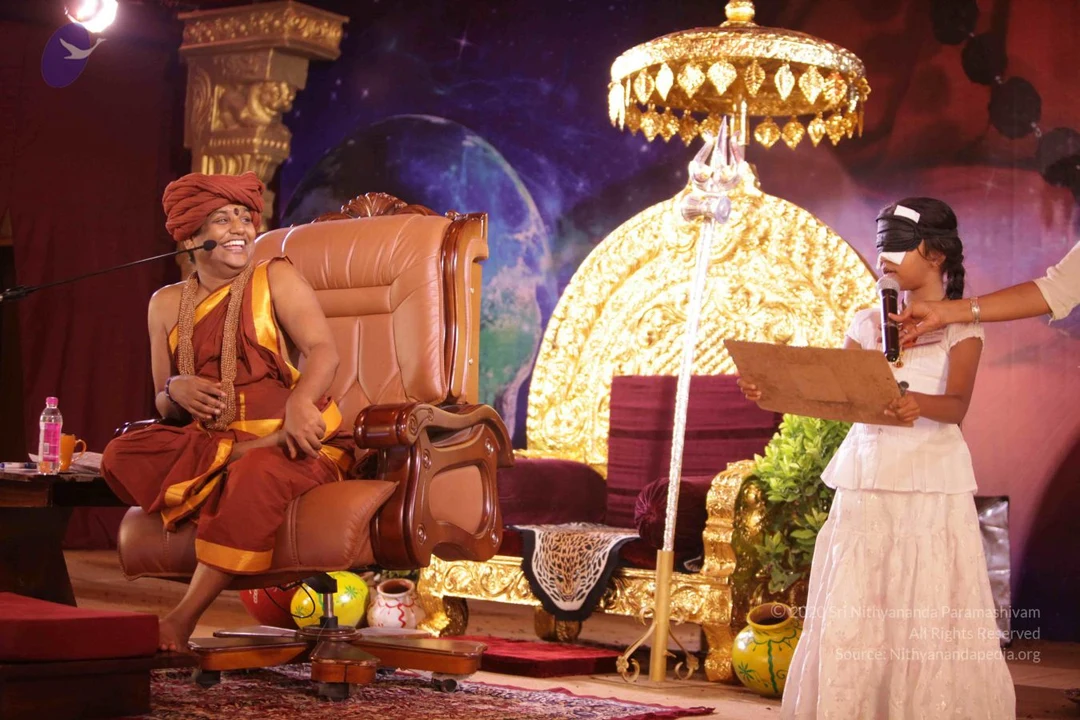
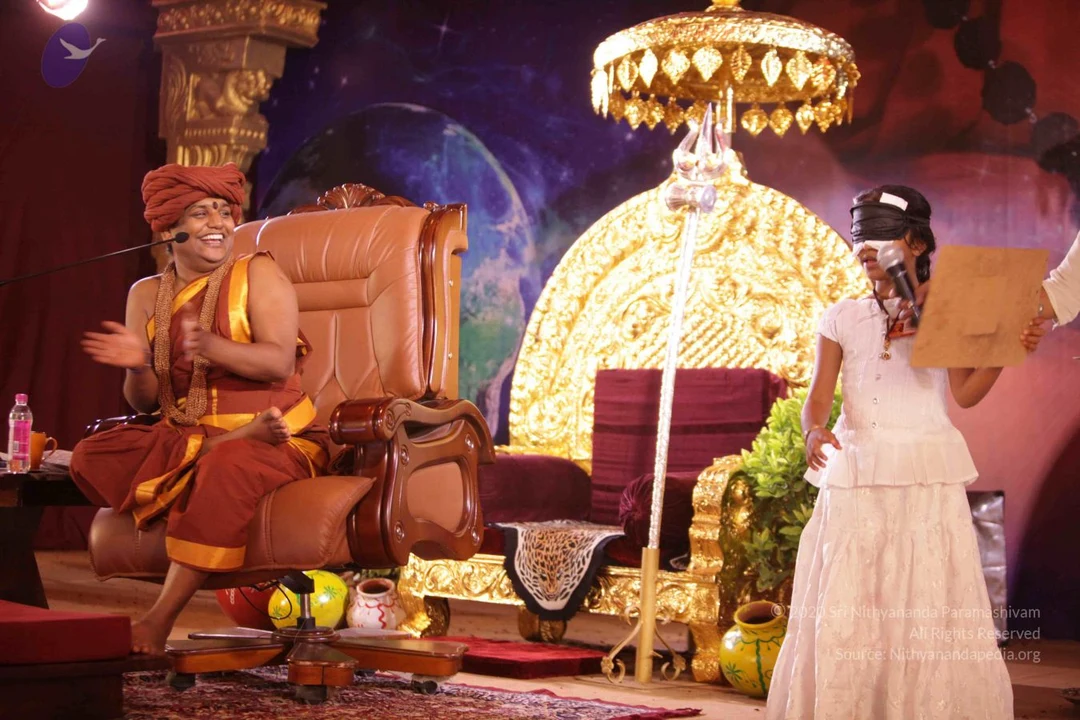
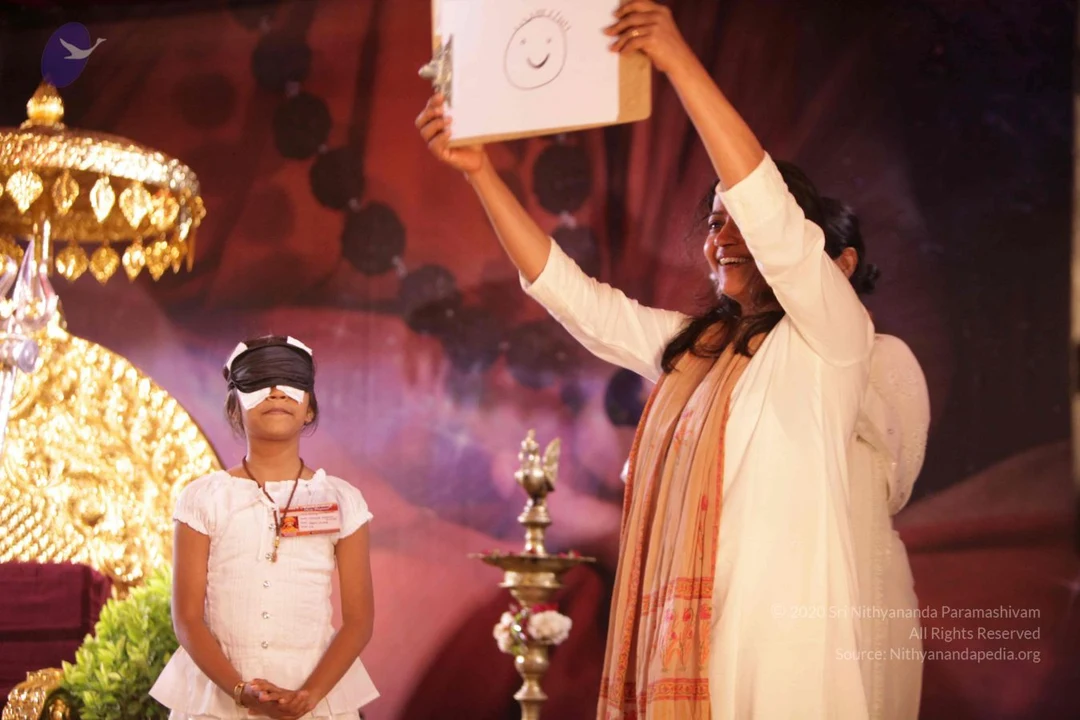
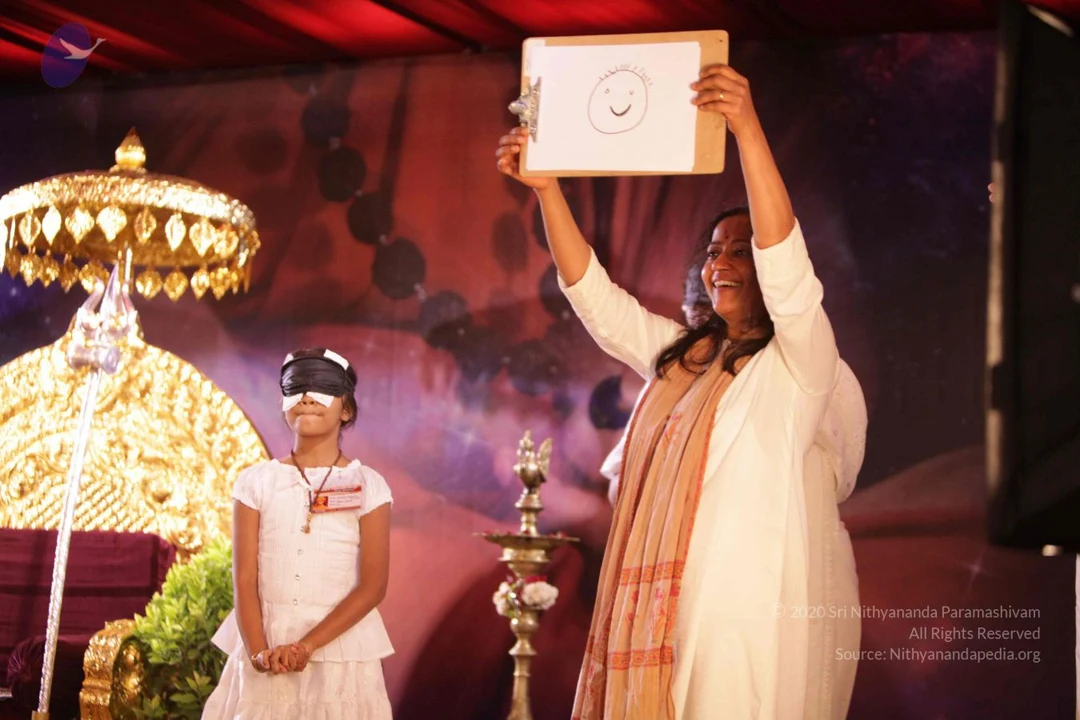
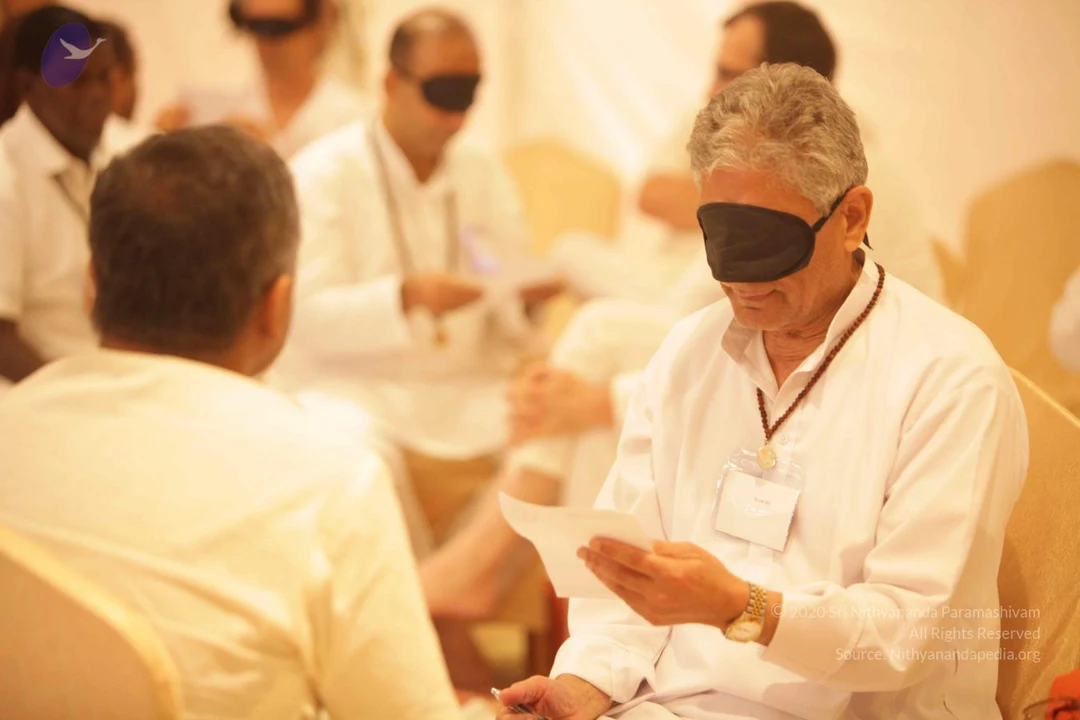
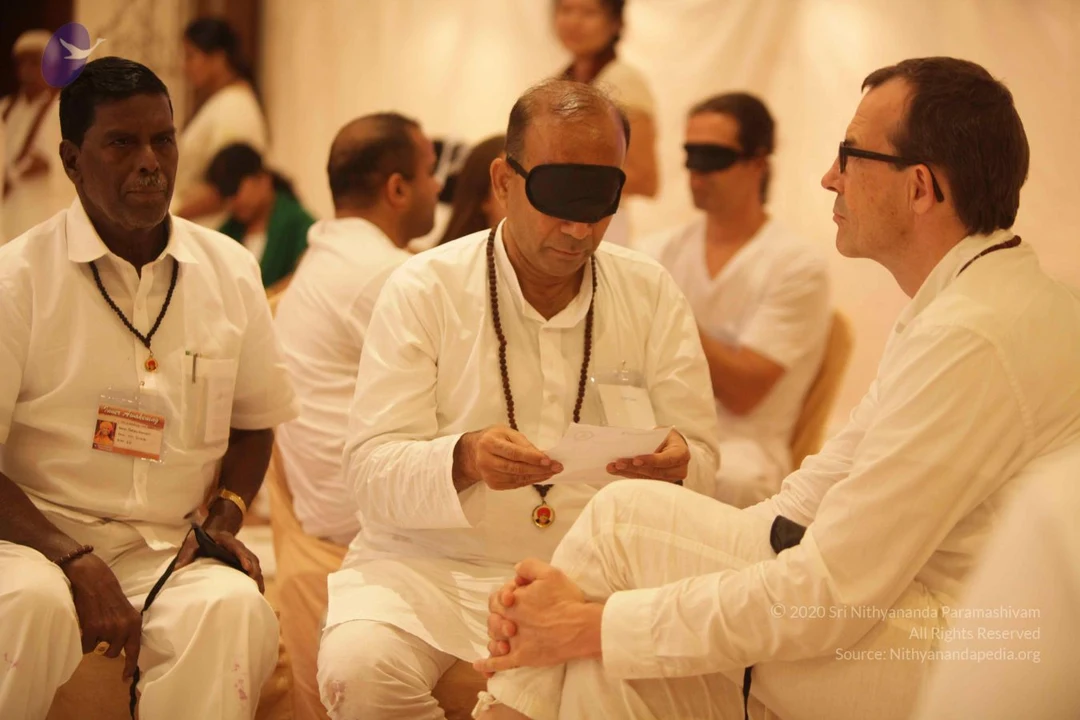
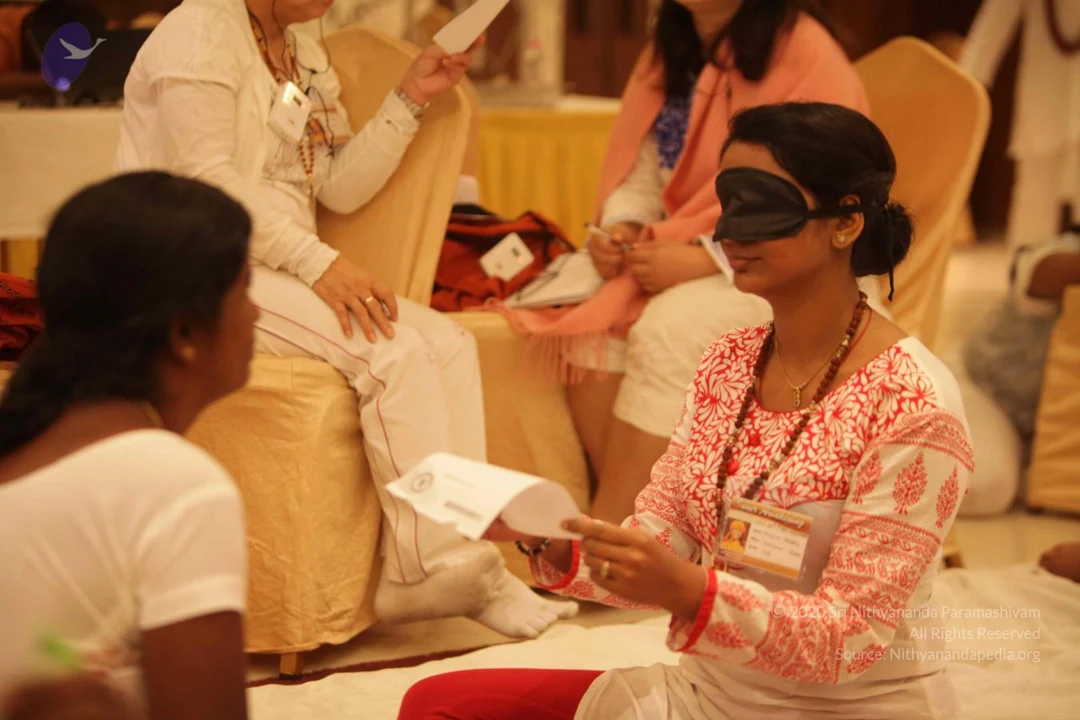
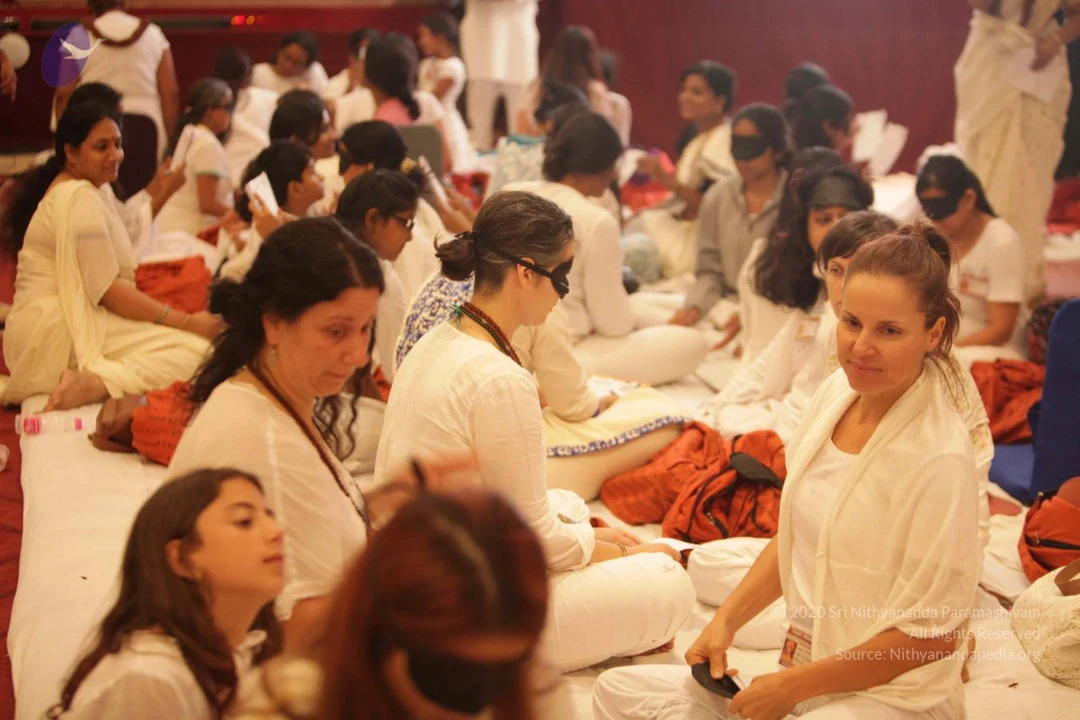
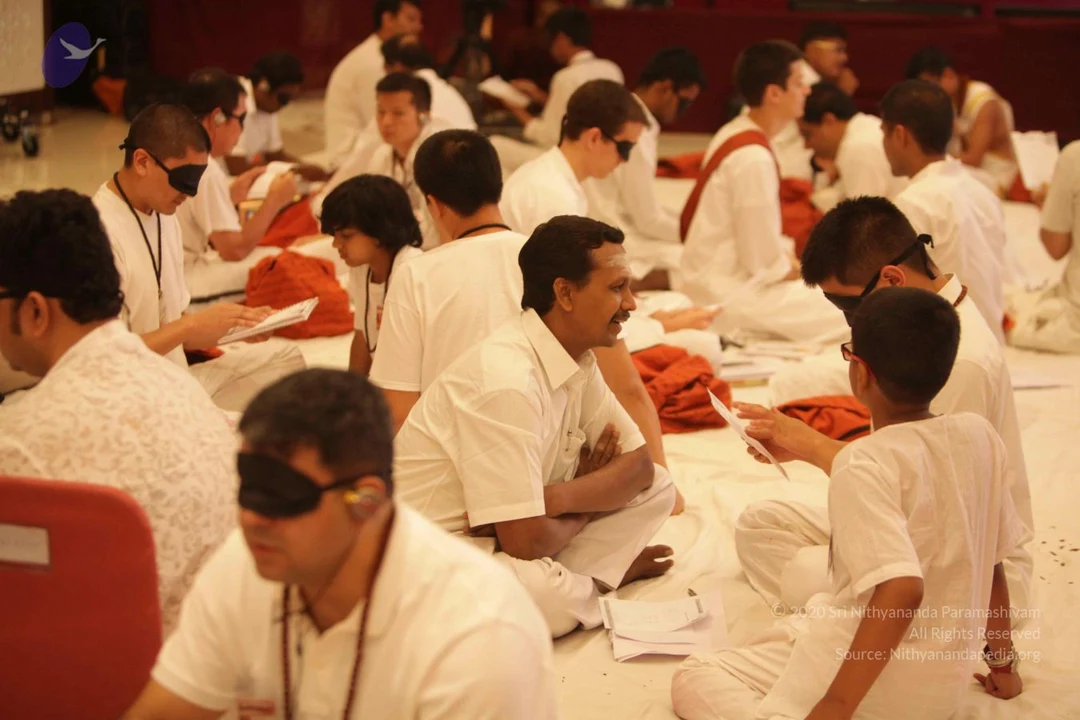
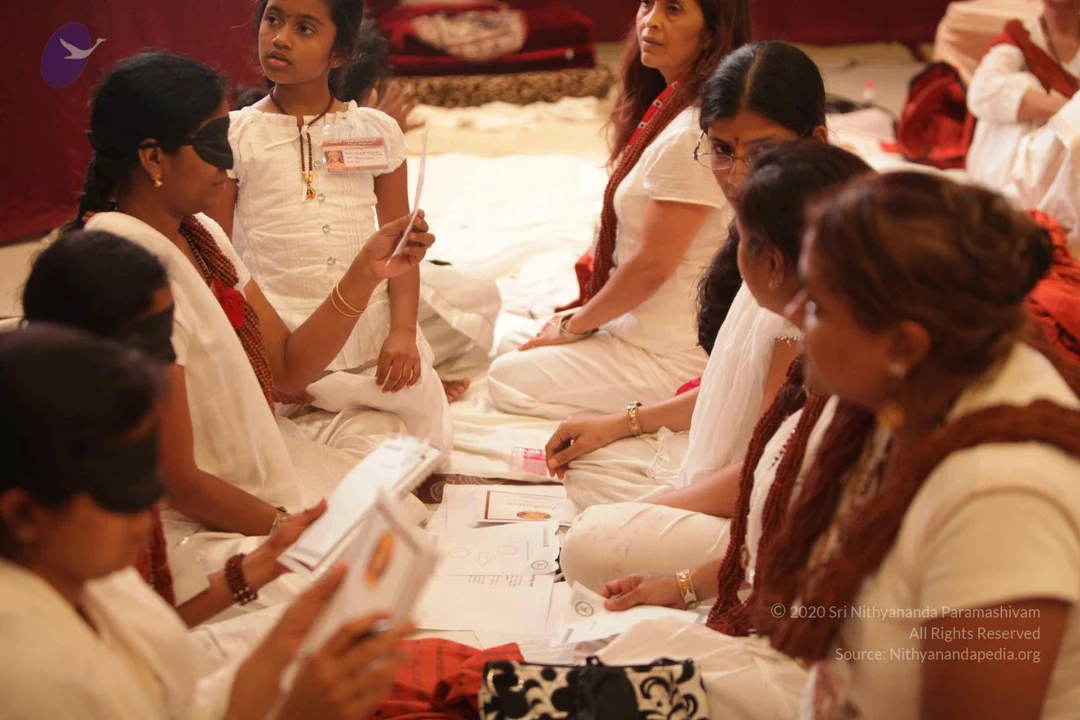
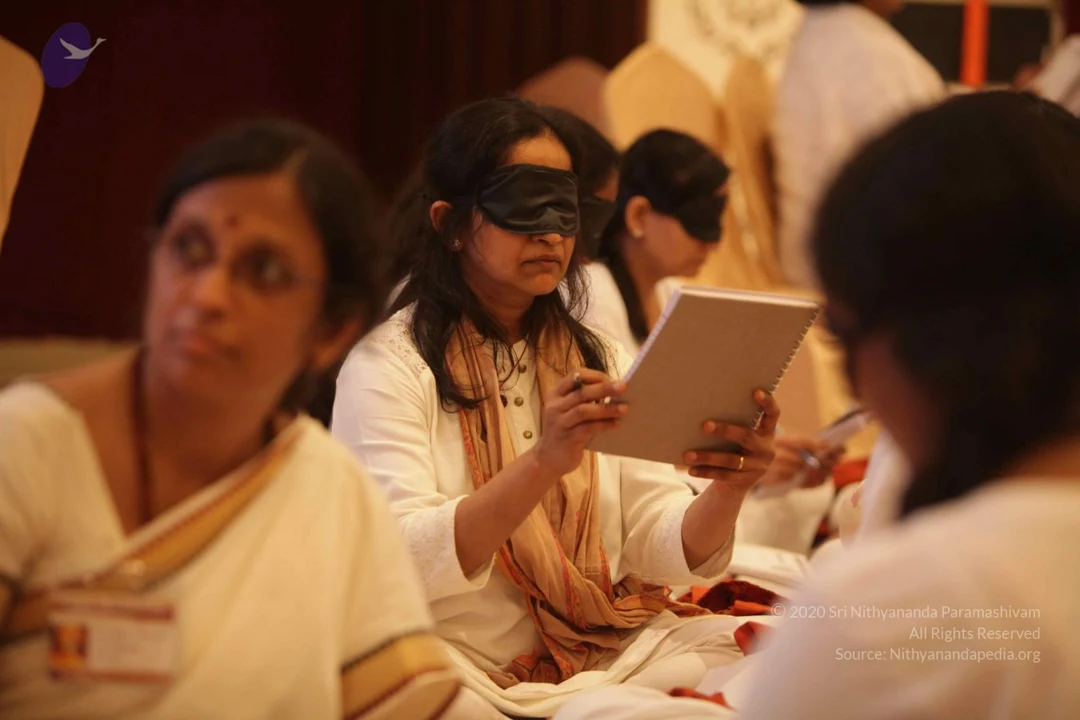
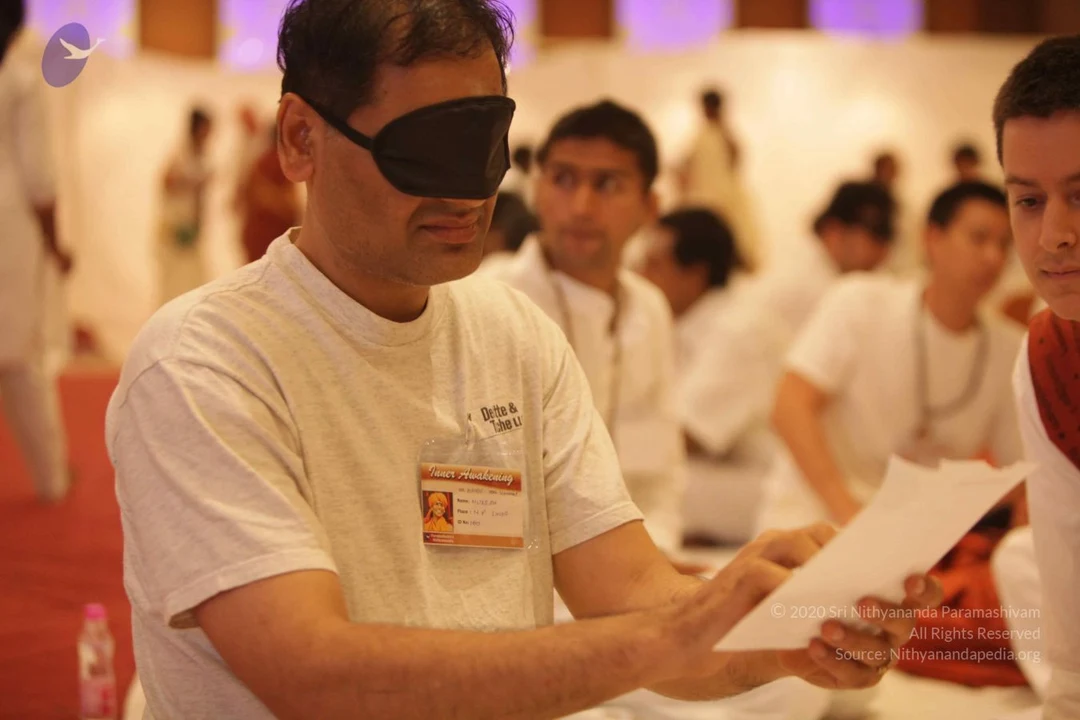
genesisofidentity-blindfoldreading

Photos Of The Day:
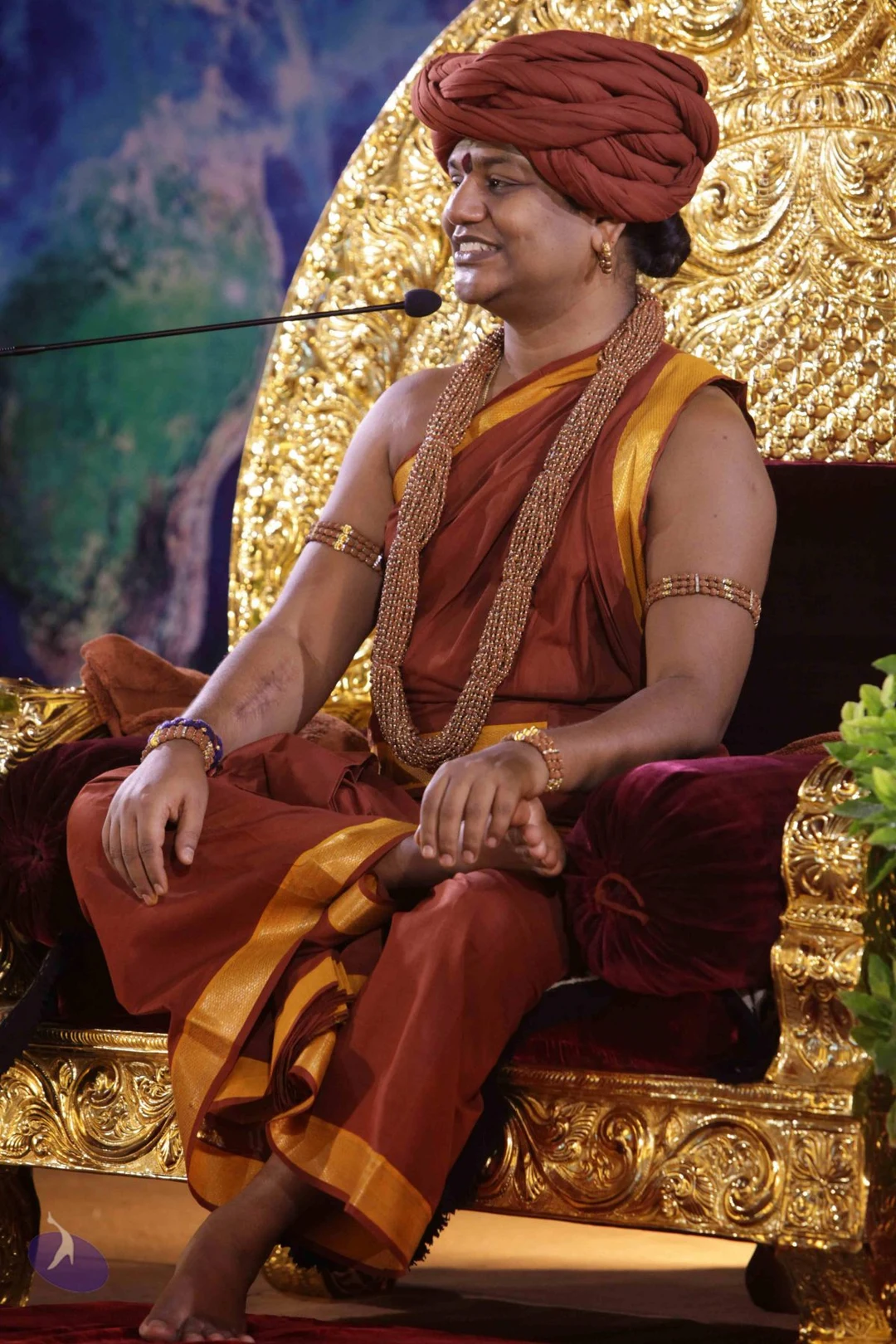
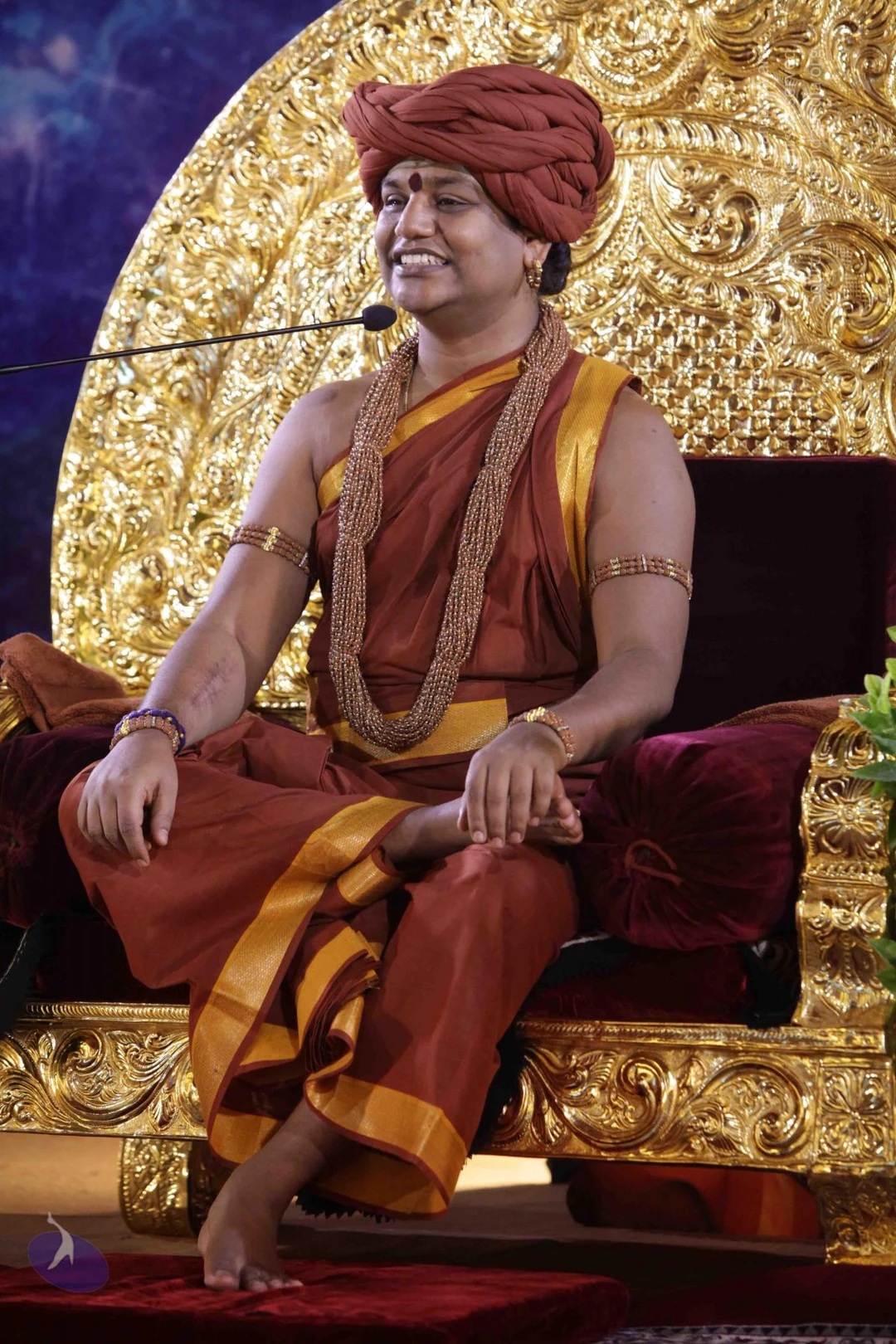
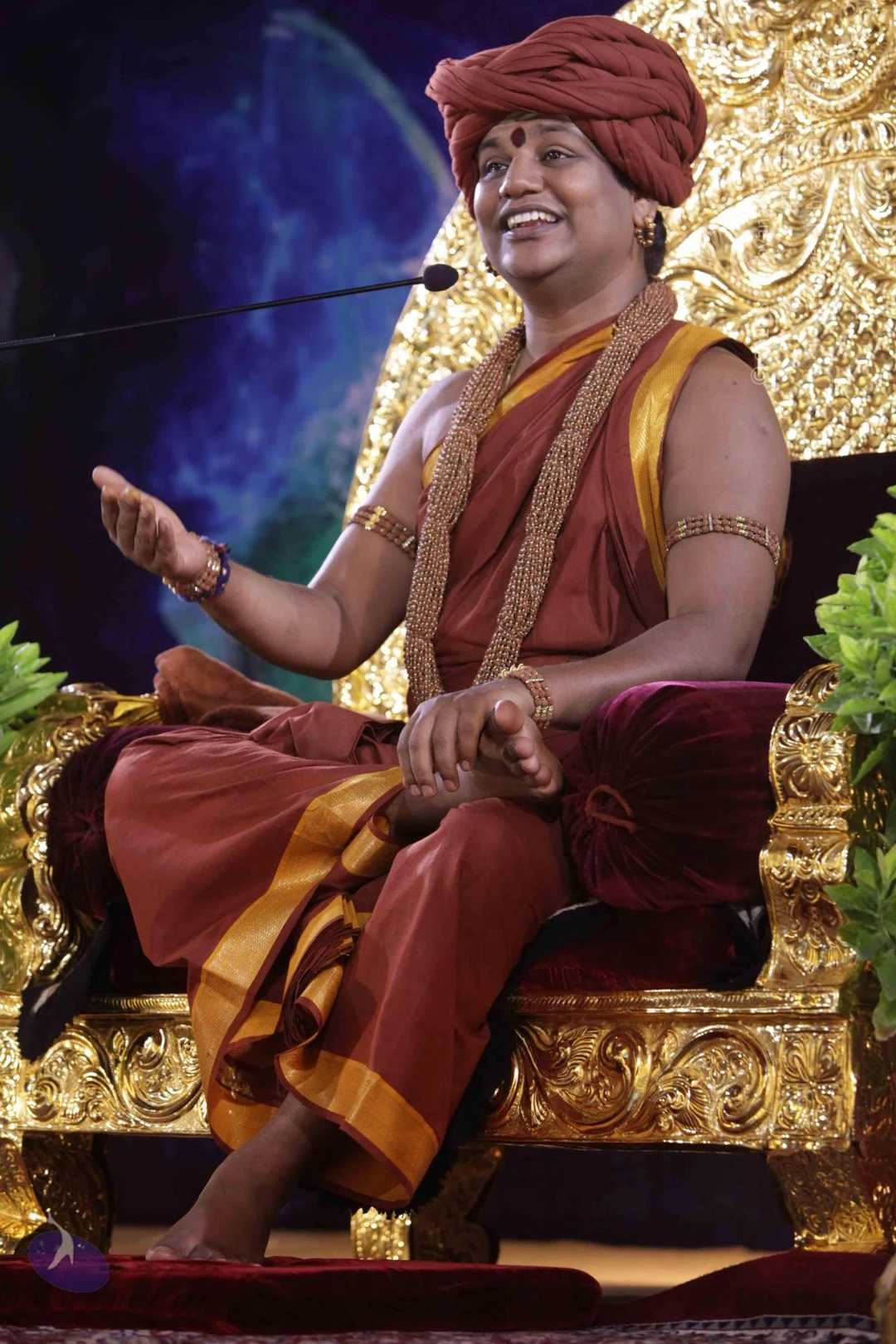
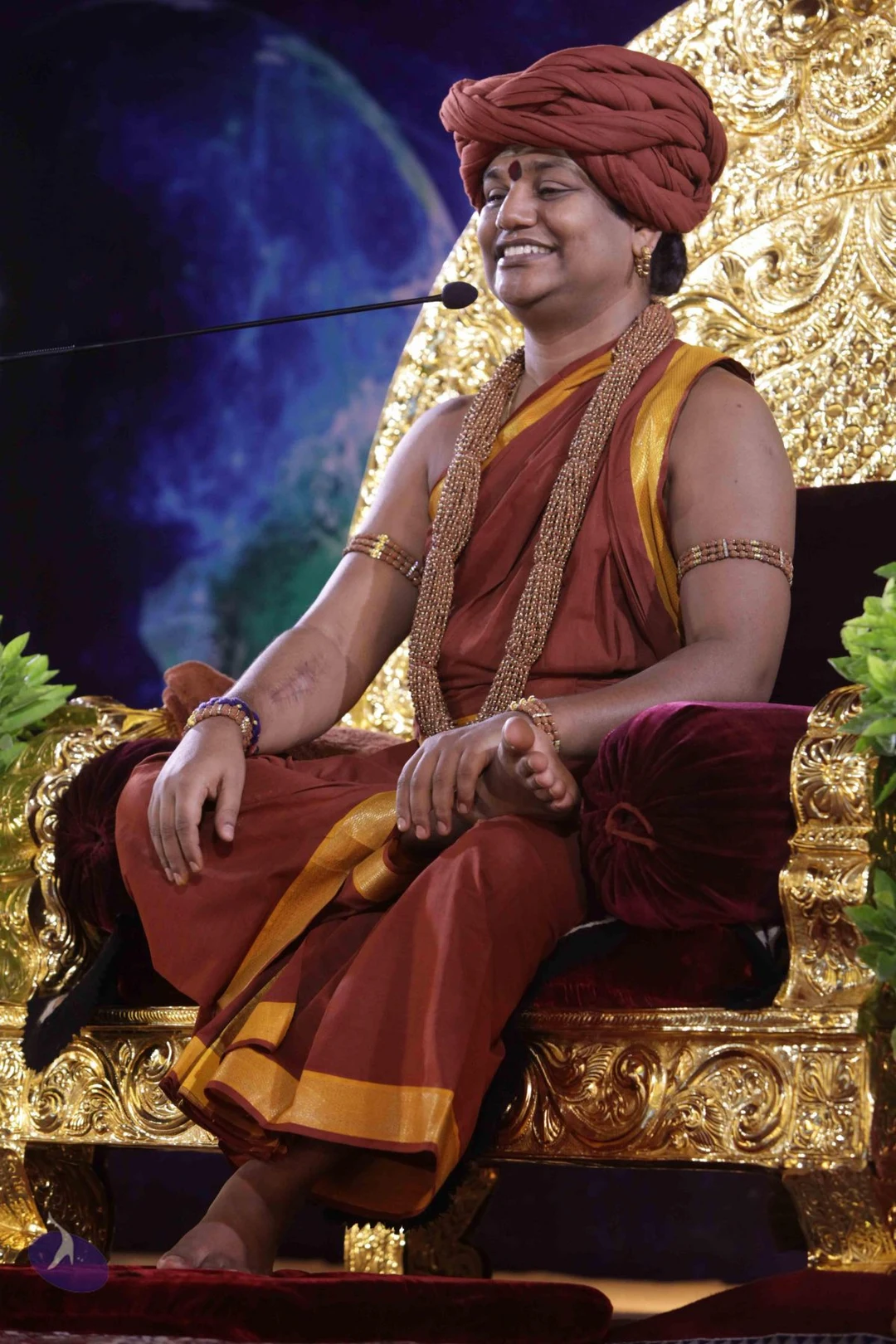
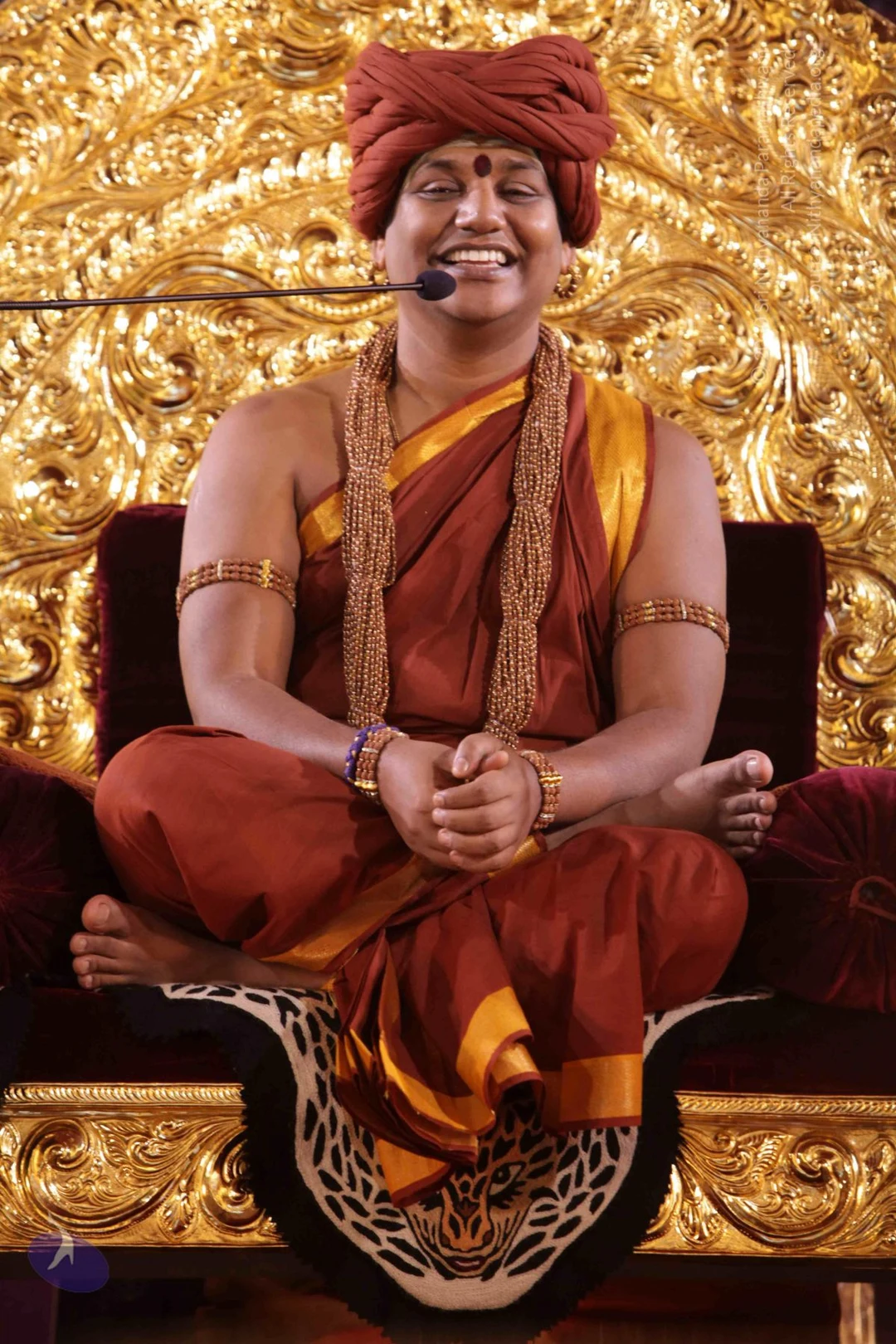
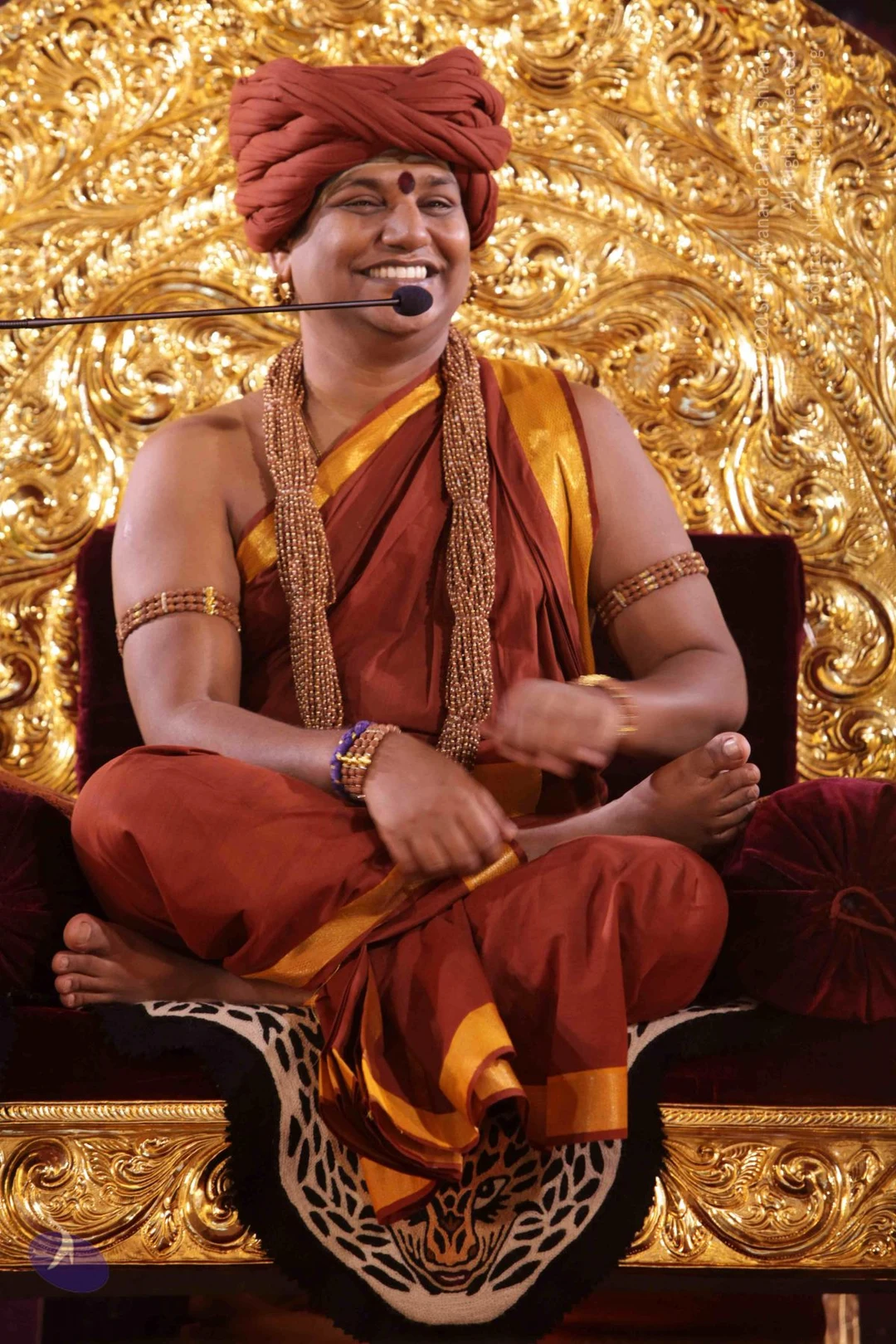
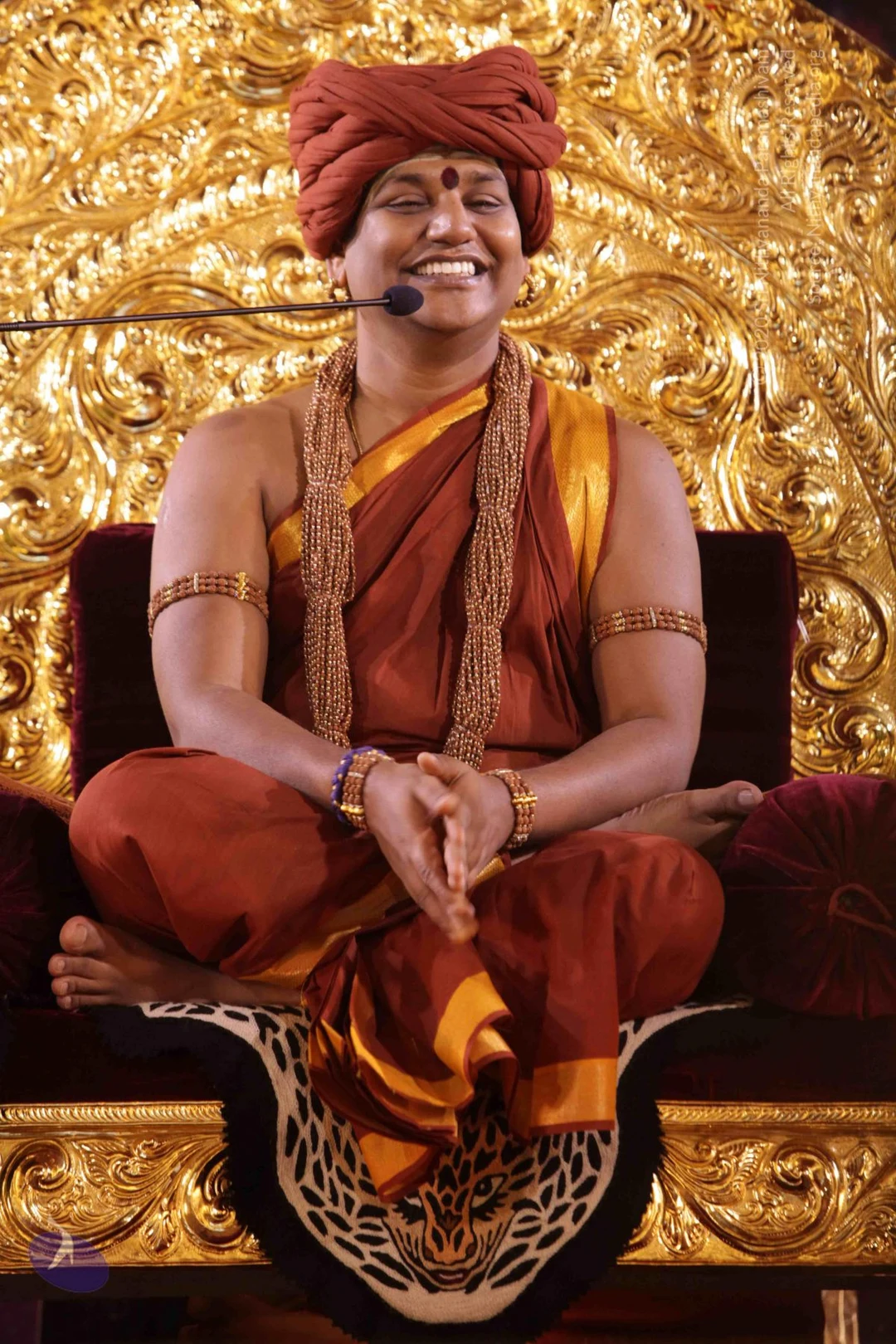
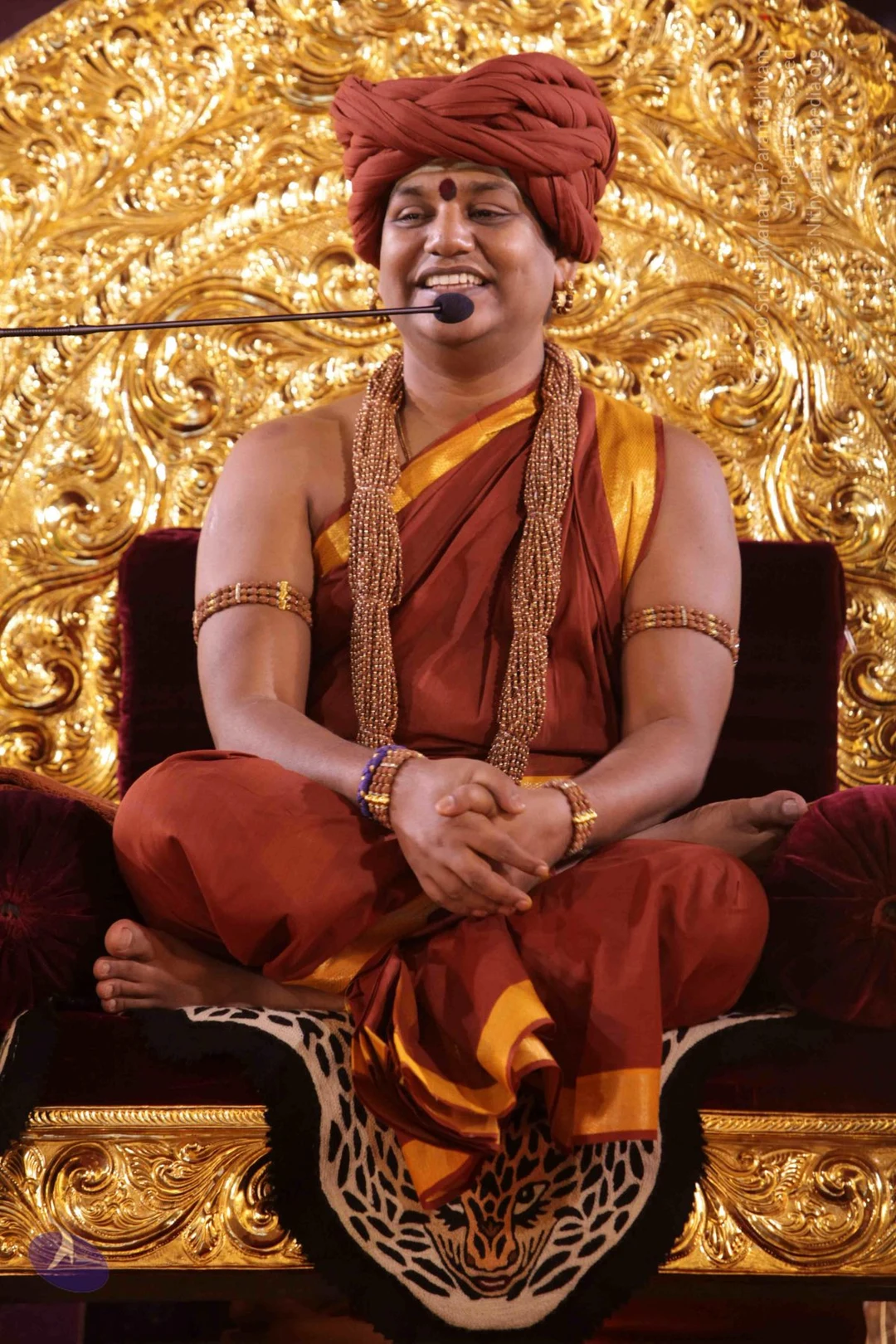
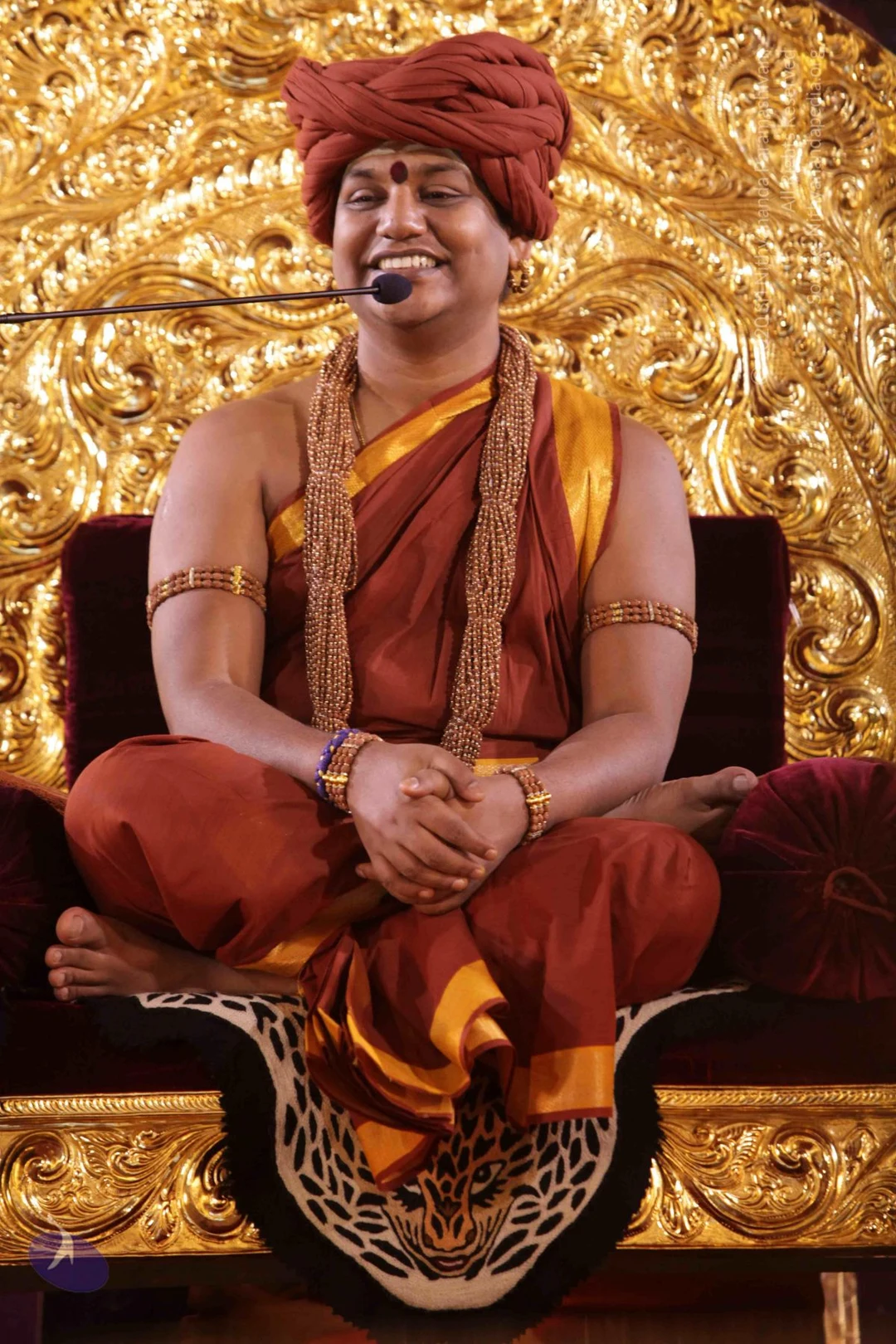
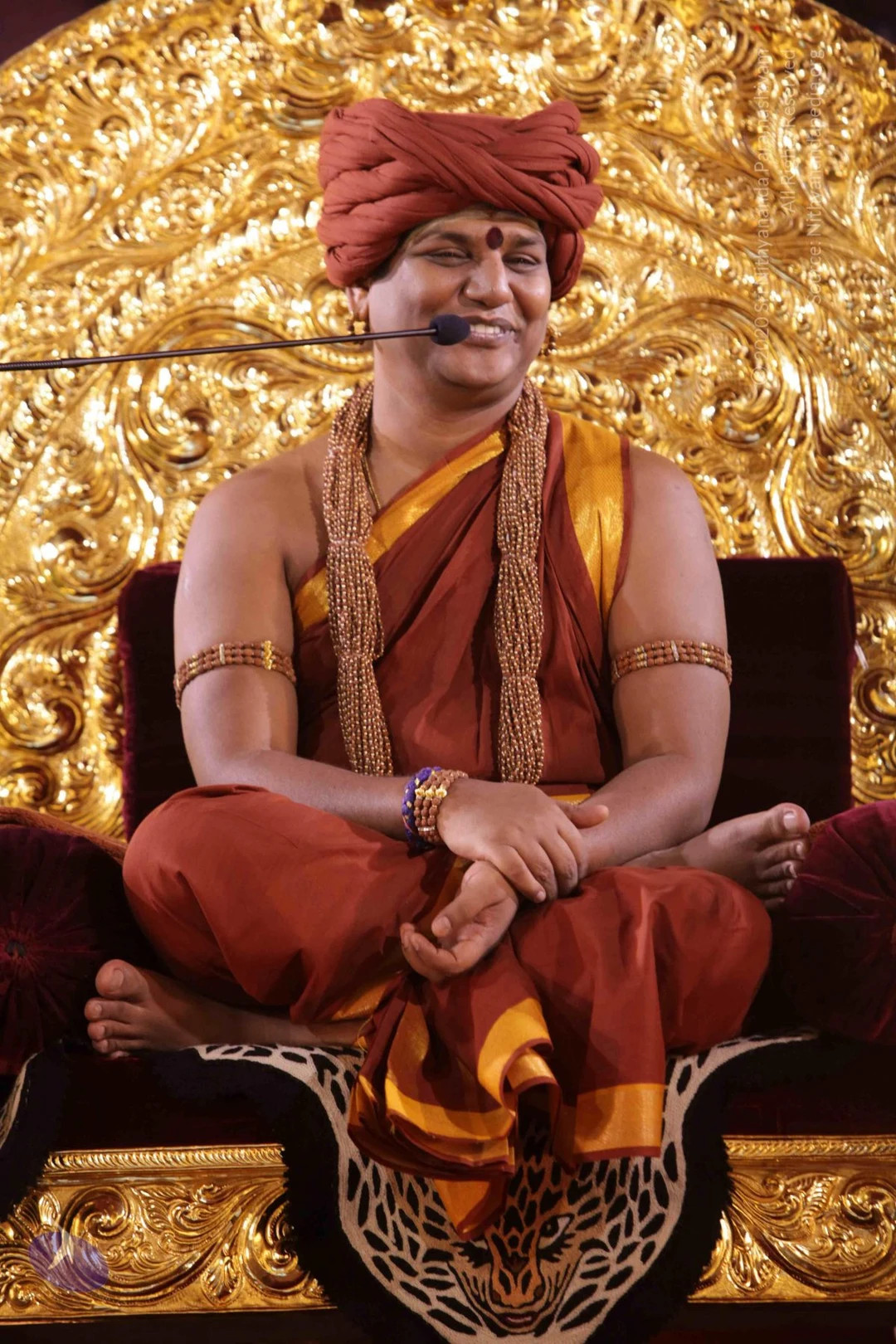
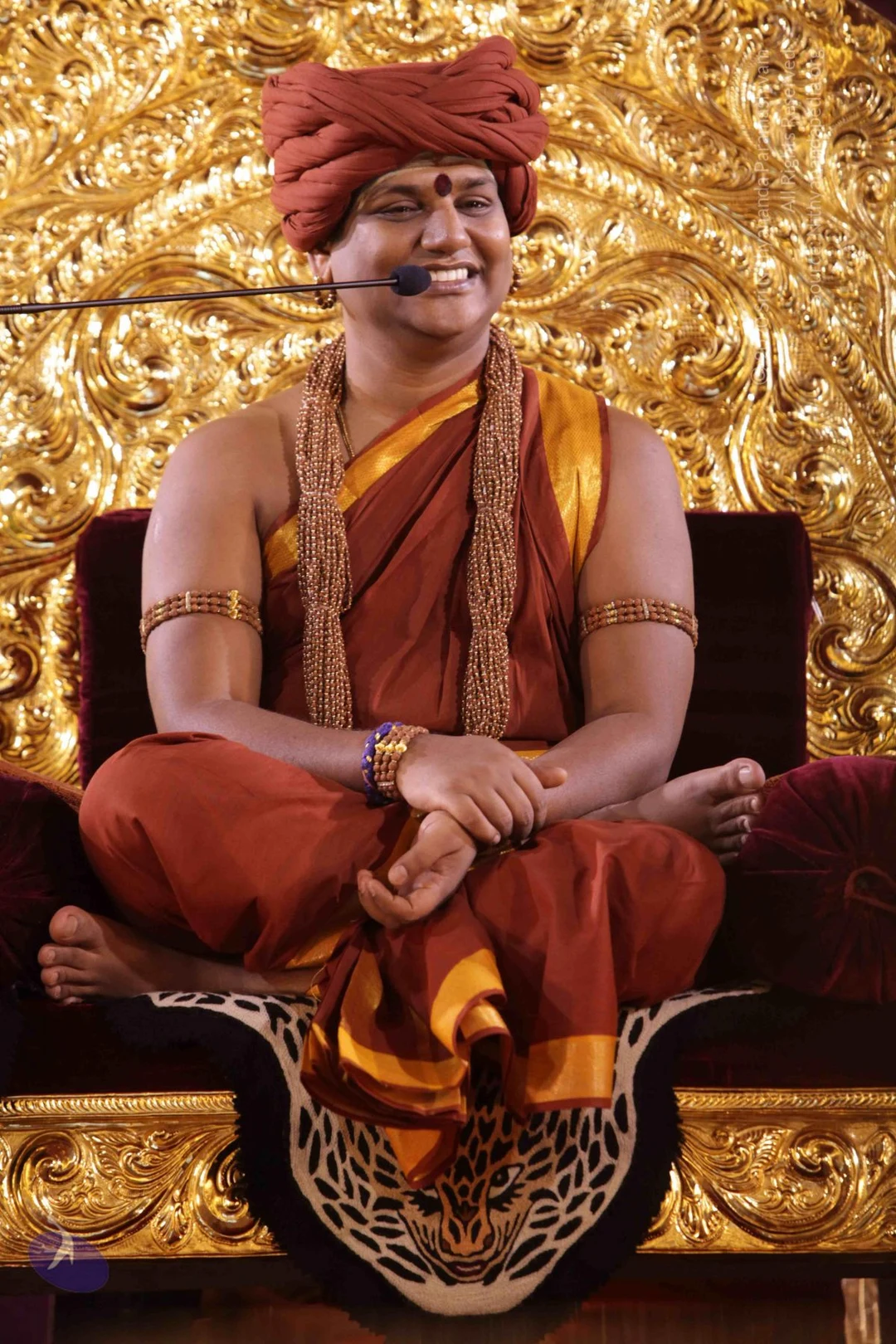
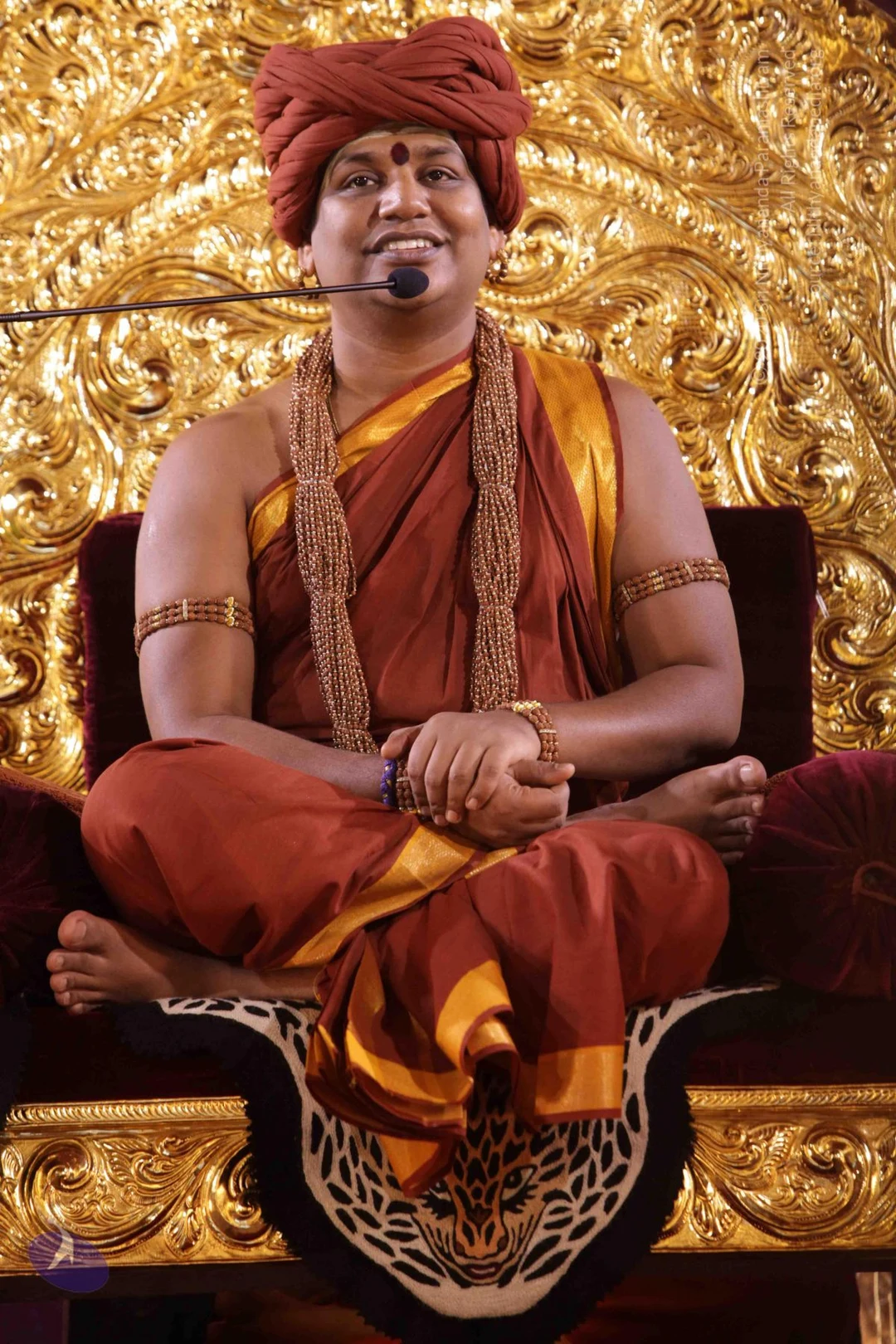
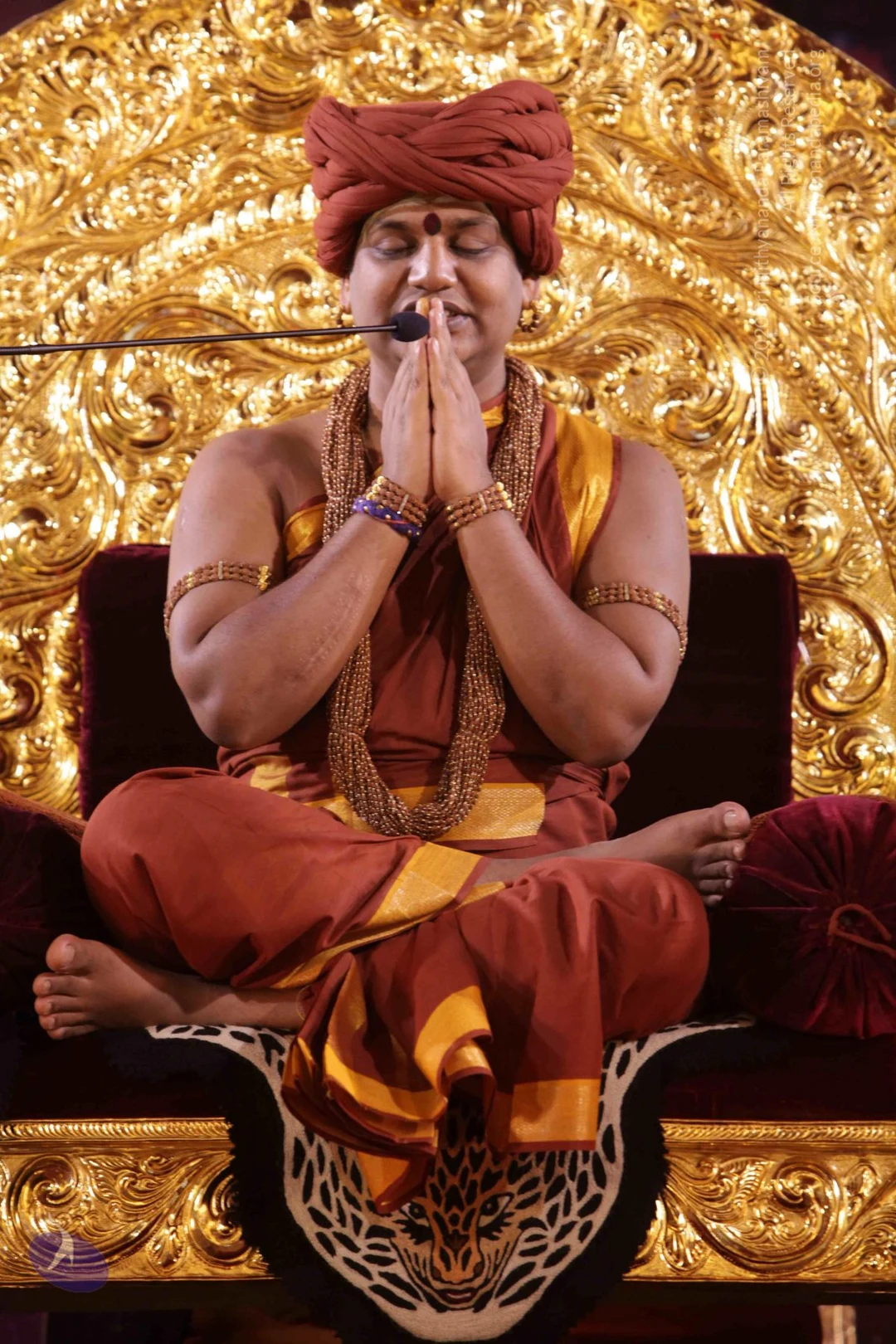
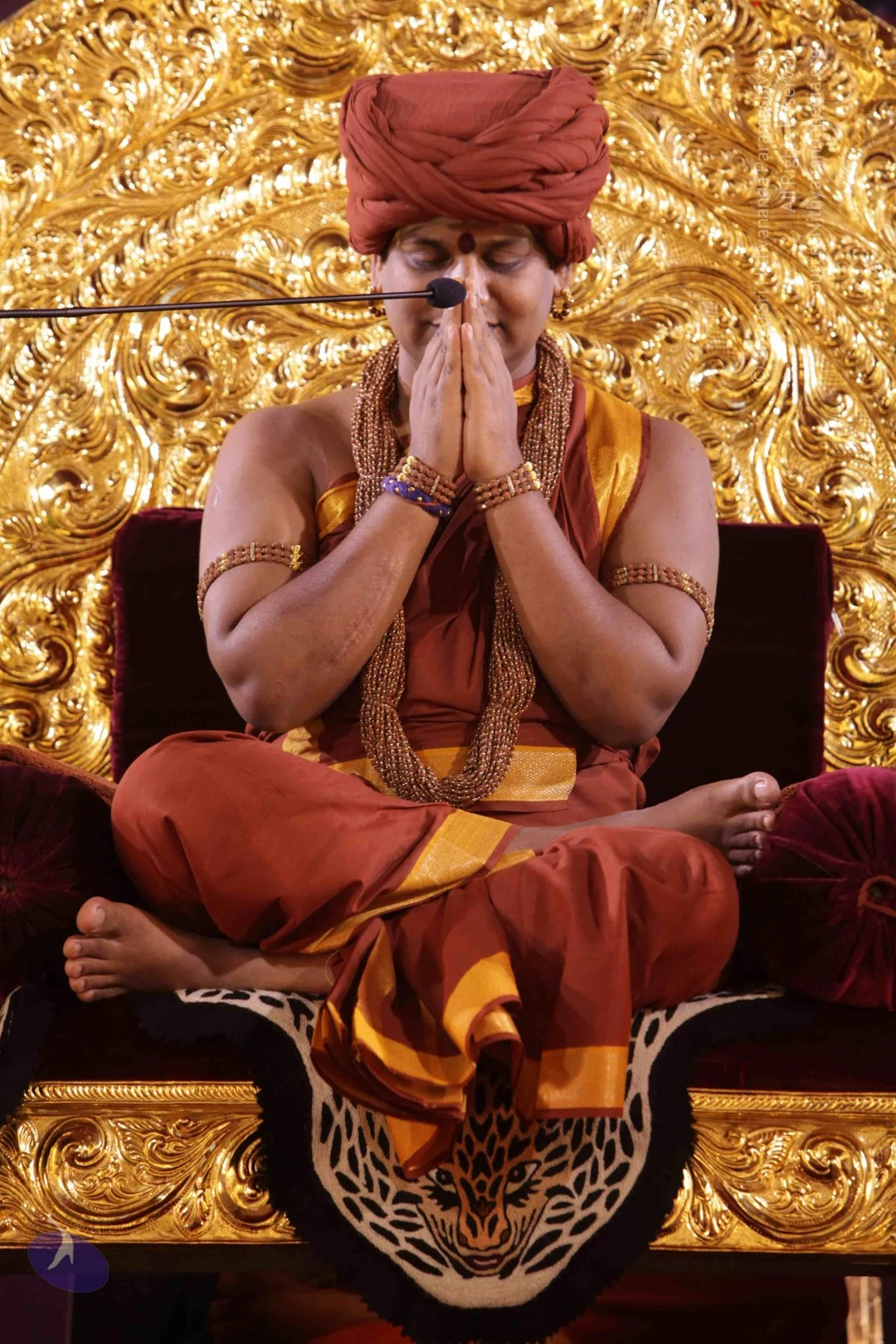
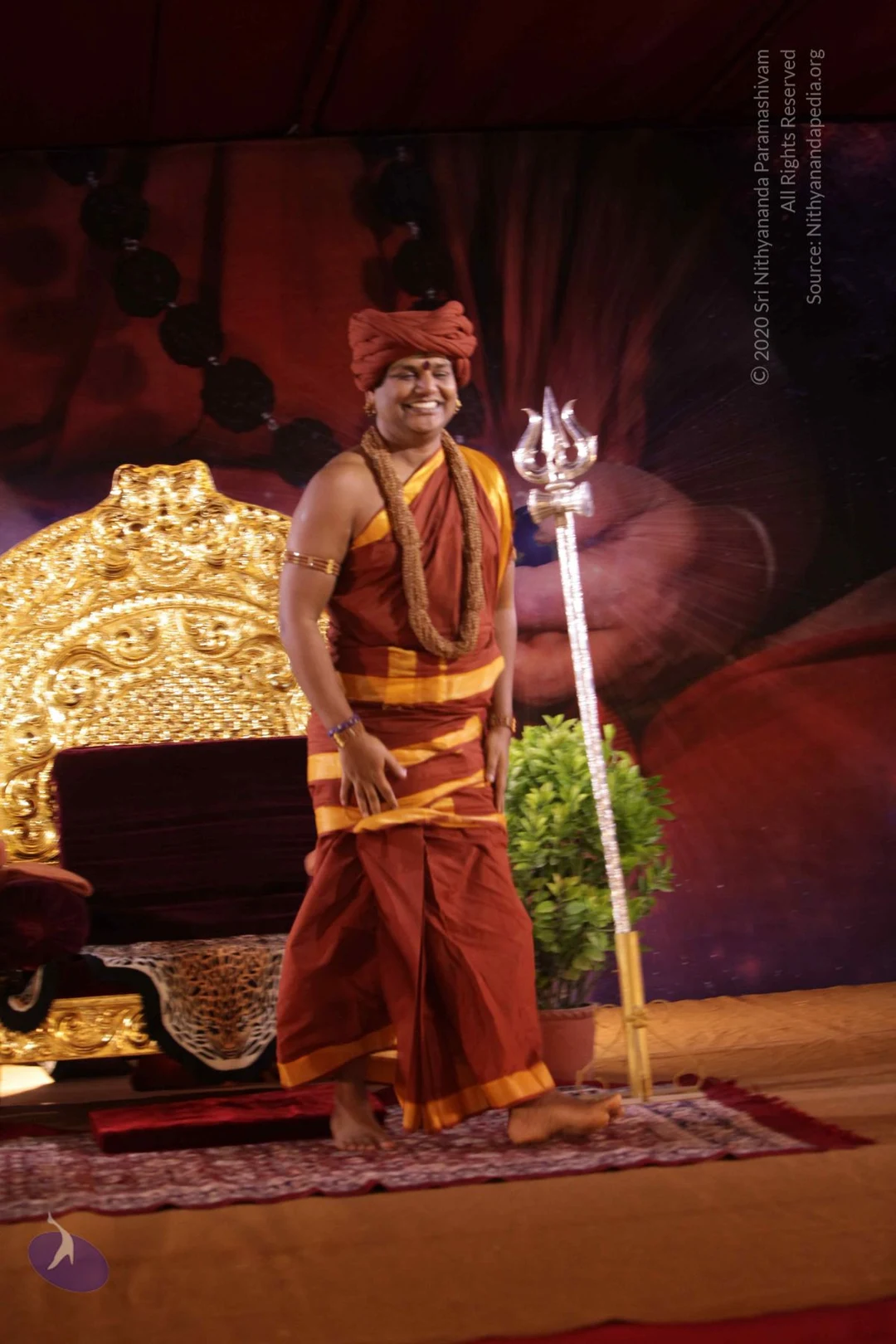
Photos from this day
View all 411 photosPhotos From The Day:
26 photosSource gallery
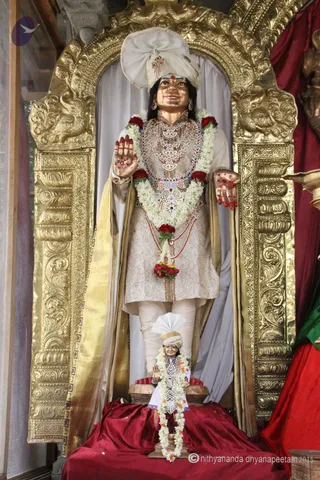
FB-fotos-of-the-day
34 photosSource gallery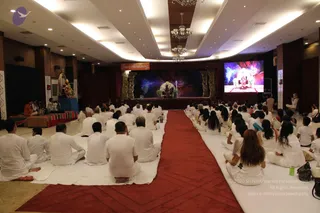
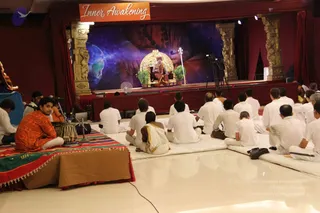
FB-fotos-of-the-day
91 photosSource gallery
Satsang
3 photosSource gallery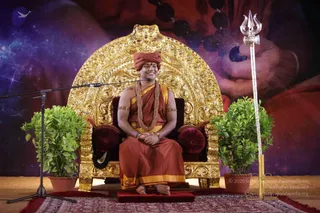
Sarve-Darshan
9 photosSource gallery
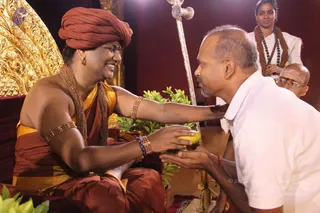
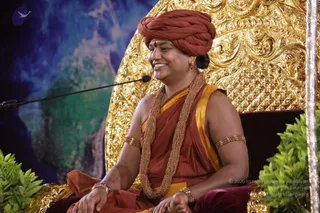
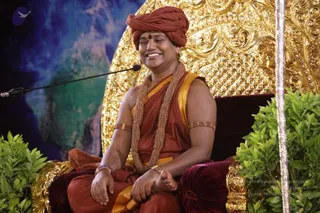
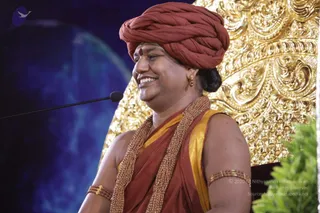
Photo-with swamiji
5 photosSource gallery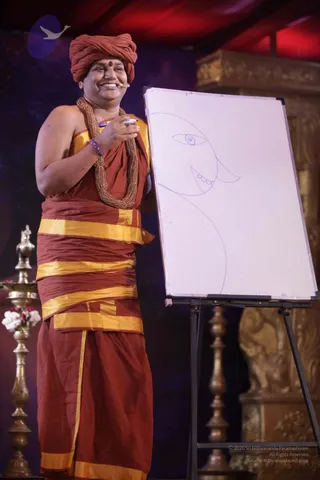
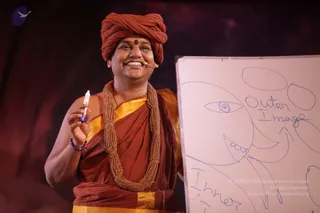
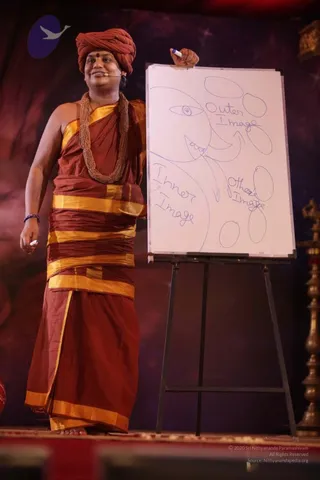
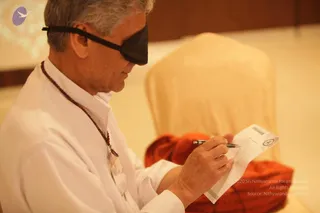
Intro-IASession
183 photosSource gallery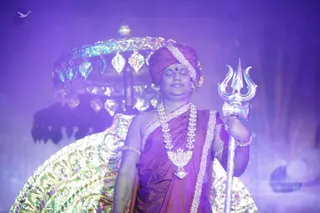
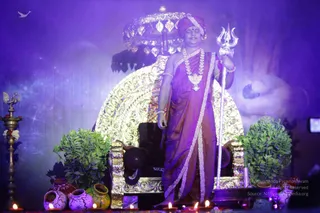
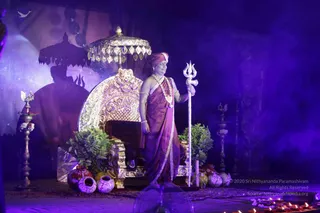
genesisofidentity-blindfoldreading
68 photosSource gallery
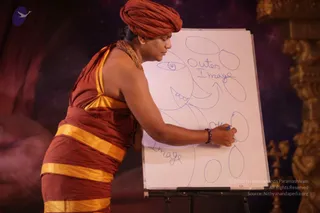
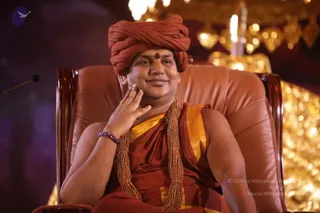
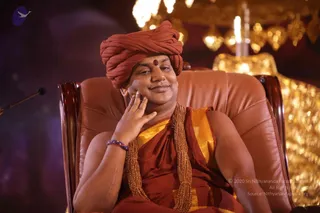
Photos Of The Day:
27 photosSource gallery