Thursday
16 April 2015
TRAIN YOUR BRAIN TO REFLECT CONSCIOUSNESS
- Dated photos
- 141
- Source pages
- 1
- Media
- 4
April 16 2015
Original wiki pageTitle
TRAIN YOUR BRAIN TO REFLECT CONSCIOUSNESS
Description:
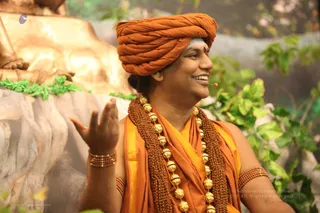
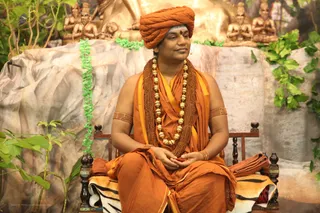
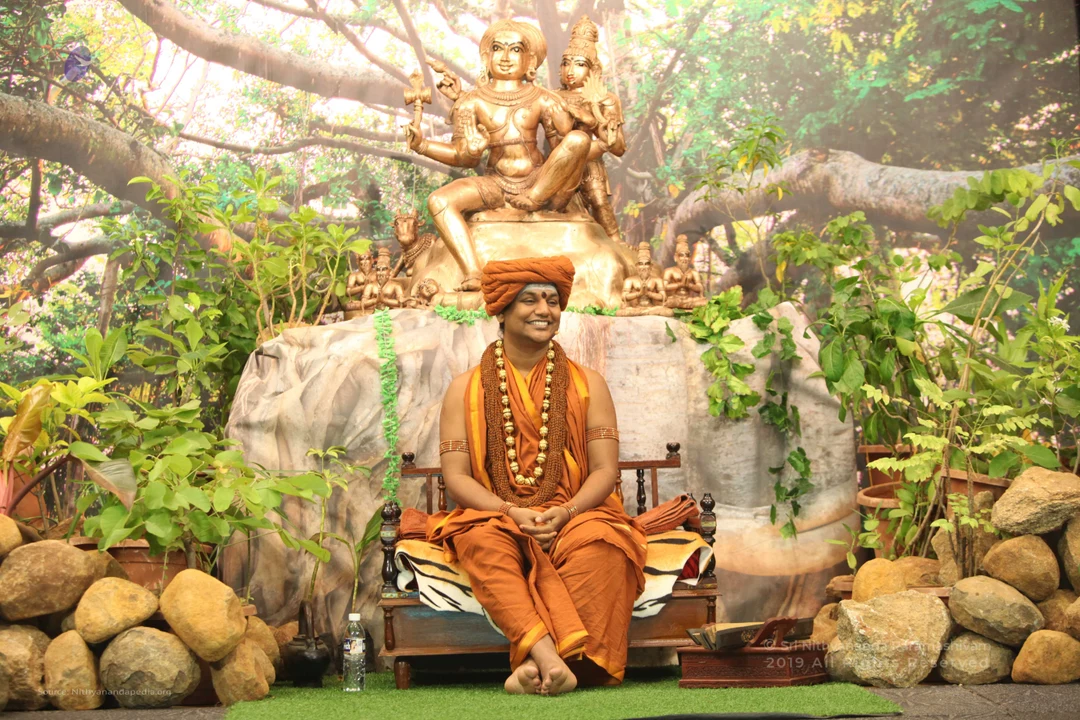
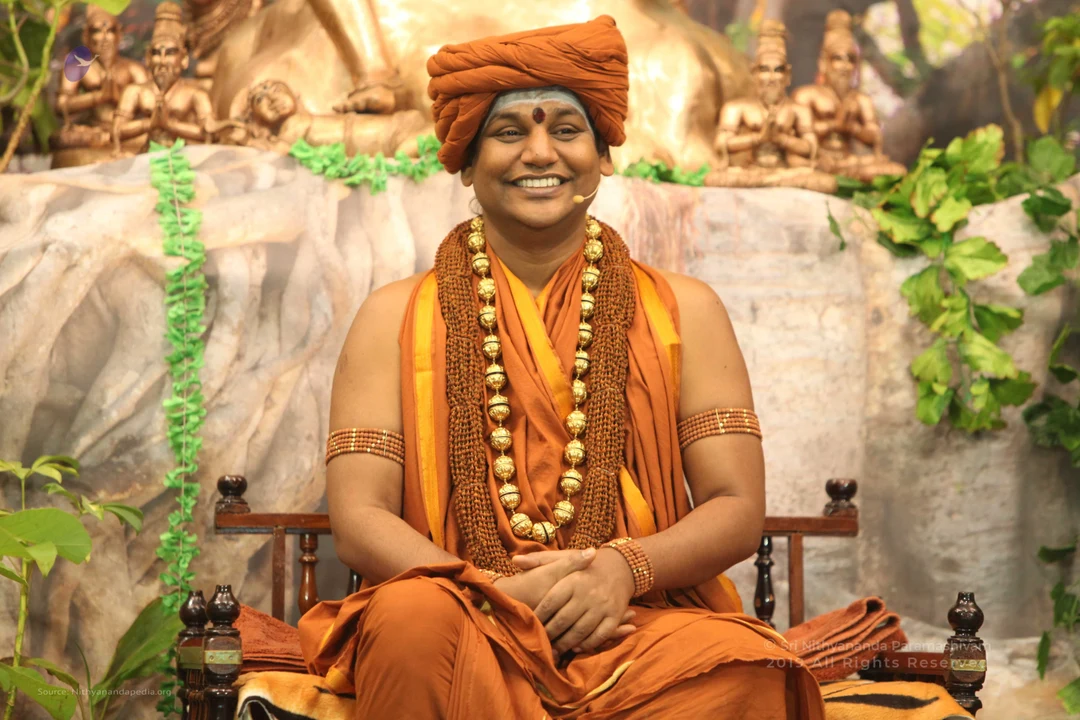
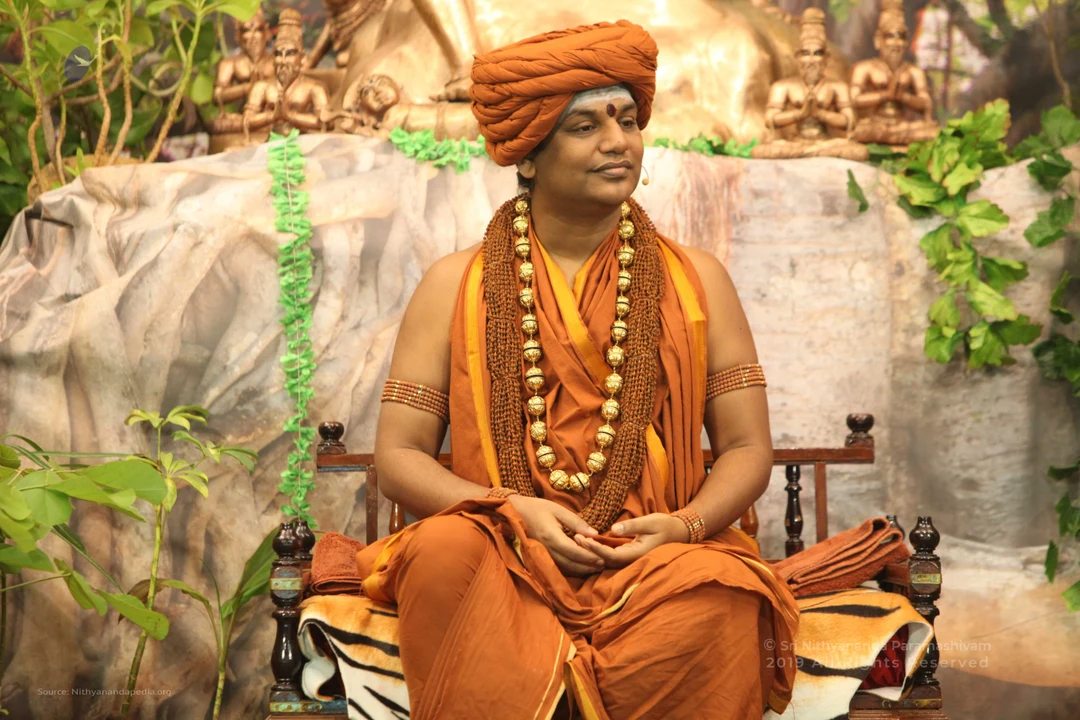
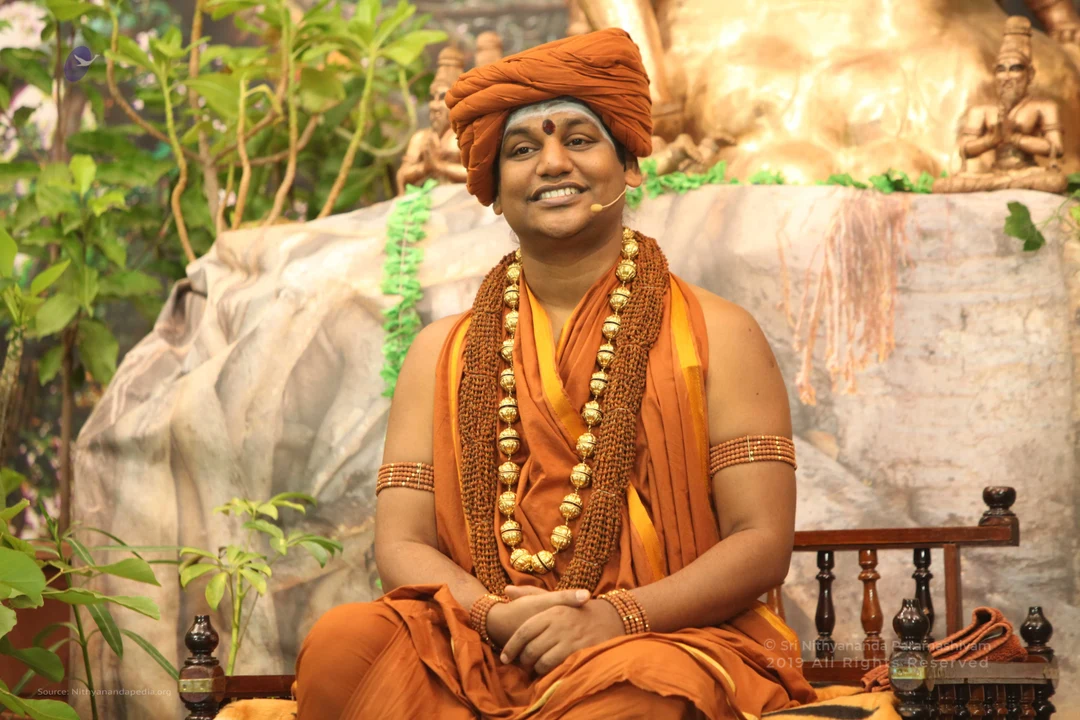
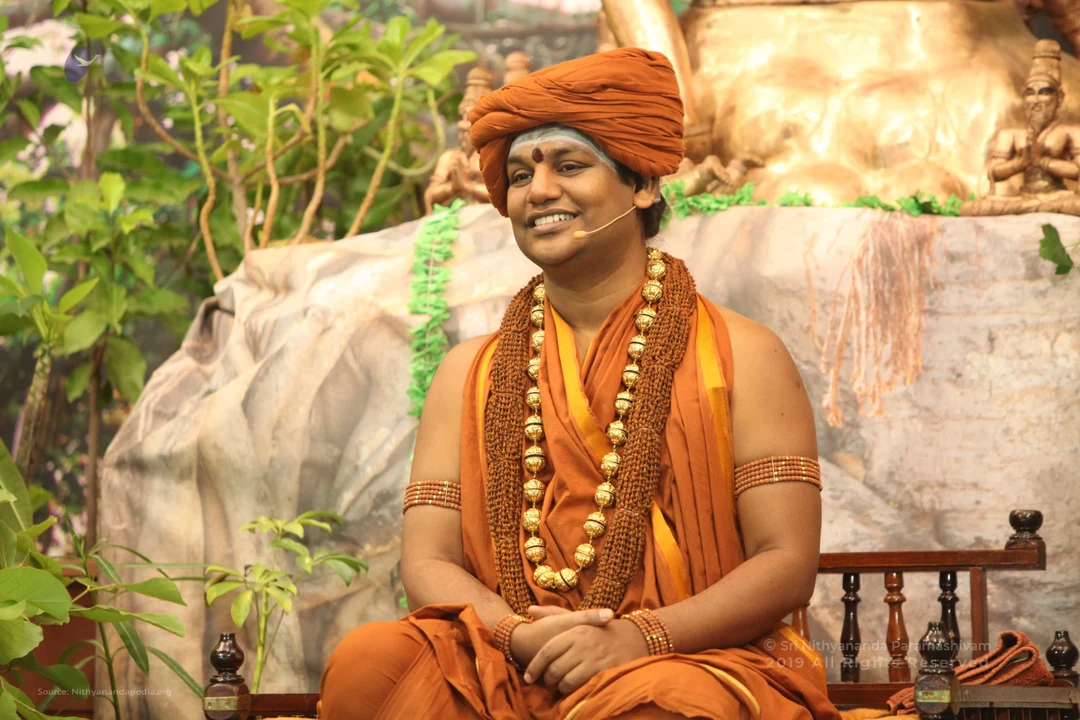
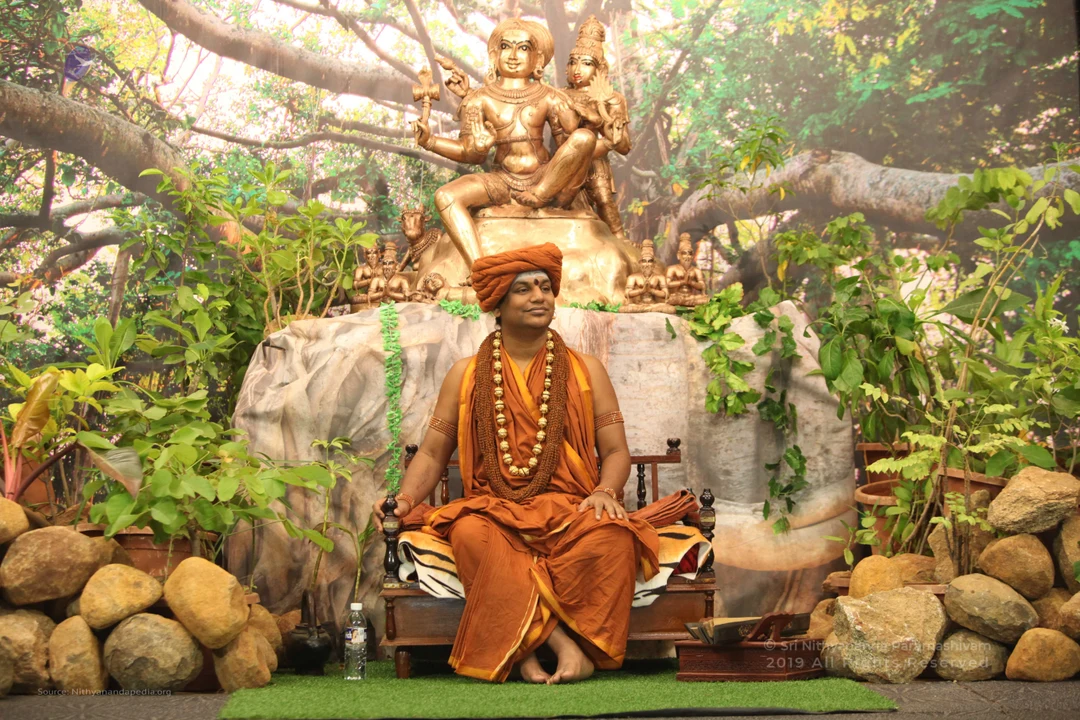
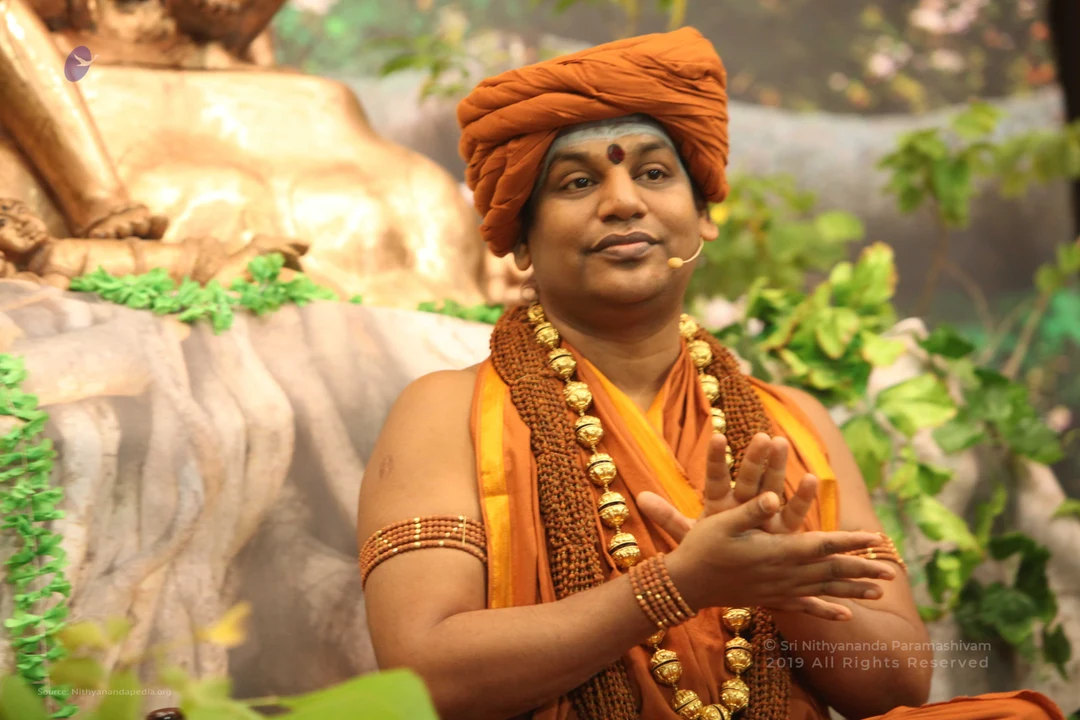
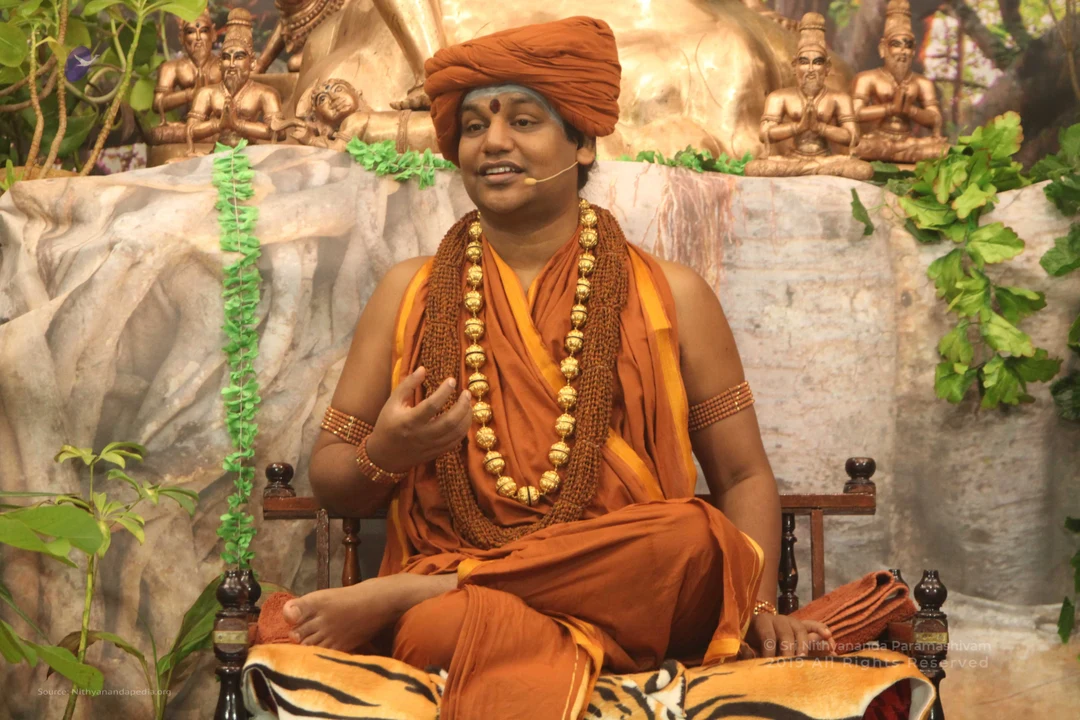
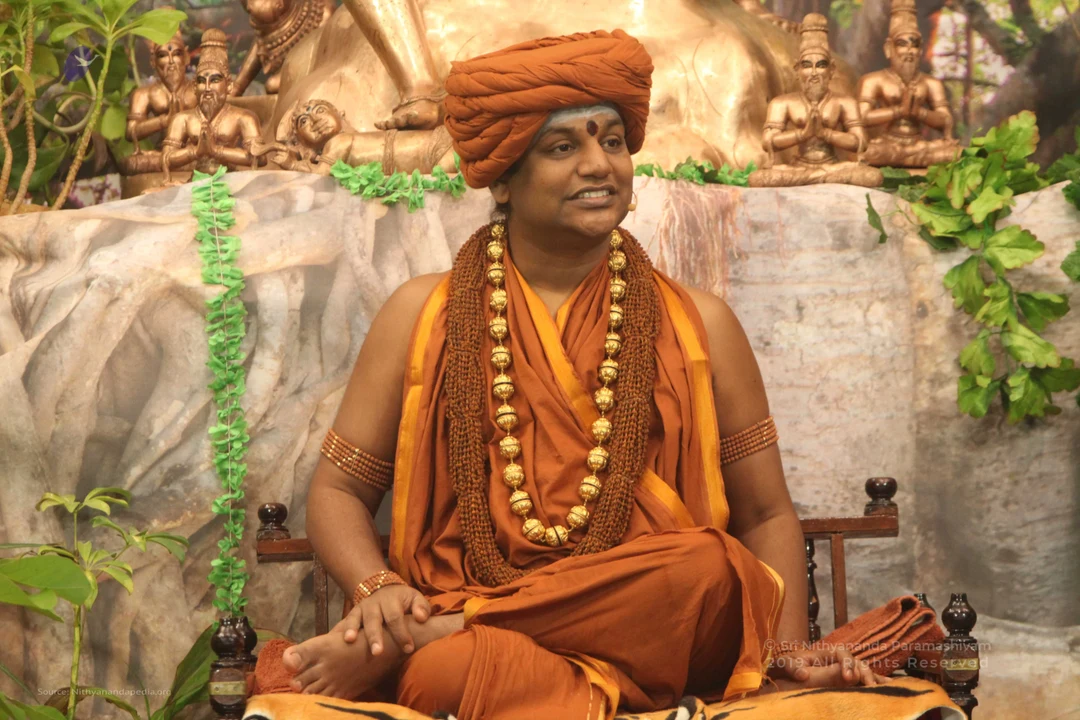
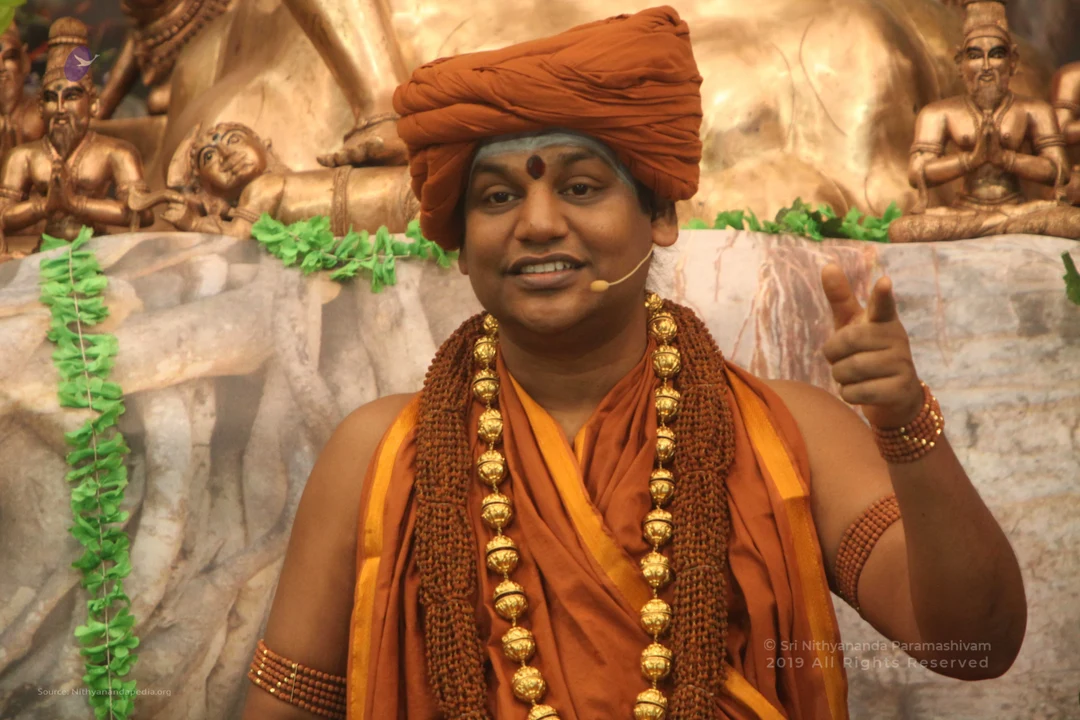
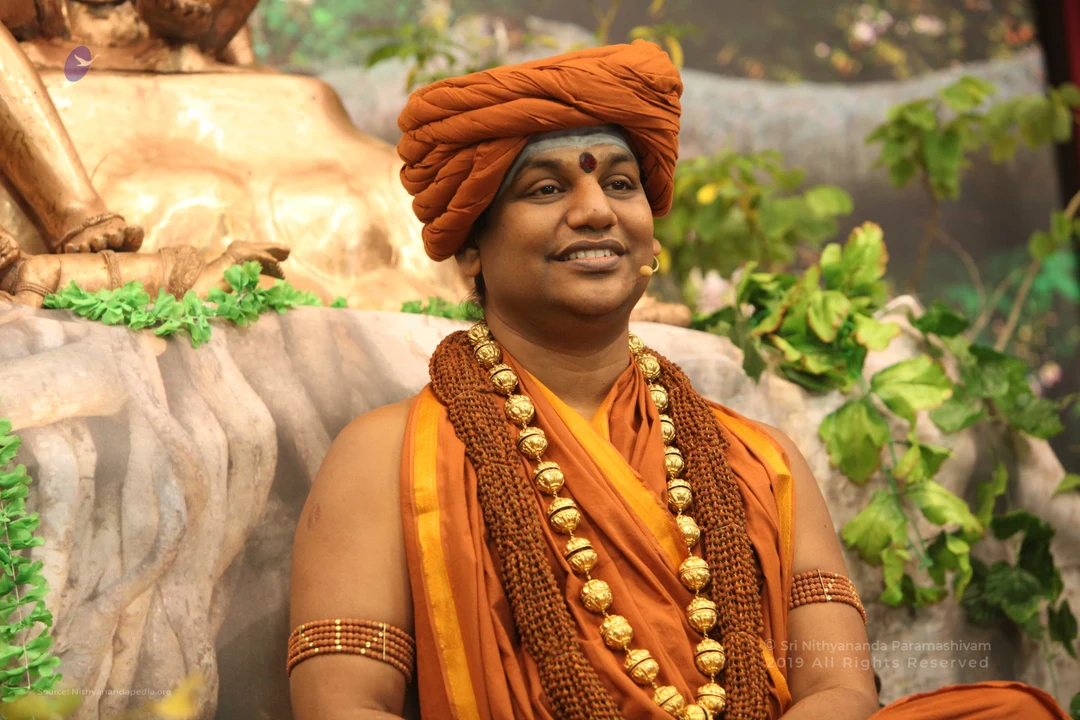
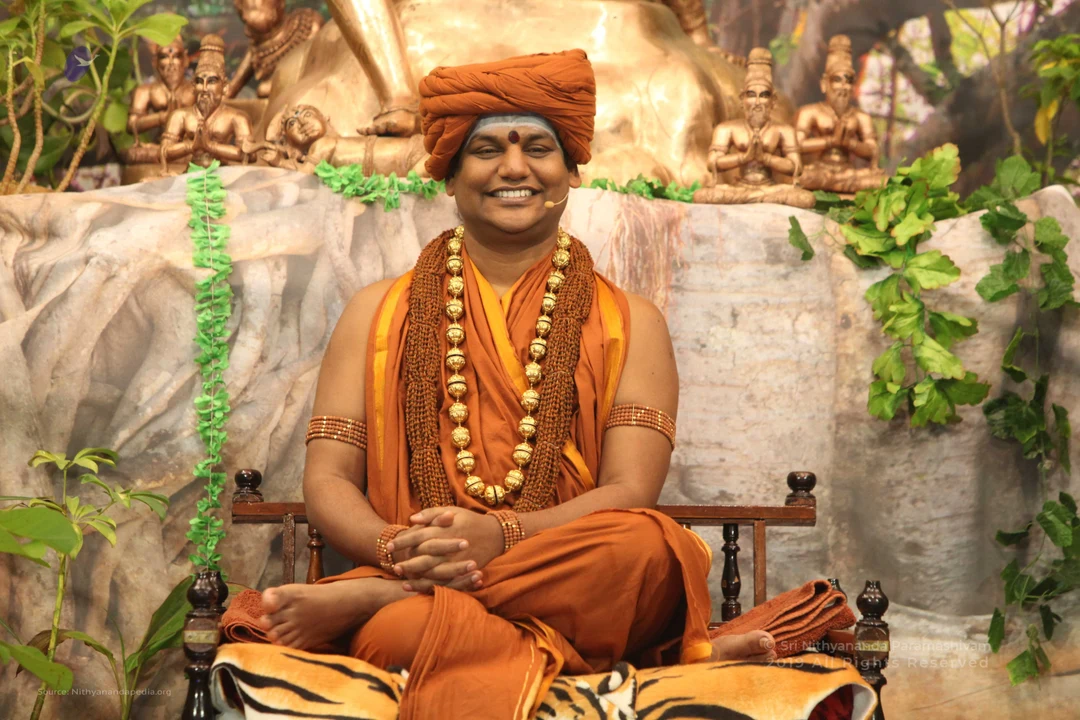
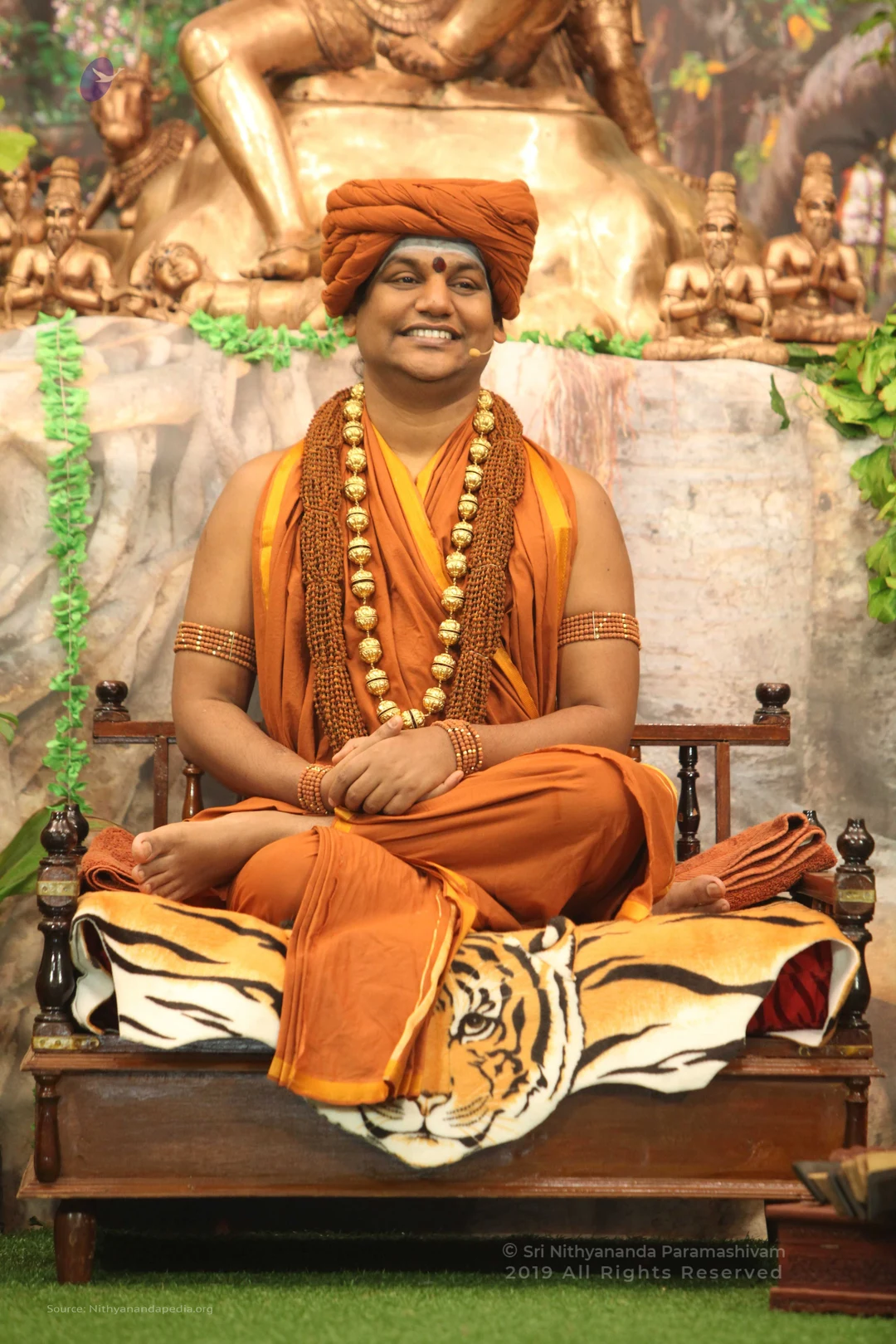
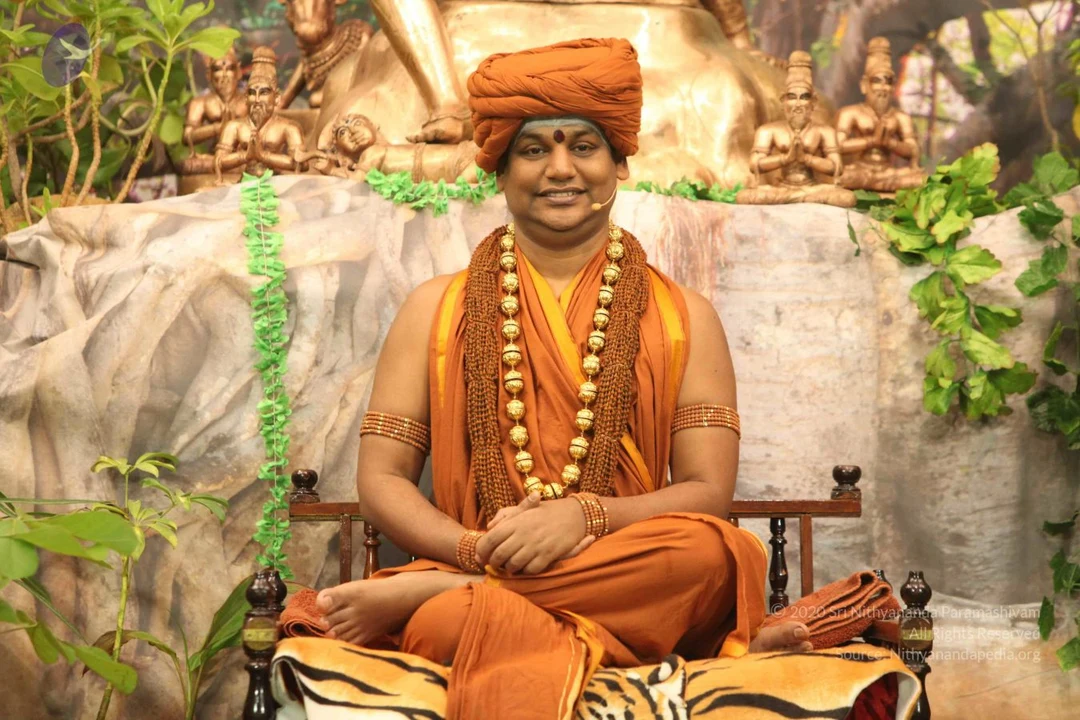
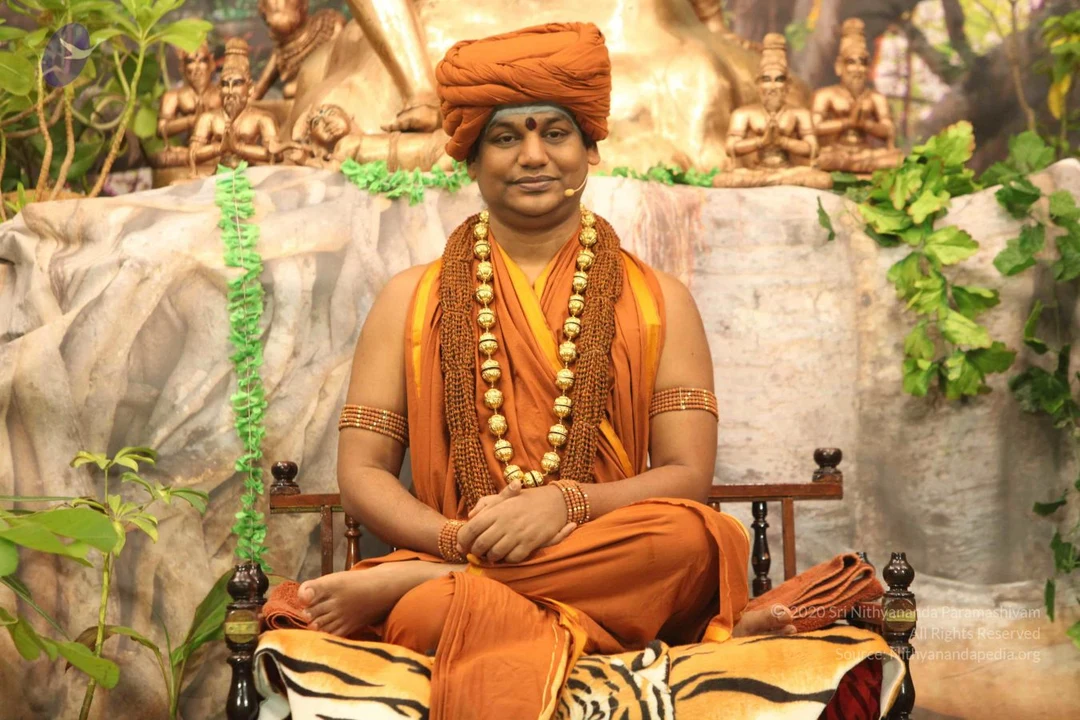
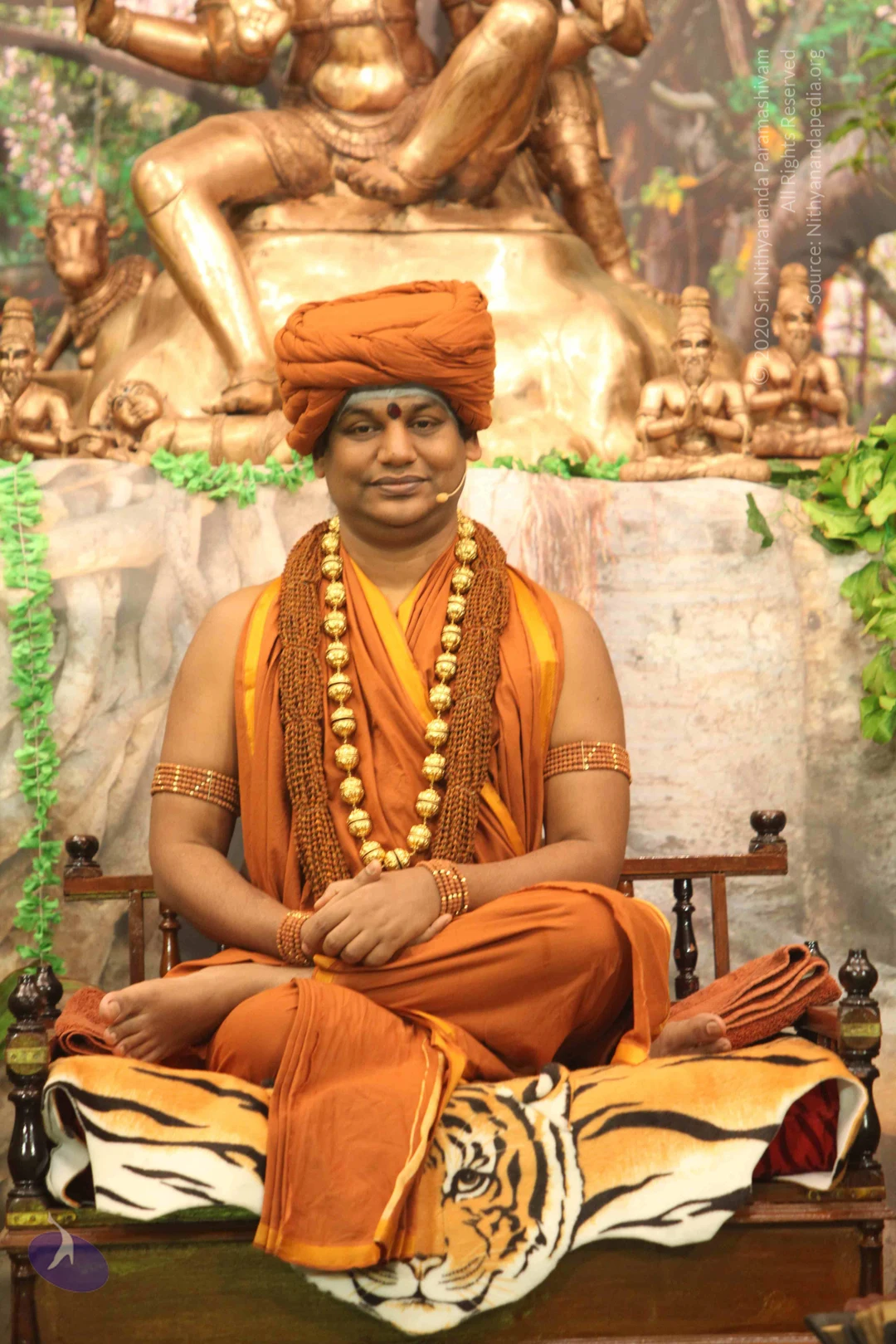
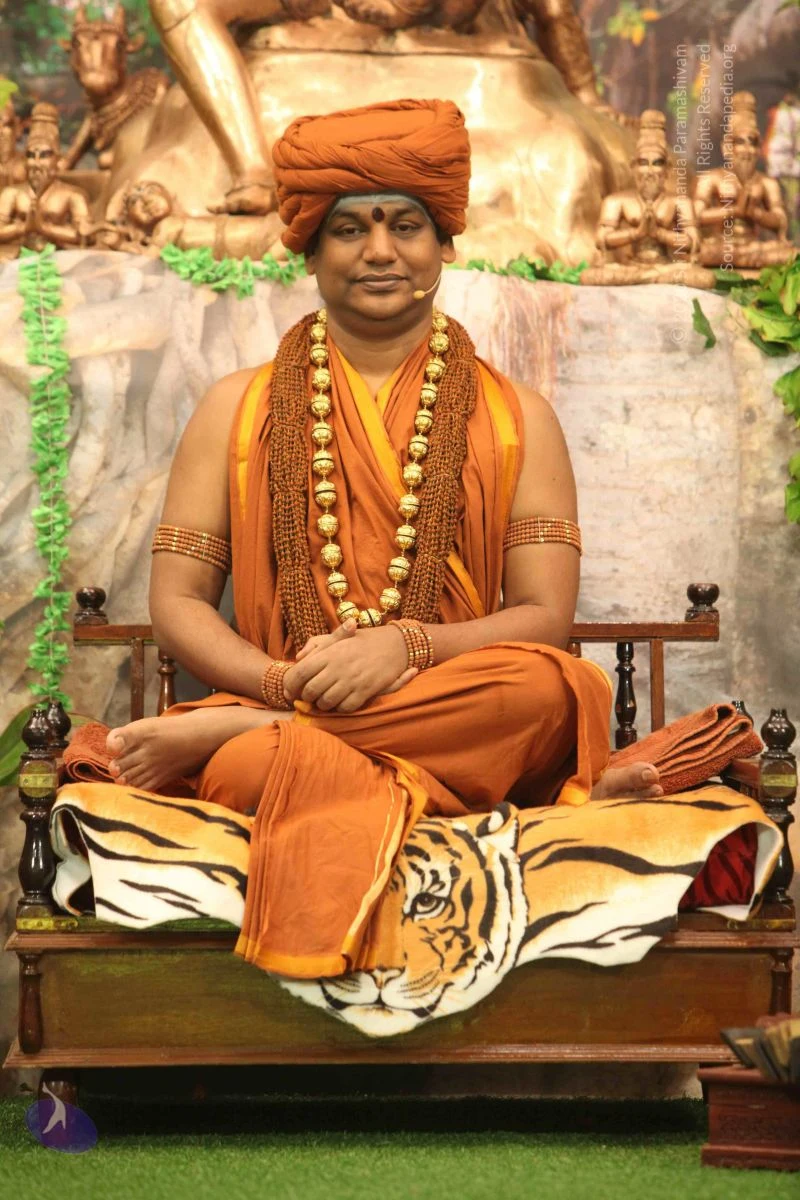
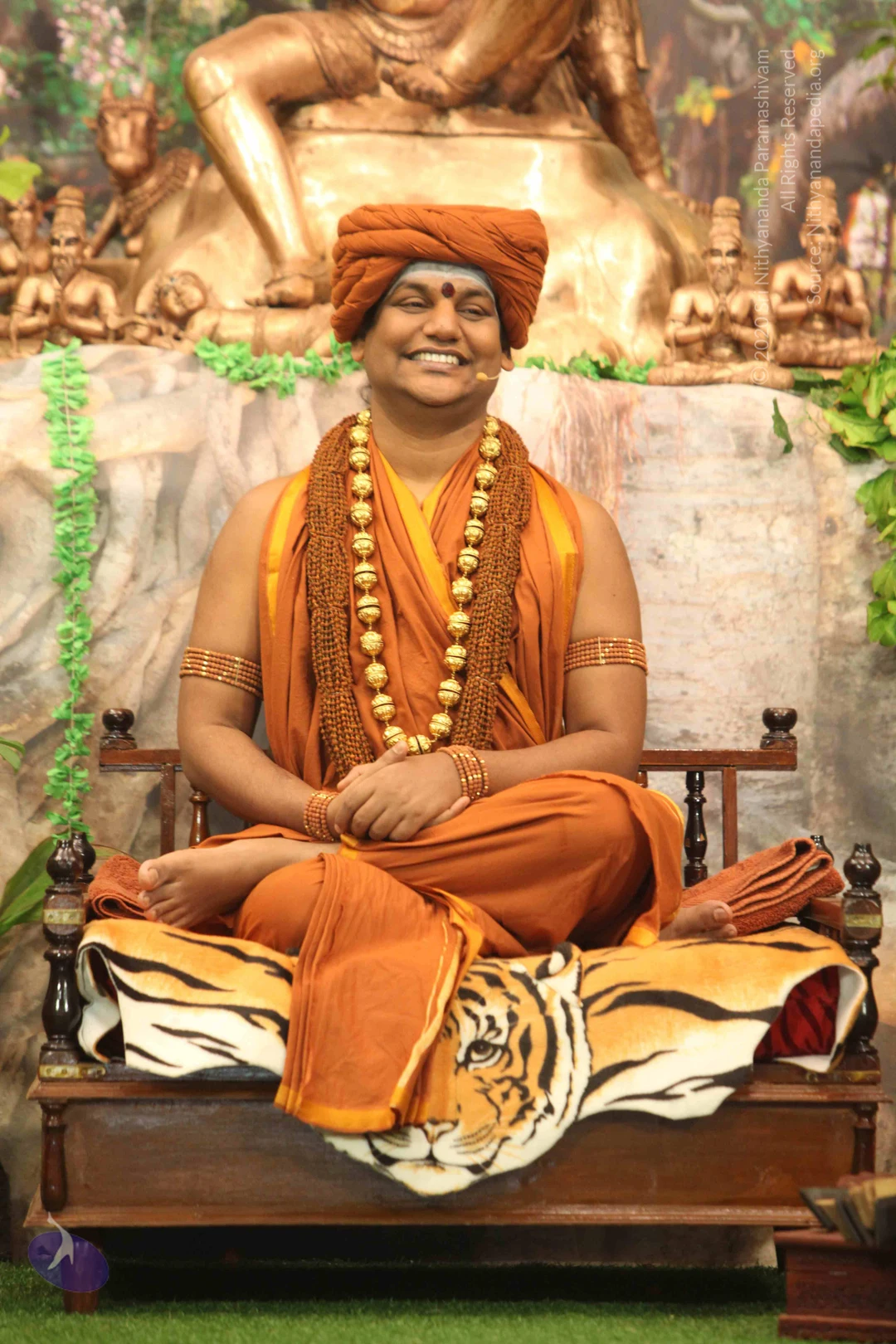
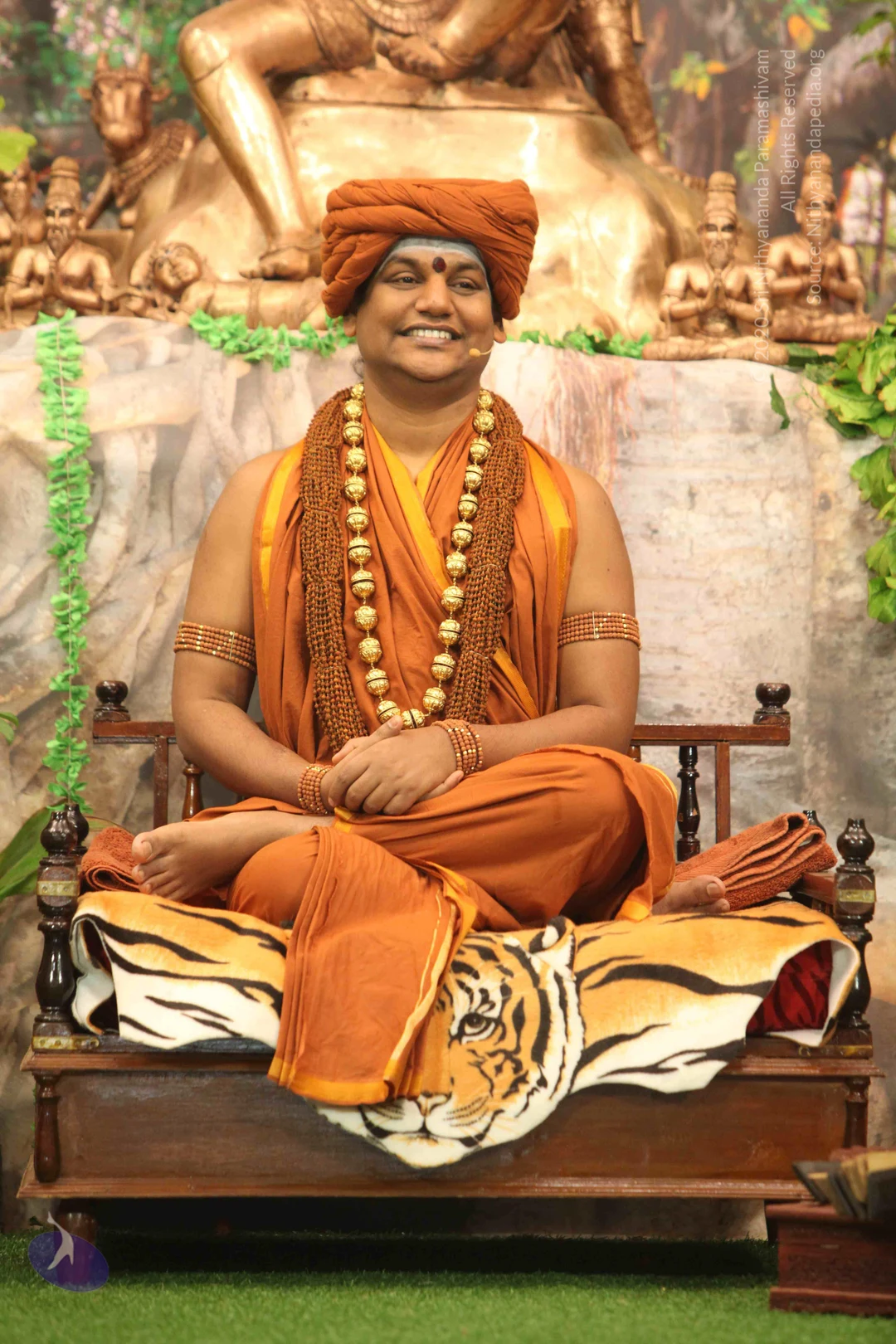
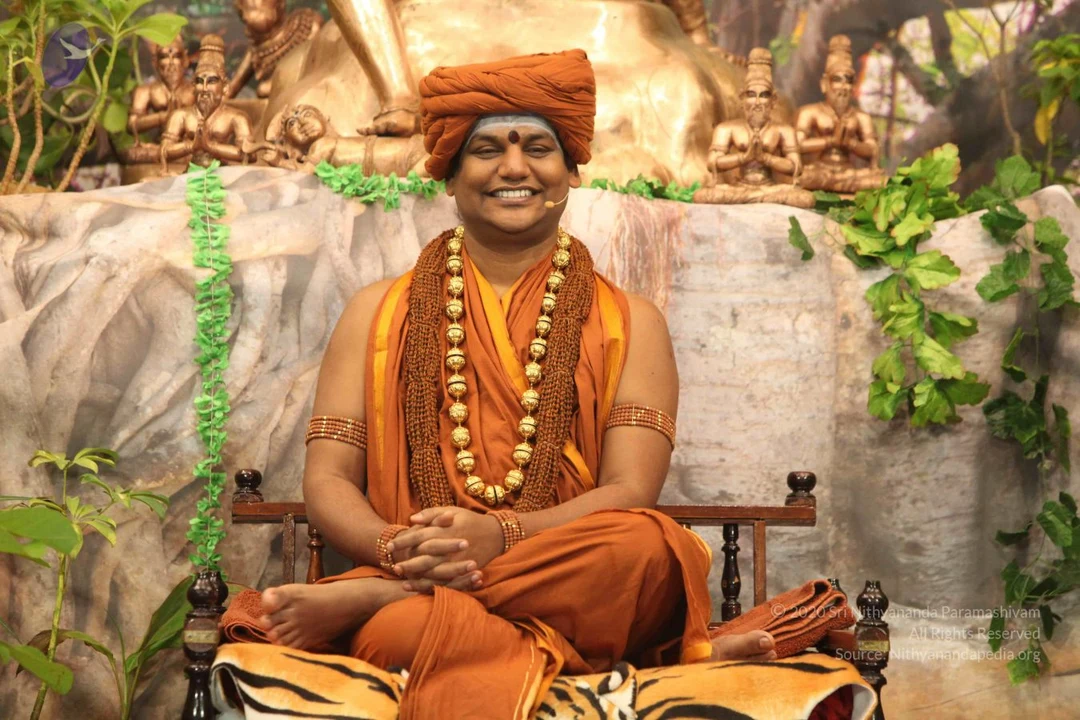
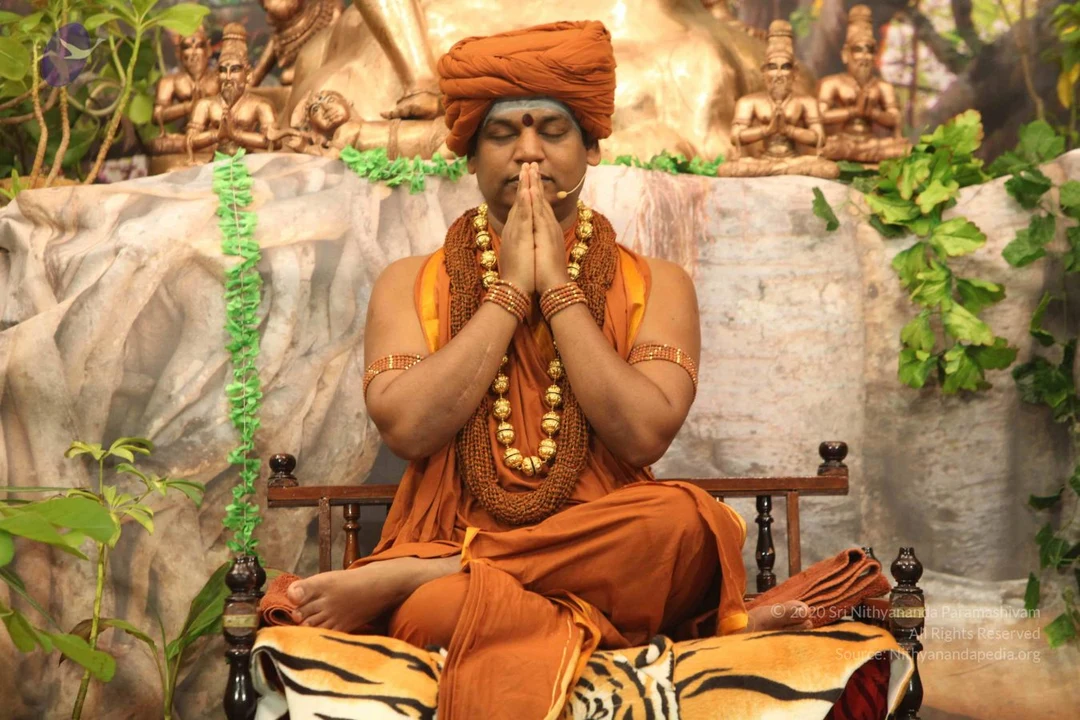
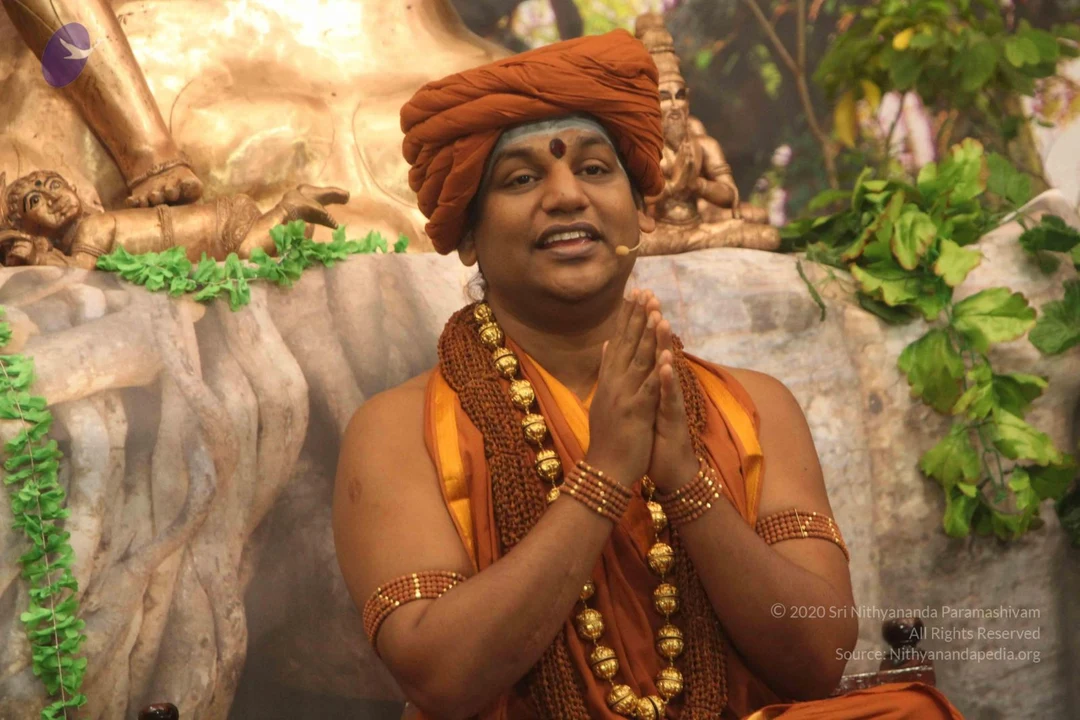
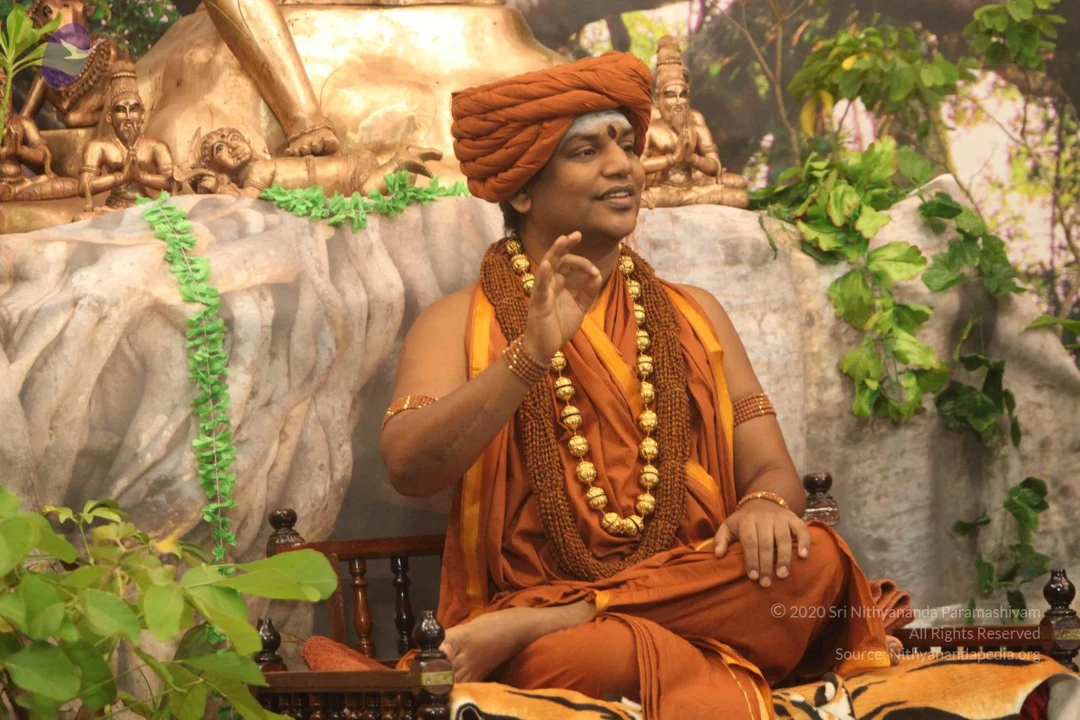
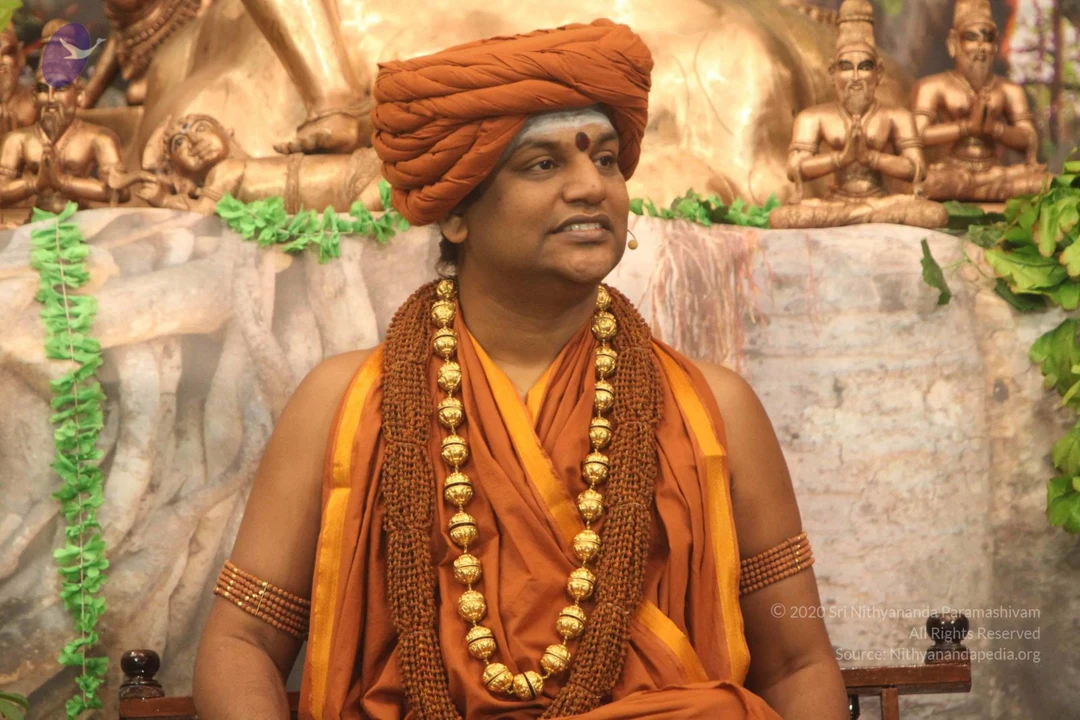
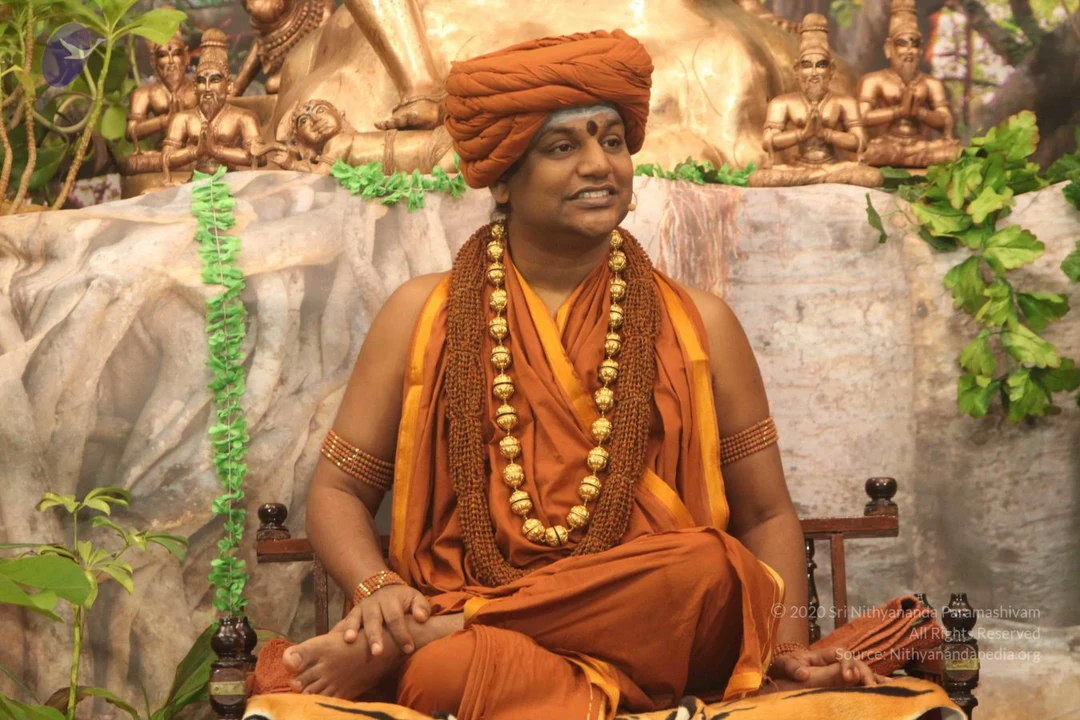
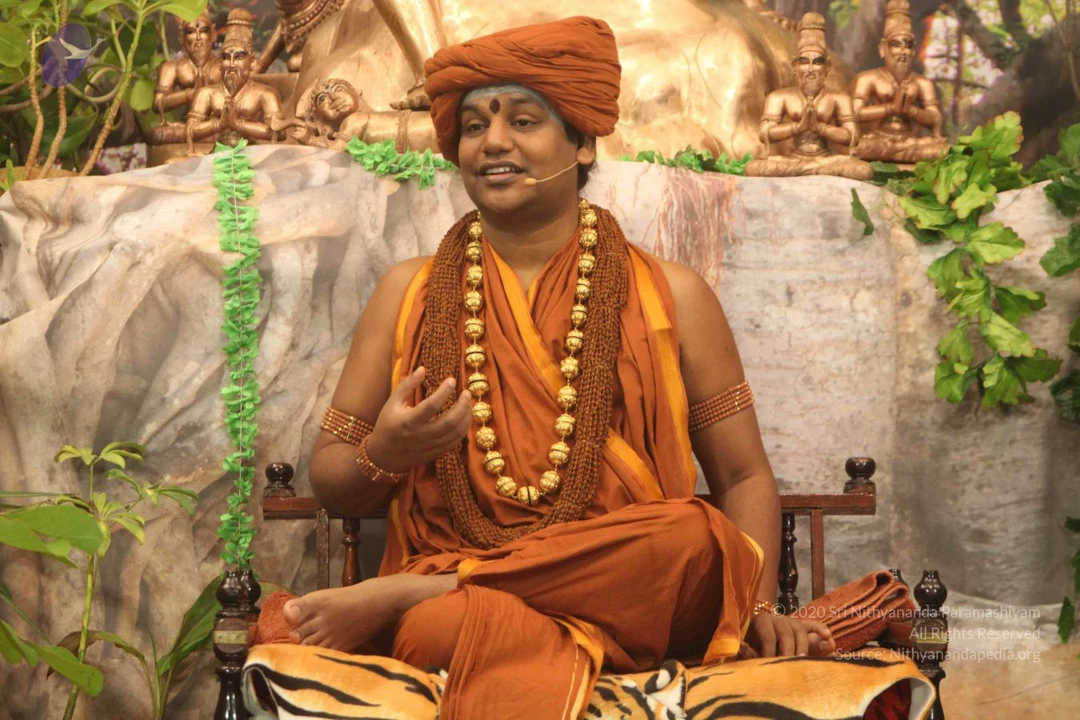
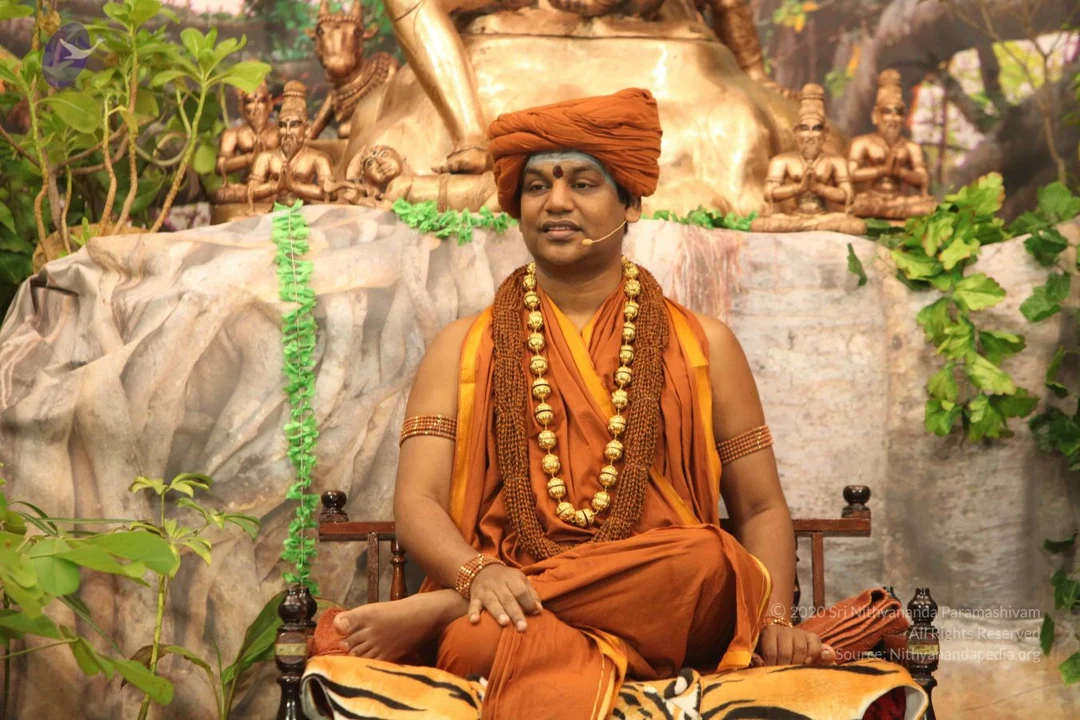
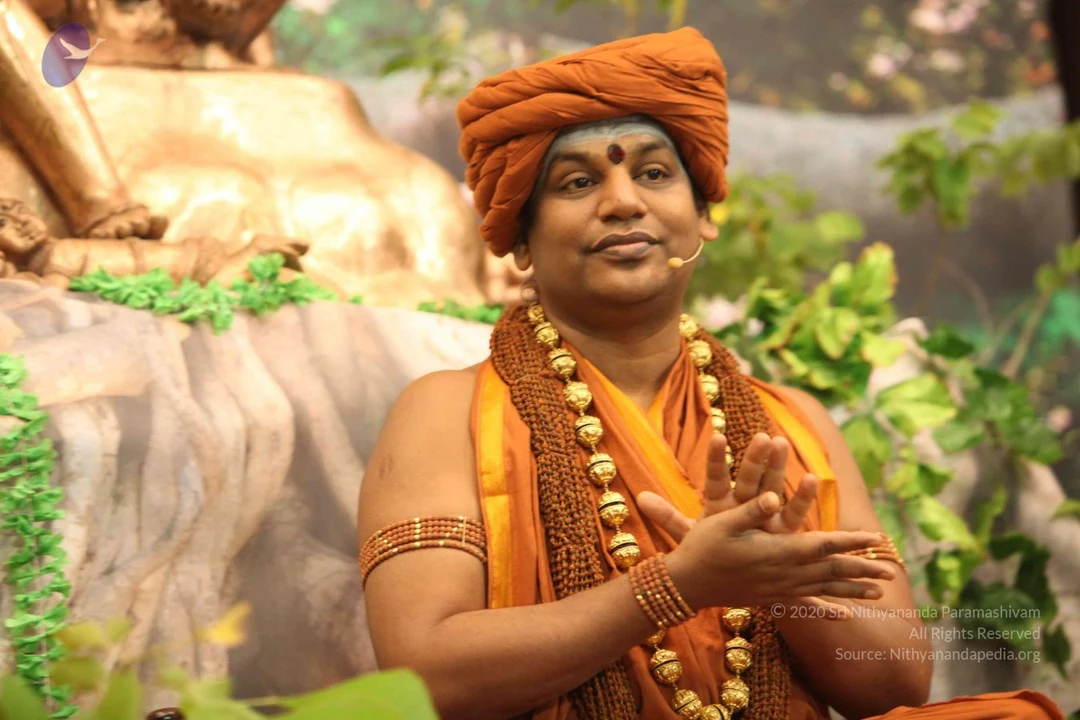
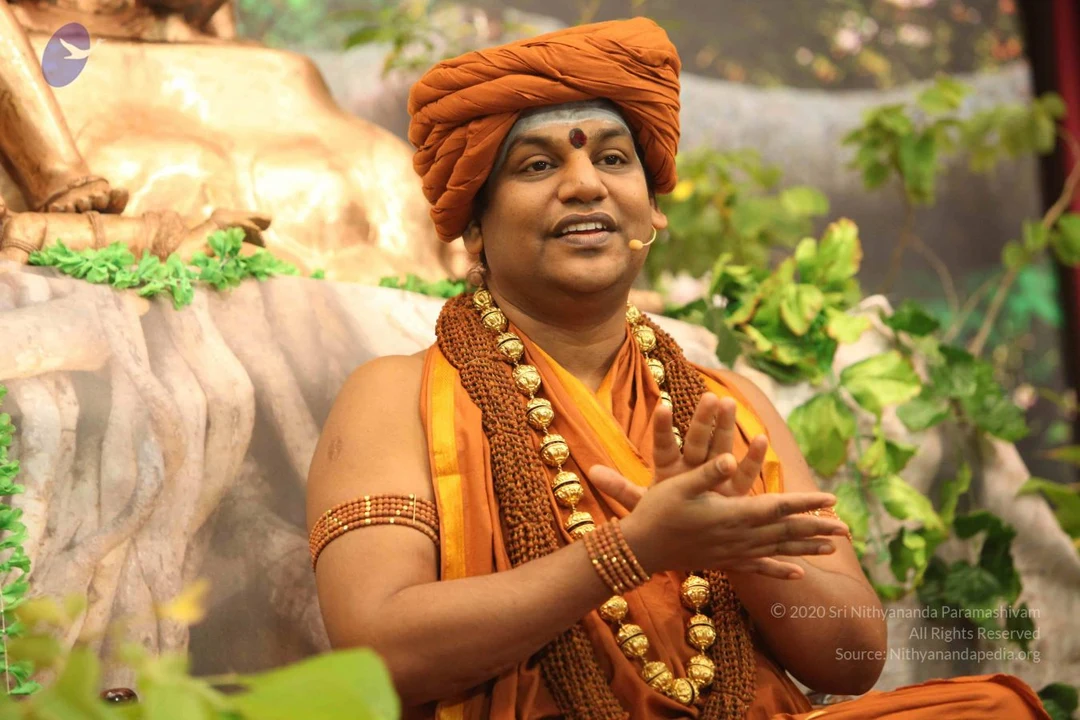
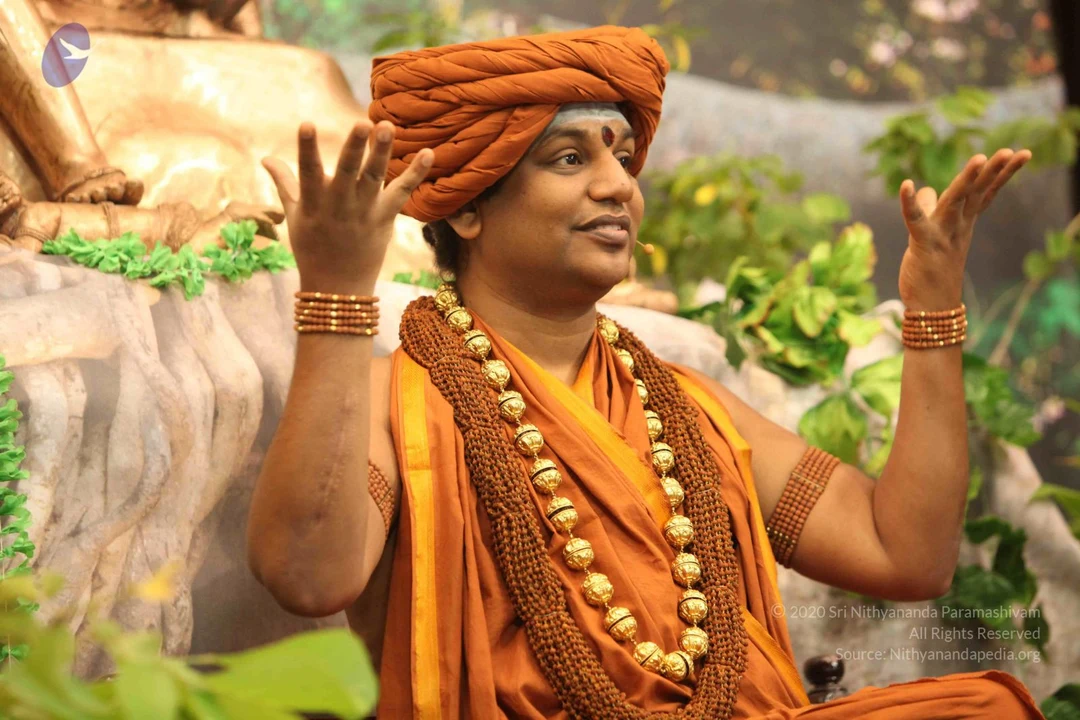
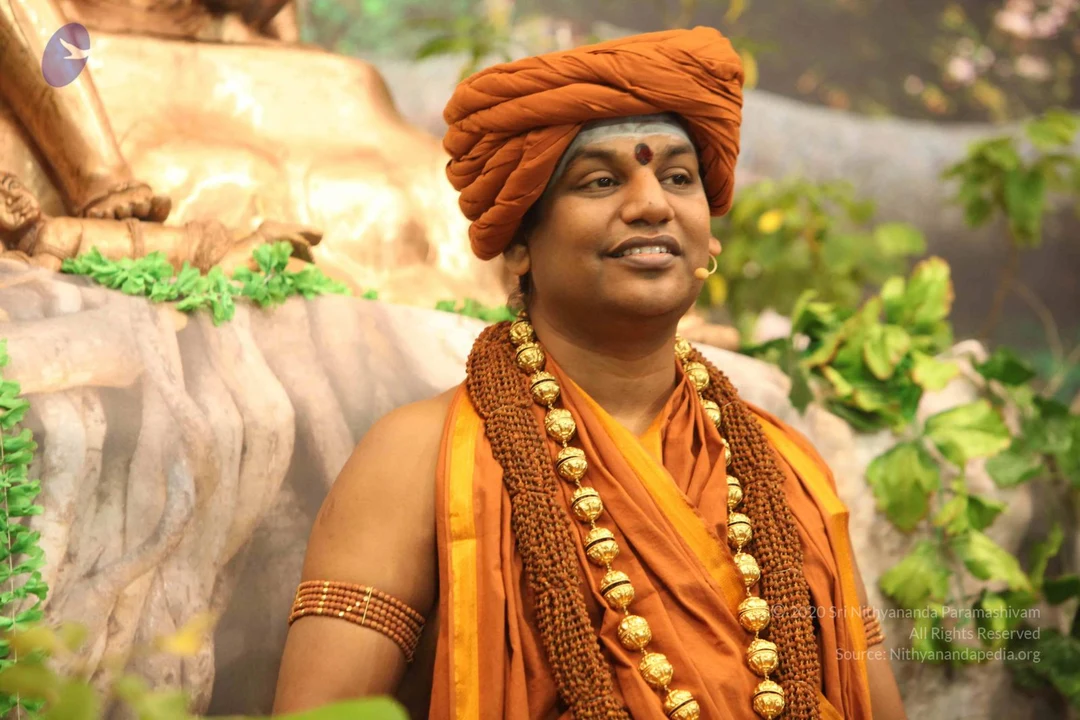
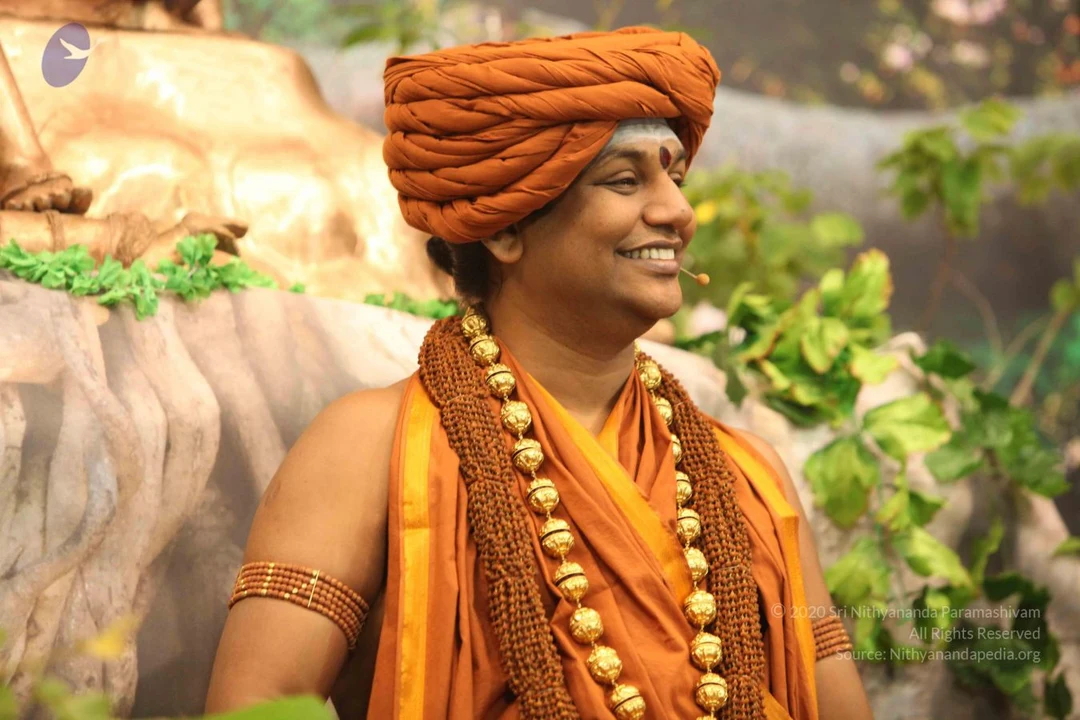
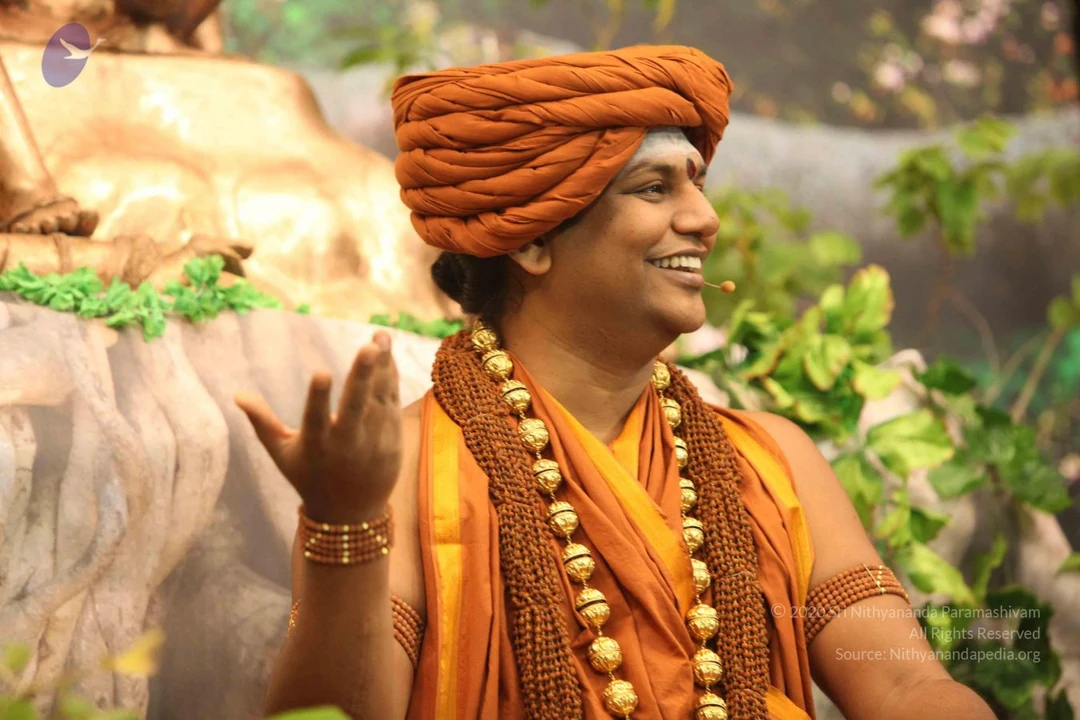
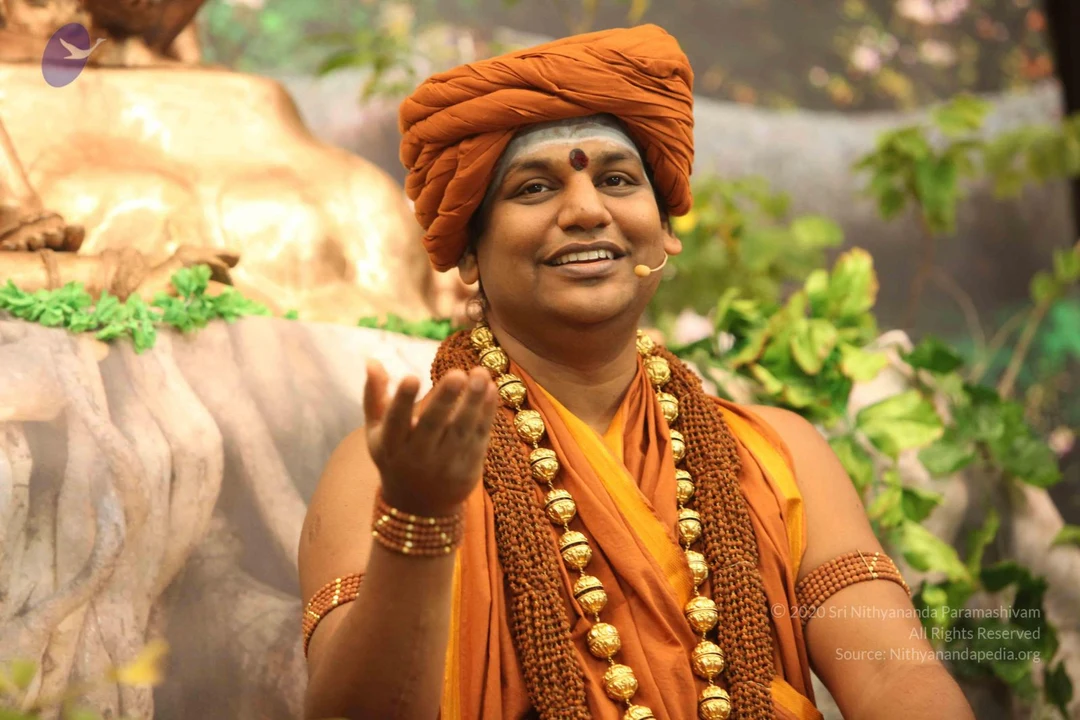
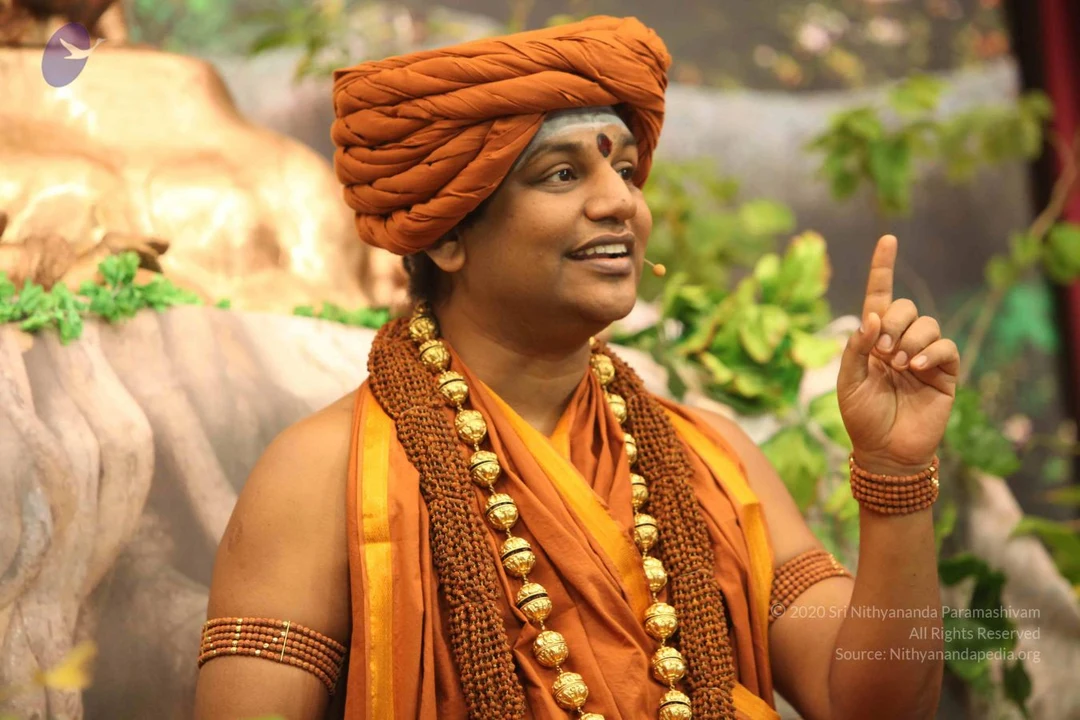
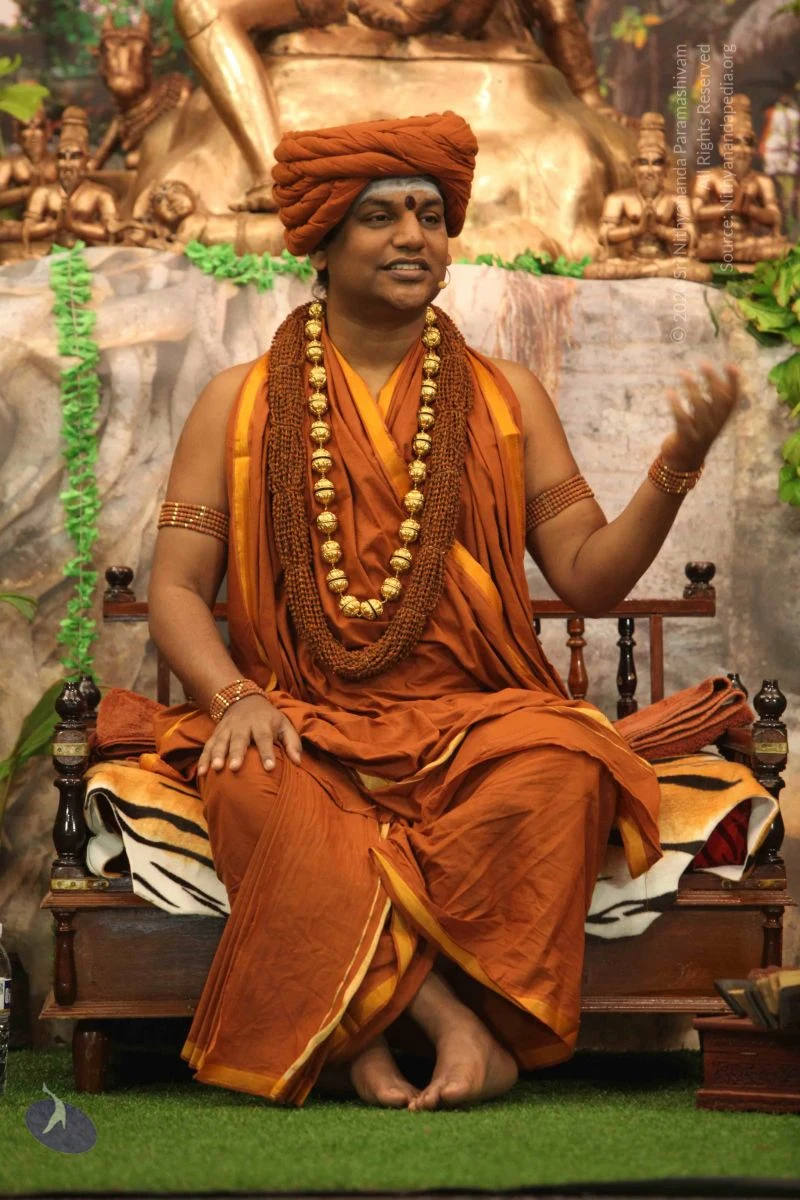
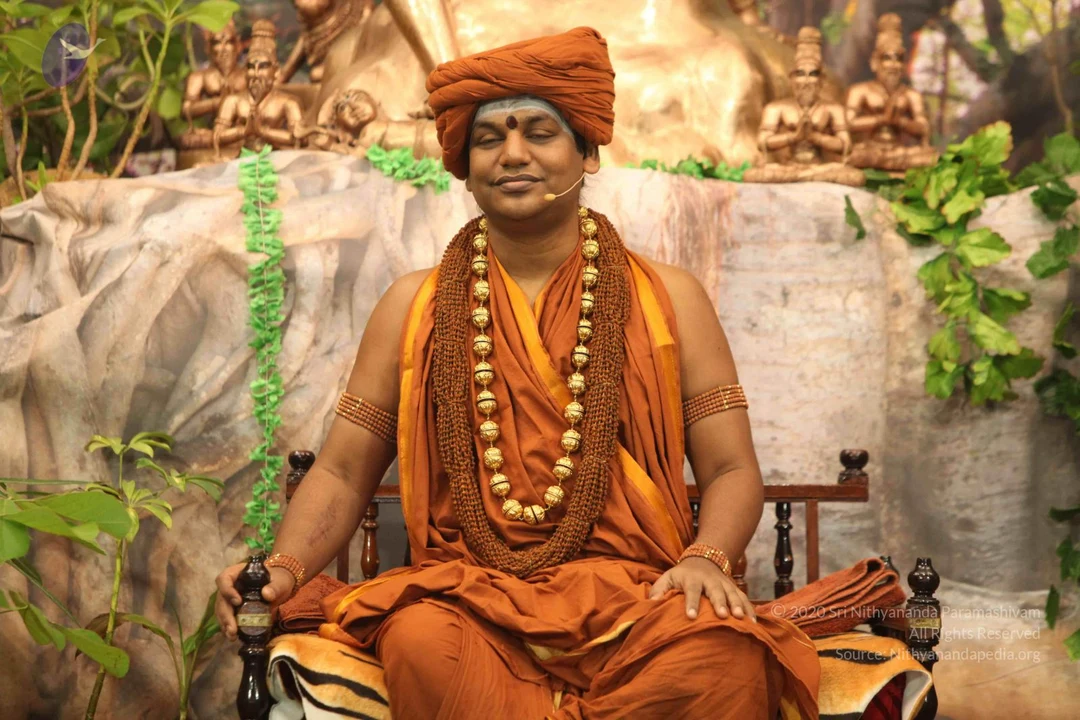
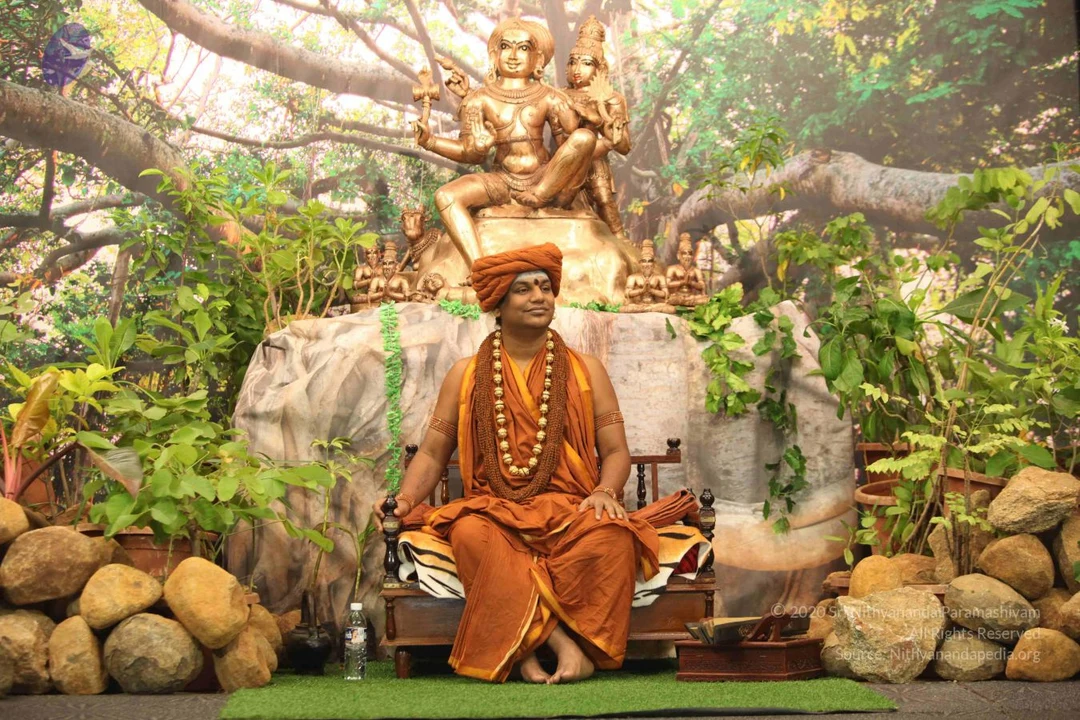
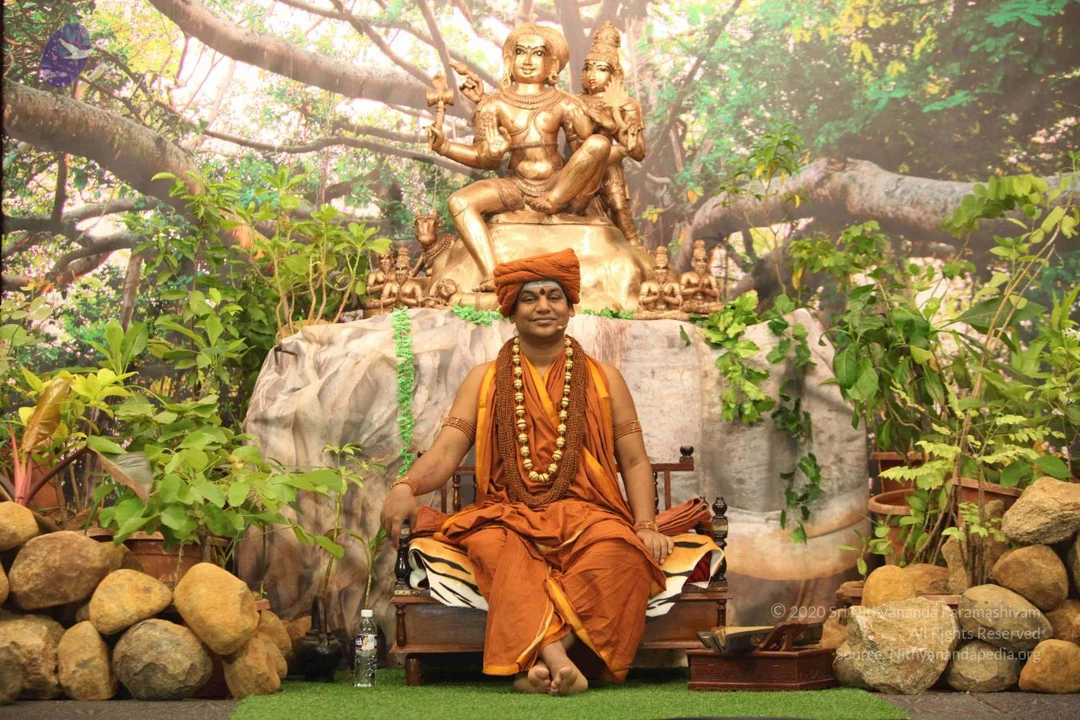
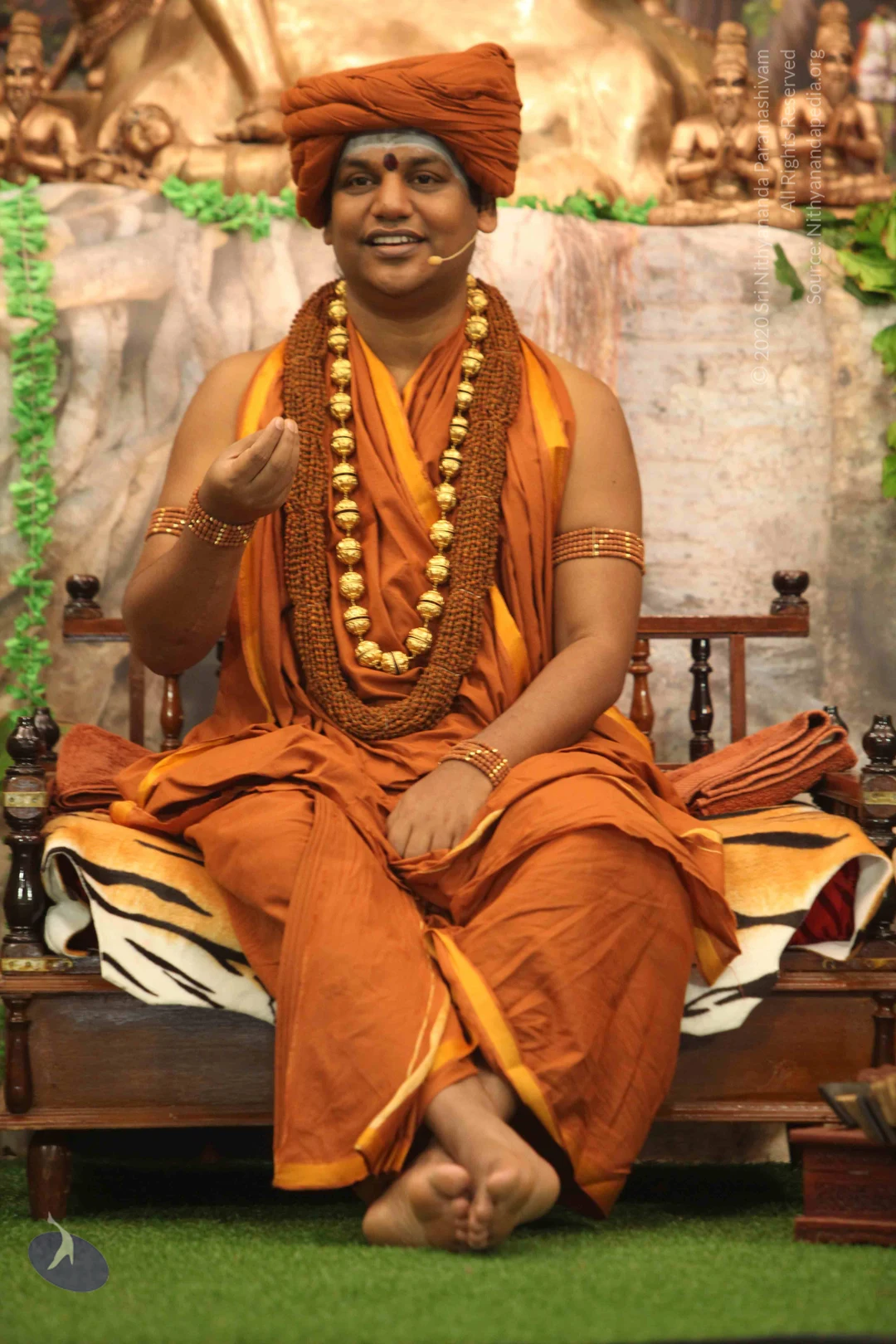
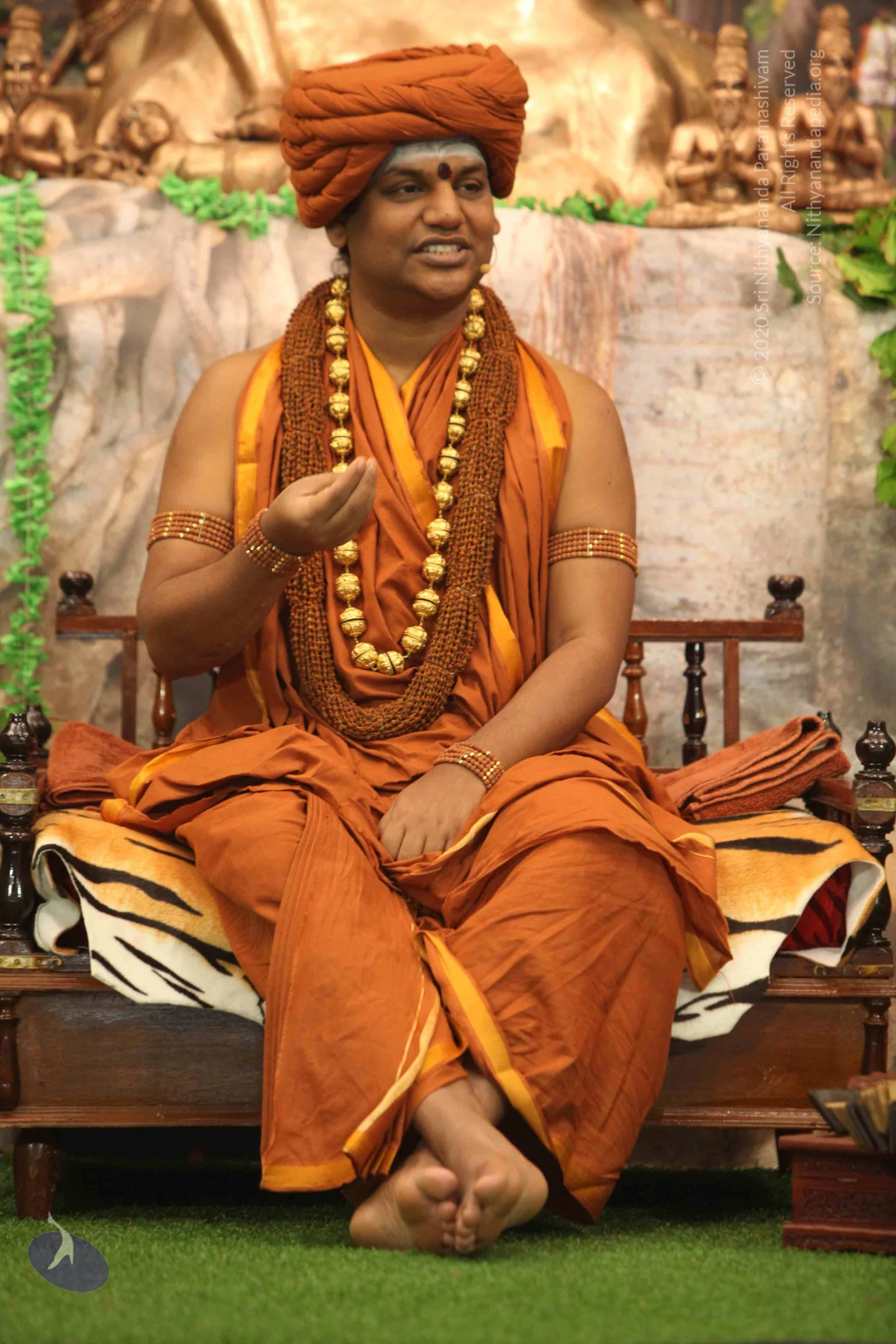
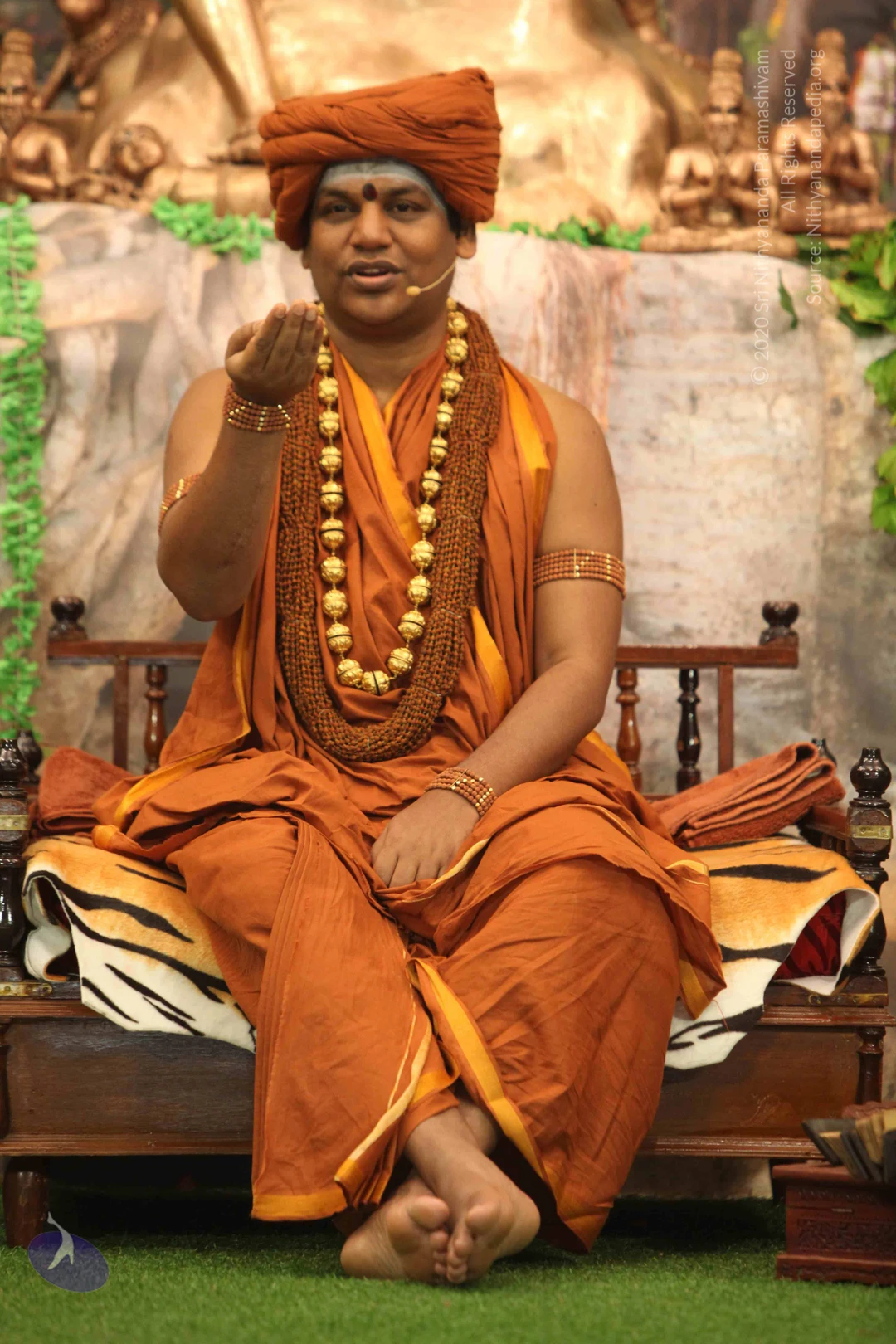
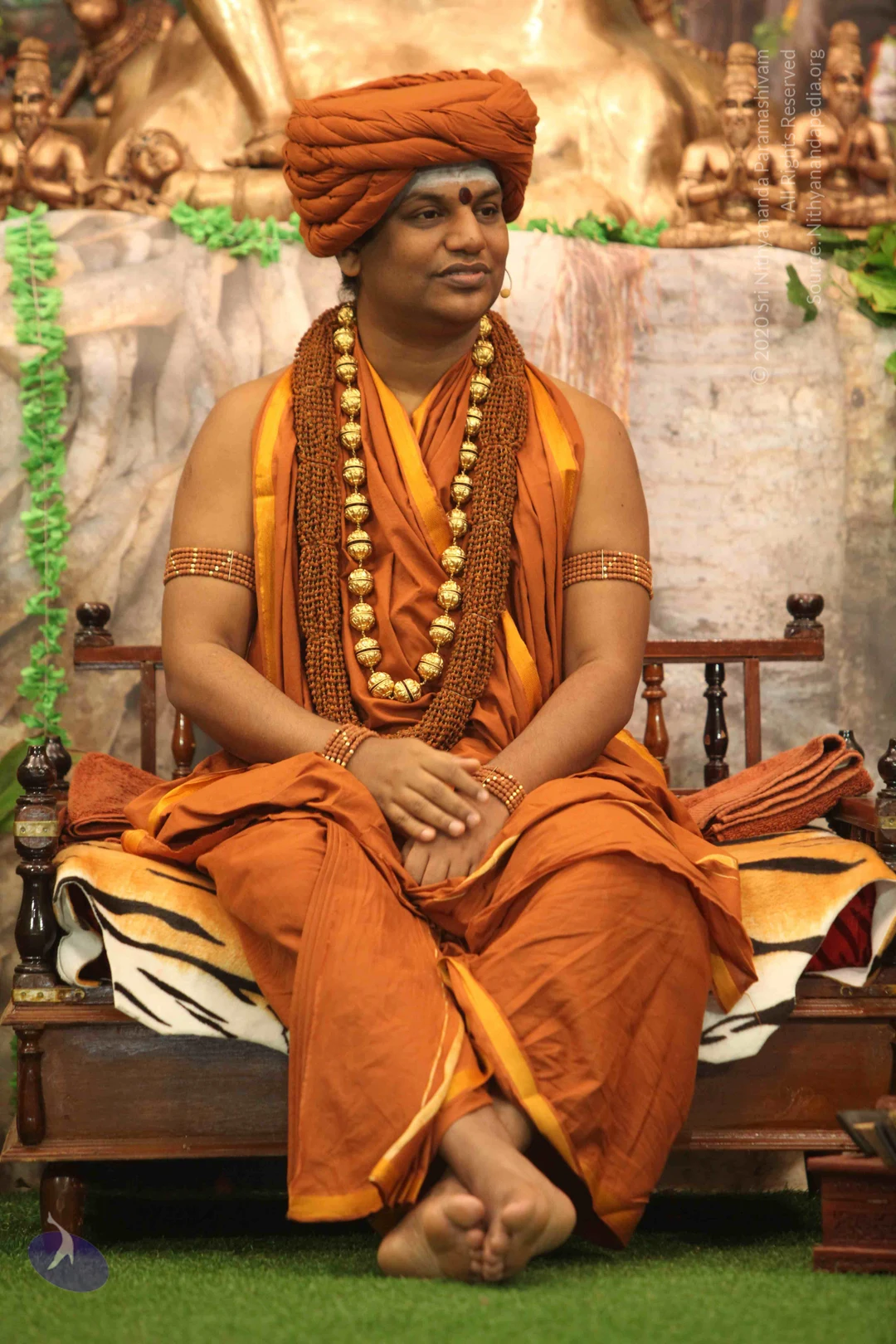
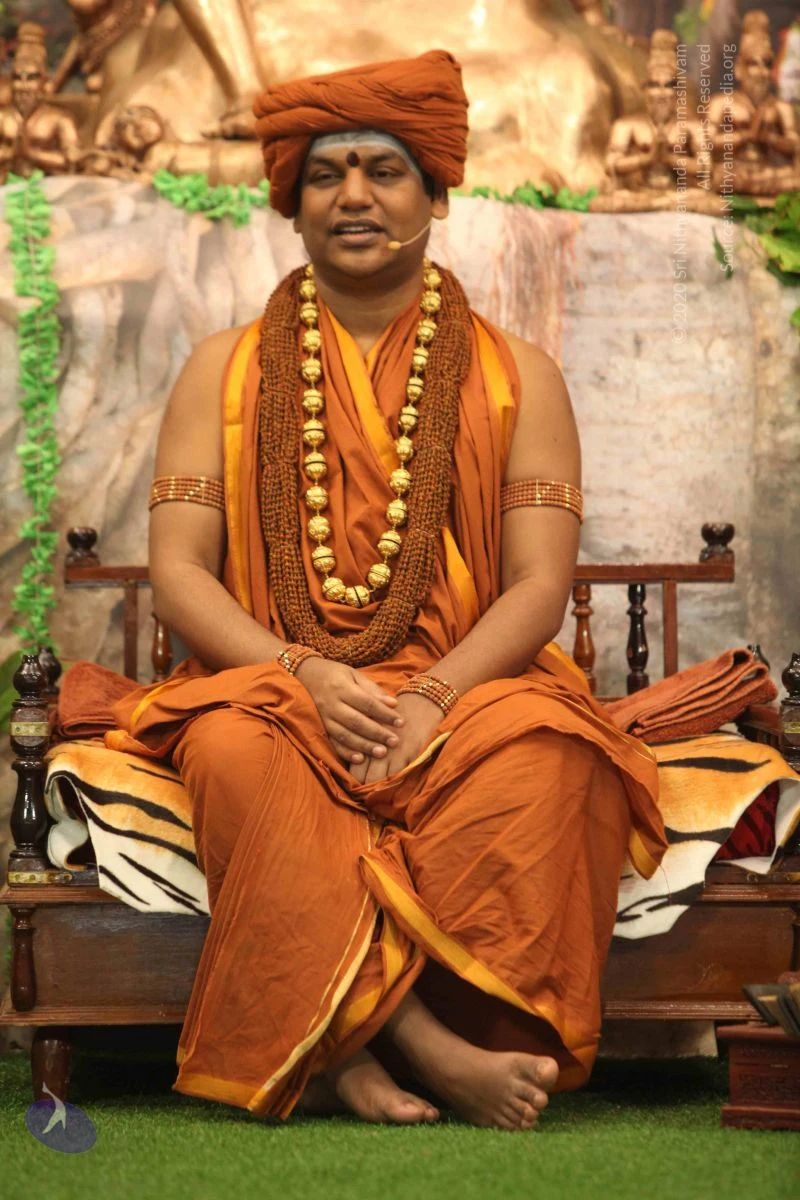
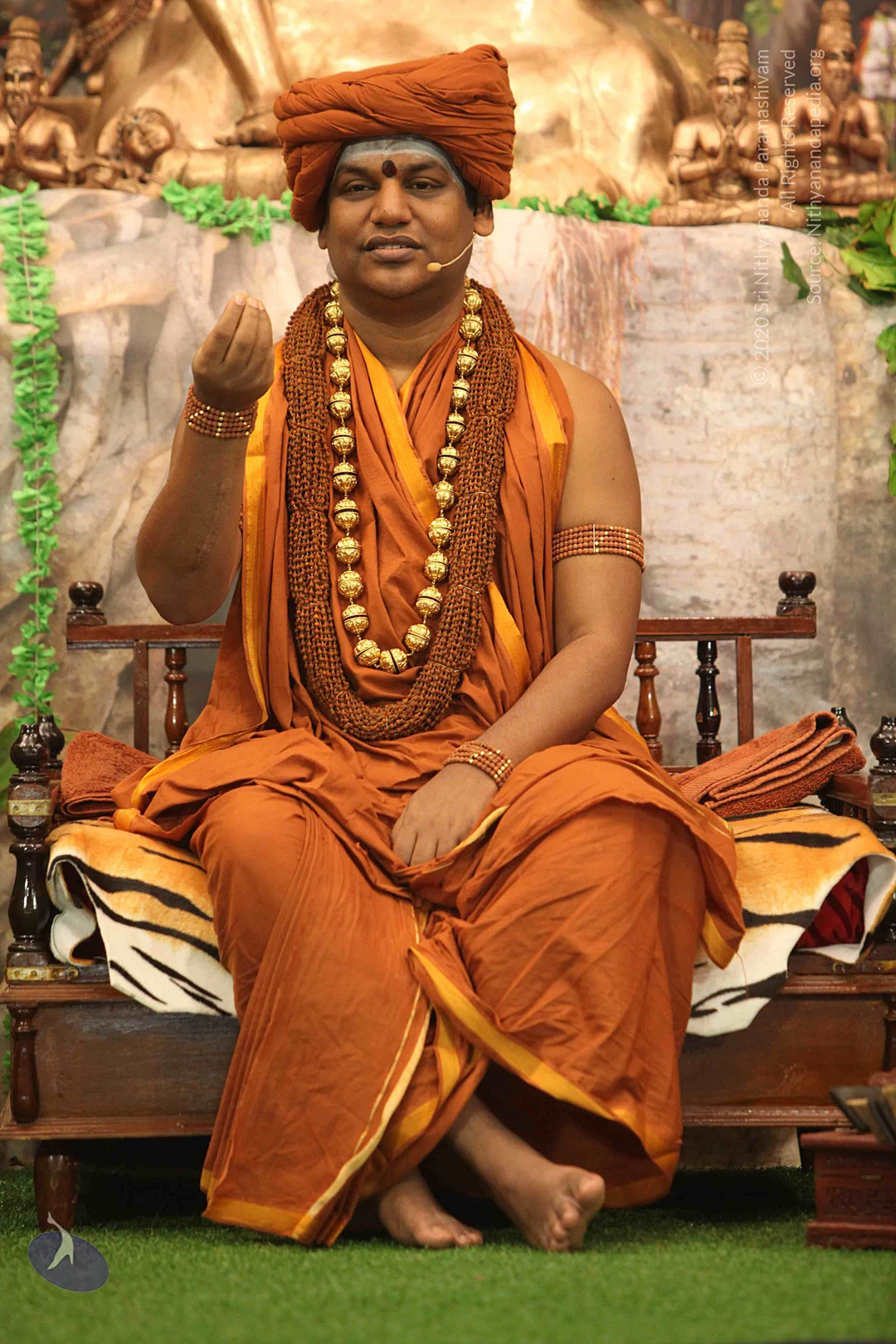
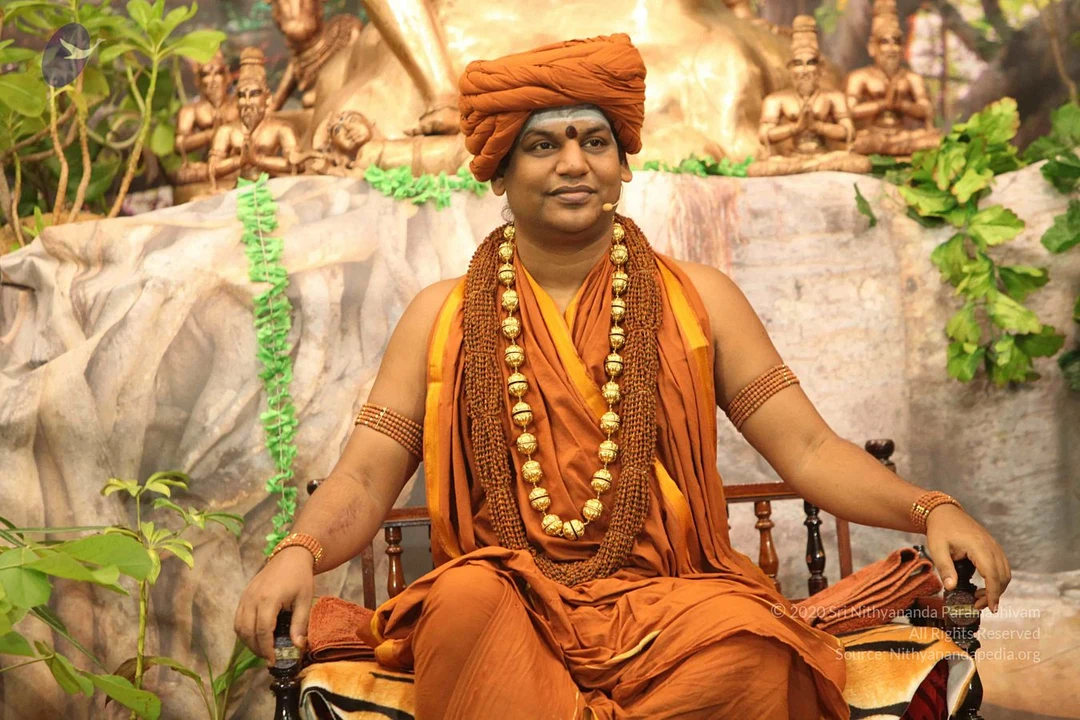
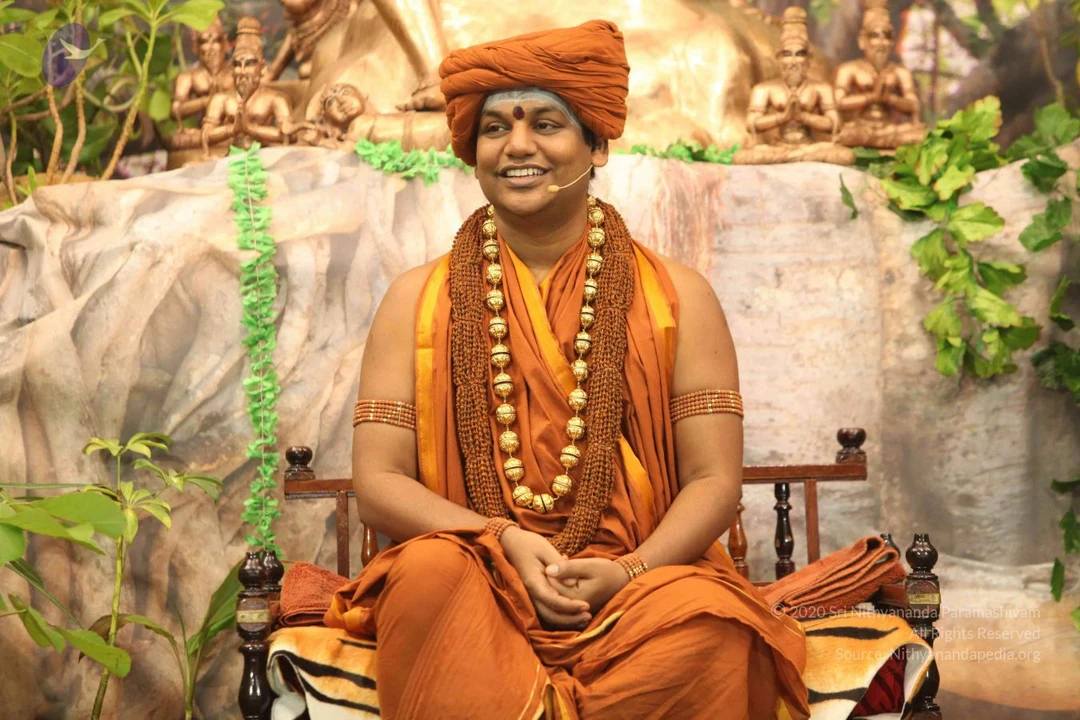
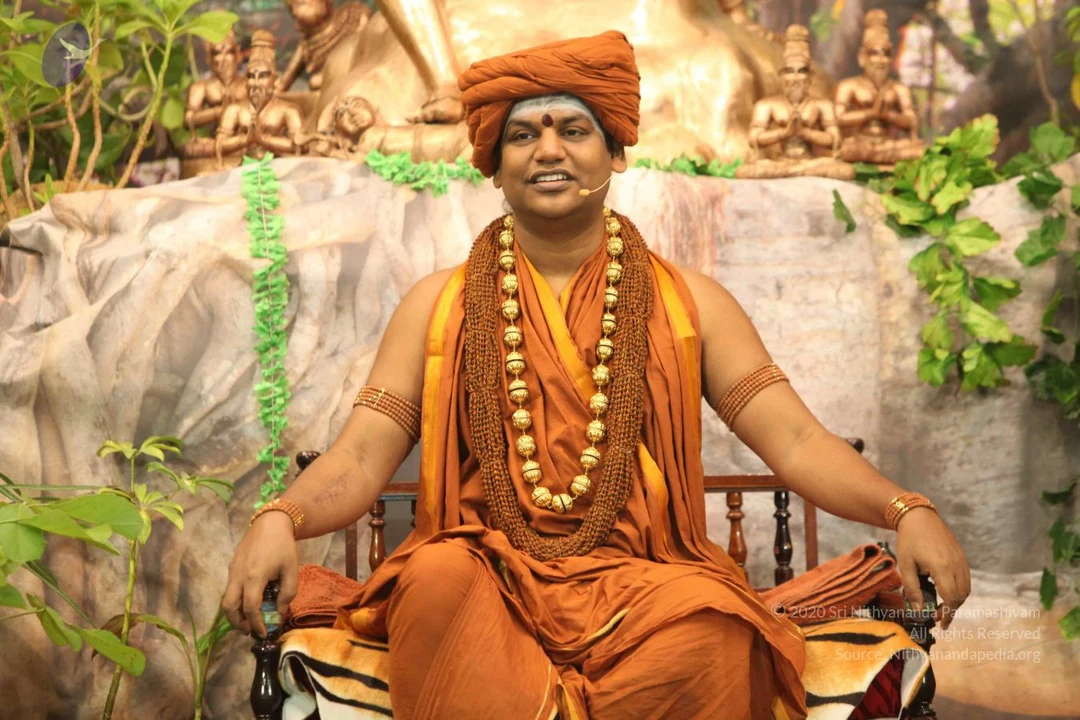
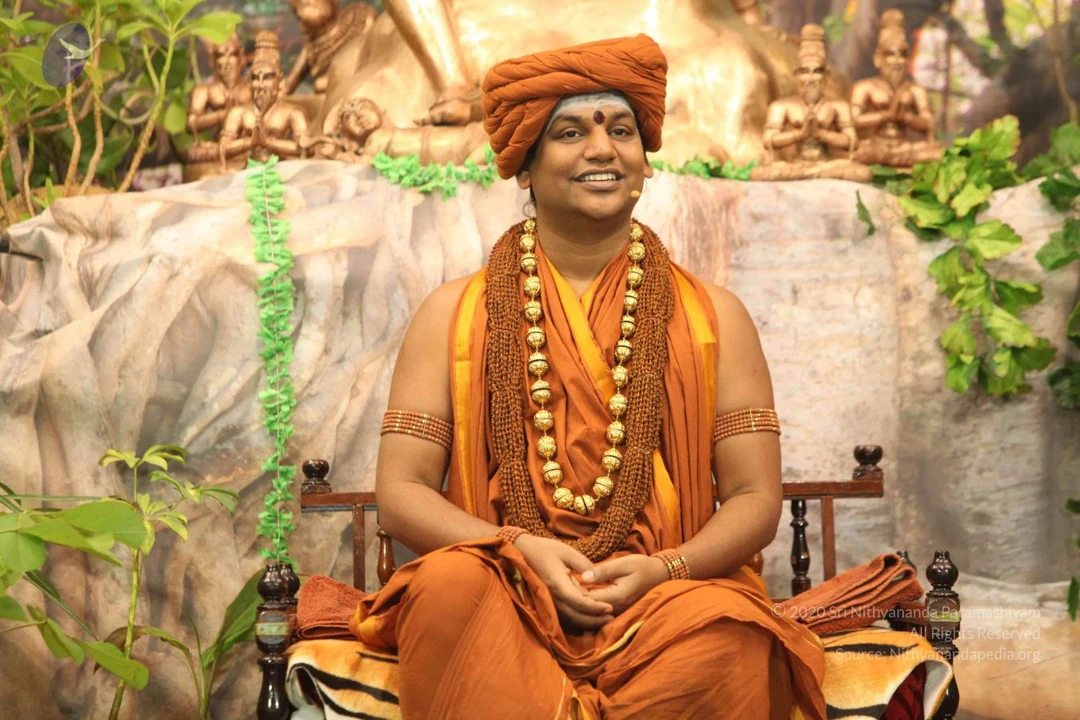
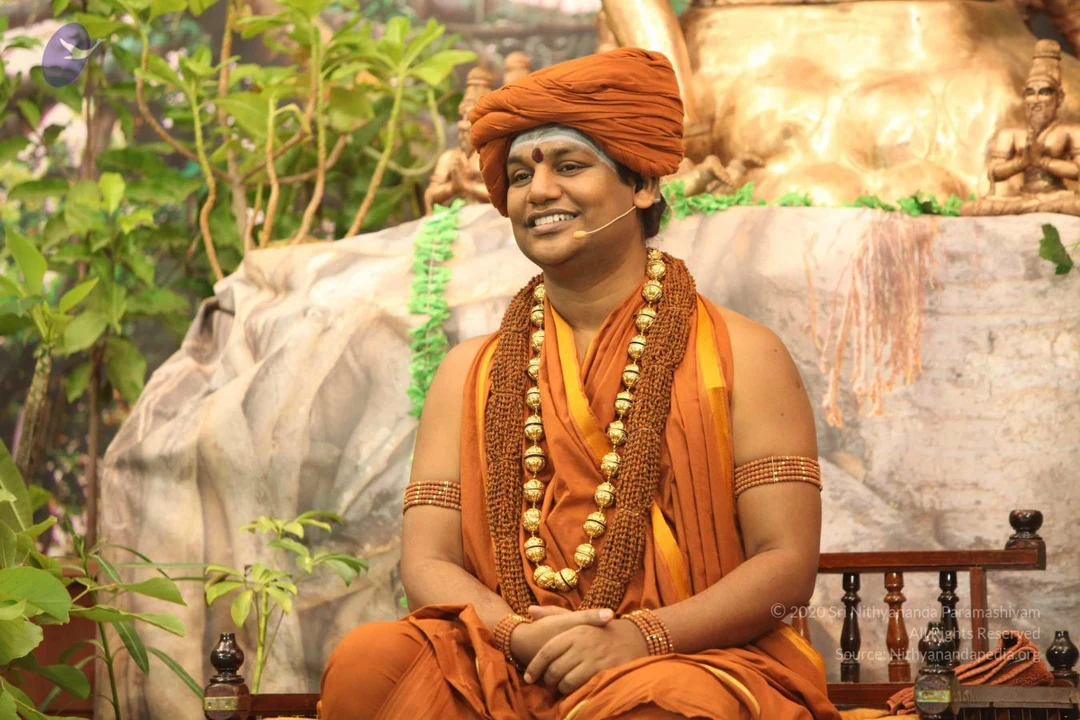
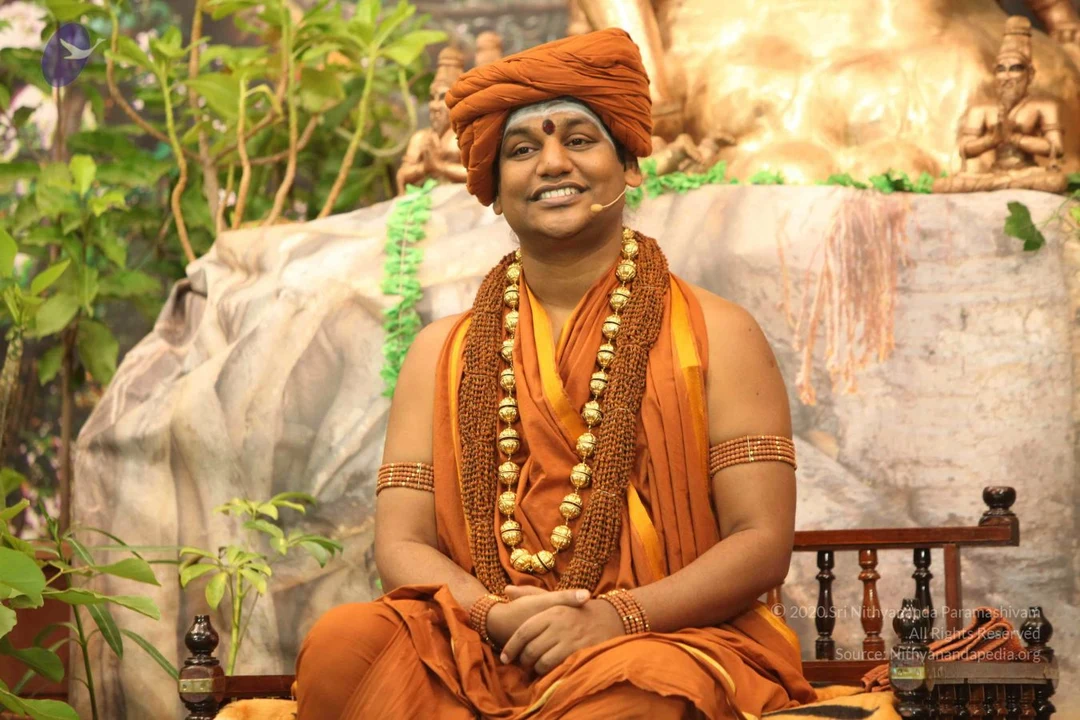
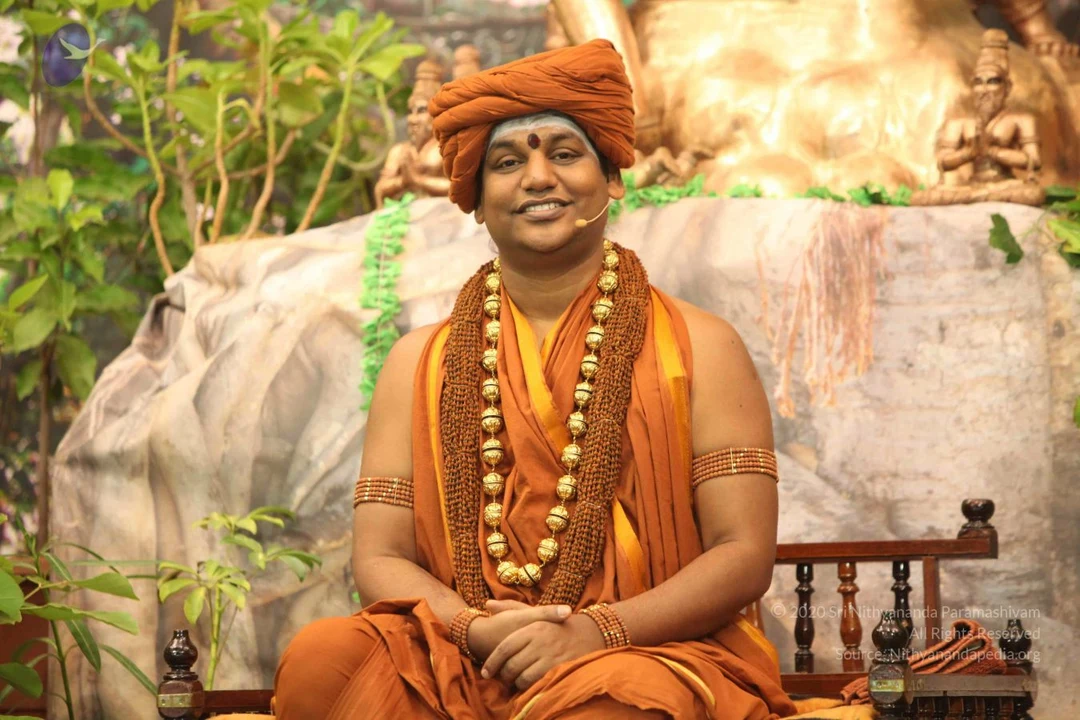
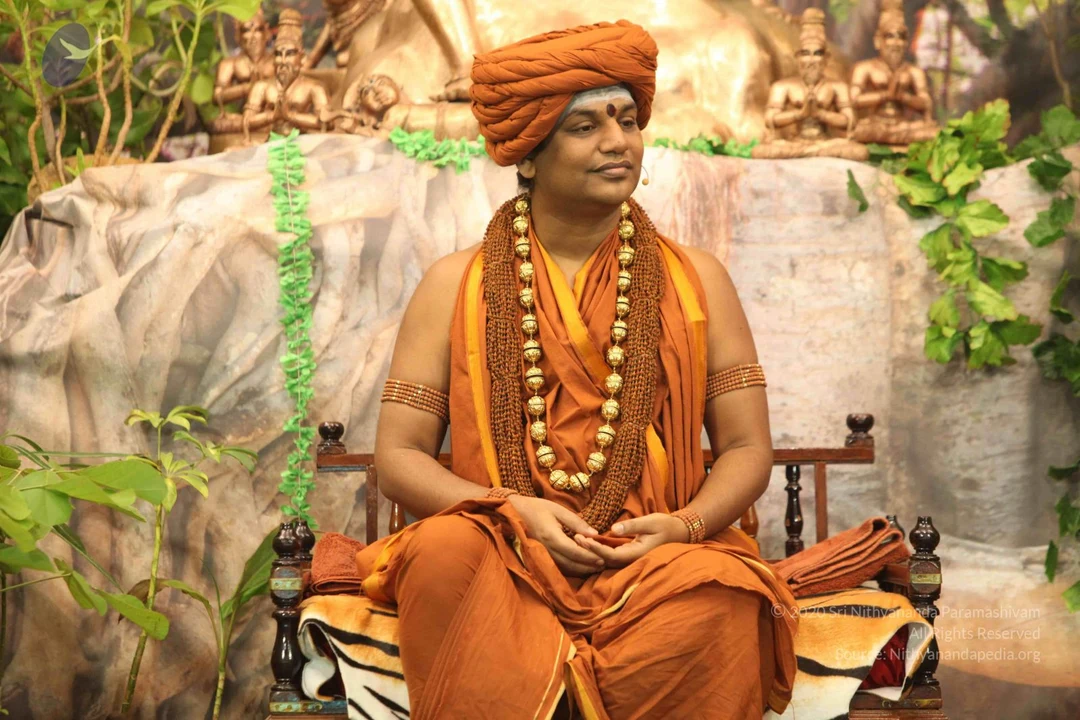
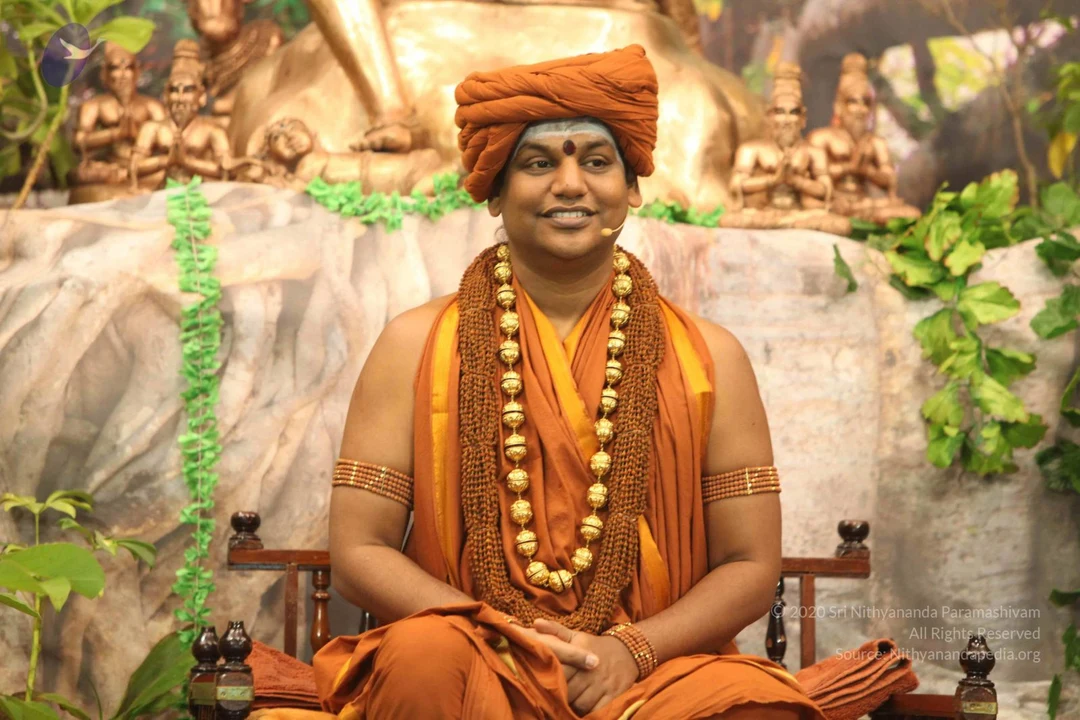
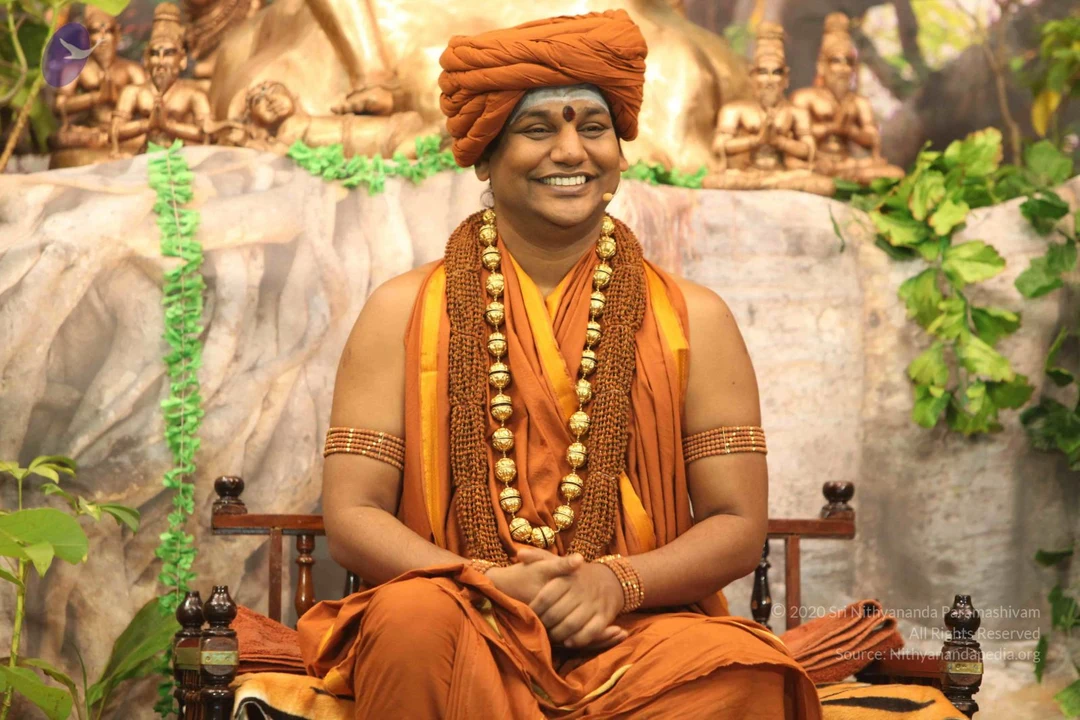
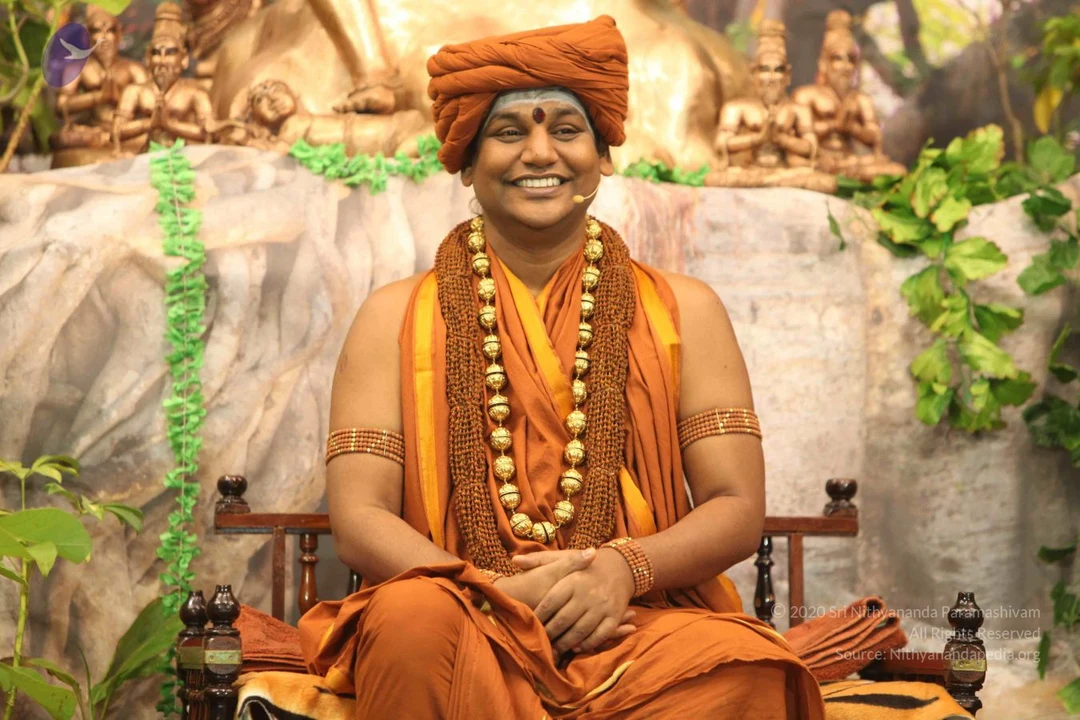
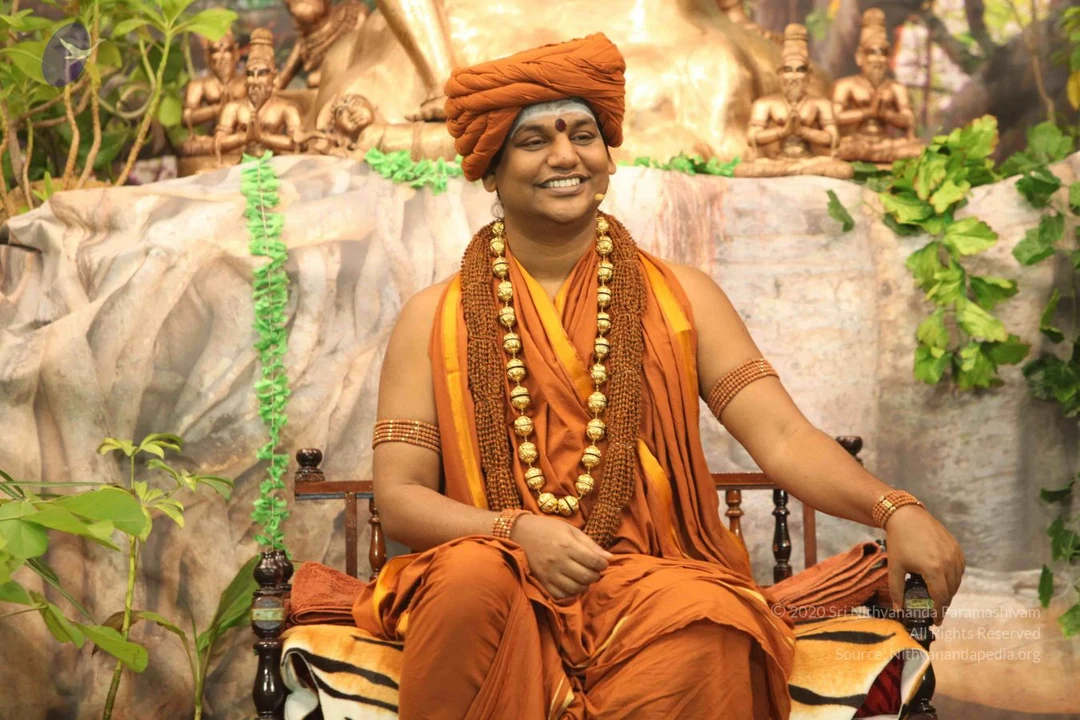
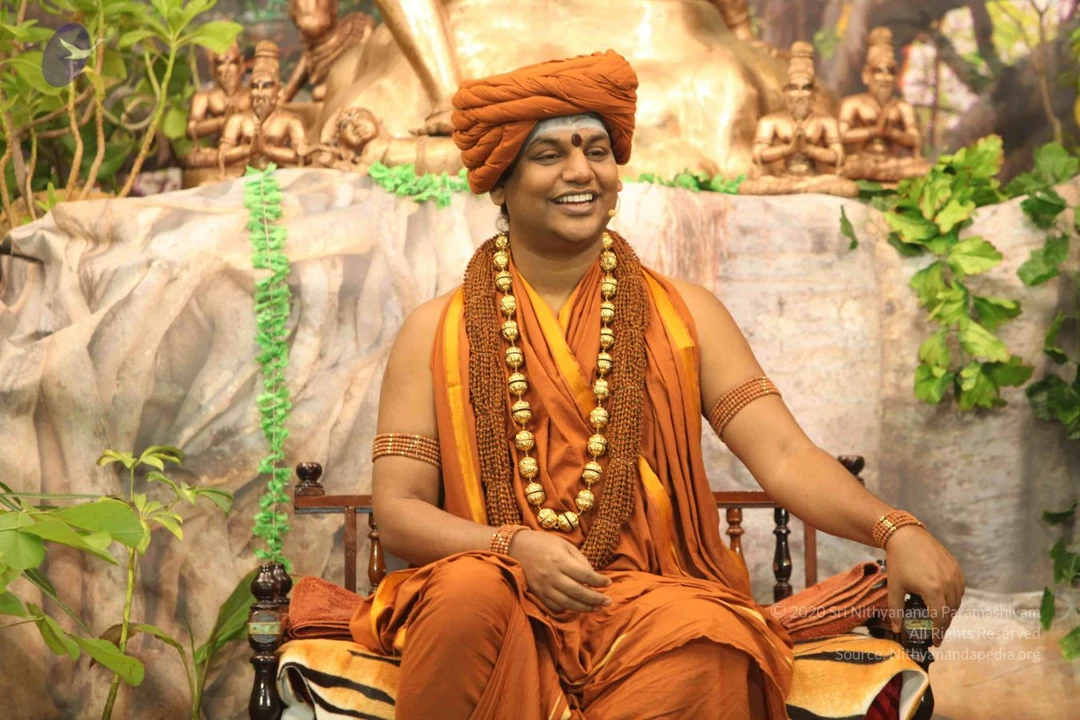
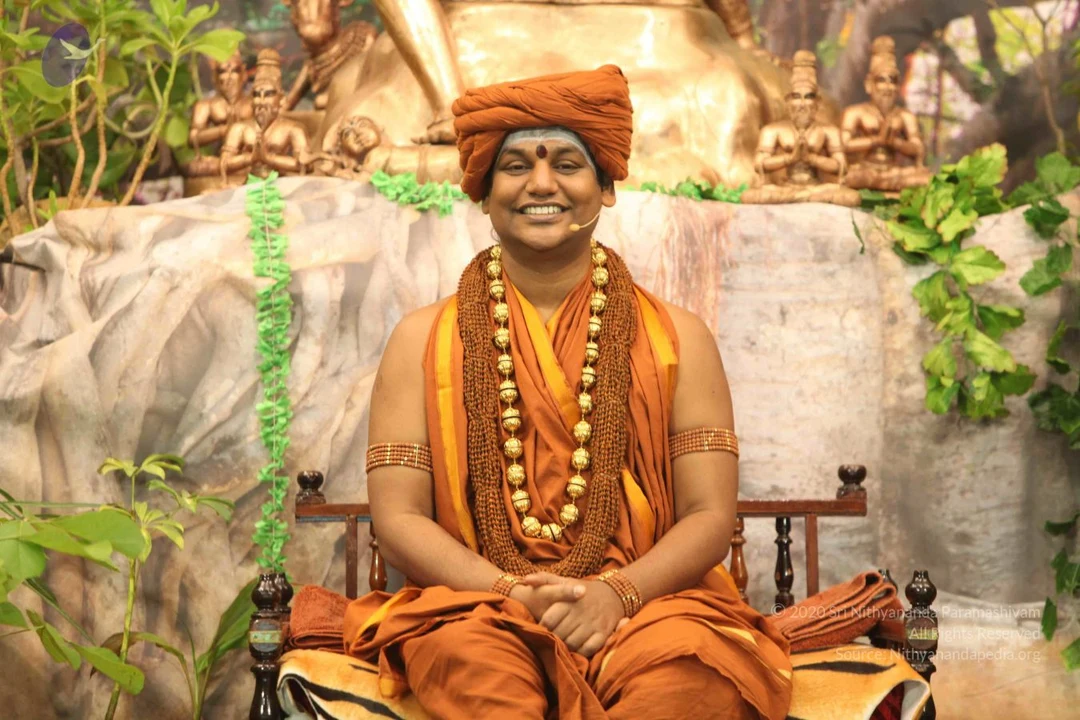
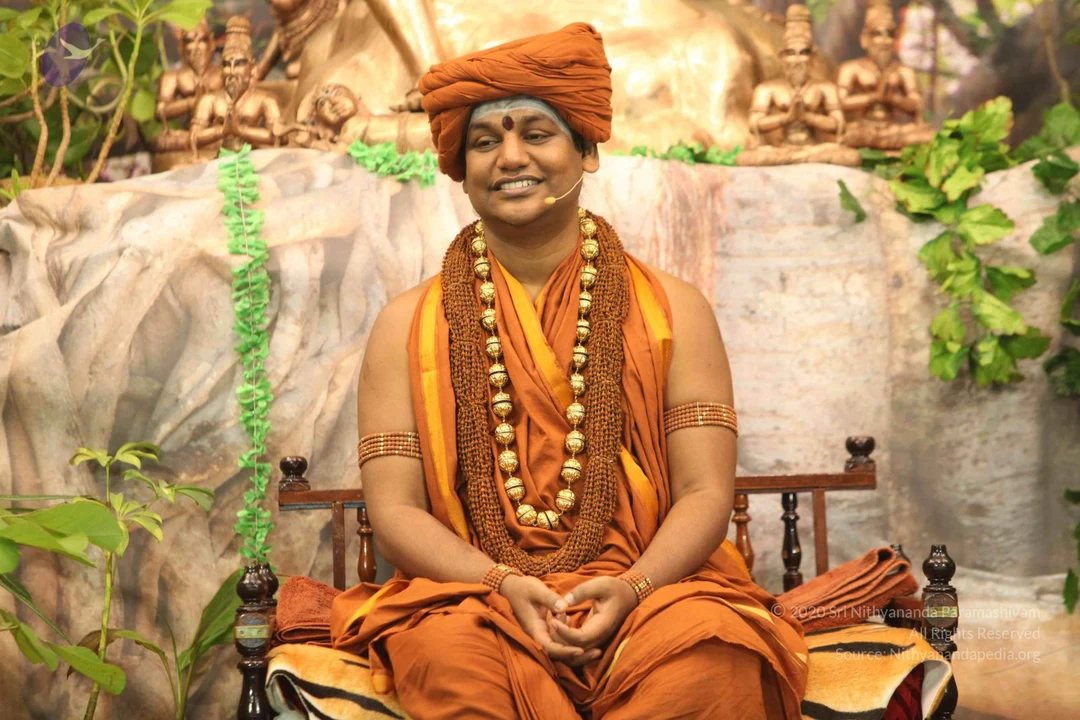
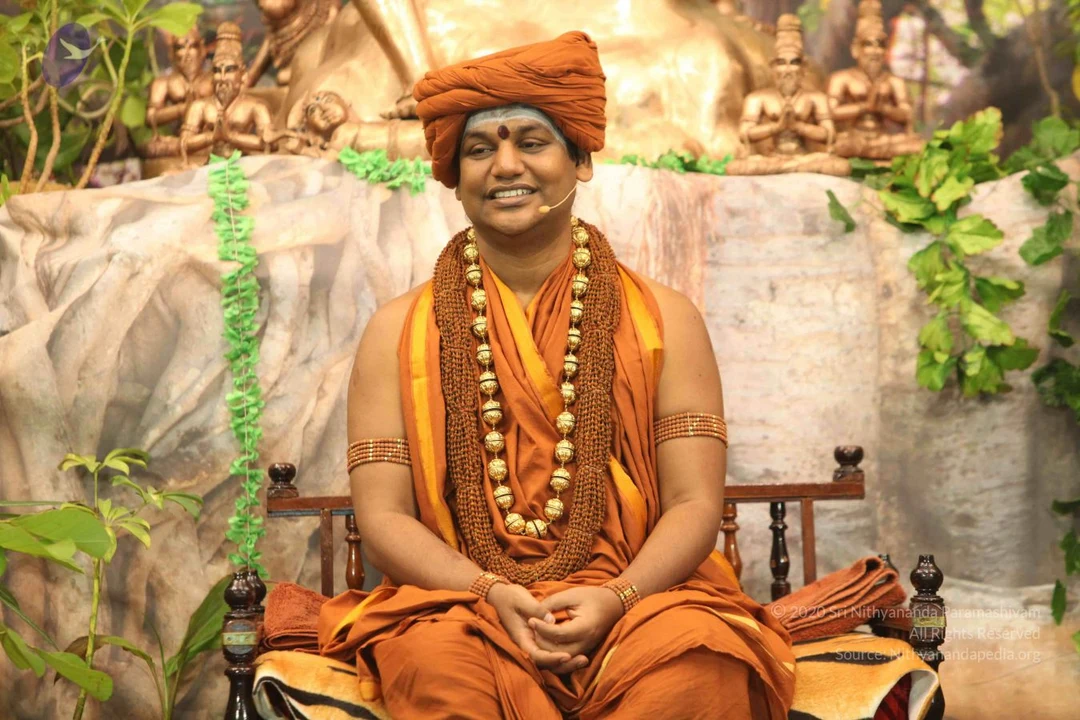
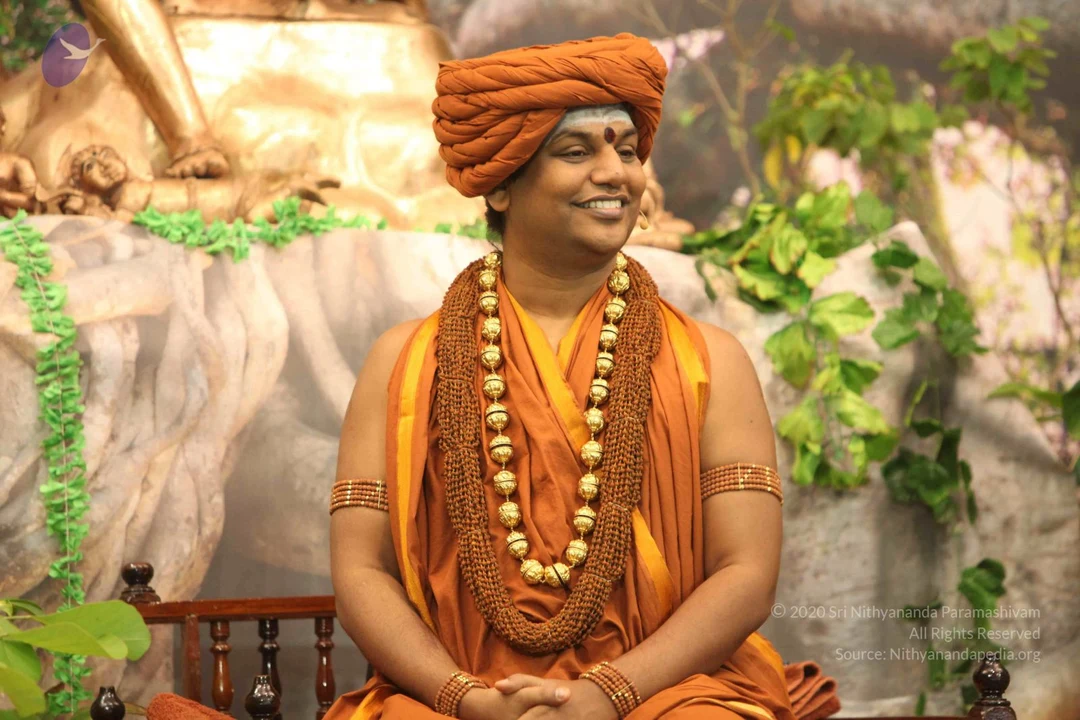
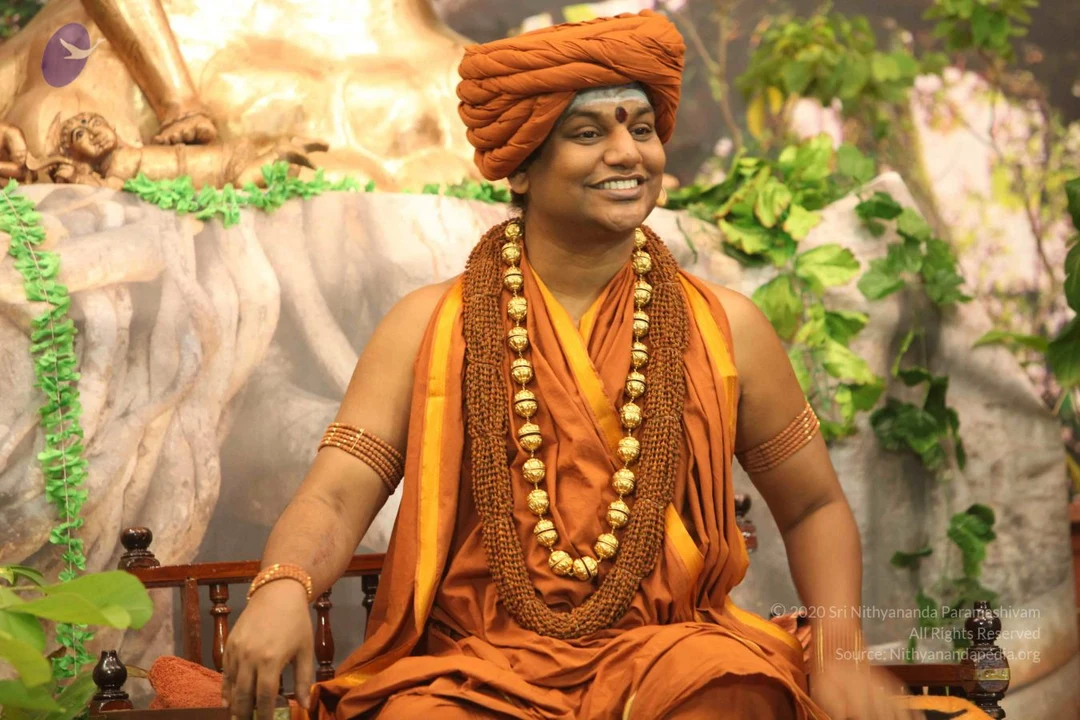
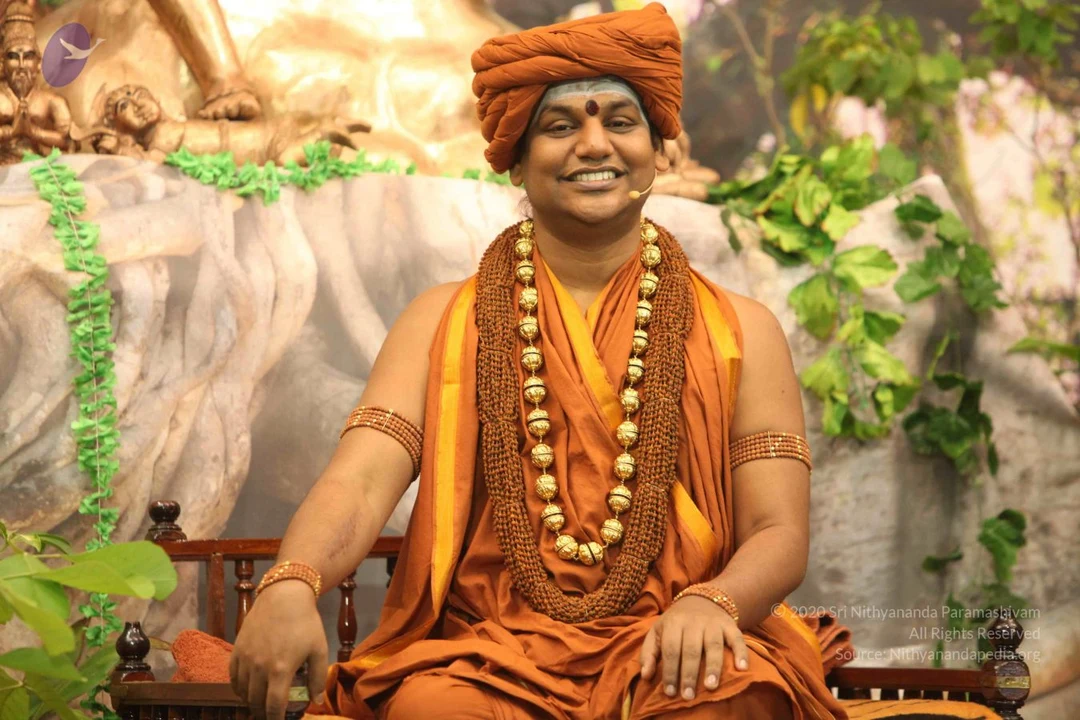
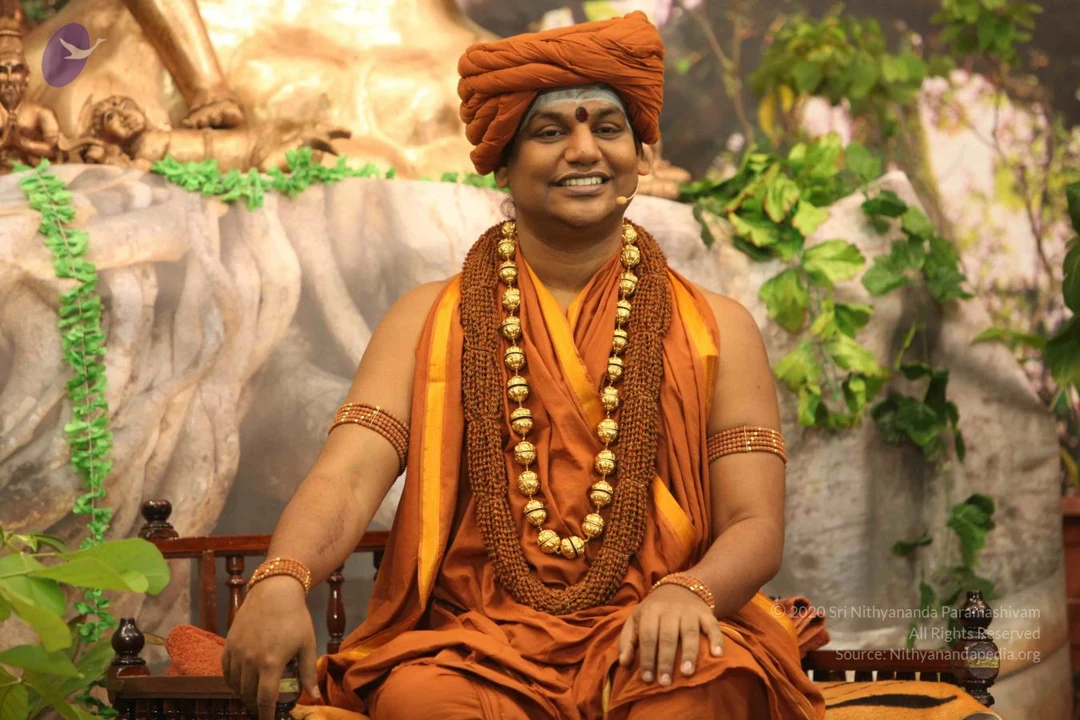
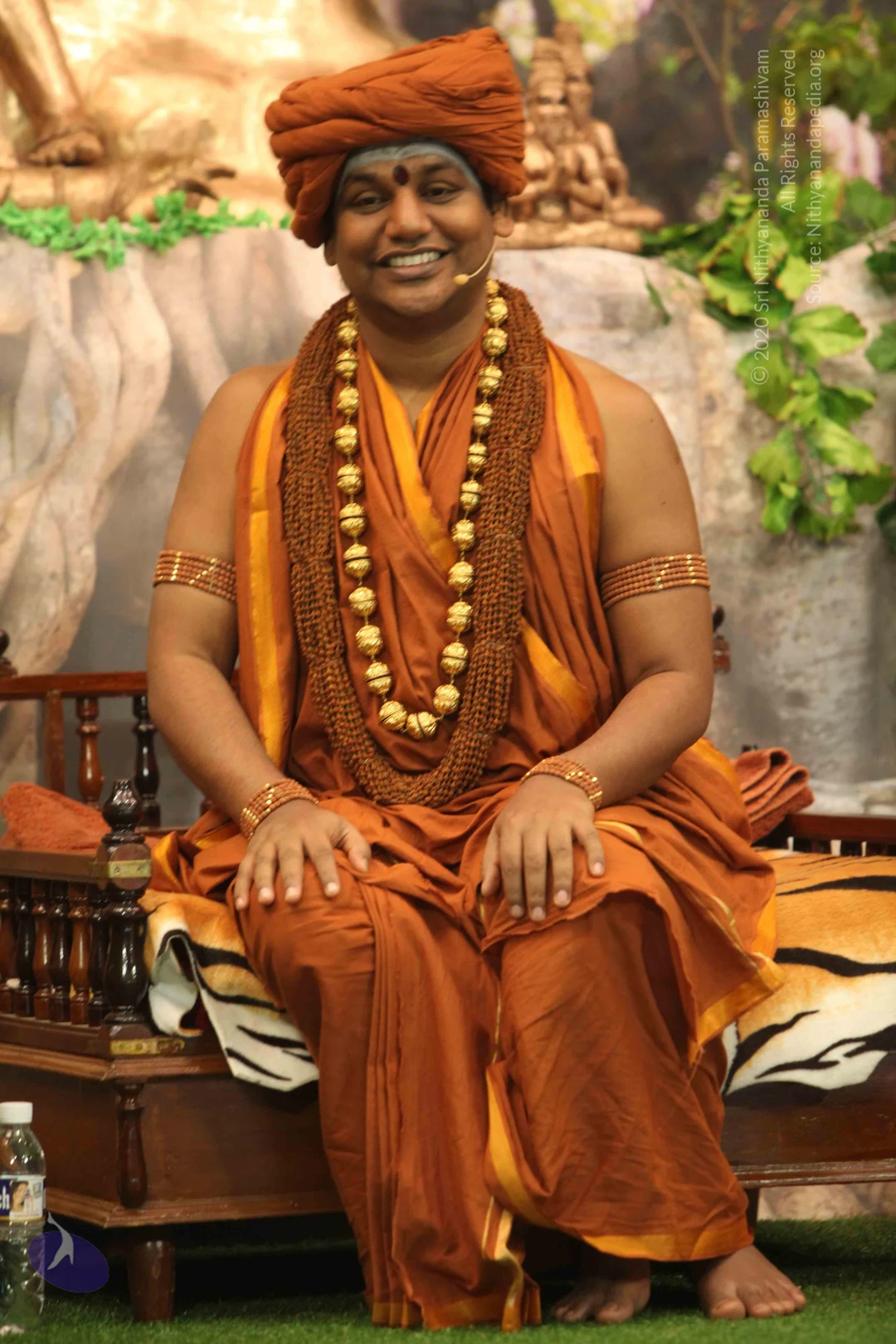
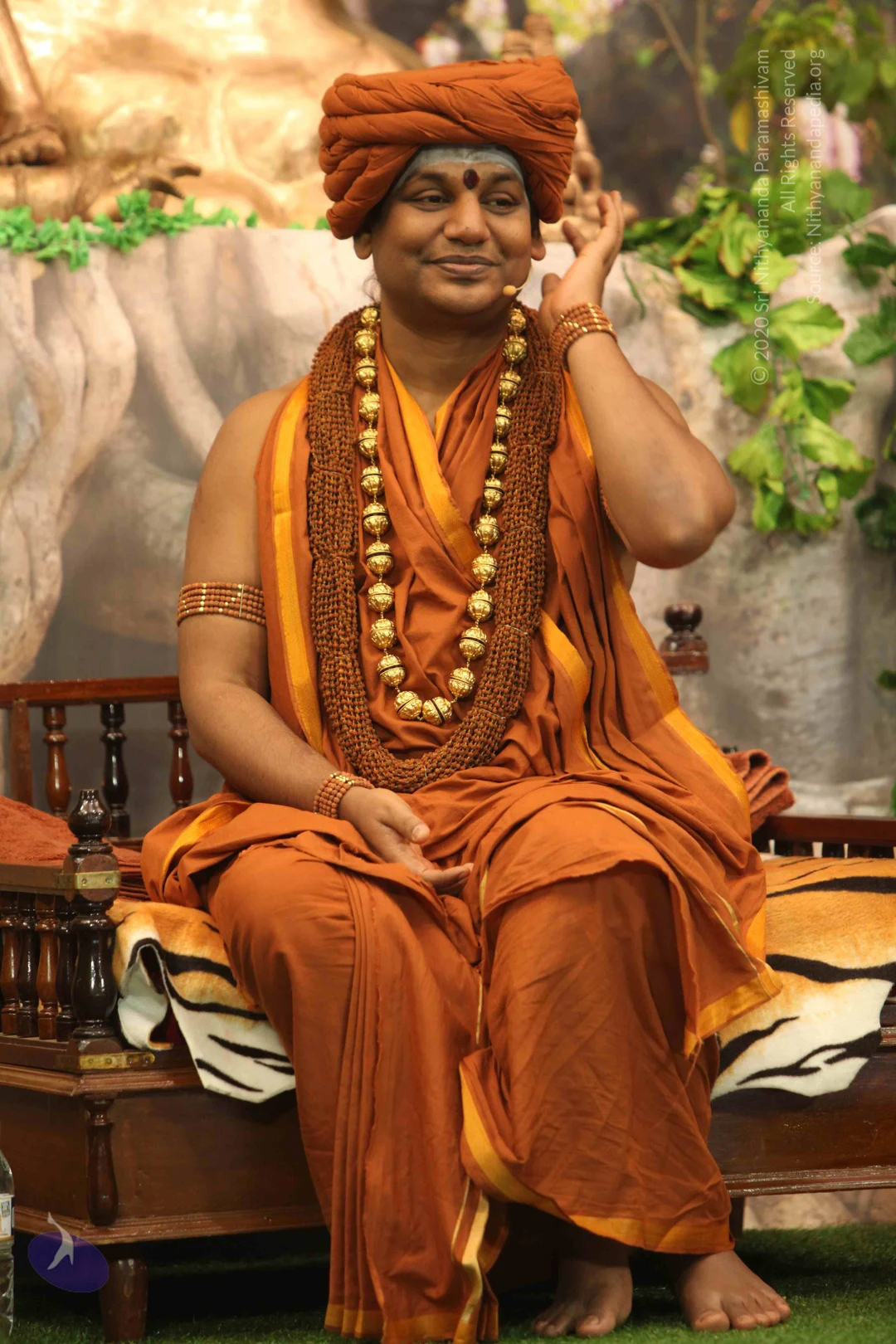
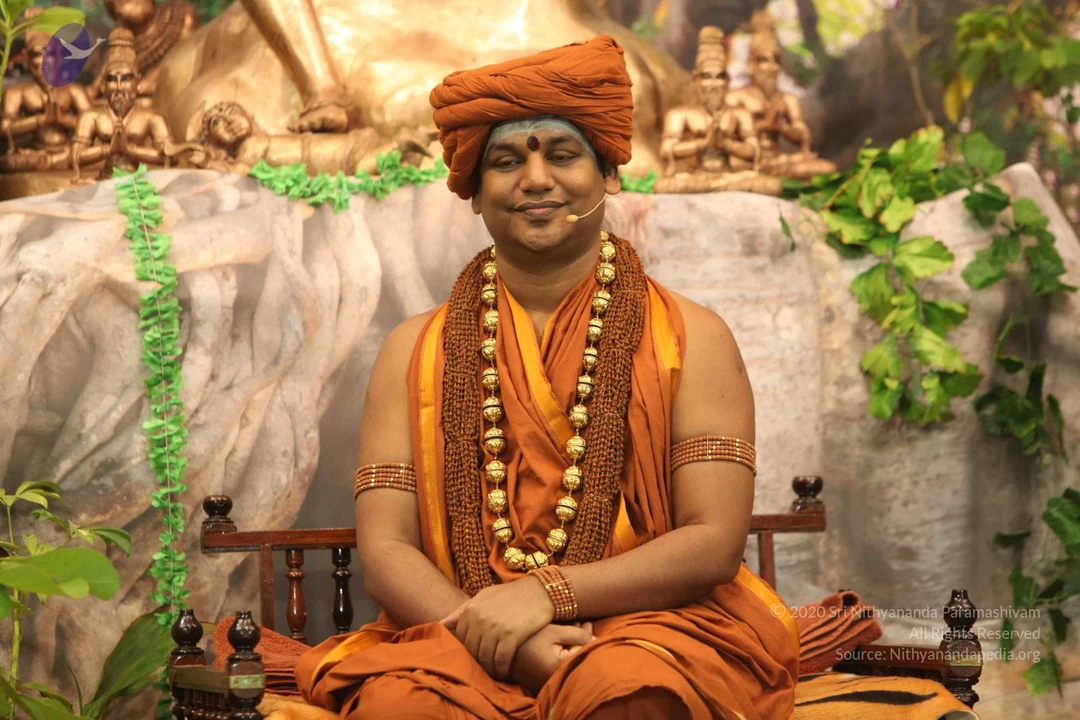
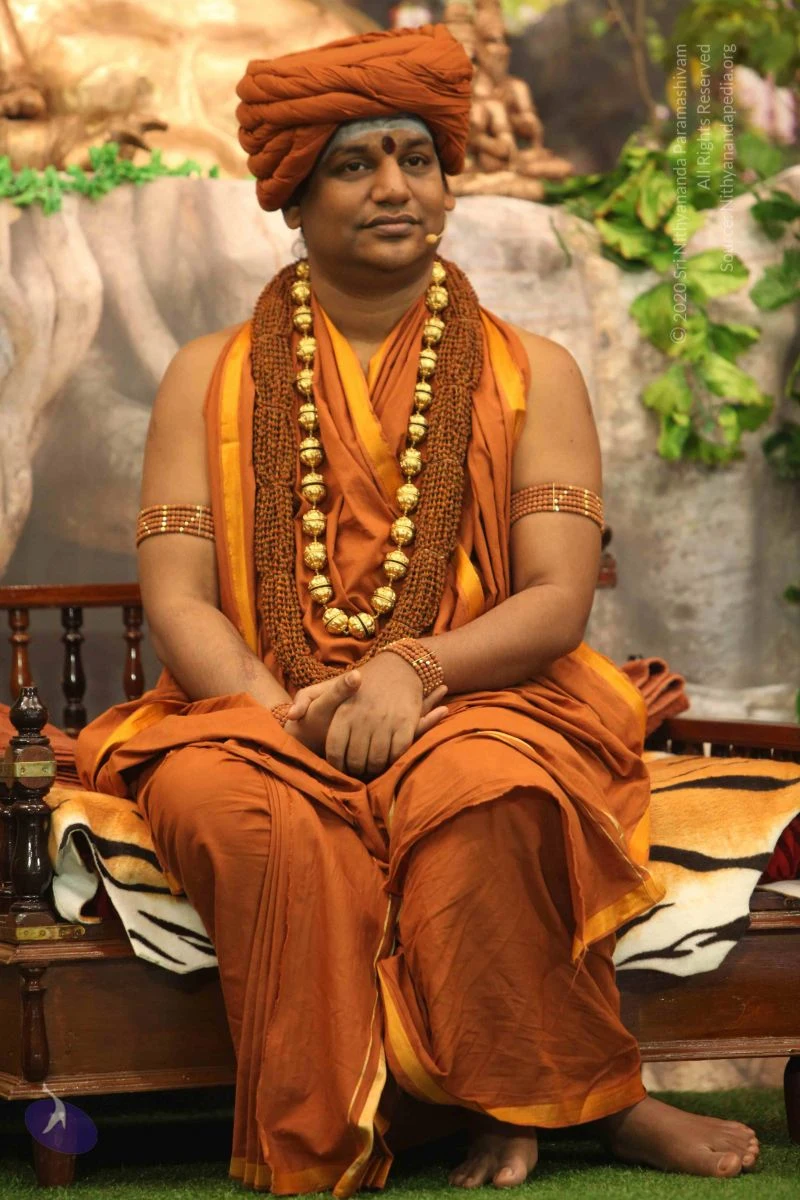
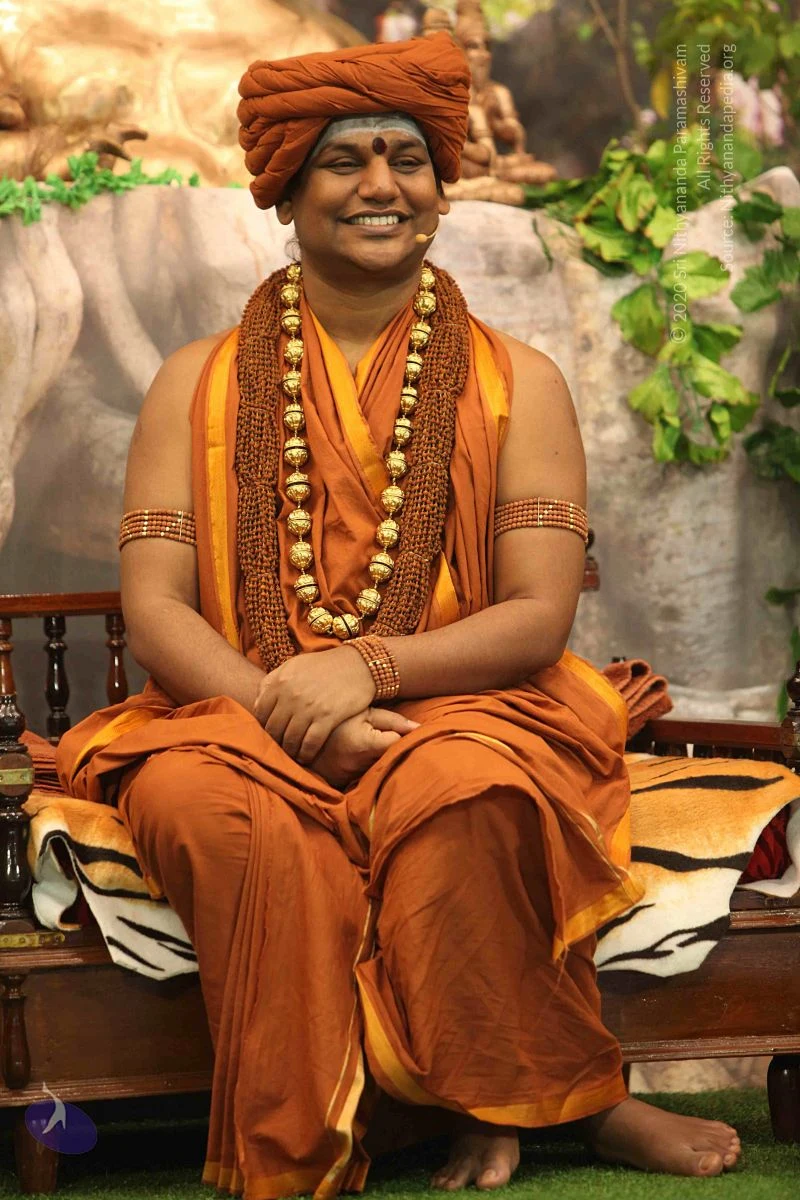
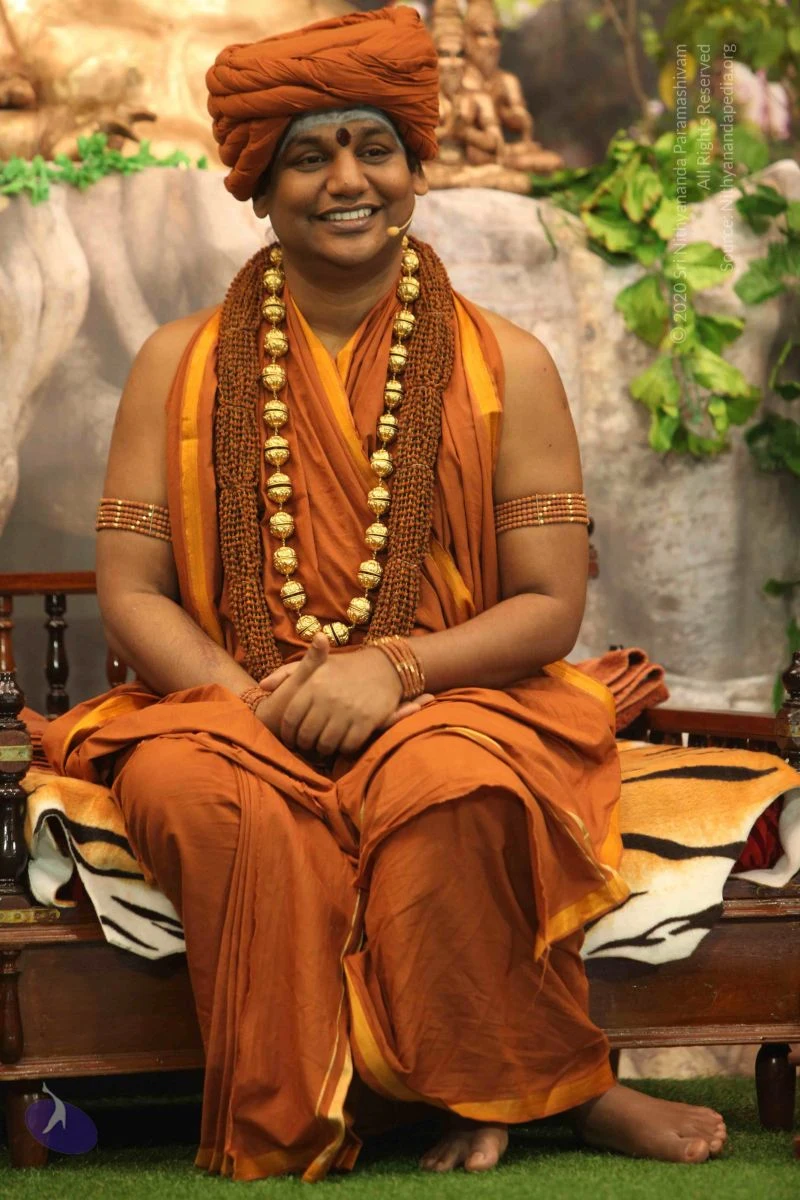
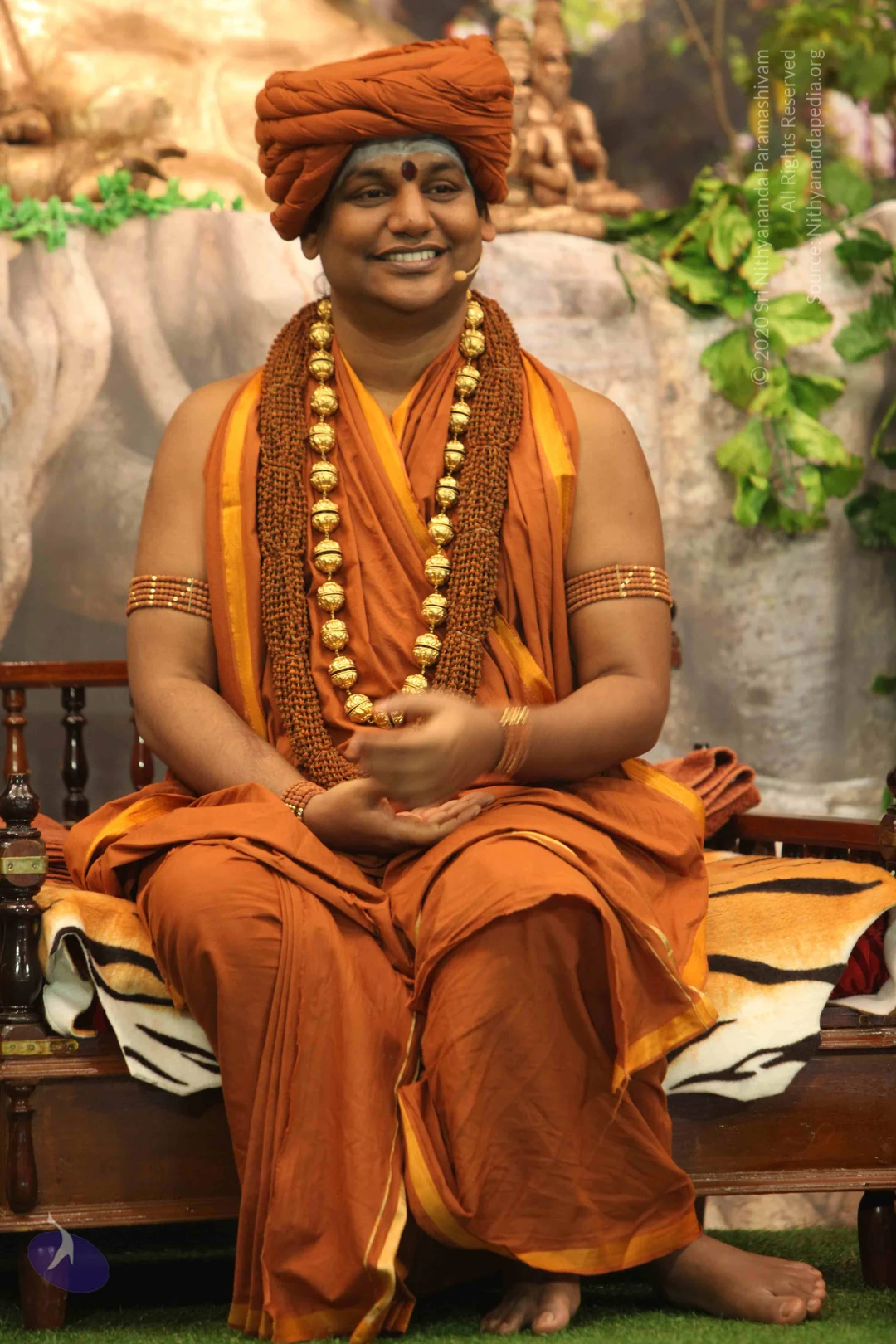
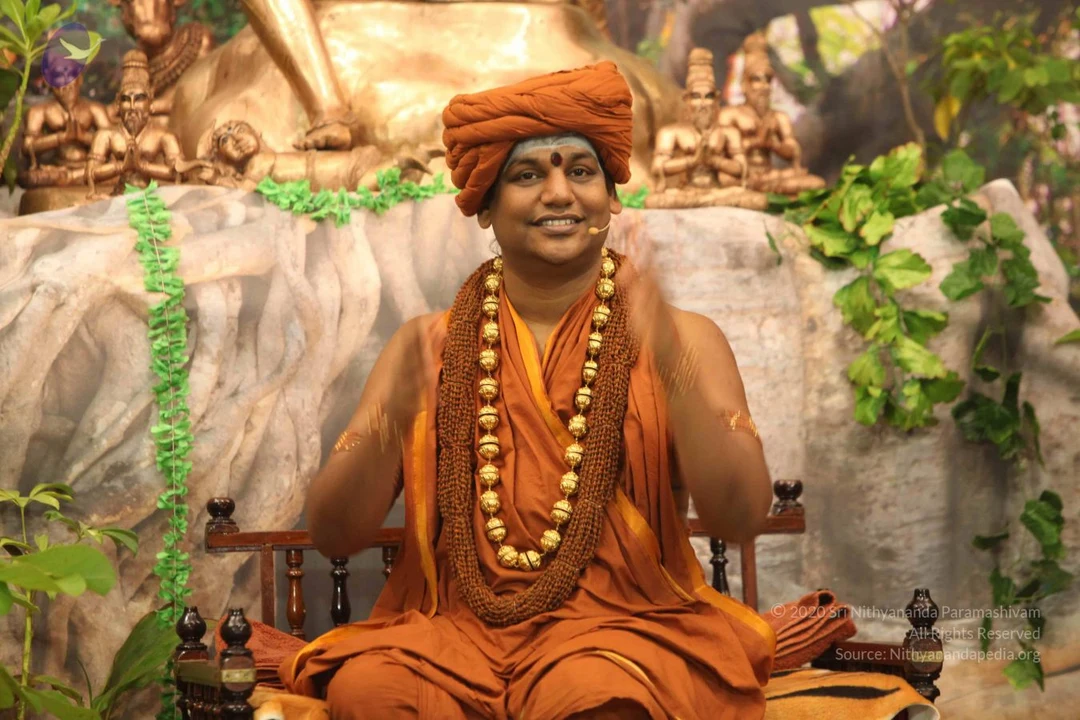
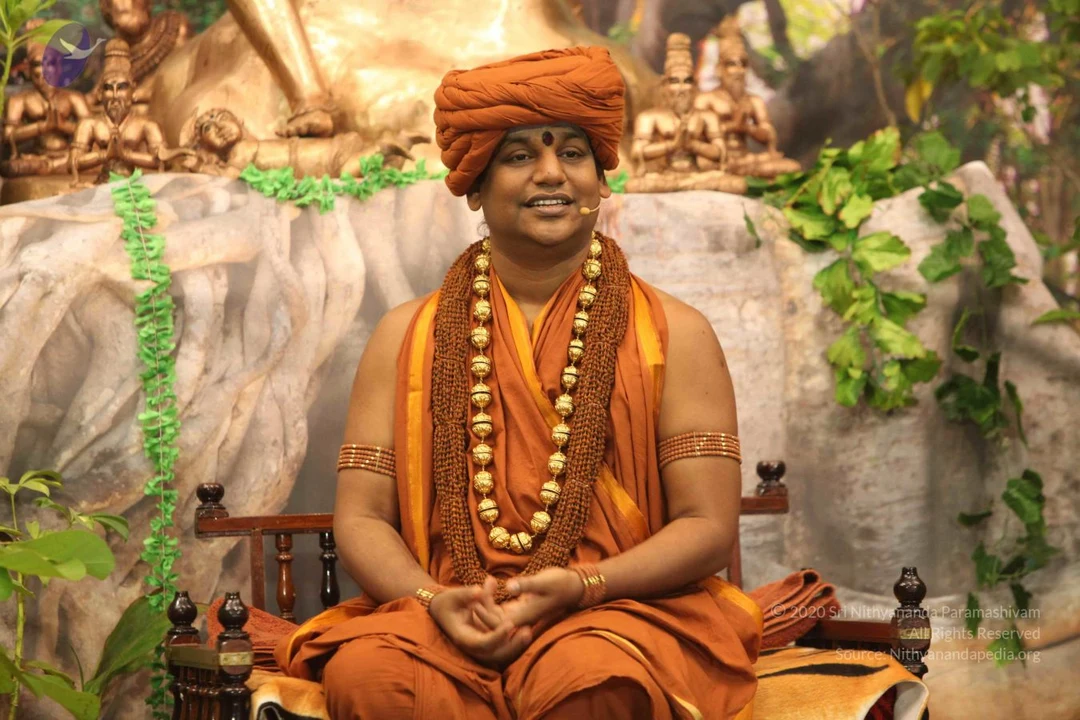
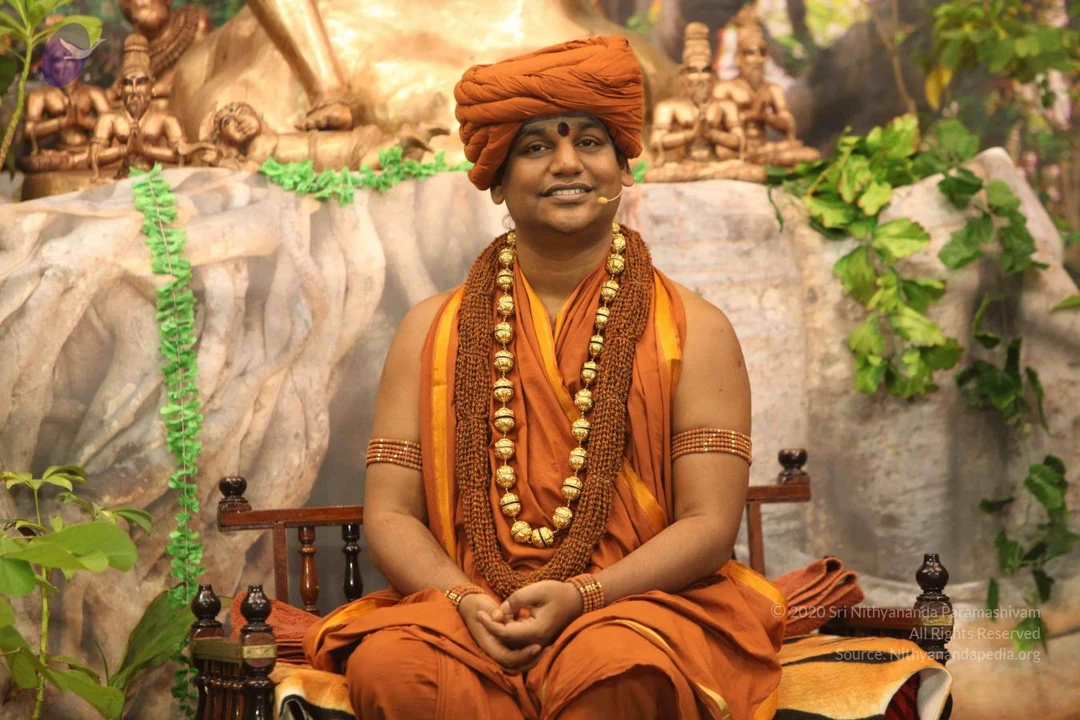
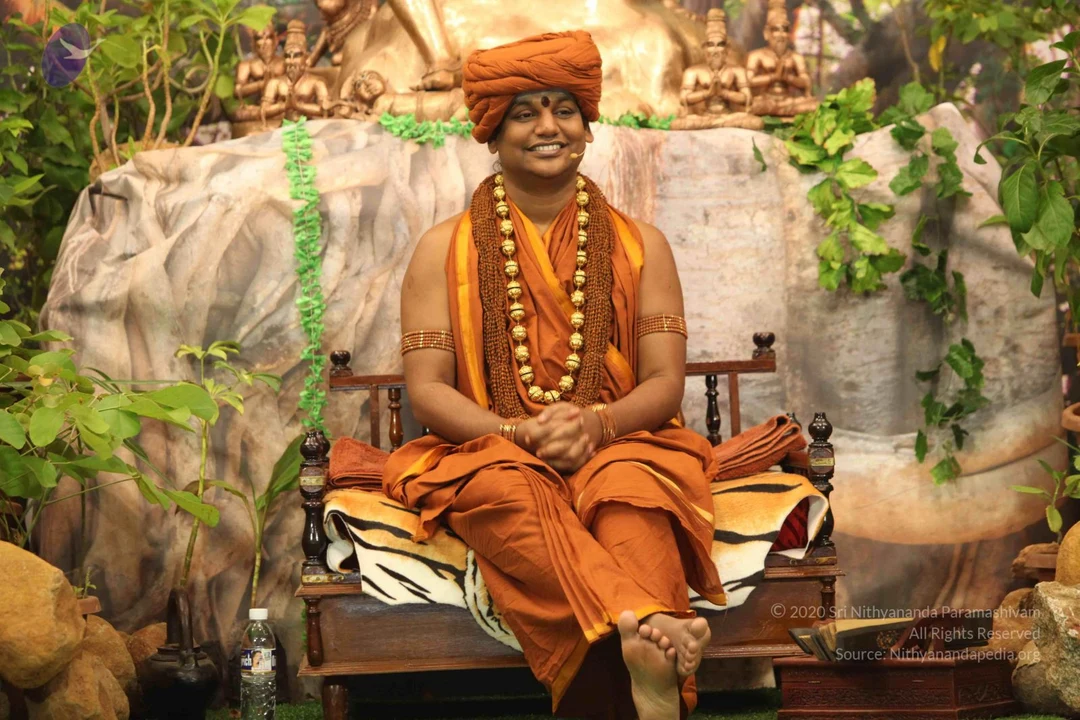
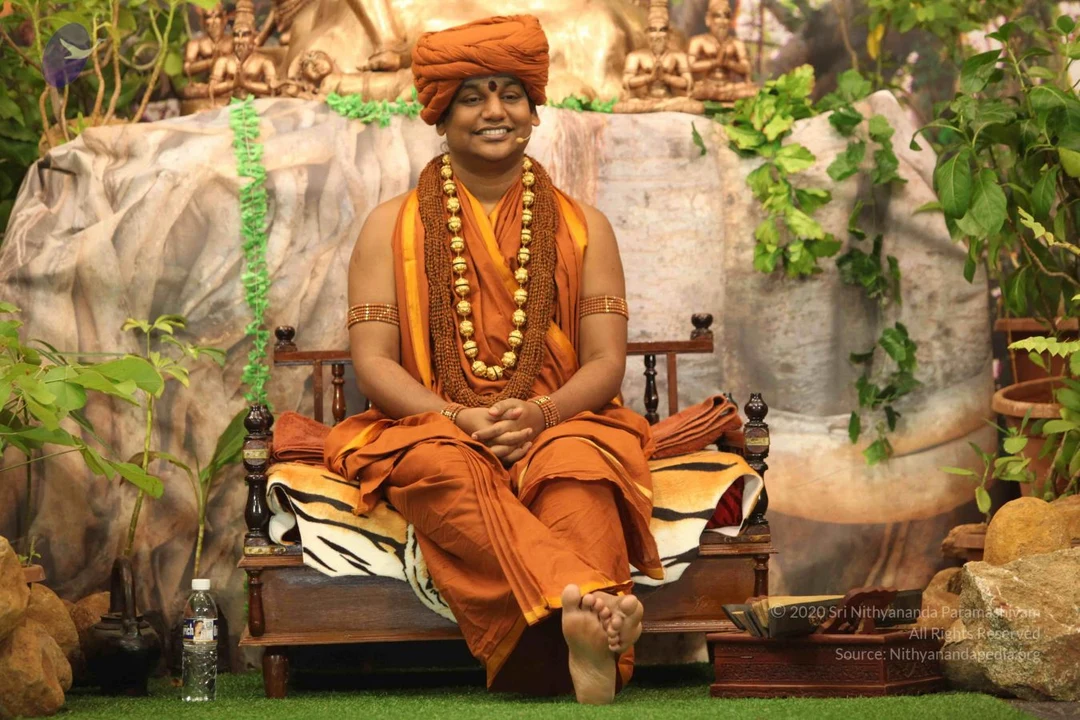
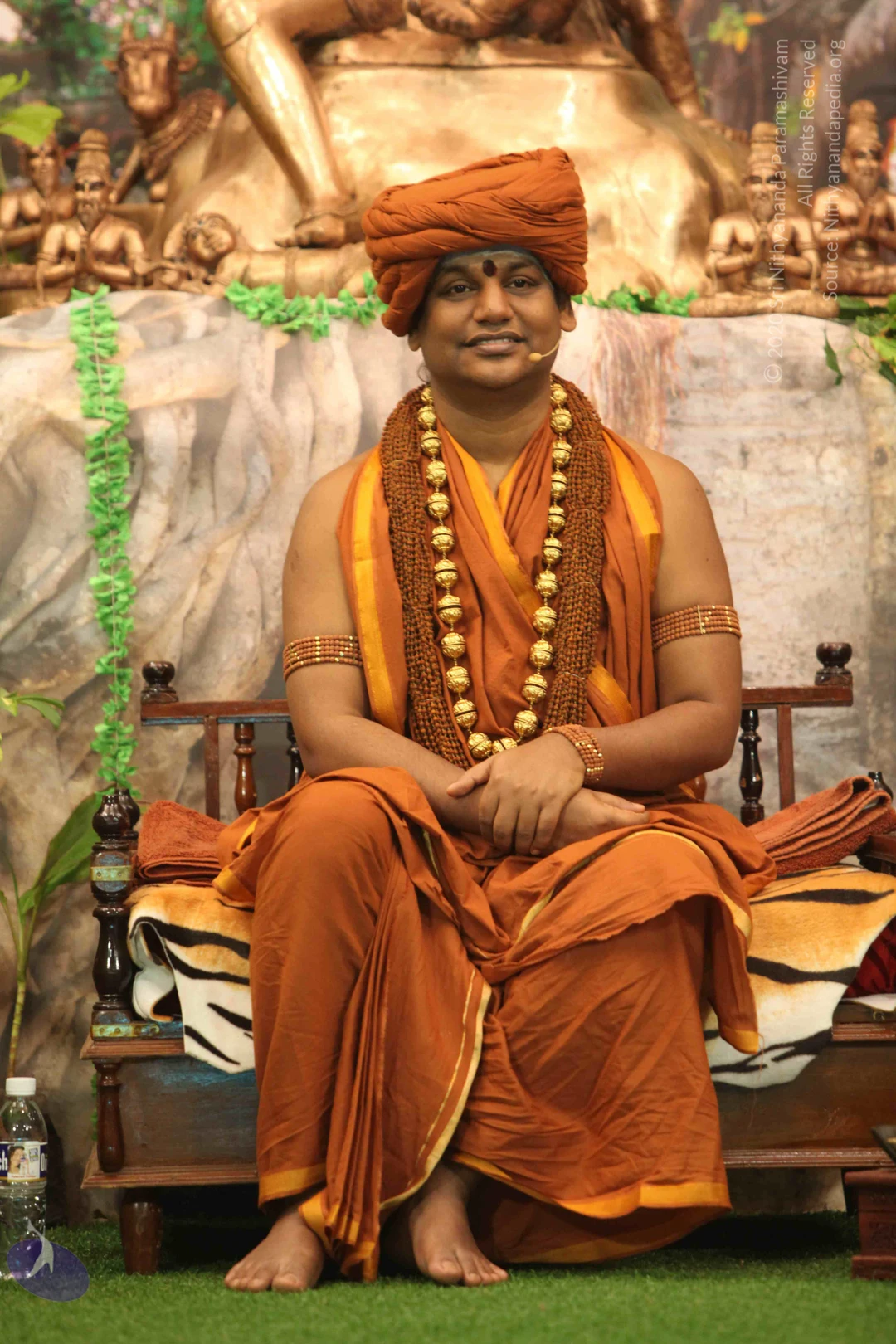
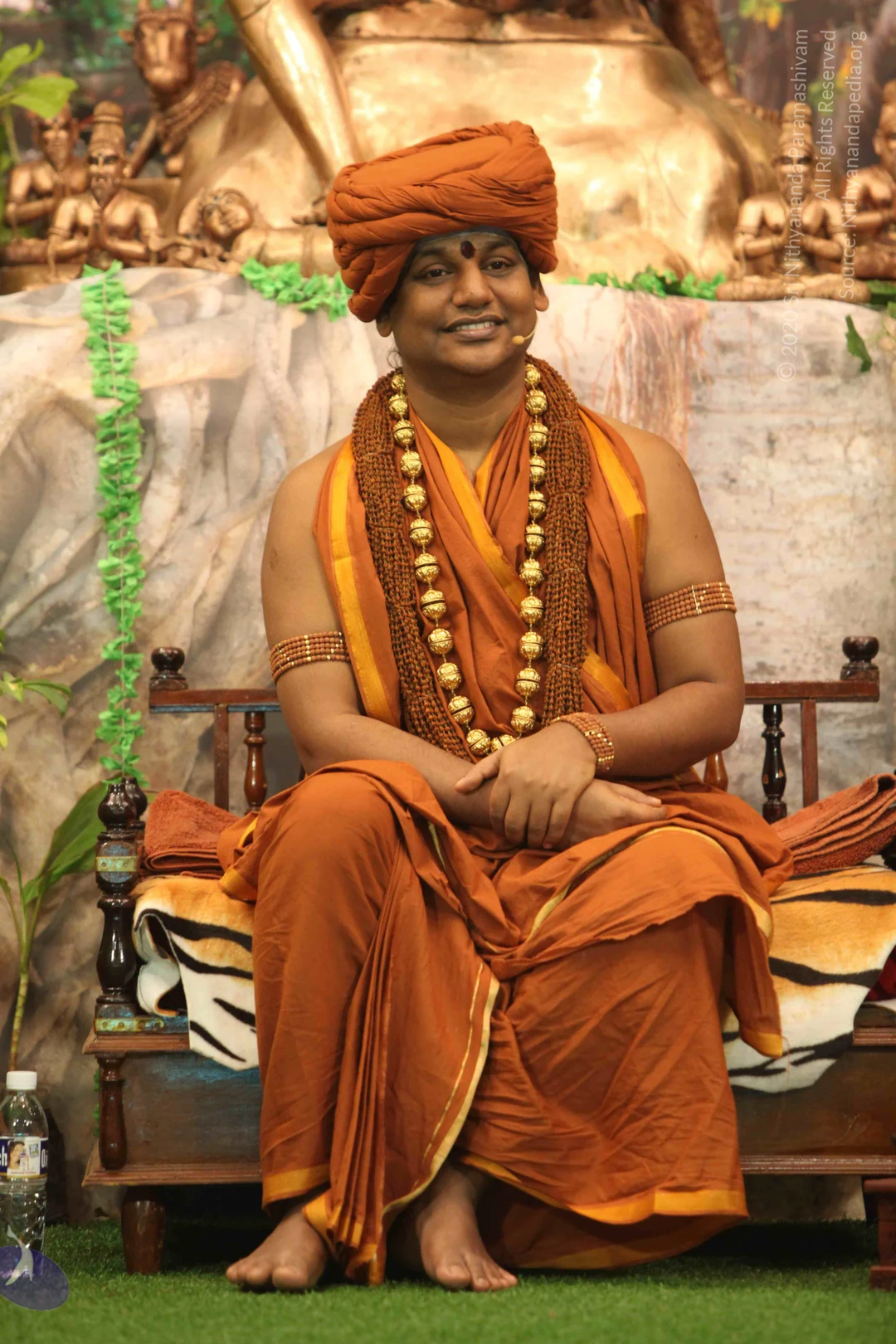
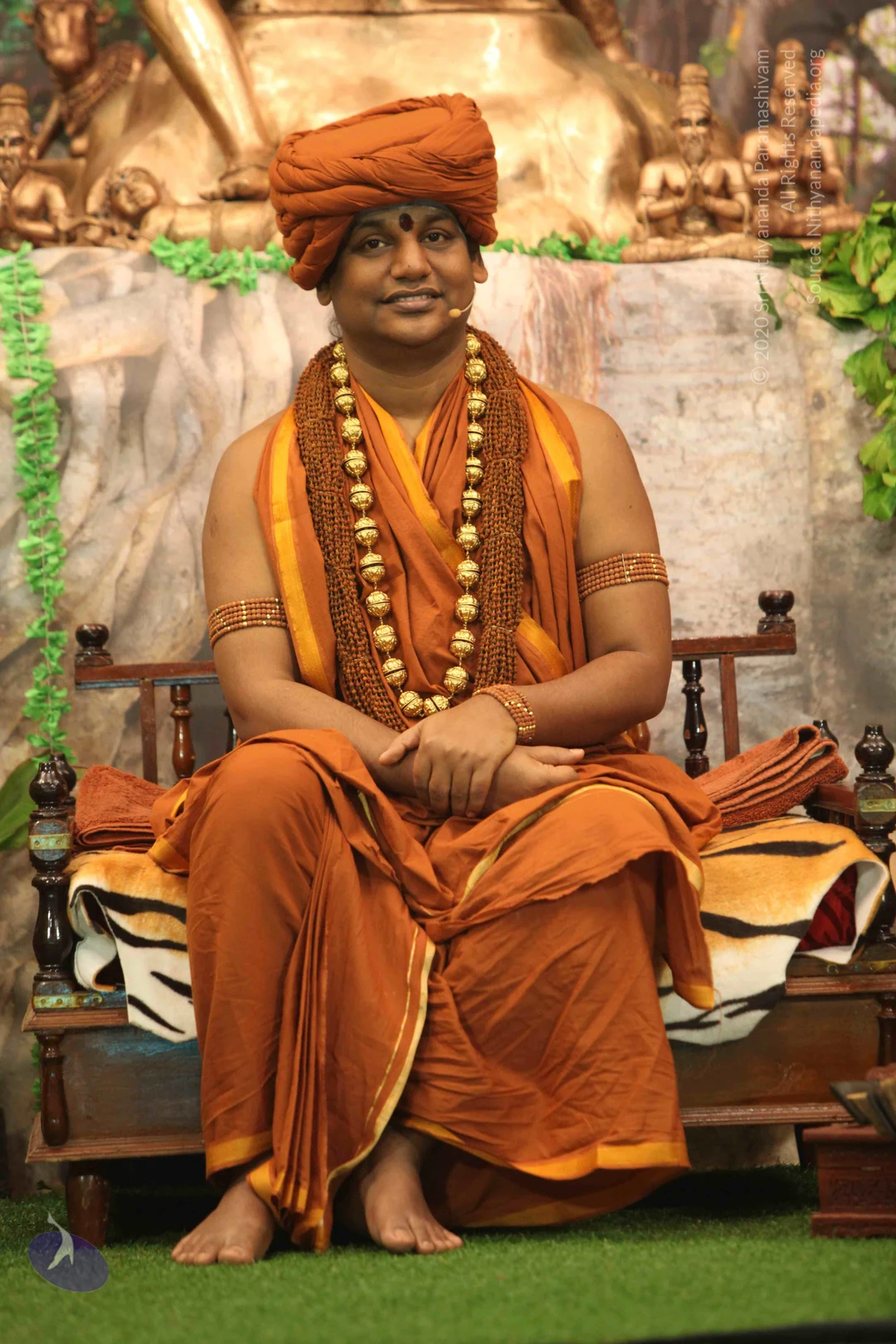
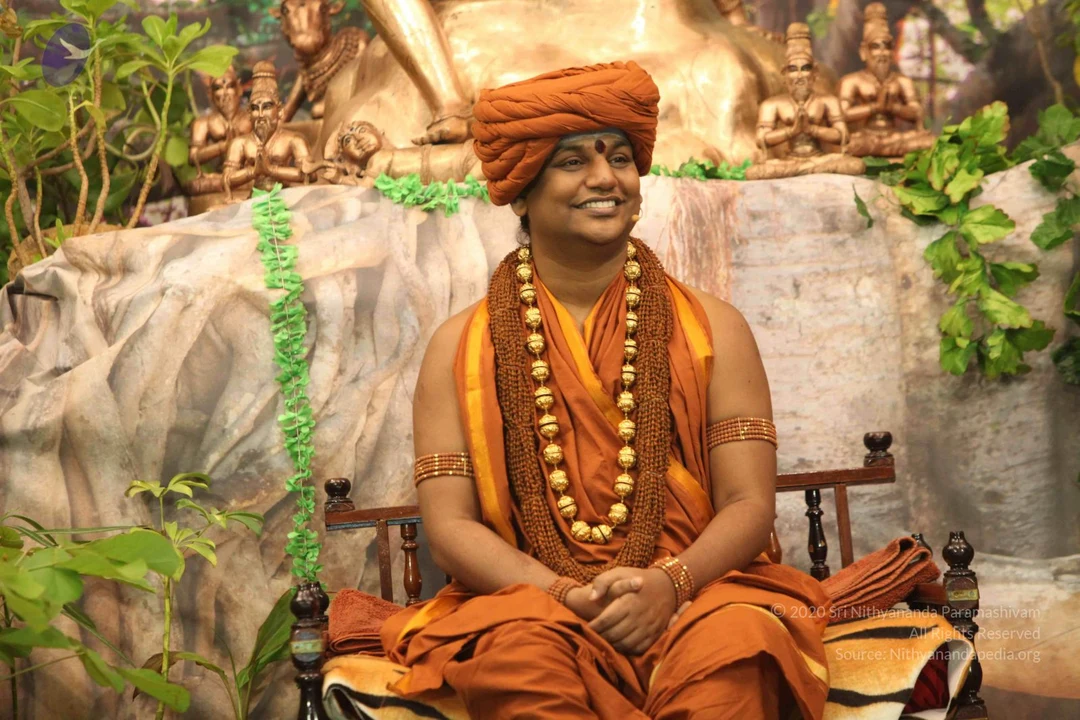
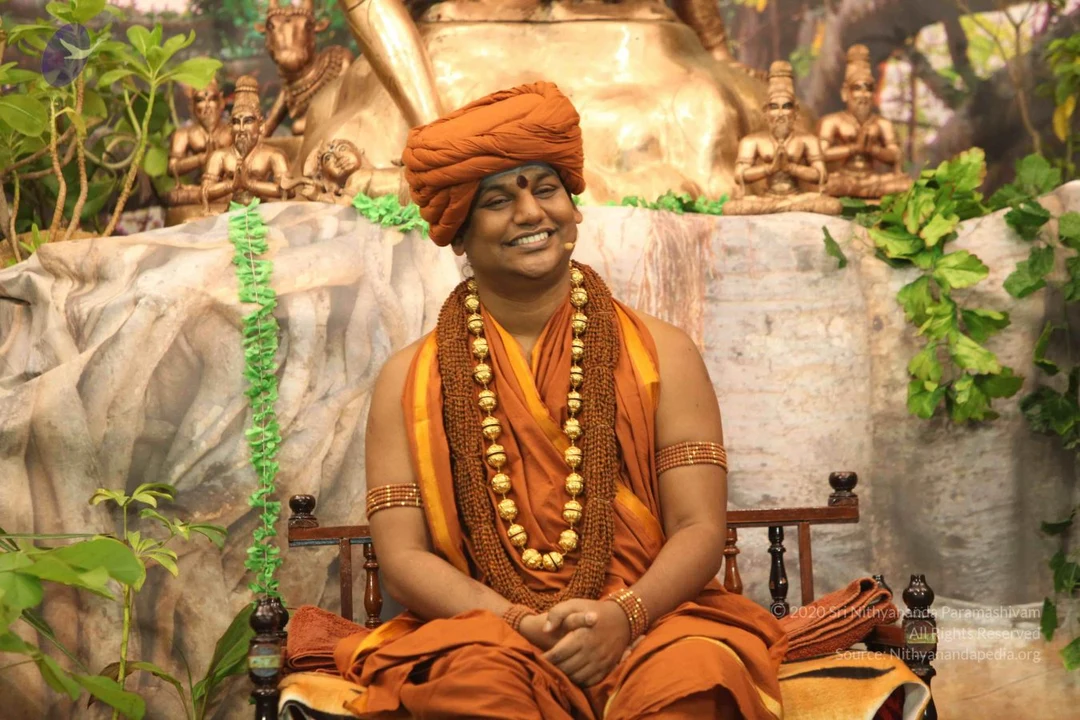
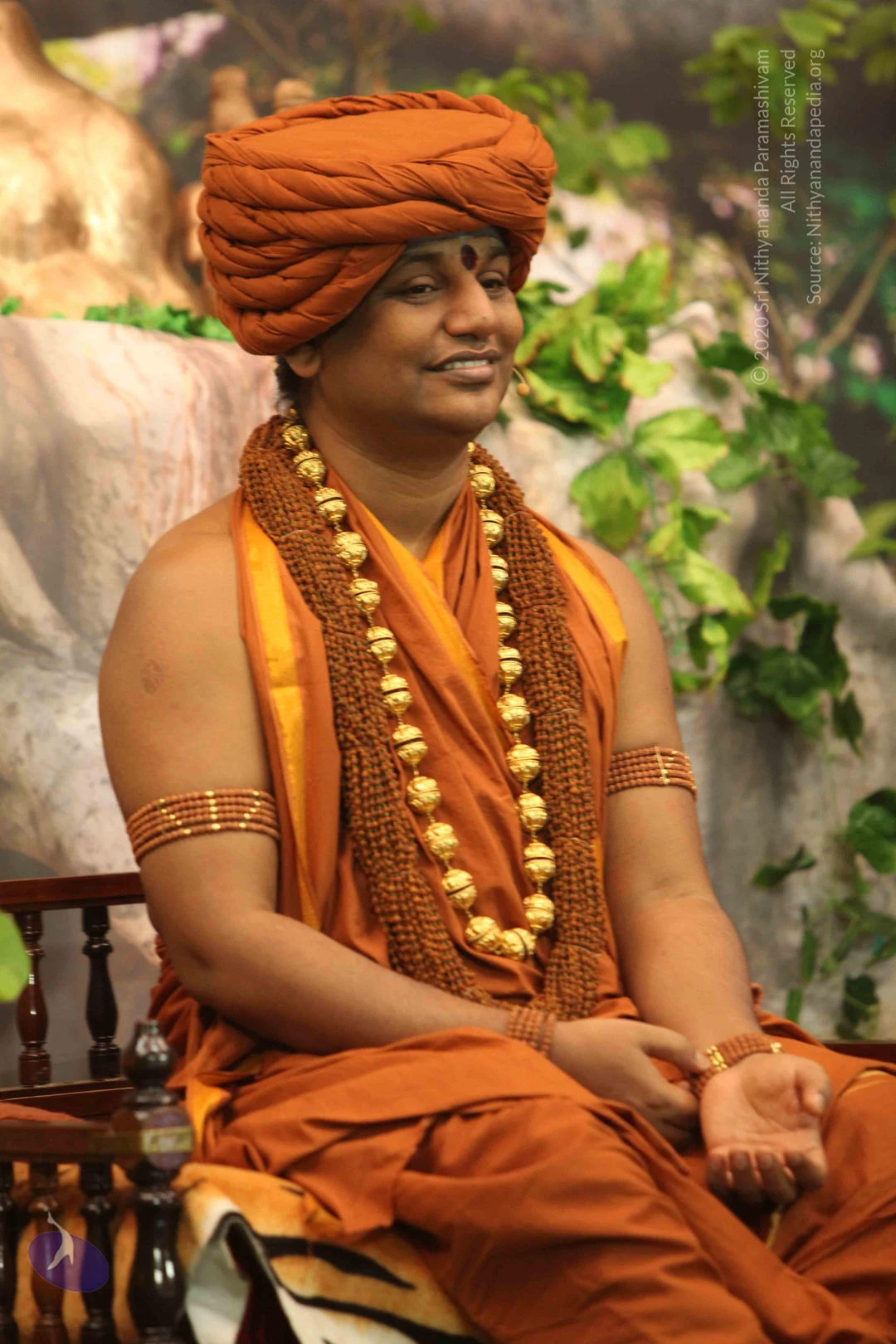
Today’s (16th April, 2015) Nithya Satsang on Ishavasya Upanishad in Living Advaita Series. Paramahamsa Nithyananda enters into 9th verse, in which Upanishad is giving us the powerful, important advise about not allowing boredom and tiredness, which is like hell-fire. We must raise the Buddhi, intellect to the next level and develop the subtle brain grooves to reflect the Pure Consciousness, powerfully, which is the only safe heaven for us; and which awakens the subtle intra-organ in us called Third Eye. The biggest challenge the humanity is going to face is boredom, as nothing will keep people excited. But, a man whose Buddhi, intellect is awakened never entertains boredom. He emphasizes on the need to make ourselves useful to us and to the world, aligning our body and intellect, and continuously explore the subtle truths of Consciousness Isha Upanishad – Verse 9 andhaṁ tamaḥ praviśanti ye’avidyām upāsate | tato bhūya iva te tamo yau vidyāyāṁ ratāḥ || 9 || Today’s Vakyartha Sadas, topic for spiritual explorations on truth is – How to be away from boredom? How we should not fall prey to “andham tamah praviśante ye’avidyām upāsate.” How to be away from worshipping ignorance (avidyām upasate). Don’t worship ignorance. How to be away from boredom? How not to worship ignorance. Watch, Share and Subscribe to our channel to be notified of the next upload click http://www.youtube.com/subscription_center?add_user=lifeblissfoundation to subscribe. visit: http://www.nithyananda.org http://www.nithyananda.tv http://www.innerawakening.org https://www.youtube.com/user/LifeBlissFoundation https://twitter.com/SriNithyananda https://www.facebook.com/ParamahamsaNithyananda https://plus.google.com/104086565286265959836/posts
Link to Video:
| Video | Audio |
Transcript:
nithyānandeśvara samārambhām
nithyānandeśvari madhyamām |
asmat āchārya paryantām
vande Guru paramparām ||
I welcome all of you with my love and respects. I welcome all the devotees, disciples, samajis, satsangis, SriMahants, Mahants, Thanedars, Kotharis, visitors, viewers sitting with us all over the world through Nithyananda TV, Sadhana TV, Arra TV and two-way video conferencing having Nayana Deeksha.
Cities sitting with us in two-way video-conferencing having Nayana Deeksha:
Kaula Lumpur Aadhenam, San Jose Aadhenam, Seattle Aadhenam, New York Adheenam, Toronto Aadhenam, Guadeloupe Aadhenam, Oklahoma Aadhenam, St. Louis Aadhenam, Melbourne Aadhenam, Wilmington-North Carolina, Ohio Aadhenam, Suva Fiji, Los Angeles Aadhenam, Varanasi Aadhenam, Warrington, Houston Aadhenam, Calguary-Amarnath, Singapore Aadhenam, Dubai Aadhenam, Doncaster UK, London, Surrey-Canada, Bangalore-North, Hosur Aadhenam, Hyderabad Aadhenam, Trinidad-Tobago, Hongkong, China, Gupta Kashi-Hyderabad, and some more cities.
I welcome all of you with my love and respects.
Let me enter into the today’s satsang. I will expand on 9th verse of Isavasya Upanishad. Recite along with Me:
andhaṁ tamaḥ praviśanti ye’avidyām upāsate | tato bhūya iva te tamo ya u vidyāyāṁ ratāḥ || 9 ||
Listen. I will read out the translation now:
Those who worship avidyā, the ignorance that veils the true knowledge of truth, Consciousness, enter into blinding darkness, but into greater darkness of ignorance than that enter they who, considering themselves as learned, are engaged in vidyā, the incomplete knowledge acquired for vested interests, characterized by impure truth about Consciousness.
Listen. I will explain step by step. Listen. I will explain the key point in this verse directly: now all of you have done VS for last so many days, what is Consciousness? What is All-pervasiveness? What is without coming and going? What is muscle-less, woundless, all these you would have done. At one point, you will feel stuck, it is natural. At that moment, if you decide, “it’s ok, but I will continue to dig”, you are Living Enlightenment. At that moment, you think, “ah, whatever I learned, with that, let me make whatever I need in life, like comforts, name and fame, who knows, leave it,” then, that is avidya.
Understand. Listen. Only a person who practiced whatever I said can understand this explanation, but this is the most straight explanation. When you are exploring into Consciousness, while you are making your brain subtler and subtler, when the subtler and subtler grooves in your brain is developing to catch Consciousness, to reflect the Pure Consciousness as it is, how can your brain be trained and developed to catch the Pure reflection of Consciousness as it is? By internalizing, intranalyzing, meditating, thinking, contemplating, debating, having Vaakyartha Sadas about what is Consciousness. What is that all-pervasive, beyond going and coming, the space, nature, action and result, what is that which is center of all this? What is that which is muscleless and boundaryless, which is beyond all relationships and association? What is that?
When you contemplate, contemplate, contemplate, and I tell you, no one needs to become a believer; the contemplation on Consciousness itself will make you so sure you are that Consciousness! When I had the experience of third eye awakening, and able to see everything around Me, it did not take more than micro second to know I AM THAT! What a fool that I considered this as Me!
Please listen. By nature the highest thing your brain can reflect, it associates itself with that. If you think sex is the highest experience, you associate yourself with that. If you think eating is the strongest experience, you associate yourself with that. If you think Krishna is the highest experience, you feel you are Krishna. If you think Mahadeva is the highest experience, you’ll feel you are Mahadeva. If you feel Consciousness is the highest experience, you’ll feel you are Consciousness.
The subtlest grooves in your brain develops to reflect the Pure Consciousness as it is when you contemplate on what is Consciousness as guided by the Upanishads. Upanishads are guiding you, Consciousness has no space, there is no coming and going, it is the center of space, nature, action, responsibility, result, but it is not bound by any of that. It is center of all that. I am sitting in this chair but I am not bound by this chair, it belongs to me, so anything you are center but you are not bound by you, it belongs to you, you are the power of that! Understand, Consciousness is the center of action, result, knowledge, responsibility, space, nature, everything! But, it is not bound by any of that. When you are contemplating all this, you can see, many of the qualities of Consciousness is already permeating your life in a smaller scale. In a smaller scale. You can never be without Consciousness. In a smaller scale, all that will be permeating your life, but when you contemplate deeper, it will permeate higher scales, more Pure Consciousness will reflect in your brain, in your system. Understand. A person, understand, here no compromise! No compromise! Nothing, nothing can come in between you and realizing you are Consciousness! Nothing can come in between you and your Enlightenment.
That’s the beauty of Hindu tradition. First we teach you to become enlightened, then we ask you to worship; that is what is Advaita Bhakti, because the Advaita gives you the powerfulness and completion, after that, your bhakti, you will be overflowing with the God which you created out of your very being, not begging and praying.
Prarthana should not be translated as “prayer,” no, no. Prarthana should not be translated as prayer; the concept we have in Agamas, the reason for worshipping, reason for doing rituals, is straight from the space of Shivoham!
Actually, the whole Somaśambhu Paddhati, which is the manual for our sangha, Kamika Agama is the Agama, Somaśambhu Paddhati is the manual wrote based on Kamika Agama, is the manual for our Sangha. The reasons, the yes or no, right or wrong, explanations, everything logically presented to do what to do, and why we should do, all this is beautifully presented, the manual very clearly says: Shivoham is the purpose and the center of this manual, means, by using you will achieve Shivoham experience, after that, to radiate, continue to use that manual, that’s all.
So nothing can come in between you and you realizing the Shivoham experience.
Advaita Anubhuti, more and more intranalyze, when you intranalyze more and more, dig out more and more, you are Living Enlightenment, I am telling you. If you just find the taste of intranalyzing, manana, Vaakyartha Sadas, you will understand, that becomes your stronger experience. Consciousness becomes your stronger experience, you start associating yourself with that, with your pure Consciousness, is completion, meditation, dhyana, samadhi, unclutching, enlightenment. Associating yourself with Consciousness, the Pure Consciousness as Upanishads describe, which is verily possible, which is not somewhere far away, no. Even if you are a lawyer you can achieve Consciousness, understand. Nothing, nothing can be the reason, obstruction, obstacle; any amount of logic can be awakened, used inside you. Any amount of right or wrong can be awakened and you can go on brooding over it. Please understand, go on contemplating, go on doing Vaakyartha Sadas, go on thinking — “what is Consciousness?” Automatically, your brain will start catching That as you, associate that as you.
When your brain associates itself with Consciousness as That itself, it will start cognizing, taking actions, decisions, everything based on That. Literally your whole brain will lit up; your whole heart will lit up; your whole body will lit up! Maybe that is why it is called Enlightenment! The whole thing will be lit up! Digging out more and more and more and more, exploring more and more and more, makes you Live Enlightenment. For any reason you are stuck and do not want to move further out of tiredness, boredom, laziness or thinking, “okay, with this I will manage my neighbors, after all, I just have to be a little more than my neighbors, that’s all my life’s purpose.”
Two lawyers saw a bear in the forest. One fellow started running, the other fellow shouted, “What you think you can escape the bear?” The other said, “No, I just have to run faster than you!”
But life is not like that. If you are just able to excel little more than people around you, life doesn’t end there! The tiredness and boredom which will come to you when you excel little more than the people around you, if you are stuck there, that is what Upanishad describes...
andhaṁ tamaḥ praviśanti ye’avidyām upāsate | tato bhūya iva te tamo ya u vidyāyāṁ ratāḥ || 9 ||
Over! Over. Everything is over. Please understand, the tiredness and boredom is hell fire! With the boredom and tiredness you can’t even peacefully sleep; you may be lying on the bed but you will be rolling over. If you lie down, after real sincerely exhausting whatever you want to do and fall into the bed, you will be so powerful and fall asleep! But just out of boredom and tiredness, you will be so powerless you will not be able to fall asleep. Falling asleep is an actions per Hindu tradition; only unclutching is a non-action, everything else is action. So for falling asleep, your buddhi need to be powerful! To plan, logic needs to be powerful. For falling asleep, buddhi need to be powerful! Understand, that is why in the west so many people suffer even to fall asleep! It’s only the Vedic tradition which has the solution and answer.
I am telling you, let anybody teach any religion, you can practice all that in the daytime, but if you want to fall asleep the only religion you have to follow is Hinduism, nothing else will teach you to fall asleep! Any amount of any sized bed you can buy, pills you can swallow, only Vedic tradition can give you rest; because falling asleep is an action, it is not collapsing on the bed as you have been taught from the beginning. Your buddhi (intellect) needs to be powerful. Your buddhi will be powerful whole day if you keep your body and intellect powerful. Whole day if you are acting, alive, not entertaining the boredom and tiredness, then just you can stretch your body, it will fall into Samadhi, it will fall into the state of Yoga Nidra.
If you fall asleep after the sexual act due to the pain, tiredness in the body, it is Bhoga Nidra; if you fall asleep after rolling in the bed because of the boredom and tiredness, it is Roga Nidra. If you fall asleep just out of the pure, powerfulness of buddhi (intellect), it is Yoga Nidra.
Understand, entertaining boredom in your Life is hell fire. You can see, many days, out of boredom and rejection when you lie on your bed, you can’t even fall asleep, you will just be rolling, tossing; that is hell fire, understand. That is hell fire.
Align your body and intellect straight, make your life strong, make yourself as much as possible useful to yourself and to the world. And, continue to explore the subtle and subtle truths described by Upanishads as Consciousness, understand.
Subtle and subtle truths described by Upanishads as Consciousness. Actually, meditating on those concepts grows an extra intra-organ in your system, what I call Third-eye or Buddhi.
You are not born with it, you have to grow it. The vegetarian food, and continuous contemplation, everything used in the Shaivite lifestyle directly connects to awakening and building of Buddhi. Man whose buddhi is awakened will never entertain boredom in the life. One of the biggest problems of the future humanity is going to face is boredom, because no more you can make people feel excited about life with basic needs like food, shelter, clothes, but humanity doesn’t know how to lead ourselves to the next level. Political leaders, social leaders, religious leaders, all of them are stuck, because you can’t make people excited, you can’t keep people excited any more just with this food, clothes, shelter, it’s all over. I am telling you, that is why so much of depression and boredom is settling in, all psychiatric disorder, that phobia, this fear, depression, deeeeep pression, any number of name you can give. Depression, deep pression, suppression, whatever name you want you can go on giving, this disorder, bipolar, four-polar, six-polar, whatever name you can give, you can do everything, but all mental disorders boils down to one word: boredom, that’s all. Boredom, that’s all. Nothing else. Just boredom.
I tell you, my Deeksha Guru, Swami Ranganathananda, at that time he was Vice President of Ramakrishna Mission. I wanted to tell this story, later on he became President and now he has left the body, he has attained Maha Samadhi. Once, a few Sadhus and Brahmacharis were sitting at his feet. He was not very healthy, he was very fragile. His health was very fragile and he will just eat with one or two teaspoon, that’s all, teaspoon, kind of a kanchi made out of rice and few fruits, his diet was very less. We were all sitting around him. But whole day he will be always excited, joyful. Suddenly some Sadhu turned the subject towards few elderly Sadhus who were depressed in Arogya bhavan Belurmutt. In Ramakrishna muth they would have a place where all the elderly Sadhus, after they retire from their active life, they rest and do spiritual practices and prepare themselves for Enlightenment, Jivan Mukti, videha mukti. So there were a few Sadhus, depressed, frustrated, angry, irritated, in that Arogya bhavan so the talk turned towards them.
Beautifully, Swamiji explained, Ranganathanandaji explained, he said, “when you are young, if you have built your excitement only to the level of reading the spiritual scriptures, after your eyes are gone, you can’t do that. If you built your excitement only to the level of doing japa (chanting), after certain level your body and mind will not have the stamina to be in alignment, then you won’t be able to do that. Only if you are able to sit with yourself, reflecting Pure Consciousness, you got a permanent space where you will not get into depression, bored, feeling agitated, angry, frustrated in your life.”
Especially this is a warning for all the Sadhus, understand. For Grihastas it’s a advice; for Sadhus, it’s a warning. Because for grihastas, till the end, at least a few people, family, somebody will be around them. But for Sadhus, it is only your ability to rest in Pure Consciousness which you built when your body and mind is under your control—that is the only security for your life, only on that you can rest. That is why I insist constantly on being active without falling prey to boredom. Understand, if you build the pattern of falling prey to boredom, be very clear, you are going to have the worst hell once you retire from the active life. After retiring from the active life, life will be hell if you have not built that space of ability to sit unclutched.
Still I remember, that one small but very powerful word. I actually paraphrased, from whatever he said, because it was the long conversation with few Sadhus. In that, this bit still I remember: living your whole life as a Sadhu, and then end, depressed, frustrated, angry, irritated, agitated, that is the worst thing, that’s a solid proof you wasted your life, you are stupid. So, become active now! Break this boredom pattern now, keep your body and intellect as powerful as possible, raise the Buddhi to the next level, and develop that most subtlest grooves in your brain to reflect Pure Consciousness, powerfully! That is the only safe heaven for you. I have seen hundreds and hundreds of stupid intellectuals, pundits stuck in few words here and there they read, few techniques here and there they tried, and afterwards, nothing moves, nothing moved; they are there. Only those people are addressed by this verse, ninth verse of the Upanishad:
andhaṁ tamaḥ praviśanti ye’avidyām upāsate | tato bhūya iva te tamo ya u vidyāyāṁ ratāḥ || 9 ||
Understand. The most powerful, most important advice Upanishad wants to give you, the most powerful sacred secret Upanishad wants to reveal in this verse:
Do not allow boredom and tiredness! Let your body be Agni, Fire! Let your mind be Light. Intensely alive! Let your Consciousness be svayam prakāśa, self-effulgent, always radiant! What you eat, what you do, what you speak, what you think, what you practice, everything be aligned to this one: how to reflect highest concept of Consciousness in your brain, how to catch the most subtlest definition of Consciousness in your brain by Upanishads.
Actually, in the Shivoham process, that’s all I do: just connecting with your brain and making it grow subtler and subtler and subtler, the subtle grooves start developing, so you simply start reflecting the concept of Consciousness. That is why the moment I say SHIVA, your body vibrates; that means your brain is catching. There are millions of people who heard SHIVA many times, their brain doesn’t catch, but in Shivoham process, the moment I utter SHIVA, so many brains and bodies catches it! So the moment you catch that experience, you associate automatically yourself with it.
Seeing God, experiencing God as you, is not two actions, it is one actually. Seeing is experiencing. The moment you see, seer and the seen and seeing will become one; then, Seer-Seeing-Seen, Seer-Seen-Seeing all these three merges into one, then you are called Seer, Ṛṣi.
Boredom can never be justified with any reason. Spend anything in your life, do anything in your life, to get into the lifestyle and place where boredom is not entertained or engaged; boredom is never allowed—that’s the one thing never allowed inside Dhyanapeetam.
Shivoham process is nothing but awakening those most subtle grooves in your system. Drinking Ganga, taking bath in Ganga and going through that Shivoham process is THE ultimate. In Varanasi, any water available for drinking, taking bath, everything is only Ganga water; even if you do it in the hotel, it’s only Ganga water, no other water. So the whole 200 kilometers of Varanasi, is only Ganga water. Even all the underground water is only Ganga water. It’s an amazing possibility to awaken the most subtlest grooves in your brain, to experience the pure definition of Consciousness.
Whoever is planning to attend the Varanasi May IA, please start watching the satsang every day, that will prepare you so much to experience Varanasi and Vishvanatha. Varanasi and Vishvanatha. So see you all in Varanasi to experience Vishwanatha with Vishvanatha.
I bless you all. Let you all radiate with Integrity, Authenticity, Responsibility, Enriching, Causing, Living Advaita, the Eternal Bliss, Nithyananda. Thank you. Be blissful.
Description
Nithyananda Times - 16th April, 2015
Link to video
| Video | Audio |
Photos
Paduka Puja
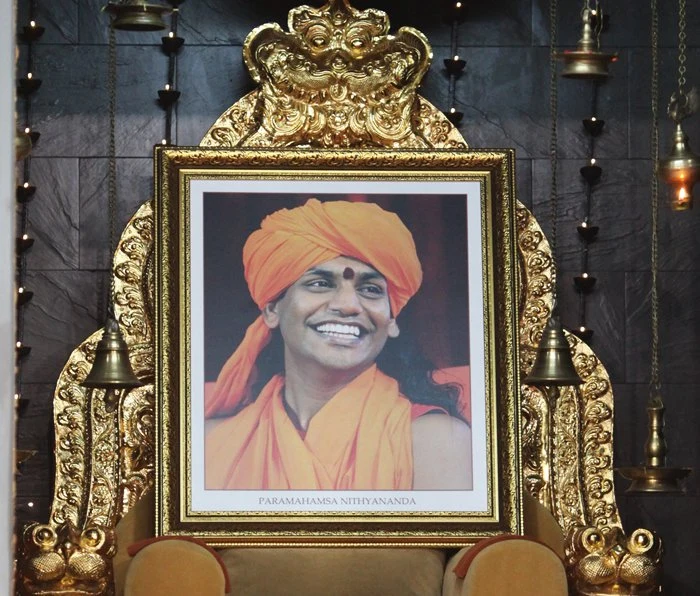
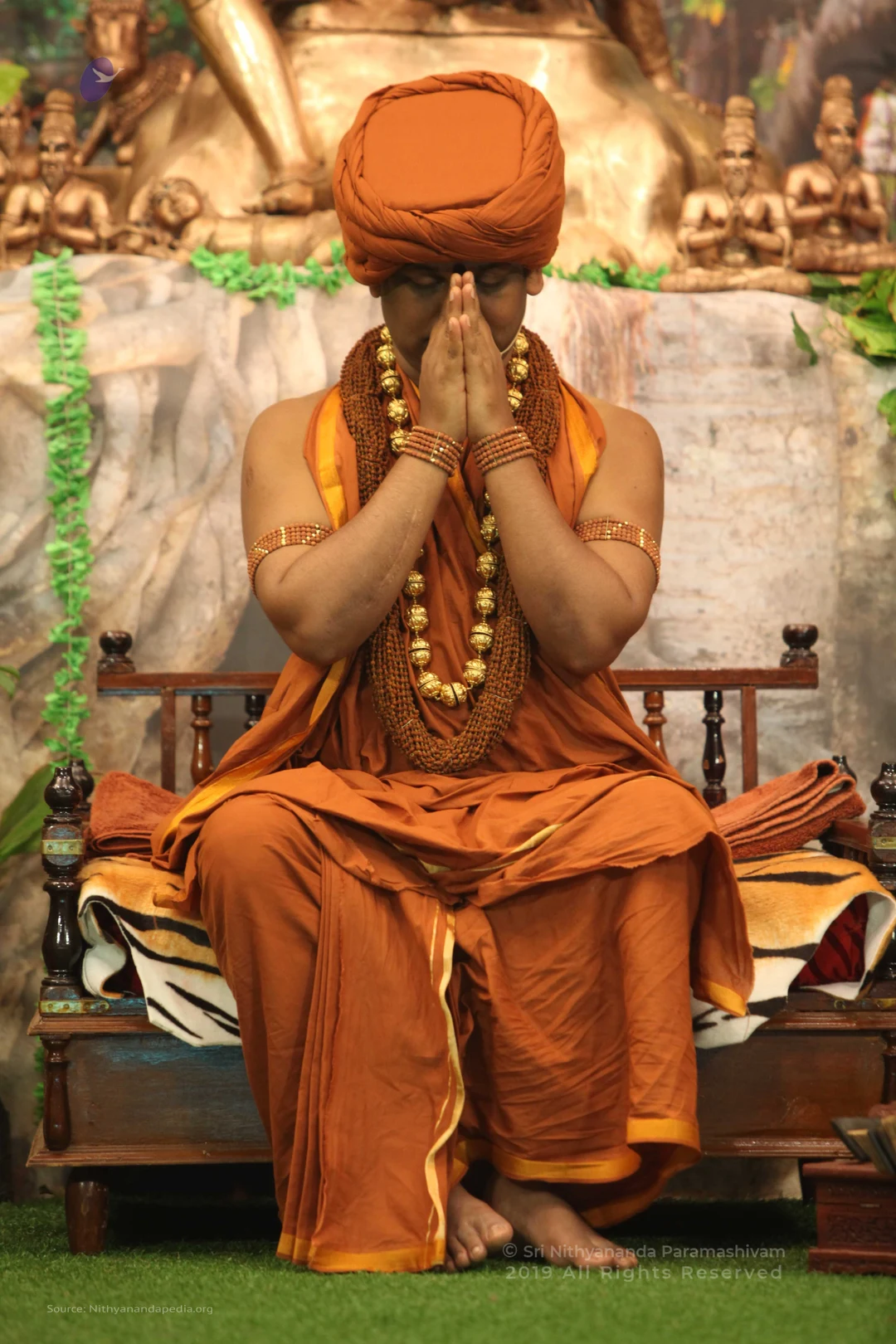
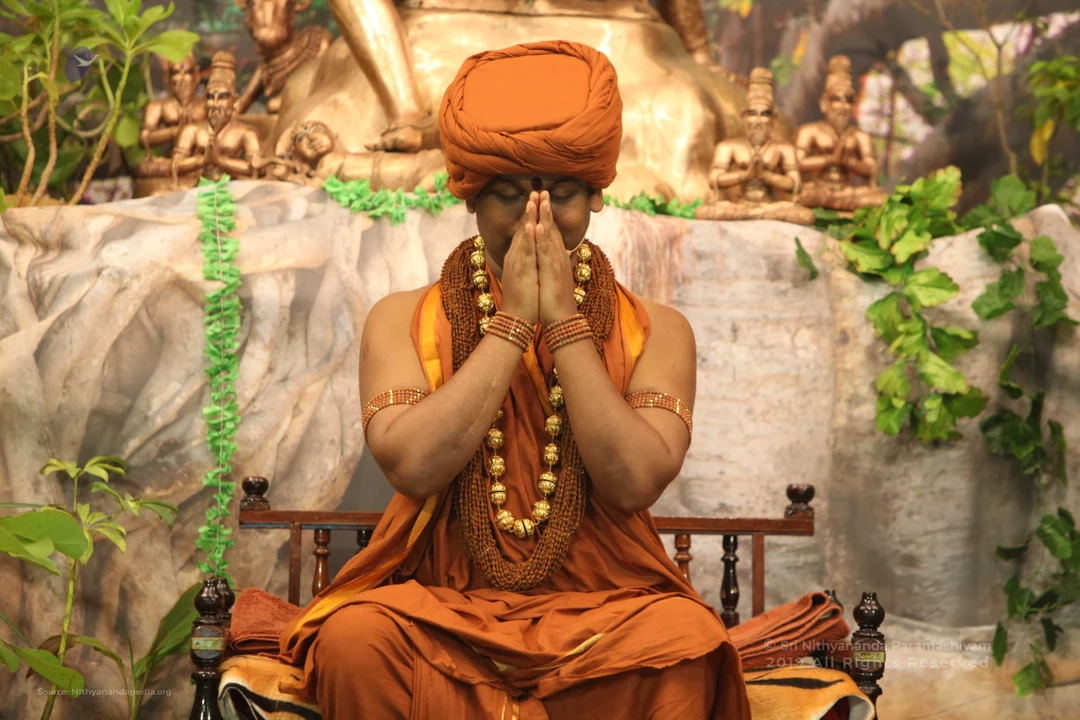
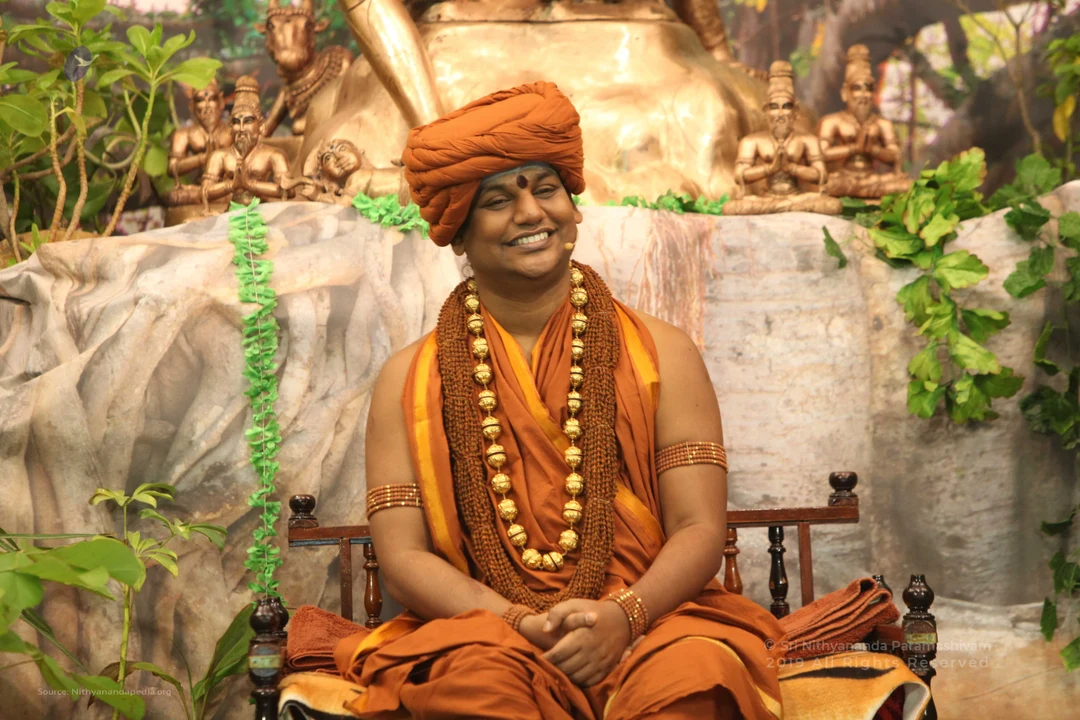
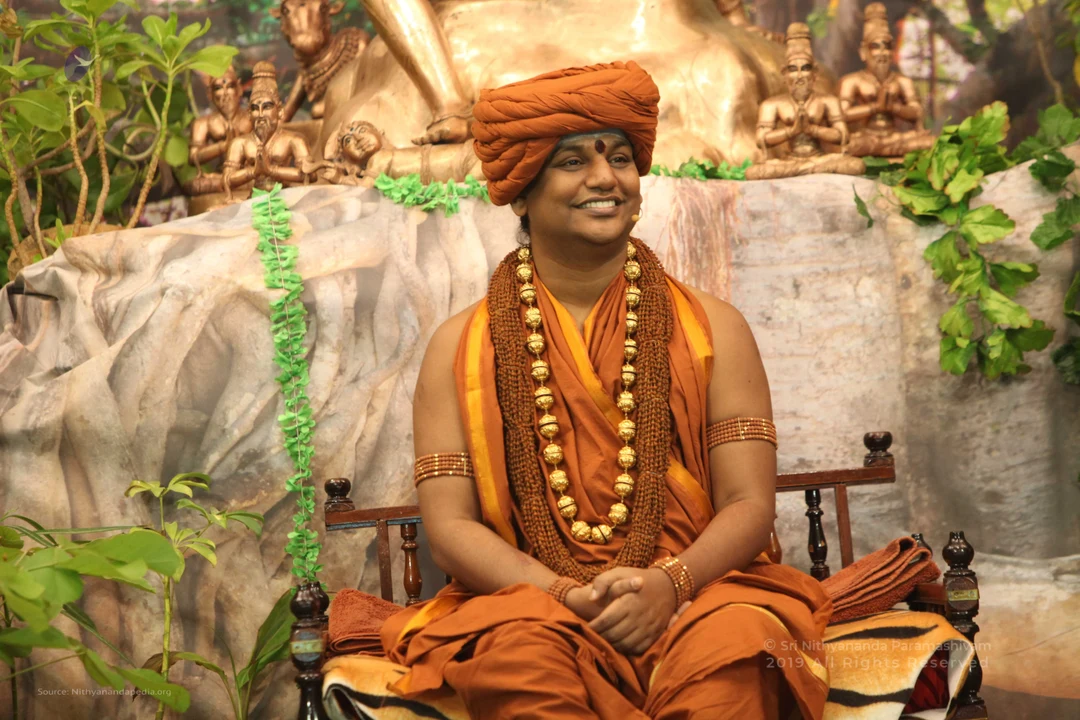
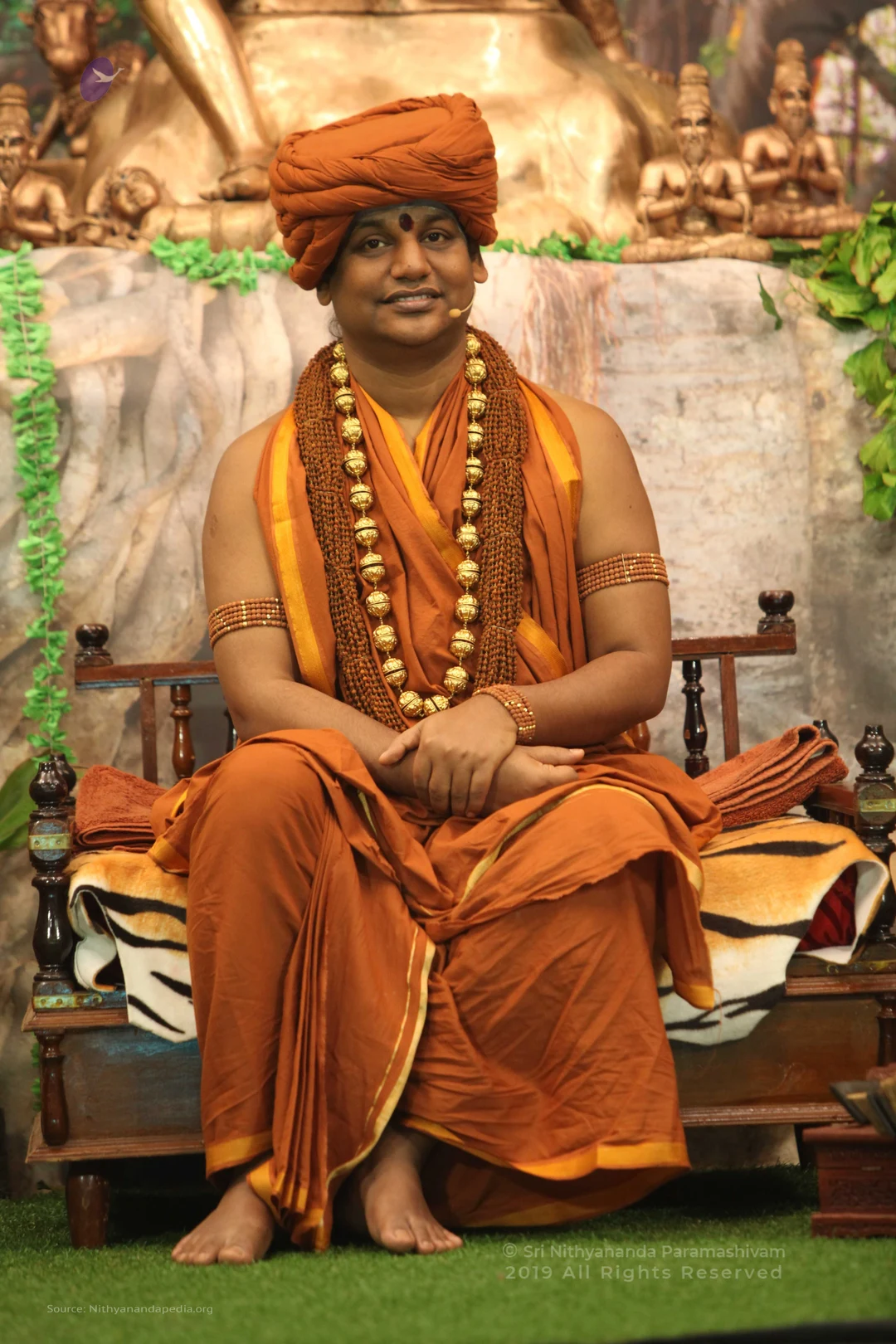
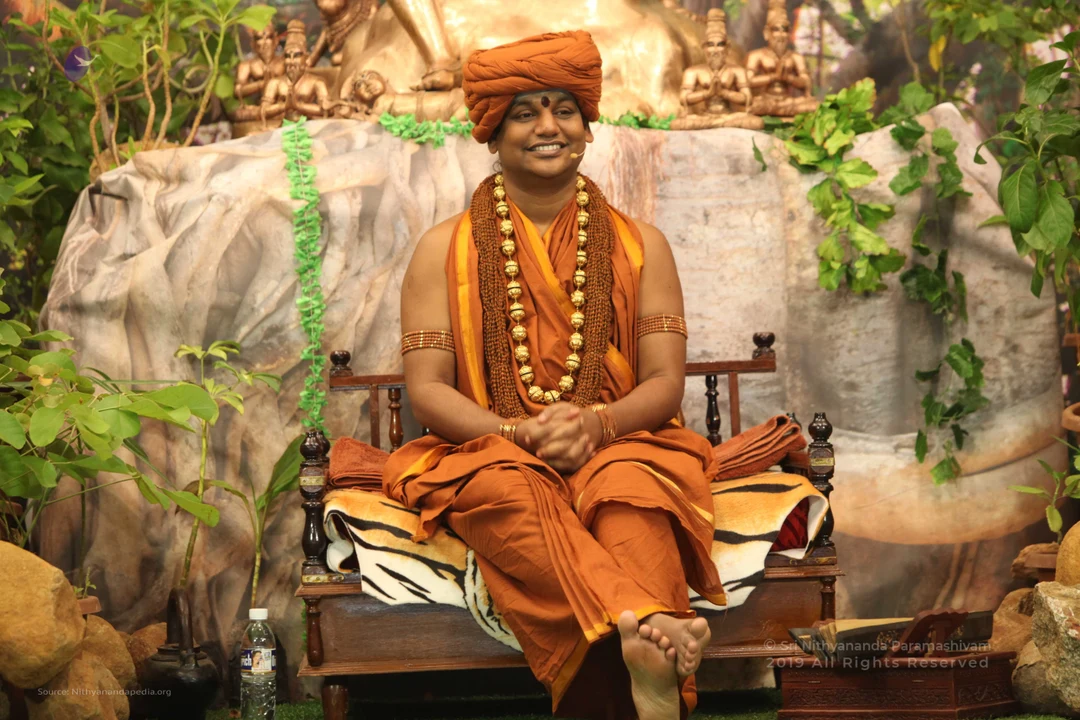
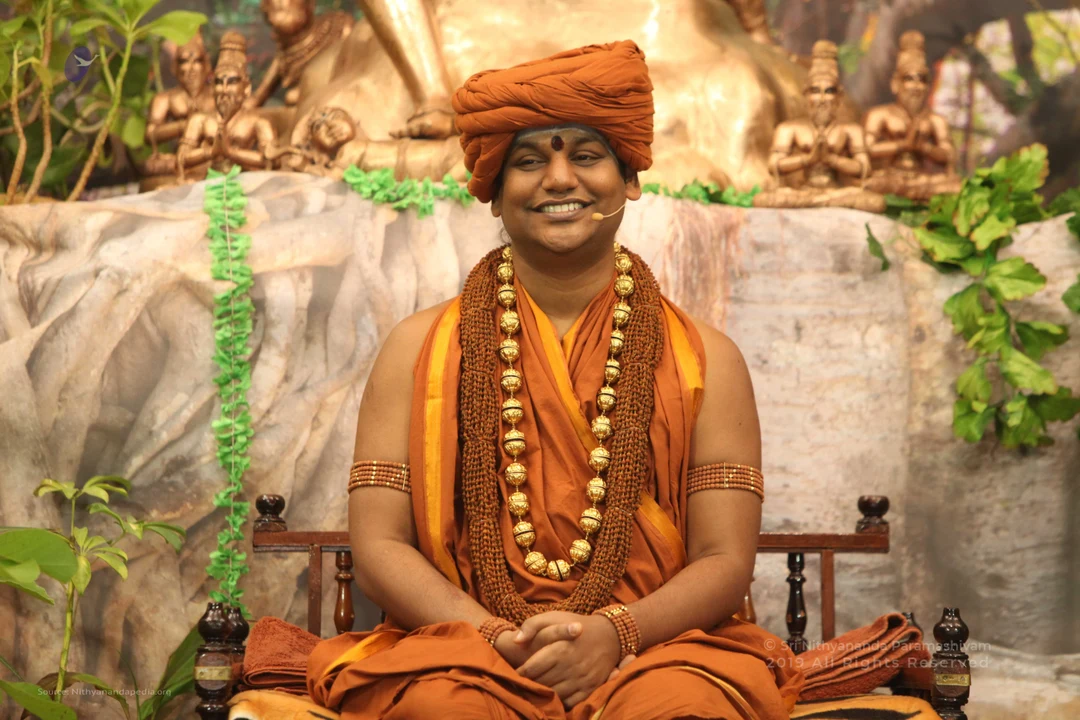
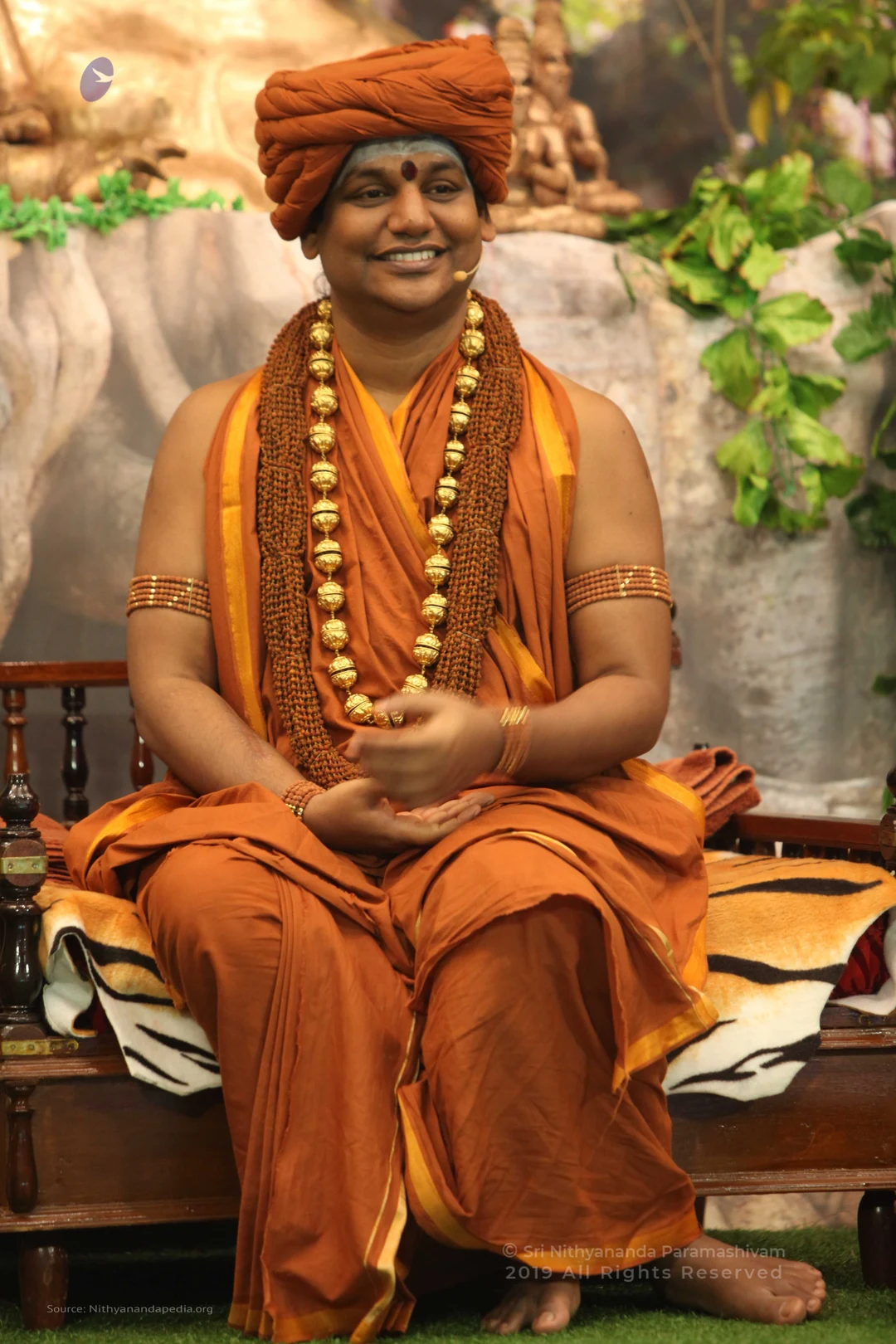
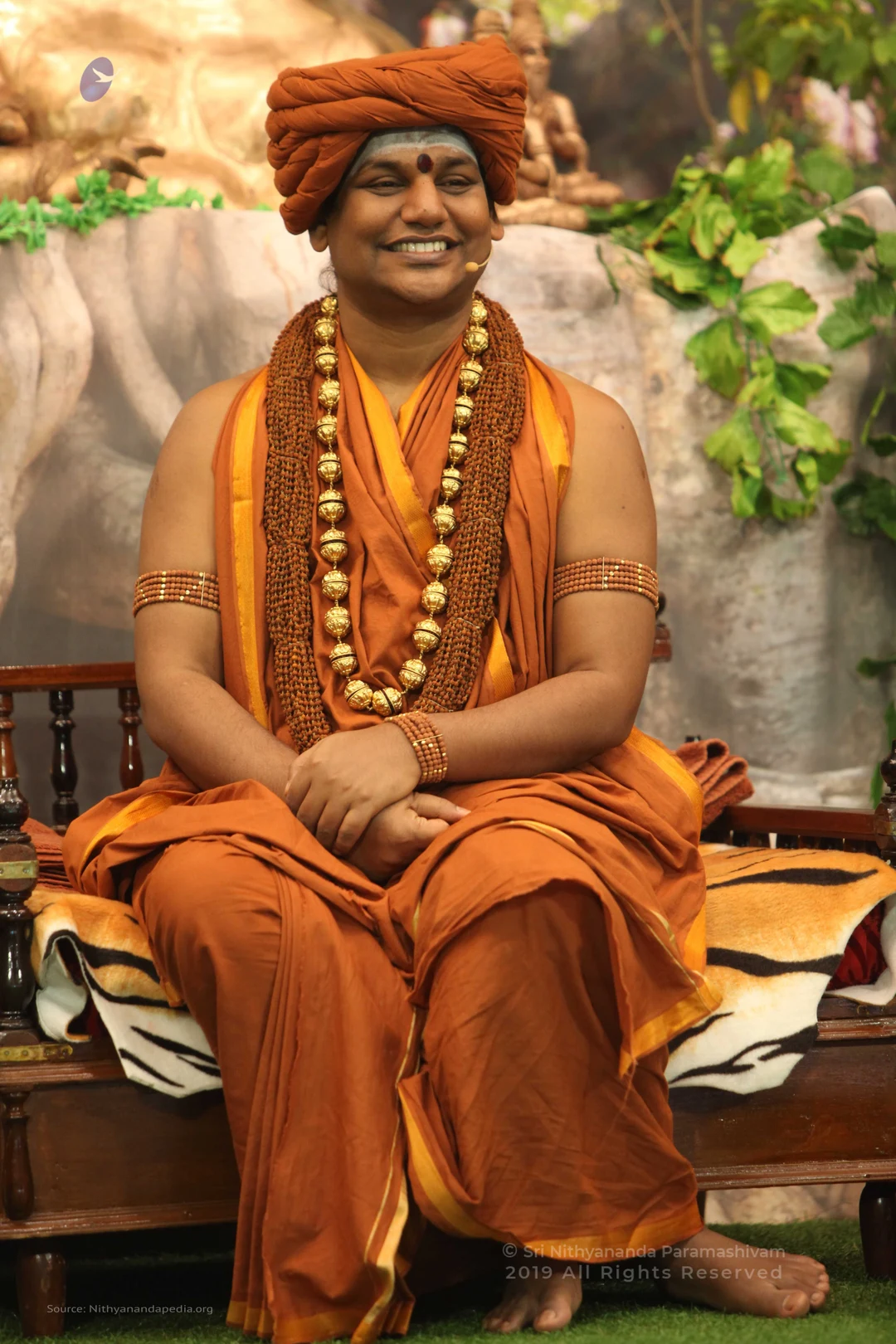
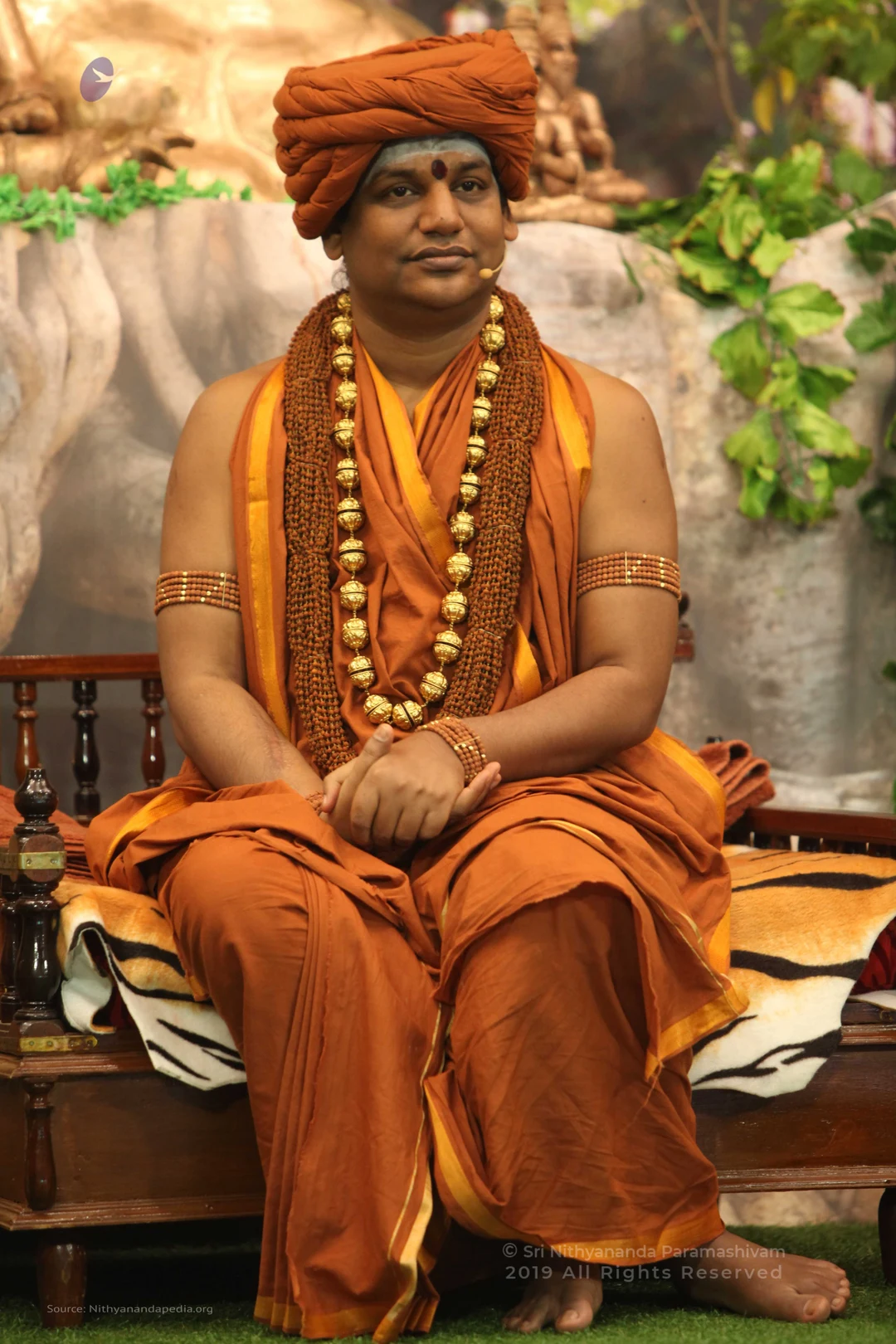
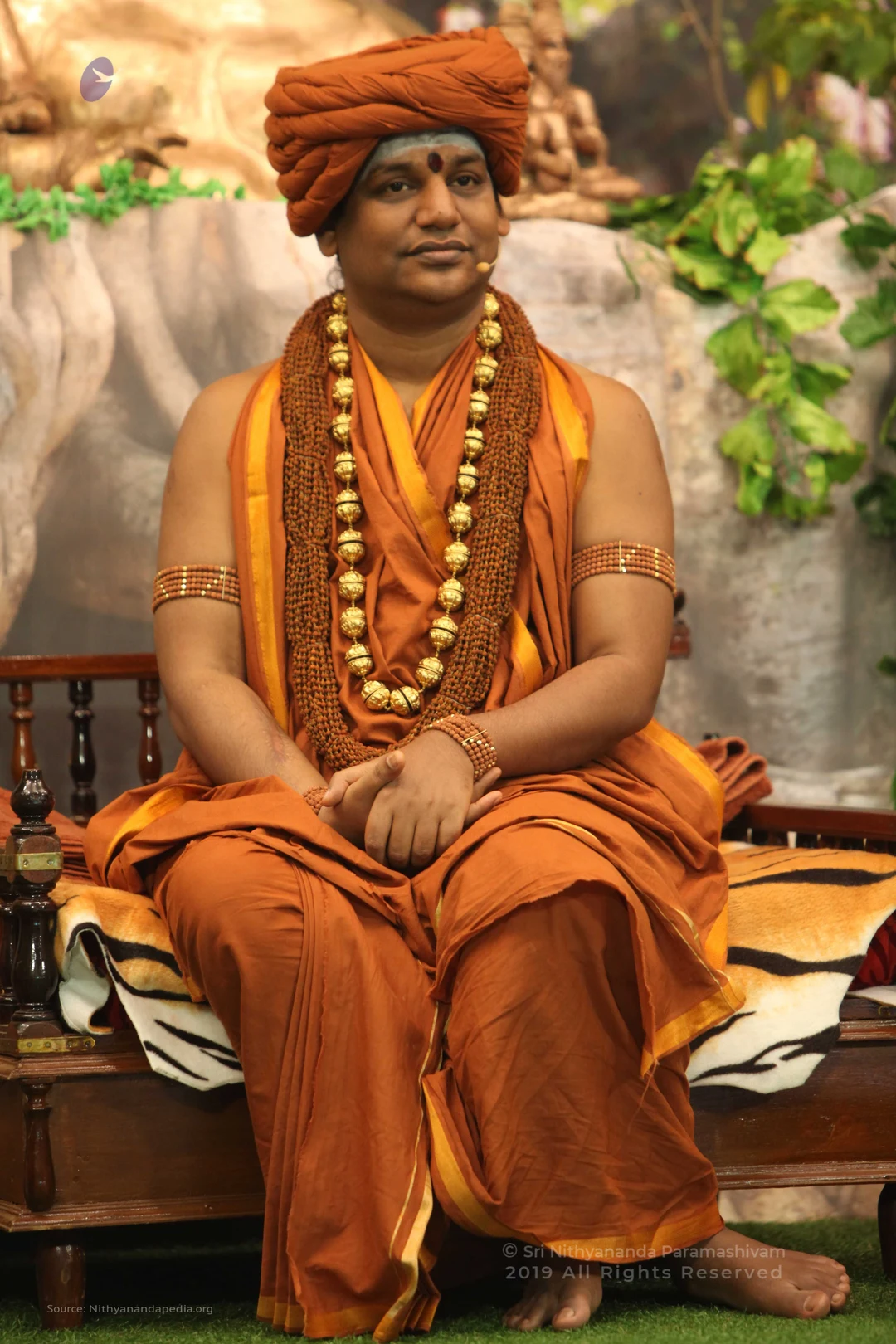
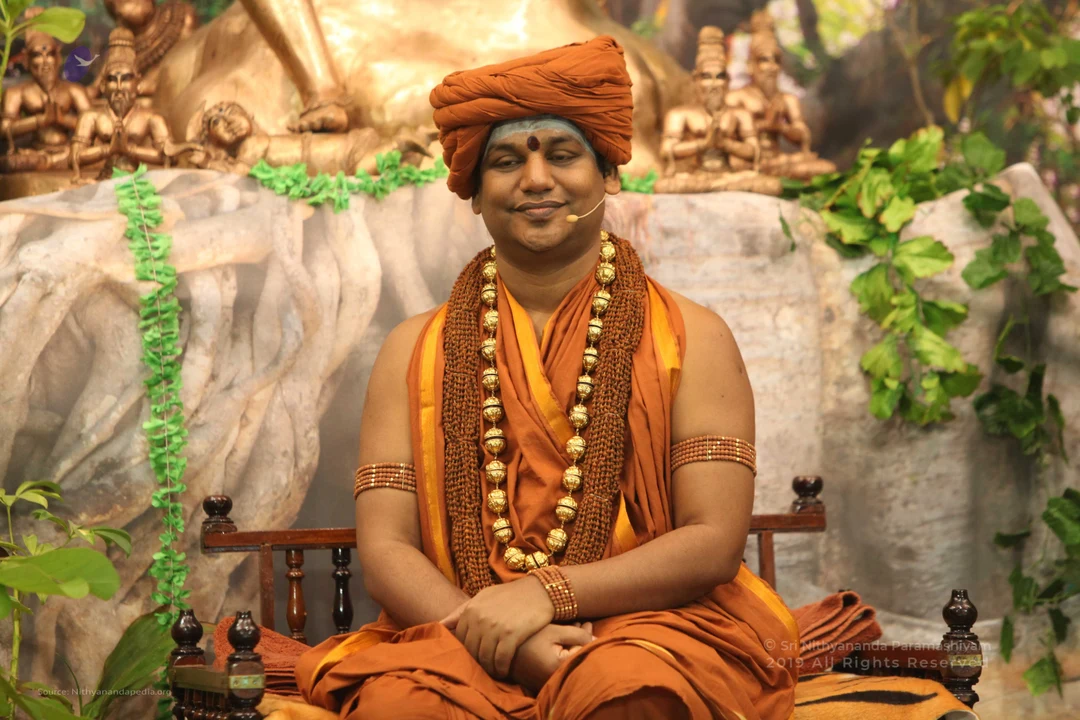
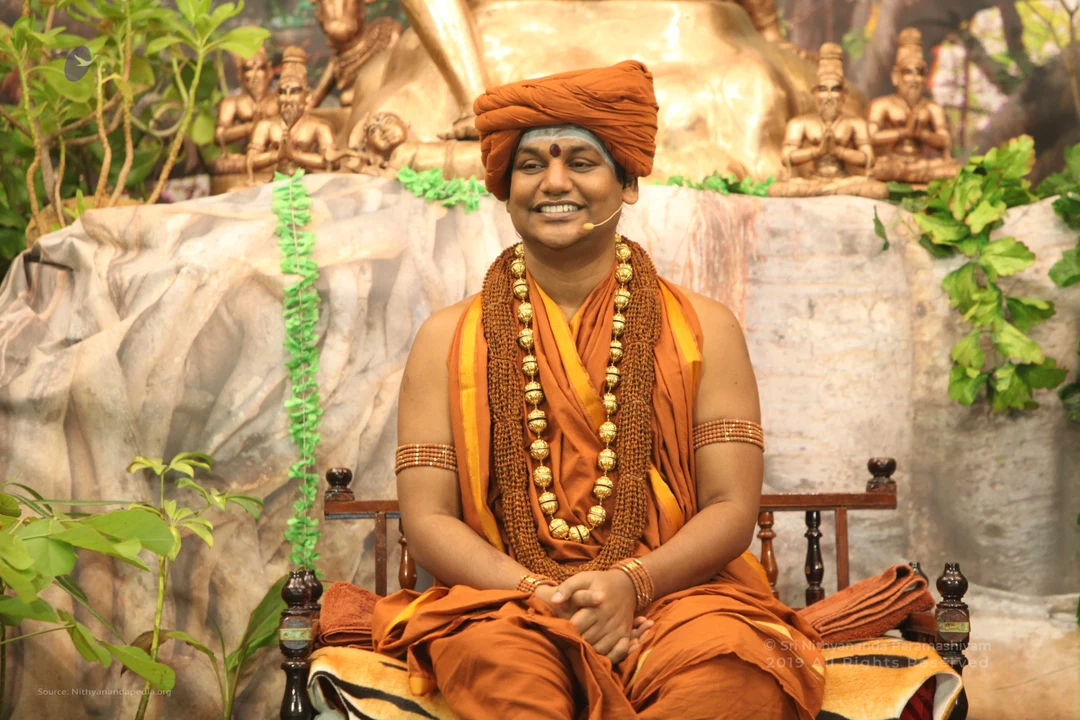
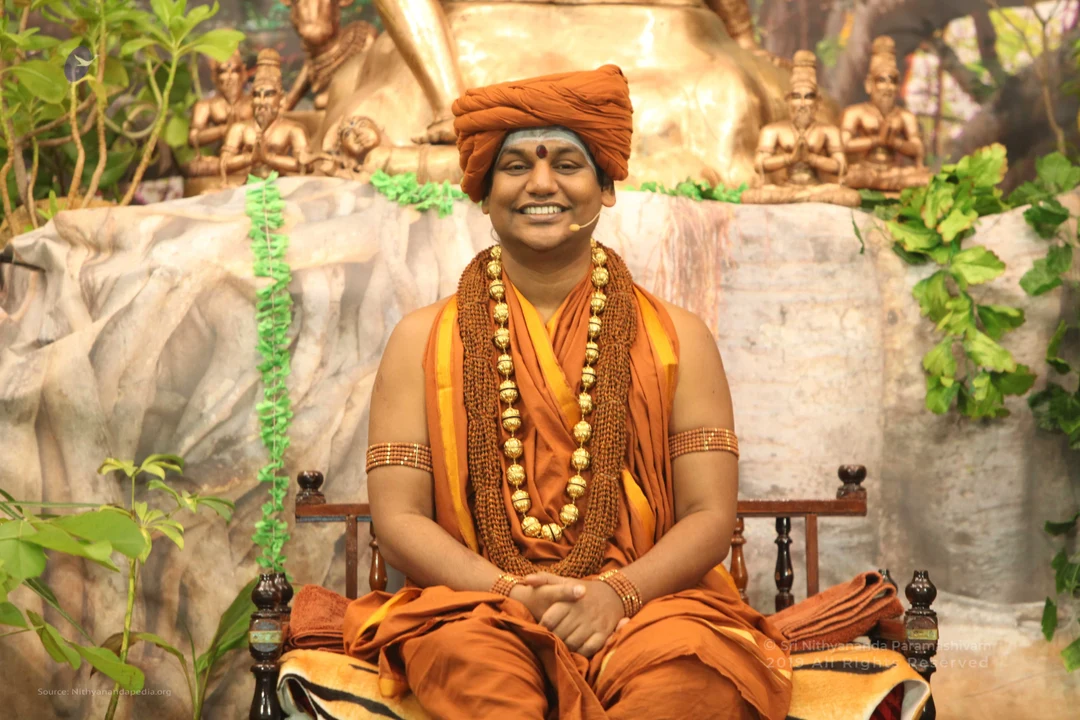
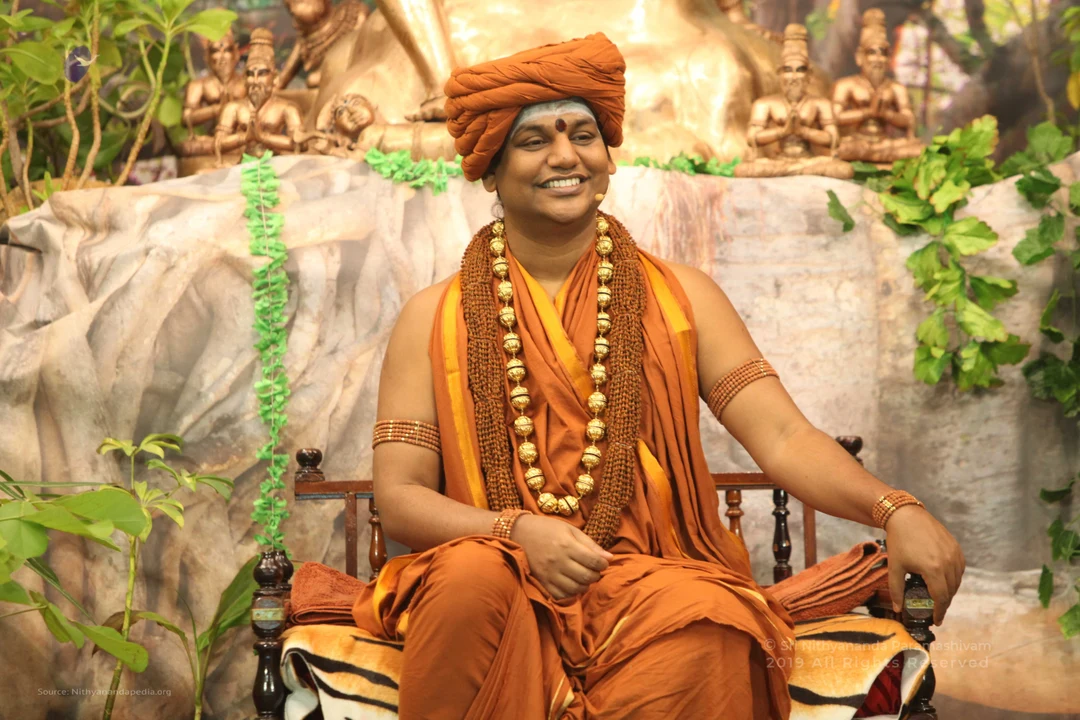
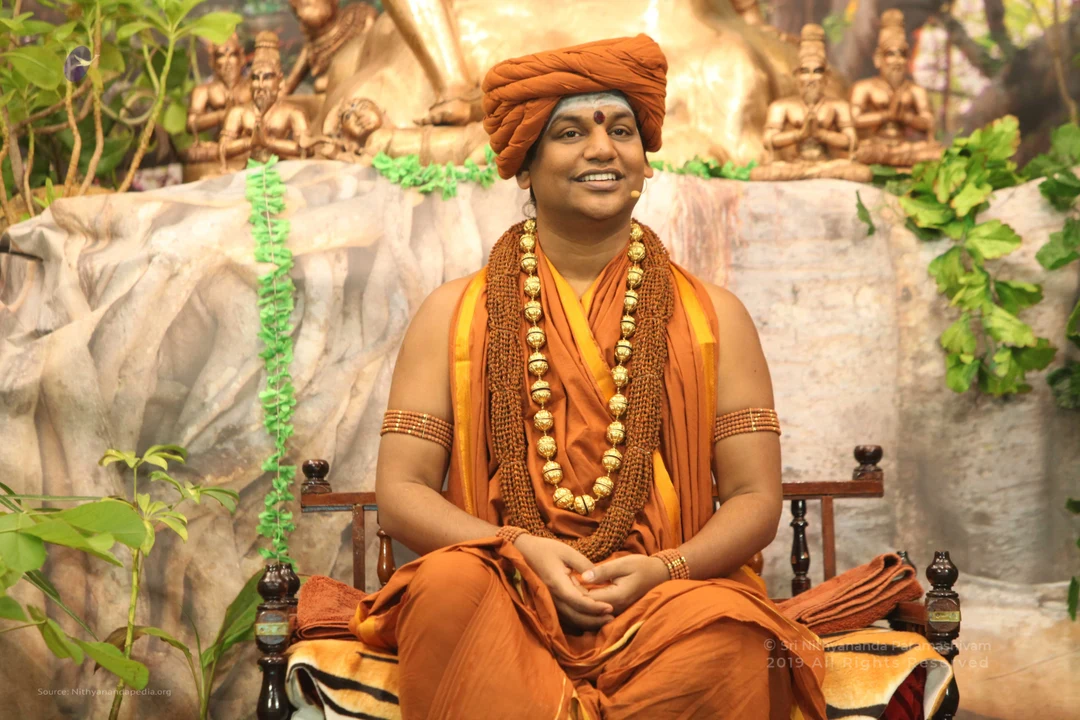
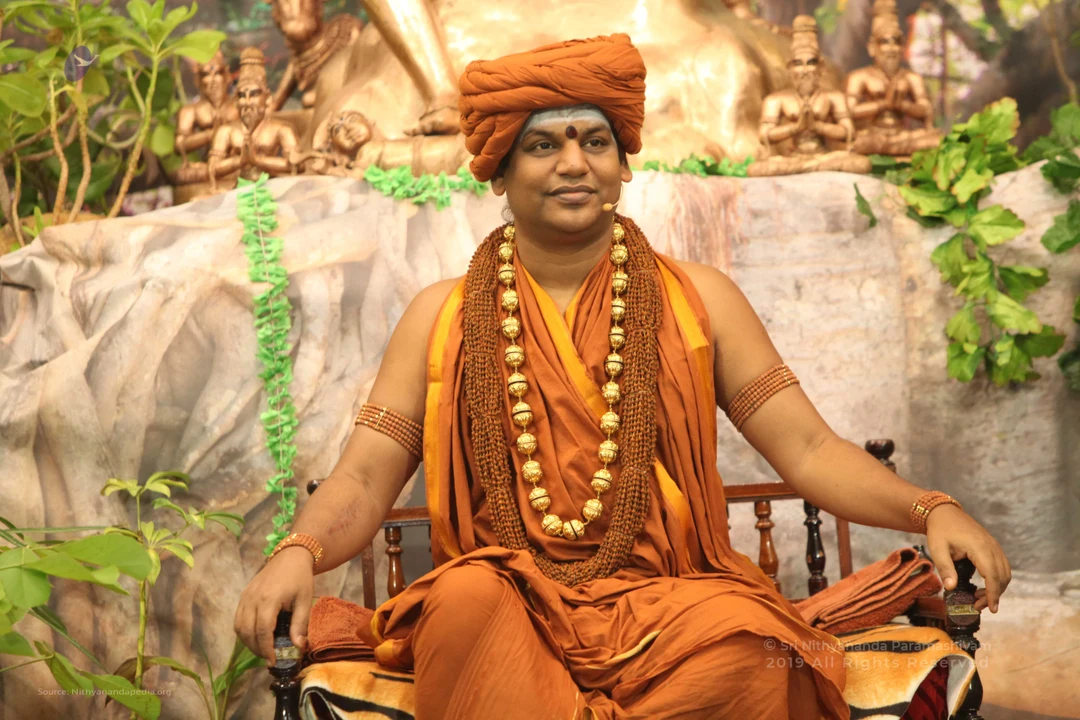
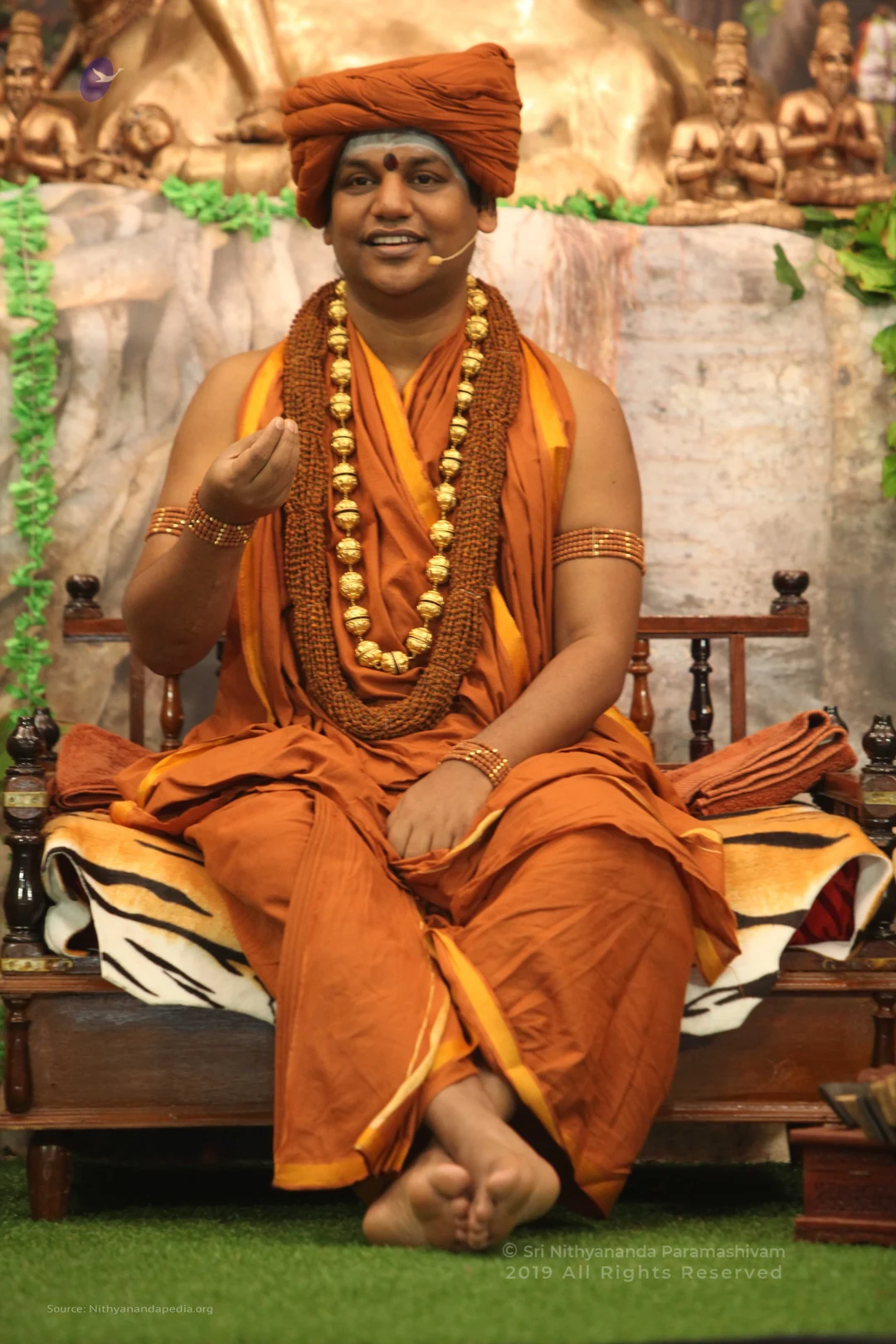
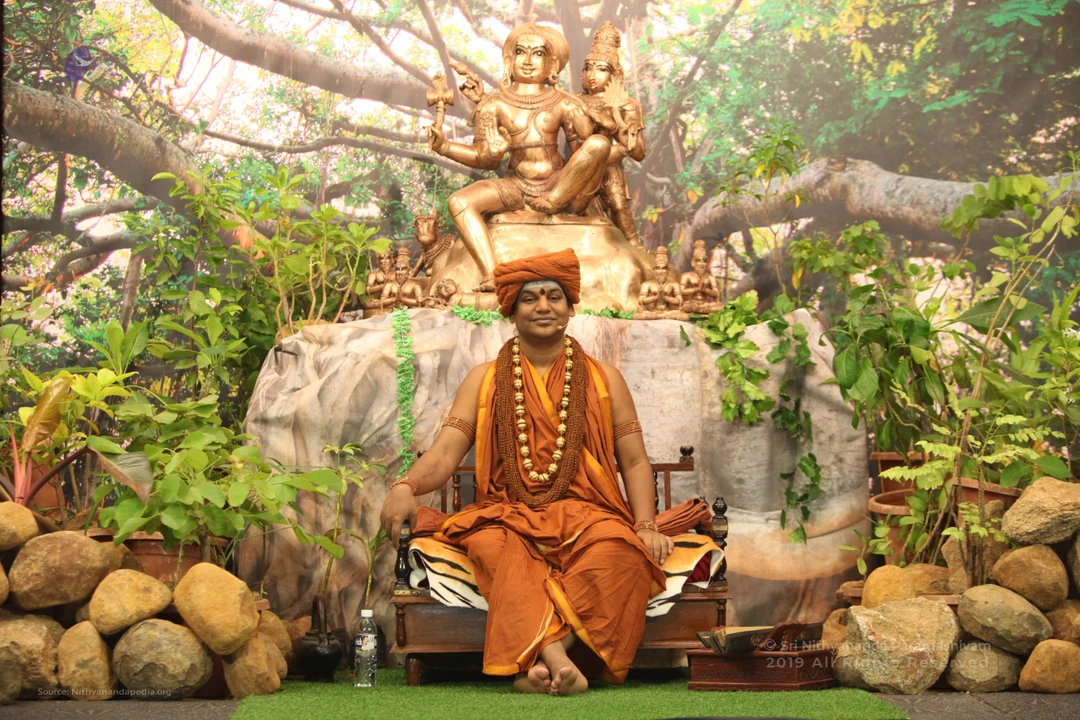
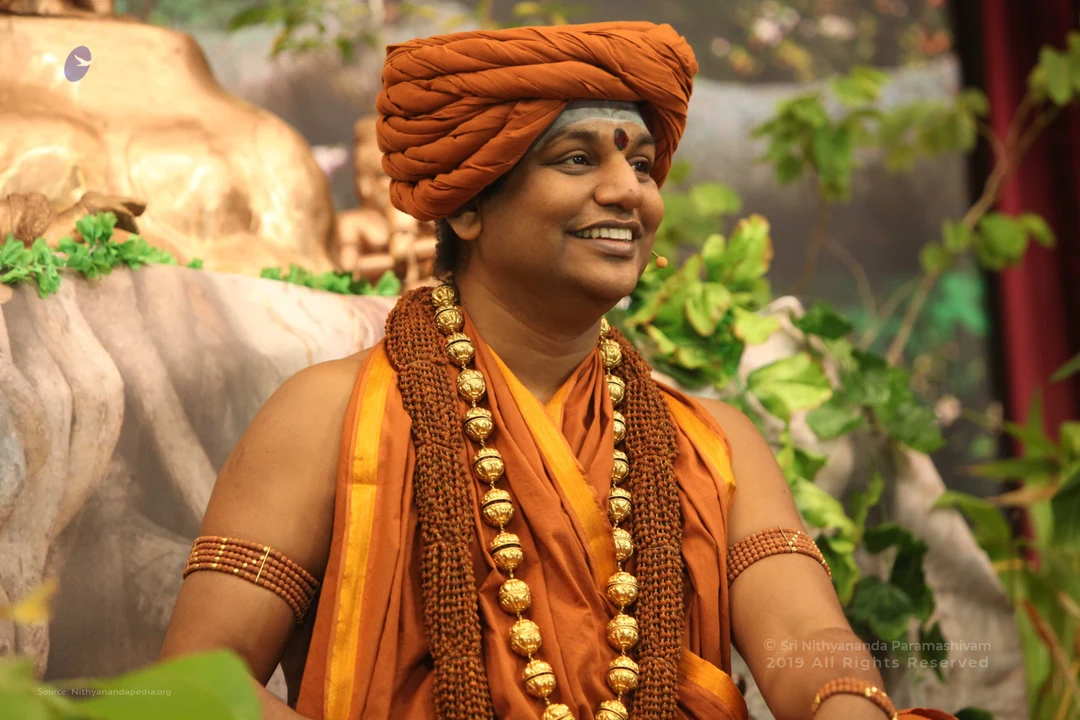
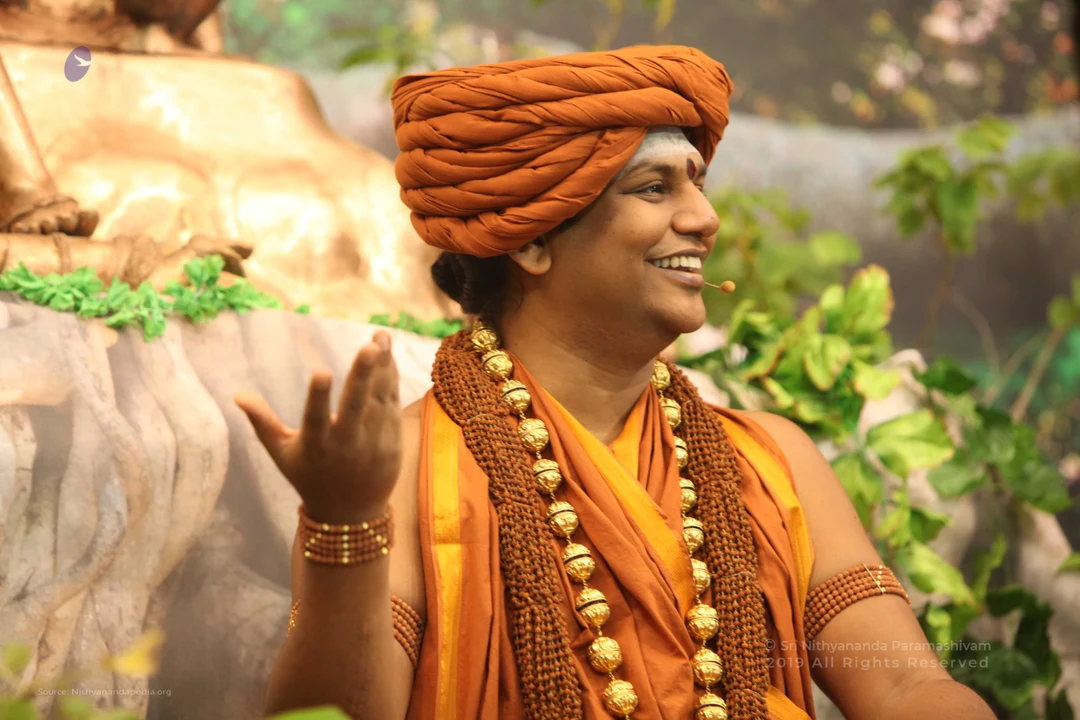
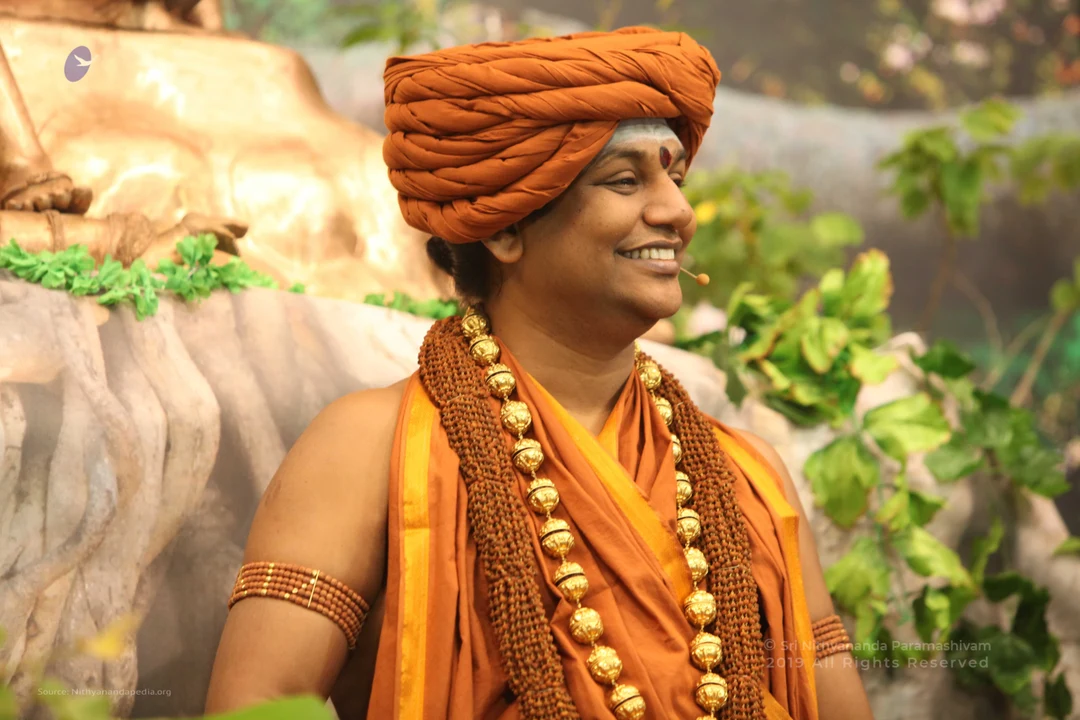
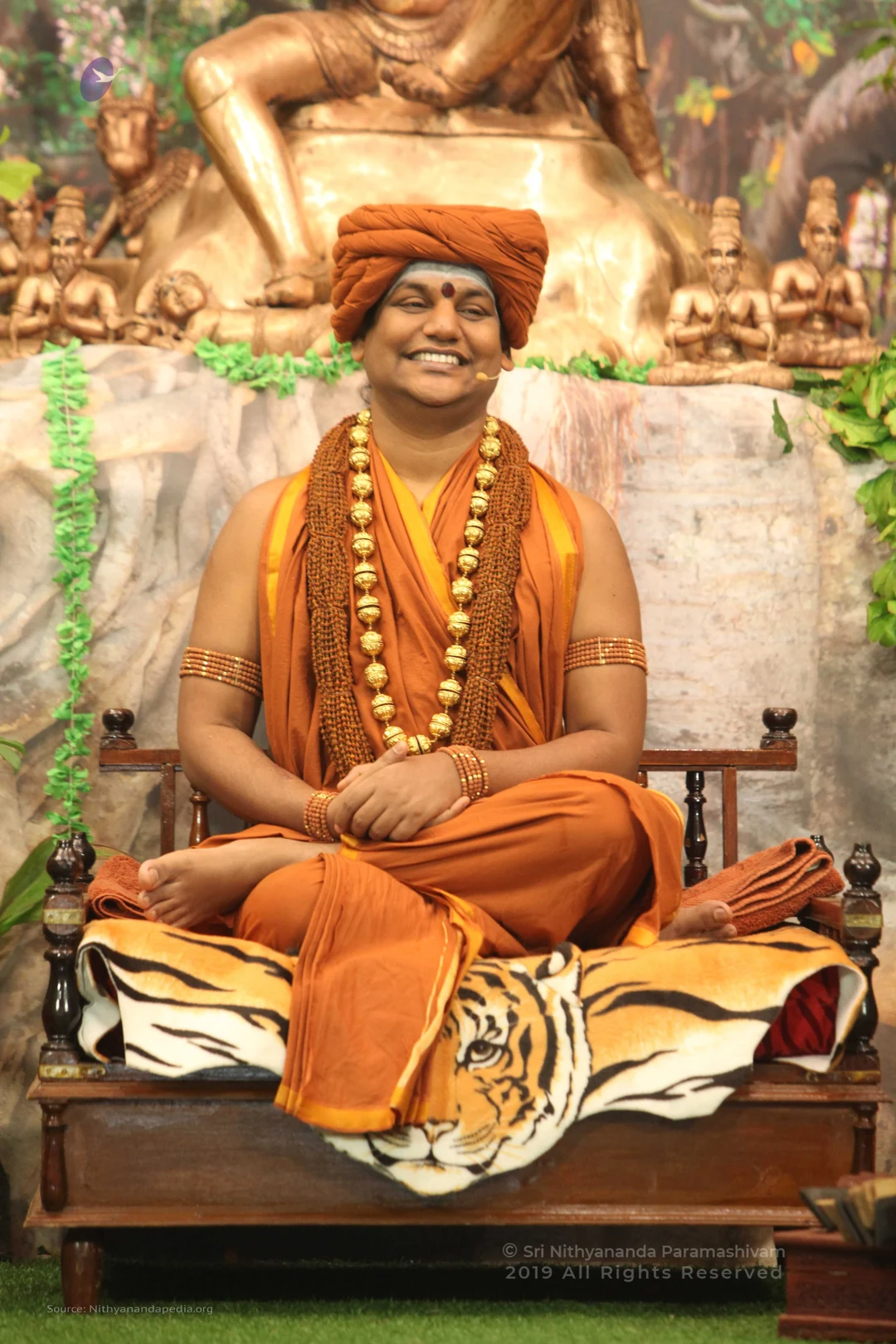
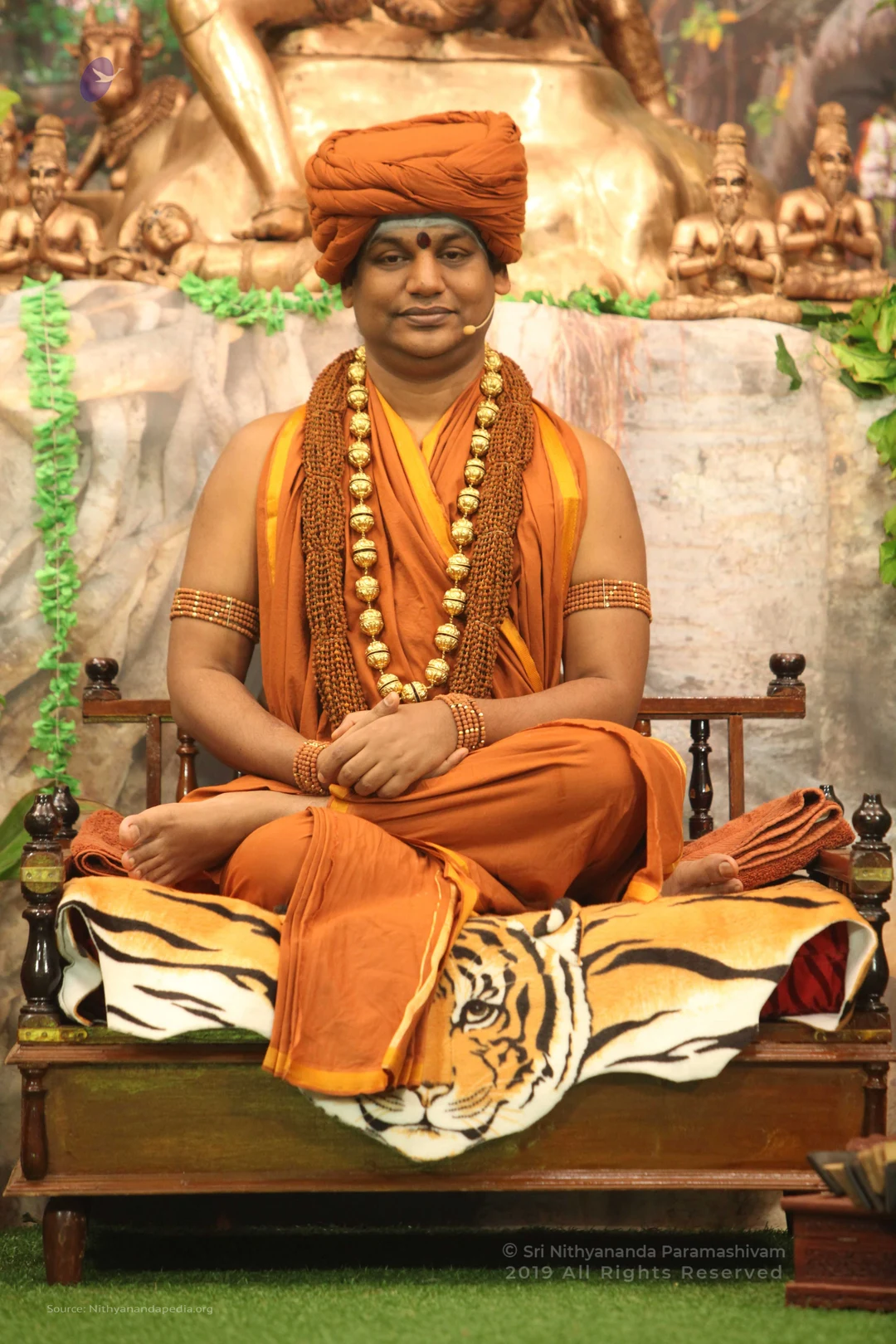
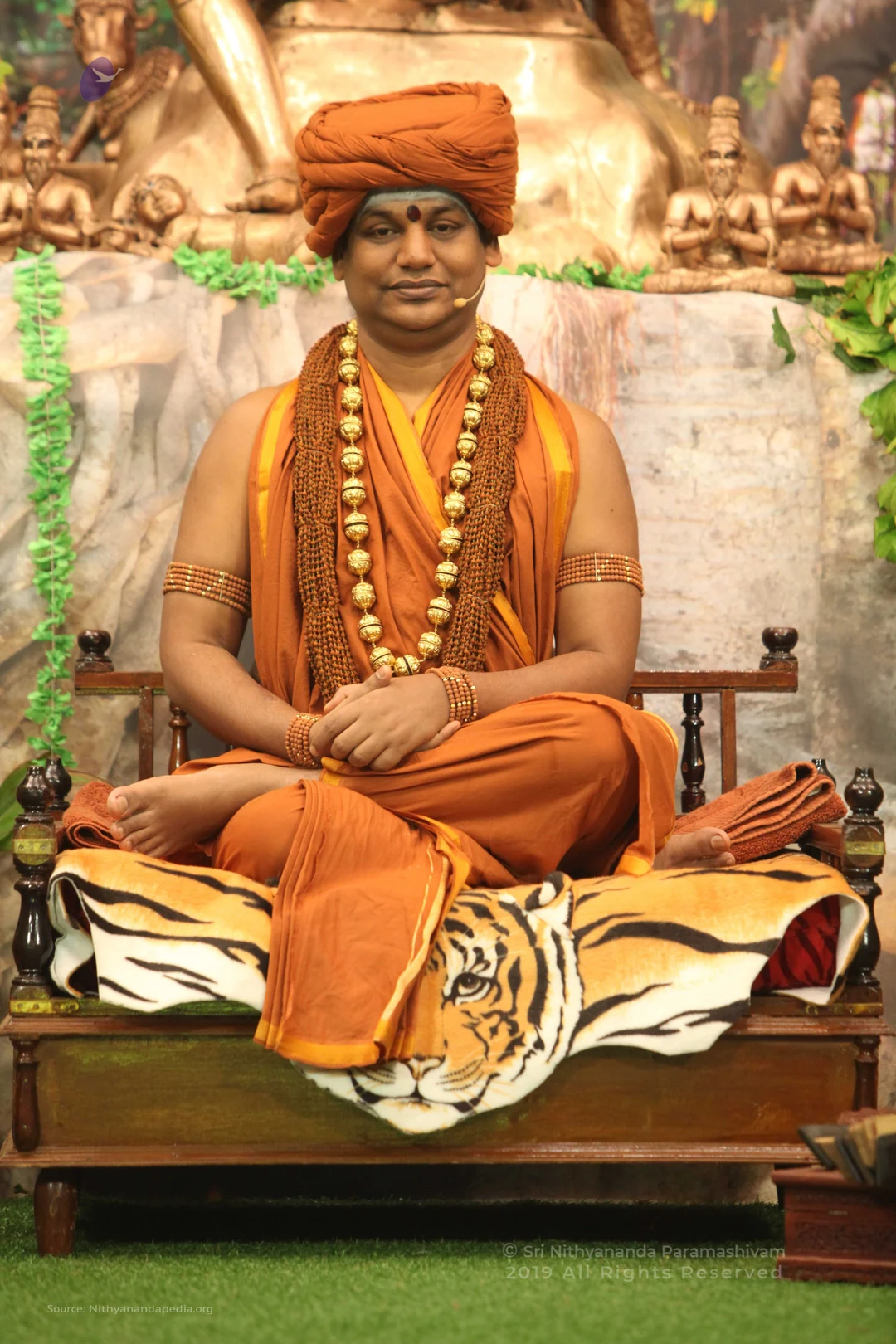
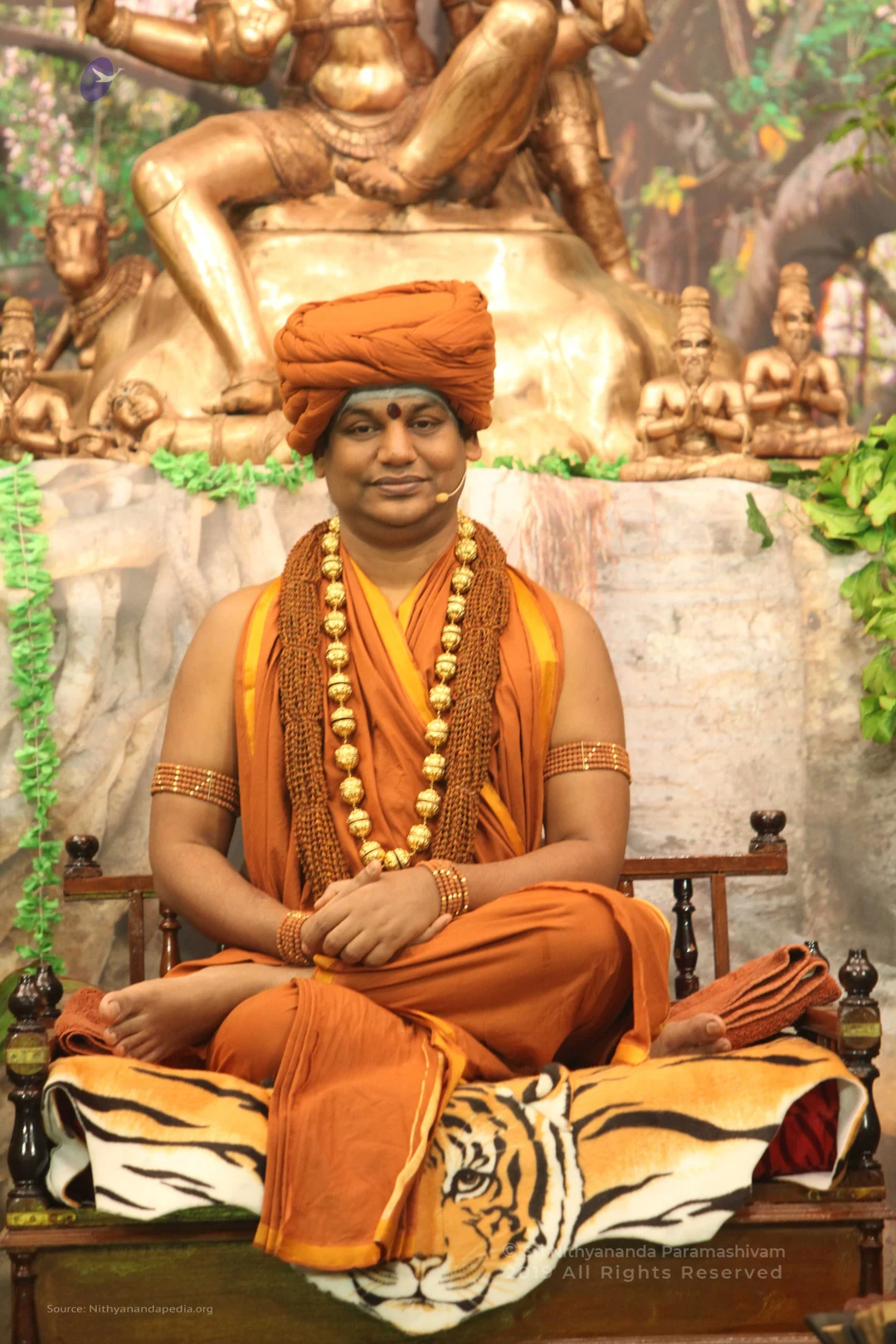
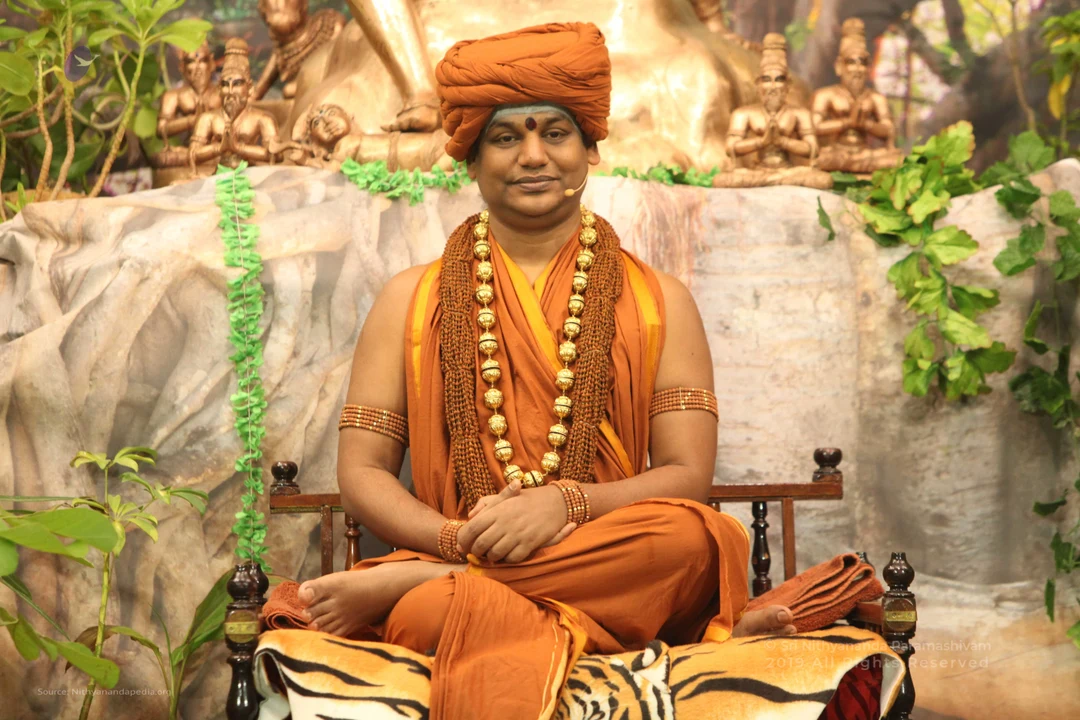
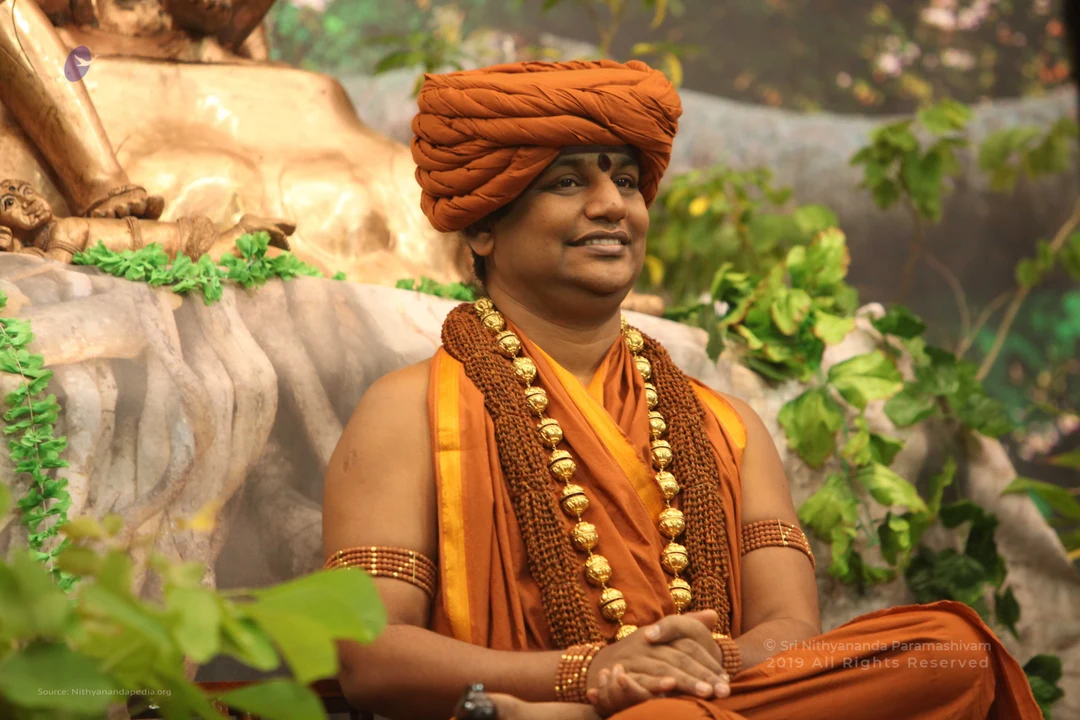
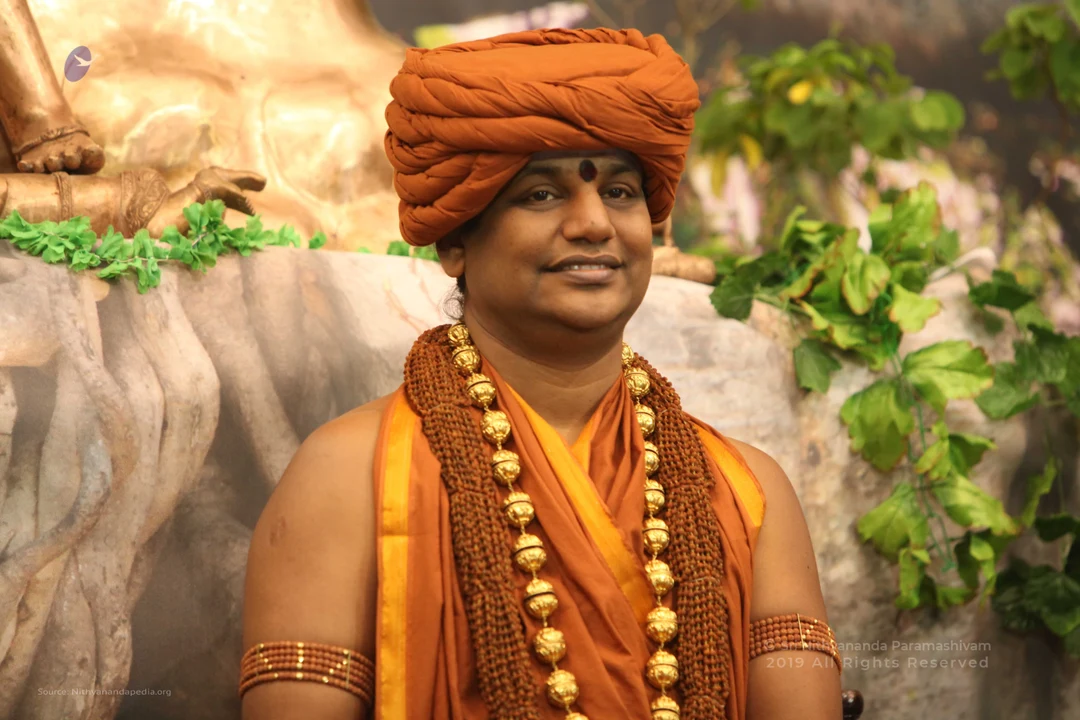
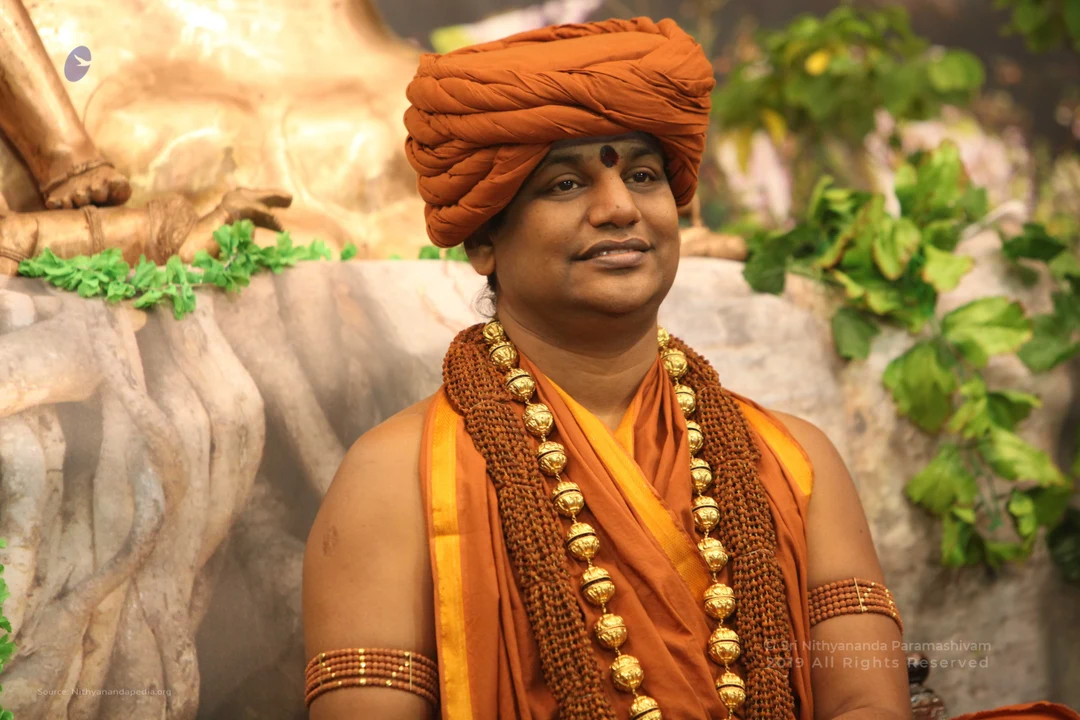
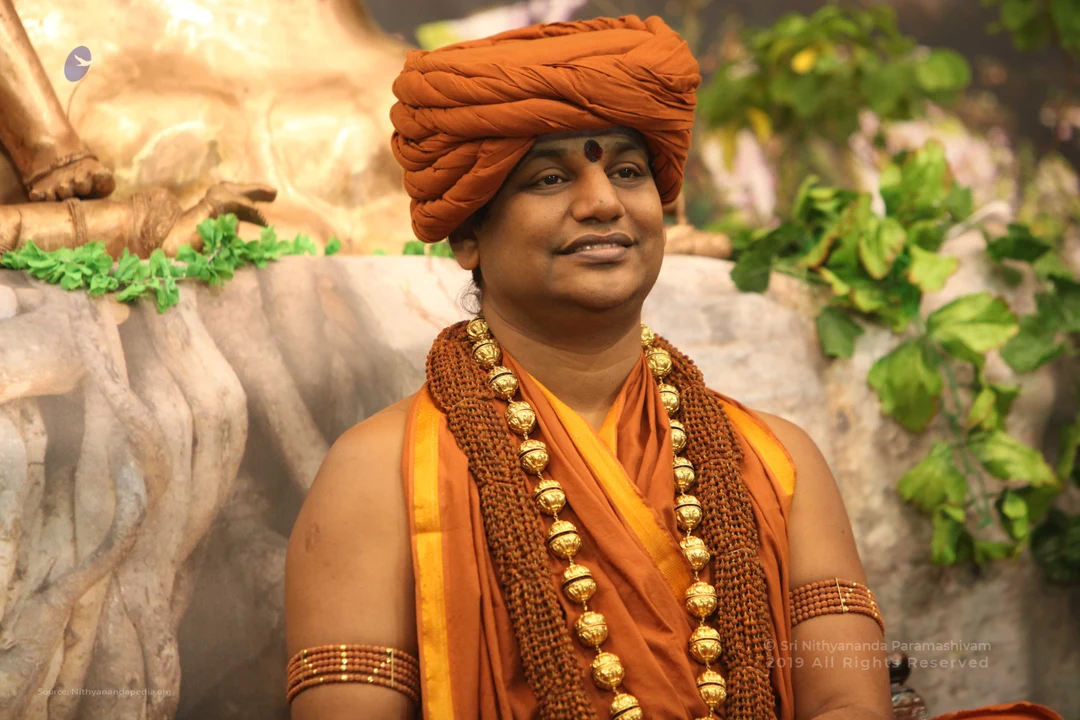
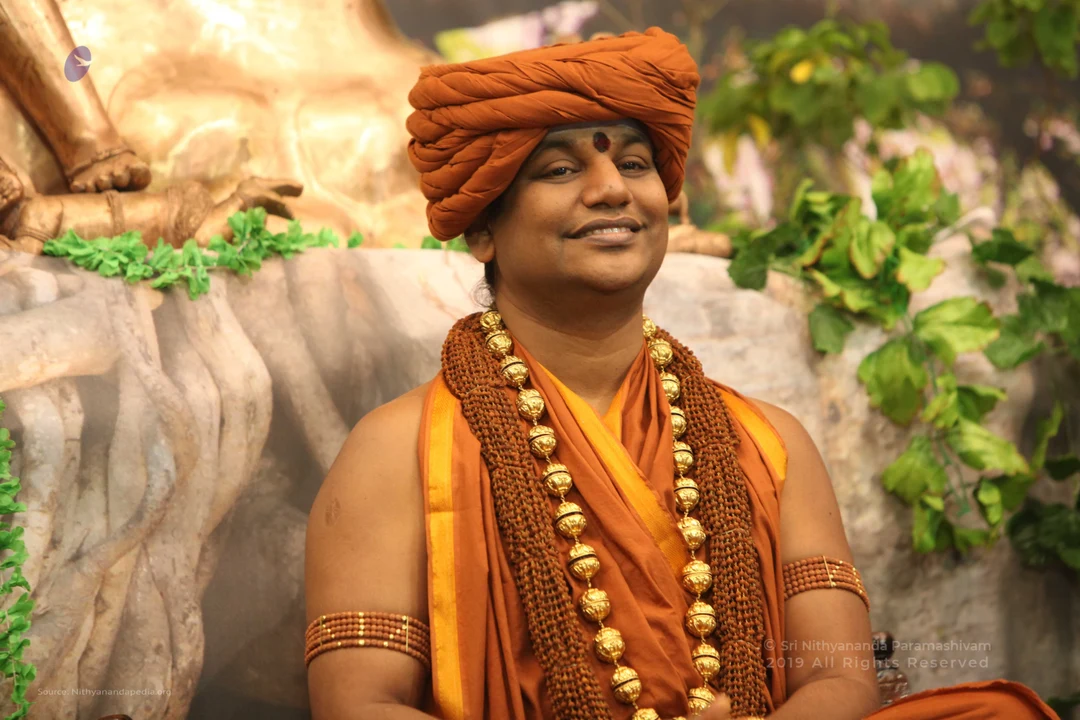
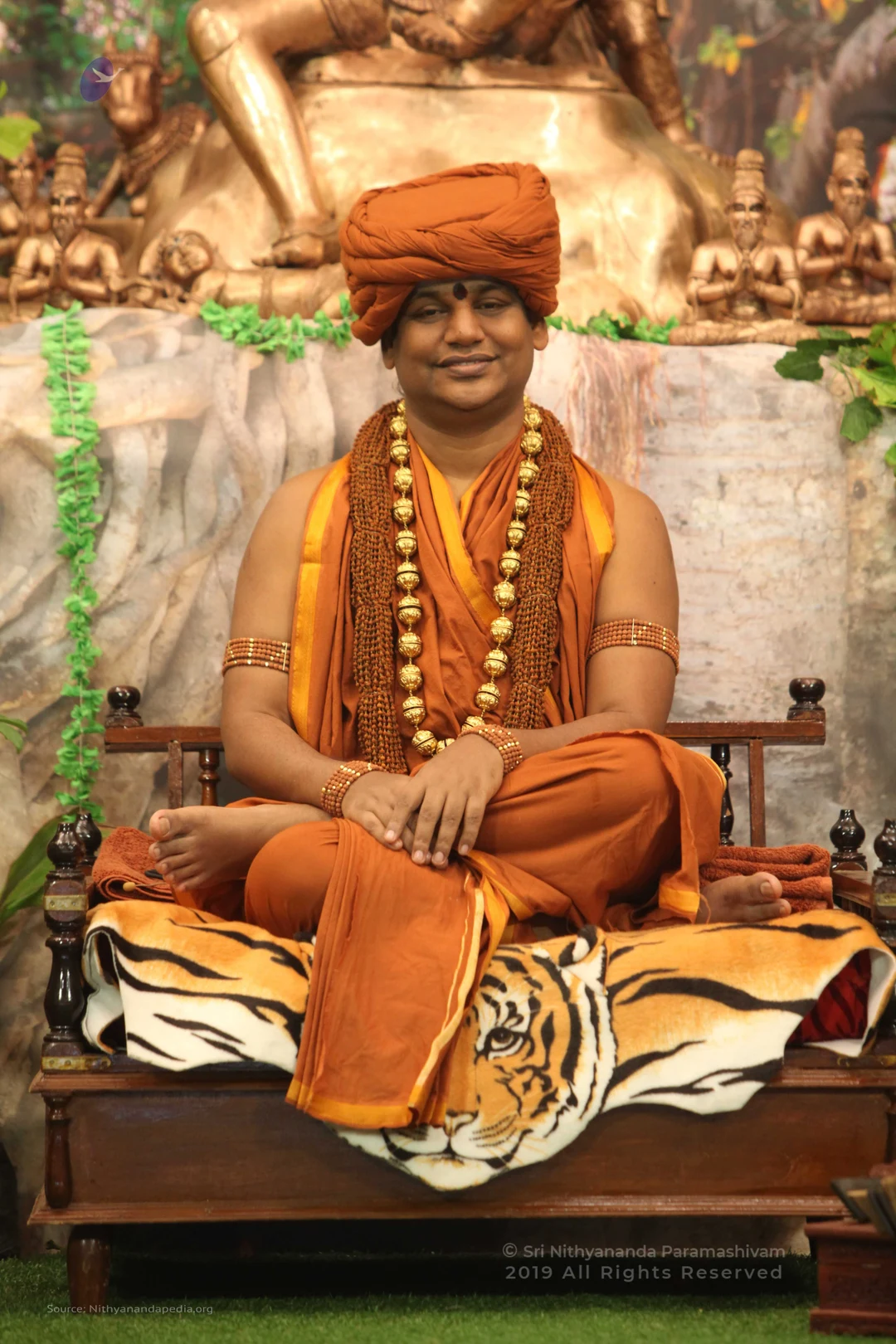
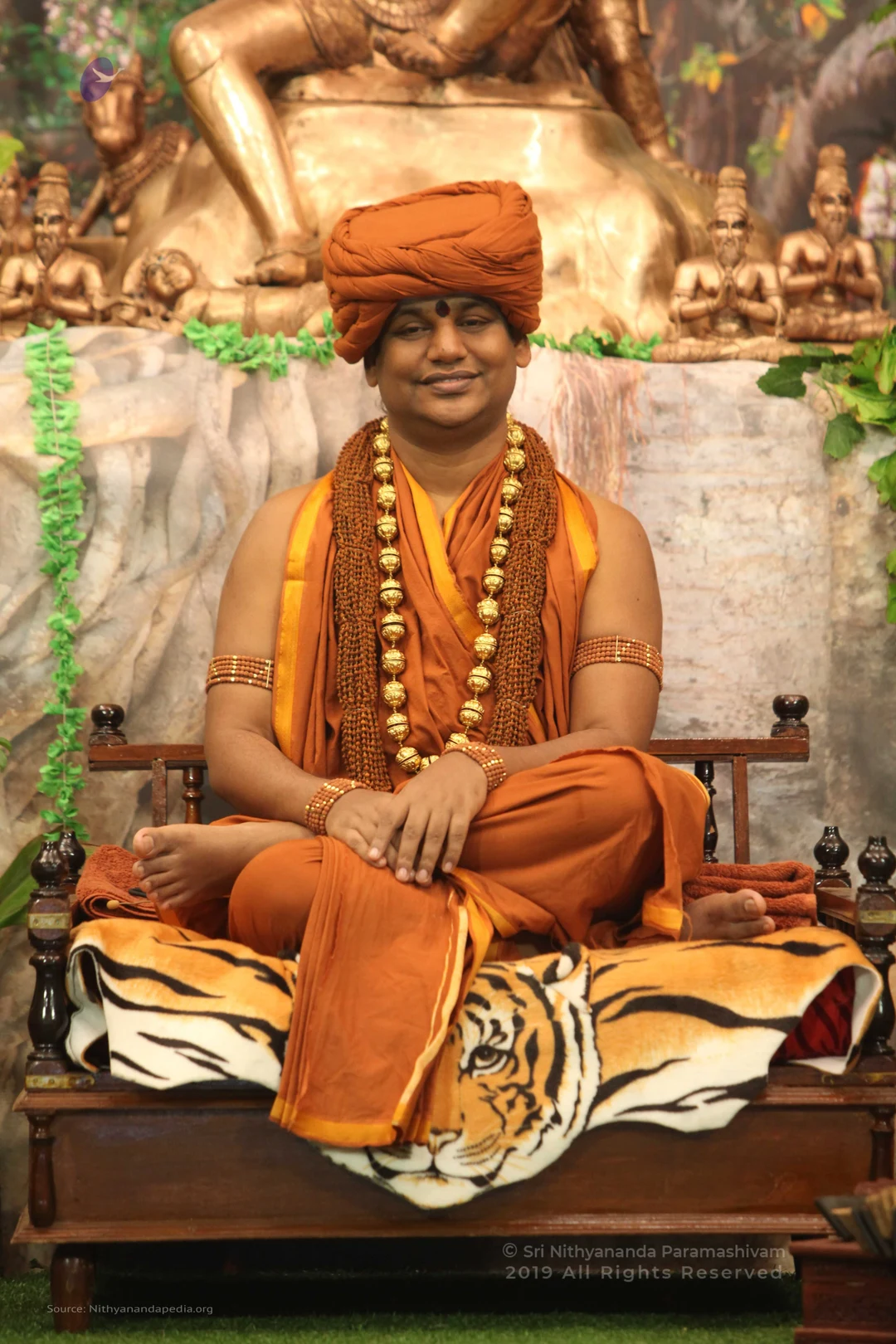
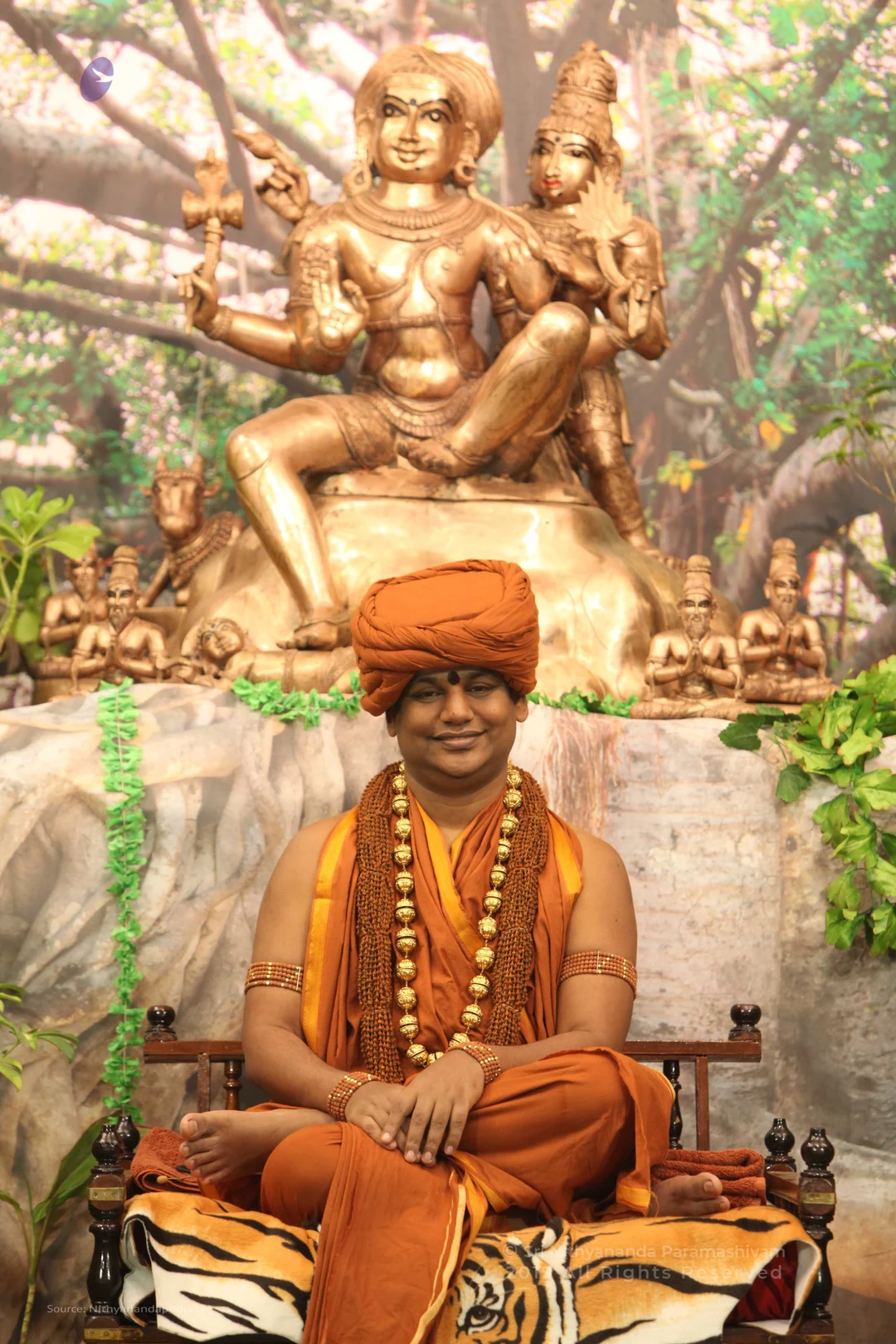
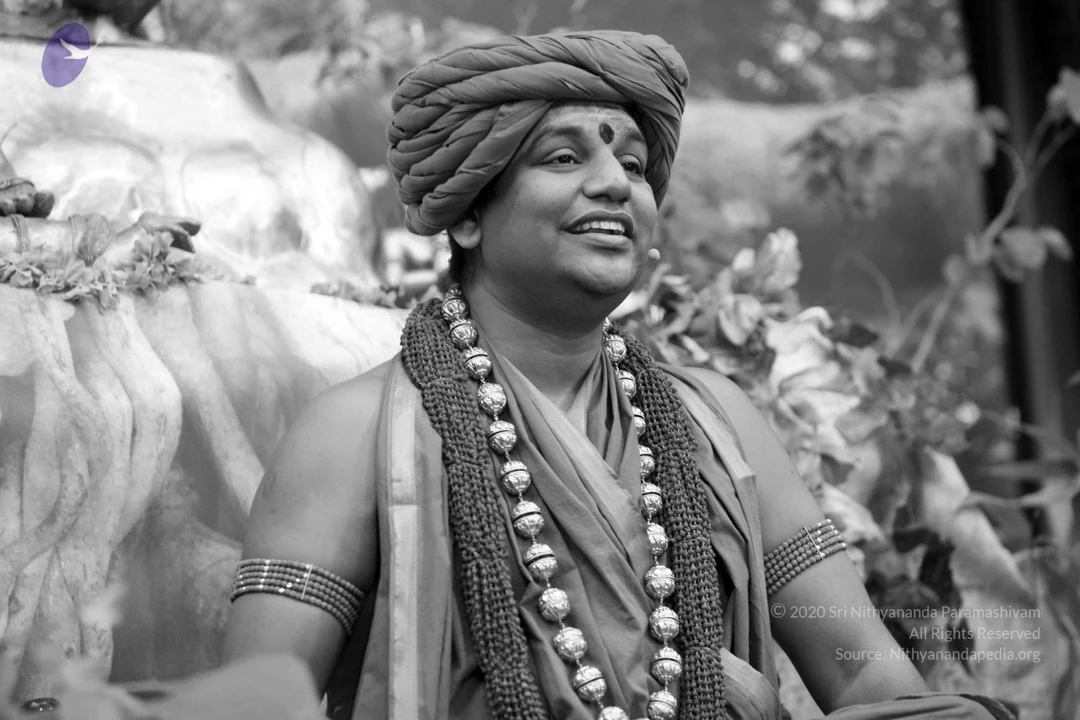
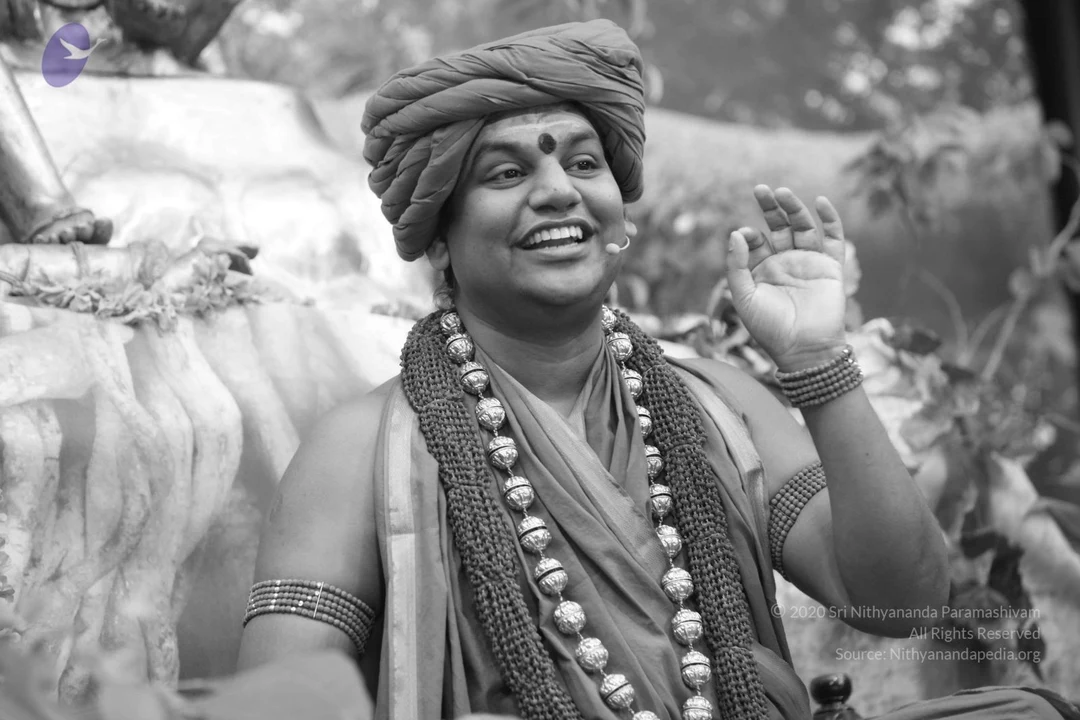
Nithya Satsang
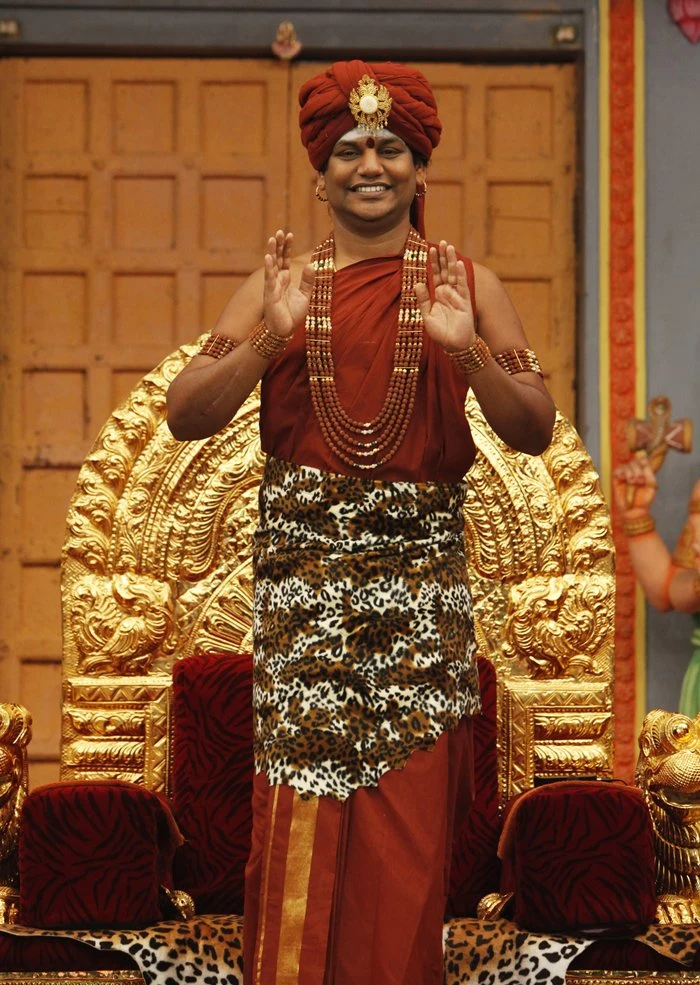
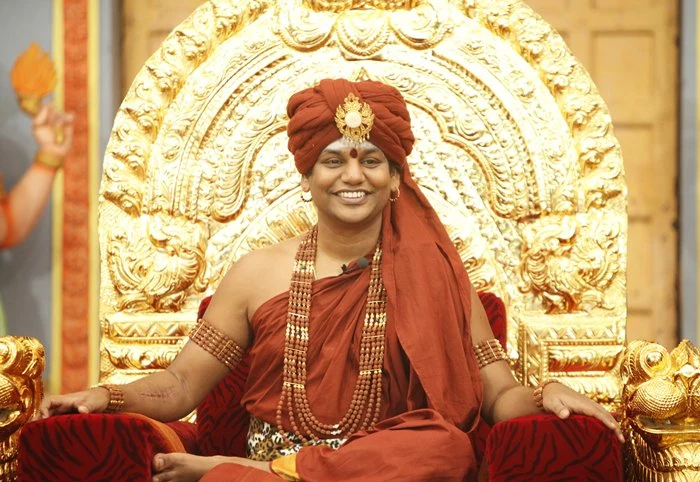
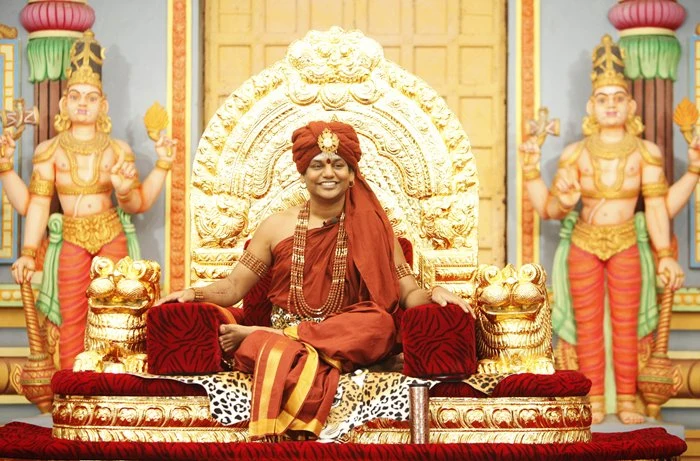
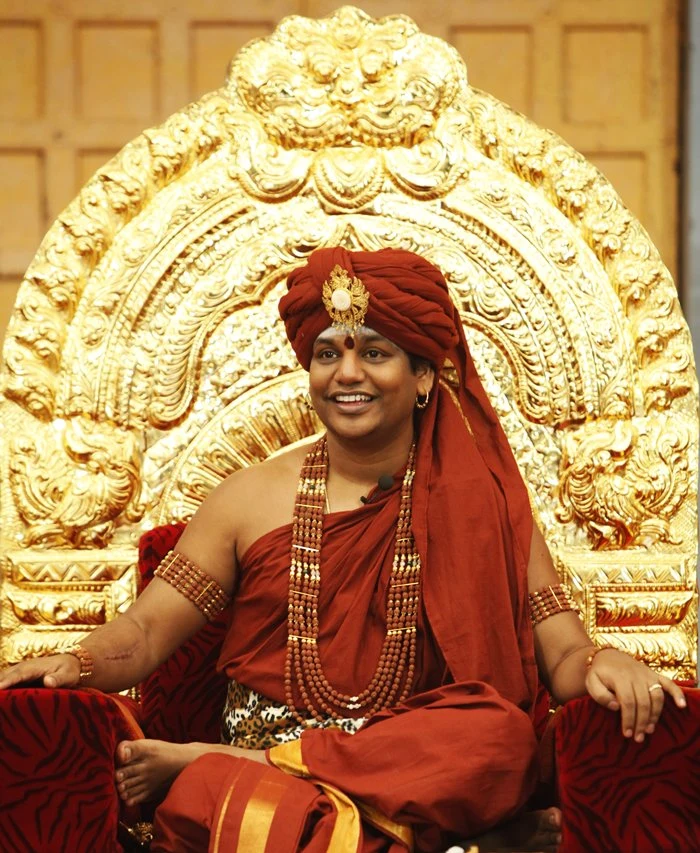
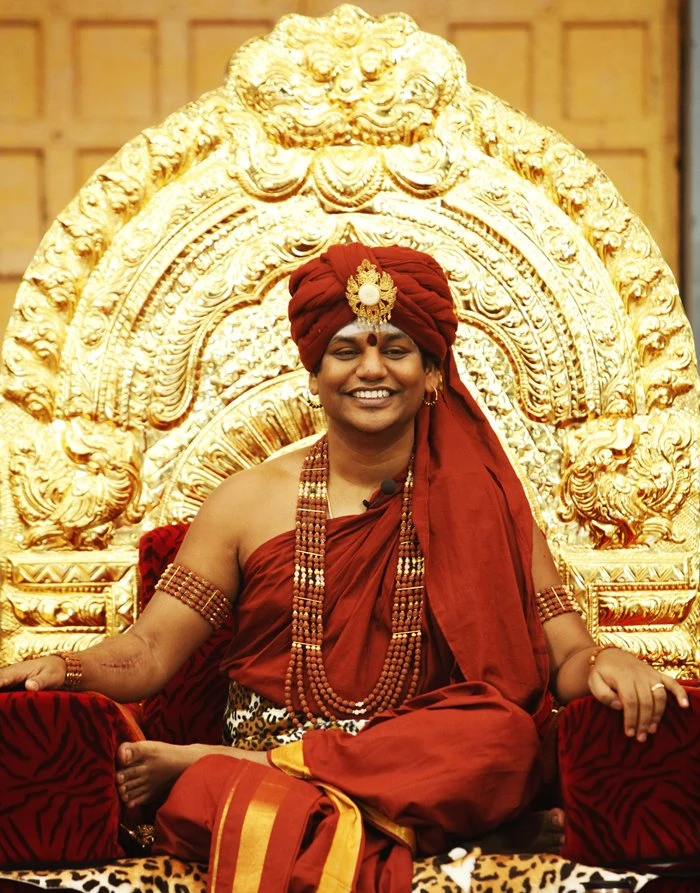
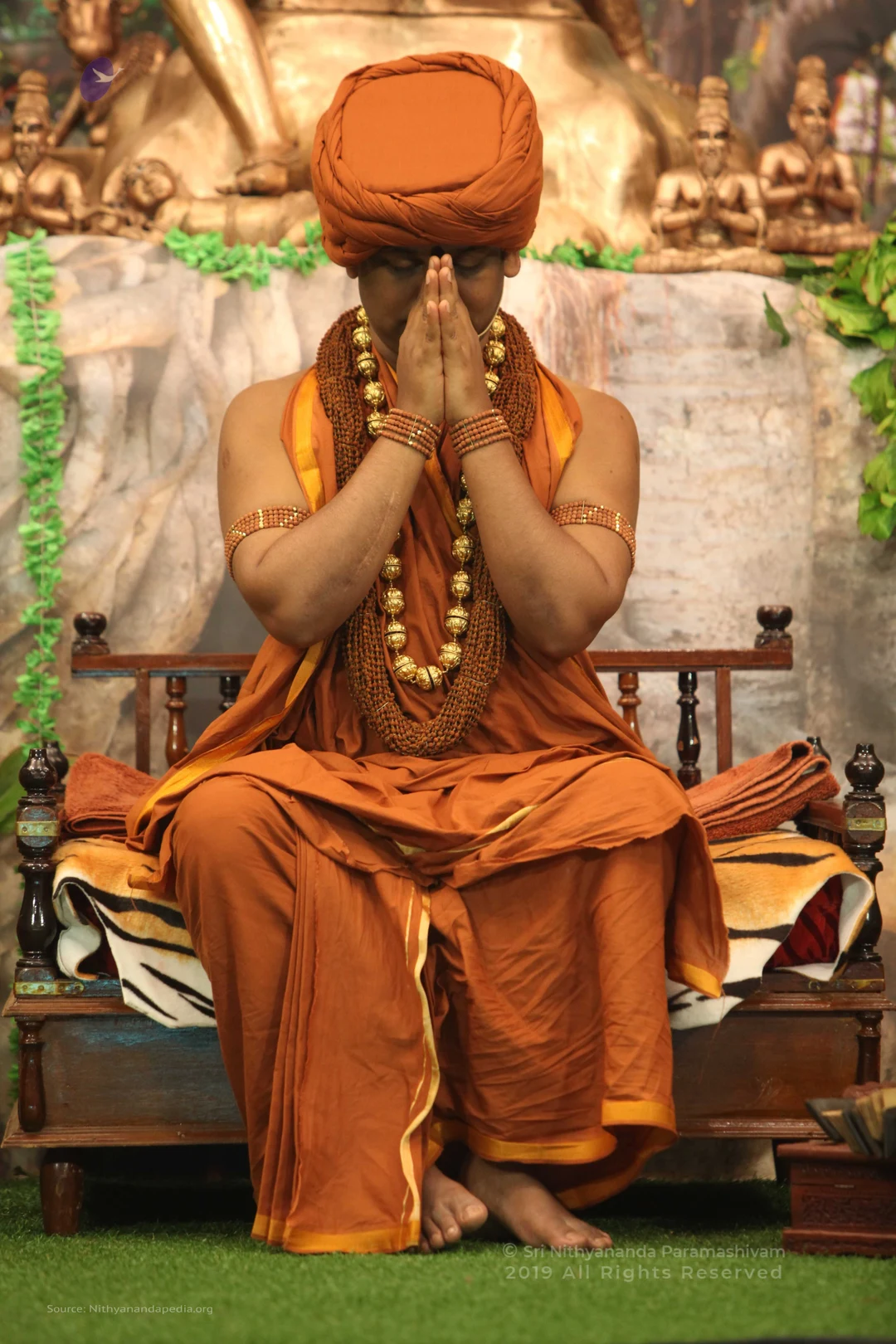
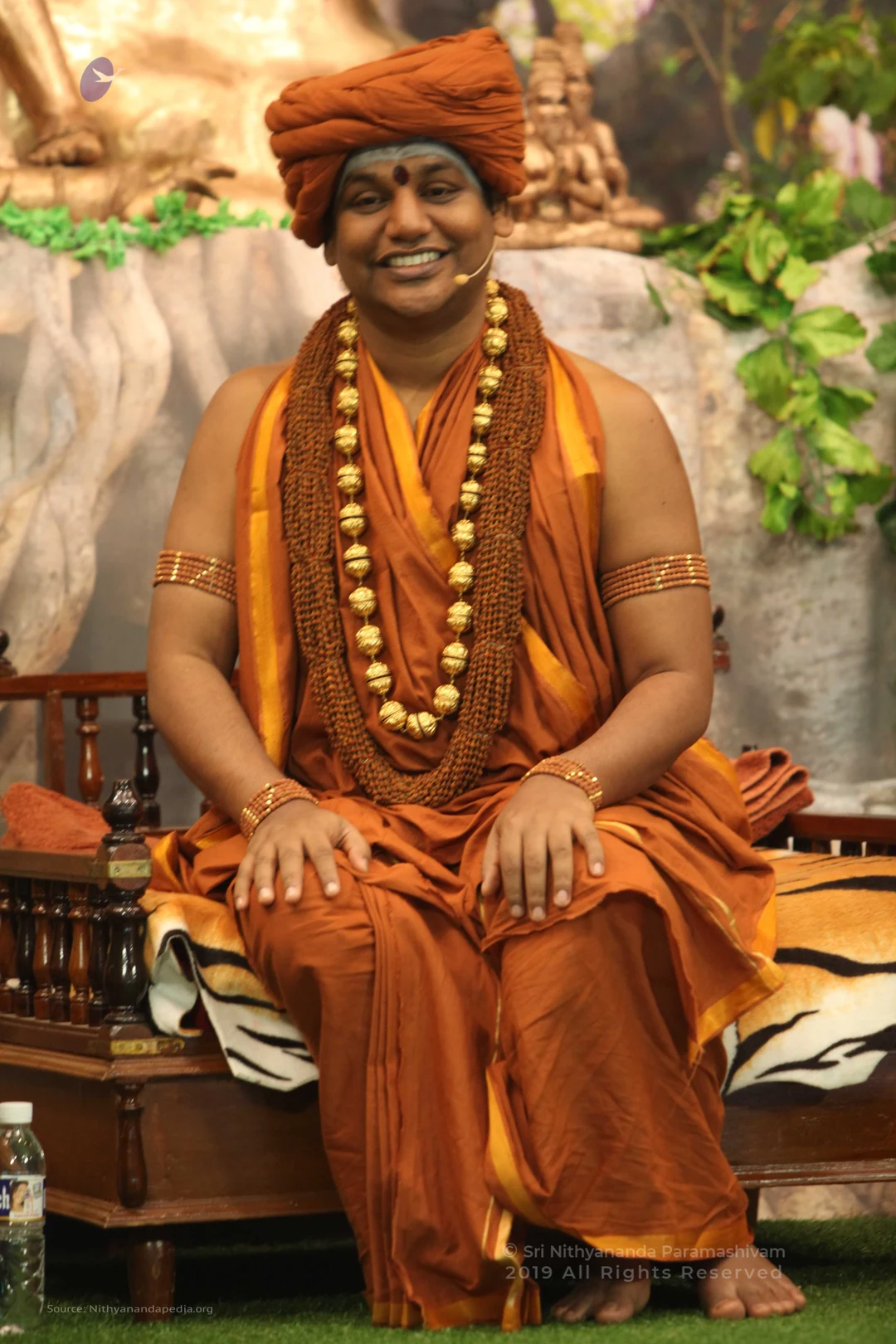
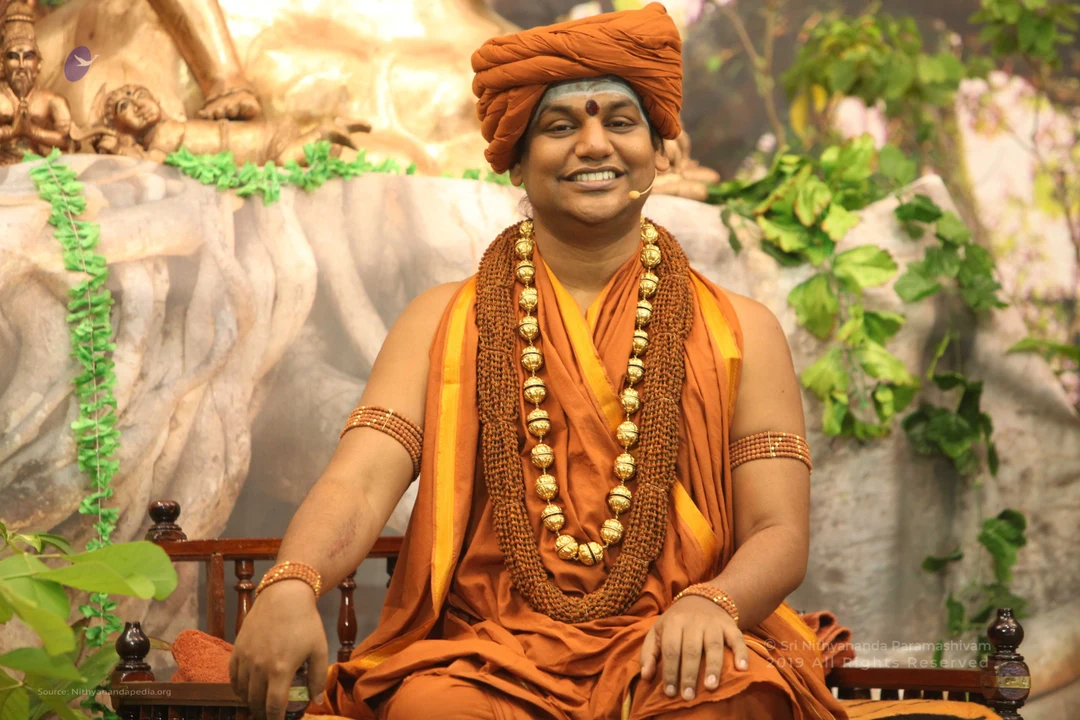
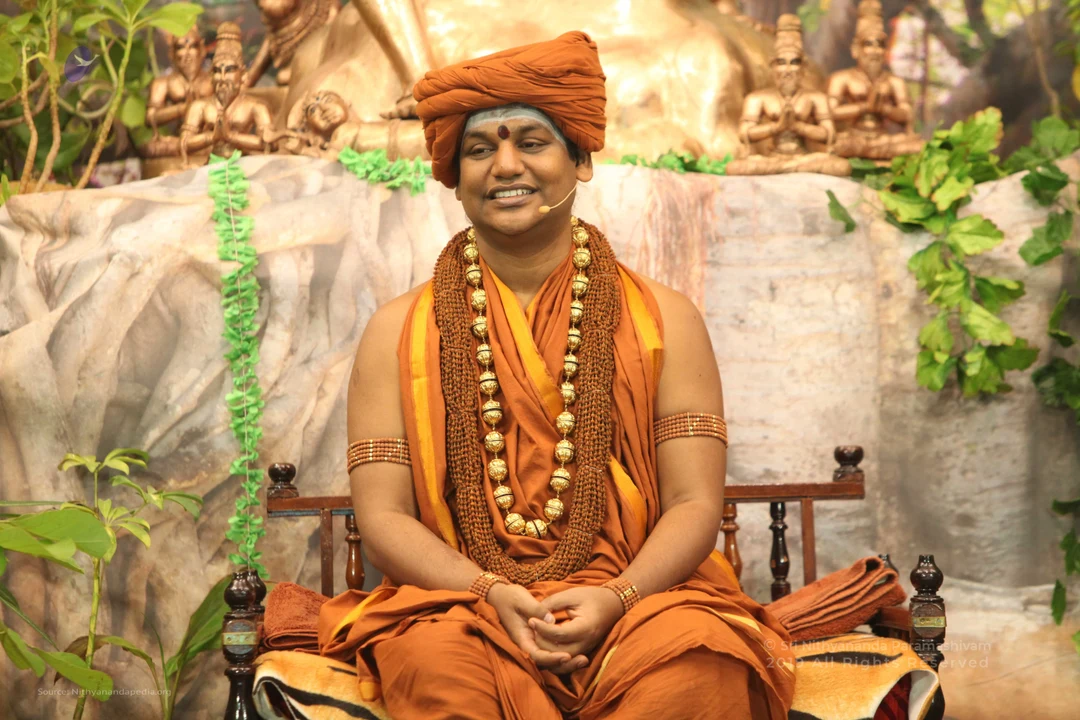
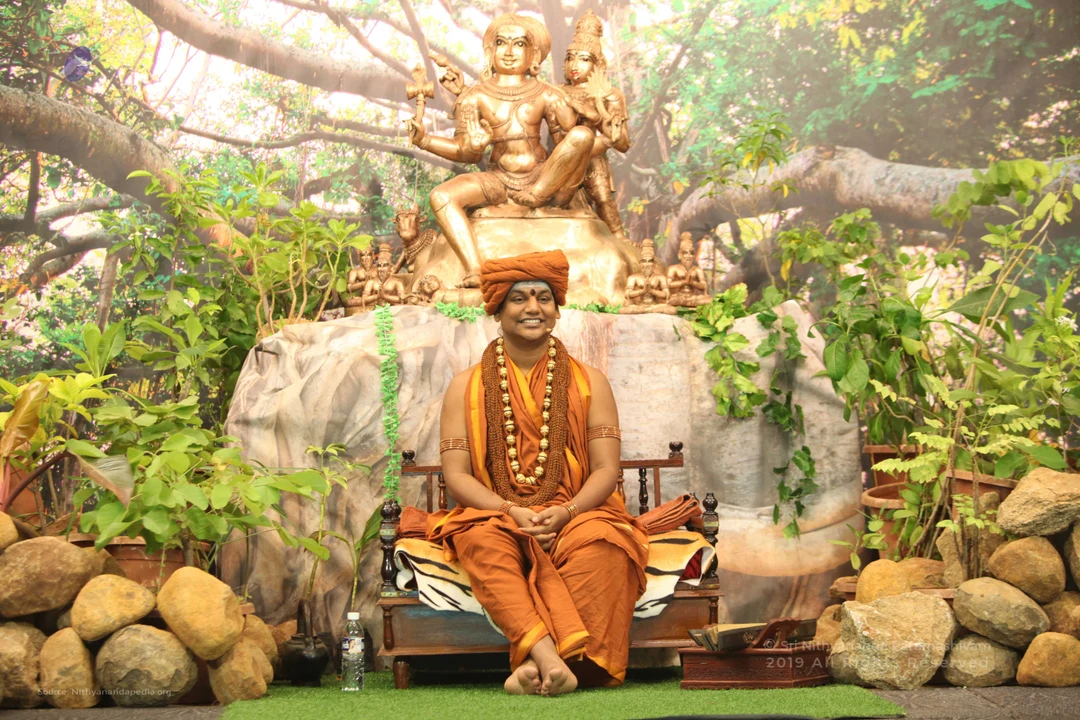
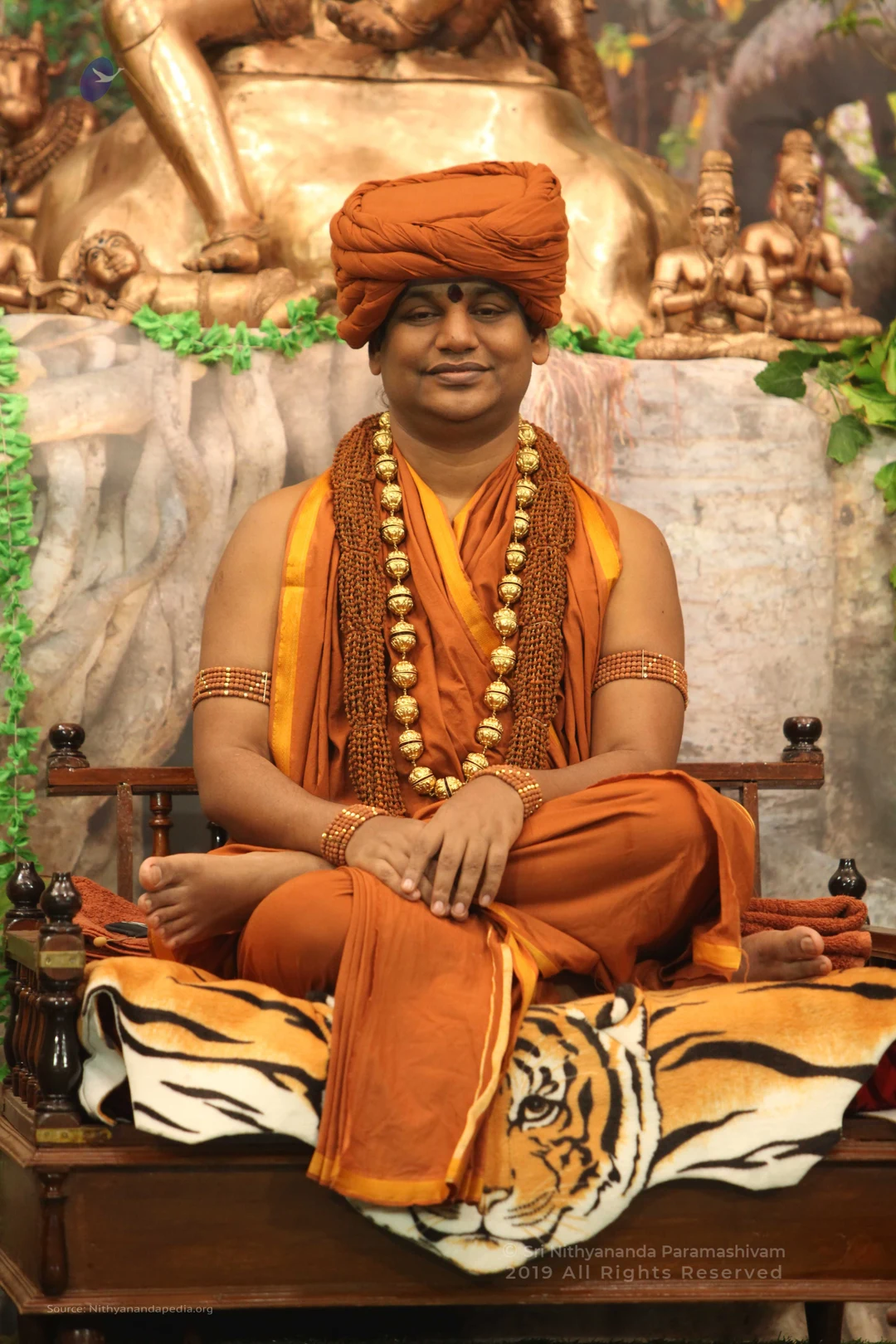
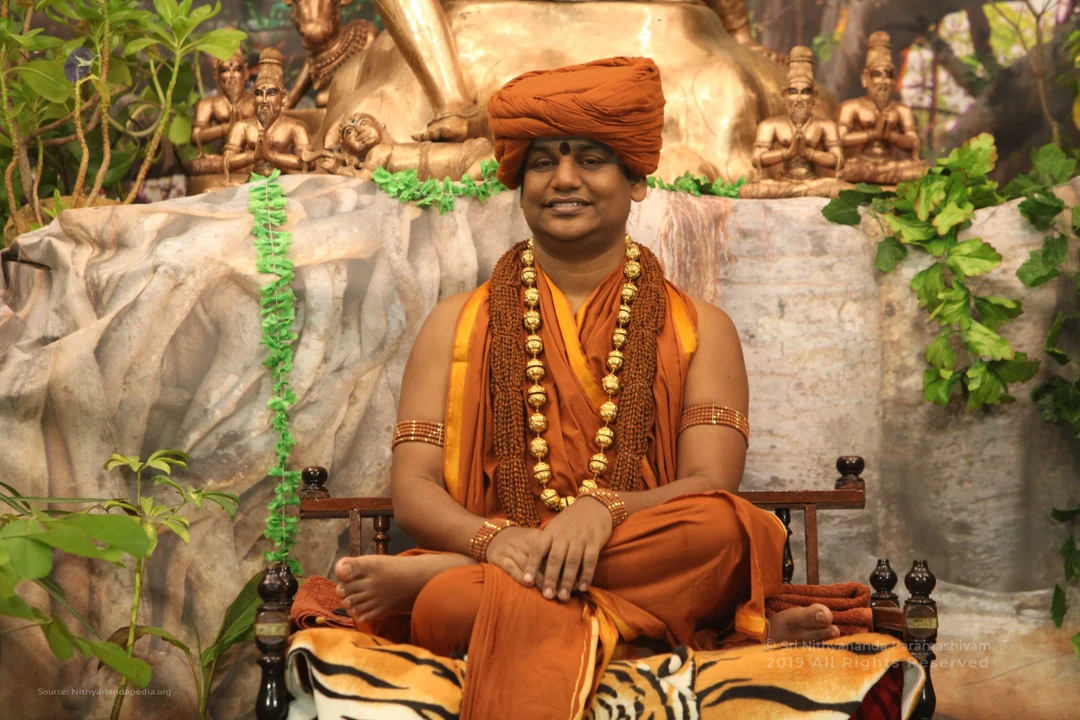
Link To Facebook Post
https://www.facebook.com/ParamahamsaNithyananda/photos/a.321615927926264/821458321275353
Tags:
Kundalini,Awakening,Transformation,Enlightenment,Upanishads,Advaita,Living Advaita,Isha Upanishad,Ishavasya,Isha Upanishad Verse 9,Paramahamsa Nithyananda,Isha,Satsang,Mahadeva,Pure Consciousness,Consciousness,Third Eye,Yoga Nidra,Swami Ranganathananda,Buddhi,Brain Grooves
Photos Of The Day:
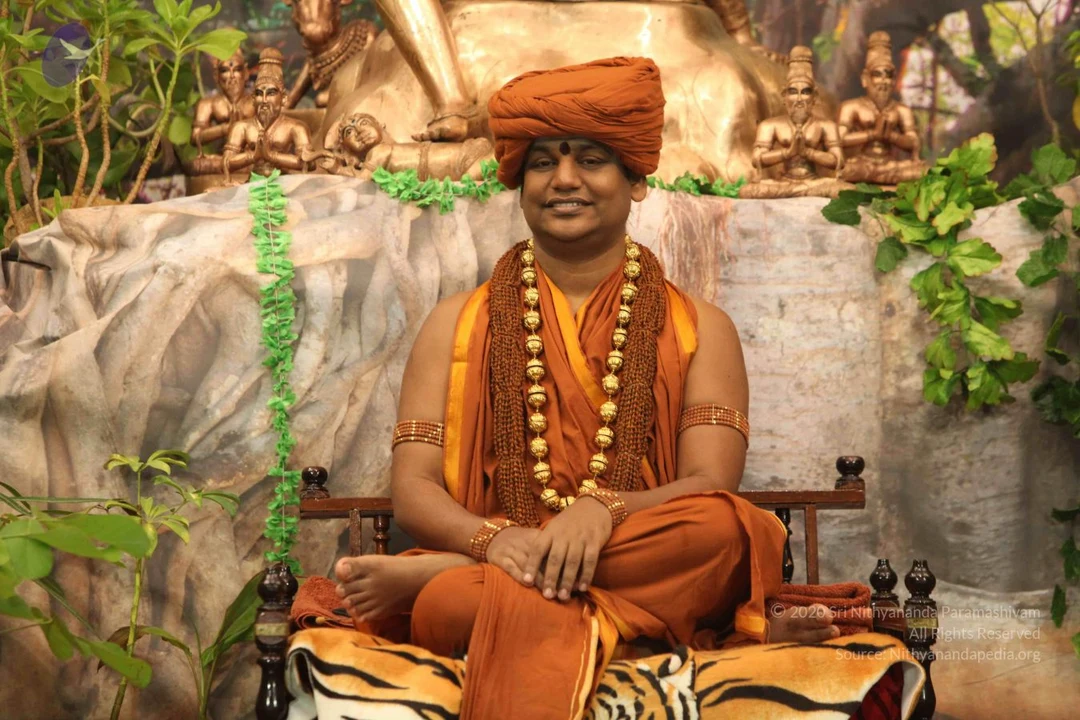
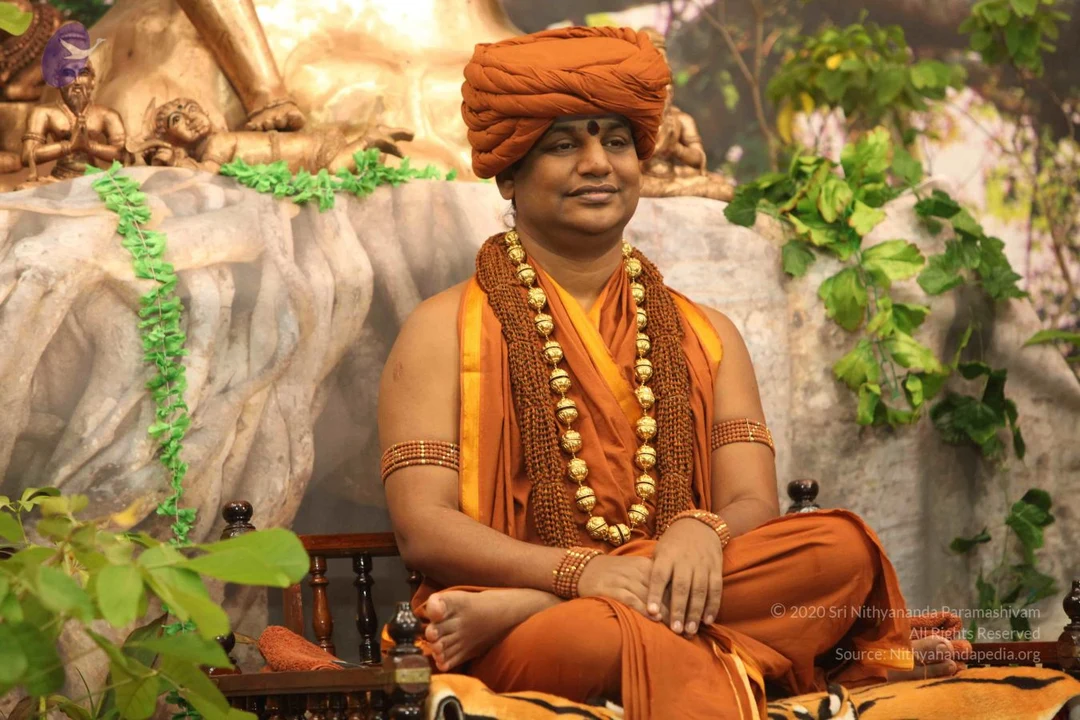
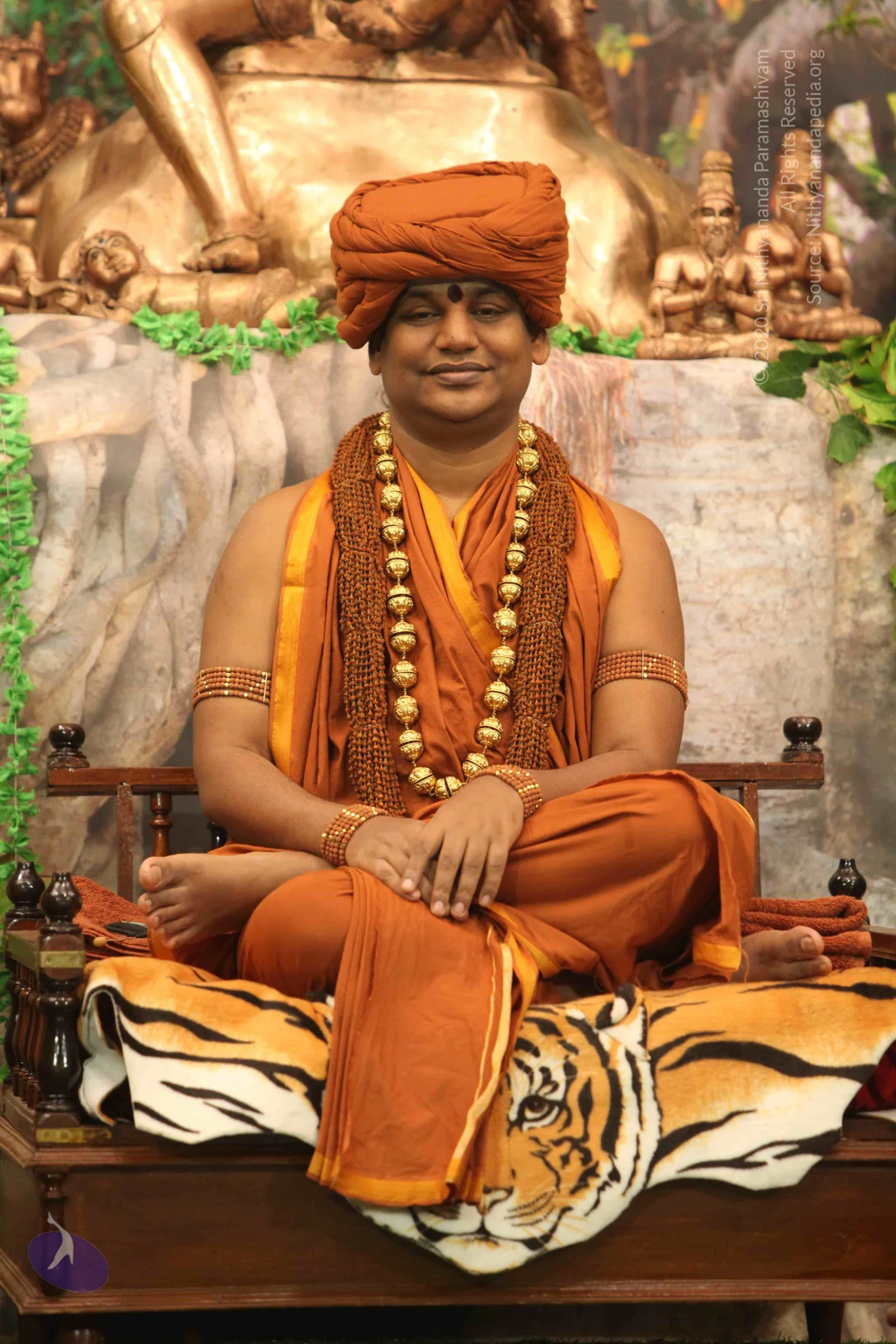
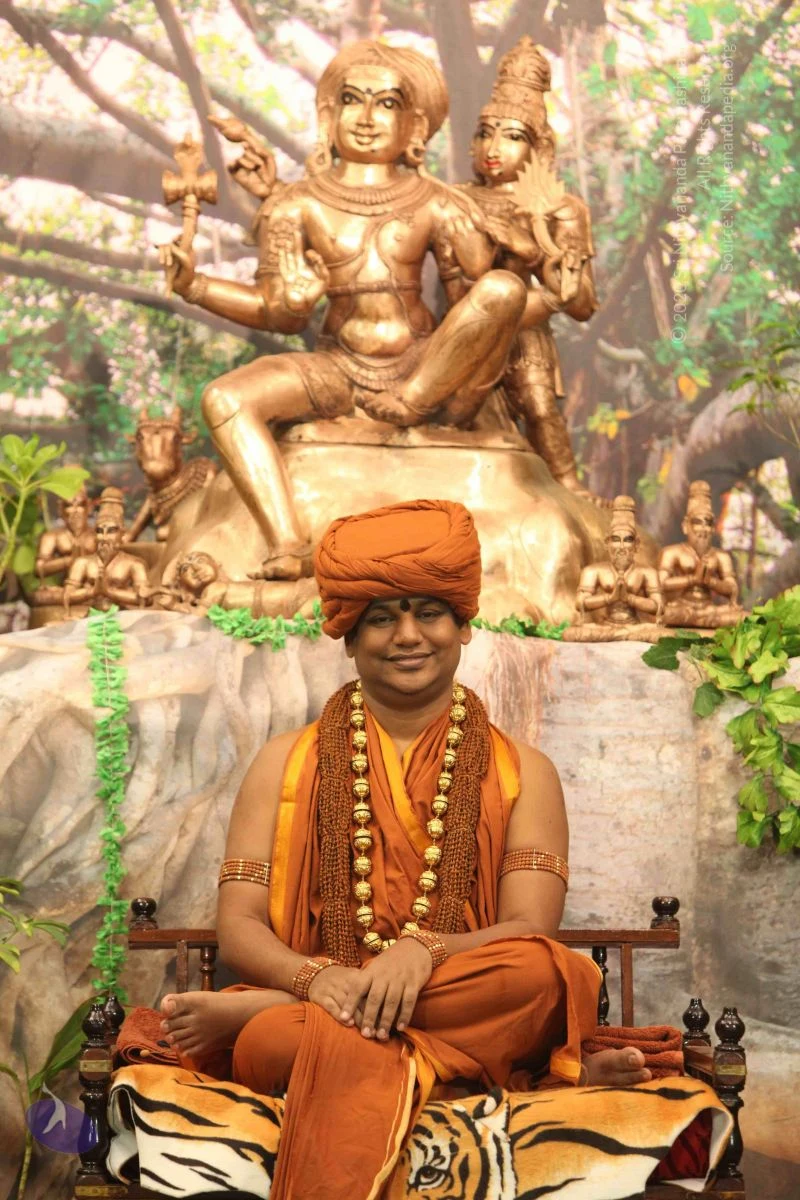
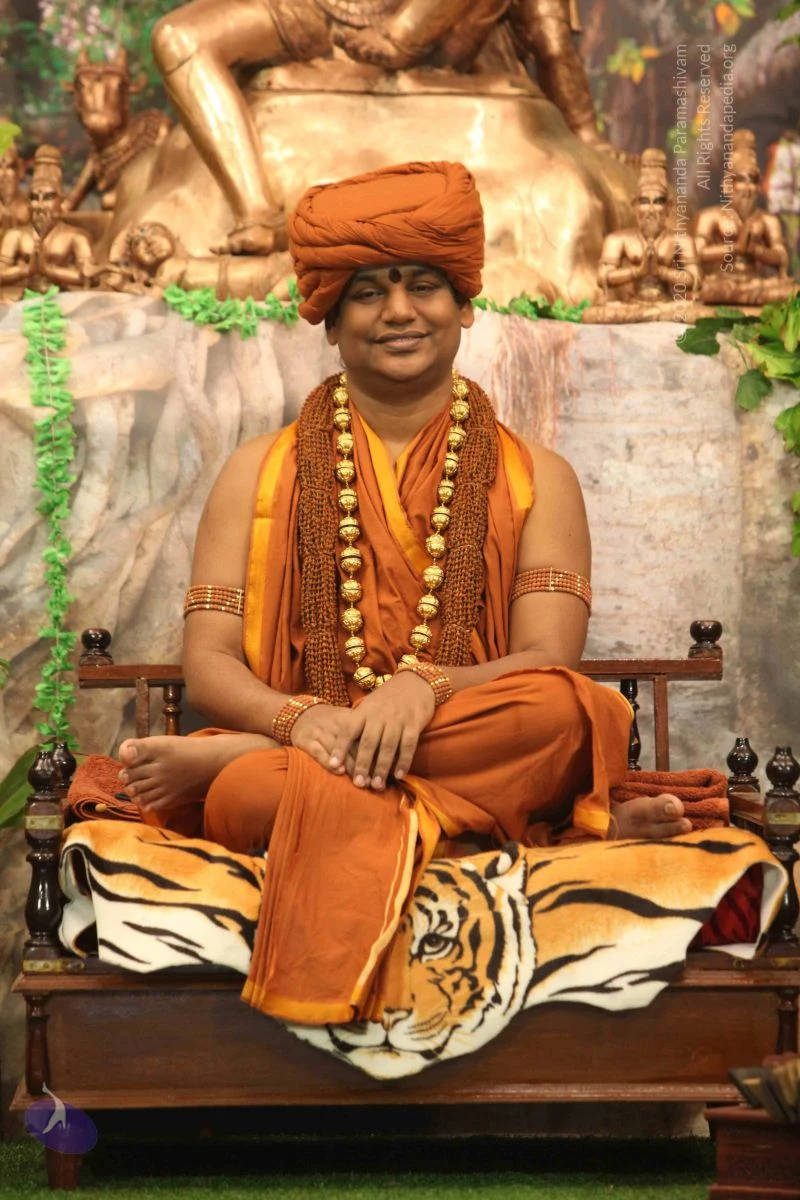
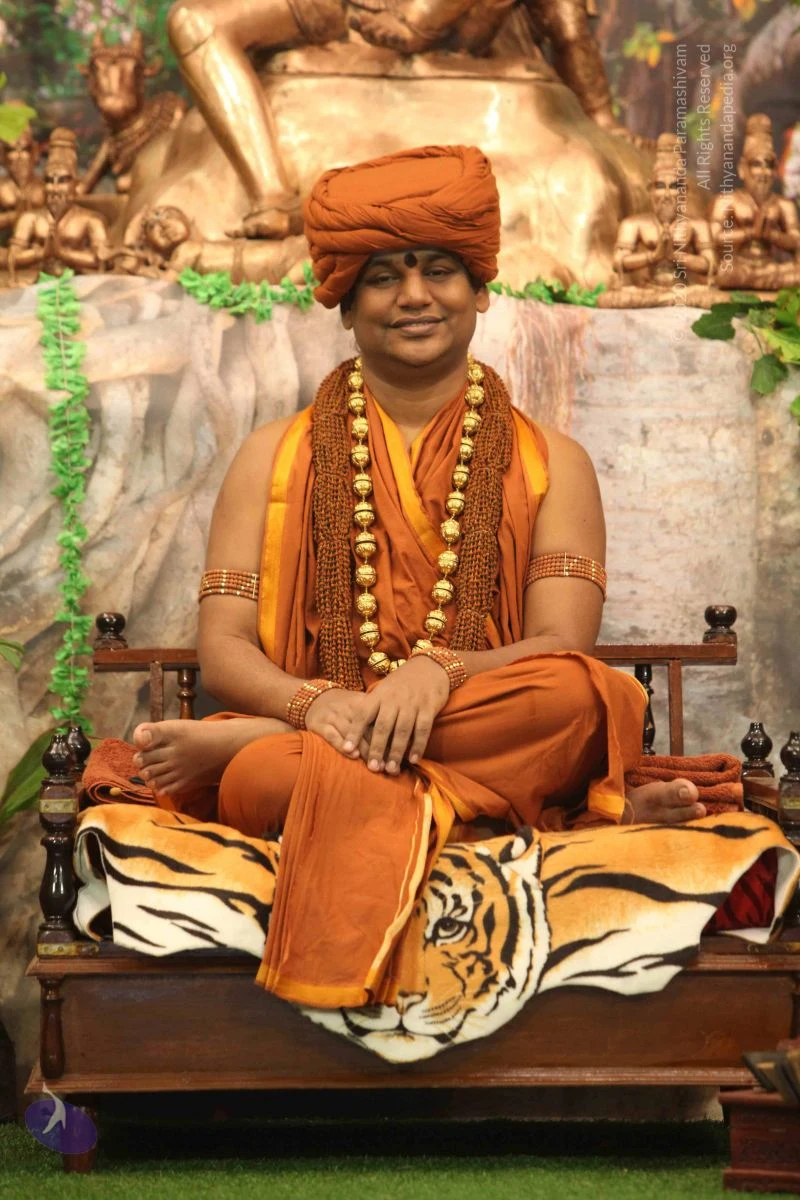
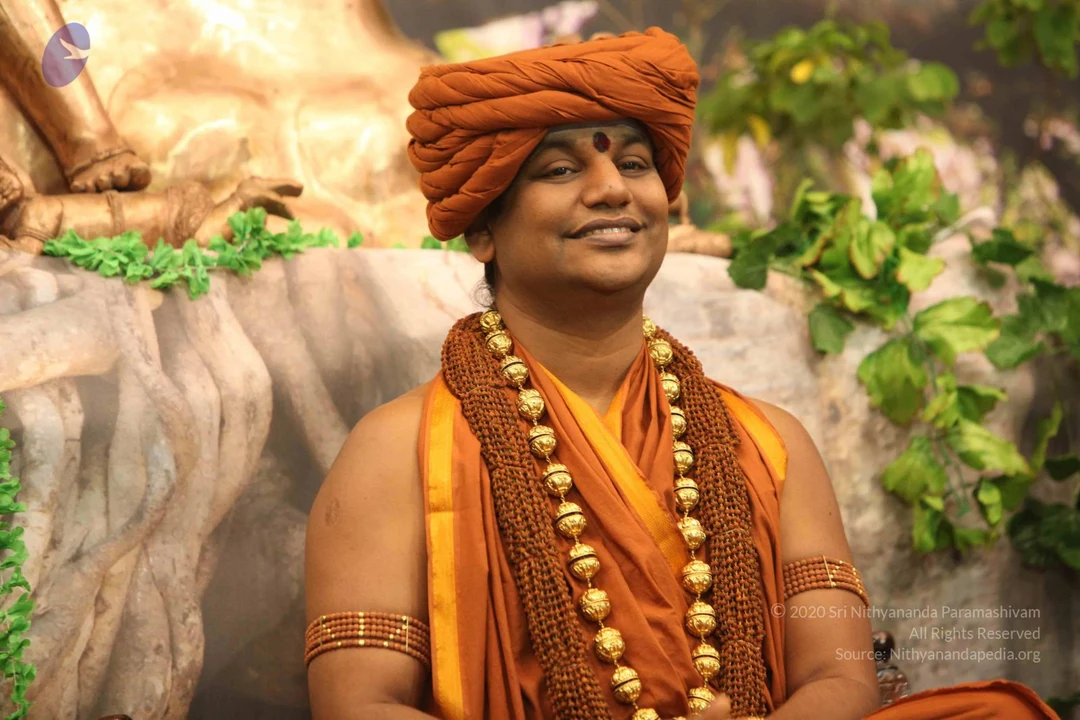
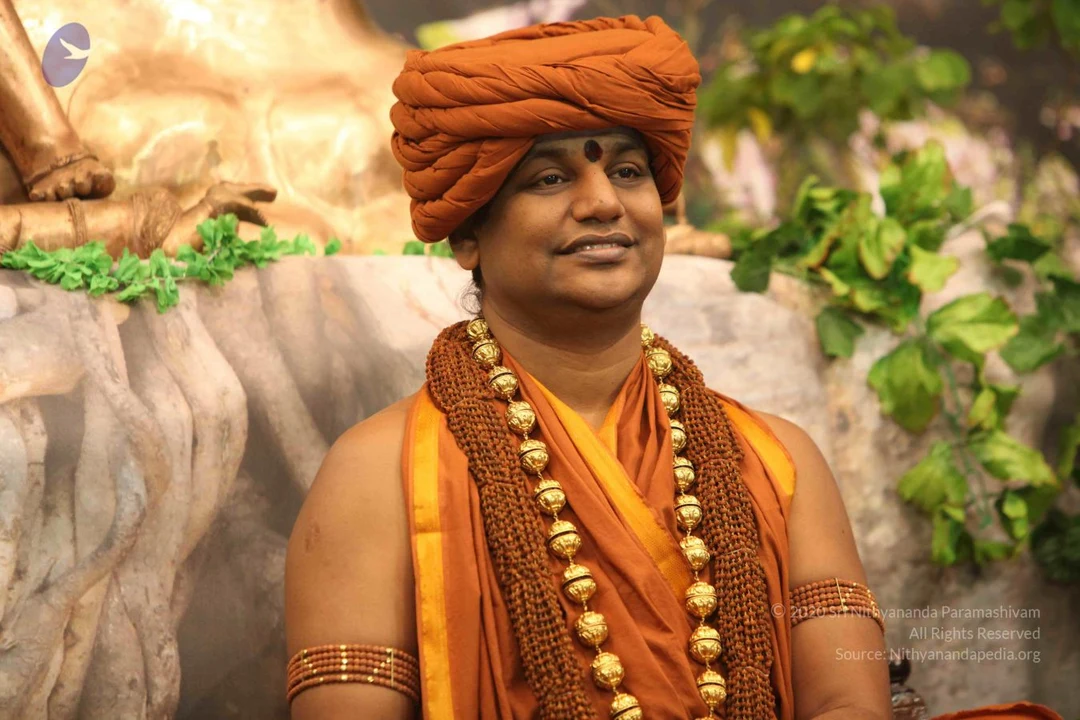
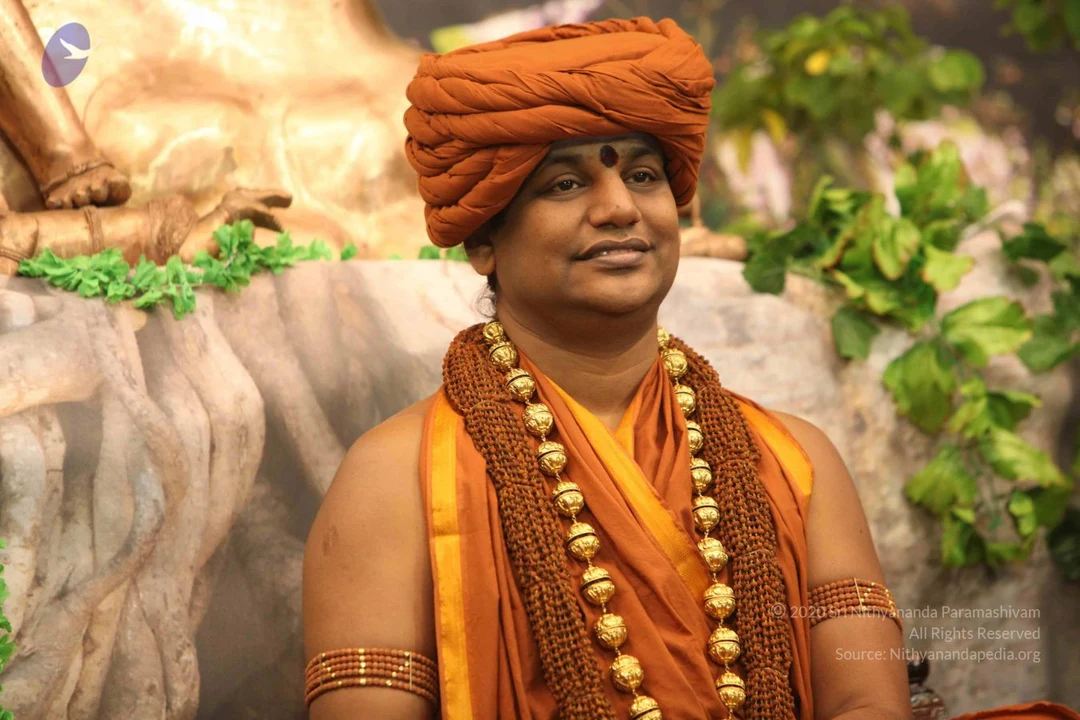
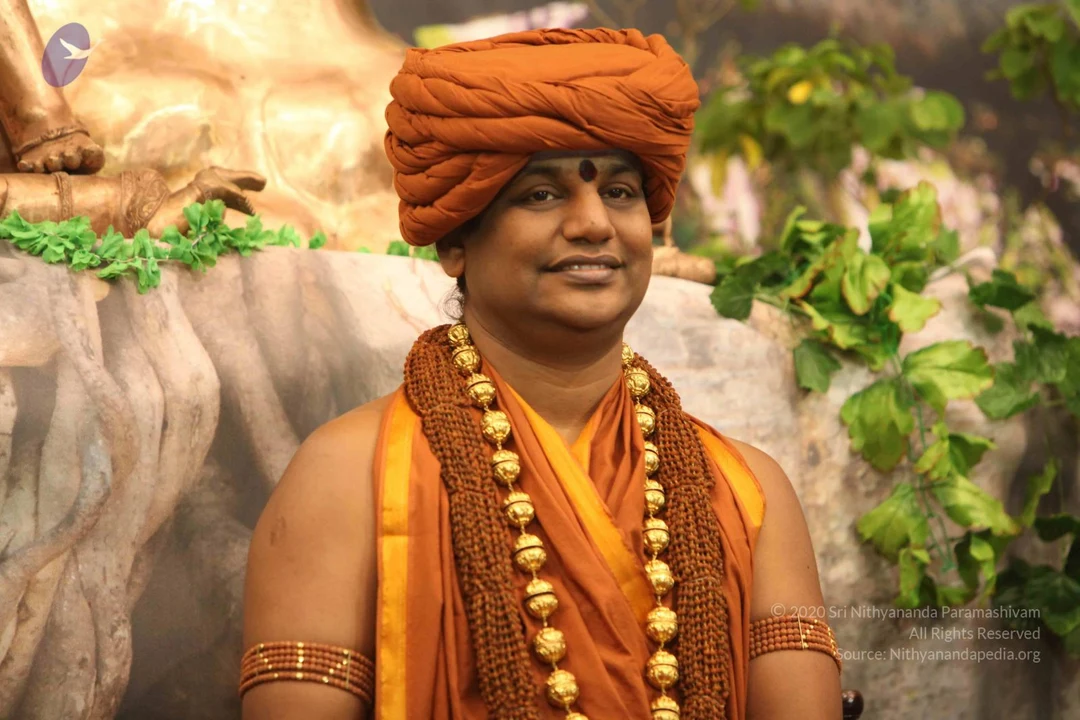
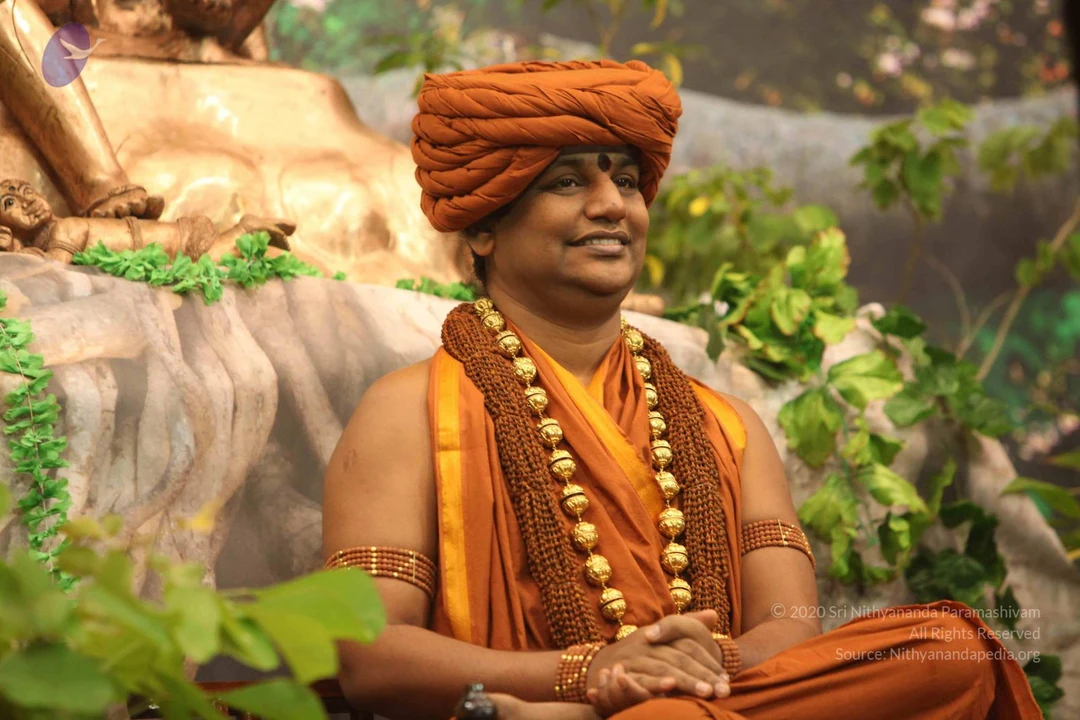
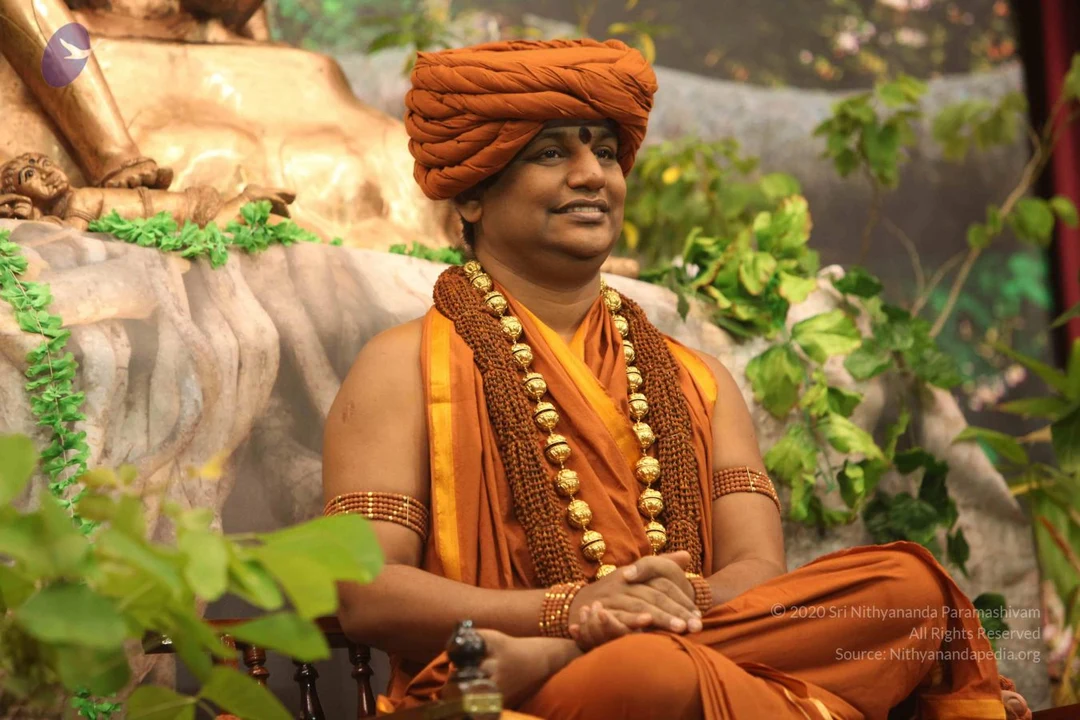
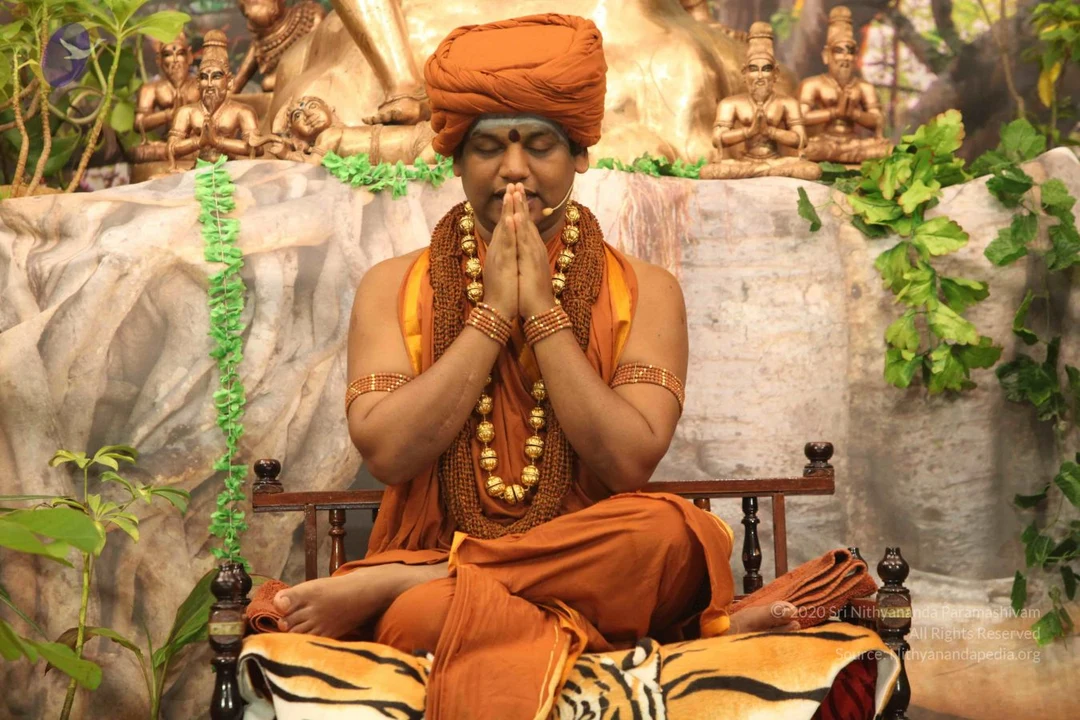
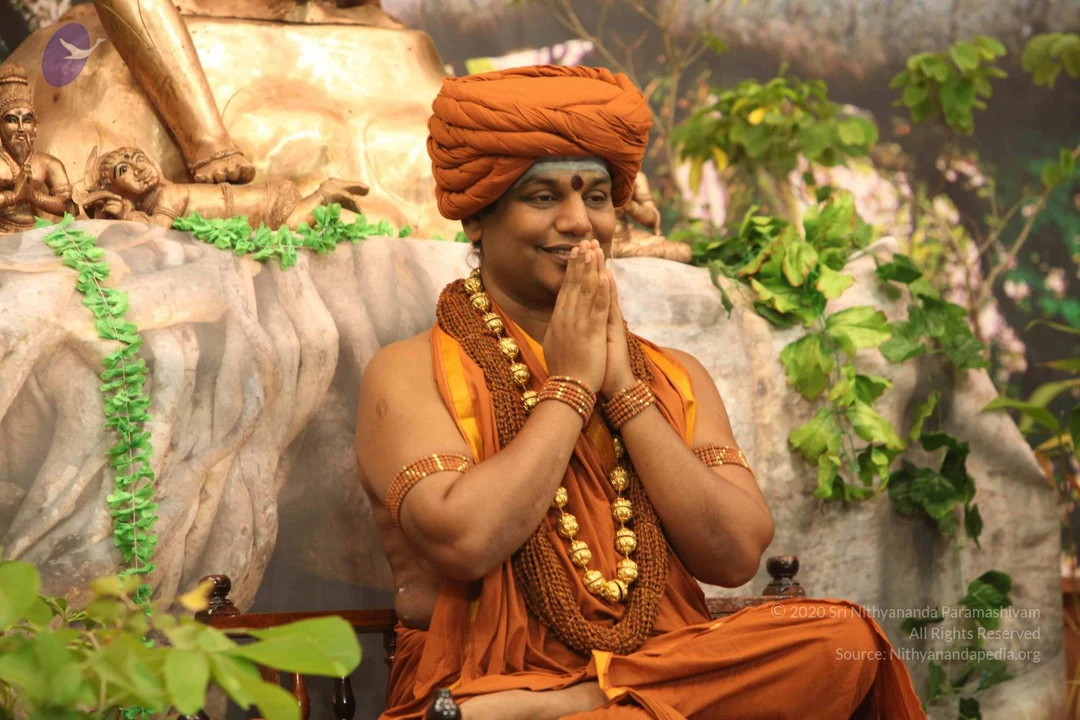
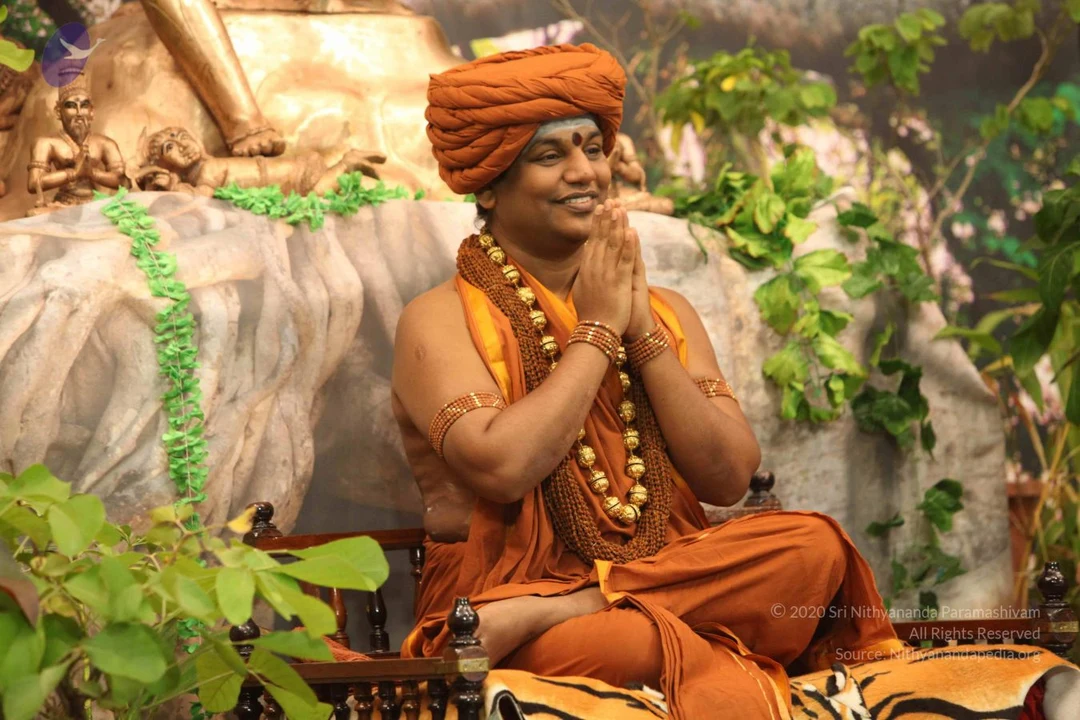
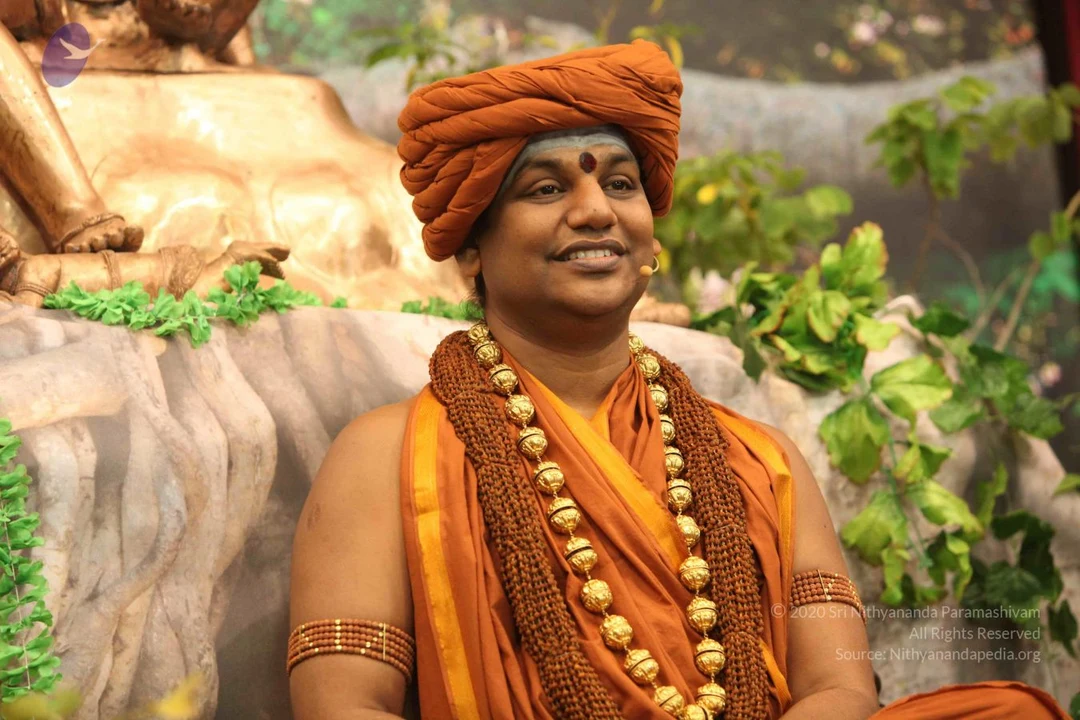
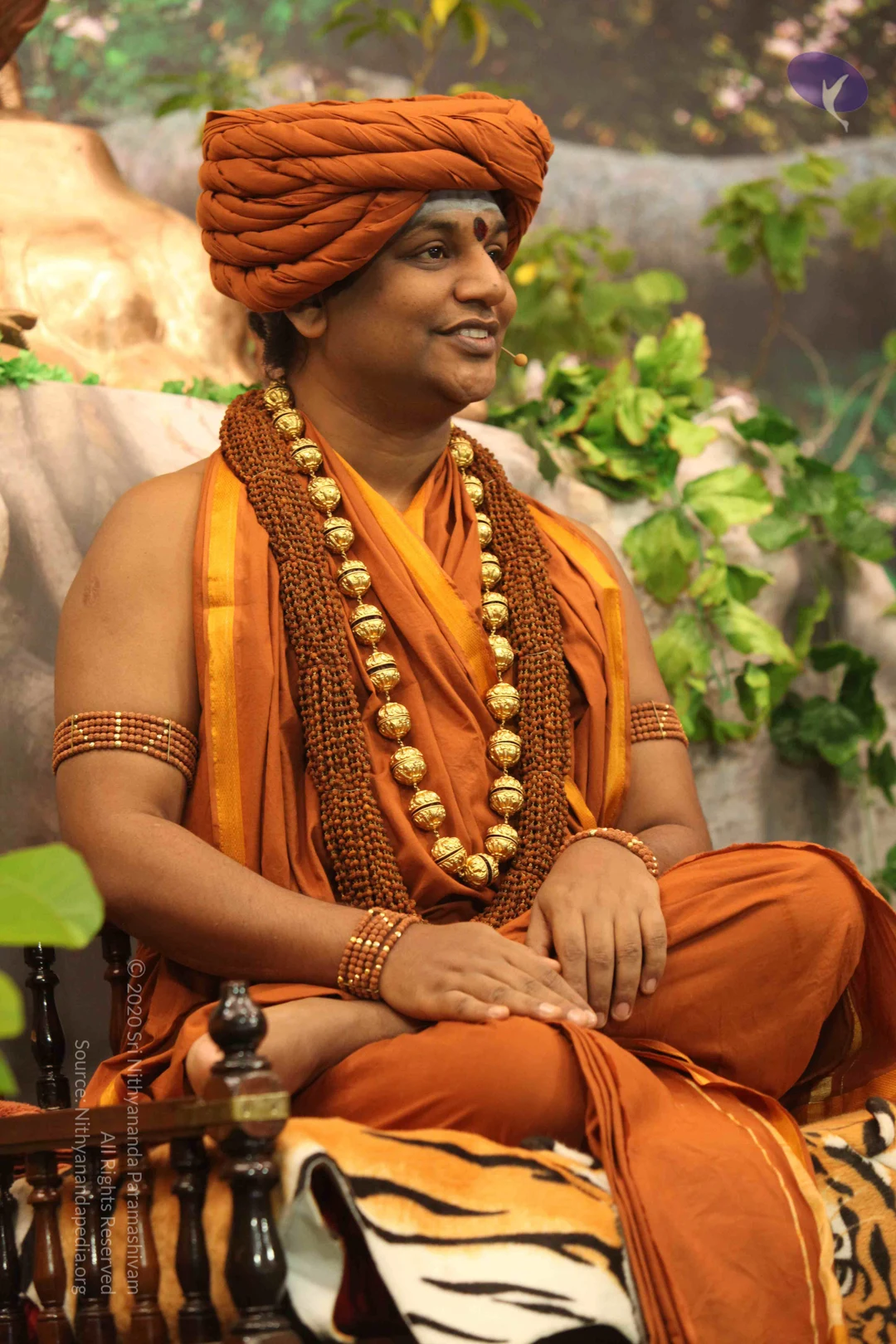
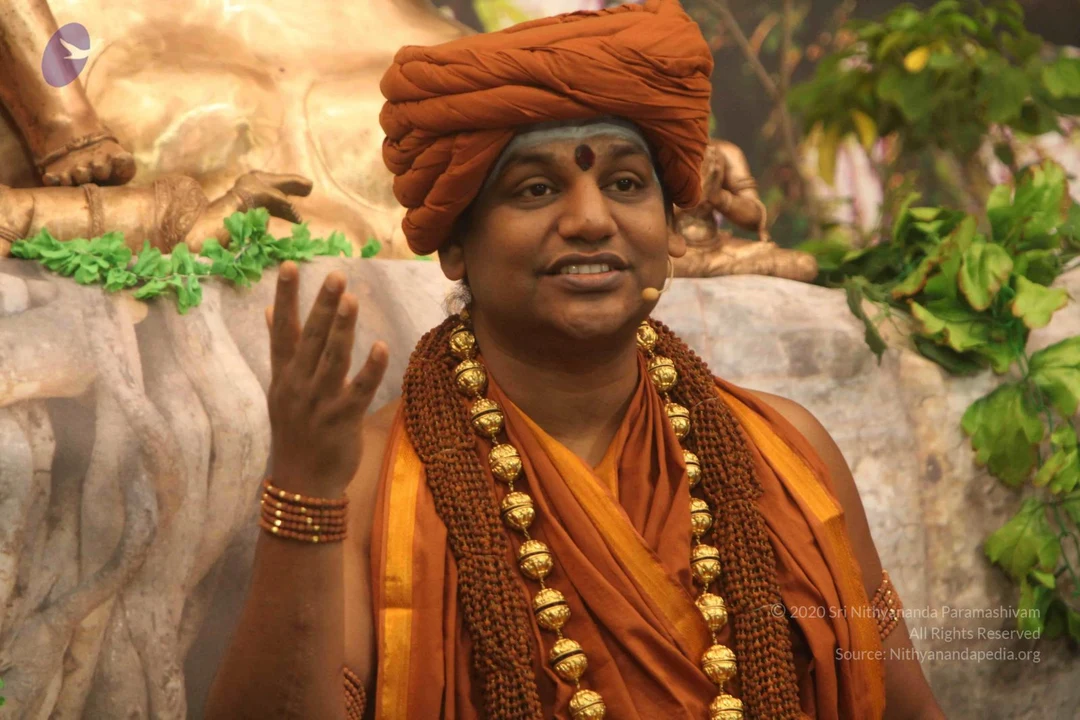
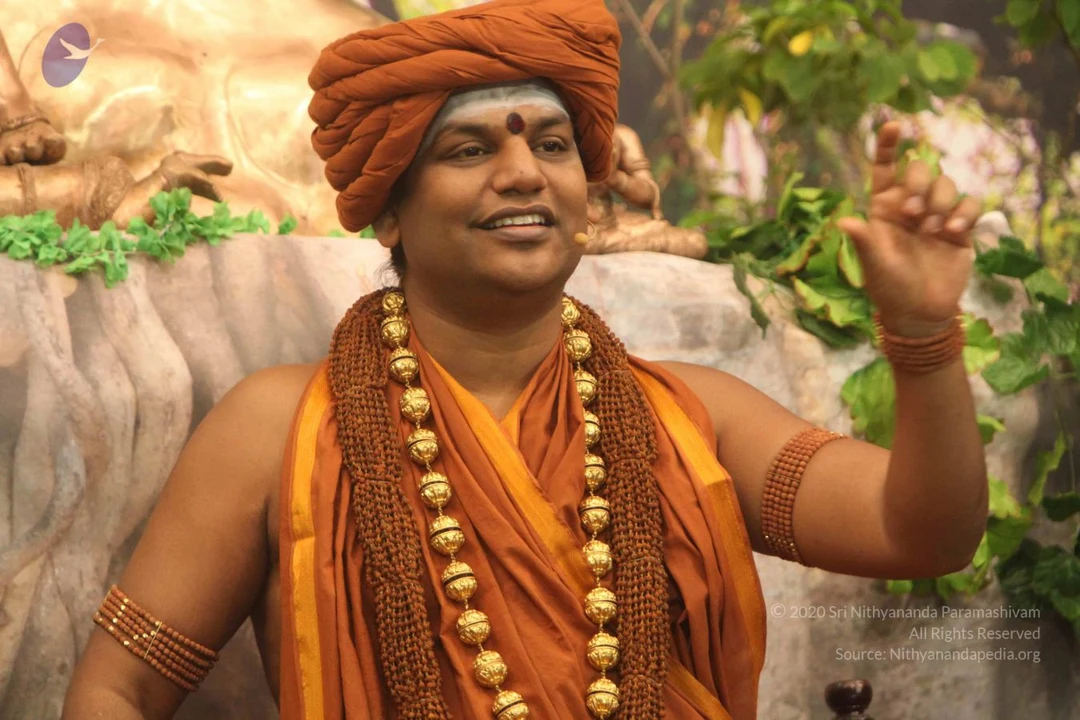
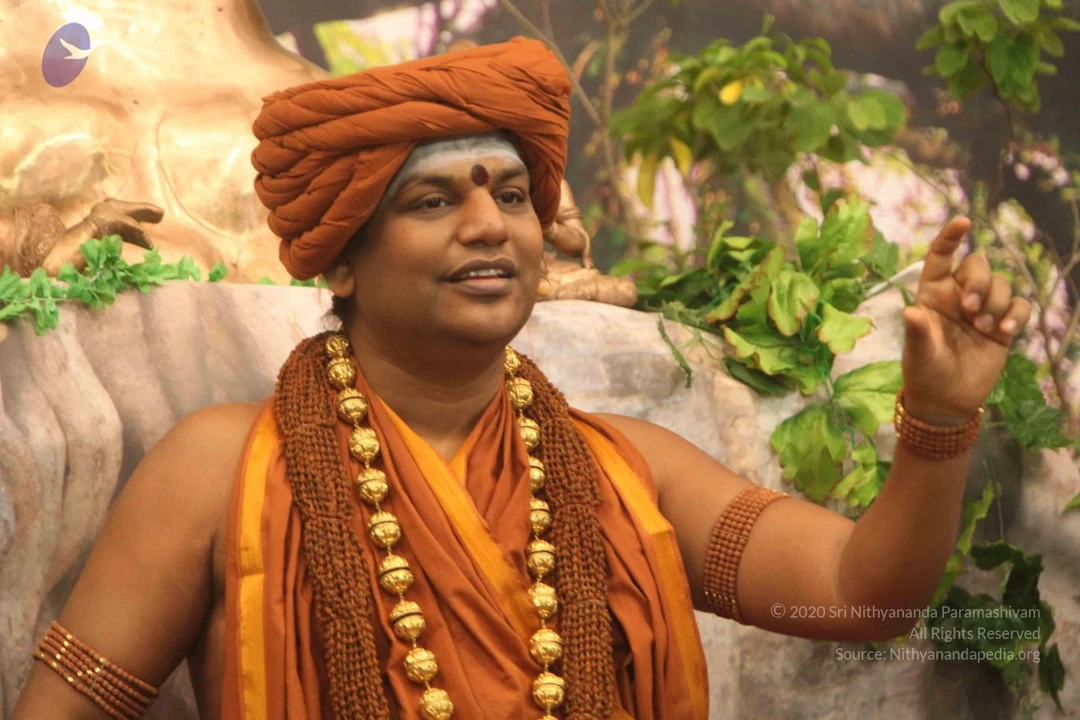
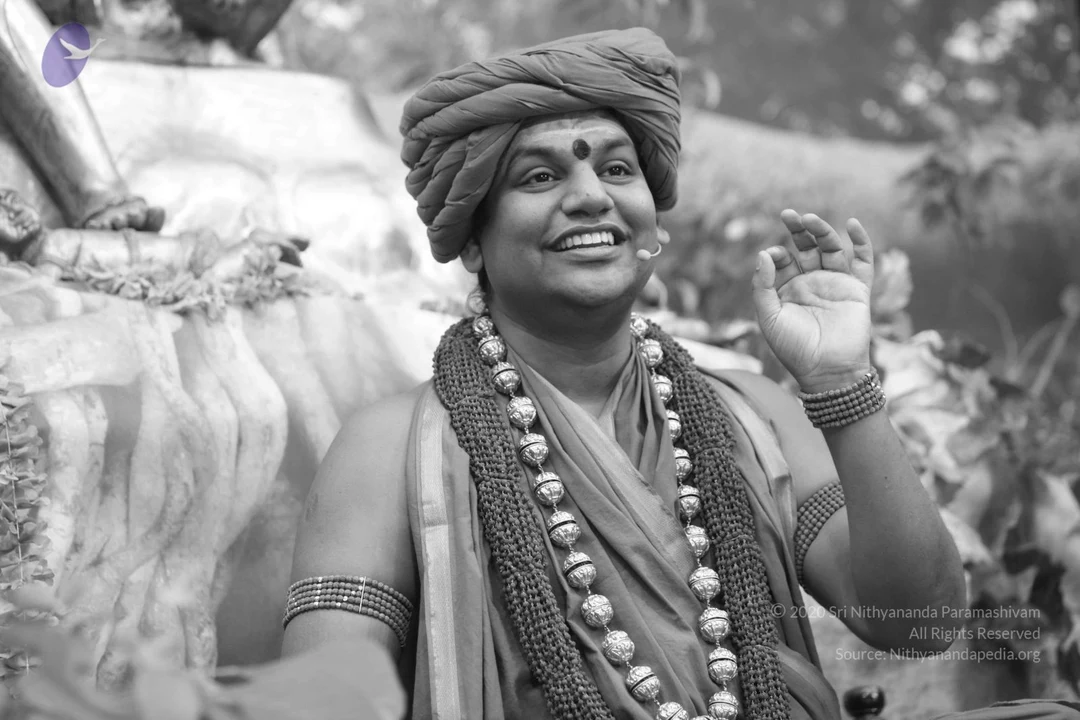
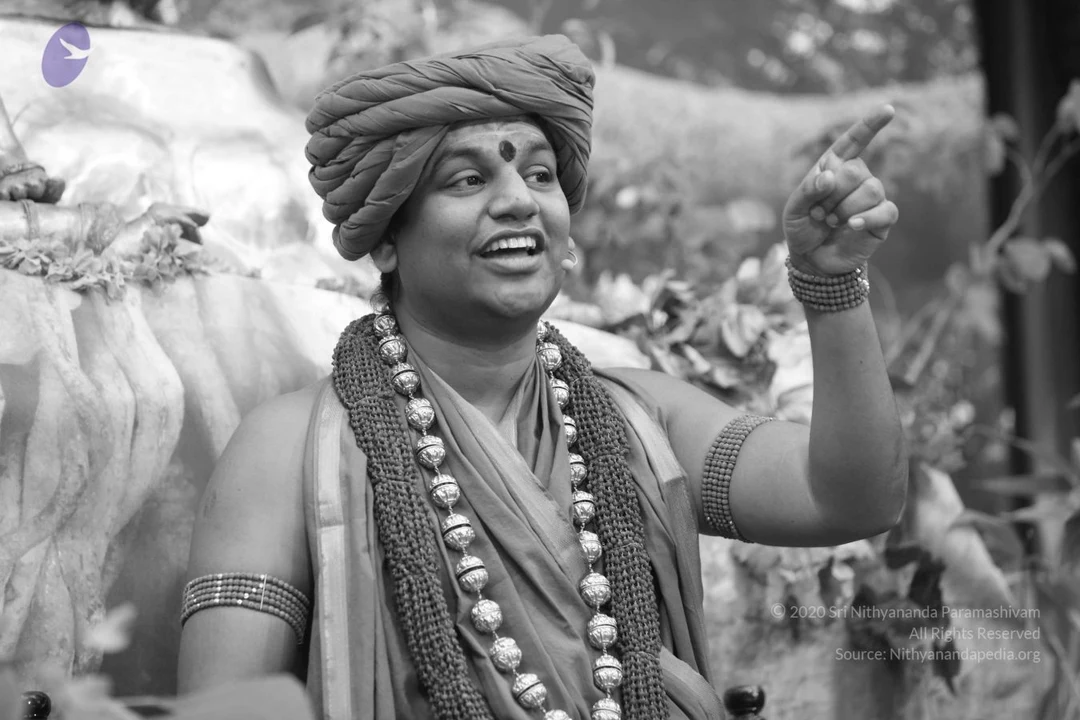
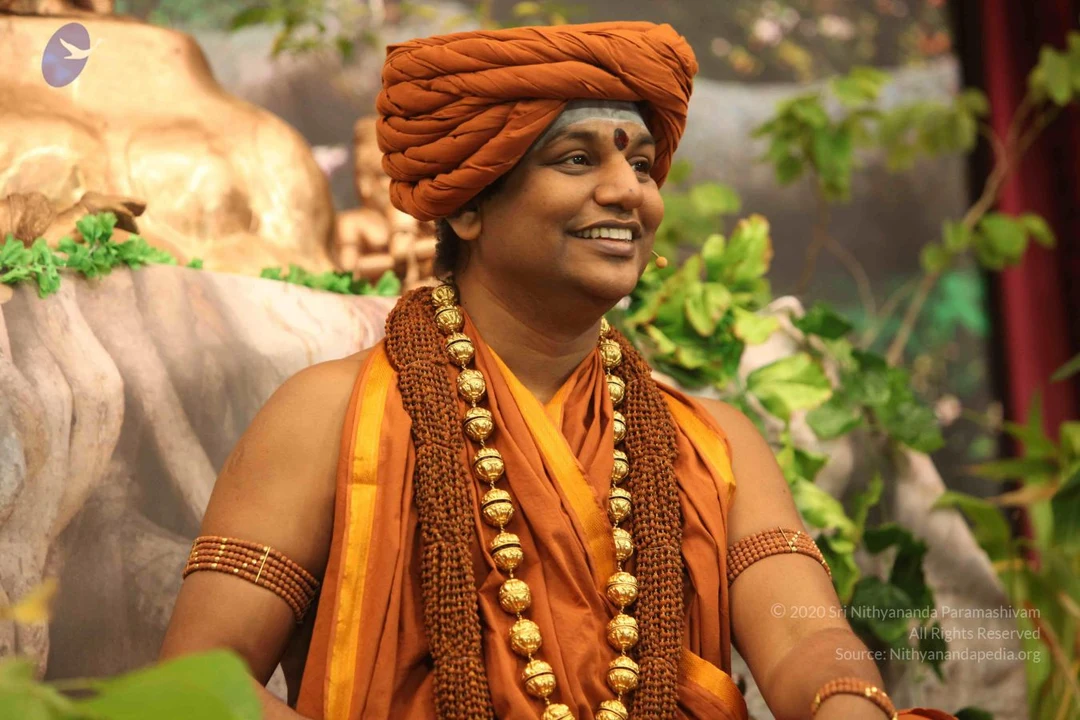
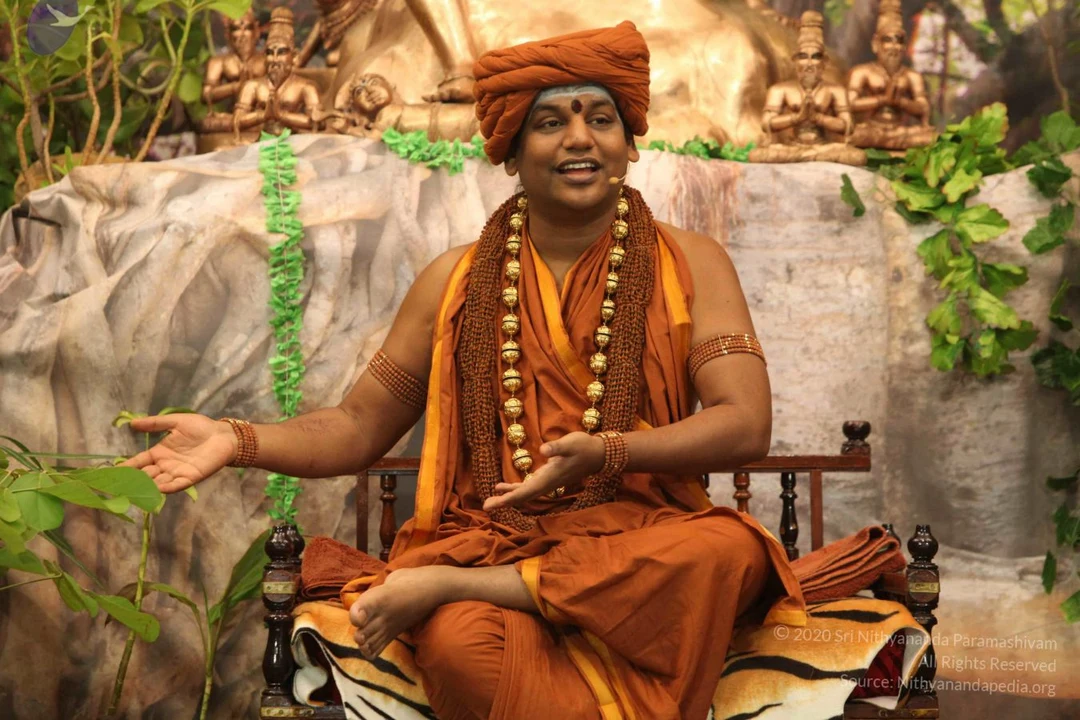
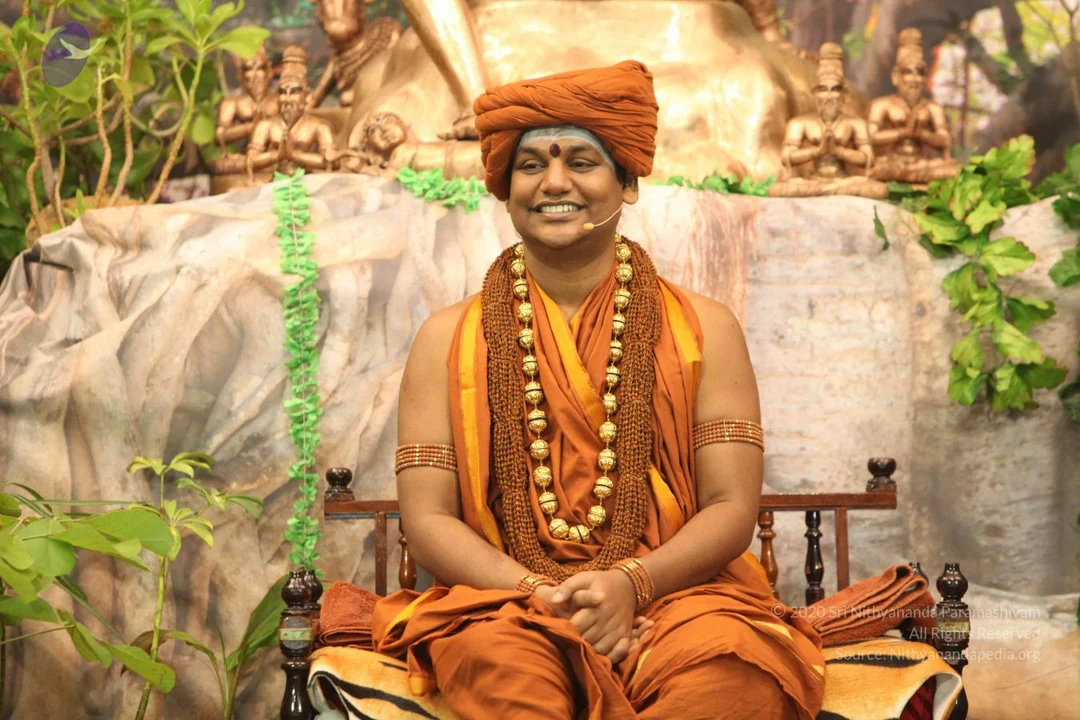
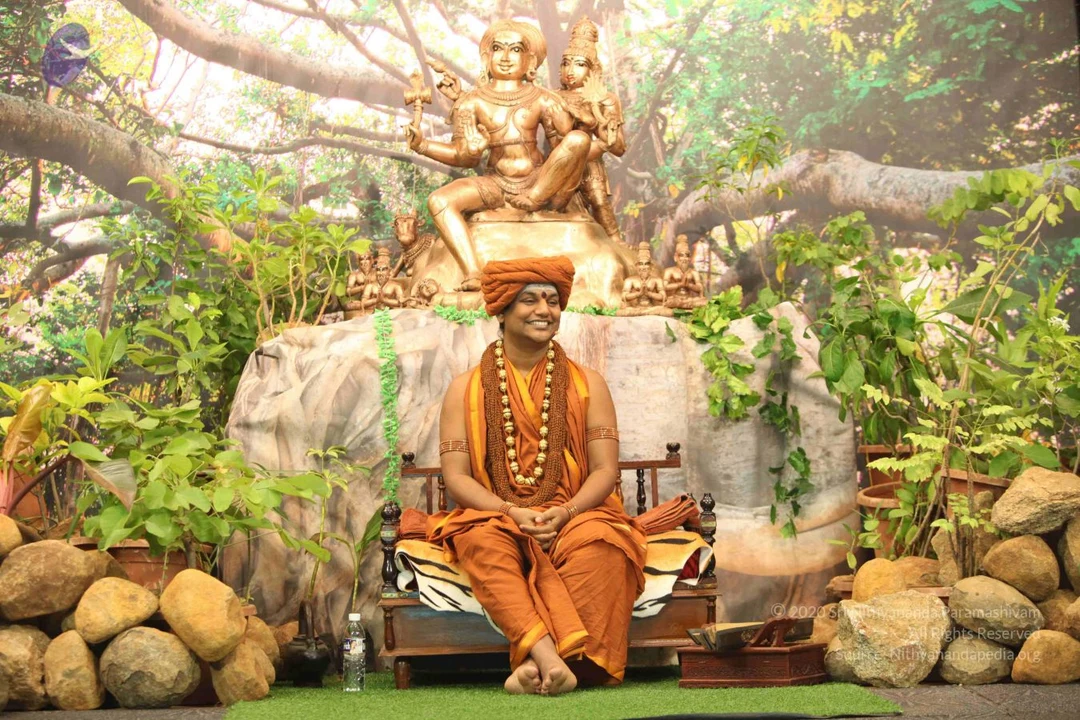
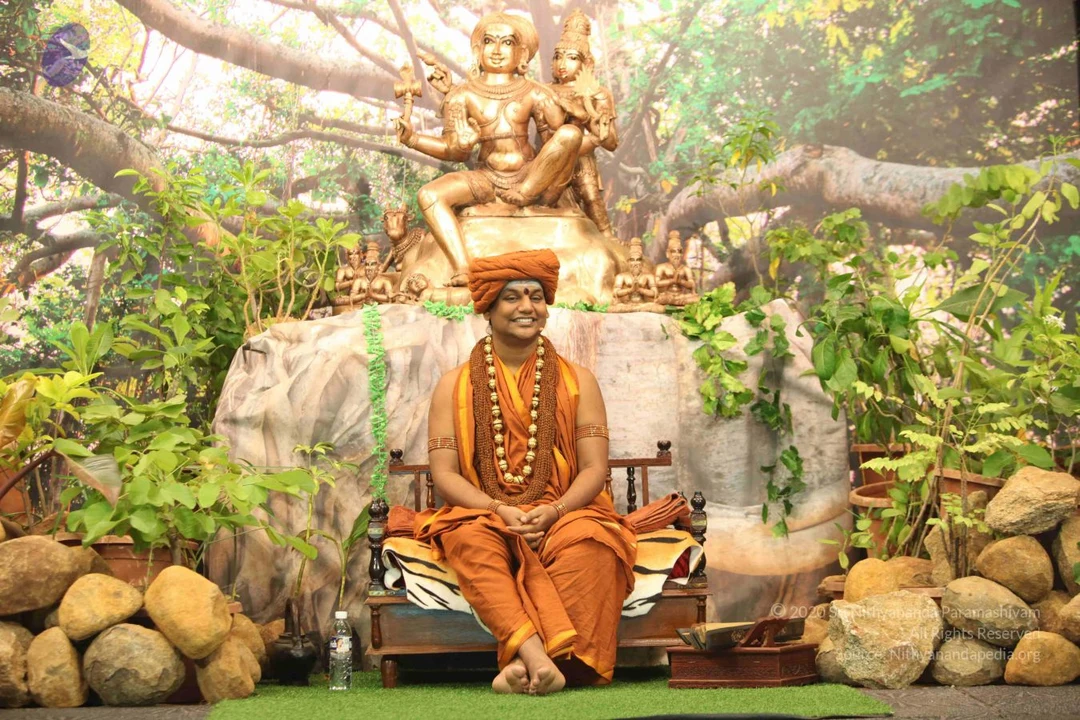
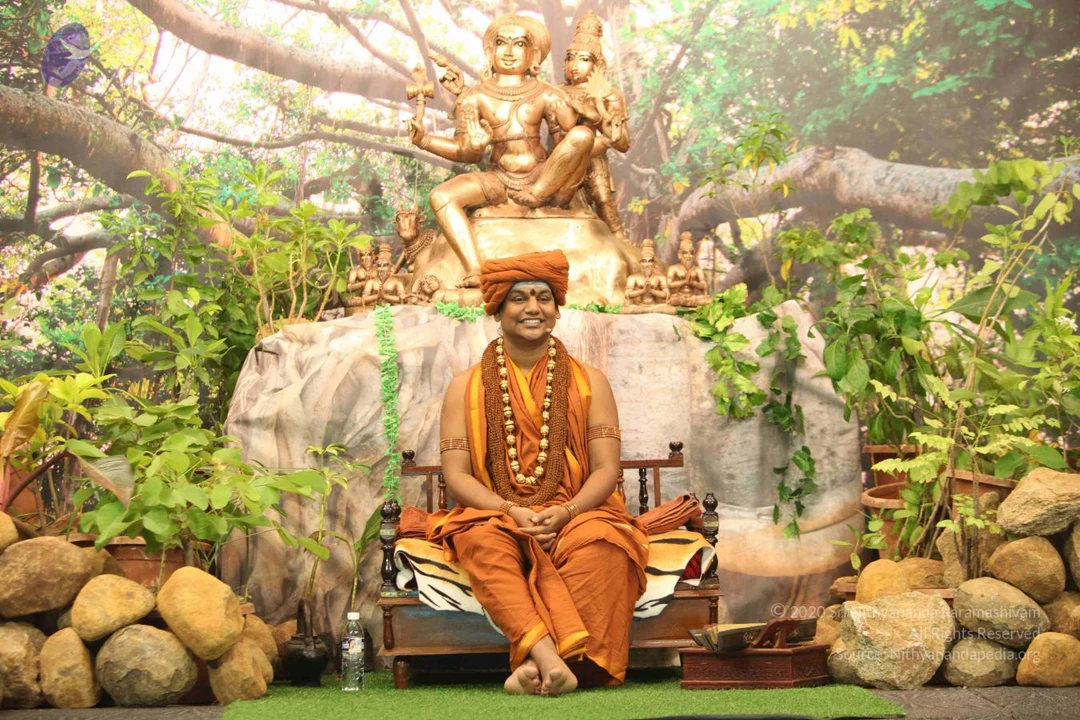
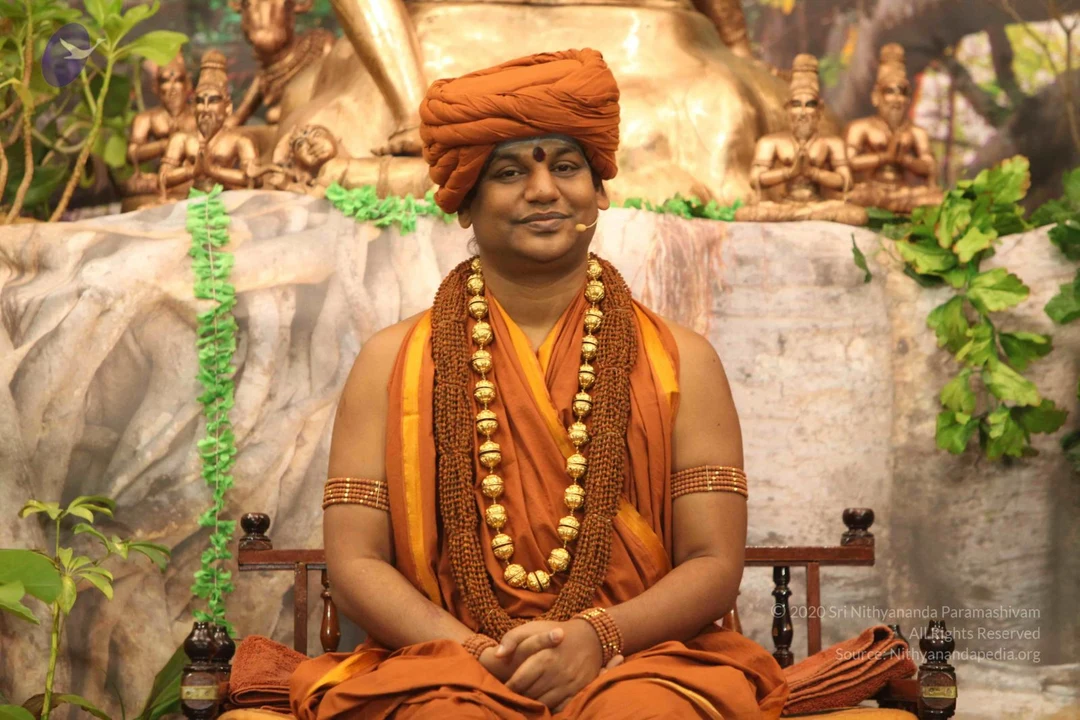
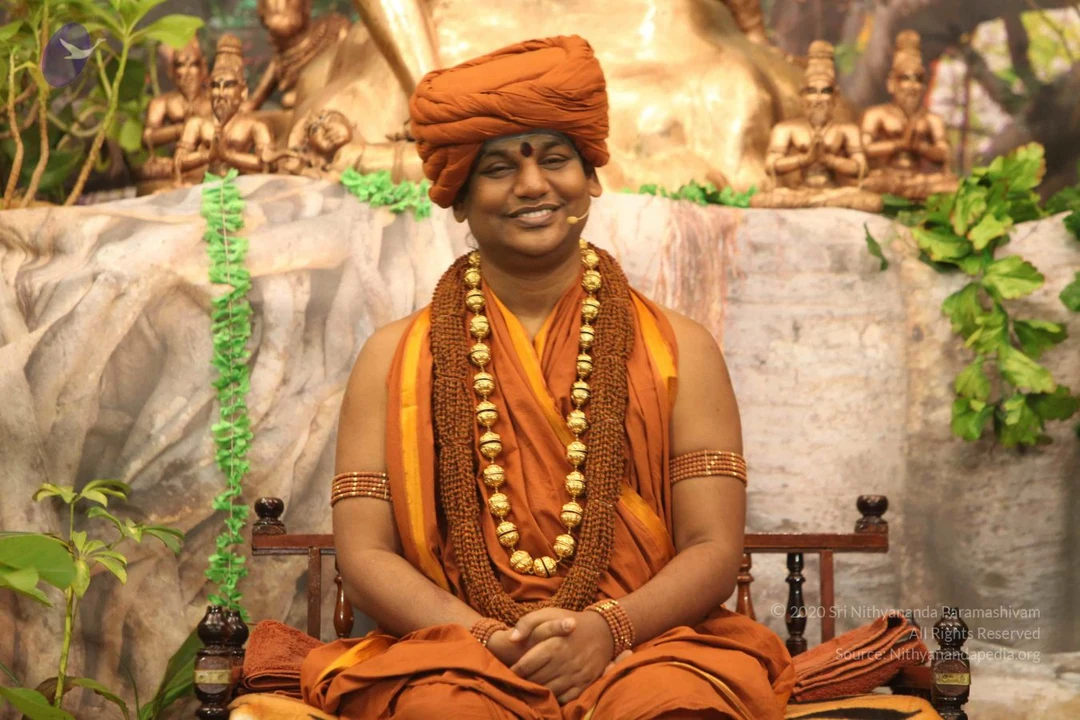
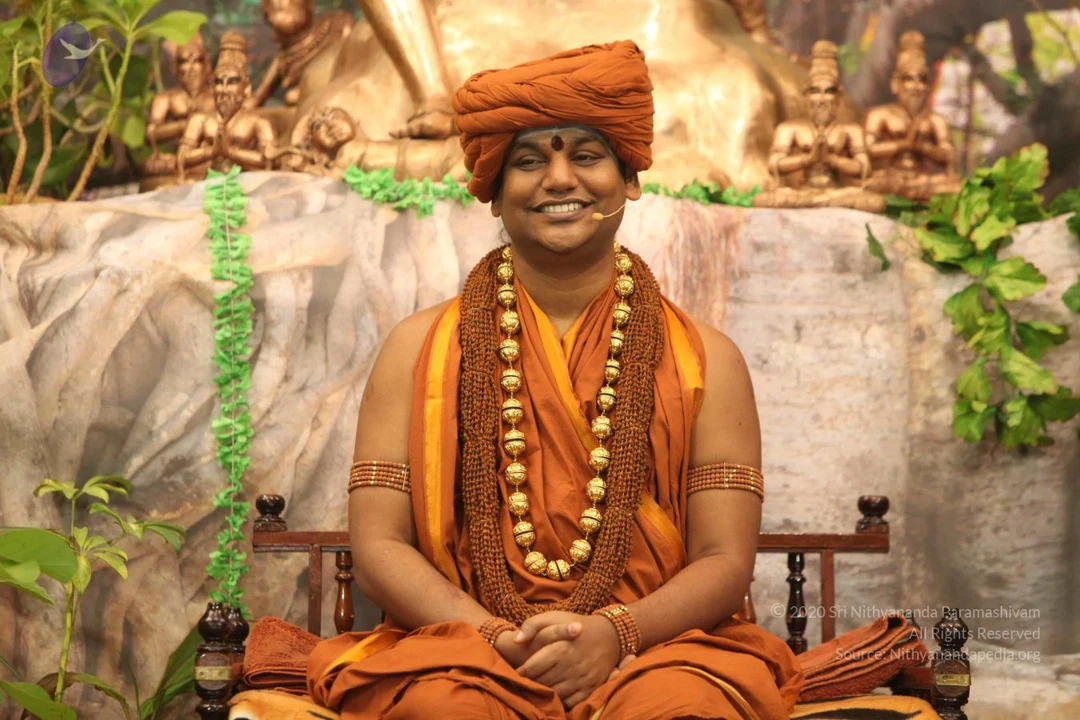
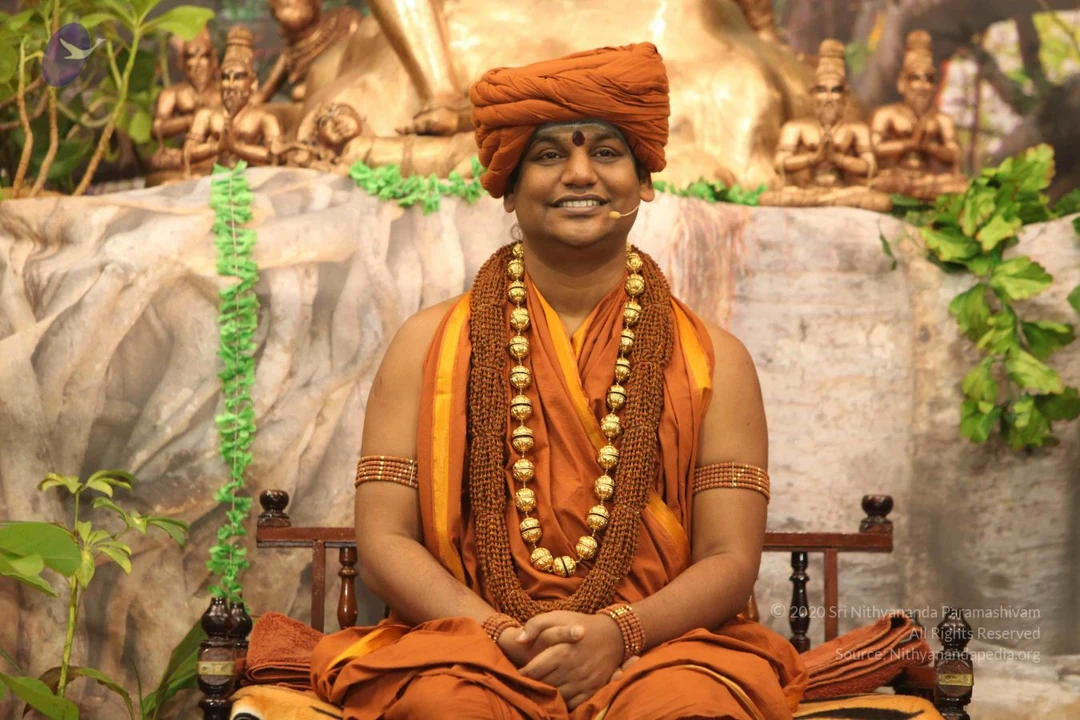
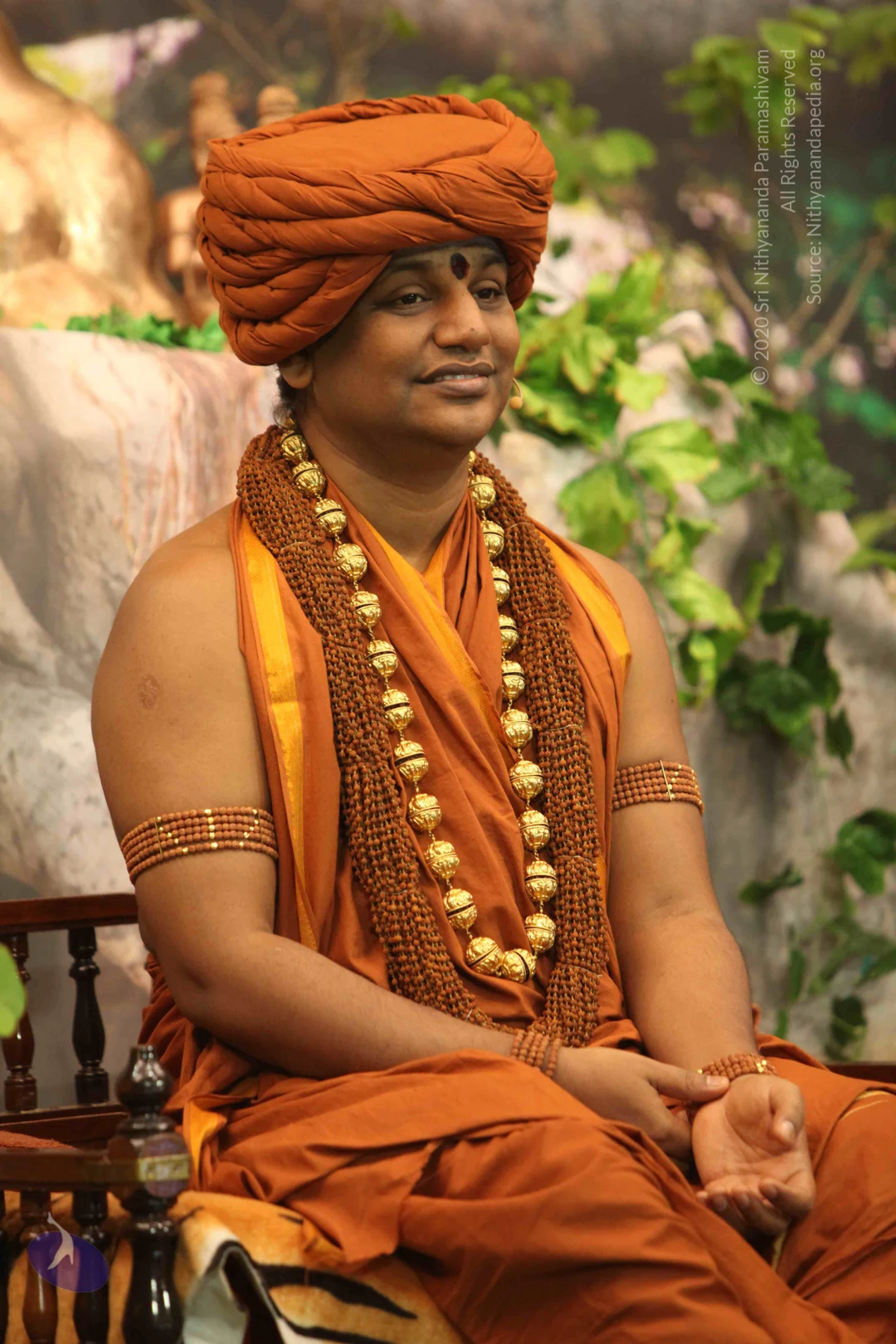
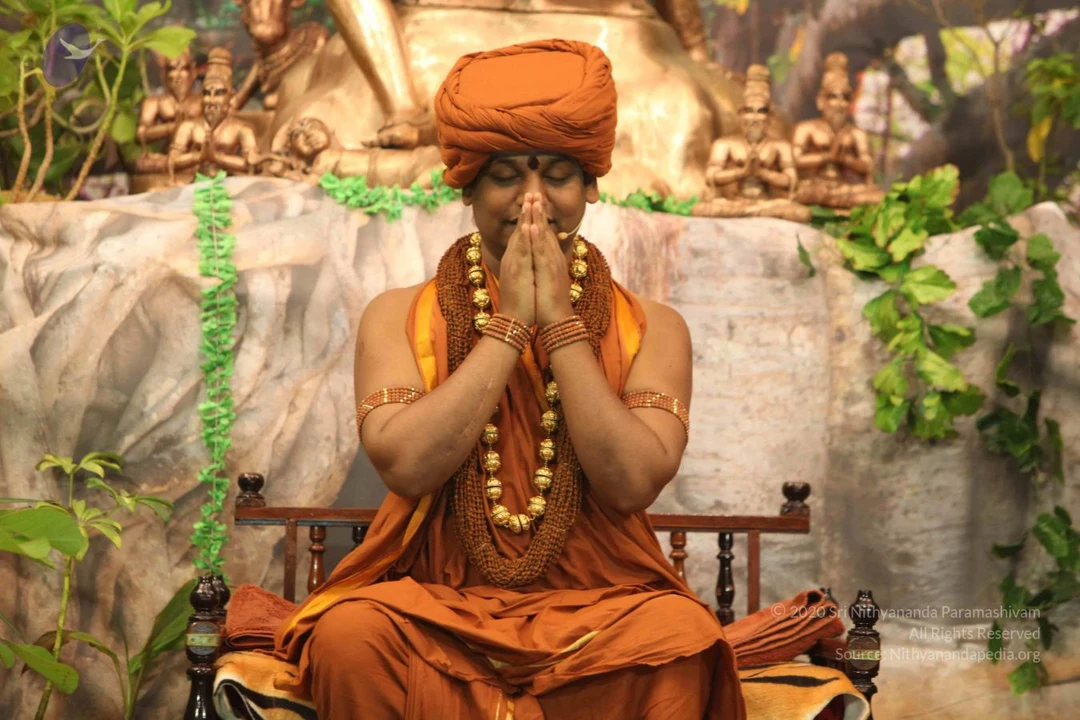
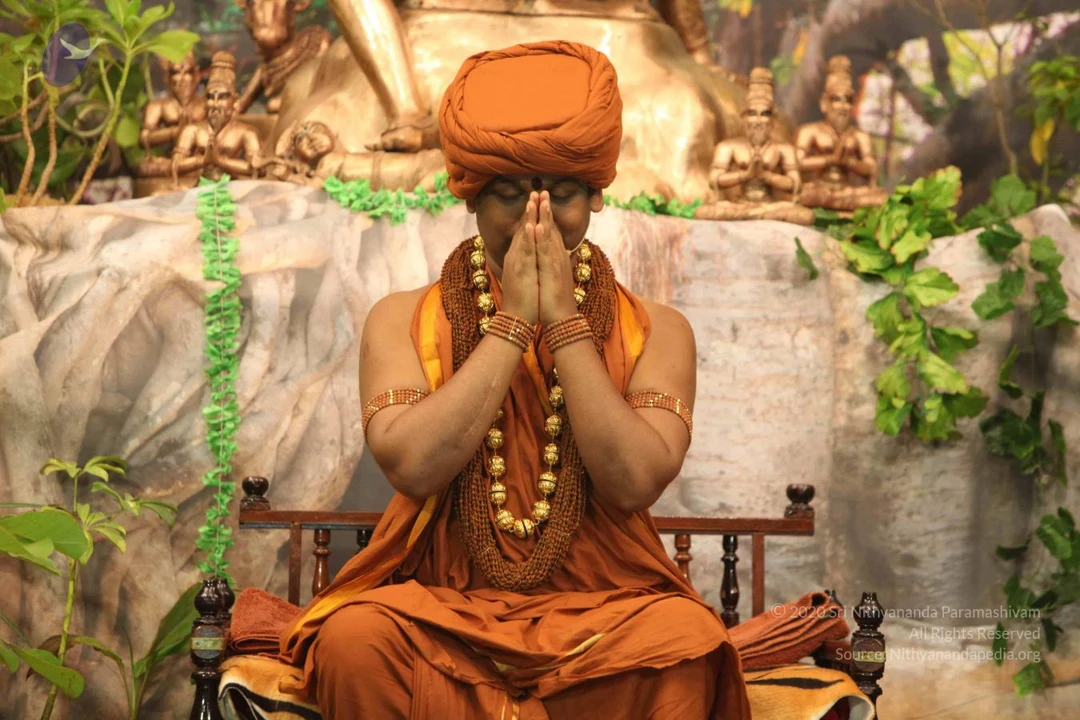
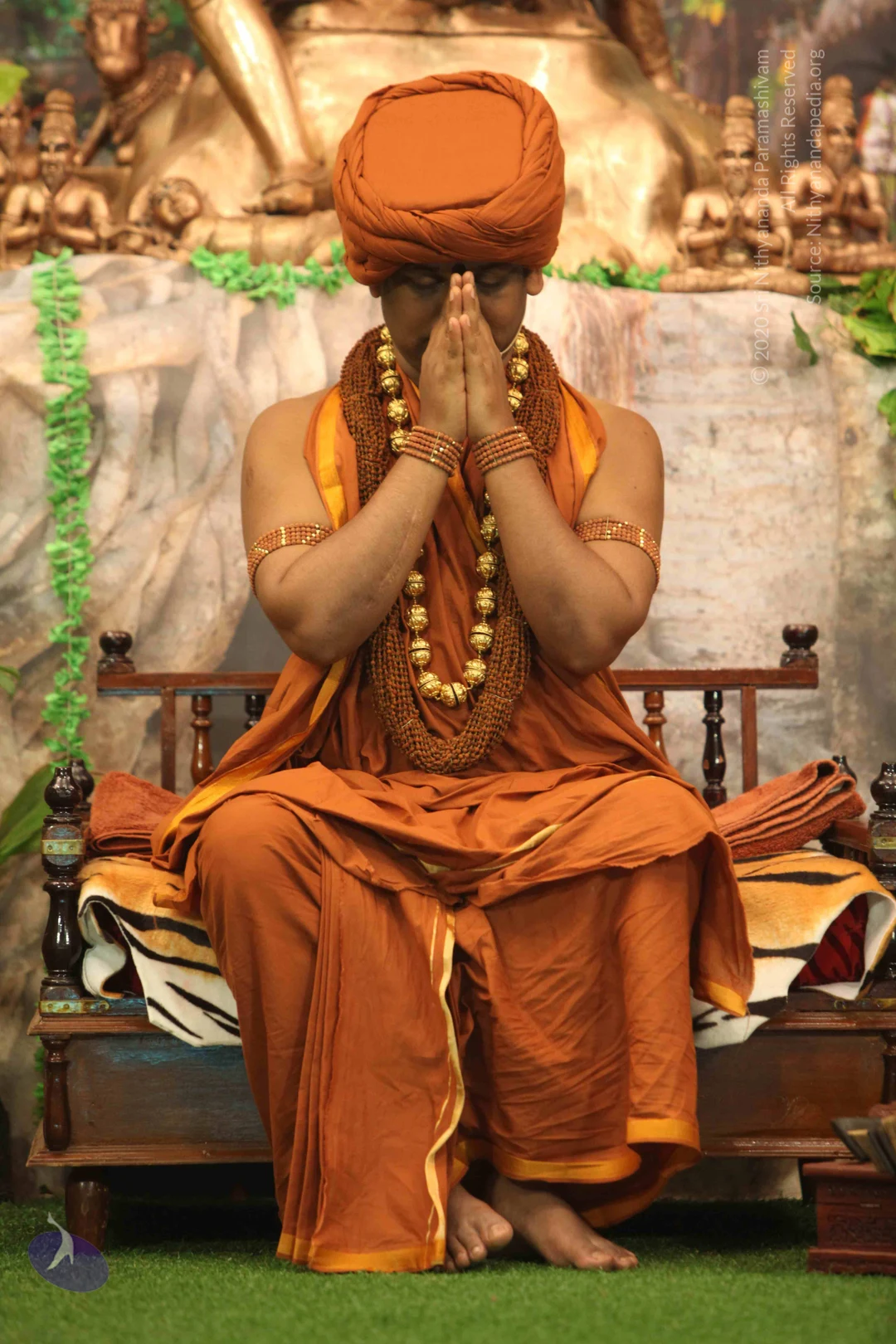
Nithya-Satsang
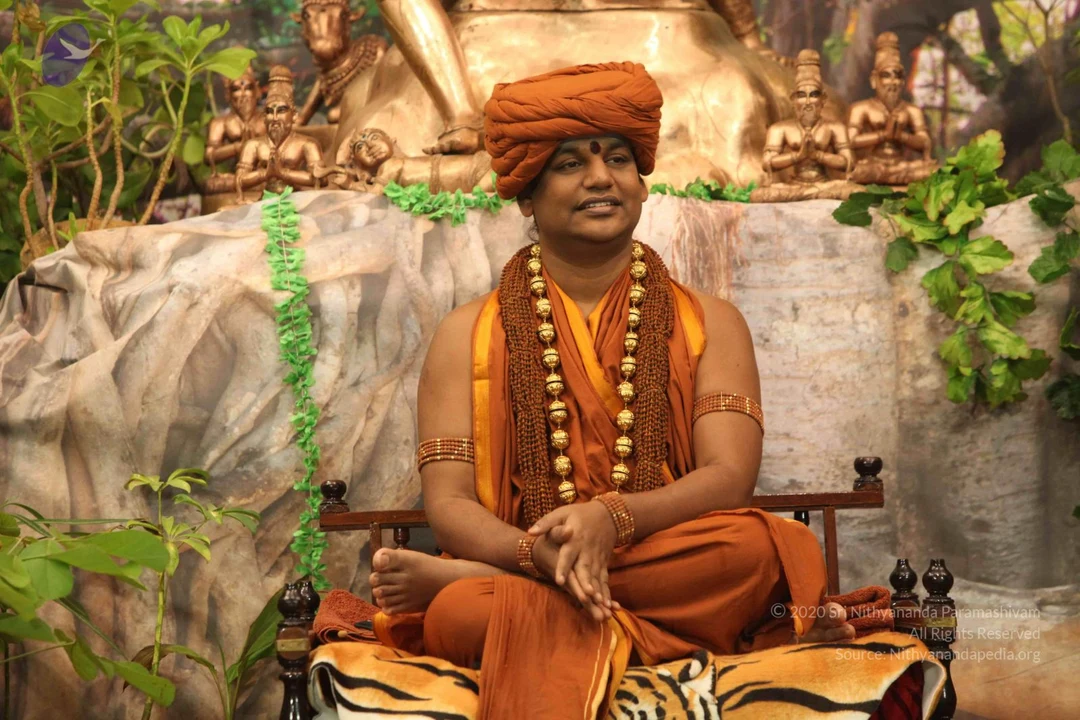
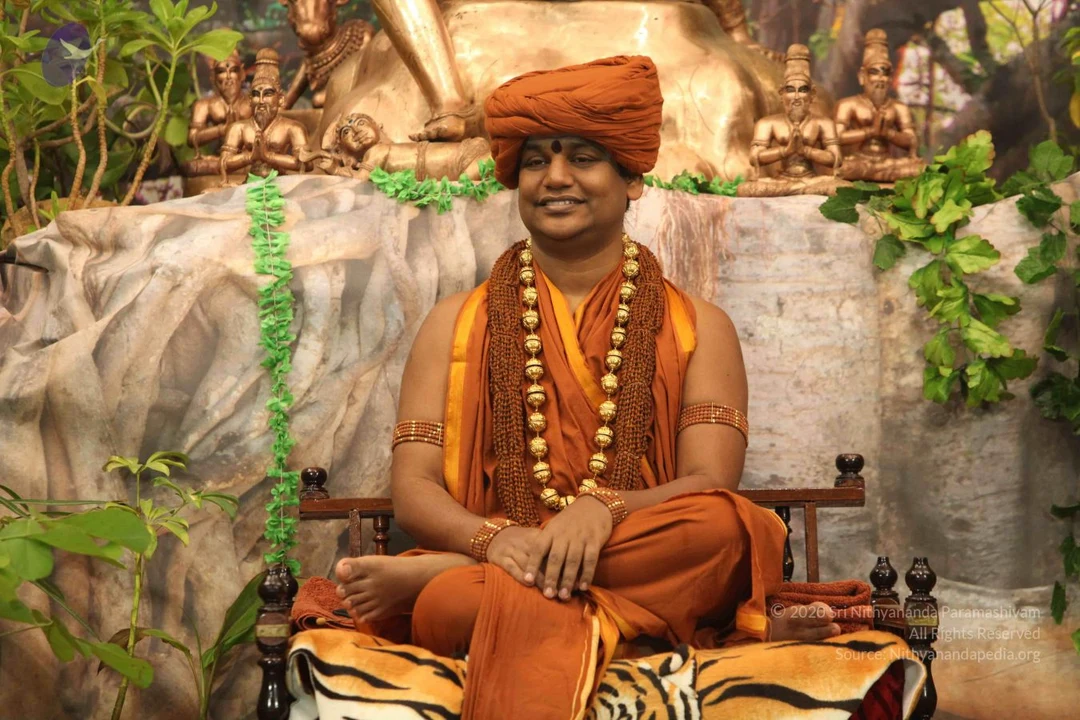






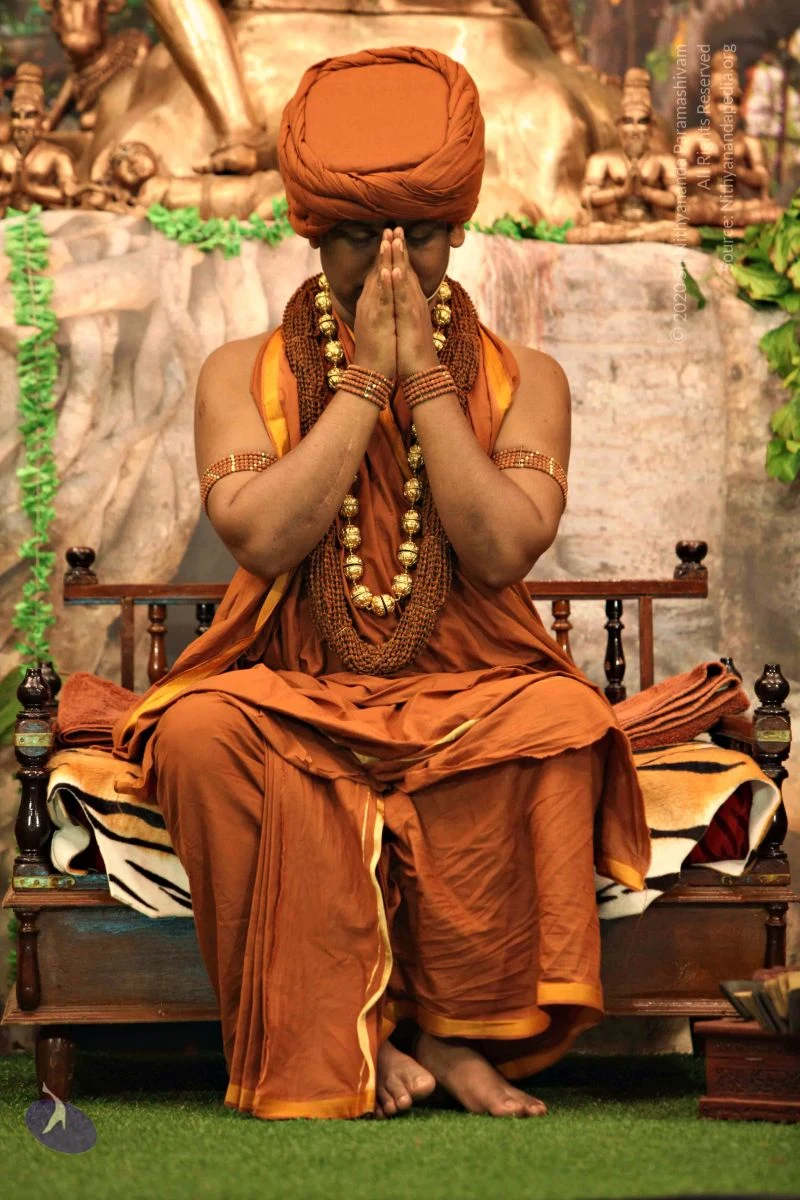
Kalpataru-Darshan

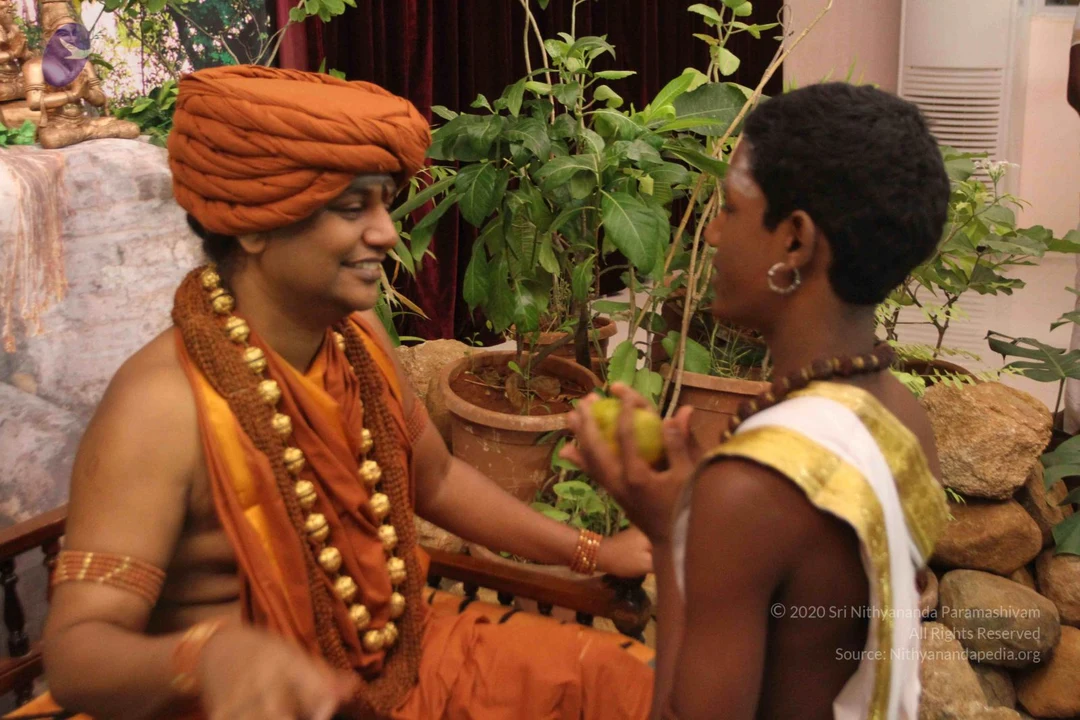
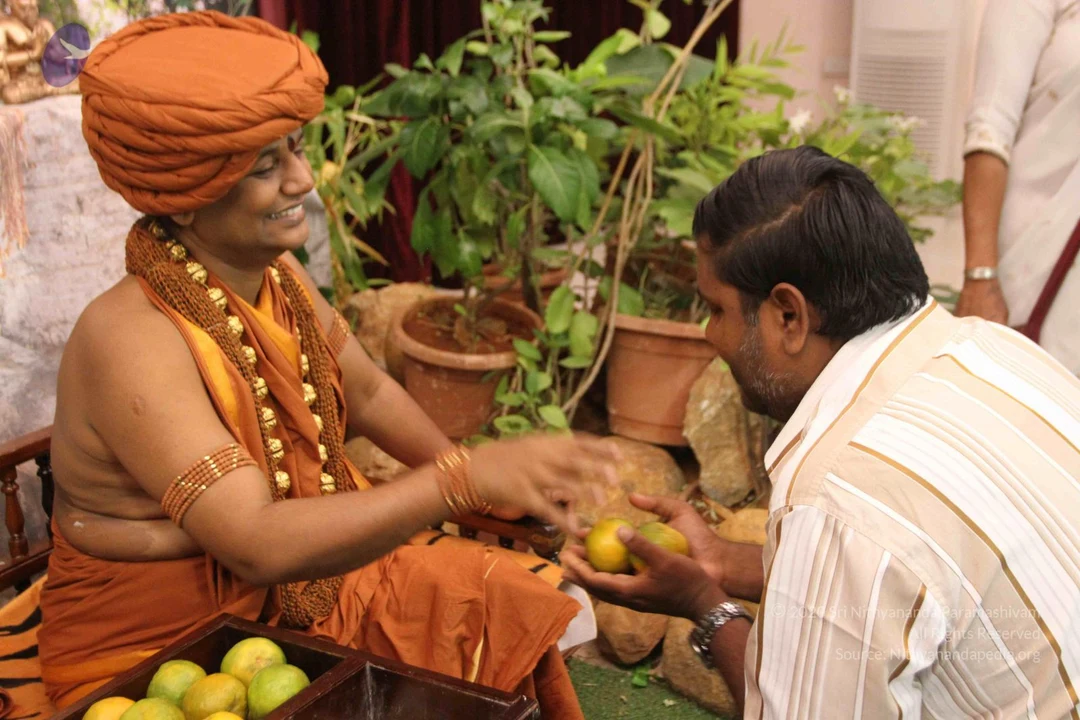
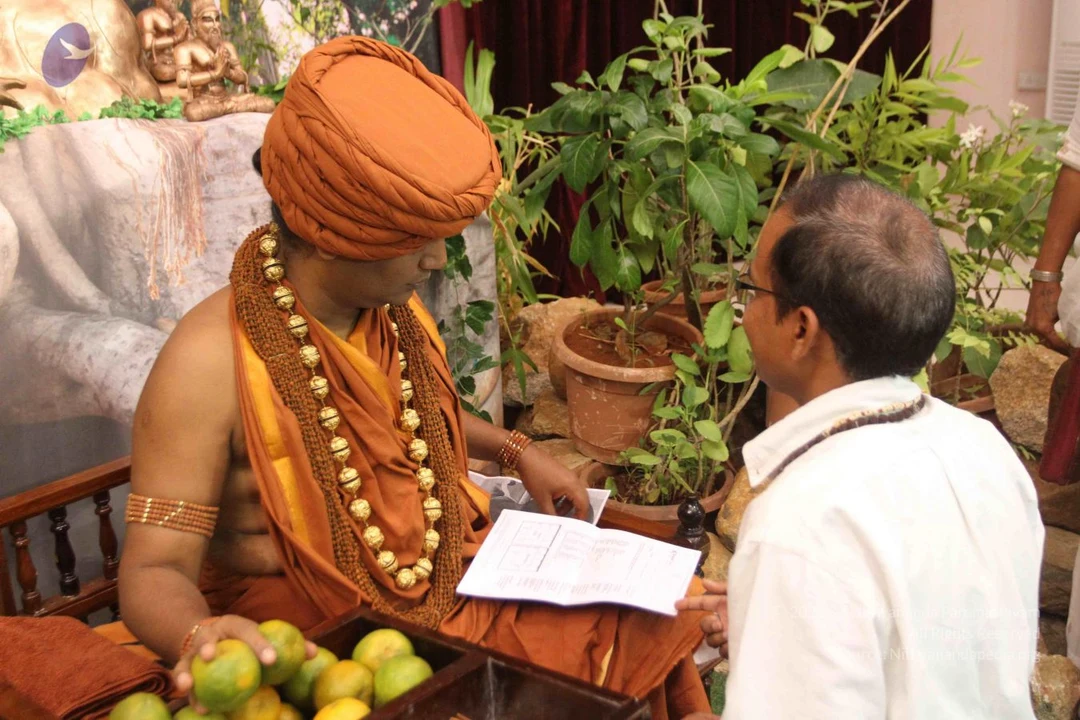
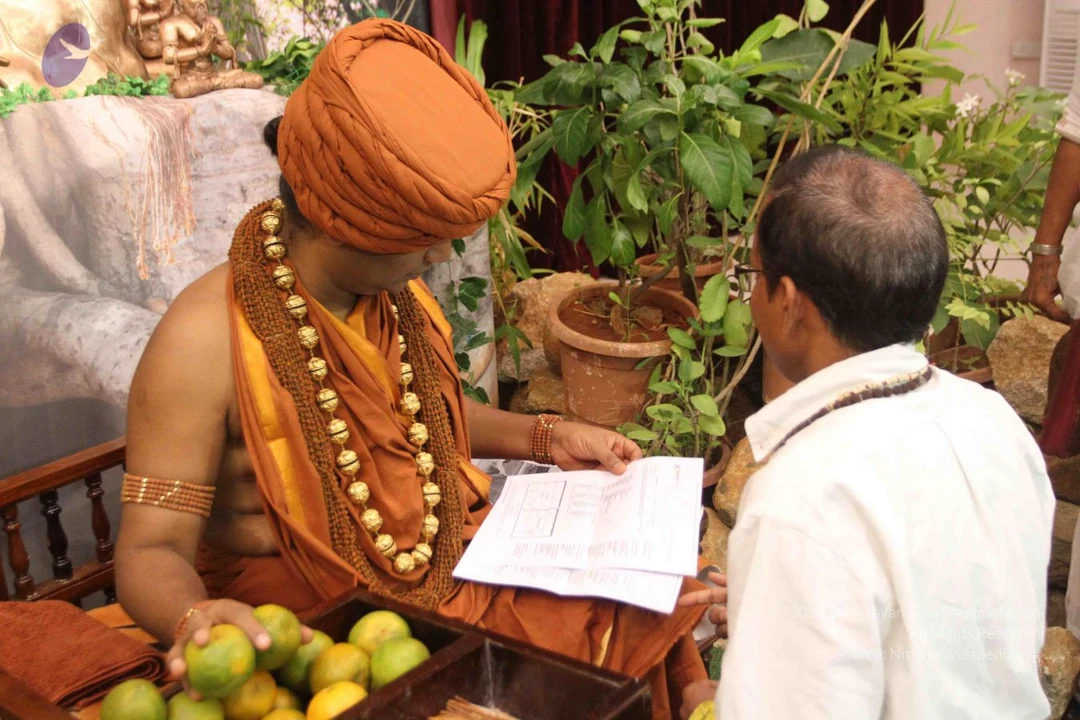

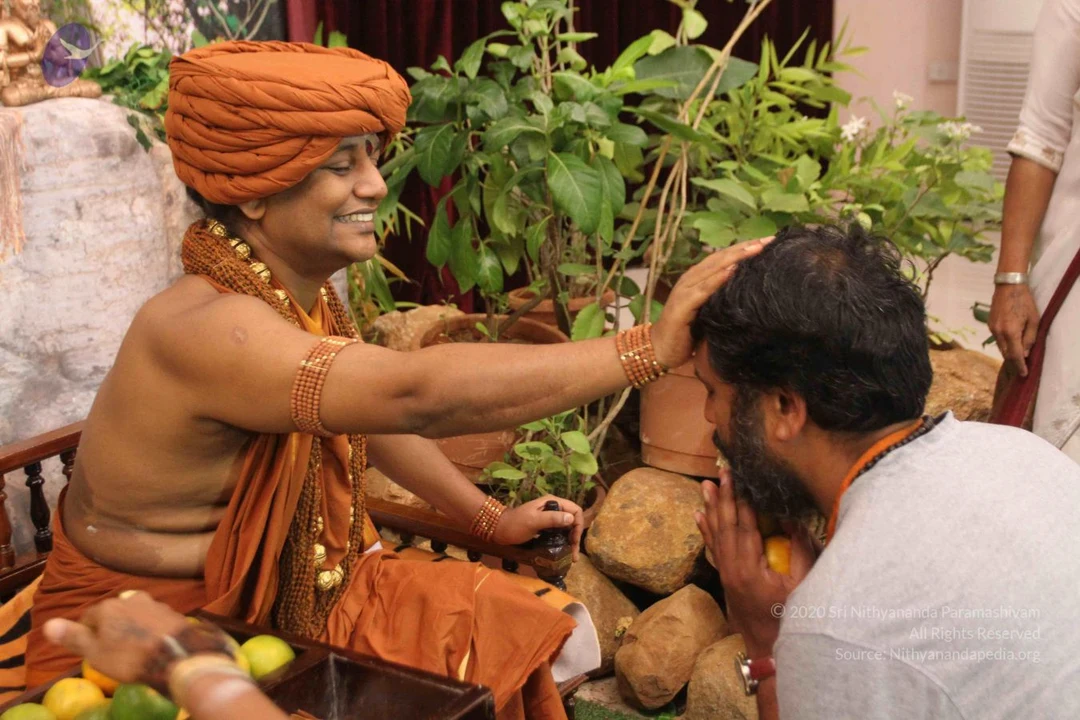
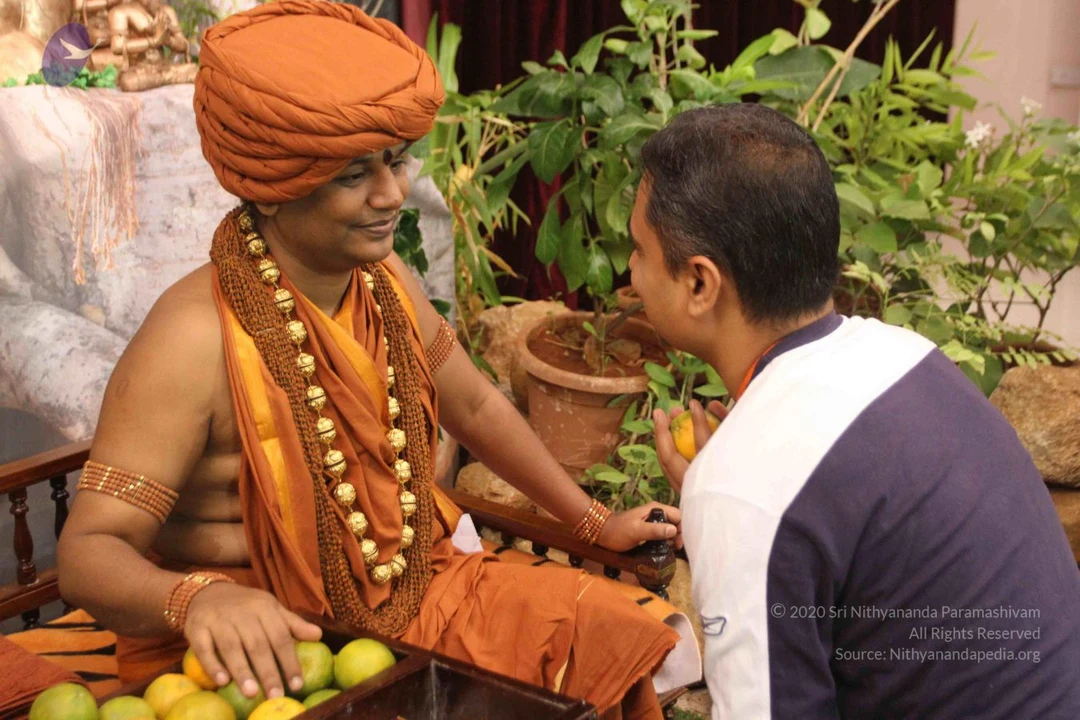
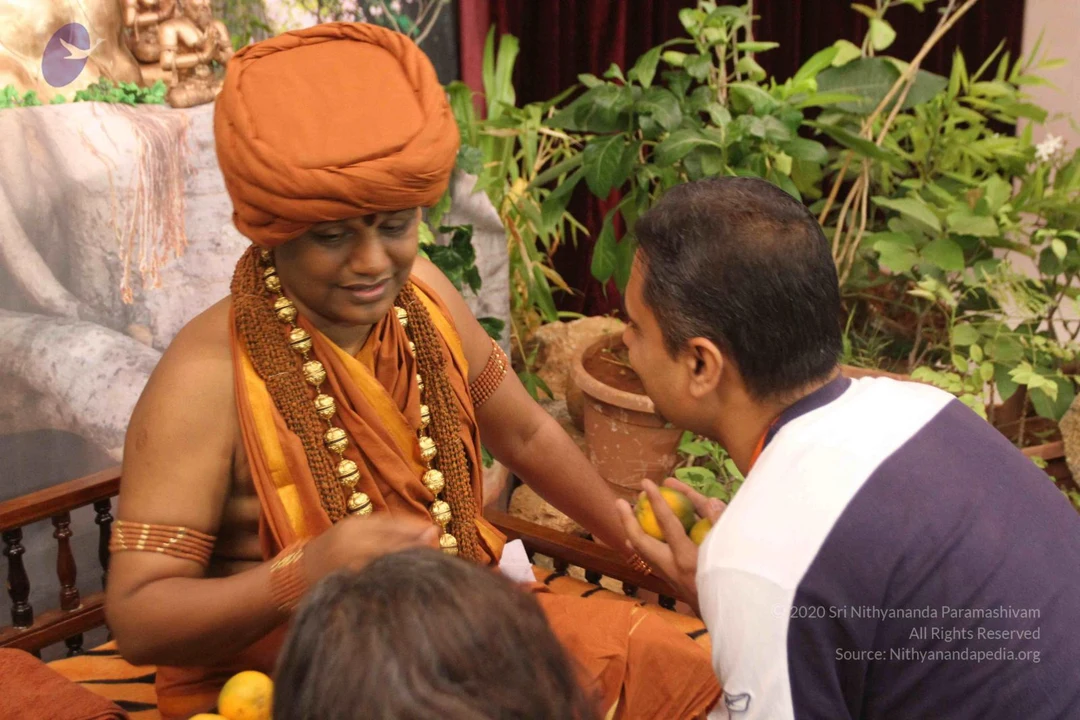
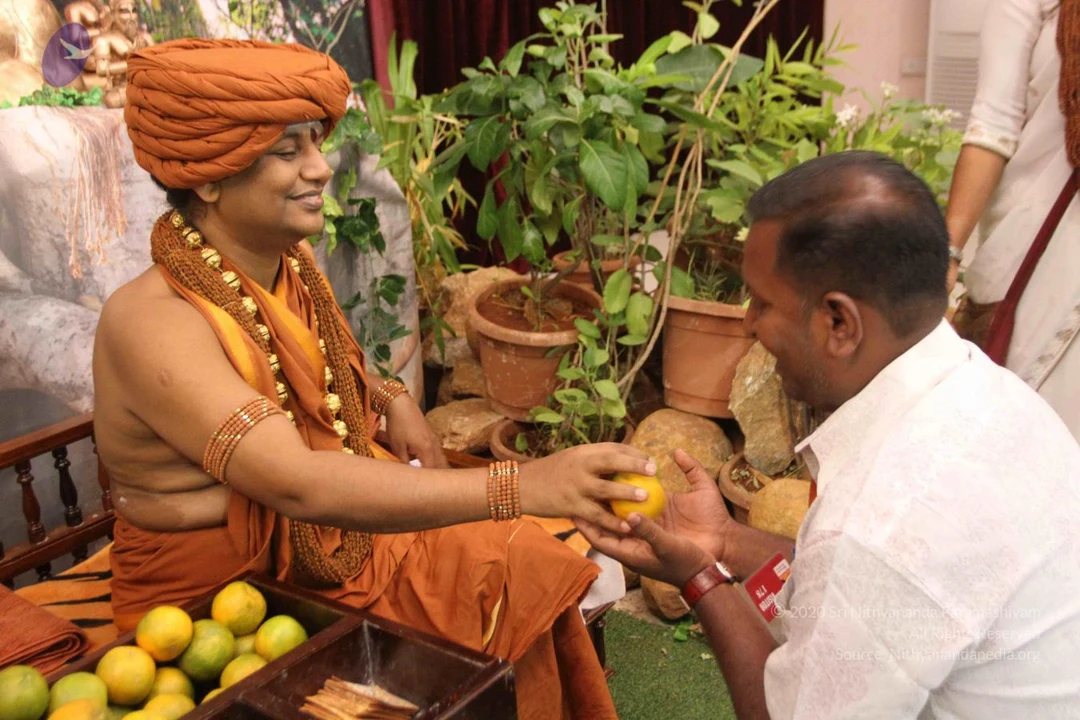
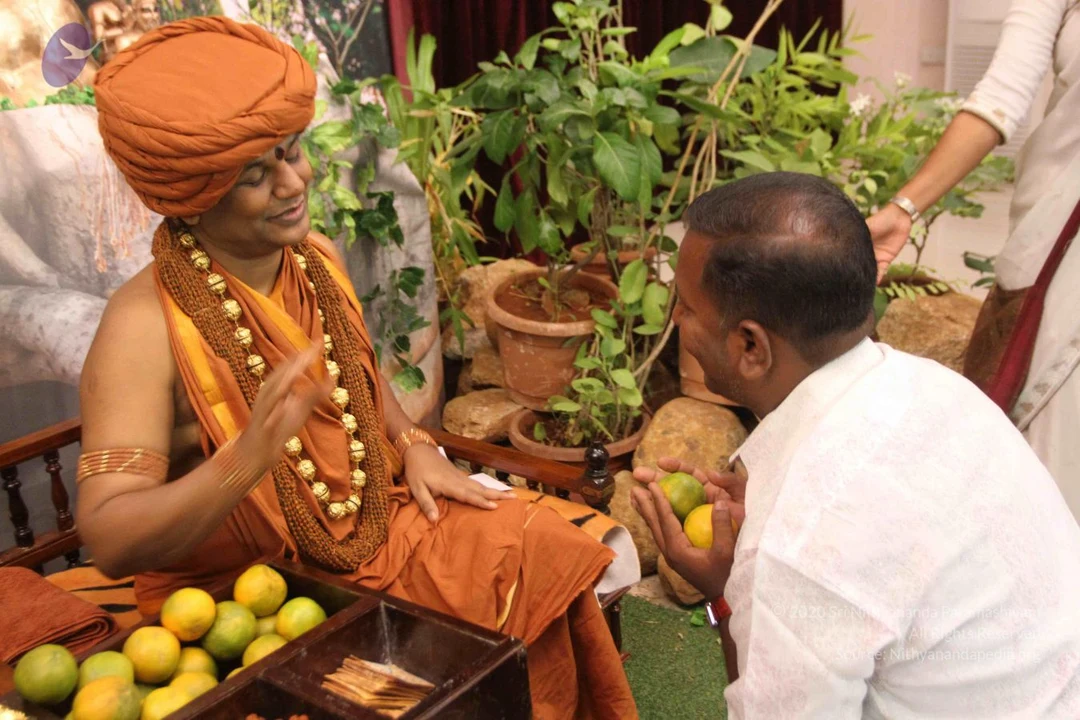
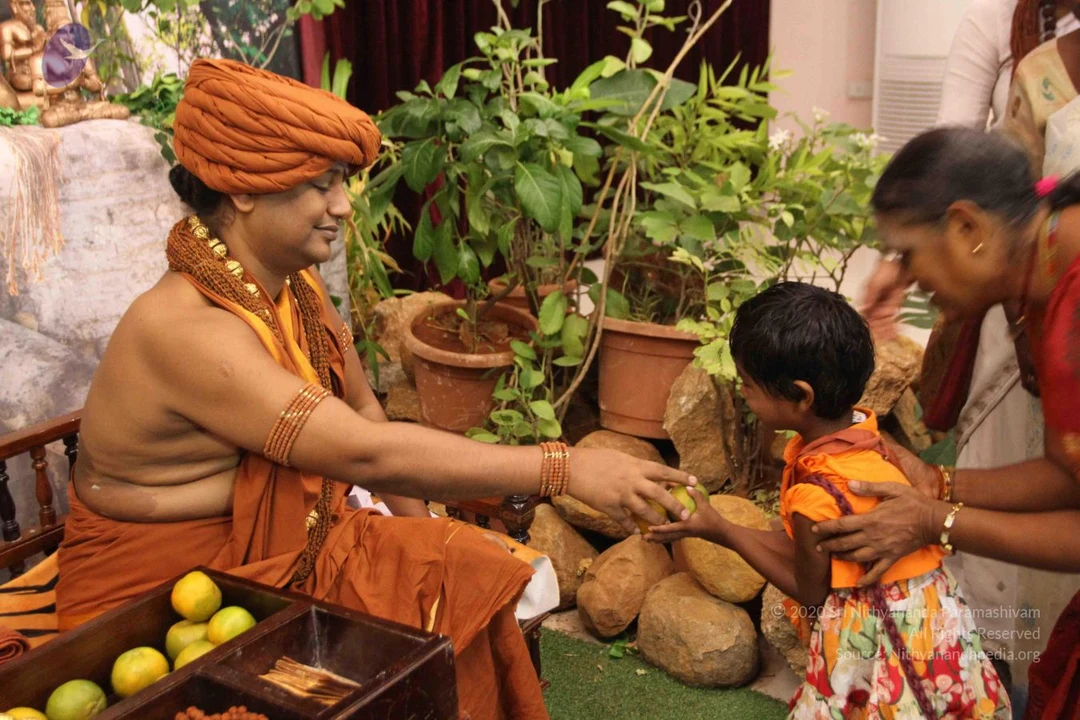
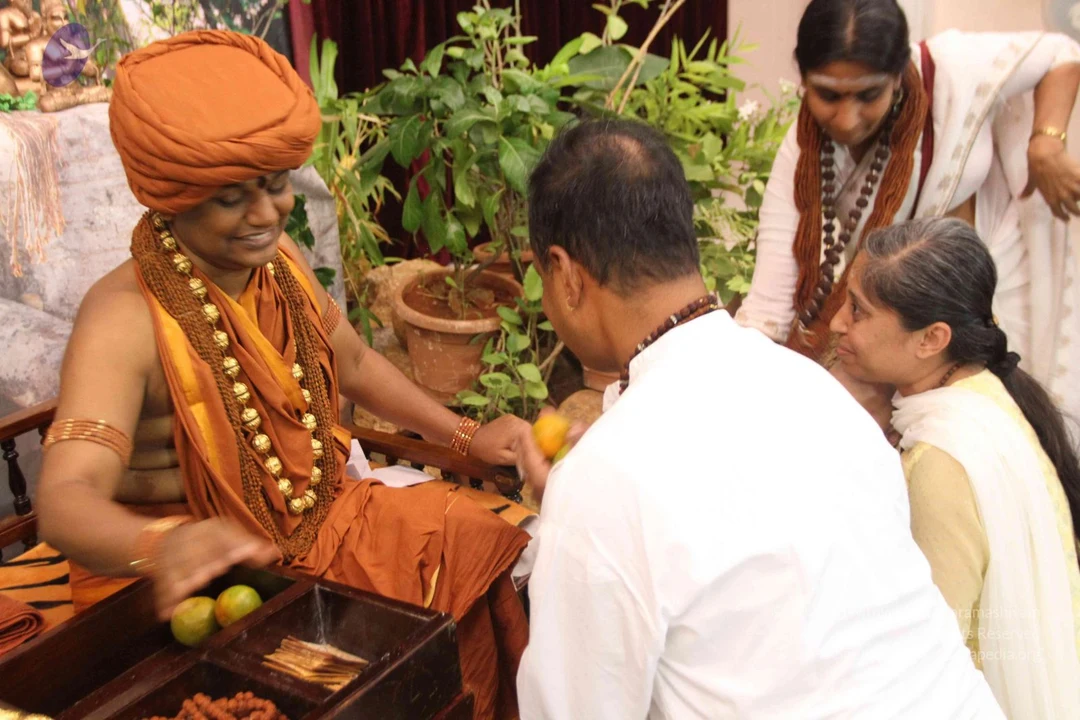
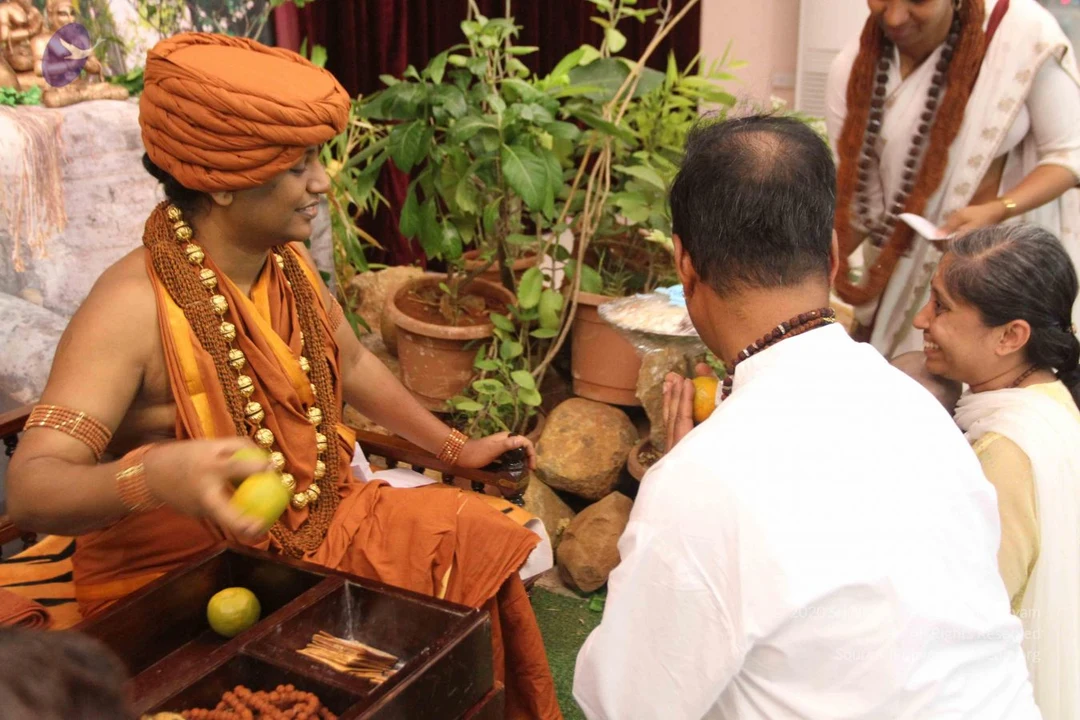
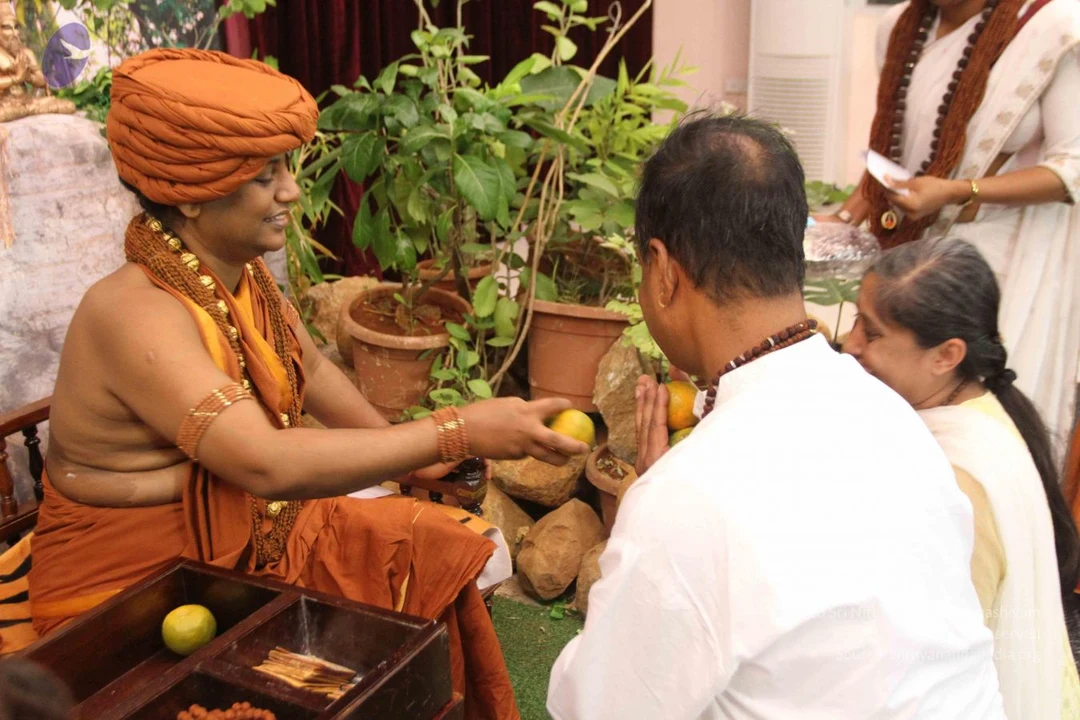
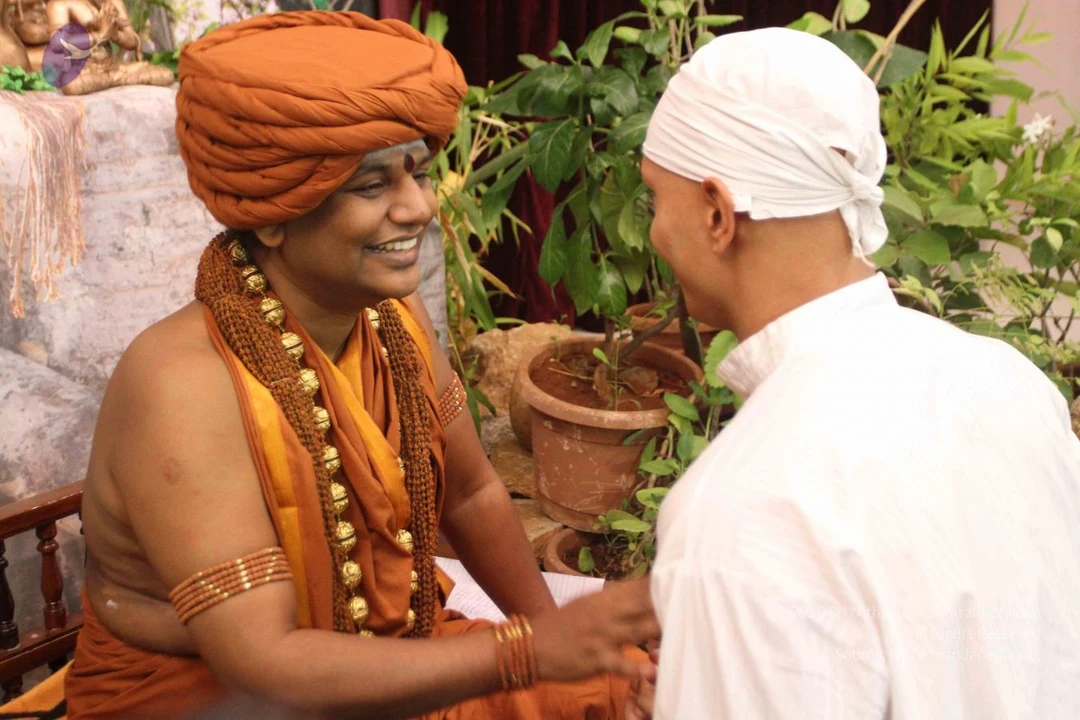
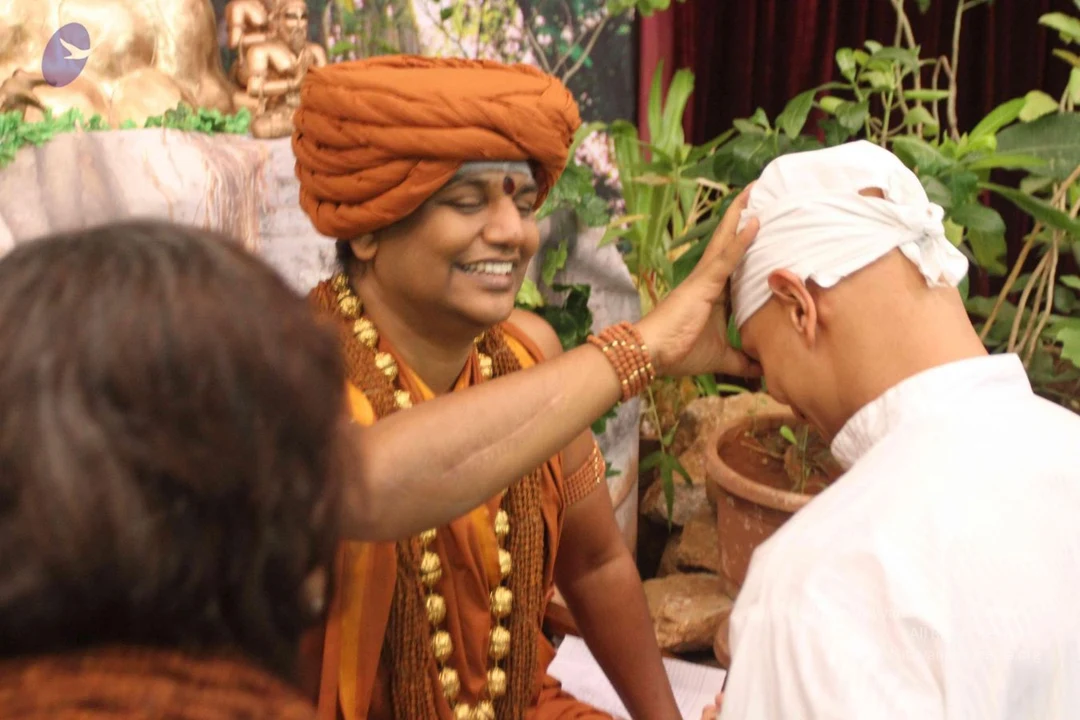
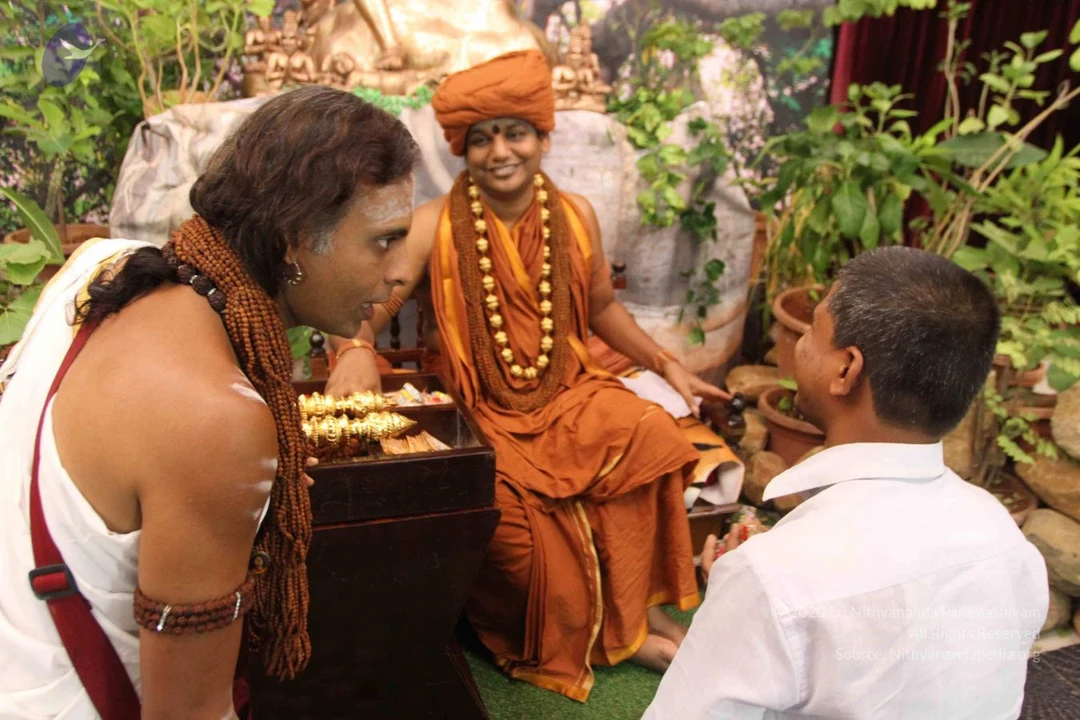
Photos Of The Day:
FB-Photos-of-the-Day
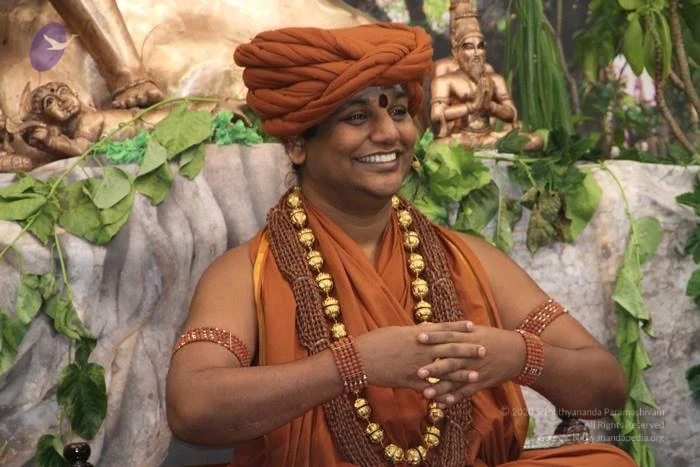
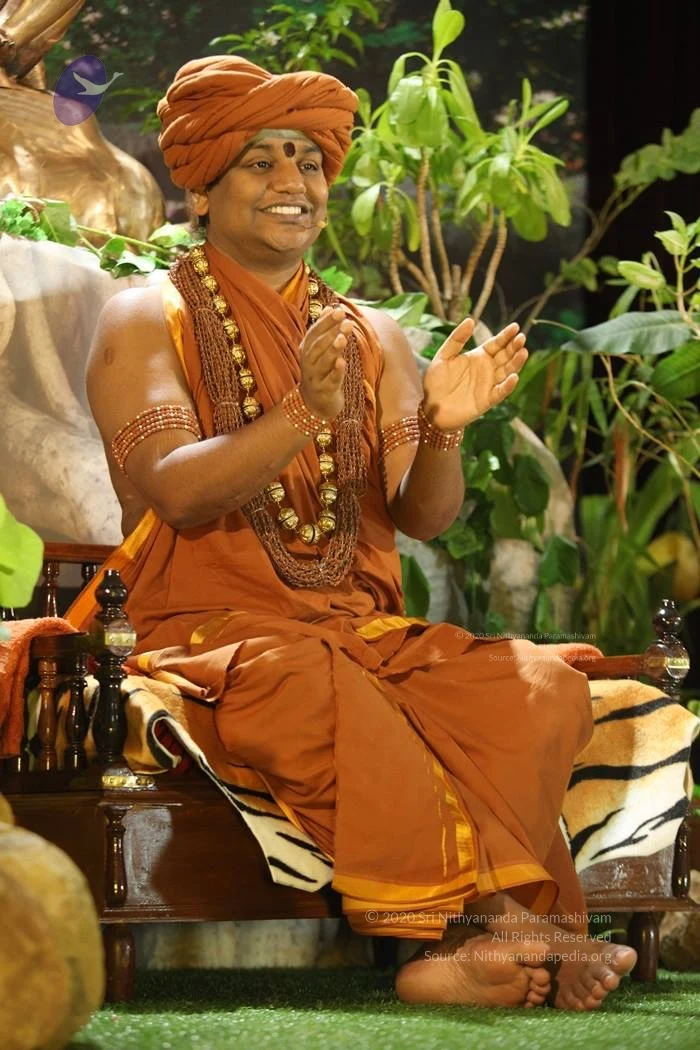
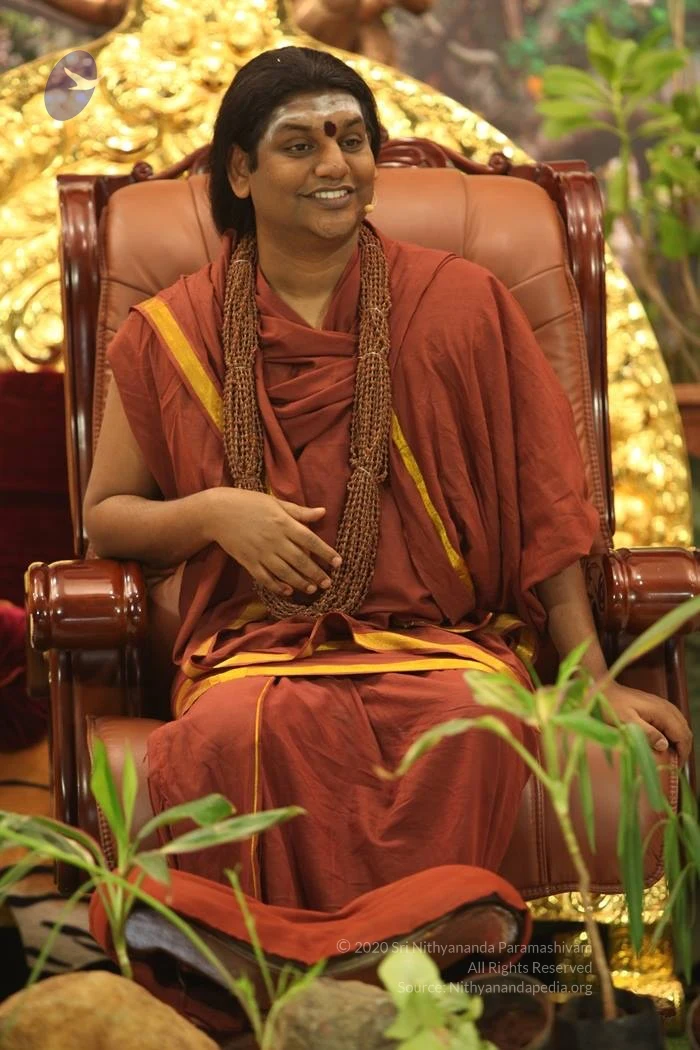
Photos from this day
View all 141 photosNithya Satsang
16 photosSource gallery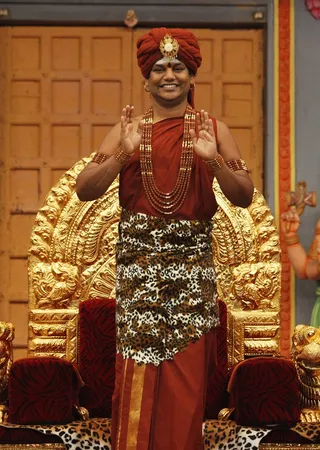
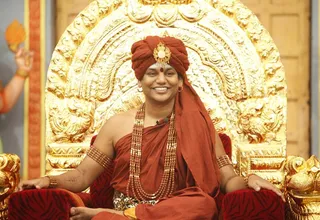
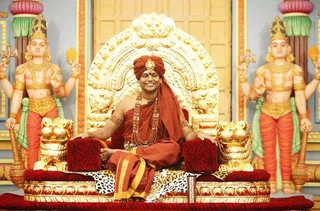
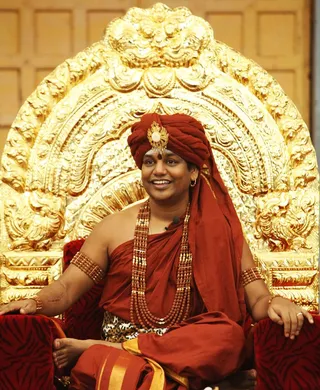
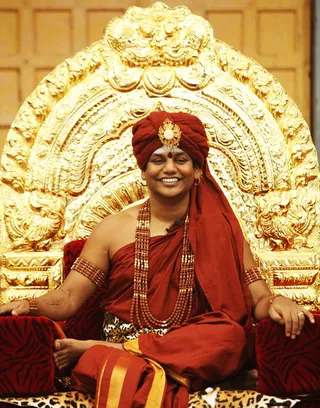
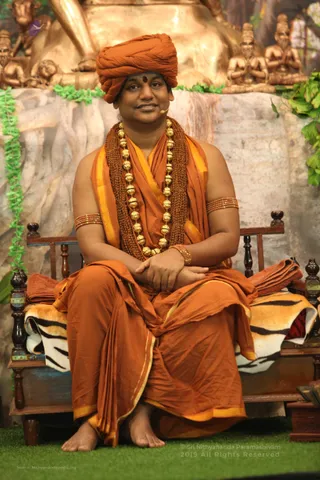
Nithya-Satsang
104 photosSource gallery
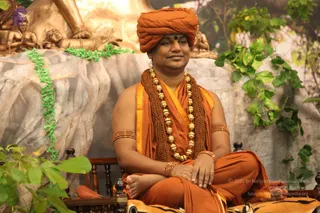
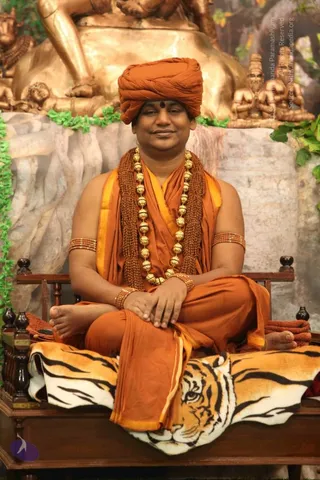
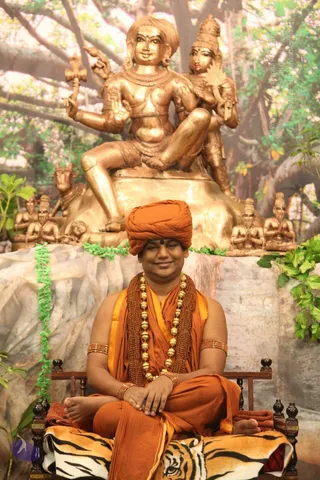
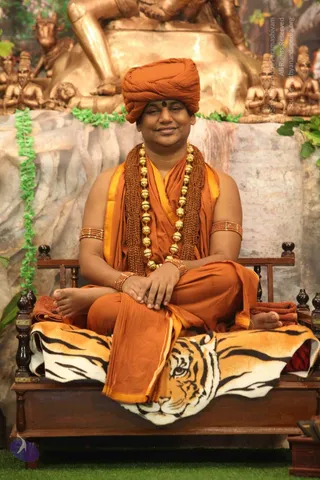
Kalpataru-Darshan
17 photosSource gallery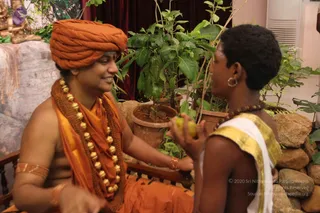
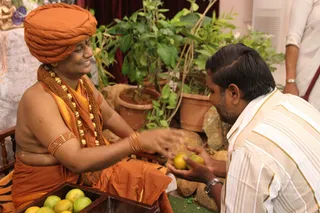
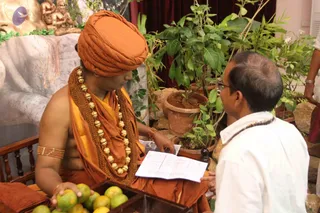
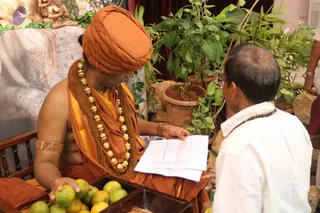
FB-Photos-of-the-Day
3 photosSource gallery
April 16 2015
1 photoView all