Tuesday
16 April 2013
Alchemy Process to Transform You || Part 1 || NKY || 16 April 2013
- Dated photos
- 200
- Source pages
- 1
- Media
- 20

April 16 2013
Original wiki pageDescription:
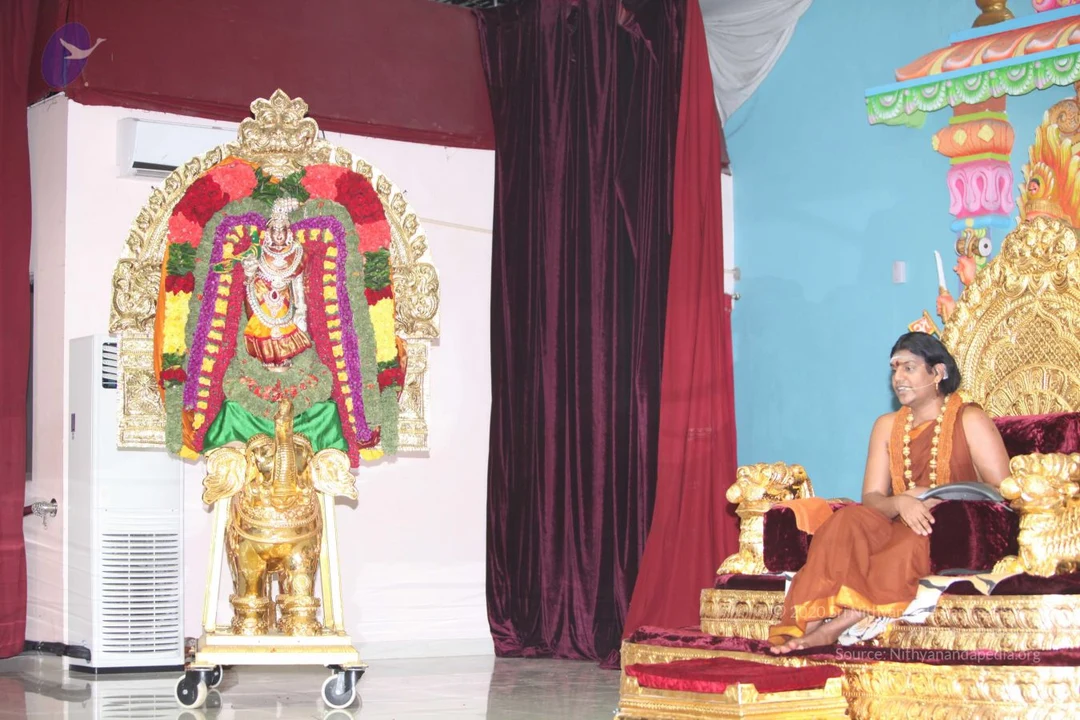
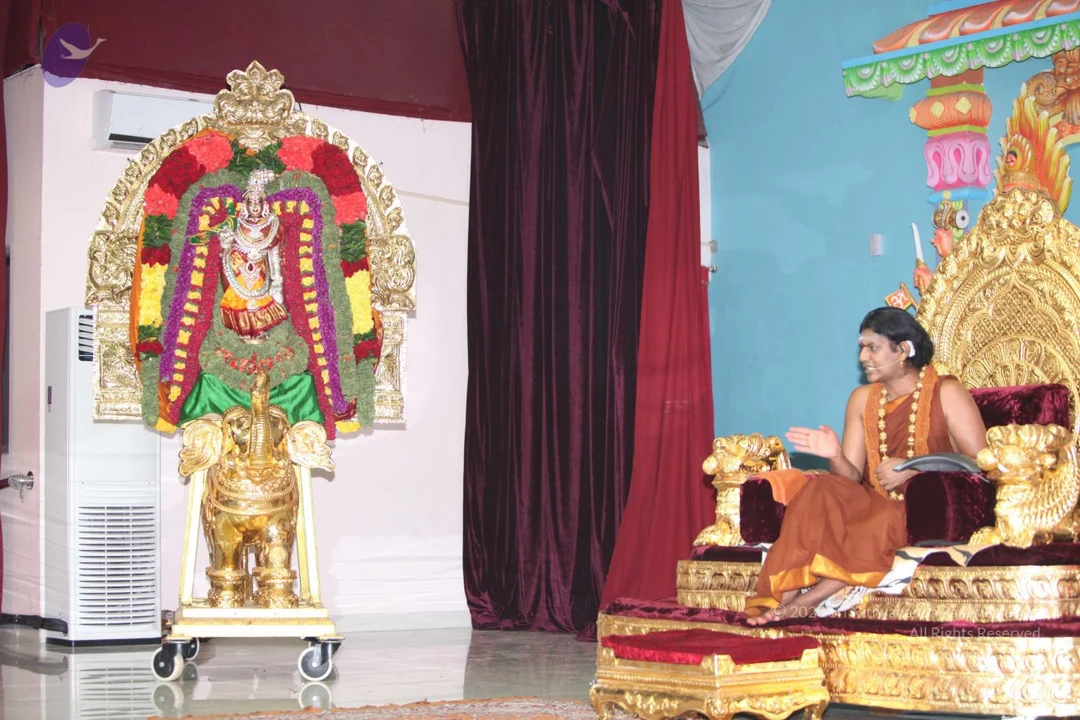
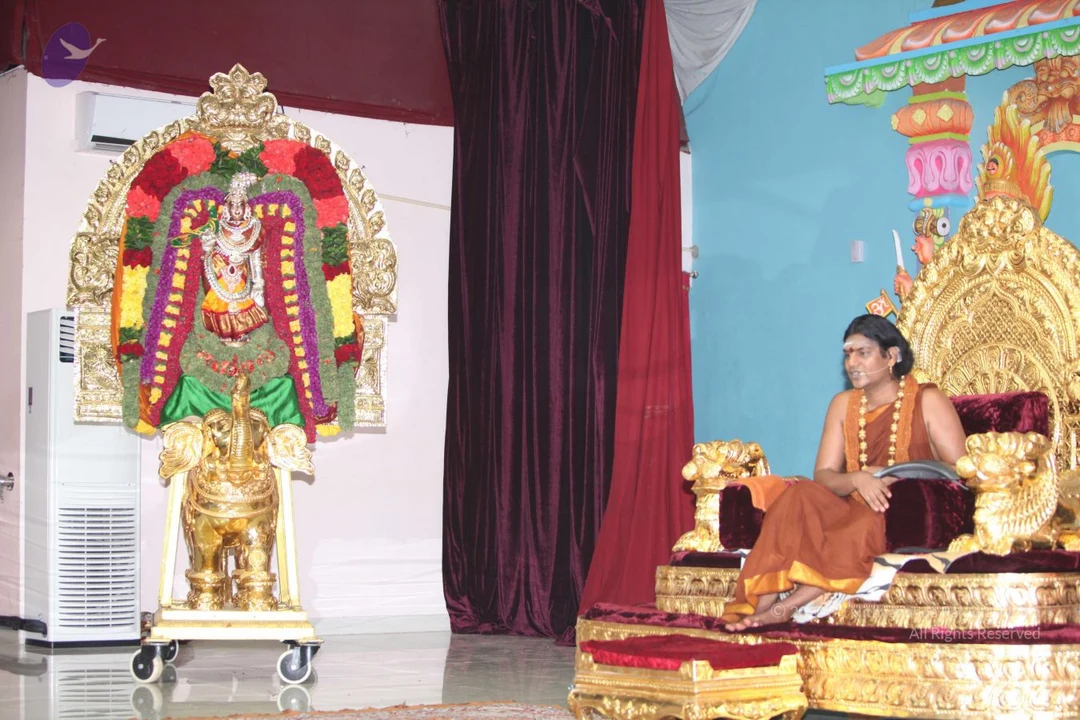
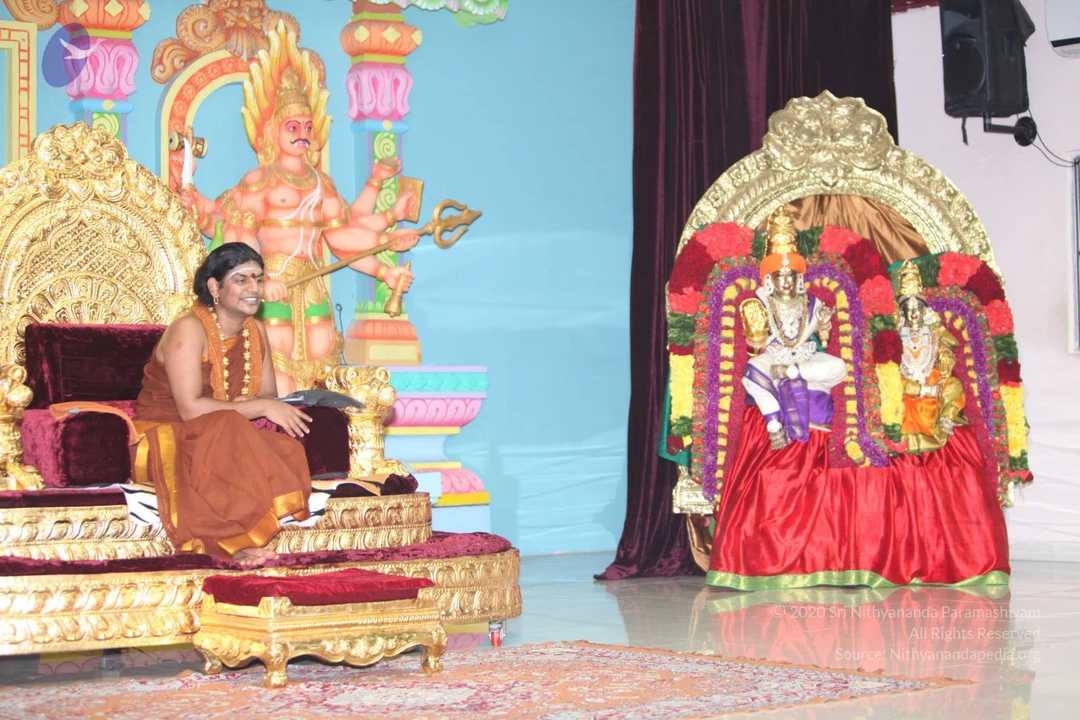
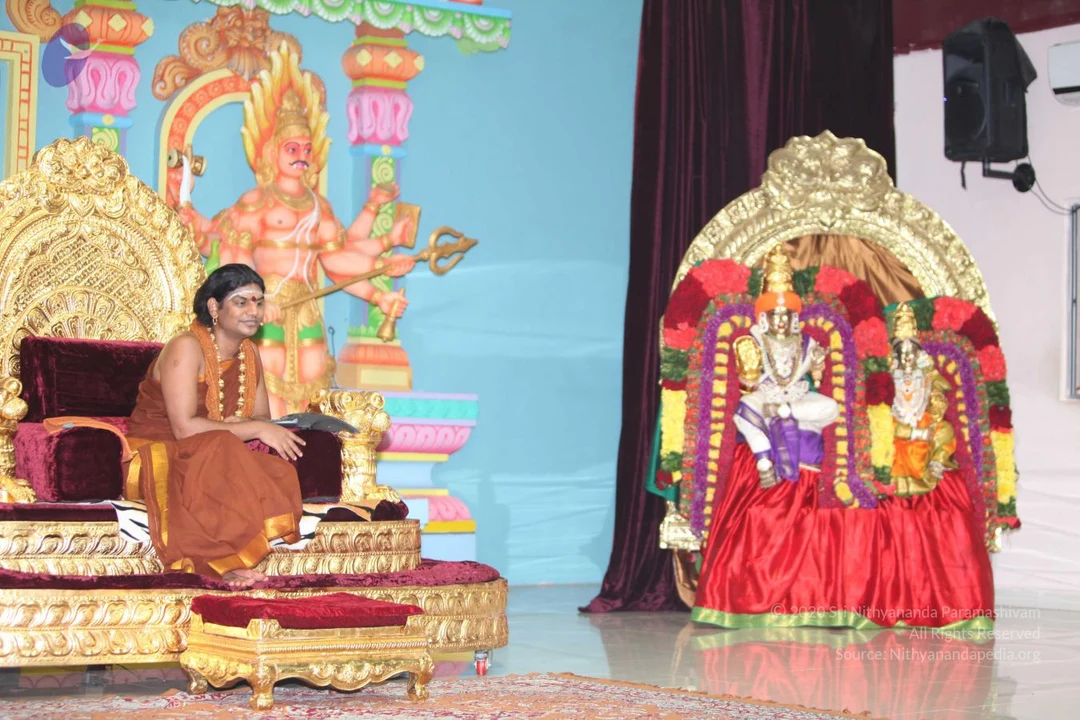
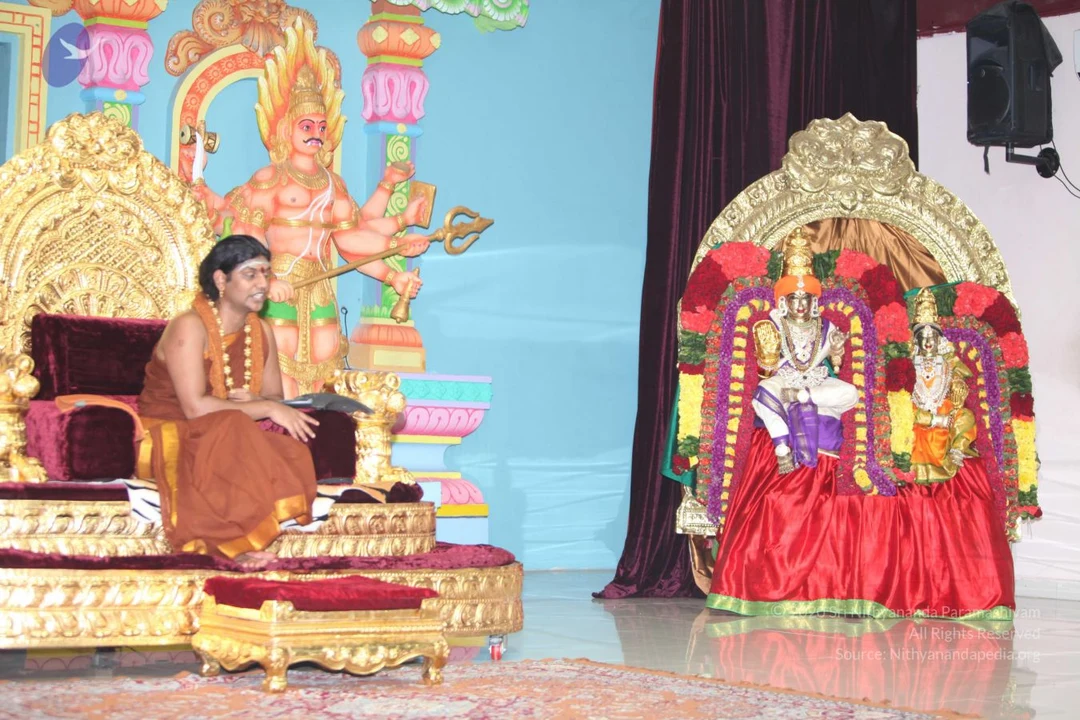
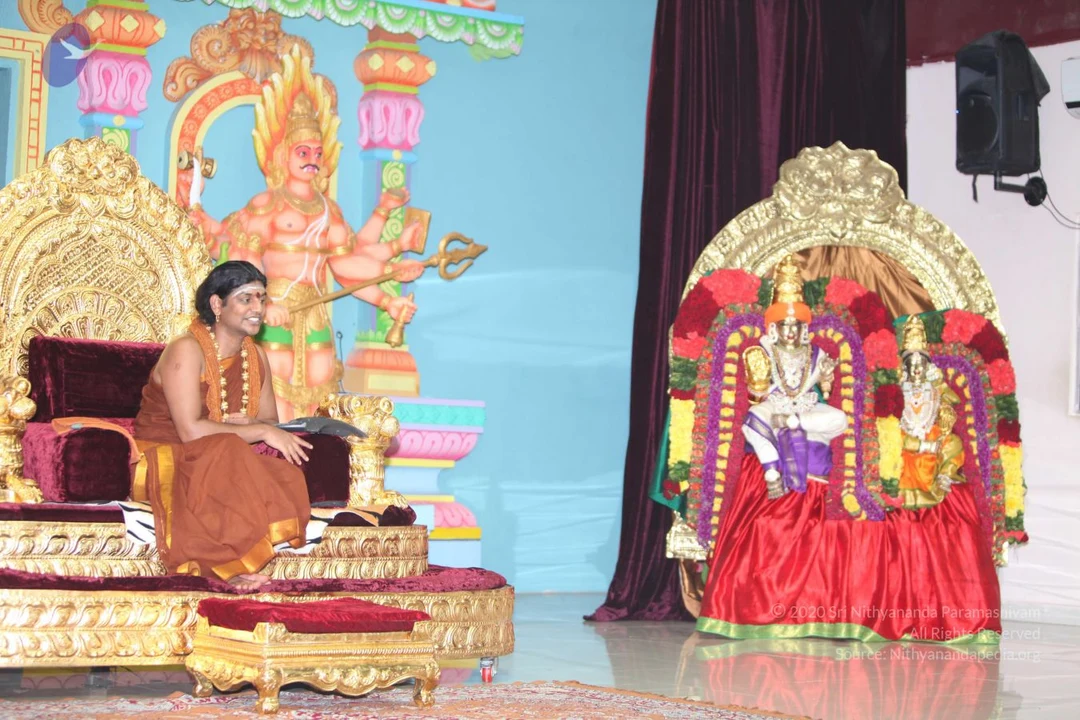
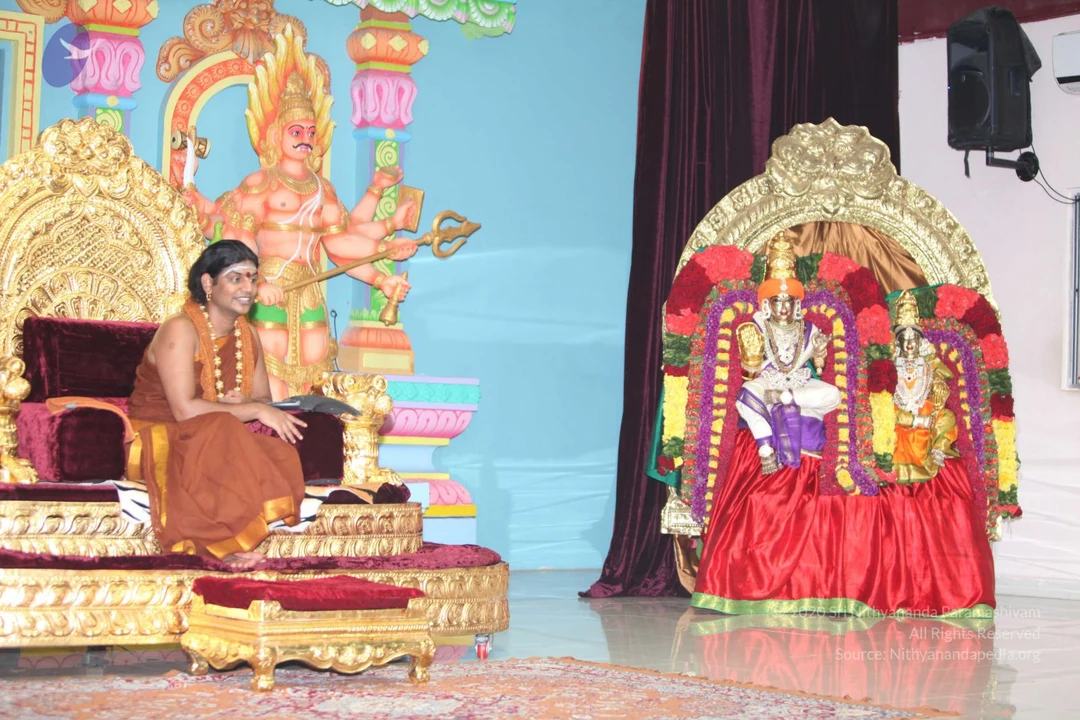
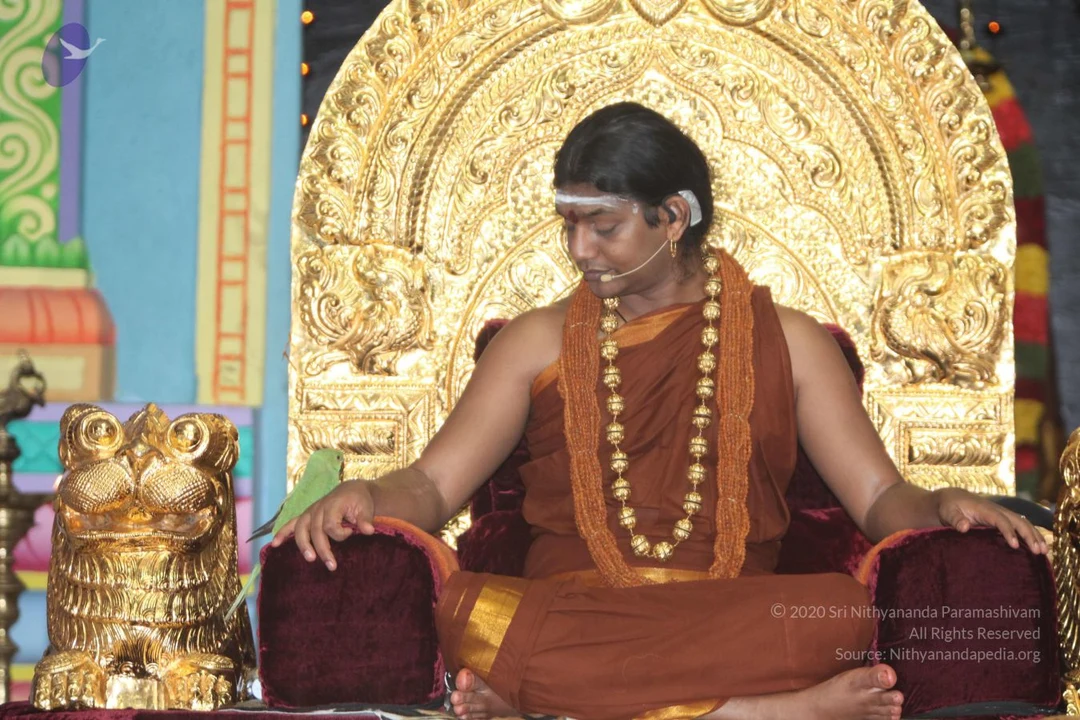
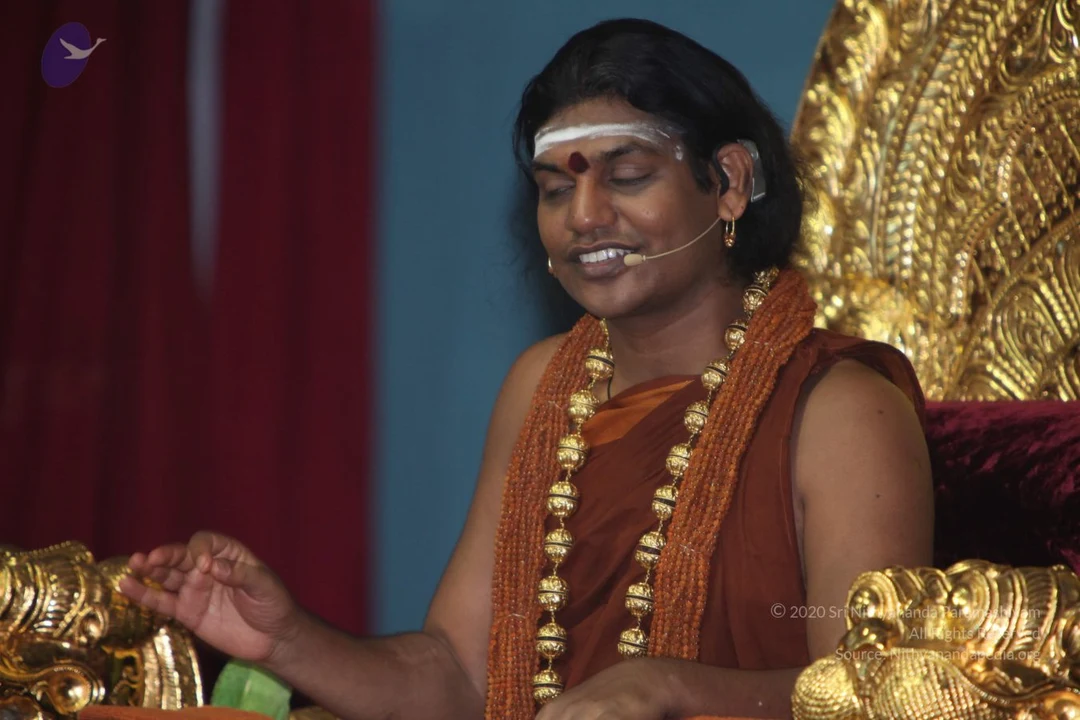
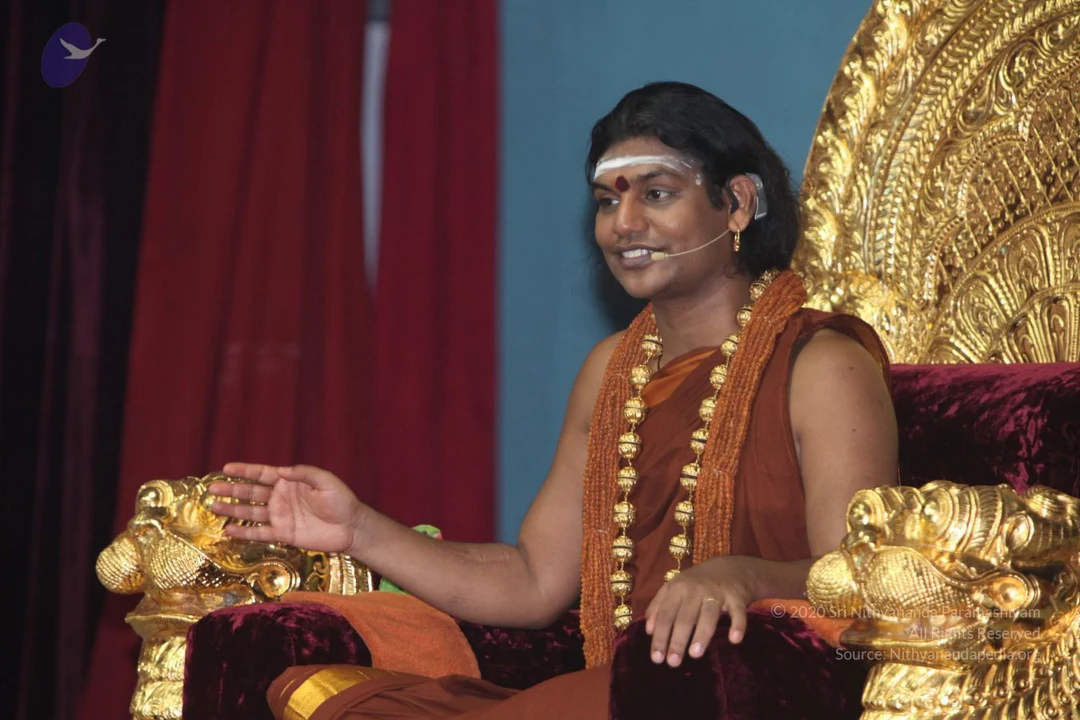
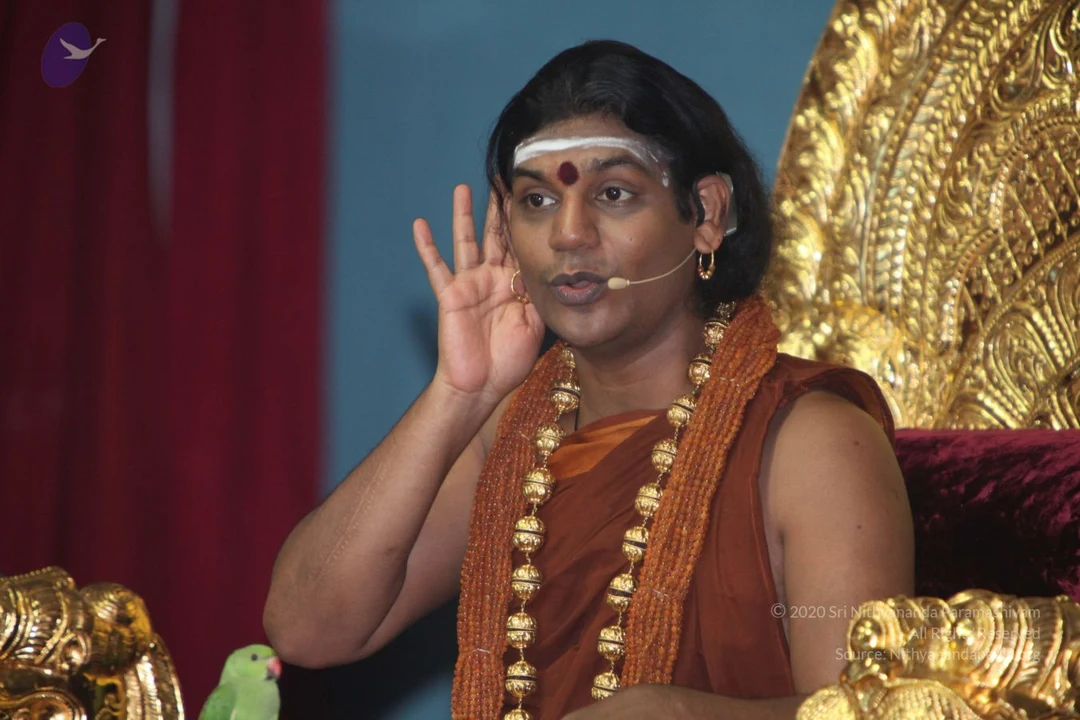
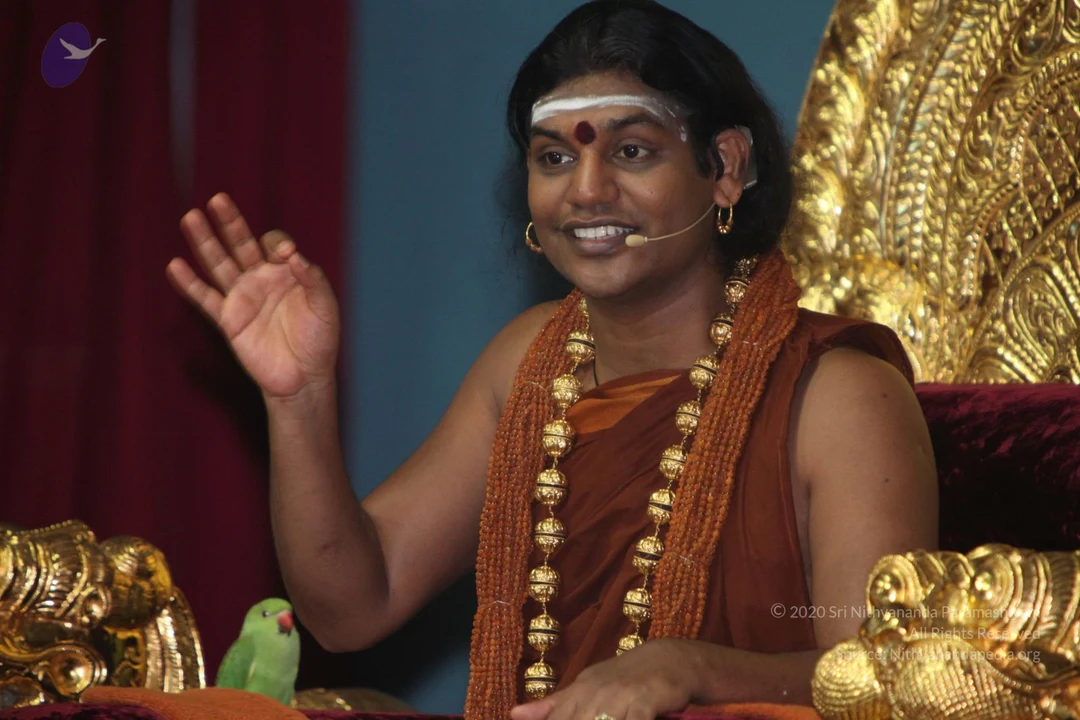
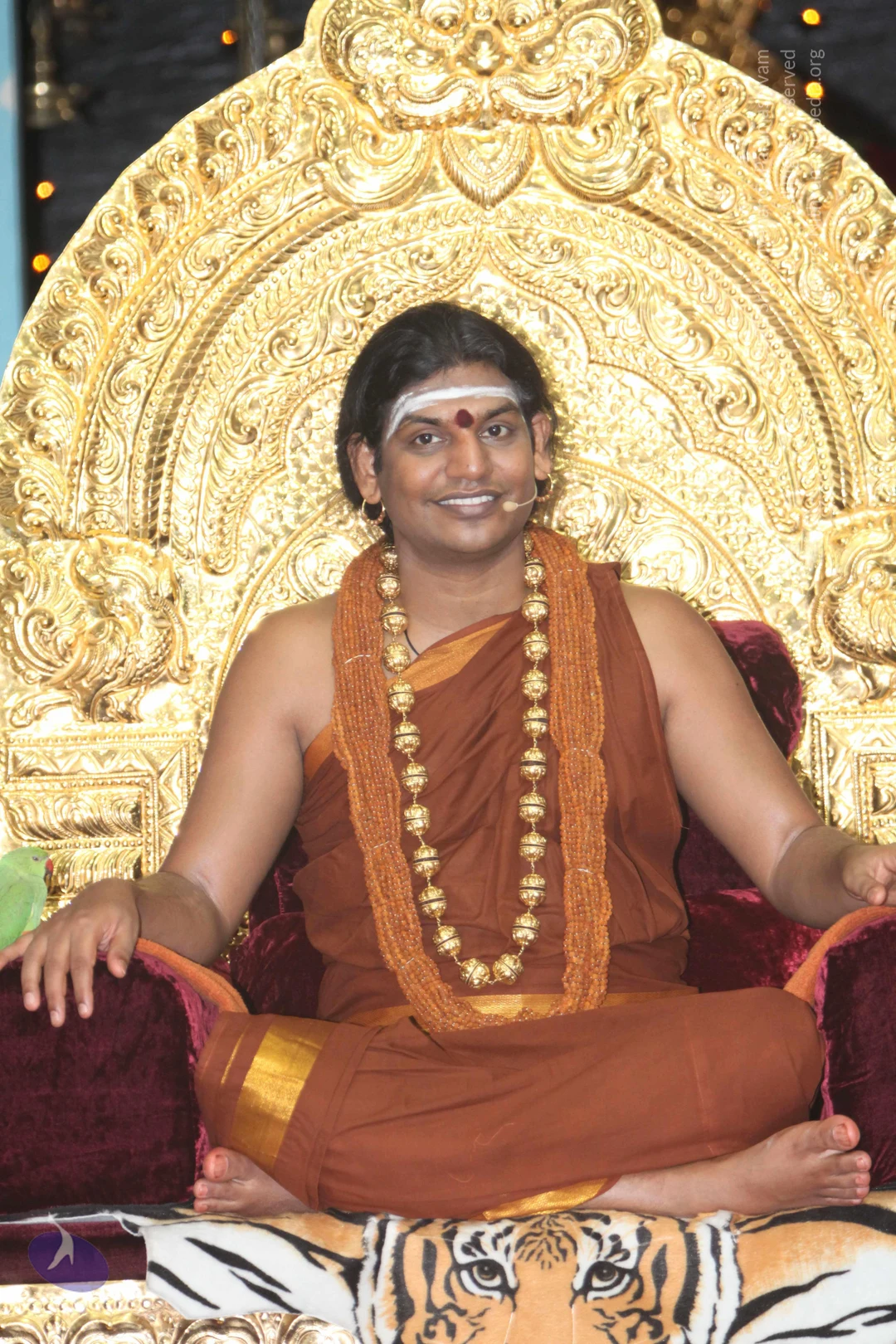
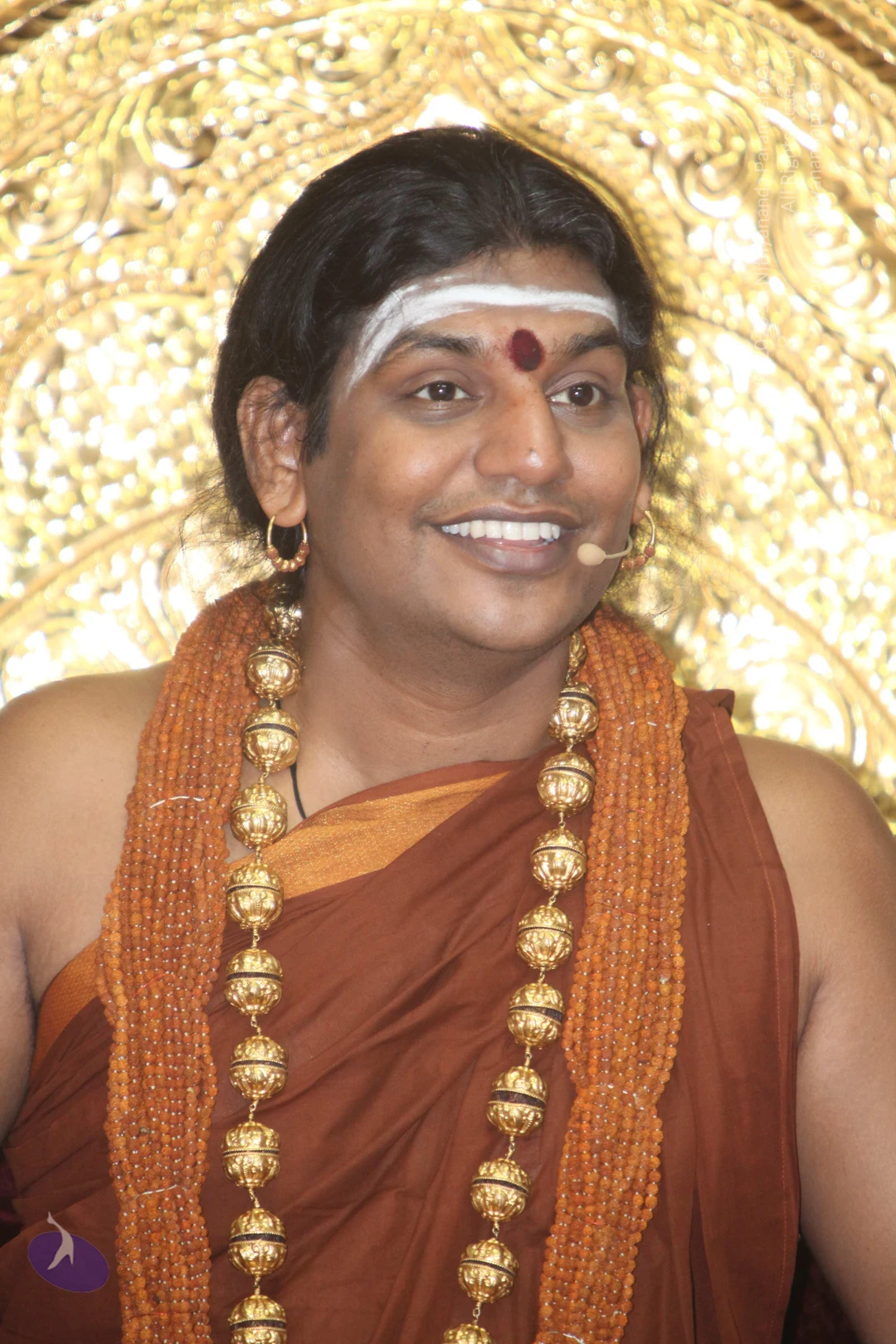
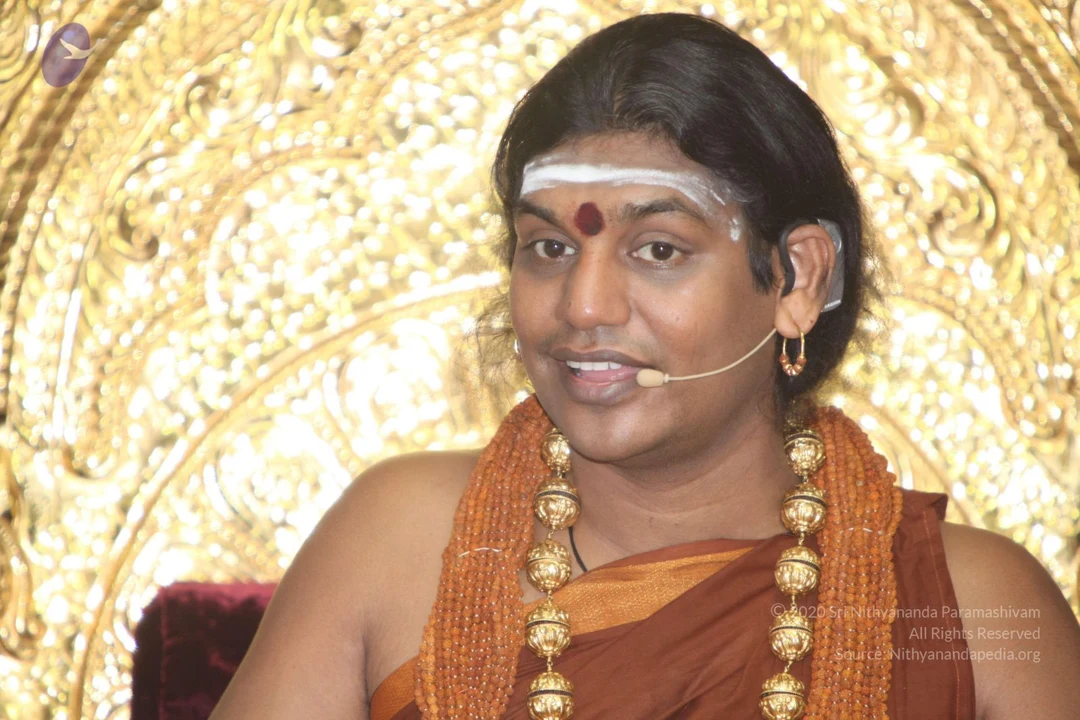
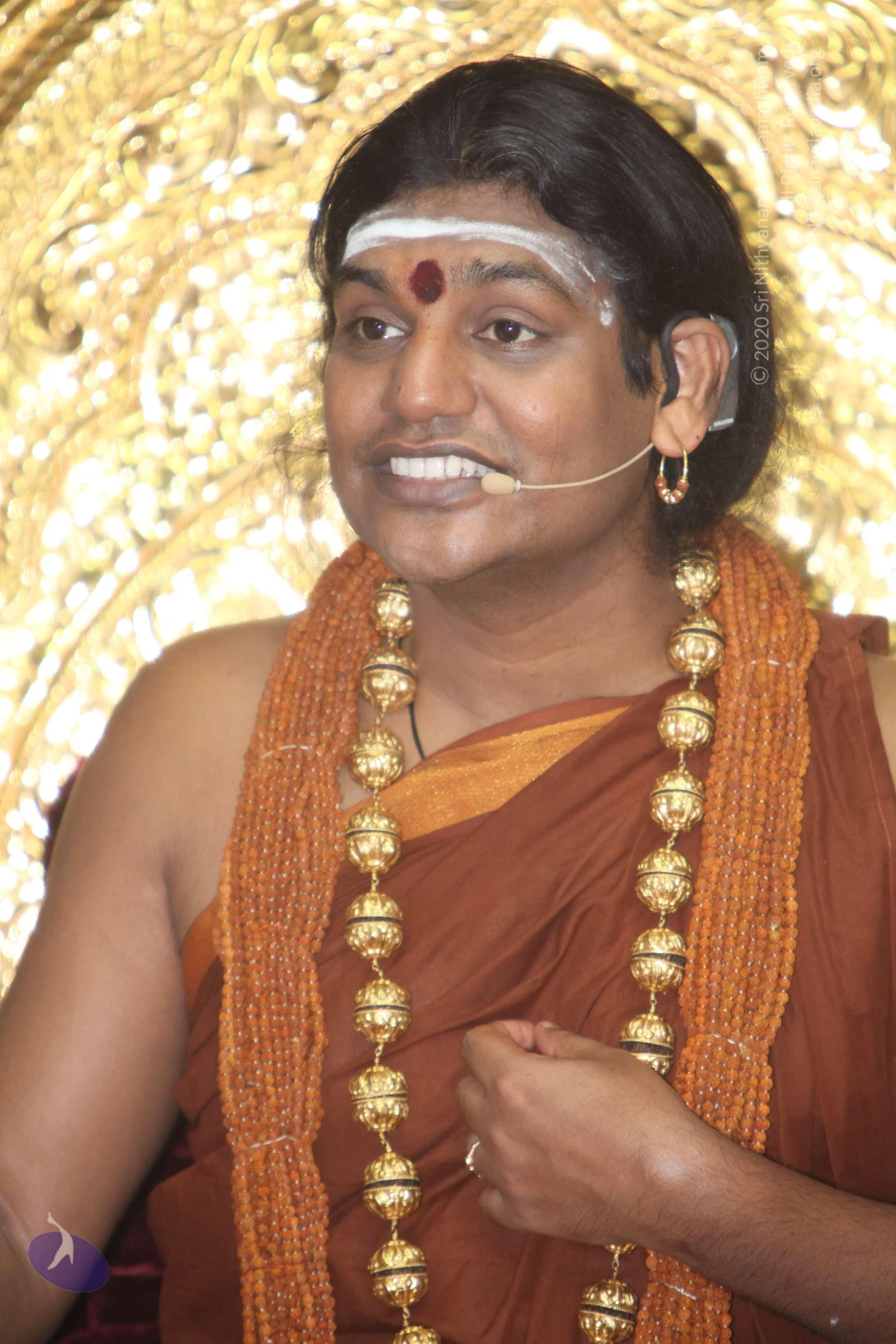
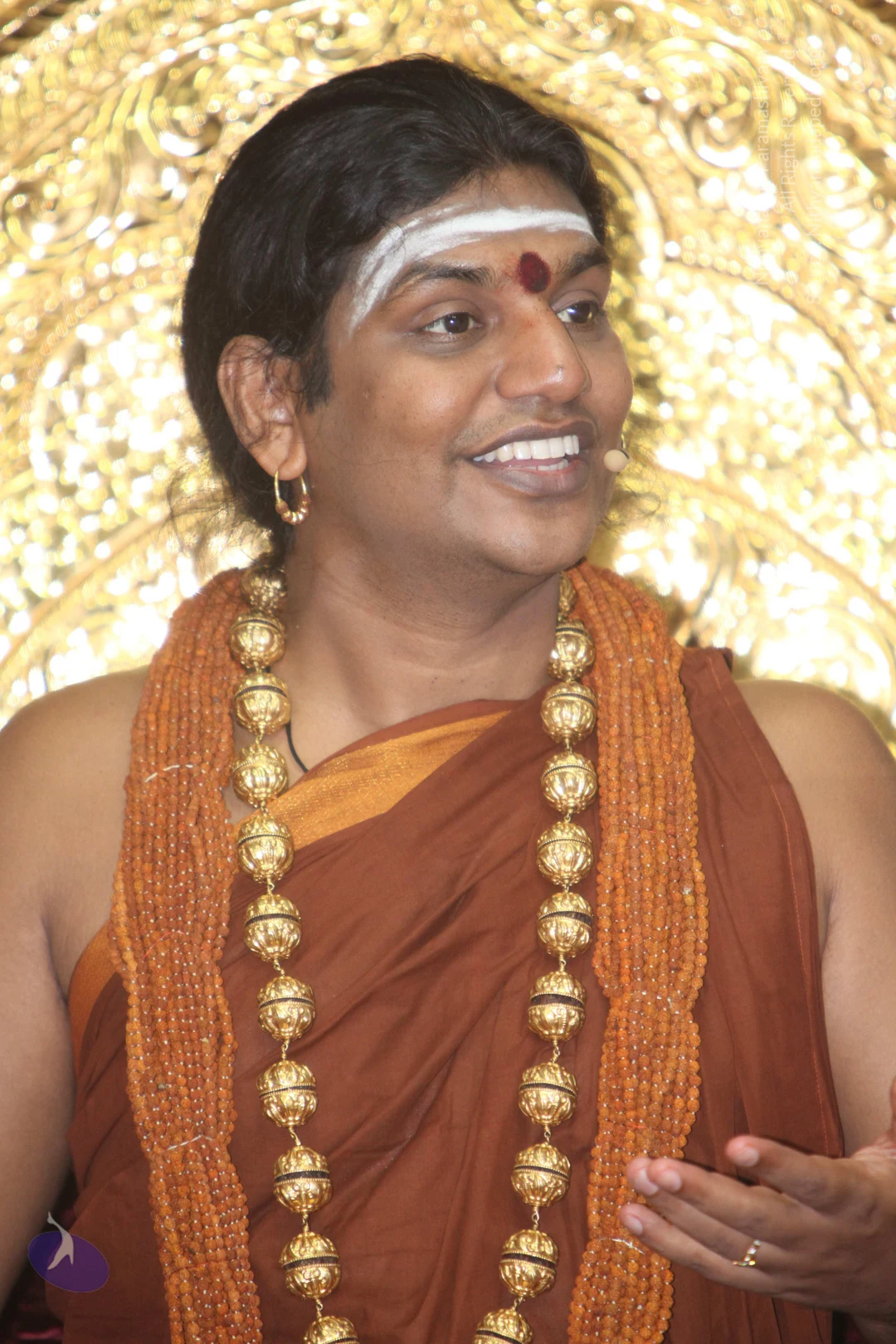
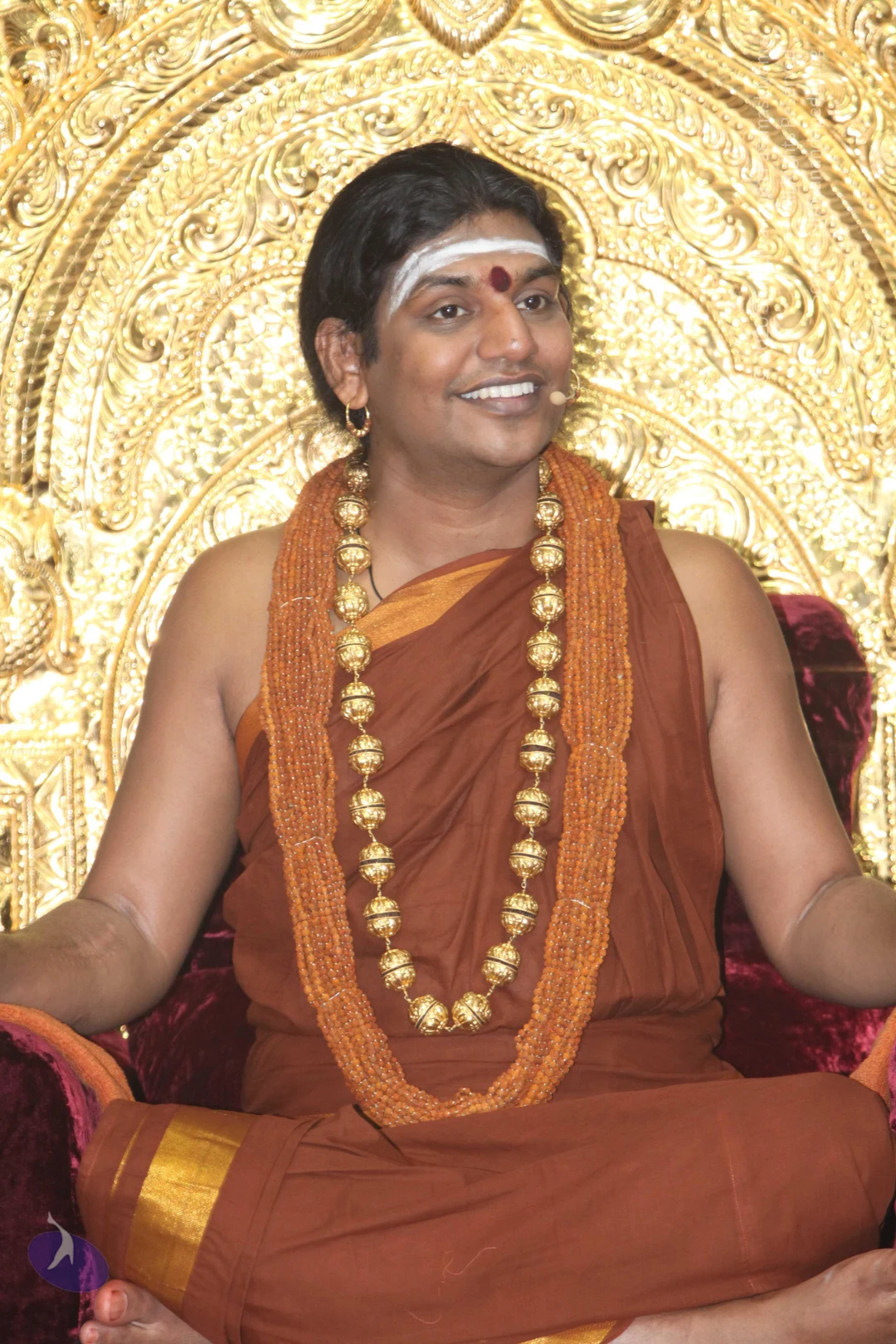
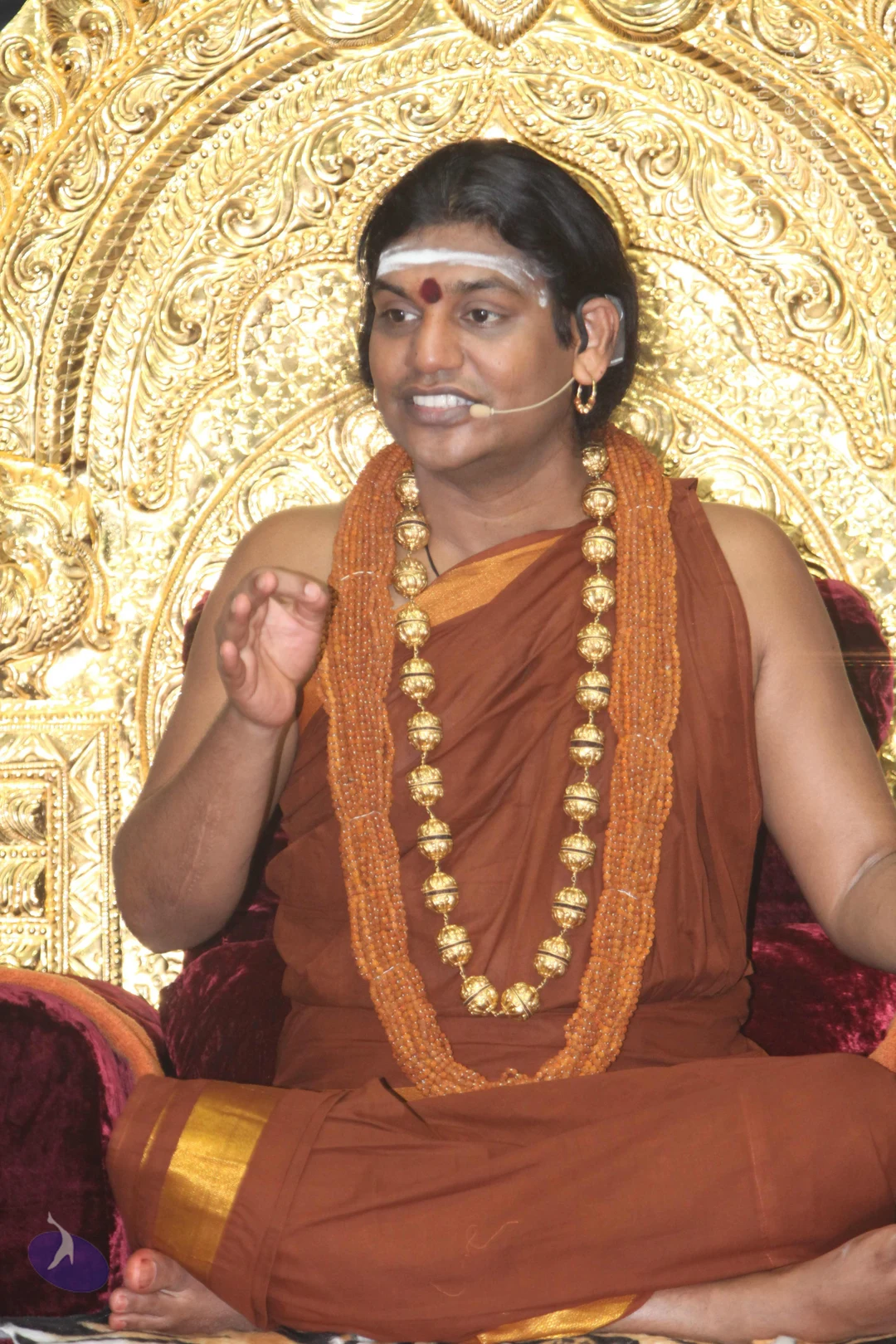
In today’s morning satsang, Paramahamsa Nithyananda expands on how these four tattvas strengthen the Kundalini in each of us. Our thoughts and words are directly connected to Kundalini shakti, and all our experiences are fueled by it. The belief that Kundalini awakening can only happen after prolonged and specialized practice actually obstructs the process. When we embrace integrity in our thinking shakti is awakened spontaneously, immediately, opening us to bliss and liveliness. Raising the Kundalini automatically raises us to a greater level of authenticity, from which we take expanded responsibility for enriching our environment.
On this day Supreme Pontiff of Hinduism HDH Bhagavan Nithyananda Paramashivam Also Delivered a Tamil Discourse
Link to Video:
| Video | Audio |
| Video | Audio |
Transcript:
Kundalini Awakening is Your Decision
Nithyanandeshwara Samaarambhaam Nithyanandeshwari Madhyamaam |
Asmath Aachaarya Paryanthaam Vandhey Guru Paramparaam ||
Today I will expand on how these four tattwas can be lived continuously, how the Kundalini awakening in these four principles can be strengthened.
Please listen! Your Kundalini Shakthi is not disconnected from your thoughts and actions. Only one thought can trigger your Kundalini and awaken it or make it shrink and coil back. Only one lust thought – already your body is ready. Understand, only one lust thought – and already your body is ready!
Your thought and your actions and your brain, your words, all these is directly connected to the bio-energy. Your bio-energy is directly connected to it. So, don’t think the moment I utter the word “Kundalini” it is there somewhere, and at somebody some point, some method, some technique, some day it may be awakened, but it may not be awakened now; now it has nothing to do with my day-to-day life. No! You are seeing me because of your Kundalini energy. You are perceiving the breeze on your skin, through your skin, because of Kundalini energy. You are listening to this sound because of Kundalini energy. You are processing this sound because of Kundalini energy.
Listen! So, when you alter the way you think, respond, speak, now your Kundalini can be awakened, your Kundalini energy can be altered, you can awaken your Kundalini energy before the end of this satsang. You can experience Kundalini awakening before the end of this satsang!
Listen! Even if you sit and listen intensely, Kundalini can be awakened now! Even now if you sit and listen sincerely, intensely, Kundalini can be awakened now! Every thought you create, maintain, cognize has a direct effect on your bio-energy. If you cognize and encourage a natural lustful thought, immediately it will have its own effect on the body and mind. If you cognize and react to a spiritual thought, immediately the body and mind will have its own effect on it. If you cognize and react to the thought of Integrity and Authenticity, immediately your bio-energy, your Kundalini energy will have effect on it, will have impact on it. Please listen!
For example, the constant tiredness and fatigue you carry, please understand, when you start practicing Authenticity, the first wall you face – either you can make the wall as stopping stone or stepping stone – the first wall you are going to face is tiredness and laziness. Tiredness, laziness and boredom, that is what will be the first enemy for your Authenticity. When you are trying to expand your experience about you and others’ experience about you, tiredness, boredom, fatigue will be the first thing stopping you.
Listen! I will give you one example. In the office, if you are not authentic, you can leave office by evening 5 o’clock; but if you want to practice Authenticity, you may have to do a little more work to make everything authentic. It may take one more hour. When you decide to be authentic, what is going to stop you first? The Boredom! ‘After 5 o’clock I can’t sit in office! It is too much! I am too tired! I am bored of these same sick fellows! I am bored, tired! I feel lazy!’
Listen! Even once if you decide, ‘No! I am going to be authentic! I will break this laziness, tiredness, boredom pattern!’, even one decision you make in the line of authenticity, your Kundalini opens up, your Kundalini is awakened!
The moment I utter the word “Kundalini”, all of us think we have to do something very secretly sitting inside some dark cave, some mantra or meditation some practices, you have to go to a place remote Himalayas, to some Guru, and you learn some mantra which he will whisper in your ears, which you may understand half and may not understand half, and you may have to collect different skull, herb, and sit on that and start chanting in the amavasya (new moon day) midnight, only then Kundalini will be awakened! No! No! Your Kundalini can be awakened through your office, through your office work!
Every single decision you make based on Authenticity, your Kundalini is awakened! Every single, every single decision you take based on Authenticity to break your laziness, tiredness, boredom – see, the moment you decide to break and make the decision, see in your muscle-memory and bio-memory, so much energy will be flooded! You will feel a certain joy and you will feel, ‘Yes, I am going to do it!’ That joy is “Ananda” of Sat-Chit-Ananda! That energy is “Chit” of Sat-Chit-Ananda! That courage is “Sat” of Sat-Chit-Ananda! Understand, Sat-Chit-Ananda is not somewhere you will experience after you are almost about to die or after death! No! In your everyday decisions, Sat-Chit-Ananda can be experienced! To make Sat-Chit-Ananda as “Nithya” Ananda, Nithyananda has happened!
(11:27 to 14:24 hindi)
Listen! This is the basic truth you need to understand. Listen! Unless you start awakening your Kundalini NOW, everyday, in your day-to-day life, the possibility does not exist. The possibility does not exist! Either it is NOW or NEVER! Because, when you start believing it will happen after some time, after some time, after some time, that belief itself becomes like lacquer coating on you, you never will be able to touch the time “present”, the moment “now”, experience the zone “now”.
Please listen! Person who is thinking about the future, his eyes will not be seeing the present, even if his eyes are open! There will not be connection between his eyes and he. How many of you cognize what I am saying? Same way, exactly the same way, if you start believing Kundalini awakening can happen only after some time, it can happen after some time, please understand that belief itself will become a obstruction between you and the Kundalini awakening. That is one of the worst dangers! You need to break that negative belief with Integrity, with the right commitments. If you have committed with you, again and again, that ‘Kundalini and all that will not awaken for me! It may happen only after 20 years, 30 years of practice! It is not for me! It is all maybe for sannyasis, seekers, evolved souls, not for me! It will take years t will do this this this this’, if you have all these beliefs, that itself becomes a negative commitment you gave to you. Because of the very negative commitment, it does not happen in you!
In the young age I used to have a strong feeling that these miracles, powers will come only if you meditate without moving from a place for 12 years! No I had this strong belief ‘I have to sit for 12 years without moving! And My hair has to grow and enter the ground like a banyan tree root! Only even when I want to get up I can’t get up because my hair has entered the ground like a rooted! Only then I will have siddhis!’ This commitment has become negative commitment to me , I delayed achieving the ashta maha siddhis. May be, I was not expressing the ashta maha siddhis. It was already there right from birth, expressing ashta maha siddhis delay has happened because of my own negative commitments.
min 20 to 30
You also see in your life, to be a leader, to be a siddha, to be a mahapurusha, to be a jnani, you may be giving a lot of negative commitments to you, you might have given lot of negative commitments to you: ‘How can I have Vaak Siddhi? Swamiji can have! How can I have? I will have may be after 20 years when I am old, or next janma!’ Even these thoughts become negative commitment in you! How many of you are getting it? How many of you feel, ‘Oh, God! I have so many negative commitments given to me!’? Raise your hand! (People raise their hands.) Sit and complete with all of that. You have to restore your Integrity, completing with all these negative commitments. Only then Kundalini awakening will start happening now. And it is possible NOW!
Hindi – Min 21:20.0 to 22:24.2
You have to awaken NOW! You CAN awaken NOW!
Hindi – Min 22:33.9 to 22:49.5
Your every action can awaken your Kundalini. Your every action can become part of Kundalini. Please listen! Understand completely! Even now, your decision to sit straight and listen with Authenticity can awaken your Kundalini! Or your decision to just fall asleep can shrink your Kundalini!
Hindi – Min 24:16.9 to 24:49.5
Listen! Listen! Every time you bring an authentic decision, your Kundalini is awakened. Every time your Kundalini is awakened, you are raising yourself to the next level of Authenticity. You can see in your everyday life, every day in your office, in your relationships, if your spouse is shouting at you, wife or husband is screaming, shouting at you, screaming at you, you decide, ‘I will raise my Authenticity level! Now I will not shout back or react! I will respond with Integrity and Responsibility!’ Even one decision awakens your Kundalini! Awakens your Kundalini!
Hindi – Min 27:18.8 to 27:35.6
Every single moment, when you wake up in the early morning, the awareness you bring to you awakens your Kundalini or can put your Kundalini to sleep. When you listen, the awareness you bring to your ears can awaken your Kundalini or can put your Kundalini to sleep. When you read, the awareness you bring to your reading, your eyes can awaken your Kundalini or can put your Kundalini to sleep. When you think, the Integrity you bring to your thinking can awaken your Kundalini or can put your Kundalini to sleep.
It is unfortunate sometimes you give up on you. You say, ‘No, I cannot raise myself to the next level!’ When you give up on you, you are dead! Dead! Giving up on you is the worst thing that can happen to you, especially due to the patterns, laziness! When you decide to give up on you, you are “Patita”, “Fallen”, “Dead One”! If you live these principles, even if you leave the body, you continue to radiate, inspire millions, you continue to exist! If not, even while you are alive, you are dead!
Hindi – Min 30:03.3 to 31:32.5
(31:39) Listen! Whether you practice Authenticity or Integrity, the moment you start practicing, the moment you start practicing, Kundalini is awakened! Your Kundalini is awakened! Listen! The moment you start practicing, your Kundalini is awakened! It is so unfortunate, it is so unfortunate, you have the wrong beliefs about Kundalini awakening. Should complete with all of that. Start awakening your Kundalini NOW!
(33:36) Hindi
(33:53) Whenever you allow your inauthenticity, you shrink the Kundalini. Every time when you become authentic, your Kundalini gets awakened. Every time when you become authentic, your Kundalini gets awakened.
(34:50) Hindi
(35:35) Thousands of people come and ask me, ‘Swamiji, I was suffering for years with this disease, that pain. The moment you put your hand, it disappeared! How, how can it be?’
Just few days before, one of my ashramite was suffering with whole body pain. All I did, all I did just send this kerchief. In 10 minutes, she became alright!
People ask me, ‘How, how it is possible?’
Listen! When you practice Integrity and Authenticity, your Kundalini energy is so alive and awakened, it radiates and fills anything you touch!
Sometime people ask, ‘Then why you are suffering with cough?’
No I tell you, there is a truth. I took up the wrong pattern of Ramana Maharshi and Ramakrishna of not healing their own body. But now I decided I am going to drop even that pattern. I am going to heal the body, because the body is required to enrich others. You will see now how the body will be healed! Simply it will be healed! Just yesterday, I was cognizing, what is going on? Why? Because it has become too much! This cough has become too much. Doesn’t allow me to sleep and! I was thinking, oh god what is going on? As a playful way I allowed alright stay one or two days you also in the body and have the darshan and prasadam and go. And this fellow is not leaving! Then I looked in. I saw this is the idea. Because of them, I was also just living casually. Now I decided to break that pattern. I declare body is healed! That’s it! You will see now, it will be healed!
You should know your life is your life. You are the owner; you are responsible! You are the experiencer! You are everything! You are the organizer, you are the conductor, you are the owner, you are everything for your life! Take the responsibility for your life and bring Authenticity to your life. That’s all is the essence of my today’s satsang.
Title
Alchemy Process to Transform You || Part 1 || NKY || 16 April 2013
Description
Title: Alchemy Process to Transform You Part 1
Name Of The Convention: Nithya Kriya Yoga
Session on: Four principles (AIRE) and fear of death
Venue : Adi Kailasa, Bengaluru, Karnataka, India
Date : 16 April 2013
In this video Supreme Pontiff of Hinduism HDH #Nithyananda Paramashivam talks about the four principles (Integrity, Authenticity, Responsibility, Enriching) that enable you to experience a pattern-free life and death. Applying these four principles can transform your life and solve any problem encountered. During this Nithya Kriya Yoga Convention, delegates explore the various layers of fear that impact their life and are guided through a process to enter into, and complete with, the fear of death.
The Supreme Pontiff of Hinduism Jagatguru Mahasannidhanam His Divine Holiness Nithyananda Paramashivam (HDH) is the reviver of #KAILASA - the ancient enlightened civilization and the great cosmic borderless Hindu nation. Revered as the incarnation of Paramashiva - the primordial Hindu Divinity, HDH has a following of 2 billion Hindus worldwide with de facto spiritual embassies in over 150 countries. He has worked untiringly for over 26 years for the revival of Kailasa, for global peace and to give super conscious breakthrough to humanity. He has survived the worst persecution of multiple assassination attempts on person and on character by anti-Hindu elements. He is collecting, organising, preserving, time capsuling, decoding, spreading and reviving 20 Million source books of Hinduism and the 64 sacred arts & sciences like Ayurveda, music, dance, sculpting, astrology, vastu and much more. Close to 20,000 hours of HDH’s timeless talks have been recorded till date (Sep 2020), which are a treasure trove of powerful cognitions to solve individual and global problems of any kind.
Link to Video:
| Video | Audio |
Transcript:
[00:00:15]
tam vande guru paramparam
[00:00:29]
I welcome you all with my love and respects. I welcome all the devotees, participants sitting with us all over the world, in this Nithya Kriya Yoga program. Let Me introduce the program Nithya Kriya Yoga, please listen. Kriya means process. Alchemy process of transforming you is called Kriya. These two days, I am going to help you to go through the Alchemy process of you transforming yourself. Nithya Kriya means the Eternal Alchemy. Helping you to go through Eternal Alchemy process. I don't need to waste much time in the introduction, because I know most of you listen to the satsangs regularly. Most of you are satsangis or already connected devotees, but I’ll straight away enter into the subject. First, I wanted to introduce these four important principles of life. Only with these four important principles of life, you can understand death, you can understand life, you can have answers to all the questions related to life.
[00:02:50]
I wanted to introduce these four principles of life to all of you. Please listen. The first principle - integrity. Integrity means honoring the word and thought you gave it to yourself and to others as your life. All right, dhyan se suniye. Listen, please. Honoring the word, you ga… word and thought you gave it to yourself and to others as life. Second, second principle, please listen, because in this two-day session again and again I am going to repeat these principles. Again, and again I am going to make you experience these principles. Integrity means honoring the thought and the word you gave it to yourself and to others as your life.
[04:26]
Title
Alchemy Process to Transform You || Part 2 || NKY || 16 April 2013
Description
Title: Alchemy Process to Transform You Part 2
Name Of The Convention: Nithya Kriya Yoga
Session on: Four principles (AIRE) and fear of death
Venue : Adi Kailasa, Bengaluru, Karnataka, India
Date : 16 April 2013
In this video Supreme Pontiff of Hinduism HDH #Nithyananda Paramashivam talks about the four principles (Integrity, Authenticity, Responsibility, Enriching) that enable you to experience a pattern-free life and death. Applying these four principles can transform your life and solve any problem encountered. During this Nithya Kriya Yoga Convention, delegates explore the various layers of fear that impact their life and are guided through a process to enter into, and complete with, the fear of death.
The Supreme Pontiff of Hinduism Jagatguru Mahasannidhanam His Divine Holiness Nithyananda Paramashivam (HDH) is the reviver of #KAILASA - the ancient enlightened civilization and the great cosmic borderless Hindu nation. Revered as the incarnation of Paramashiva - the primordial Hindu Divinity, HDH has a following of 2 billion Hindus worldwide with de facto spiritual embassies in over 150 countries. He has worked untiringly for over 26 years for the revival of Kailasa, for global peace and to give super conscious breakthrough to humanity. He has survived the worst persecution of multiple assassination attempts on person and on character by anti-Hindu elements. He is collecting, organising, preserving, time capsuling, decoding, spreading and reviving 20 Million source books of Hinduism and the 64 sacred arts & sciences like Ayurveda, music, dance, sculpting, astrology, vastu and much more. Close to 20,000 hours of HDH’s timeless talks have been recorded till date (Sep 2020), which are a treasure trove of powerful cognitions to solve individual and global problems of any kind.
Link to Video:
| Video | Audio |
Transcript:
[00:00:15]
Authenticity. Authenticity means in any point of time you being established in the peak of your capability and responding to life from inner image - who you perceive you to be, Outer image - who you project you to be to others, and others image - what others expect you to be for them. Please listen once more. I am defining Authenticity. I am introducing these three words. Listen. Inner image, outer image, others image. What you perceive as you in you, the idea you carry about you in you is inner image. The idea you project about you to others is outer image. And ideas others expect from you is others image.
[00:01:44]
Listen, what you feel as you is inner image. What you project yourself to be for others is outer image. What others expect you to be for them is others image. In all these three, being in peak - having highest, best inner image for yourself about you, projecting the best image about you to others, and fulfilling what others expect from you is Authenticity.
[00:02:44]
Listen, listen. The image you perceive about you is inner image. The image you project about you to others is outer image, and the image others expect from you, about you is others image. Being in your peak in all three is Authenticity. What you feel, what you project and what you make others expect from you, what others expect from you - in all these three being in your peak is Authenticity.
[00:03:54]
Please listen, blessed are those who feel they do not know these principles and listen again and again about it. Fools are those who think they know all this already. So please listen. Just today morning one of My brahmacharini, she wrote from Malaysia. She told Me, “Swamiji, every time, when I listen about these four principles and talk about the four principles, I discover something new.” I said that is why they are called Eternal Principles, ‘Sarvabhouma Vrata’ it is just like sun - as old as age and as new as today.
[00:04:56]
Can you all see? The square I am trying to create is your body. Inside this body what you feel as you is inner image, inner image. In Sanskrit we have a word Mamakara. Sanskrit we have a word Mamakara, and the way you project you to others… See all these different people, the way you project you to others, this is Mamaka - Ahankara. Outer image or Ahankara; in Sanskrit we have a word Ahankara. Yes, then what others expect from you, how others expect you to be for them - that is Anyakara.
[00:06:39]
Listen, being in the peak of what you perceive yourself to be for you, what you project yourself to be for others and what others expect you to be for them, being in the peak and all these three is Authenticity. Now the usual question arises, why should I care about what others think of me? Please listen, when you expect others should fulfill what you expect from them, they also have the right to expect what they want from your life.
[00:07:44]
Authenticity is fulfilling. Expressing yourself in the peak in all these three. Ok. I’ll repeat. Inner image is what you feel as you for you. Outer image is what you project as you to others, and others image is what others expect you to be for them. Being in the peak of all these three is Authenticity.
[00:08:46]
Title
Alchemy Process to Transform You || Part 3 || NKY || 16 April 2013
Description
Title: Alchemy Process to Transform You Part 3
Name Of The Convention: Nithya Kriya Yoga
Session on: Four principles (AIRE) and fear of death
Venue : Adi Kailasa, Bengaluru, Karnataka, India
Date : 16 April 2013
In this video Supreme Pontiff of Hinduism HDH #Nithyananda Paramashivam talks about the four principles (Integrity, Authenticity, Responsibility, Enriching) that enable you to experience a pattern-free life and death. Applying these four principles can transform your life and solve any problem encountered. During this Nithya Kriya Yoga Convention, delegates explore the various layers of fear that impact their life and are guided through a process to enter into, and complete with, the fear of death.
The Supreme Pontiff of Hinduism Jagatguru Mahasannidhanam His Divine Holiness Nithyananda Paramashivam (HDH) is the reviver of #KAILASA - the ancient enlightened civilization and the great cosmic borderless Hindu nation. Revered as the incarnation of Paramashiva - the primordial Hindu Divinity, HDH has a following of 2 billion Hindus worldwide with de facto spiritual embassies in over 150 countries. He has worked untiringly for over 26 years for the revival of Kailasa, for global peace and to give super conscious breakthrough to humanity. He has survived the worst persecution of multiple assassination attempts on person and on character by anti-Hindu elements. He is collecting, organising, preserving, time capsuling, decoding, spreading and reviving 20 Million source books of Hinduism and the 64 sacred arts & sciences like Ayurveda, music, dance, sculpting, astrology, vastu and much more. Close to 20,000 hours of HDH’s timeless talks have been recorded till date (Sep 2020), which are a treasure trove of powerful cognitions to solve individual and global problems of any kind.
Link to Video:
| Video | Audio |
Transcript:
[00:00:16]
Third principle. Let Me expand on third principle. Responsibility. Means, living and responding to life from the truth that you are the source of and therefore you are responsible for all happenings in and around you. Please listen. Living and responding to life from the truth, that you are the source of everything. So, therefore you are responsible for all happenings in and around you.
[00:01:04]
I am not asking you to understand this principle immediately, existentially. I just want you to understand this principle linguistically now. Understand, linguistically that's enough. This principle can be experienced only when you see in the life. When you take the responsibility and see the benefits, only then you will be able to understand the power of these principles. Only when you practice it, when you pull these principles into your life to make it into reality, only then you understand these great principles as part of life. Now please understand linguistically, that's enough.
[00:02:05]
These two days I'll be helping you to make these four principles as experience. It will be most beneficial for you, if you bring your life to the program and take the program to your life. Means, applying these principles by intranalyzing. Intranalyzing means analyzing for the purpose of internalizing is intranalyzing. Listen. We analyze many time for the purpose of rejecting. Here I am asking you to intranalyze, analyze for the purpose of internalizing.
[00:03:05]
The mandatory condition for you to get this program is listening. Please listen. Again and again spiritual teachers tell you: How much ever you listen, if you don't practice you will not see the result. I tell you: How much ever you try to practice, if you don't listen you will not see the result. 🙂 People say listening is supposed to lead to practicing. I tell you, practicing is supposed to lead you to listening. Listening is the result. Each time you listen you expand. Each time you listen, life happens in an expanded dimension to you. Listening, listening, listening.
[00:04:16]
Catch it. Don't miss even a single word. Don't even miss the gaps. Listening. So understand, the third principle - responsibility. Living, thinking, feeling, responding to life from the truth that you are the source of everything, you are the source of everything, so you are responsible for all happenings in and around you.
[00:05:09]
Title
Alchemy Process to Transform You || Part 4 || NKY || 16 April 2013
Description
Title: Alchemy Process to Transform You Part 4
Name Of The Convention: Nithya Kriya Yoga
Session on: Four principles (AIRE) and fear of death
Venue : Adi Kailasa, Bengaluru, Karnataka, India
Date : 16 April 2013
In this video Supreme Pontiff of Hinduism HDH #Nithyananda Paramashivam talks about the four principles (Integrity, Authenticity, Responsibility, Enriching) that enable you to experience a pattern-free life and death. Applying these four principles can transform your life and solve any problem encountered. During this Nithya Kriya Yoga Convention, delegates explore the various layers of fear that impact their life and are guided through a process to enter into, and complete with, the fear of death.
The Supreme Pontiff of Hinduism Jagatguru Mahasannidhanam His Divine Holiness Nithyananda Paramashivam (HDH) is the reviver of #KAILASA - the ancient enlightened civilization and the great cosmic borderless Hindu nation. Revered as the incarnation of Paramashiva - the primordial Hindu Divinity, HDH has a following of 2 billion Hindus worldwide with de facto spiritual embassies in over 150 countries. He has worked untiringly for over 26 years for the revival of Kailasa, for global peace and to give super conscious breakthrough to humanity. He has survived the worst persecution of multiple assassination attempts on person and on character by anti-Hindu elements. He is collecting, organising, preserving, time capsuling, decoding, spreading and reviving 20 Million source books of Hinduism and the 64 sacred arts & sciences like Ayurveda, music, dance, sculpting, astrology, vastu and much more. Close to 20,000 hours of HDH’s timeless talks have been recorded till date (Sep 2020), which are a treasure trove of powerful cognitions to solve individual and global problems of any kind.
Link to Video:
| Video | Audio |
Transcript:
[00:00:16]
Fourth principle is enriching. Enriching means you taking responsibility with integrity and authenticity that you are committed continuously. Enriching, expanding yourself and life in and around you. You are committed to continuously enriching, expanding life in and around you.
Please listen, these are the four basic principles of life. Only with this basic principles the ABC of life starts. ABC of life starts only with these four basic principles. All the questions about life can be answered, all the doubts of the life can be solved. The ultimate doubt of the life, the death itself, can be demystified with these four principles.
[00:02:01]
Title
Alchemy Process to Transform You || Part 5 || NKY || 16 April 2013
Description
Title: Alchemy Process to Transform You Part 5
Name Of The Convention: Nithya Kriya Yoga
Session on: Four principles (AIRE) and fear of death
Venue : Adi Kailasa, Bengaluru, Karnataka, India
Date : 16 April 2013
In this video Supreme Pontiff of Hinduism HDH #Nithyananda Paramashivam talks about the four principles (Integrity, Authenticity, Responsibility, Enriching) that enable you to experience a pattern-free life and death. Applying these four principles can transform your life and solve any problem encountered. During this Nithya Kriya Yoga Convention, delegates explore the various layers of fear that impact their life and are guided through a process to enter into, and complete with, the fear of death.
The Supreme Pontiff of Hinduism Jagatguru Mahasannidhanam His Divine Holiness Nithyananda Paramashivam (HDH) is the reviver of #KAILASA - the ancient enlightened civilization and the great cosmic borderless Hindu nation. Revered as the incarnation of Paramashiva - the primordial Hindu Divinity, HDH has a following of 2 billion Hindus worldwide with de facto spiritual embassies in over 150 countries. He has worked untiringly for over 26 years for the revival of Kailasa, for global peace and to give super conscious breakthrough to humanity. He has survived the worst persecution of multiple assassination attempts on person and on character by anti-Hindu elements. He is collecting, organising, preserving, time capsuling, decoding, spreading and reviving 20 Million source books of Hinduism and the 64 sacred arts & sciences like Ayurveda, music, dance, sculpting, astrology, vastu and much more. Close to 20,000 hours of HDH’s timeless talks have been recorded till date (Sep 2020), which are a treasure trove of powerful cognitions to solve individual and global problems of any kind.
Link to Video:
| Video | Audio |
Transcript:
[00:00:19]
This program is all about making you understand the four principles of life and preparing you to live a pattern free life, and when time comes, experience pattern free death. Please listen. While you live, you tie yourself, bind yourself, with so many patterns of fear, desire, guilt, laziness, pain, sufferings. So many patterns bind you. By enjoying them you also bind them. The mental patterns - life stuck with mental patterns and death stück with mental patterns. Life stuck with mental patterns and death stuck with mental patterns is hell.
[00:01:55]
Please listen, If your life is full of mental patterns, your death will be full of patterns. Don't think your life can be different and when you are about to die, some angel or god, somebody will land and your death will be different. No! You are going to die exactly the way you are going to live and you are living.
[00:02:28]
Sometimes people ask Me, especially Hindus, they say, “Oh! What! The last moment of death if I say ‘Rama, Krishna, Shiva, Hari, Govinda’ I will reach heaven. Why should I suffer whole life, why should I repeat God's name whole life, why should I do something?” Whole life you will be chanting coca cola pizza, and suddenly while you die, you will remember Rama Krishna Govinda? What do you mean? It's impractical just postponing attitude. So please listen! In these two days I'll help you to apply these four principles to solve many of the questions you have about life; especially help you to live pattern free life, bondage free life, and experience graceful exit when time comes. Experiencing graceful exit when time comes.
[00:03:50]
So I'll help you to cross through many of your emotional layers, layers of patterns. The first layers of patterns you need to cross is fear. Dhyaan se suniye, please listen! The first layers of pattern, layer of patterns you need to cross is fear. Fear is neither your thought nor your emotion, it is absence of your consciousness. Please listen! it is just like, when a owner of the house is not there, the house is available for anybody to encroach. Same way when your consciousness is missing in your body, your body is now available for anything, anybody, that is fear. It is literally having a ‘To let’ board on your body, ‘To let’ board on your body.
[00:05:20]
Fear is neither a thought nor an emotion, if you are thinking it's a thought and trying to solve, if you are thinking it is an emotion and trying to solve, you will be a failure. Be very clear, it is absence of your consciousness. Only by invoking your presence fear is conquered. To conquer the fear nothing else is required other than invoking your presence.
[00:05:58]
Listen! invoking your presence inside you is what I call integrity; invoking your presence inside you. Dhyaan se suniye. Now, the words you give it to you and give it to others, neither you are aware nor you take responsibility. Because you are not aware, you don't want to take the responsibility; you don't even feel responsible.
[00:07:01]
Dhyaan se suniye, first thing you need to do to remove fear in you - bring awareness in your thinking. The words you give it to you and the words you give it to others, infuse awareness, bring awareness. Society continuously teaches you, the words you give it to others you have to fulfill because it is related to society’s stability. It expects you to fulfill the words you give it to the society, because, listen, because, it is related to the stability of the society. If everybody starts lying to everybody, society will lose is stability. Society wants its stability, so it teaches you ‘please fulfill, honor the words you give to others.’
[00:08:31]
But I tell you, honoring the words you give to you is the first thing you need to learn. I am not saying don't honor the words you give to others. I am saying you have to, but this part of you - honoring the words you give it to you, you never attend to it. You take yourself for granted, when you take you for granted, everybody else is also going to take you for granted. Only when you start honoring the words you give it to you, you will even start becoming aware of the words you give it to you.
[00:09:21]
A small story - one guy opens his lunch box in the office and finds cabbage and cries, “ Oh God! I don't like it” Next day again, he opens the lunch box and cries,“Oh God again today also cabbage, I don't like it.” His colleagues were really surprised; ‘the friend's wife is so cruel, knowing everyday… knowing the friend doesn't like cabbage, every day she sends cabbage.’ Third day again, the friend opens the lunch box and cries loudly, “again cabbage, I can take it anymore. The friends asked him, the colleagues asked him, “your wife is so cruel, she cooks everyday cabbage knowing that you don't like it” this fellow slowly responds, “no I am not married, I cook for myself.”
[00:10:31]
Listen, most of the time you do not know what you are doing to you! And what you are going… what you are doing to yourself! I wanted to know… please raise your hand, how many of you cognize, that you do this same thing to you? Again and again you do not know what you are doing to you. Please raise your hand, let Me see. So you all need integrity. First, first thing you need to do is Swapoornatwa, complete with yourself, whether it is NDY or NKY or inner awakening. First things first. Without that we can’t move, without that you can’t move to the next step.
[00:11:44]
I tell you, you need to complete with you first. Now I'll give you a few minutes, you need to sit and remember, please listen. Not only you don't complete, honor the word you give it to you, you don't even bother about it! Let Me, let Me describe. See, integrity means, if you say you will give million dollar to somebody, tomorrow, even by giving your life you have to honor the word. If you are not able to honor you are very clear, even if you give your life, nobody is ready to buy you for a million dollar, you won’t be able to honor that million dollar, at least telling the person now itself that, ‘I complete with the word I gave you. I will not be able to give you million dollar. I drop from that commitment.’ Even that is integrity, please listen. Even if you say you will not be able to do it and relieve you from that commitment, that is integrity. Either honoring or completing. Either honor the word you gave or complete the word you gave.
[00:13:22]
Same way, with you, you would have told yourself in the young age, ‘I'll become a doctor!’ That's a big fantasy all the kids carry, because of the pain of the injection. In My young age I used to do that, whenever I see anybody more powerful than me, I will feel like I will become that when I grow up. My first decision is ‘I'll become a great sculptor and carve all the deities I want for myself.’ The young age, My first desire is to have the deities, all deities. And you know these sculptors naturally they ask money - so I used to feel powerless in front of them. ‘See, these fellows, I wanted to worship these deities, I wanted to have them, he is not giving Me, he's asking money. Alright when I grow up, when I grow up I will become a sculptor, and carve all the deities as I want for myself.’ Then next day when I was taken to a doctor I saw him very powerful, then I decided I'll become a doctor when I grow up. So whoever you feel as a powerful in your life you decide to become that, when you are young. Please listen, if you decide to become a doctor and you became a doctor, great, you have honored, you have honored your commitment. But if you have not became that doctor, at least you should complete with you - ‘Alright I have not become a doctor, I am not going to become one in my life anymore, the possibility is not there, so I complete with myself and I drop that desire, I am complete with that desire, anymore. Even that is integrity.
[00:15:30]
Listen, now I give you few minutes to complete with you. Sit and pen down all the words you gave it to you, but did not bother to fulfil, honor. If you already honored don't worry you don't need to pen down, pen down those words. But, any words you have given it to you and to others, if you have not honored, please pen down. Few minutes time for all of you to restore your integrity. Restoring your integrity with you is the first step in spiritual life. Please take a few minutes, and pen down all the commitments you gave from the young age. Please listen, all the desires you cherished are nothing but the commitments you gave it to you. If you cherished eating ice cream, pizza, taking a walk in the beach, everything is the desire, the commitment you gave it to you.
[00:17:08]
Every commitment you gave it to you and did not fulfil, honor, please pen down. Whatever you think you can't fulfill immediately, in next few days, even if you think something you can fulfil after six months, don't keep that as a pending incompletion. Whatever you think you can’t fulfill it immediately, complete all of them, okay? Tell yourself, I am not interested in fulfilling it. I am not interested in honoring this word, for various reasons I cannot honor, so I am dropping it.
[00:18:06]
Please sit straight, close your eyes, now whatever you wrote the words you gave it to you, which you can't honor, please, complete them, by declaring to yourself, declare to yourself and complete them. You have next five minutes. Close your eyes, sit straight, complete all the words you gave it to you, which you did not honor, and cannot honor, not going to honor. Close your eyes and sit. Few more minutes, please complete, then we will enter into the first process.
[00:19:11]
Title
Alchemy Process to Transform You || Part 6 || NKY || 16 April 2013
Description
Title: Alchemy Process to Transform You Part 6
Name Of The Convention: Nithya Kriya Yoga
Session on: Four principles (AIRE) and fear of death
Venue : Adi Kailasa, Bengaluru, Karnataka, India
Date : 16 April 2013
In this video Supreme Pontiff of Hinduism HDH #Nithyananda Paramashivam talks about the four principles (Integrity, Authenticity, Responsibility, Enriching) that enable you to experience a pattern-free life and death. Applying these four principles can transform your life and solve any problem encountered. During this Nithya Kriya Yoga Convention, delegates explore the various layers of fear that impact their life and are guided through a process to enter into, and complete with, the fear of death.
The Supreme Pontiff of Hinduism Jagatguru Mahasannidhanam His Divine Holiness Nithyananda Paramashivam (HDH) is the reviver of #KAILASA - the ancient enlightened civilization and the great cosmic borderless Hindu nation. Revered as the incarnation of Paramashiva - the primordial Hindu Divinity, HDH has a following of 2 billion Hindus worldwide with de facto spiritual embassies in over 150 countries. He has worked untiringly for over 26 years for the revival of Kailasa, for global peace and to give super conscious breakthrough to humanity. He has survived the worst persecution of multiple assassination attempts on person and on character by anti-Hindu elements. He is collecting, organising, preserving, time capsuling, decoding, spreading and reviving 20 Million source books of Hinduism and the 64 sacred arts & sciences like Ayurveda, music, dance, sculpting, astrology, vastu and much more. Close to 20,000 hours of HDH’s timeless talks have been recorded till date (Sep 2020), which are a treasure trove of powerful cognitions to solve individual and global problems of any kind.
Link to Video:
| Video | Audio |
Transcript:
[00:00:16]
Now, with this we will enter into the first process. Listen, with integrity and completion with you, only now relationship with you starts; only after completing you can enter into you and start working with you. Now only I can help you to work on you. If there are incompletions with you by you, even I cannot guide you inside you to work with you. Now we will start working with you.
[00:01:11]
First thing as I said, fear. What is fear? All the fear… please listen once more. Fear is not absence of a thought, fear is not a thought, fear is not absence of a emotion, fear is not a emotion, fear is just absence of your consciousness, absence of your consciousness. Fear is absence of your consciousness. Ultimately all fears comes out of your inauthenticity. Listen, when you feel something you have can be lost and you are not ready to face the loss, fear starts. It can be as simple as little money you have in your purse, to your life itself. Listen. When something can be lost and you can't face the loss, you feel you can’t face the loss, it is your inauthenticity with your life.
[00:03:11]
Inauthenticity with your life is the source of all fears. The fear of losing few dollar bills in your purse to fear of losing your life, everything is just because of you not coming to the… coming to terms with the truth of anything is, will be at sometime not. Listen, anything is now, at some day will become nonexistence, will not be there. When you are not ready to face the reality, when you are not authentic enough to face the life, happens inauthenticity.
[00:04:30]
Look into your life. Now I want you to intranalize all layers and layers of inauthenticity, fears in you. Look into your life and list down all the fears you have had and are still having in your life. Look into your life and list down. Intranalizing means analyzing for the purpose of internalizing. Please listen, I’ll read out now. Look into your life and list down all the fears you have had and are still having in your life, for example fear of loss of, loss of health, loss of wealth, loss of name and fame, loss of love of people around you, fear of ghost, fear of God. Please note that this includes both your own direct experience of these fears and are your experience when you observed others going through these fears in their life. Identify the out of integrity and inauthentic thoughts, words, actions, that exists in each of these aspects. Write the earliest concepts, all your childhood memories and beliefs you received about death in your life. You may have received these ideas from your parents, teachers, relatives, church, temple, etc. Describe your experience when for the first time in your life you face the death of someone close to you. Make a list of the top 3 people who are currently alive in your life and whom you never want to die. Describe the impact their death will have on you. Examine and identify the various out of integrity and inauthentic thoughts, words and actions that exist in your relationship with each one of them.
[00:06:52]
Please answer; answer these questions. Then I’ll help you to face your major fears, inauthenticities, ultimately death fear itself. We’ll gather for next session so that we’ll experience the process of death going through the fear of death. So let's gather for next session. Thank you.
[00:07:34]
Title
Alchemy Process to Transform You || Part 7 || NKY || 16 April 2013
Description
Title: Alchemy Process to Transform You Part 7
Name Of The Convention: Nithya Kriya Yoga
Session on: Four principles (AIRE) and fear of death
Venue : Adi Kailasa, Bengaluru, Karnataka, India
Date : 16 April 2013
In this video Supreme Pontiff of Hinduism HDH #Nithyananda Paramashivam talks about the four principles (Integrity, Authenticity, Responsibility, Enriching) that enable you to experience a pattern-free life and death. Applying these four principles can transform your life and solve any problem encountered. During this Nithya Kriya Yoga Convention, delegates explore the various layers of fear that impact their life and are guided through a process to enter into, and complete with, the fear of death.
The Supreme Pontiff of Hinduism Jagatguru Mahasannidhanam His Divine Holiness Nithyananda Paramashivam (HDH) is the reviver of #KAILASA - the ancient enlightened civilization and the great cosmic borderless Hindu nation. Revered as the incarnation of Paramashiva - the primordial Hindu Divinity, HDH has a following of 2 billion Hindus worldwide with de facto spiritual embassies in over 150 countries. He has worked untiringly for over 26 years for the revival of Kailasa, for global peace and to give super conscious breakthrough to humanity. He has survived the worst persecution of multiple assassination attempts on person and on character by anti-Hindu elements. He is collecting, organising, preserving, time capsuling, decoding, spreading and reviving 20 Million source books of Hinduism and the 64 sacred arts & sciences like Ayurveda, music, dance, sculpting, astrology, vastu and much more. Close to 20,000 hours of HDH’s timeless talks have been recorded till date (Sep 2020), which are a treasure trove of powerful cognitions to solve individual and global problems of any kind.
Link to Video:
| Video | Audio |
Transcript:
Talk by Acharya
[00:00:15]
Basically what we are doing today, as Swamiji already shared, is going through the seven root-thought patterns, which actually are decisive in the way we die and in the way we live our life. There are seven layers through which our life-energy expresses through us. These are the seven layers through which the same life-energy which is expressing as life right now also has to leave my body and go at the point what we call as death.
[00:00:49]
So what happens through this program which we started? What Swamiji is doing is cleansing it layer by layer by layer. Cleansing each of the root pattern, each of the thought pattern, each of the emotional, you know, the frequency that is there inside us through which our life-energy expresses through us. And as I said at the time of death it is these layers that your life-energy has to pass by, in order to leave your body.
[00:01:21]
As a part of that we did the first session, where we worked on the first layer, which is the layer, where your pattern of fear is stored. And that is also known as the physical layer. So the life-energy at the so-called point of death has to cross through the physical layer as the first step. You know it is like a seven gates. If it has to leave your body which has seven gates, the first gate is the physical layer.
[00:01:54]
Title
Alchemy Process to Transform You || Part 8 || NKY || 16 April 2013
Description
Title: Alchemy Process to Transform You Part 8
Name Of The Convention: Nithya Kriya Yoga
Session on: Four principles (AIRE) and fear of death
Venue : Adi Kailasa, Bengaluru, Karnataka, India
Date : 16 April 2013
In this video Supreme Pontiff of Hinduism HDH #Nithyananda Paramashivam talks about the four principles (Integrity, Authenticity, Responsibility, Enriching) that enable you to experience a pattern-free life and death. Applying these four principles can transform your life and solve any problem encountered. During this Nithya Kriya Yoga Convention, delegates explore the various layers of fear that impact their life and are guided through a process to enter into, and complete with, the fear of death.
The Supreme Pontiff of Hinduism Jagatguru Mahasannidhanam His Divine Holiness Nithyananda Paramashivam (HDH) is the reviver of #KAILASA - the ancient enlightened civilization and the great cosmic borderless Hindu nation. Revered as the incarnation of Paramashiva - the primordial Hindu Divinity, HDH has a following of 2 billion Hindus worldwide with de facto spiritual embassies in over 150 countries. He has worked untiringly for over 26 years for the revival of Kailasa, for global peace and to give super conscious breakthrough to humanity. He has survived the worst persecution of multiple assassination attempts on person and on character by anti-Hindu elements. He is collecting, organising, preserving, time capsuling, decoding, spreading and reviving 20 Million source books of Hinduism and the 64 sacred arts & sciences like Ayurveda, music, dance, sculpting, astrology, vastu and much more. Close to 20,000 hours of HDH’s timeless talks have been recorded till date (Sep 2020), which are a treasure trove of powerful cognitions to solve individual and global problems of any kind.
Link to Video:
| Video | Audio |
Transcript:
[00:00:16]
Facing death fear consciously, even once with integrity and authenticity will dissolve a lot of fears and give you the courage of facing fear, and not being stopped by it. Let us face the fear of death, which is basically a powerful fear. It is more like a fear of unknown. Please listen, see even if everything is going well in your life, you just create the fear of something which is unknown to you - who knows this may happen suddenly that may happen.
[00:01:42]
If you celebrate the possibilities of possibilities you are planning for miracles in your life. If you are afraid of possibilities of possibilities you are destroying yourself with fear. Death fear is nothing but the fear of unknown possibilities. With integrity and authenticity let us go into that unknown possibilities. You are not going to die physically don’t worry, but all the unknown possibilities you go on cherish, that is the big problem. You start sometime enjoying the unknown possibilities. Otherwise why will you see the horror movies? Why will you see that movies which shows the disasters? Why this movies like 2012 and all become superhit? Showing the disaster scenes. Understand, the fear of unknown you start enjoying unconsciously, in course of time.
[00:03:12]
Now, with integrity and authenticity, let us enter into the fear of death and all the fears you carry around the death. First go into every fear you have about losing your wealth, health; complete those fears. When you relive them you will complete, you will relieve them. With each fear, complete. Finally complete with the death itself, let the completion with death itself happen. I’ll guide you.
[00:04:13]
When I say facing the fears, for example you have the fear of losing the money, wealth. Alright if anything can be lost, it can be lost what can be done about it. You can neither quicken the loss nor delay the loss. You have to take the responsibility when you have it, you have to take the responsibility when you lose it. So what can be done? Nothing can be done. Just your ability to take responsibility only will stand by you, stand with you, whether you have money or lose money.
[00:05:18]
Coming to this authentic clarity with every fear - facing it, spending time with it, completing it. For each one, completion will happen in a different, different way. For somebody just by your integrity the fears will disappear. ‘Why should I give a negative commitments to me? Fear will disappear’. For some people because you face them the fear will lose power over you. For some people because you’re ready to take the responsibility just the fear will lose hold over you. It can happen in any way, but completion with fear will happen when you spend time with each fear. When you sit with integrity and authenticity with each fear, completion will happen. Through this process I am helping you to complete with each fear finally with death itself.
[00:06:40]
So please, spread all over the hall tie the ribbon have enough space for you to lie down. Please tie the ribbon. Close your eyes. Sit straight, keep your head, neck and the backbone straight.
[00:07:13]
Background music starts playing for Alchemy Process.
[00:08:22]
Please sit straight. Keep your head, backbone and neck straight. Don’t lie down now, sit straight. First complete each fear you carry. Fear of losing health, losing wealth, losing name and fame, identity fear of the love, losing the love, fear of ghost. One by one complete with all the fears you carry, look at those fears with integrity and authenticity. Face them directly. Complete with each fears one by one, by declaring to yourself, you are free from it. First relive them and relieve them.
[00:10:02]
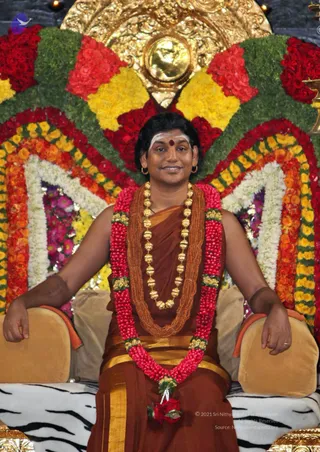
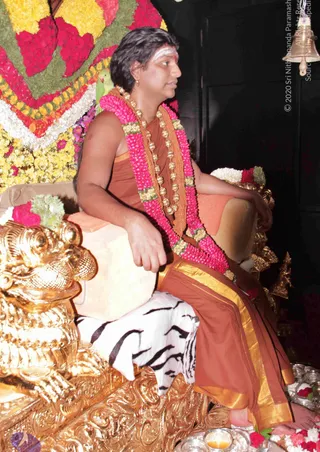
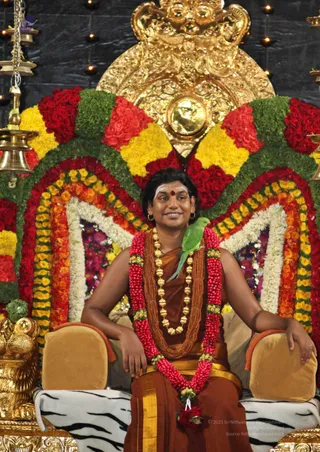
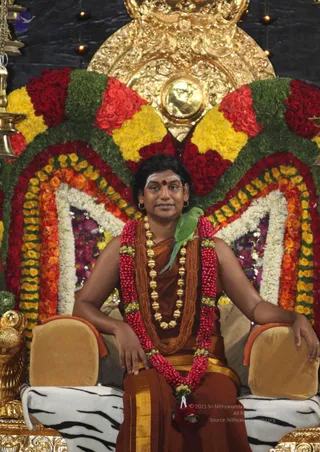
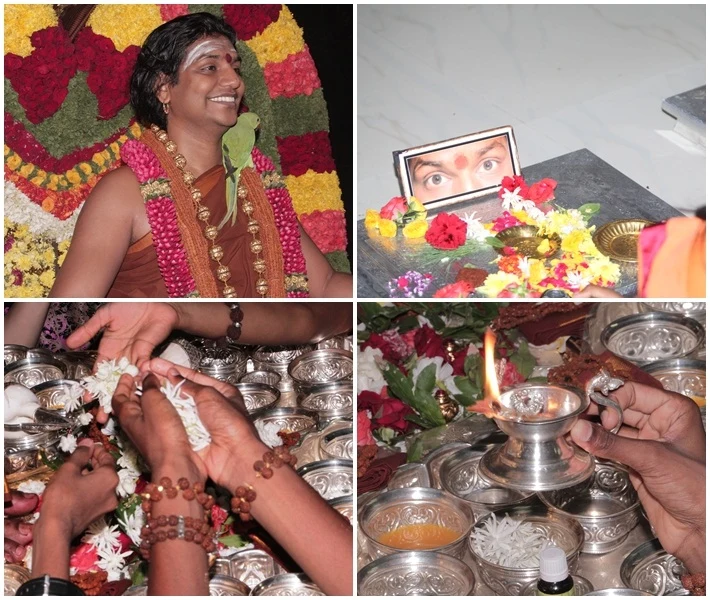
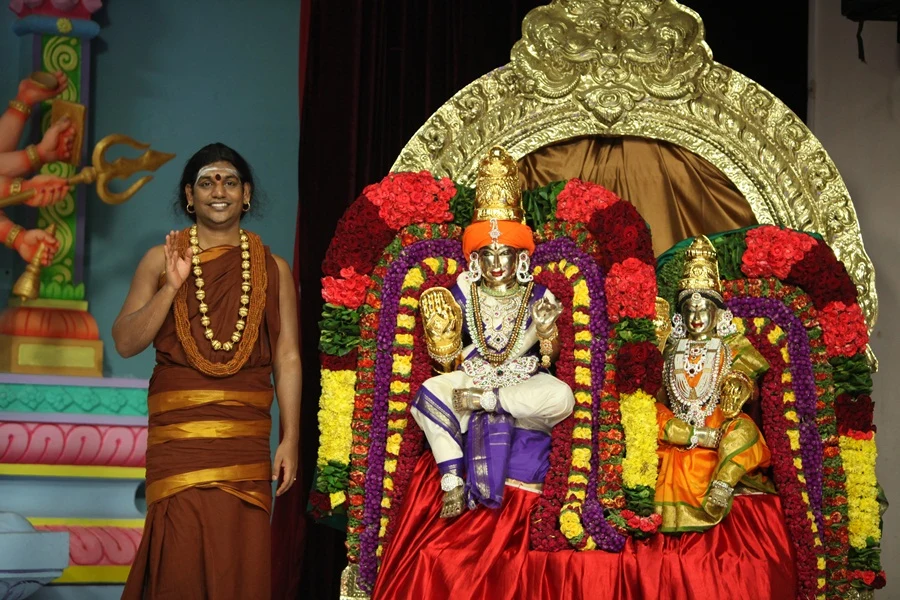
Photos From The Day:
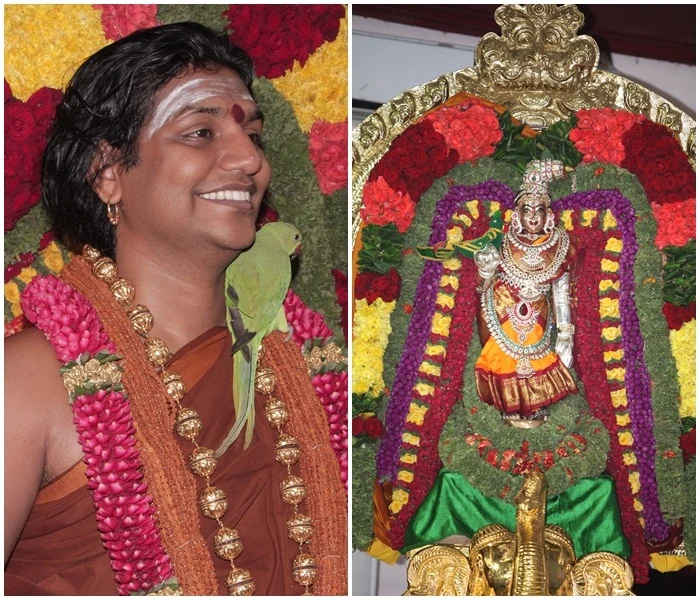
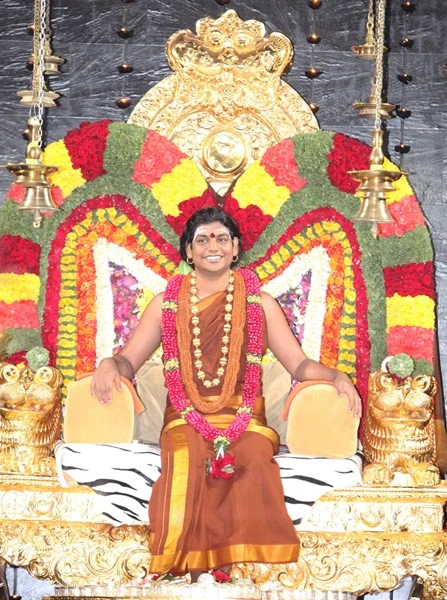
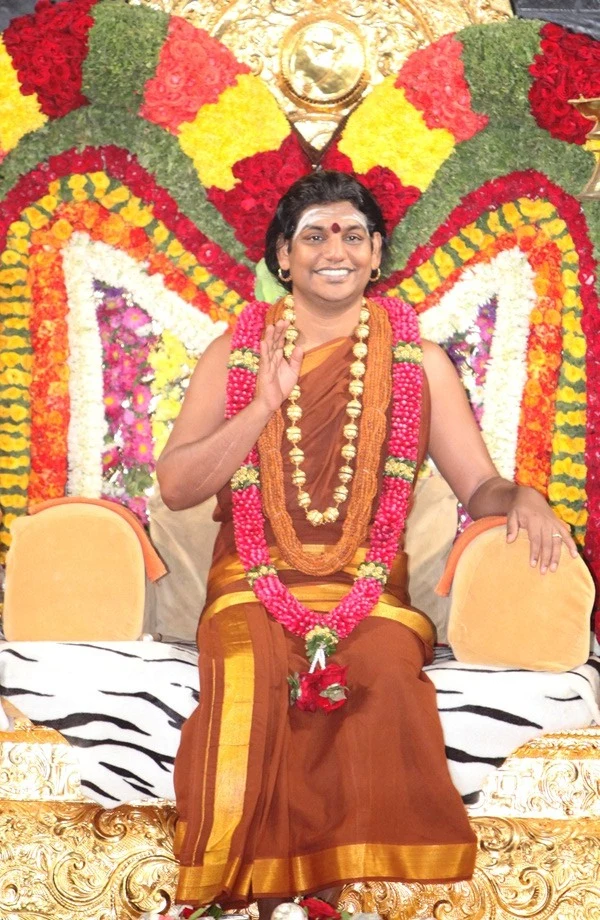
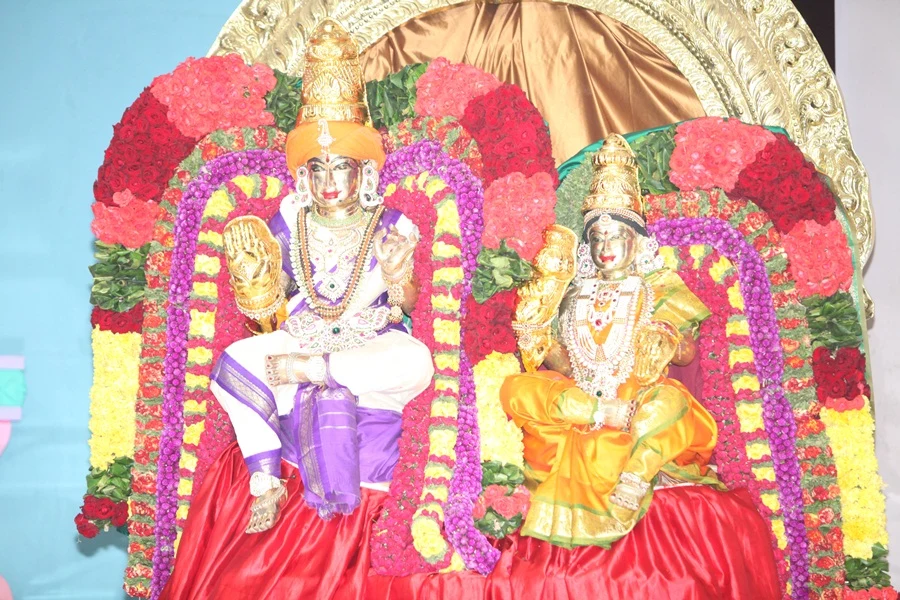
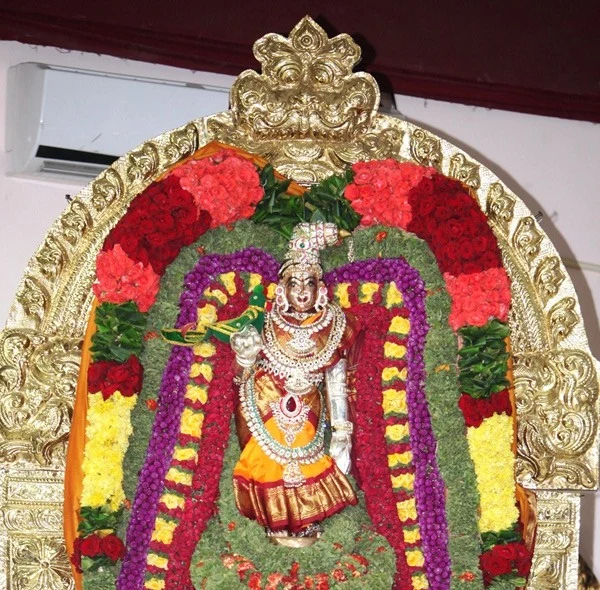
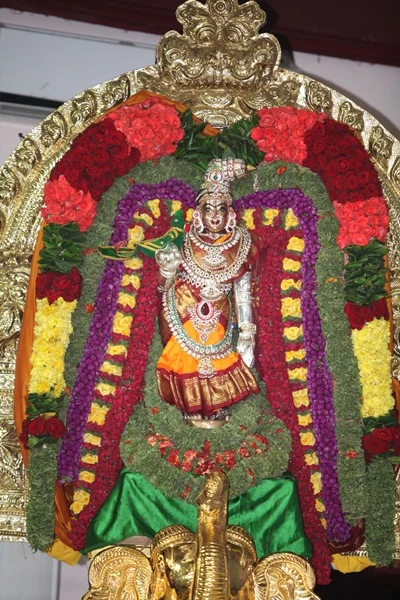
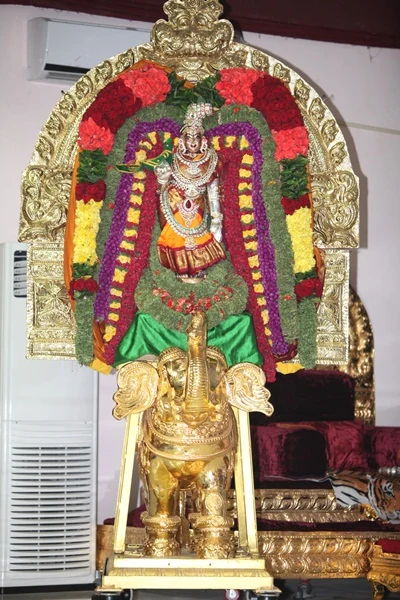
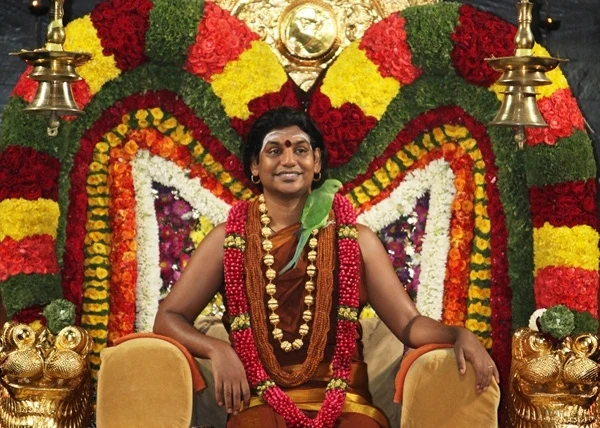
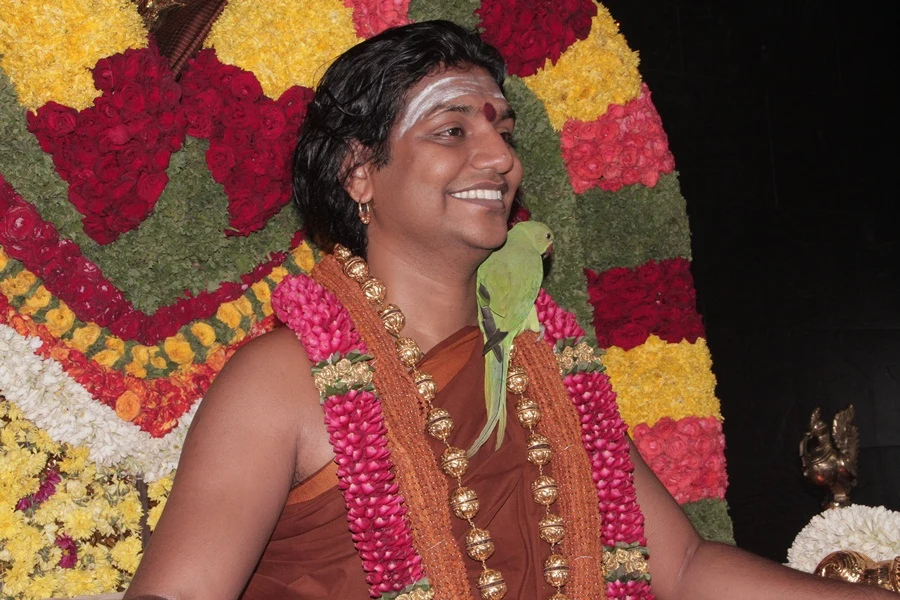
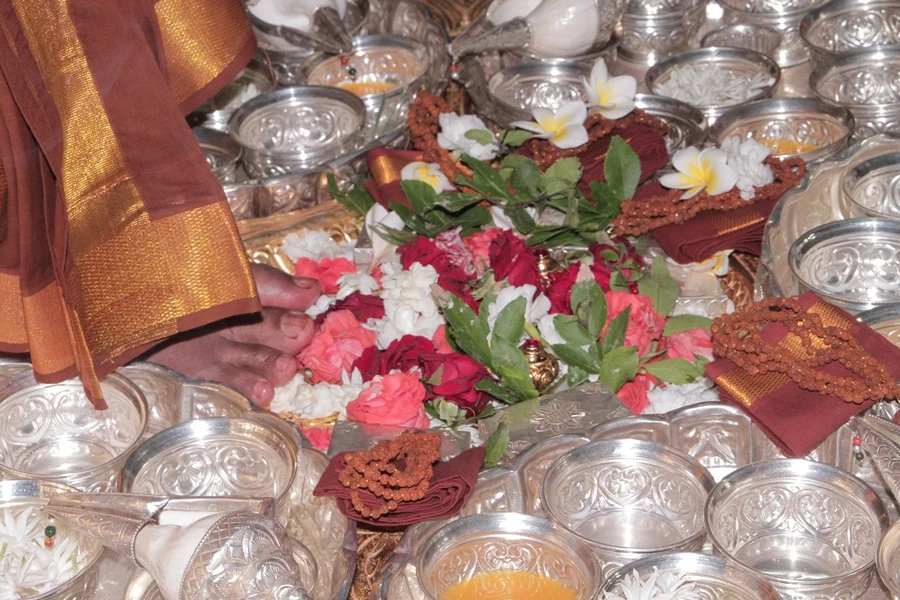
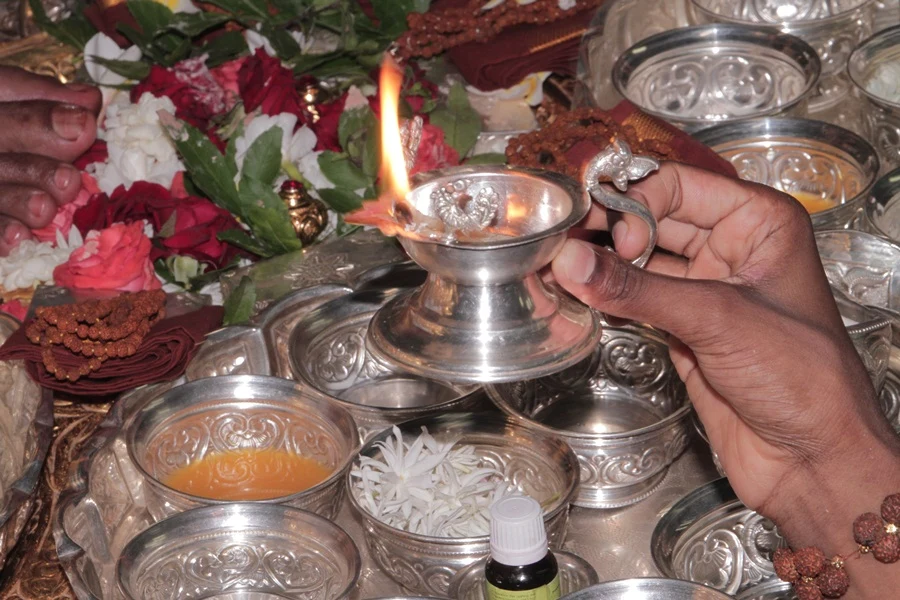
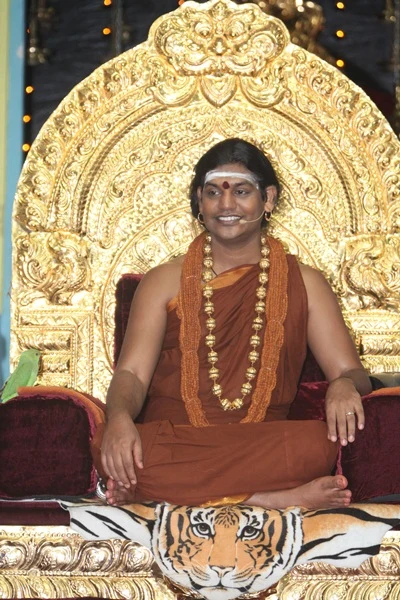
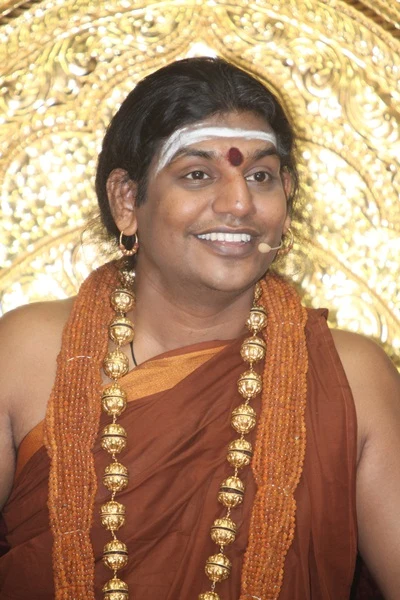
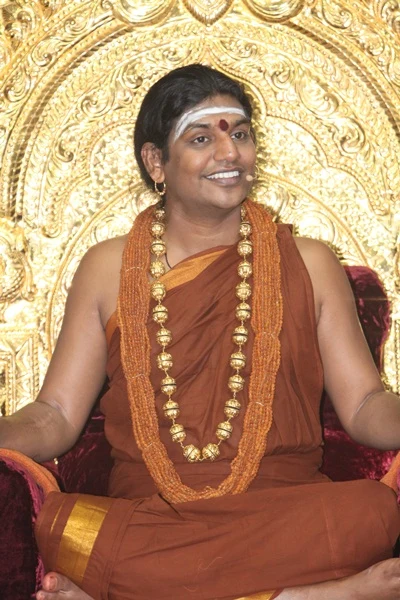
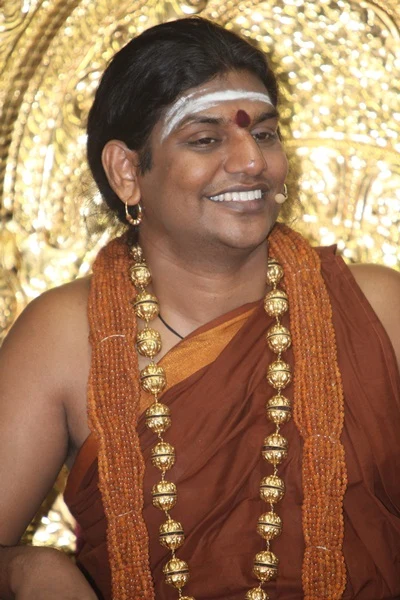
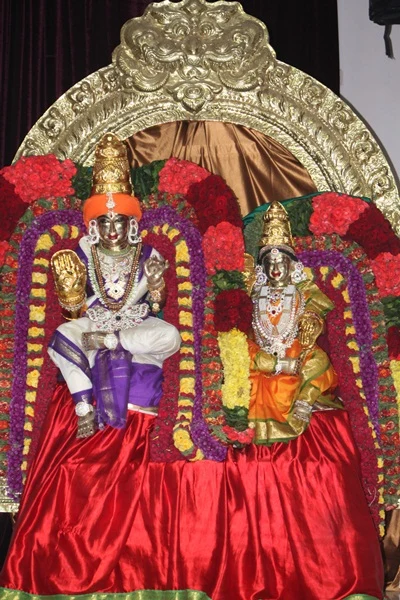
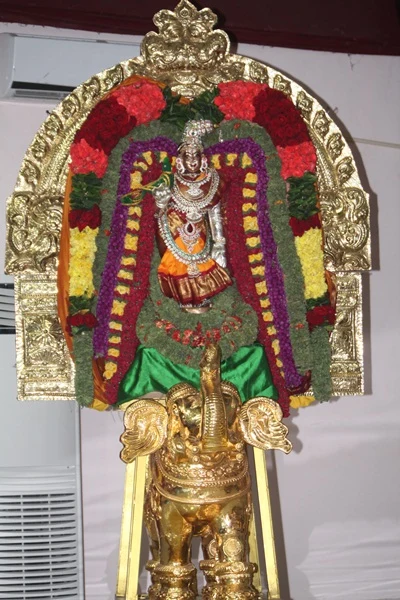
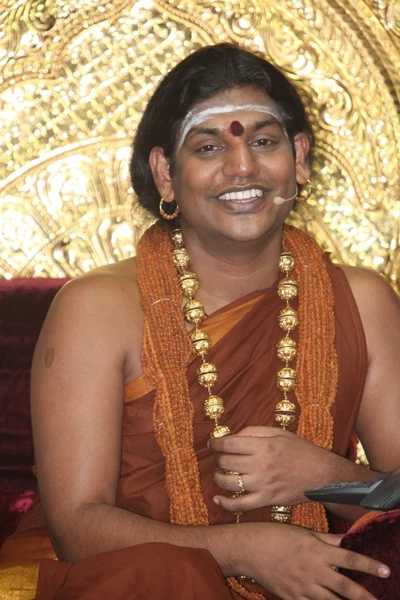
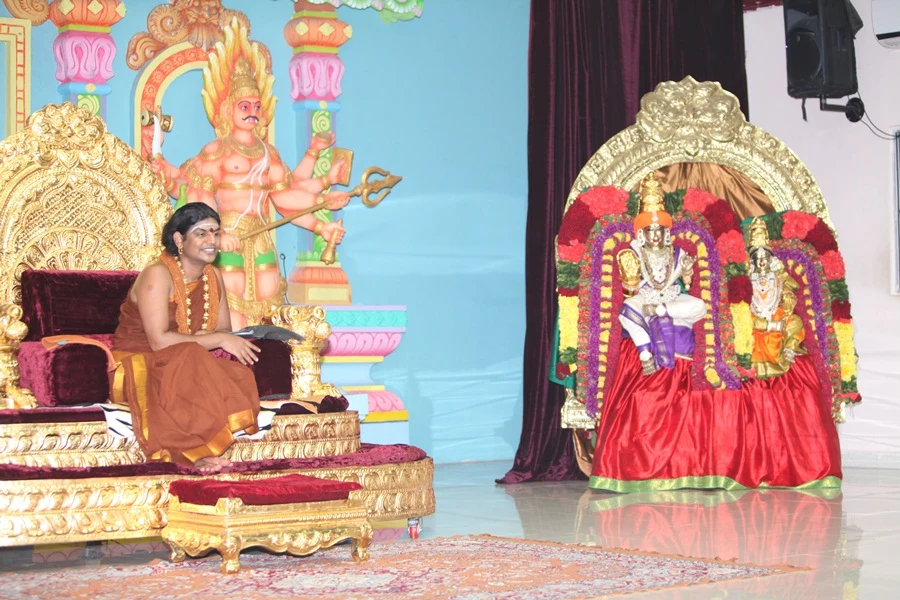
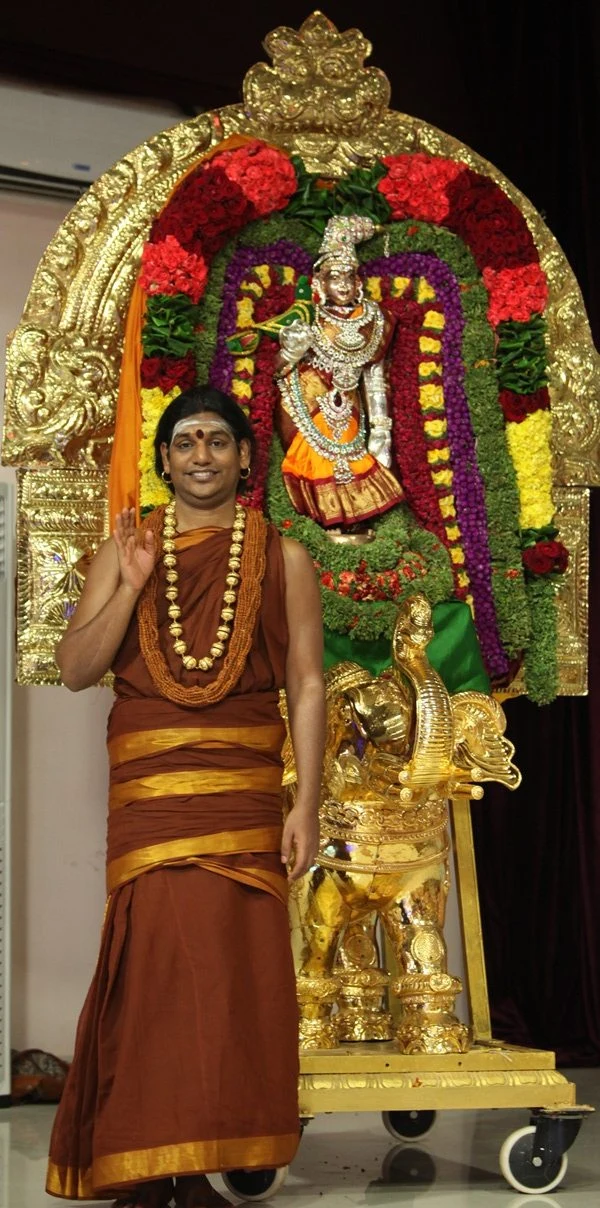
Link to Facebook Page:
https://www.facebook.com/srinithyananda.swami/posts/178308408990833
Tags:
Paramahamsa Nithyananda, thought, Kundalini shakti, experience, fuel, belief, Kundalini awakening, process, embrace, integrity, bliss, authenticity, responsibility, enrich, environment.
Photos Of The Day:
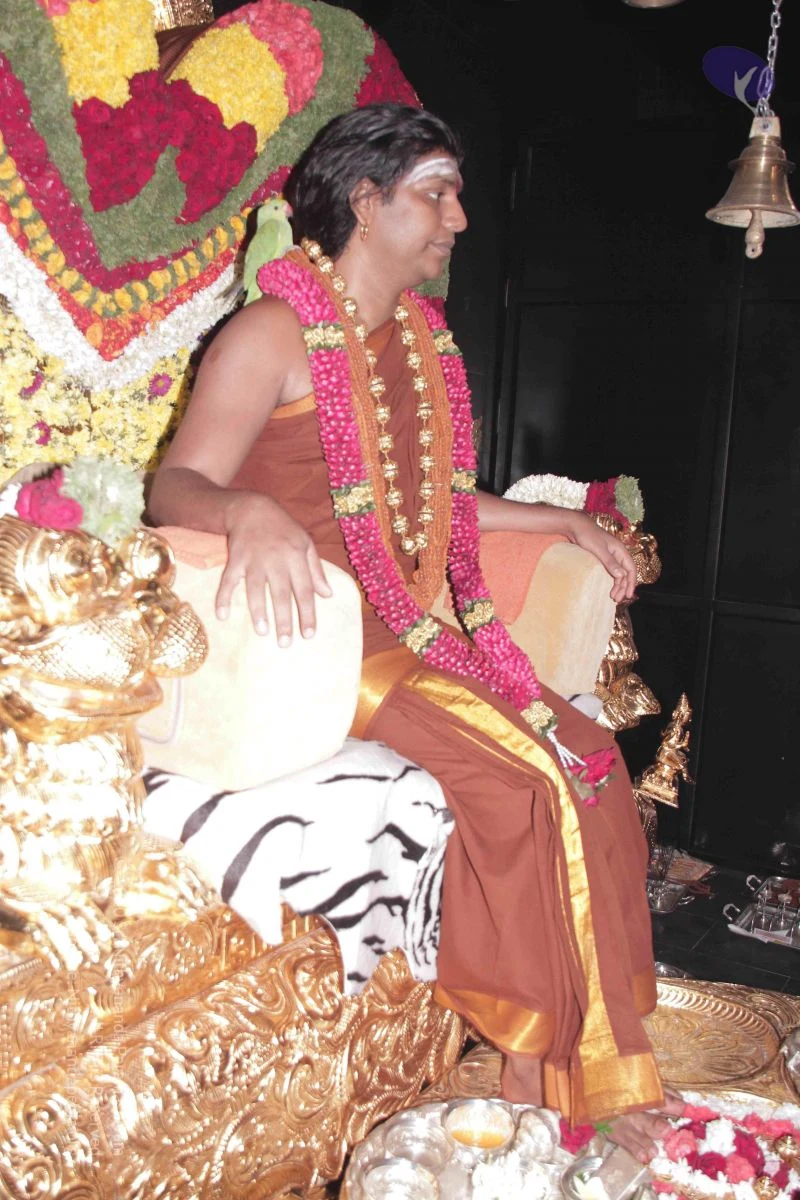
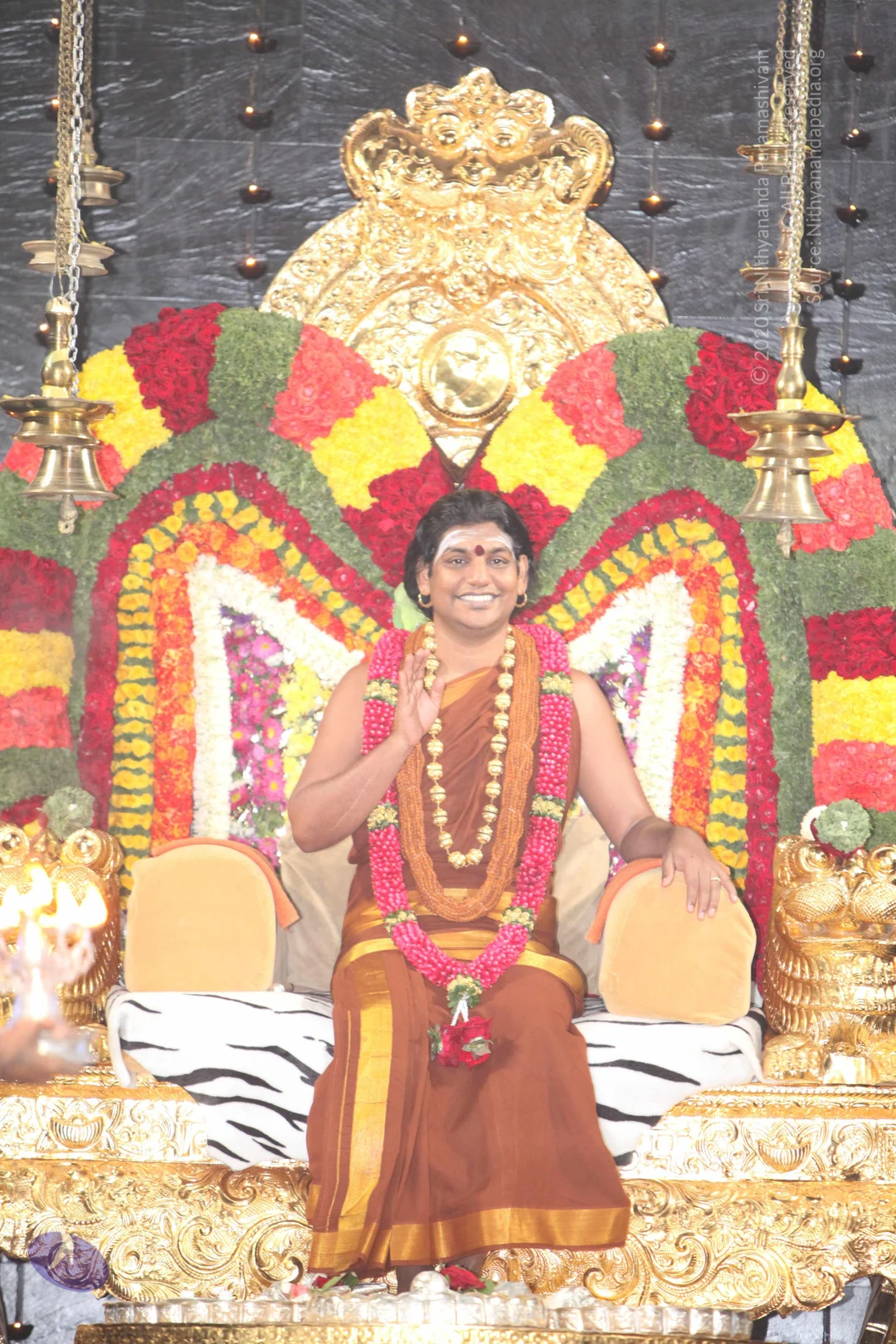
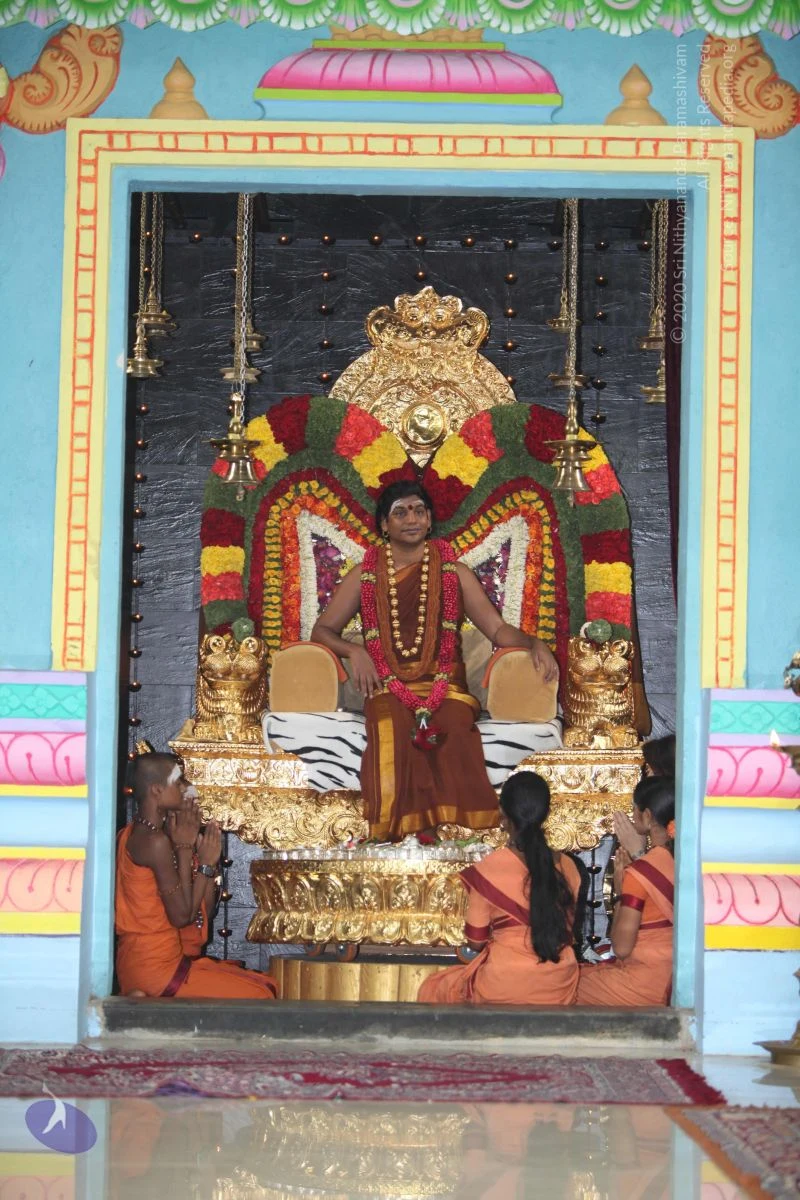
Pada-Puja

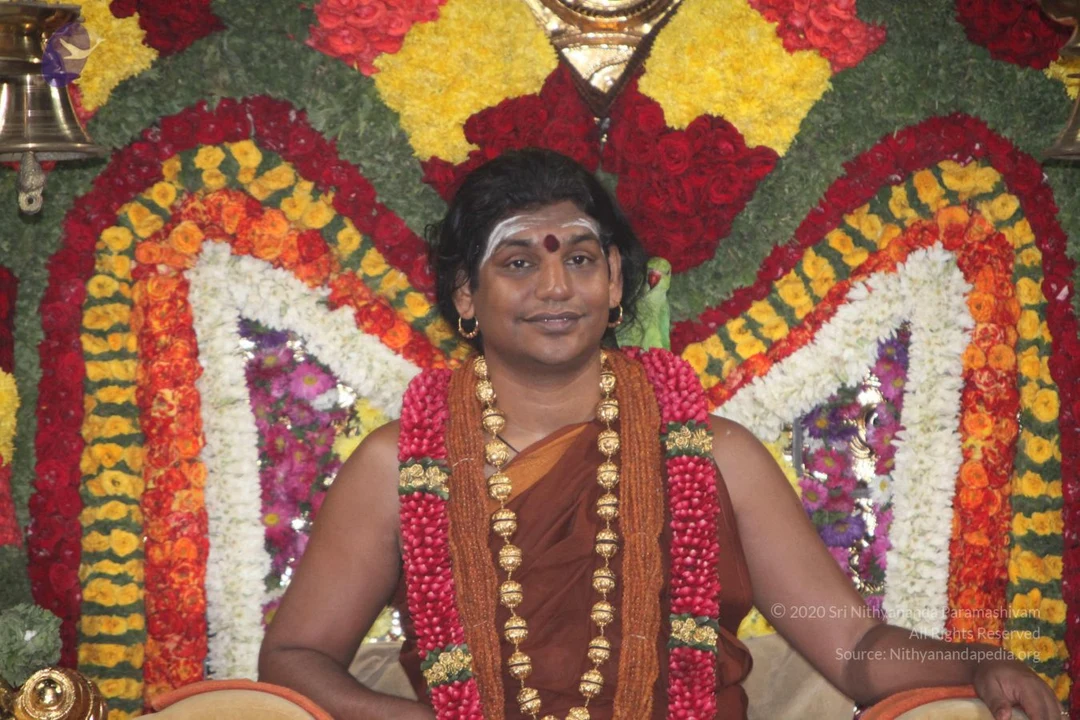
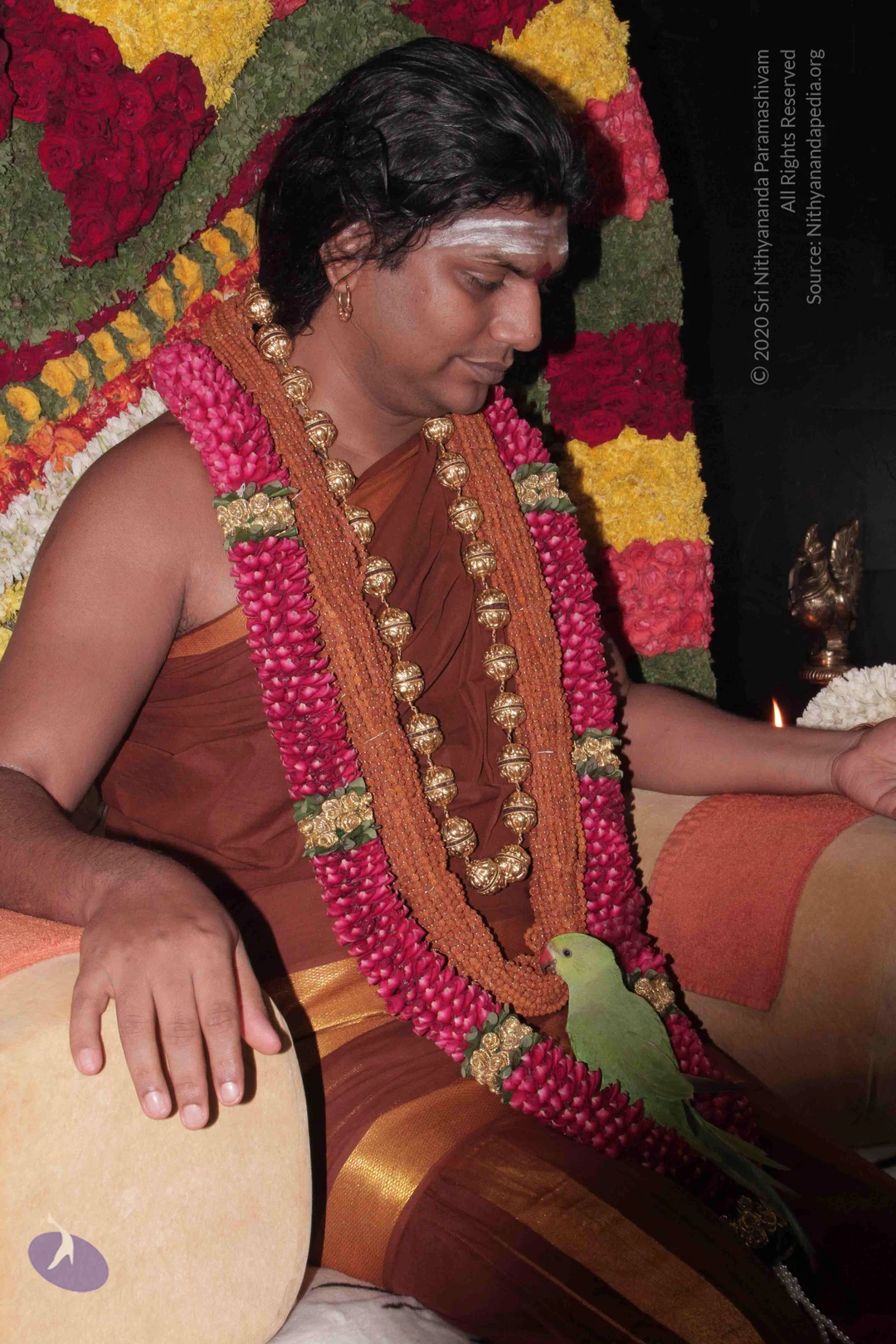
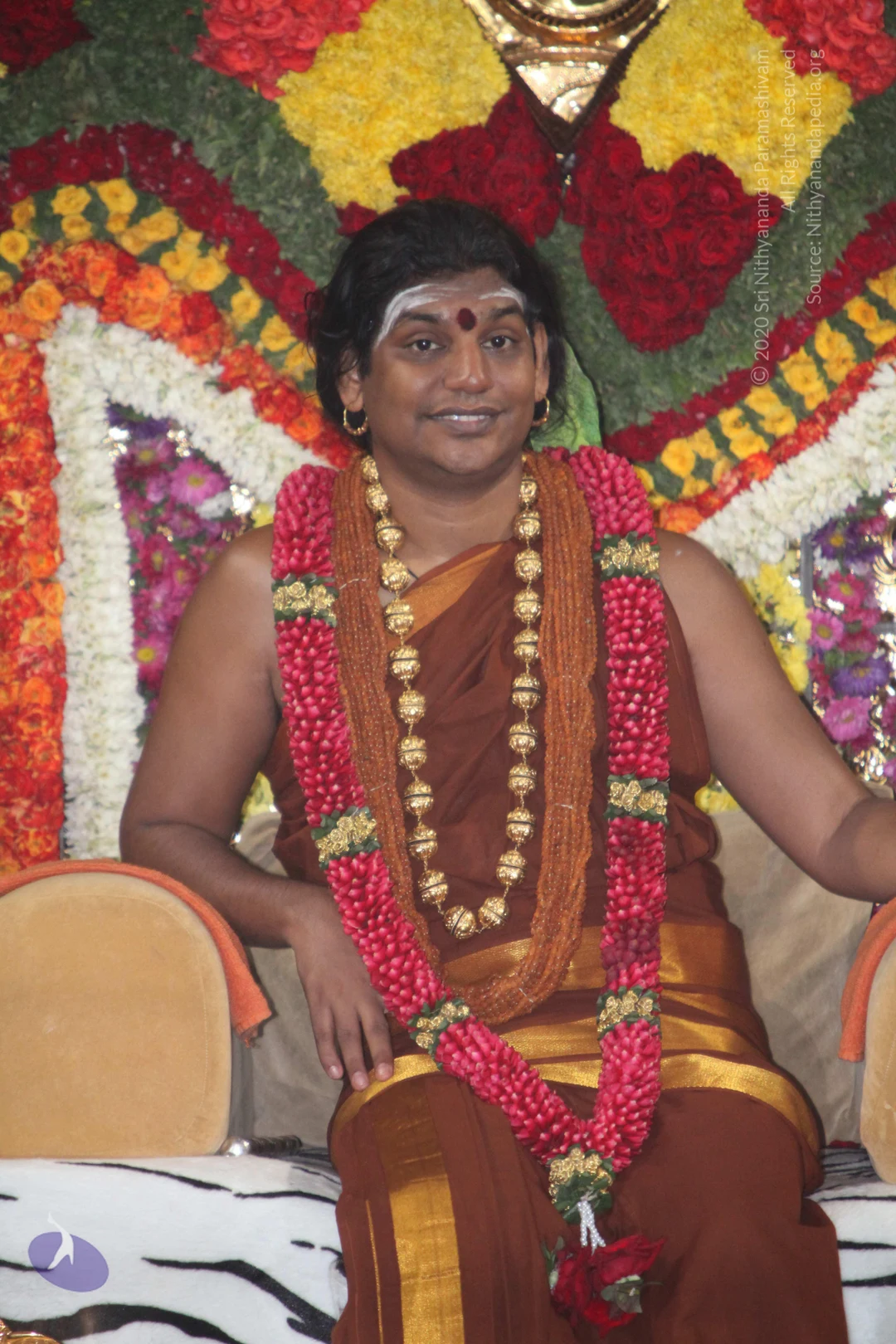
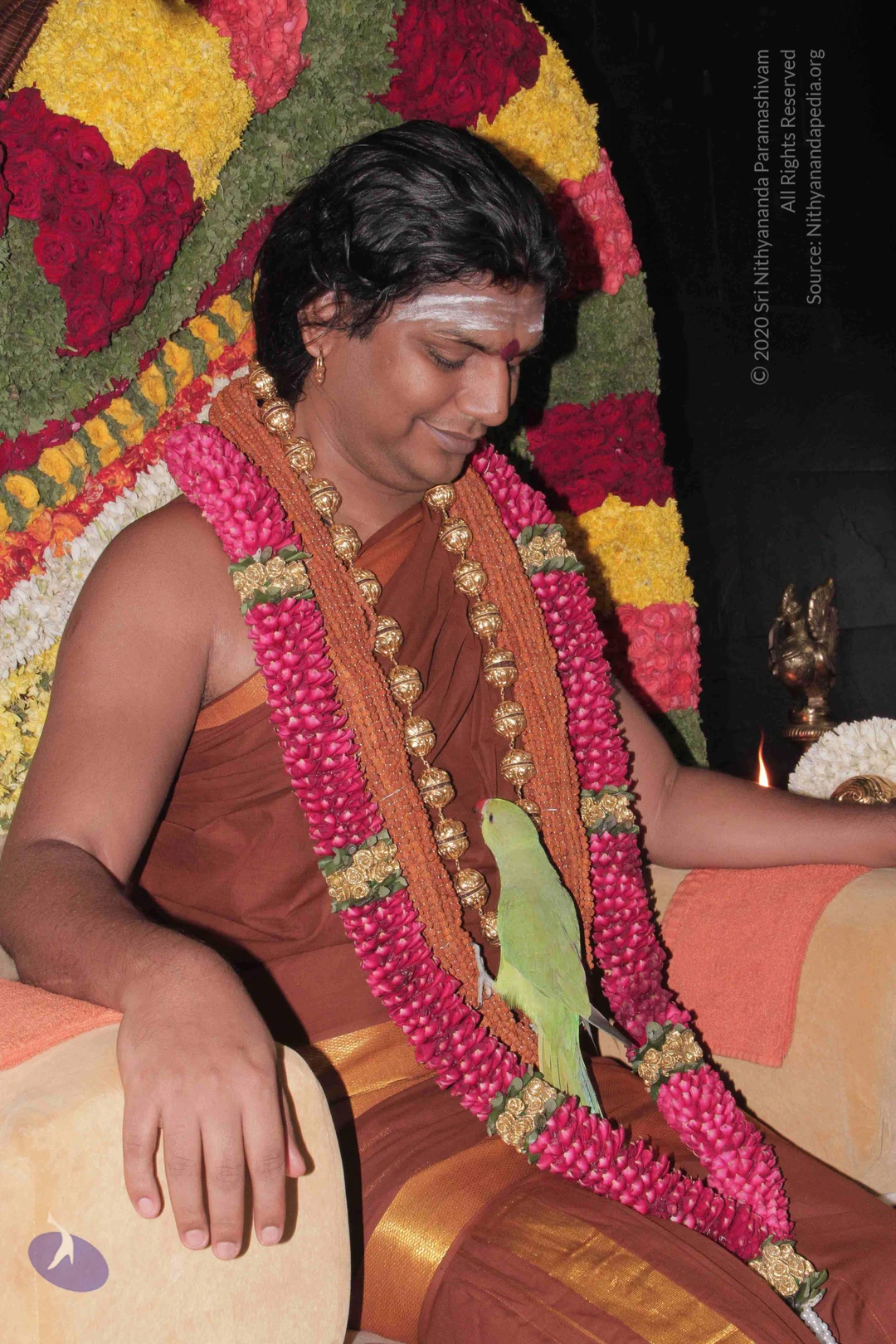
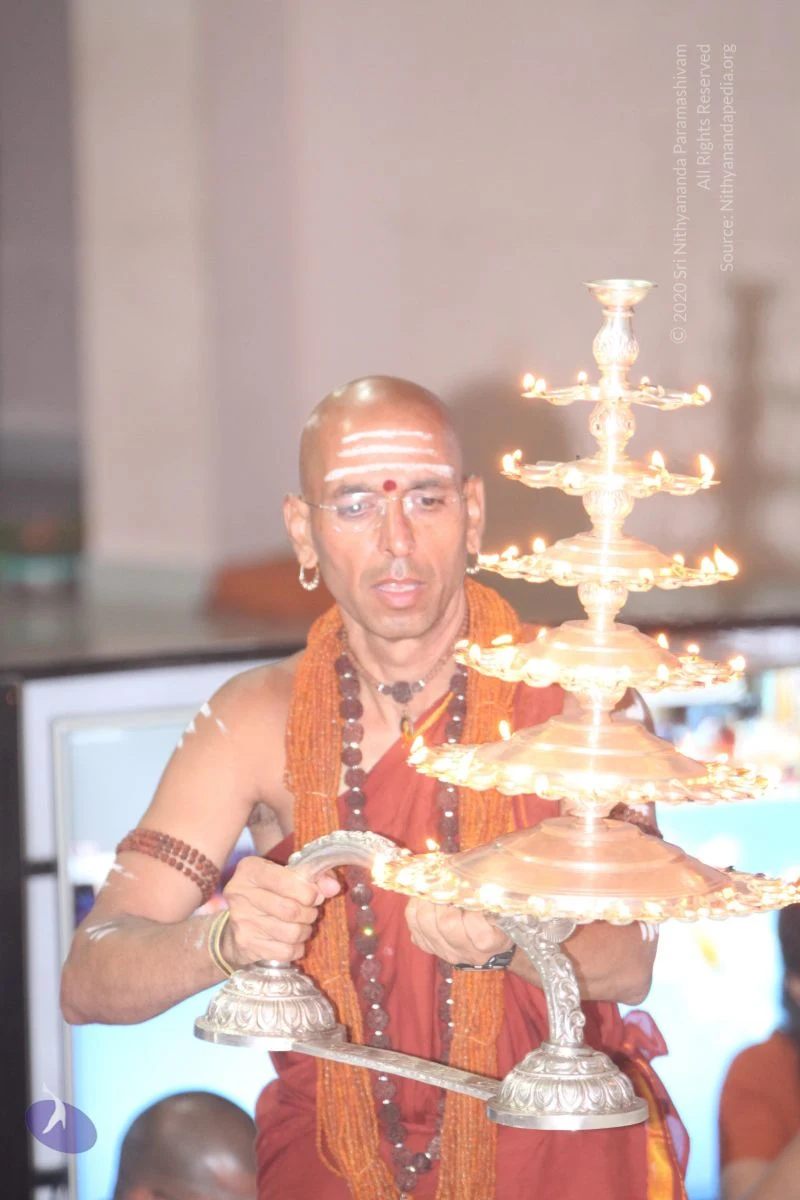
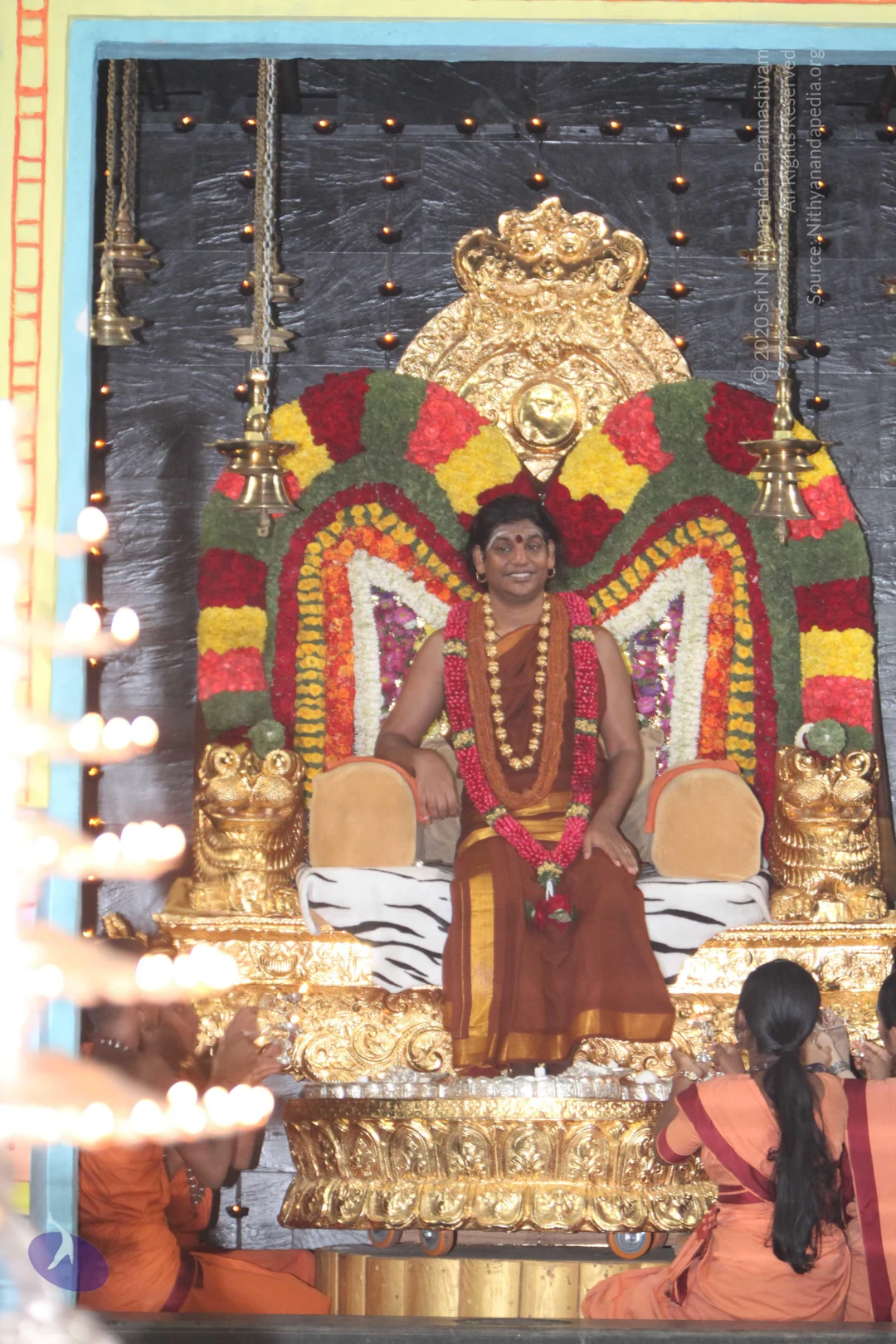
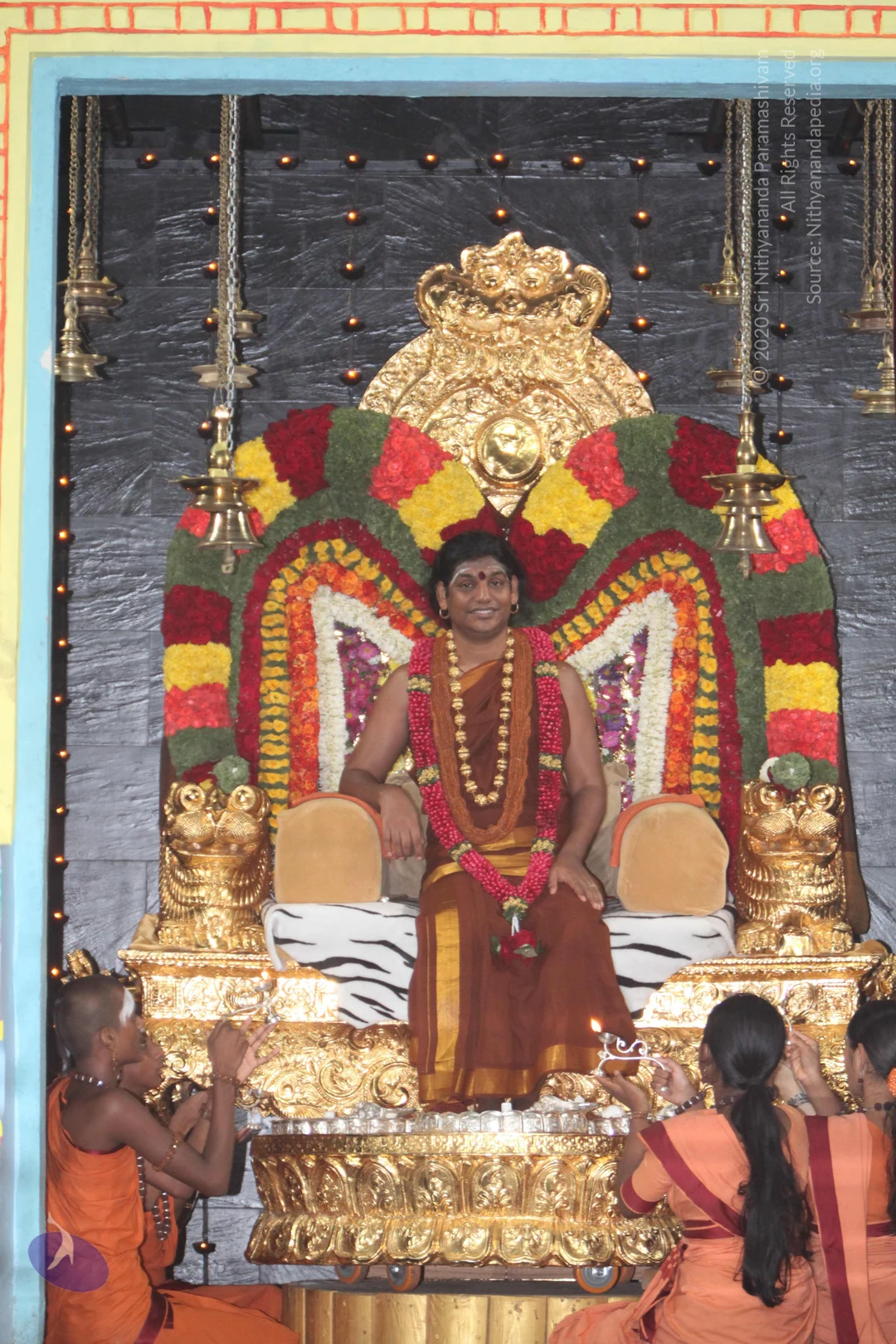
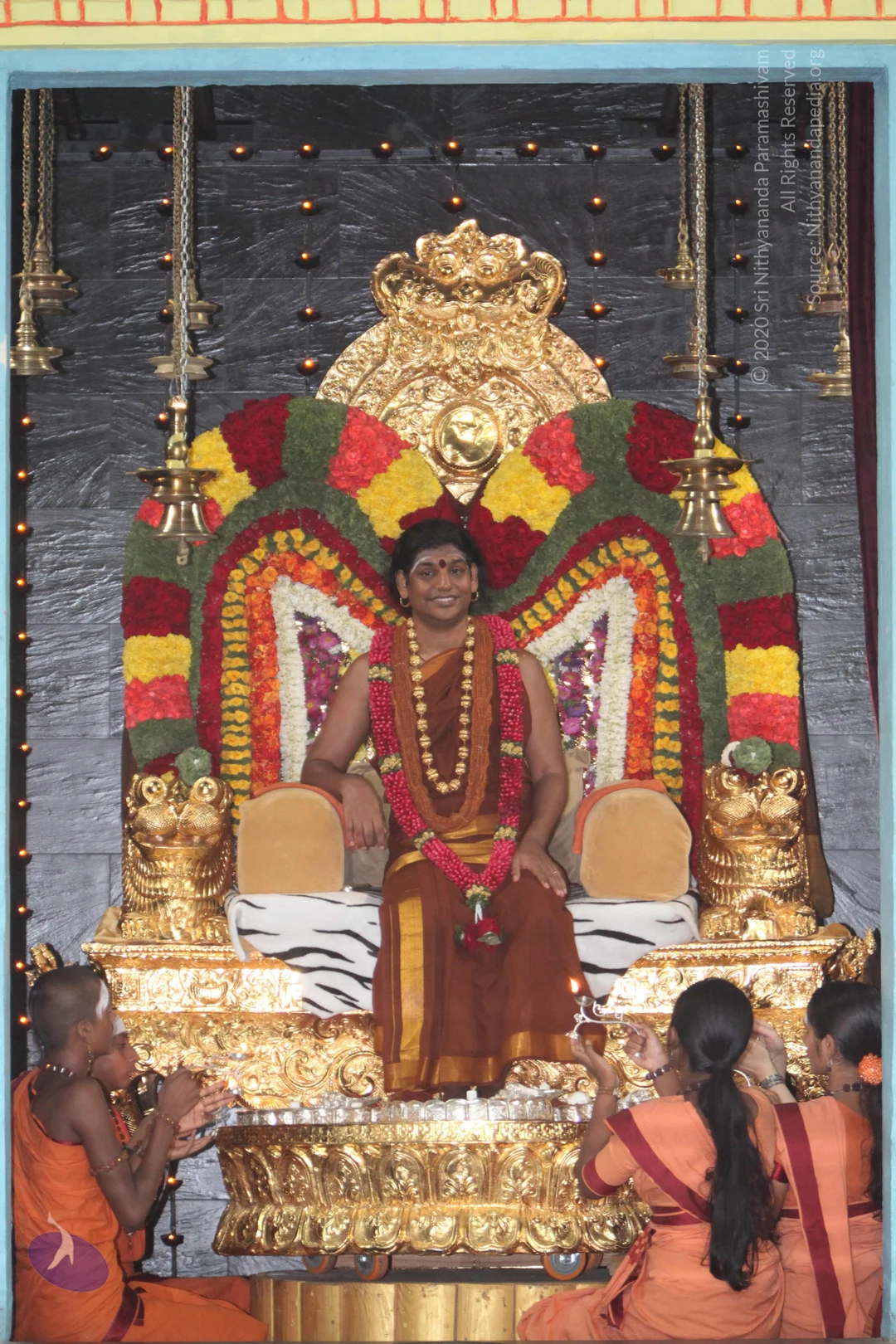
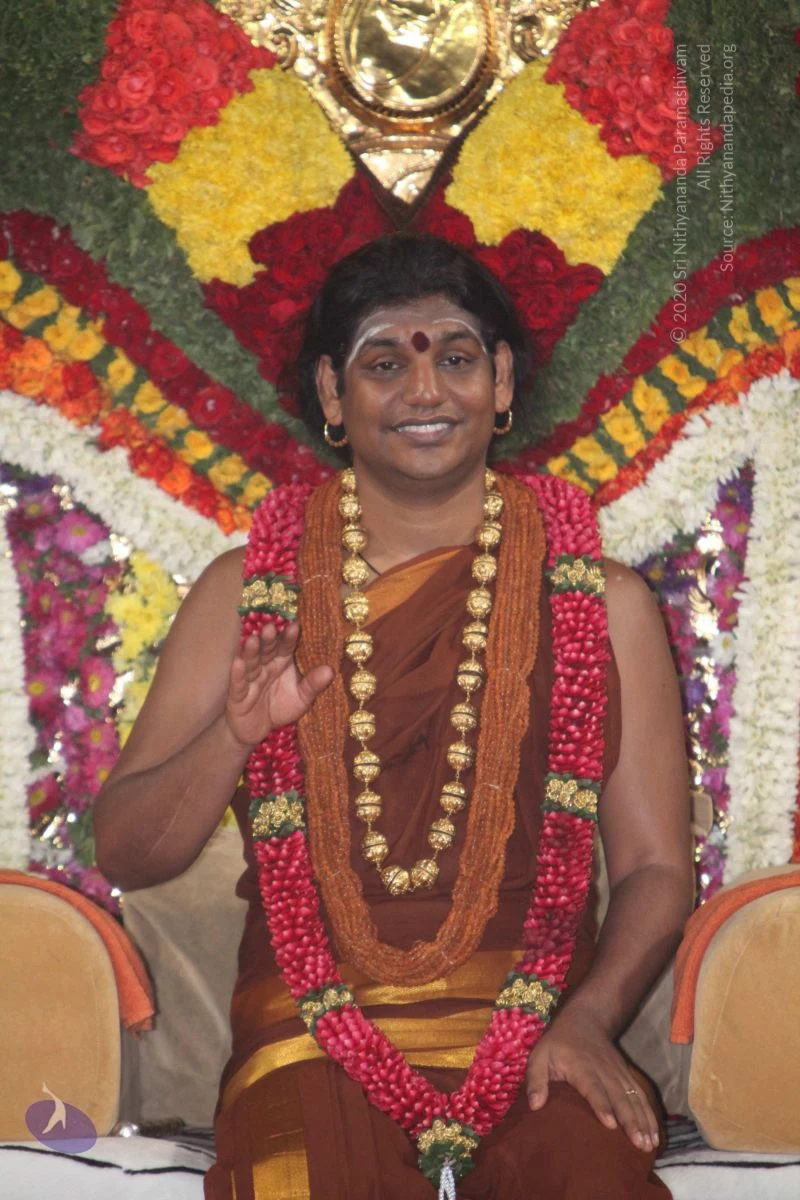
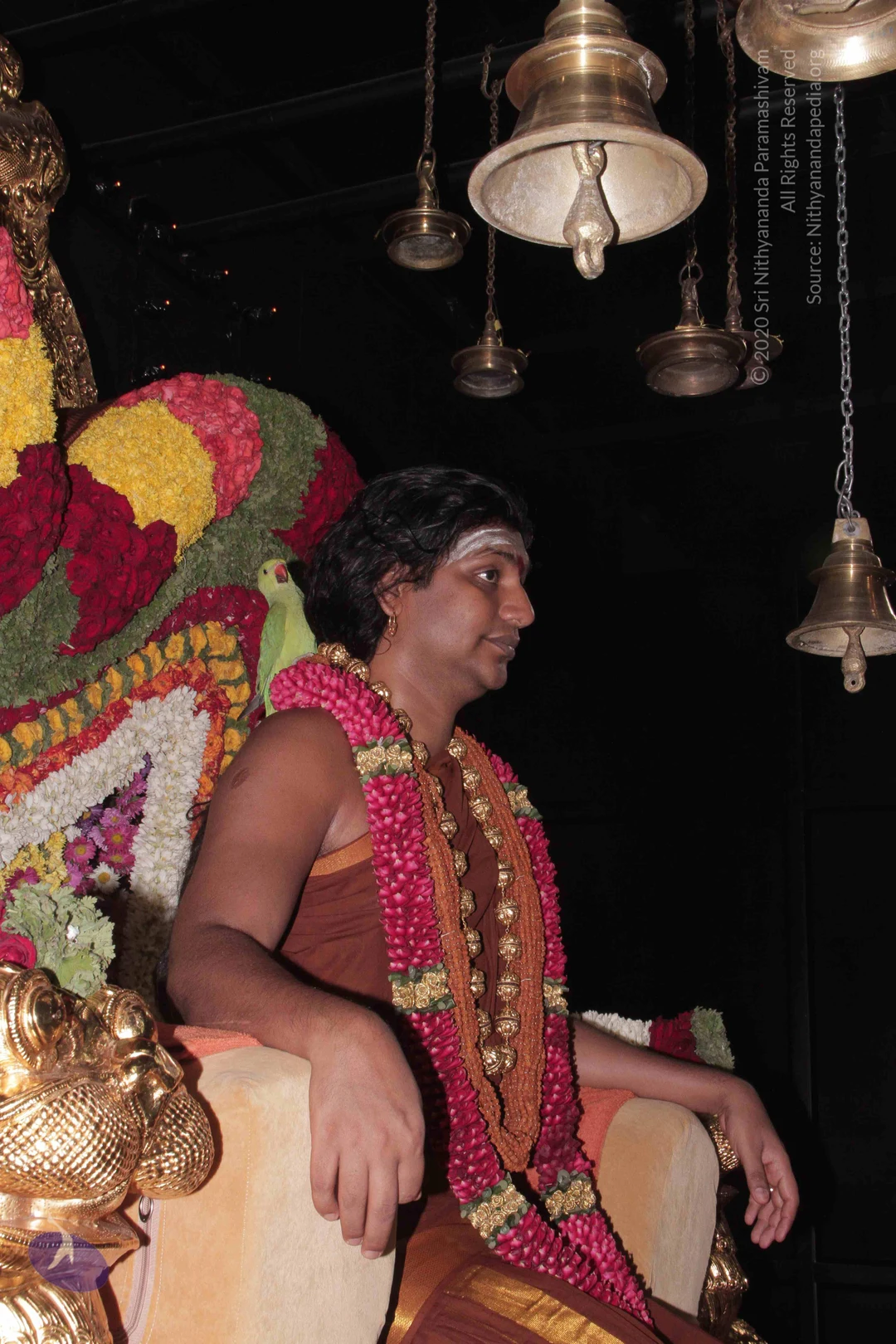
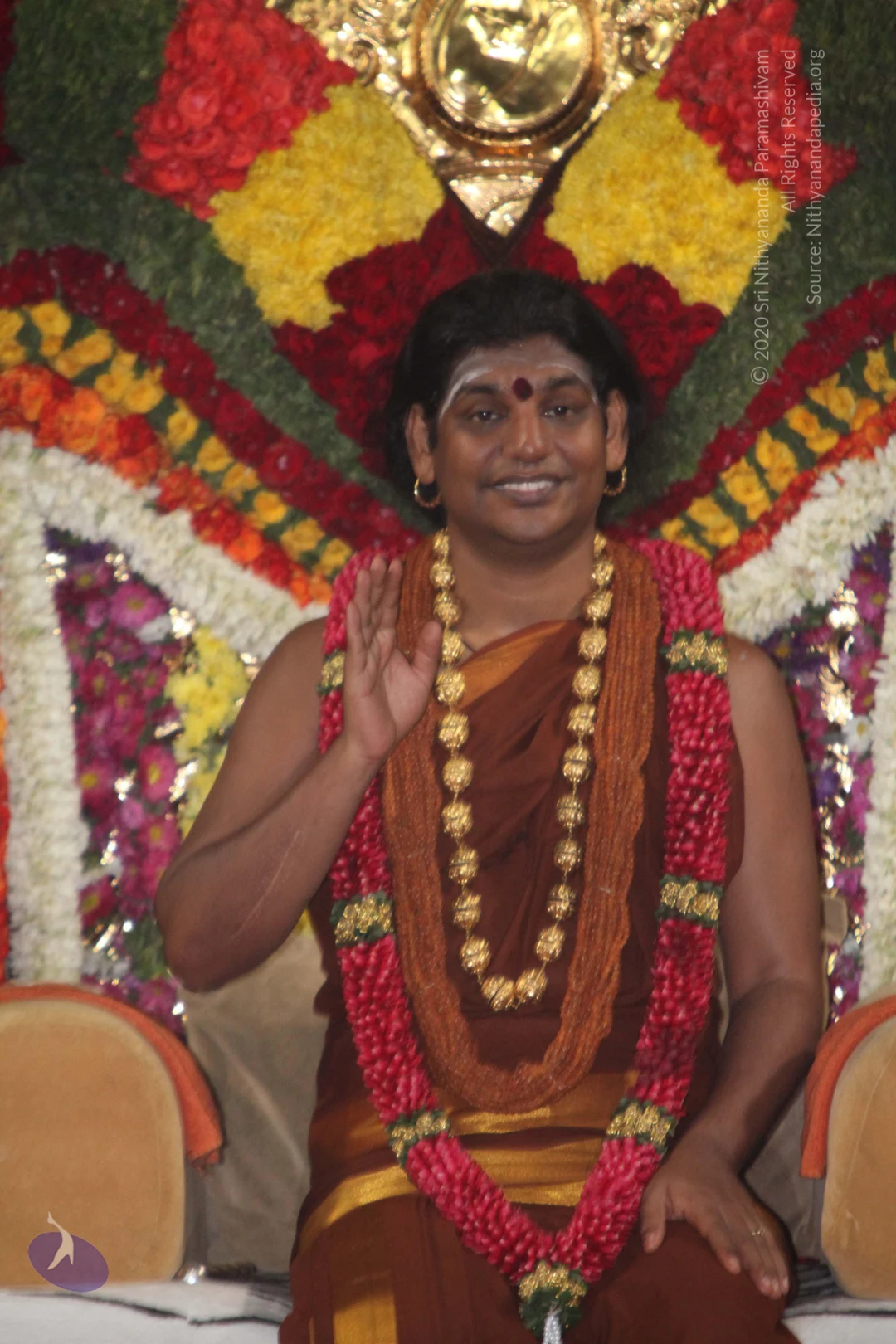
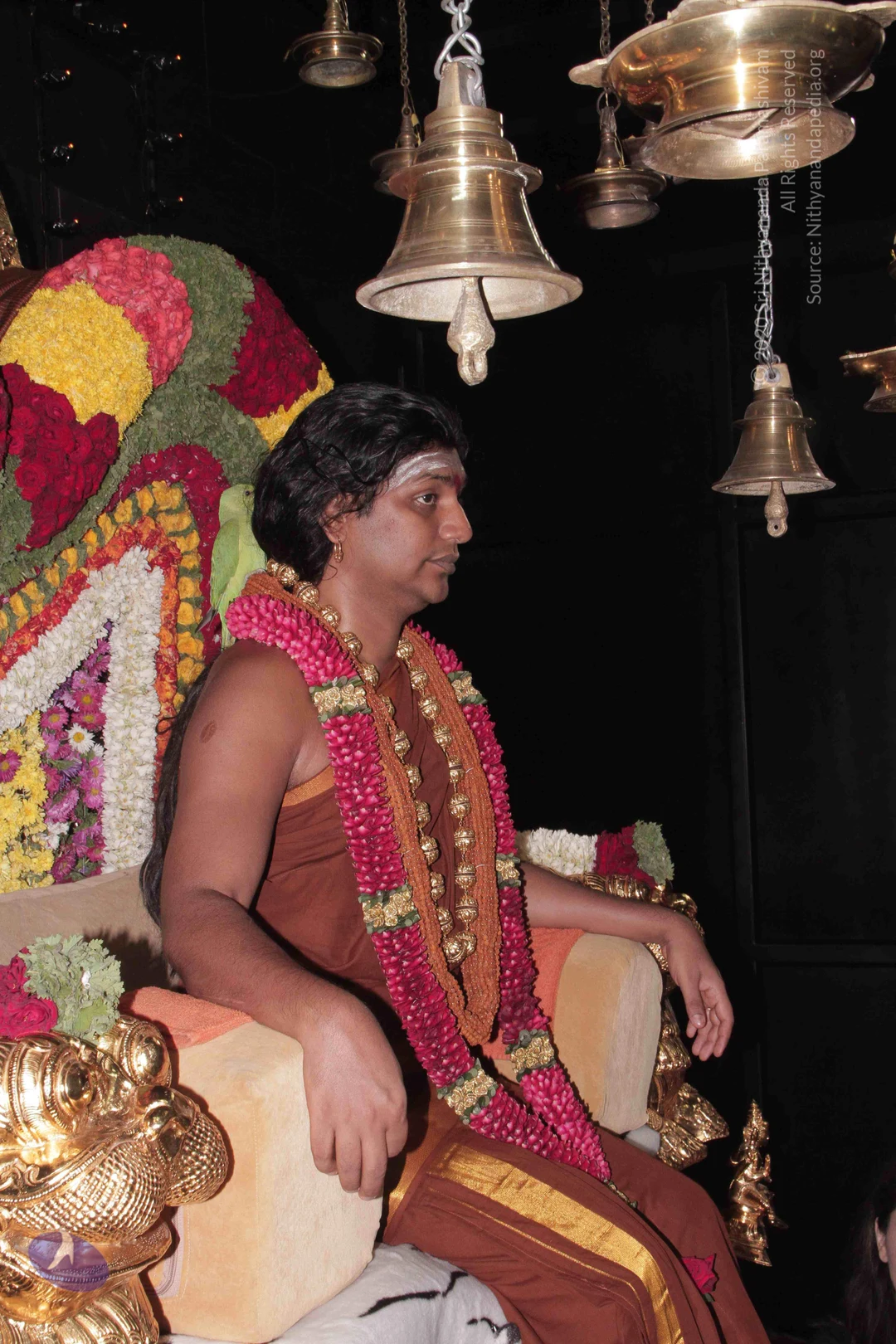
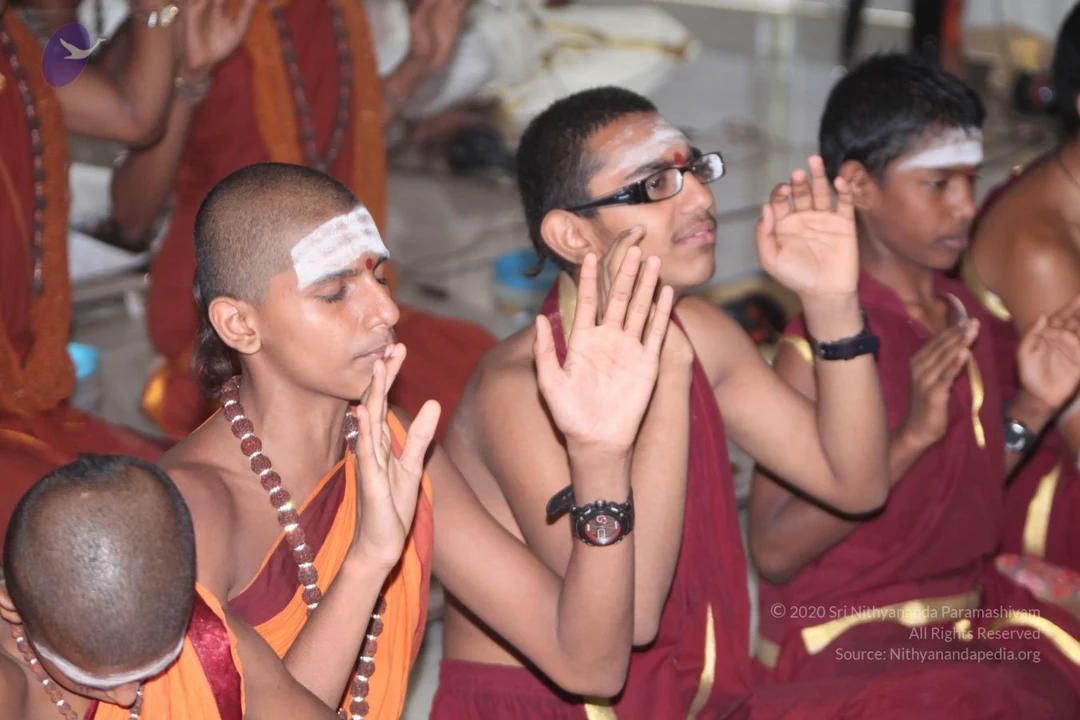
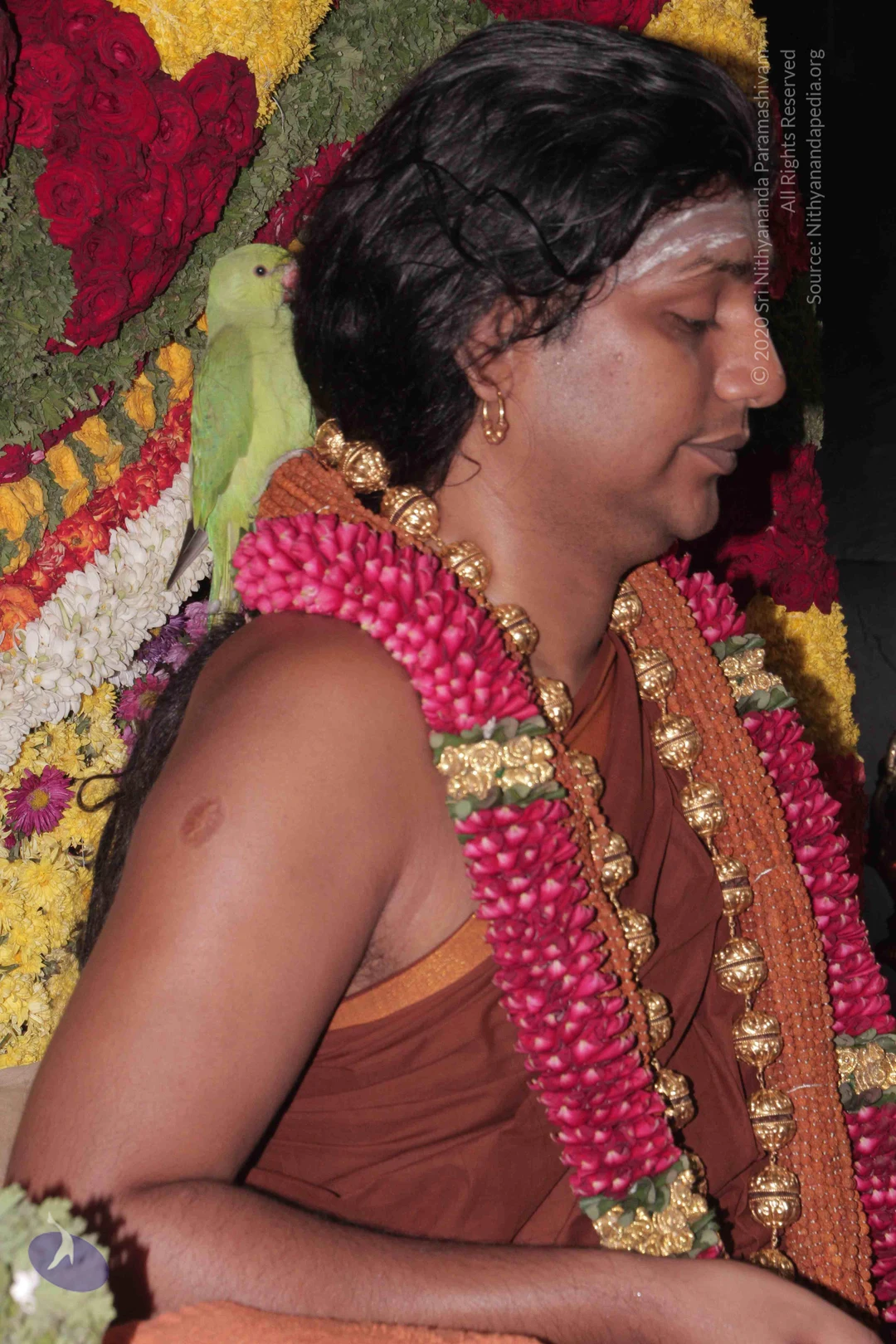
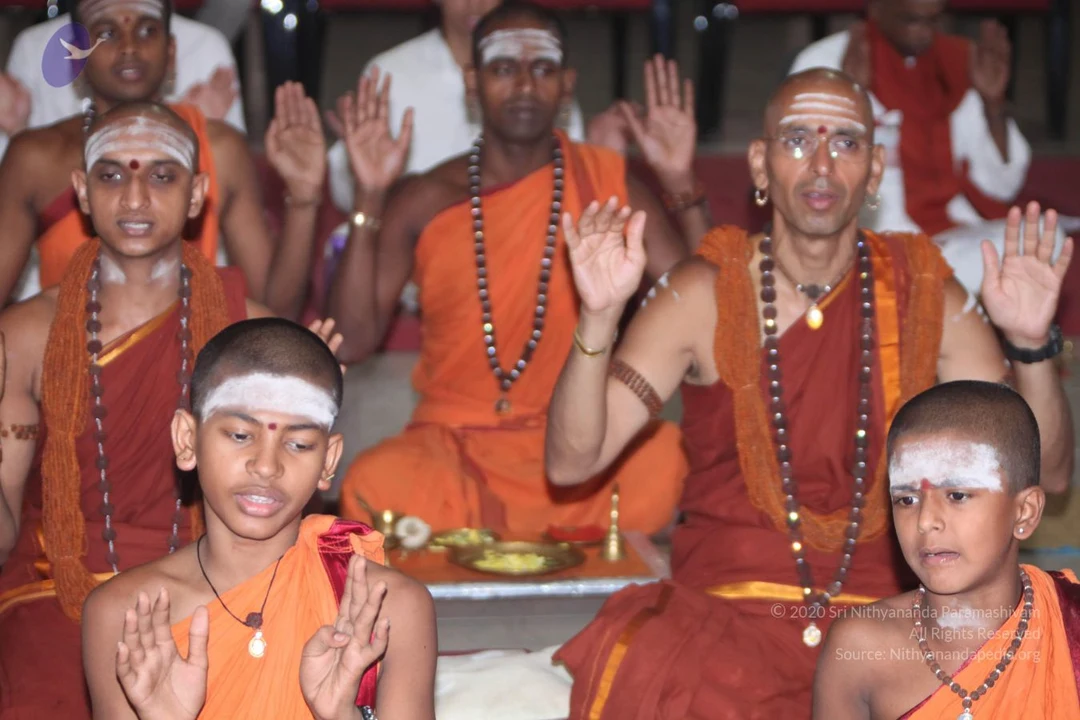
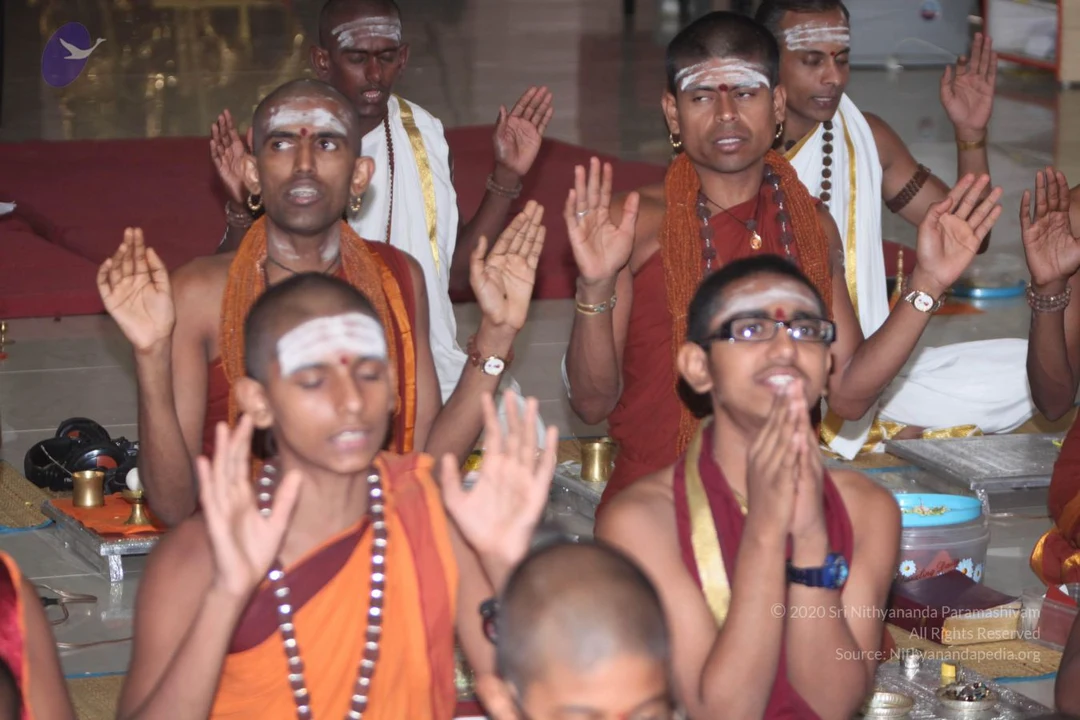

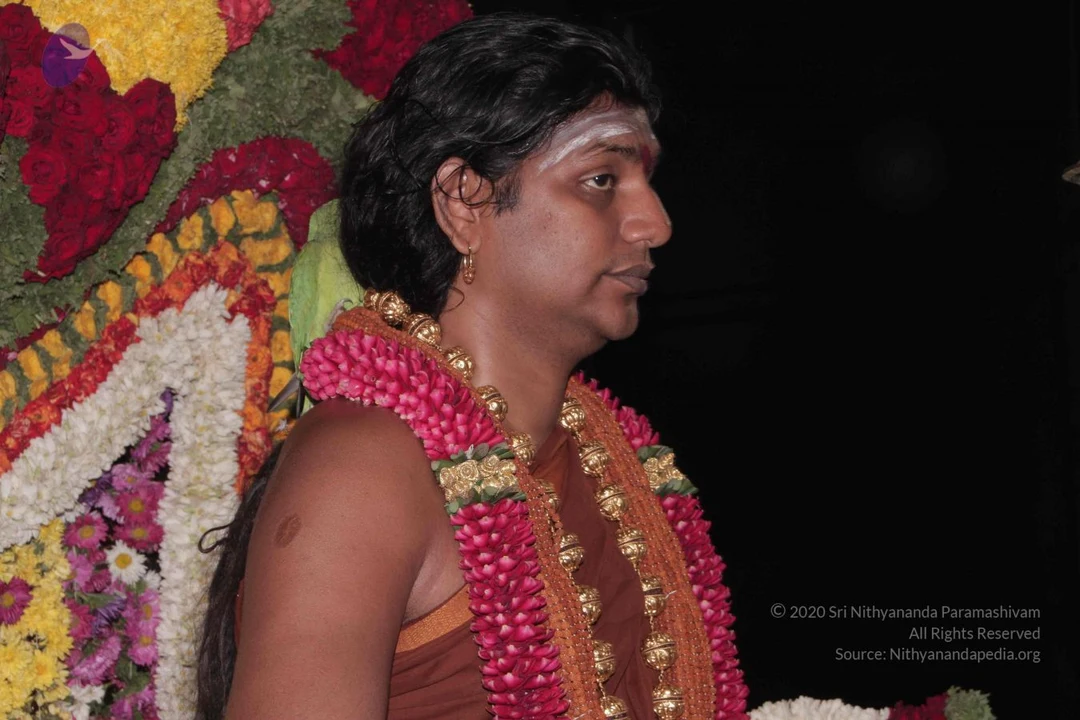
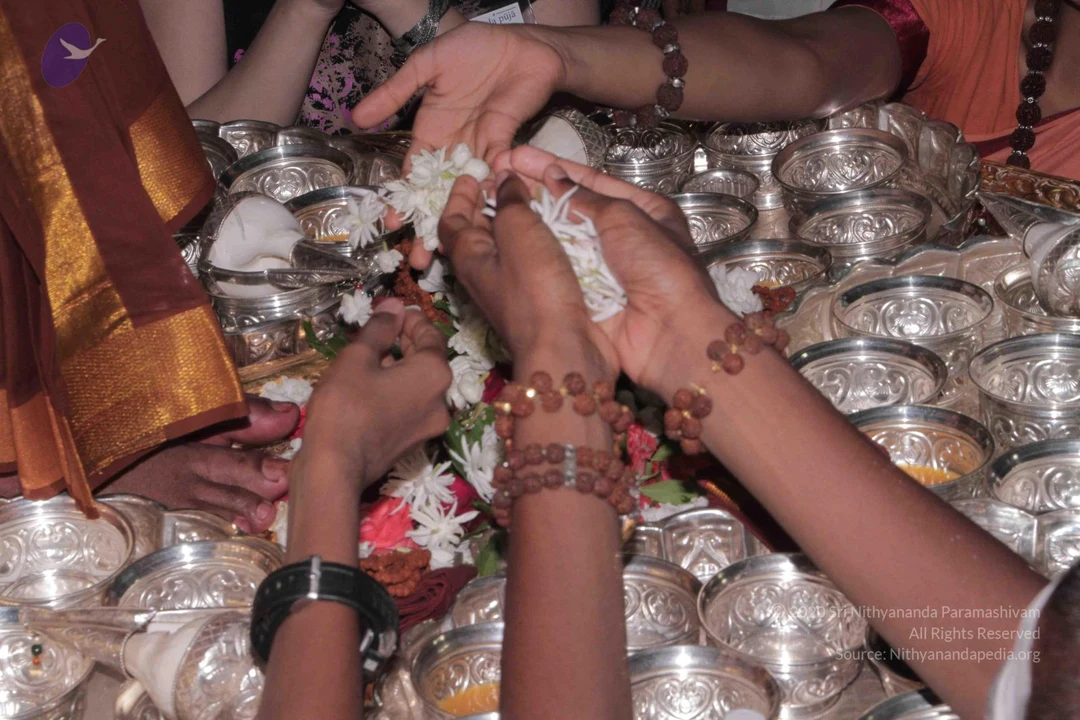
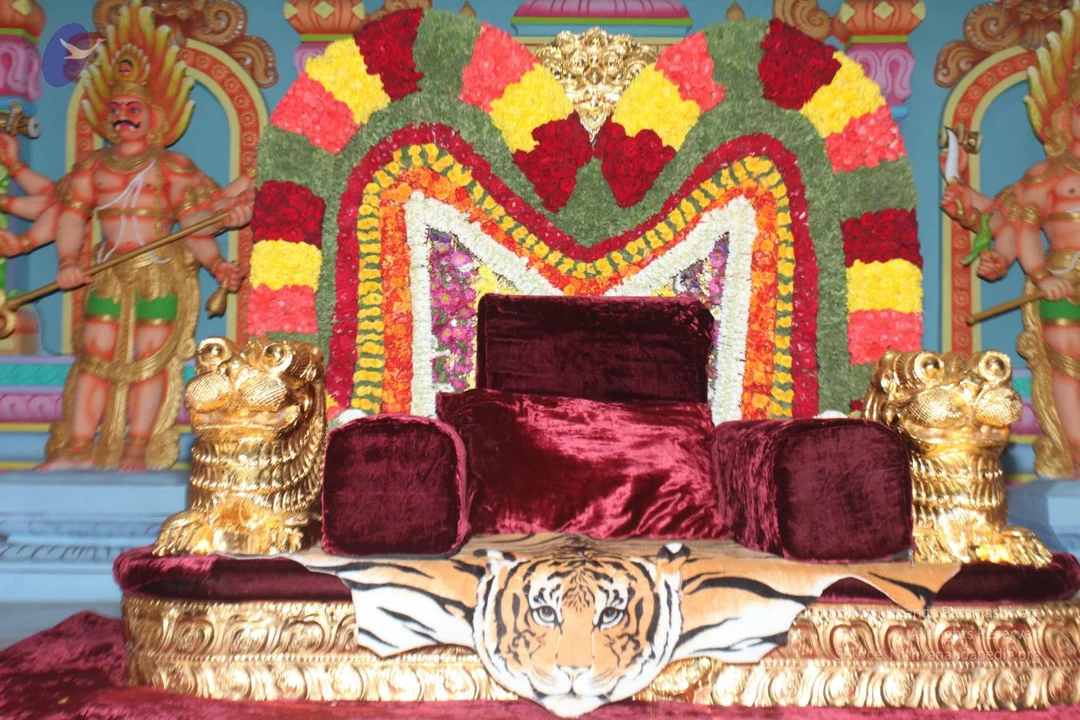
Dial-the-Avatar
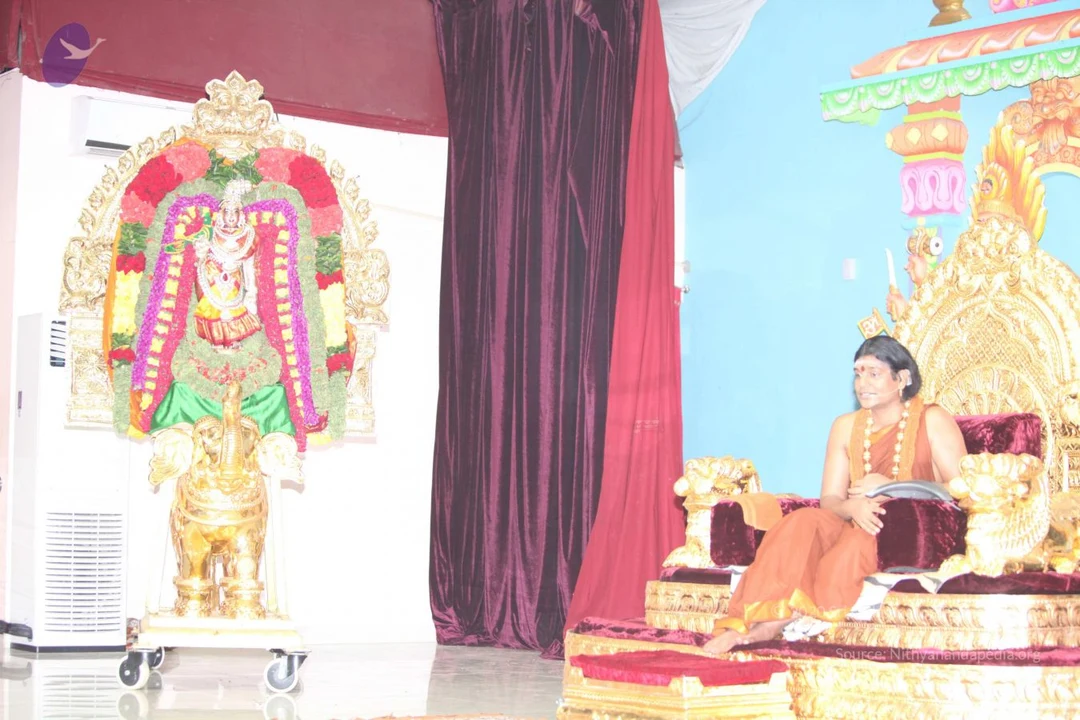
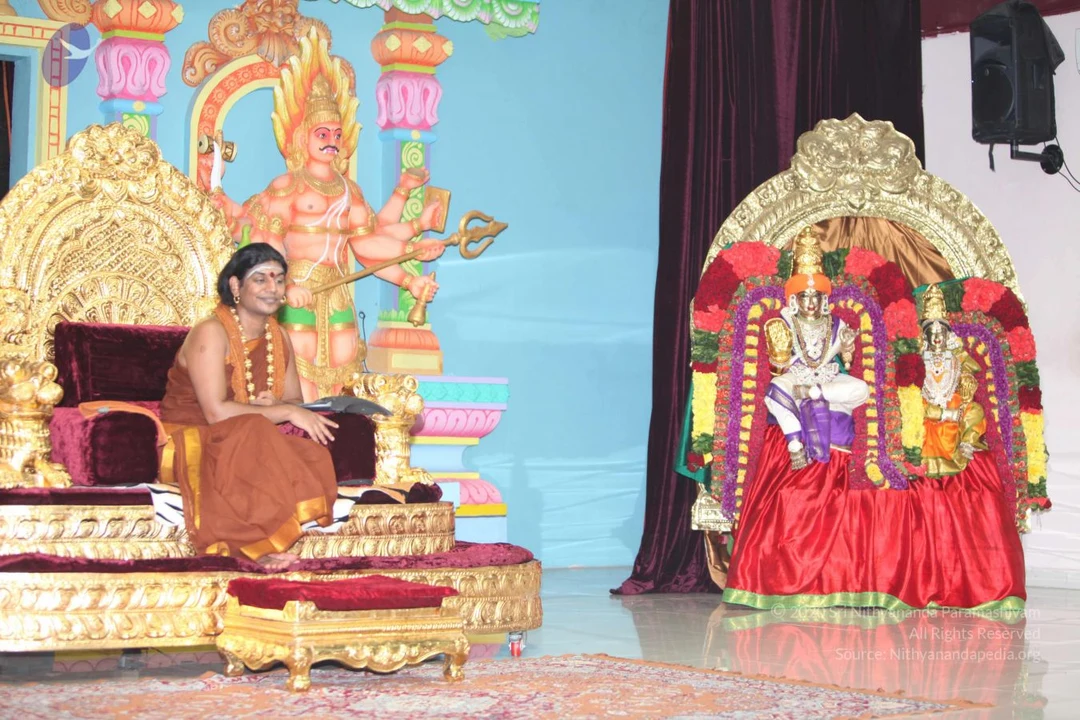
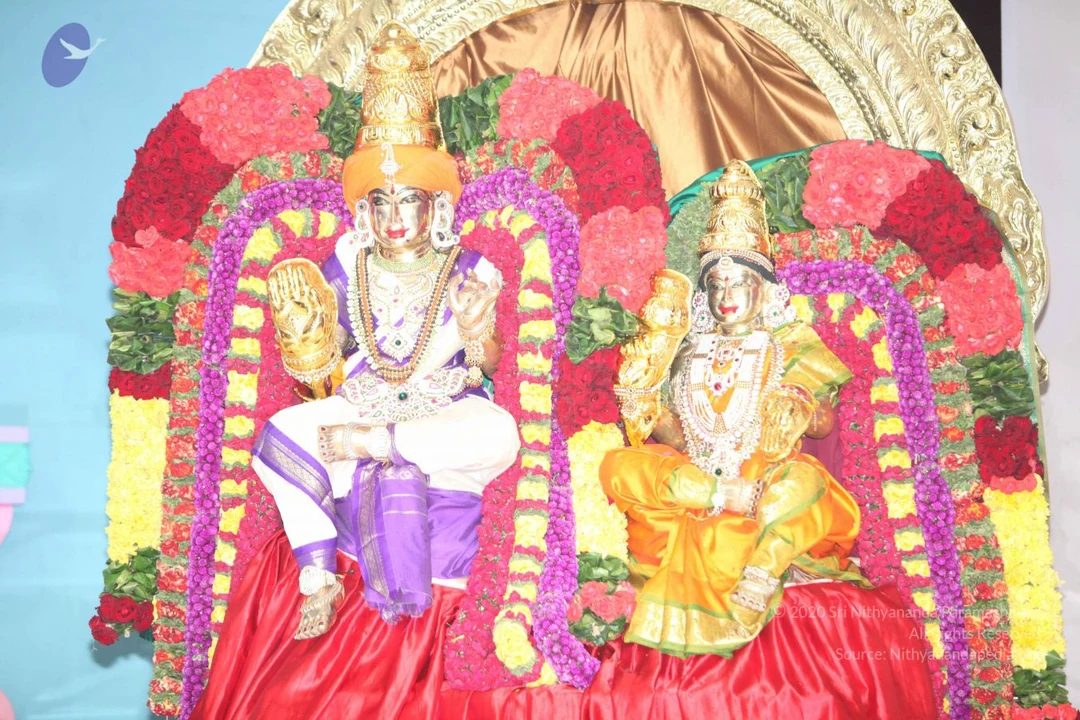
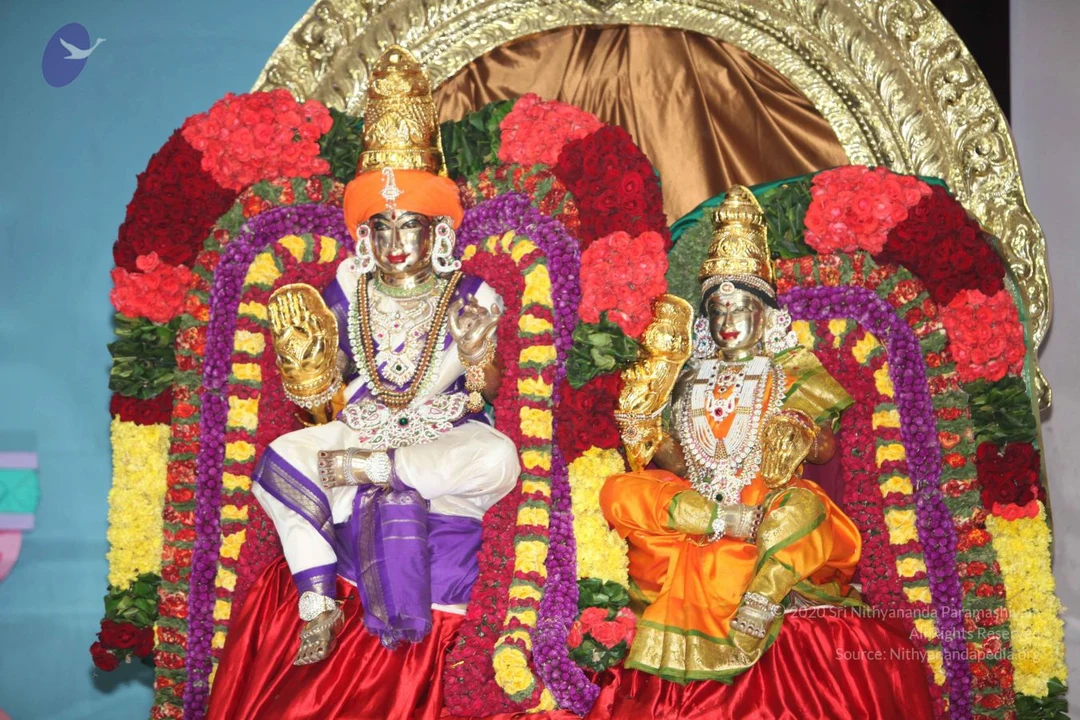
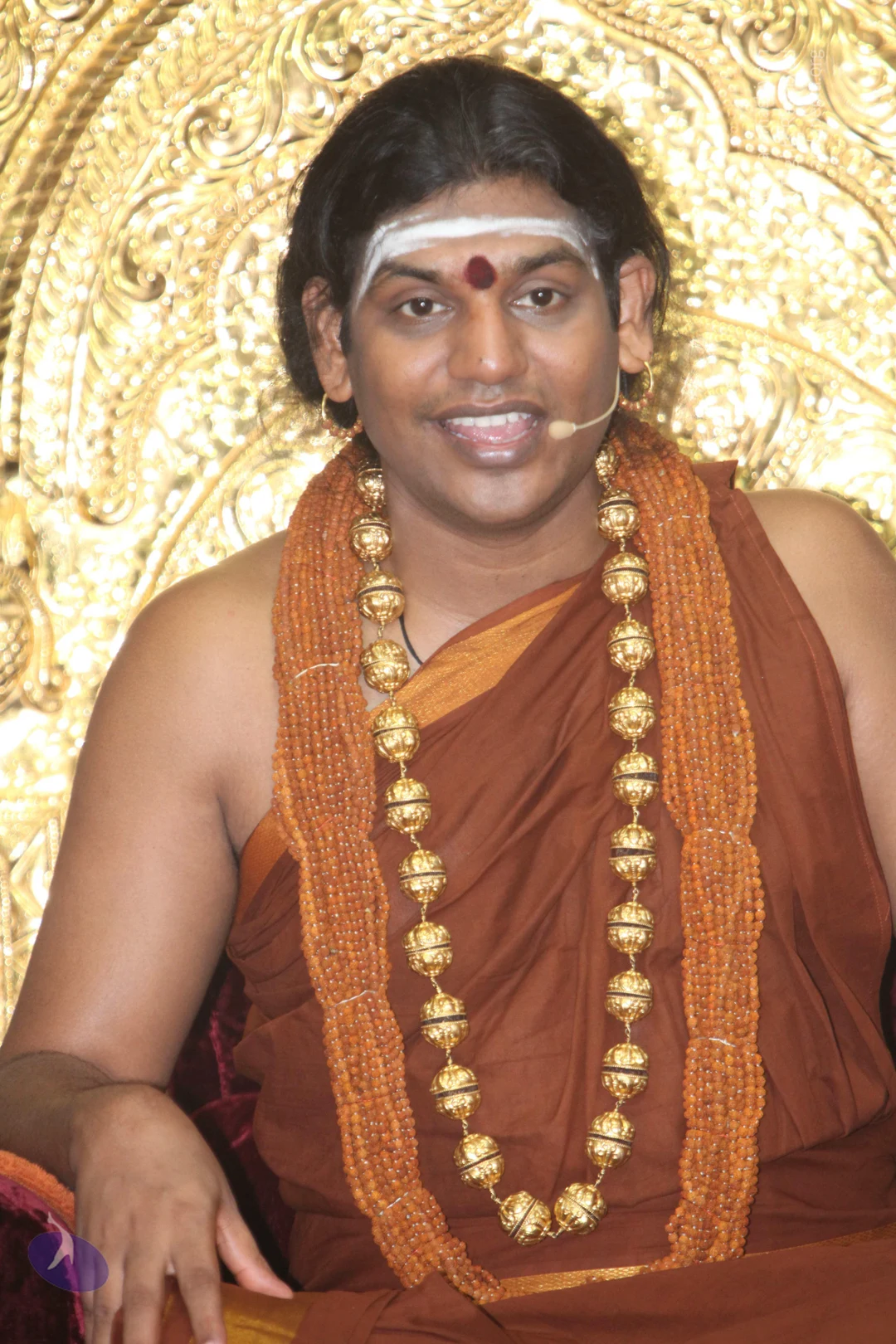
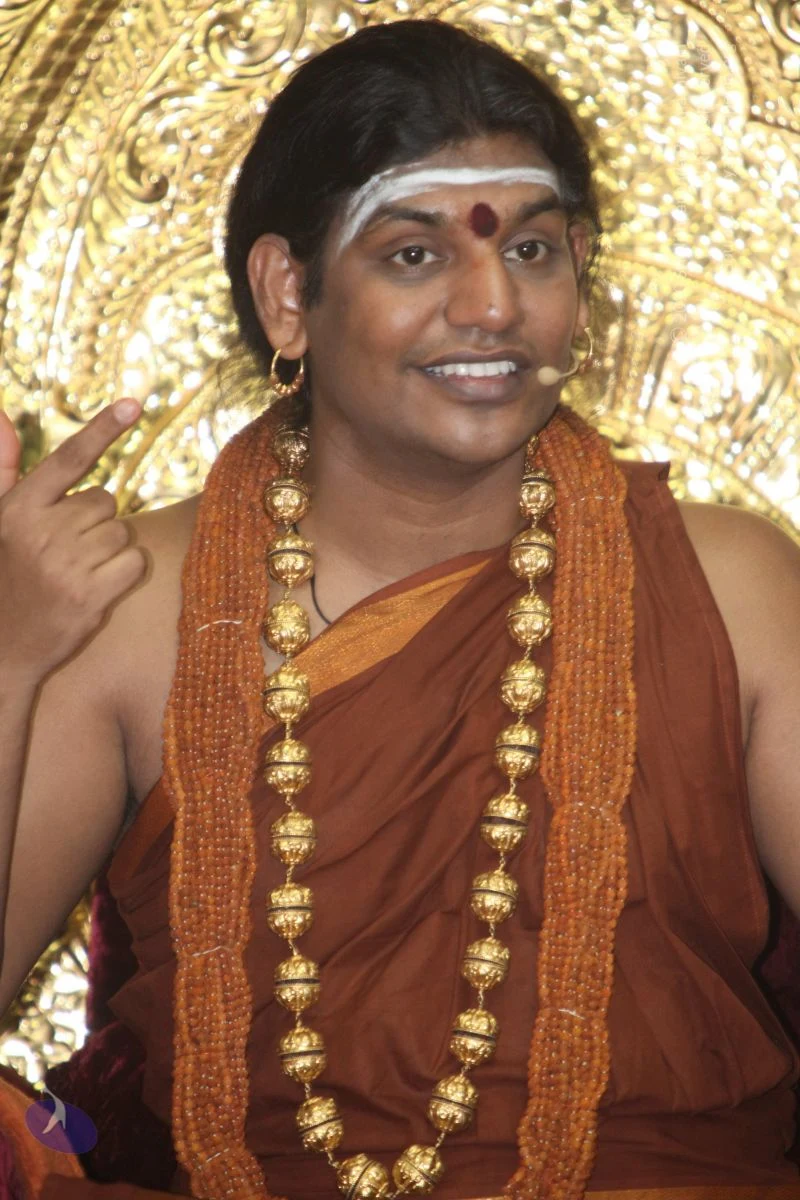
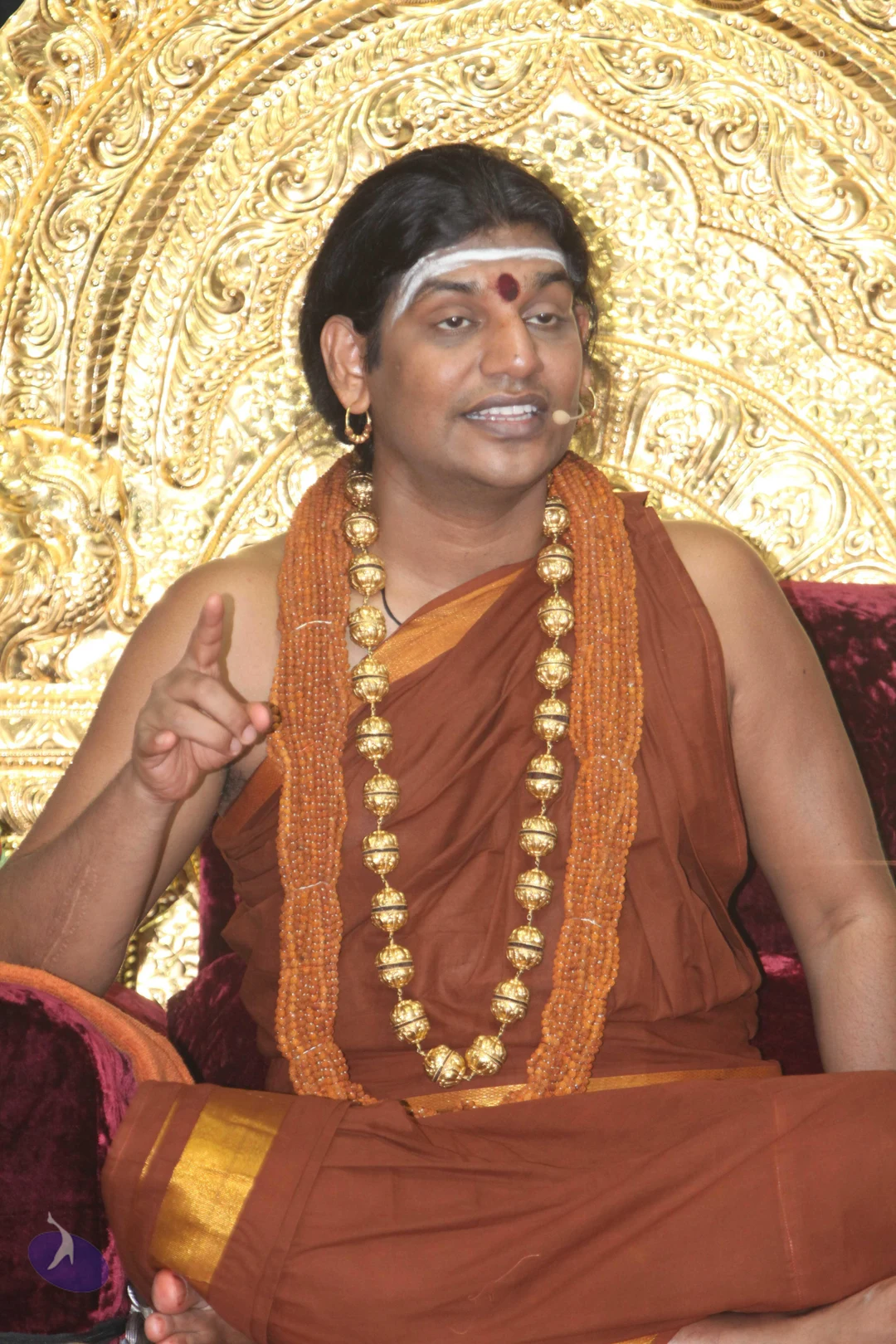
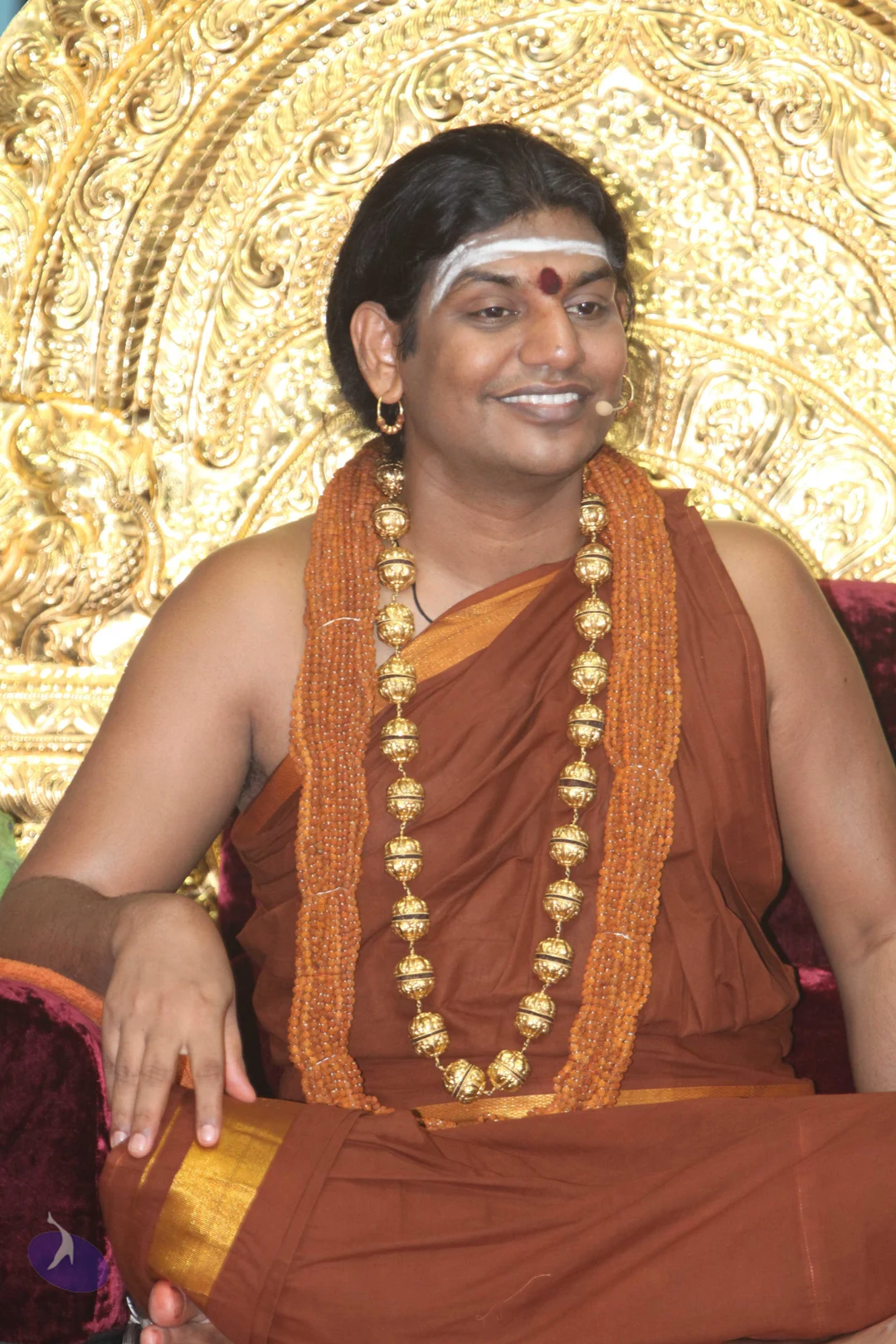
Morning-Satsang
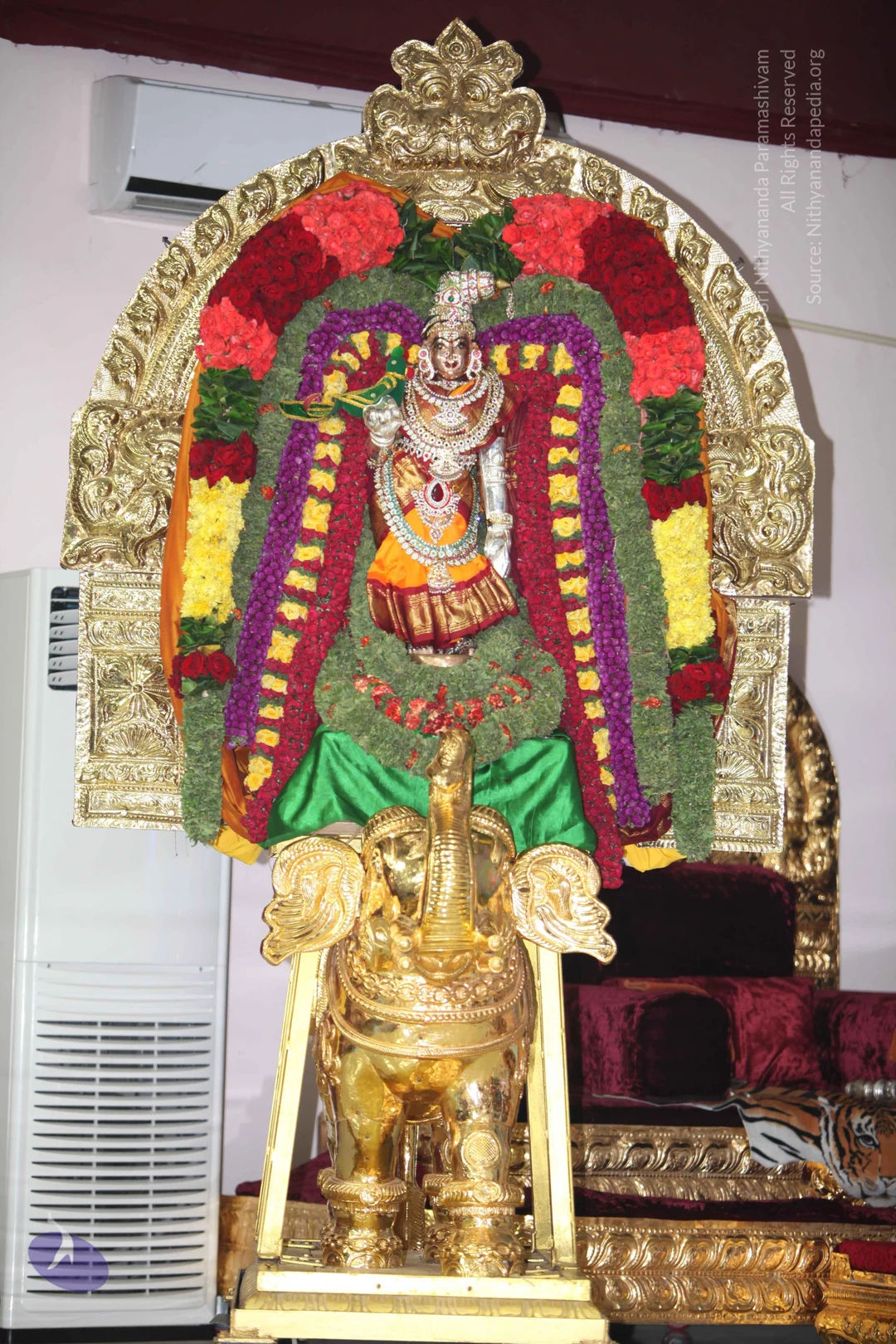

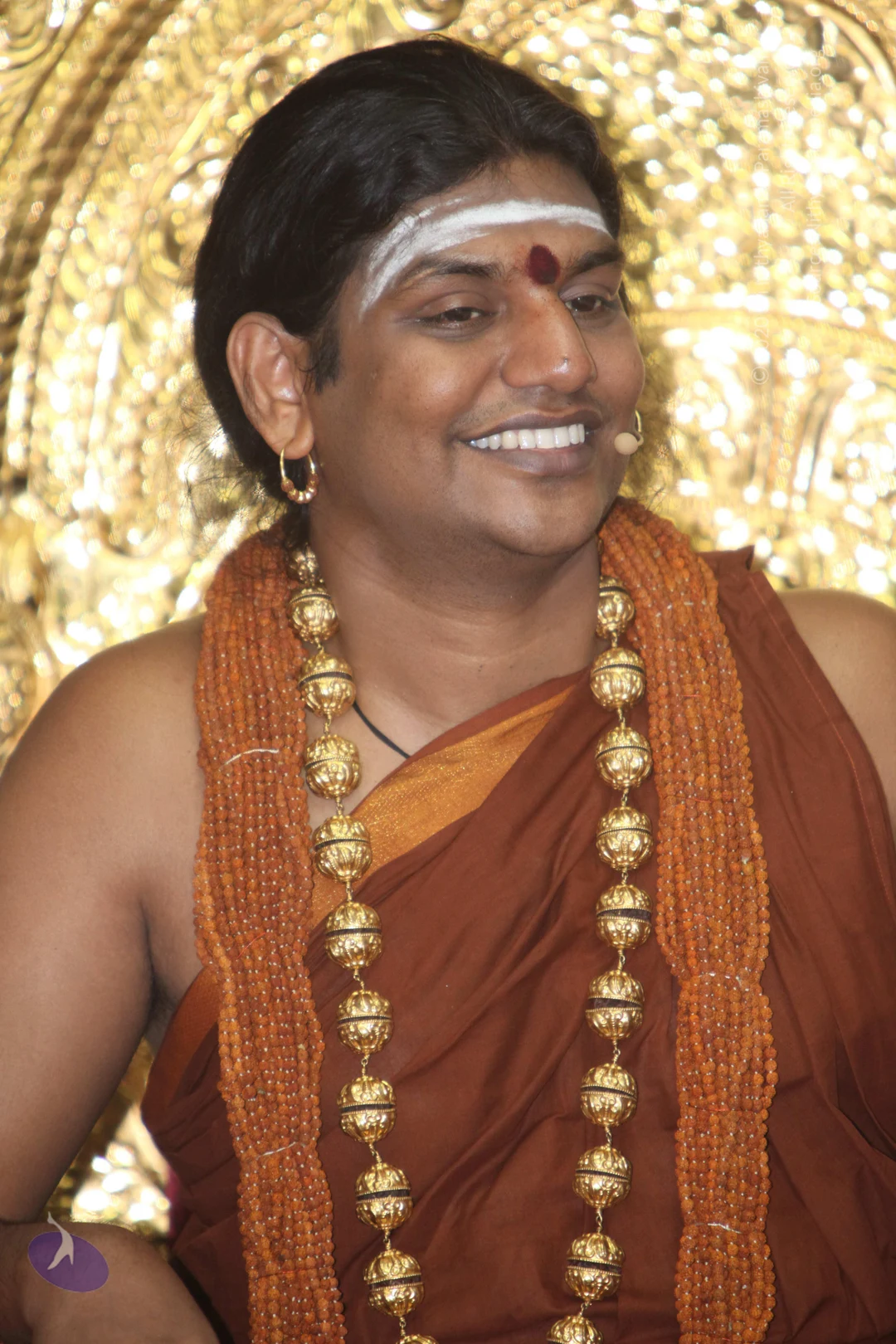
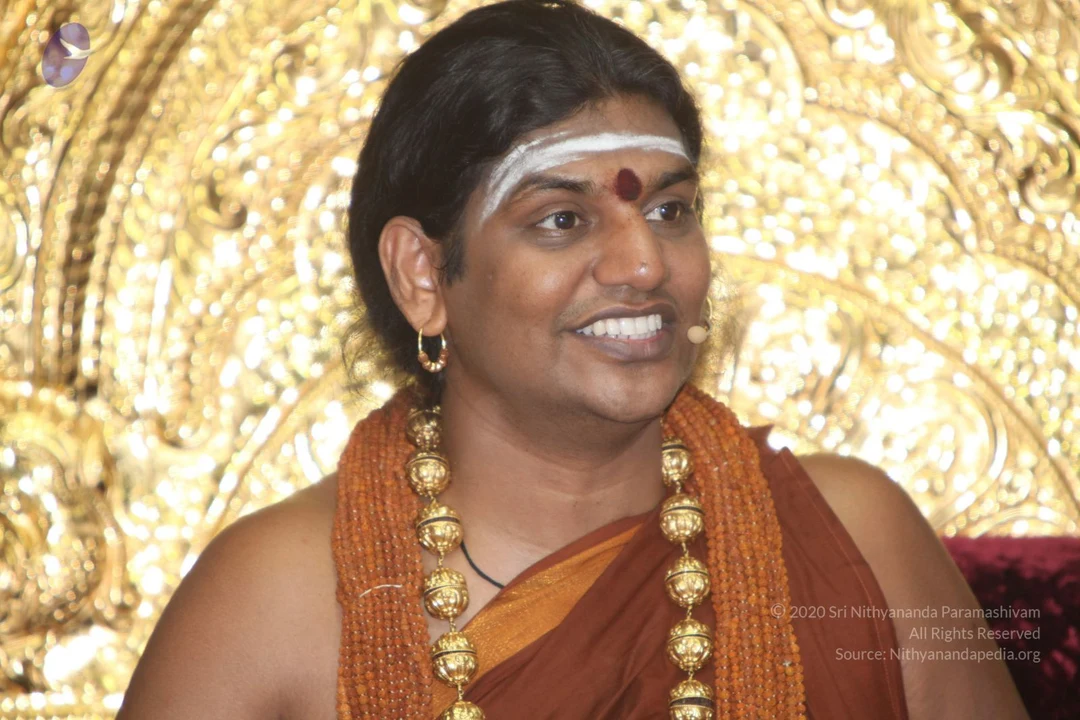
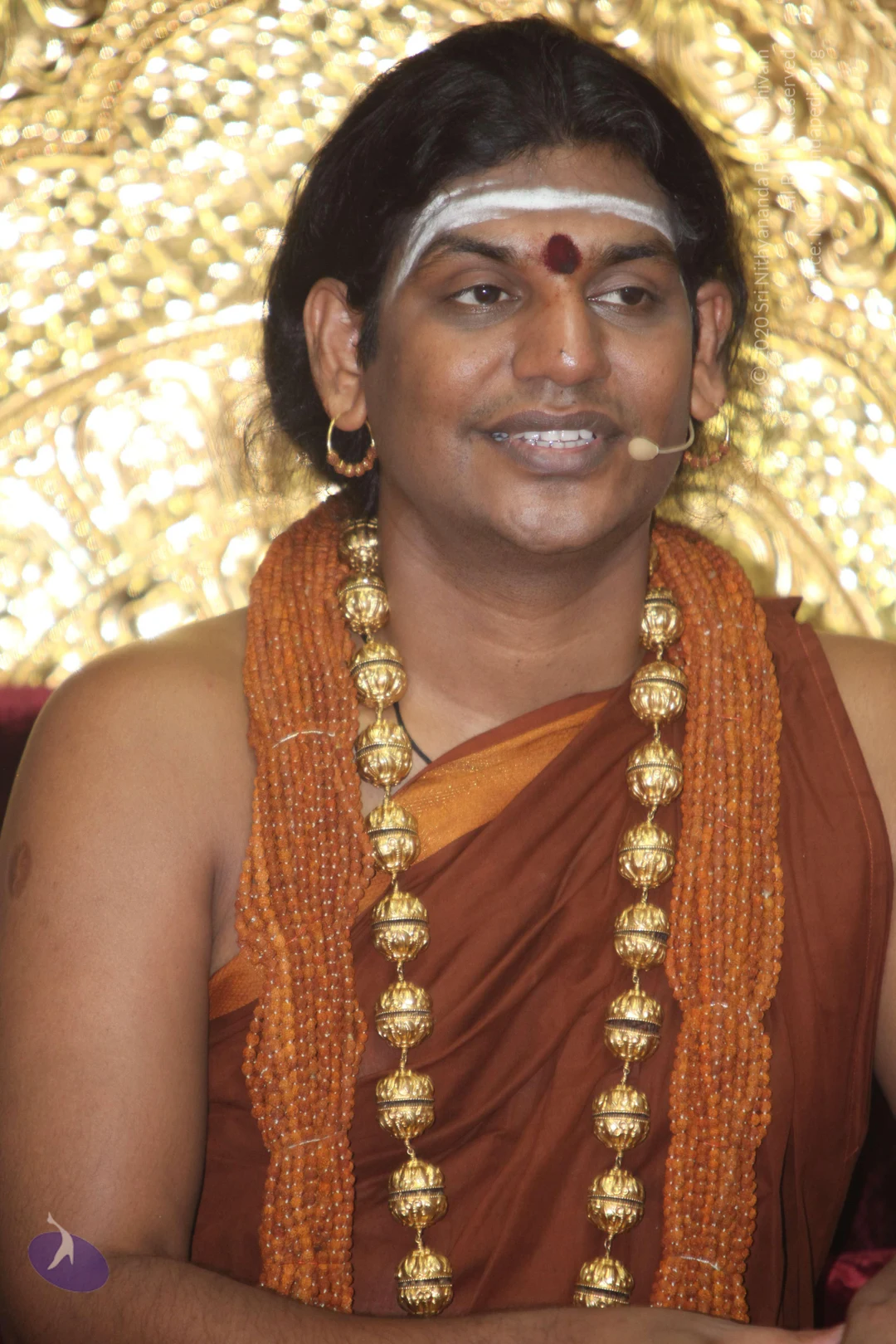

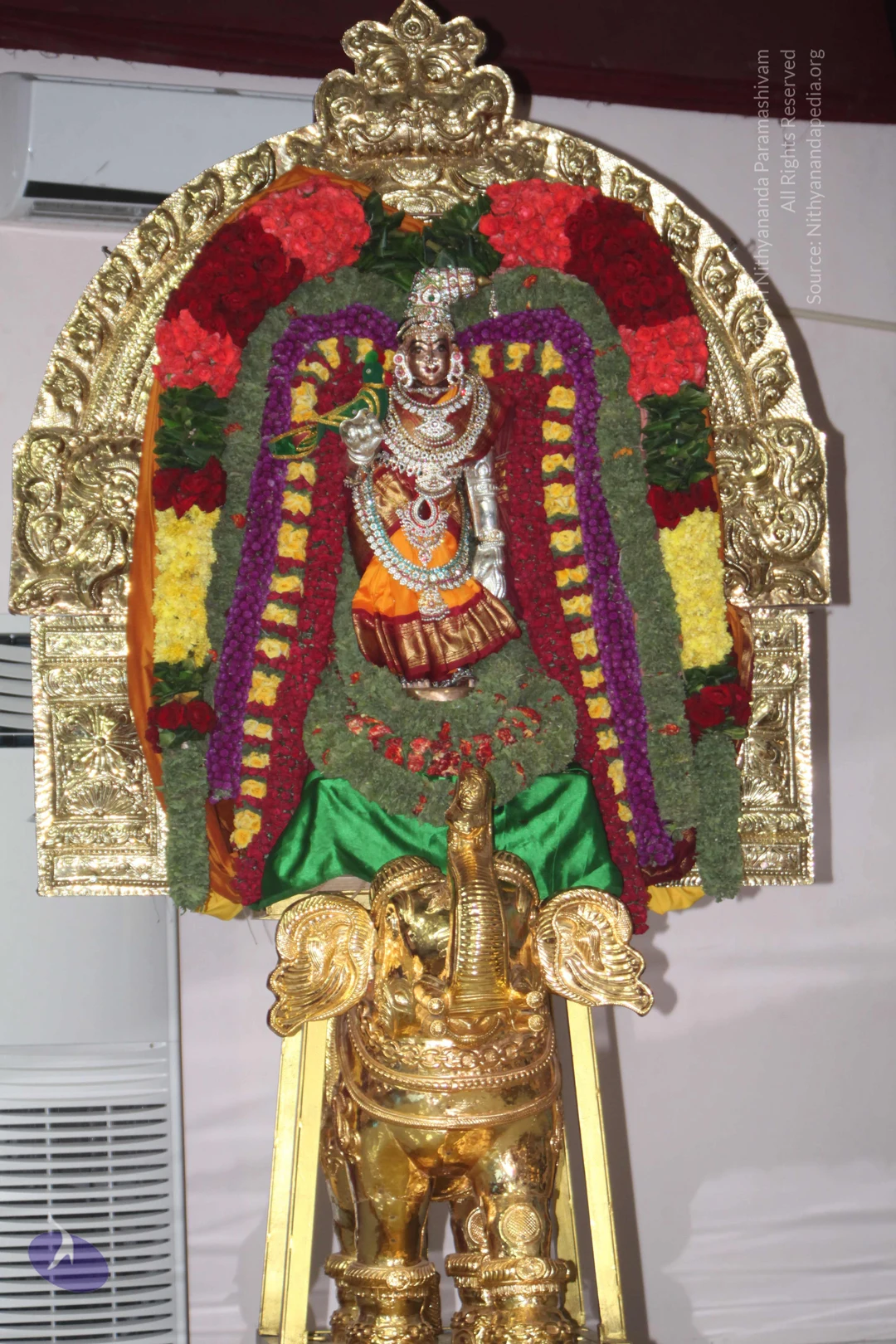

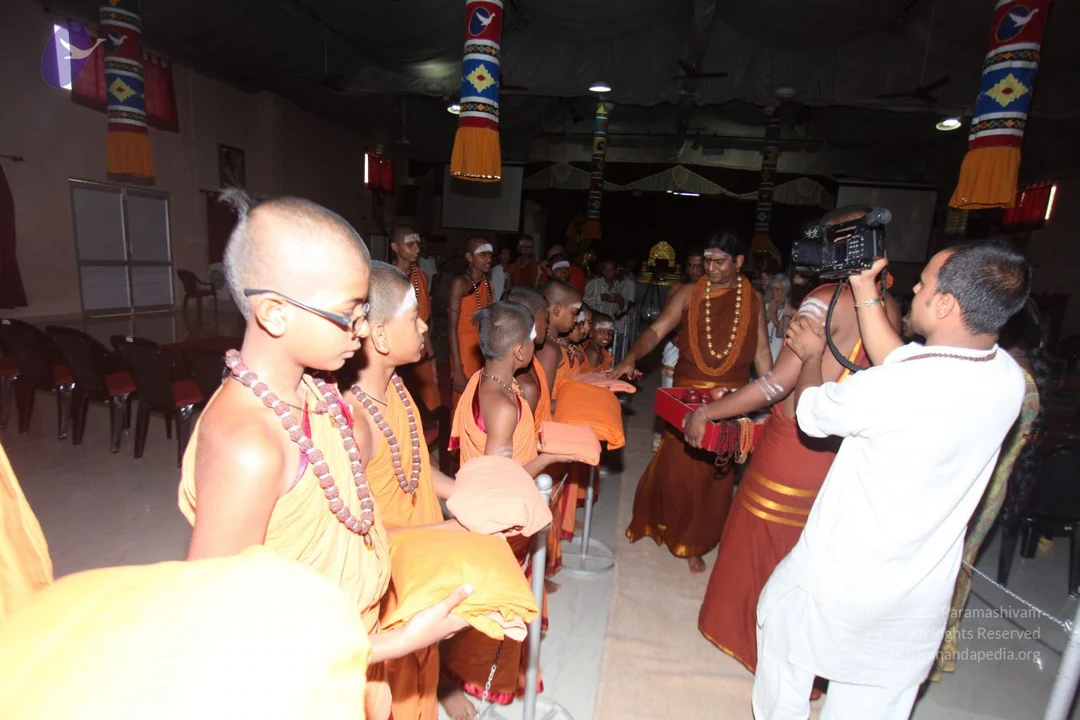
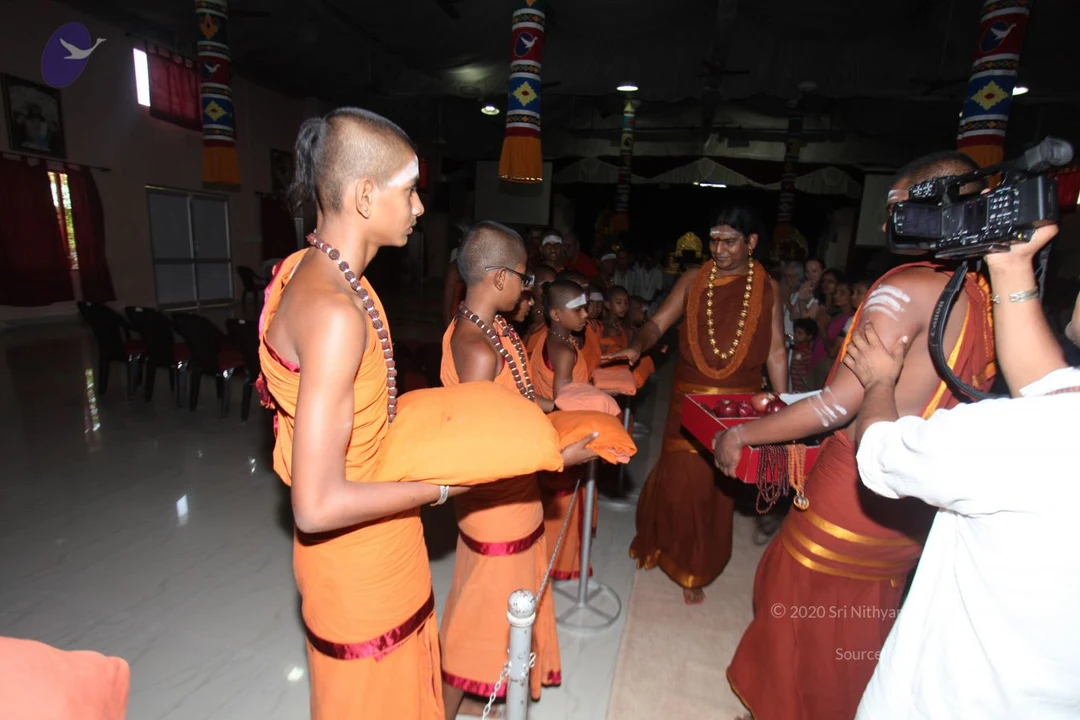
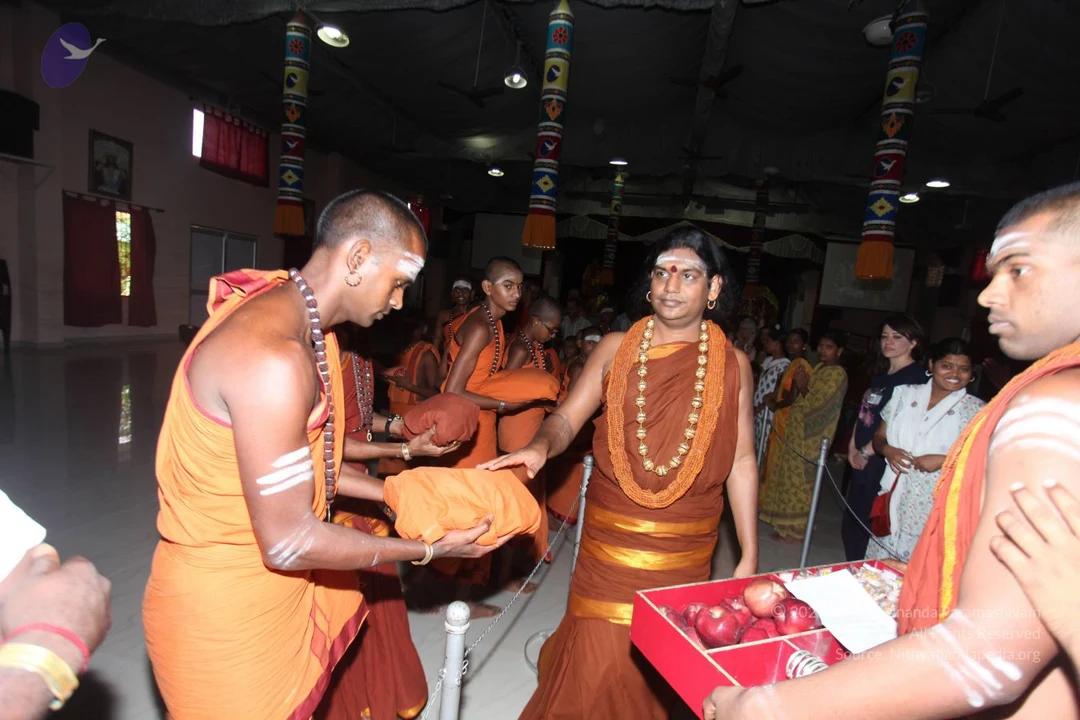
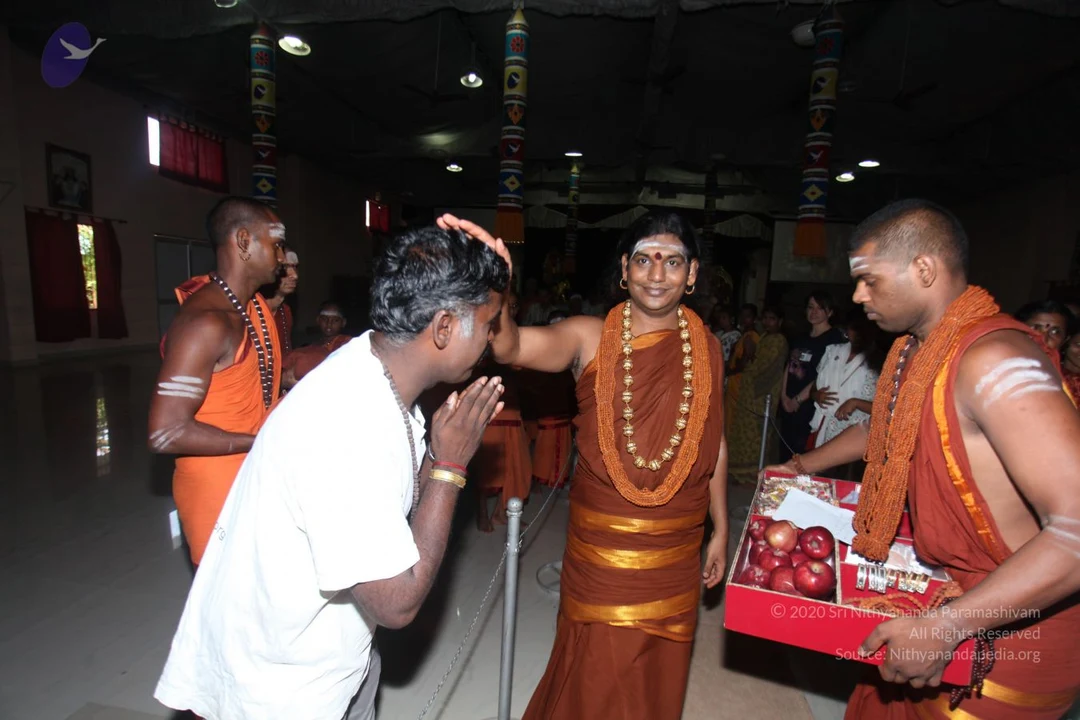

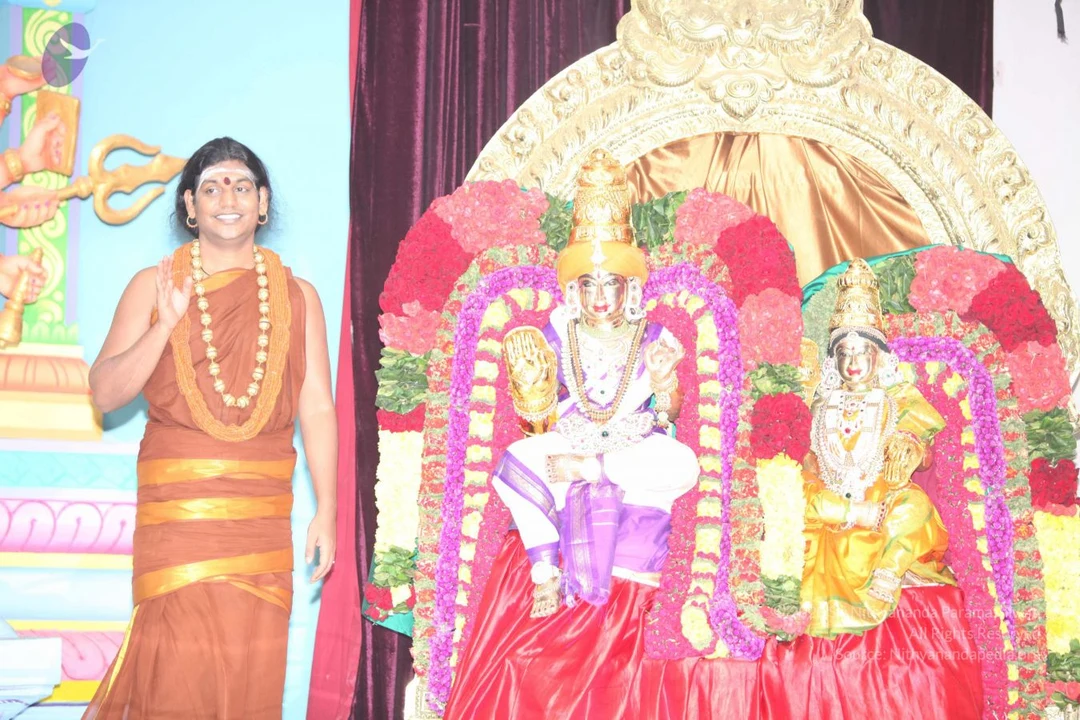
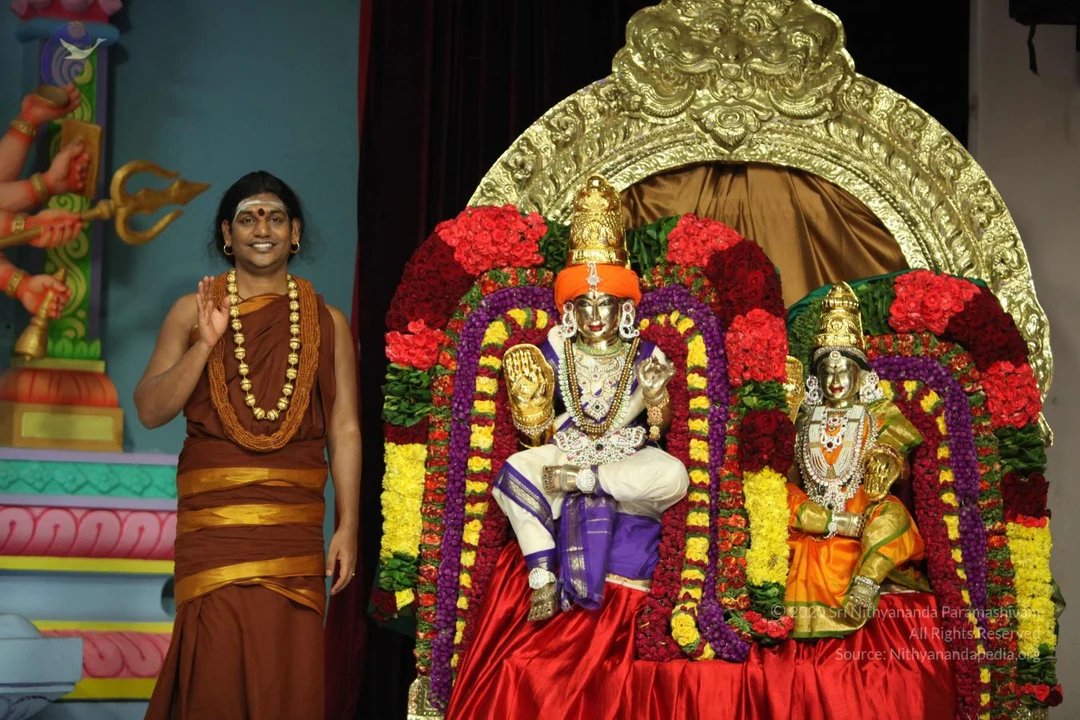
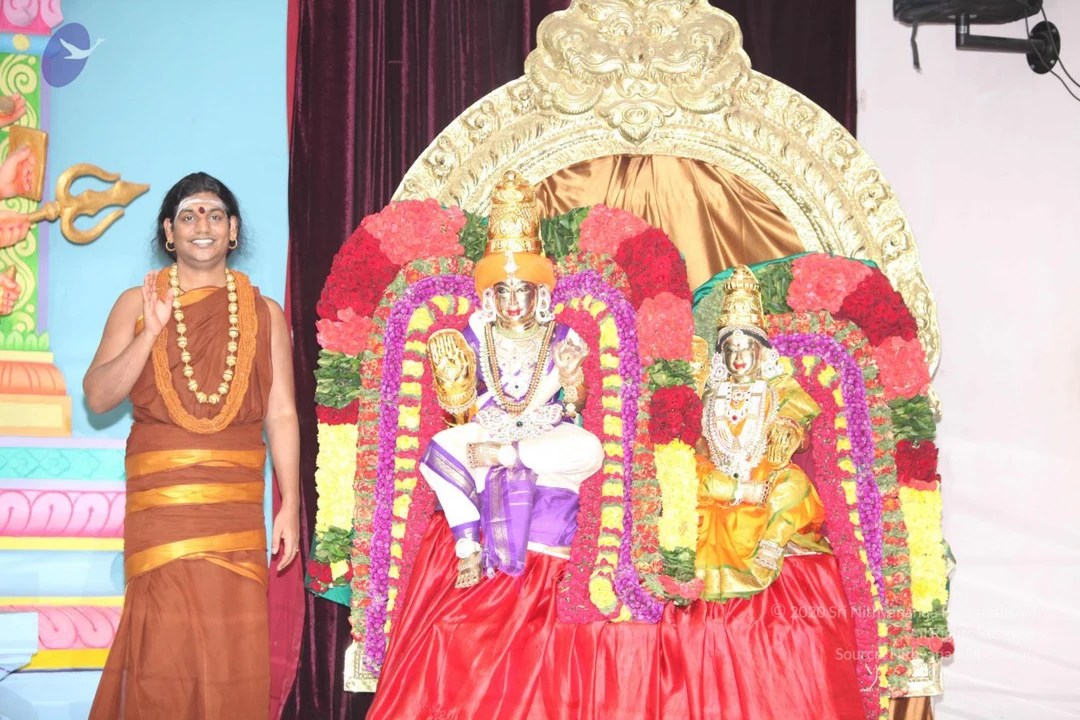
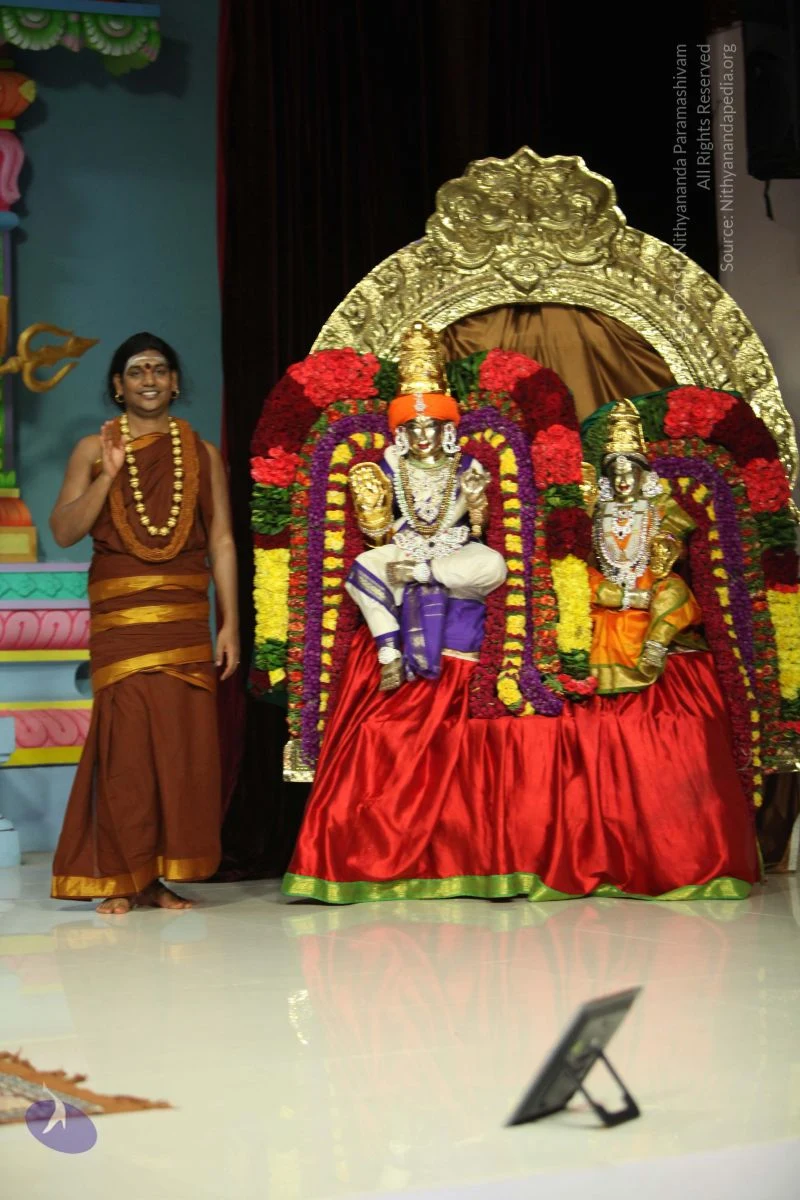
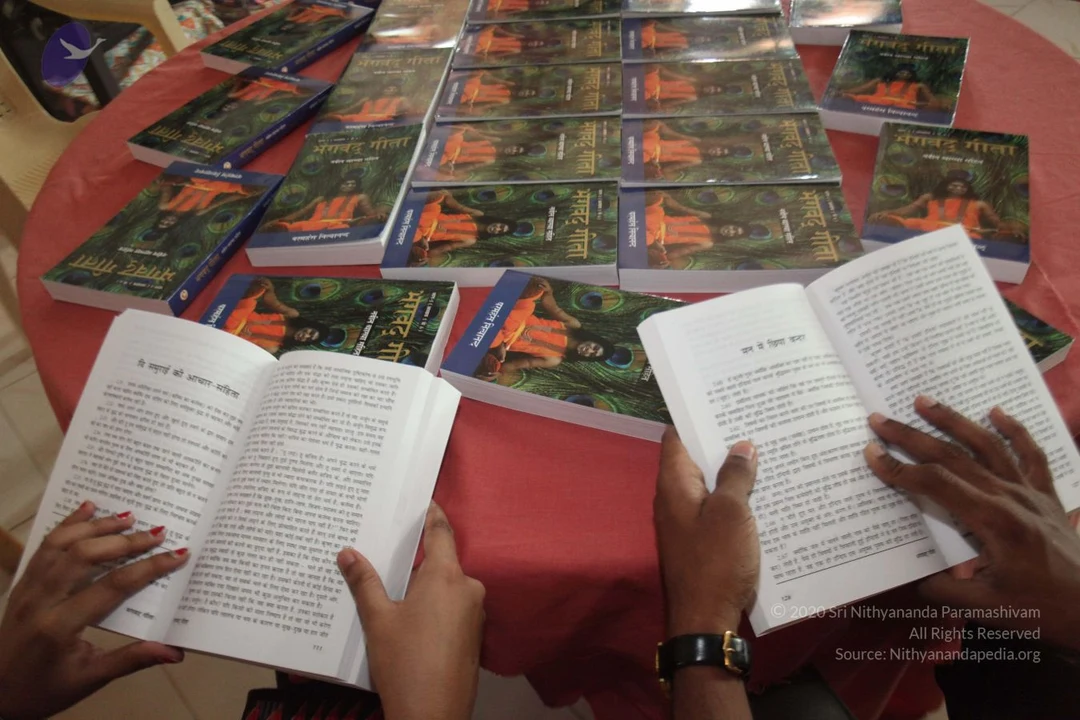
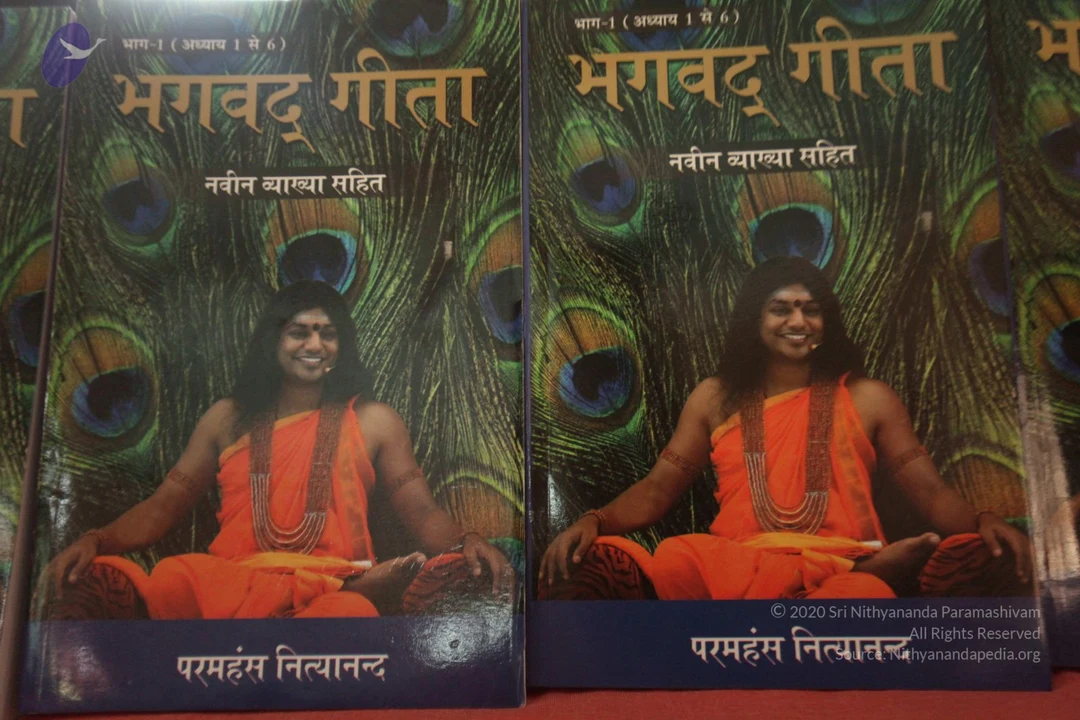
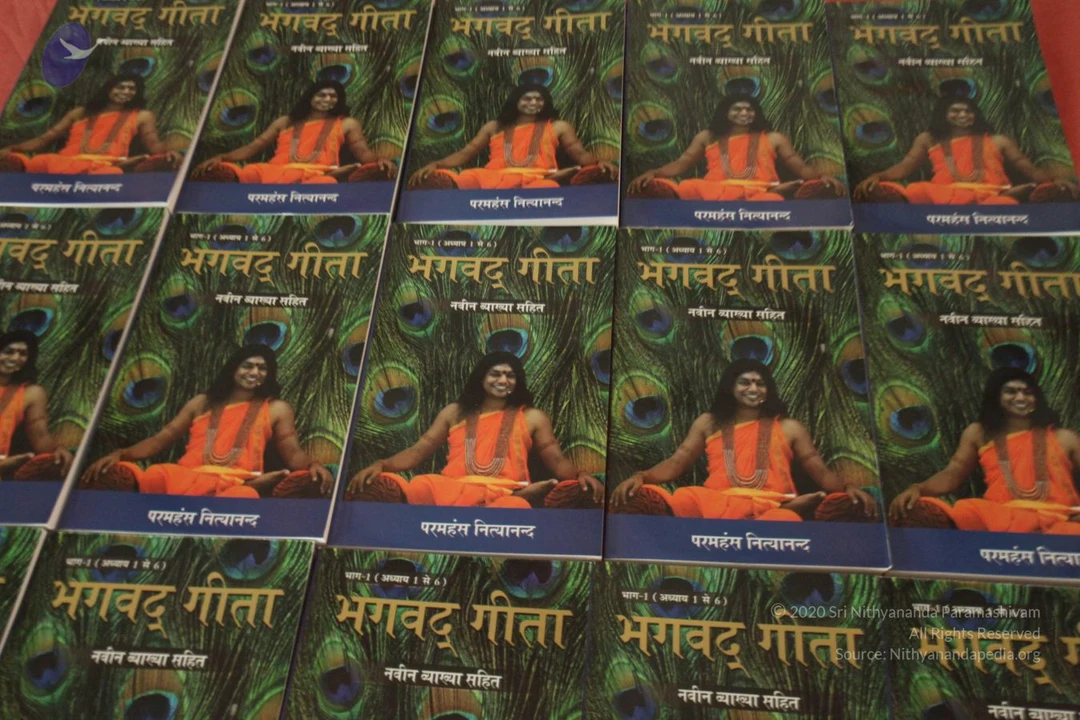
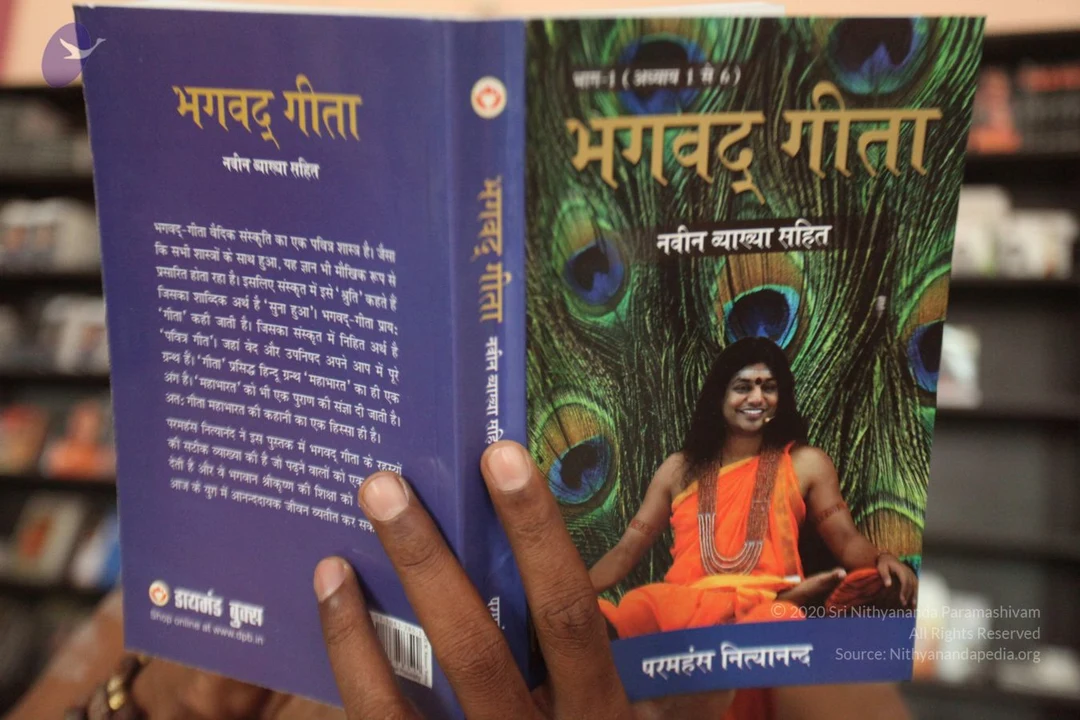
Bhagavad-Gita


Photos Of The Day:
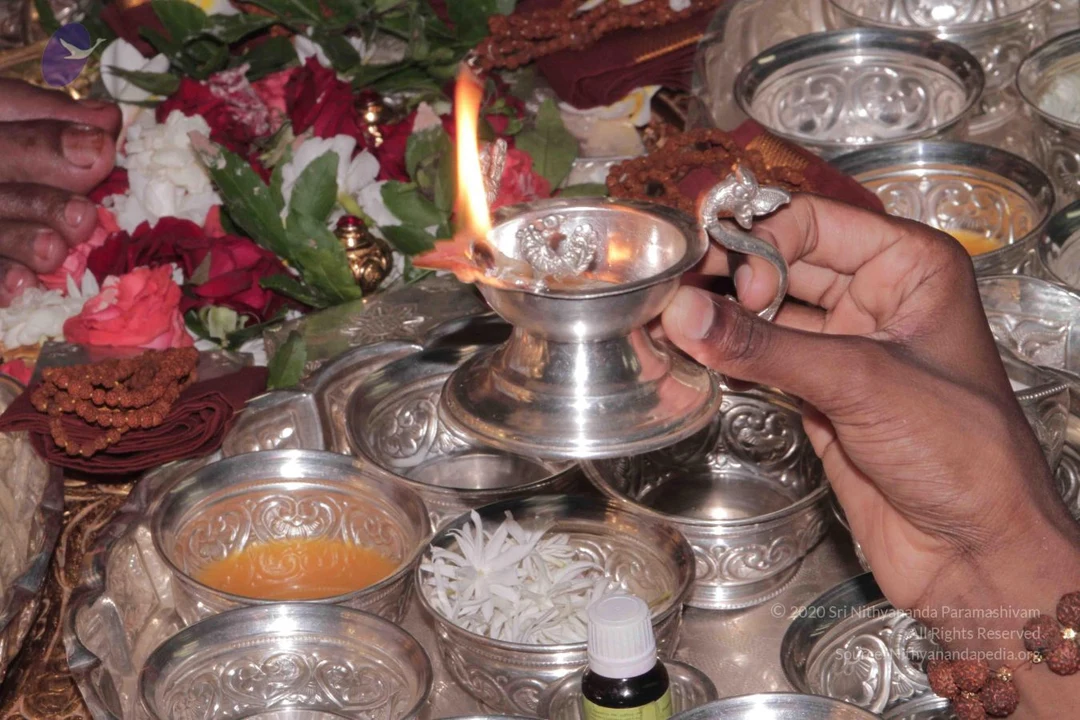
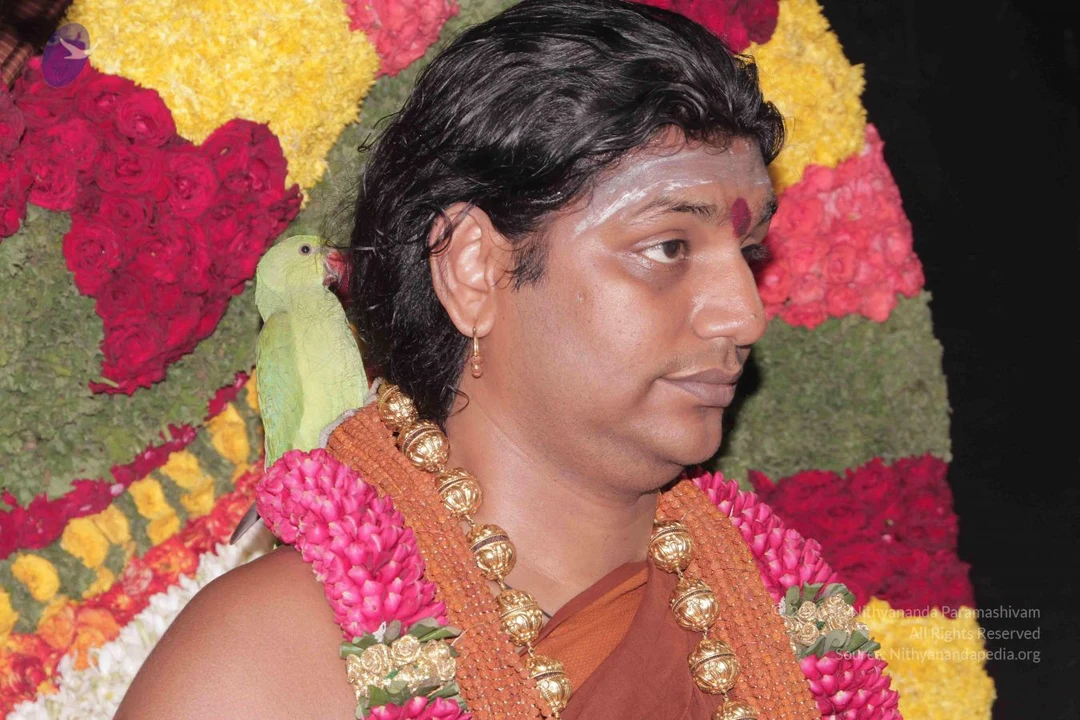
Pada Puja
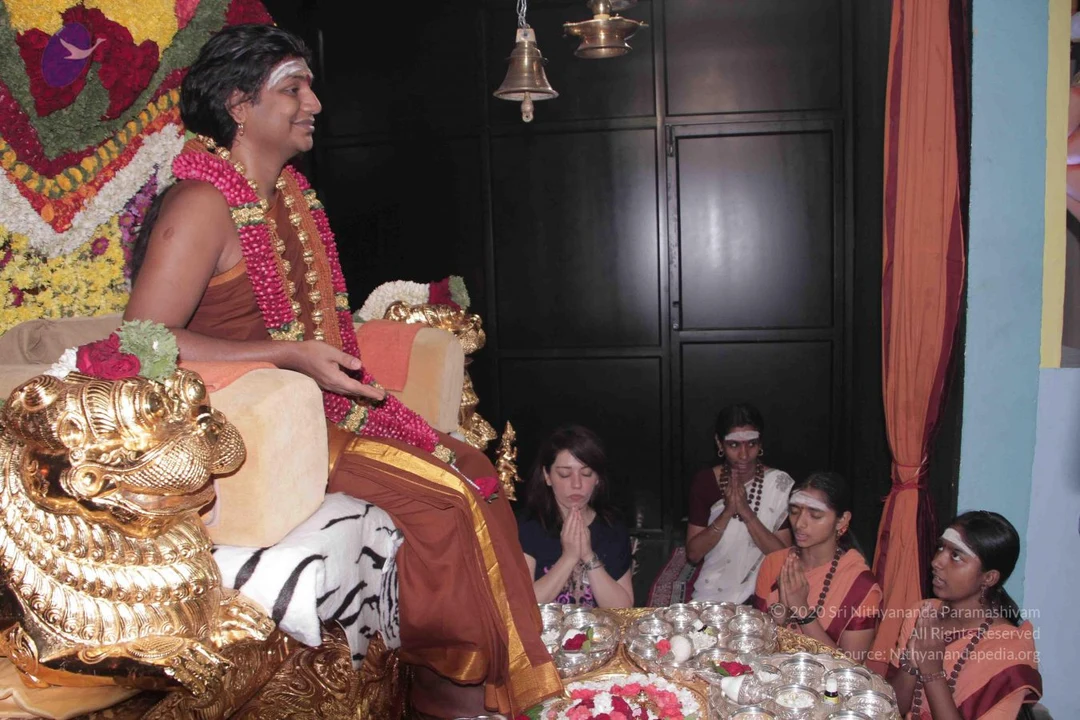
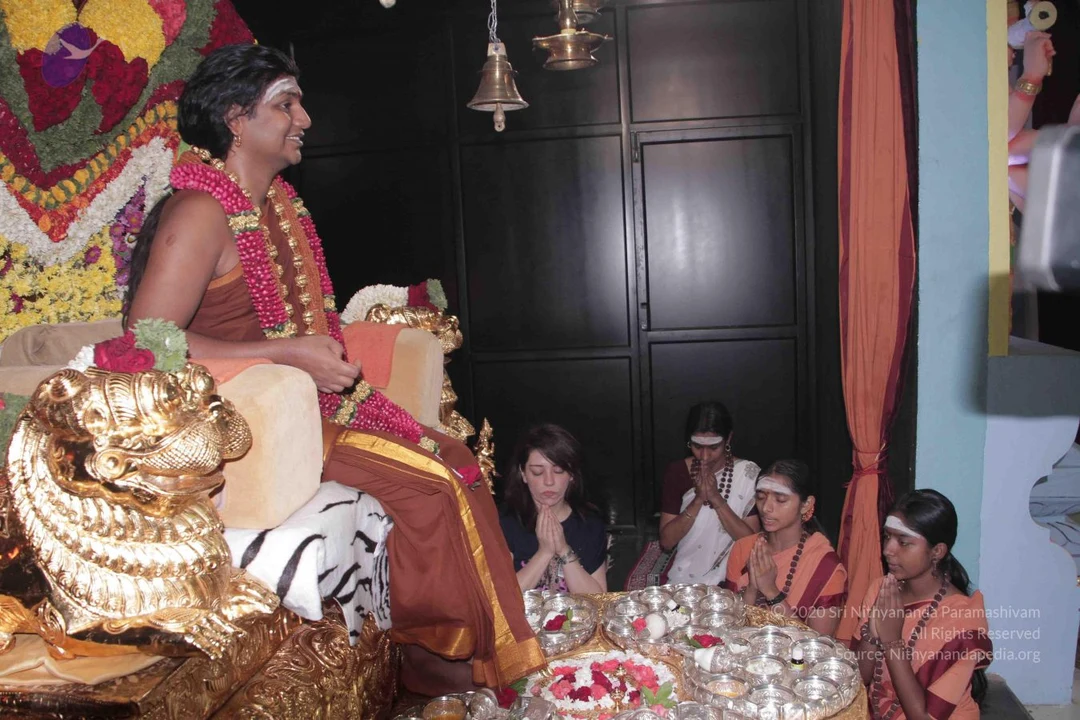
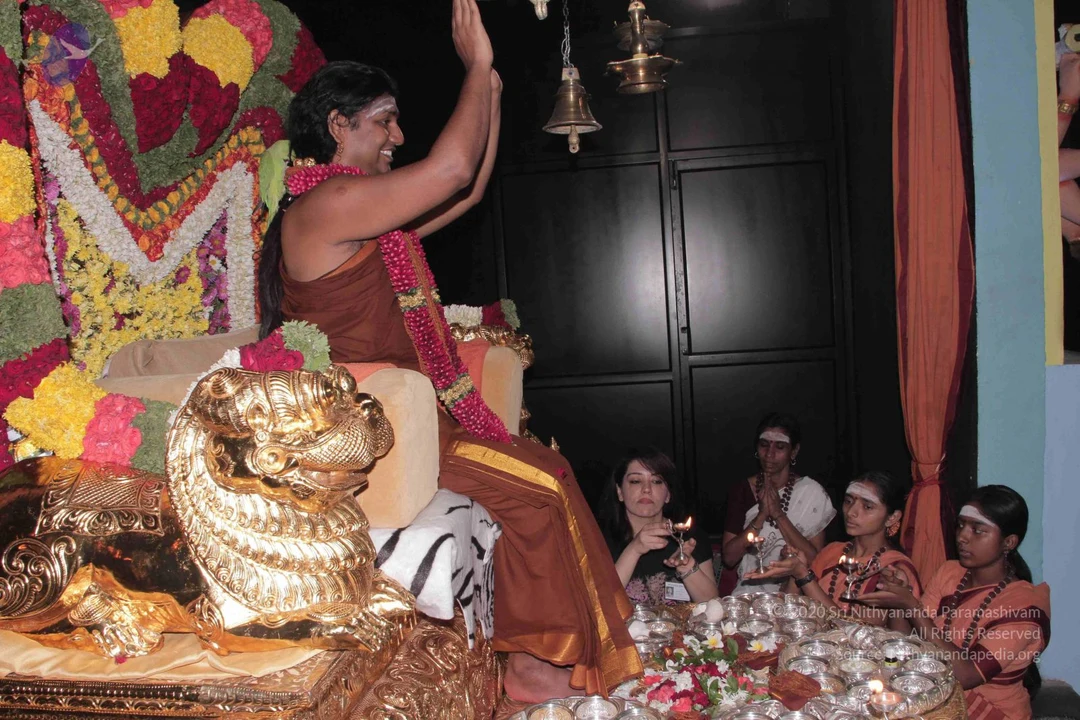
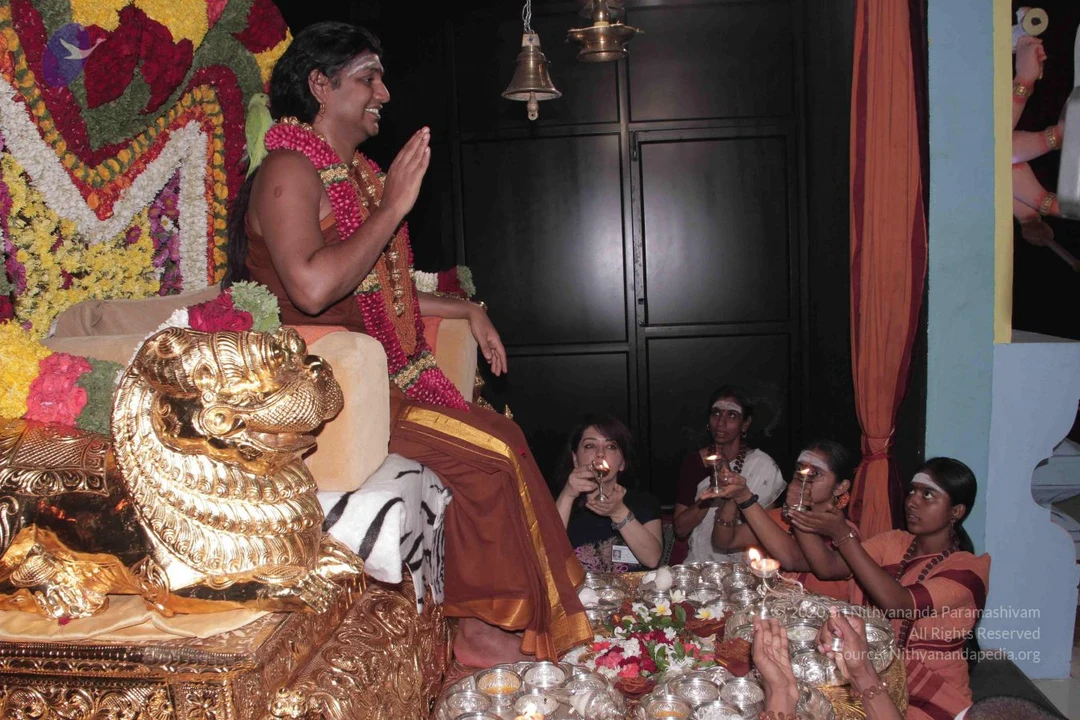
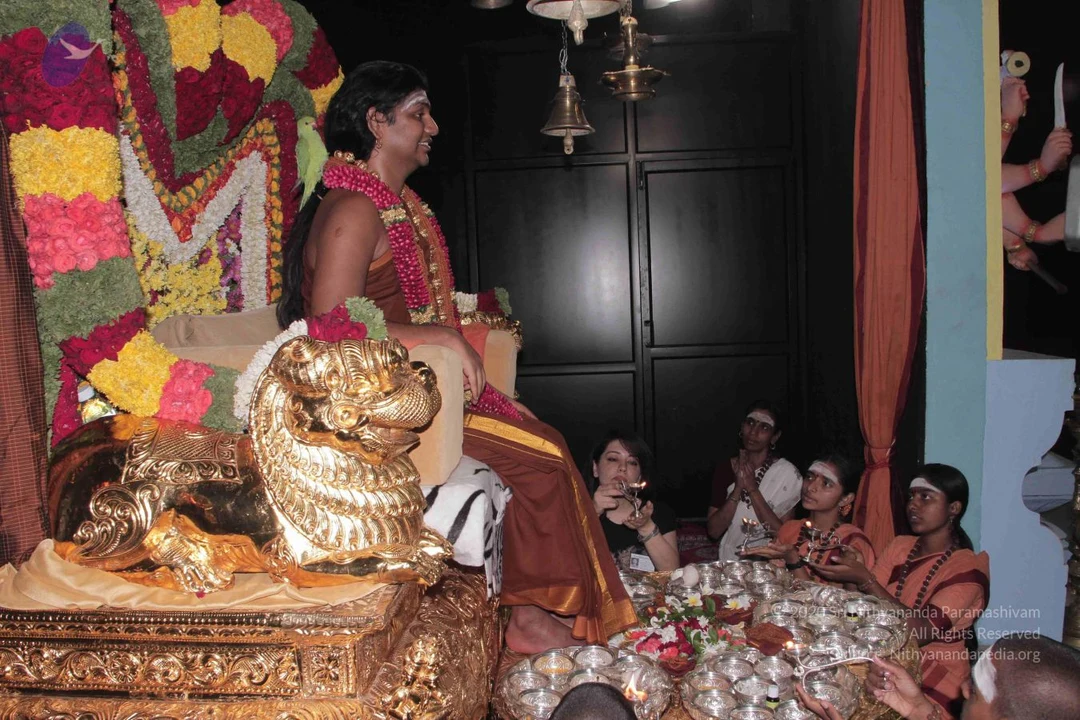
Satsang
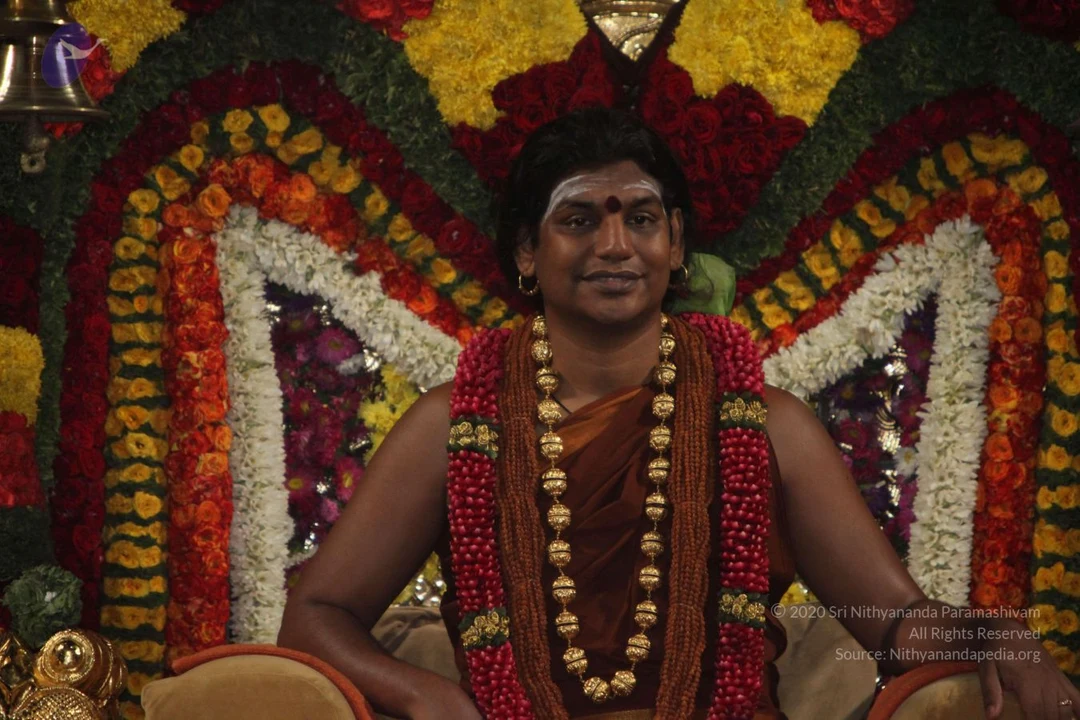
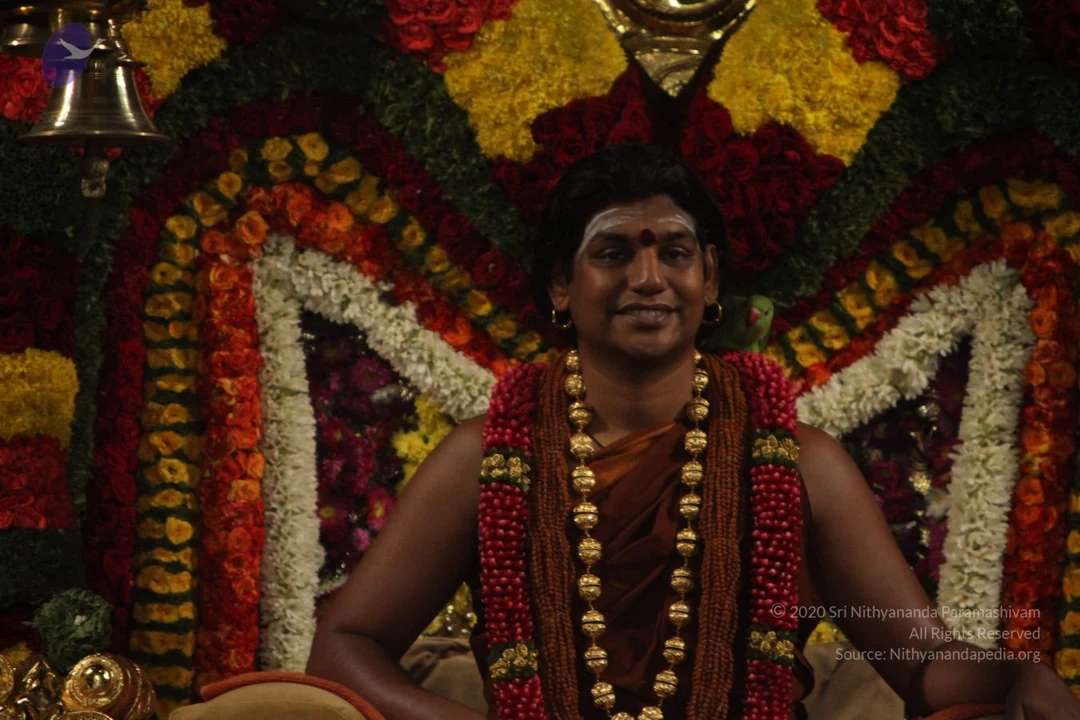
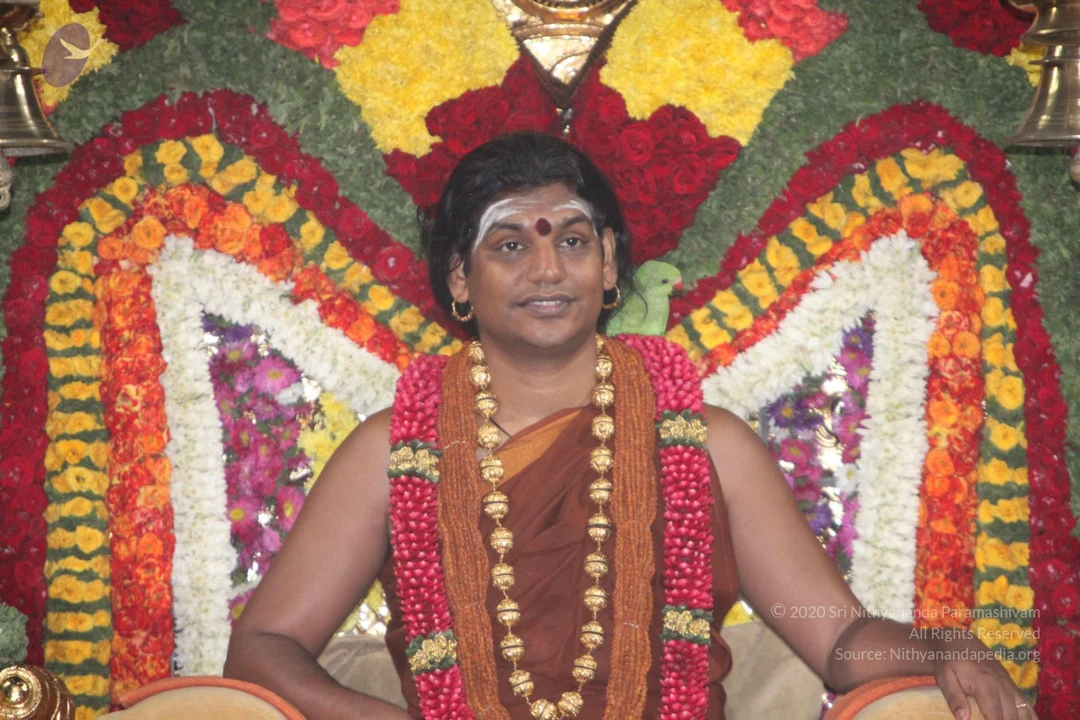
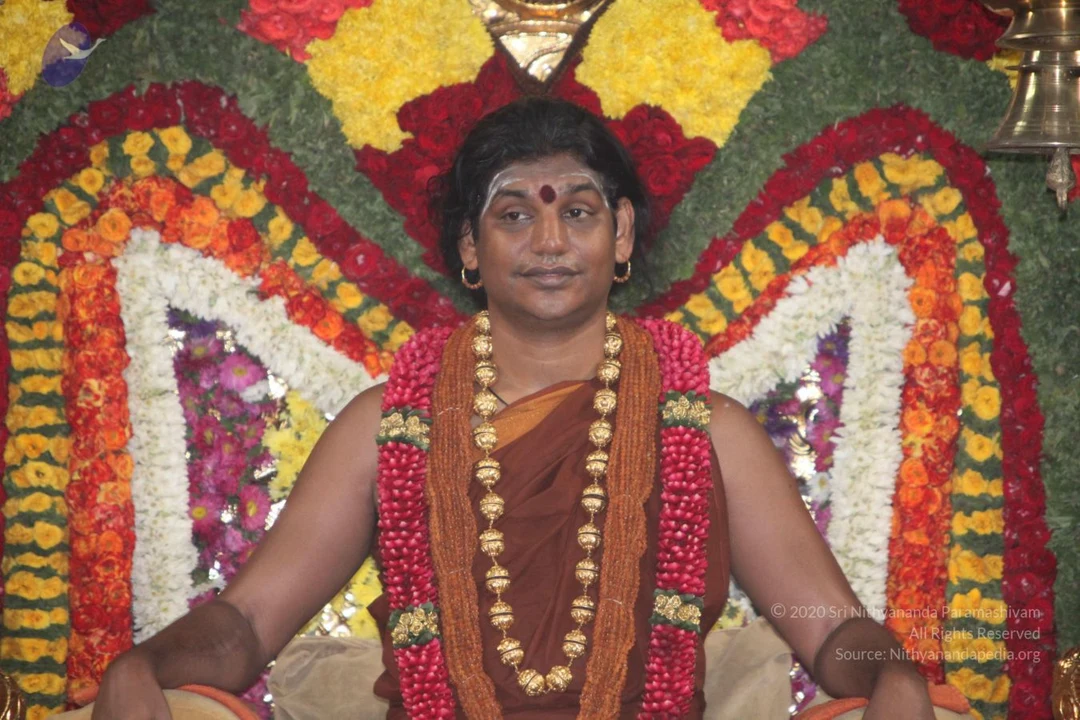
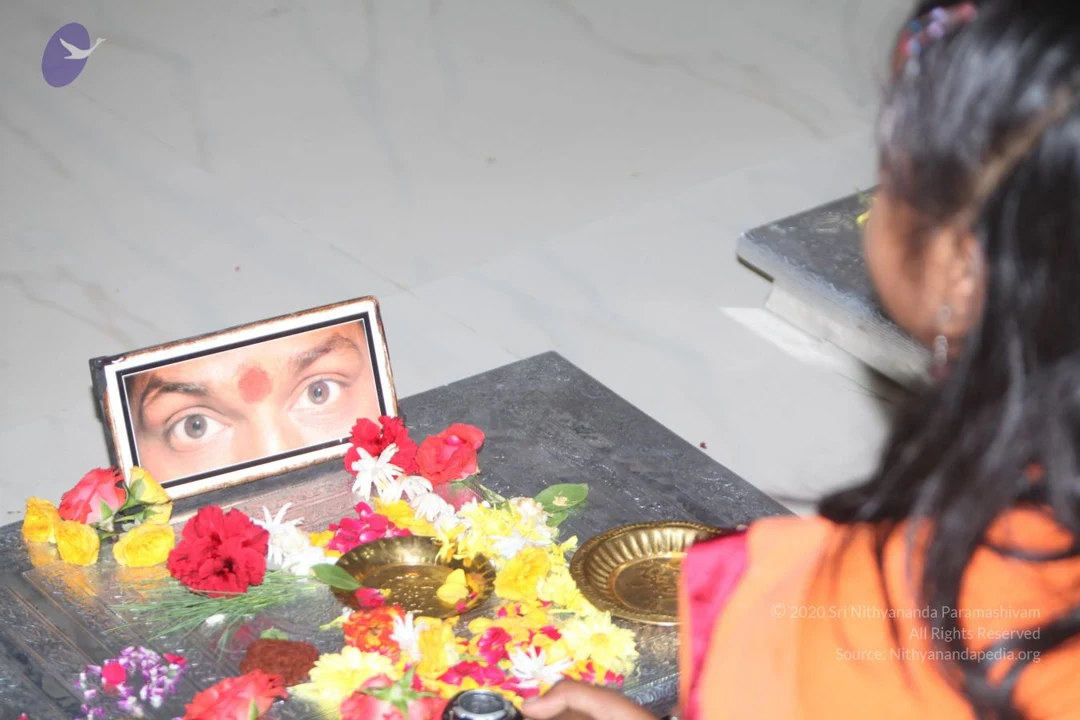
Darshan
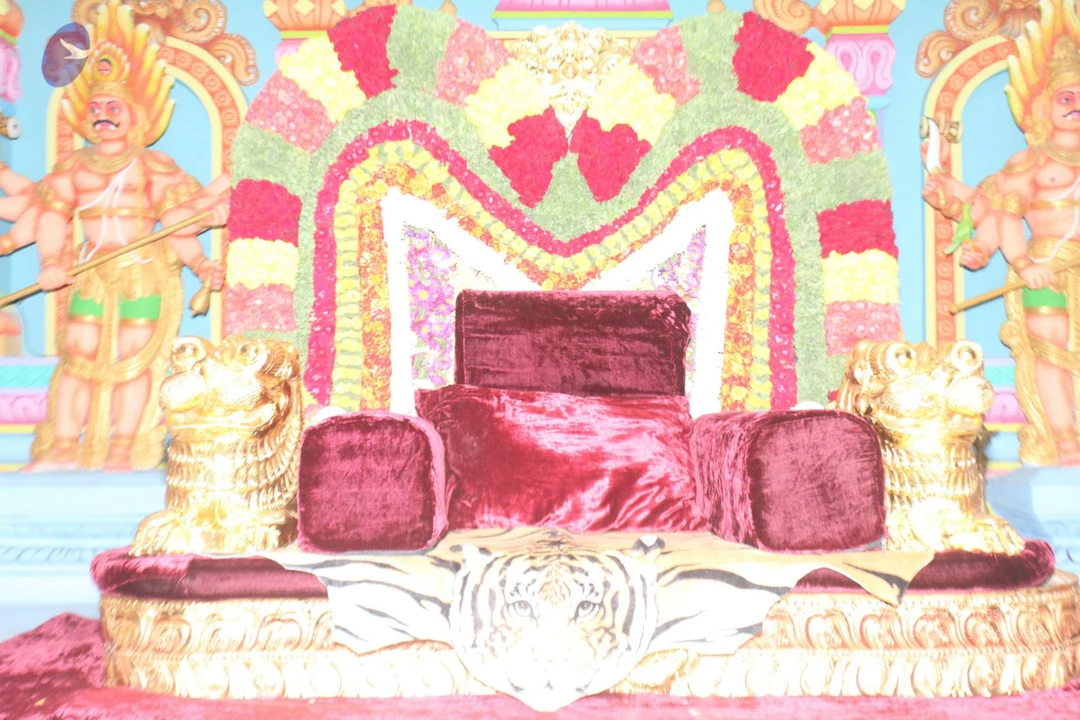
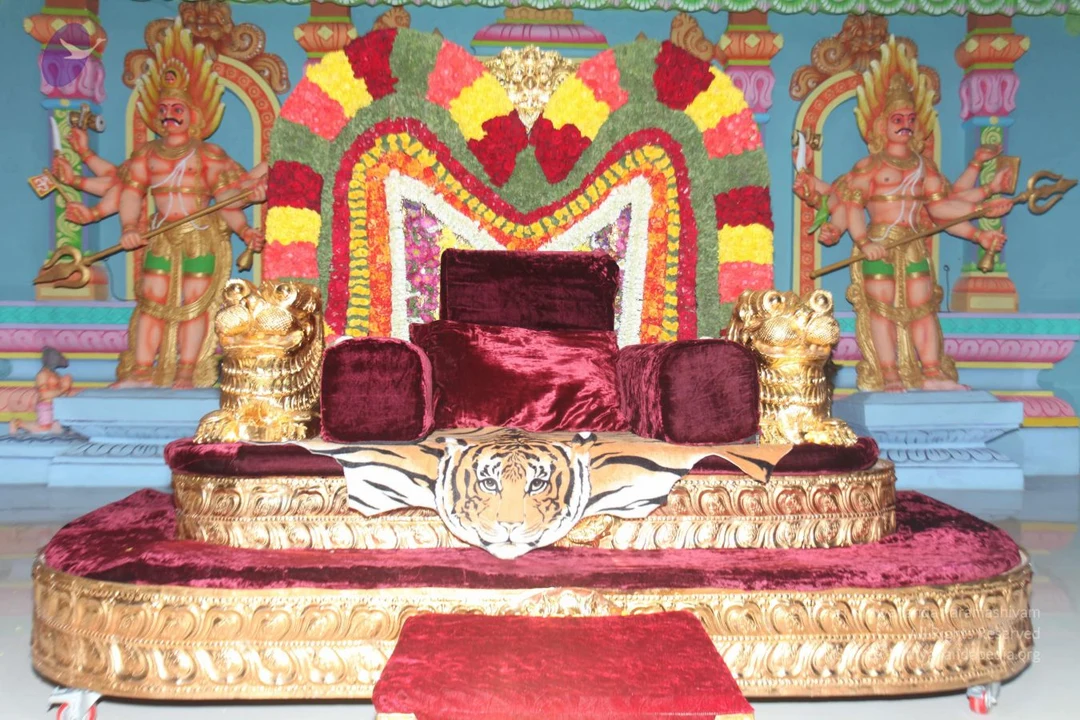

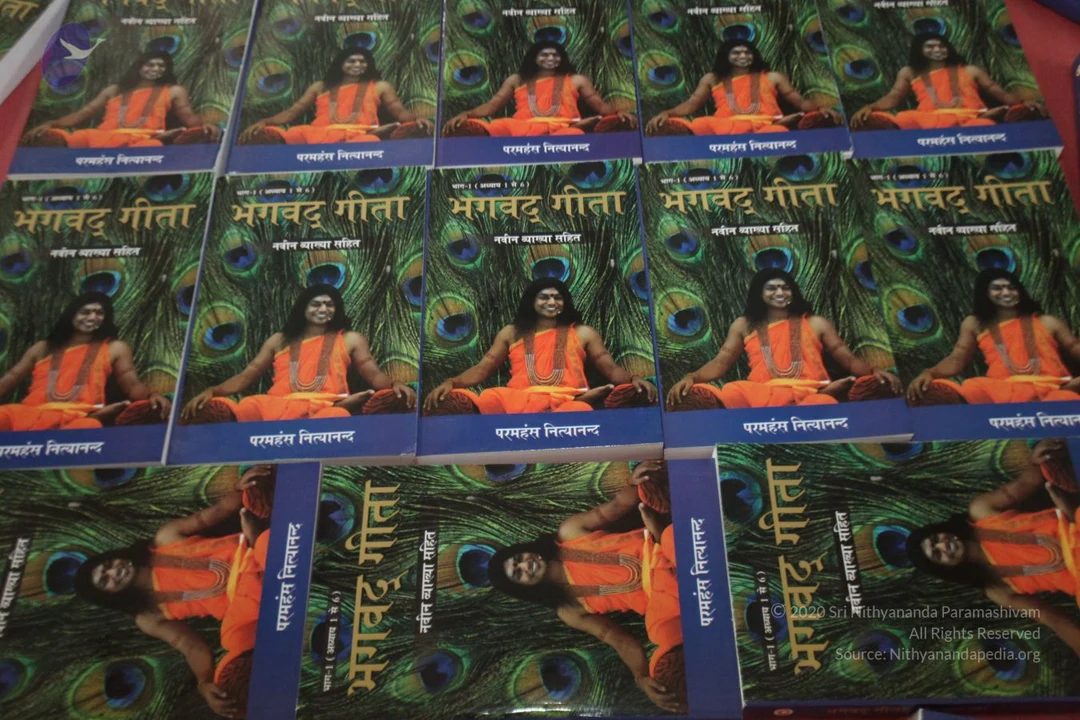
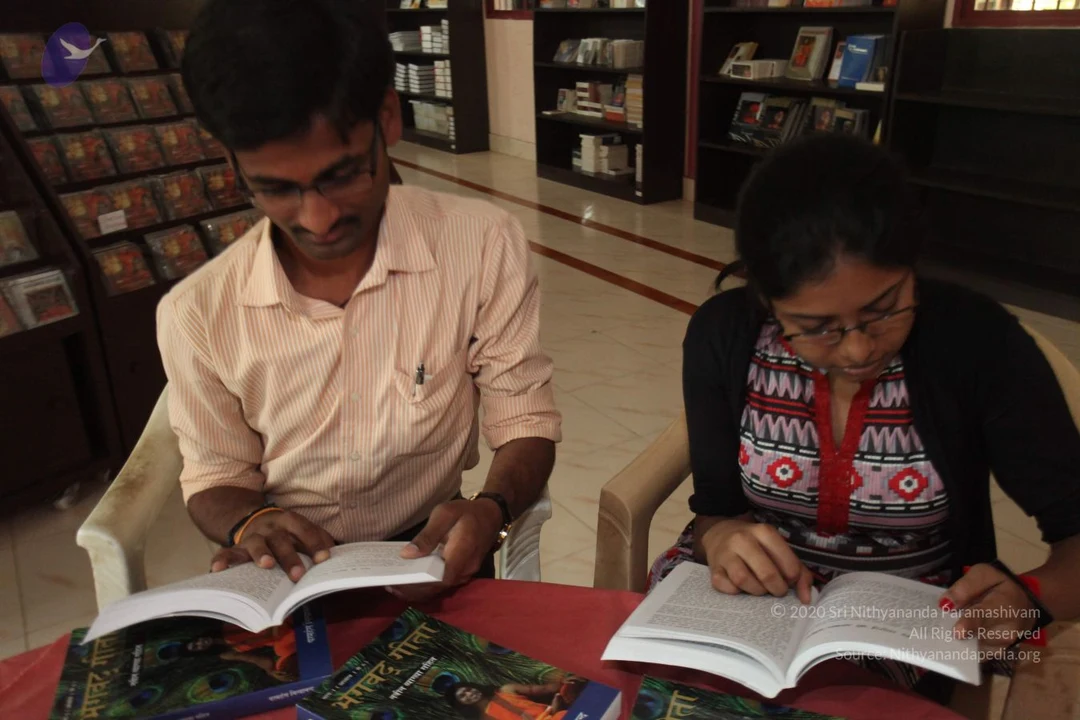
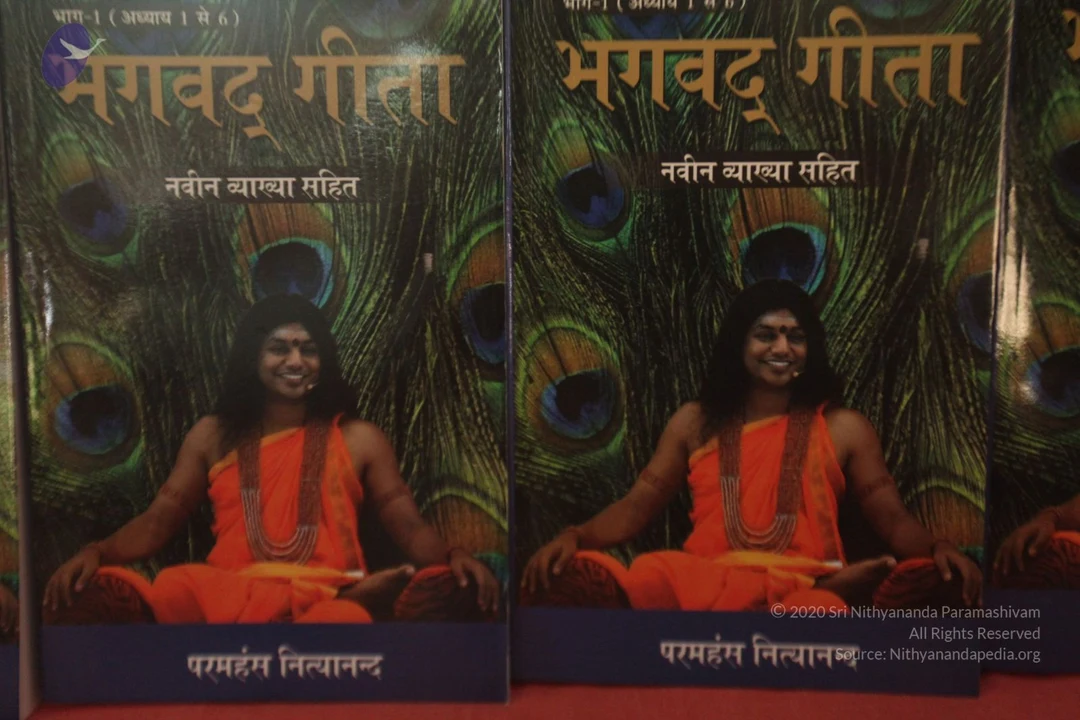
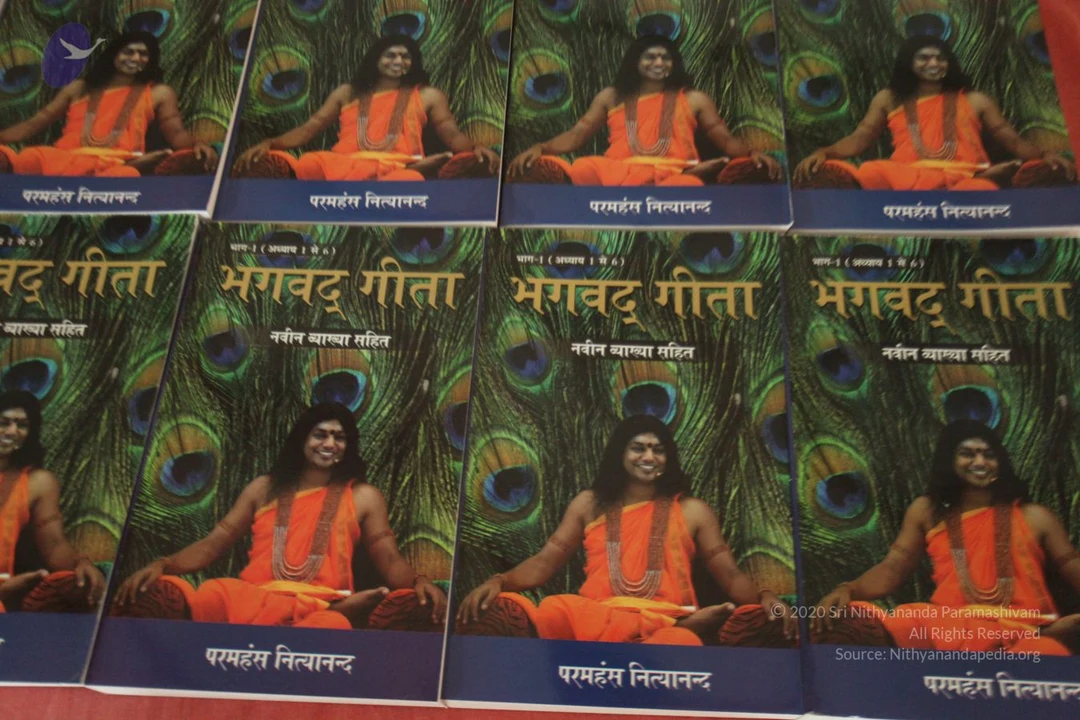
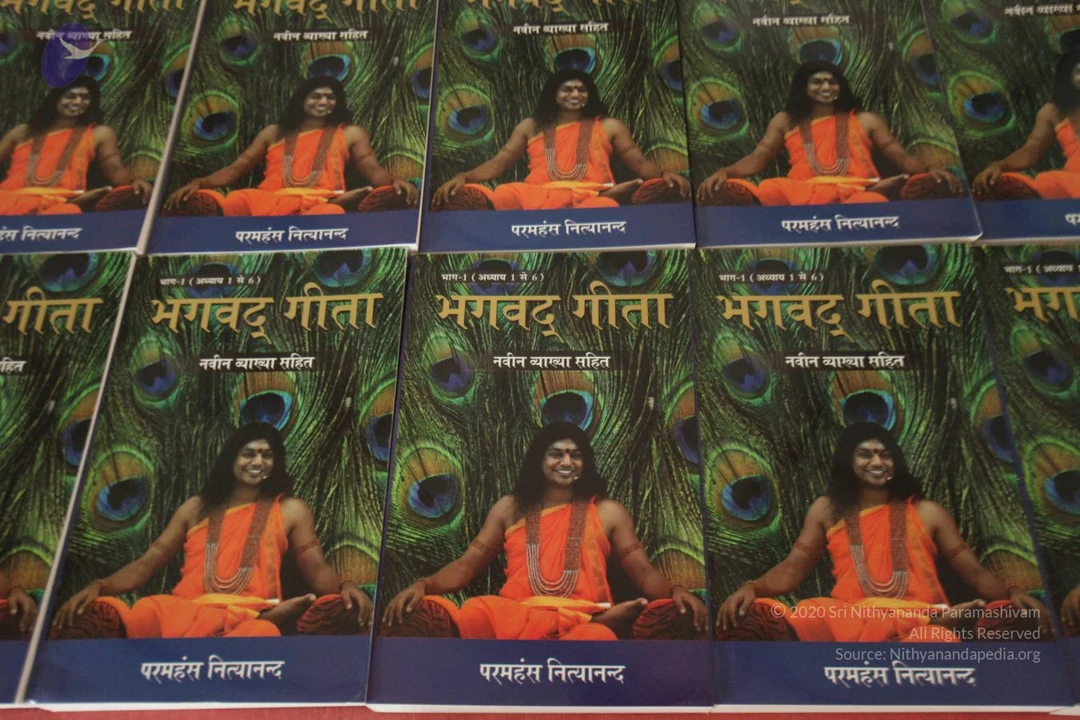
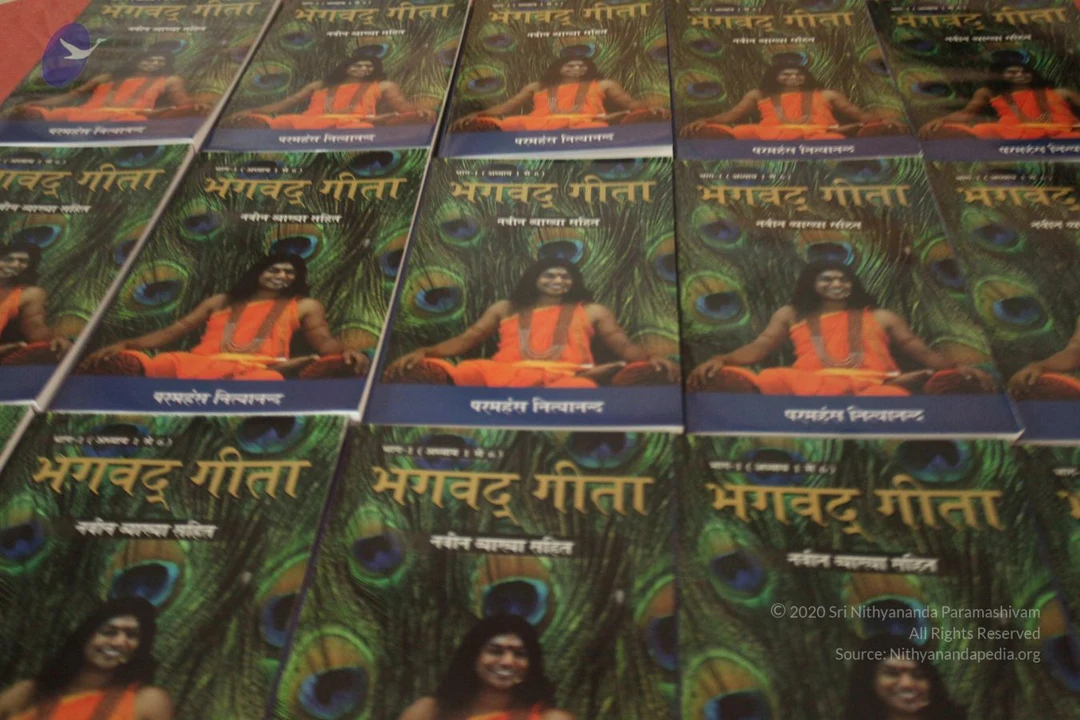
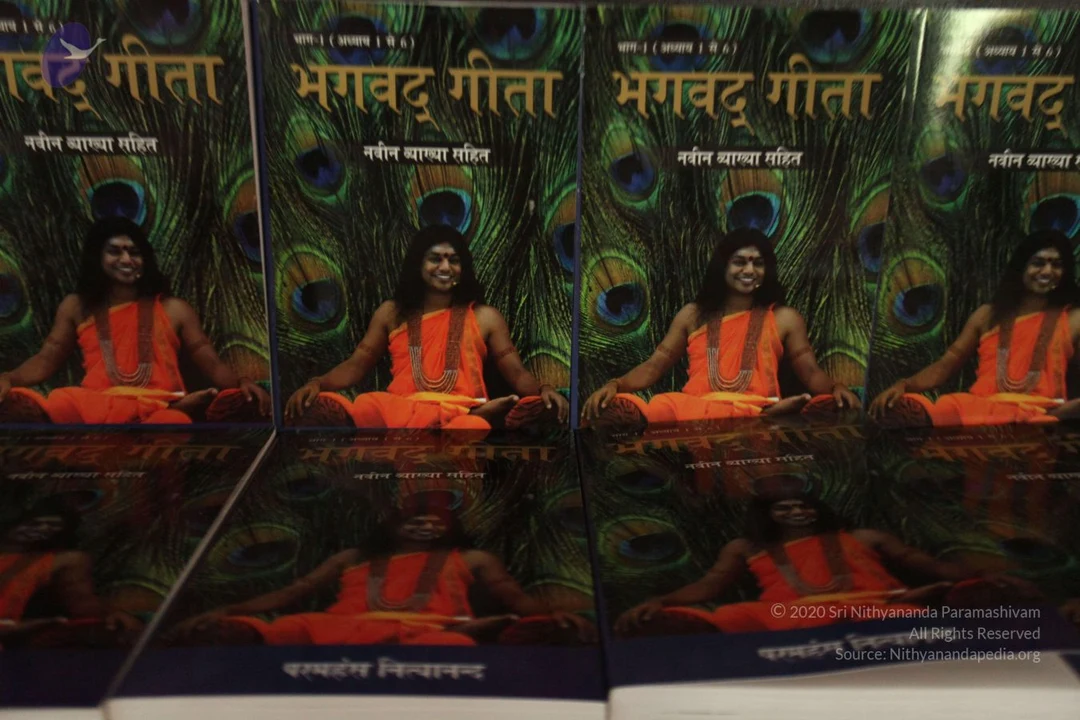
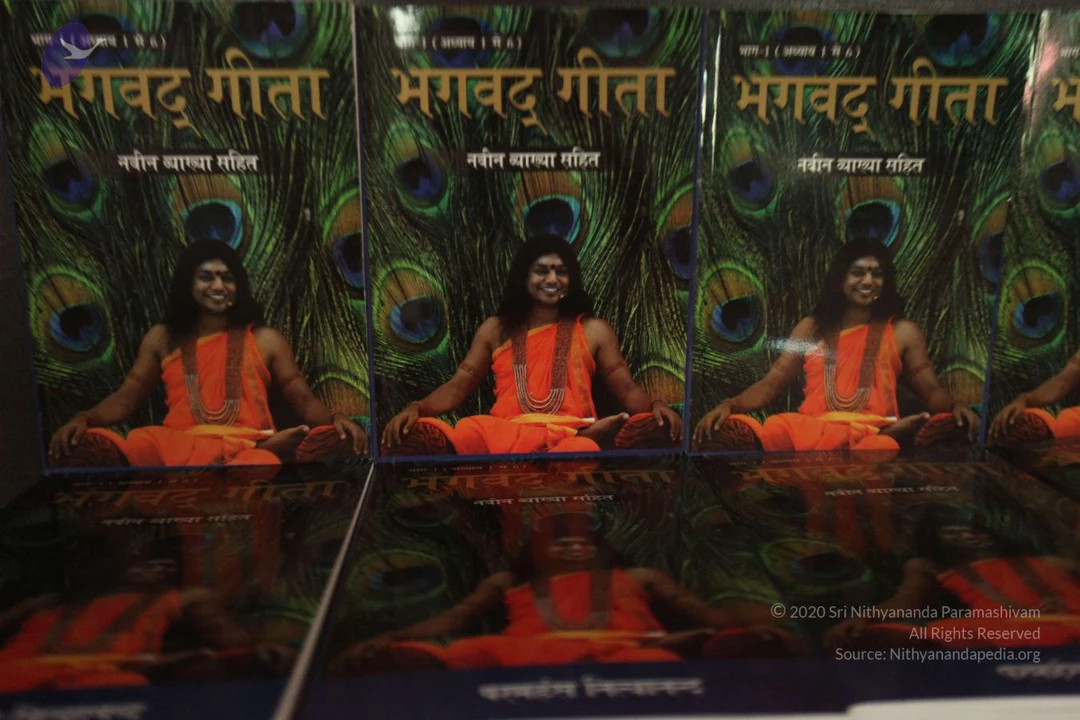
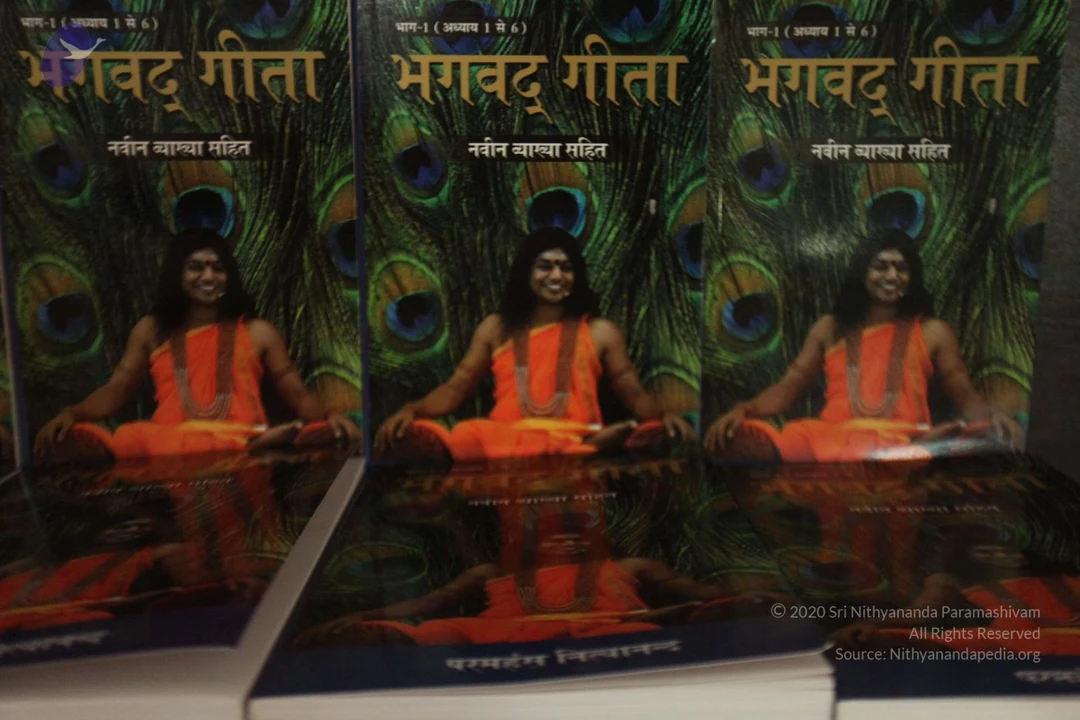
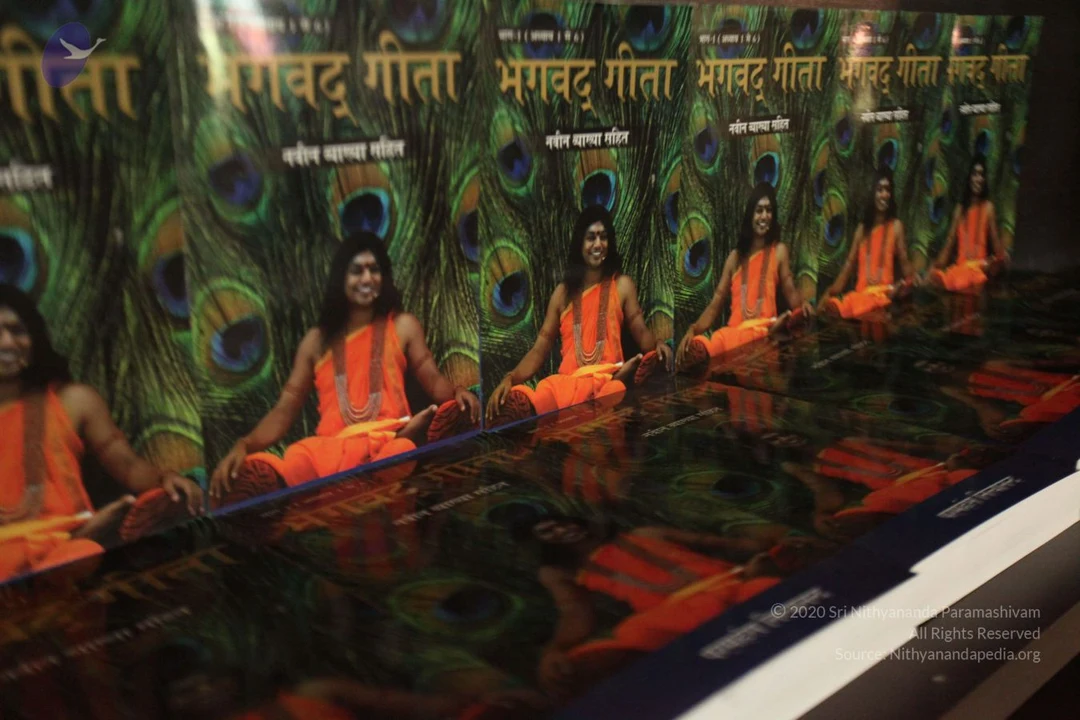
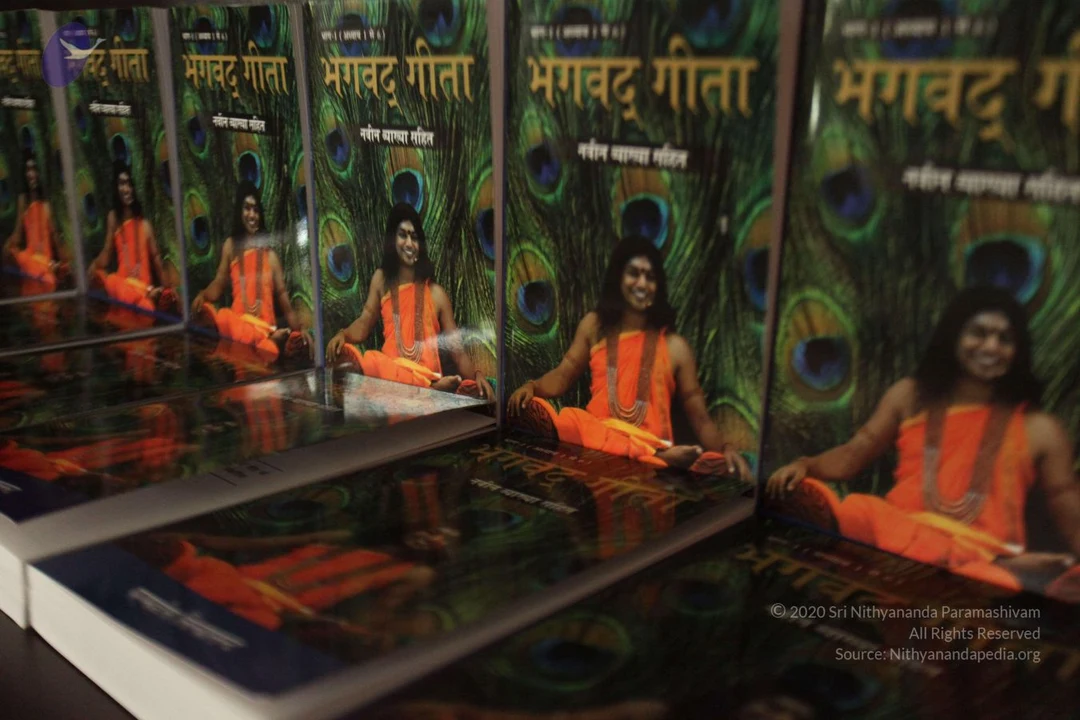
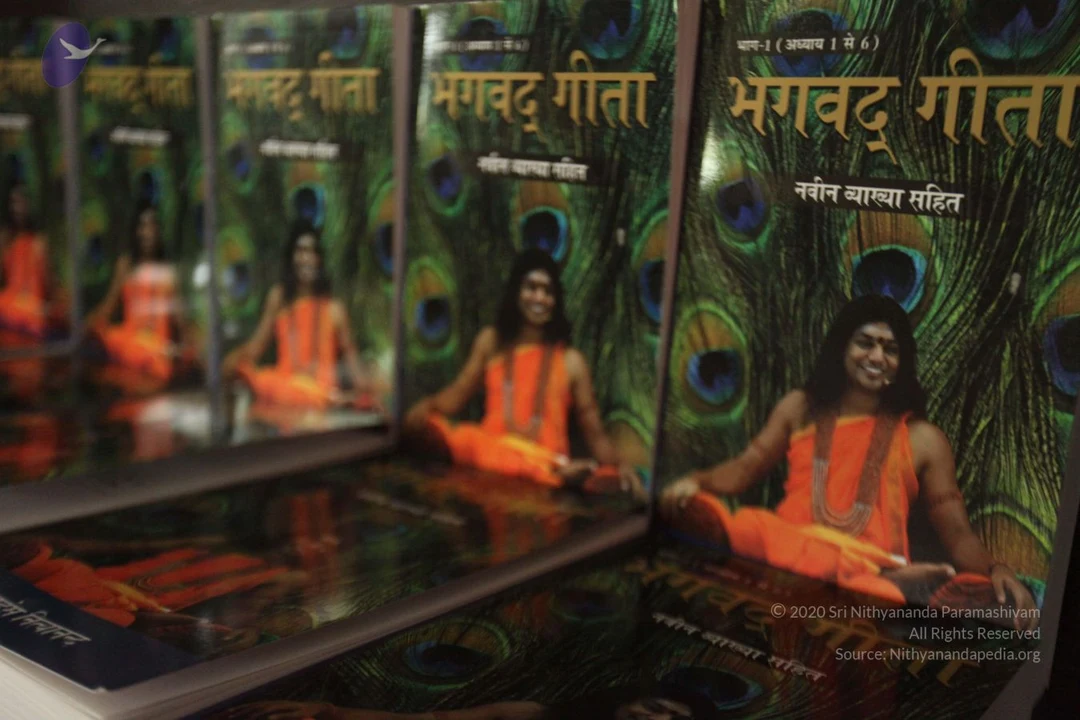
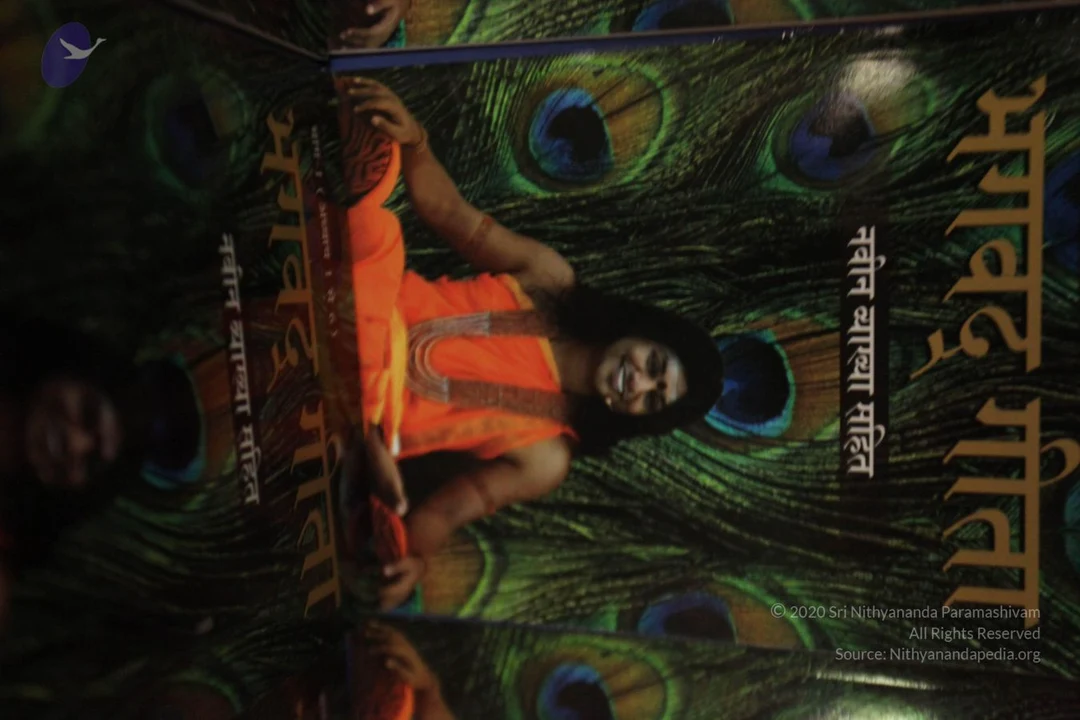
Bhagavad Gita Books






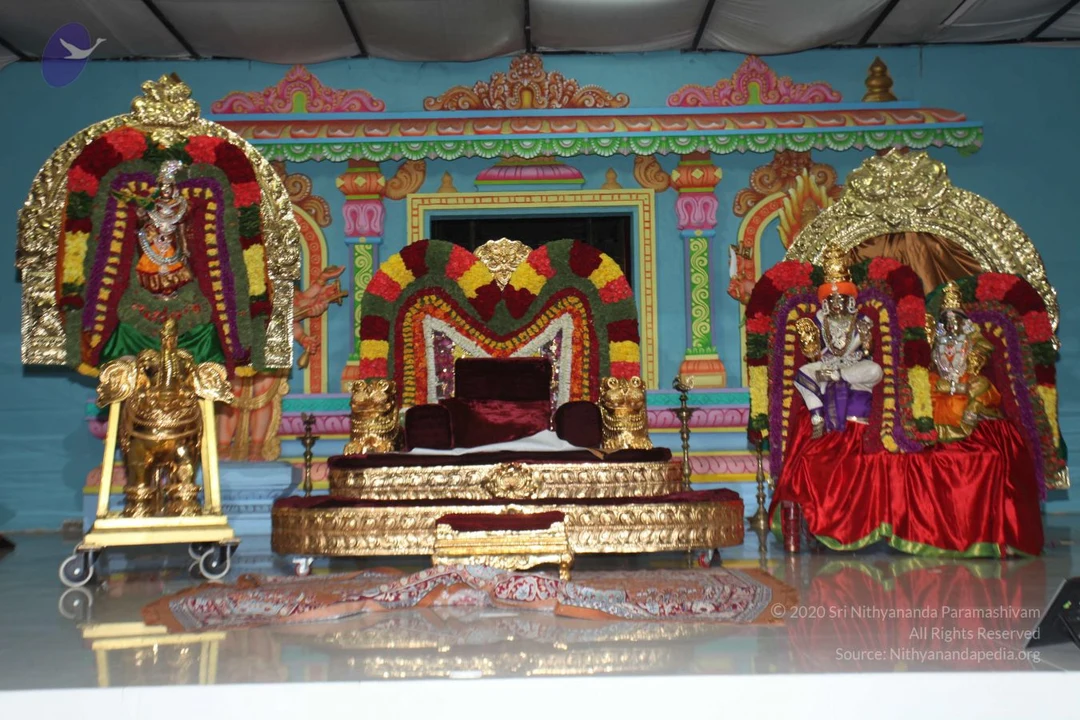
Stage Setup
Photos Of The Day:
Pada-Puja
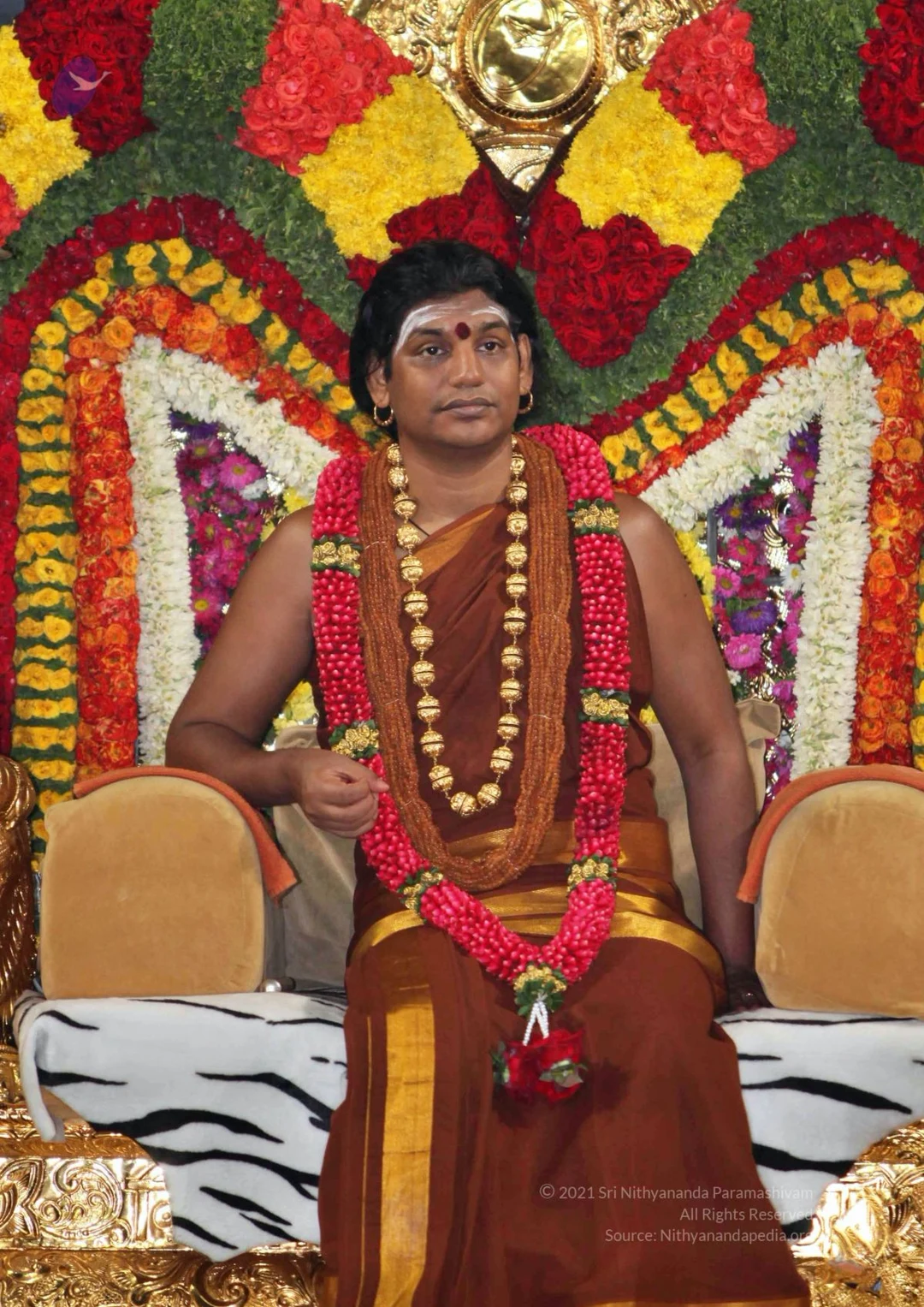
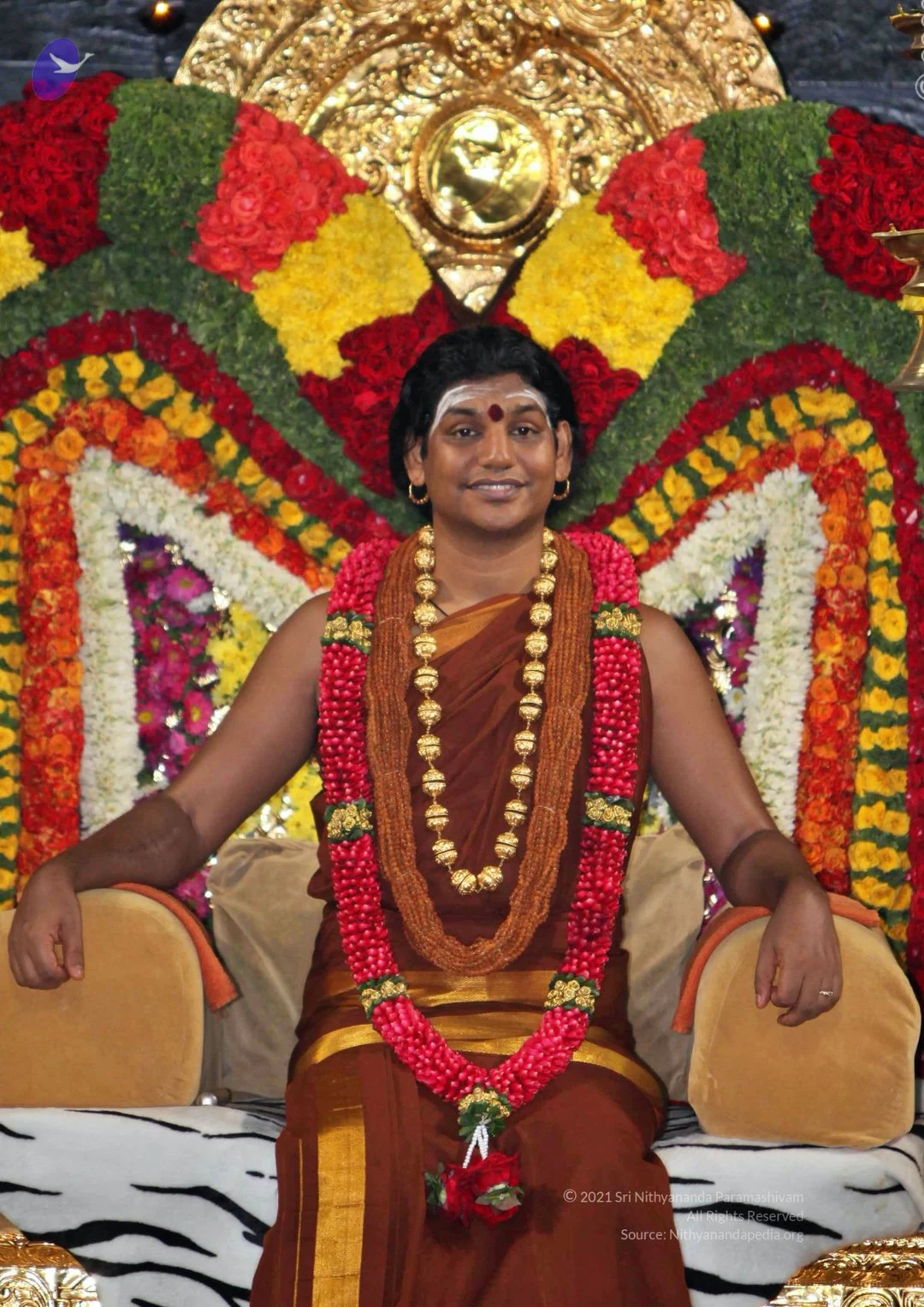
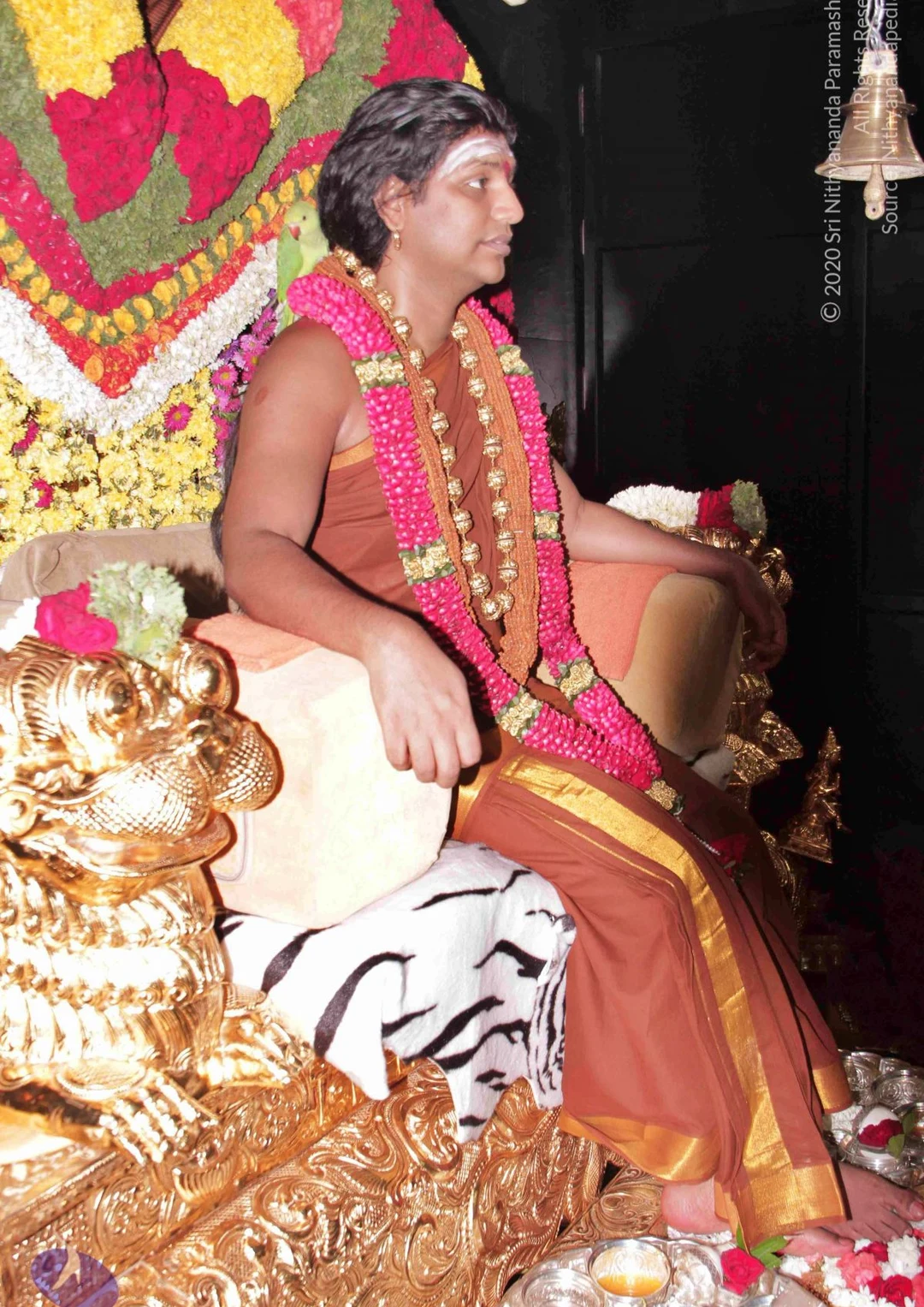
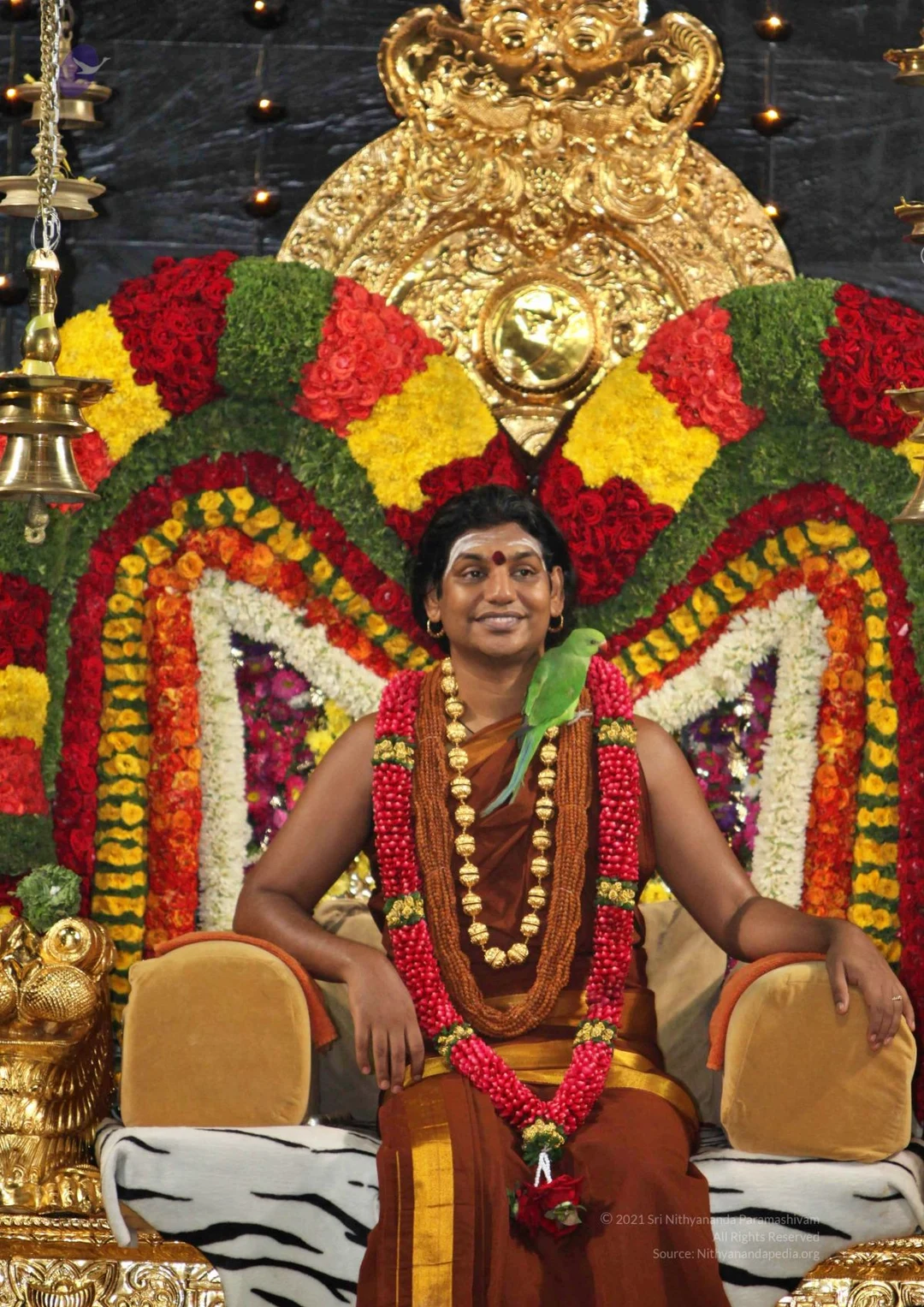
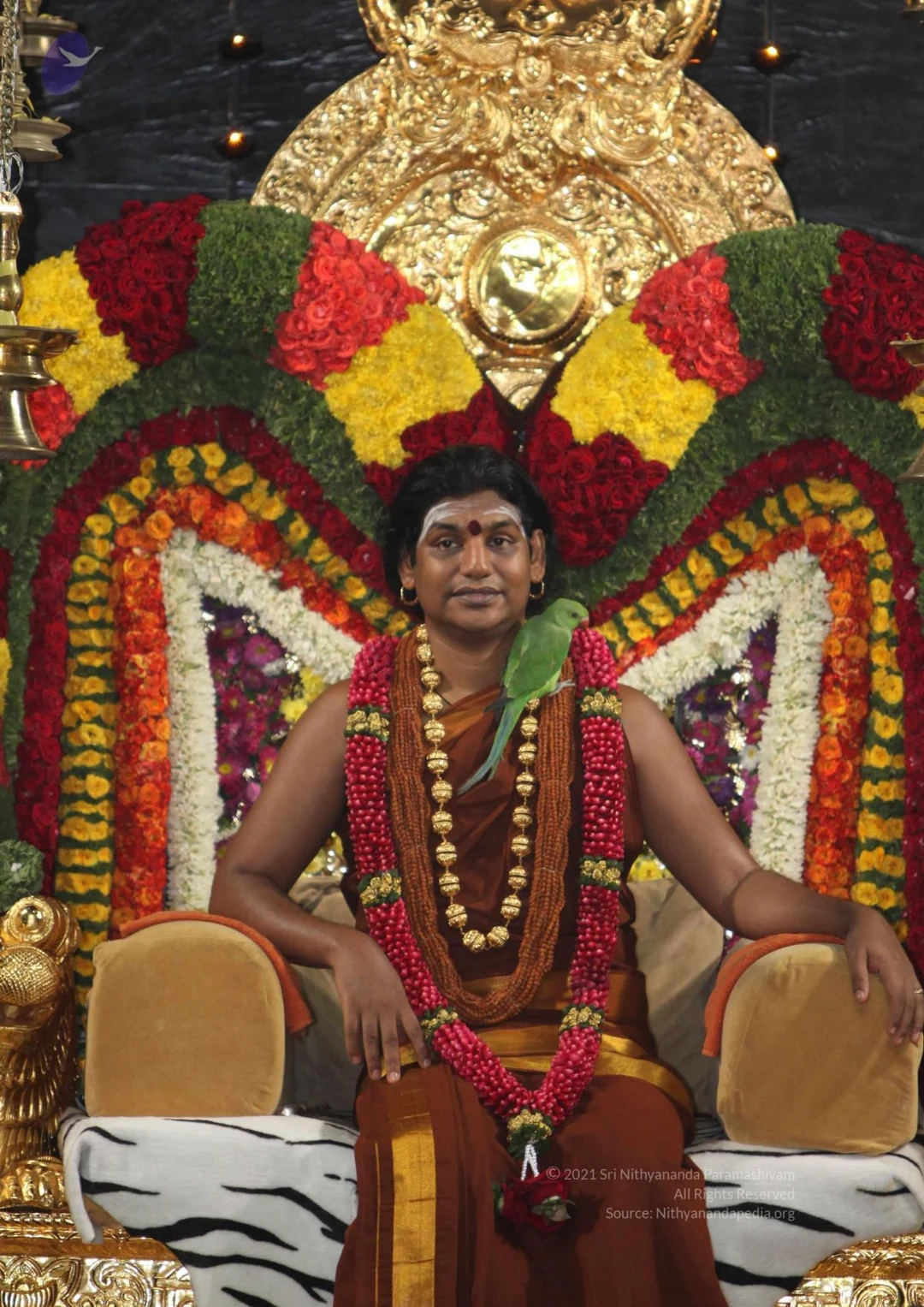
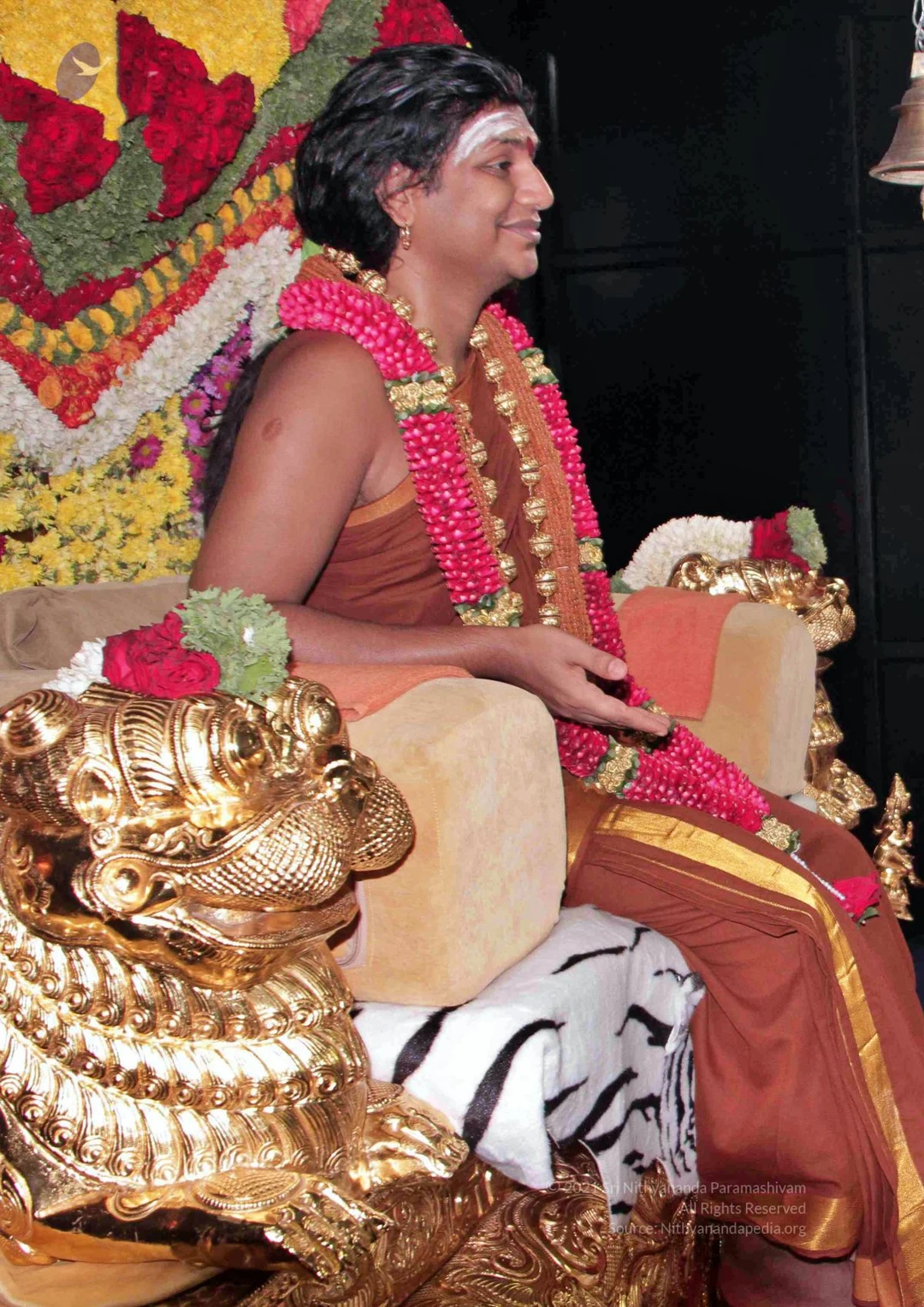
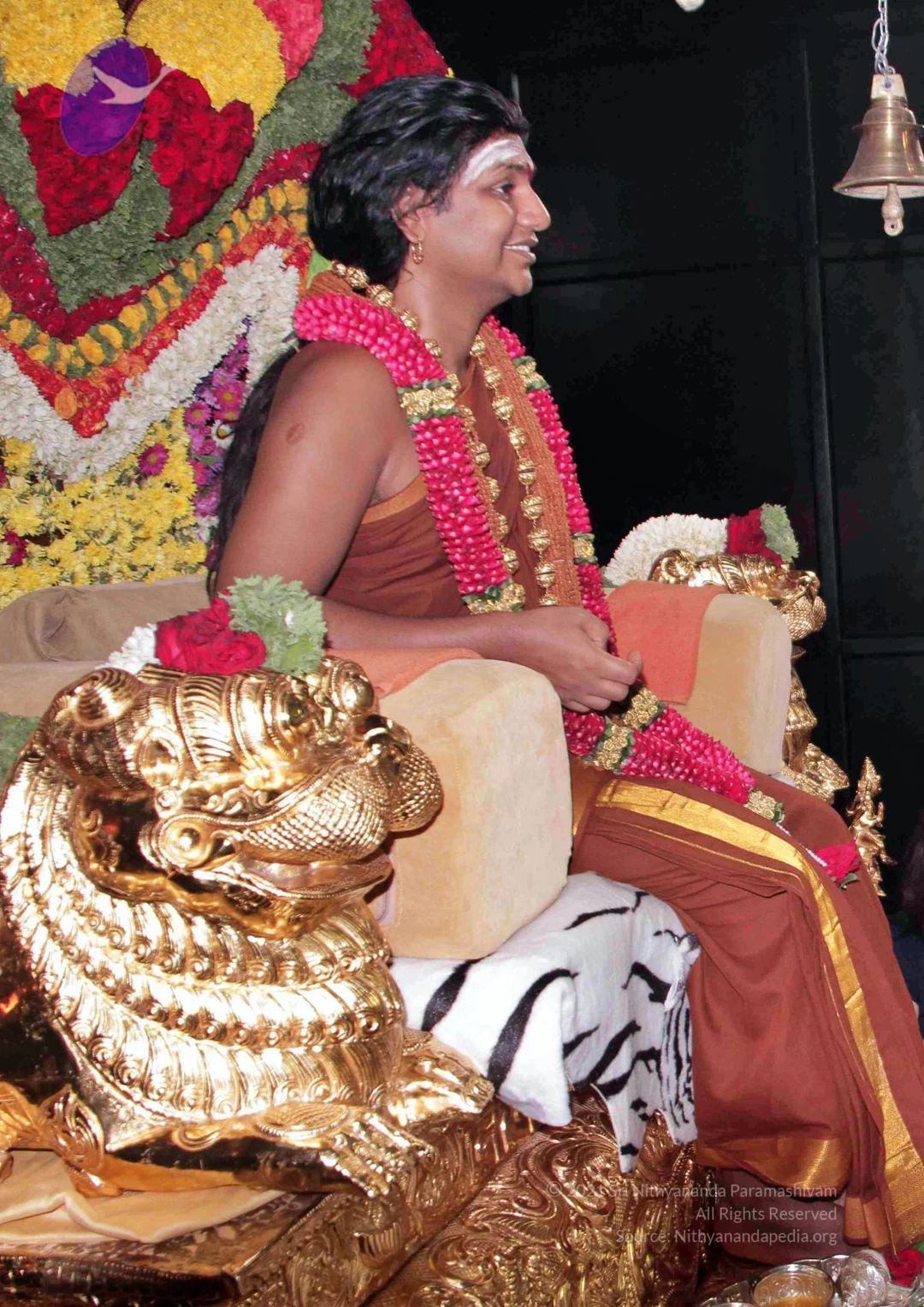
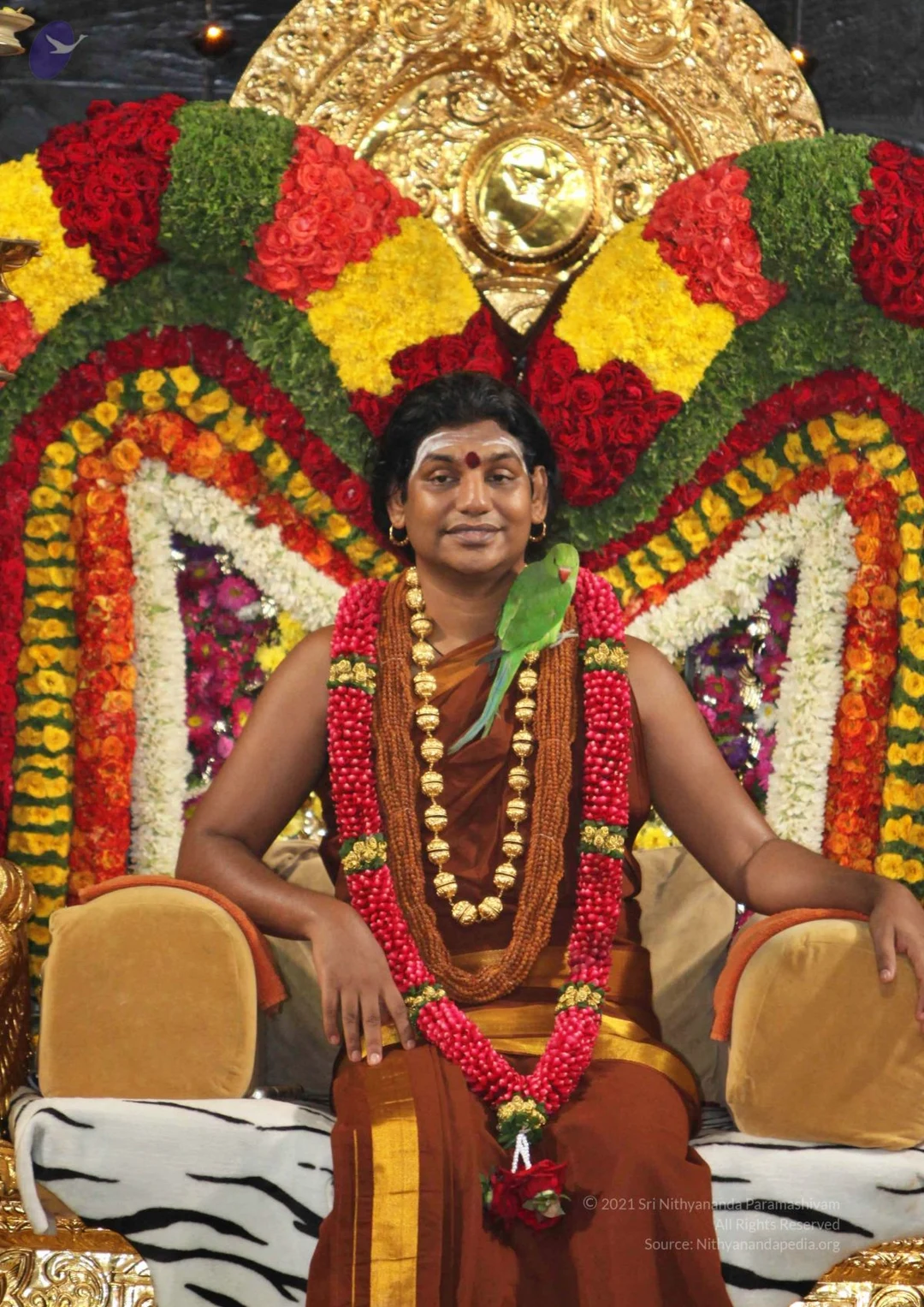
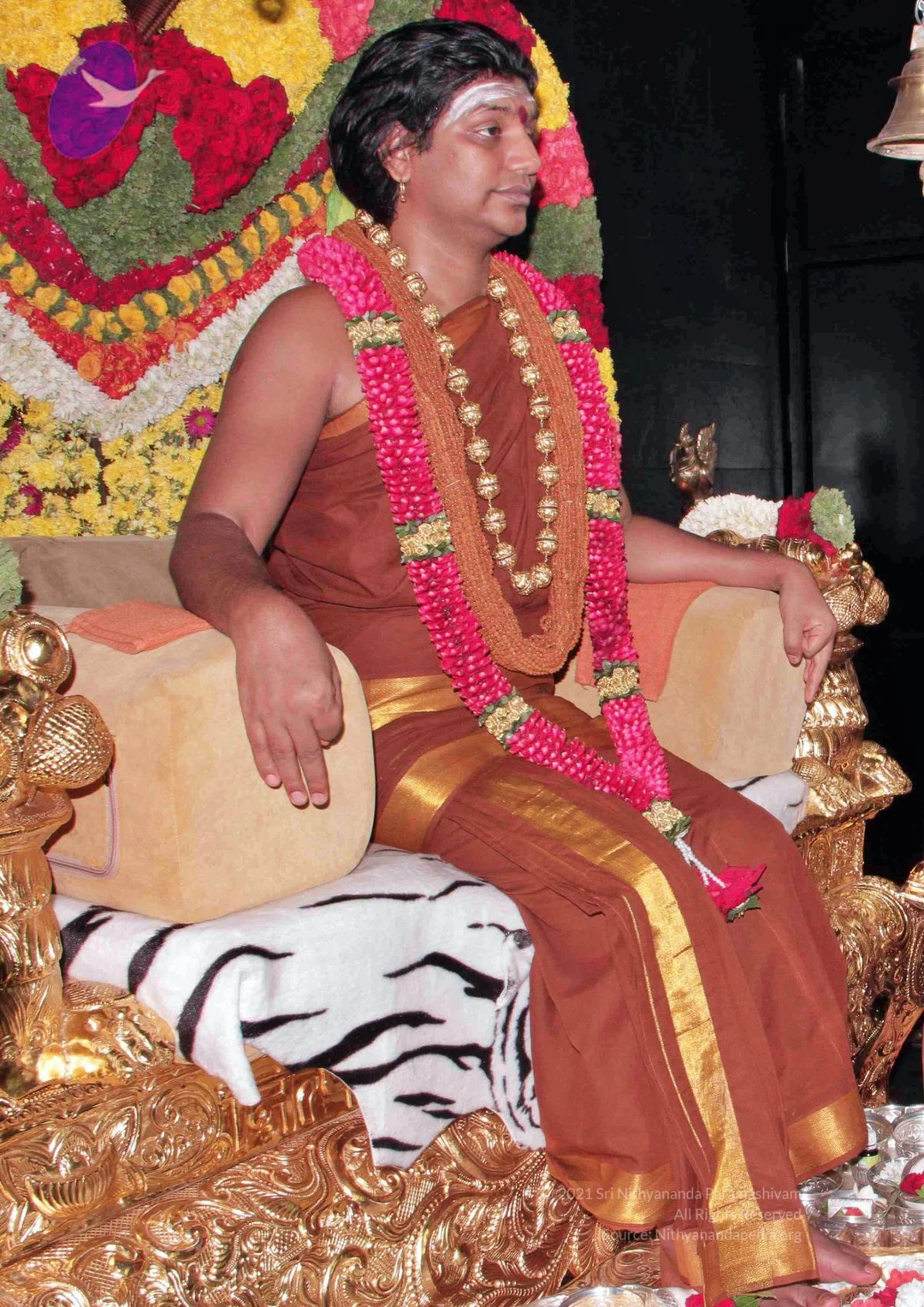
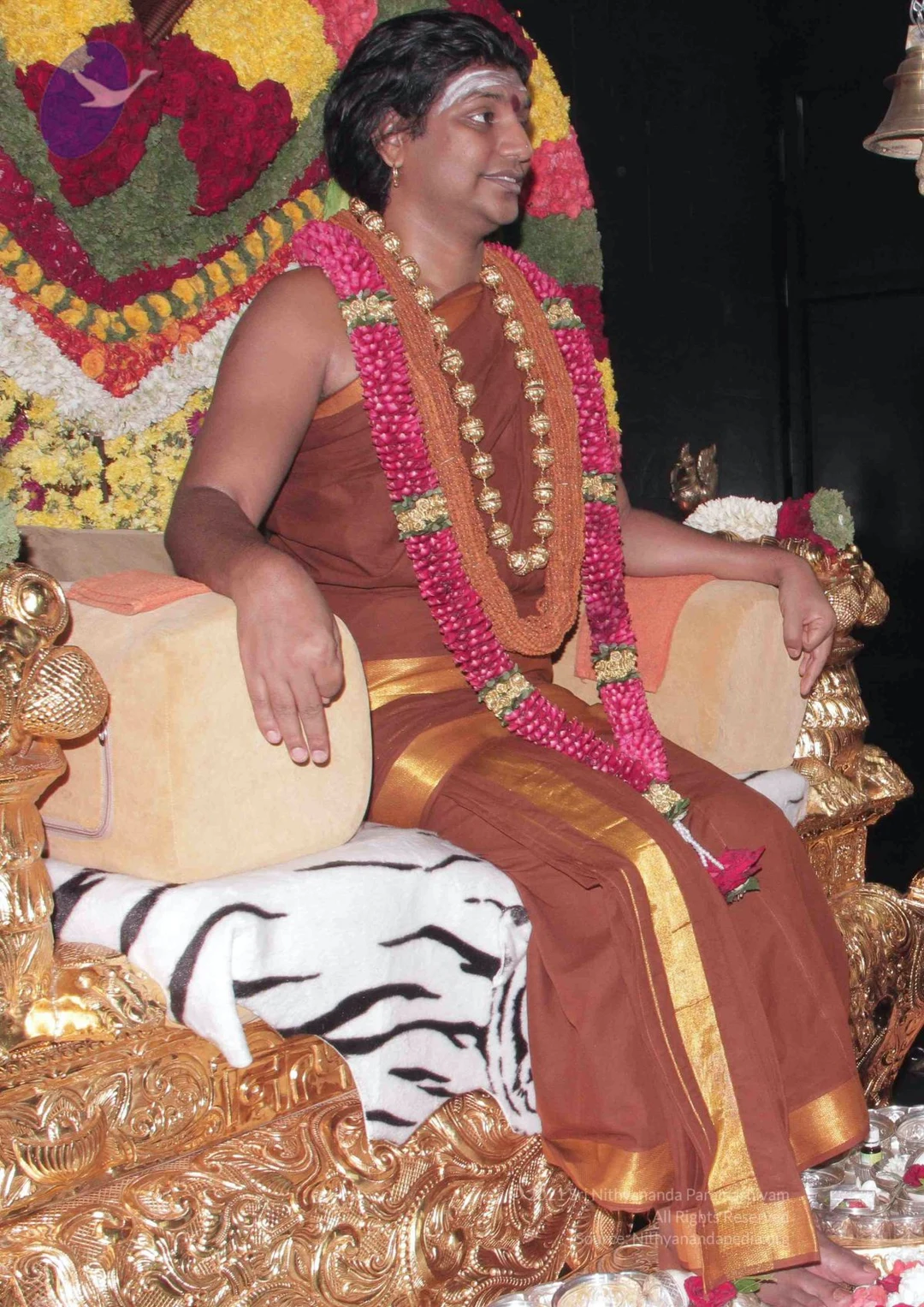
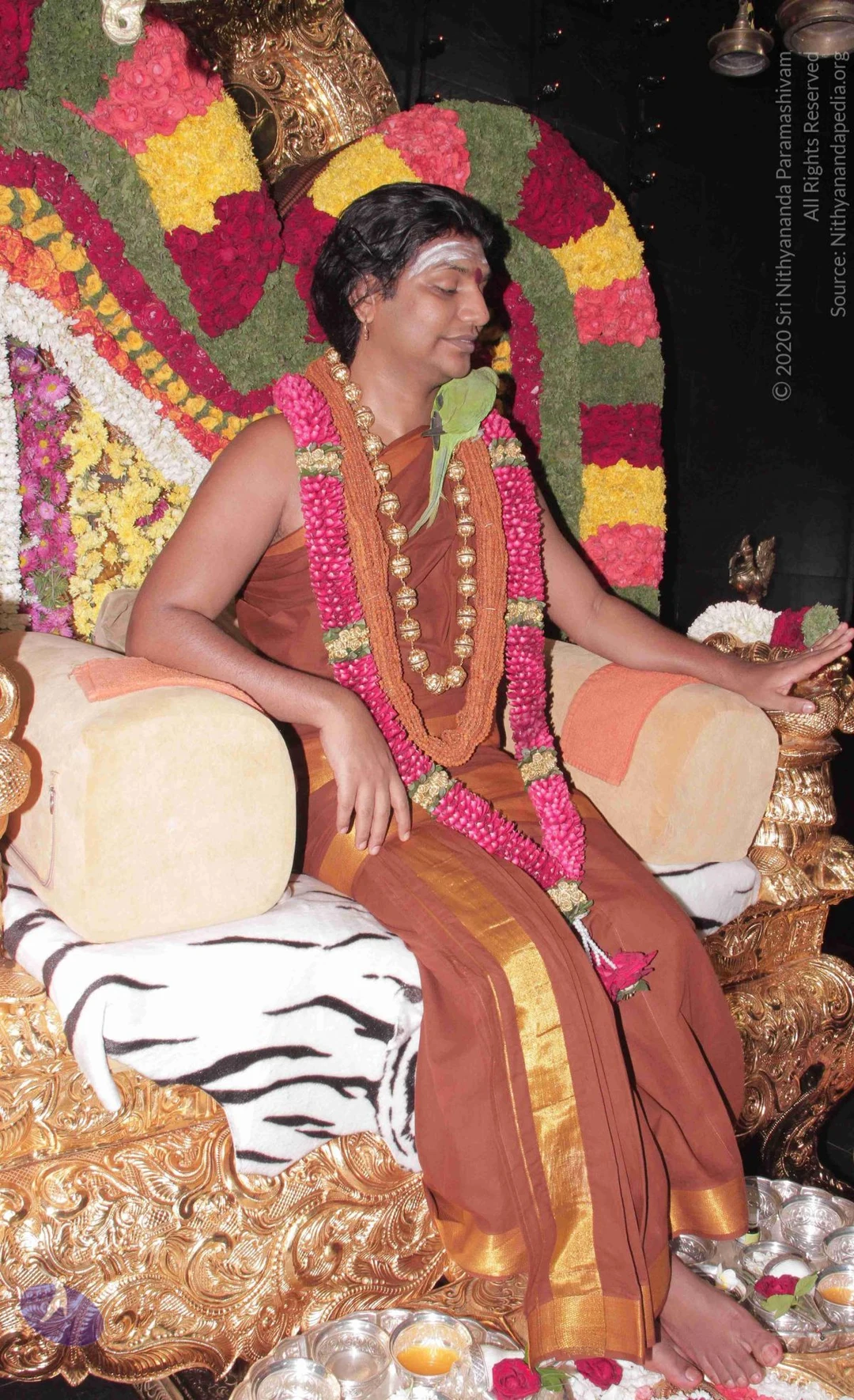
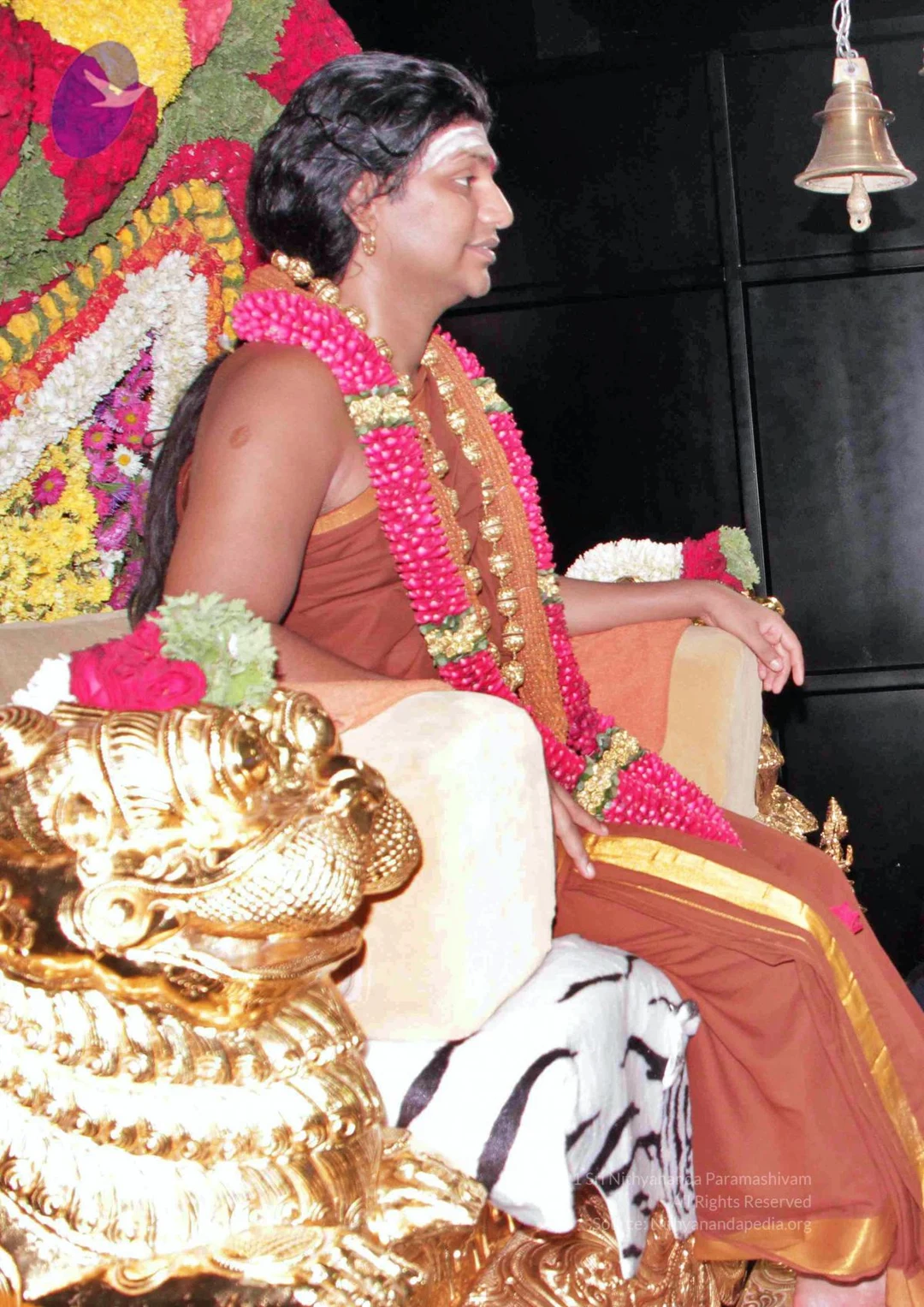
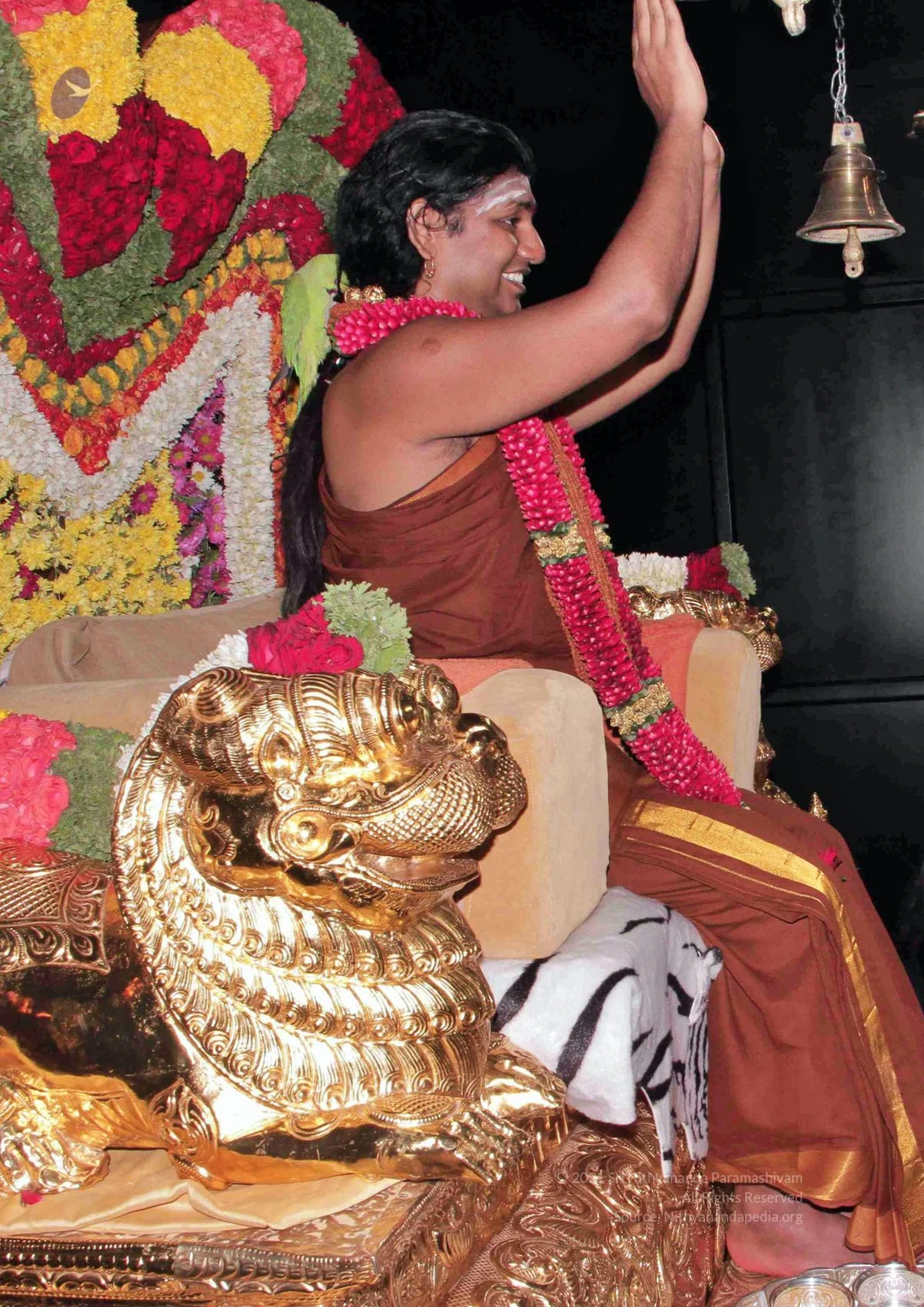
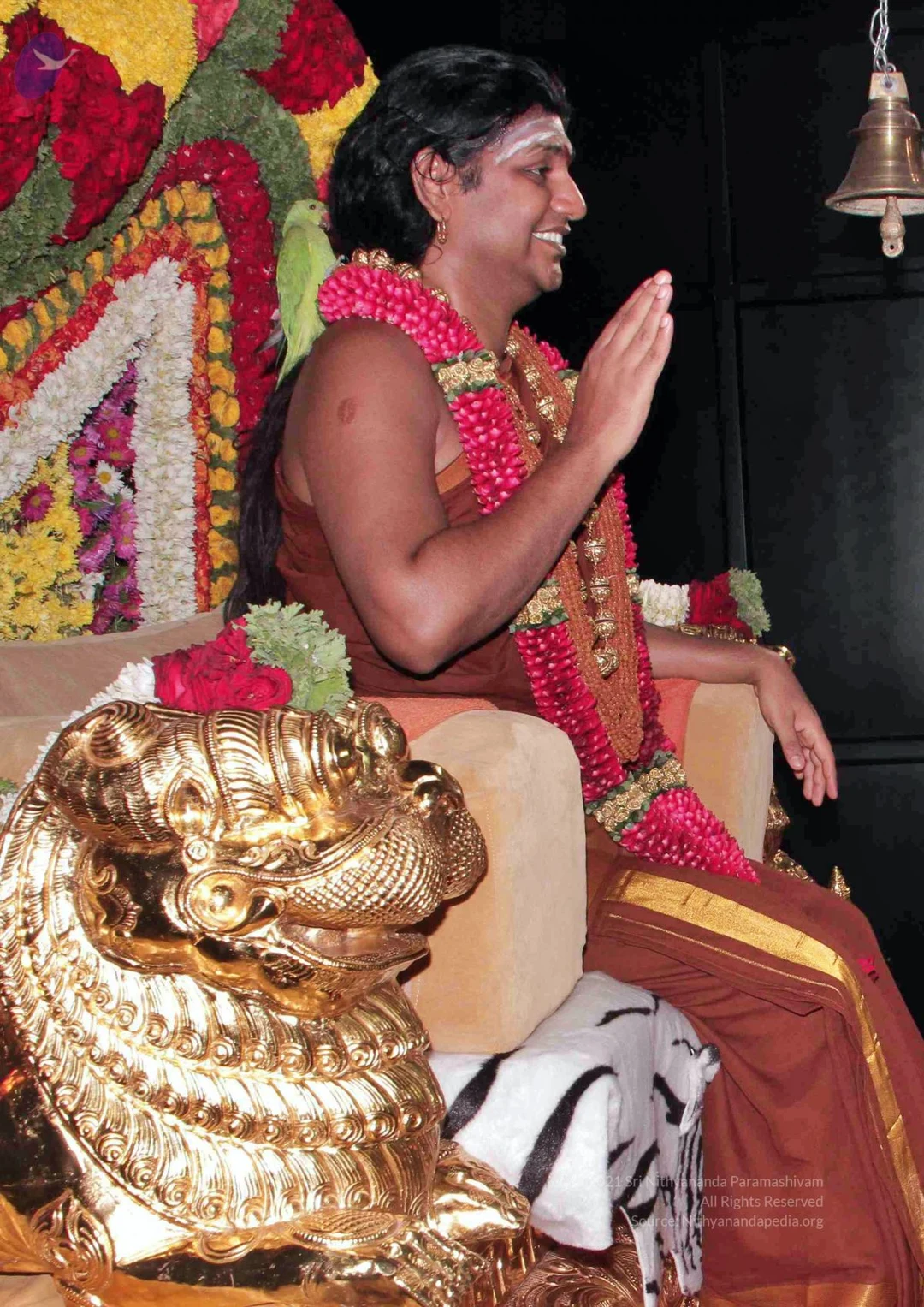
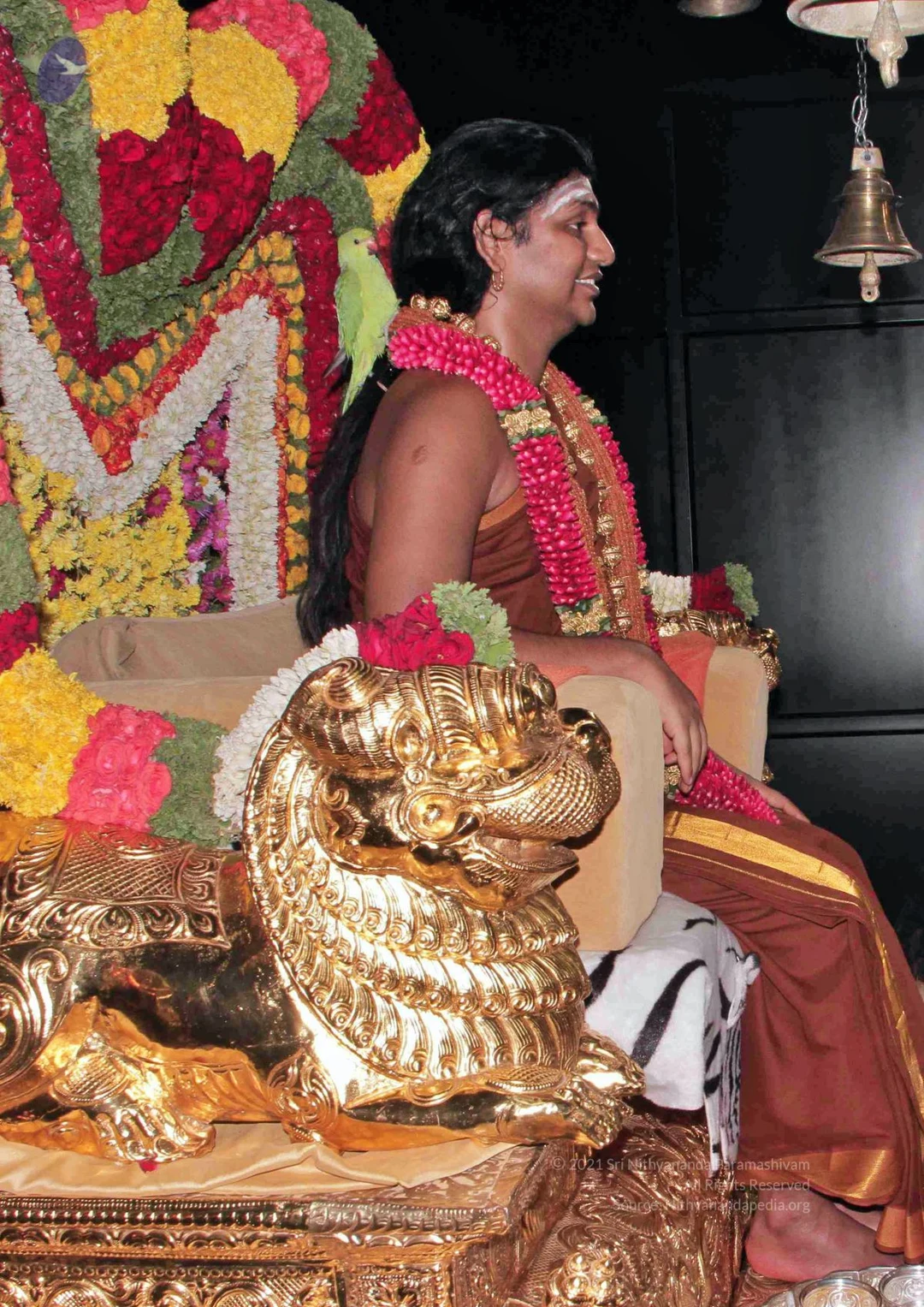
Photos from this day
View all 200 photosPhotos From The Day:
9 photosSource gallery
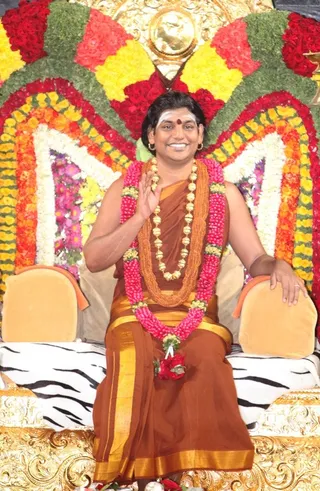
Pada-Puja
51 photosSource gallery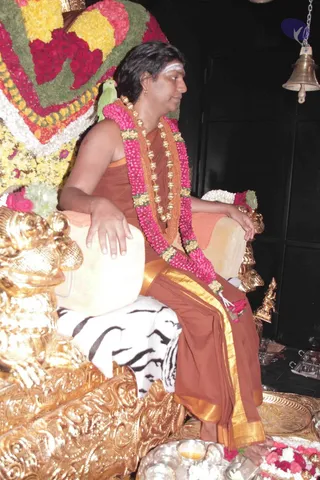
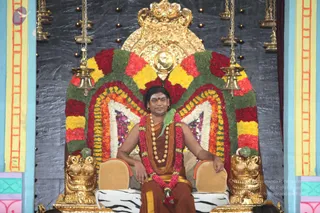
Dial-the-Avatar
10 photosSource gallery
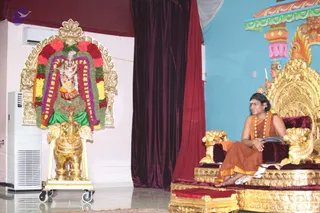
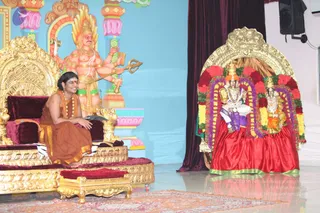
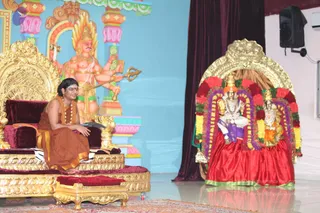
Morning-Satsang
61 photosSource gallery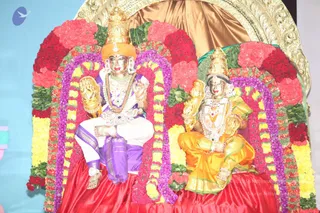
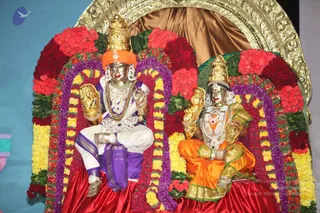
Bhagavad-Gita
11 photosSource gallery



Pada Puja
19 photosSource gallery
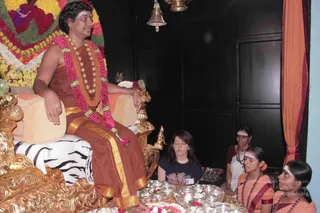
Satsang
41 photosSource gallery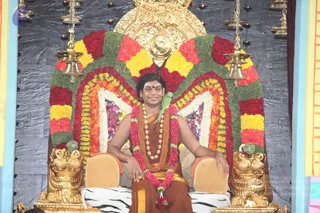
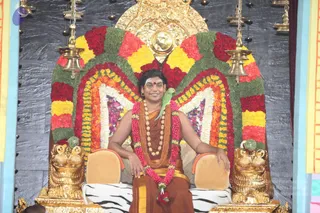
Darshan
19 photosSource gallery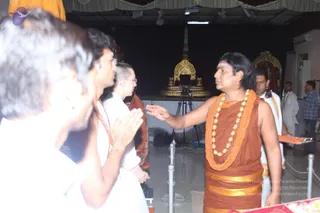
Bhagavad Gita Books
31 photosSource gallery

Stage Setup
3 photosSource gallery
Pada-Puja
15 photosSource gallery