Wednesday
16 April 2014
- Dated photos
- 41
- Source pages
- 1
- Media
- 2
April 16 2014
Original wiki pageDescription:
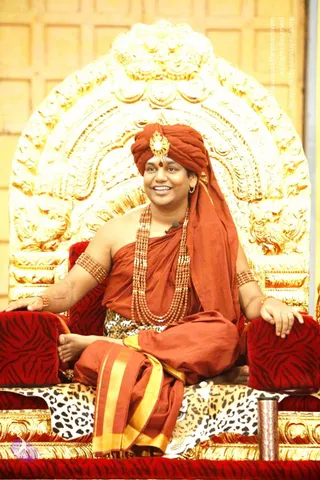
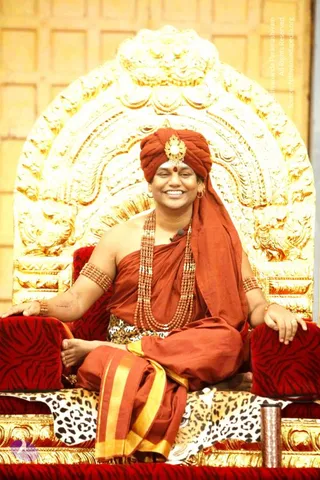
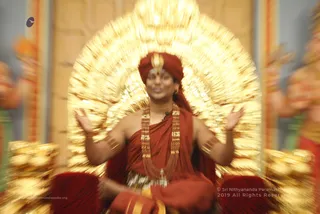
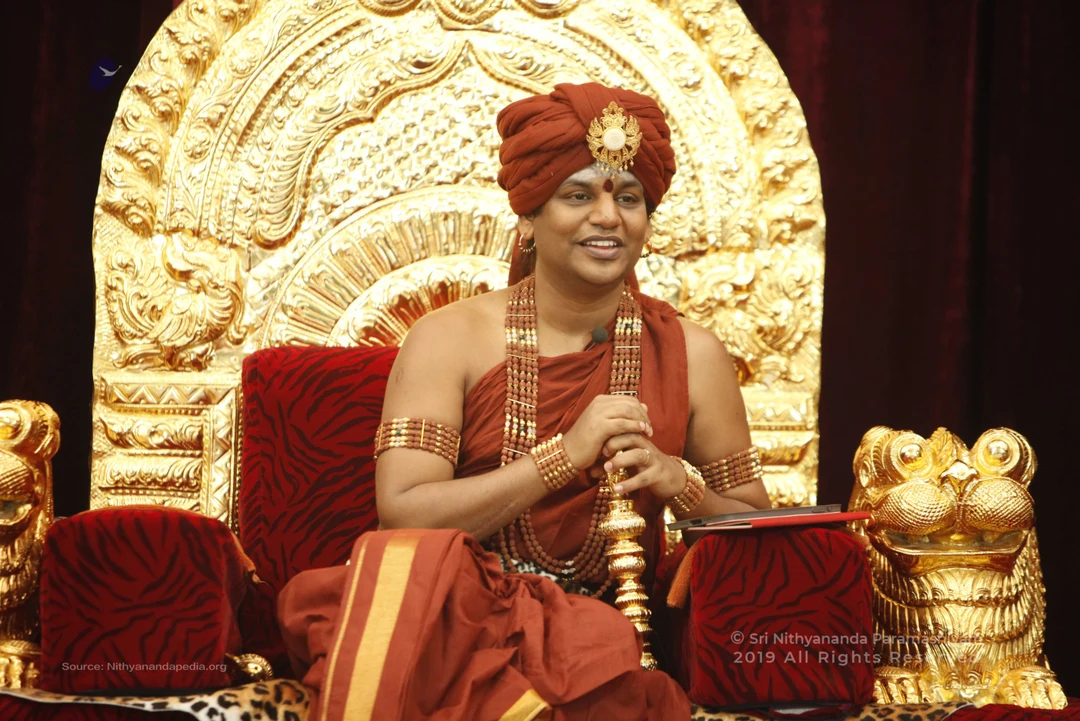
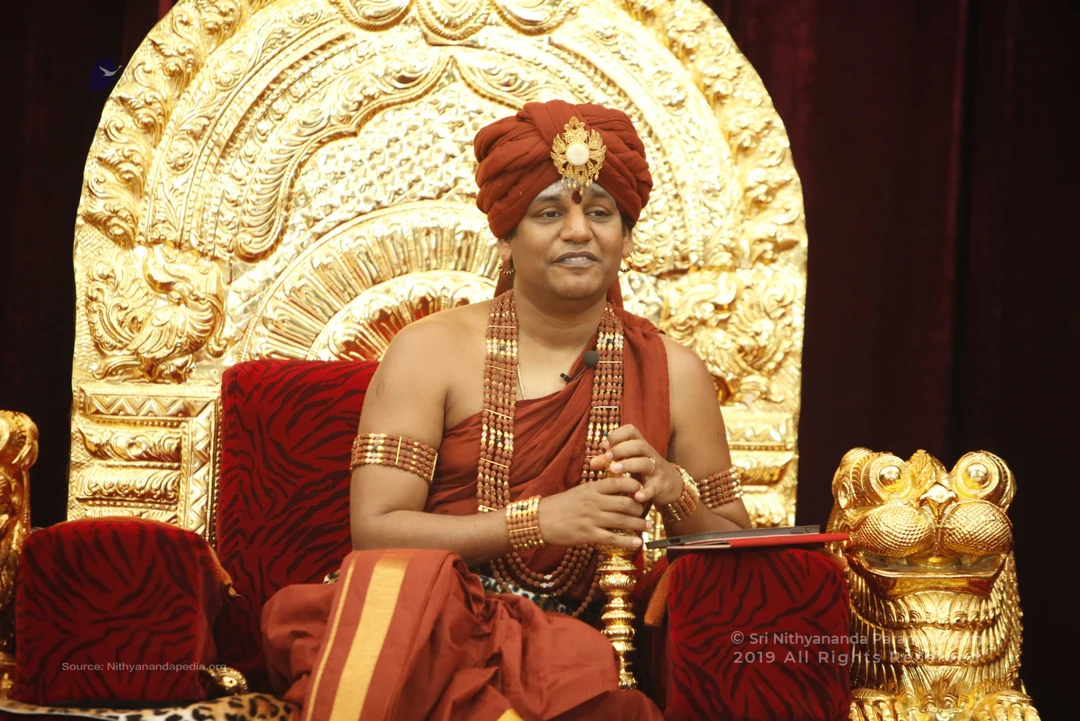
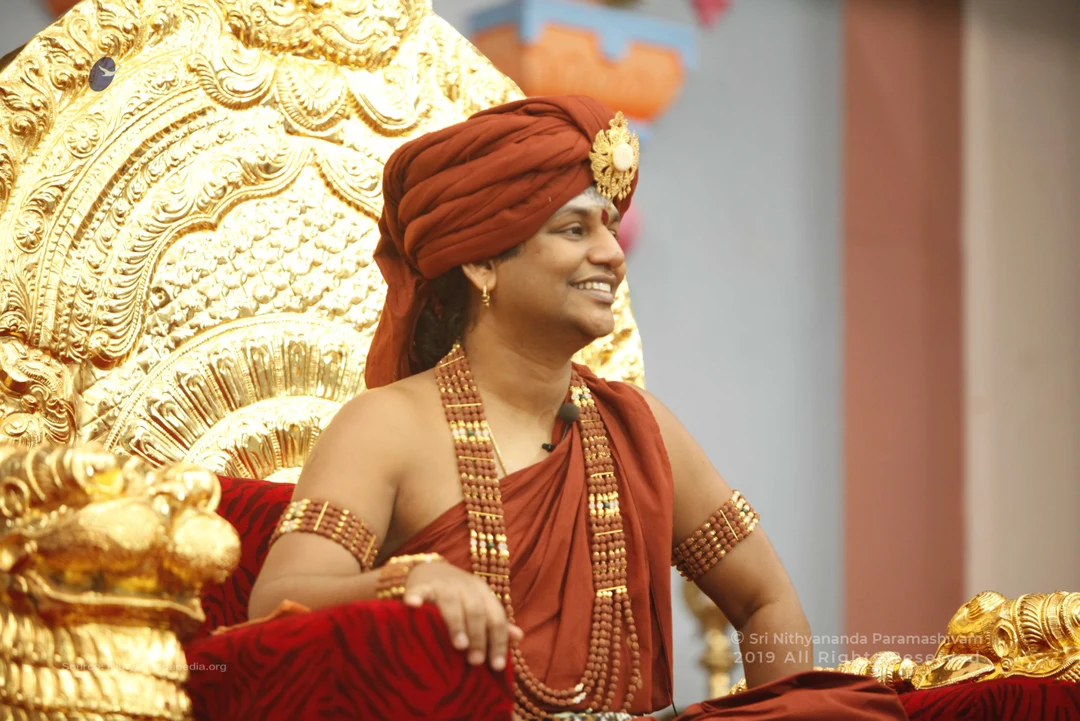
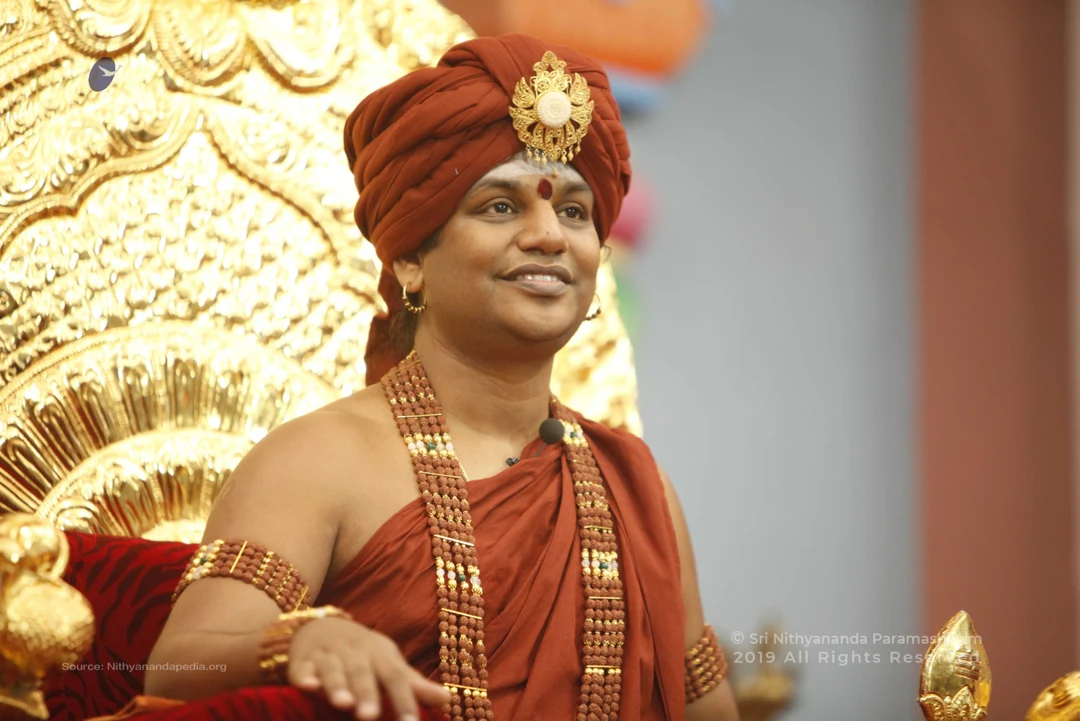
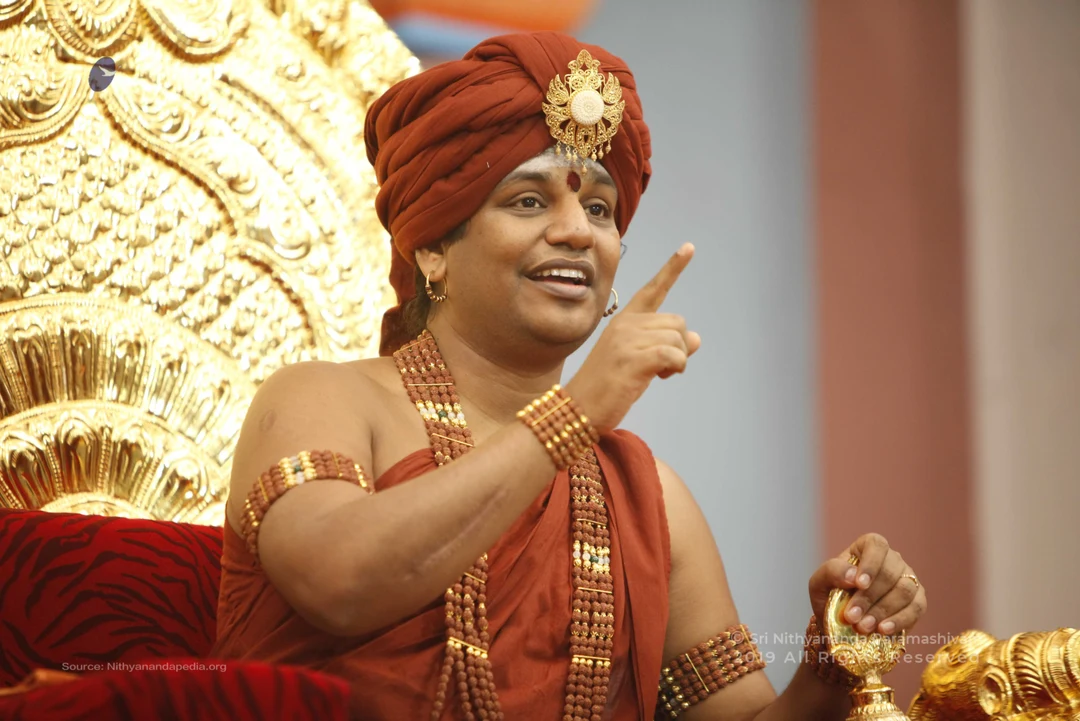
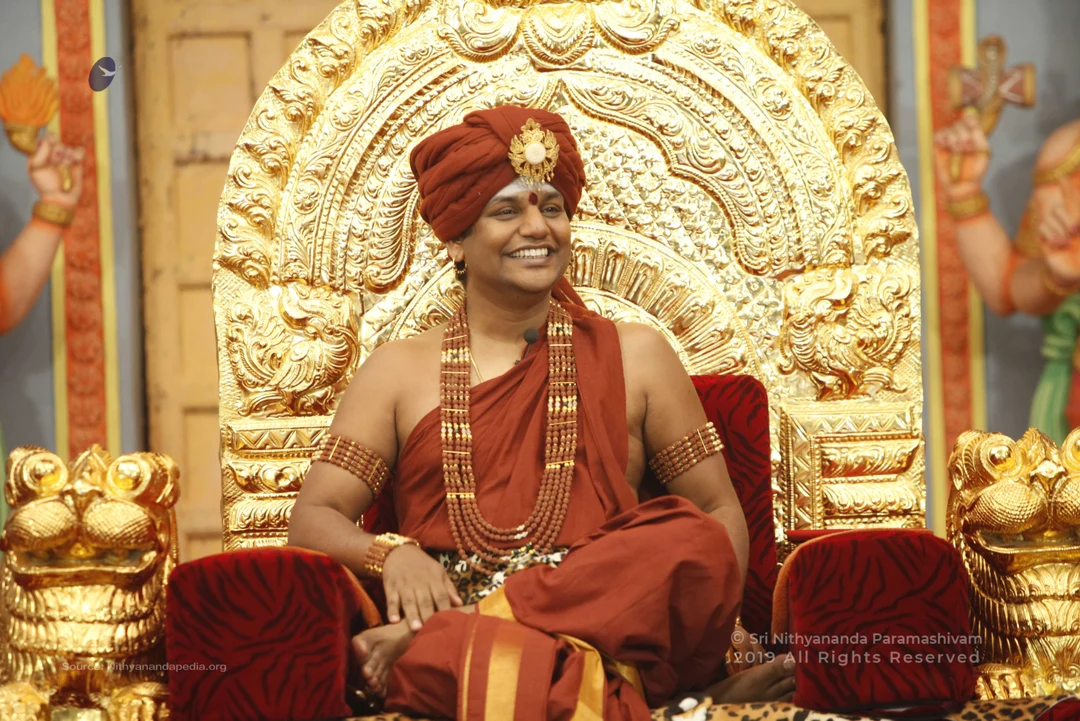
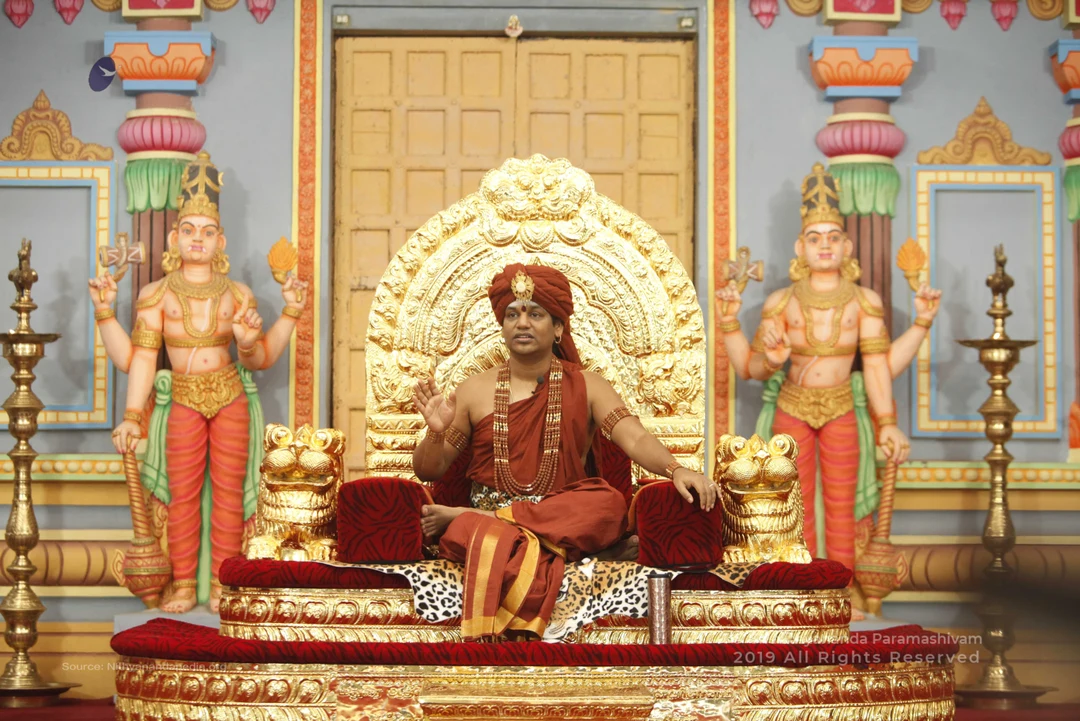
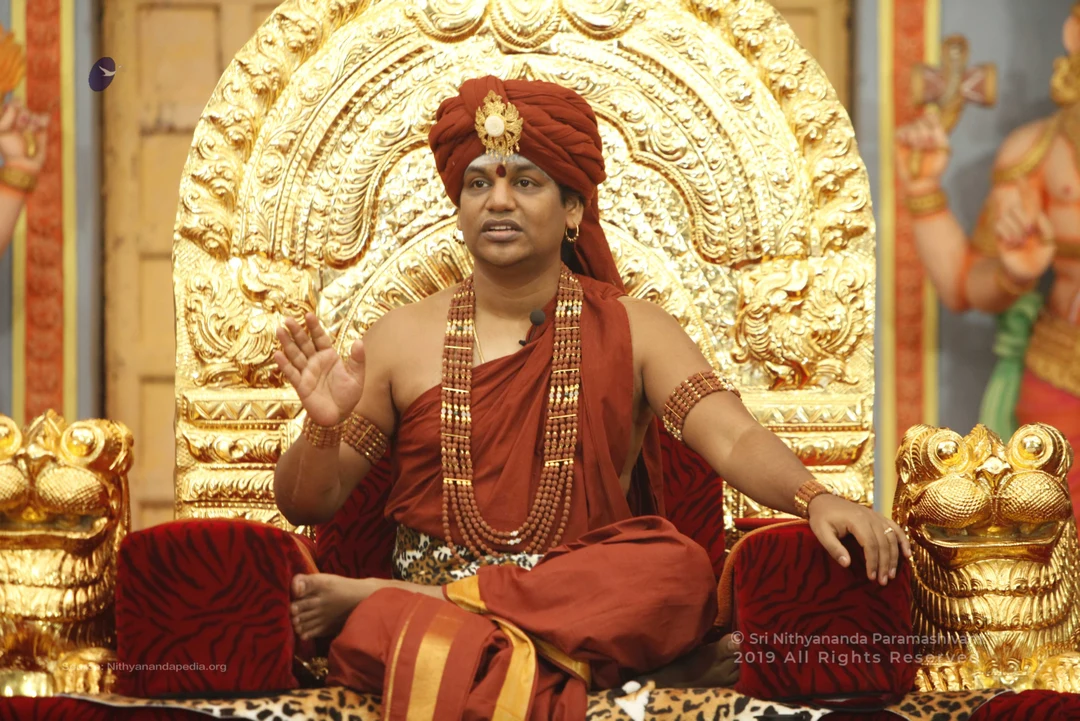
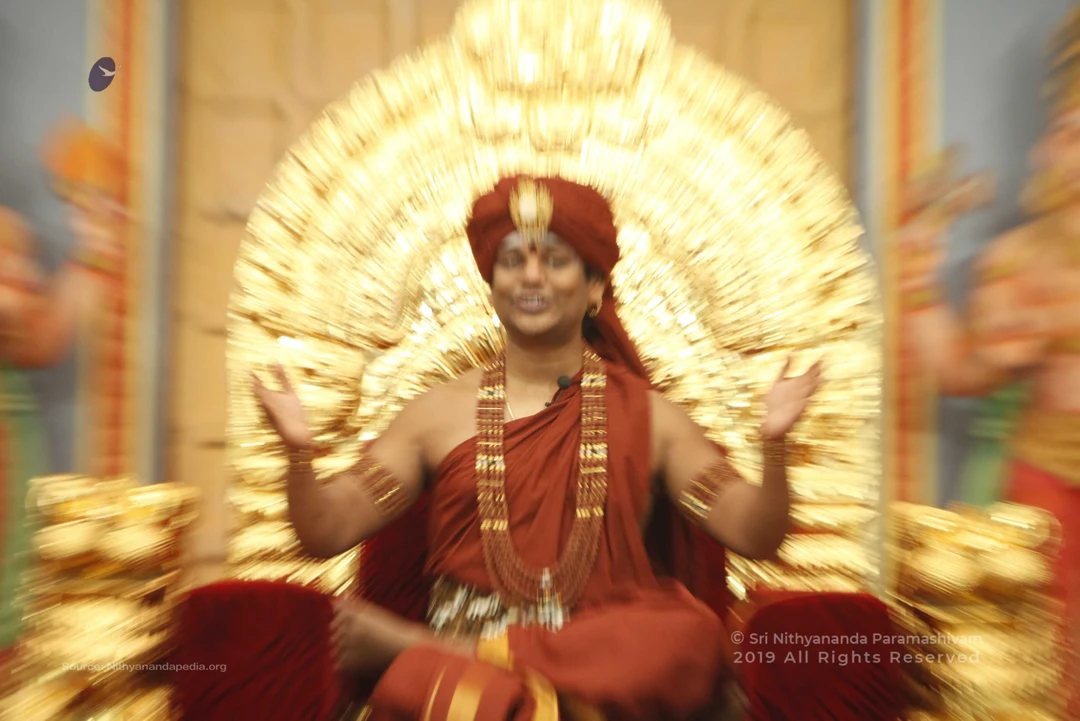
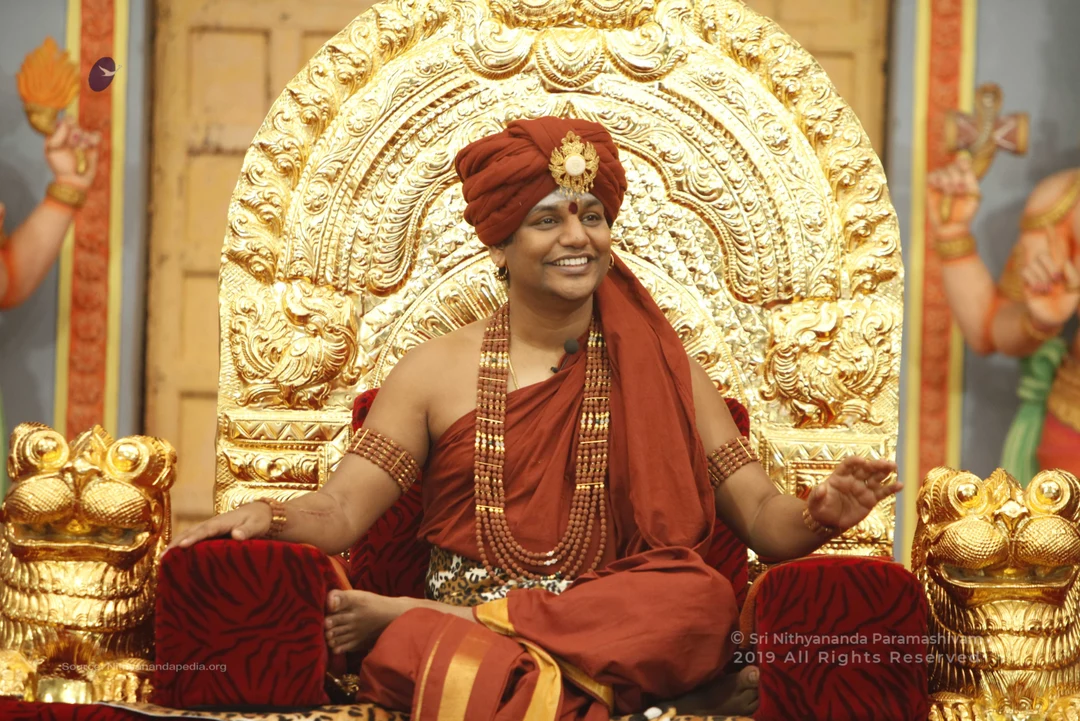
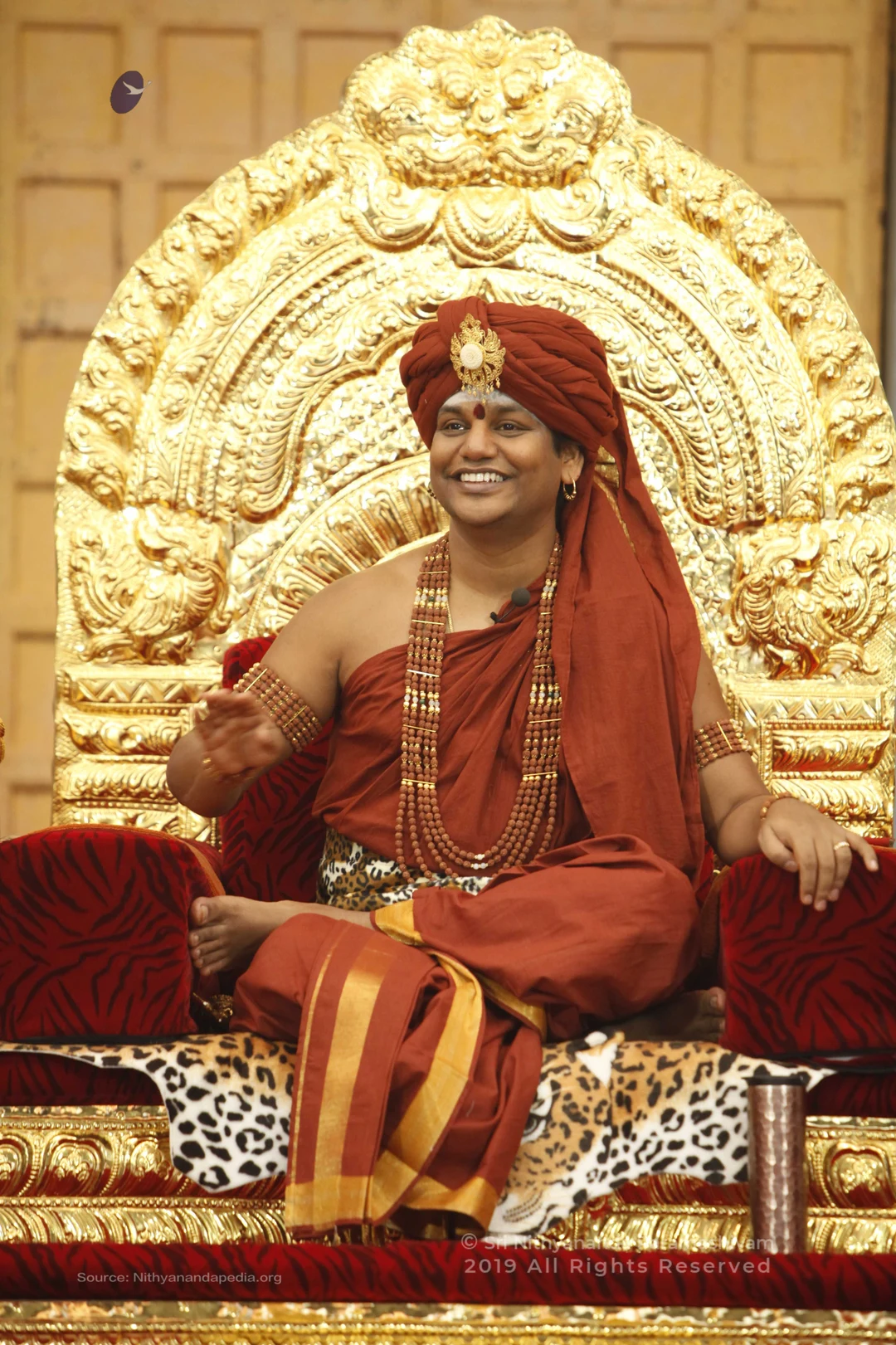
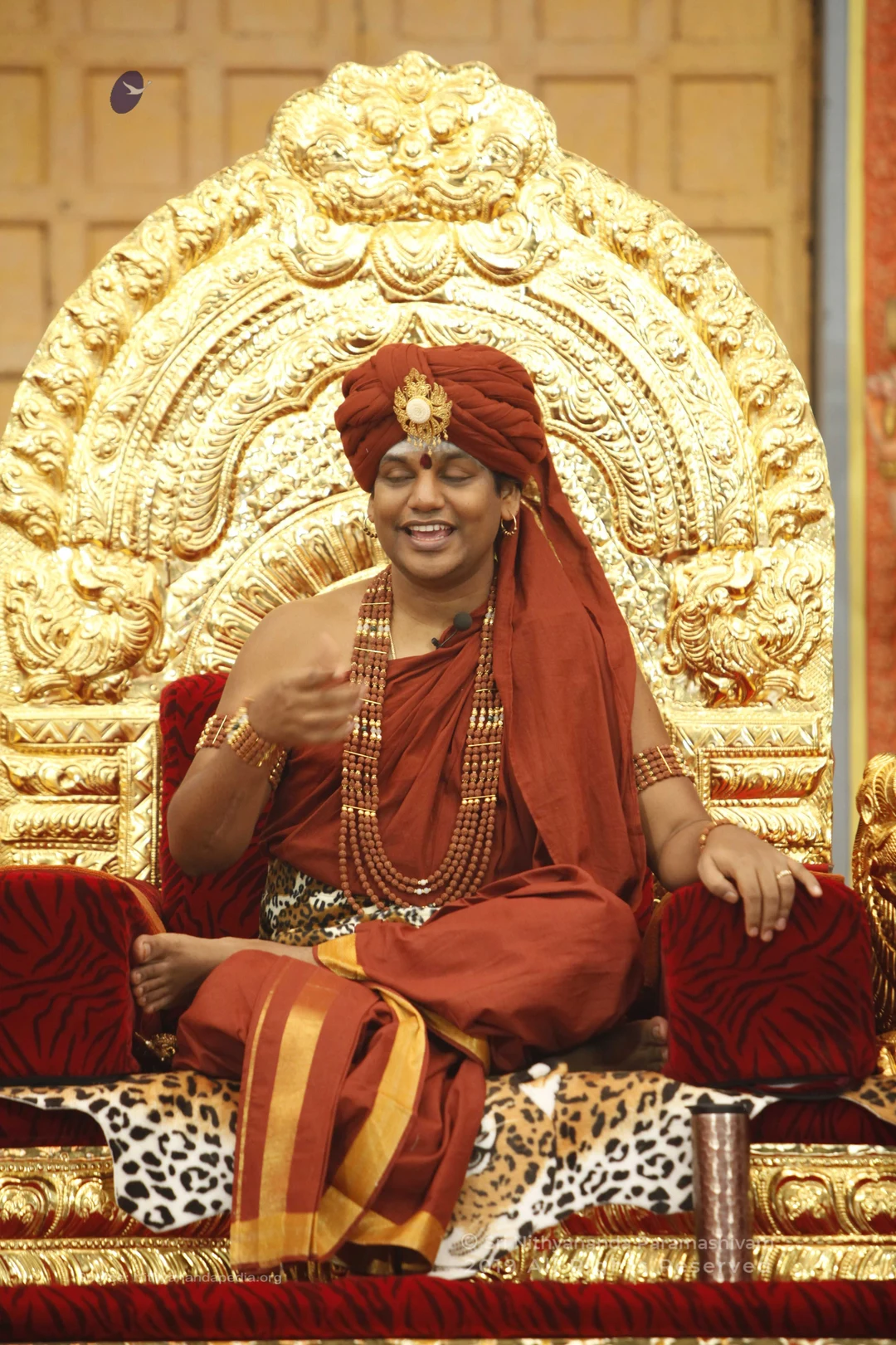
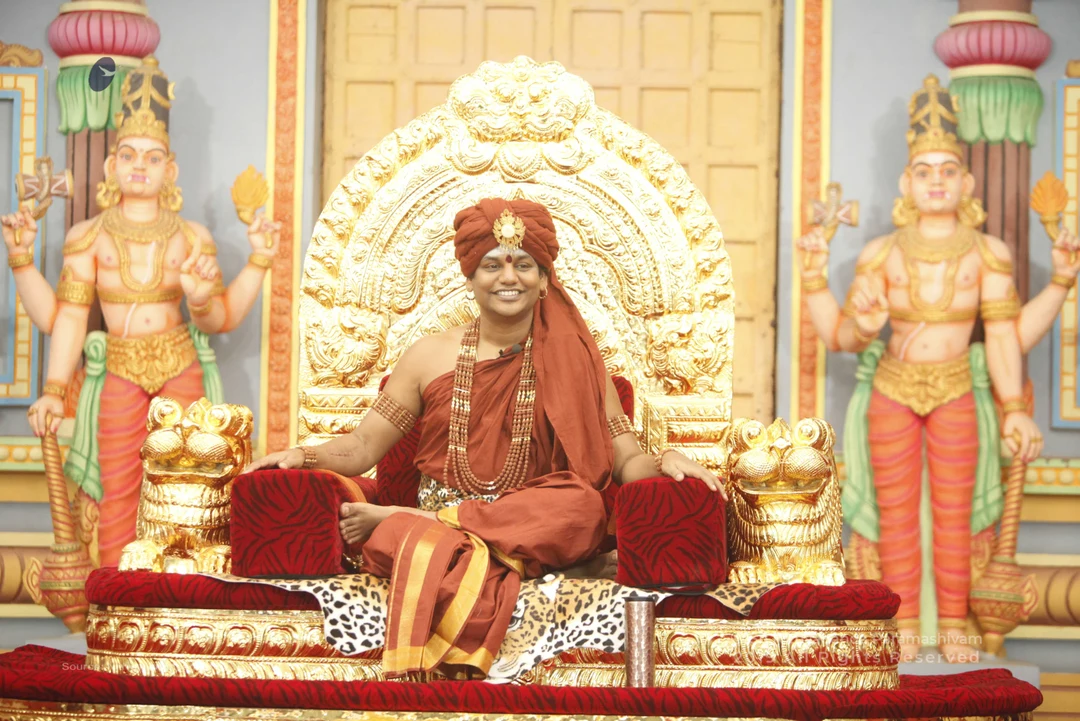
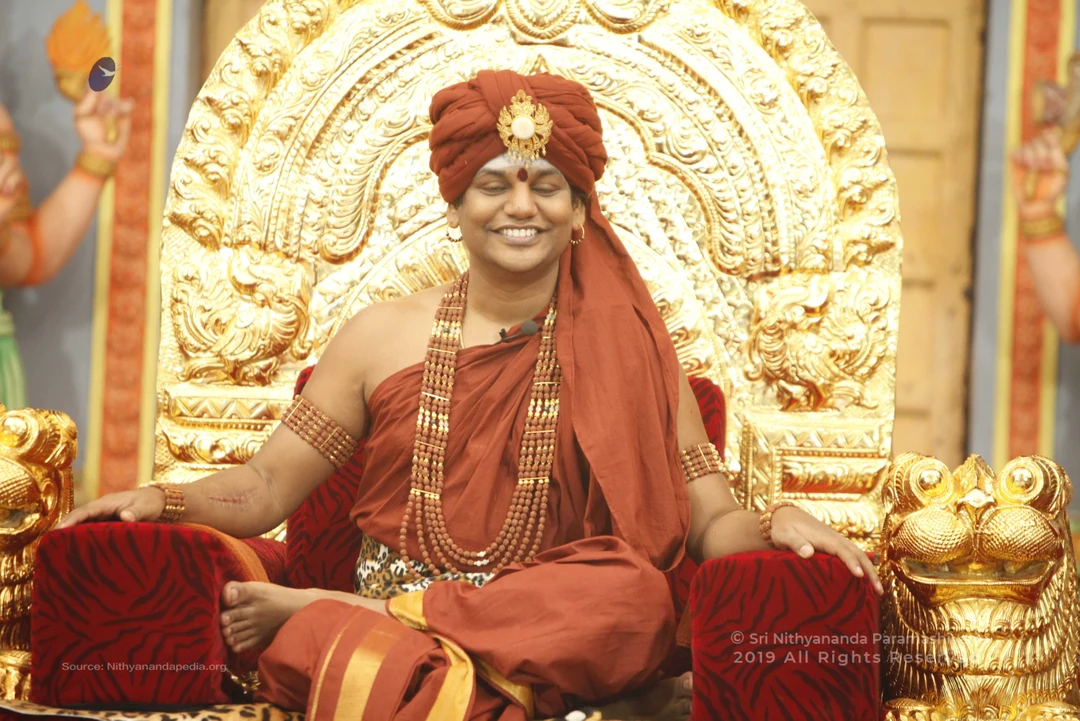
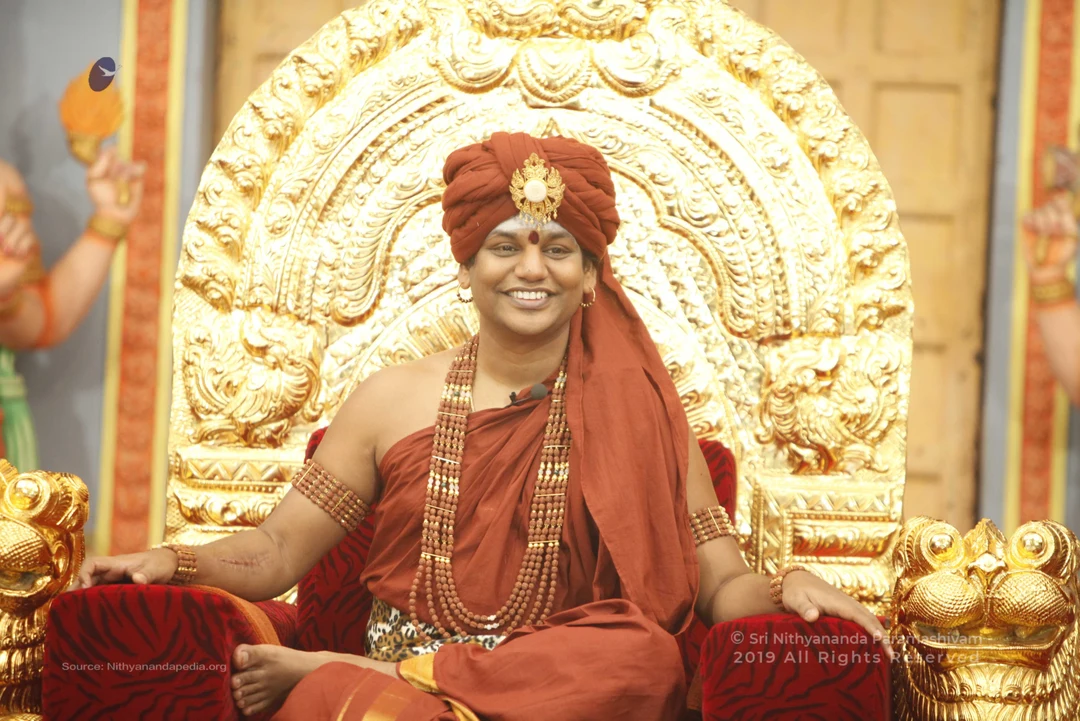
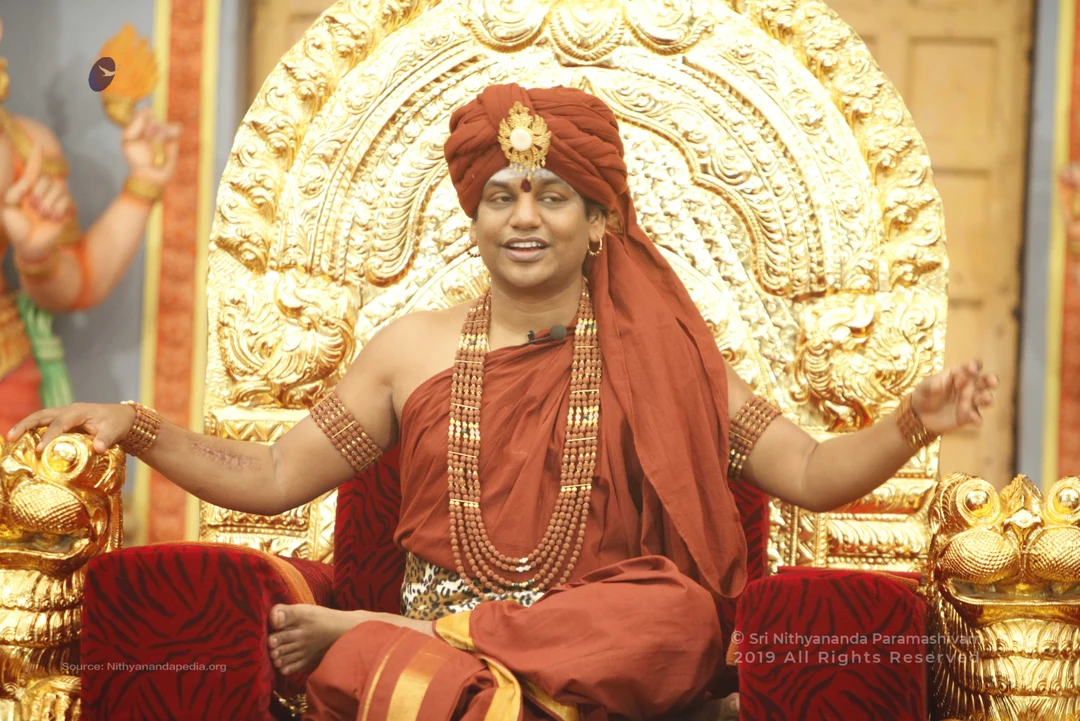
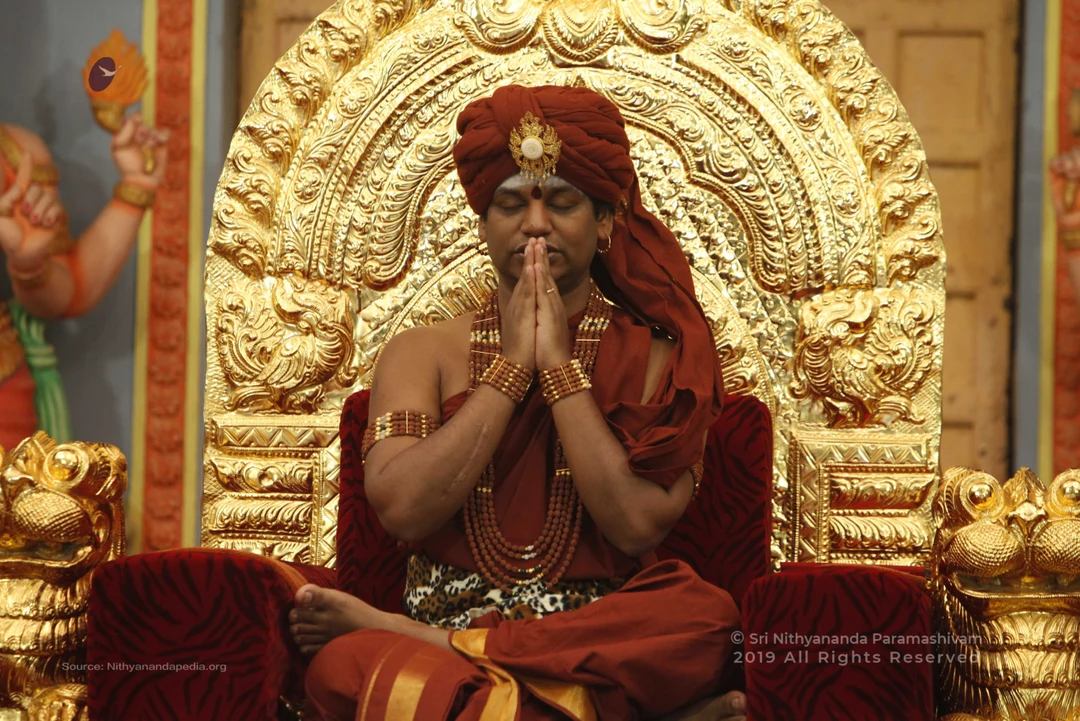
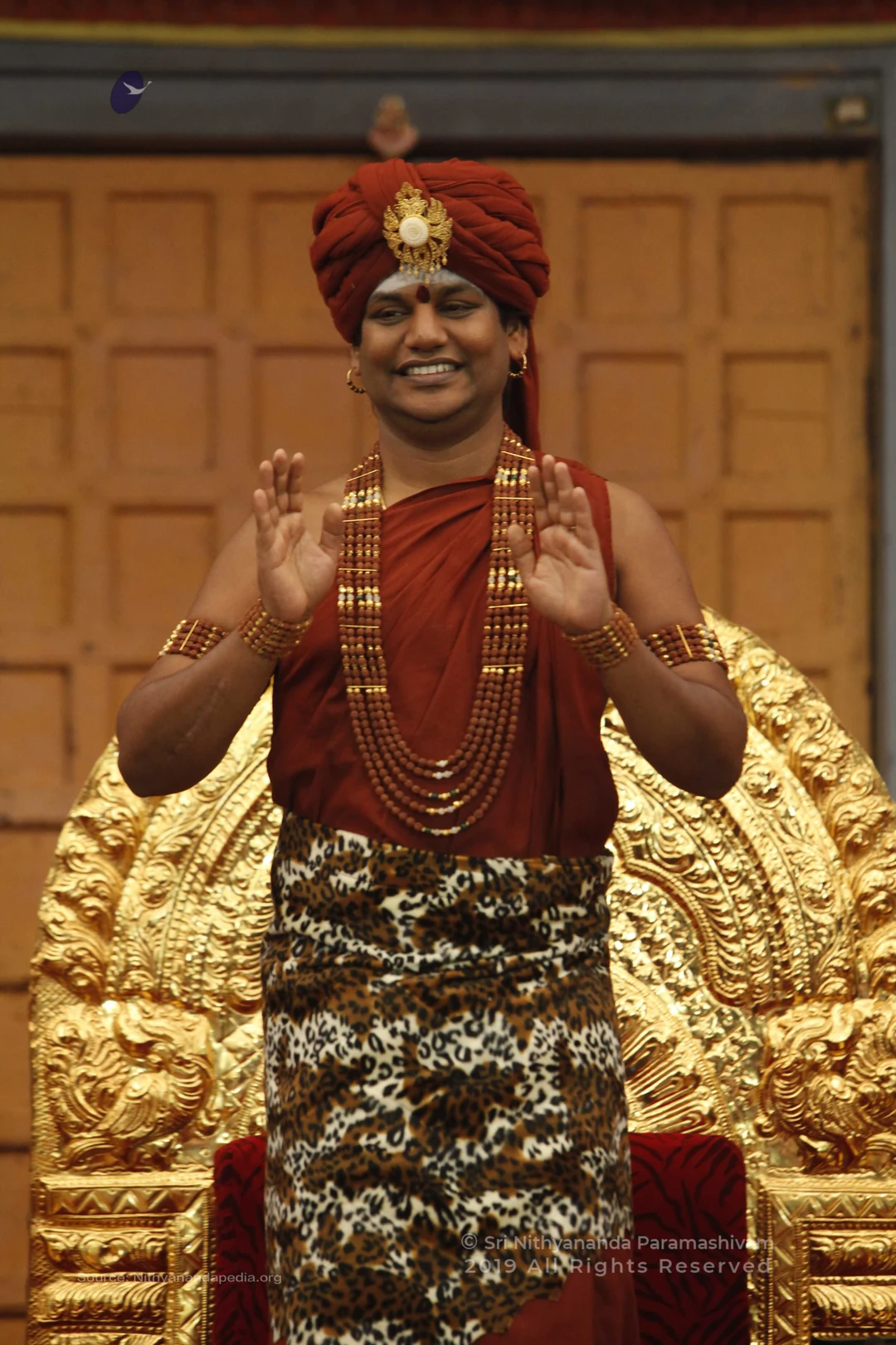
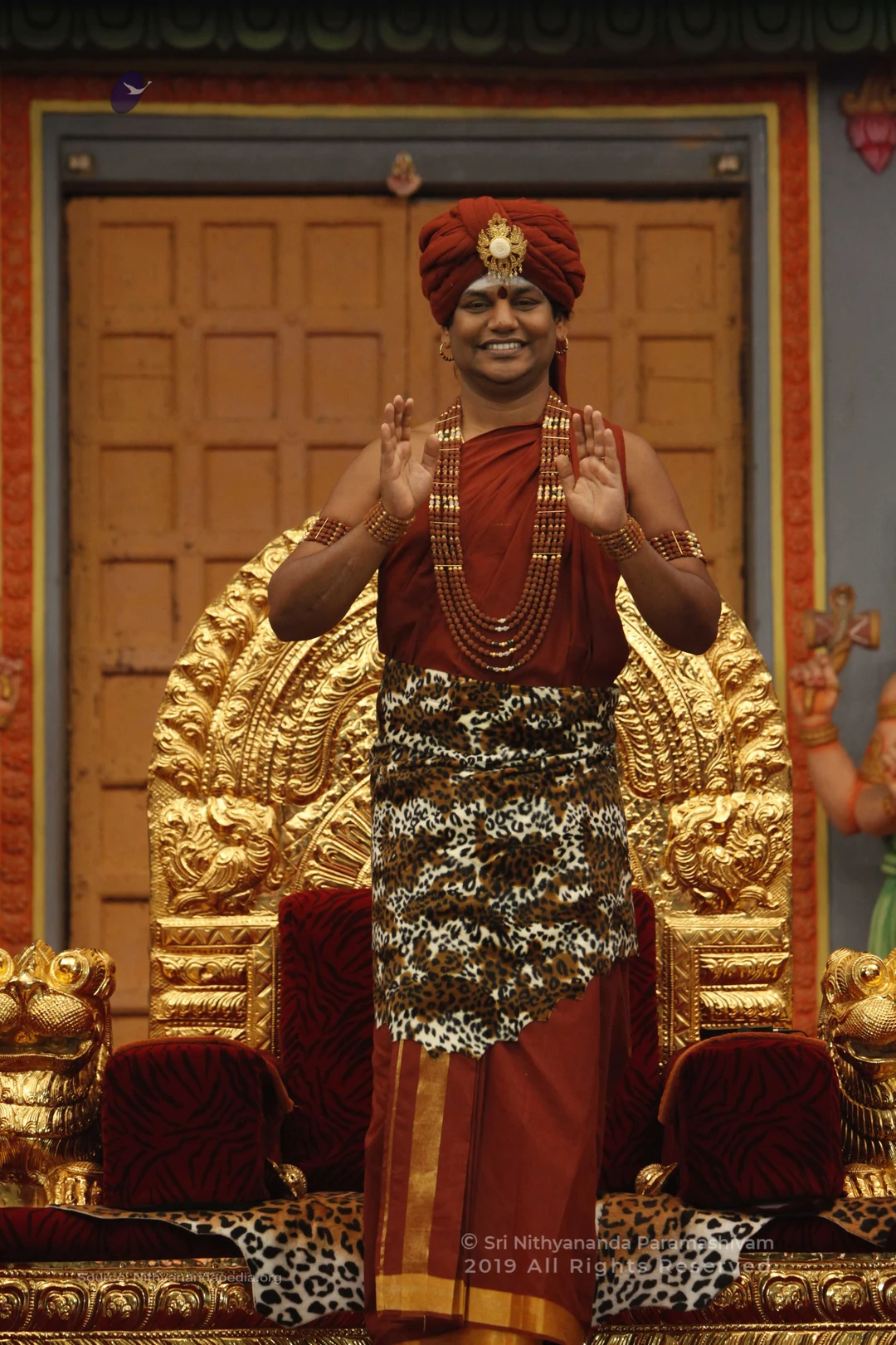
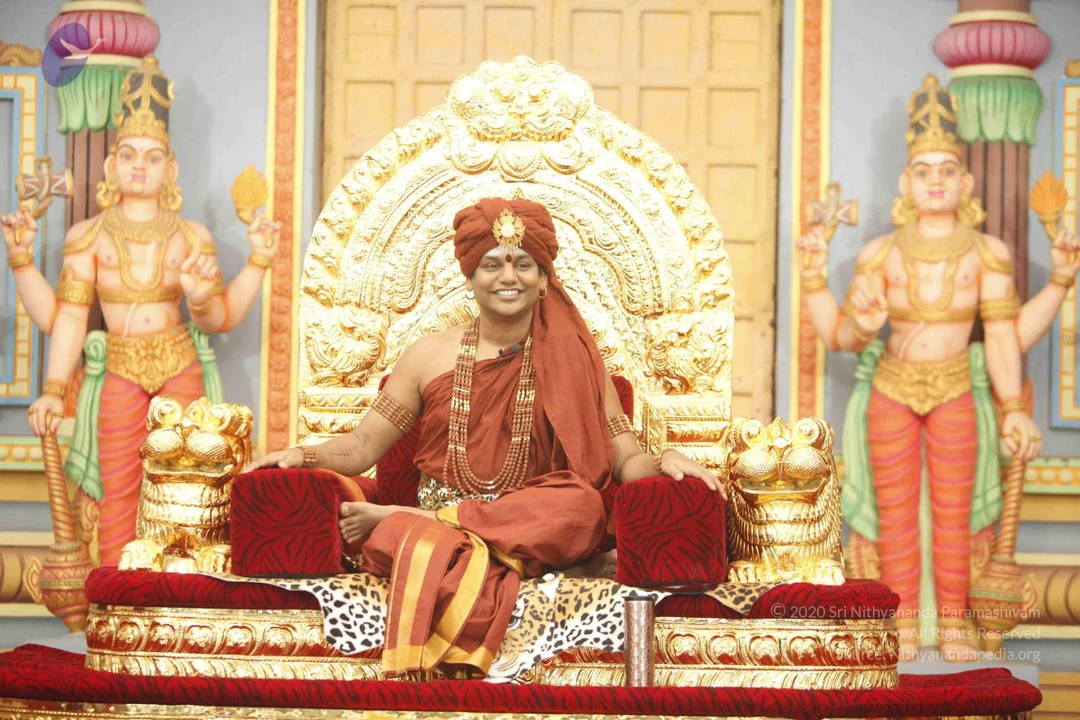
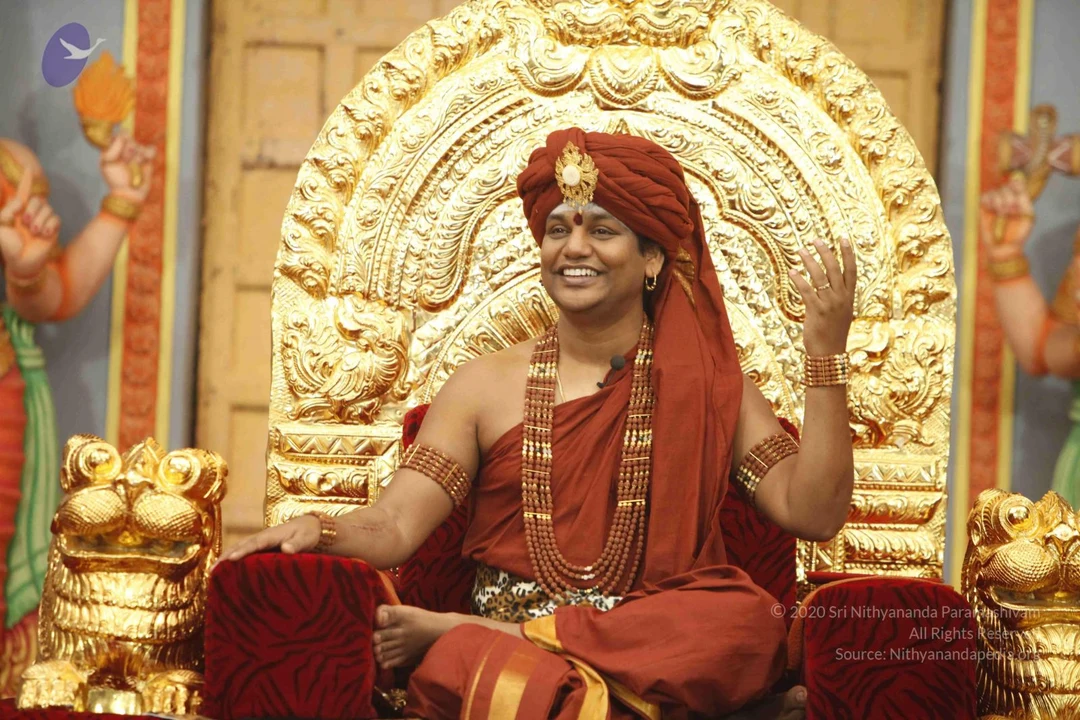
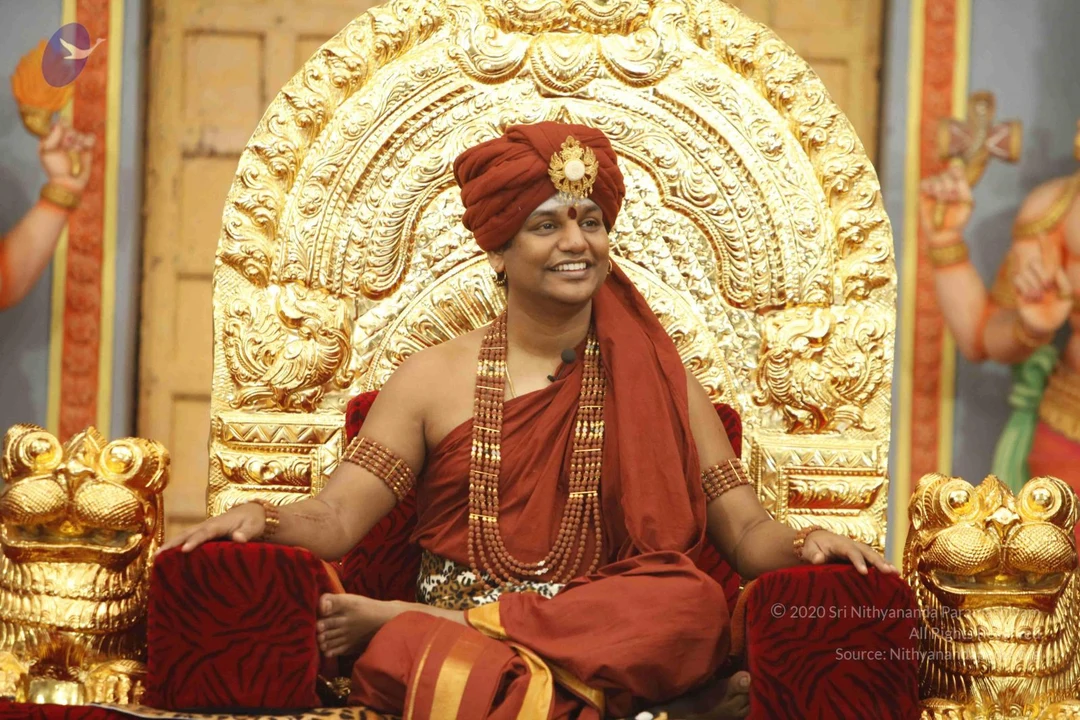
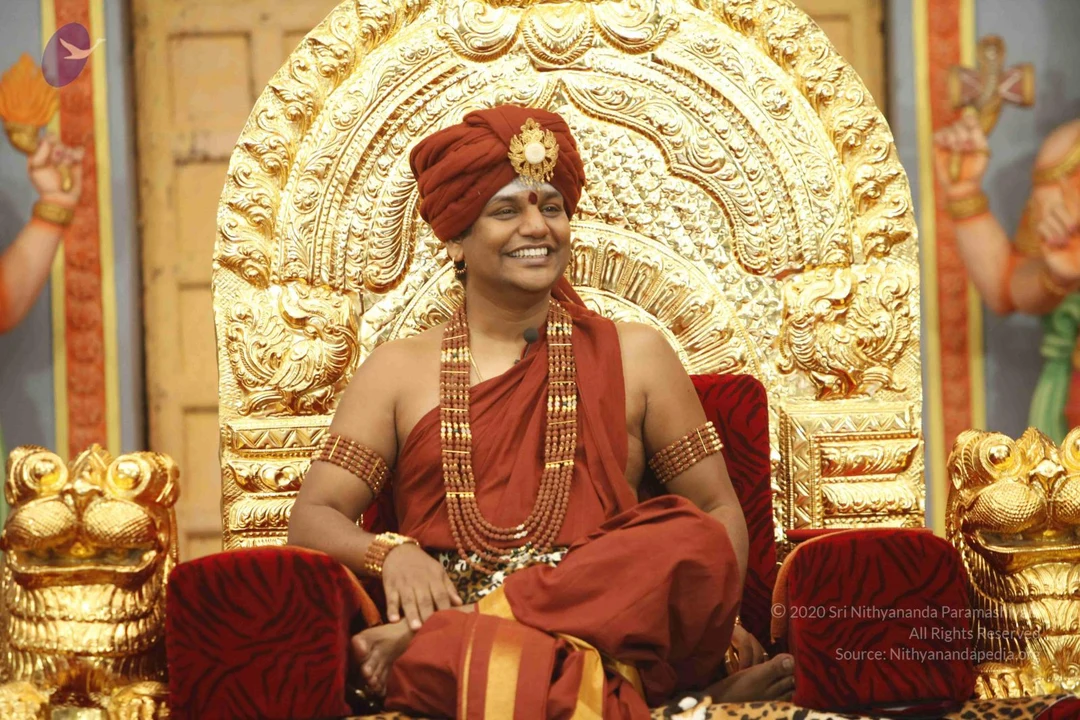
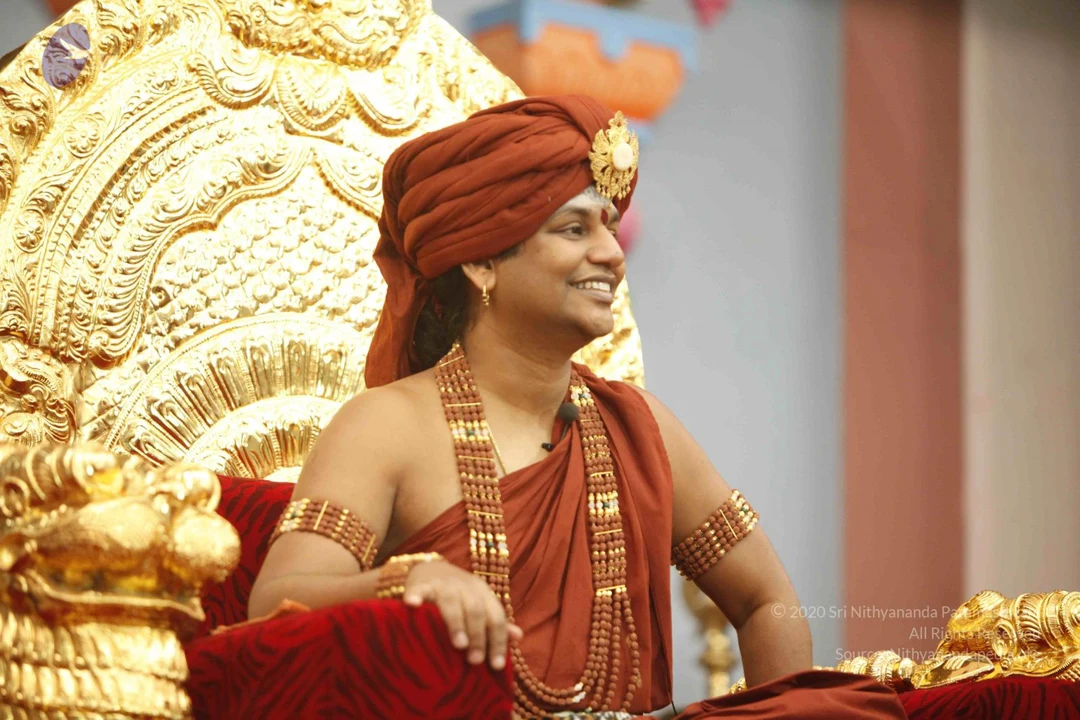
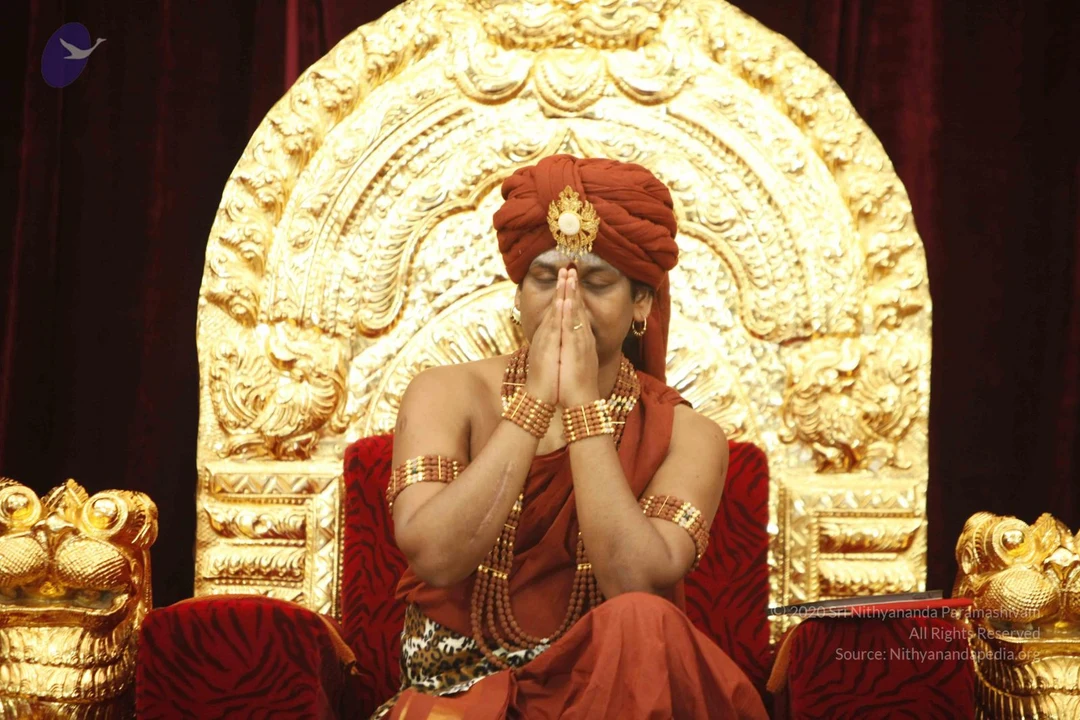
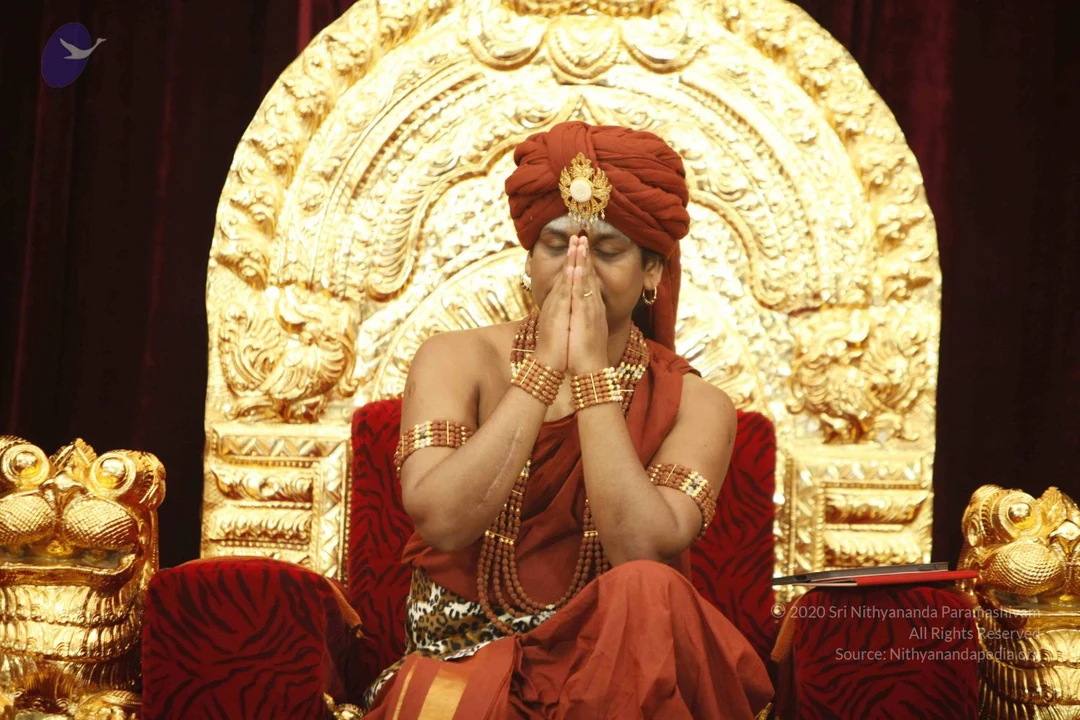
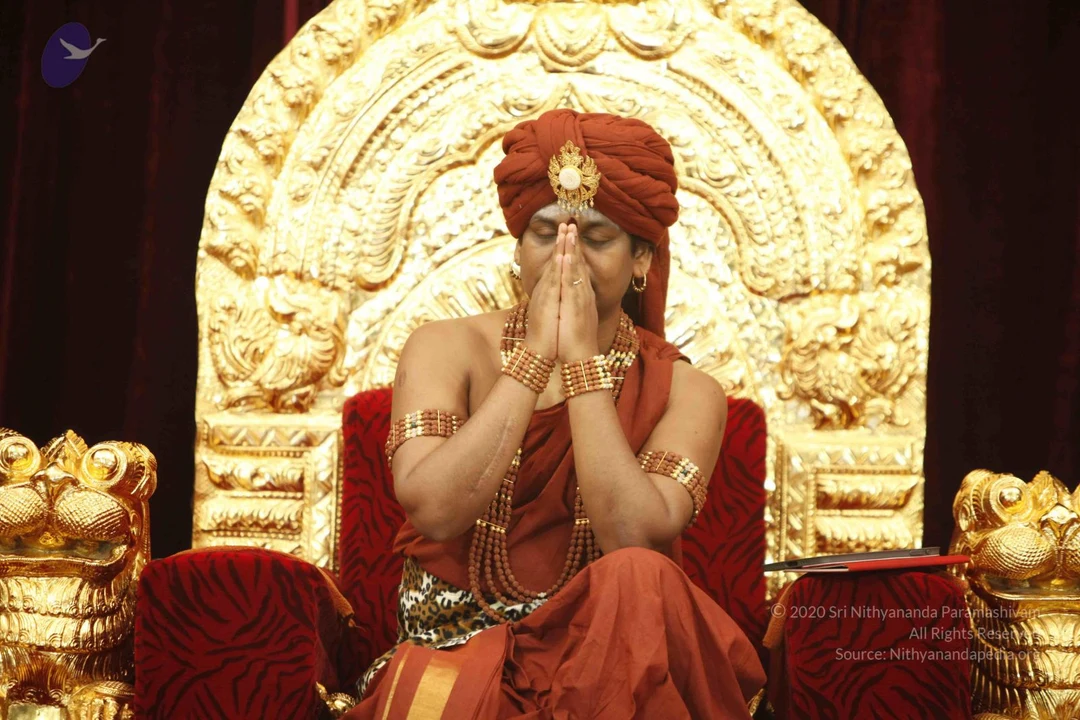
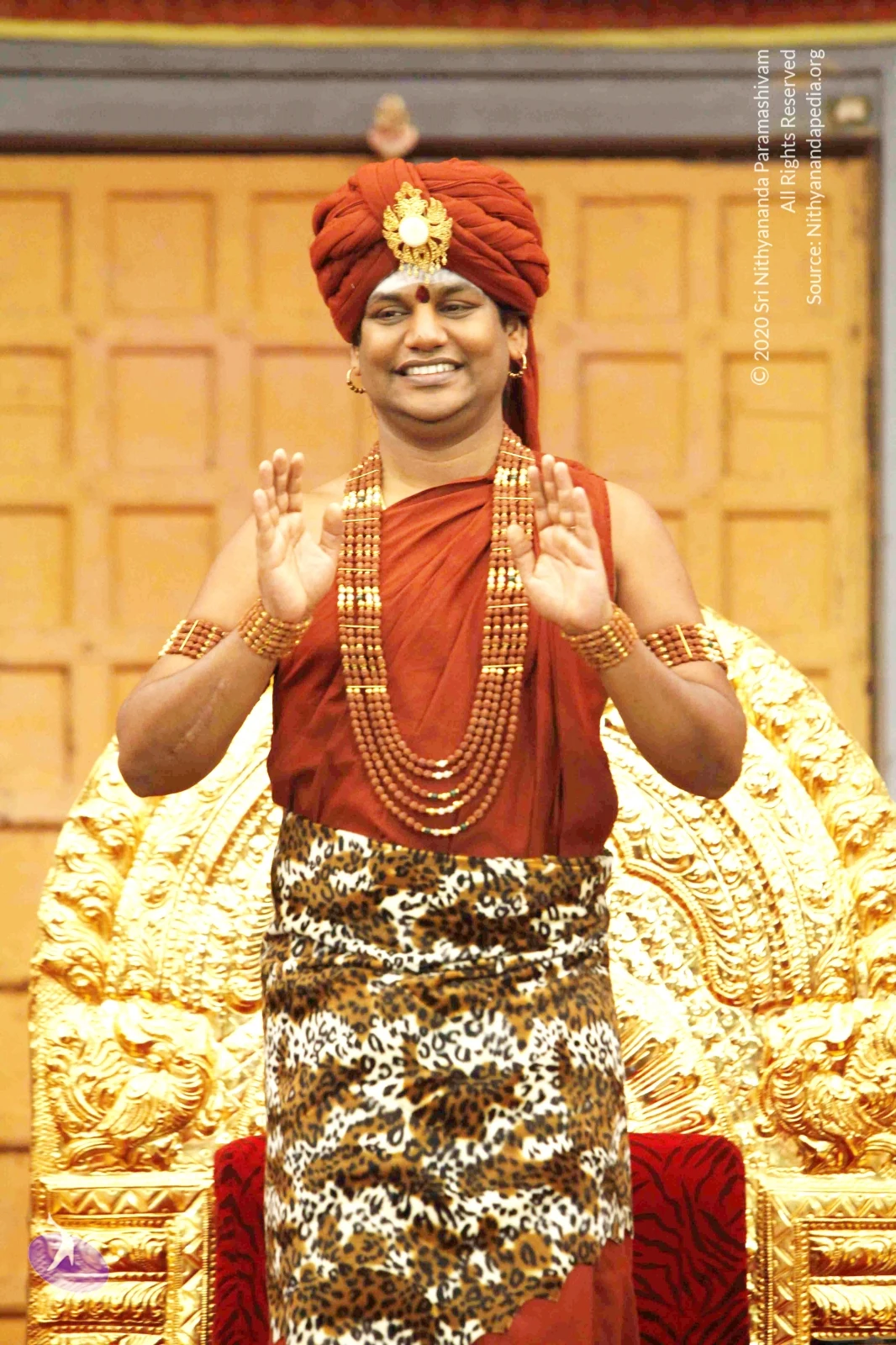
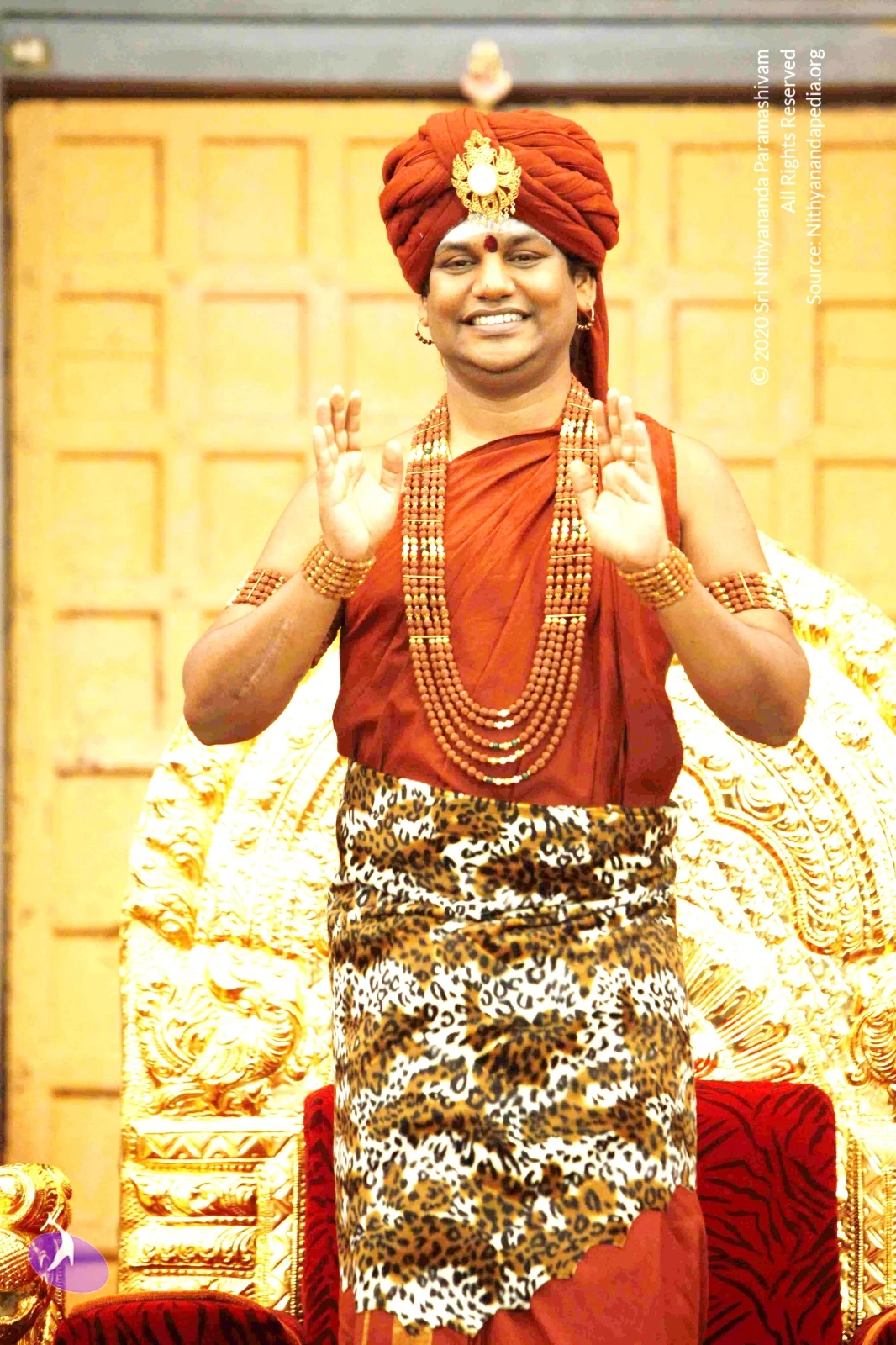
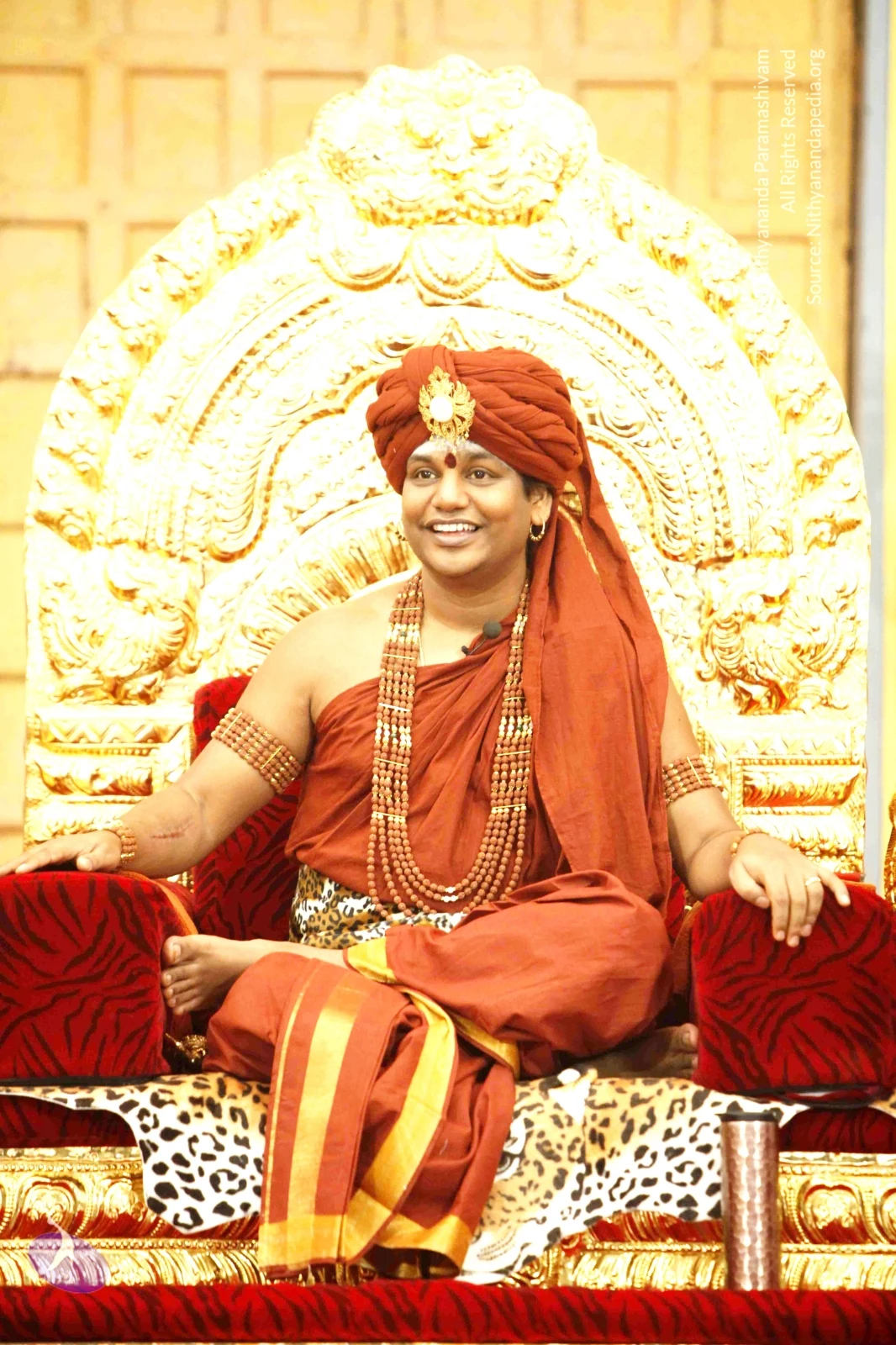
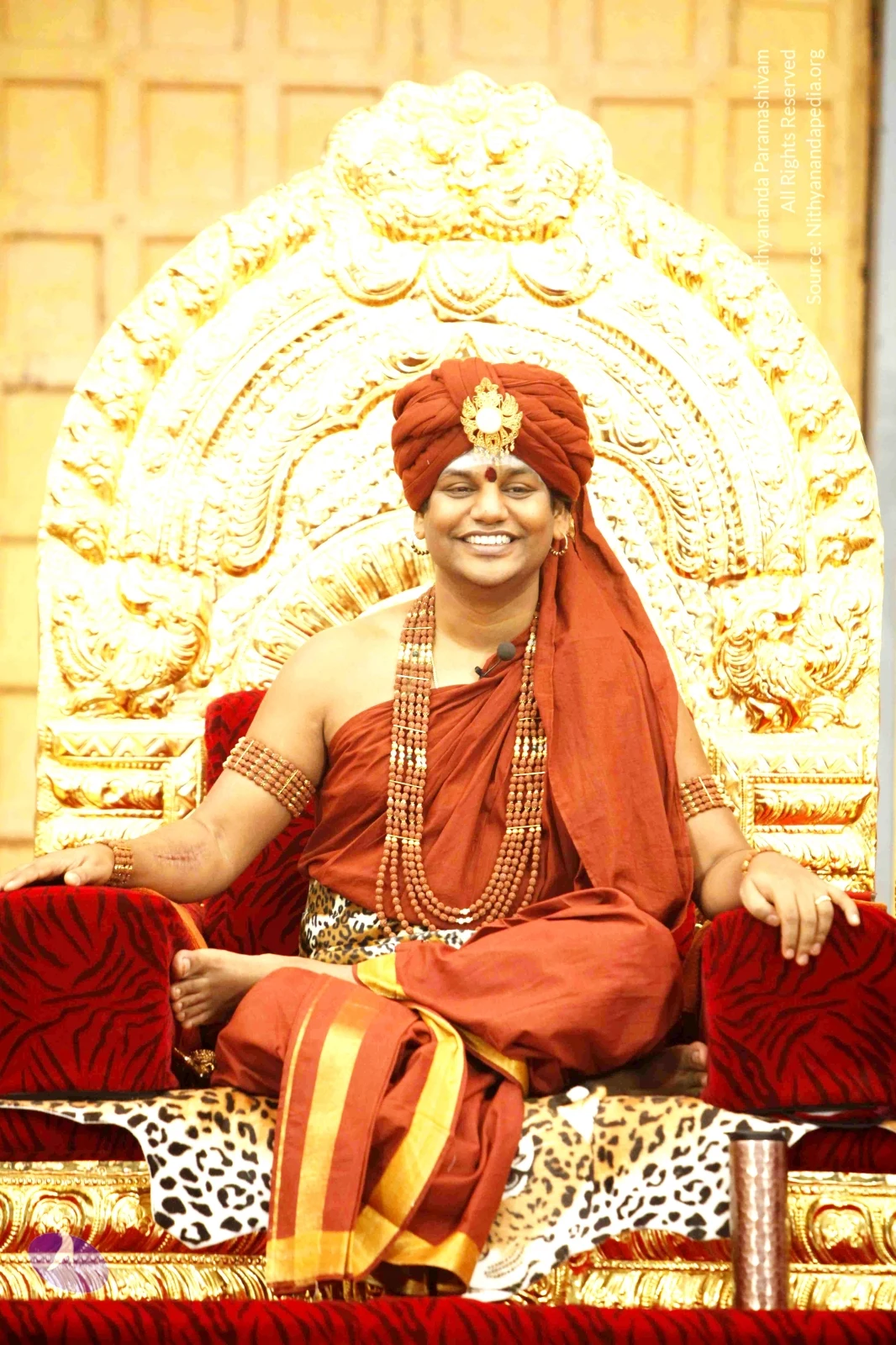
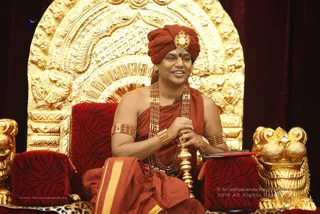
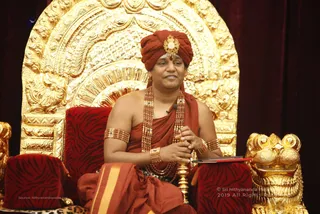
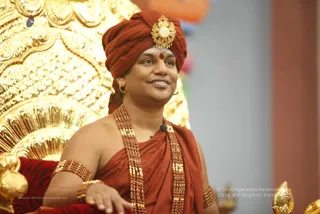
In today’s morning Satsang, Paramahamsa Nithyananda takes us through the decision making process. All of the suffering and past mess we created is in our hands. Every incompletion can be removed with a simple decision to do so. We can hold on to suffering or decide to complete with it – then we can create our future as we want. All of our confusions will disappear once we decide to live in the space of Advaita - decide to be in the space of beautiful openness and powerfulness!
Link to Video:
| Video | Audio |
Transcript:
Nithyanandeshwara Samaarambhaam
Nithyanandeshwari Madhyamaam |
Asmath Aachaarya Paryanthaam
Vandhey Guru Paramparaam ||
I welcome all of you with my love and respects. I welcome all the devotees, disciples, samajis, satsanghis, Shrimahants, Mahants, Kotharis, Thanedars, sitting with us all over the world at this time through Nithyananda TV, Lotus News Channel, Sadhna TV, Janashree TV, Eshwar TV, and through two-way video-conferencing having Nayana Deeksha in many cities, many countries around the world.
Cities sitting with us in two-way video-conferencing having Nayana Deeksha: Hyderabad-Gupta Kashi, Guadeloupe-Rameswaram, Santa Fe-New Mexico, High Point-North Carolina, Bangalore North, Doncaster-UK, Slovakia, Abu Dhabi, Scottsdale-Arizona, Seattle-Chidambaram, Singapore-Singapuram, Phoenix-Kanchipuram, San Jose-Madurai, Tiruvanmiyur-Chennai, Nithyananda Dhyanapeetam-Varanasi, Nithyananda University-Paris, Nithyananda University-Los Angeles, Oklahoma-Somanatham, Nithyananda Nagara-Bidadi, Nithyananda Nagaramu-Hyderabad, Adi Nithyananda Dhyanapeetam-Avathipalayam, Houston-Kalahasti, Indrani-New Jersey, Minot-North Dakota, Dakota Dunes, Dubai-Vaidyanatham, Anne Marie Casu-Paris, Ohio-Prayag, London-Kashi, Toon Moon-Hong Kong, Salem Dhyanapeetam, Toronto-Kailasam.
I welcome all of you with my love and blessings.
Today, I will expand on “Achieving the Space of Advaitha”.
Please listen.
I wanted to remind all of you with this one word: “Life is not difficult, but you have to DO it”. It means, you just have to DECIDE to do it, that’s all! It is all about decision, understand?
Lakshmi is Goddess of Wealth. Saraswathi is Goddess of Knowledge. Durga is Goddess of Power. Vayu is God of Air. Agni is the God of Fire. Indra is the God of the East direction. Yama the God of the South direction. Kubera is the God of Wealth which is Accumulated. Mahadeva is God of everything other than one thing understand other than one thing. Only one person – Guru – is God of making you decide, understand? Making you decide, nobody, even Mahadeva cannot do. Understand that is why even he has to assume the form of Guru to teach the Science of Enlightenment. Understand, even when he assumes the form of Guru, he cannot command, he can only recommend. He cannot command you that, ‘Now decide to be in the Space of Advaitha!’ No! He can only remind. Understand, even when Mahadeva takes the form of the Guru, he cannot command, he can only remind.
I just want to remind you, first of all, it is a straightforward decision. See if you have hundred metre cloth, you have made two- thousand knots on it; it has shrunk to half-a-metre cloth. In that half-a-metre, only three inches are available in your hand. That three inch is only deciding. That three inch deciding is only the tail. The whole cloth is not deciding. If you just put colour for the three inch, don’t think the whole cloth is coloured. You need to remove the knot, knot by knot, knot by knot. And the whole cloth has to be put in the colour. Same way, every incompletion need to be removed and you just have to DECIDE. Decision! Decision! You are the only Lord of Decision! Even Mahadeva when he takes the form of the Guru, he can only remind you, he can only recommend. If you decide to cheat even Guru, who can do anything? No one can do anything! So, please understand I am just looking at the whole! For a few seconds I just looked at the whole; that is why I started laughing!
No one has put you in suffering. No one has asked you to be in the space of incompletion. No one is even interested in torturing you. Forget about torturing you, no one is even INTERESTED in torturing you. You go on do all this to yourself and abuse Mahadeva when he lands in the form of the Guru to help you and to make you get rid of this wrong decision. Please understand, helping you to get rid of the wrong decision is all I am doing. This teamily exercise is just to make you understand.
Please understand everything you face in your life, if you see the lottery happen, you decided to bless yourself. If you see some suffering happen, you decided to curse yourself. If you see any amount of suffering coming and nothing touches you, you are not touched at all, then you have decided not to suffer and any amount comes can never touch you; it will just melt down and disappear.
One more thing, please listen. This is the biggest question I am facing in the Facebook. All the teamily members have this one doubt: ‘I understand, Swamiji, from now on if I start with Completion, things will be great. But what about the mess I created earlier?’
Please understand, life is like Ganga. If you stop polluting, it will automatically clean itself. You don’t need to clean Ganga. It has a self-system, automatically programmed intelligent system. See, if you just stop polluting Ganga, that’s enough. This time when I went to Varanasi, stayed for a few days after the Inner Awakening, I found out the secret why Mahadeva chose that place to live. HAHAHAHAHA. It is a most fascinating city. As I said, if you don’t understand, most frustrating; if you understand, most fascinating city! In such a small place, the old the purana Varanasi, so many things co-exist. By the very structure you cannot have the suffocation about somebody or some being. HAHAHAHAHAHA! You will be trained to be in the space of Vasudhaiva Kutumbhakam. “Bhaandhava Shiva Bhakthaascha, Swadesho Bhuvana Thraiyam”. The physical training for this sloka: “Maatha cha Paarvathi Devi, Pitha Devo Maheshwaraha, Bhaandhava Shiva Bhakthaascha, Swadesho Bhuvana Thraiyam” Because all the Jeeva Raashis, beings in all the three worlds are existing in that small Kashi! HAHAHAHAHA! I cannot utter the word “small” Kashi; “In that Kashi”. You simply have to live with all the beings from the “bhuvana thraiya” – all the three worlds.
This time, I had the opportunity to spend a lot of time with Ganga. Night we were going for a boat ride. I don’t want to describe the whole beauty; I know, so many of you will feel jealous. But the moment we came to Assi Ghat, means, the end of Kashi, the smell, oh God! If you are pregnant, you may vomit and deliver the baby through the mouth - that kind of a smell! Why you know? All these industries’ pollution and sewage water is being released. Every night they release. It is every day continuous pollution, because of which Ganga is polluted. If you just stop polluting, simply Ganga has the capability to purify herself, clean herself. Same way, if you decide that from today you will maintain Integrity, I tell you, within twenty-one days you will get Vaak Siddhi! Vaak Siddhi is a very simple process. Decide from today you will not tell anything non-integrated, you will be in Integrity with your space. Authenticity is like you will be authentic to what you are. Integrity is not only you will be, integrity is like a you will be integrated with your words and thoughts. I am telling you, Integrity is like accumulating wealth: the more you are integrated; more you will have the Vaak Siddhi. If you become Authentic, you become a Reserve Bank; you don’t need to even accumulate wealth from others, you can print your own currency.
Listen. Integrity. Just decide that from today you will remain integrated. It means any word you give, either you will honour them by fulfilling, or you will withdraw them and complete it. Go on maintaining just this for the next twenty-one days; you will see your Vaak is purified from all the dirt you accumulated. Even if you have dumped the pollution into the Ganga for the last one-thousand years, if you just stop today dropping the pollution, all it takes for the Ganga is just one day, twenty-four hours of flow; it’ll clean itself! Please listen. All the past messing up has no power over you is the first completion you need to do. First understanding you need to have with Kala Bhairava
Kaala bhairava is fresh, alive, new. He looks at you always as new. For example, if you are thinking that I have not forgiven your past mistakes, you are destroying your life. Even if I remind you about your past mistake, it is just to create a right new future. Same way, if you believe that Kaala, the Lord of Time, has not forgiven you for your past mistakes, you are wasting your life! I’ll go on reminding you about your past mistakes till you decide to change. Your decision not to change only I will be attacking continuously. Only for that I use your past mistake as a weapon. The moment you wake up to the decision to change, I’ll be the first person to dump your past.
Understand, Time is not wine, the past is; the older it is, tastier - No. Time is tea; the more hot it is, tastier. Understand, Time is not wine; the more older it is, the more tastier. Time is tea; the more hot and fresh it is, more tastier. Time does not treat you; Kaala does not treat you looking at your past. It is attacking you He is just asking you, reminding you to change your decisions. If I am constantly poking at your past, it means I am just requesting you to change your decisions. The moment you change your decisions, I’ll be the first person to forget your past. I already programmed you. I have already programmed me! Understand, I already told Kaala, Mahakaala, the moment a disciple has changed the way of decision-making in the right direction, all his past, not only I will forget, even he will forget! It won’t be a weight on him anymore.
Please listen. The moment your decisions are changed, your life is changed. The moment your decisions are changed, your life will change.
Life is all about changing your decisions. Even now the whole teamily work, making Advaitha practical, living Advaitha work, there is no work for you. It is not difficult, but you have to DECIDE! You need to decide to be in the space of beautiful openness, powerfulness. Openness is not vulnerability as society taught you. Openness is like a Vajra – powerfulness. Openness is the greatest “bhaavana”; means, the greatest visualization you can reside in. Understand and remember, understand and remember.
Listen! Listen to this great truth. It is all about decision-making, DECIDING. Nothing else but DECIDING to live in the space of Advaitha. The moment you decide, you will see 1008 confusions will disappear just like that. Just like that, 1008 confusions will disappear.
I’ll give you a few more days to finish penning down your incompletions to achieve your authentic identity, authenticity. Let your teamily support you, you support your teamily. Once more I wanted to remind you, I do not want anybody else to know your incompletions, because people who know your incompletions should be in a loving, caring space of raising you to the higher level. They should neither have sympathy towards your incompletions and suffering and self-doubt, nor they should be exploiting, using your incompletions. They should be really, really powerful! Understand neither should they have sympathy - ‘Oh you have all these problems it’s OK you just die in that problem.’ That is what sympathy means, ‘ Oh yesterday only you took rat poison that is so bad. Please drink little boiled oil also.’ That is what is sympathy. No your teamily members should not have this so-called sympathy towards you, and you also will not show this bloody, dirty sympathy towards people, to your teamily members. That’s first. Second, same way, no one should exploit you knowing your incompletions. No! That is why I am very clear, other than your teamily members, no one will know your incompletions. And your teamily members also, I am giving a clear instruction, you will not exploit others based on their incompletions. Neither you will show sympathy, nor you will exploit them based on their incompletions. You will only support them to get out of their incompletions.
So, I give you some more time to compile all your incompletions. Once you prepare your incompletions, then I’ll guide you into the process of completing all of them, completing all of them and liberating yourself from all the incompletions. Then we will enter into being a co-creator for your teamily, being a catalyst for your teamily. We will enter into that step. That will be next.
So, now, decide, decide not to be stuck with incompletions. Decide to experience the power of Advaitha. Decide to experience the joy of Advaitha. Decide to experience the knowledge of Advaitha. Decide to have Advaitha Jnana. Decide to have Advaitha Shakthi. Decide to have Advaitha Siddhi. Decide to have Advaitha Ananda. Decide to have Advaitha Anubhooti. It is your DECISION! It is your DECISION! Danse suniya. It is your DECISION! It is just your DECISION! Nothing but your DECISION! Decision to have Advaitha Anubhooti. Decision to have Advaitha Siddhi. Decision to have Advaitha Jnana.
I bless you all to decide for Advaitha, to decide for Completion, to drop all the incompletions and decide for Completion.
I bless you all! Let you all radiate with Integrity, Authenticity, Responsibility, Enriching and Causing eternal bliss, Nithyananda. Thank you.
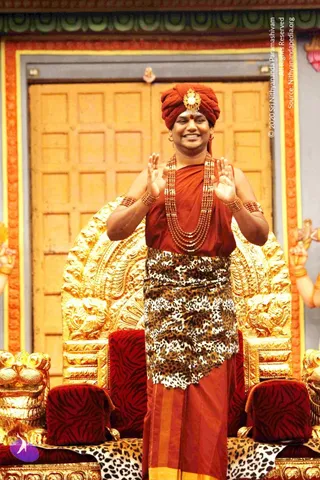
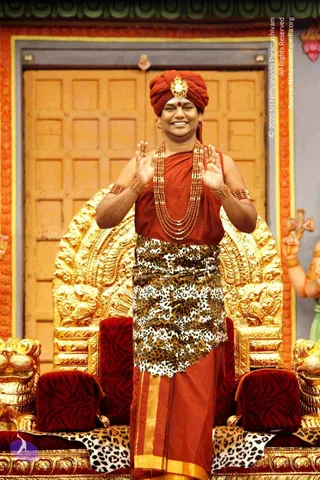
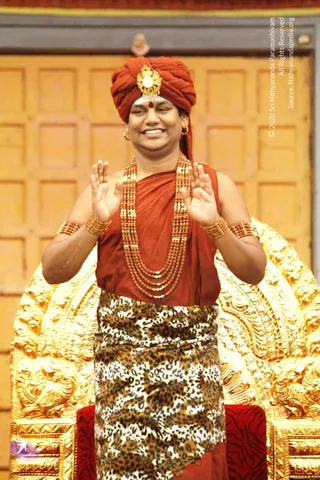
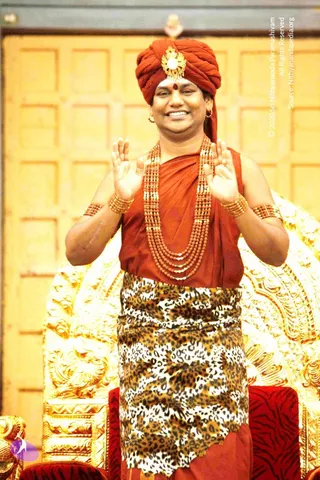
Photos
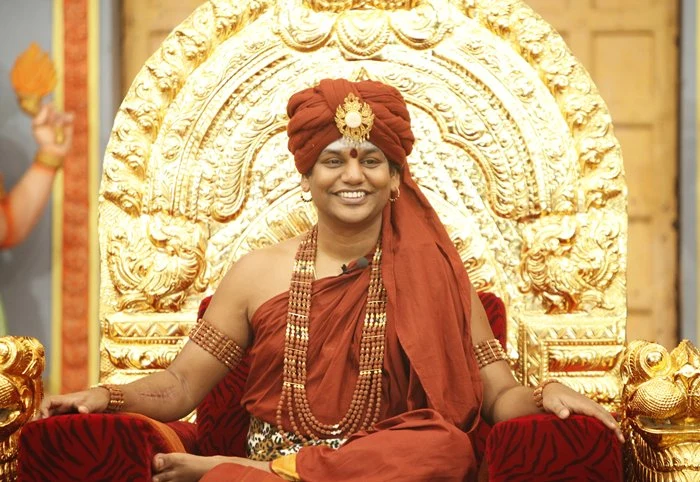
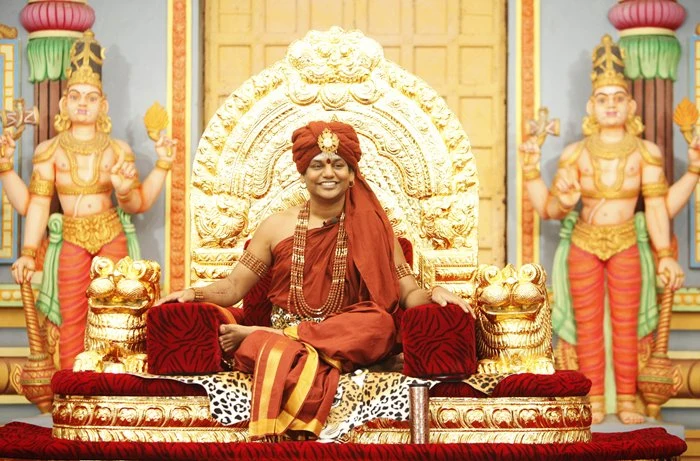
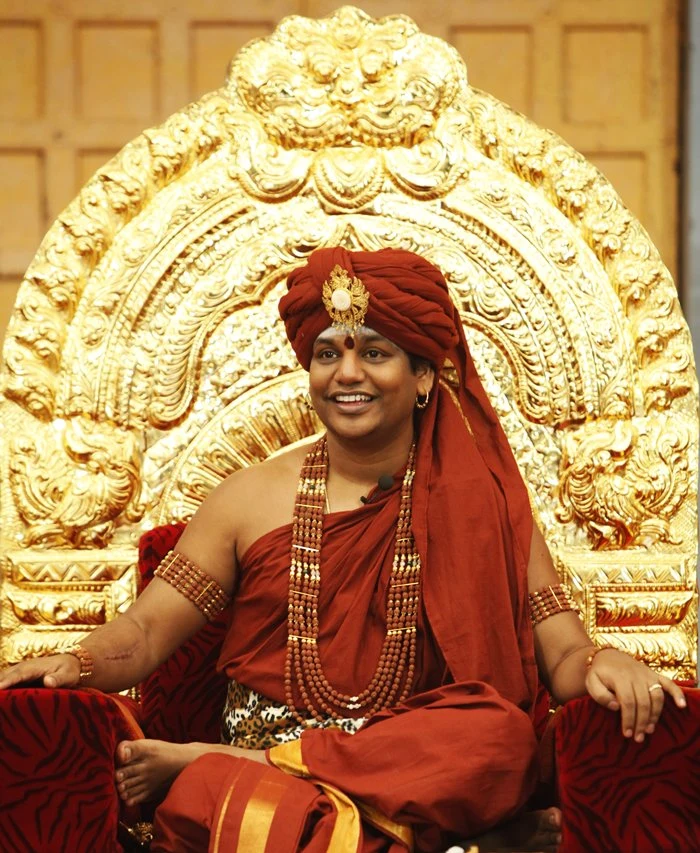
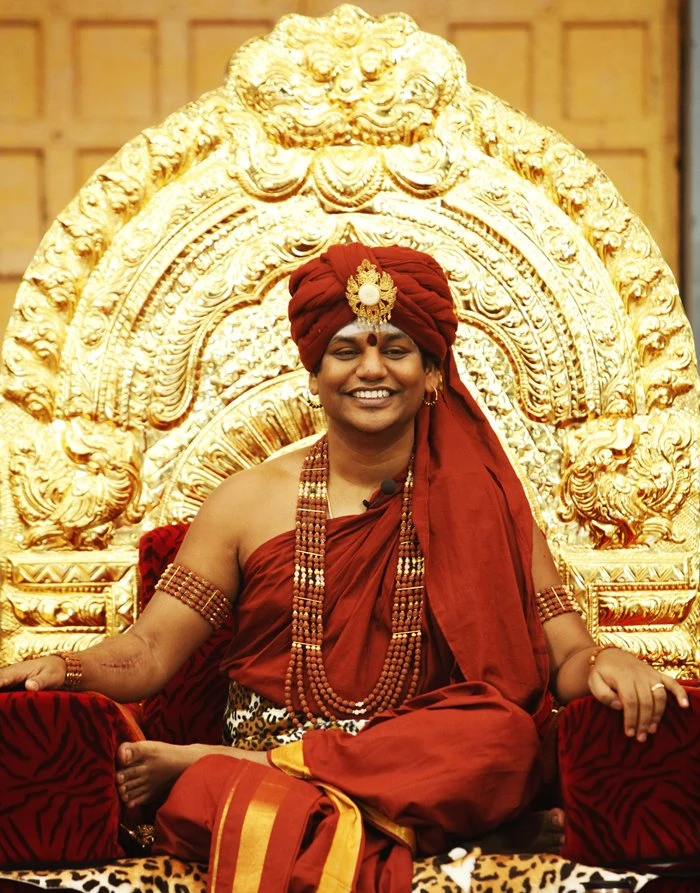
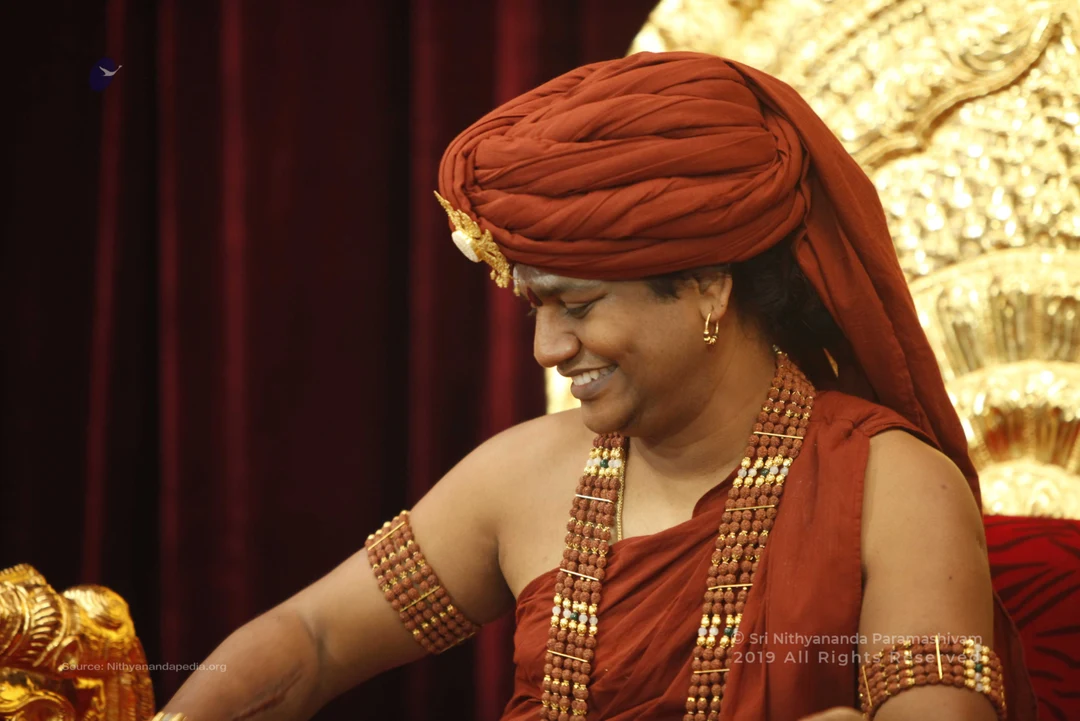
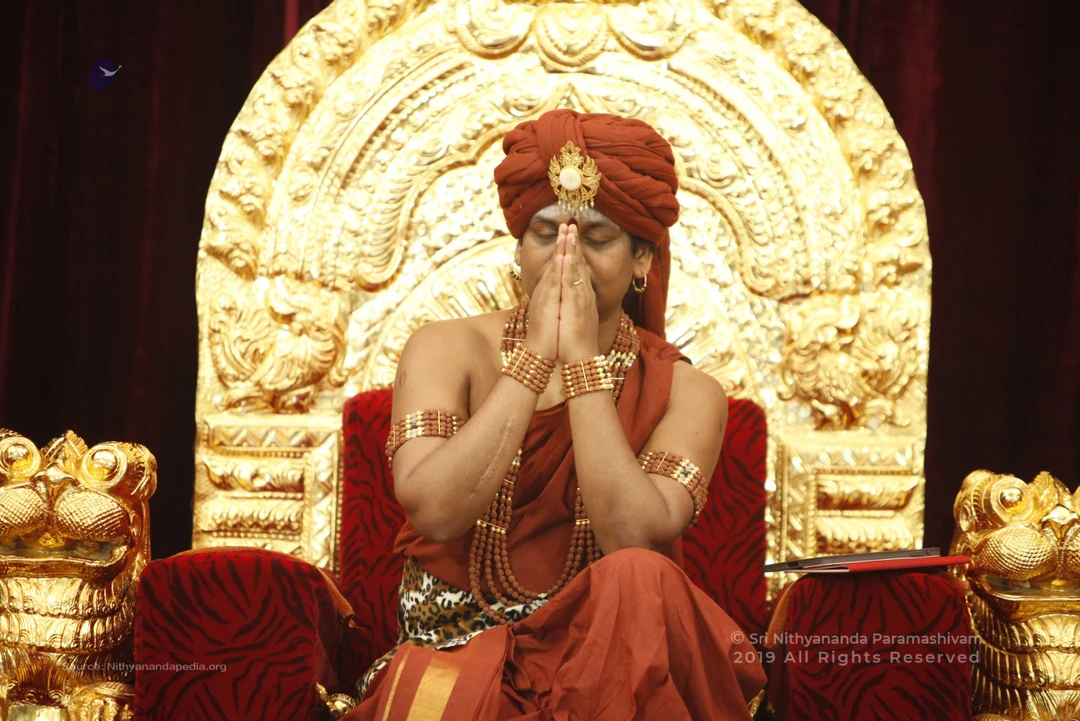
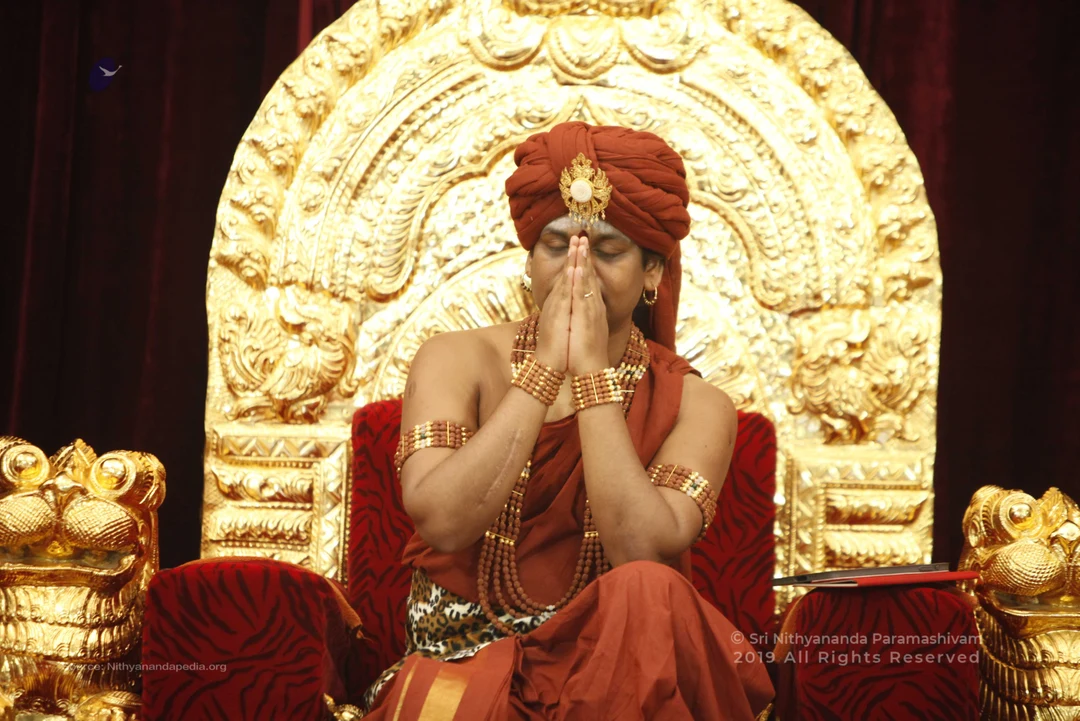
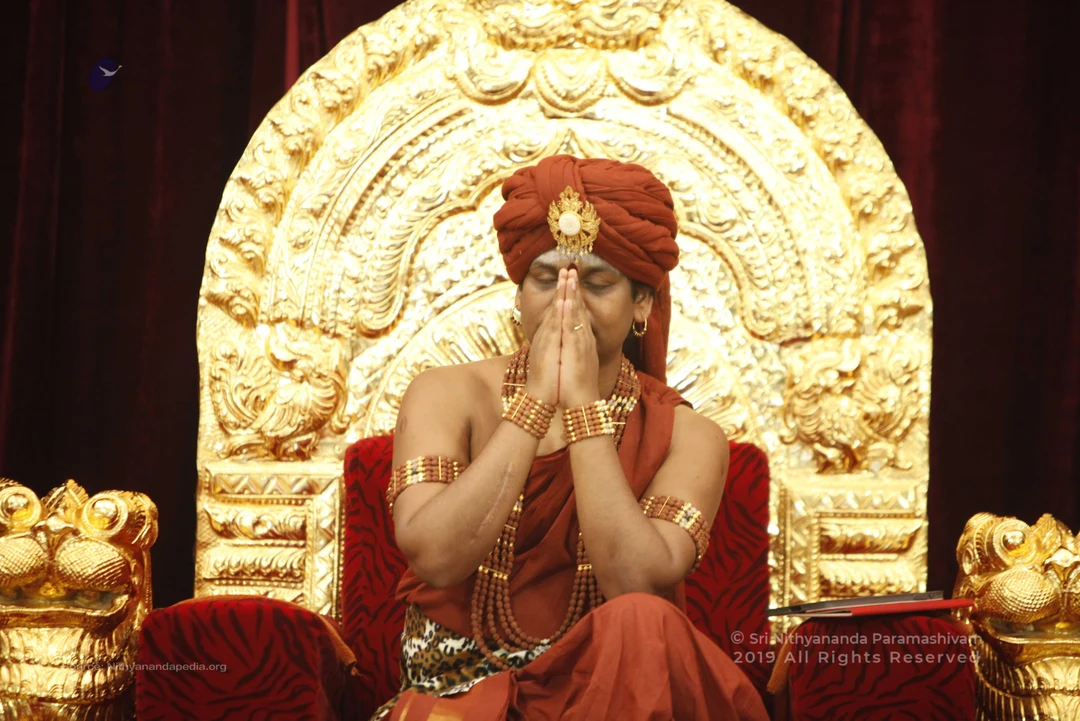
Nithya Satsang
Tags:
Paramahamsa Nithyananda, decision making, past, complete, create, future, Advaita, space, beautiful, powerfulness.
Photos Of The Day:
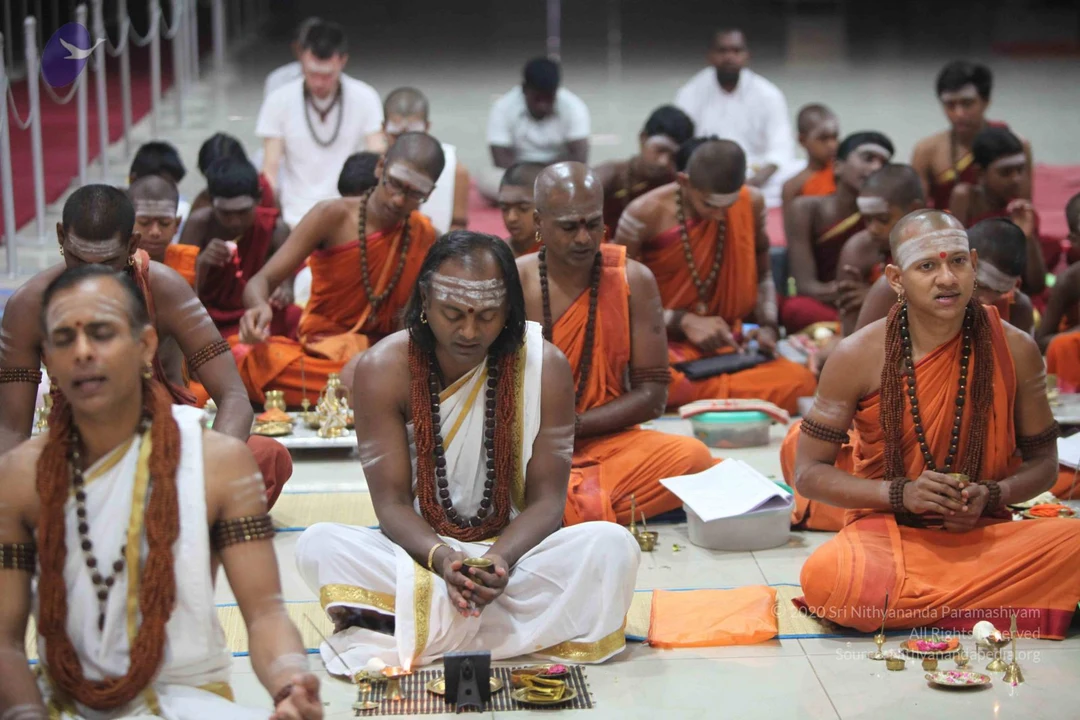
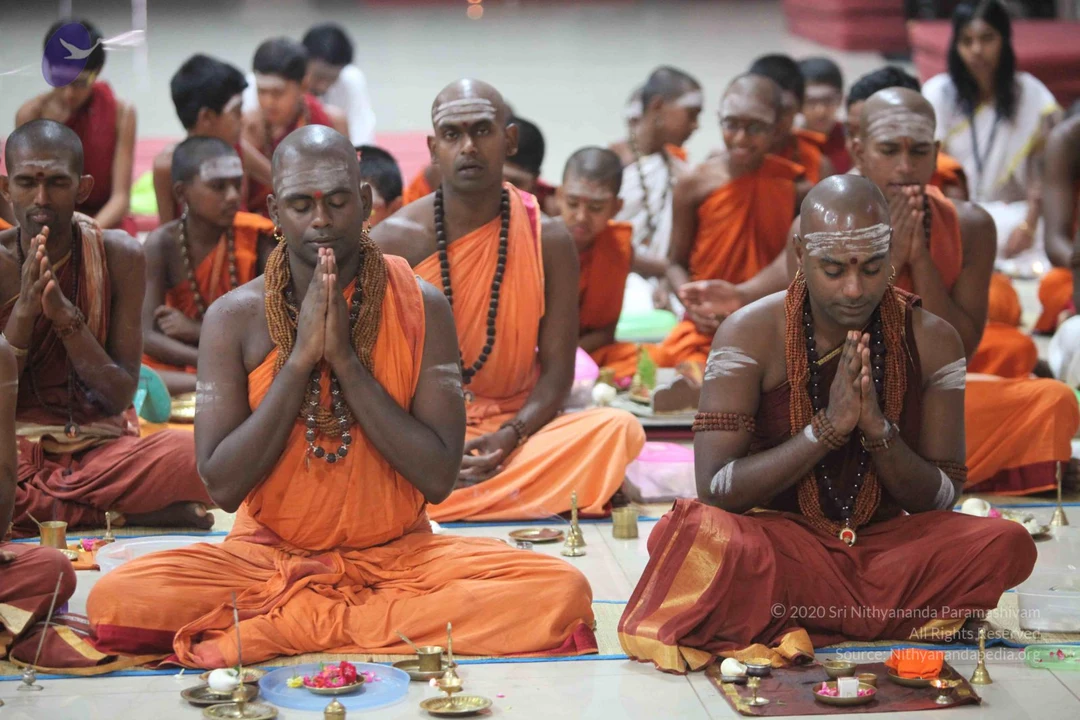
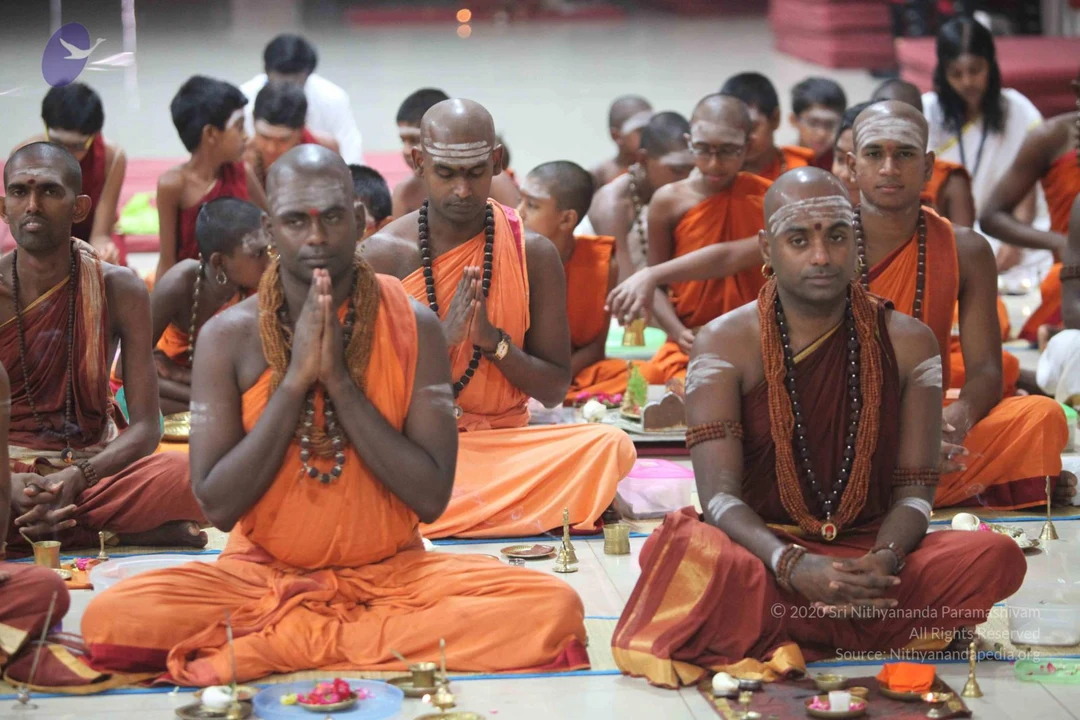
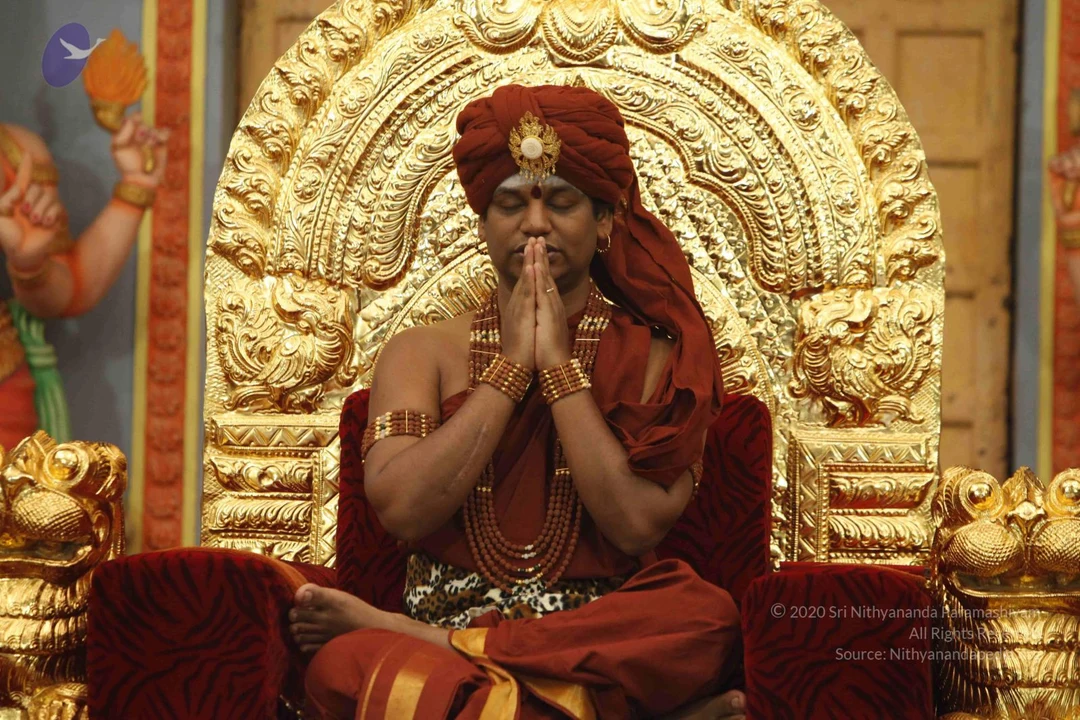
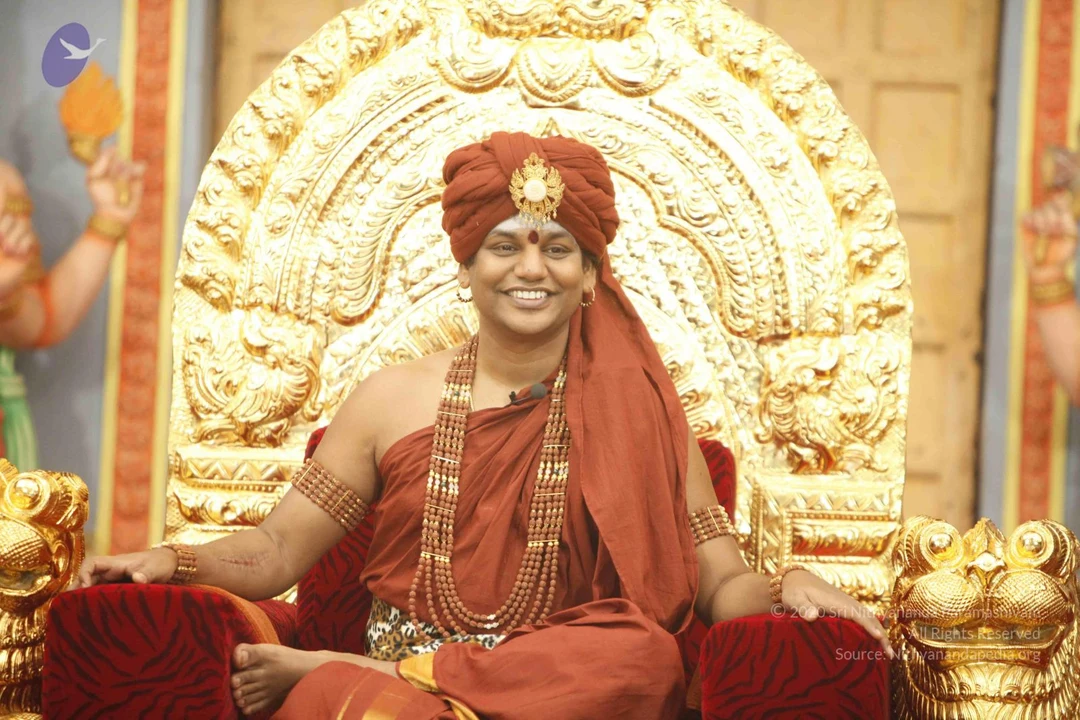
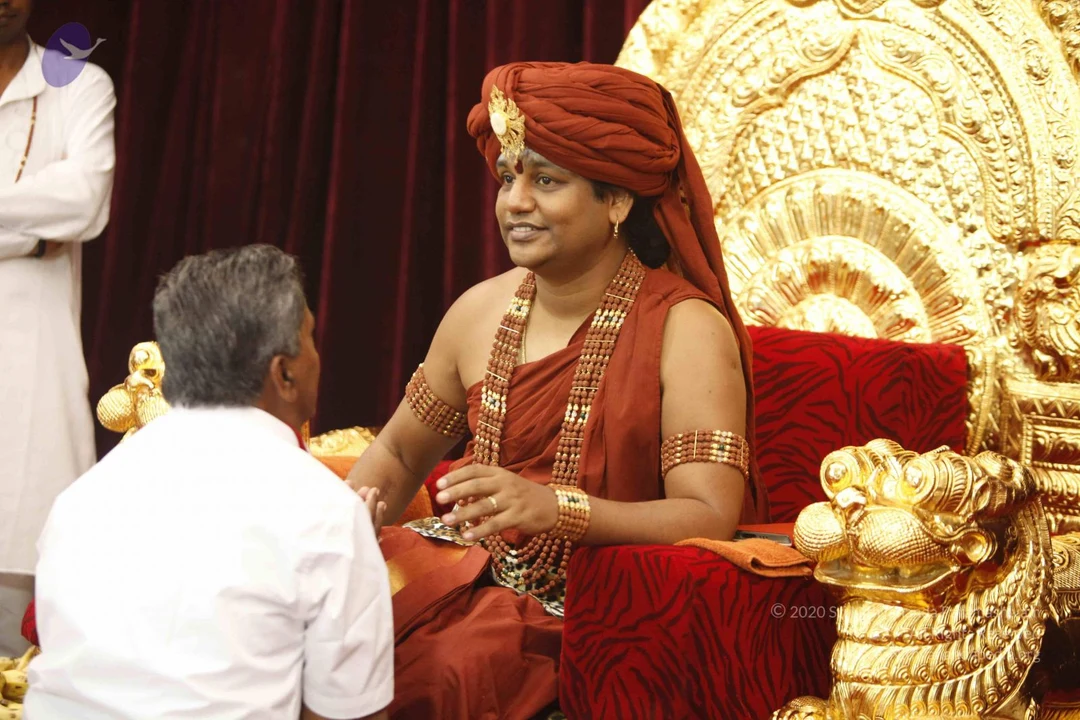
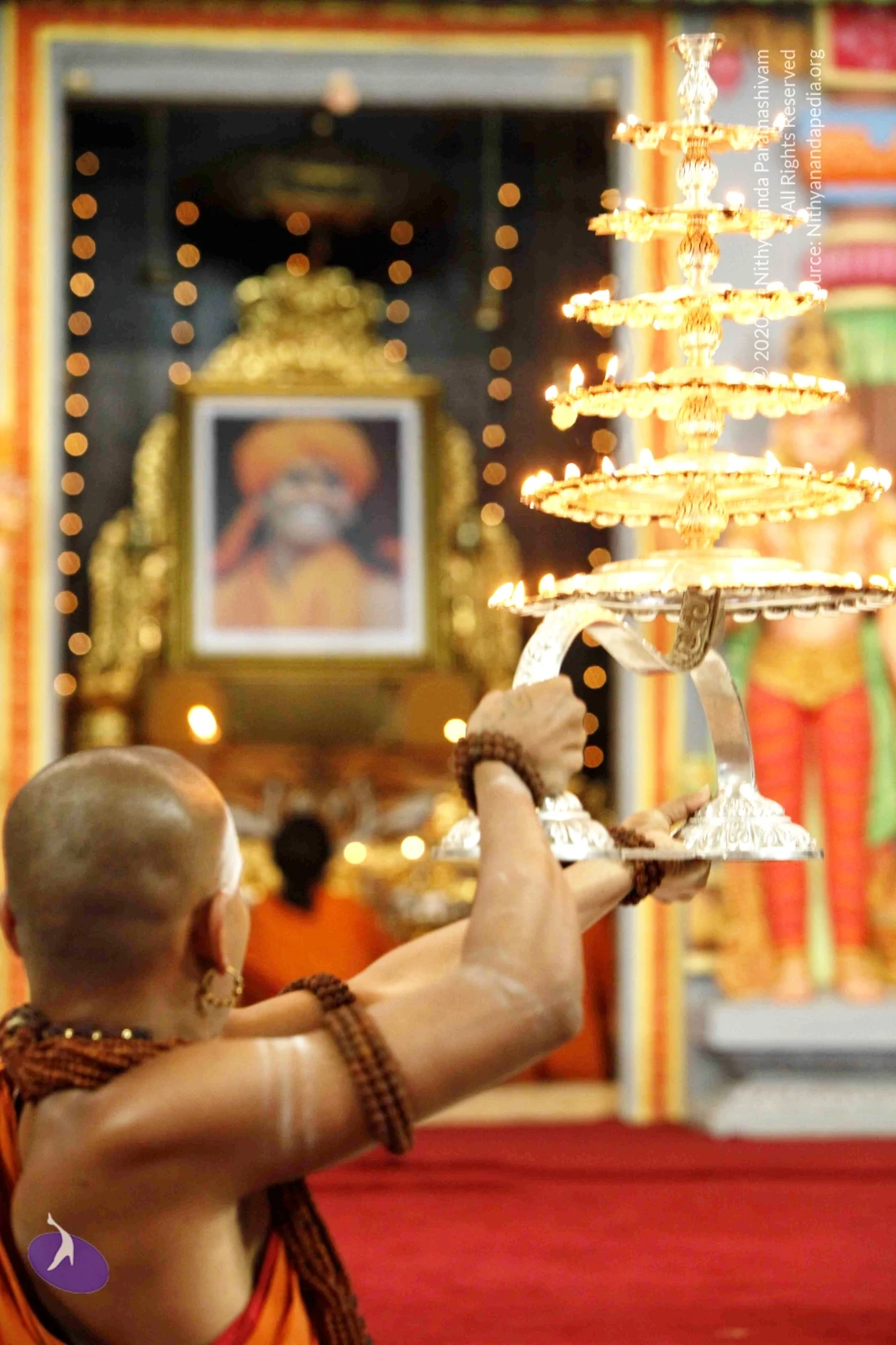
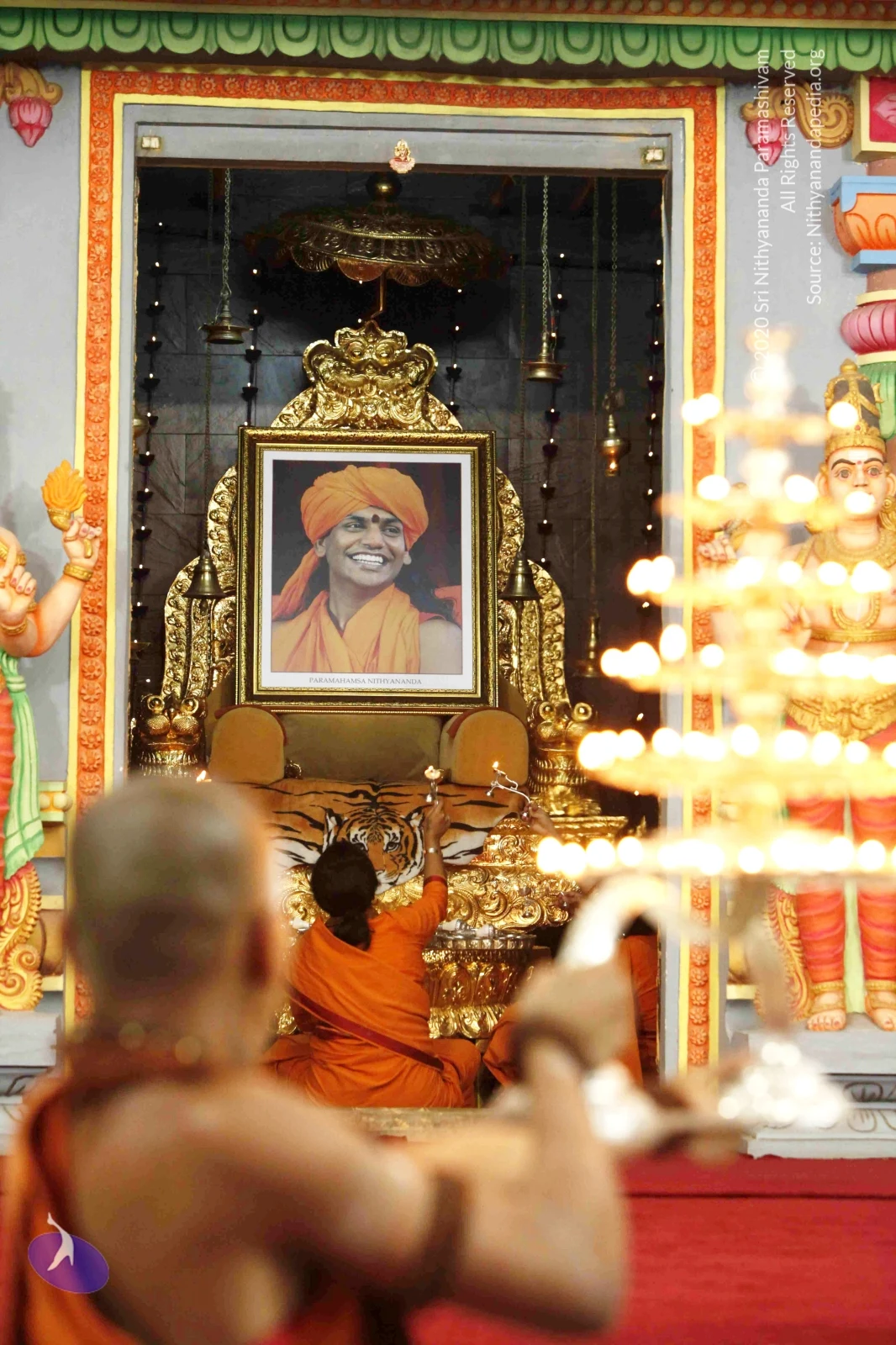
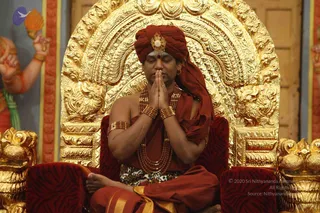
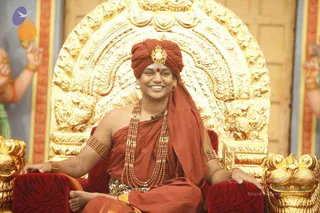
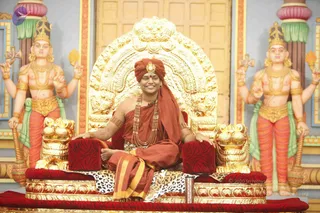
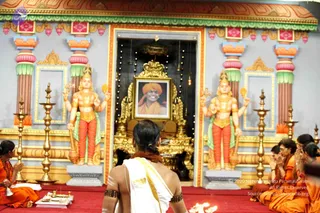
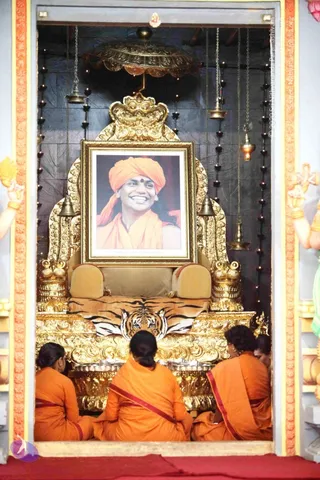
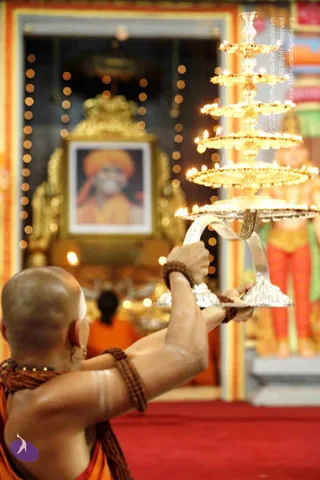
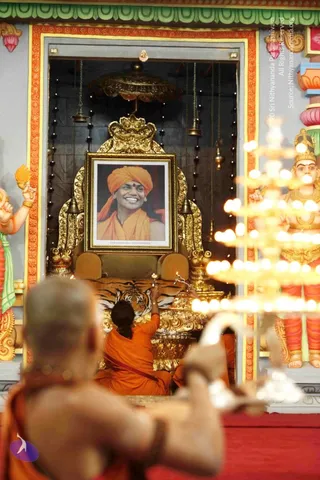
Paduka-Puja-Nithya-satsang-kalpatharu-Darshan

Photos Of The Day:
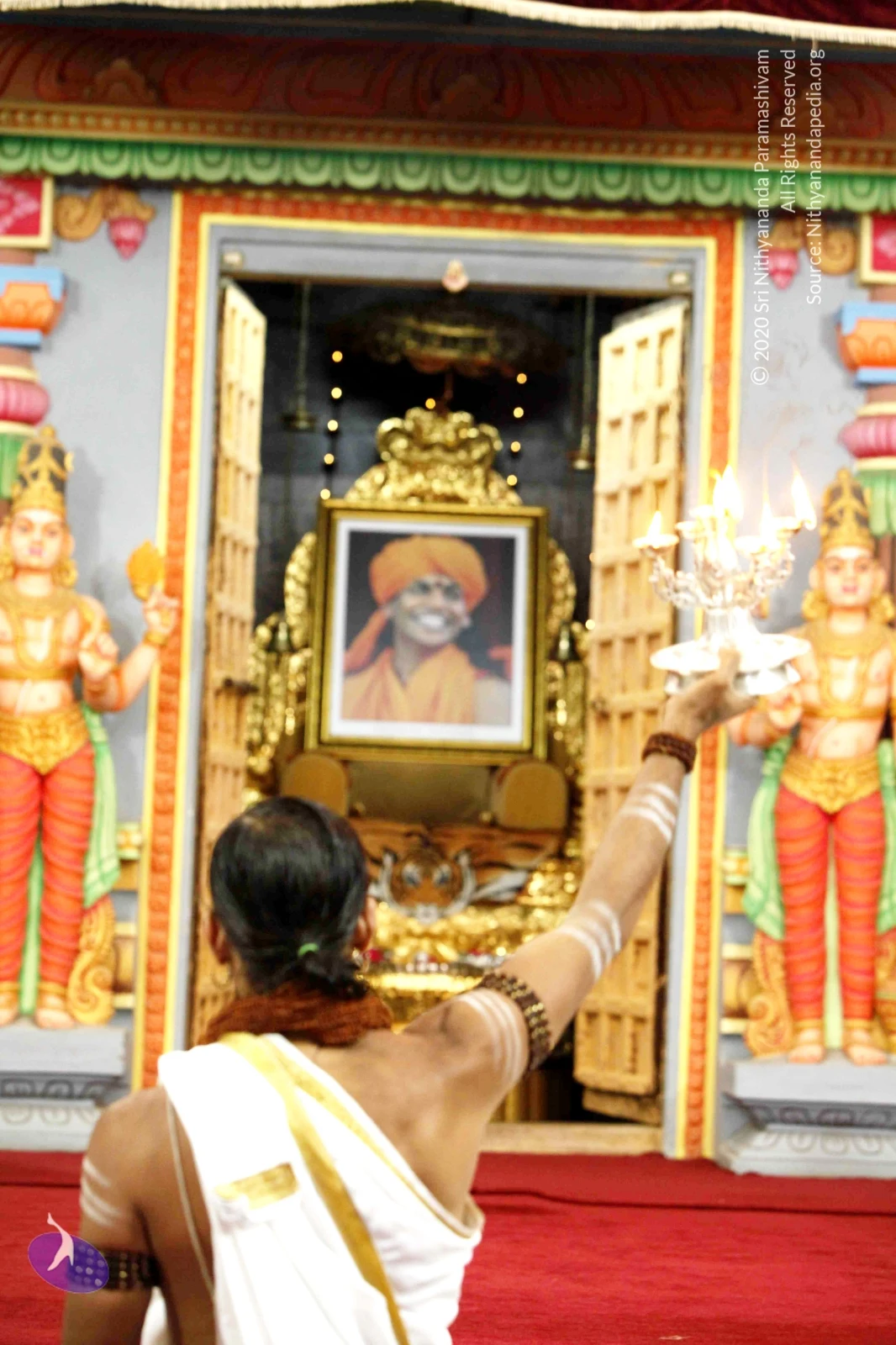
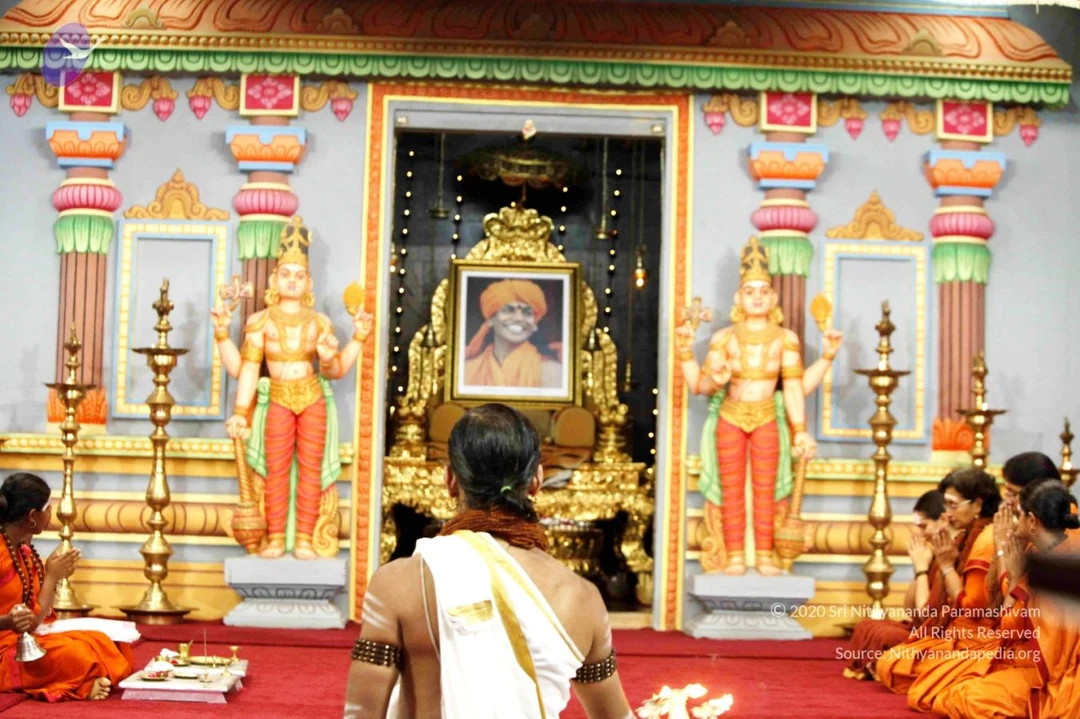
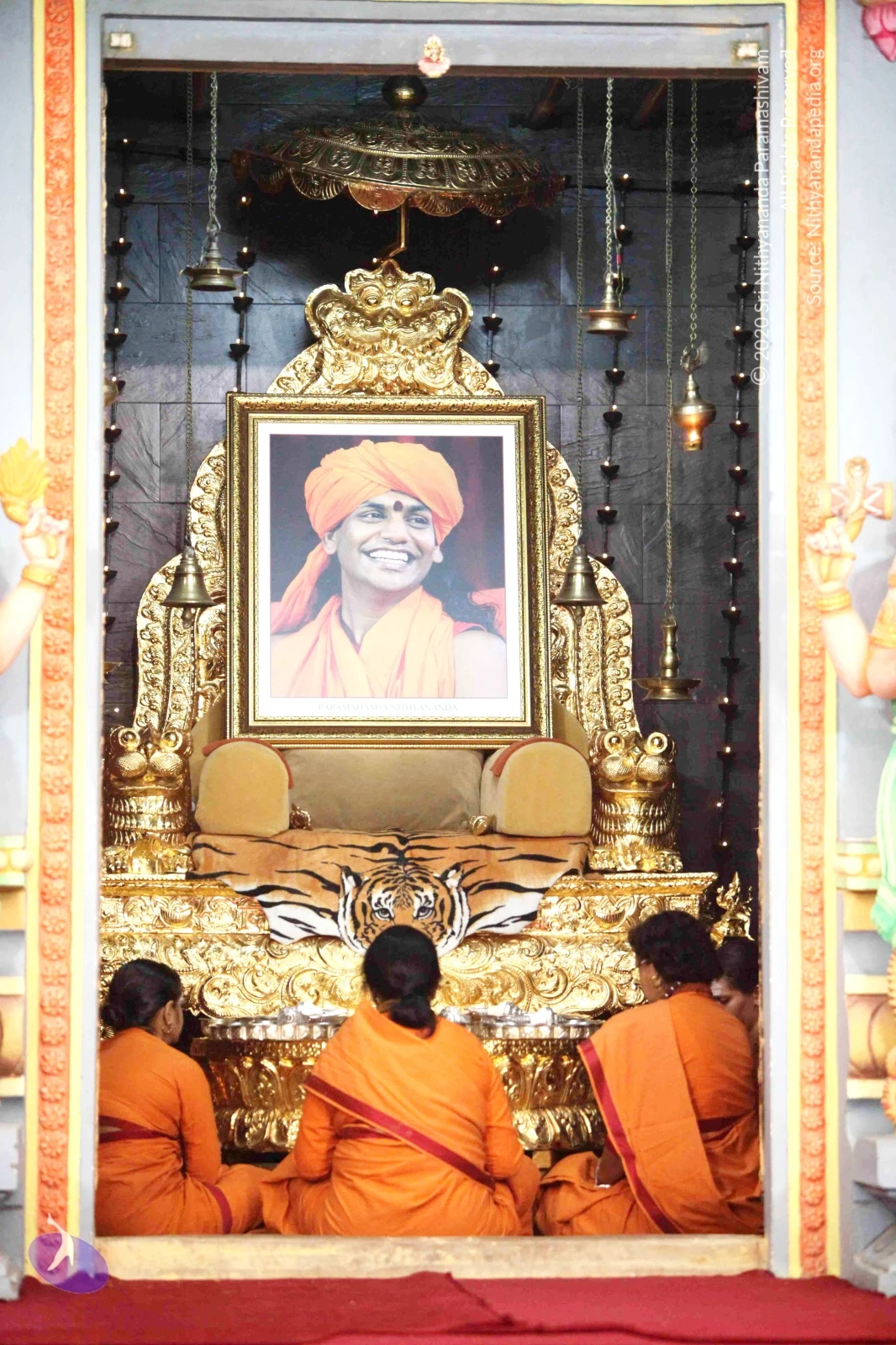
Paduka-Puja
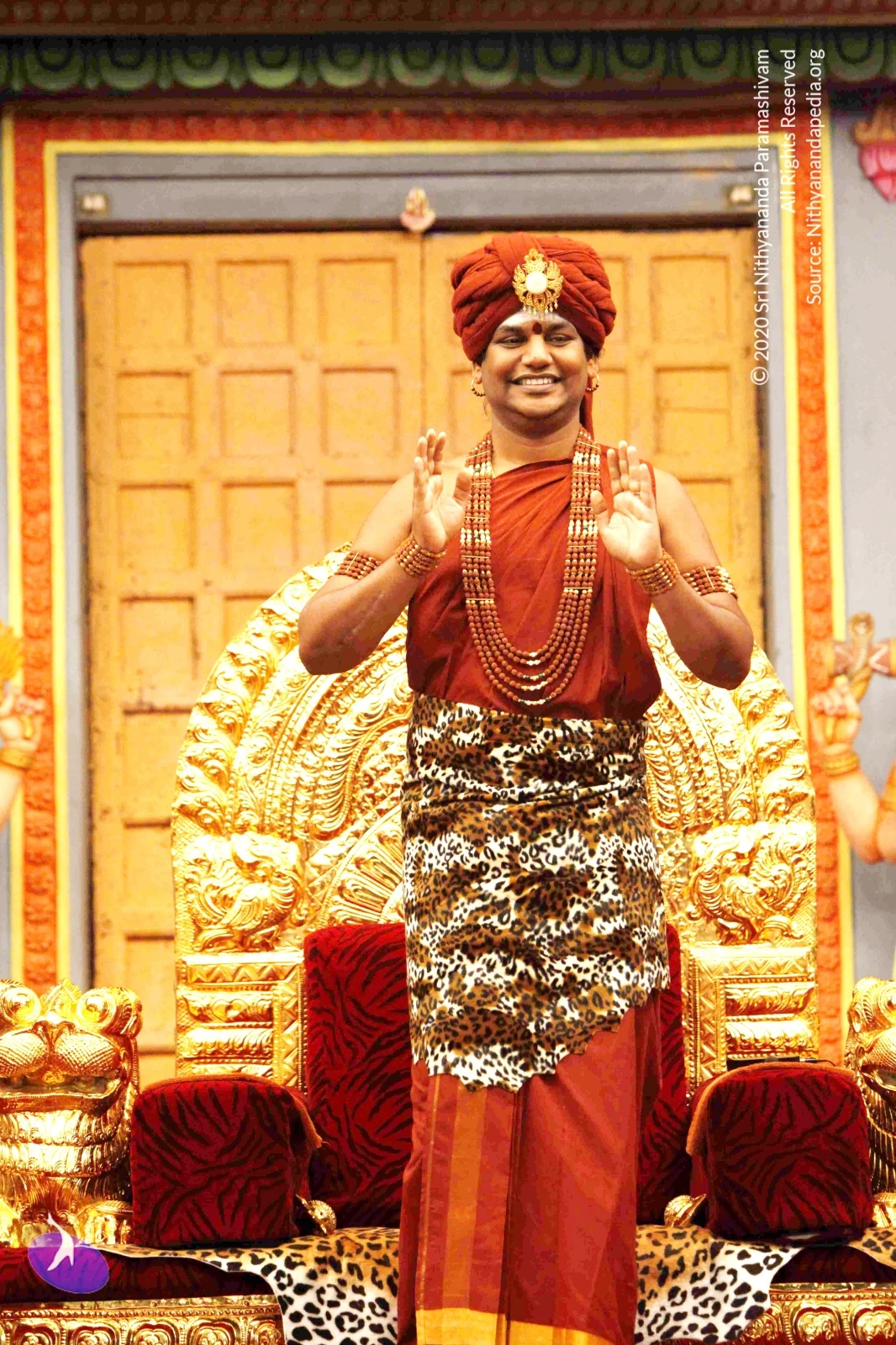
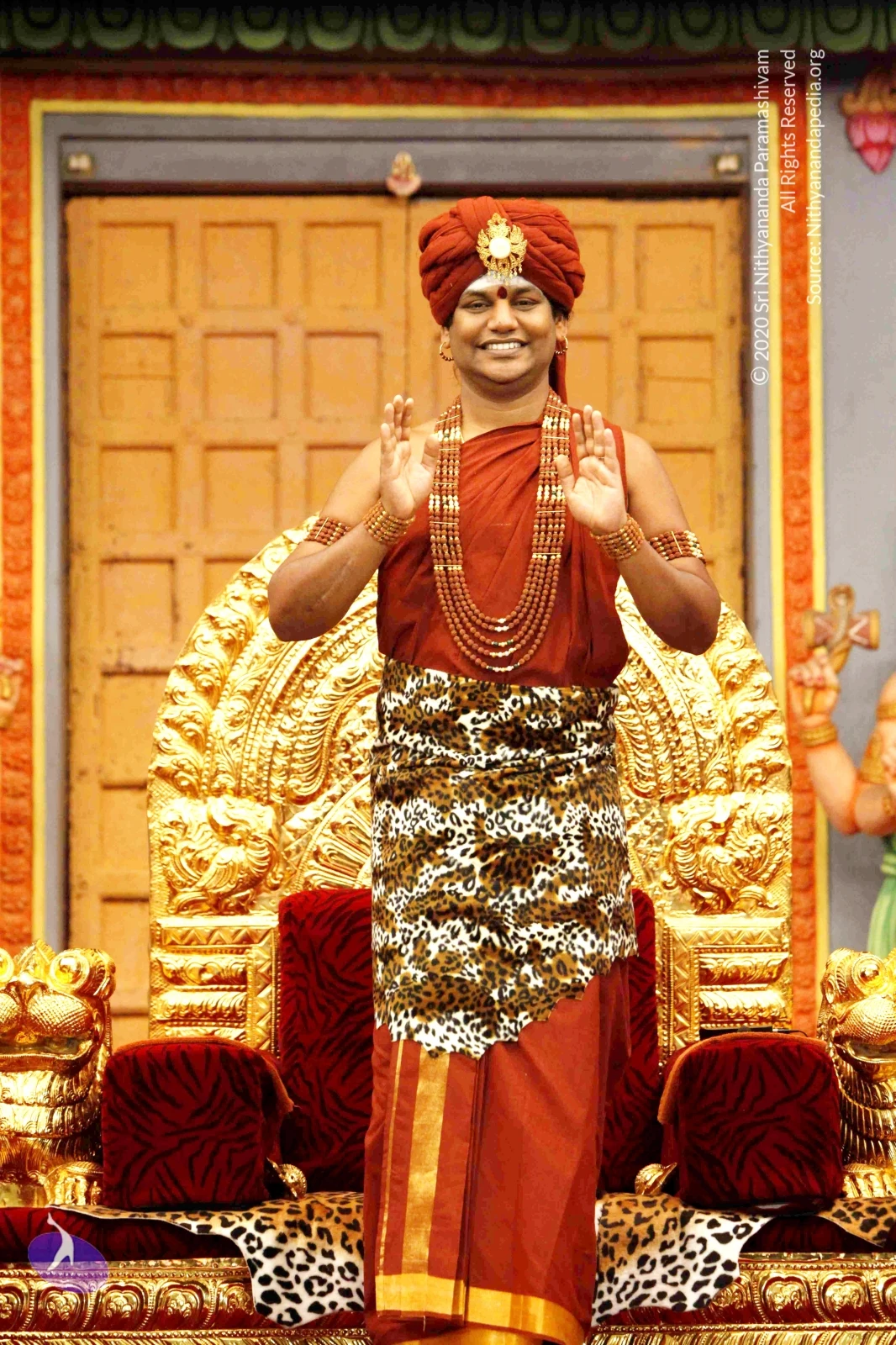
Satsang
Photos from this day
View all 41 photosNithya Satsang
17 photosSource gallery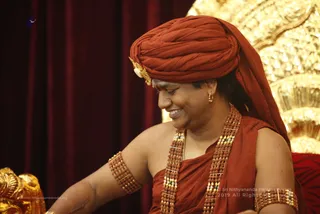
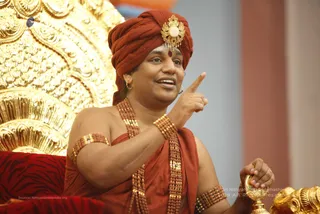
Paduka-Puja-Nithya-satsang-kalpatharu-Darshan
13 photosSource gallery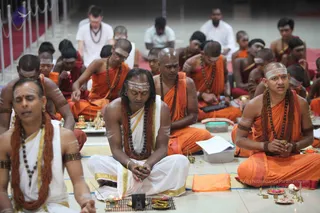
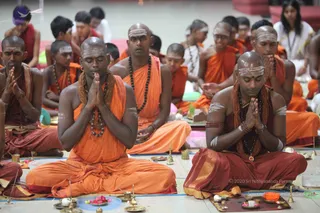
Paduka-Puja
5 photosSource gallery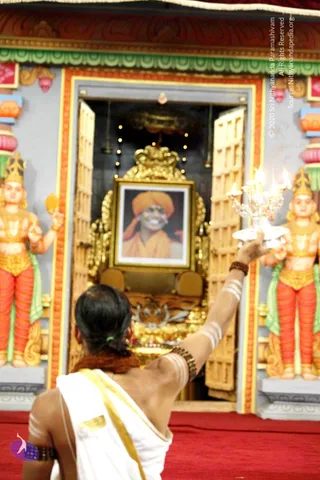
Satsang
6 photosSource gallery