Friday
25 May 2012
A Clean Stomach Is Enough For Enlightenment!
- Dated photos
- 186
- Source pages
- 1
- Media
- 2
May 25 2012
Original wiki pageTitle:
A Clean Stomach Is Enough For Enlightenment!
Description:
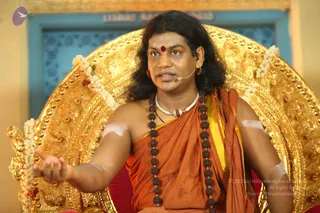
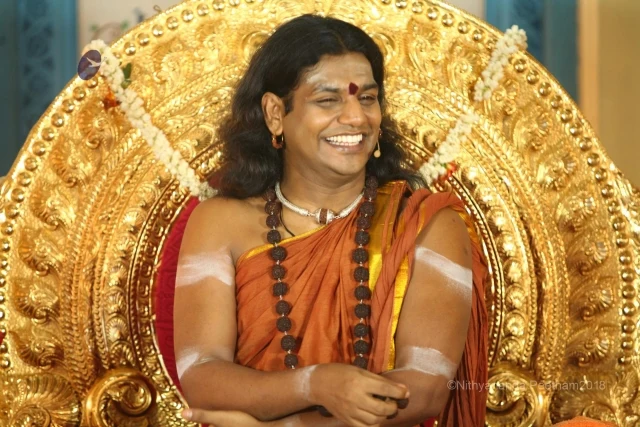
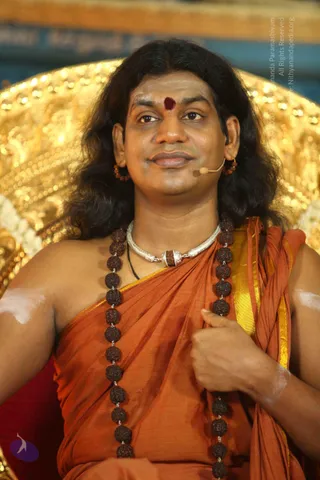
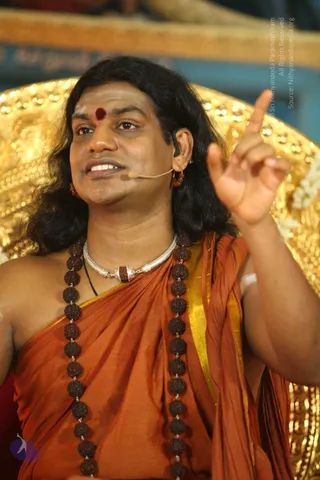
Bhagavad Gita (Song of God) is a timeless treatise on the essence of living enlightenment. The Gita was imparted by the enlightened Hindu incarnation Sri Krishna to the warrior-prince Arjuna over 5000 years ago. Amazingly, the spiritual wisdom and life solutions offered in the Gita are so universal and current that it is even today used as a personal transformation guide. In today’s talk on Bhagavad Gita, Chapter 4 Verse 35, Paramahamsa Nithyananda (Swamiji) supplies a deeper definition for the term “clean stomach”. Sri Krishna is not only talking about the physical stomach as is often translated. He actually refers to our hormonal space, to the status of our hormonal equilibrium. When we repeat the experience of internal chemical balance again and again, we create the alchemical shift to a physical state which embraces divine consciousness. This cleansing of our bio-memories – establishing a “clean stomach” – raises us into the zone of enlightenment.
Link to Video:
| Video | Audio |
Transcript:
Clean Stomach Is Enough For Enlightenment!
Discourse by Paramahamsa Nithyananda
25th May 2012 :
Bhagavad Gita
Jnanakarmasanyasa Yoga- chapter 4, verse 35
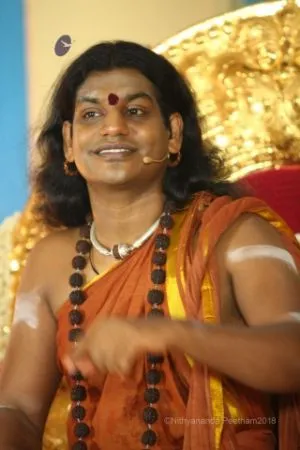
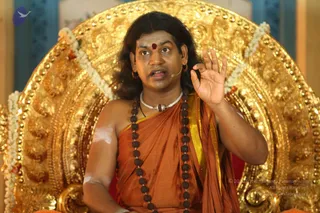
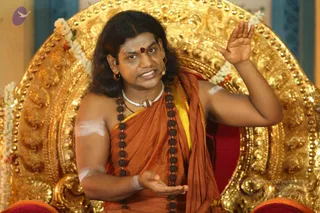
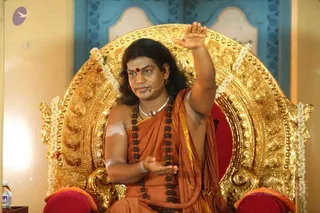
Let’s start the morning satsang. In Bhagavad Gita, 4th chapter, Jnanakarmasanyasa Yoga, 35th verse
Yag-naatvaa na punar moham evam yaasyasi paandava
Yena bhootaanya-sheshena drakshyas-yaatman-yatho mayi
Translation :
Experiencing which, O Pandava, you will not have this confusion once again, for you will discern that all life forms, with no exception, are in your own self as they are in me.
It is such a pleasure to have knowledge bomb every morning. I don’t know about you guys, I am having it. Such pleasant space in the morning; I wake up and take bath slowly in my own way. My way of taking bath is – I need to have water in a huge tub, almost like a, what you need for elephant. Really, I cannot take bath with less quantity water, two bucket, three bucket. No! I can live without food but this cleaning is a big ritual for me. And still I do all the rituals; aachamaneeyam, everything, and then only I will take bath as prescribed by Manu. Manu says seven times you have to wash after you finish your motion. So seven times I use soap. I’ll count. Sometime if I am in hurry, at least seven times I’ll touch. And then my taking bath is like a - if you have seen the deity of Amritakateshwara, he will be sitting with two big vessels and pouring on his head. That’s the way I’ll take bath. Means the whole body will become cool. Now I have one more thing added – Puja. In this Madurai Adheenam tradition I have to perform Shiv puja every morning. What puja I’ll perform? The moment I sit, already in Samadhi! And, but I have my own way. I’ll put little vibhooti and little kumkum, little sandal and little water and flower; all that and it’ll take two hours for me. Because by the time I put kumkum I’ll fall into Samadhi. Then again settle down and pour little water. Anyhow after all that I come and sit here. It’s like in pure inner space, a bomb – a knowledge bomb. This what exactly I want even you guys to experience. Morning have enema so that stomach is clean, take bath, come with a fresh inner space and do the Guru puja. Then this energy bomb, the experience knowledge bomb falls on you. If your stomach is clean, this verse can directly become experience in you. Please understand, Bhagwan says “O Partha, Pandava, again and again you lose the experience of the ultimate, the remembrance of the ultimate truth. Do not miss that. Have some experience which will remind you to experience the ultimate truth always.”
See what is ultimate truth here – Bhagwan says very clearly – all life forms are part of your own self. That is the ultimate truth. Bhagwan says you forget again and again this truth because of confusion.
Here Bhagwan is using word Moham. Na Aham is Naaham. Ma Aham is Moham. You surrendering yourself is Naaham. Namaha - Naaham. You being destroyed is Moham. Ma Aham – Moham.
If a horse comes and sits at your feet and obeys your command it is Naaham. Na Aham – surrendering. You just throw a bomb at a horse and it dies and falls – that is Moham. Ma Aham.
The key word in this verse is Moham - Ma Aham. Bhagwan says ‘All life forms are part of you’. This is the ultimate truth. But you again and again forget this truth because of Moham. Moham word should not be understood as a lust or greed. Please understand lust or greed is only the bomb. That is not Moham. Moham means destroying yourself - the confusion. Bhagwan says the Moham, the confusion takes away this truth - All life forms are part of you. It is being taken away from you again and again – Punah Punaha. He says get into some experience which will not take away that ultimate from you again and again. It’s a very subtle subject – please listen intensely step by step. First all life forms are part of me. This is the truth. Now once you understand that sometimes you feel that, yes, if you take a handful of clay; if this is clay, If I understand this clay, if I know this clay thoroughly, then I know all the clay on the planet Earth thoroughly. Please understand, if I take handful of clay and understand it thoroughly then I know all the clay on planet Earth. Same way your life – when you know you are living, when you are life, then all life forms on the planet Earth is you! It is part of you!. All the clay and the clay in your hand is not two different. All the life and the life in your body is not two different.
You feel, almost I’m understanding, but not! I think I understand, but not! For this understandings, you need to have two thing – one, the stomach – clean stomach and the throat with ghee. If you pour little ghee in your throat the ghee in the throat awakens subtle parts of the brain. Still in Ramakrishna Mutt, morning before the teachers start the class, there will be a whole day classes, the shastra classes, Patanjali, and all other shastra classes. Before entering into the class, they will give the ghee in the spoon. You will have to have the ghee in your throat and sit for the shastra. I asked why this tradition? It started by Sri Ramakrishna. It was given to Sri Ramakrishna by Totapuri. It’s directly from Naga sampradaya. The pure cow ghee – ghee made out of cow milk, you have to pour it in your throat, at least a spoon. The ghee is in your throat and the stomach is clean the subtle truths you will understand. If the ghee is in your throat, you won’t fall asleep. Try. Try to have a spoon of ghee early morning when you sit for satsang. You will never fall asleep. It’s from Naga sampradaya. It was given to Ramakrishna by Totapuri and Ramakrishna has given to all his disciples. Stomach should be clean, ghee should be in the throat. Then you will catch all these subtle truths. Anyhow, today you may not have that but understand the truth at least. You do accept many times all life forms are part of me – I am part of the all life forms. But the problem is when you make serious decisions in your life this truth is forgotten. You don’t make decision based on this truth. Why? The Ma Aham, confusion. The cognizance you take about the problem becomes more powerful than the ultimate solution you carry in your inner space.
Please understand, all of you have thousands of ultimate solutions – Love, compassion, joy, part of life. I am part of life and life is part of me. All this, all of you have it. But when a problem comes, when you are expected to make decision, when you need to take cognizance about some issue, about some problem, the cognizance of the problem looks powerful in you than the cognizance of the ultimate solution, spiritual truth.
I tell you, please understand, I am breaking one of the important myth - The power of problem in your inner space, and the power of solution in your inner space – ultimate solution in your inner space. If the power of ultimate solution is more, you are a jeevan mukta. If the power of problem is more, you are bound soul. Now you need to know a very important truth – The power of problem can never be reduced, the power of solution can never be increased by mental practices. It is simply your hormonal space!
Please understand, all I am trying to tell is – by keeping your stomach clean you will become enlightened. You don’t need any other practice. You do not need big pranayamas, kumbhakas, puja, yoga, work, karma yoga. No! It is a simple truth. Power, the power of solution feels smaller than the power of the problem just because of your stomach. Your body’s sickness, it has nothing to do with your mind, I tell you. You might have practiced controlling anger and lust for 35 years. If your stomach is upset, a little bit of food which does not suit your stomach is enough, all your 35 year practice in the air. You will be screaming. You will be shouting. Whole thing boils down, the key word Moha, boils down to body’s hormonal situation. Body’s chemical space, balancing your body’s chemical, establishing yourself in the ultimate understanding again and again and again is Alchemy. I tell you, just keep the stomach clean. When I say clean, I don’t mean empty. I am not saying don’t eat and all that. If you do not have digestion problem, if you do not have constipation, if you are sitting with a - Ramakrishna says, keep your head and stomach always cool, because both are connected. See now I am telling you from my experience. Morning I came and sat in the seat. My whole stomach is clean. Such beautiful inner space because just now I finished my puja. I am coming and sitting. This verse feels like a bomb on me. Means, such a strong impact this one line has created in me. But I can see so many of you, unfortunately sitting - “He says, we have to believe, Ok”.
The verse, I am giving you the clear meaning. It doesn’t create an explosion in you. I want you to know, the explosion happening in me and the explosion not happening in you, there is no mental practice needed for this. That is what I want you to understand. Do not say “Oh Swamiji has practiced and he became enlightened. That is why it is causing explosion in him. I am not, that’s why it is not causing.” No! It just needs chemical balance. Nothing else! And you may say, “No no. He is talking just to encourage us”. No! Meenakshi-Sundareshwara is witness. Keeping him as a witness I promise, what I am saying is truth. It just needs a chemical balance. Nothing else! Your body needs to be clean. Nothing else! This verse will create the same shocking explosion in you, how it creates in me. Now I can tell you, this shock which I had, shock is not the right word, the explosion which I had now when I read this verse, it will stay with me in my body at least for next 3 days. I will be there in that bhava continuously. This can happen in you without any mental, spiritual discipline or practice. Just by the right body - means keeping your body clean. If your stomach is relaxed, you don’t have much load and constipation in the stomach and you are sitting, a cool feeling in the body, that is enough. This verse can cause the same explosion in your body because this does not need any mental spiritual practices. Understand, there are different different truths. There are some truths; you need a heavy spiritual practice to understand it. For example, this is a matter. This can be dismantled and teleported and assembled somewhere. To master this truth, you need a heavy practice, mental practice, pranayama practice. But I am not teaching you that now. Same way there are some truths which I said yesterday- The attitude of imbibing. There is no end to practice those truths. It’s like even though I have mastered pranayama still I continue to breathe8. Even though I mastered the science of eating, I can live without food for any number of days. If my disciples can live without food for twenty seven days, why can’t me? But I continue to eat, when I can, and same way, when I mastered the science of breath – even though I mastered the science of breath, I continue to breathe. Even though I mastered the science of eating, I continue to eat. Same way even though I mastered the science of imbibing, I continue to practice it. There are some truths even after mastering you continue to practice. But there are some truths, once you master you can’t practice.
Unclutching – I can’t practice Unclutching. Once you master it, you can’t practice. You stay in it. Unclutching, Ajapa japa, all these once you master, you can’t practice. But feeling connection, even after you master, it goes on growing. You can’t practice but it goes on growing. There are some truths which need heavy practice. There are some truths, once you master you don’t need to practice and you can’t practice. There are some truths, even after you master, you will continue to practice. There are some truths for which you don’t need any practice – just a balanced body. It is just a knack. You need to keep the body clean and keep it there when the truth is told to you. This truth, the truth - ‘All life forms are part of you’, which Bhagawan says, does not need any spiritual practice. Prior to the experience and post experience, please understand, prior to experience and post experience you do not need any practice for this truth. It needs clean stomach, that’s all!
In Vedanta, there are some truths you don’t need any practice, just clean body! Same way, there are some truths, if your body is utter sickness, that truth will work out. That is death experience. If you are in a complete chaos, the truth about the death – the moment it is told it will become experience in you. That is what has happened to Ramana Maharishi in Madurai. He was actually sick. It has happened just in the same street. The south tower street is there, we are in thirku avana moola vethi, go to the south tower and straight that street. I request, I recommend all the devotees to go and have darshan of the place and come back. It’s a small house, Bhagawan was sick for two and half days. Third day morning only this experience happened. He had a fever and slowly slowly that fever has started developing and entered kind of a terrible confused fear. The child was terrorized, maybe he was not able to communicate his fever to others or nobody was able to understand he was terrorized inside. Fever may be a small thing only if the doctor say’s and he gives the medicine and you see any progress. If you don’t know about medicine, if you are not given knowledge or confidence, fever can terrorize your inner space.
Bhagawan felt terrorized inside, what is happening, I don’t know. In that mood, when a small suggestion about death came, it became experience. That is why even now in Buddhist monasteries when somebody falls sick, they will use even that atmosphere, ambience, space to give enlightenment to that person. In Zen monasteries if you fall sick they will give you medicine, but whole day 2-3 monks will sit next to you and remind you about many sacred sentiments. Many sacred secrets, they will remind you, because during the sickness there are some sacred secrets will click with your body.
Even in Dhyanapeetam I want this tradition to start. If somebody is sick and lying down, they should be constantly listening to the different sacred secrets I revealed in many different verses, in Shiva Sutras or in Bhagavad Gita or Yoga Sutra. This three are the back bone of Hindu tradition. How to experience this truth and not to lose the experience of this truth? Bhagawan says Moha- confusion is the reason why you lose this truth. Please understand, Moha is not related to mind, related to body. Moha is not related to mind, it is related to body. Moha, Kaama, Krodha all the three are physical experience not mental experience. Jealousy, Attention- need, Ego all three are mental experience not physical experience.
Please understand, Moha, Kaama, Krodha, even Bhaya, the lower three chakras are physical experience. To conquer the lower three chakras you need to prepare the body not mind. But unfortunately you try to constantly prepare the mind and fail. The top three – Attention- need, Jealousy and Ego, for this you need to prepare mind because they are mental experiences. But the Lust, Fear and Confusion means worrying, these three are physical experiences. You just need to keep you stomach clean and light. Nothing else! You just need to carry your body gracefully. Nothing else!
Where you hold your body, please understand, you always hold your body in Swadhishthana. That is why constant tense feeling in Swadhishthana! Don’t hold the body in Swadhishthana. Walk with the legs, not from Swadhishthana. While you walk, feel you are putting the foot on the ground. But now, you are holding your Swadhishthana and pushing the body. For example the bullock cart- the spot where the bullock and the cart is connected, that is spot the whole tension falls. When the bullock pulls the cart, the spot where the cart is first experiencing the pull, that spot, you can call it the touch spot – the spot where the touch happens, the transmission of pull, pulling power happens. Same way Swadhishthana is the spot where the transmission of the touch between your will and the body happens. Don’t do that. Walk with the legs, talk with mouth, work with hands. Stop using Swadhishthana. Let the pressure be on the parts of the body which is functioning. How to do it? When you walk, remember you are using only your legs to walk. When you work, remember you are using only your hands to work. Just few days of remembrance is enough. Don’t make this again as a mental practice. No! It is a physical thing. Even remembering that you are walking, you need to do mentally. See how sick human beings have become? It’s very unfortunate. Moha can be dispelled only by training the body, not the mind.
Mind can never be out of Moha, mind can never be out of Roha, mind can never be out of Soha by itself. It is only the body, which needs to keep the mind out of Roha, Moha and Soha. It is so unfortunate the Vedantees have forgotten the body, preparing the body. And they go on beating the mind till the end and die in depression. And it is so unfortunate, Siddhantees have forgotten body and mind and both! Even the mental struggle has stopped in course of time. It has all ended in who receives Poornakumbha and gives Poornakumbha, who is respected and who is old.
The other day there was a criticism; somebody was criticizing about me ‘Ha! He is self-styled, started ten years before, we are the oldest’. Of course, now their criticism holds no more value because now I am representing the oldest Hindu religious organization. That’s different, but I also wanted them to understand what do you mean by oldest?
In Zen tradition there is a beautiful example. One enlightened master was sitting. One monk who was the head of the old monastery, who is the inheritor of the oldest monastic tradition, a pontiff of an old monastery comes to this enlightened master. This master is sitting and drinking cup of tea; this pontiff comes and says “Do you know I am the pontiff of this monastery, oldest Buddhist monastery.”
Zen master did not speak, usually they don’t speak. He finished his cup of tea and poured the water, washed that cup and pored it in another one cup and emptied that cup, poured little more water in that cup, washed it and poured in another one cup and emptied that cup, poured little more water in that cup and washed it and poured in another one cup and gave it to this pontiff and said ‘please drink this tea’. Pontiff was shocked, and said “What do you mean?” Master said “An experienced person drinks original cup of tea”. Pontiff drinks the washed, washed, washed, washed, washed water! Truth – what is there, my ancestor’s predecessor’s predecessor’s predecessor had a cup of tea. What is there in that? Fool, you have the cup of tea. And very strangely and rarely, impossibly, now both are meeting in one body. I don’t know what is going to happen!
Unfortunately these Siddhanta monasteries have been reduced to who is old, whose tea cup is old. Older the tea cup, tea smell reduces. Vedantees fight with mind and forget the body. Siddhantees fight with others and forget body and mind both. This is where the fate of Siddhanta and Vedanta.
I tell you, work on your ‘Body’. This great truths you should imbibe by working on your body. Early morning if you do yoga and then take bath in cold water, come and sit and do the Guru puja, listen to these great truths, straight away it settles down in your inner space. Yoga simply happens in your inner space. Vedantic experience simply happens in your inner space. You need just prepared body. Nothing else!
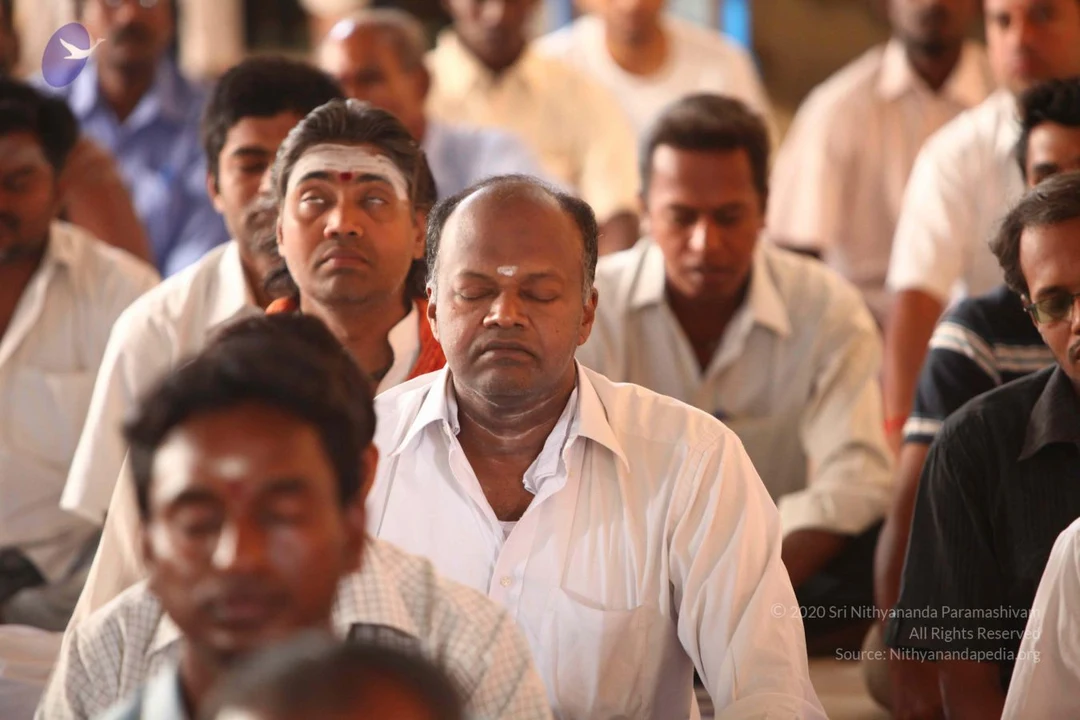
Now sit for few minutes. Don’t work on your body; don’t work on your mind. Leave both to me. Don’t unclutch; don’t try to do any technique. Don’t even try to feel the presence of Meenakshi Sundareshwara. Don’t even try to feel my presence, just sit. Drop your body, drop your mind. Let me do what I need to do. Let me do what I have to do. Let me do my homework. You just sit.
Spot Notes: Friday, 25 May 2012
“Sadashiva samarambam, Jnana Sambandhaacharya madhyamam asmadacharya paryantam vande Guru paramparam!”
I welcome you all with my love and respects! I welcome all the devotees, disciples, Samajis, Satsangis sitting with around the world at this moment in 622 places through Nithyananda TV, 21 places in 2 way video conferencing having Nayana Deeksha, in 179 cities, 22 countries around the world!
Singapore Singapuram, Charlotte Srisailam, Tiruvannamalai Arunachala, Seattle Chidambaram, Los Angeles Arunachala, Calgary Amarnath, Guadeloupe Rameshwaram, Hyderabad Bhagyanagara, Dubai, San Jose Madhurai, Oklahoma Somanatham, Phoenix kanchipuram, Kajang Malaysia, Dallas Dwaraka, Nithyananda Nagara Bidadi, Atlanta Ujjayini, Ohio Prayag, Austin, Oman Siva Gangai.
I welcome all of you with my love and blessings! Blessings to Guadeloupe Rameshwaram new centre. Give me your aarthi now, I will accept it. Blessings to the new centre. It will flourish! Blessings to all the devotees in Guadeloupe Rameshwaram. Blessings!
Let us now enter into the morning Satsang. In Bhagavad Gita, 4th chapter Jnaana Karma Sanyaasa Yoga, 35th verse -
“yaj jnatva na punar moham evam yasyasi pandava | yena bhutany asesani draksyasy atmany atho mayi ||”
Translation – “Experiencing which Oh Padava! You will not have this confusion once again for you will discern that all life forms with no exception are in your own self as they are in me!”
It is such a pleasure to have knowledge bomb every morning. I don’t know about you guys. Such pleasant space in the morning. I wake up and take bath slowly in my own way. My way of taking bath is I need to have water in huge tub almost like what you need for elephant. No really. I cannot take bath in less quantity water – 2 bucket, 3 bucket – no. I can live without food. But this cleaning is a big ritual for me. And still I do all the rituals – achamaneeyam – everything. And then only I will take bath as prescribed by Manu. Manu says that 7 times you have to wash after you finish your motion. So seven times I will use soap. I will count. Some times if I am in hurry at least seven times I will touch J and then my taking bath is like a if you have seen the deity of Amrutha Kateshwara, he will be sitting with two big vessels and pouring on his head. That is the way I will take bath means the whole body will become cool. Now I have one m one thing added – puja. In this Madurai Aadeenam tradition, I have to perform Shiva puja every morning. What puja I will perform? The moment I sit – already in Samadhi. And but I have my own way I will put little vibhooti, little kukum and little sandal and little water and flower all that and it will take two hours for me because by the time I put little kumkum I will fall into samadhi. Then again I will settle down and pour little water. Anyhow, after all that I come and sit here its like in pure inner space a bomb – knowledge bomb! This is what exactly I want even you guys to experience. Morning have enema so that stomach is clean, take bath, come with a fresh inner space and do the Guru puja. Then this energy bomb – the experience, knowledge bomb falls on you. If your stomach is clean, this verse can directly become experience in you. Please understand, Bhagavan says O partha! Pandava, again & again you lose the experience of the ultimate the remembrance of the ultimate truth. Do not miss that. Have some experience which will remind you to experience the ultimate truth always. See what is ultimate truth here? Bhagavan says very clearly all life forms are part of your own self. That is the ultimate truth. Bhagavan says you forget again & again this truth because of confusion.
Here Bhagavan is using word – moham. Na aham is naaham. Ma aham is moham. You surrendering yourself is naaham. Namaha – naaham. You being destroyed is moham. Ma aham – moham. If a horse comes and sits at your feet and obeys your command, it is naaham – na aham – surrendering. You just throw a bomb at a horse and it dies and falls that is moham – ma aham. The key word in this verse is moham – ma aham. Bhagavan says all life forms are part of you. This is the ultimate truth. But you again and again forget this truth because of moham. Moham word should not be understood as a lust or greed. Please understand. Lust or greed is only the bomb that is not moham. Moham means destroying your self – the confusion. Bhagavan says the moham – the confusion takes away this truth – all life forms are part of you. It is being taken away again & again – punah punaha. He says get into some experience which will not take away that ultimate from you again and again. It’s a very subtle subject. Please listen intensely step by step. First all life forms are part of me – this is the truth. Now once you understand that sometime you feel yes if you take a handful of clay, if this is clay, if I understand this clay, if I know this clay thoroughly then I know all the clay on the planet earth thoroughly. Please understand, if I take handful of clay and understand it thoroughly, then, I know all the clay on the planet earth. Same way, you are life. When you know you are living, you are life, then all life forms on the planet earth is you! It is part of you. All the clay and the clay in your hand is not two different. All the life and the life in your body is not two different. You feel almost I am understanding but not! I think I understand but now. For this understandings, you need to have two things – one – the stomach – clean stomach and the throat with ghee. If you pour little ghee in your throat. The ghee in your throat awakens the subtle parts of the brain. Still in Ramakrishna mutt, before the teacher starts the class, there will whole day classes, the shaastra classes – Patanjali and all other shaastra classes. Before entering into the class, they will give the ghee in the spoon. You will have to have the ghee in your throat and sit for the shaastra. I asked why this tradition? It is started by SriRamakrishna. It was given to SriRamakrishna by Totapuri. It is directly from naaga sampradaaya – the pure cow ghee. Ghee made out of cow milk. You have to put it in your throat at least a spoon. If the ghee is in your throat, and the stomach is clean, the subtle truths you will understand.
If the ghee is in your throat you won’t fall asleep. Try. Try to have a spoon of ghee early morning when you sit for satsang. You will never fall asleep. Its from Naaga sampradaaya. It was given to Ramakrishna by Totapuri and Ramakrishna has given to all his disciples. Stomach should be clean, ghee should be in the throat. Then you will catch all this subtle truths. Anyhow, today you may not have all that. But understand the truth at least. You do accept many times all life forms are part of me. I am part of the all life forms. But the problem is when you make serious decisions in your life, this truth is forgotten. You don’t make decision based on this truth. Why? The ma aham – confusion, the cognizance you take about the problem becomes more powerful than the ultimate solution you carry in your inner space. Please understand, all of you have thousands of ultimate solutions – love, compassion, joy, part of life, I am part of life and life is part of me – all this, all of you have it. But when a problem comes, when you are expected to make decisions, when you need to take cognizance about some issue, about some problem, the cognizance of the problem looks powerful in you than the cognizance of the ultimate solution – spiritual truth. I tell you. Please understand I am breaking one of the important myths. The power of problem in your inner space and the power of solution in your inner space – ultimate solution in your inner space. If the power of ultimate solution is more, you are a jeevan mutka. The power of problem is more, you are bound soul. Now you need to know a very important truth. The power of problem can never be reduced. The power of solution can never be increased by mental practices. It is simply your hormonal space. Please understand, all I am trying to tell is by keeping your stomach clean you will become enlightened! You don’t need any other practice! You do not need big praanayaamas, kumbhakas, puja, yoga, work, karma yoga – no. It is a simple truth! Power – the power of solution feels smaller than power of the problem just because of your stomach. Your body’s sickness. It has nothing to do with your mind. I tell you. You might have practiced controlling anger and lust for 35 years. If your stomach is upset, a little bit of food which does not suit your stomach is enough all your 35 year practice is in the air! You will be screaming, you will be shouting. Whole thing boils down the key word moha. Boils down to body’s hormonal situation. Body’s chemical space.
Balancing your body’s chemical, establishing yourself in the ultimate understanding again & again & again is alchemy! I tell you just keep the stomach clean. When I say clean I don’t mean empty. I am not saying don’t eat and all that. If you do not have digestion problem, if you do not have constipation, if you are sitting with a Ramakrishna says keep your head and stomach always cool because both are connected. See now, I am telling you from my experience. Morning I came and sat in the seat, my whole stomach is clean, such beautiful inner space because just now I finished my puja. I am coming and sitting – this verse fills like a bomb on me. Means such a strong impact this one line has created in me! But I can see so many of you unfortunately sitting – he says we have to believe, okay. The verse I am giving you the clear meaning. It does not create a explosion in you. I want you to know the explosion happening in me and the explosion not happening in you – there is no mental practice needed for this. That is what I want you to understand. Do not say oh Swamiji has practiced and he became enlightened. That is why it is causing explosion in him. I am not, that is why it is not causing in me. No! It just needs chemical balance. Nothing else! And you may say no, no. He is talking just to encourage us. No. Meenakshi, Sundareshwara is witness. Keeping him as a witness I promise. What I am saying is truth. It just needs a chemical balance. Nothing else. Your body needs to be clean. Nothing else. This verse will create the same shocking explosion in you, how it creates in me. Now I can tell you this shock which I had. Shock is not the right word. The explosion which I had now when I read this verse it will stay with me in my body at least for next three days. I will be there in that bhaava continuously. This can happen in you without any mental, spiritual discipline or practice. Just by the right body means keeping your body clean. If your stomach is relaxed, you don’t have much load and constipation on the stomach and you are sitting – a cool feeling in the body. That is enough. This verse can cause the same explosion in your body because this does not need any mental, spiritual practices. Understand there are different different truths. There are some truths you need a heavy spiritual practice to understand it. For example, this is a matter. This can be dismantled and teleported and assembled somewhere. To master this truth you need a heavy practice, mental practice, praanaayaama practice. But I am not teaching you that now. Same way there are some truths which I said yesterday. The attitude of imbibing. There is no end to practice those truths. Its like even though I have mastered praanaayaama, still I continue to breathe. Even though I have mastered the science of eating, I can live without food for any number of days. When my disciples can live without food for 27 days, why can’t me? But I continue to eat. When I can and same way when I mastered the science of breath, even though I mastered the science of breath I continue to breathe, even though I mastered the science of eating, I continue to eat, same way even though I mastered the science of imbibing, I continue to practice it. There are some truths even after mastering you continue to practice. But there are some truths once you master you can’t practice. Unclutching, I can’t practice unclutching. Once you master it, you can’t practice. You stay in it. Unclutching, ajapa japa, all these once you master you can’t practice. But feeling connection, even after you master, it goes on growing. You can’t practice but it goes on growing.
There are some truths which needs heavy practice. There are some truths once you master you don’t need to practice and you cant practice. There are some truths even after you master, you will continue to practice. There are some truths for which you don’t need any practice just a balanced body. It is just the knack. You need to keep the body clean and keep it there when the truth is told to you. This truth – the truth all life forms are part of you which Bhagavan says does not need any spiritual practice prior to the experience and post experience. Please understand prior to experience and post experience you do not need any practice for this truth. It needs clean stomach. That’s all. In Vedanta there are some truths you don’t need any practice. Just clean body. Same way, there are some truths if your body is utter sickness, that truth will work out. That is death experience. If you are in a complete chaos the truth about the death the moment it is told it will become experience in you. That is what happened to Ramana Maharshi in Madurai. He was actually sick. It has happened just in the same street. The South tower street is there called Kaavani moola veedhi. Go to the south tower and straight that street. I request and recommend all devotees to go and have Darshan of that place and come back. It is a small house. Bhagavan was sick for 2 ½ days. 3rd day morning only this experience happened. He had a fever and slowly slowly that fever has started developing and entered kind of a terrible confused fear. The child was terrorized. Maybe he was not able to communicate his fever to others or nobody was able to understand. He just he was terrorized inside. Fever may be small thing if the doctor says and he gives medicine and you see any progress. If you don’t know about medicine, if you are not given knowledge or confidence, fever can terrorize your inner space. Bhagavan felt terrorized inside what is happening I don’t know. In that mood when a small suggestion about death came, it became experience! That is why even now in Buddhist monasteries when somebody falls sick, they will use even that atmosphere, ambience, space to give enlightenment to that person. In Zen monasteries if you fall sick, they will give you medicine. But whole day 2, 3 monks will sit next to you and remind you about the sacred sentiments. Many sacred secrets. They will remind you because during the sickness there are some sacred secrets that will click with your body.
Even in Dhyanapeetam I want this tradition to start. If somebody is sick and lying down, they should be constantly listening to the different sacred secrets I revealed in many different verses. In Shiva sutras or in Bhagavad Gita or Yoga sutras. This three are the back bone of Hindu tradition. How to experience this truth and not to lose the experience of this truth? Moha – confusion is the reason why you lose this truth. Please understand moha is not related to mind, it is related to body. Moha is not related to mind, it is related to body. Moha, kama, krodha all the three are physical experience, not mental experience. Jealousy, attention need, ego all three are mental experience, not physical experience. Please understand moha, kama, krodha even bhaya the lower three chakras are physical experience. To conquer the lower three chakras you need to prepare the body, not the mind. But unfortunately, constantly you try to prepare the mind and fail! The top three attention need, jealousy and ego for this you need to prepare mind because they are mental experiences. But the lust, fear and confusion means worrying these three are physical experiences. You just need to keep your stomach clean and light. Nothing else. You just need to carry your body gracefully. Nothing else. Where you hold your body please understand you always hold your body in Swadhishtana. That is why constant tensed feeling in swadhishtana. Don’t hold the body in swadhishtana. Walk with the legs not from swadhishtana. While you walk feel that you are putting the foot on the ground. But now you are holding your swadhishtana and pushing the body. For example the bullock cart. The spot where the bullock and the cart is connected, that is the spot the whole tension falls. When the bullock pulls the cart, the spot where the cart is first experiencing the bull that spot the touch spot. We can call it the touch spot the spot where the touch happens. The transmission of pull, pulling power happens. Same way swadhishtana is the spot where the transmission of the touch between your will and the body happens. Don’t do that. Walk with legs, talk with mouth, work with hands. Stop using swadhishtana. Let the pressure be on the parts of the body which is functioning. How to do it? When you walk remember you are using only your legs to walk. When you work remember you are using only your hands to work. Just few days of remembrance is enough.
Don’t make this again as a mental practice. No. it is a physical thing. Even remembering that you are walking you need to do mentally seeing. How sick human beings have become! Its very unfortunate. Moha can be dispelled only by training the body not the mind. Mind can never be out of moha, mind can never be out of roha, mind can never be out of soha by itself. It is only the body which needs to keep the mind out of roha, moha and soha! It is so unfortunate the vedantis have forgotten the body, preparing the body and they go on beating the mind till the end and they die in depression! And it is so unfortunate siddhanthis have forgotten the body and mind and both. Even the mental struggle has stopped in course of time. It has all ended in who receives poorna kumbha, who gives poorna kumbha, who is respected and who is old.
The other day there was a criticization. Somebody was criticizing about me. He is self-styled, started ten years before, we are the oldest! Of course now there criticism holds no more value because now I am representing the oldest Hindu religious organization. That is different. But I also wanted them to understand. What do you mean by oldest? In Zen tradition there is a beautiful example. One enlightened master was sitting. One monk who was the head of the old monastery who is a inheritor of the oldest monastic tradition, a pontiff of a old monastery comes to this enlightened master and this master is sitting and drinking cup of tea. This pontiff comes and says do you know I am the pontiff of this monastery, oldest Buddhist monastery. The Zen master did not speak. Usually they don’t speak. He finished his cup of tea and poured the water, washed that cup and poured it in another one cup and emptied that cup. Poured little more water in that cup, washed it and poured it in another one cup and emptied that cup. Poured little more water in that cup washed it and poured in another one cup and gave it to this pontiff and said please drink this tea. Pontiff was shocked! He said what do you mean? Master said an experienced person drinks original cup of tea. Pontiff drinks the washed, washed, washed, washed water! J Truth! What is there? My predecessor’s predecessor’s predecessor had a cup of tea! What is there in that? Fool! You have the cup of tea. And very strangely and rarely impossibly now both are meeting in one body. Now I don’t know what is going to happen J
Unfortunately these Siddhantha monasteries have been reduced to who is old, whose tea cup is old. Older the tea cup tea smell reduces. Vedantis fight with mind forget the body. Siddhantis fight with others forget the body and mind both! This is where the fate of Siddhantha and Vedanta. I tell you work on your body. This great truths you should imbibe by working on your body. Early morning if you do Yoga and then take bath in cold water, come and sit and do the Guru puja, listen to these great truths, straight away it settles down in your inner space. Yoga simply happens in your inner space. Vedantic experience simply happens in your inner space. You need just prepared body. Nothing else. It is such a simple thing. Do it!
Now sit for few minutes. Don’t work on your body. Don’t work on your mind. Leave both to me. Don’t unclutch. Don’t try to do any technique. Don’t even try to feel the presence of Meenakshi Sundareshwara. Don’t even try to feel my presence. Just sit. Drop your body, drop your mind. Let me do what I need to do. Let me do my homework. You just sit.
Cities sitting with us in 2 way Video conferencing having Nayana Deeksha are -
Today’s minutes to be entered in minutes4peace.org website - 90 minutes.
I bless you all who are sitting with us at this moment around the world in 1072 places through Nithyananda TV, in 21 places through 2 way Video conferencing having Nayana Deeksha, in 275 cities, in 29 countries around the world! Let you all achieve, experience, live, express, radiate and share and explode the eternal bliss, Nithyananda. Thank you!
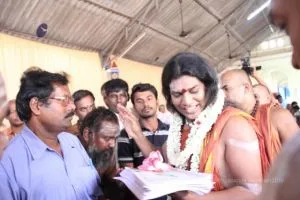
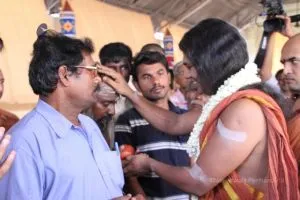
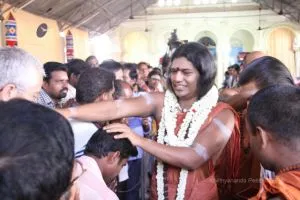
Photos

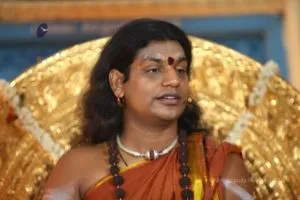
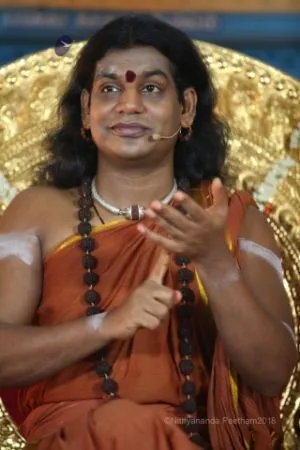
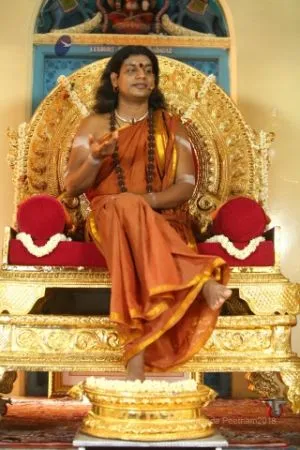
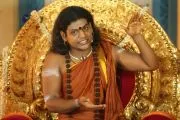
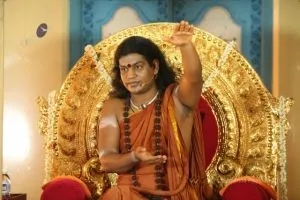

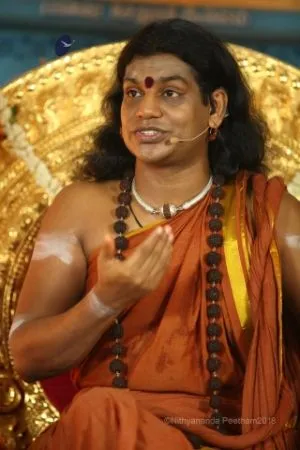
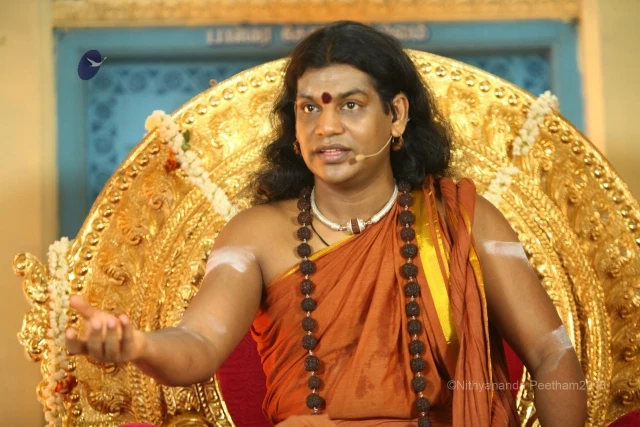
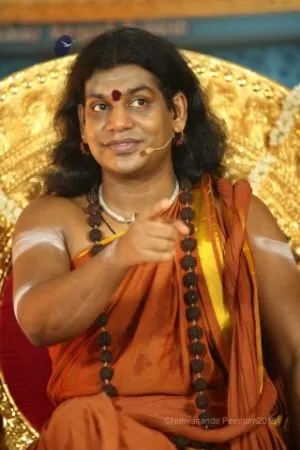

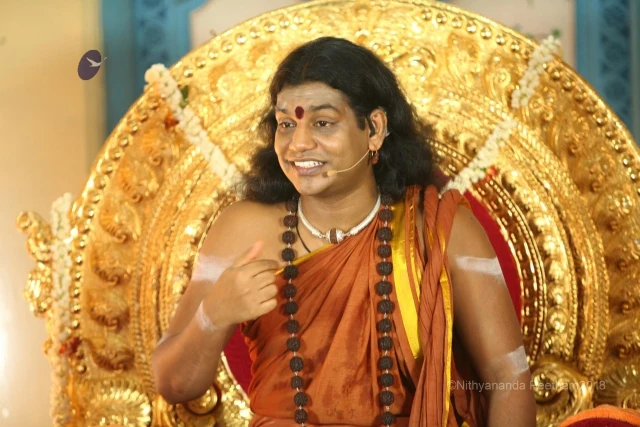
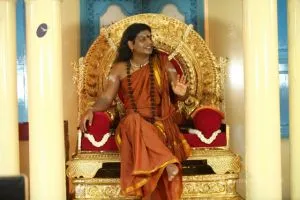
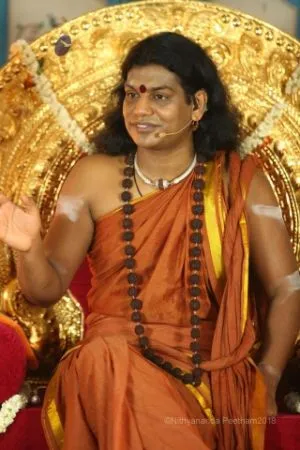
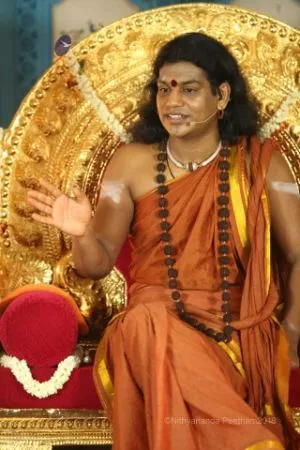
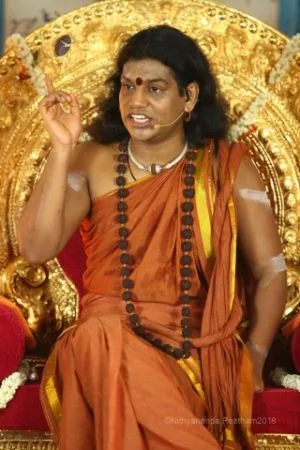
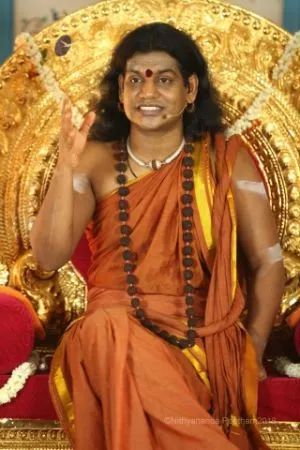
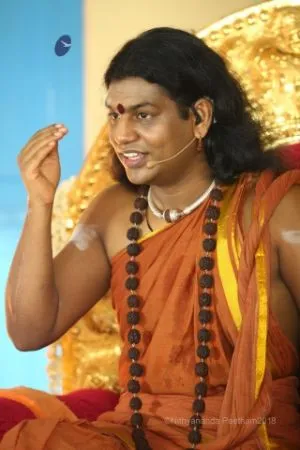
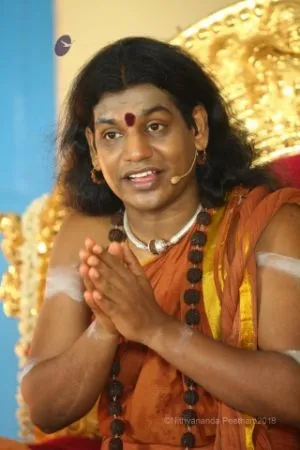
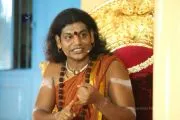
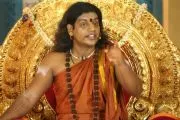
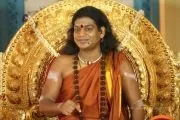
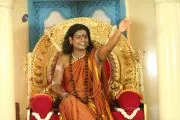
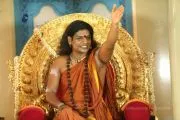
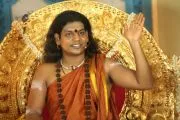
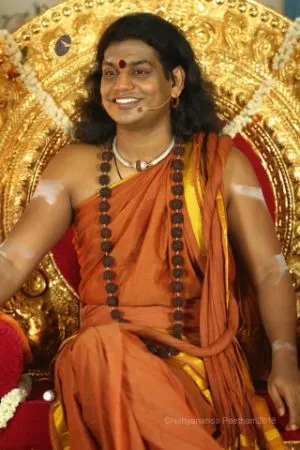
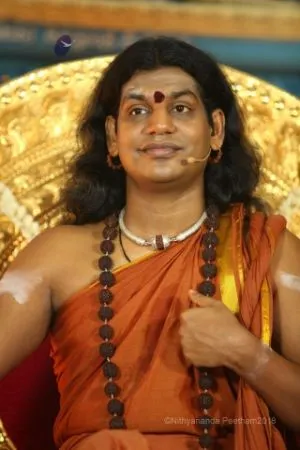
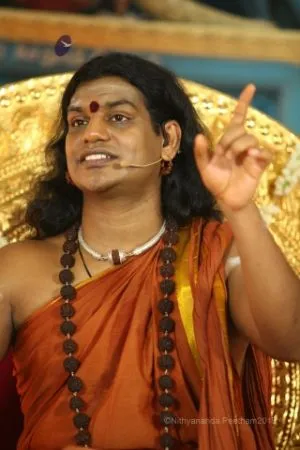
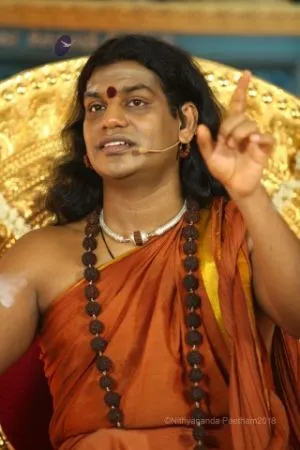
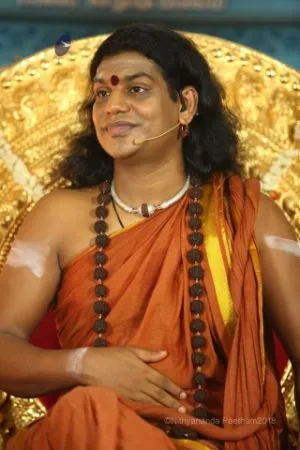
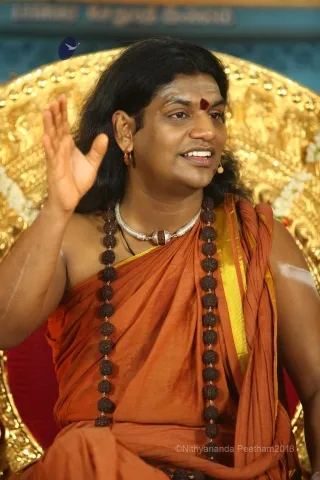
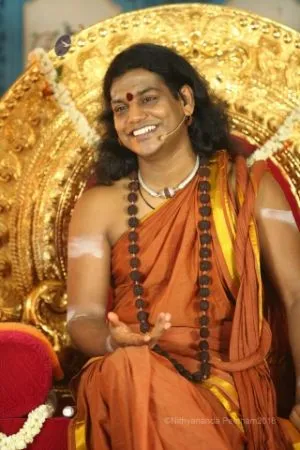
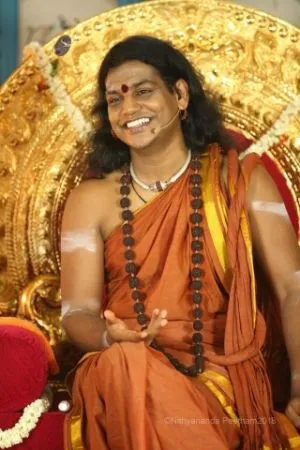
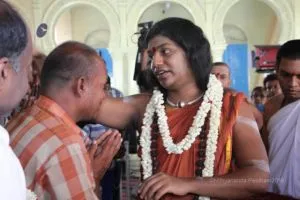
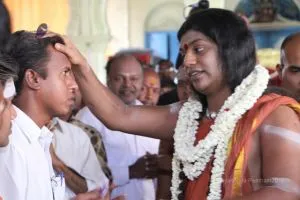
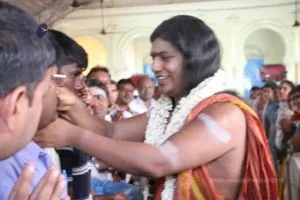
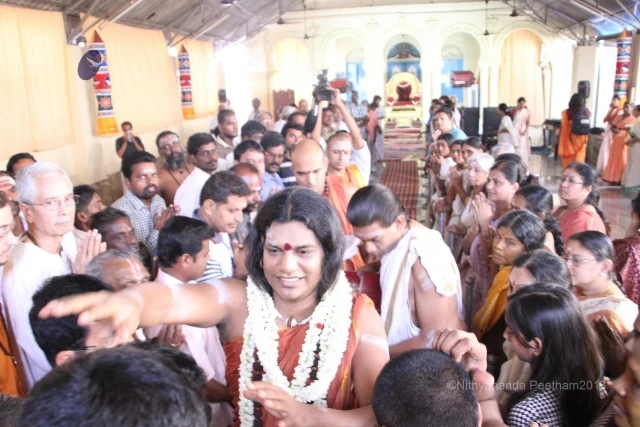

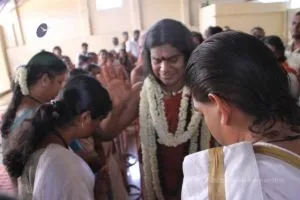

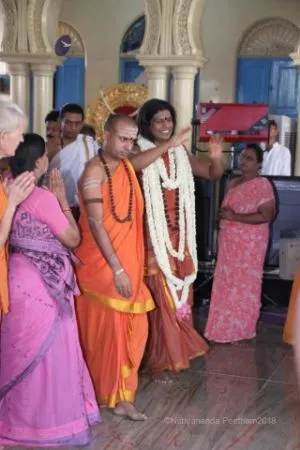







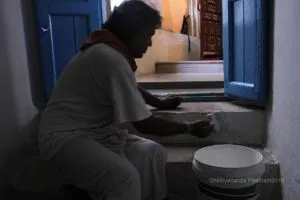
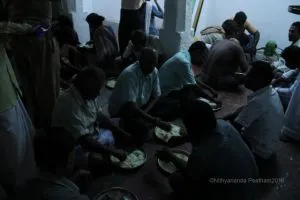
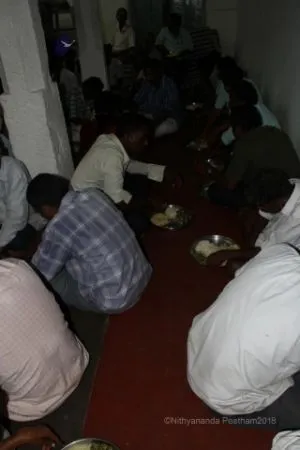
Tags:
Paramahamsa Nithyananda, definition, Krishna, physical, translate, hormonal, status, experience, internal, create, alchemical, embrace, divine, consciousness, bio-memories, zone, enlightenment.
Photos Of The Day:
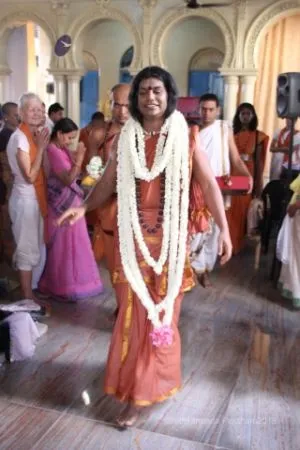
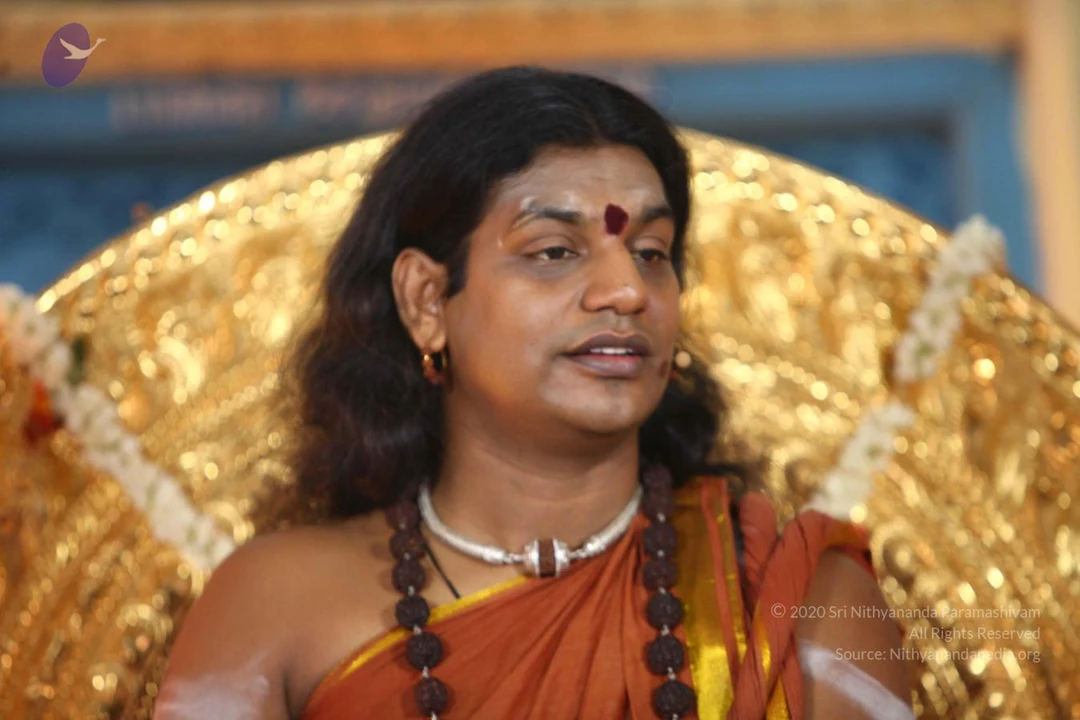
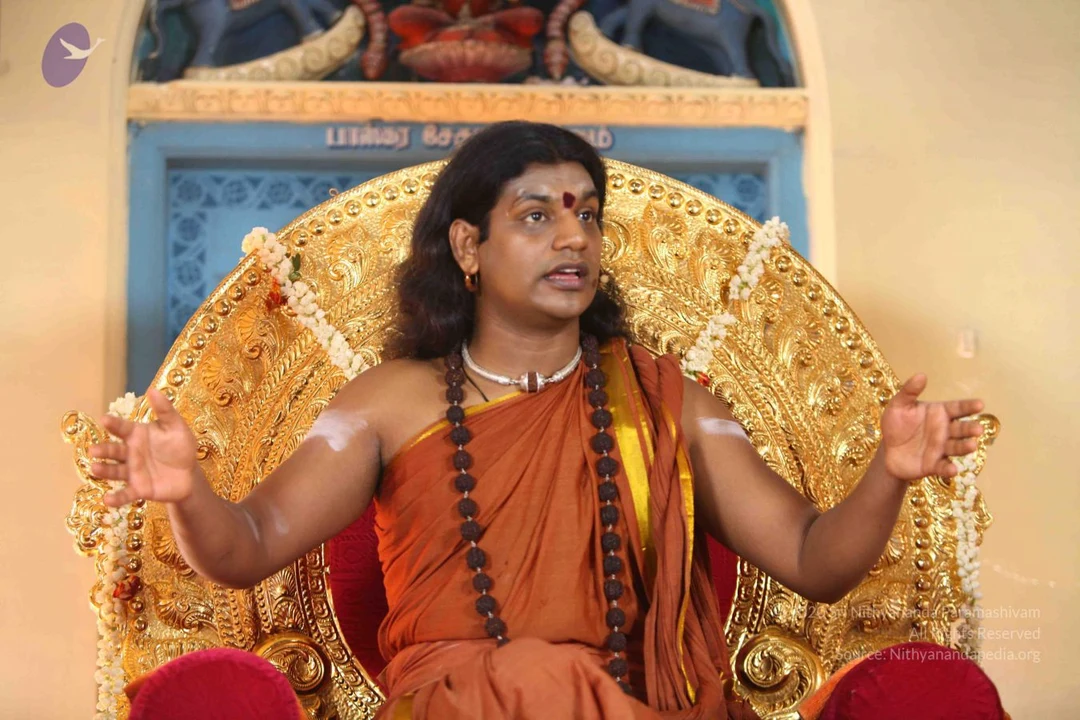
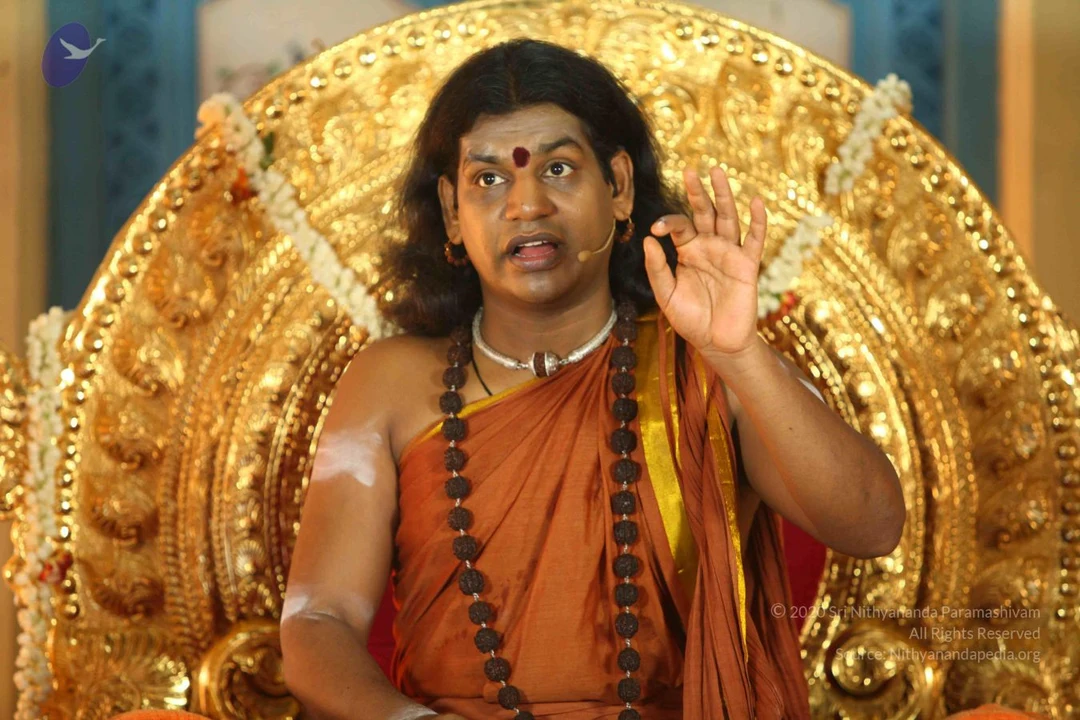
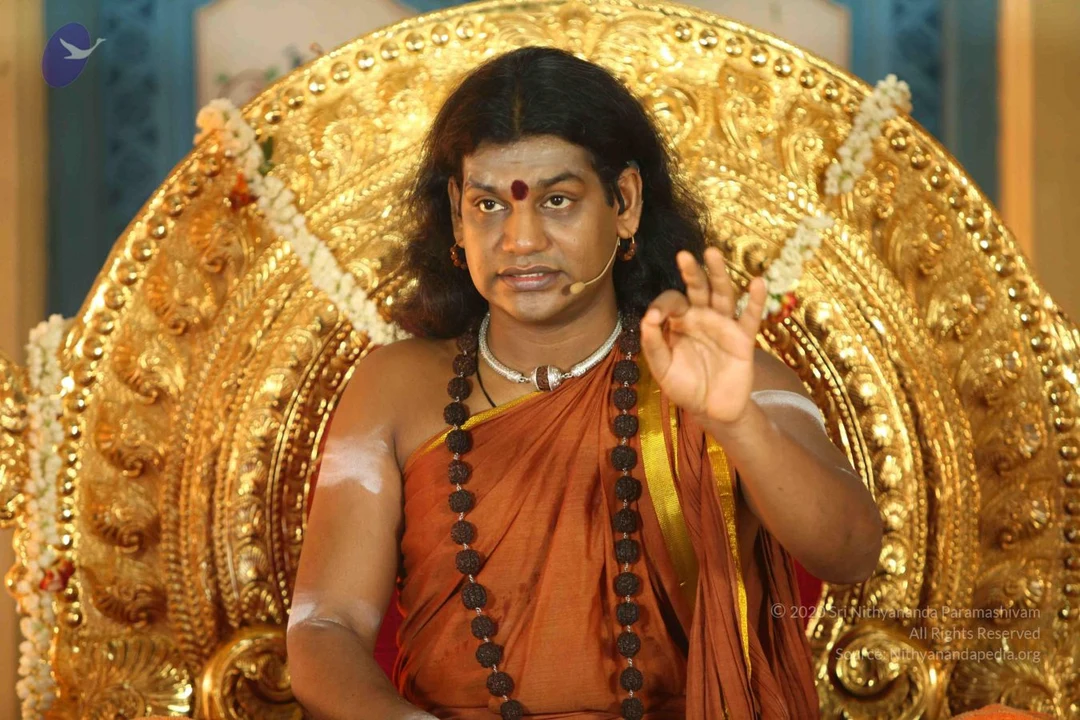
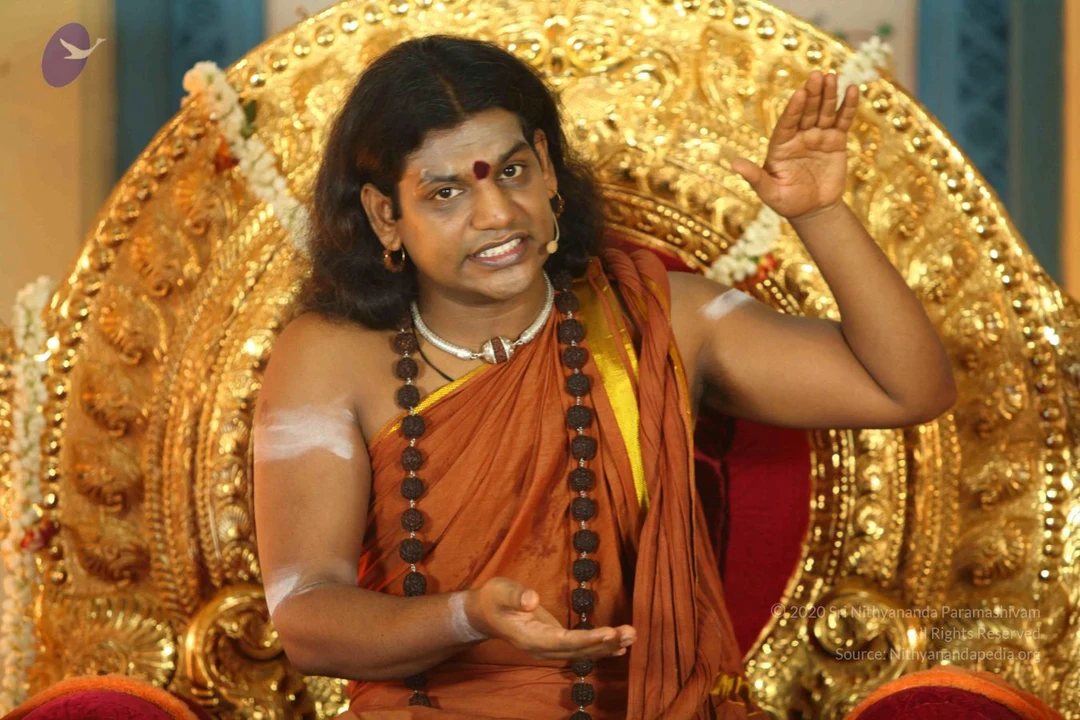
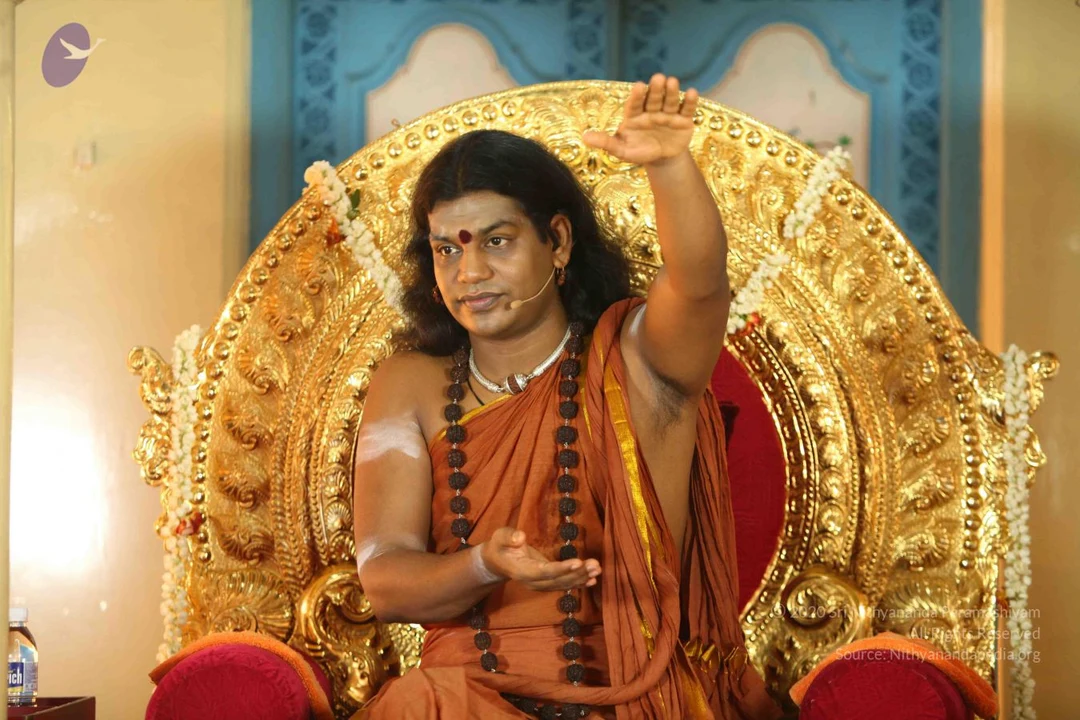
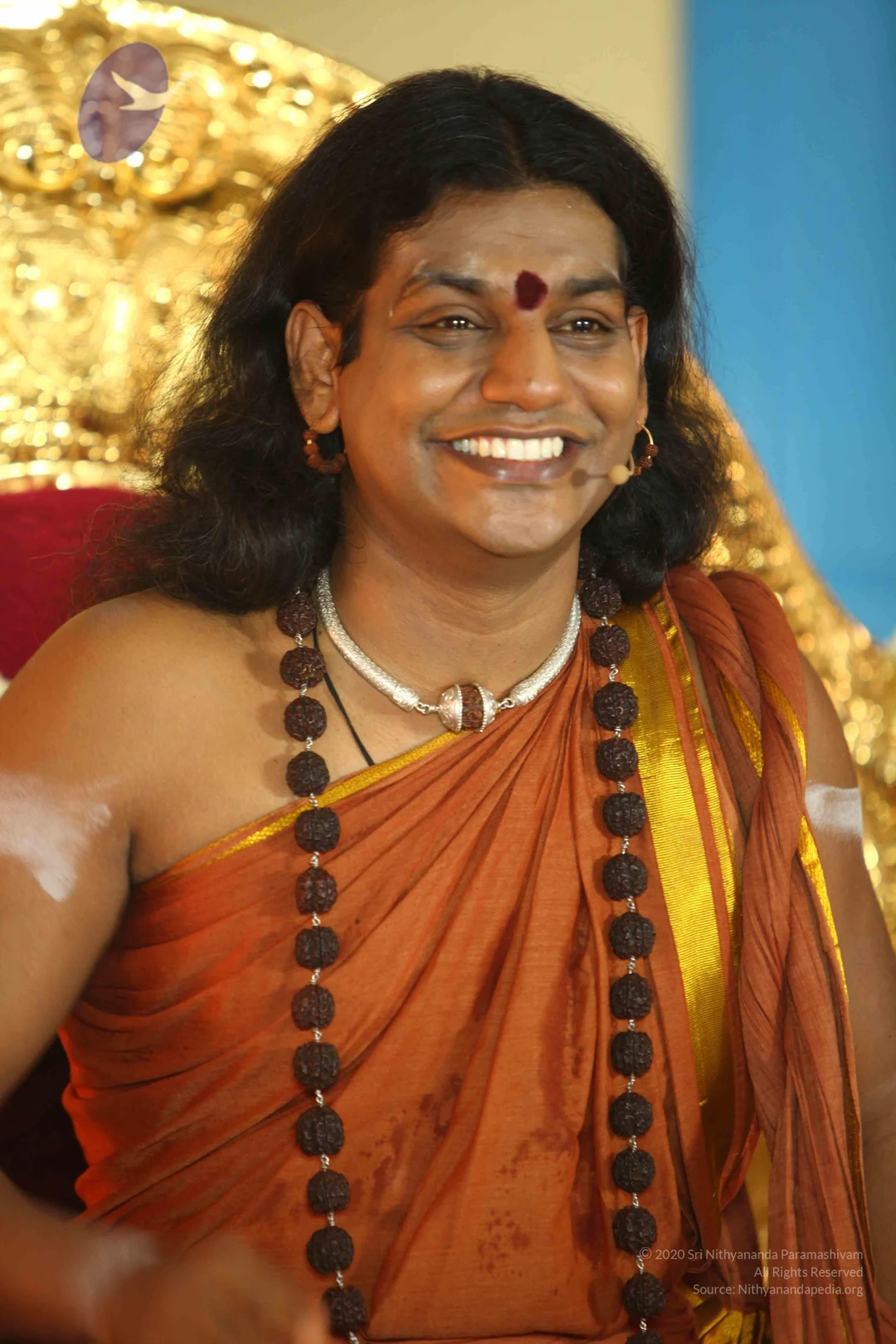
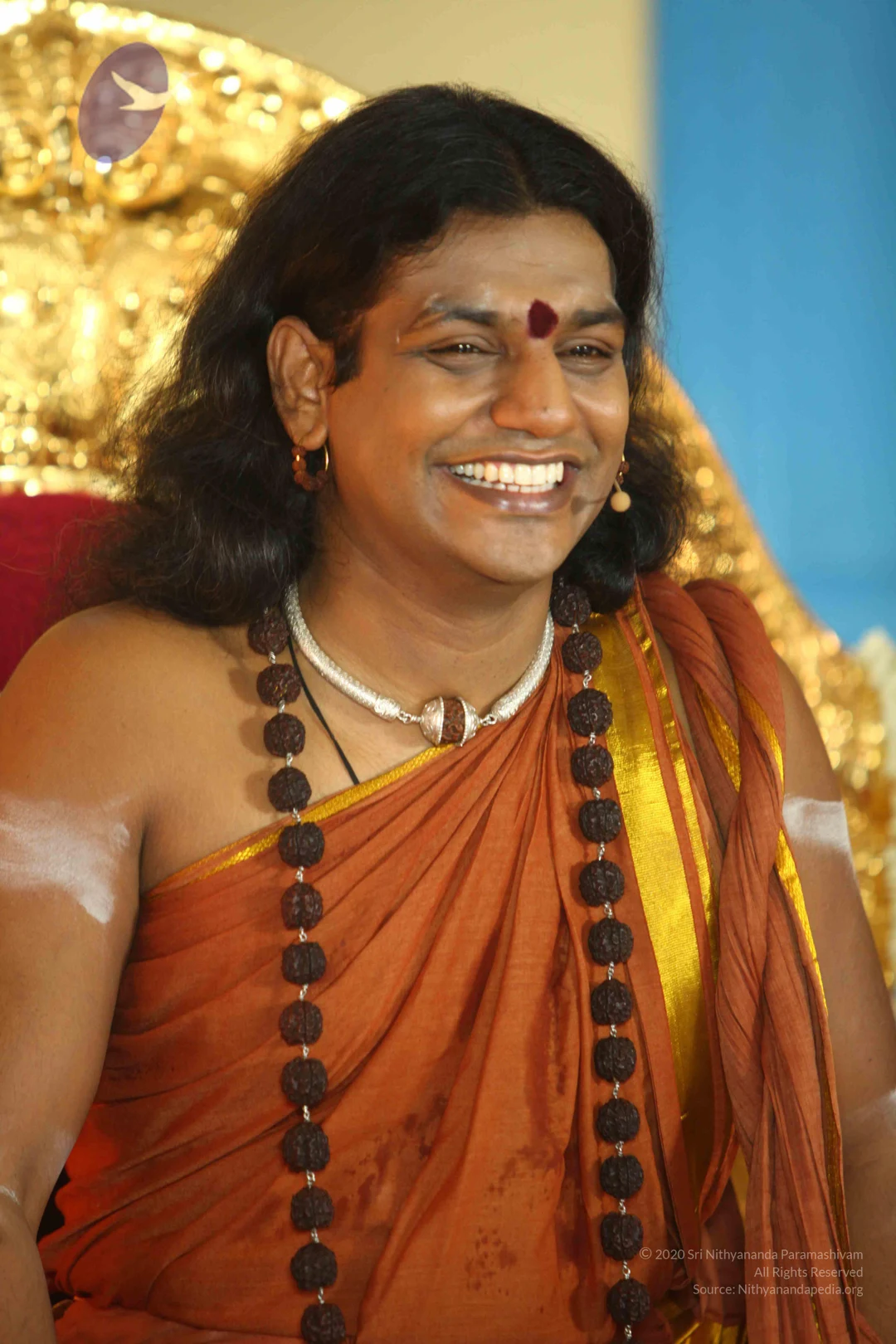
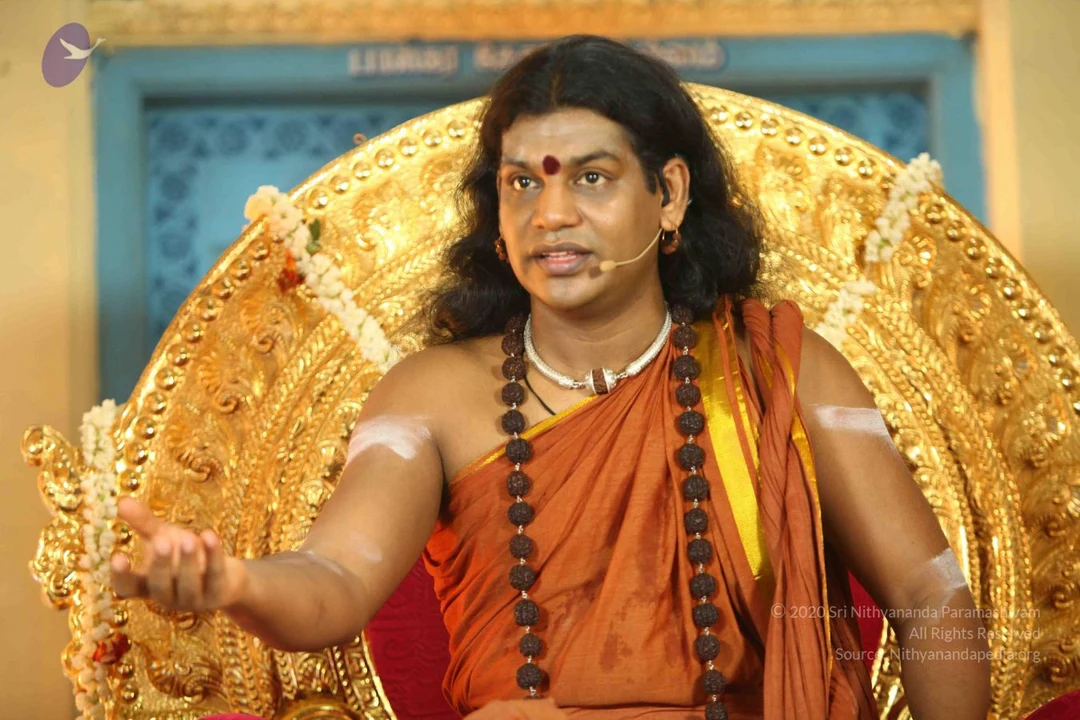
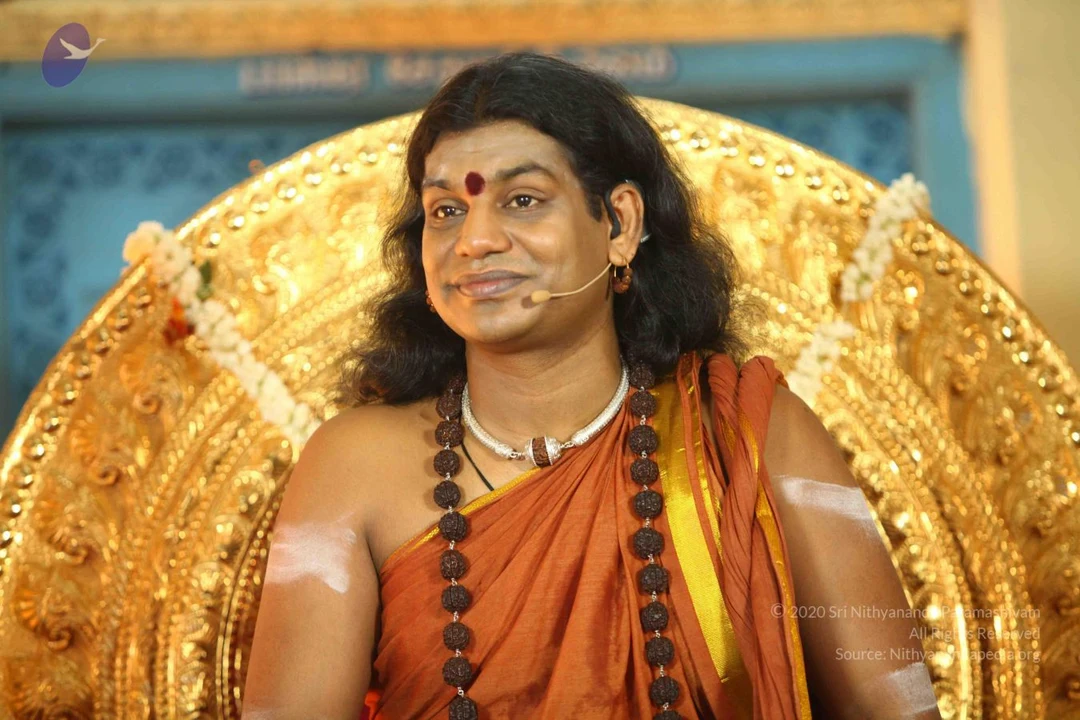
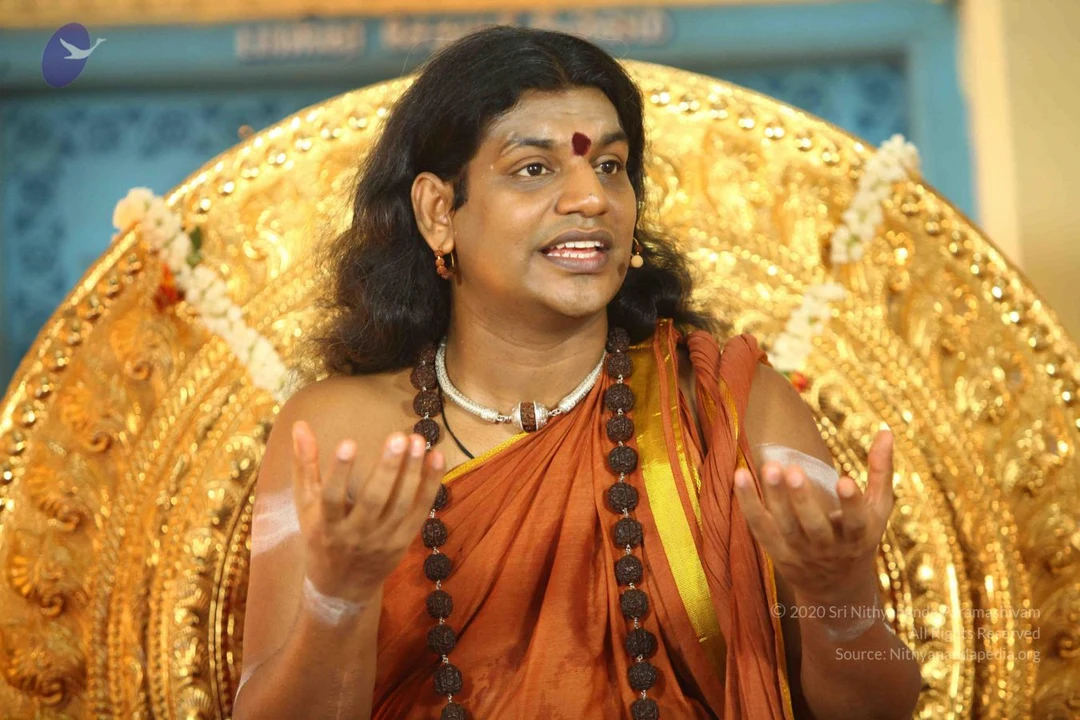
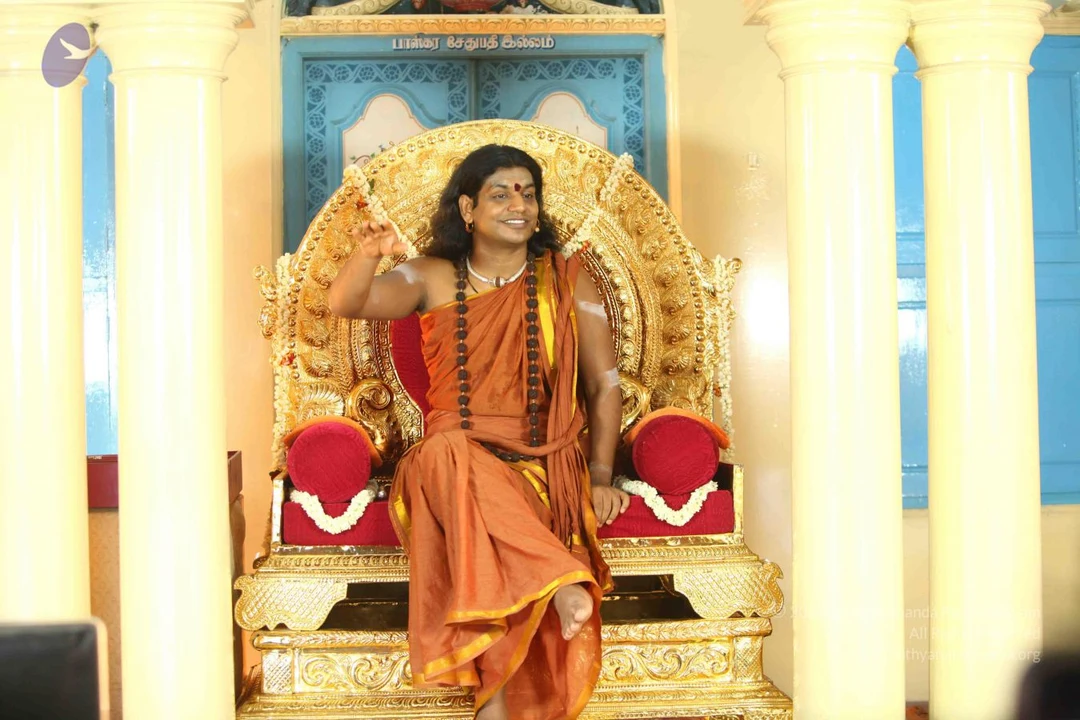
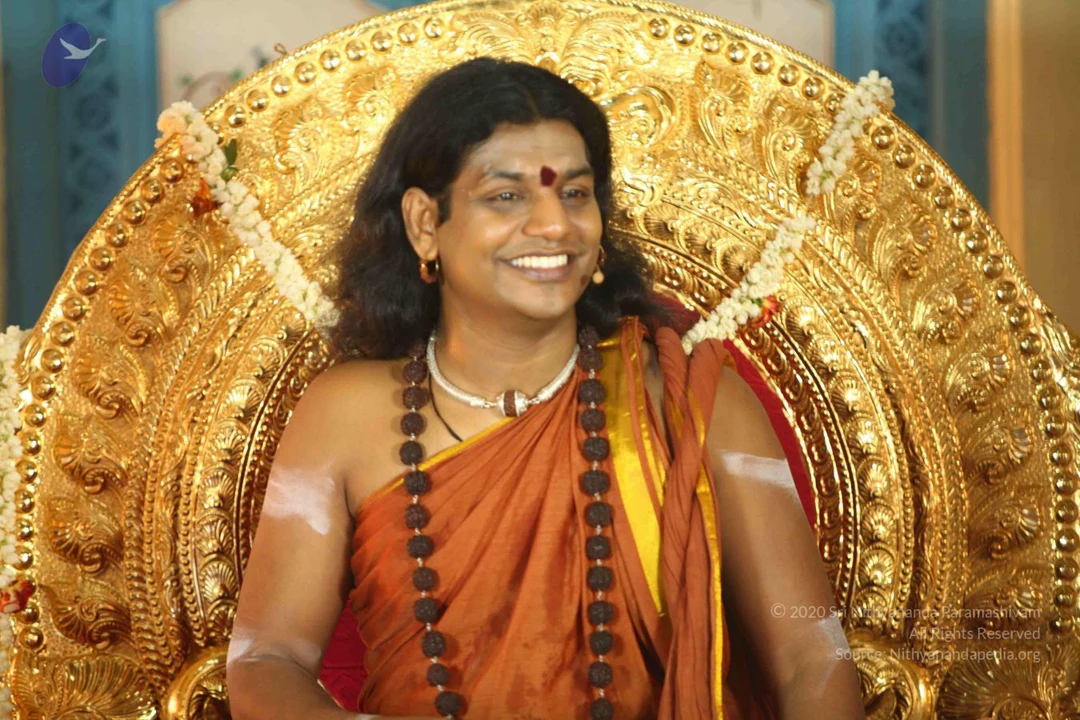
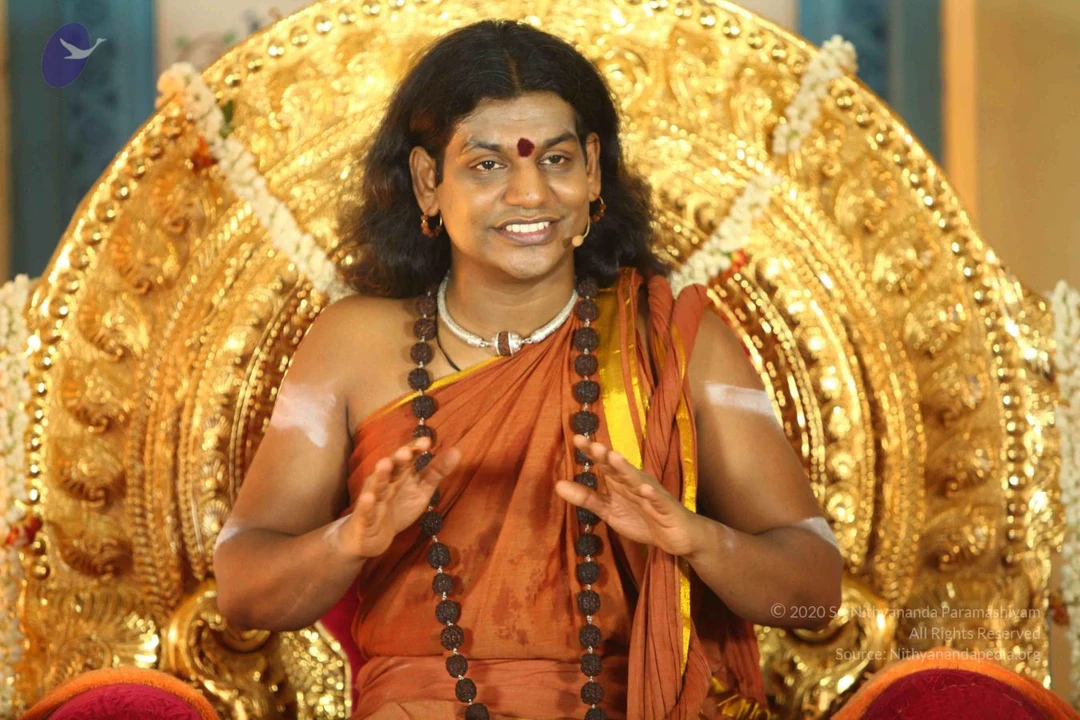
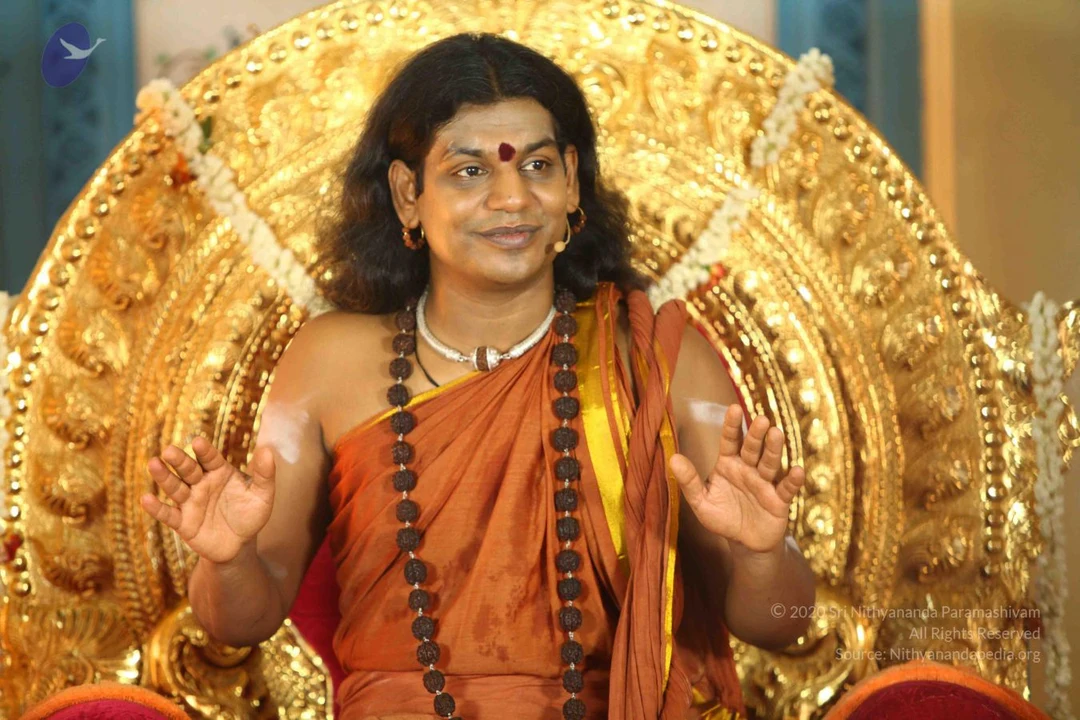
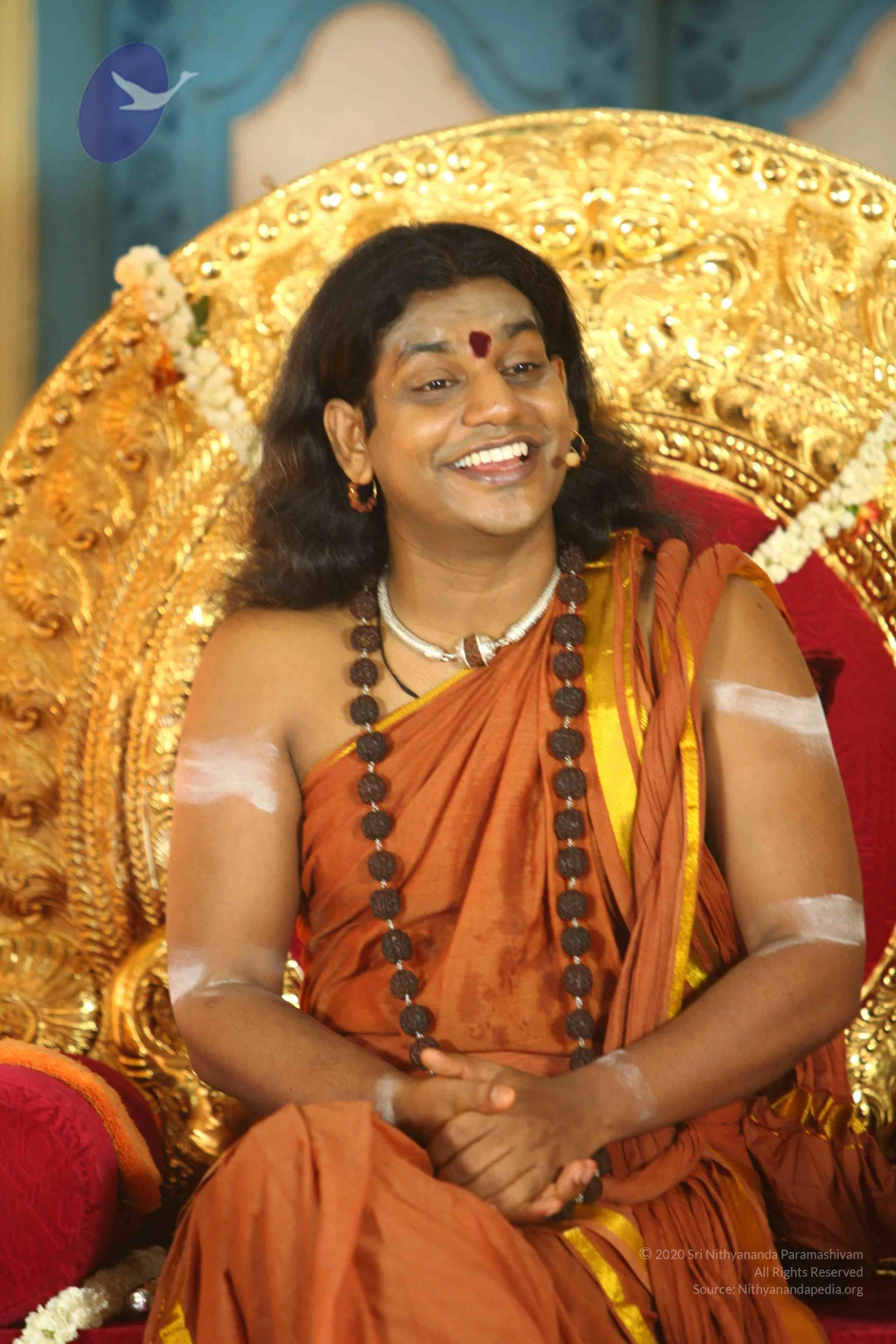
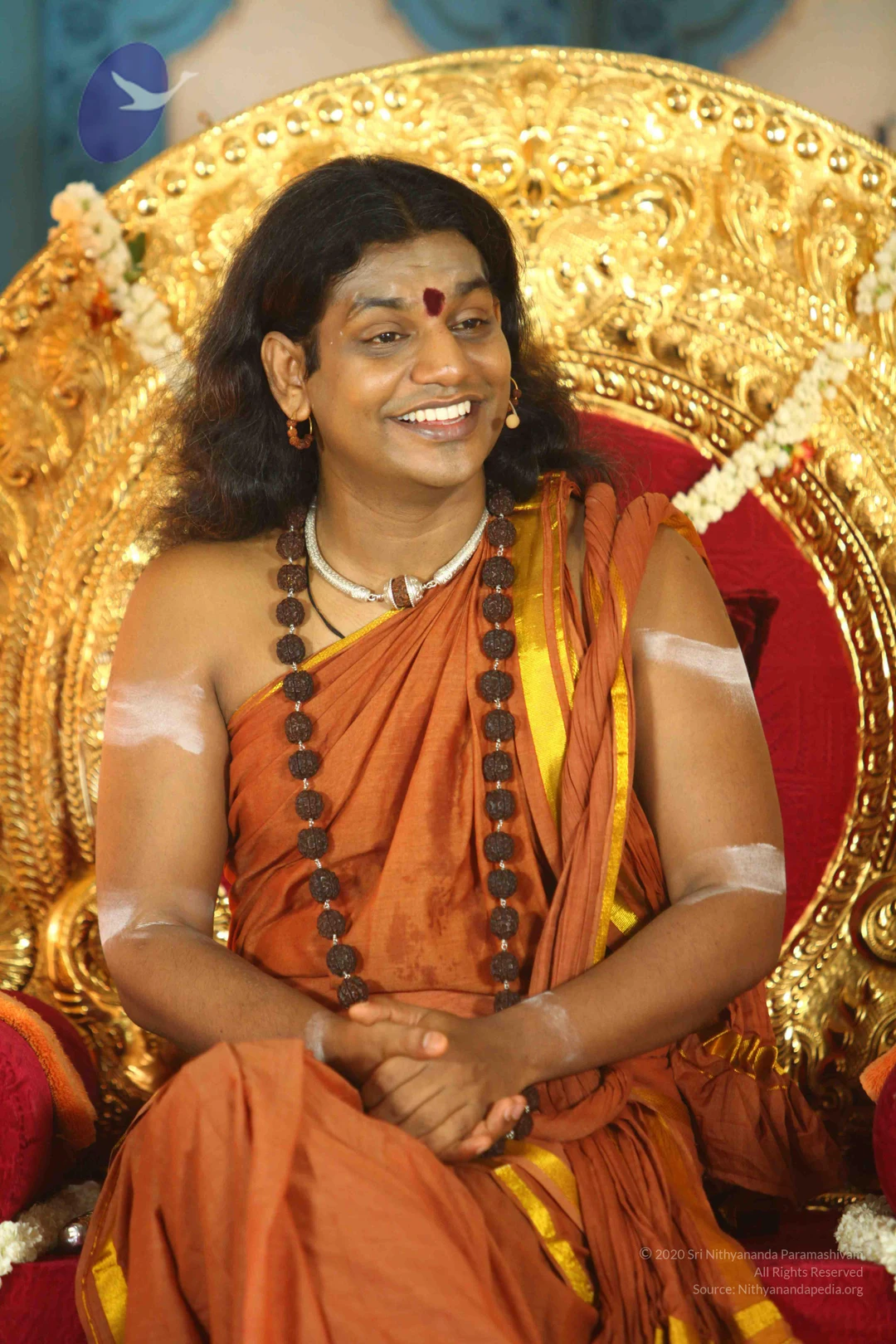
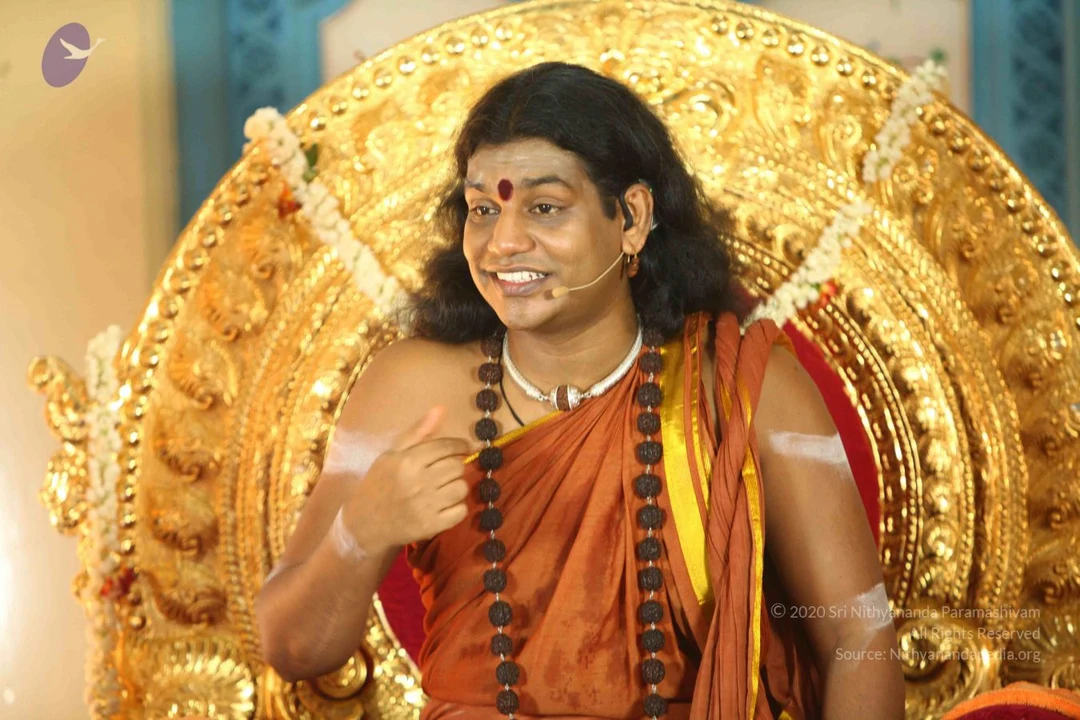
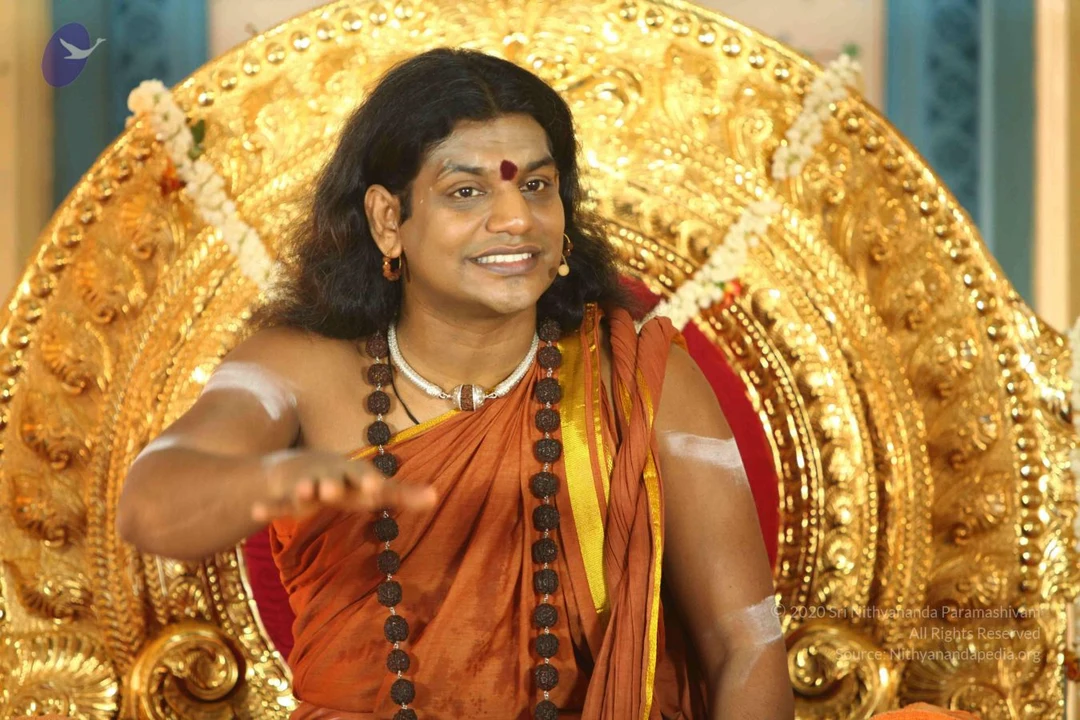
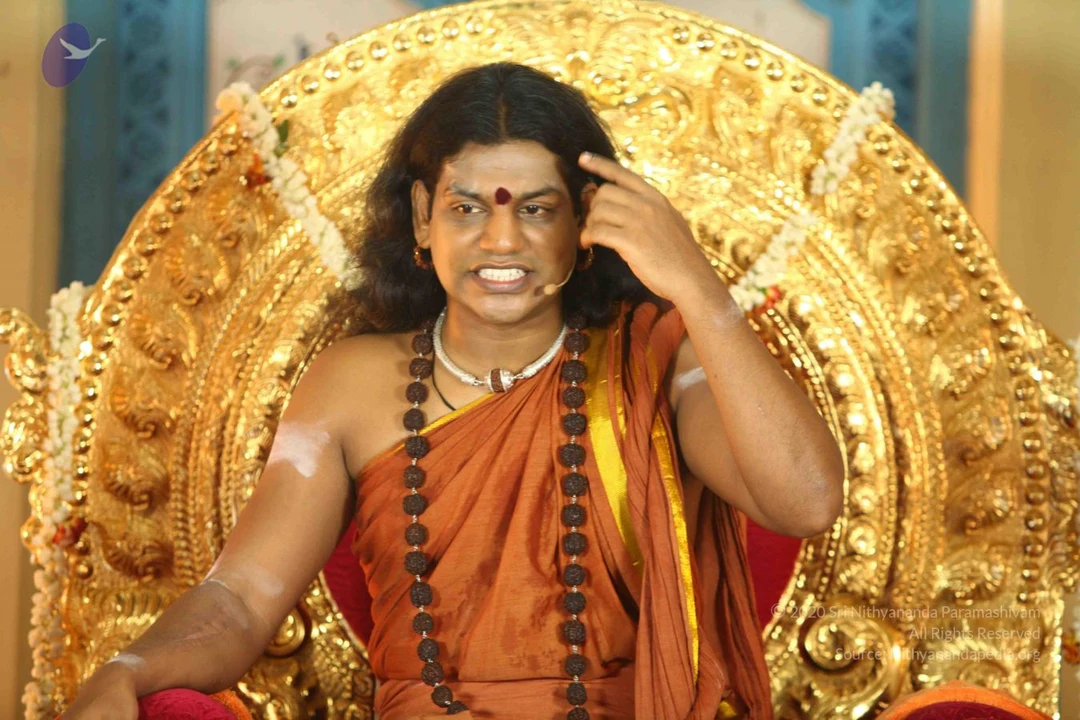
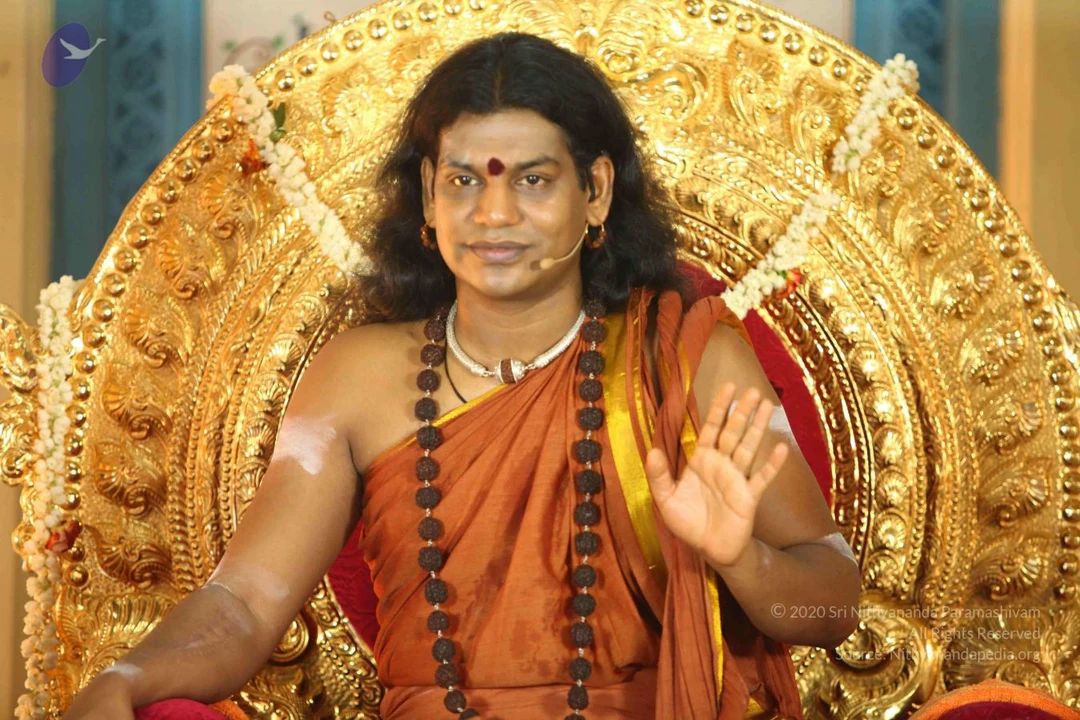
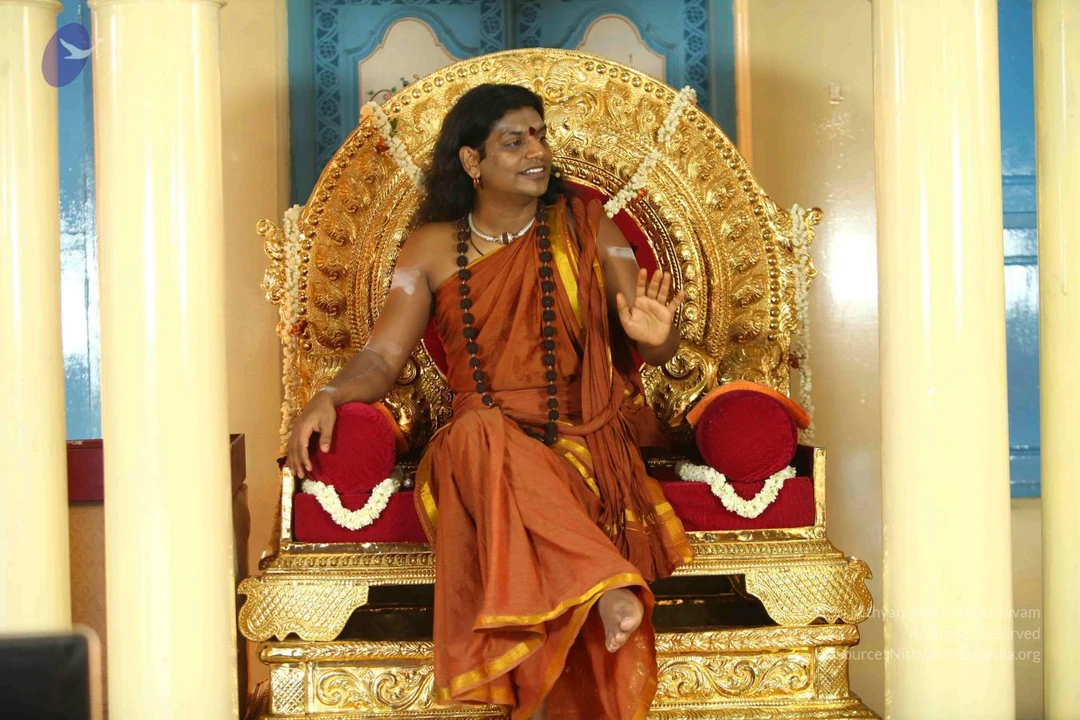
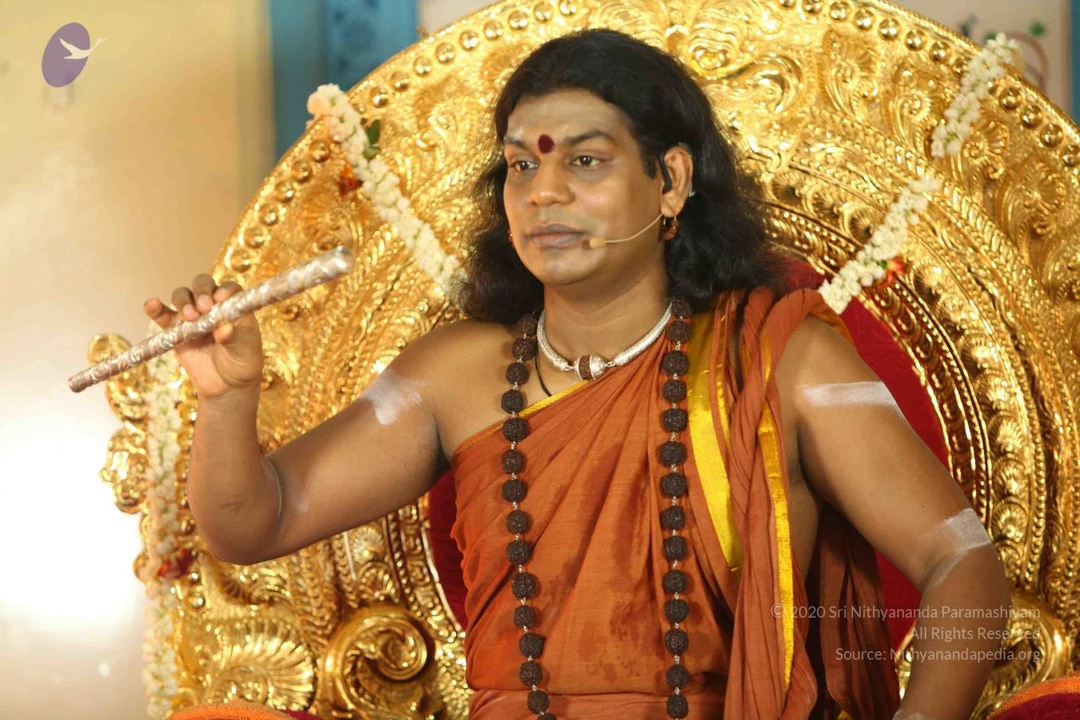
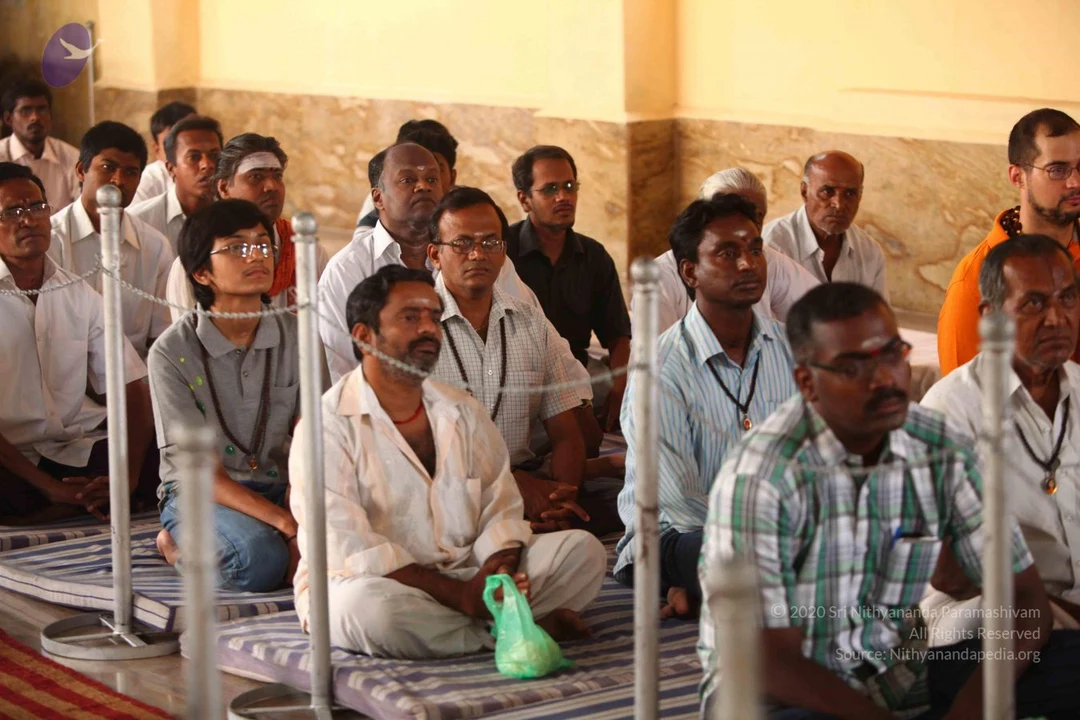
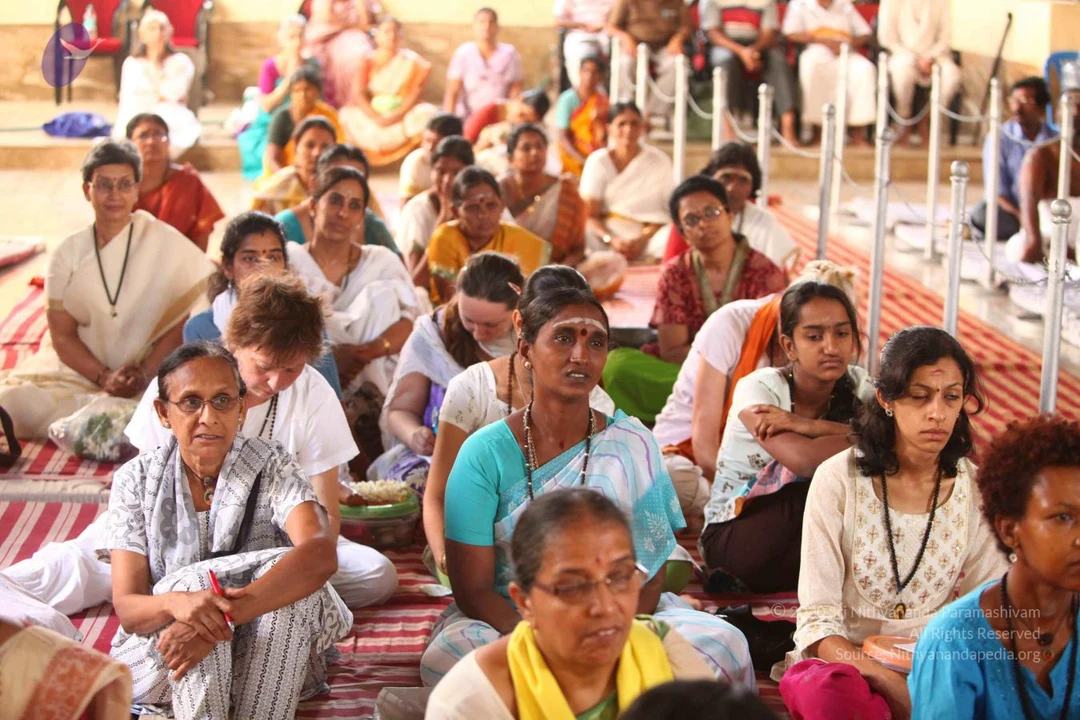
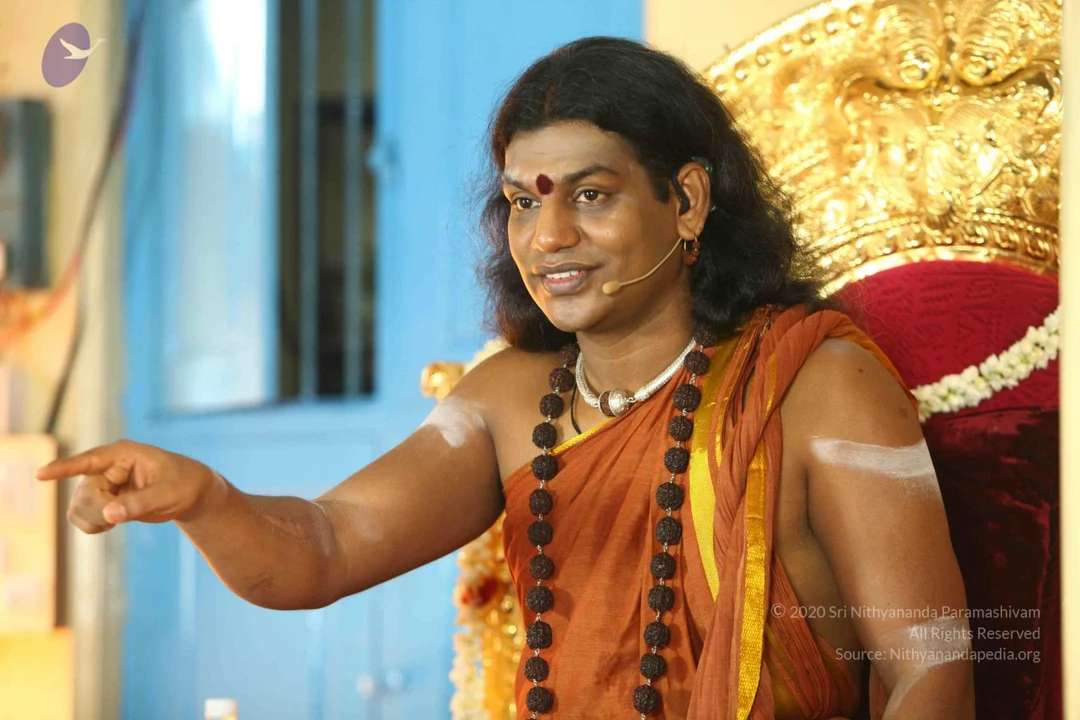
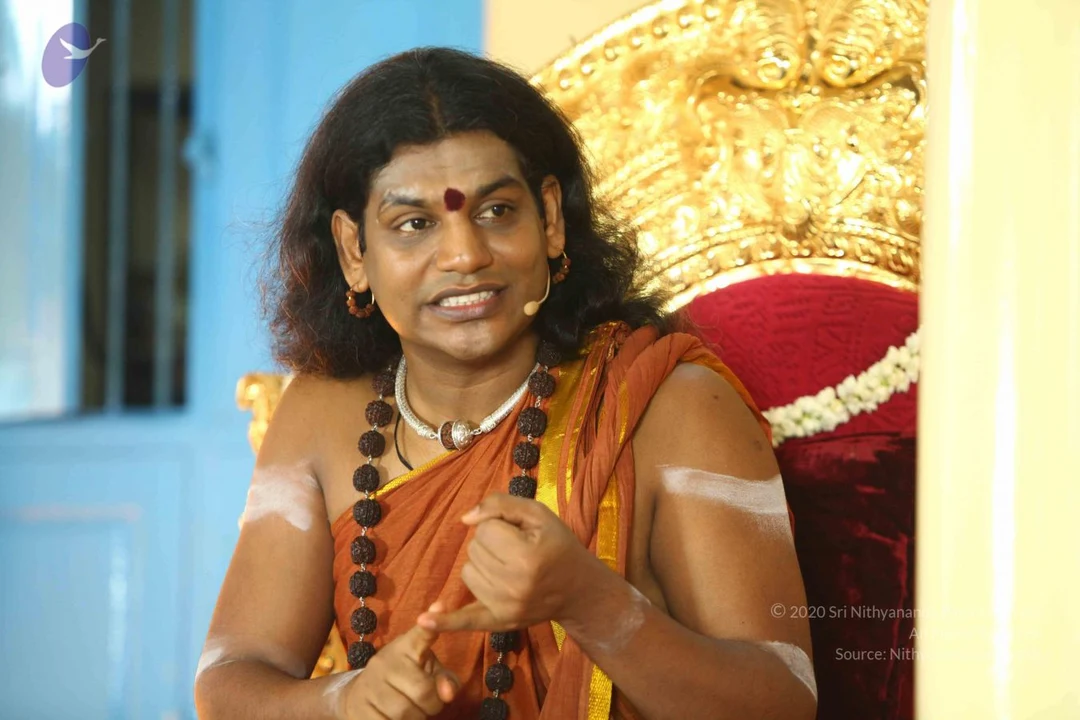
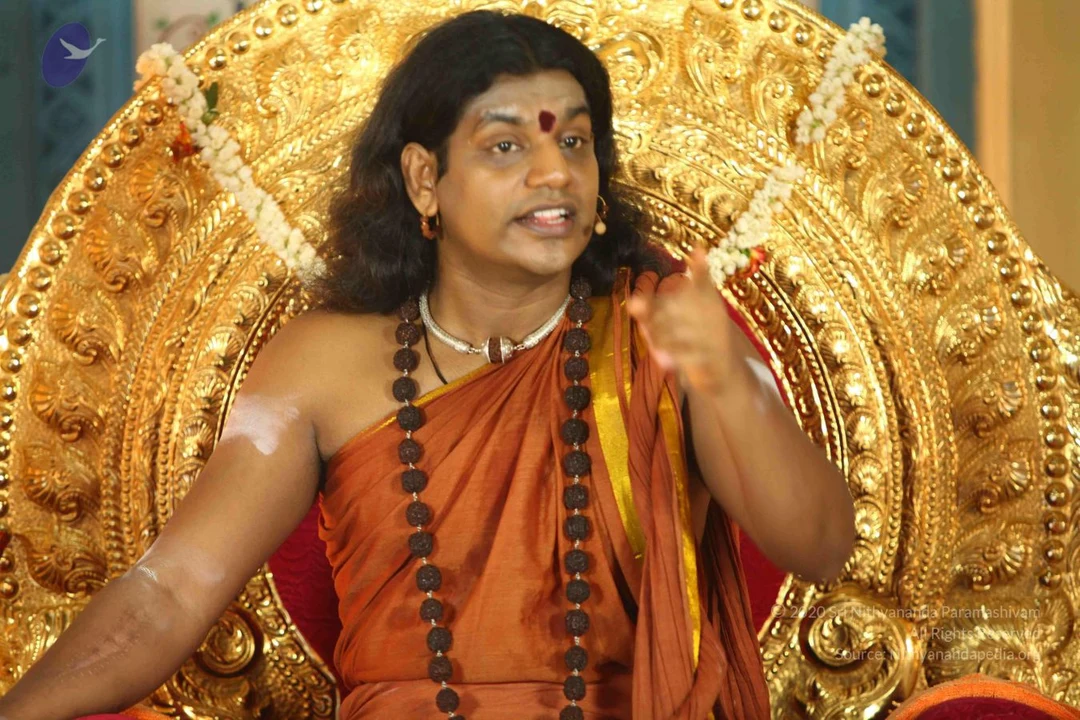
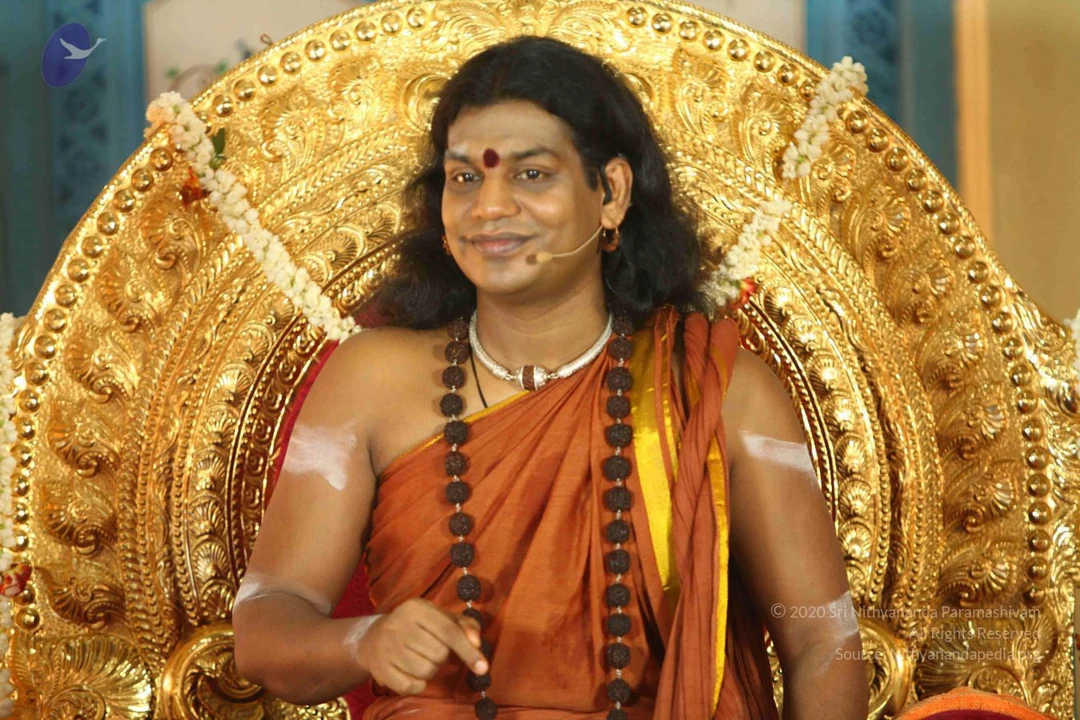
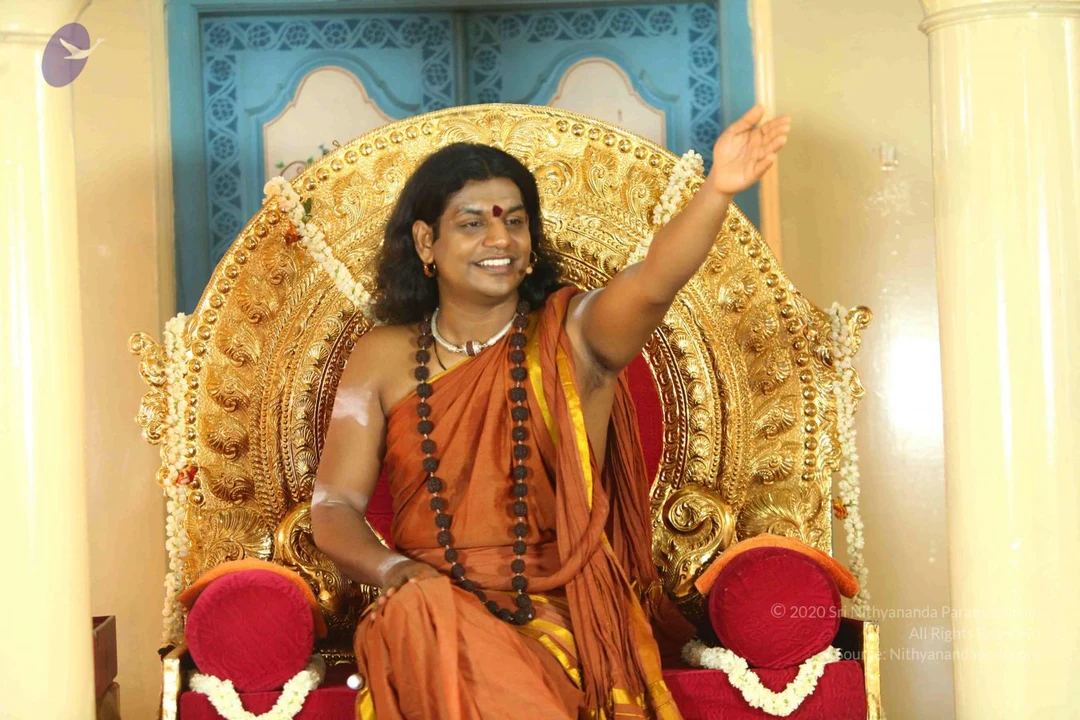
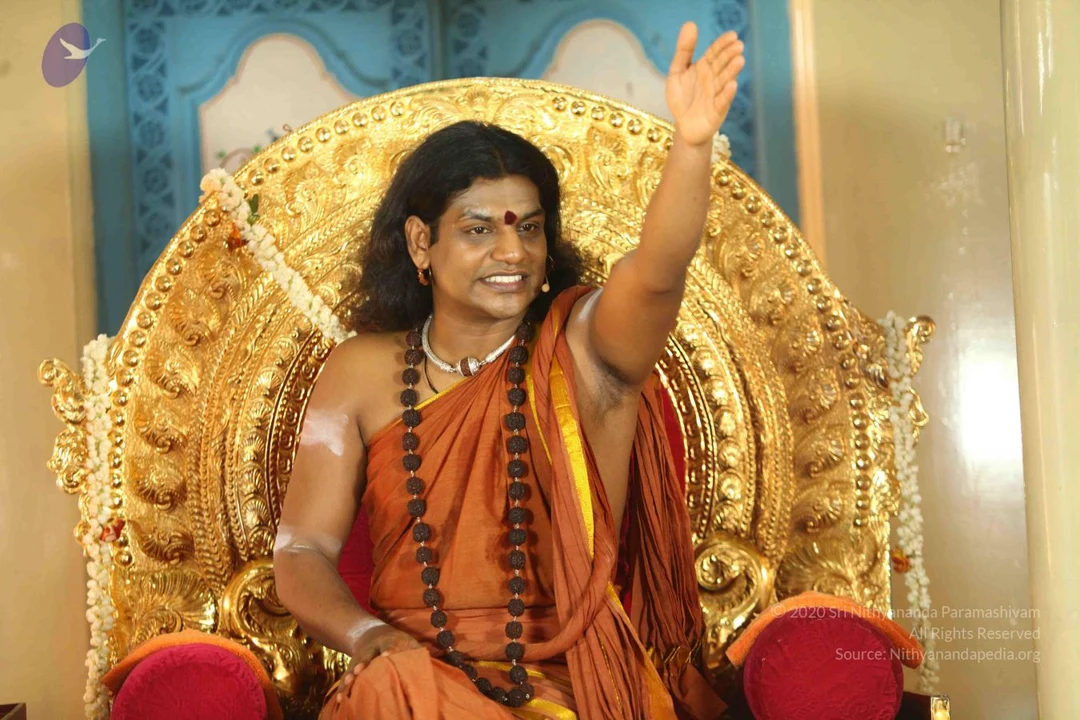
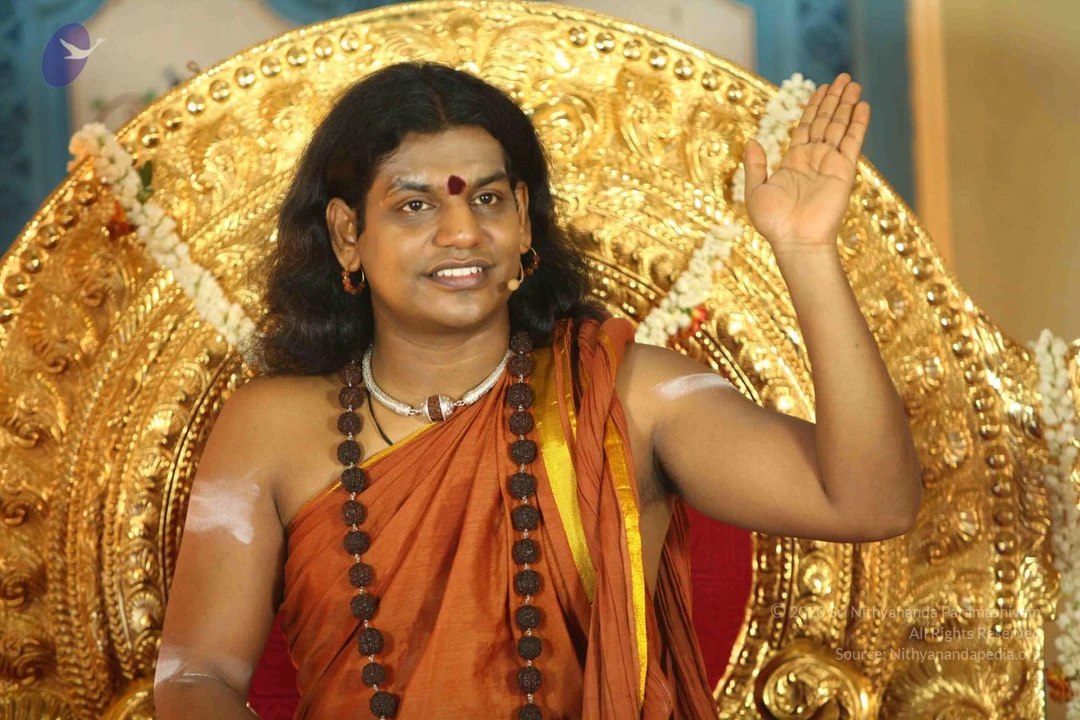
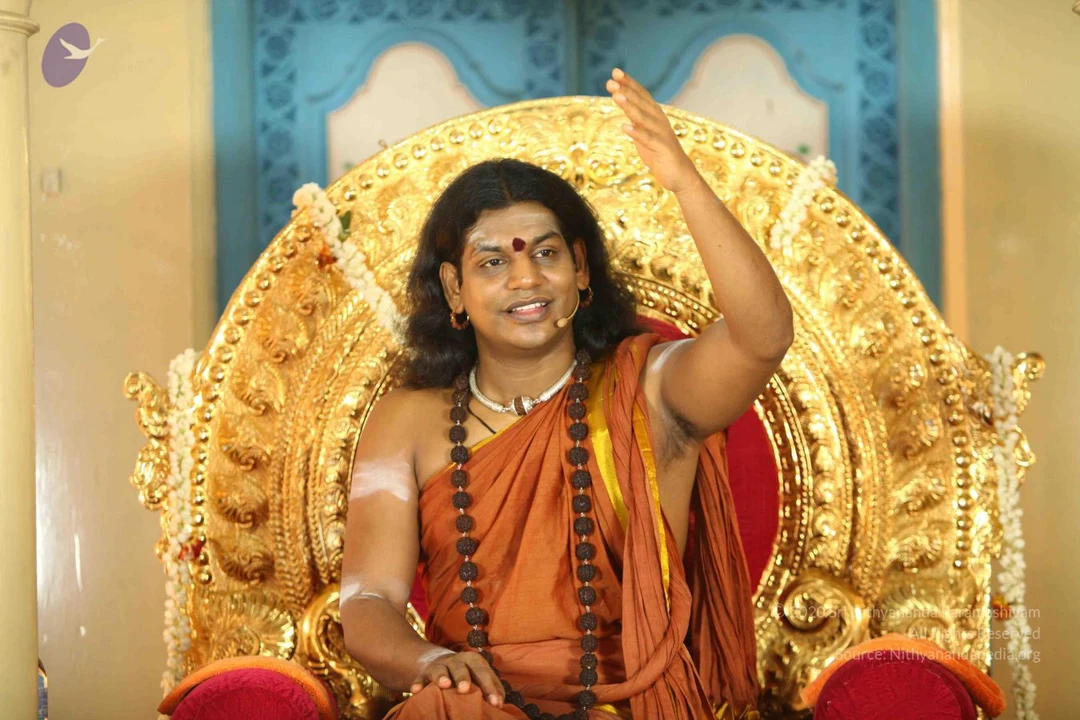
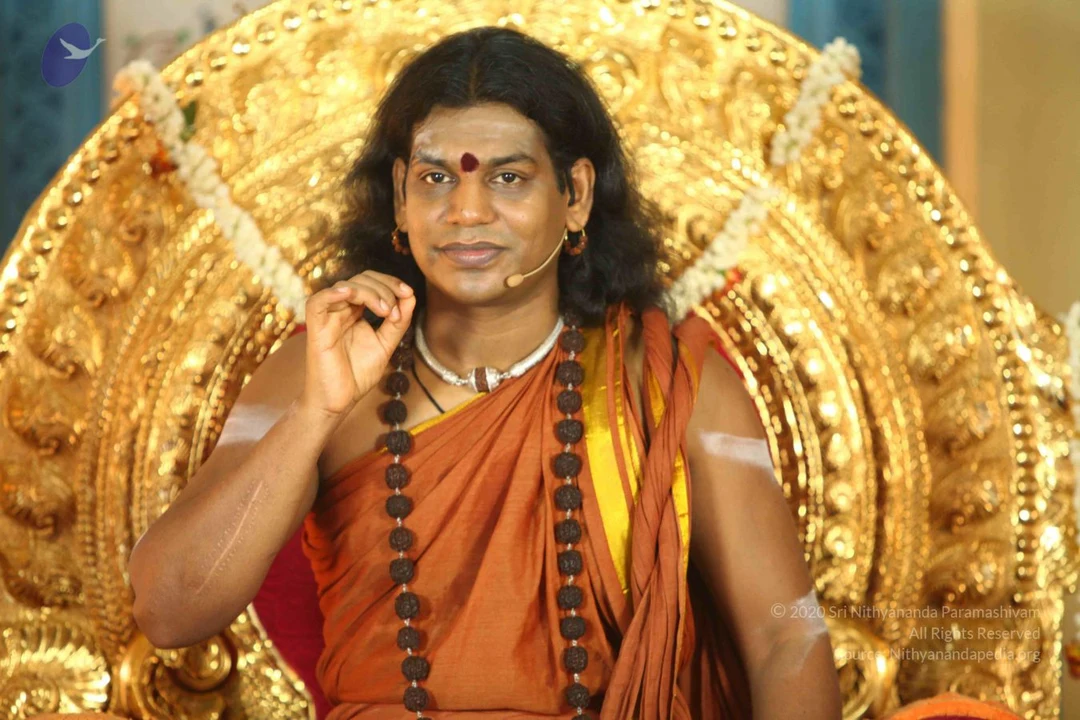
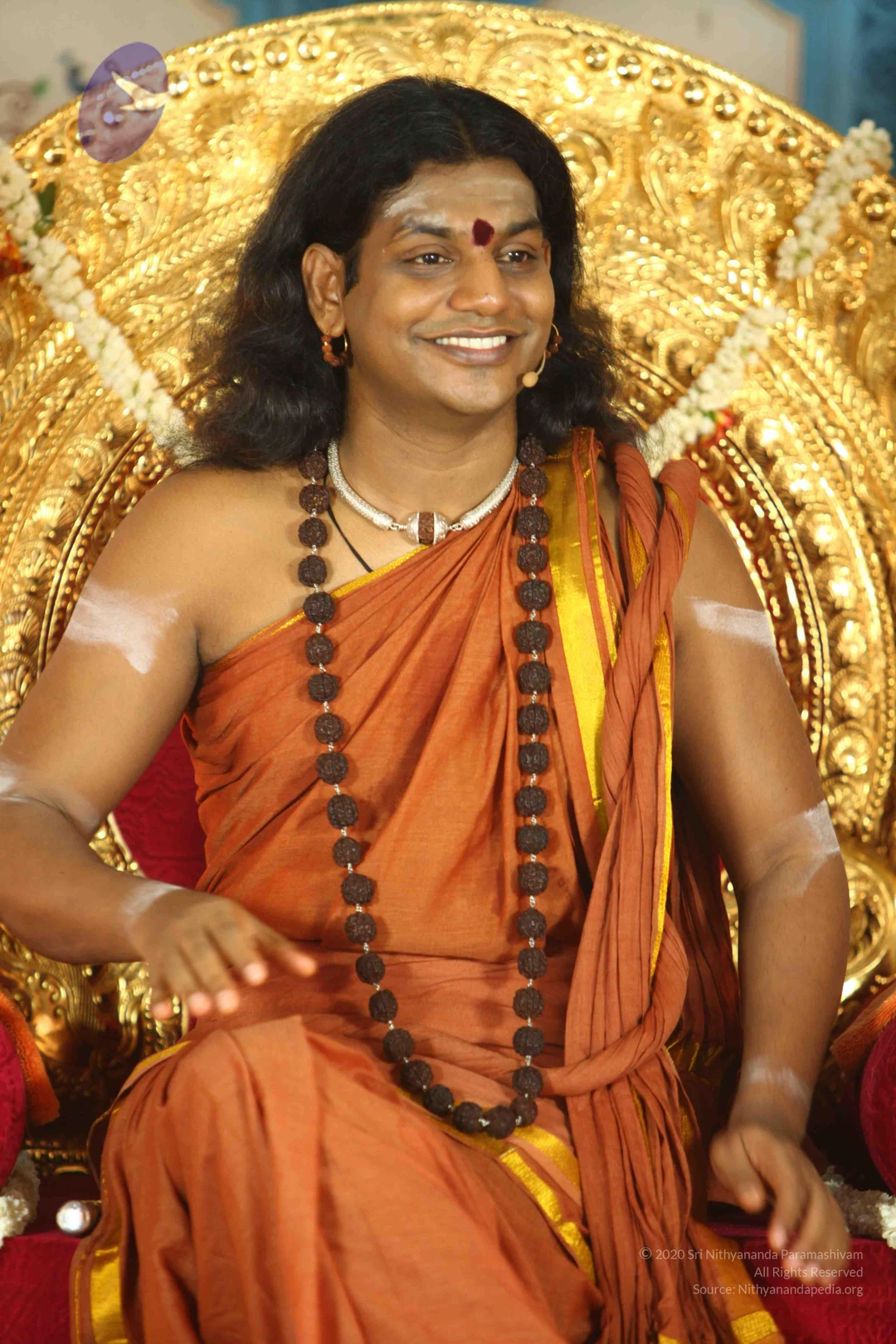
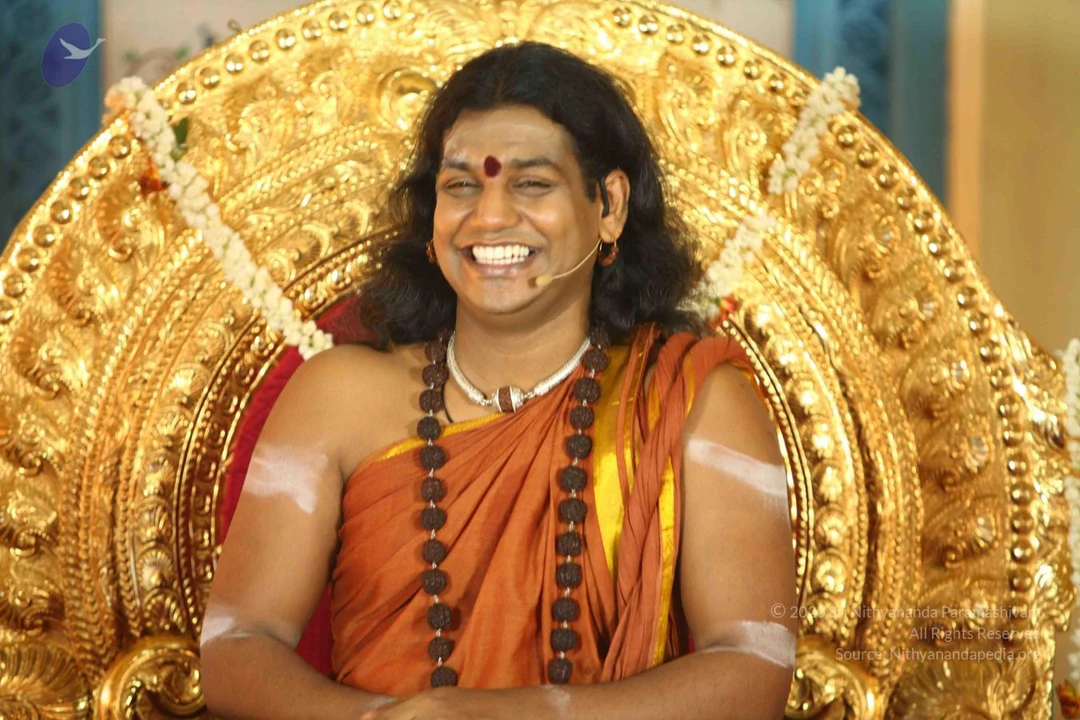
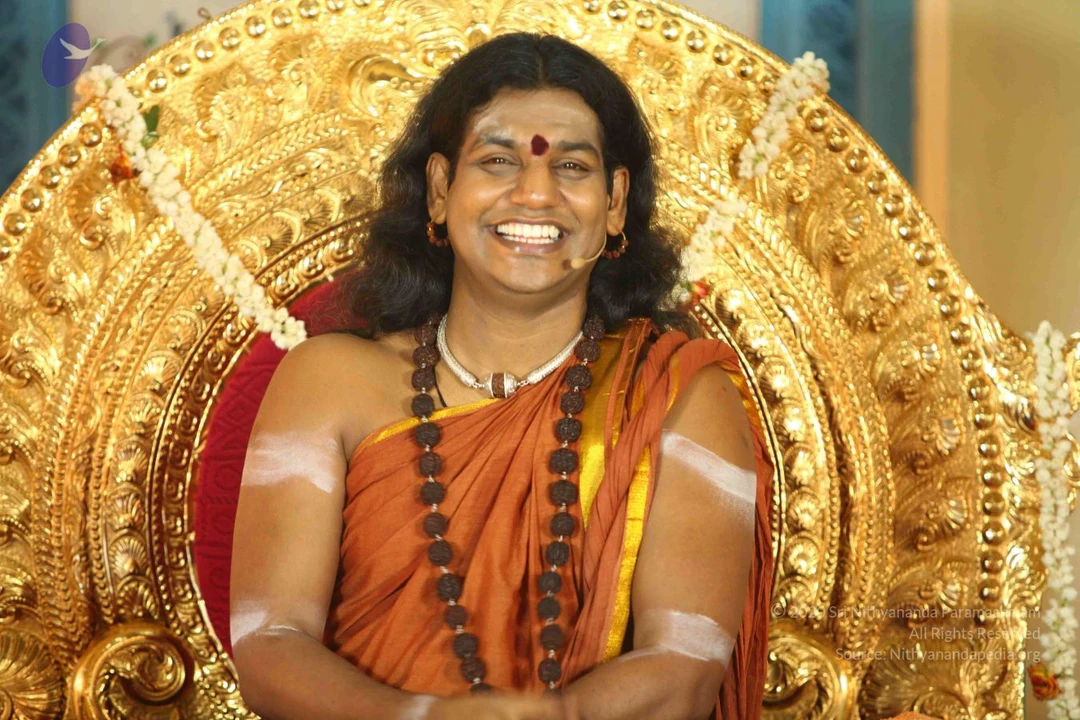
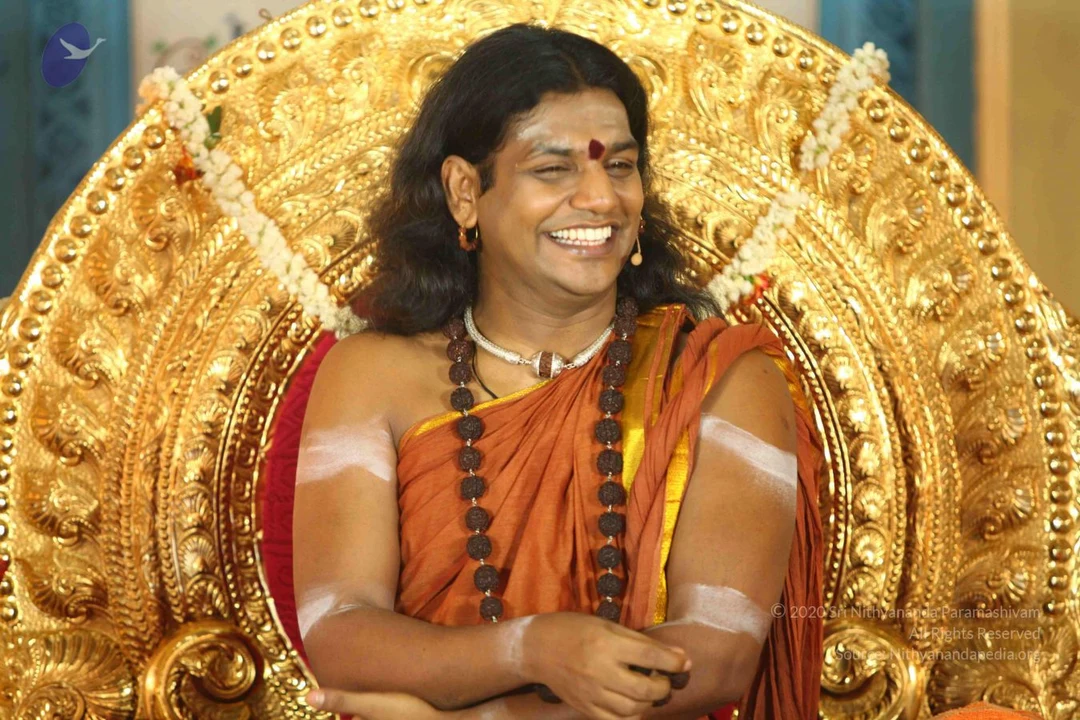
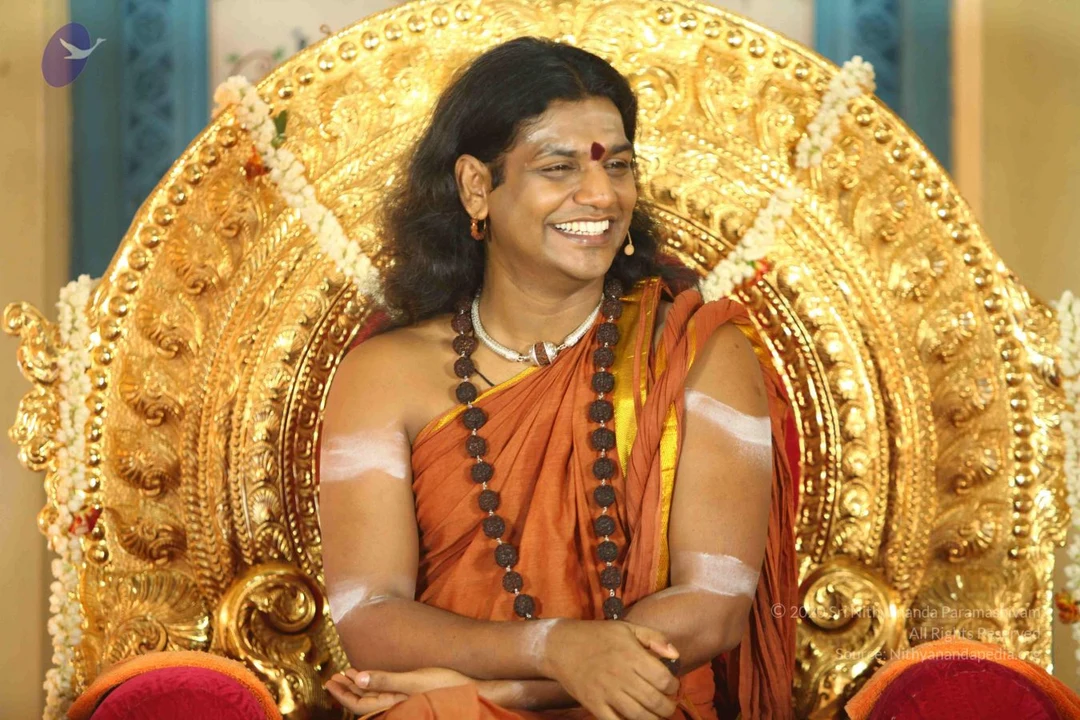
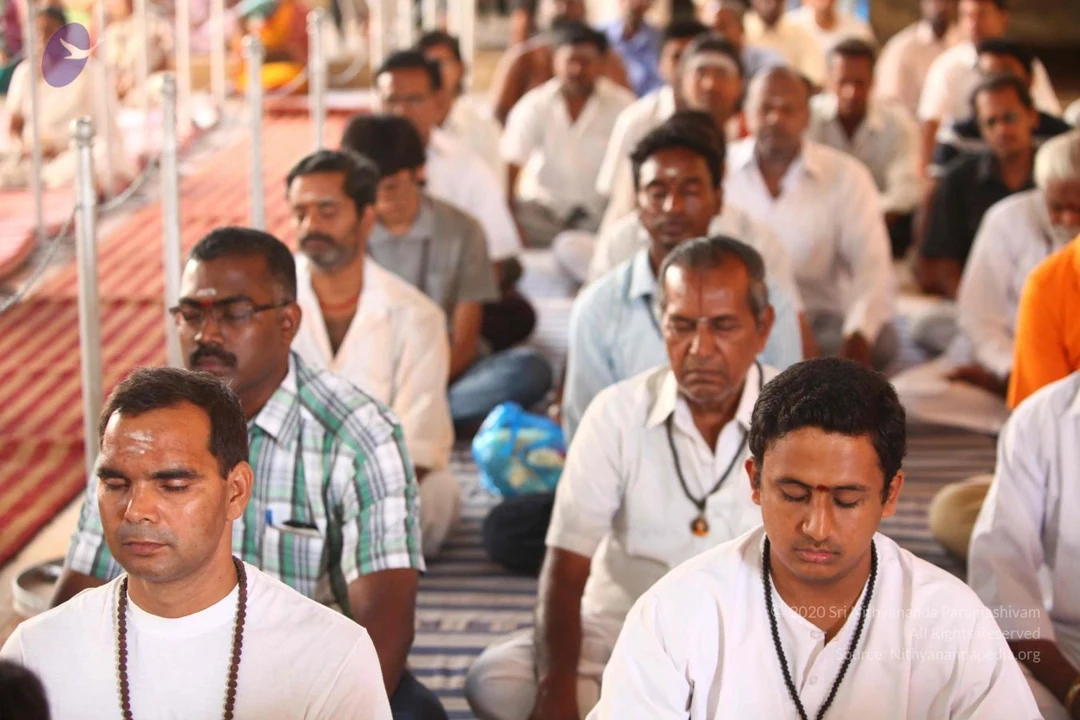
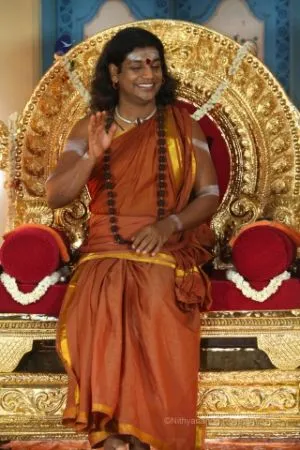
Satsang

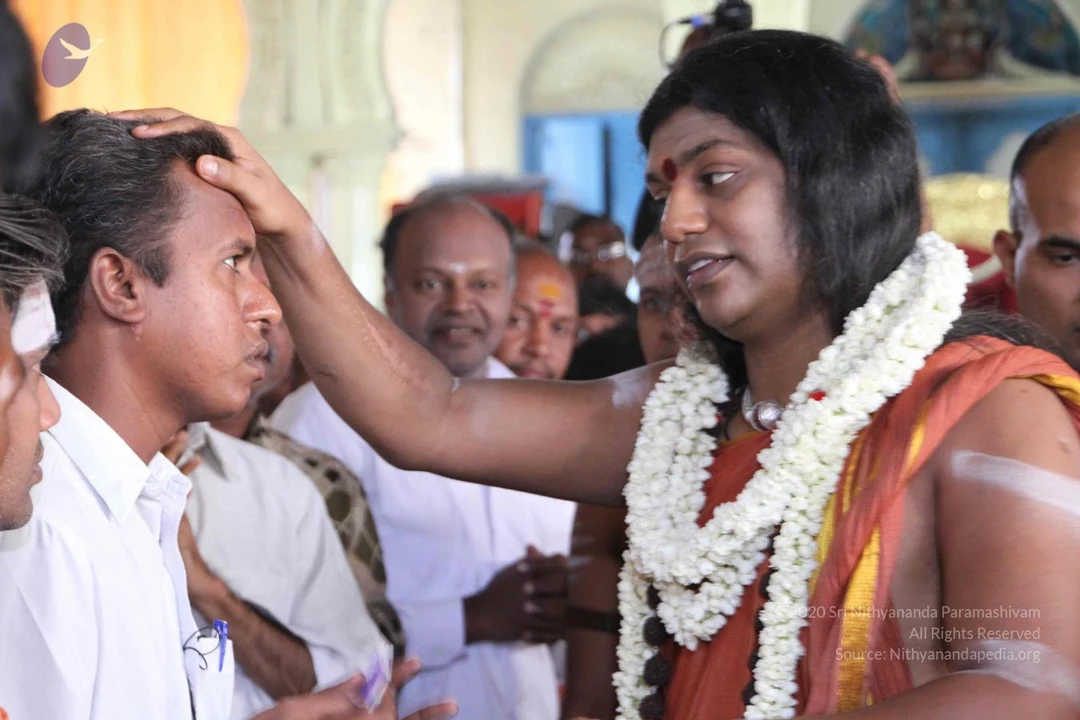
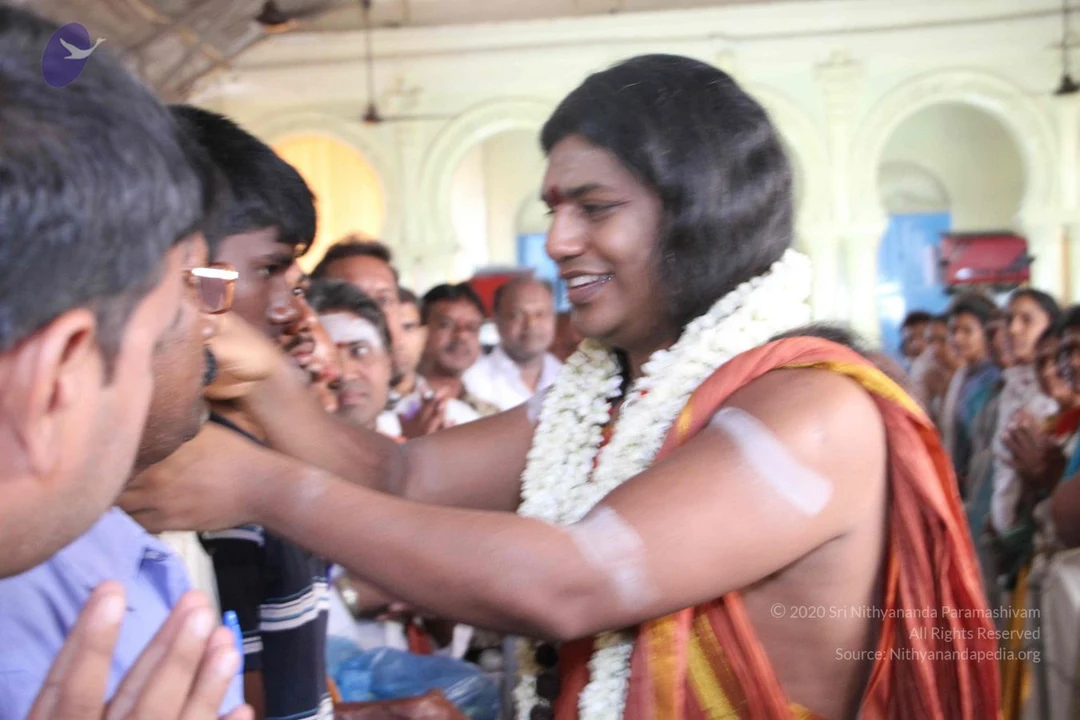
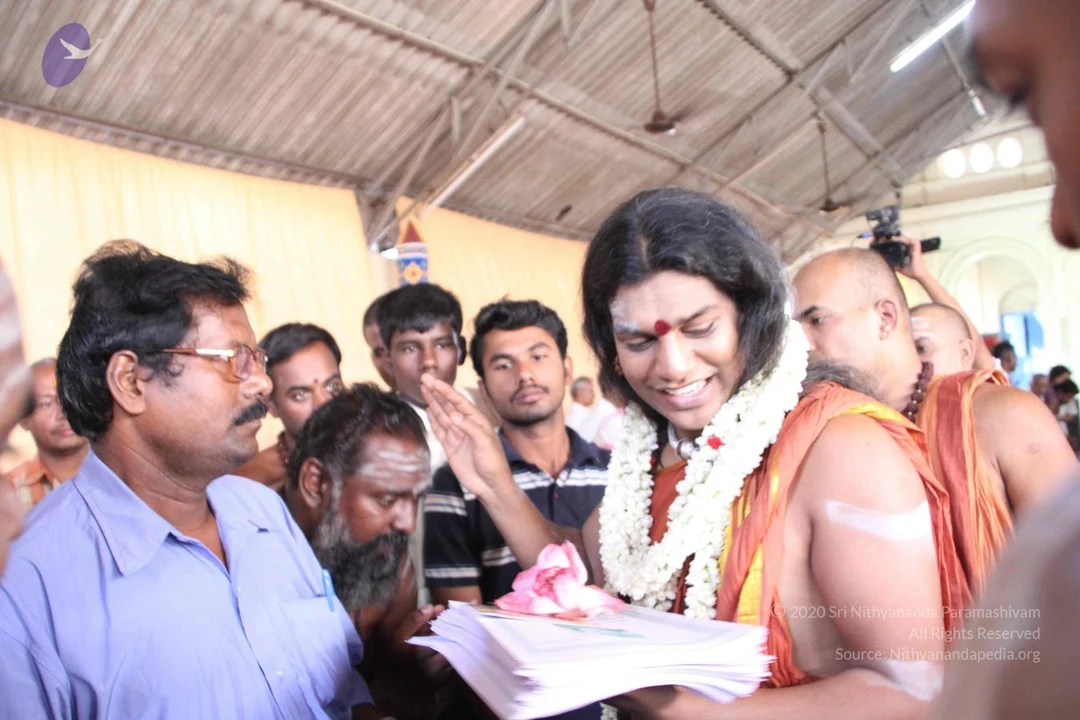
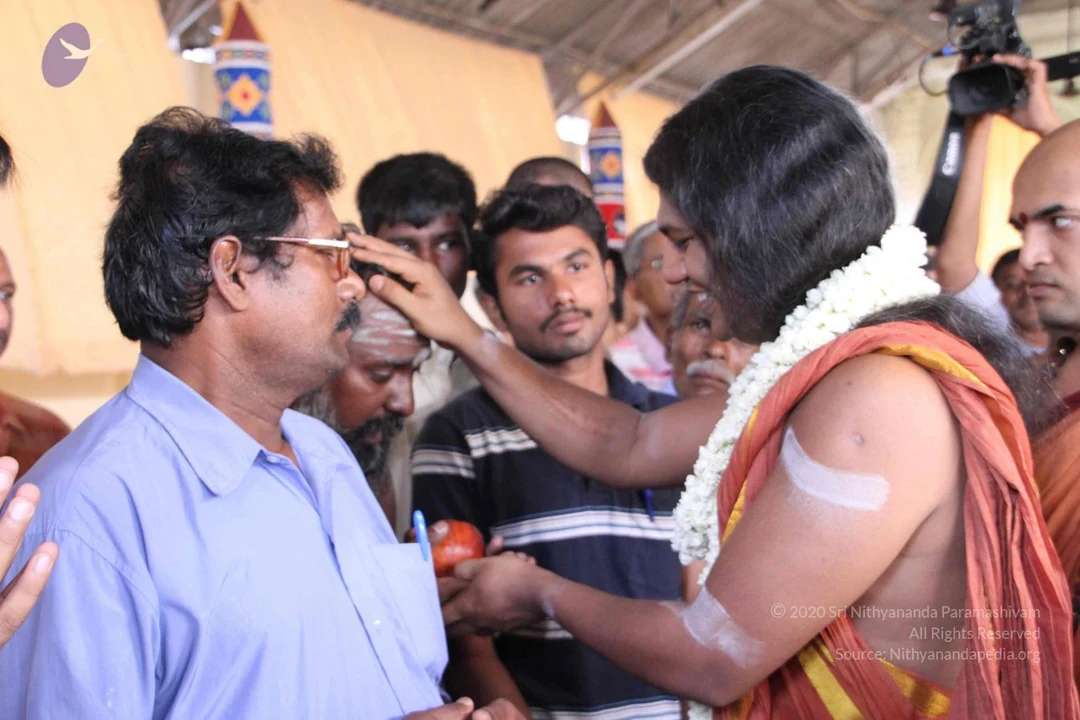
SarvaDarshan
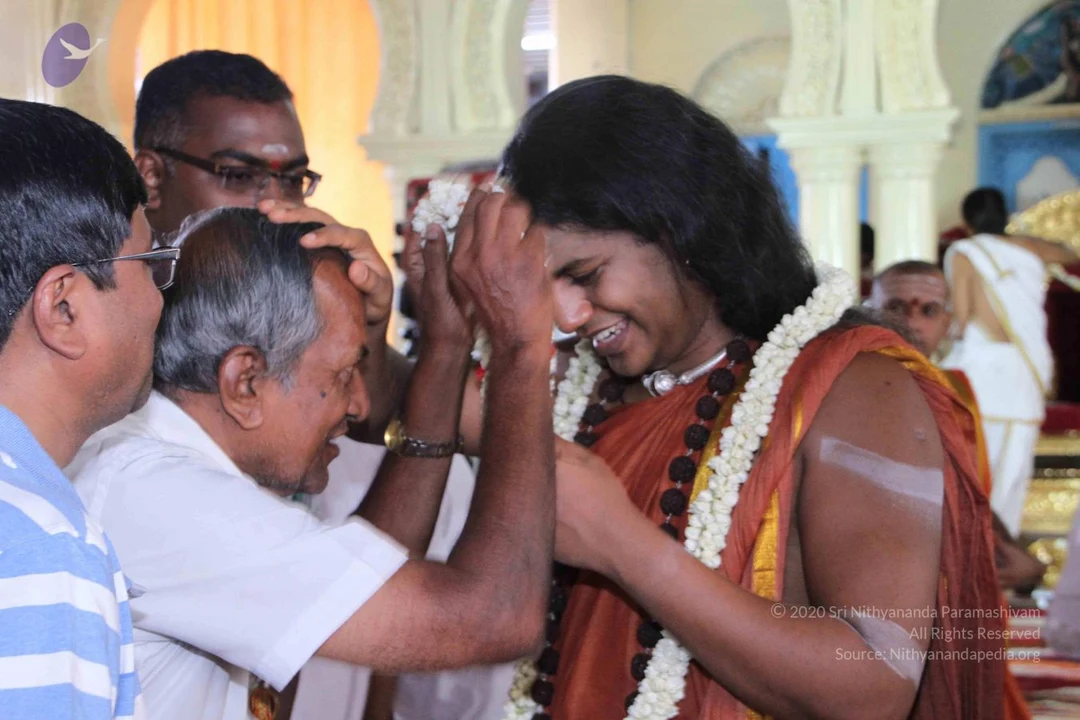
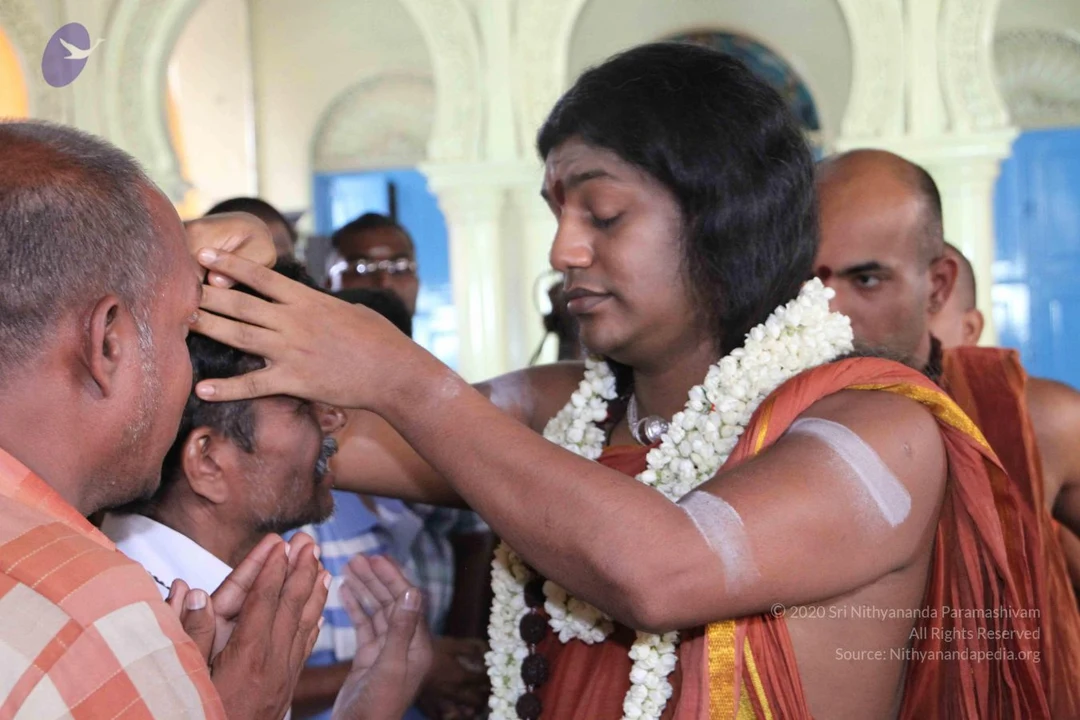
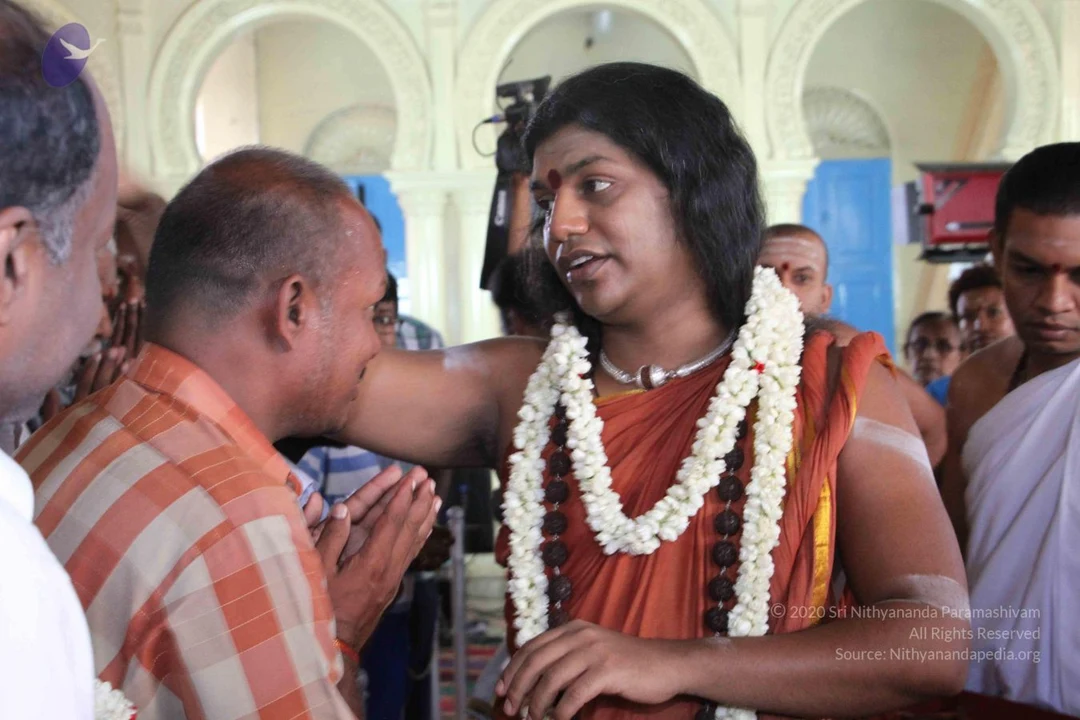
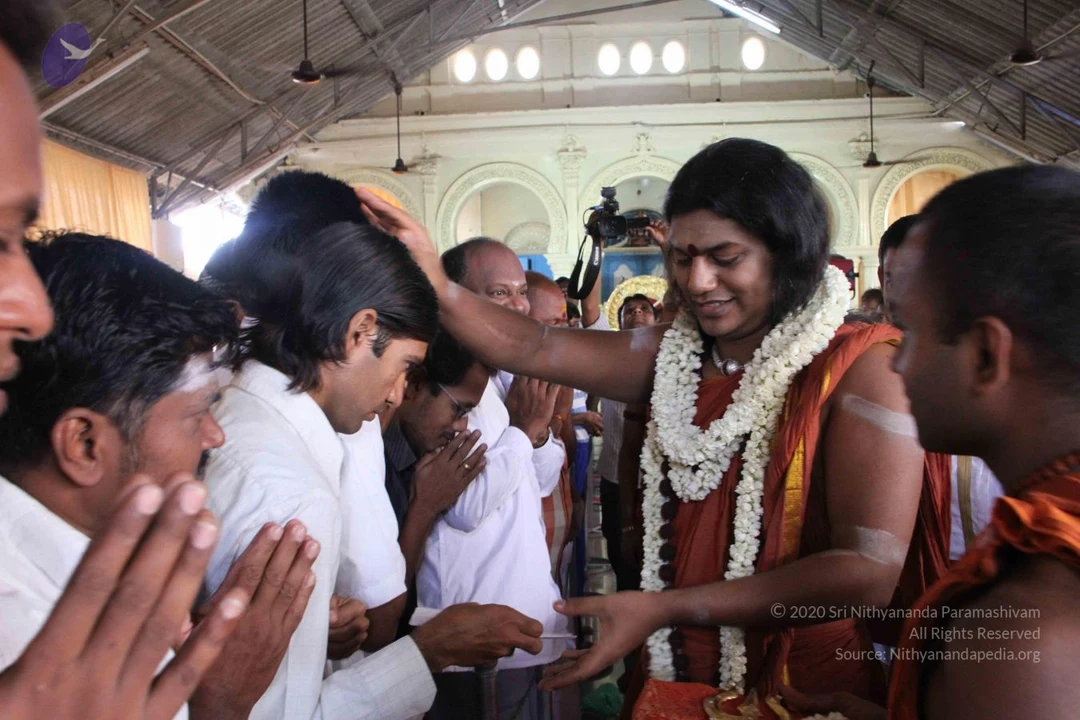
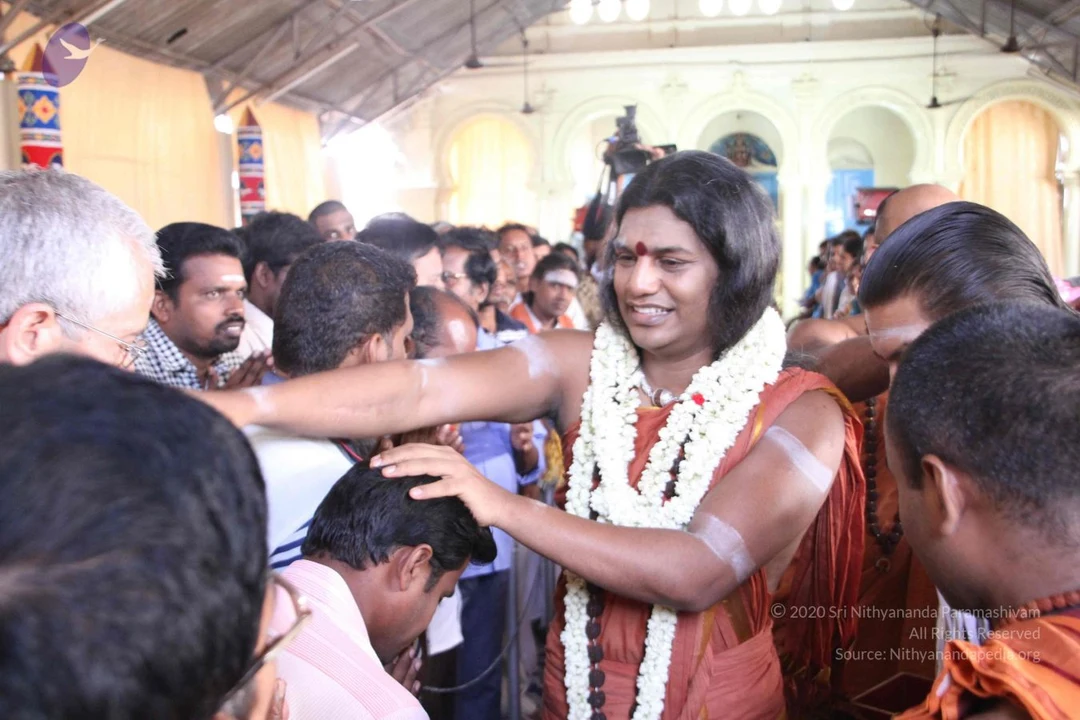
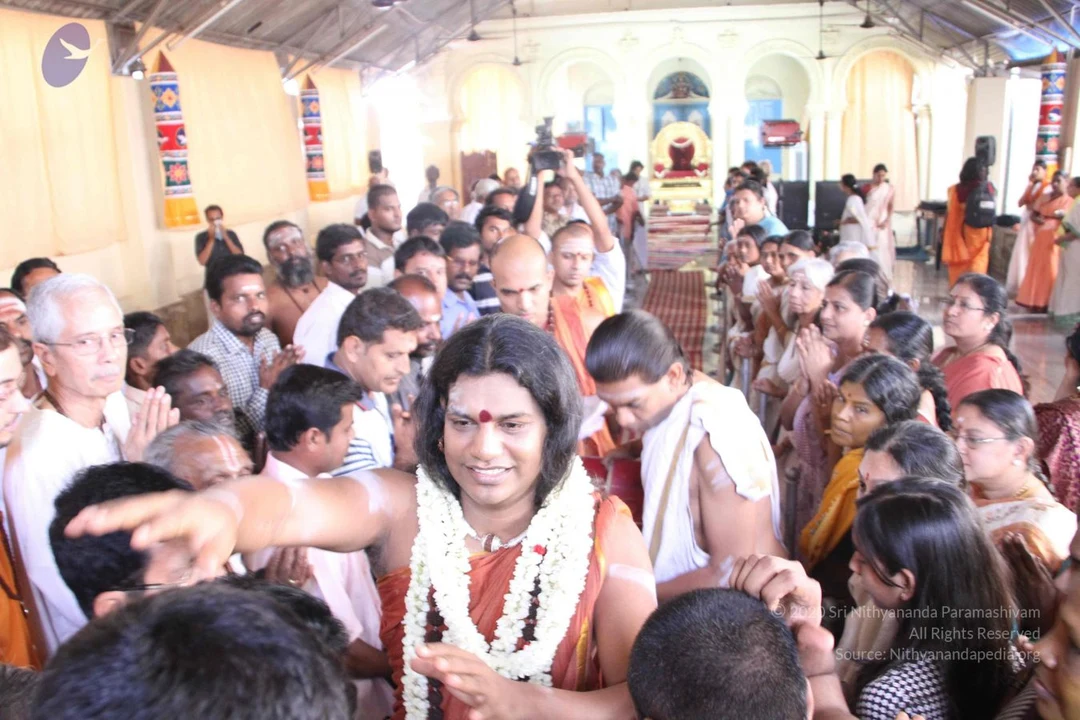
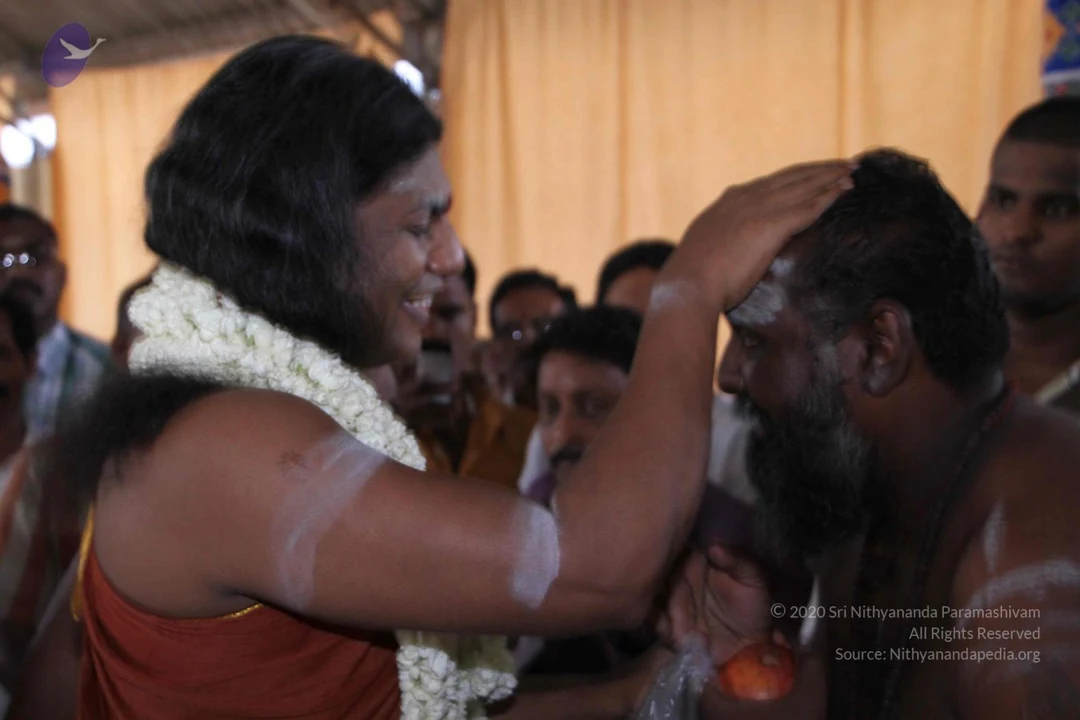
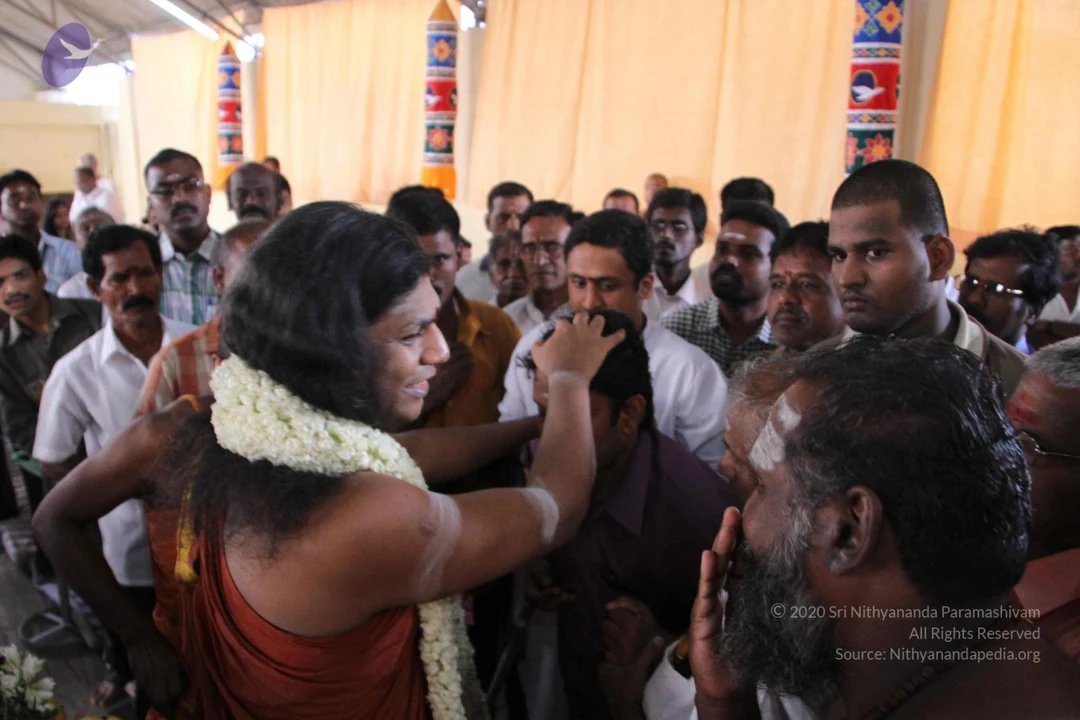
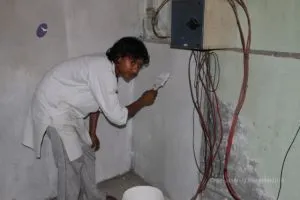
Volunteers-doing-work
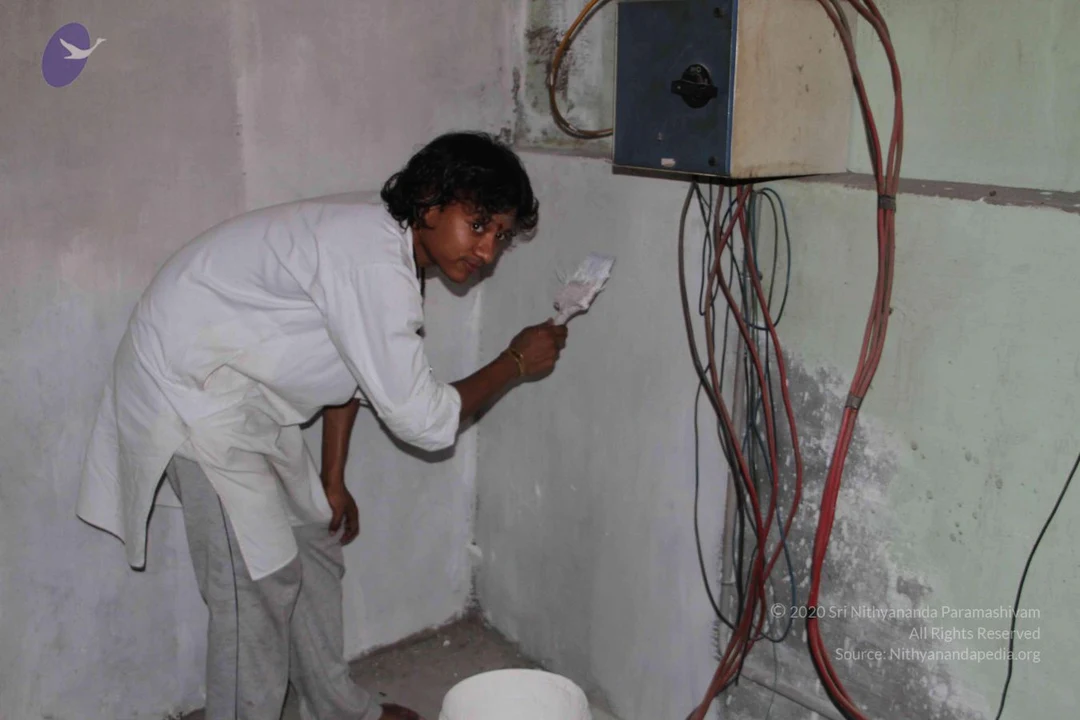
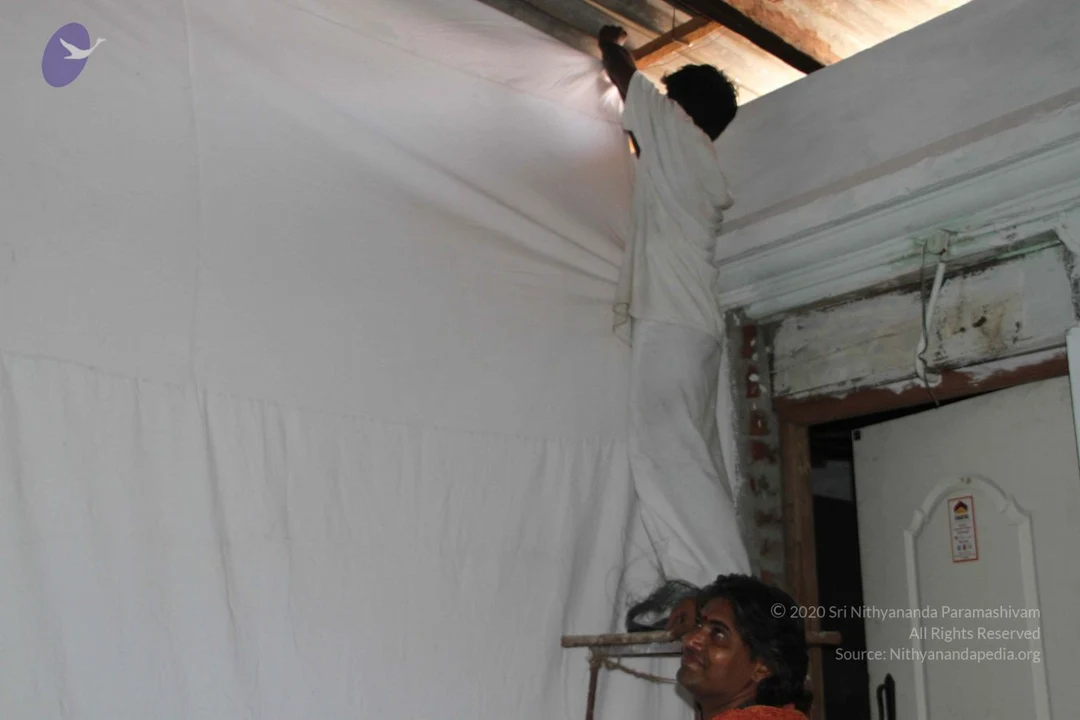
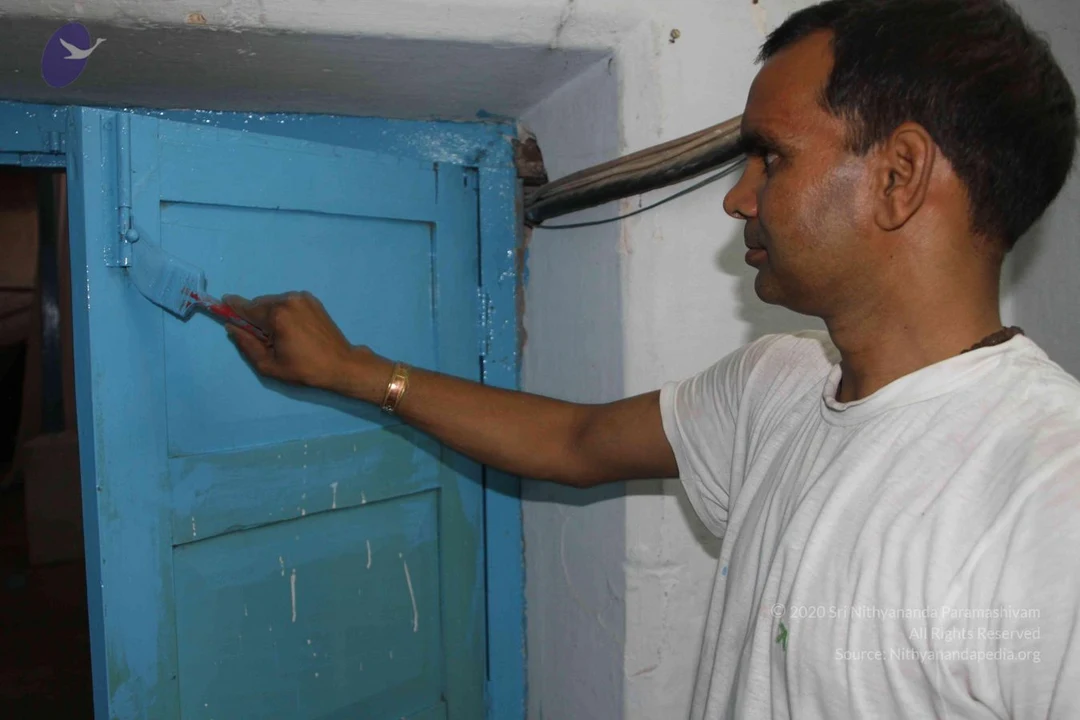
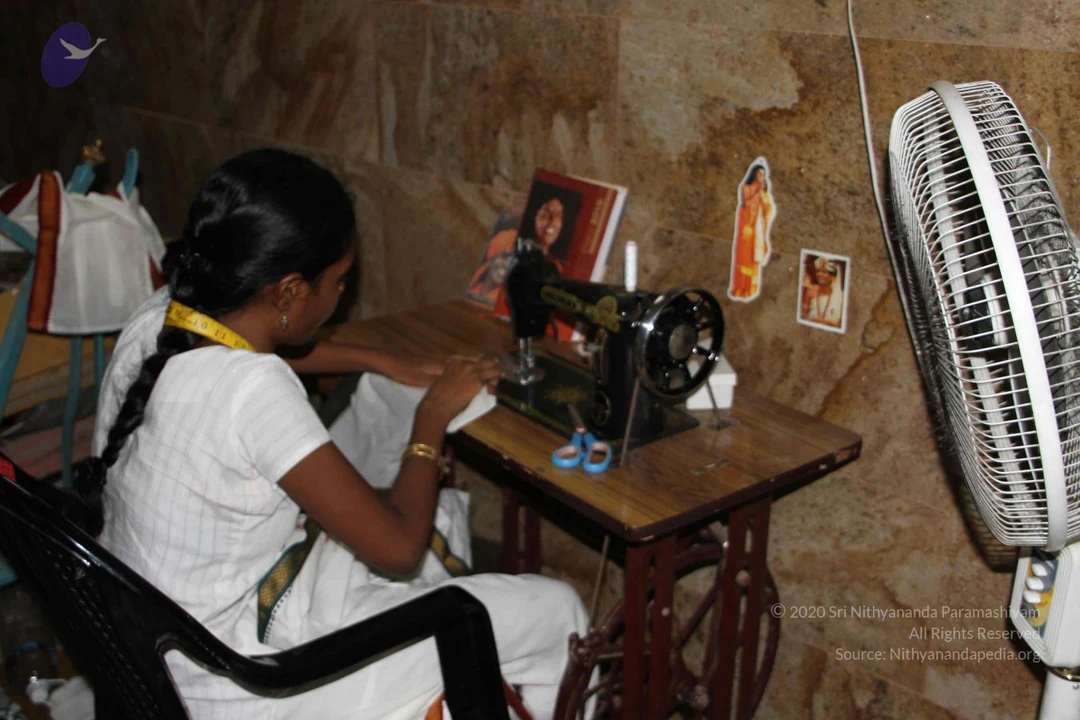
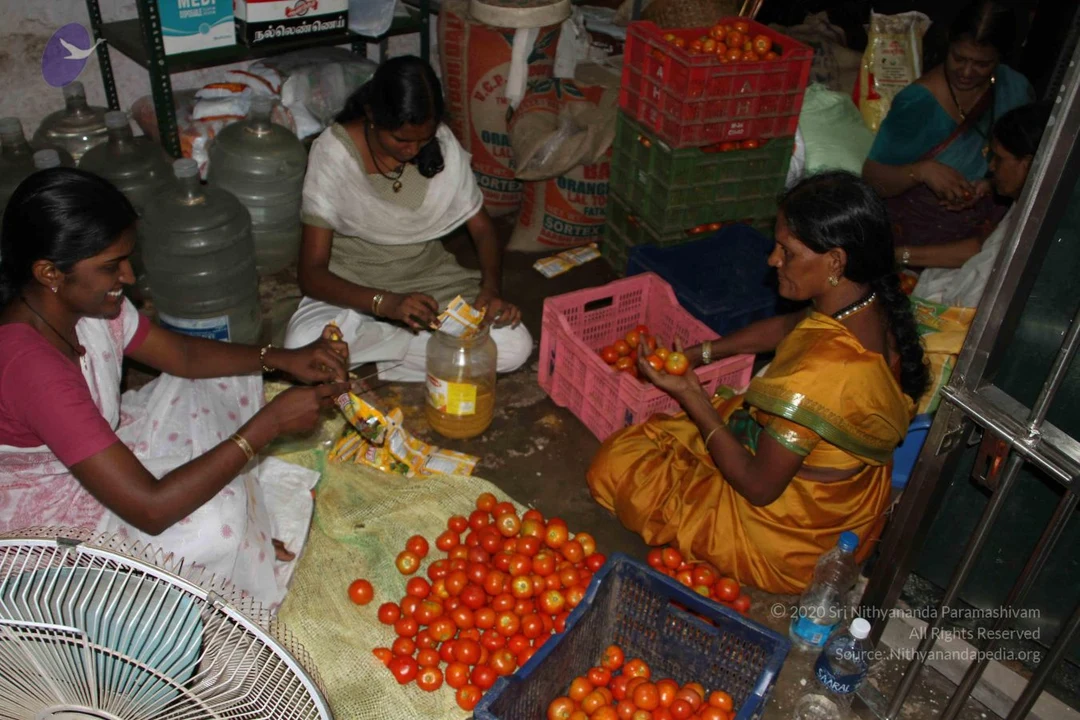
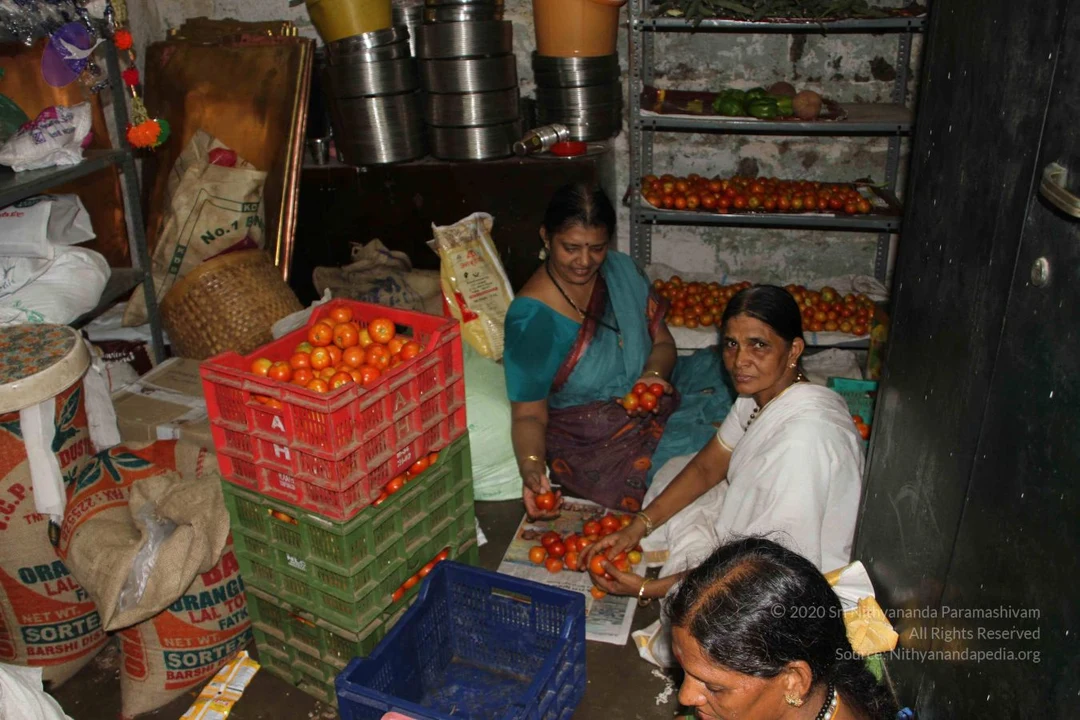
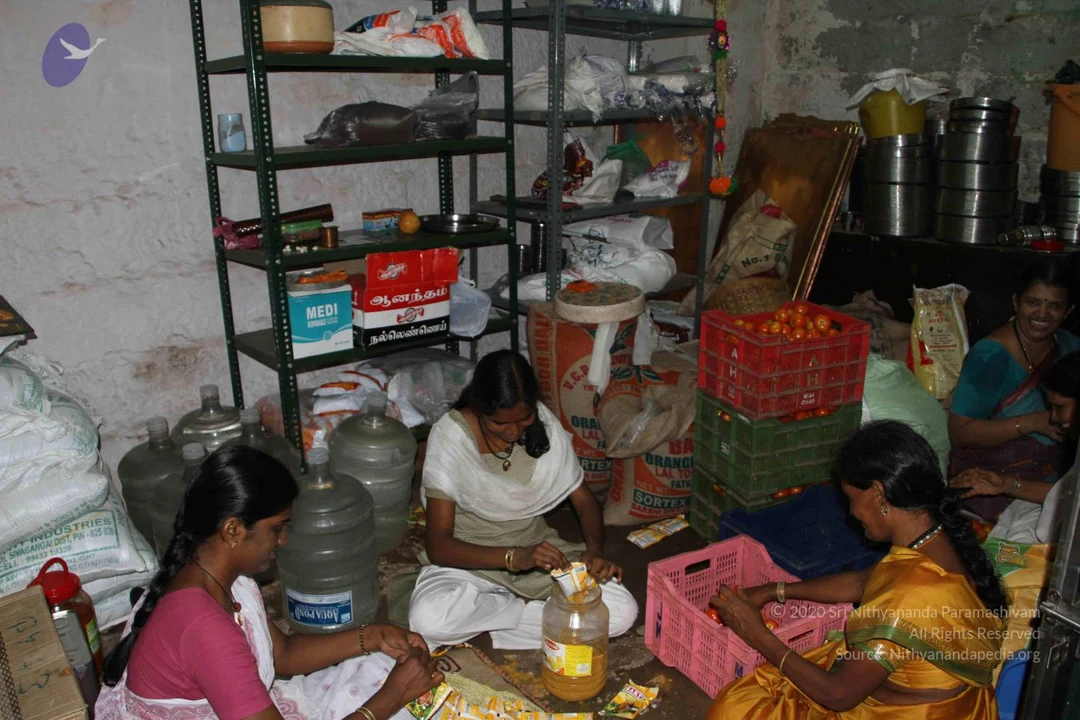
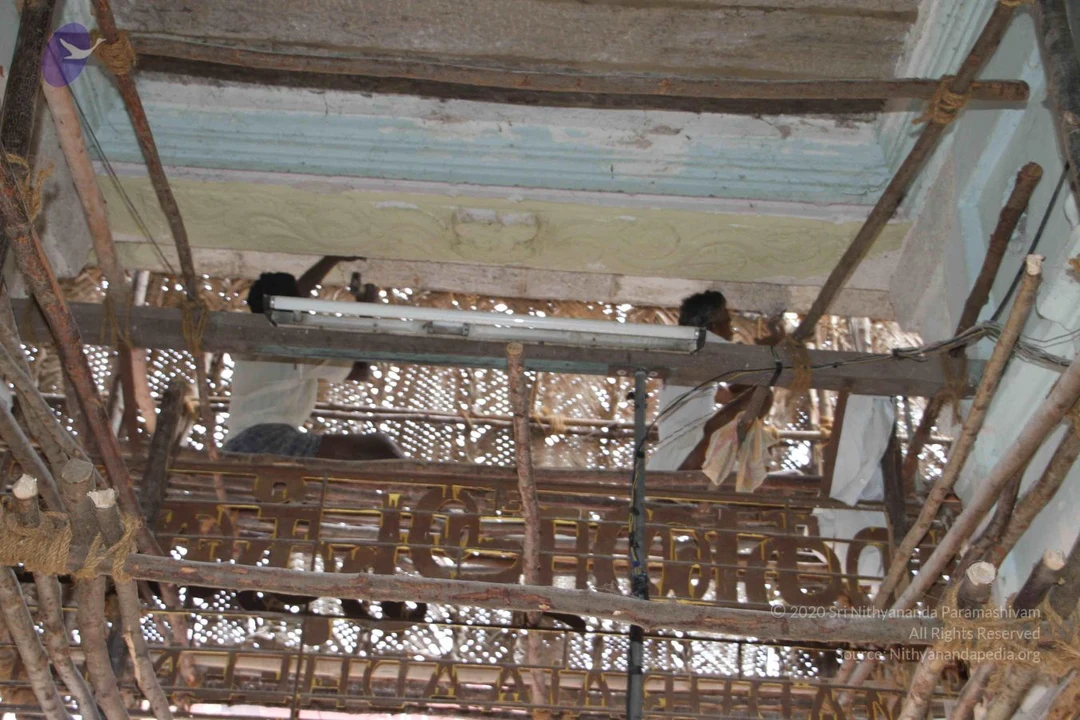
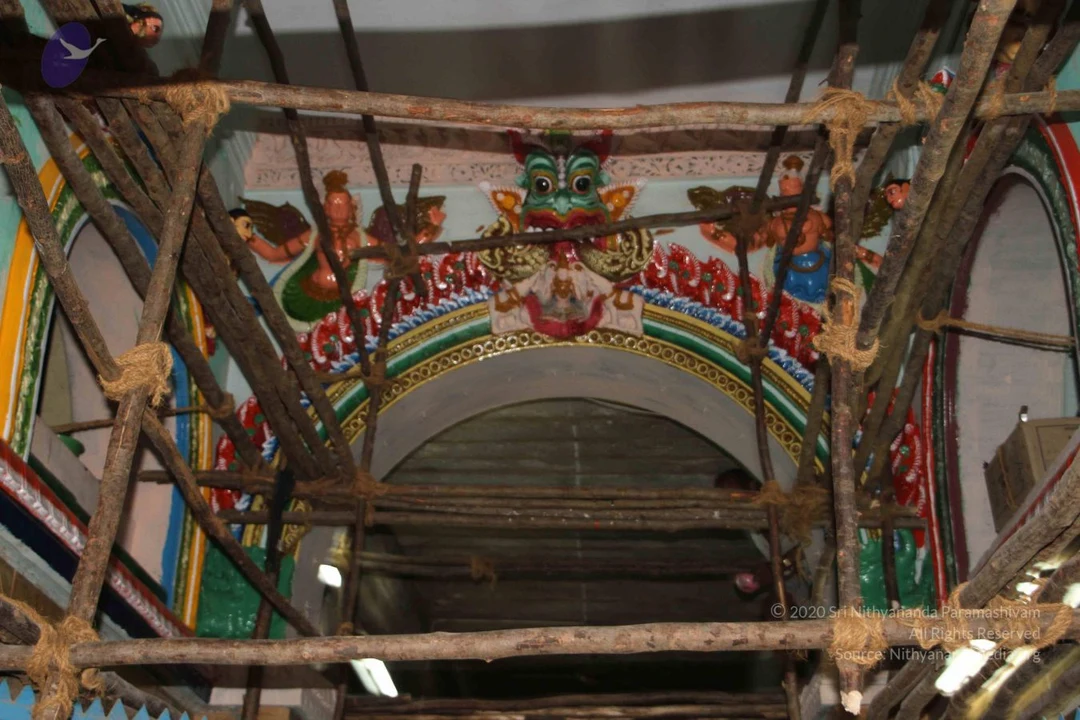
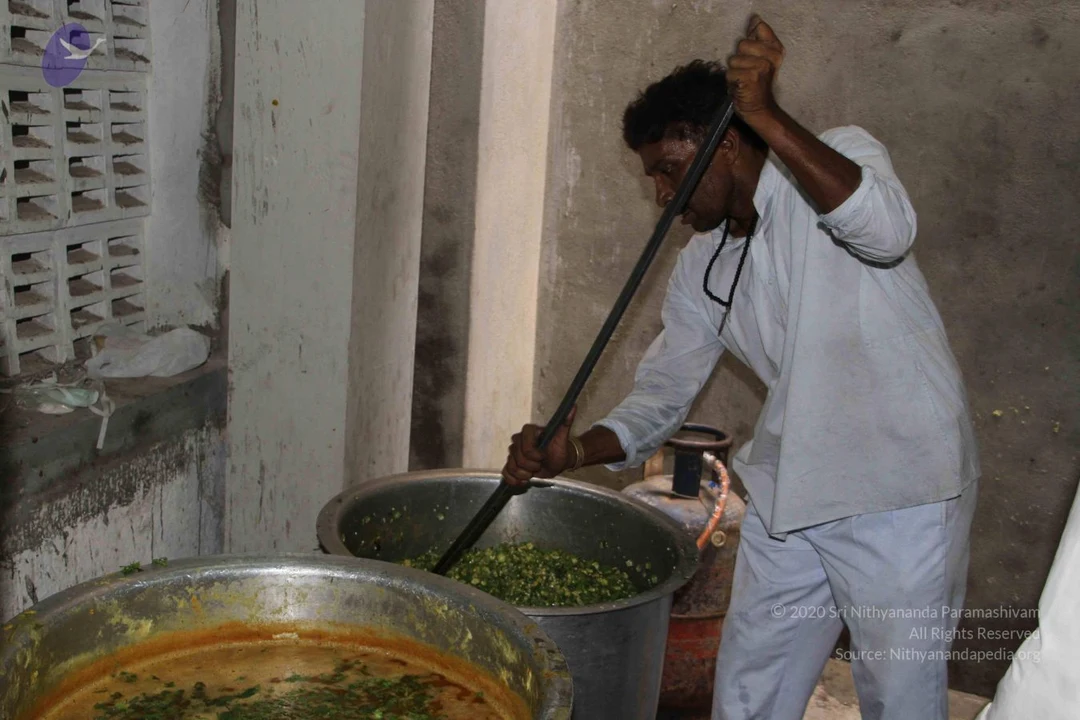
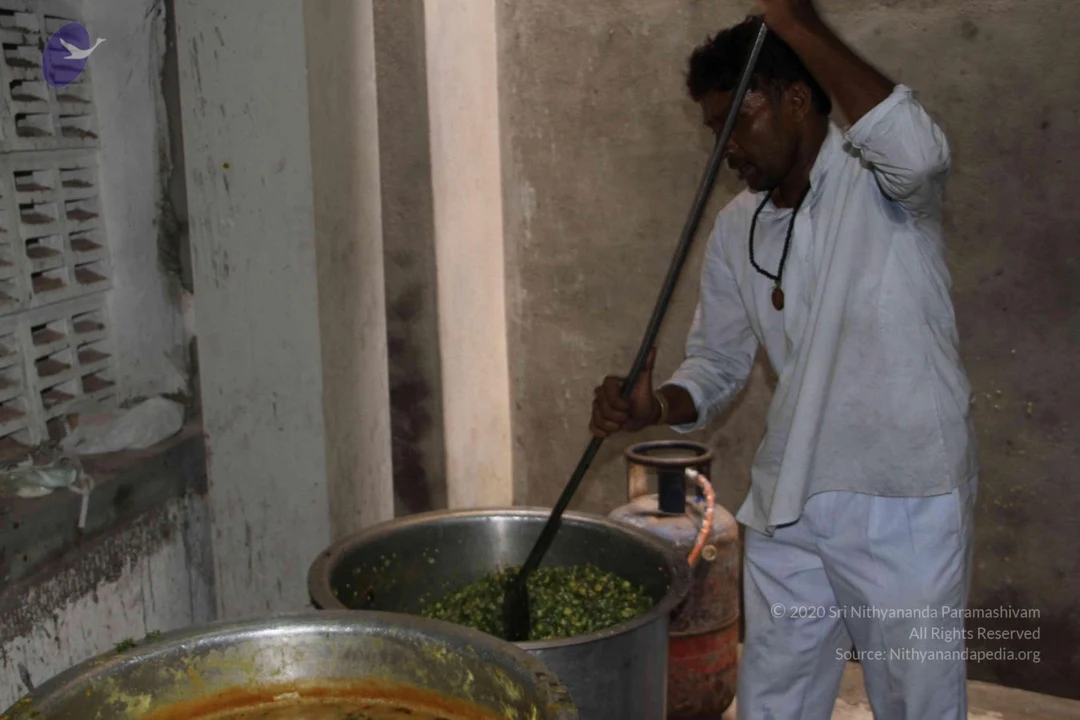
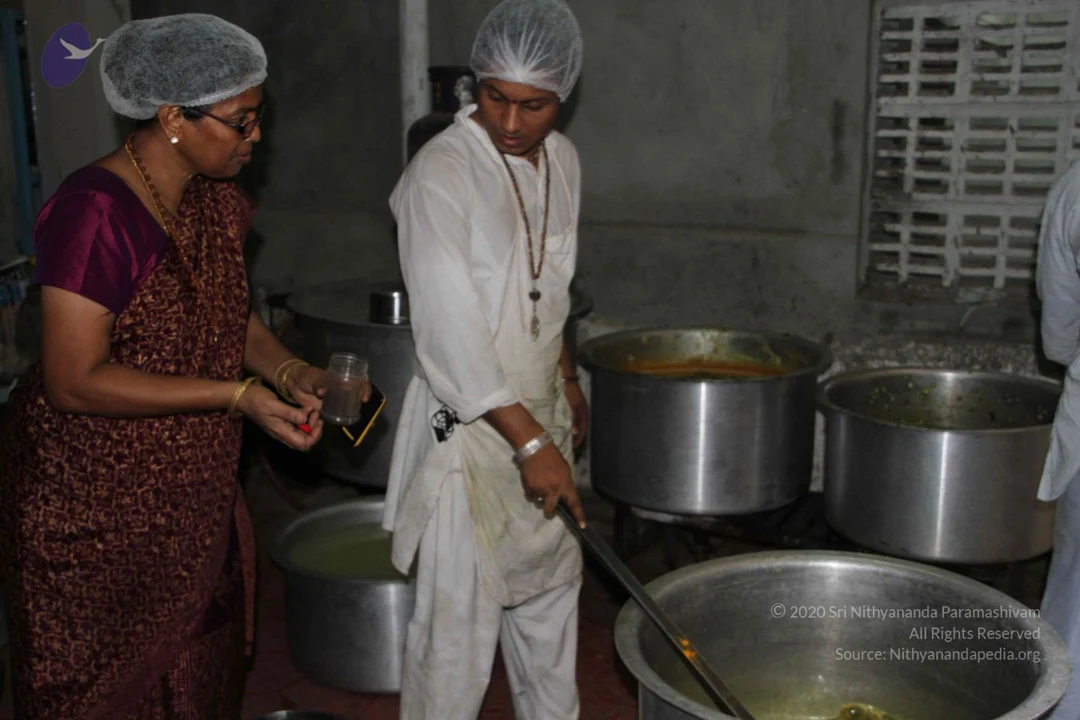
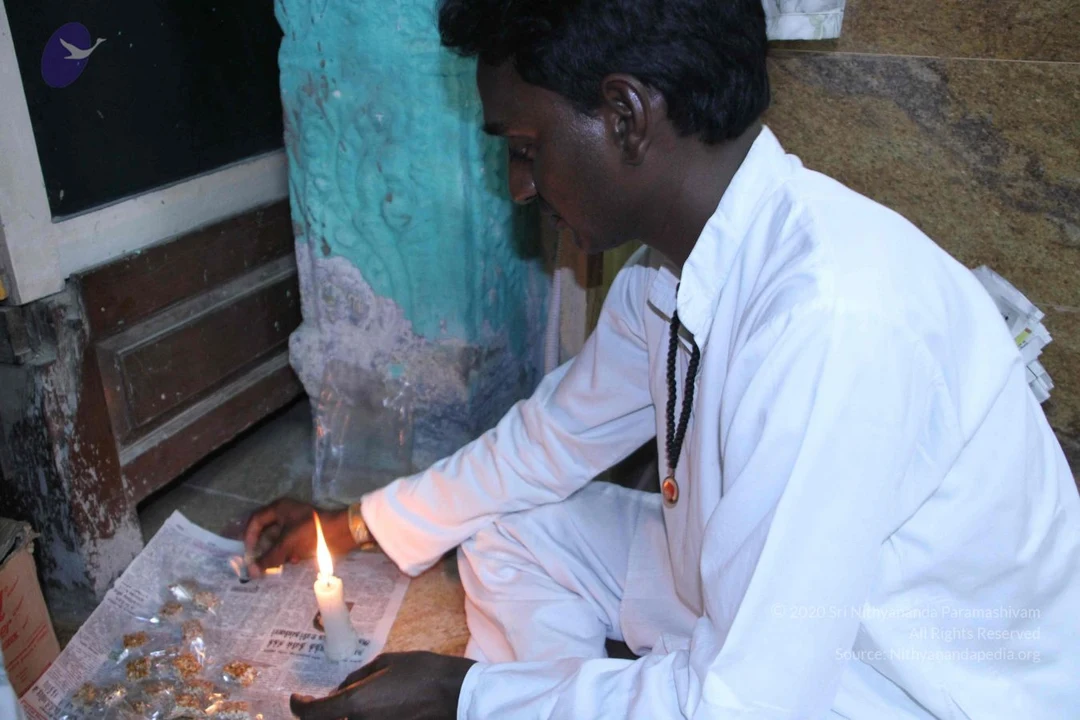
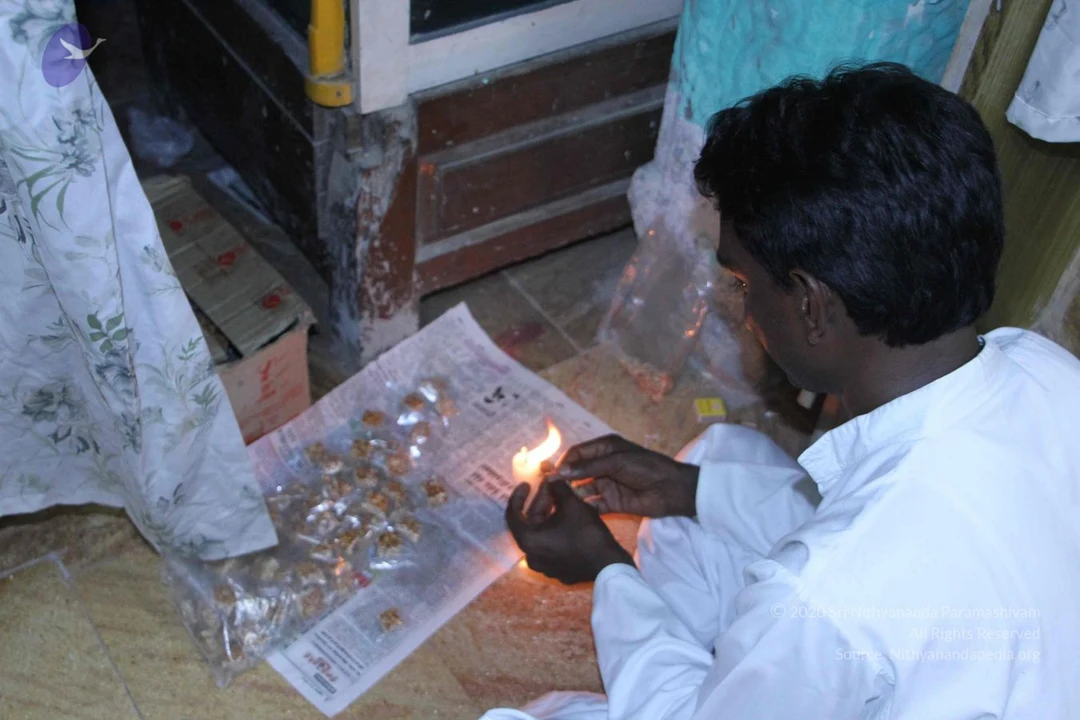
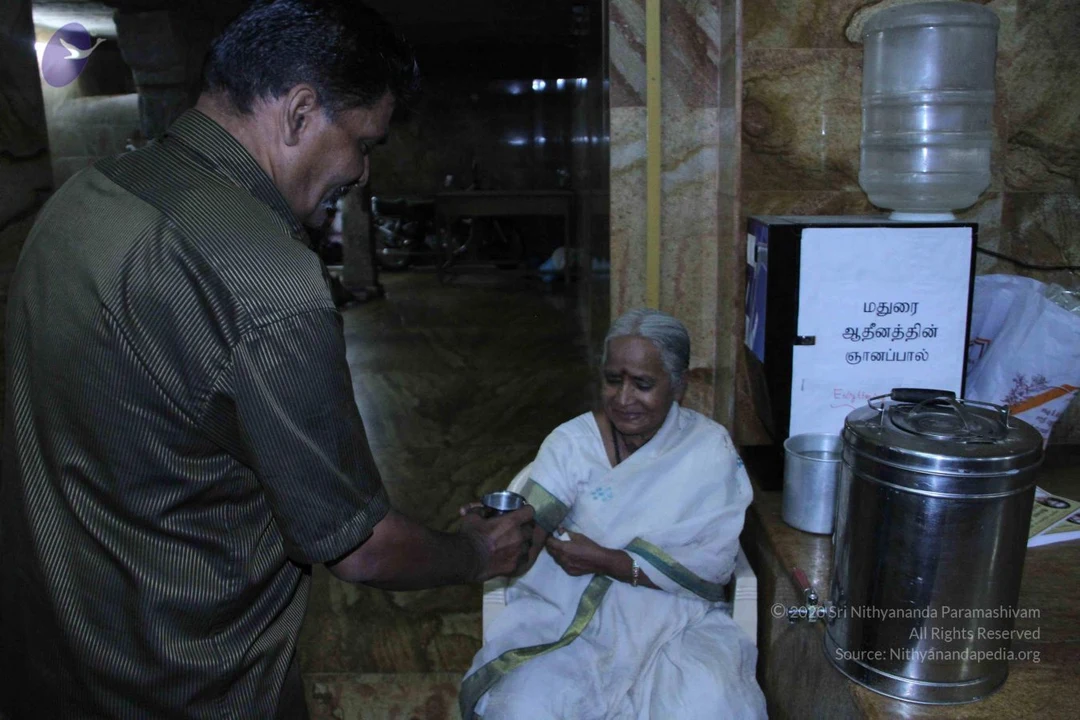
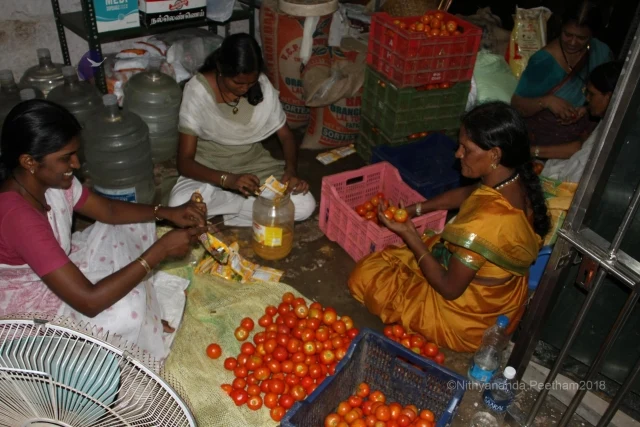
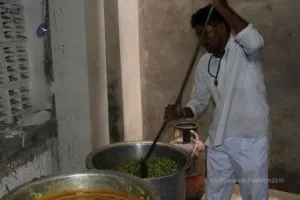
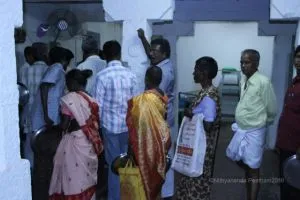
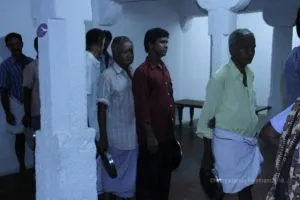
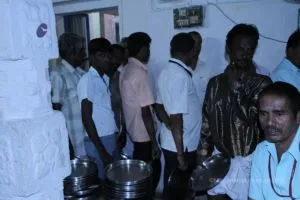
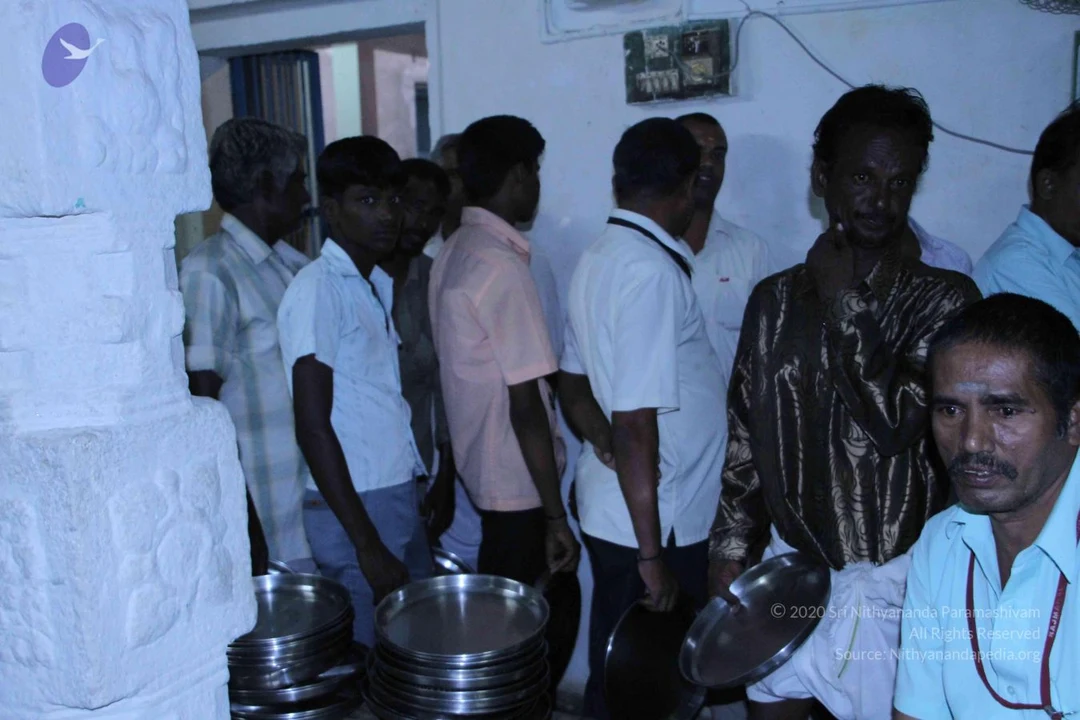
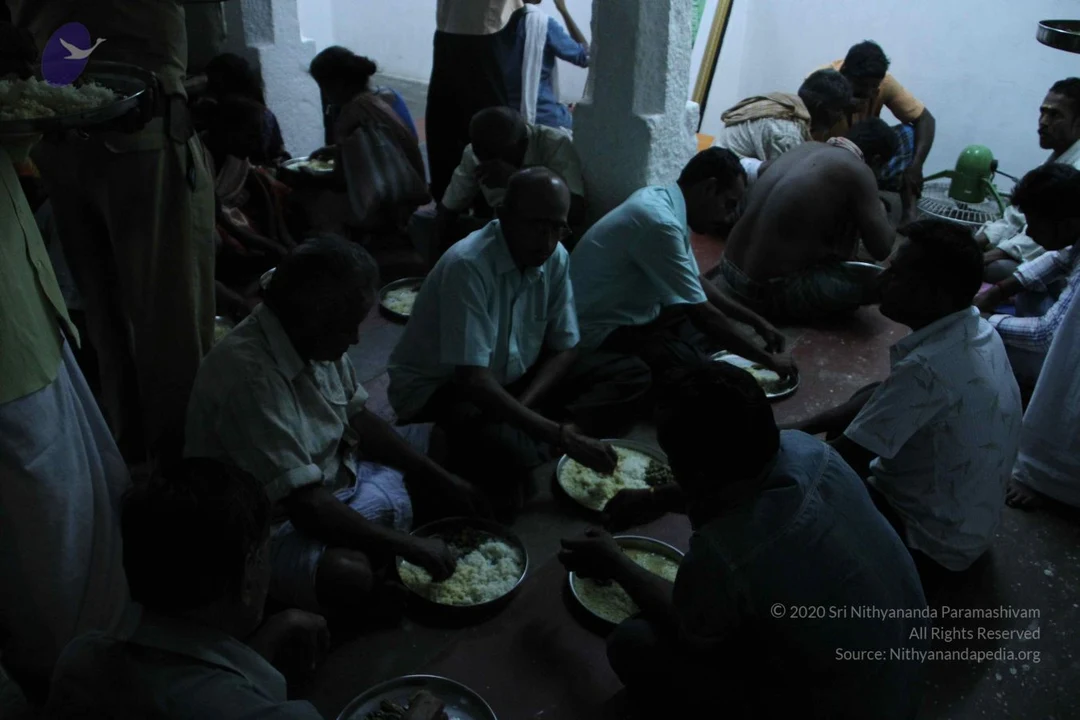
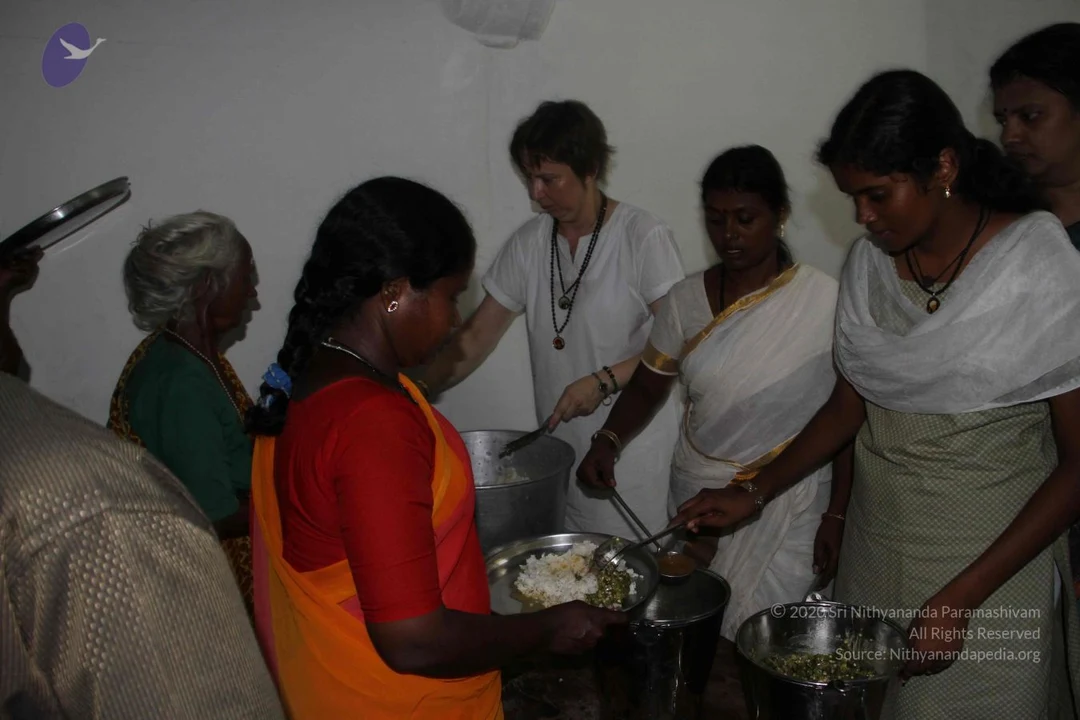
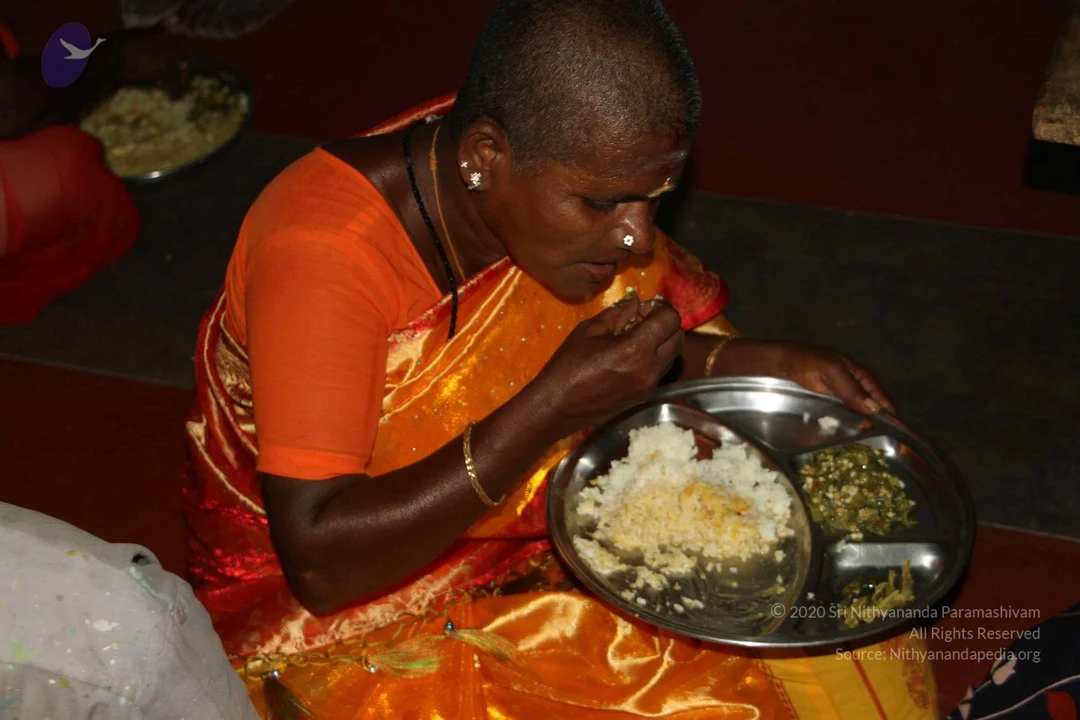
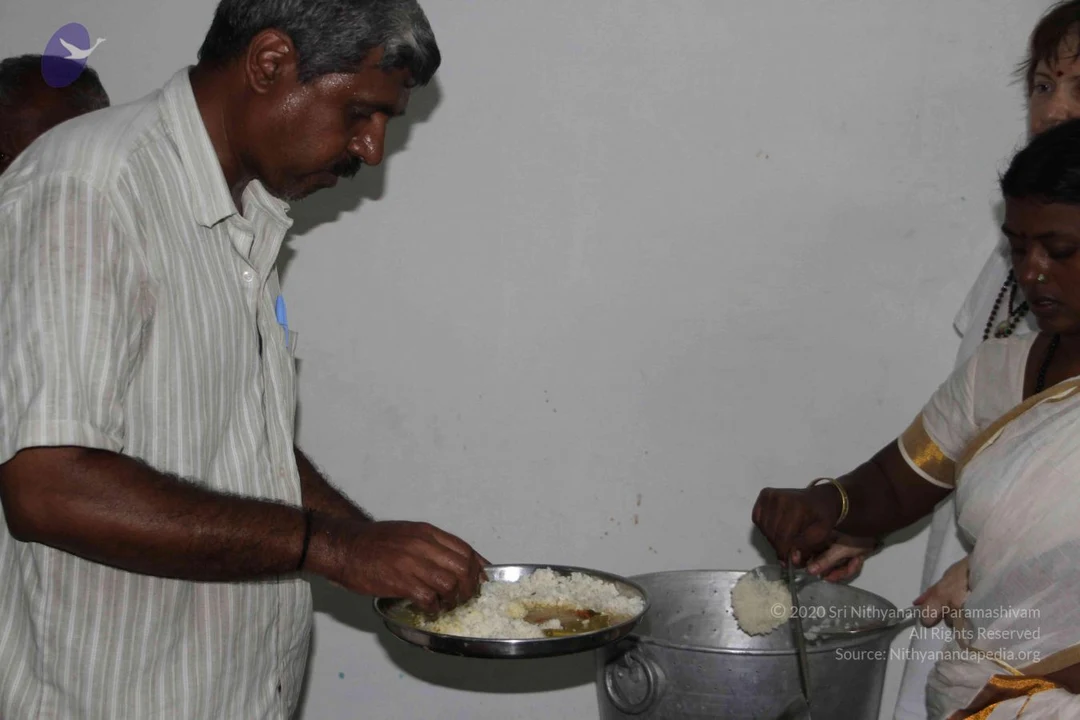
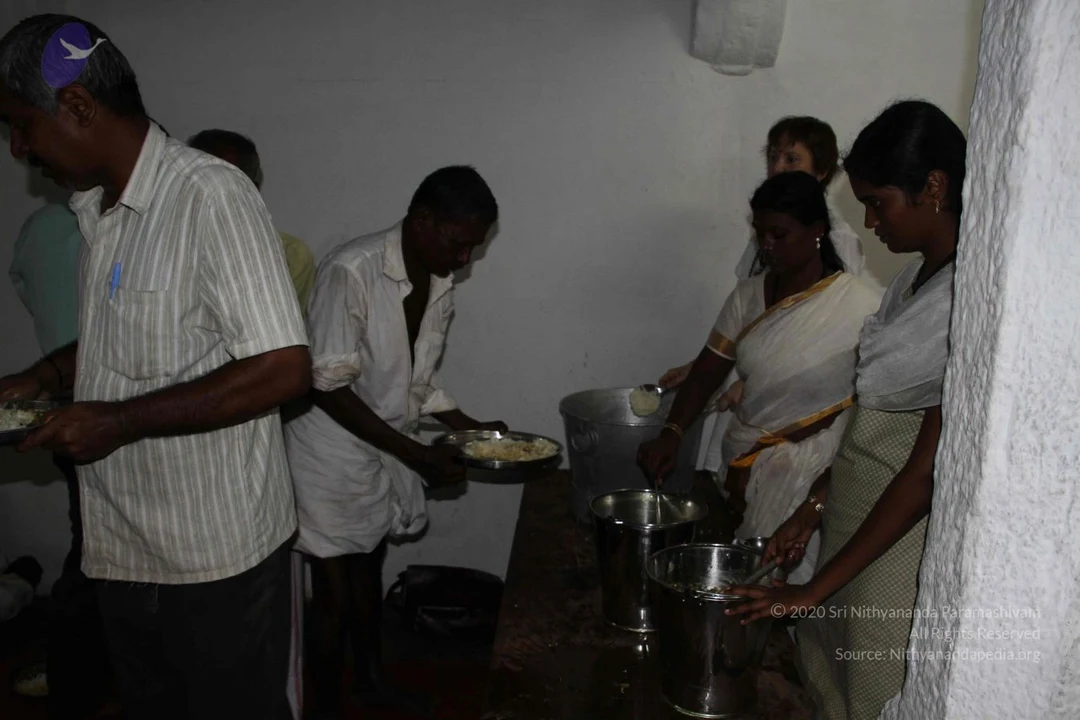
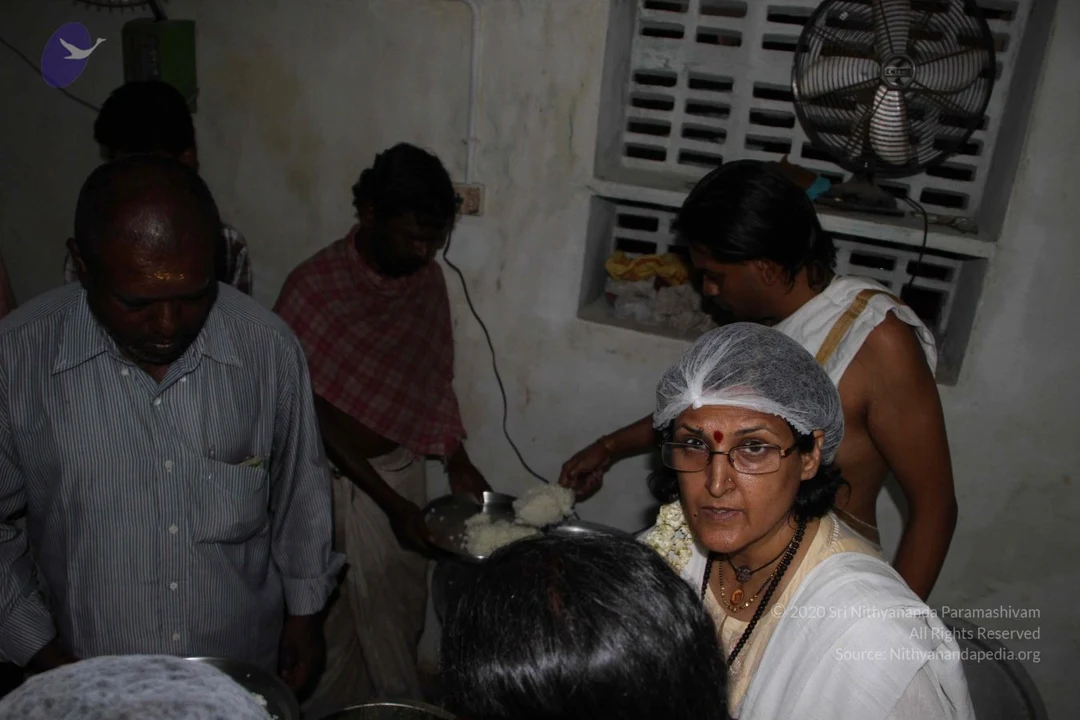
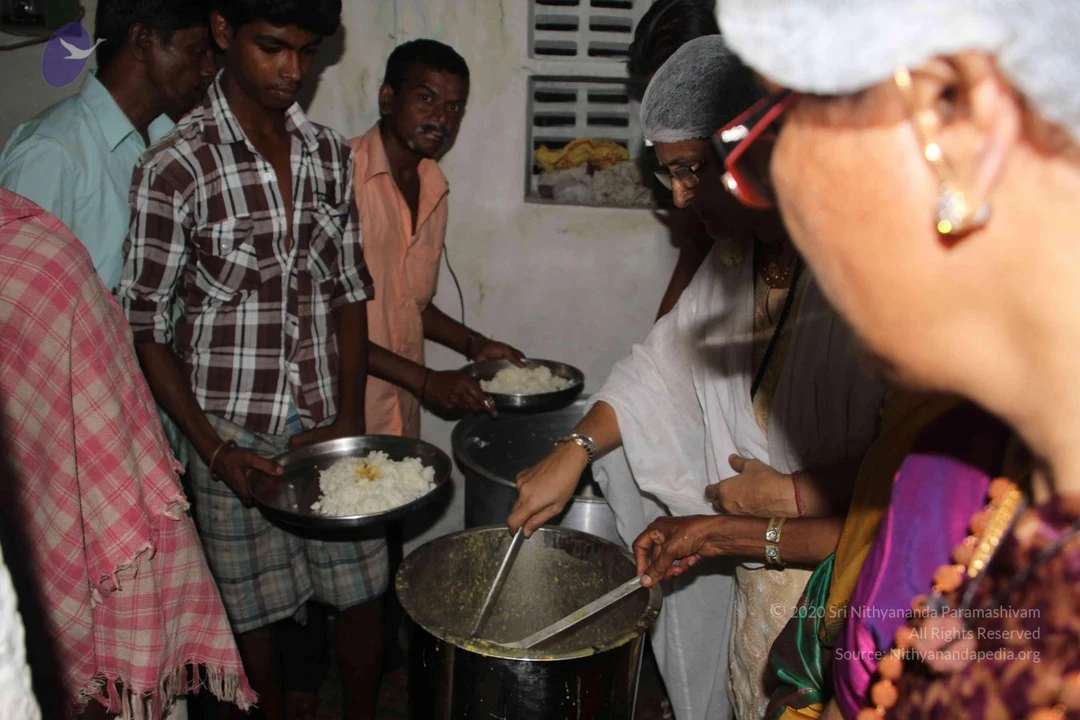
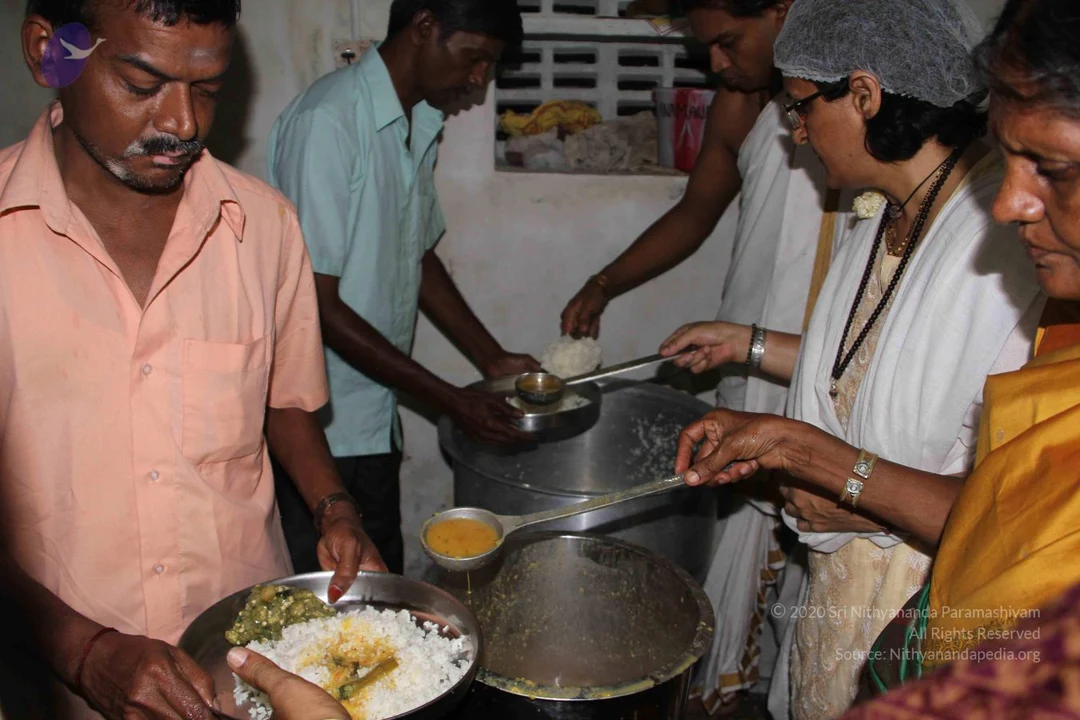
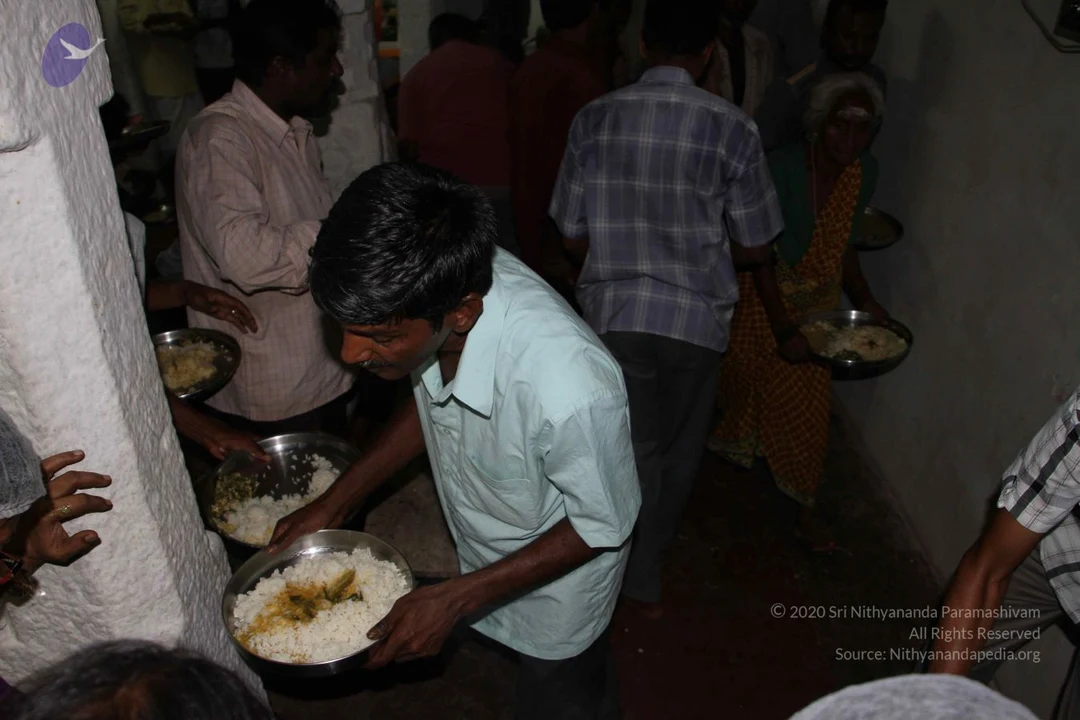
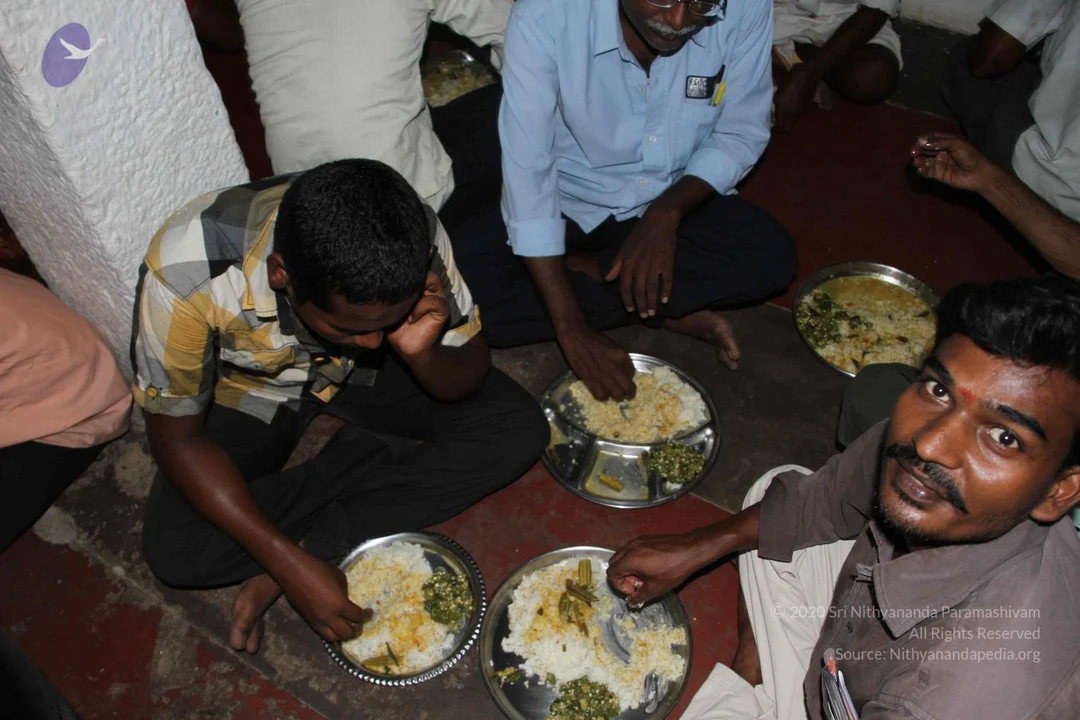
Annadhaan
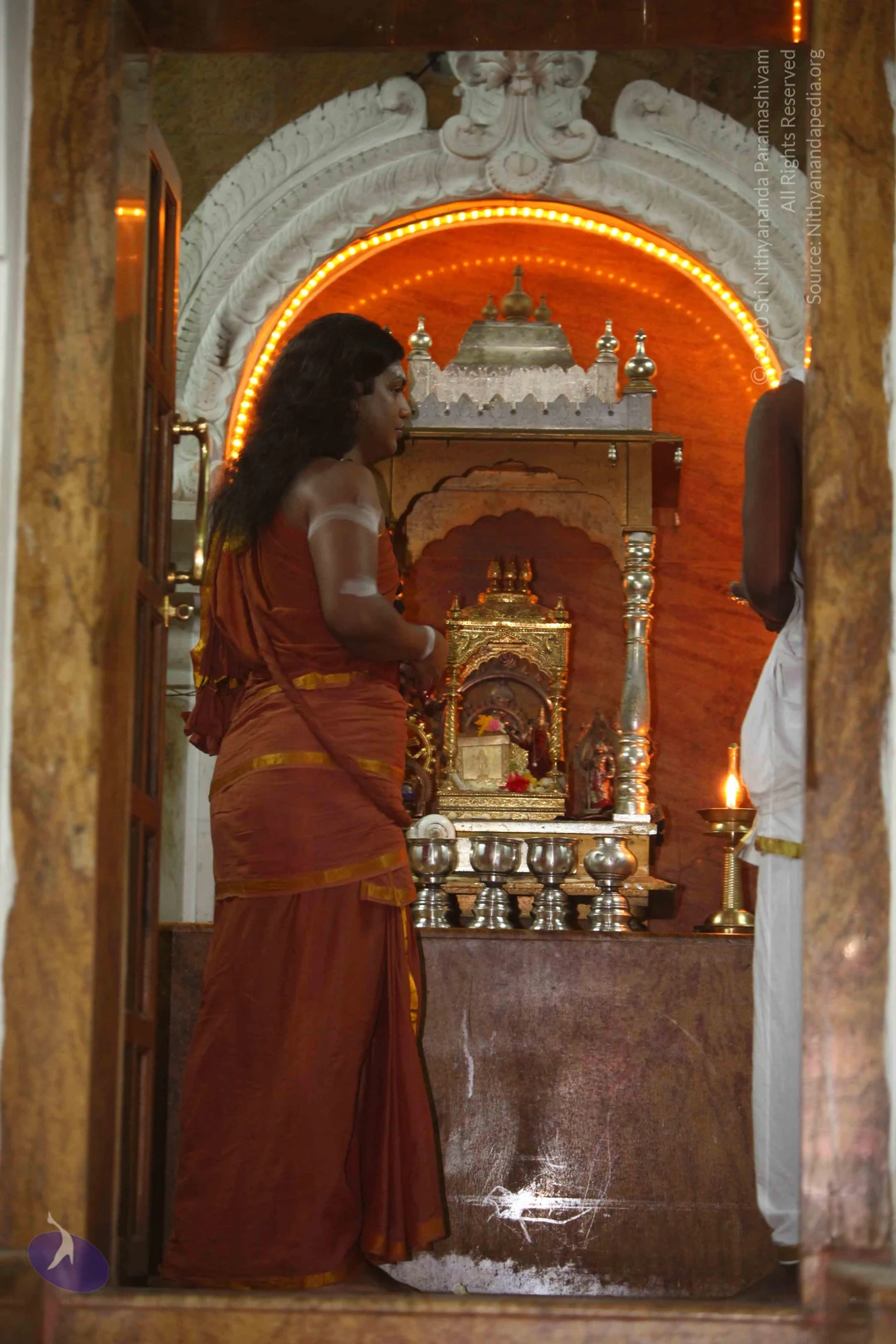
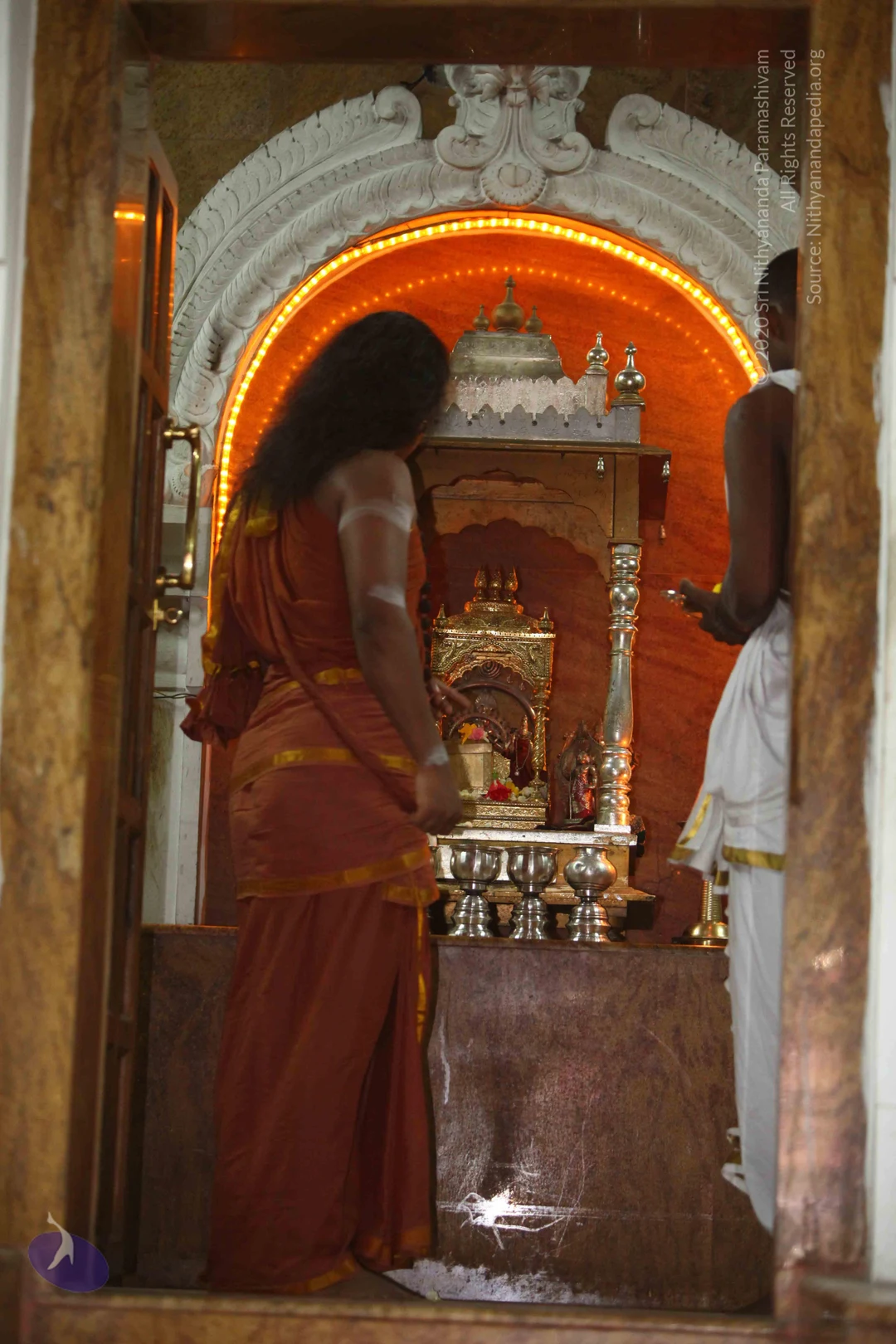
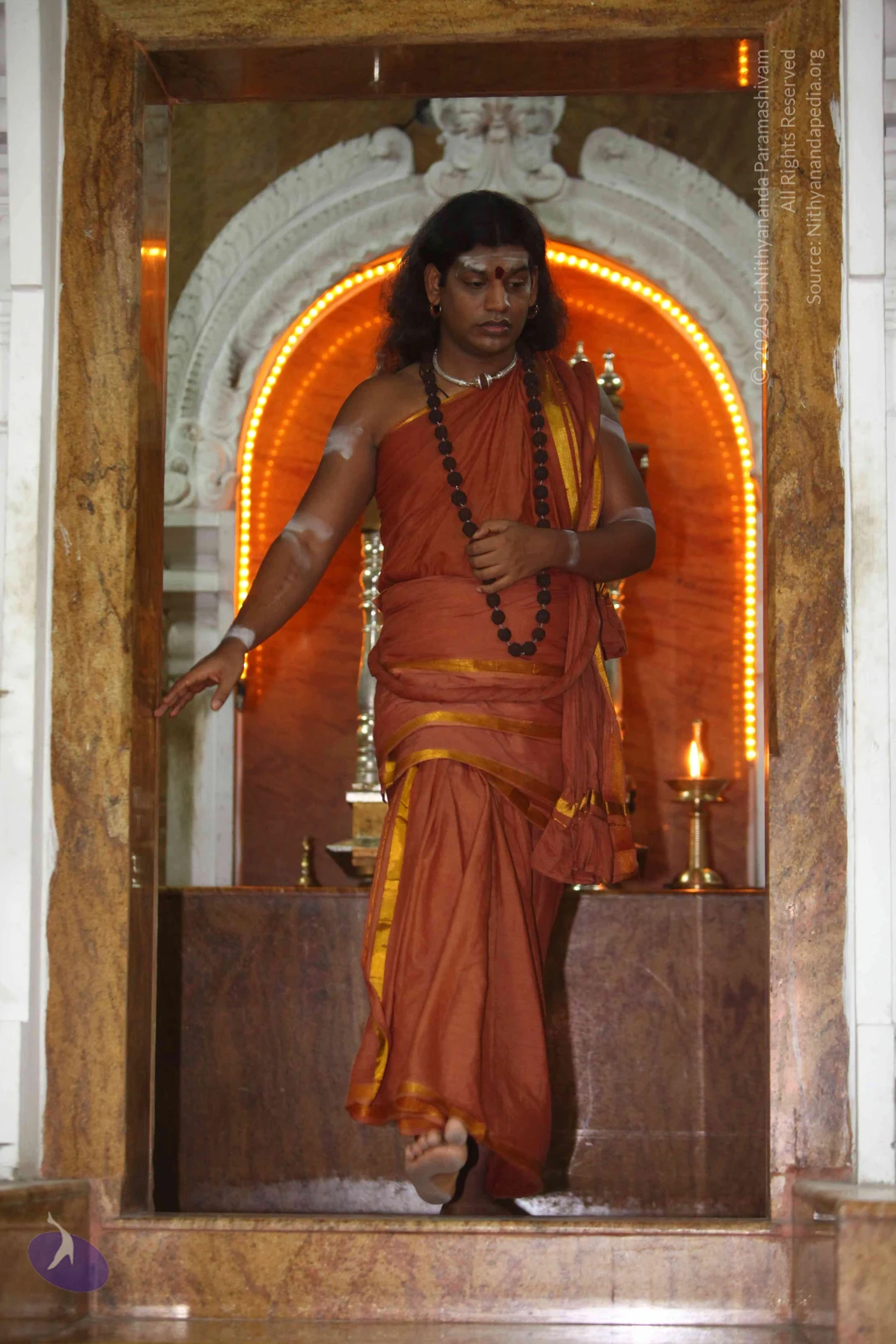
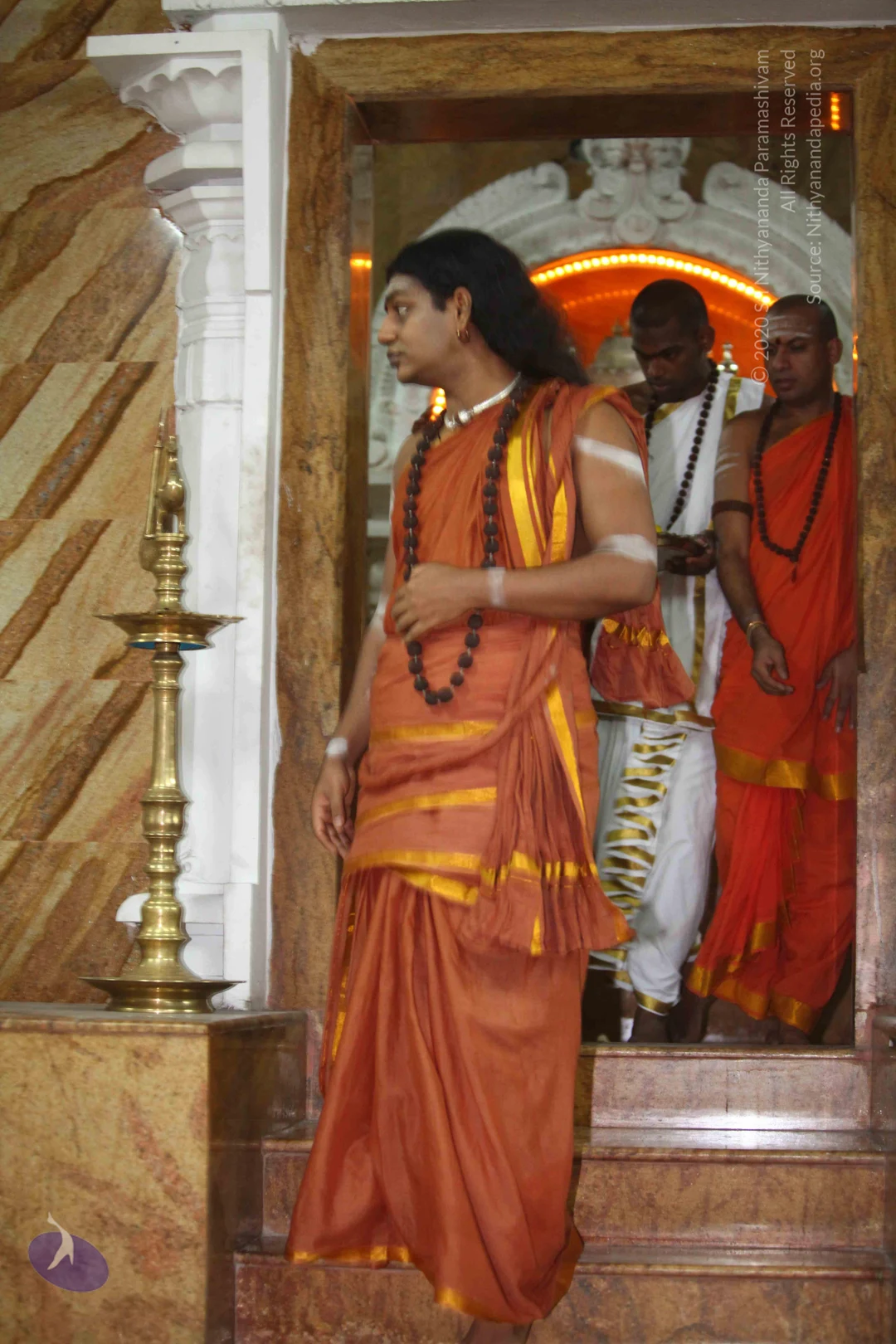
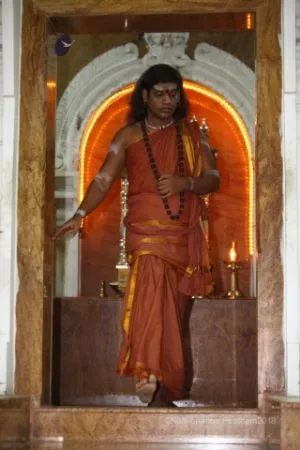
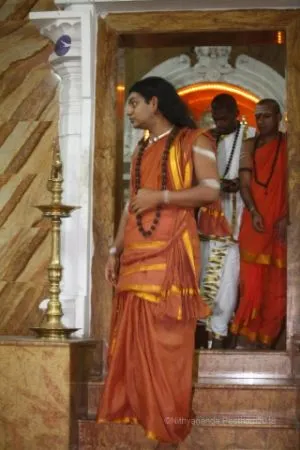
1-Temple-Visit
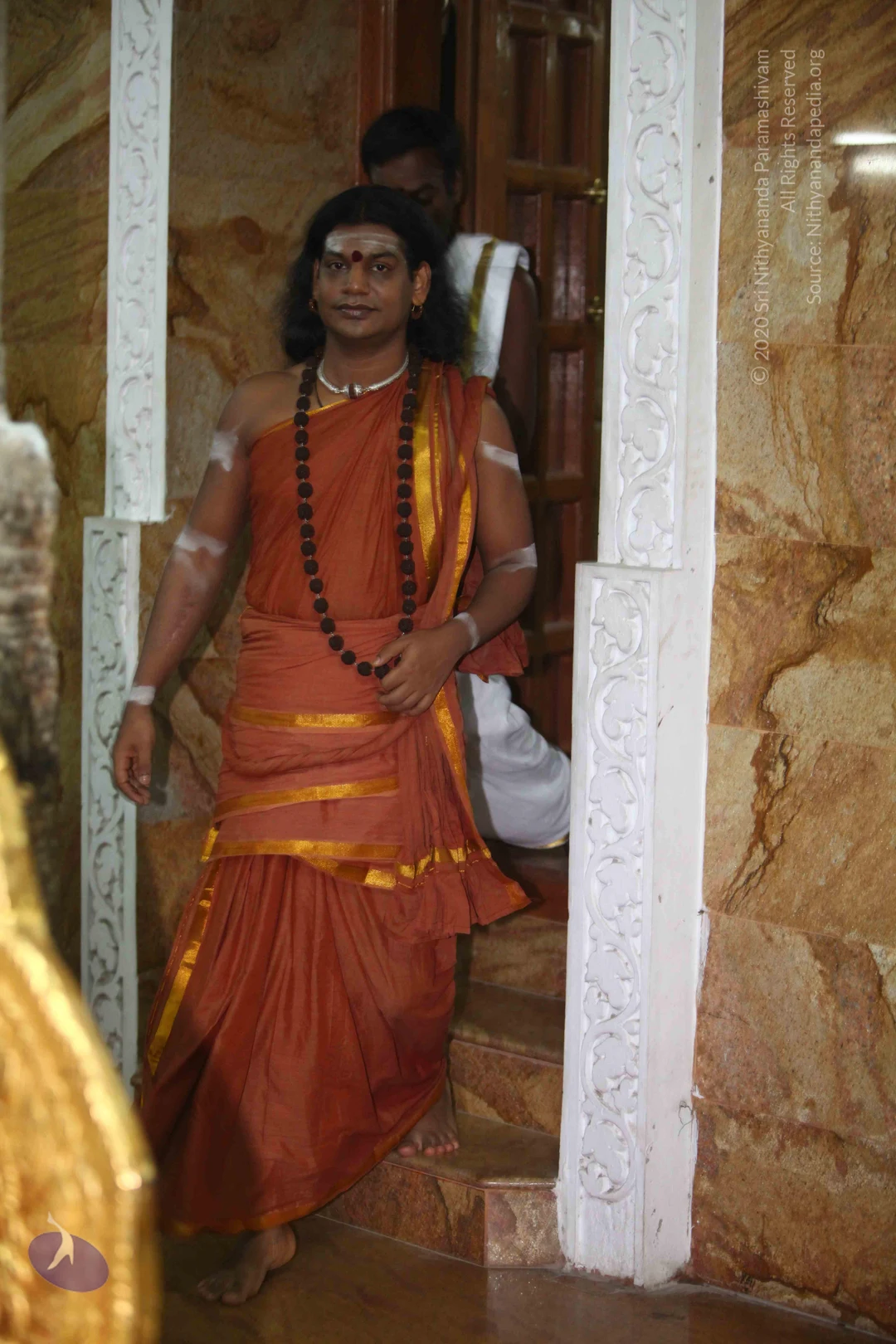
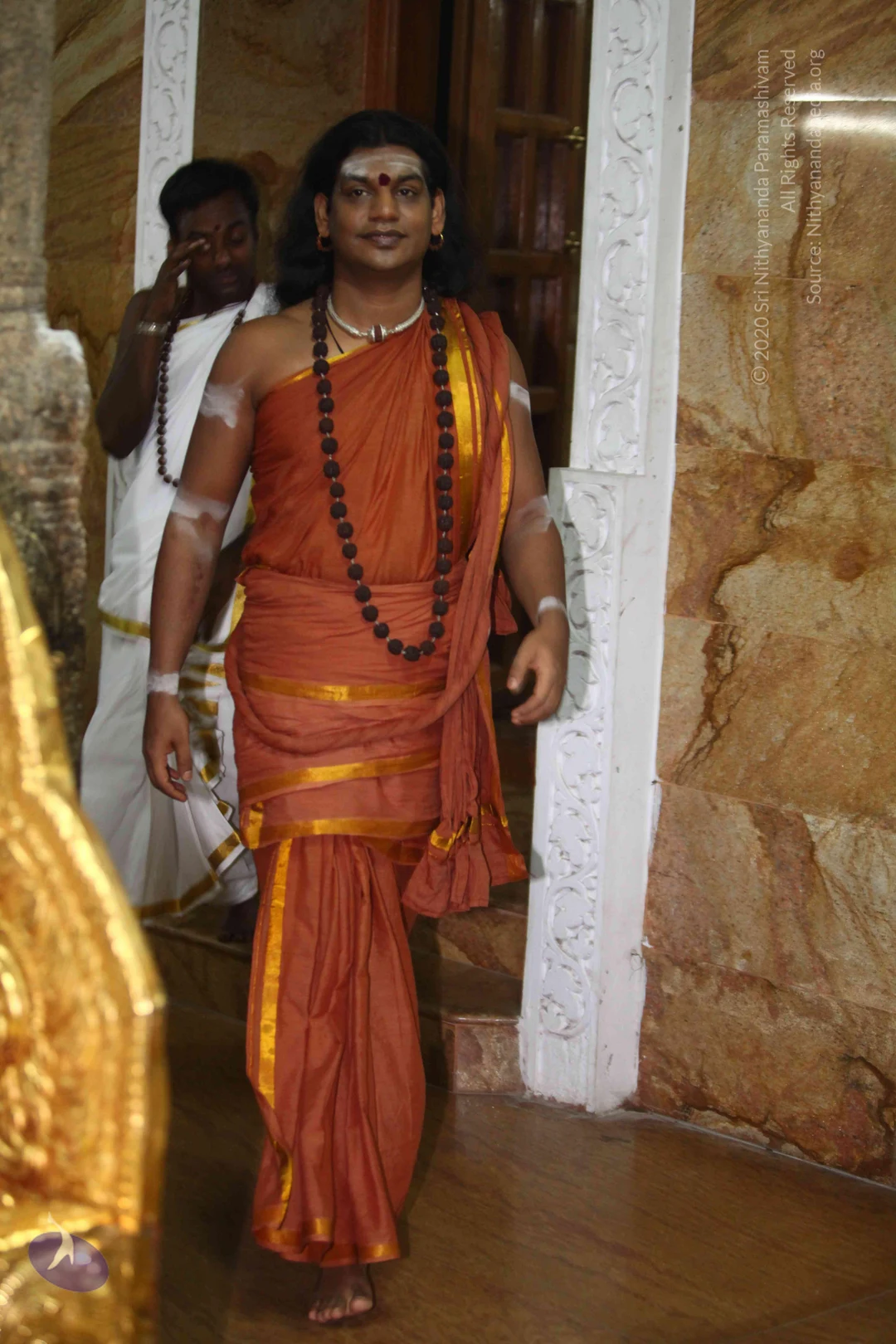
2-Satsang
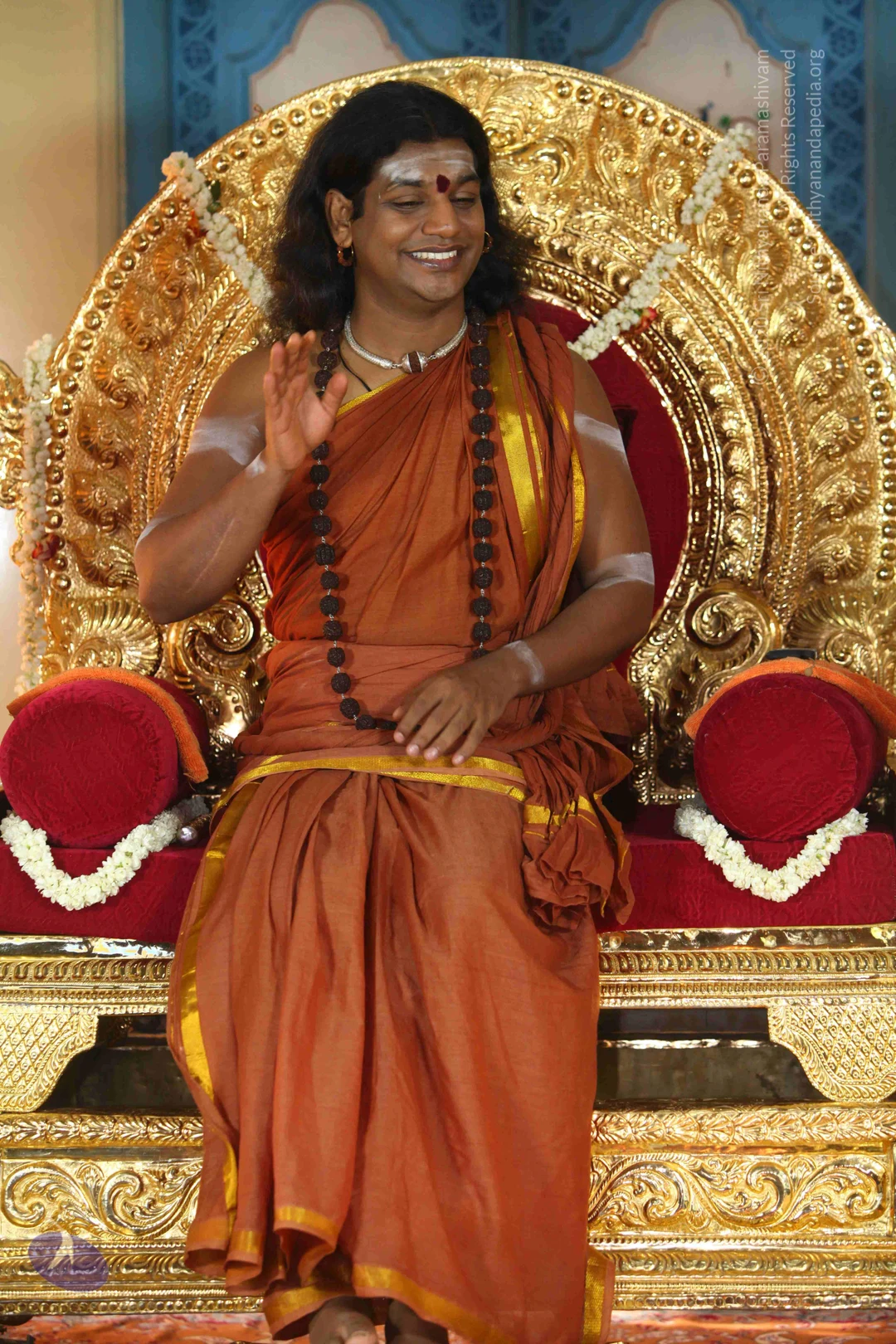
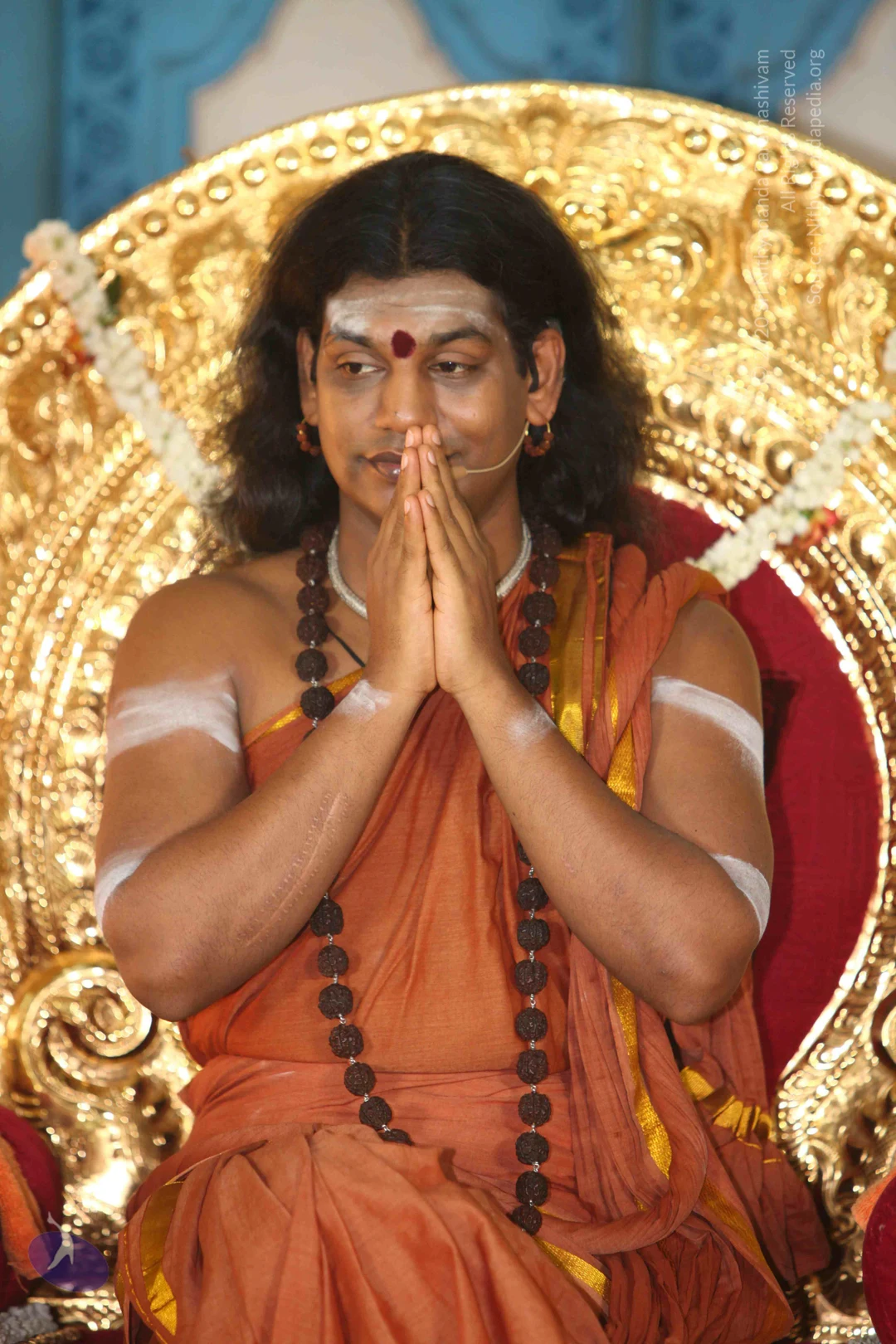
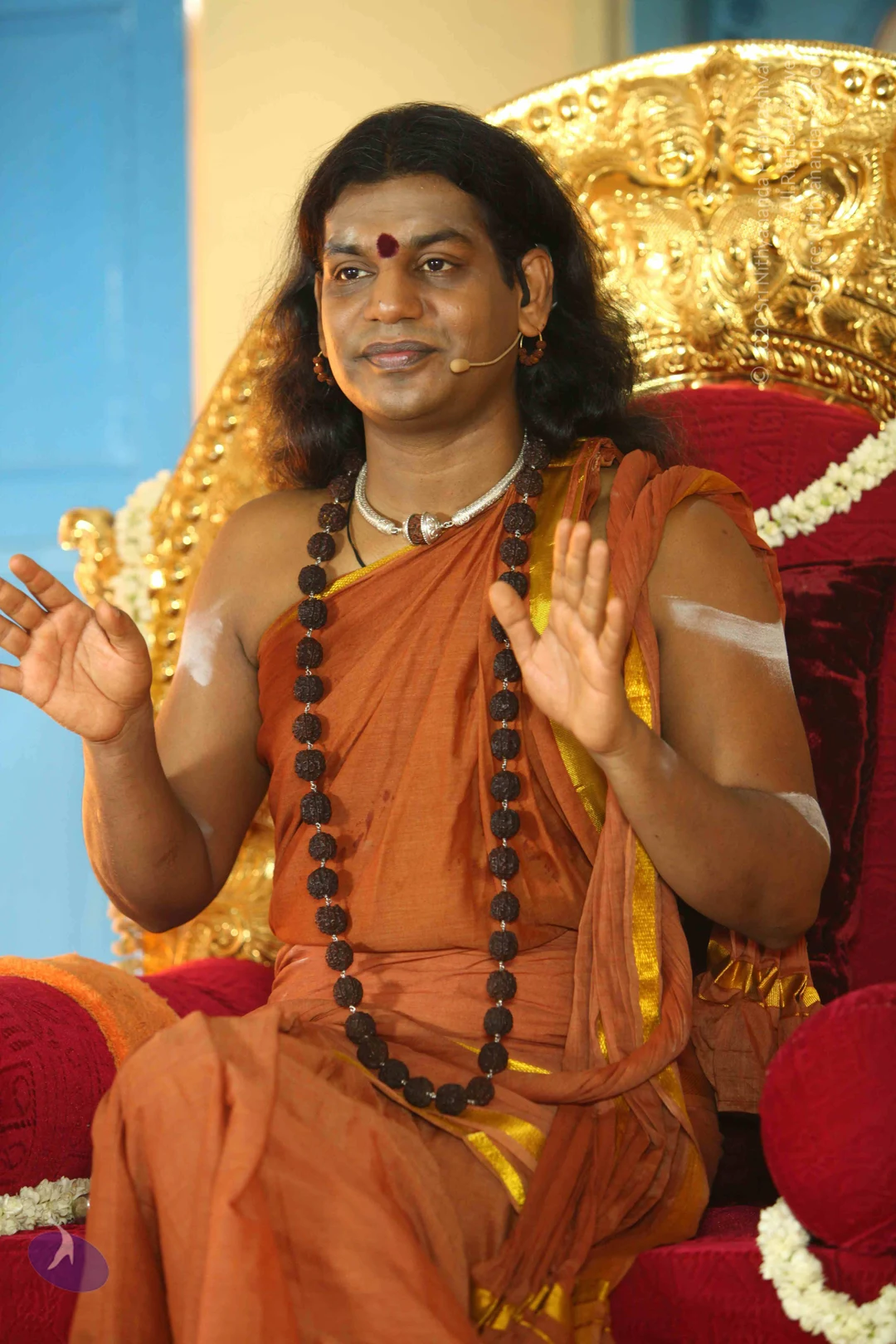
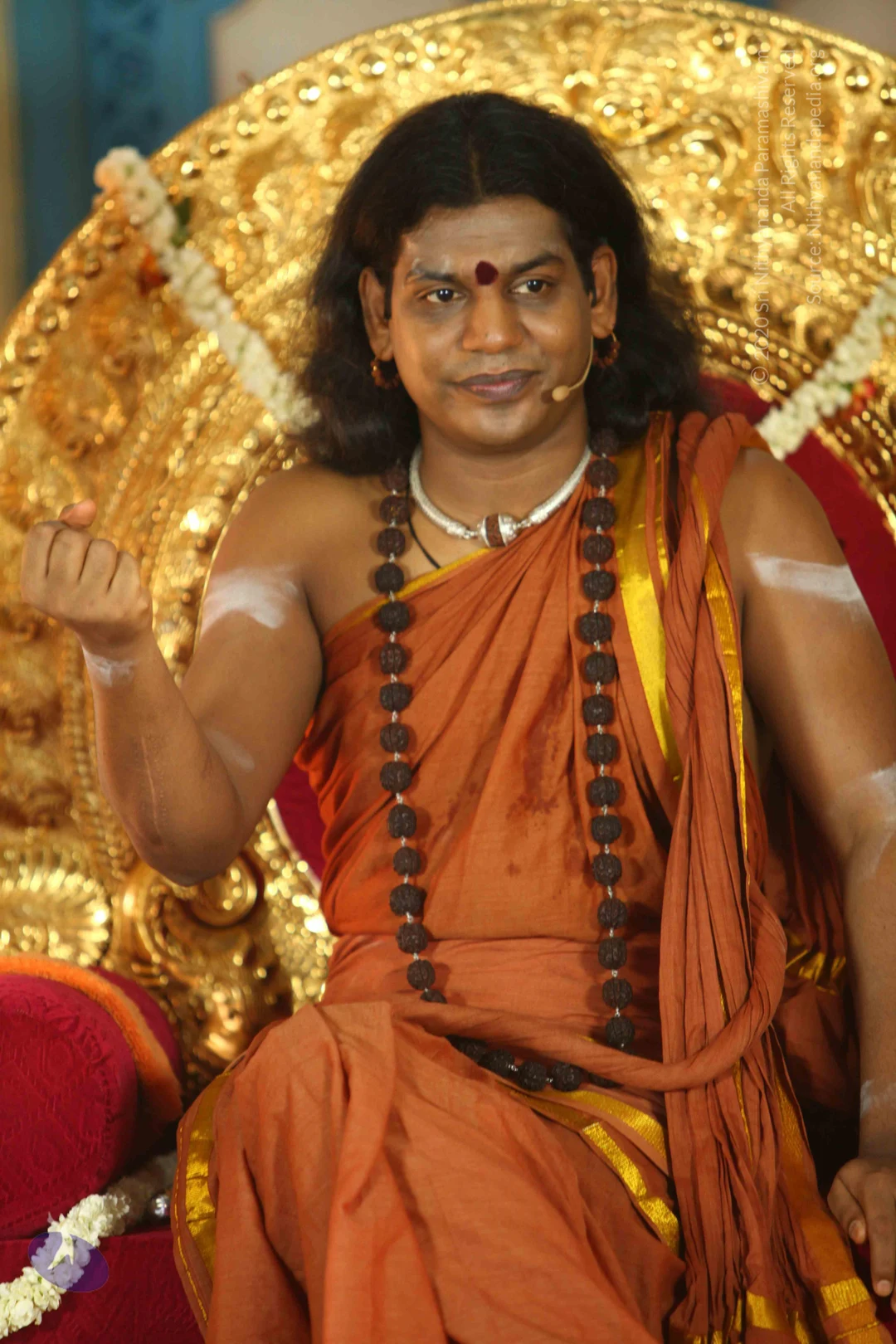
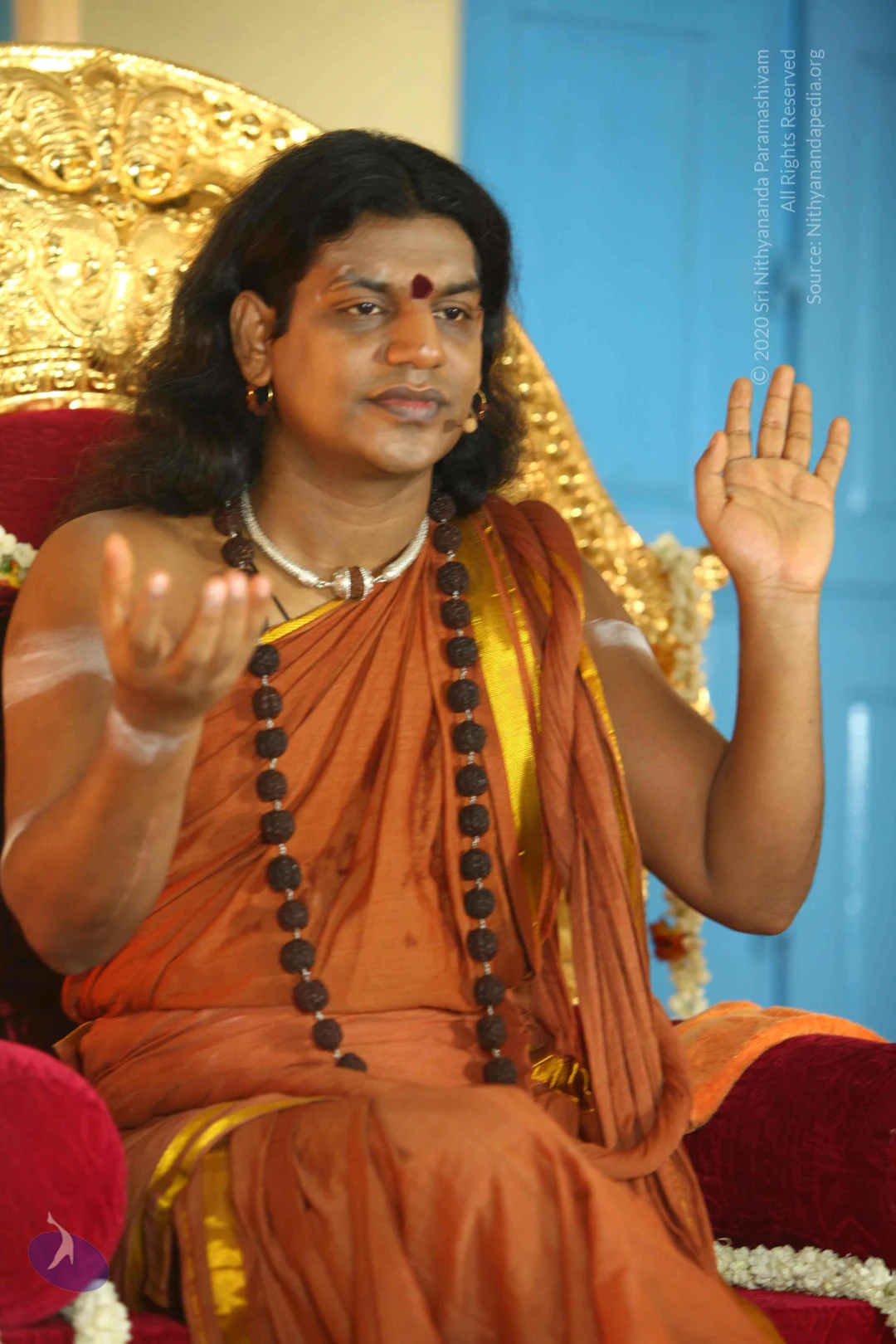
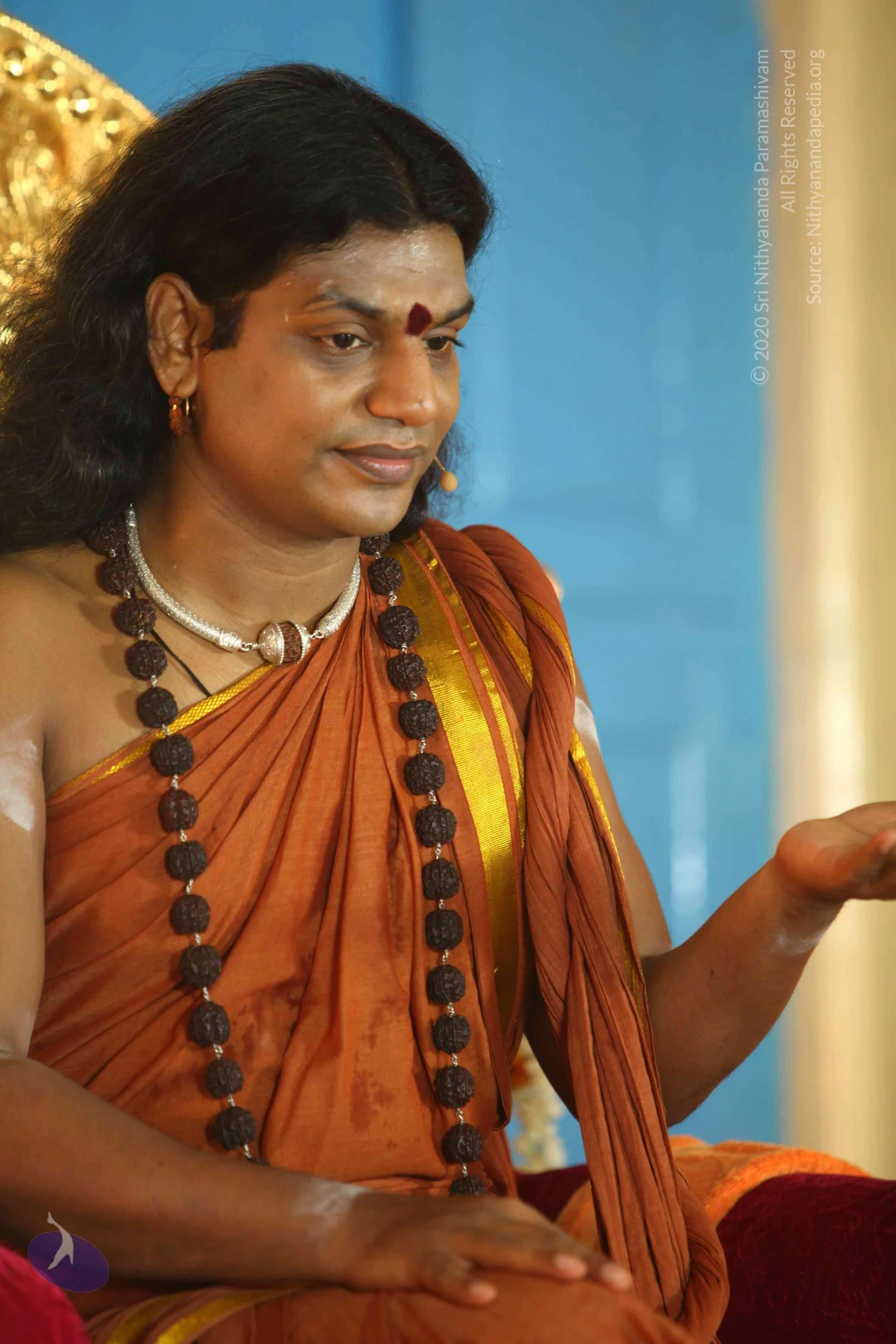
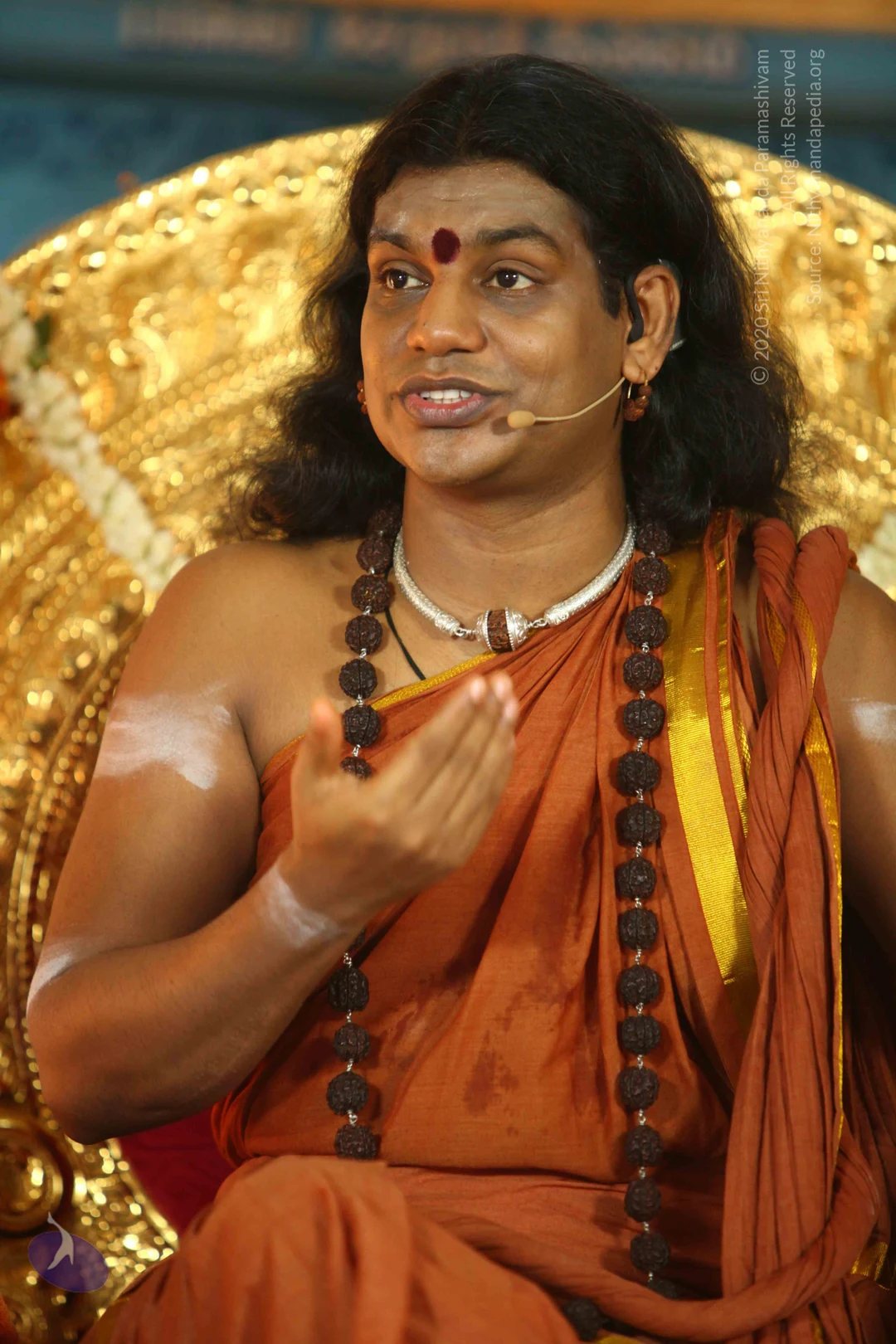
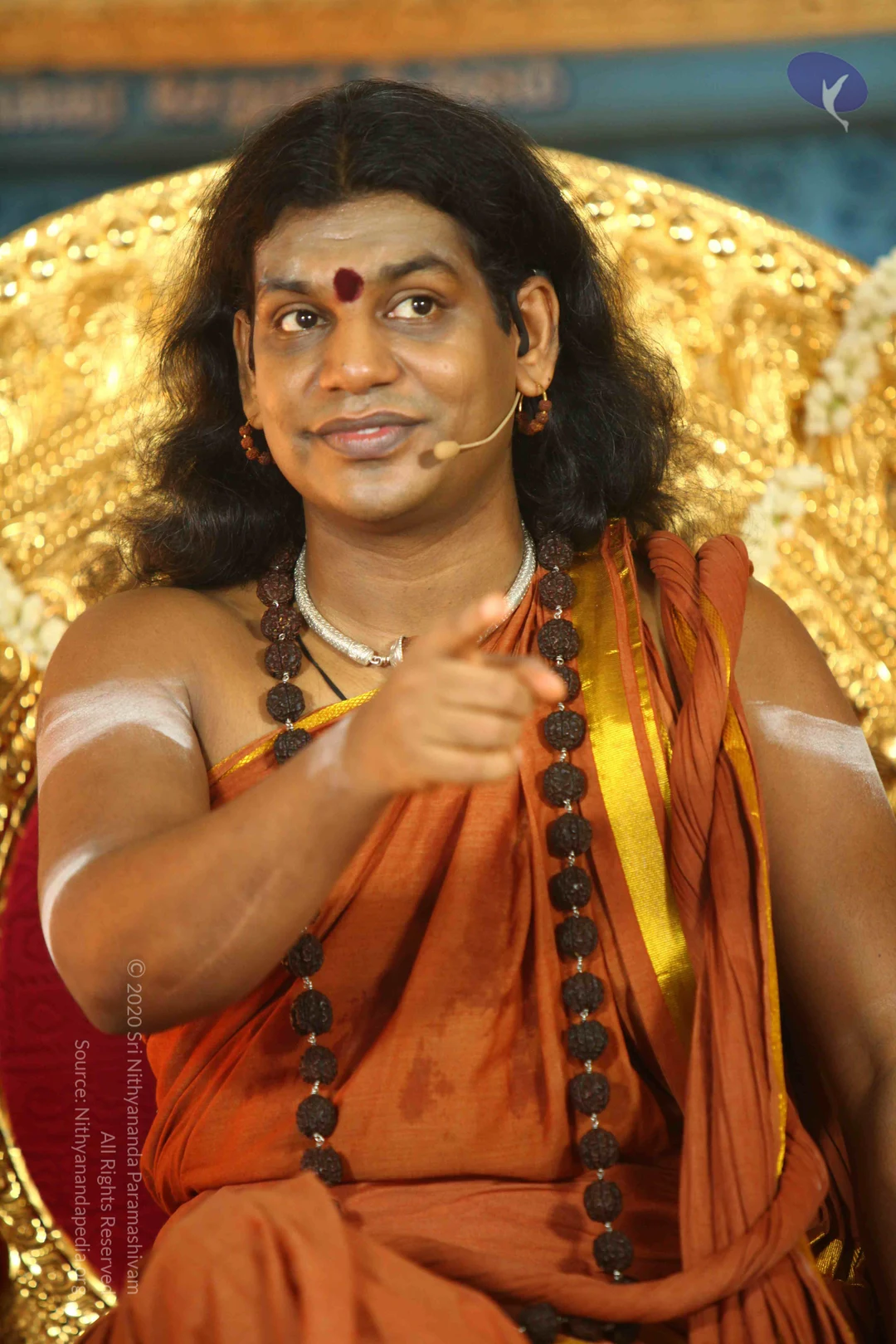
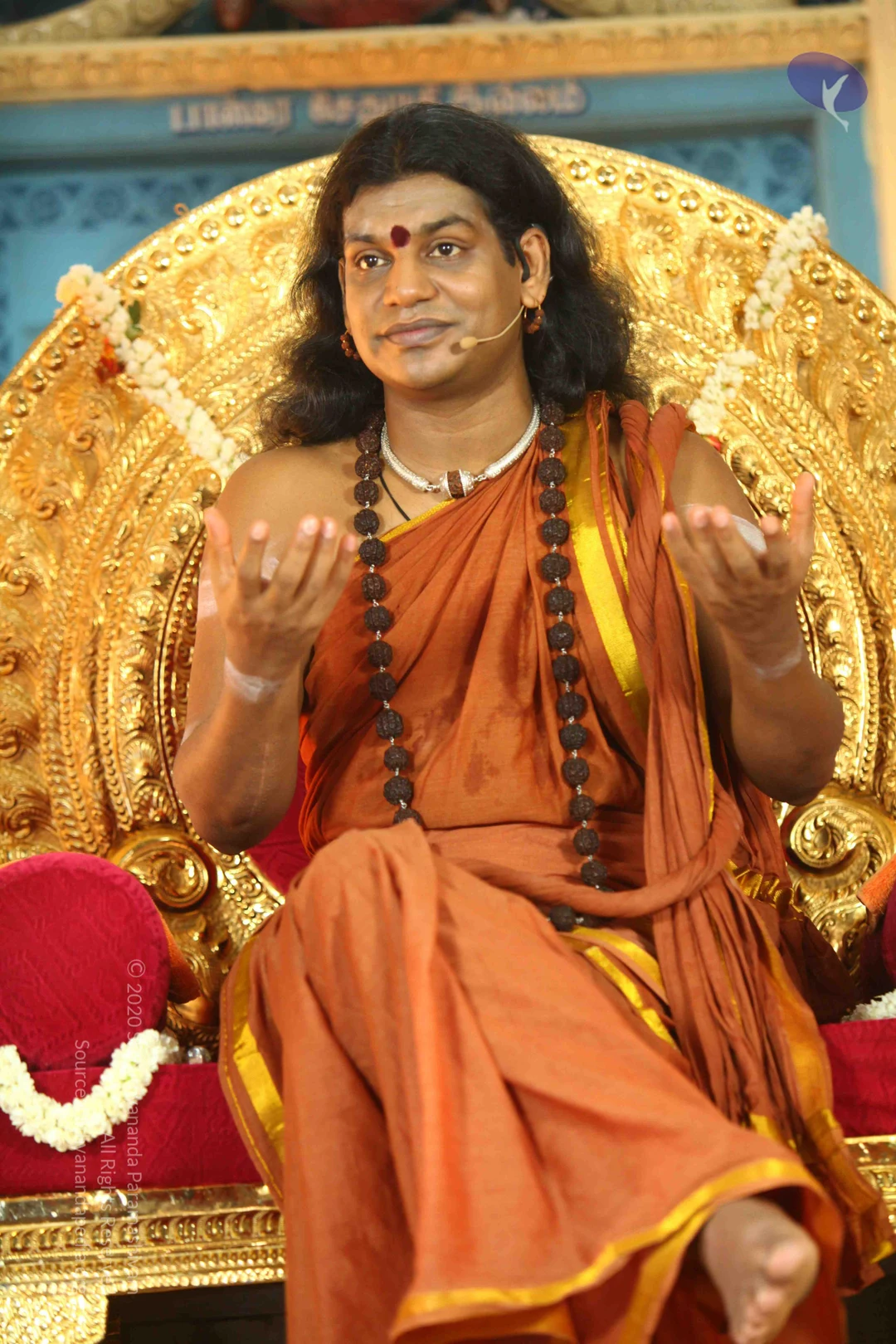
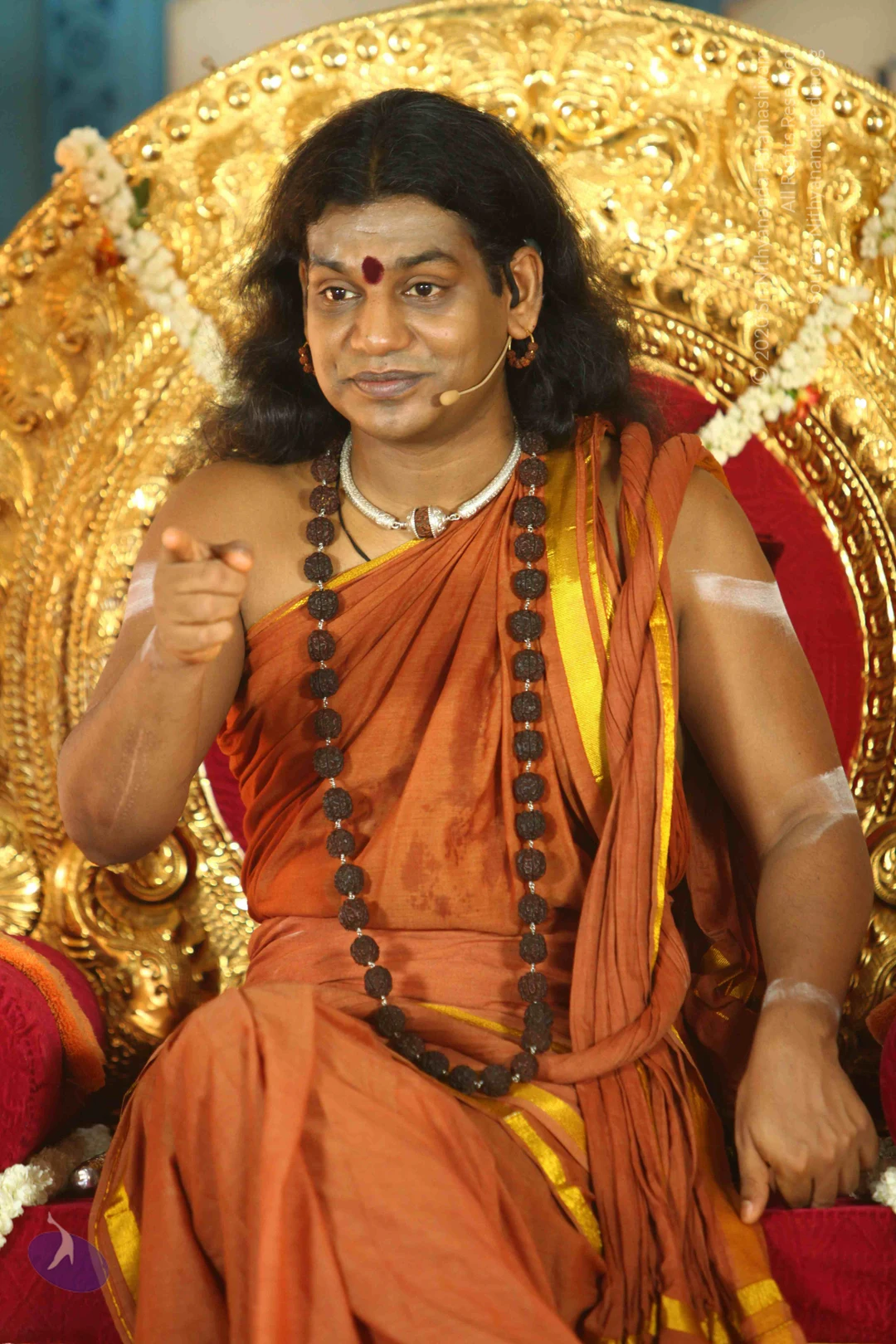
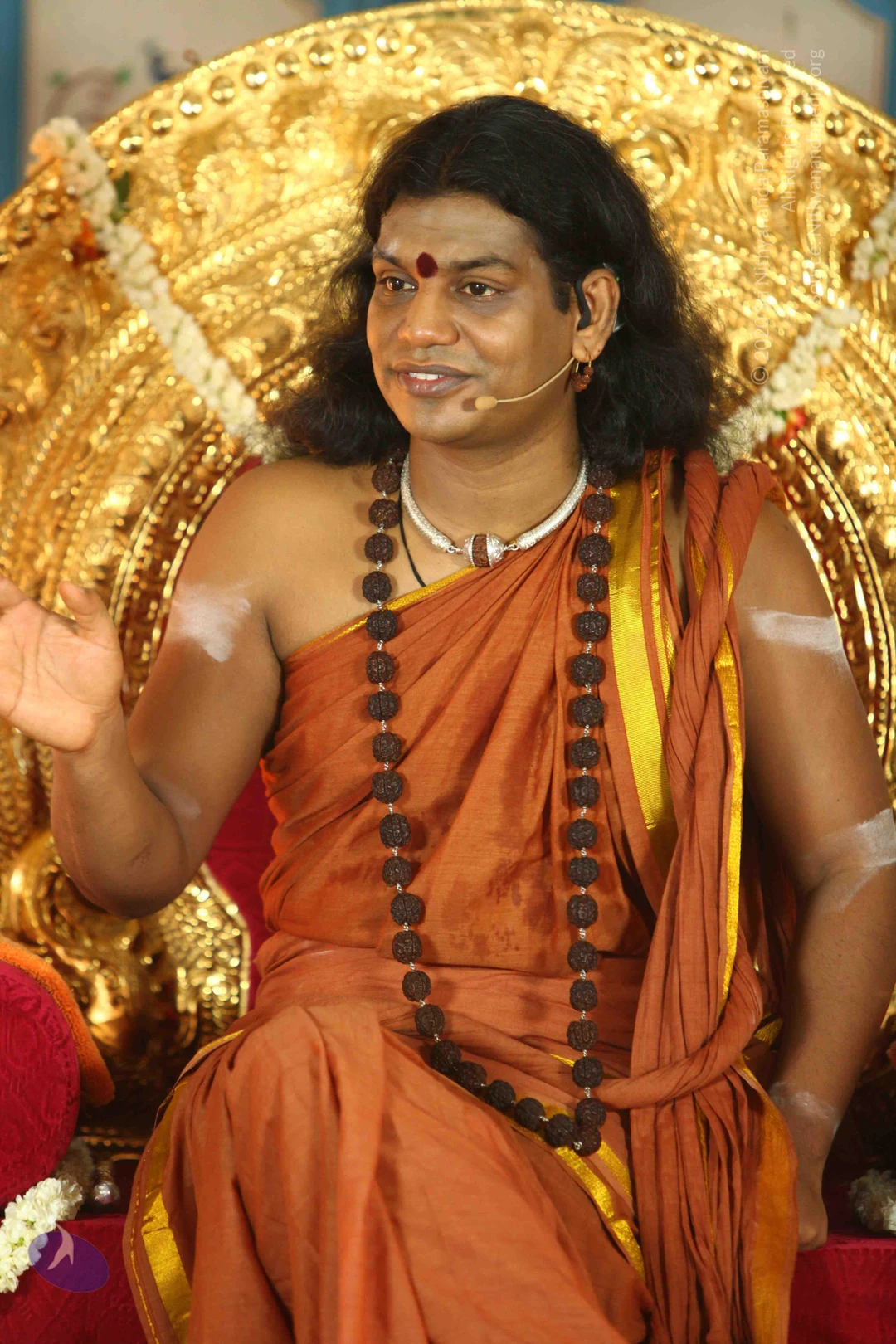
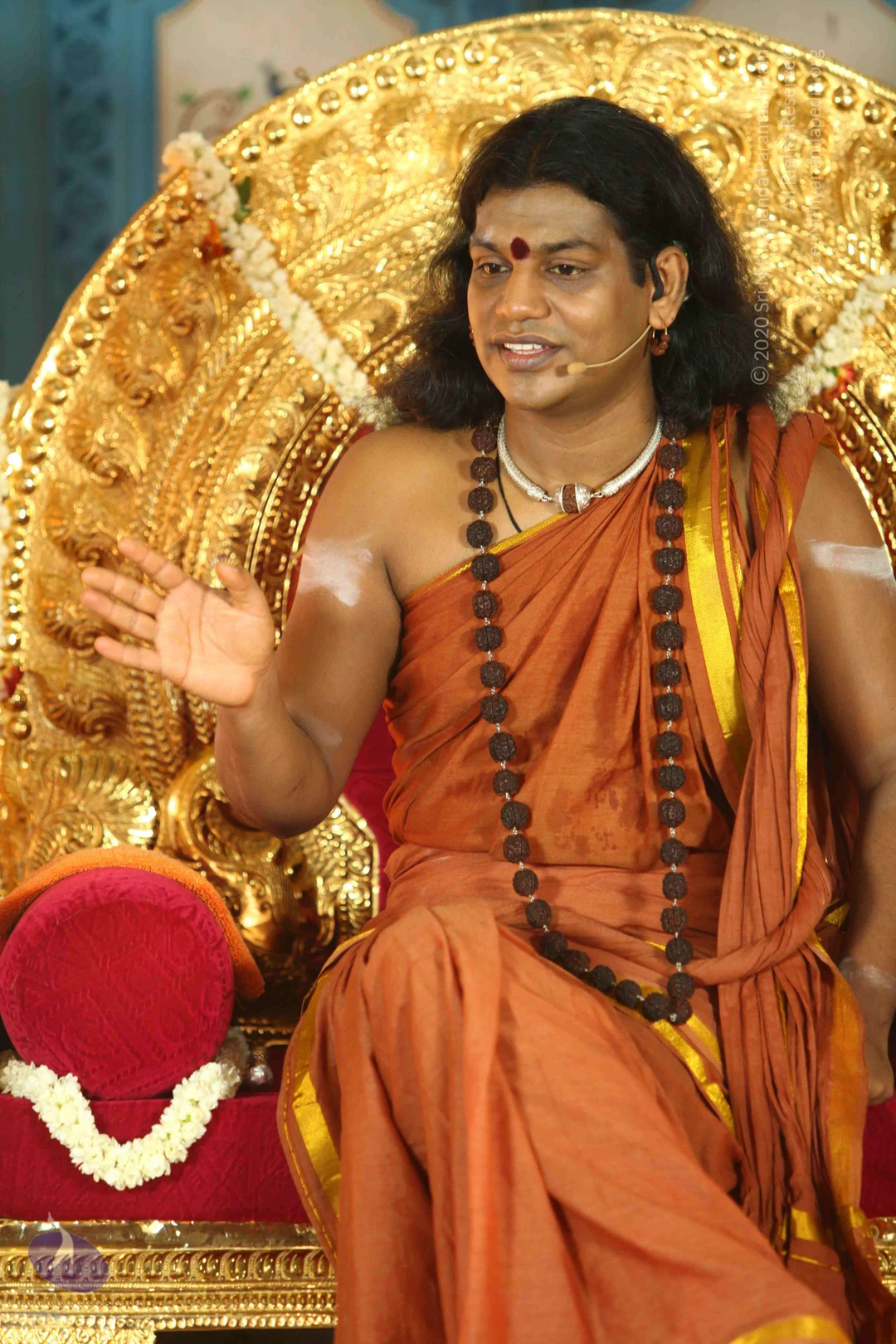
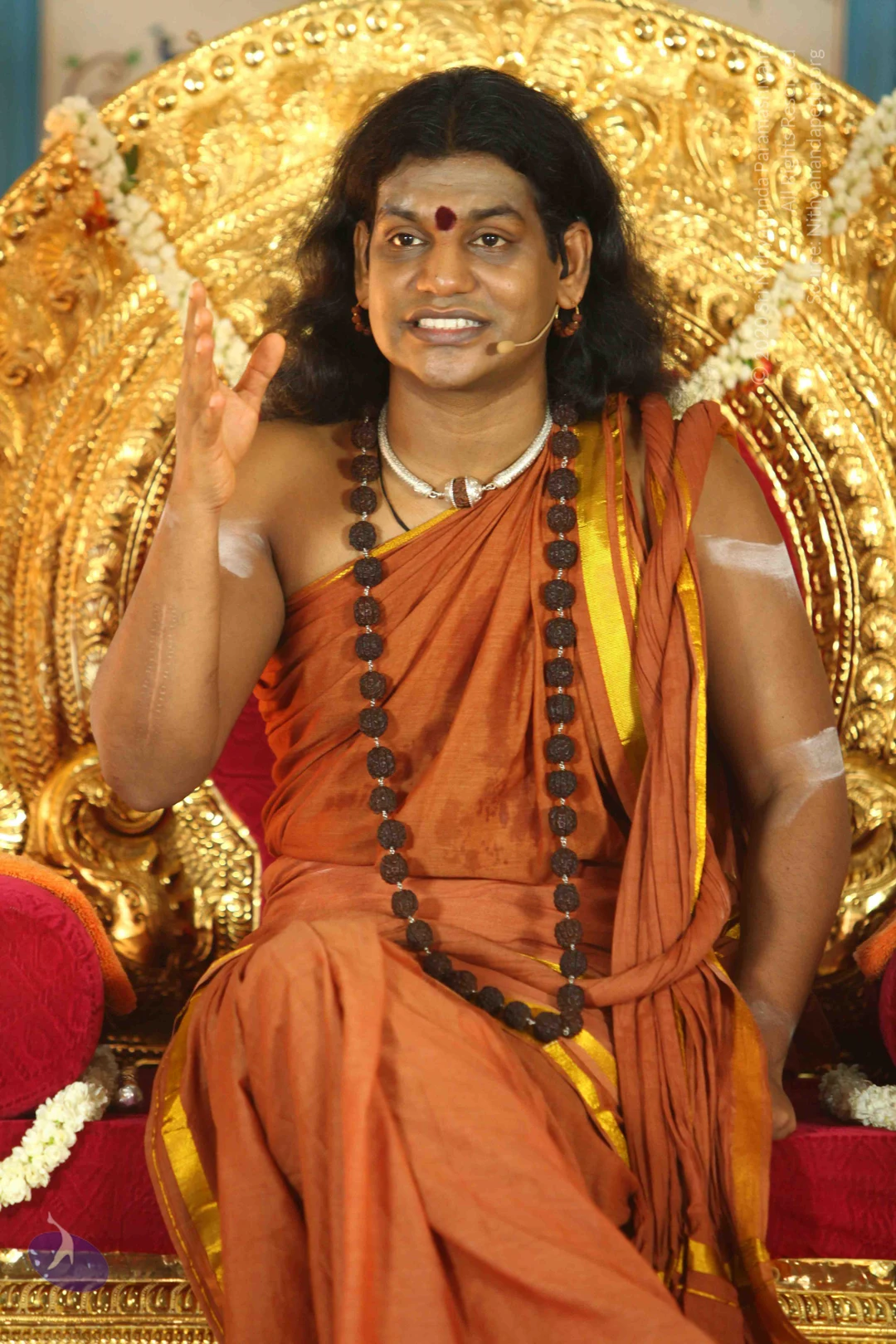
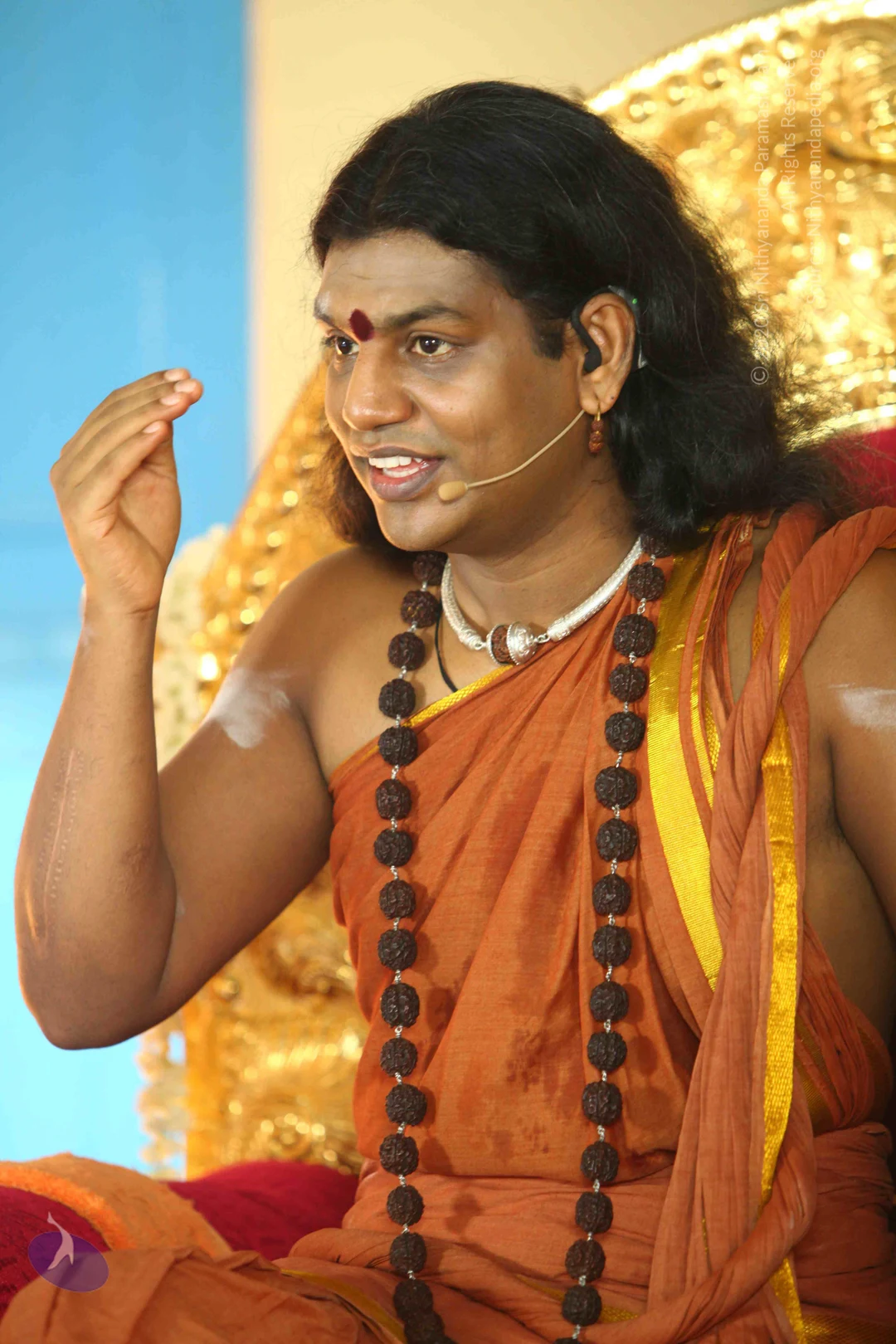
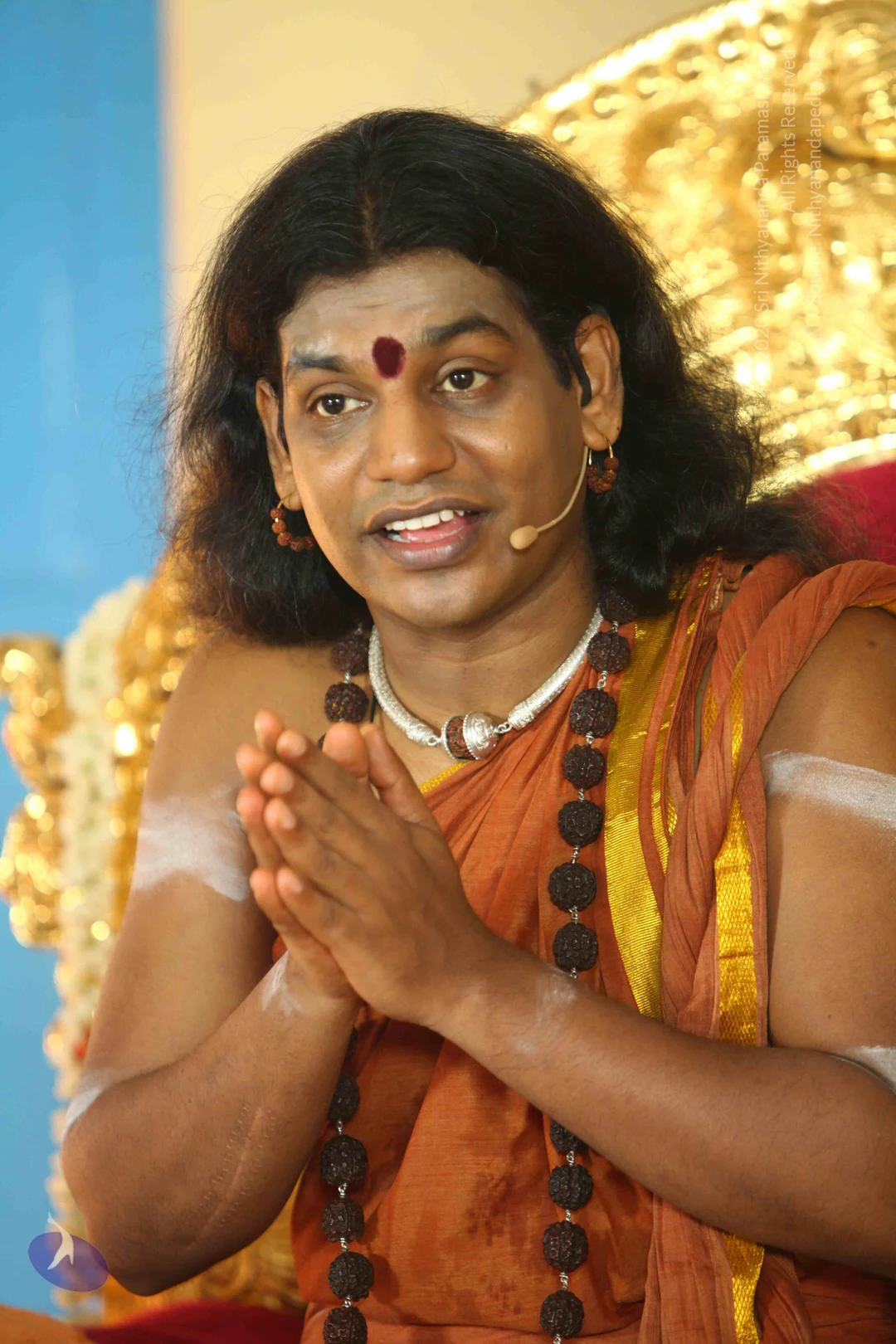
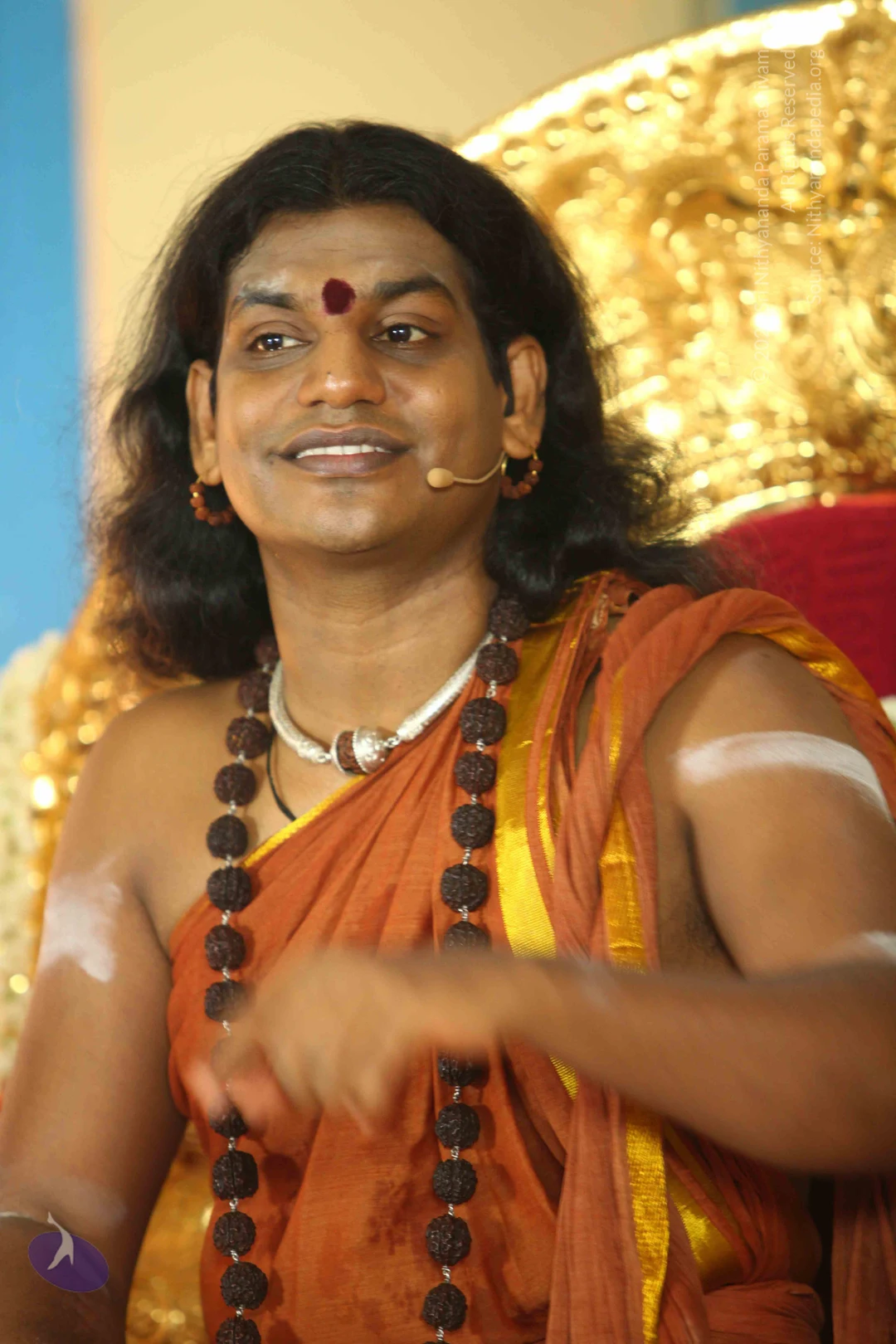
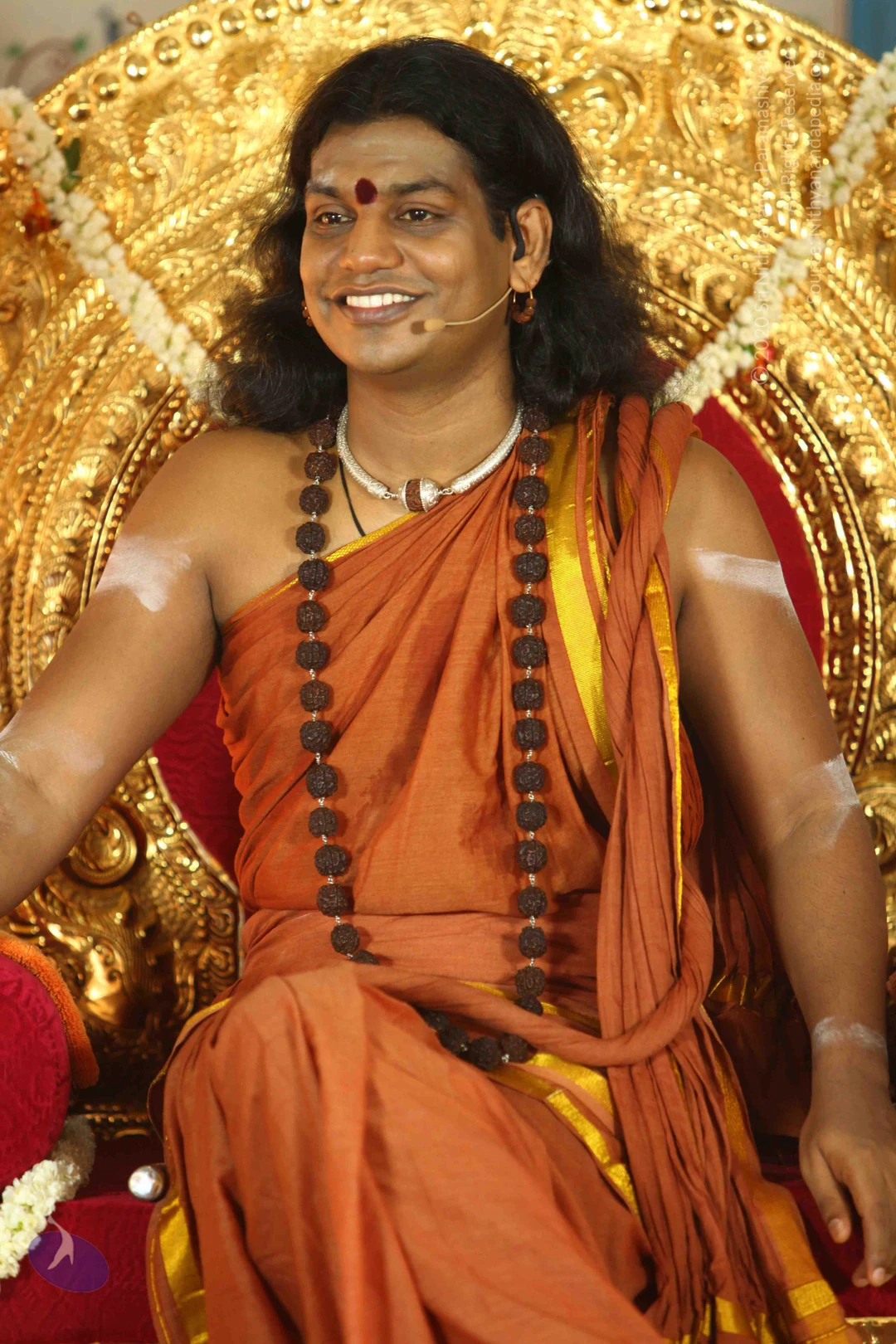
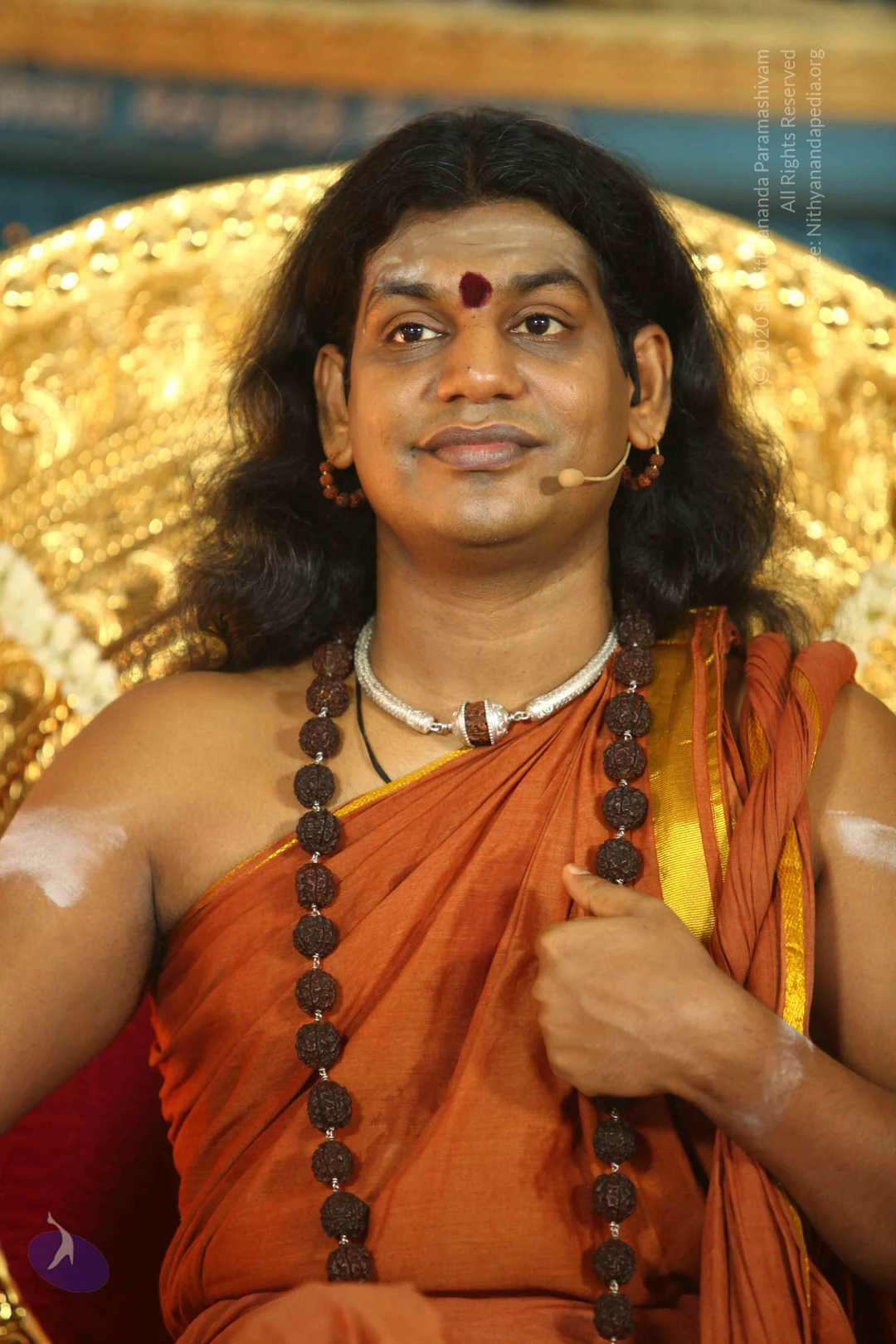
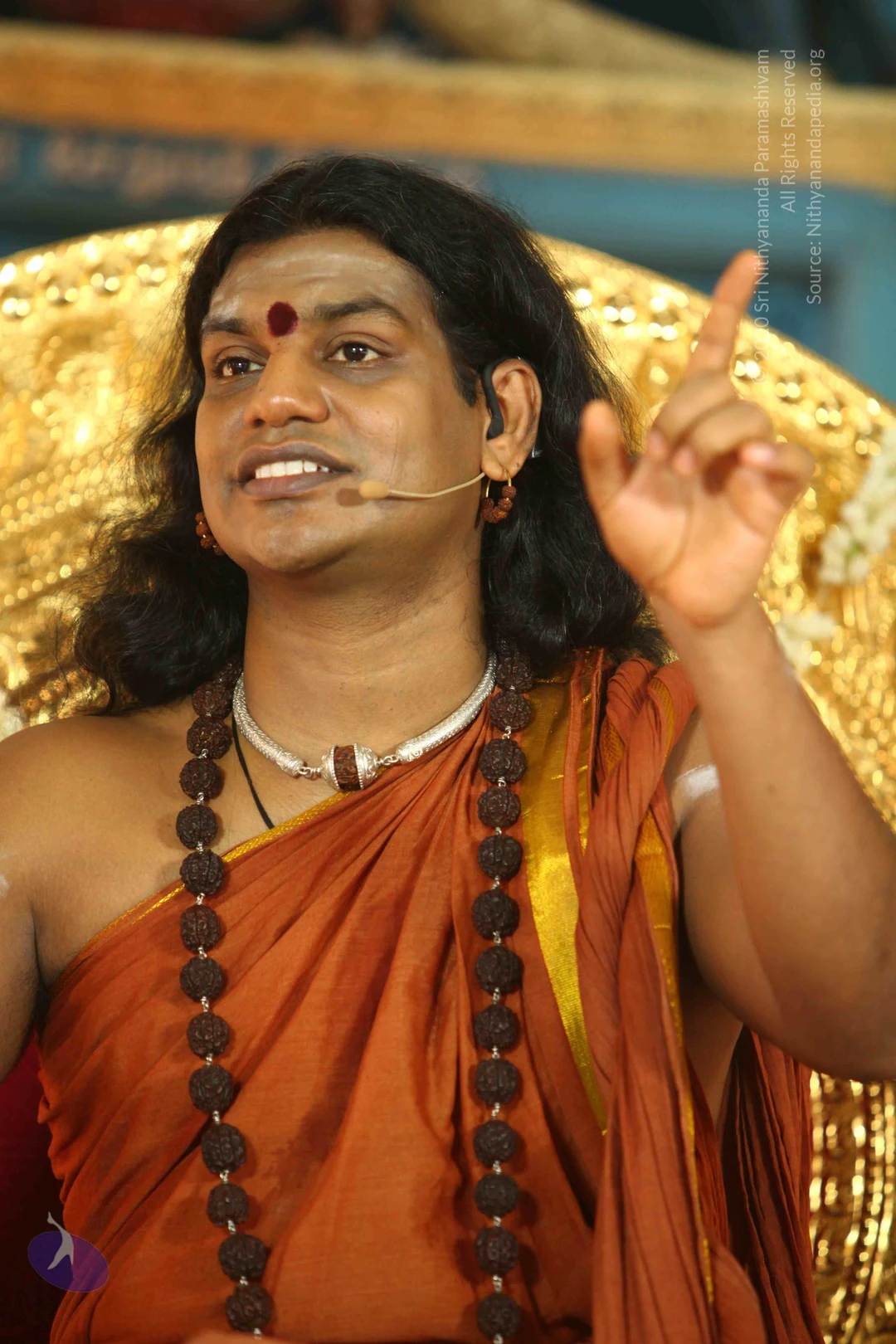
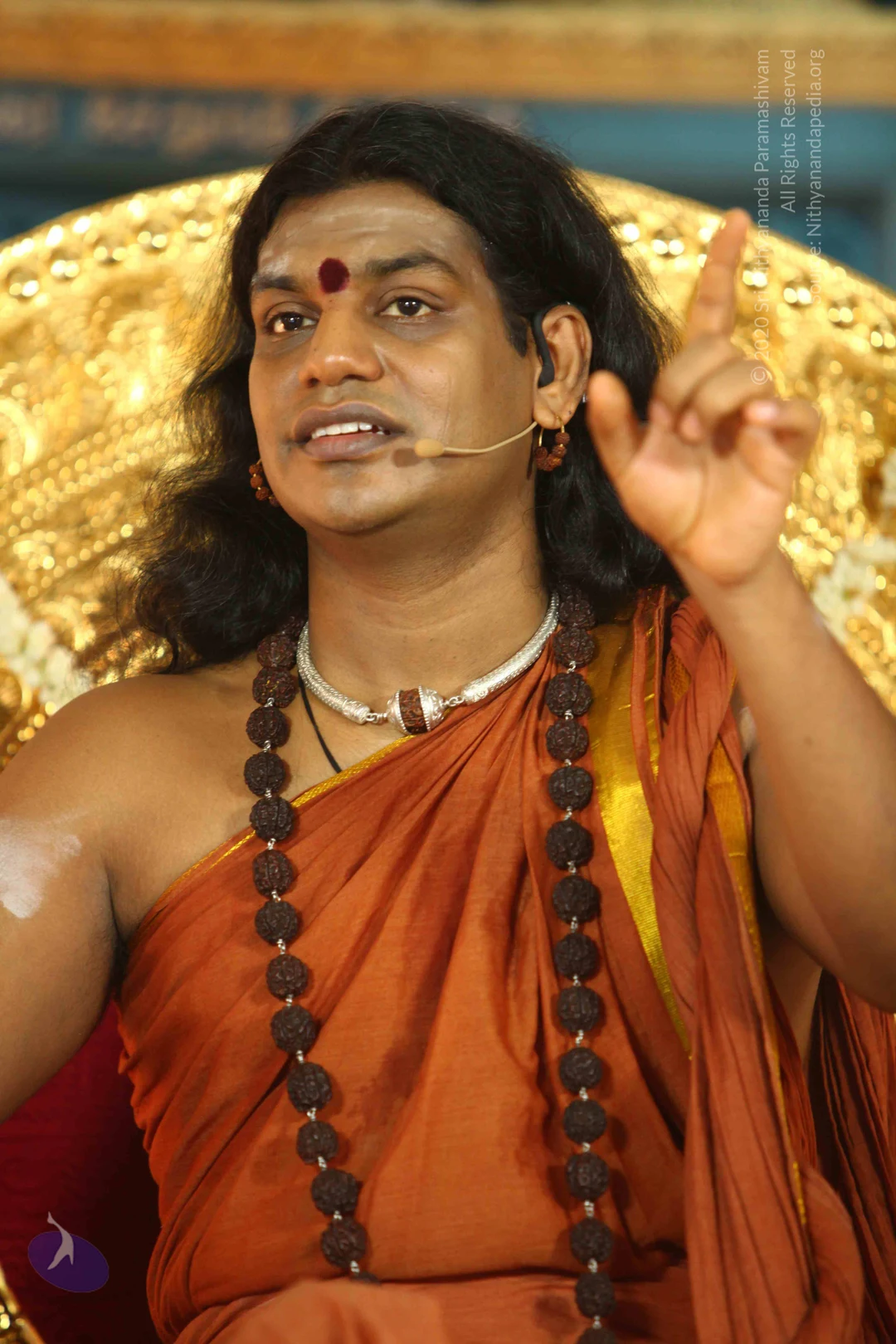
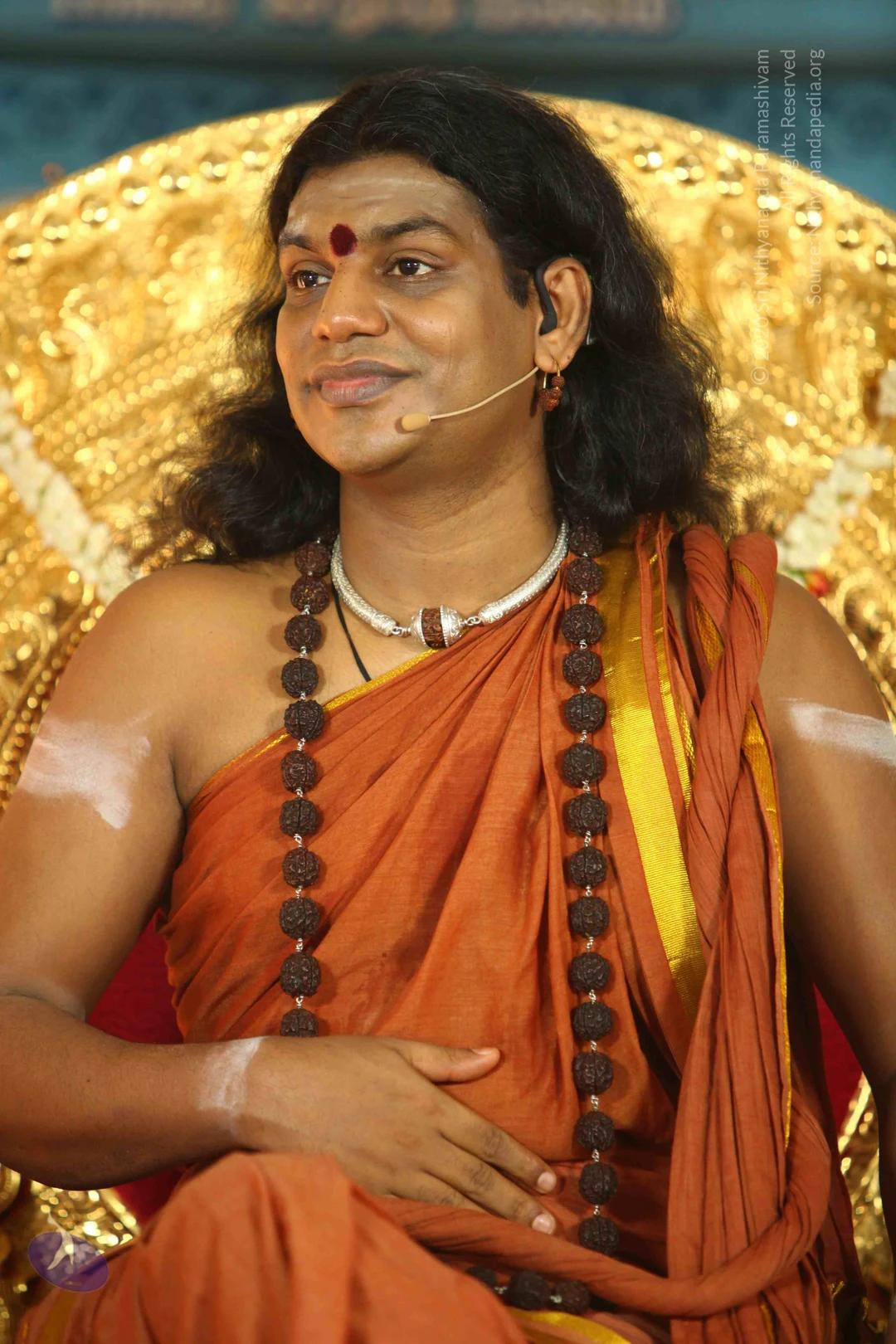
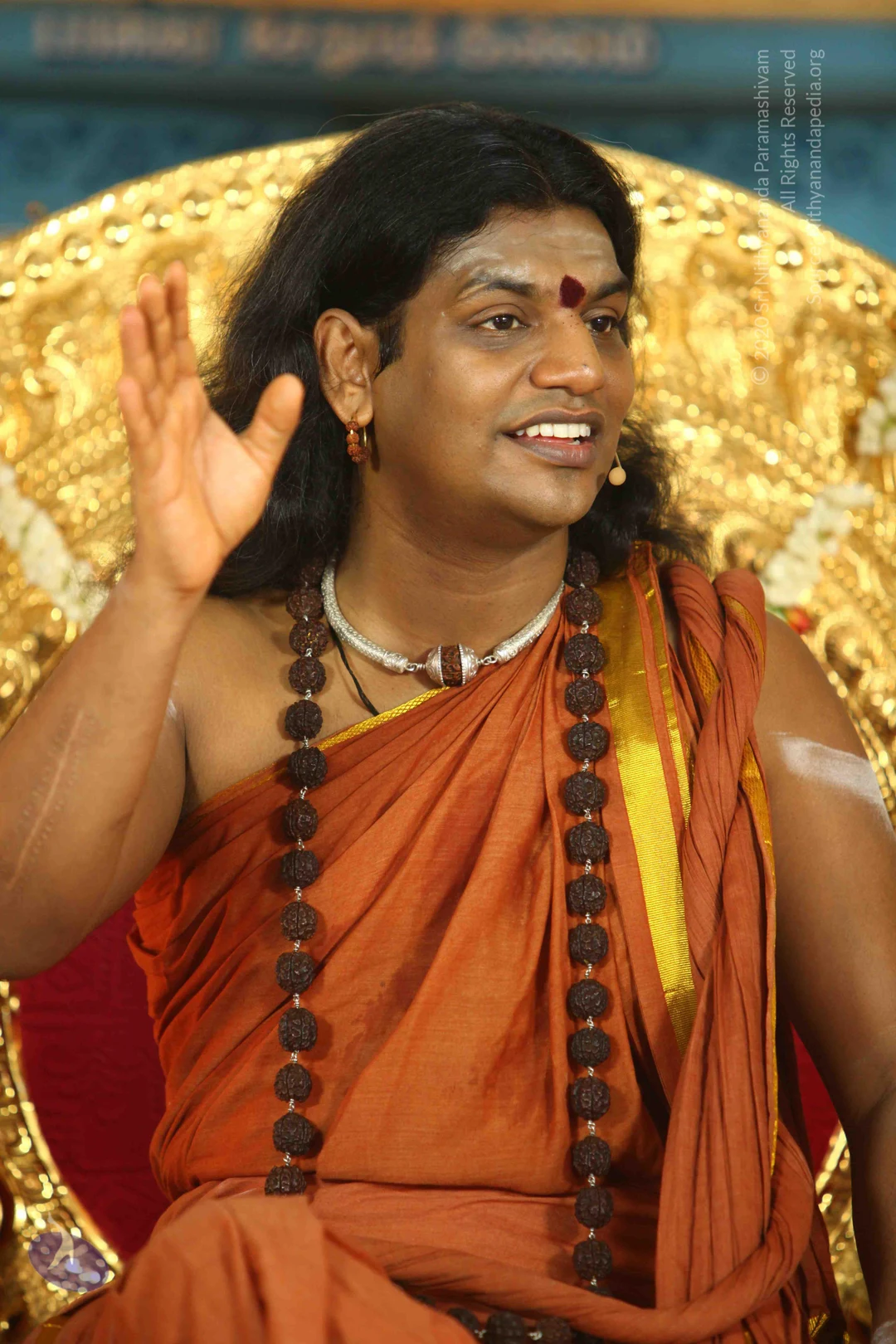
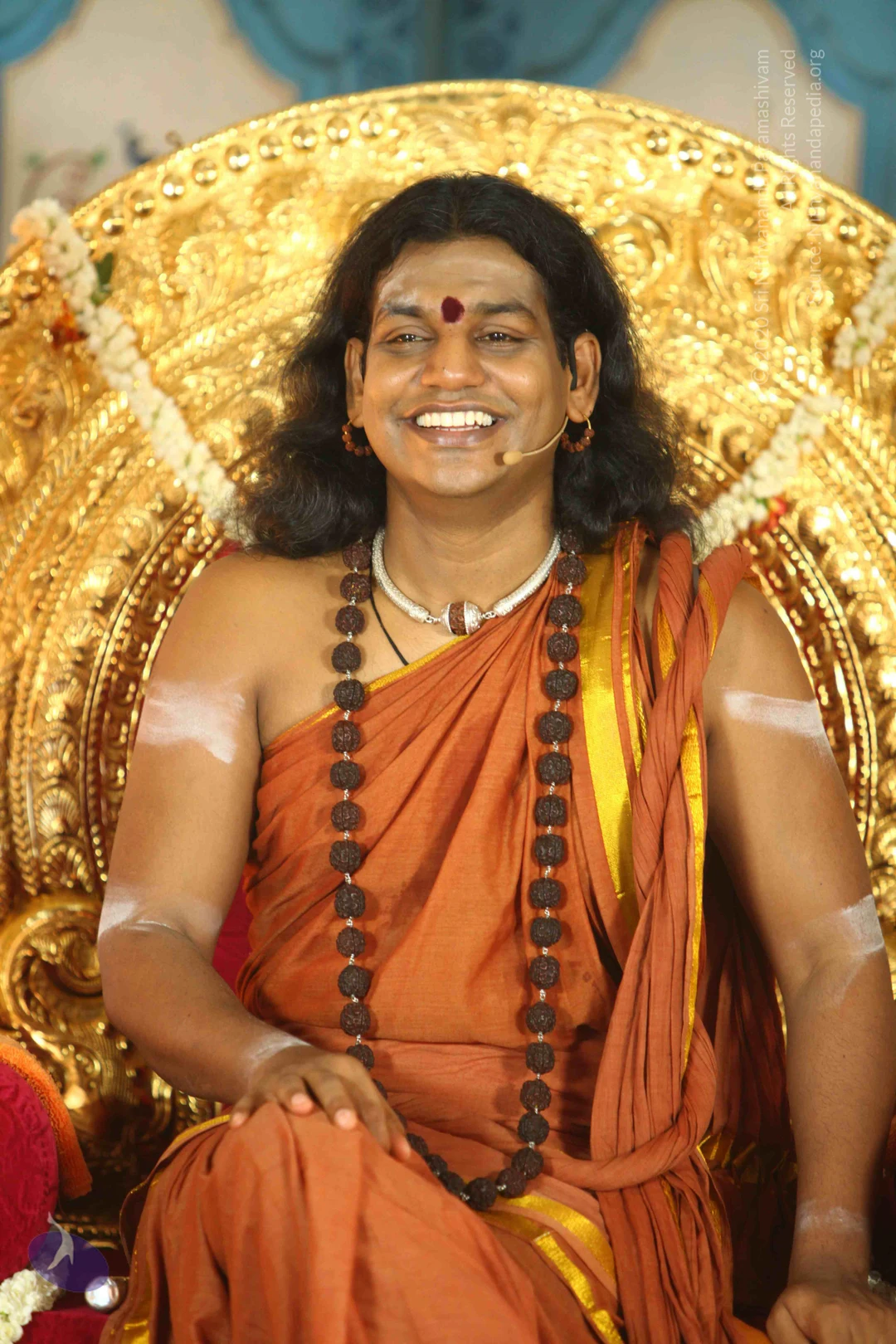
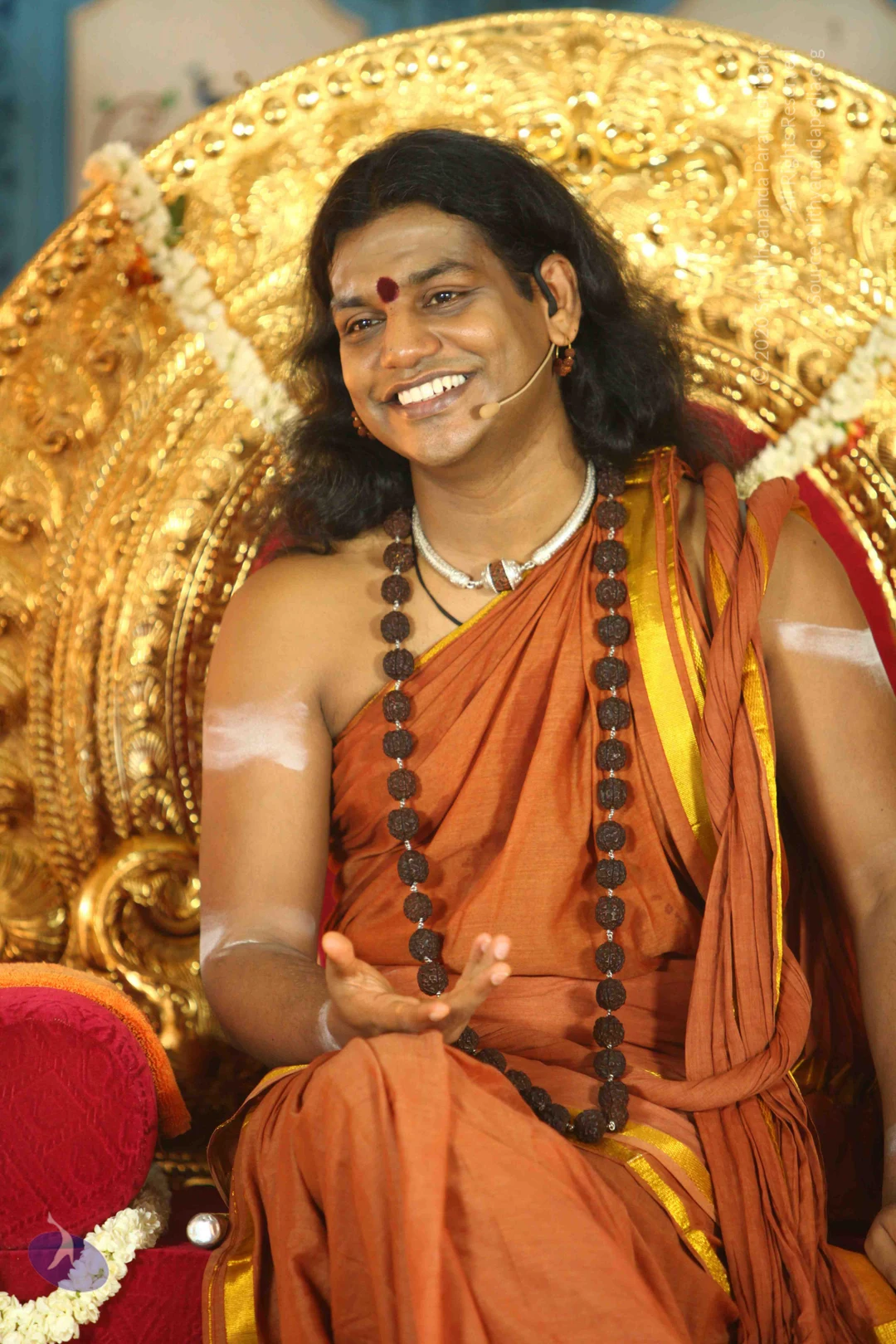
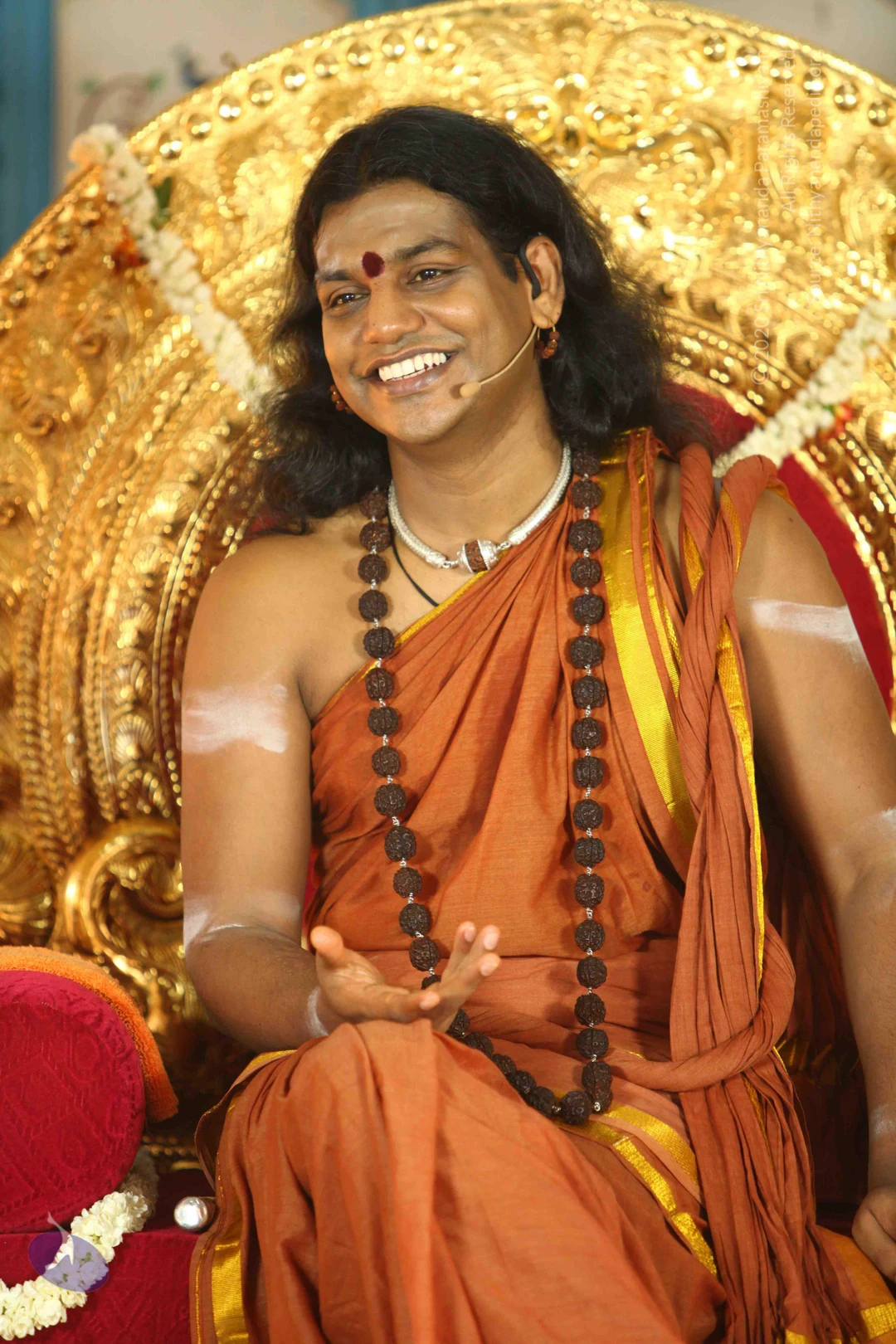
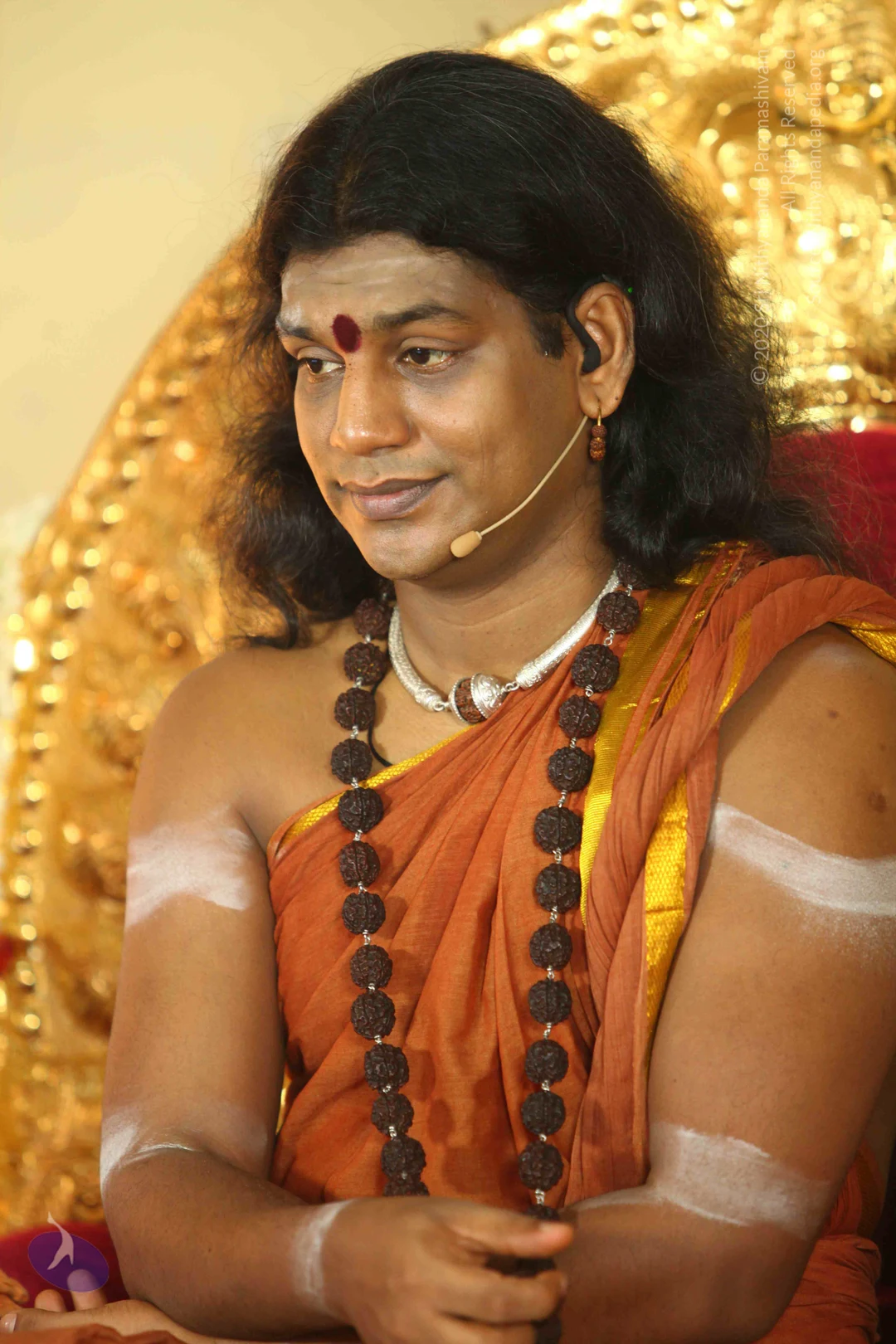
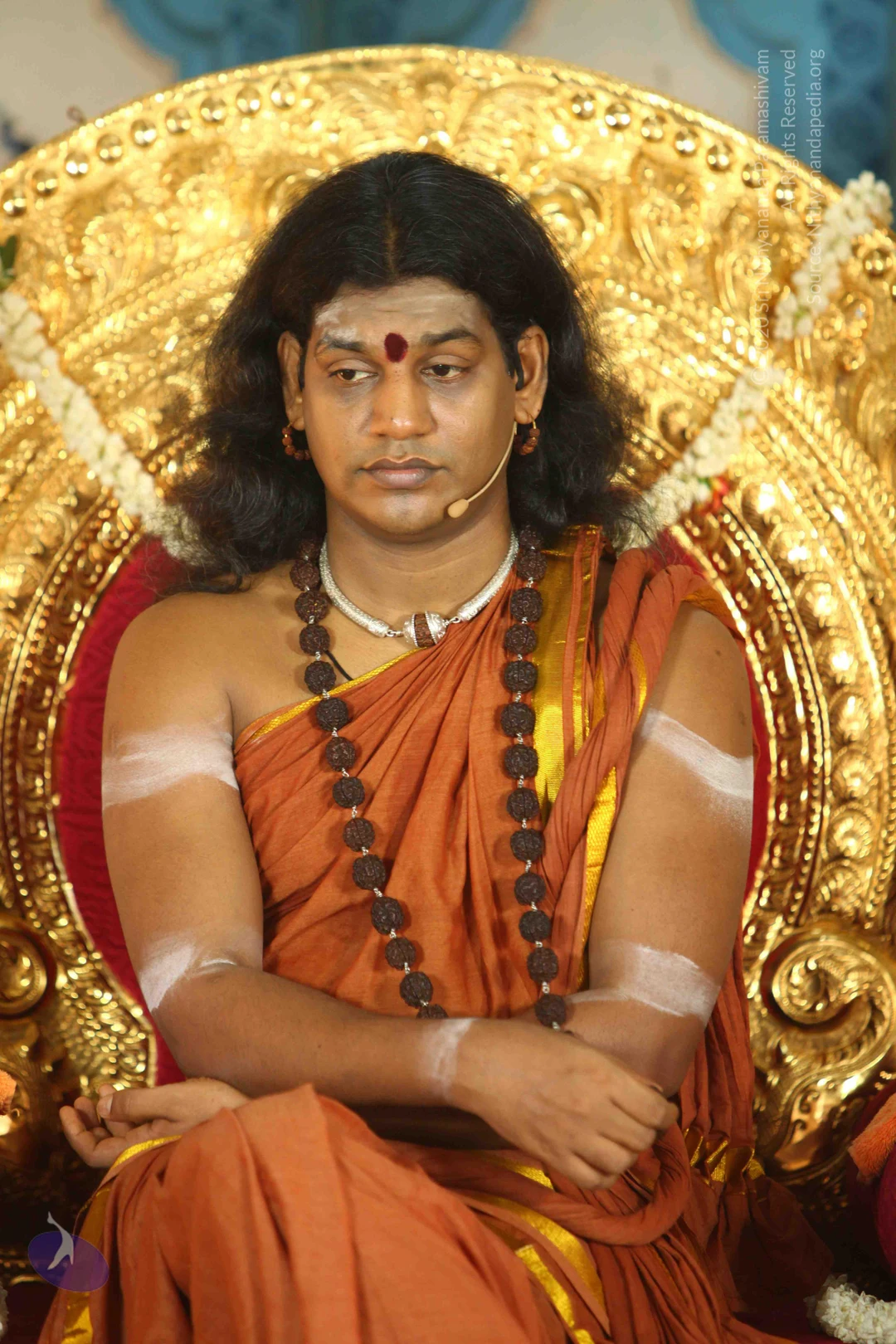
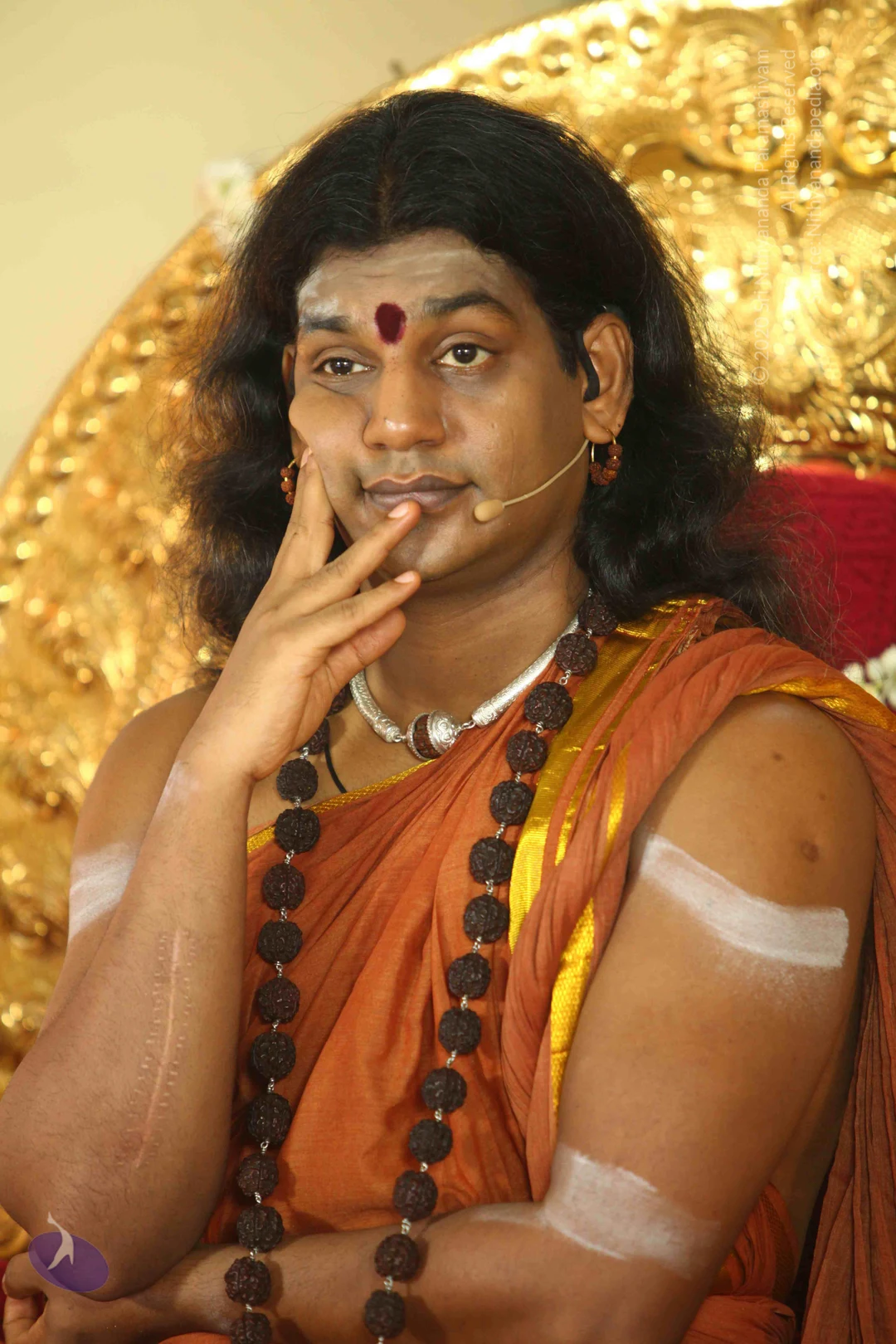
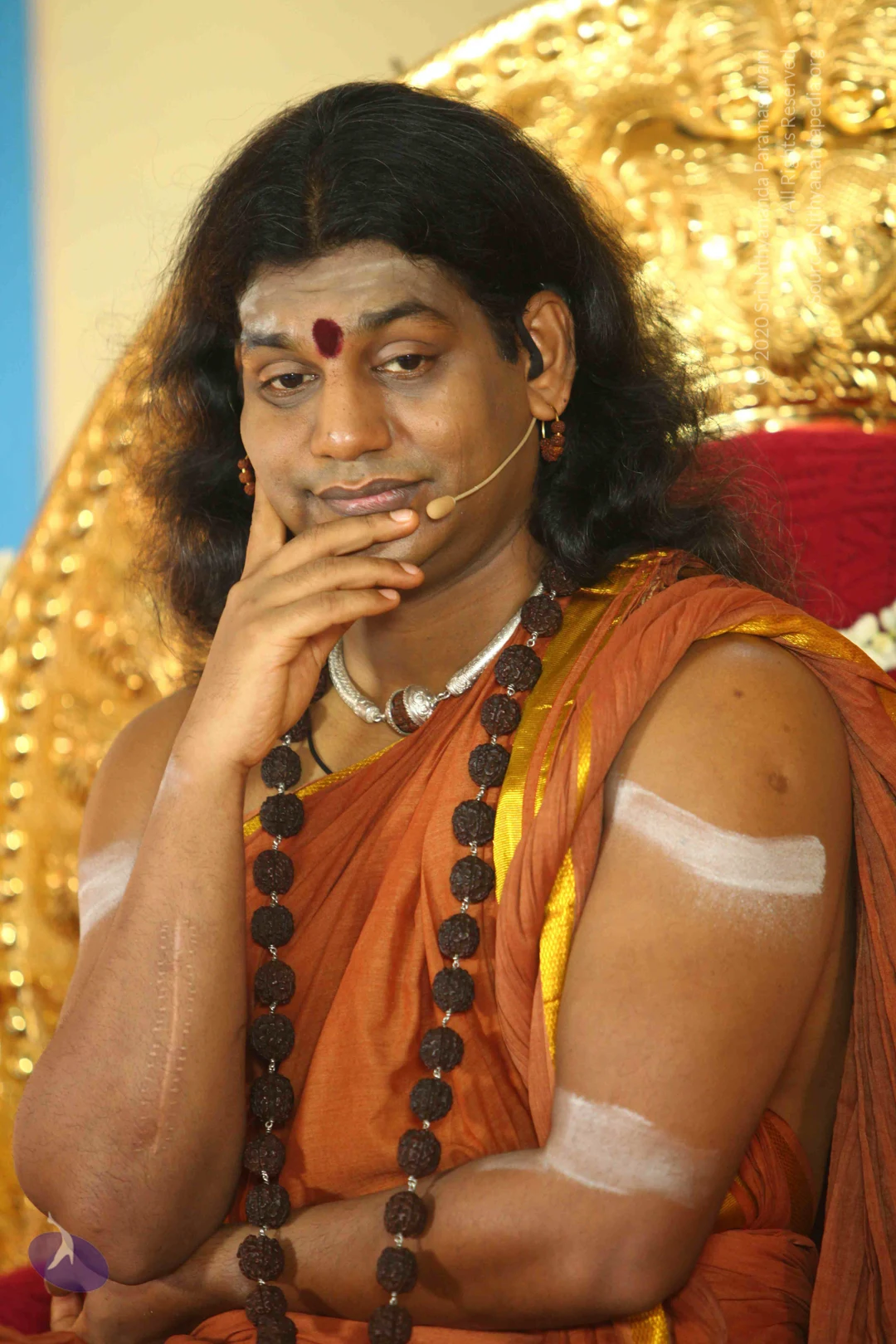
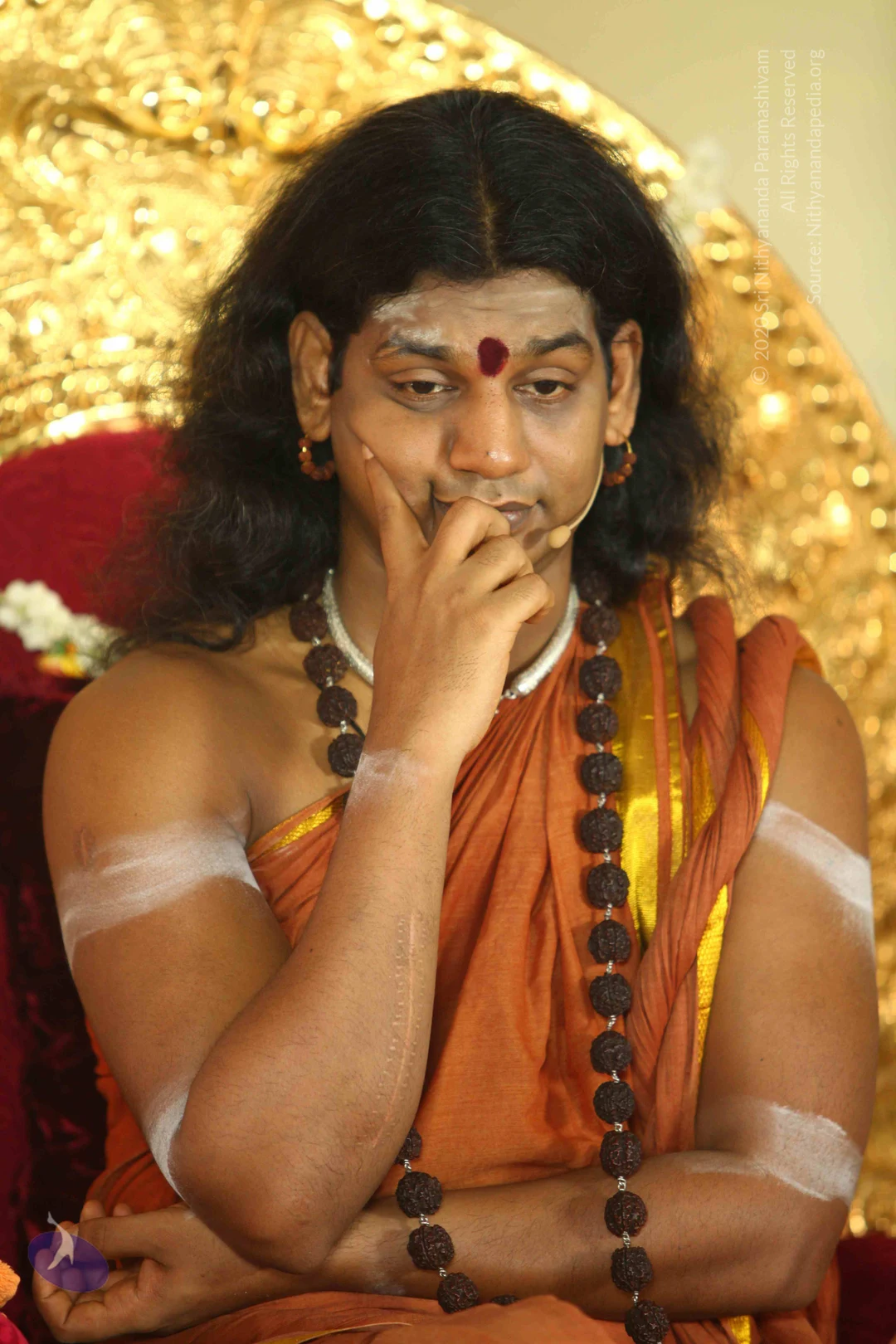
3-SarvaDarshan
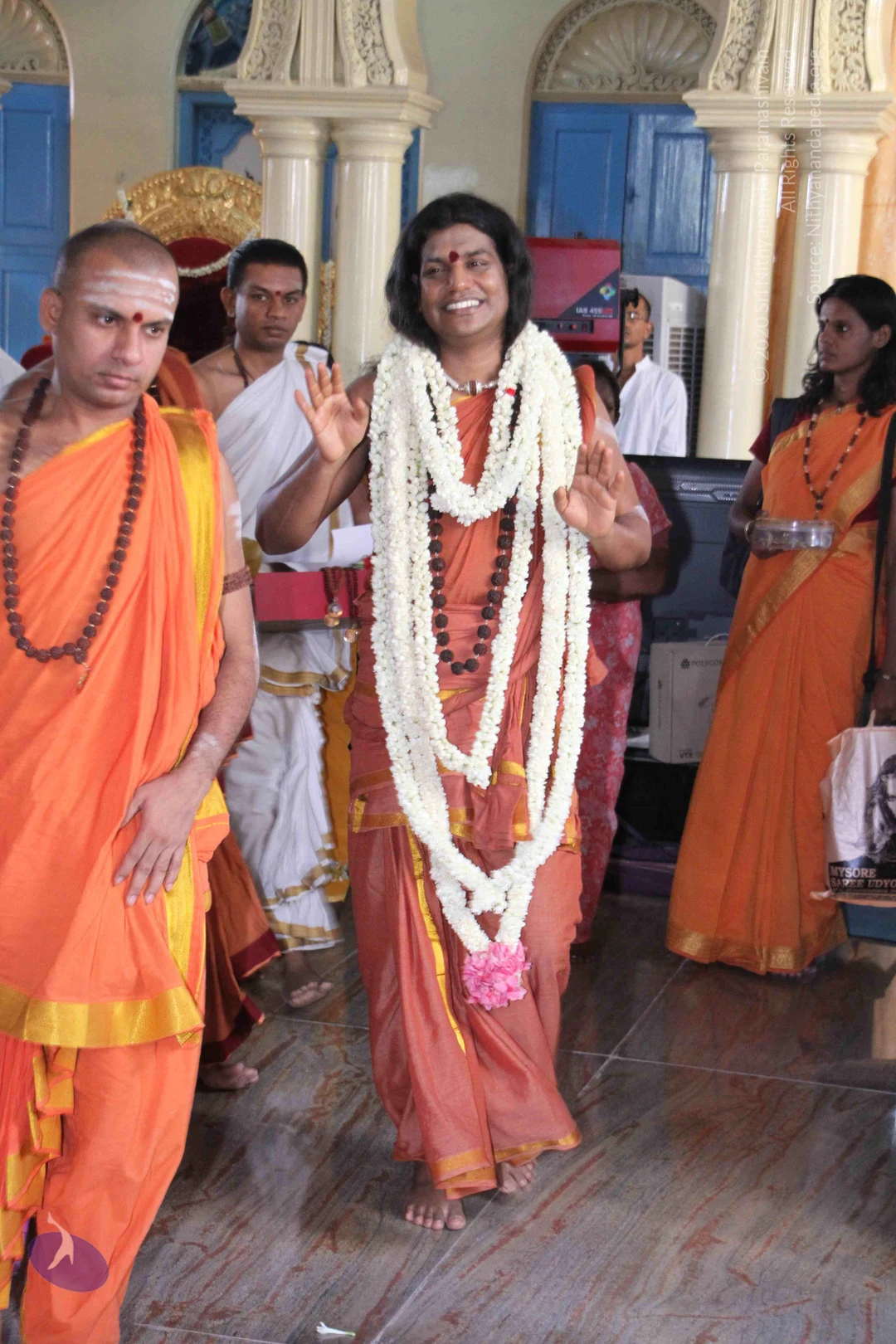
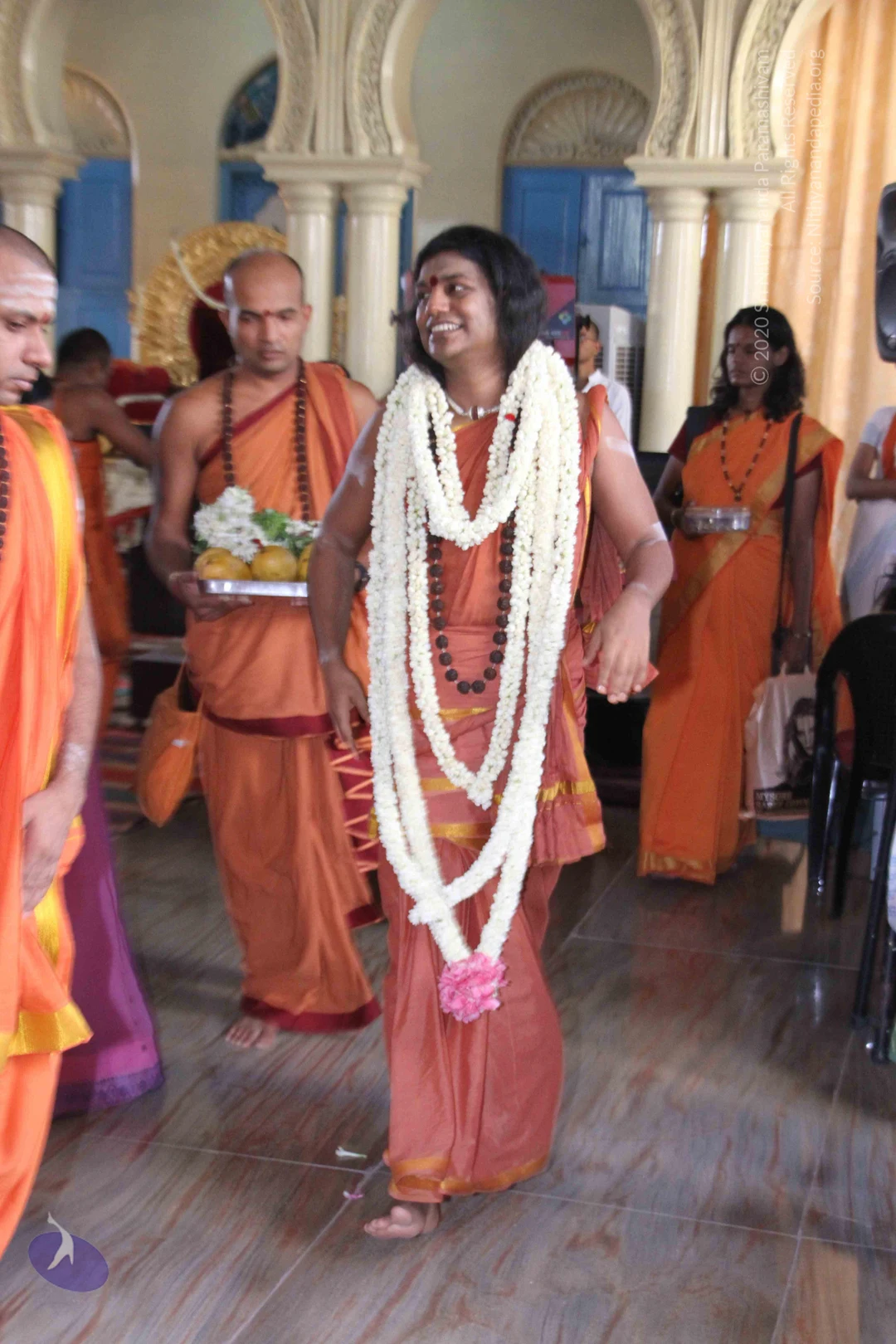
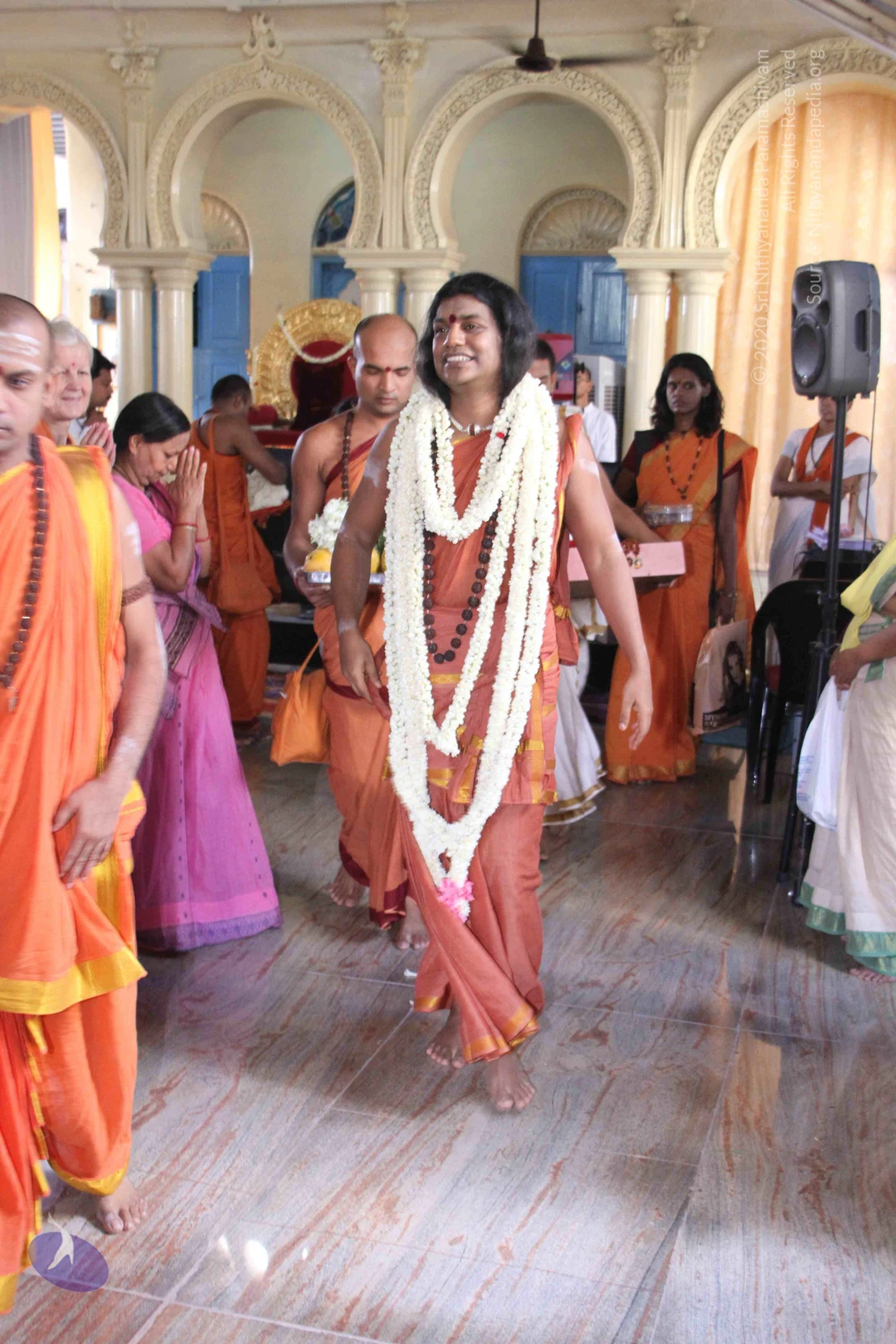
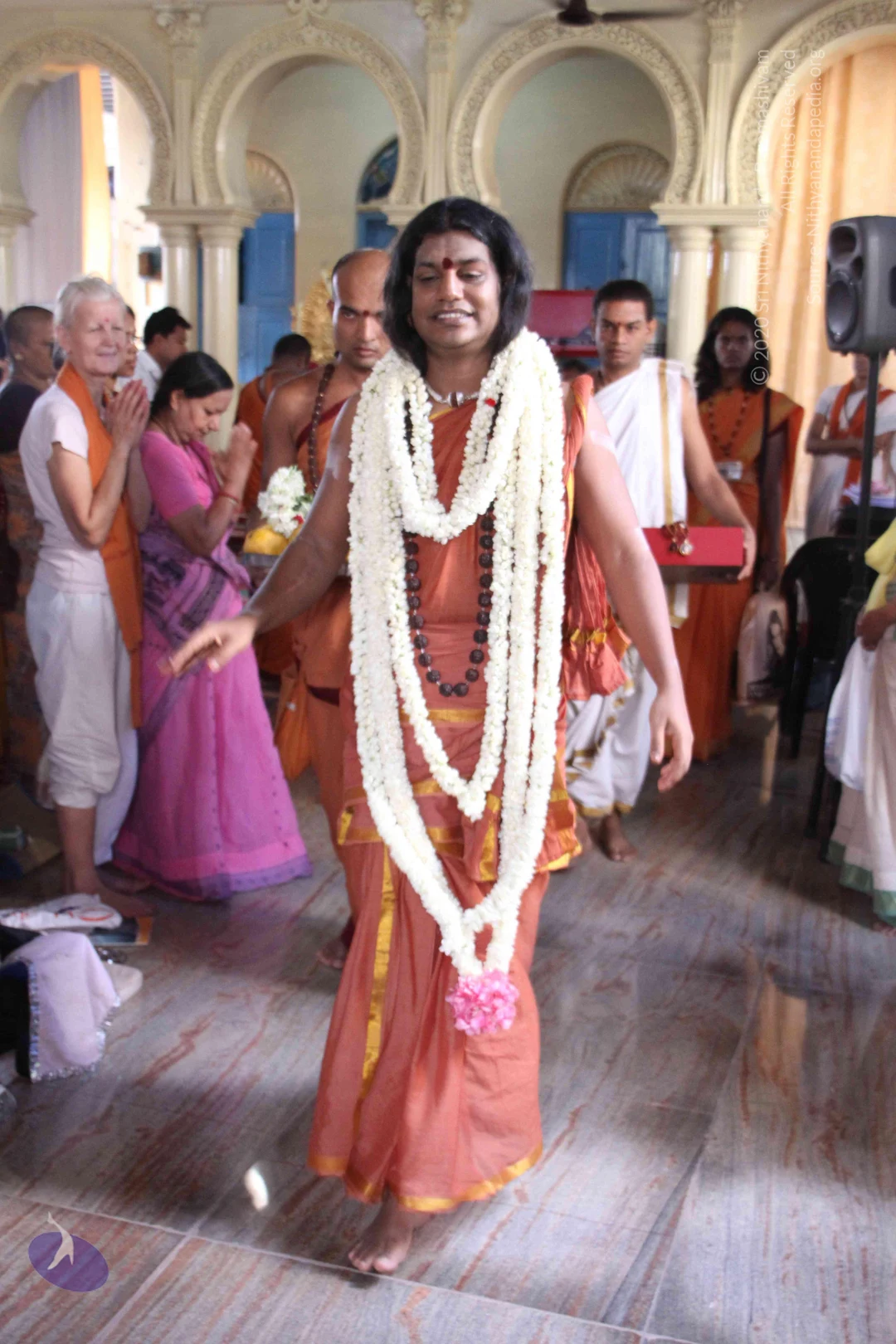
Photos from this day
View all 186 photosPhotos
107 photosSource gallery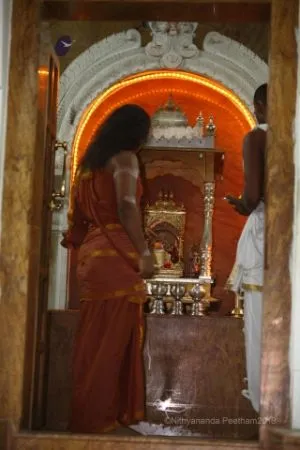
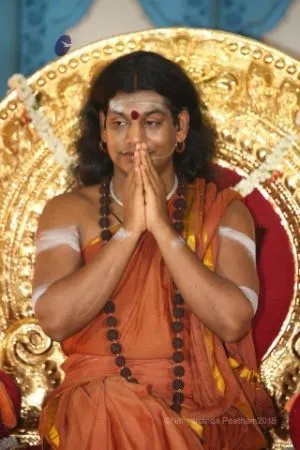
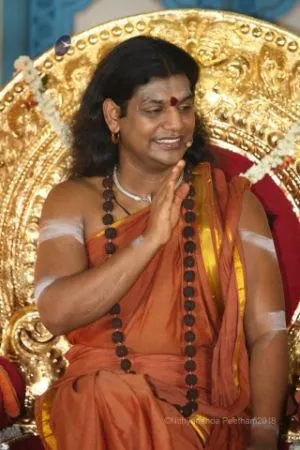
Satsang
37 photosSource gallery
SarvaDarshan
8 photosSource gallery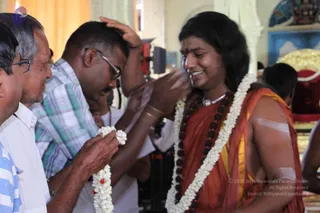
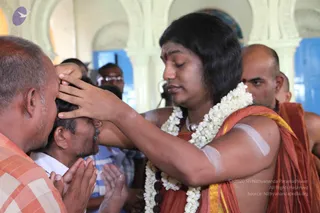
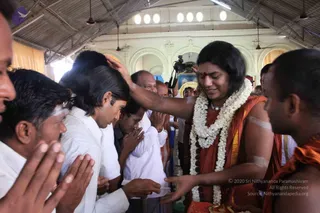
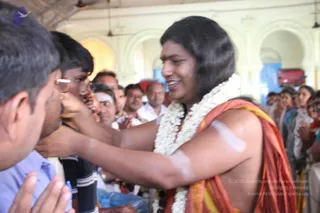
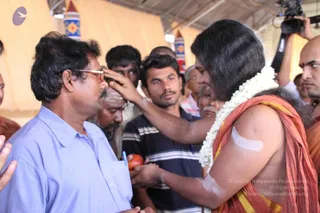
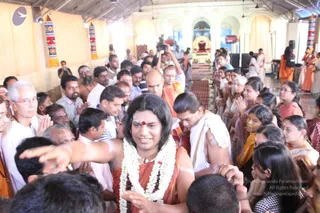
Volunteers-doing-work
13 photosSource gallery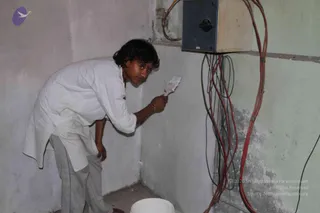
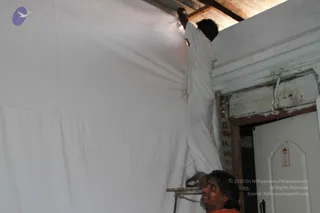
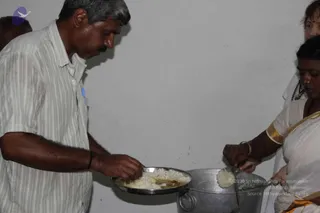
Annadhaan
7 photosSource gallery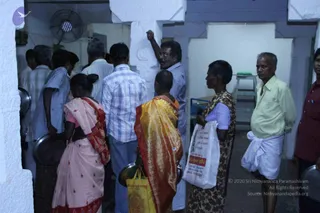
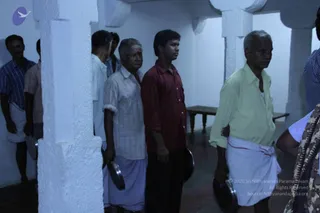
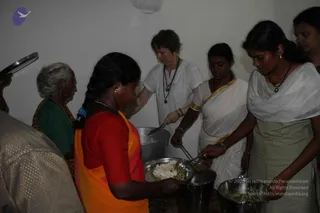
1-Temple-Visit
3 photosSource gallery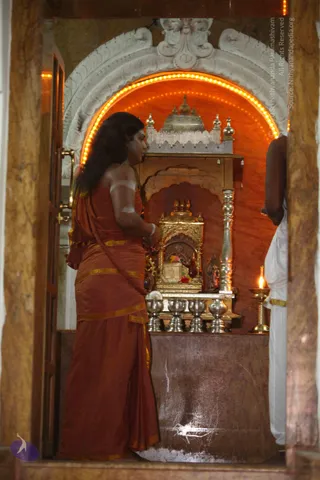
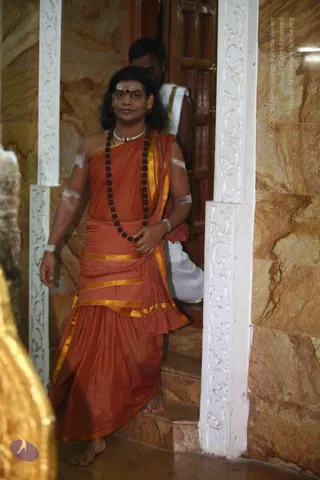
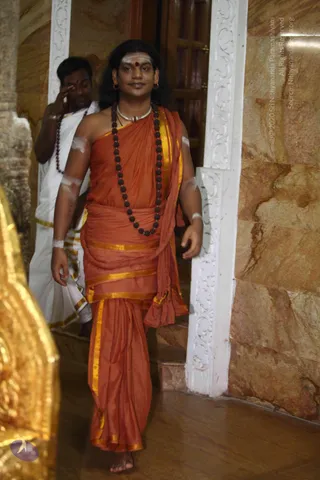
2-Satsang
10 photosSource gallery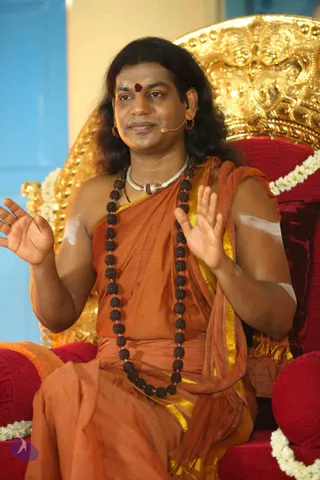
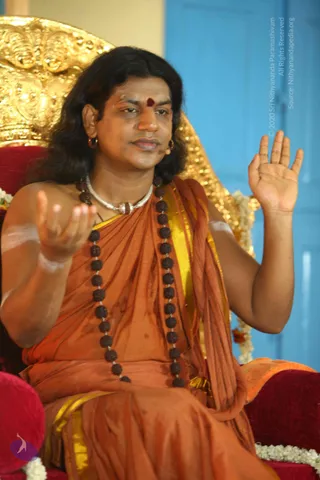
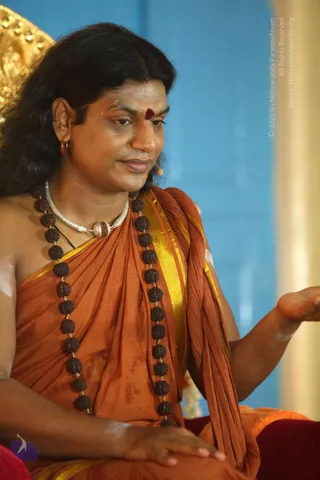
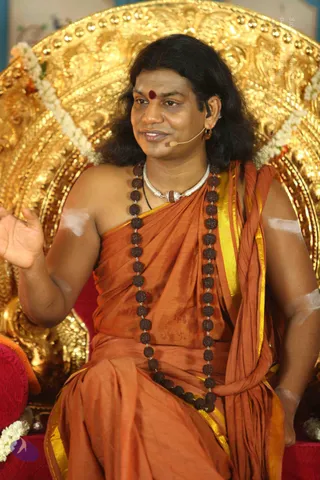
3-SarvaDarshan
1 photoSource gallery