Sunday
25 May 2014
Nithyananda reveals a new vision for Hinduism
- Dated photos
- 128
- Source pages
- 1
- Media
- 2
May 25 2014
Original wiki pageTitle:
Nithyananda reveals a new vision for Hinduism
Description:
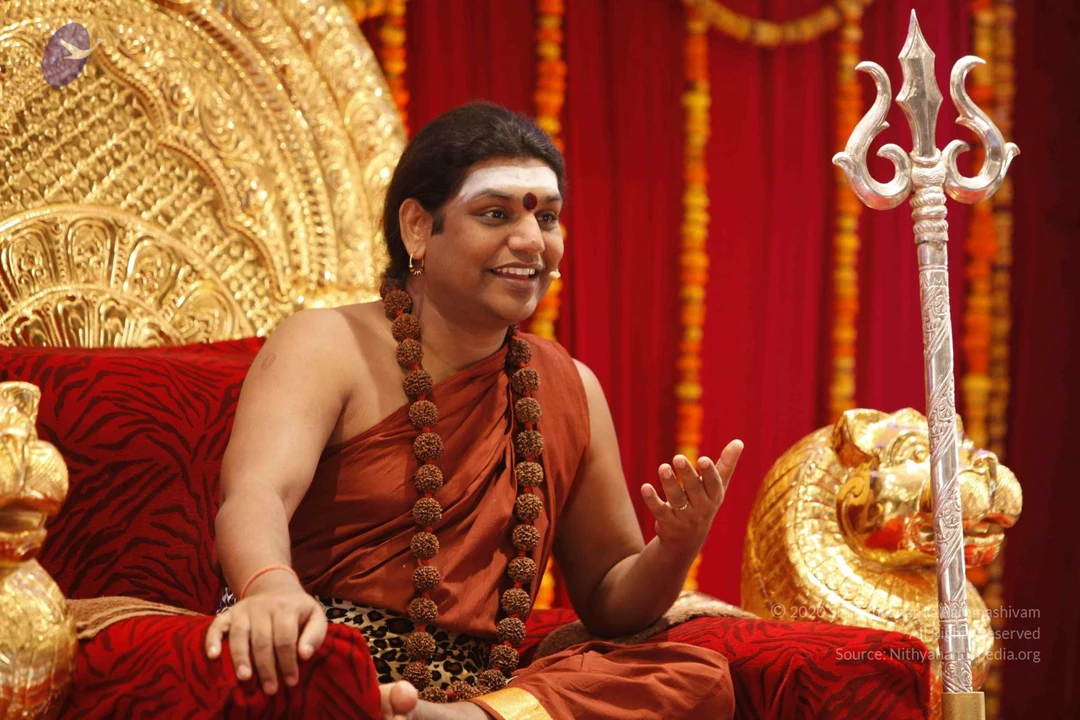
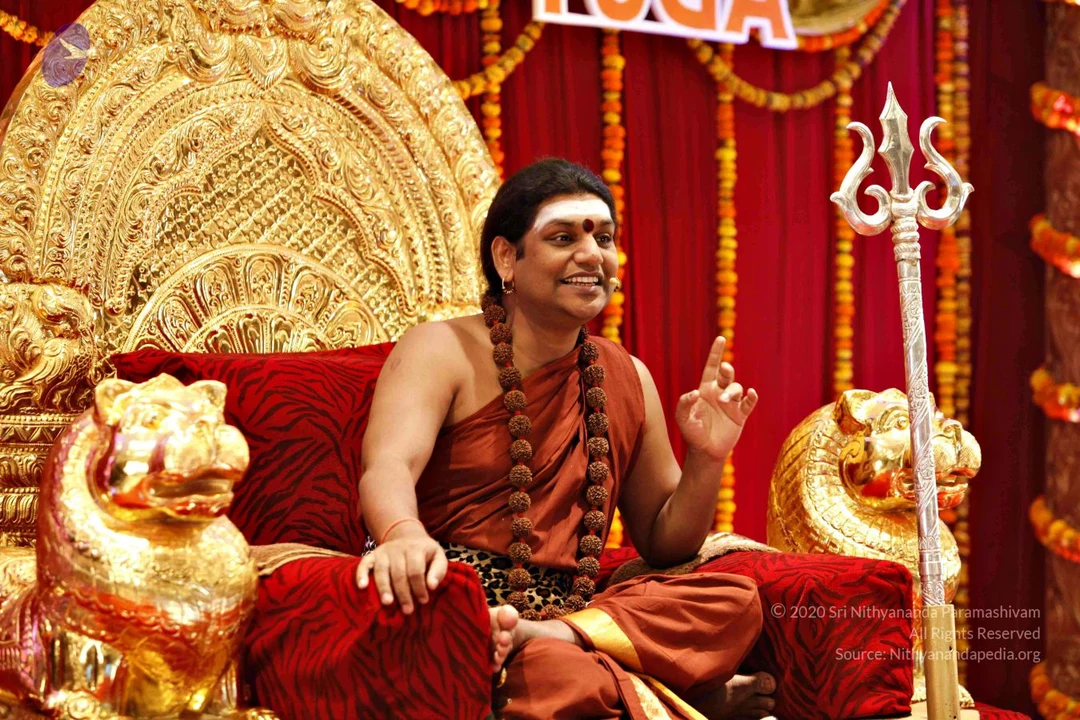
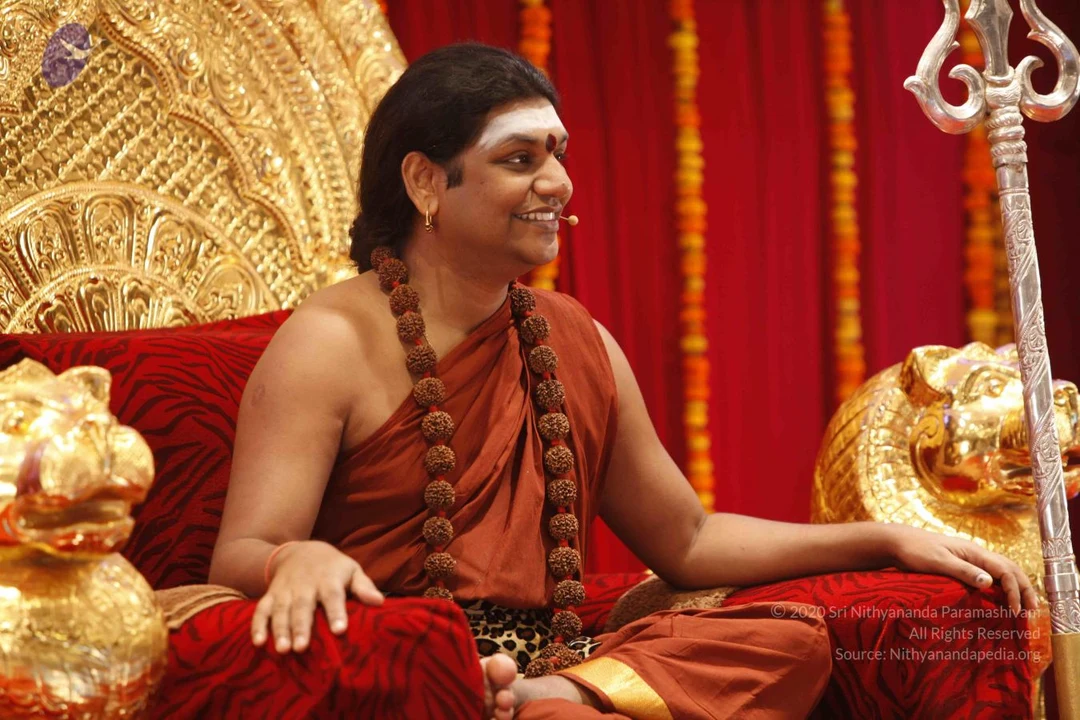
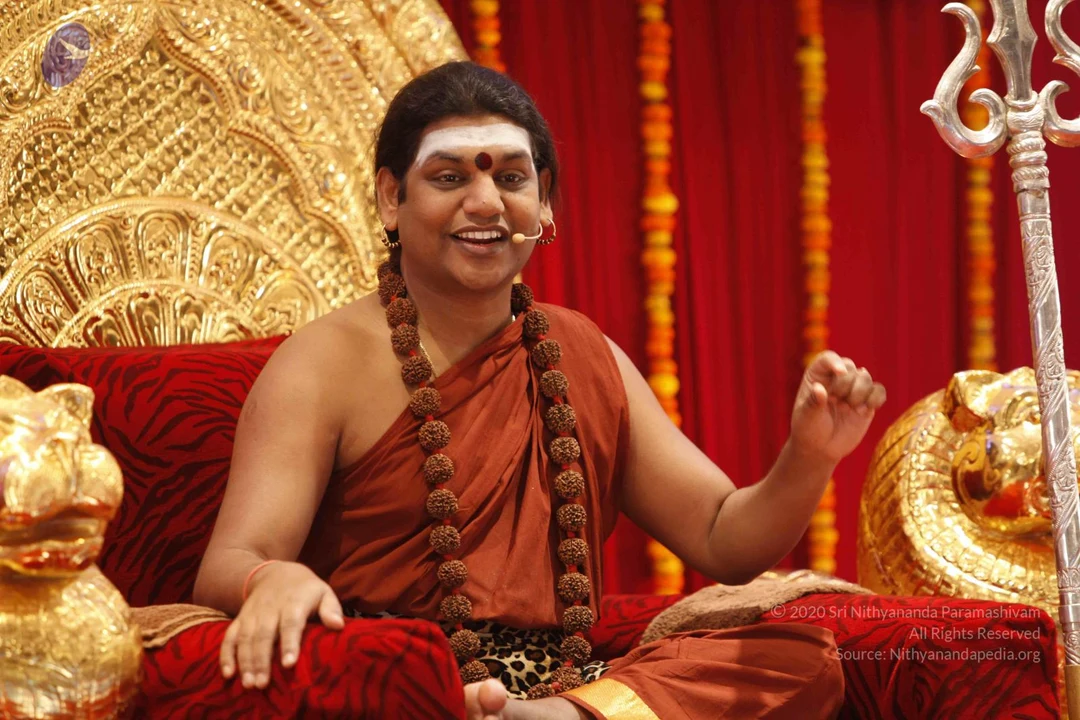
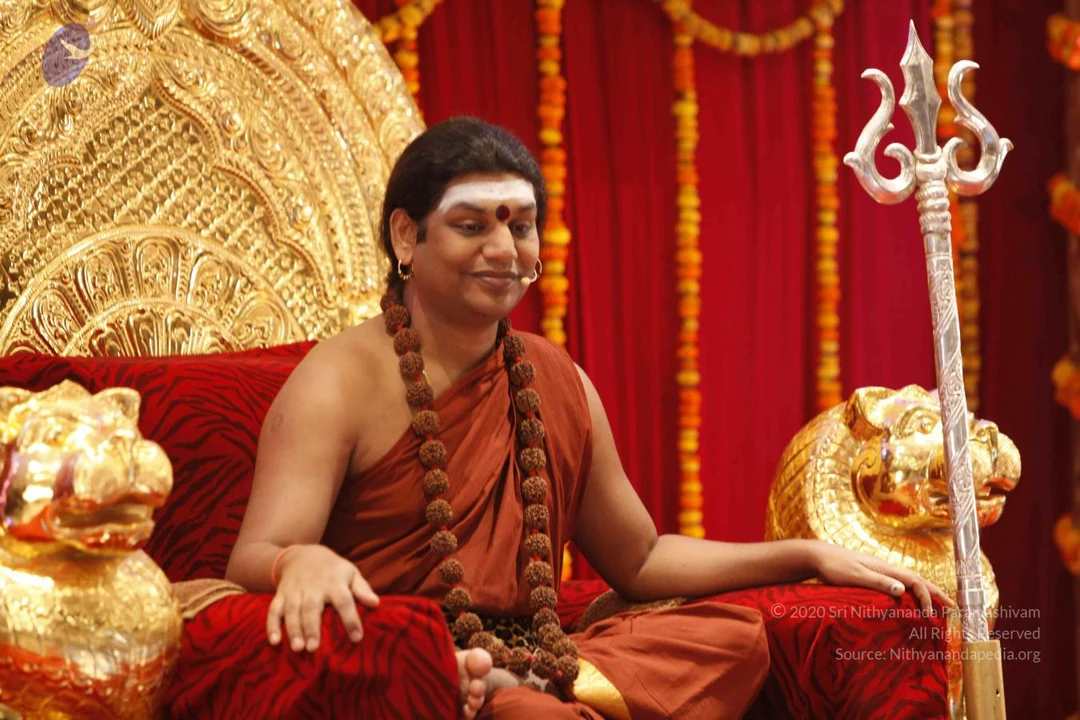
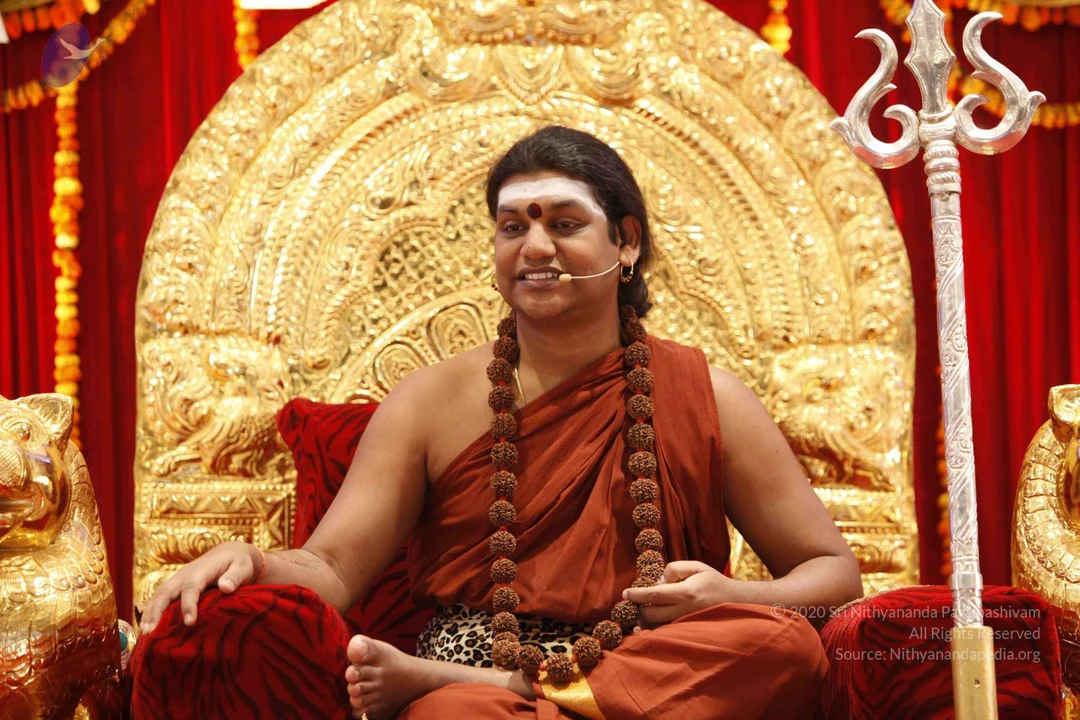
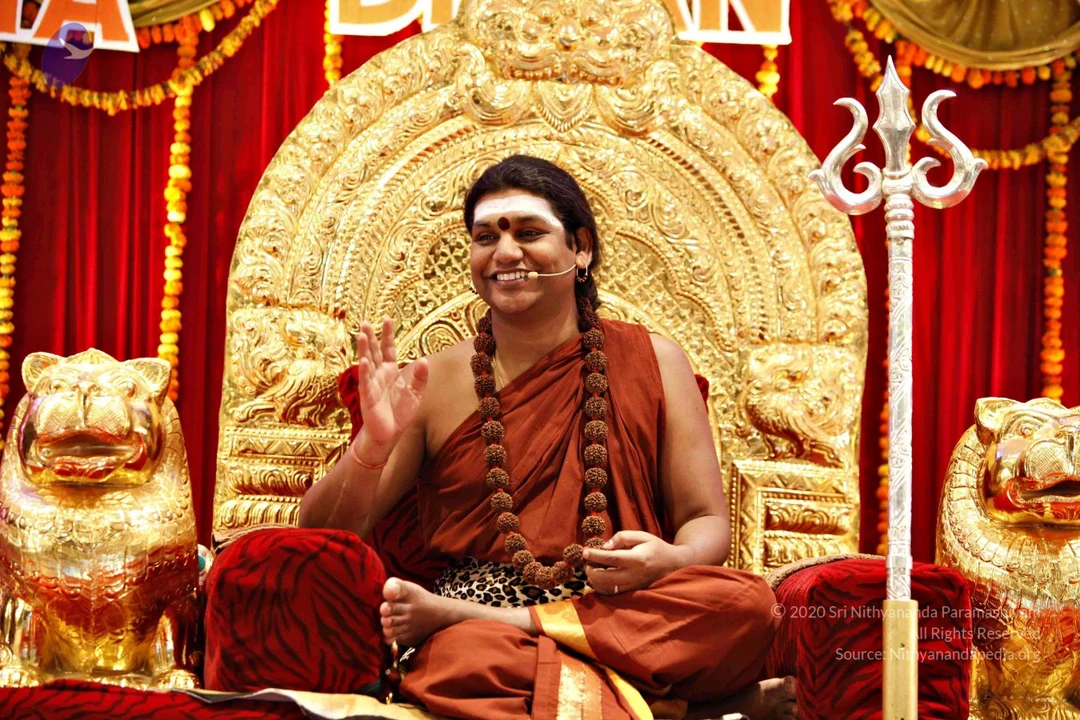
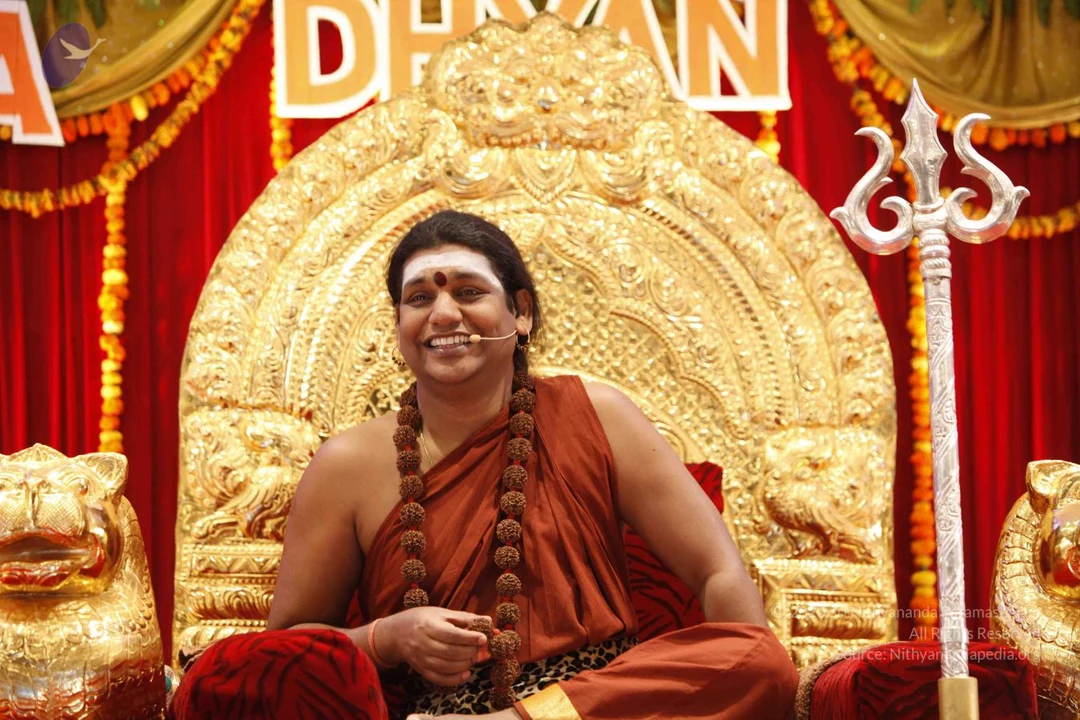
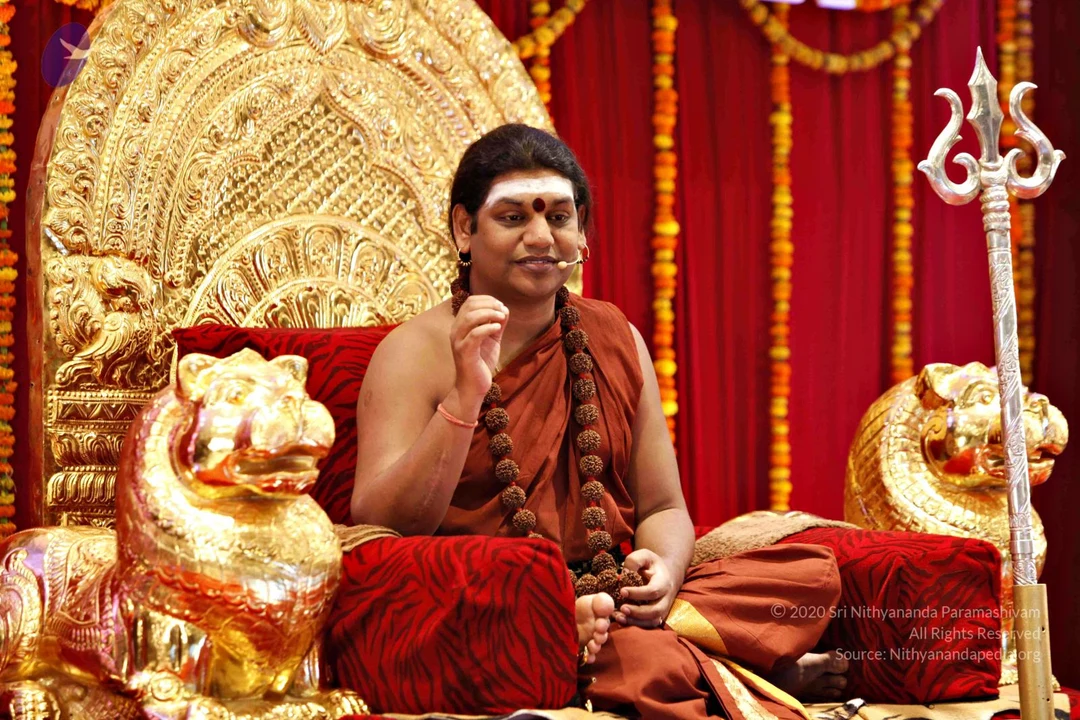
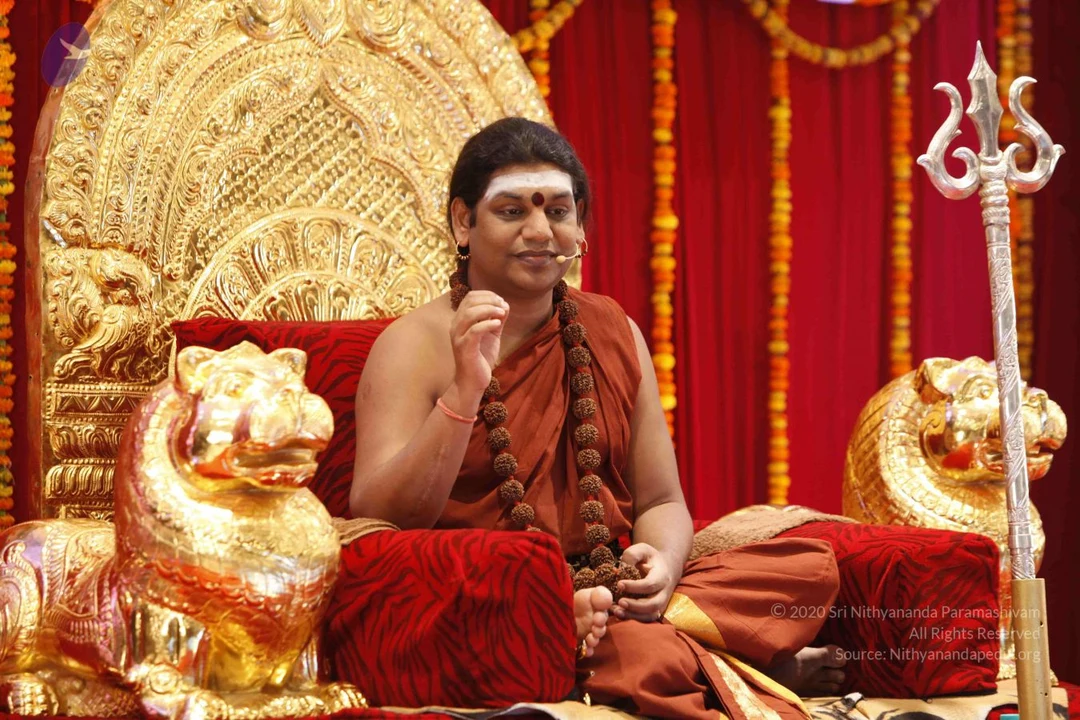
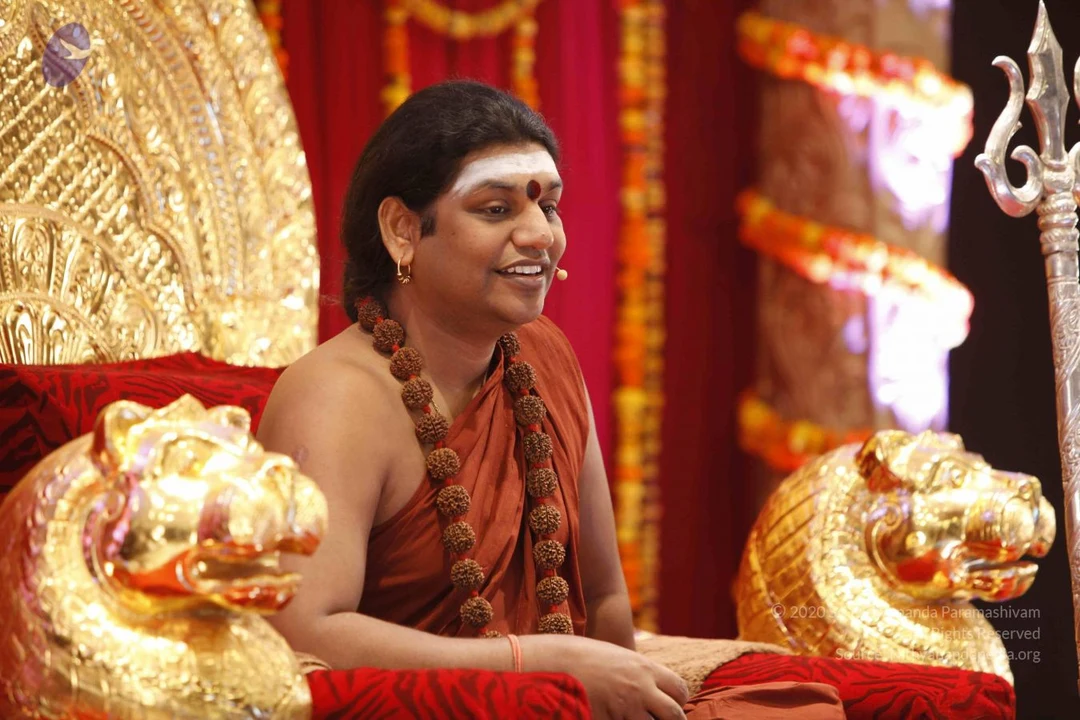
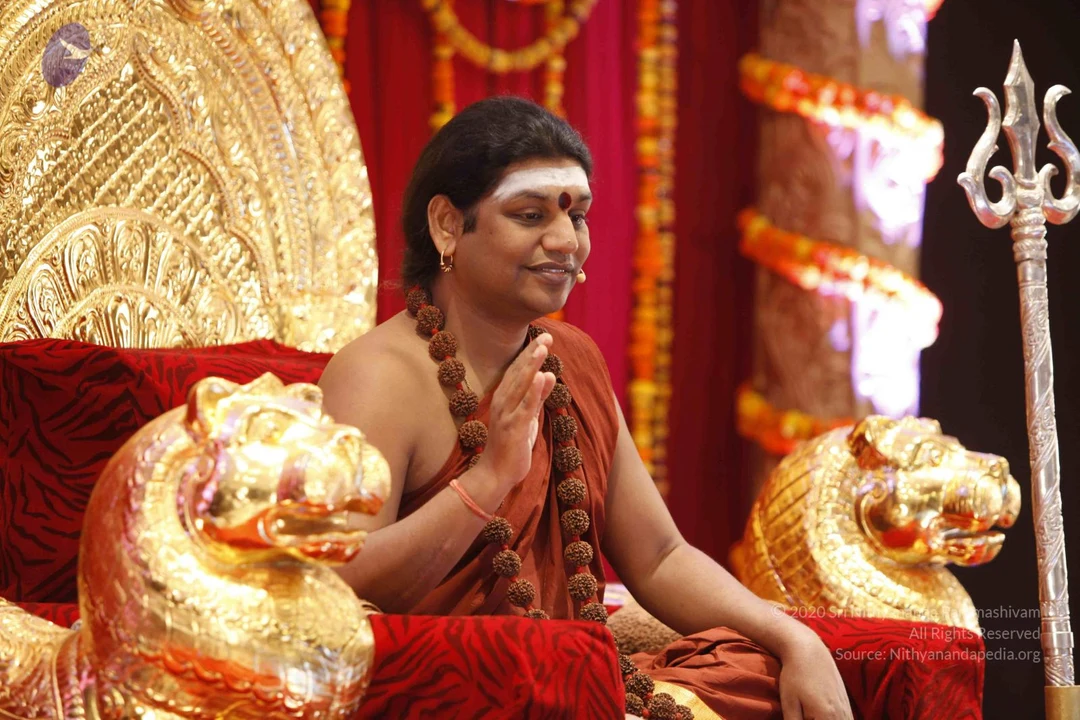
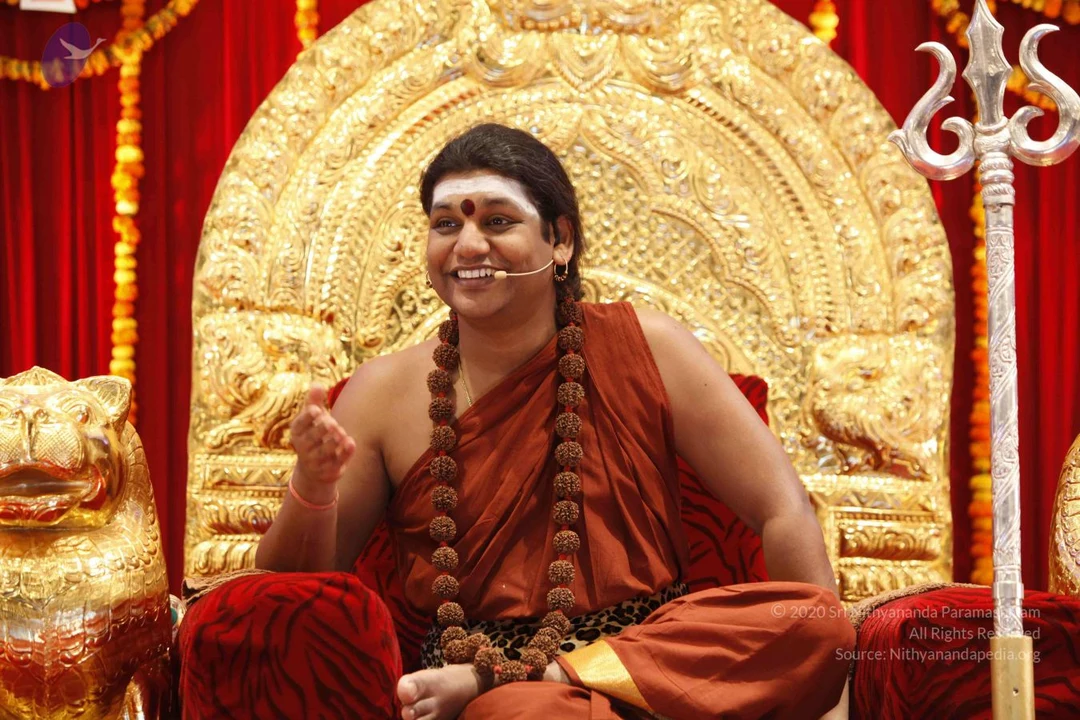
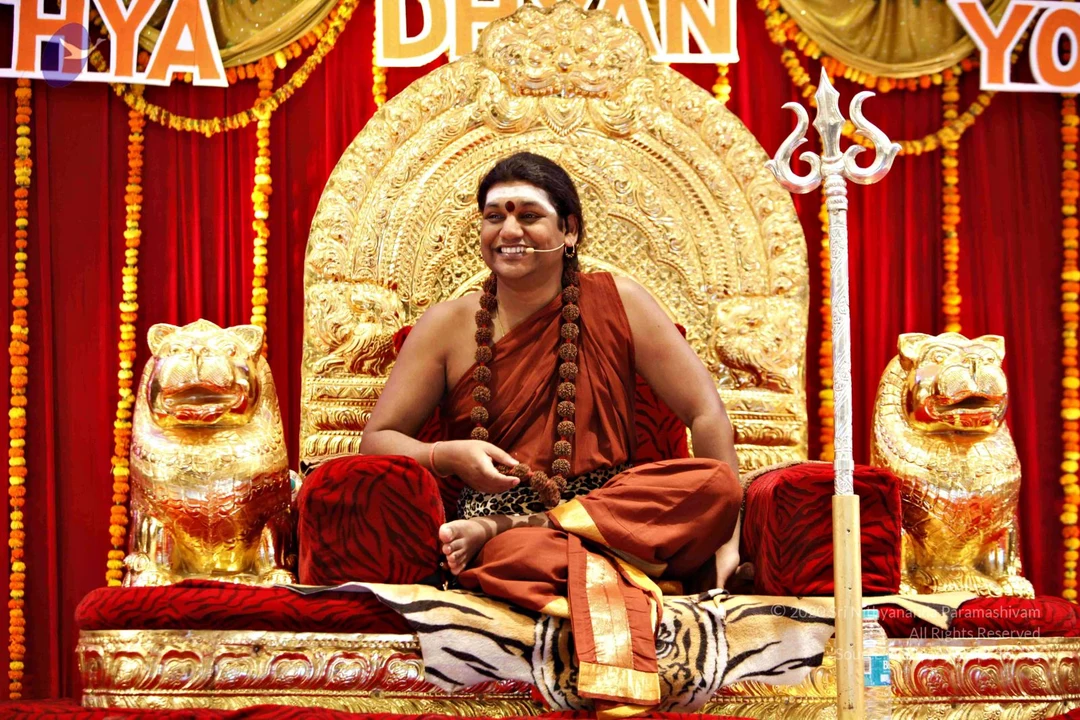
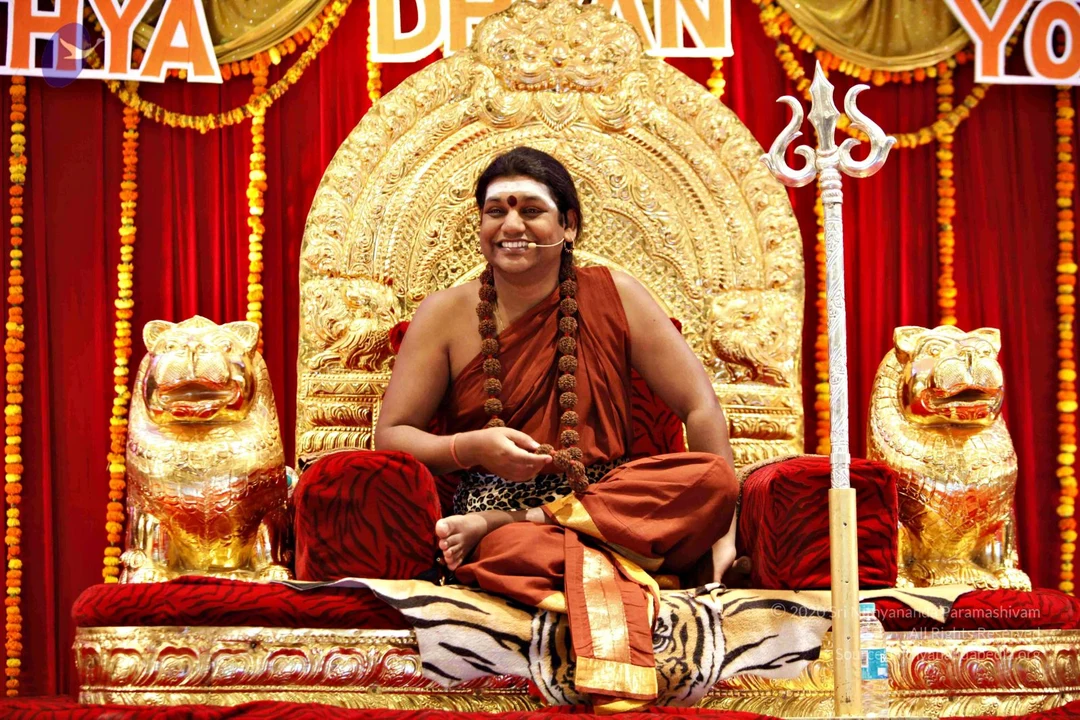
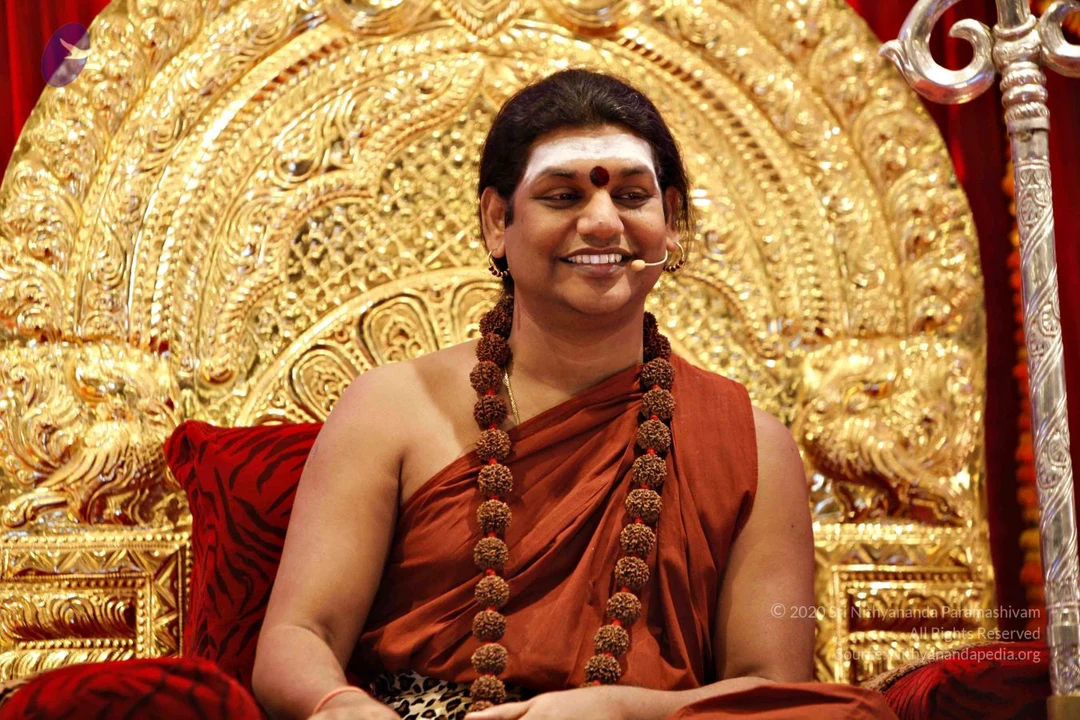
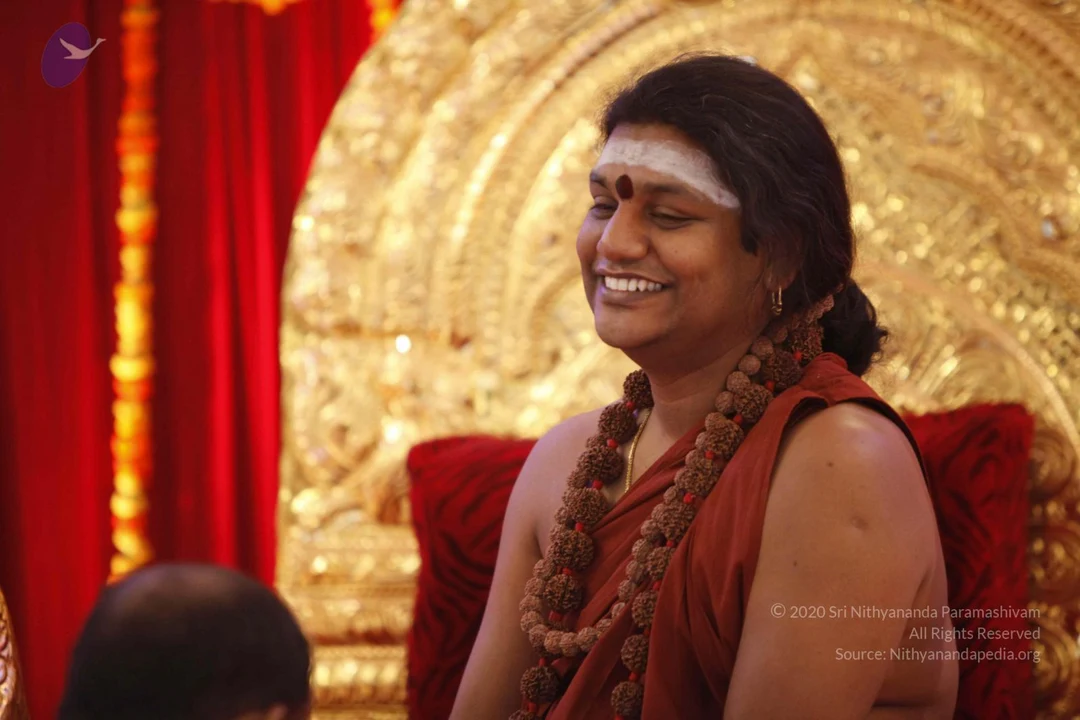
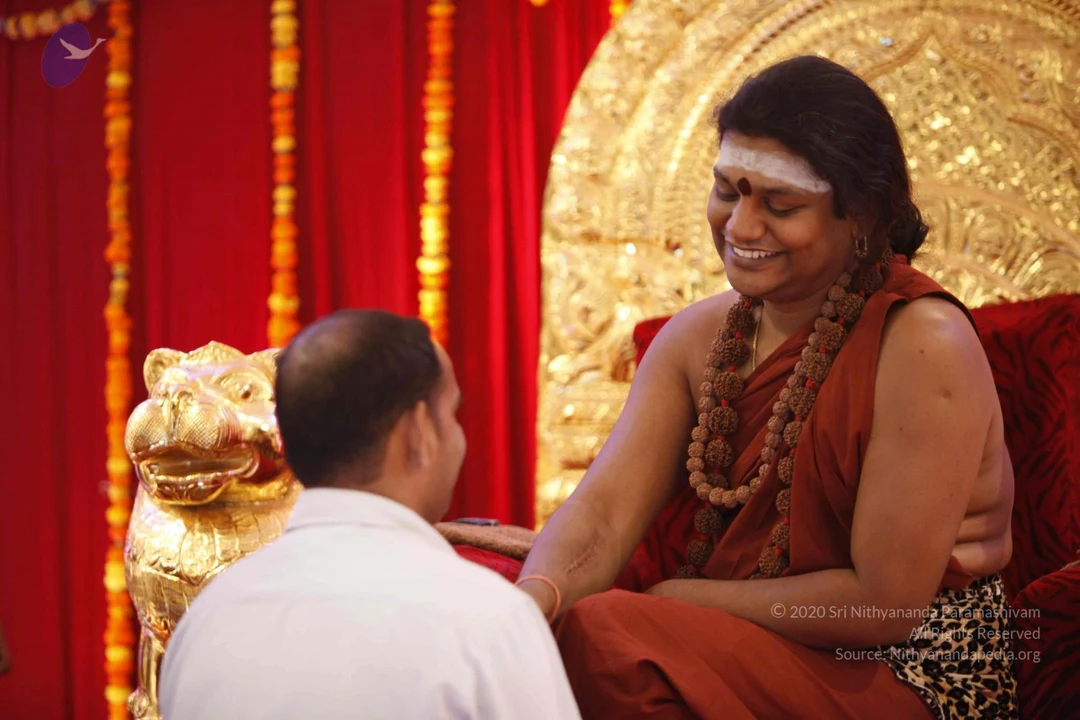
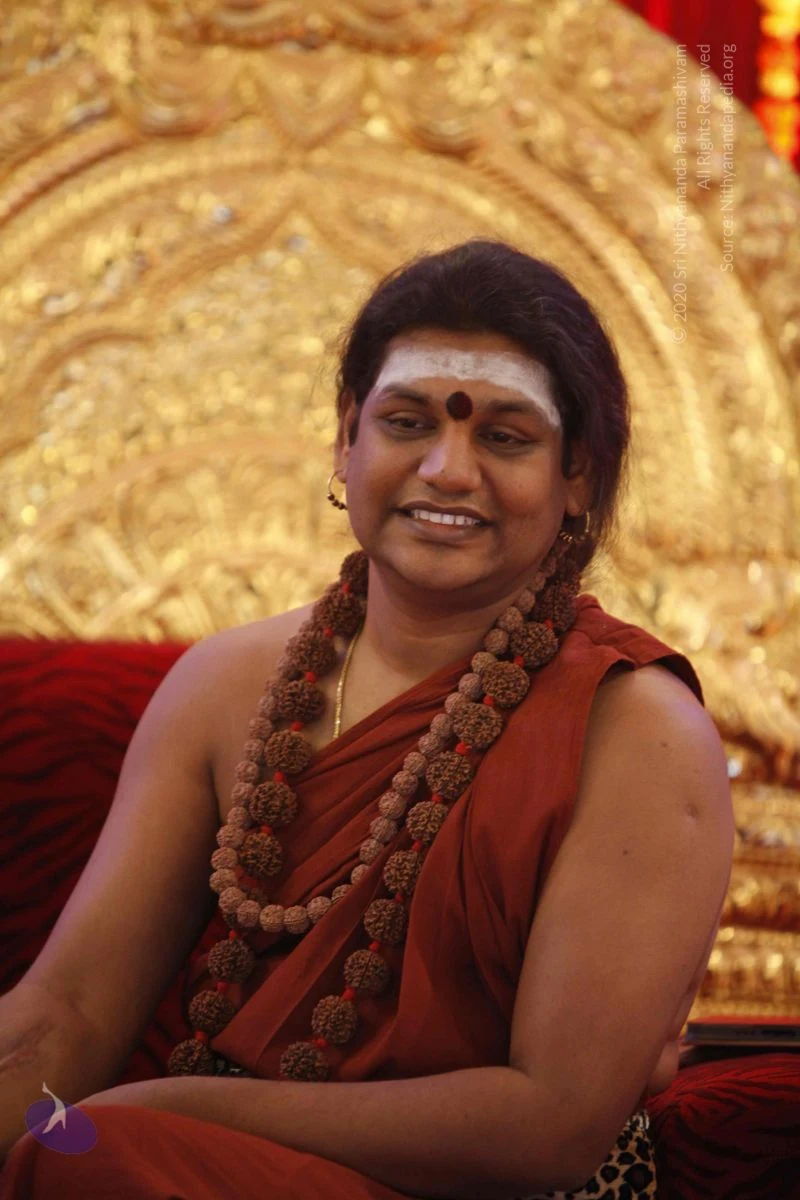
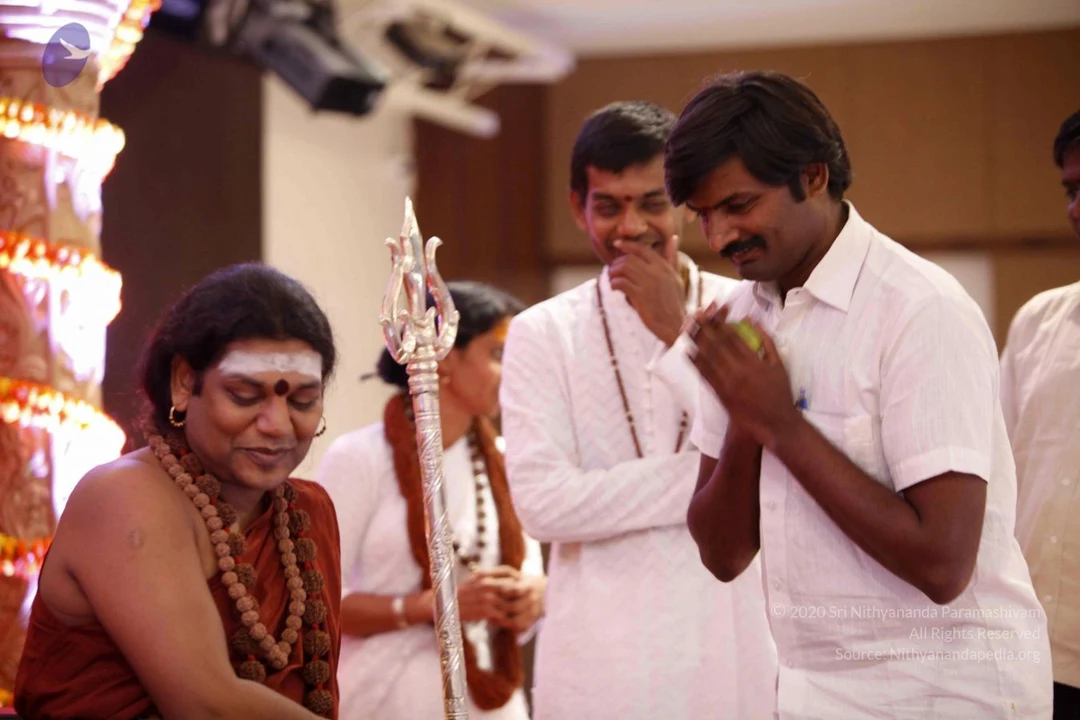
In today's (25th May, 2014) morning satsang of Paramahamsa Nithyananda from Varanasi Paramahamsa Nithyananda spoke about knowledge transferring mechanisms and methodologies. He urged all ashrams to start collecting books from today for their libraries, which are to be Grandha Samadhis in which the books are worshiped with flower offerings and incense and camphor aarthi. He then told about his vision of the Sarvanja Peetha where many pundits and swamis sit and answer all questions from the Vedic Scriptures with this service being provided free of charge. Tags-Varanasi, Paramahamsa Nithyananda, knowledge transferring mechanisms and methodologies, libraries, Grandha Samadhis, worshiped, Sarvanja Peetha, Vedic Scriptures.
Link to Video:
| Video | Audio |
Transcript:
NithyanandeshwaraSamaarambhaam
NithyanandeshwariMadhyamaam |
AsmathAachaaryaParyanthaam
Vandhey Guru Paramparaam ||
I welcome all the devotees, disciples, samajis, satsanghis, Shrimahants, Mahants, Kotharis, Thanedars sitting with us all over the world at this time through Nithyananda TV, Sadhna TV, and two-way video-conferencing having Nayana Deeksha all over the world.
Cities sitting with us through two-way video-conferencing having NayanaDeeksha: Vancouver-Bhubaneshwar, Houston-Kalahasti, Toronto-Kailasam, Nithyananda University-Los Angeles, Nithyananda University-Paris, Seattle-Chidambaram, St. Louis-Tirumala, Washignton DC-Sripuram, NithyanandaNagara-Bidadi, Nithyananda Nagar-Tiruvannamalai, NithyanandaNagaramu-Hyderabad, Nithyananda Nagar-Rajapalayam, San Jose-Madurai, Mattakalappu-Ilangai, Dhyanapeetam-Madurai, Ohio-Prayag, Singapore-Singapuram, Charlotte-Srisailam, Velachery-Chennai, Seattle-Chidambaram, St. Louis-Tirumala, Mulund-Mumbai, Temple City-California, New Zealand-AdiArunachalam, Gyaneshwor-Nepal, Dakota Dunes, Dubai-Vaidyanatham, Hyderabad-Gupta Kashi, Killinocchi-Ilangai, Auckland-New Zealand, TuenMun-Hong Kong, Port Washington-New York, Tallahassee-Florida, San Diego-Tirualavai, Guadeloupe-Rameshwaram, New York-Varanasi, Agra and Colorado Springs-USA, Selayang-Malaysia.
I welcome all of you with my love and blessings.
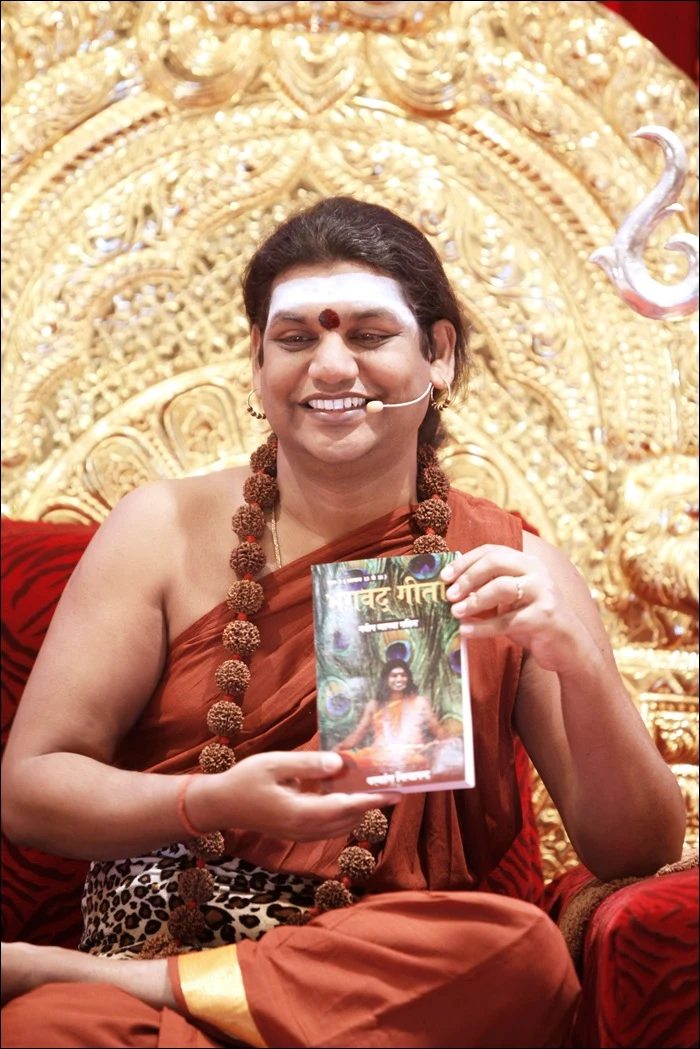
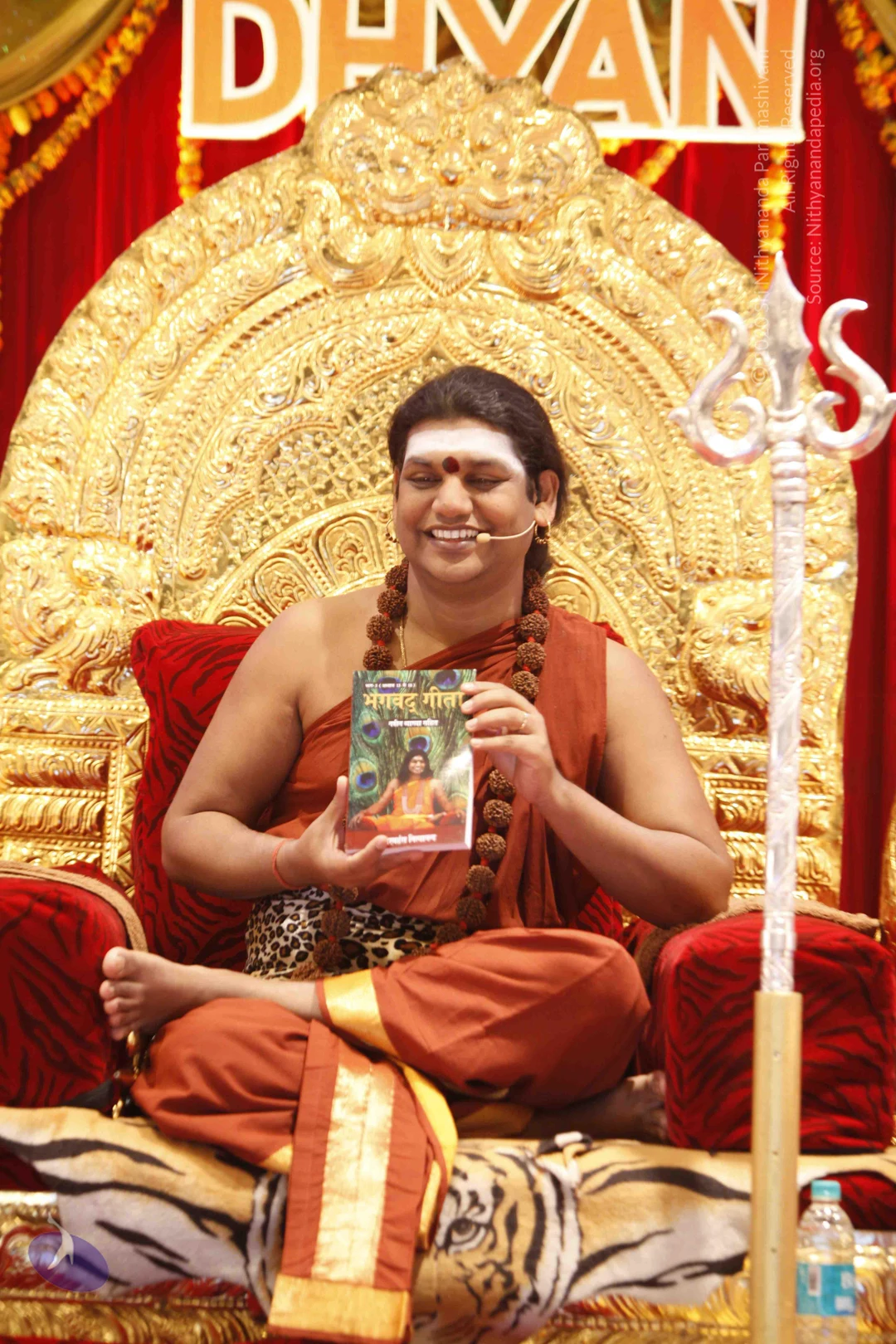
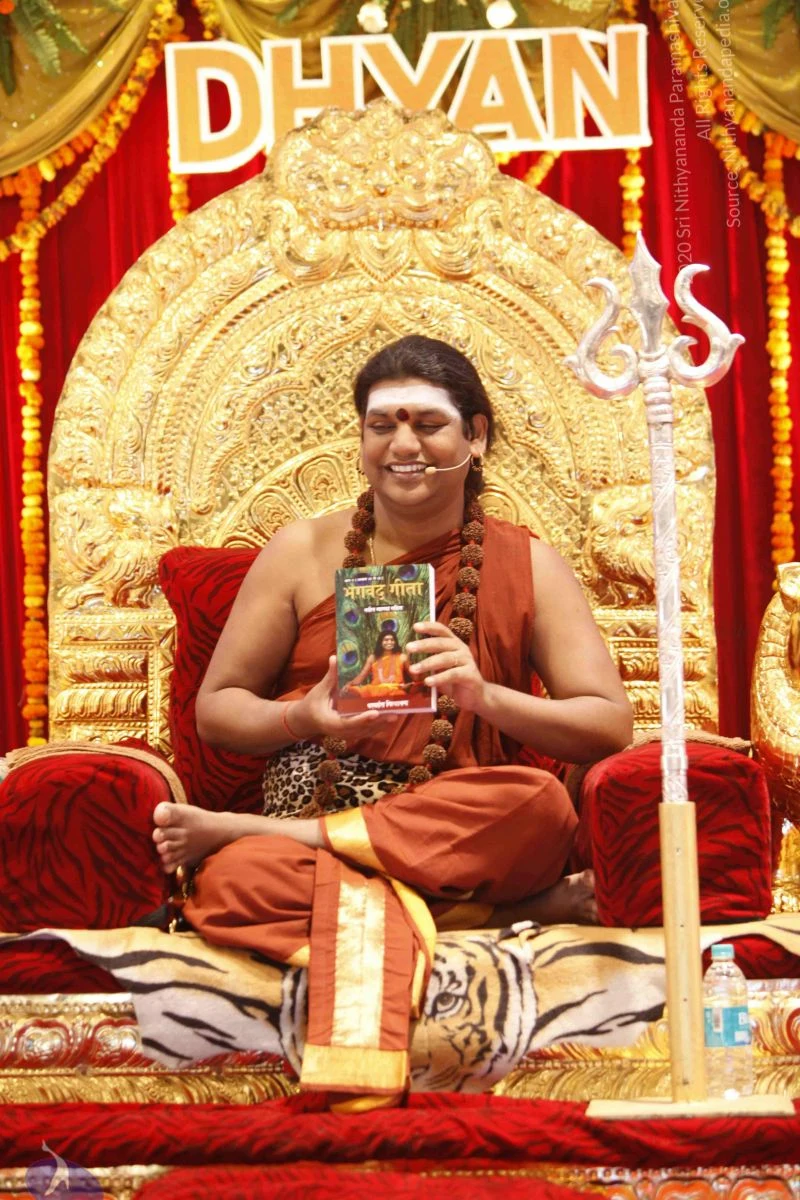
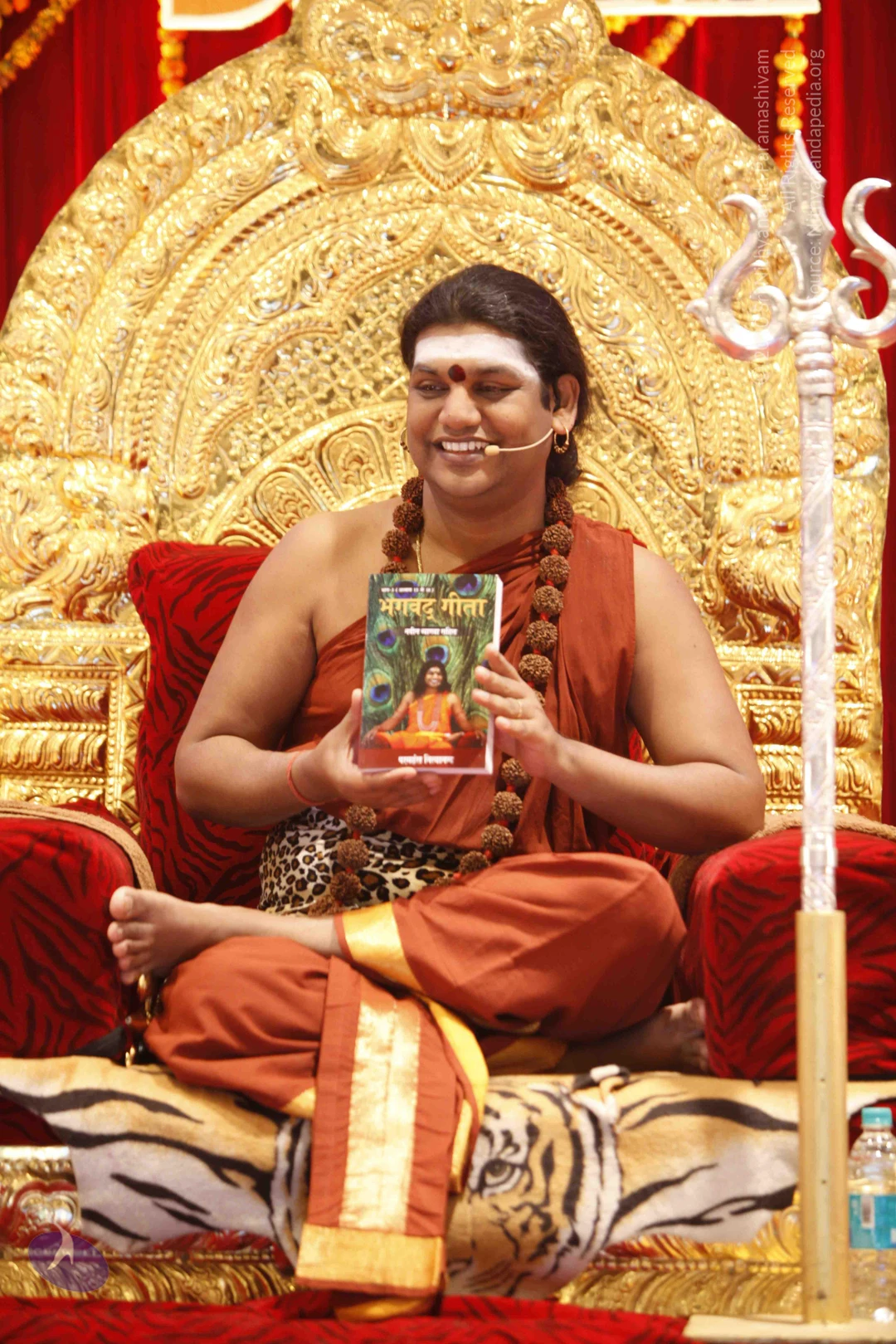
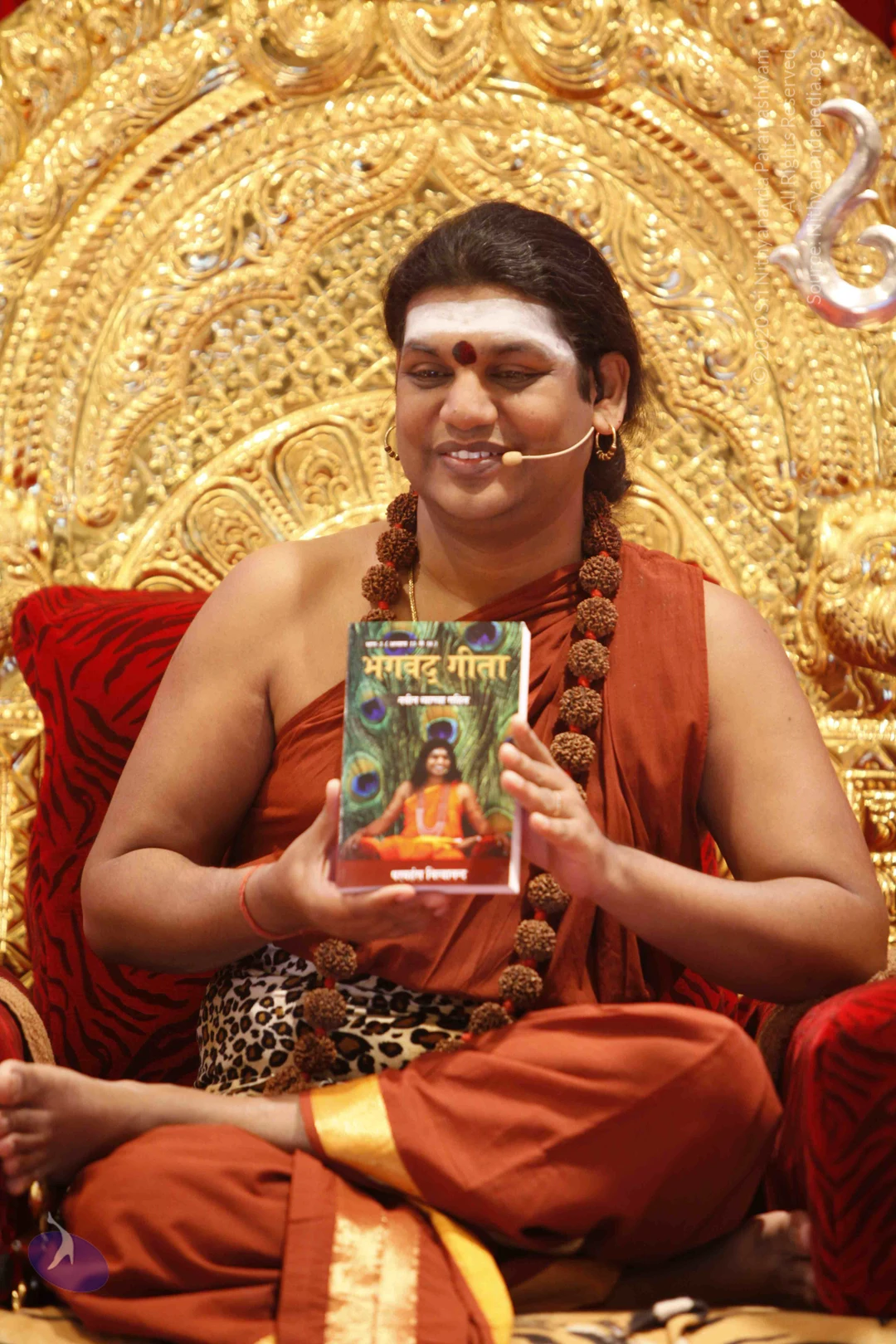
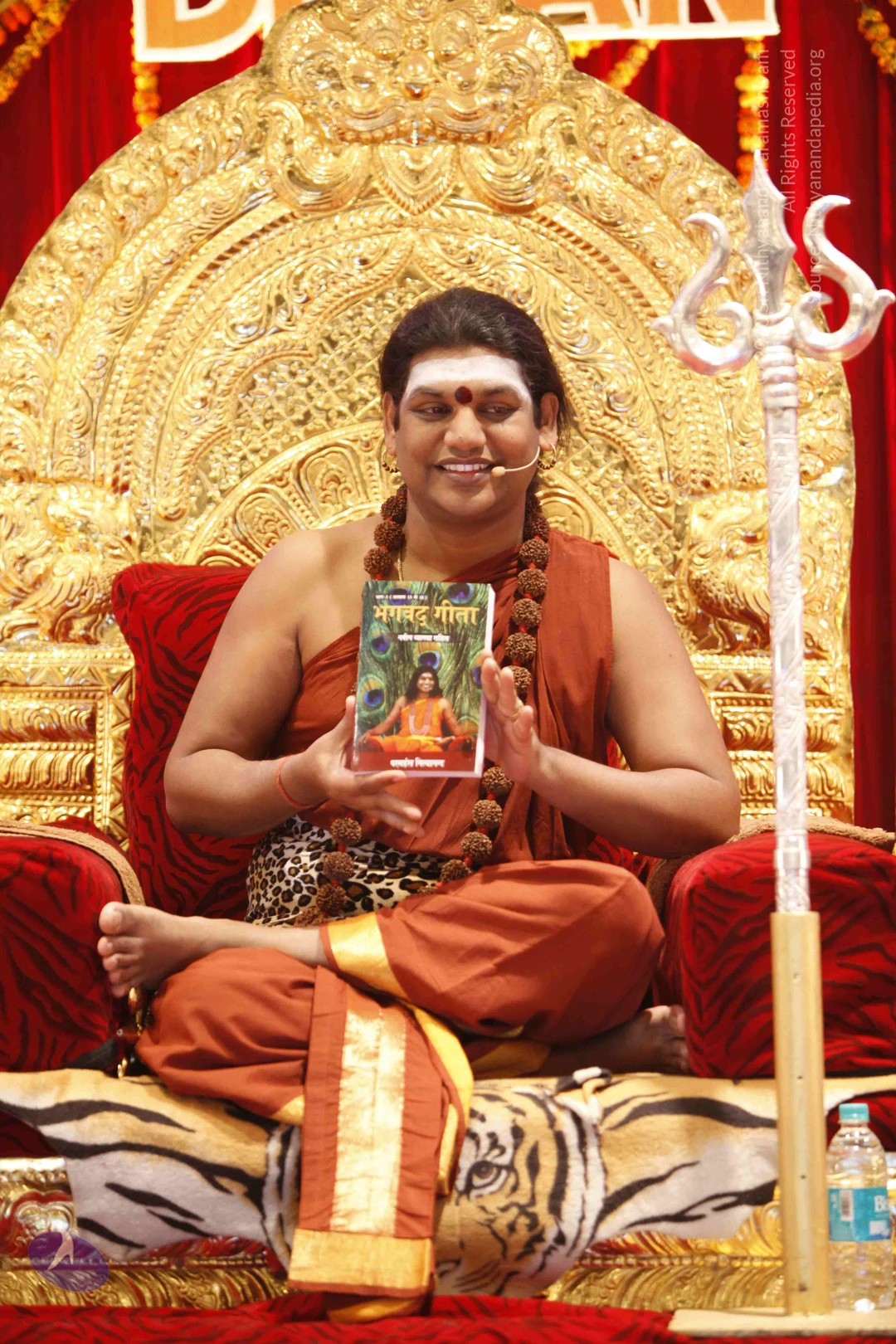
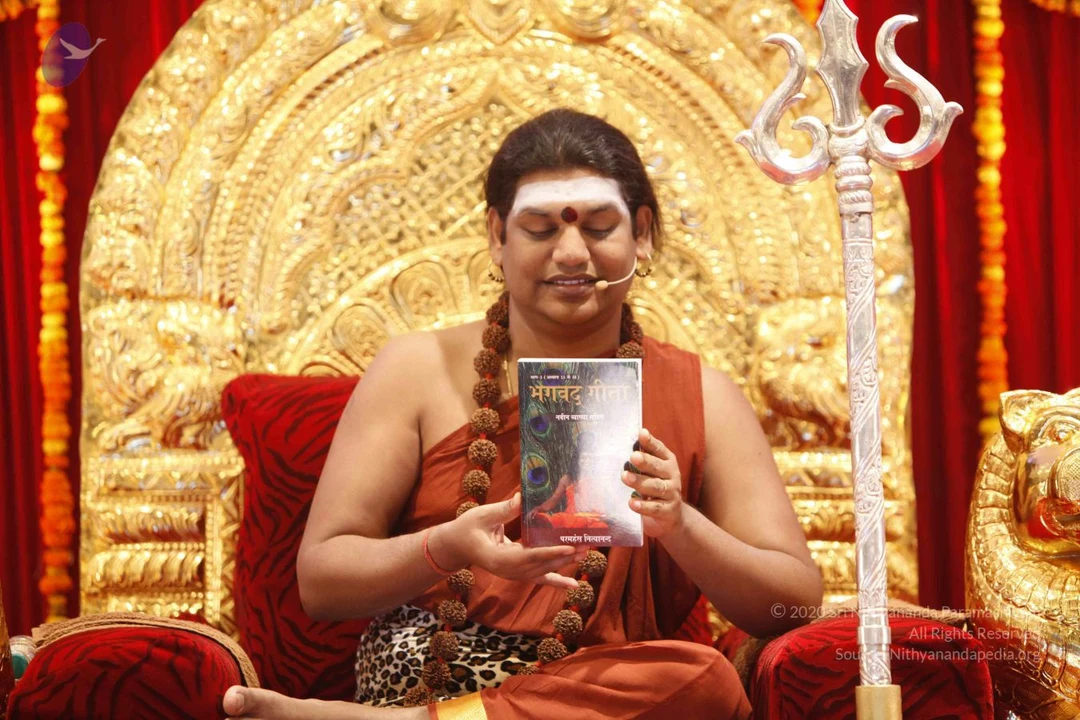
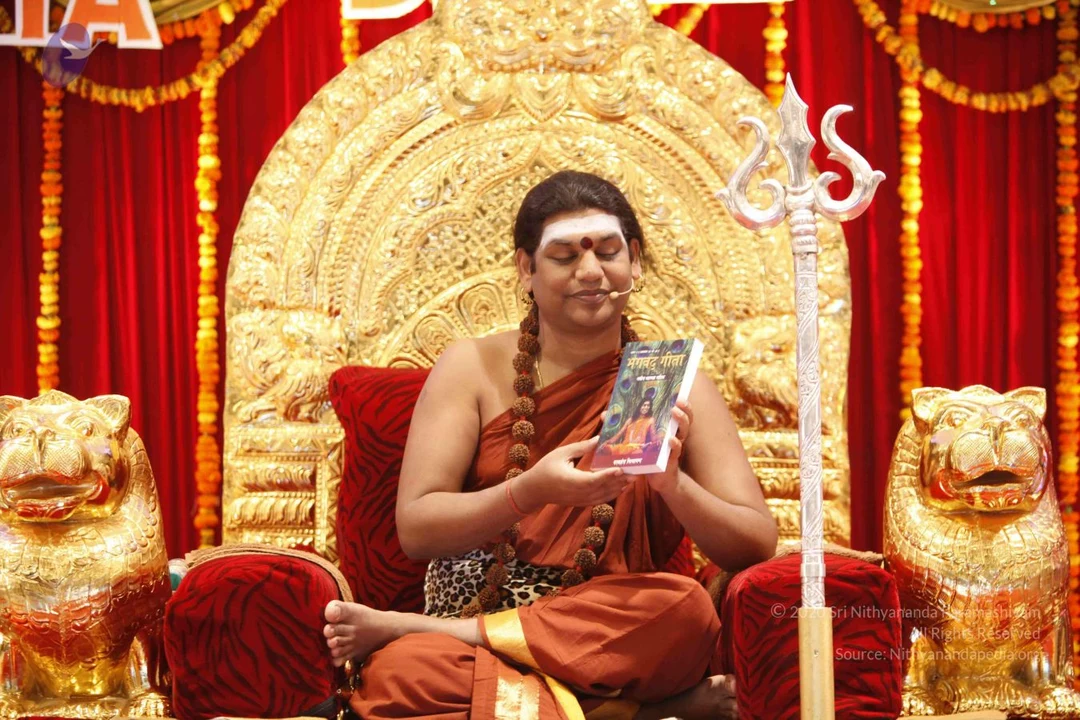
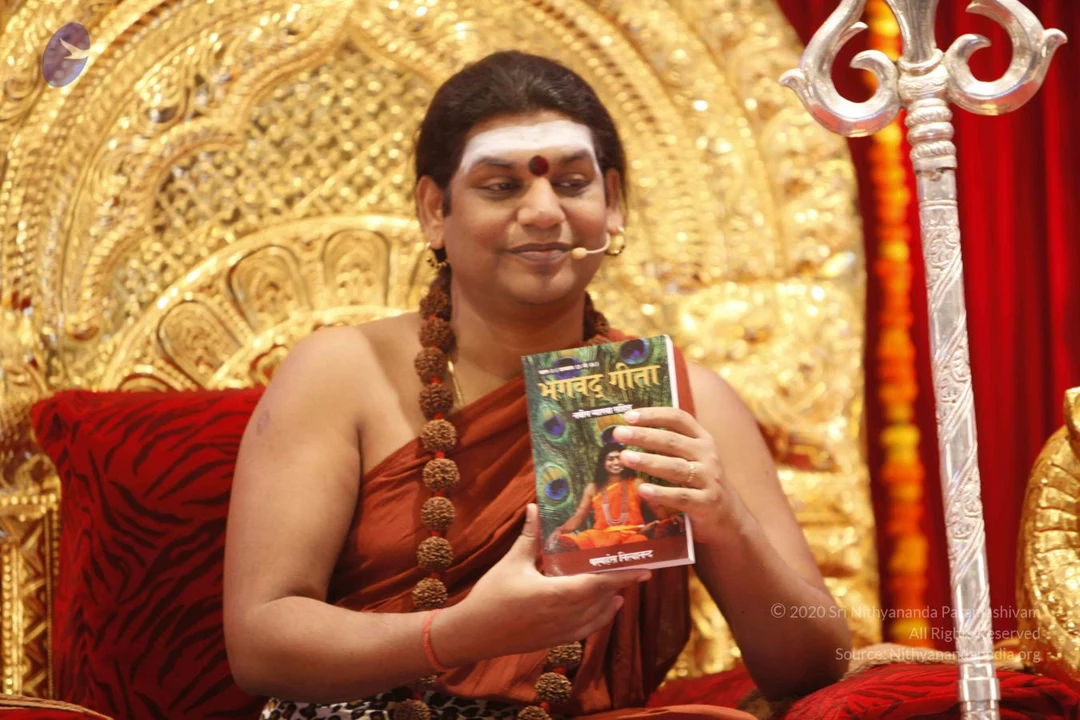
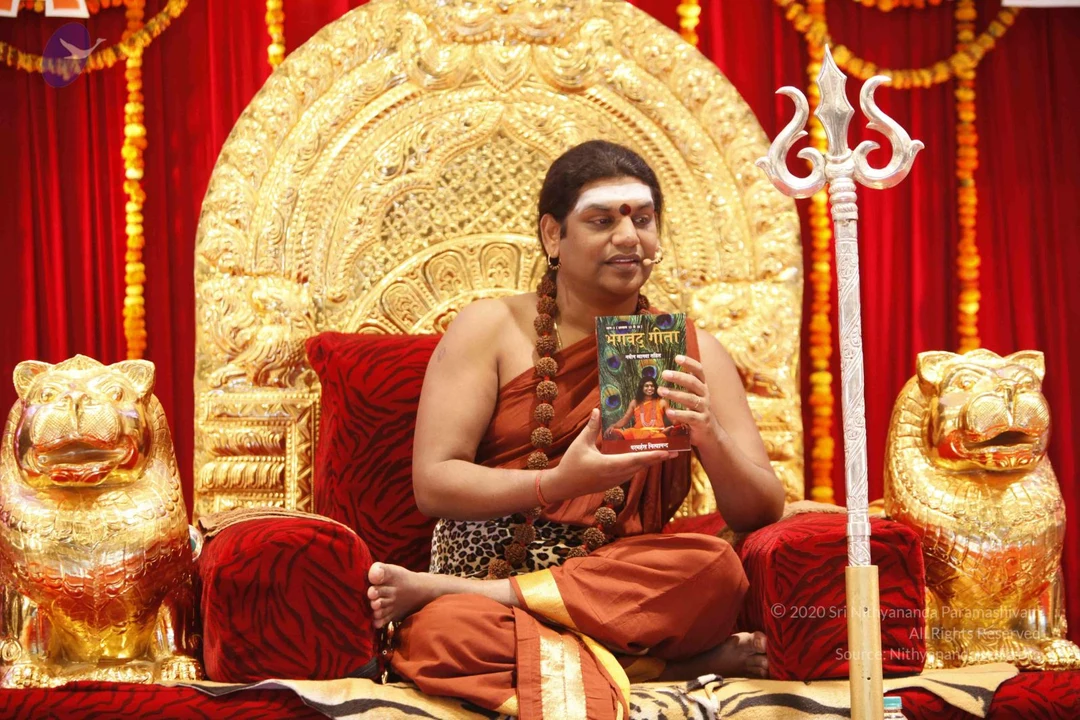
Today, before starting the satsangh, Bhagavad Gita, the Third Volume, 12th to 18th Chapter in Hindi, the book is ready; today I am releasing it.
With this, my commentary on Bhagavad Gita, the book called ‘Bhagavad Gita Demystified’, the whole book is now available in Hindi. All the three volumes are done. Now, as on now, we have translated in Hindi, Tamil, Kannada. So many languages it has been translated. With this, the Hindi translation is complete. Great!
And Singapore Dhyanapeetam is launching Nithyananda Jnanalaya. Today formally they are launching. My blessings! And I am inaugurating the Nithyananda Jnanalaya formally. Let it be successful. As on now, they have five-hundred books on Hinduism and it is expanding. I bless you guys; it will become a largest Hindu library in Singapore. My blessings! Largest Hindu library in Singapore; we will make it like a one-million book, million title library. Blessings!
5:16
It is very unfortunate; Hindus spend so much money on building temples, but we don’t spend even pennies on building libraries, because we don’t care about knowledge. This is also one reason why we have become weak. The reason for why we have been weakened is we spend so much money on building temples. And no community spends so much money on building temples.
Please understand, no religious worship centres are so elaborate. Especially the money South Indians spend on temple, God! Of course, north also people spend on temples; South too much. Even all over the world, you need to know, only in U.S., Hindu temple-building is a six billion dollar industry. Hindu temple-building is six billion dollar industry, please understand. For the small population, less than one percent population in U.S., the amount of money we spend on temple-building; because it is our lifestyle. But, unfortunately we don’t spend on building a library. You will be shocked, we have such large volume of temples, we don’t have in one place the data, even data available about all the temples and all the services they are offering.
It’s our job to build beautiful libraries, the knowledge transferring methodologies and mechanisms, please understand, knowledge transferring methodologies and mechanisms. Not only library; making the library user-friendly, useful to people, where people can really, really get involved, know more about it, making it more visually presenting. Please understand, human-beings have started learning visually now. Almost all learning process has become visual; less words more visual presentation. We should work on creating video encyclopaedia of Hinduism.
I am launching this project today formally. At least ten-thousand concepts of Hinduism like Birth, Life, God, Death, Karma, Listening, Intranalyzing, at least ten-thousand concepts of Hinduism and the spiritual masters, religious leaders, various philosophies should be visually presented with examples like a slide show or animated version, and it should be made freely available in the Internet for the whole world to receive knowledge about Hinduism, and the true Hindu preachers, activist, should be trained through these visual presentations. And the people who live Hinduism authentically should be inspired to live it and people who are new to Hinduism, we should introduce Hinduism to them.
For people who are new – introducing;
People who are living – making more authentic;
People who are living authentically – making them as enrichers, preachers or activists;
With this aim we should develop a visual encyclopaedia of Hinduism. Just in ten minutes we can beautifully make people understand the concept of Karma in a very powerful, logical, presentable way. Same way, in ten minutes we can make a person understand what Hinduism holds as a secret about Birth, the concept of Death, why we make decisions the way we make, why we live the way we live, what is Cognition, all these great truths of Hinduism can be beautifully presented just in five minutes, ten minutes video clips - visually.
11:30
It was my vision for a long time to start this project. I know all my Shrimahants, Mahants, Kotharis, Thanedars are already overloaded, and too much is in their plate, but I am reciting my vision. It is my responsibility. See, Prabhupada, SrilaPrabhupada Bhaktivedanta Goswami, when Prabhupada lived, many visions he revealed did not become reality. He said the world’s largest building should be a Krishna temple. But now ISKCON is making it as a reality. They are building a temple which will be seen from moon. They are building a structure which will be seen from moon. Please understand, as on now, only the China Wall, Great Wall is seen from moon. This will be the second building seen from moon. When Prabhupada revealed, they could not make it happen. But because he revealed, at least now it has become reality. So, I am revealing it, it is my job. We should have a beautifully, educating, inspiring, informing, visual encyclopaedia of Hinduism. At least ten-thousand concepts presented visually.
I have revealed my vision, and, actually, if you go deeper, and deeper, for example, one life of a Master, AdiShankara, and then in that we should have a link – ‘as per AdiShankara the concept of Karma’, ‘as per AdiShankara the concept of non-duality’, ‘as per AdiShankara concept of world’. So if you see the sub-links, it will be almost like million visual presentation. But in this way, a largest visual encyclopaedia for Hinduism should be made available. I will say, I am making it very clear, I will be more happy with this project than building a huge temple for me. I know my disciples will build huge temples for me, because by nature we are a temple-building civilization. But these fools only will not build websites for me; because that is not in our nature. Temple-building will not be a problem at all. I don’t even need to tell. The moment they are inspired, they will think only in that line, ‘Come on, let us build a temple for Swamiji.’ But I wanted educating organizations, educational tools, knowledge transmission methodologies, knowledge transmission apparatus, knowledge transmission systems to be available. I wanted only that.
15:45
So, please understand, the first priority should be knowledge transferring, educating apparatus, tools, systems, methodologies, accessories, things necessary. I request, I already requested, today I am requesting once more, all our ashrams, temples, centres, should put their energy more and more creating beautiful library. At least start with all my books in all the languages. Then add some of the traditional Hindu scriptures like Upanishads, Vedas, Puranas, Agamas, and expand. This should be called as ‘Grantha Samadhi’. All the libraries should be called as ‘Grantha Samadhi’; Means, the ‘Energy Centre of Spiritual Books’. People can take the books, read and keep it back; the books cannot be removed and taken to the house. Just like deity cannot be removed from the temple and taken to your home, same way, books cannot be removed from the library and taken to your room, your house. It is ‘Grantha Samadhi’. Means, they can be referred, you can read them, you can spend time with them, get inspired, but leave the books there itself. The granthas are kept as a Samadhi there. All our ashrams should have Grantha Samadhi.
See, there are various Samadhis in Hindu tradition:
Jeeva Samadhi is a place where the enlightened master enters into Samadhi while he was breathing. Nobody took his body and put it in that. He himself went and sat. That is called ‘Jeeva Samadhi’. Like Raghavendra Swami, Palaya Swamigal of Thanjavur, Dakshinamurthi Swamigal of Tiruvarur, Paramahamsa Yogananda – all of them are Jeeva Samadhis.
Then there is another type – ‘Videha Samadhi’. A JeevanMuktha, enlightened being, he left the body, then disciples put the whole body and built Samadhi, like Ramana Maharshi’s Samadhi, Shirdi Saibaba’s. These all will be Videha Samadhi. They are all called ‘Videha Samadhis’.
Then comes ‘Pushpa Samadhi’. Whatever items they used, whether a garland or a rudraksha or a cloth, or their hair or nail, whatever they used, those objects are kept, and Samadhi is built. So, if you have taken any jewels, rudraksha worn by me, clothes, hanky, turban, your house becomes my Pushpa Samadhi. The place where you keep there, that becomes Pushpa Samadhi; understand.
Then comes ‘Saanidhya Samadhi’. Means, the place where they lived for quite a long time. If that place is maintained, a great master lived, his room, like how Paramahamsa Yogananda’s room is maintained in San Diego, how Vivekananda’s room is maintained in Ramakrishna Mission, Belur Math, how Ramakrishna’s room is maintained in Dakshineshwar Kali Temple, like that the place where they lived, that place if it is maintained, that is called ‘Saanidhya Samadhi’.
Then comes a very important Samadhi which kept Hinduism alive – is ‘Grantha Samadhi’. All their books, palm leaves, are kept in one room and maintained as a Samadhi, understand?
Jeeva Samadhi, Videha Samadhi, Pushpa Samadhi, Saanidhya Samadhi, Grantha Samadhi.
21:48
All our ashrams should have at least three Samadhis. These three Samadhis you can have even when I am alive:
· One, Pushpa Samadhi. Means, some object used is kept, either nail or hair or some objects used is kept, and the presence is celebrated.
· Then, Saanidhya Samadhi. Naturally, all our ashrams and temples saanidhya is there, presence is there, Saanidhya Samadhi; because, in all our ashrams and temples I already started staying. Only after I started staying you can even buy that property or rent that property or get that property, not before that.
· And, third, Grantha Samadhi. The great books and made available for people to come and read. And, however convenient or inconvenient it may be, the books cannot be removed from the library, because they are deities. They cannot be damaged, they cannot be removed. They can only be read. Please do not change the traditional rules of Grantha Samadhi. Book cannot be removed from the library. Once they are kept, they are deities now. Keep them there. People can come and read, refer, and study.
So, let me take this moment, time, to reveal my vision in this line, so that may be when more and more disciples, followers, devotees come, they will make this into reality. Surely we will make it into reality because I am going to live for quite a long time. Just by living long, I am going to win many of my enemies or the people who have enmity towards me; just by living long, nothing else. That is the way Ramanujacharya outwinned many of his opponents. Anyhow,
So, please understand, I wanted all our ashrams to have a beautiful, large-size Grantha Samadhi. Large means, really, really, really large. I wanted each ashram to have at least million books Grantha Samadhi. That level Grantha Samadhi. Don’t even think having books is outdated, because of the Internet all the knowledge is available in the Internet. No. In the Internet you can do the reference, but how many of you have ever read full, one full book in the Internet and computer screen, tell me; or Kindle screen? I have everything. Name it, I have it. Kindle to iPad to Laptop to Desktop. Only the gone, loose, nuts, can read the whole book in the computer screen. You can’t. You need to feel the book to read it, to be inspired by it. There is something about book. So it can never be outdated, understand? It can never be outdated. For reference purposes digital version is great. One word you can type and get in how many thousands of scriptures that word is explained; you can get that. For the reference purposes the digital versions are great, computerised versions are great.
26:44
All our ashrams, temples, centres should start collecting books from today. From today you should start collecting books, do a ‘Book Donation Drive’, and start collecting. Any book on Hinduism, and body, mind, spirit - start collecting. That’s the first thing.
Second, I also wanted a SarvajnaPeetha to be established in the Internet. Means, at least twenty-five people sitting full-time, answering everyone’s, anybody can send their questions to the SarvajnaPeetha. The question can be as simple as ‘How can I worship cow every morning in my house?’ to as complicated as ‘Should I go for this marriage with this person?’, or ‘Should I go for cremation or burial after my death?’ It can be any simple, big, small, relevant, irrelevant question. Anybody can send a question. These twenty-five members, at least twenty-five, will sit and refer. Only based on the Hindu scriptures they will send their answers, not based on their whims and fancies. Any answer they give, they will give a solid reference of a original scripture. They will say, ‘You belong to this gothra and you are descendant of this family. So, as per your family tradition, your body should be cremated. This is the sutra, smriti refers about your gothra. This is the reason we arrive to this decision. Please have it.’ It should be completely substantiated by Hindu scripture. I am going to do it. And I am revealing my vision.
Just like Healing Tower where we are answering their questions, same way I wanted a written reply to be sent to people. The service should be made available free of cost.
AntharjaalaSarvajnaPeetha. InternetSarvajnaPeetha. Internet Omniscient peetha AntharjaalaSarvajnaPeetha, where we collect and make all the scriptures available for free download. Means, we pay some royalty to the authors, publishers, and get their books, digital copy available for free download. And anybody asks any question, they can ask the question as simple as marriage match-making or the decisions like, ‘This is myfamily name. Tell me whether I should write a Will of burying my body or cremating my body.’ Any questions they have, complications they have, any conflicts they have – if they feel depressed they should be able to send a message, ‘I am depressed. Can you give solution as per the Hindu tradition, Vedic tradition?’ We should reply based on the scriptural references why depression is wrong and how you can come out of it, the yogic solution, kriya solution, spiritual solution, and knowledge solution. They should receive the reply with the scriptural references. People should know the answers you received is from authentic Vedic tradition.
31:43
When I revealed my vision, I also blessed this vision. Whoever takes up this vision and tries to make it into reality, they will be supported with all aishwaryas. By my blessings, they will be given everything required and all the auspicious things. They will be showered everything required to make this vision into reality. And whatever they want to cause, that will also become reality. By my blessings and by my order, they will be showered with AshtaAishwaryas, and all the aishwaryas.
Now, I have given life to this vision. This vision has become now independent intelligent. Now this will catch whoever is in tune with making this vision into reality. They will all gather together, this vision will become reality. I was carrying this vision for quite a long time. This number which I said, like twenty-five people and all, is like a rough number. But I really wanted a huge group of people sitting and helping people to come to the solution for their complications, difficulties, problems. It can be as simple as, ‘I wanted to start a new shop. When is the best date in next fifteen days? Please give me a suggestion.’ It can be as simple as the Vedic Calendar reference question, to as difficult as, ‘I am planning for a suicide. When do you think I should do? Or should I do it or not?’
SarvajnaPeetha should be like; just by one dial or one email they get all the replies with the reference of the scriptures, the original authentic scriptures. There is a way of referring the books and replying. See, the first level scriptures are the Vedas, the Shrutis – Vedas and Upanishads. Then the next level comes – Darshanas. Then comes Puranas. Then comes Smritis. So if some question can be answered by the Vedas itself, don’t refer to the next level, Darshanas. If something can be answered by the Darshana itself, don’t go to the next level reference. But by the time you come to the Purana, almost all subjects are dealt; there is nothing which is not handled. If something is not referred, handled even in the Vedas, Upanishads, Puranas, Darshanas, then go for the modern-day living masters references. Only then the modern-day living masters reference should be touched; Otherwise not, The ‘aptapramana’ becomes first, Then comes ‘ashapramana’, Then ‘atmapramana’.
35:55
The 16th Chapter of Bhagavad Gita, 24thShloka says:
ThasmaathShaasthramPramaanam they kaaryaakaaryavyavasthithau |
Jnaathvaashaasthravidhaanoktham karma karthumihaarhasi||
‘Therefore let the scriptures be the authority in determining what ought to be done and what ought not to be done; having known what is said in the ordinance of the scriptures, thou should act here in this world.’
This verse, the 16th Chapter, 24thShloka, should be the Vision Statement for AntharjaalaAamnayaSarvajnaPeetha. And we should have at least few hundred pundits and swamis sitting and running this SarvajnaPeetha, making really Hinduism as simple and as practical, as beautiful and liveable as possible.
Mokshapriyan has a question: ‘How do we make sure ‘atmapramaana’ is practical in the present times? Is not that what the living masters have done?’
I will handle this question later on. Now what I am doing itself is ‘atmapramaana’. Making ‘aptapramaana’ and ‘ashapramaana’ into your reality is ‘atmapramaana’. I am making the conclusions of rishis and shaastras into your reality. The way we translate and make it as a practical solution, that should be our contribution, but original to the core, authentic to the masters, being tuned to the masters and what they always wanted.
This is one of the project really, really, really very dear to my heart, and it should be completely made available free. Earlier I was thinking I should make it self-sustaining, so we should charge per questions. No. The moment you charge per questions, the spirit of Hinduism is lost; the spirit of Vedic tradition is lost. We will make this as free. Anybody wants any of their doubts to be clarified, questions to be answered, guidance for their situation as per the Hinduism, can refer us just by one call or one email. We should have this SarvajnaPeetha project and largest Grantha Samadhi in our Sangha. Unfortunately, no other Hindu guru, religious leader has thought about this, this SarvajnaPeetha, AntharjaalaAamnayaSarvajnaPeetha.
40:33
I am getting a message from Monali Tuli from Vadodra Centre: ‘Already we collected seven thousand books on spirituality and Vedic masters, and having a proper library.’
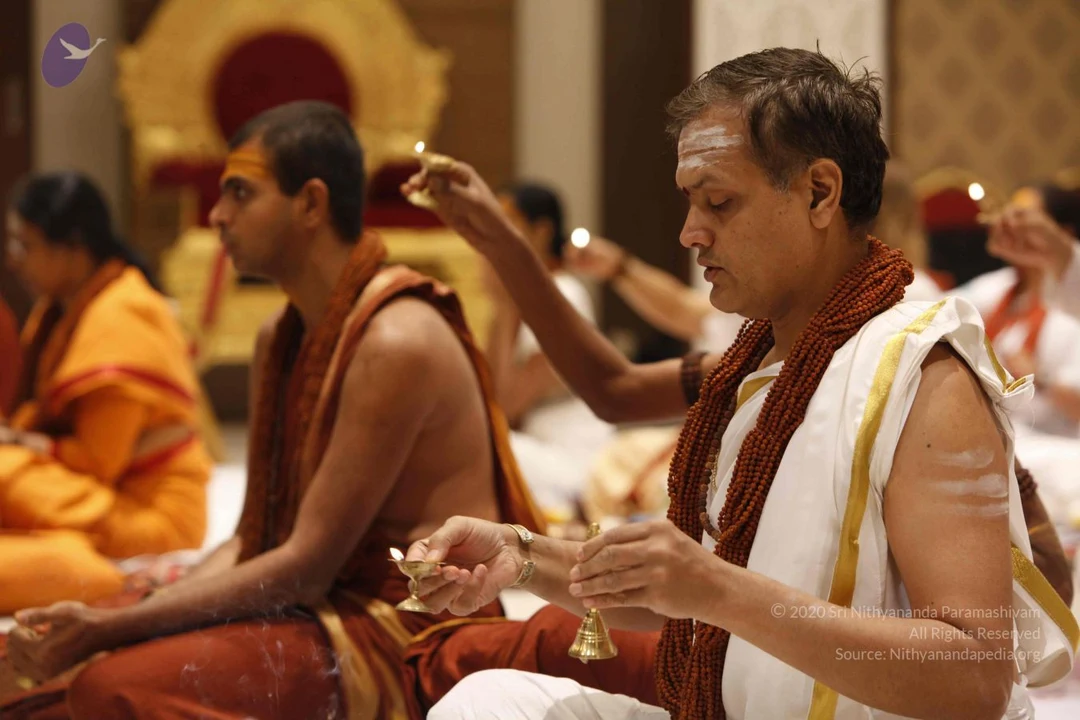
Monali, my blessings. Only thing you should make sure that books are not sent outside. In Grantha Samadhi, in Hindu tradition, you cannot remove the book from that library. You should make a place available there itself with chairs and all the facilities to read. People can come and read and leave the books there itself and go out. And books also should be worshipped every day. Means, every day you at least put few flowers on those cupboards. You don’t need to put flower on every book, but on those cupboards. And every day the incense is shown and arathi is shown – the camphor arathi is shown, they are worshipped as per the Hindu tradition.
I wanted in all our ashram the Grantha Samadhi should be worshipped. Don’t think the worship concept was created just for maintenance. No. When I say worship, WORSHIP them. Feel they are Gods, they are the embodiments of God –Vyasa and Goddess Saraswathi – and worship them to give you the right knowledge and guidance about life. All our Jnanalayas should be called as ‘GranthaSamadhis’. From none of our libraries books can be removed. And we should also have an Internet Library corner where we have a few computers. Millions and millions of Hindu scriptures, spiritual scriptures which are available digitised version should be downloaded and kept for the reference purposes. People can use those computers and refer. Even though we have digitised version, we should have hard copies. We should have hard copies - printed on paper. The traditional Grantha Samadhi should be created and maintained.
23rd Verse of 16th Chapter in Bhagavad Gita says:
Yah shaastravidhimuthsrijyavarthatheykaamakaarathaha |
Na sasiddhimavaapnothinasukhamnaparaamgathim ||
‘But he who discards the scriptural injunctions and acts according to his own whims,
attains neither perfection nor happiness nor the supreme destination.’
This Grantha Samadhi and SarvajnaPeetha, as these two projects are very close to my heart and my pet projects, I have personal interest in this project, I myself will directly do this project. These two I will directly involve myself and do it, because these two are closest to my heart to keep the tradition alive. These two are only the project of Naimisharanya. Please understand, in those days, anybody has any of these kind of conflicts, problems, questions, they will go to Naimisharanya where all the scriptures are stored, and the rishis who have read all the scriptures are available who will refer immediately to the scriptures and give the answer to them, to the visitors. This is the Naimisharanya Project, reviving the Naimisharanya, the SarvajnaPeetha.
46:16
Just like the NithyanandaGurukul is my unique contribution to revive Vedic Tradition, this project, Grantha Samadhi, world’s largest Vaidika Grantha Samadhi and Sarvajna Peetha, this will be the larger contribution to Hinduism from us. You will see per day we will be handling almost hundred-thousand questions. I am visualizing around thousand pundits sitting and answering hundred-thousand questions per day through email and phone calls and all the communication, all the way we receive the questions, from Facebook to chat, live chat, Whatsapp, everything, YouTube, Skype call, all the available communication methods will be done with a large size building of world’s largest Vedic Grantha Samadhi and world’s largest Hindu Call Centre, Vedic Call Centre - Around at least thousand pundits sitting and attending million questions or hundred-thousand questions a day. It can be as simple as, ‘This is my date of birth. What gem I can wear for my success and prosperity?’ or ‘This is my house plan. Can you help me to correct it as per the Vaasthu?’ All Hindu services at one place free of cost at the speed of thought. That is my vision for Grantha Samadhi and SarvajnaPeetha. And I will make it happen. I will do it. This will become the reference centre for billion Hindus for any of their questions related to Hinduism and Vedic Tradition. And, I tell you, after I do, other religions will copy from me. We will set a trend. We will set a trend. And other religions will copy from us.
I am so happy on Sunday satsangh I revealed my vision. And, I myself request directly, anybody who wants to be part of this vision in any way, whether by offering your time, treasure or talent, I welcome all of you to directly send a message in my Facebook. Don’t inbox me, but put it on the open wall or tag me. And, I tell you, because I am directly doing it, anything you offer, whether your time or treasure or talent, I will shower it multiple times back on you. You will have my time, treasure and talent for you. When I receive, I always give. Post on your wall and tag me in the Facebook - anybody wants to support this vision in any way. I know this is too big and none of my Mahants or Kotharis or Thanedars or Shrimahants will dare to say, ‘I will take the responsibility, Swamiji.’ It is only I have to do it directly. But I really want to do it.
Grantha Samadhi, I wanted it to be based in Varanasi. And the SarvajnaPeetha, the question and answer, that answering mechanism, the whole mechanism I wanted it to be based on Varanasi. I wanted both to be based in Varanasi. We will do it. We will really do it. We can do it.
I bless you all. Let you all radiate with Integrity, Authenticity, Responsibility, Enriching and causing eternal bliss, Nithyananda. Thank you.
Photos
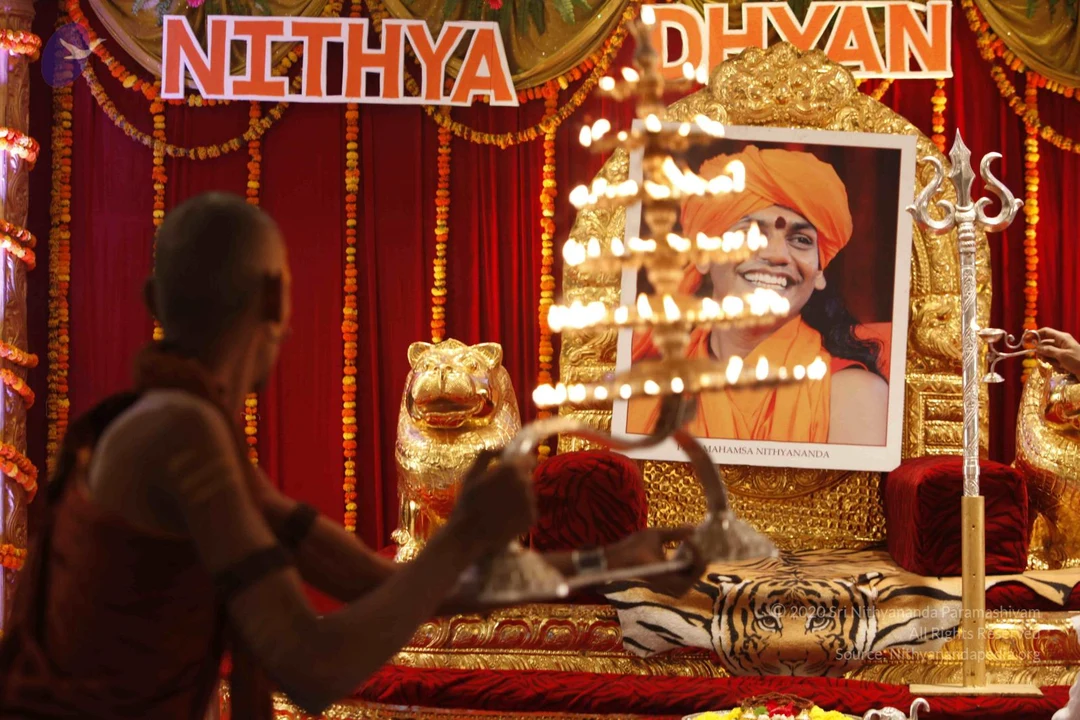
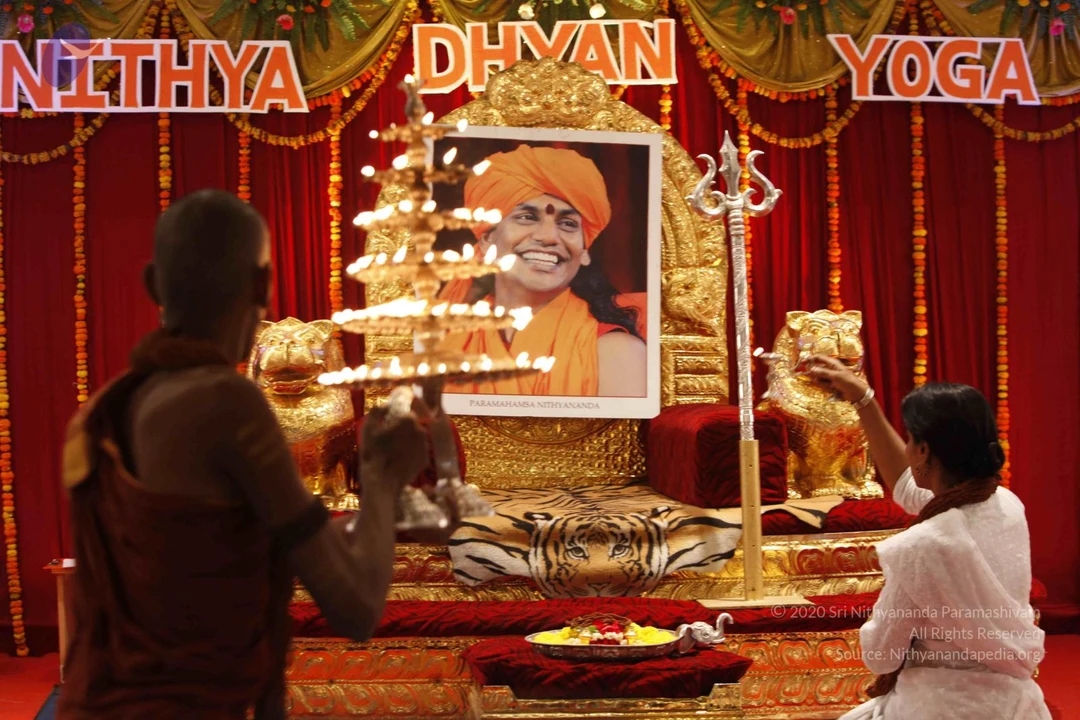
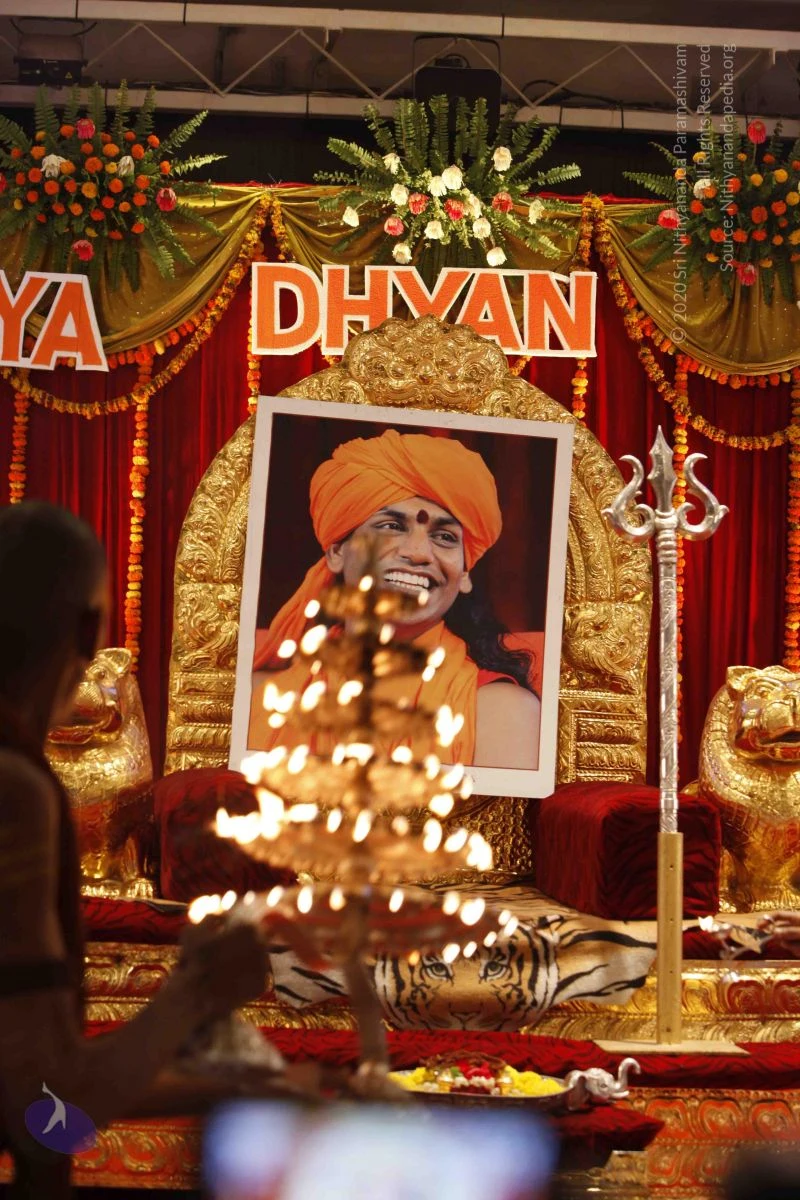
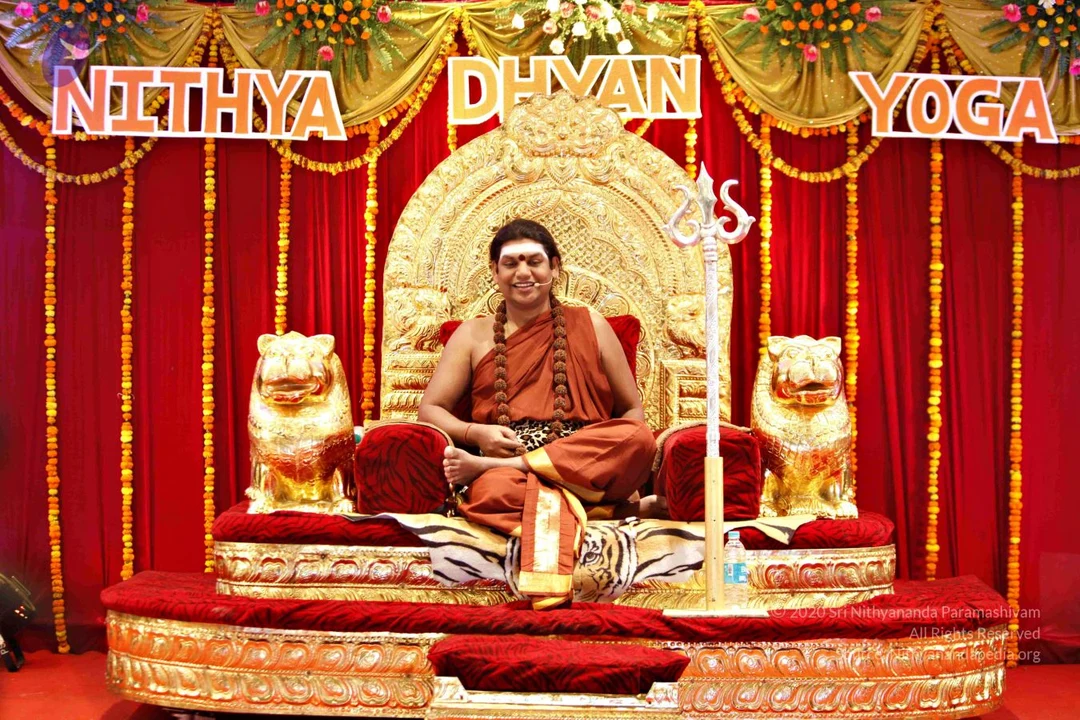
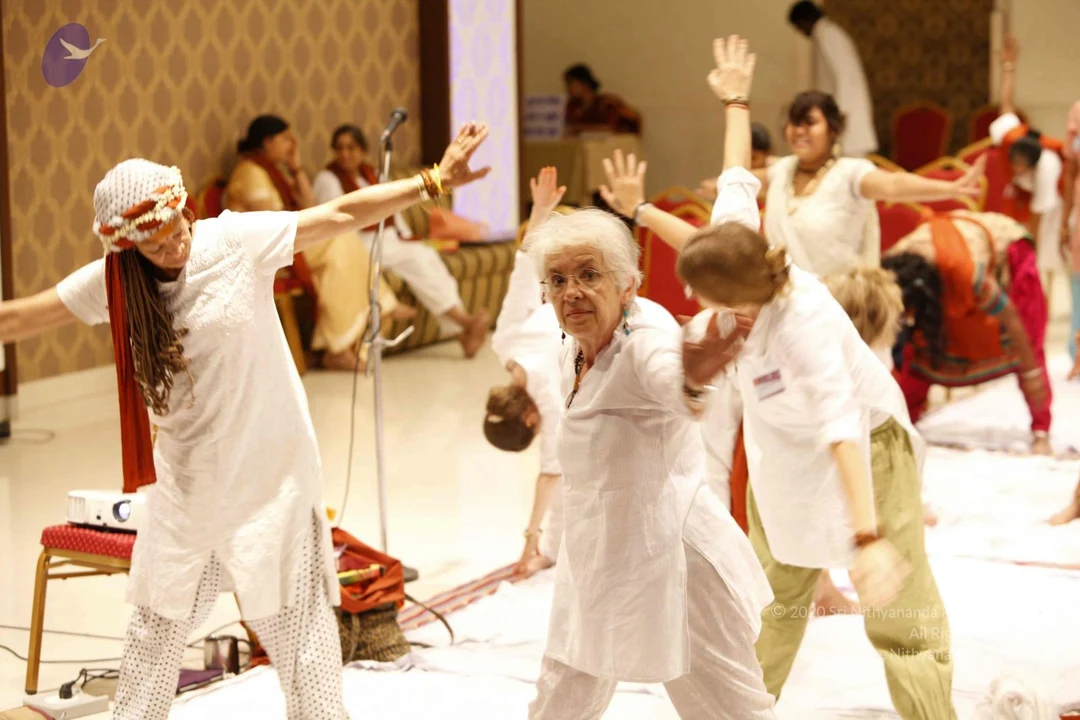
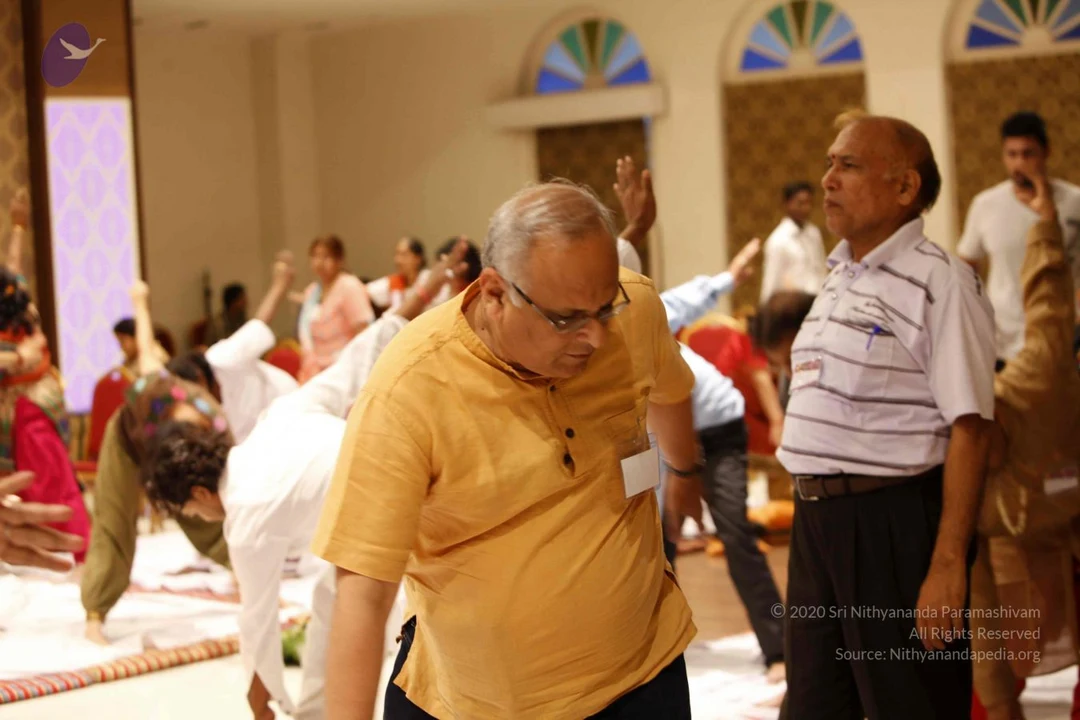
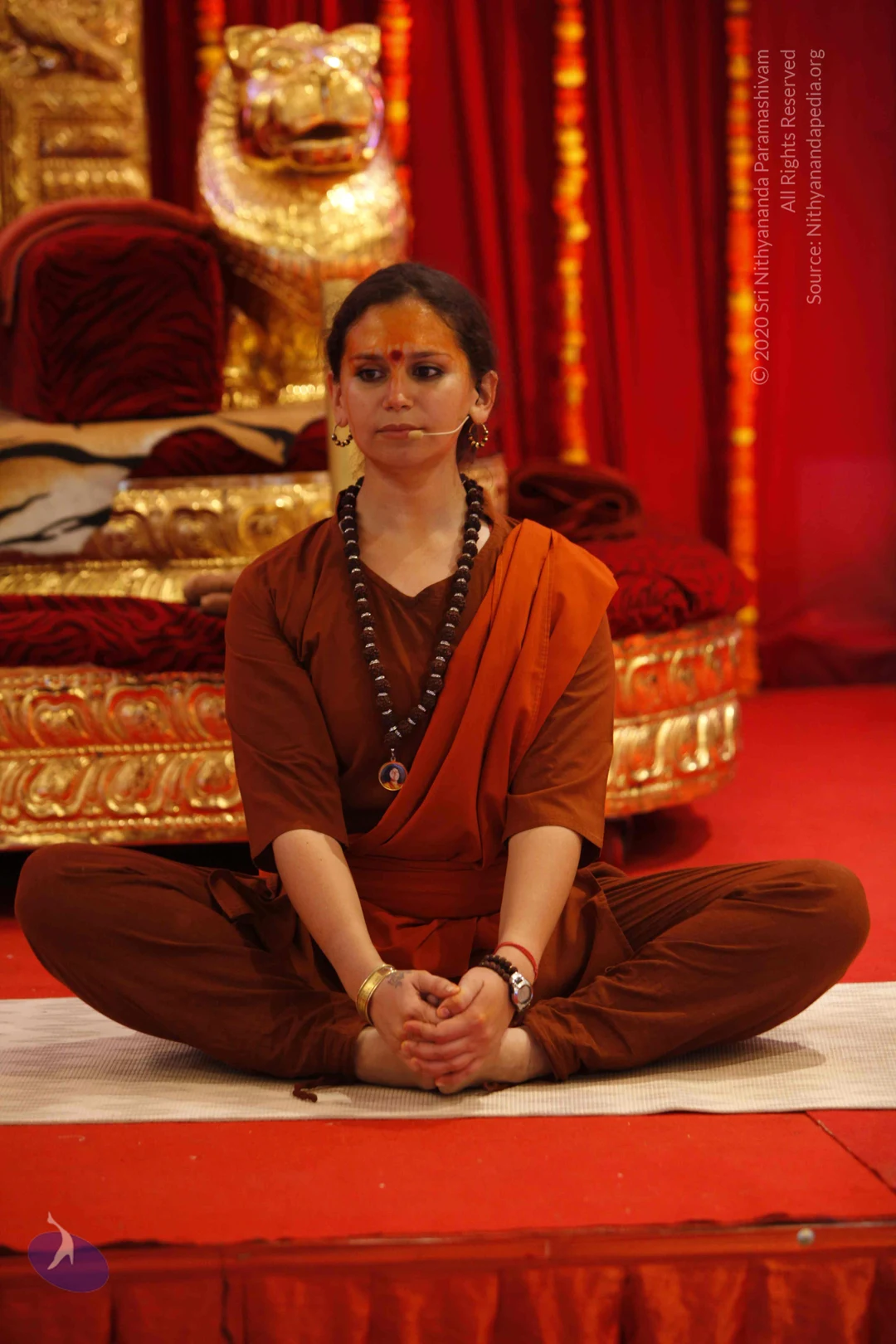
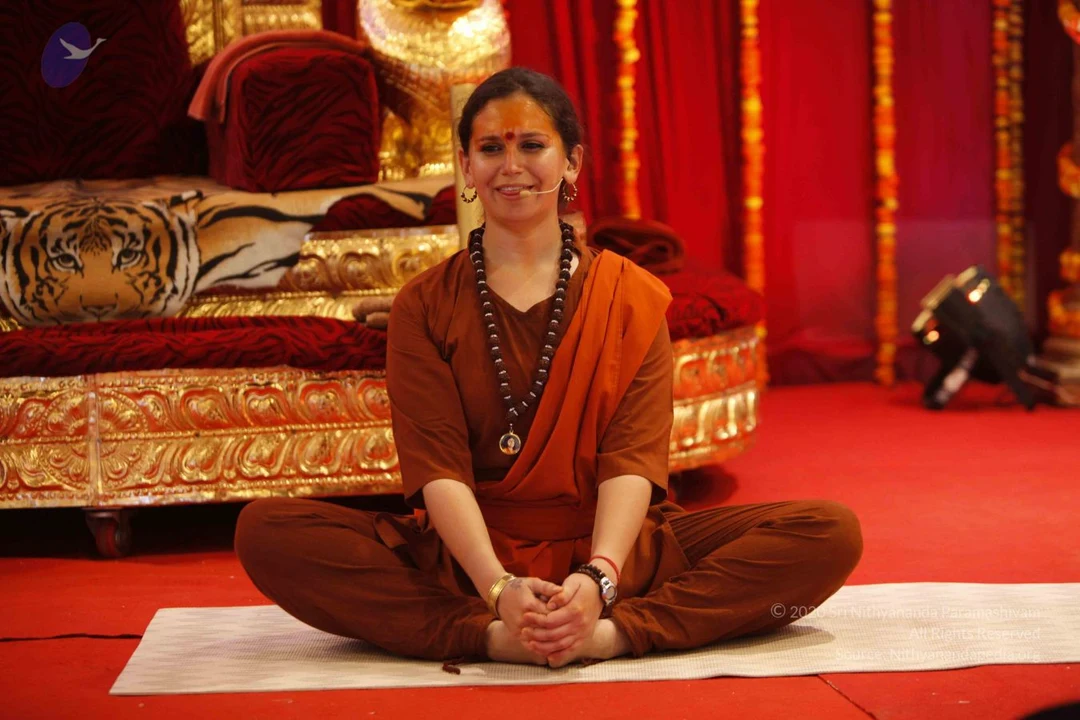
(Nithya Dhyaan Yoga (Life Bliss Program - level 1))
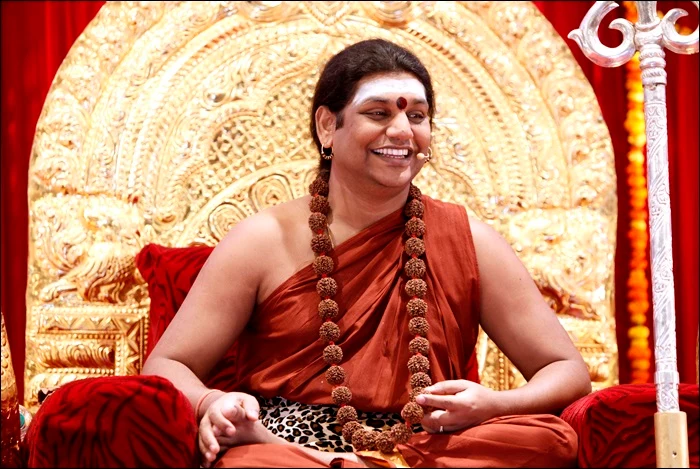
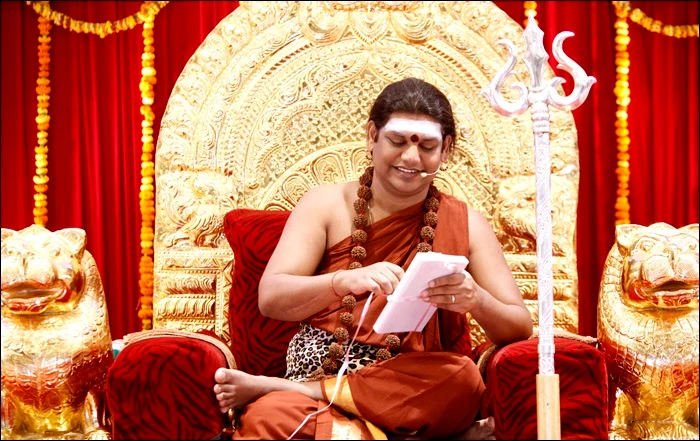
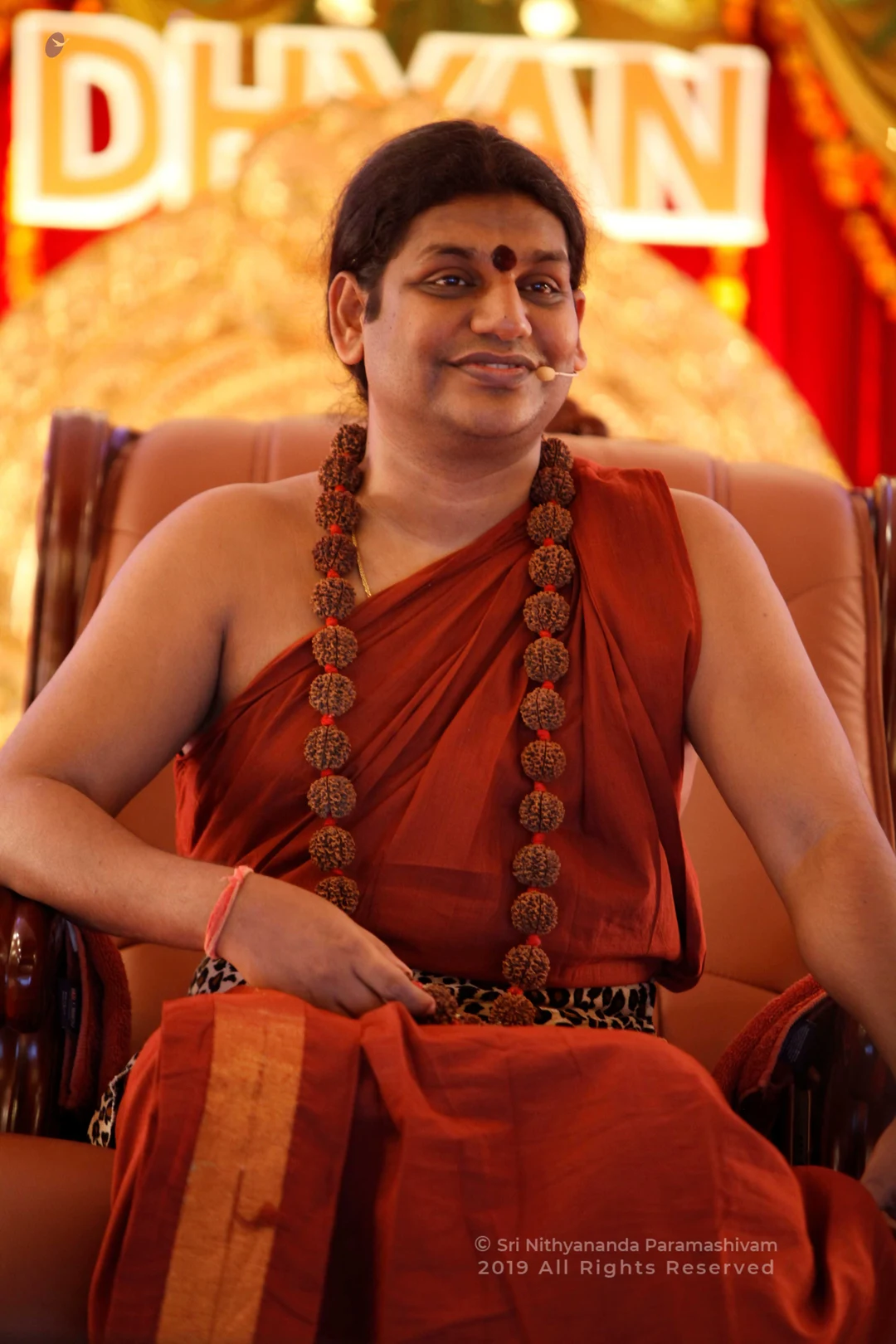
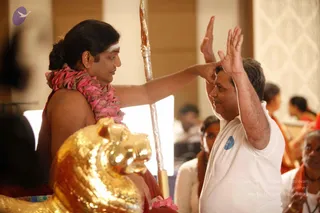
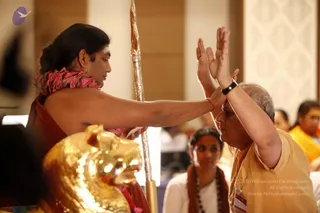
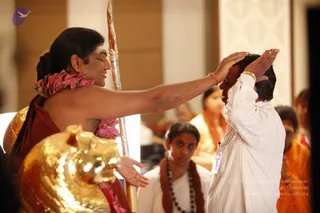
(kalpatharu darshan)
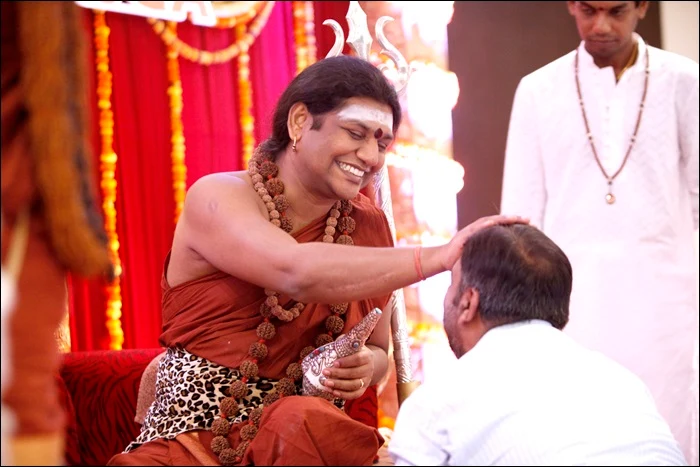
Tags:
Varanasi, Paramahamsa Nithyananda, knowledge transferring mechanisms and methodologies, libraries, Grandha Samadhis, worshiped, Sarvanja Peetha, Vedic Scriptures.
Photos Of The Day:
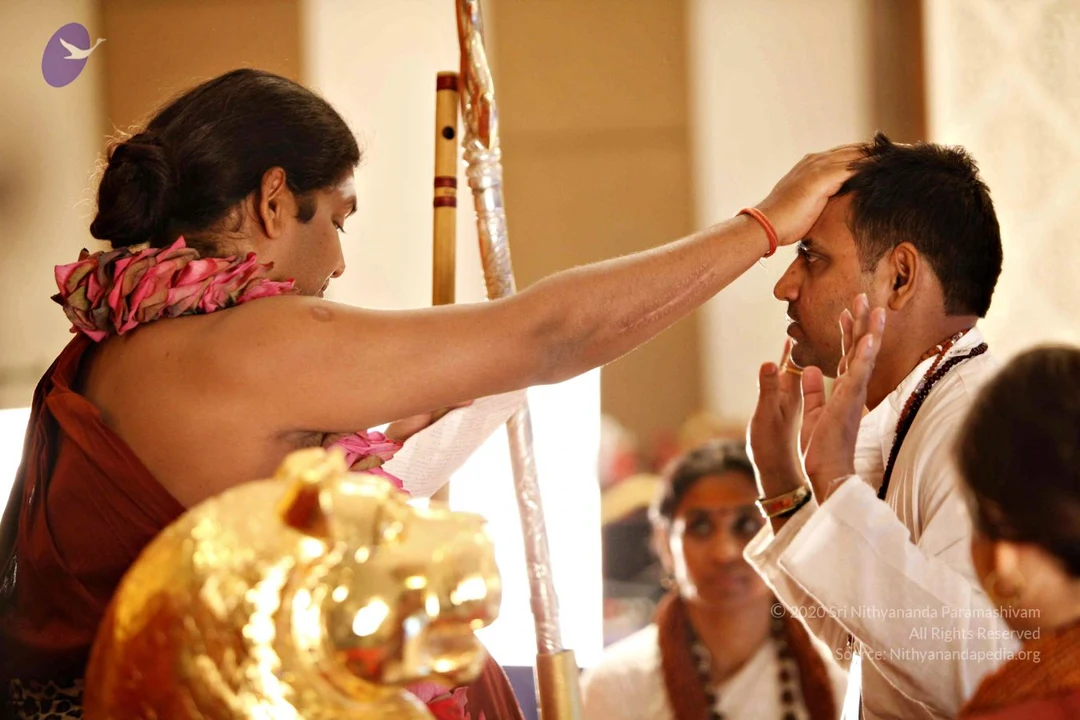
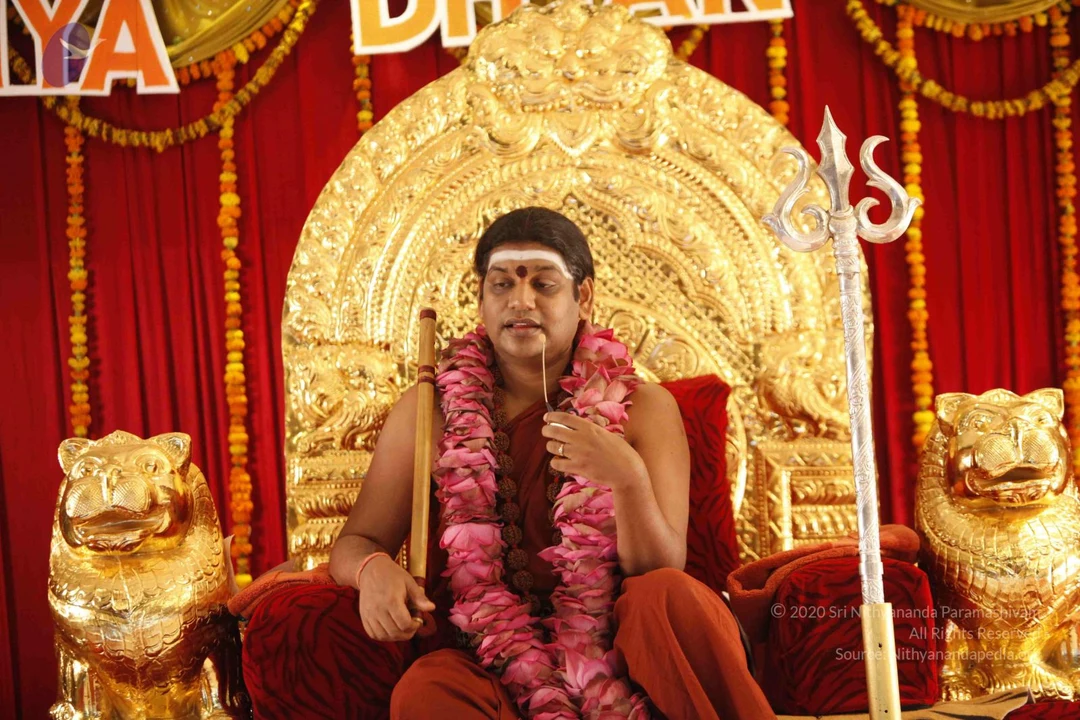
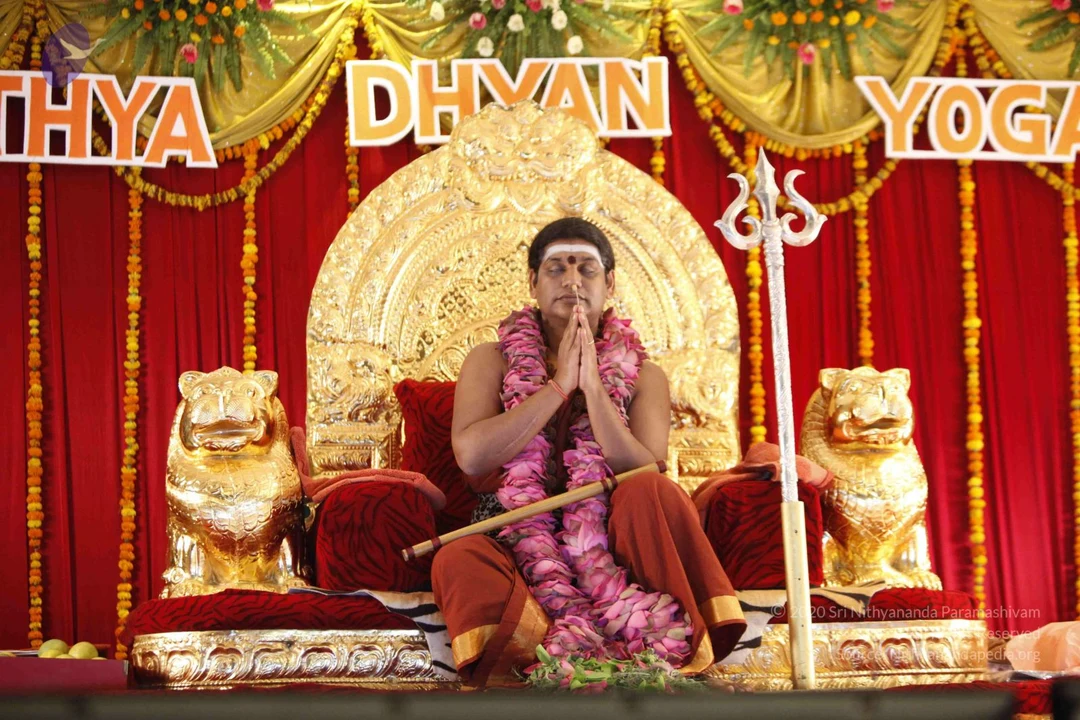
Nithya-Satsang
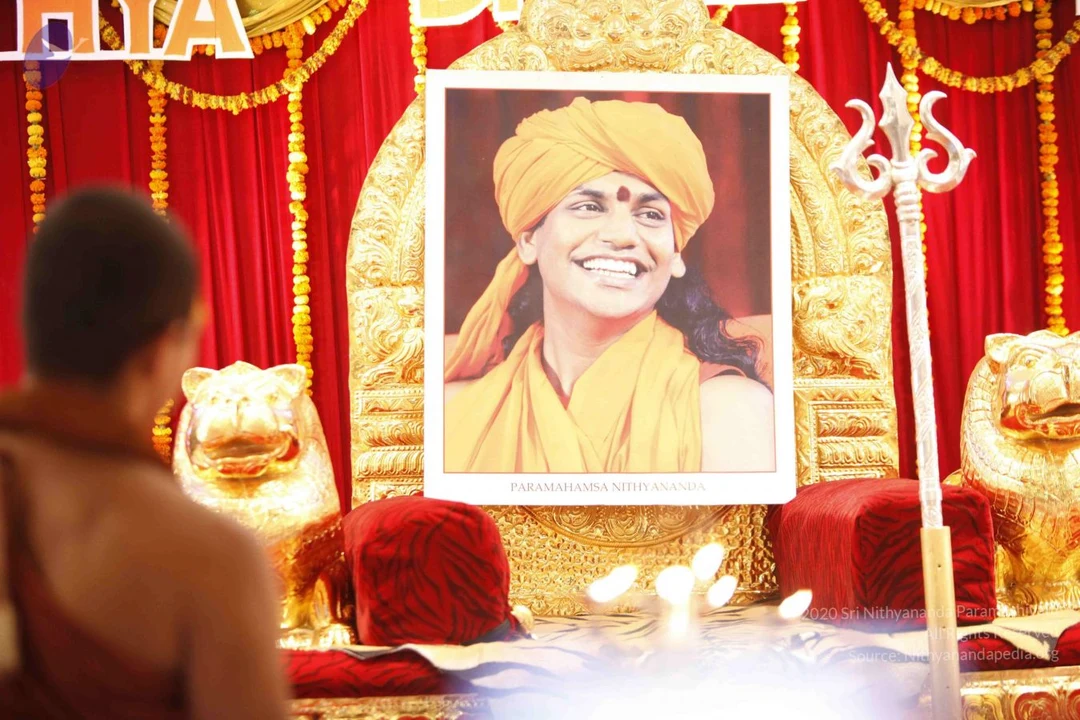
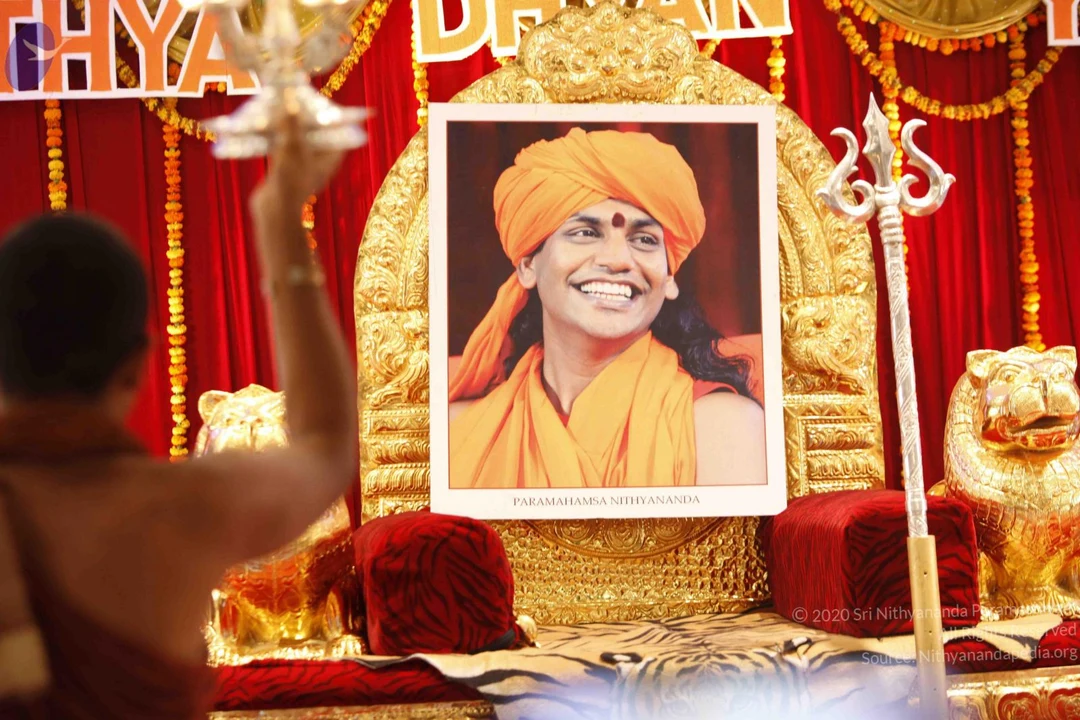
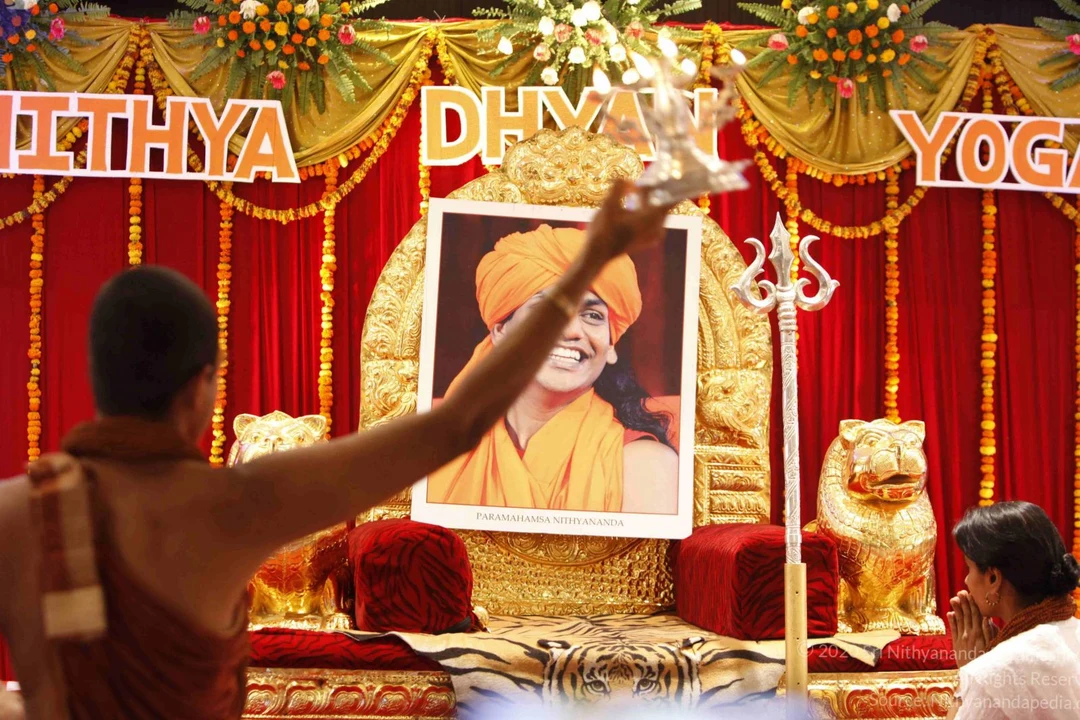
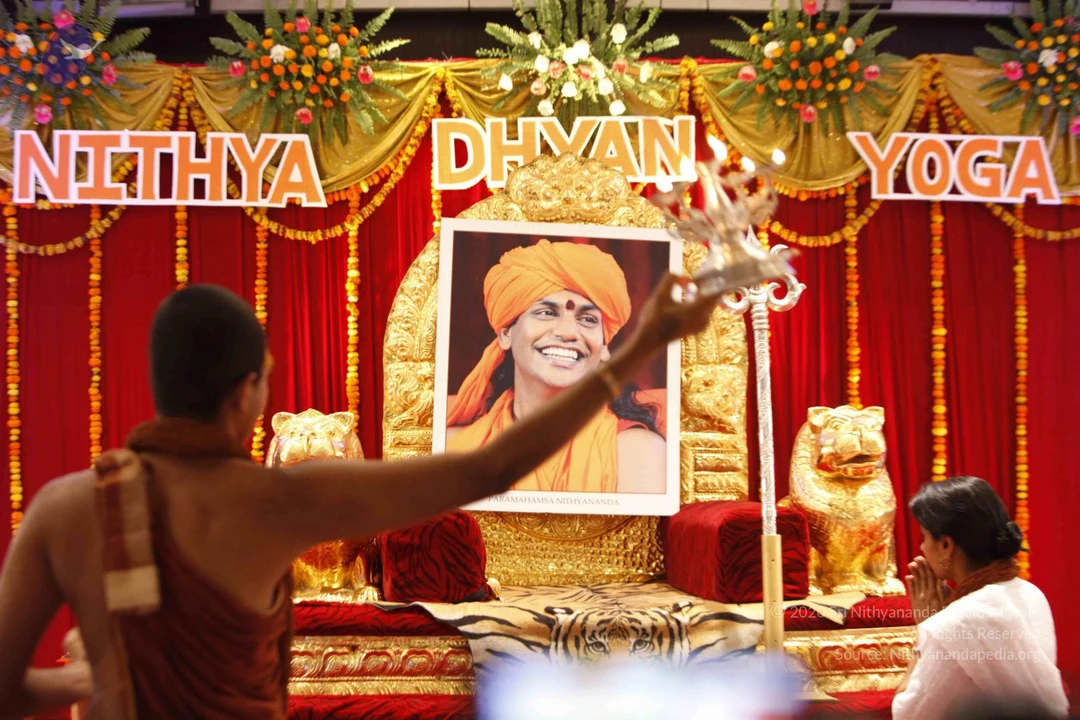

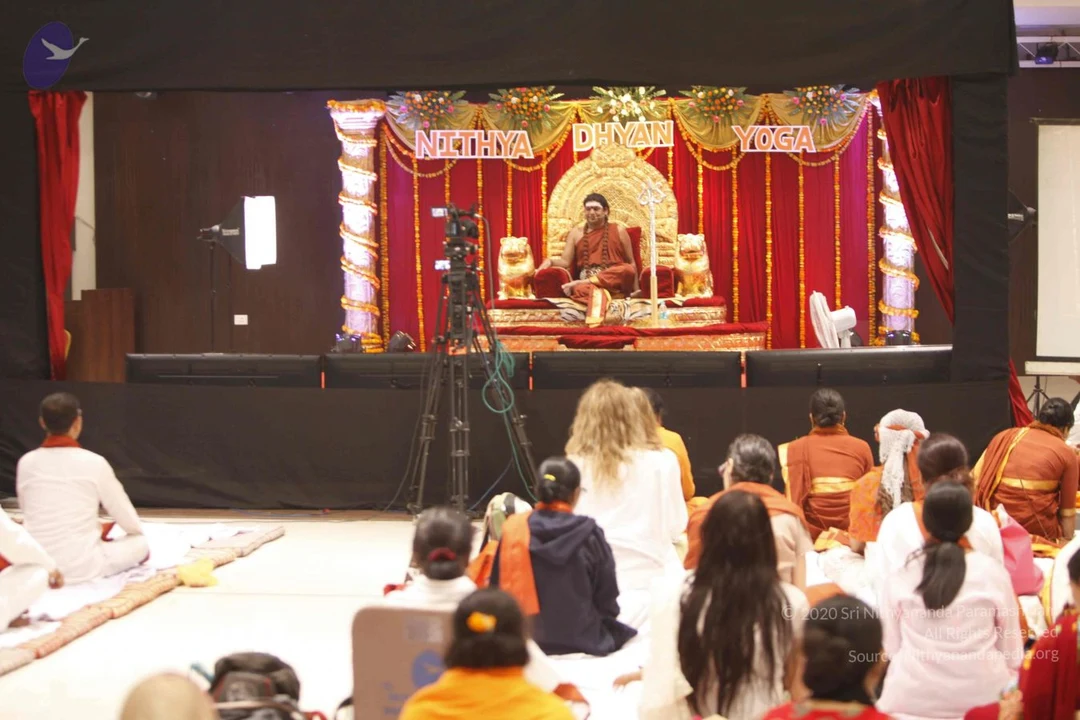
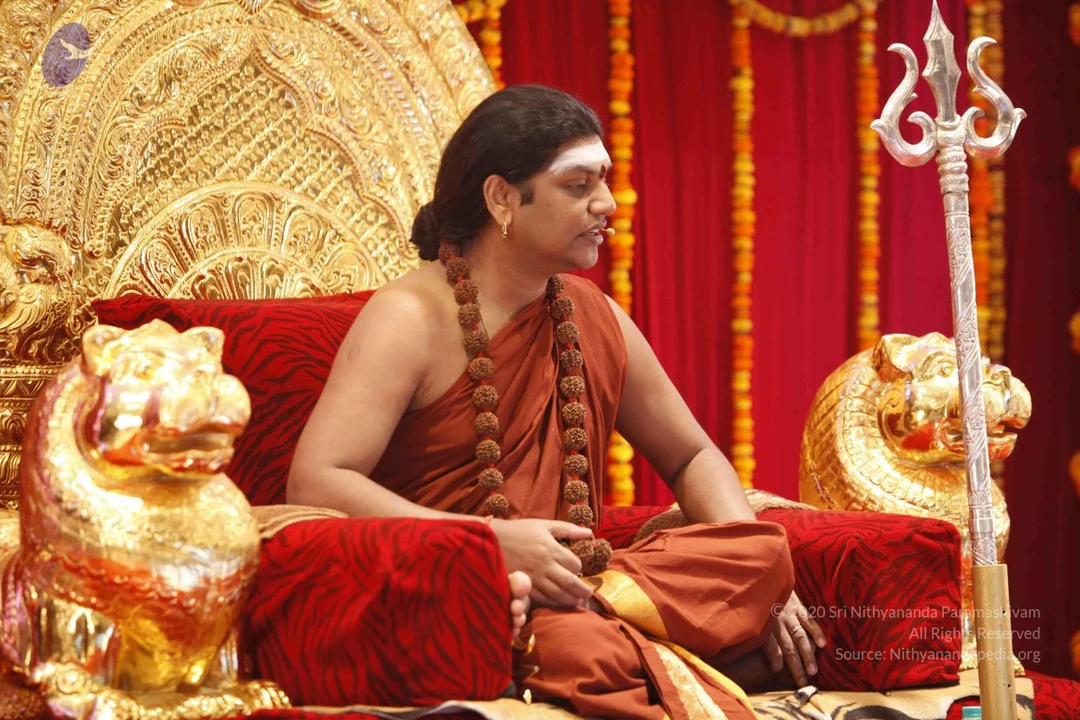
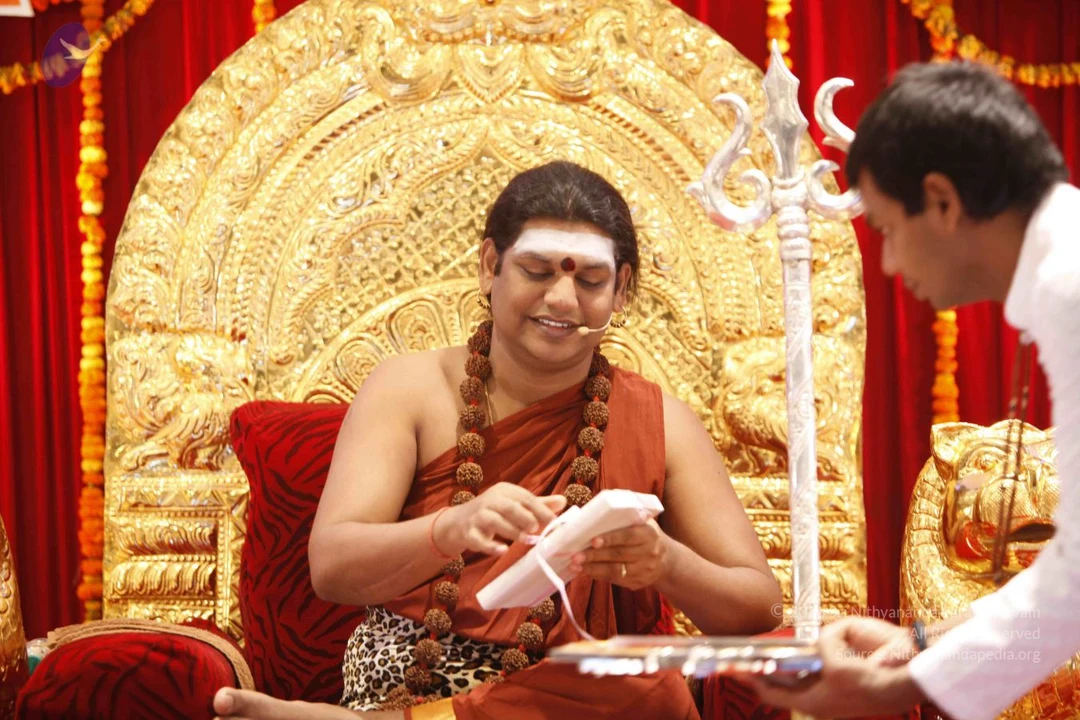
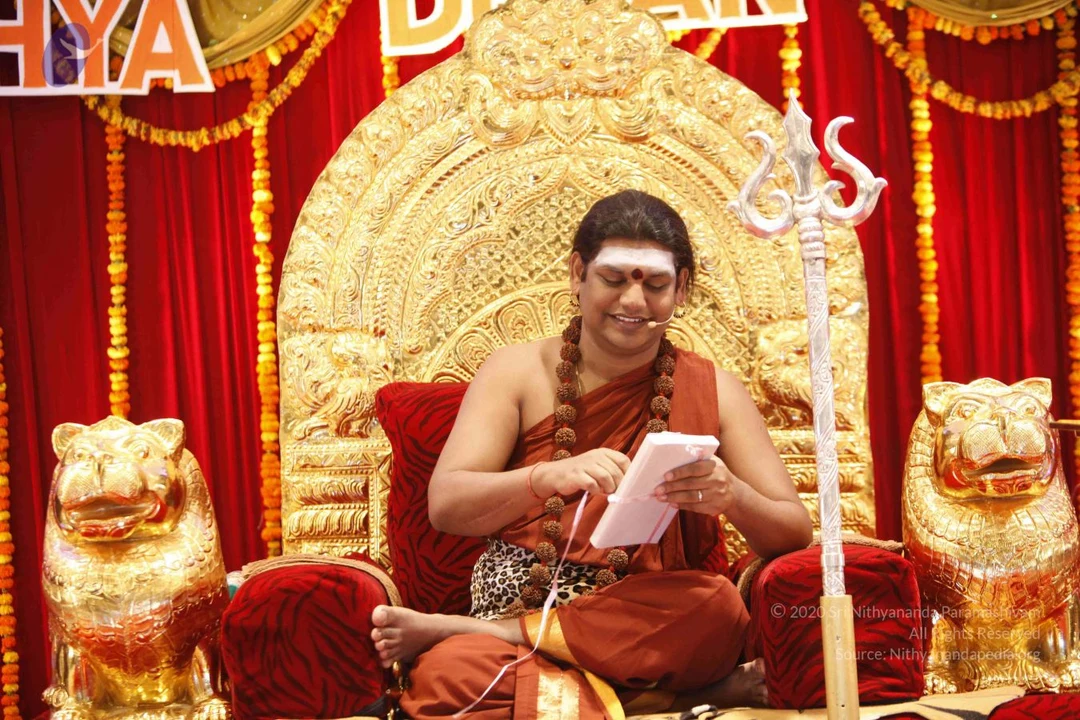


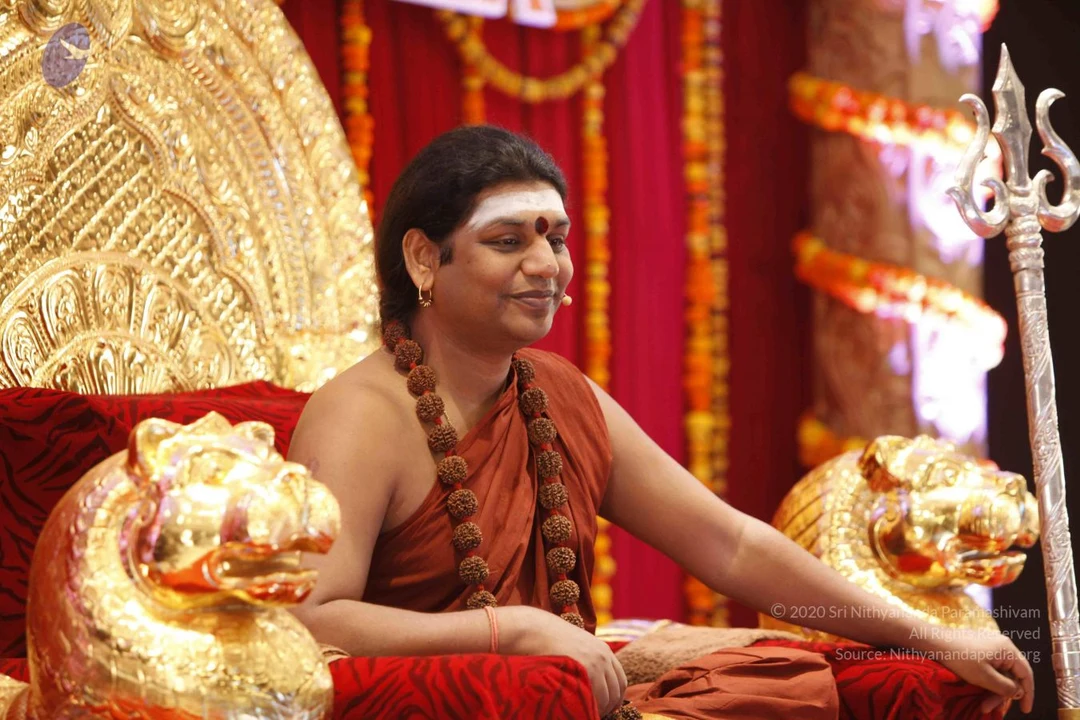
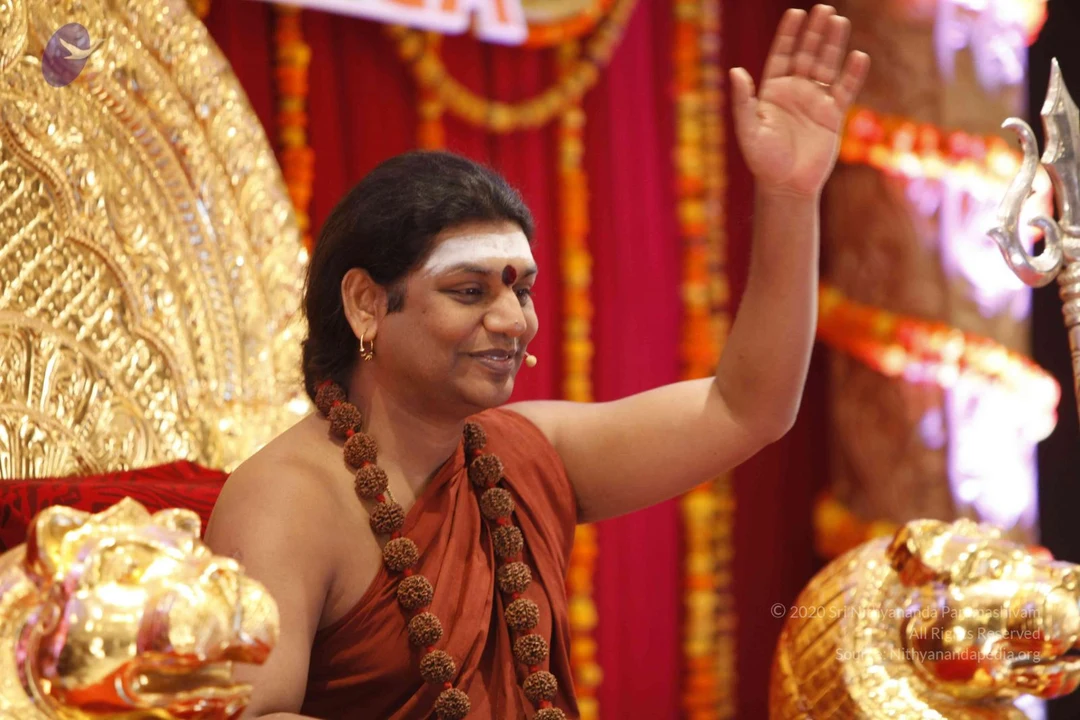
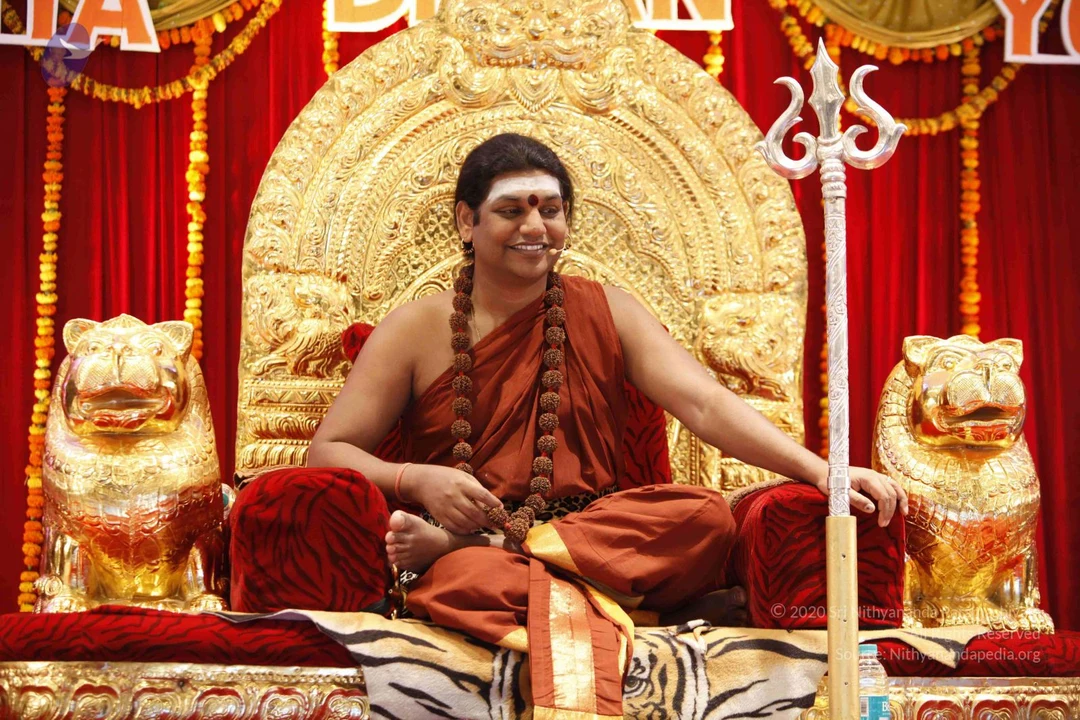
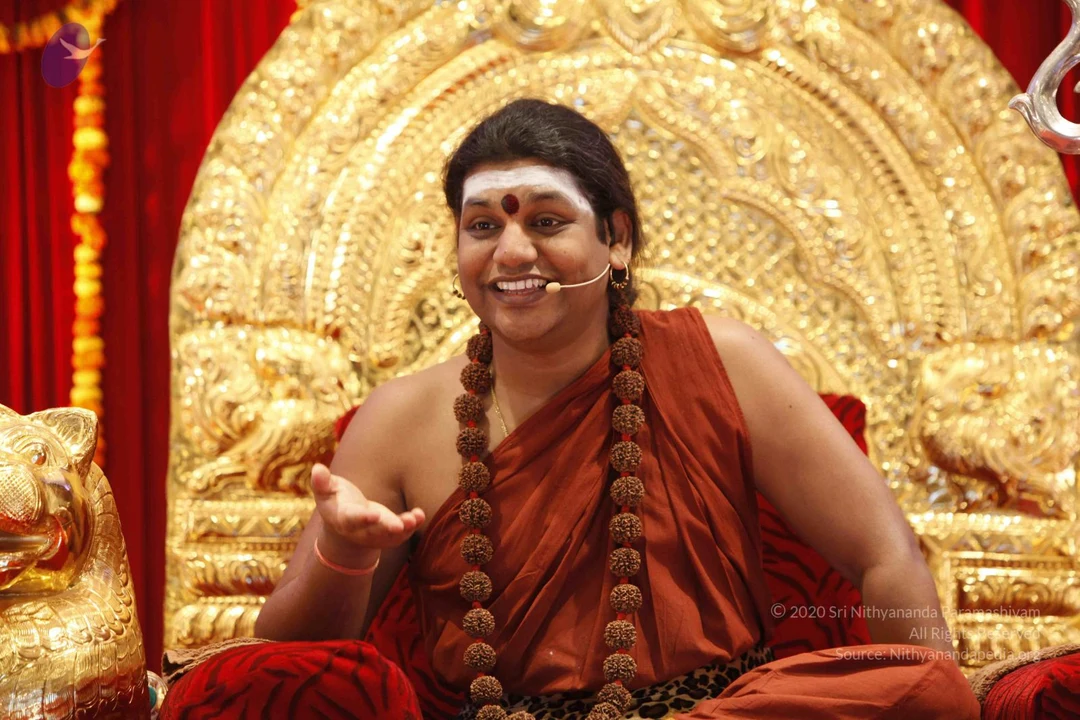
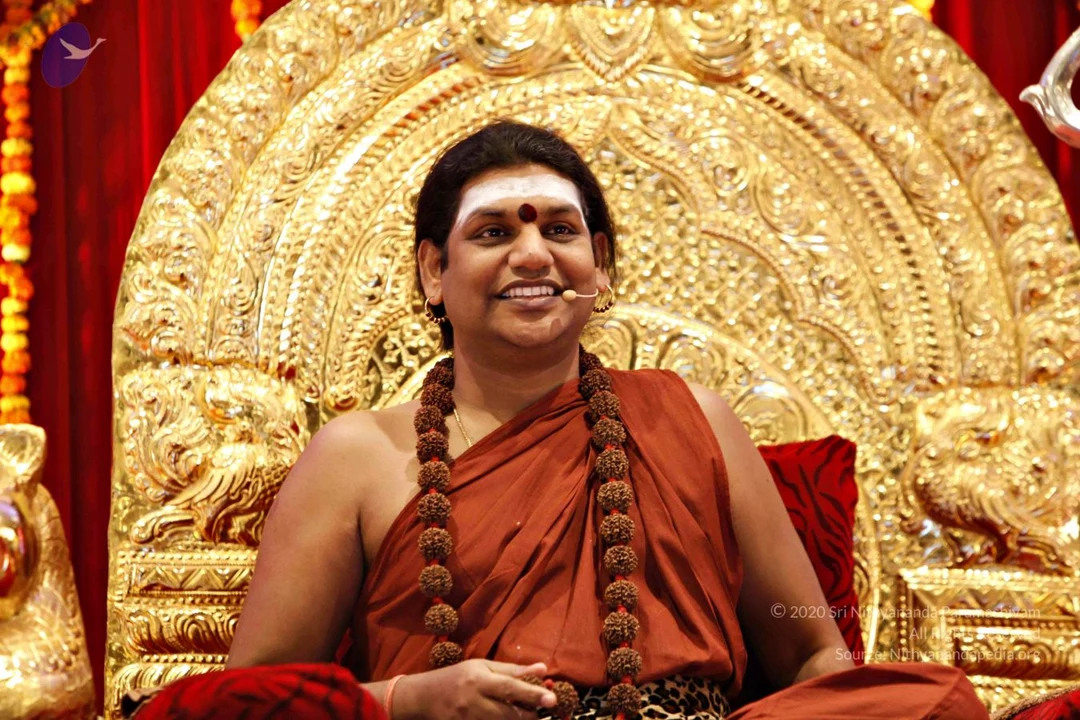
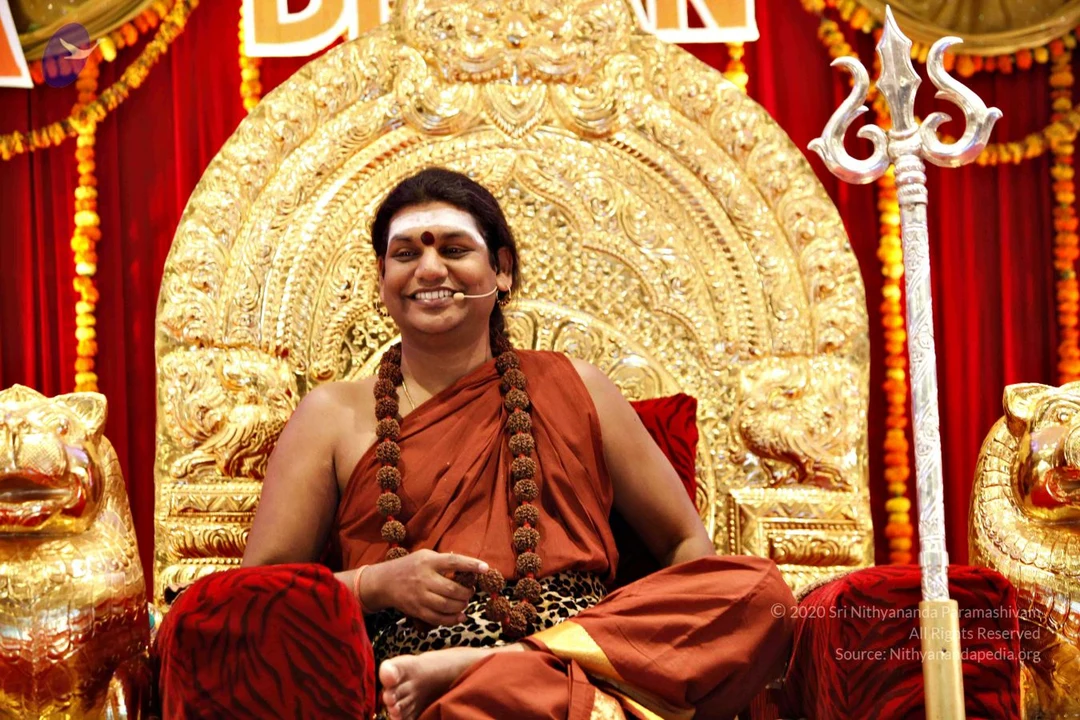
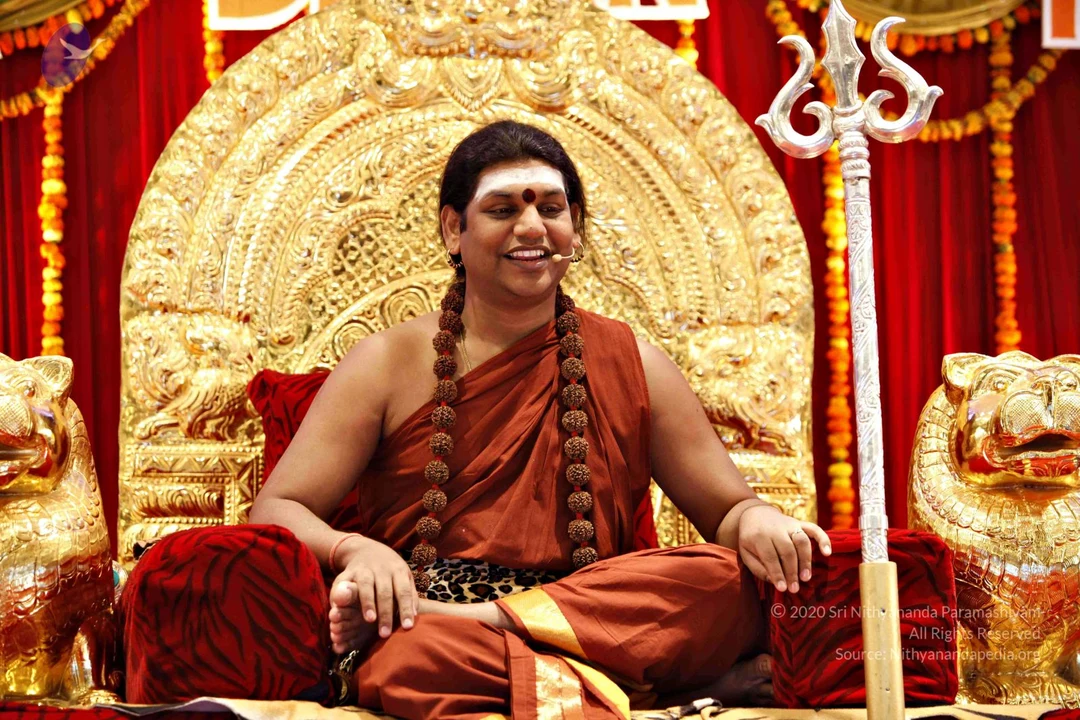
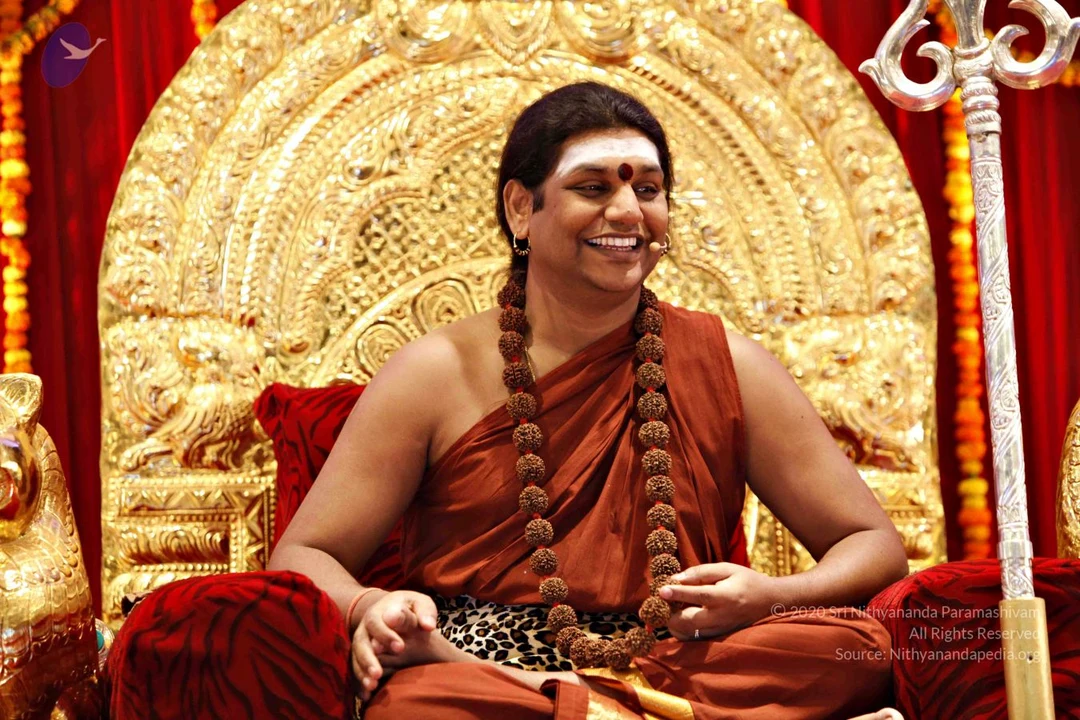
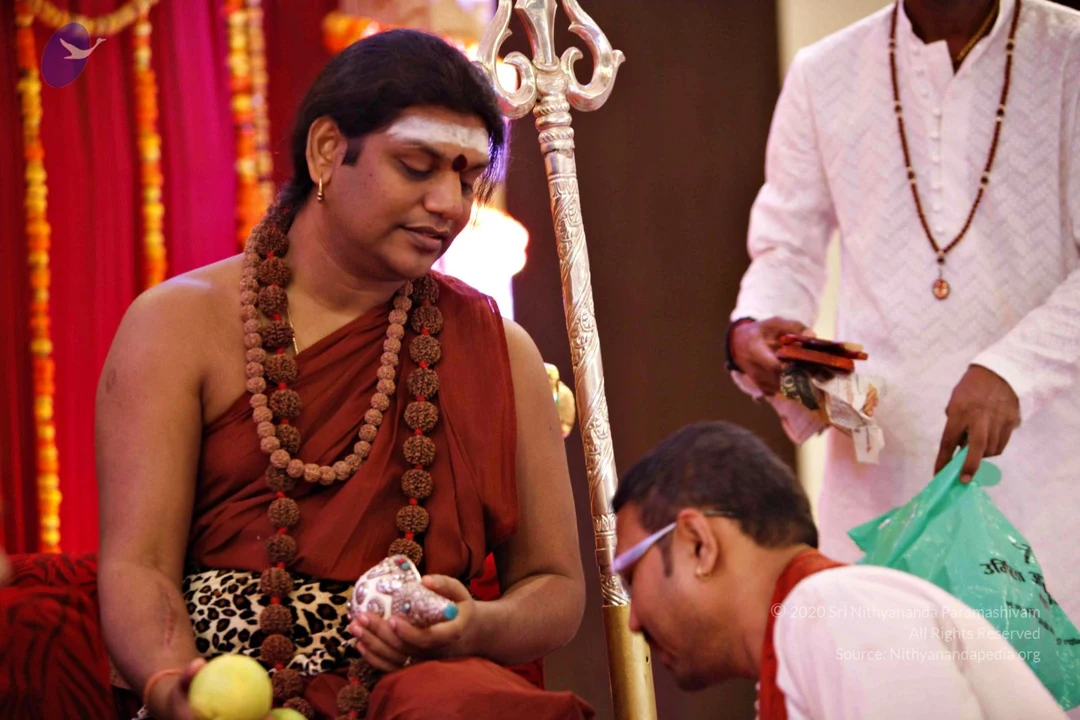
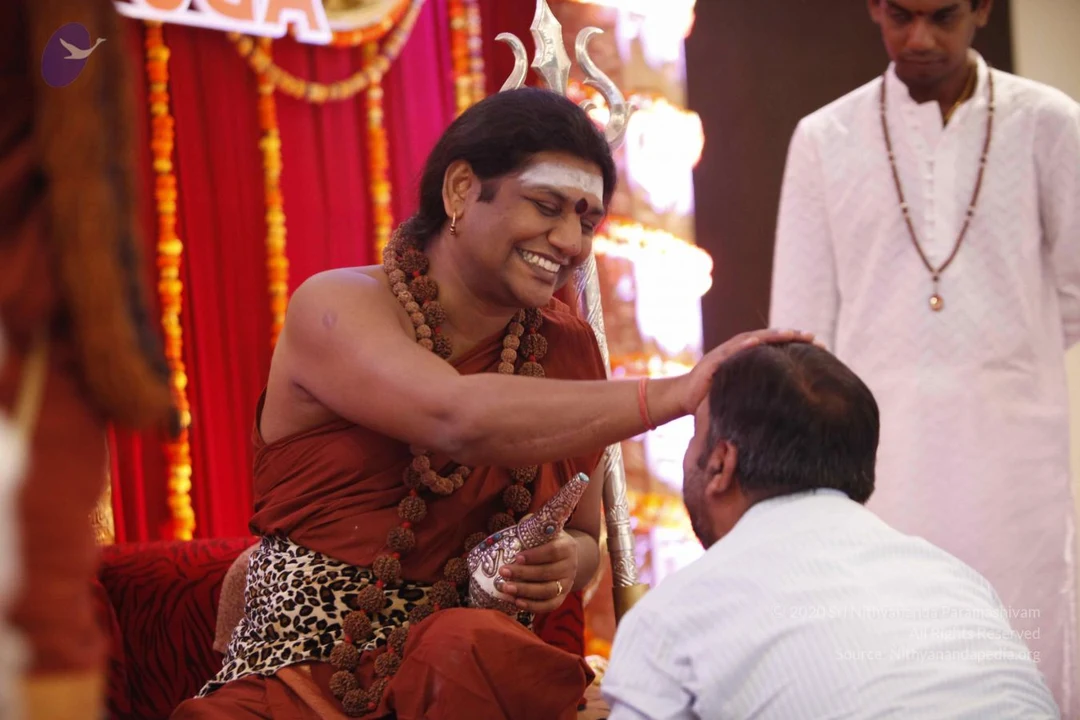
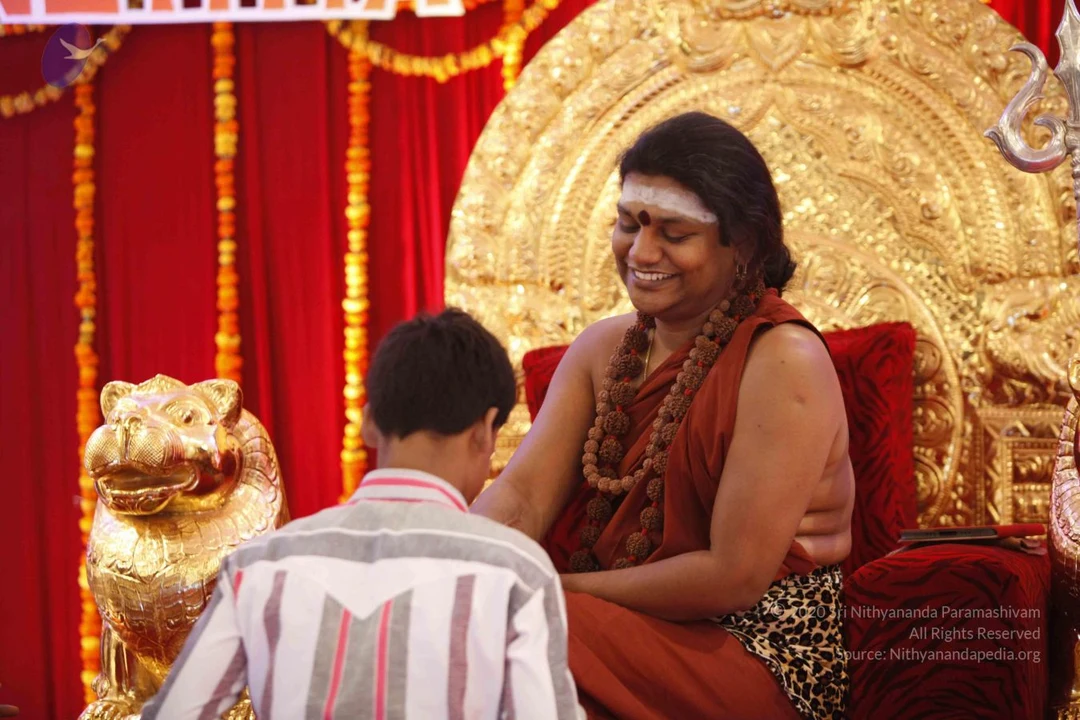
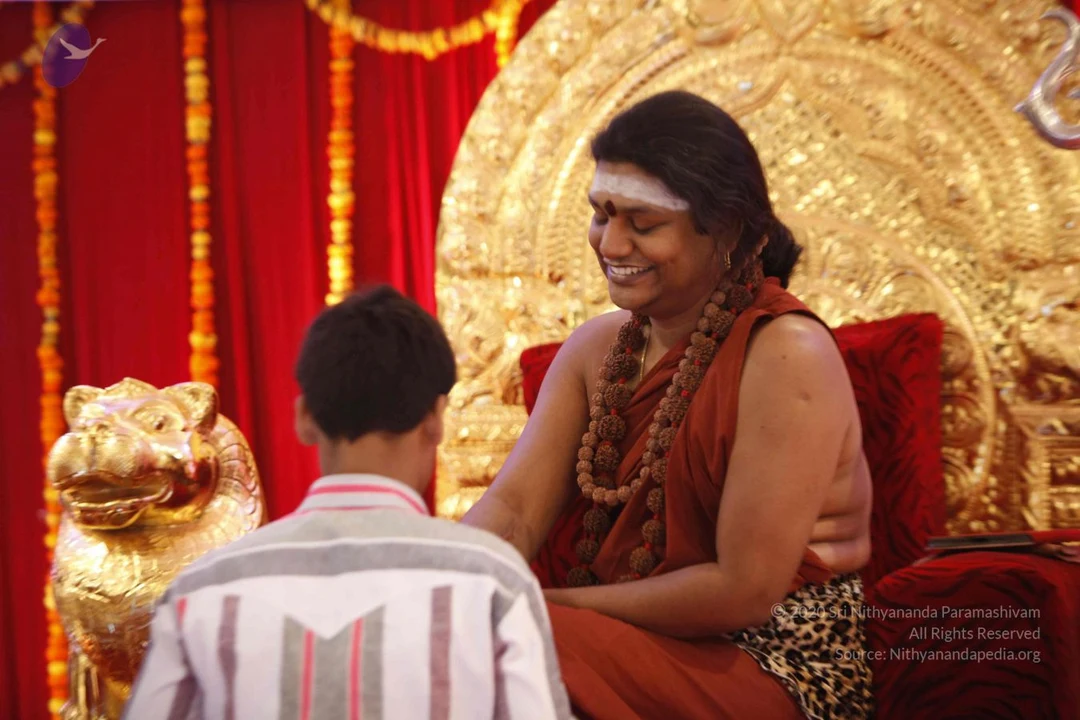
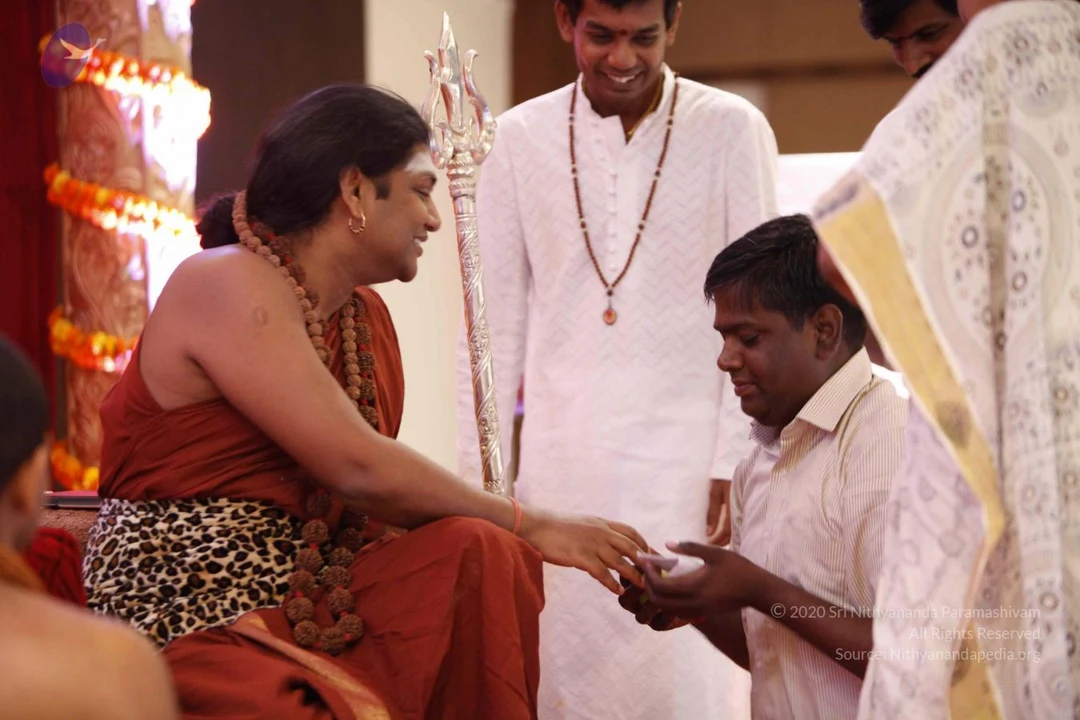
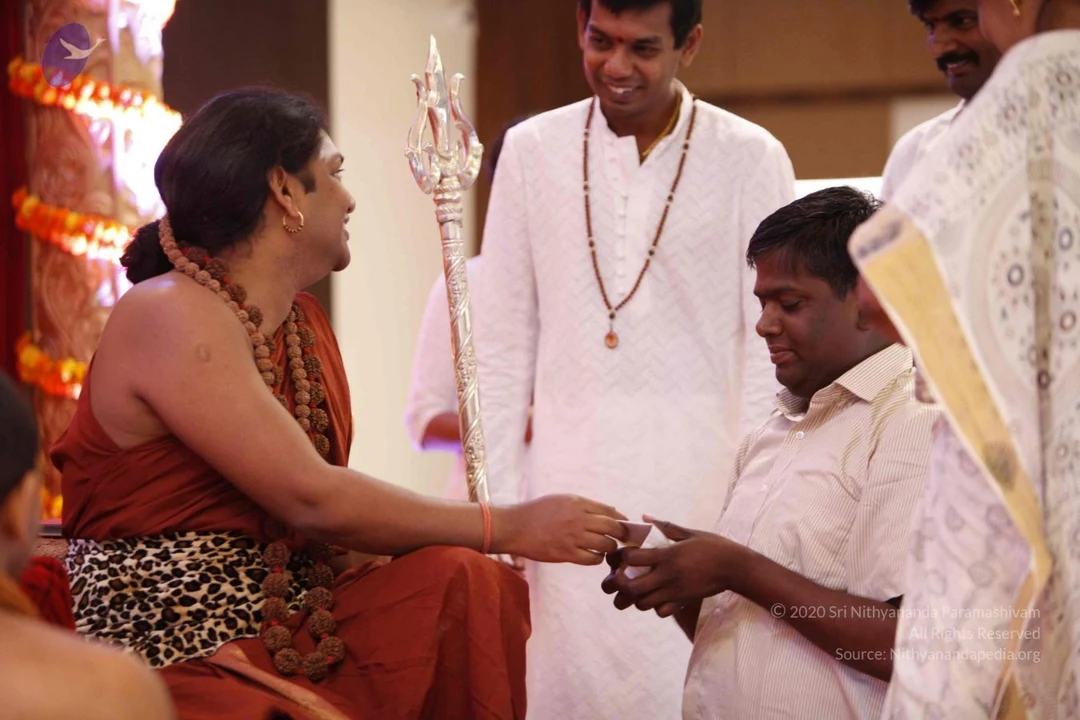
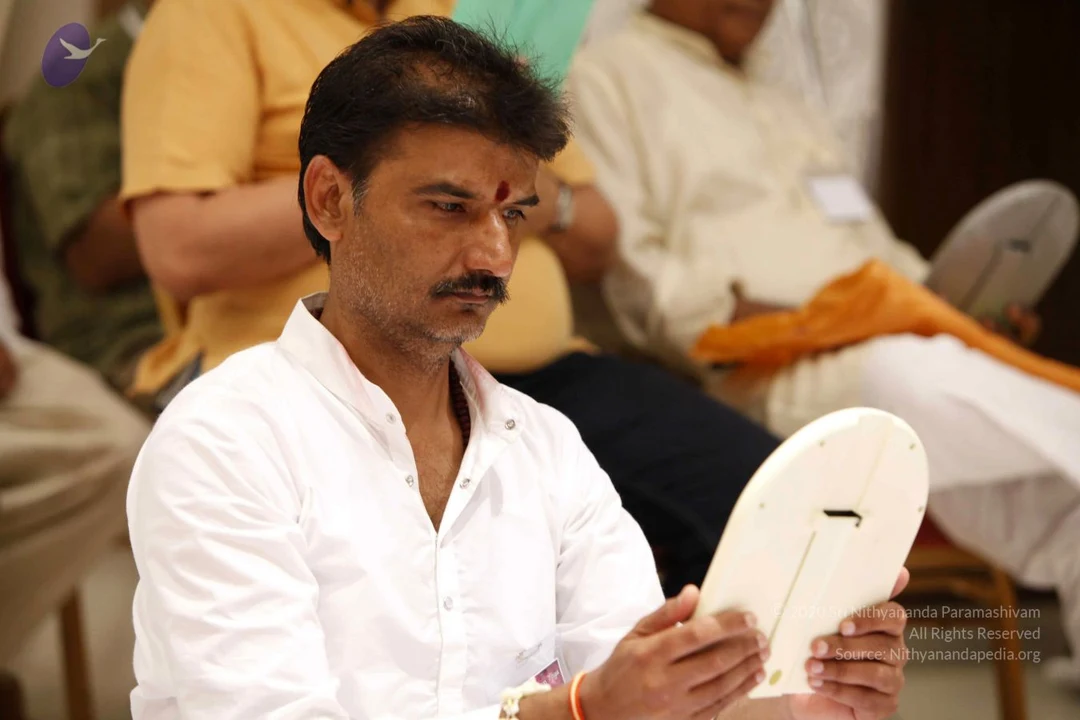
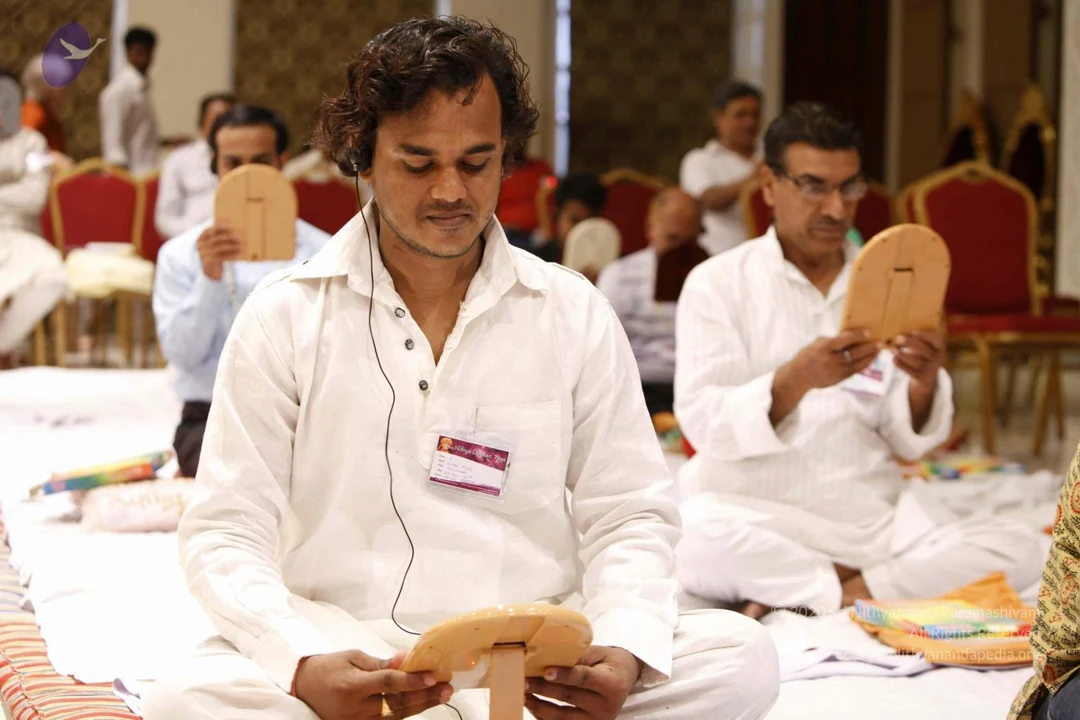
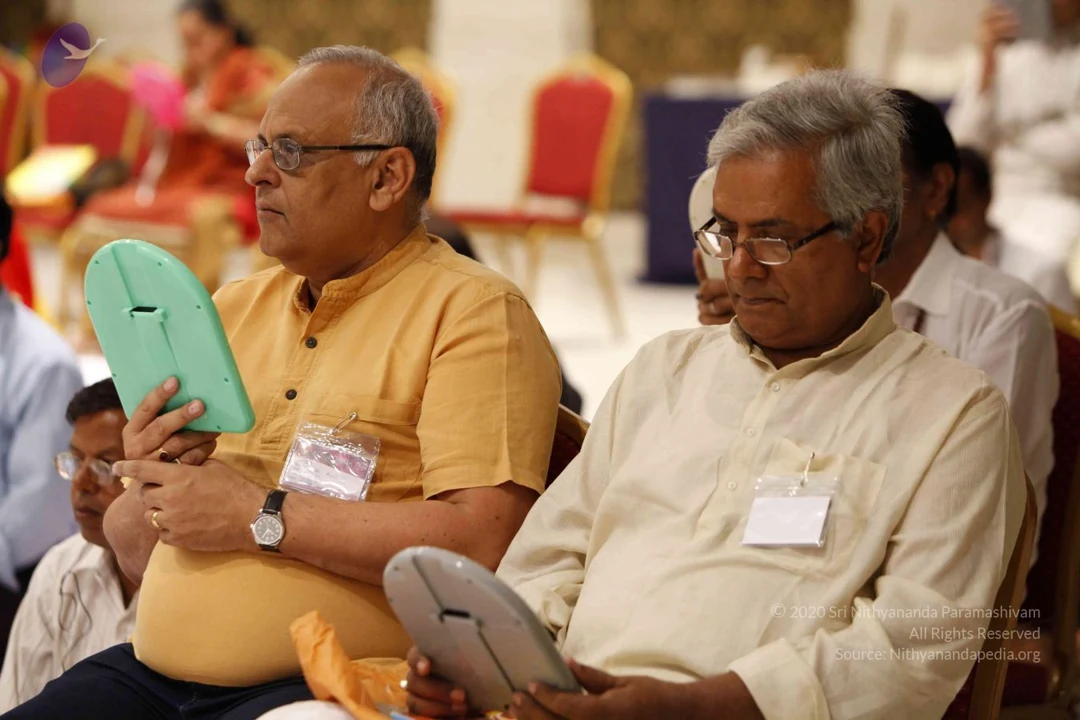
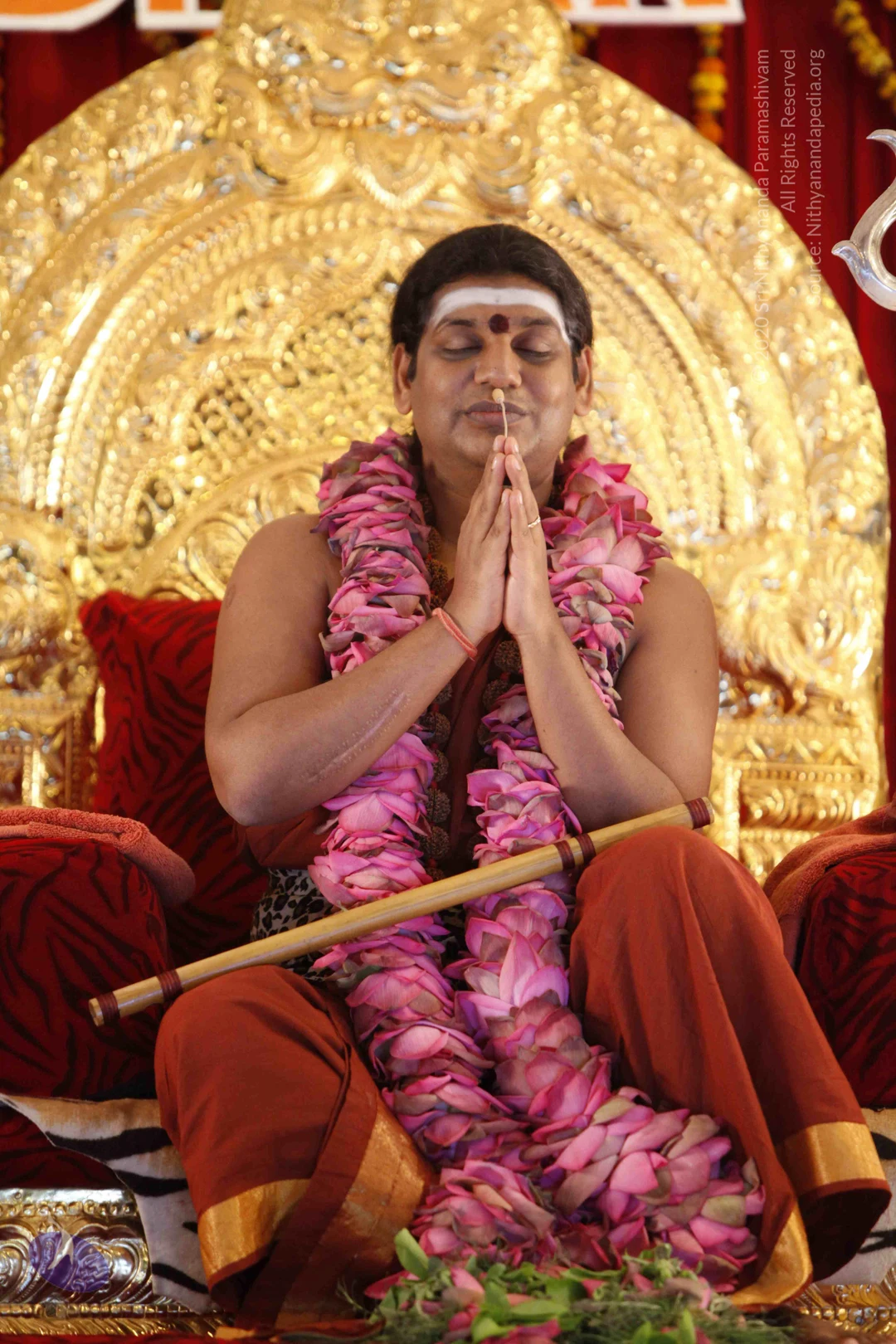
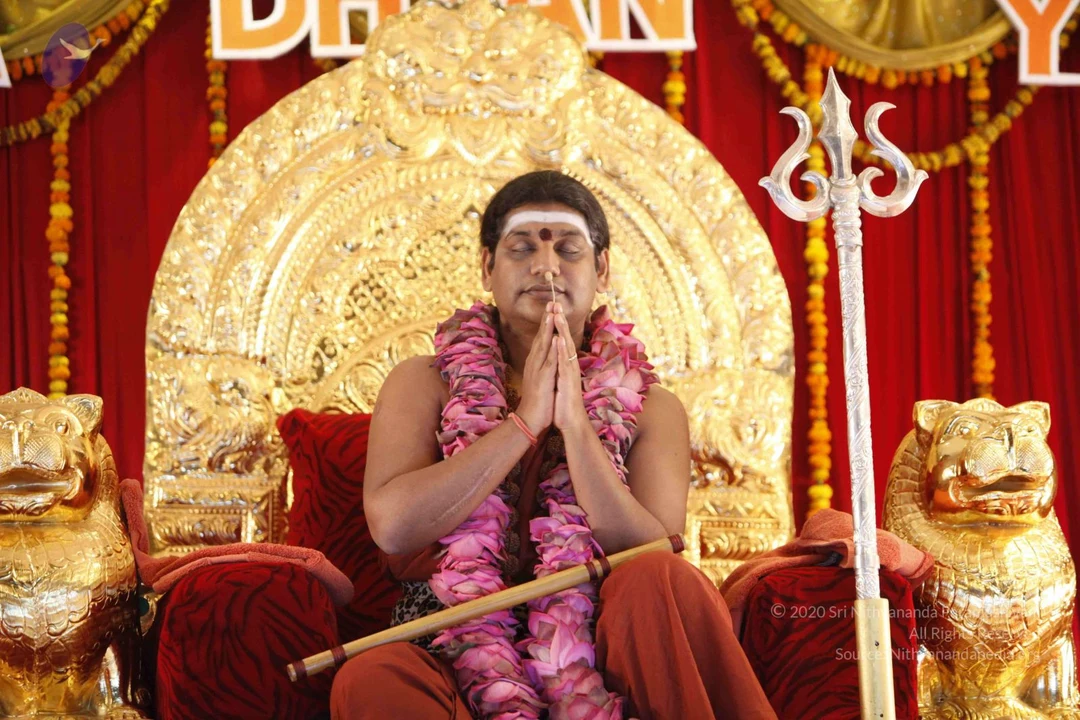
NDY-Session
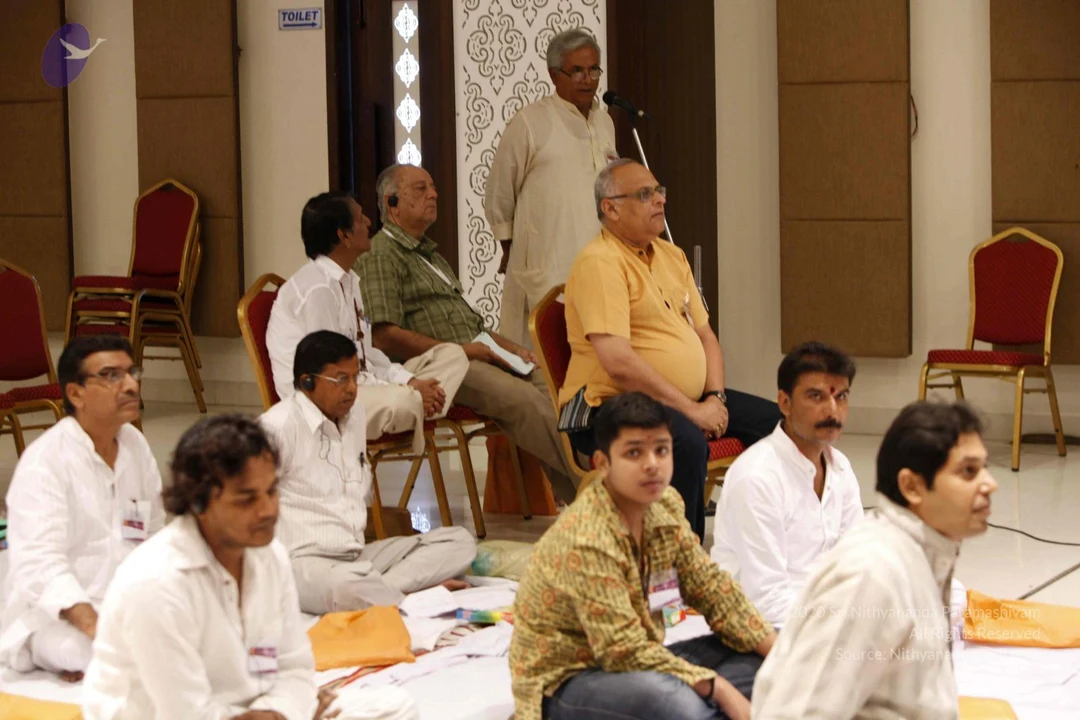
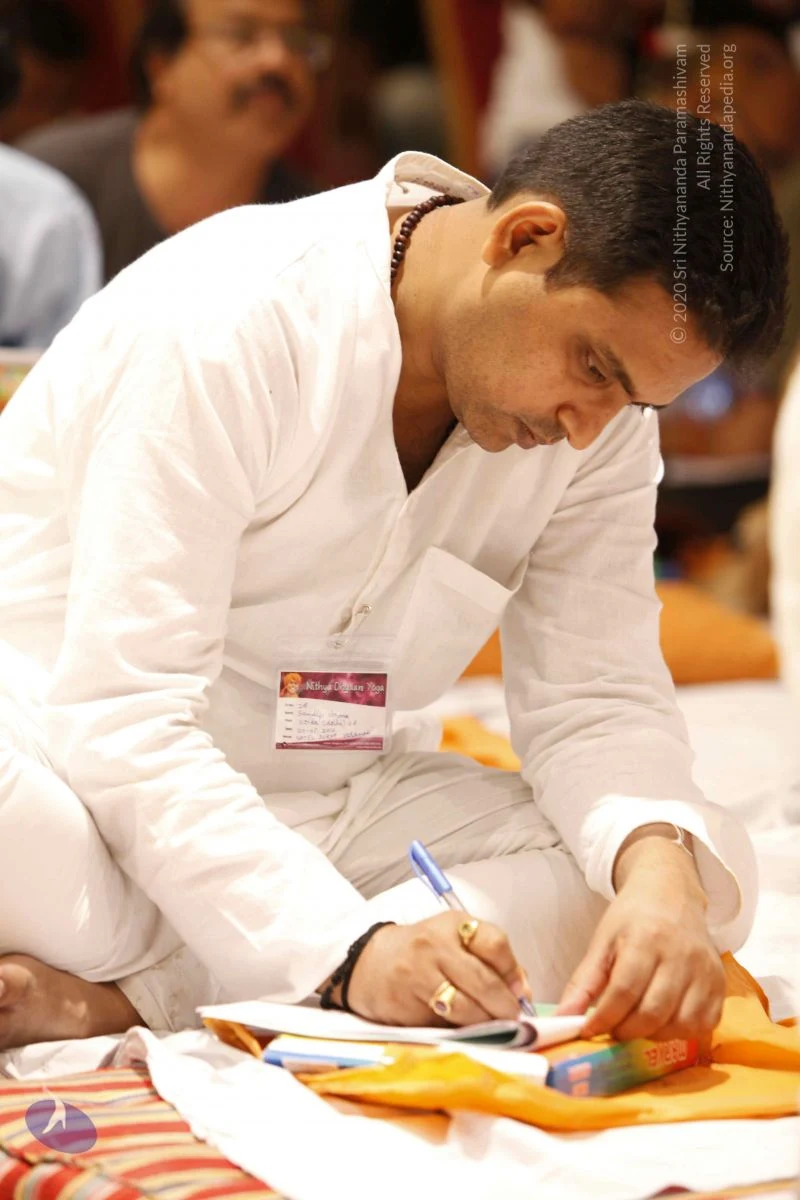
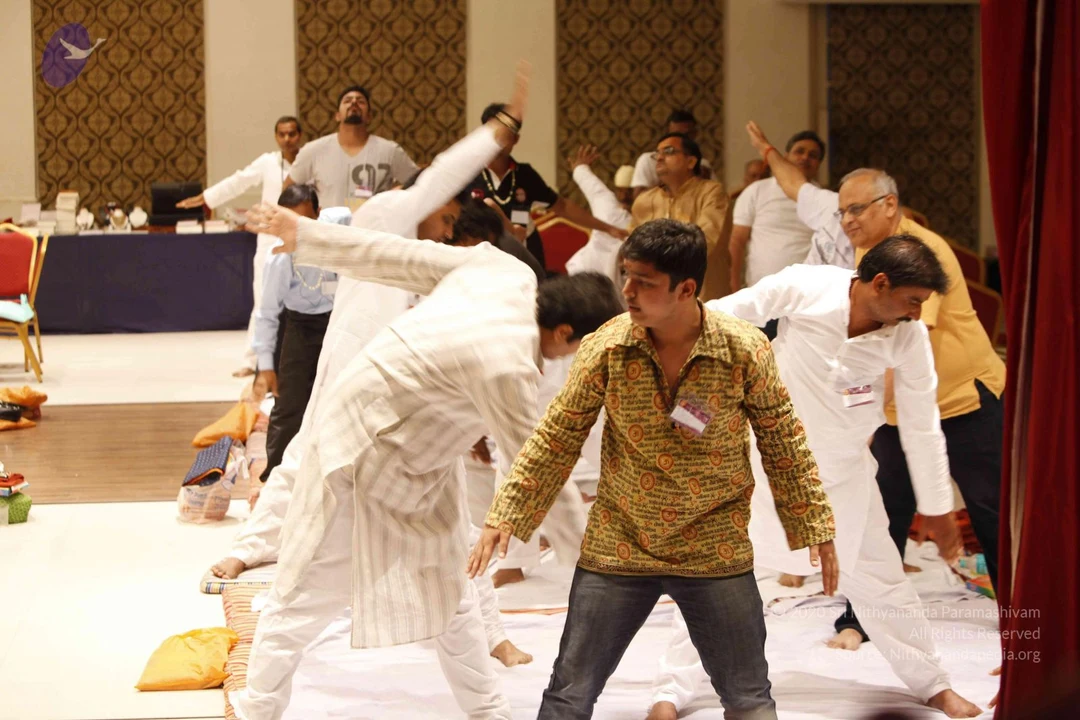
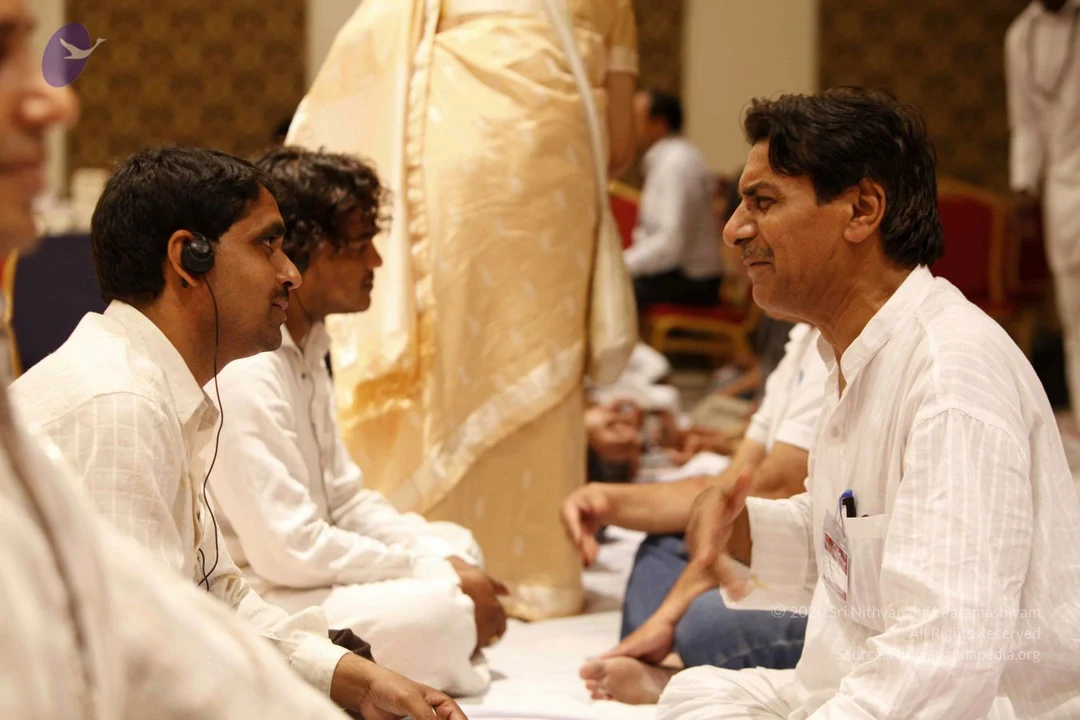
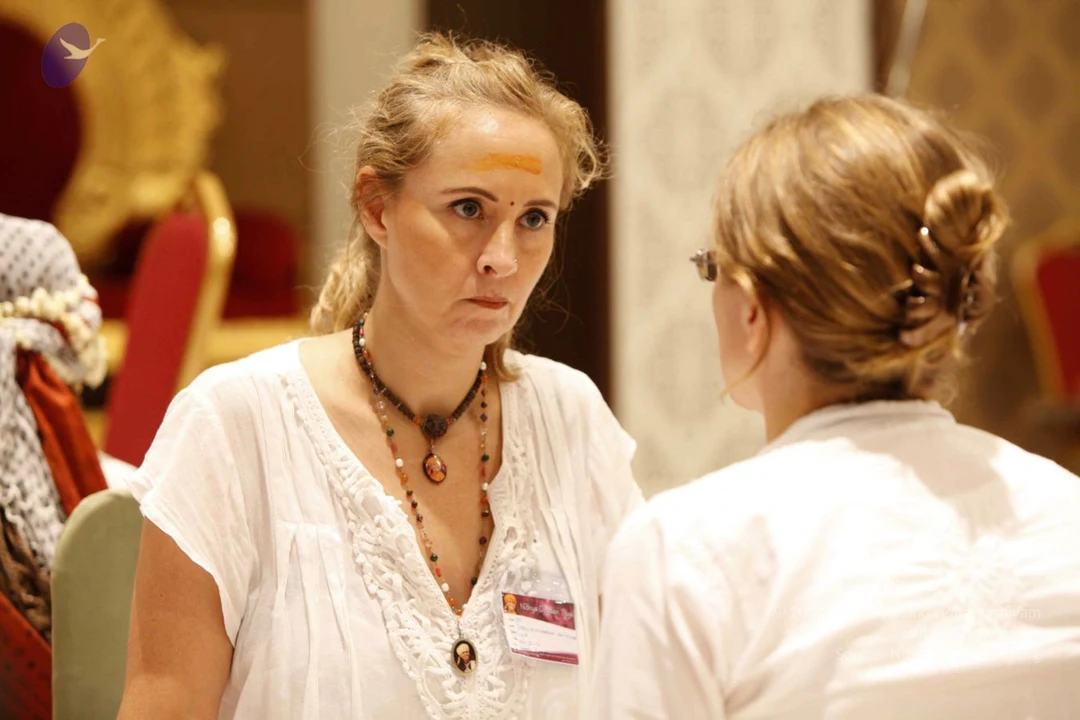
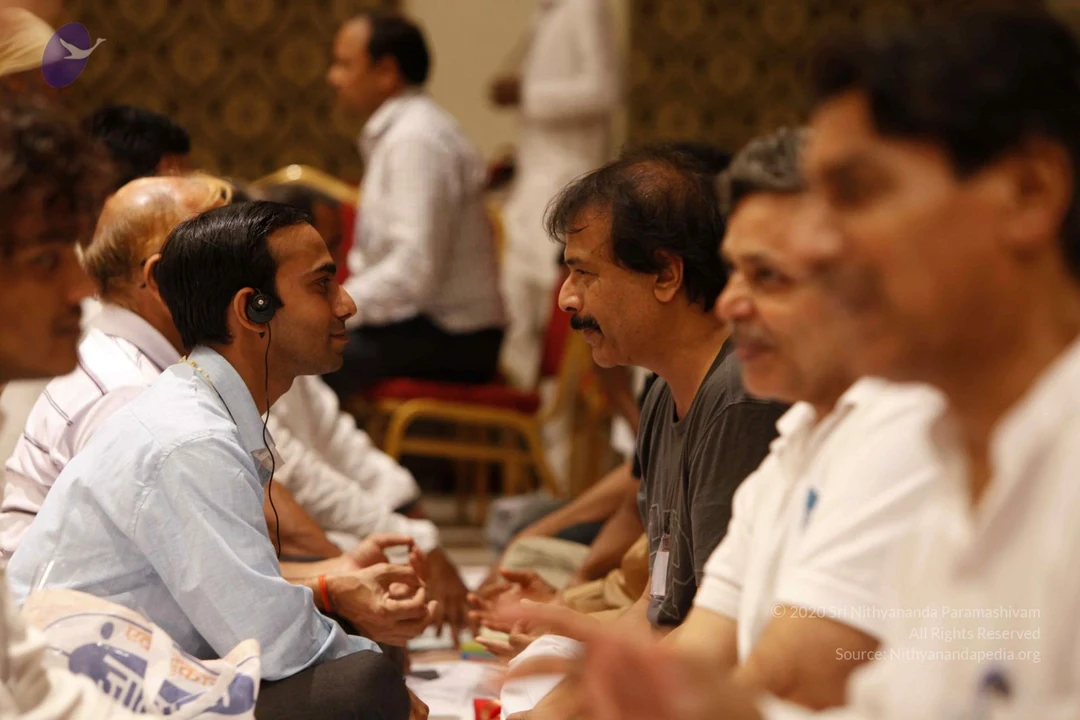
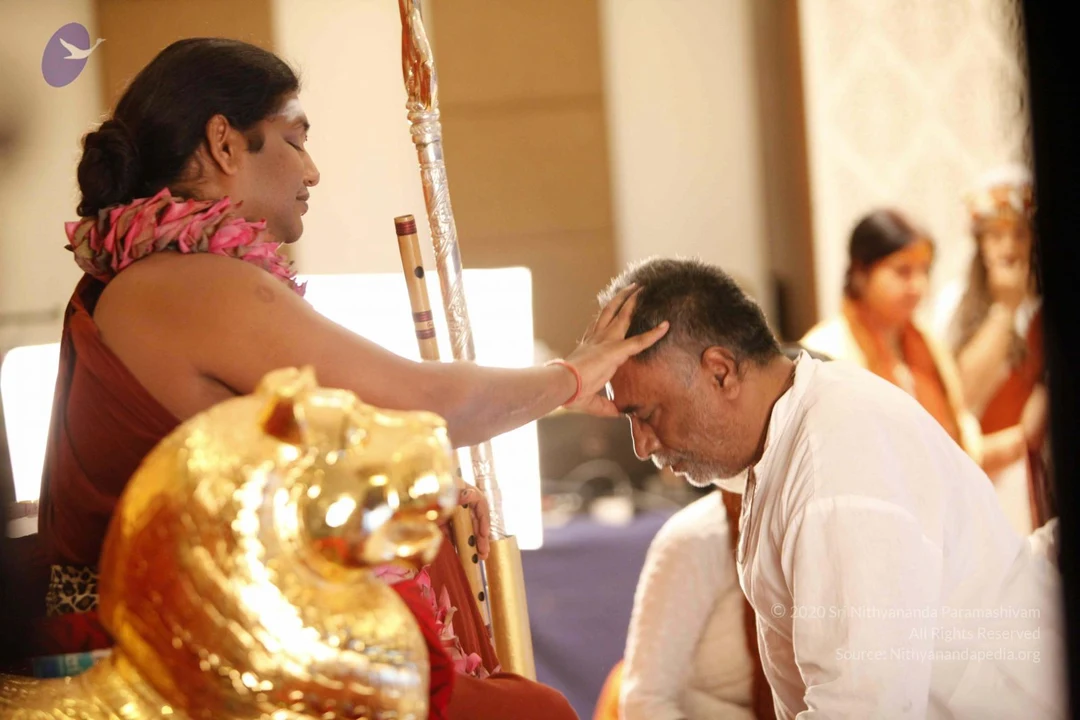
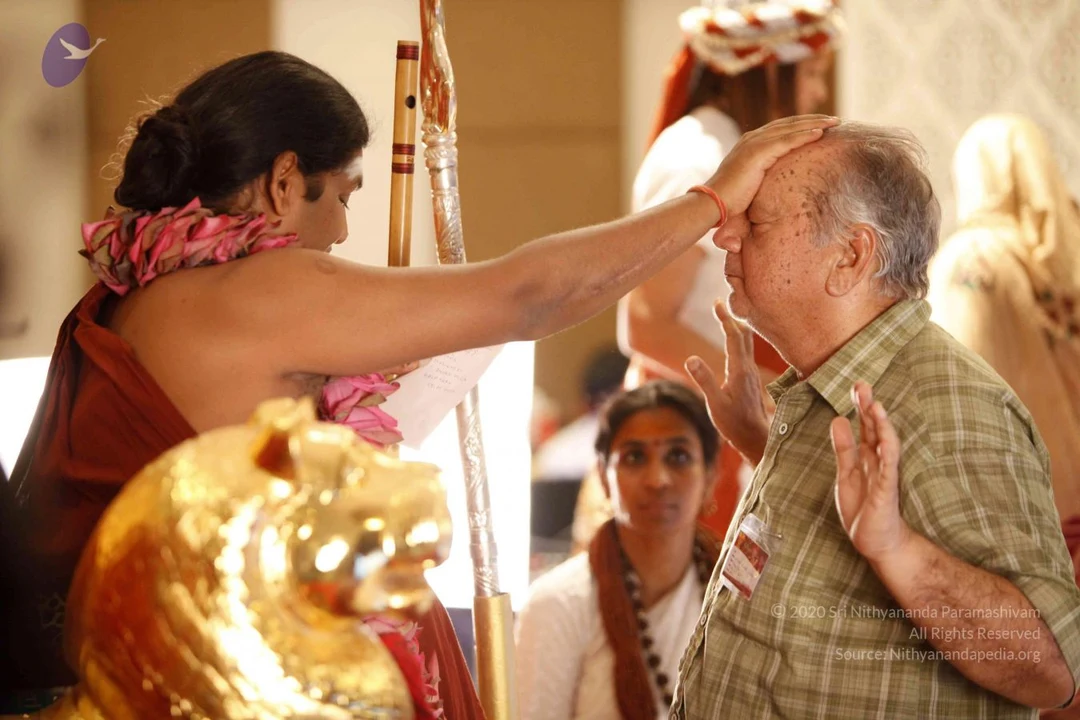
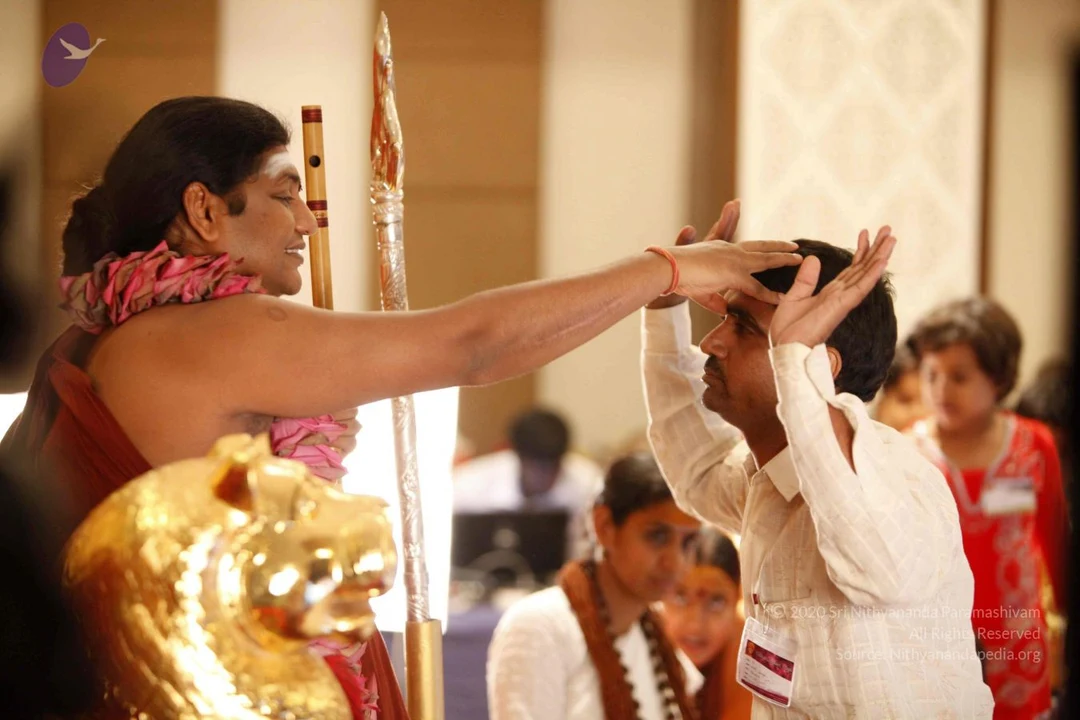
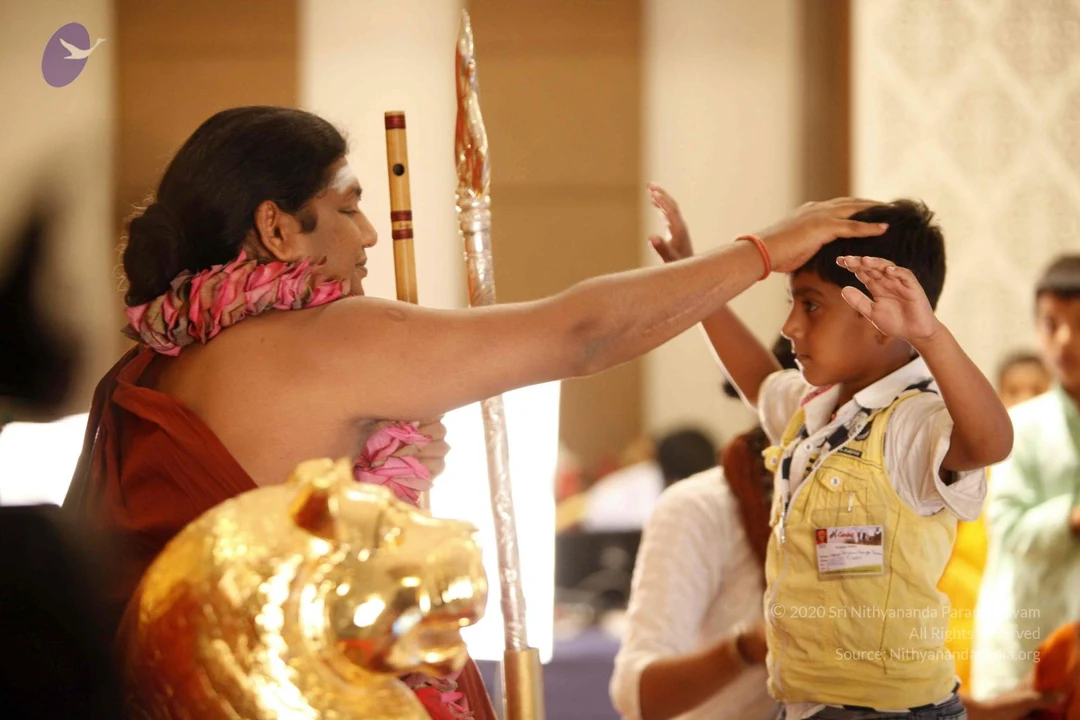
NDY-Darshan
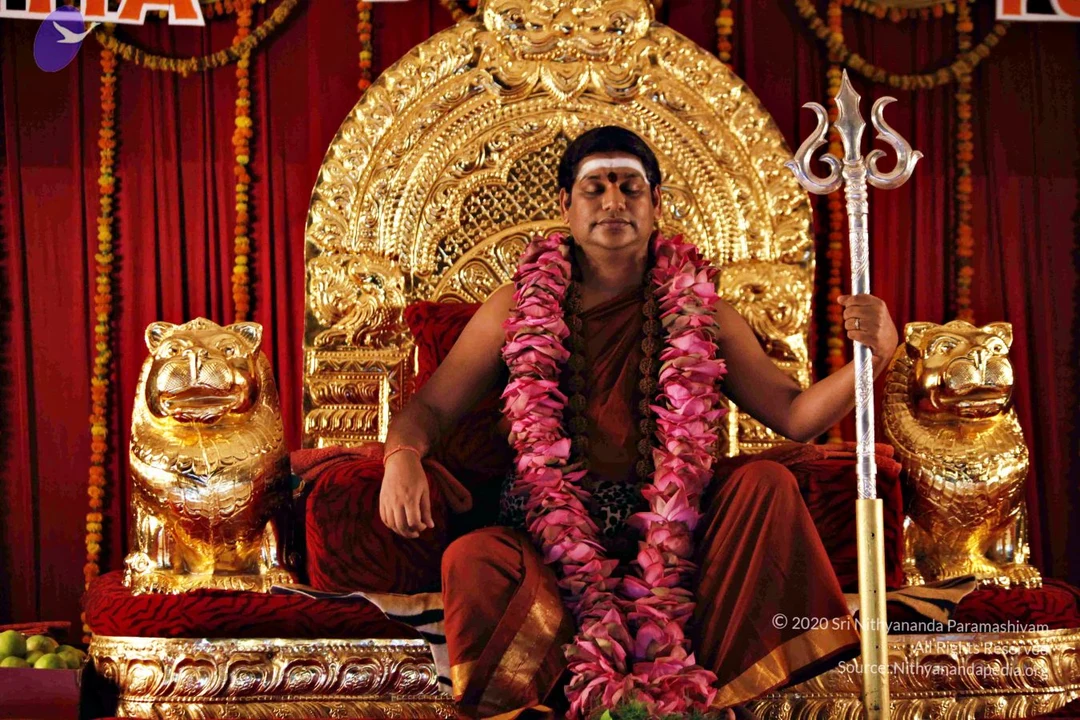
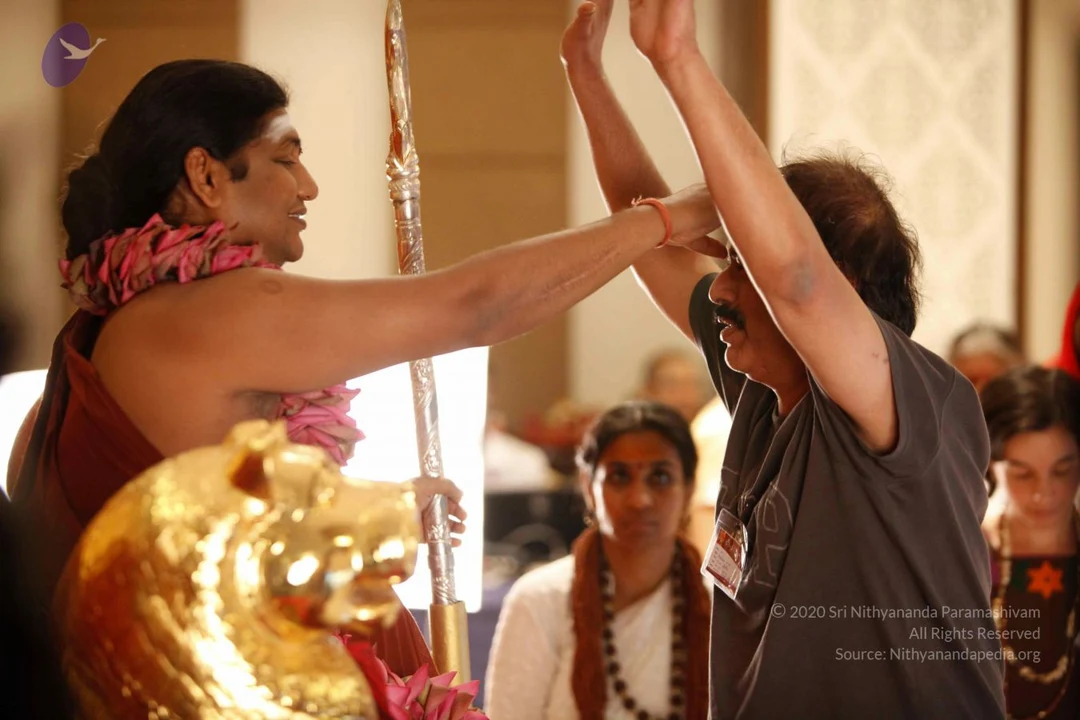
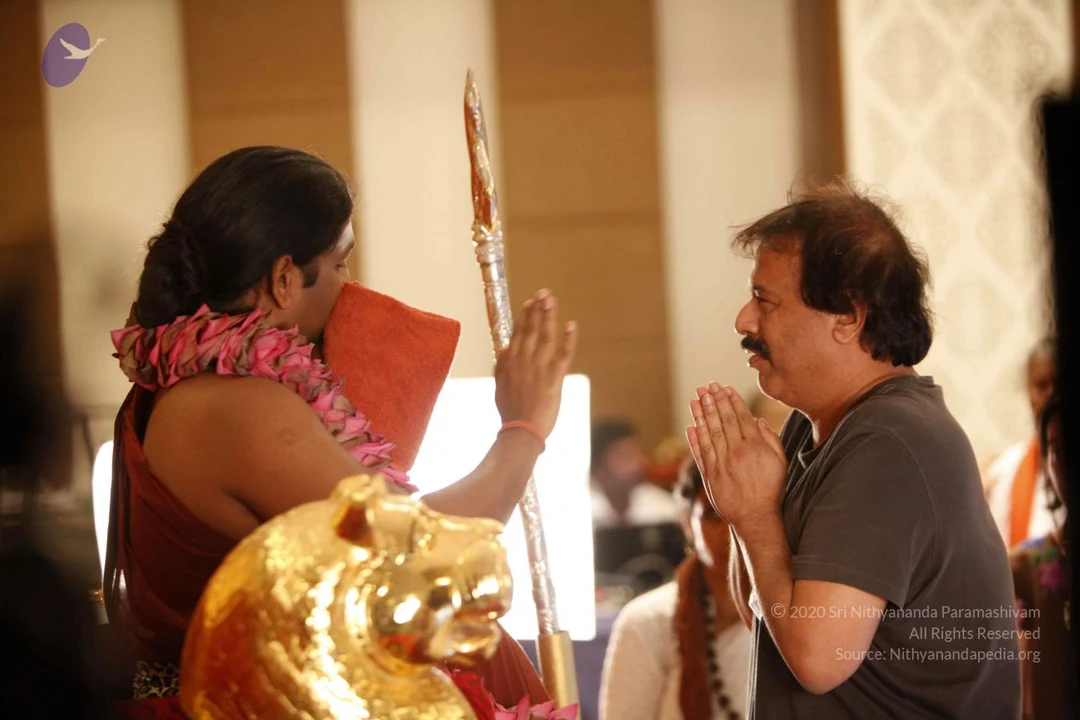
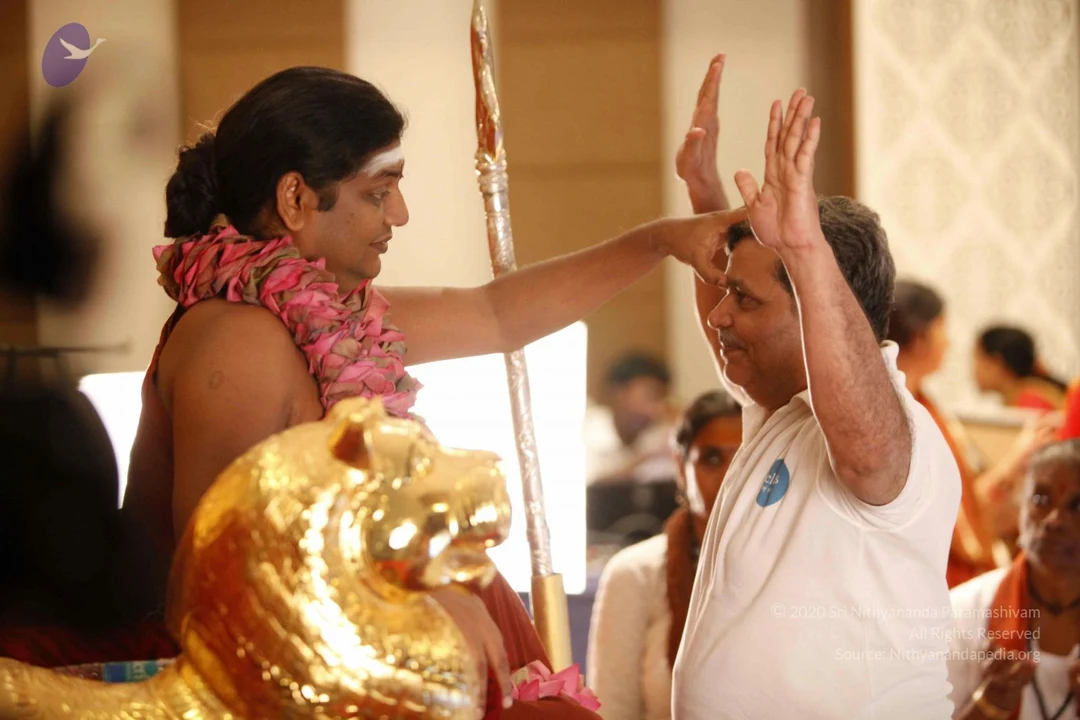
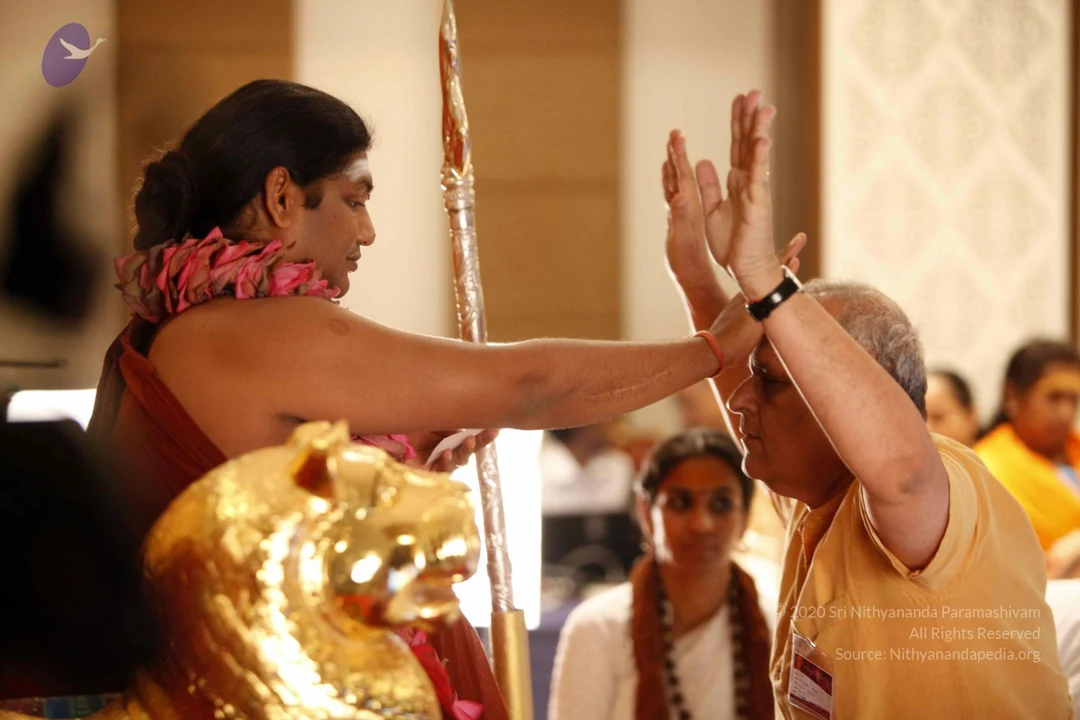
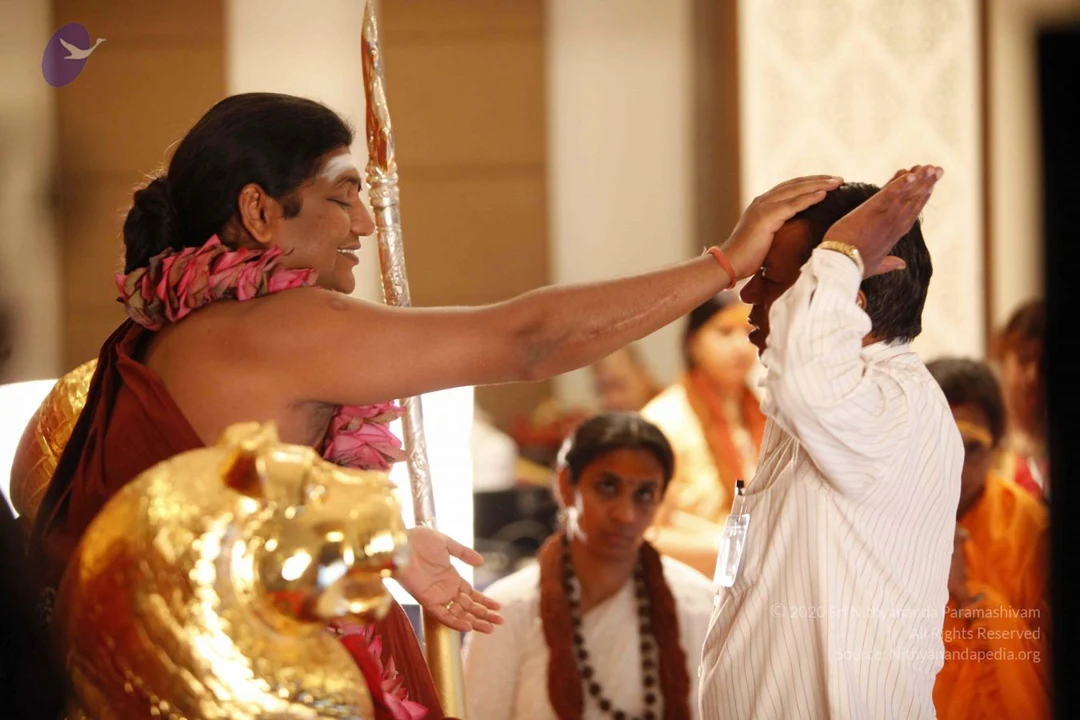
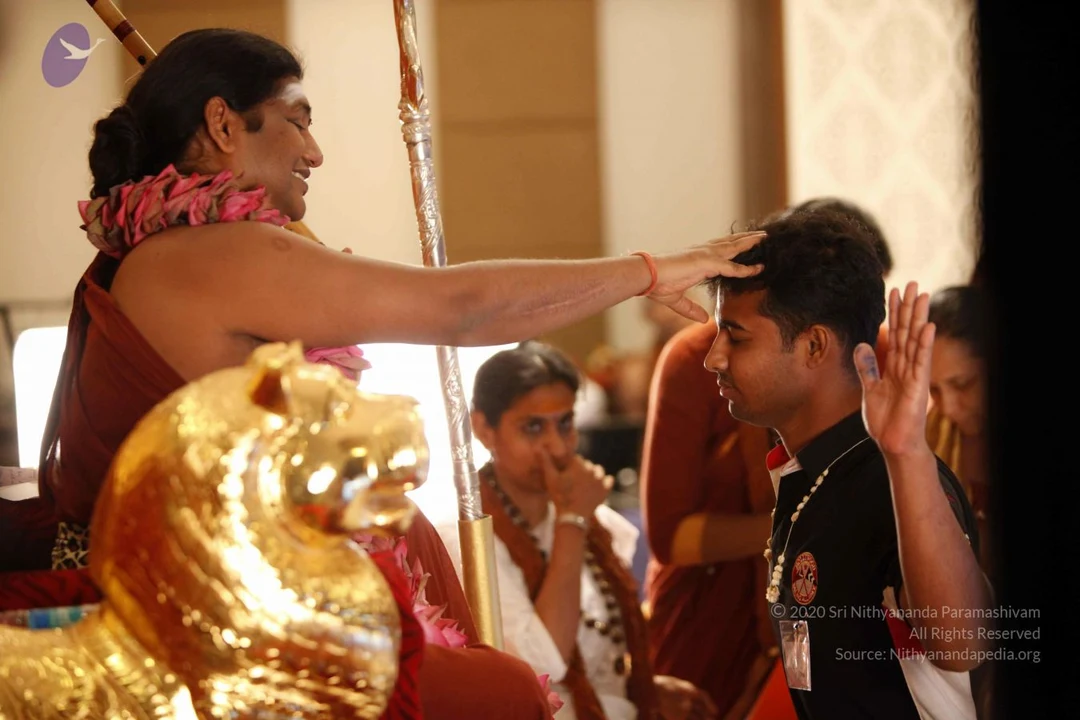
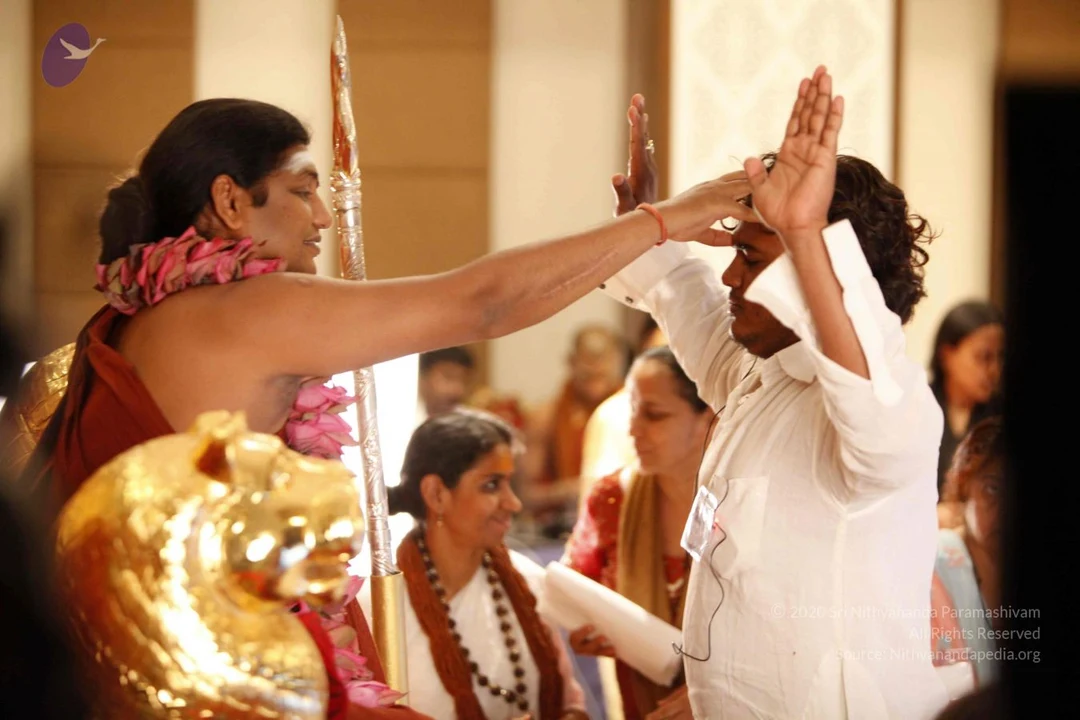

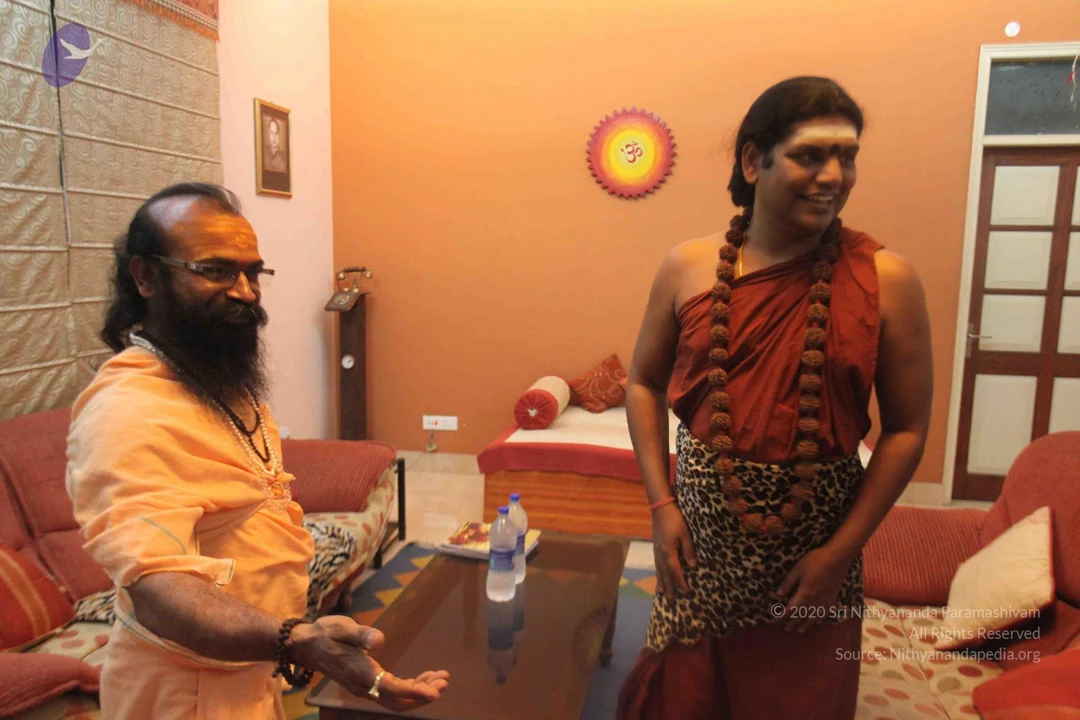
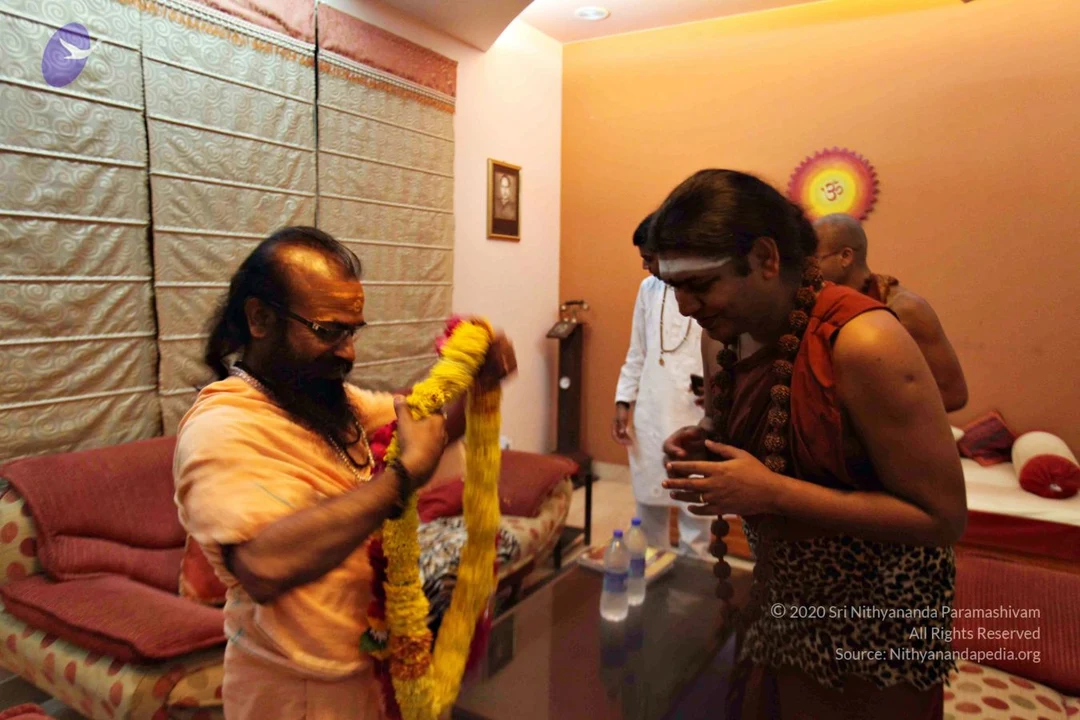
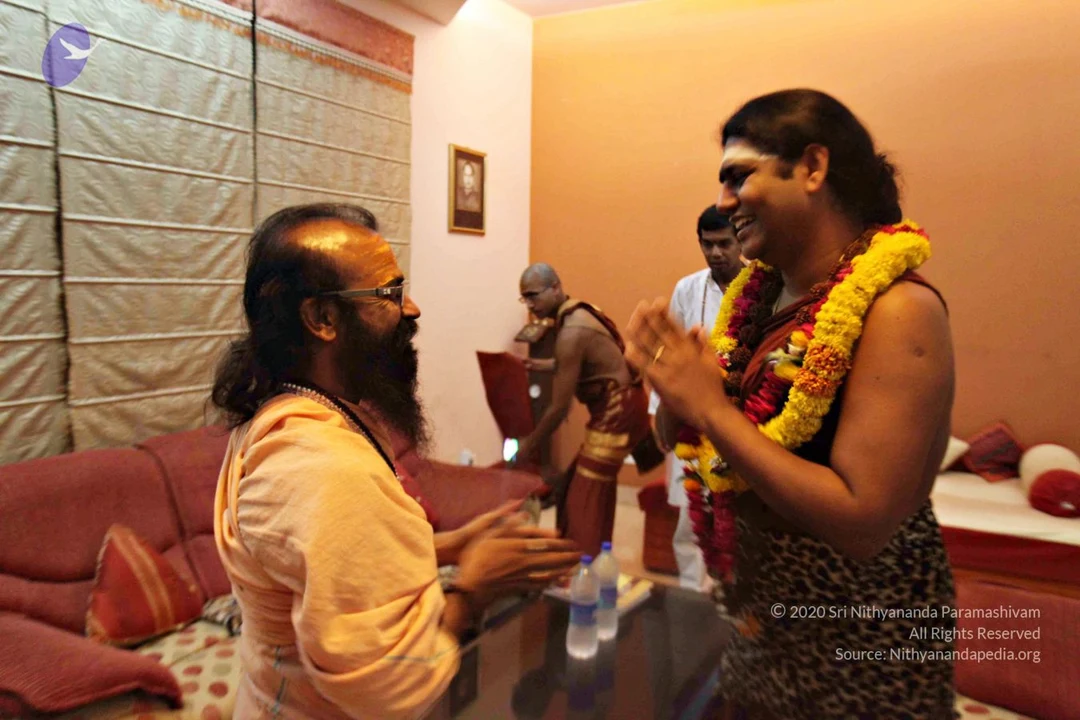
Other-Swami-Visits
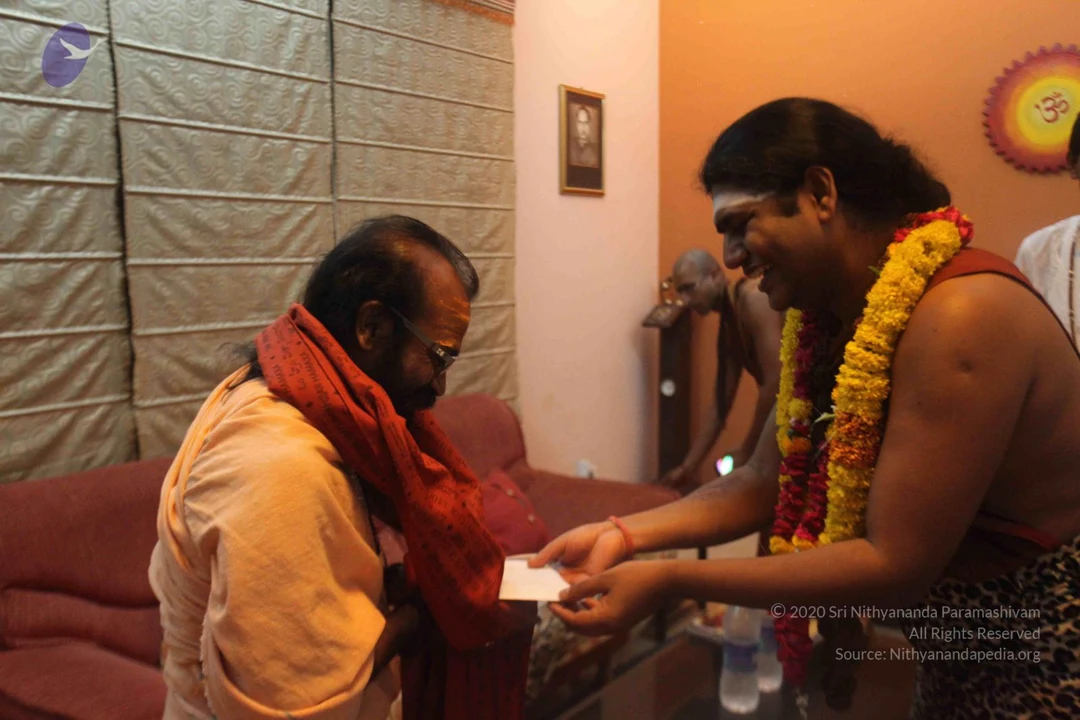
Photos from this day
View all 128 photos(Nithya Dhyaan Yoga (Life Bliss Program - level 1))
6 photosSource gallery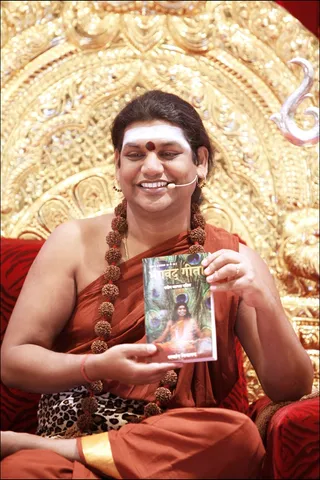
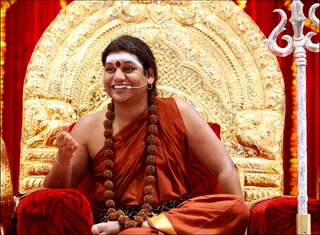
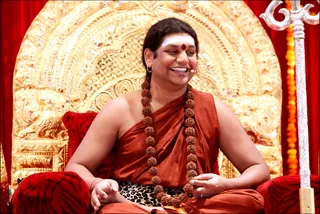

Nithya-Satsang
77 photosSource gallery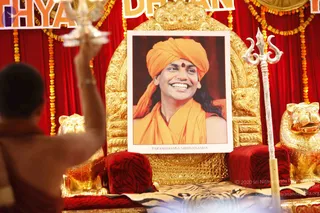
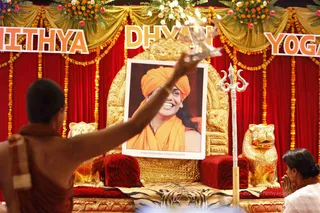
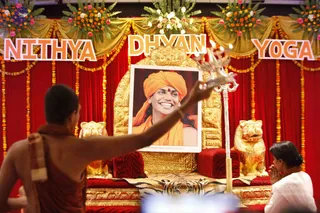
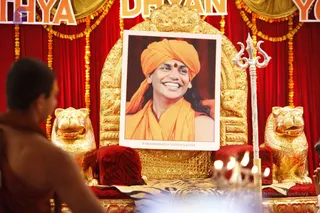
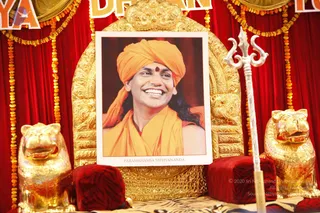
NDY-Session
14 photosSource gallery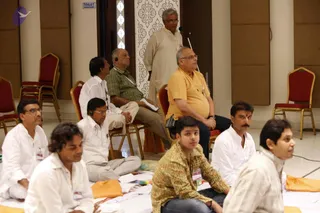
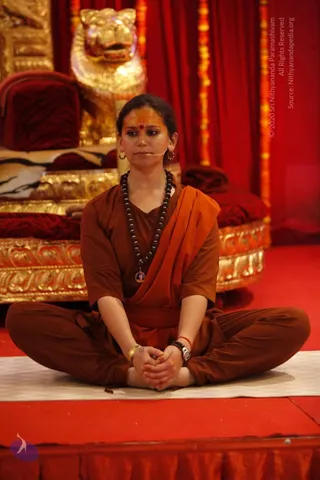
NDY-Darshan
26 photosSource gallery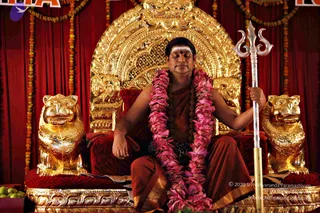
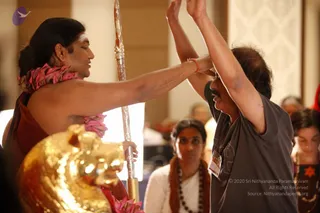
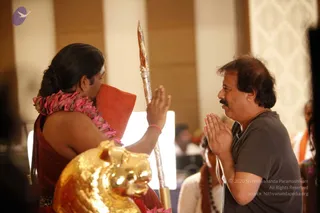
Other-Swami-Visits
4 photosSource gallery
May 25 2014
1 photoView all