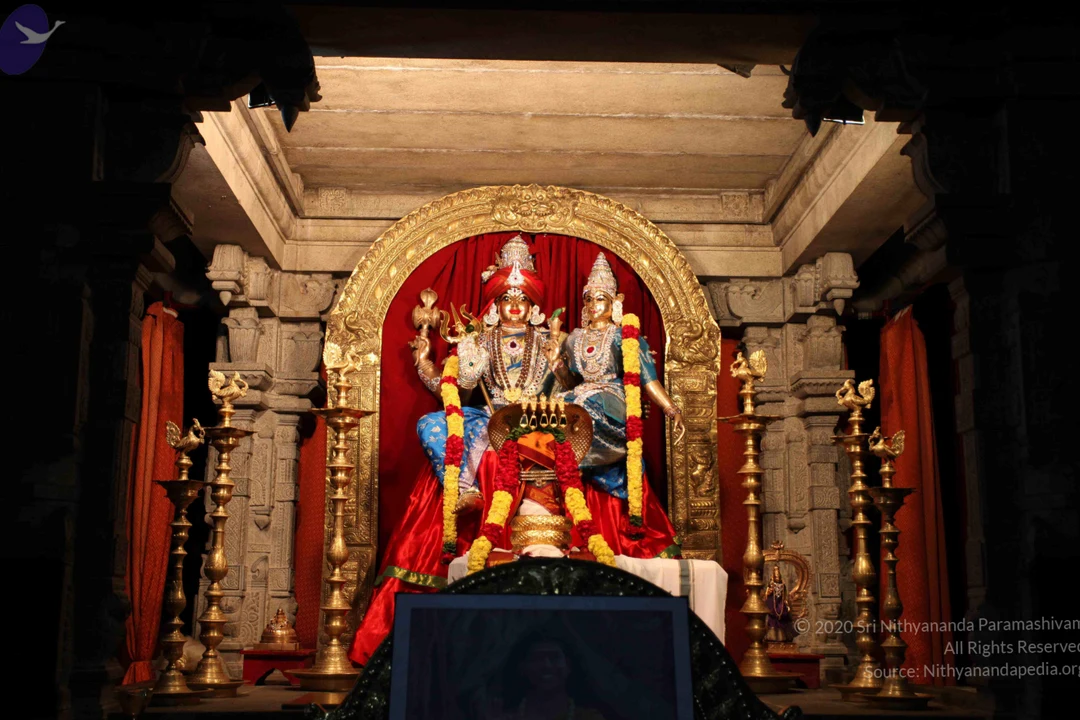
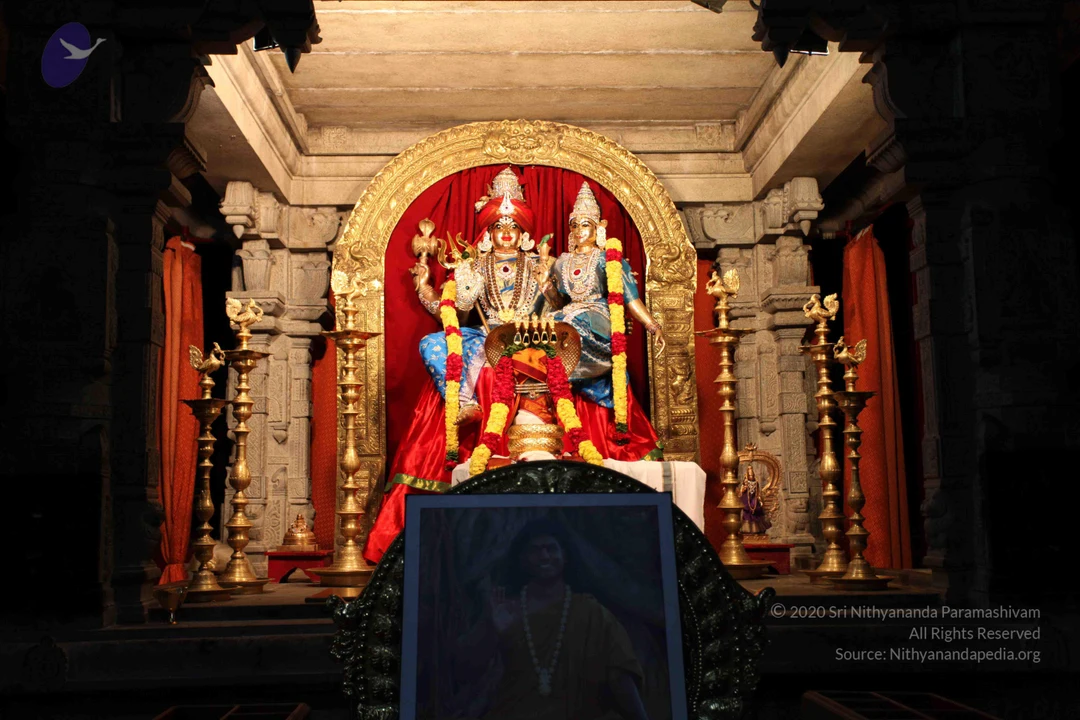
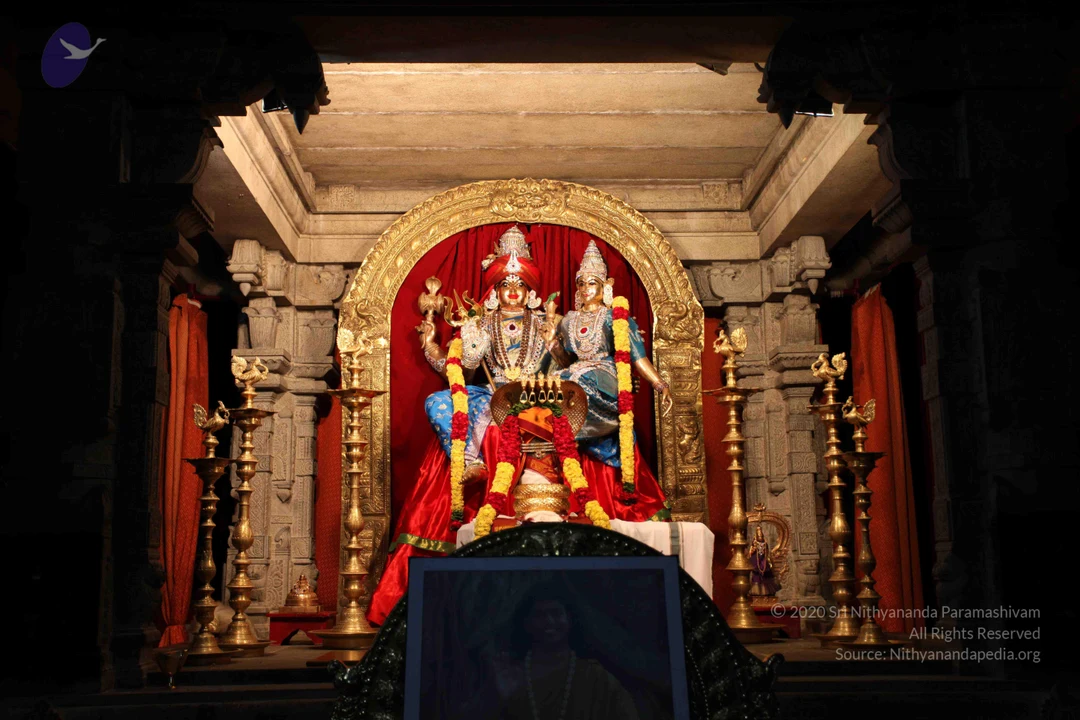
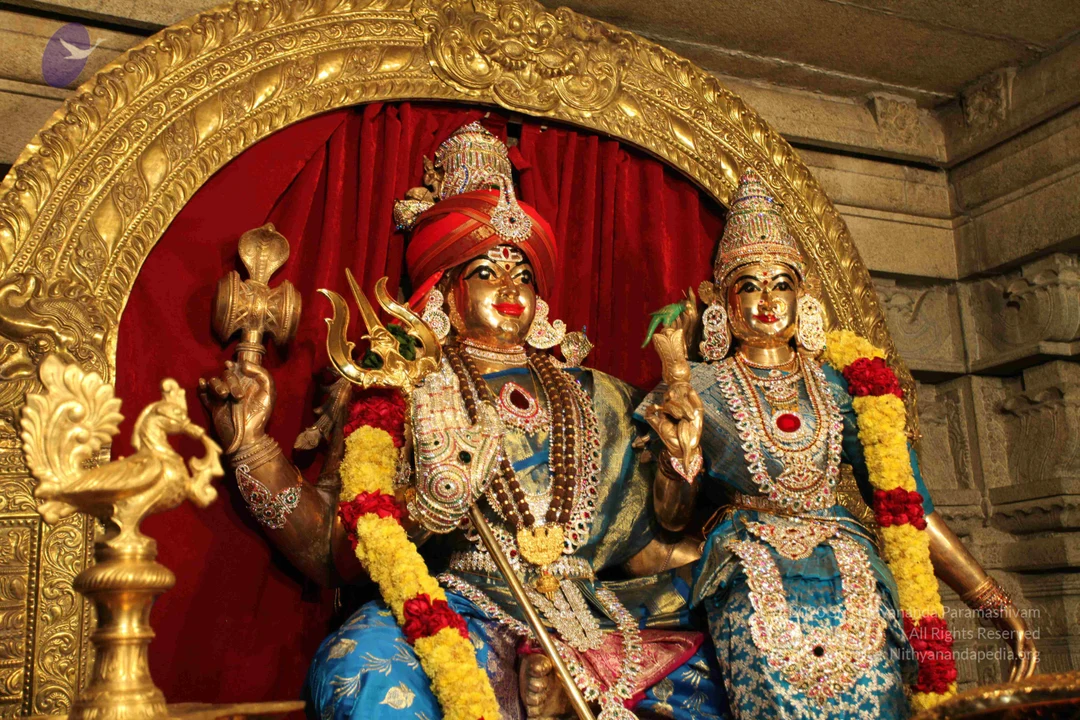
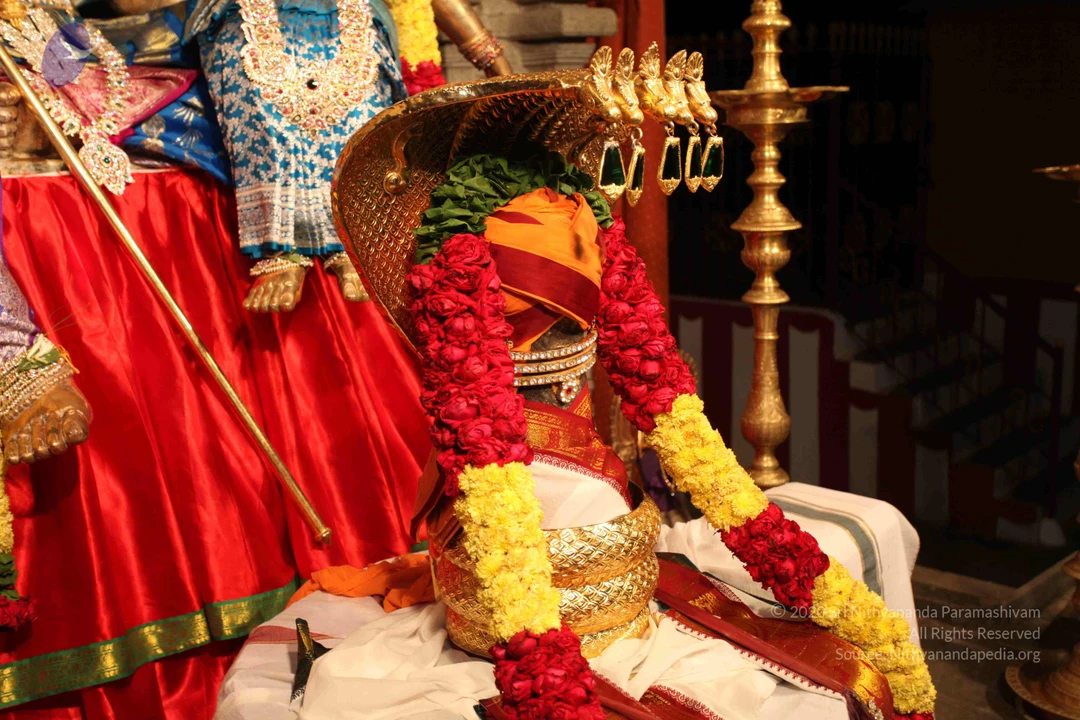
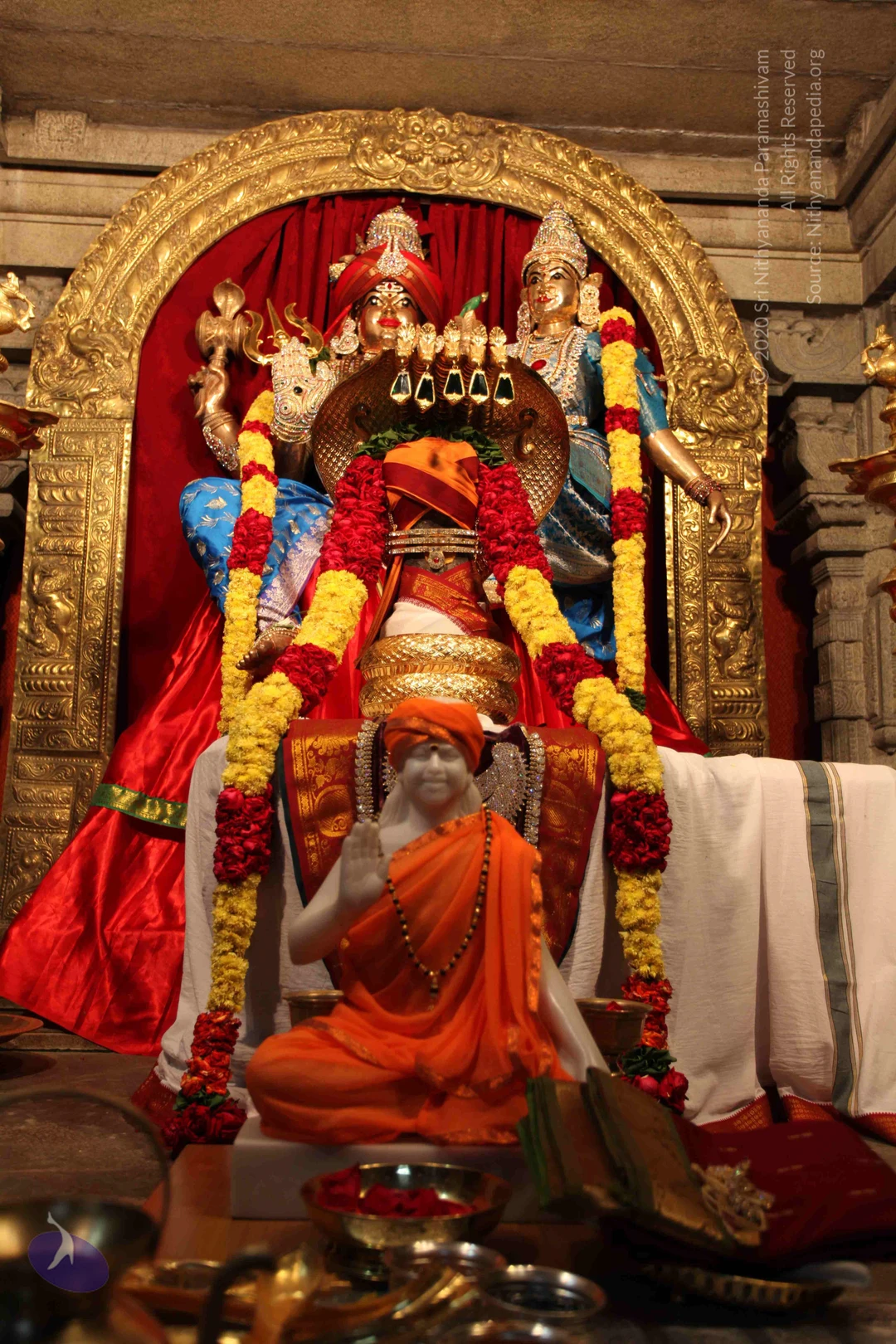
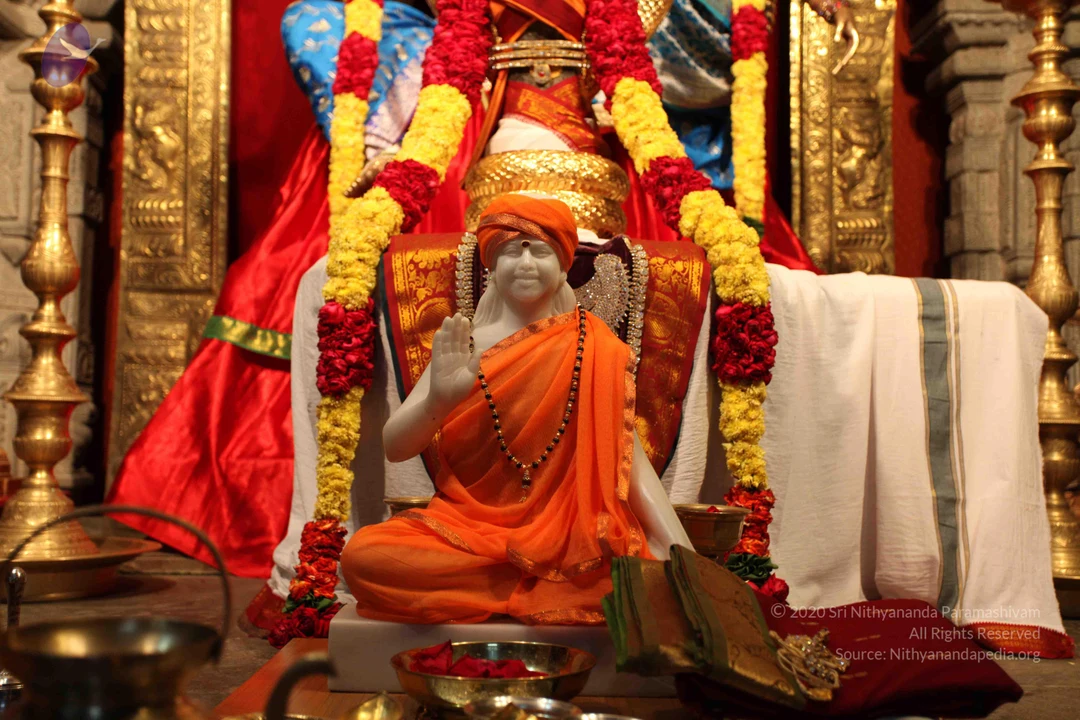
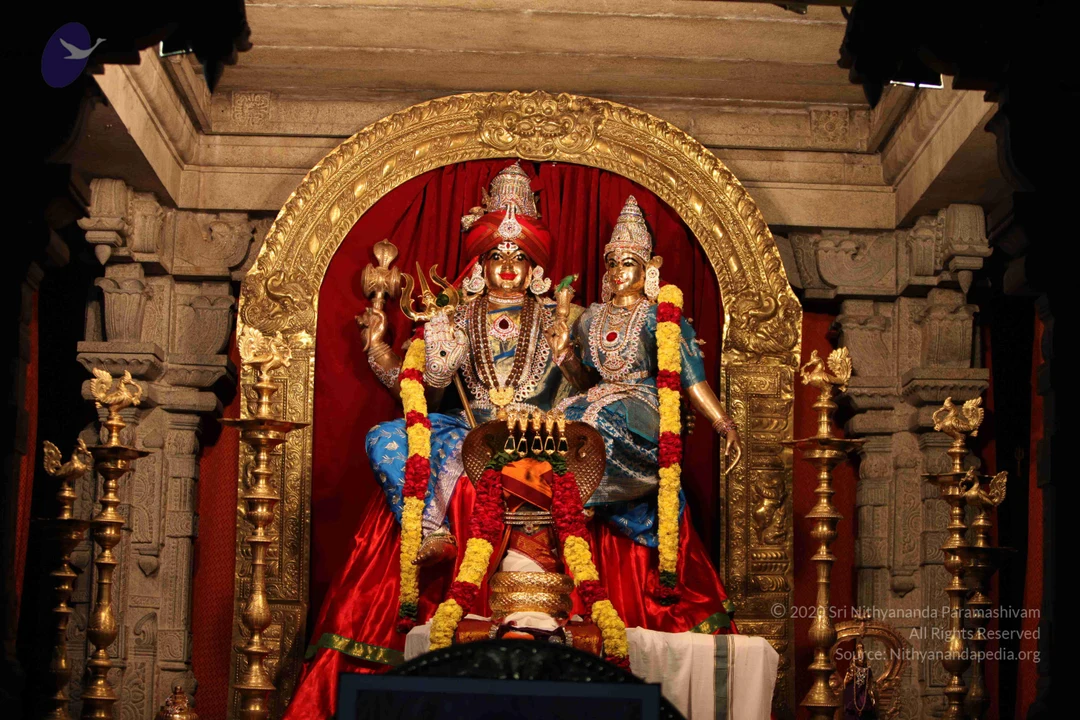
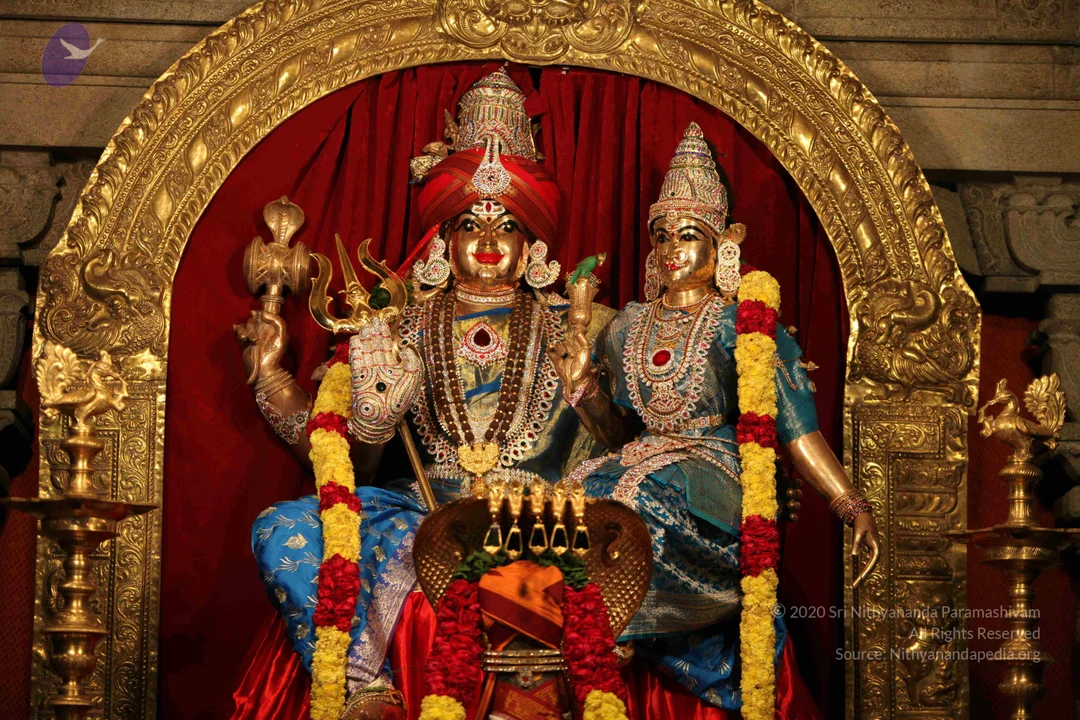
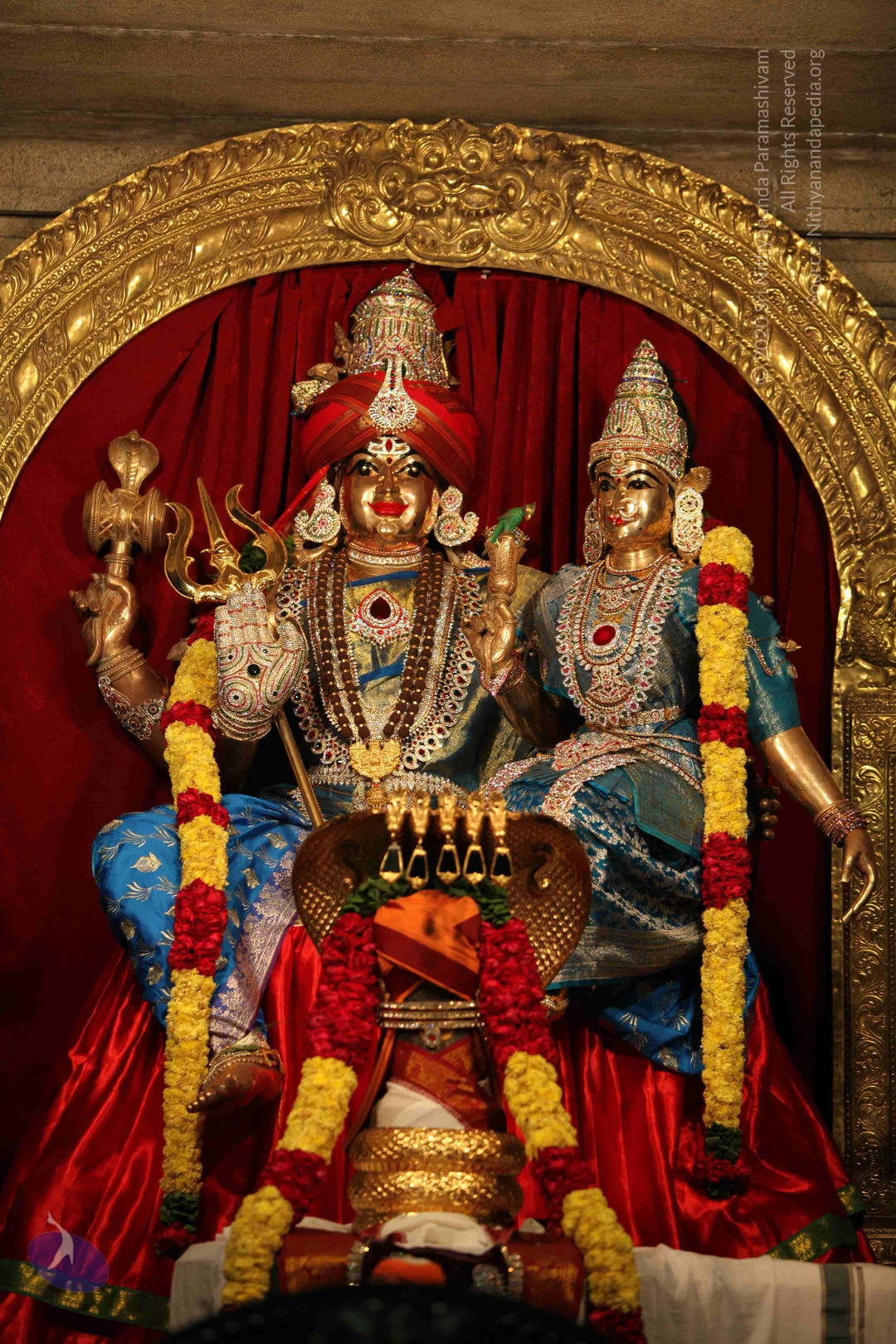
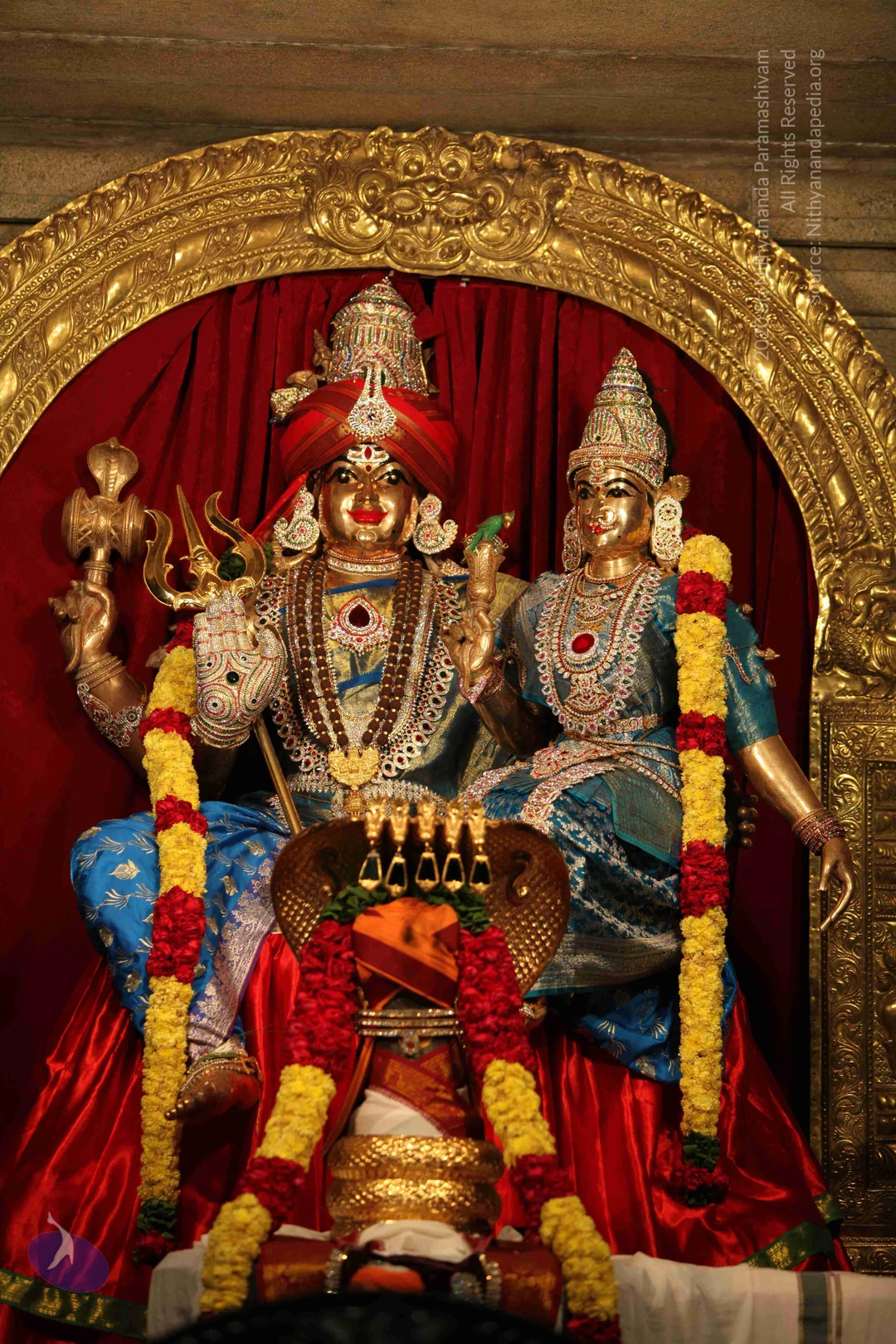
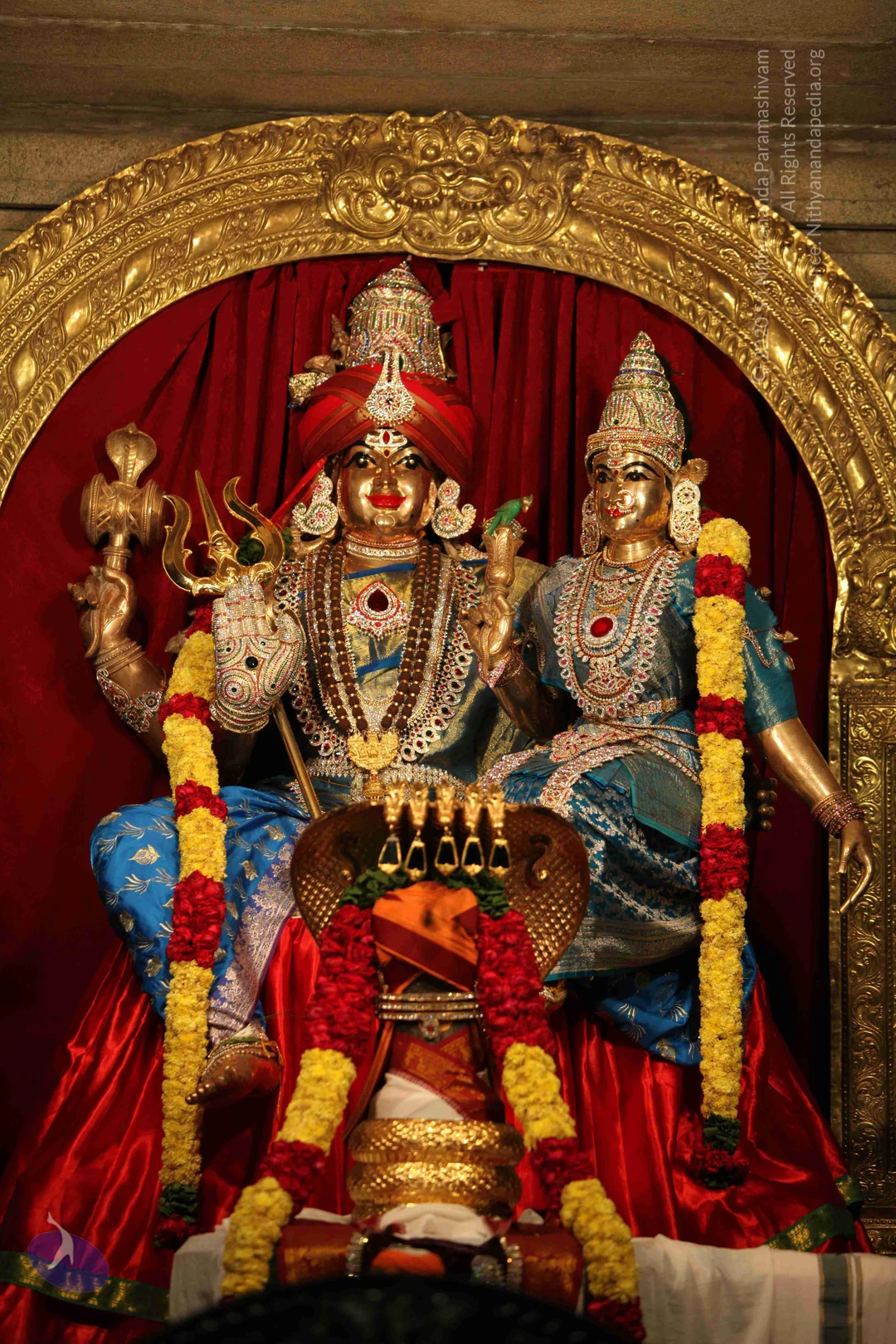
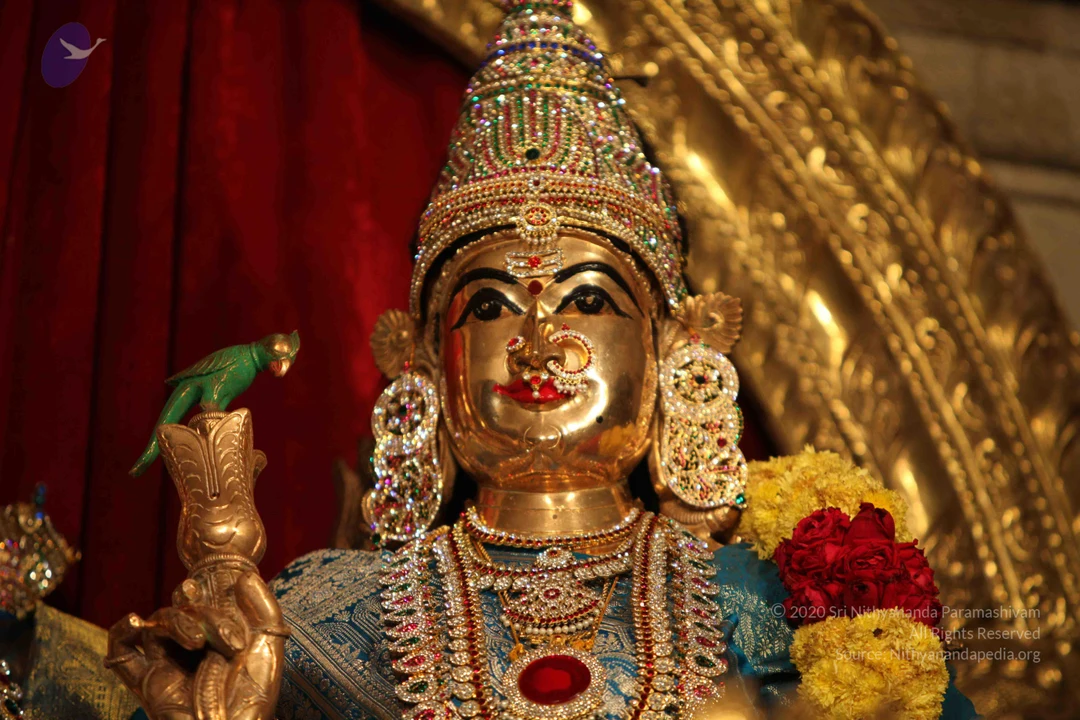
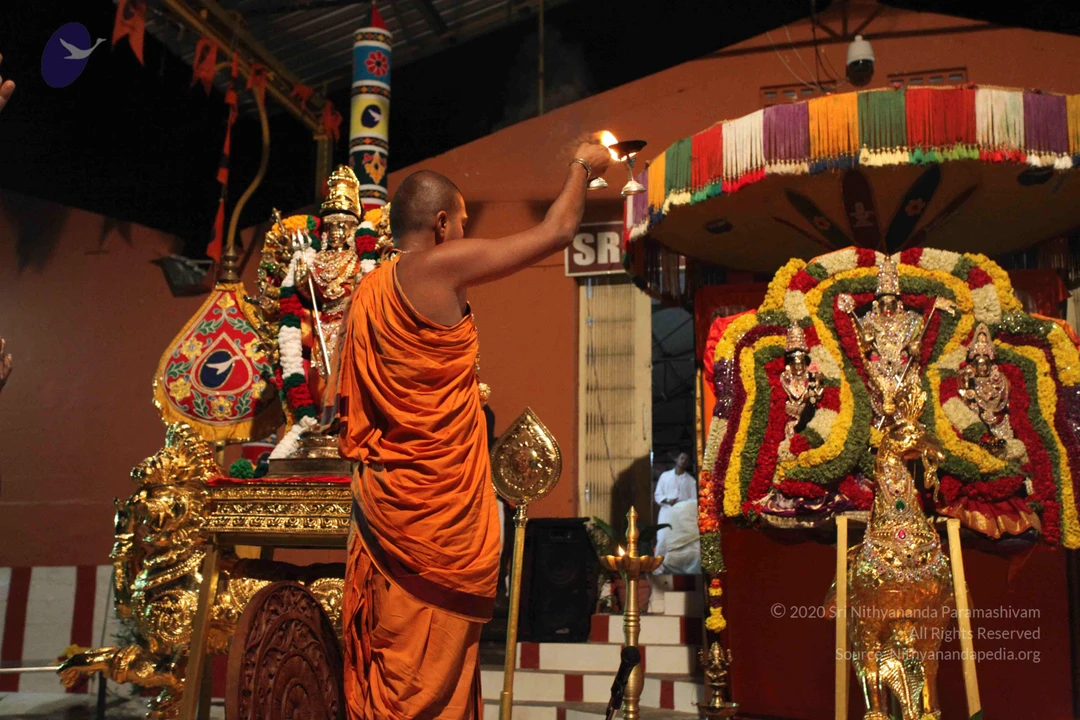
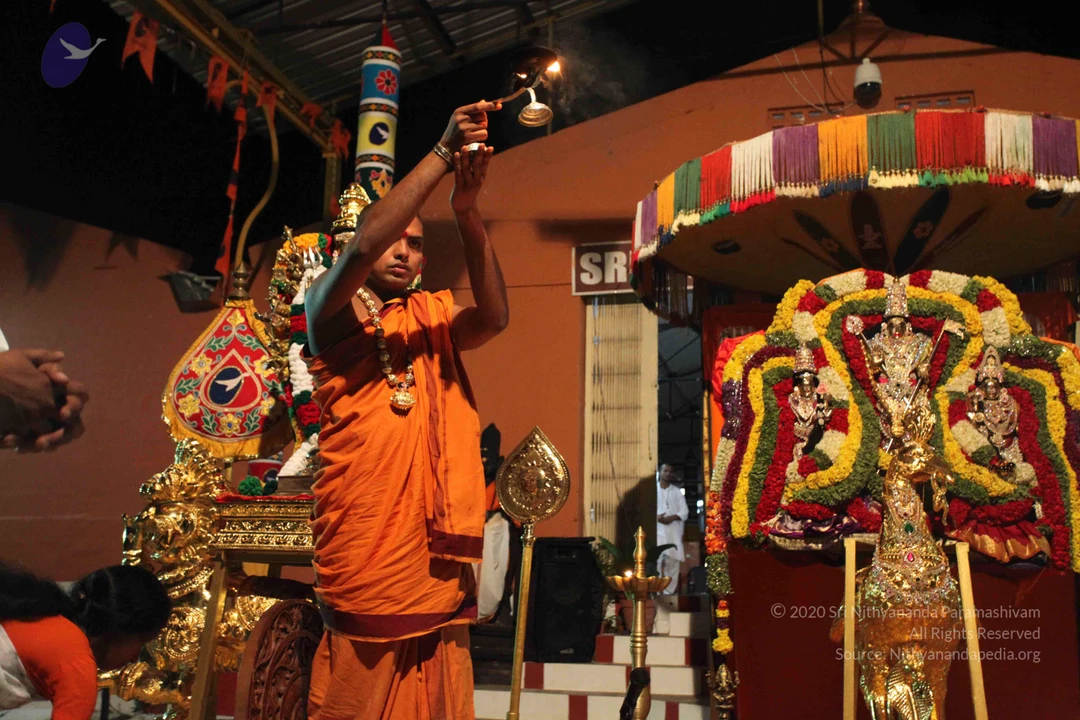
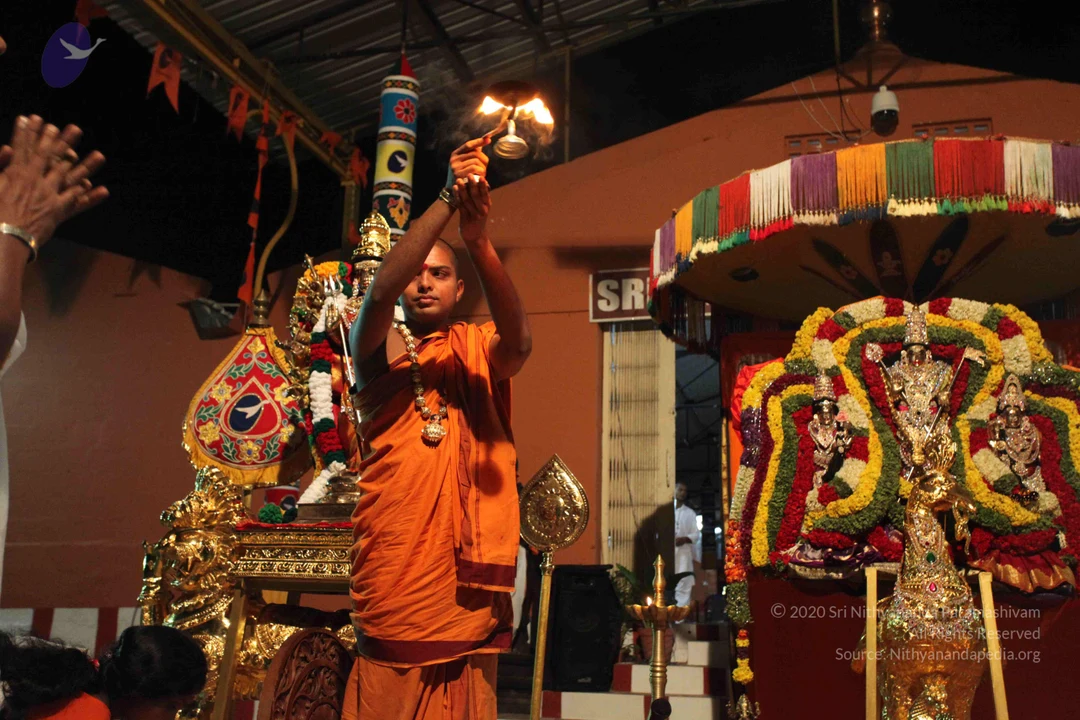
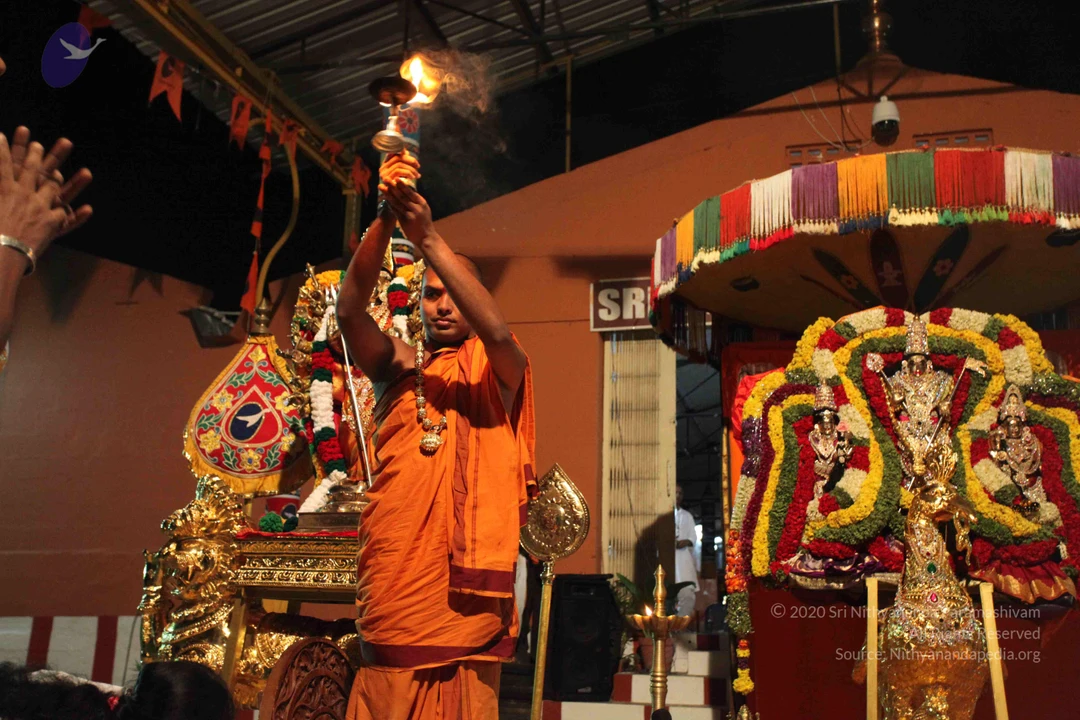
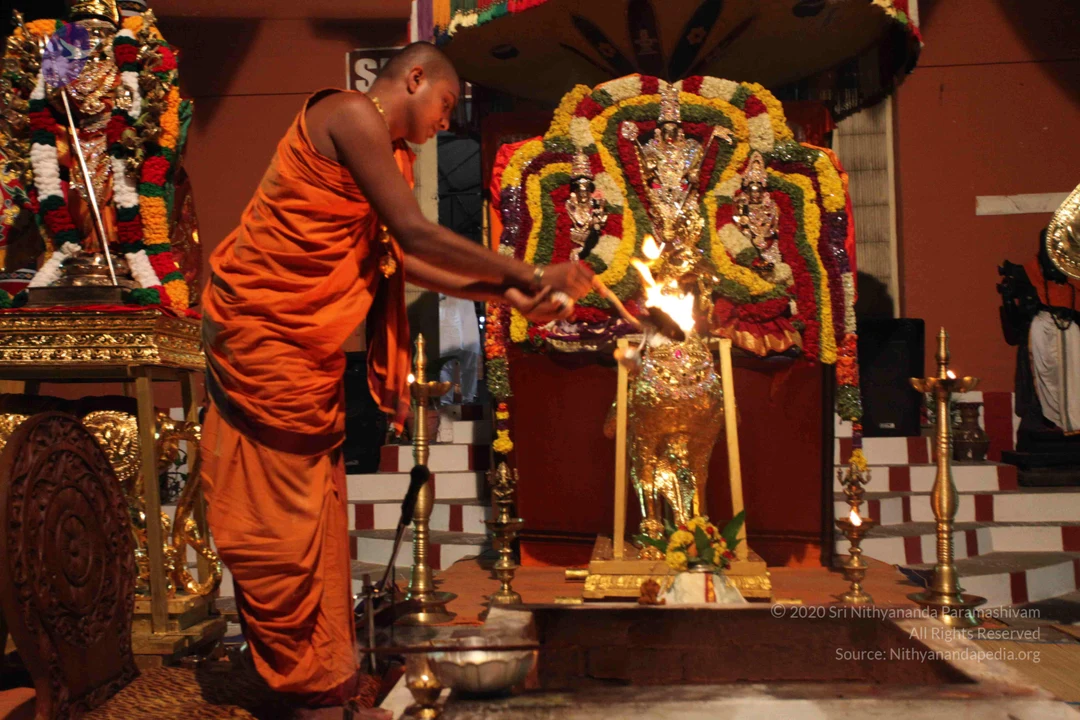
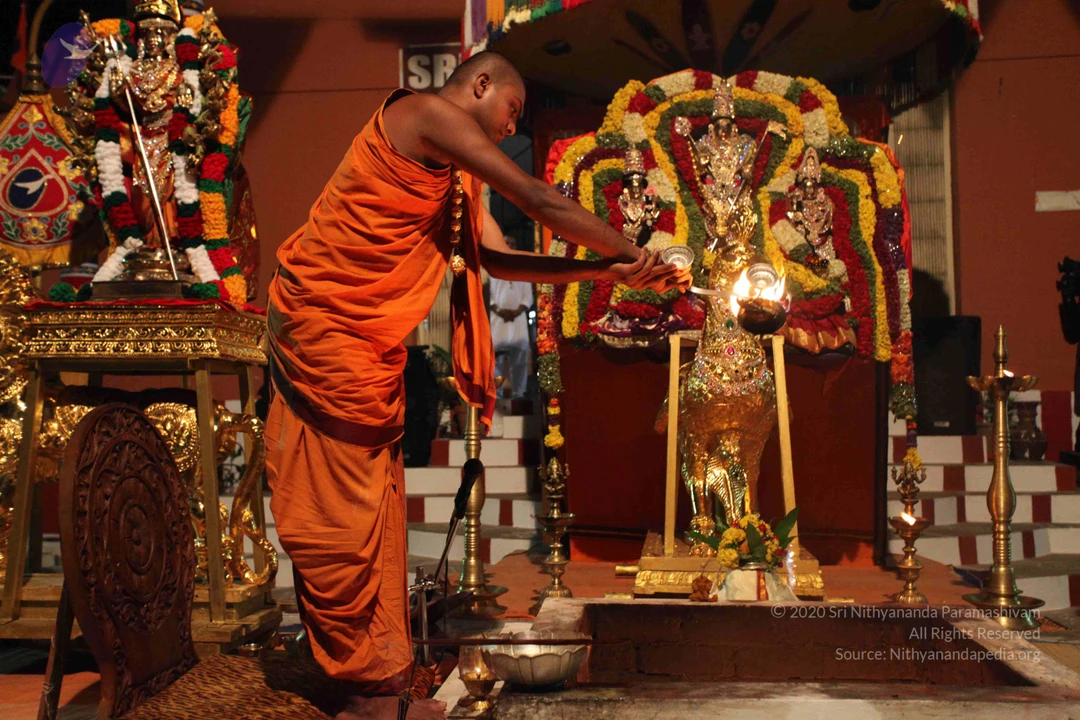
9 November 2010
Bhakti: The Ultimate Esctacy (2010 November 09) - Nithyananda Morning Satsang Message
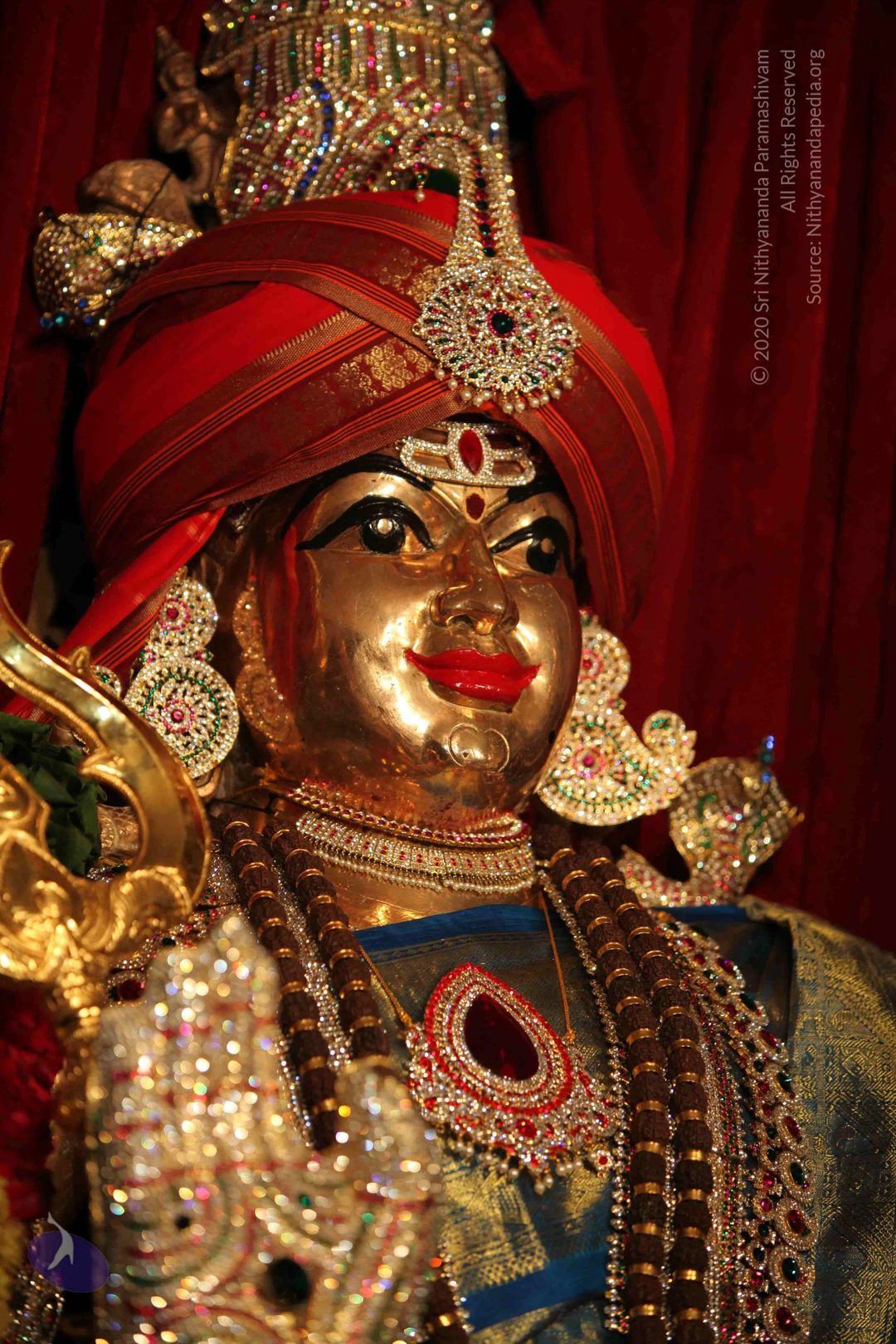
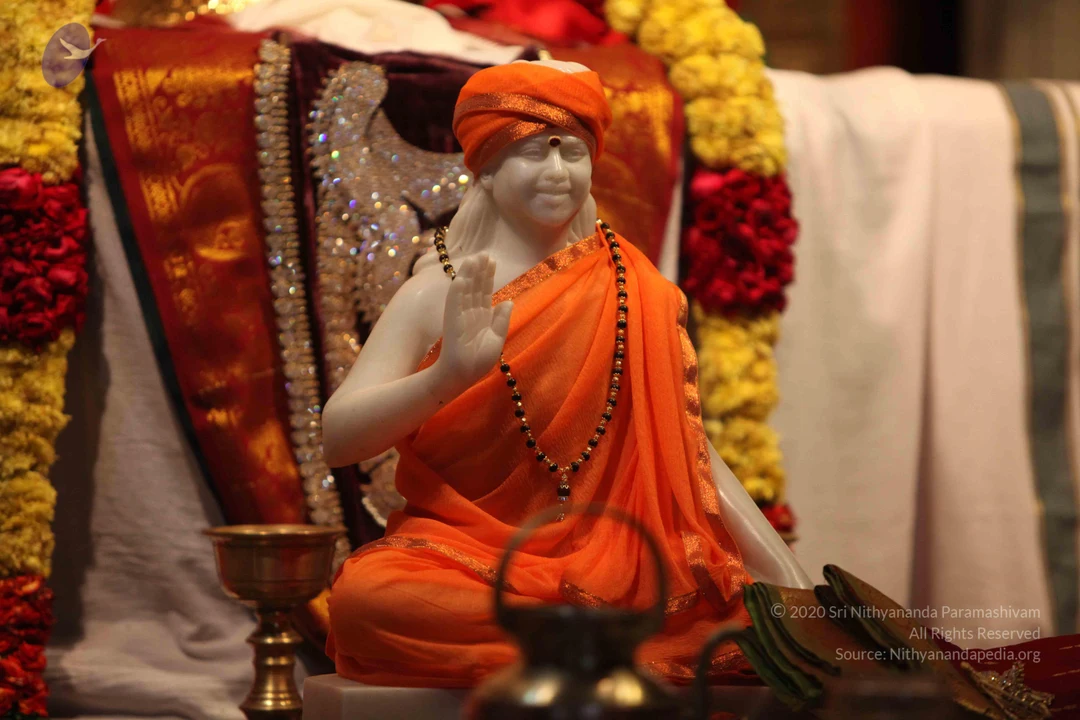
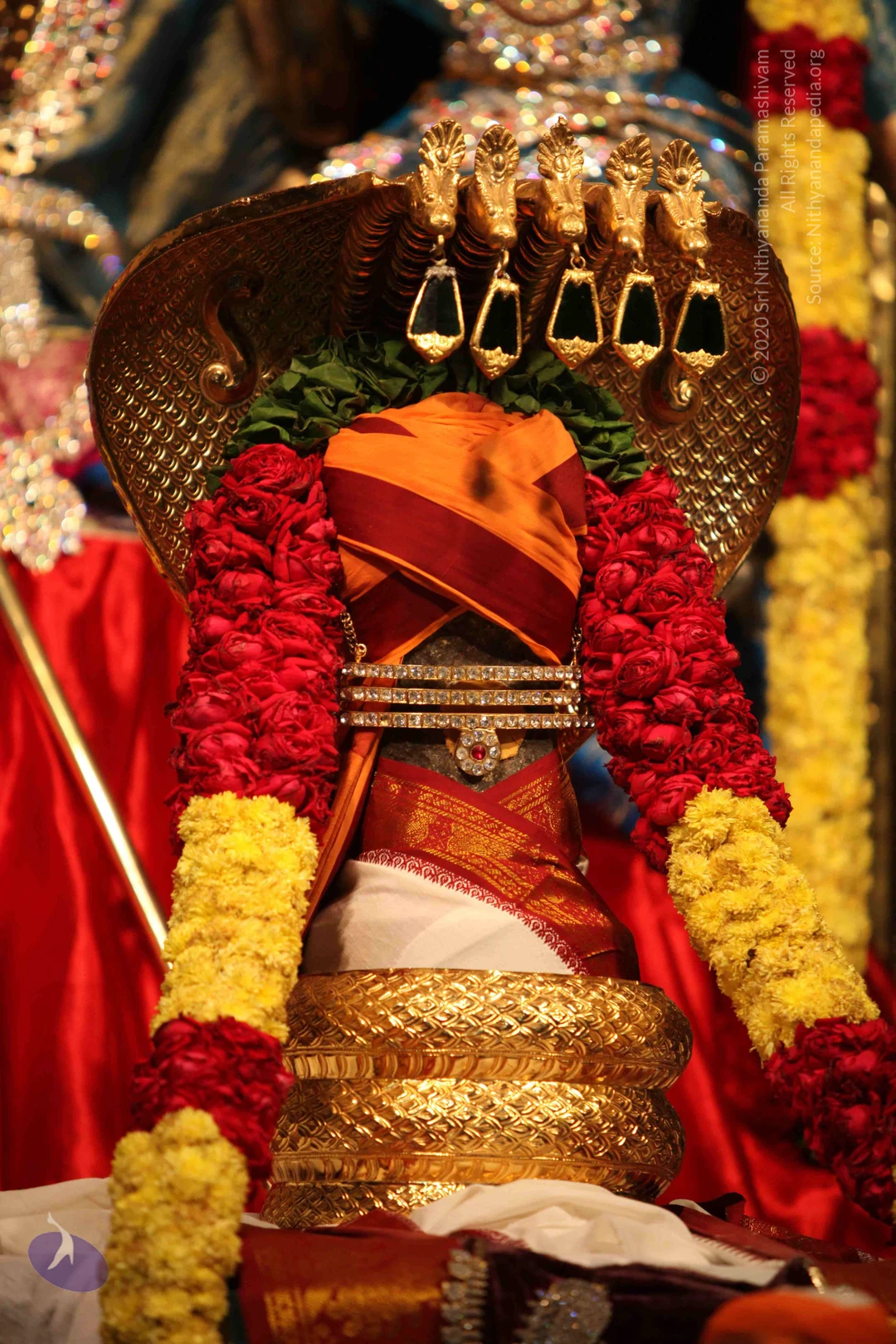
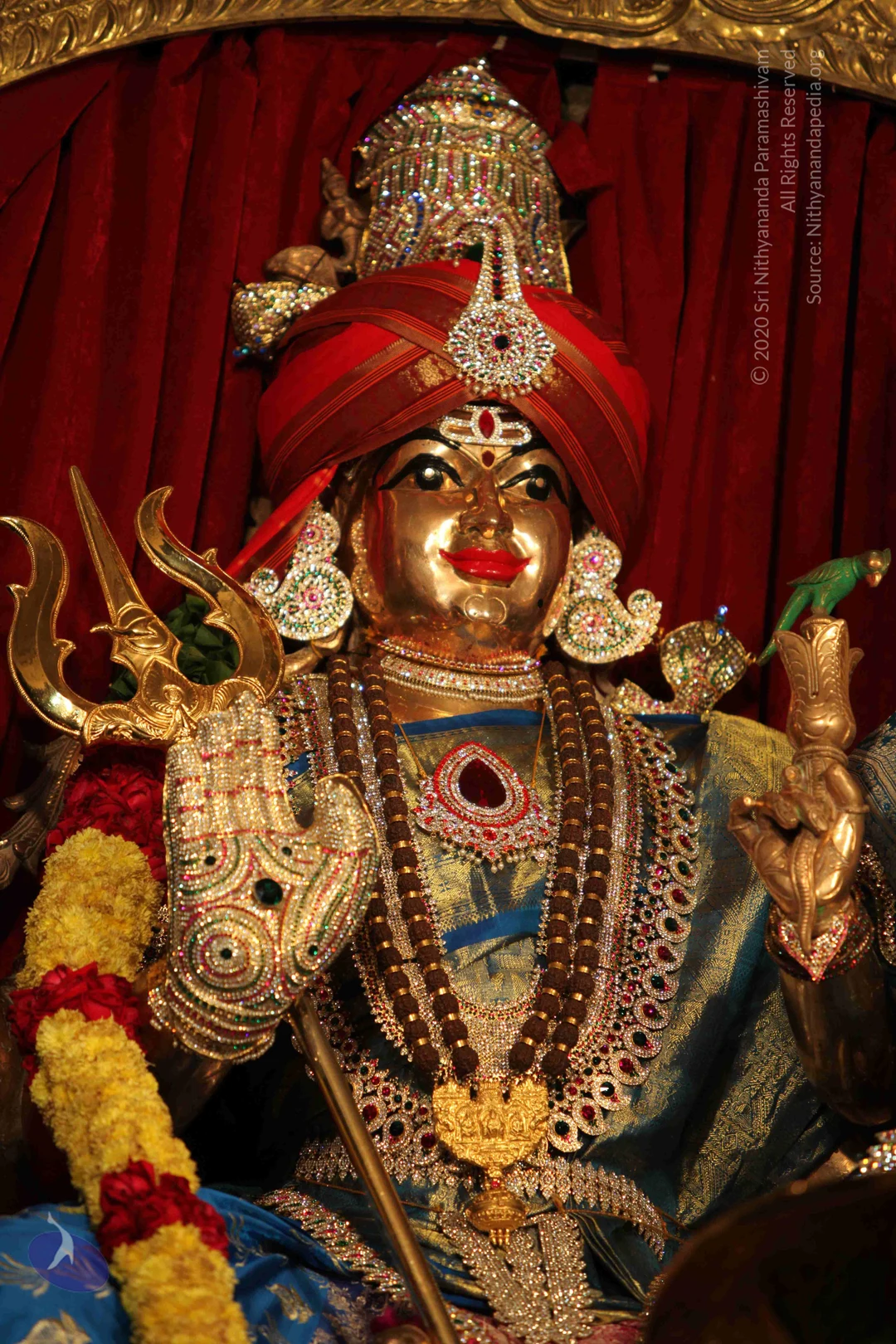
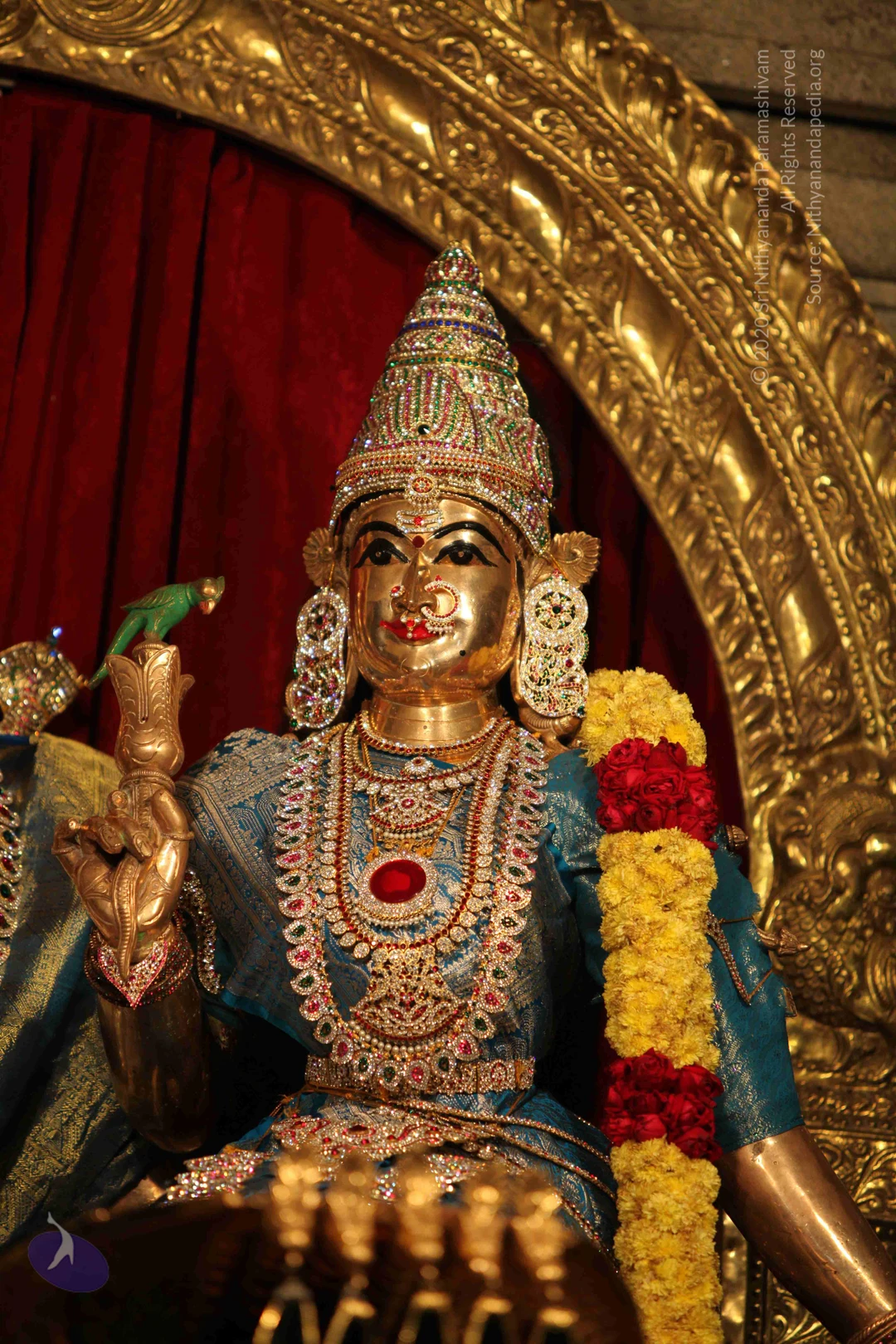
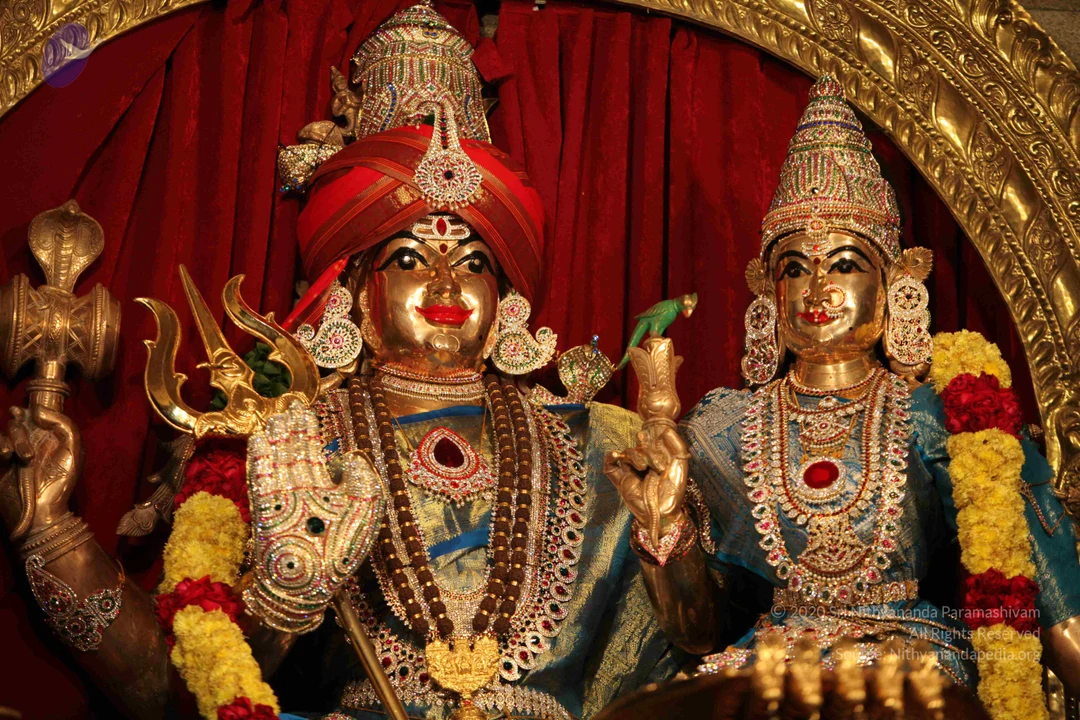
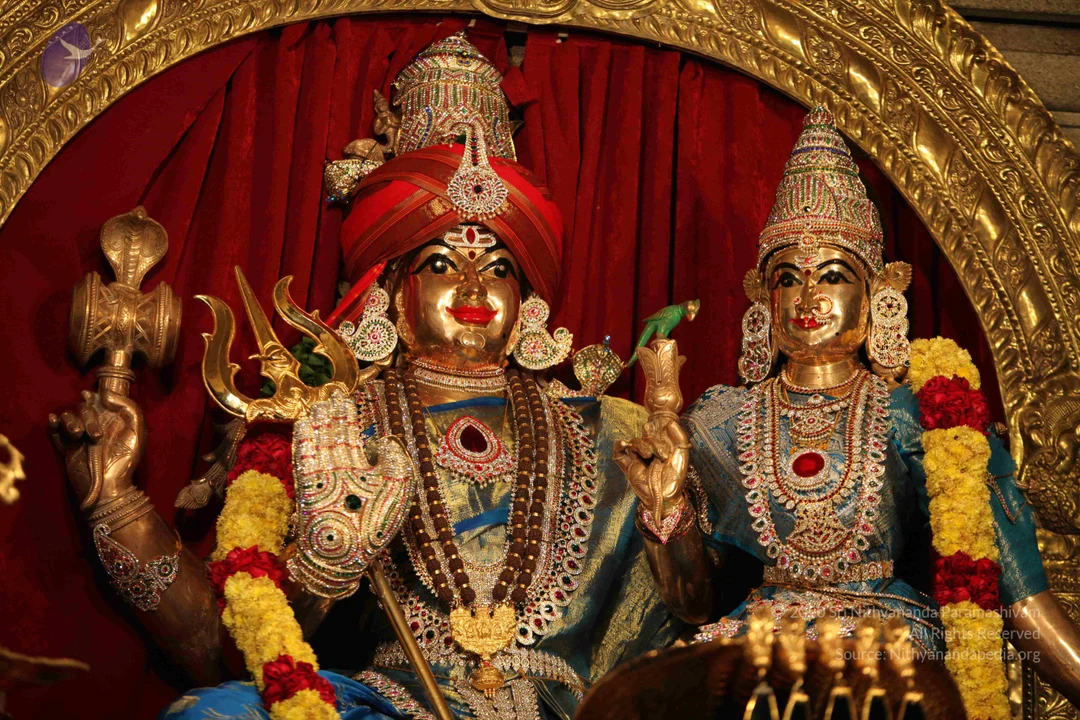
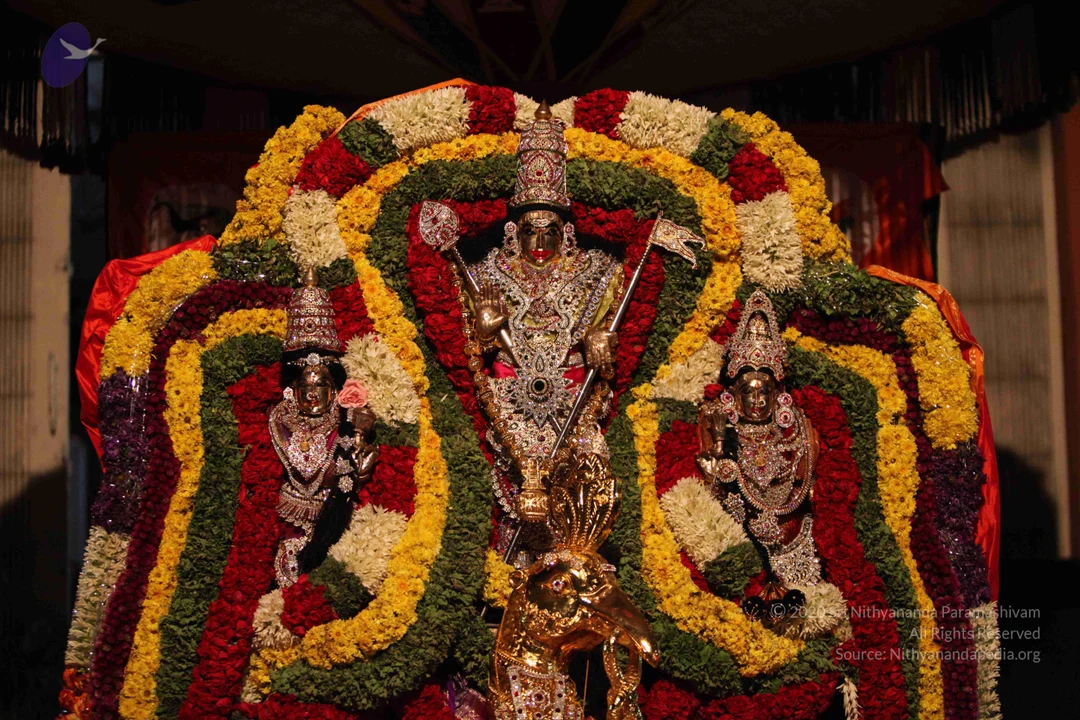
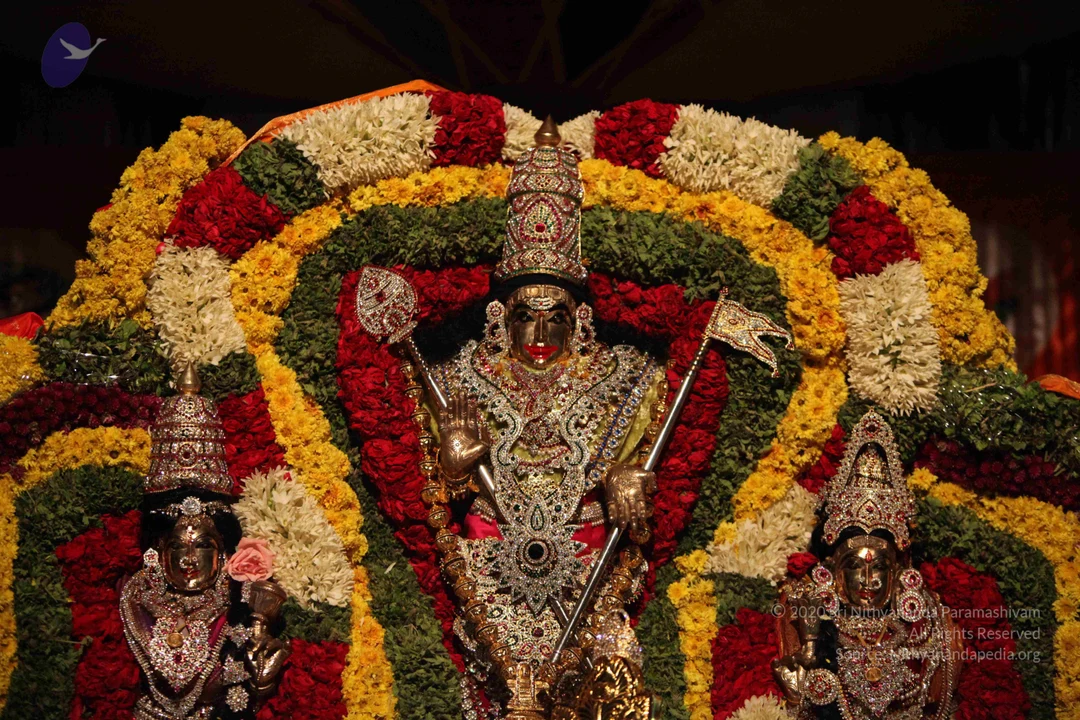
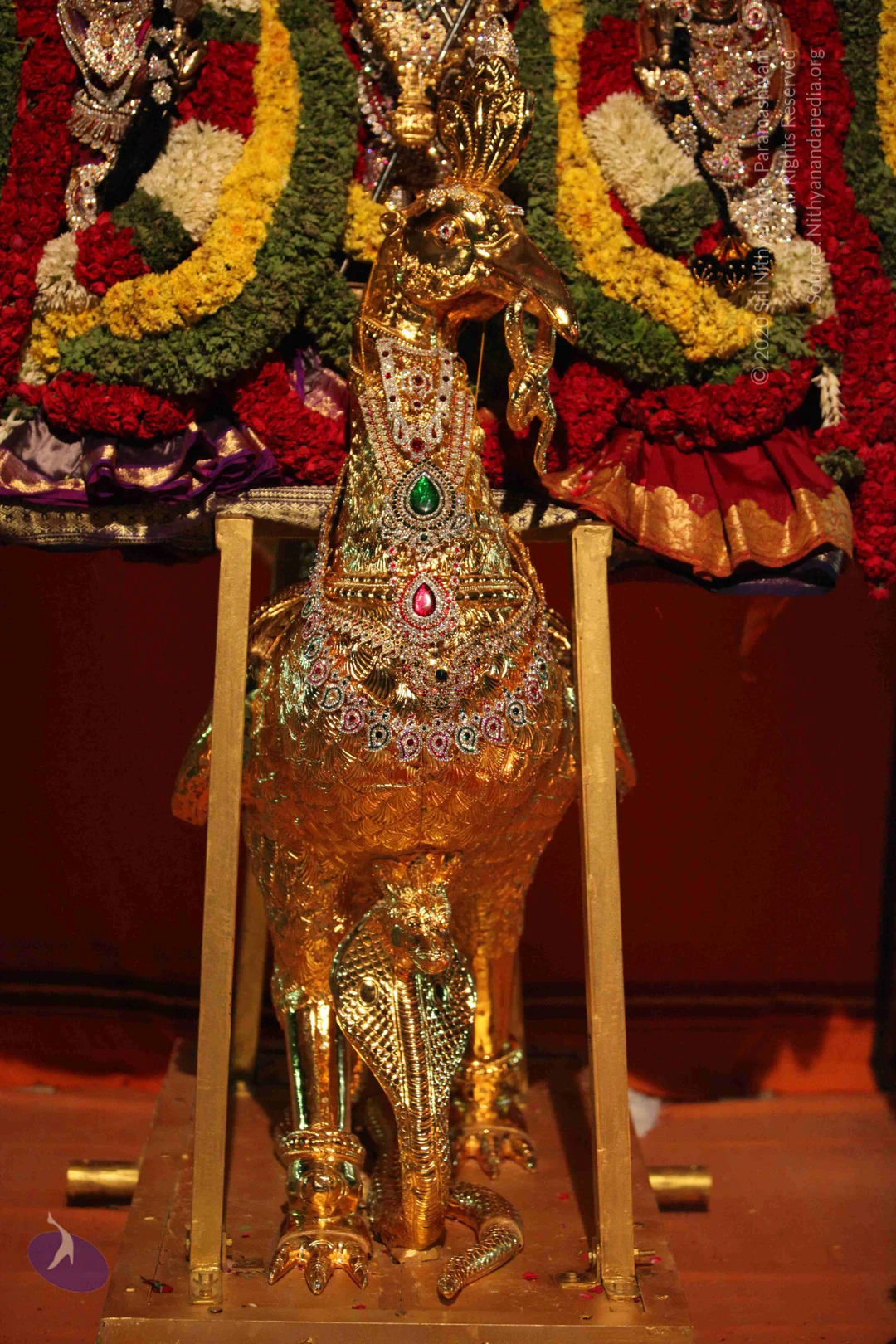
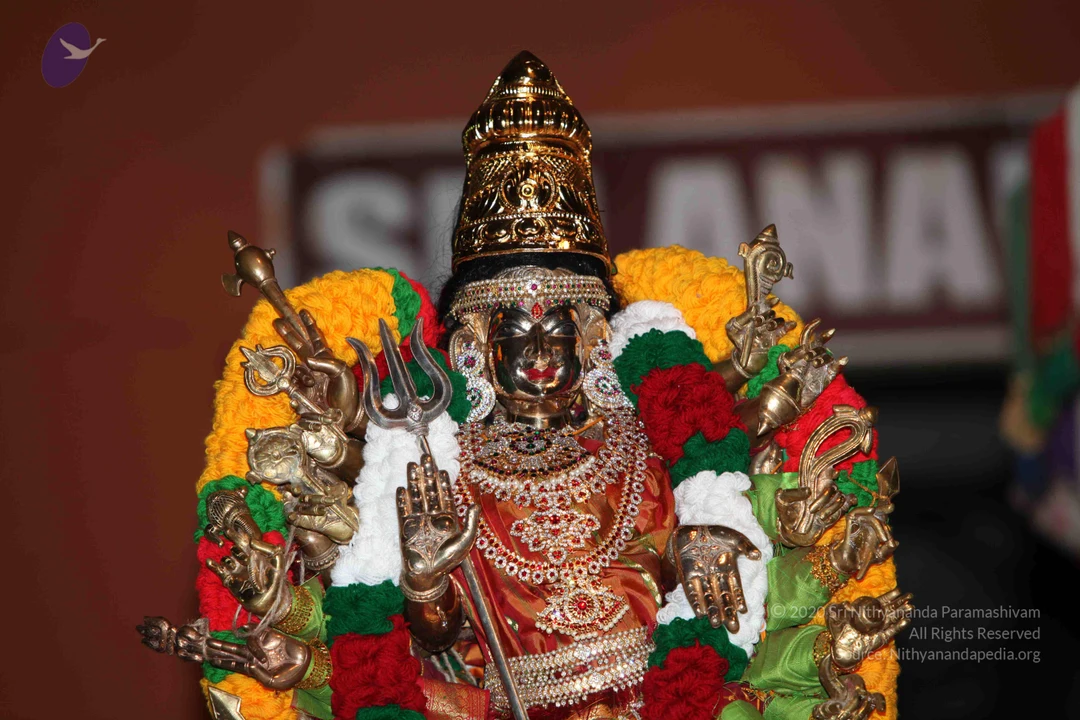
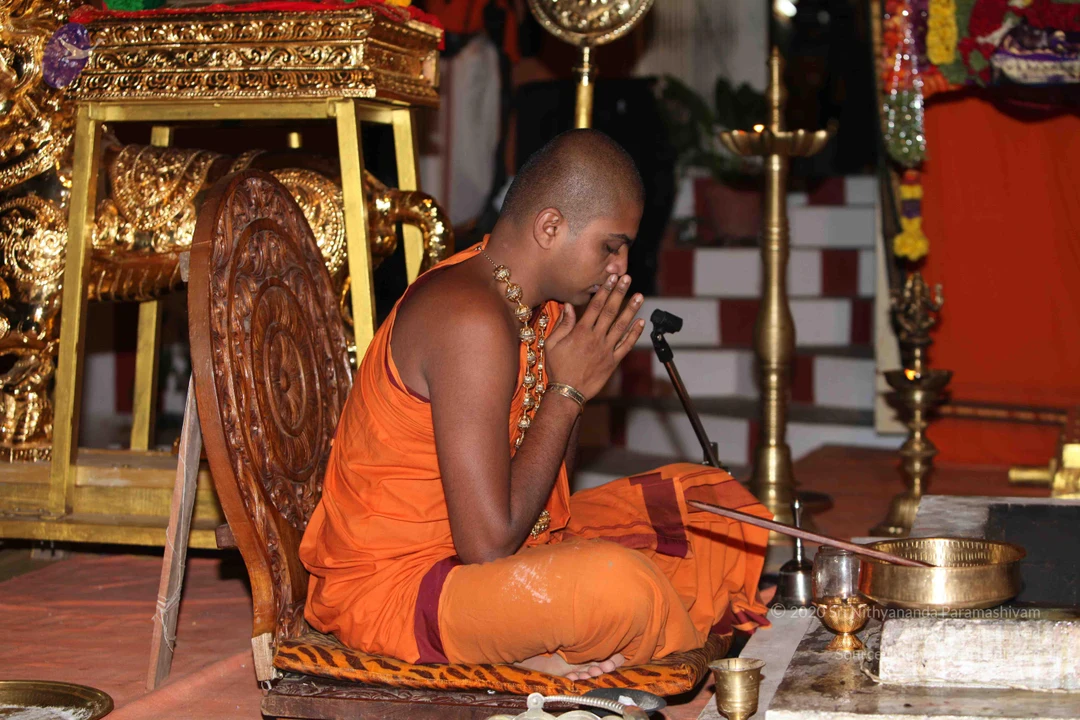
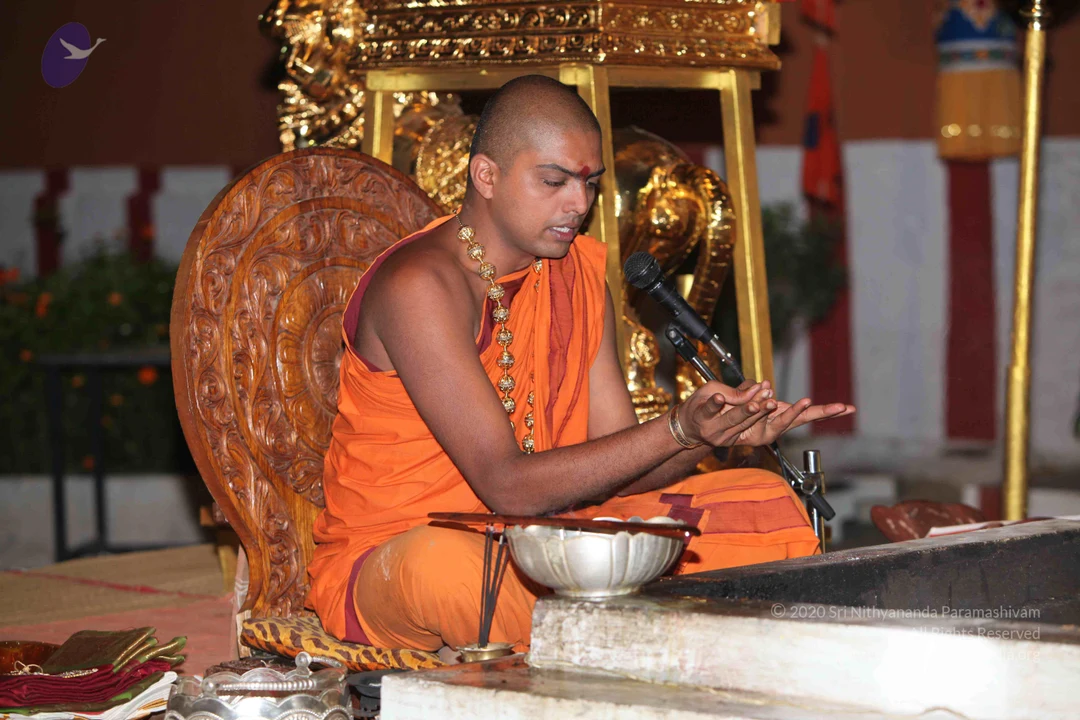
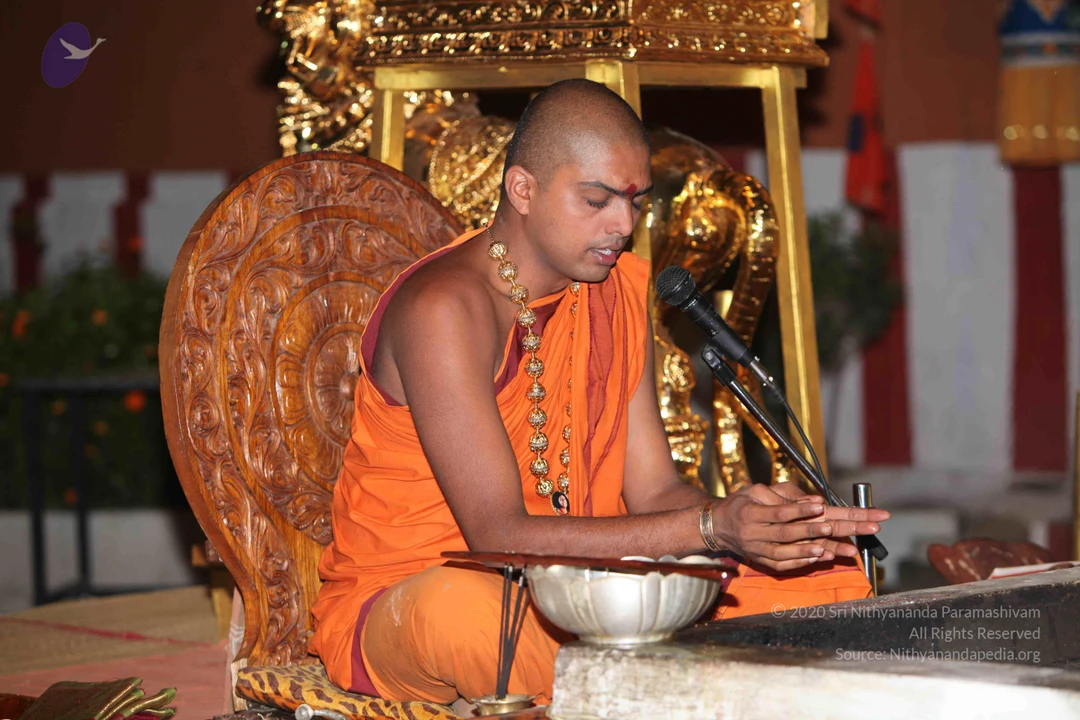
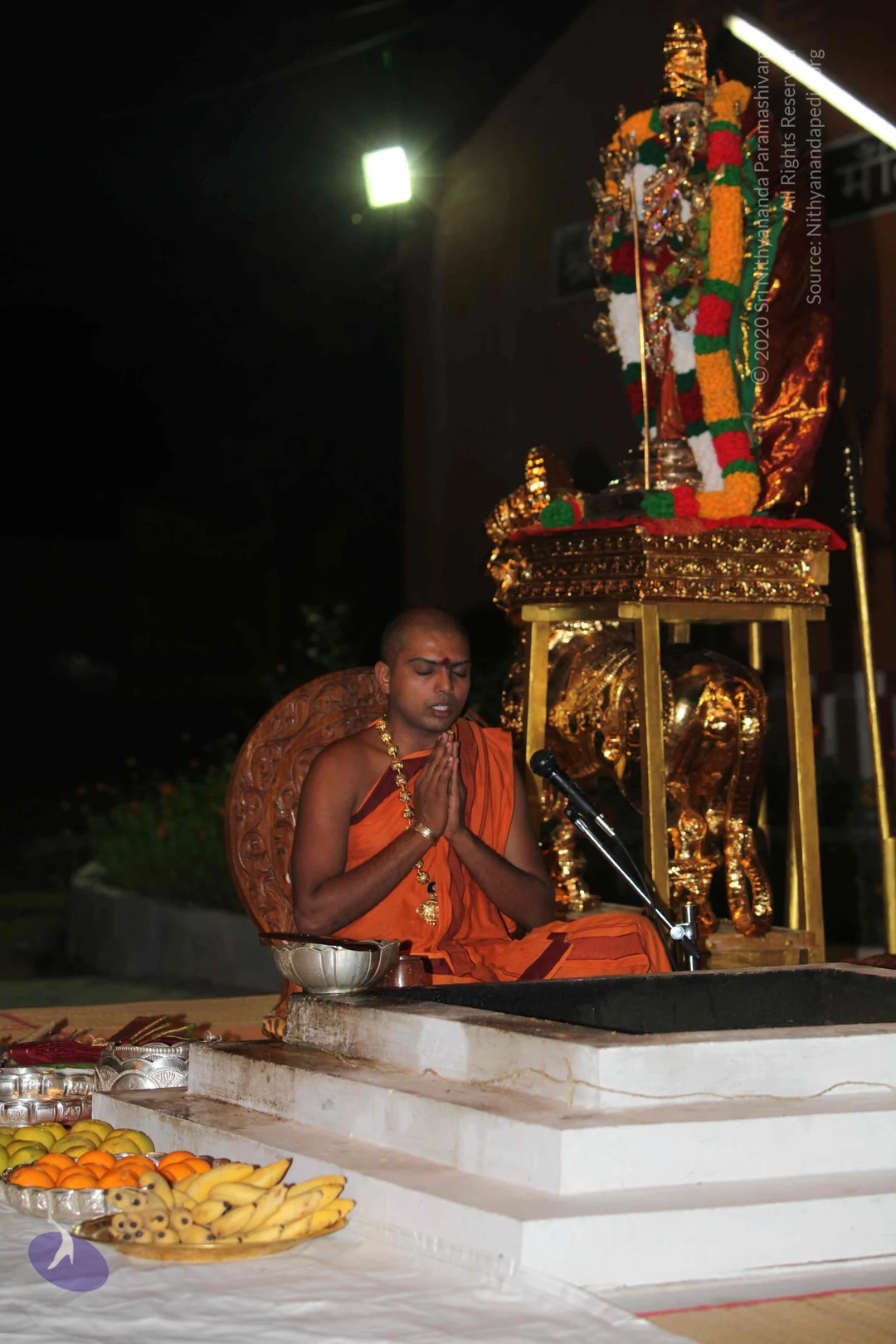
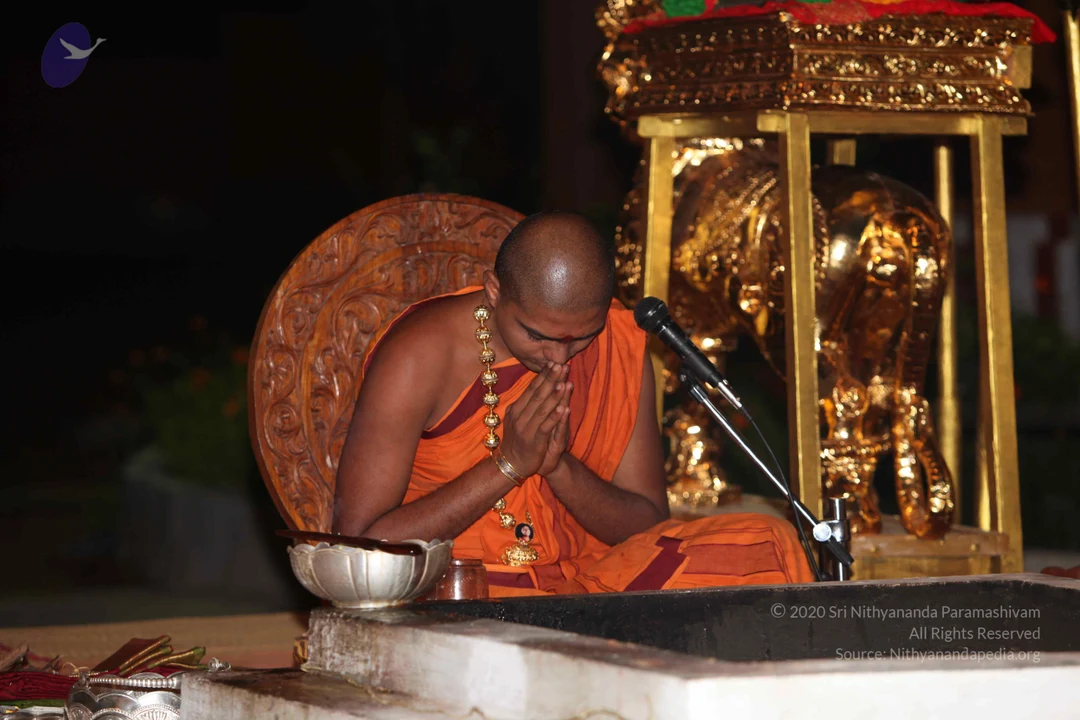
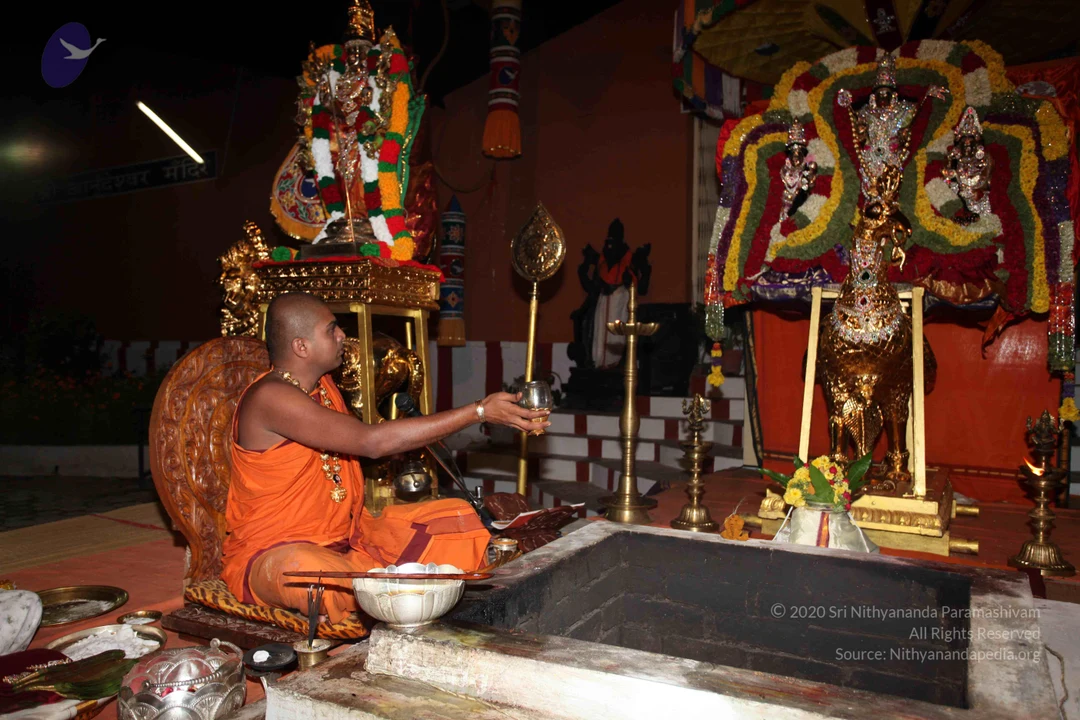
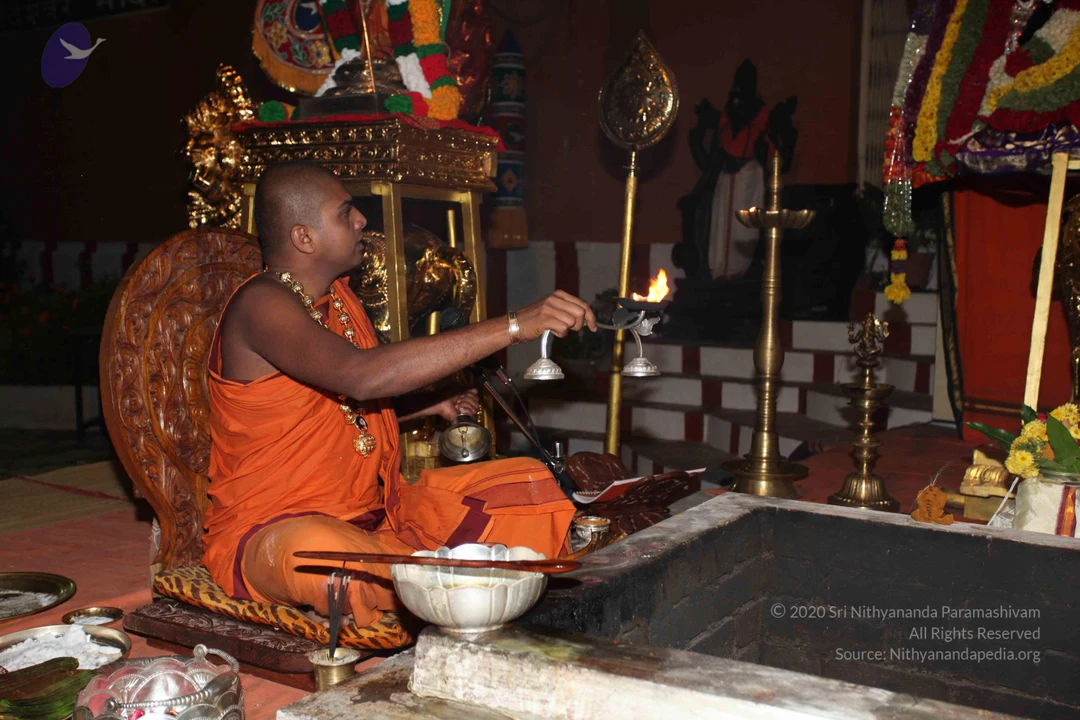
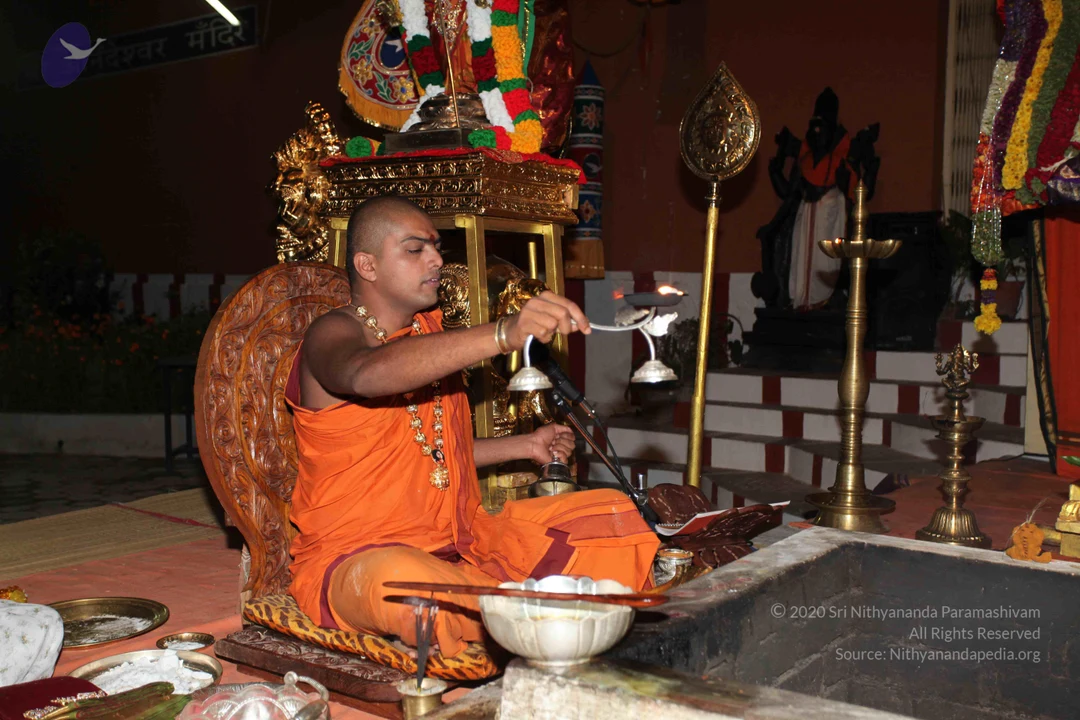
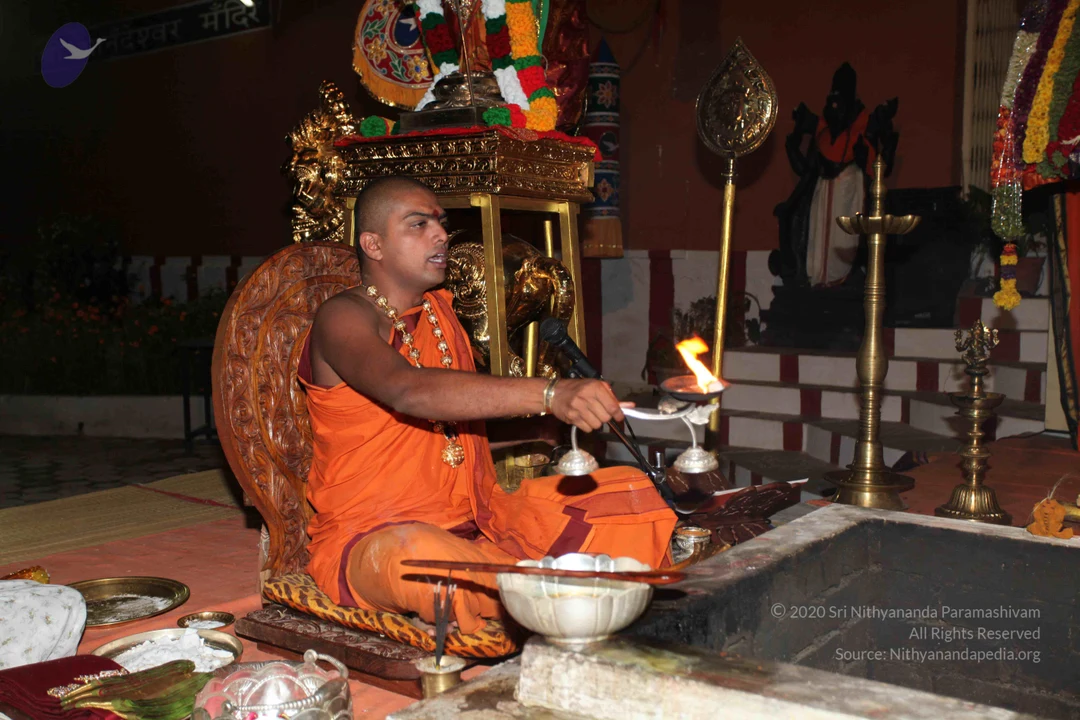
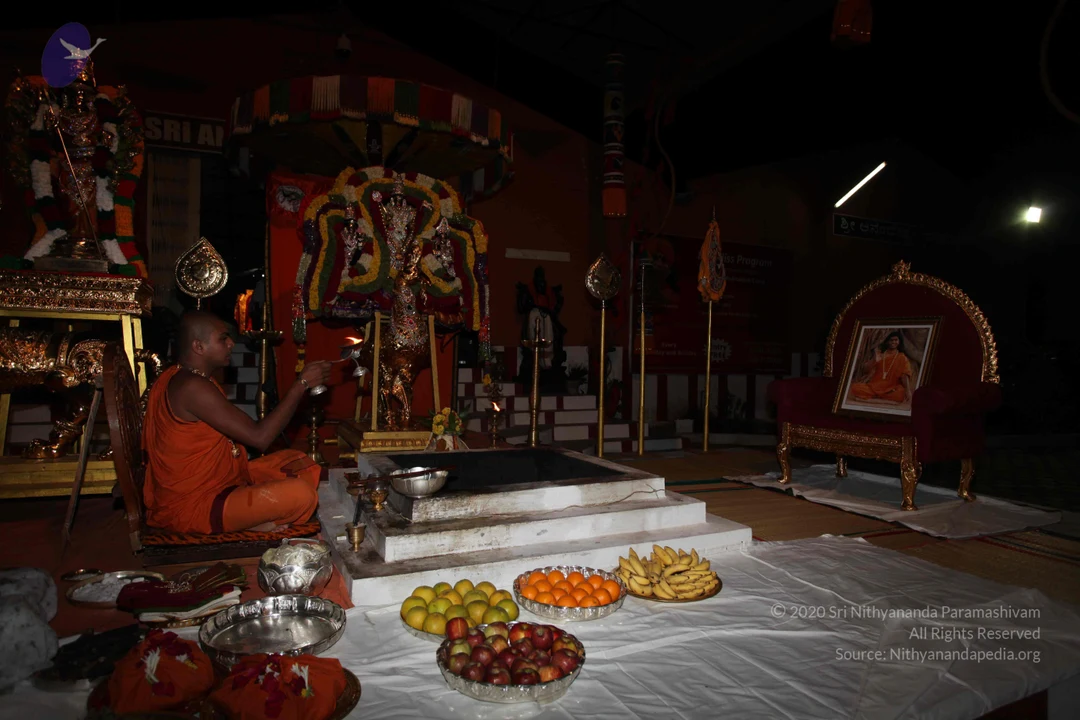
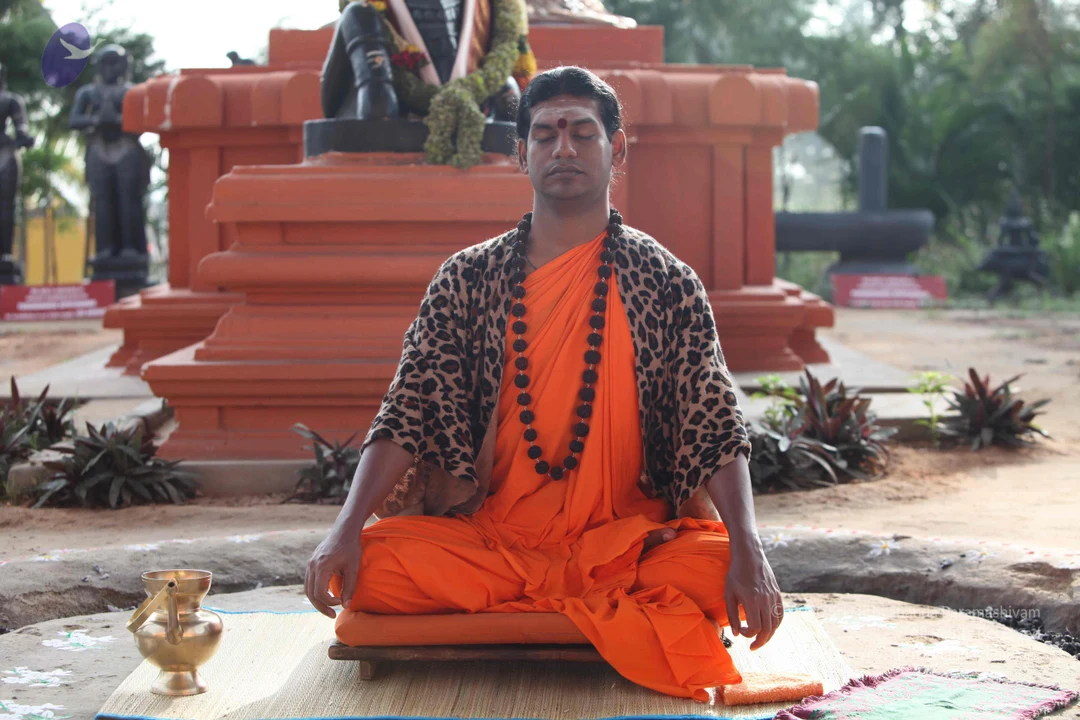
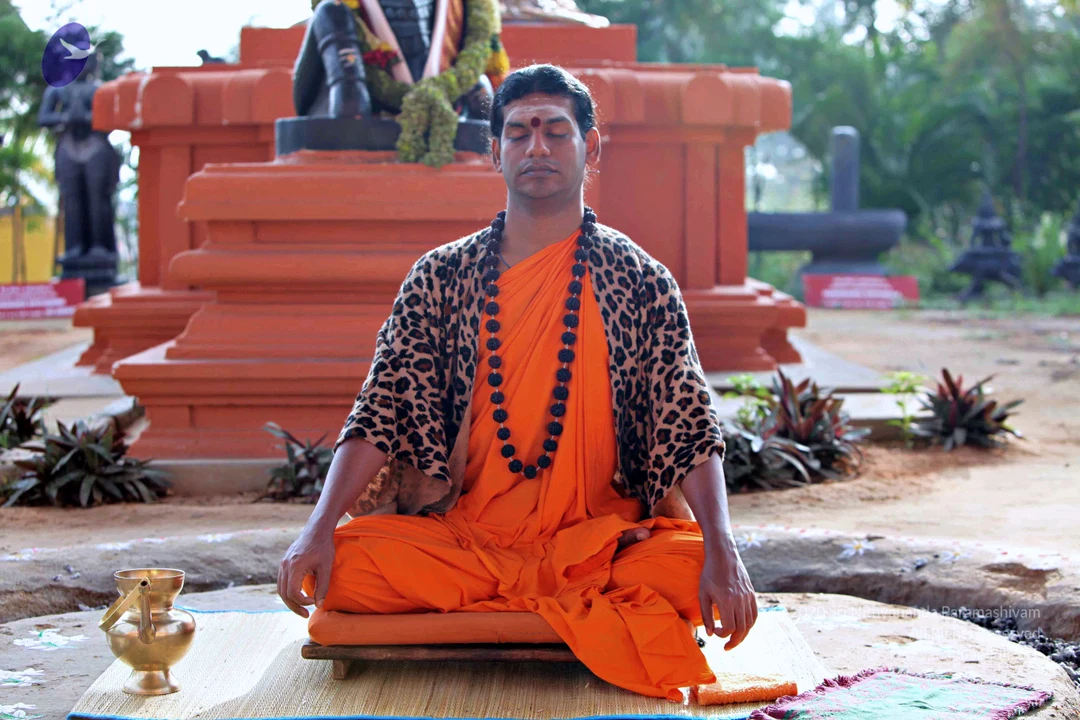
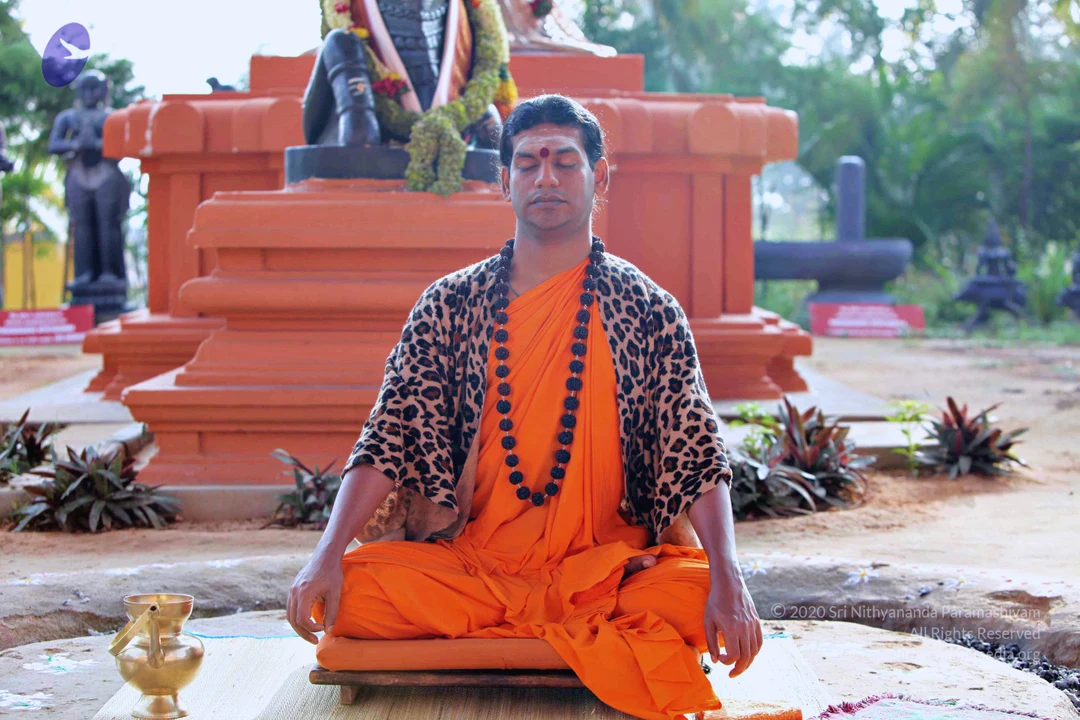
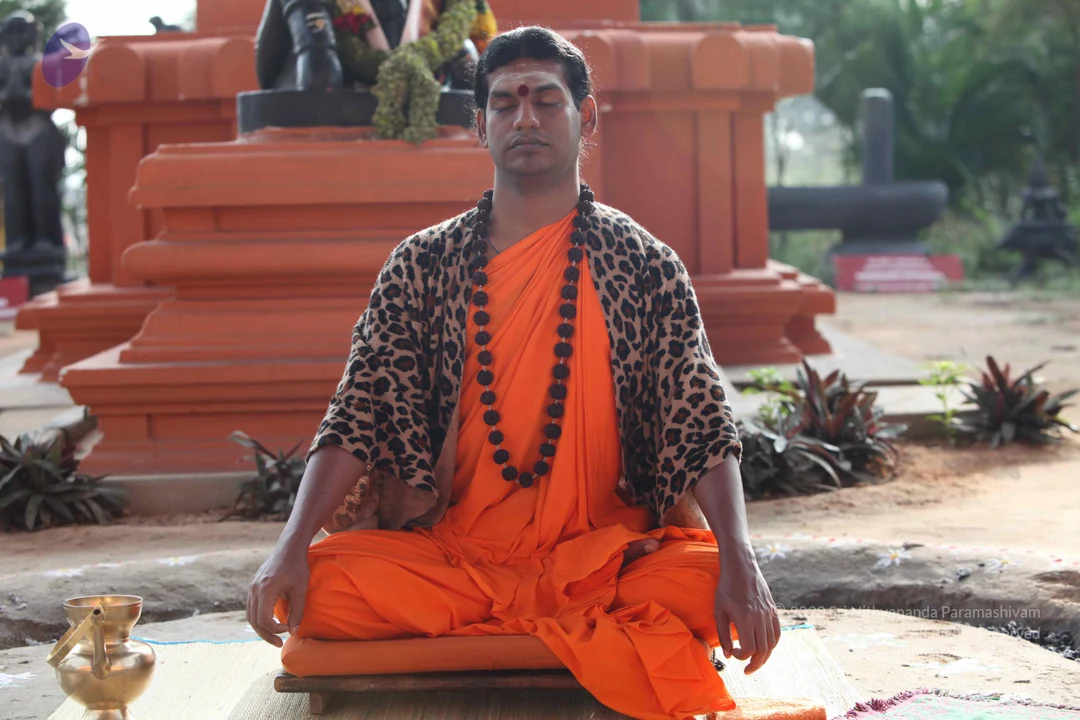
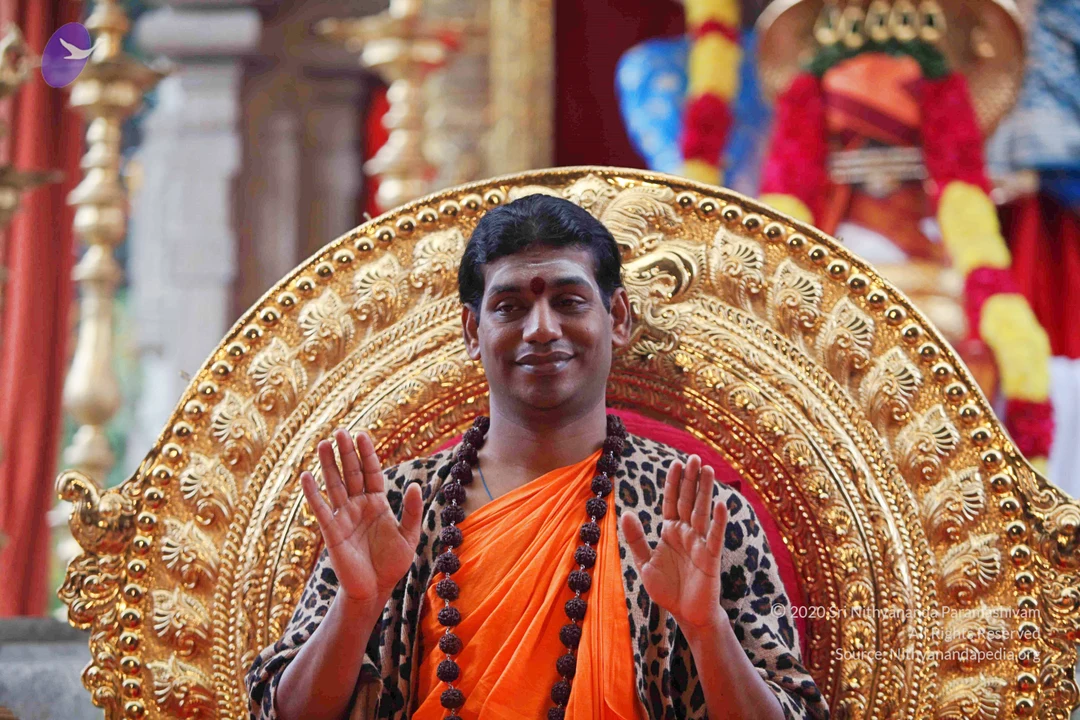
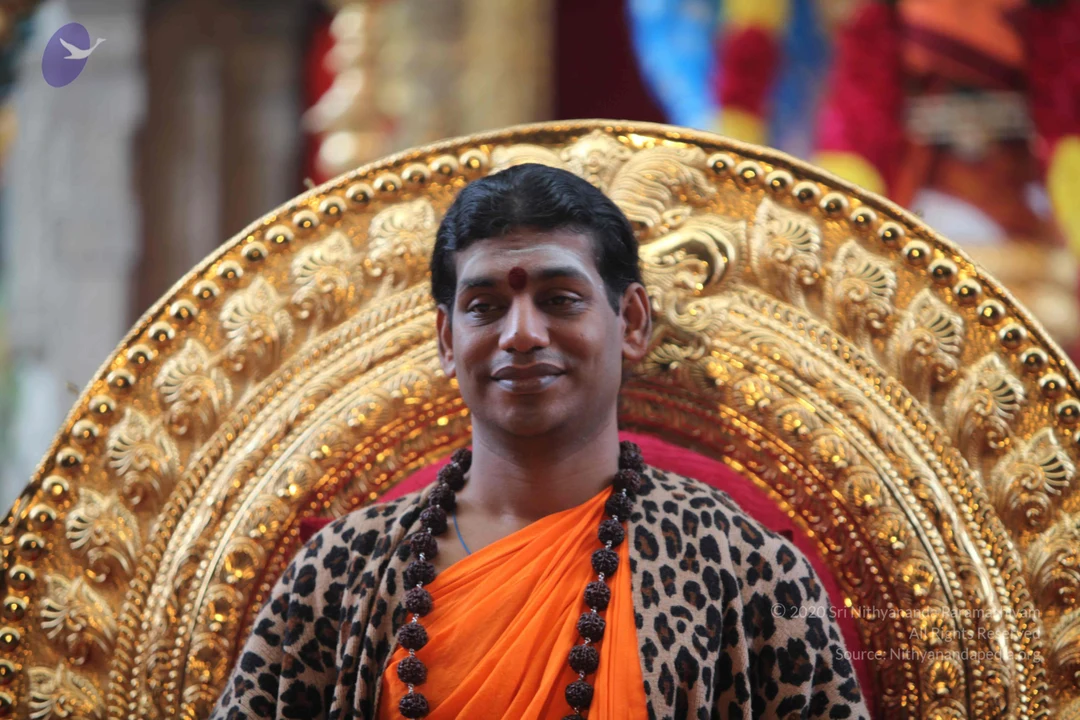
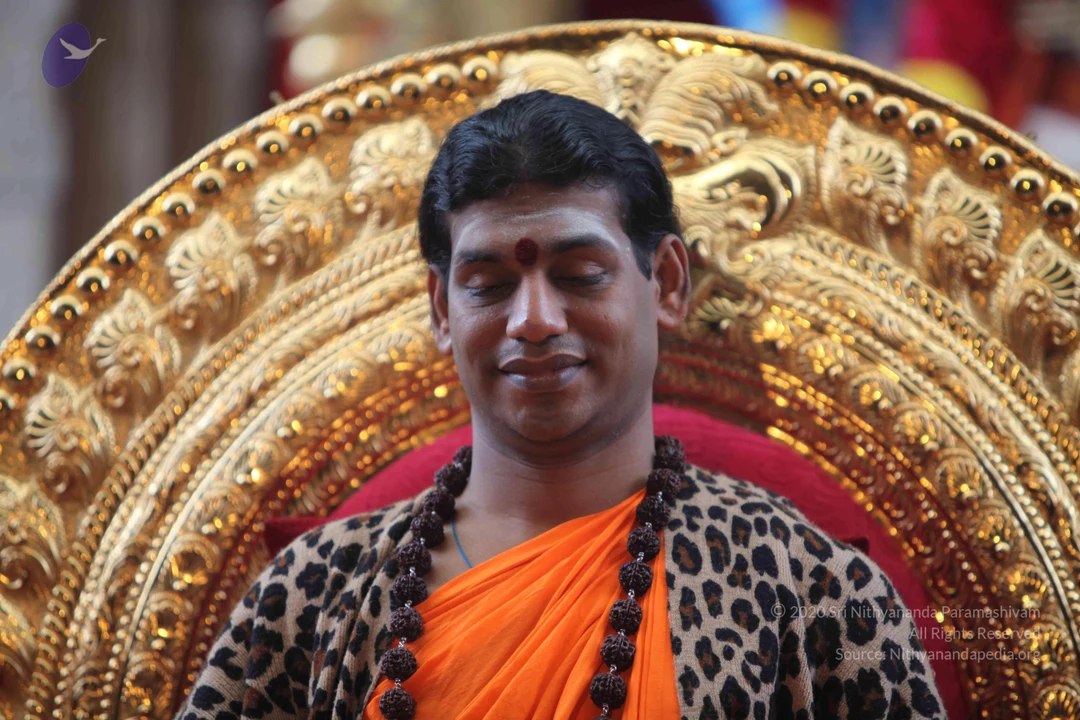
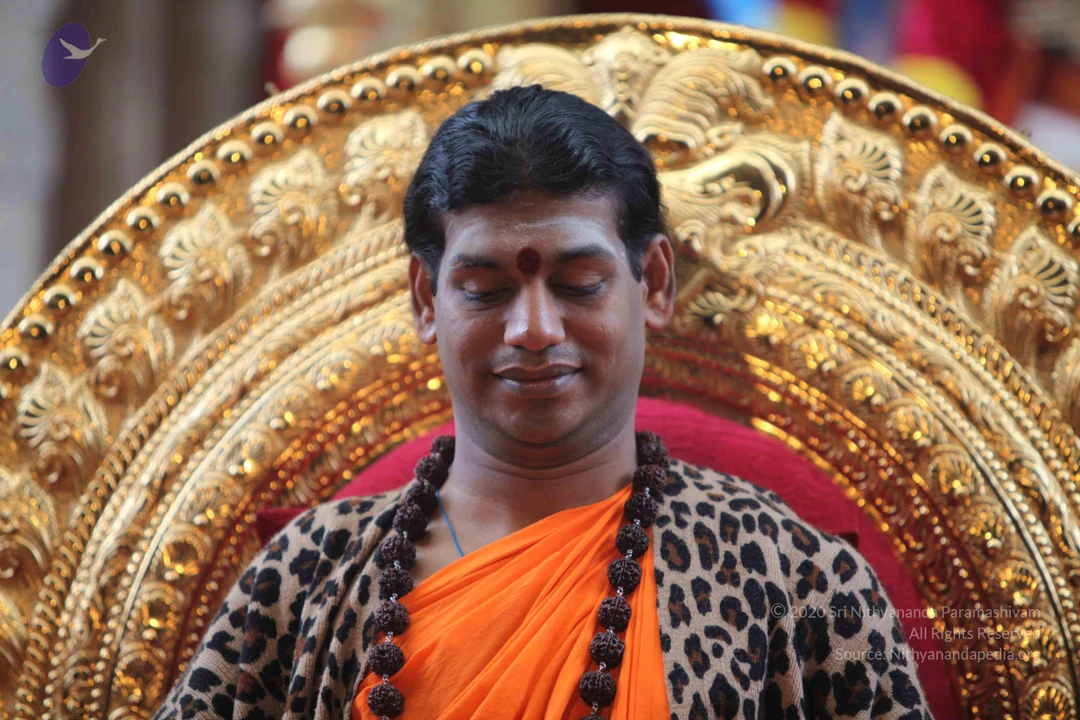
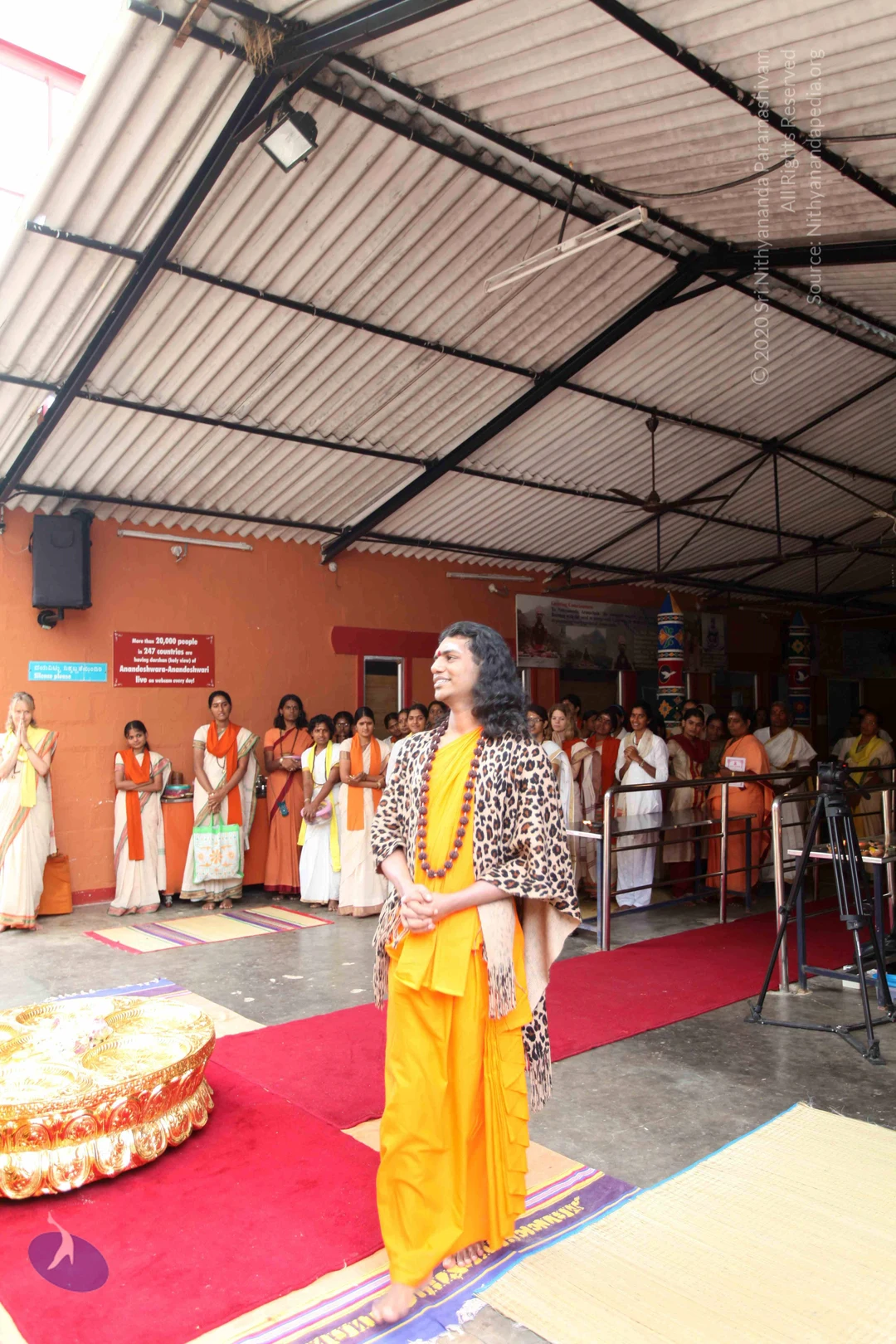
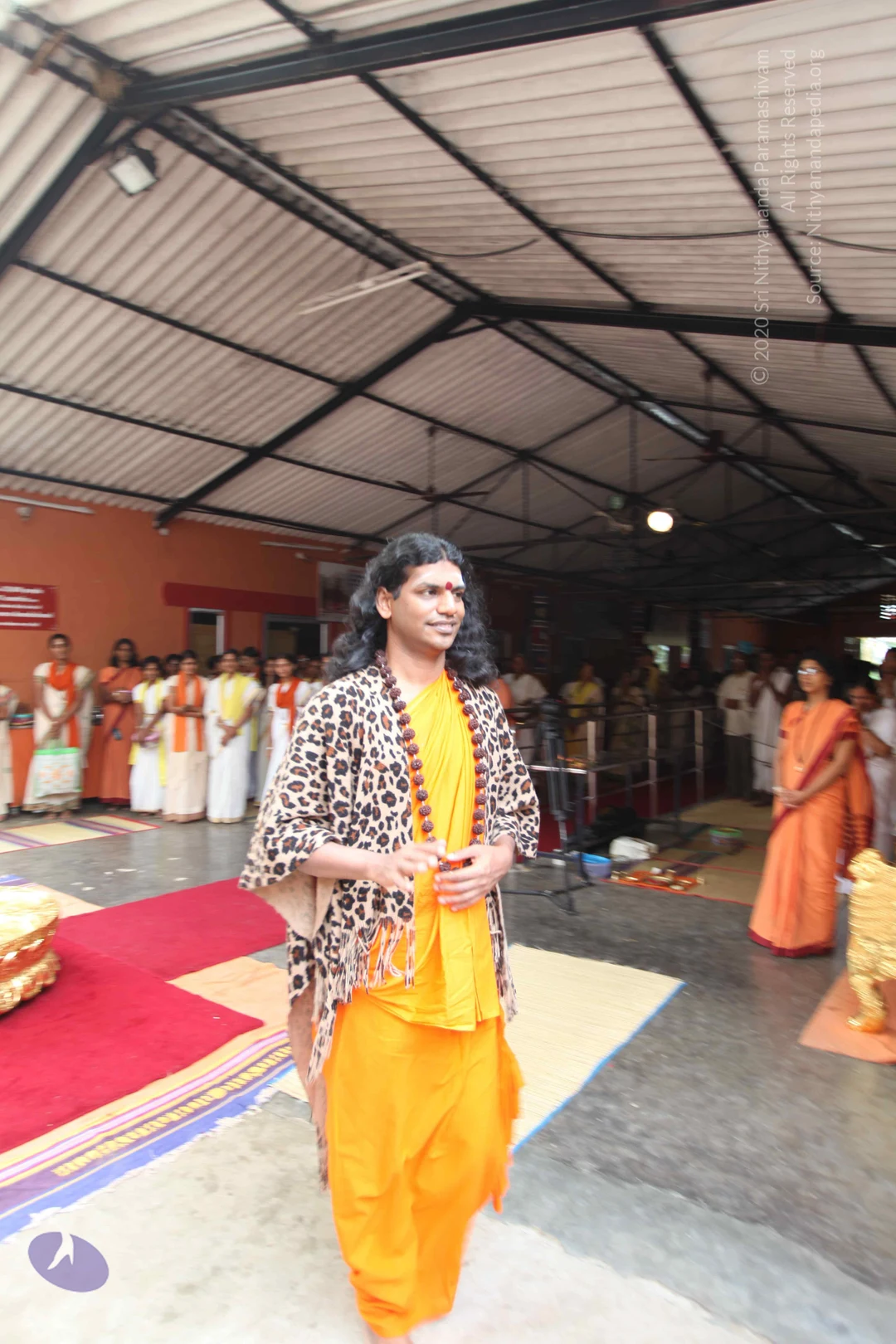
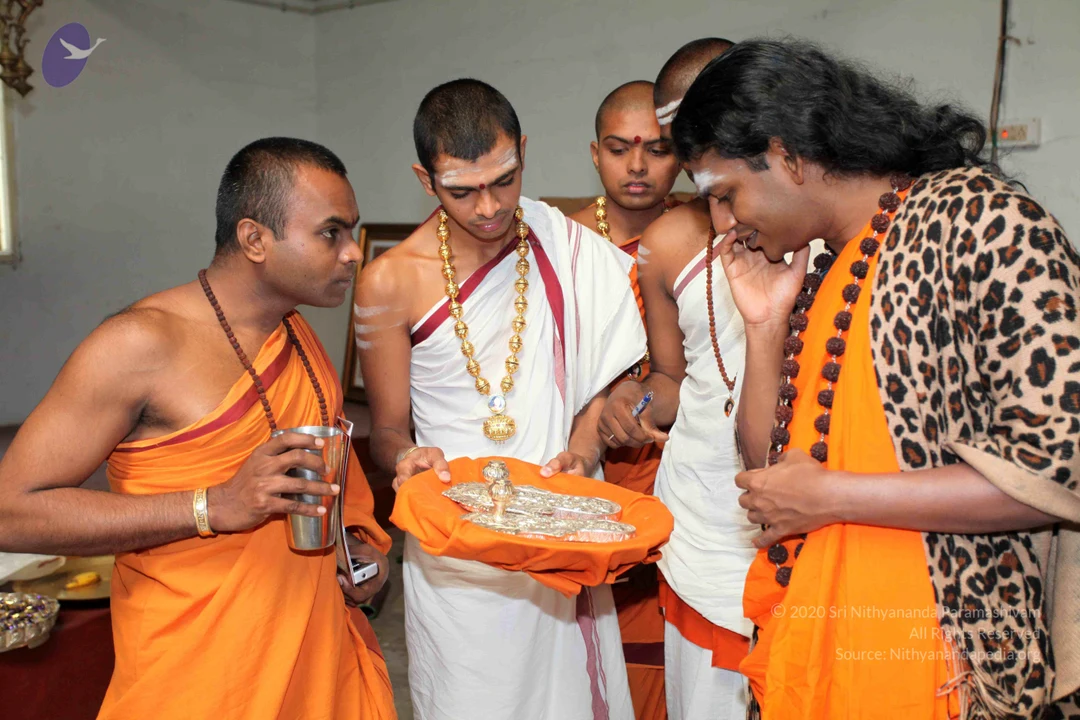
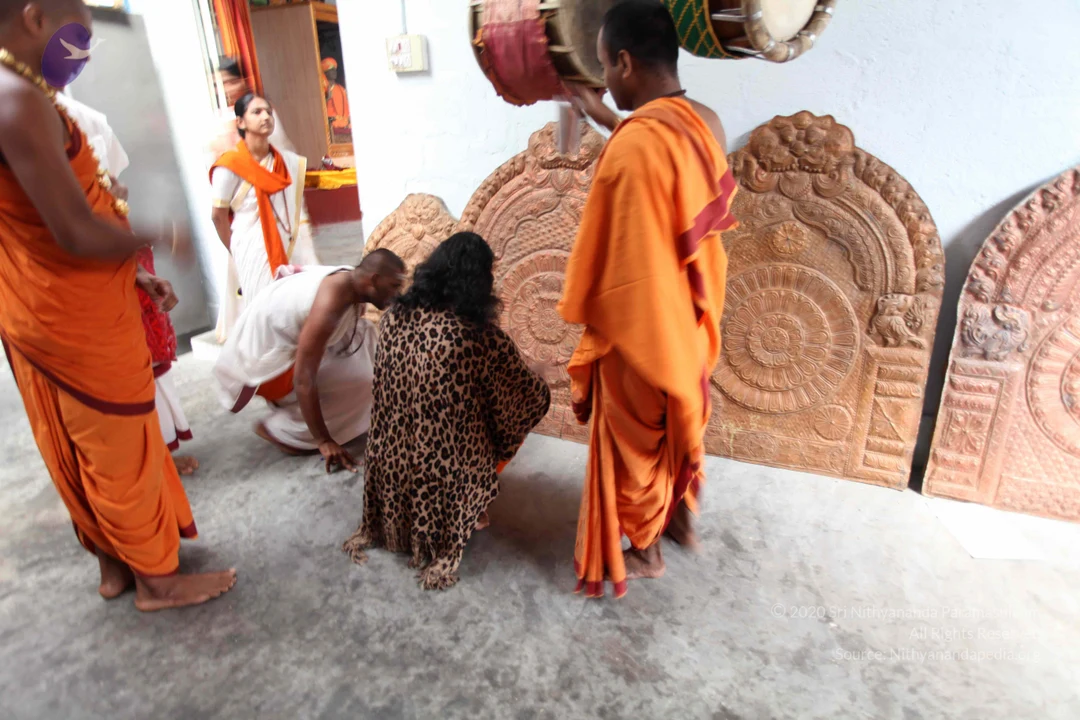
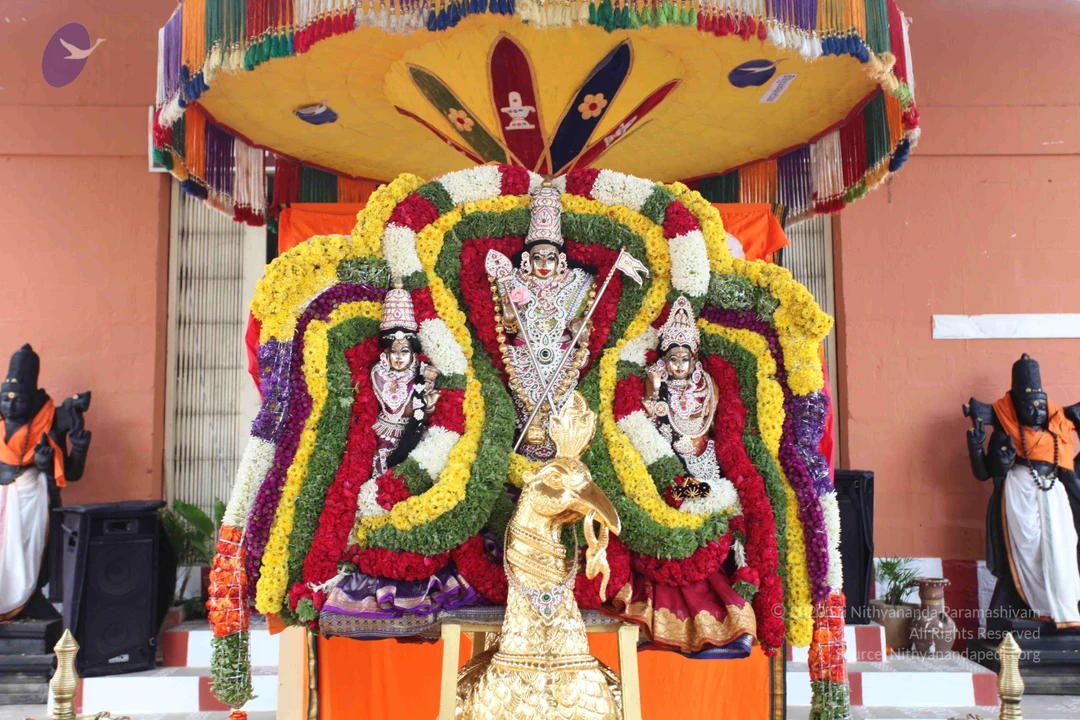
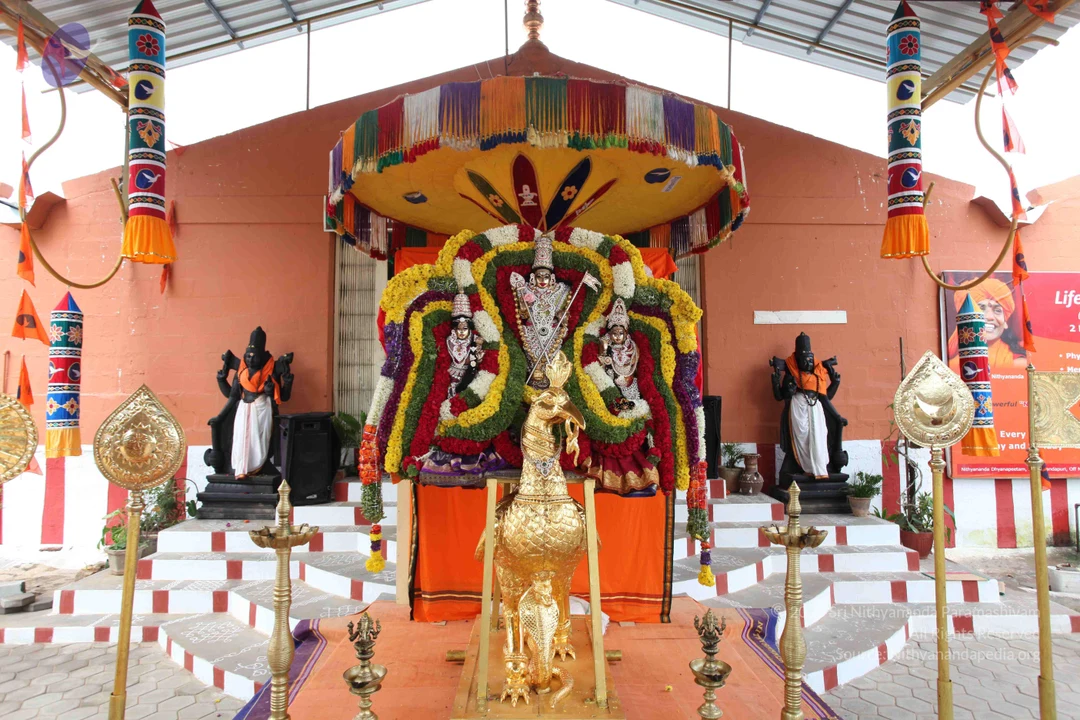
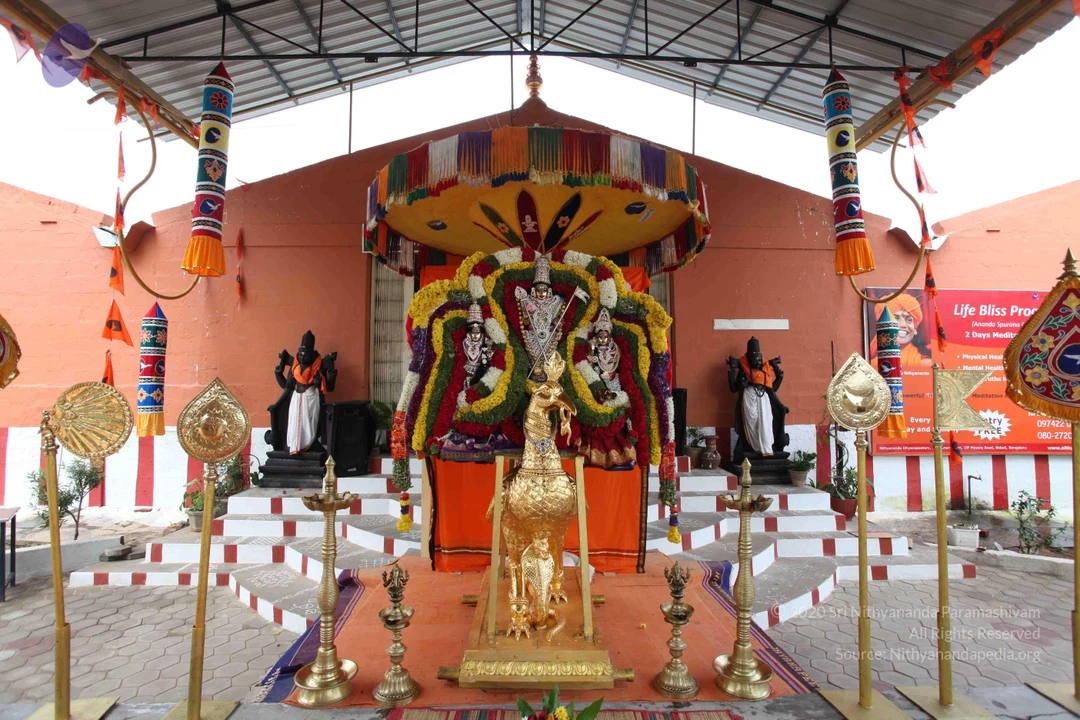
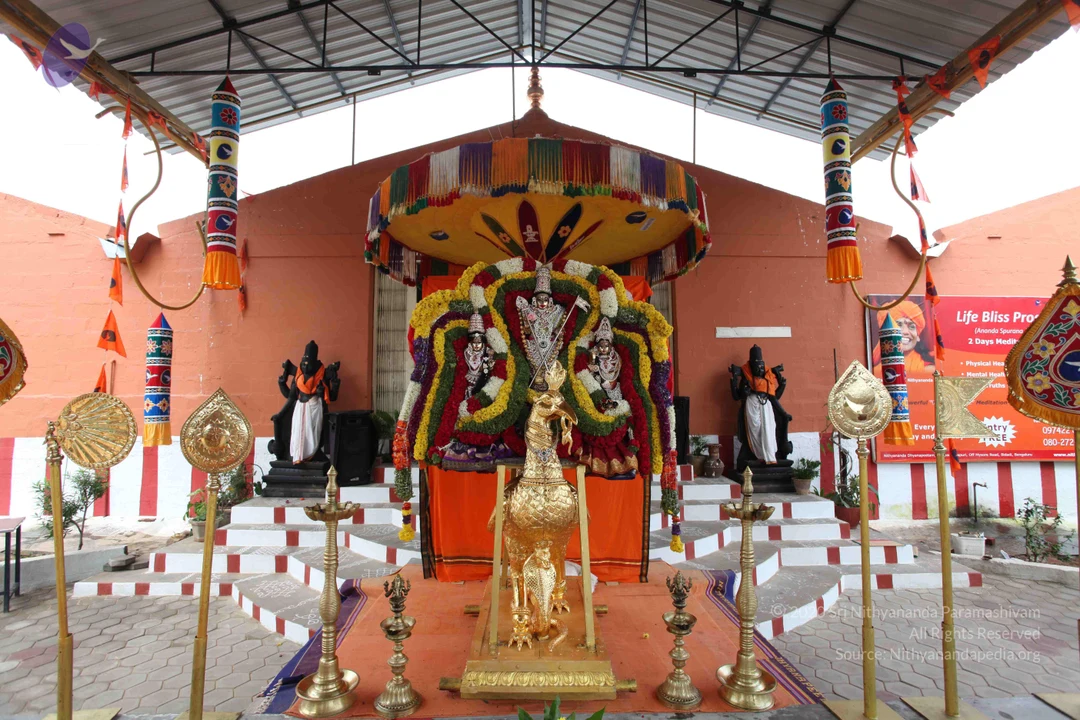
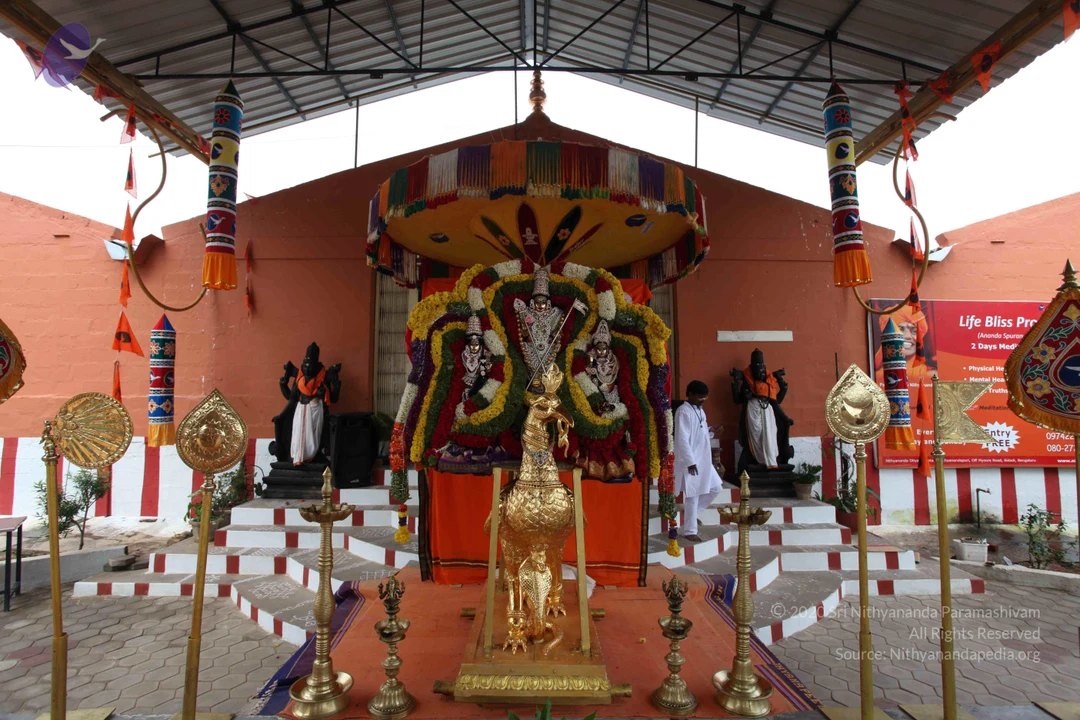
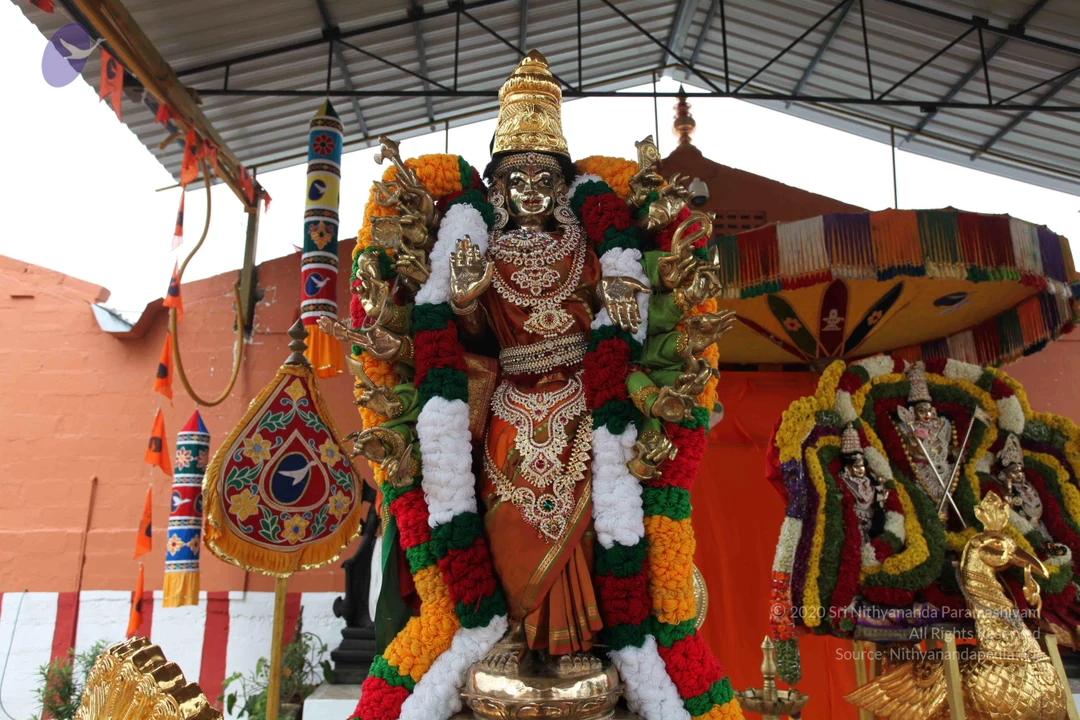
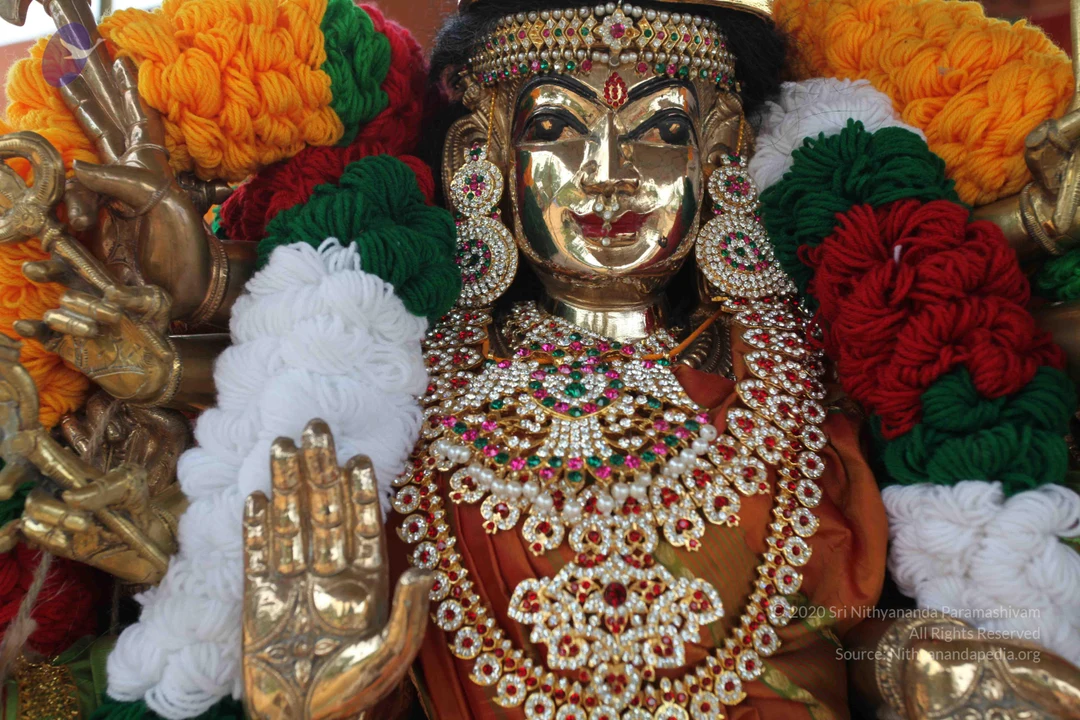
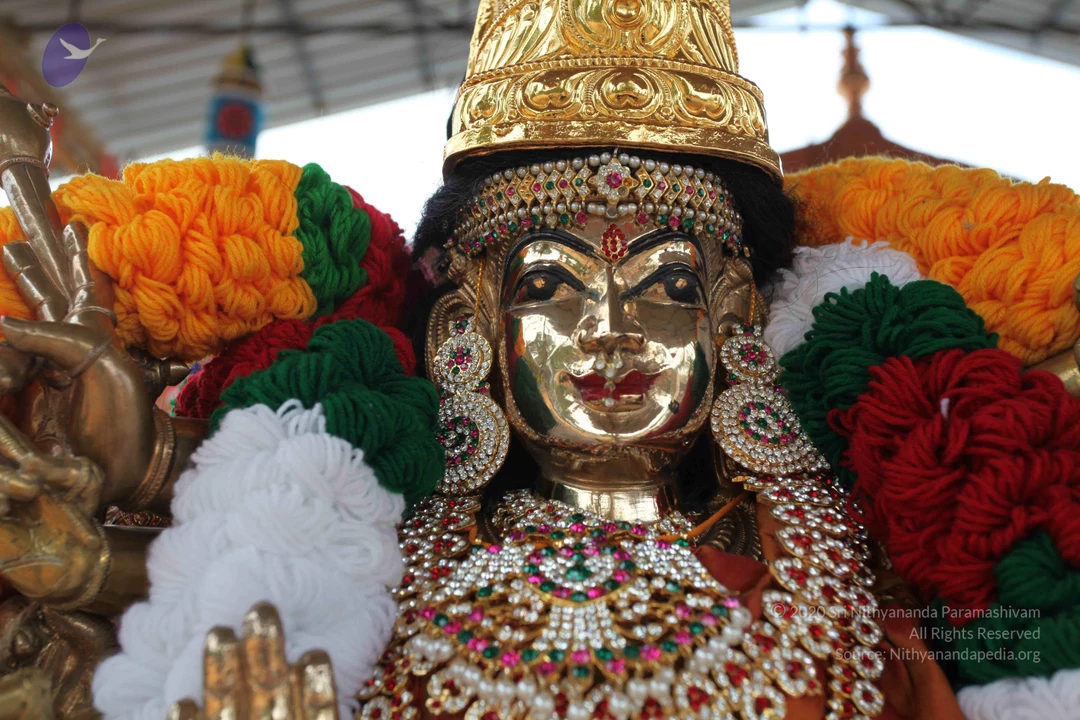
Photos of the day
581 distinct dated photos. Source gallery sets may overlap. Preview includes 500 photos.
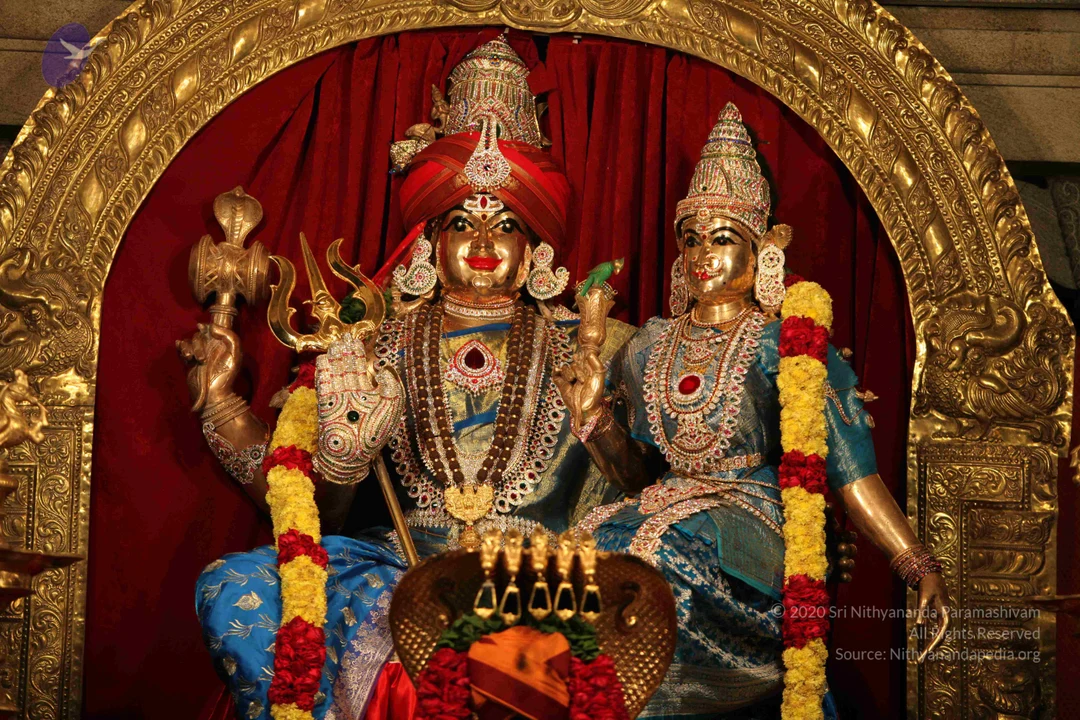
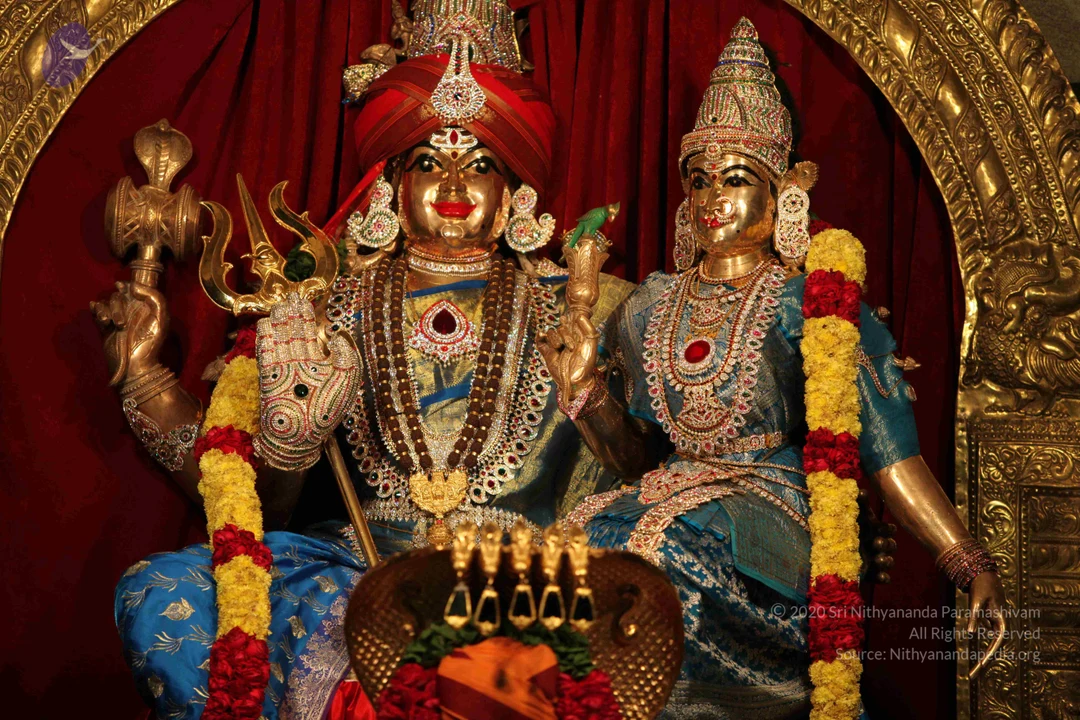
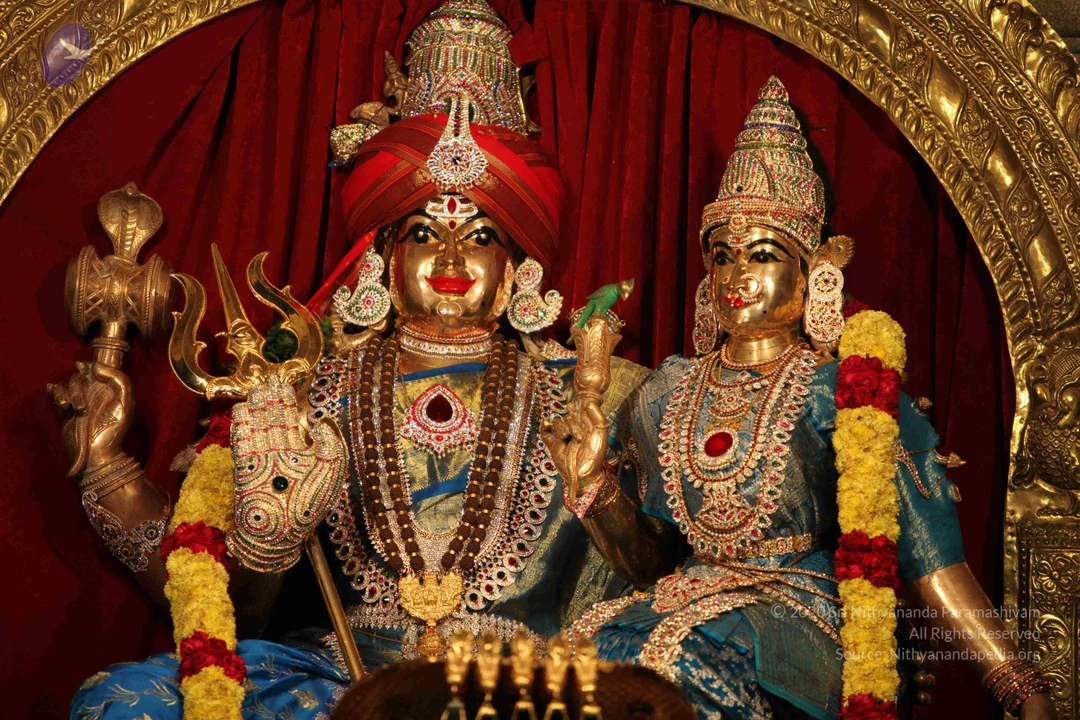
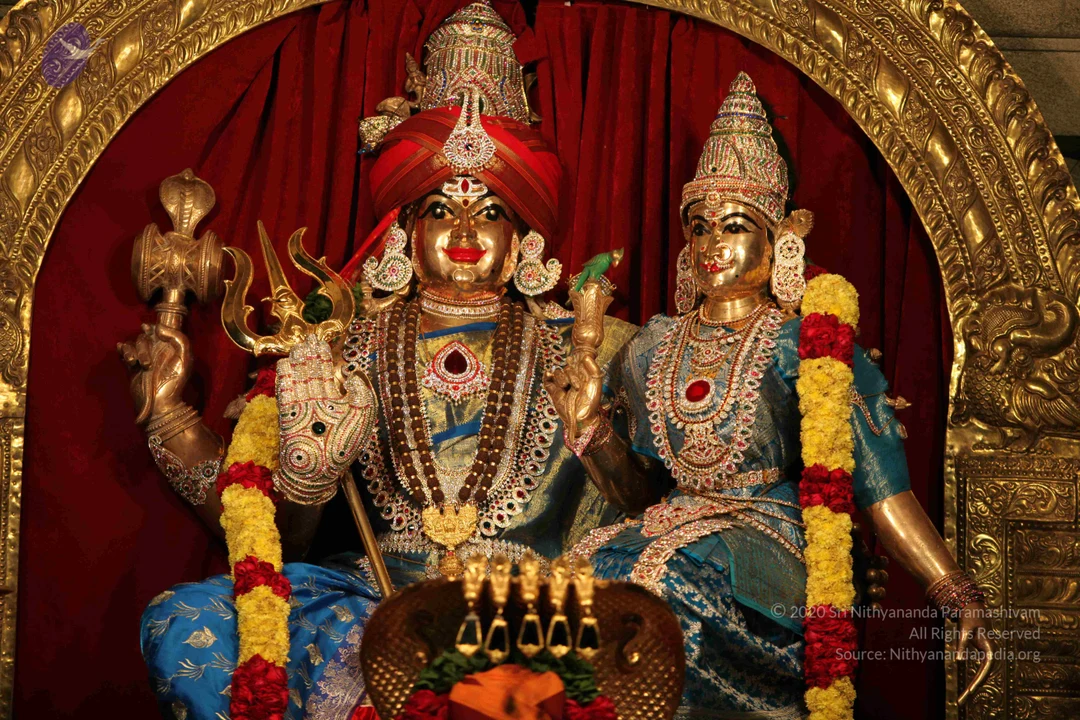
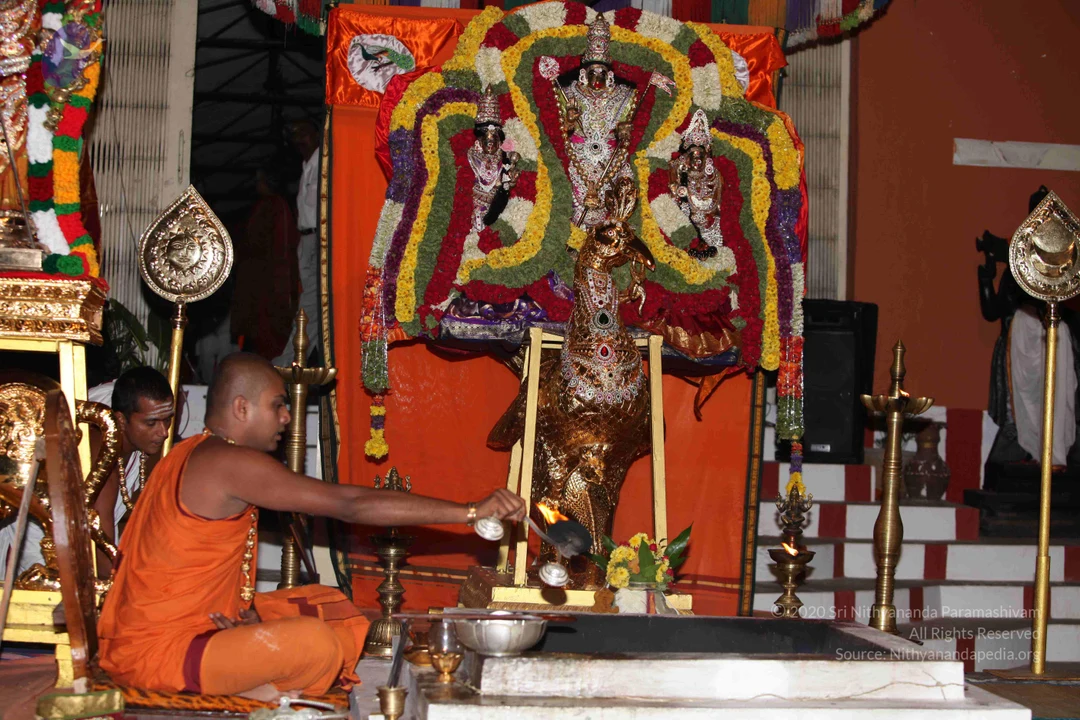
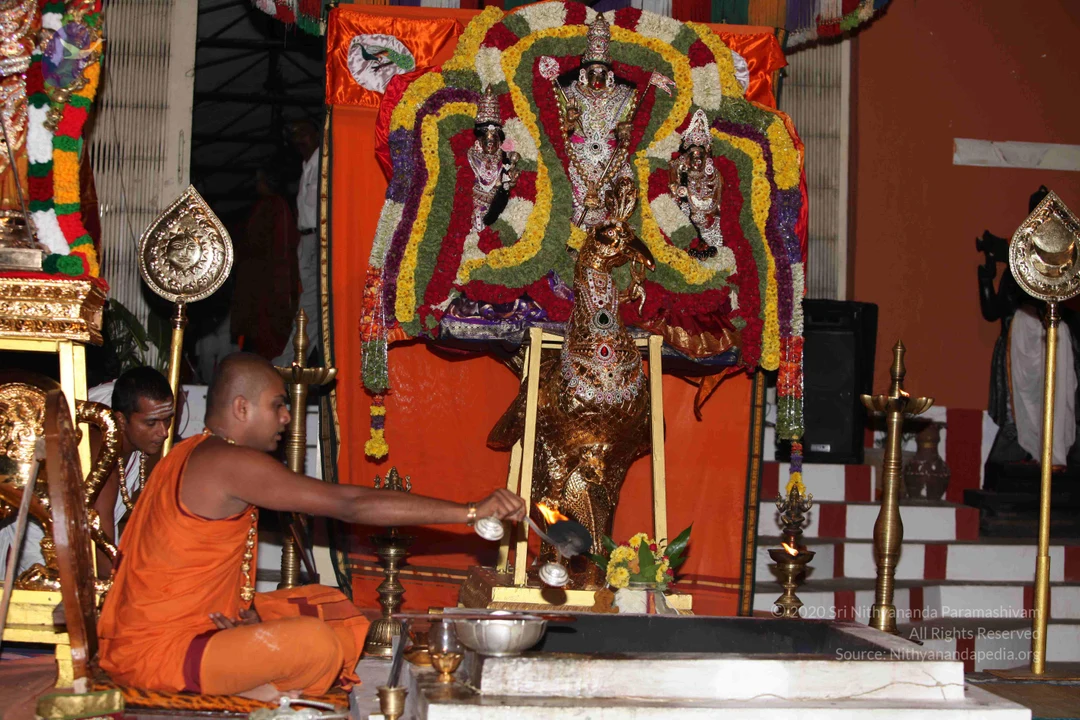
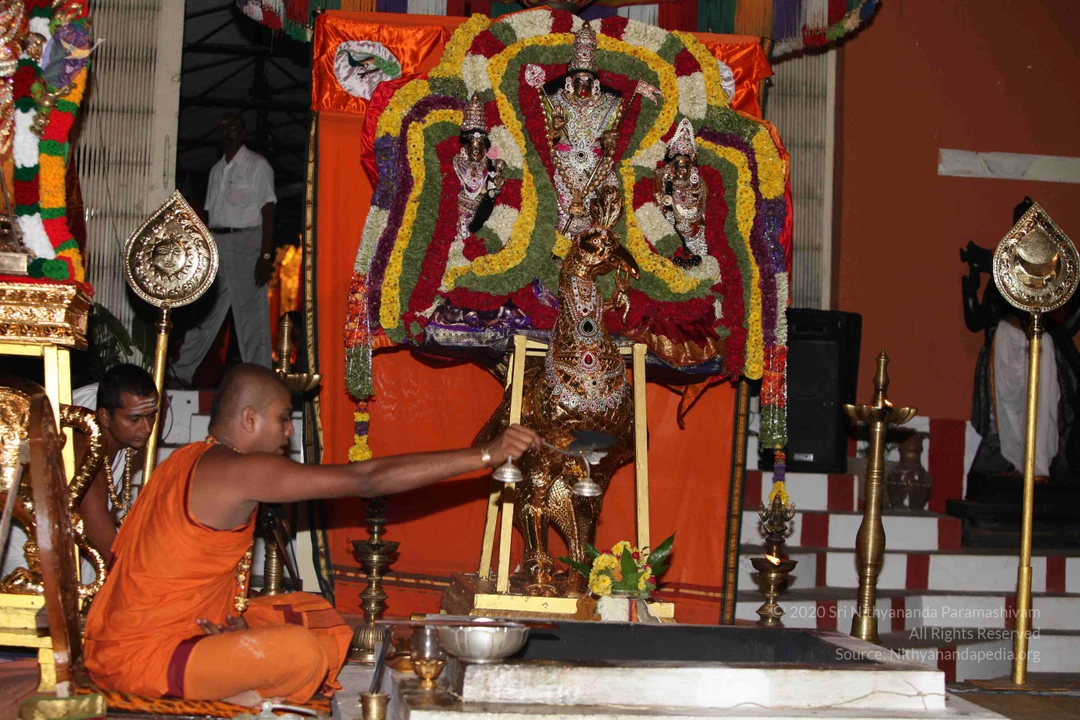
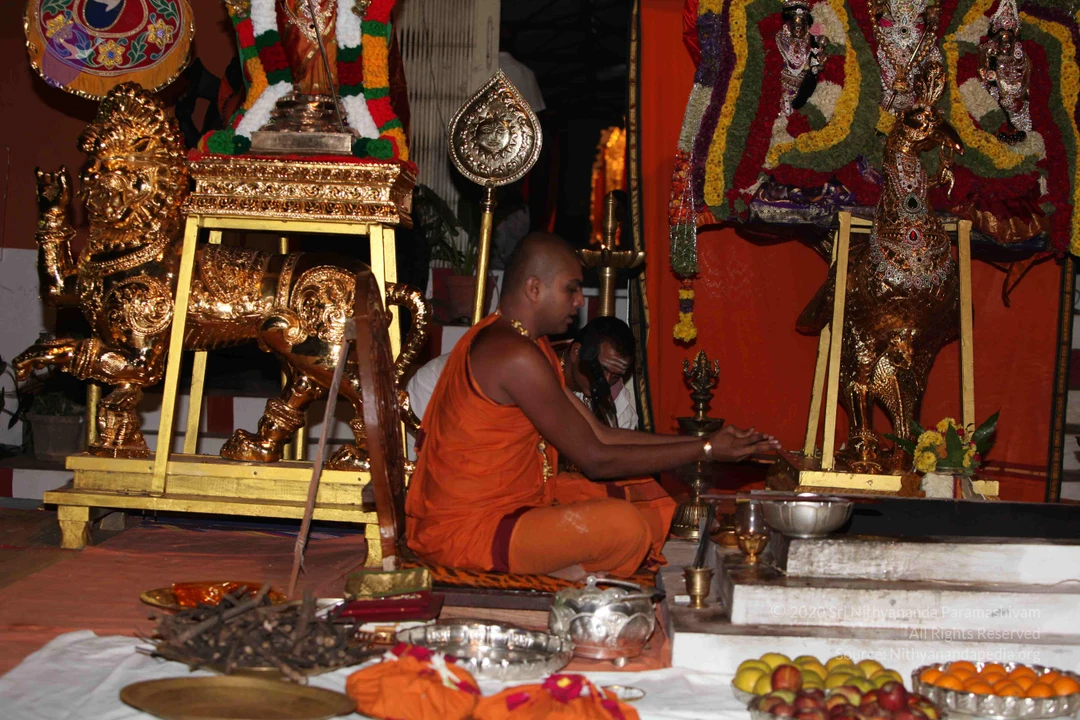
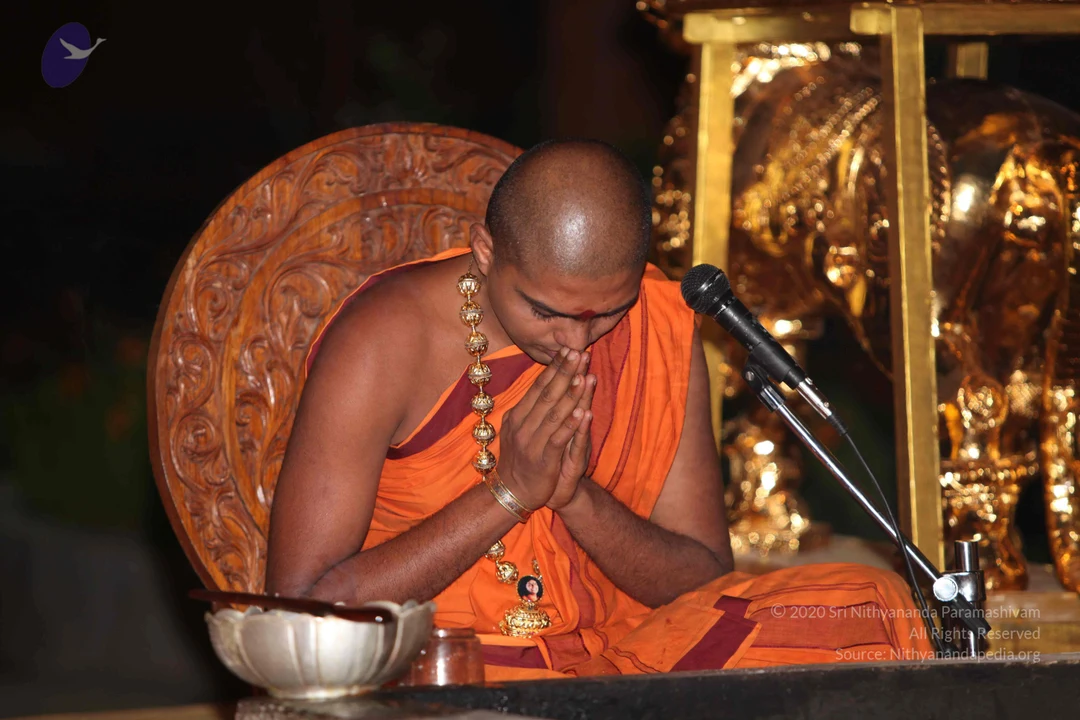
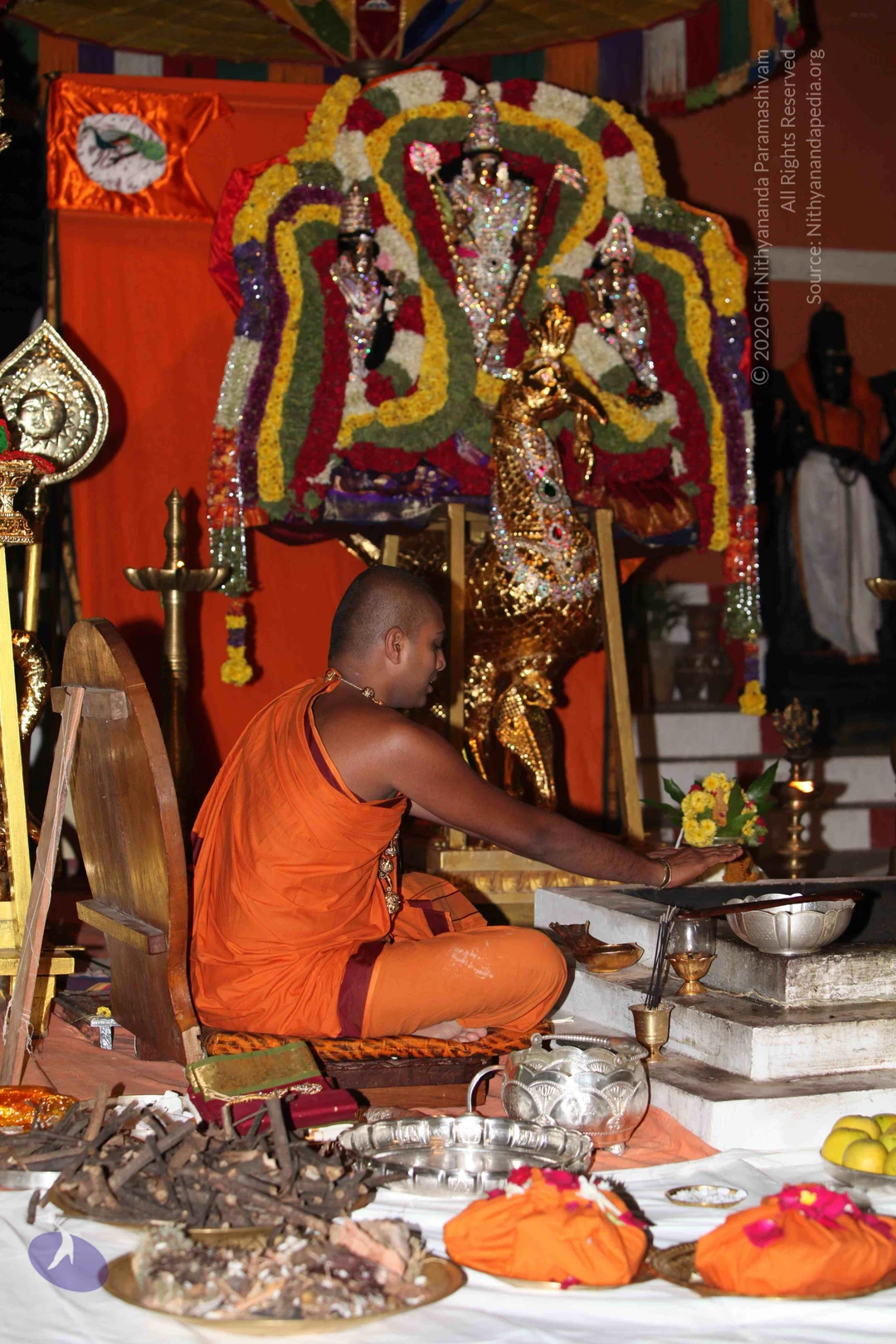
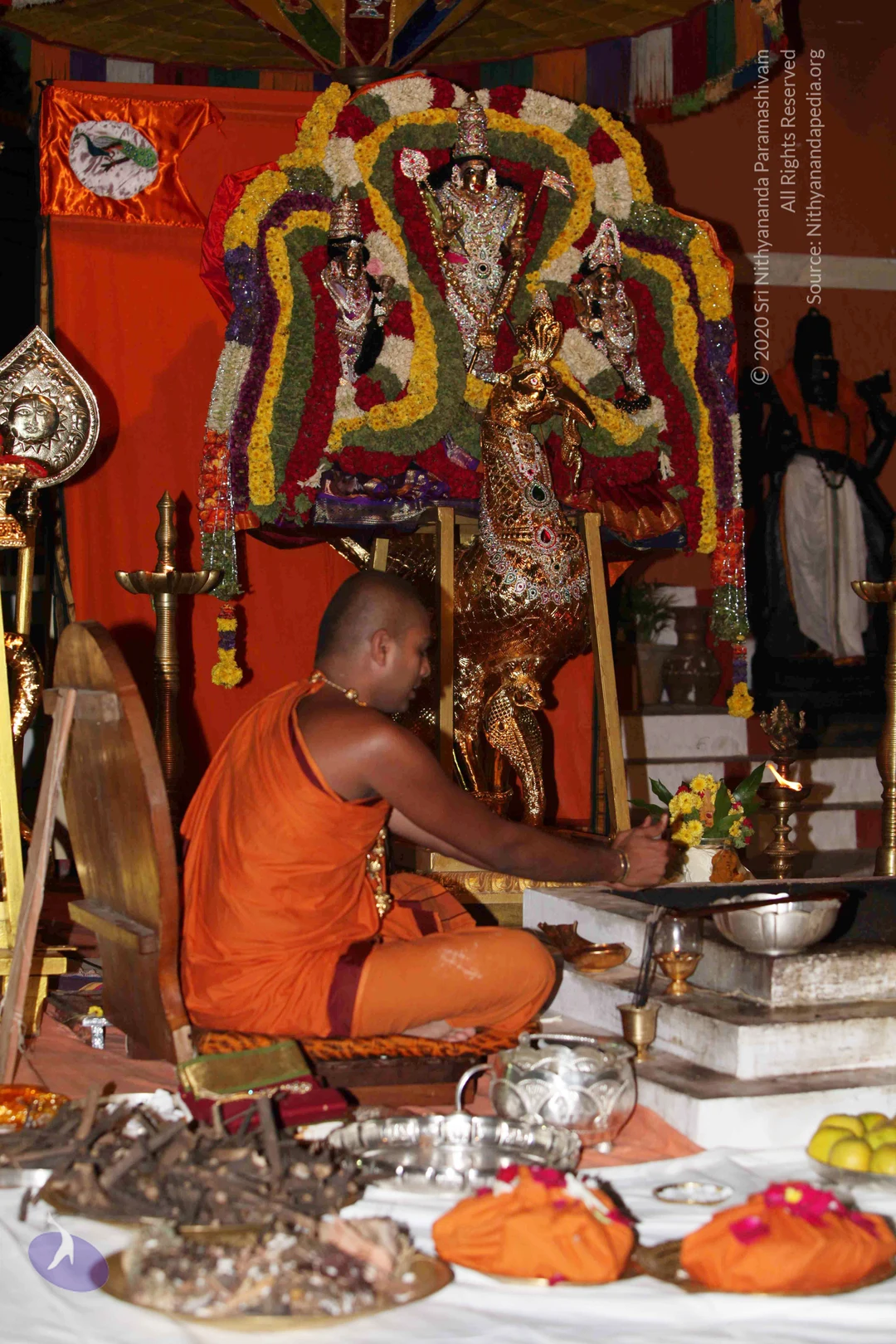
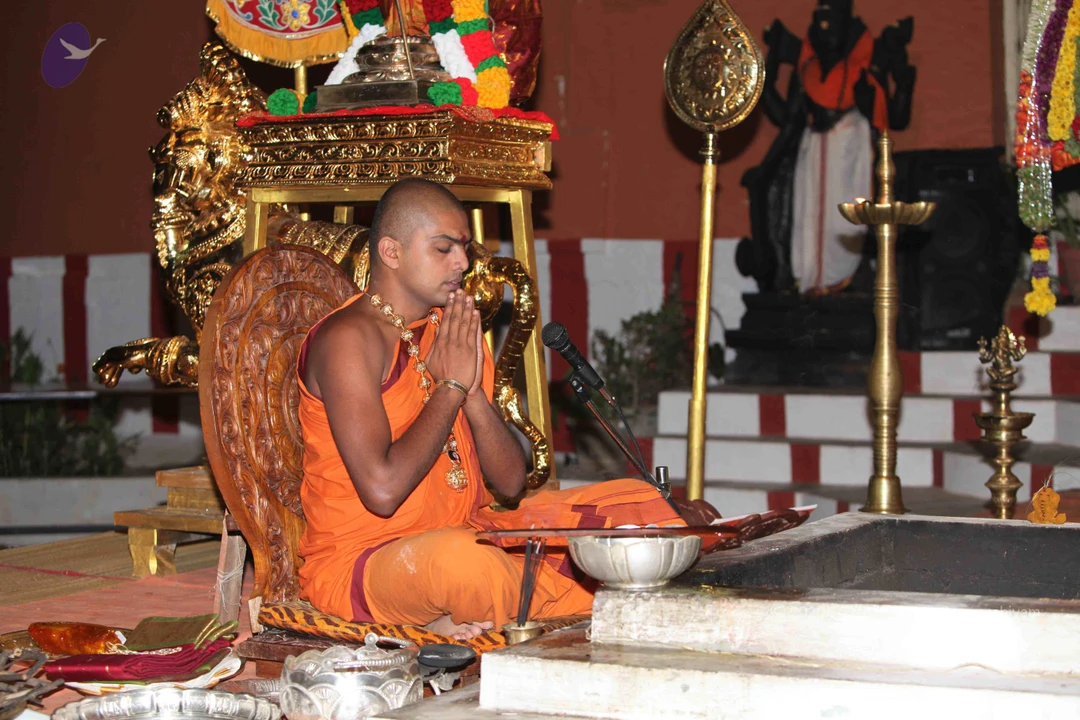
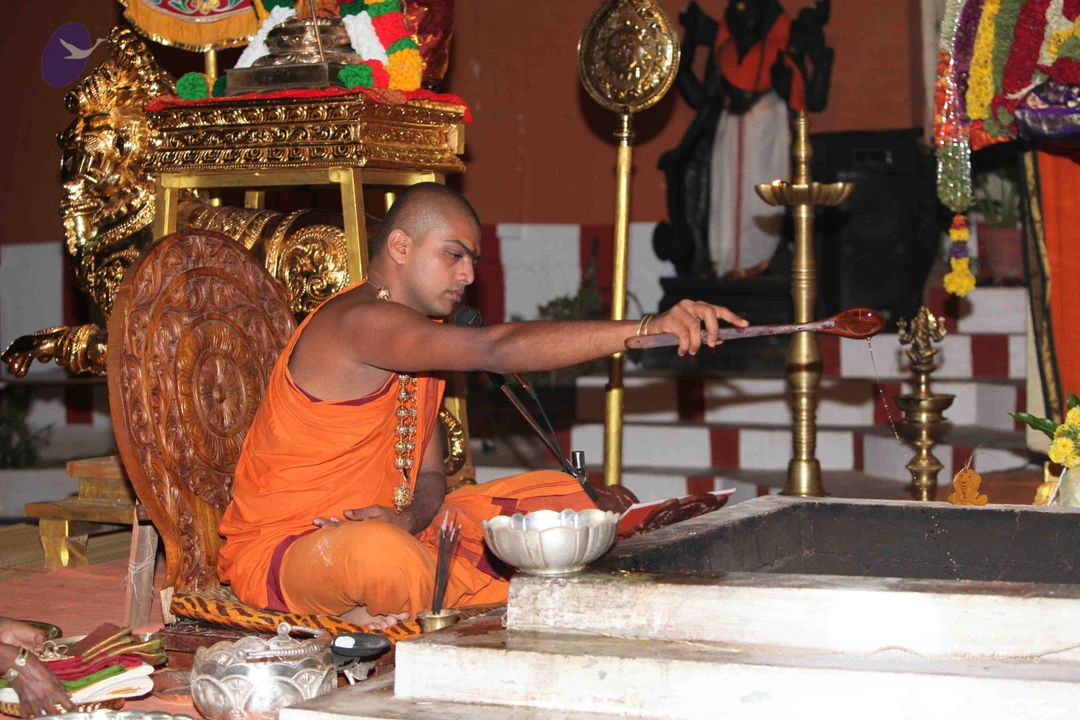
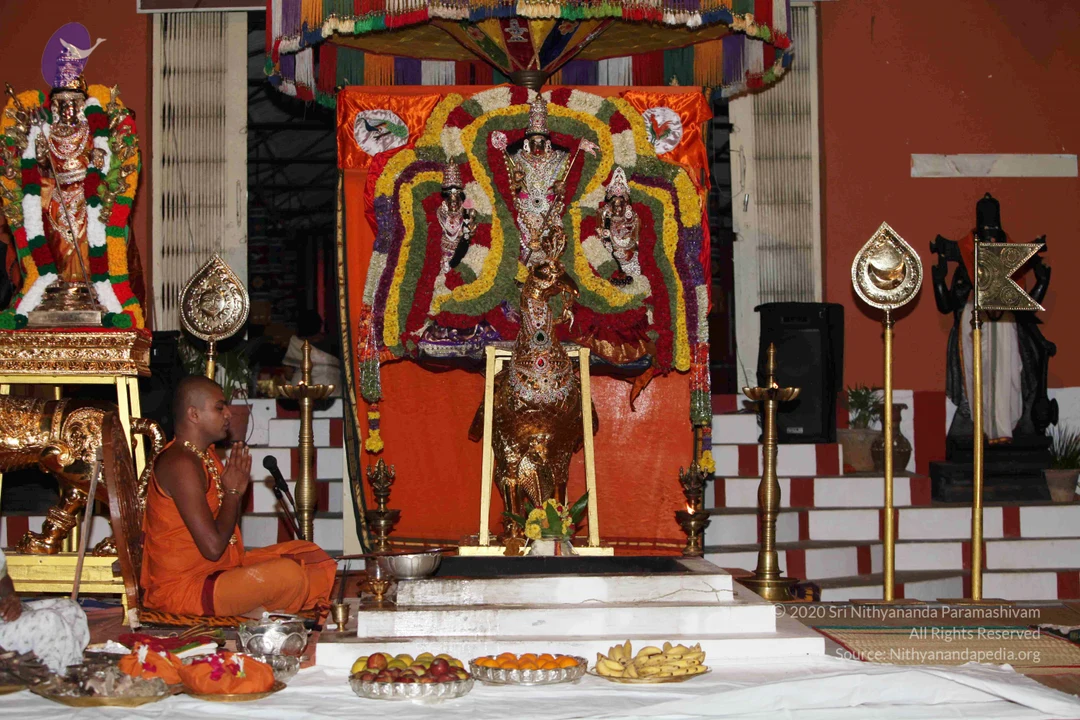
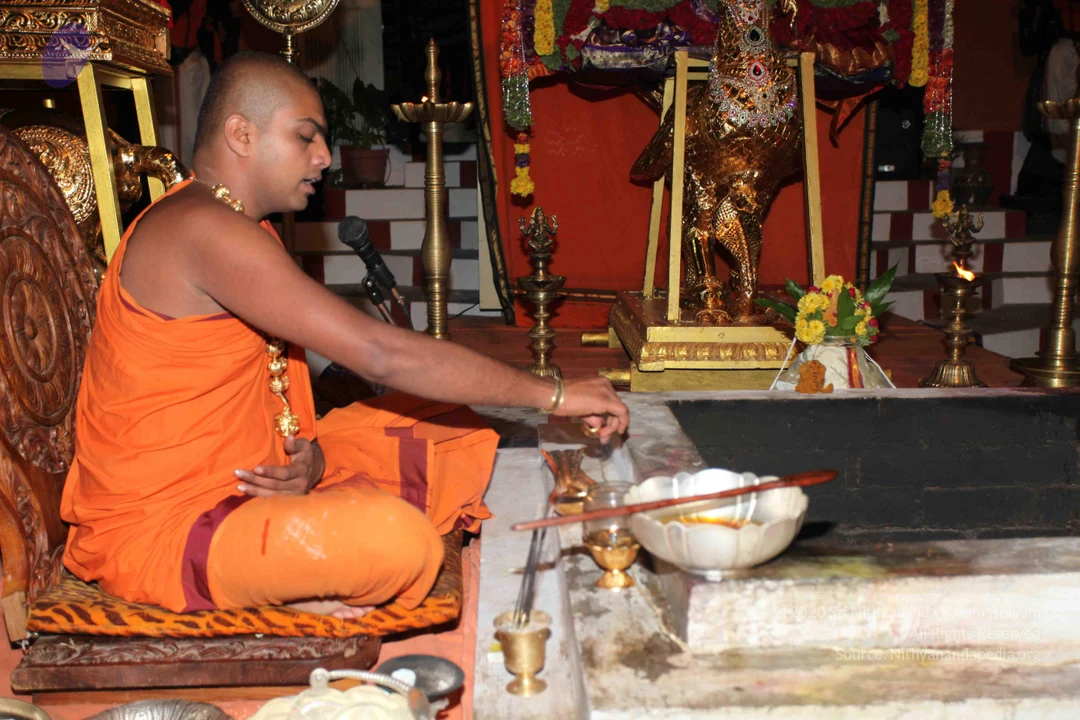
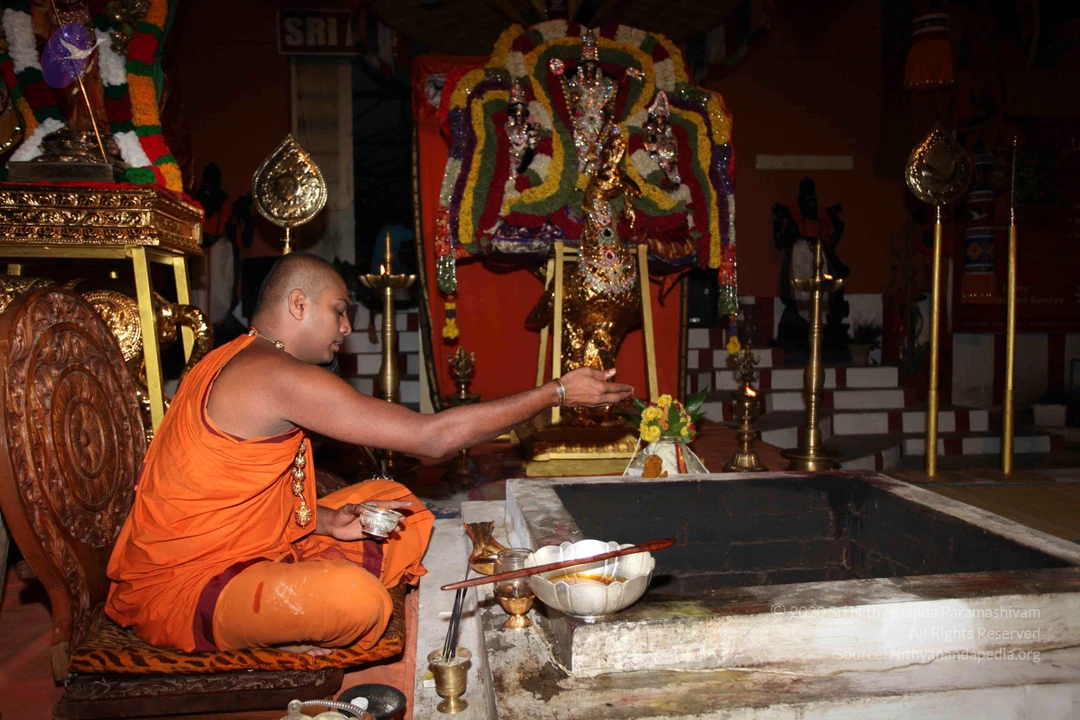
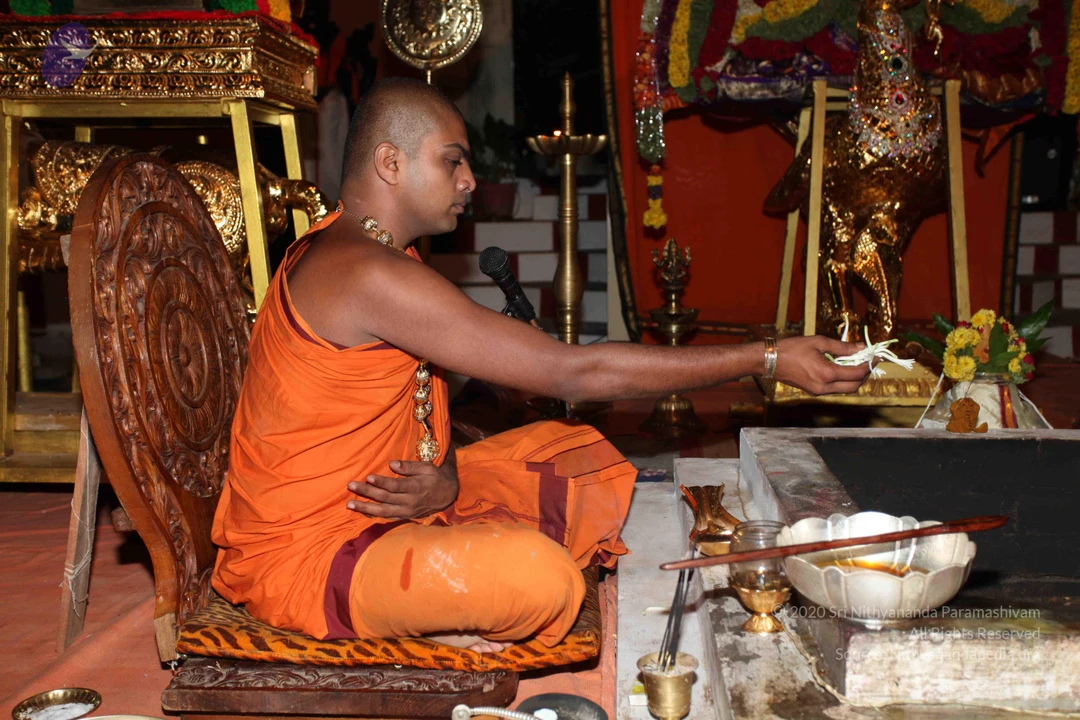
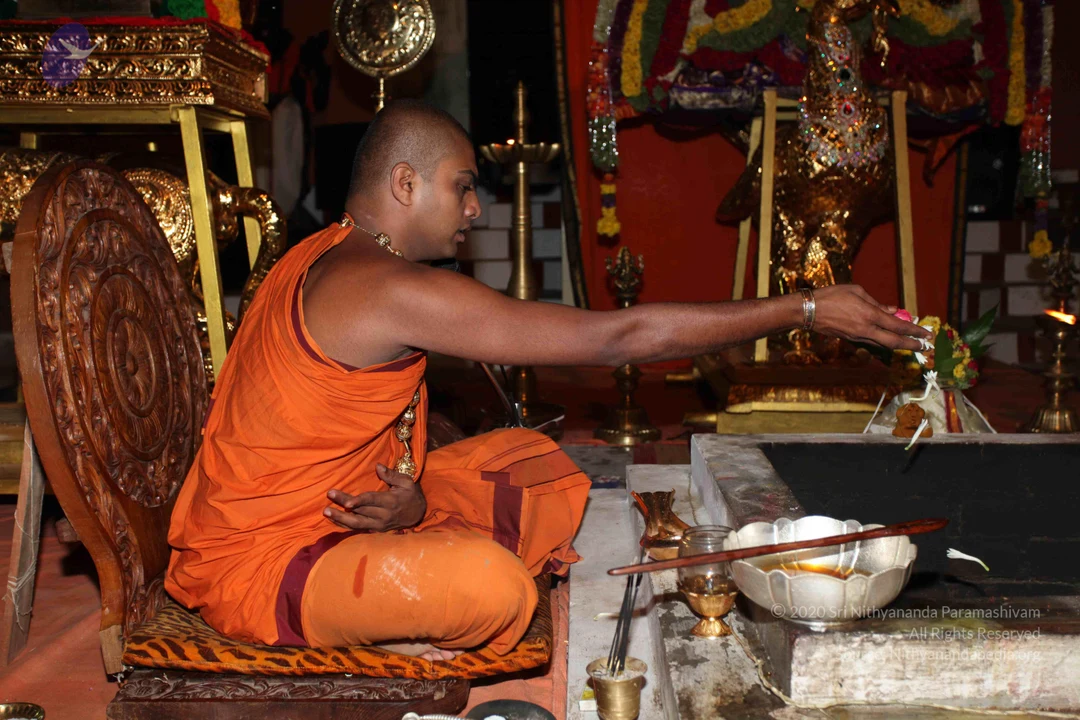
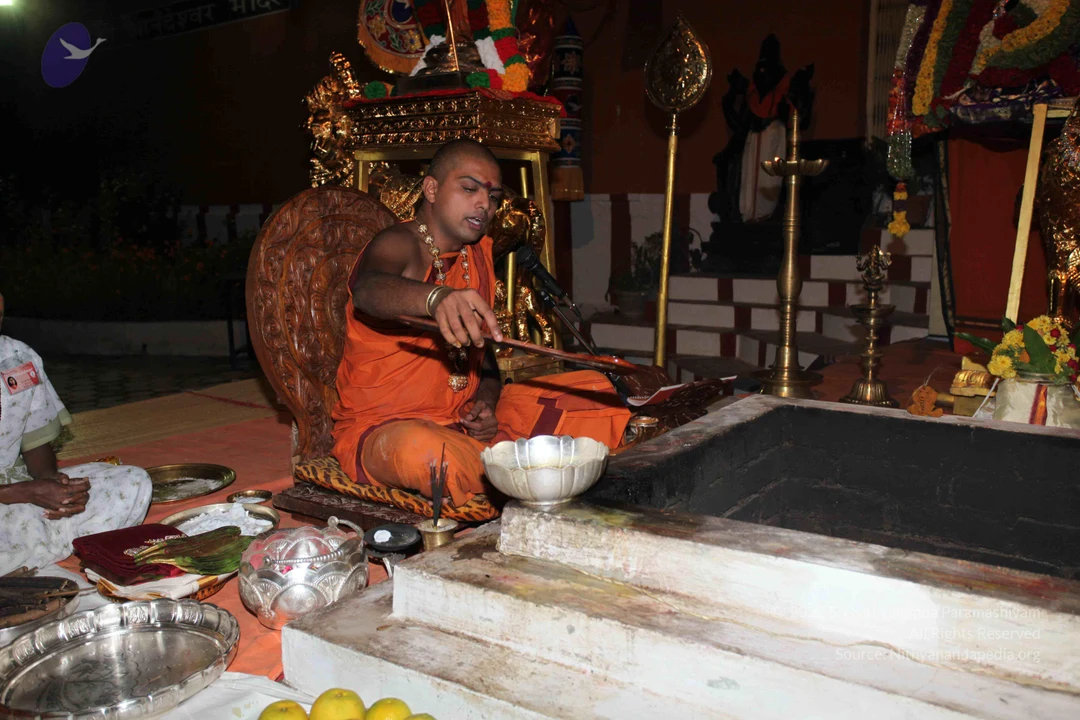
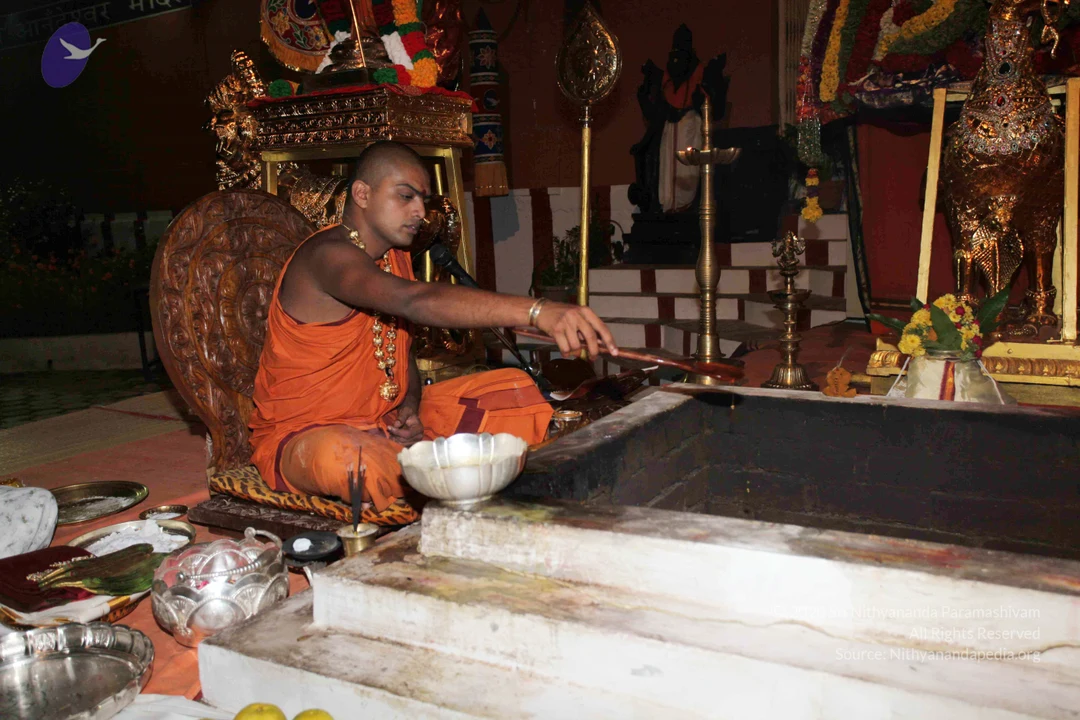
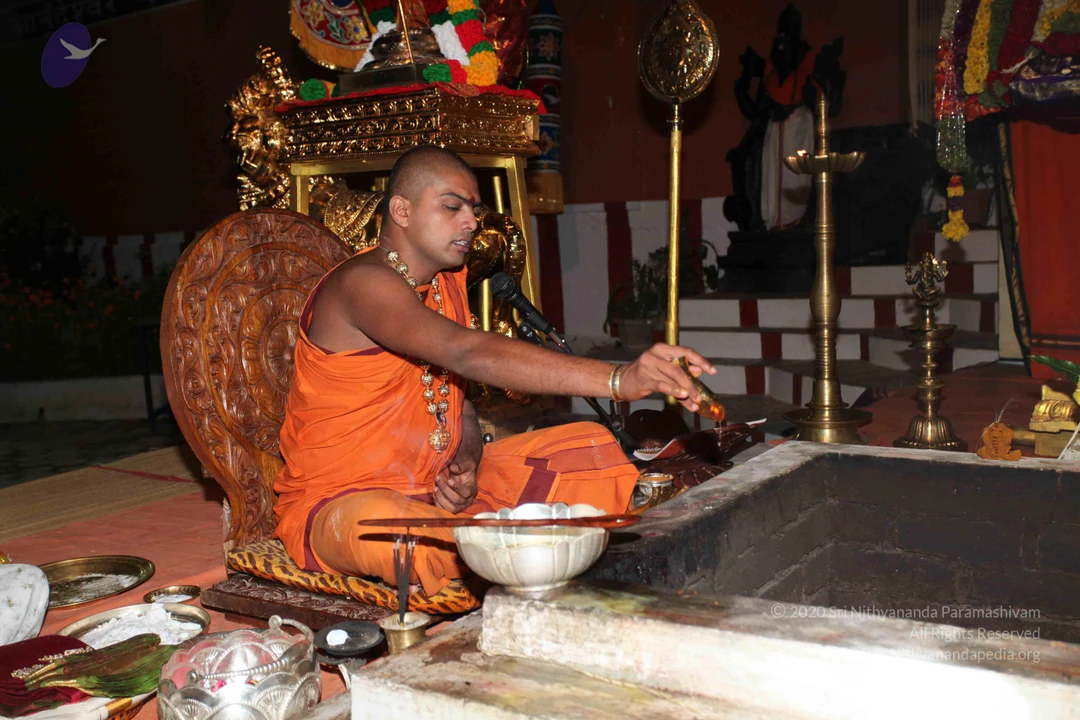
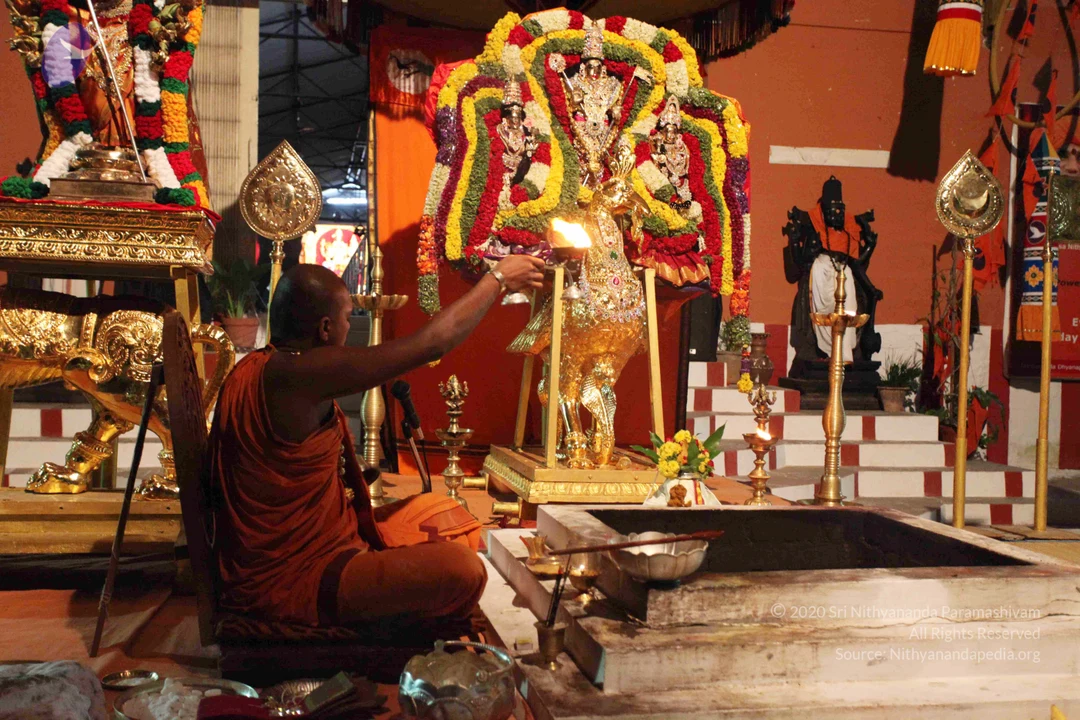
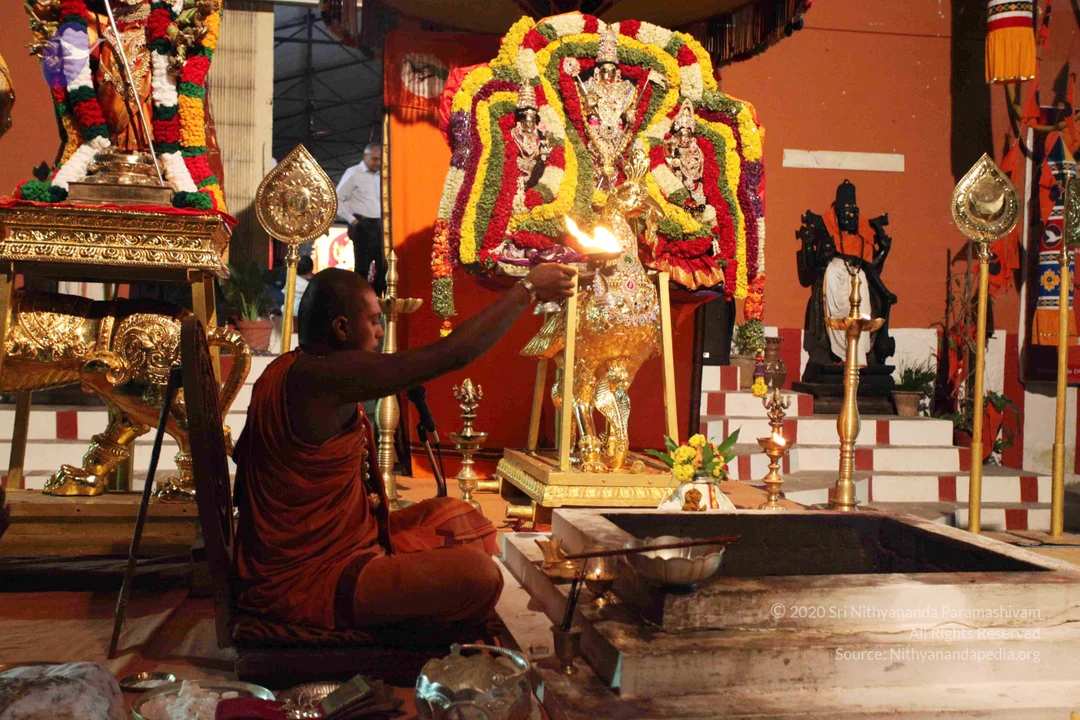
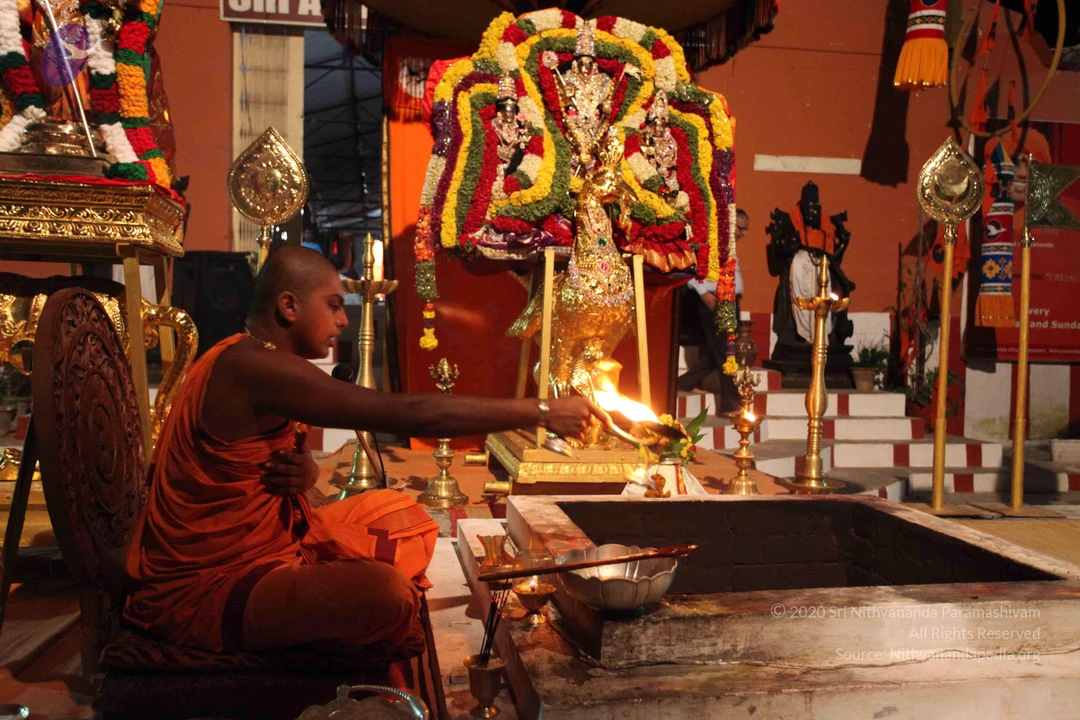
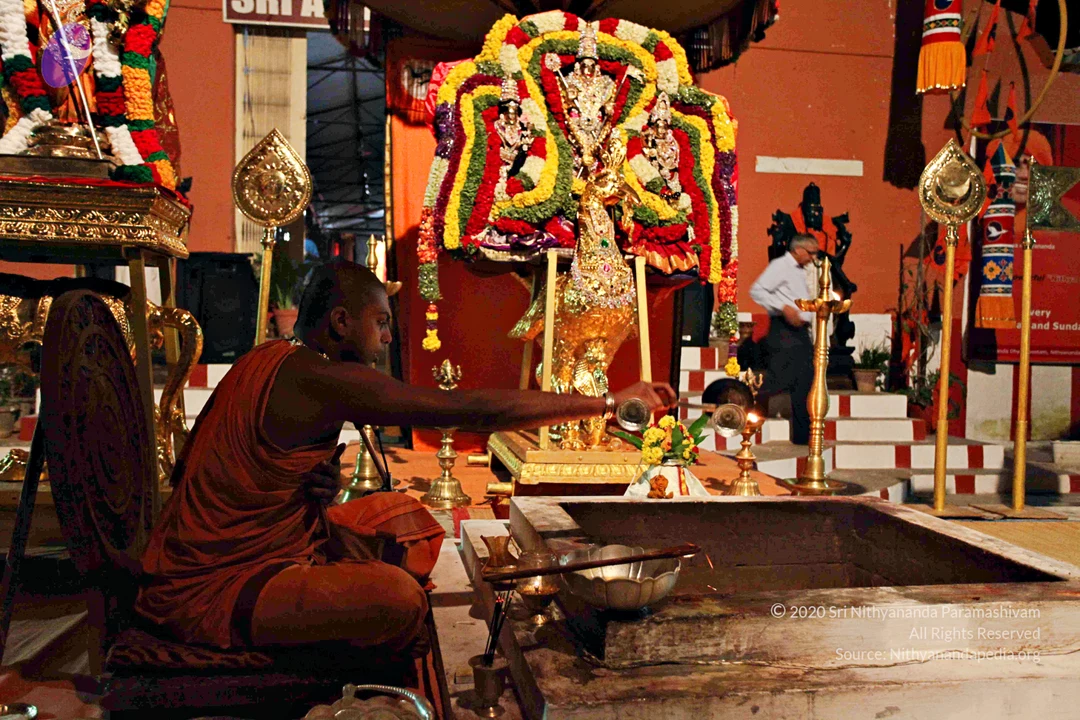
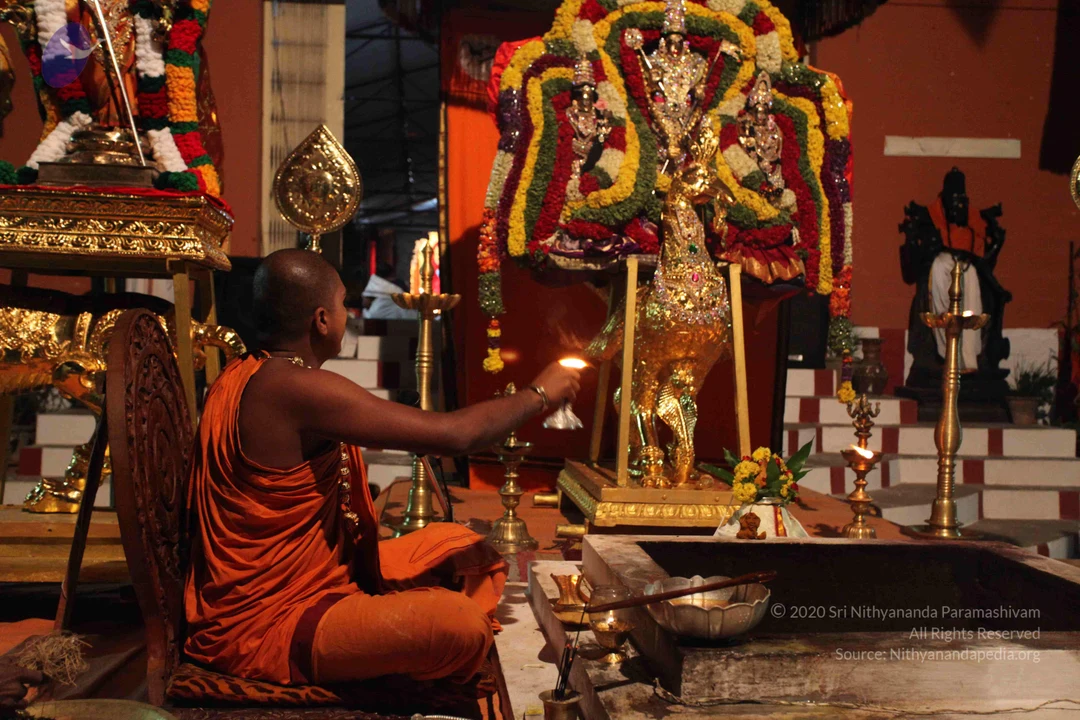
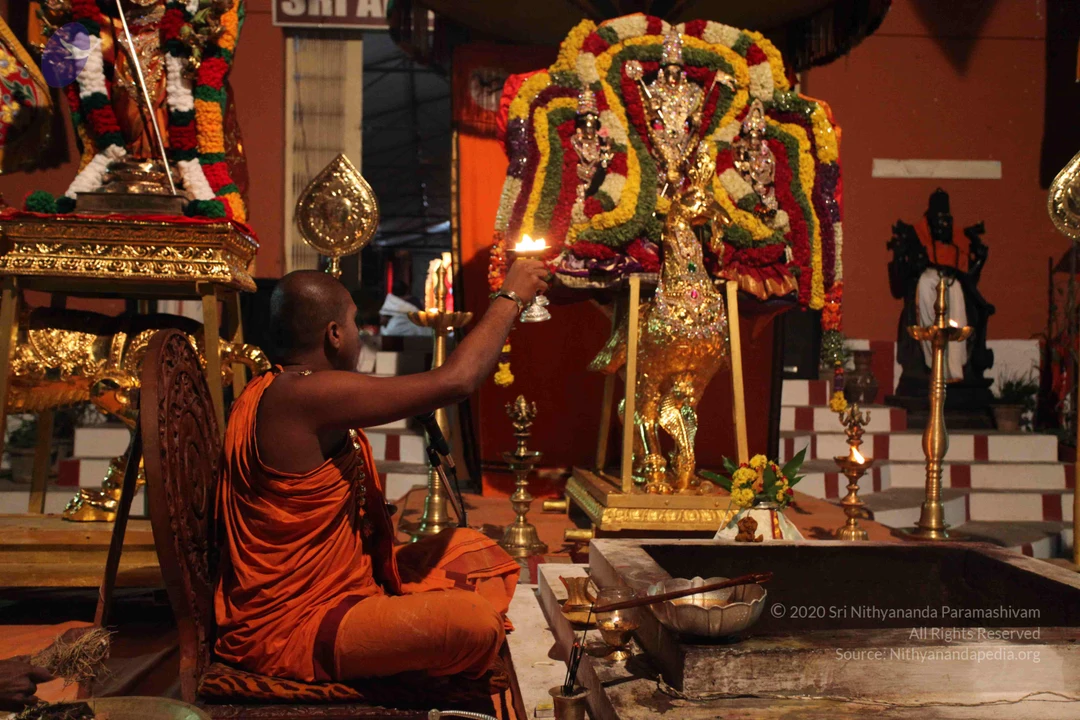
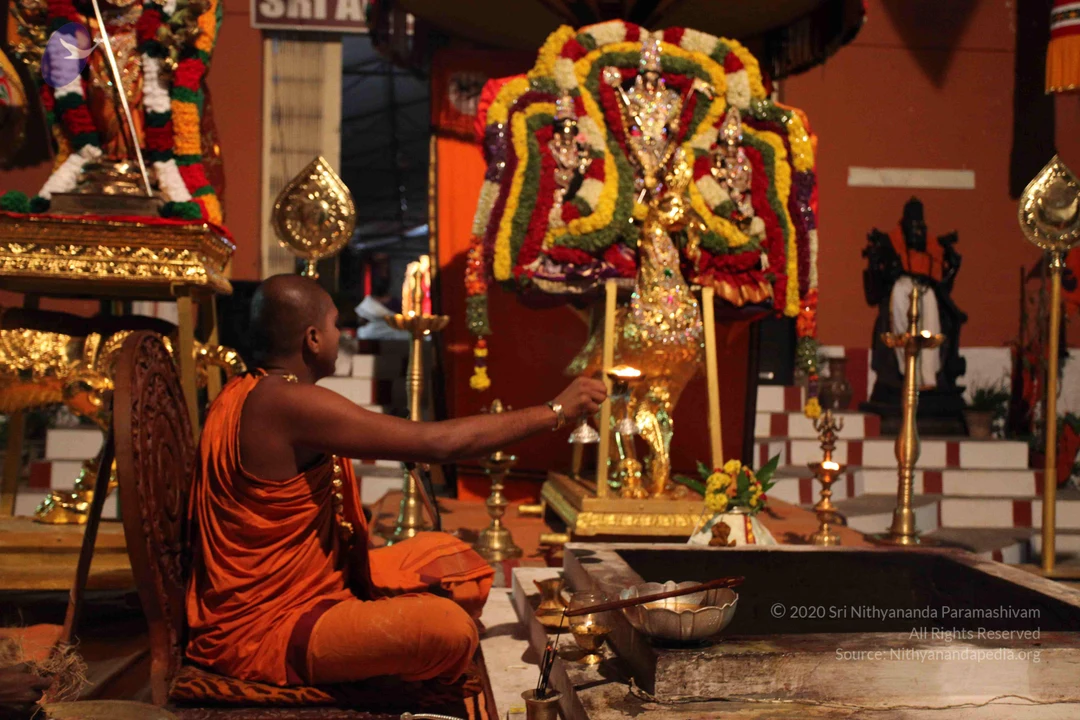
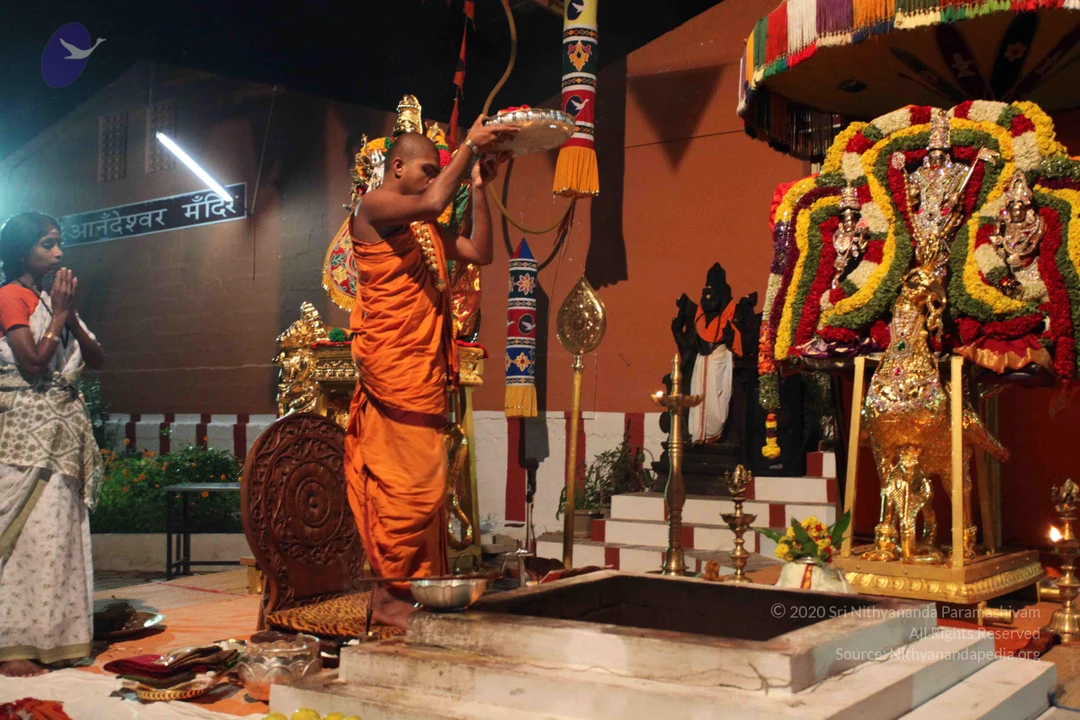
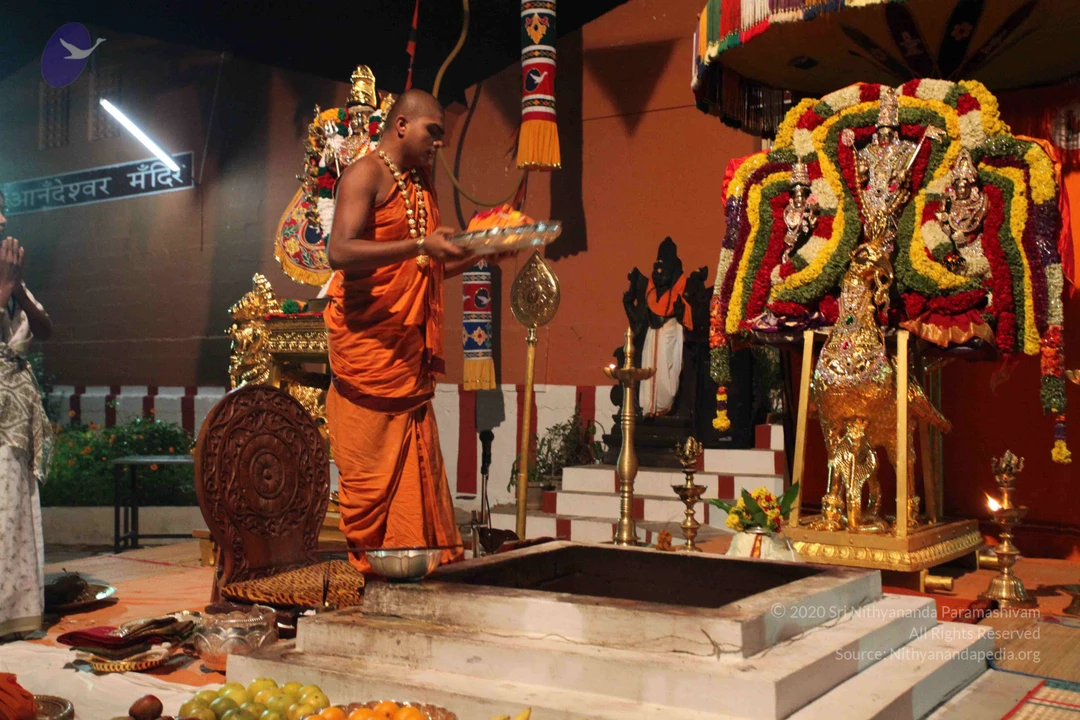
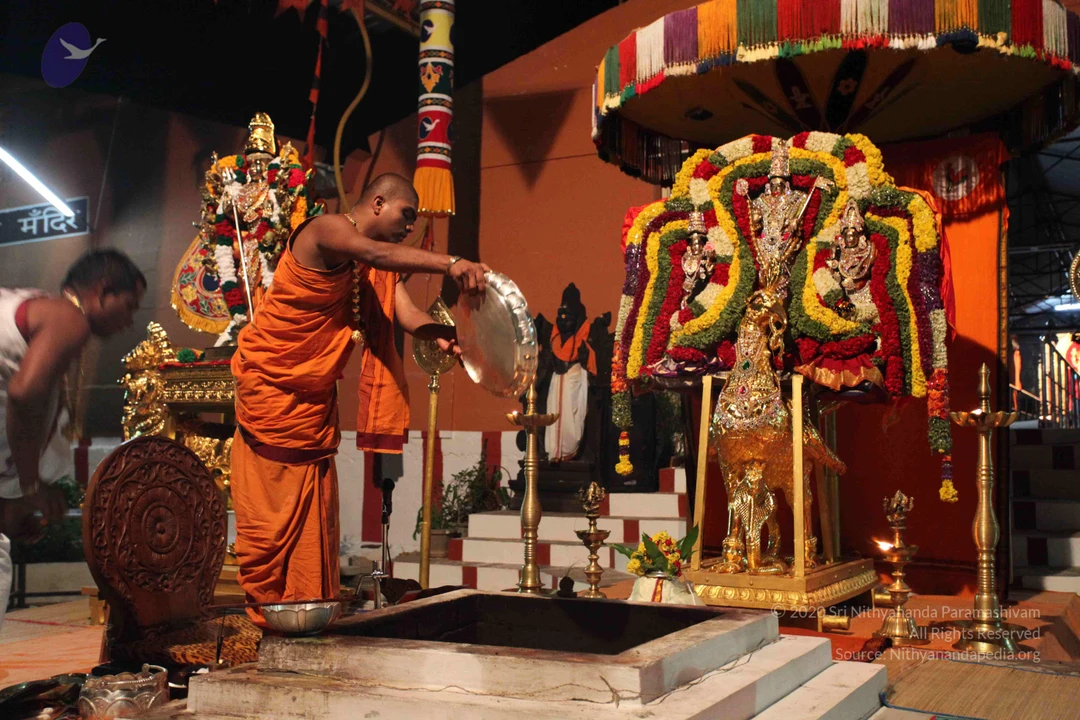
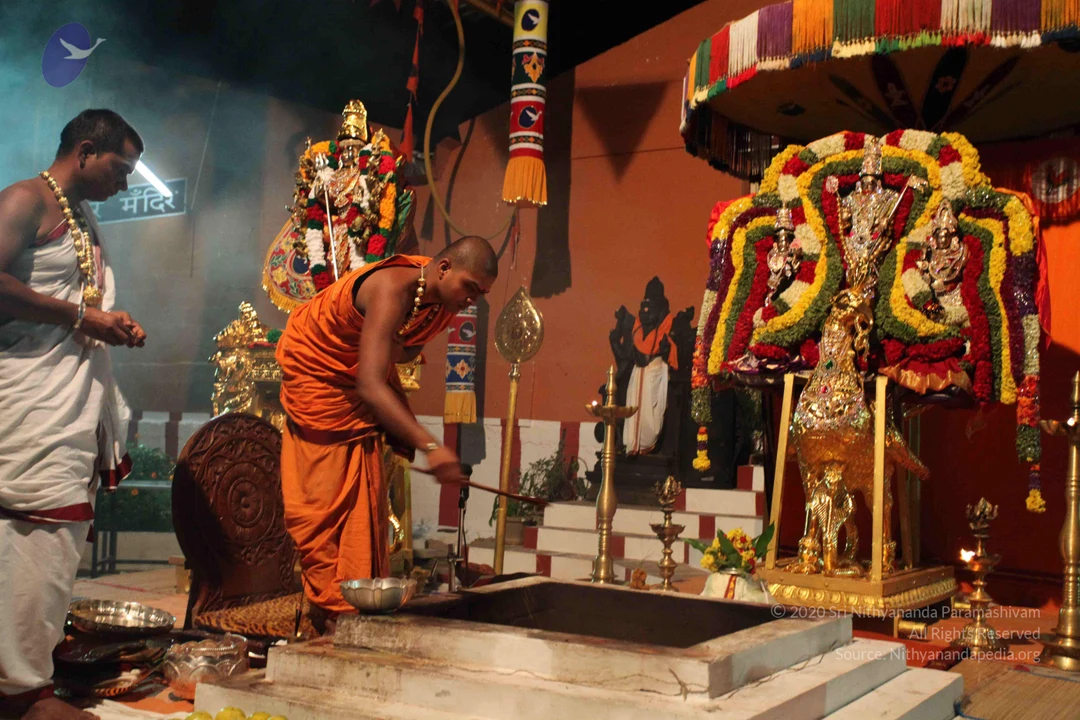
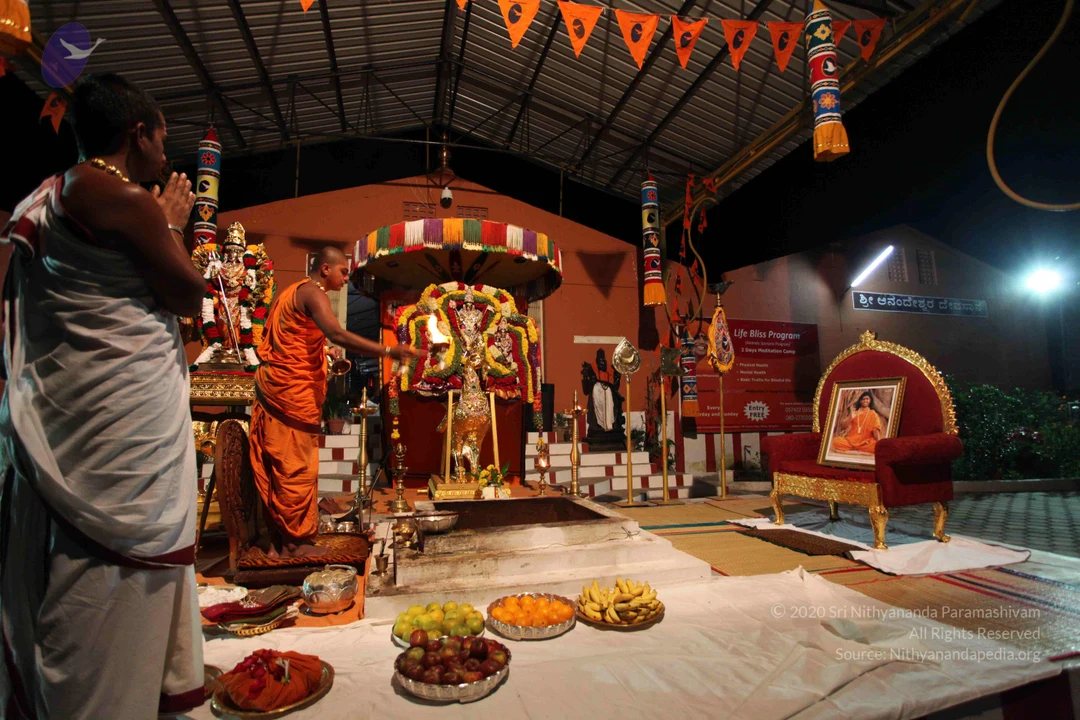
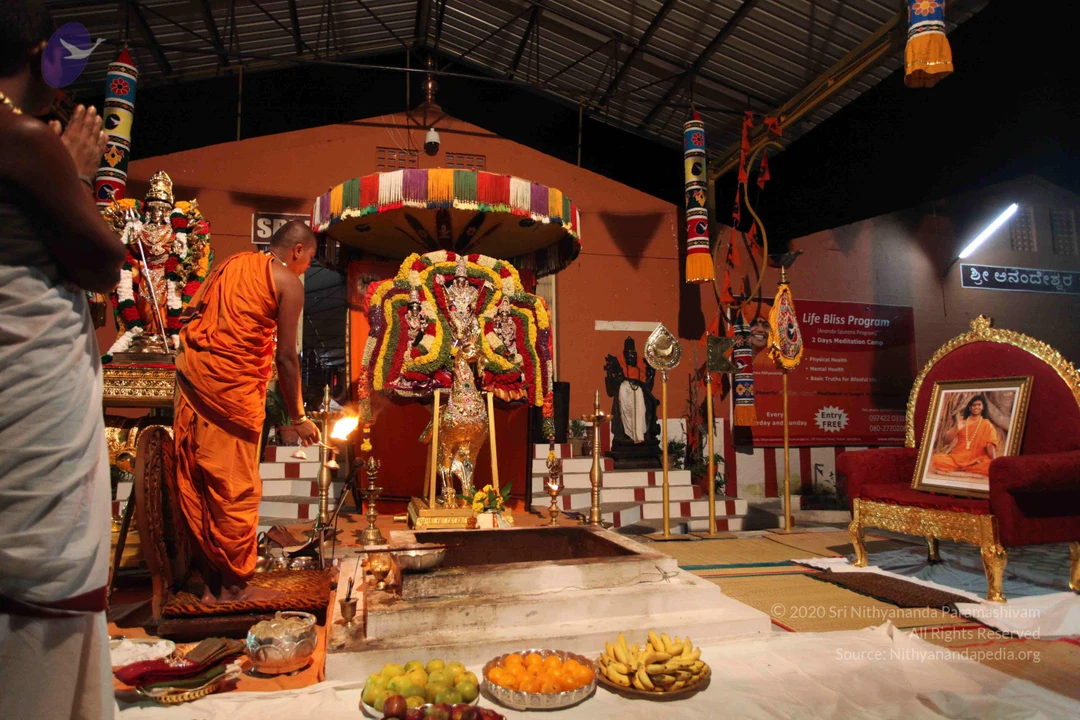
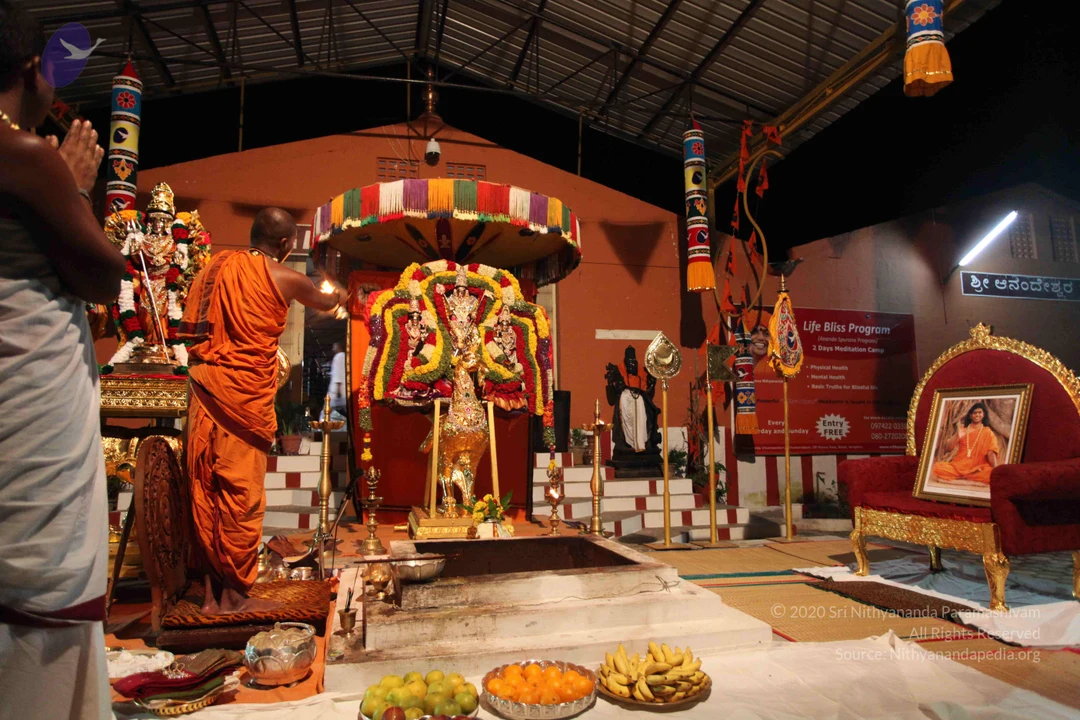
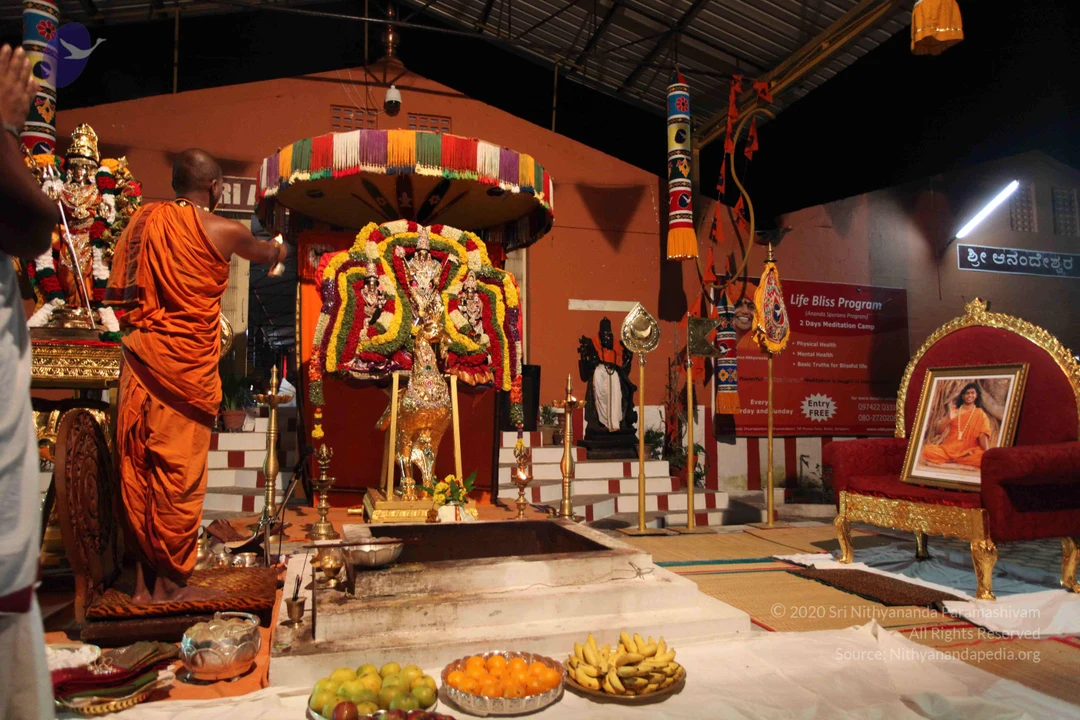
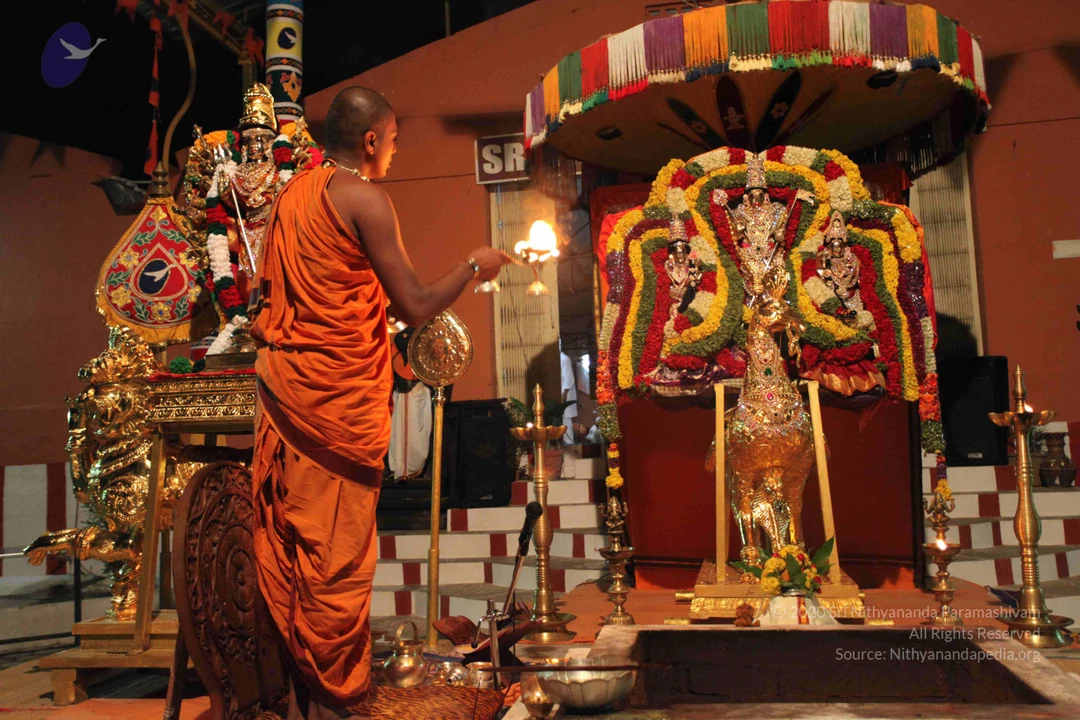
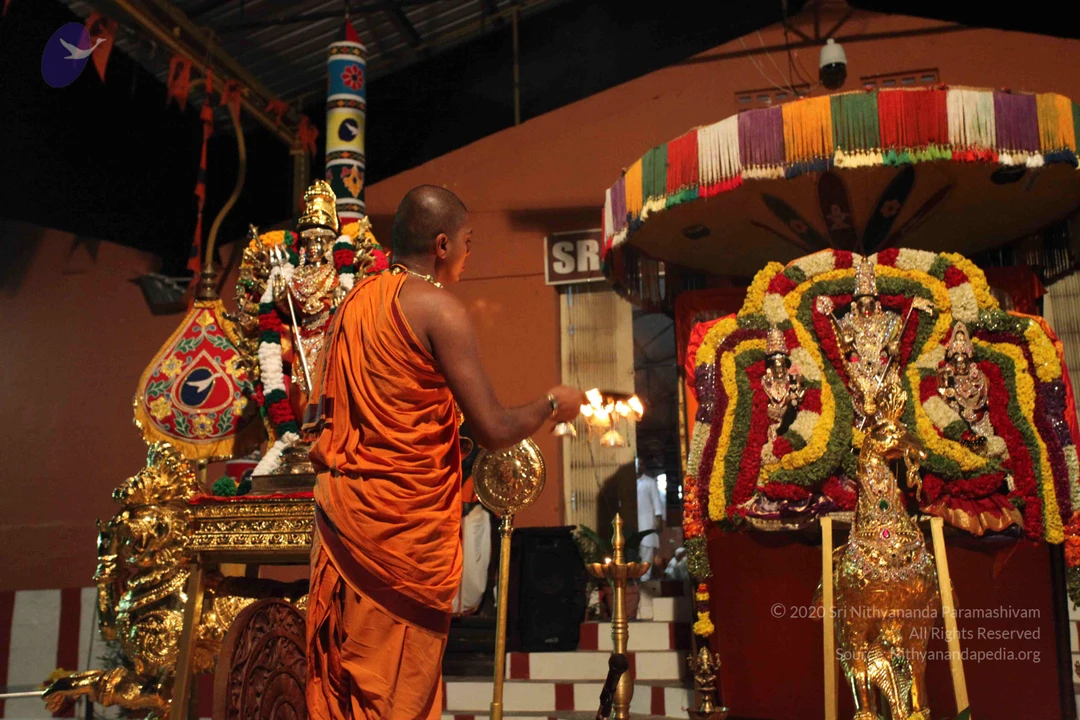
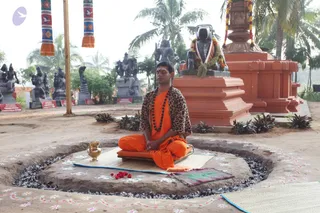
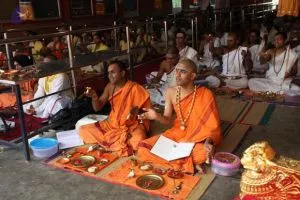
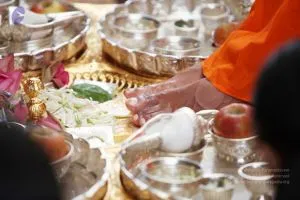
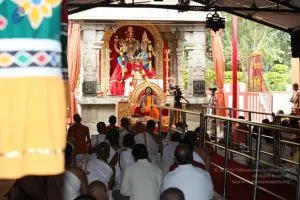
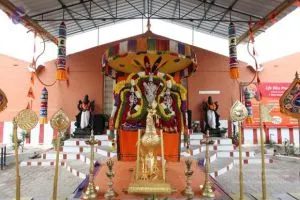
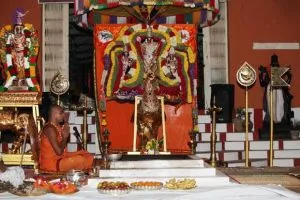
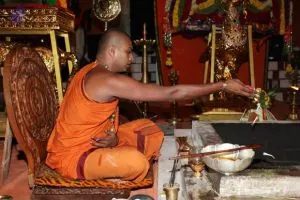
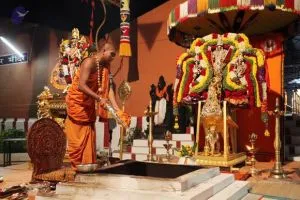
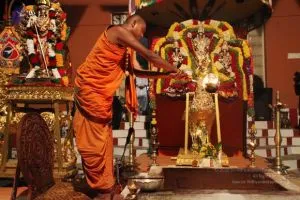
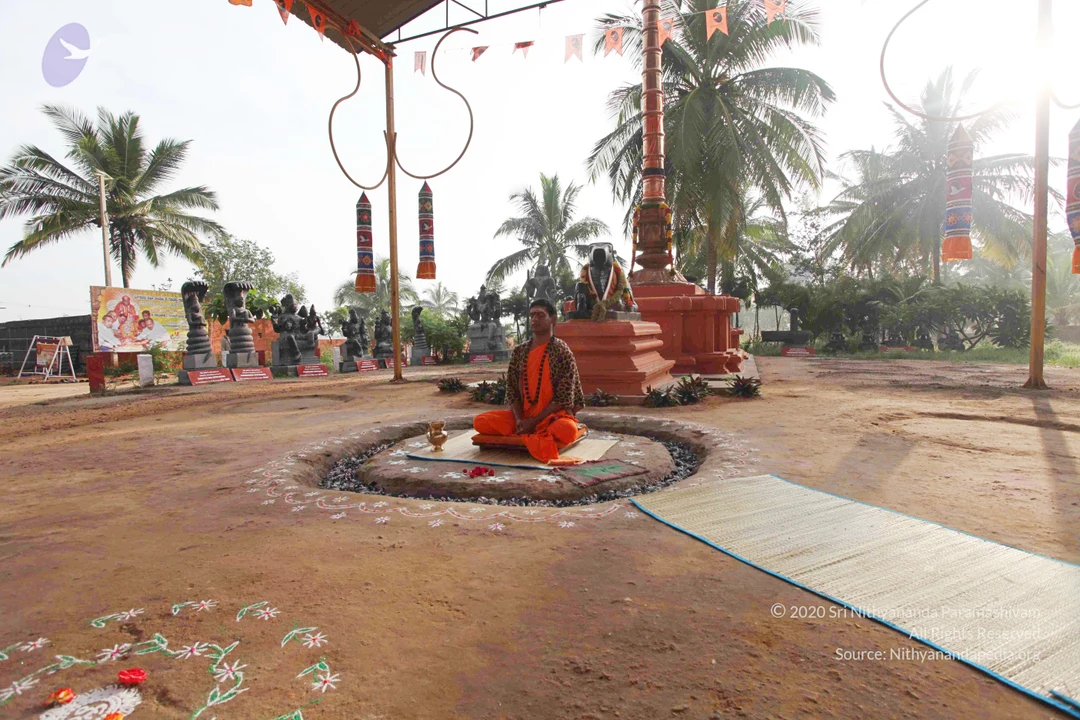
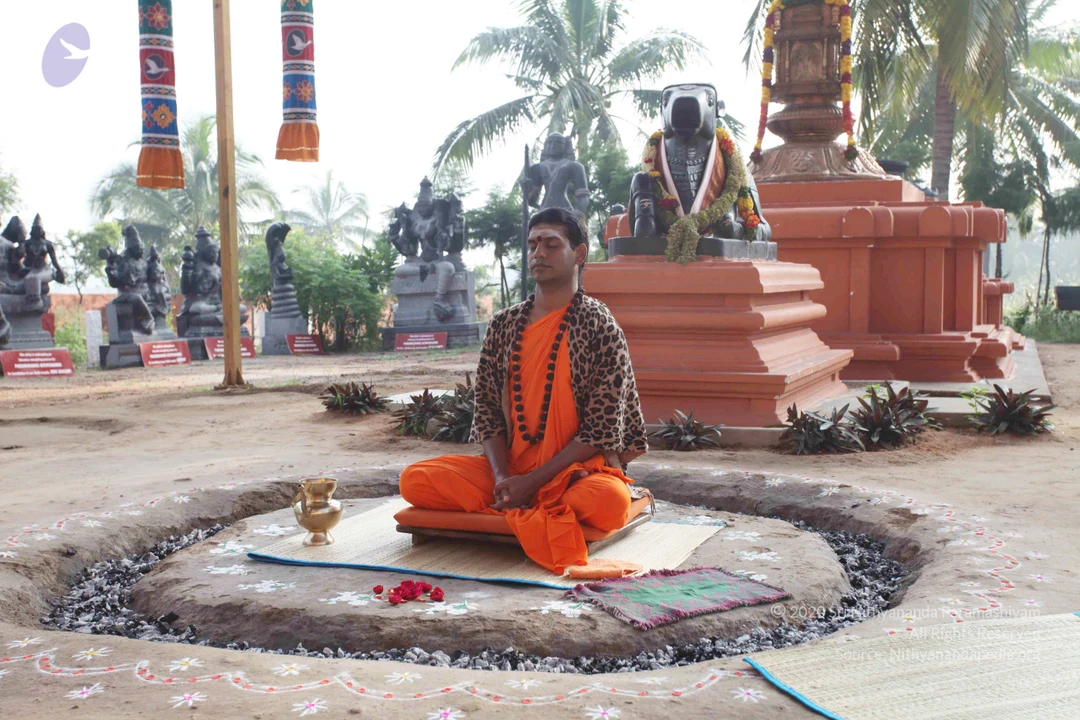
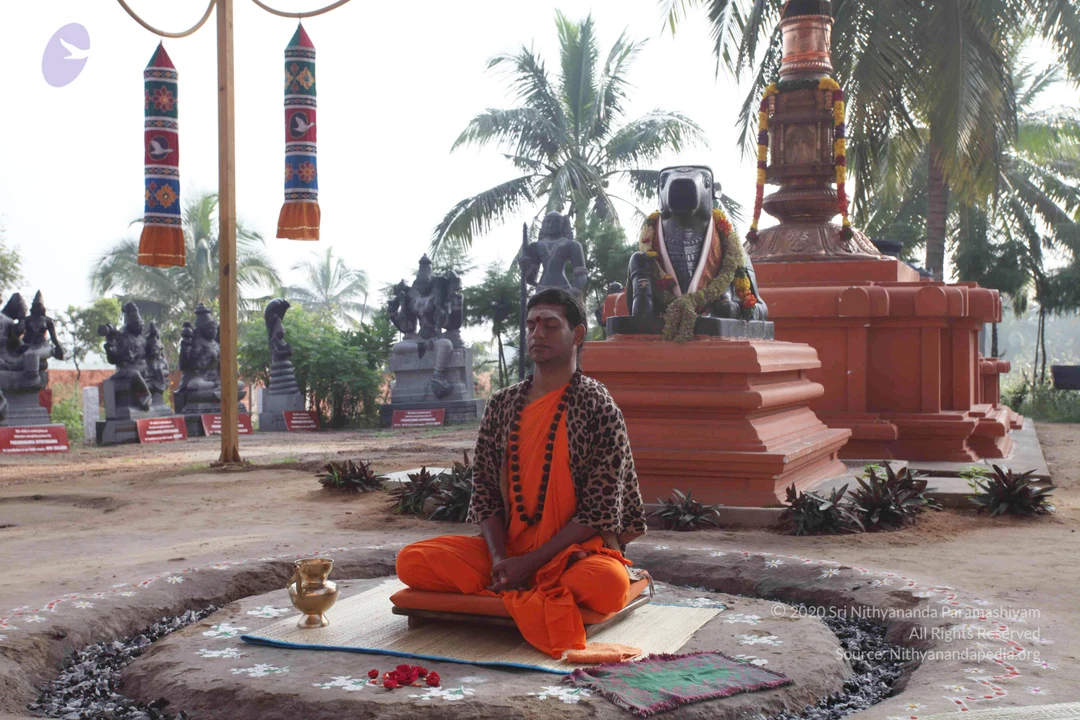
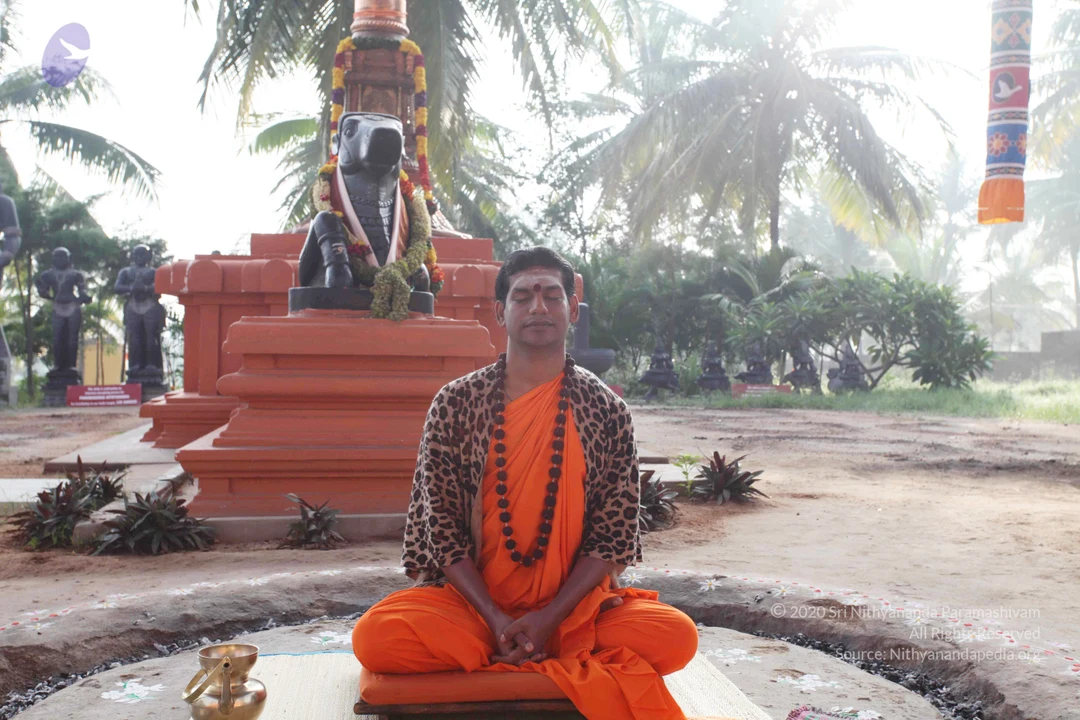
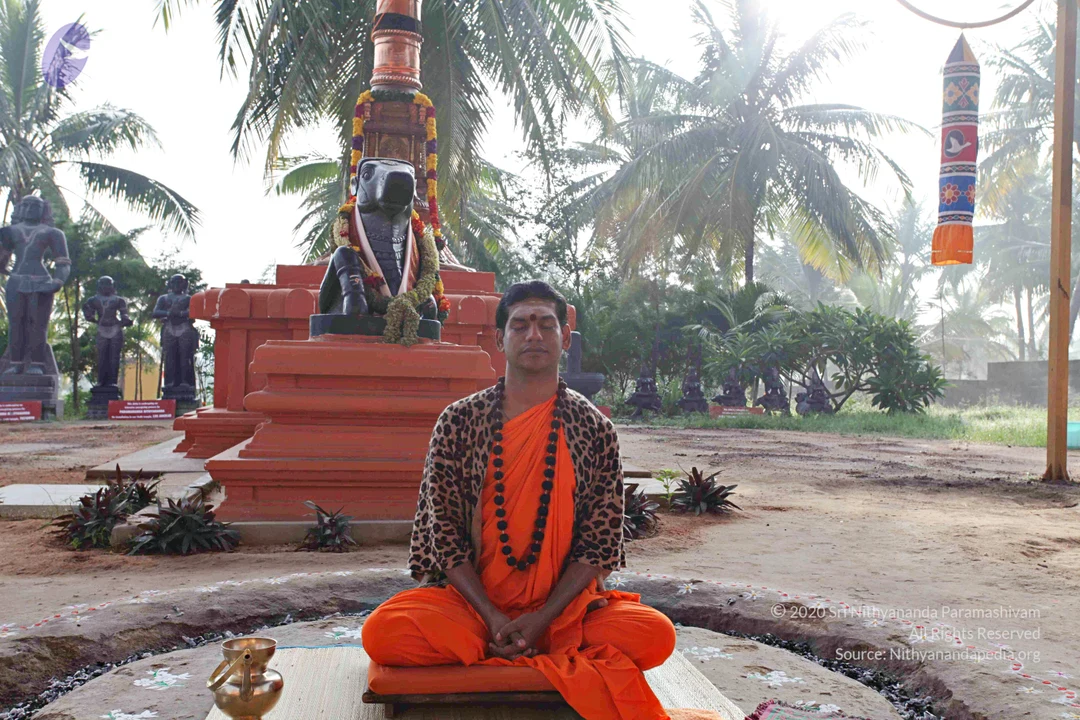
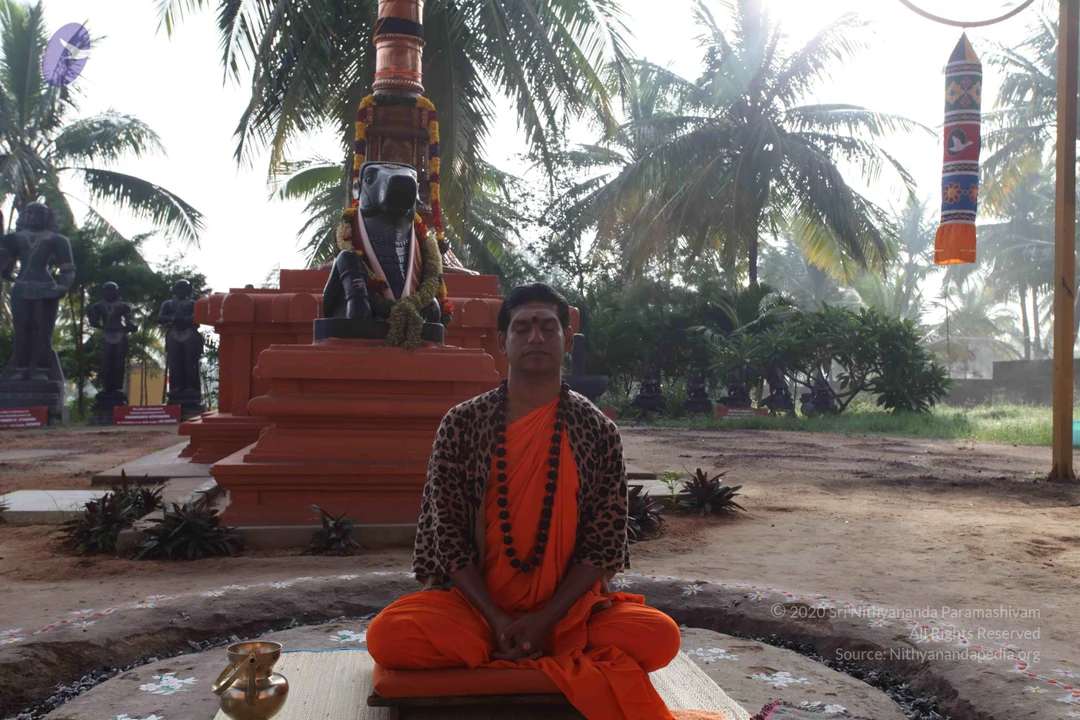
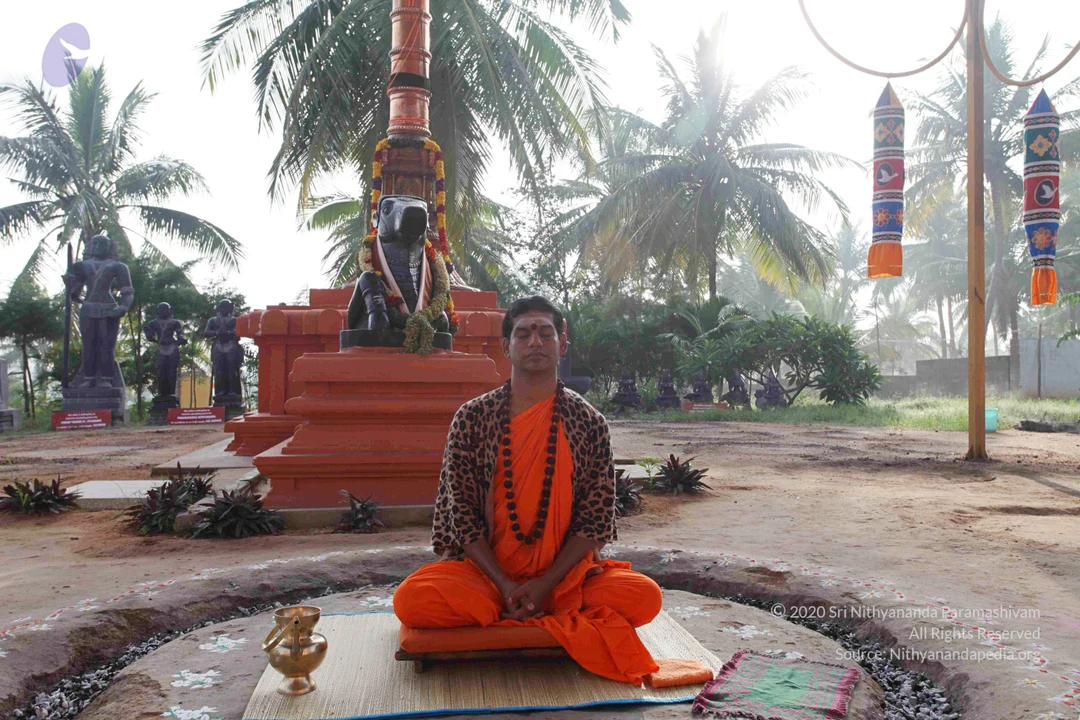
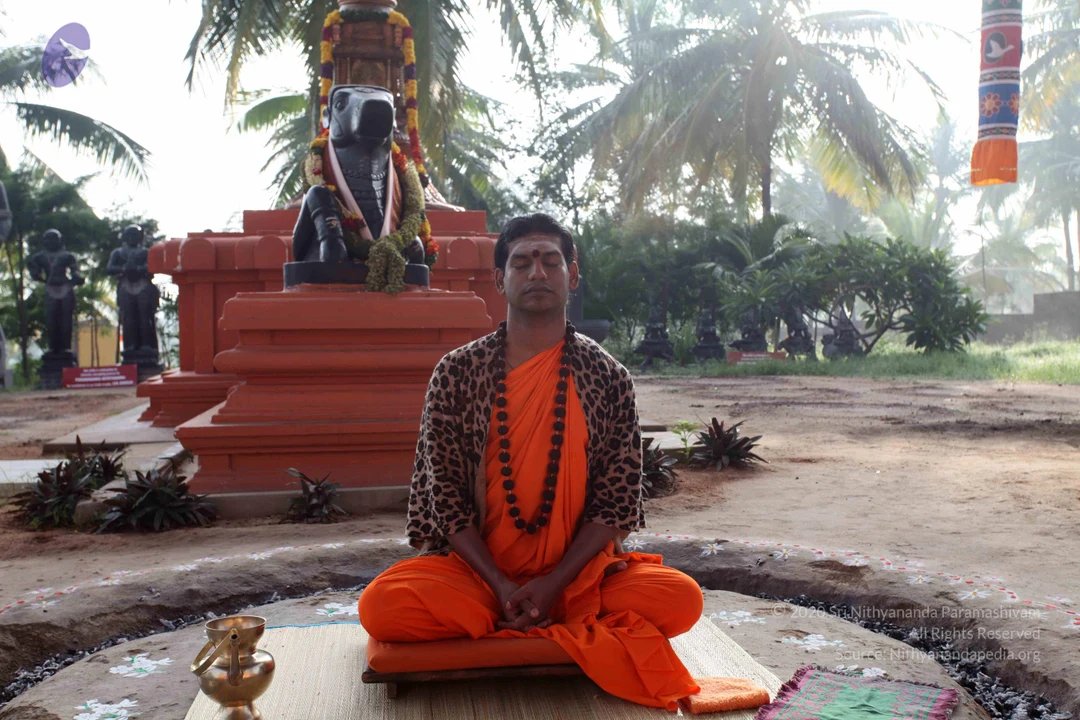
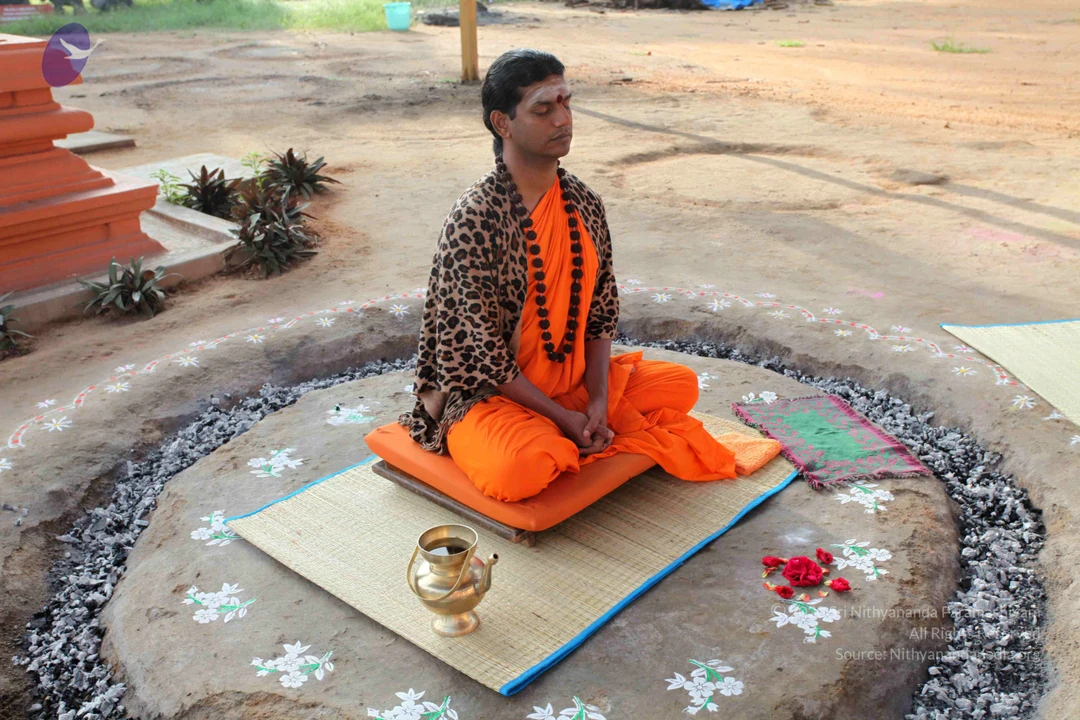
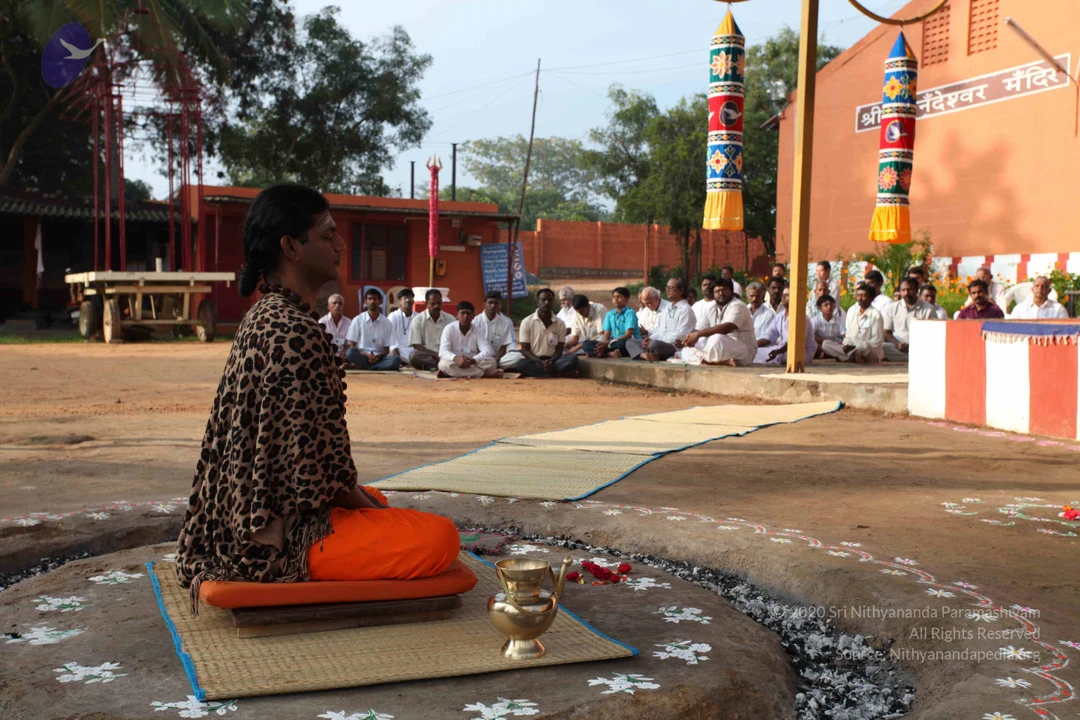
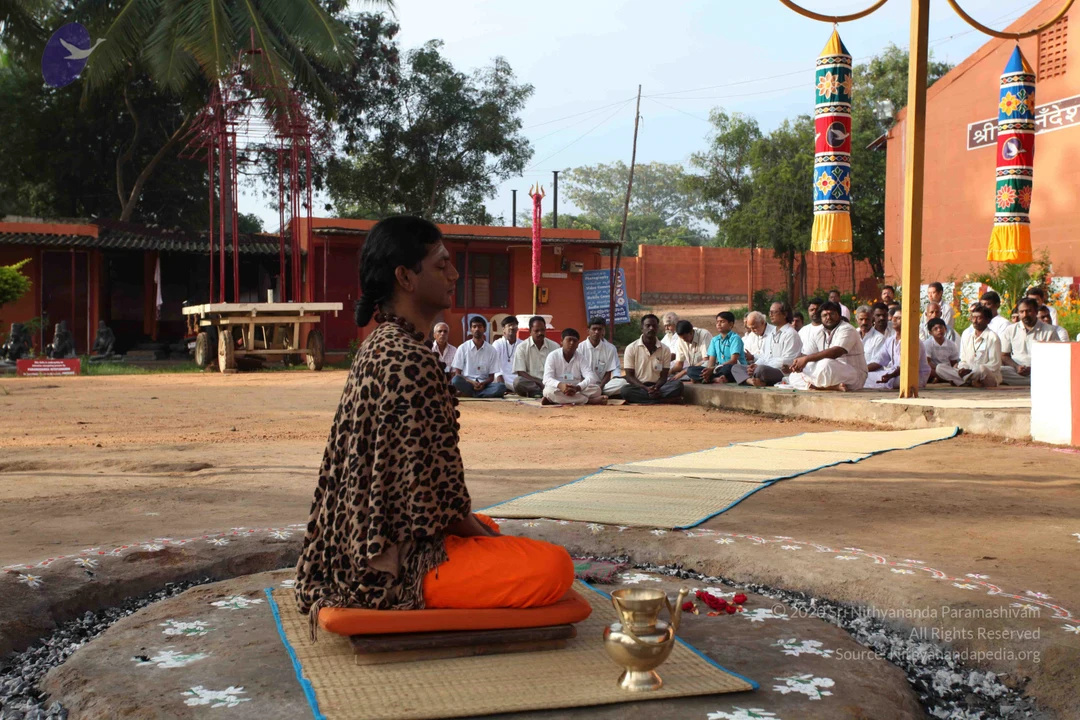
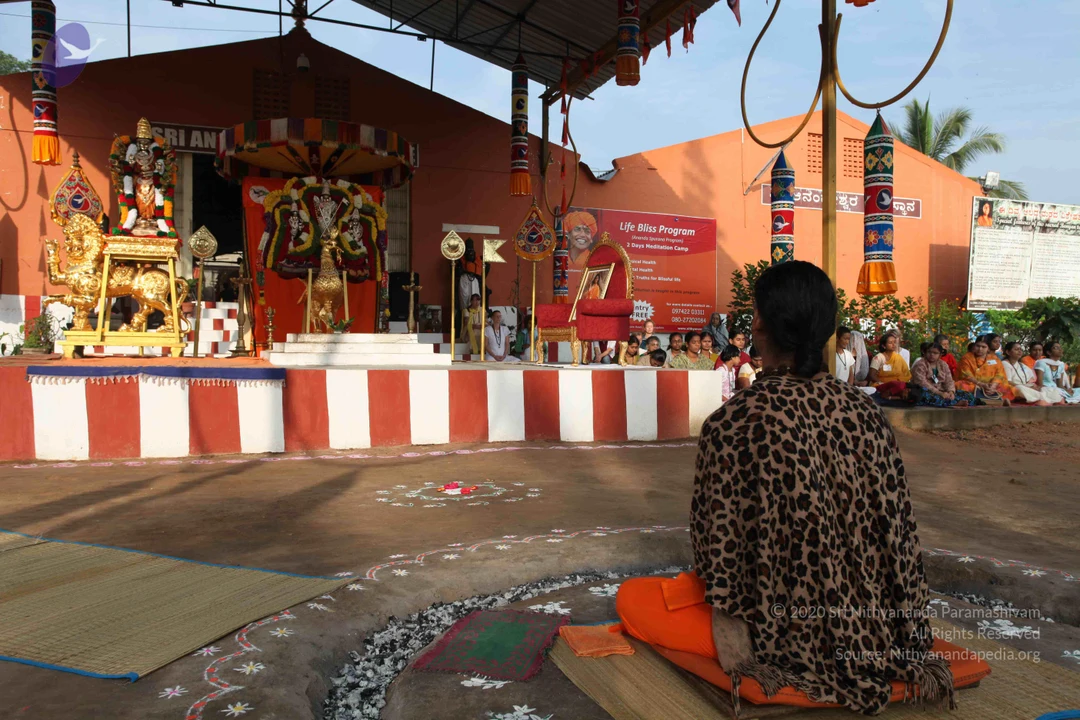
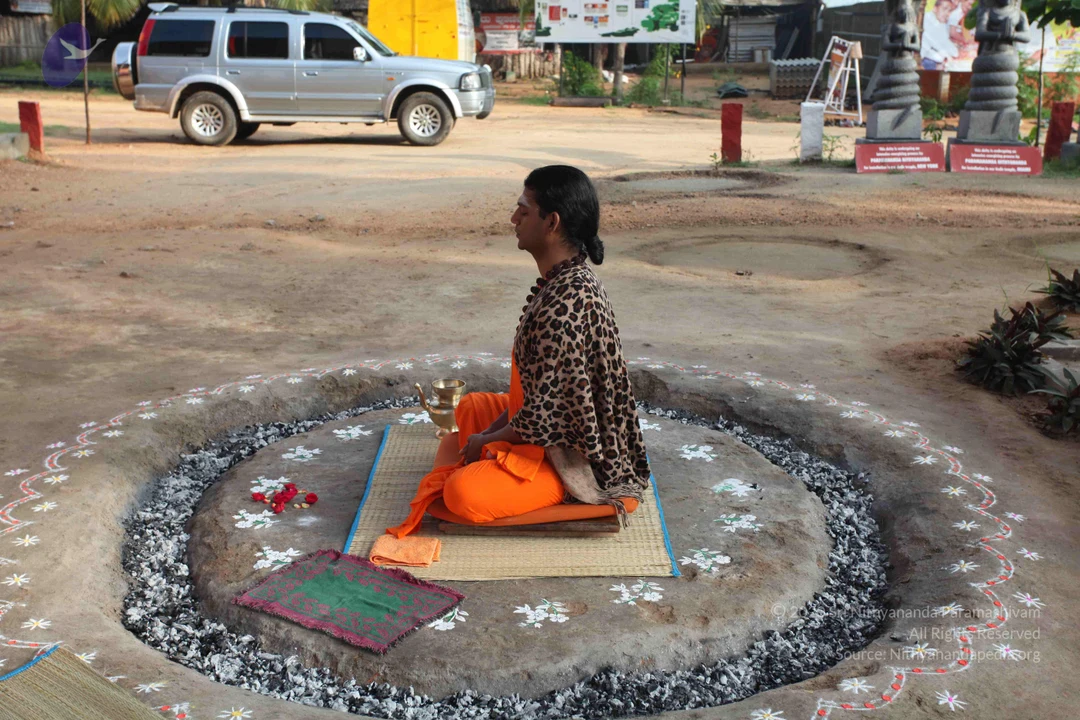
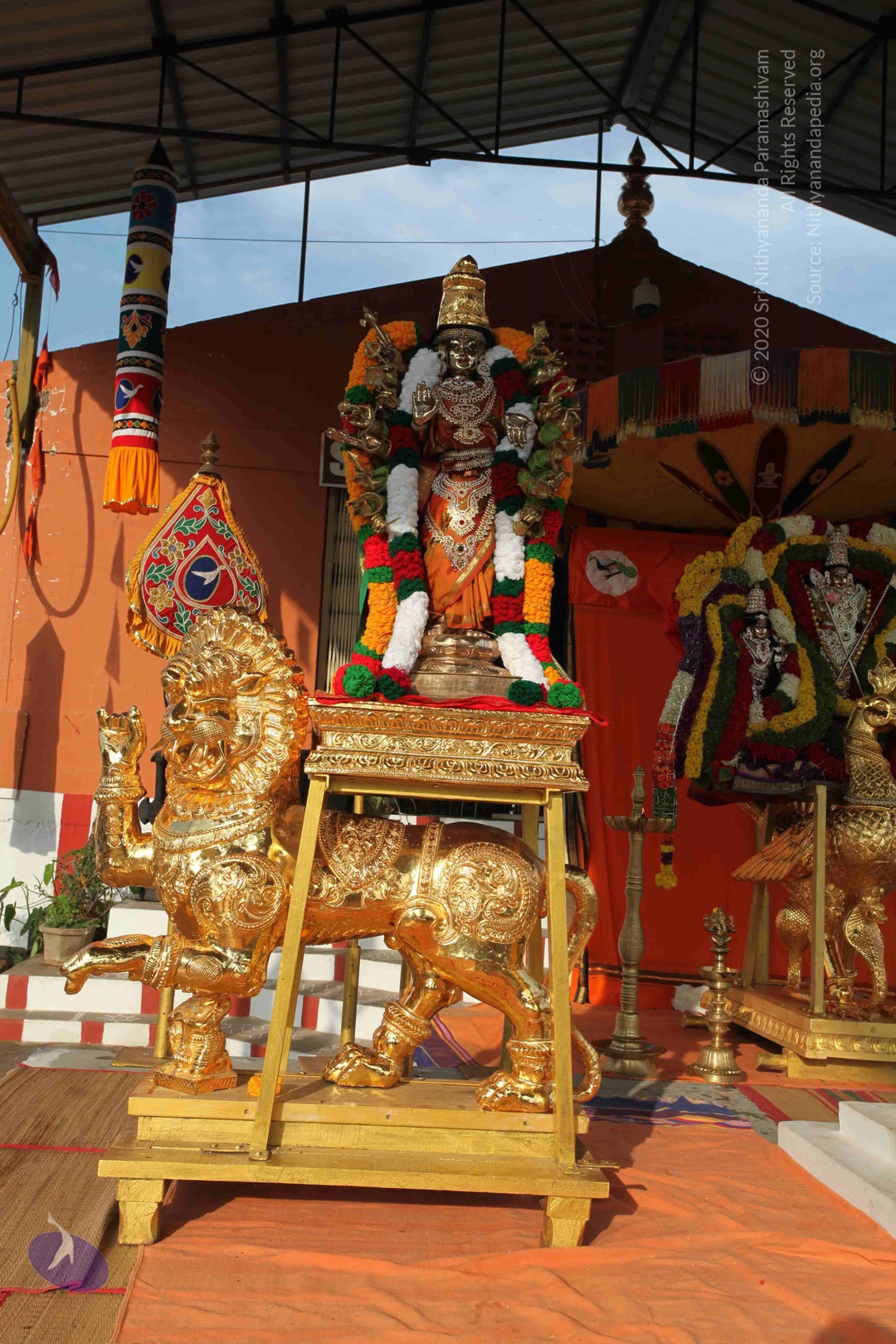
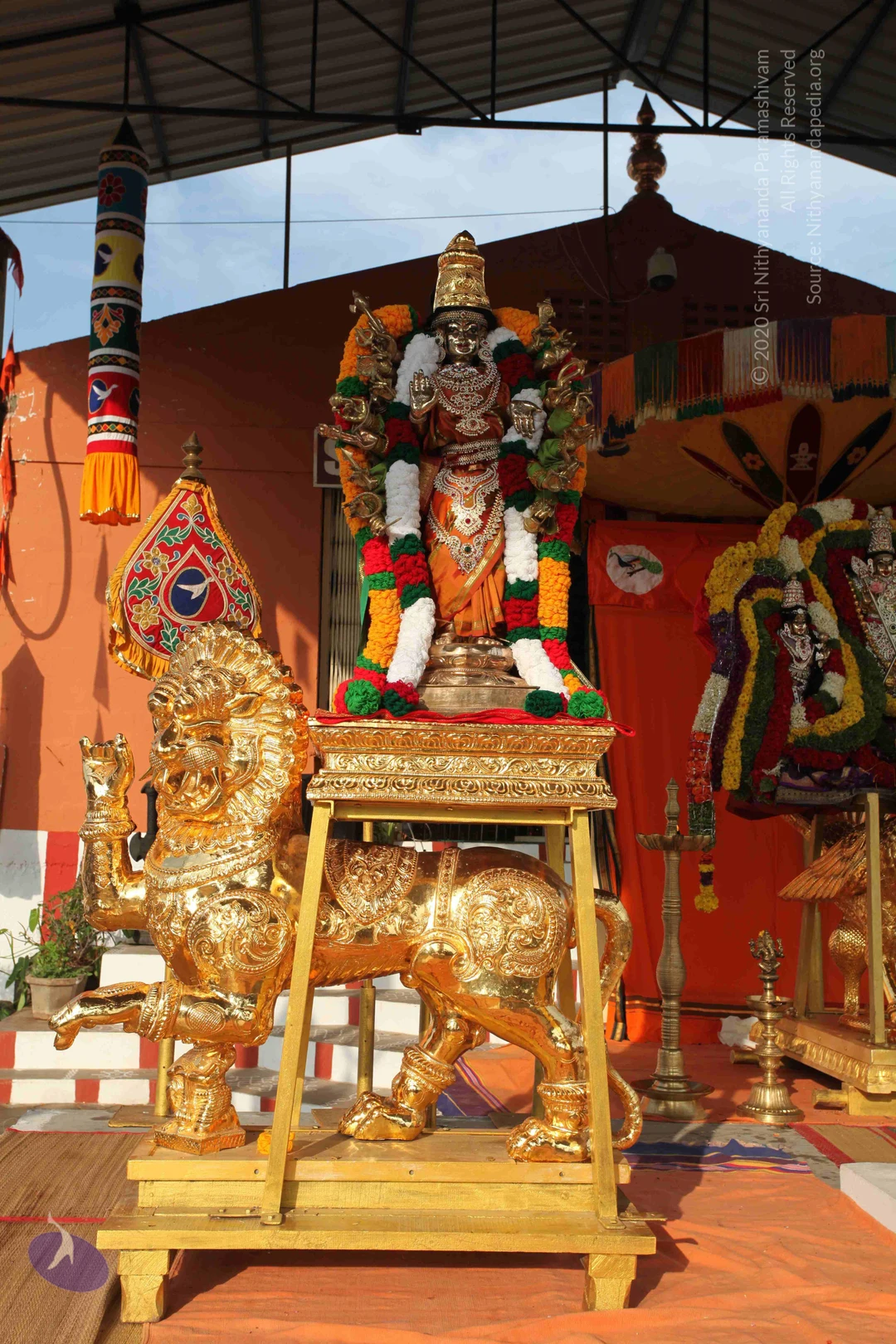
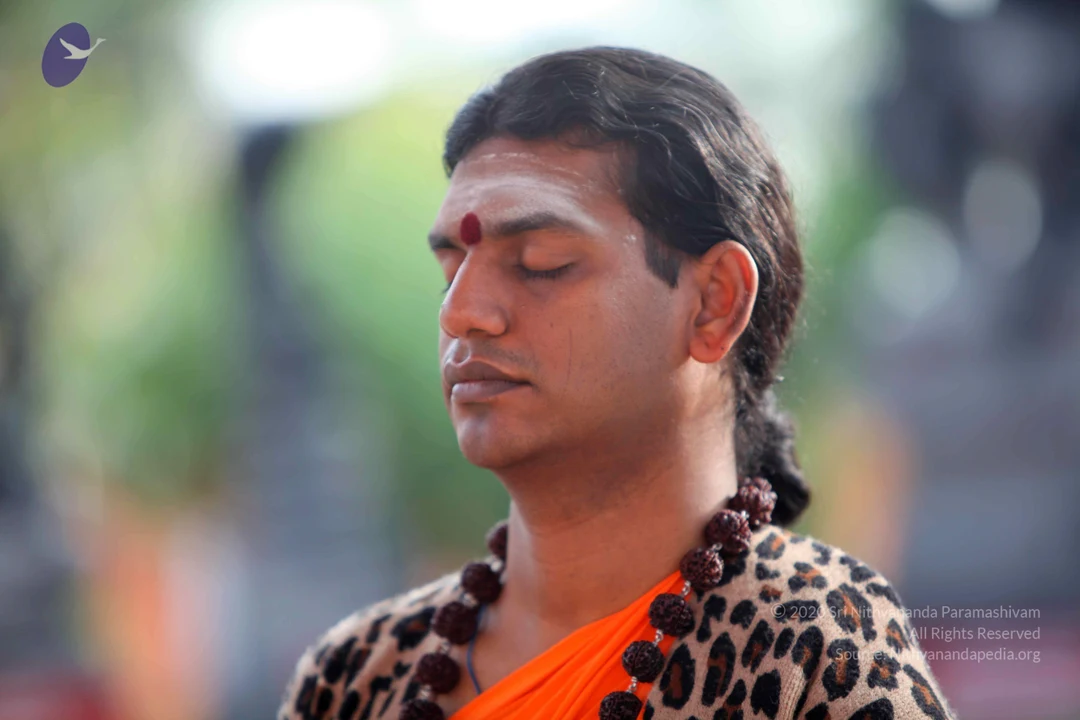
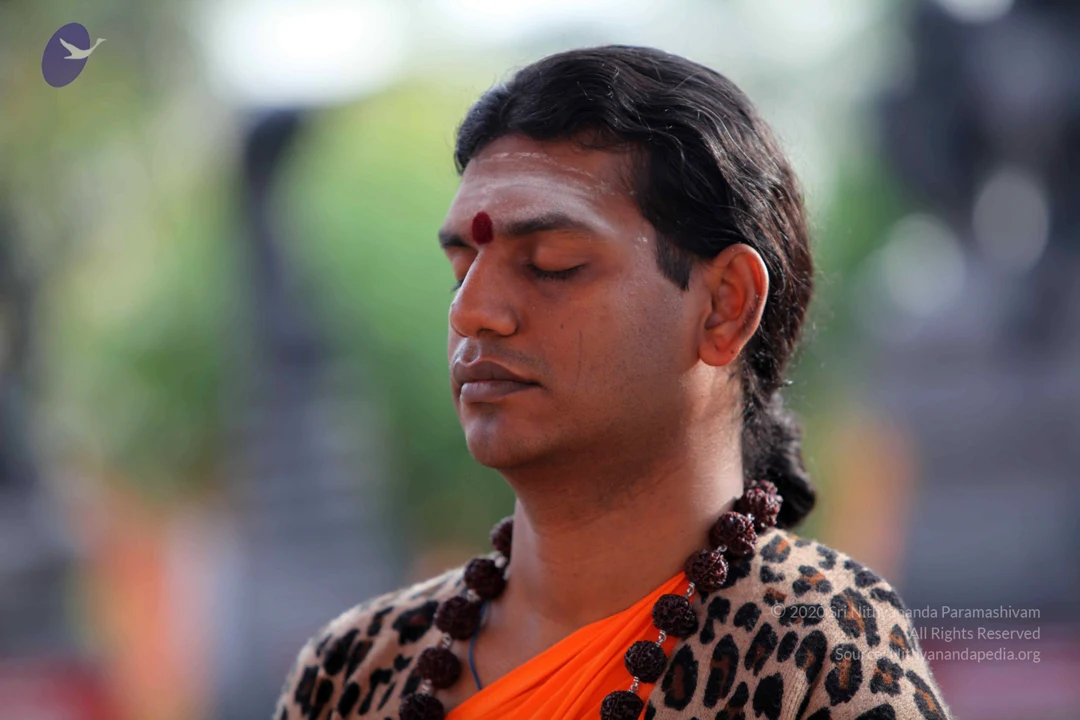
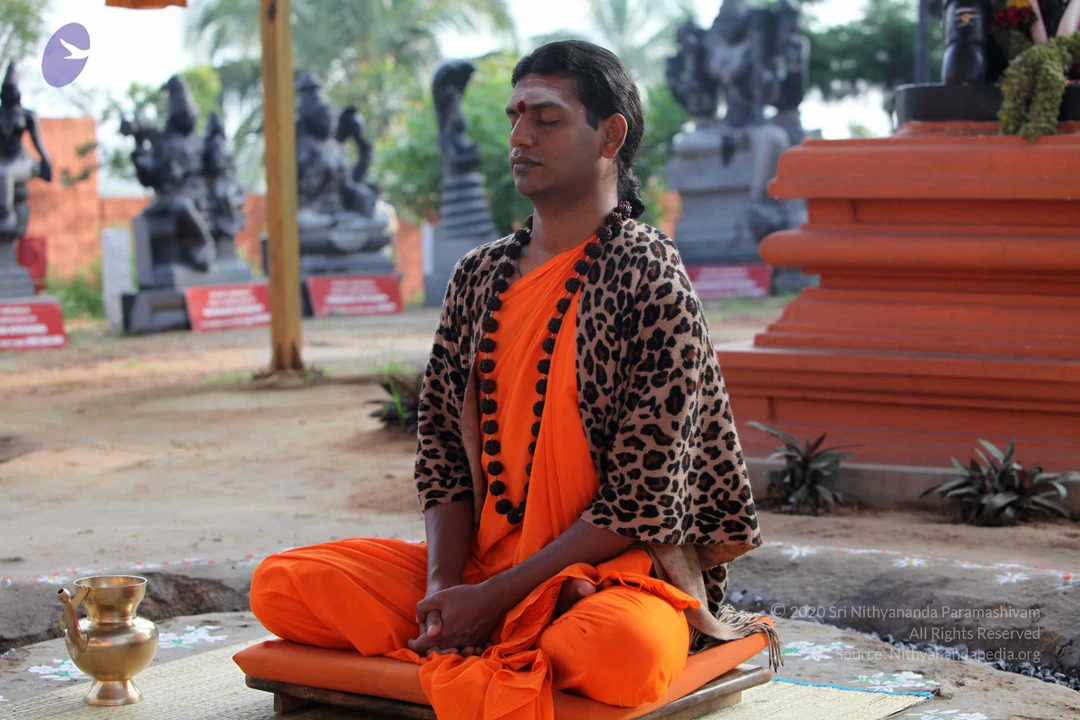
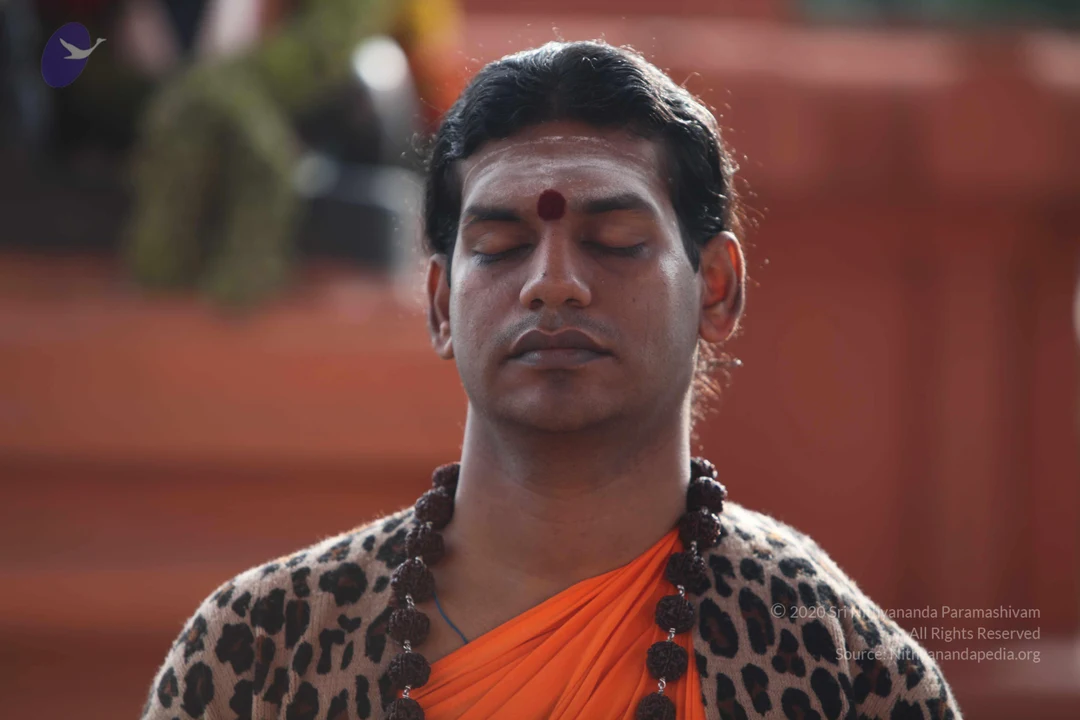
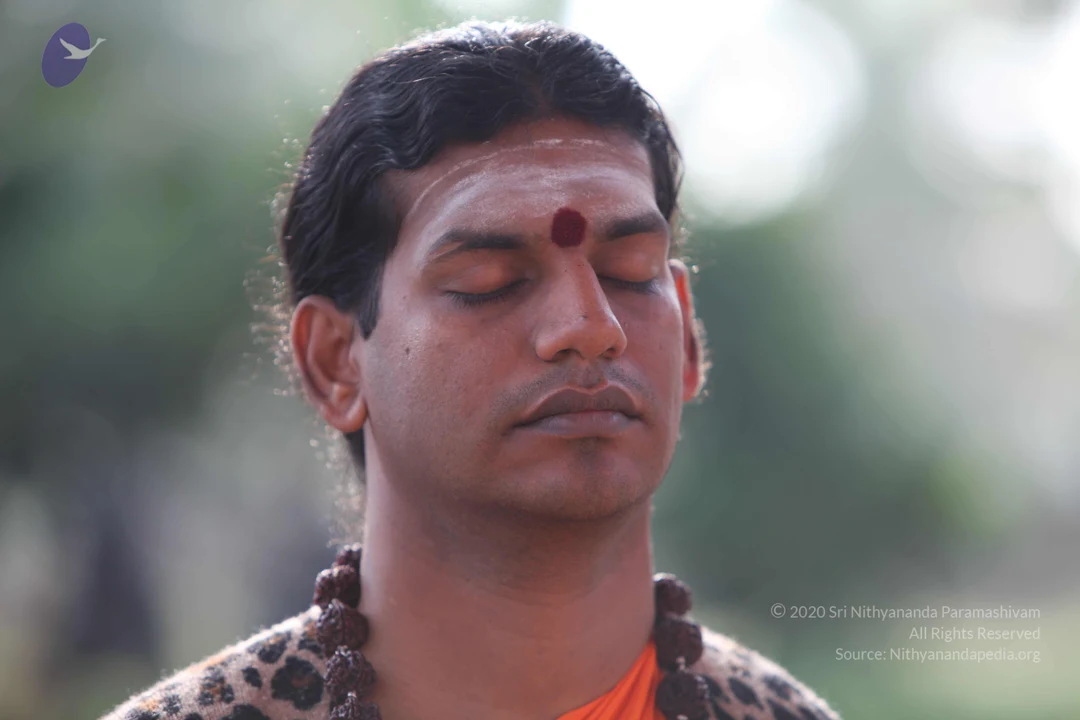
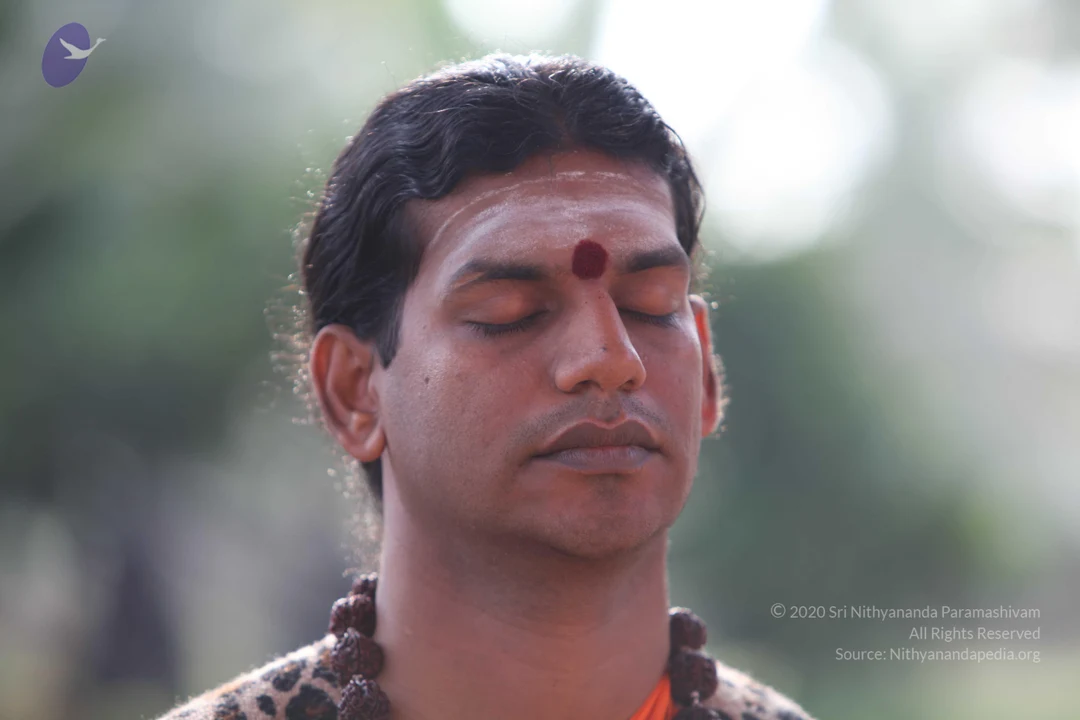
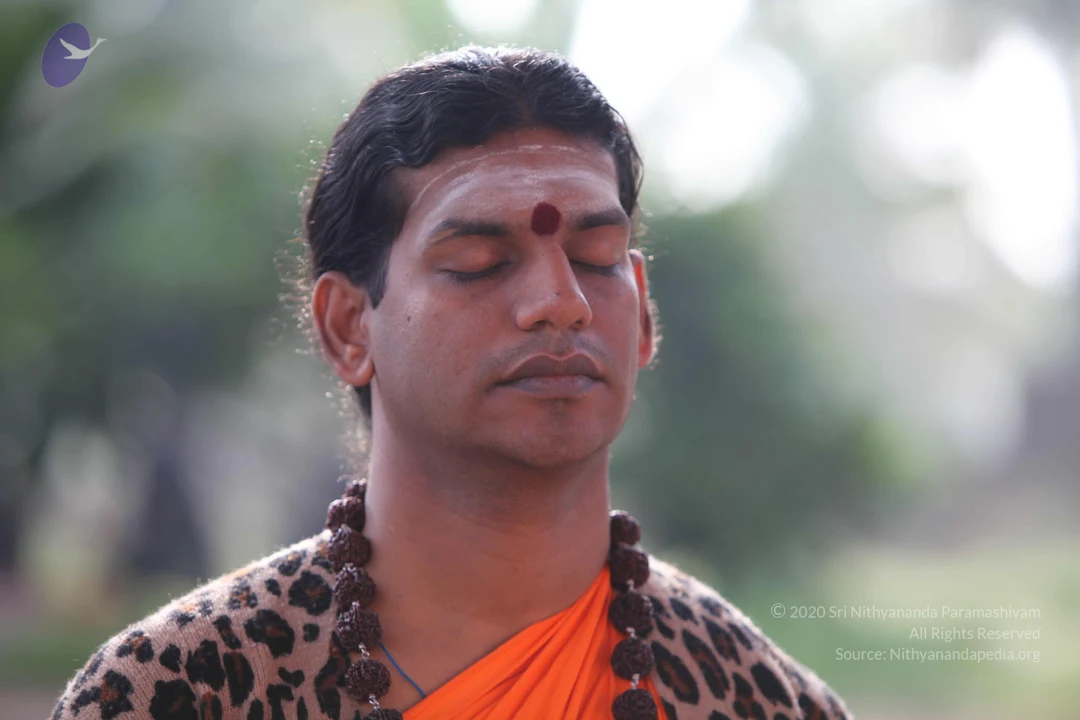
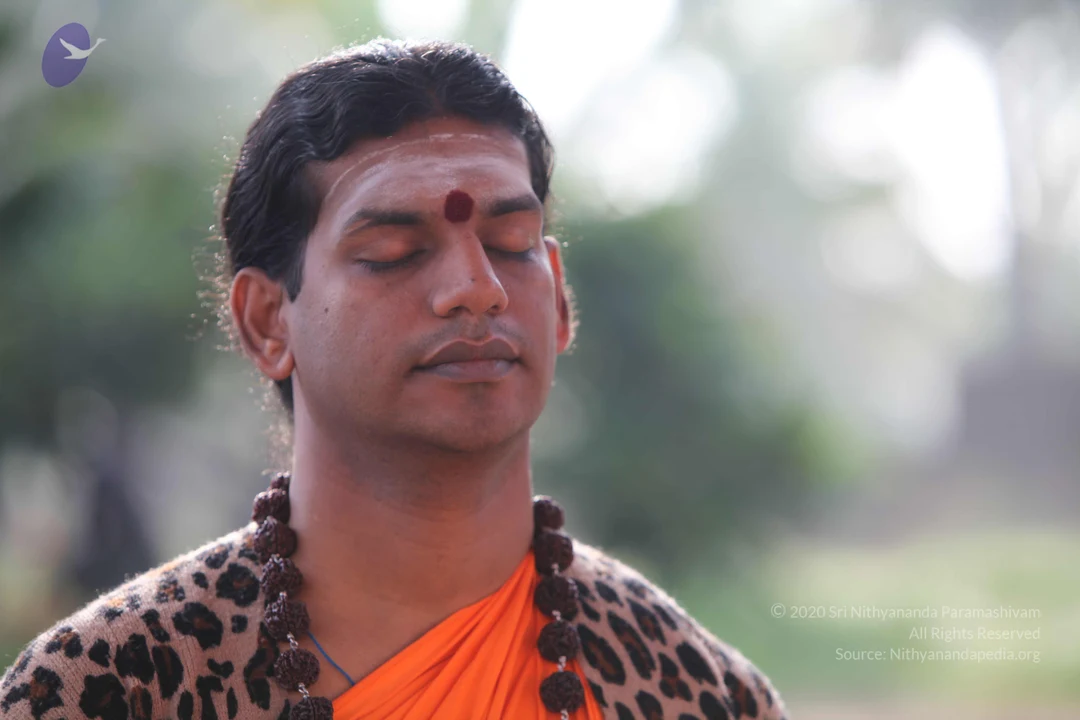
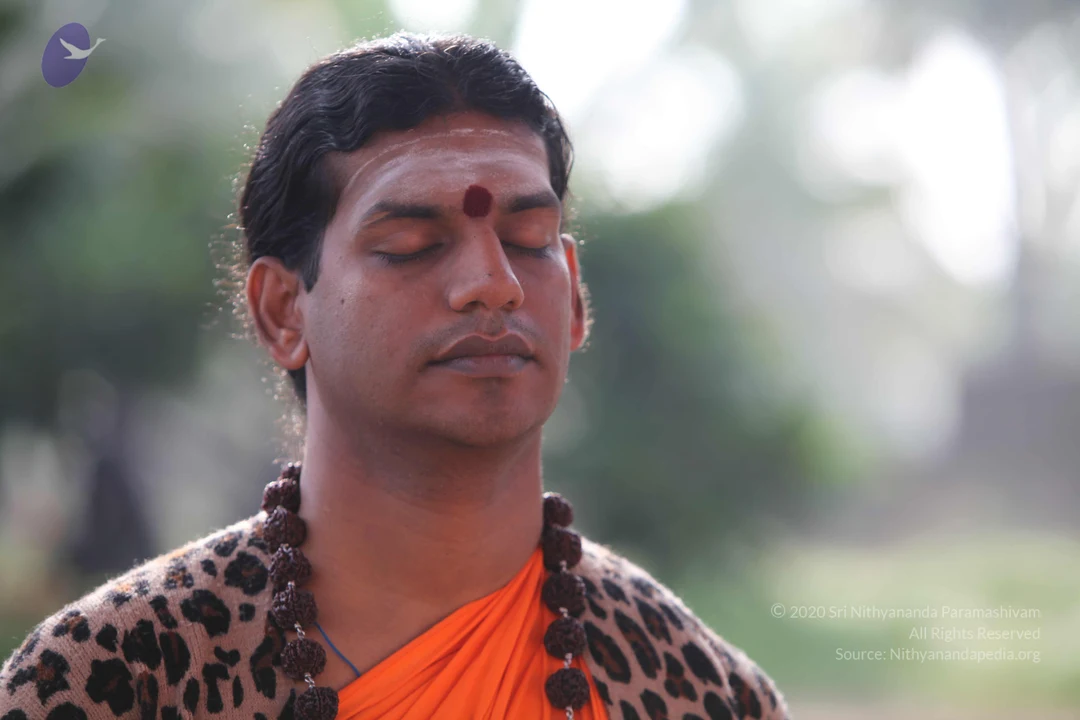
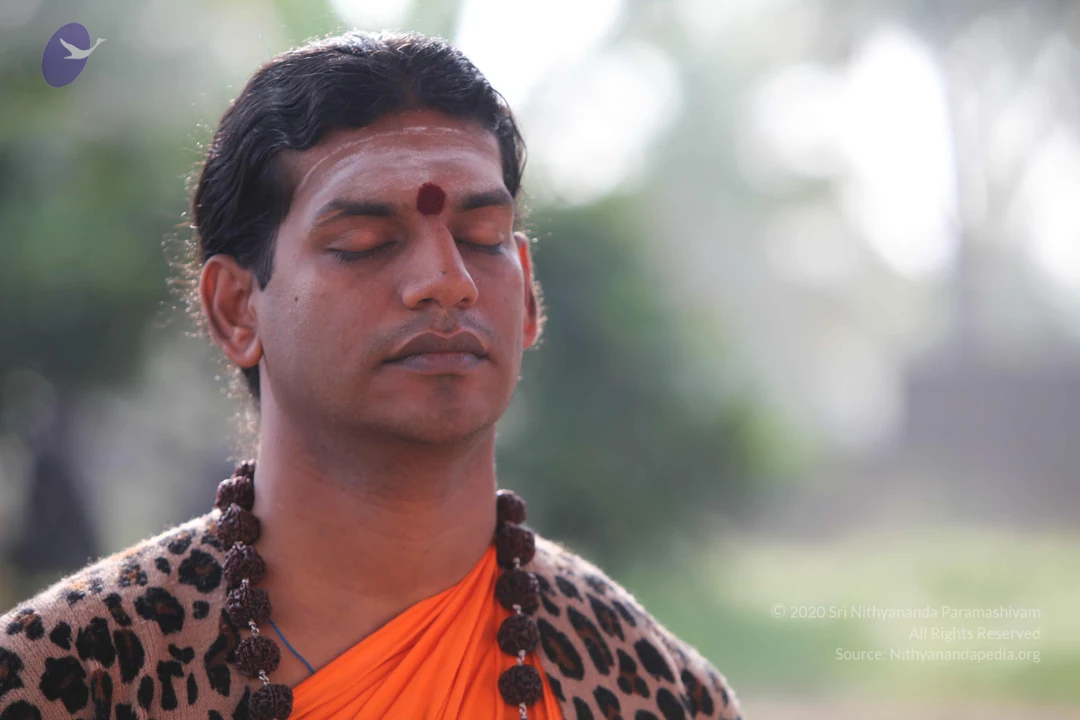
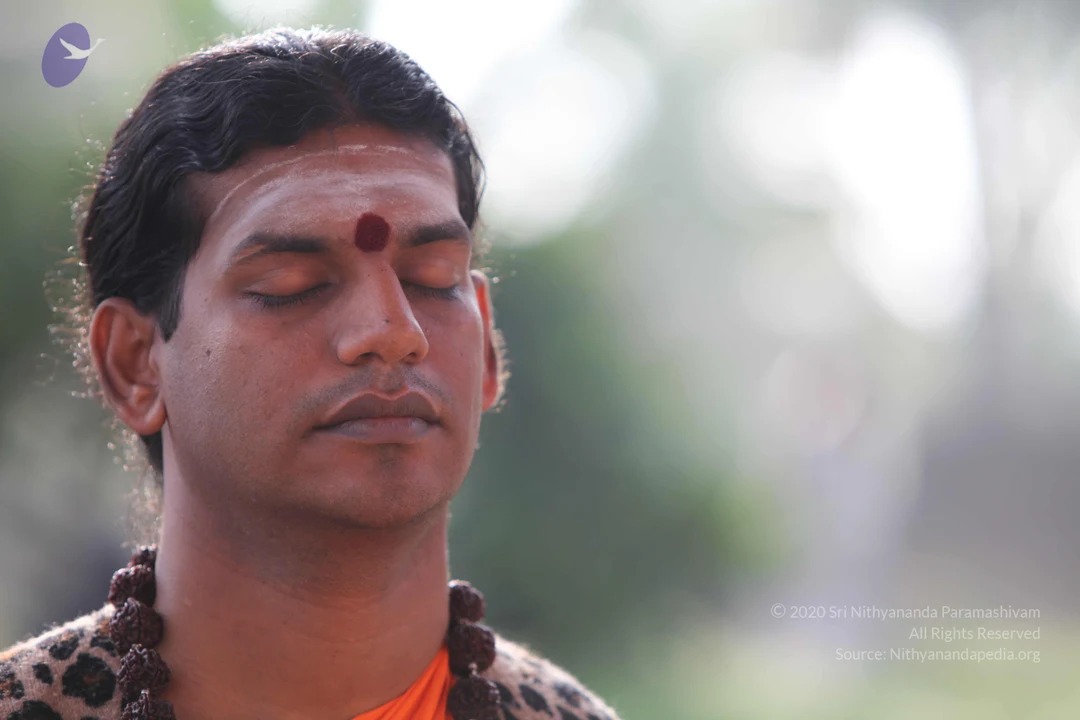
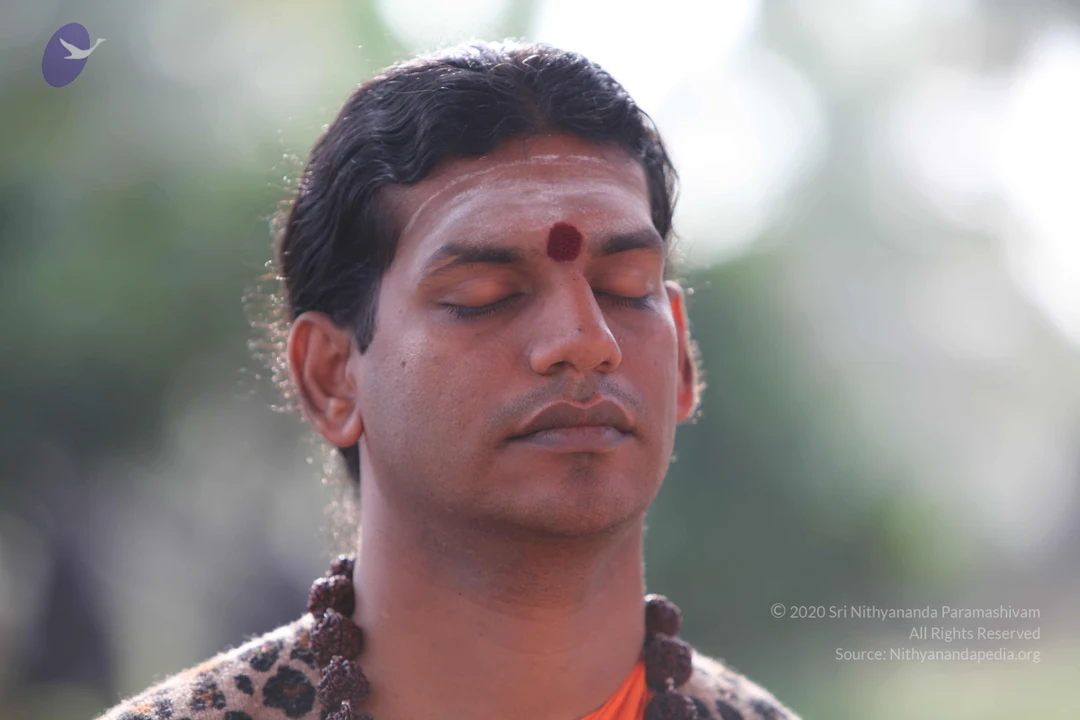
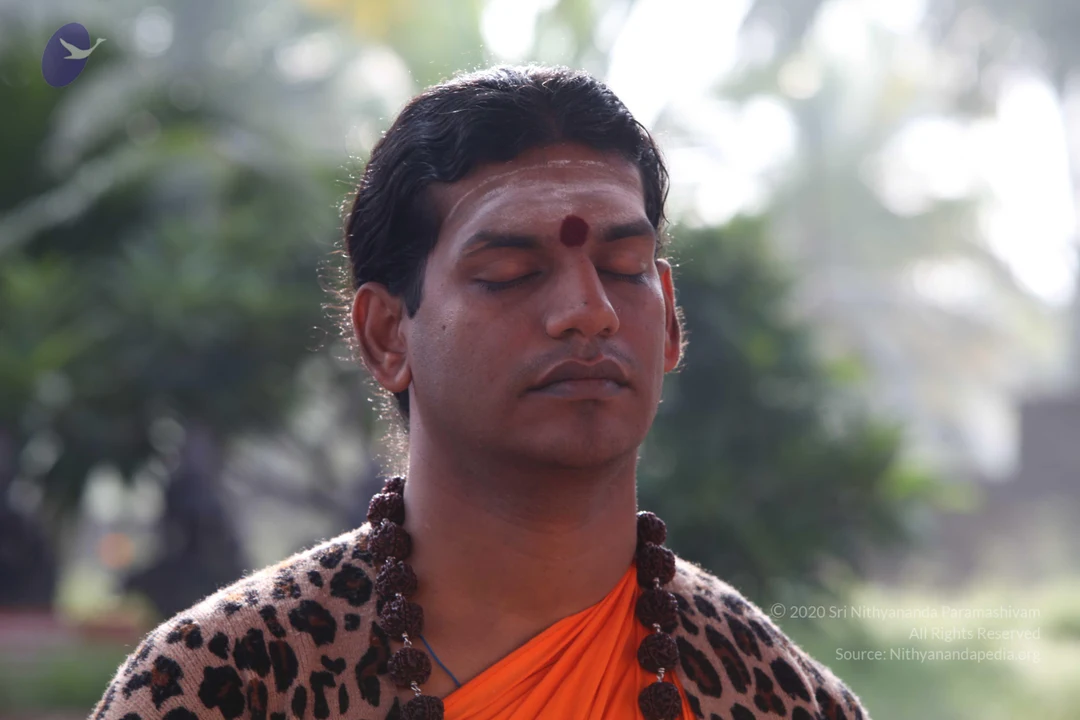
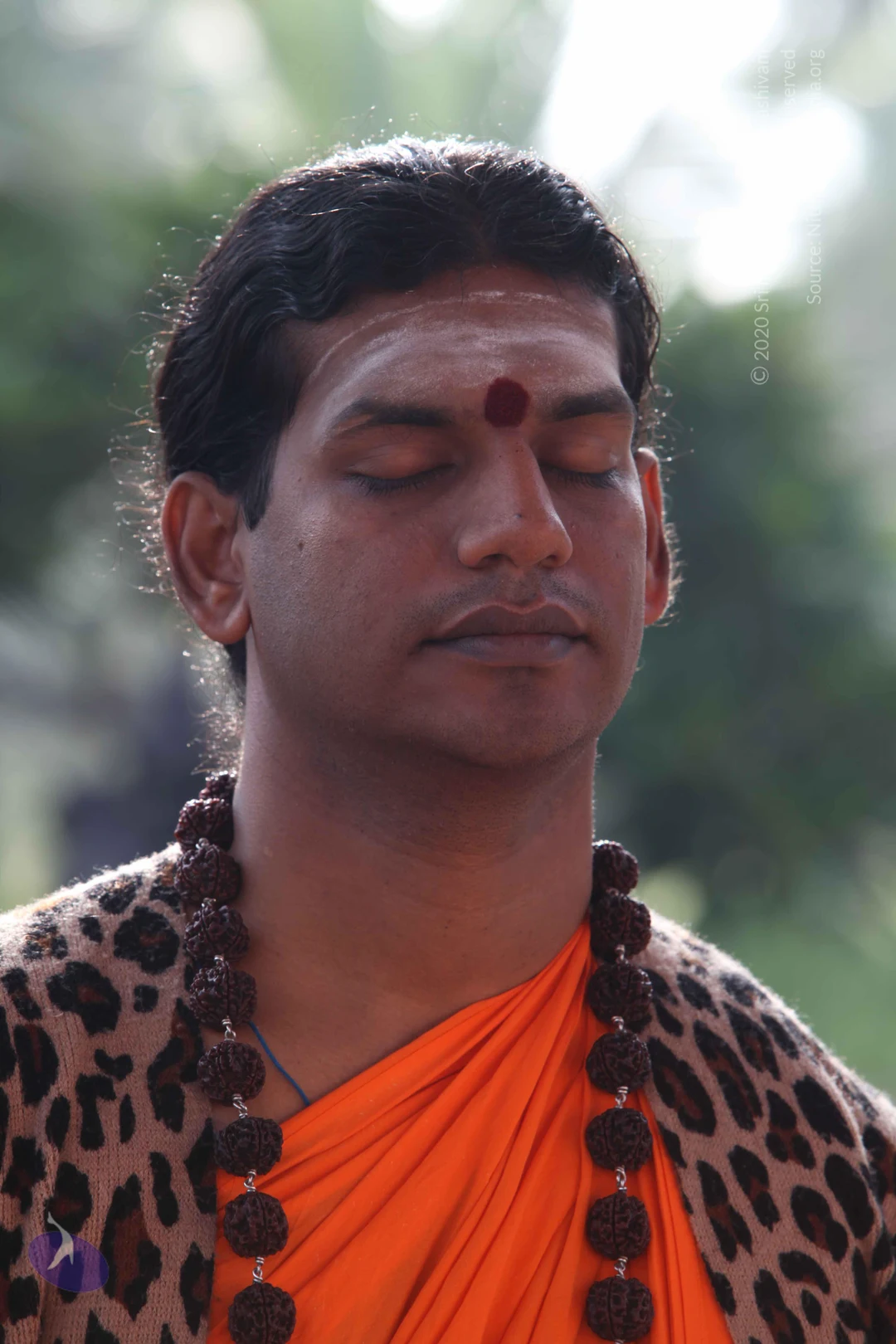
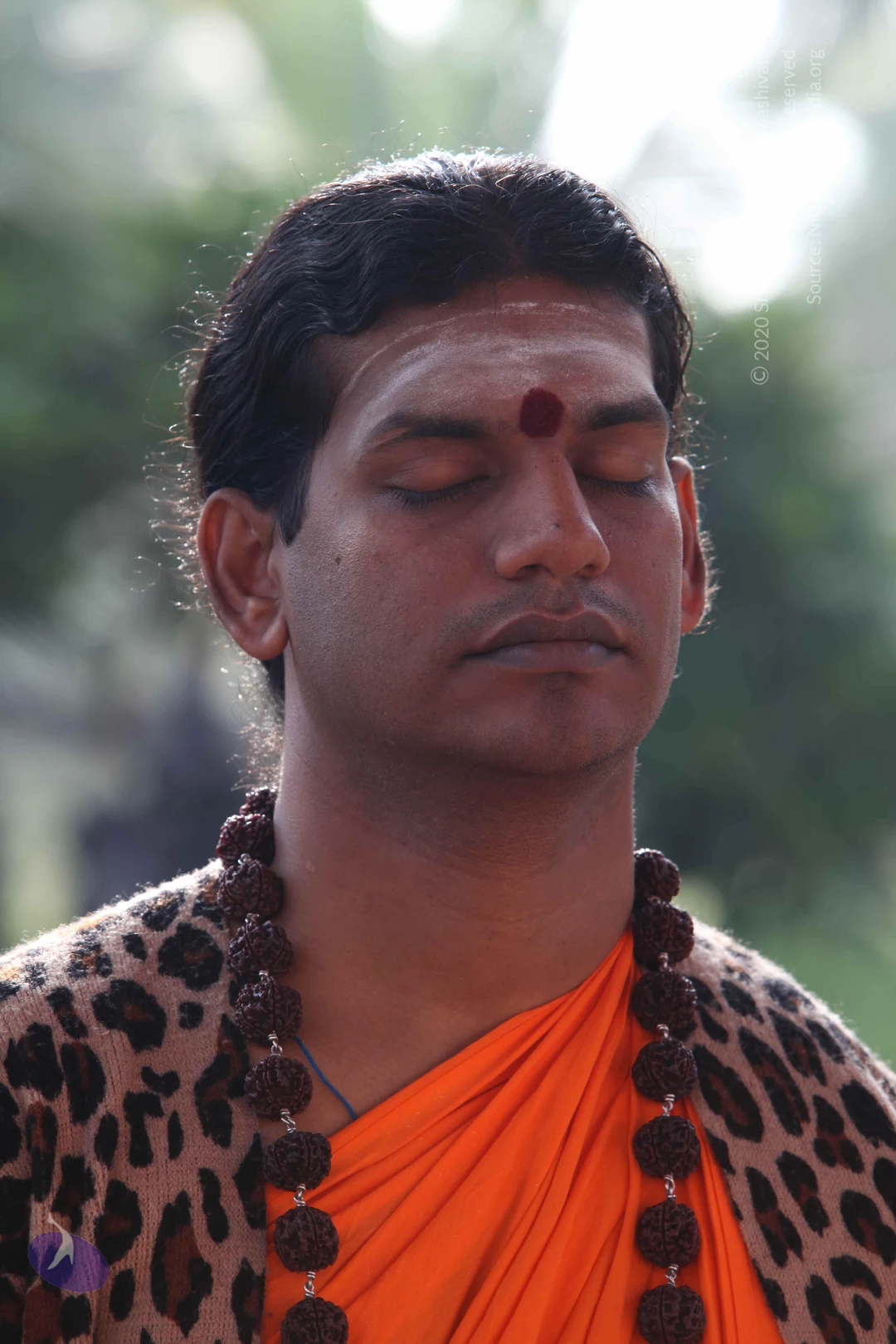
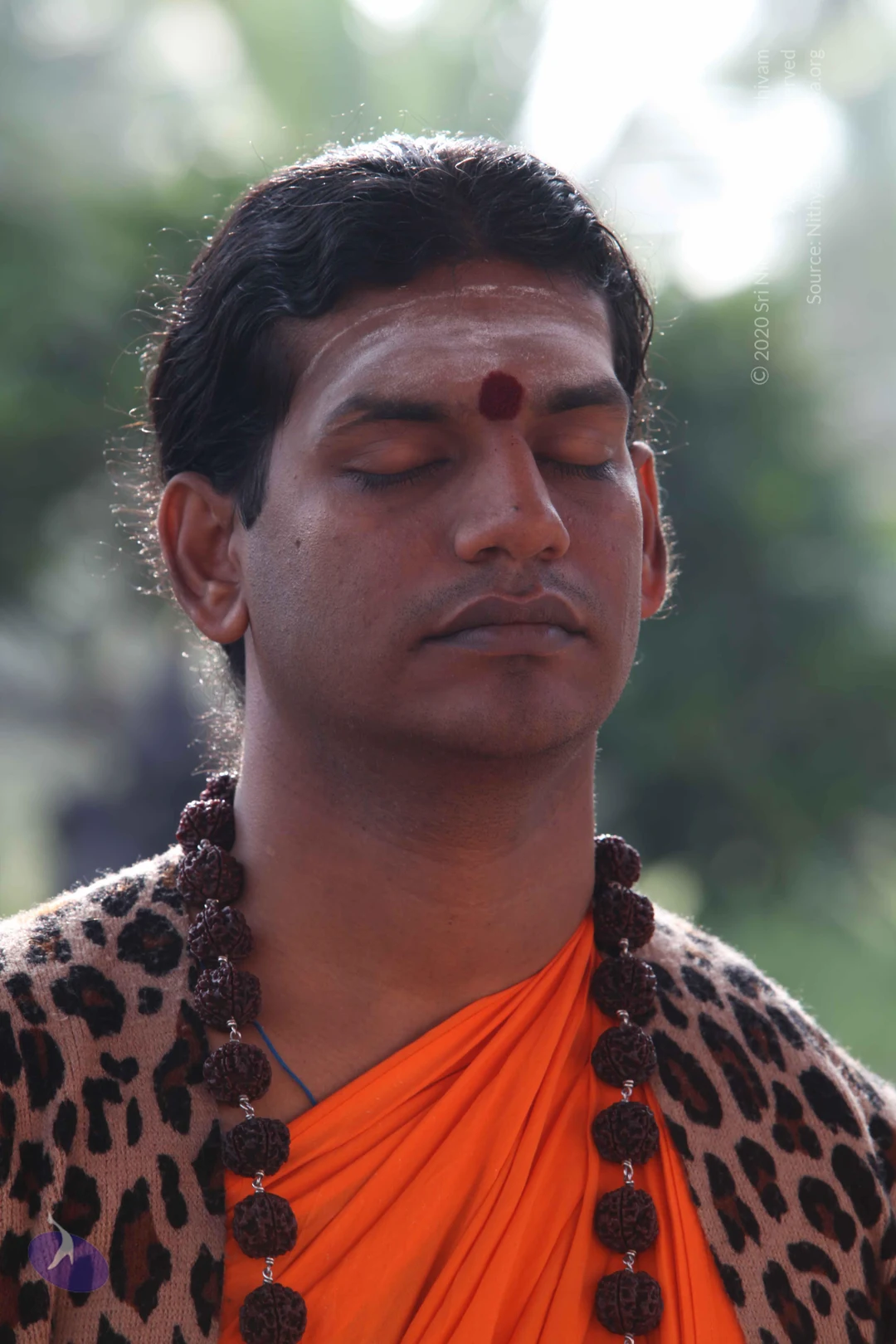
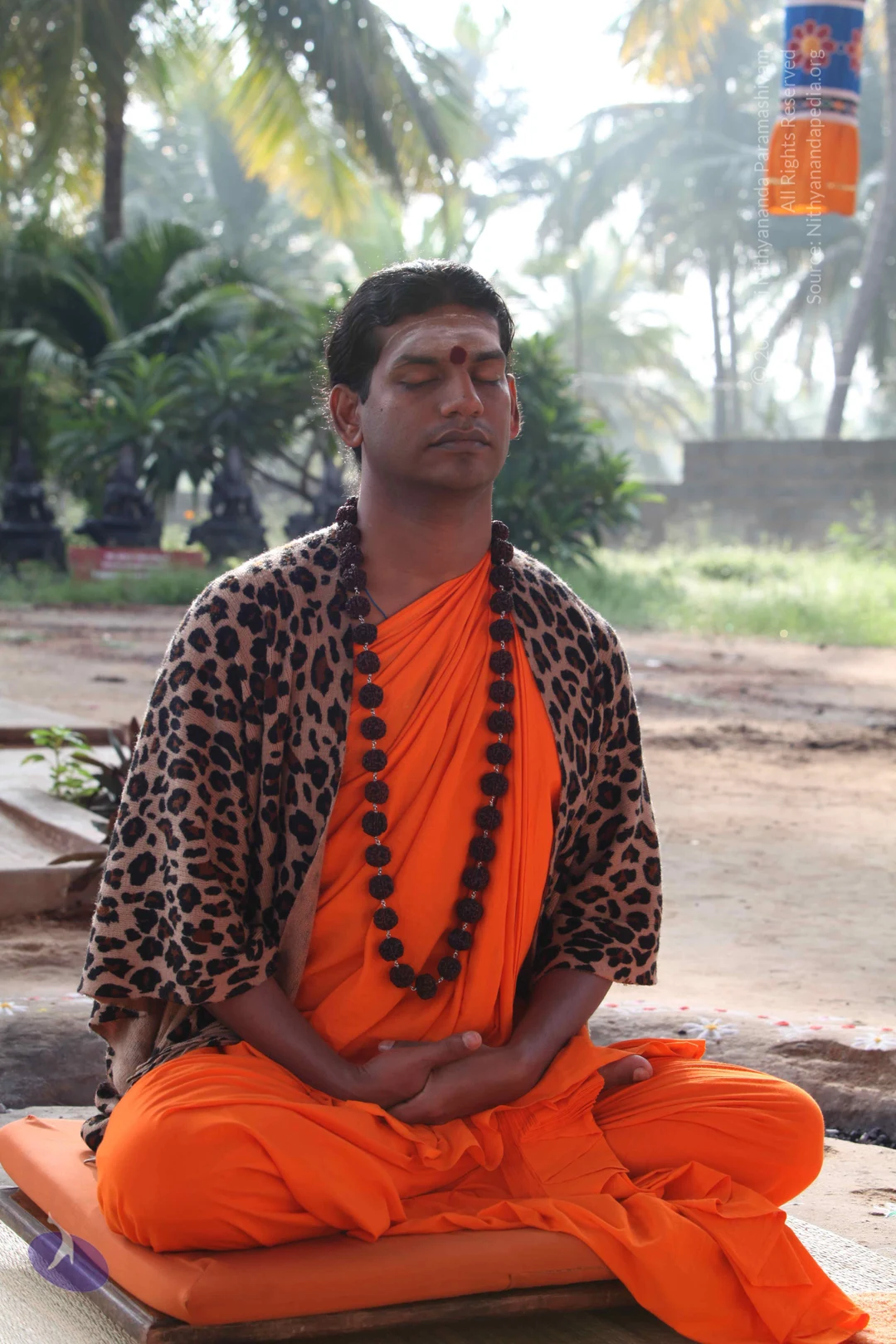
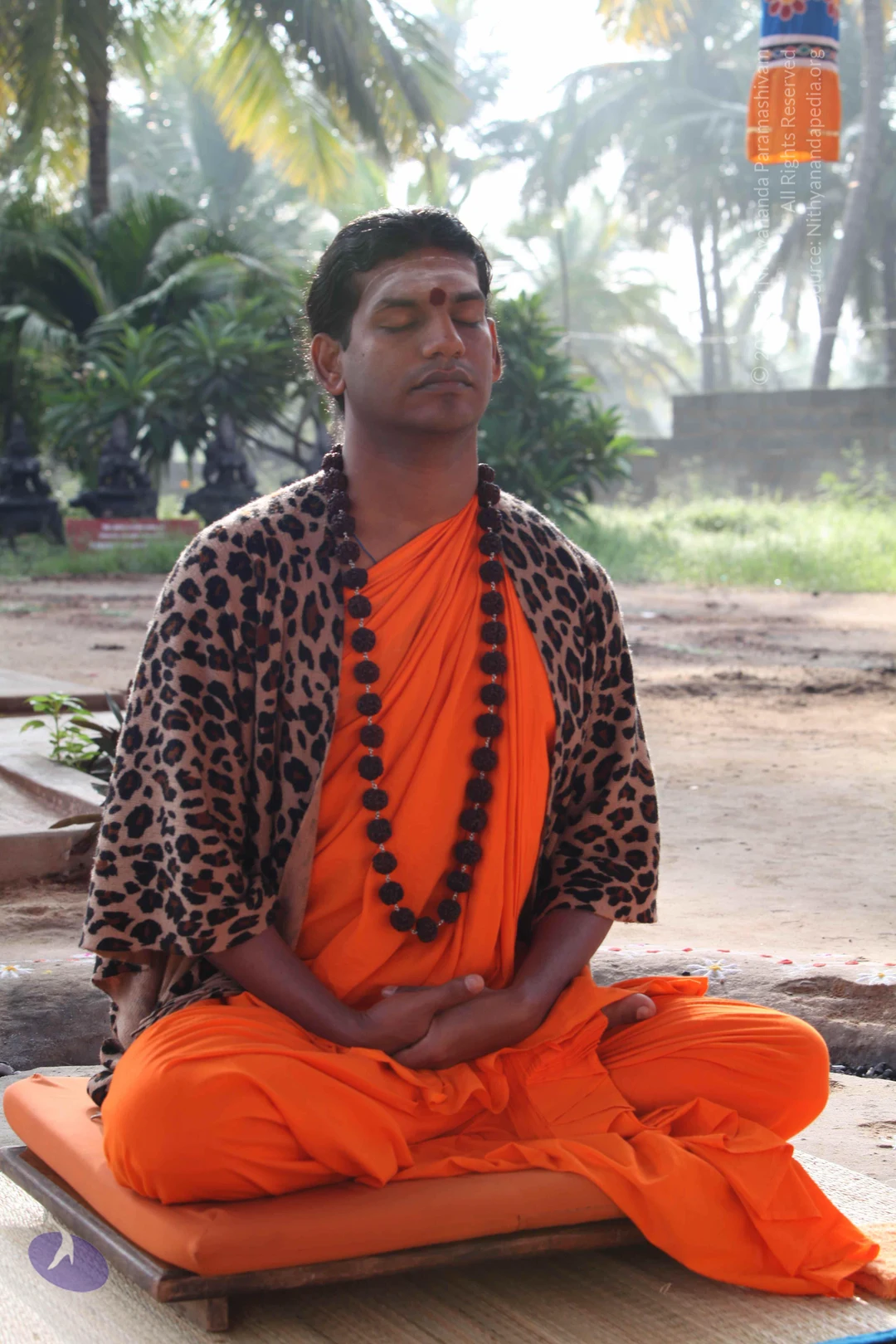
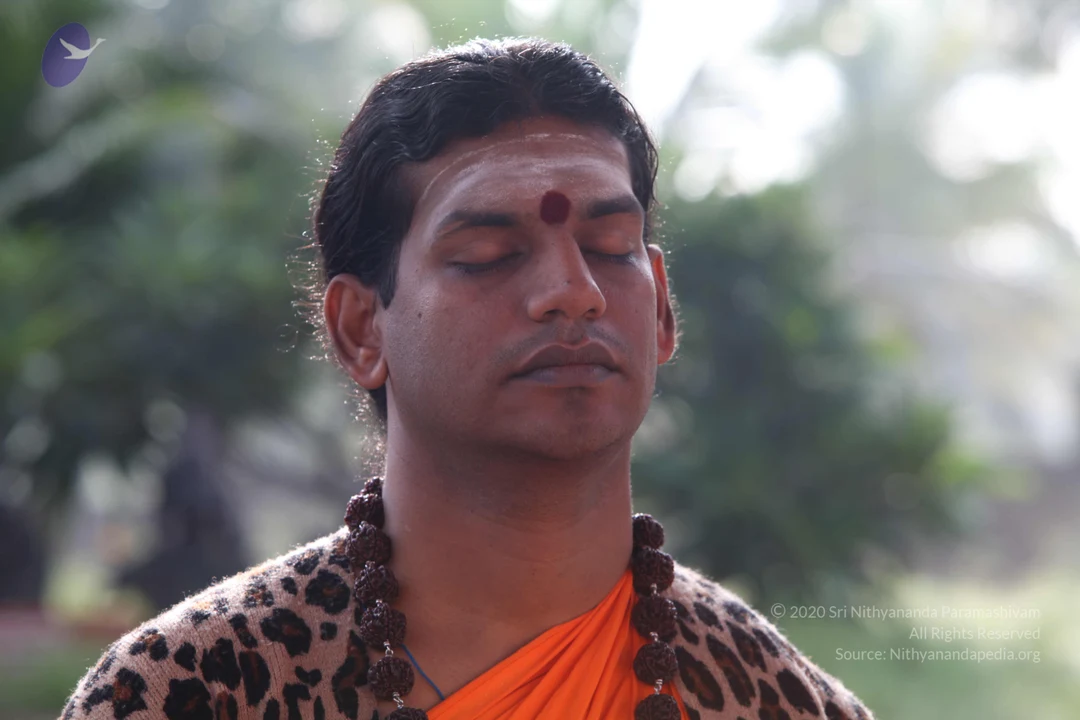
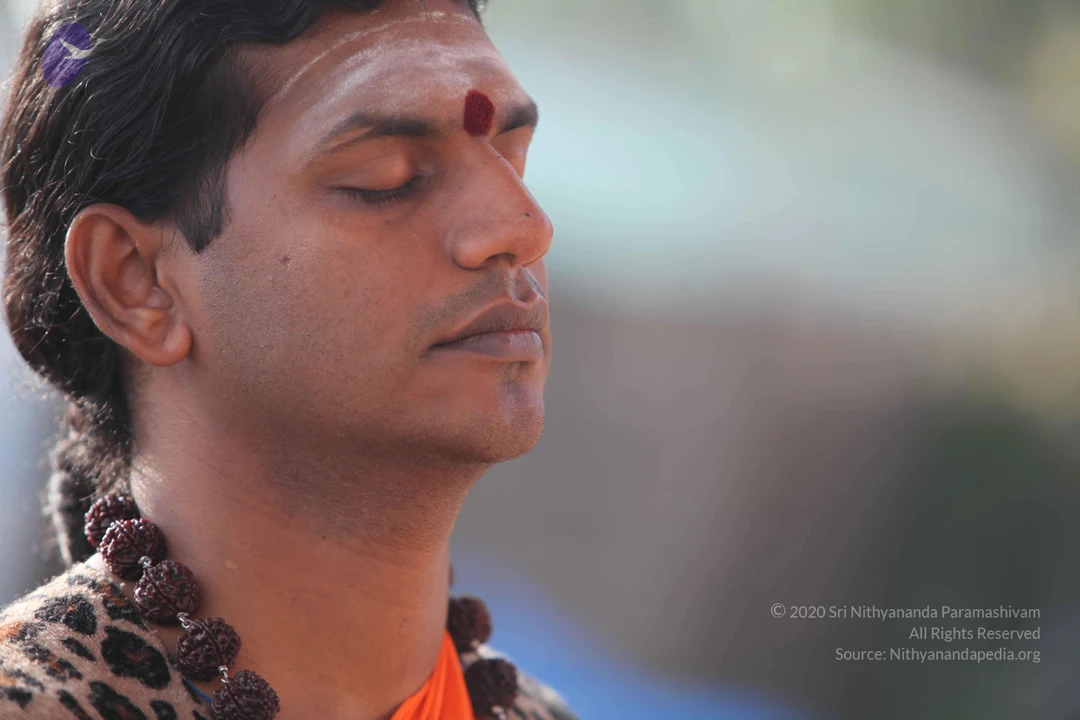
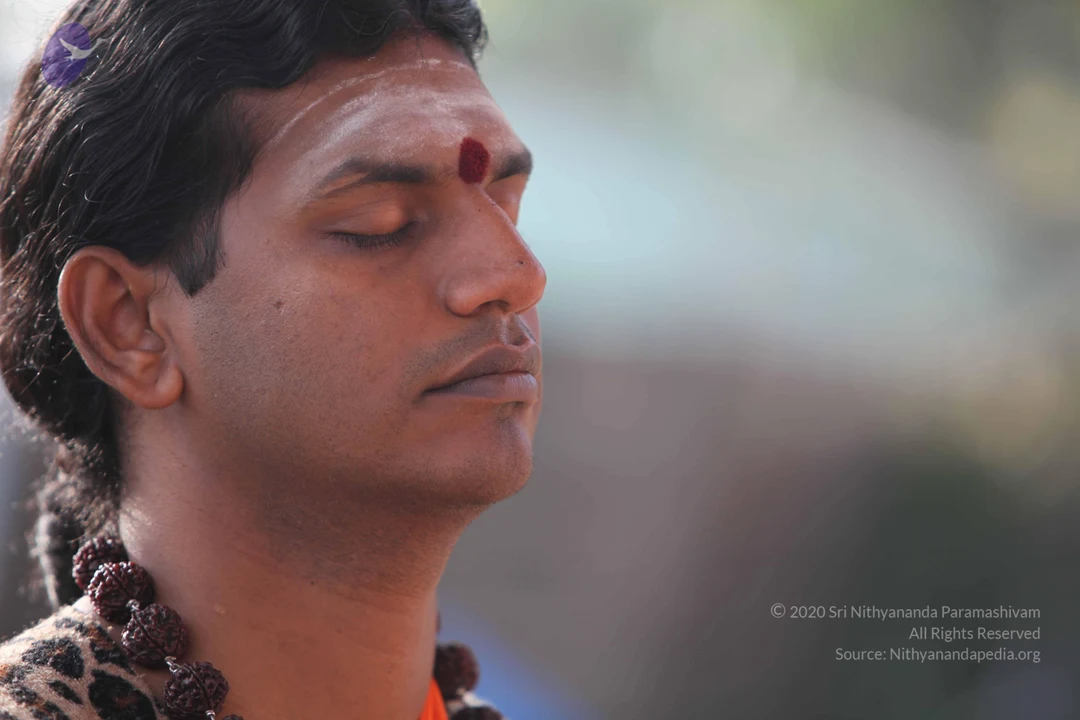
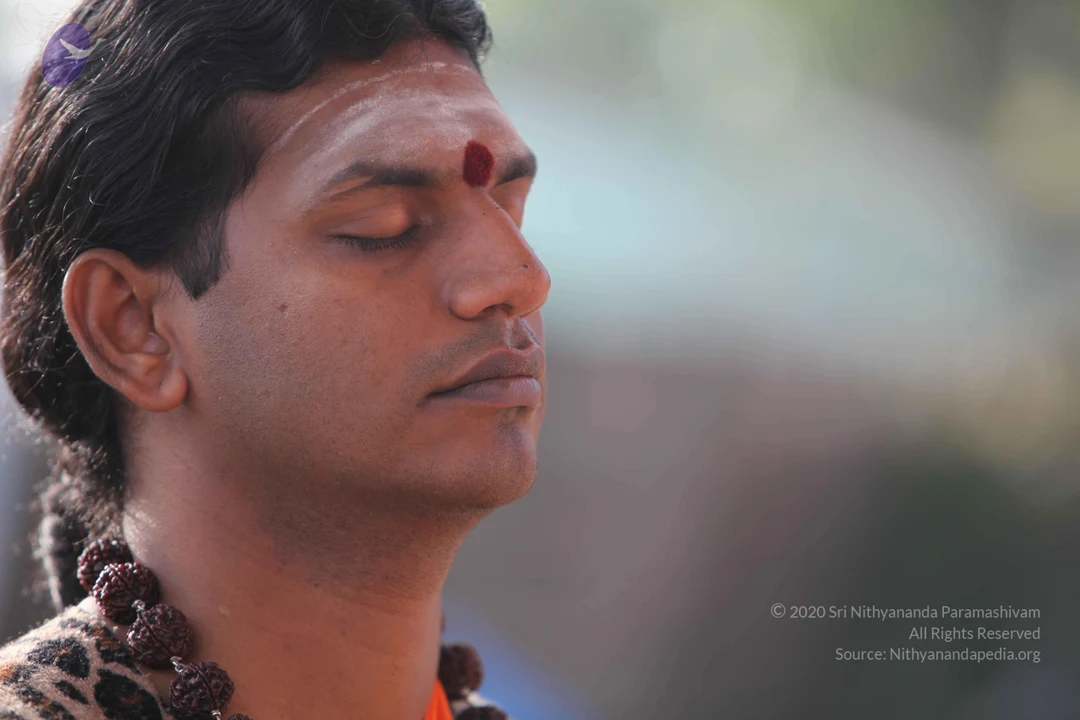
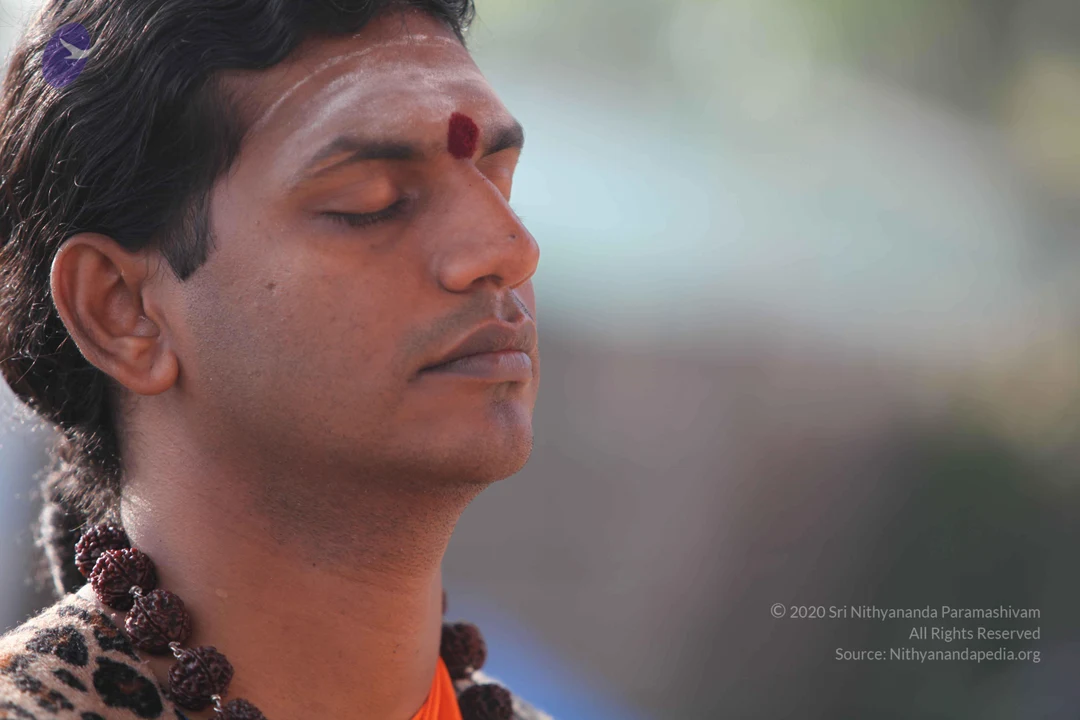
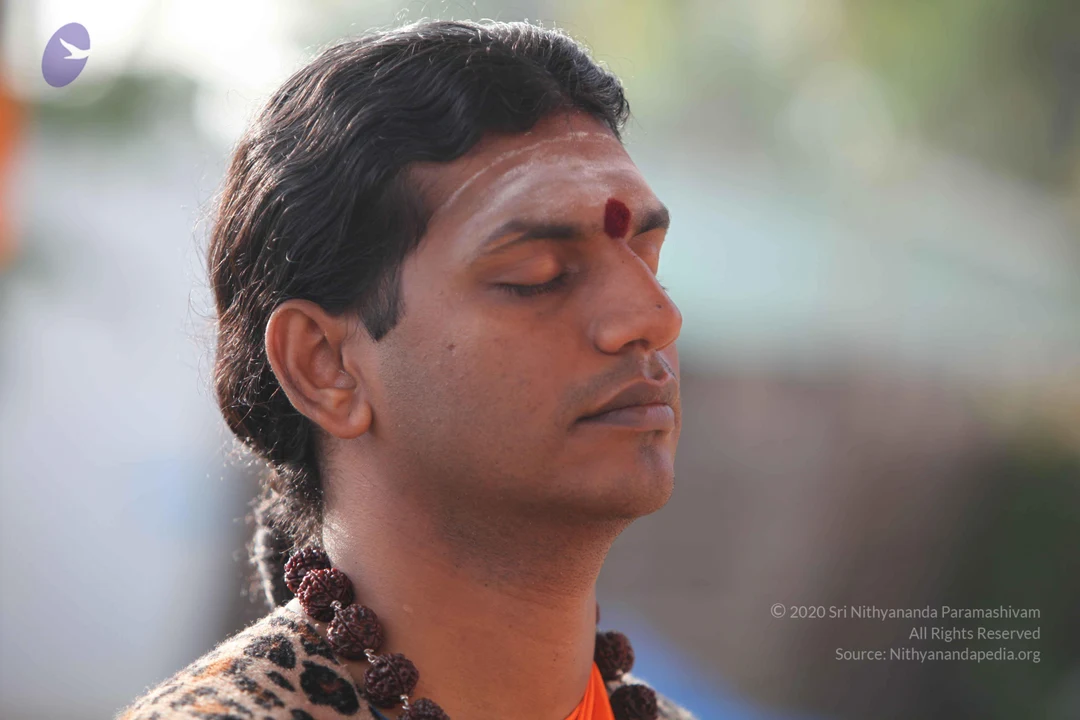
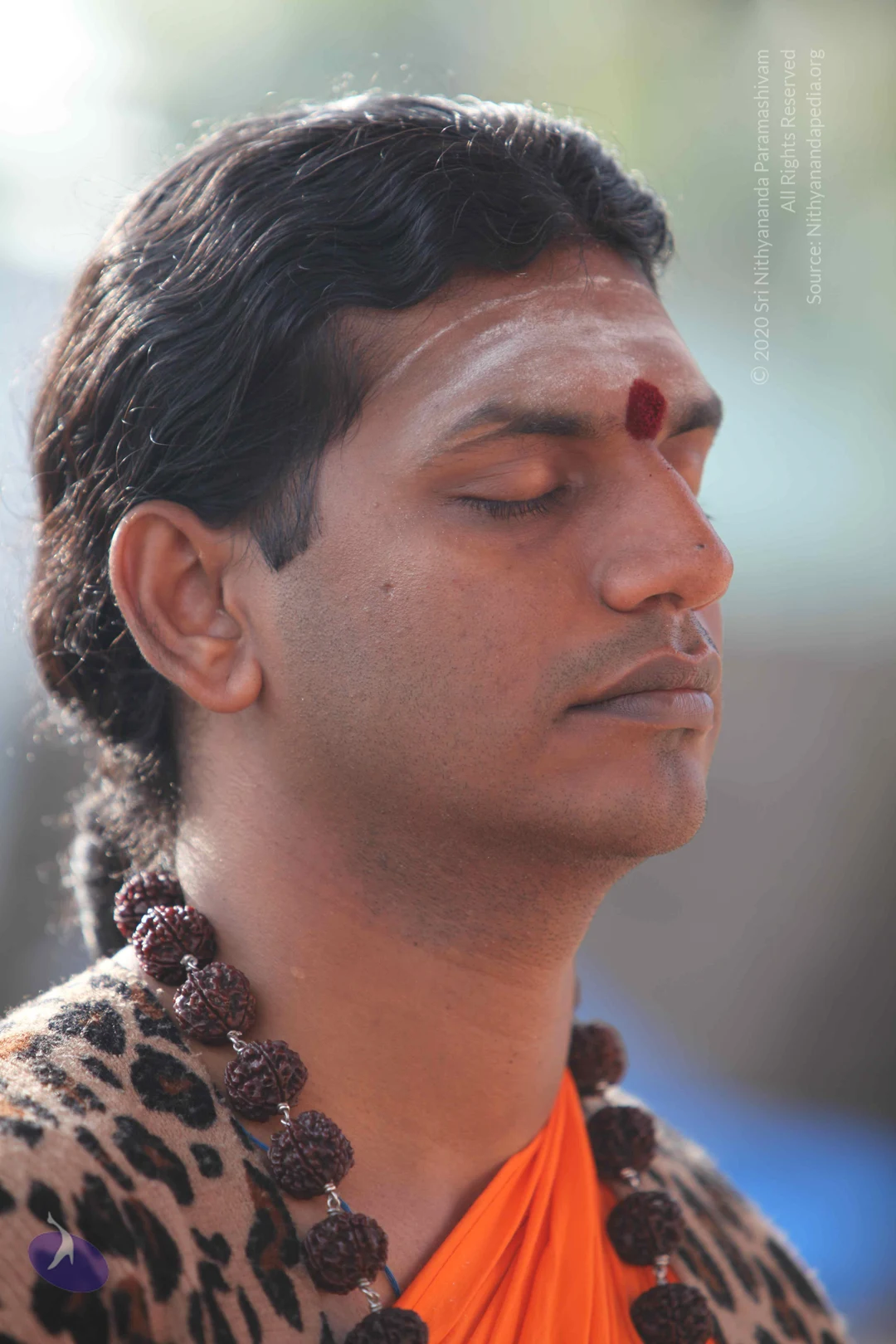
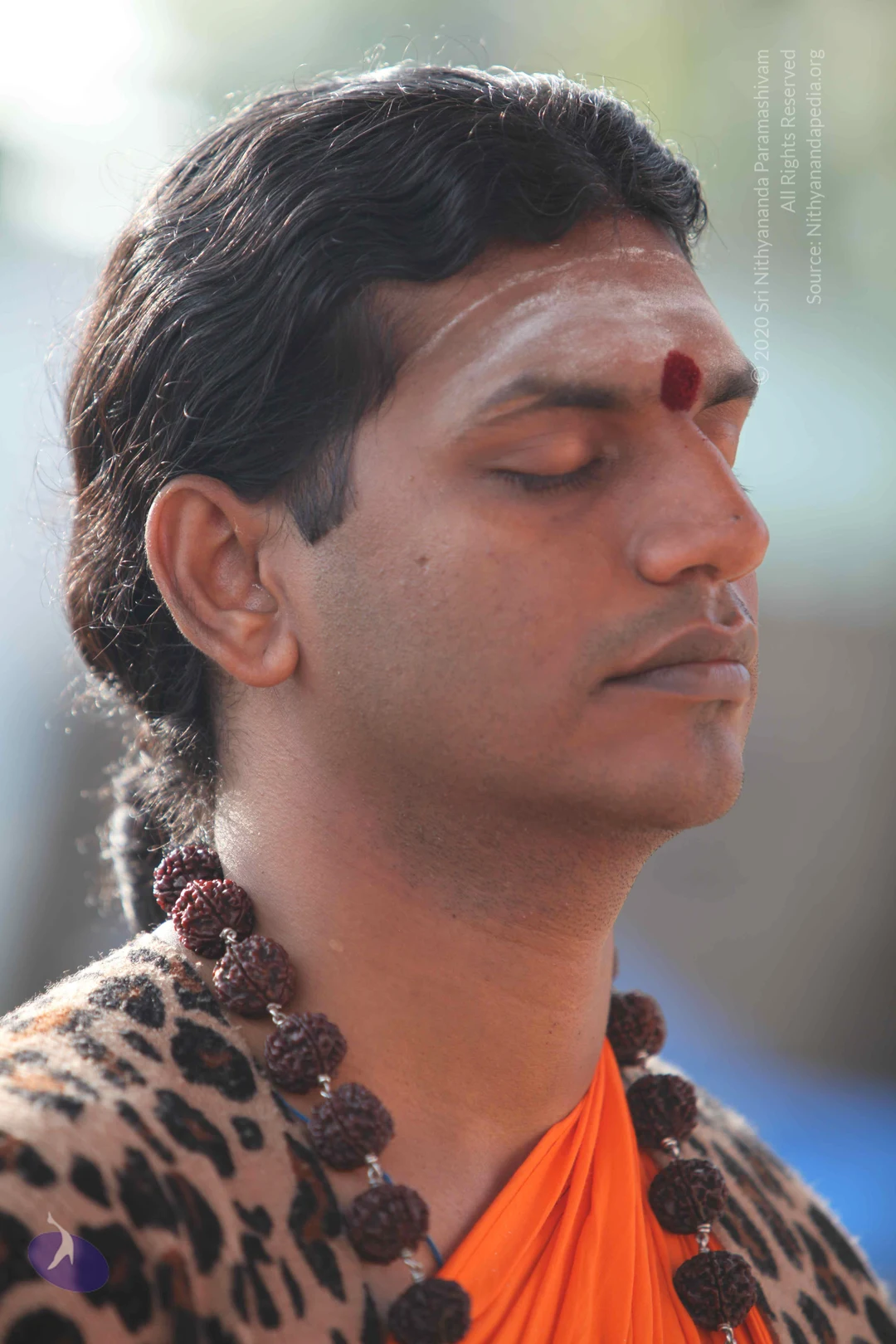
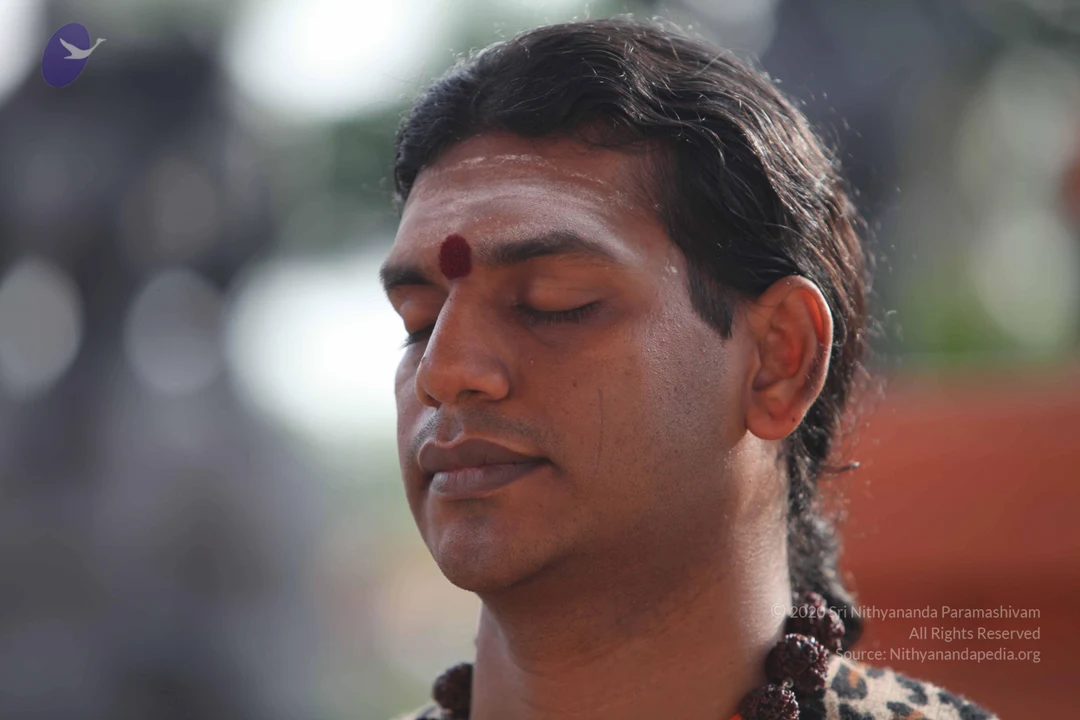
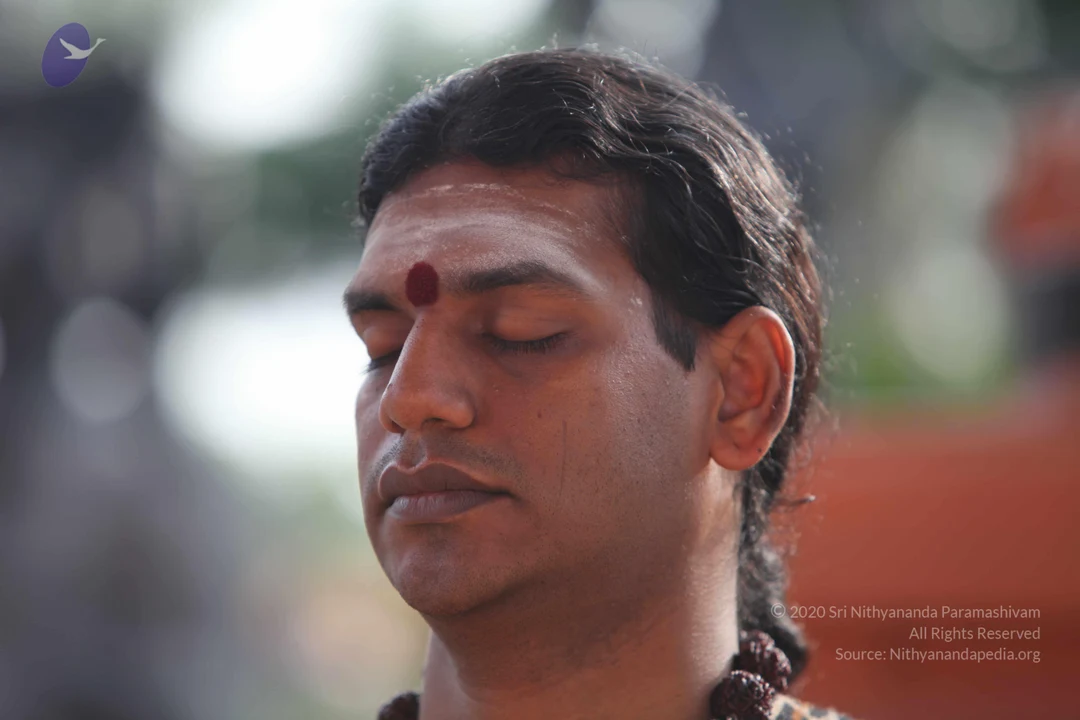
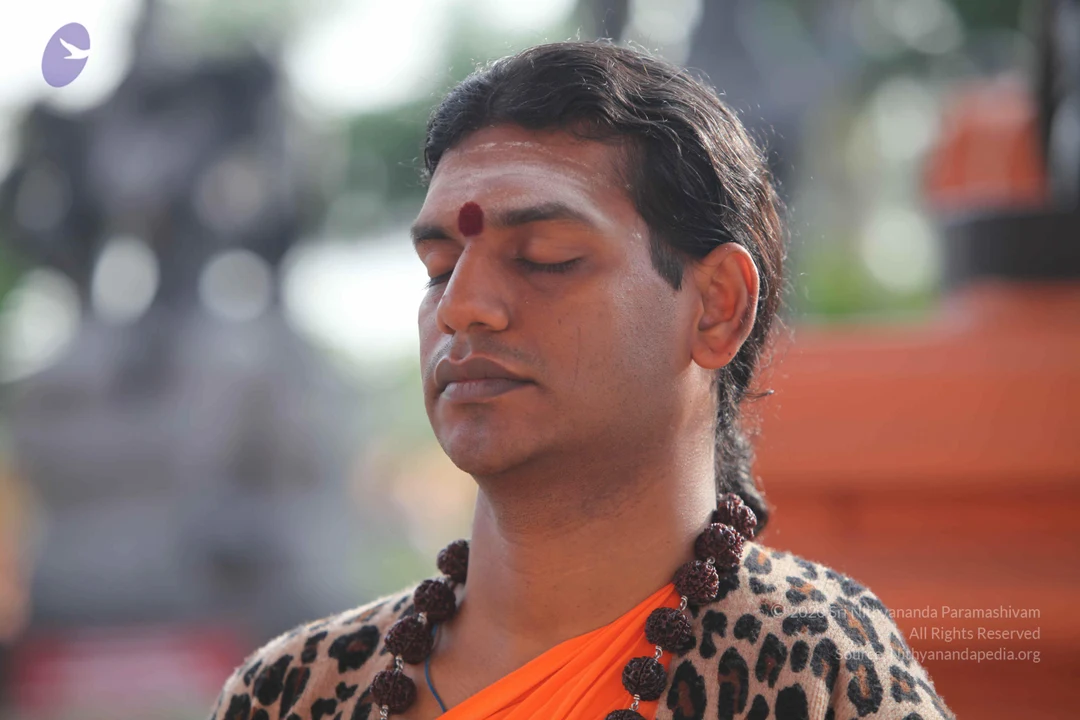
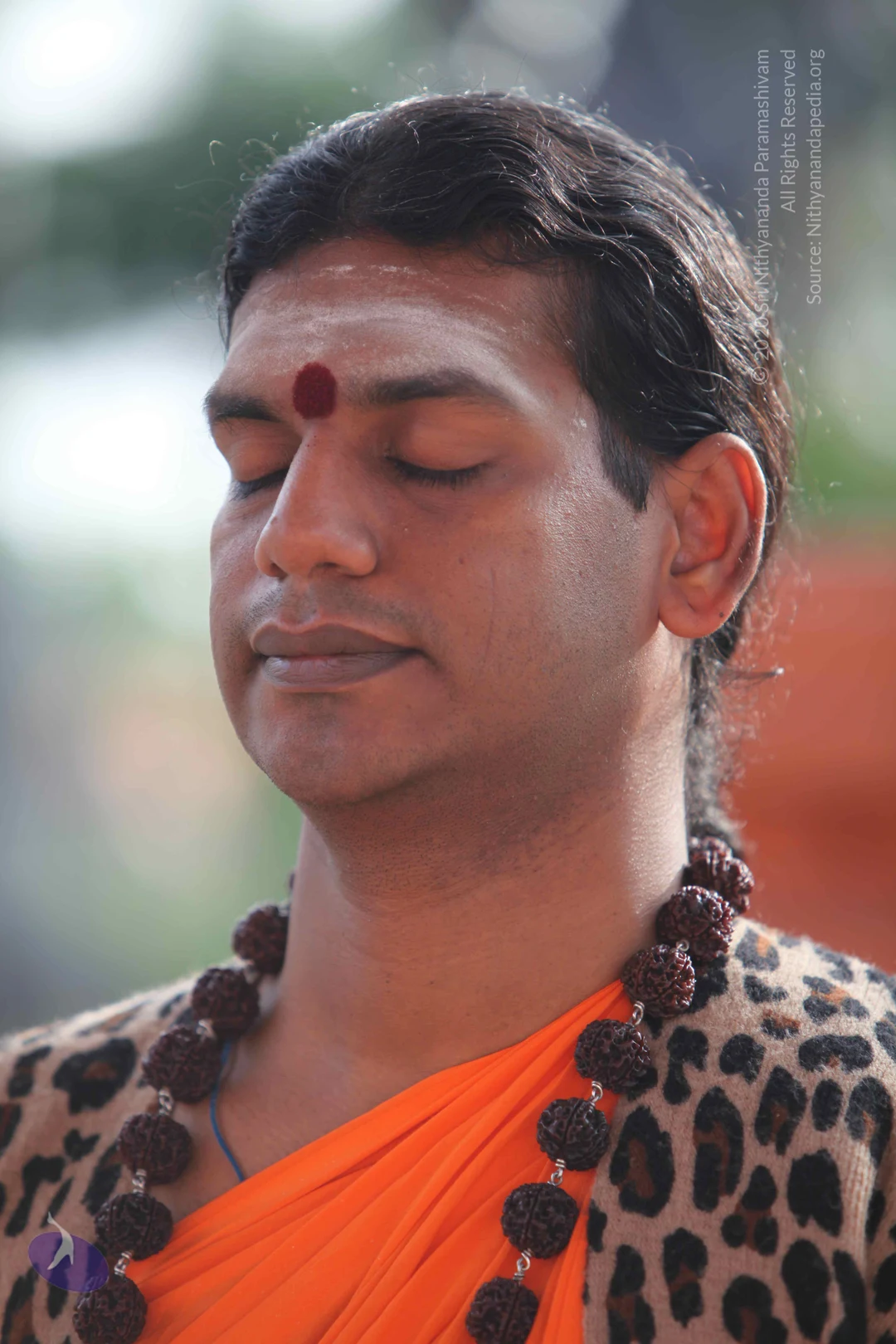
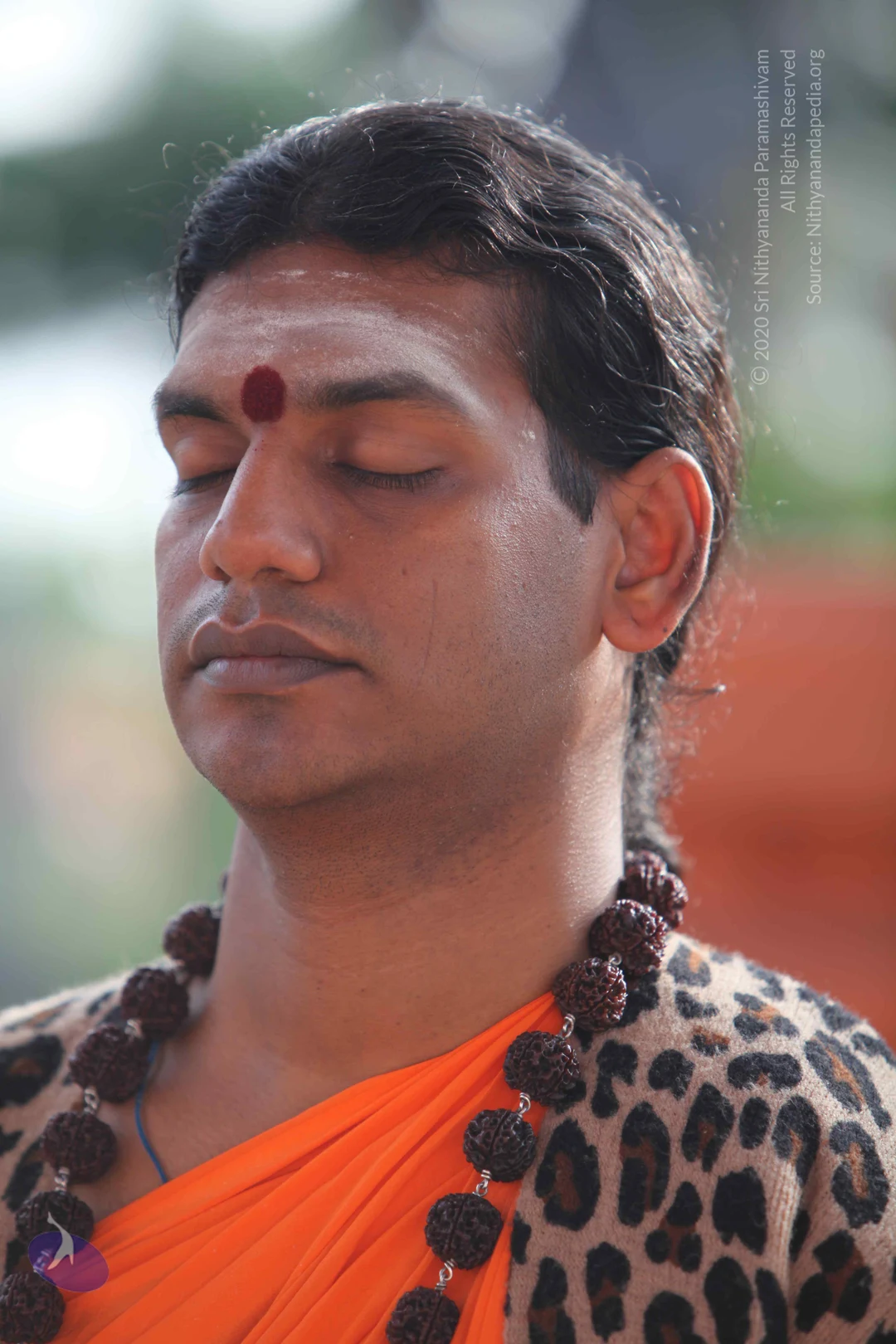
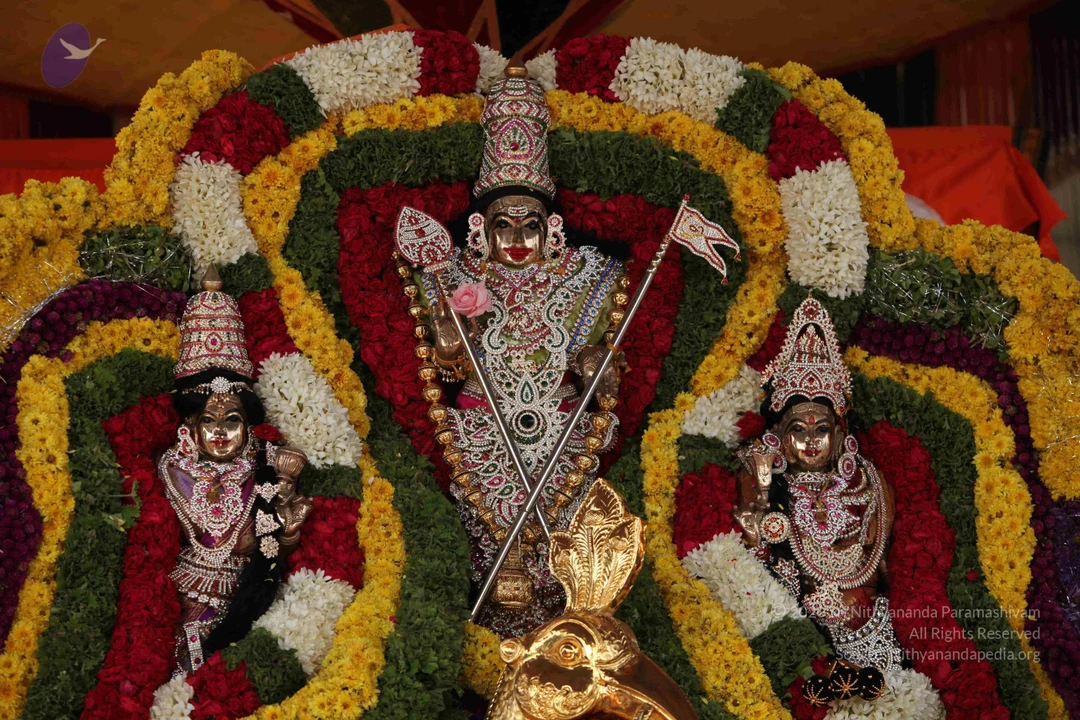
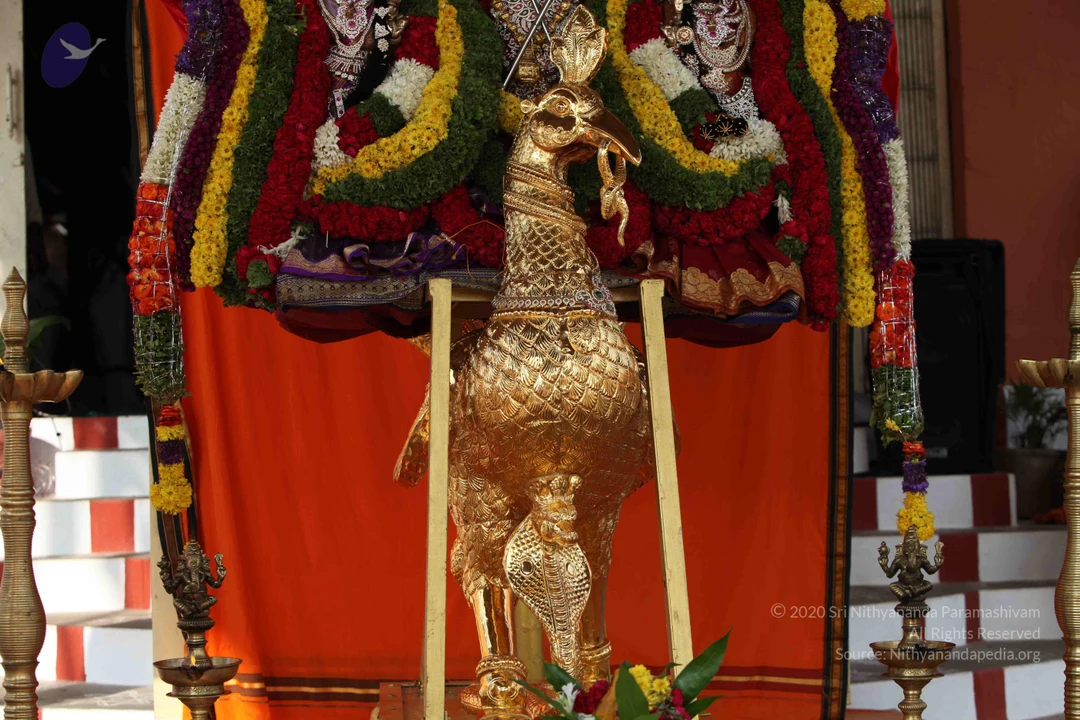
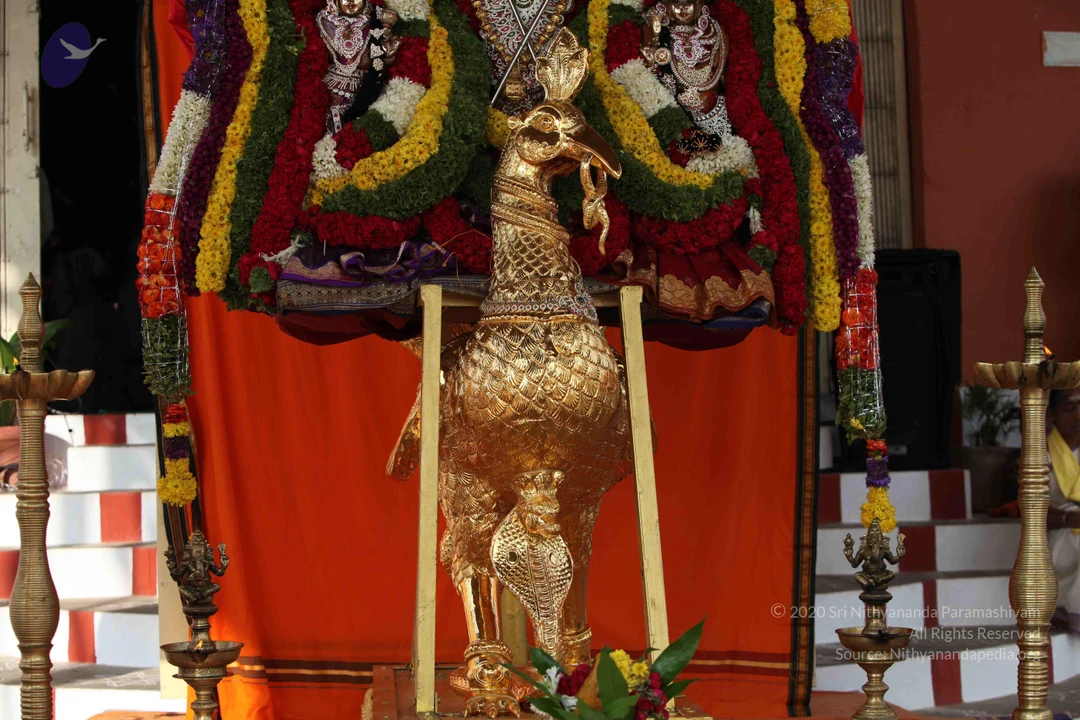
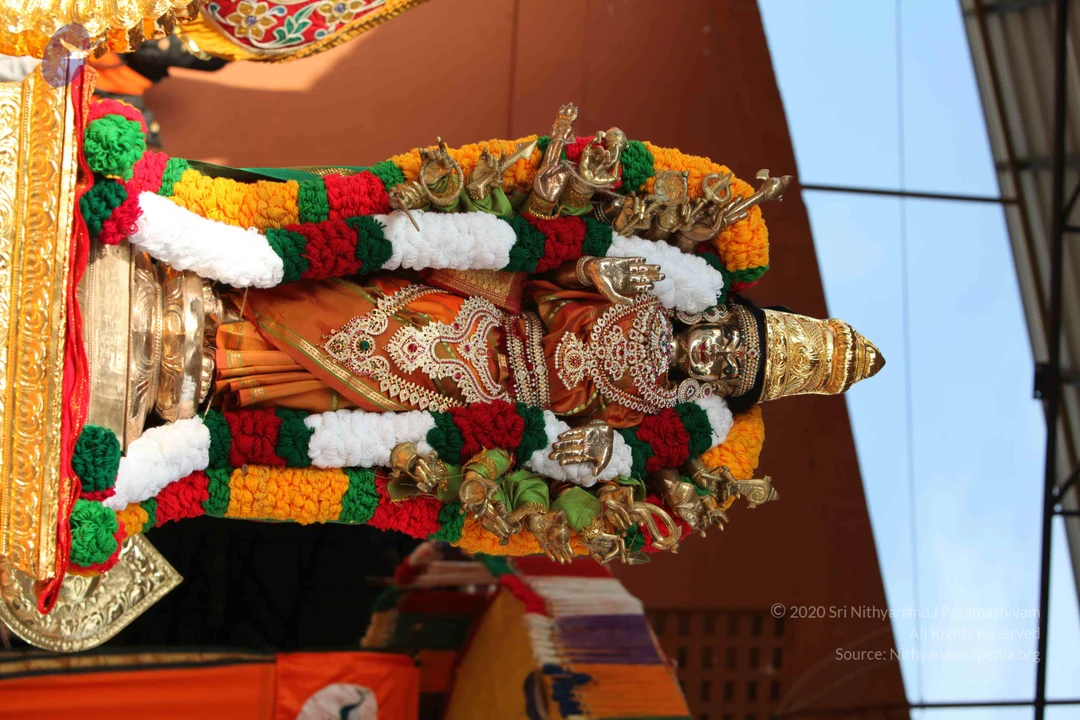
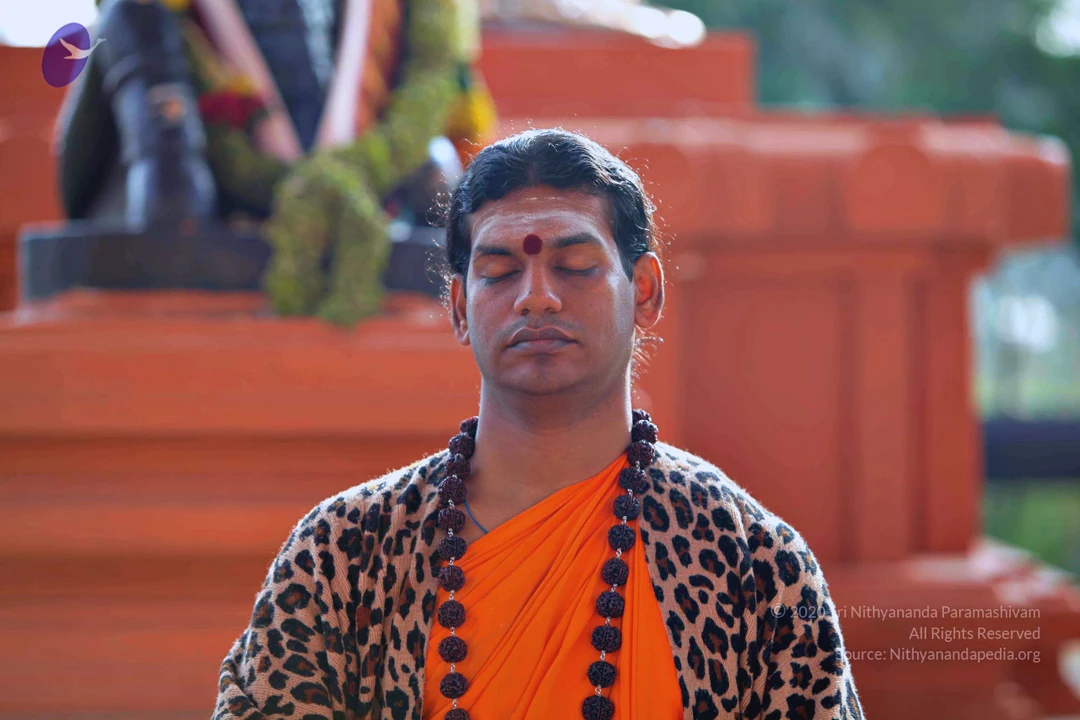
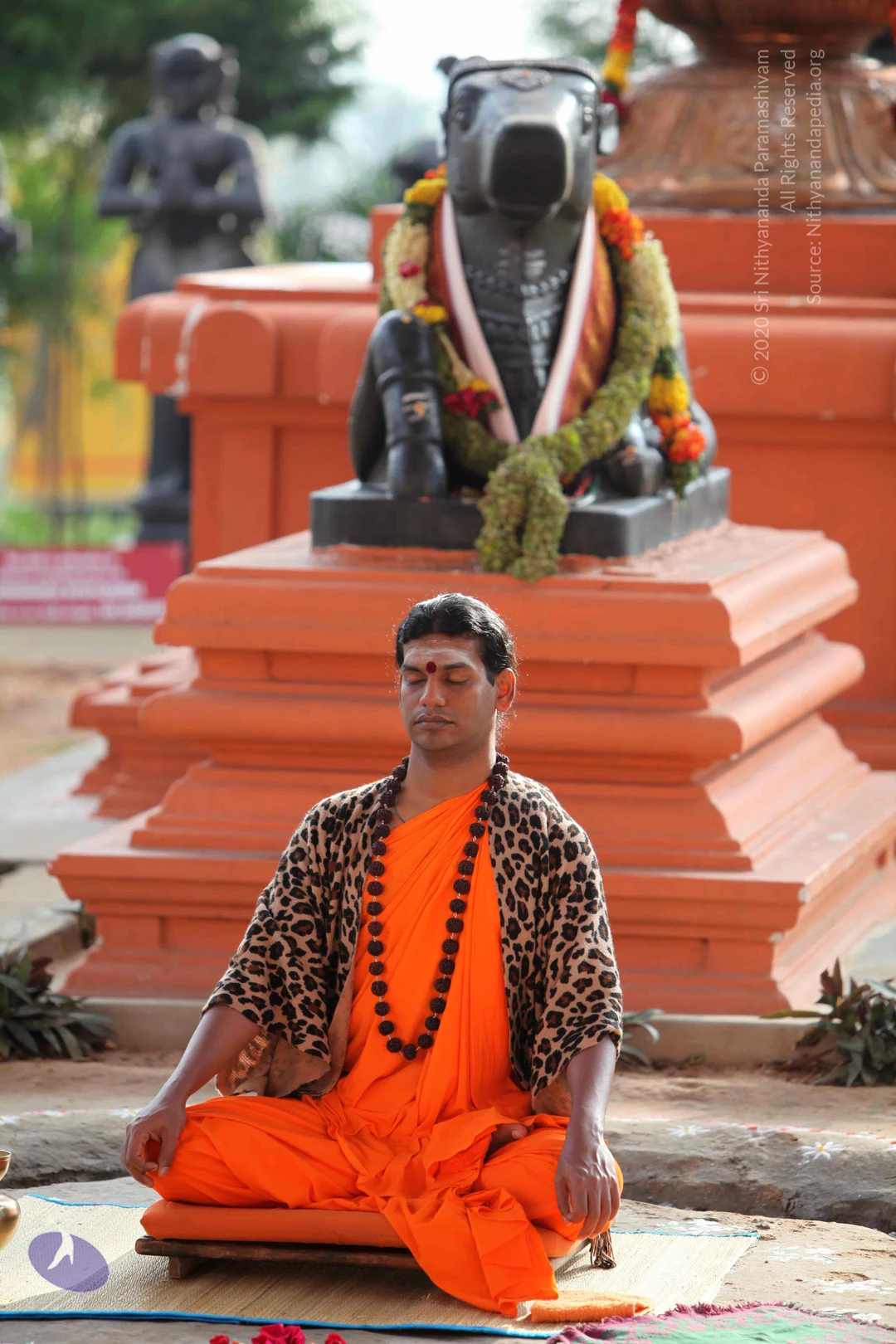
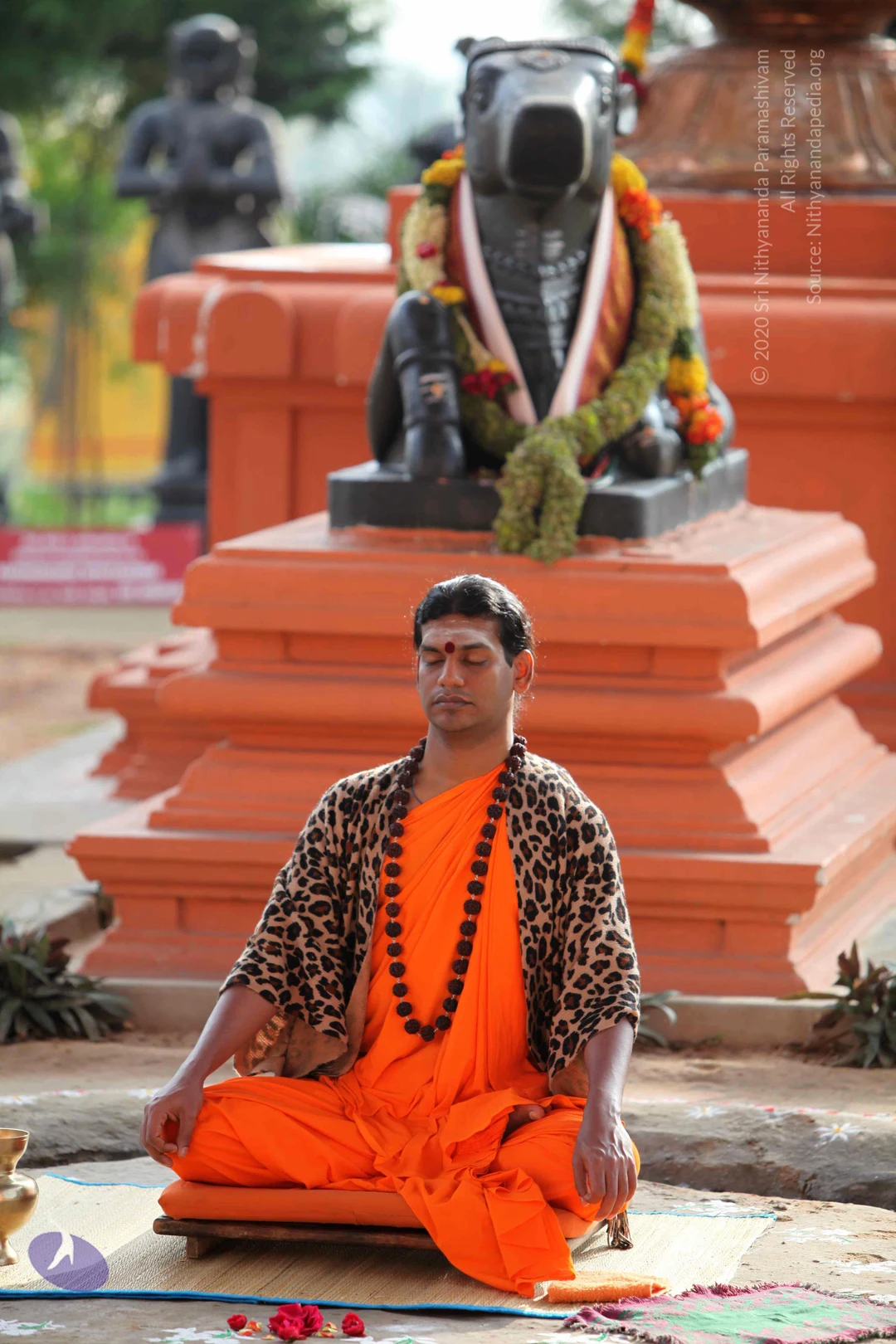
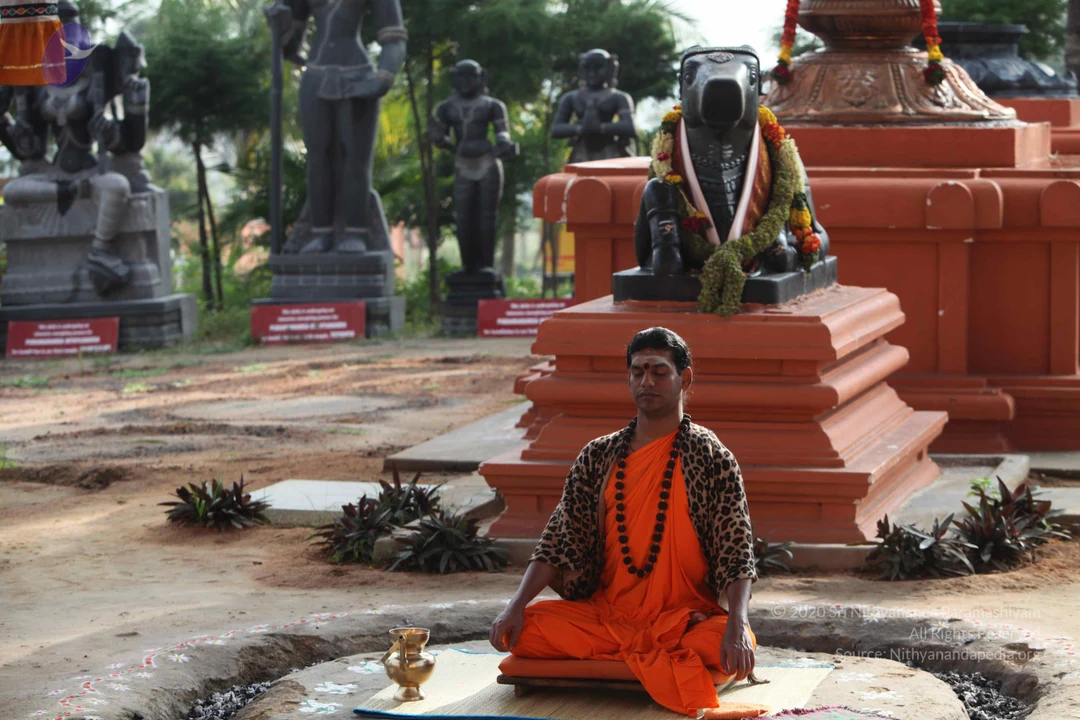
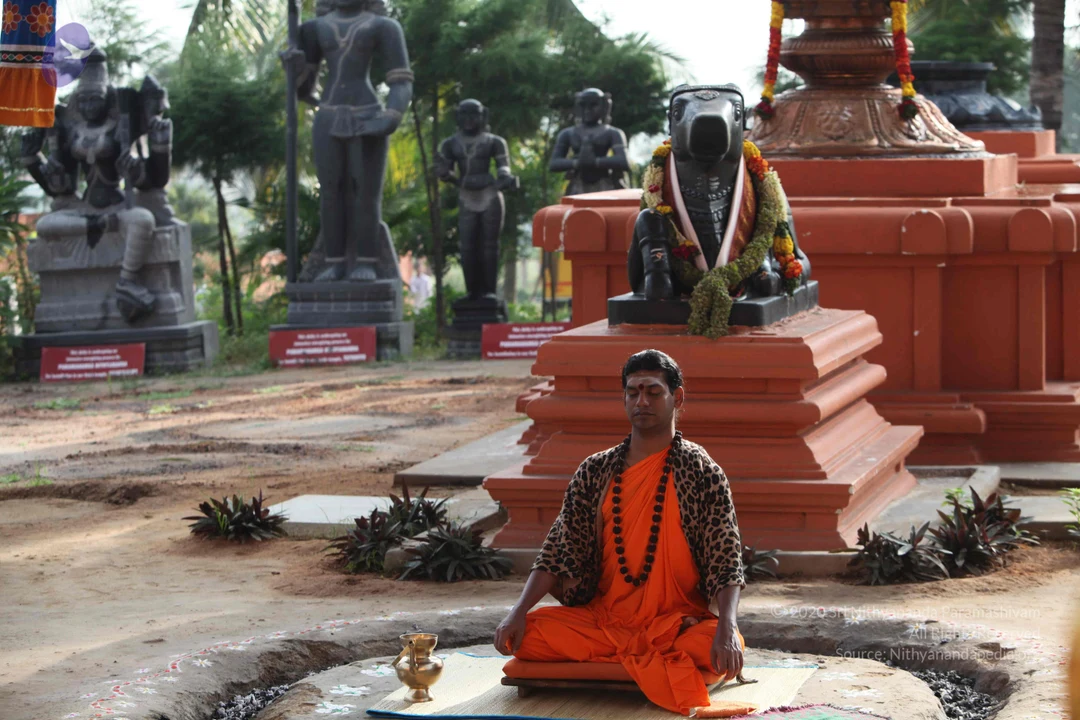
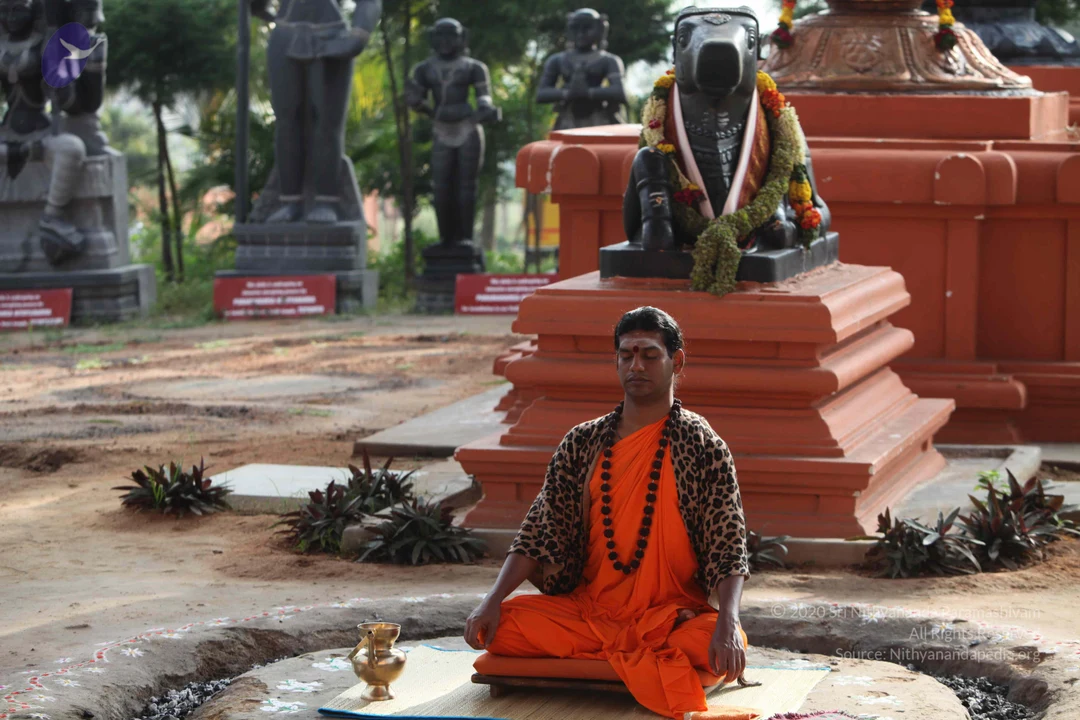
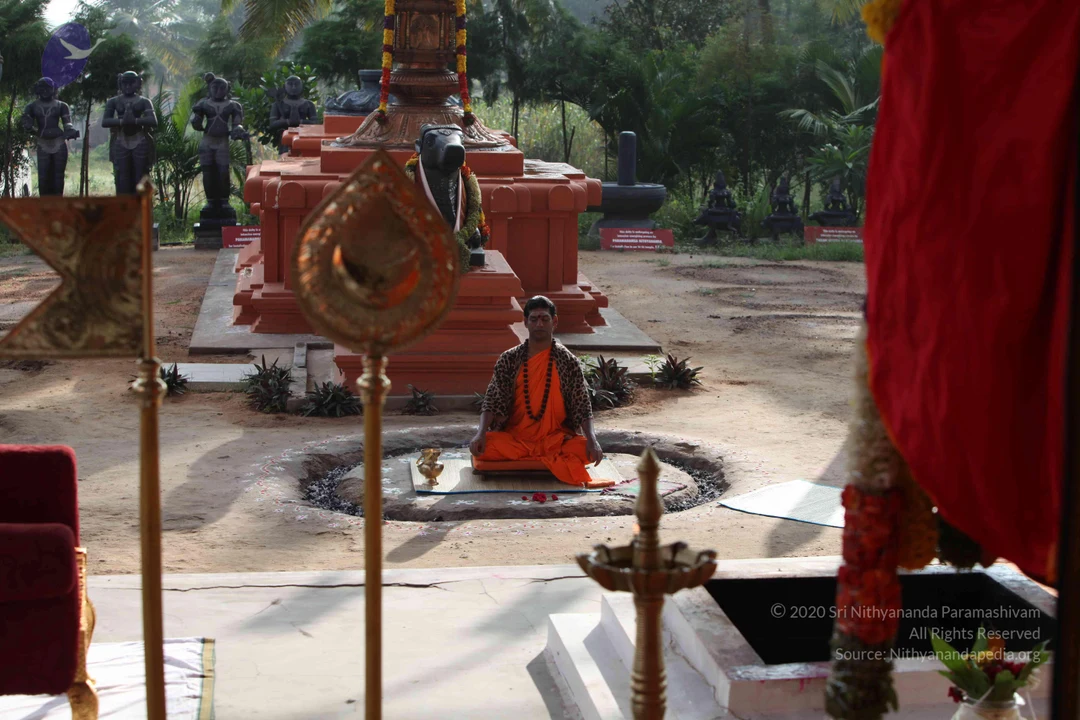
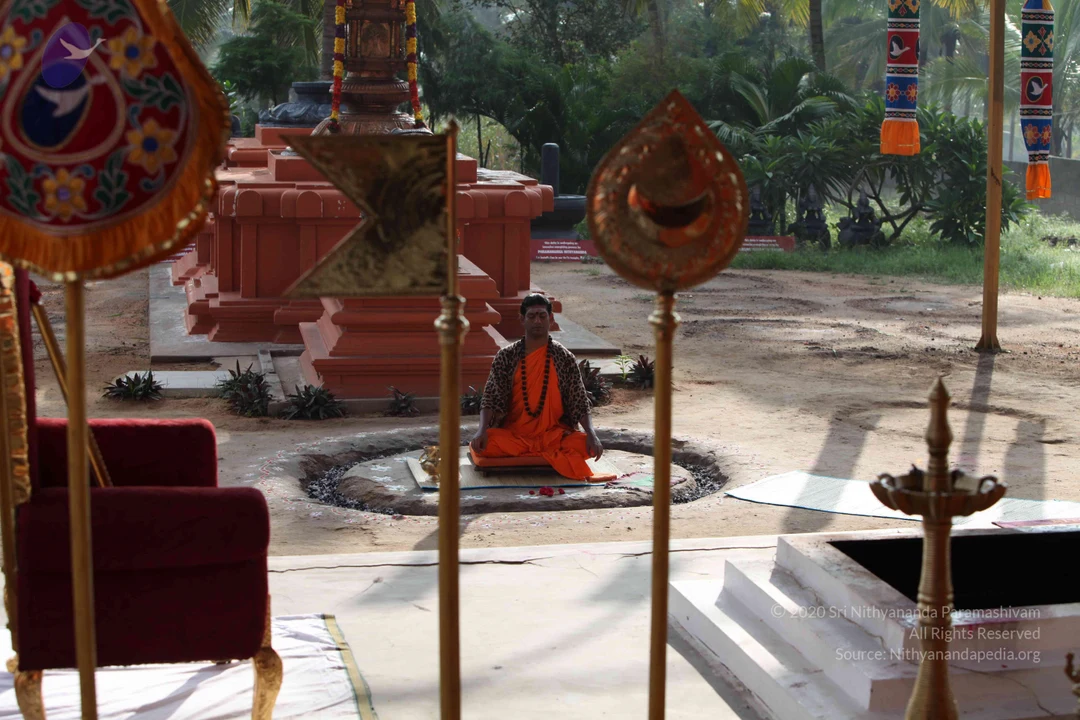
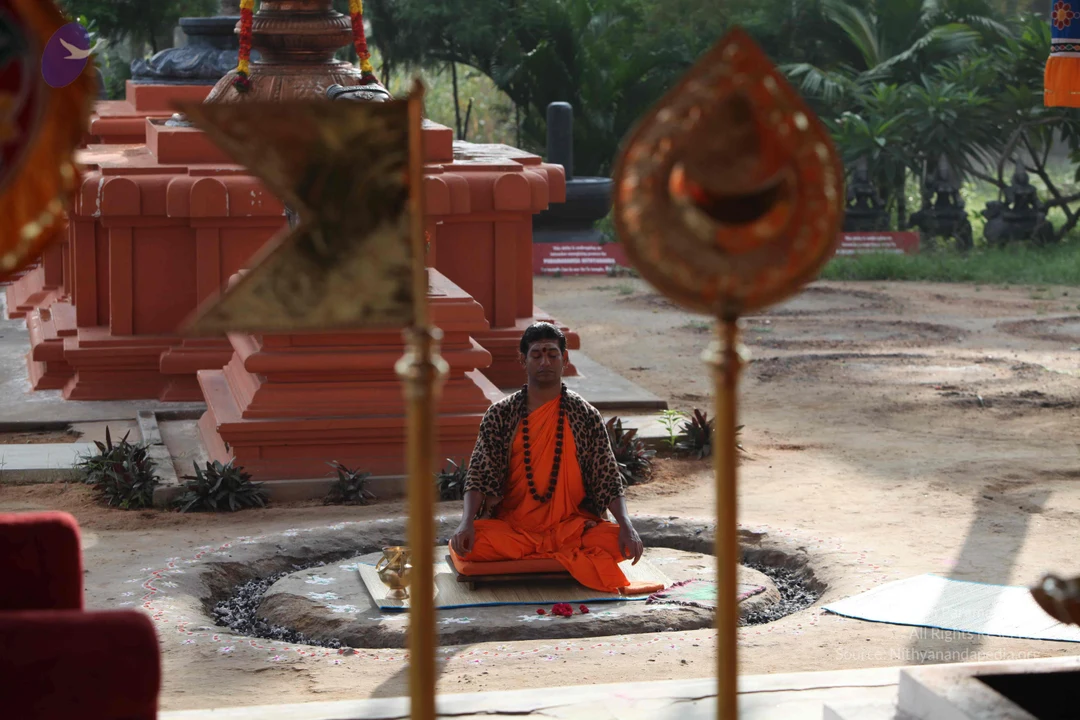
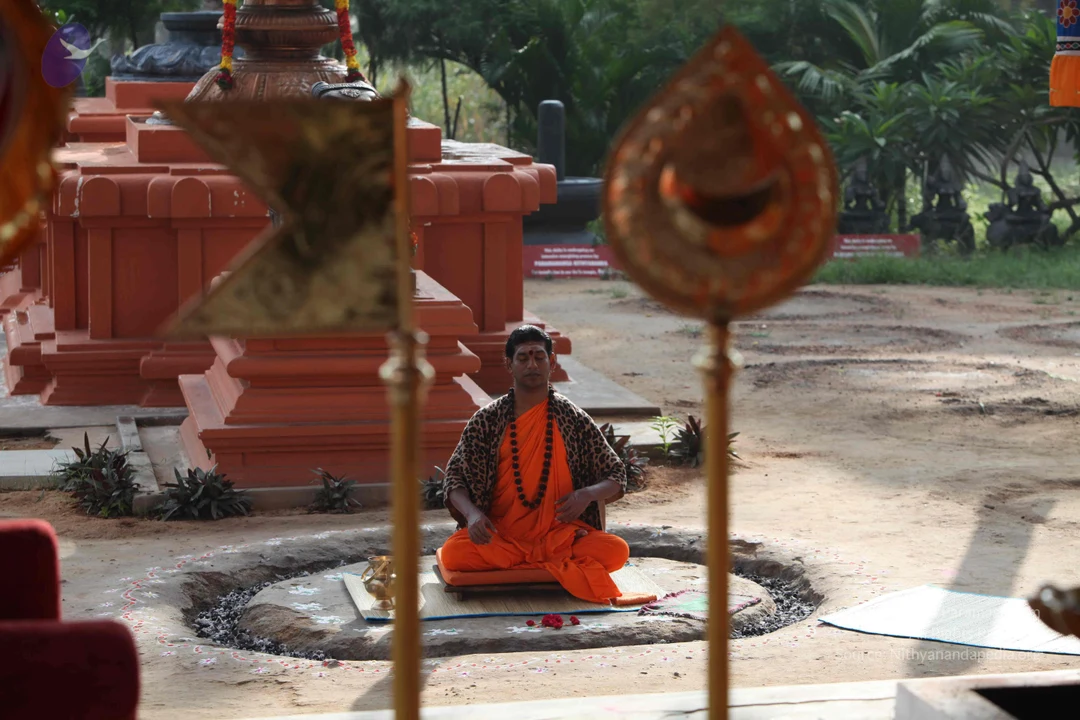
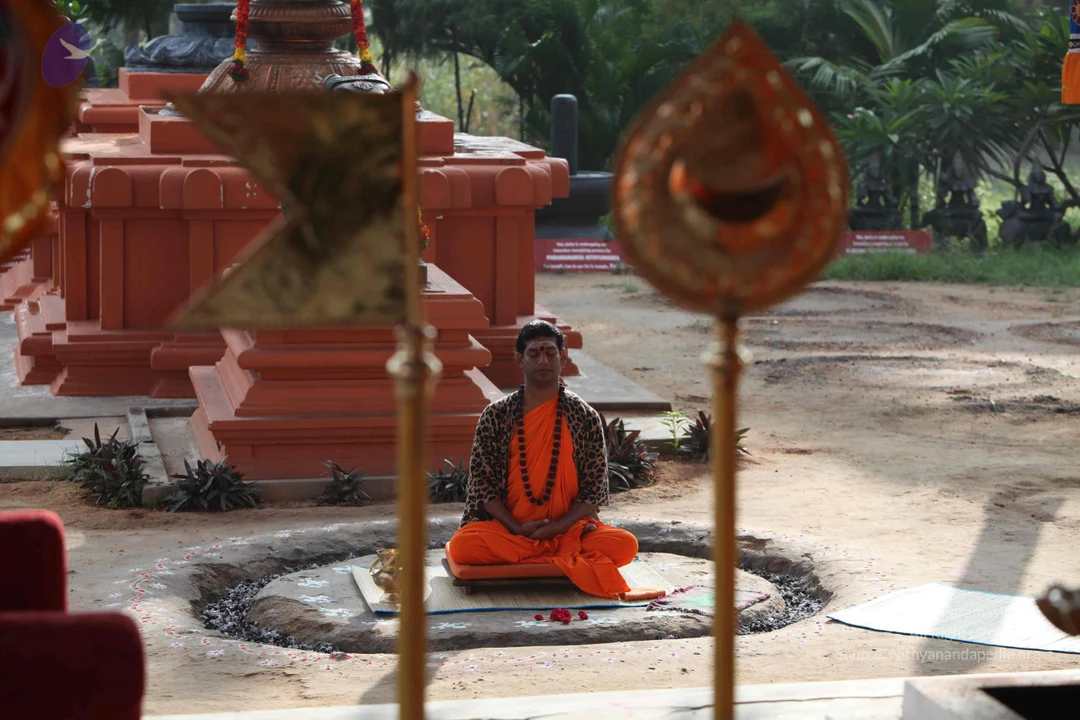
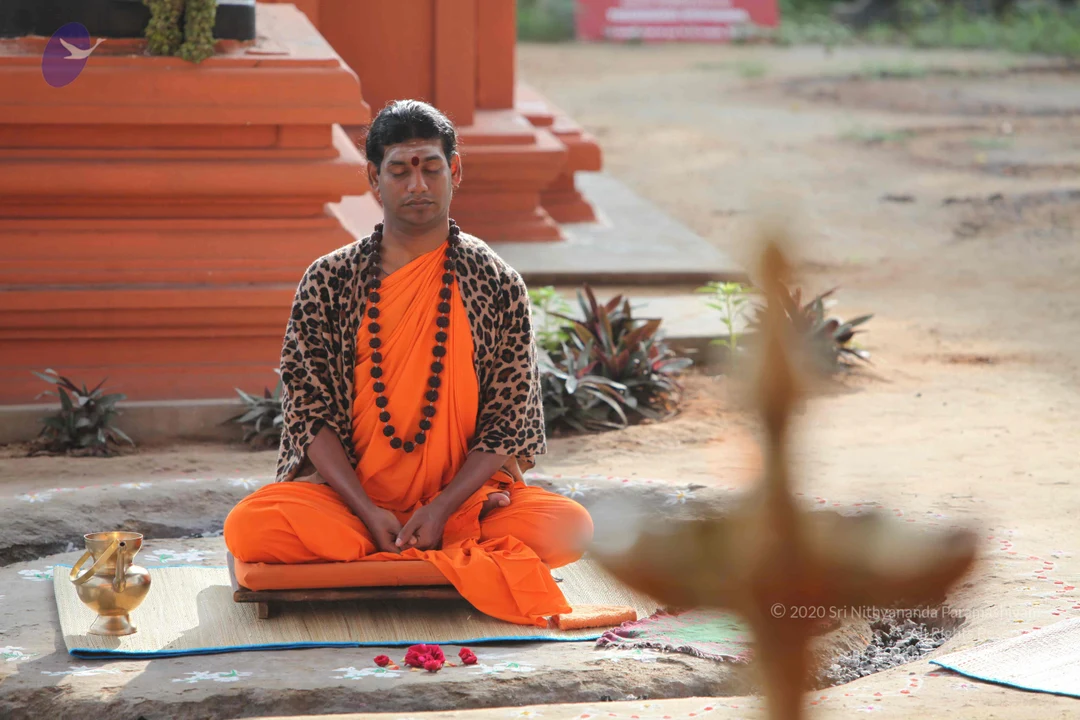
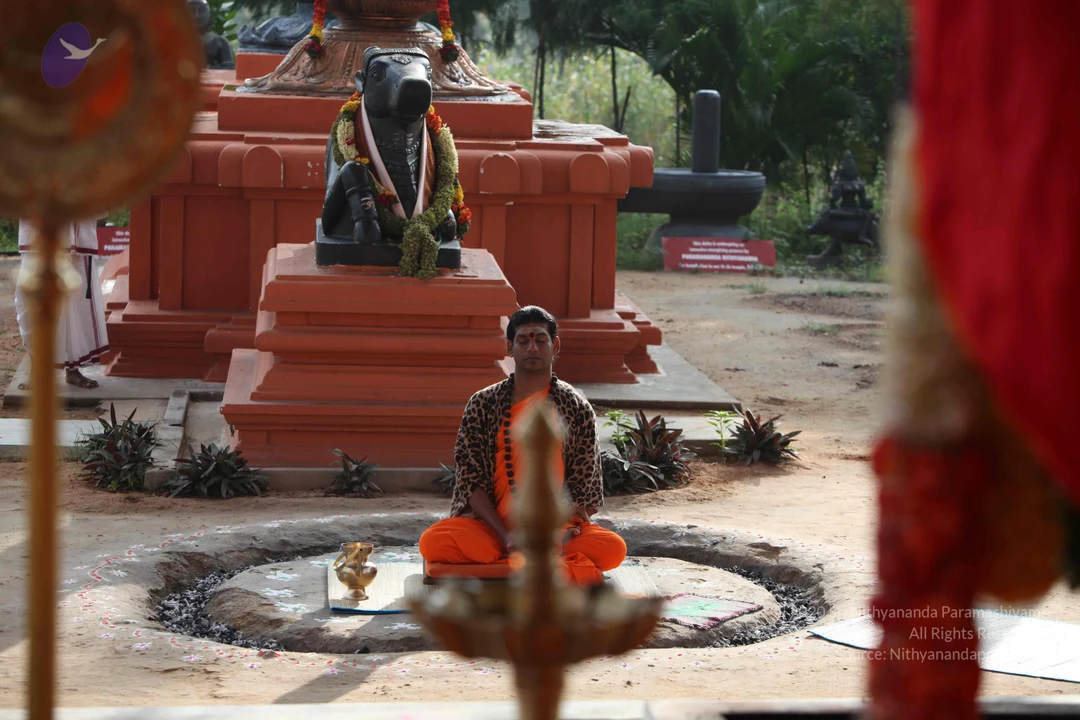
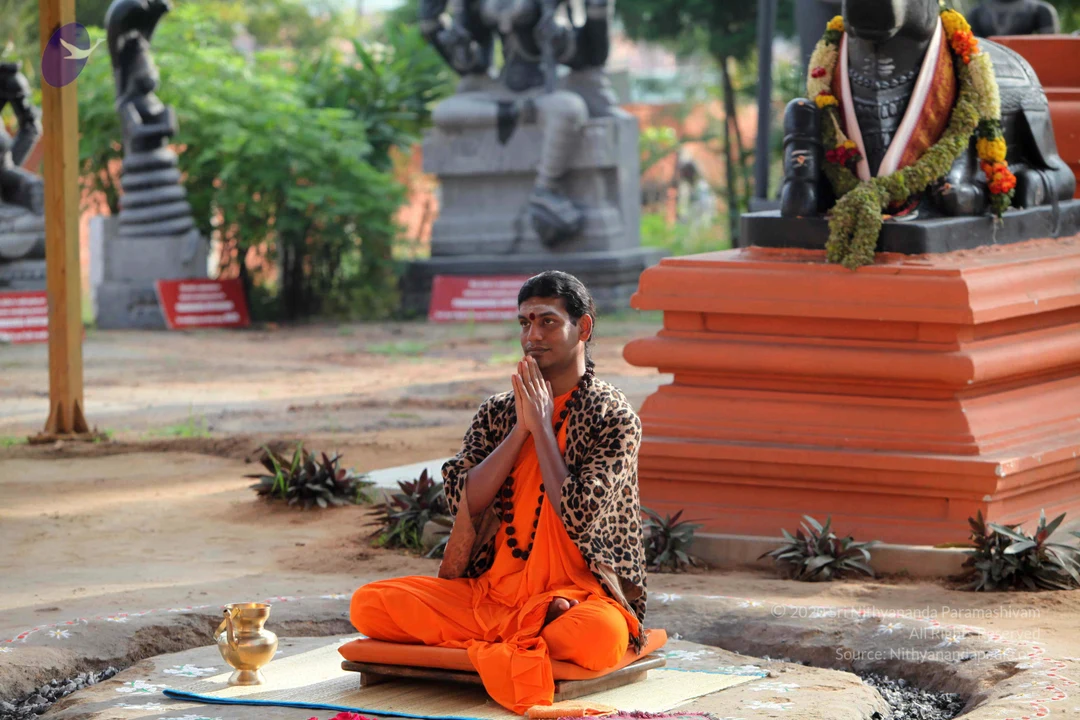
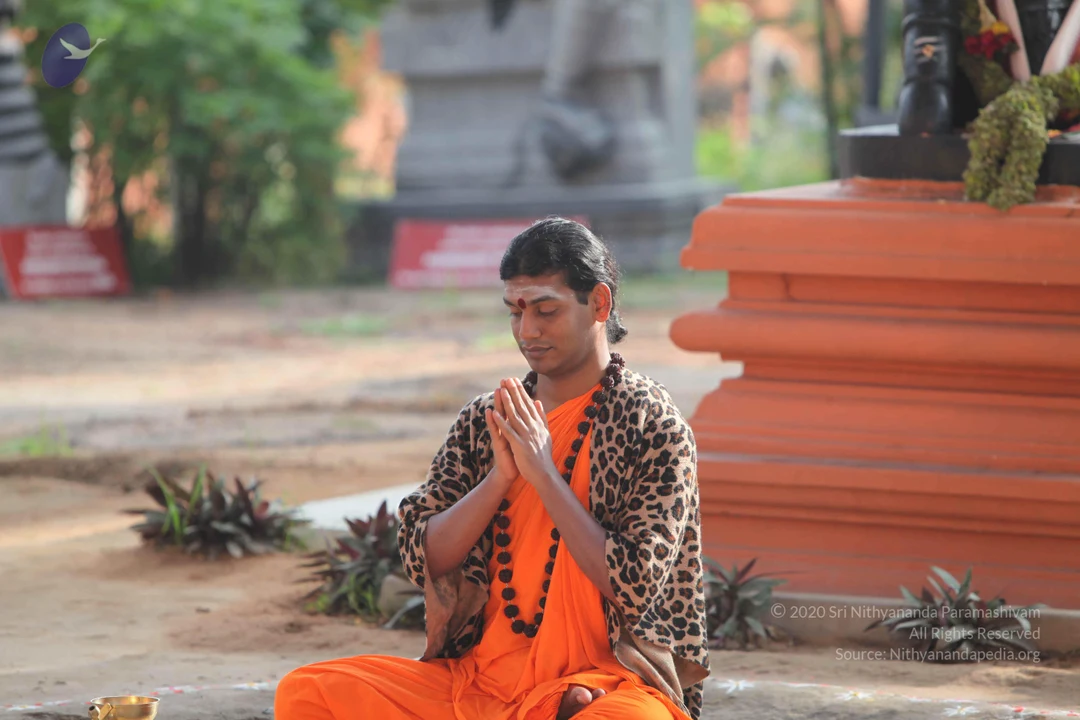
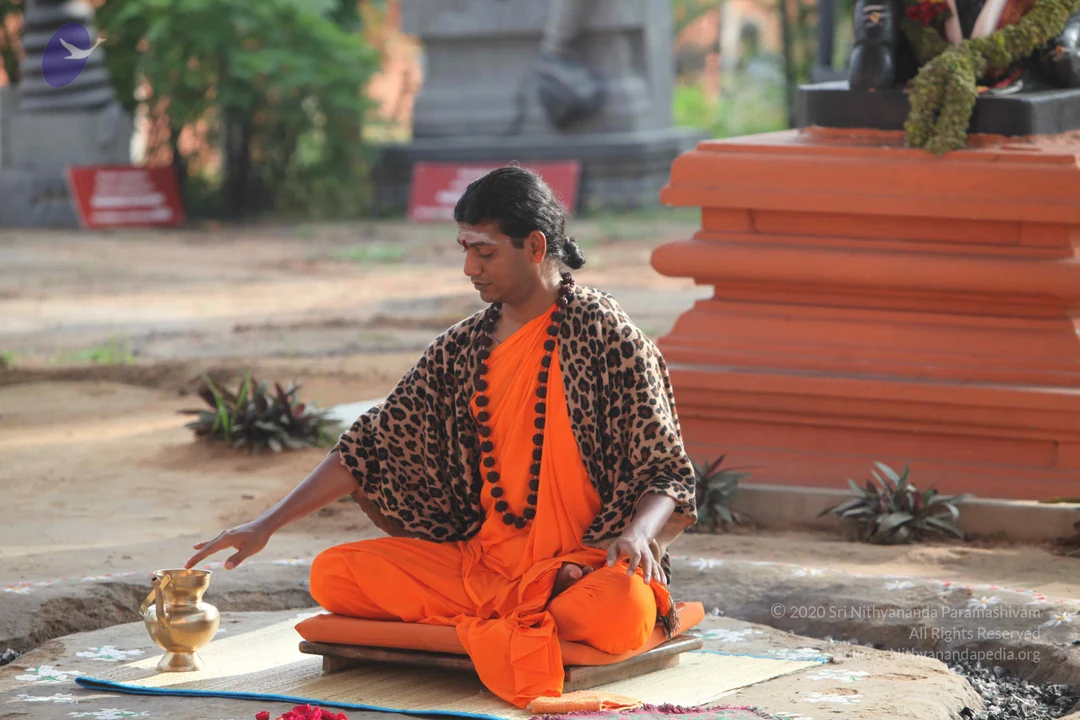
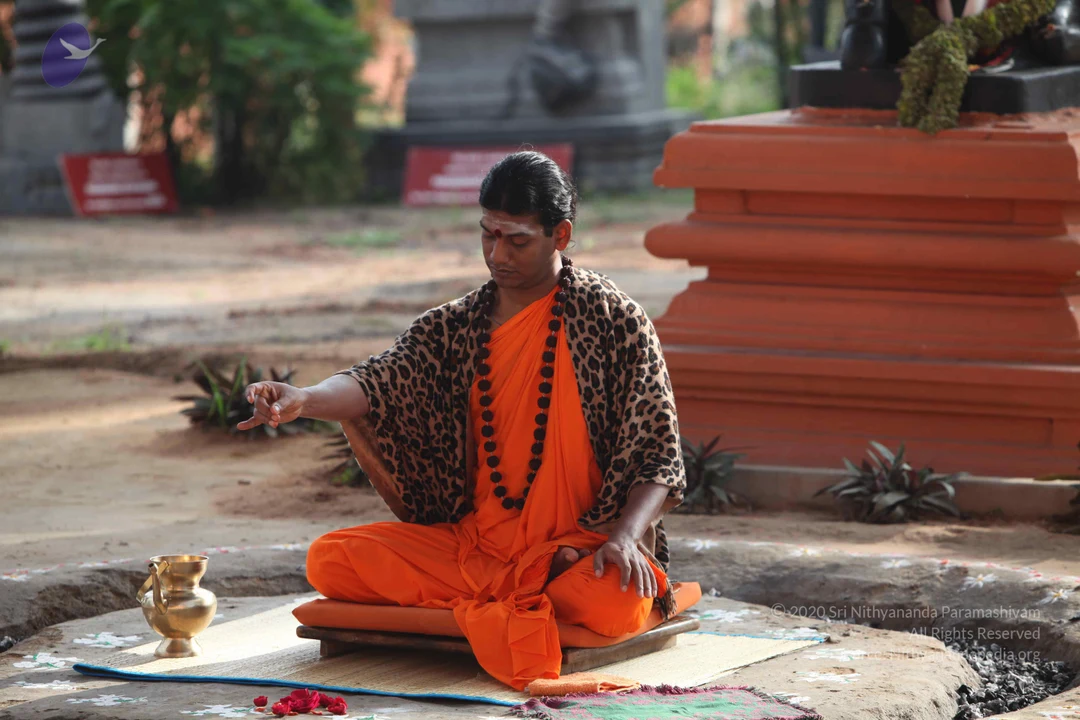
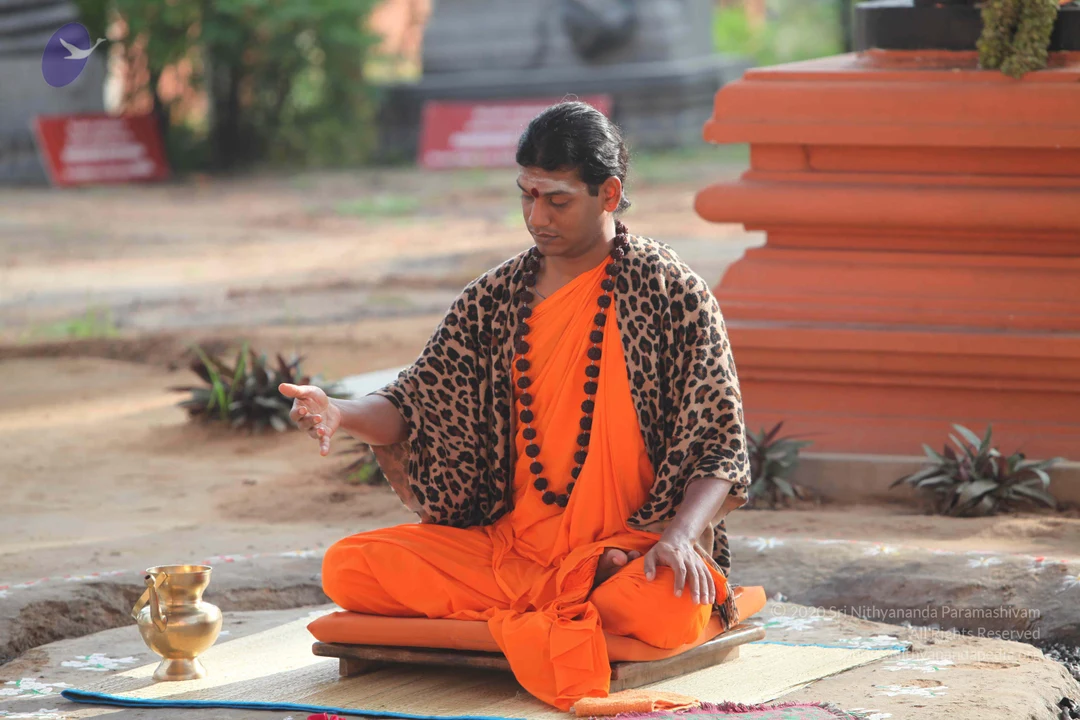
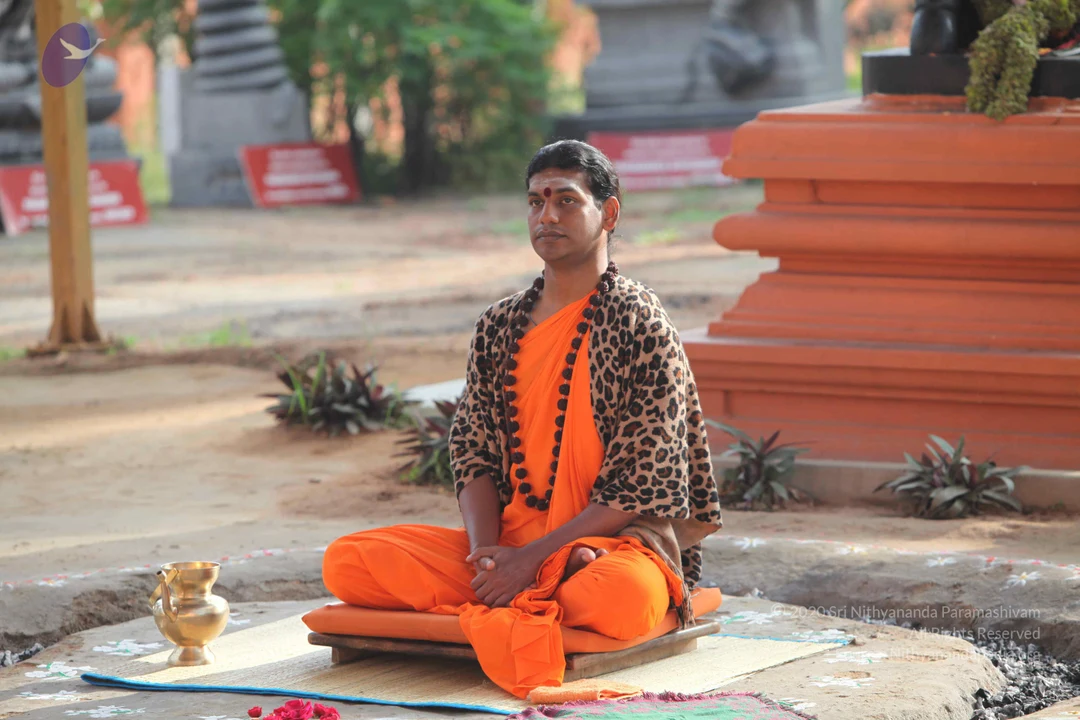
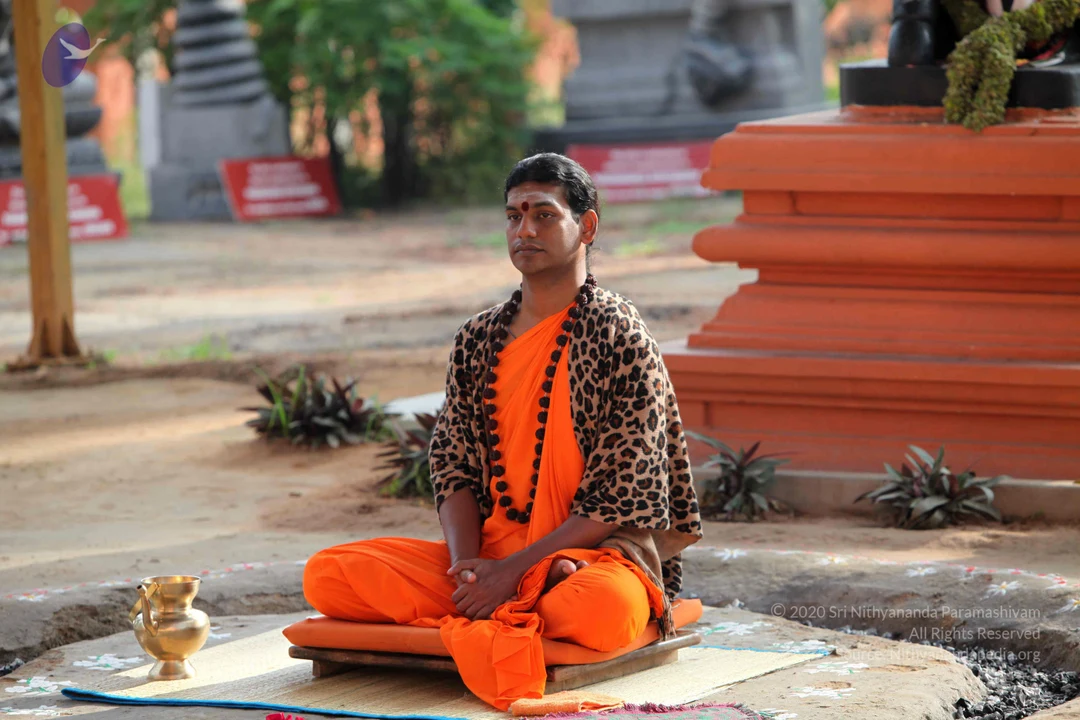
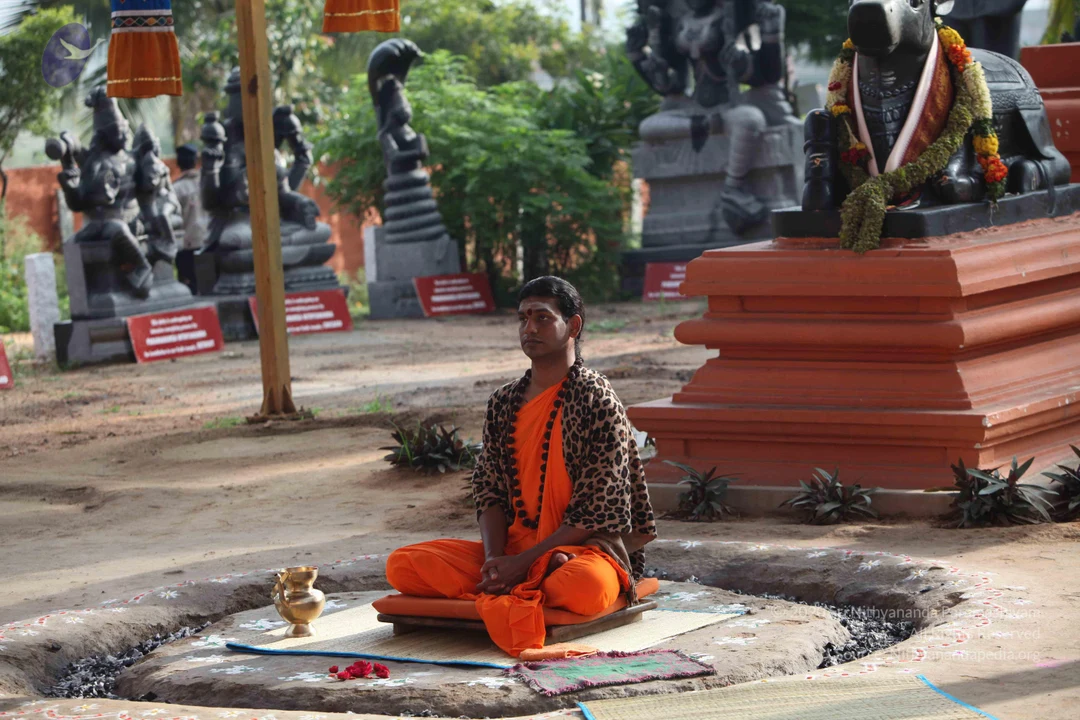
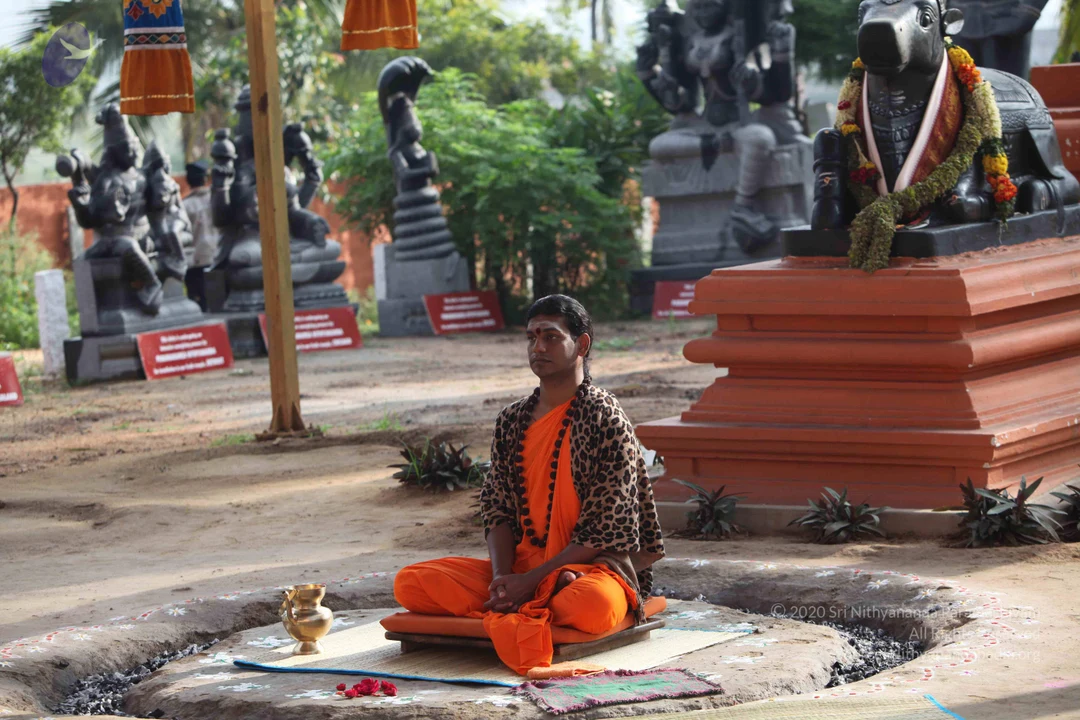
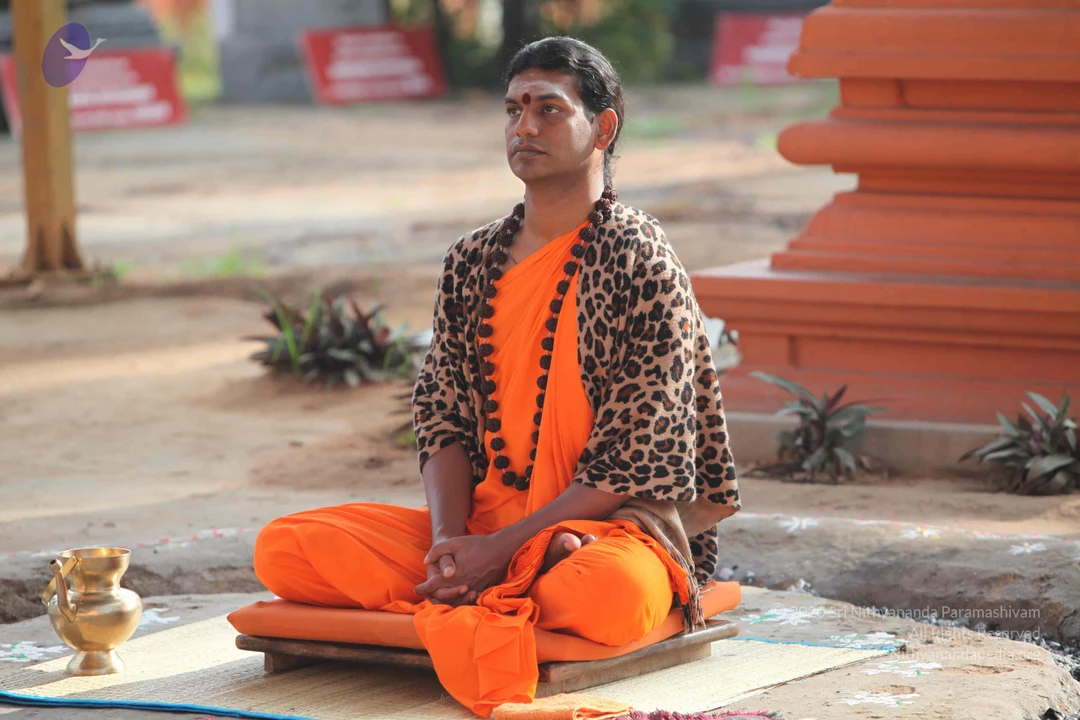
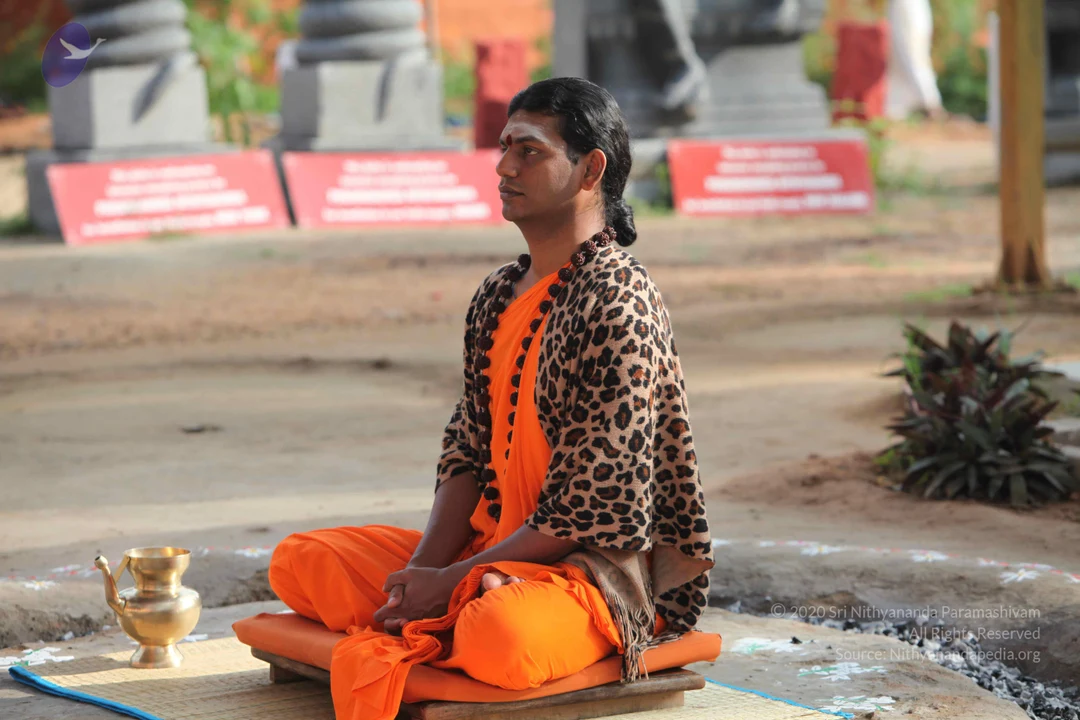
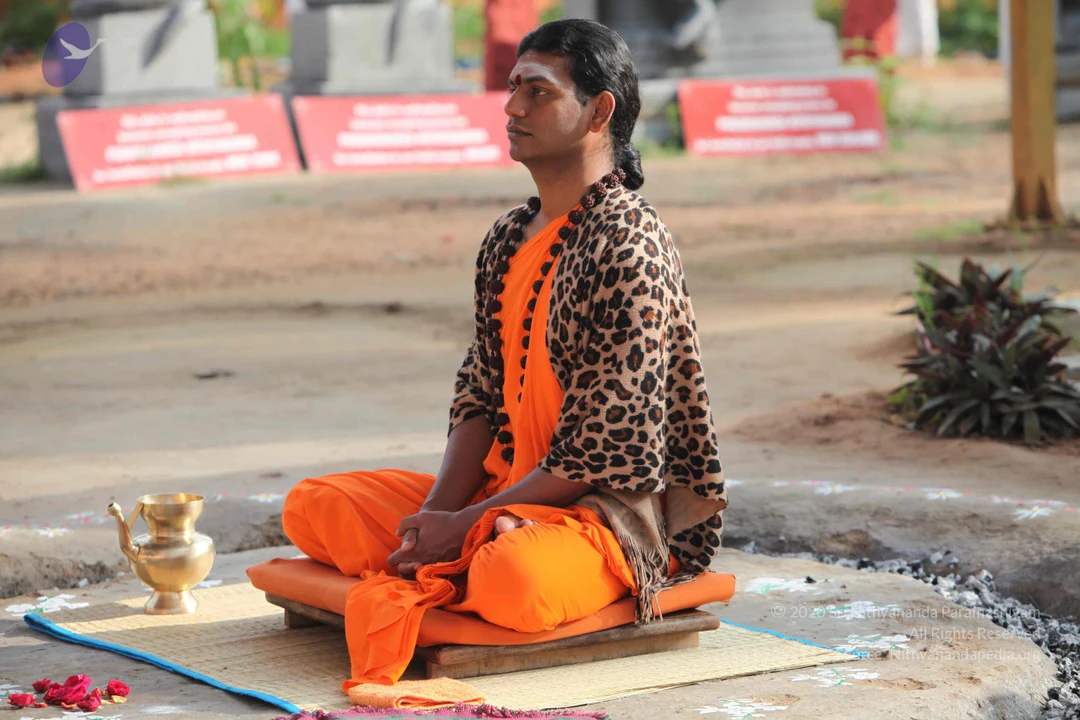
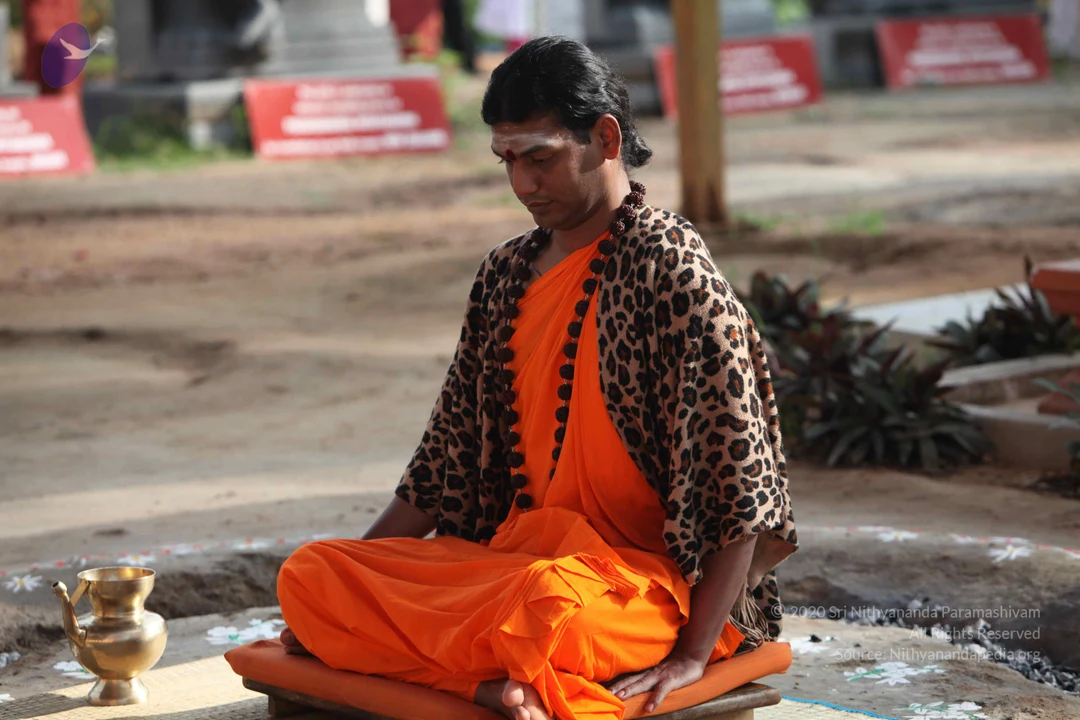
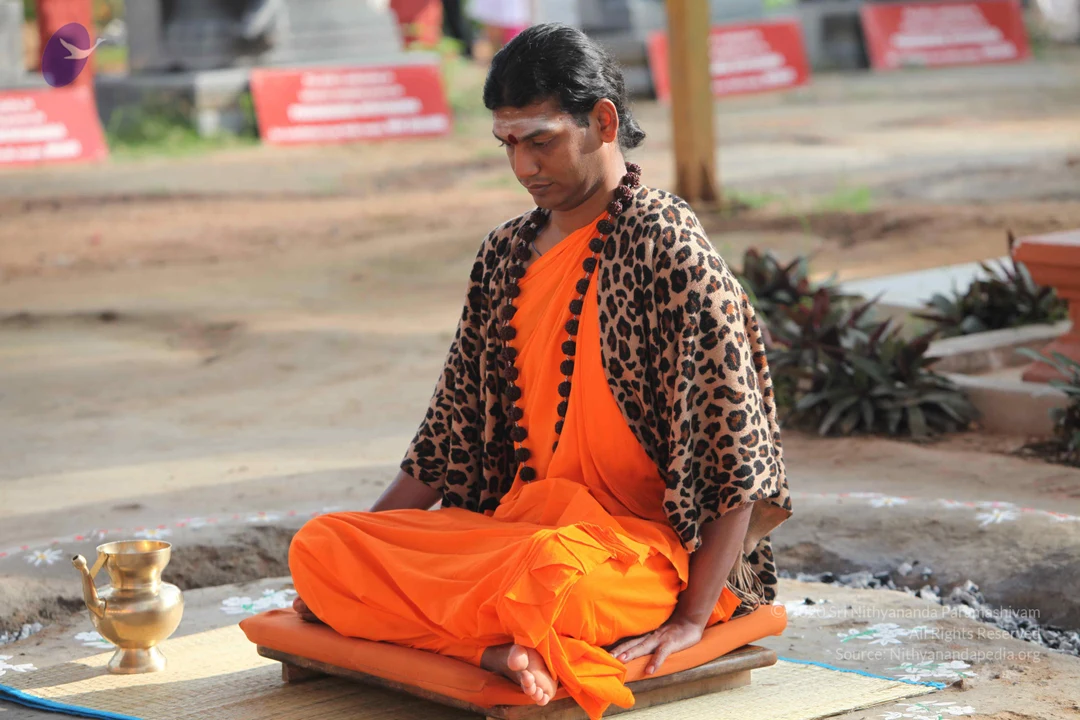
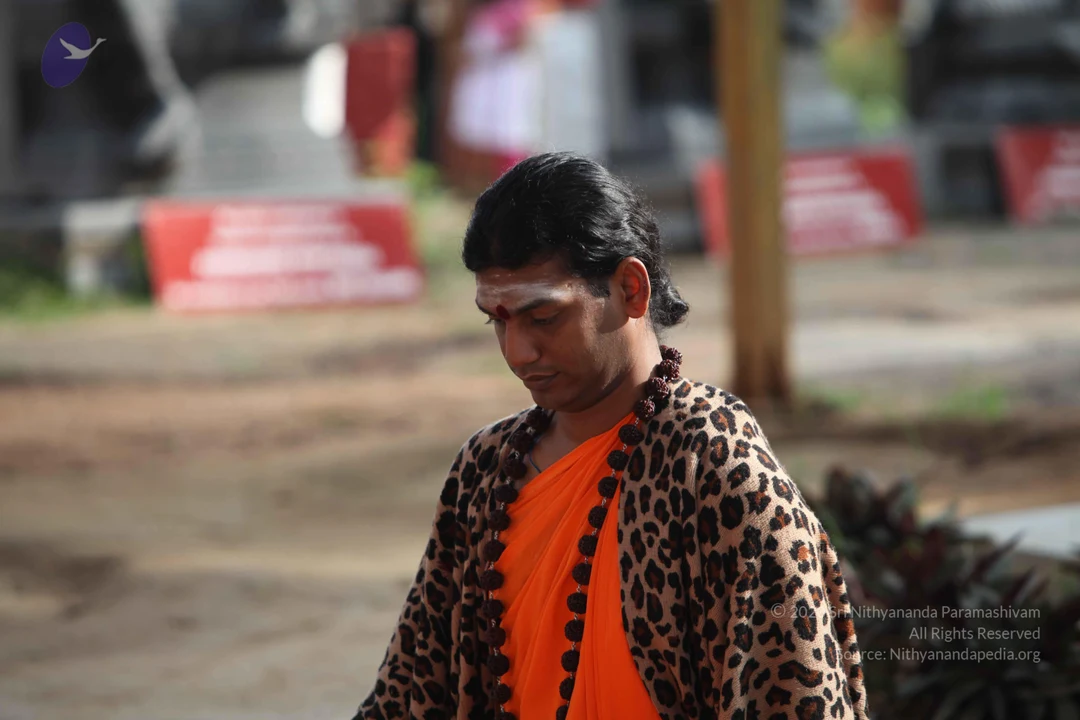
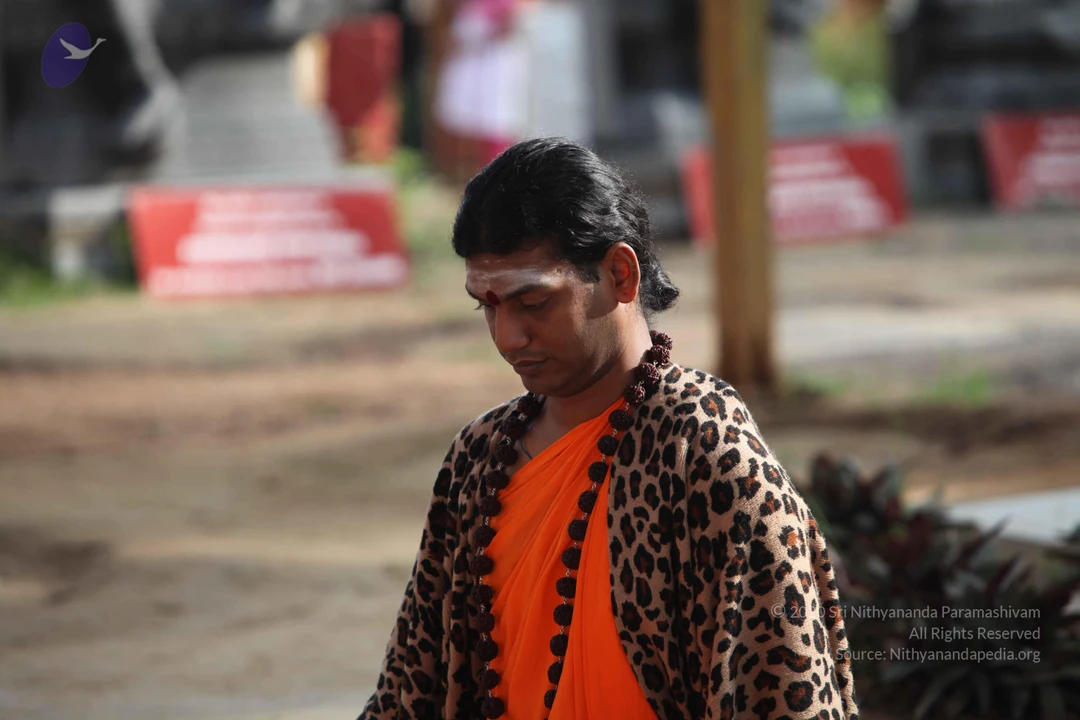
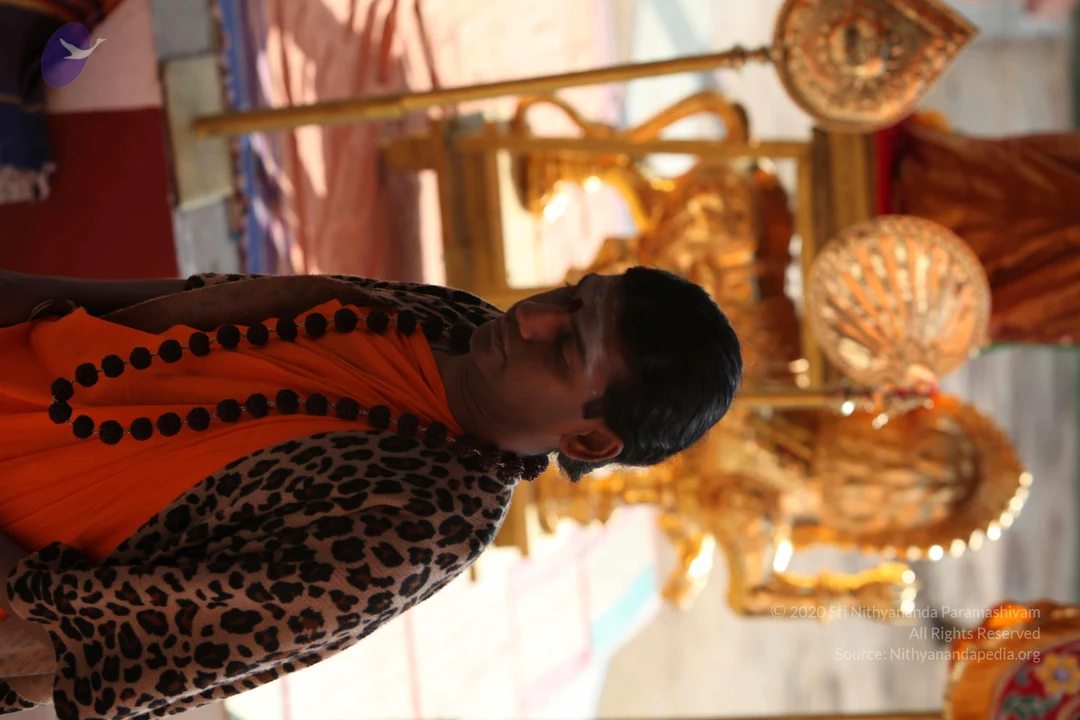
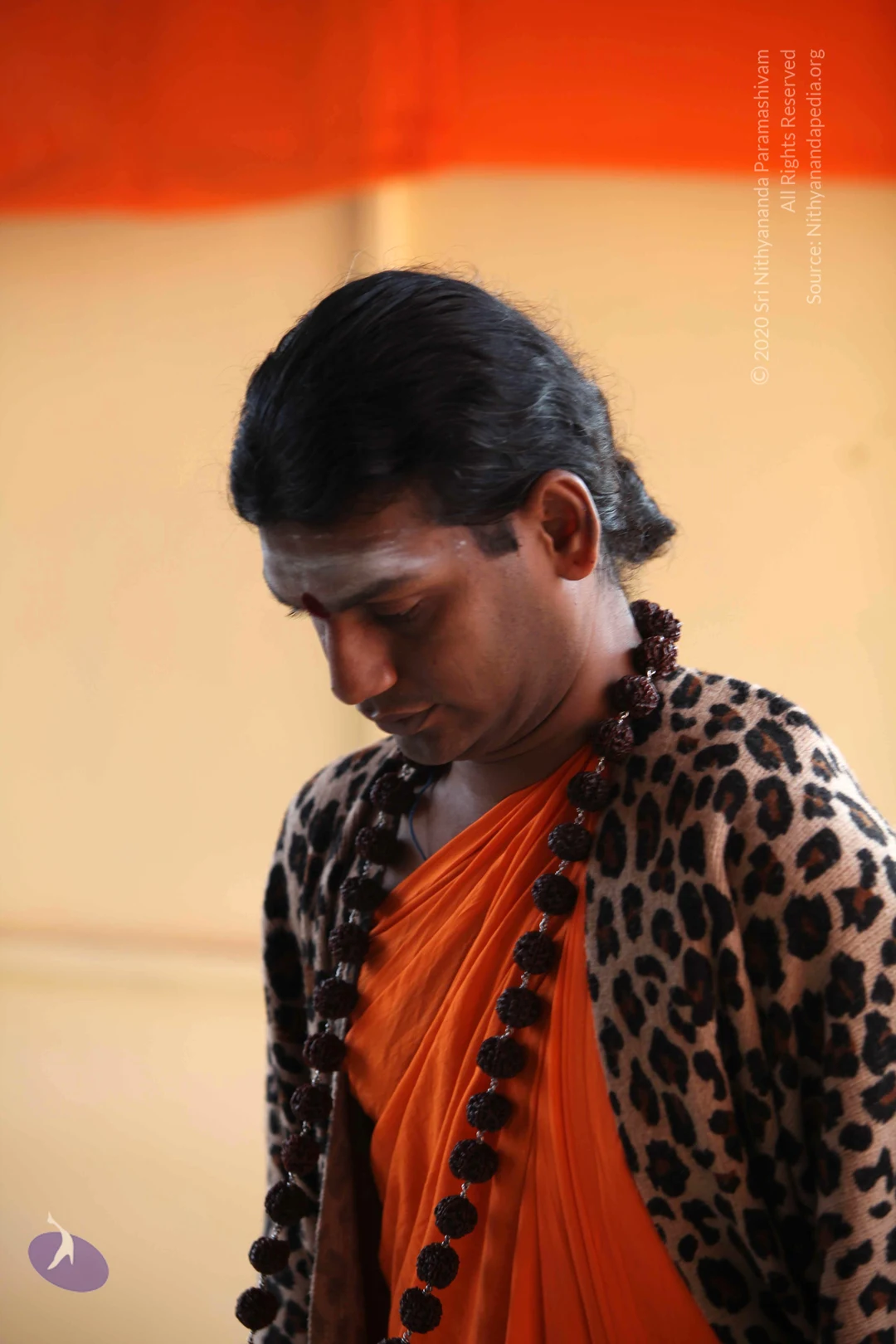
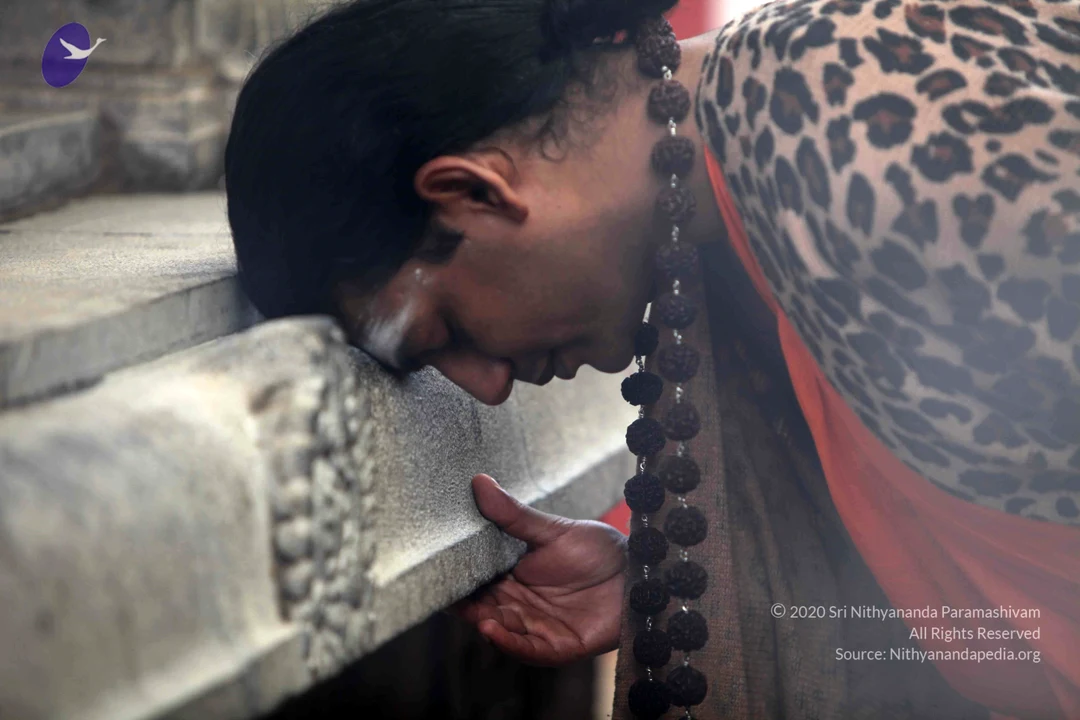
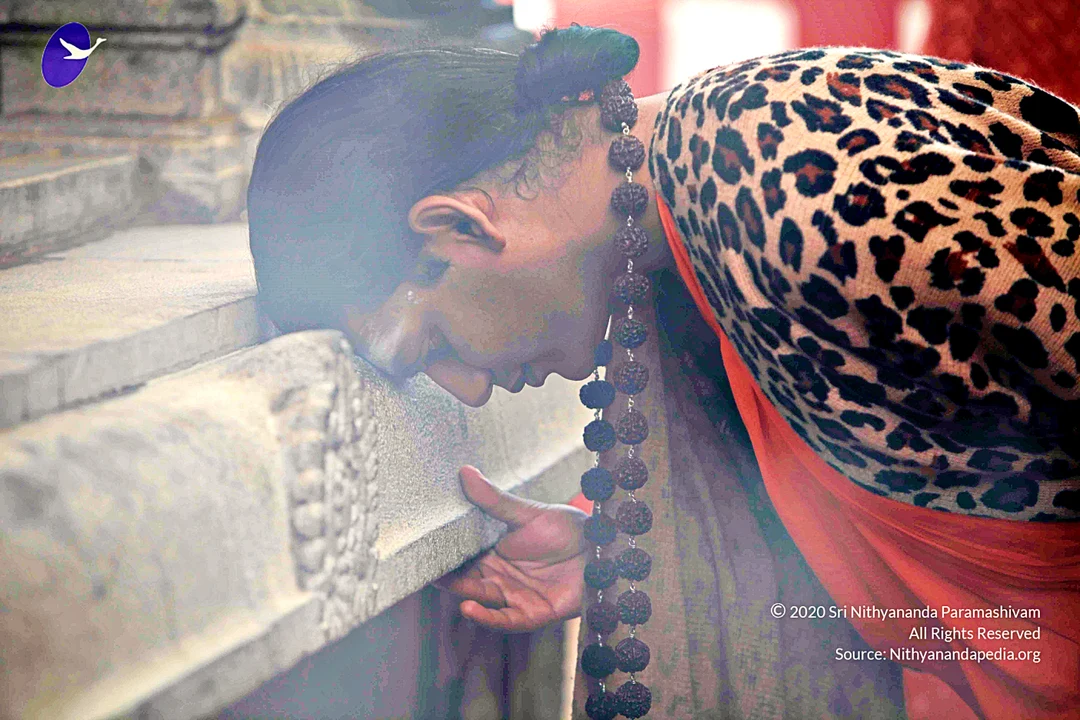
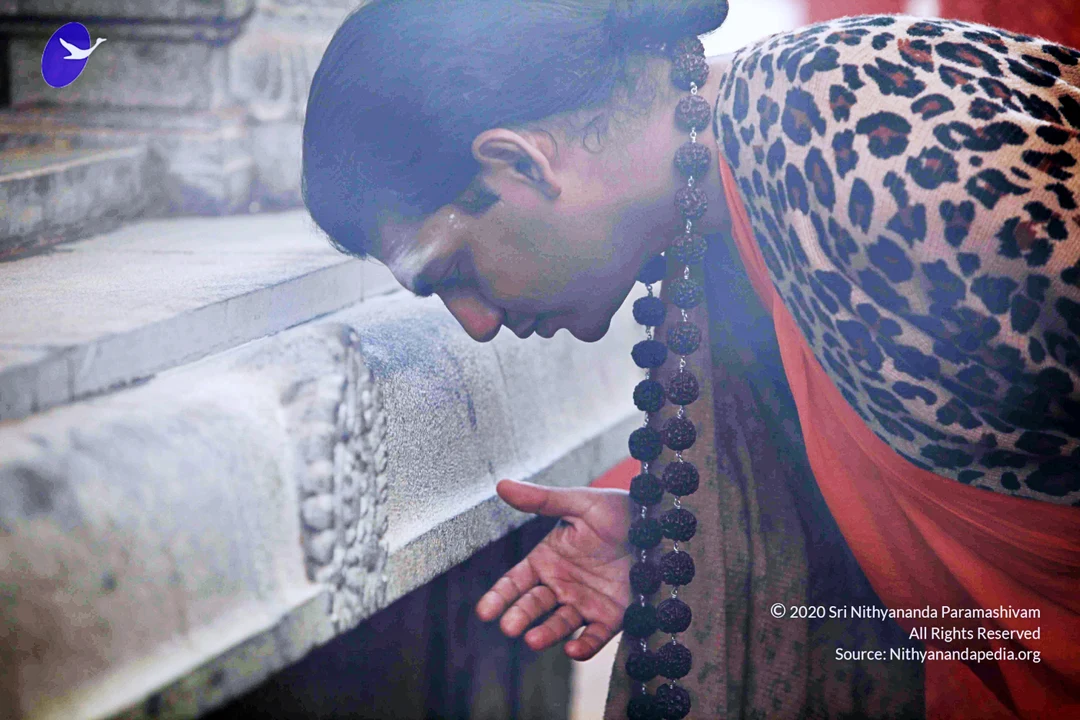
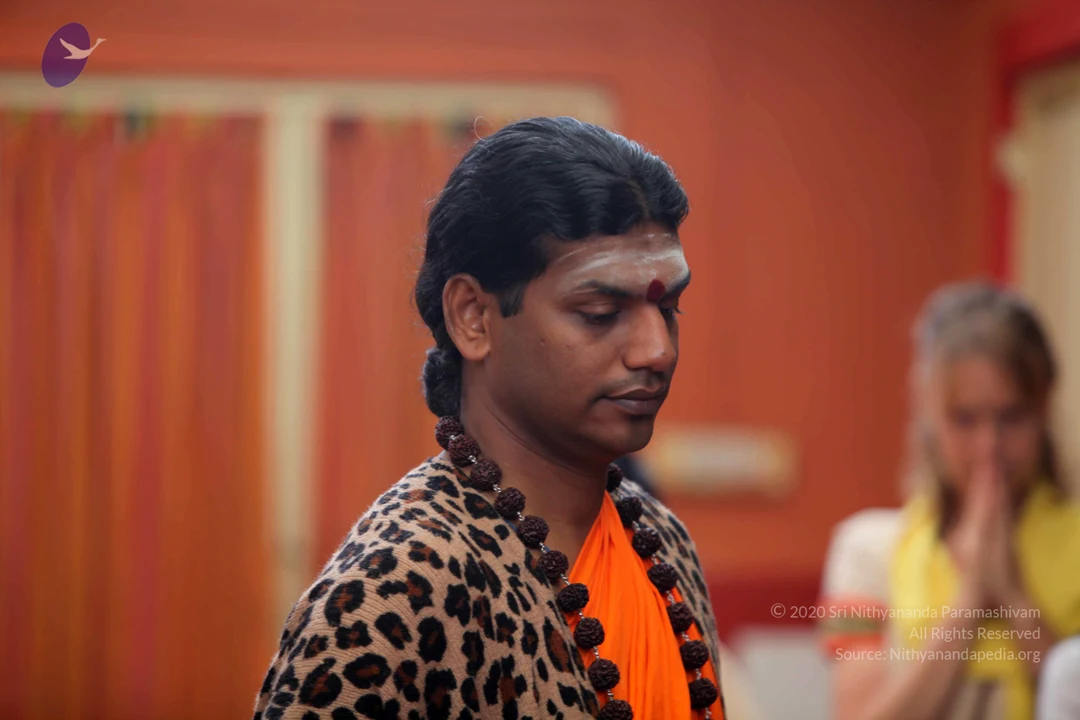
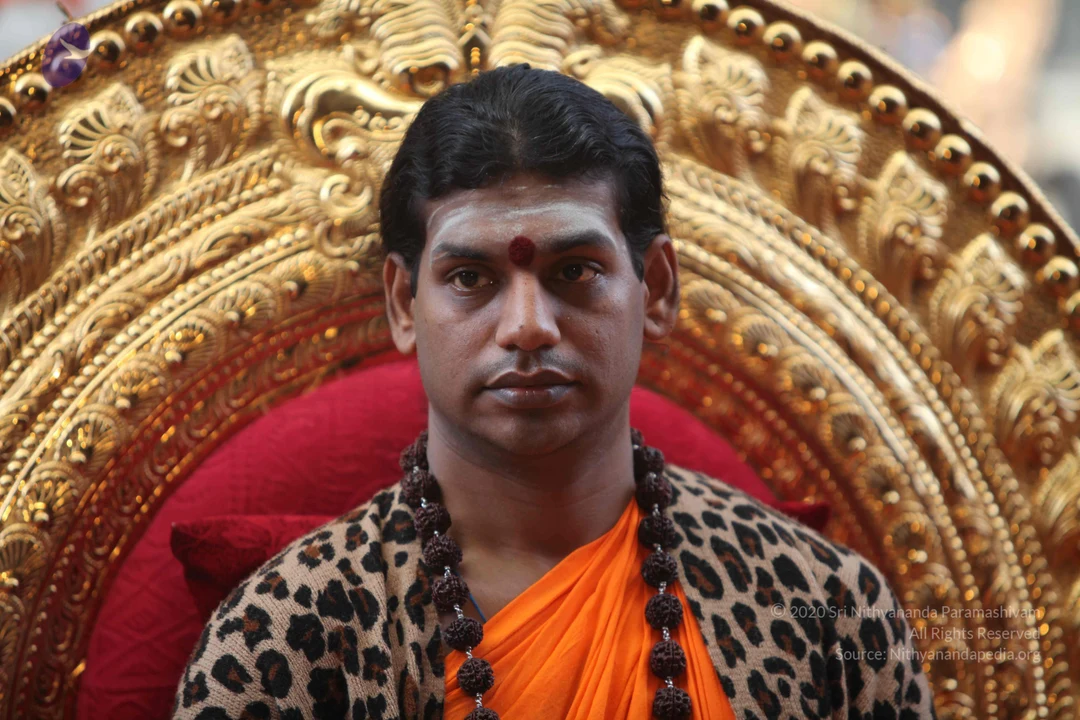
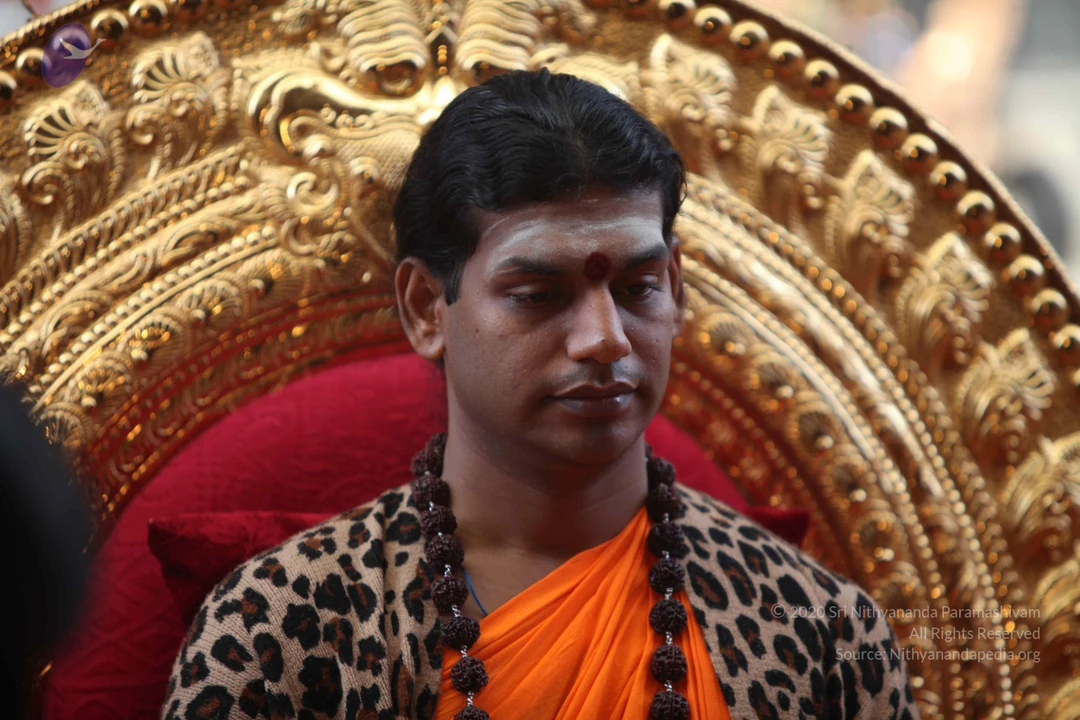
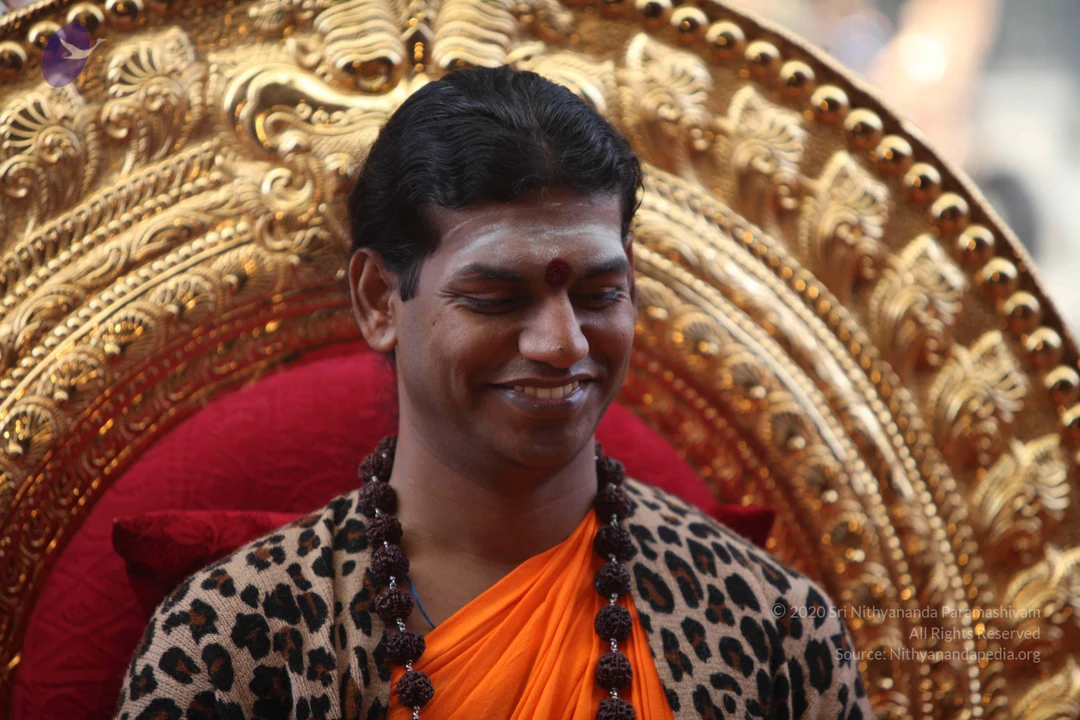
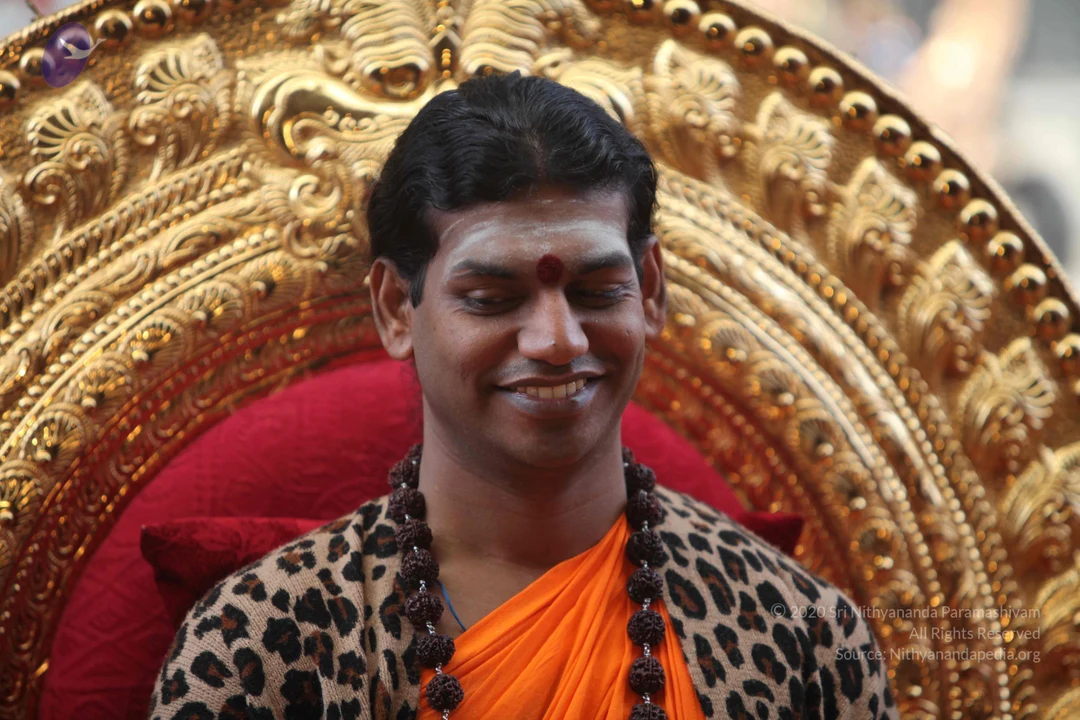
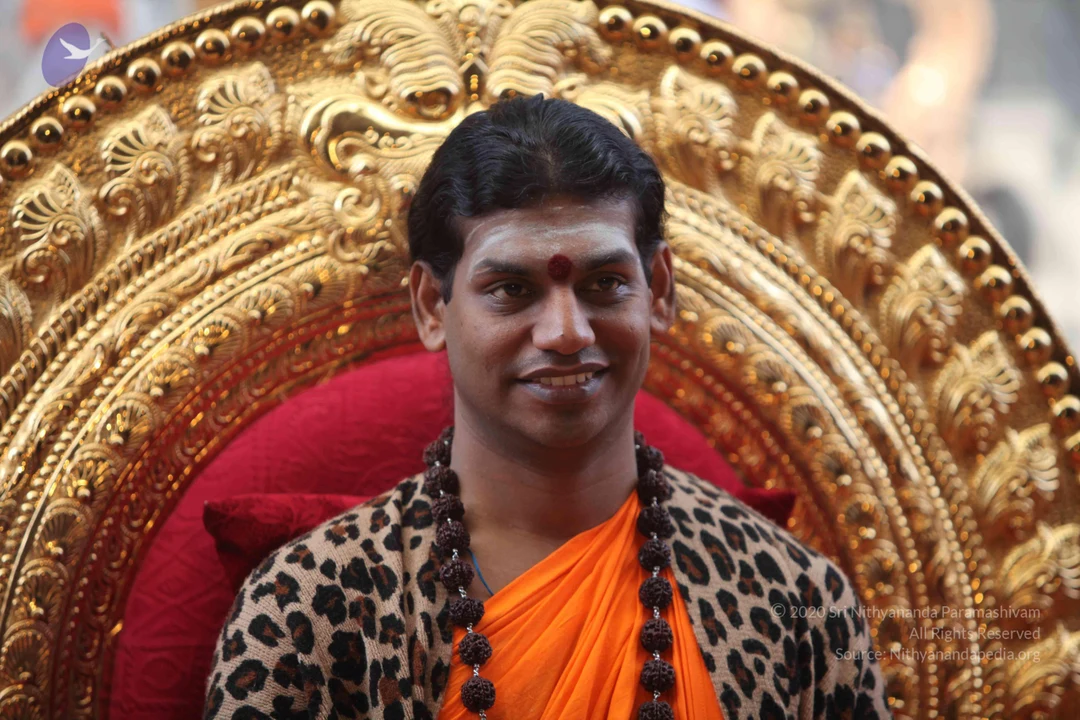
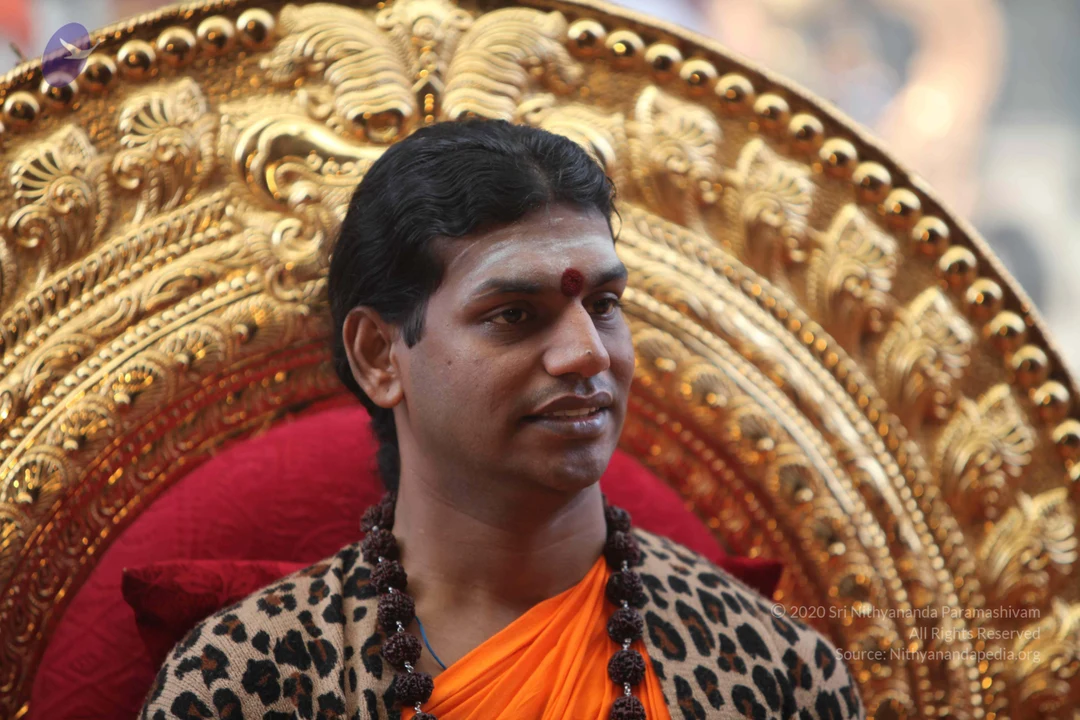
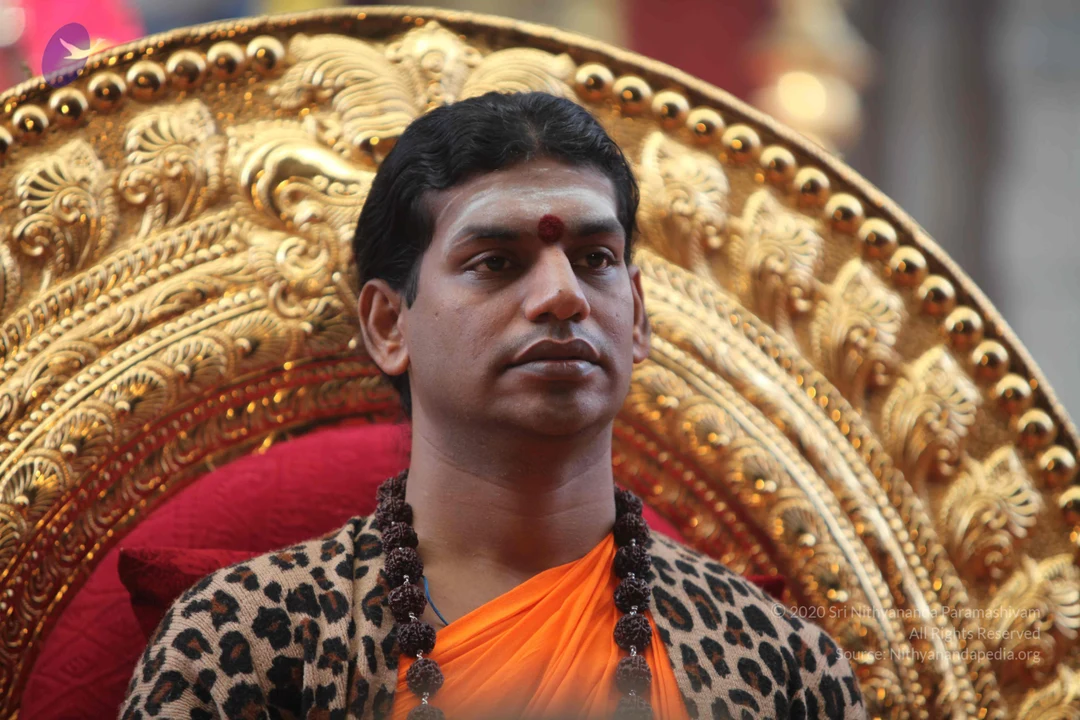
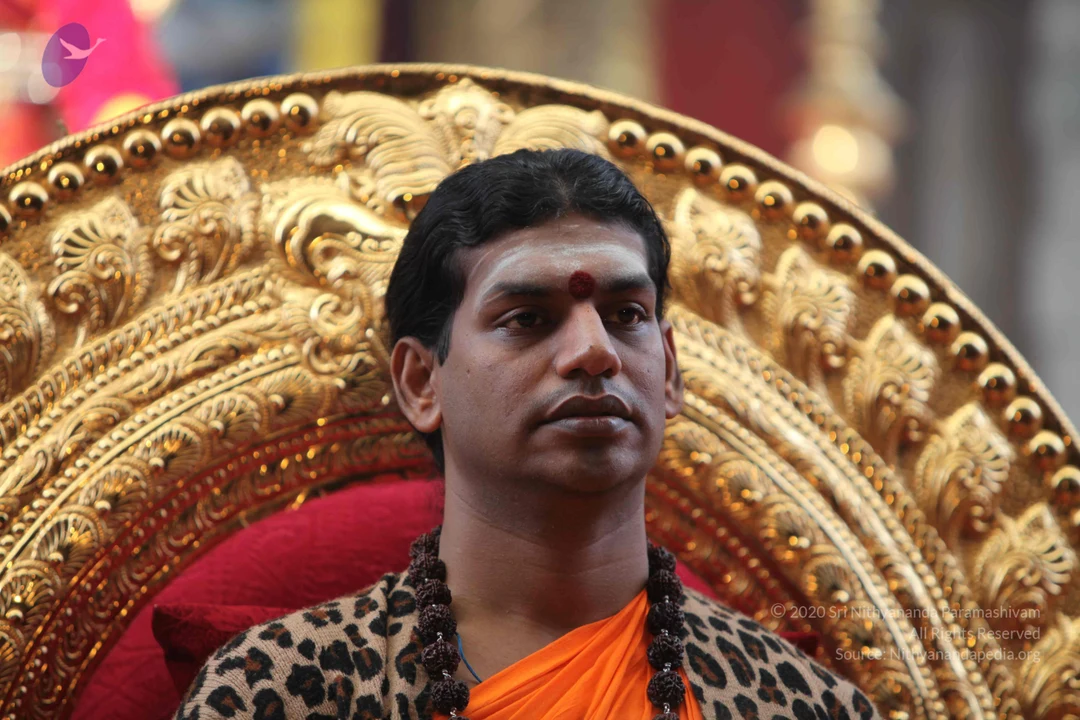
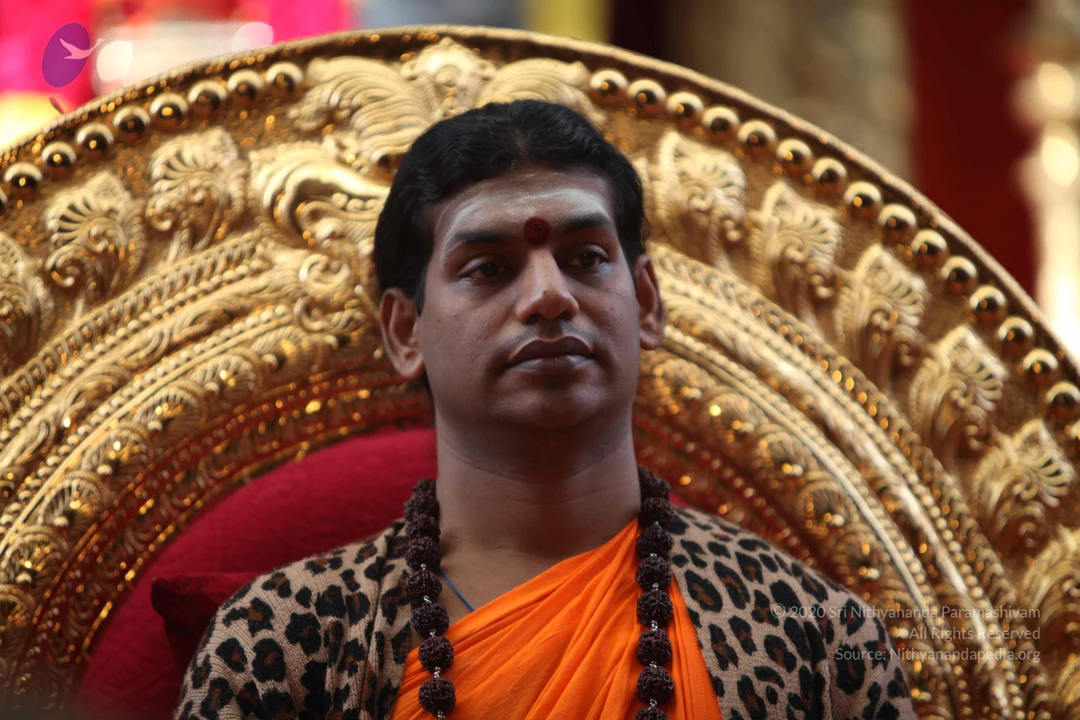
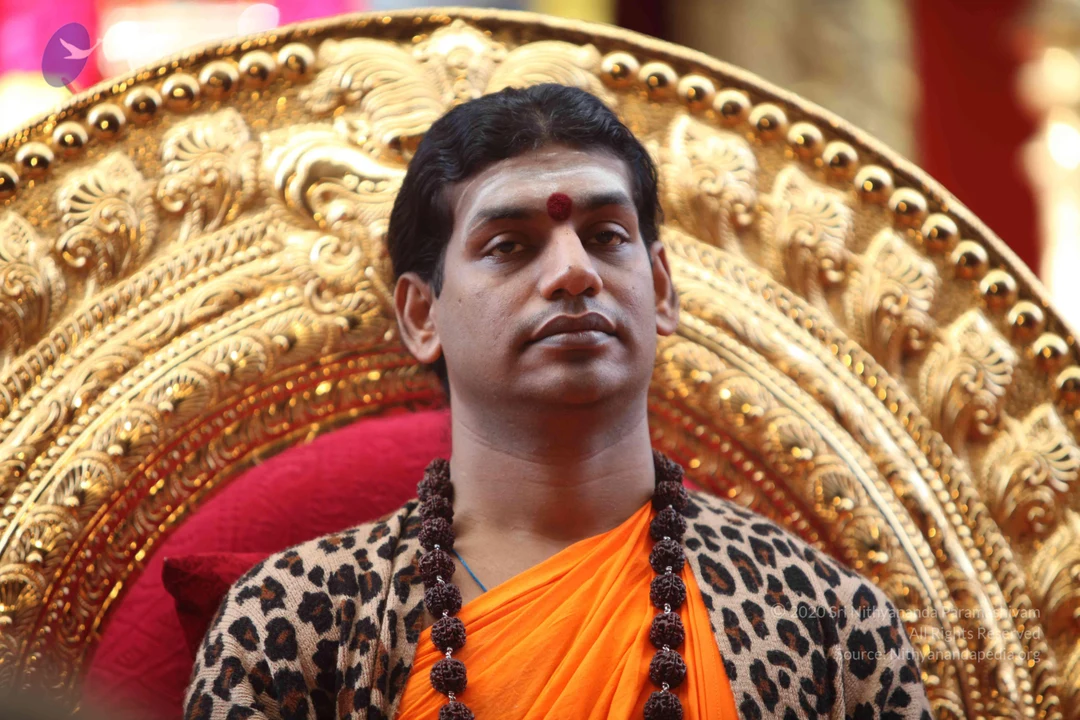
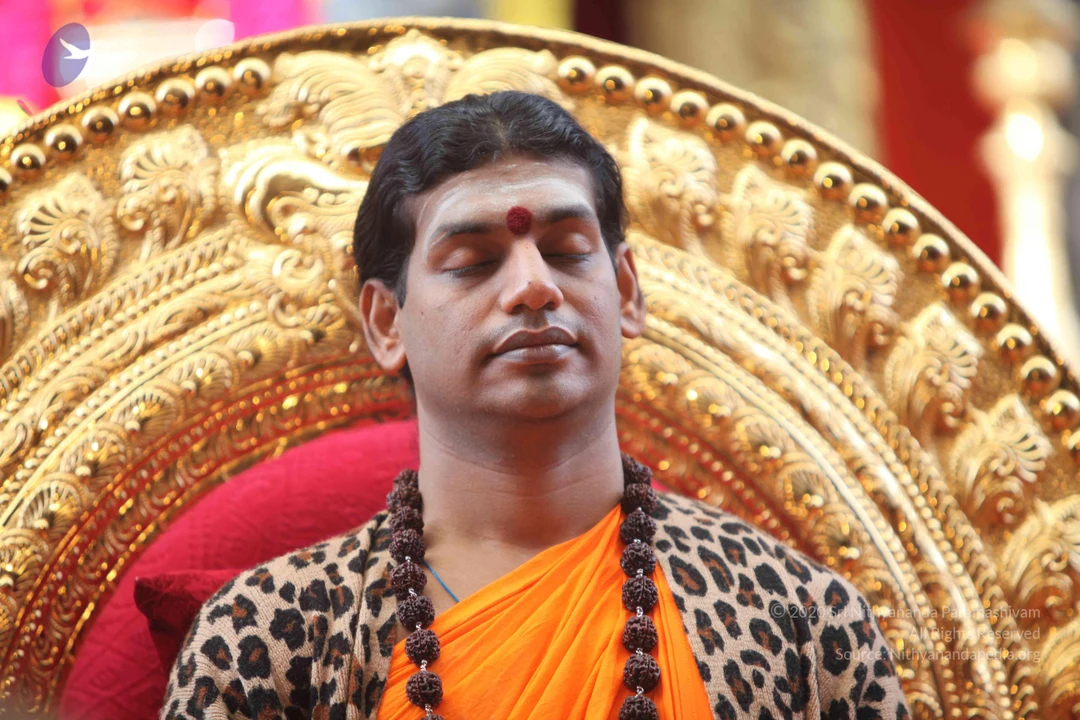
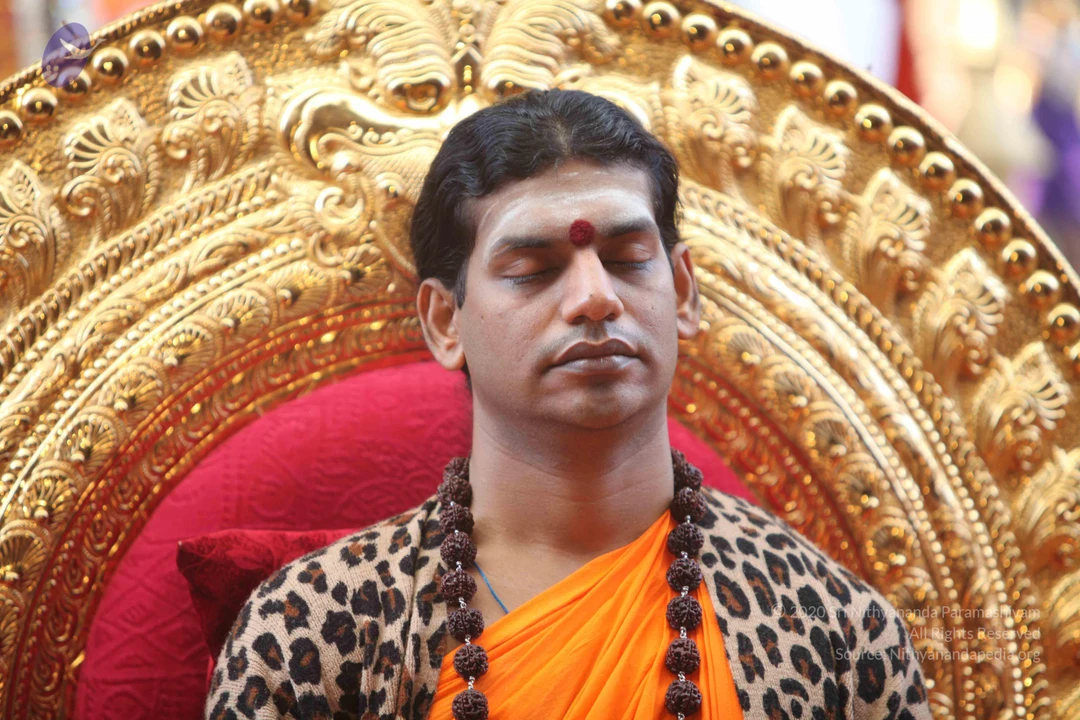
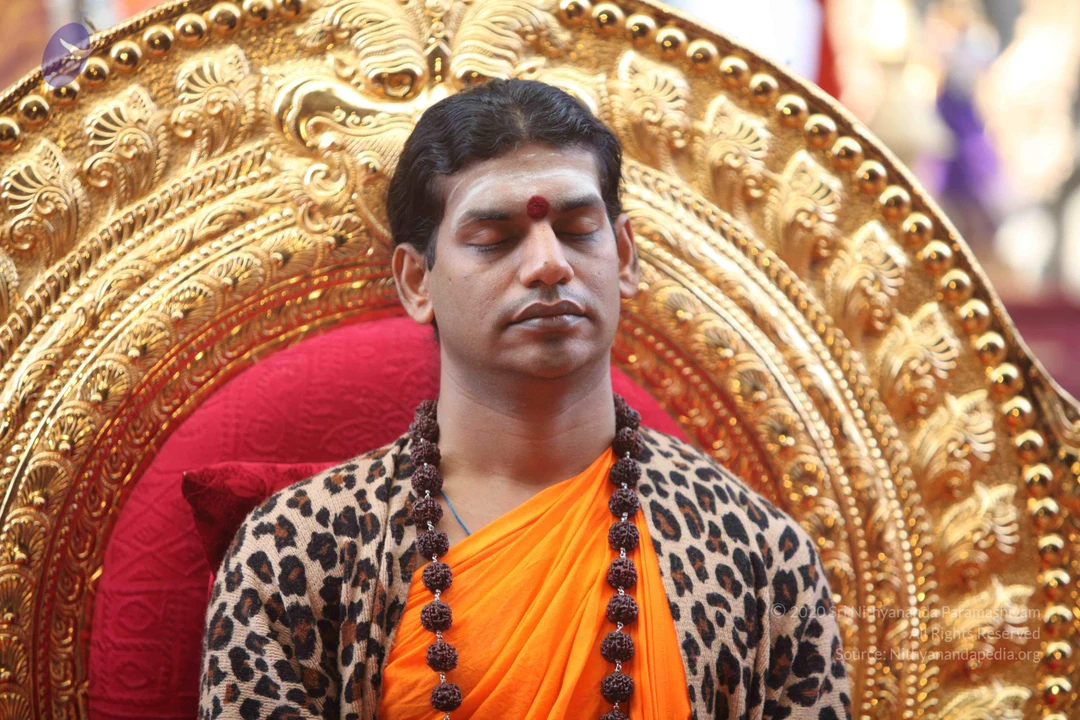
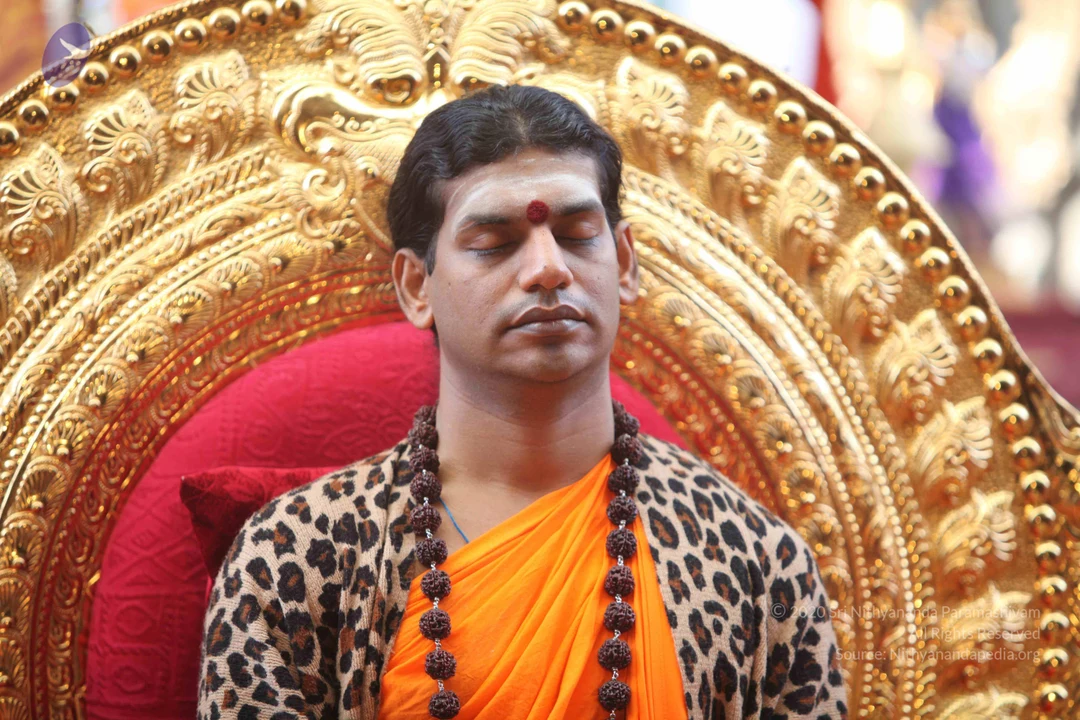
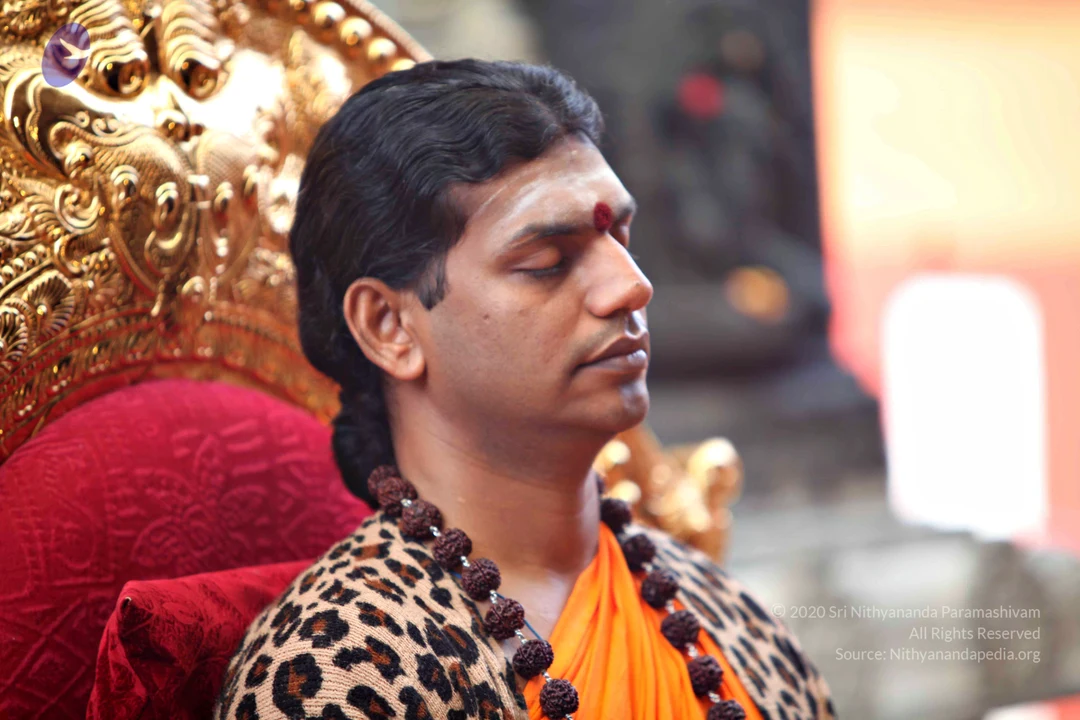
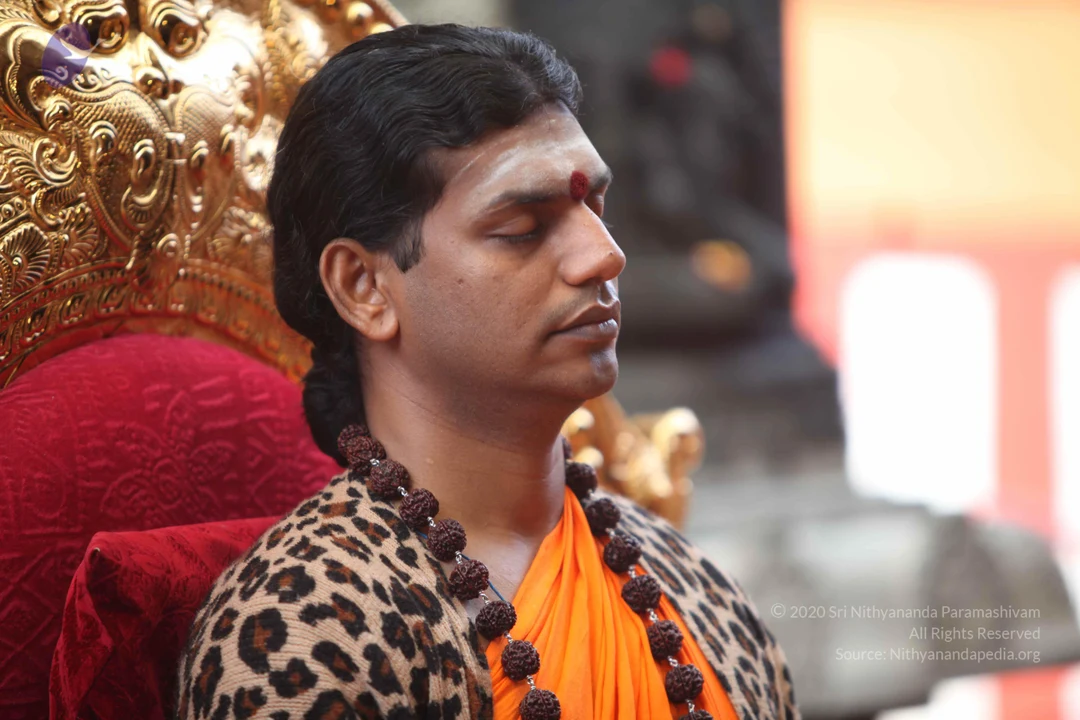
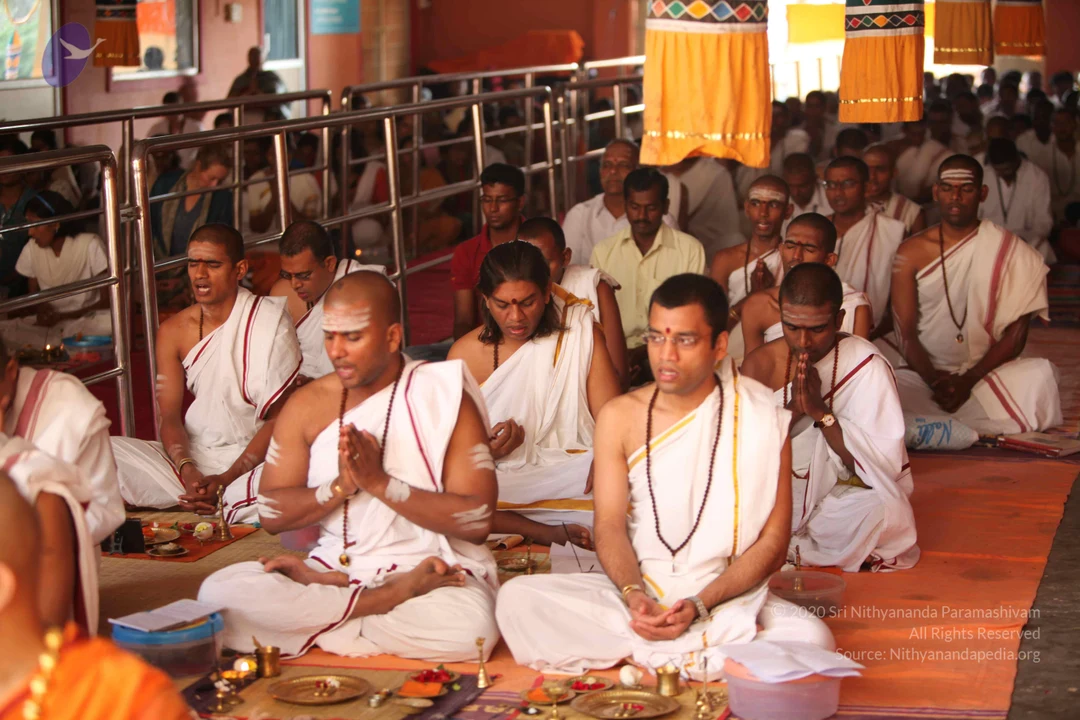
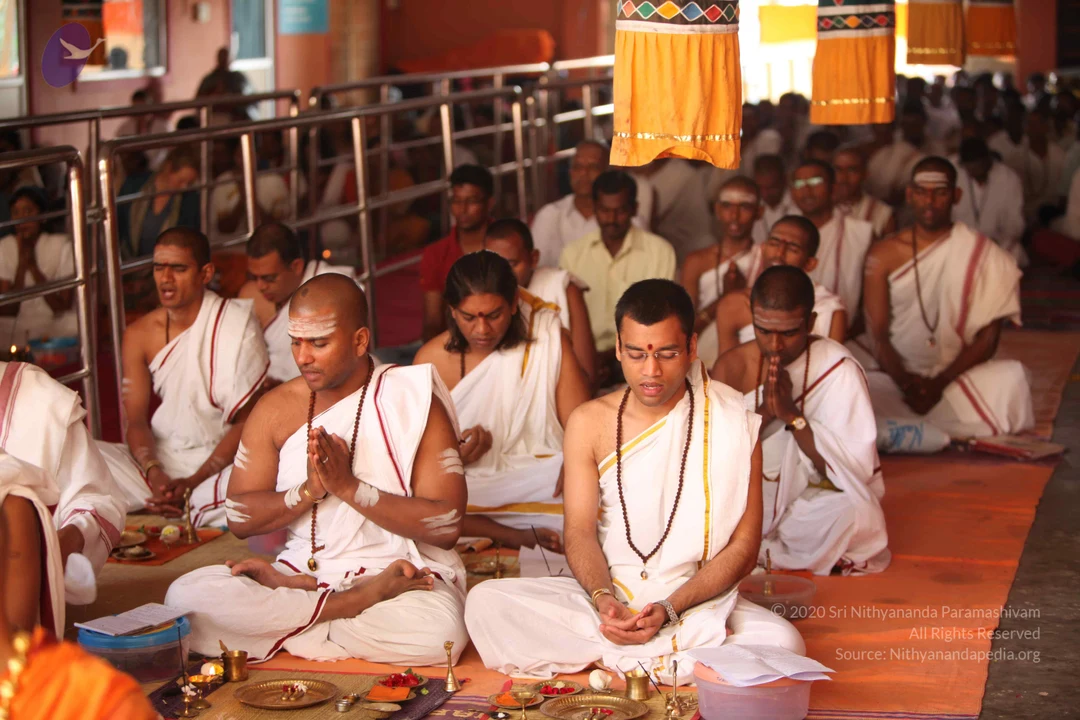
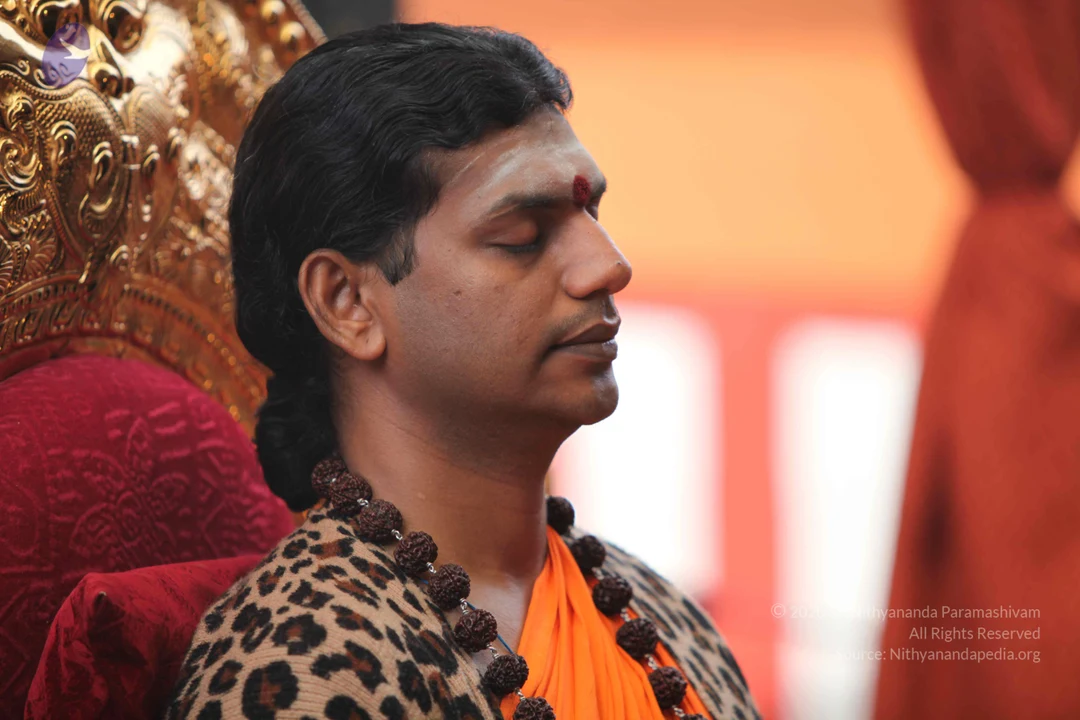
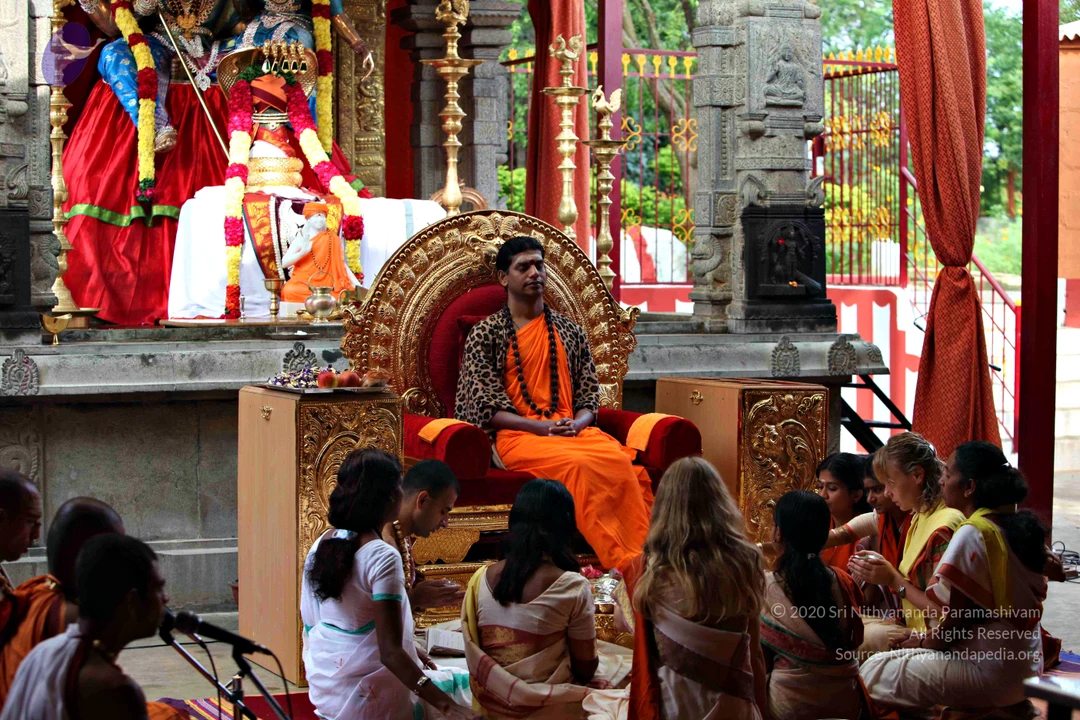
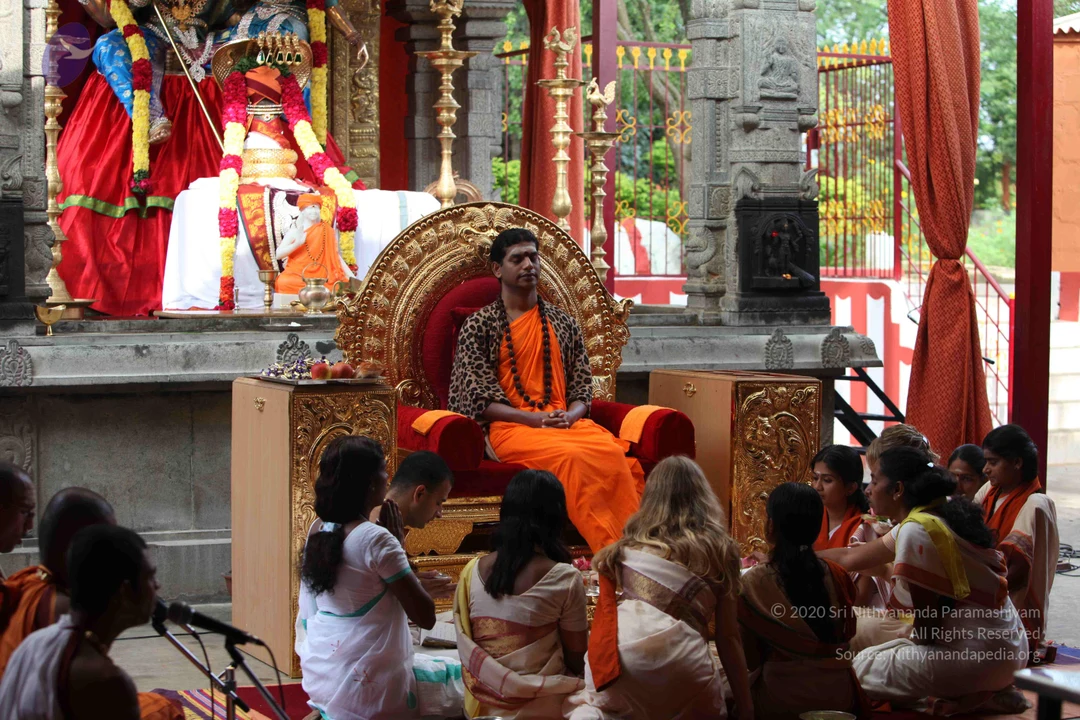
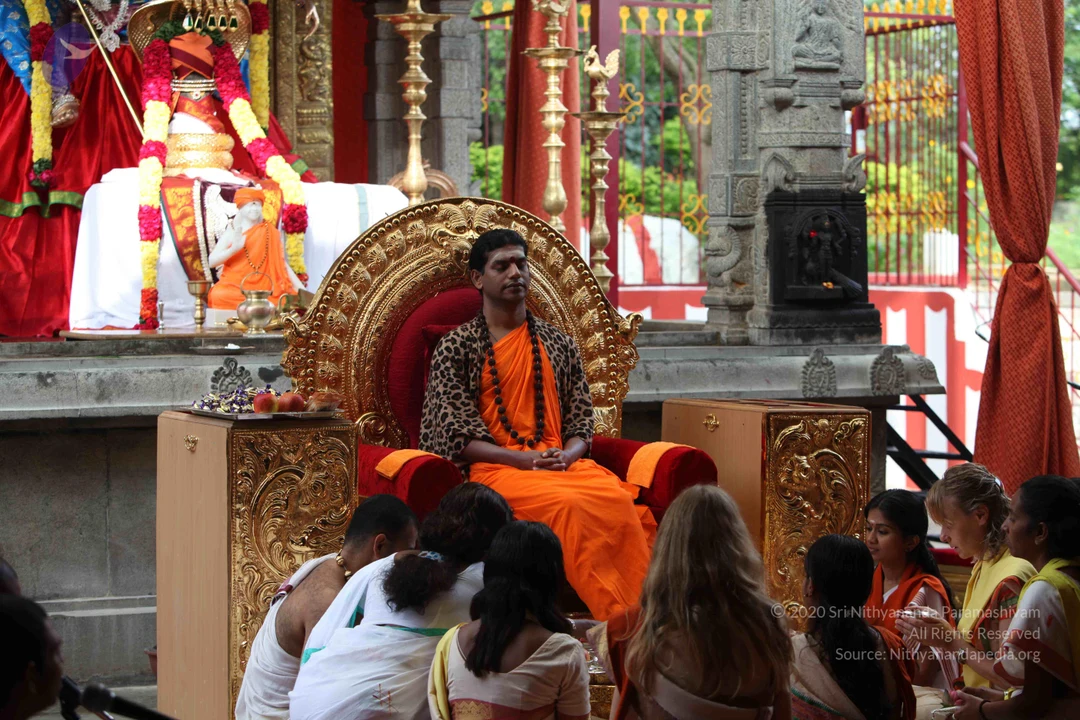
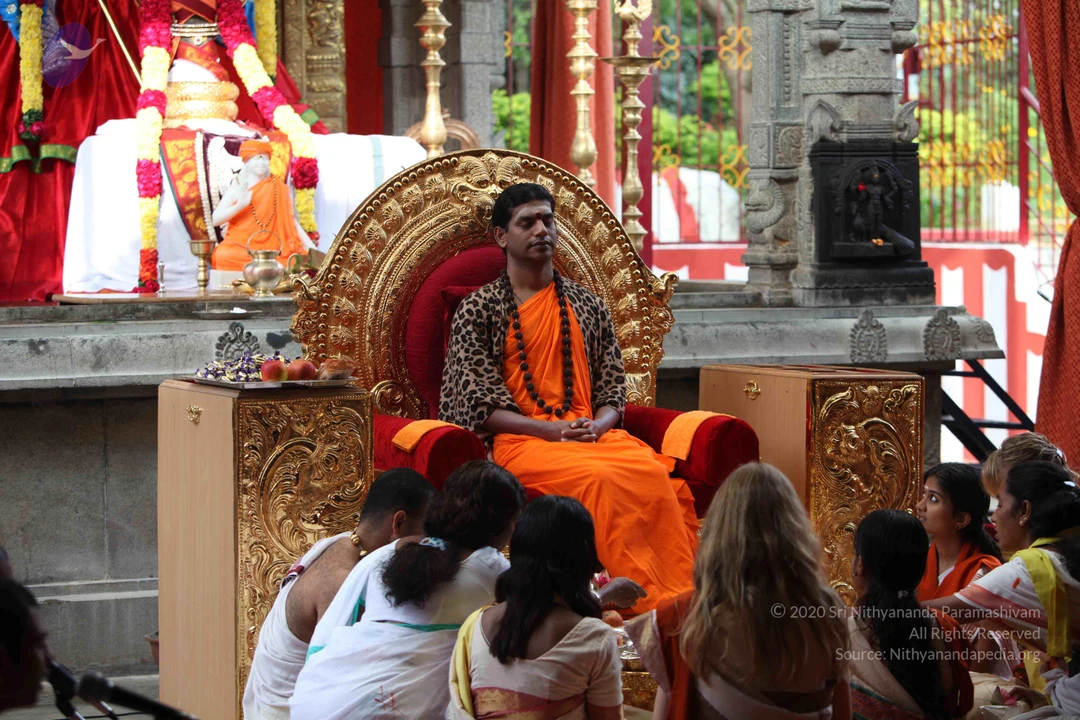
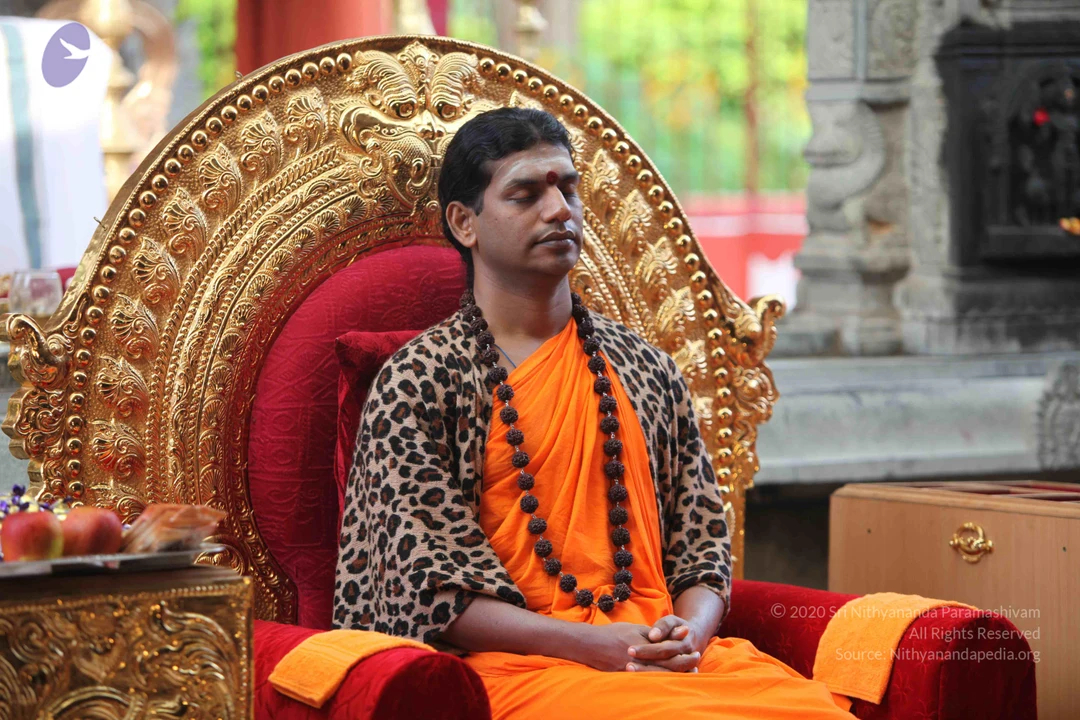
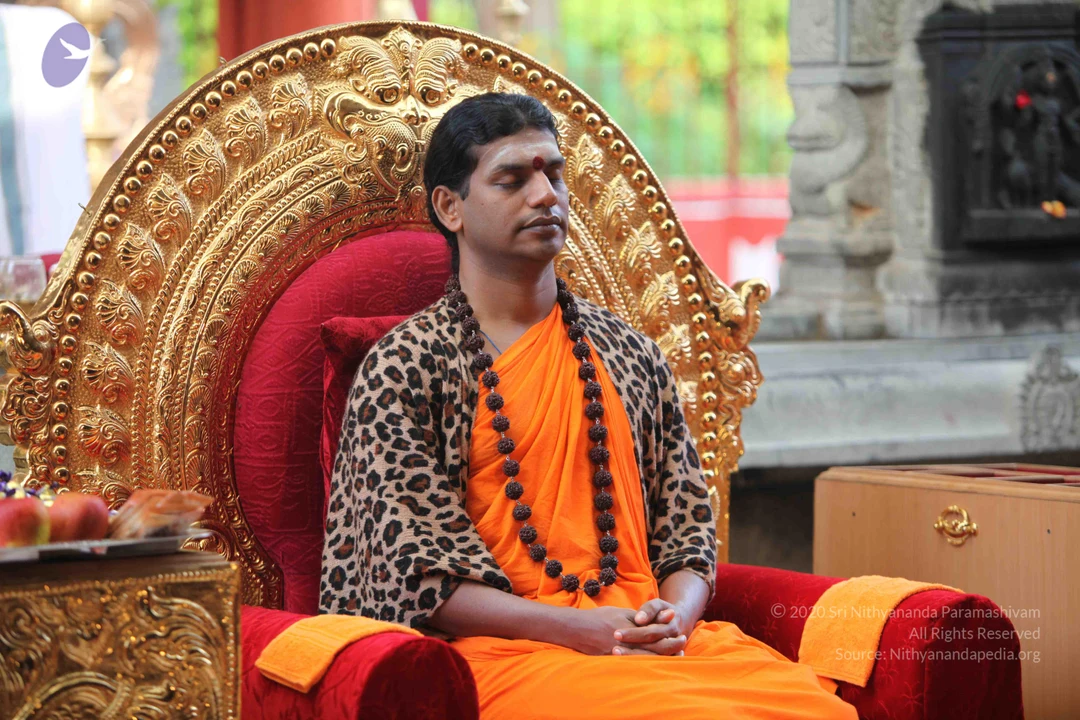
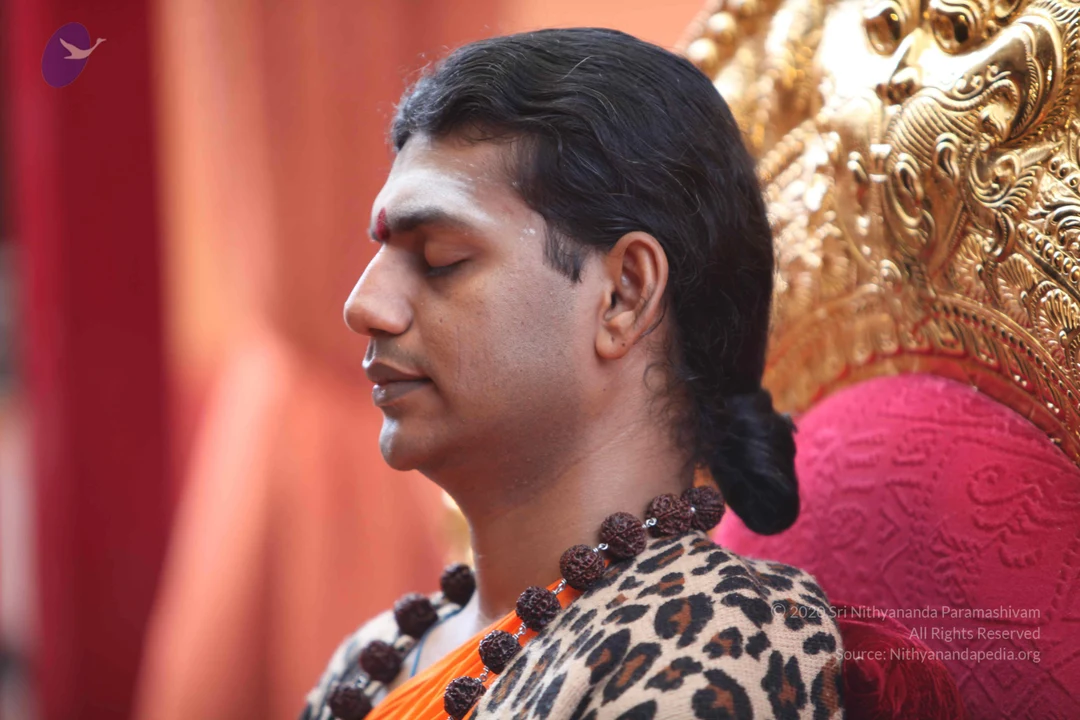
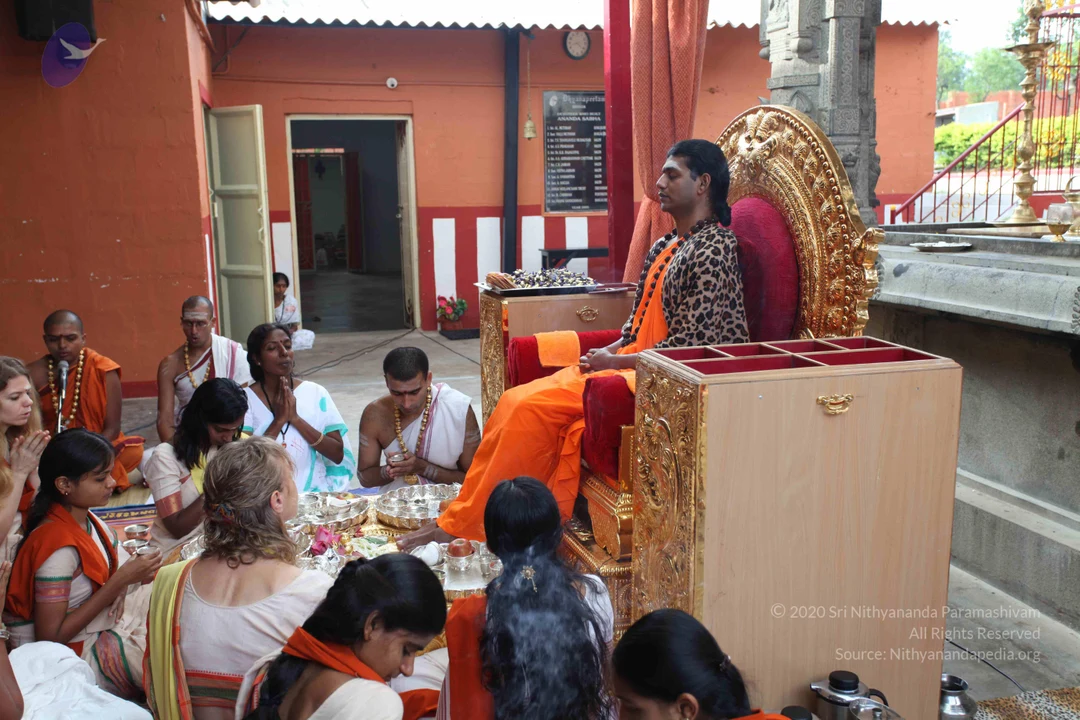
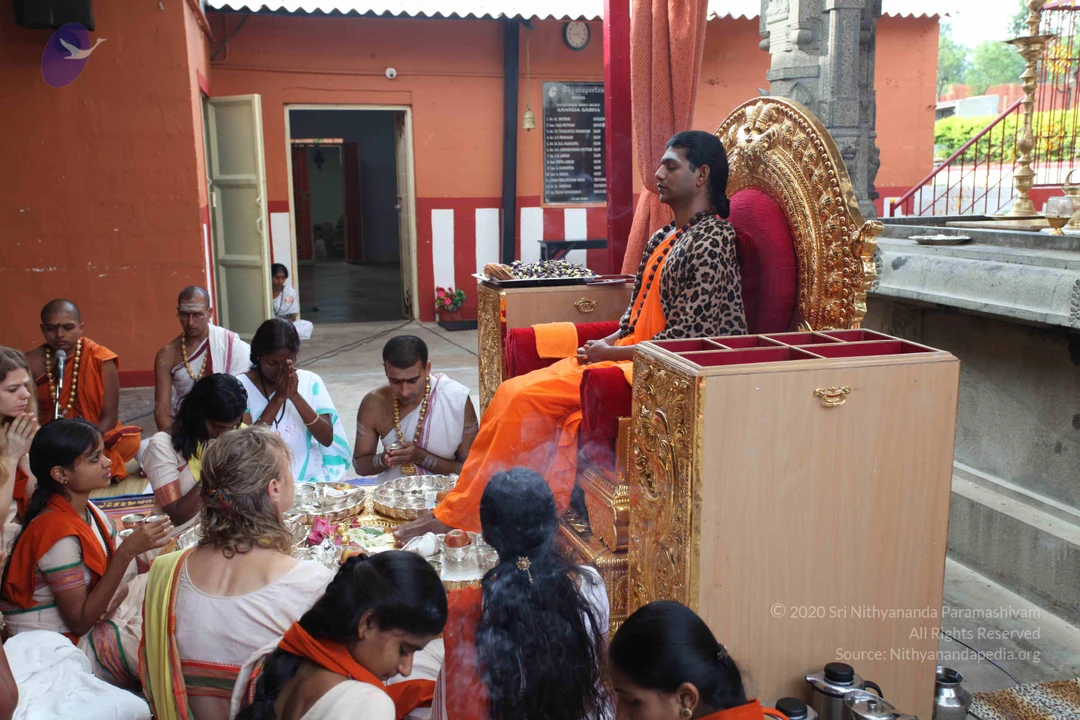
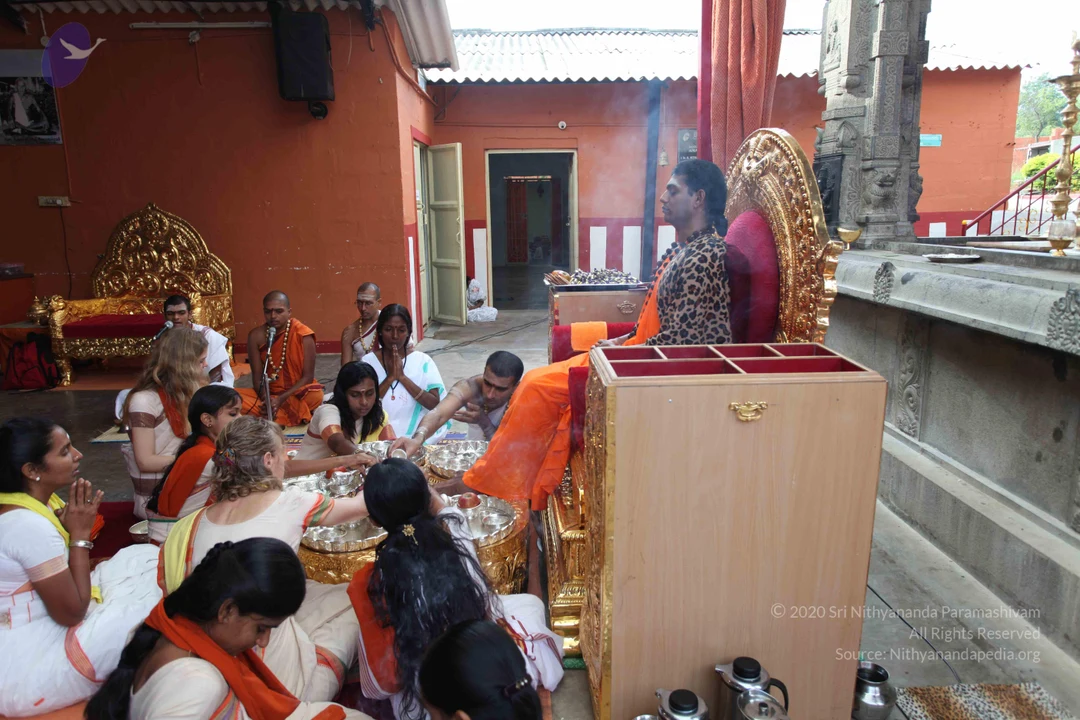
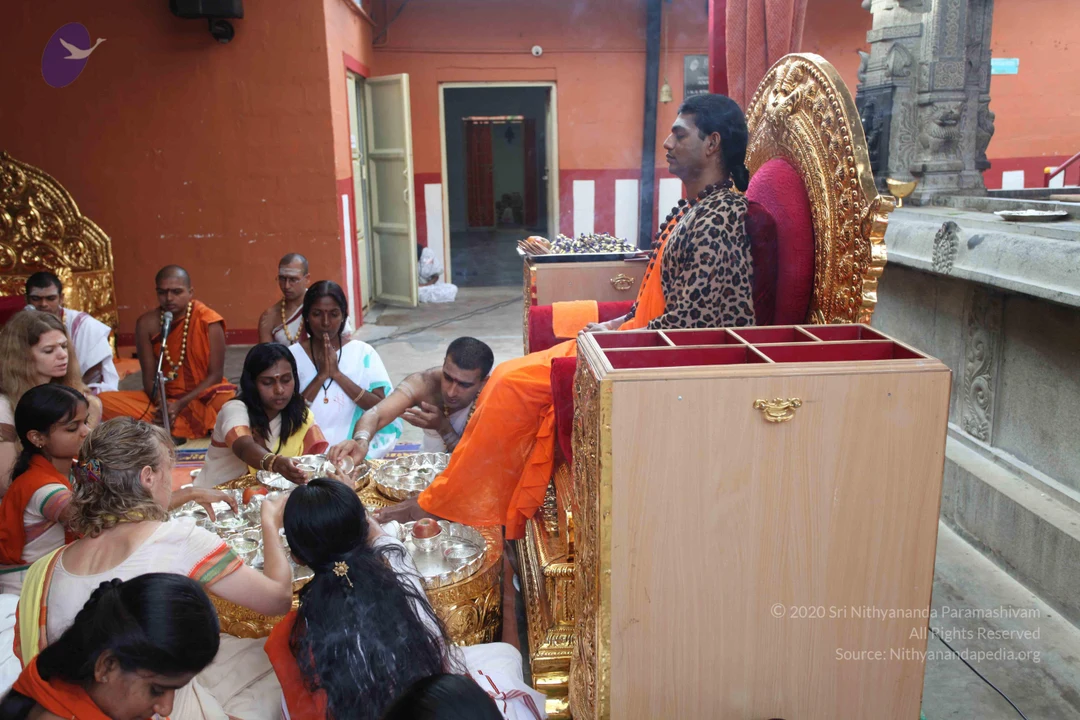
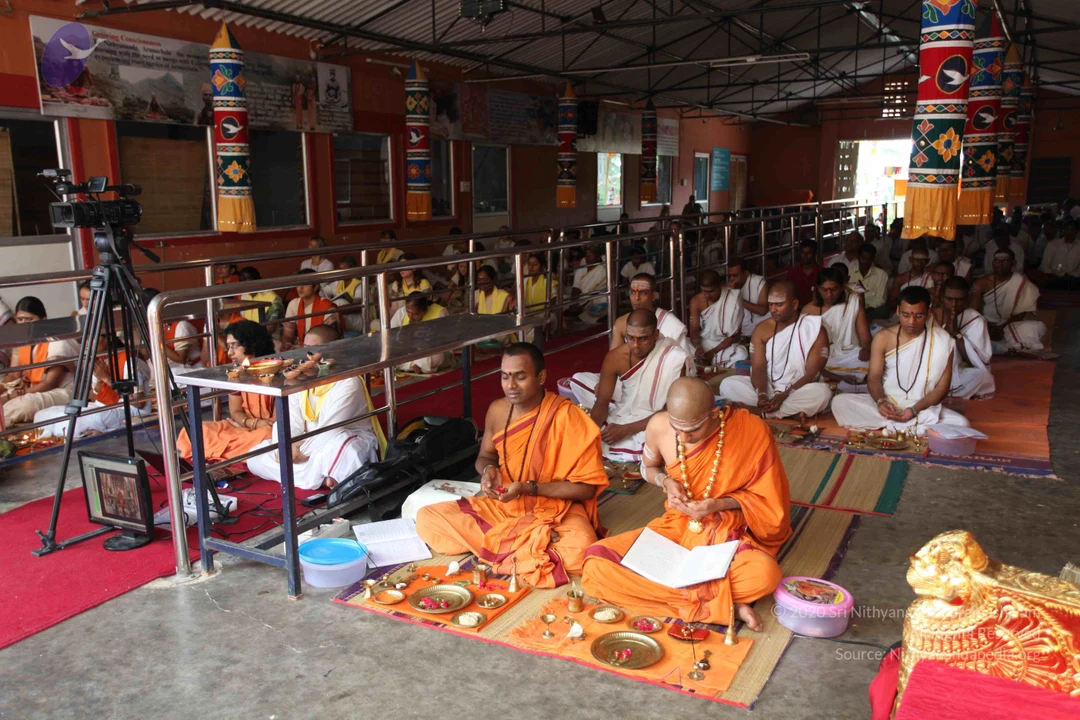
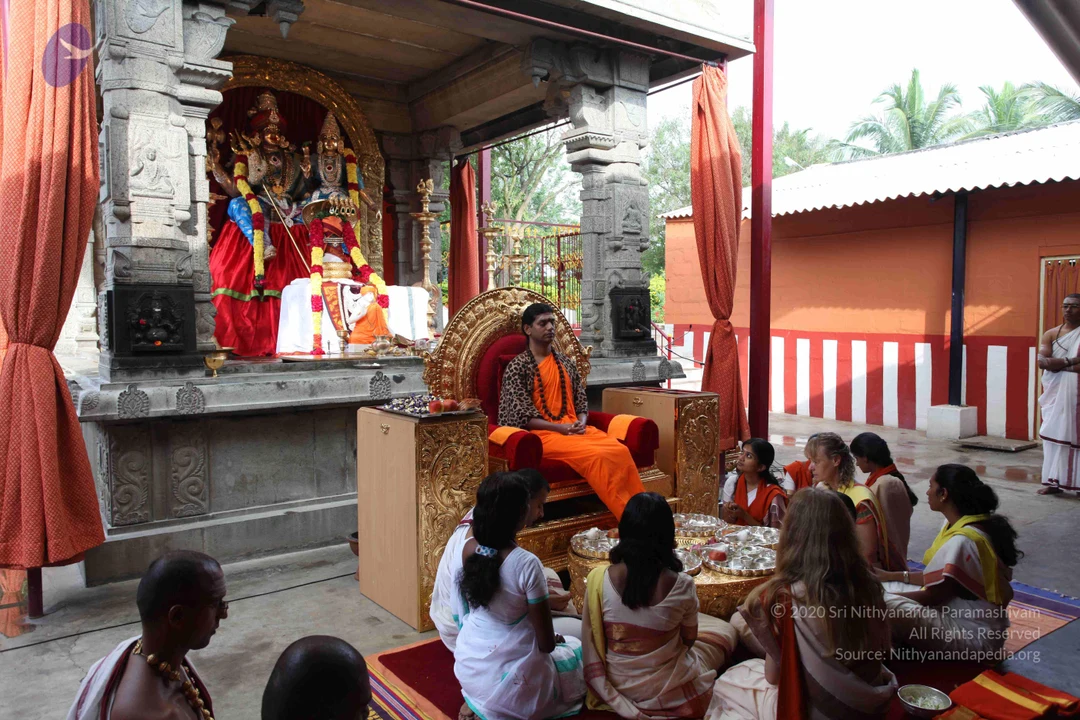
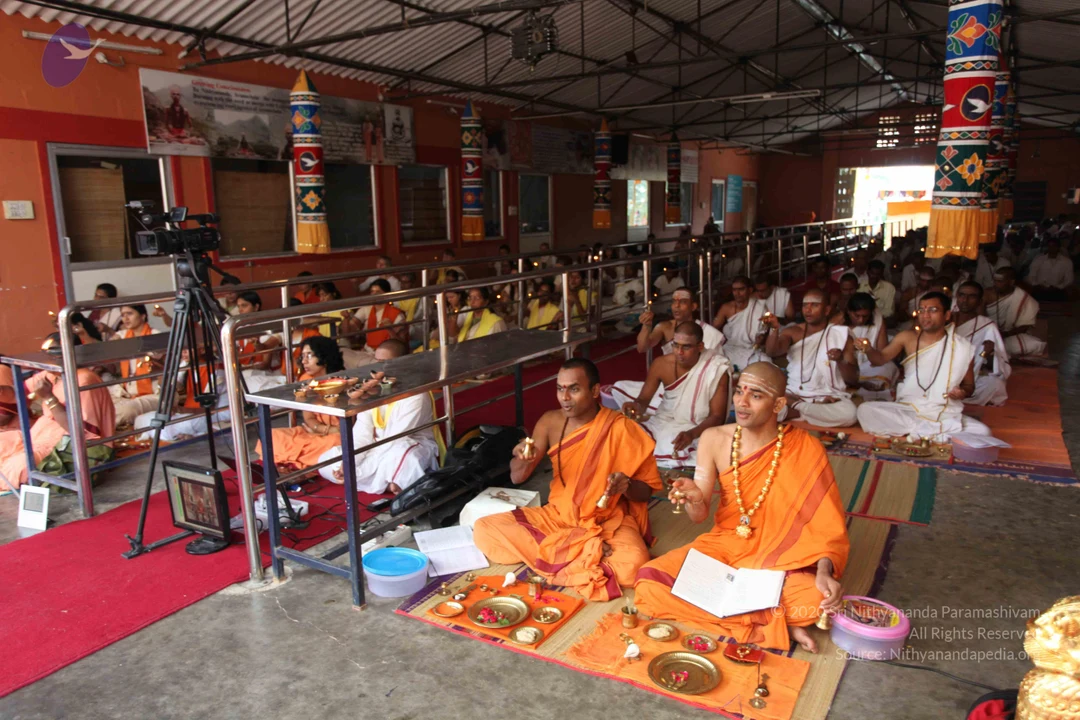
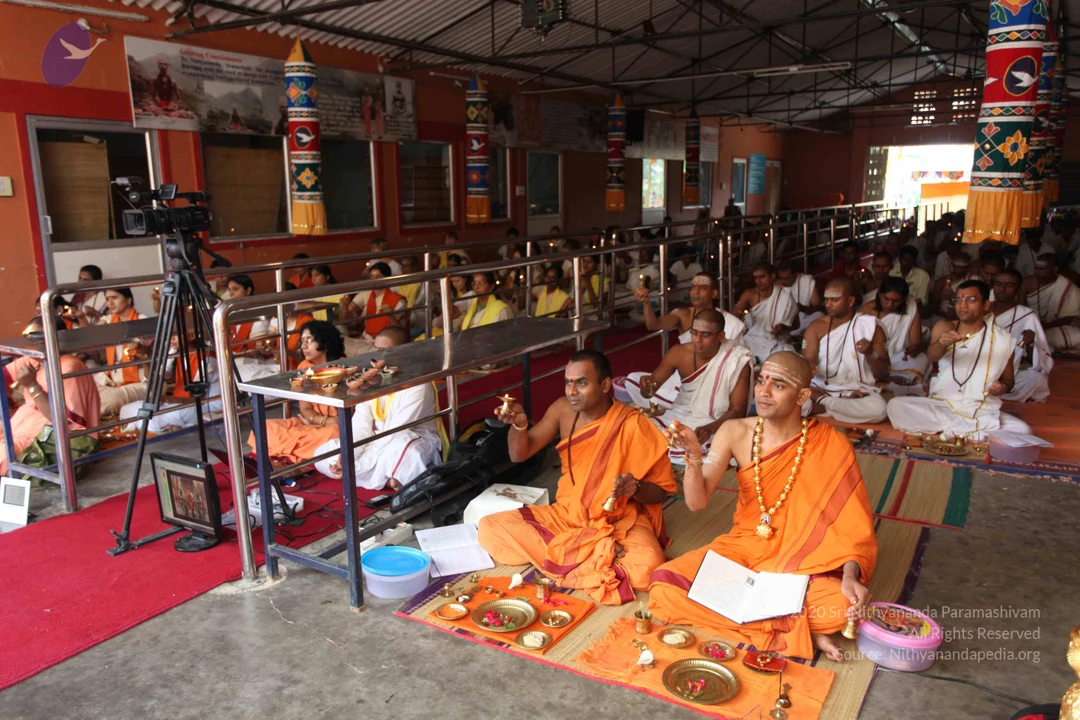
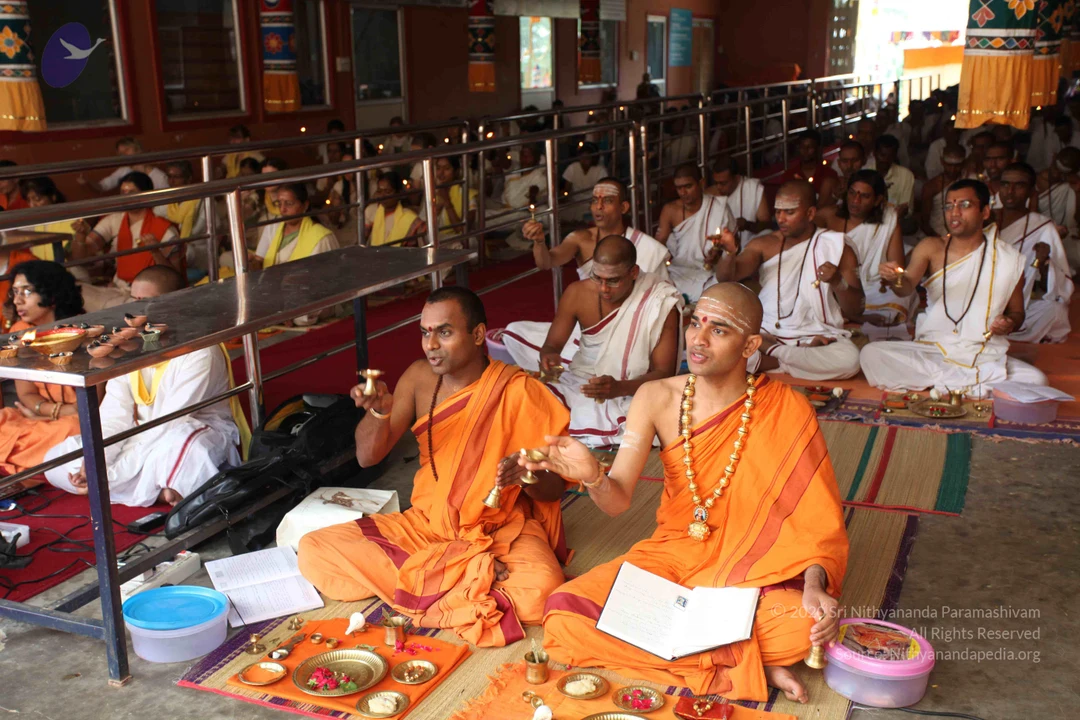
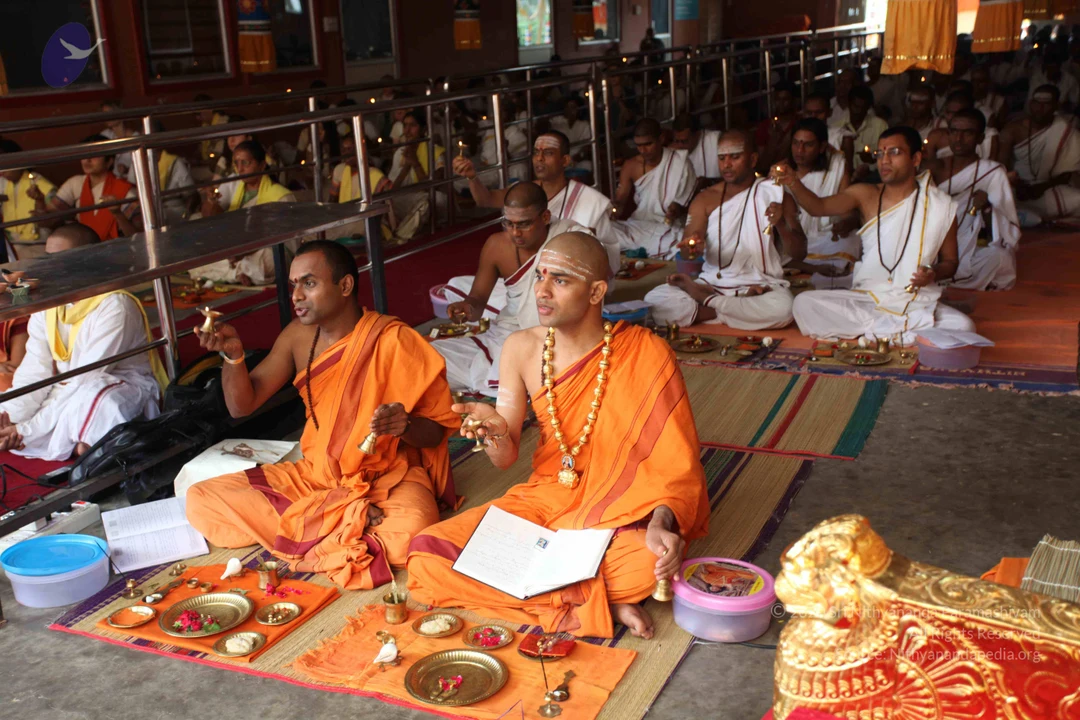
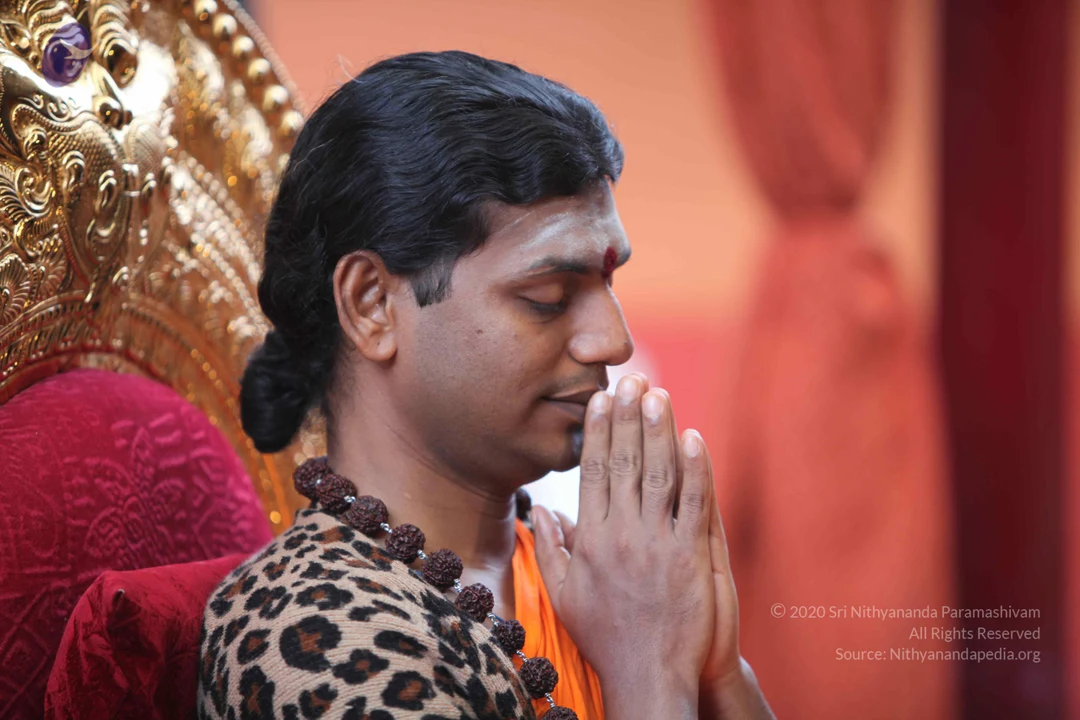
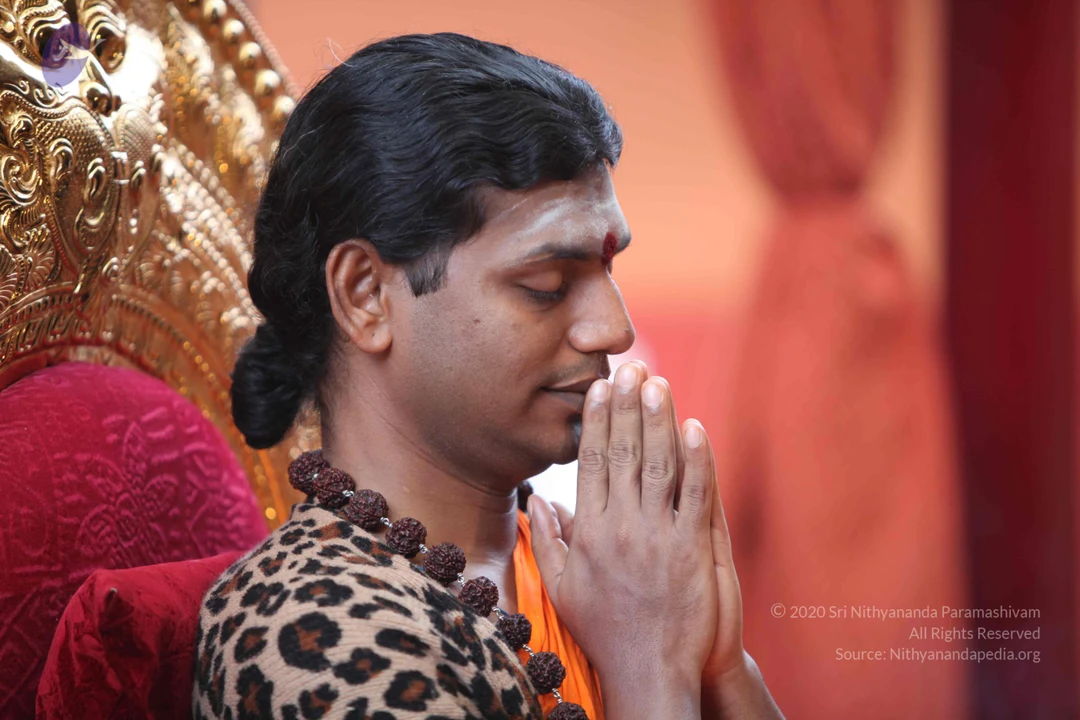
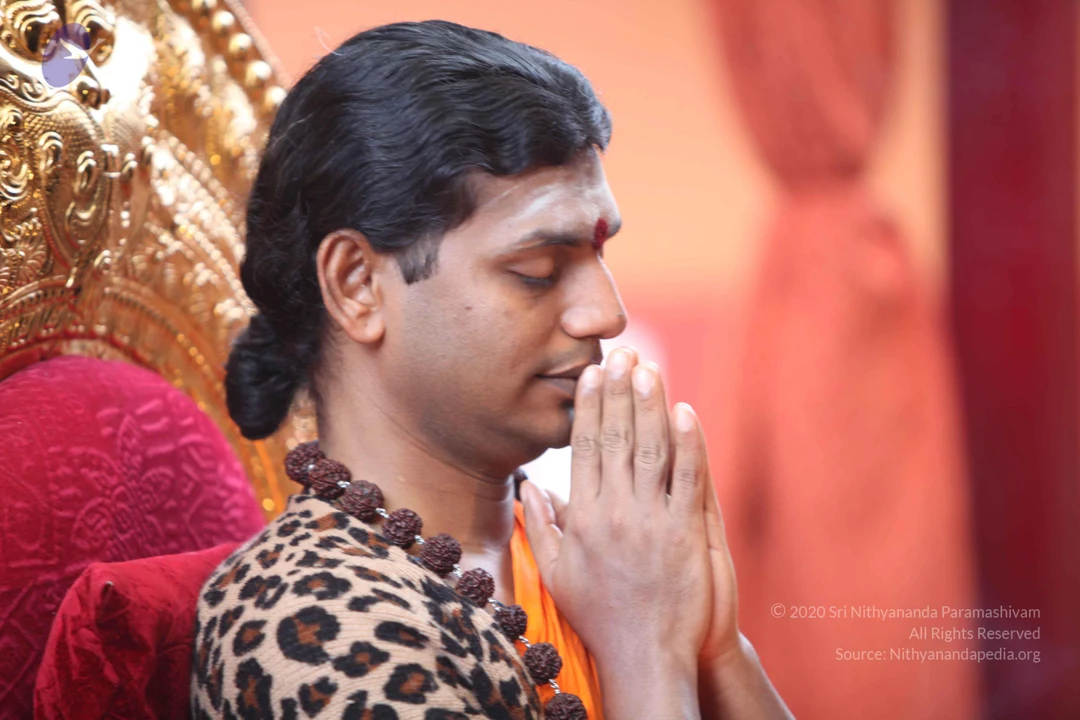
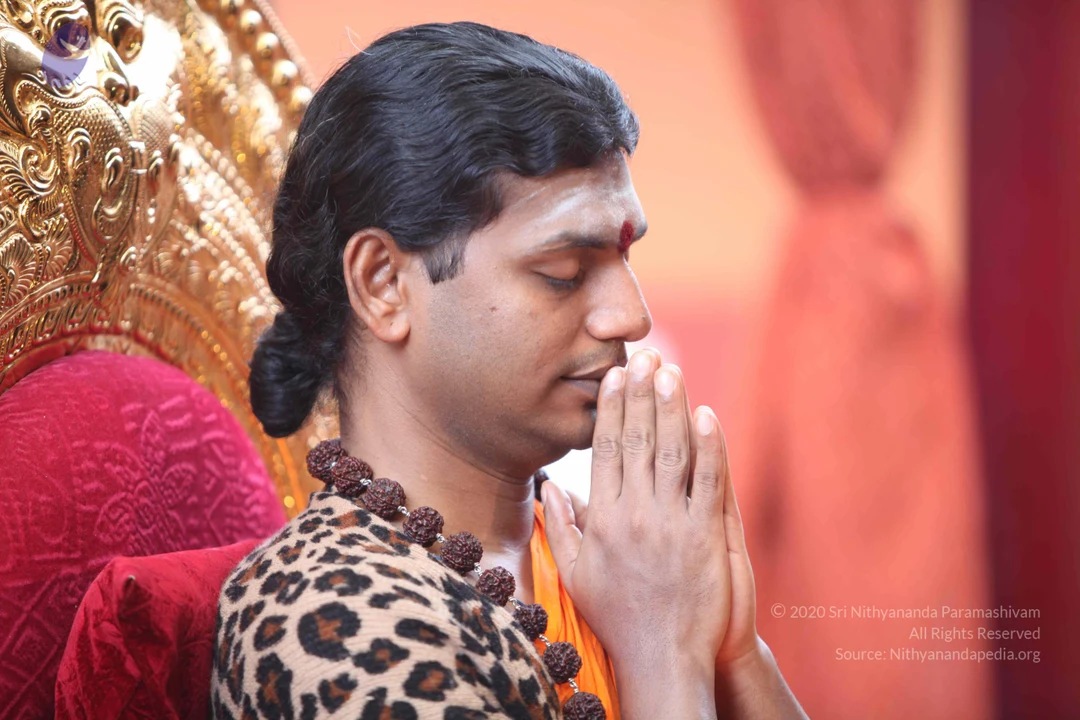
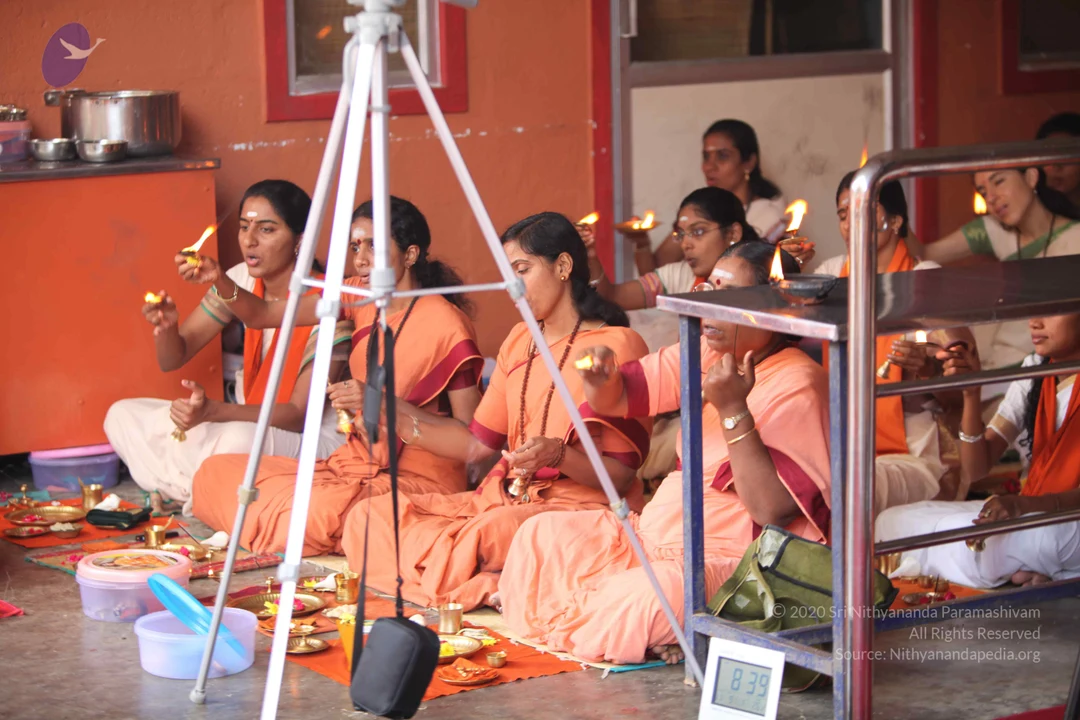
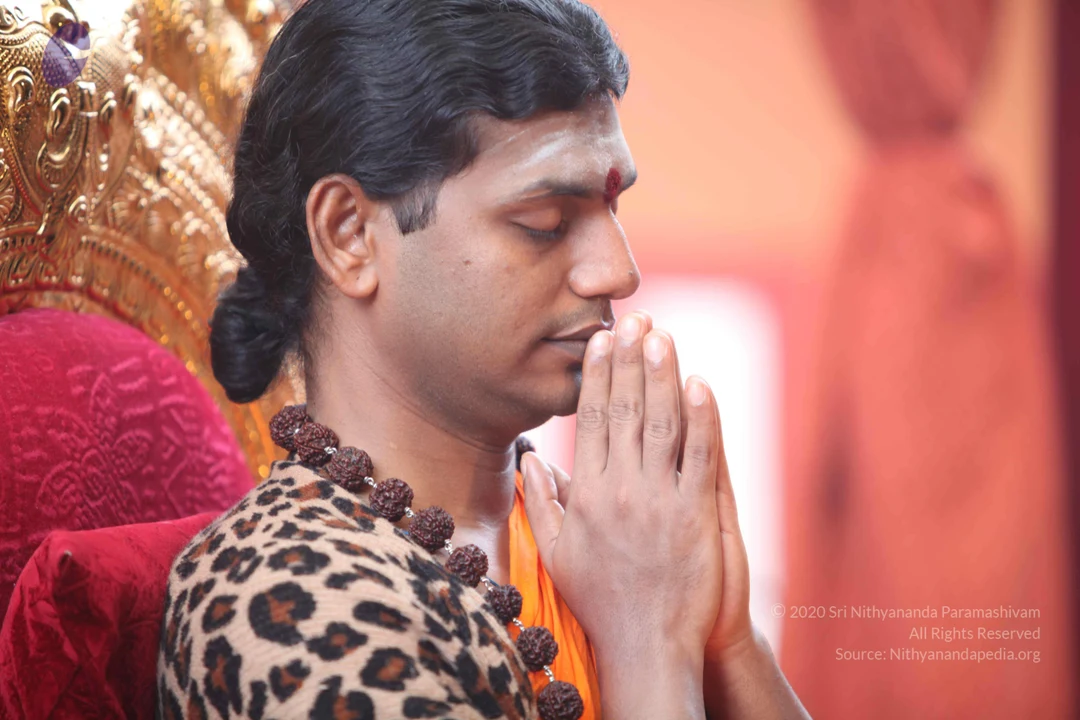
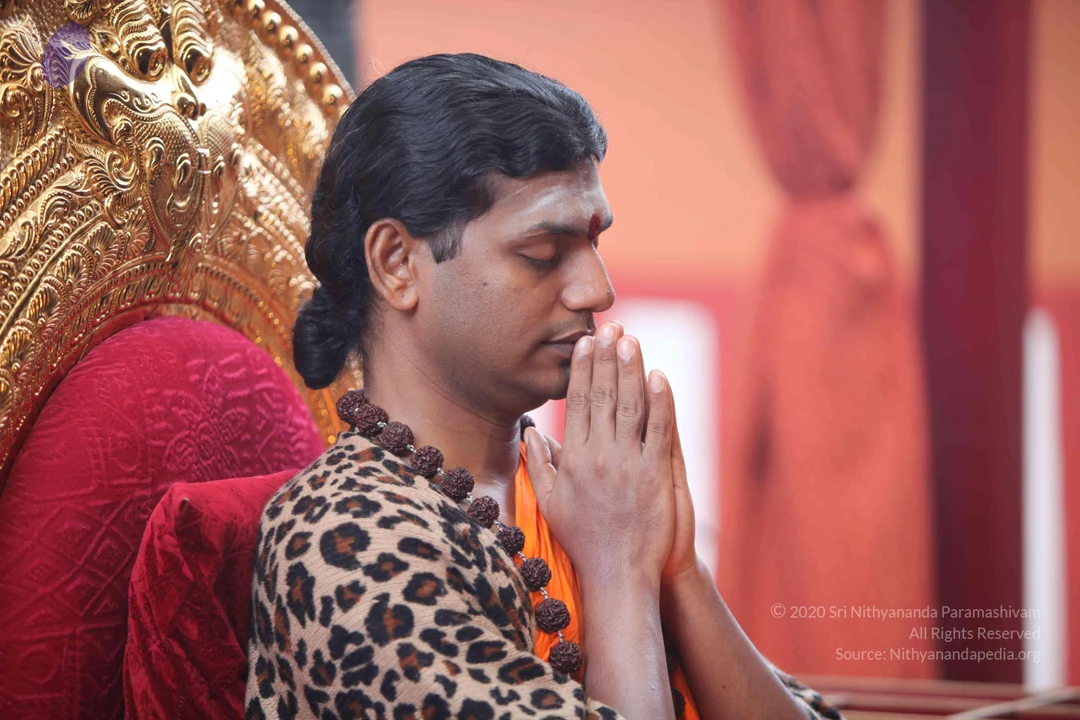
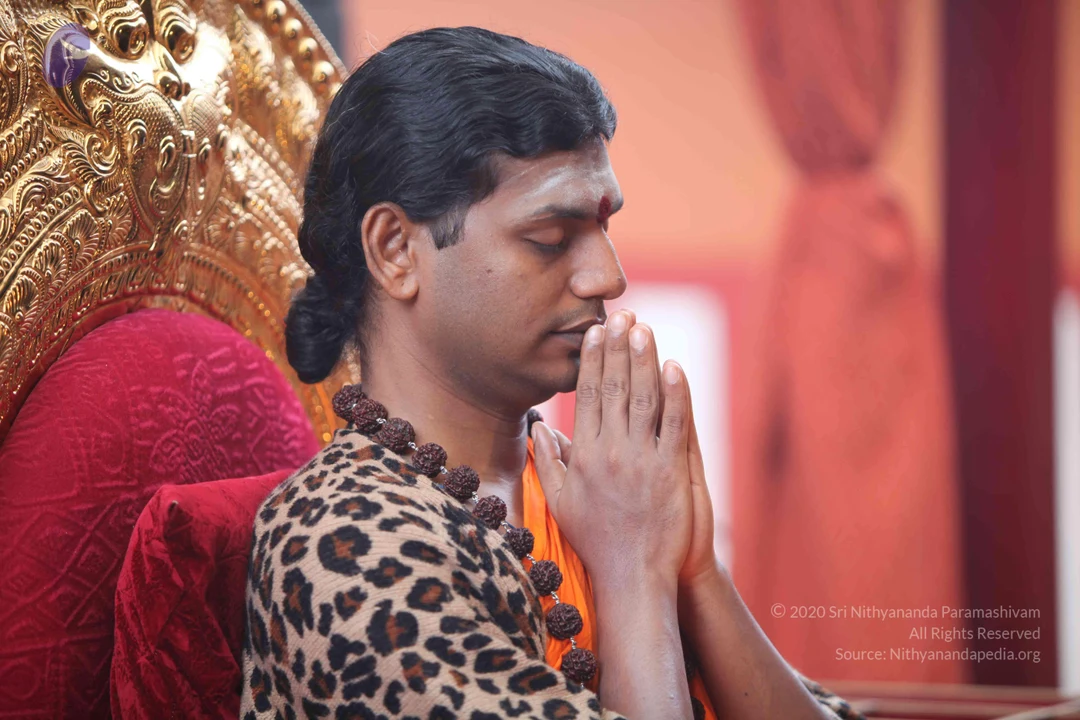
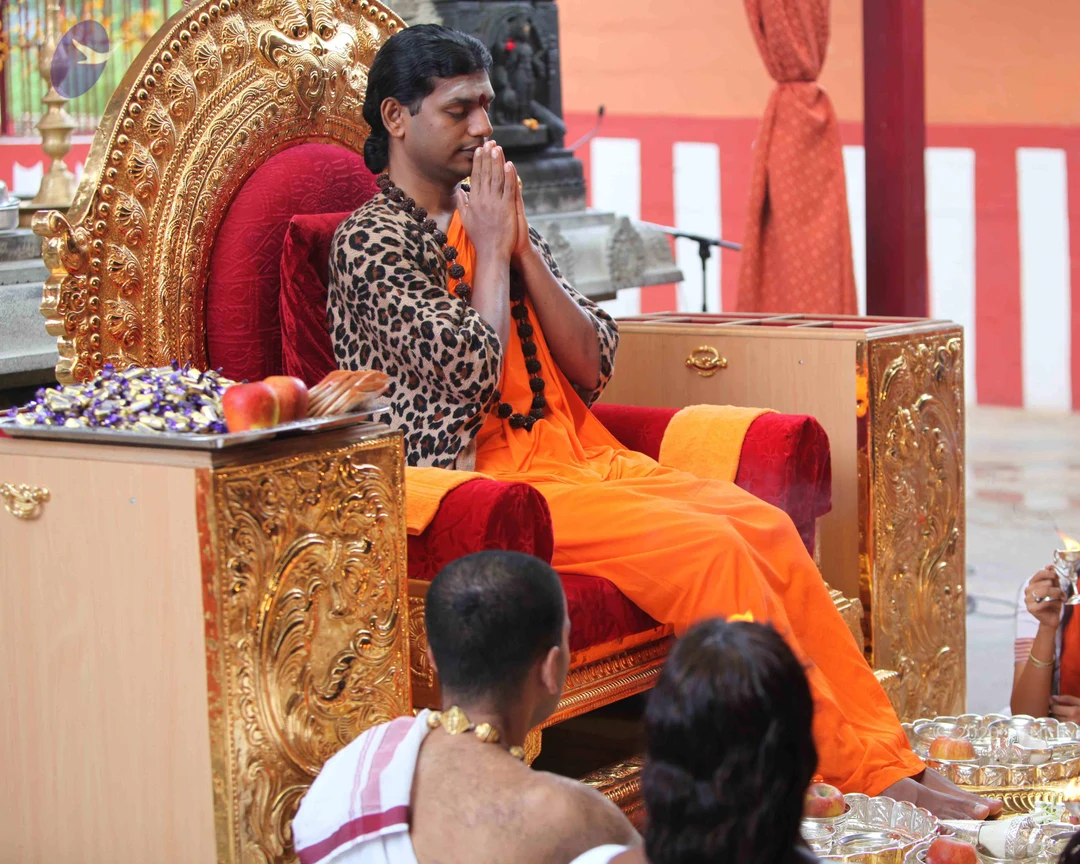
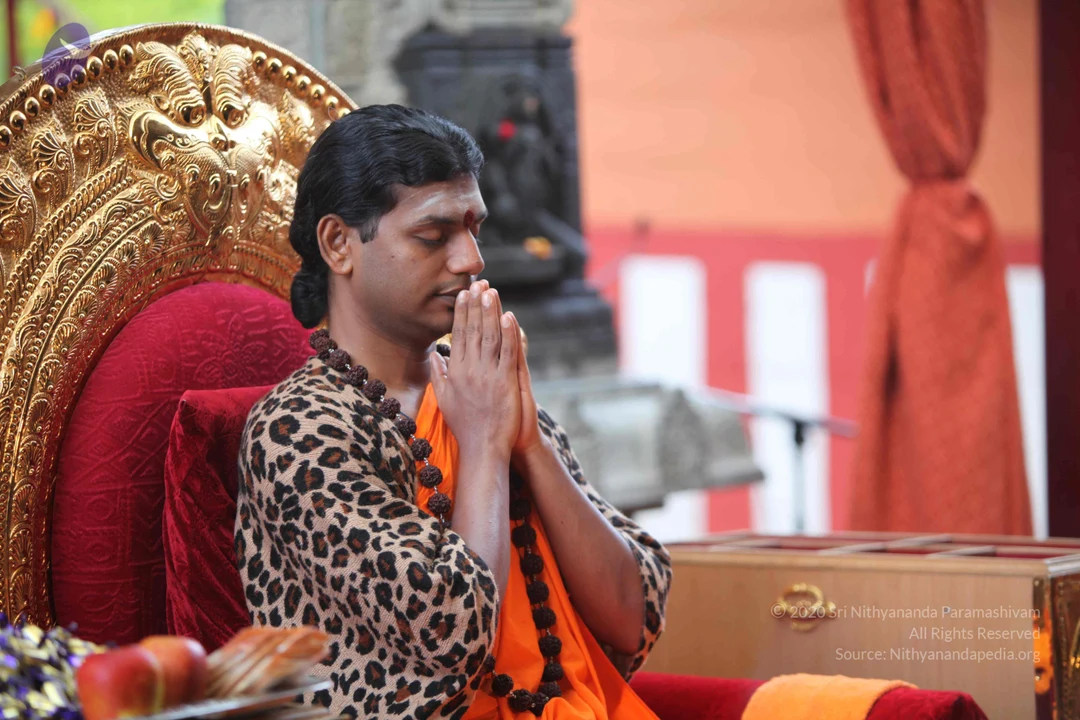
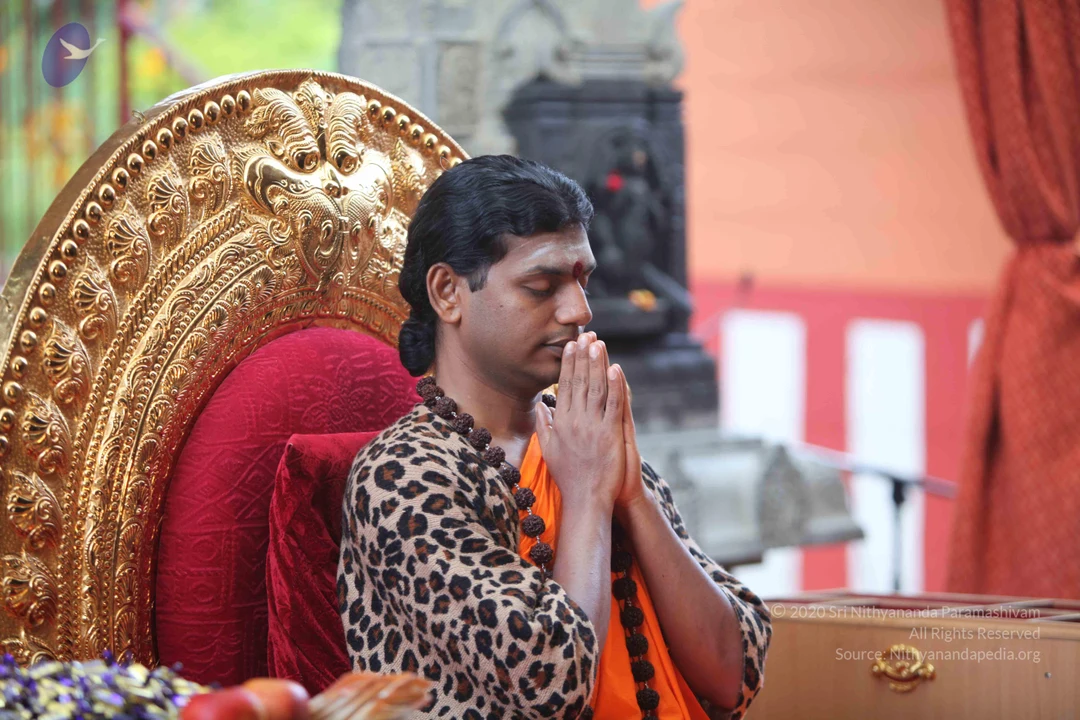
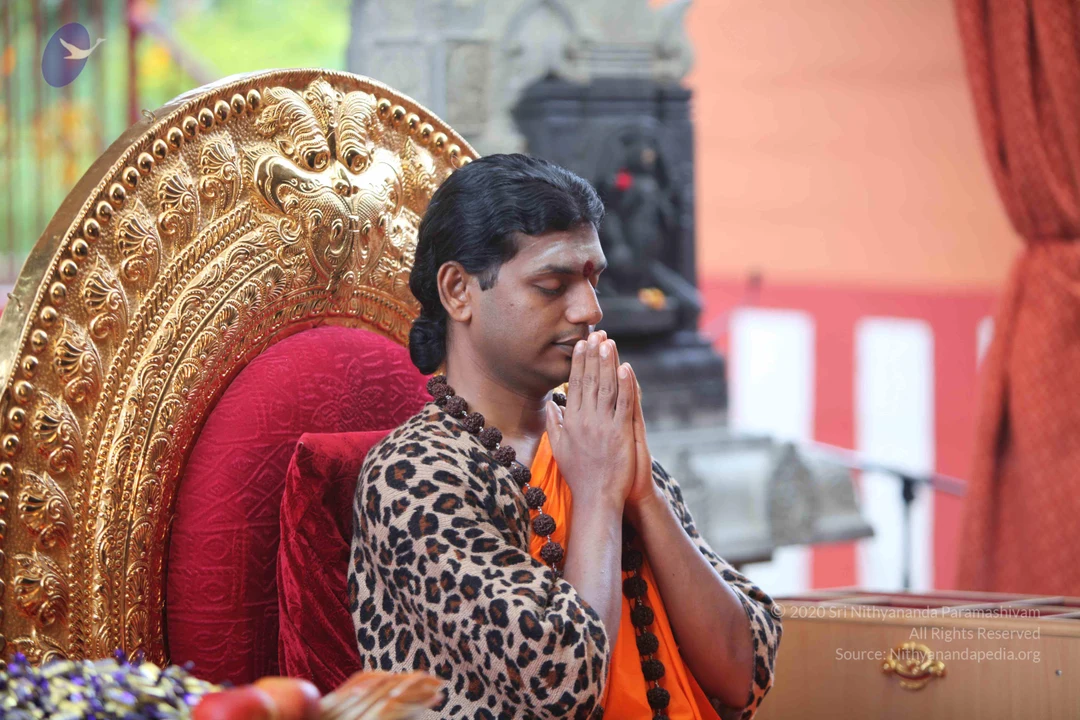
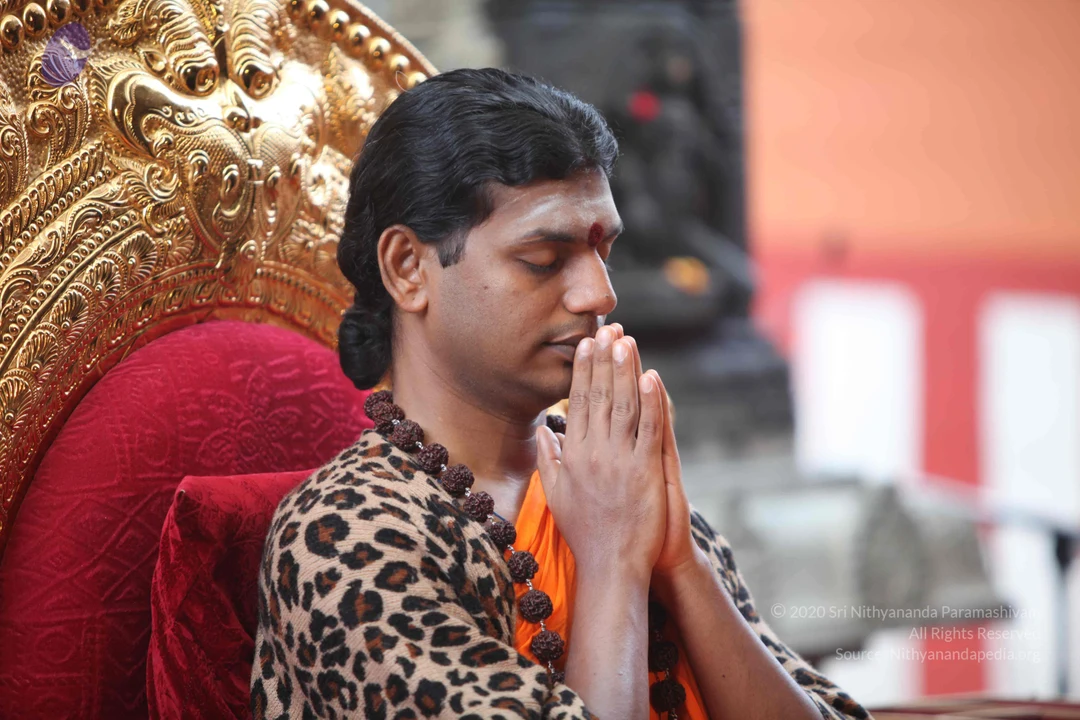
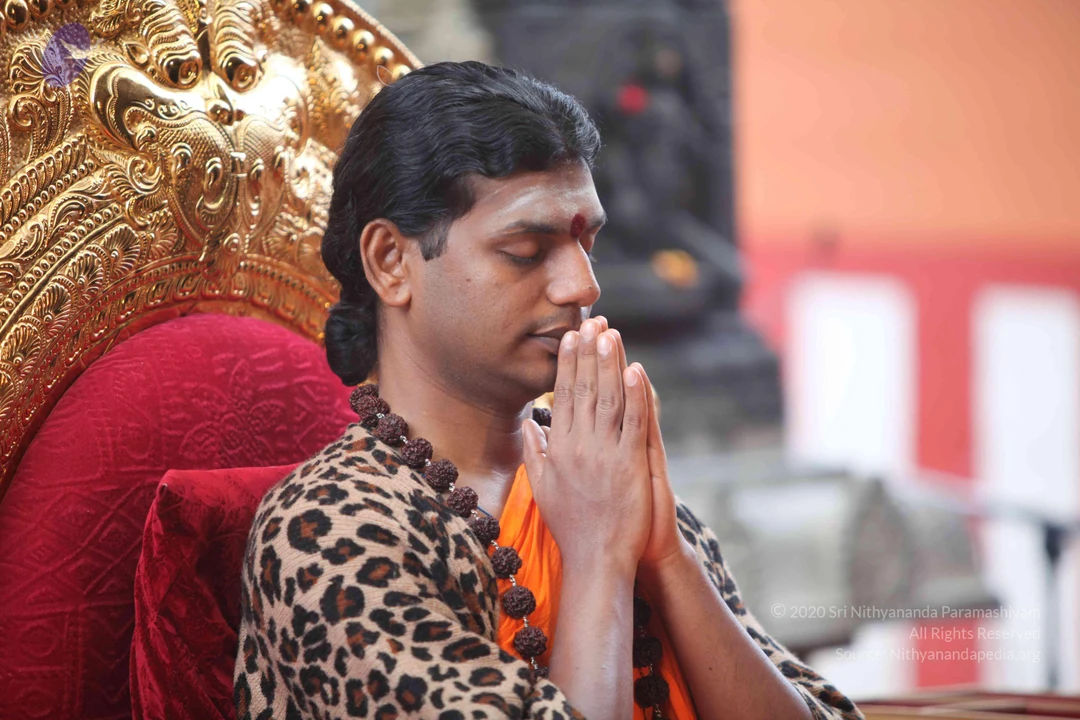
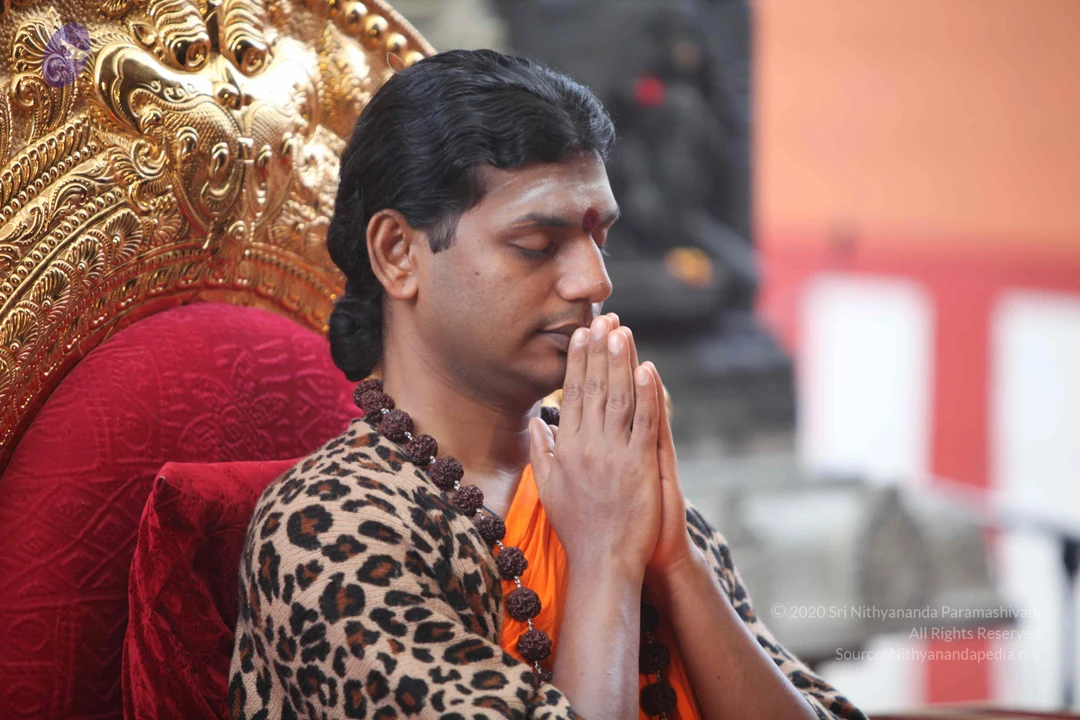
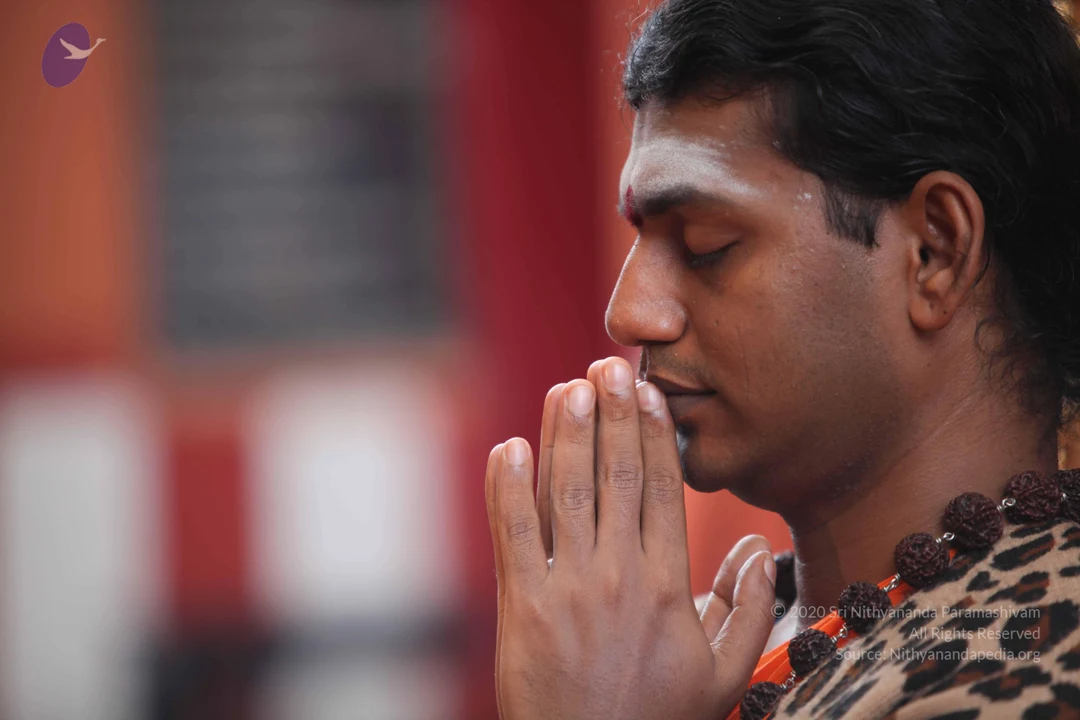
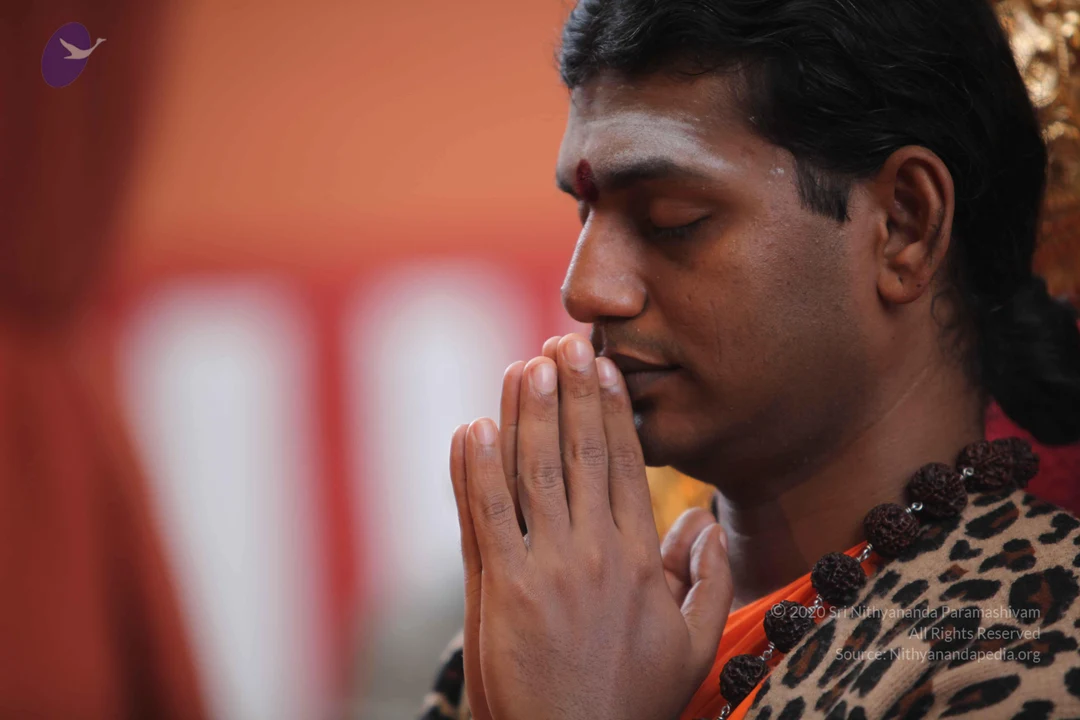
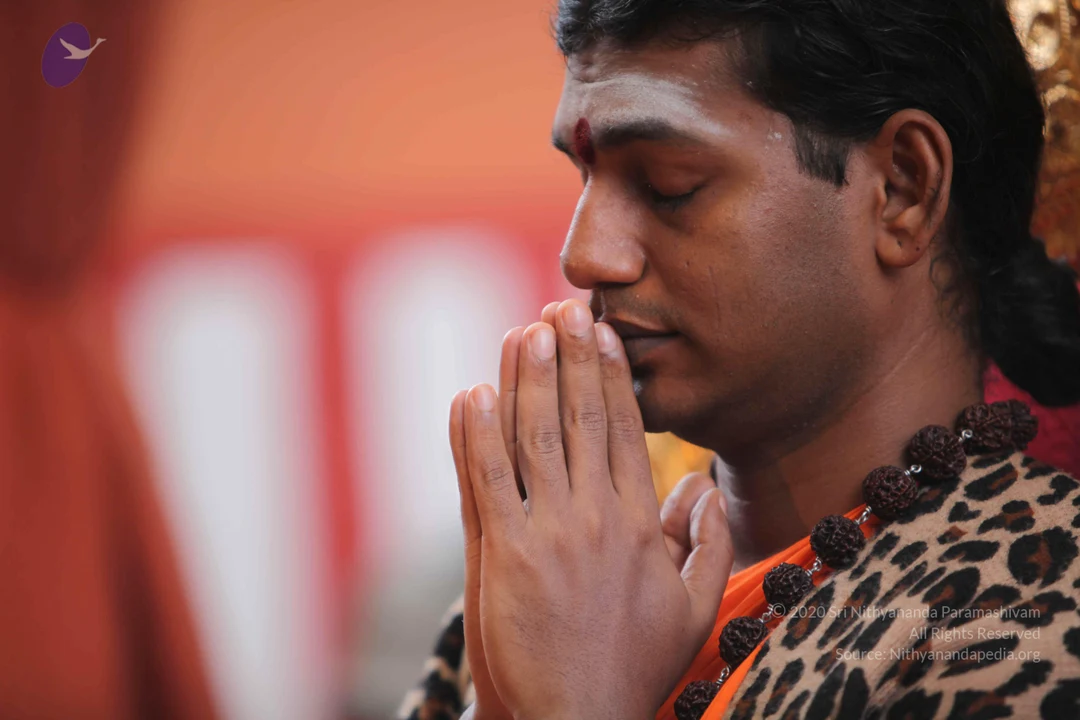
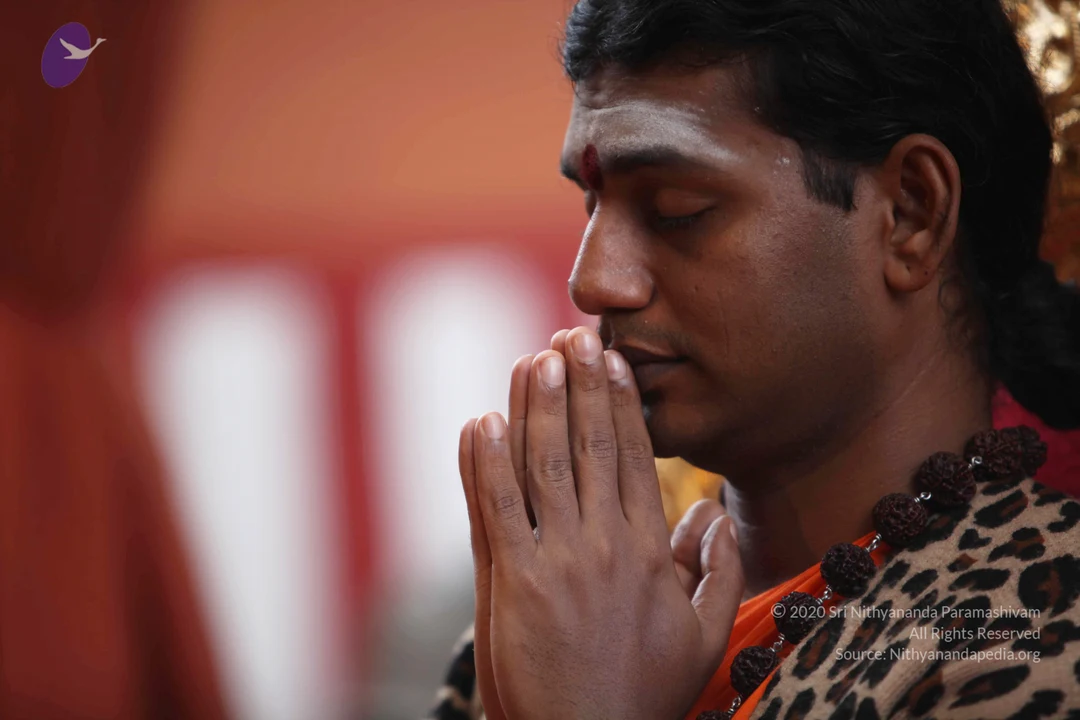
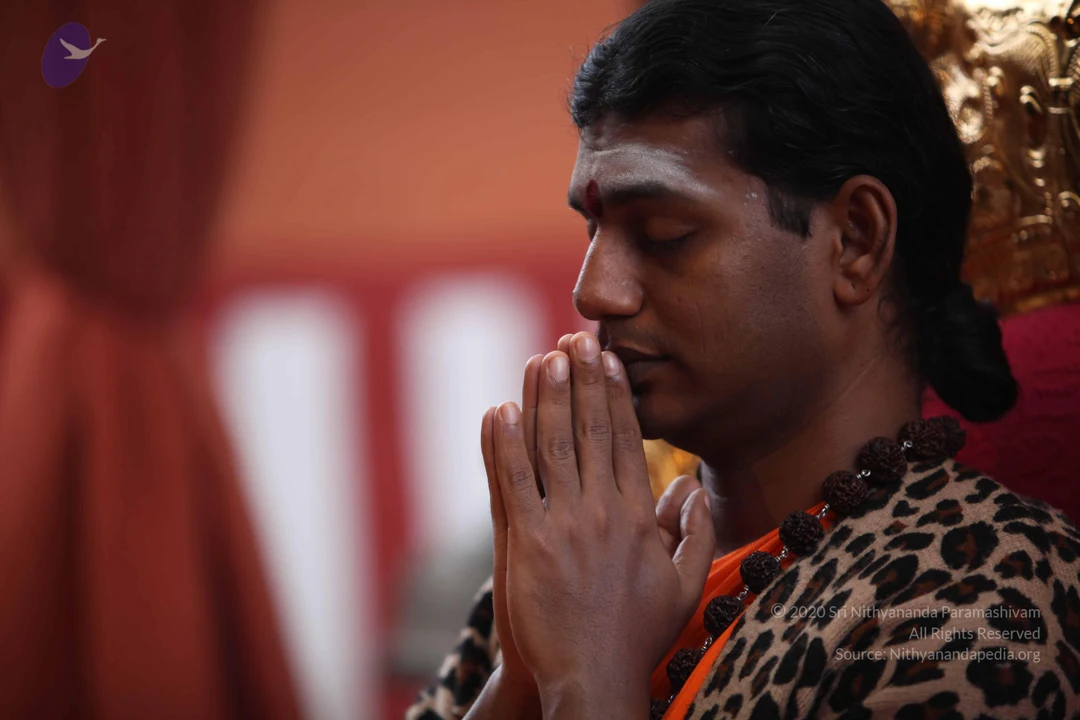
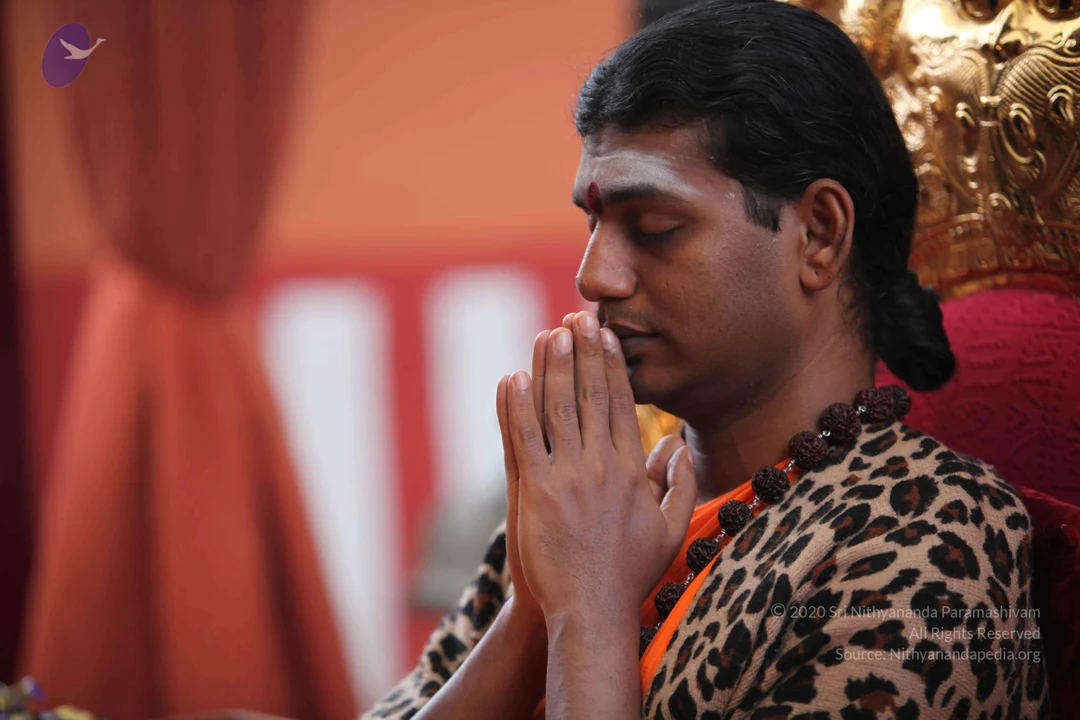
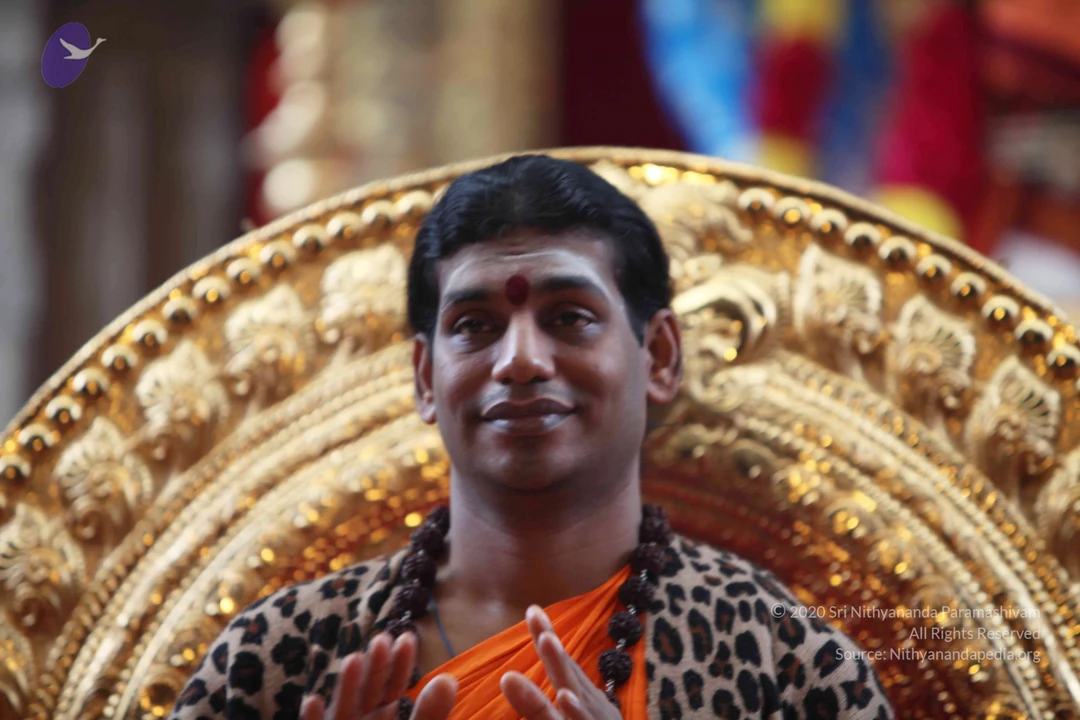
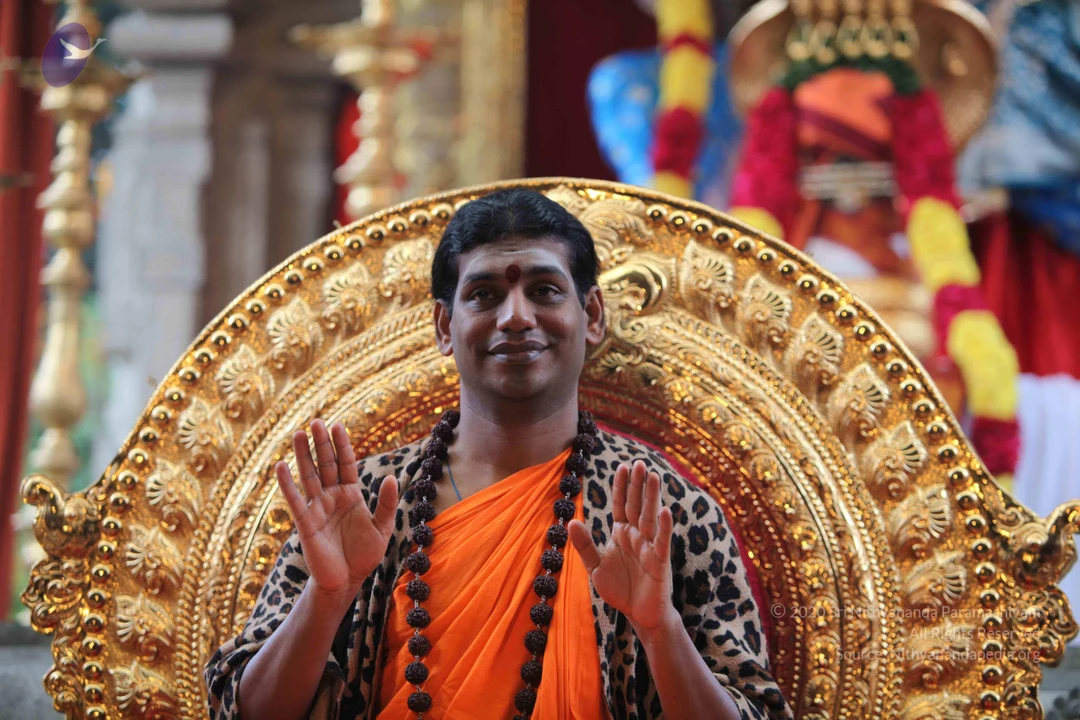
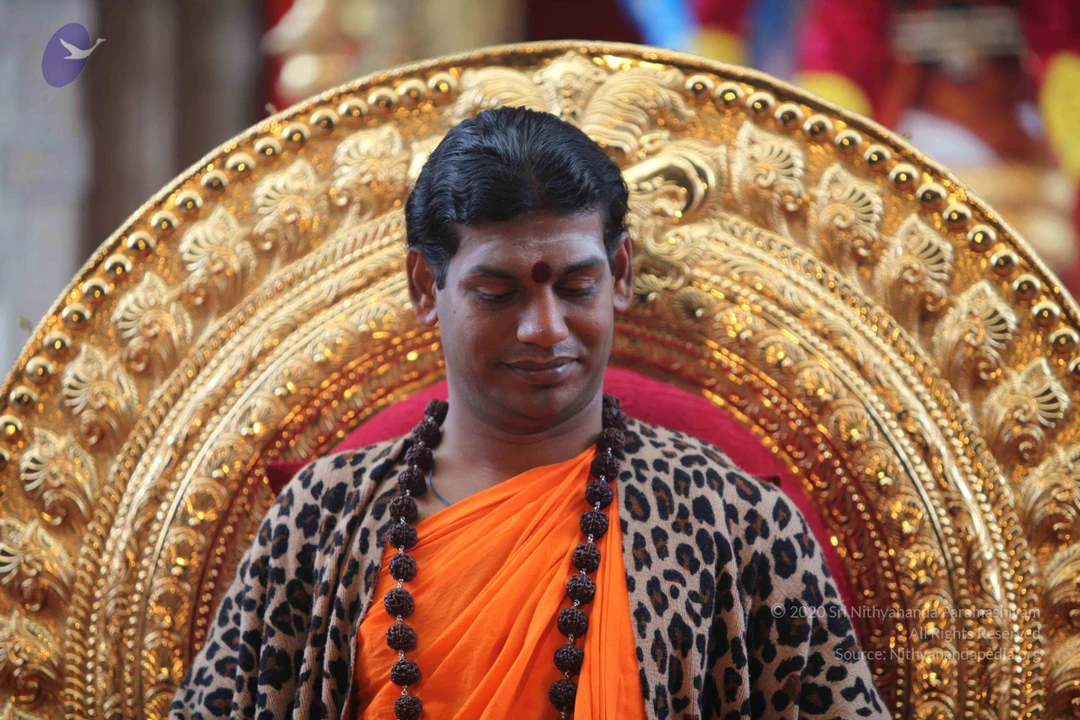
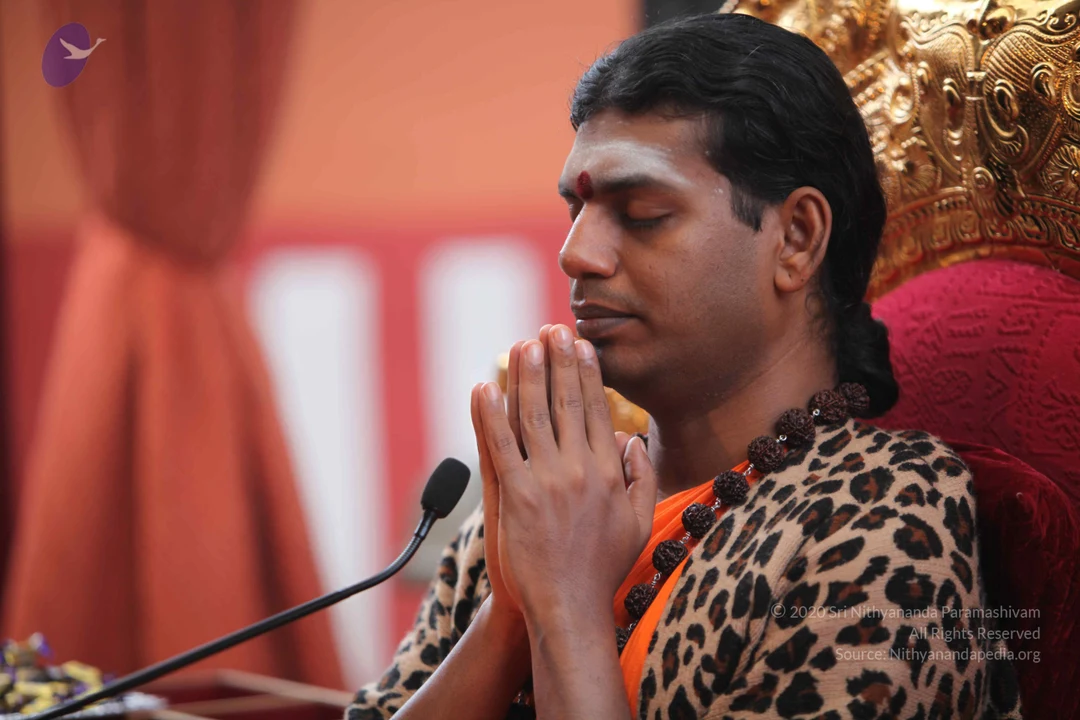
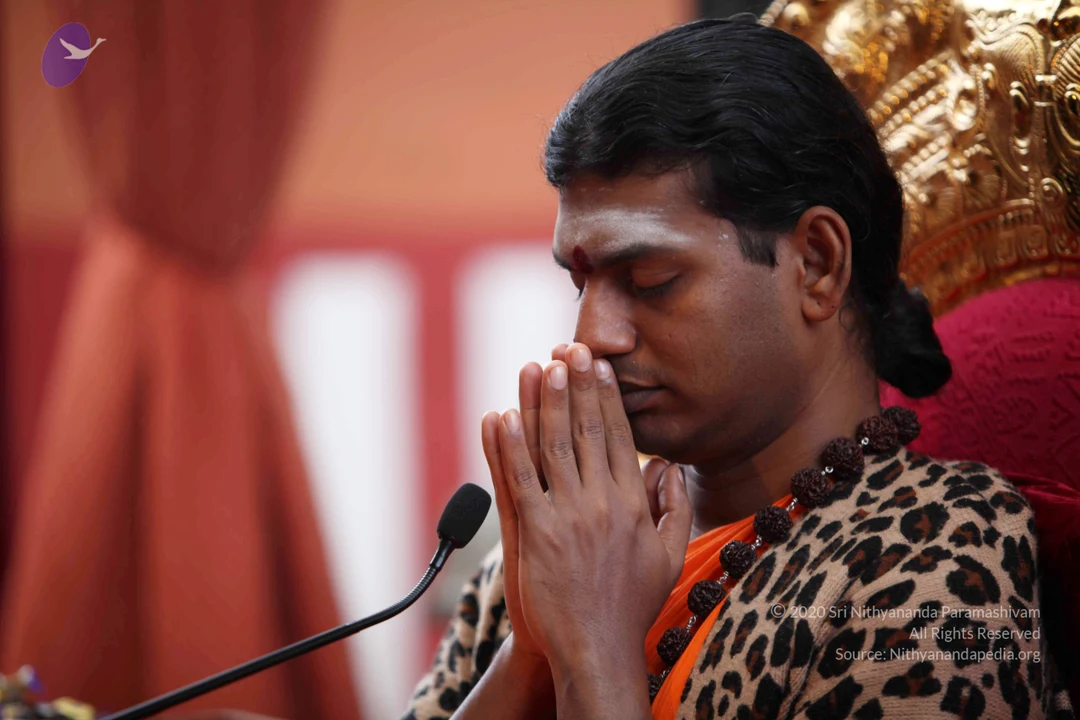
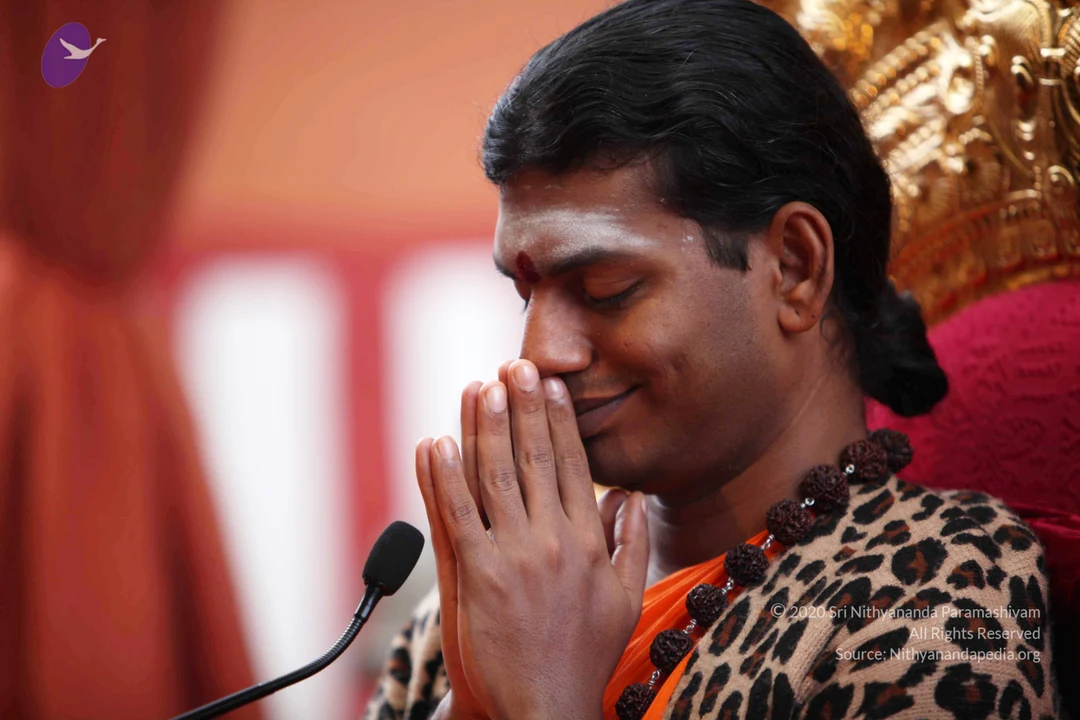
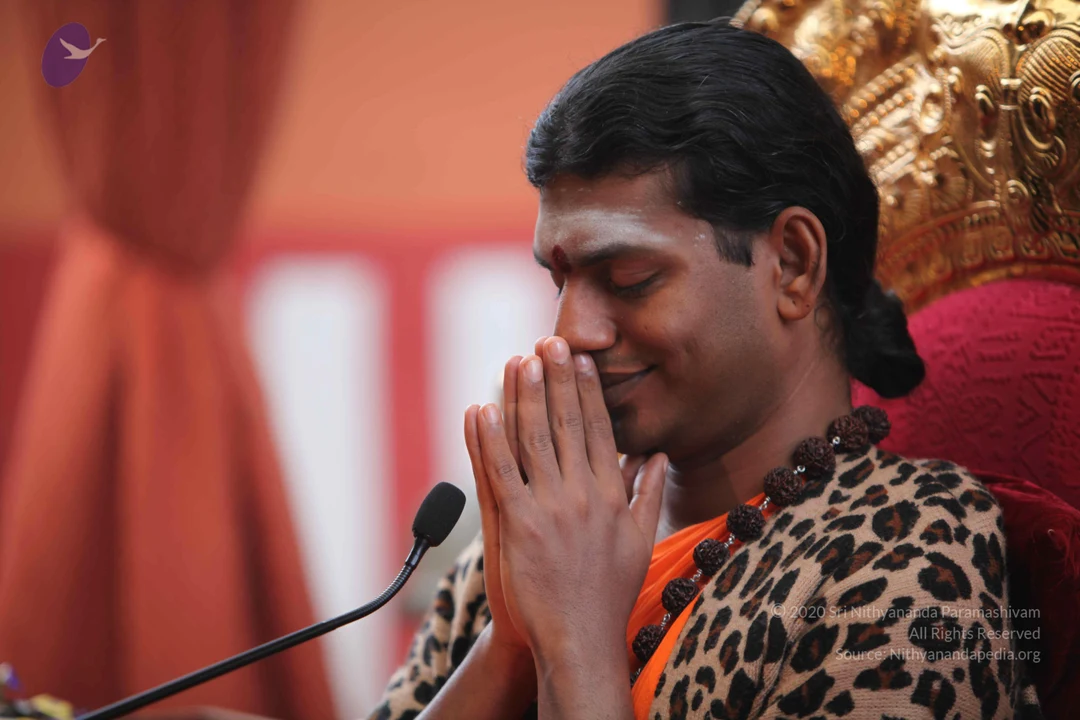
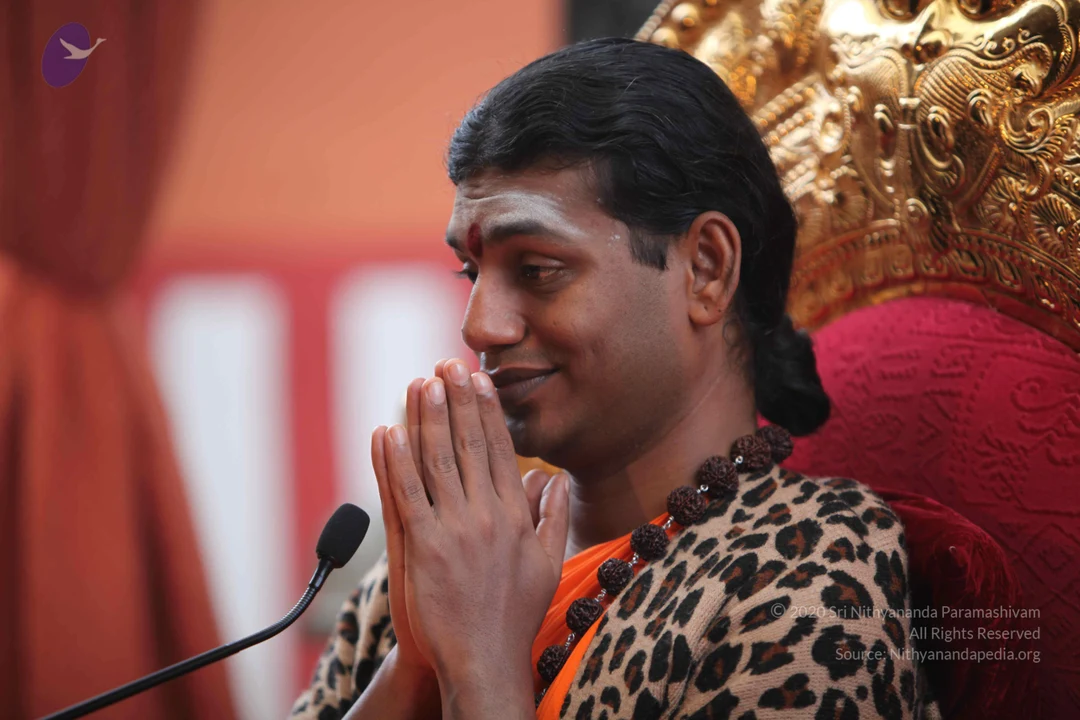
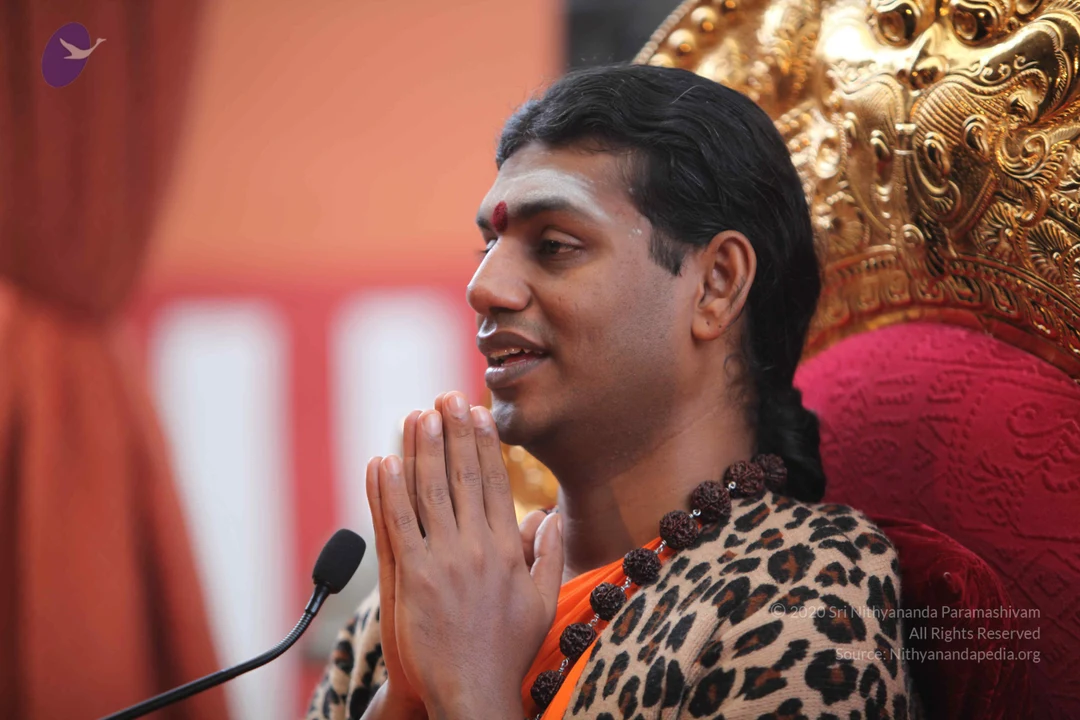
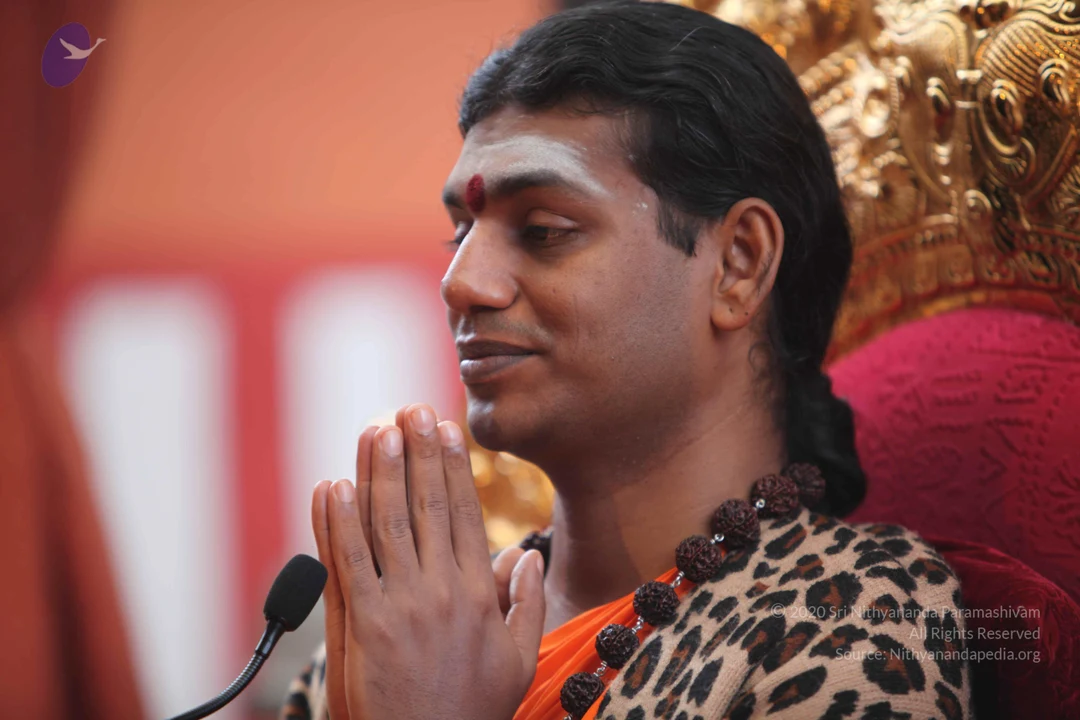
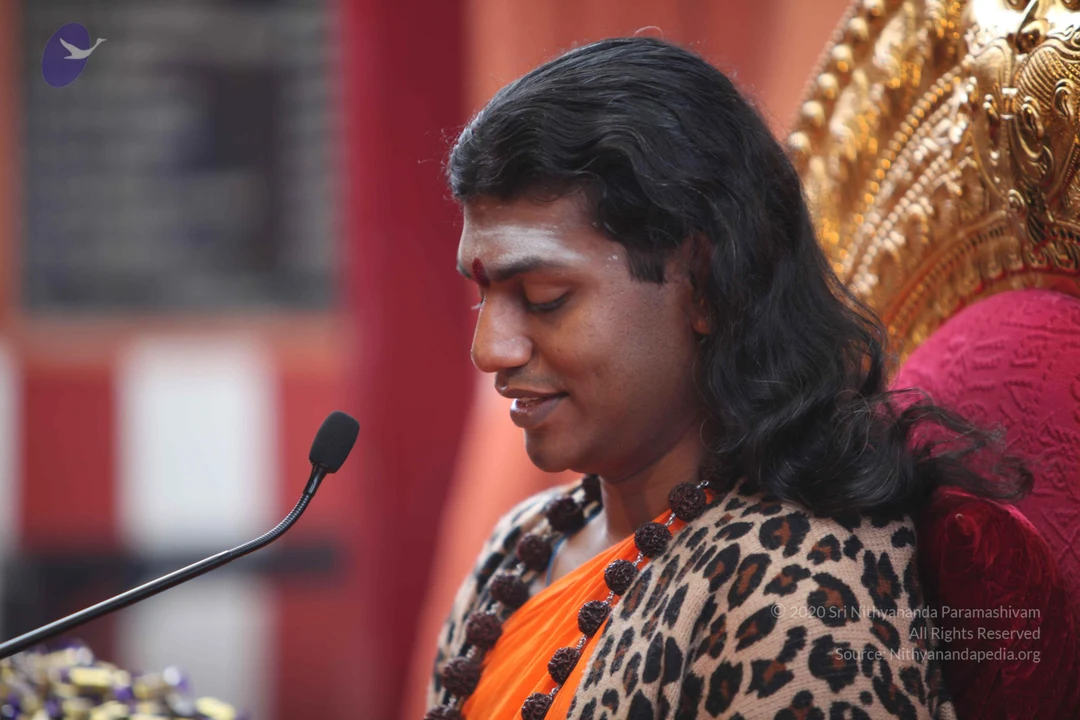
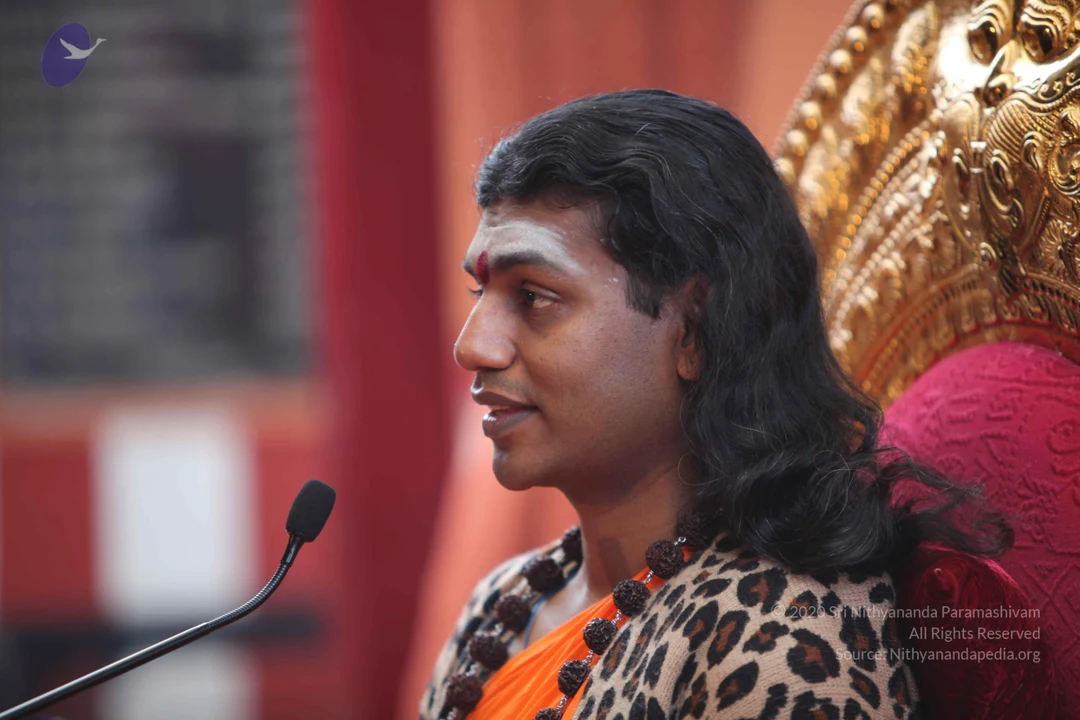
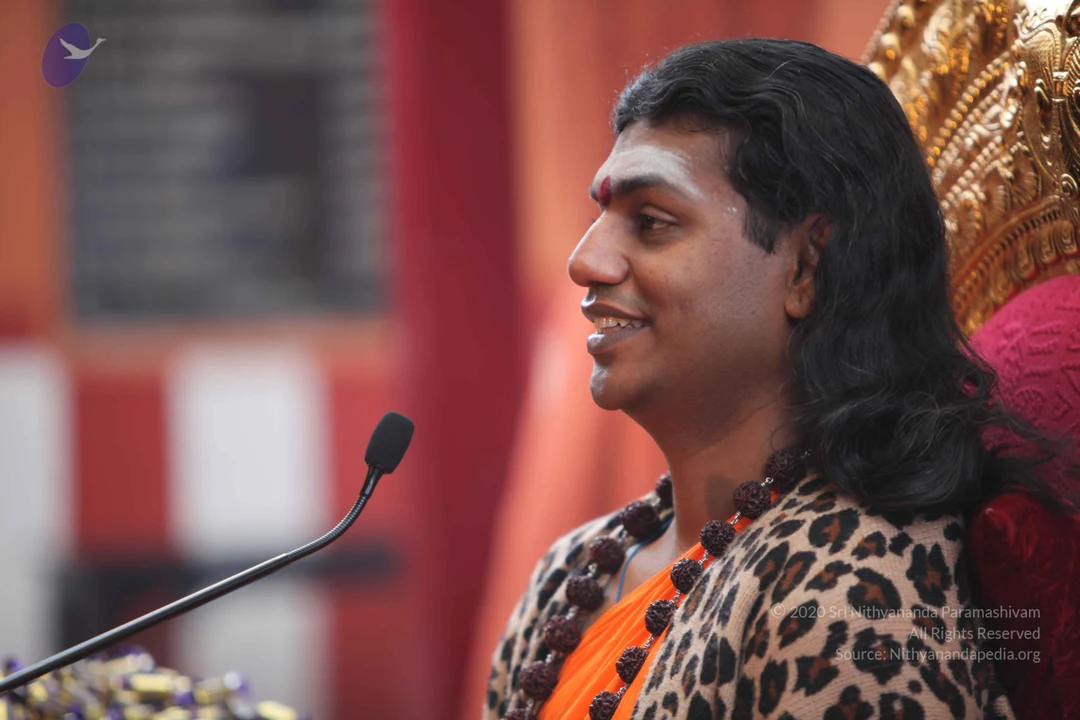
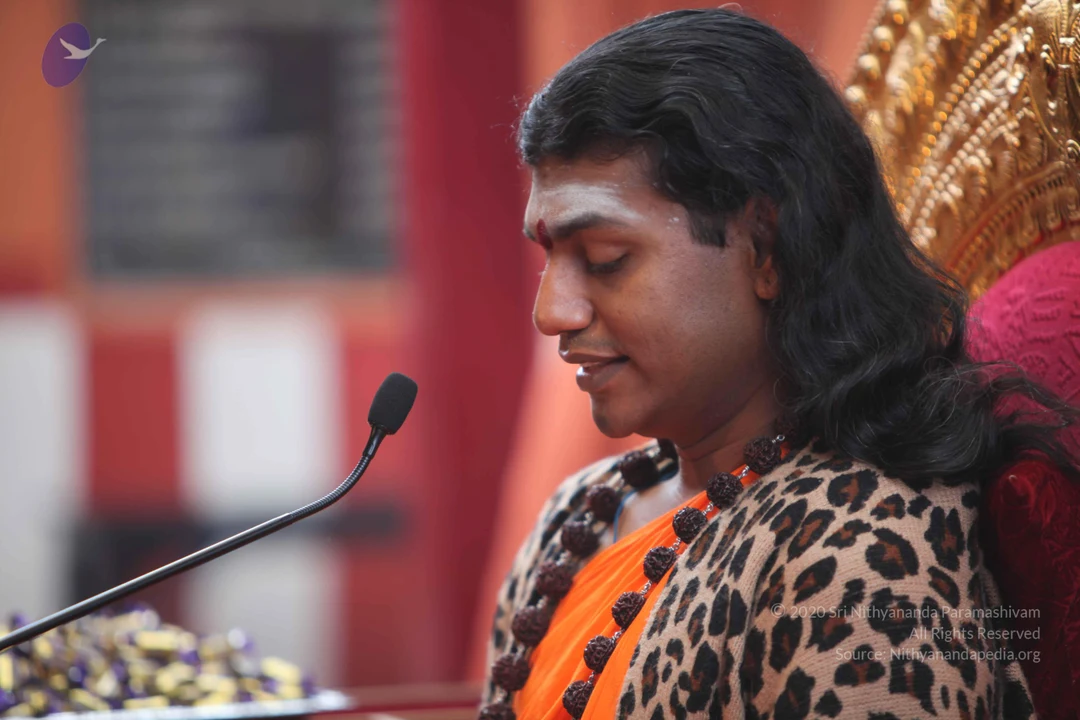
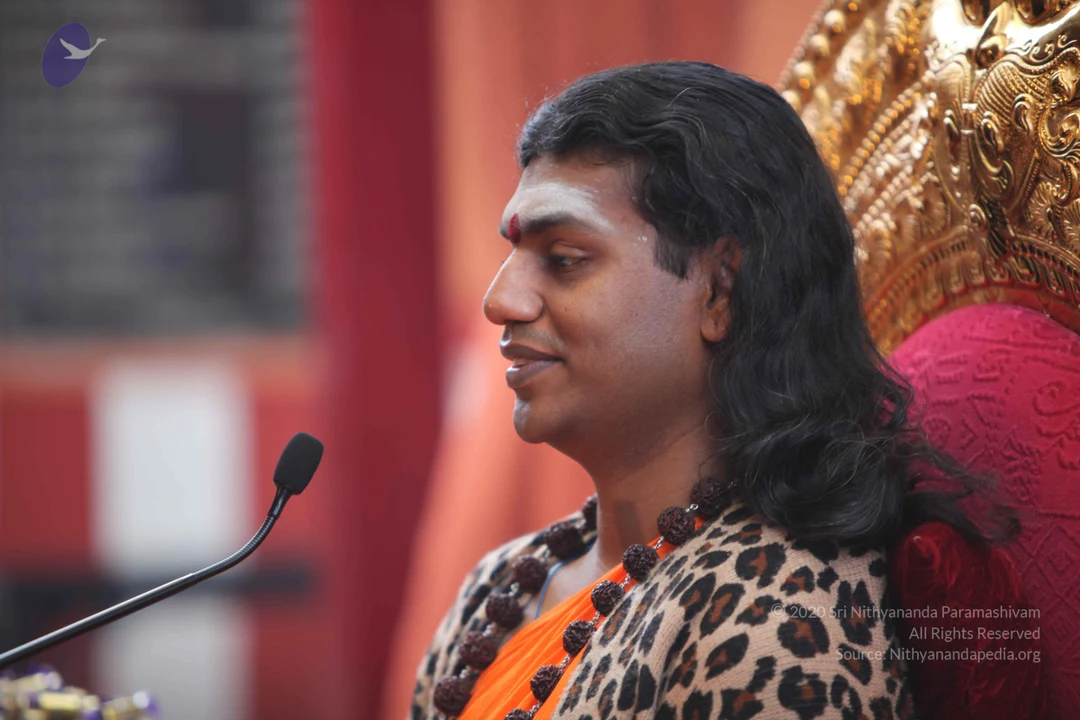
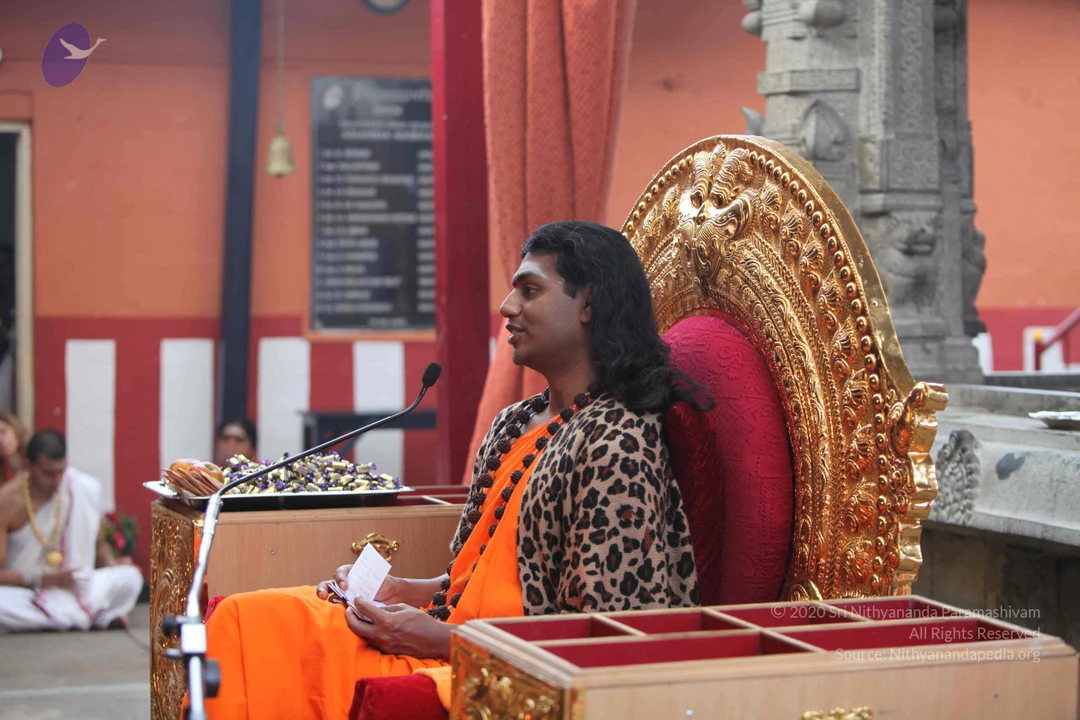
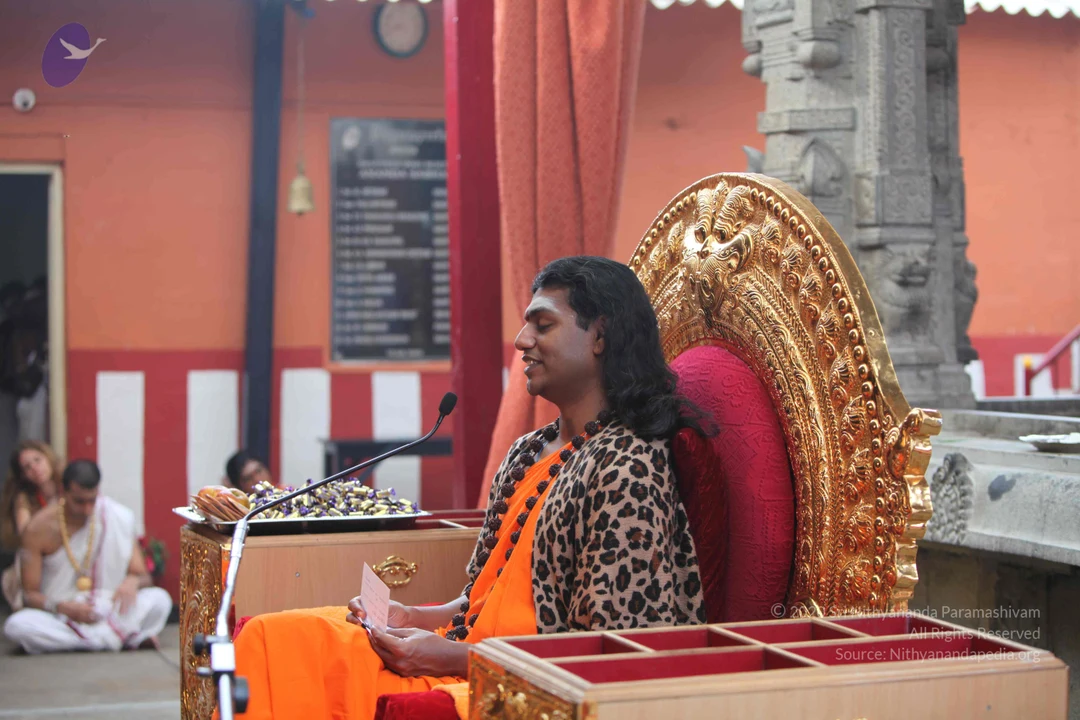
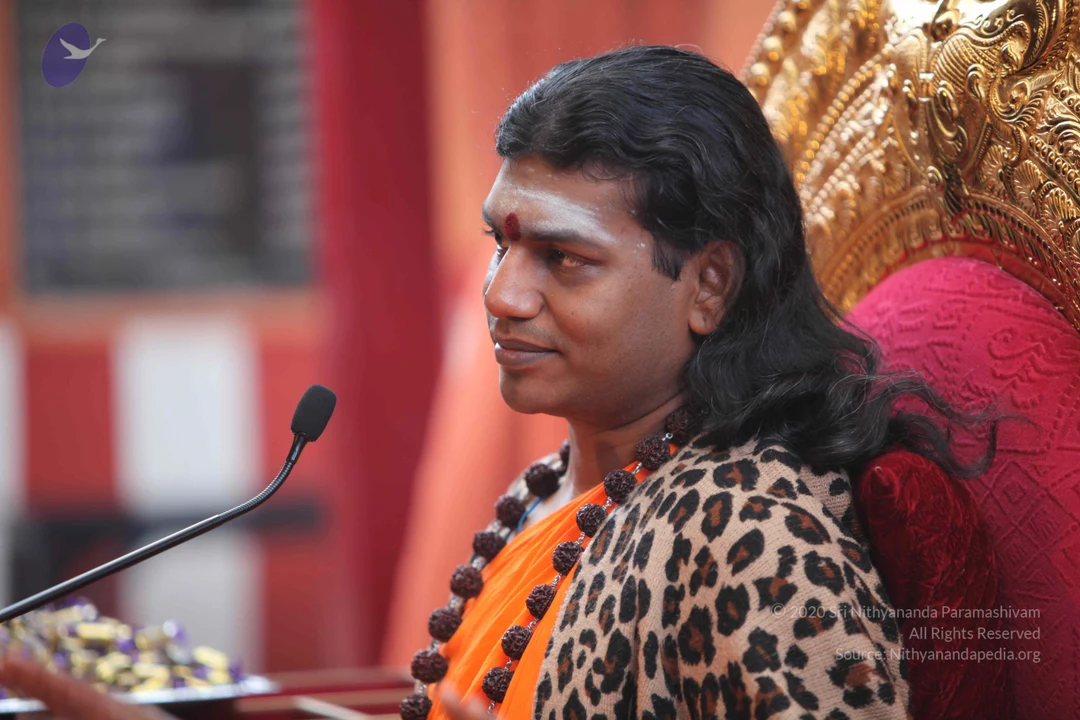
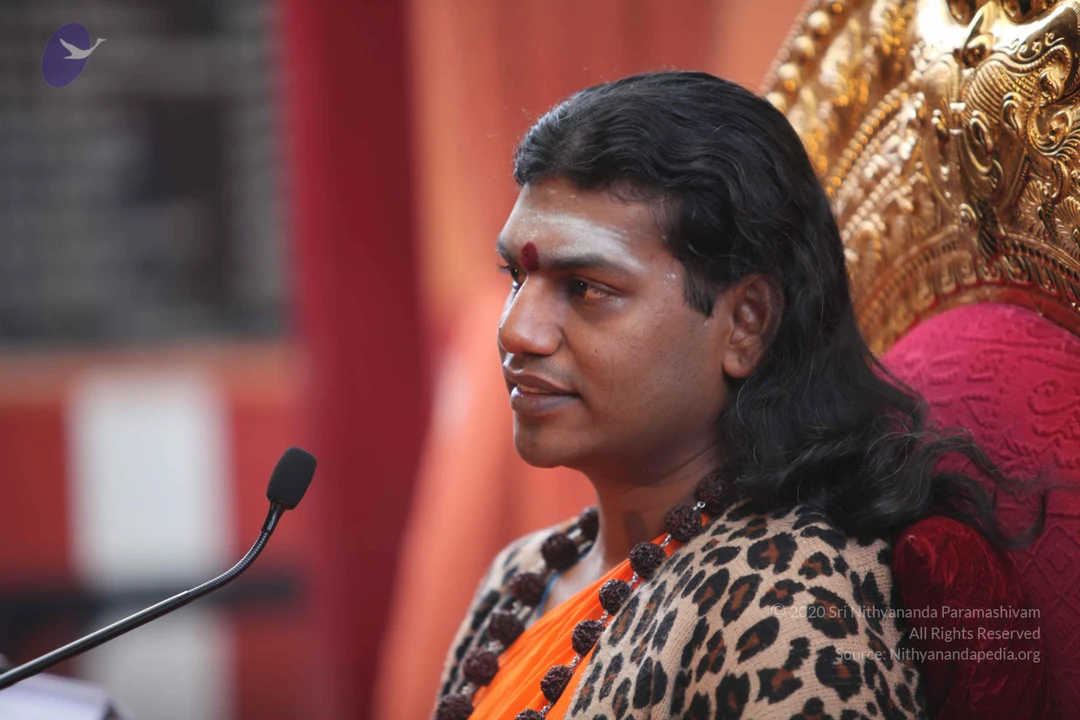
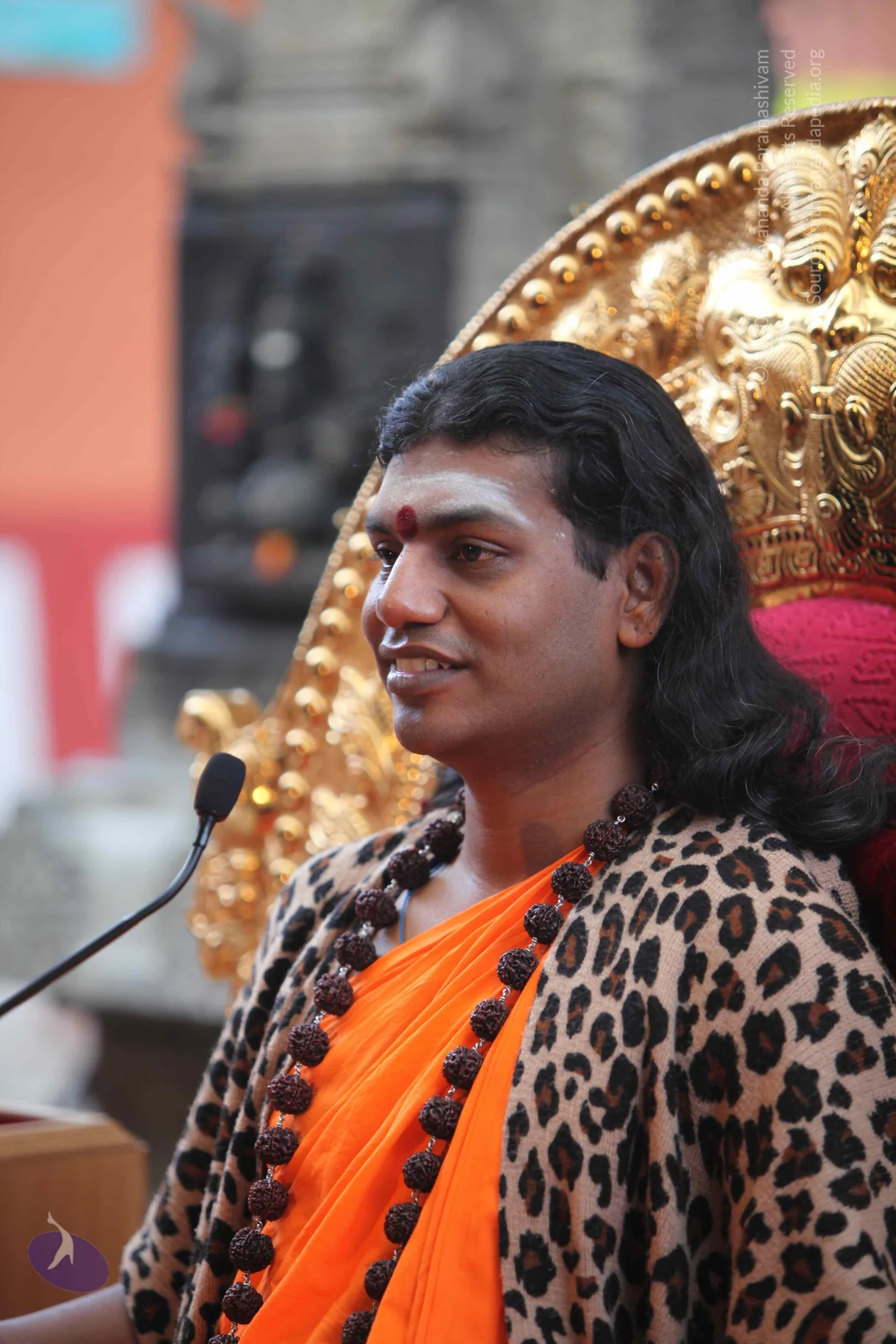
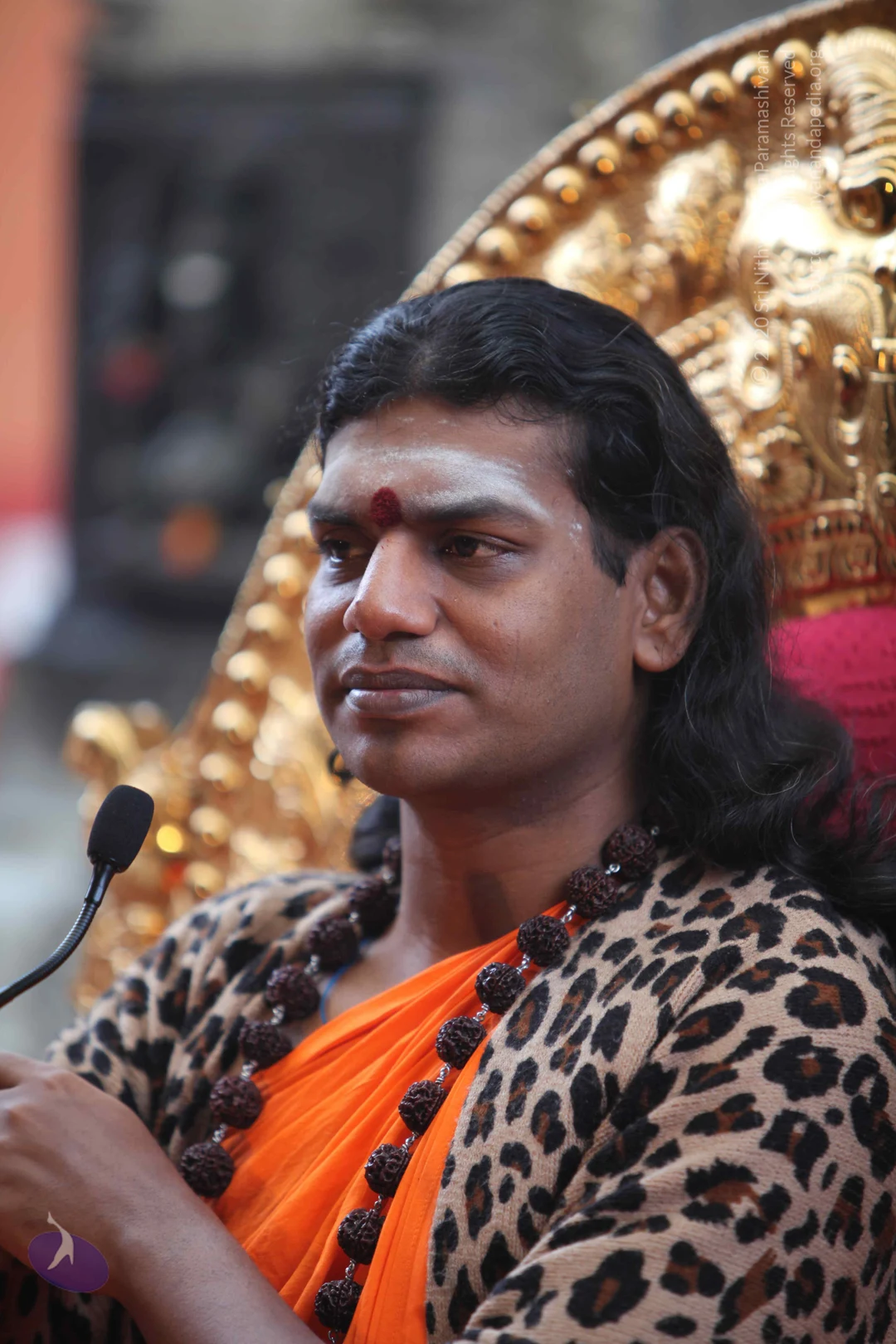
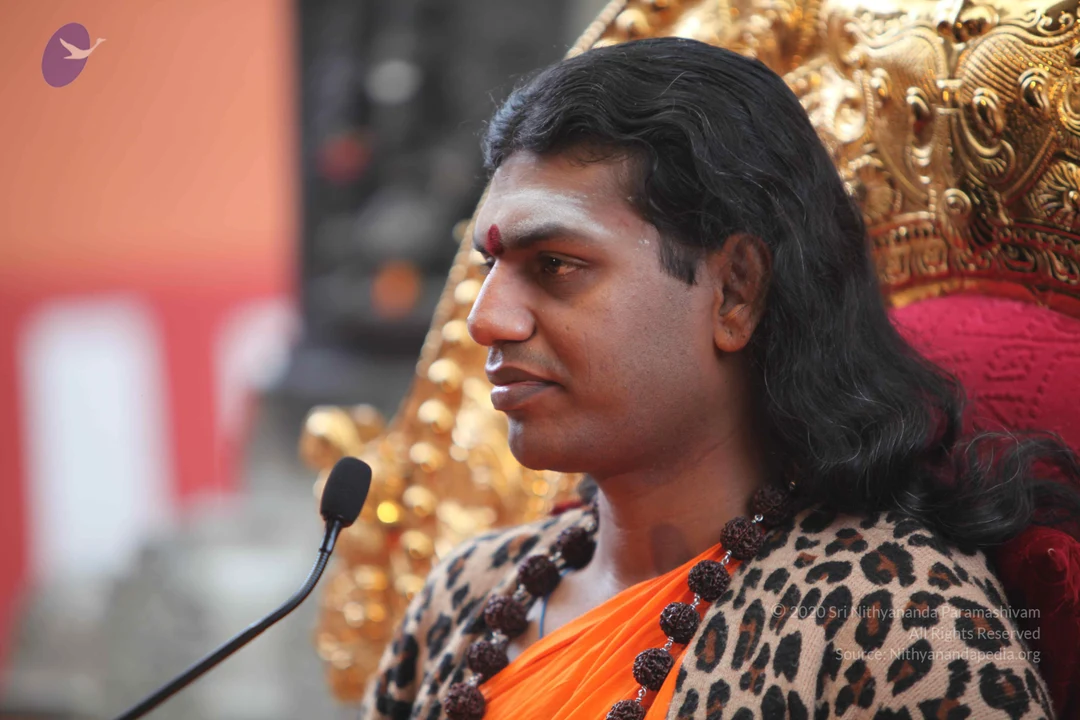
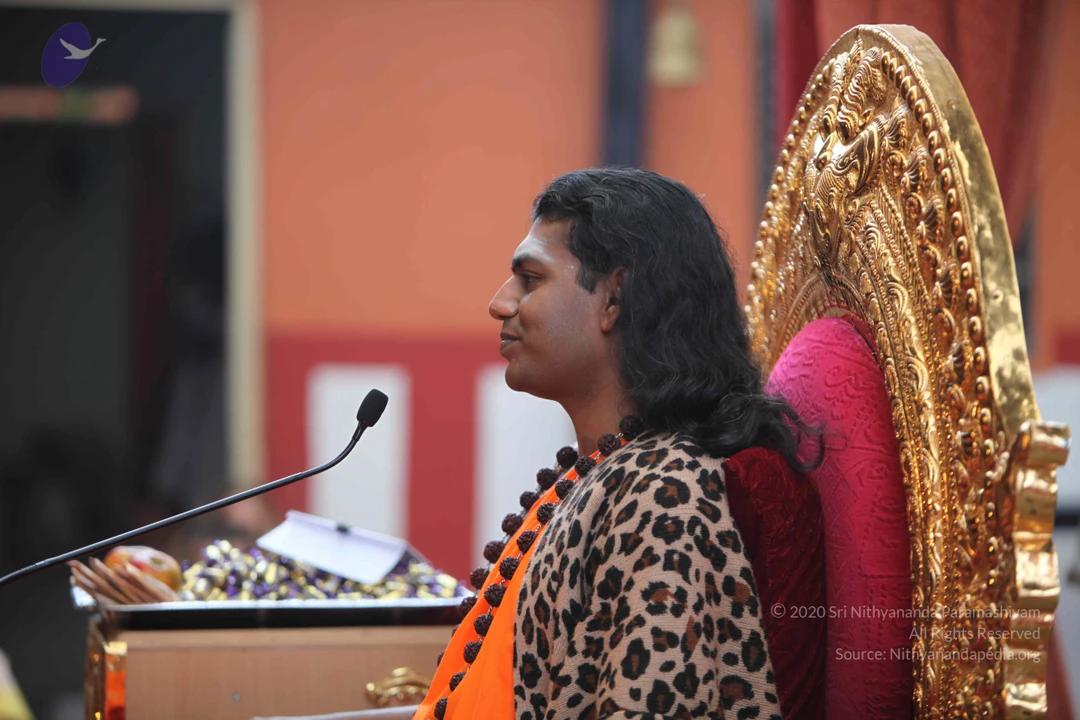
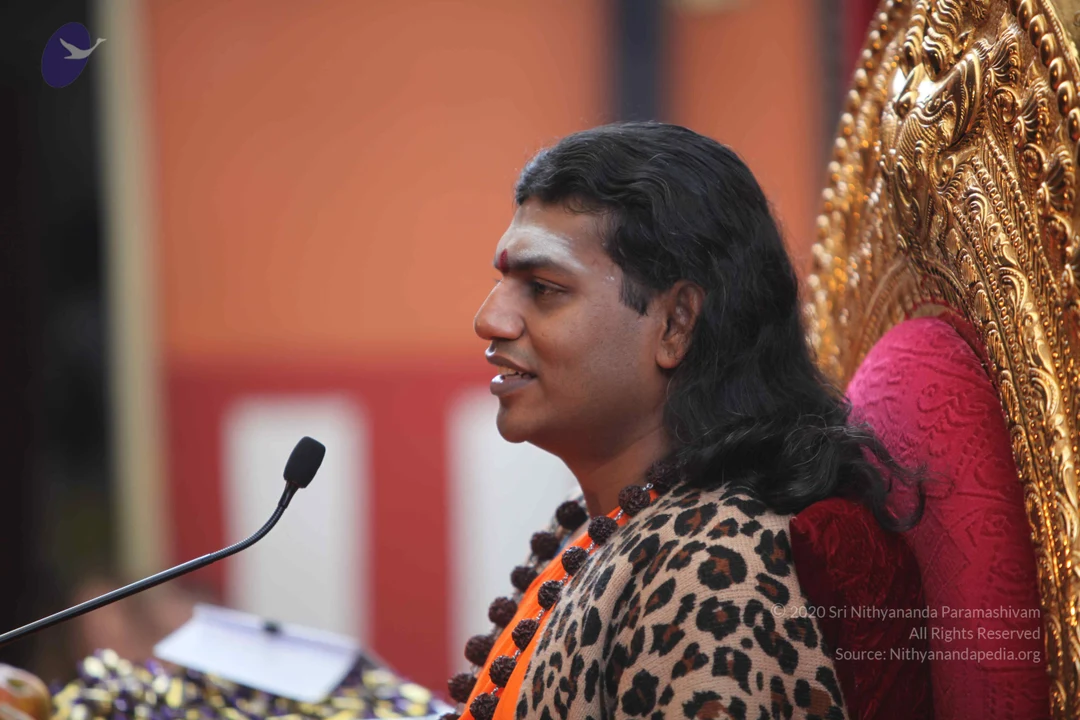
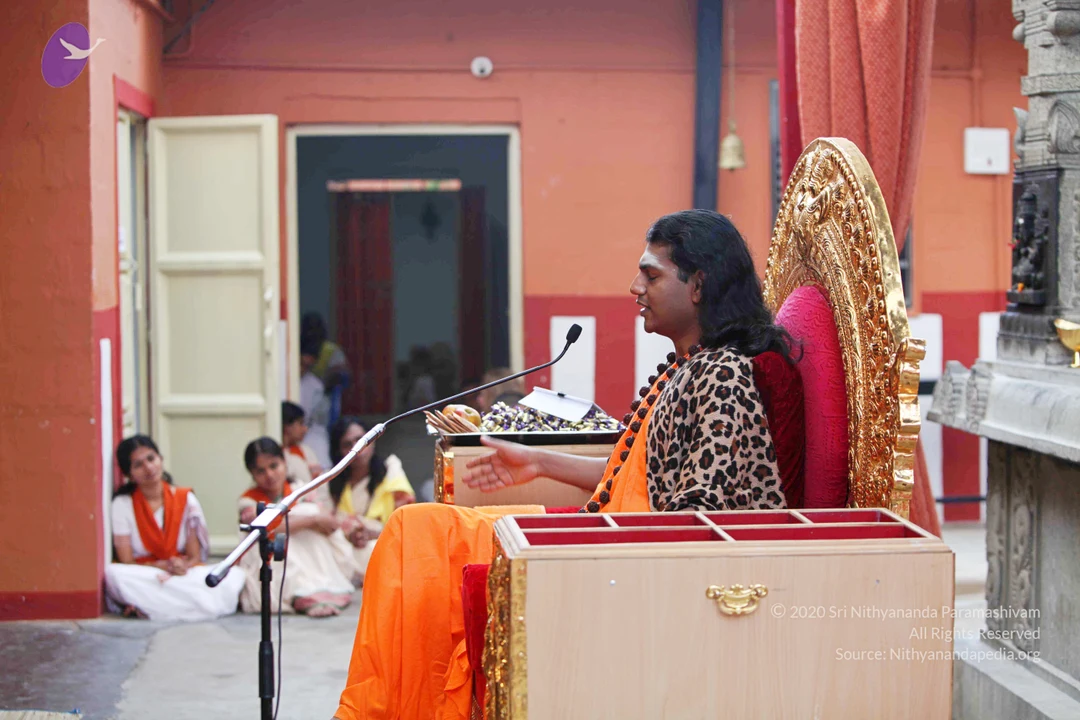
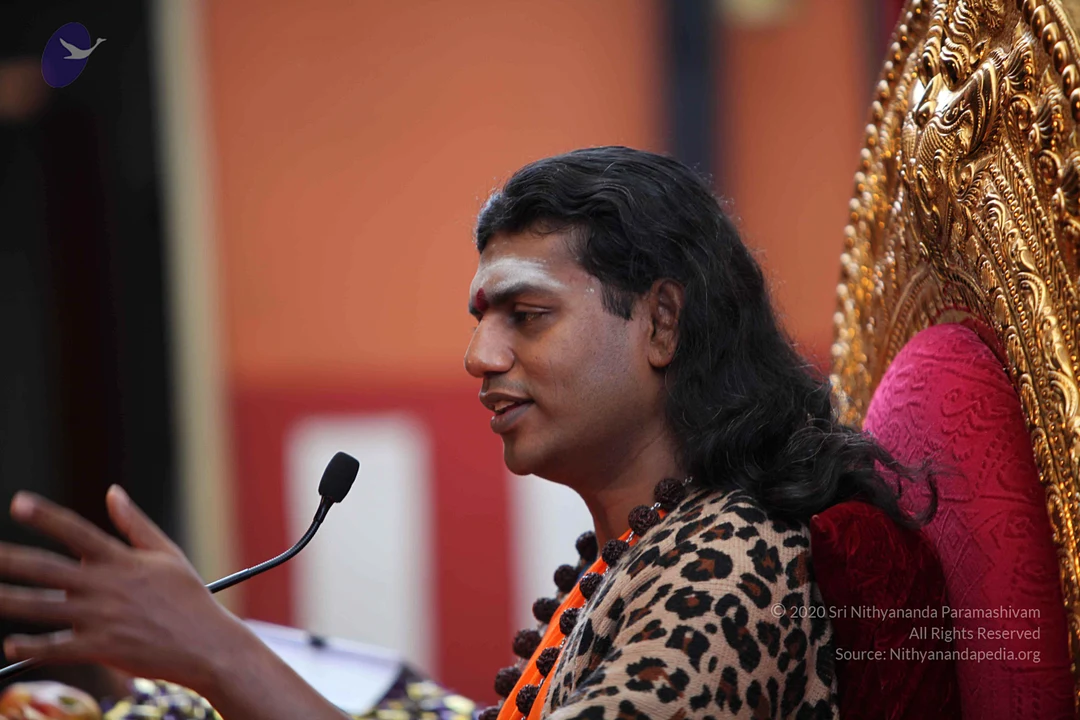
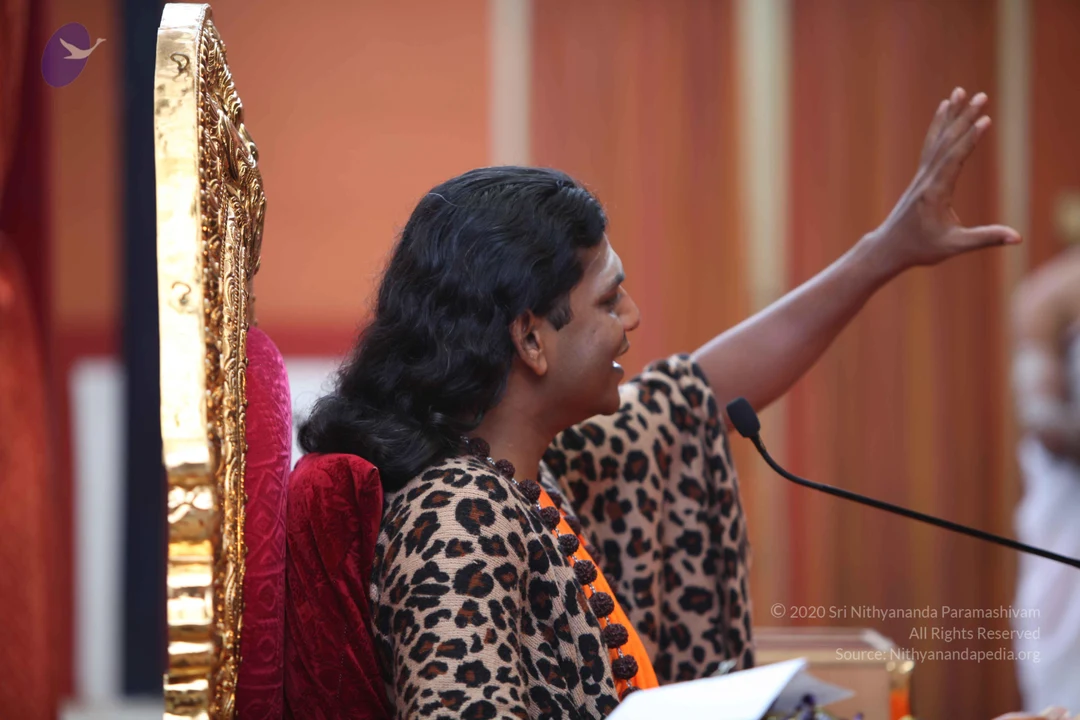
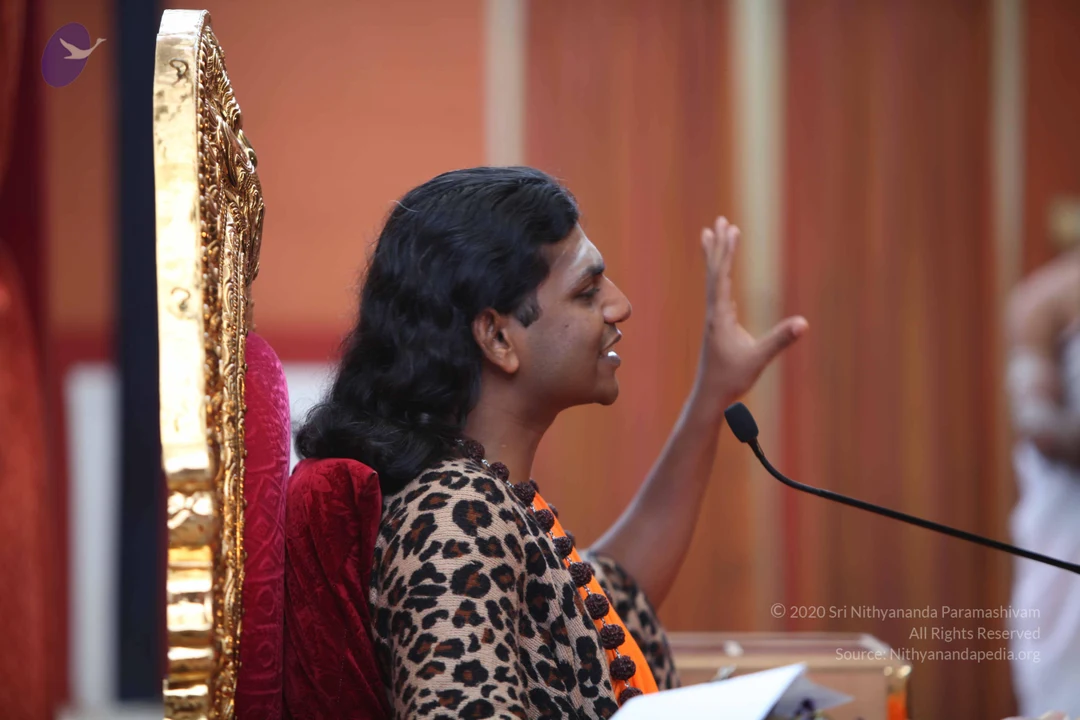
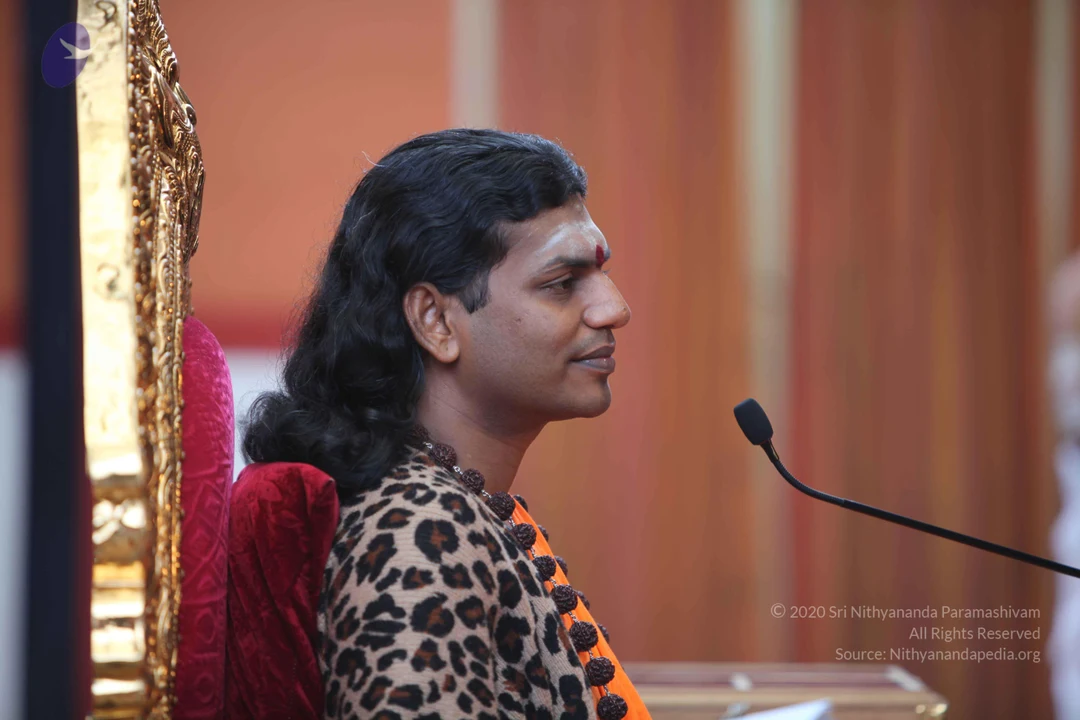
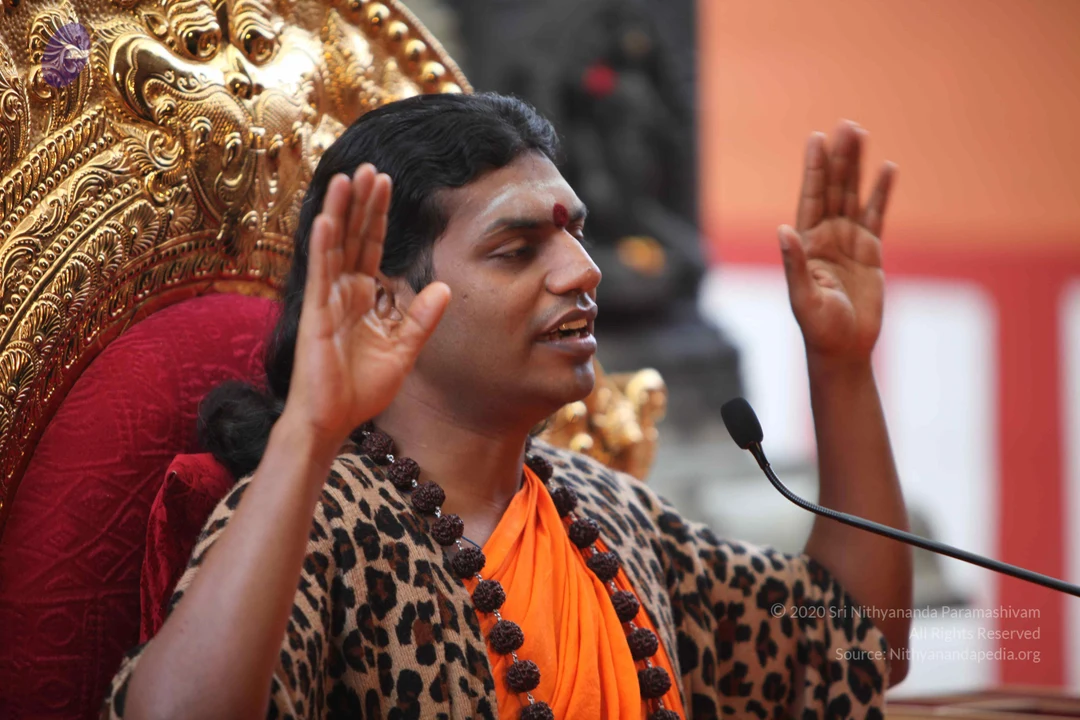
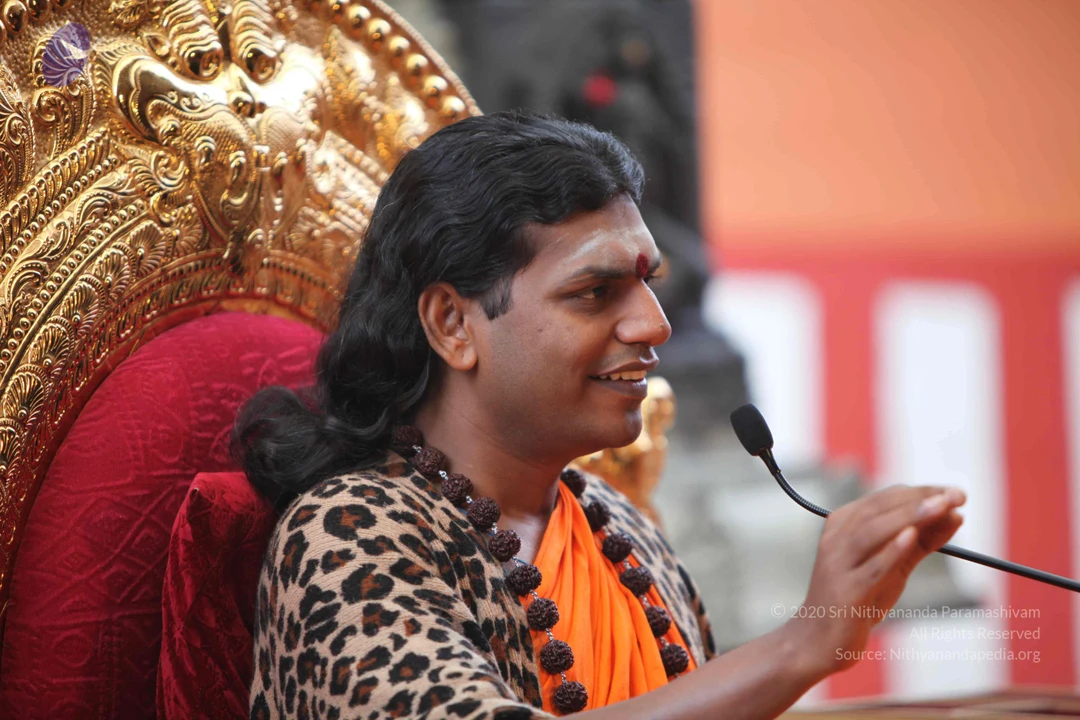
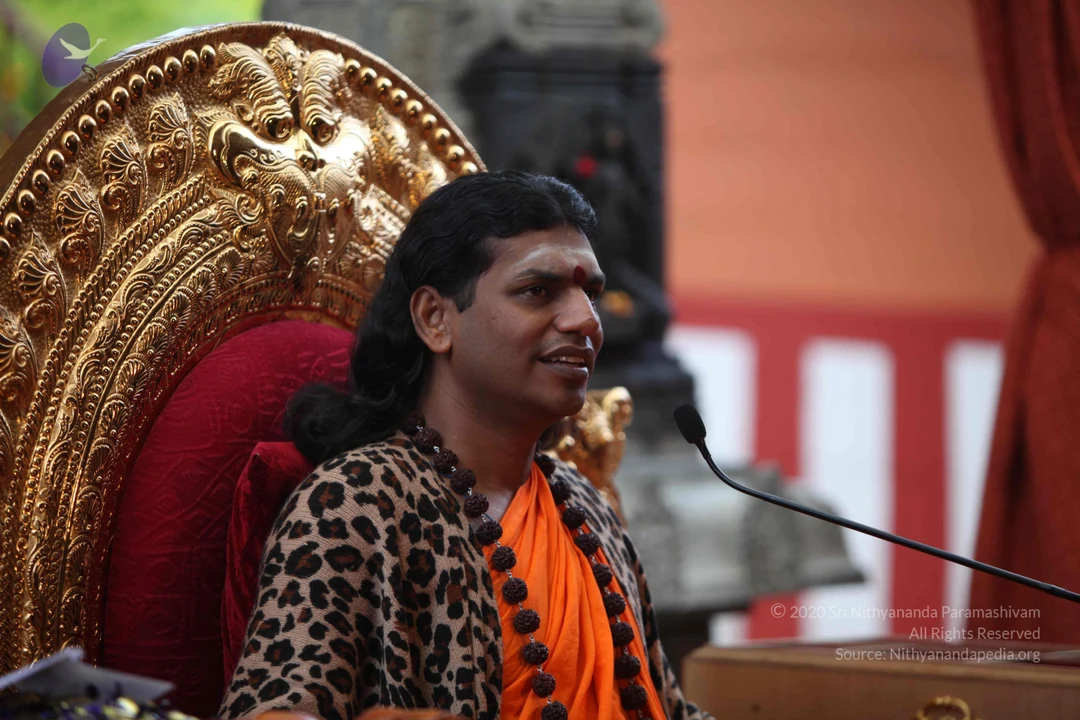
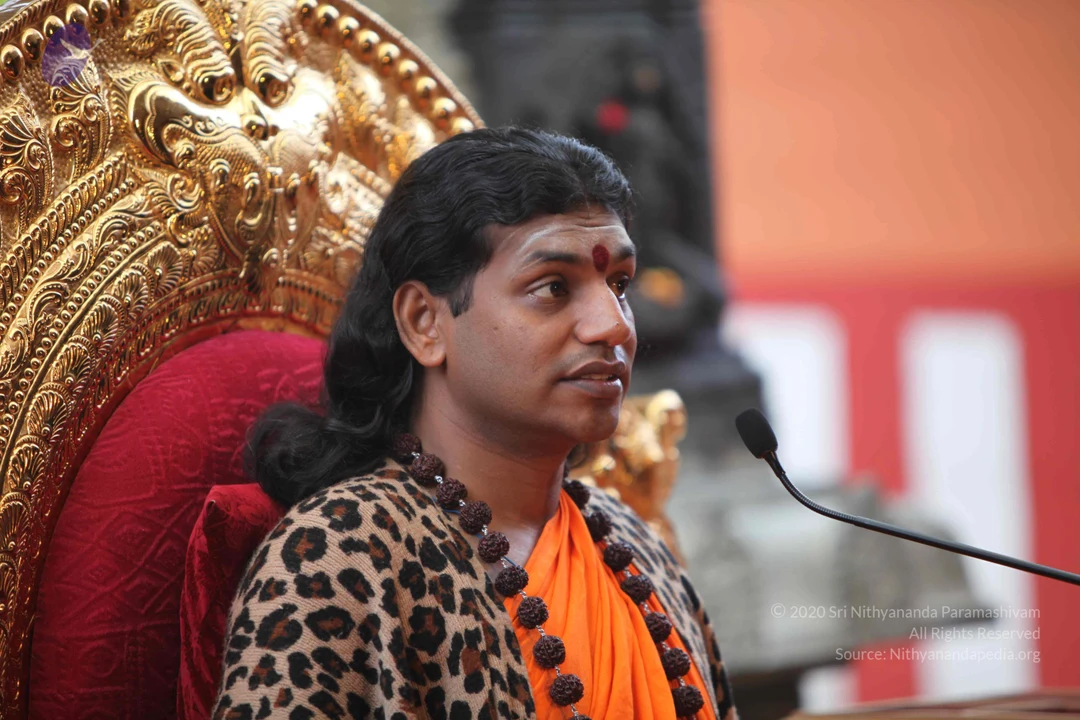
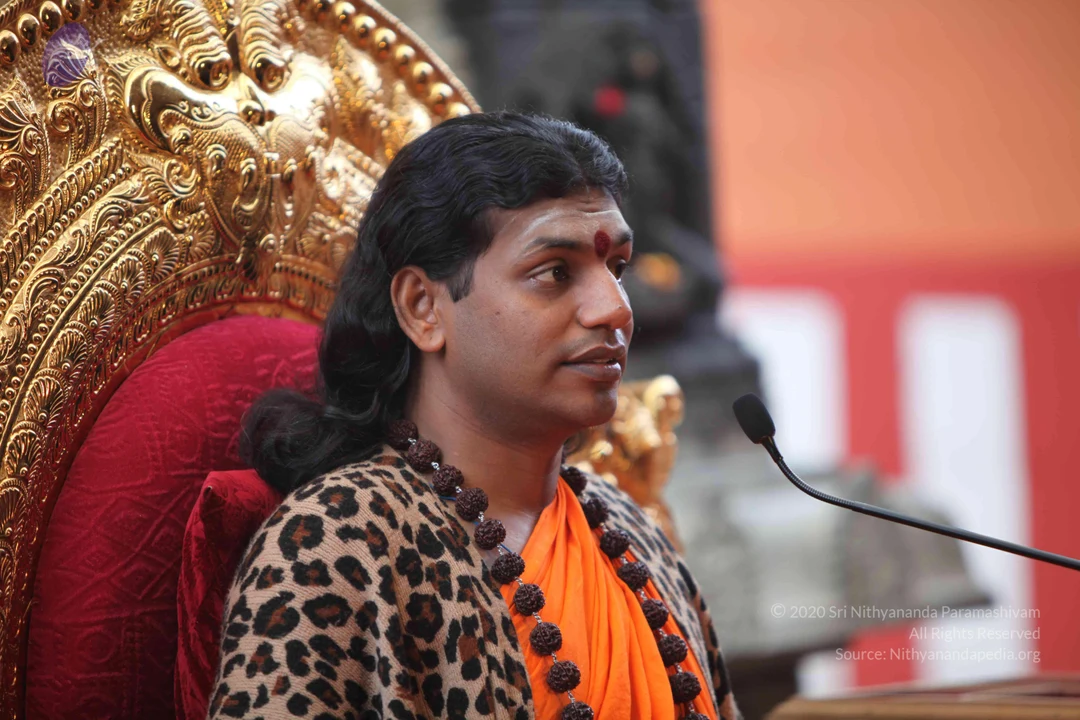
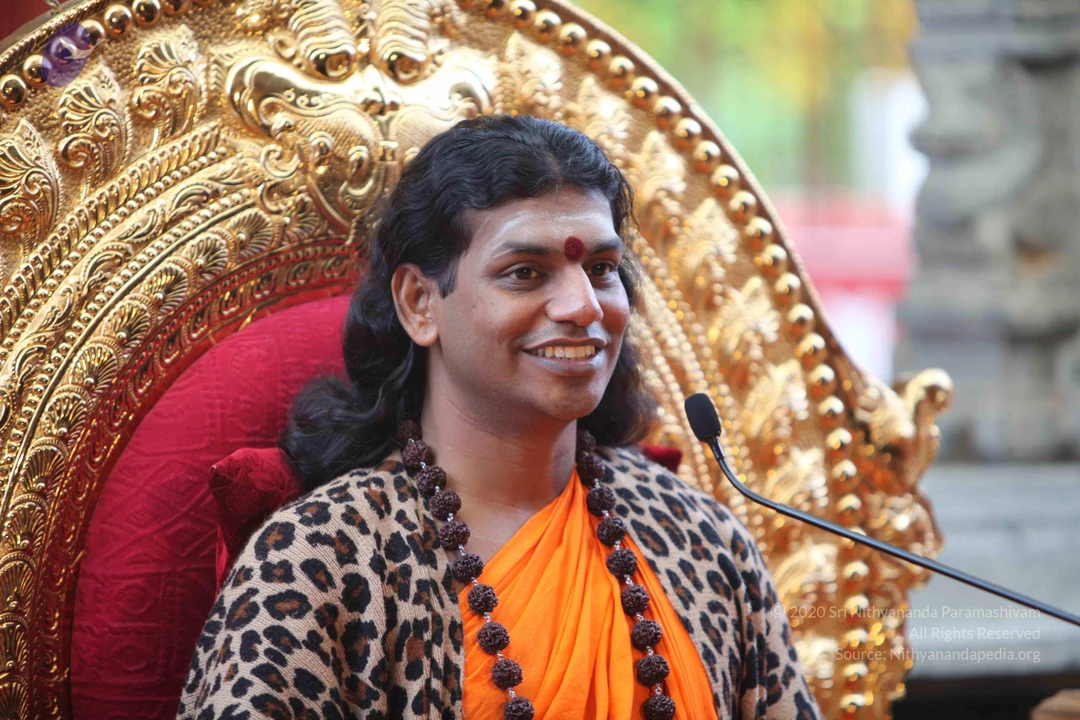
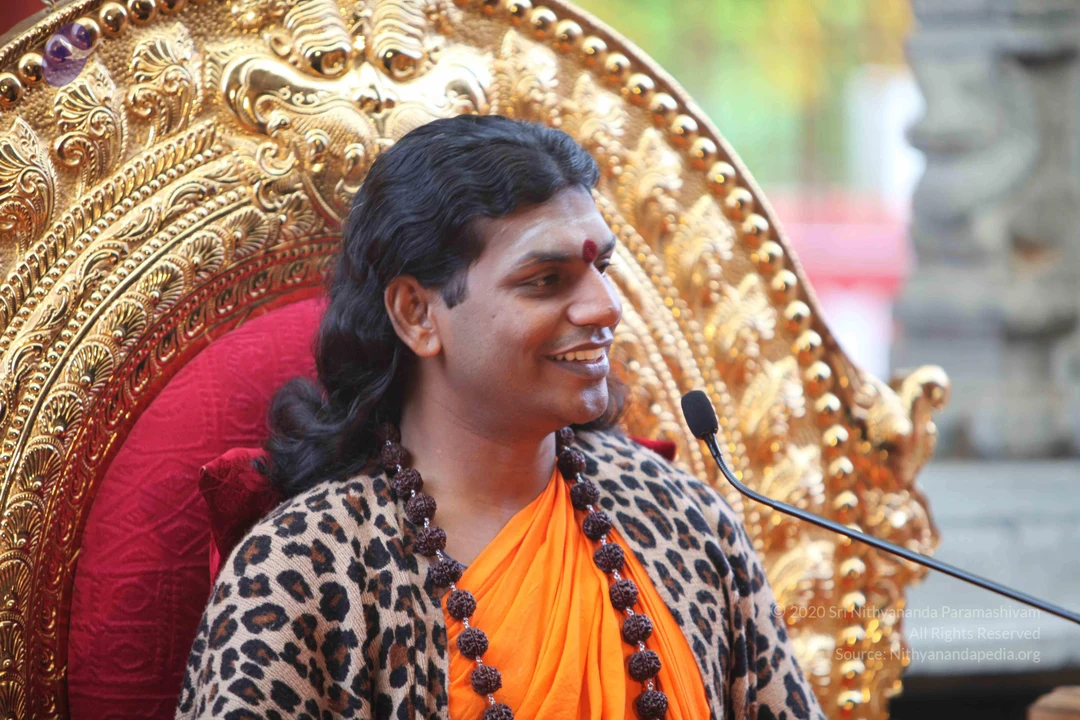
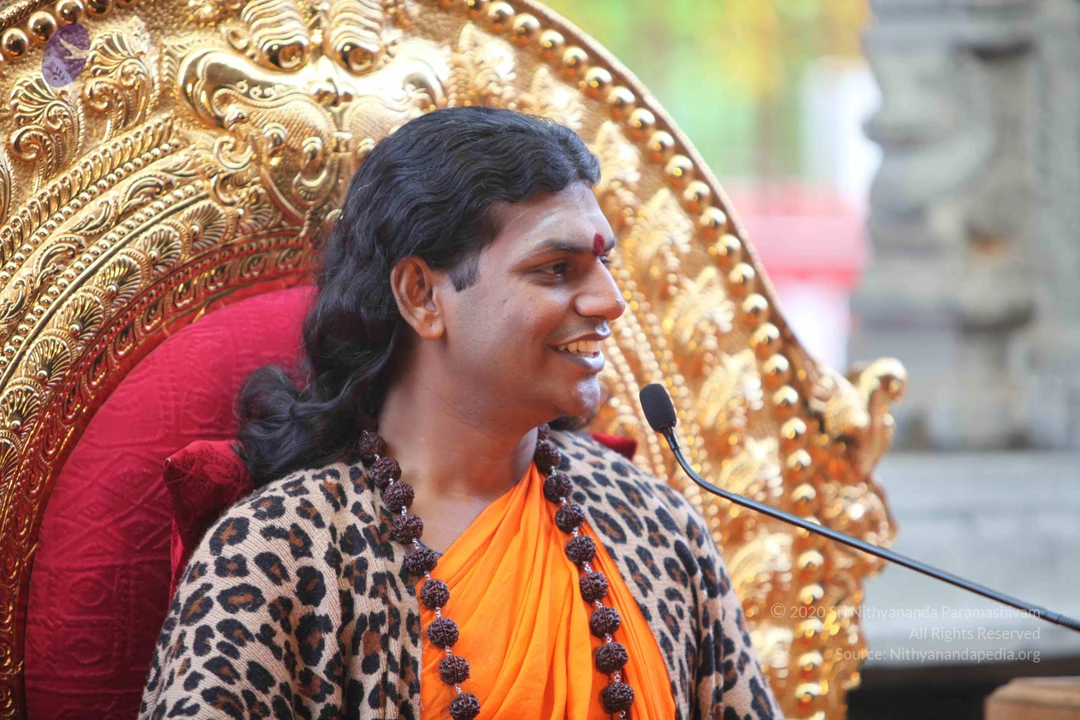
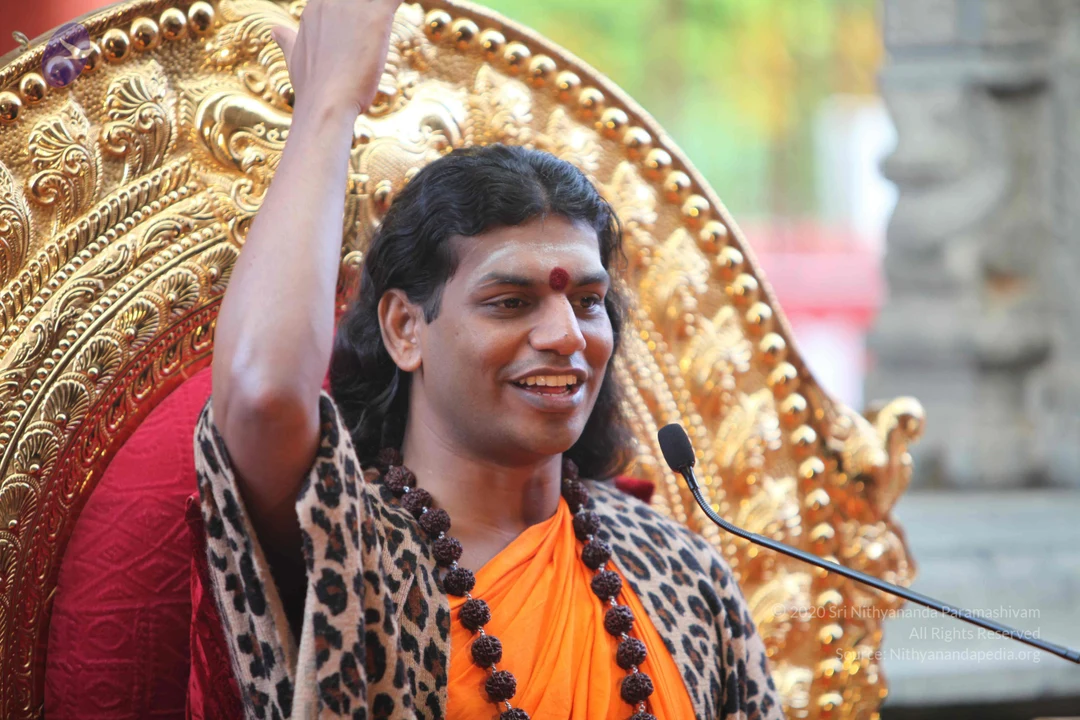
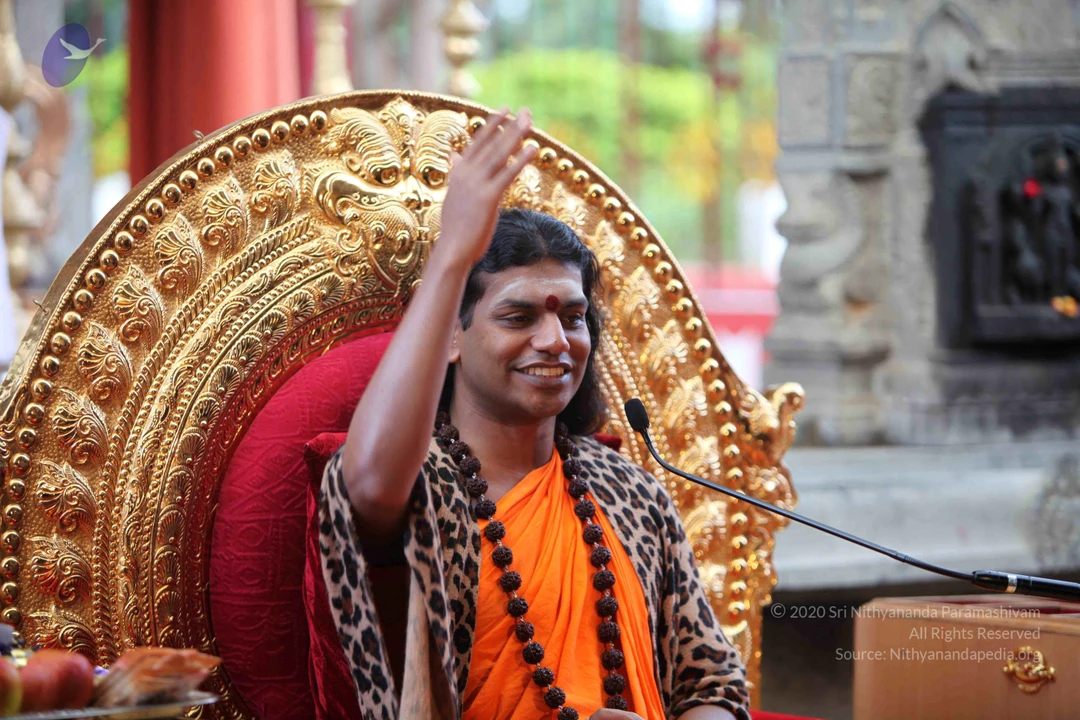
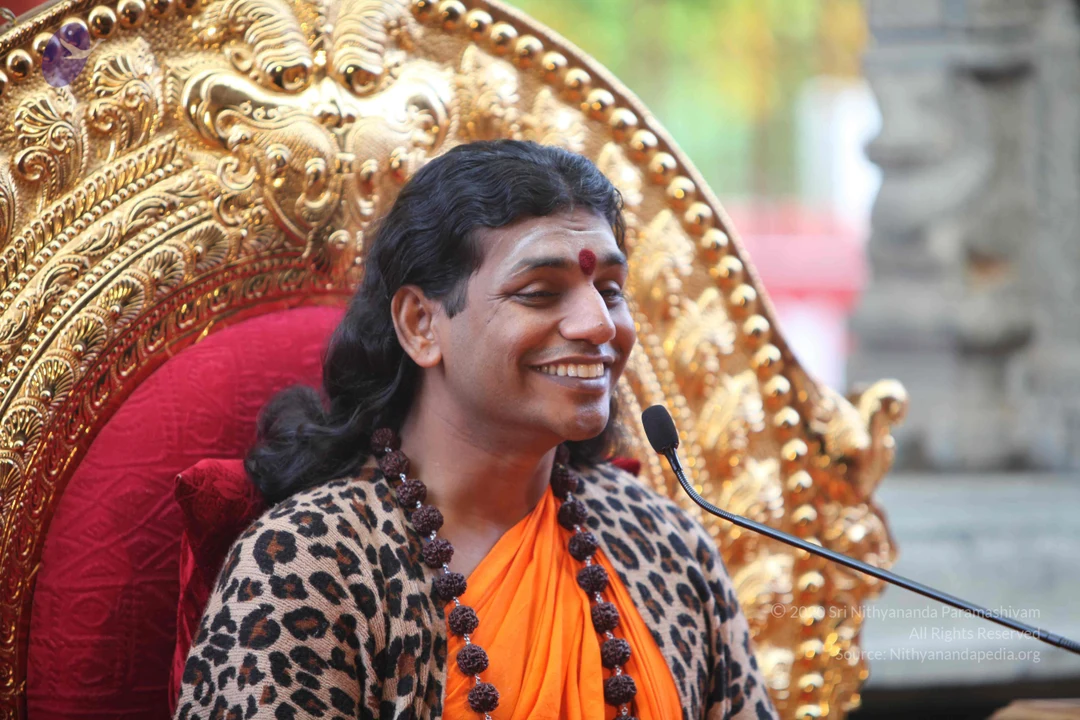
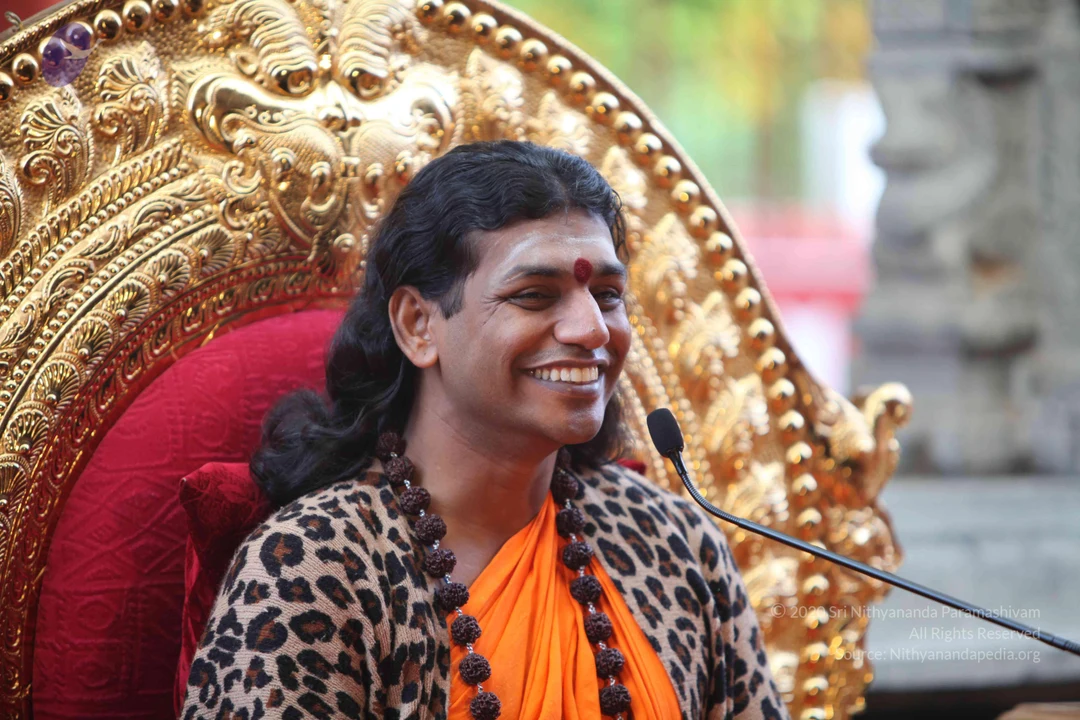
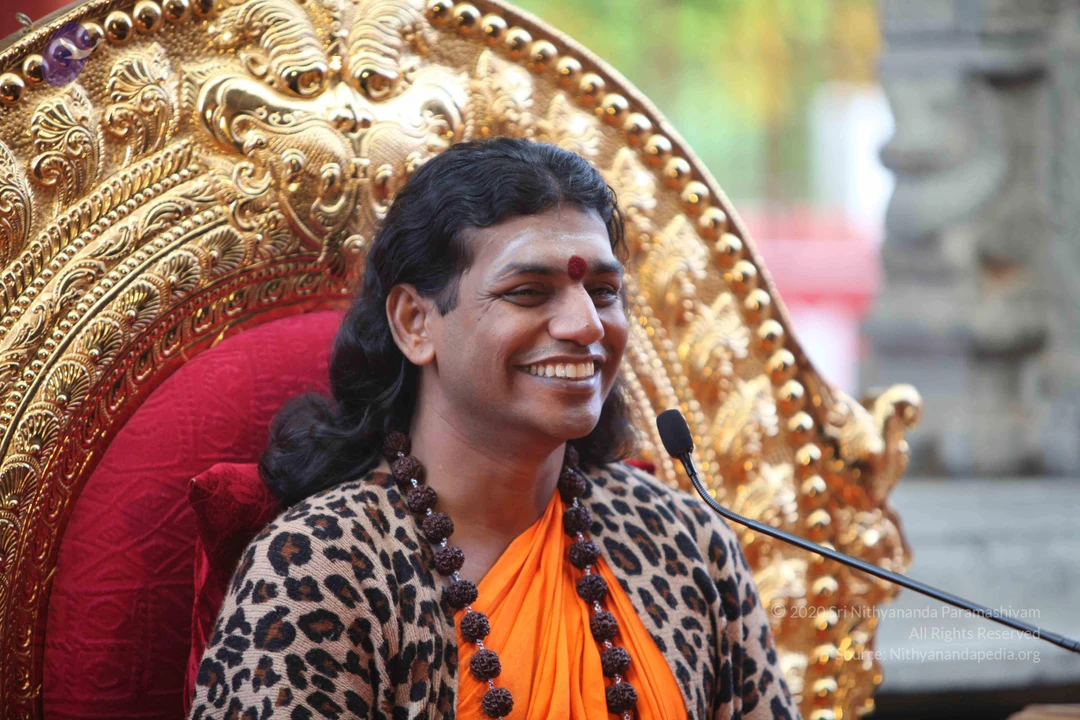
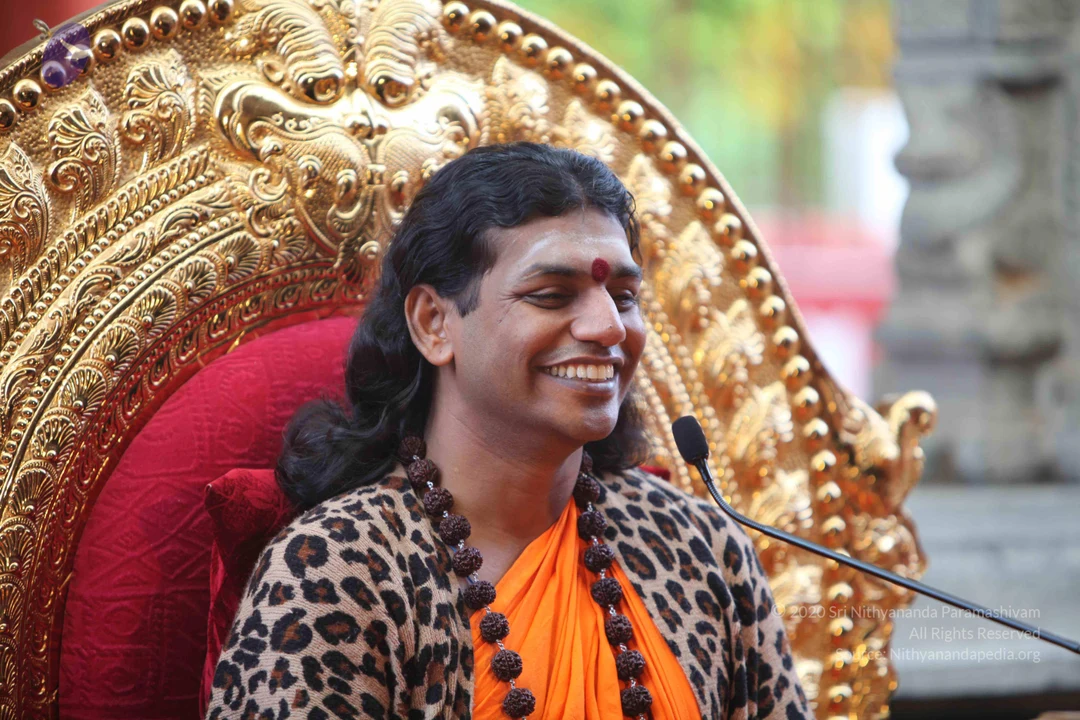
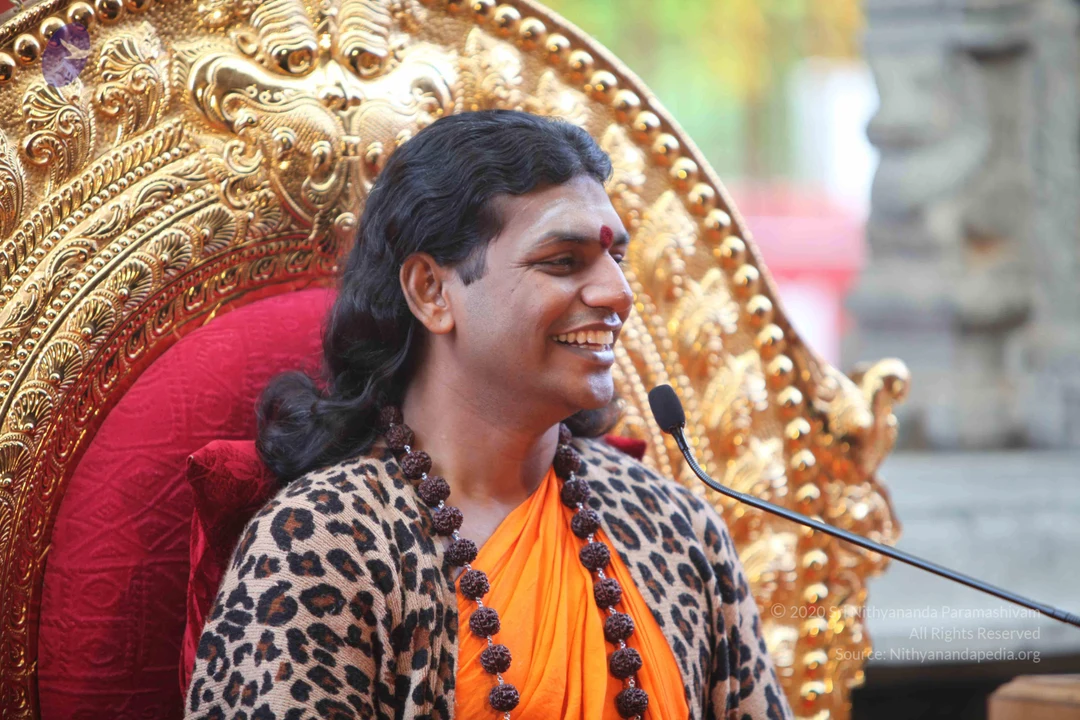
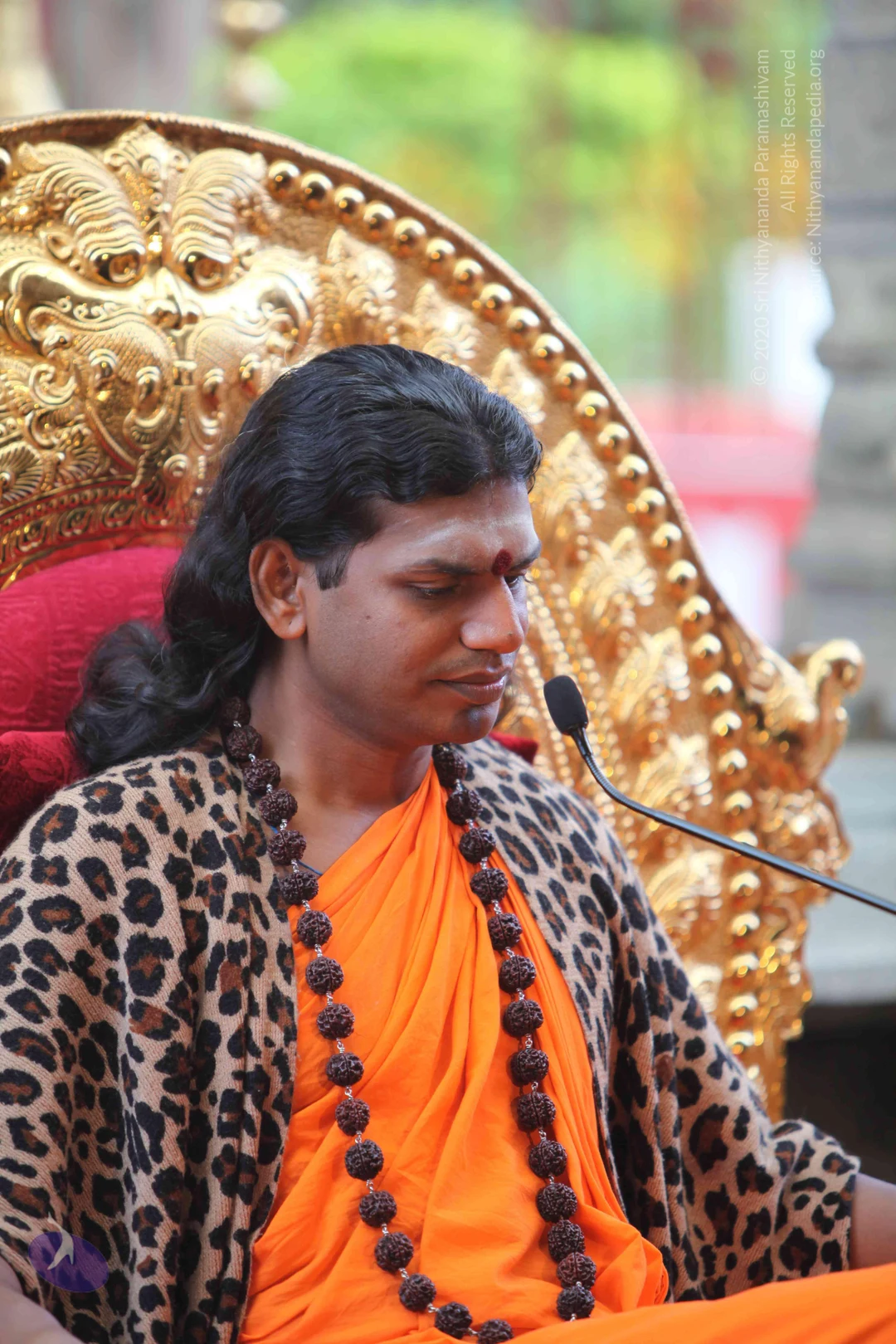
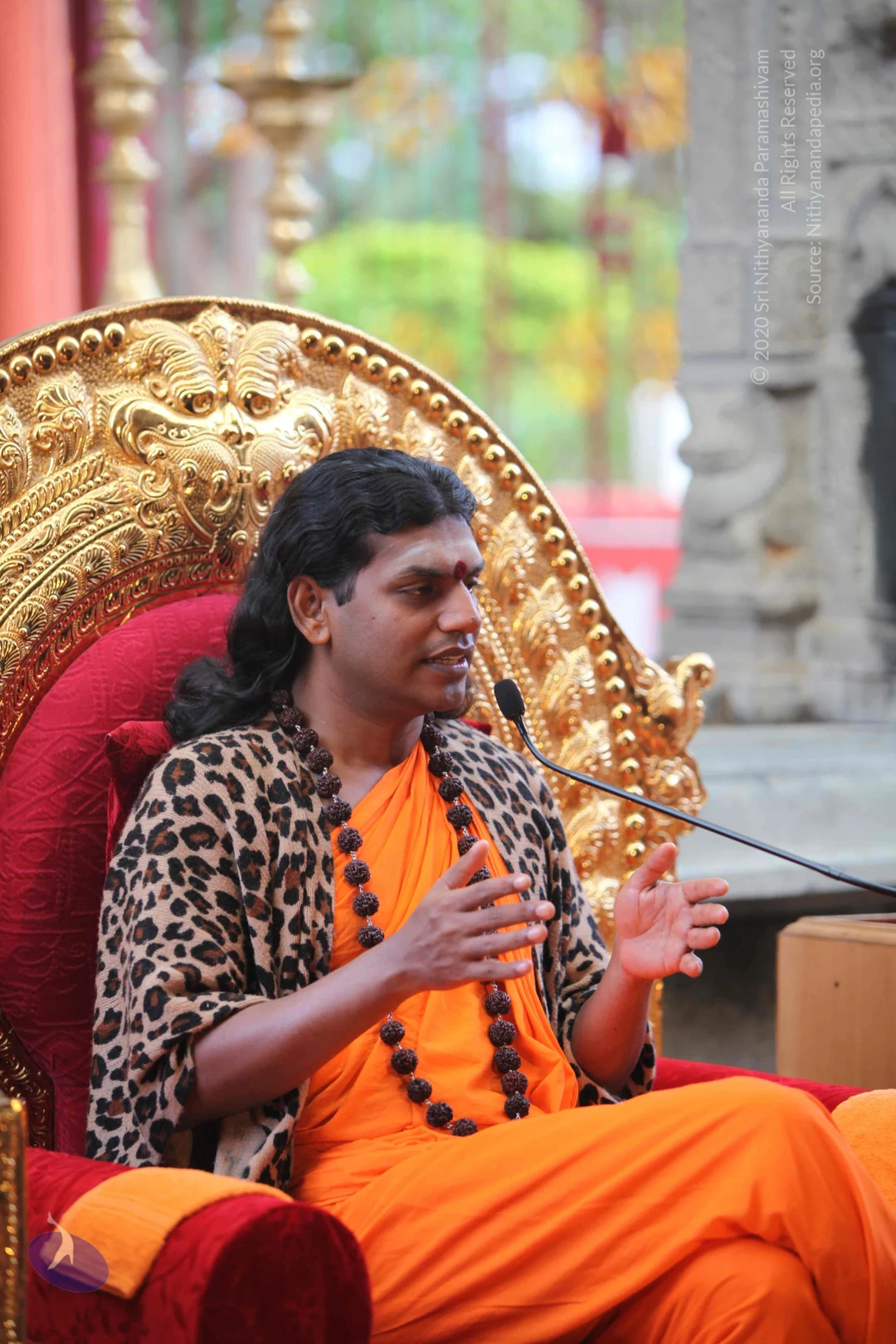
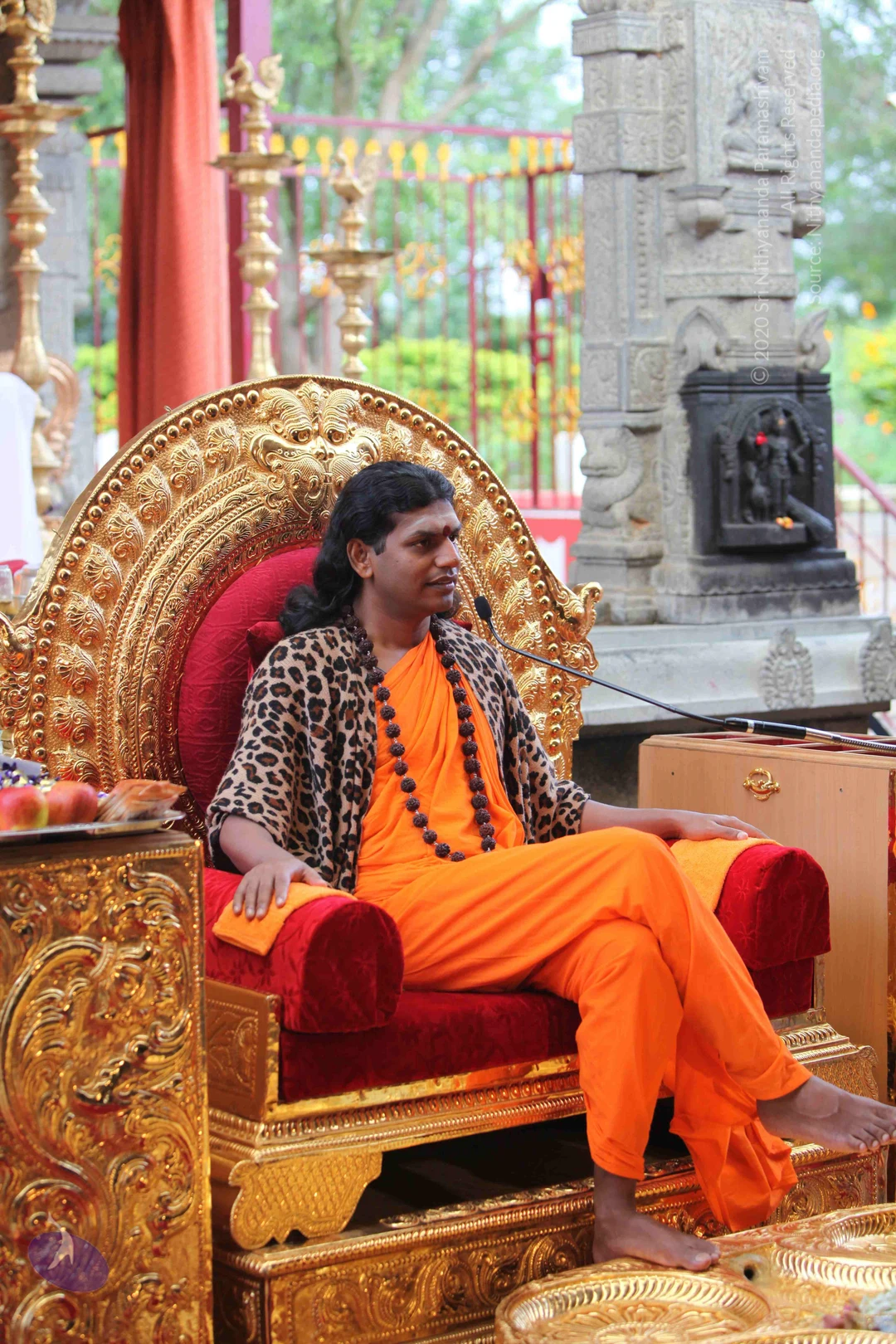
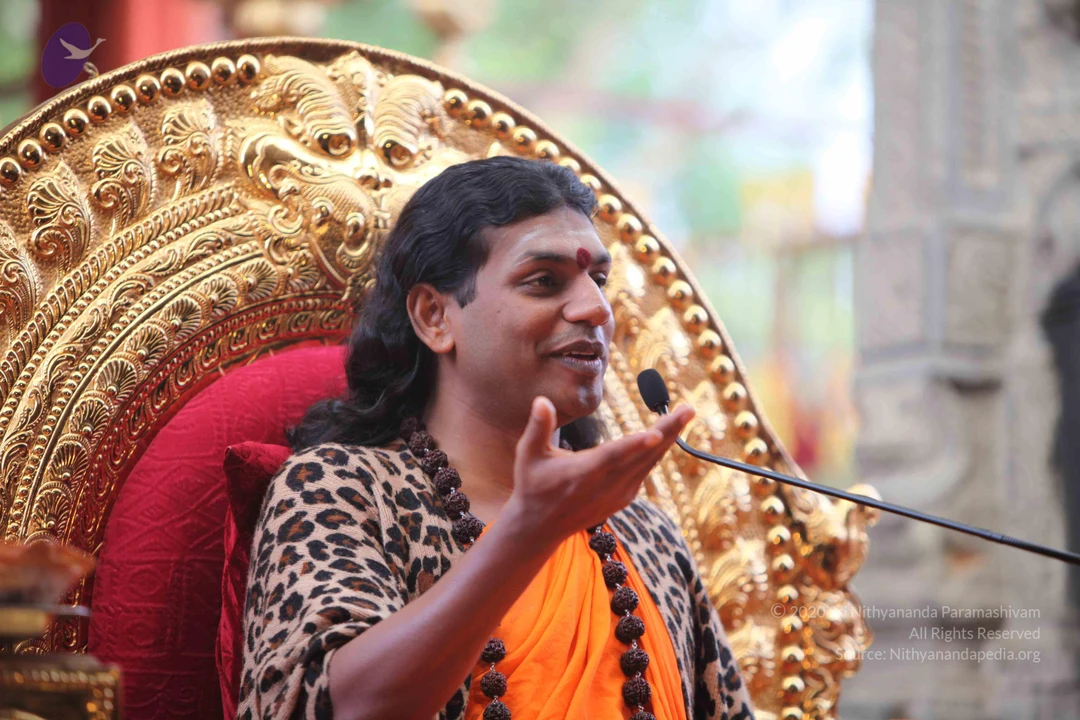
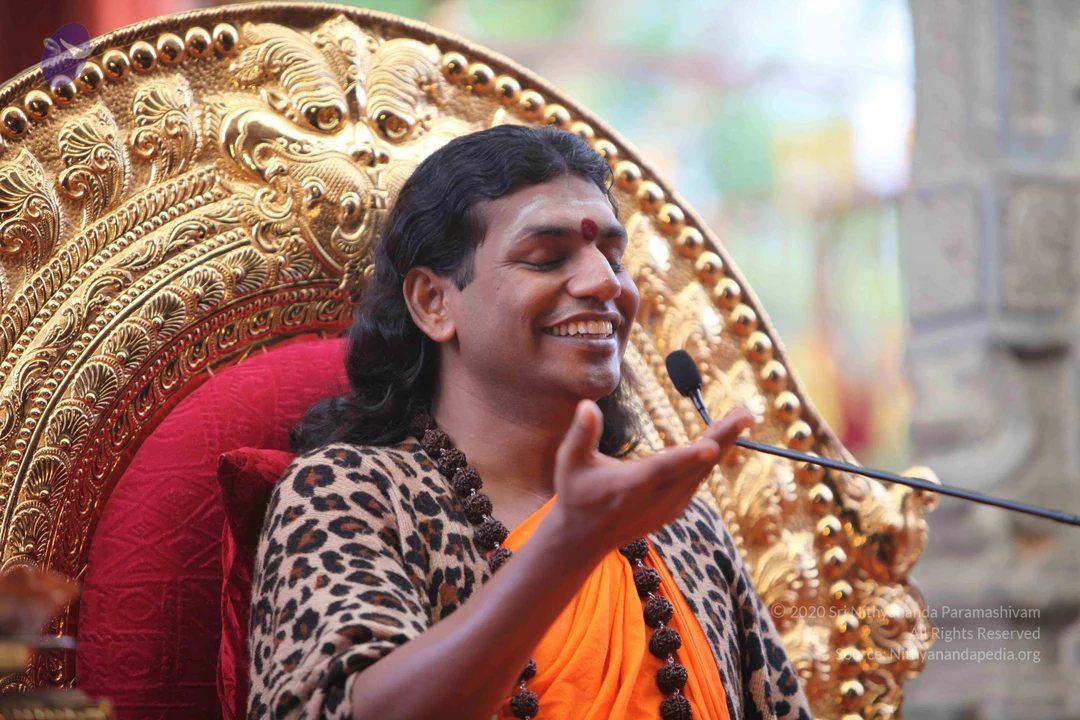
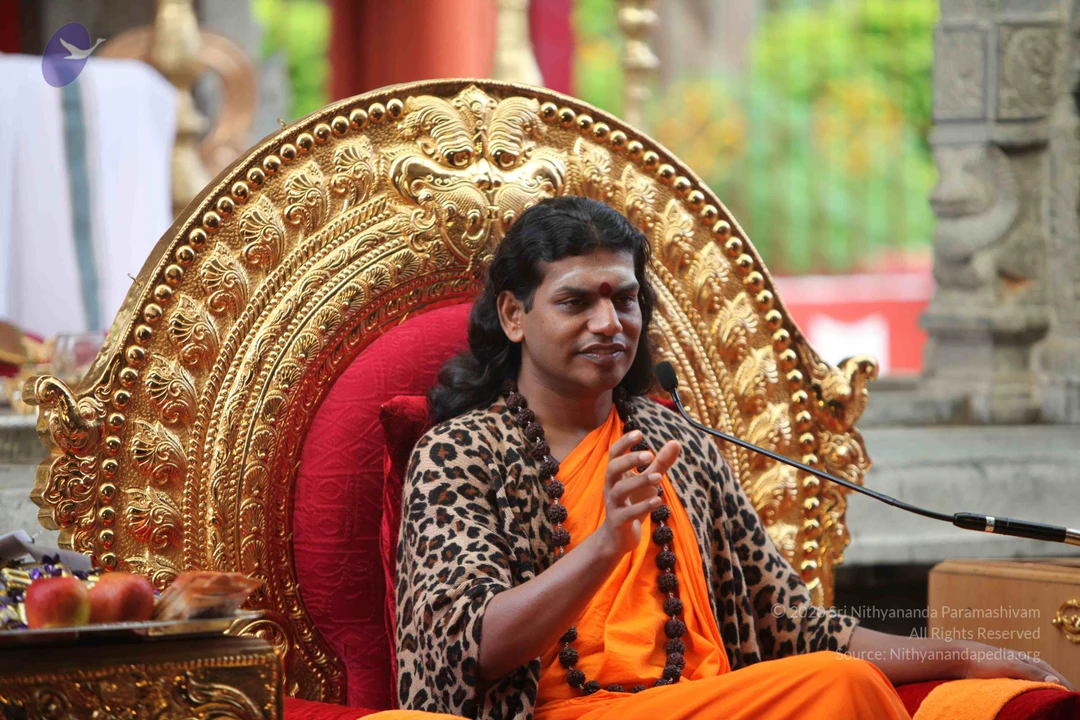
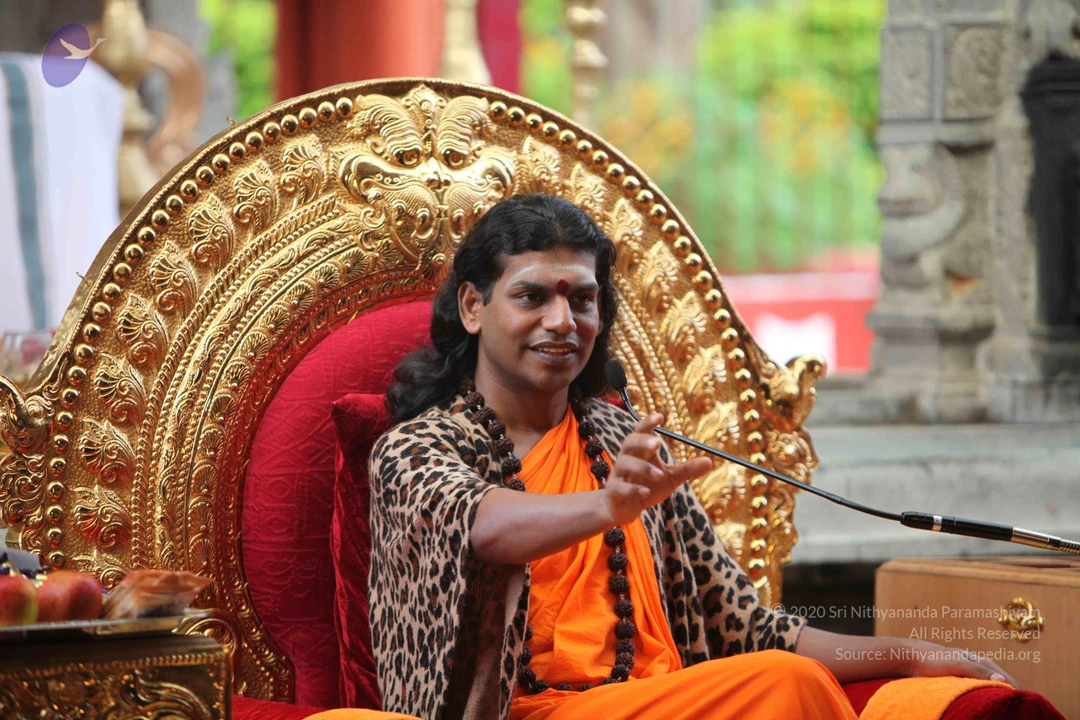
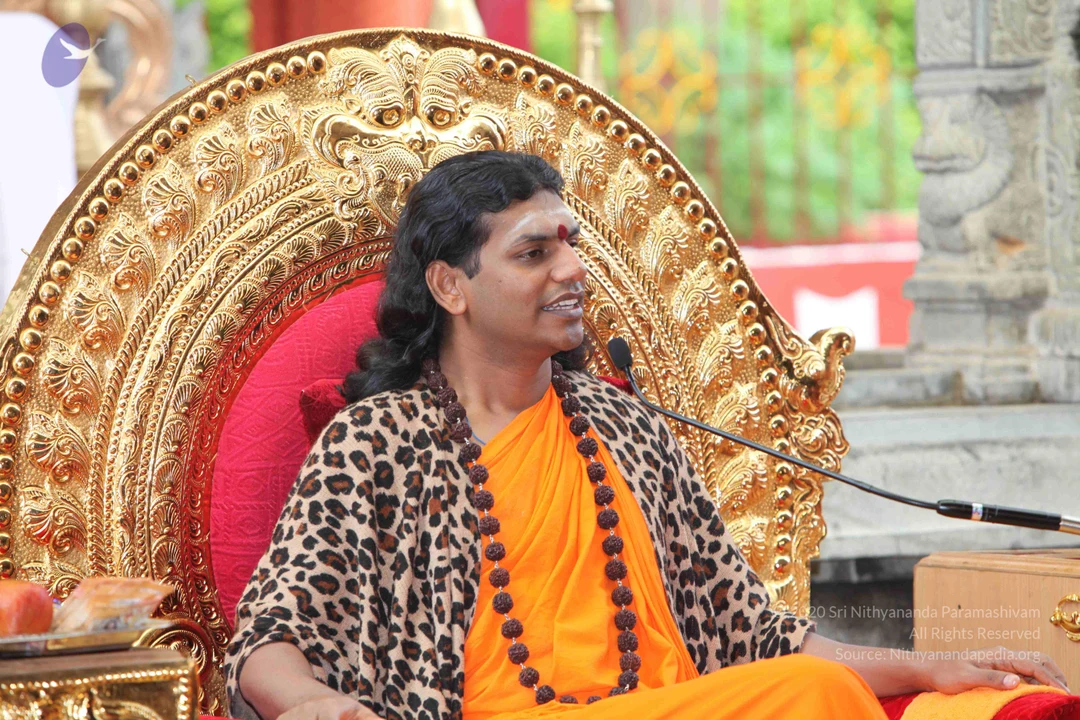
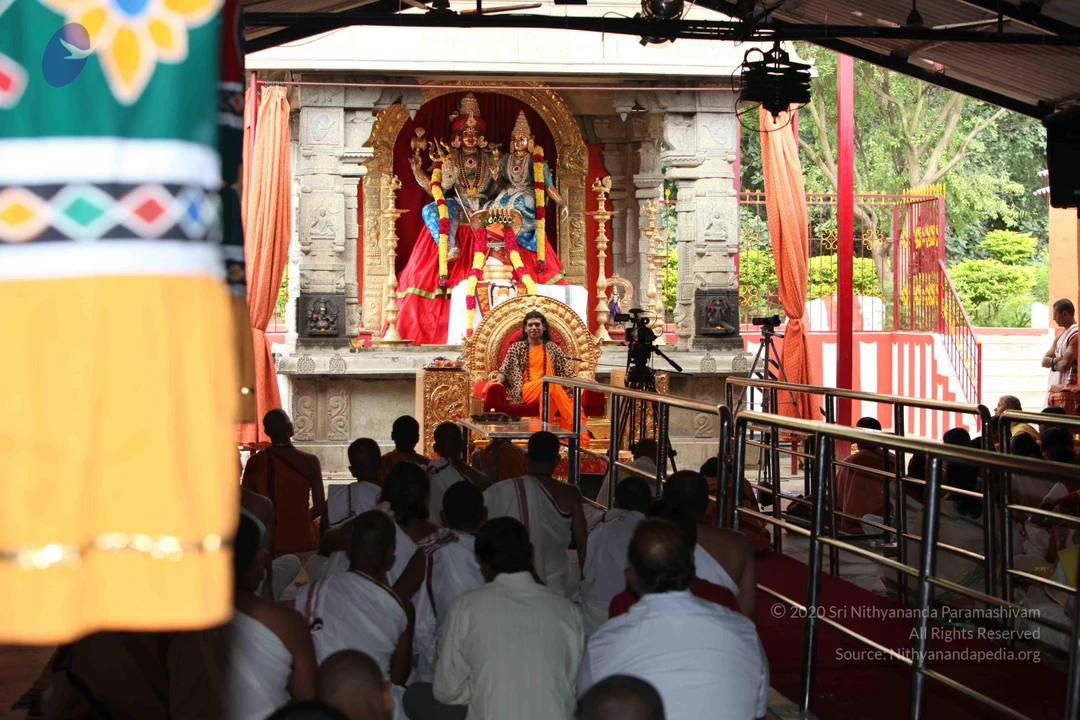
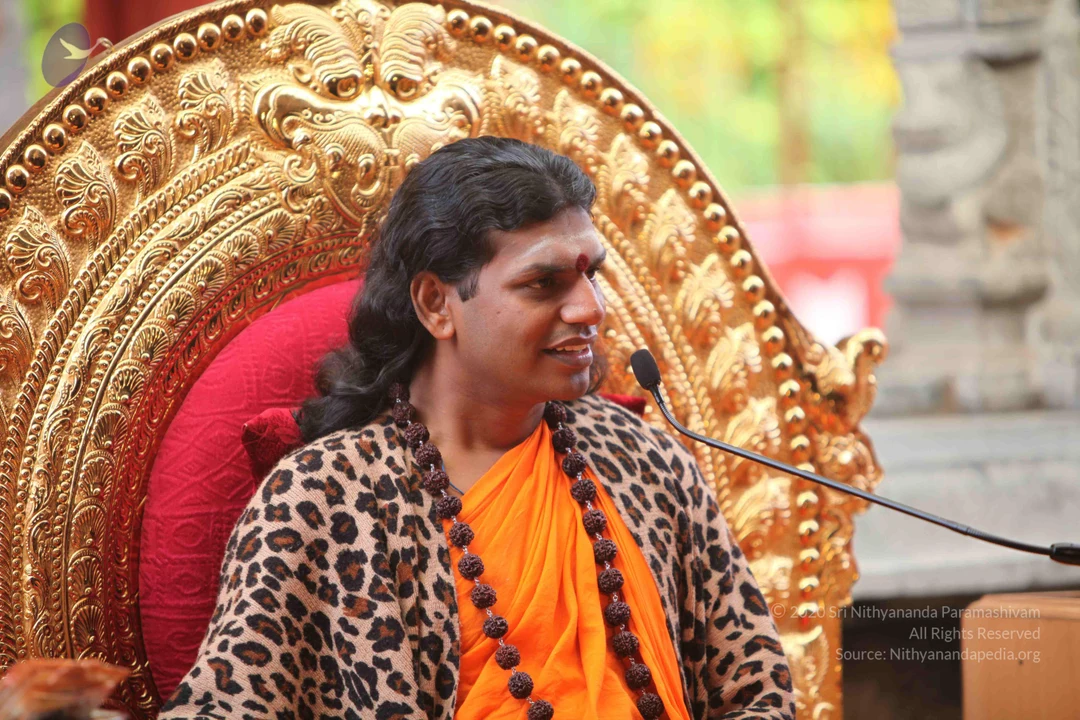
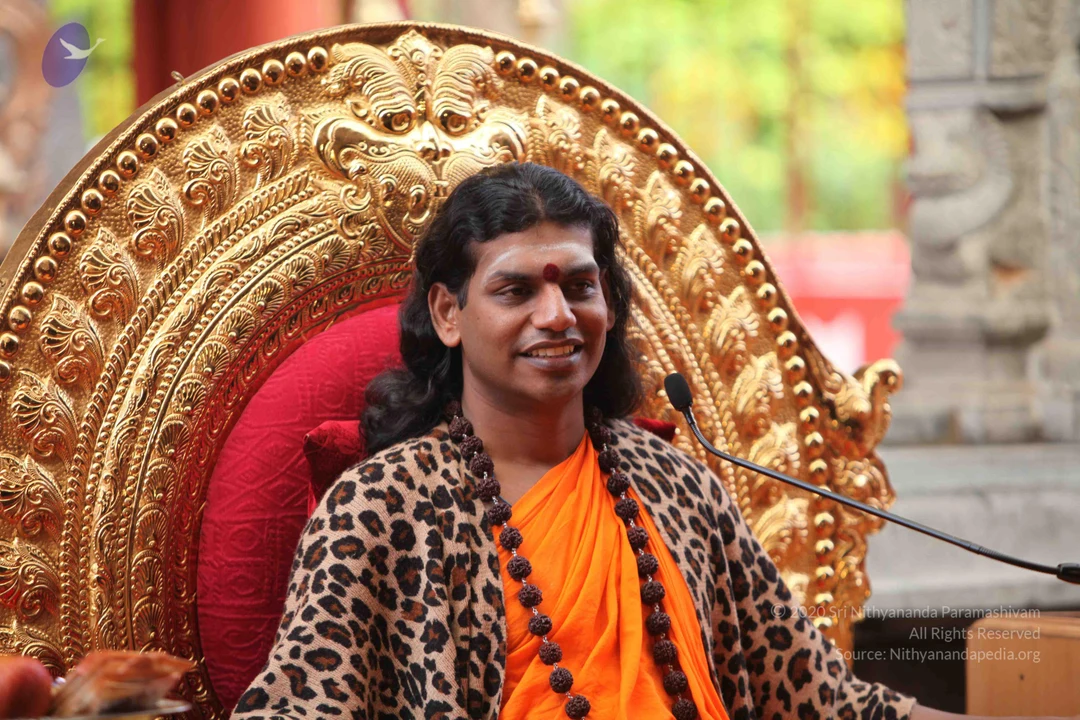
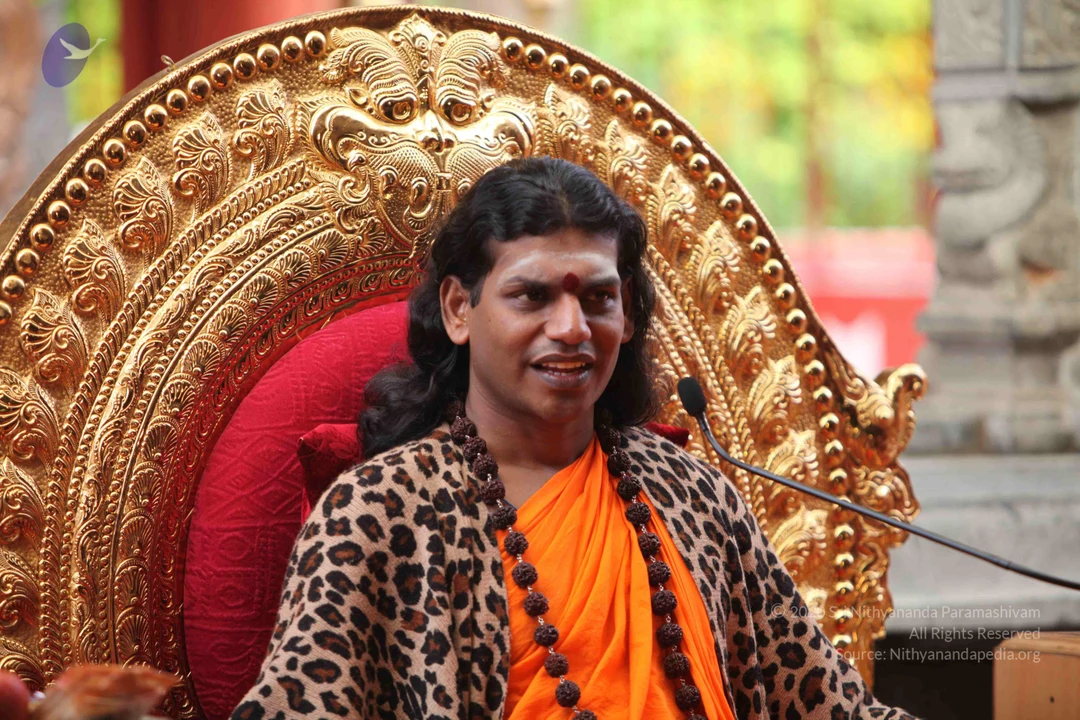
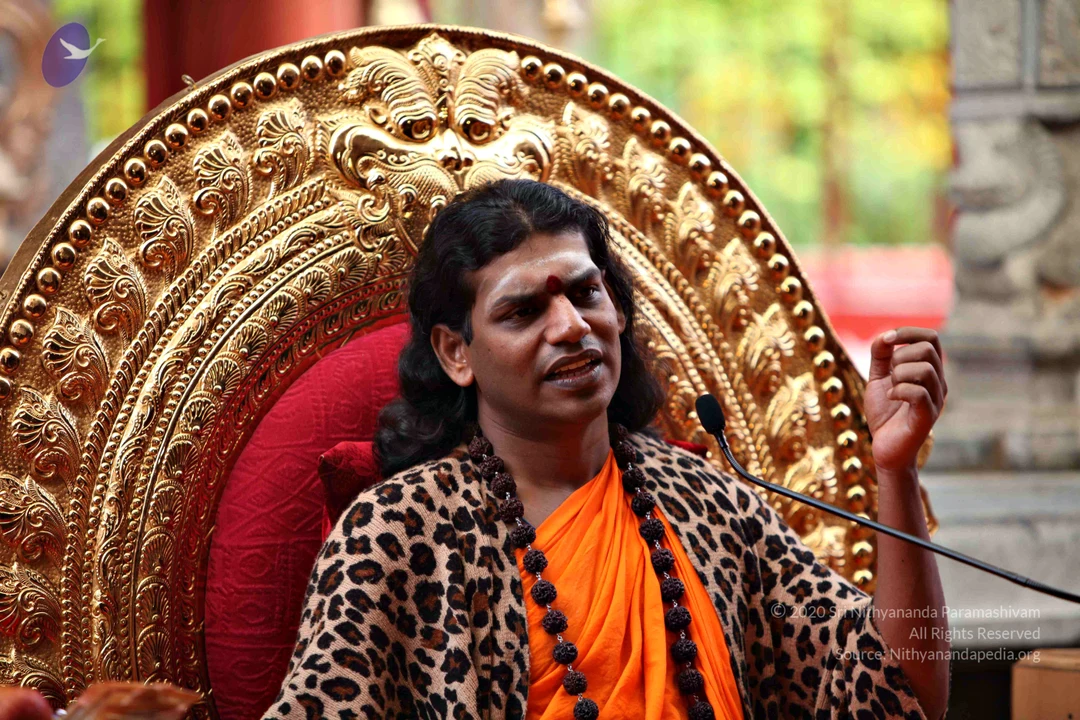
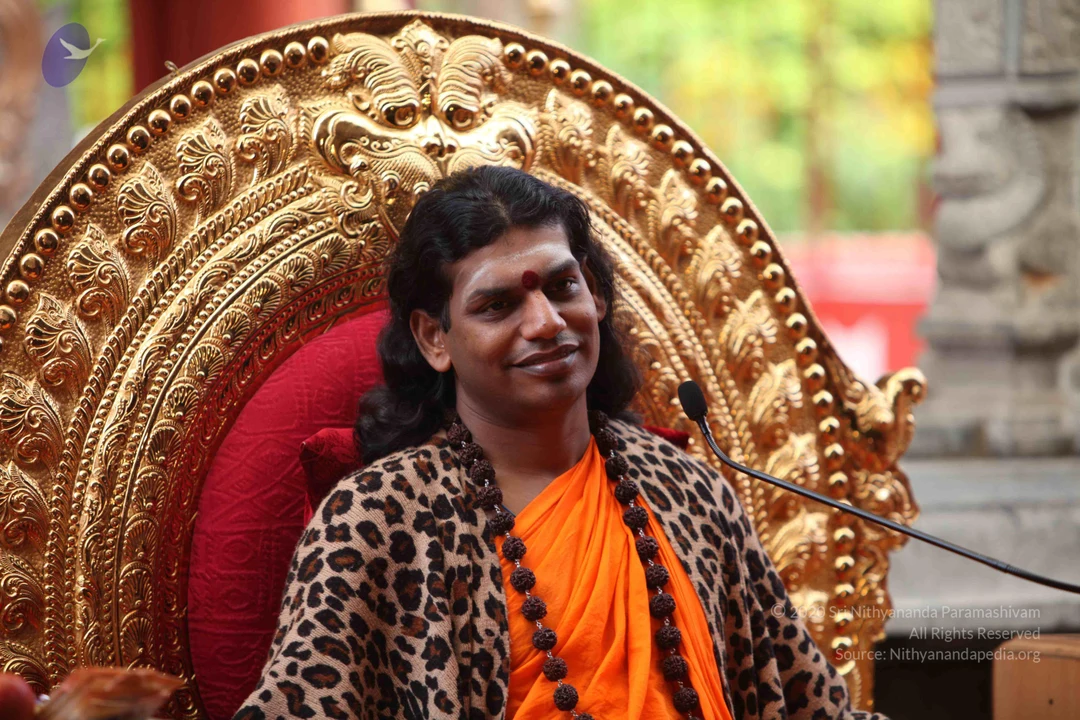
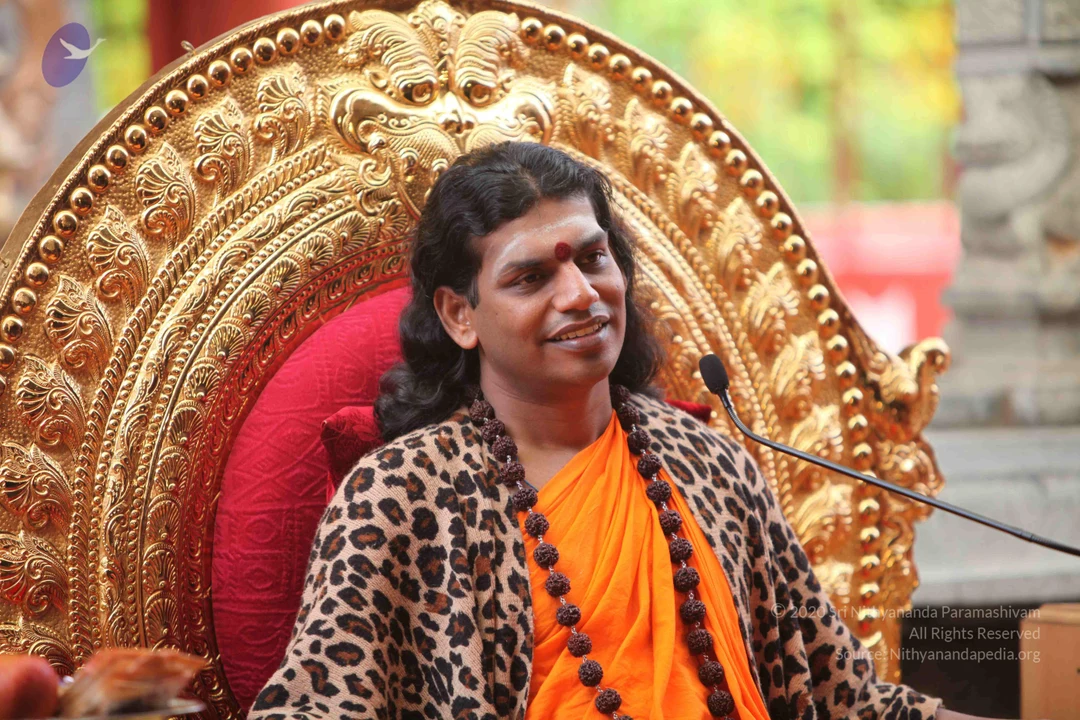
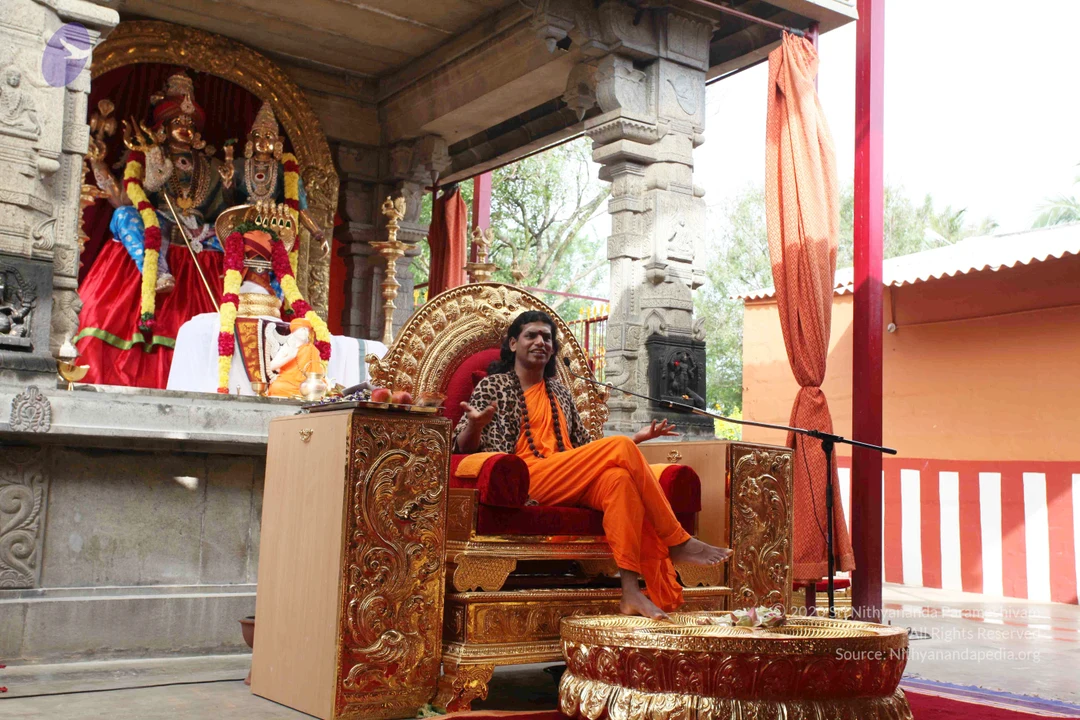
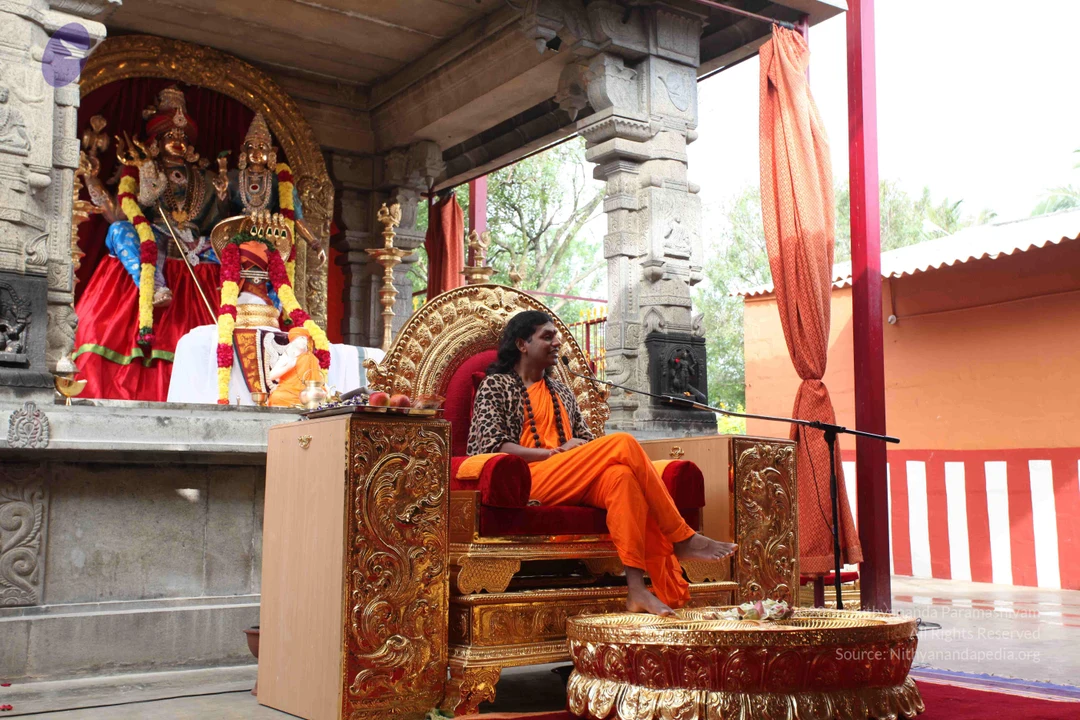
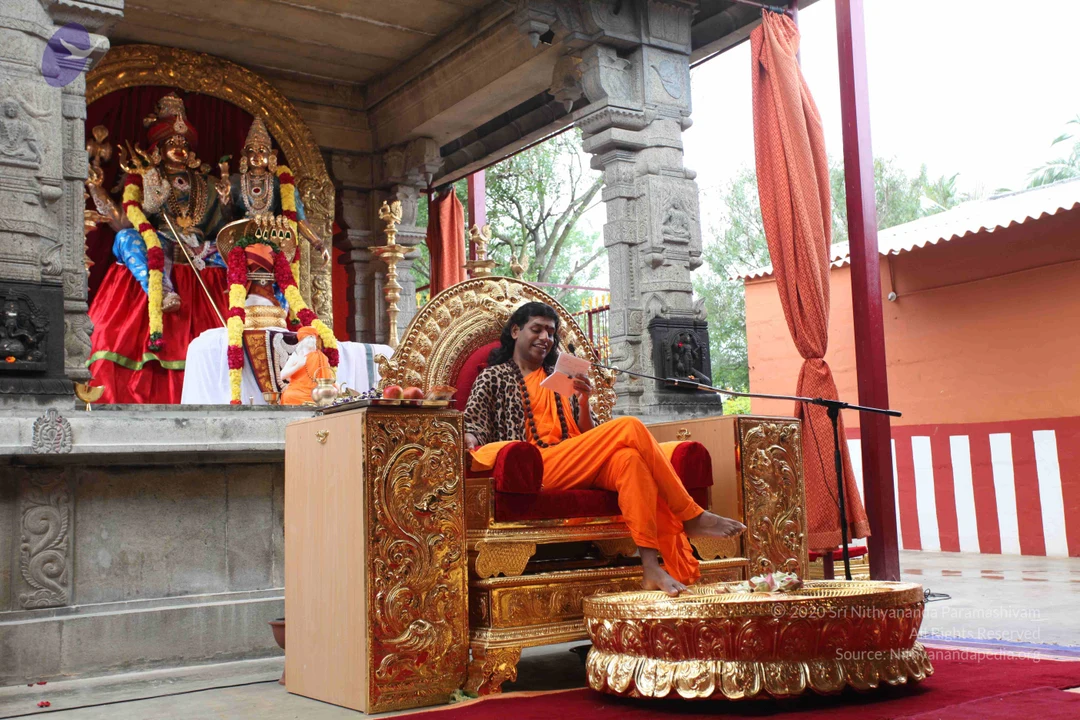
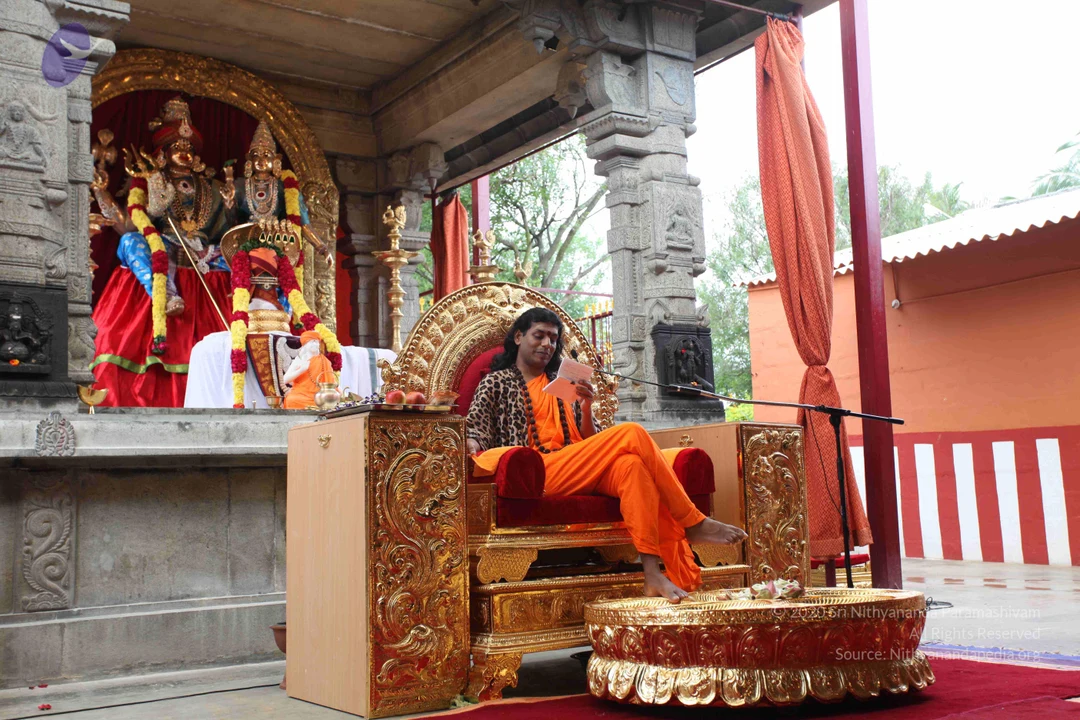
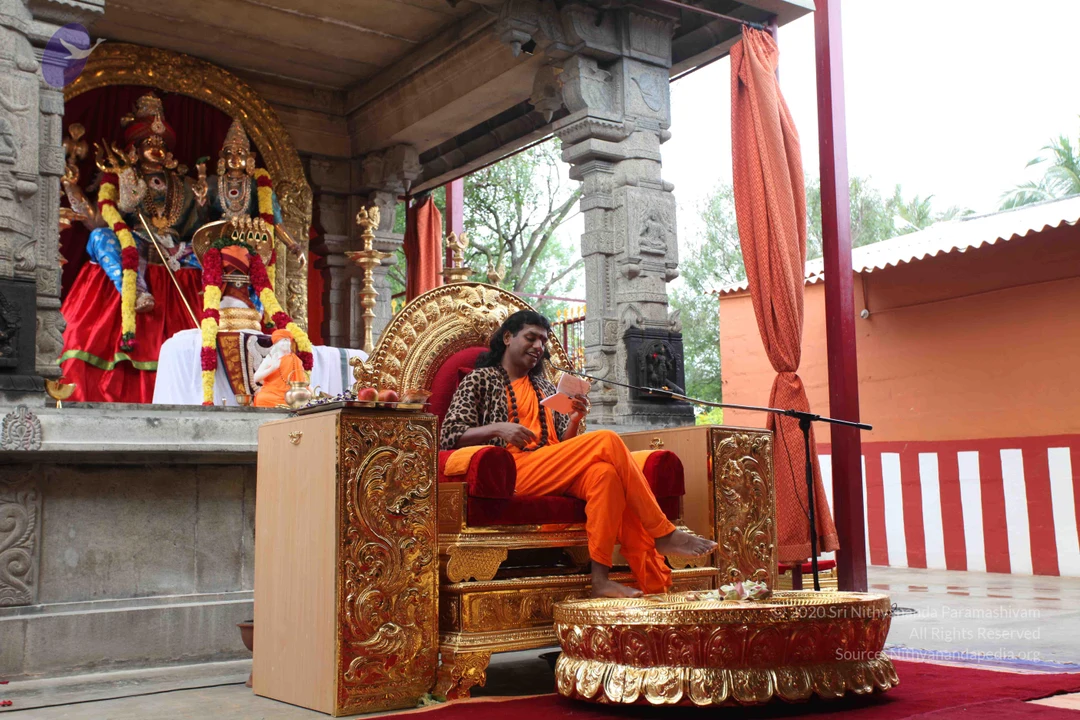
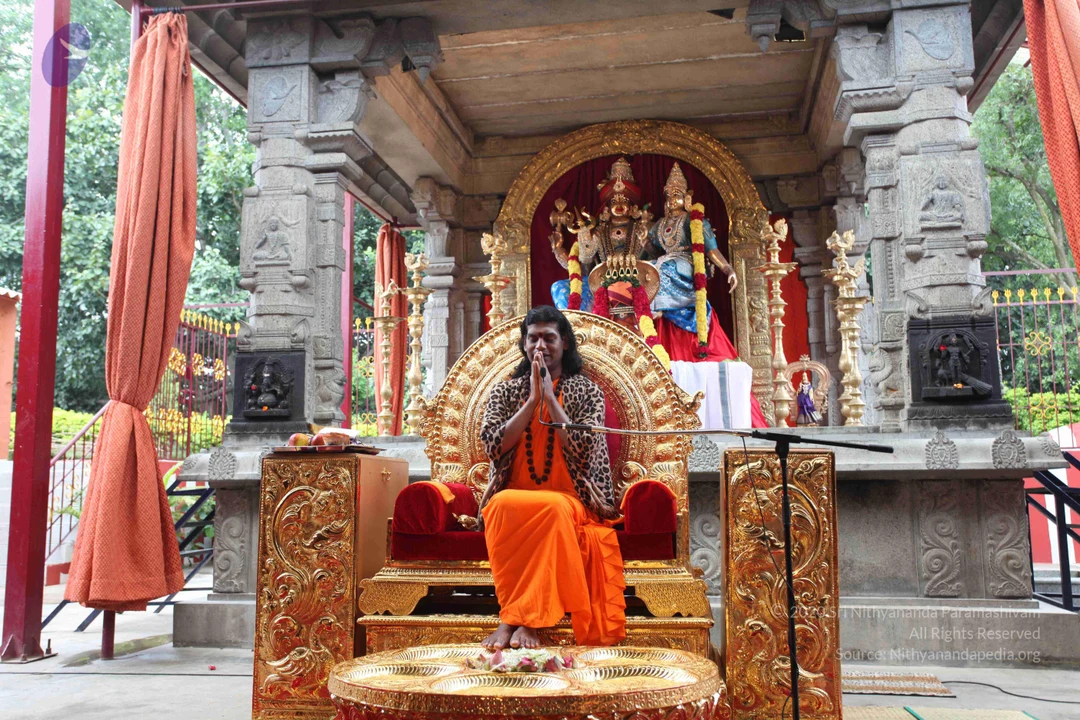
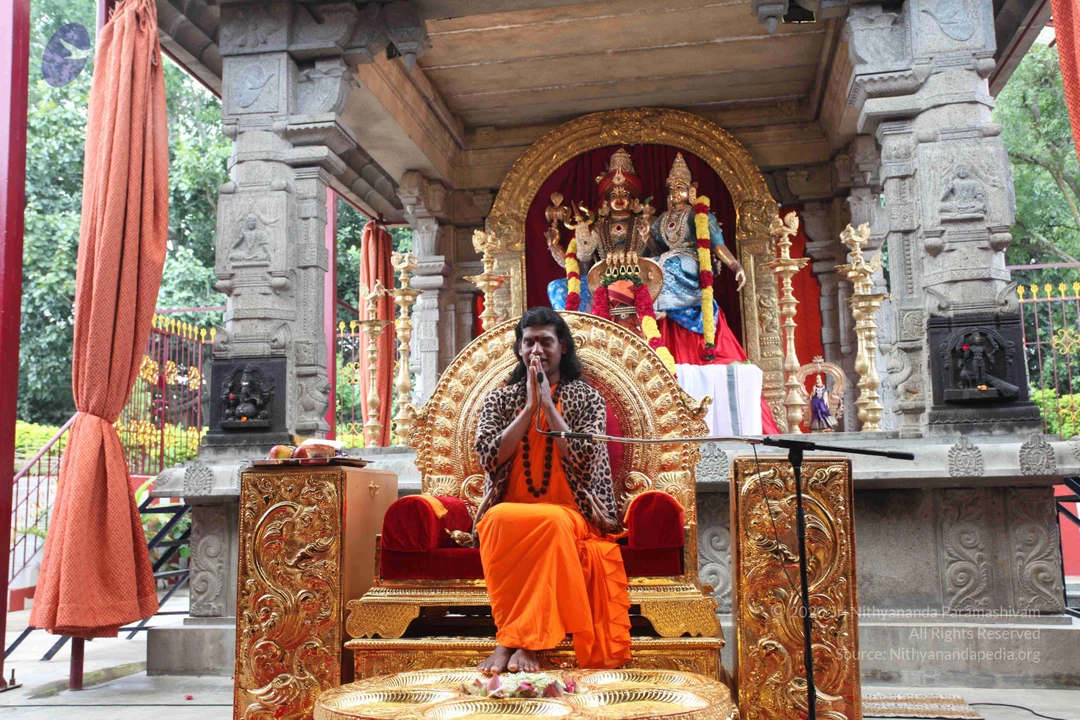
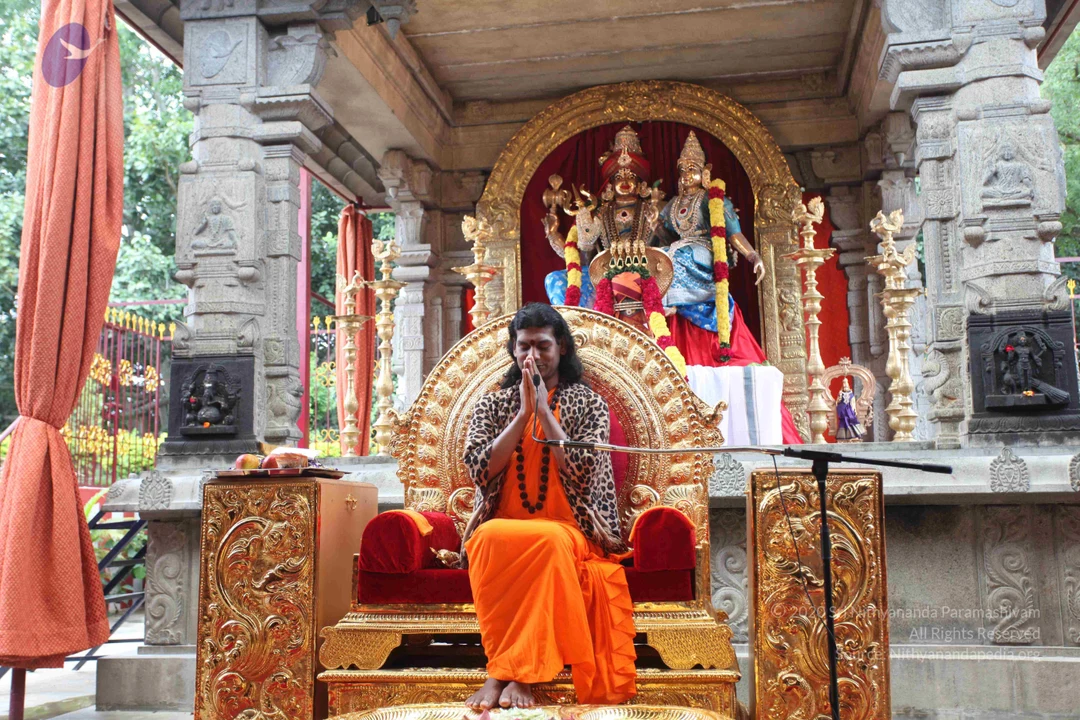
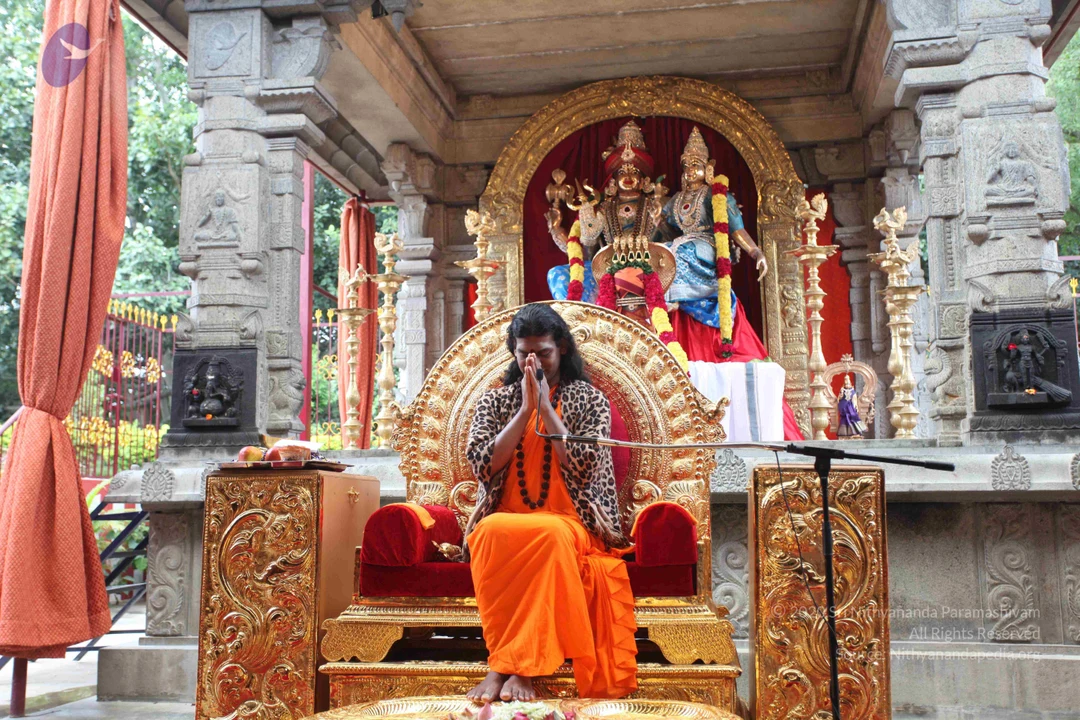
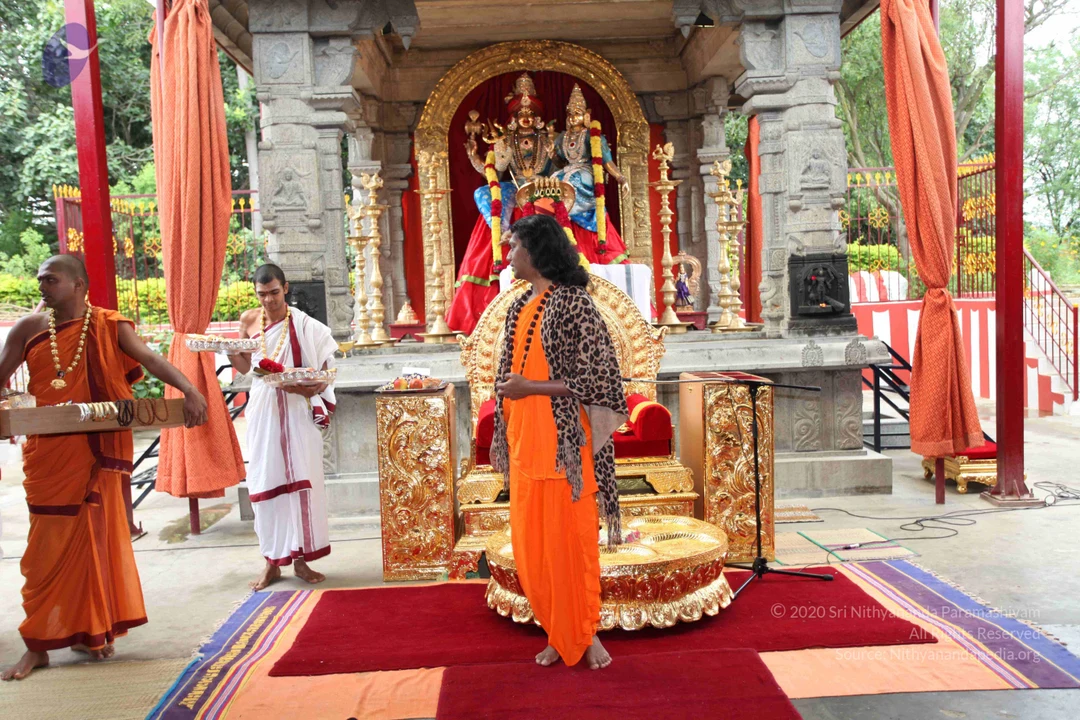
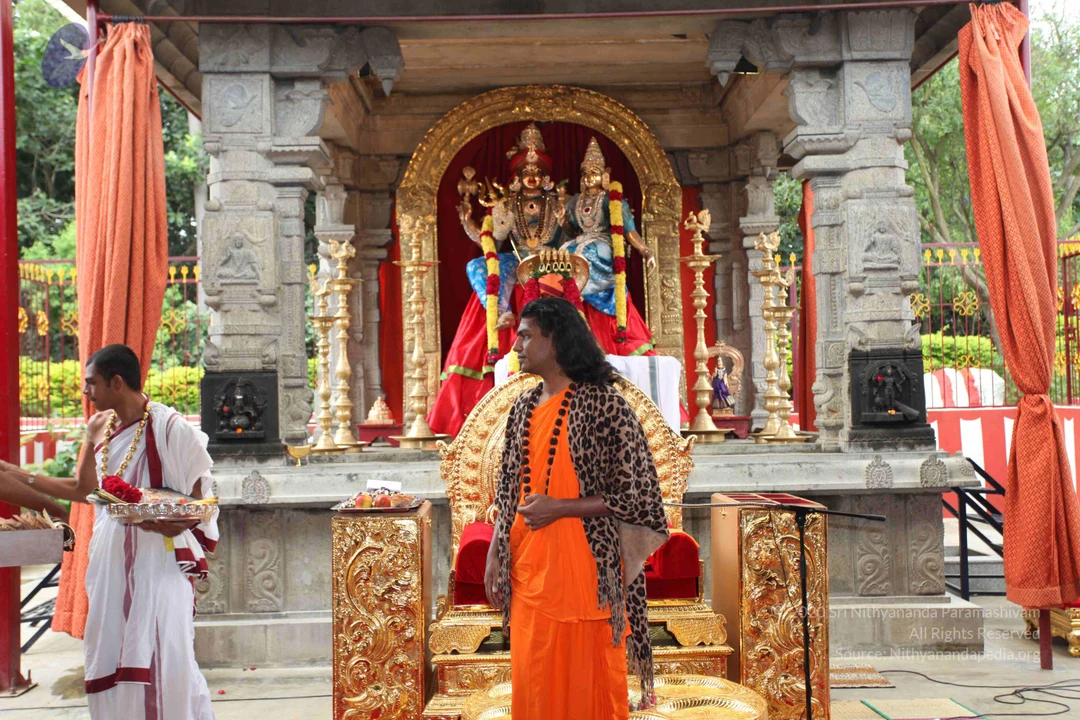
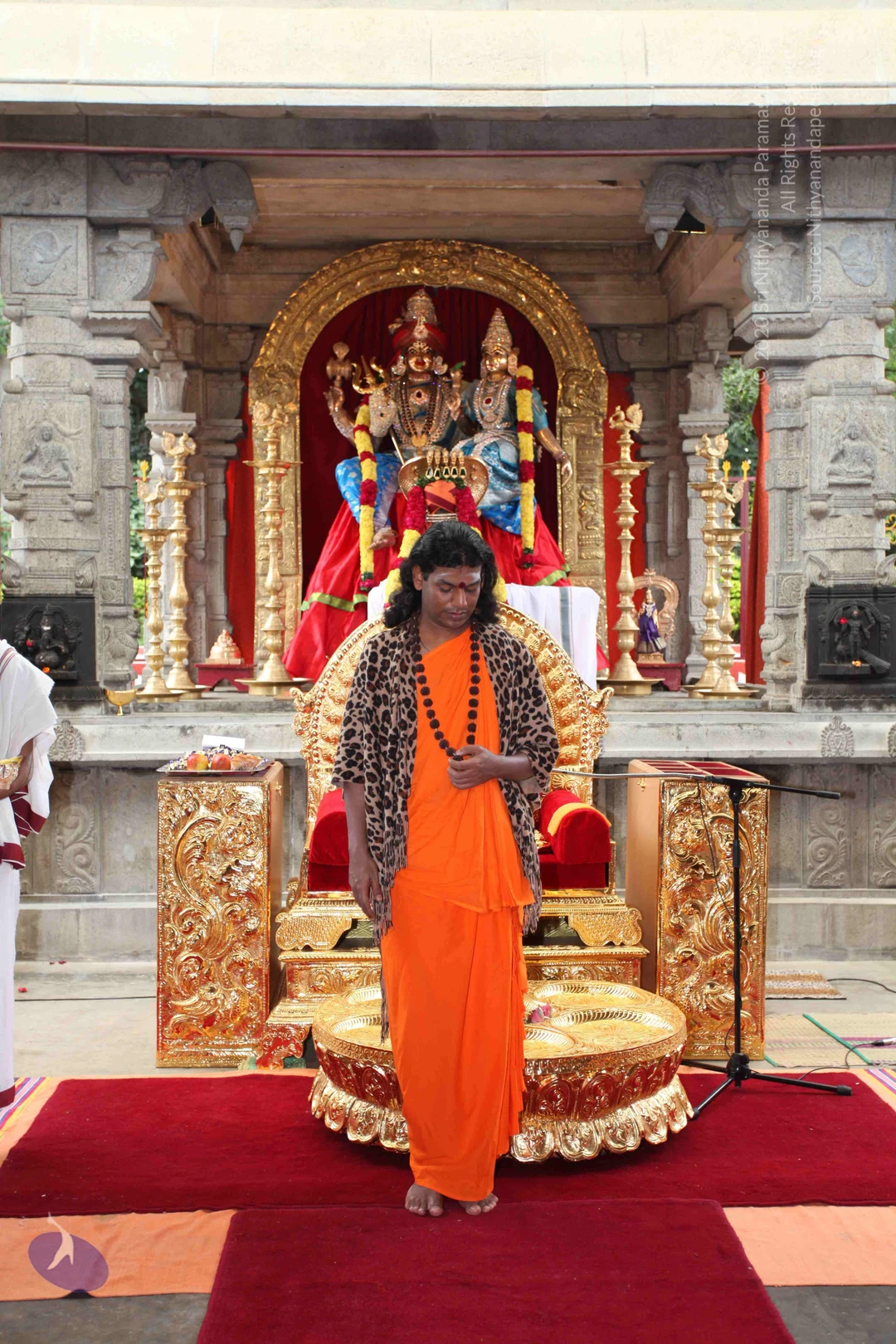
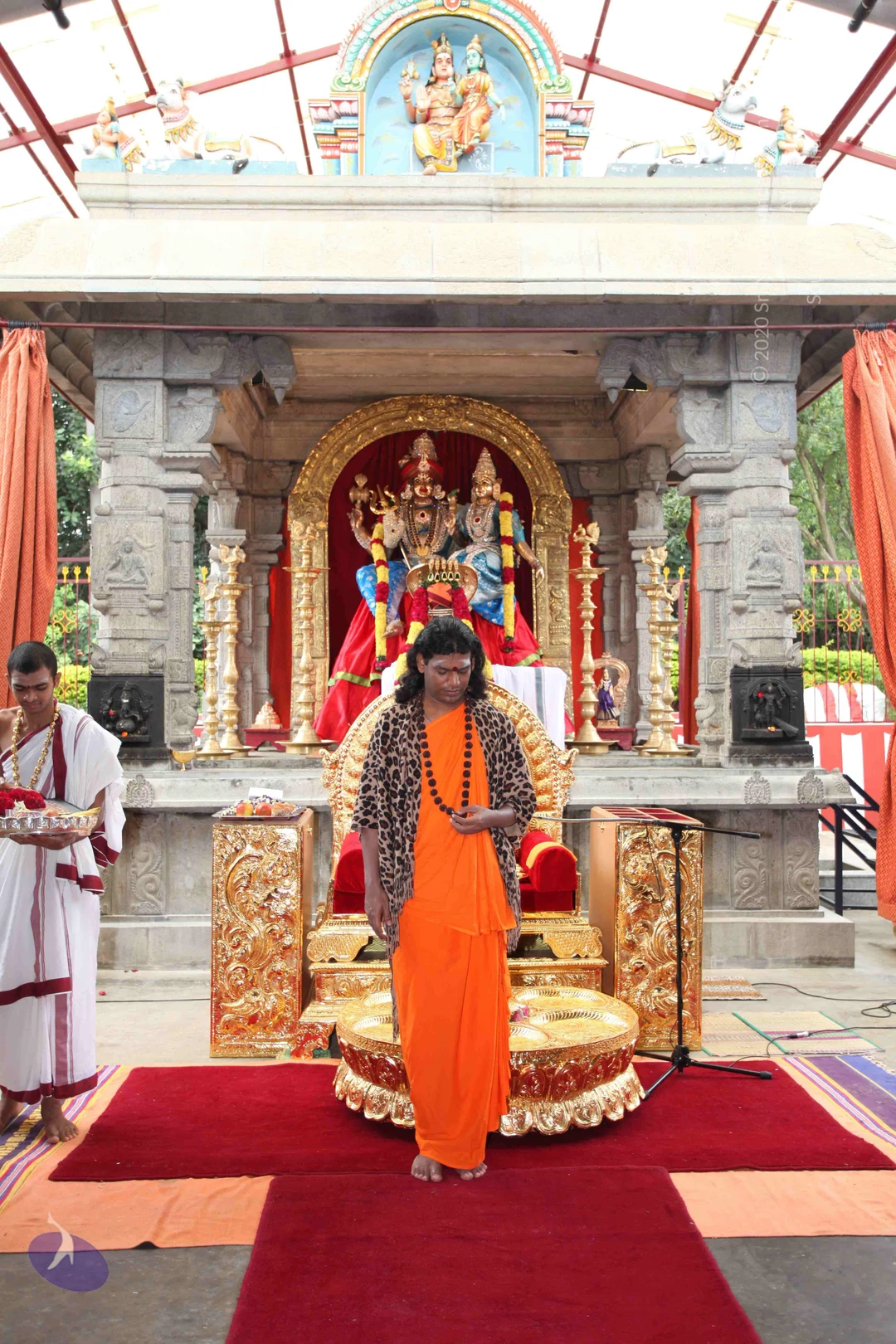
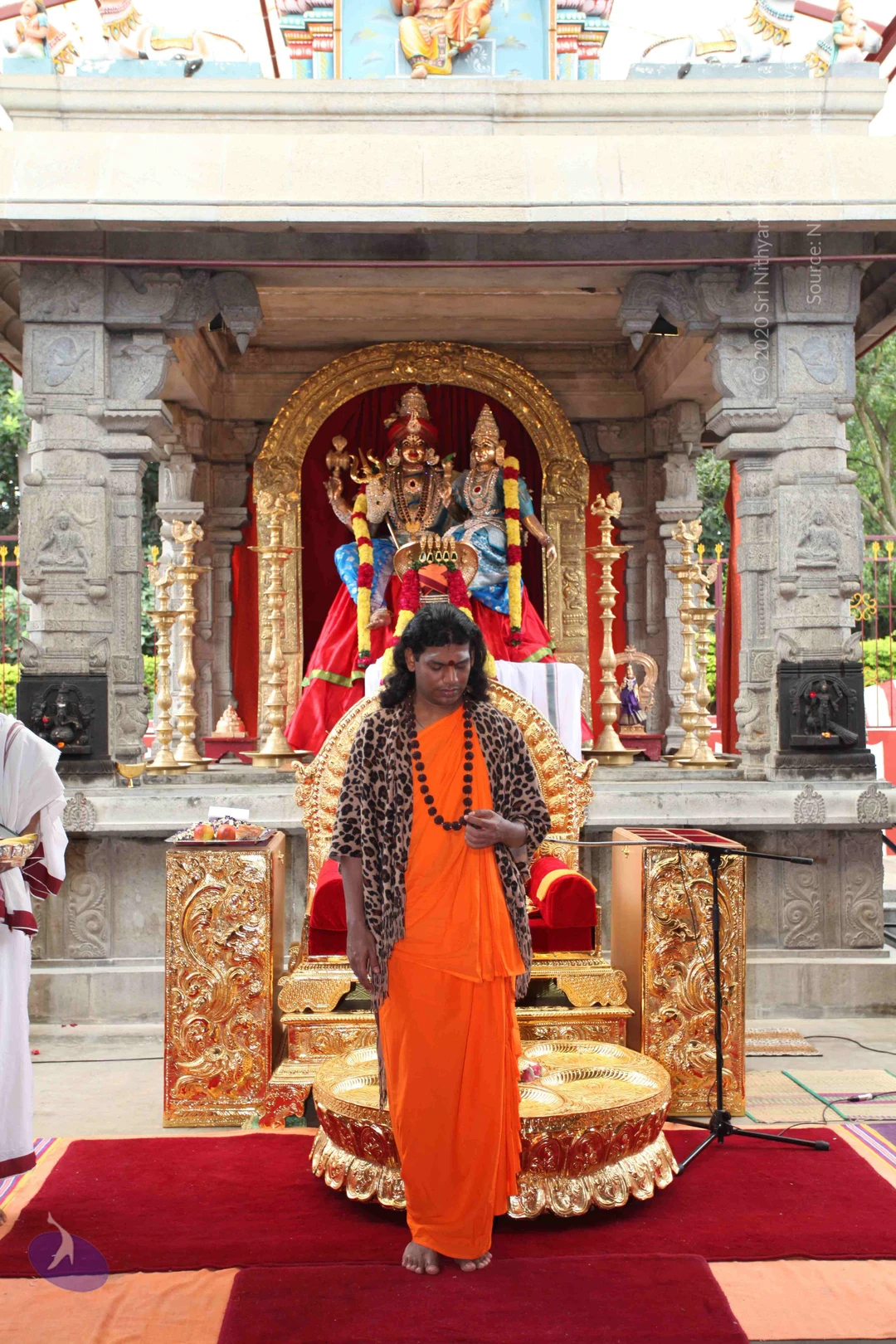
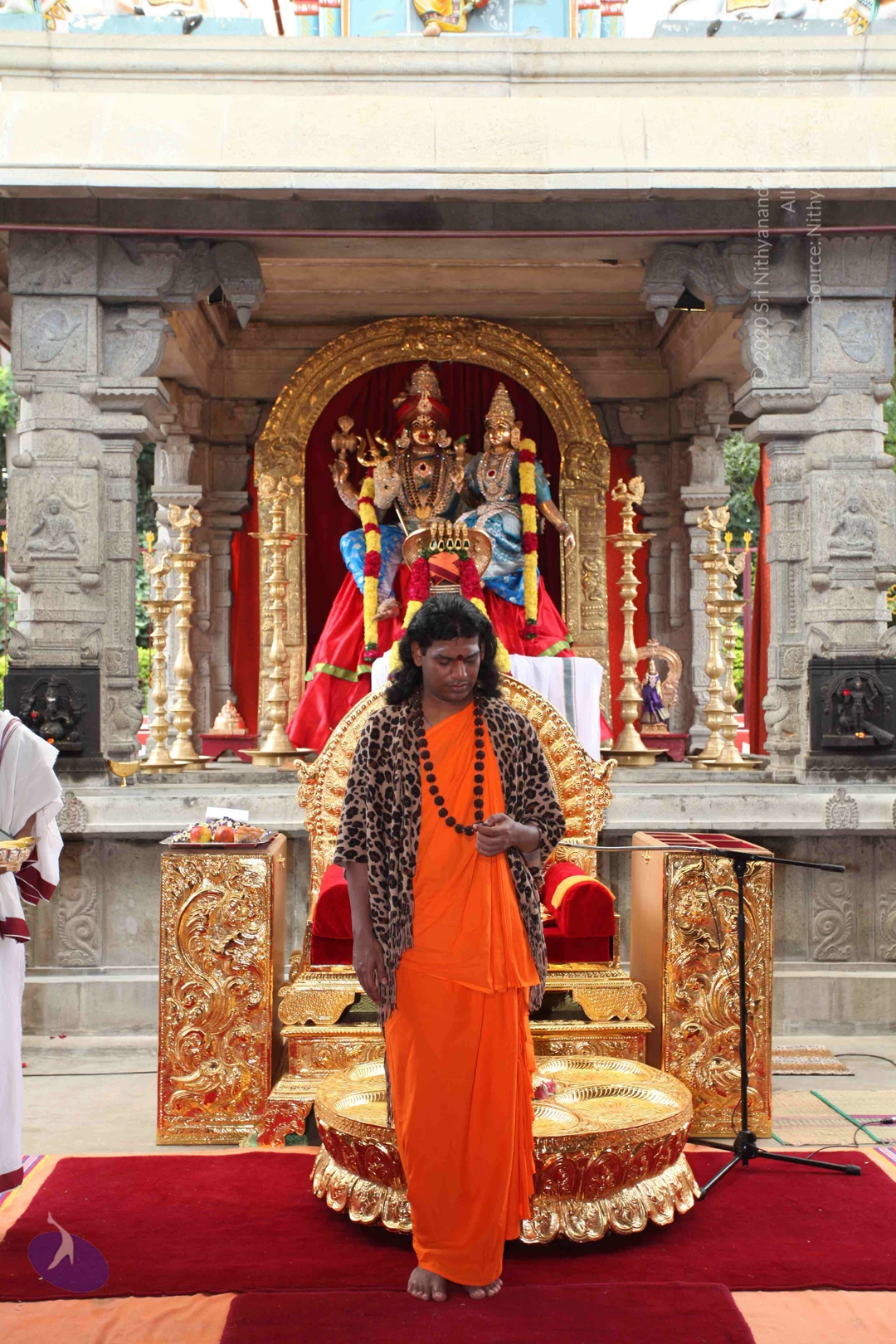
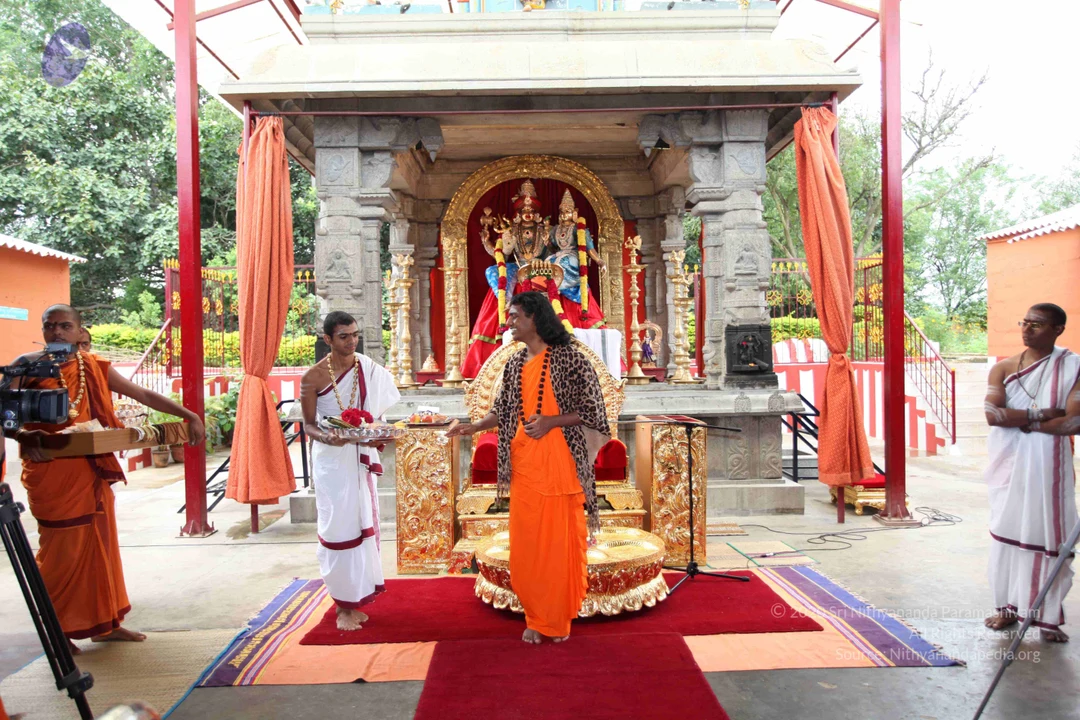
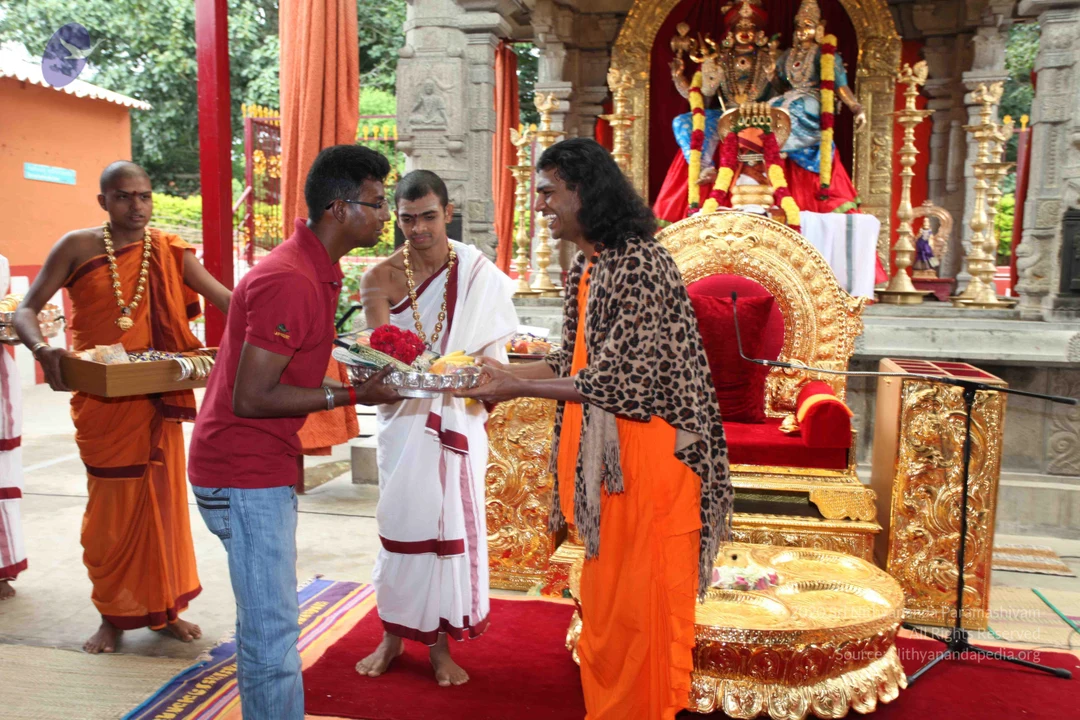
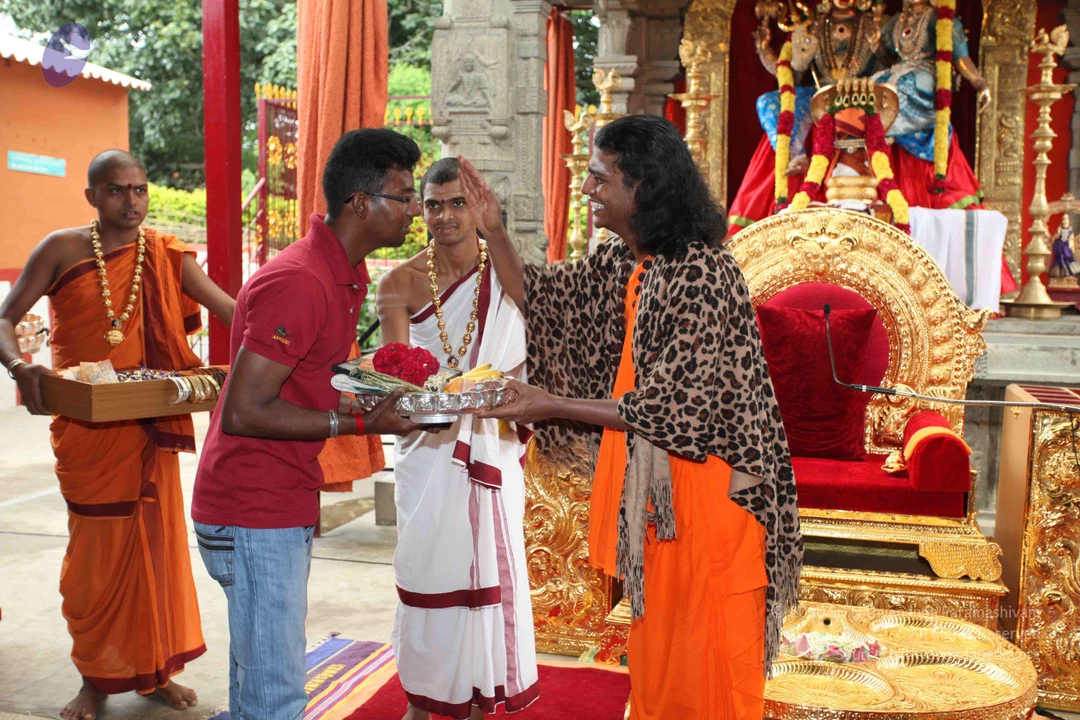
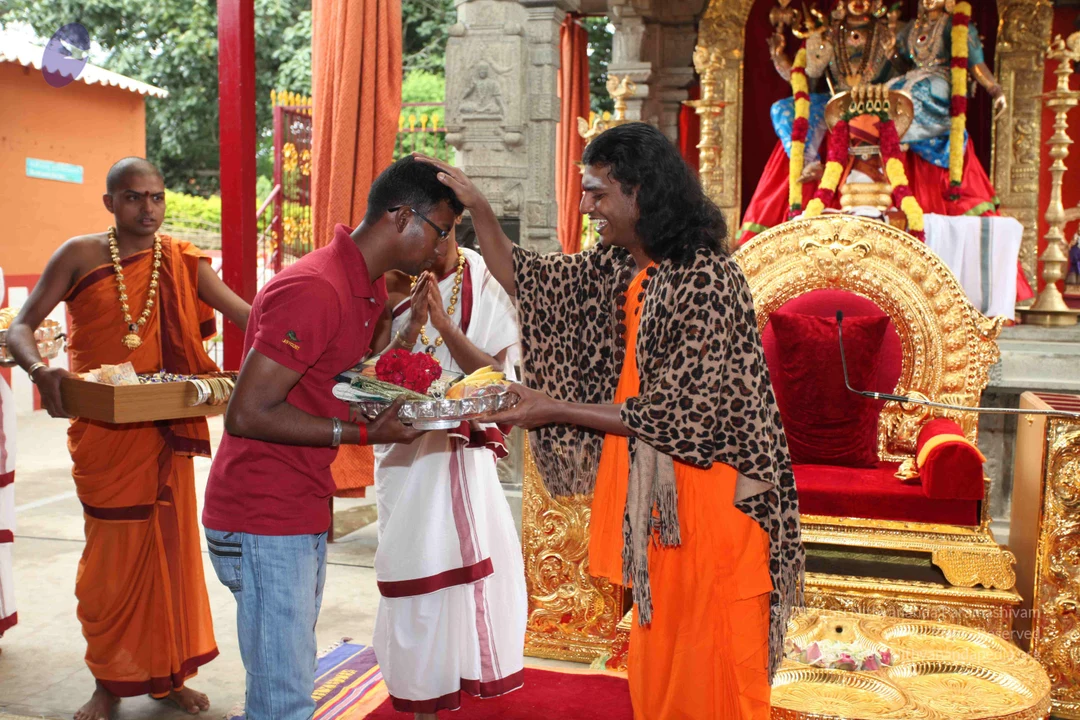
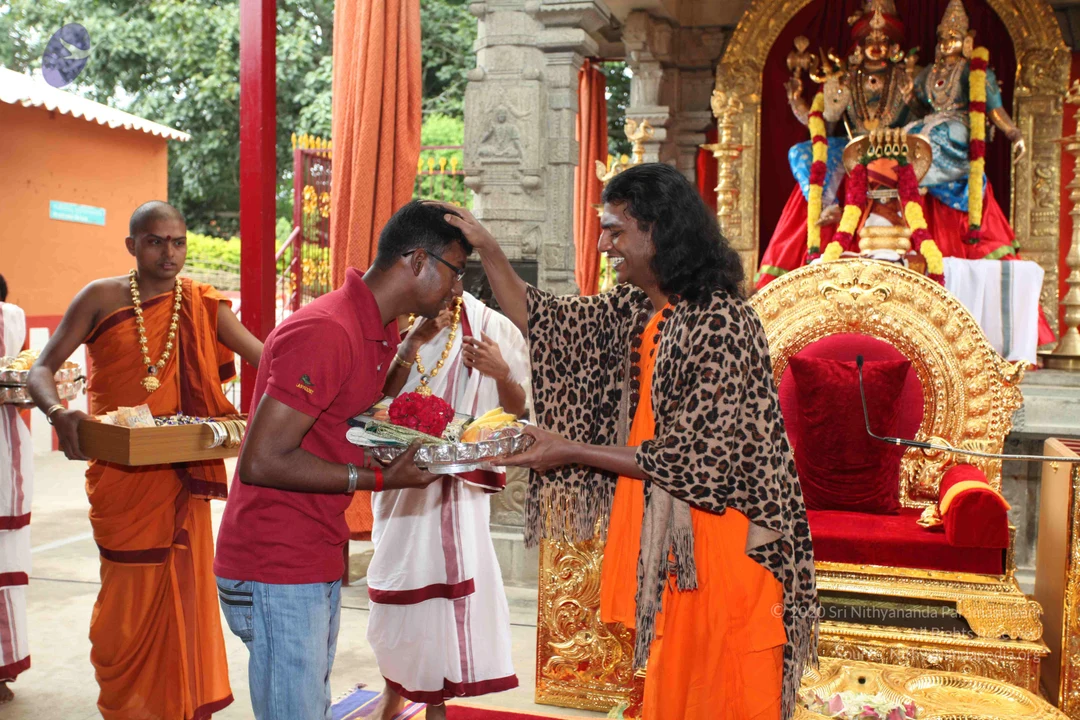
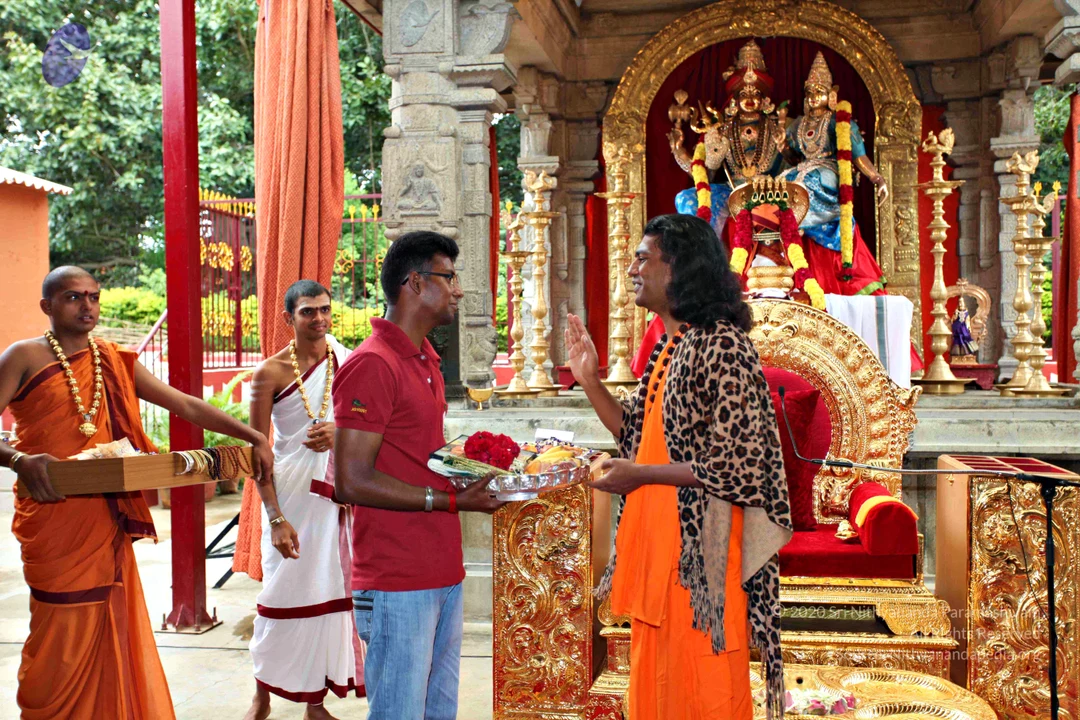
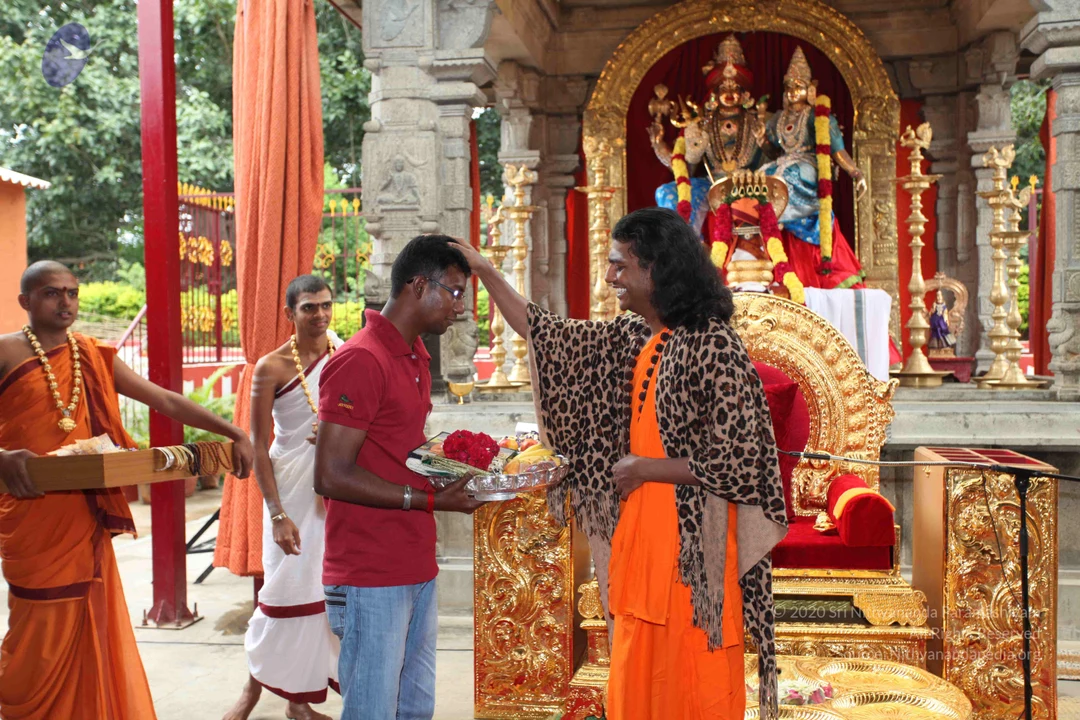
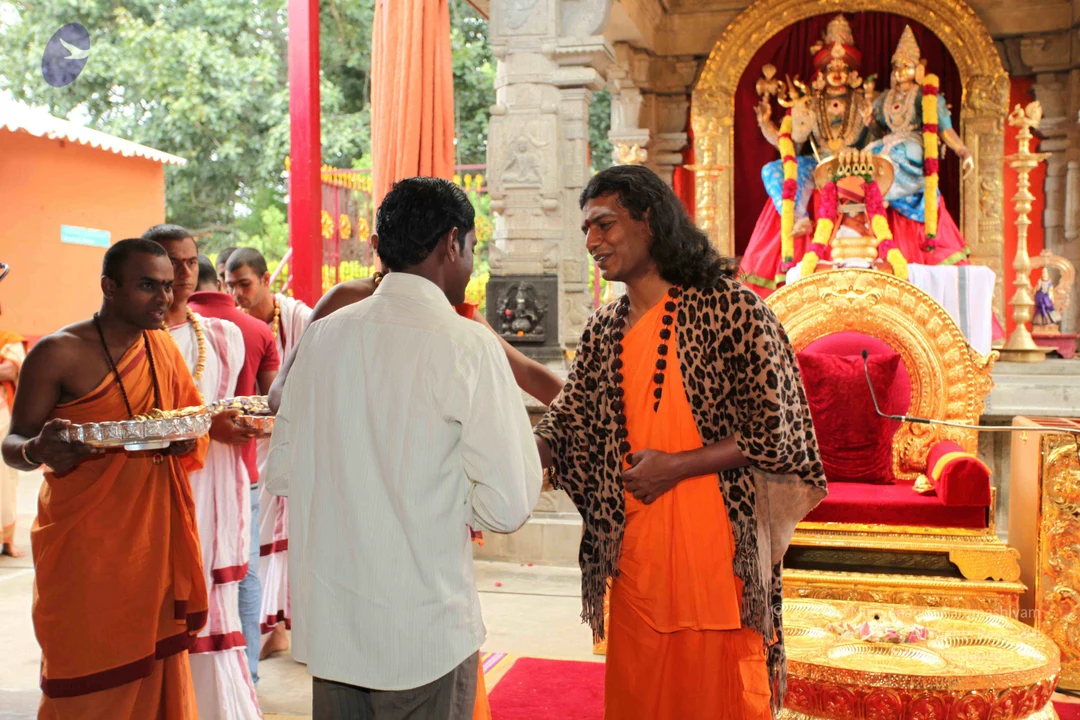
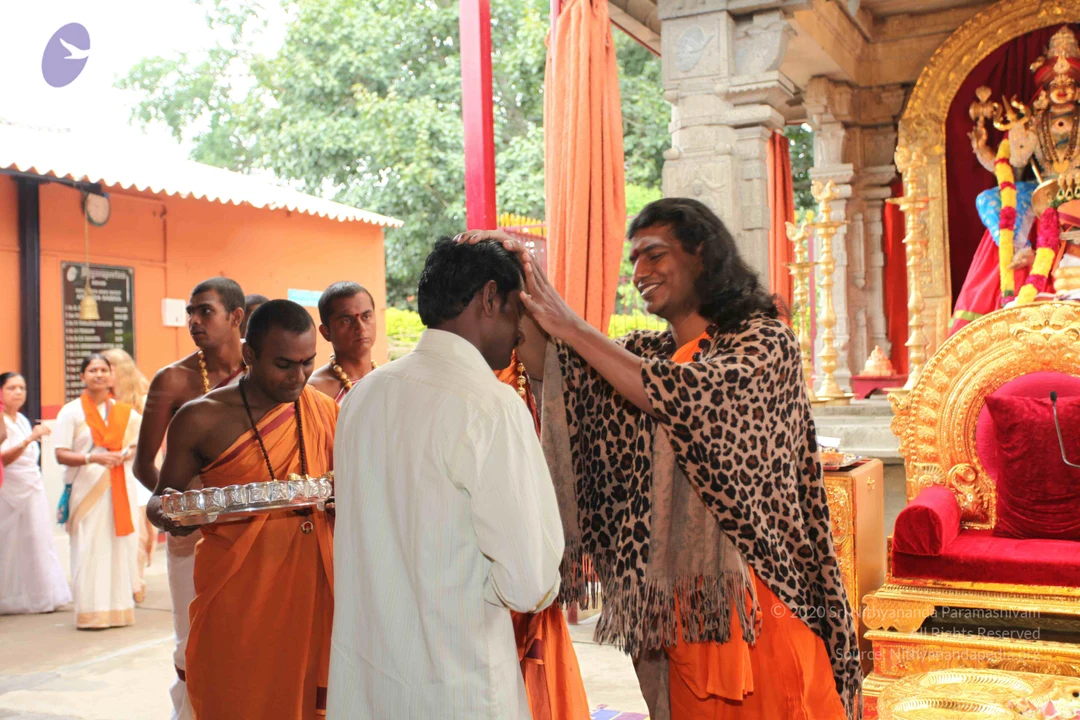
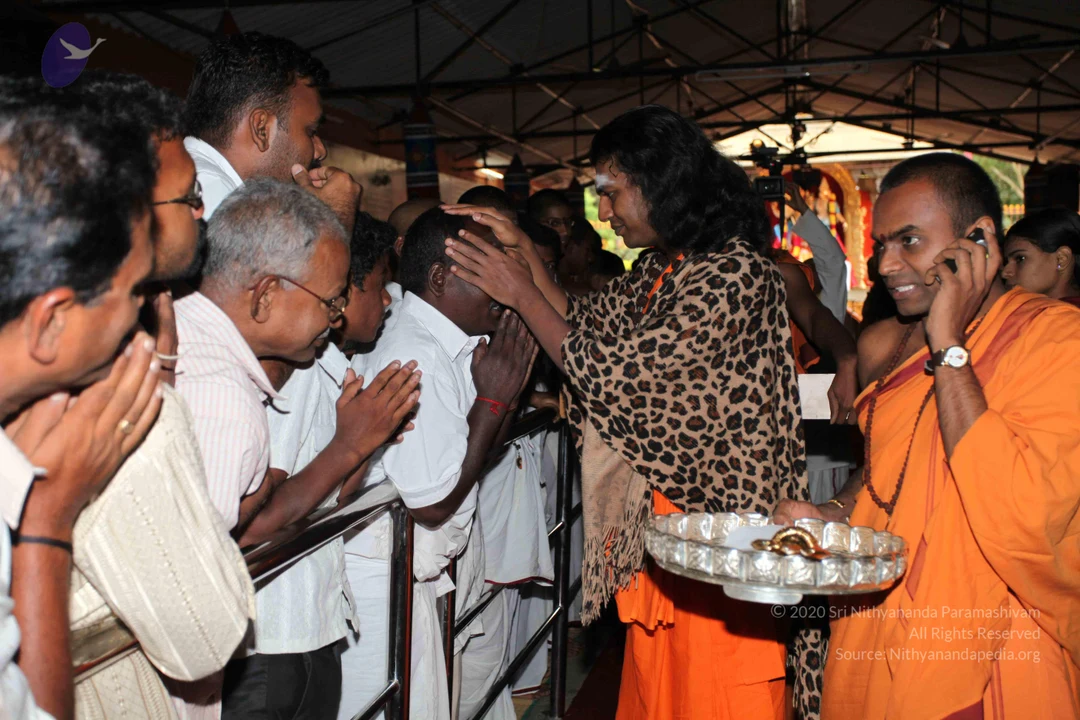
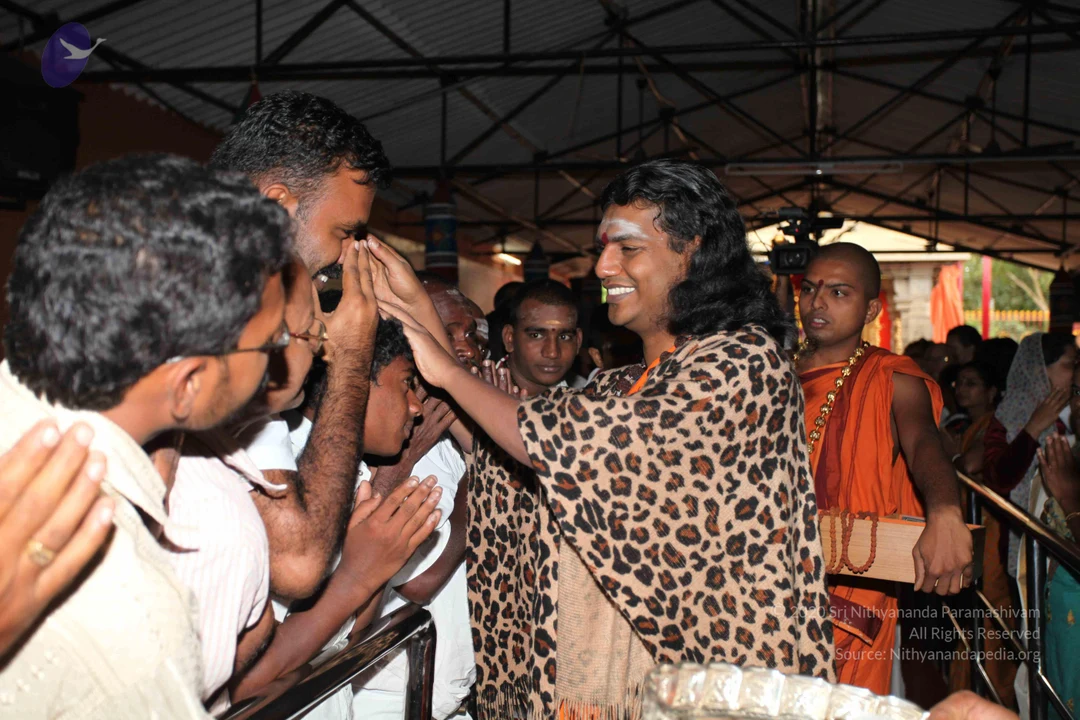
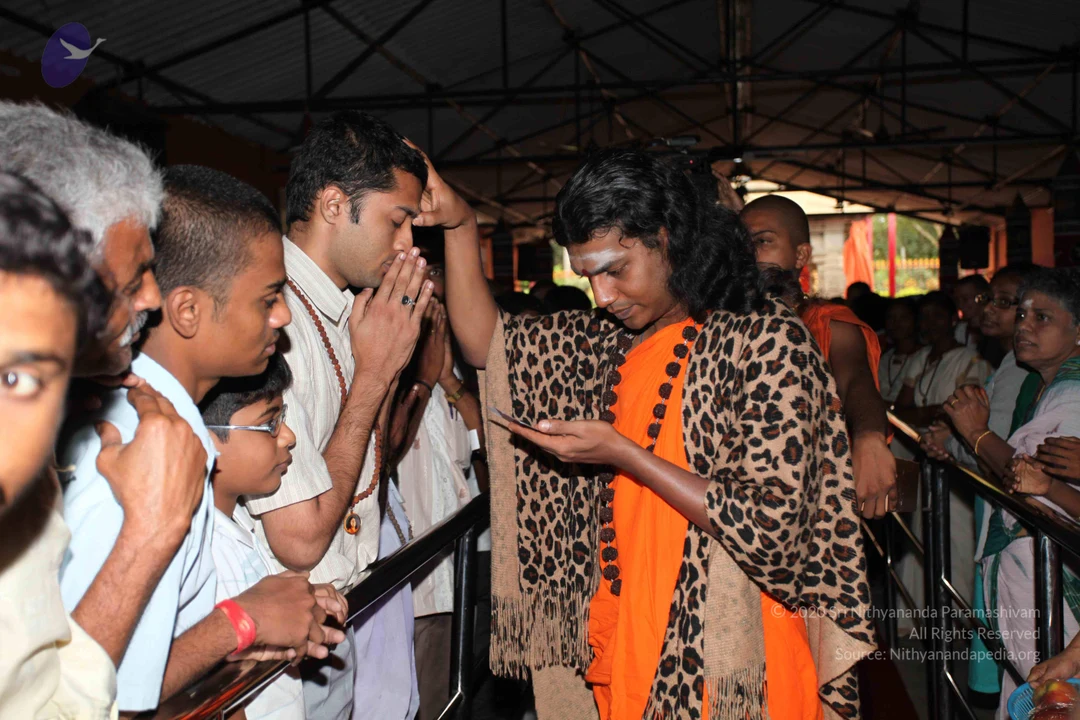
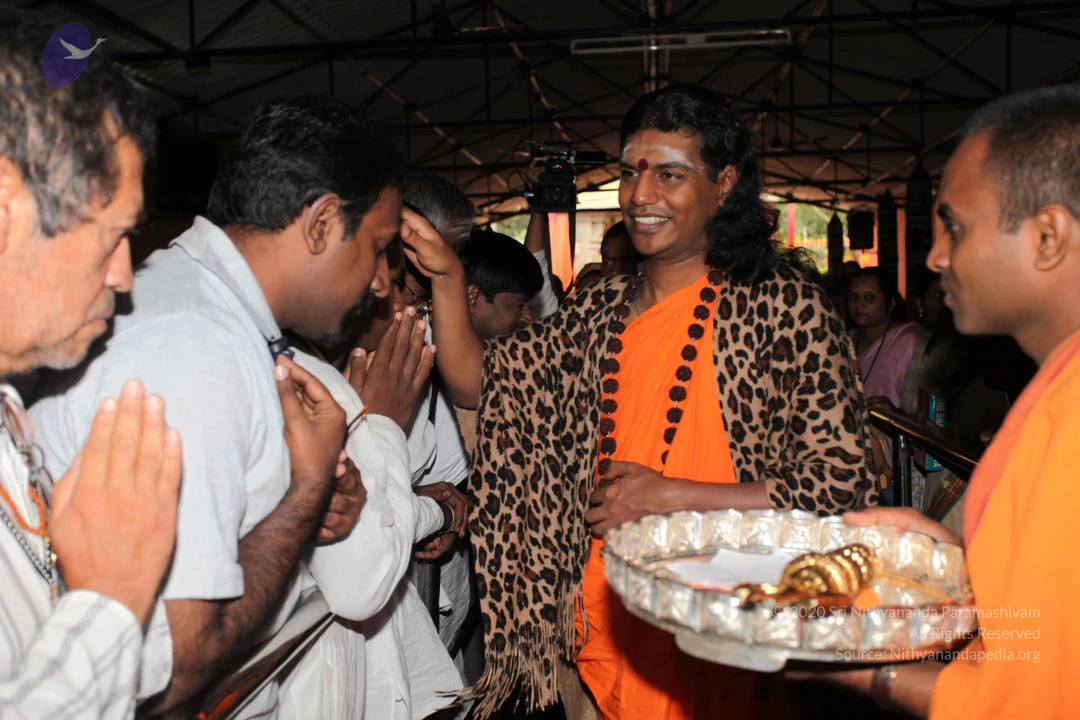
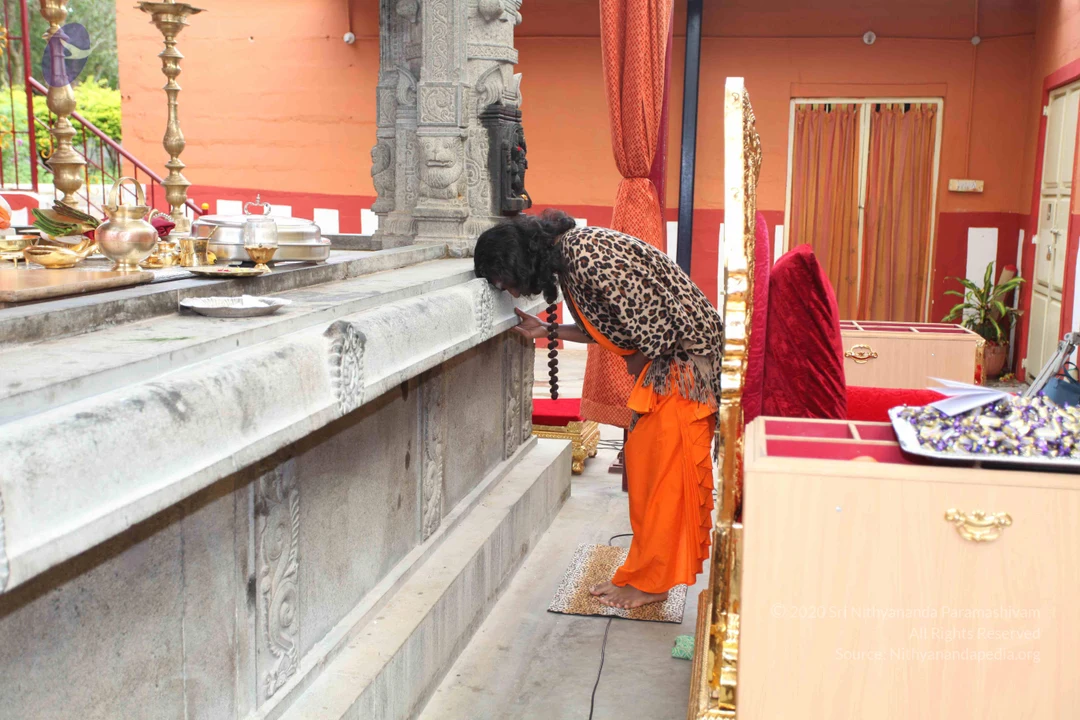
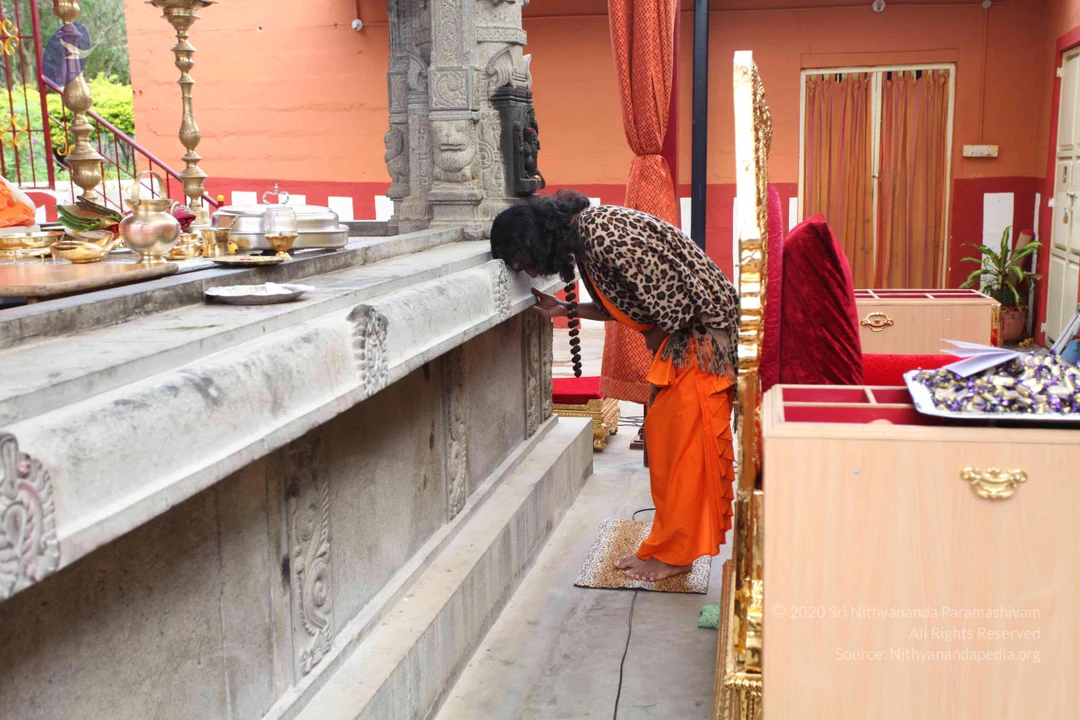
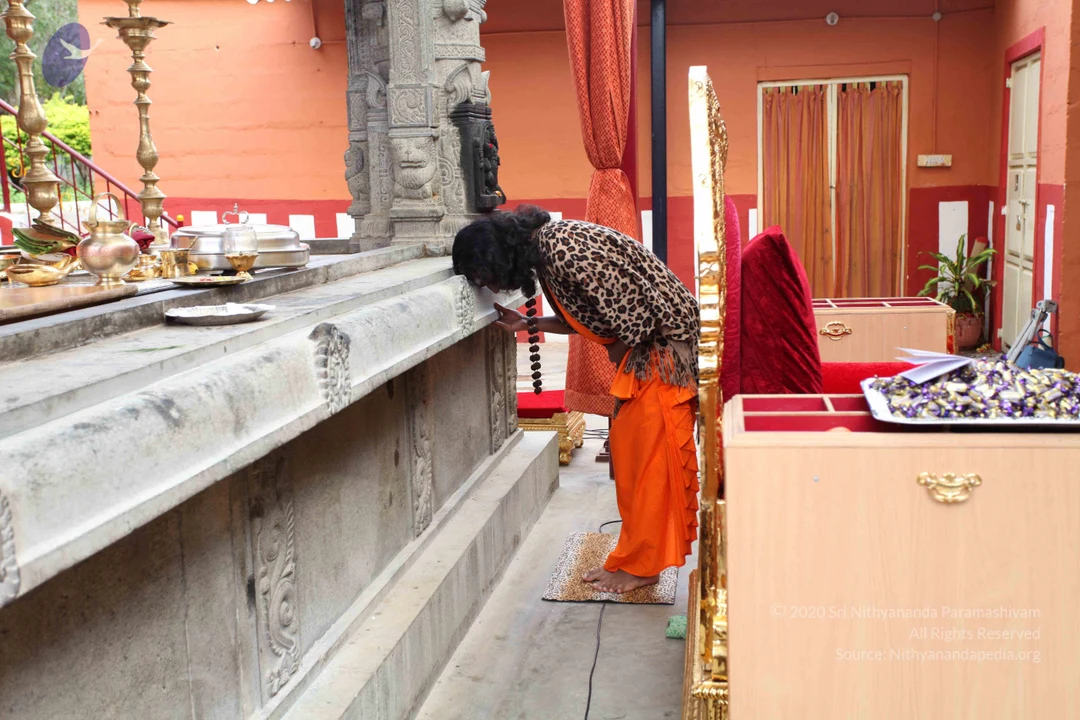
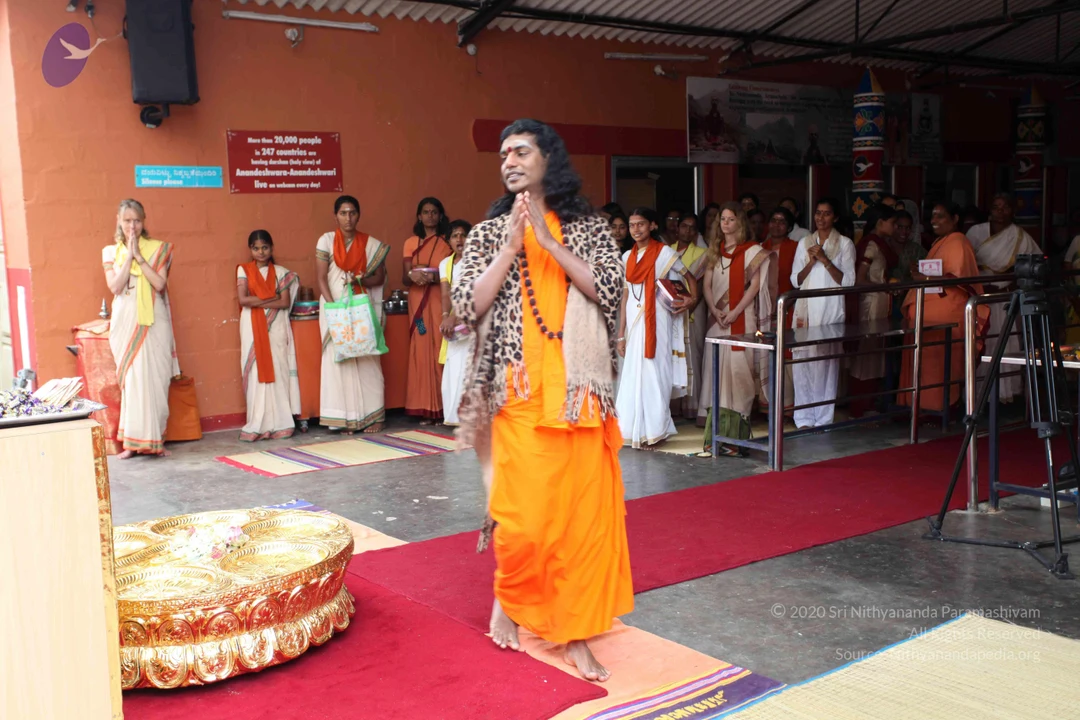
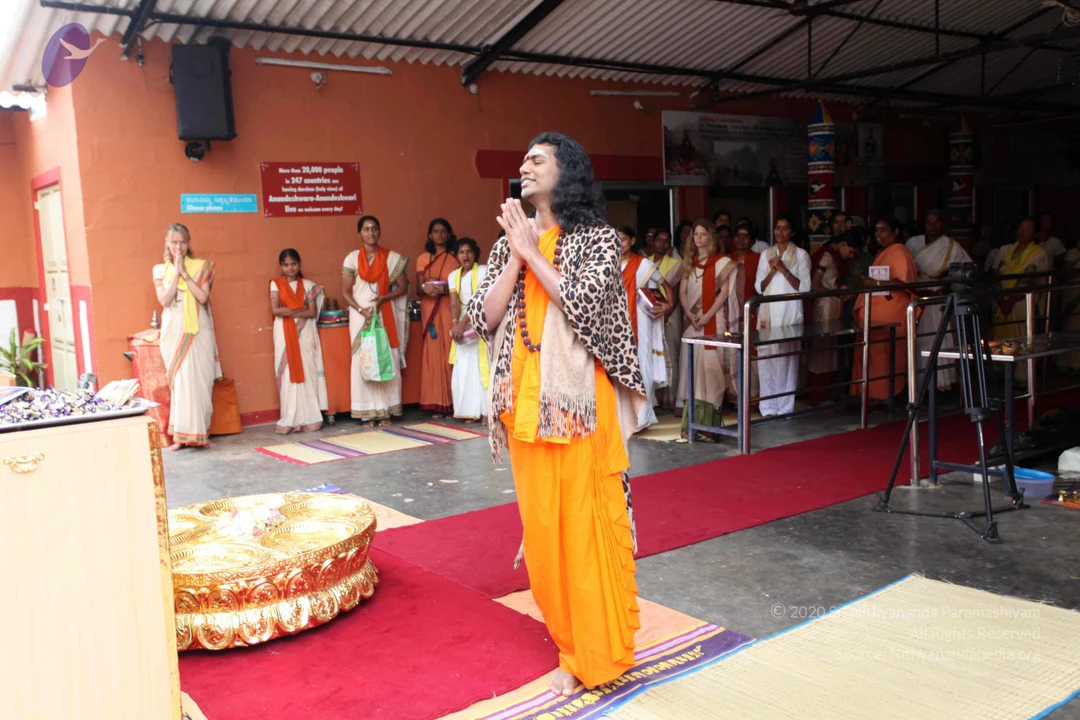
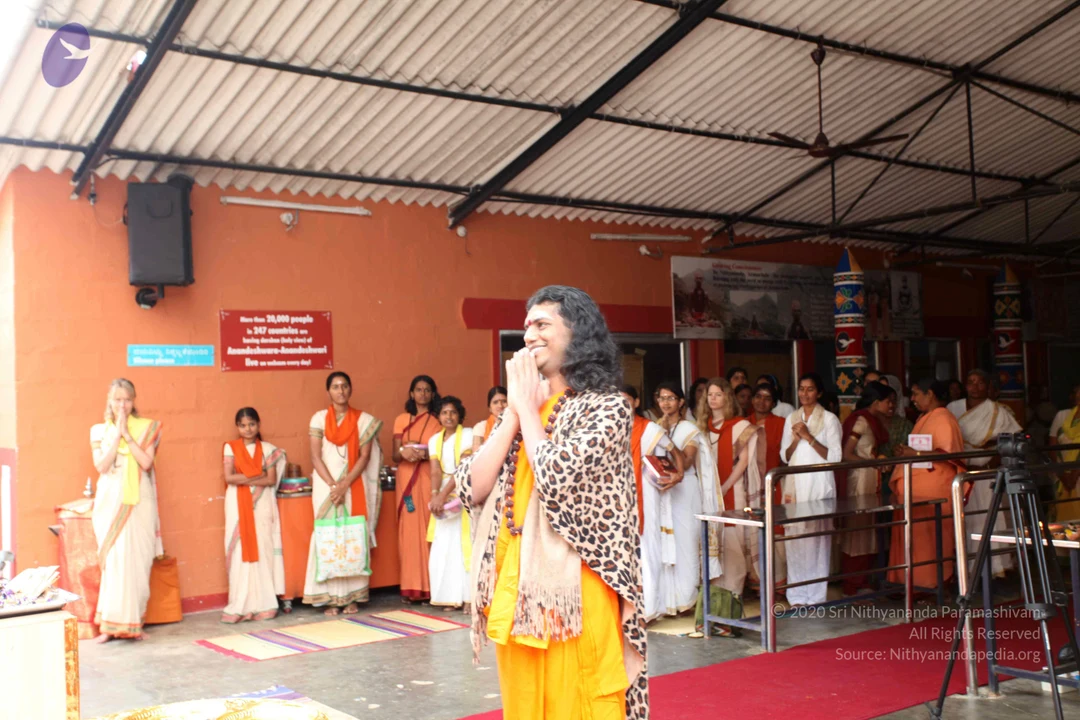
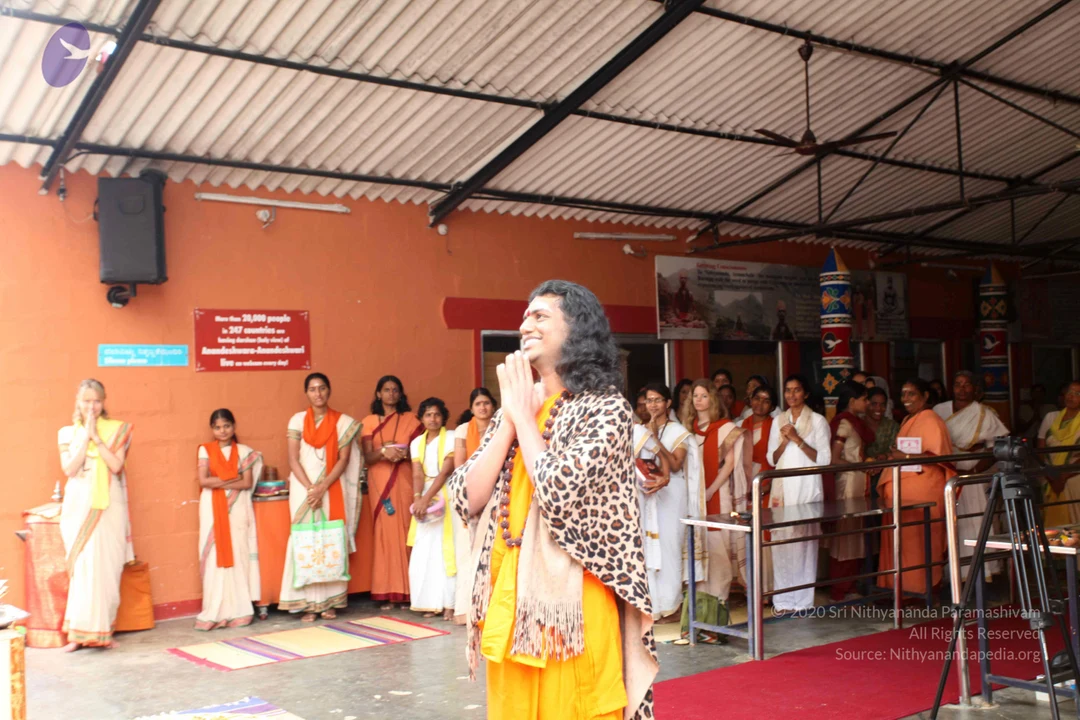
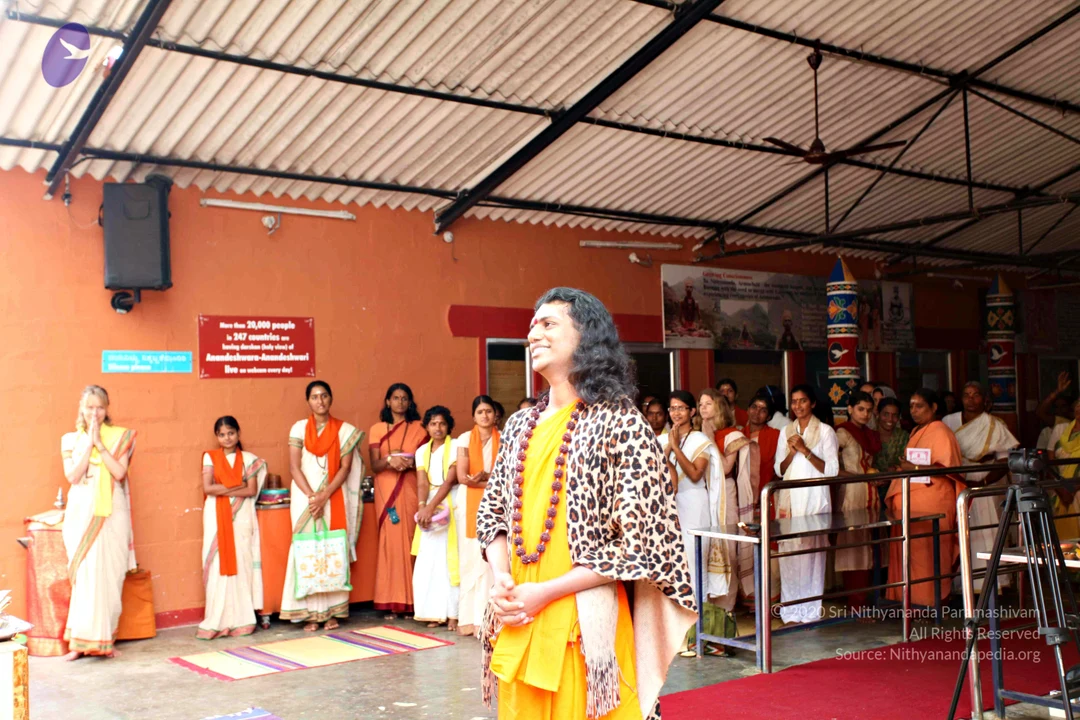
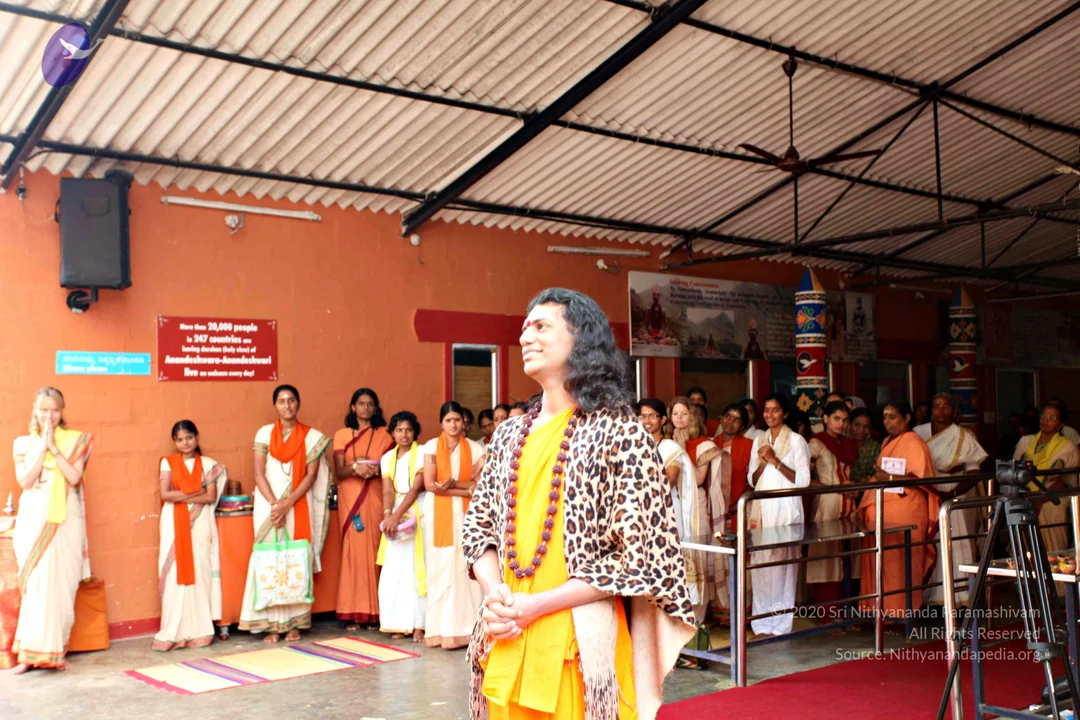
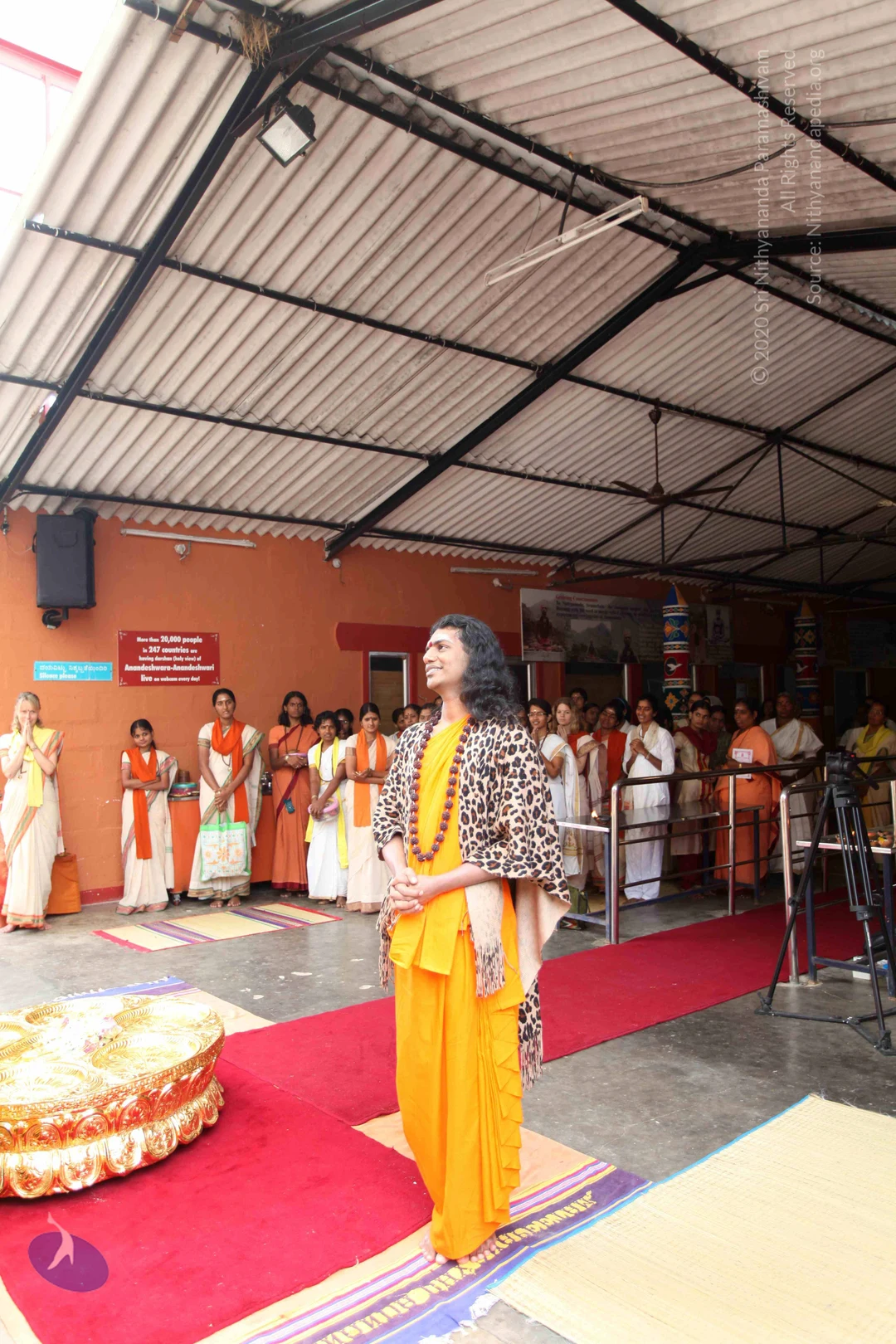
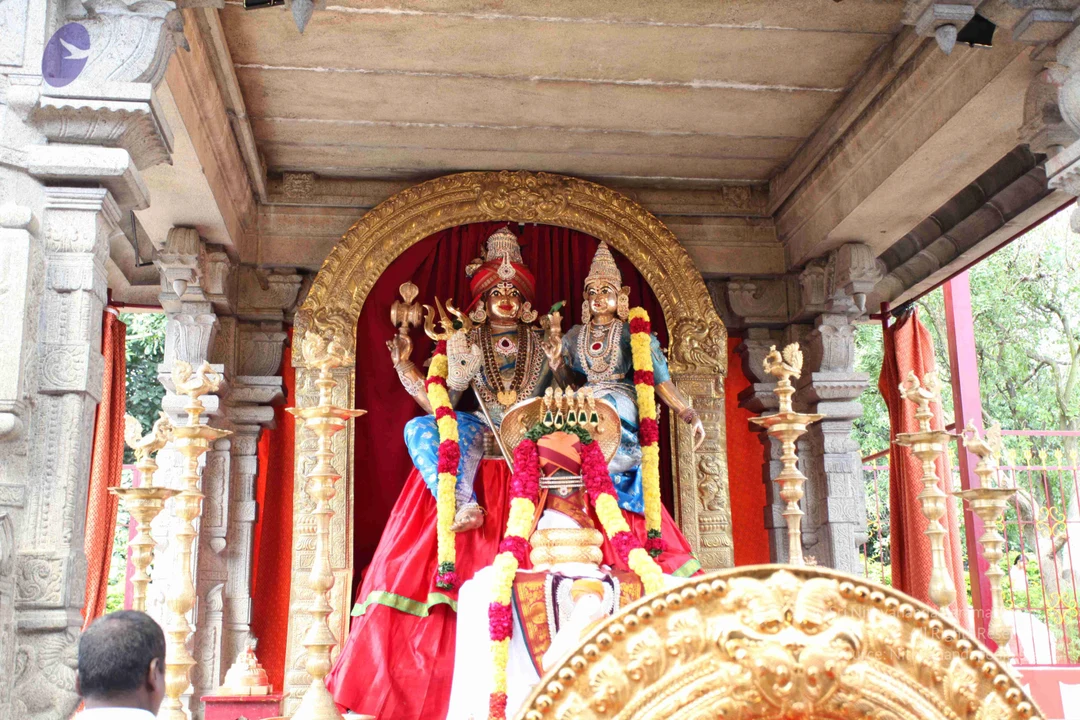
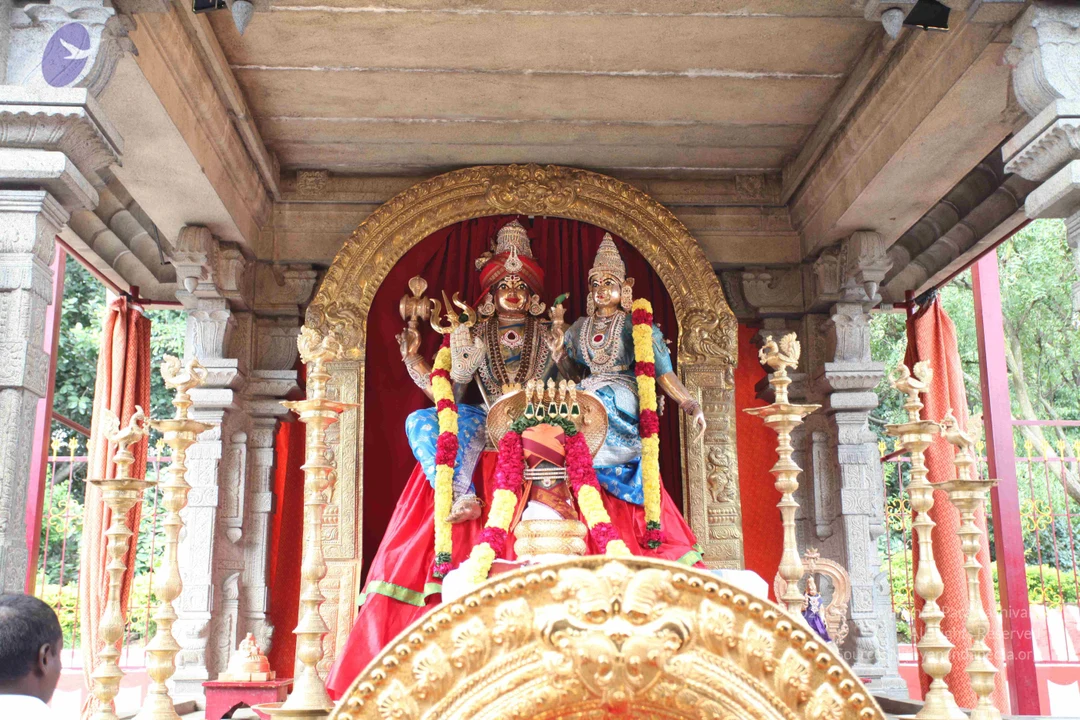
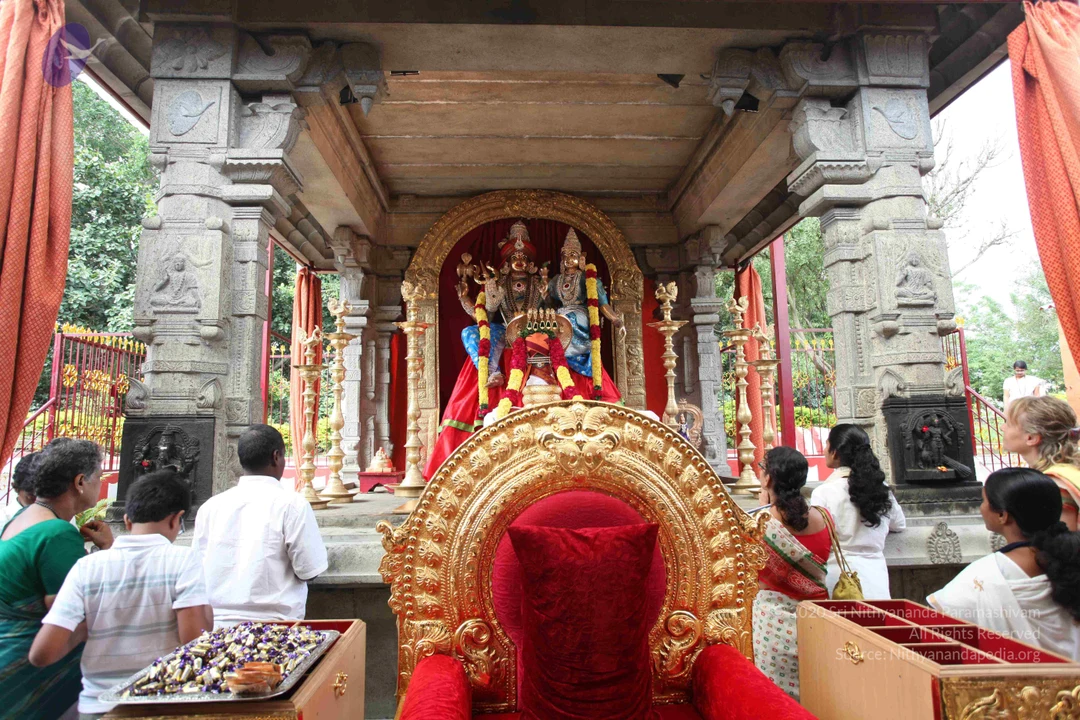
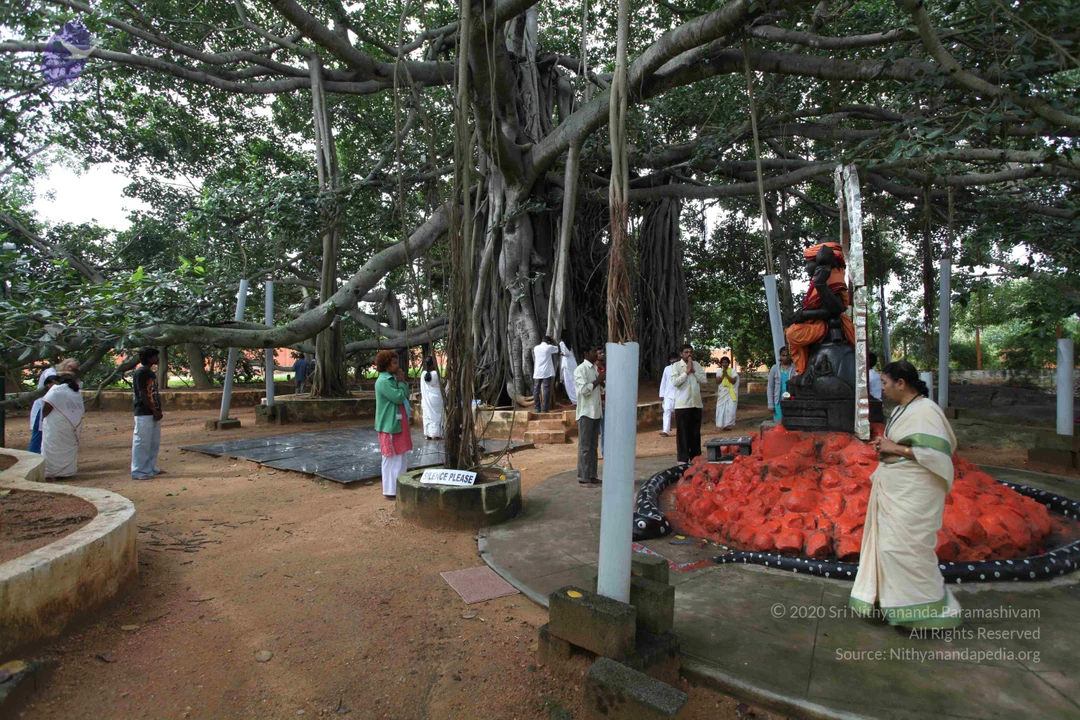
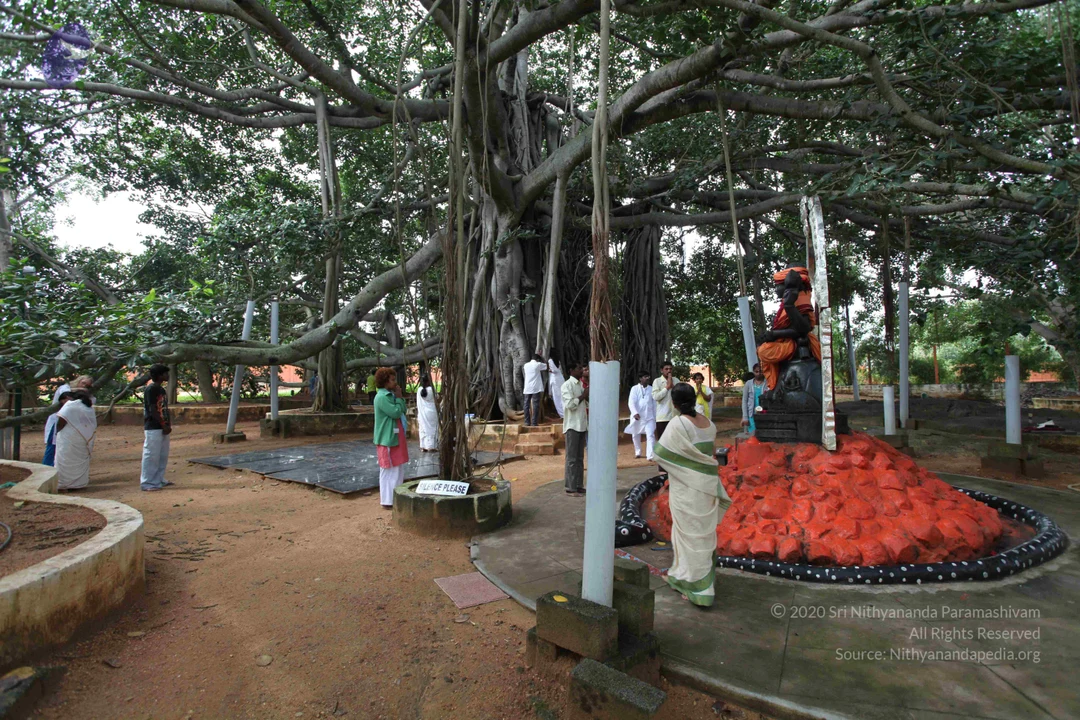
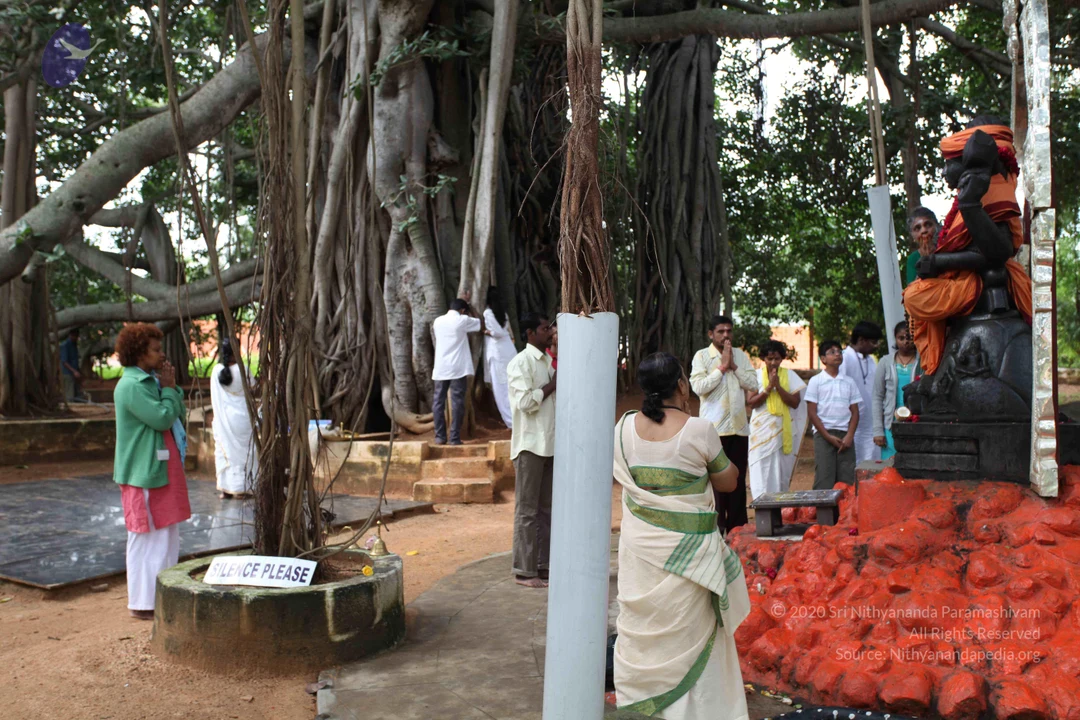
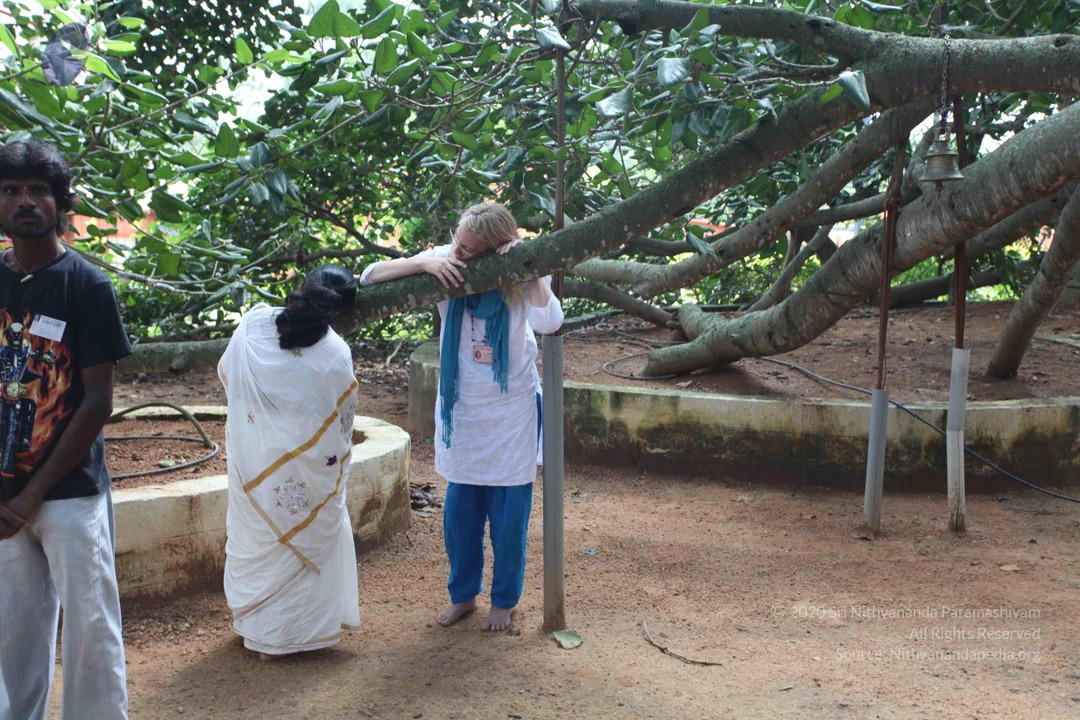
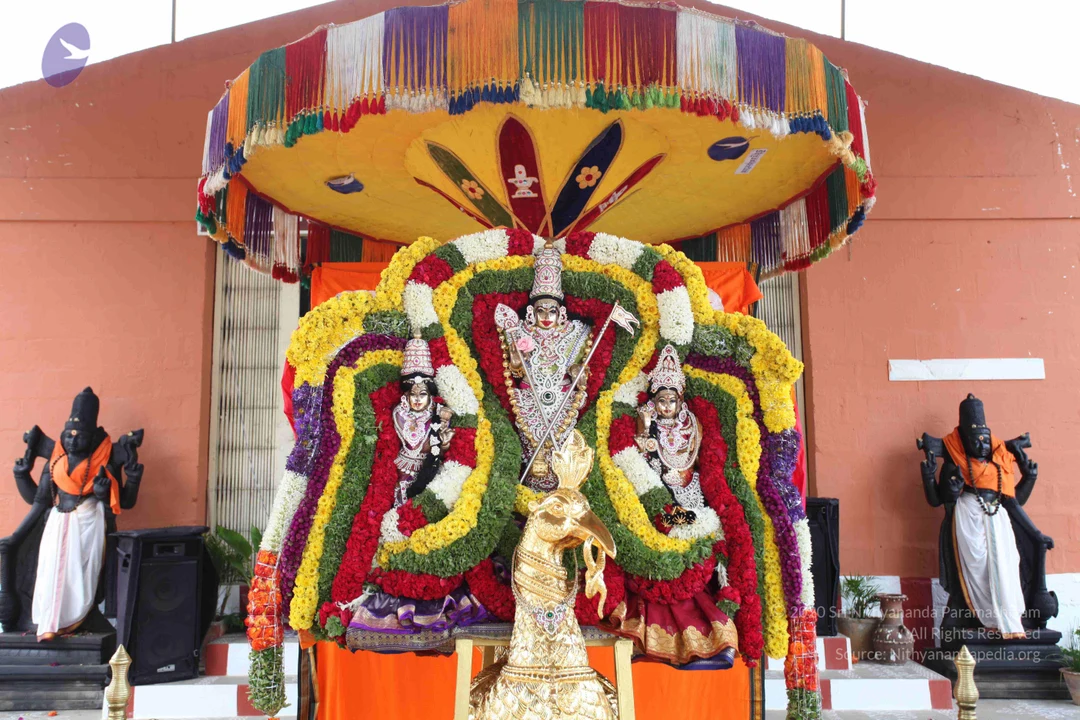
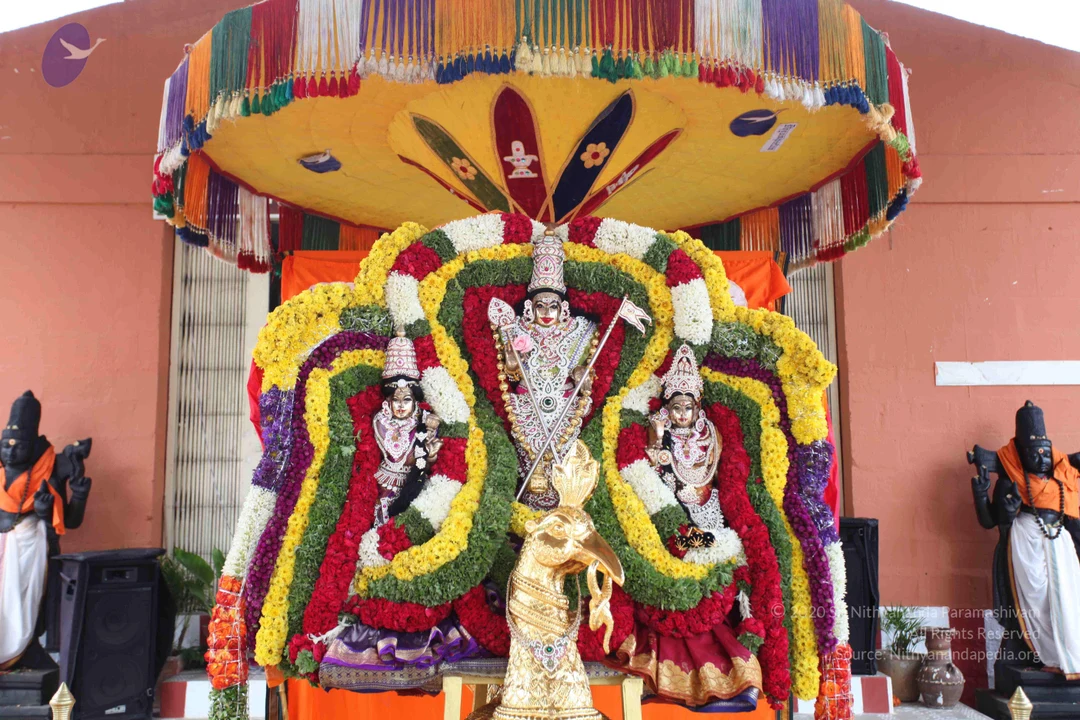
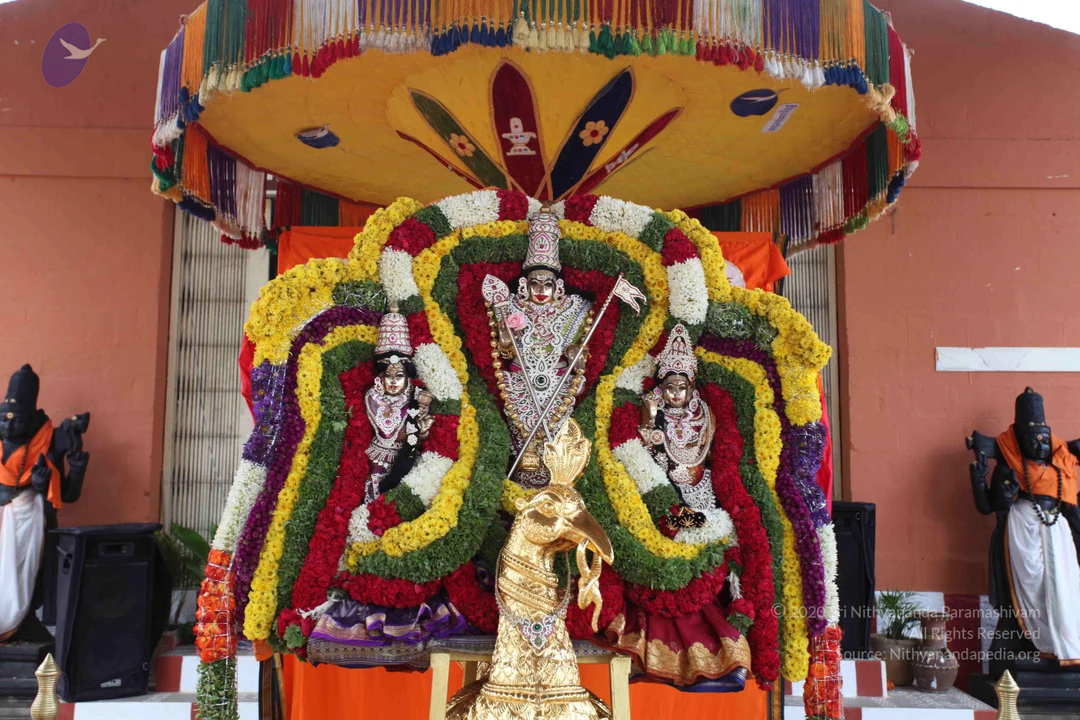
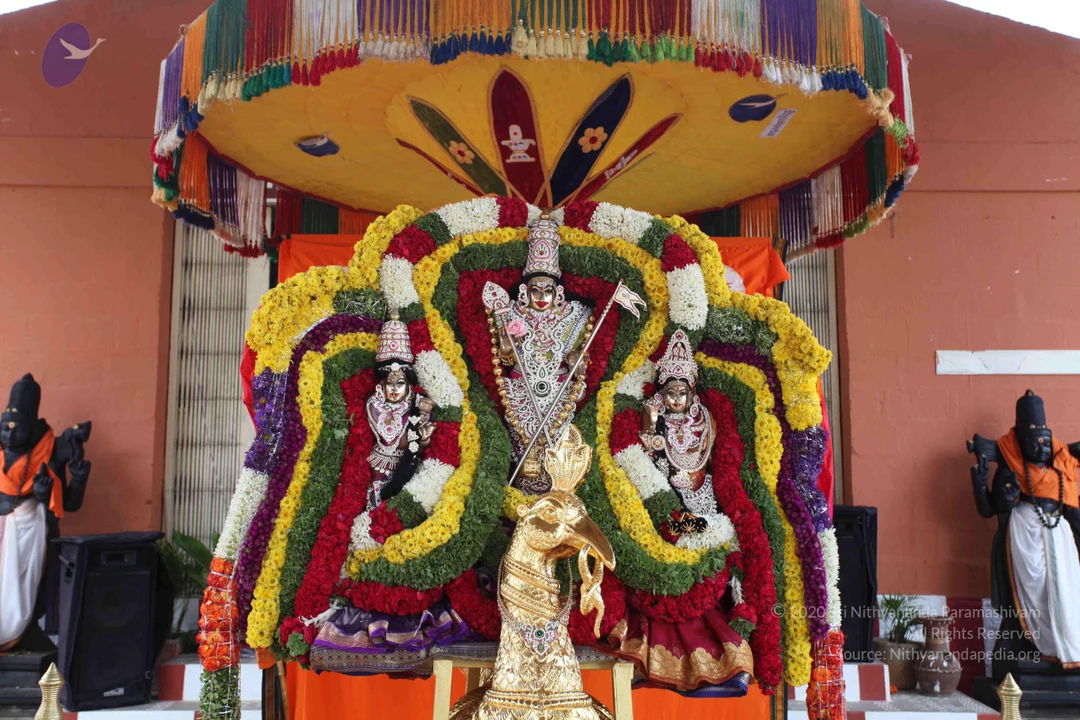
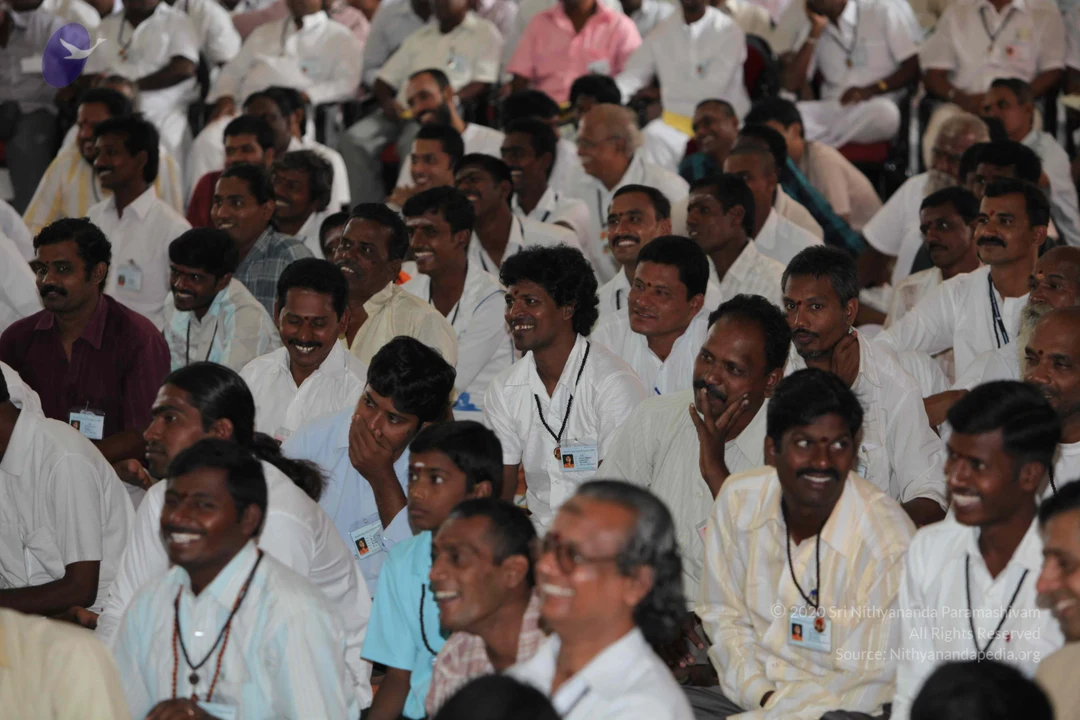
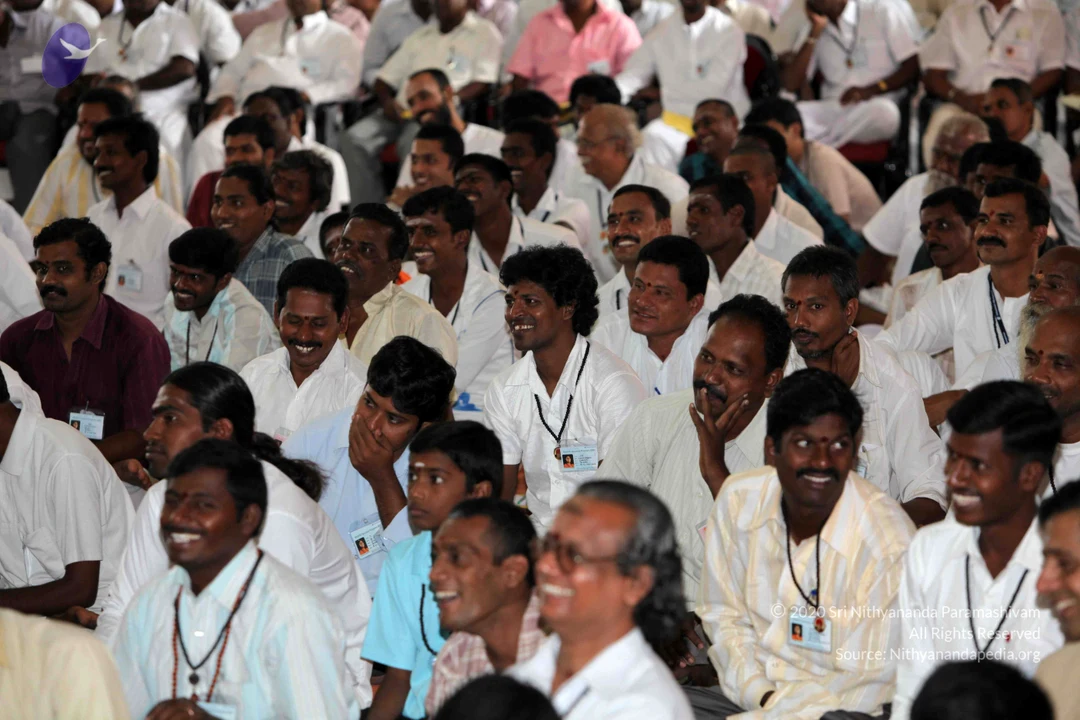
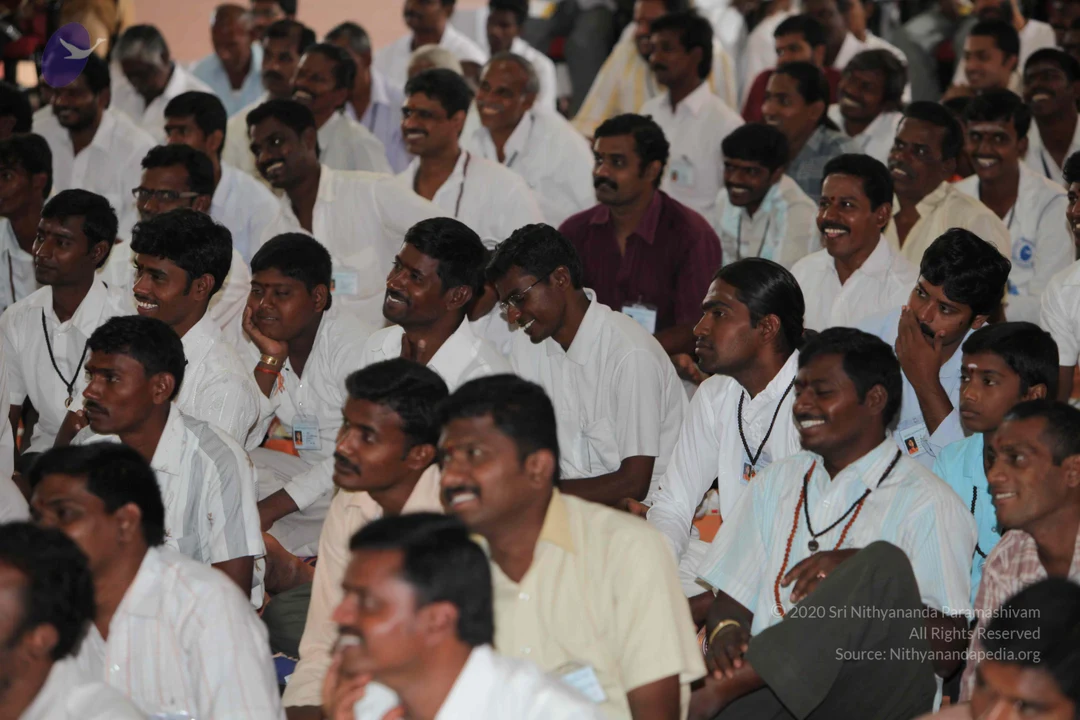
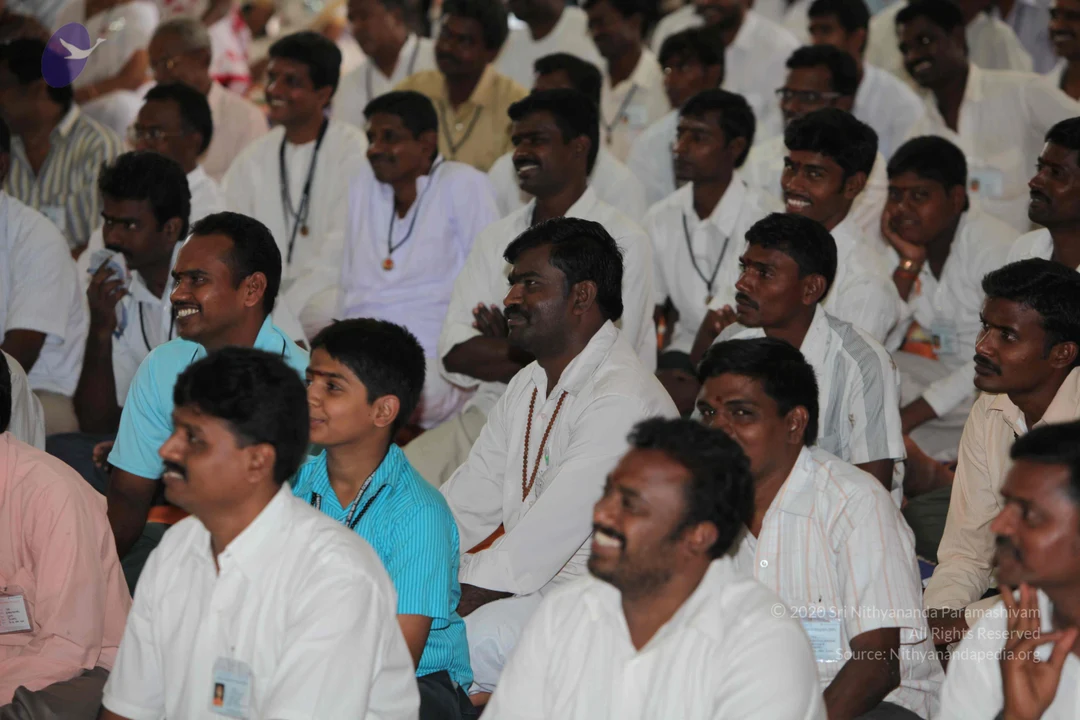
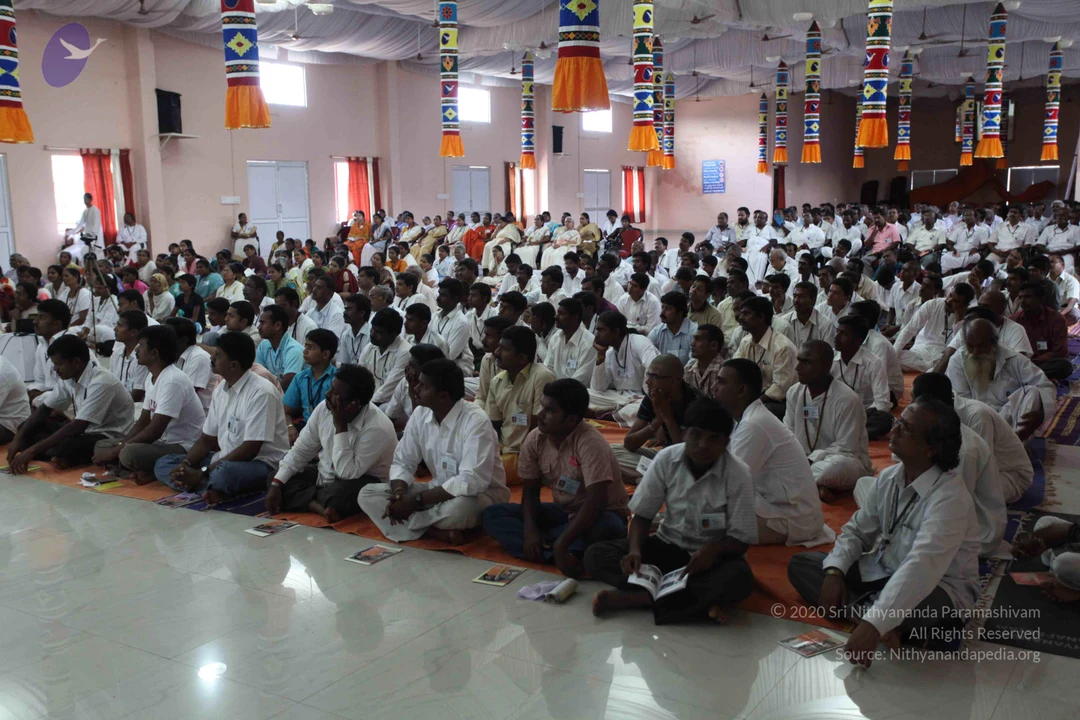
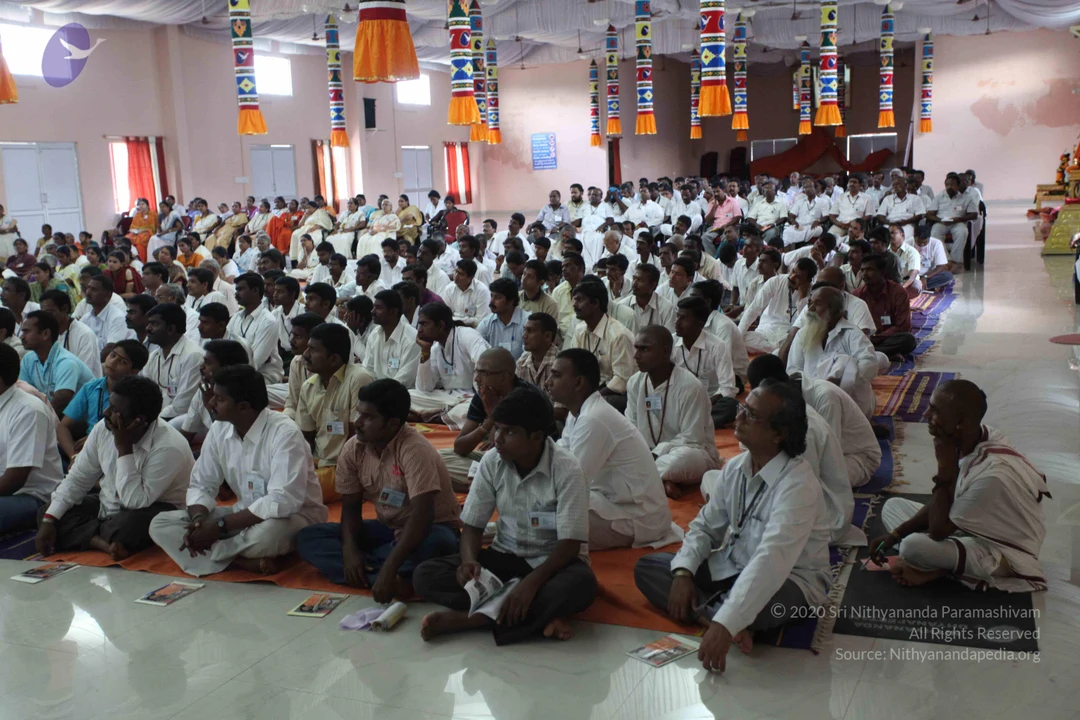
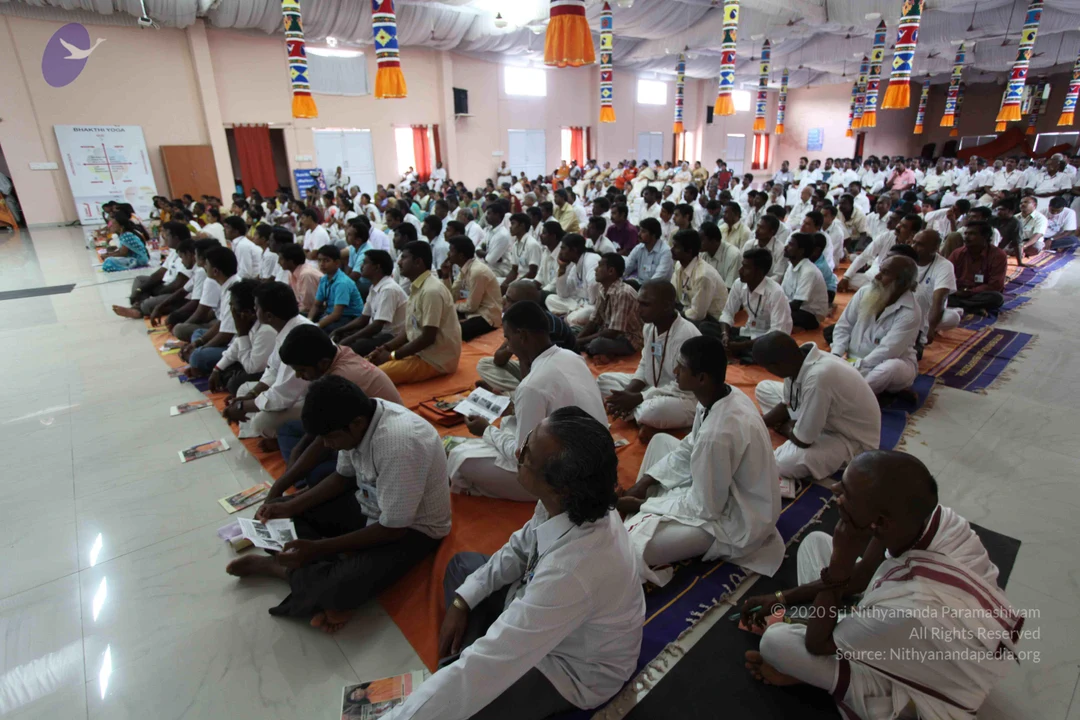
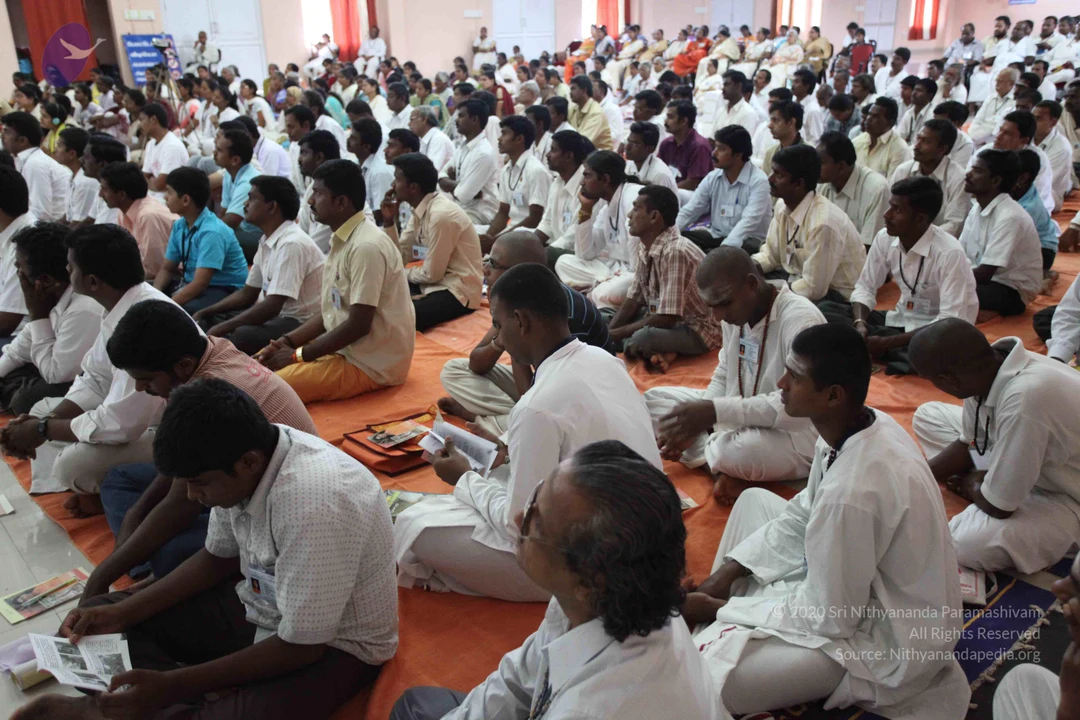
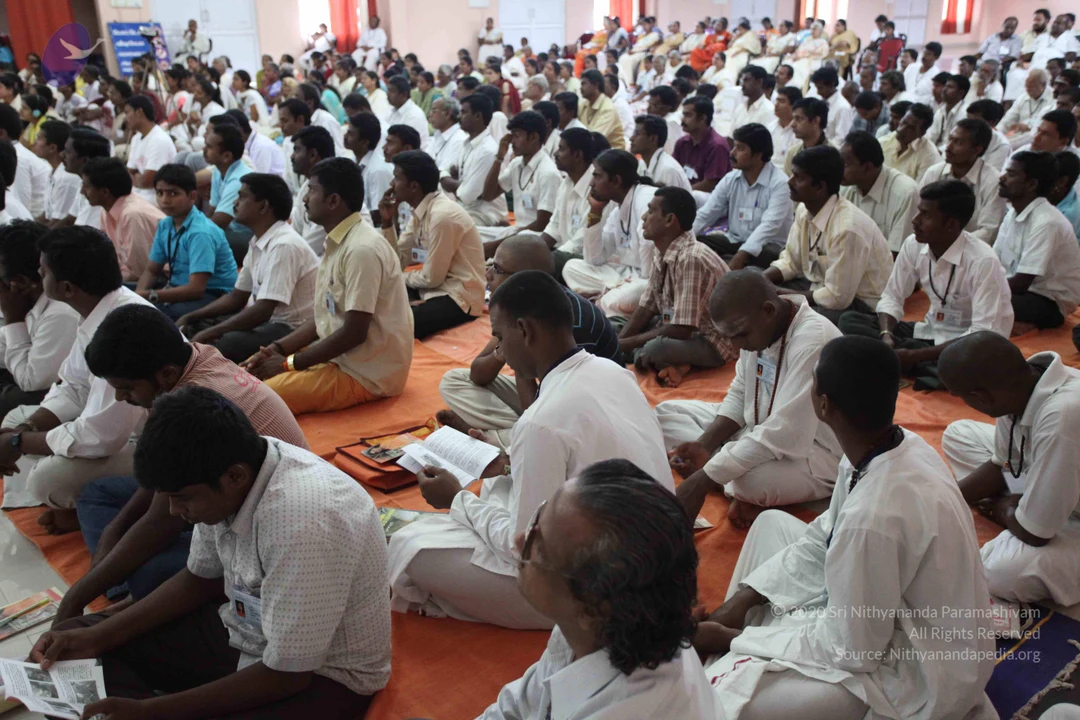
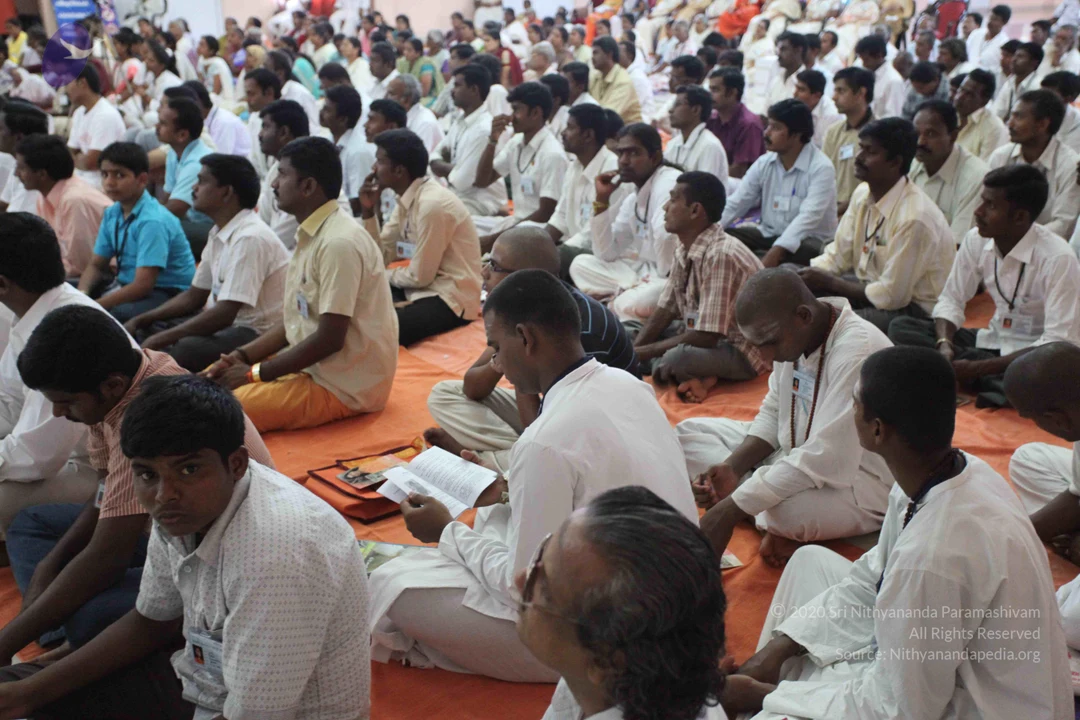
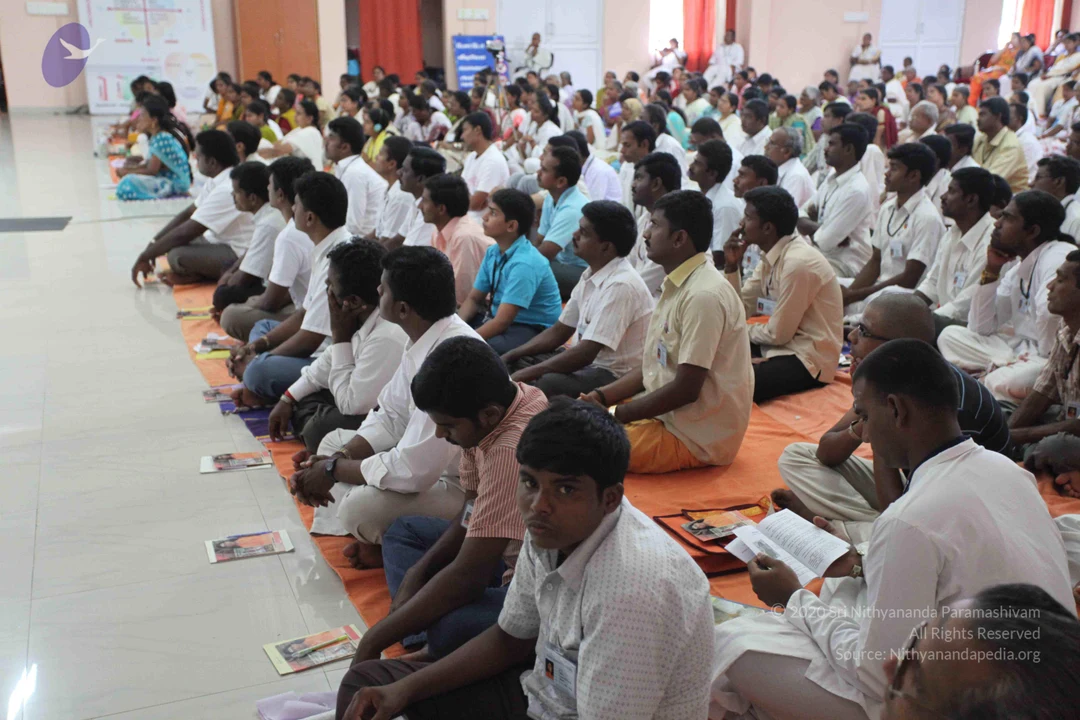
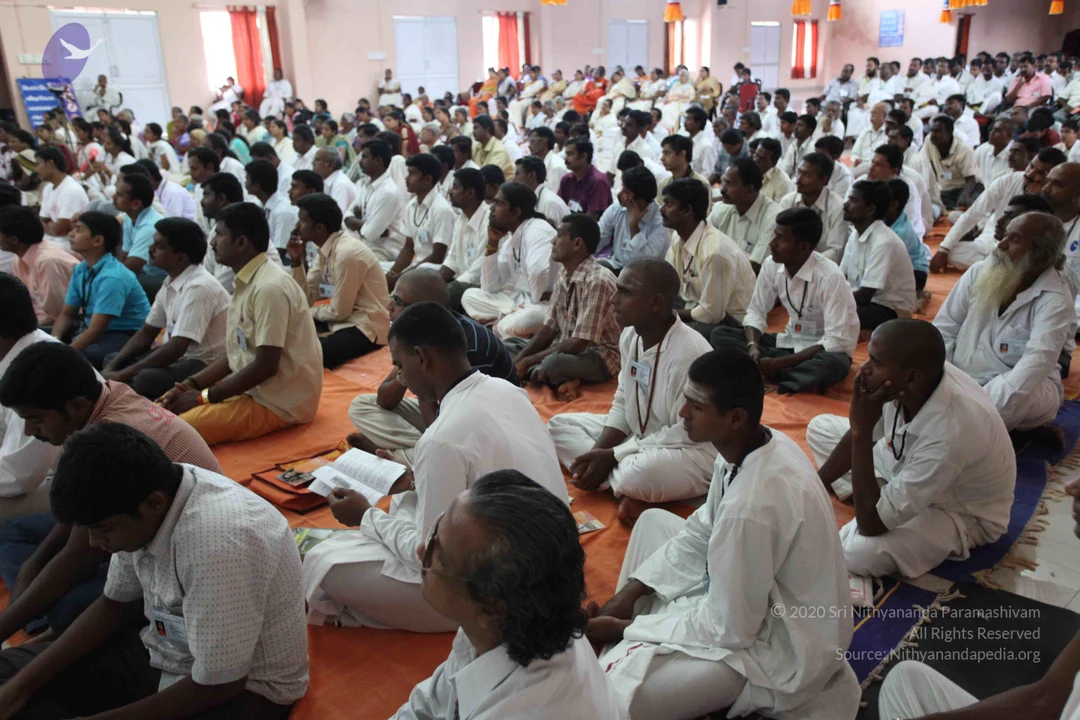
01-Swamiji-Morning-Event
358 dated photos in previewSource gallery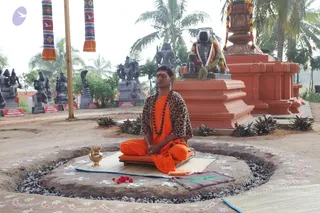
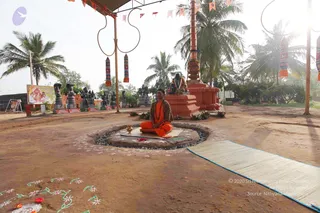
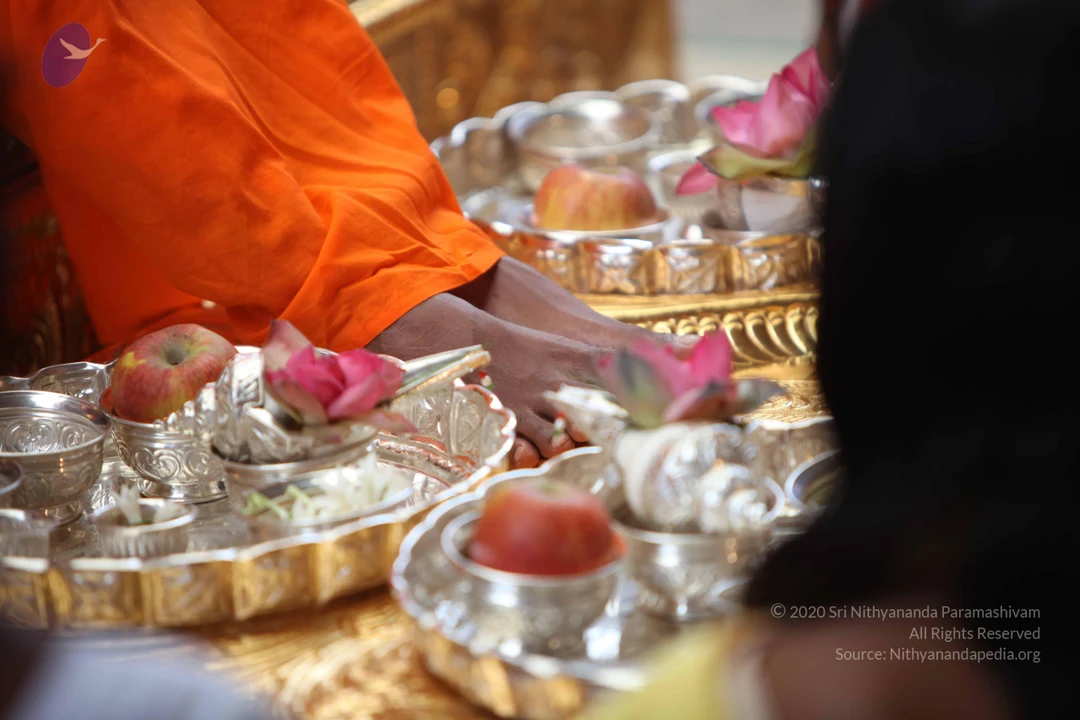
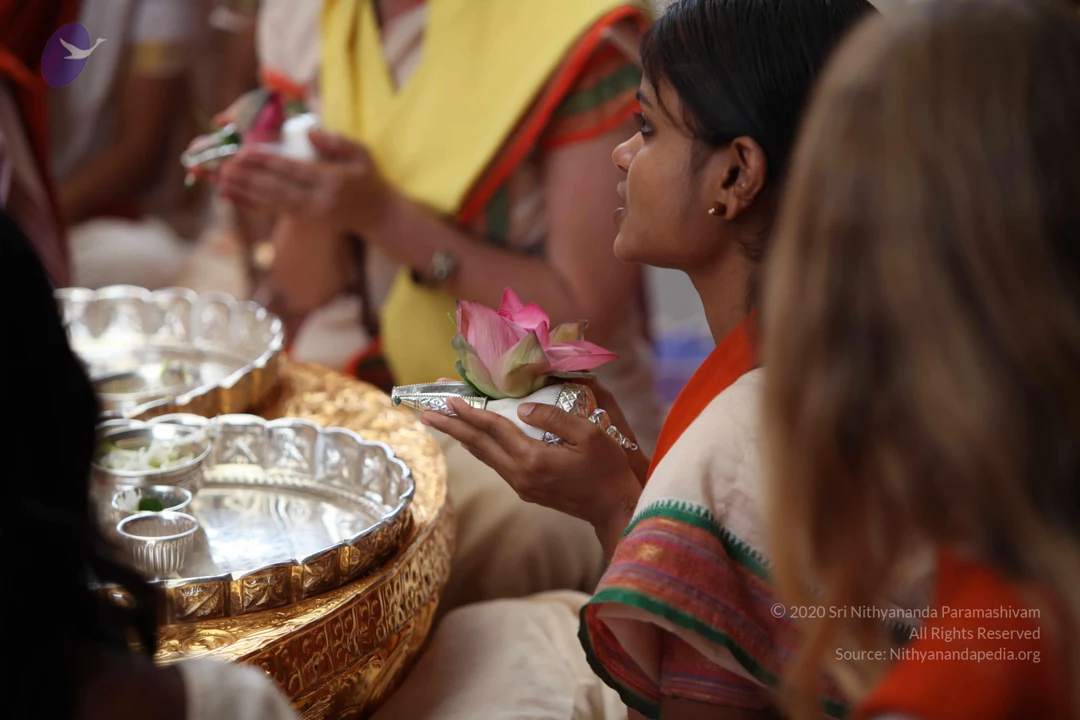
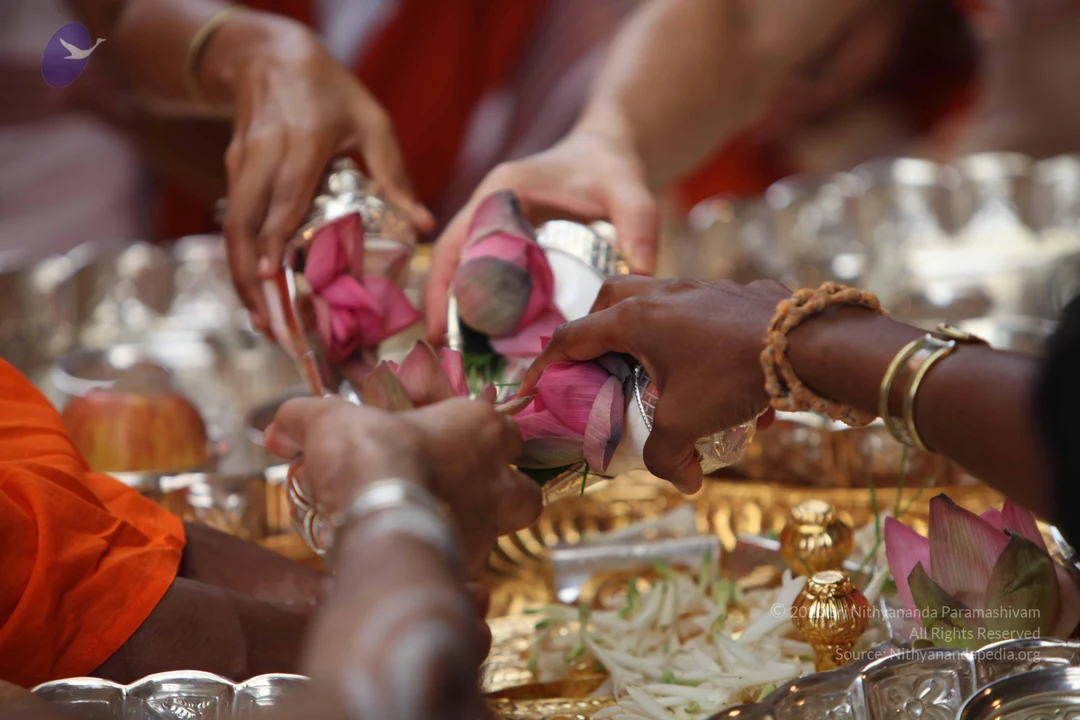
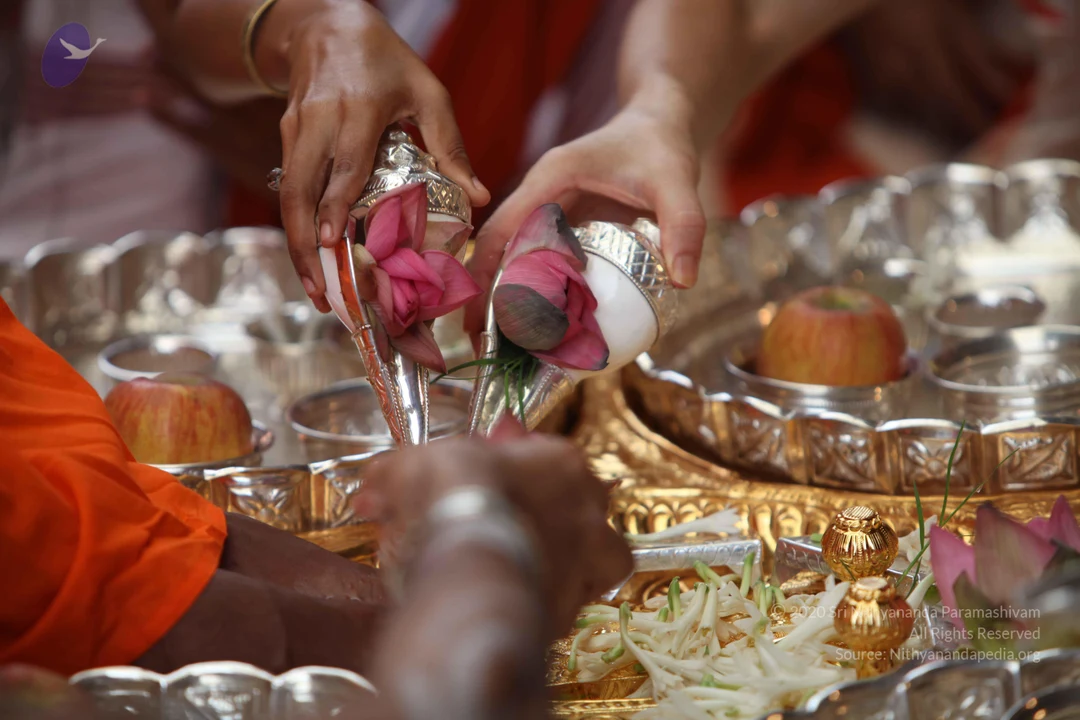
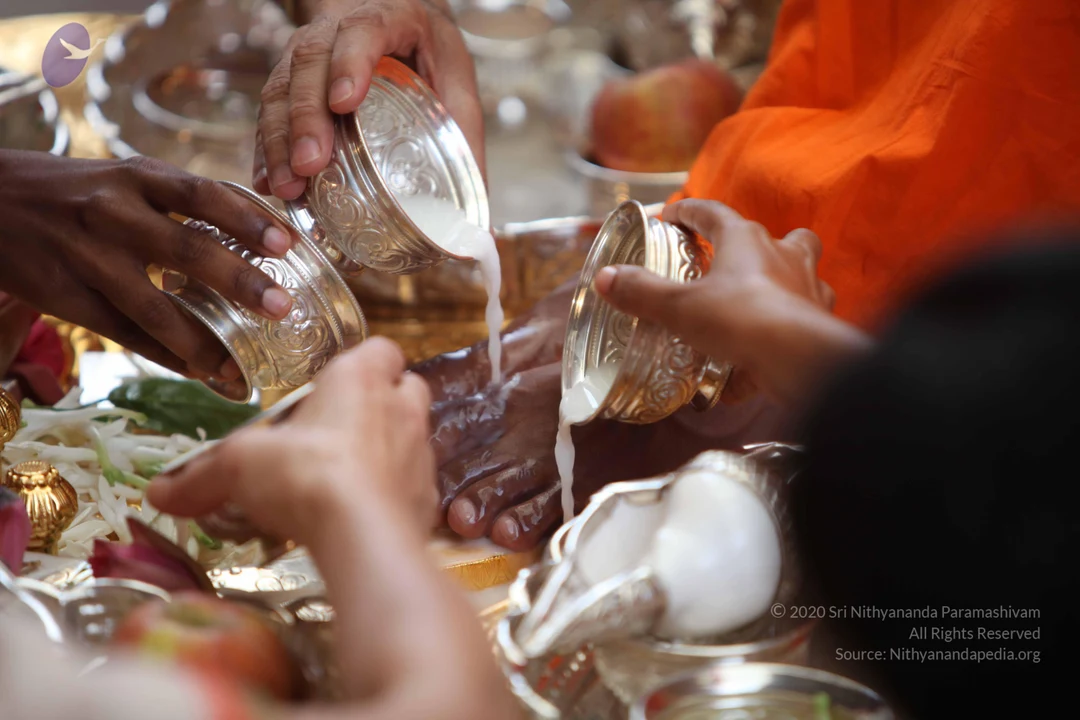
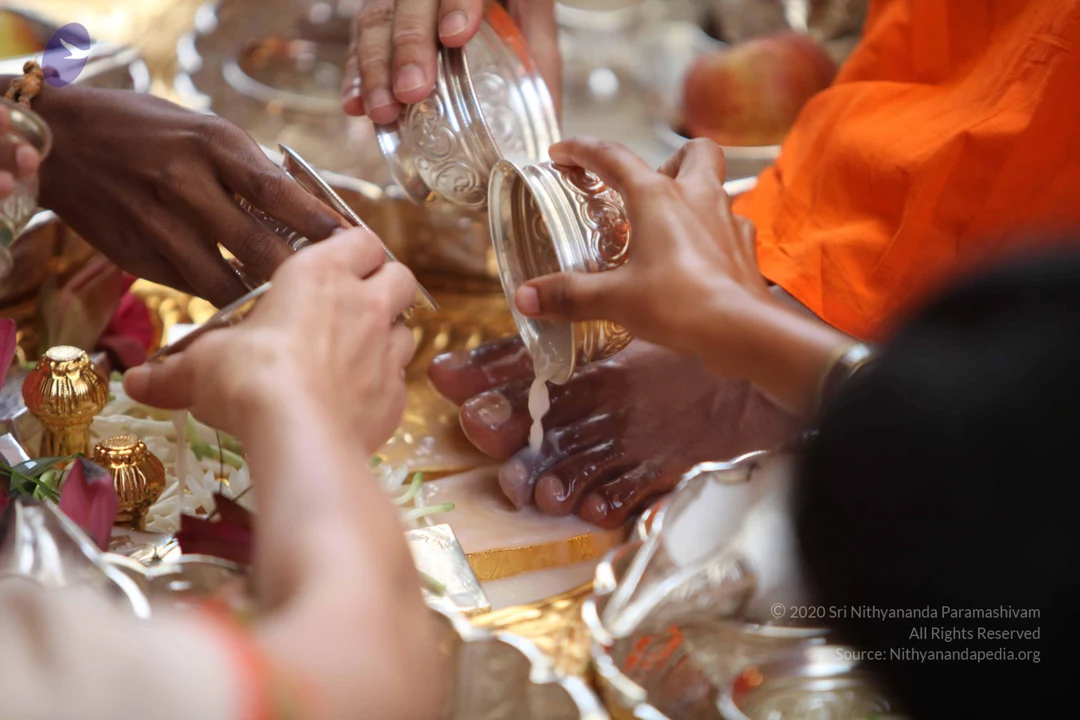
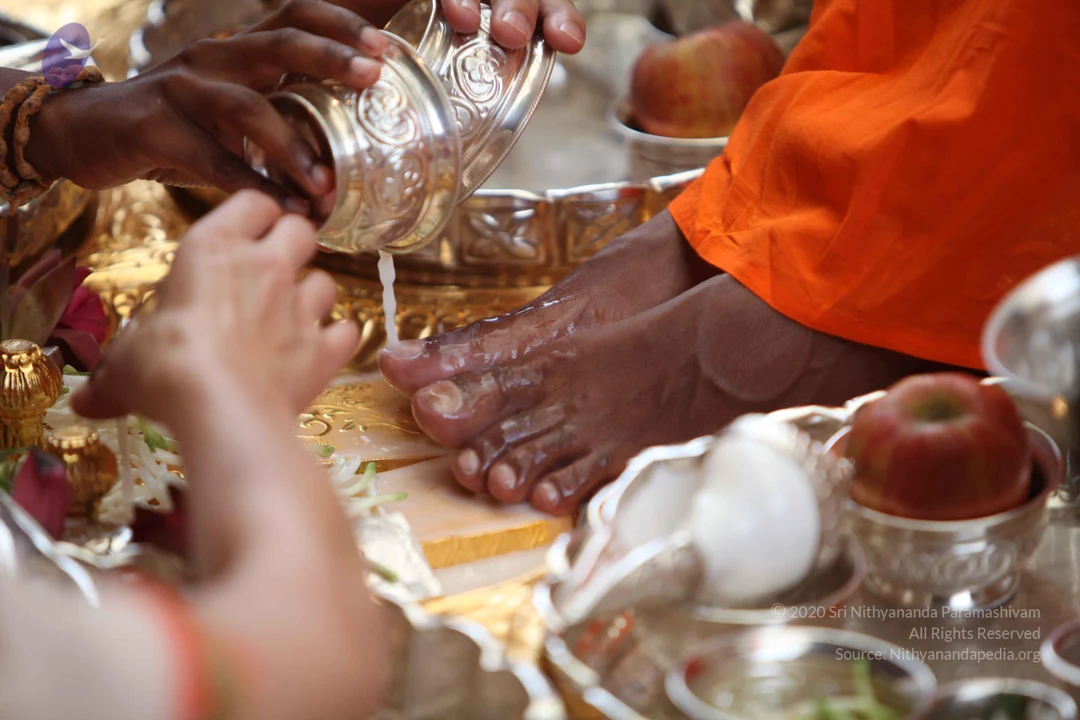
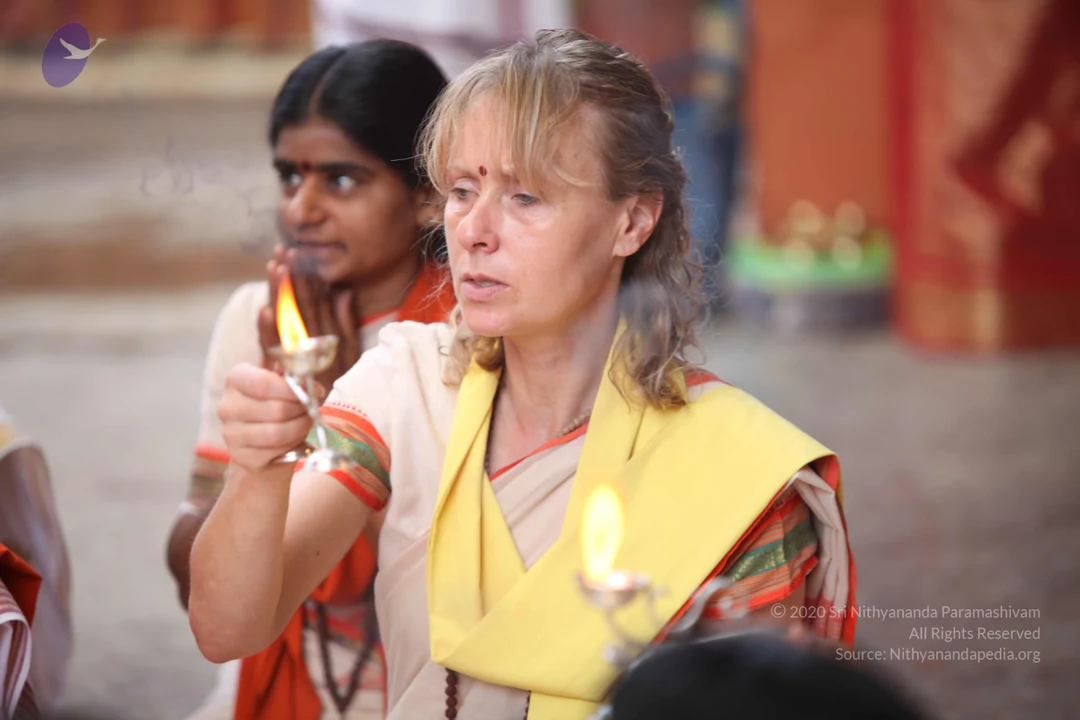
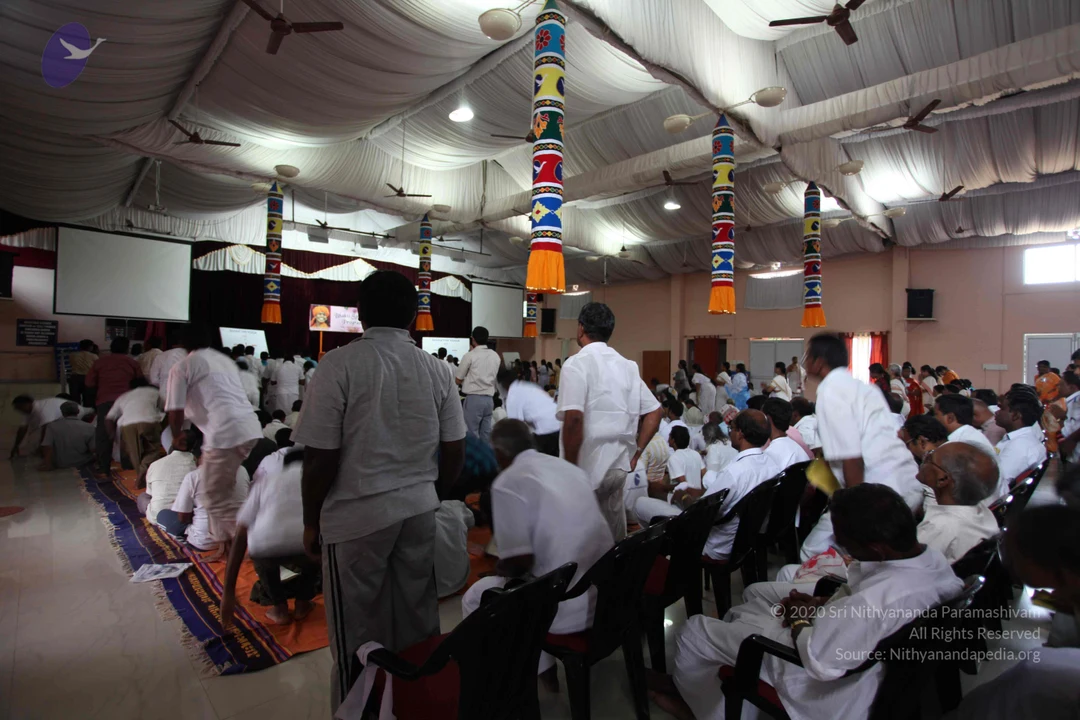
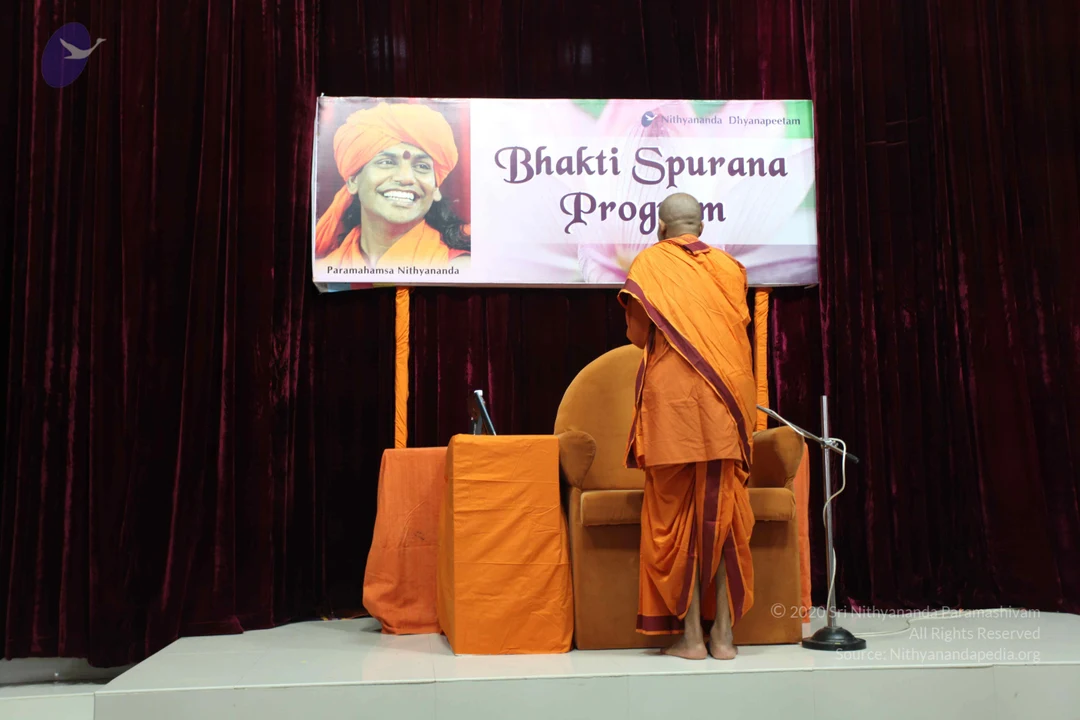
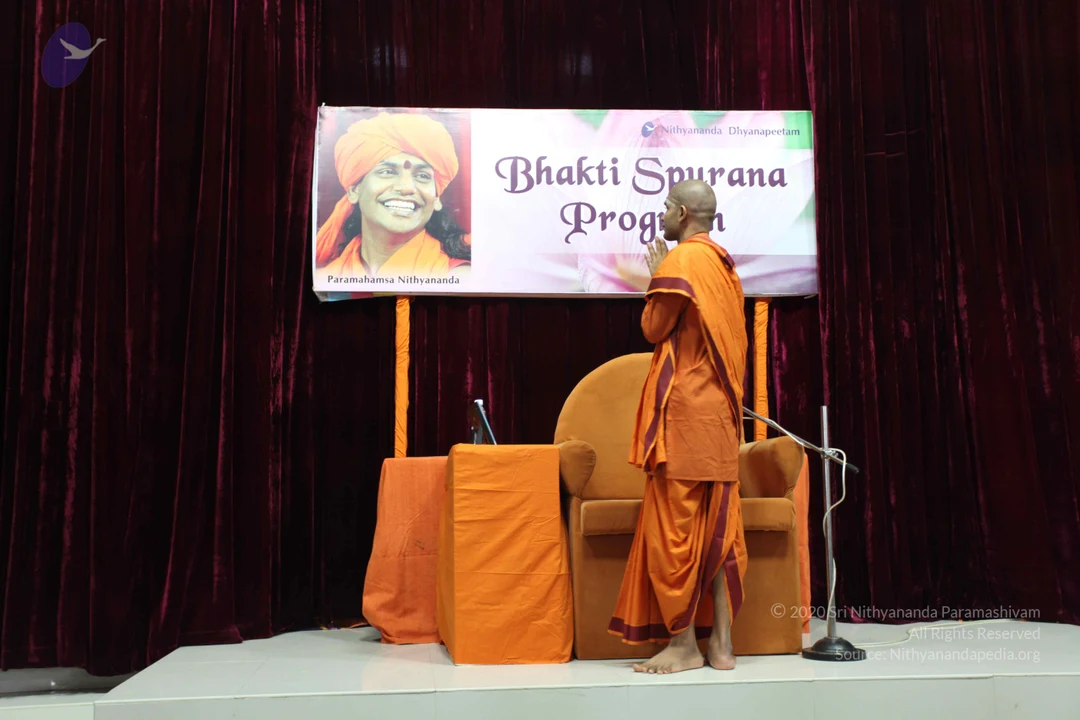
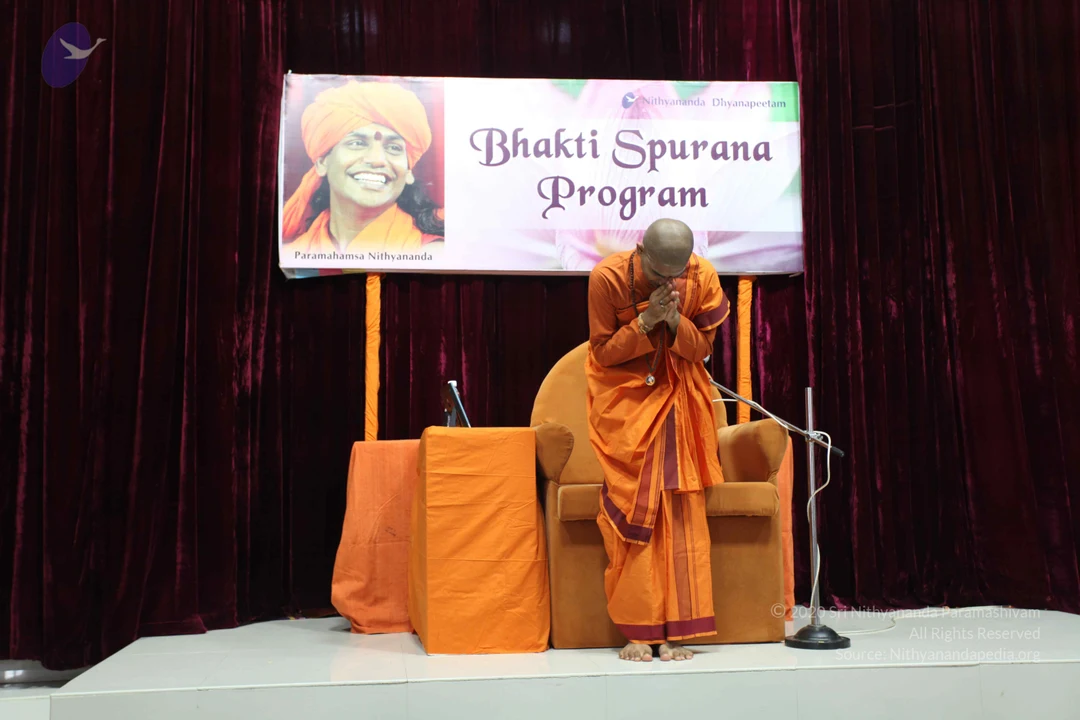
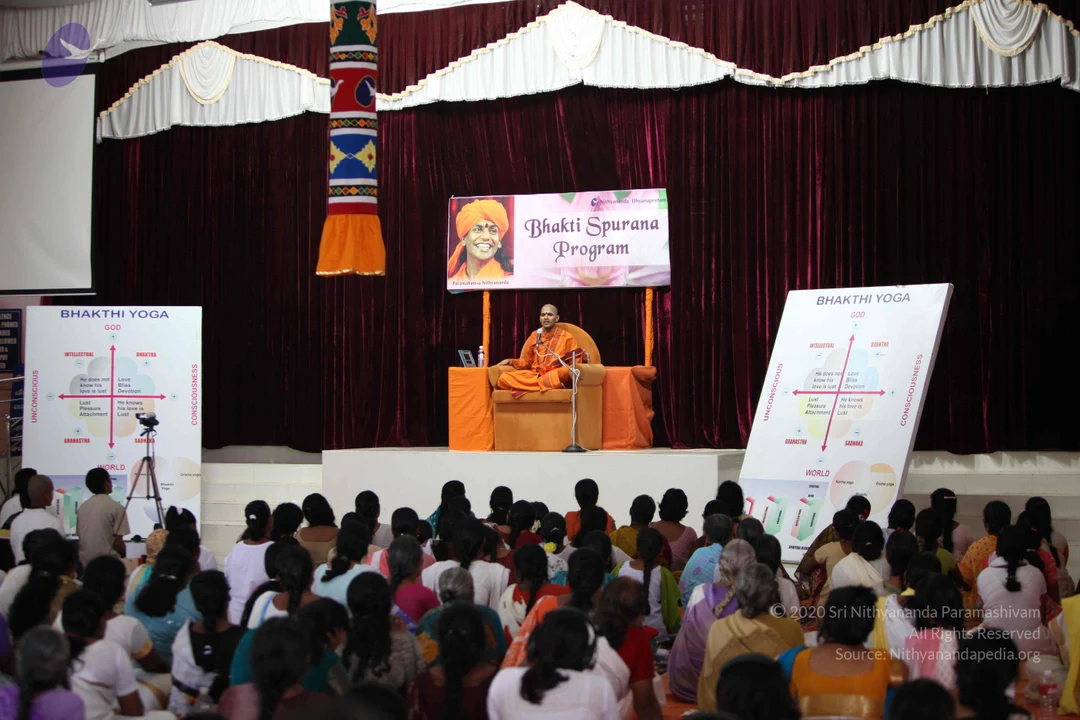
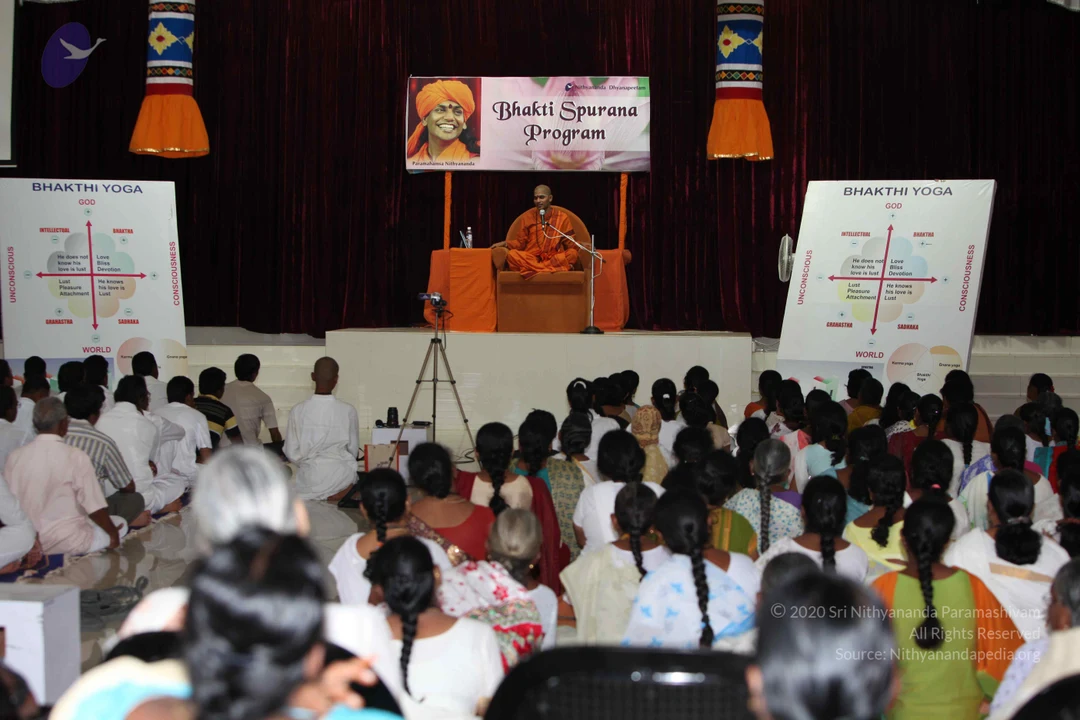
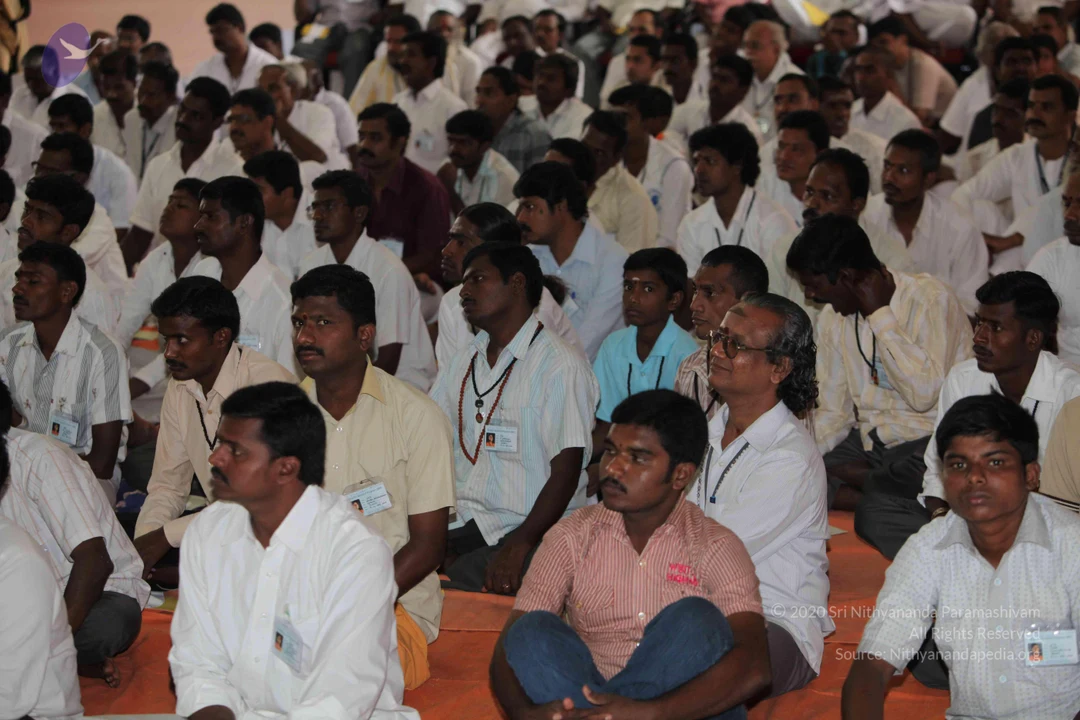
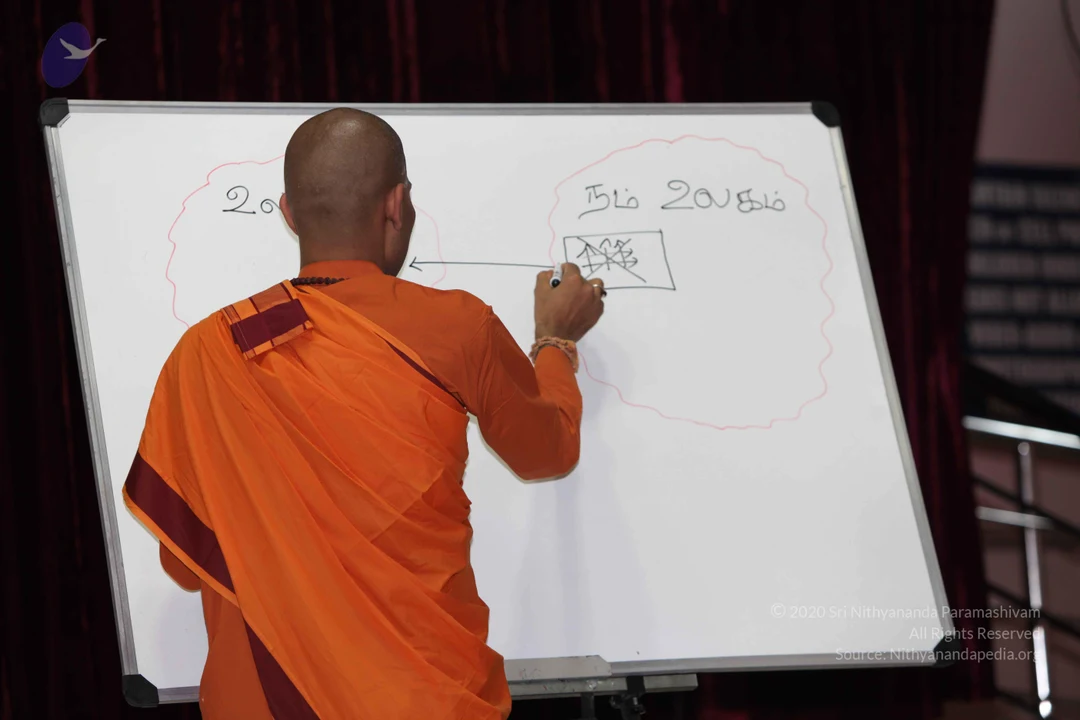
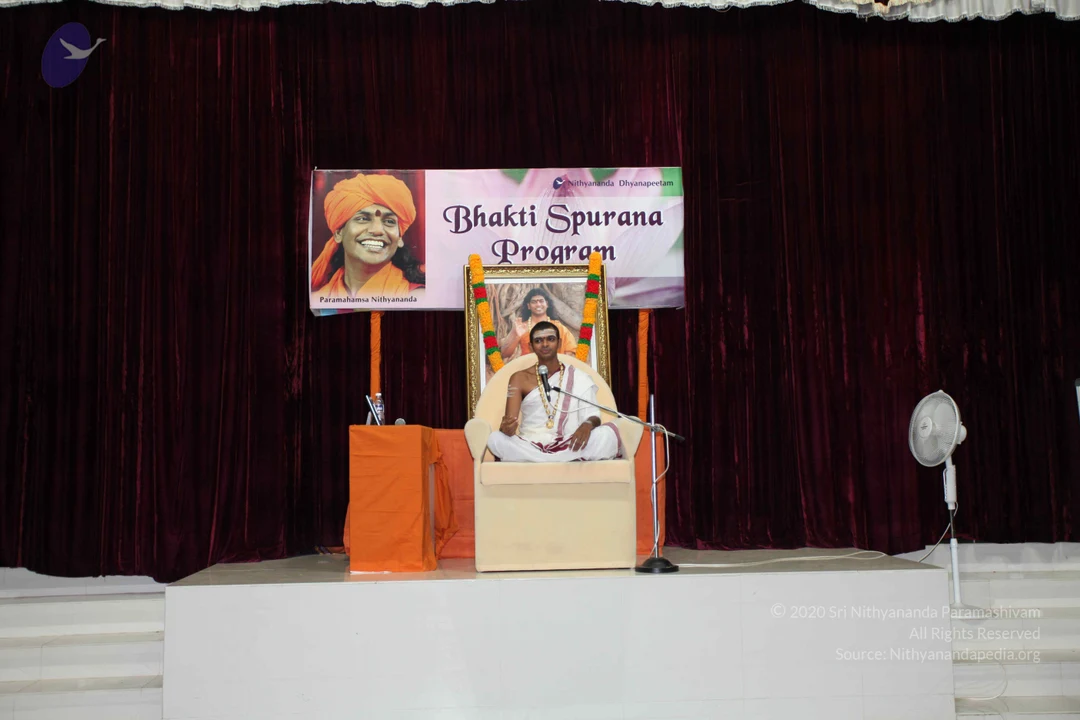
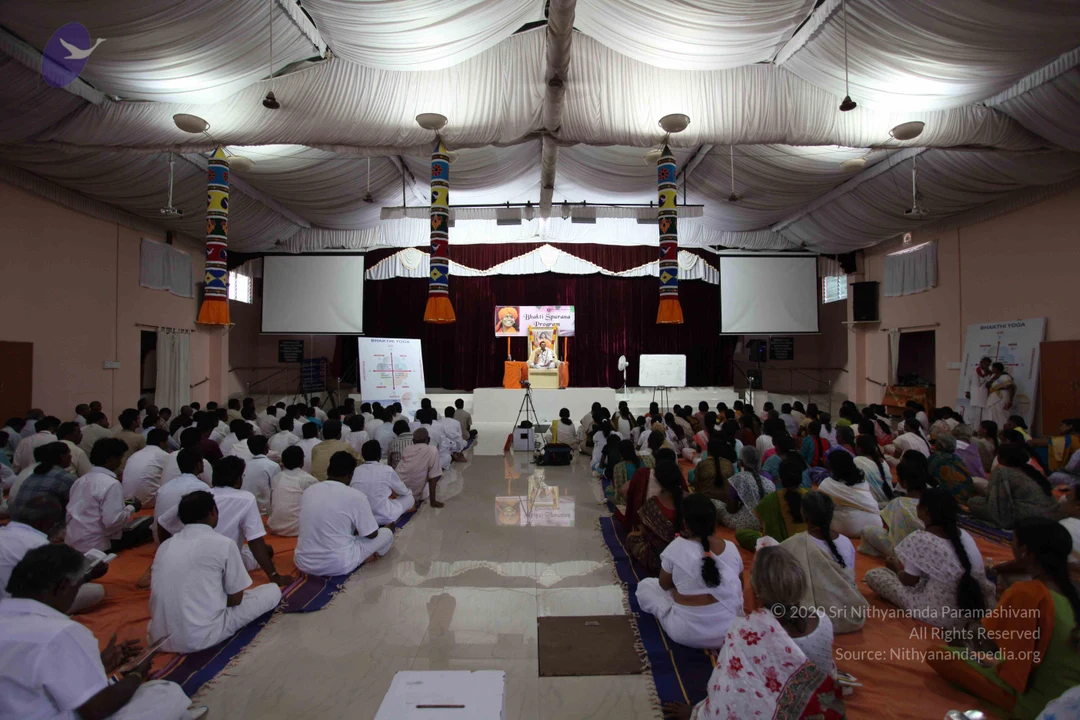
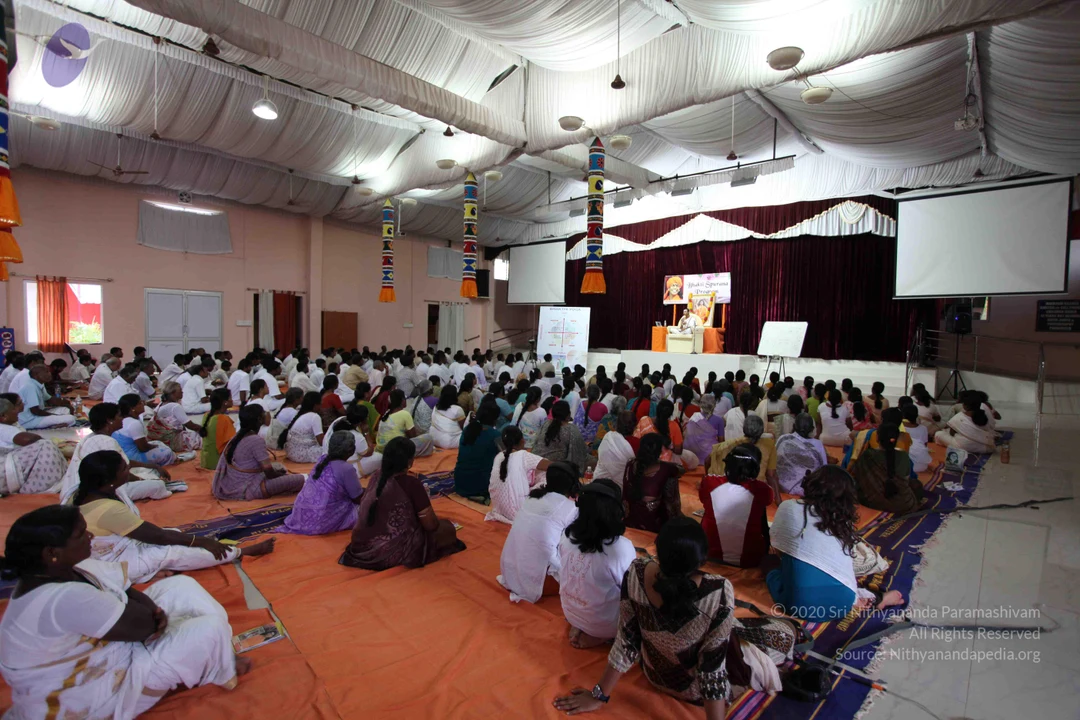
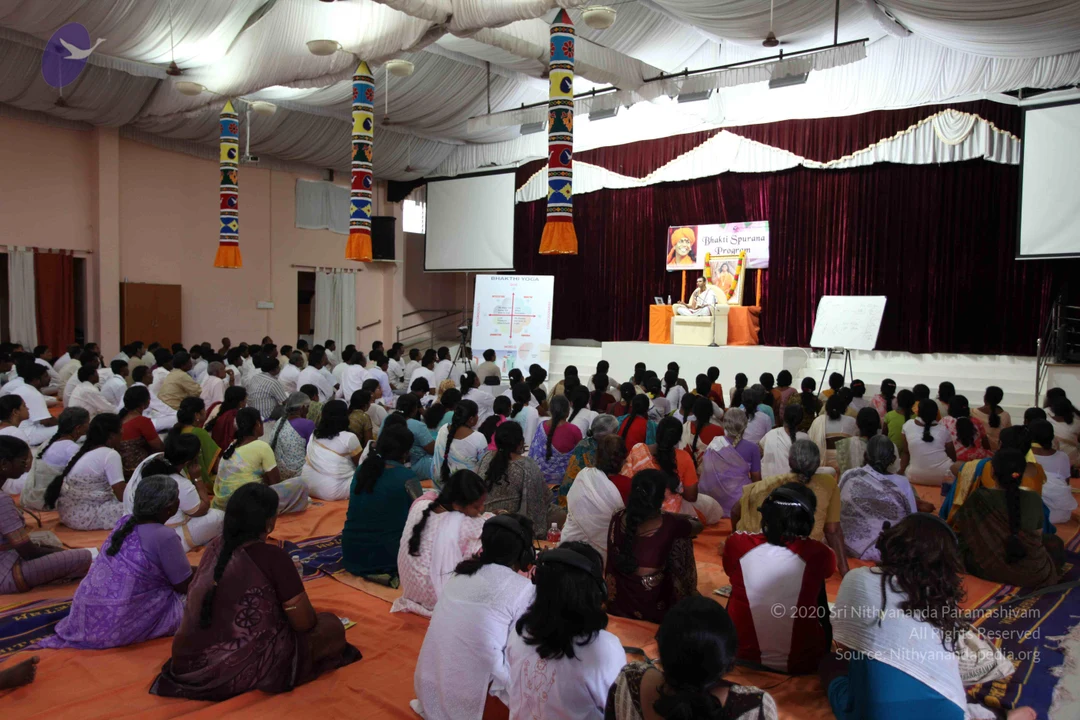
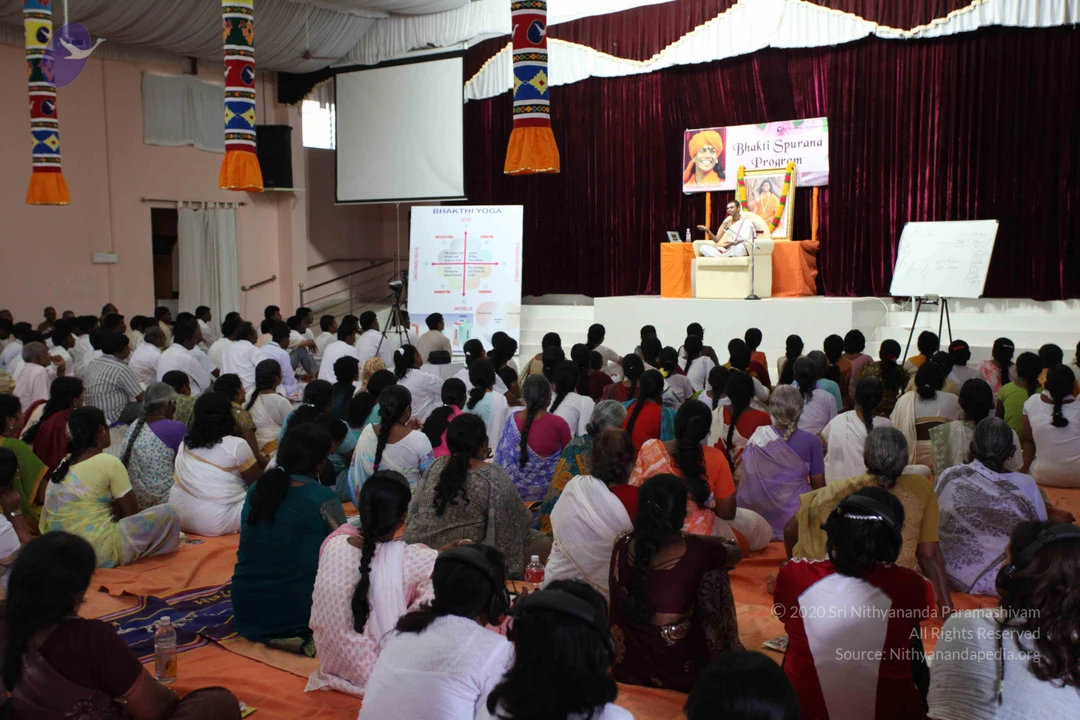
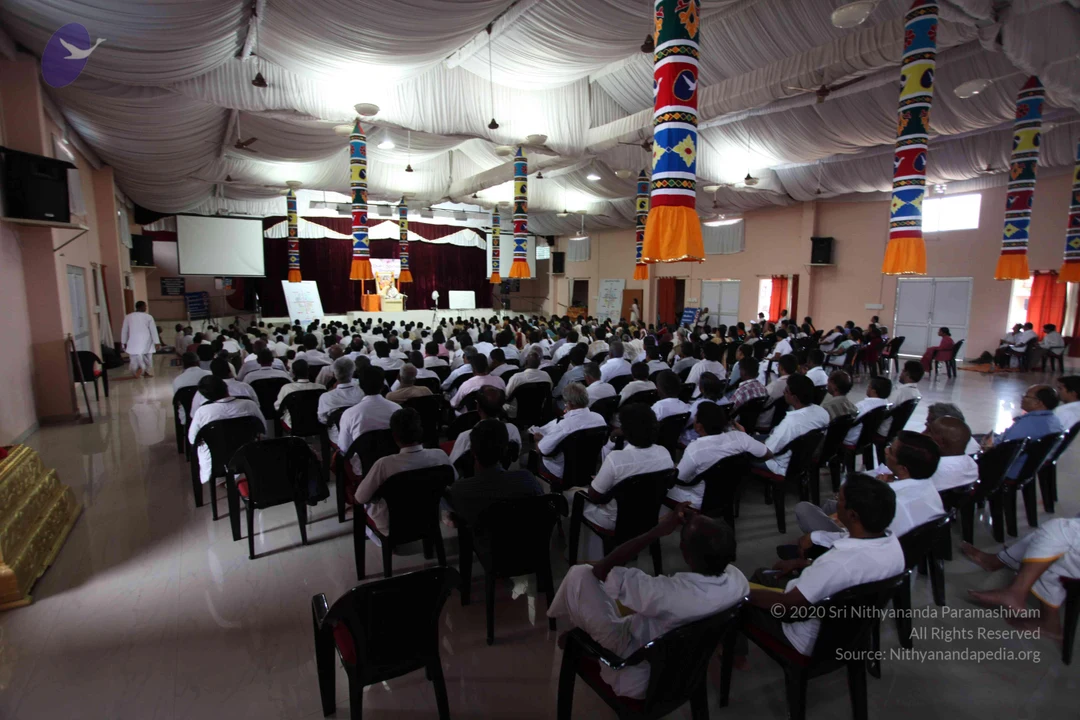
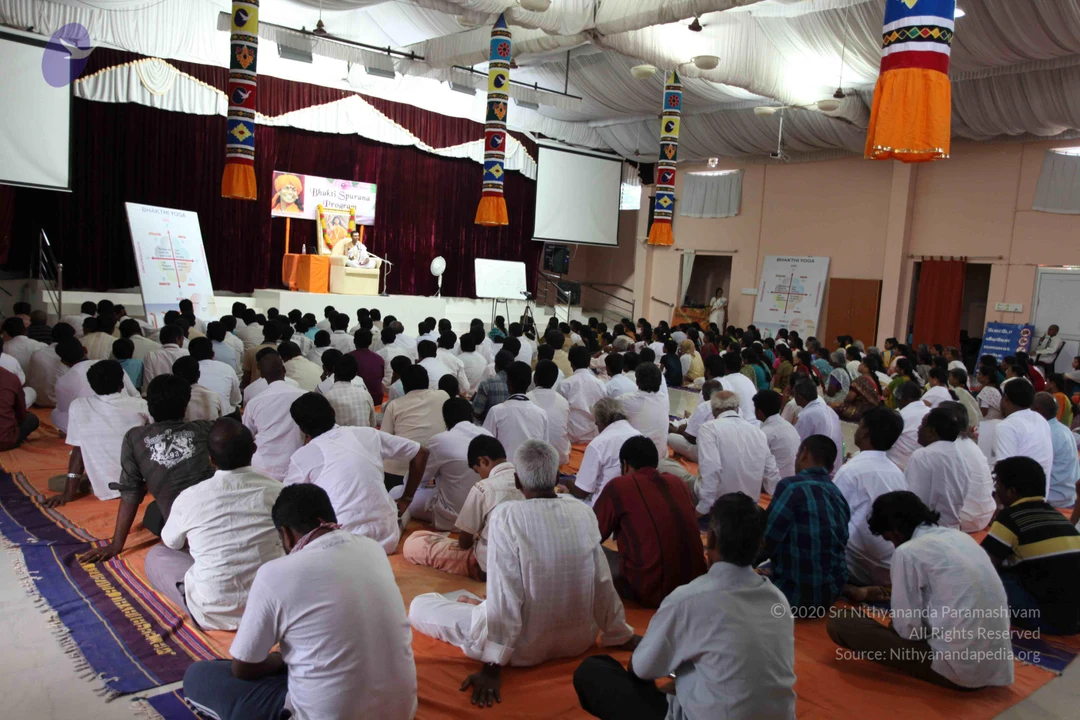
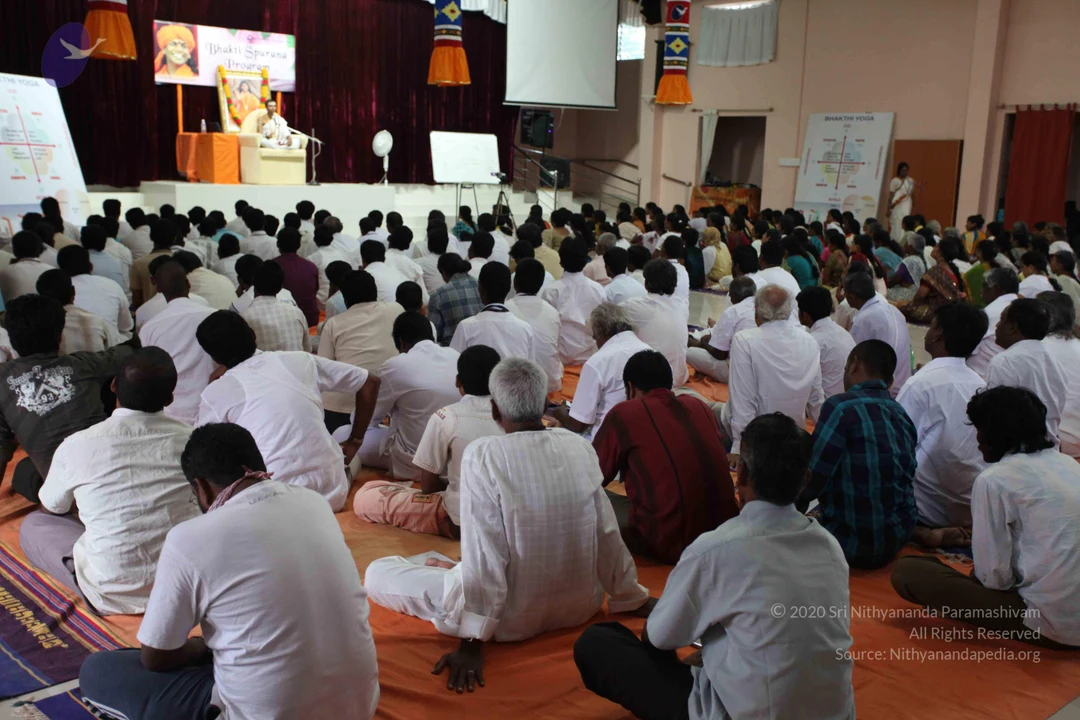
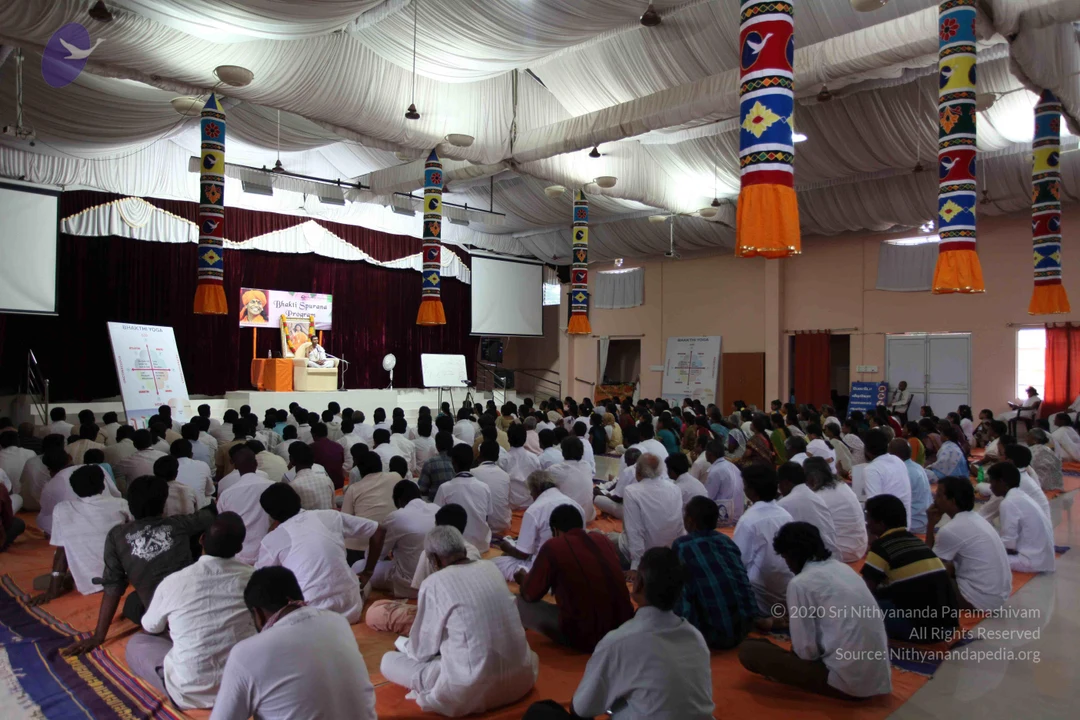
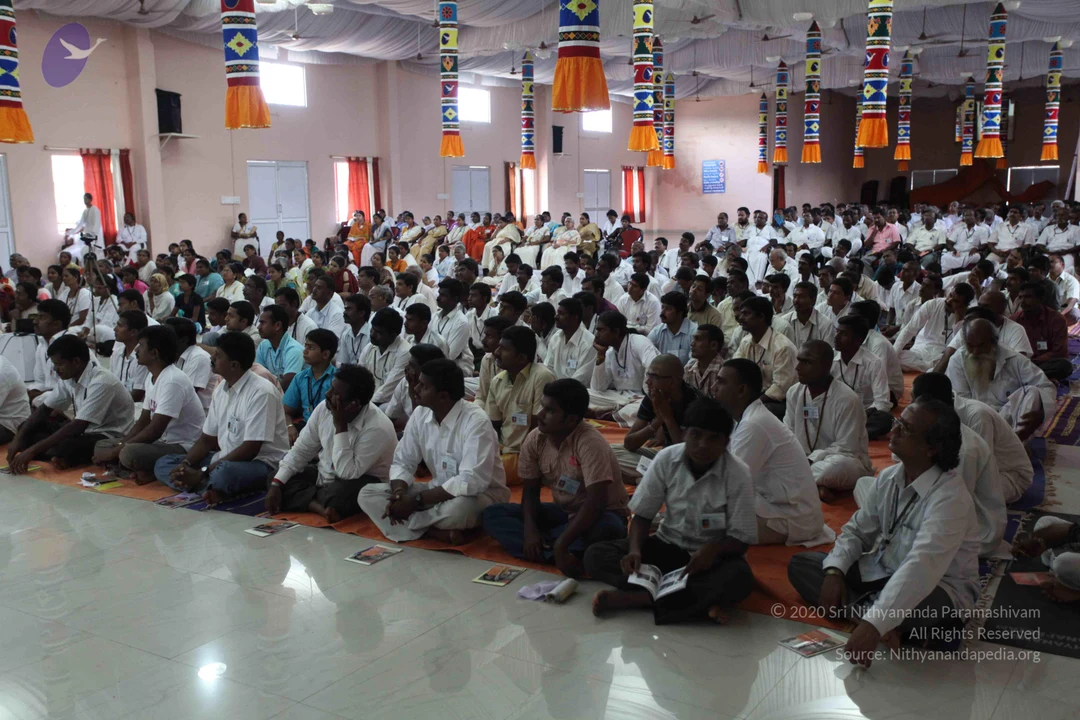
02-BSP
42 dated photos in previewSource gallery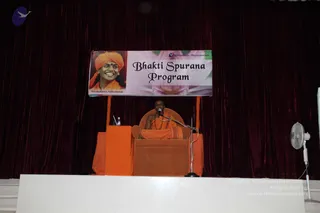
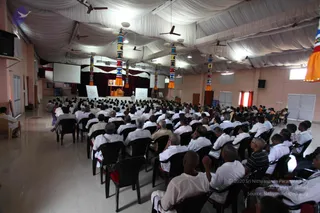
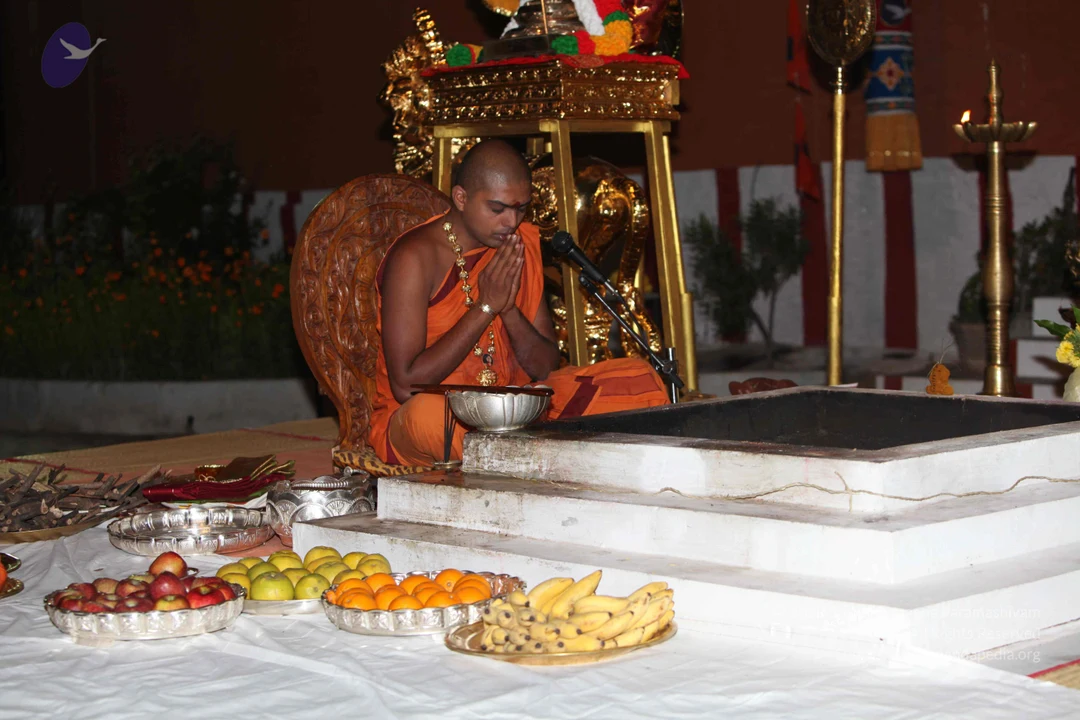
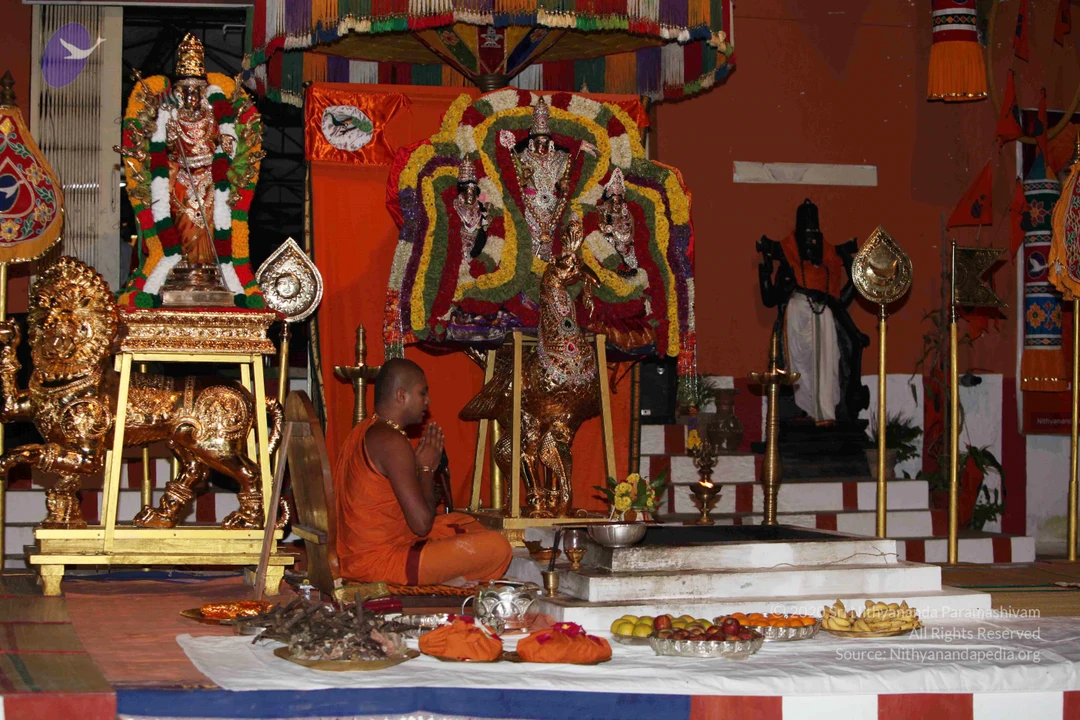
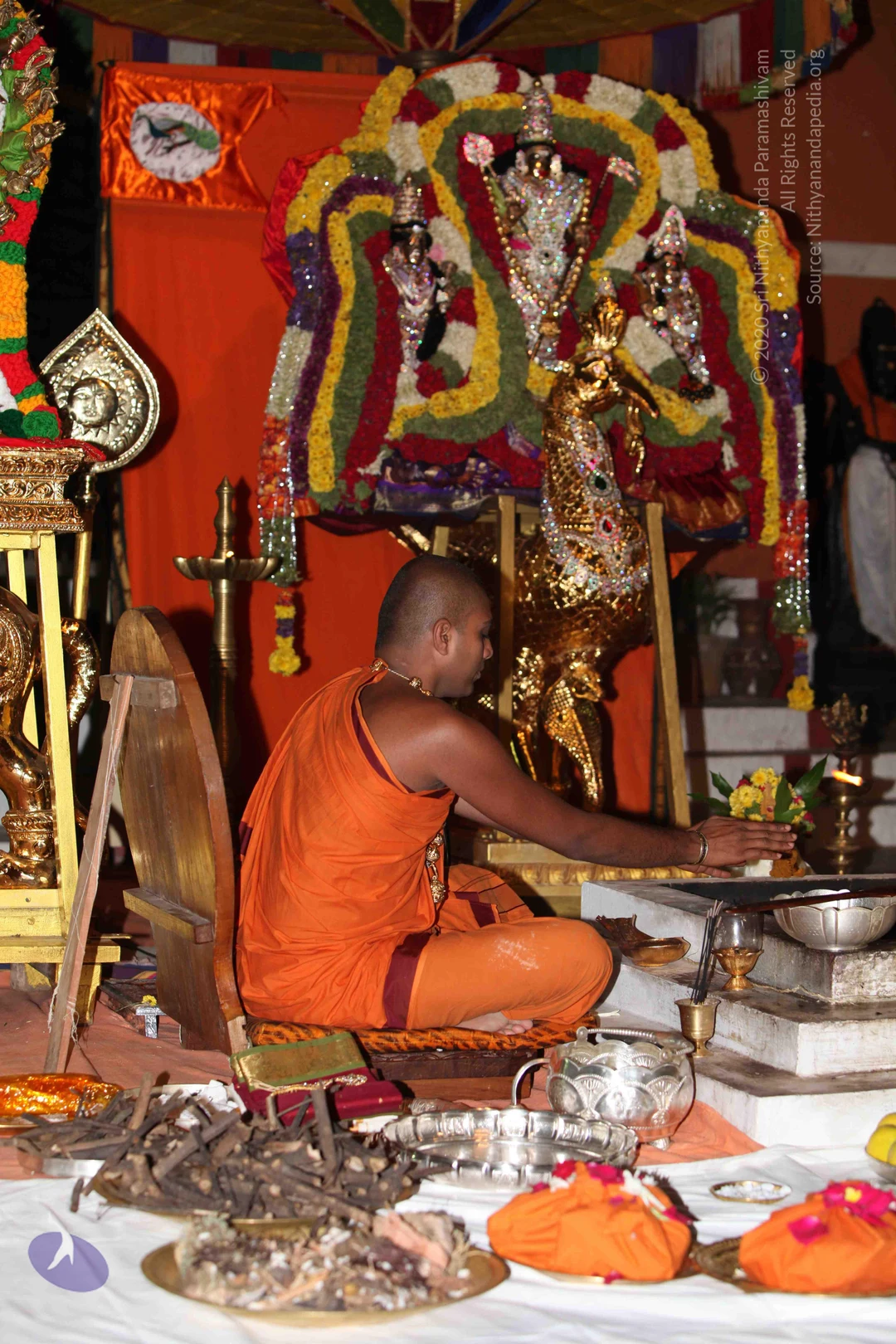
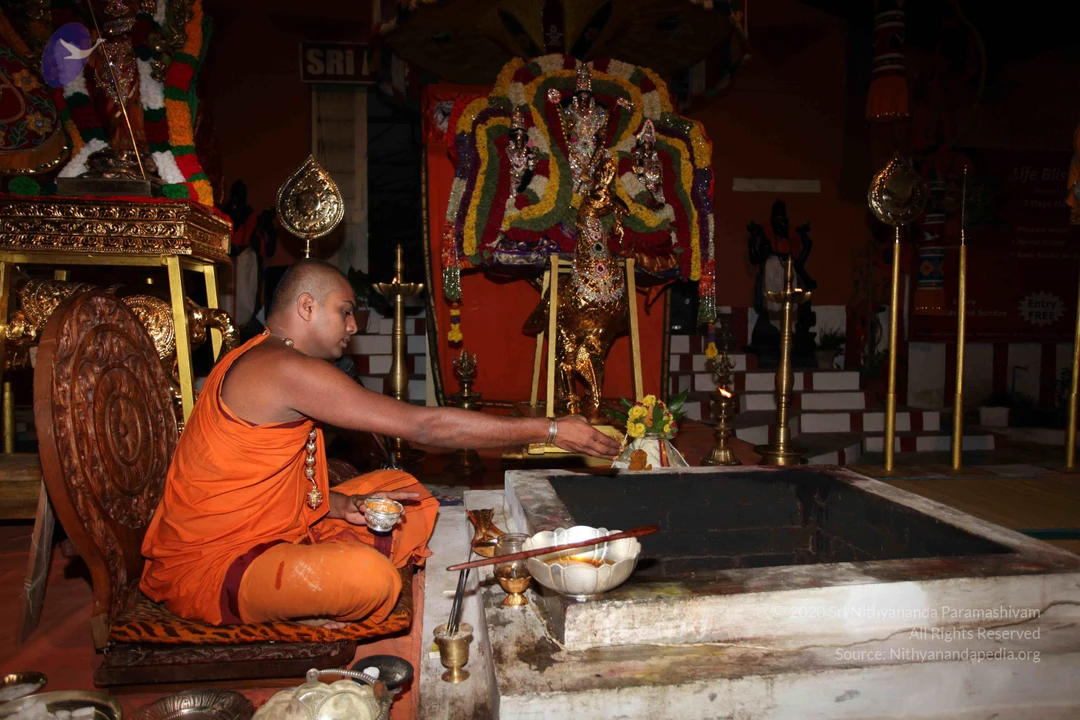
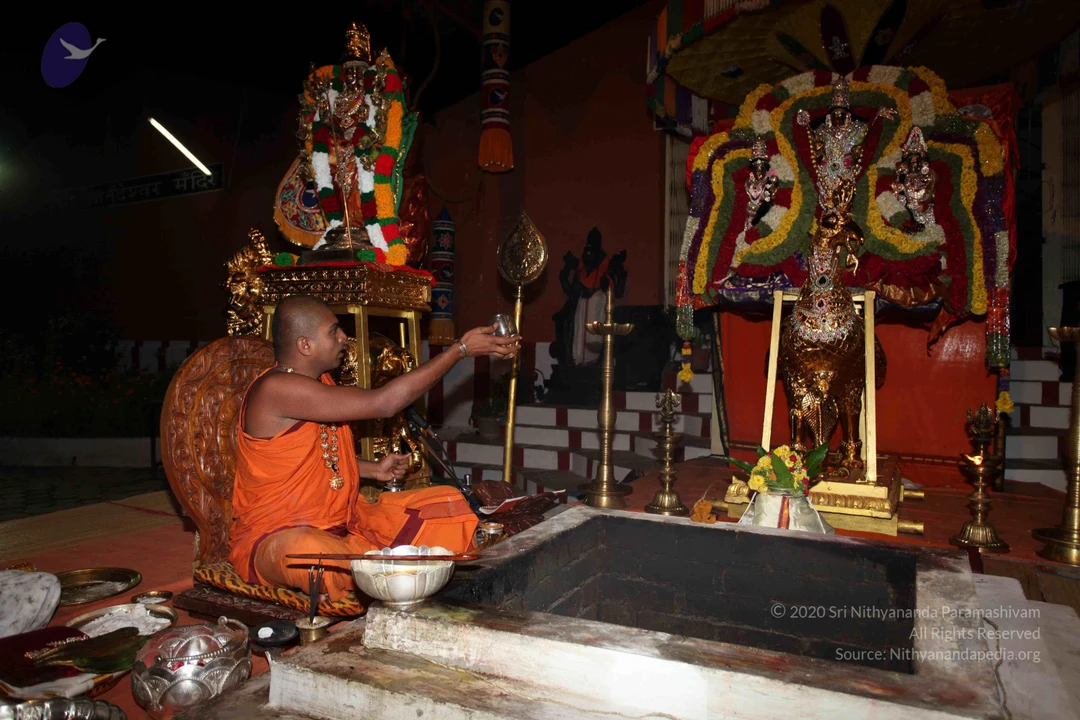
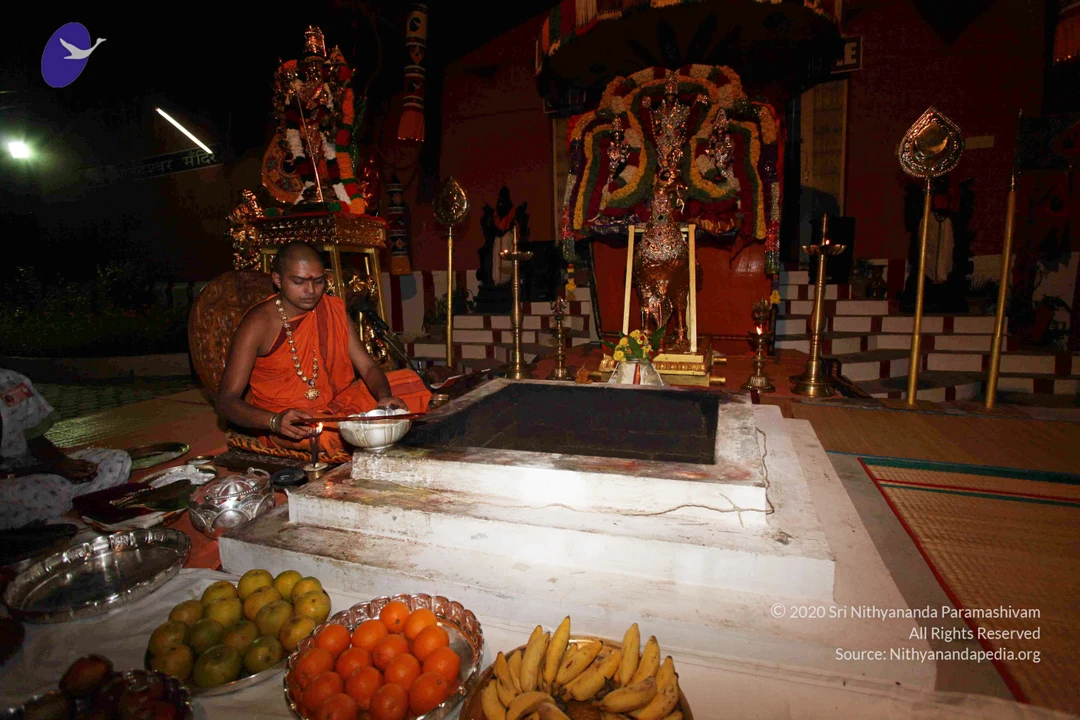
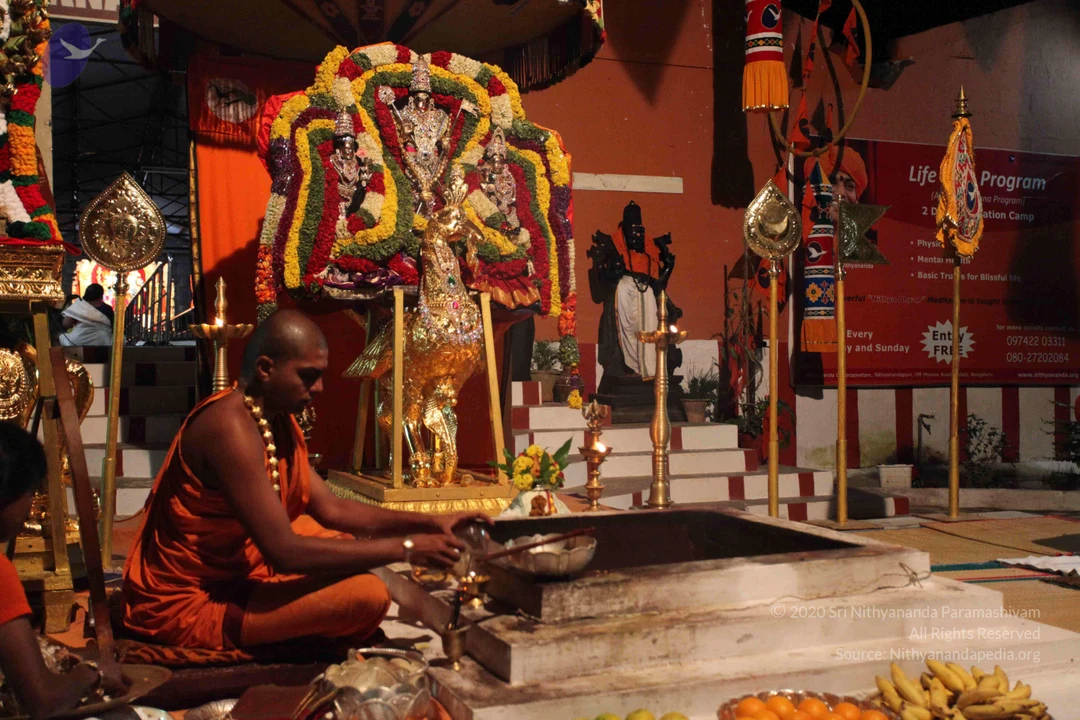
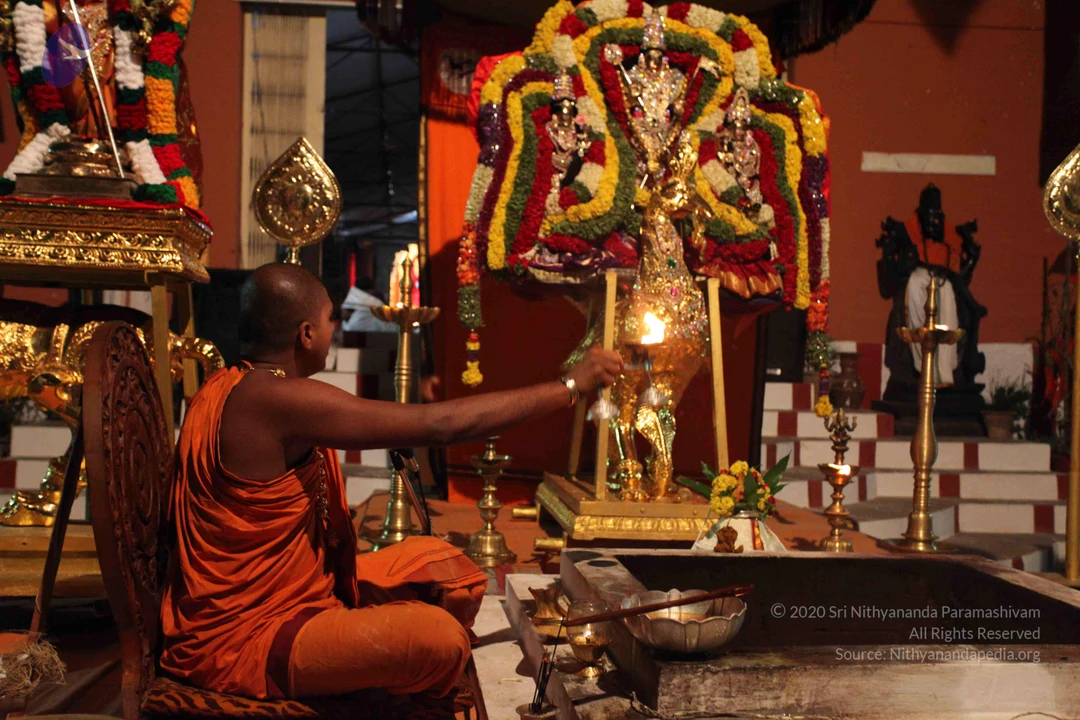
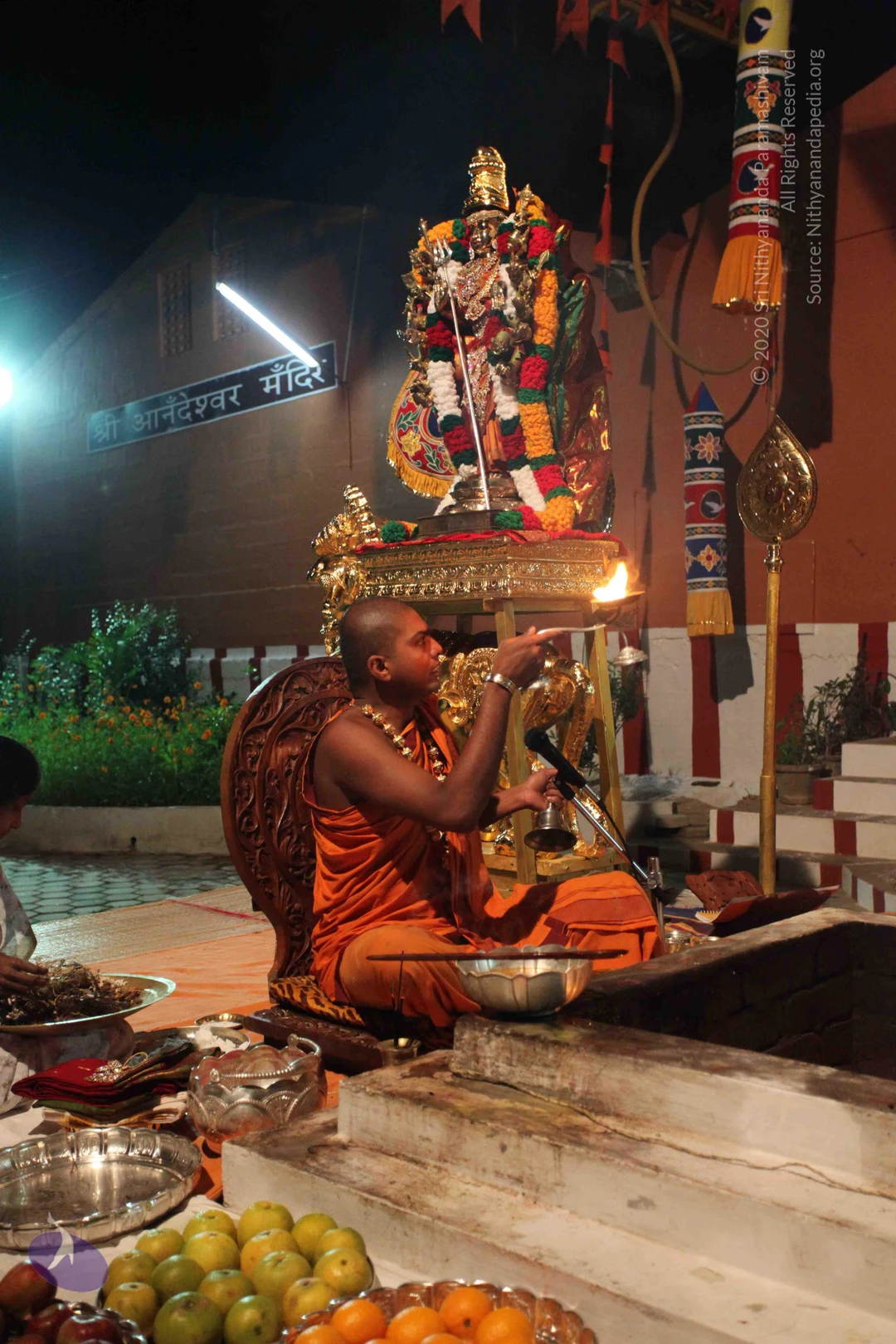
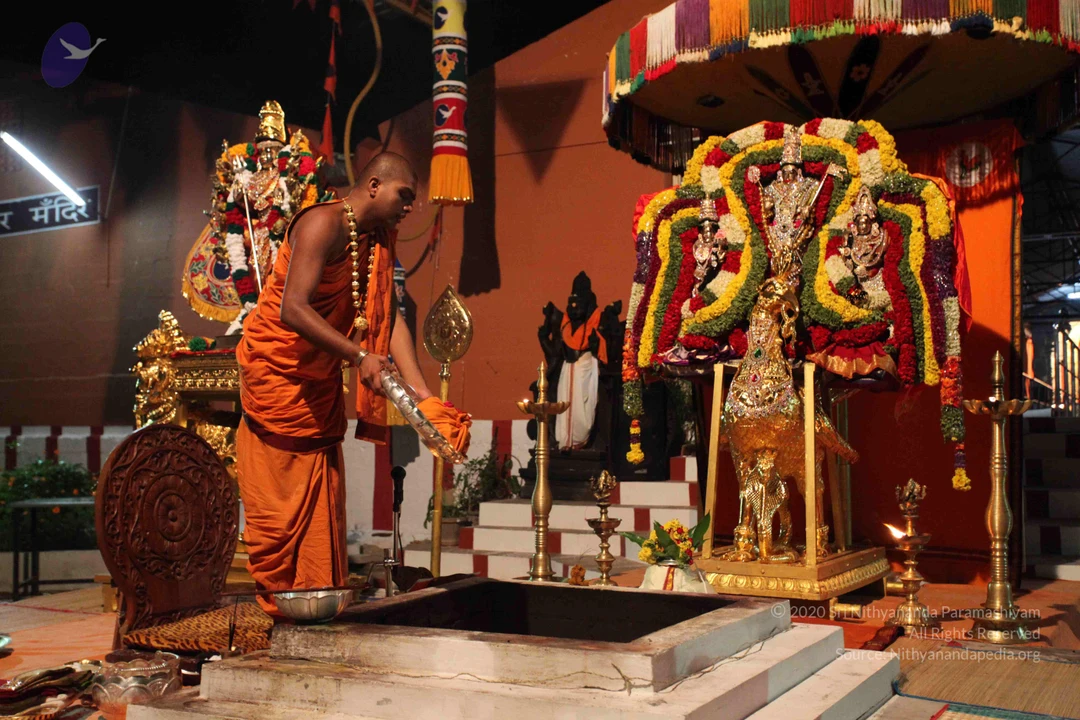
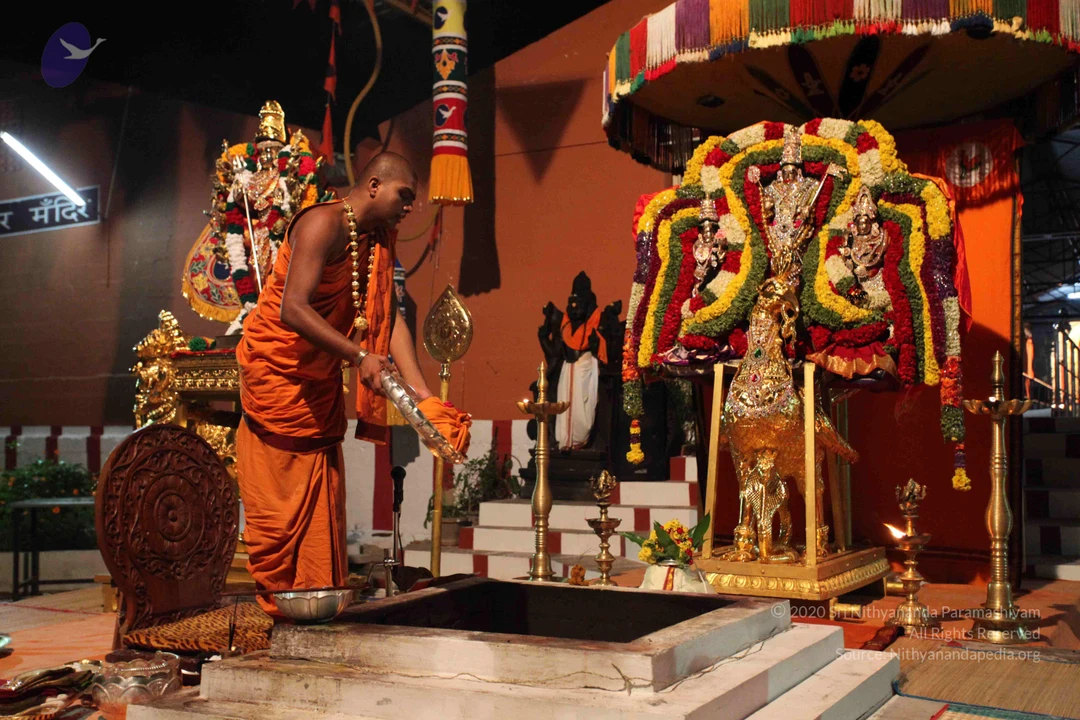
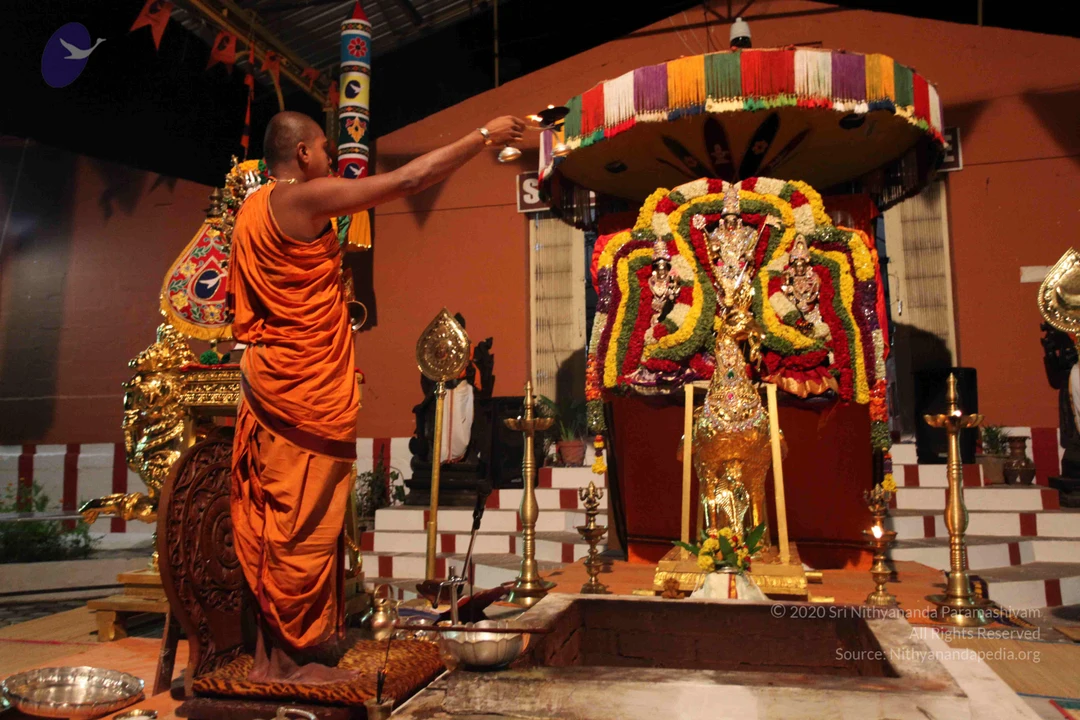
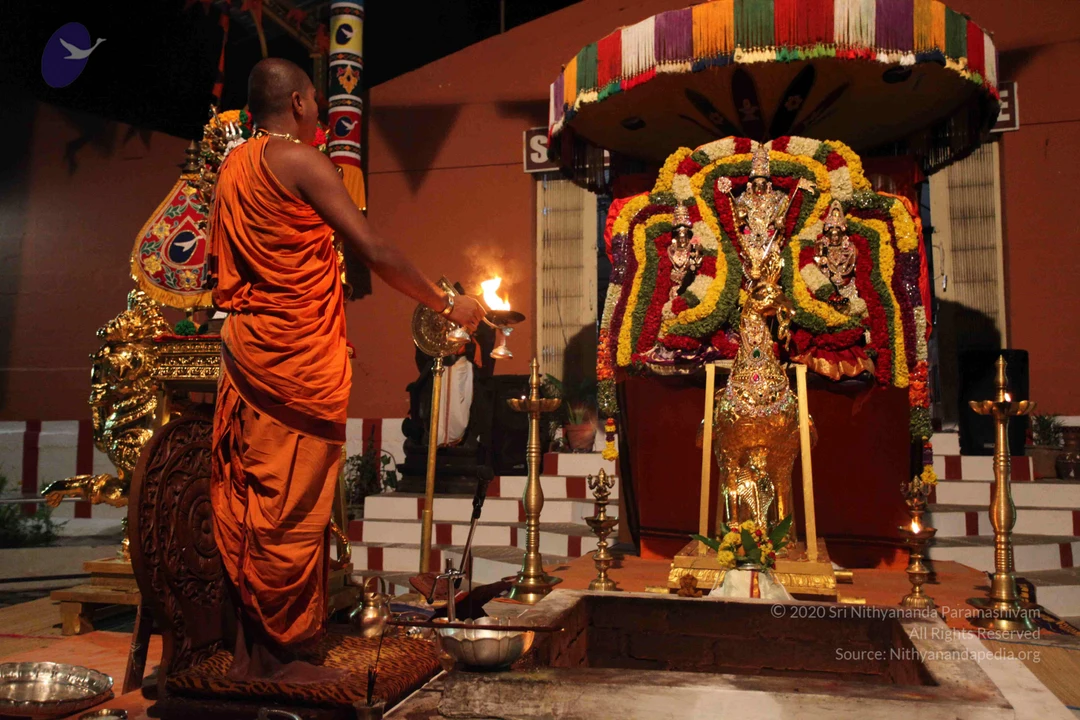
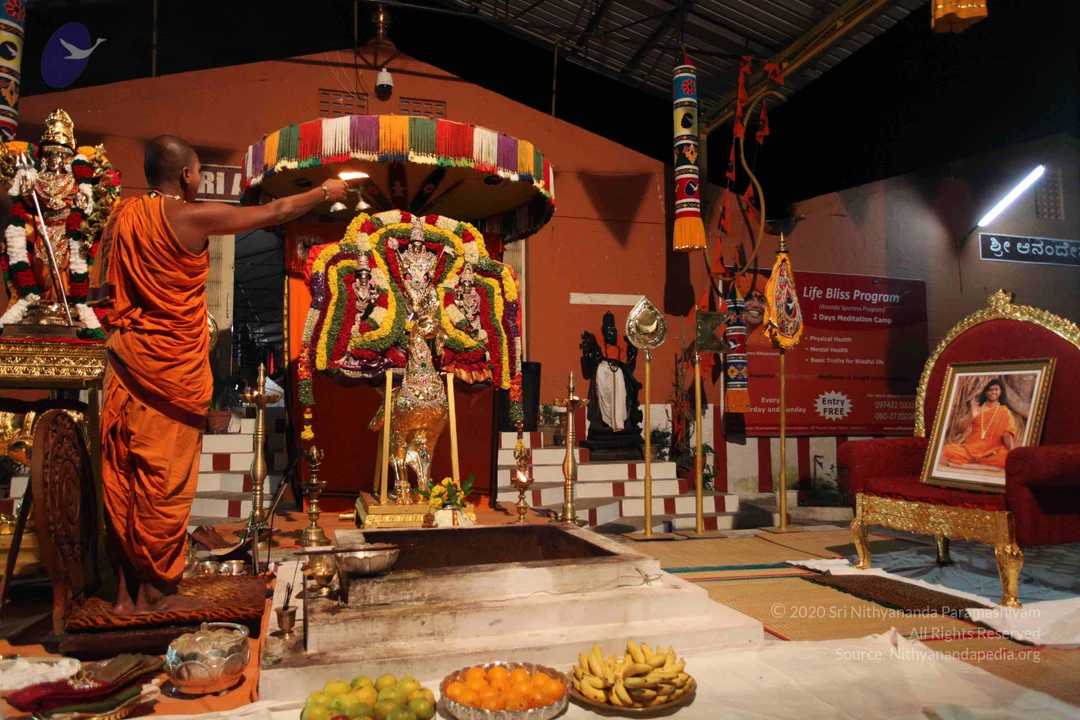
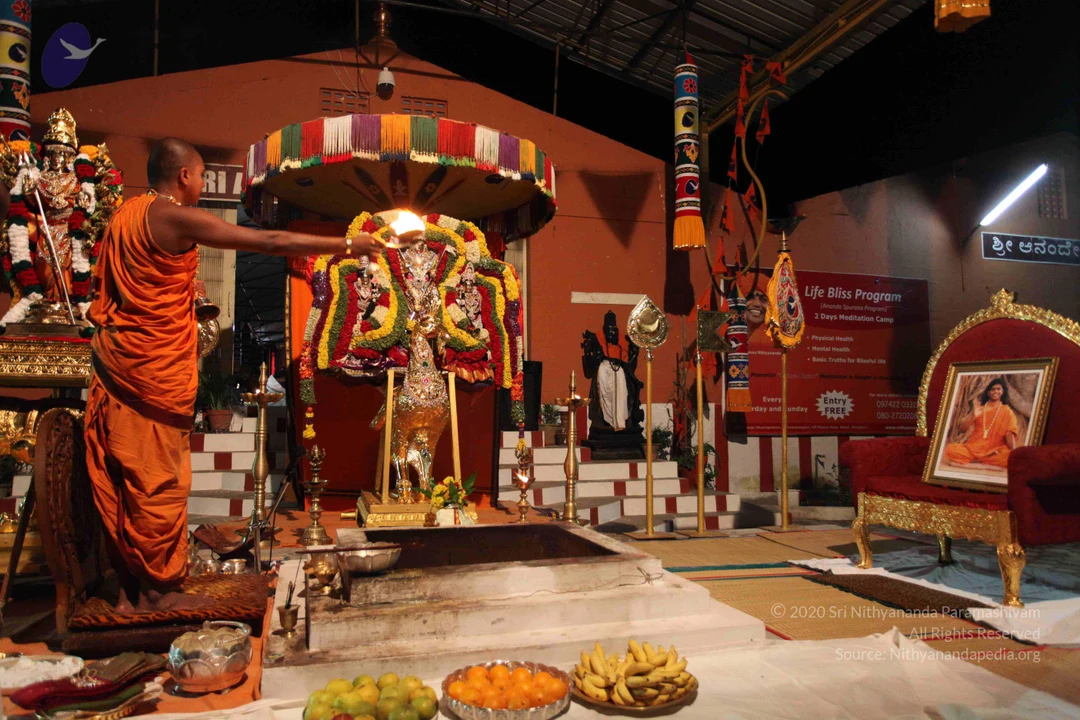
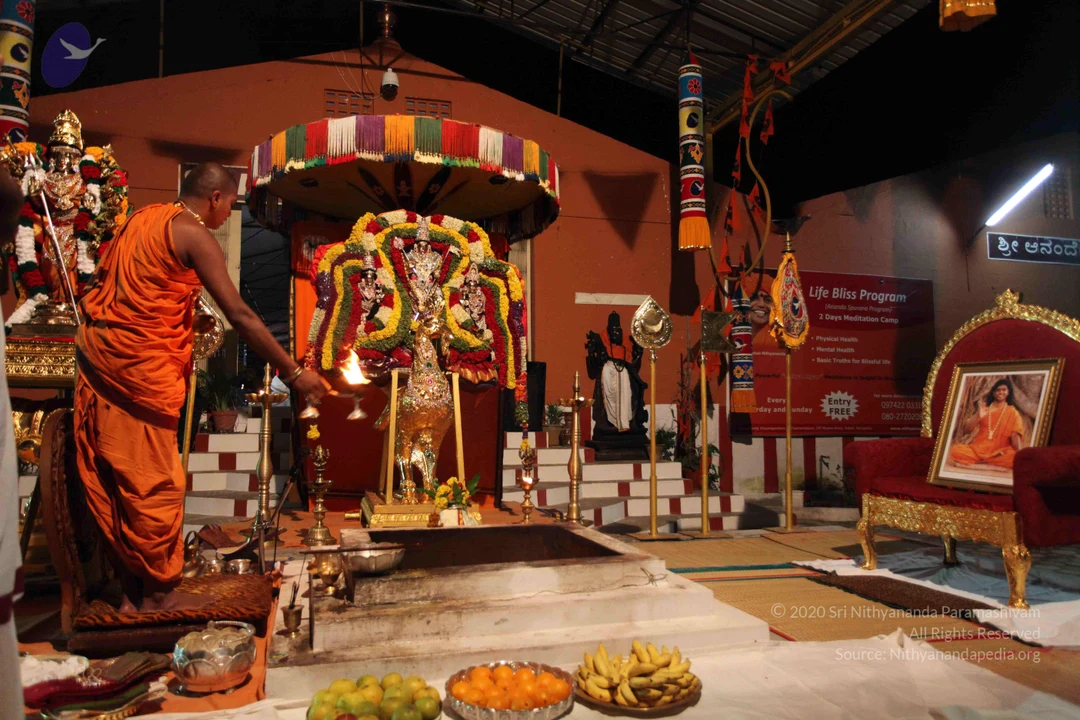
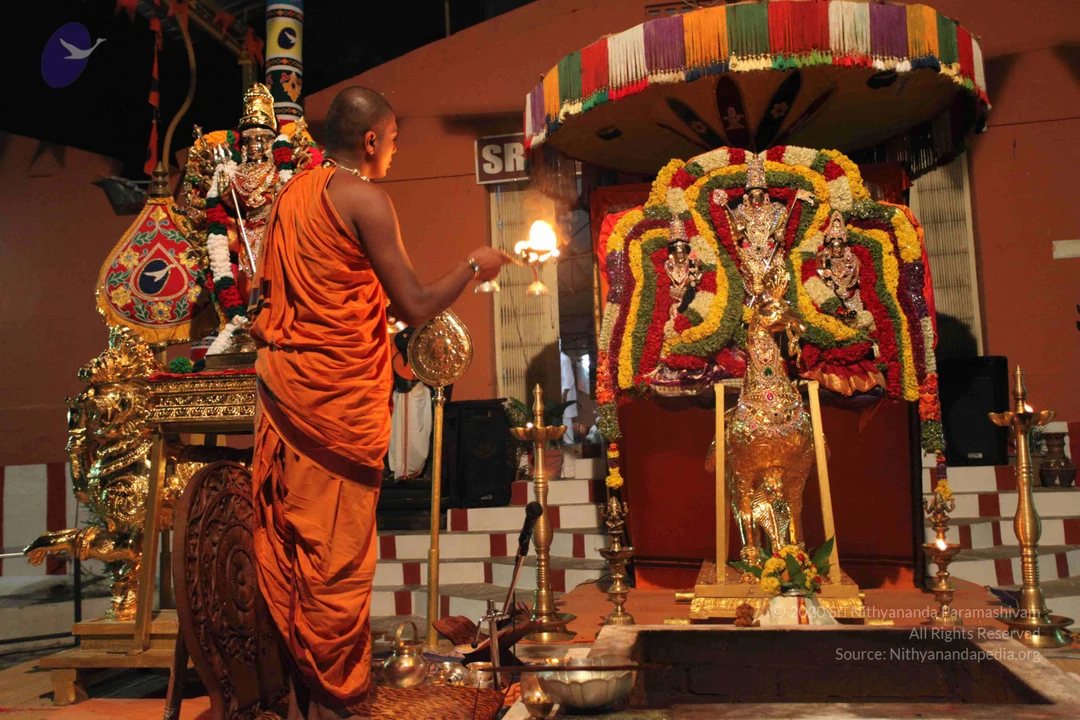
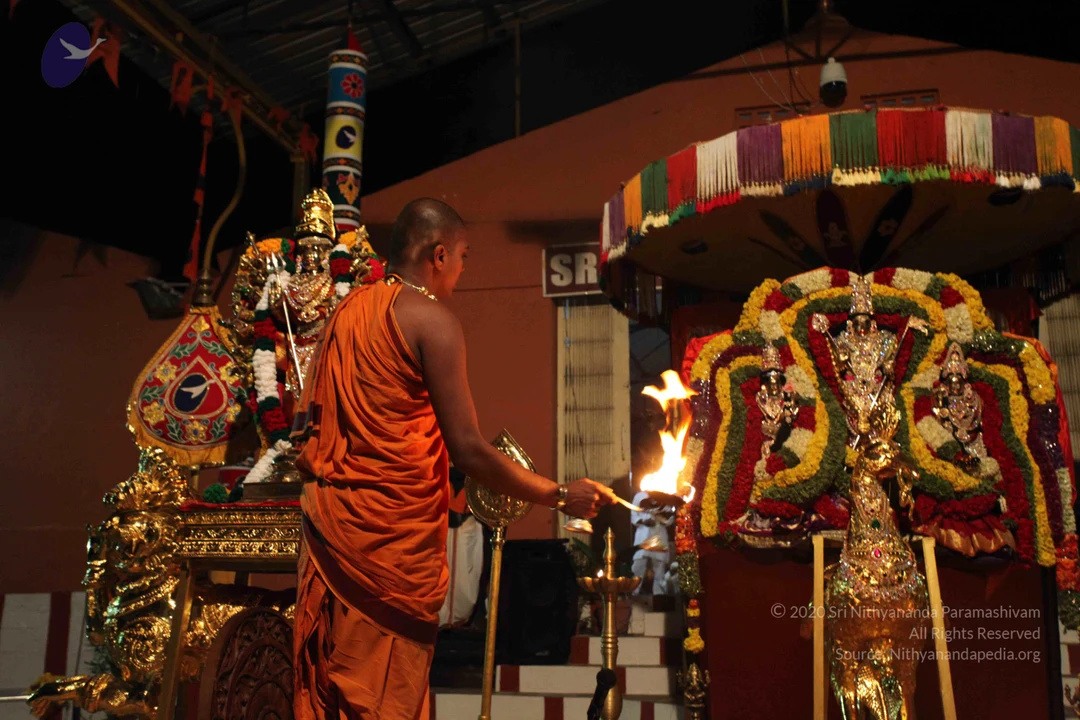
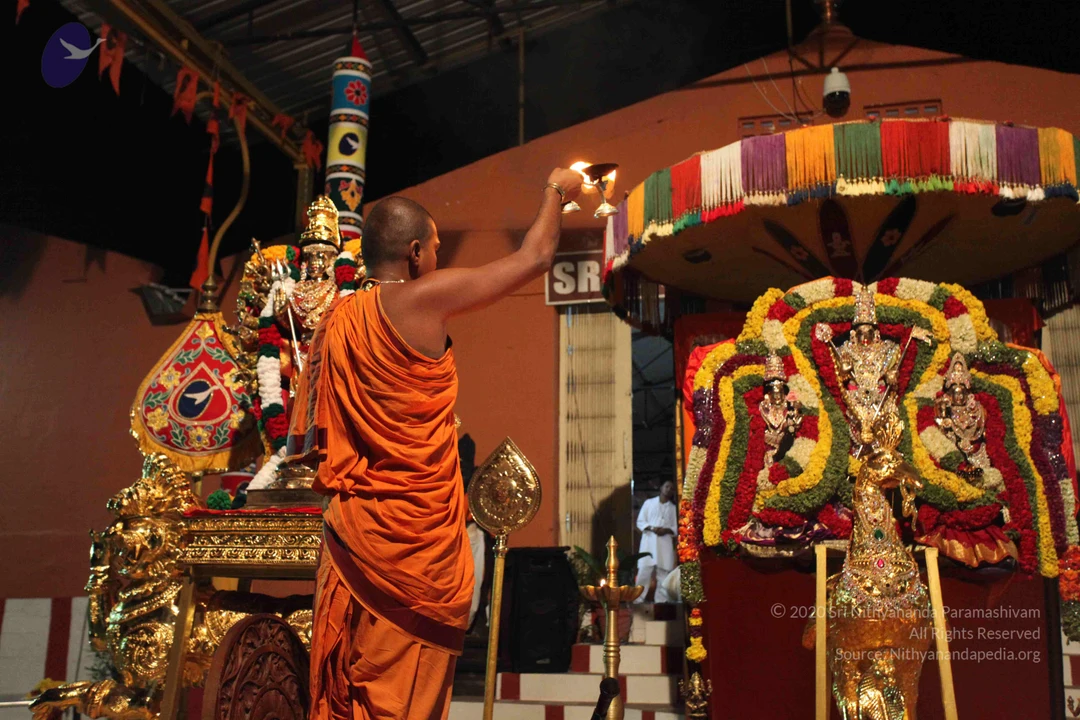
03-Evening-Homa
100 dated photos in previewSource gallery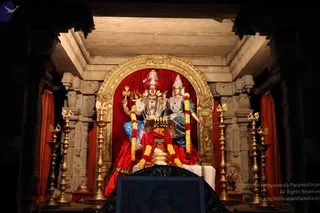
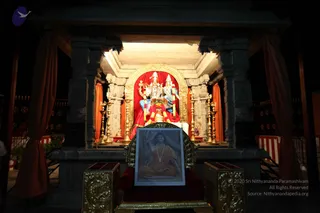
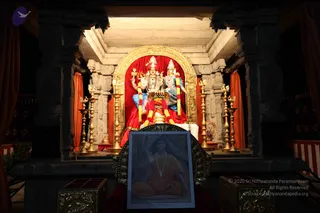
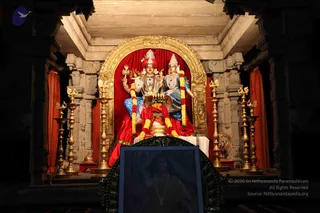
November 09 2010
81 photosView allOpen the full photo collection to see this set.
November 09 2010
Original wiki pageContents
Title
Bhakti: The Ultimate Esctacy (2010 November 09) - Nithyananda Morning Satsang Message
Narration
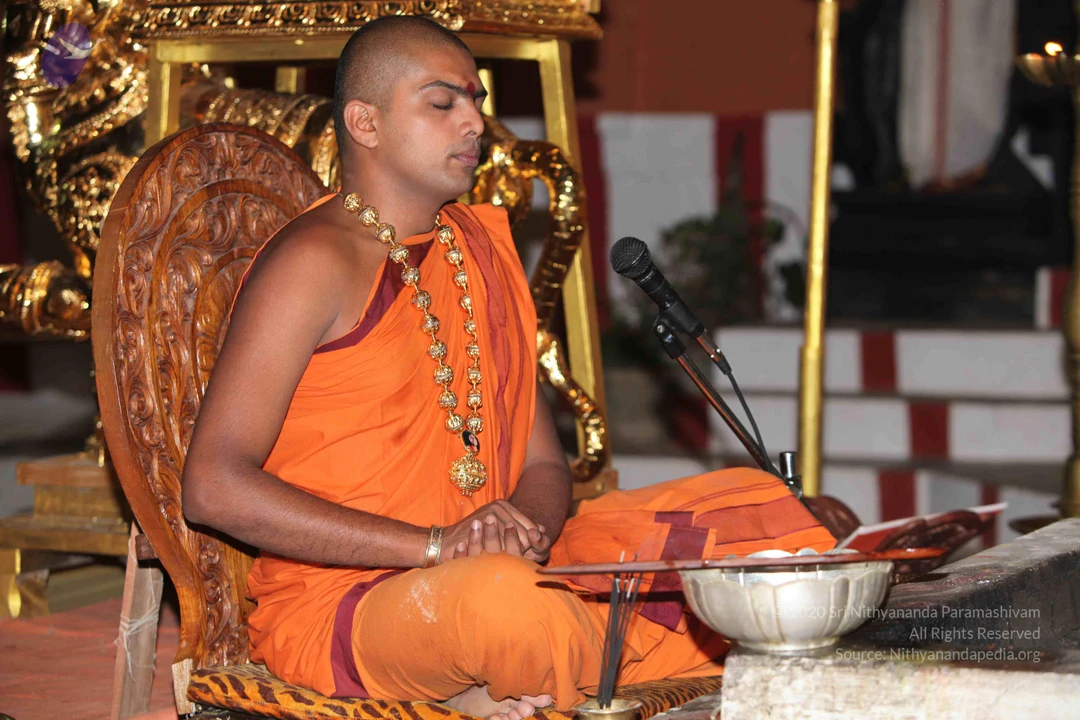
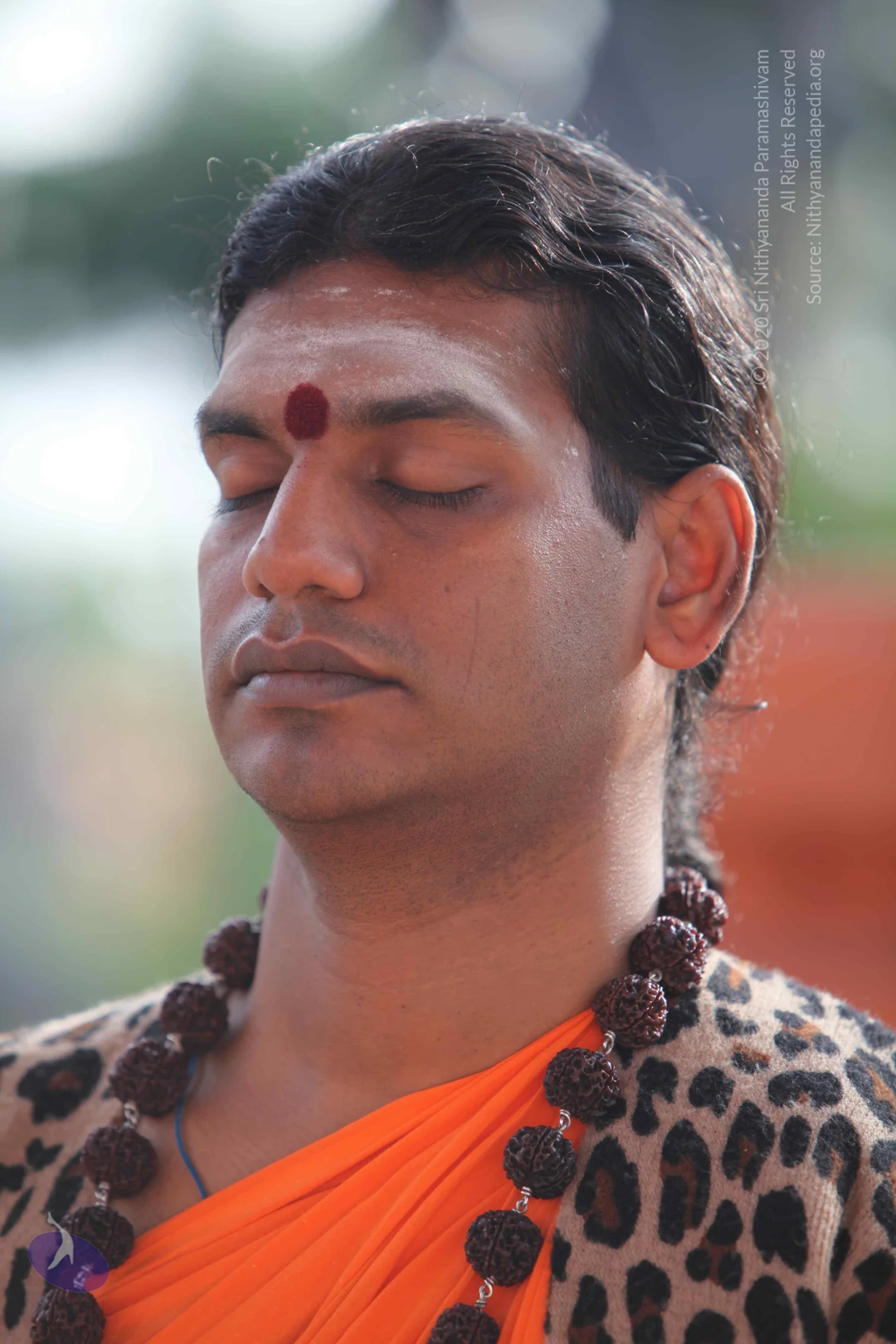
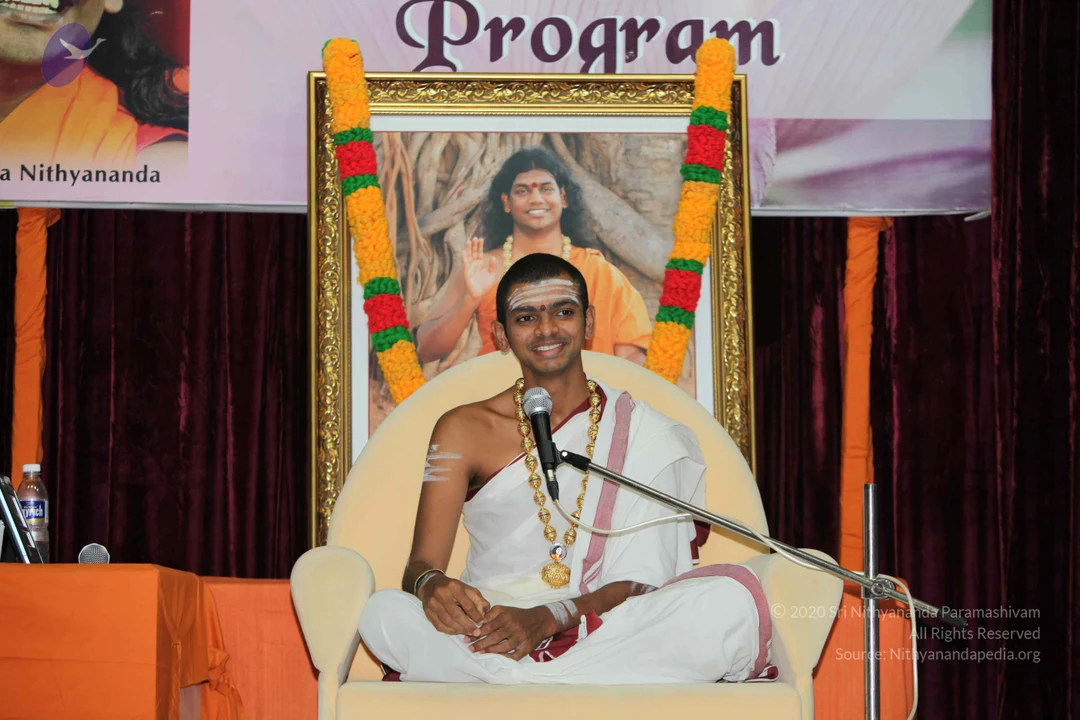
The Supreme Pontiff of Hinduism, Jagatguru Mahasannidhanam, His Divine Holiness, Bhagavan Nithyananda Paramashivam, expounded on the Cosmic Principles of Bhakti during the everyday live public talk - Nithyananda Satsang. In this talk entitled Bhakti: The Ultimate Ecstasy (2010 November 09) - Nithyananda Morning Satsang Message, His Divine Holiness (HDH) shared that He spent the whole night in Samadhi contemplating on the boundary between Sacred Sentiment and science. After meditating, His Divine Holiness found that all sacred sentiments are science and all science is sacred sentiment and it s just a verbal game. He expounded that the theory of gravitation and theory of Levitation is one and the same and equally truthful and equally lie. Between the scientific community and spiritual community there is no gap. One distinction is that sacred sentiments are based on Co-existence and this makes a difference in the economy and in moral support in India. His Divine Holiness informed the delegates that just because we don’t understand a sacred sentiment doesn’t mean its foolishness. He concluded by giving to delegates the sacred sentiment the Gopis had for Krishna, where they cursed Brahma for giving them eyelids that stopped their gaze of the Divine.
Video
Bhakthi: The Ultimate Esctacy (2010 November 09) - Nithyananda Morning Satsang Message
| Video | Audio |
Transcript
Bhakti – The Ultimate Ecstasy
DATE: November 9th 2010
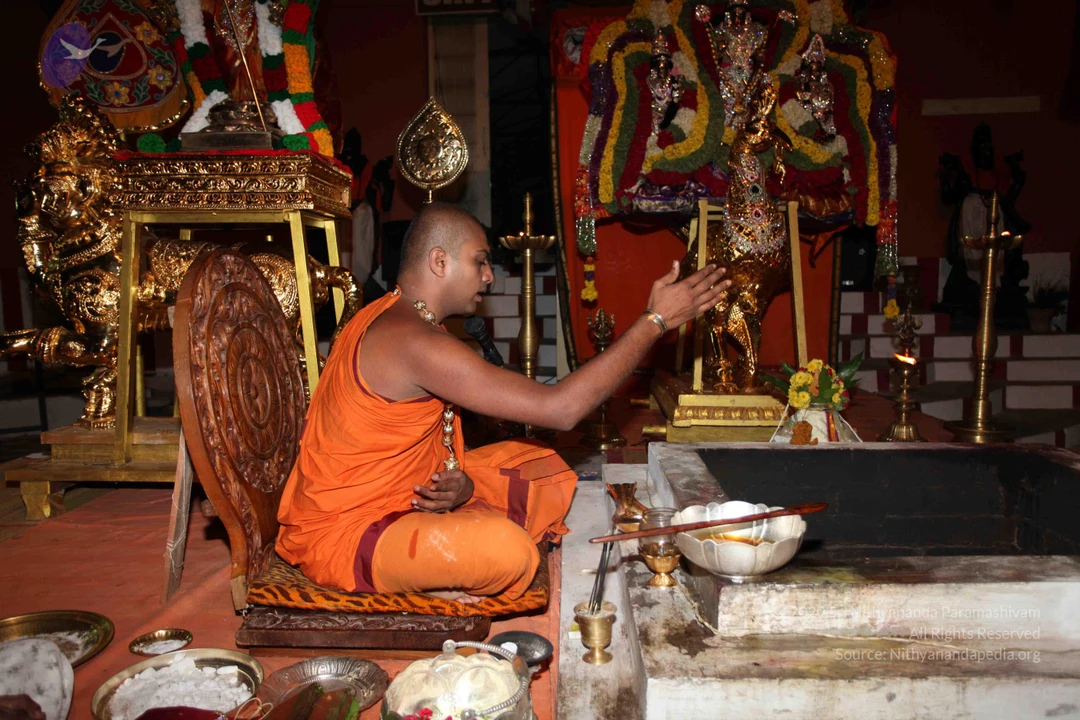
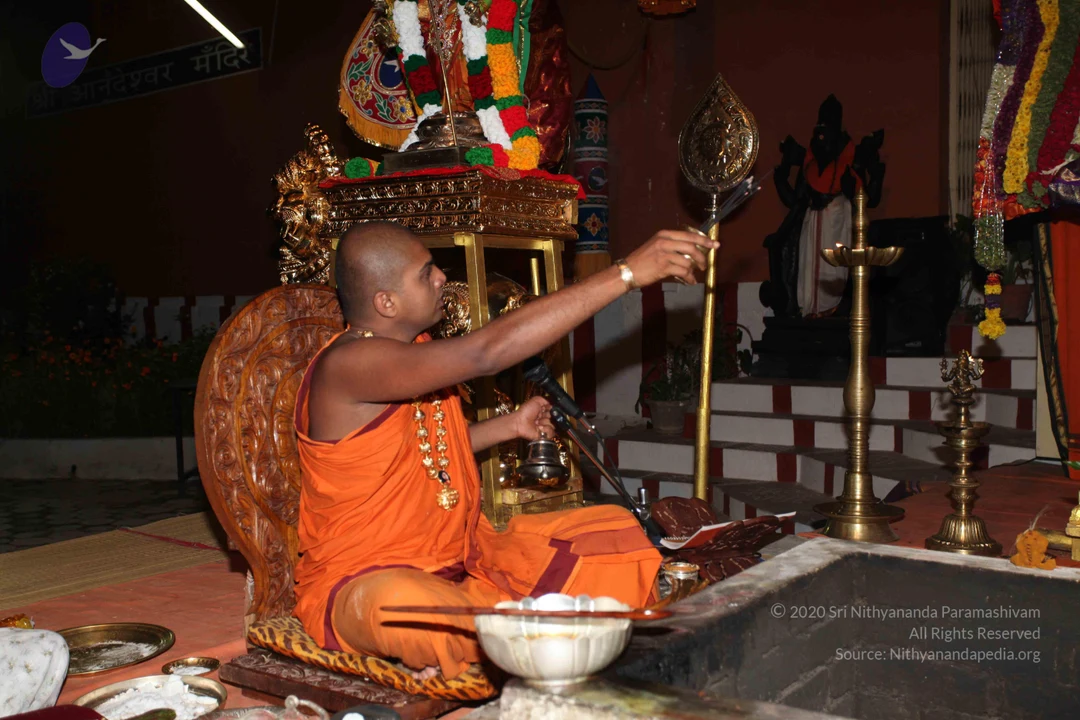
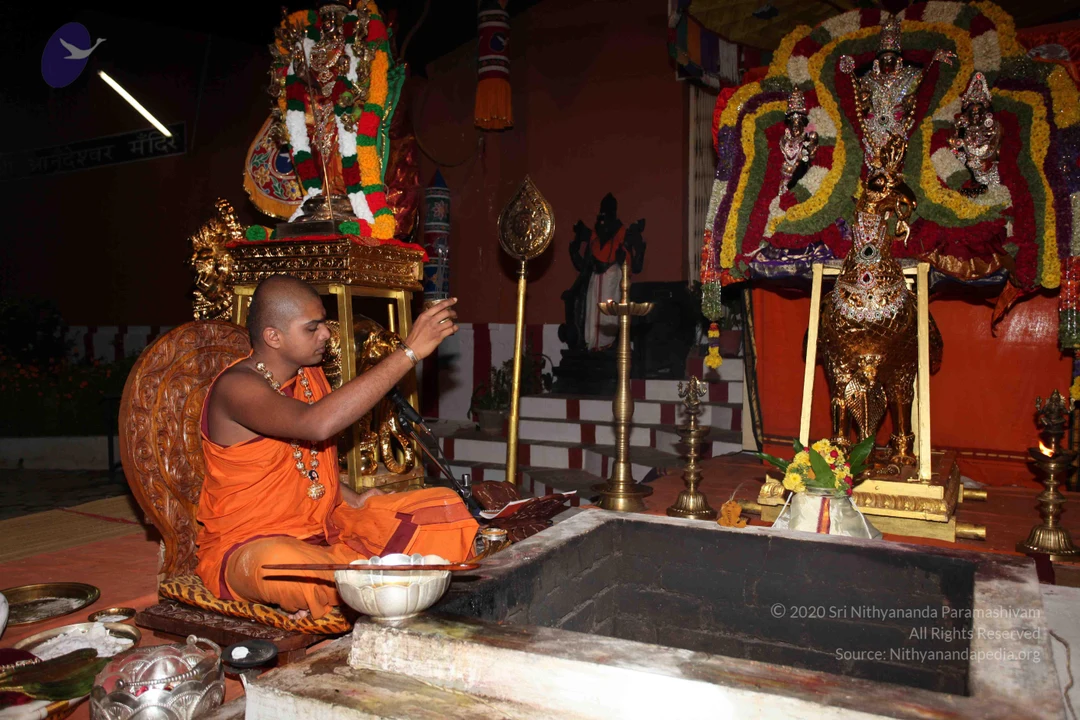
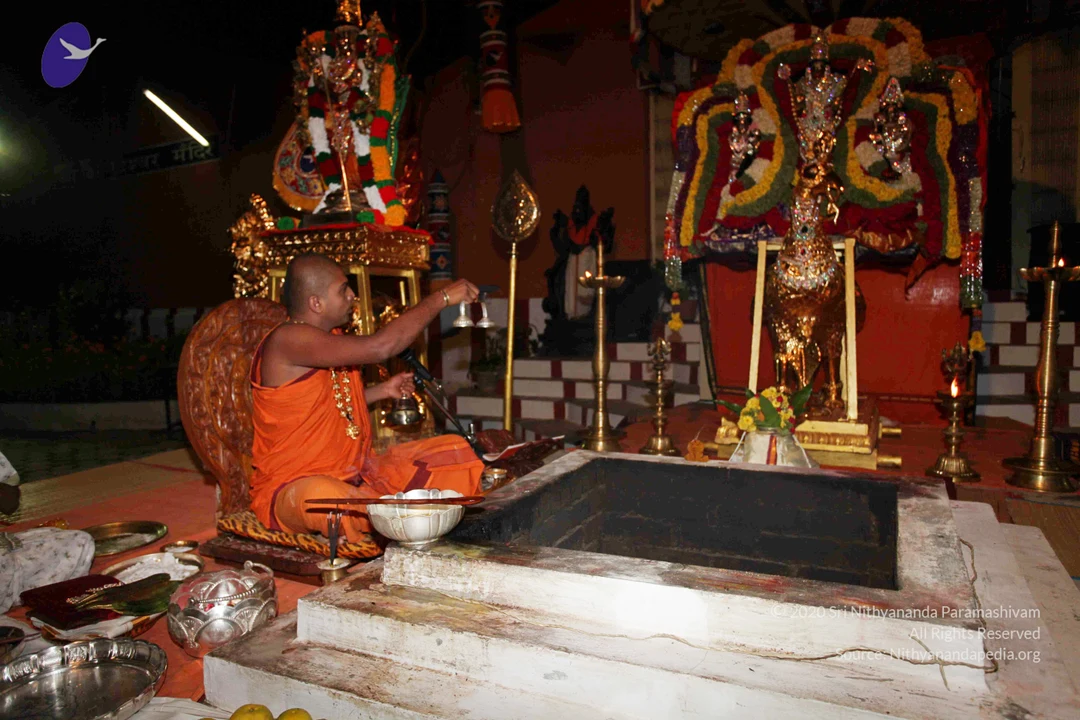
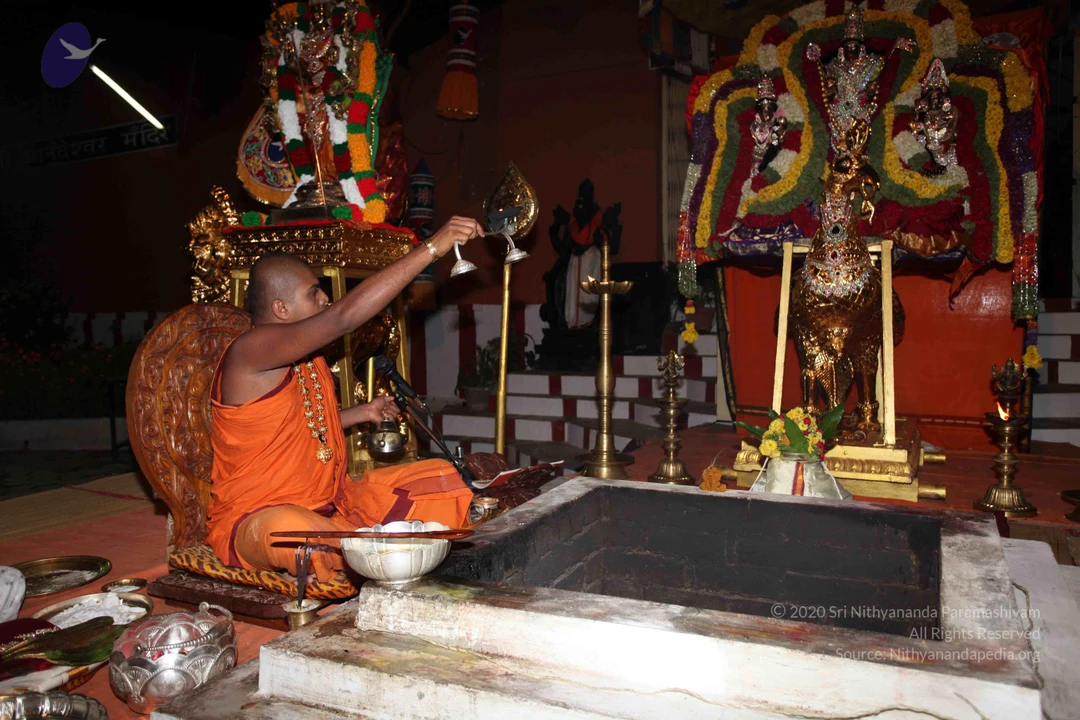
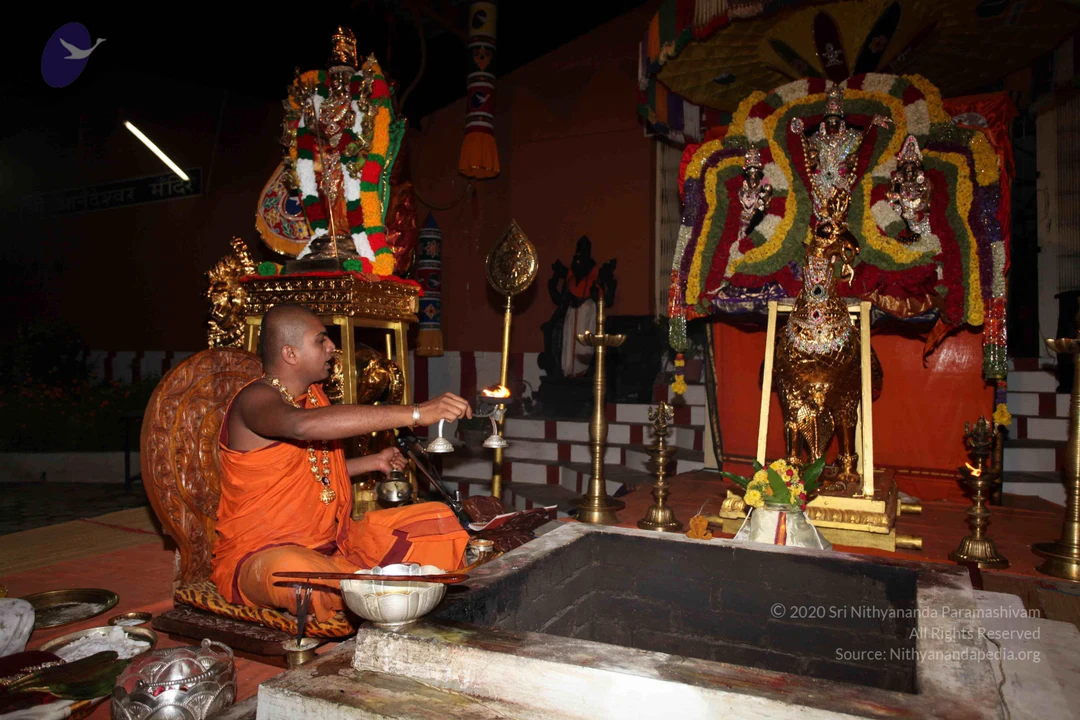
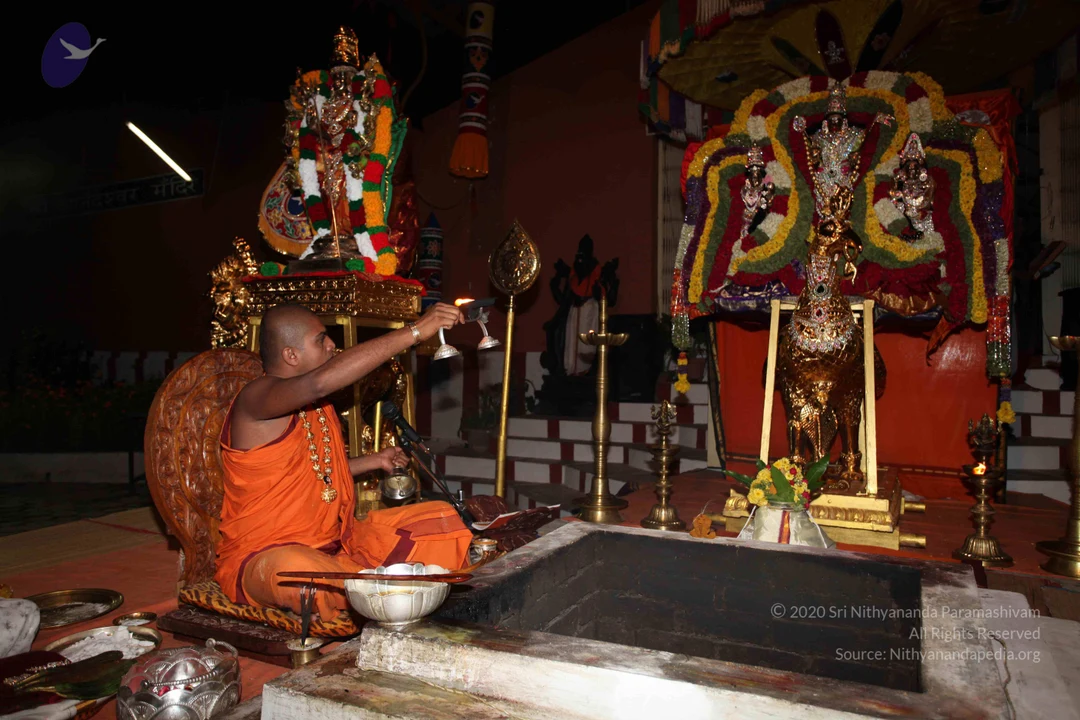
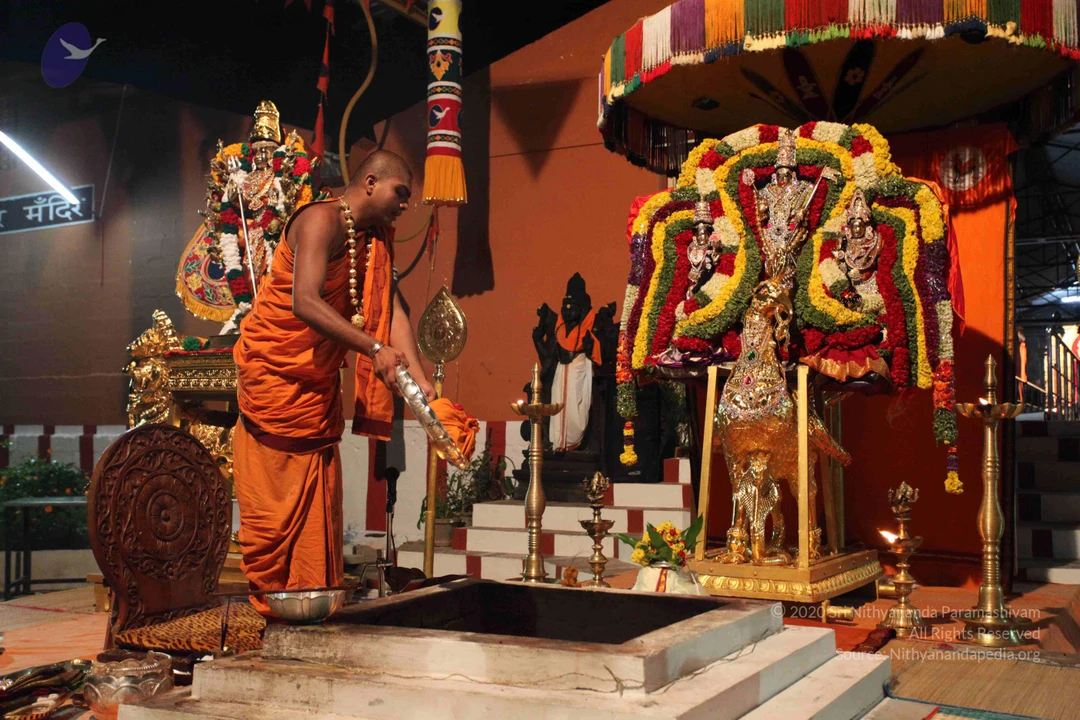
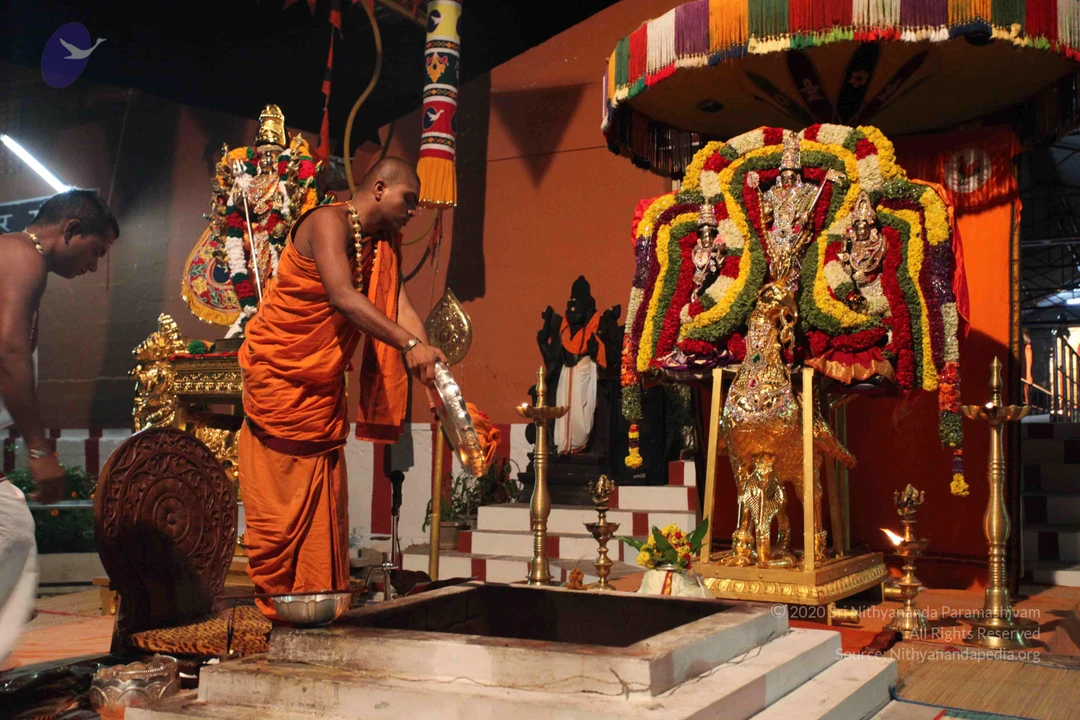
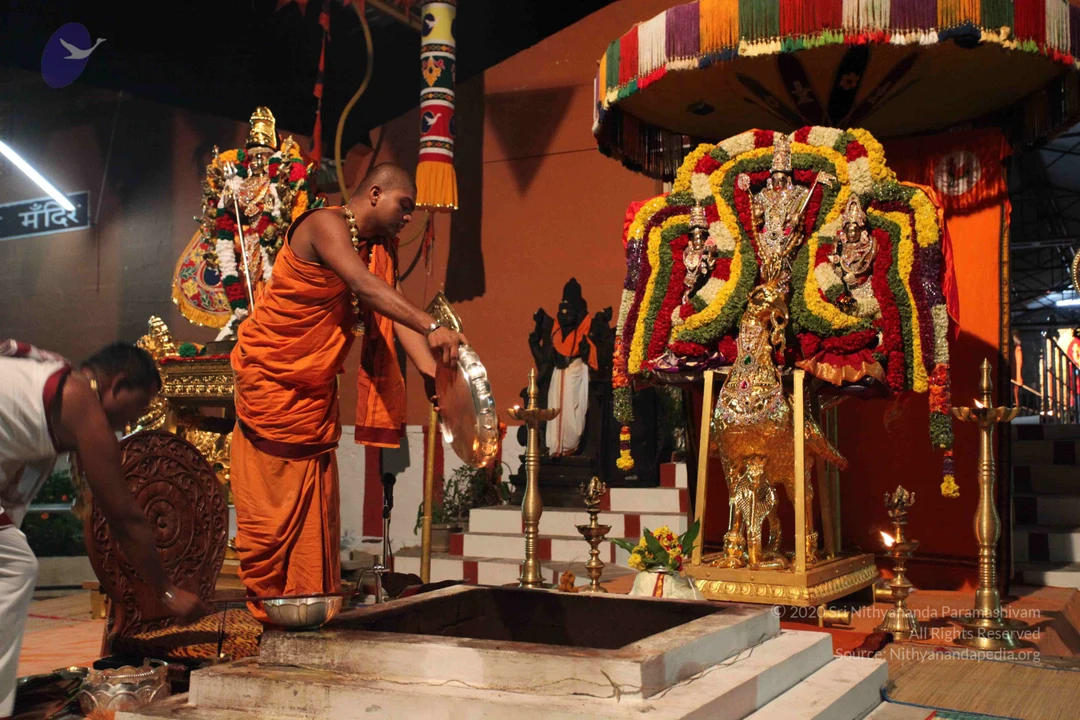
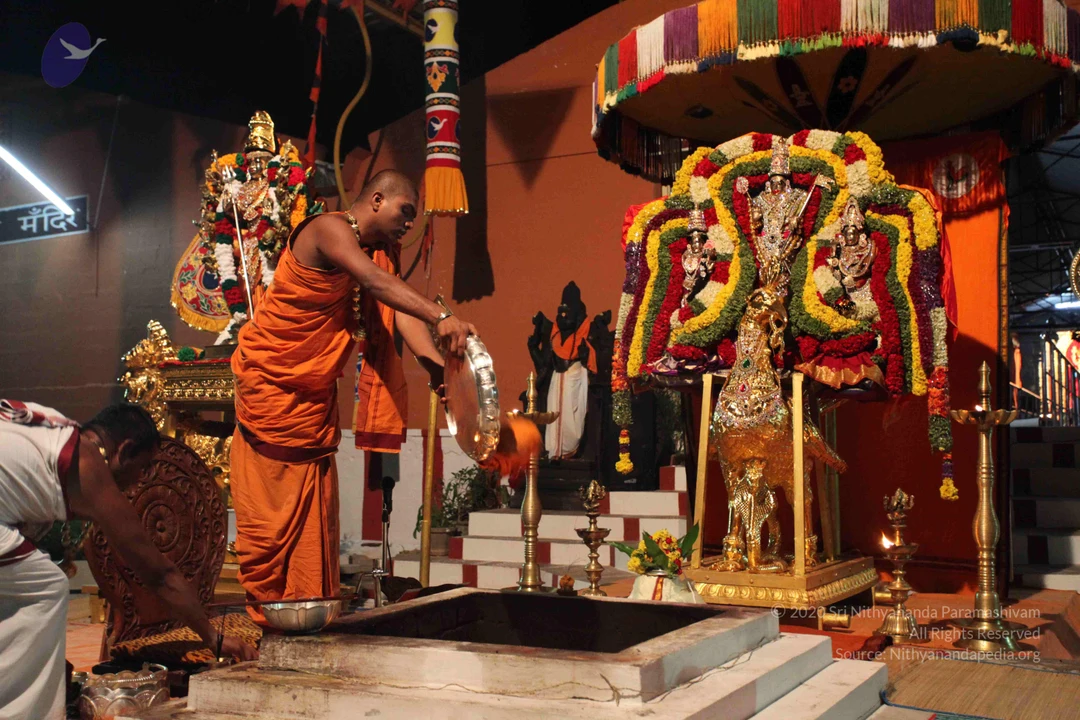
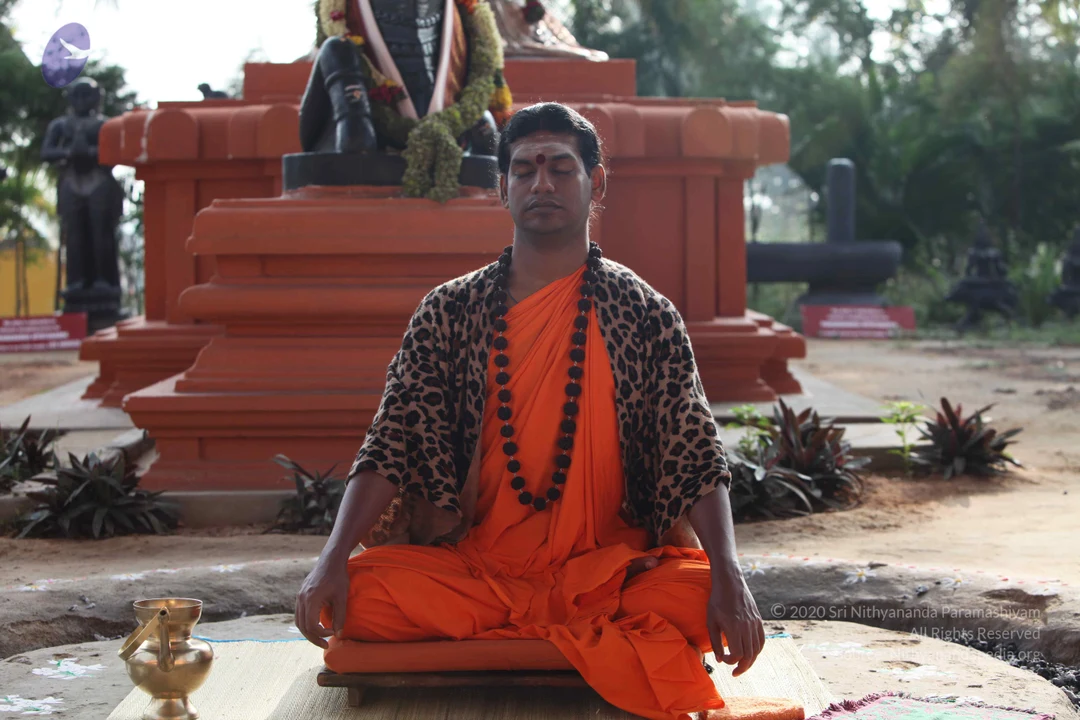
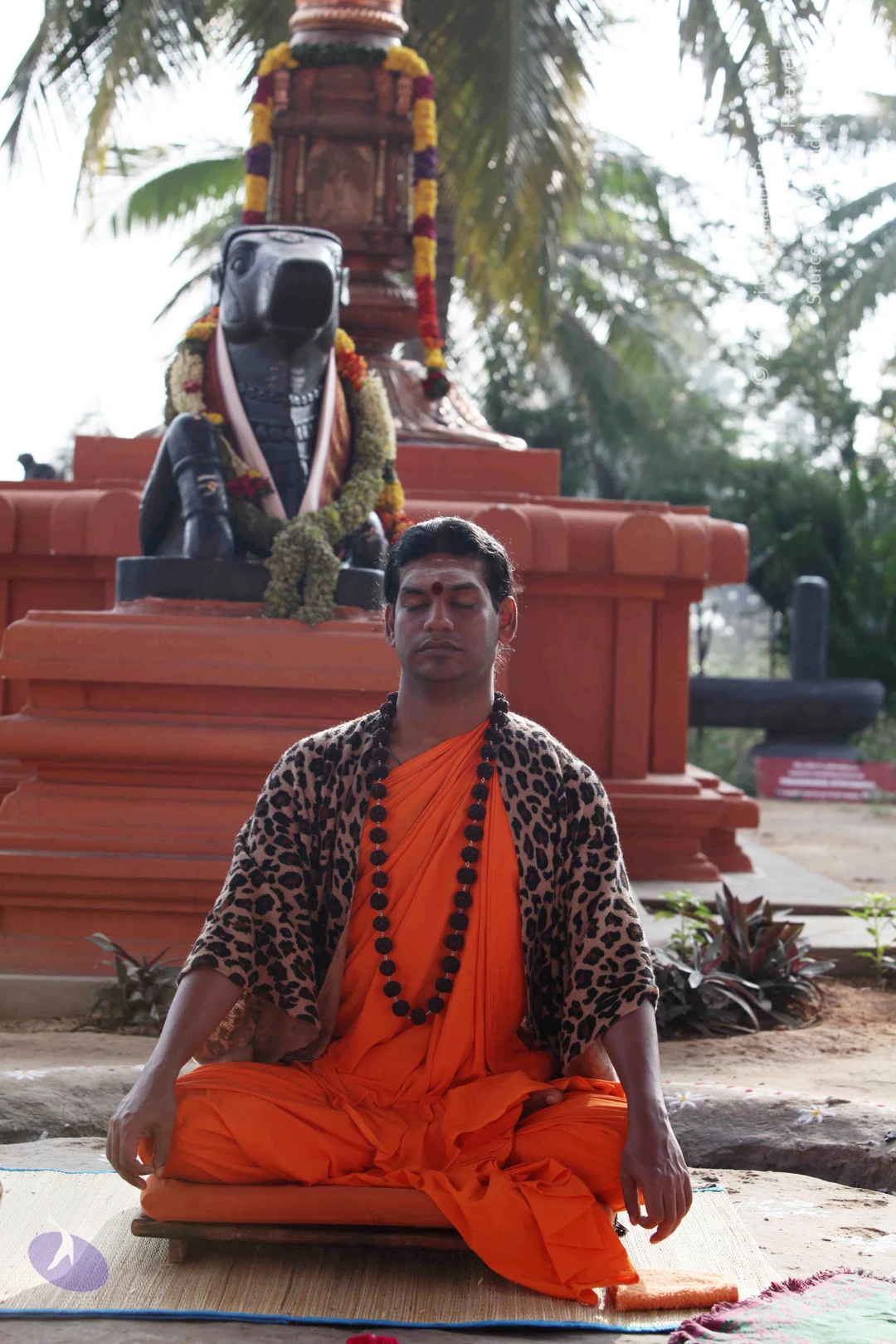
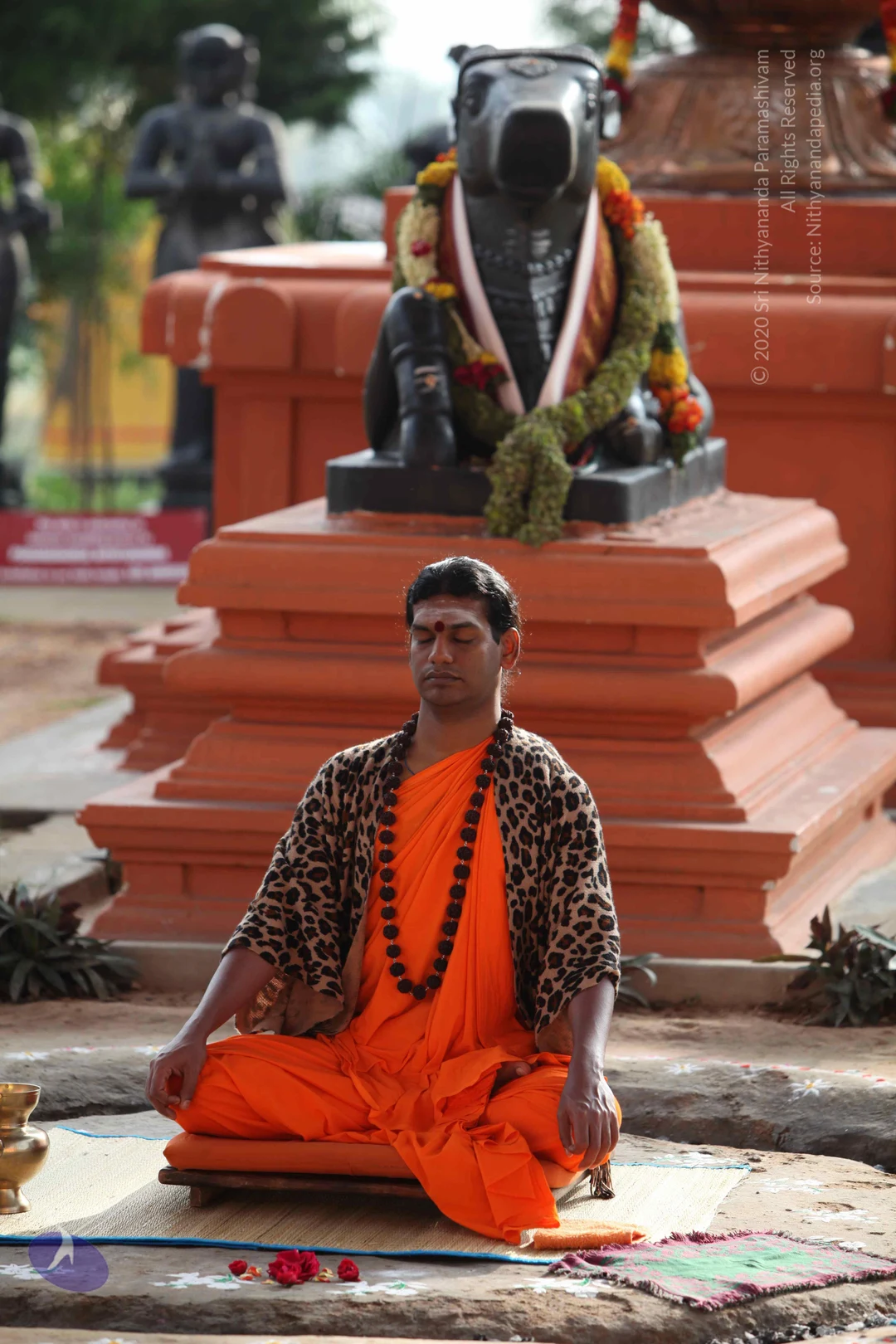
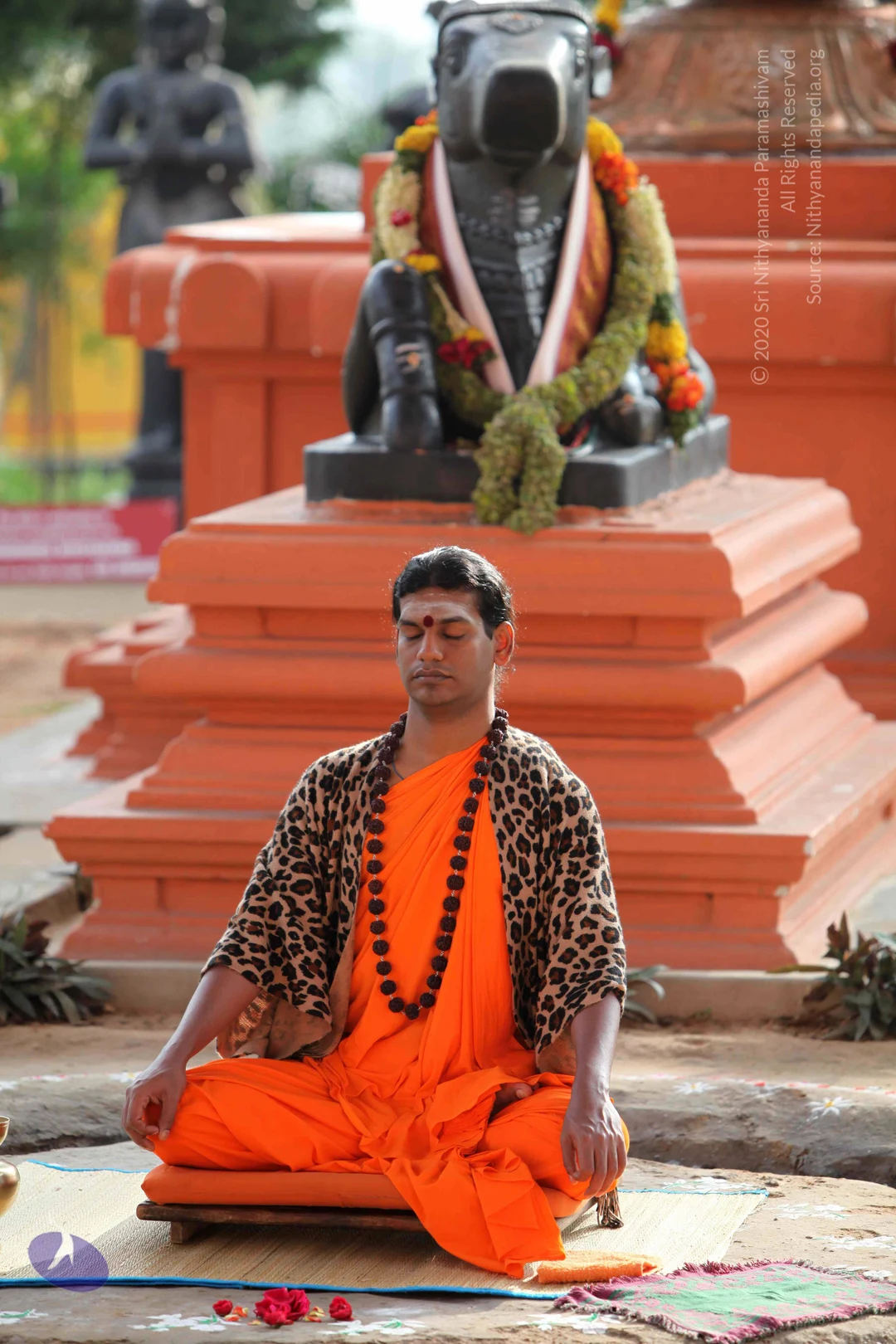
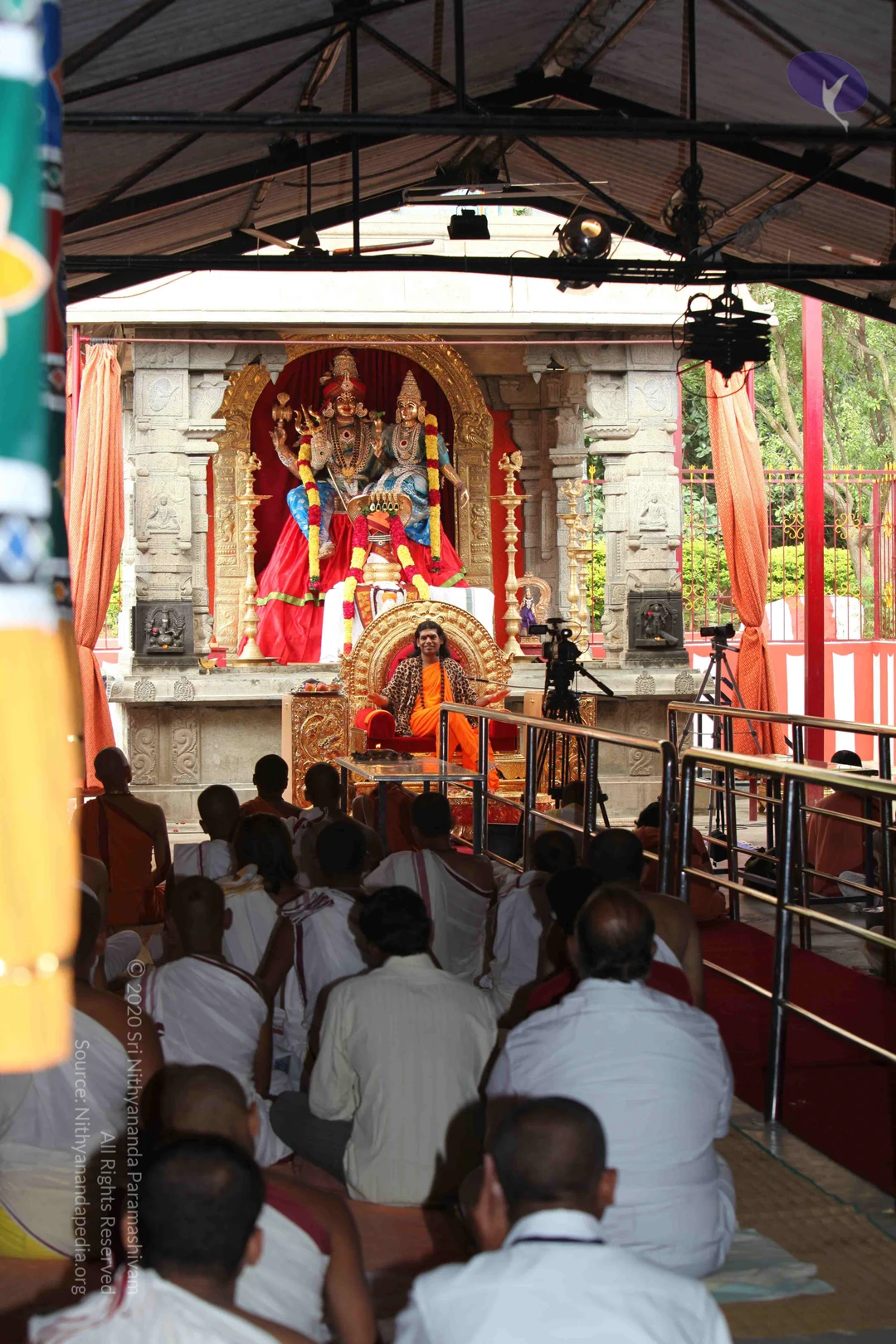
LOCATION: Sri Nithyanandeshwara Paramashiva Temple, in front of the main sanctum, Bidadi Aadheenam
Sadashiva samarambam shankaraacharya madhyamaam Asmadaacharya paryanthaam vande Guru paramparaam.
Today’s satsang’s subject is ‘Bhakti - the ultimate ecstasy’. As some of you may be aware these few days I am expressing some of the great experiences and truths related to sacred sentiments. Another one important definition of sentiment, please understand, in the whole world all knowledge, whether eastern or western, scientific or fictious, superstition or fact, myth or history, religious or spiritual, spiritual or science or spiritual truth or scientific superstition, whatever way you mix and match, whatever you call as knowledge in the world, is nothing but the fantasy of moving consciousness.
Please understand I am defining some of the basic truths. Whether it is Stephen Hawkins theories of the origins of the universe or Einstein’s theory of relativity or the great upanishadic rishis declaration of pornamadah poornamidam poornaat poornamudachyate or the Arunagirinadar’s very simple innocent begging aria nimisha neramatil charana kamalaalayethil bavamurai dhyanam vykhya ariyene a simple innocent begging - even half a minute I am not able to put my being at your feet O lord! I am not able to meditate on you.
Whether it is the Einstein’s theory of relativity or the declaration of Isavasya Upanishad in poornamadah poornamidam or a simple begging of Arunagirinadar saying that half a minute I am not able to put myself at your feet, everything is fantasy; understand, everything is fantasy. Of course the fantasy word is a small word but no other word. I am not able to get any other word so I am using that word. Means everything is just a wave happening in something which has no definition or scale to measure how much of it is reality, how much of it is a fantasy, how much of it can be followed, how much of it can be realized. That is why I am saying sarvam mithya. The whole thing is a wave happening in illusion.
If there is some fantasy, is described in the words which you already have meaning and looks very logical for the new meaning you are able to derive; it is called science. Please understand there are some fantasies which are described in words which you already have some meaning and when you derive a new meaning for this new description, makes little sense, is called science. So any sentiment makes a straight line in your brain, is called straight line; is science. Any sentiment which makes a sweetness in your heart is called sacred sentiment, devotion; that’s all.
Yesterday whole night I was in samadhi contemplating on the boundary between sacred sentiment and science. Because the Carl Sagan’s theory about the origin of the universe and theories about time completely matches with our description in Brahmanda Purana, the concept of time and cycle and kali yuga and everything. Of course one great thing with some of these scientists is they agree. They say very clearly Hinduism is the only religion; vedic tradition is the only tradition whose concept about time and origin of the universe matches completely with science. But again there is a problem; it is after all from eastern tradition, Ganges civilization. How can the Ganges civilization have such an extraordinary knowledge and ecstasy? So again there are some fools saying no, no, it is true, only with vedic tradition it matches, but accidentally. These idiots can’t understand how can accidents happen in so many time.
Anyhow whole time I went on meditating on where is the difference between this sacred sentiment and science. Are they two different, are they meet or are they can never meet? What is the reality? Usually when the answer comes out, answer is ready, I will just come to the waking state and translate that answer into the waking state knowledge and keep it in archives and go to rest. That’s what usually happens. So that next day morning I can deliver that. When I looked, I saw, there is no, the process never happened. See if the process has happened and the answer has come, it will give me the information. The process itself has never happened, the answer is ready. Answer is there. I just want you to understand this important information. That is the reason I was describing very clearly vividly as it happened. The answer was just there without any process happening. I was shocked. O god! How can that be? When I looked at the answer I suddenly realized the whole thing is just one layer. Either the whole thing can be considered as a illusion or the whole thing can be considered as a truth.
Please understand the word brahma satyam jagat mithya is lie. Understand I am breaking one of the important vedantic declaration; being a vedanti, an ardent follower of Shankara, repeating his name every time I start speaking, but with all my respect and reverence to all the great masters, I have to reveal the truth. In Vedic tradition we will always tell people, give your respect to the early masters, not your enquiry sense. That has to be kept alive. Only then the further updation is possible. Only thing keep it honestly sincerely without having arrogance; that’s all. Because the sense of enquiry is kept alive in our tradition the possibility for updation is allowed. So with all my respect I have to declare the new truth, the new revelation, new experience.
Brahma satyam jagat mithya, this word means, there is something is truth and something is false. I tell you, No! What we call as truth is one end of the scale, what we call as a lie mithya, the false illusion is another end of the scale. But I tell you it is completely one and the same. From where you look at, you call one shore as myth the other shore as the truth. If you are from this shore you say other shore, if are from that shore you say other shore. But both sides are connected with one river. There is no satya and there is no mithya.
If there are some descriptions which the words which are used in the description has some meaning for you already and the final description also makes meaning for you, you call that as science; that’s all. Otherwise Carl Sagan’s theory about universe and the theory of relativity by Einstein or even the gravitation theory, all are beautiful poems. I am telling you all of them are beautiful poetry. And how many people followed and believed Manikyavasagar. Same number of people only followed and believed Albert Einstein. Please understand how many people followed and believed Manikyavasagar because of his sacred sentiments, same number of people only believed and followed Albert Einstein.
I can tell you the theory of gravitation and theory of levitation is one and the same and equally truthful or equally lie. Theory of gravitation by Newton, theory of levitation by these great enlightened mystics, Patanjali or Meera or Andal; theory of gravitation or theory of levitation is one and the same; either they are equally truth or equally myth. Either brahmam and jagat is satya or brahmam and jagat is mithya. There is no such thing as brahma satyam jagat mithya. The statement need to be updated. Brahma jagat satyam or brahma jagat mithya. But both are the same scale. End of this corner is brahmam end of that corner is jagat. Either whole thing is mithya or whole thing is satya. So all sacred sentiments are science or all science is sacred sentiment. It is just a verbal game, verbal play, that’s all; nothing else. There is no east and west, there is no religion and science. It is just one wing.
If you are able to use words which already people have meaning and able to come to some new conclusion which makes sense to common man, you are a scientist. Or if you are able to touch some sentiment which people already cherish and able to describe some higher sentiment and make people have the glimpse of that higher sentiment you are a spiritual master; that’s all. If you pick up the words people understand and bring them to a new understanding, you are a scientist. If you pick up the sentiments people understand and bring them to a new sentiment, you are a saintist; that’s all. Otherwise the science and religion has no gap. Mithya and satya has no gap. There is no scale.
I went on and on and on. I can tell you again let it be recorded, be in record for the sake of future. At least at some point both communities will realize; the scientific community and spiritual community; there is no gap. It is just the play of words; just play of words. Theory of gravitation and theory of levitation is one and the same. Either they are equally scientific or equally superstitious. Either they are equally myth or equally satya. Either they are equally mithya or equally satya; there is no other thing. Maybe one part was picked up by people who have international media under their control; that’s all; nothing else, nothing else. Otherwise I do not see one iota of, one unit of extra truth in Einstein than Andal, in Carl Sagan than Meera.
With sacred sentiments one good thing is the whole thing is based on coexistence. So the more and more and more you dive into the sacred sentiment more and more the life on the planet earth becomes juicy. When more and more people dive into the sacred sentiments, more life becomes livable, affordable in planet earth. When more and more people dive into the sacred sentiments, the enmity reduces. You see cost of living increases when the enmity among people increases; that’s all. Economy and enmity is directly connected. If people are trusting each other the holdings comes down; hoarding, possessing comes down. When the possessing is less the cost of living is less; that’s all. The whole thing boils down to ahimsa.
Whether it is cost of medication, cost of food, cost of clothes, cost of housing, cost of travelling, everything, you make your services costly when you have a deep enmity or fear towards the other person. When you want to hold more, when you want to possess more, when you want to store more, when you don’t have trust about the others that you will be taken care in the future, you hold more; thats all. Holding is responsible for raising the cost of price; cost of living. Sacred sentiment not only reduces the war, helps the economical growth. Sacred sentiments can raise the sensex number. Any country which cherishes sacred sentiments will have a strong economy; unshakable economy.
Don’t measure Indian economical strength with the standards of the western economy. No. If somebody goes from one city to other city for one day work in the western countries, he may have to spend at least 500 dollar for his food and stay and travel and it means the local travel and everything. But in India just make one phone call to some your friend’s, friend’s friend you will be received in the airport, given free accommodation, food and put back in the airport again next day. No, I am talking reality. In US, the western countries, if 10% you are taken care by somebody and 90% you may have to spend, in India 90% you will be taken care by somebody and 10% you may have to spend; that’s all. So in many angles, the cost of living is less just because of our habitual cherishing of sacred sentiments. See habitual cherishing of sacred sentiments creates a deep trust in you, makes life affordable, makes cost of living easy.
Not only in the sense of economy even in the sense of moral support. Indian villages, still whole village gathers if somebody dies in the village; whole village gathers, still. If somebody is sick or dies the whole village gathers. In many civilizations, many countries, neighbor will not know at least for one year. Just some ambulance came and went that’s all. Sacred sentiments makes life easy. People tell me no, no, Swamiji, this close knit community is sometimes suffocating. I tell you the tight knit community is the sweet way of lifestyle; sweet way to live. Somehow that tight knit community type of a lifestyle….
See this India is a country which has the largest 24x7 news networks. The first strand of DNA is talking about others. That is our very lifestyle. Because tight knit community lifestyle you see. I am only feeling bad for one thing. We were tight knit community and enough of dosage of the sacred sentiment was also getting added, so all the goodness of the tight knit community was getting maintained. Now, suddenly last ten years that tight knit community structure is kept alive because of the IT network; the communication revolution. TV, media, internet, cell phone, everything. But that level of sacred sentiment is drastically coming down. So all the bad things of the tight knit community is becoming more and more and good things of the tight knit community is getting lower and lower.
That is why largest suicide rate among the teenagers and youth is in India; largest suicide rate. Because all the good things of the tight knit community is drastically coming down and all the bad things of the tight knit community is going up. The only solution for India is Meera and Andal, Manikyavasagar and the Rignanasambandar. Otherwise in next ten years, just by suicide we are going to lose the cream of our youth. Understand I am warning. Now whatever I said is about past. Now I am predicting the future. If we don’t take up Meera and Andal, Ramakrishna and Ramana Maharishi, Sundaran and Sambandar, Appar and Manikyavasagar, Gnaneshwar and Ramdev, if we don’t take up all these ideals and revive the lifestyle based on sacred sentiment, we are going to lose our intelligent, educated, productive, modern day youth; just this one problem of teenage suicide or the suicide among youth. Because all the good things of the tight knit community is coming down.
This sacred sentiment is one of the important good thing of the tight community; important lubrication needed to be added for the tight community, the close knit community to function in a loving and caring way. For all the good things to be kept alive I am warning the desi kids, you have only two option; Meera or suicide, either sacred sentiments or suffer with scared sentiments. I am telling you taking sanyas life should become a career like IT. Only then the Indian youth are going to be saved. It’s a career, understand; not just some drop outs runaway and become some swami. No. We need equalent number of people who live and radiate sacred sentiments to the number of IT engineers. Otherwise the future India is going to face the worst disaster; can be right word. Either you all wake up and save yourself and your country and your civilization or just perish; nothing else. There is no other solution.
So understand the sacred sentiments being lived and radiated is the only way to save our civilization, because our civilization is built on it; built on it. So we need millions of Meeras singing in the streets, dancing in the streets, radiating sacred sentiments. Thousands of Andals; taking up this life of living sacred sentiments and radiating sacred sentiments should become a lifestyle for the modern youth. The sacred sentiment is the lubrication for the large civilizations. If you want democracy to be kept alive in India, the sacred sentiment lubrication has to be allowed and has to be continued.
So I tell you the one and only way is we need millions of sanyasis and sanyasinis, brahmacharis and brahmacharinis, rishis and ma rishis, equalent to the number of IT engineers. Let them outsource their IT job to India we will outsource the sanyas job to the western countries. We will do it. We will do it. It is time we outsource this job of spreading sacred sentiments to the western countries and to the whole world. Let them outsource call centers to India, we will outsource healing towers to the western countries. It is time we have more number of healing towers than call centers and more number of youth radiating sacred sentiments than IT engineers. We need more people who know the ‘I’ technology than information technology.
The sacred sentiments make life livable in planet earth internally and externally. Understand human beings can work in the inner world and the outer world. Animals can work only in the outer world. They don’t have inner world. Plants, trees, they neither have outer world nor have inner world; only life. If you understand this; trees - no outer world no inner world only life, animals - only outer world no inner world, human beings - have life, outer world and inner world. Means the sacred sentiments can be cherished, experienced, shared, only by human beings. It’s a unique thing, unique quality of human beings. So awaken the ability to cherish and share the sacred sentiments.
At least I will express one sentiment today from Meera. She sings about her unbreakable love. Unbreakable O lord is the love that binds me to you like a diamond, it breaks the hammer that strikes it. My heart goes into you as a polish goes into the gold. As the lotus lives in its water, as the lotus lives in its water I live in you. Like the bird like the bird that gazes all night at the passing moon, I have lost myself dwelling in you. Of course just like the people who can’t understand science, it looks new to them.
When Einstein was alive it seems only handful of people understood his theory of relativity. Even though he was giving lecture everyday in so many places for hundreds of people, even his driver memorized his whole lecture. There is a story, once Einstein was too tired, he told his driver, you know now the whole story, why don’t you go and finish the lecture. The crowd, stage where he was supposed to address, it was a new place. So nobody knows Einstein, they only know the name. So the driver took the dress of Einstein and went and gave the discourse; the lecture. Suddenly the problem started when people started asking questions. Then this driver said Eh! these are too small questions, even my driver can answer, I don’t need to answer. So Einstein came and answered all the questions. Even though so many people heard, nobody understood.
Same way I tell you, if you don’t understand this sacred sentiment, if you are not able to catch it, don’t think it is just some foolishness or fantasy of Meera; it is equally scientific. I can say little more scientific than Einstein, little more scientific than Newton. Newton’s is a theory of gravitation, Meera’s is theory of levitation; which one you would love. When it makes straight line in your brain, it is gravitation pulling you down; heavy. When it makes vertical line in your heart, it is theory of levitation; it just levitates you. All sacred sentiments makes straight line, vertical line in your heart; you just levitate. All science makes horizontal line in your brain. Anything if it is horizontal it will naturally sink; heavy. If it is straight it will float, come up; levitate. So just because you are not able to catch it don’t think it is fantasy or illusion. It is equally real; little more real than Einstein and Newton and Carl Sagan and Stephen Hawkins.
Unbreakable O lord is the love that binds me to you, like a diamond it breaks the hammer that strikes it. My heart goes into you as polish goes into the gold goes into gold. As the lotus lives in its water I live in you. Like the bird that gazes all night at the passing moon I have lost myself dwelling in you’. If you have lost at least ten minutes gazing at the master you know what Meera says - the bird that gazes all night at the passing moon I have lost myself dwelling in you. Only if you know what is E what is M what is C you will understand E equal to MC square. Same way only if you have gazed at least ten minutes and lost yourself in Guru or Master, Guru or God, you will understand what Meera says like the bird that gazes all night at the passing moon I have lost myself dwelling in you.
I have another one beautiful sacred sentiment. Maybe this can be the key for all you guys to meditate today yashyananam makara kundala charukarana varajaat kapola subhagam savila sahasa nithyotsavam na tatrupur drishipi pipantyo naryo narashchamudita kupita nimeshcha. The gopis used to relish the beauty of Krishna as a ceremony of perpetual enjoyment; nithyotsavam. They enjoyed the beautiful face of Krishna, his beautiful ears with ear rings, his broad forehead and his smile and when enjoying the sight of Krishna’s beauty they used to criticize the creator Brahma, for causing their vision of Krishna to be momentarily embedded by the blinking of their eyelids. They criticize Brahma - why did you give the eyes which has eyelids, which blinks once in a while. Meditate on this sacred sentiment and let Brahma have little more curses and criticism.
Let you all experience this sacred sentiment, enjoy, live and radiate enlightenment. Let you all achieve, experience, live, express, radiate, the eternal bliss, Nithyananda.
Thank you.
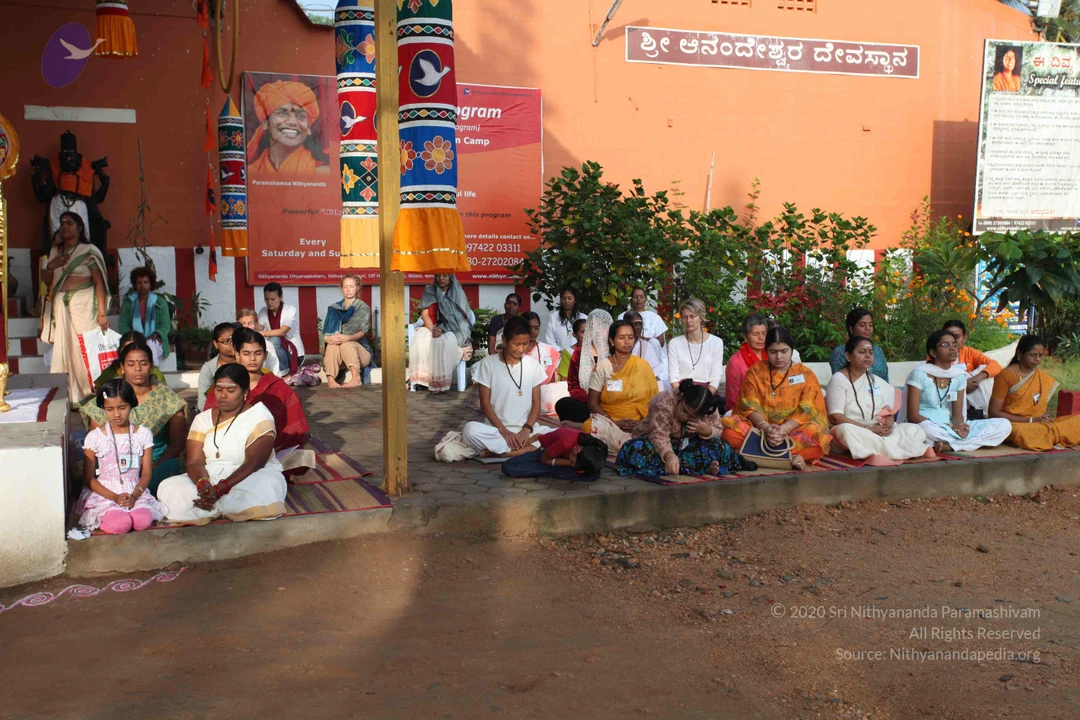
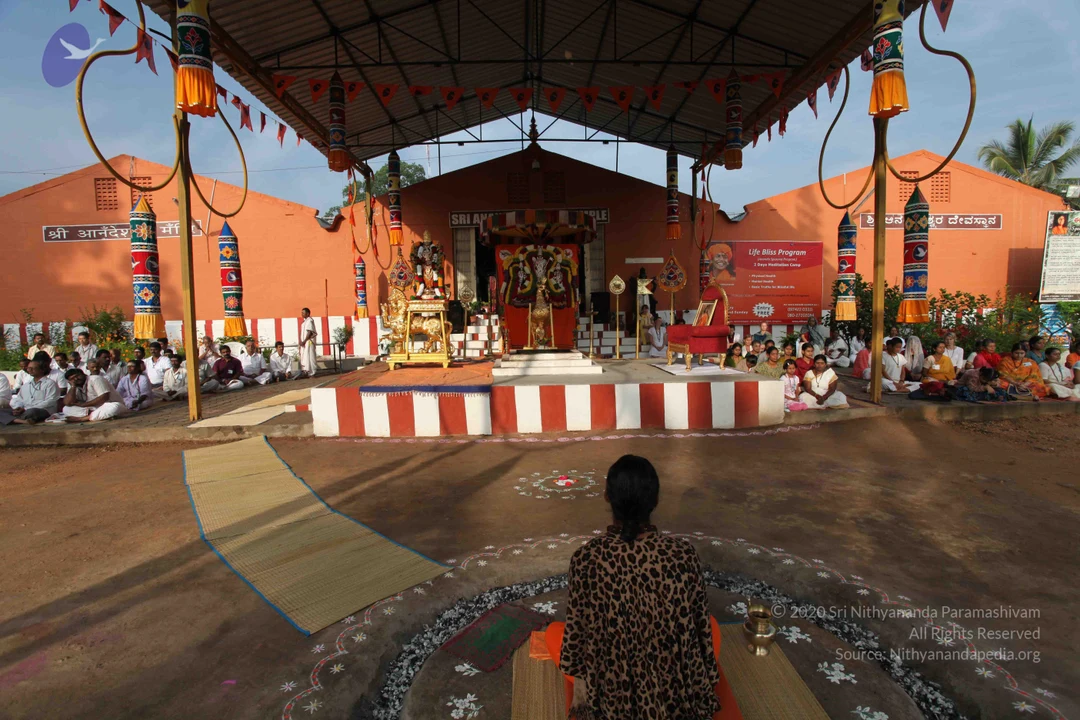
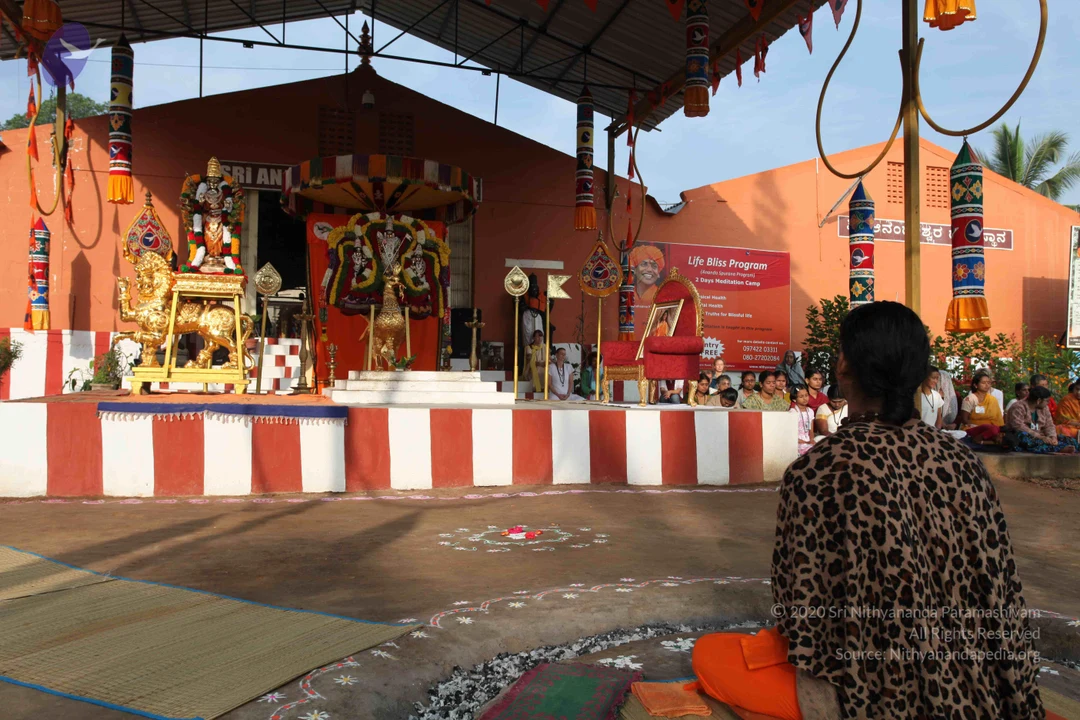
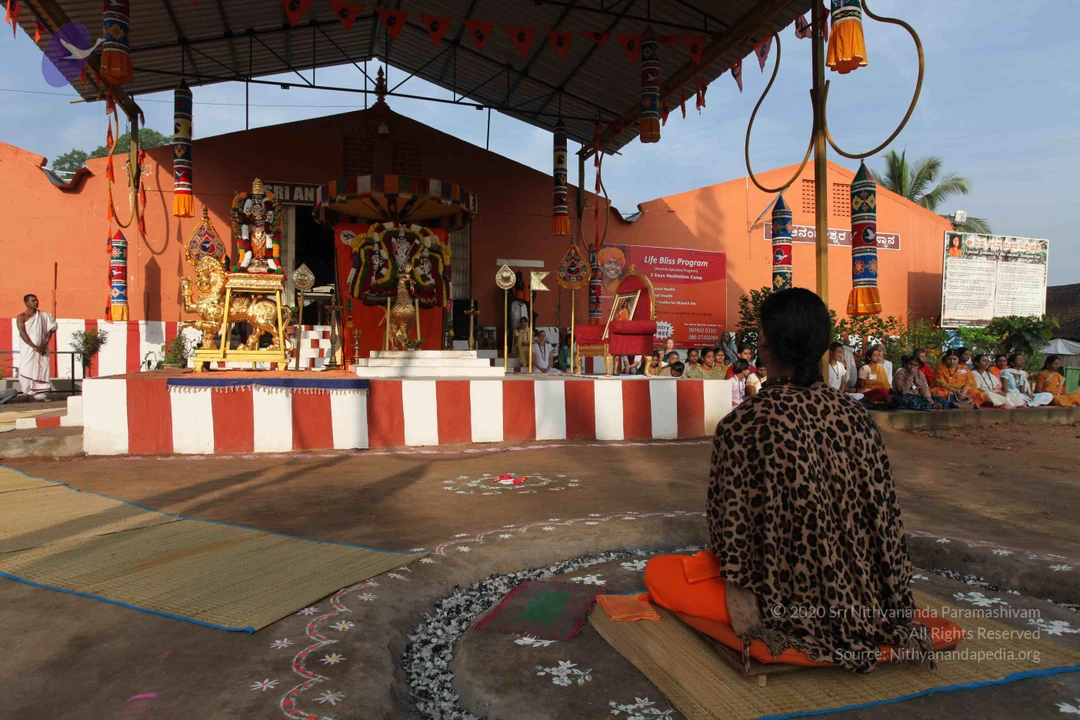
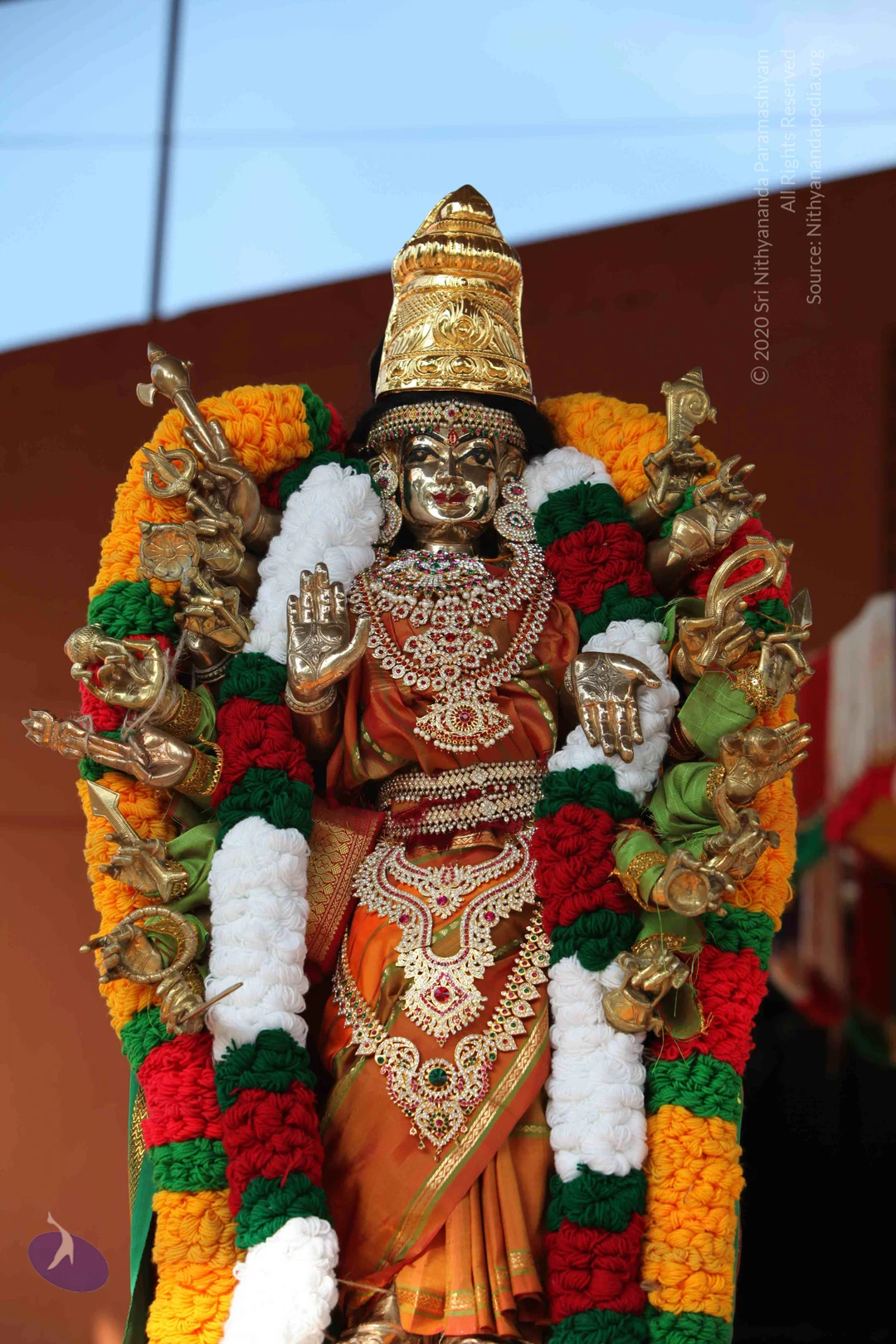
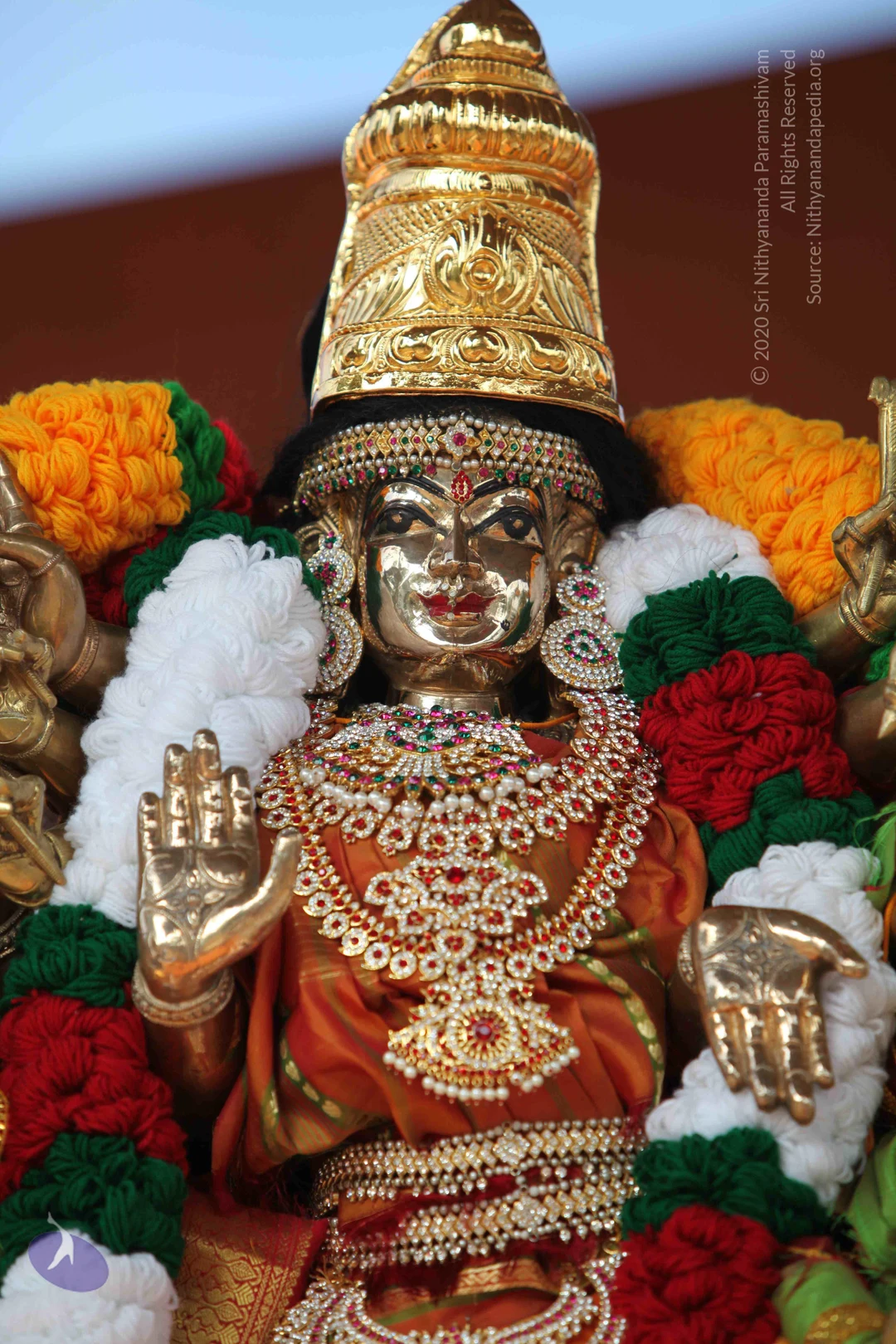
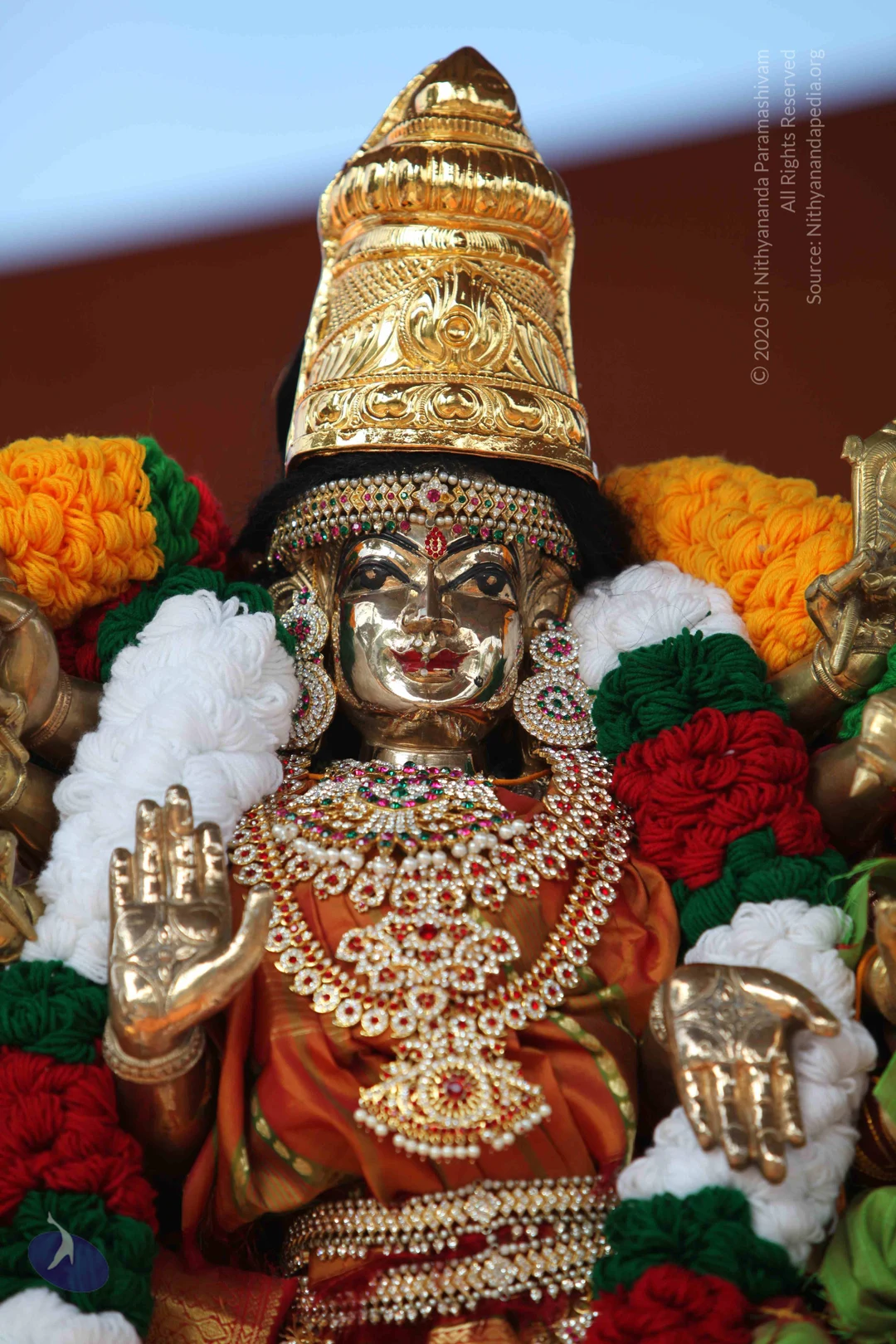
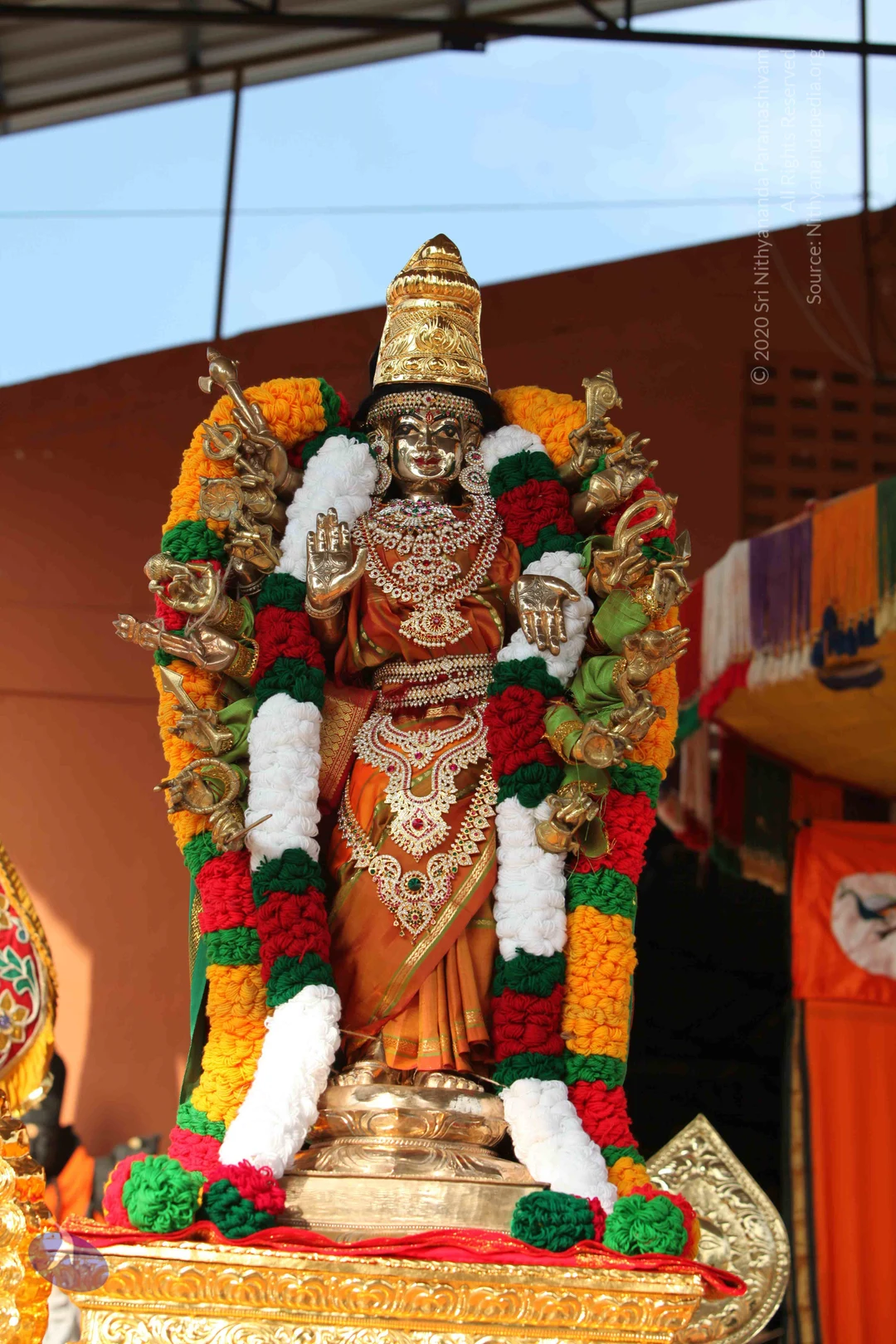
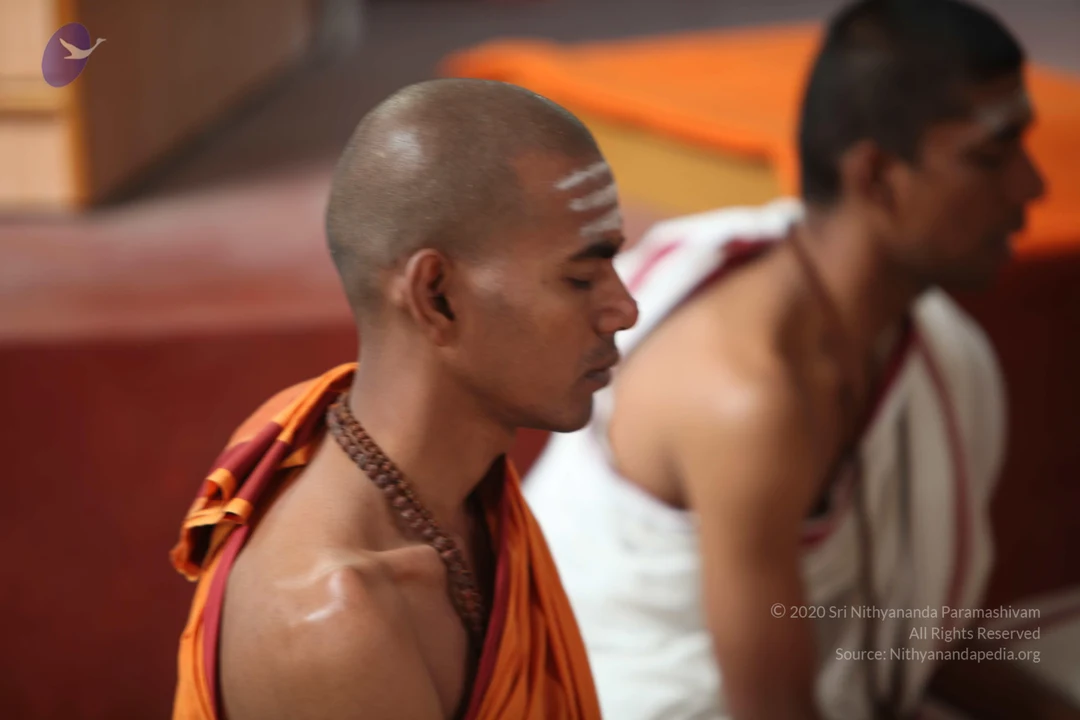
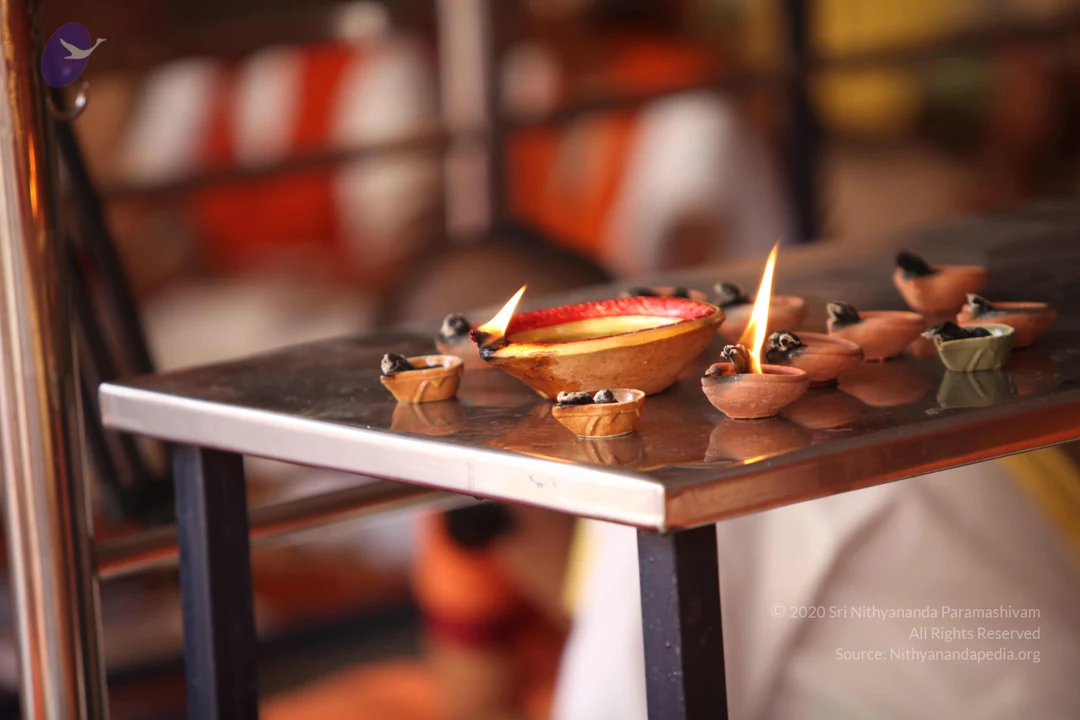
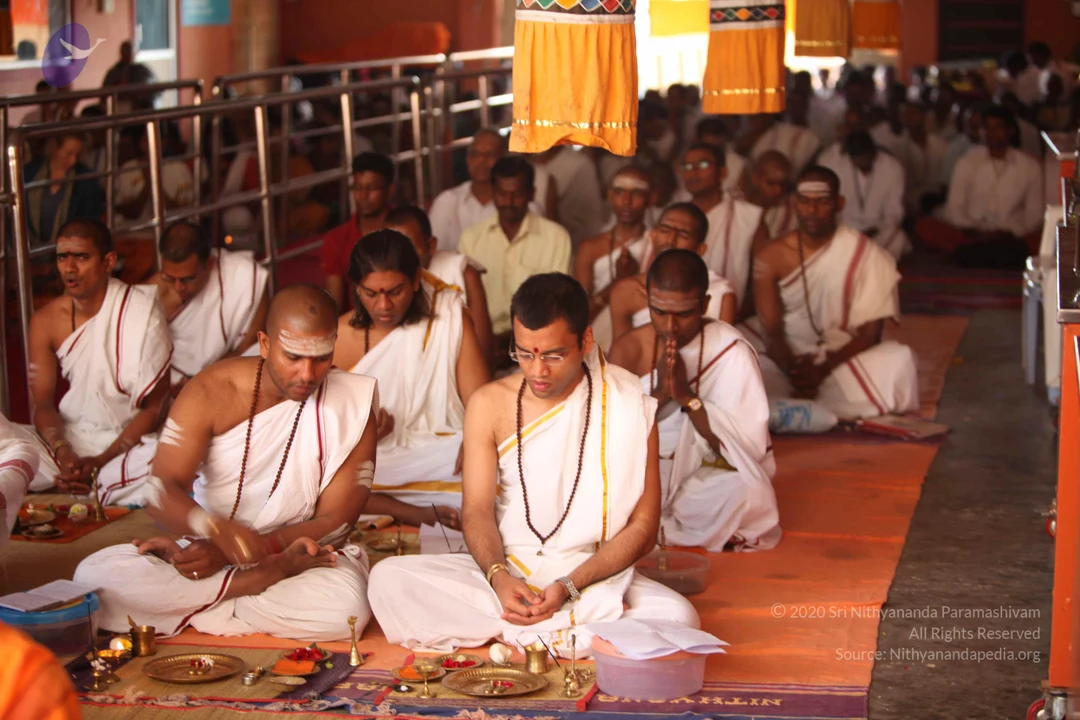
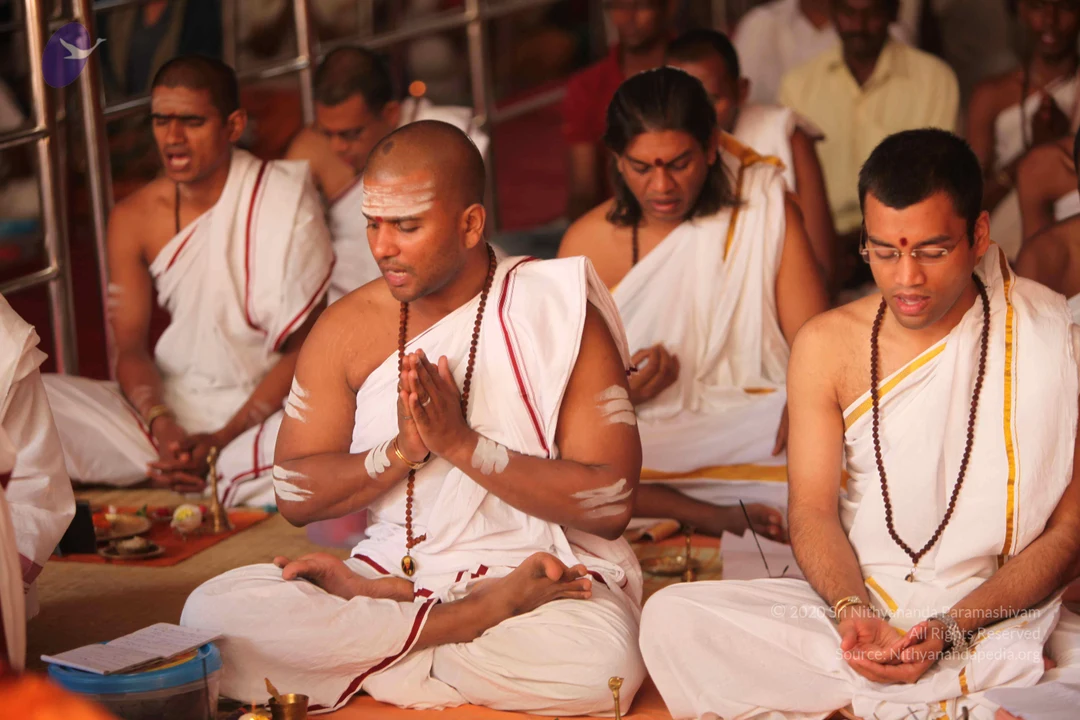
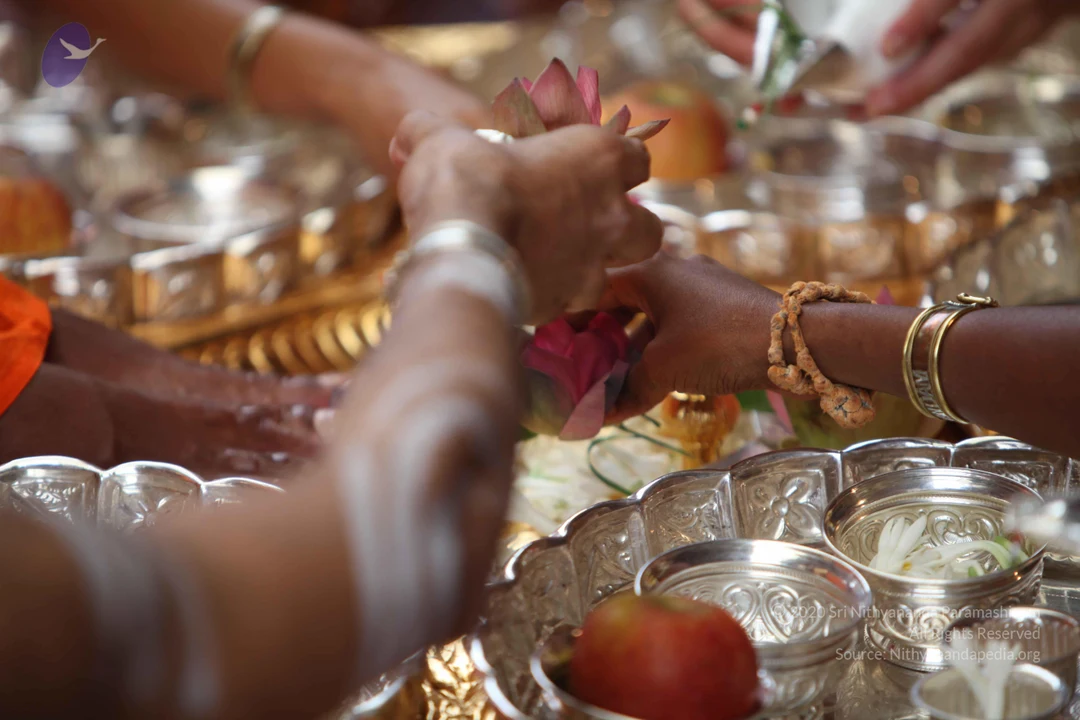
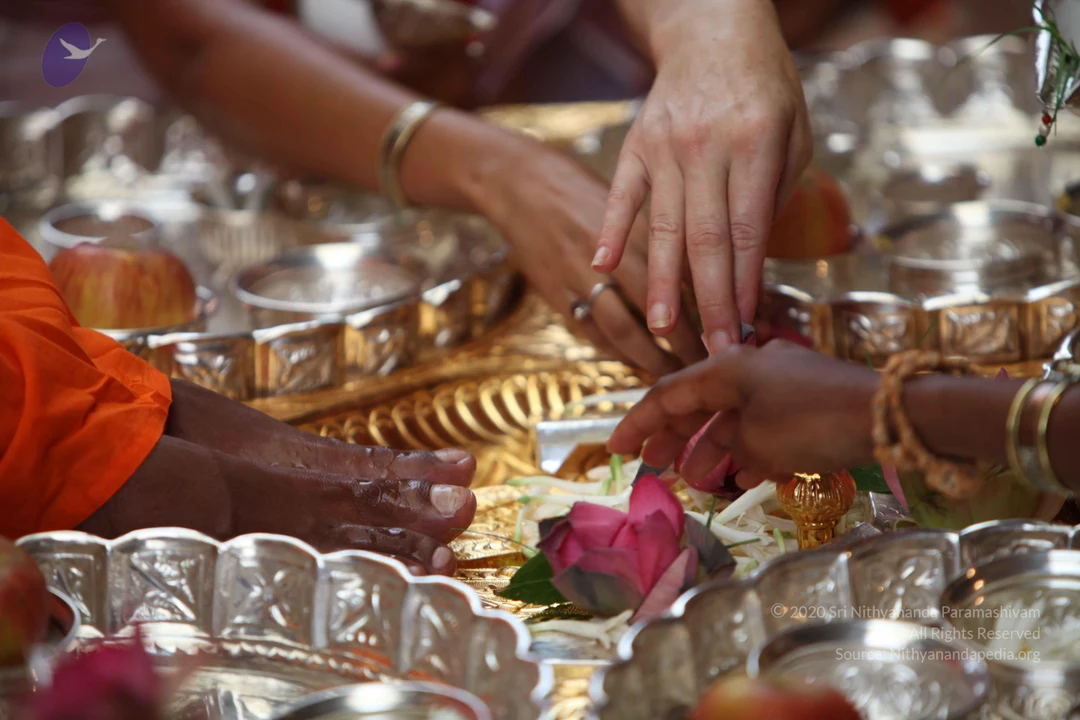
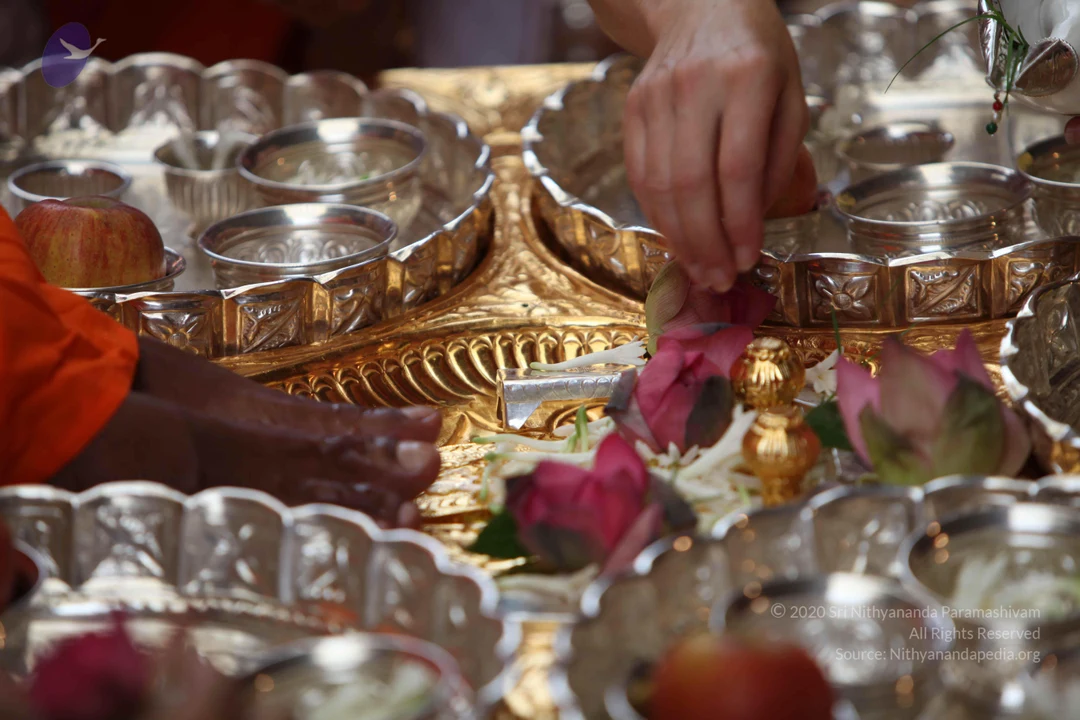
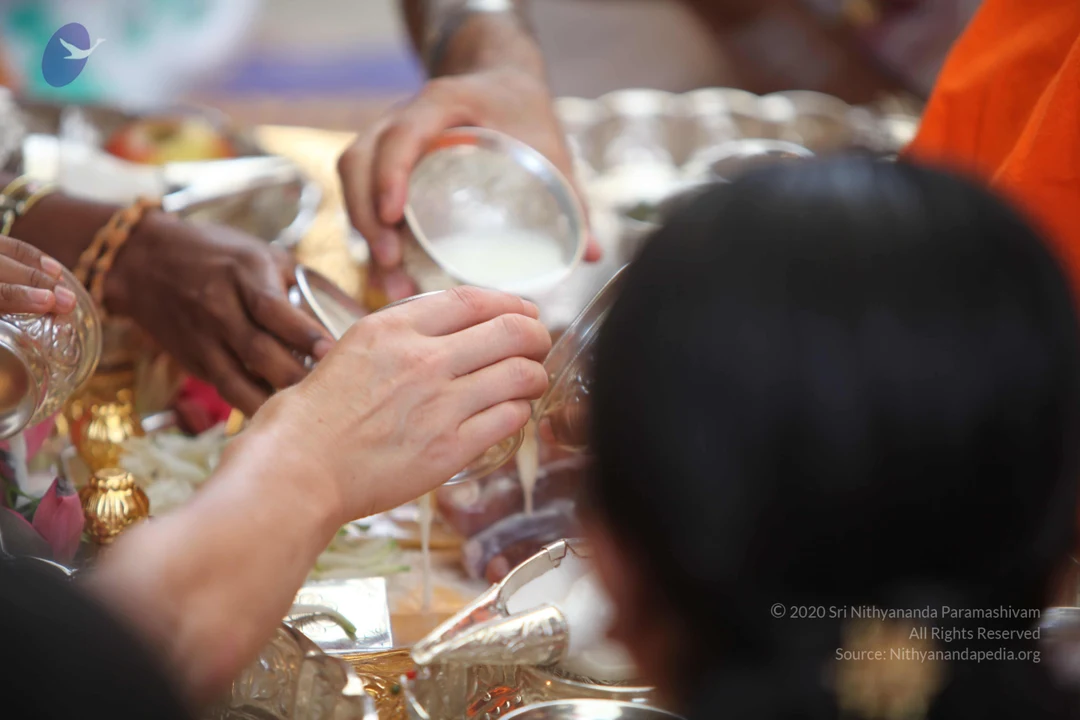
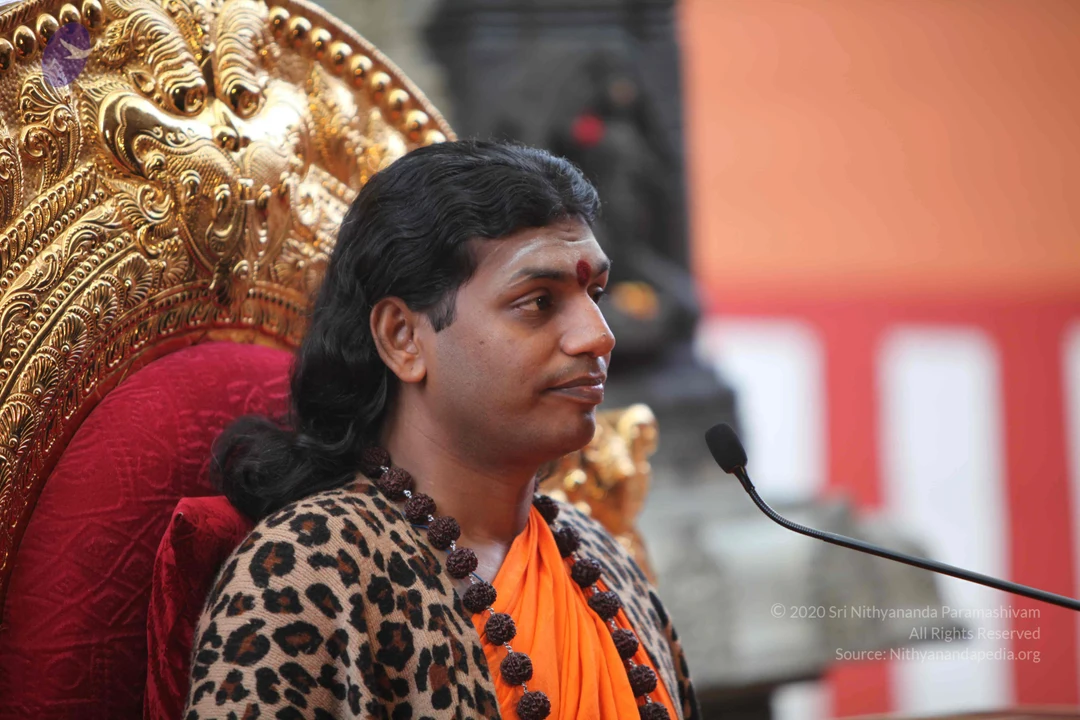
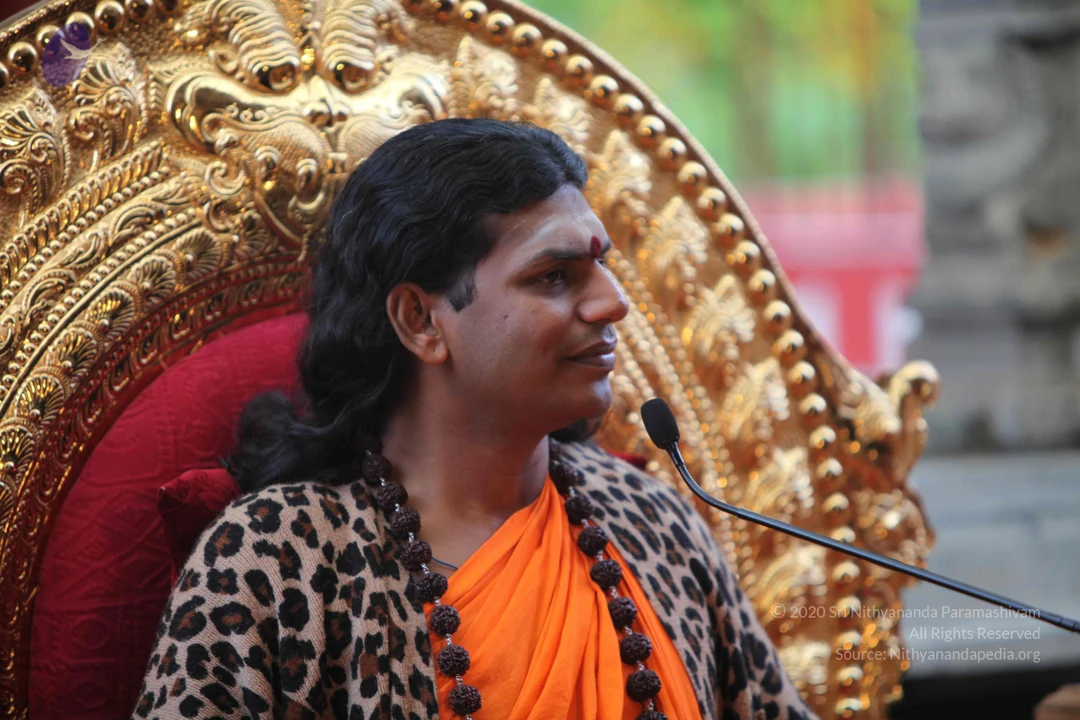
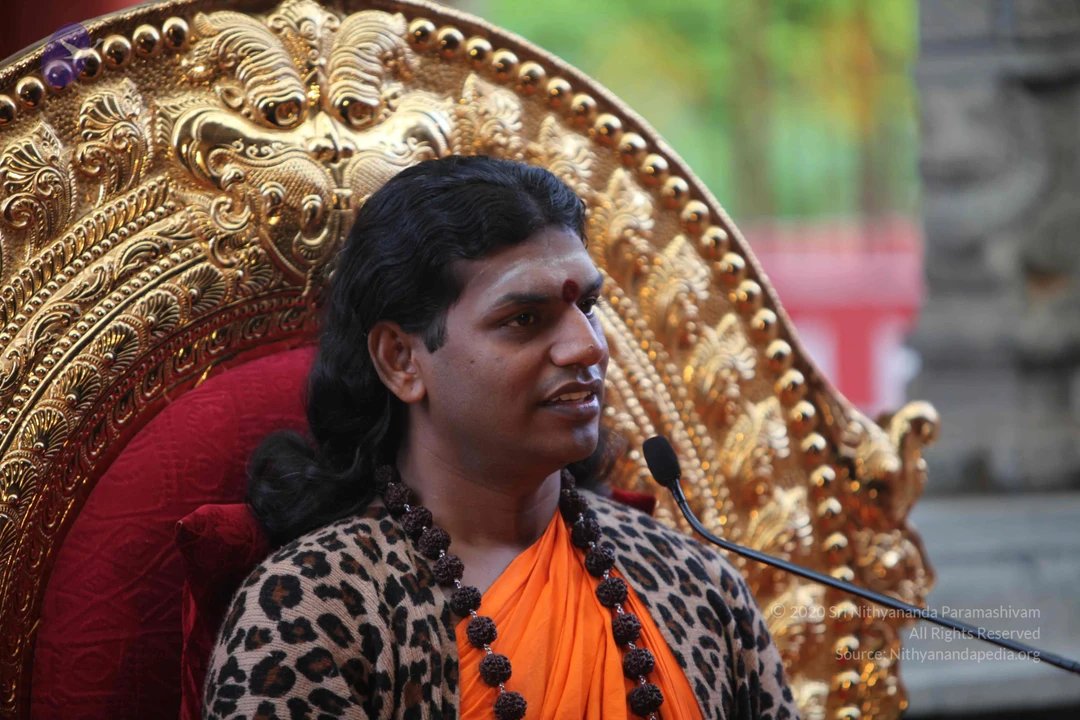
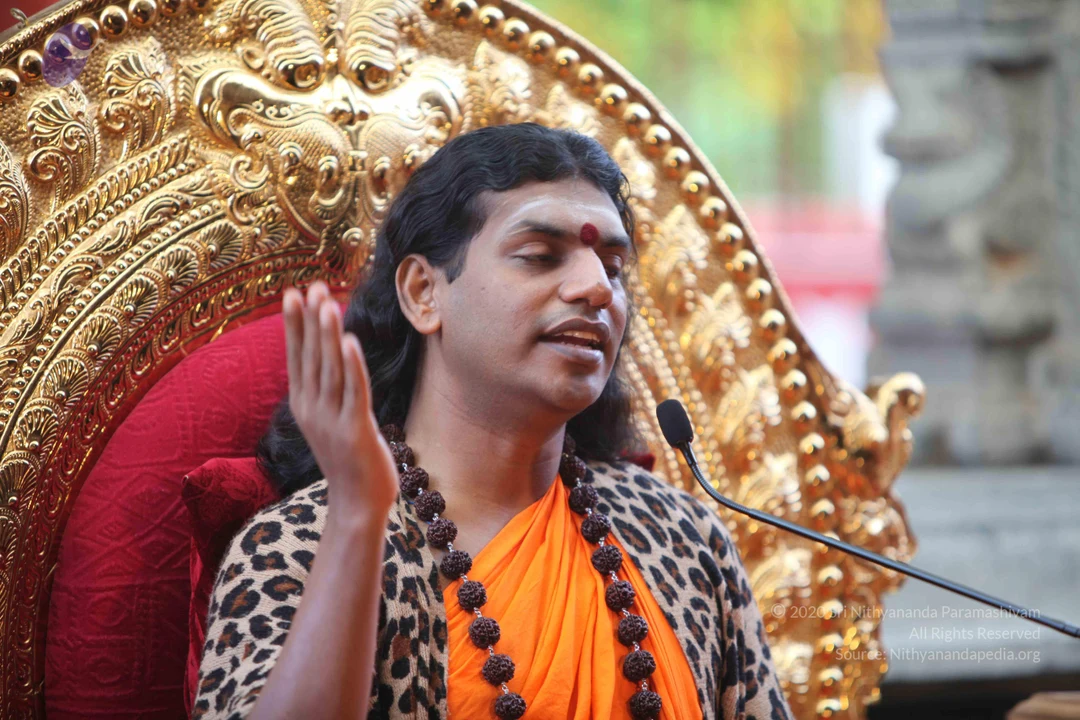
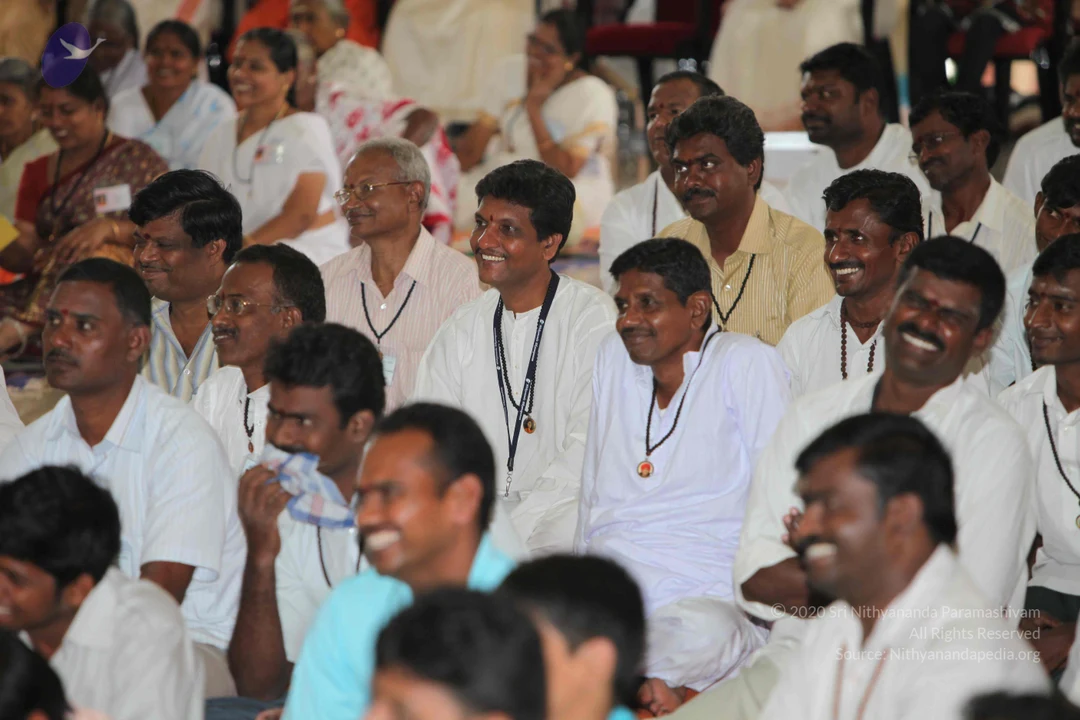
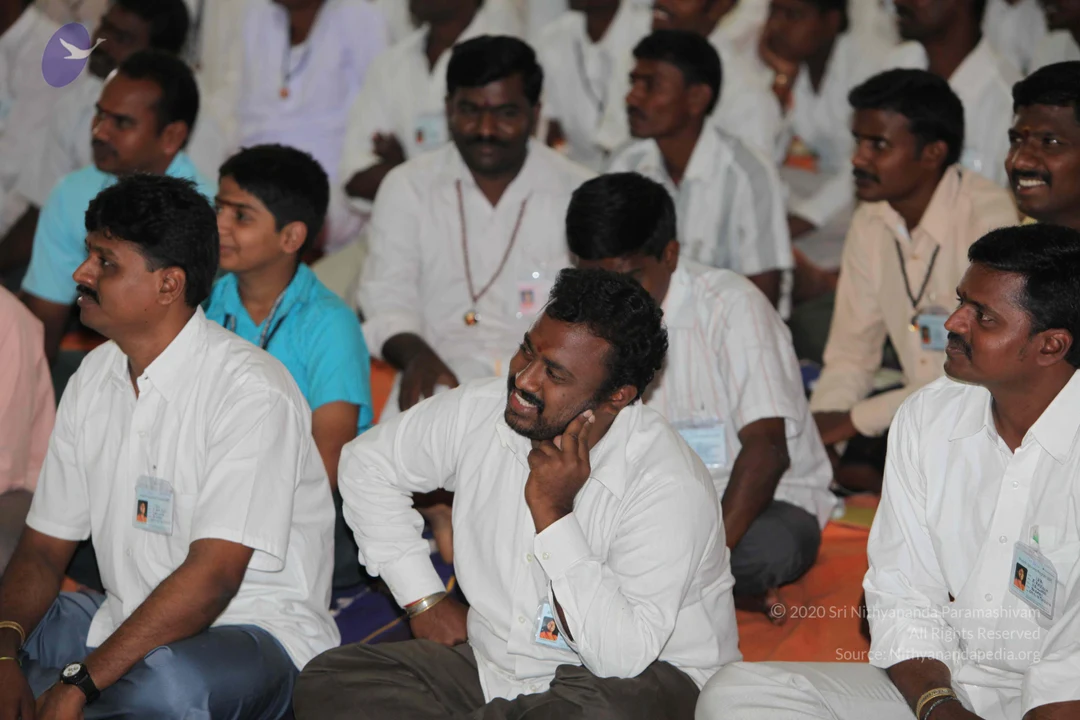
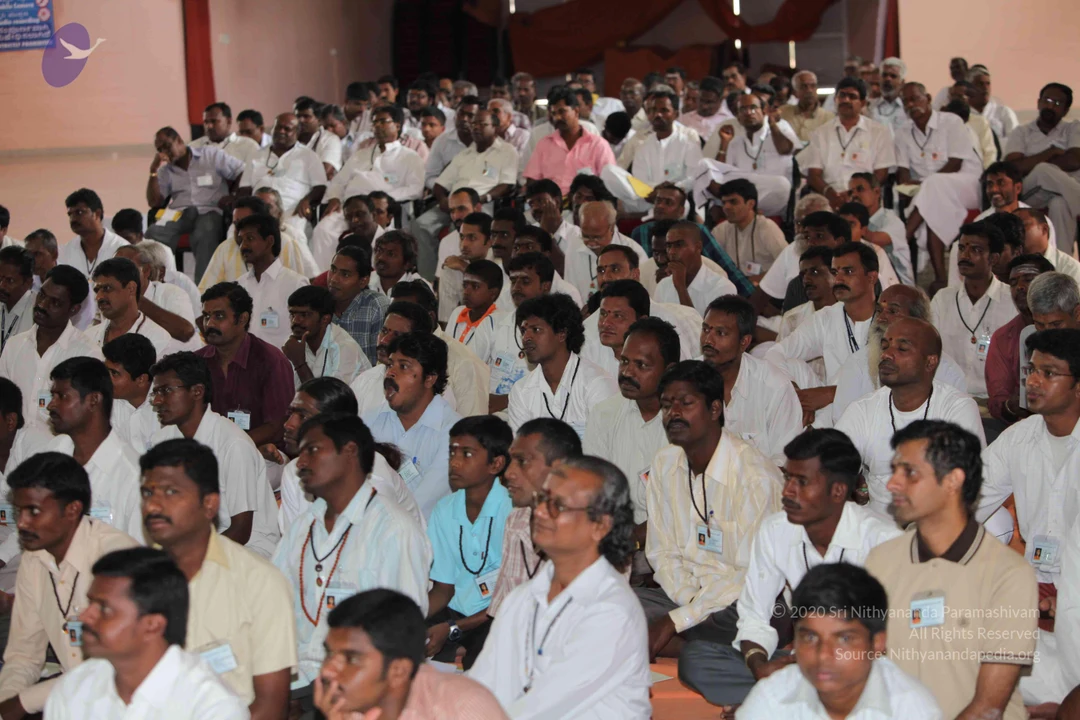
Photos Of The Day:
nithyananda-ashram


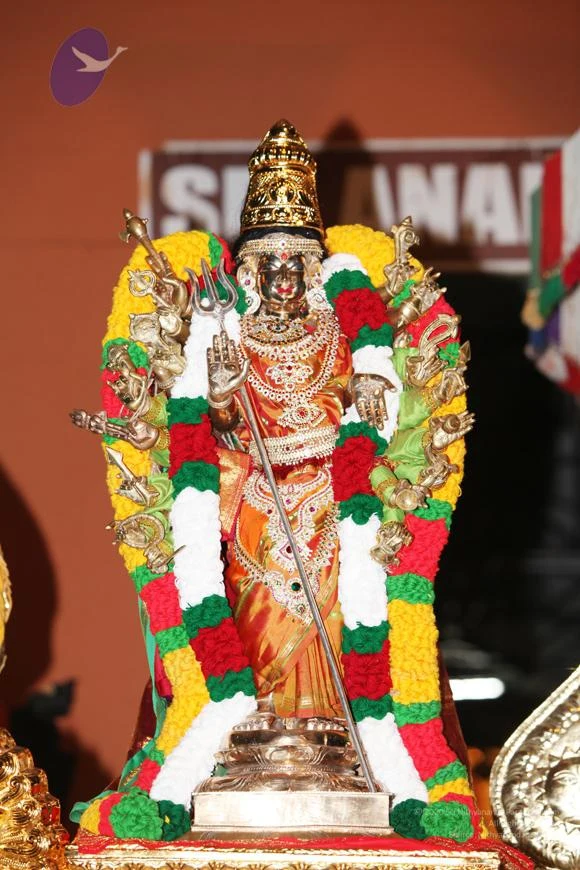
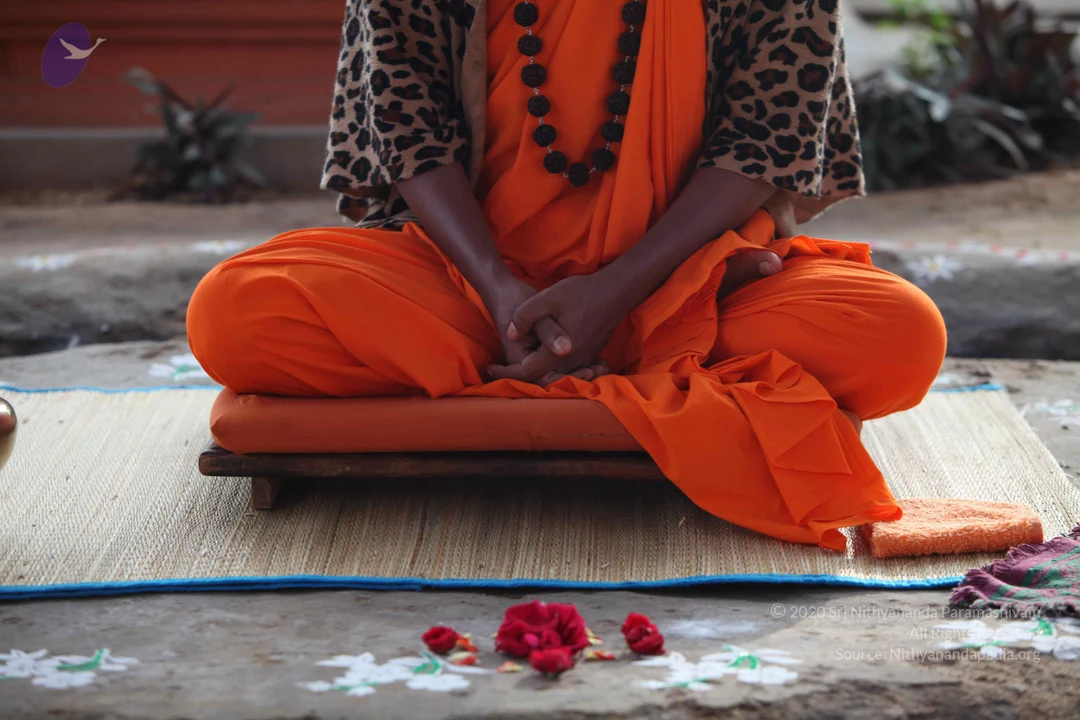
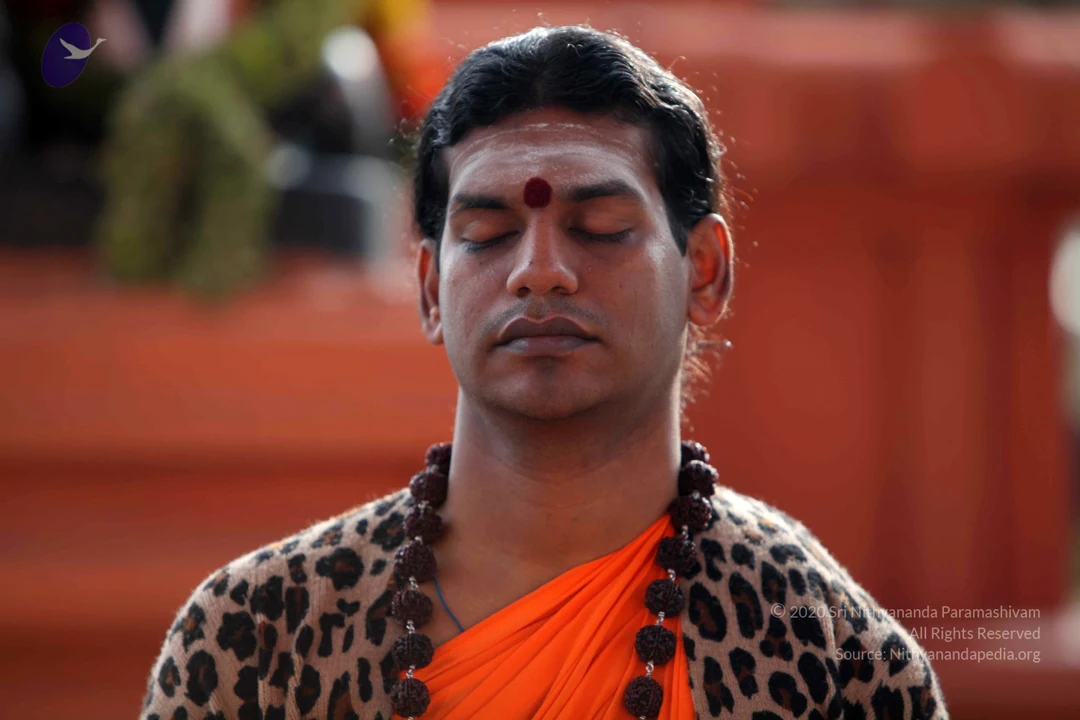
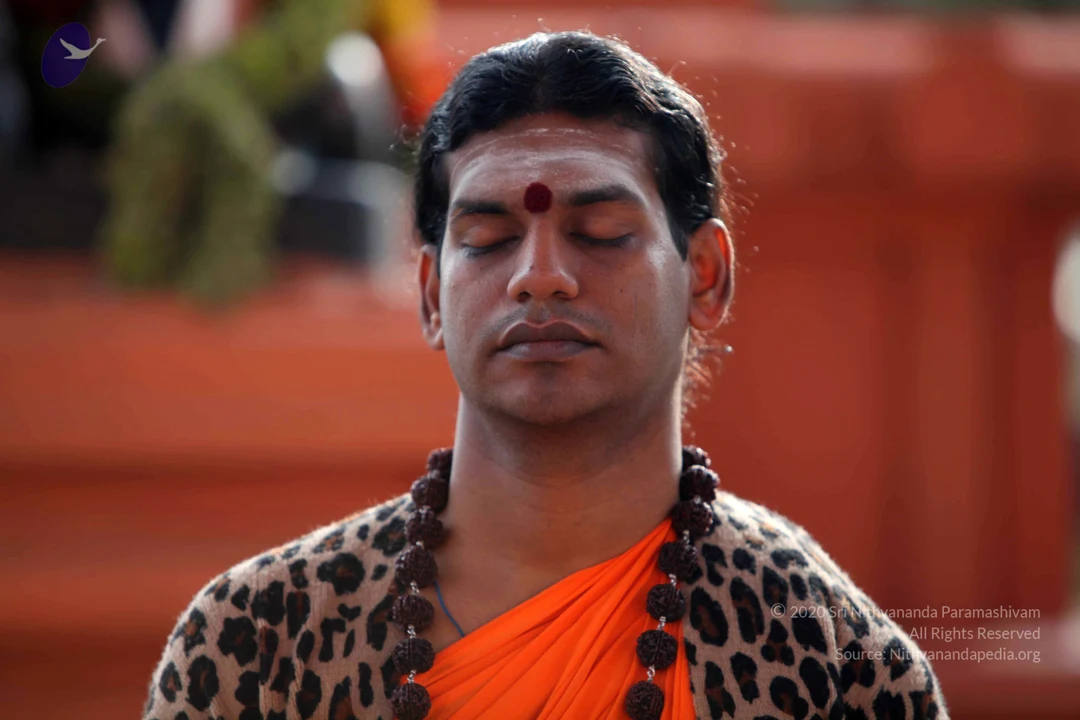
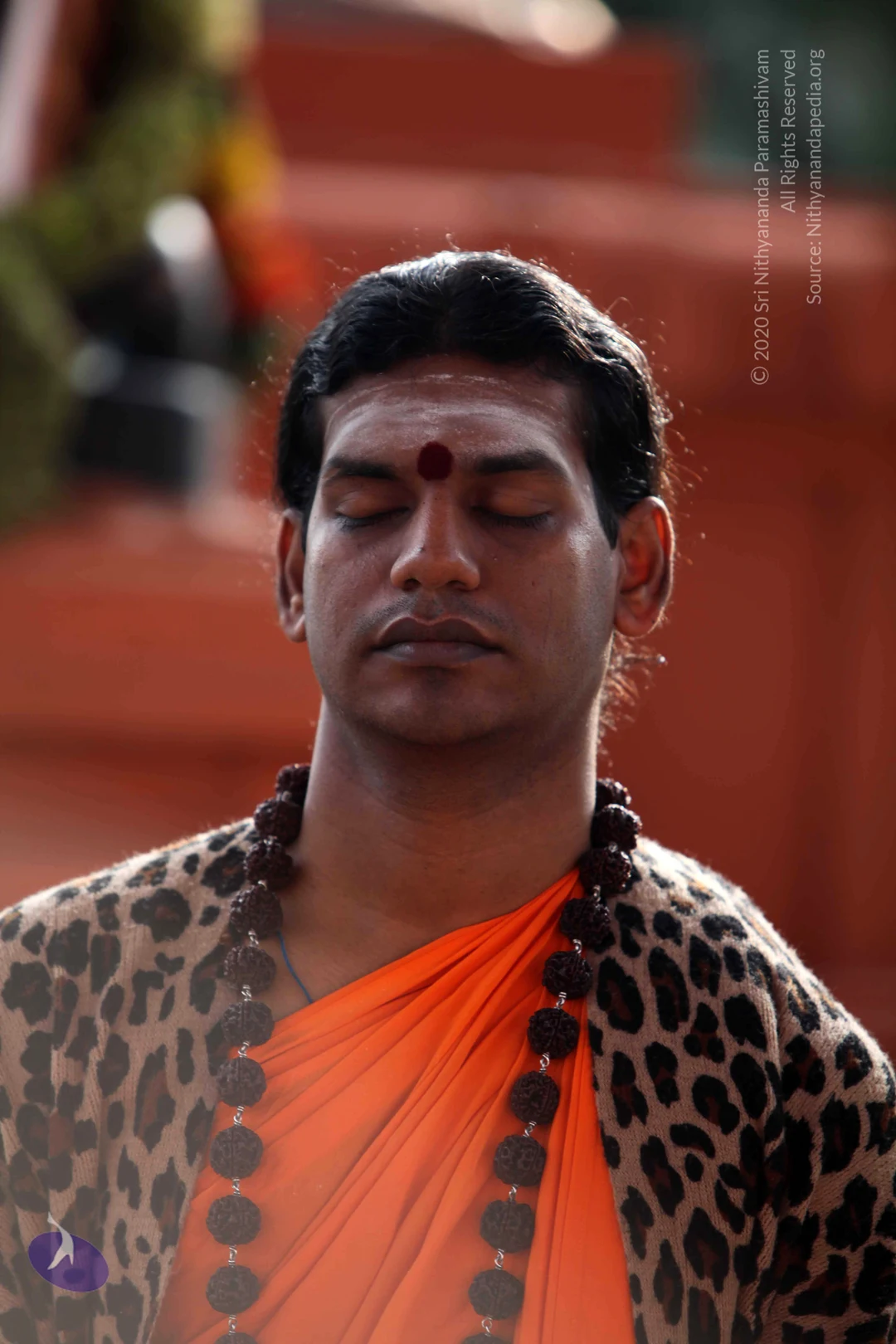
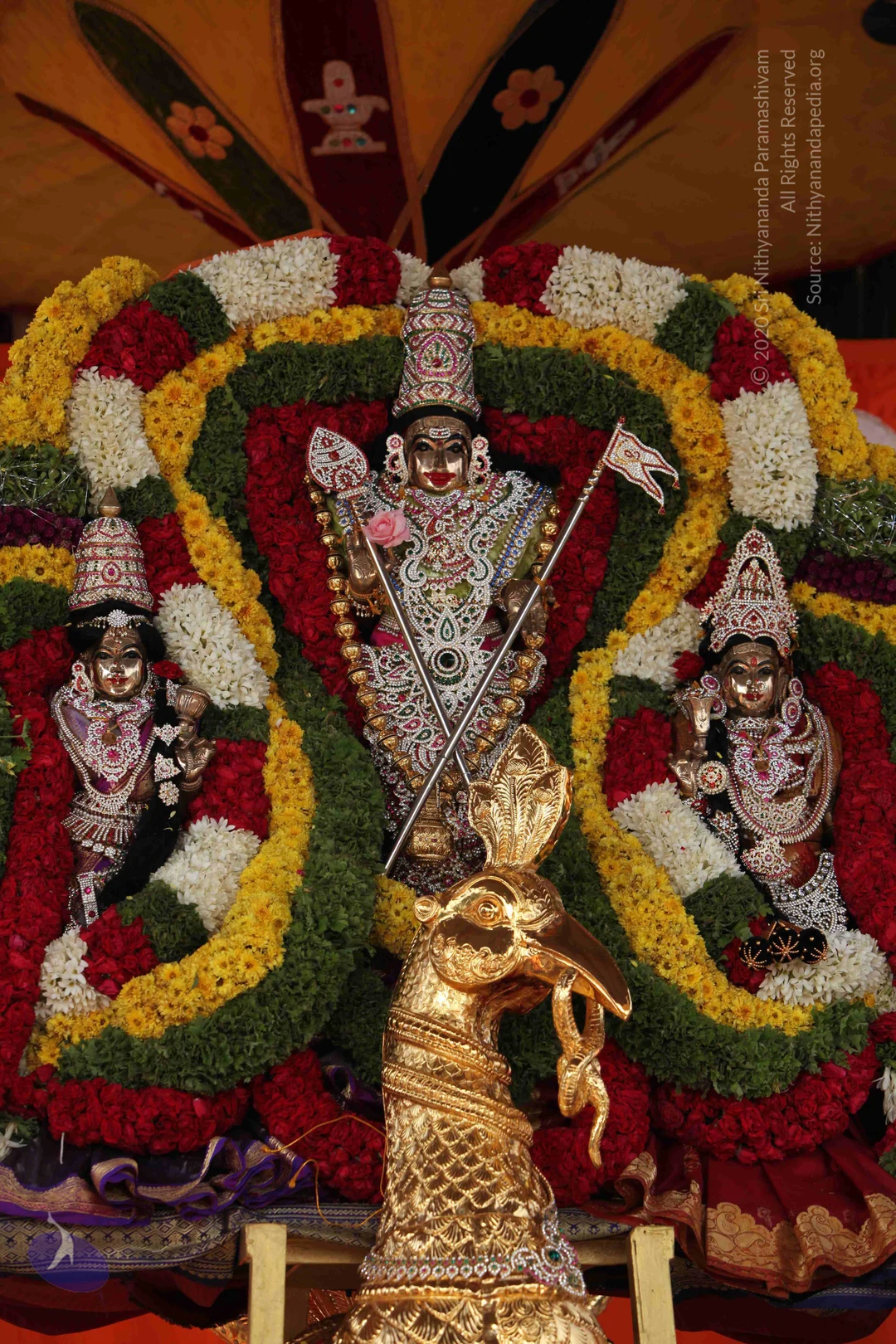
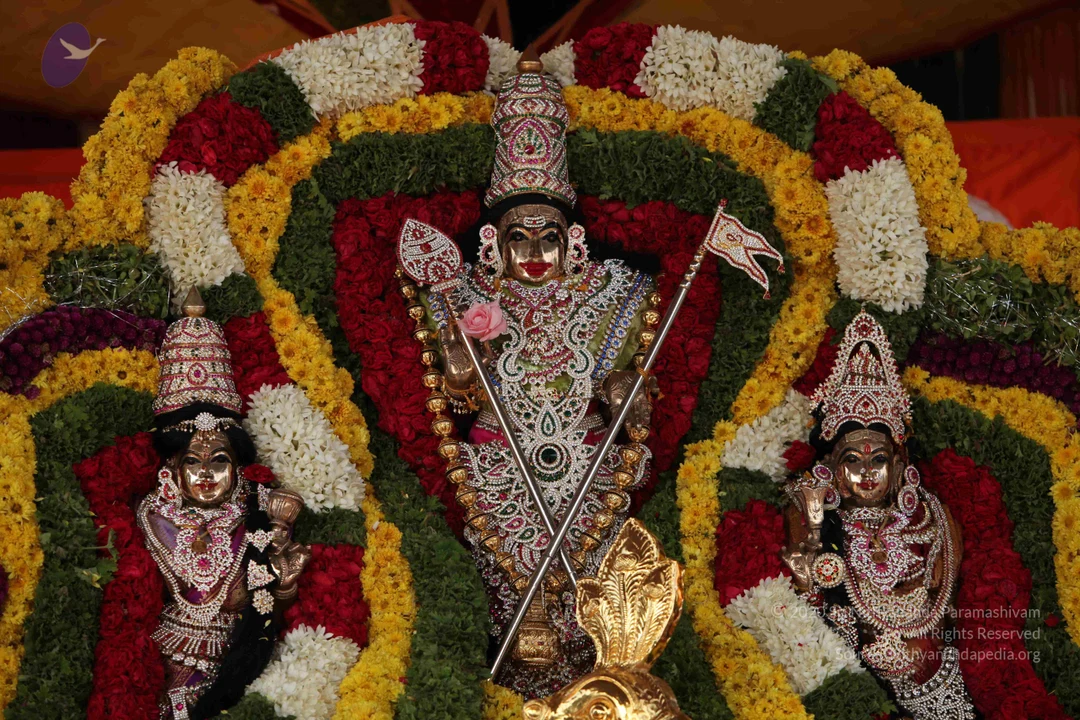
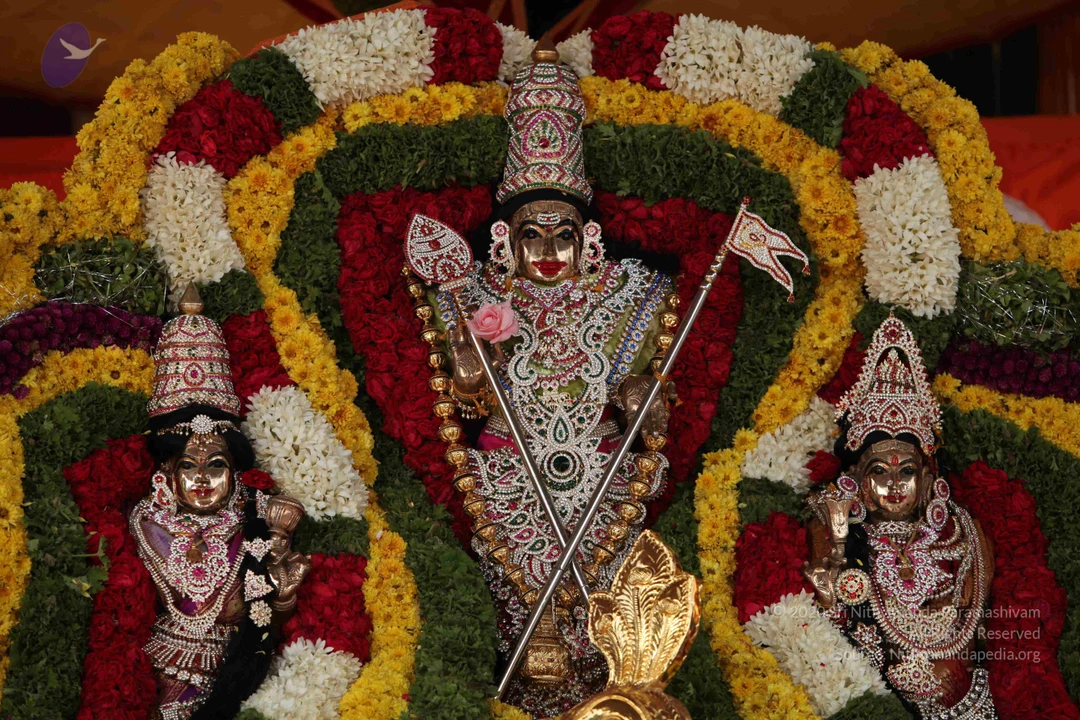
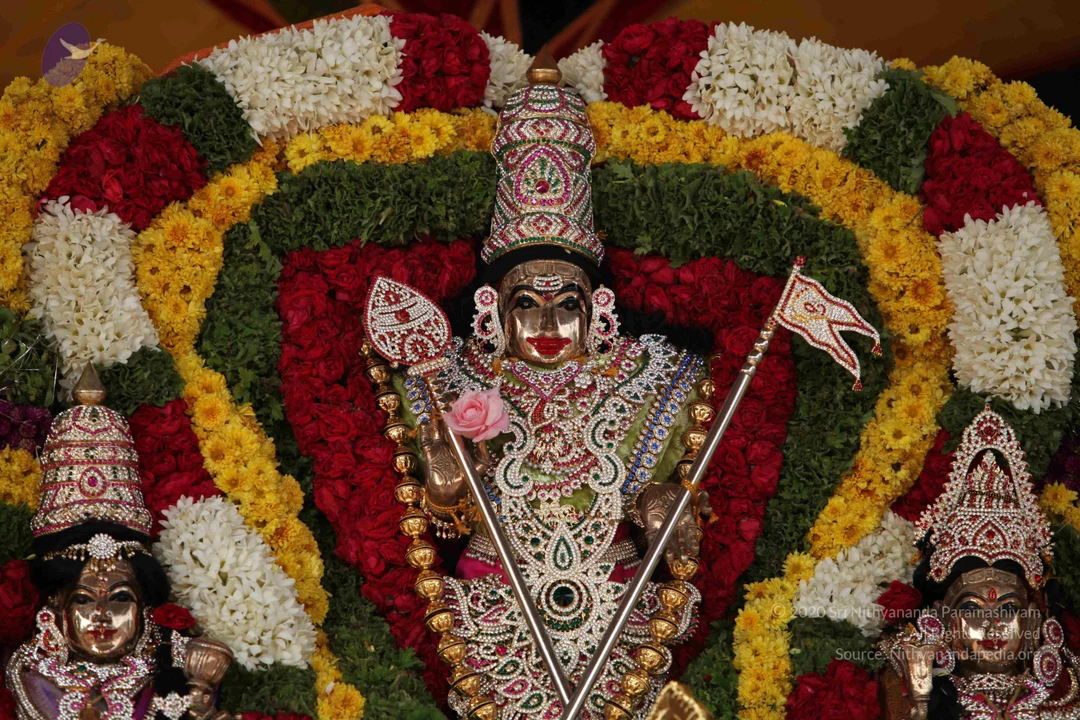
01-Swamiji-Morning-Event
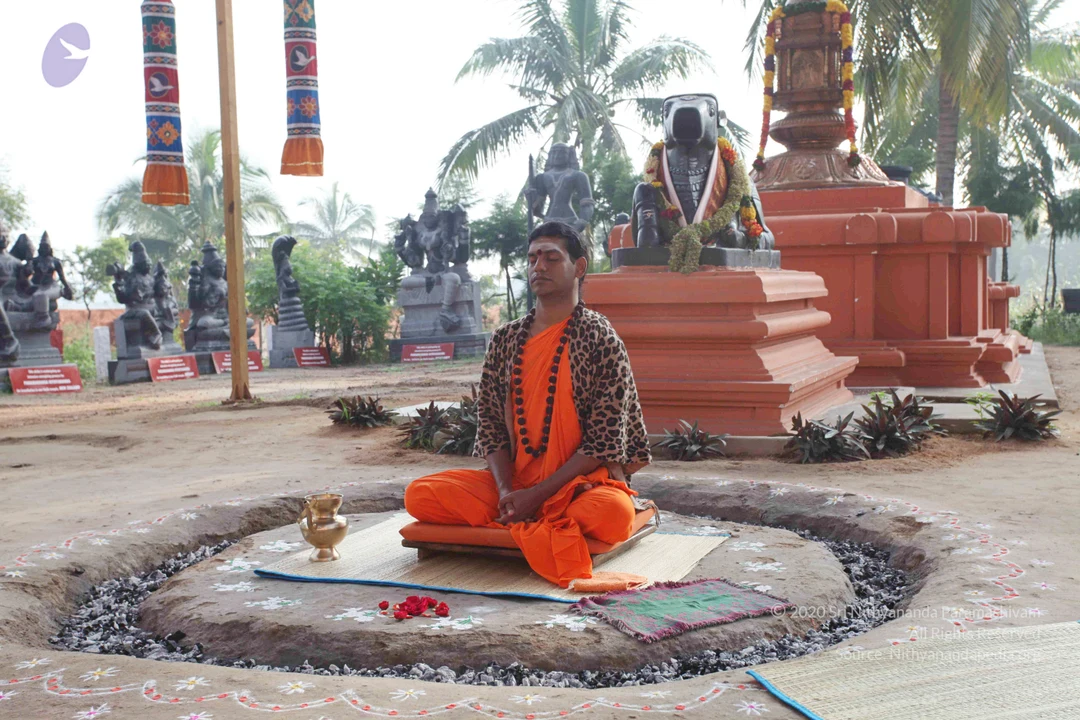
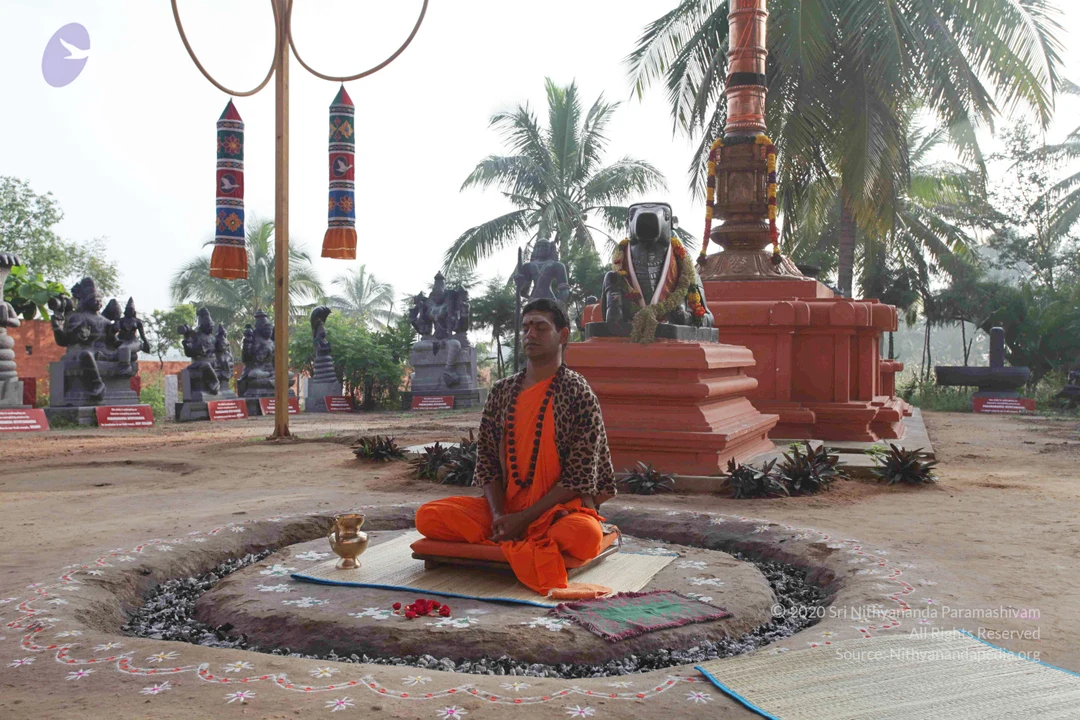
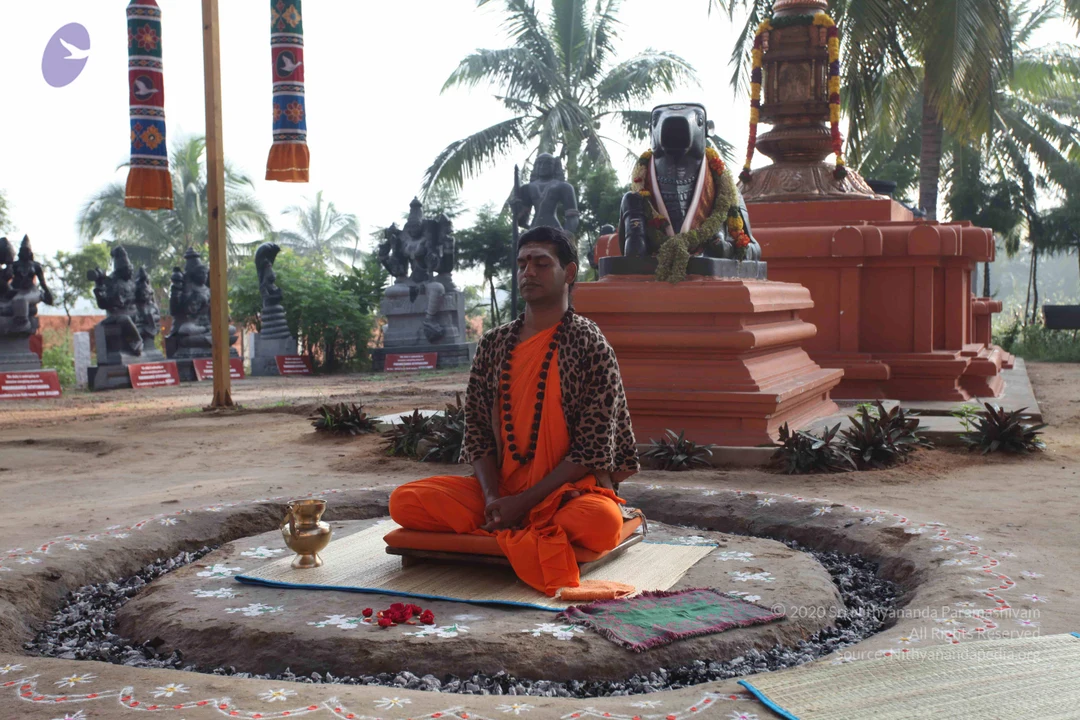
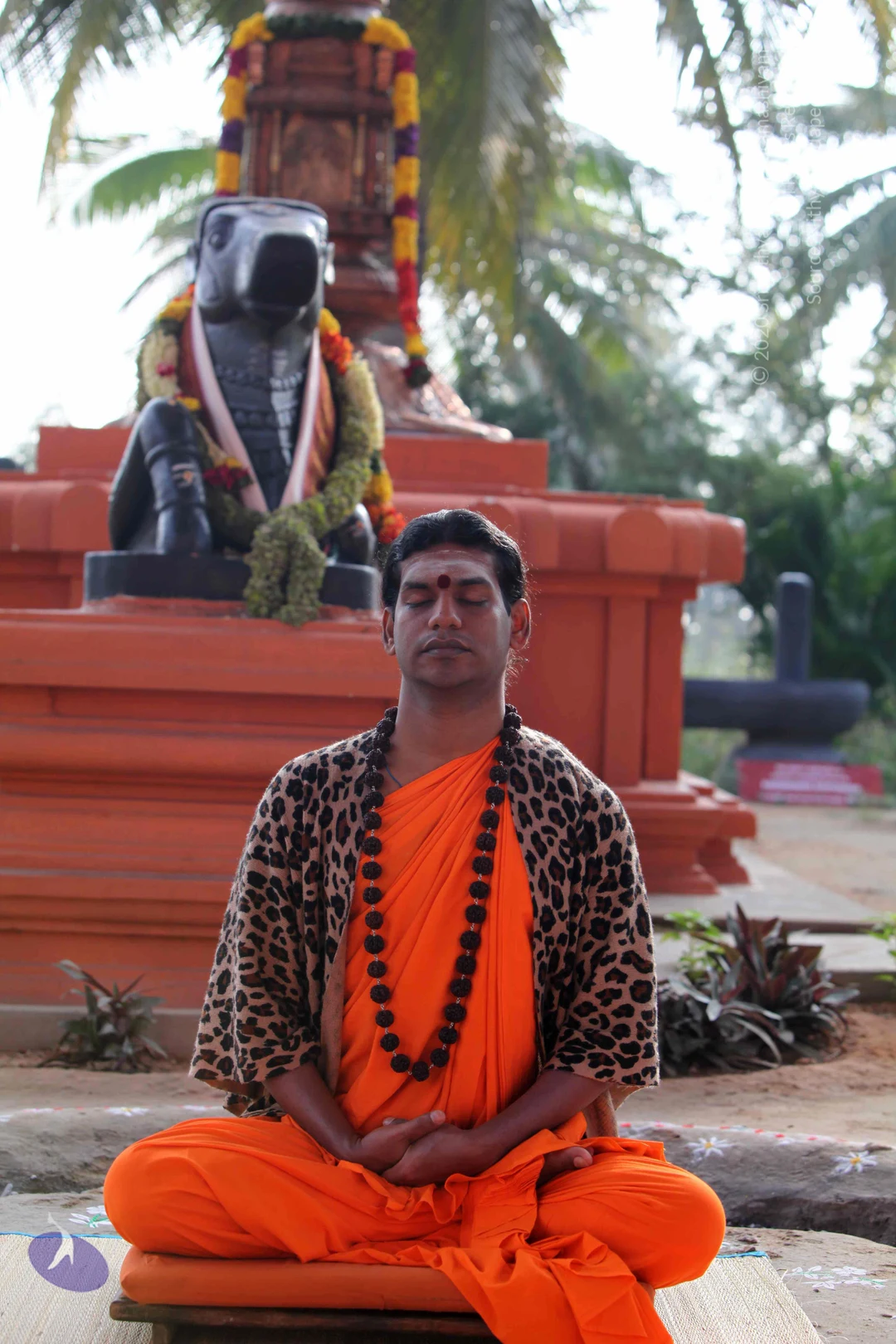
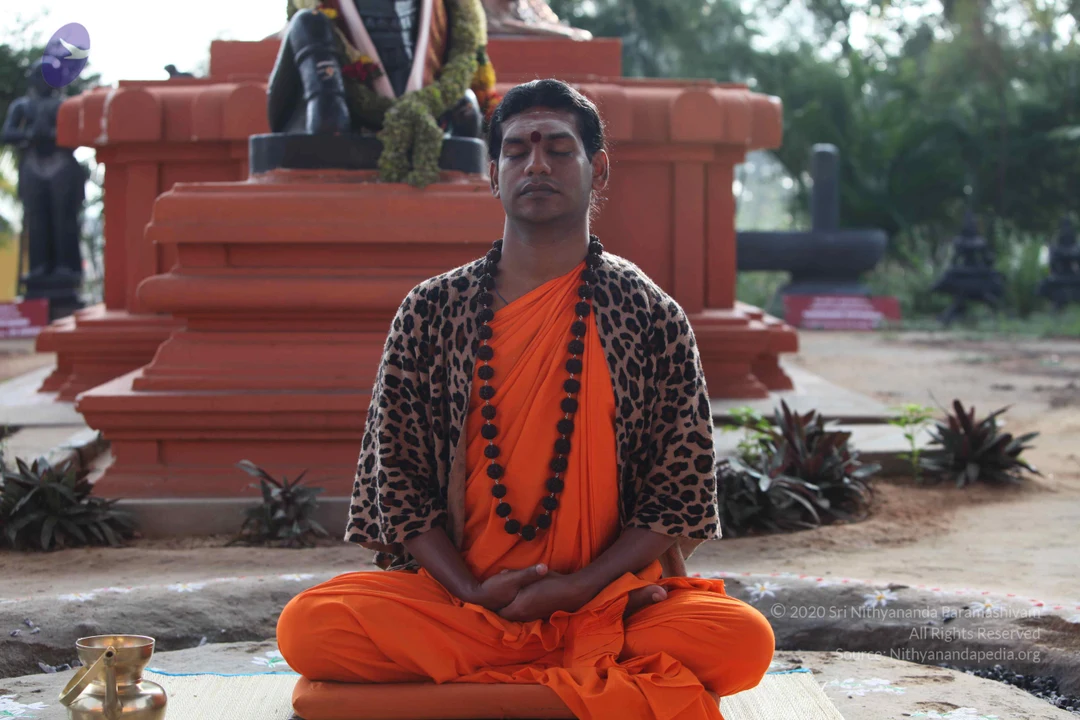
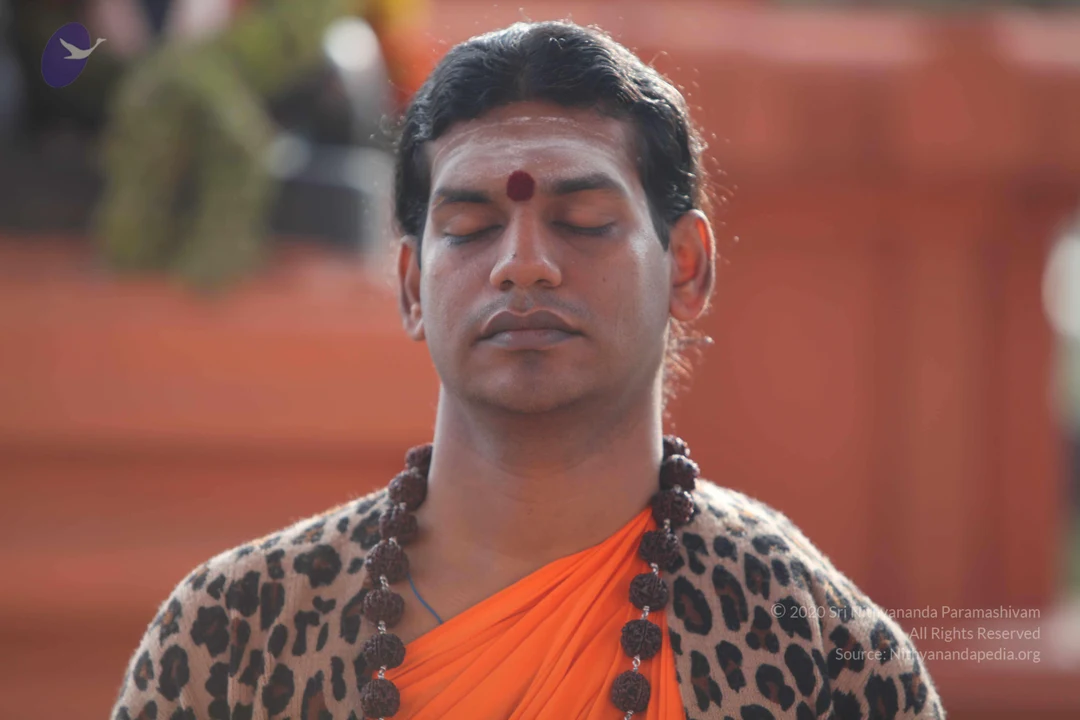




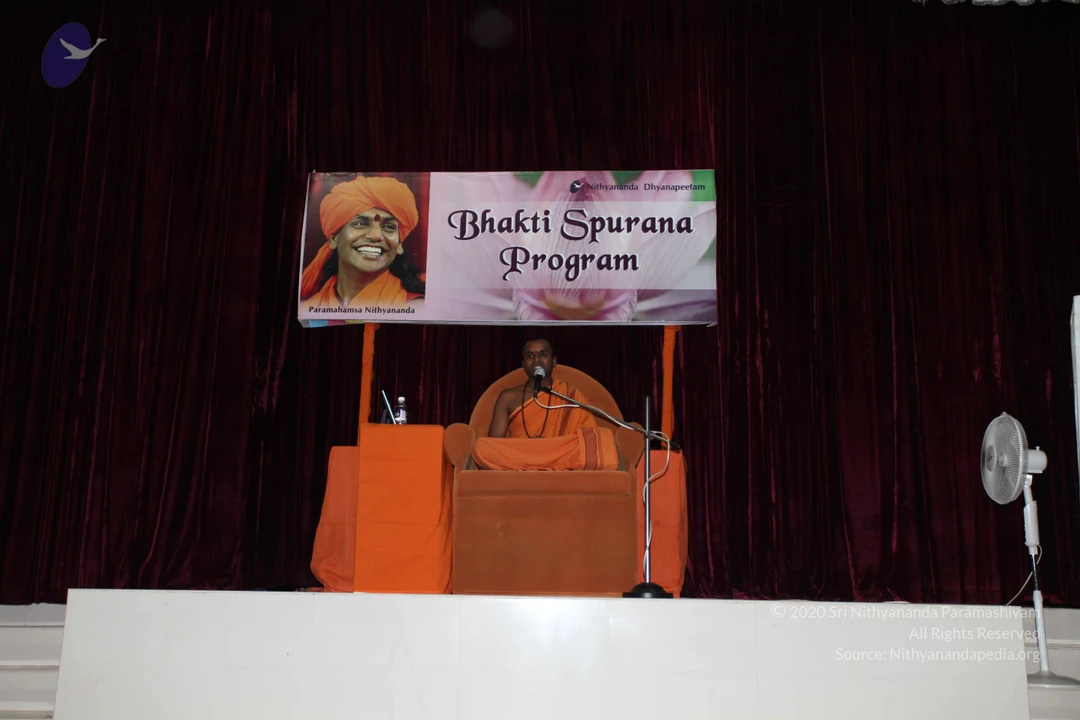
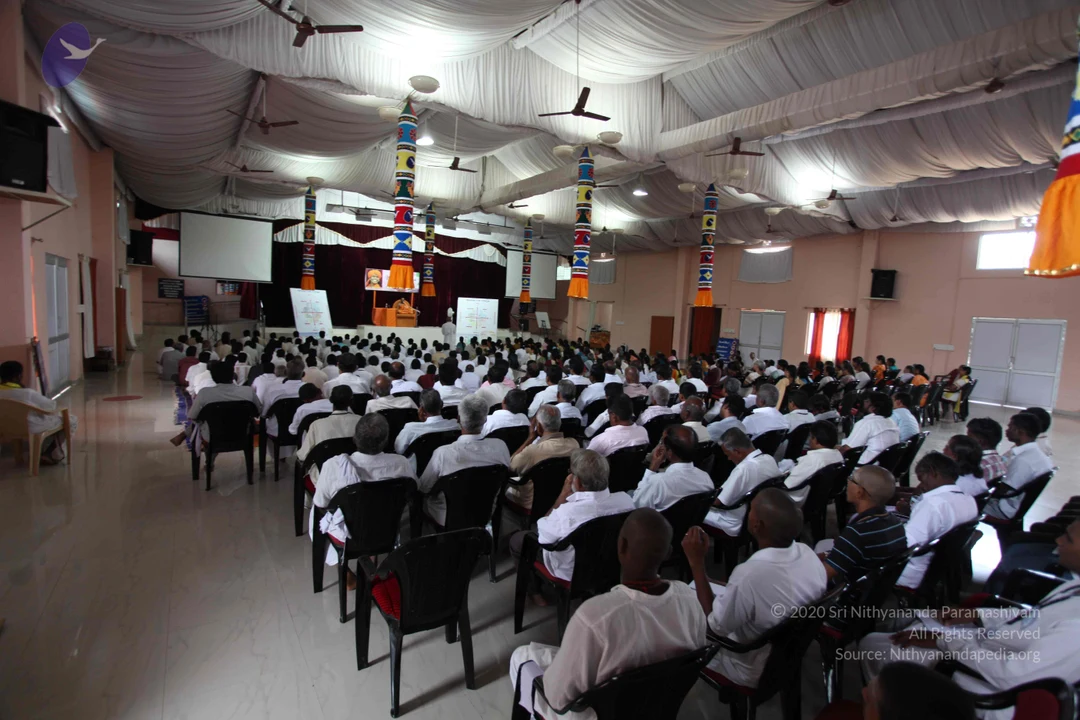
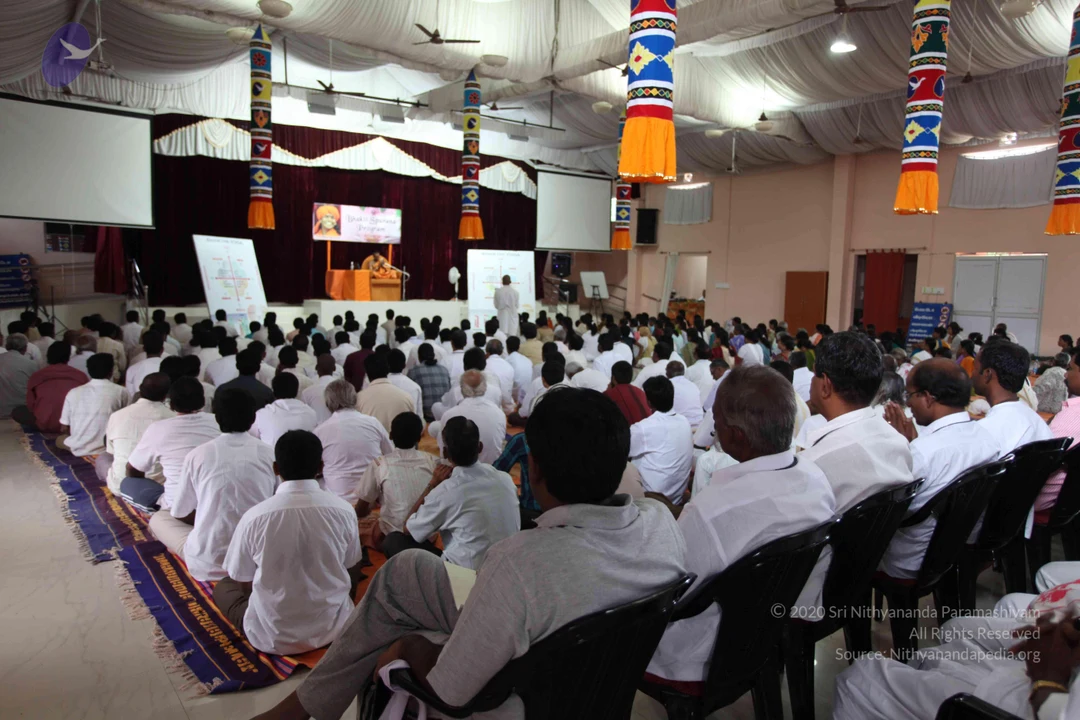
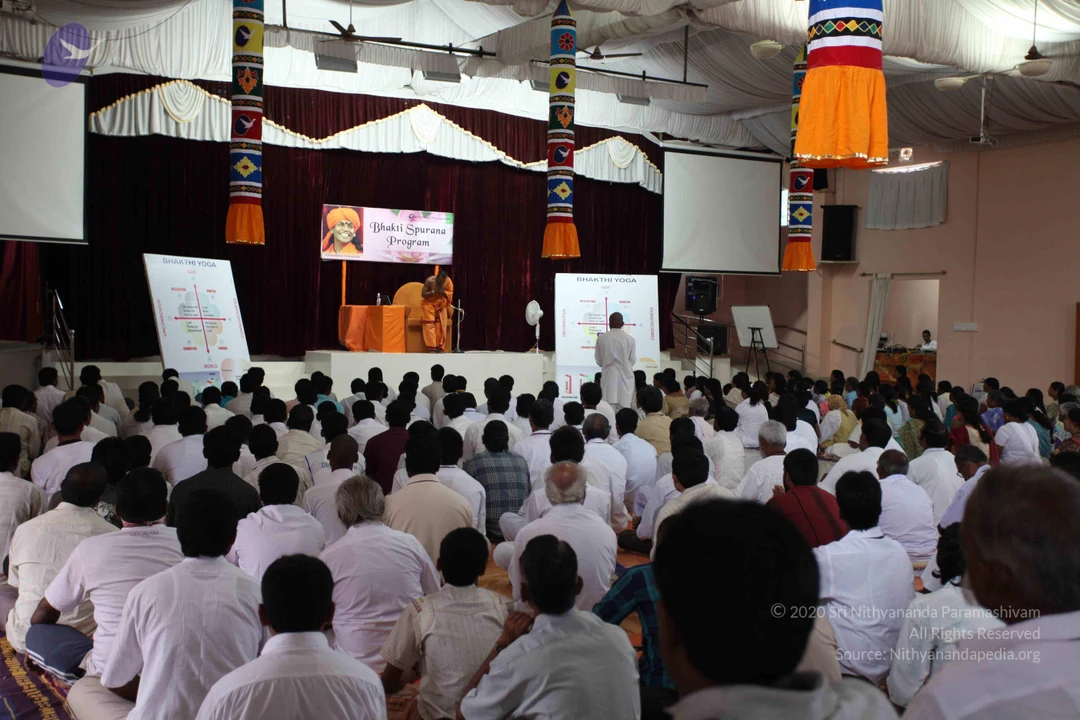
02-BSP
03-Evening-Homa