Skip to content
Sunday

28 November 2010

Siddha Tradition: Alter Your State Of Consciousness - Nithyananda Morning Satsang (28 Nov 2010)

Dated photos
51
Source pages
1
Media
2
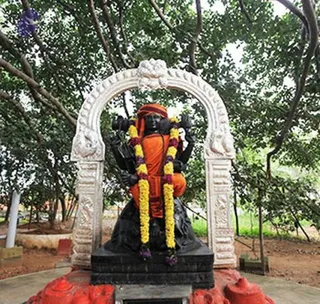
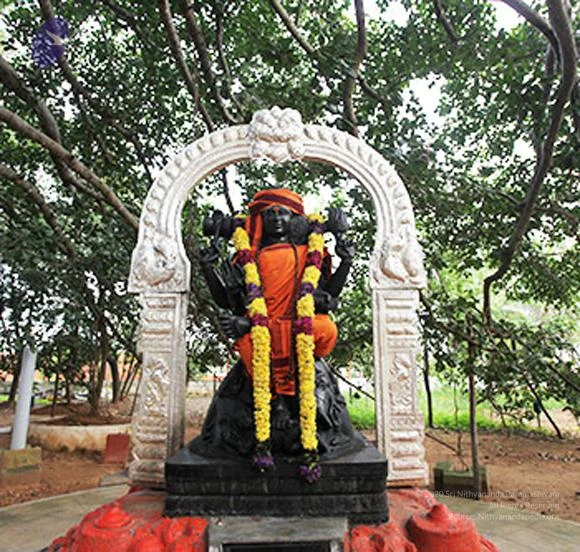
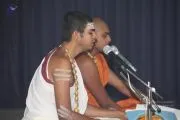
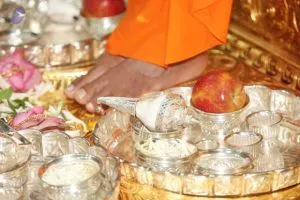
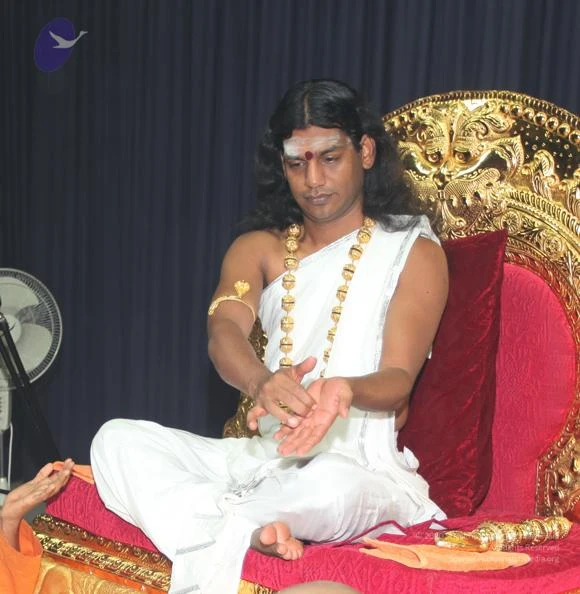
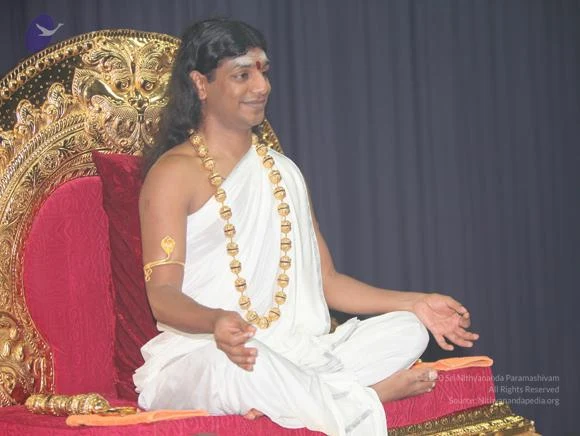
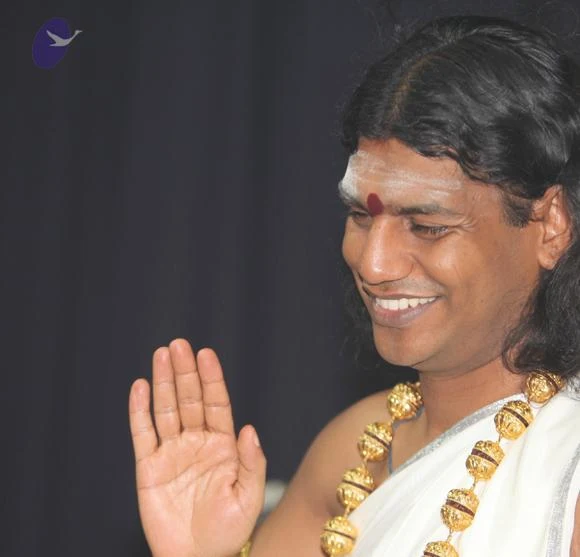
A black stone murti of a seated deity with multiple arms stands under a carved white stone arch framed by foliage and tall trees. The figure wears an orange-saffron cloth draped over the body and an orange turban-like head covering, with two long garlands of yellow and orange marigolds hanging down the front. The statue sits on a dark stone pedestal set on a red-painted base. Trees and grass surround the shrine in an outdoor garden setting. No people are visible.Close photograph of a man's right hand raised with fingers spread, palm facing outward, in the foreground. Blurred brass oil lamps with lit flames stand in the background, and fingertips of another person's hand appear at the bottom edge. The scene suggests a devotional gathering, but the frame shows only hands and lamps. No face is visible, so no candidate can be identified.A close crop of a seated figure in plain white robes and white draped clothing, wearing a long ornate gold necklace of large beads over the chest. The hands are raised in front of the body in a mudra-like gesture, palms turned up and fingers slightly curved. The background is dark blue draped fabric. Only the torso, arms and hands are visible, so the face is not shown. The figure appears to be seated in meditation, with an orange-tinted object at the lower edge.

November 28 2010

Original wiki page
Contents

Title

Siddha Tradition: Alter Your State Of Consciousness - Nithyananda Morning Satsang (28 Nov 2010)

Narration

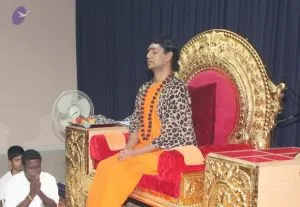
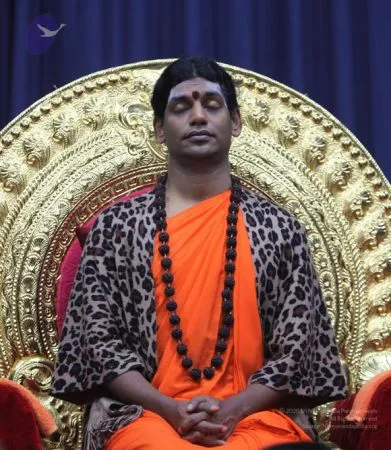
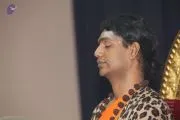
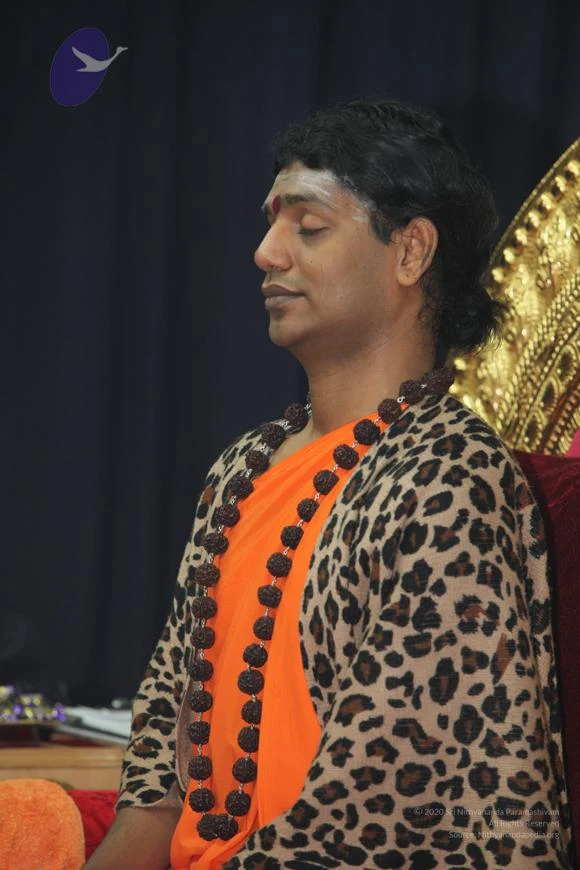
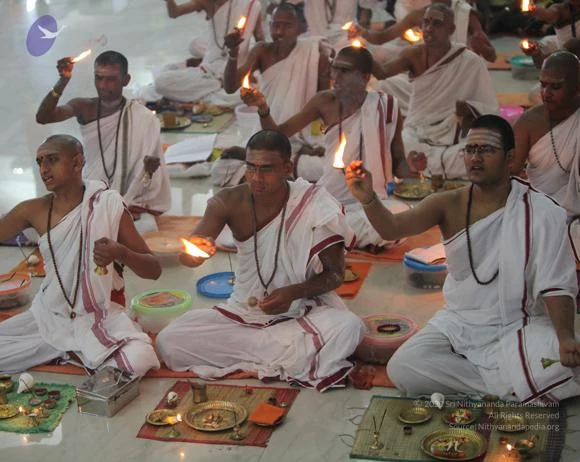
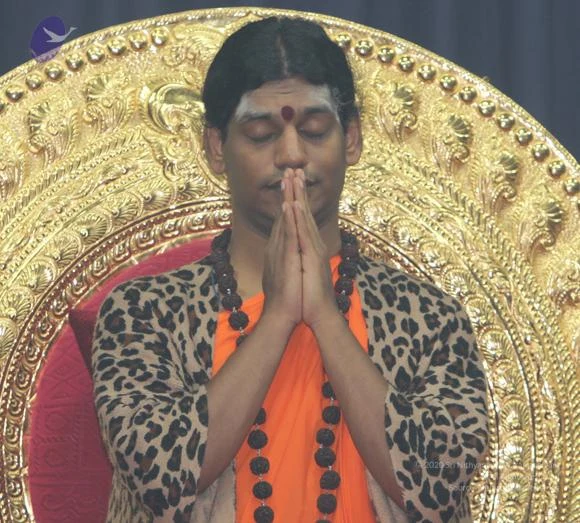
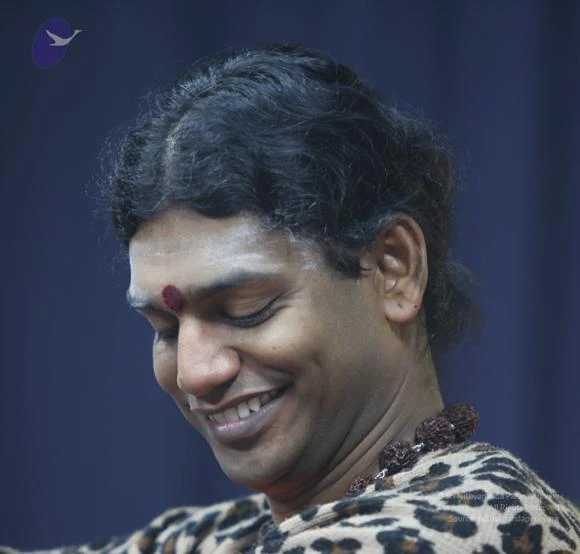
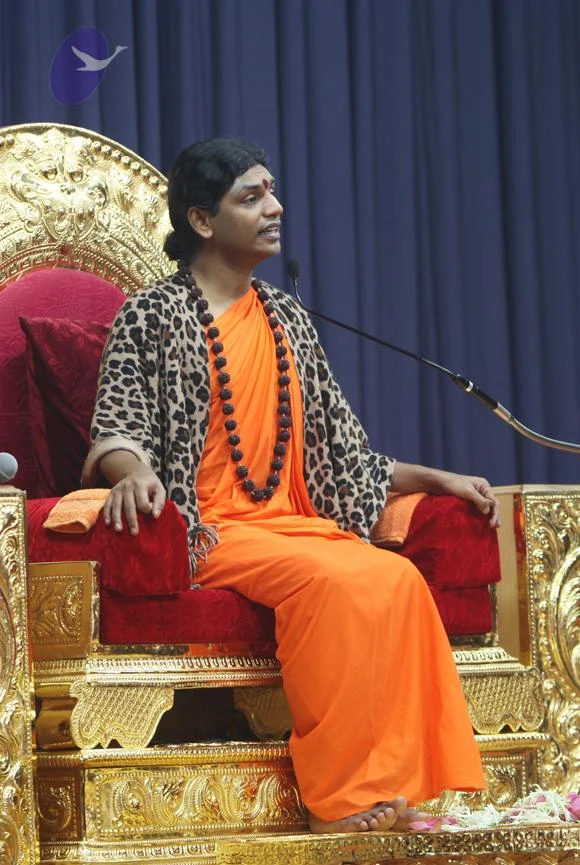
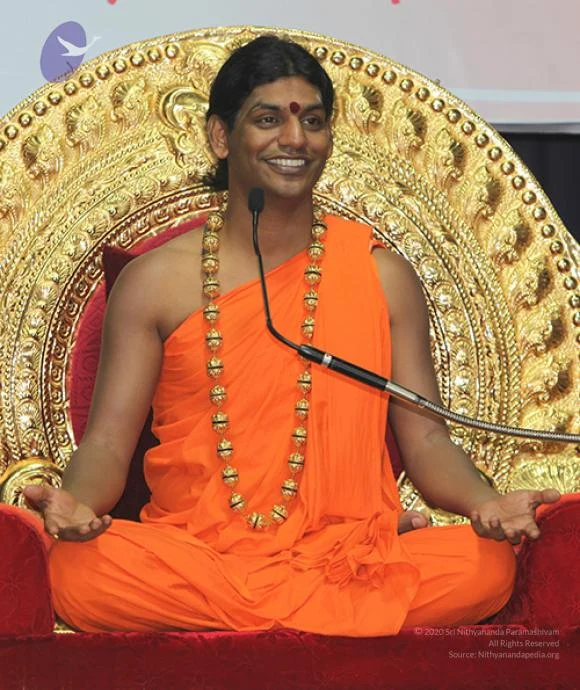
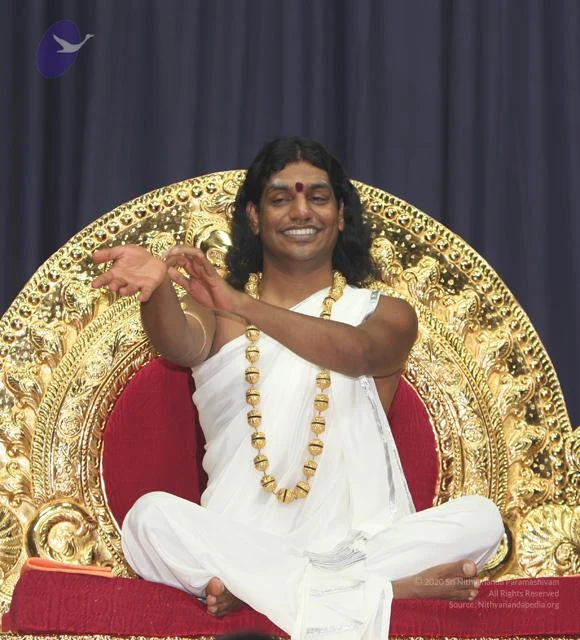
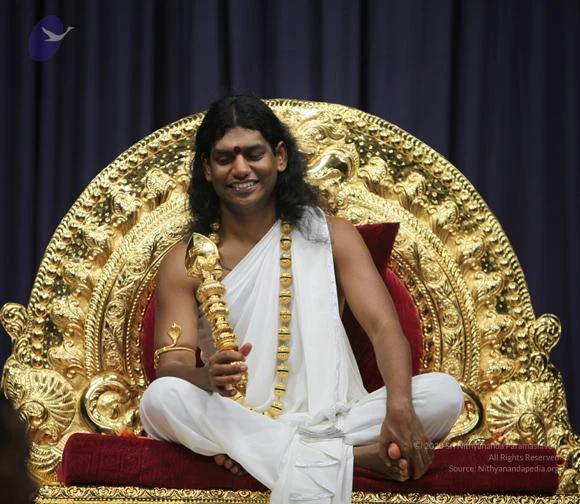
The Supreme Pontiff of Hinduism, Jagatguru Mahasannidhanam, His Divine Holiness, Bhagavan Nithyananda Paramashivam, expounded on the Cosmic Principles of the Siddha Tradition during the everyday live public talk - Nithyananda Satsang. In this talk entitled Siddha Tradition: Alter Your State Of Consciousness His Divine Holiness explained the technique to lift to higher States of Consciousness. He explained that if you let go of whatever is happening, you would not need to alter, you will simply be in pure consciousness, the highest Consciousness. He shared that many place themselves into lower consciousness and in order to raise to higher levels of consciousness, the right understanding about all four Jeeva (self), Ishwara (God), Jagat (world) and society needs to happen and will take away all kinds of suffering. Hi Divine Holiness shared examples of those having the wrong understanding about God and the world and explained beautifully how one should attend the problems related to spiritual things spiritually, attend the problems related to social things socially, attend the legal problems legally and so on. He explained that one of the major problems is that we go on mixing and start looking through the magnifying glass along with our spiritual problem, making the whole thing as a spiritual problem. “Altering the state of consciousness helps you to find the right problem and right solution. Not finding the right problem is the major problem.” His Divine Holiness said. Concluding by asking everyone to contemplate on this.

Video and Audio

Siddha Tradition: Alter Your State Of Consciousness - Nithyananda Morning Satsang (28 Nov 2010)

VideoAudio

Photos Of The Day:

nithyananda-bidadi
Photos from this day

View all 51 photos
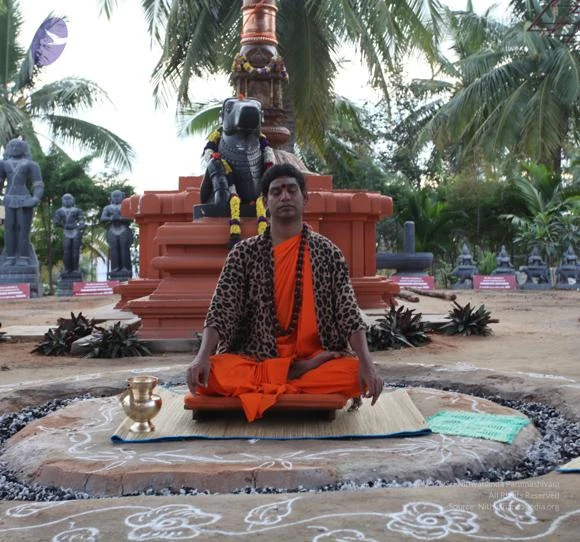
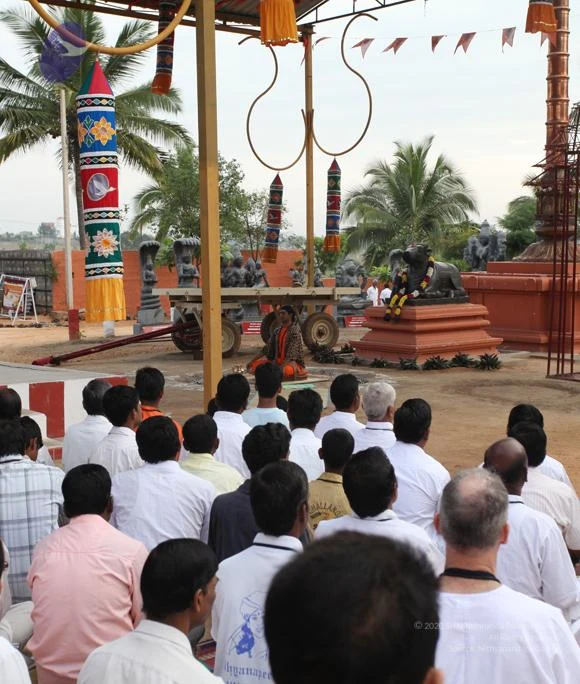
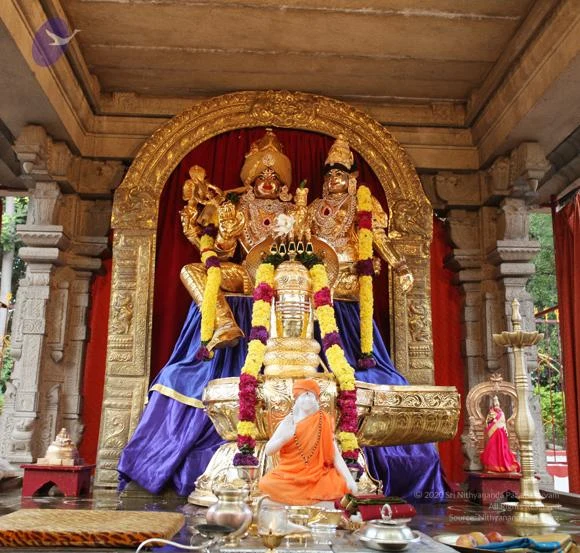
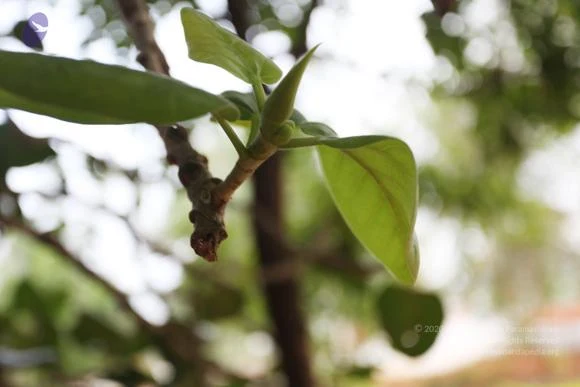
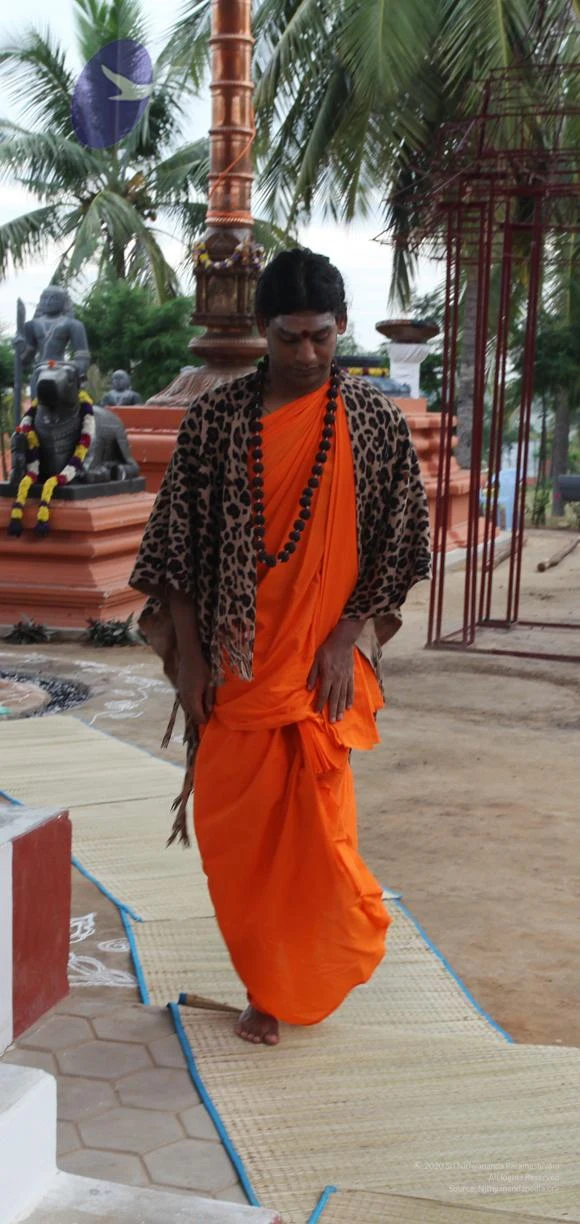
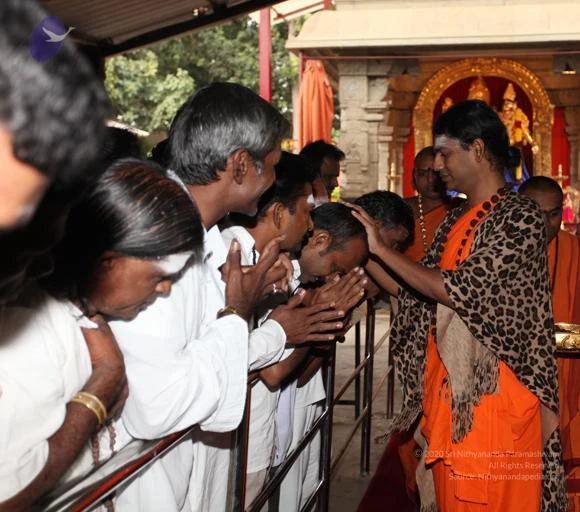
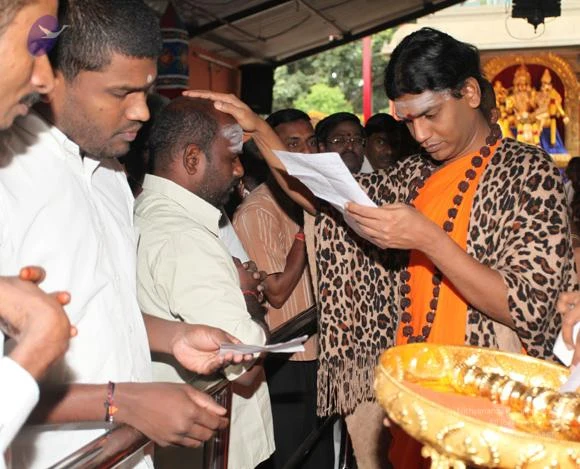
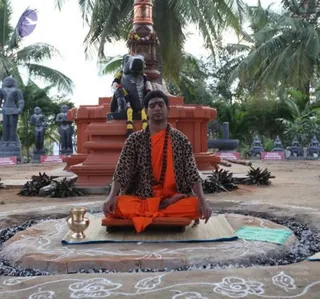
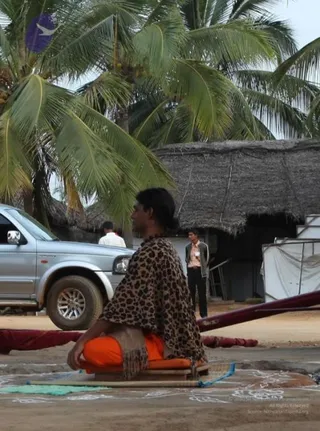
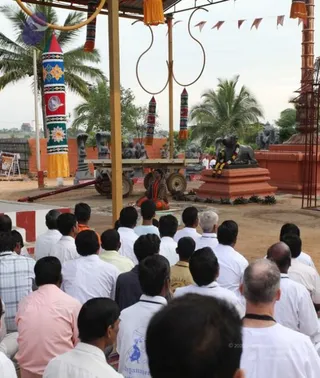
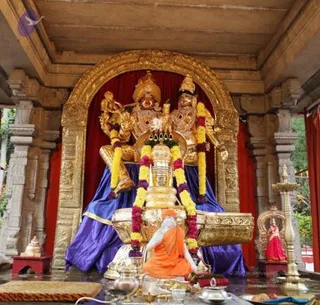
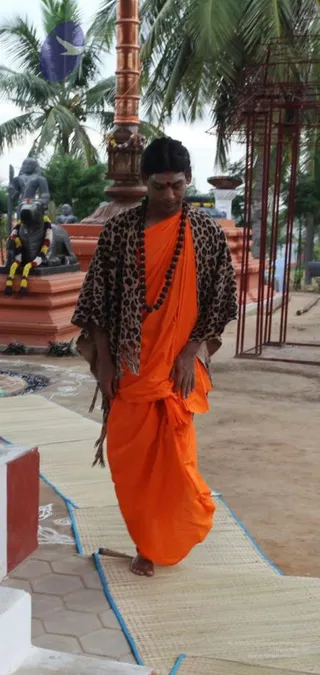
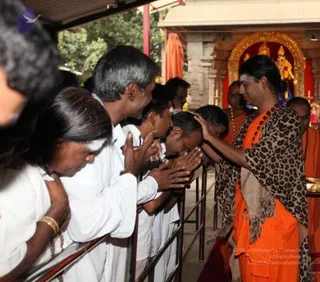
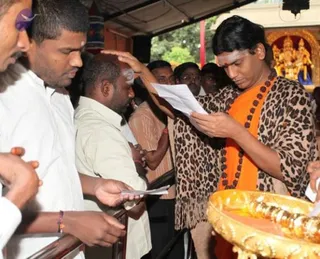
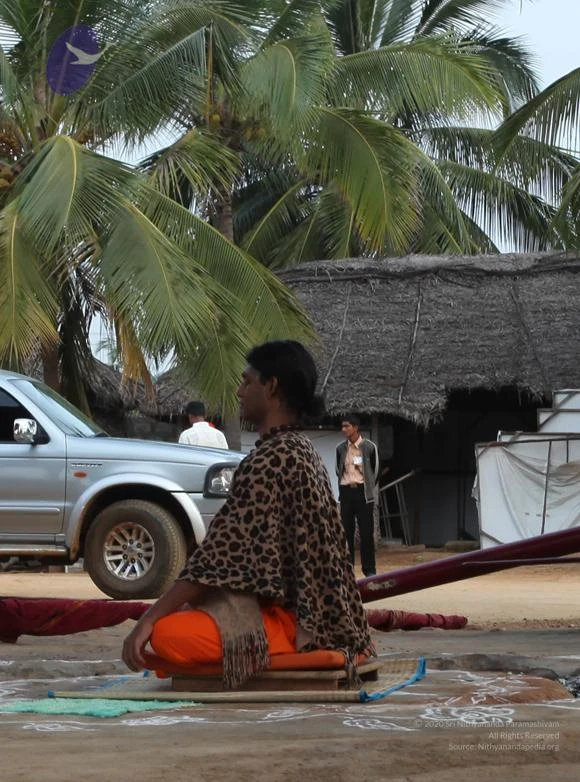
A man sits cross-legged in meditation posture on a raised stone platform outdoors, eyes closed, hands resting on his lap. He wears an orange-saffron dhoti and a leopard-print shawl over his shoulders, with a rudraksha-style mala visible at his chest. A brass kalasha or pot sits to his left on a mat, and a green paper sign lies in front of him on the decorated floor, which has white kolam-style patterns. Behind him stands a red brick structure topped with a black stone bull statue (nandi) draped with a flower garland, flanked by palm trees and rows of grey stone sculptures of figures in a garden setting. The sign and bull statue are in a park with small placards on low walls. A photo credit caption appears in the lower right corner.Outdoor photo of a seated man in orange clothing and a leopard-print shawl, with long hair and a dark bead necklace, sitting cross-legged on a low wooden platform over a mat on a sandy ground. Palm trees, a thatched hut and a silver SUV are in the background, with two standing men nearby and a red cloth on the ground. The seated figure is the only clearly visible prominent person, and the appearance cues fit the Swamiji candidate with orange clothing, a leopard-print shawl and long hair, so this is an appearance-based probable identification: Swamiji (probable) seated in satsang-style posture.A photograph of a gathering outdoors in a tropical setting with palm trees and a red-painted structure behind. Several people in white clothing sit on the ground facing the front, some with heads bowed, while others look forward. A figure in the front centre is seated at a raised platform. No clear visual cues establish his identity, so the a person field is set to unsure. Roughly a few dozen attendees are visible in the frame.Outdoor photo of a seated group of devotees facing a central figure seated on a raised platform beneath a open-sided canopy. The seated figure wears orange and saffron robes and sits near a red-brown stone shrine with a carved stone elephant statue adorned with a garland. Behind, a stone chariot-like cart and stone sculptures stand in a temple compound with palm trees and tall decorative poles with colourful striped and floral banners. Most attendees wear white shirts and dhotis or light clothing, seated on the ground in rows, with a few standing near the back. The central figure's appearance is not clearly distinguishable, so identity is unsure.A photograph of a temple shrine with a gilded deity murti seated on a blue cloth-draped dais before a red curtain, flanked by carved stone pillars. Garlands of yellow and magenta flowers hang across the figures and a gold kalasha-like vessel stands in front. In the foreground, a small white-bearded sannyasi statue or figure in saffron-orange robes sits at a brass-and-silver puja tray with bowls and a brass oil lamp, and a small red-clad figure stands at the right edge beside another lamp.A black stone murti of a seated deity with multiple arms stands under a carved white stone arch framed by foliage and tall trees. The figure wears an orange-saffron cloth draped over the body and an orange turban-like head covering, with two long garlands of yellow and orange marigolds hanging down the front. The statue sits on a dark stone pedestal set on a red-painted base. Trees and grass surround the shrine in an outdoor garden setting. No people are visible.Close-up photograph of a young branch with fresh pale green leaves unfolding from a brown woody stem against a blurred background of green foliage and branches. No people are visible.A photograph of an outdoor shrine set in a leafy garden. A small arched stone structure stands at centre, with a black pedestal bearing a garland of orange and red flowers draped across it. Below, a circular bed of red and orange flowers surrounds the base, with a stone path curving around it. Tree branches with green leaves frame the upper and foreground, and a paved path and grassy area sit beyond. No people are visible.A barefoot man in an orange saffron dhoti and shawl walks along a woven bamboo mat path outdoors. He wears a leopard-print shawl over his shoulders, a long dark rudraksha mala around his neck, and a red bindi on his forehead, with his gaze lowered. Behind him stand a dark stone statue of a seated deity with a trident and a bull figure garlanded with yellow and red flowers, a copper-coloured column, palm trees and a red metal frame structure. A rangoli design lies on the ground beside the mat. The man's appearance with saffron clothing, a rudraksha mala and a shawl is a probable candidate for a person, with the cues being saffron clothing, rudraksha mala and shawl, in a walking role.A woman in a leopard-print top and orange skirt bends forward at a grey stone ledge inside a temple, leaning over to make an offering. Behind her a deity murti dressed in gold and red garments sits on an ornate altar, with an orange-robed attendant standing beside it. A metal cage sits to the right and a red painted wall edges the frame.Photograph of a line of devotees at a temple darshan, bending forward with palms pressed together while receiving blessings. A man in orange saffron robes with a long leopard-print shawl stands at the right, his right hand extended to touch the head of the bowing devotee. Devotees in white clothes stand along a metal railing, some with bare arms and wrists adorned with gold bangles. Behind them, a shaded ornate temple shrine with red and gold decorations holds a deity murti. Several other saffron-robed attendants stand in the background. Probable Swamiji wears a leopard-print shawl over saffron robes, with long swept-back hair and a distinctive rudraksha-style presentation; he is the central blessing figure.A photograph of a temple-like setting with a golden ornate tray in the lower right foreground. A man in an orange saffron garment with a leopard-print shawl over his shoulders and a rudraksha mala around his neck stands at the centre, holding a sheet of paper and touching the forehead of a devotee in a light-coloured shirt. Several devotees in white and cream shirts stand behind a metal railing, one holding up a paper. A golden deity figure with a red backdrop is visible in the upper right background. a person is the central man, identified by his saffron robe, rudraksha mala and leopard-print shawl, shown giving blessings to devotees.