Tuesday
28 November 2017
Your Self-Doubt Cannot Stop You from Manifesting Powers
- Dated photos
- 494
- Source pages
- 1
- Media
- 4
November 28 2017
Original wiki pageTitle
Your Self-Doubt Cannot Stop You from Manifesting Powers
Description:
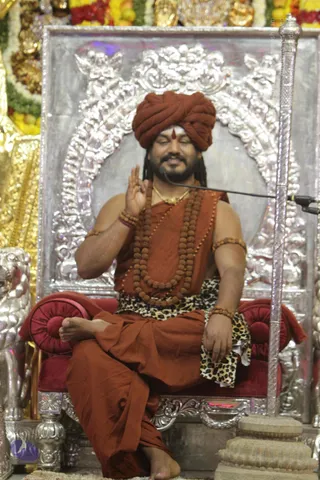
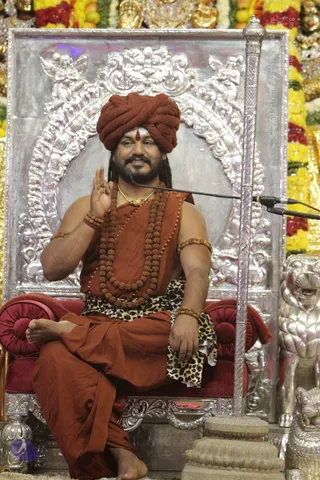
In this video (28 November, 2017), Paramahamsa Nithyananda reveals that our SDHD (self-doubt, hatred, and denial) are not more powerful than the initiations He is giving us into Shaktis of Sadashiva. The SDHDs themselves cannot stop the power manifestation, however, consciously cherished non-Integrity stops power manifestaition and needs to be destroyed.
Link to Video:
| Video | Audio |
Title:
கற்பனை,கற்புனை,கல்புனை
Link to Video
| Video | Audio |
Transcript:
(0:07)
nithyānandeśvara sadāshiva samārambhām
nithyānandeśvari adīshakti madhyamām |
asmat āchārya paryantām vande guru paramparām ||
(0:52)
I welcome you all with My love and respects. I welcome every one of you, sitting with us all over the world, through Nithyananda TV, 2-way Video Conferencing, Facebook Live, YouTube Live, having Nayana Deeksha all over the world. The cities sitting with us through 2-way Video Conferencing having Nayana Deeksha - long list. So I welcome all of you with My love and respects.
(1:38)
Before entering into today’s initiation for manifesting MahaSadāshivatva - understand - the state and space and powers of MahaSadashiva is your own, even when you are in your self-doubt, self-hatred, self-denial. Actually, the self-doubt, self-hatred, self-denial, does not and cannot stop the power of My initiation, for you to manifest your powers. Fundamentally, the tantrum throwing child in you only is questioning My authority. Your unconsciousness has already lost the war with Me, that is why you are here; otherwise you cannot be in My physical presence, be very clear. The unconsciousness does not have any more power over you more than the strength of My initiation.
Be very clear, I’ll explain the deeper truths. Listen.
(3:31)
Your self-doubt, self-hatred, self-denial, is just the fairytale trying to cope up with the higher reality. Listen. How a child, when a child is born, it takes 9 months for the child to differentiate the…. between sleeping and… sleeping state, dream state and waking state. If a child feels hungry in the dream state, he will cry even in the waking state. If he dreams as if he drank milk in the dream state, in the waking state he will not be hungry. To differentiate it takes 9 months and to get out of the intense slumber in which the body was created, chiseled, the Kārana space, Avyakta space - unmanifest form, the seed is given a form in your mother’s womb. That is why I tell you, if you have a body with womb, you are more prone to Mahadeva’s grace than the body without womb.
The Avyakta - unmanifest component of Mahadeva, directly functions in your womb carving the body. During that time you have to be kept in a very deep slumber because you can’t handle the pain of the creativity. Like how, if you have a fracture or a problem, when that part is getting rebuilt, how you can’t handle the pain, when your whole body is getting built, how can you handle the pain. No! So you are kept purposely in a deep slumber. That is why in Hindu tradition when a pregnant lady is sleeping, she can’t be disturbed. You can’t disturb a pregnant lady’s sleep. It can be day or night, if somebody is carrying, you can’t disturb the person’s sleep, because the body is getting created. She is not sleeping. She is in that Avyakta space, unmanifest space.
(06:27)
It takes full three years for the Jeeva to recognize - waking state is more powerful than the dream state and the dream state he has more things than the deep sleep state; the complete differentiation, the water tight compartmenting and doveholing the experience. How, the post office, they dovehole your letters… Chennai, Tirupati and America - how they dovehole the letters, same way for you to dovehole your experience - “This happened in dream state, aye! I ate in dream state, not in waking state. In waking state I have to eat.” So doveholing the experience takes 3 full years. Understand. Full 3 years!
Manifestation of powers happens from Turiyatita - highest space.
Listen carefully. I am making many statements… finally I’ll connect all of them. So you need to be very carefully listening. Only then you will see that whole zigzag puzzle falling in place. This is very important for you to manifest higher powers and higher possibilities. If you understand this, you can use your body and mind like a clay. If you are developing your flexibility day by day, you are a fool. You don’t have to be Nithyananda’s disciple. Go somewhere…. If you just melt your body and rebuild, you are My disciple. For that, these principles will help you. These principles will help you.
Listen carefully.
Child, when he goes through the transition of not knowing the borderline between waking state, dream state and deep sleep state, to knowing the borderlines clearly - doveholing, watertight compartmentalizing… when he is going through the transition, he cannot handle it without the support of imaginary stories. That is why the fairy tales in the West. We don’t need fairy tales. Higher reality stories, Puranas are enough for us. If a child is given the cushion of Puranic stories during this transition to cope up with reality, he is inbuilt with the software for power manifestation. His DNA is getting built for power manifestation. I tell you, if you are brought up with Tom & Jerry, your whole life will be Tom & Jerry.
During that transition to cope up with reality, understand… first 3 years you learn doveholing, then it takes till 7 years for you to start consciously choosing what is right – wrong, and then only by 14… you know how to clean if you have done something wrong to yourself.
Listen carefully. Moving from the space of non-separation of the states to understanding of the states needs a cushioning of imaginations, fantasies. It can be from lower level imagination, fantasy or from Turiyatita level imported…. When it is imported from Turiyatita, it cannot be called as fantasy or imagination. It is called Purana.
(12:14)
Powers are possibilities. Powers are possibilities. Listen. But you need cushioning effect for this transition. Same way, from a person of powerlessness to power manifestor, you need transition of SDHD. It will be there, you can’t avoid. SDHD is not crime, cherished non-integrity is crime. Listen. If you have SDHD before power manifestation - self-doubt, self-denial, self-hatred, it’s not crime. But you have a cherished non-integrity, it’s a crime.
Mahadeva very beautifully explains the rules of the Sannyas. Somebody takes Sannyas...Sannyas is the lifestyle of Dheera. Veera means conquering something by your action. Dheera means conquering something by your Presence. Veera is conquering by action. Dheera is conquering by depth of the Presence. Sannyas is the decision of the people who have that kind of a depth, who can handle their body, mind, hormones, chemicals by their conclusions. Their conclusions is more stronger than the hormonal gush and chemical ups and downs of the system.
Mahadeva is compassionate Being. He does not expect you to be successful in one jump and He is not that insensitive. He says very clearly, “If somebody just shakes or little shivering due to the gush of the hormones, chemicals, he doesn’t need to be punished. A prayaschitta is enough… to get back to the original space of the real Sannyasa. He doesn’t need to be punished. But cherished romance cannot be the part of Sannyasa.
Listen. Cherished romance can be entertained, engaged only with the ultimate goal - Mahadeva, Sadashiva.
(15:52)
What’s the difference between falling, struggling - by mistake or cherished romance? Because every day you can do fasting. No, I have seen many people, “Oh, I am fasting from morning 9:00 AM to till 3:00 AM...sorry 3:00 PM.” Between breakfast and lunch.! In Tamil Nadu, there is a very famous fasting. Between breakfast and lunch, and then after that lunch and dinner, between that break again fasting. It can be technically right not spiritually. It may be right letter not spirit. If somebody flares up in anger, it can be corrected just by completion and prayaschitta. If they cherish vengeance… No! That is not going to…..that is self-destruction. Same way, when the hormones gushes, if you just shake little bit or move, just prayaschitta is enough. But cherished romance - NO … cannot be corrected by any prayaschitta. No!
Mahadeva gives a very beautiful description. It’s...it’s too...too strong powerful instruction, so it cannot be translated as it is and told. I’ll give you the essence of that thought current. Understand that. When a hormones gushes, you act it out and then realize, “Oh, God!”, then you can be given prayaschitta. But when the hormones gushes, you act it out and then start cherishing it, then there is no prayaschitta.
(18:36)
SDHD is not crime. Your power manifestation, manifesting Sadashivatva does not get stopped by the SDHD. But cherished non-integrity stops your power manifestation. It’s not that all My Balasants who manifest powers left and right, they do not have SDHD at all. Sometimes it comes but it doesn’t stop their power manifestation. It is just they are coping up with the new higher way of existing. Like how when you move from deep sleep to waking state, a fairytales and imaginations are required for cushioning effect, even that cushioning, our Masters did it from Turiyatita not from Sushupti. But cushioning effect is required.
Same way, when you move from the Jeeva identity to Shiva consciousness, there will be SDHD, don’t worry about it. It is only a cushioning effect - transition. You don’t need to build more hatred about your self-hatred. You don’t need to build the second layer of doubt because of your doubt. “Oh, I have a self-doubt”, become one more self-doubt. “I have a self-hatred”, become one more self- hatred. “I have self-denial”, become one more self-denial. No! You don’t need to build the layers of burger. No! Topping of the second layer SDHD on your pizza is not going to make your pizza tasty. SDHD does not stop your power manifestation but cherished non-integrity supported by SDHD, stops your power manifestation.
(20:52)
I’ll give you the example - Cherished non-integrity supported by SDHD. You are very clear, you can’t get up and do yoga and change your nervous system. These are self-doubt, self-hatred, self-denial. You don’t even try in the morning to get up regularly itself. One day you missing is different. That is SDHD. But regularly itself, “This is not for me……..” That is what is cherished non-integrity supported by SDHD. Cherished non-integrity supported by SDHD is the crime. When I give you the intelligence about a problem, I’ll give you the energy to solve the problem. When I give intelligence about a problem, I’ll give you the intelligence to solve the problem. I’ll give you the energy to solve this cherished non-integrity today… so you can manifest all the powers… you are ready for the Amritattva Aushadha, complete cleansing of your internal organs and intra organs. Let’s start. Let’s start.
(22:46)
Now pen down all your cherished non-integrity supported by SDHD and just SDHD. Whatever you remember as just SDHD and cherished non-integrity - pen down both. I’ll initiate you.
(37:49)
If you finished writing, sit with the intention to complete all this and get out of it. Listen carefully. If you failed one day waking up in the morning or if you have a SDHD you can never wake up every day and build your body as you want - both are forgivable. It is not crime. It will not stop you manifesting your possibilities. But you decide not to wake up as a cherished romance with non-integrity supported by your strong SDHD conviction, then nobody can save you. Nothing can be done. Nothing can be done. That need to be destroyed. Cherished non-integrity is a crime that does not allow you to manifest powers.
Now declare you will break all the cherished non-integrity. Burn the whole thing. Rebuild yourself as a new Being. Let’s start. Sit with this intention. I’ll strengthen your conscious intention and make you manifest the powers today.
(39:25)
(Initiation – Meditation)
aum nithyananda mahasadāshivoham
(1:14:01)
You can all open all your three eyes and manifest the powers of length, breadth, depth, healing through Ananda Gandha, body scanning through third eye and ability to read your own and other’s mind. All these powers put together - play with it. Only if you play with it, you will develop the right inner space and cognition to manifest it.
I bless you all, let’s all radiate. Let’s continue the causing and power manifestation now.
Let’s all radiate with Integrity, Authenticity, Responsibility, Enriching, Causing, Living Shuddhadvaita Saivam, Sadāshivoham, the Eternal Bliss - Nithyananda.
Thank you.
Be Blissful.
(1:15:14)
Transcript in Tamil
எல்லா உயிரினம் சிவத்தன்மையில் நிலைப்பற்றது 0.08 - 0.34 குரு வந்தனம் 0.35 உங்கள் அனைவரையும் வணங்கி வரவேற்கிறேன். 0.38 0.43 சமய தீக்க்ஷையைப் பற்றிய விளக்கங்கள் அறிமுகங்கள் இதெல்லாம் கேட்டு இருப்பிங்க, சாரமாக இதையெல்லாம் எல்லாவற்றின் சாரமாக உங்களோடு இந்த ஒரு சில கருத்துக்களை மீண்டும் உங்களோடு பகிர்ந்து கொள்கிறேன்.0.59 ஆழமாக இந்த கருத்துக்களை உள் வாங்கினால் போதும். எம் பெருமான் ஈசன் நித்யானந்தேஸ்வரர், சமய தீக்க்ஷை வடிவாக சமய தீக்ஷை மூலம் உங்களுக்கு என்ன அளிக்க வேண்டும் என்று விரும்புகின்றாரோ அதை நீங்கள் பெற்று விடலாம்.1.17 1.20 மூன்றே மூன்று கருத்துக்கள்தான். முதல் விஷயம் நீங்கள் விரும்பினாலும் விரும்பலனாலும், புரிஞ்சிக்க கிட்டாலும் புரிஞ்சுக்கலனாலும், ஏத்துக்கிட்டாலும் ஏத்துக்களனாலும் வாழ்க்கையில் சில இறுதி உண்மைகள் என்று இருக்கிறது. அதாவது சுரியன் கிழக்கில் தான் உதிப்பான் மேற்கில்தான் மறைவான். நீங்க வீட்டை தெற்கிலும் வடக்கிலும் வாசல் வைத்துக் கட்டிக் கொண்டால் சுரியனை நீங்கள் பார்க்கவே முடியாது, உதிக்கும் போதும் மறையும் போதும். உடனே நீங்கள் சுரியன் உதிக்கிறதே இல்லை மறைகிறதே இல்லை என்று சொல்லமுடியுமா? முடியாது. அதான் நாத்திகர்கள் பேசும் பேச்சு. இயற்கையைக் காணத் தவறியதால் இயற்கையே என்று சொல்லுகின்ற மூடர்கள் .2.04 நம்ம வீட்டு வாசற்படியை தெற்கும் வடக்குமா வைச்சுக் கட்டிக் கொண்டோம். அது மட்டும் இல்ல நாமே எந்திரிக்கிறதே இங்கு வியற்காலை பத்தரை மணிக்கு. லேட் நைட். ஆறு மணிக்கெல்லாம் டீவியை ஒன் பண்ணிட்டு டிவி சீரியலை பார்க்க உட்க்கார்ந்துகிறோம்.2.22
அப்ப சுரியன் விடியறதையும் சாயறதையும் எங்க. பார்க்கறது. நாம பார்க்கல என்பதற்காக சுரியன் விடியறதே இல்லை. சாய்றதே இல்லனு சொல்ல முடியுமா ? முடியாது.2.34
2.36 இறுதி உண்மைகள் மாறுவதே இல்ல. நாம பார்த்தாலும் பார்க்கலானாலும், புரிஞ்சிக்கிட்டாலும் புரிஞ்சுக்கலானாலும், நம்பினாலும் நம்பலனாலும் அது மாதிரி மாறாத இறுதி உண்மை எல்லா ஜீவன்களும் உயிர்களுமே சிவத் தன்மையில் தான் நிலைபெற்று இருக்கின்றன. 2.57
நீங்கள் என்னதான் உங்களைப் பற்றி நான் என்ன 35 வயசு இருக்கிற நடுத்தர குடும்பஸ்தன். காலையில் எழுந்திரிச்சா பொண்டாட்டியோட சண்டை, ஆபிஸ் போன மேனஜரோட சண்டை, திருப்பி வந்தா பசங்களோடு சண்டை, ராத்திரி முழுக்க திரும்ப பொண்டாட்டியோட சண்டை, இதுதான் என் வாழ்க்கை. 3.24 நீங்க என்னதான் உங்களைப் பற்றி வேறு வேறு கருத்துக்களை வைத்துக் கொண்டாலும் இல்ல ஏதோ வண்டி ஓடுது. ஏதோ சம்பாதிக்கிறேன் ஏதோ சாப்பிடுறேன், ஹாஸ்பிடல் போறேன், செத்துப் போகிறோம். நீங்க என்னதான் சிறு சிறு கருத்துக்களை வைத்திருந்தாலும் இறுதி உண்மை நீங்கள் சிவத் தன்மையின் அனுபவத்தில்தான் நிலைத்து இருக்கிறீர்கள். 3.56 3.58 நீங்கள் என உணரும் உயிர் சிவத் தன்மையில் நிலைத்தது. சிவோகம். அப்படீன்னா ‘நானே சிவனென்று’ உங்கள் எல்லோருக்குள்ளும் அந்த அனுபவத்தை இறைவன் புதைத்து வைத்திருக்கிறான். நீங்க விரும்பினாலும் விரும்பலனாலும் ஏத்துக்கிட்டாலும் ஏத்துக்களானாலும் நம்பினாலும் நம்பலானாலும் இறுதி உண்மை உங்கள் ஒவ்வொரு ஜீவனுக்குள்ளும் இறைவன் இருக்கின்கிறான்.
4.30 நான் அதை சிவபெருமான் என்ற பெயரிலே சொல்கிறேன். எந்த பெயரிலே வைச்சிக் கிட்டாலும் பரவாயில்லை. இறைவன் ஒருவன்தான், வடிவம் கடந்தவன். நான் சிவனாக அவரை அனுபவித்தால்தான் எனக்கு அனுபுதி அந்த வடிவத்தில் நடந்தால் சிவன் என்று சொல்றேன்.
நீங்க எந்த பெயர் வைத்தாலும் அதில் தப்பு இல்ல, அது ஒன்றும் குற்றம் இல்லை. எந்த பெயர் வைத்தாலும் அவனைத்தான் அழைக்கிறோம் என்று அவனுக்கு தெரியும் அதனாலே யேவரசயடய - லா நாம் கேக்கிறதுக்கு பதில் சொல்லப் போறாரு.
4.59 முதல் கருது நீங்கள் புரிந்தாலும் புரிந்து கொள்ளாவிட்டாலும், ஏற்றுக் கொண்டாலும் ஏற்றுக்கொள்ளாவிட்டாலும் உங்களுக்குள் சிவத்தன்மை இருக்கிறது. உங்கள் ஜீவனுக்குள் இறைத்தன்மை இருக்கிறது. முதல்ல
5.16 இரண்டாவது இப்போ ரொம்ப ரீசன்டா ஆறு மாதத்துக்கு முன்னாடி அறிவியல் புர்வமா நிரூபித்துக்கிறாங்க. சில குறிப்பிட்ட சப்தங்கள் ளழரனௌ சப்தங்களை உருவாக்குவதன் மூலமாக உங்களுடைய னுயேு மாற்றி னுயேு என்றால் உயிர், உயிர் அணு சொல்லலாம். உங்களுடைய உயிர் அணுவையே மாற்ற முடியும். சப்தங்கள் மூலமாக உயிர் உங்கள் அணுவின் இயக்கத்தையே மாற்ற முடியும். அதாவது ஜீவனாக இயங்குகின்ற உங்களை சிவனாக மாற்ற முடியும். இதை இப்போ அறிவியல் சொல்லுது.5.55 (5.56)10000 ஆண்டுகளுக்கு முன்பாகவே ஆகமத்தில் பெருமான் இதை தௌிவாக சொல்லி வைக்கிறார். காமிக ஆகமத்தில் ஒவ்வொரு உயிர் அணுவையும் உயிர்பிக்கச் செய்து உங்களுக்குள்ள ஆட்சுலா 12 லேயர் னுயேு இருக்கும். அந்த 2 லேயர் உயிர்த்து இருக்கும். பிறக்கும் போது ஓன்று உயிர்க்கும். ிாலளைஉயட அயவரசந ஆகும் போது புப்படையும் போது 2 வது லேயர் மொத்தம் ரெண்டே இரண்டு லேயர் தான் உயிர்ப்படைந்திருக்கும். மீதி 10 லேயர் வேலை செய்யாமலே இறந்து விடும்.6.27 6..28 பிறந்திலேர்ந்து இயங்காமல் இறந்துபோவது 10 மொத்தம் 12 லேயர் இருக்கு. 2 அடுக்கு மட்டும்தான் இயங்குது. அந்த 10 அடுக்கையும் இயங்க வைத்து, 10 அடுக்கையும் இயங்க ஆரம்பித்தால் நீங்கள் சிவமயமாக இருக்கிறீர்கள் என்ற அனுபவம் உங்களுக்கு கிடைத்திடும். மொத்தம் 12 லேயர் 2 அடுக்கு மட்டும் இயங்கி 10 அடுக்கு இயங்காமல் இருந்தால் நீங்கள் ஜீவன், 12 இயங்கினால் நீங்கள் சிவன். 6,57 7.00 மீதி 10 அடுக்கு இயங்காமல் இருக்கிறது பார்த்தீங்களா அந்த அடுக்கு உயிர் அணுக்களைத்தான் குண்டலினி சக்தினு நம்முடைய சித்தர்களும் ஞானிகளும் எல்லோரும் சொல்கிறார்கள். ஆழ்ந்து புரிஞ்சிகோங்க.. 7.17 உங்கள் எல்லோருக்குள்ளும் இயங்காமல் இருக்கும் 12 லேயர் உயிர் 12லெ 10 லேயர் உயிர் மரபணு அதுதான் குண்டலினி சக்தி சொல்றோம் . அது இயங்காமல் இருப்பதால் நீங்கள் சாதாரண ஜீவன். அது இயங்கினால் நீங்கள் சிவன். 7.36 7.37 அந்த சிவத்தன்மையை உங்களுக்குள் வரவழைக்கின்ற மரபணு அணுக்களை இயக்குகின்ற முறை இப்போ நவீன காலத்தில் விஞ்ஞானிகள் சொல்கிறார்கள், சில சப்தங்கள் மூலம் இயக்க மூலம் இயக்க முடியும்னு. 10000 ஆண்டுகளுக்கு முன்பாக பரமேஸ்வரன் ஆகமத்தில் மிகத் தௌிவாக, அதை இயக்கி உயிர்ப்பிக்கச் செய்து ‘சிவோகம்’ என்ற அனுபவத்தை உங்களுக்கு கொடுக்கிற அந்த நுட்பத்தை தியான நுட்பத்தை ஞான ரசவாத முறையில் தௌிவாக விளக்கி வைத்துப் போயிருக்கிறார். அந்த ஞான ரசவாத முறையில் முதல் படிதான் இன்றைய சமய தீக்க்ஷை . 8.16 8.17 இன்னக்கு நான் உங்களுக்கு கொடுக்கப் போற சப்தம் னுயேு லேயர் குண்டலினி சக்தியை உயிப்பிக்கப் போறே சக்தியை உயிப்பிக்கப் போற சப்தம். அதான் சமய தீக்க்ஷையிலே உங்களுக்கு அளிக்கிப் போகிற மந்தரம். சிவ மந்தரம். சிவ மந்தரம். இந்த மந்திரத்தை டைம் கிடைக்கும் போதெல்லாம் அப்படியே மனசுல நினைச்சுக்கிட்டே இருங்கள். தனியா நீங்கள் உட்கார்ந்து ஜெபம் பண்ணனும் சொல்ல வரல, ராத்திரி பெட்ல படுத்த உடனே தூக்கம் வராம கொஞ்ச நேரம் இருப்பிங்க. படுத்த இந்த மந்திரத்தை சொல்லிக் கொண்டே தூங்கிருங்கள். 8.50 8.51 காலையில் எந்திரிச்ச உடனே பாத்ரூம் போய்ட்டு பல் விளக்கிட்டு குளிச்சி வந்து நீங்க ஆபிஸ் ரெடியாகுவதற்கு ஒரு மணிநேரம் இருக்கும். அந்த ஒரு மணி நேரமும் இந்த மந்திரத்தை மனசுல நினைத்துக் கொண்டே இருங்கள். பாத்ரூம் போம்போது சொல்லிக் கொண்டே இருக்கலாம் தப்பிலே. 24 மணி எப்ப எல்லாம் முடியுமோ அப்ப எல்லாம், சாப்பிடும் போதும் நடக்கும் போதும் டிரைவ் பண்ணும்போது, கண்ண மூடனும் அவசியமில்ல. டிரைவ் பண்ணும் போது கண்ணை மூடாதீங்க. எப்போதும் நினைவில் வரும் போதெல்லாம் இந்த மந்திரத்தை சொல்லிக்கொண்டே இருந்திங்களானலே உங்களுடைய 10 அடுக்கு மரபணு குண்டலினி சக்தி உயிர்த்தெழும்.9.42 9.43 அதை உயிர்த்தெழ வைக்கிறதற்கான அறிவியல் ரீதியான காலத்தால் நிரூபிக்கப்பட்ட அறிவியல் புர்வமான தியான முறை தீக்ஷை முறைதான் இந்த சமய தீக்ஷை. எம்பெருமான் ஈசன் 10000 ஆண்டுகளுக்கு முன்பாக குறைந்த பட்சம் 10000 ஆண்டுகளுக்கு முன்பாக ஆகமத்தின் வடிவத்தில் மிக தௌிவாக சிவநிலையை அடைகின்ற சிவபதத்தை அடைகின்ற, சிவபதம் செத்தப்ப கிடைகிக்றது அல்ல வாழும்போதே வாழ்றதுதாங்க அய்யா, வாழும்போதே அந்த முக்தத் தன்மையை வாழ்வதுதான் ஜீவன் முக்தி. செத்த அப்பறம் கிடைச்சு என்ன செய்யப் போறோம். அது எத்தனை யோ பேருக்கு கிடைக்குது. 10.38 10.39 திருவண்ணாமலை நினைச்சிங்கனா செத்தப்ப முக்தி, நம் வாழும் போதே அதை வாழ வேண்டும். ருசிக்க வேண்டும் ரசிக்க வேண்டும். அதுக்குத்தான் சமய தீக்ஷை. இன்னைக்கு கொடுக்கப் போறே மந்திரத்தை செபித்தவாறே முடியும்போதெல்லாம் செபித்தவாறே இருங்கள் . அது ஒரே ஒரு இன்ஸ்ட்ருக்ஷன் (ளைெவசரஉவழைெ) தான் வேறு ஒன்றும் இல்ல. சமய தீக்ஷை பொறுத்தவரை உணவுக்கட்டுப்பாடு இல்ல, வேறு எந்த கட்டுப்பாடும் இல்ல.11.10 தொண்டைக் குழியில் இந்த உத்திராக்ஷம் இருக்கனும். 24 மணி நேரமும் முடிஞ்ச அப்பல்லாம், நினைவுக்கு வரும்போதெல்லாம் இதை ஜெபித்துக் கொண்டே இருக்கனும். அவ்வளவுதான். இந்த உத்திராக்ஷம் தொண்டைக் குழியில் இருக்க வேண்டும். கொஞ்சம், கழுத்தை நெறிக்கவும் இருக்கக்கூடாது கழுத்துக்கு கீழே போகக்கூடாது.
தொண்டைக் குழியில் இருக்க வேண்டும். 11.27 11.36 இந்த மந்திரத்தை ஜெபிக்க அந்த உத்திராக்ஷத்தில் சக்தி நிறையும். உங்களுக்கு தேவைப்படும் போதெல்லாம் சக்தி வௌிப்பட்டு உங்களை பாதுகாக்கும் உங்களுக்கு உதவும் வாழ்க்கையில் எல்லா நன்மை அளிக்கும். எங்கேயாவது போகும் போது வேலைக்கு போகும்போது அதுல சேமித்து வைத்து இருக்கும் சக்தி வௌிப்பட்டு நீங்கள் விரும்பியவாறு அதைச்செய்யும். நீங்கள் விரும்பியவாறு வெற்றி அடைவதற்கான வழியைத் தரும். அதற்காகத்தான் தொண்டை குழியில் ருத்திராக்ஷம். மந்திரம் சொல்லி சொல்லி சொல்லி சக்தியை சேர்த்துக் வைத்துக் கொண்டால் எங்க போனால் அதை சரியா எந்த வார்த்தை சொல்லி பேசினால் அங்க வெற்றி வரும் தானாகவே அங்கிருந்து சக்தி வௌிப்படும். நீங்க சொல்ற வார்த்தை எல்லாம் சக்தி இந்த உத்திராக்ஷத்தில் சேர்த்து வைத்துள்ள சக்தி இந்தச வார்த்தைகளுக்கு, பலம் கொடுத்து எதிராளி நீங்க நினைக்கிற மாதிரி நடக்க வைத்து சென்ற இடமெல்லாம் வெற்றி அமையும். அதற்காகதான் தொண்டைக் குழியில் ருத்திராக்ஷம். முடியும்போதெல்லாம் ஜெபித்தவாறு பெருமானே அளித்த சக்தி வாய்ந்த மந்த்ரம். 12.47 12.48 குண்டலினி சக்தியை உயிர்ப்பித்து உங்களை ஜீவனில் இருந்து சிவத் தன்மைகள் கொண்டுசெல்லும் மிக அருமையான சக்தி வாய்ந்த ஞானரசவாத தியான நுட்பம். சமய தீட்சை, இந்த சிவோகம் அனுபுதி அடைவதற்கு பெருமான் 9 தீக்ஷைகள் சொல்லி இருக்கிறார்.. 13.09 13.10 முதல் நிலை சைவ தீக்ஷை இரண்டாவது விஷேச தீக்ஷை, நம்ம சைவத்திலேதான் மட்டும்தான் ஆடு வழிப்பட்ட தலம், எறும்பு வழிப்பட்ட தலம், யானை வழிப்பட்ட தலம், பார்ப்பீங்க பார்த்திருப்பிங்க. திருவறும்புர் திருச்சி பக்திலே இருக்கு.. எறும்பு வழிப்பட்ட தலம், திருவானைக் காவில் ஆனை வழிப்பட்ட தலம், காளஹஸ்தி சிலந்தி வழிப்பட்ட தலம்.
13.36 சைவத்திலே மட்டும்தான் பெருமான் என்ன பண்ணறார், நீங்கள் எல்லா ஜீவகளுக்கும் வழிபாட்டு உரிமை வழங்குகின்றார்.
ஜாதி, மத, இன, பேதமின்றி, மனிதர்கள் மட்டுமன்றி எல்லா விலங்குகளுக்கும் எல்லா உயினங்களுக்கும் எல்லா ஜீவராசிகளுக்கும் பேய் பிசாசுகளுக்கும் கூட வழிபாட்டு உரிமை வழங்குகின்றார். 13.57 14.00 எந்த ஜீவன் வந்து கேட்டாலும், நின்றாலும் அவைகளுக்கு தீக்ஷை கொடுக்க வேண்டியது எனக்கு பெருமான் இட்டு இருக்கின்ற கட்டளை. ஆகமத்திலே இது ஒரு கட்டளையாக கொடுத்துகிறார். ரமண மகரிஷி அதே மாதிரி நாய், காகம், புனை, மான் இதுக்கெல்லாம் தீக்க்ஷை கொடுத்து ஜீவன் முக்தி கொடுத்திருக்கிறார். யாராவது ரமண ஆஷ்ரம் போனீங்கன்னா நீங்க பார்க்கலாம் அங்க சமாதிகள் இருக்கும், இந்த விலங்குகளுக்கெல்லாம் சமாதி இருக்கும். பெருமானே பகவானே தீக்ஷை கொடுத்ததால் அவைகள் ஜீவன் முக்தி அடைந்ததால் ஒருநாய், ஒருமான், ஒருகாகம், ஒருபசு இவையெல்லாம் ஜீவன் முக்தர்களாக ஆனதால அவைகளுக்கு சமாதி பண்ணி வைச்சிருக்காங்க. 14.41 14.48 ஒரு பக்தர் கேட்டார், நான் ரொம்ப என் குடும்பத்திலே ஒருத்தரு மாதிரி நாய் வளர்க்கிறேன், அழைச்சுட்டு வந்தா தீக்ஷை கொடுப்பீங்களா சாமி கட்டாயம் கொடுக்கிறேன். ஏன்னா மறுக்க எனக்கு உரிமை இல்லை. நீங்க அழைச்சுக்கிட்டு வந்திங்கனா தீக்ஷை நடக்கிற இடத்தில கூட்டி வந்தா தான் நான் கொடுத்தே ஆகணும். அது நாயாக இருந்தாலும் பாம்பாக இருந்தாலும் நான் தீக்ஷை கொடுத்தாகணும். இது பெருமான் ஆகமத்தில் அளித்திருக்கும் கட்டளை! எல்லா வித எதிர்பார்ப்பும் எல்லா ஜீவன்களுக்கும் கேட்கின்ற எல்லா ஜீவன்களுக்கும் அளித்தாக வேண்டும். பல நேரத்தில் பார்த்தால் அந்த விலங்குகளுக்குள்ள ஜீவனெல்லாம் நம்மைவிட மெச்சுரிட்டியாக இருக்கிறது. அதுதான் உண்மை. நம்மை விட உயர்ந்த தன்மையோடு வாழ்கின்றன. பல நேரங்களிலே. சமய தீக்ஷை பெற்று தொடர்ந்து இந்த மந்திர ஜெபம் மாத்திரம் எப்போதெல்லாம் முடியுமோ எப்போதெல்லாம் மனதிற்குள் இந்த மந்திரத்தை சிந்தித்துக் கொண்டே இருங்கள். அதை சிந்திக்க சிந்திக்க உங்களுடைய குண்டலினி சக்தி பொங்கி கொண்டே இருக்கும். னுயேு லேயர் உயிர் அணு டயலநச டில டயலநச யறயமநெ ஆகிட்டே இருக்கும். எம்பெருமான் உடைய பேராற்றல் குருவின் சக்தி இரண்டும் உங்களுக்கு துணையாக இருந்து என்னென்றும் எல்லா விதத்திலும் எல்லா நன்மையும் செய்யும்.16.17
Photos:
Initiation:
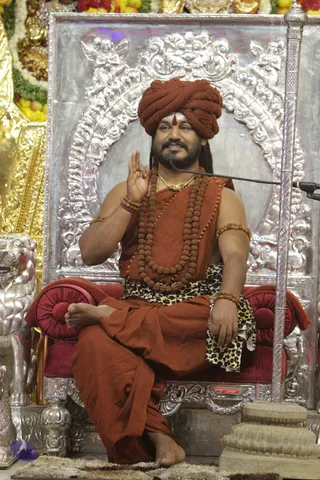
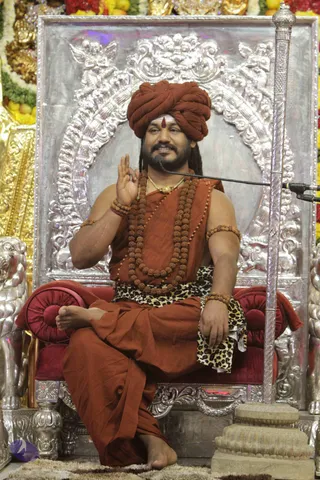
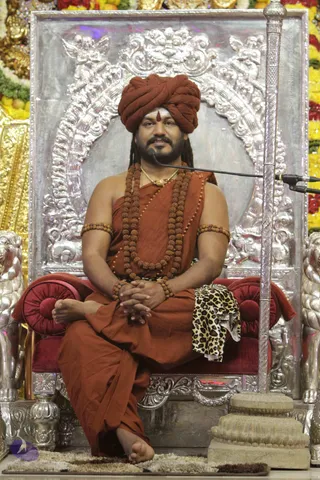
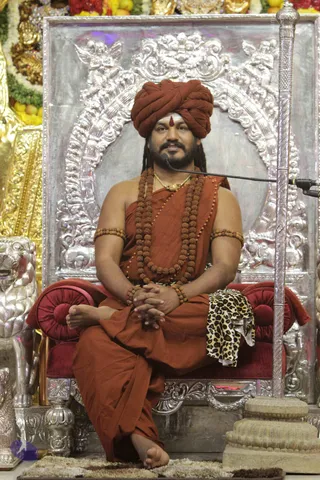
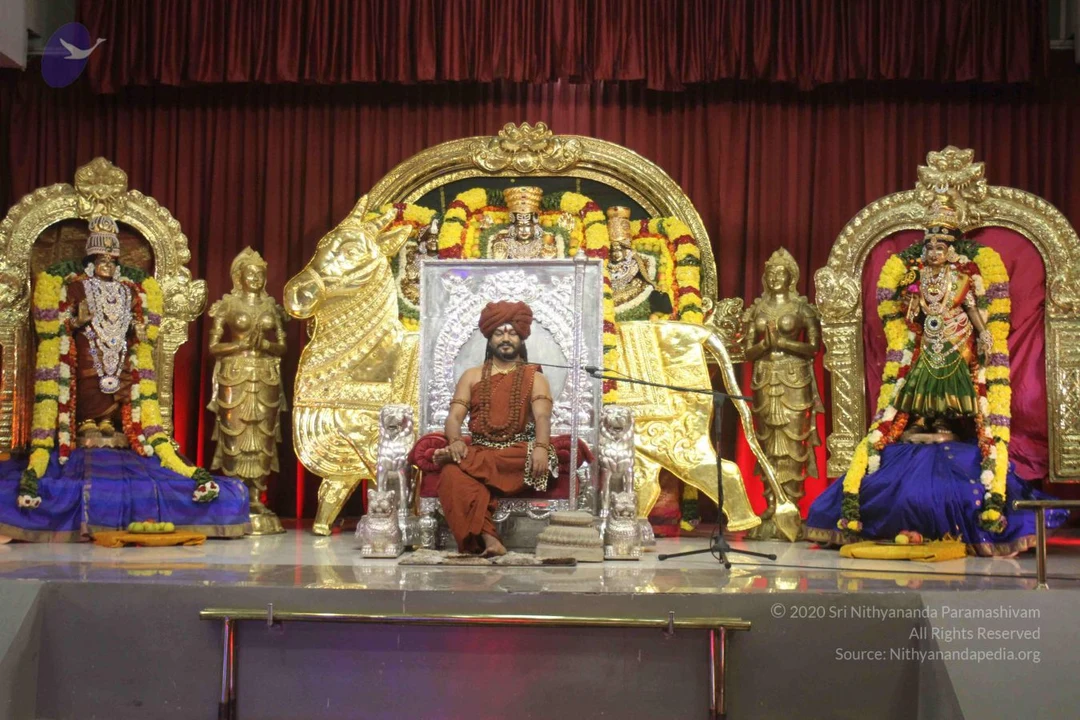
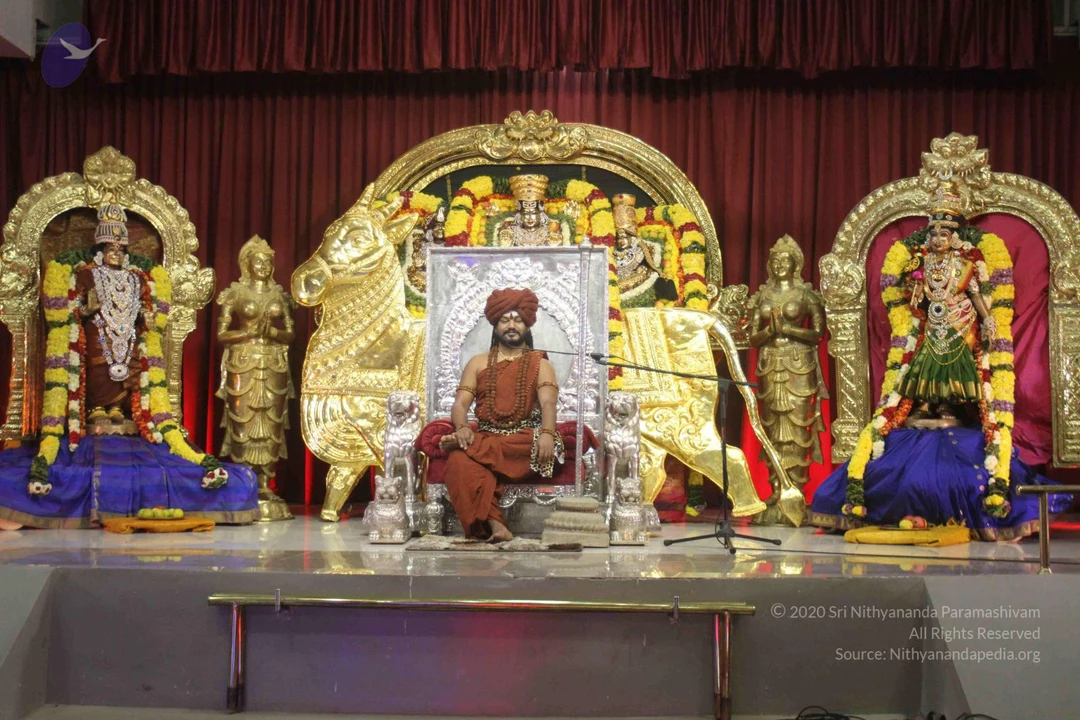
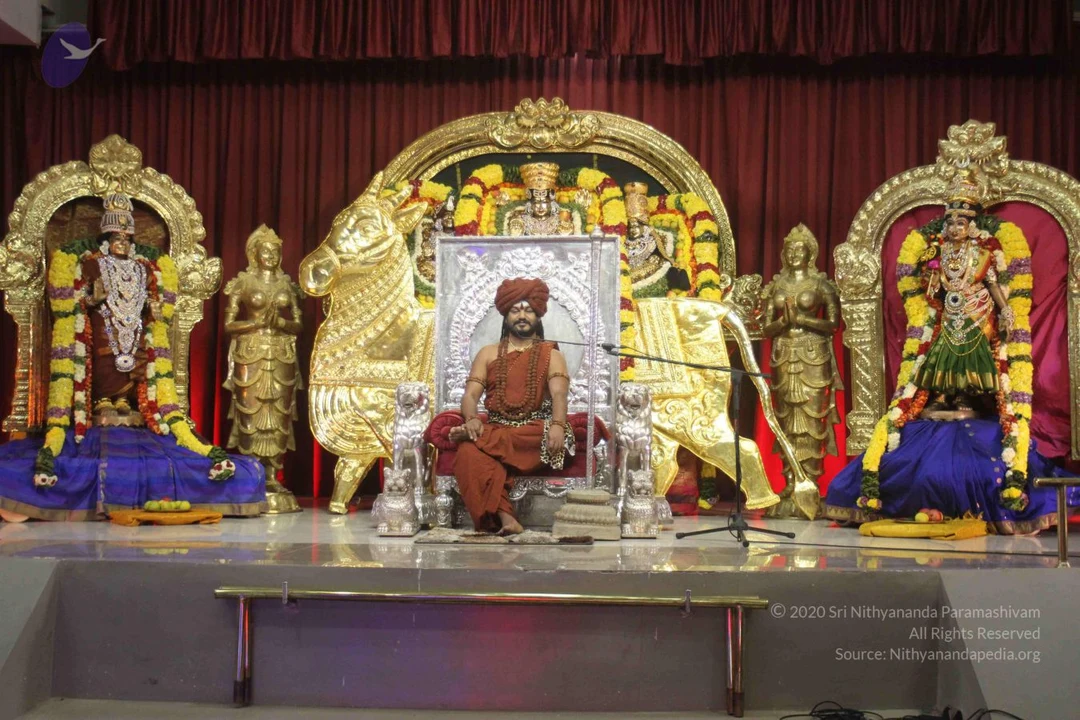
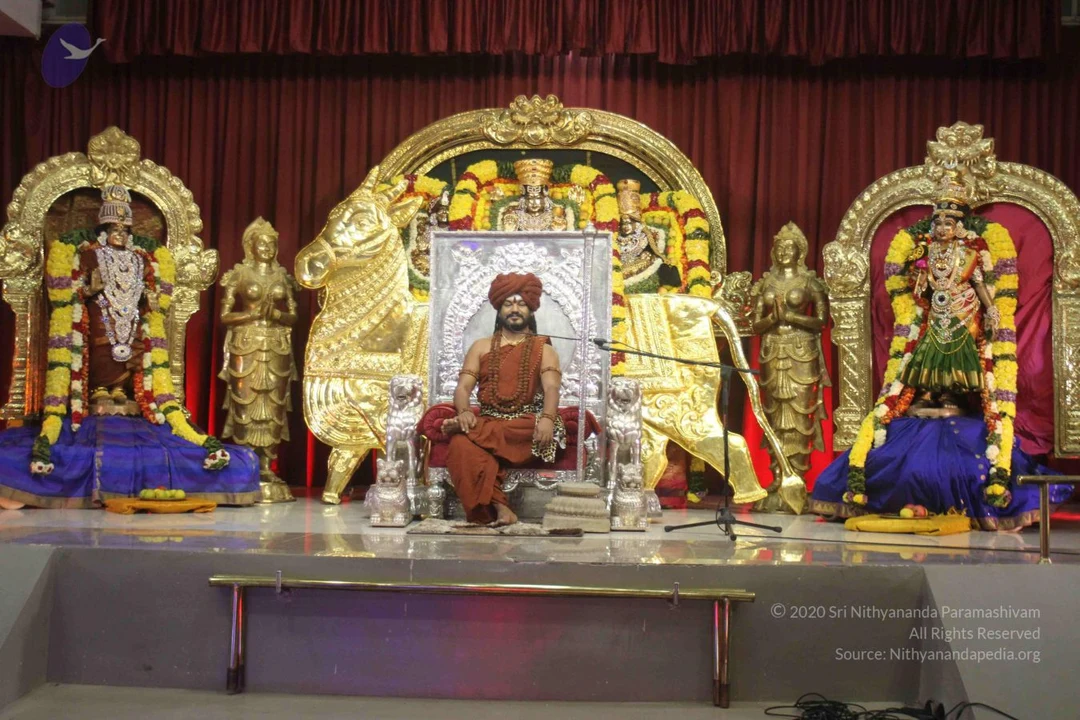
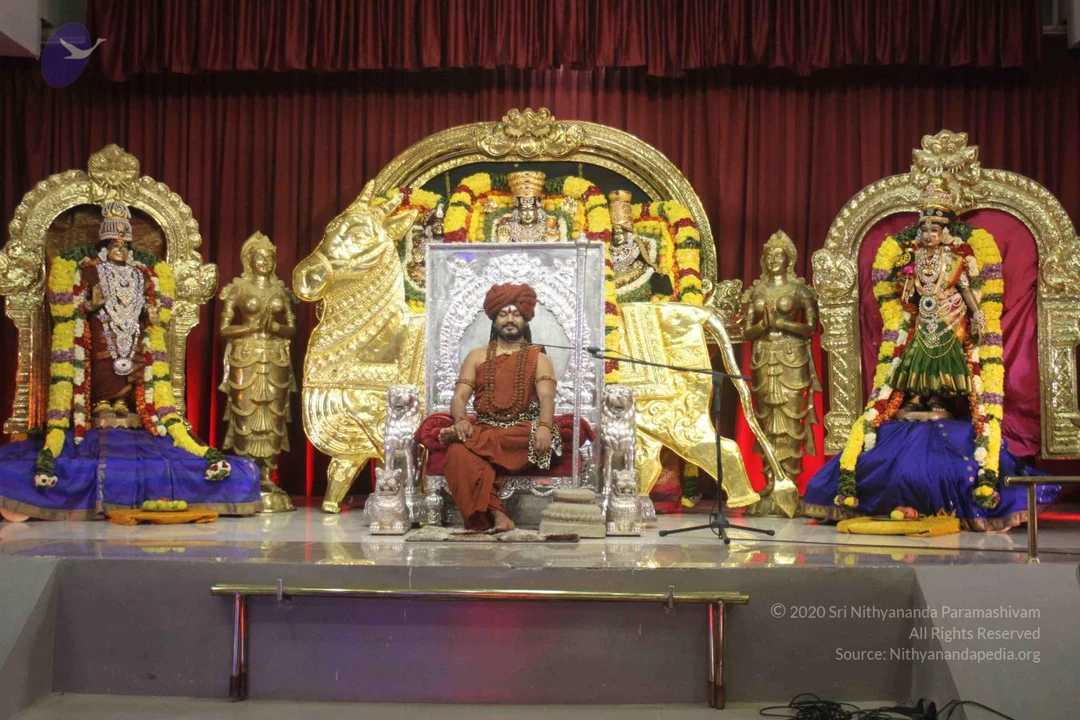
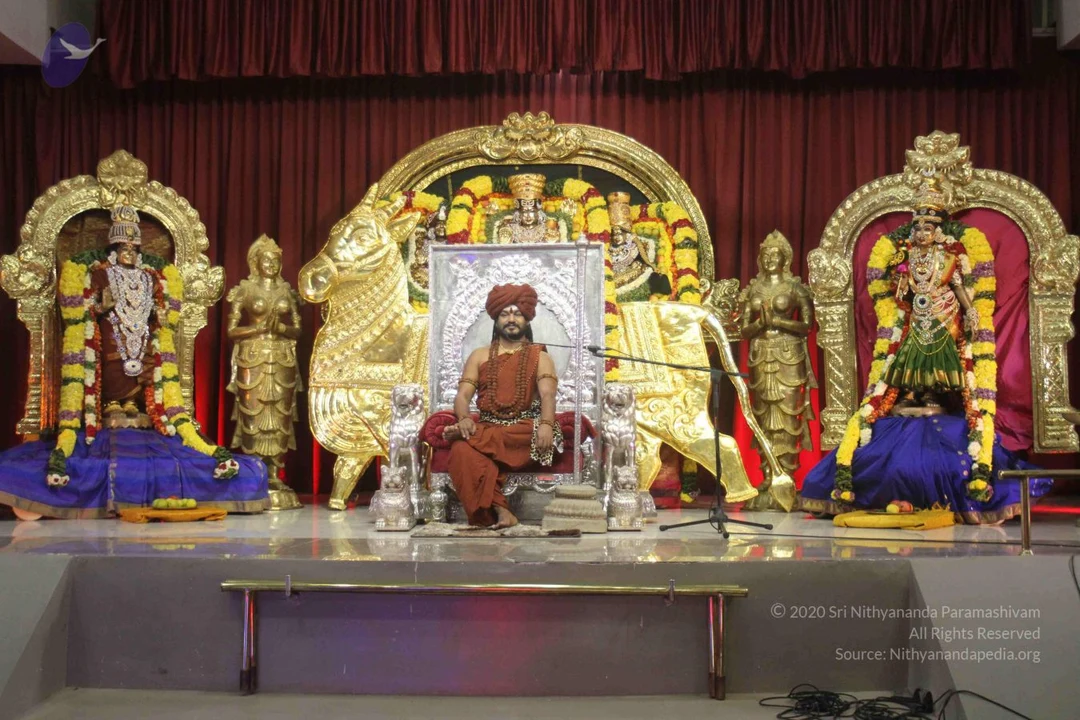
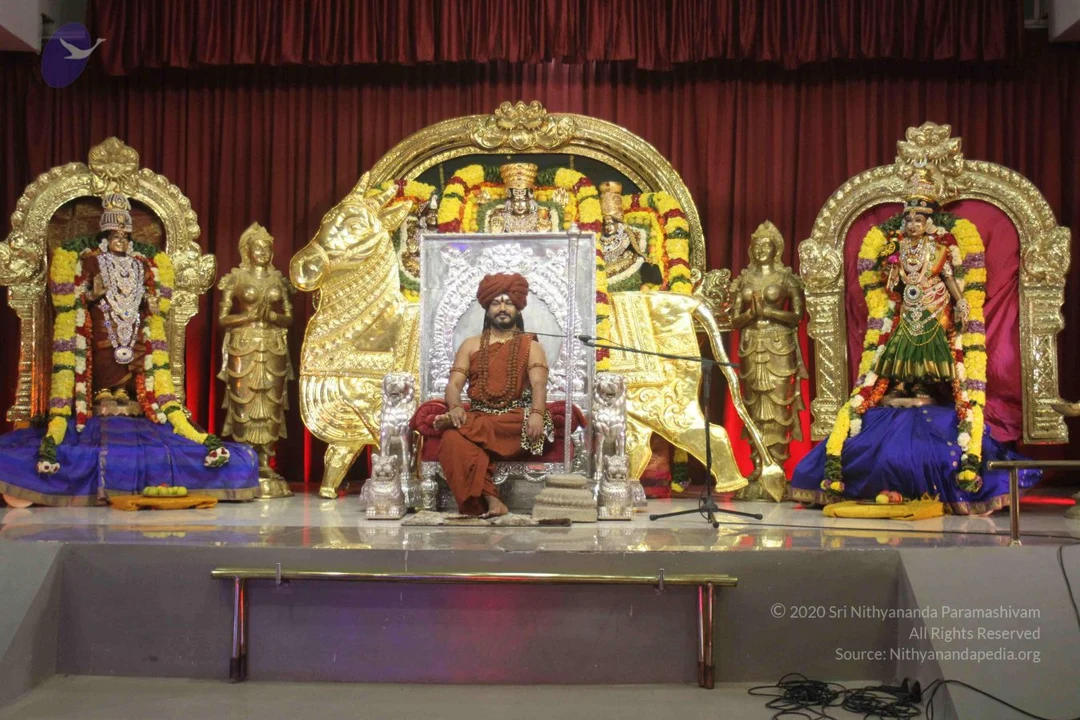
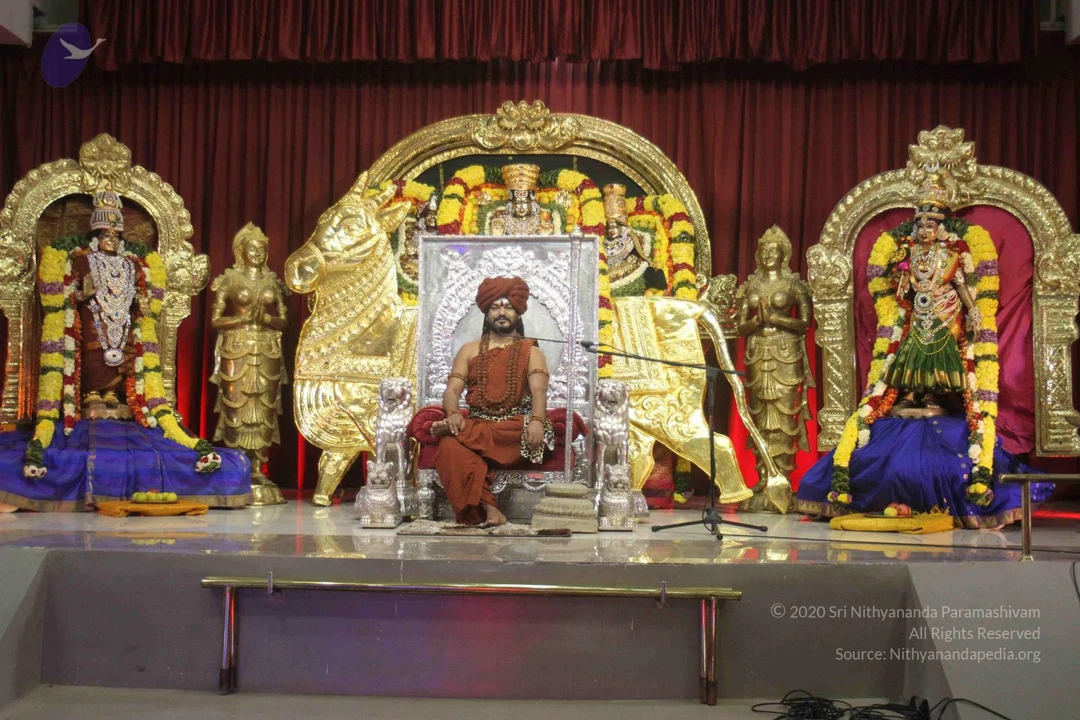
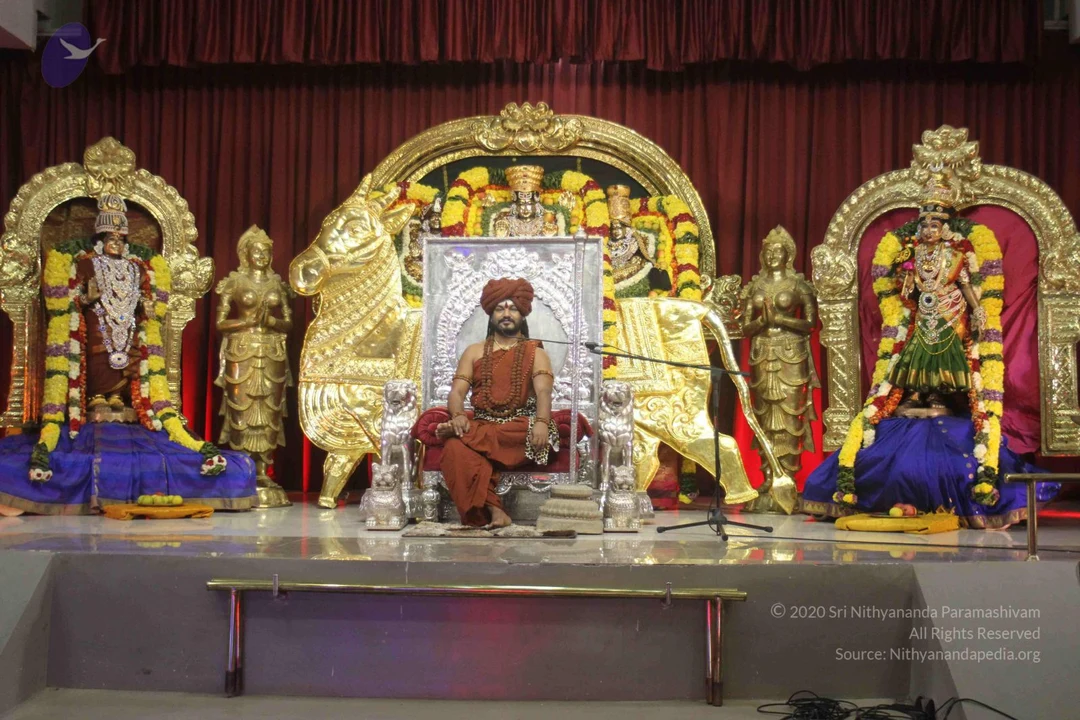
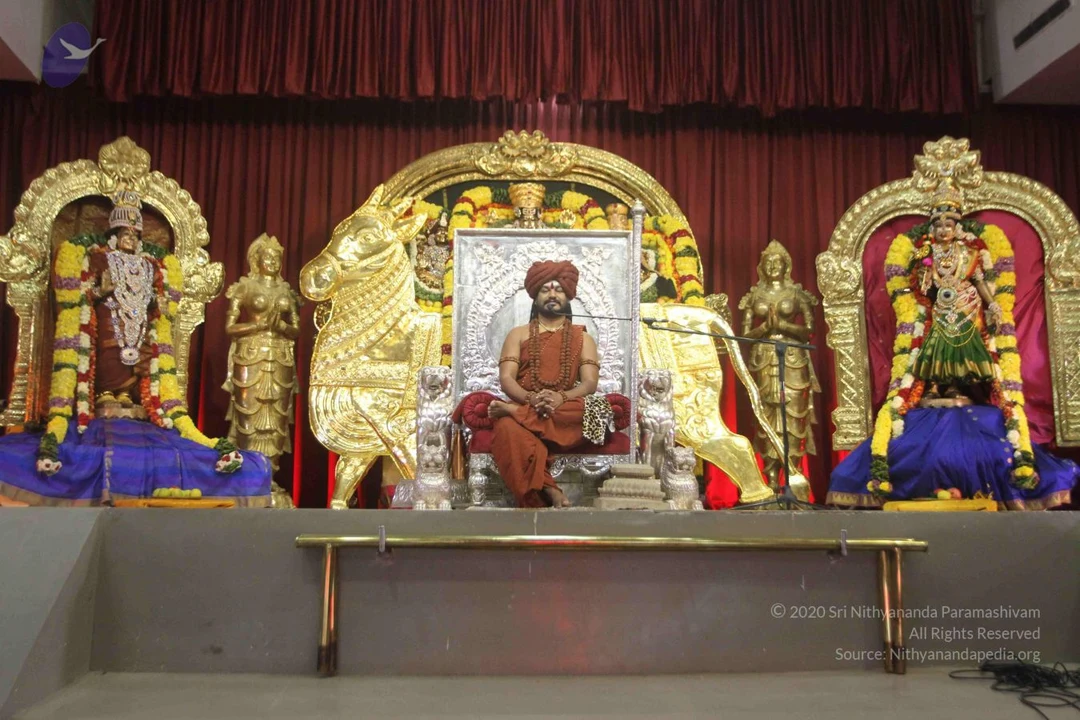
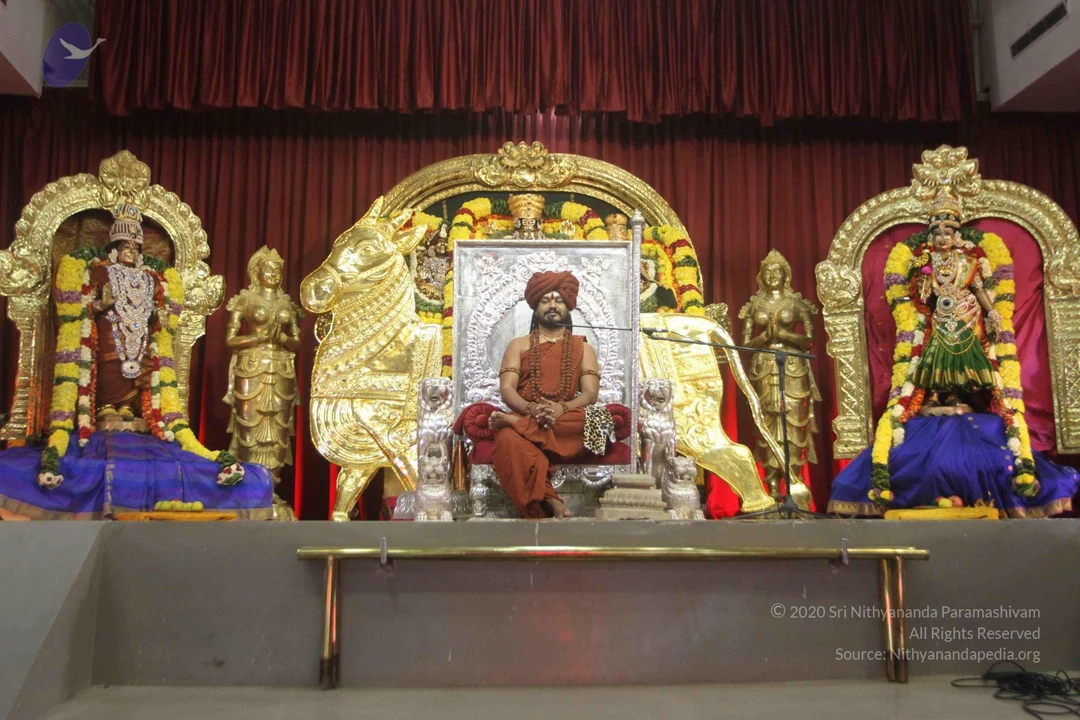
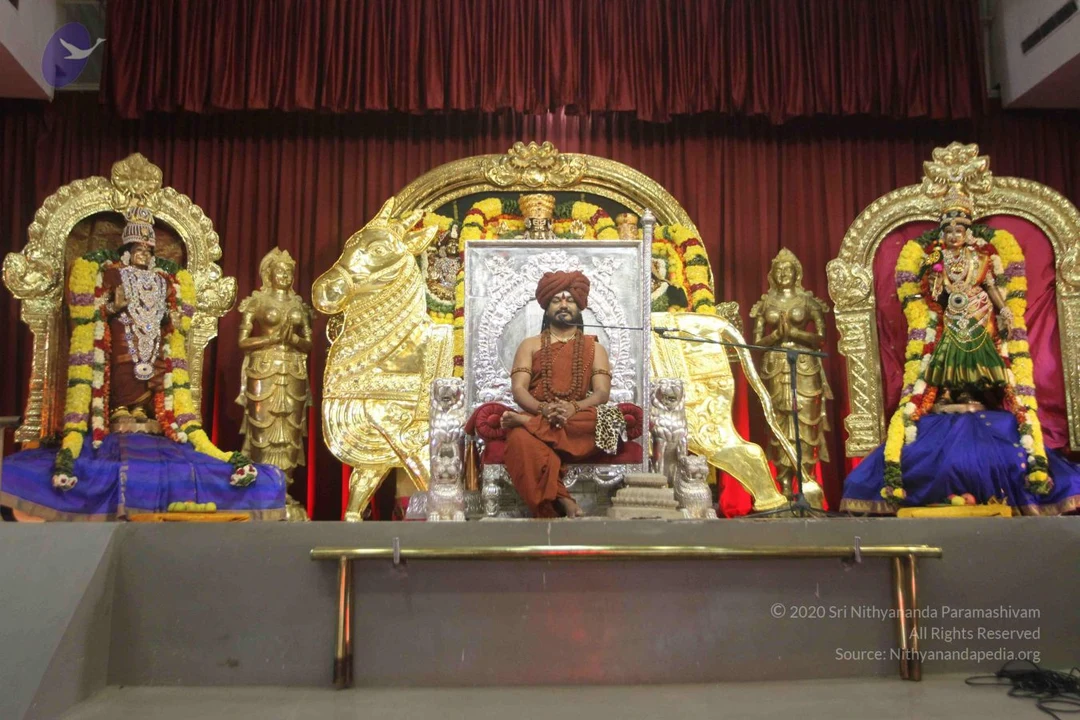
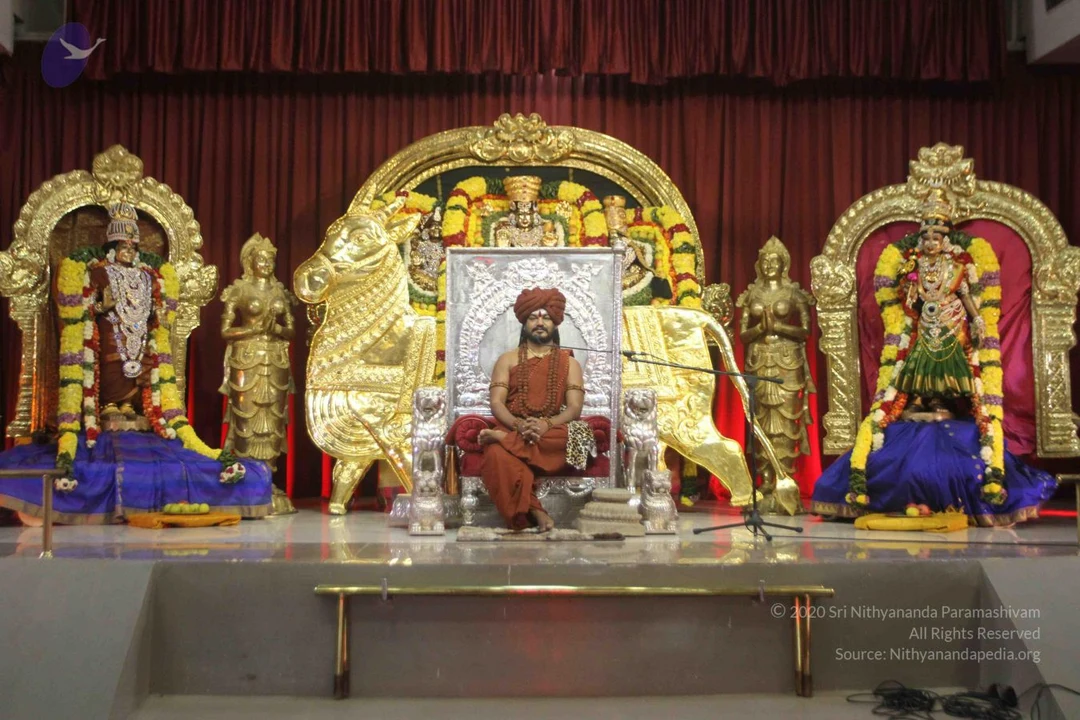
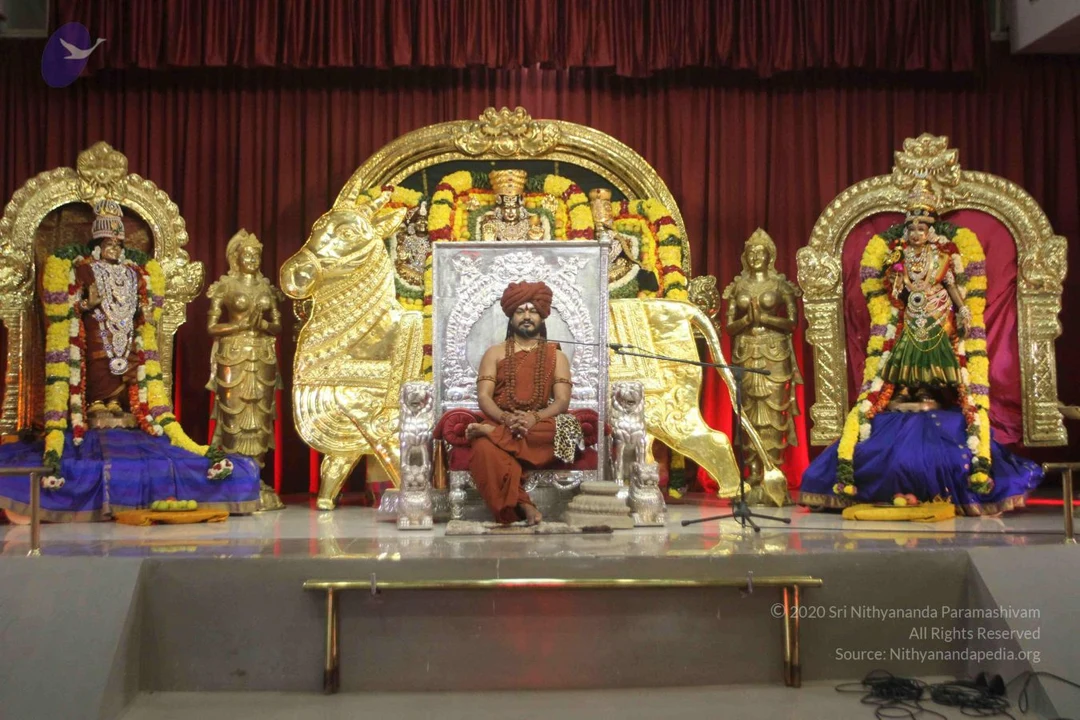
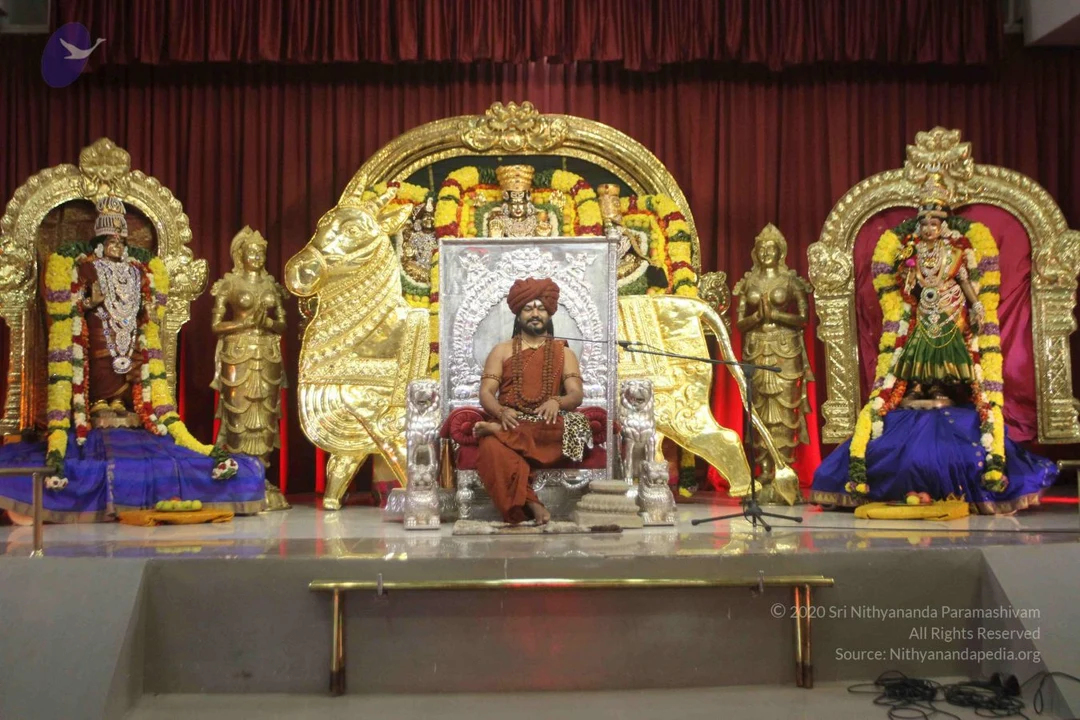
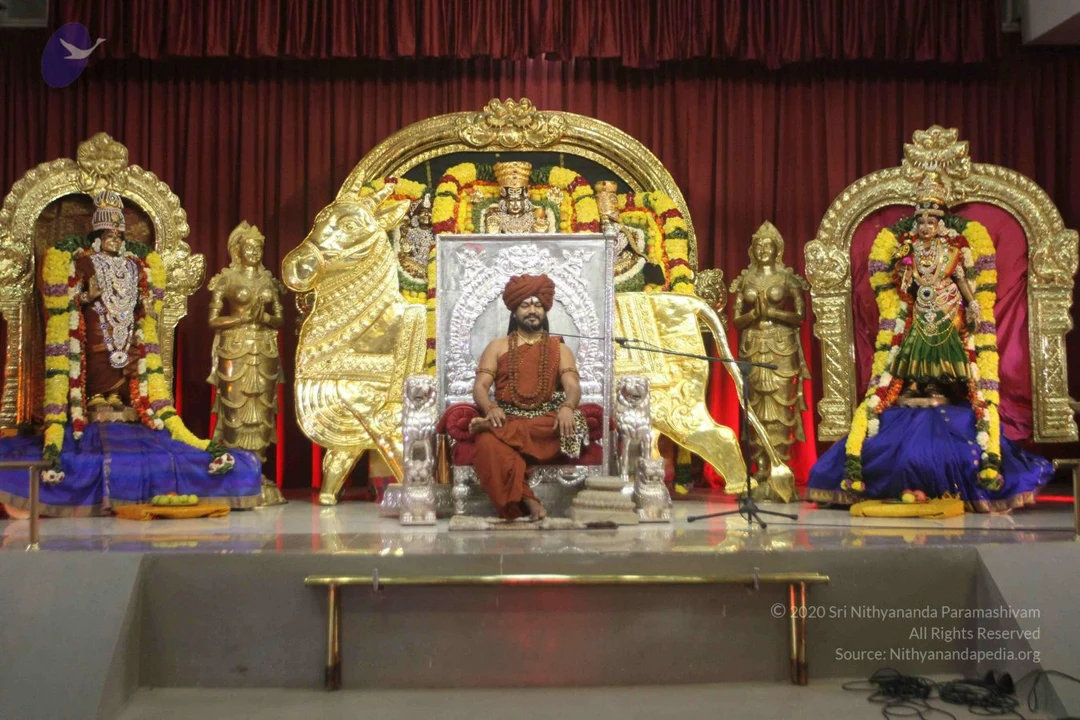
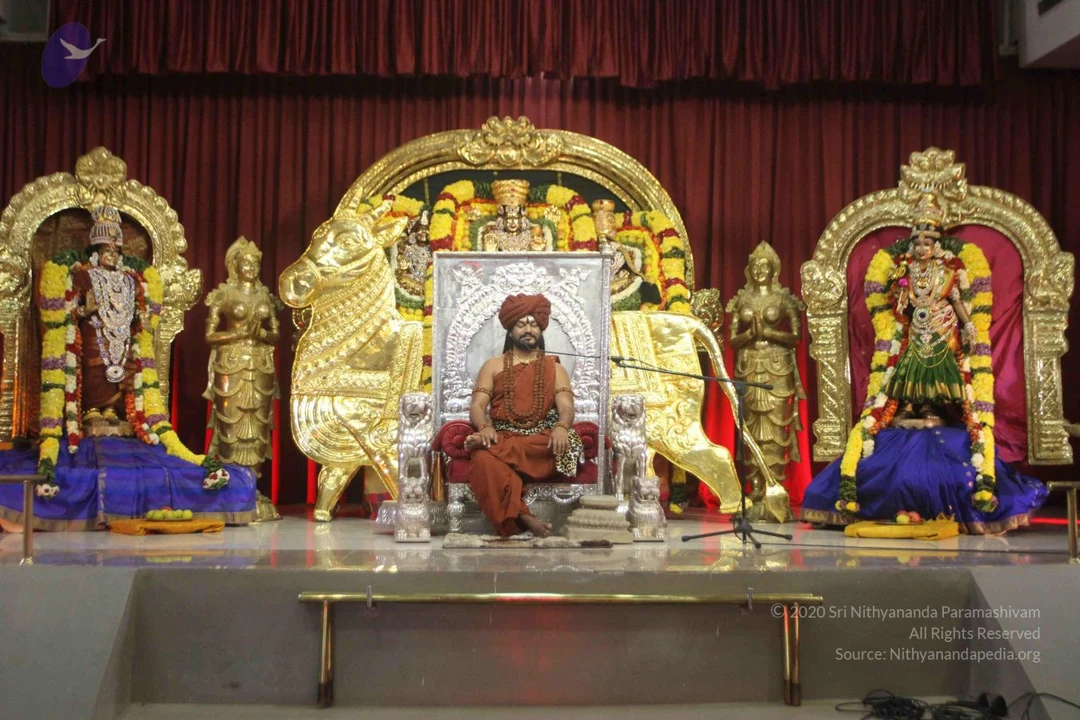
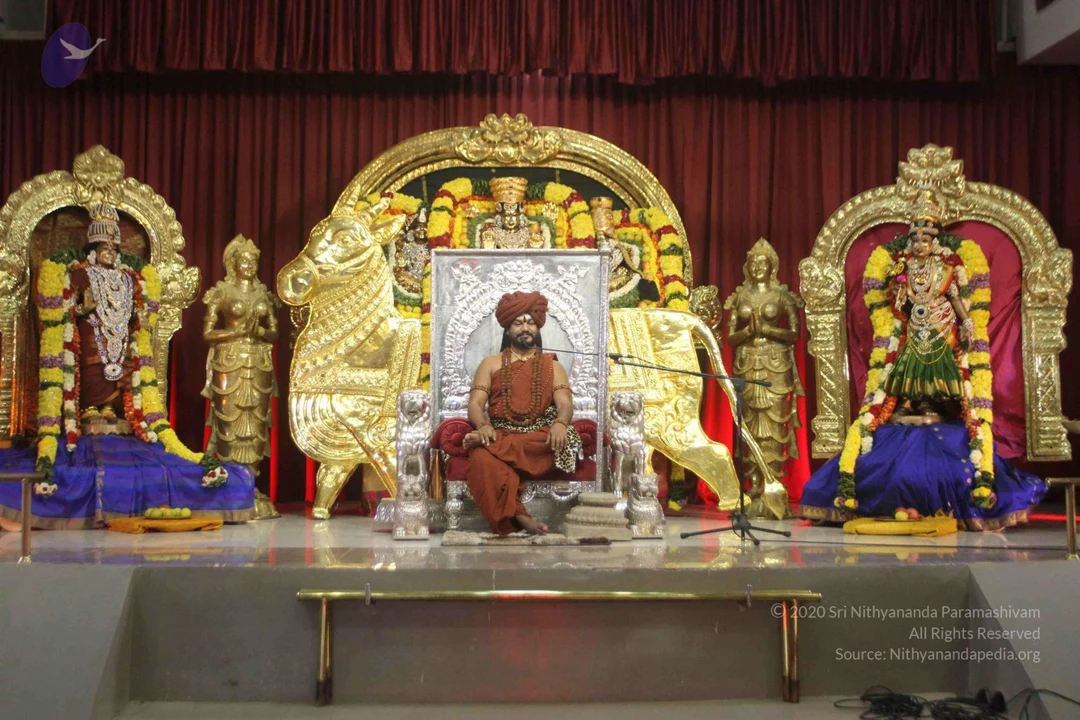
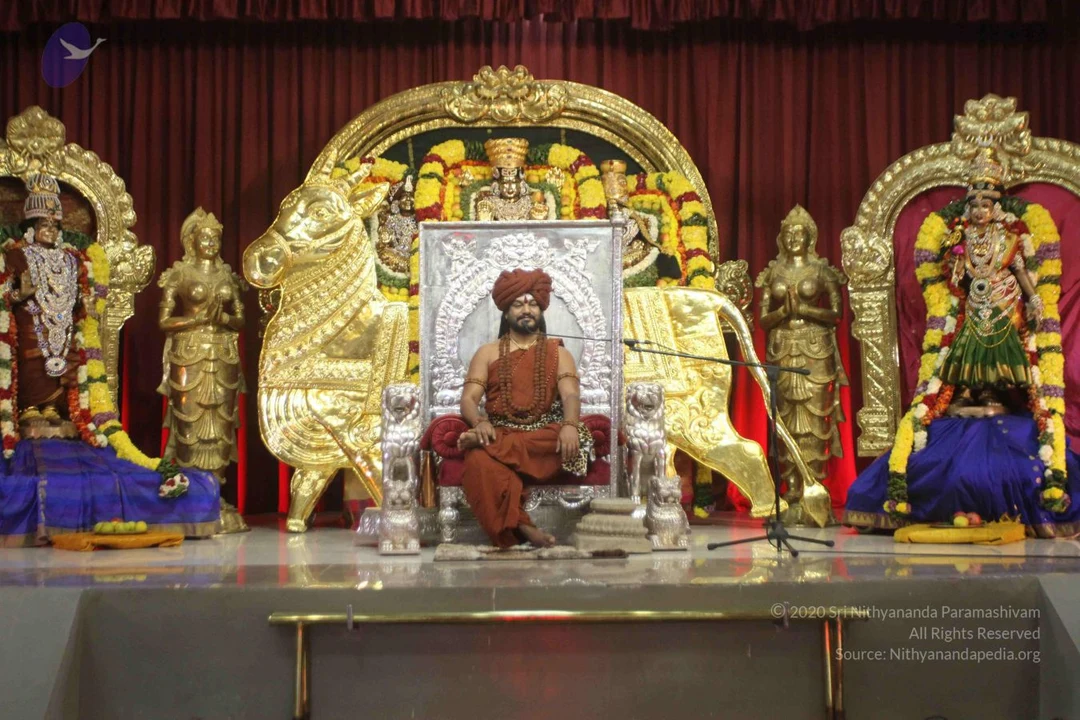
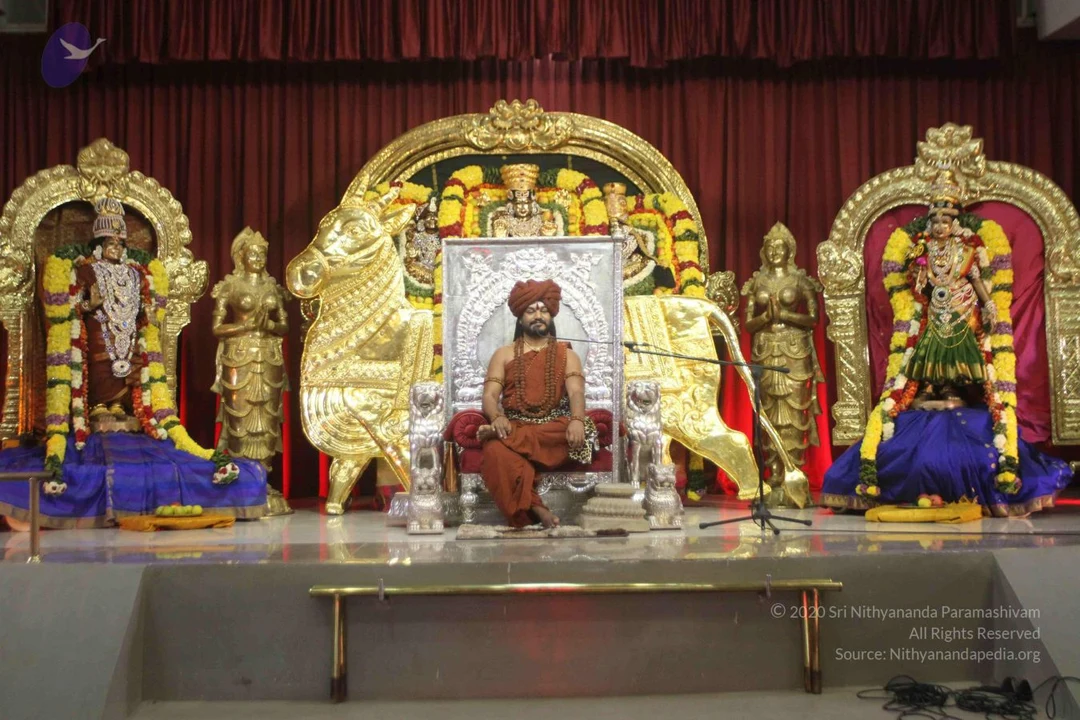
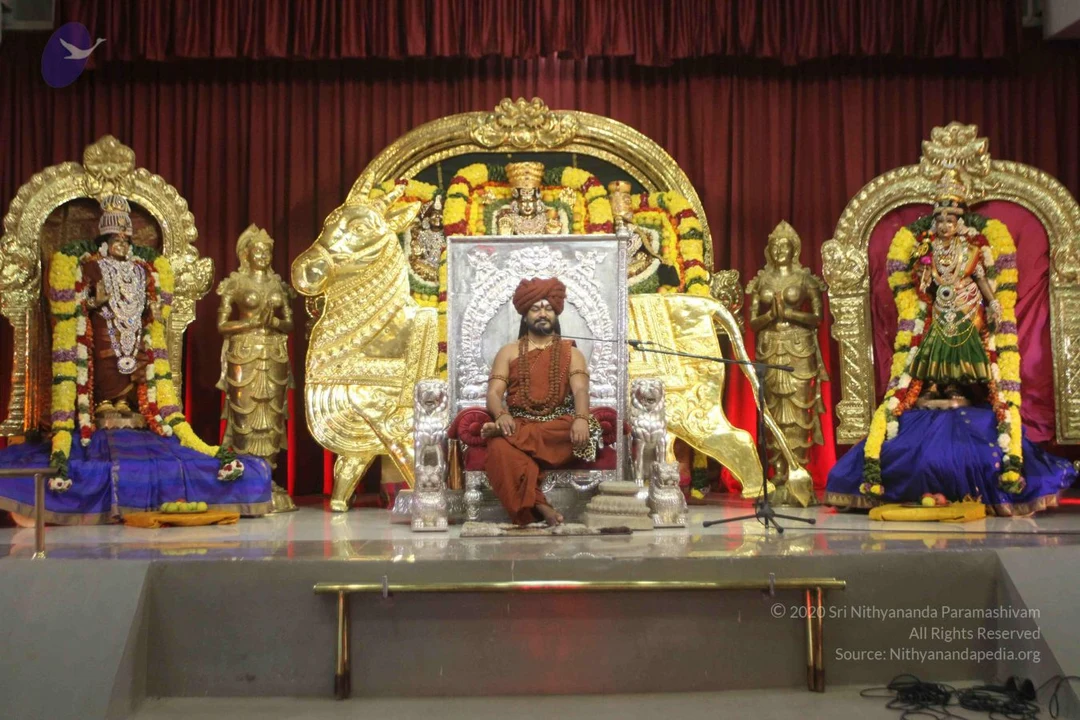
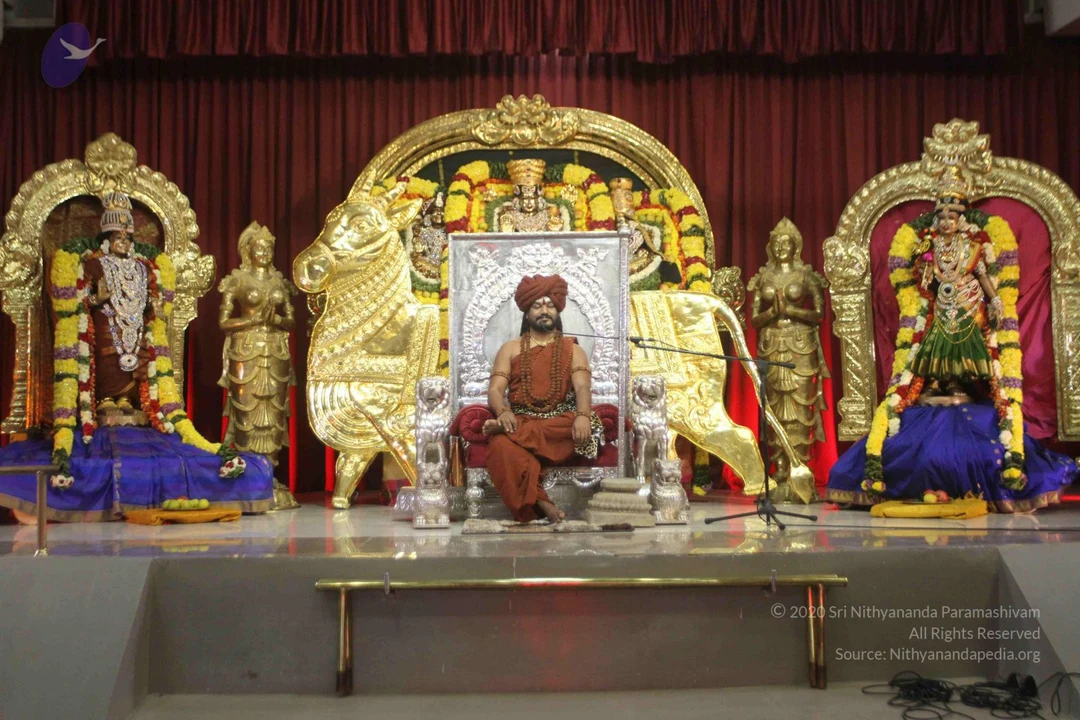
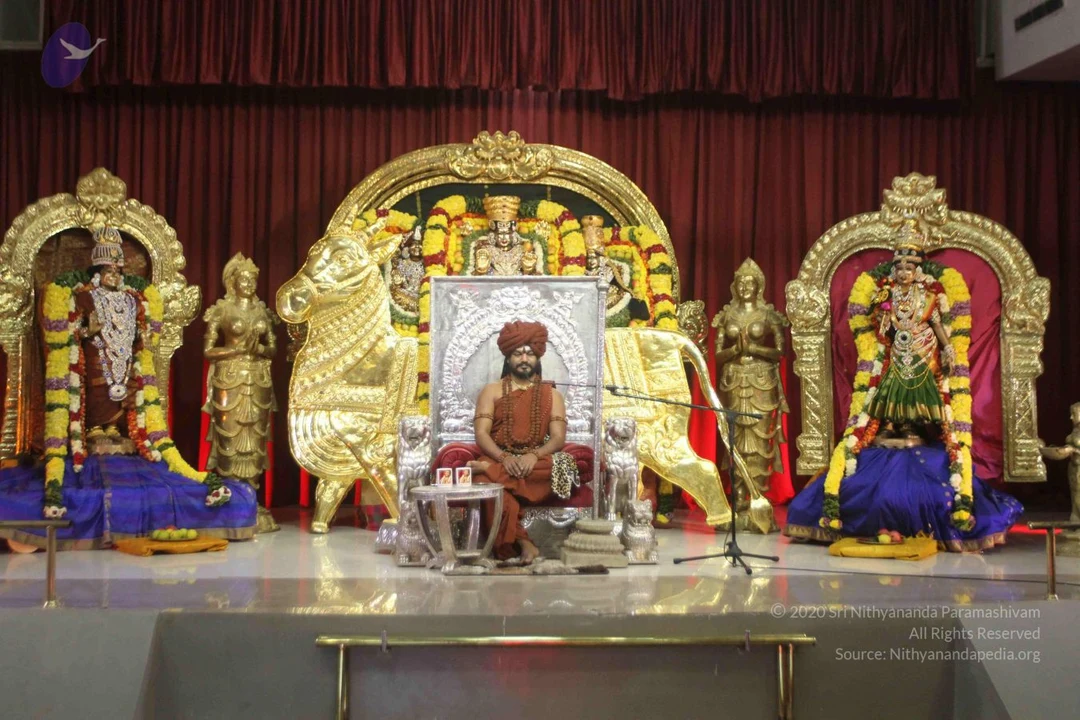
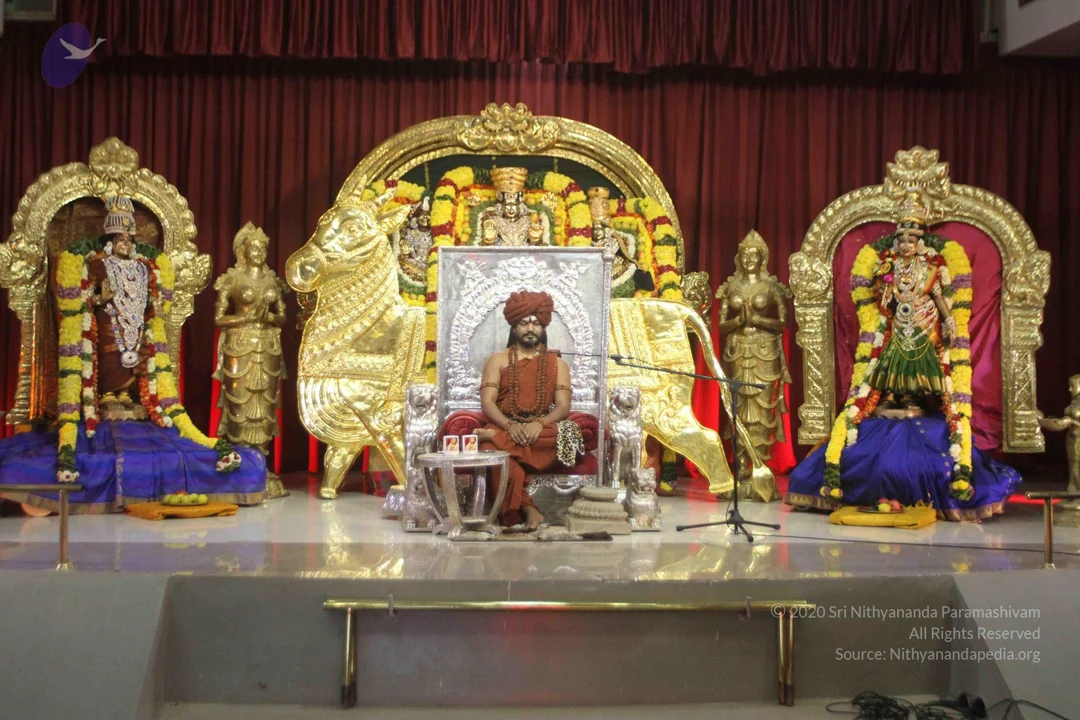
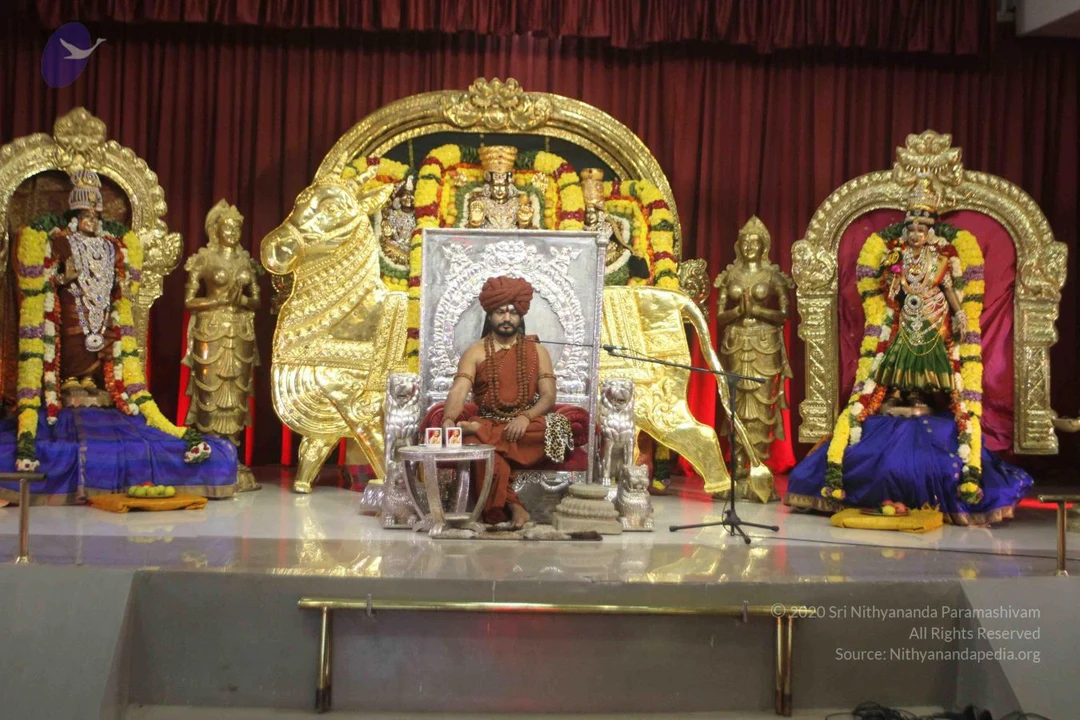
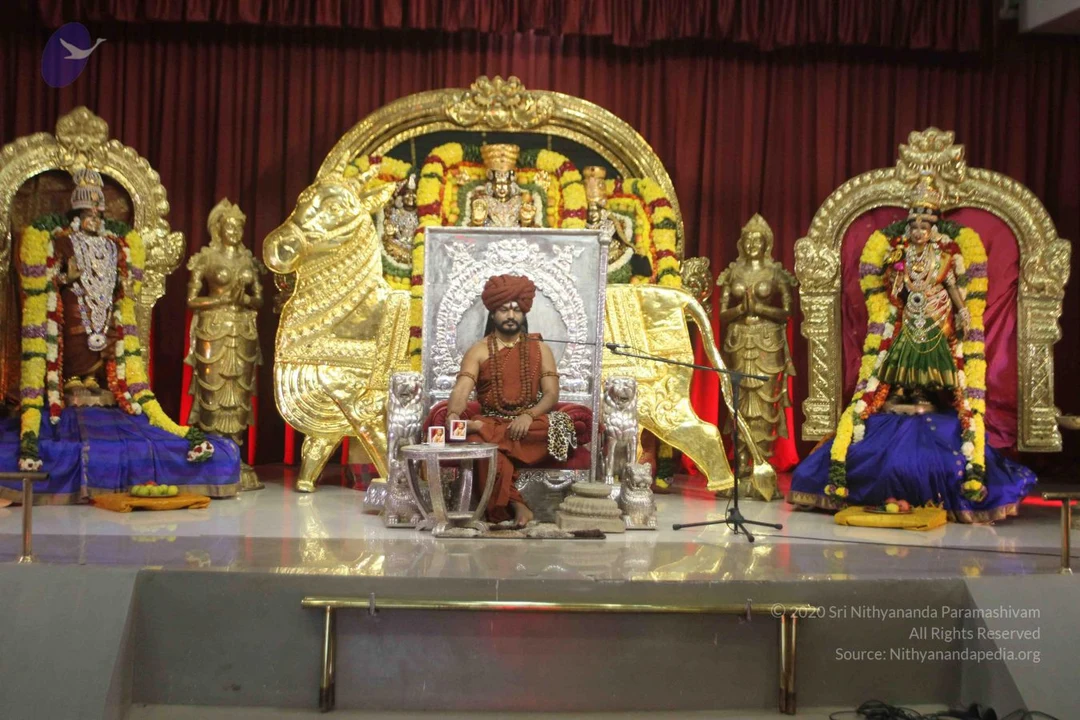
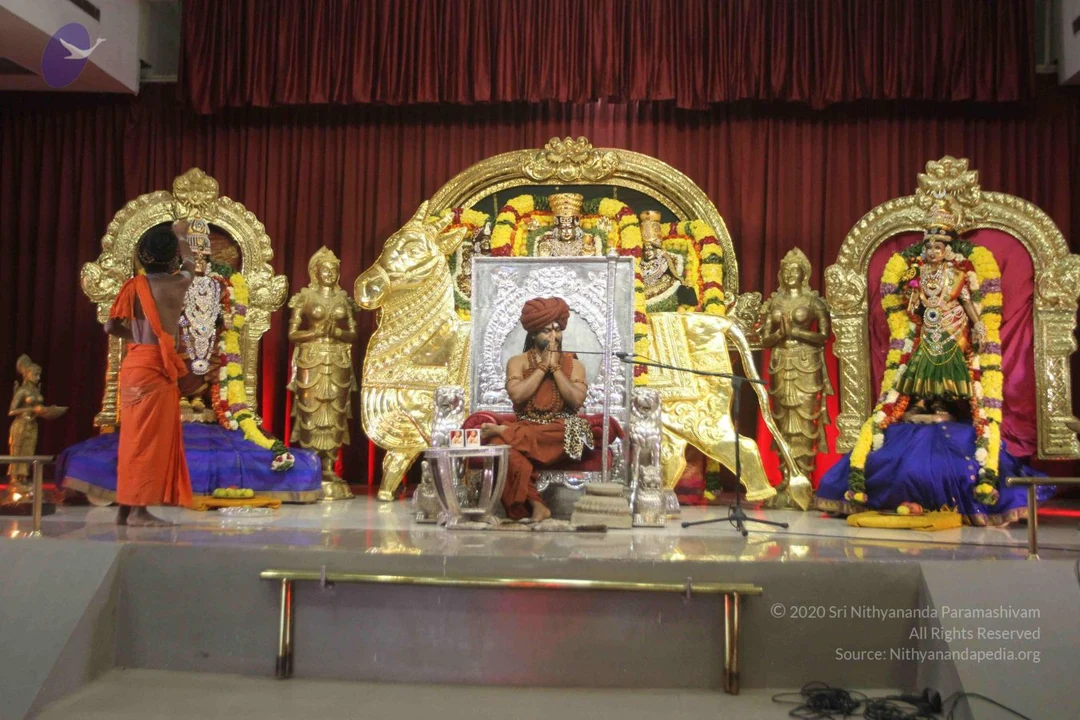
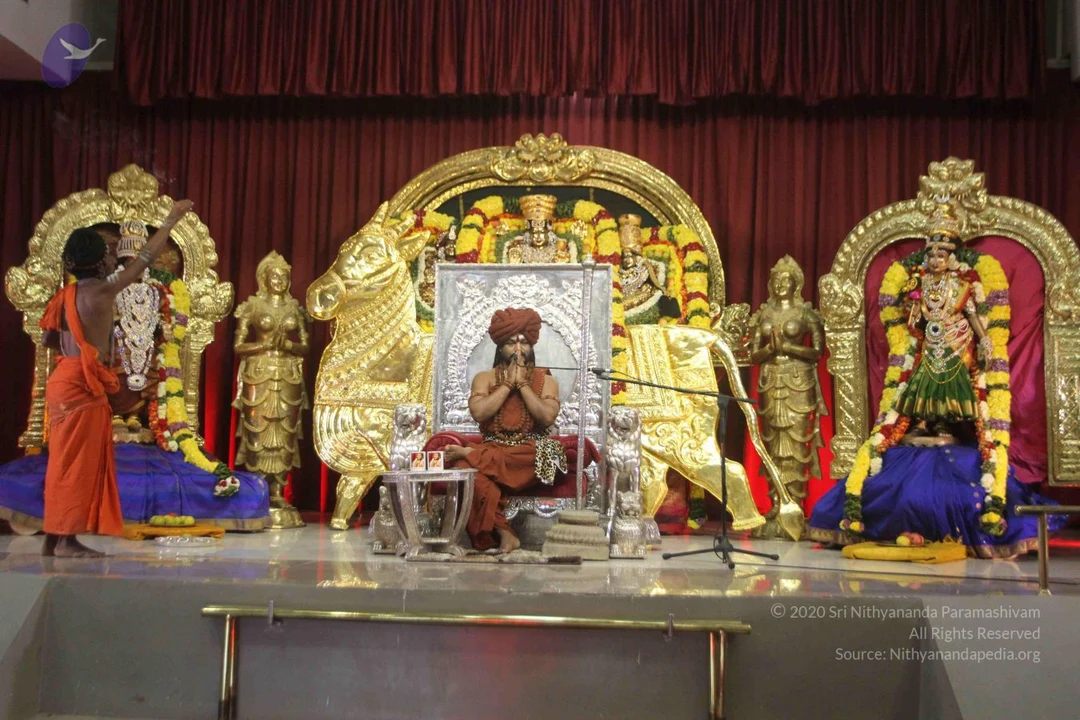
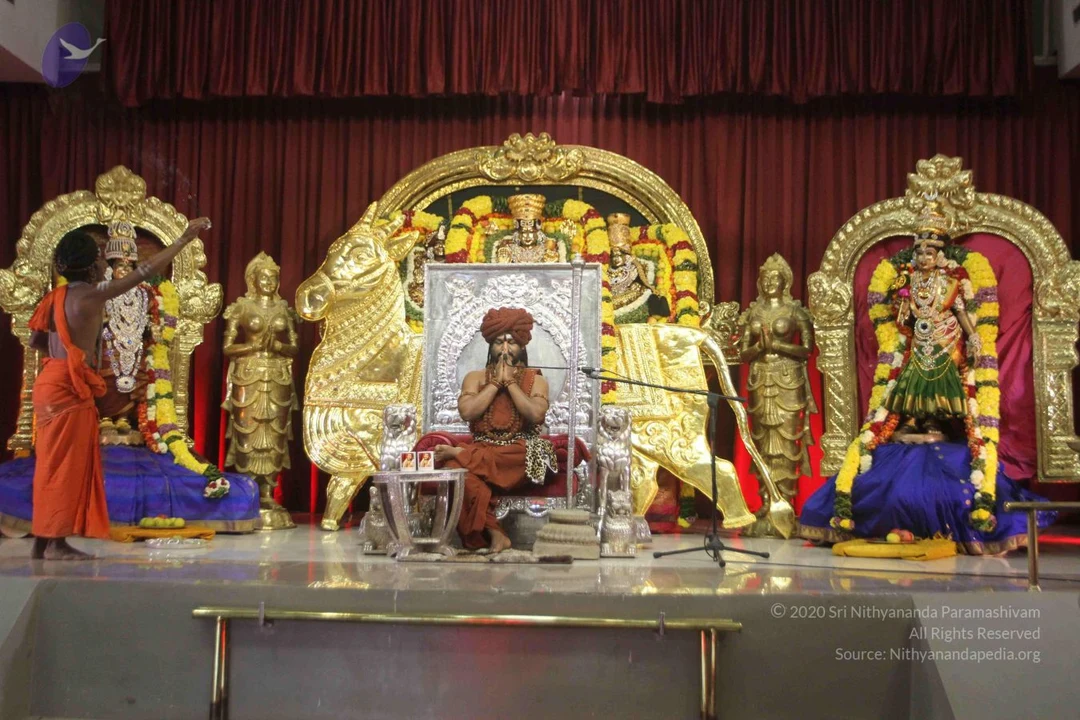
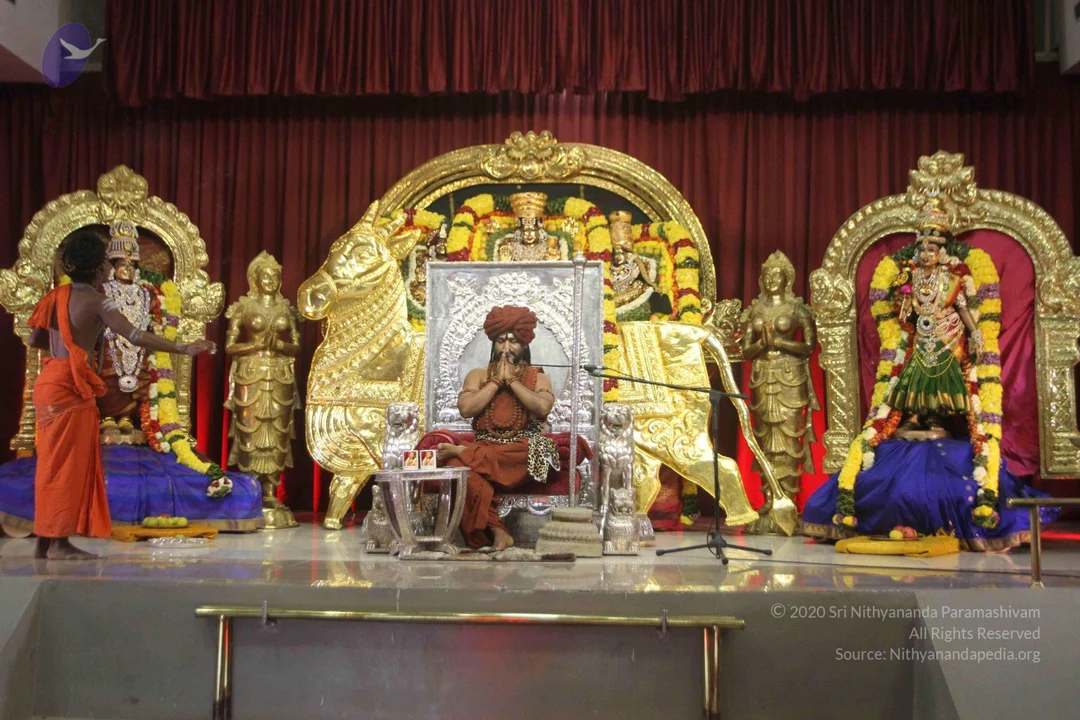
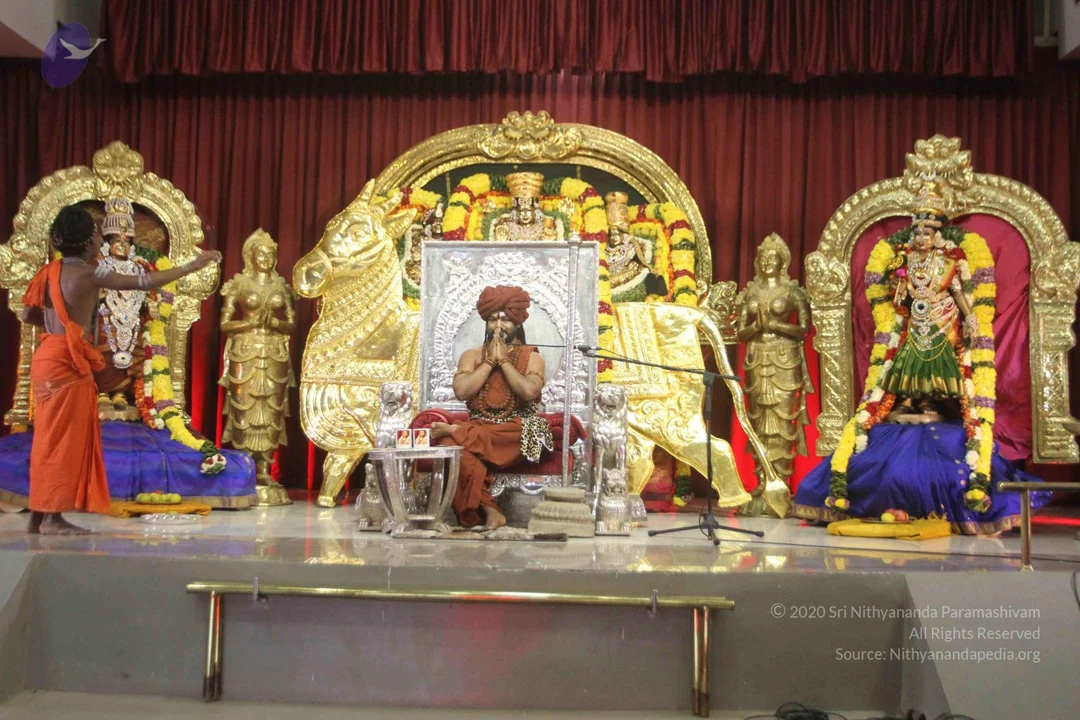
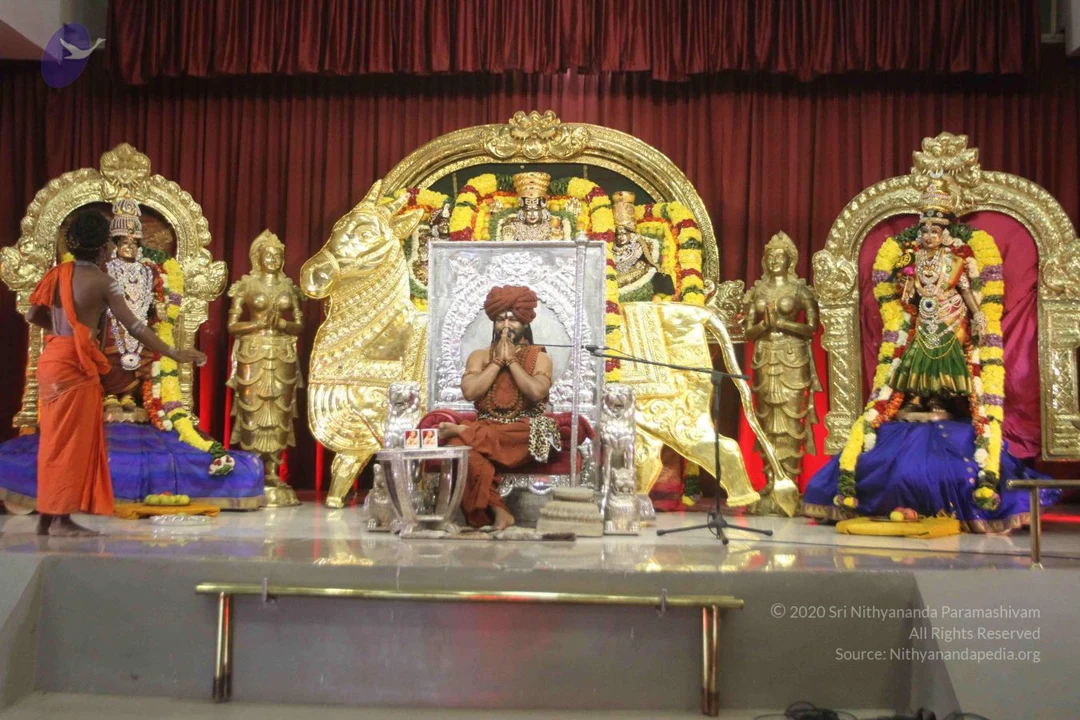
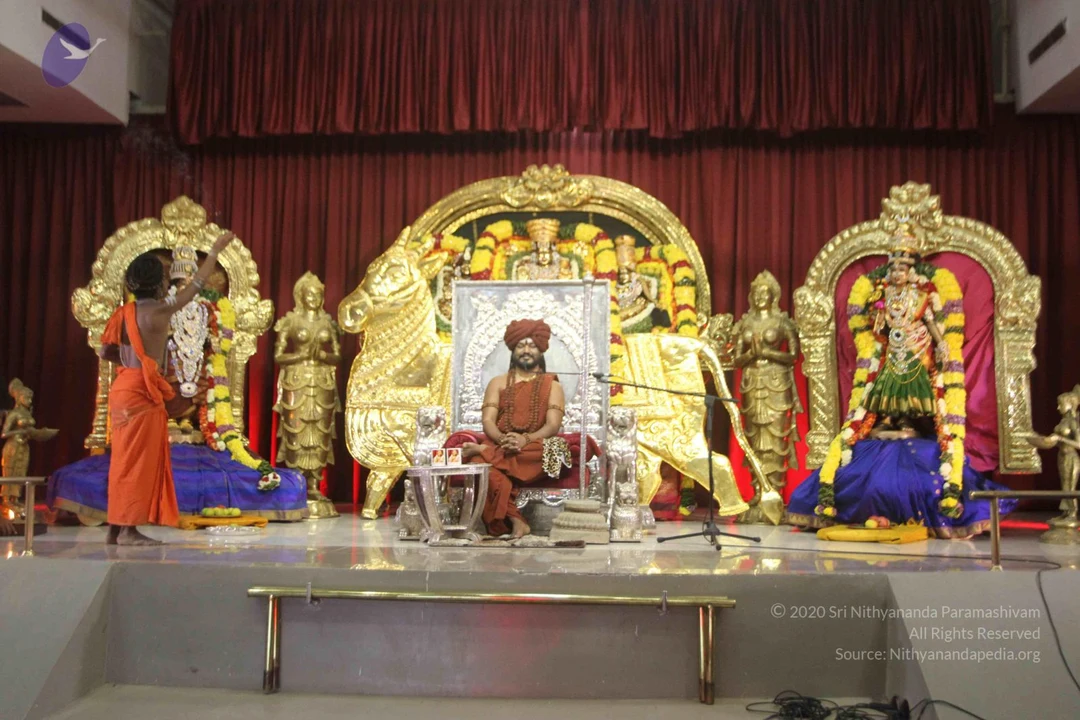
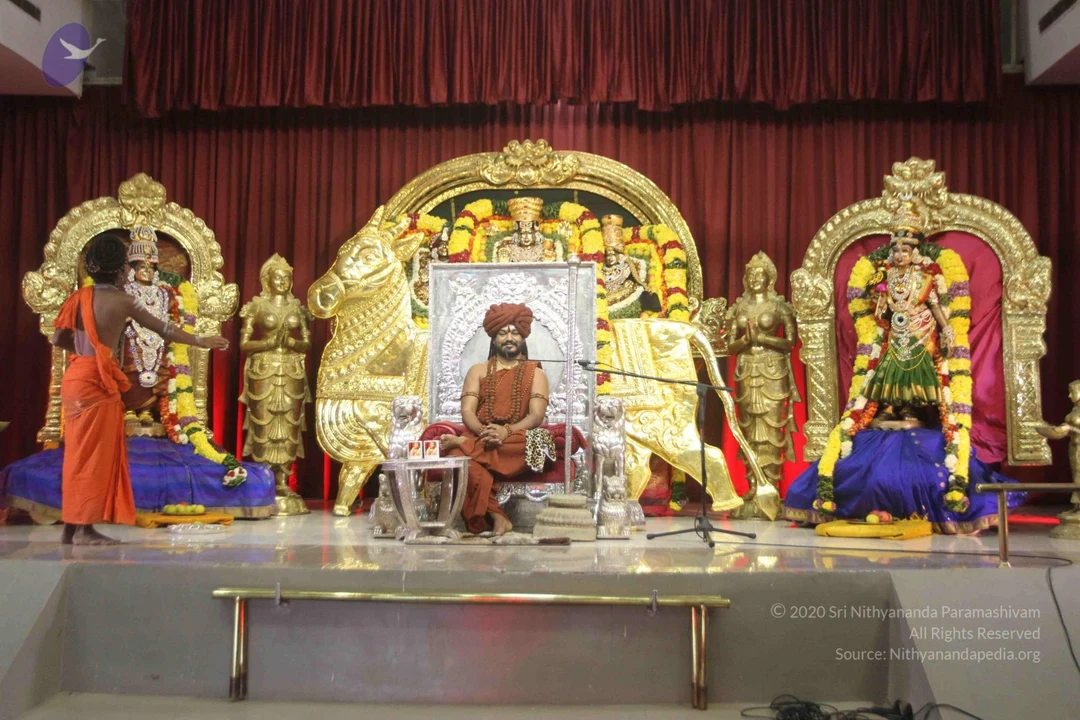
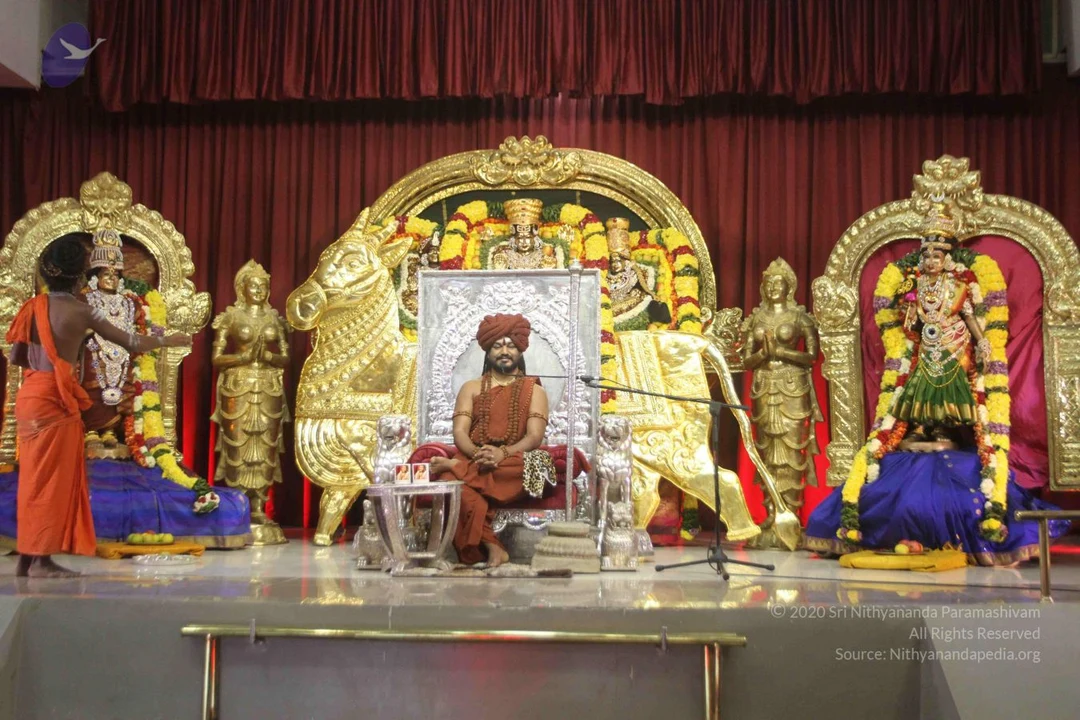
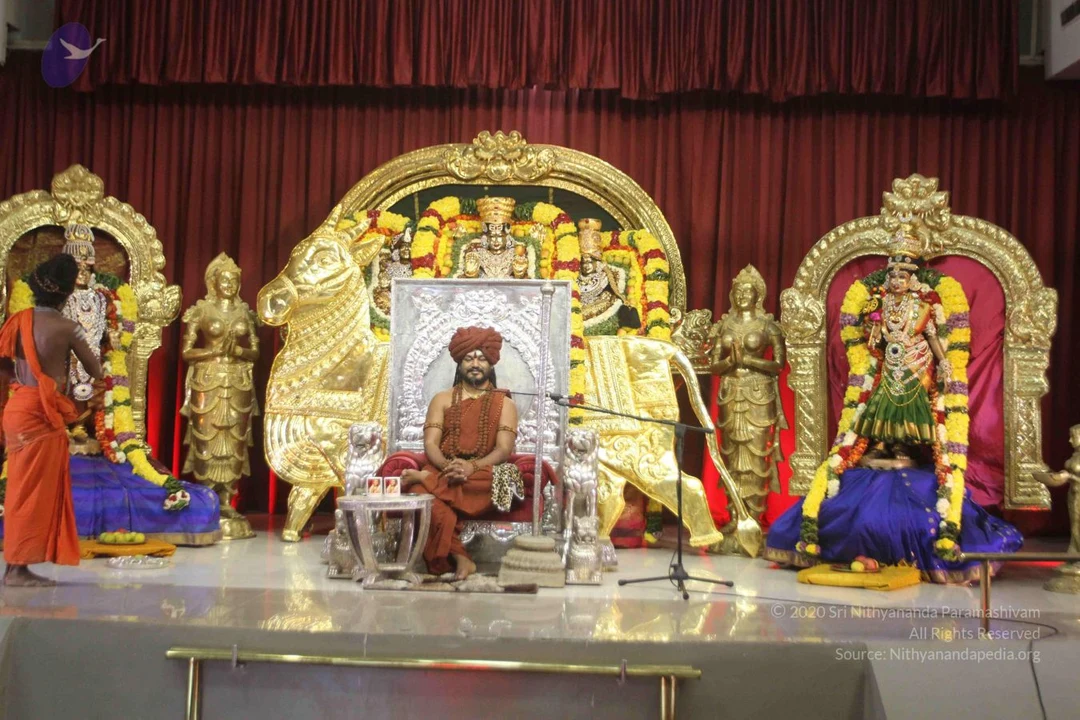
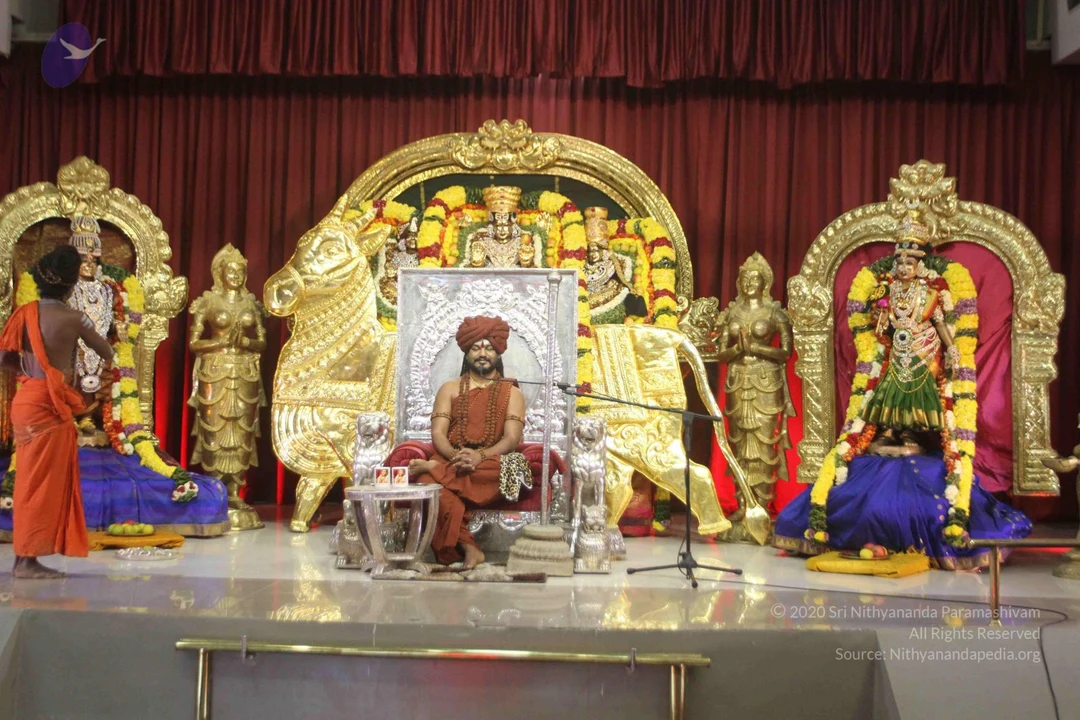
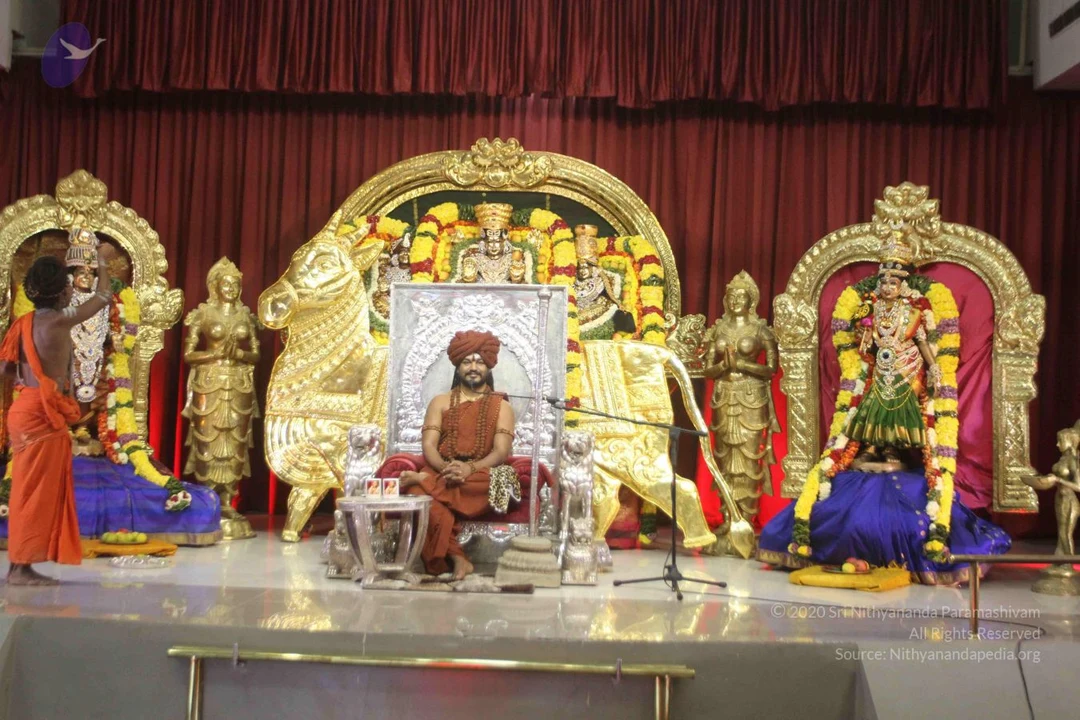
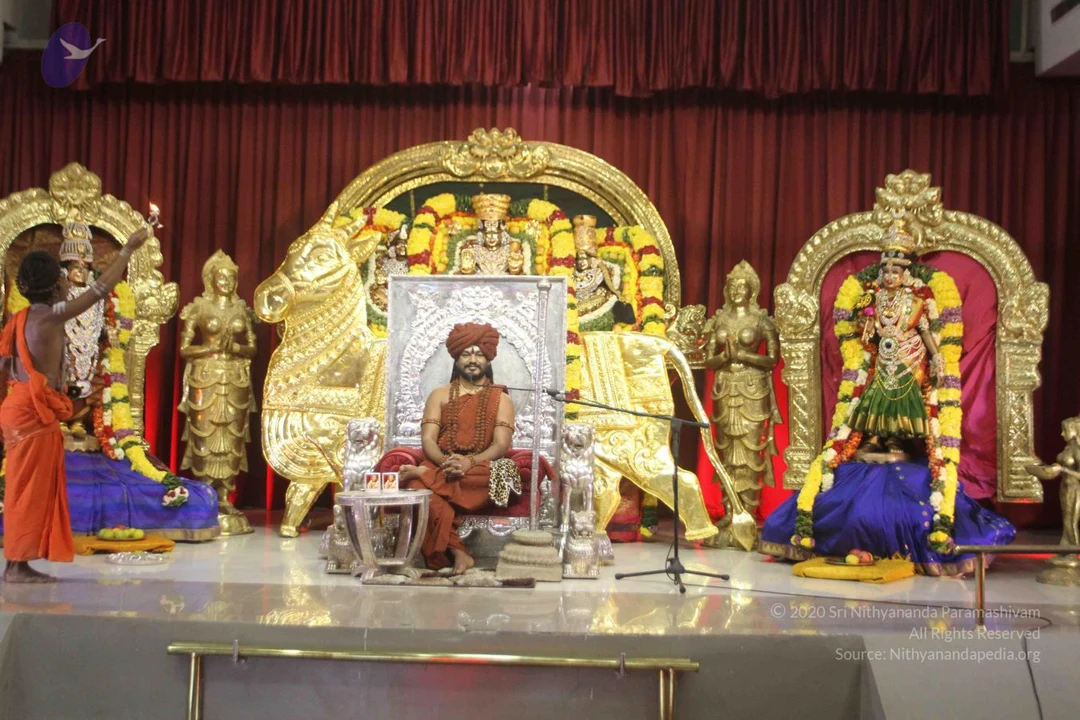
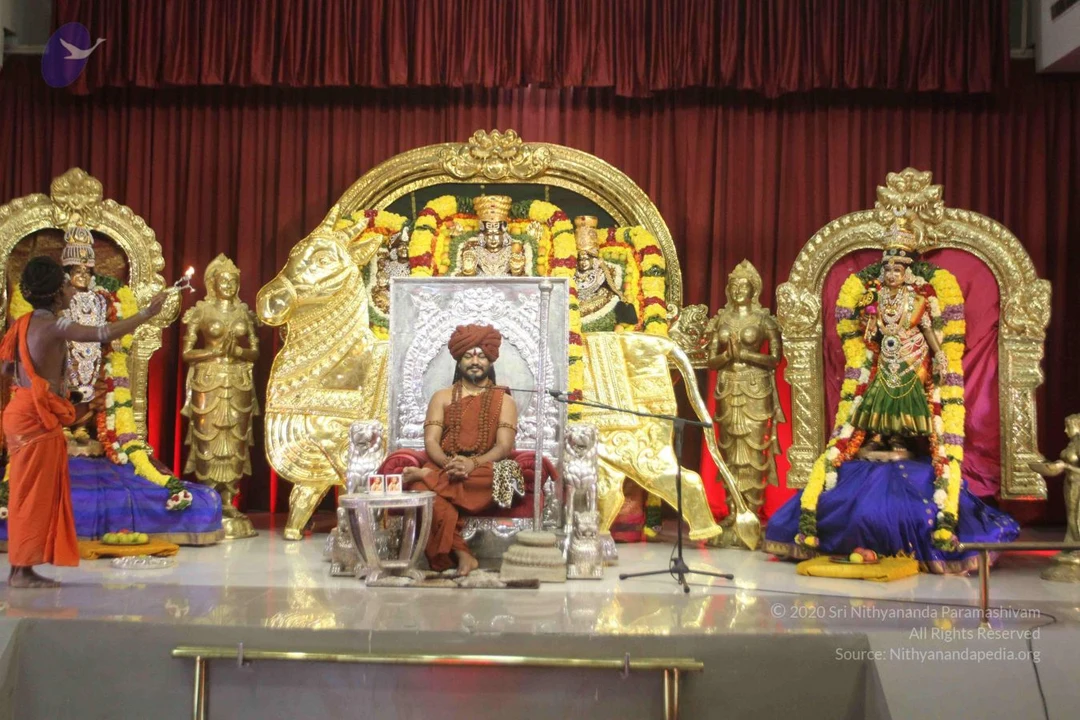
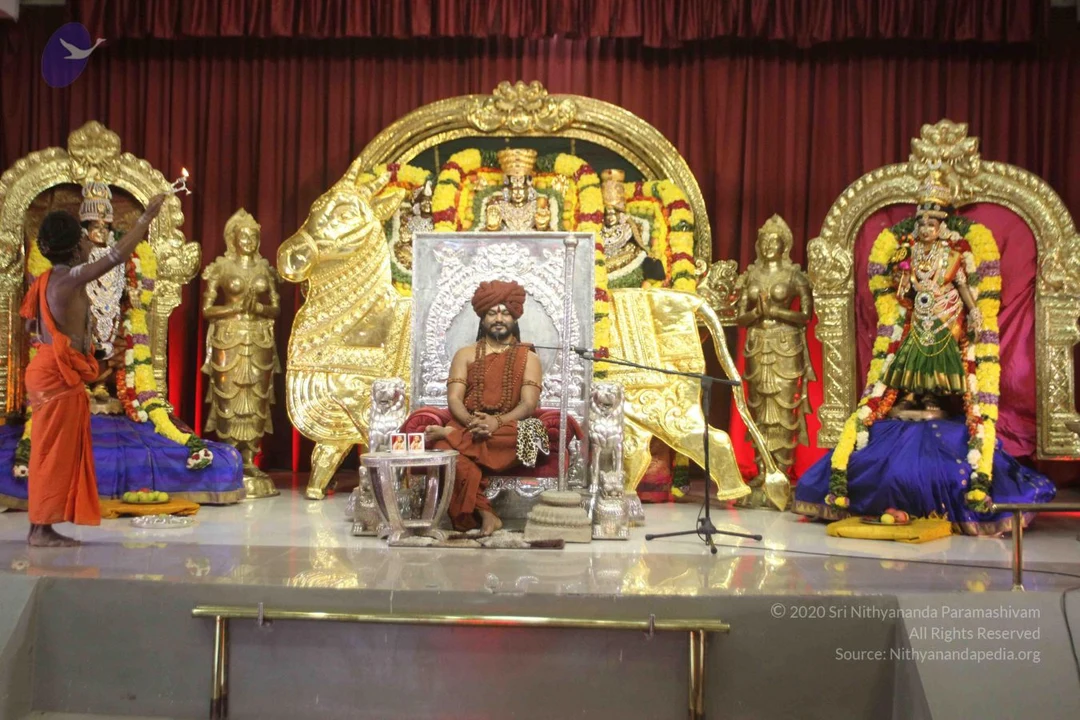
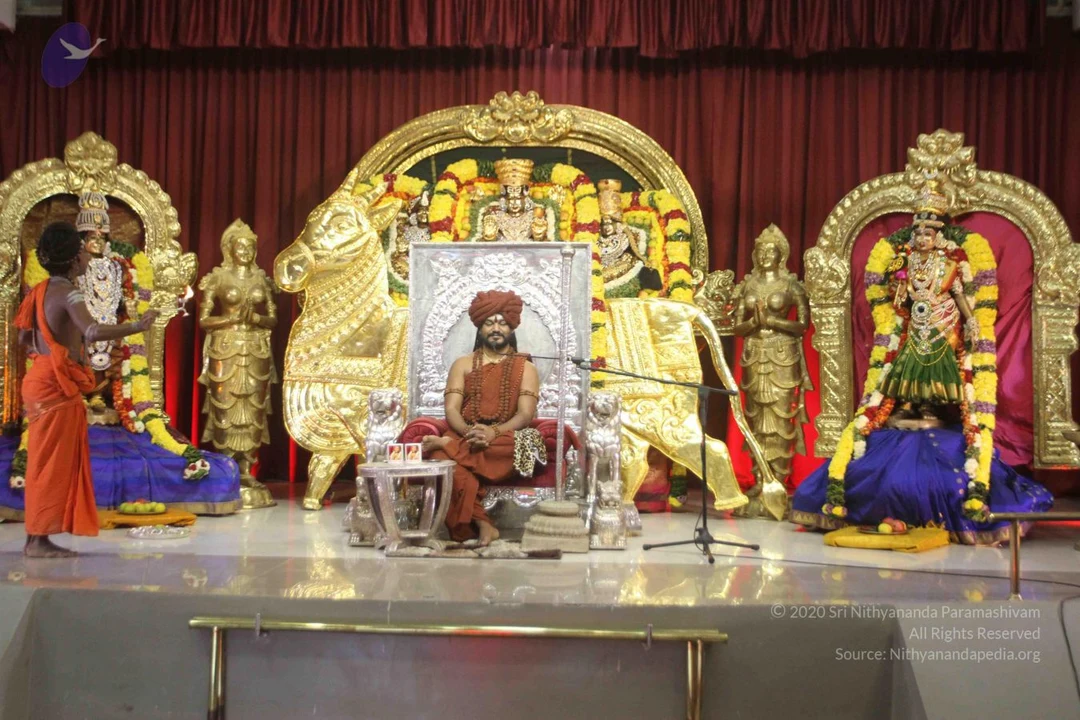
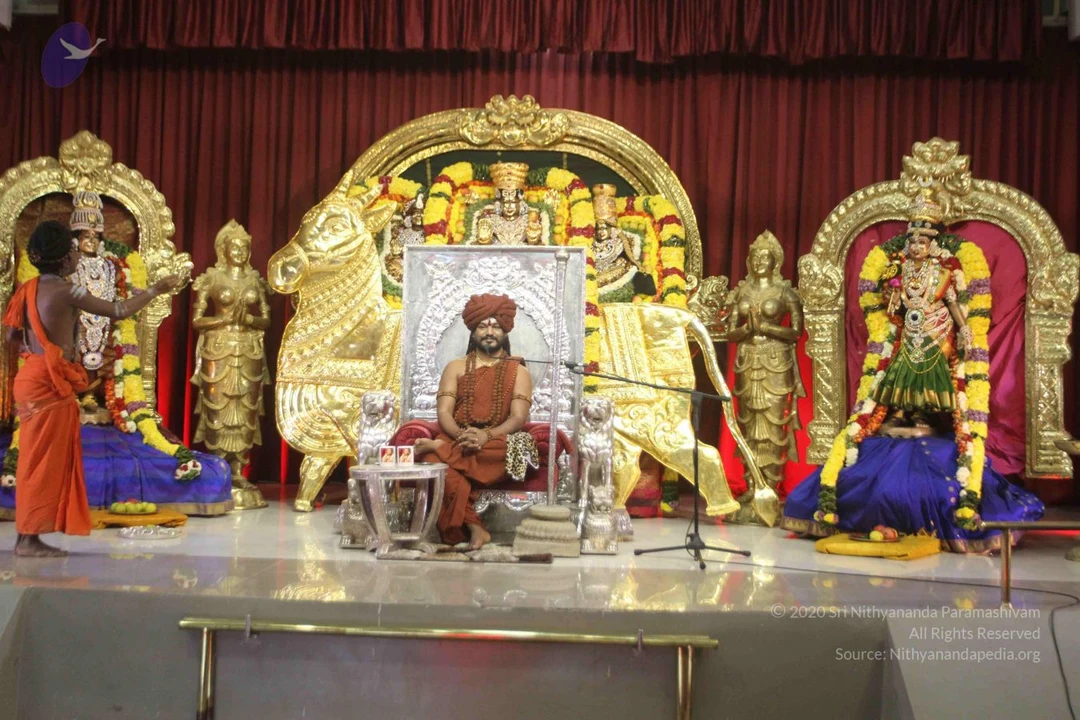
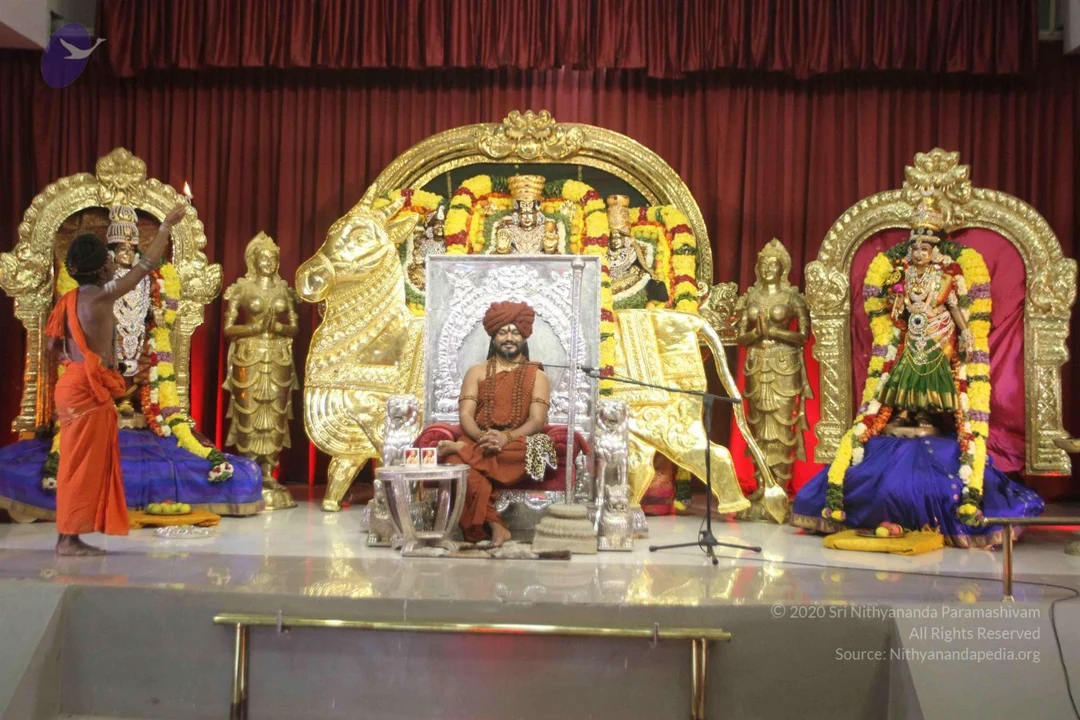
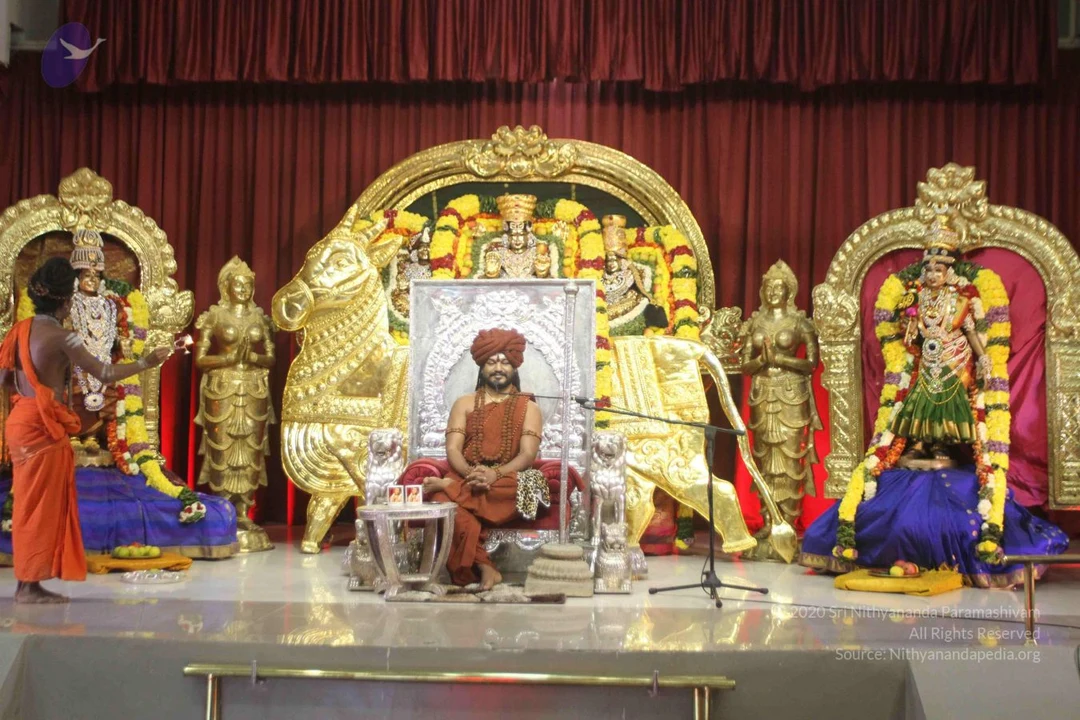
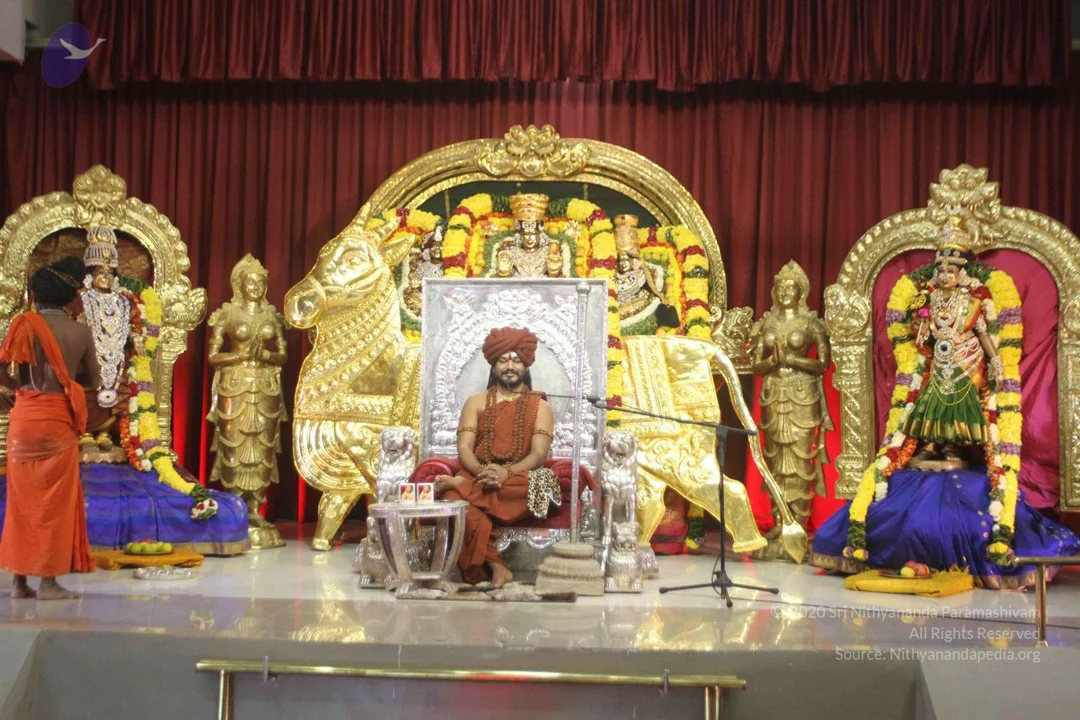
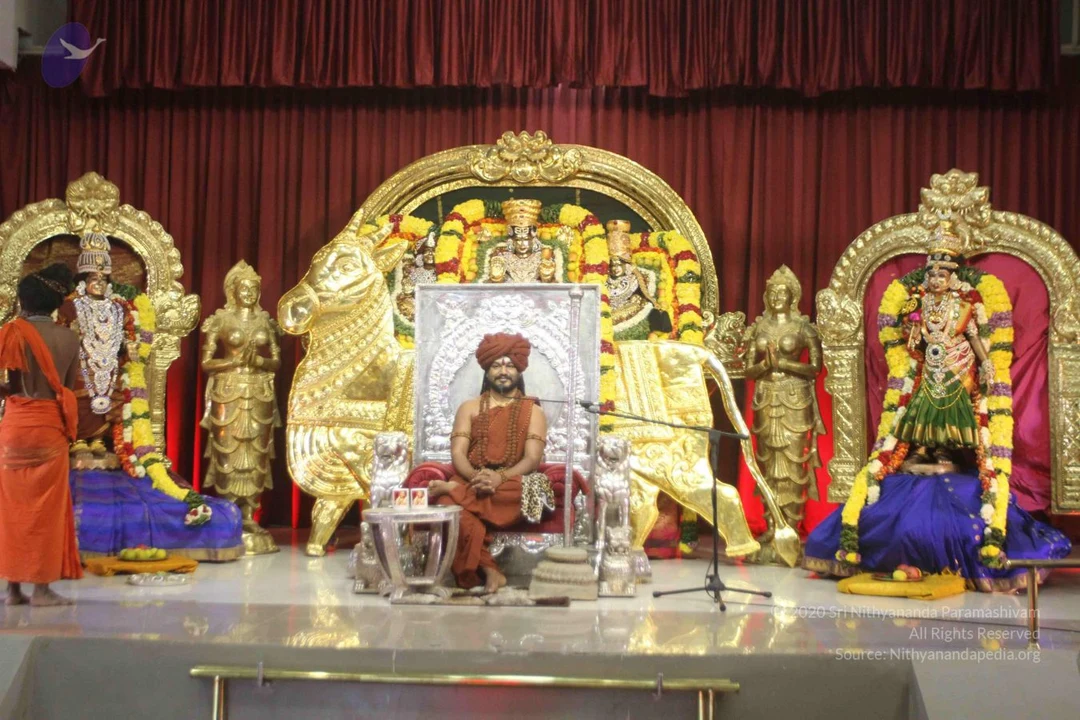
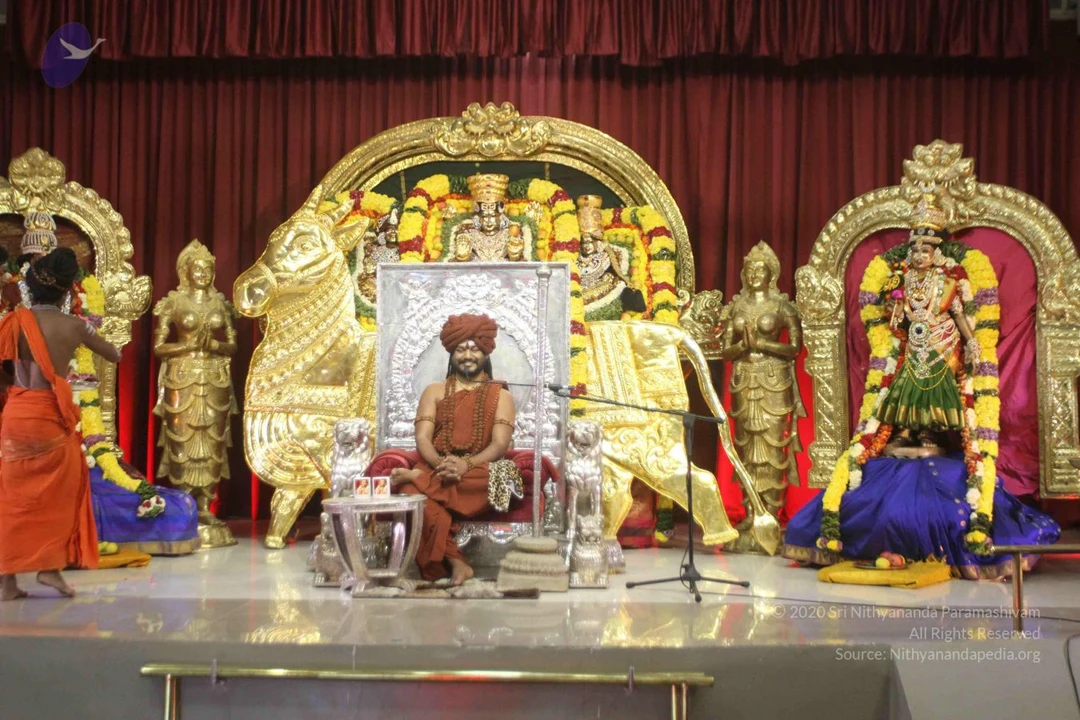
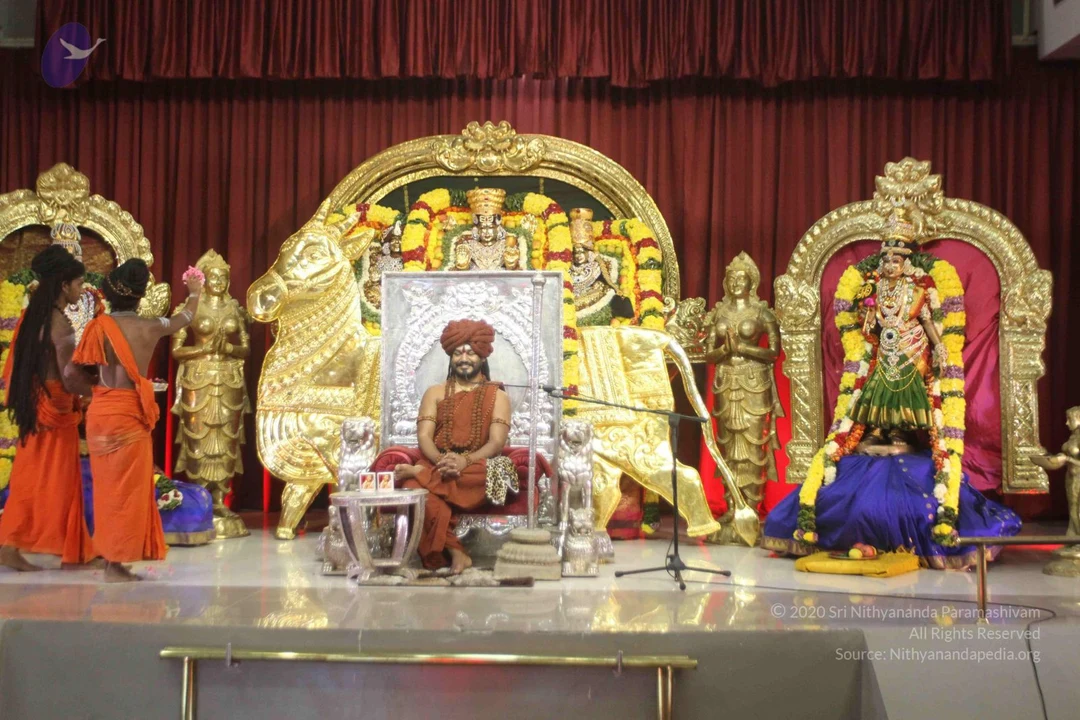
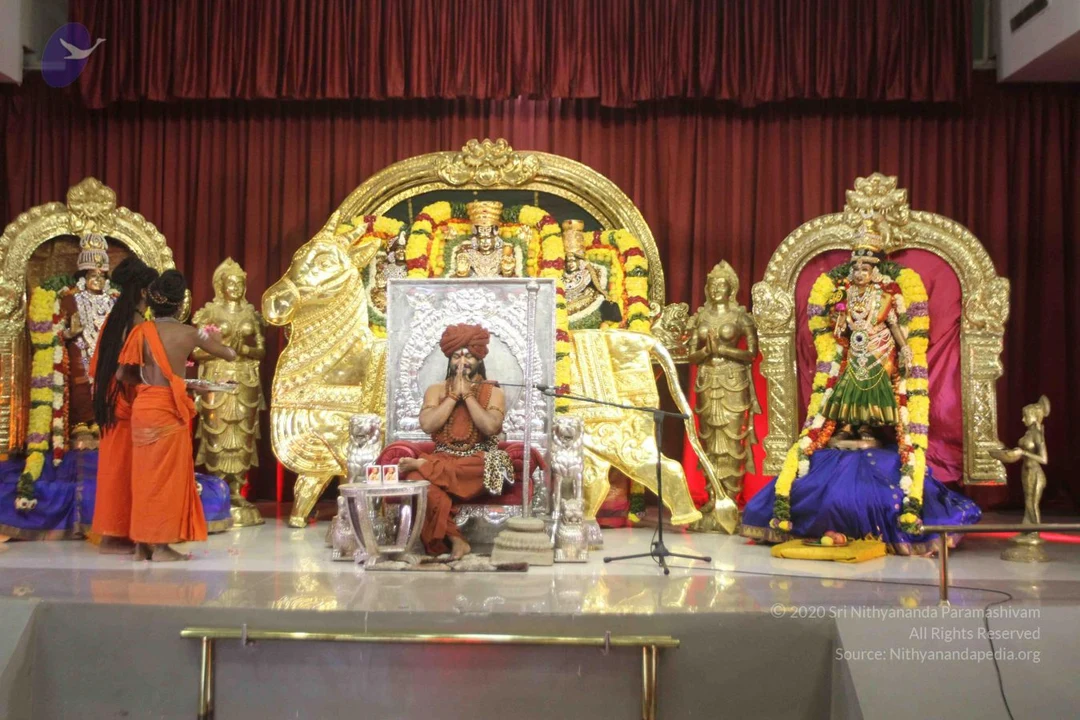
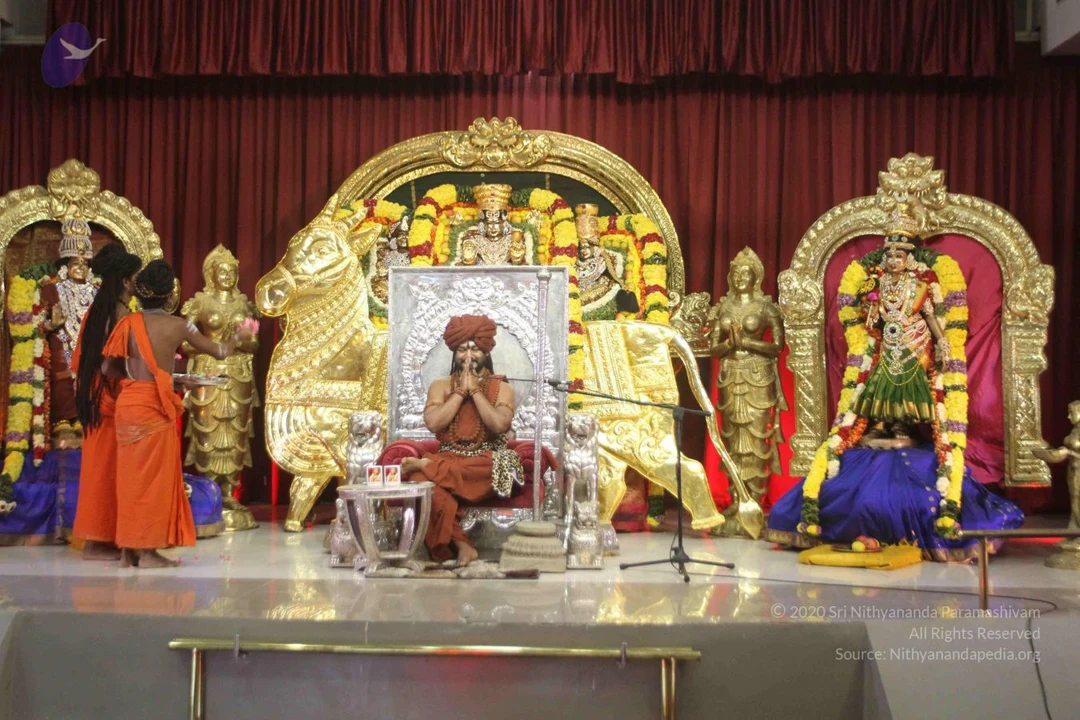
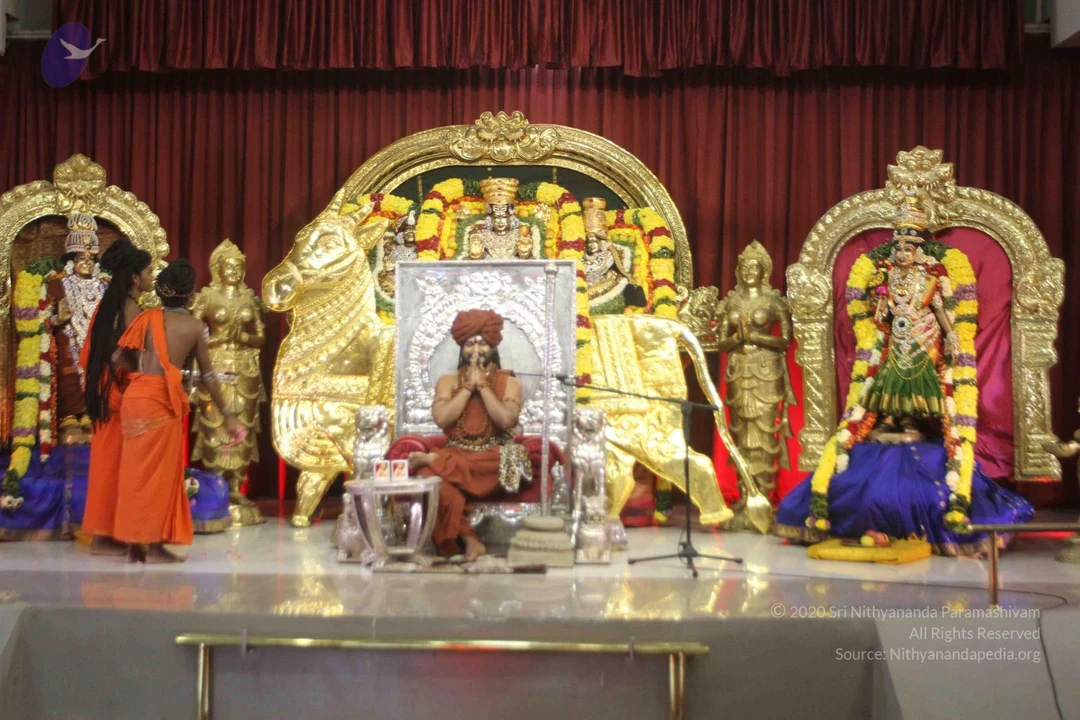
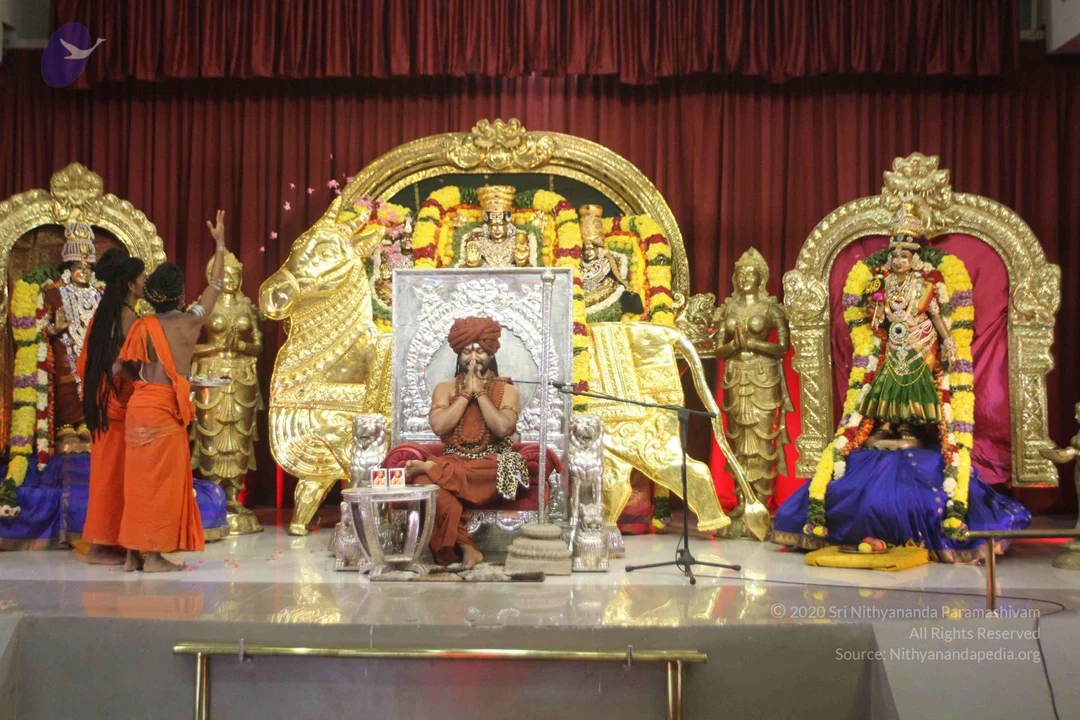
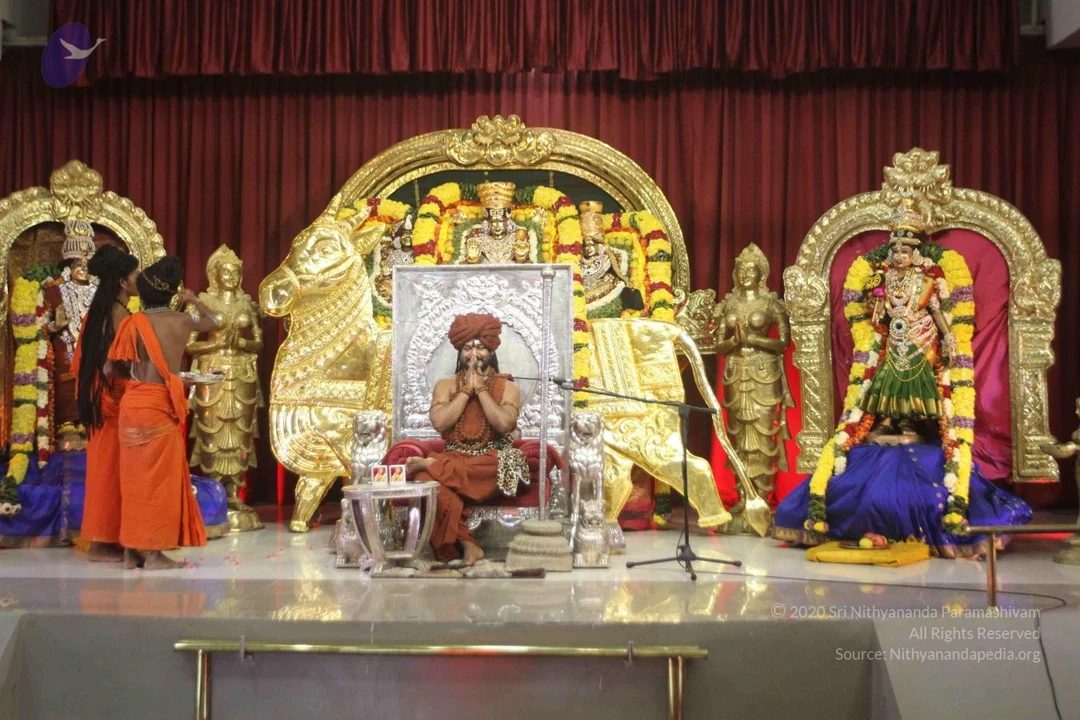
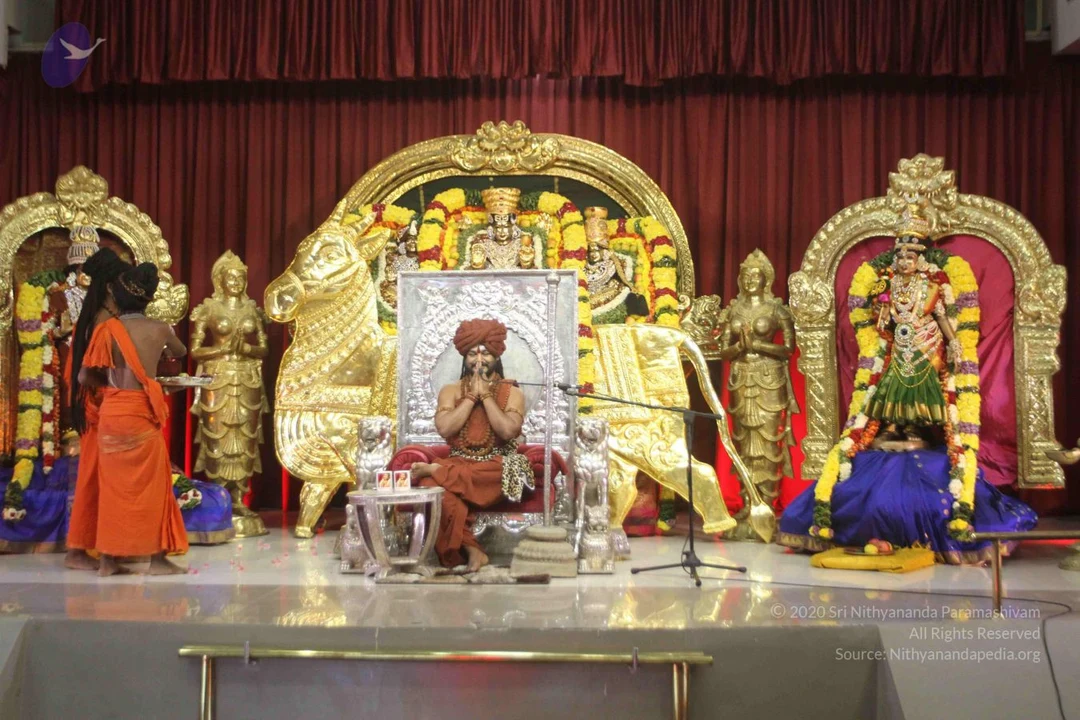
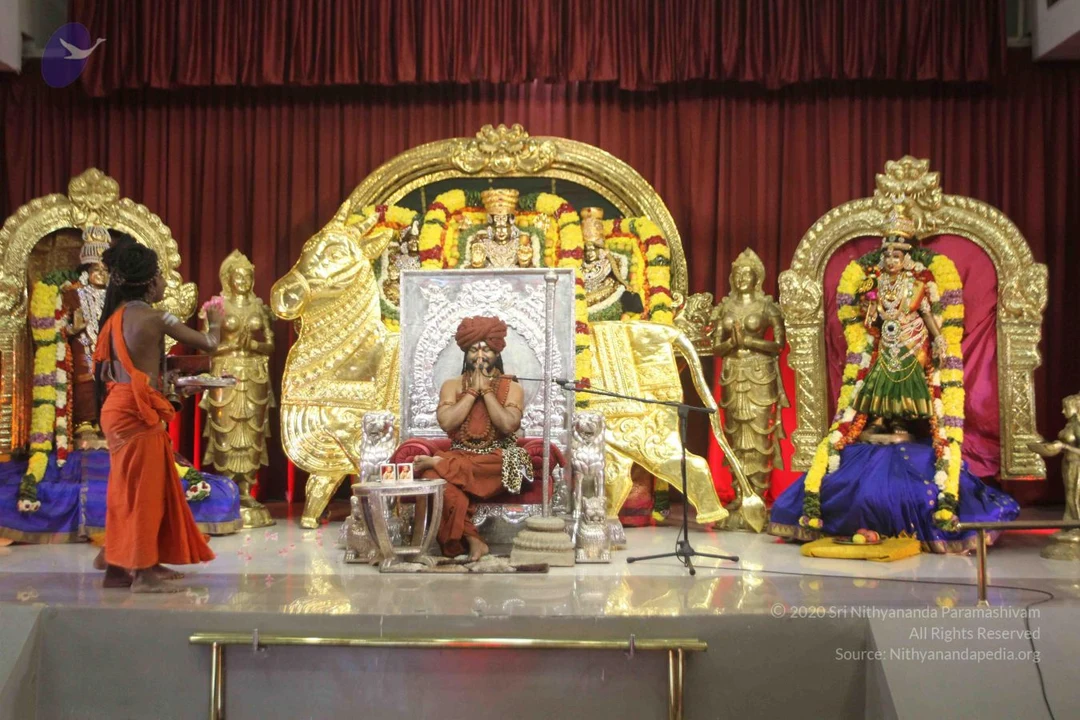
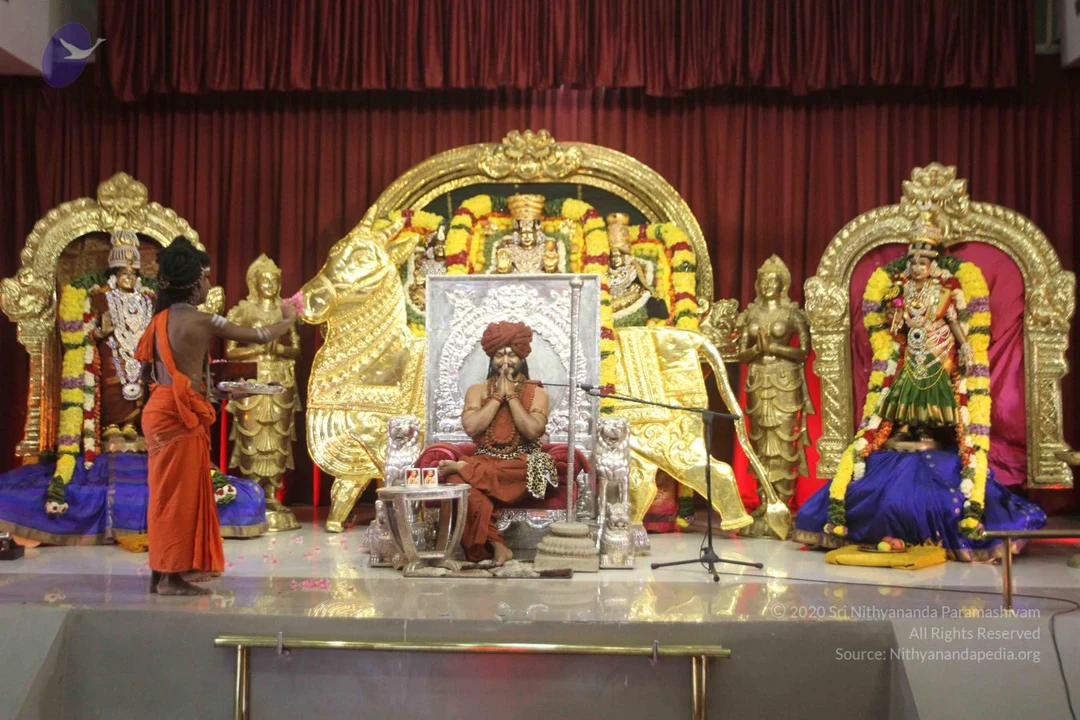
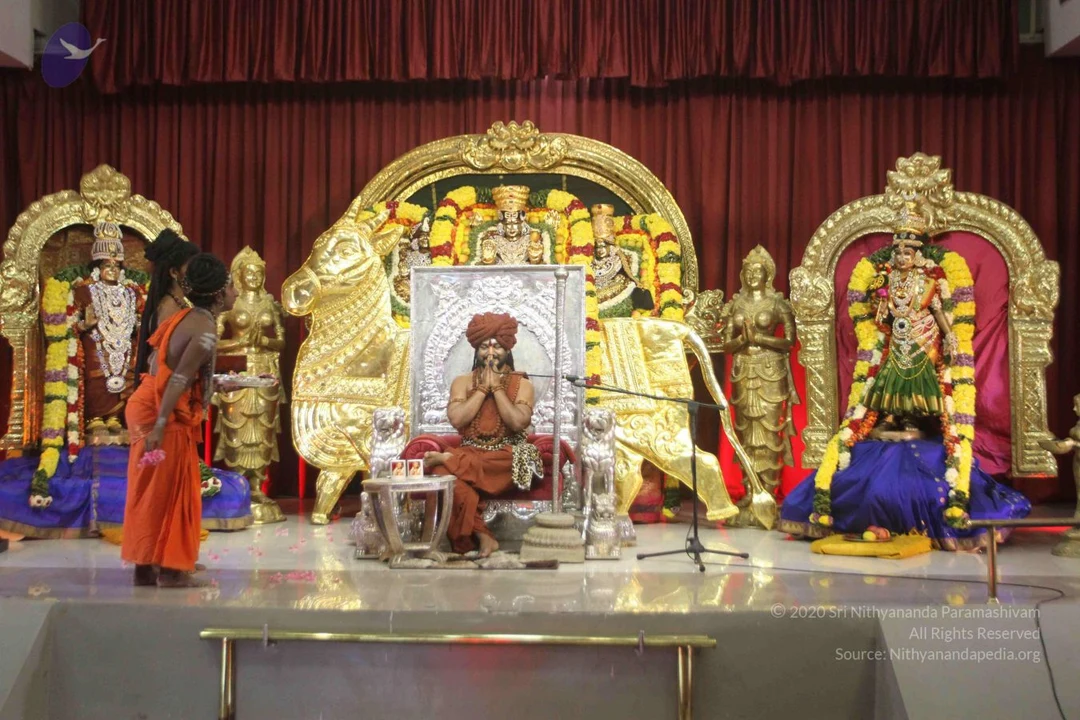
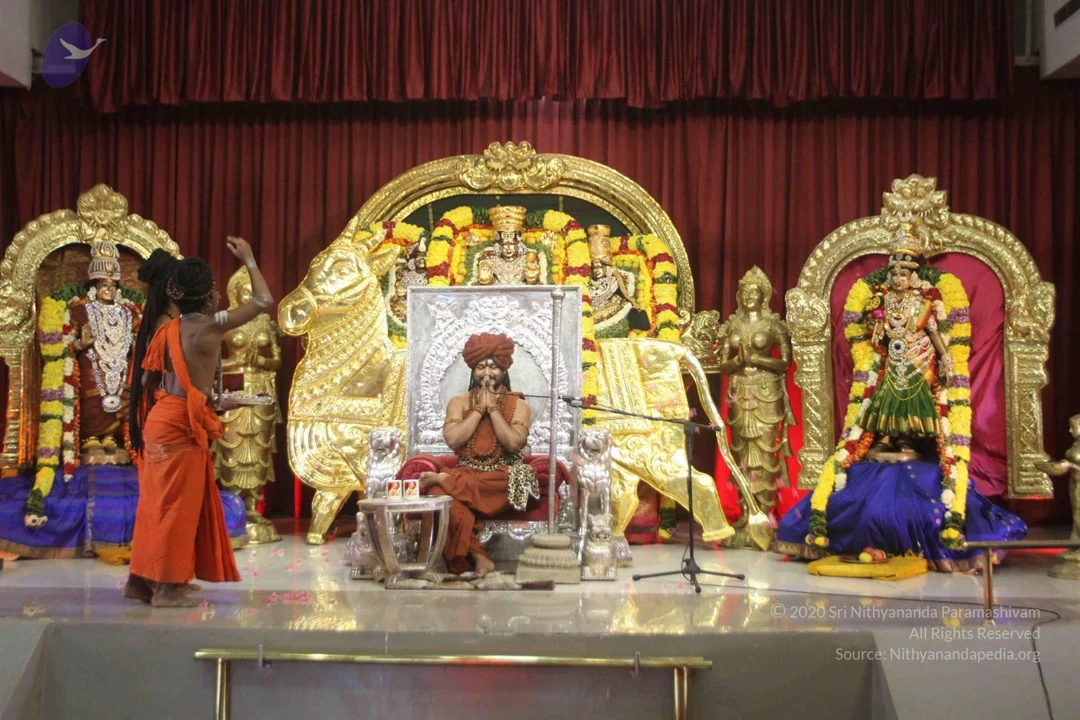
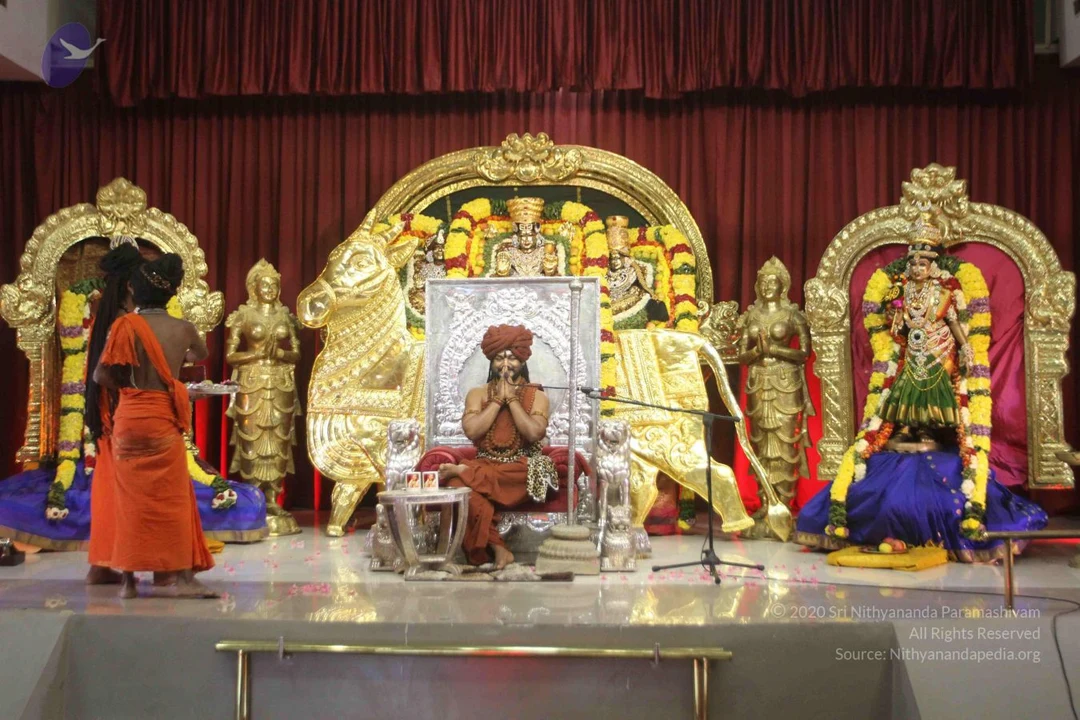
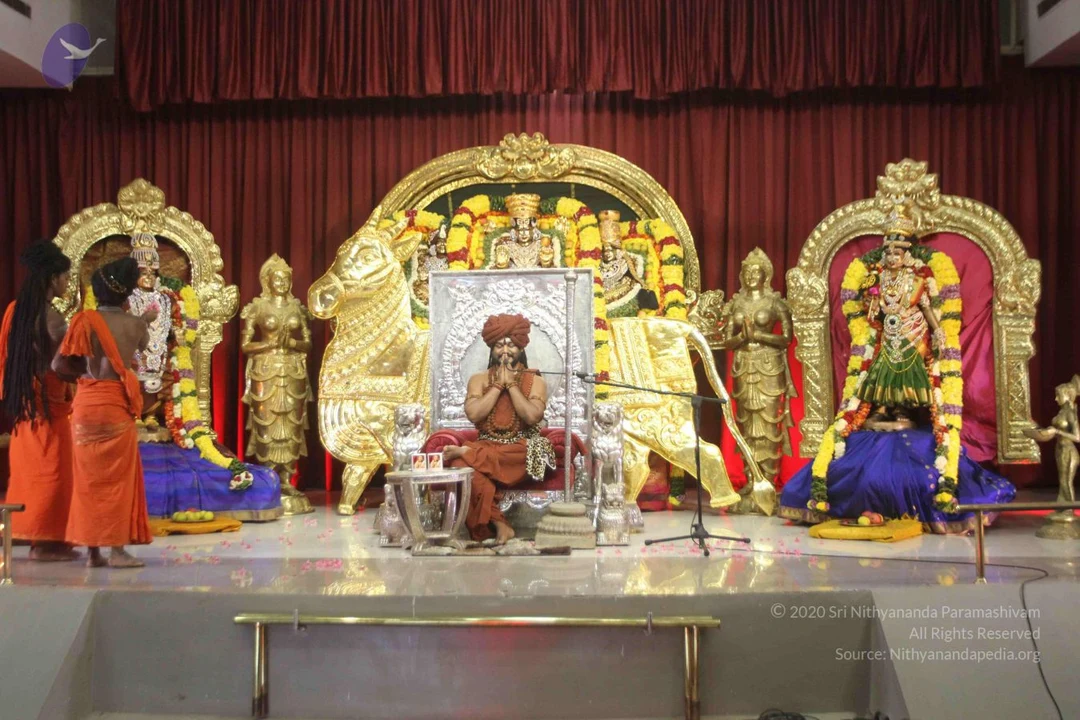
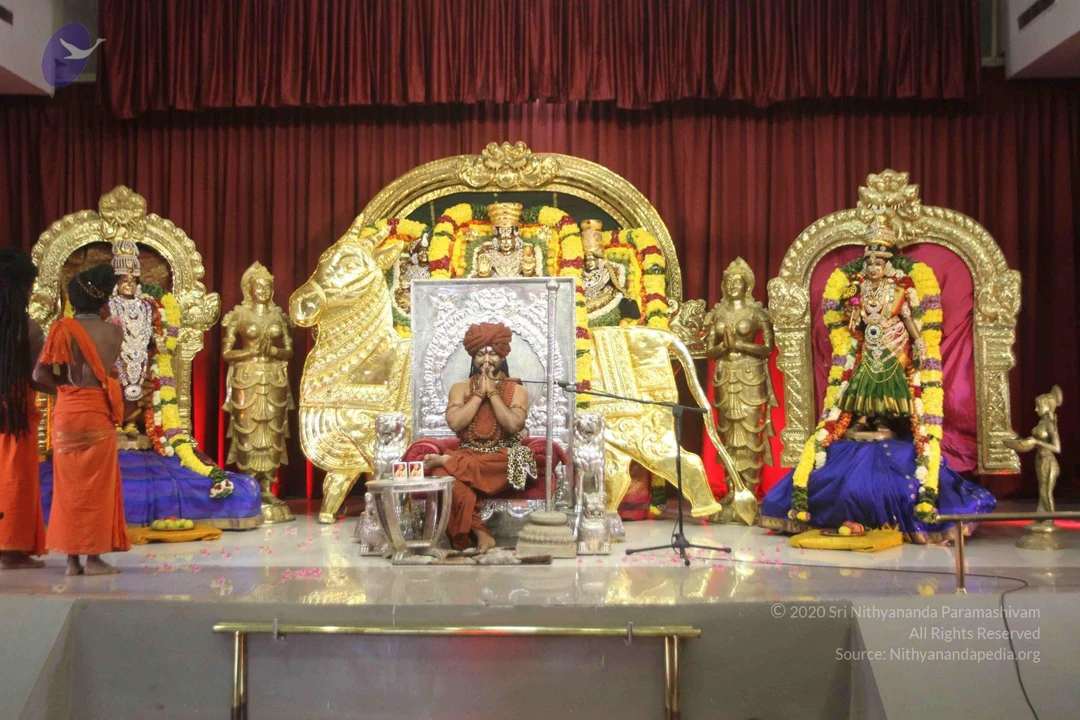
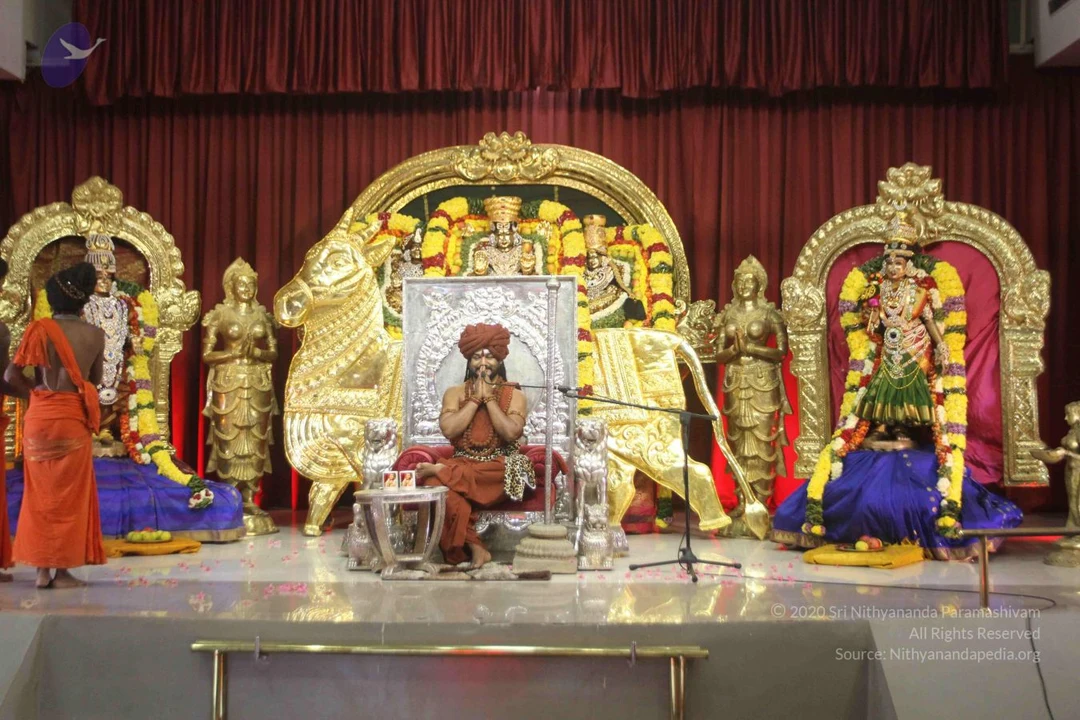
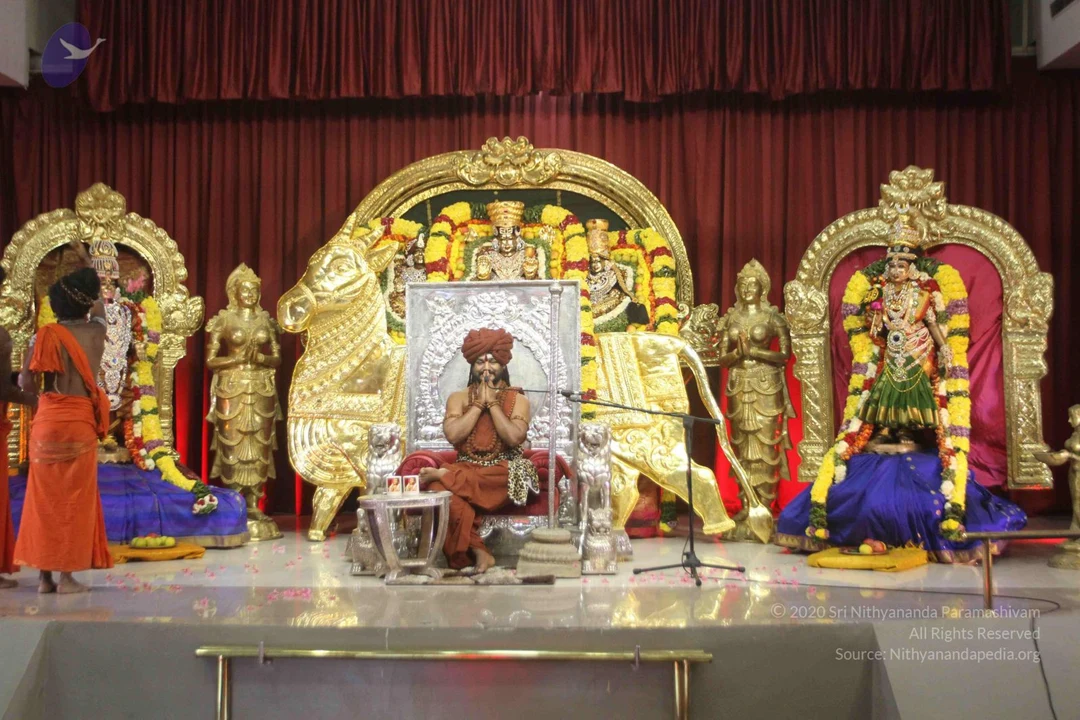
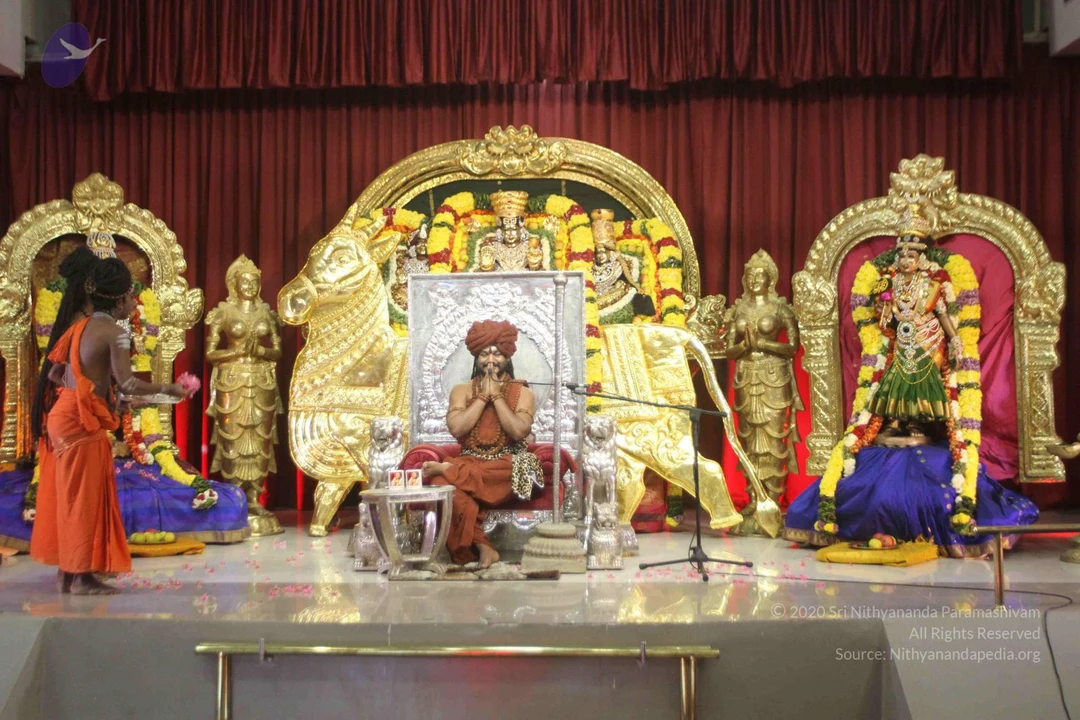
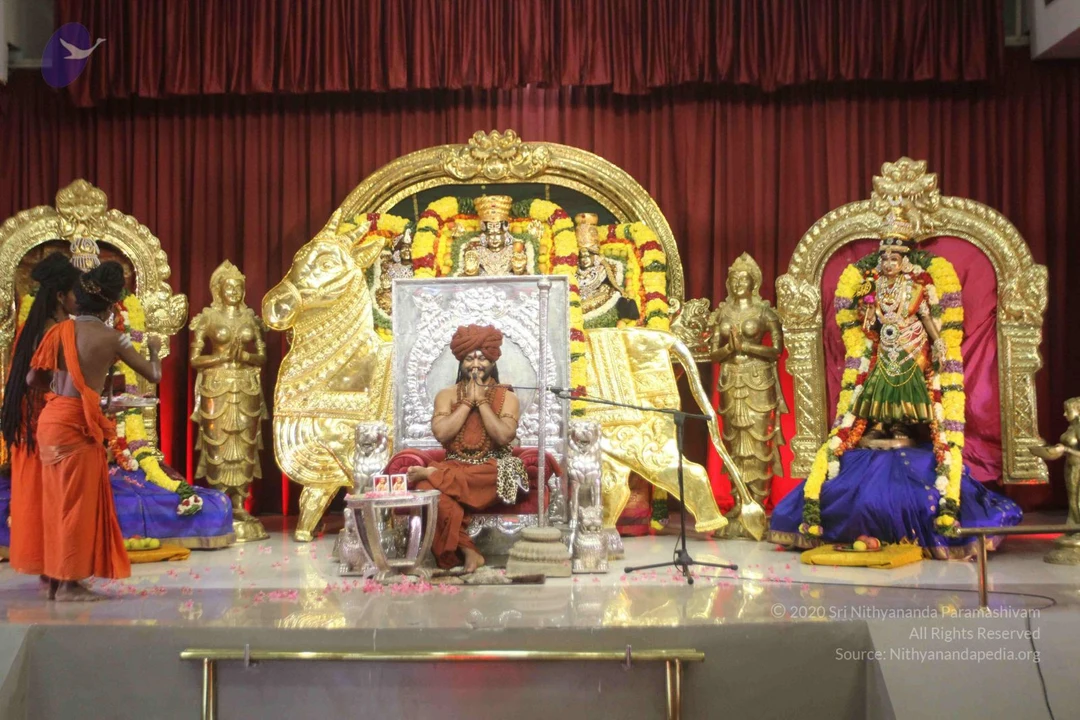
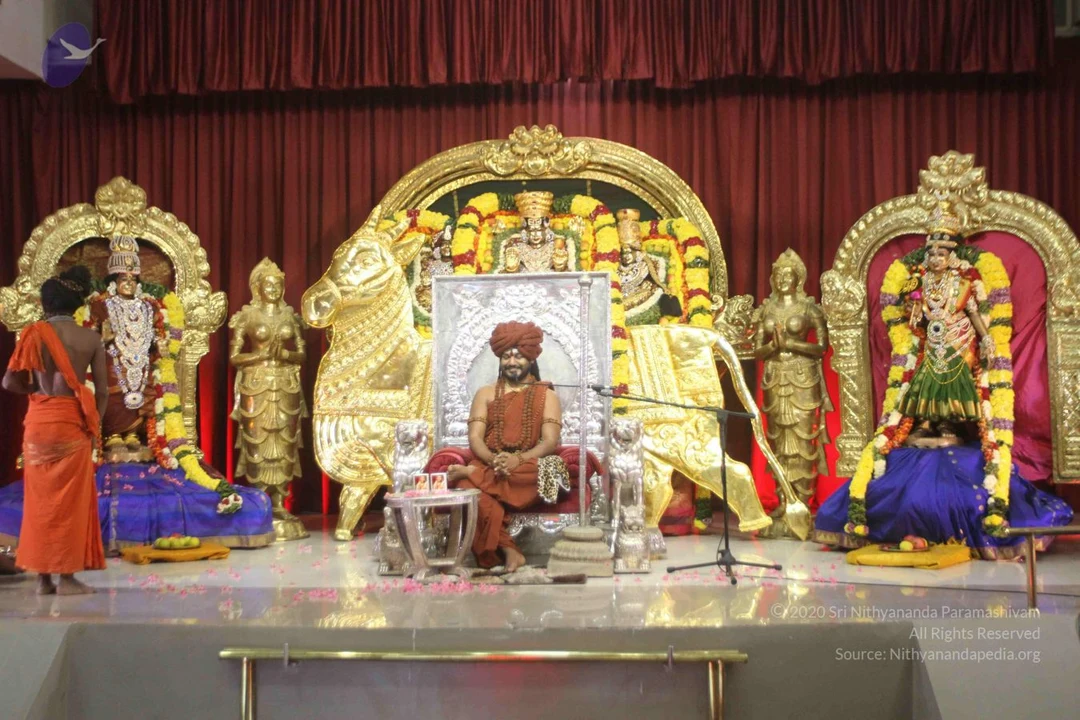
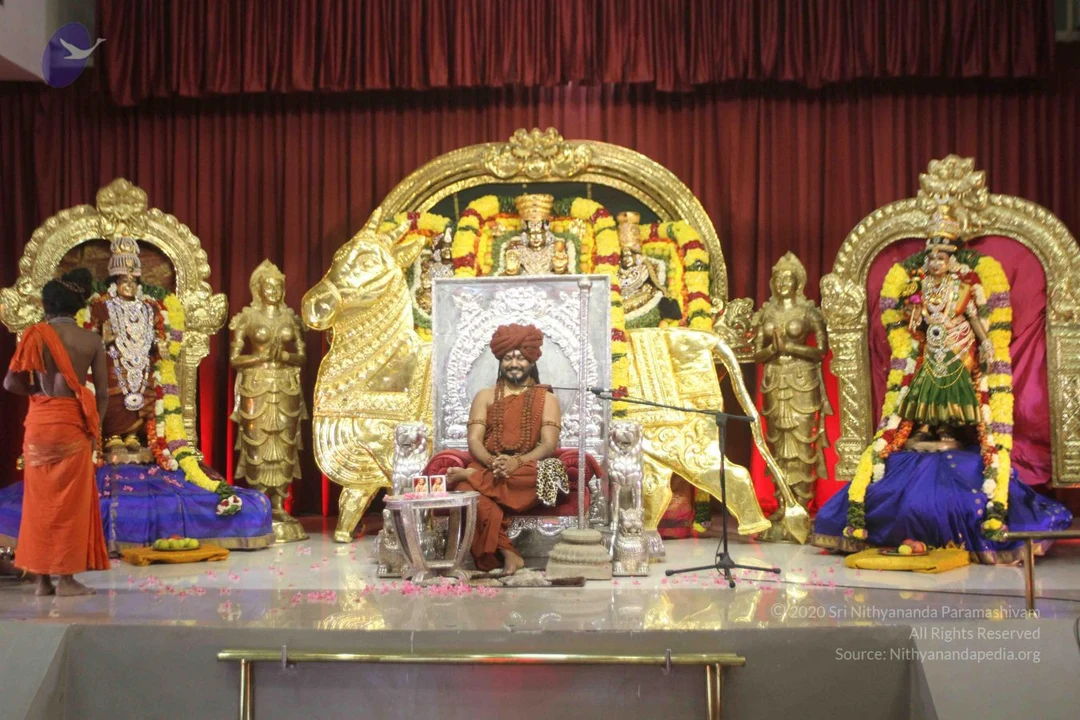
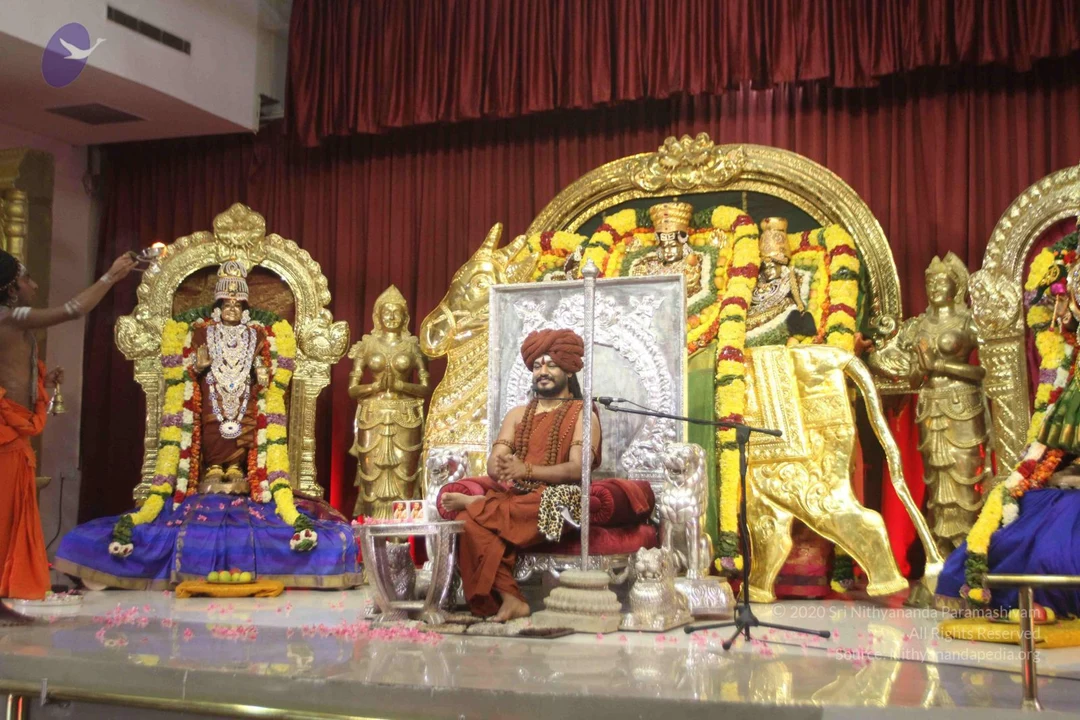
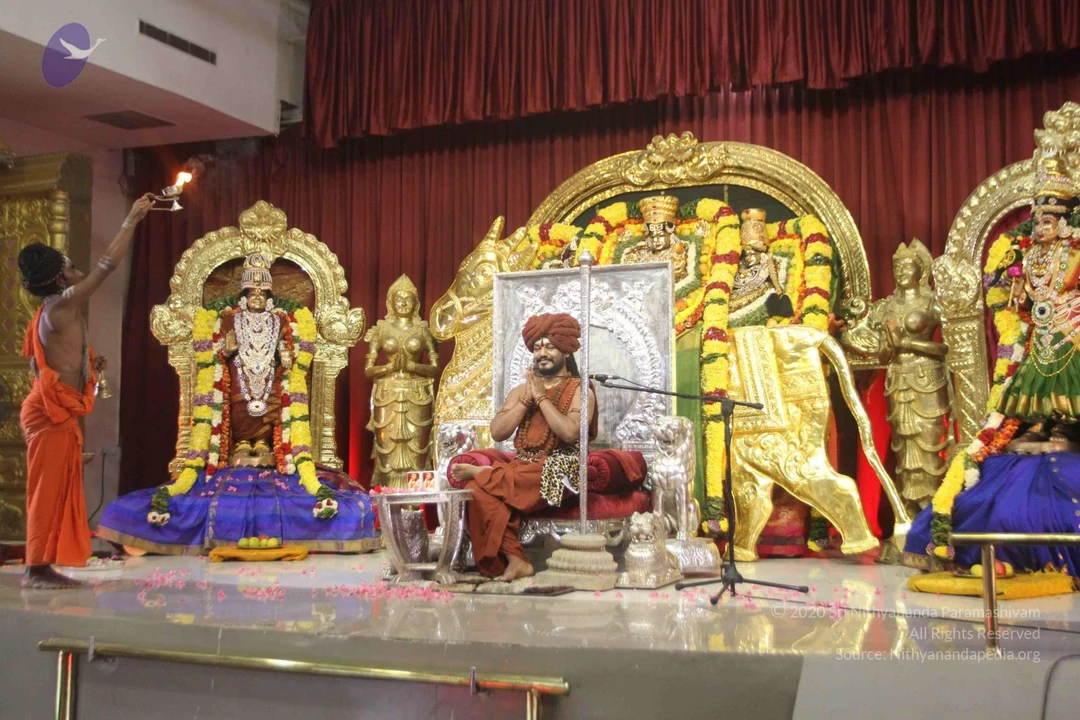
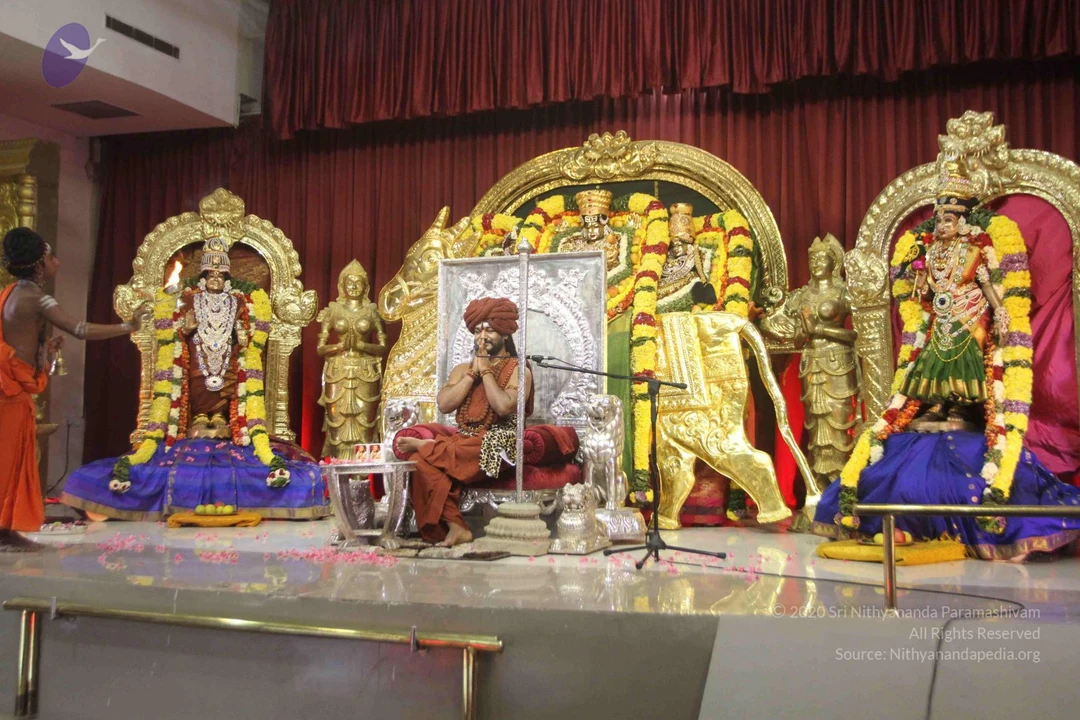
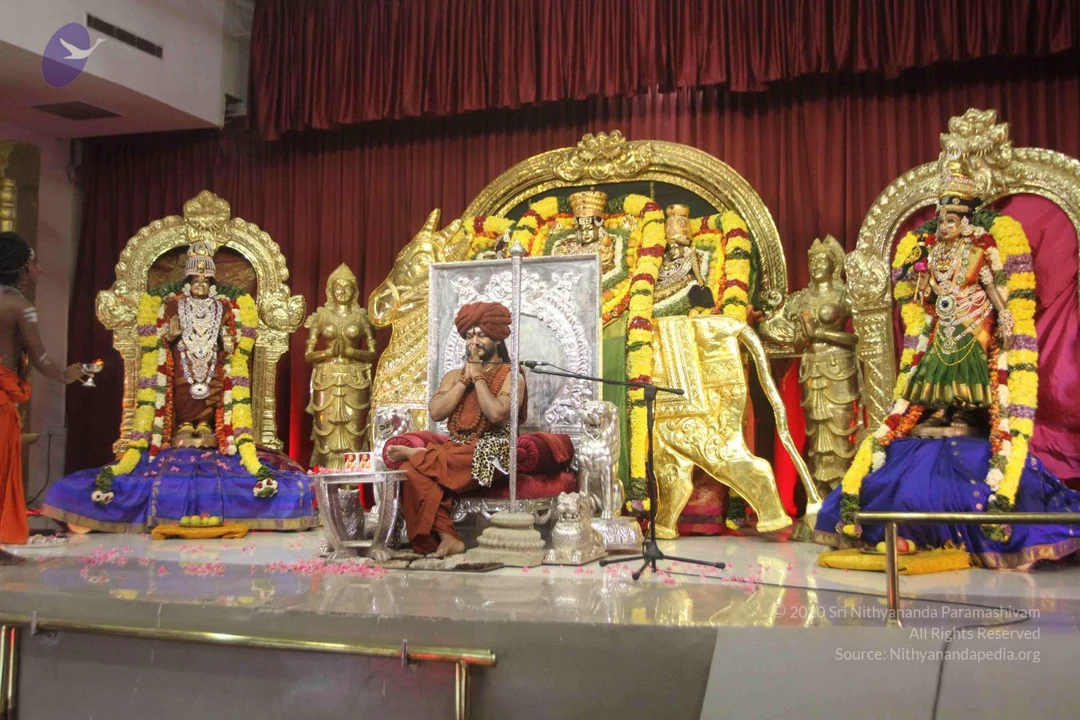
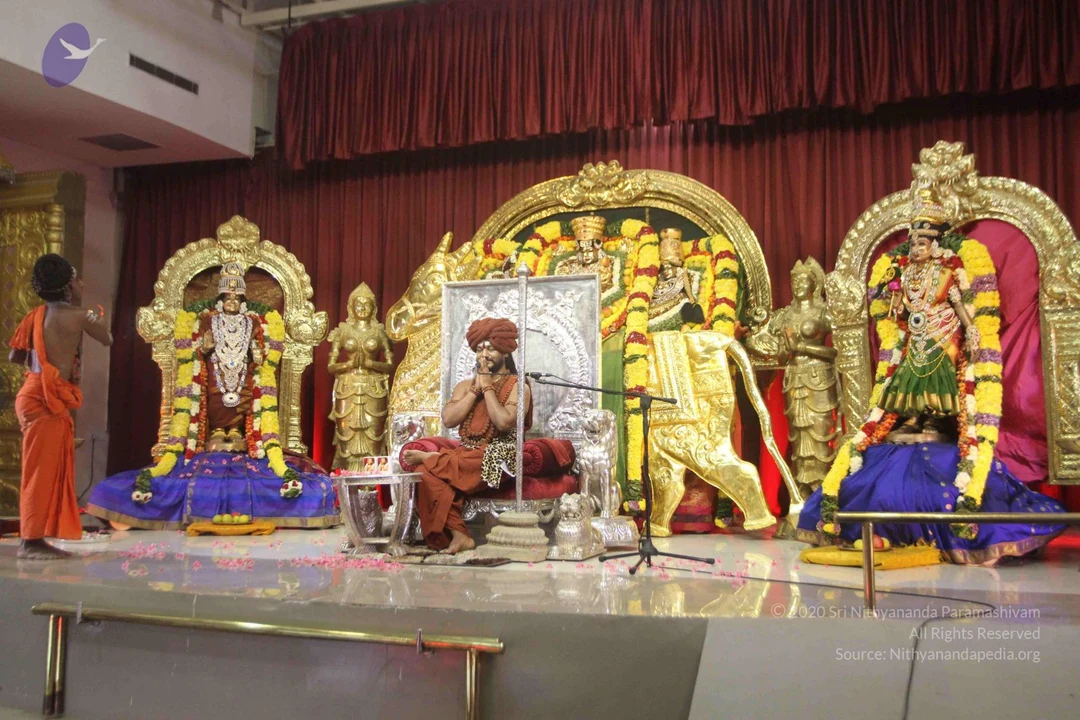
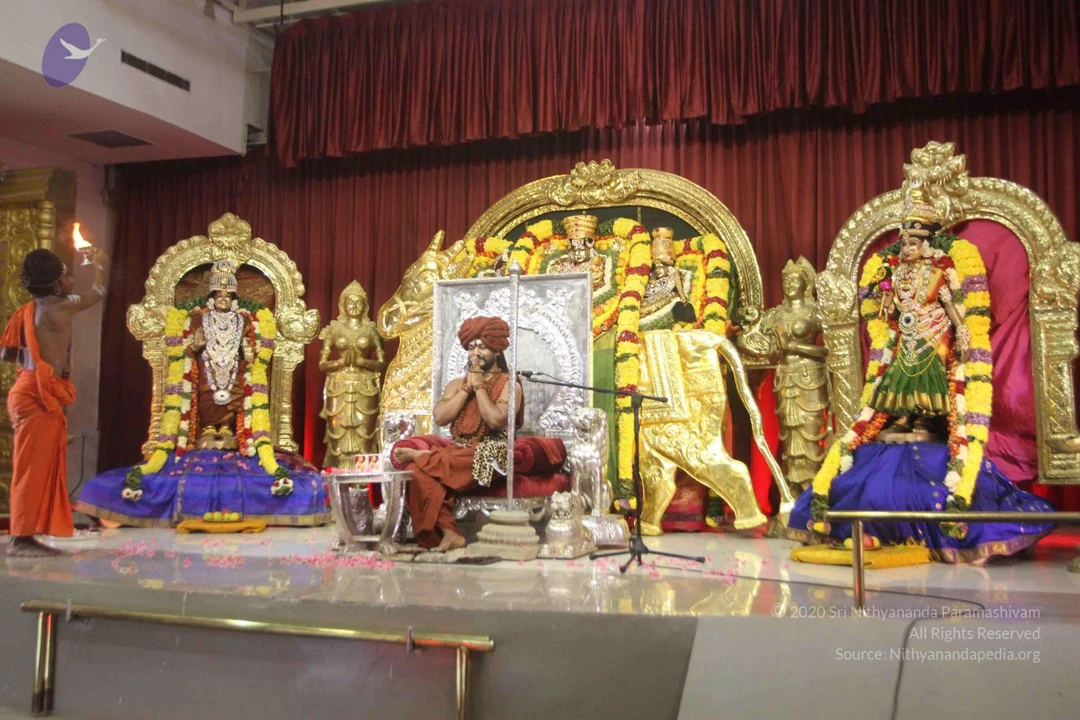
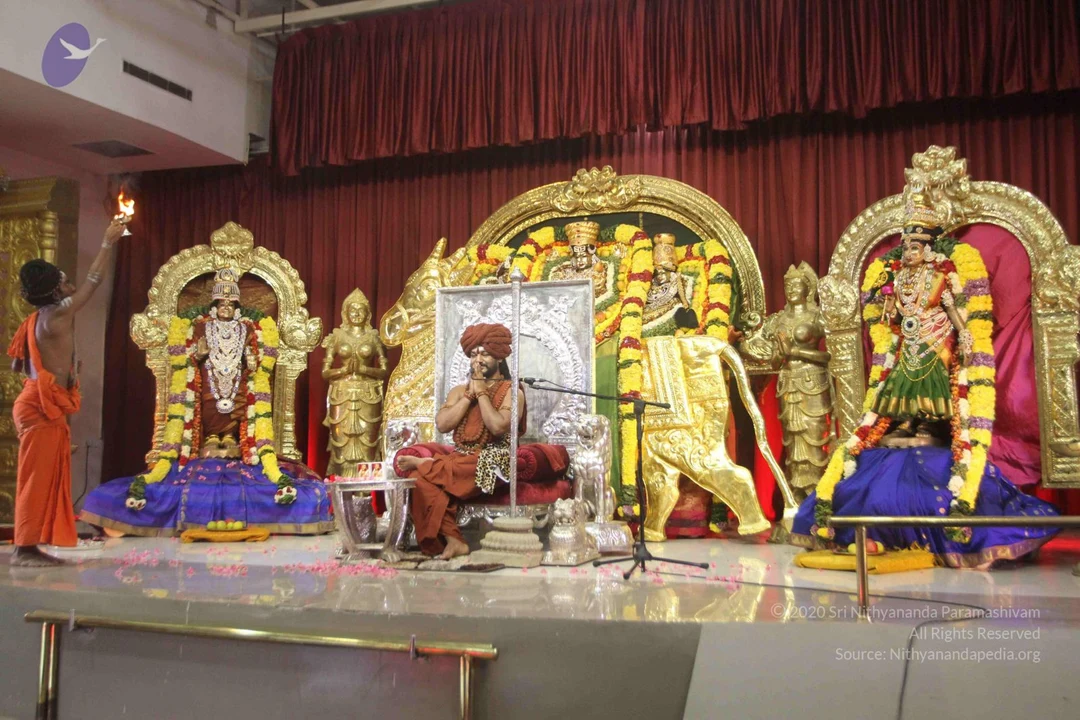
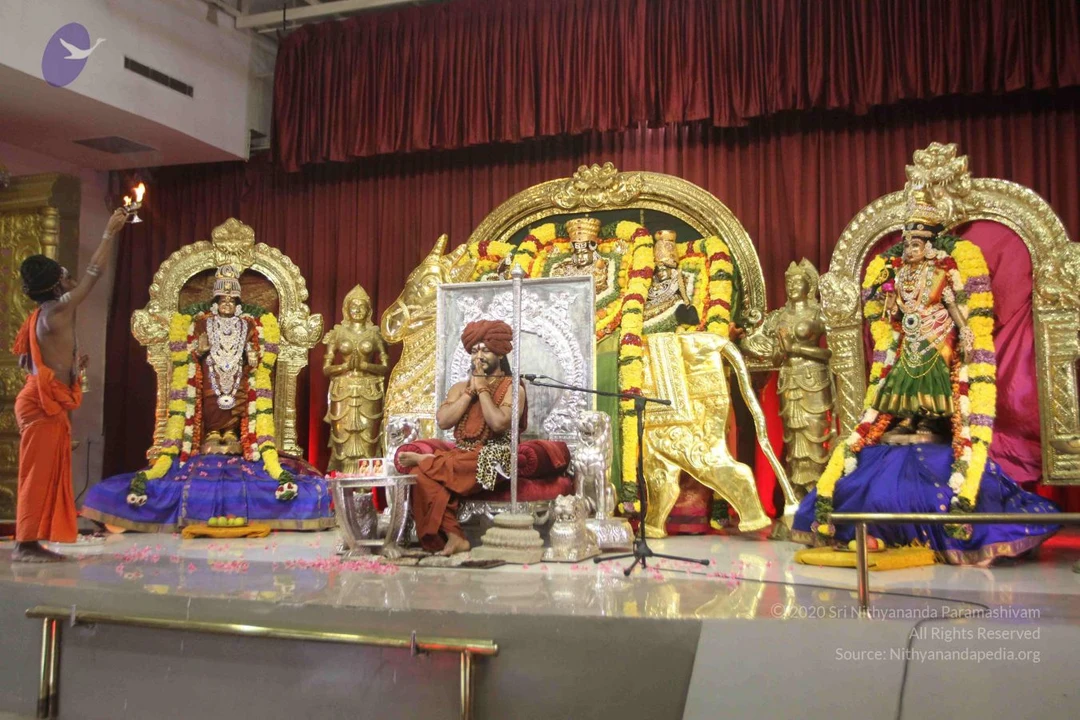
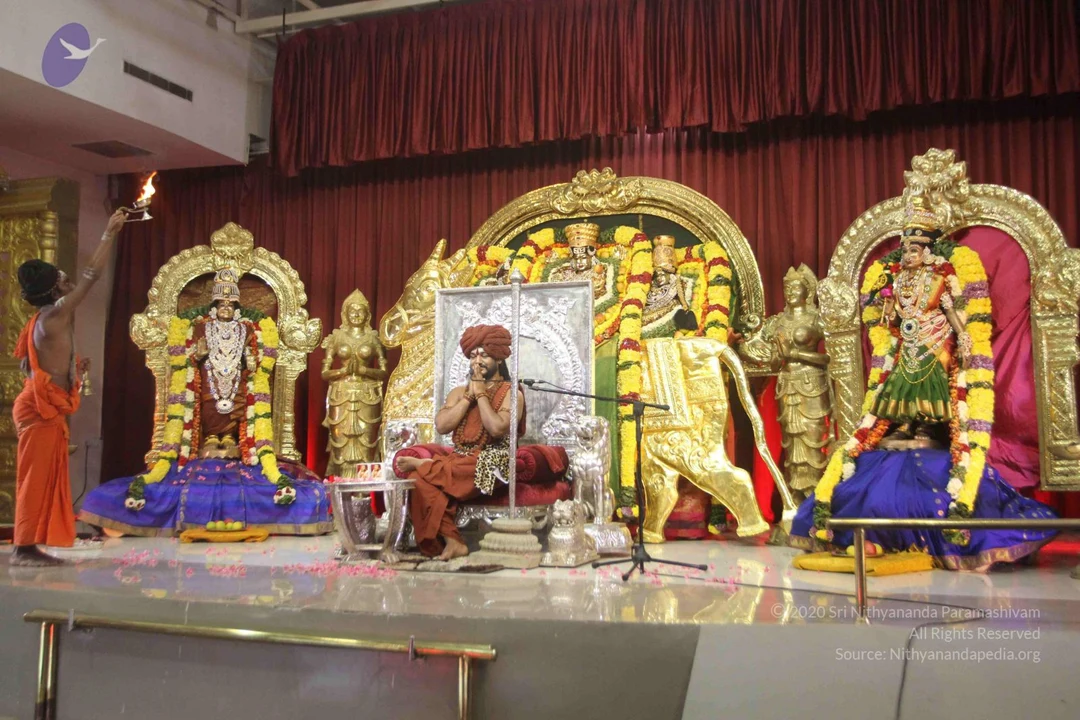
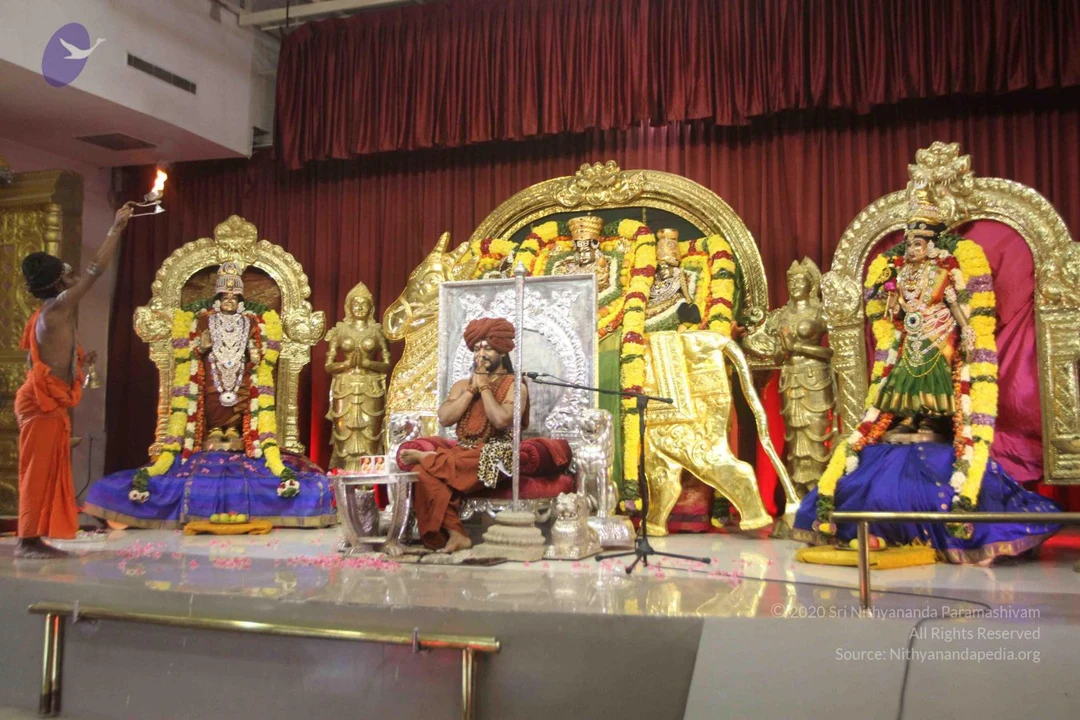
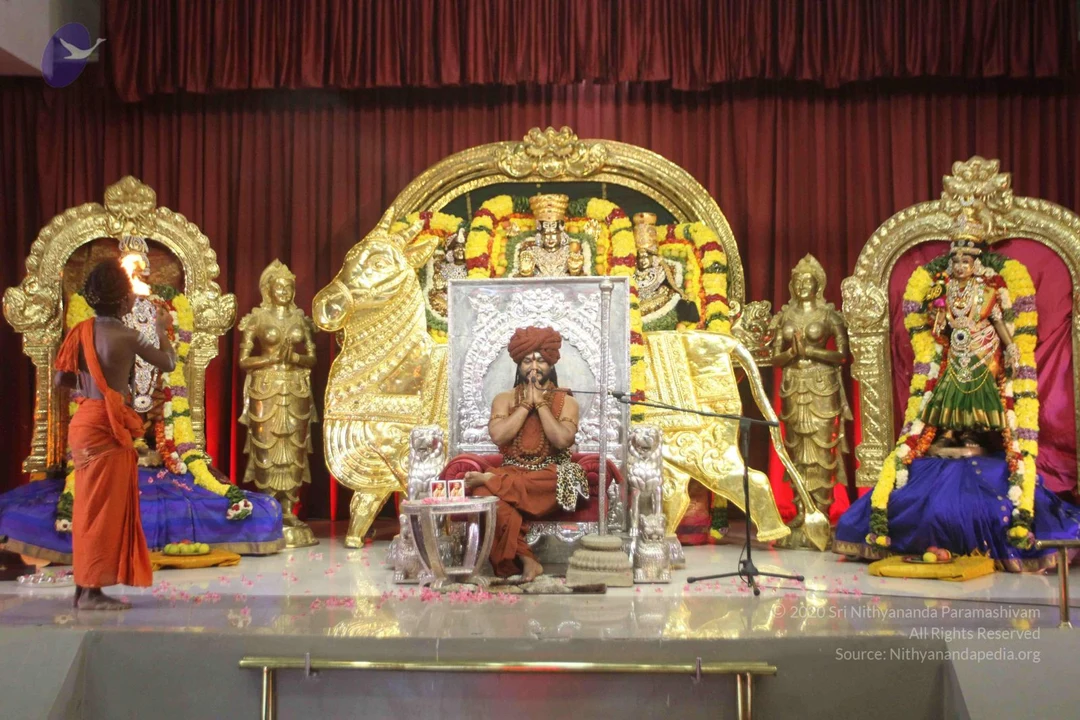
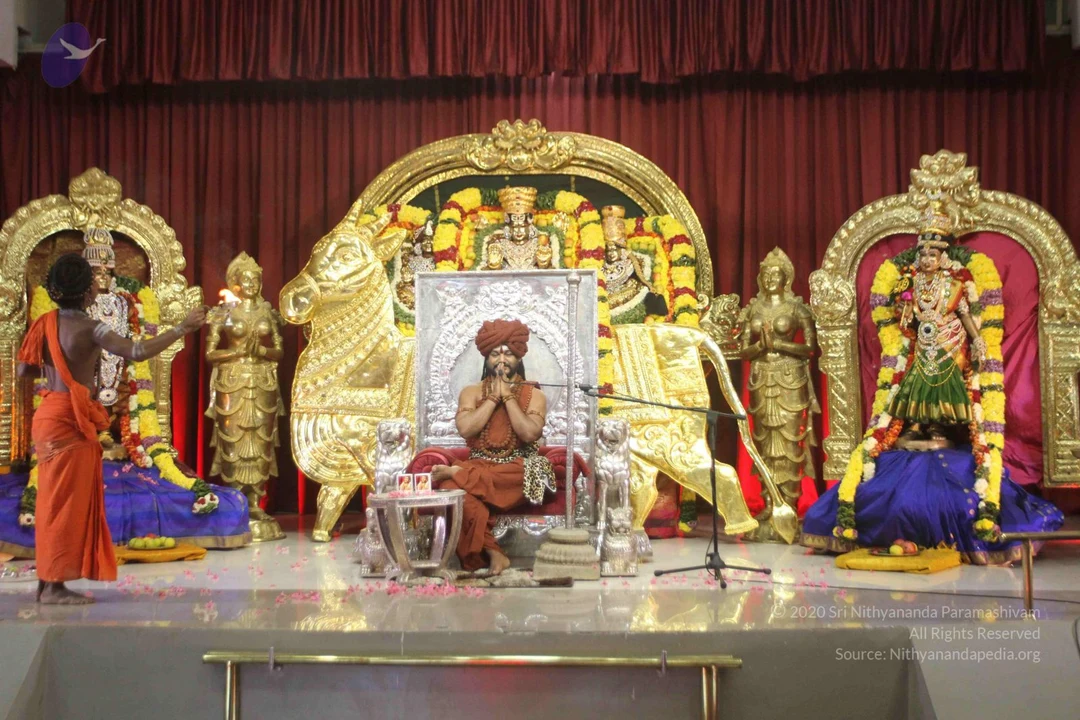
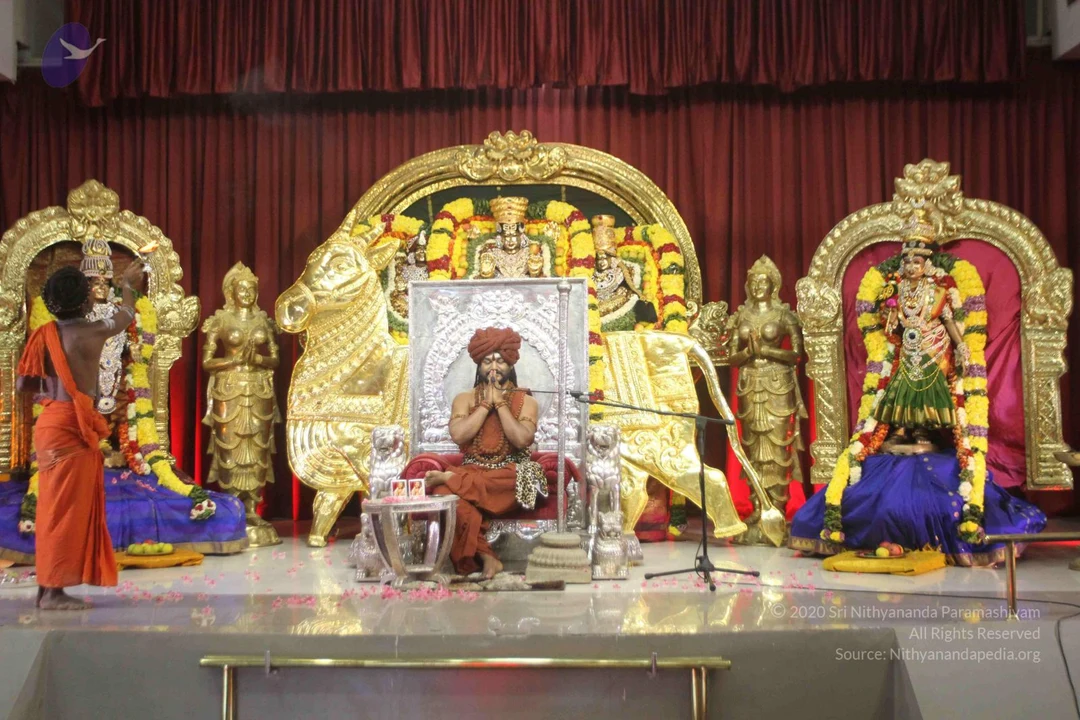
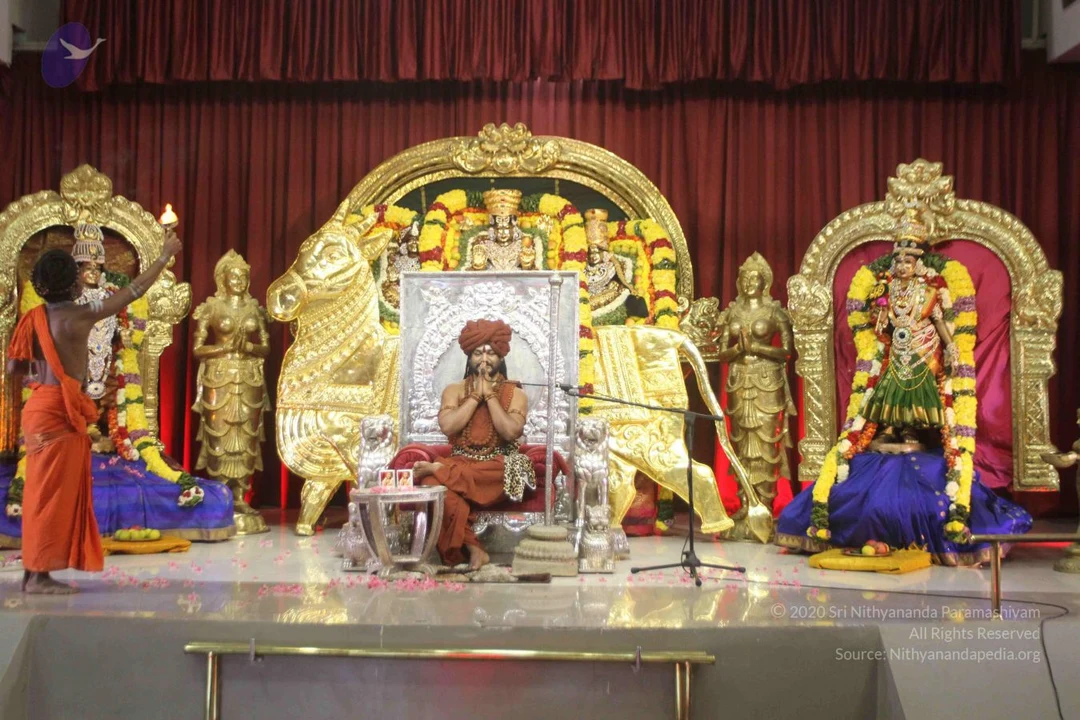
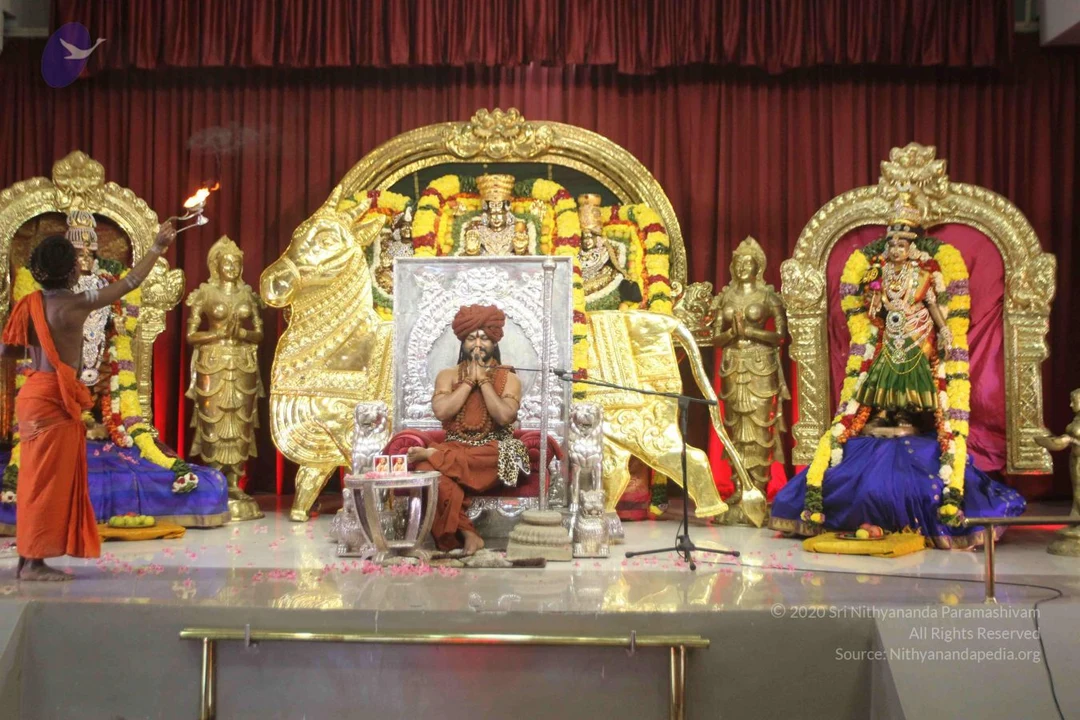
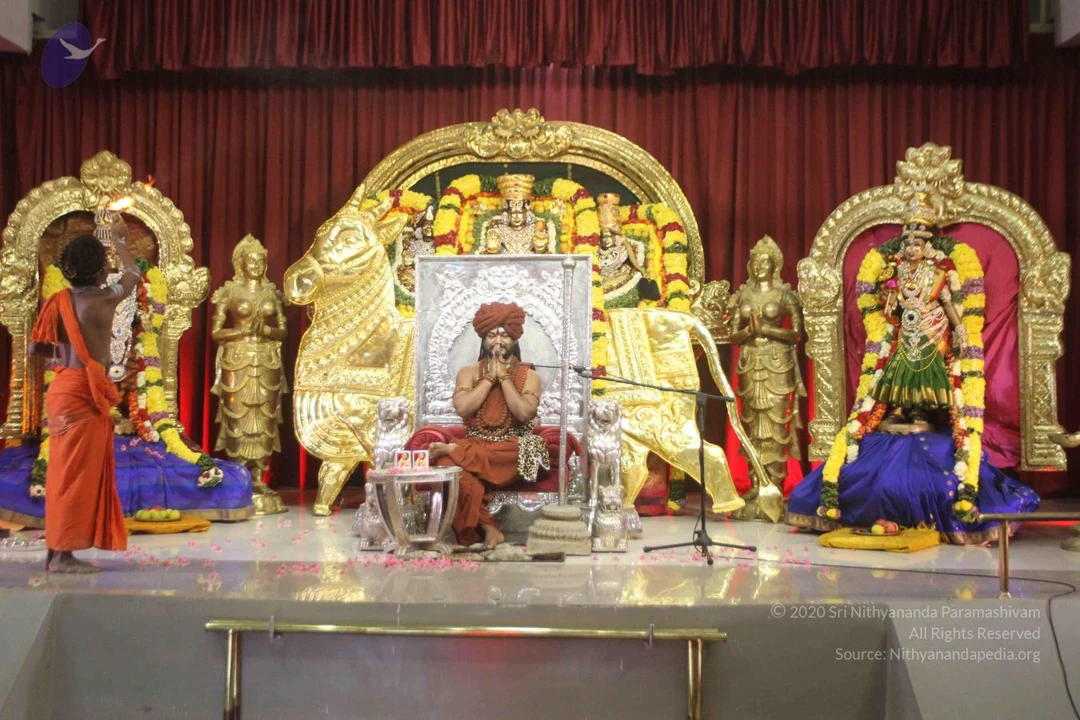
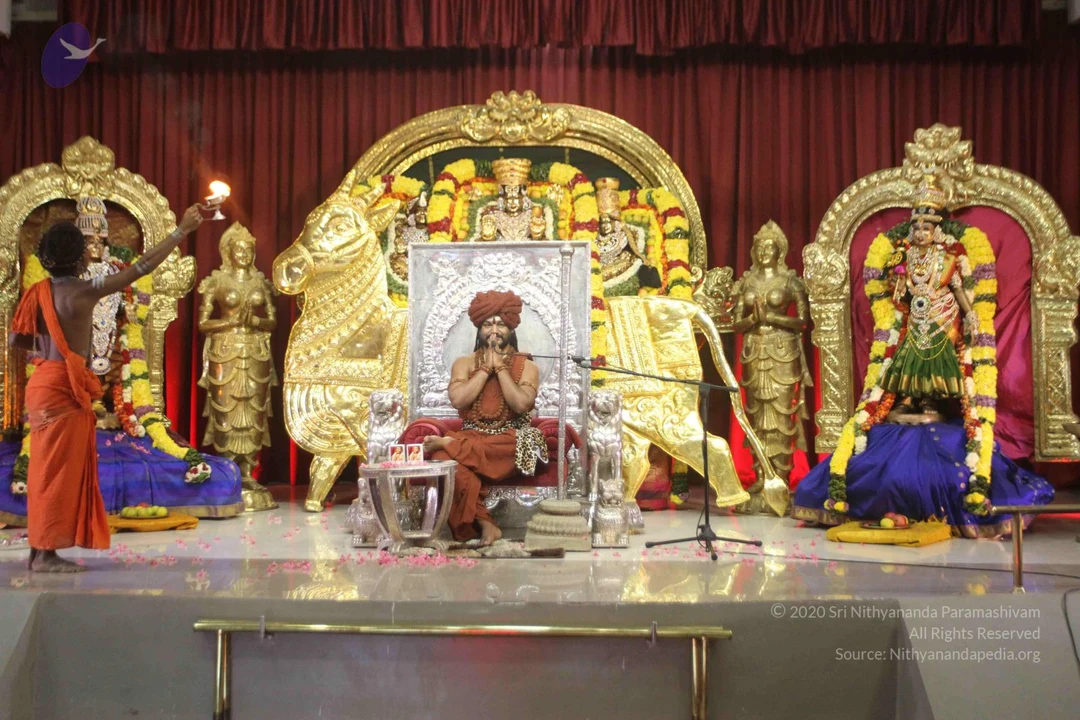
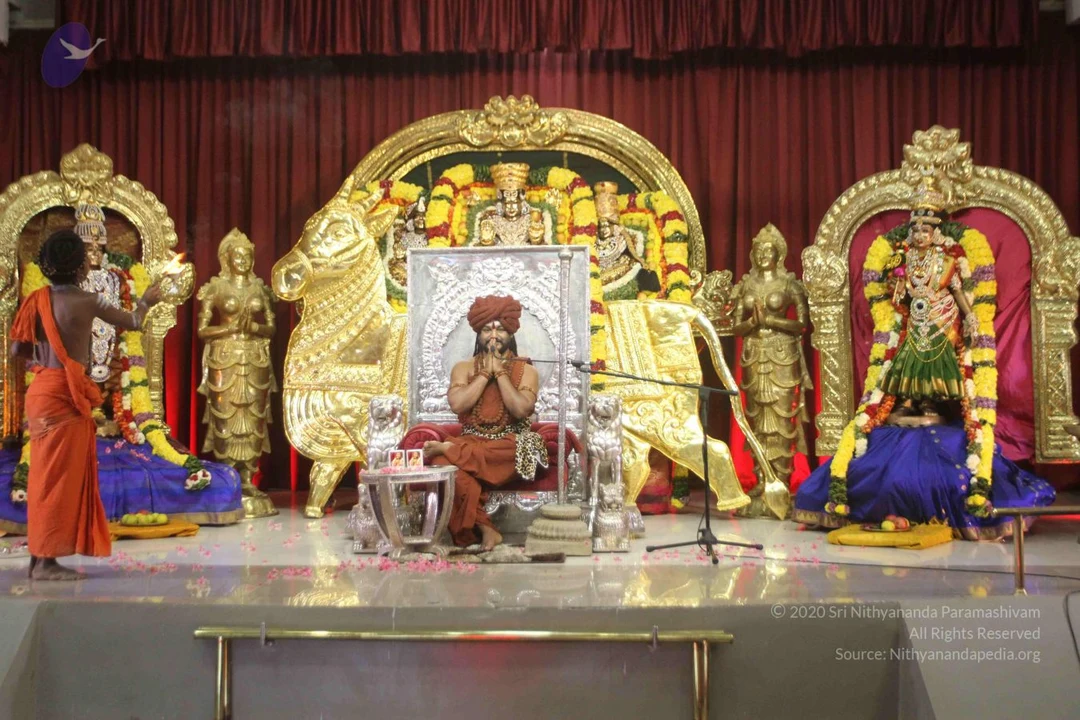
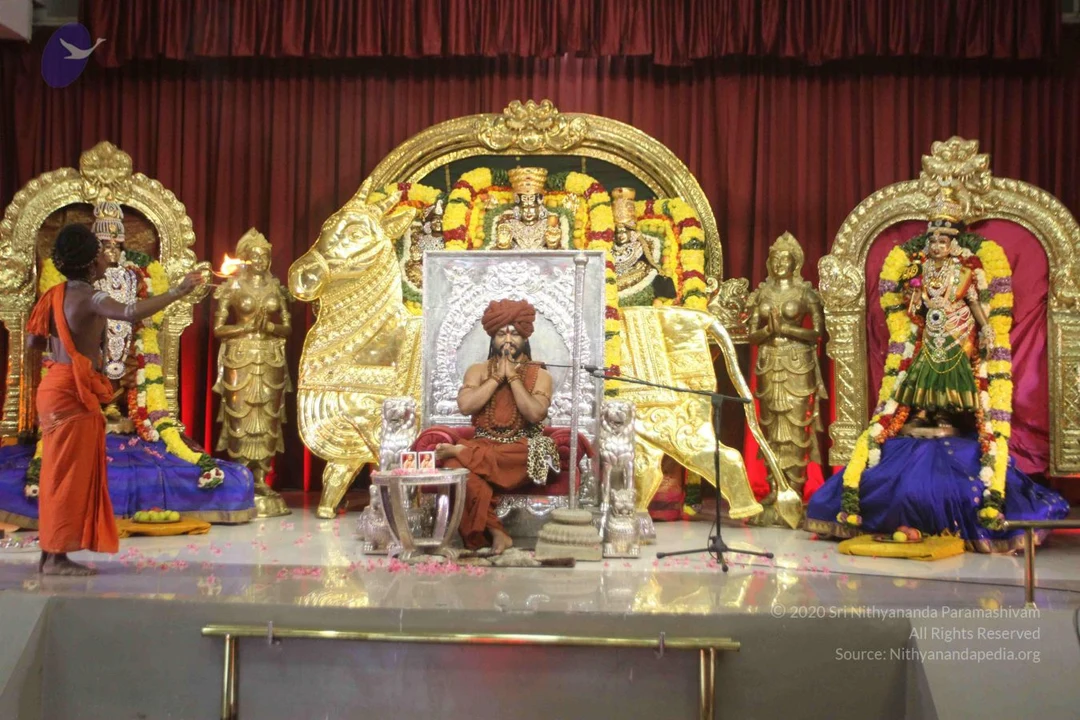
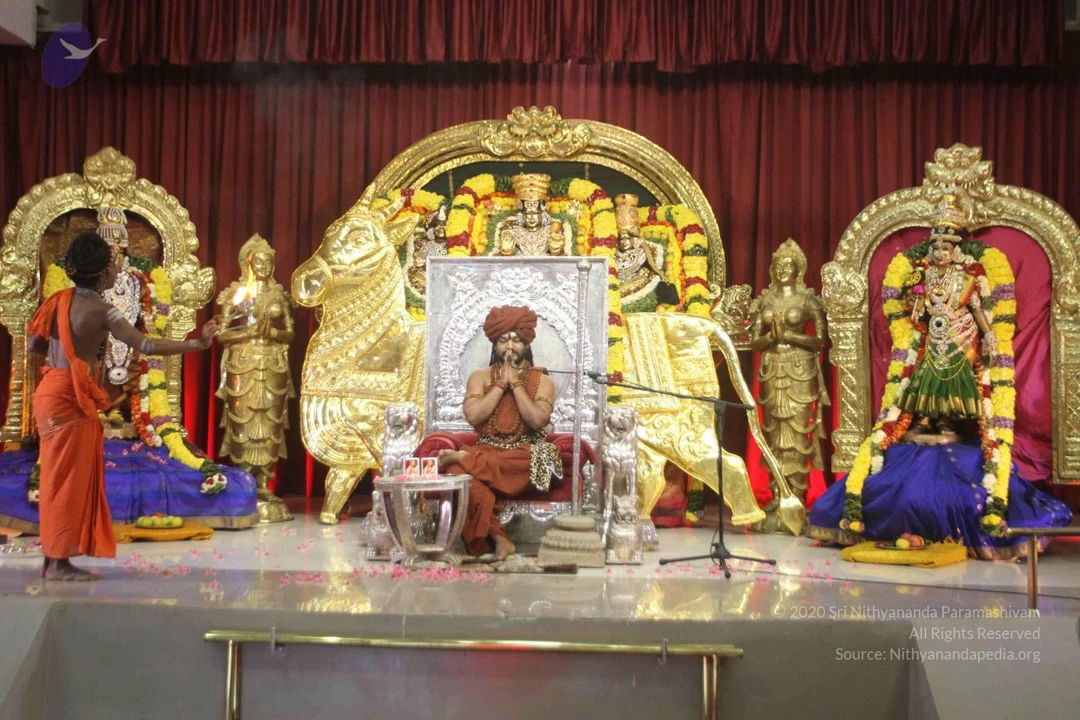
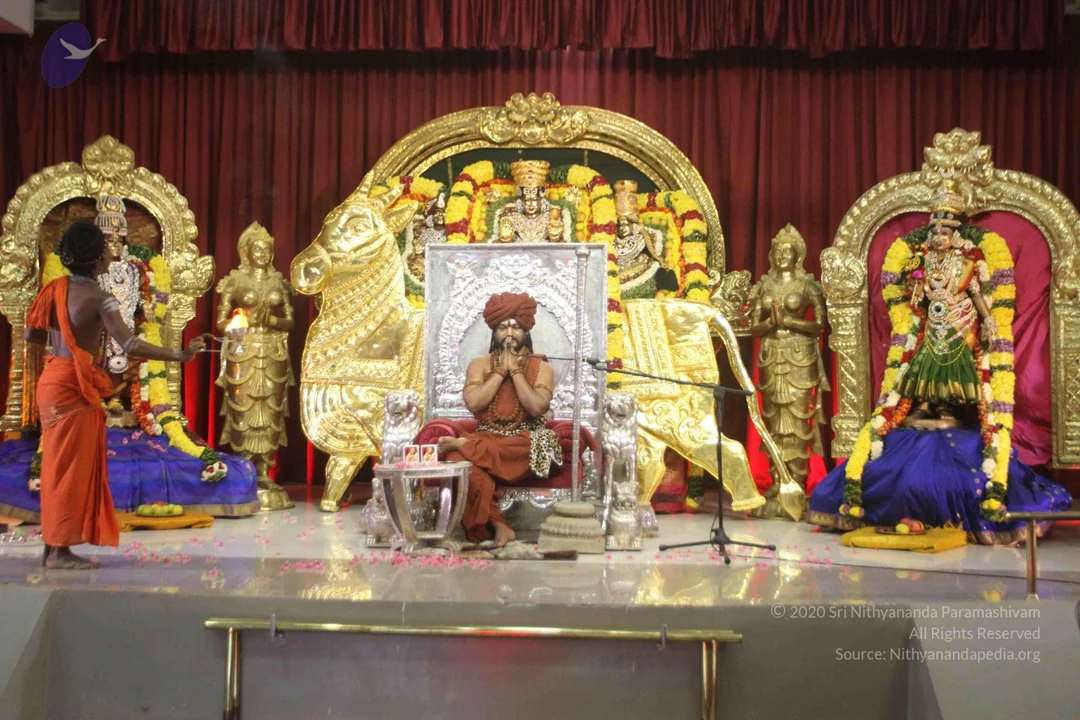
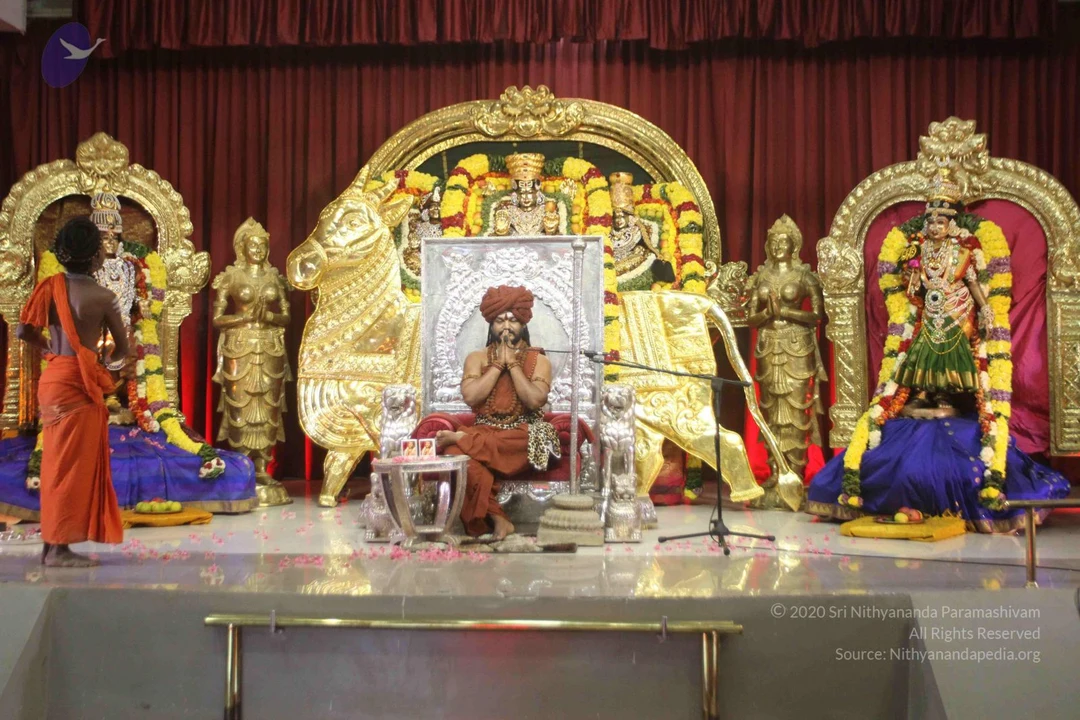
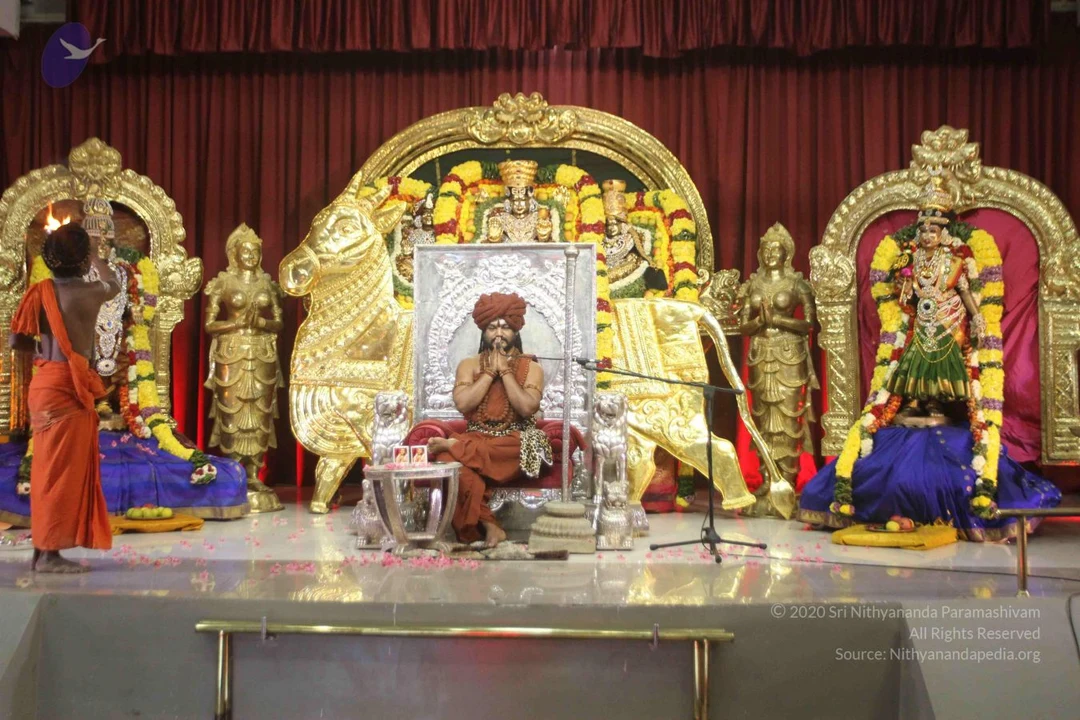
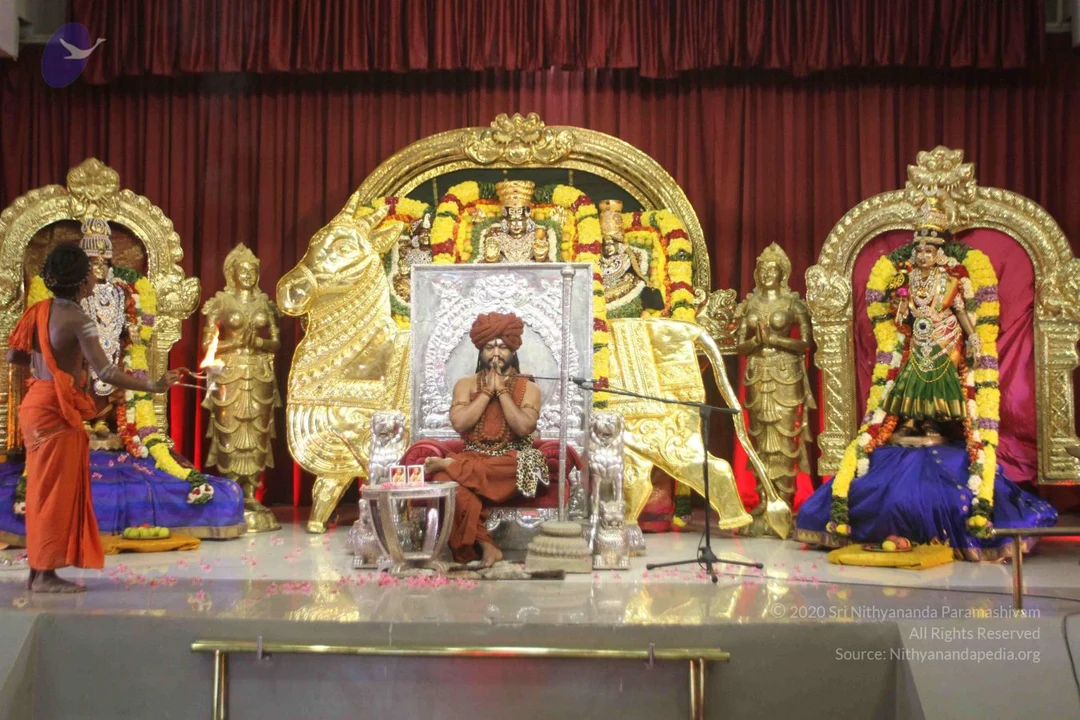
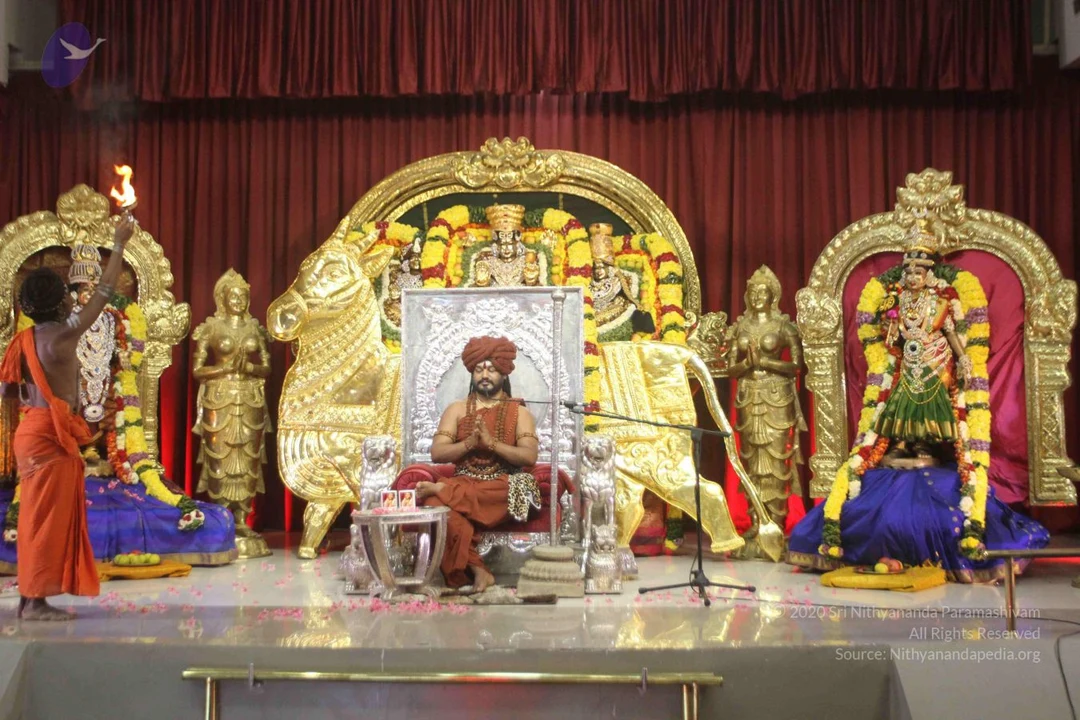
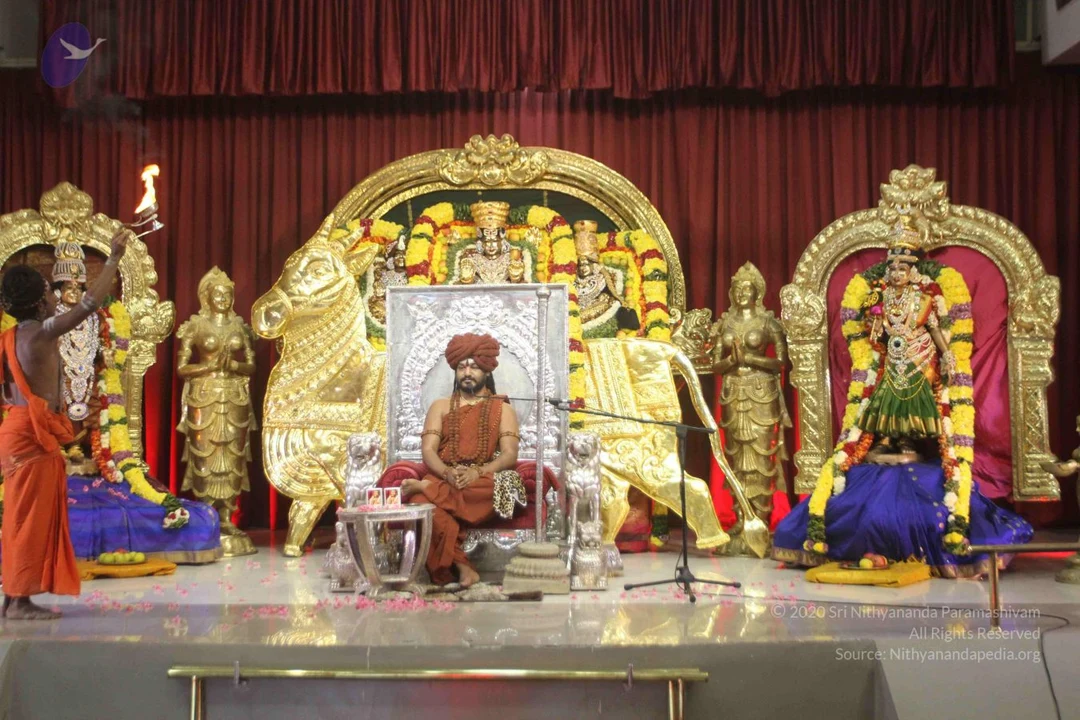
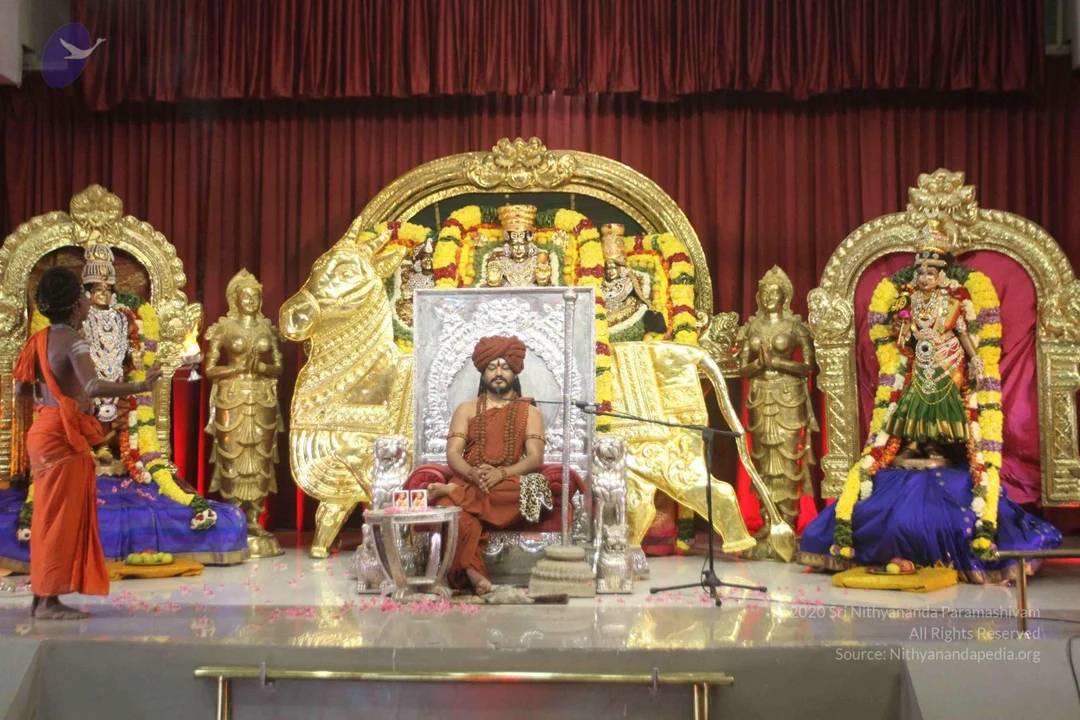
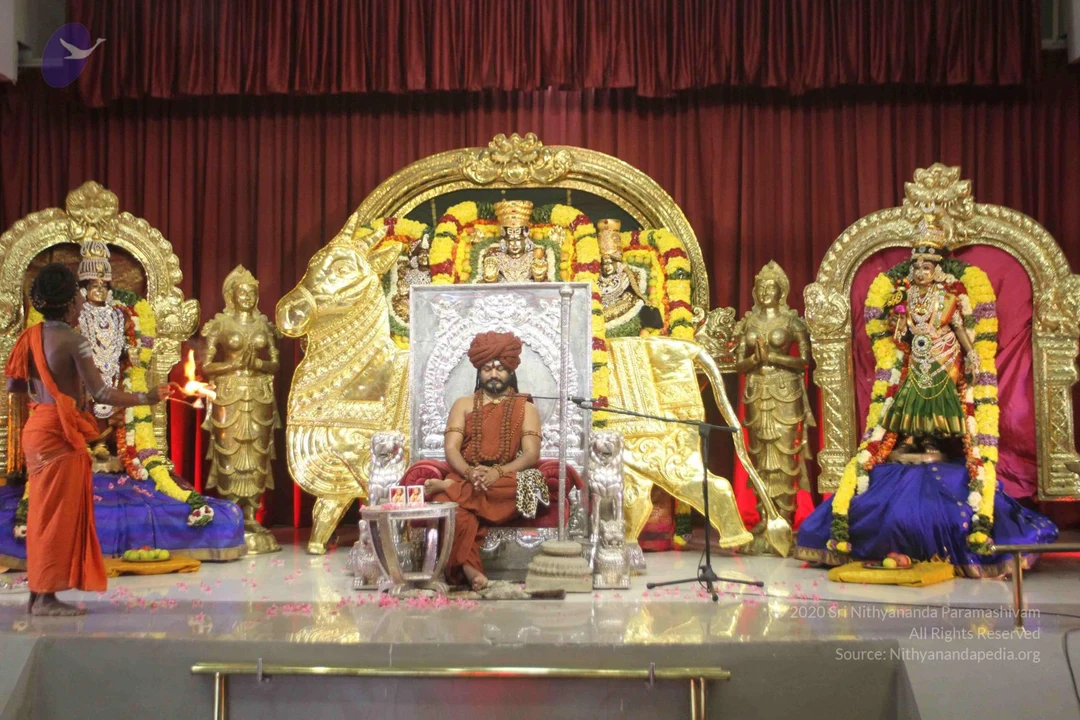
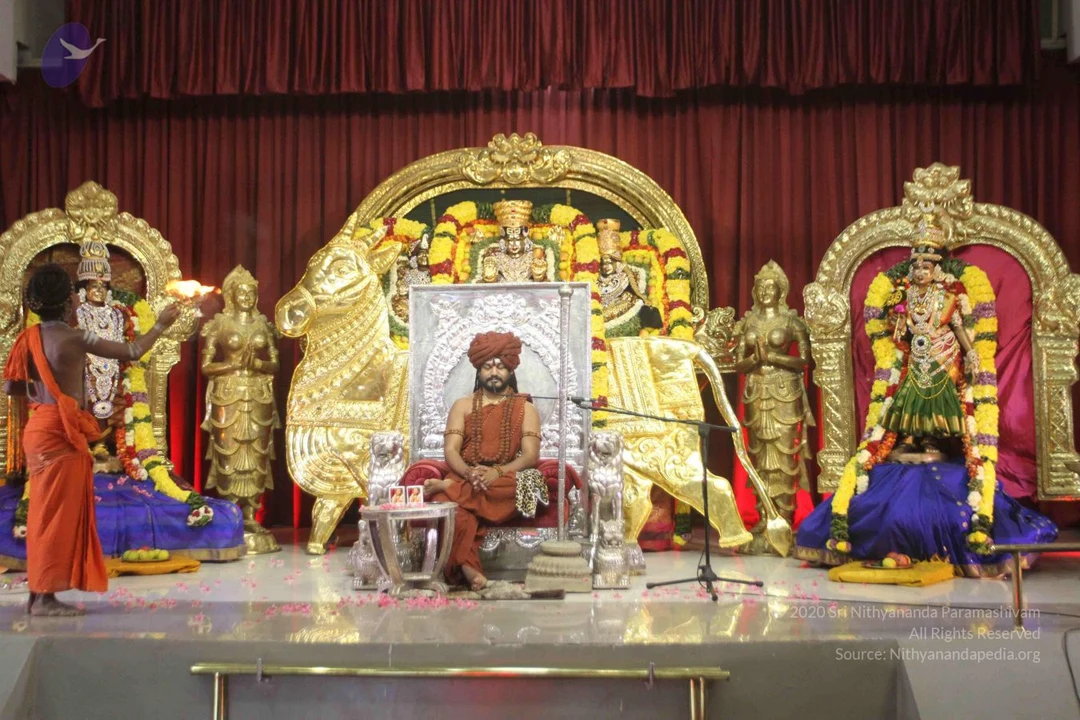
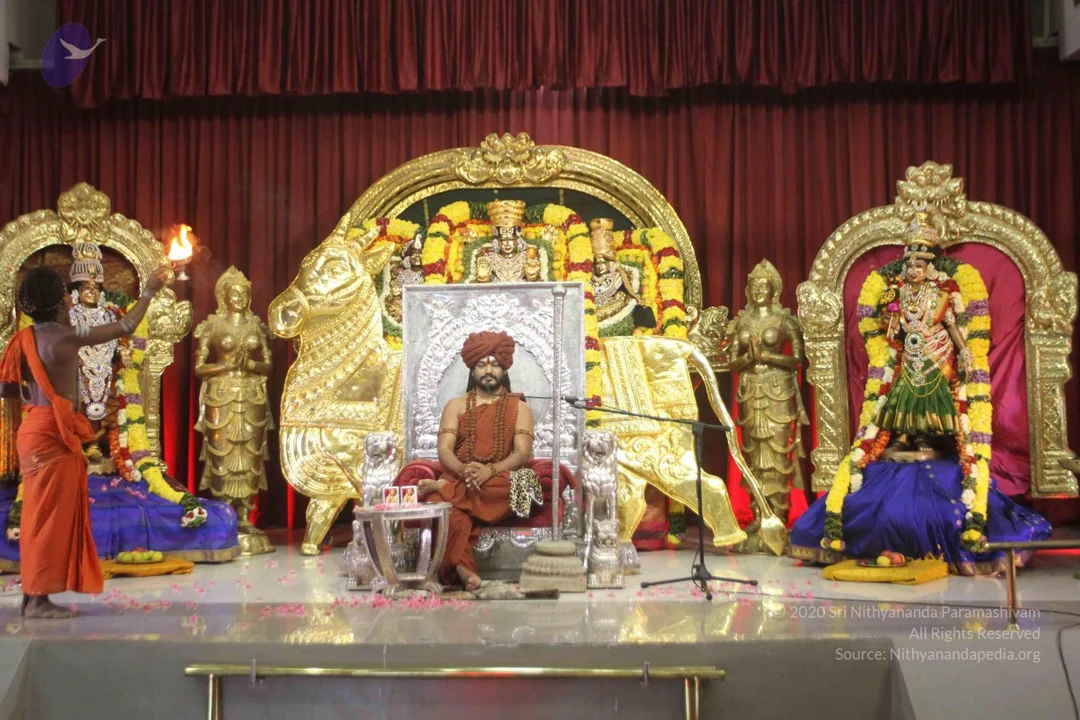
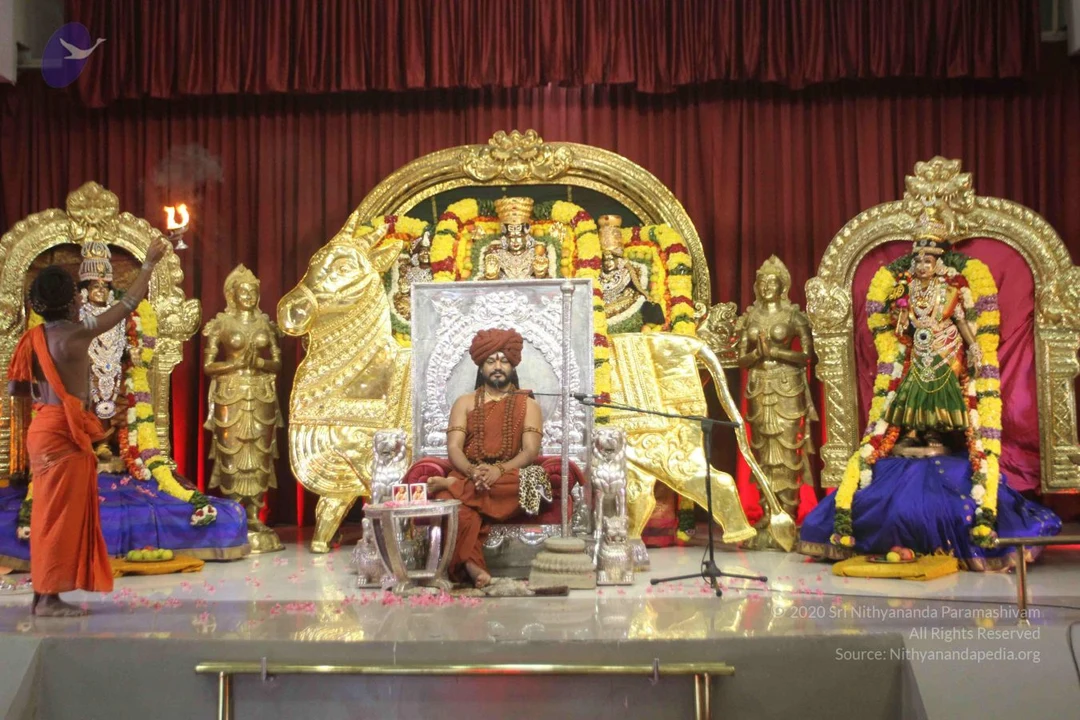
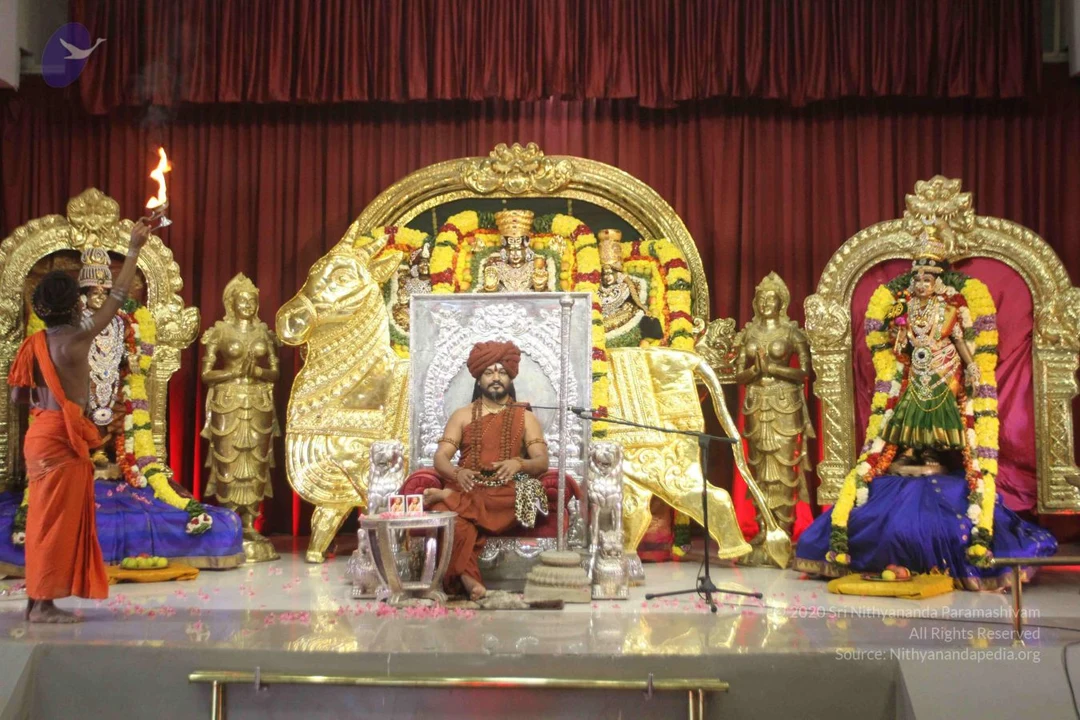
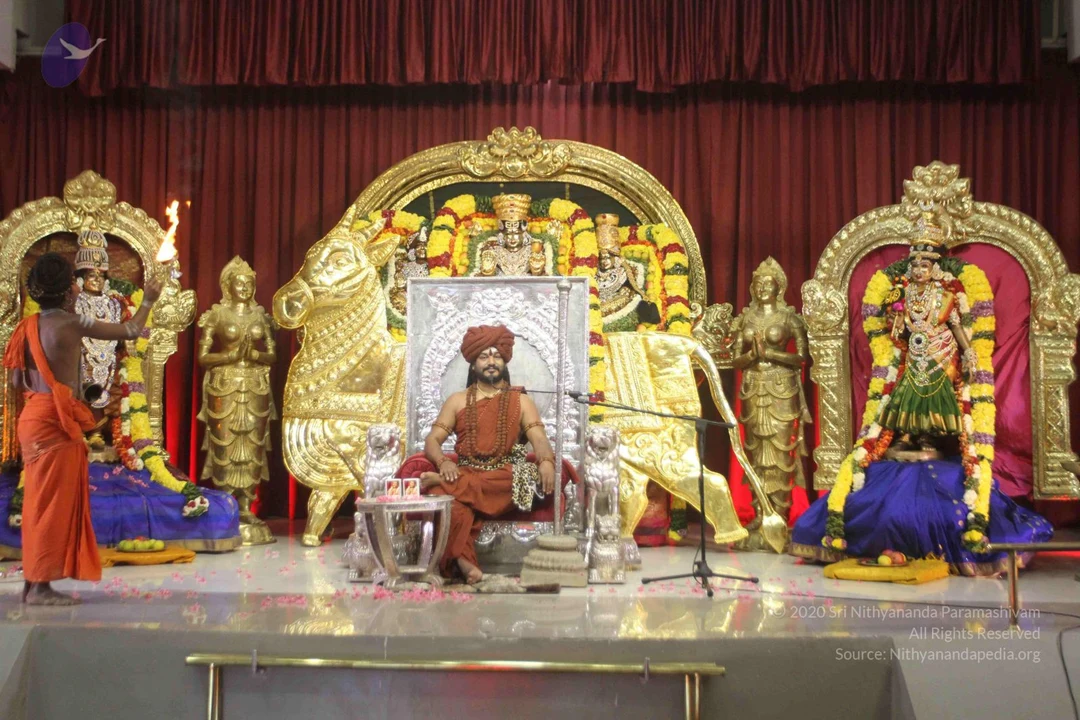
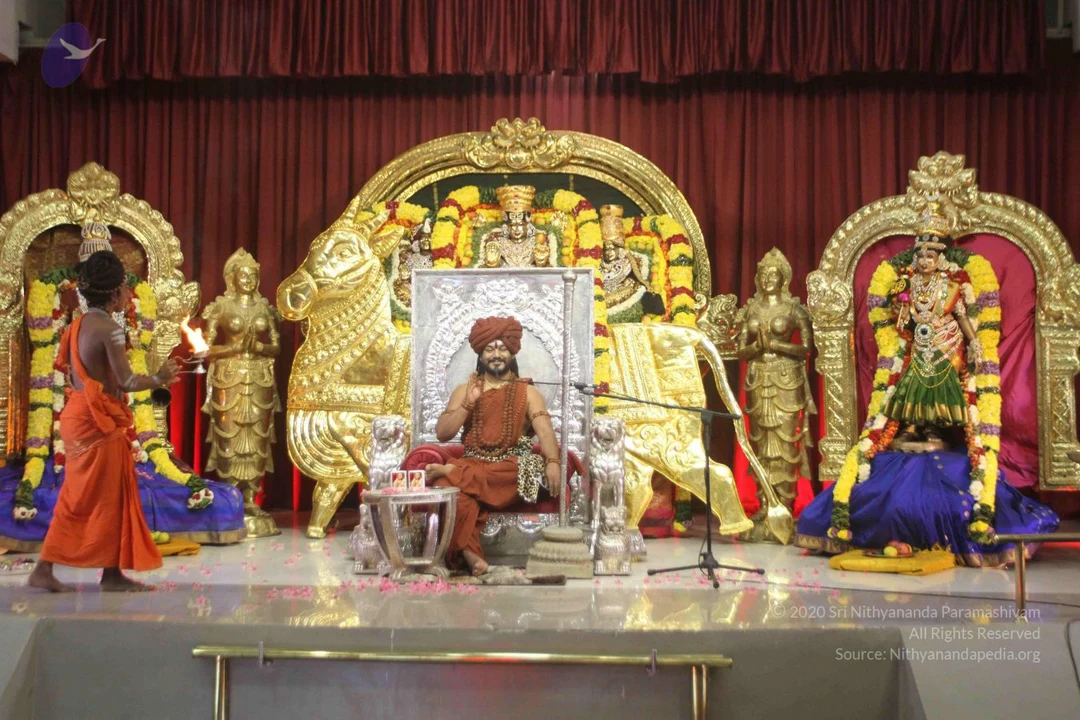
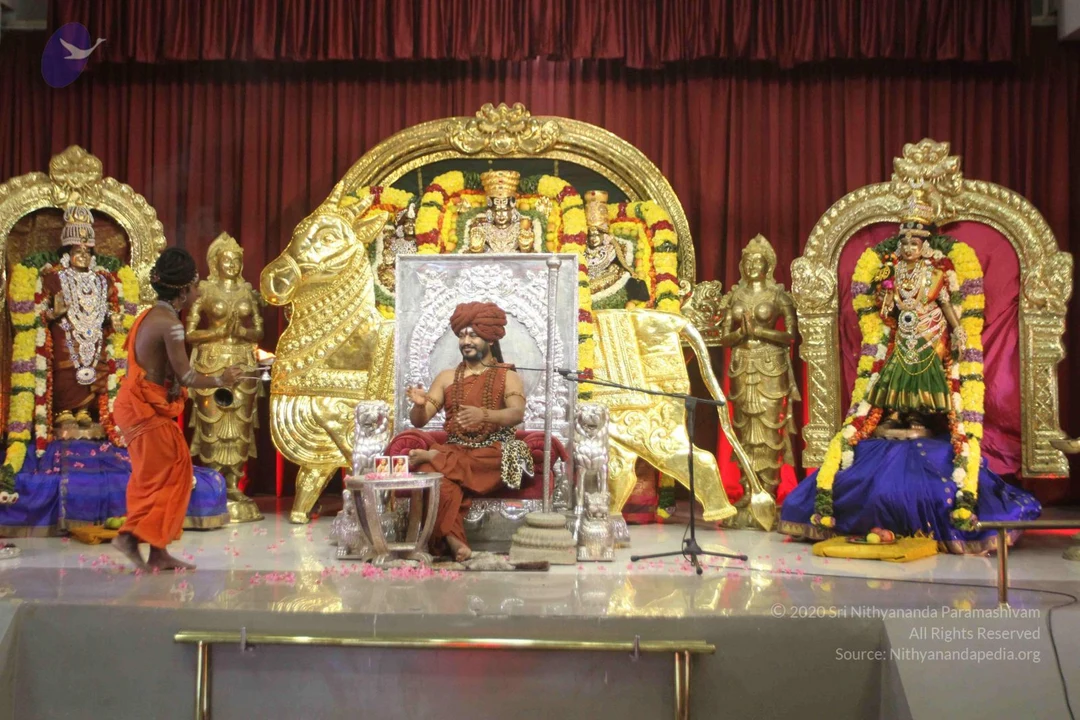
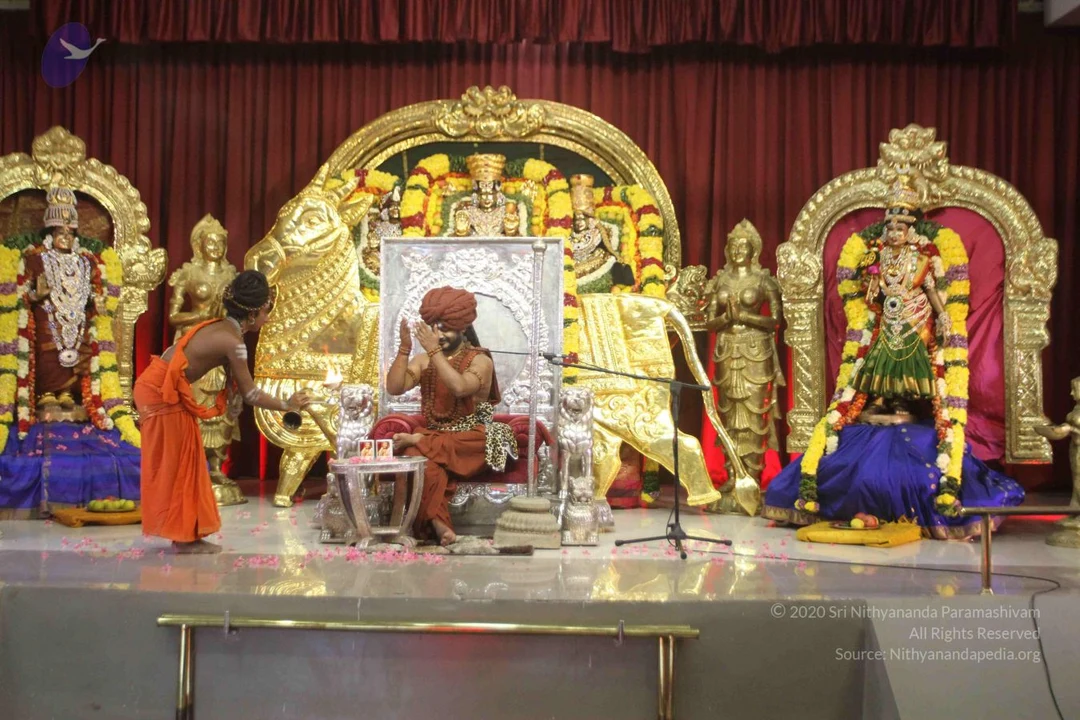
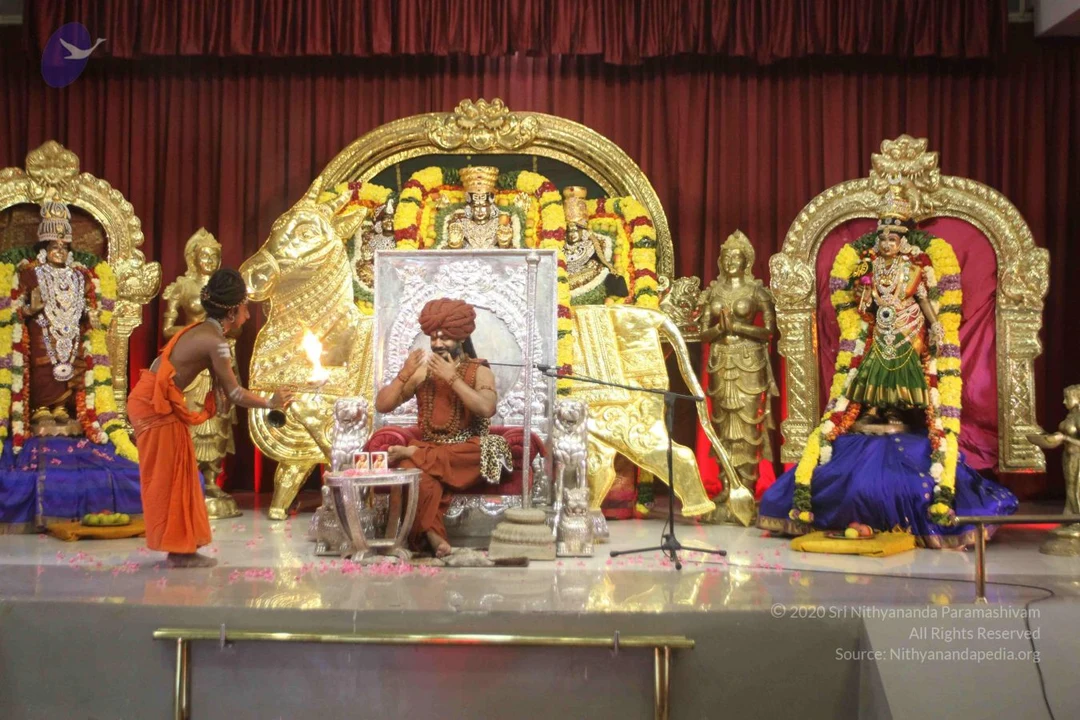
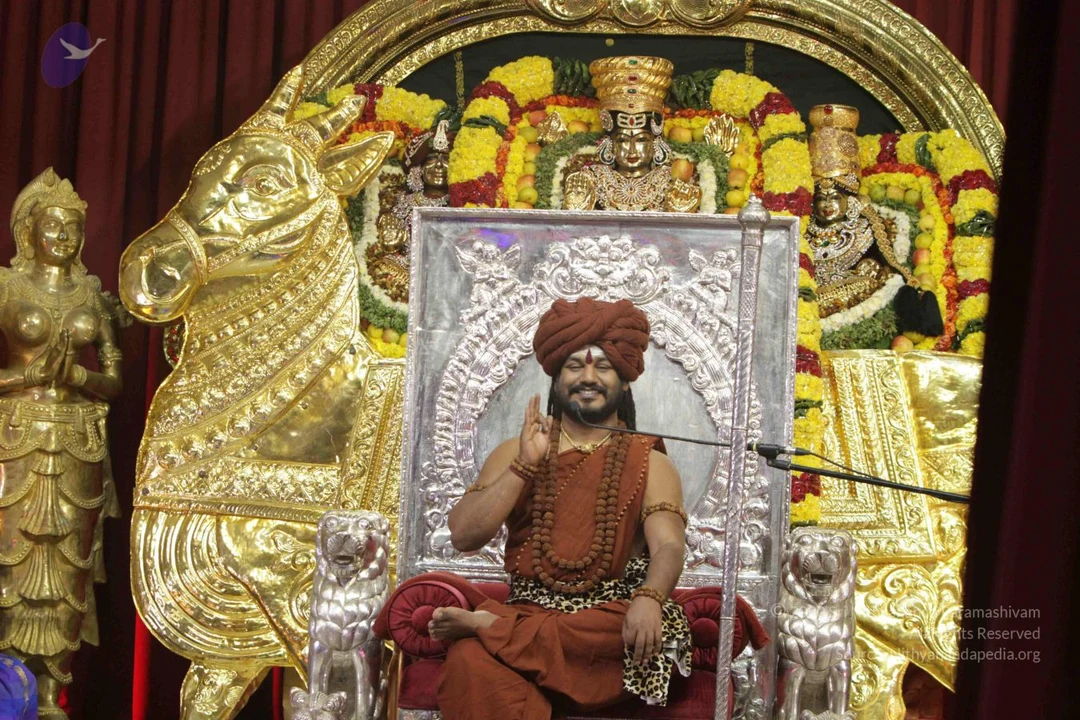
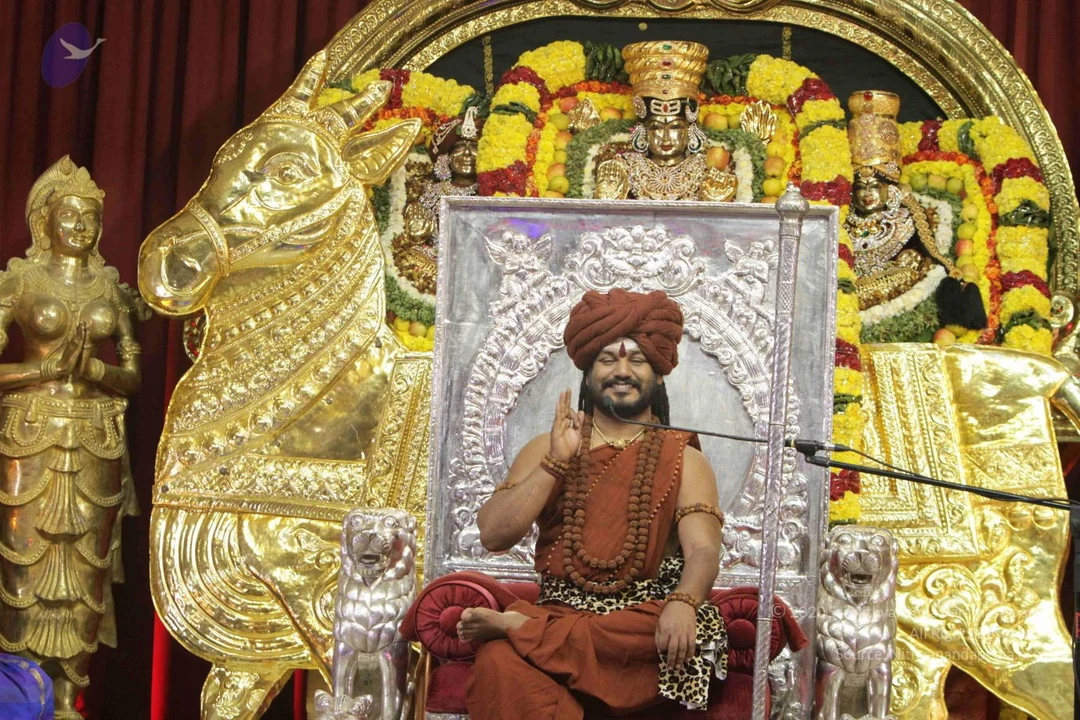
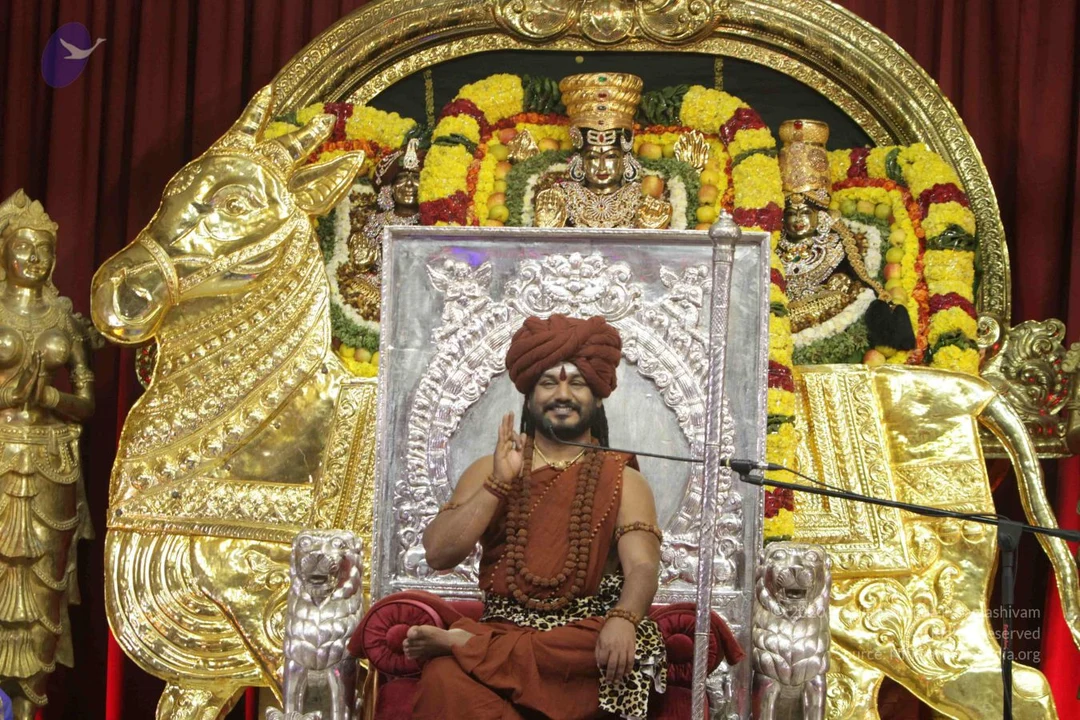
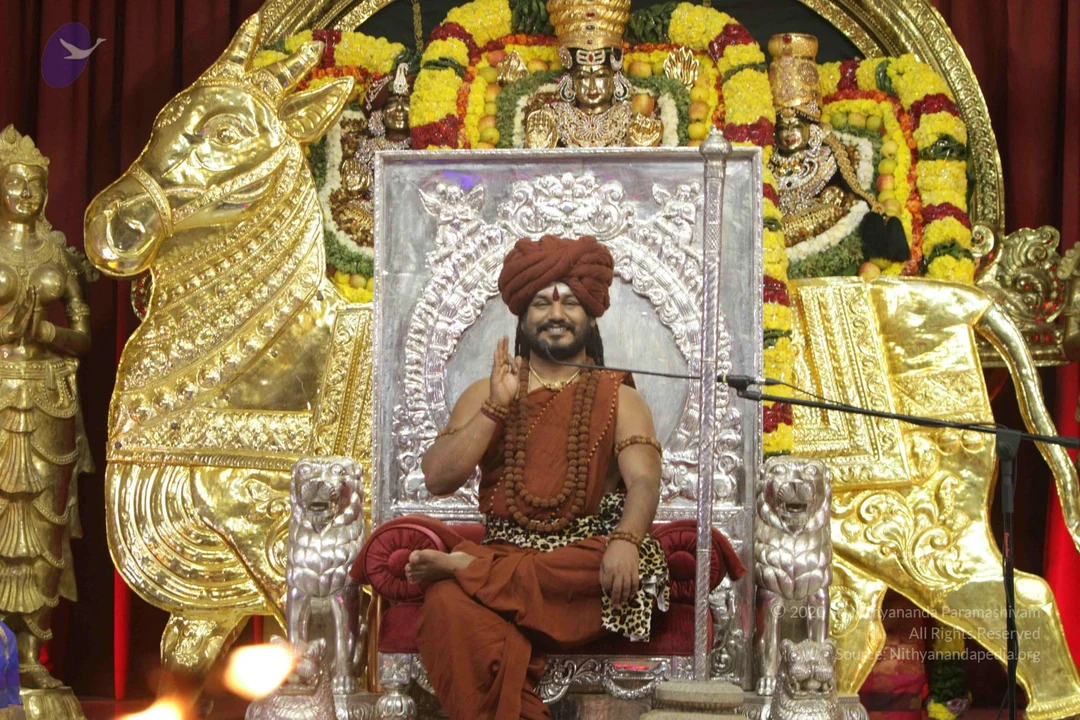
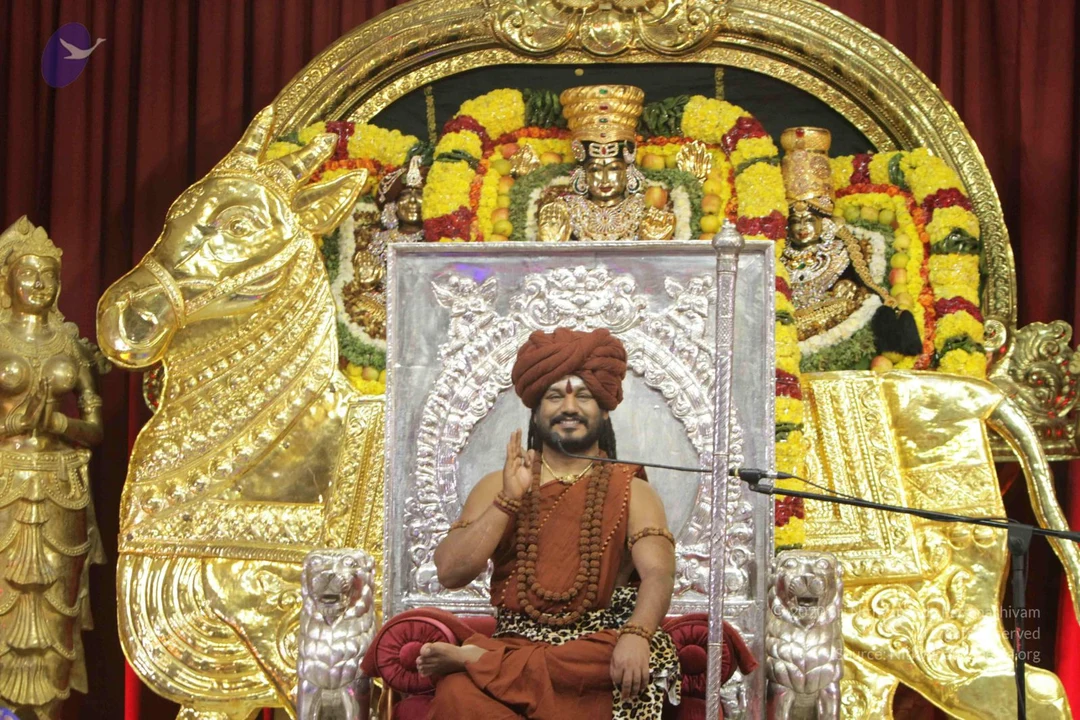
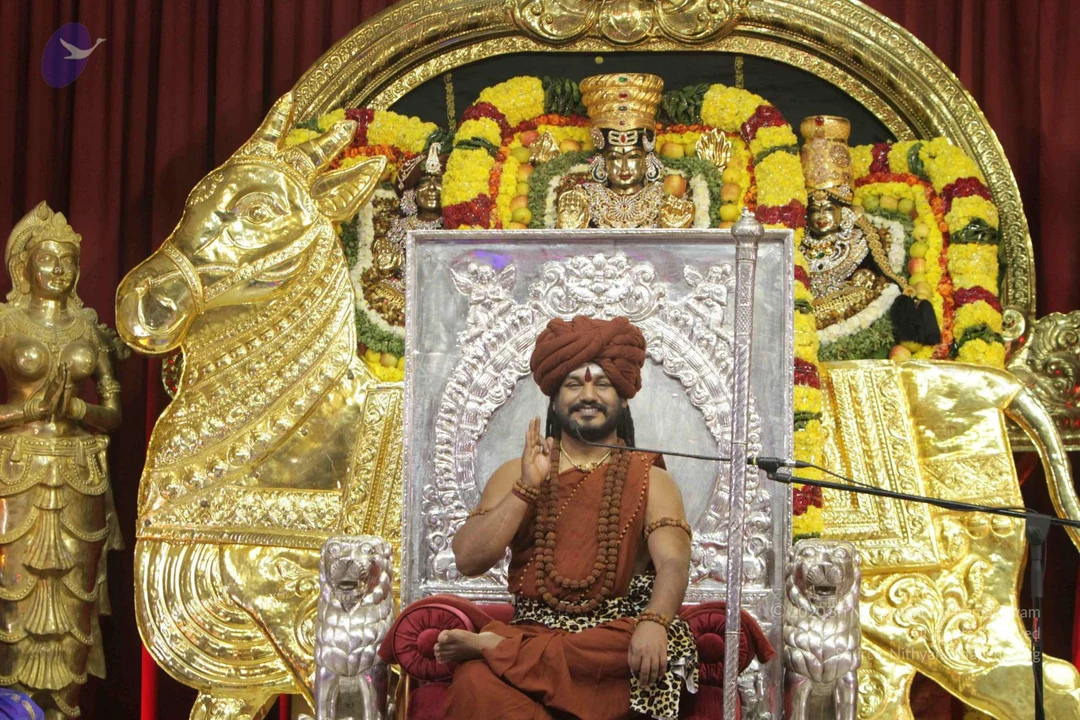
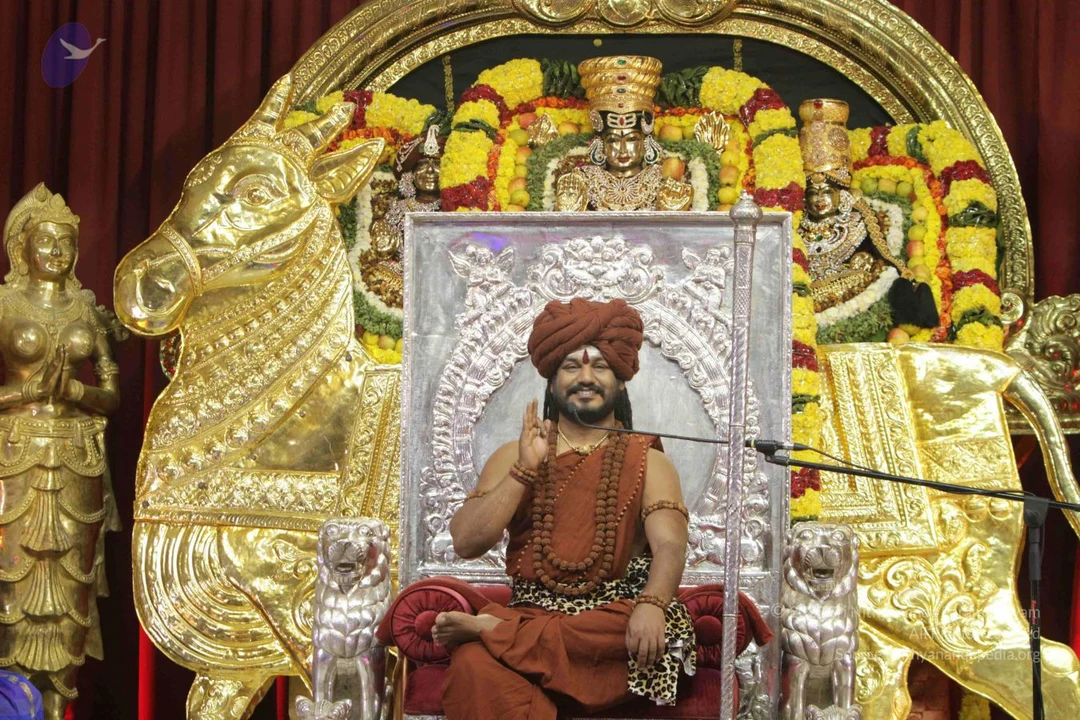
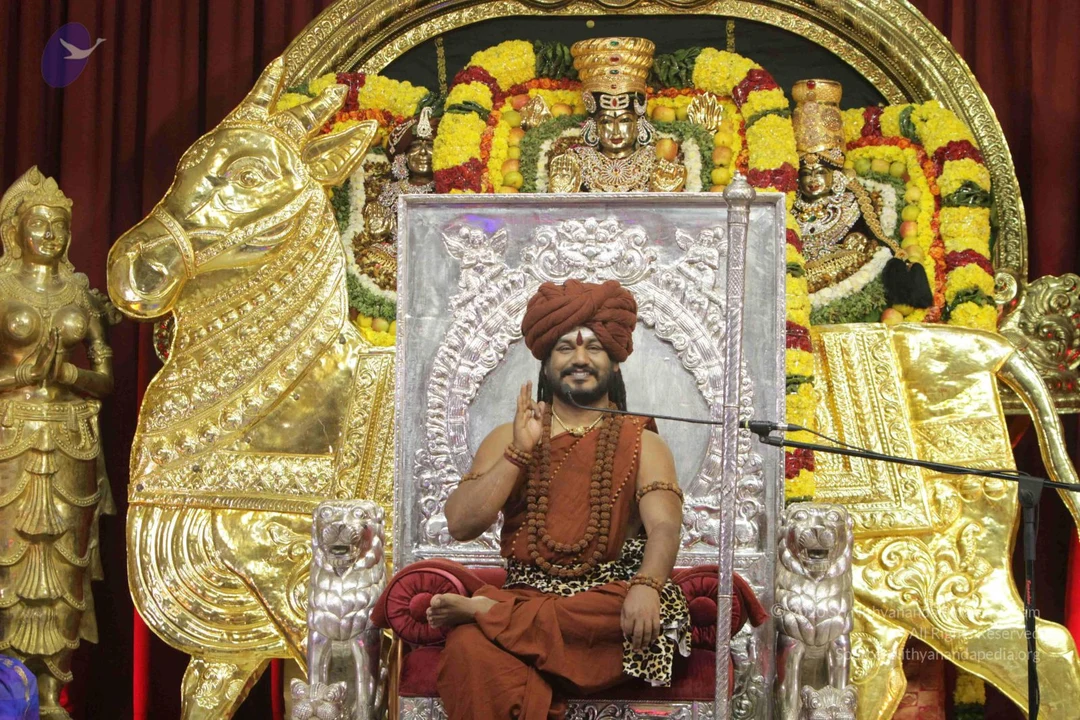
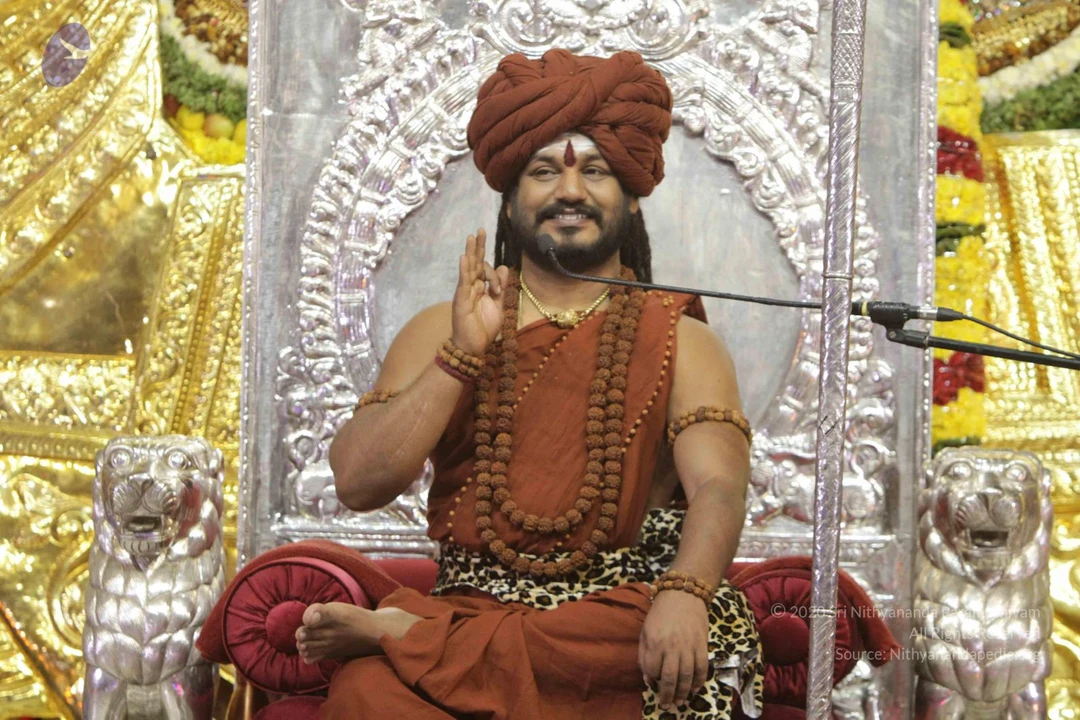
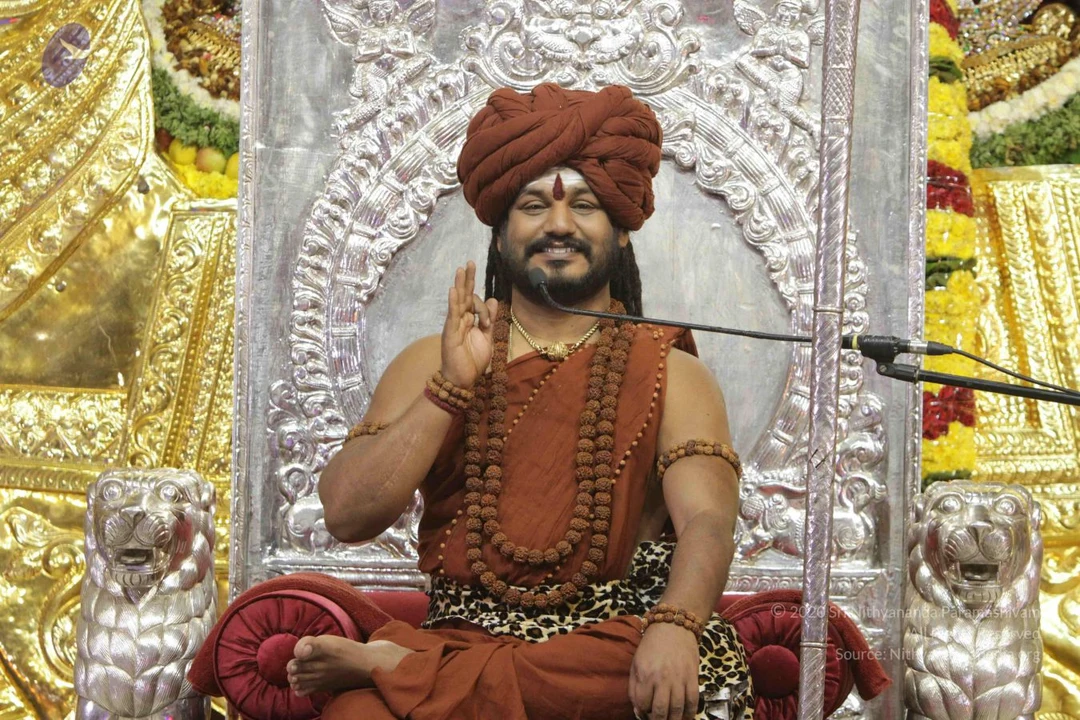
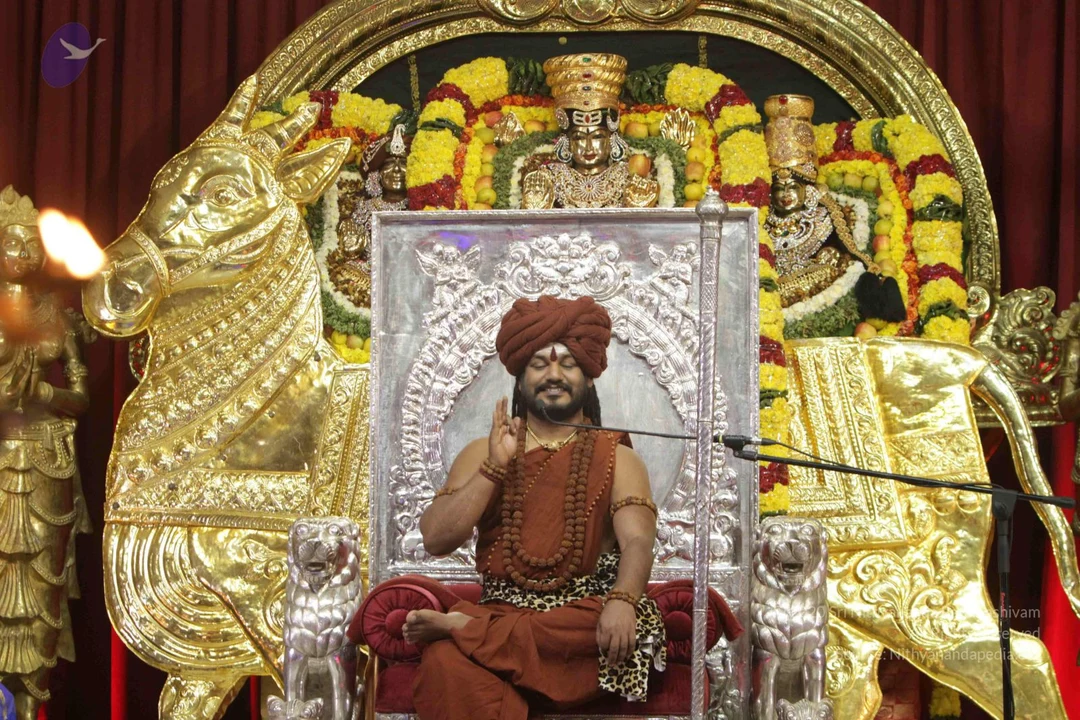
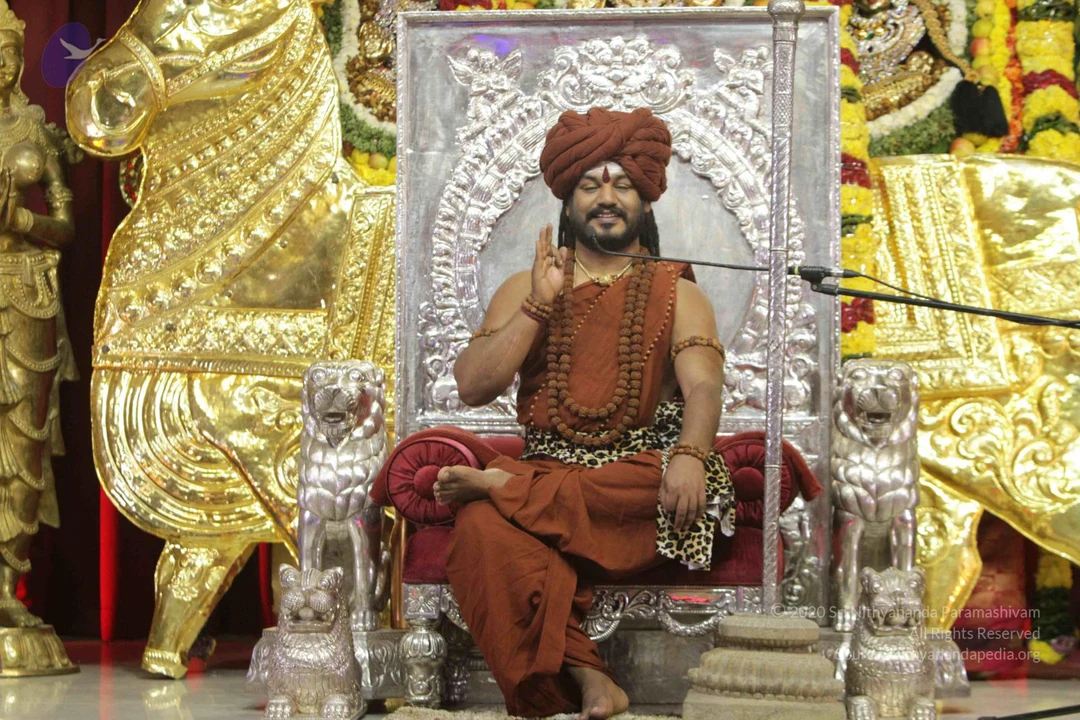
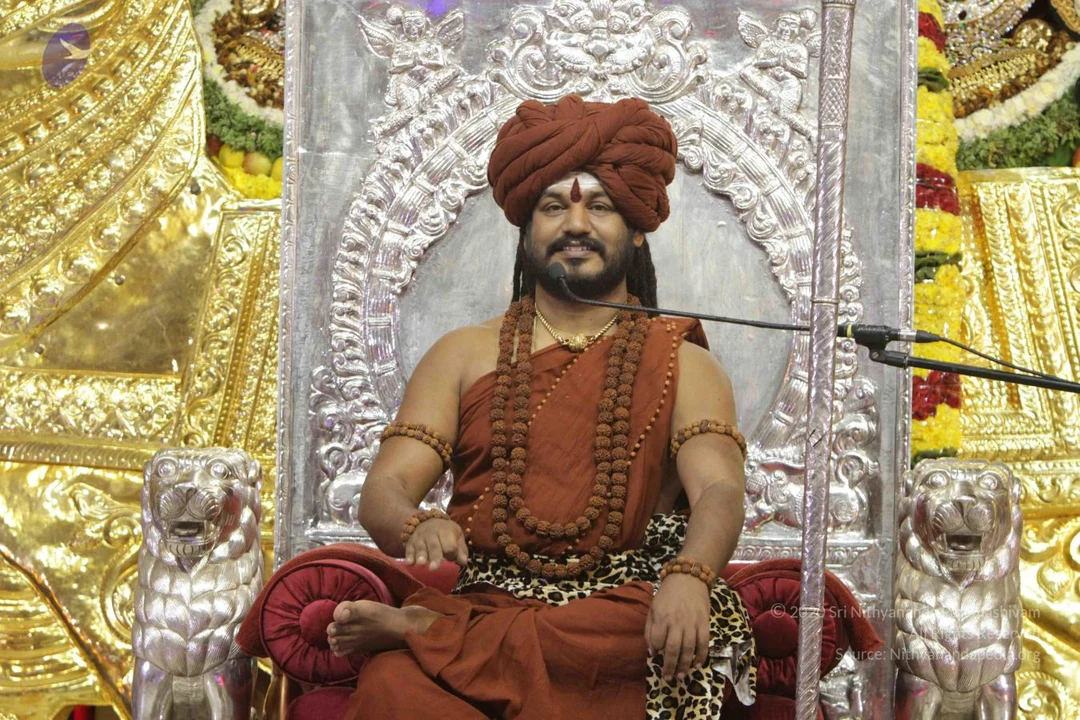
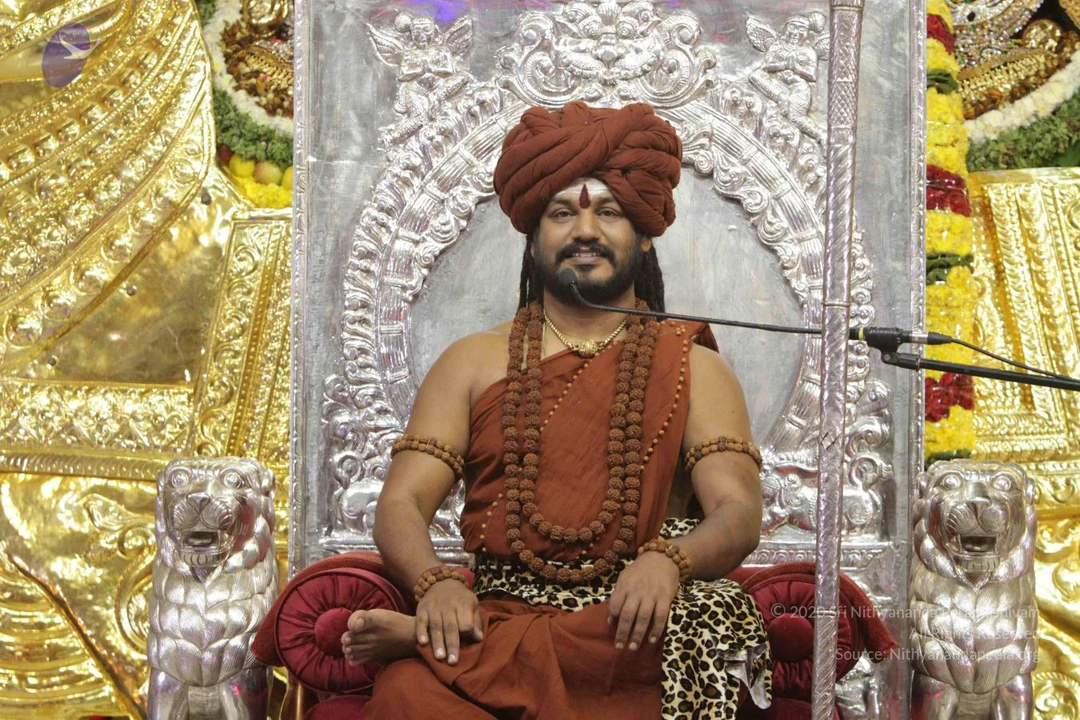
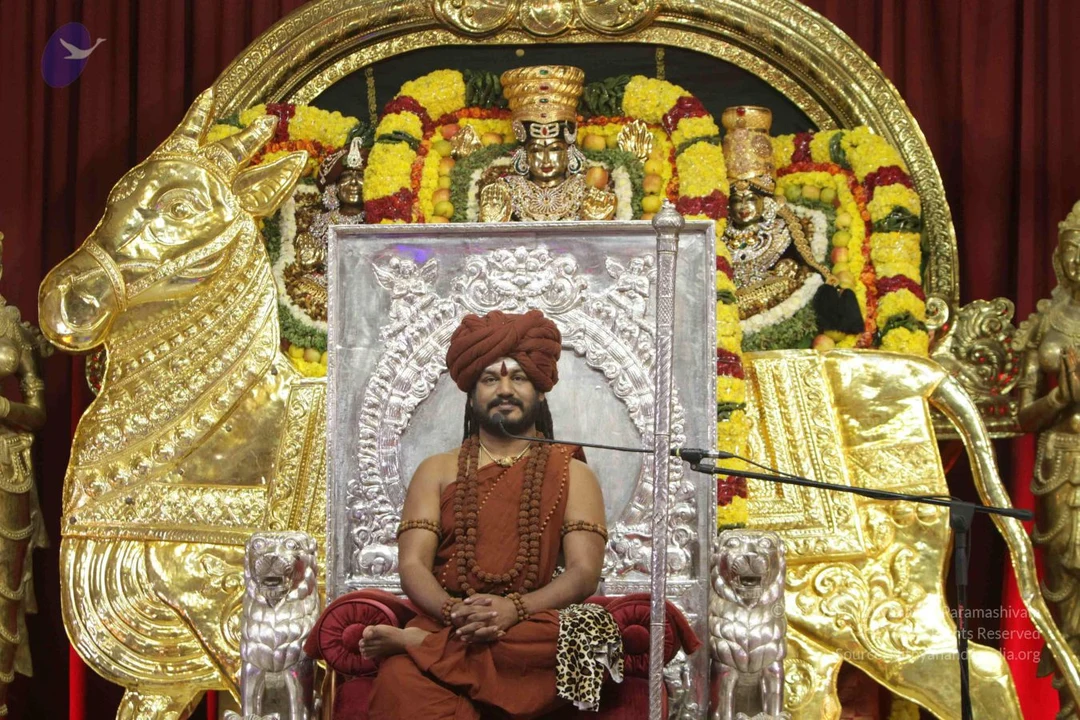
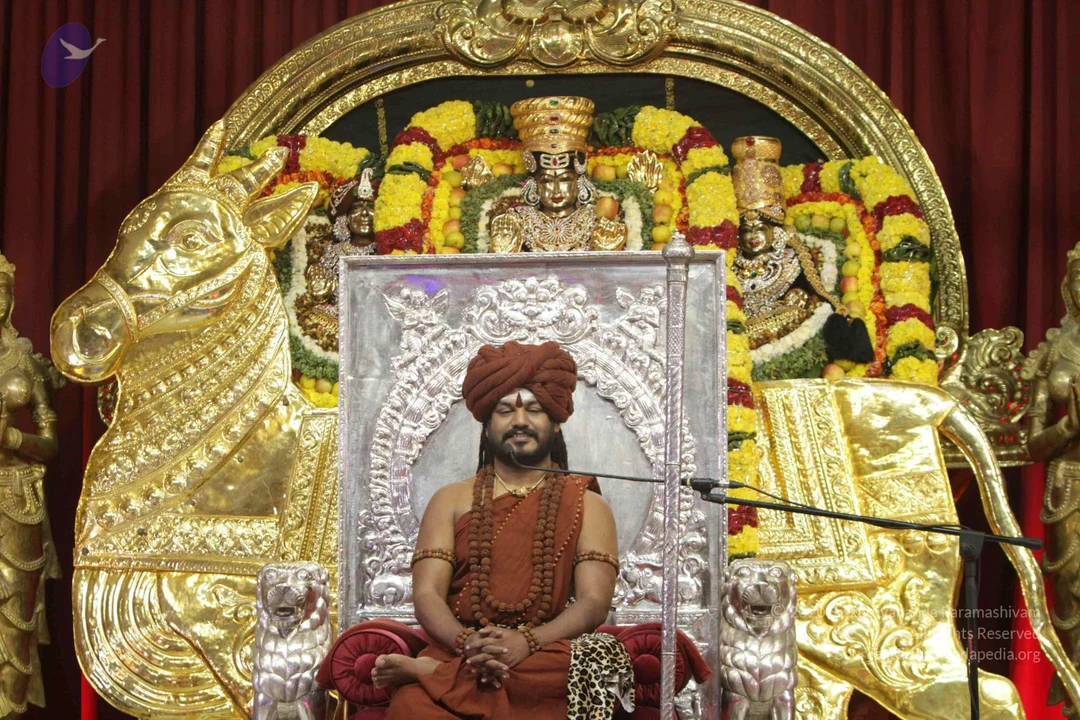
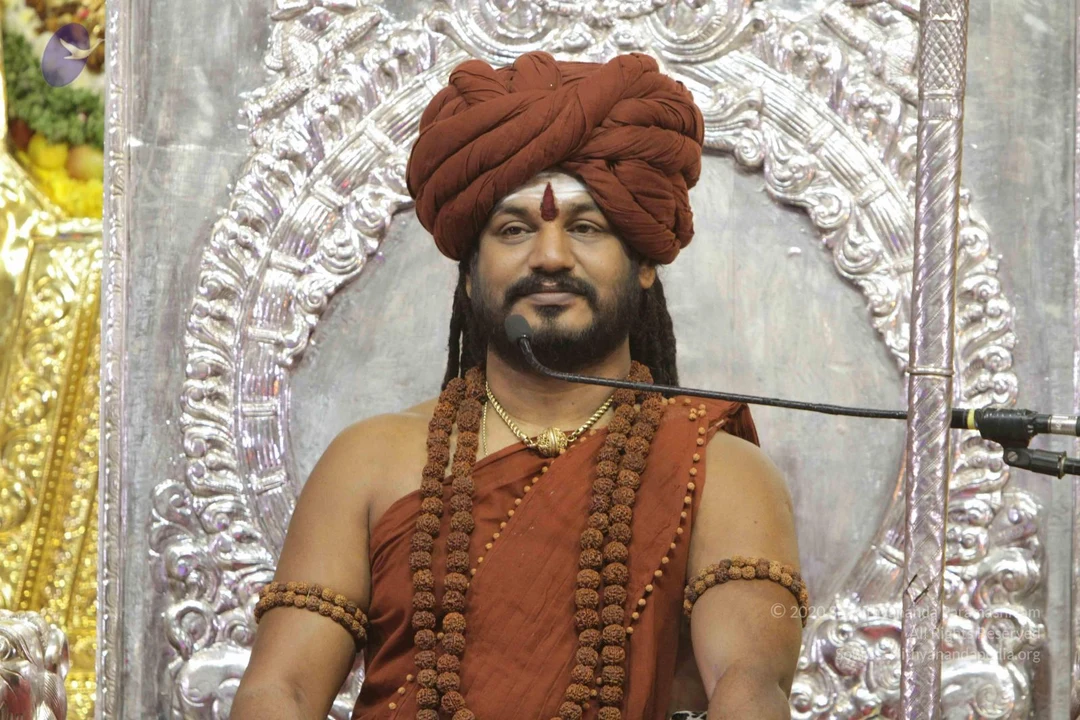
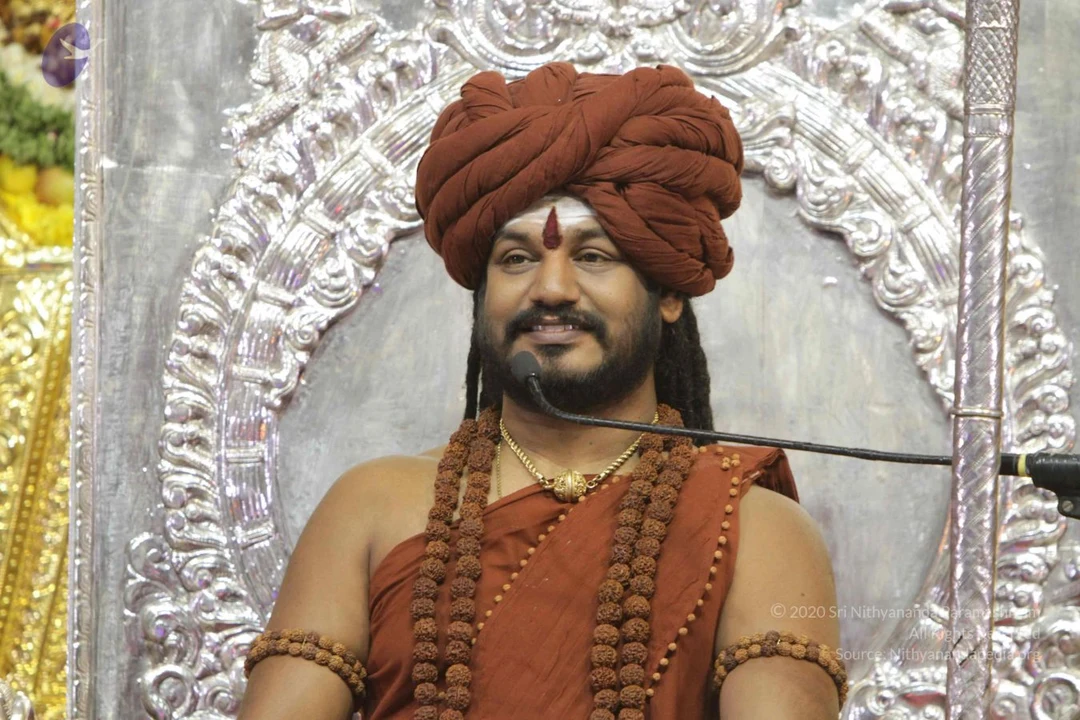
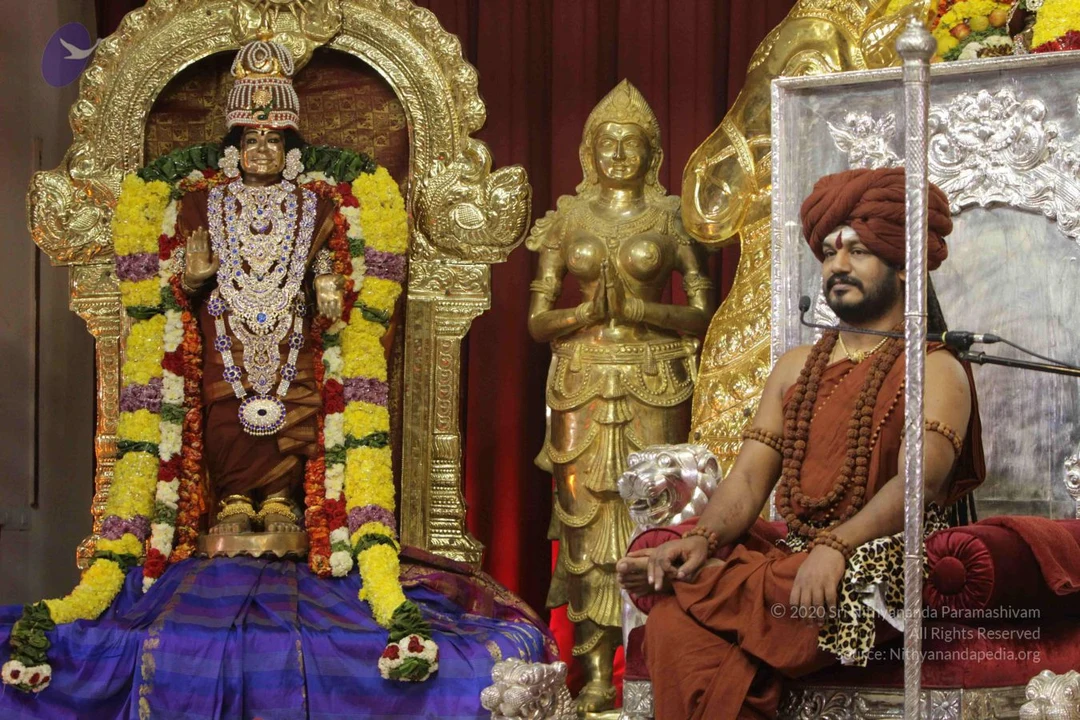
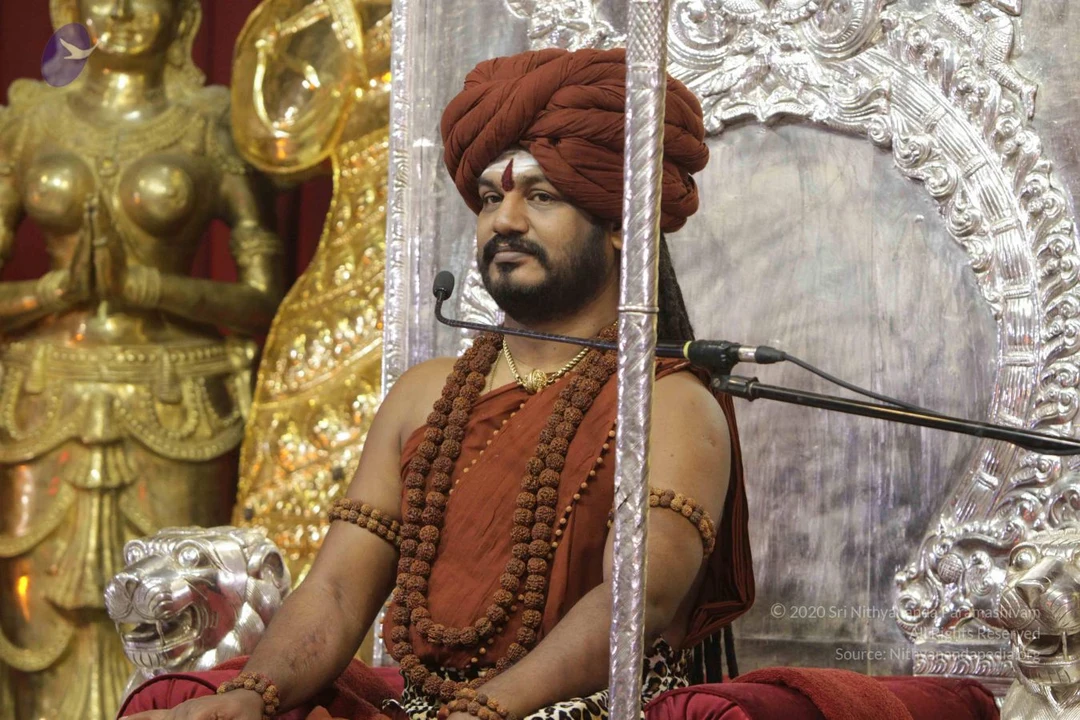
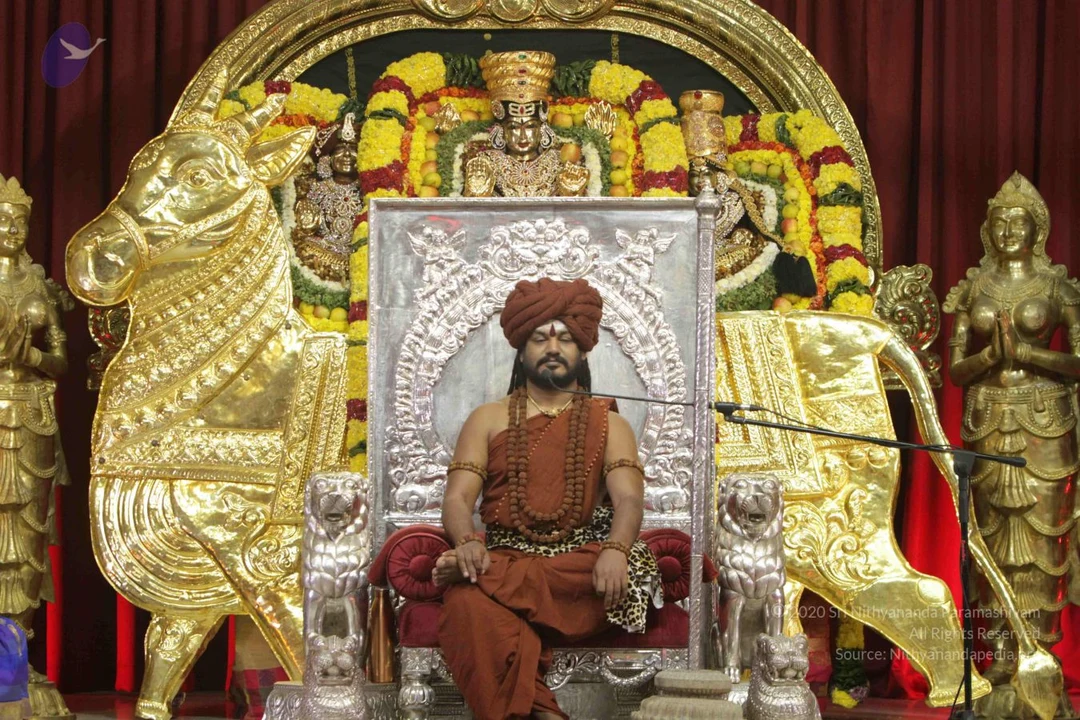
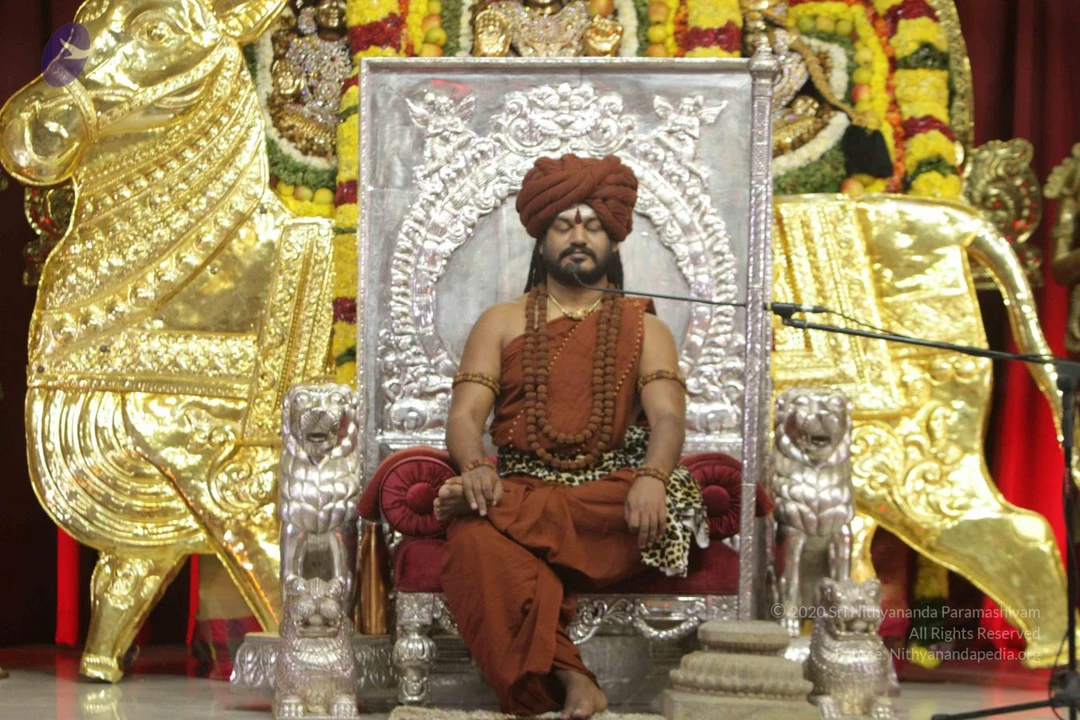
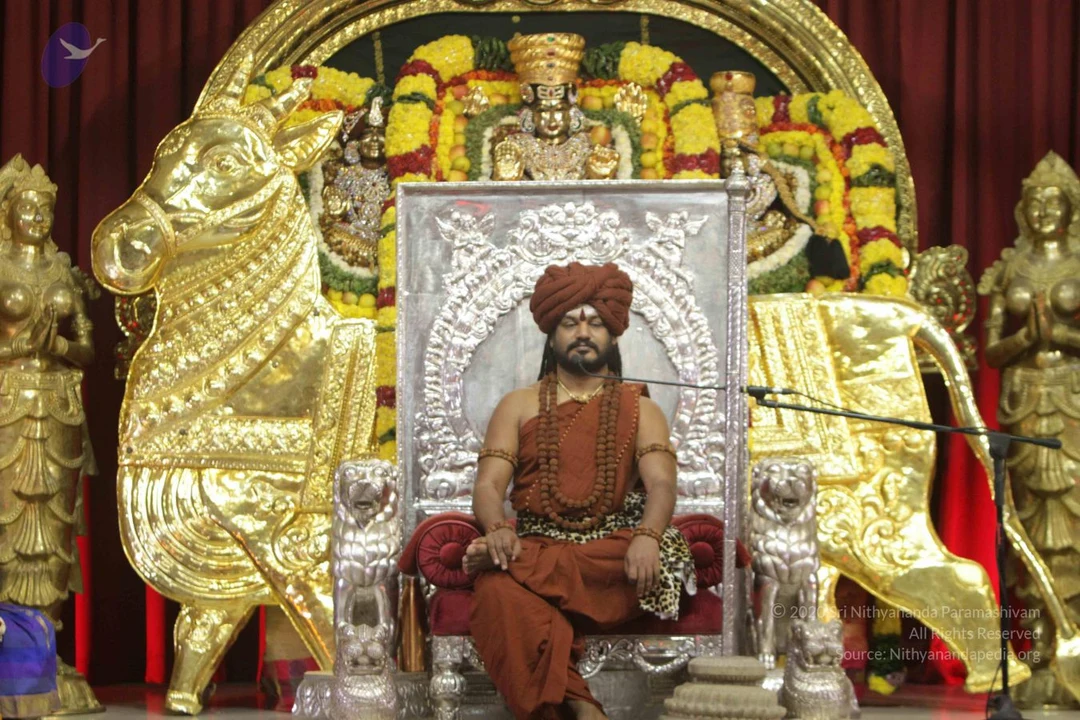
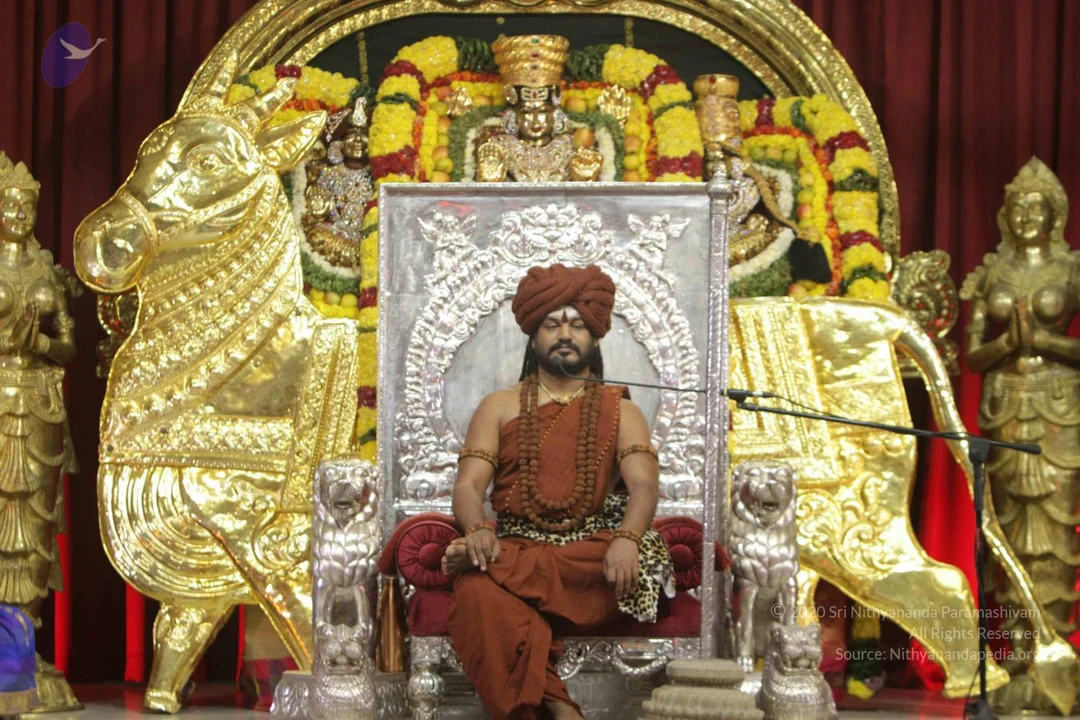
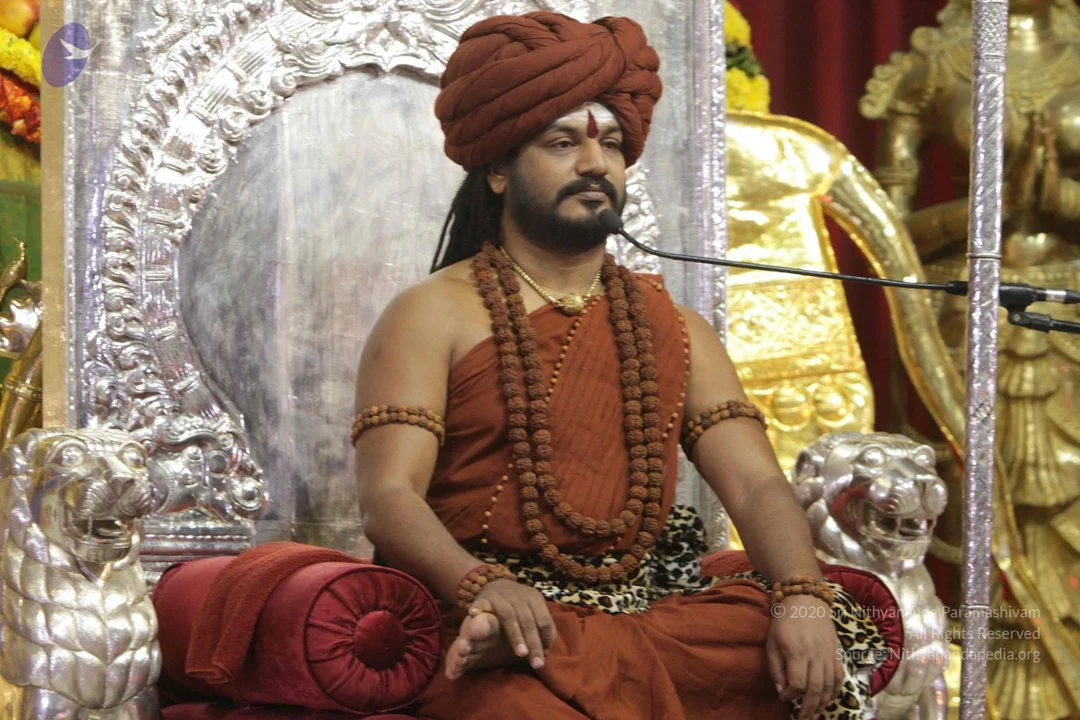
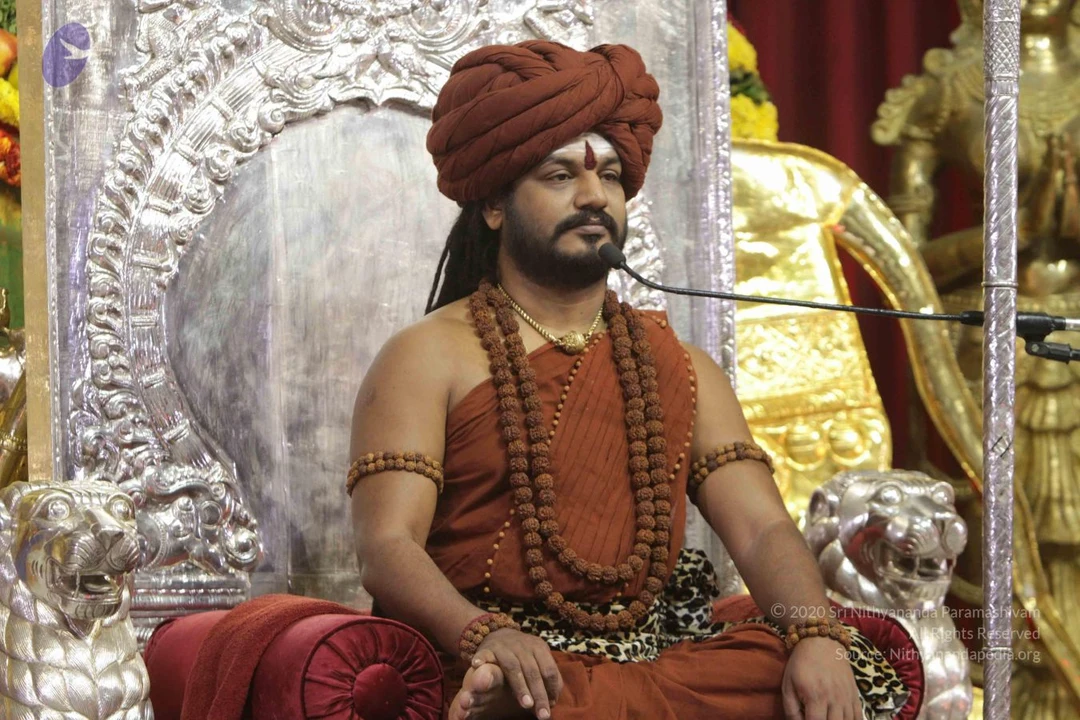
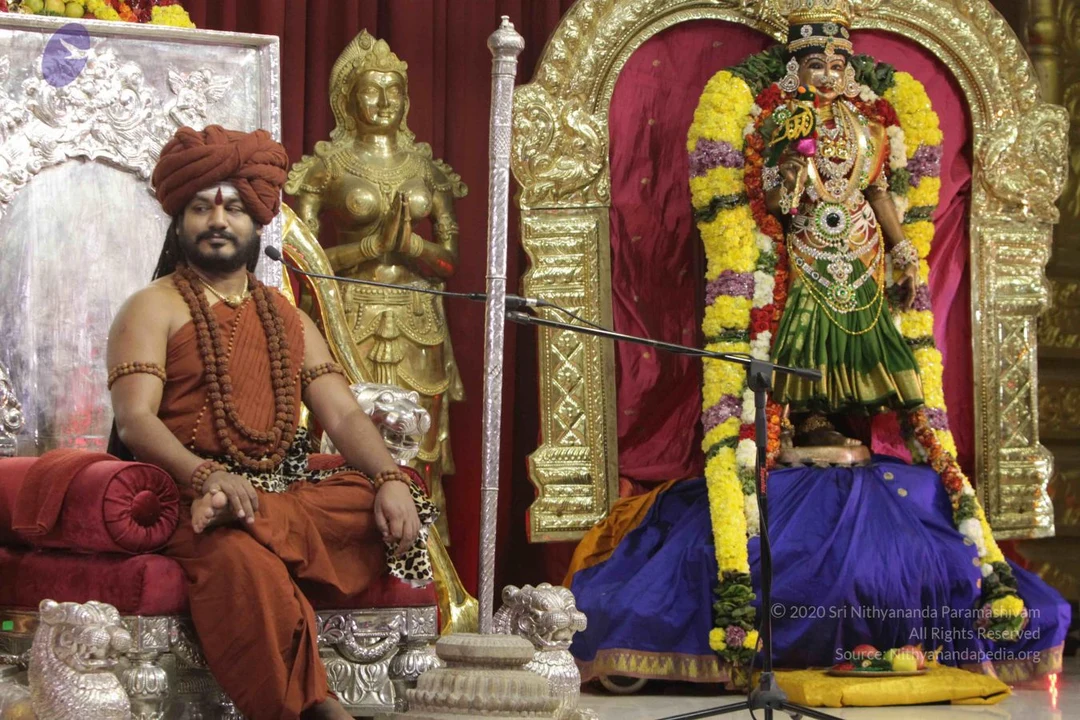
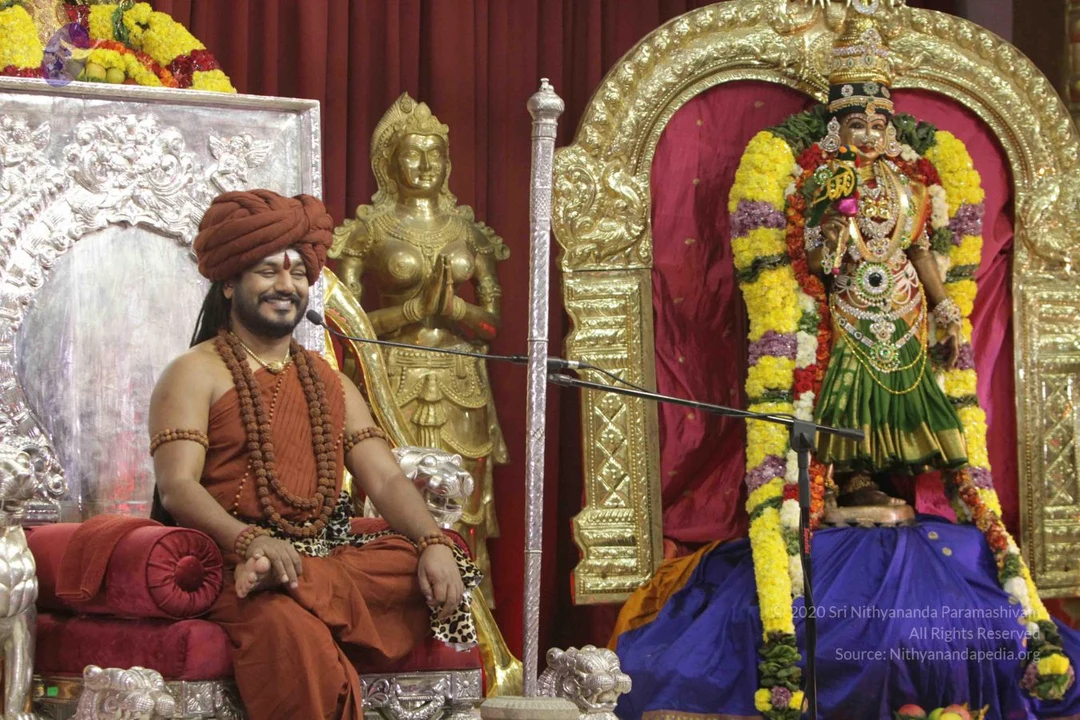
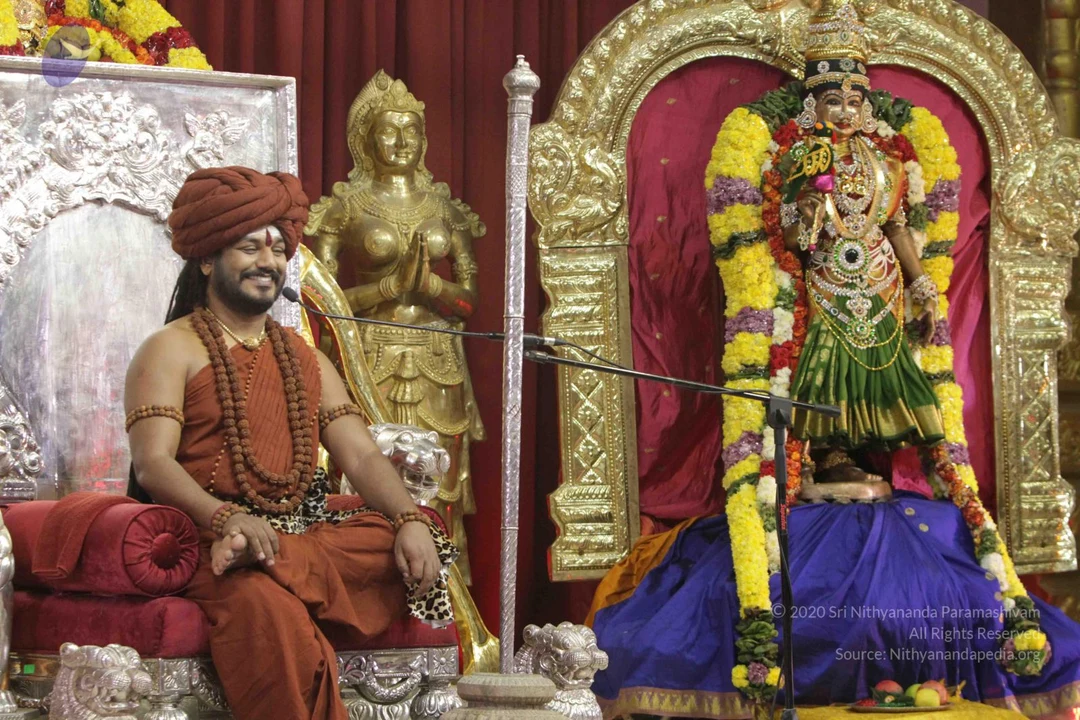
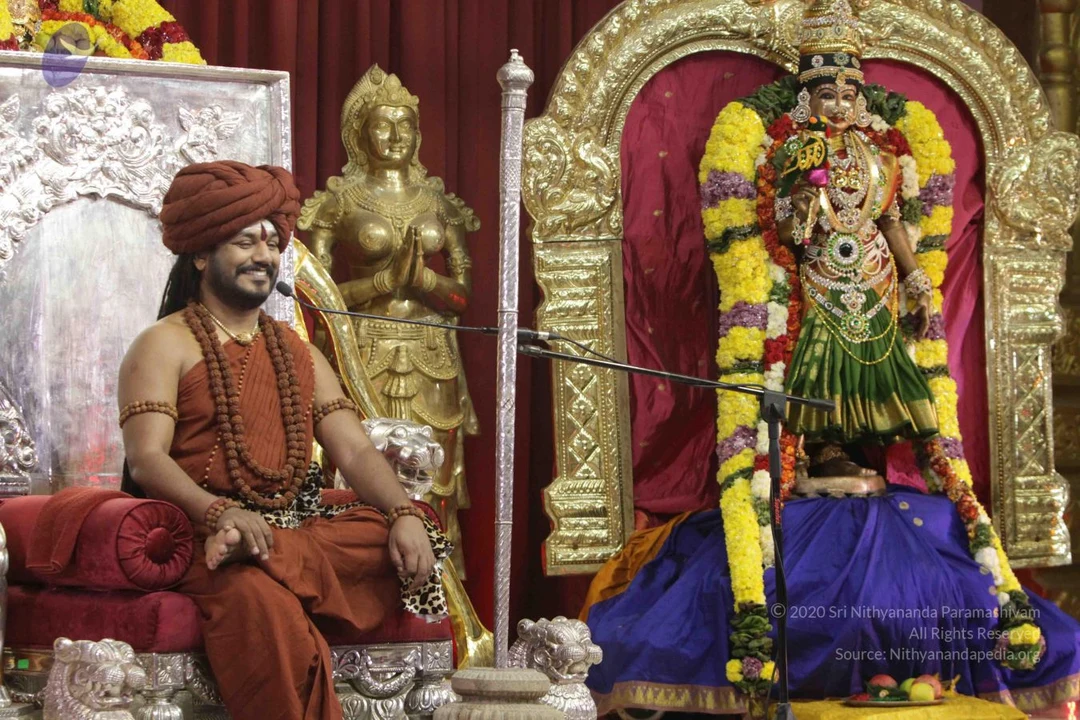
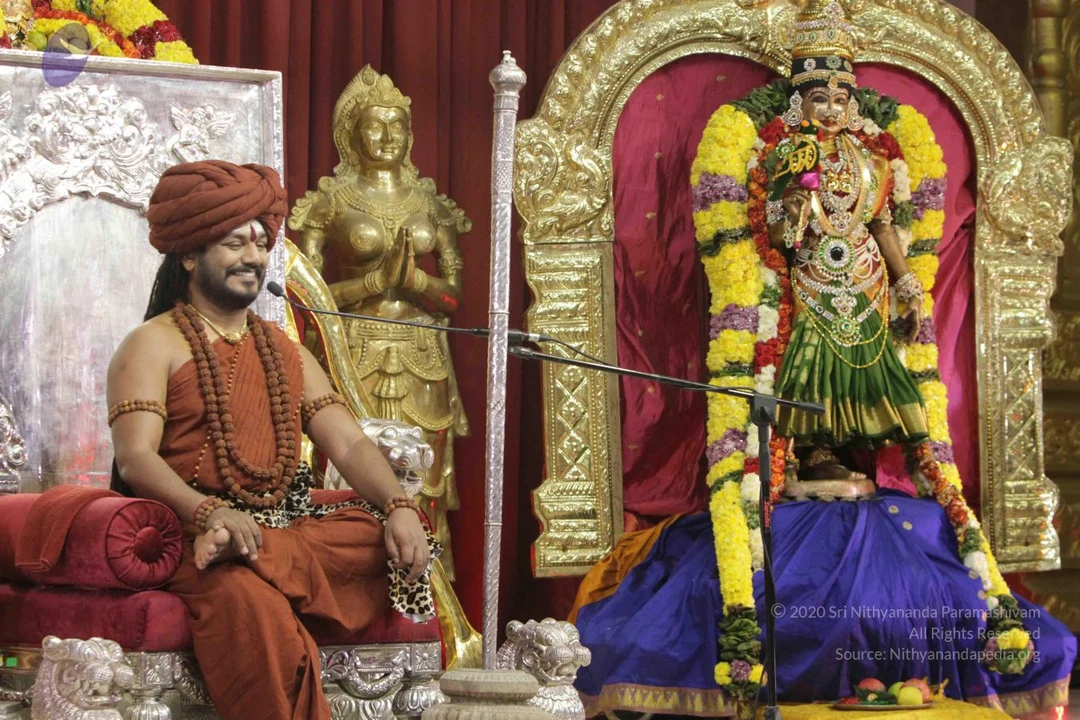
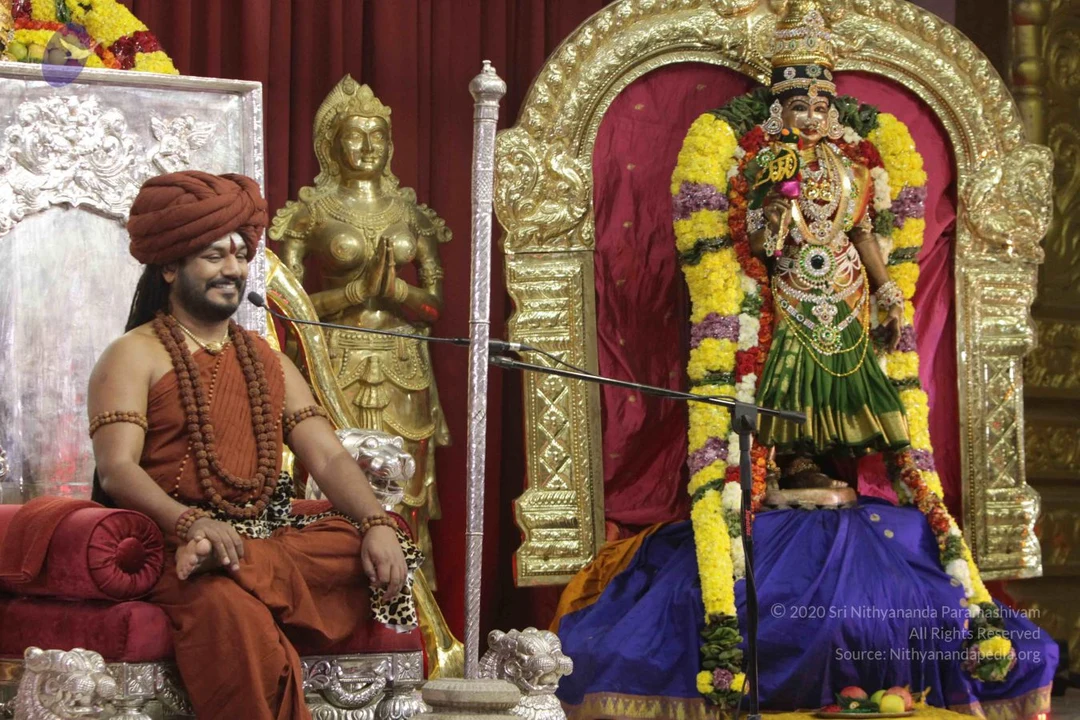
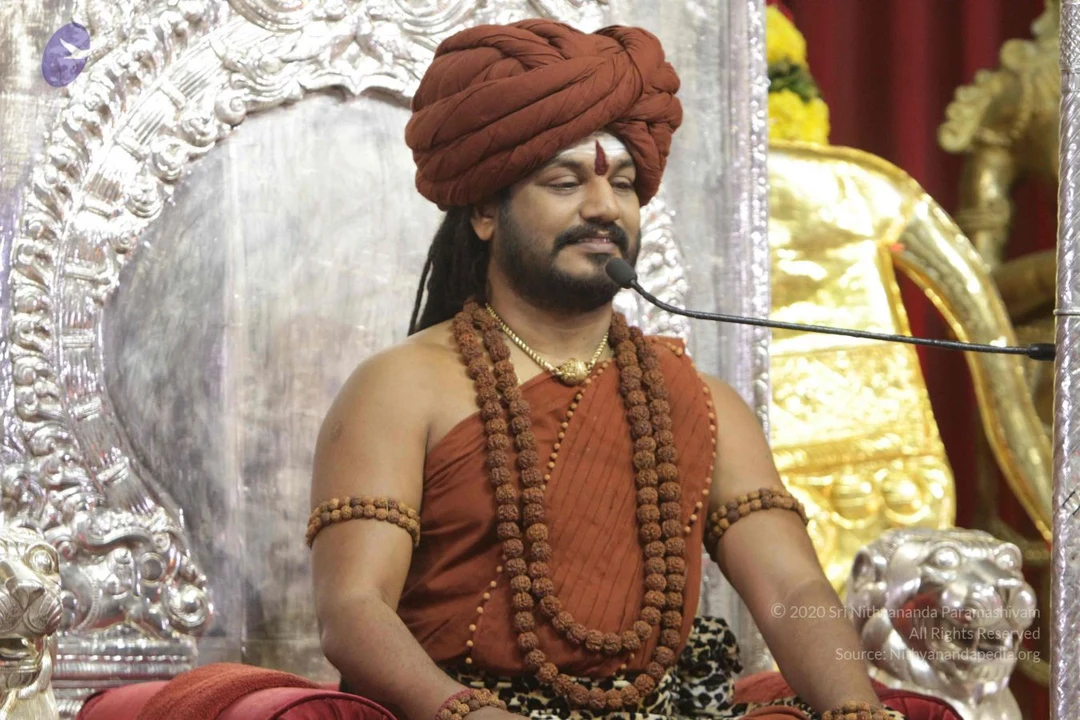
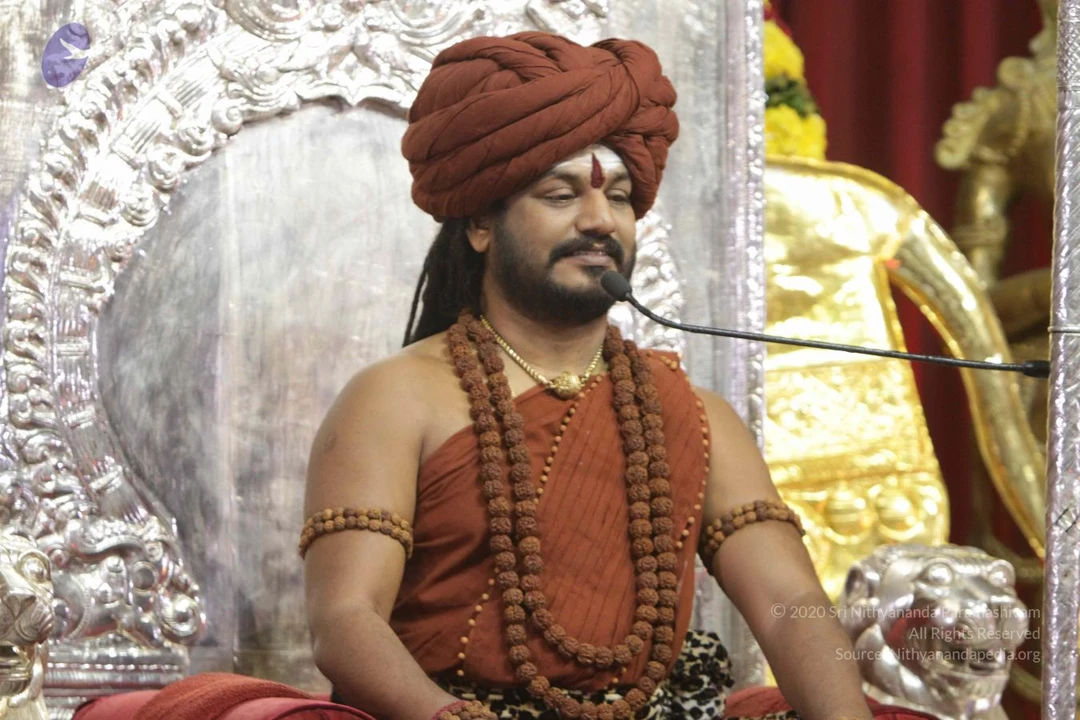
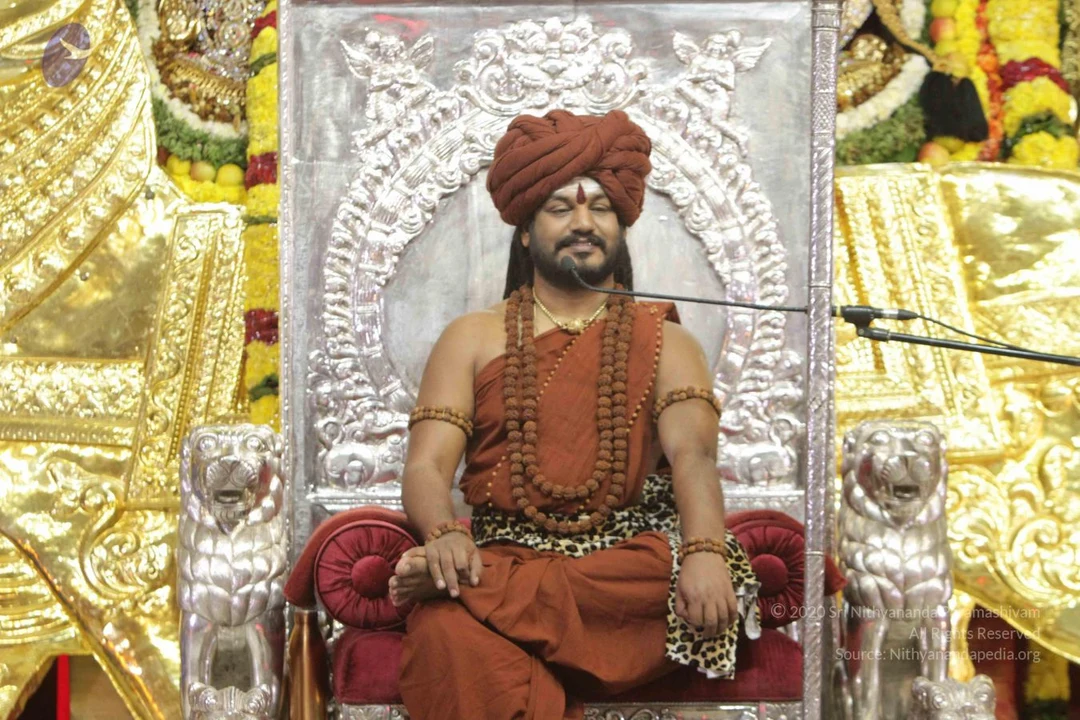
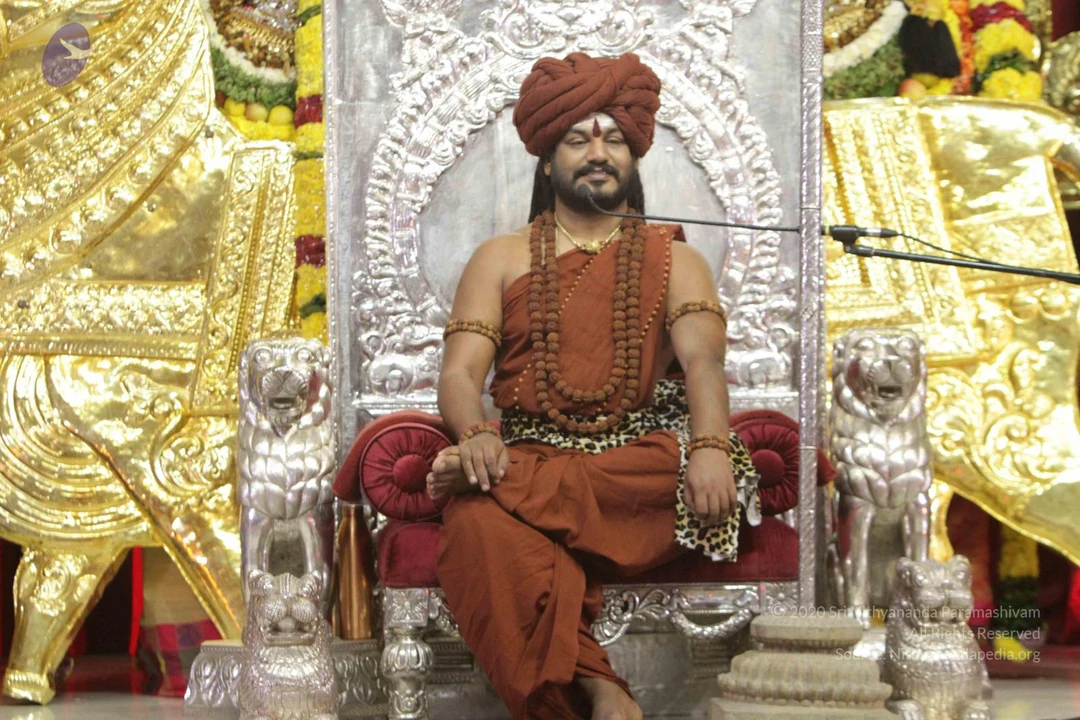
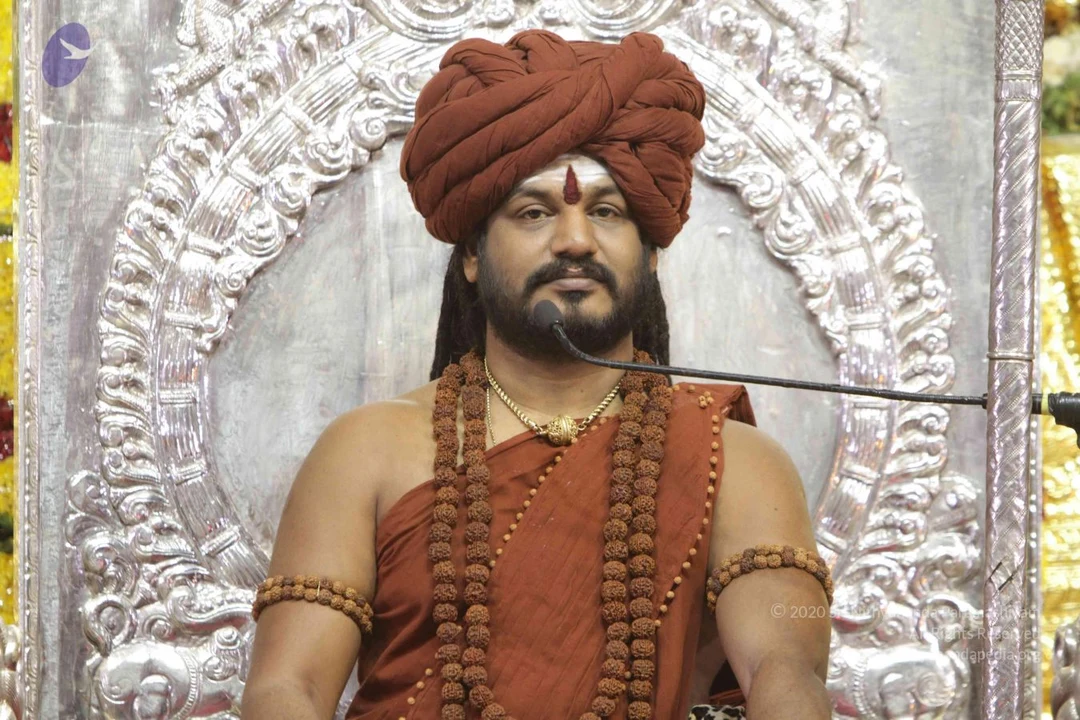
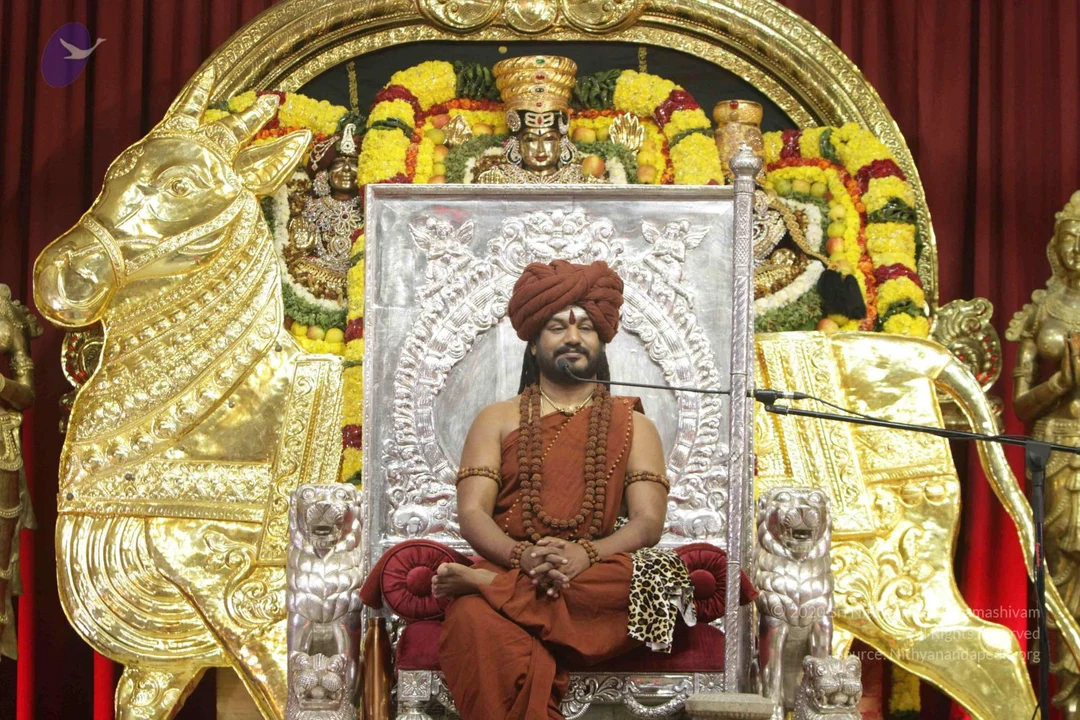
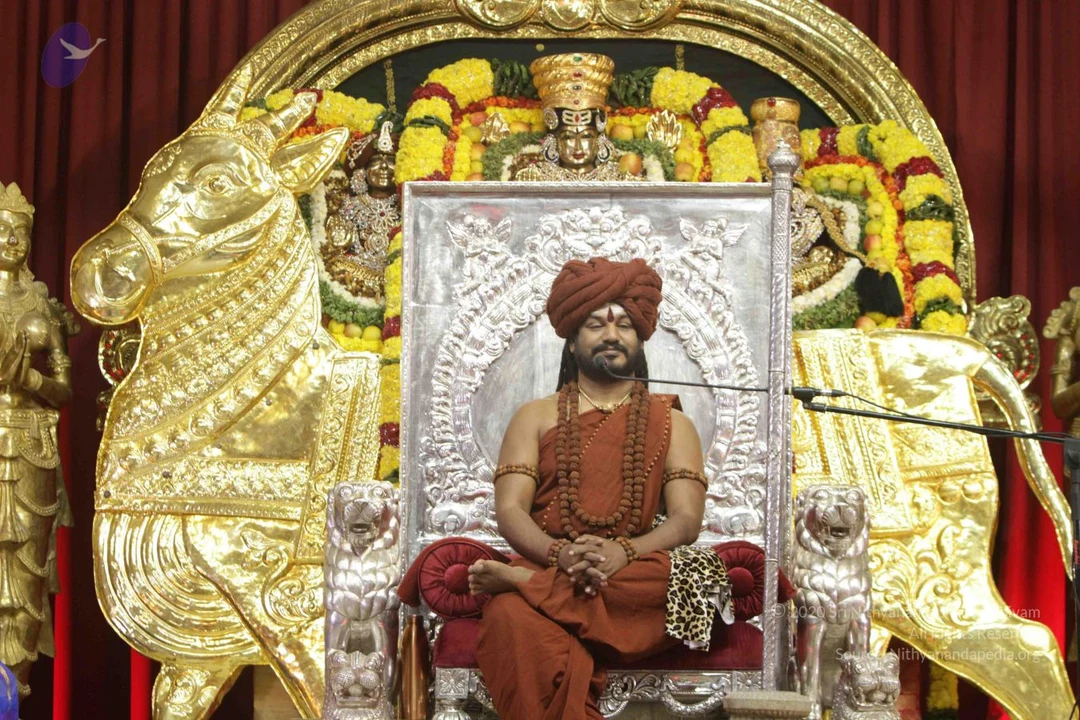
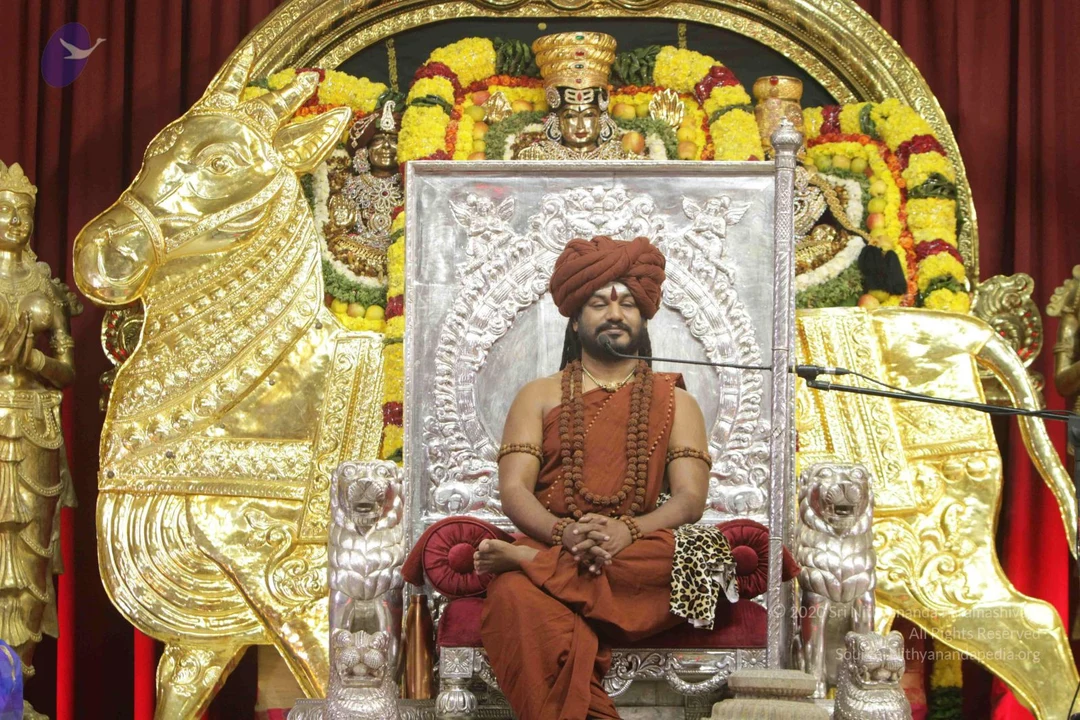
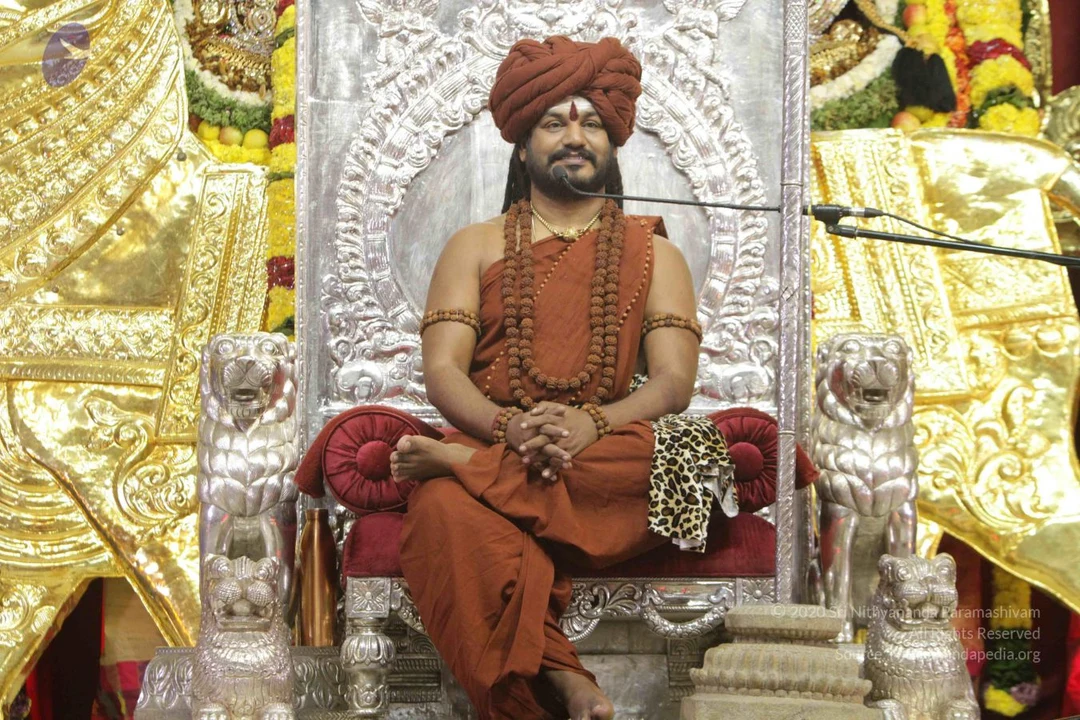
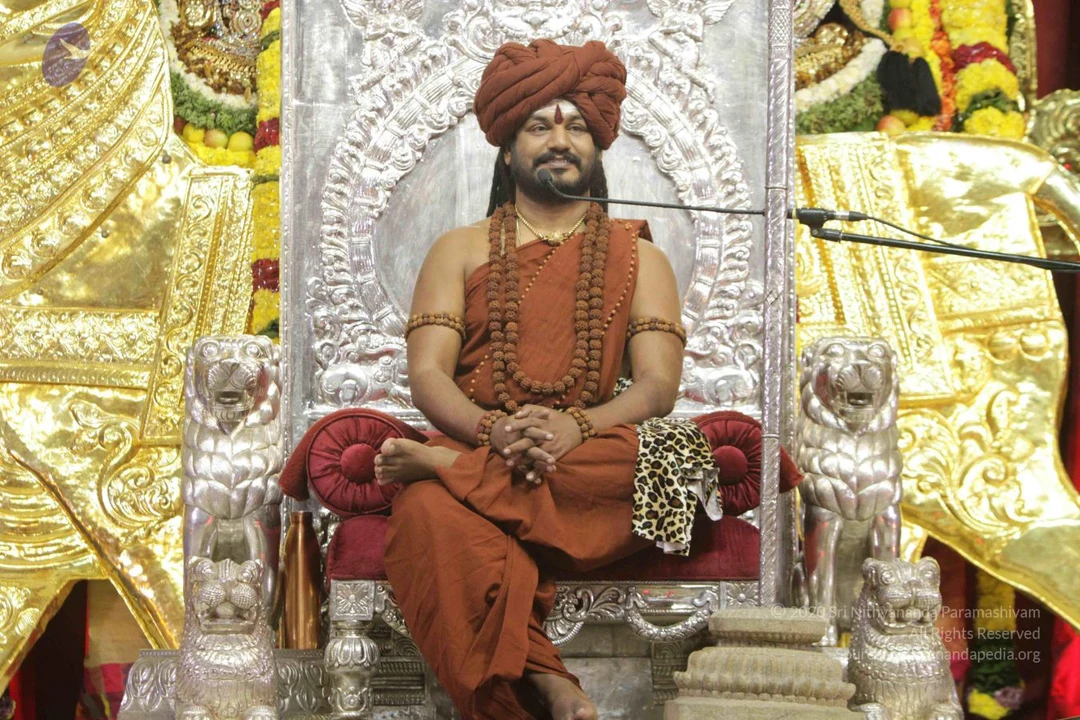
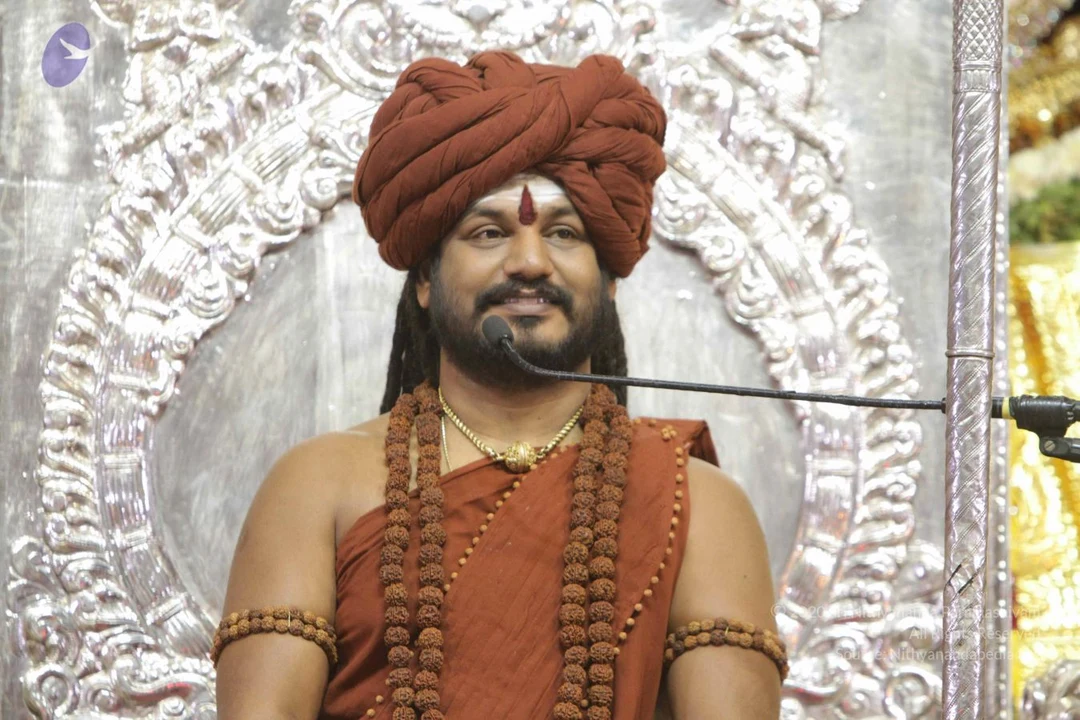
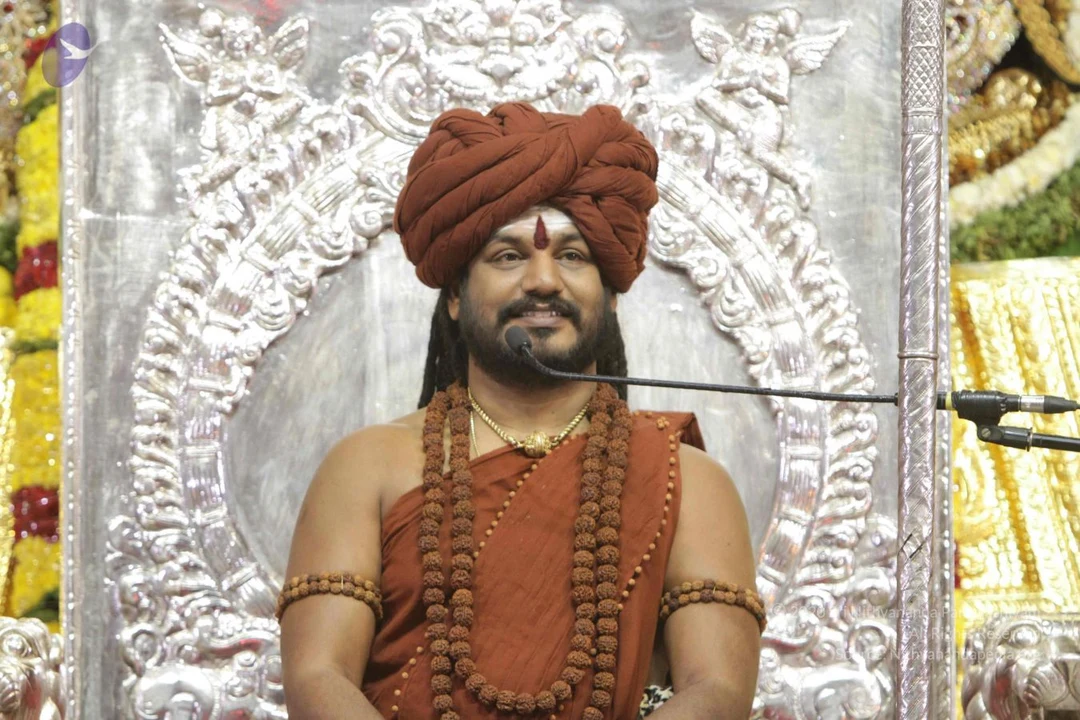
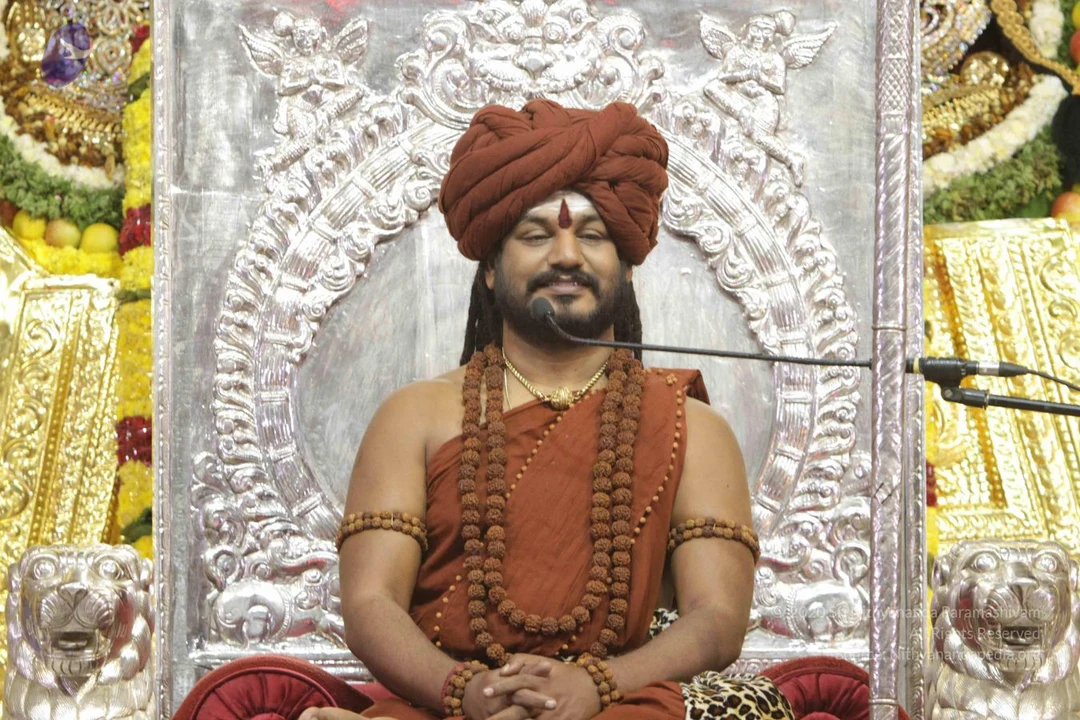
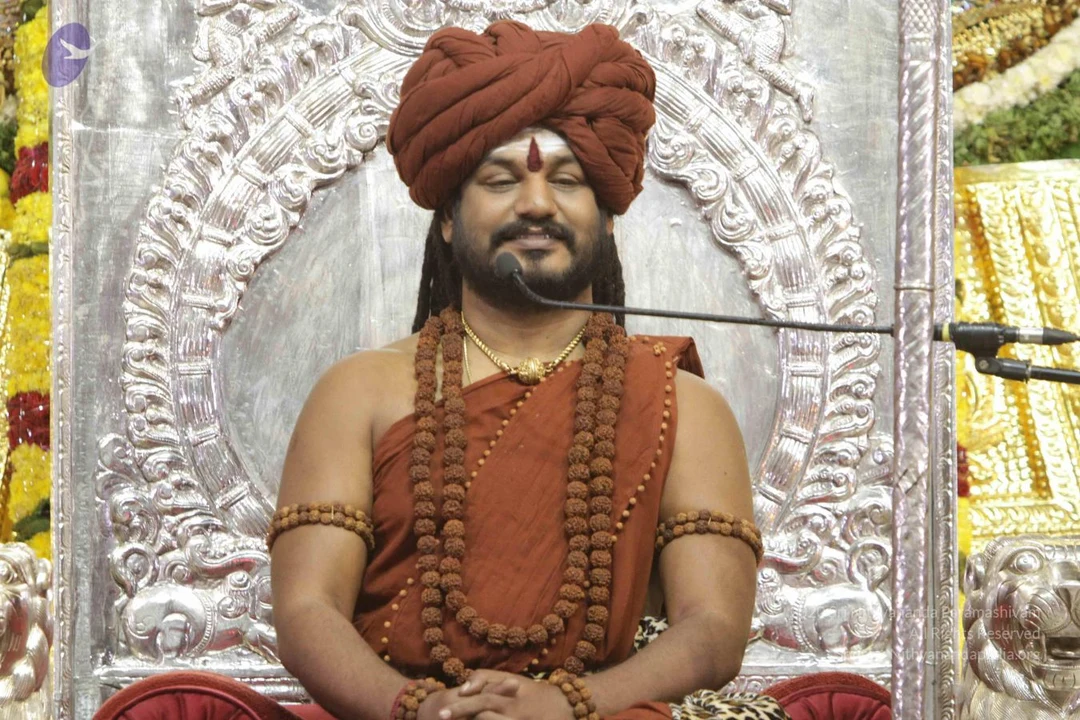
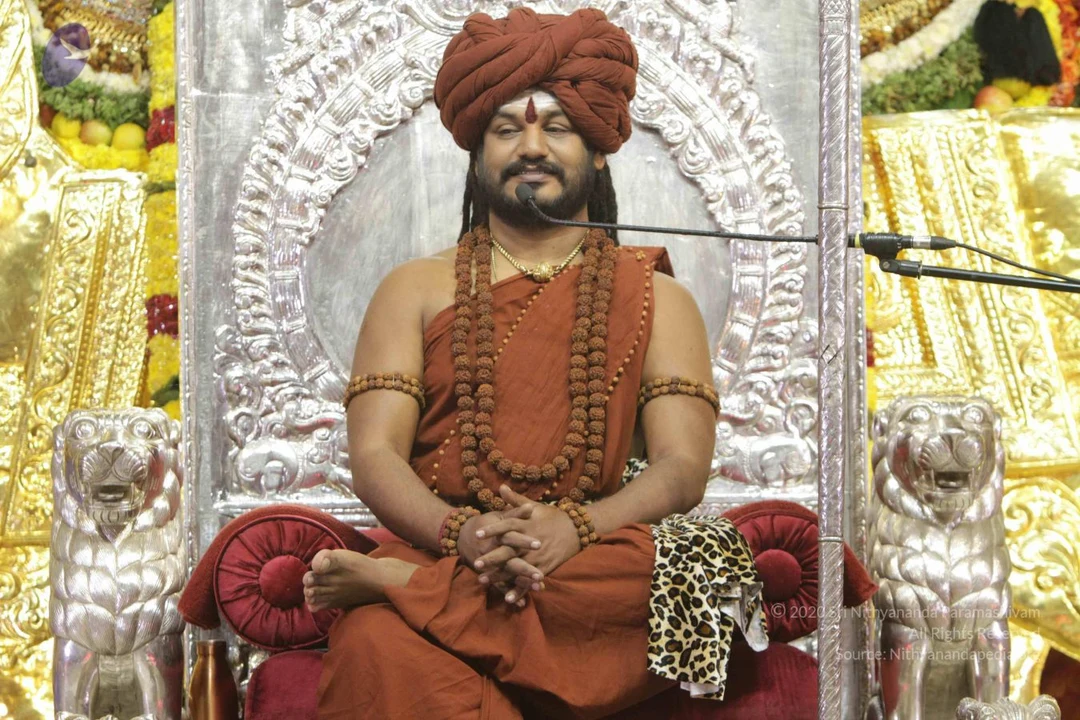
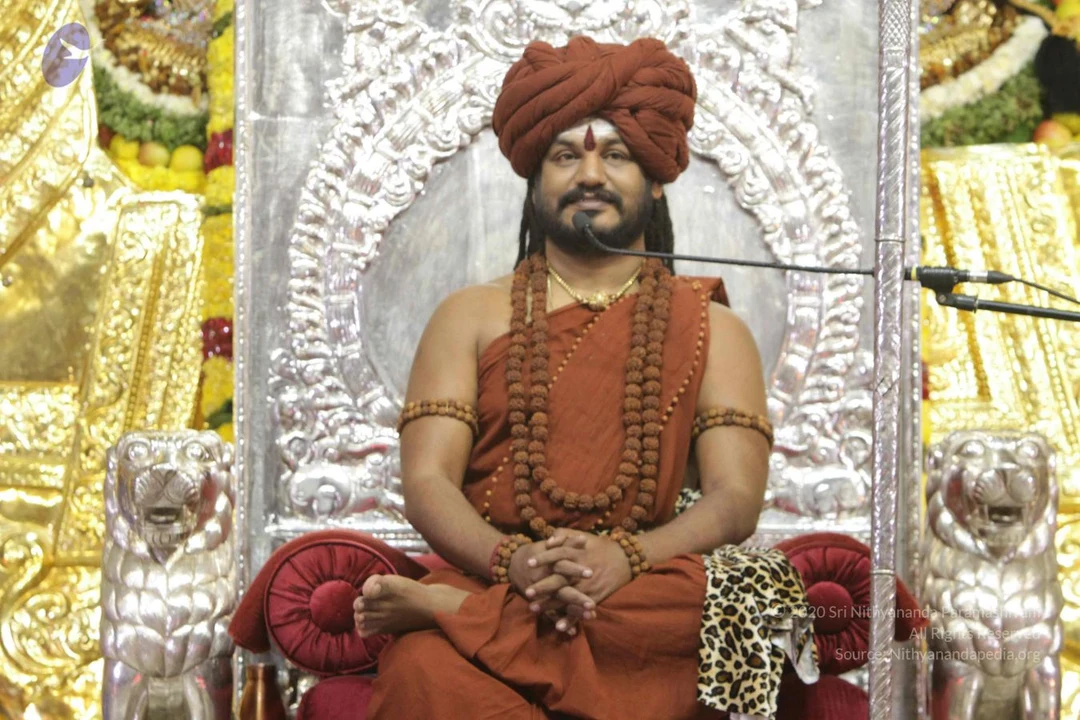
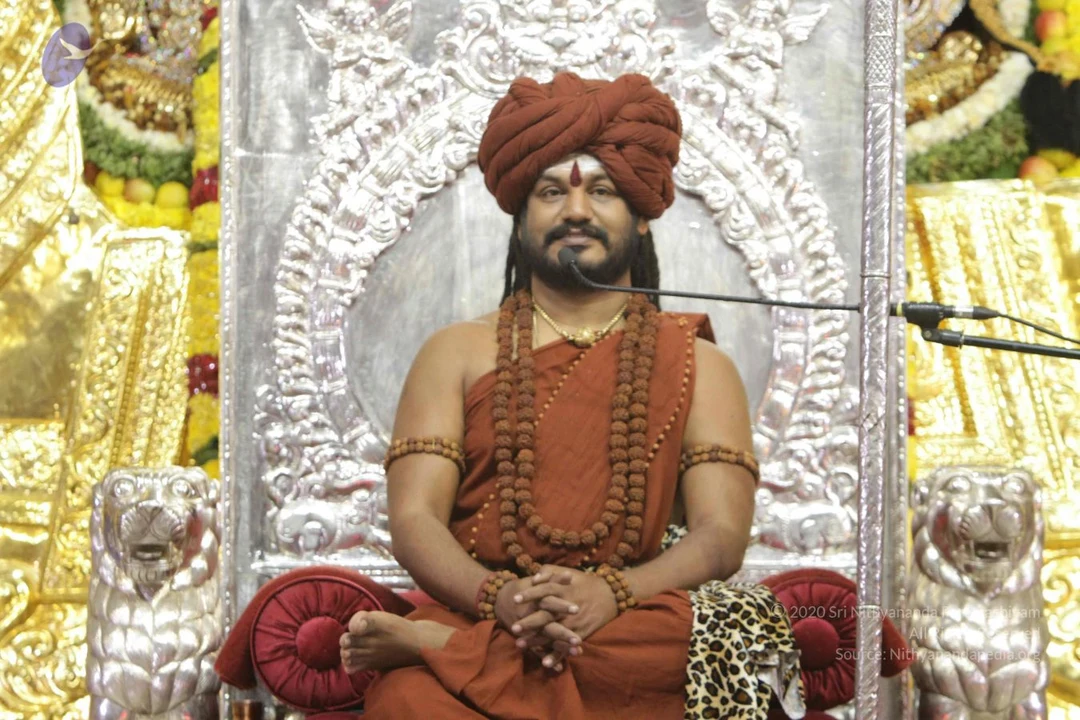
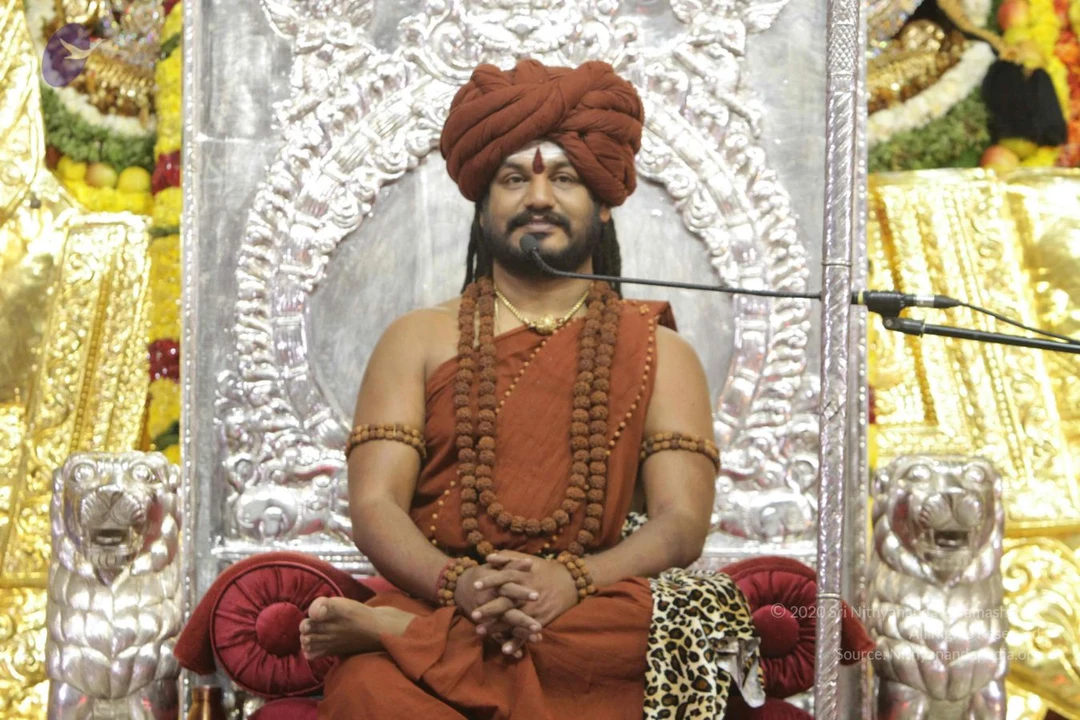
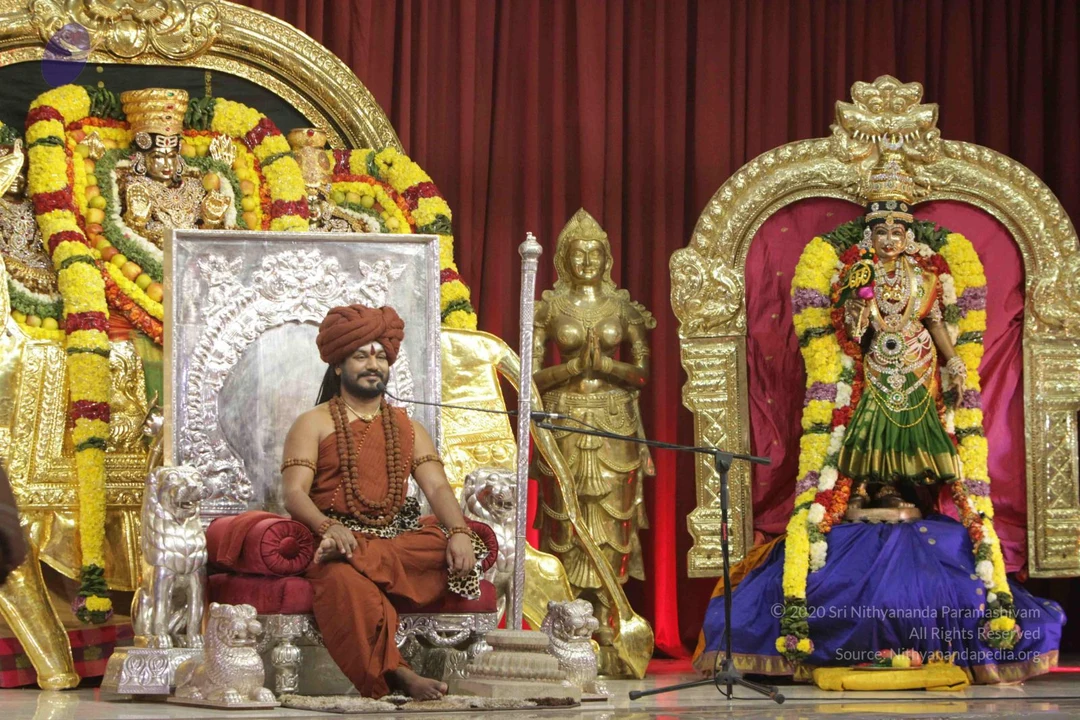
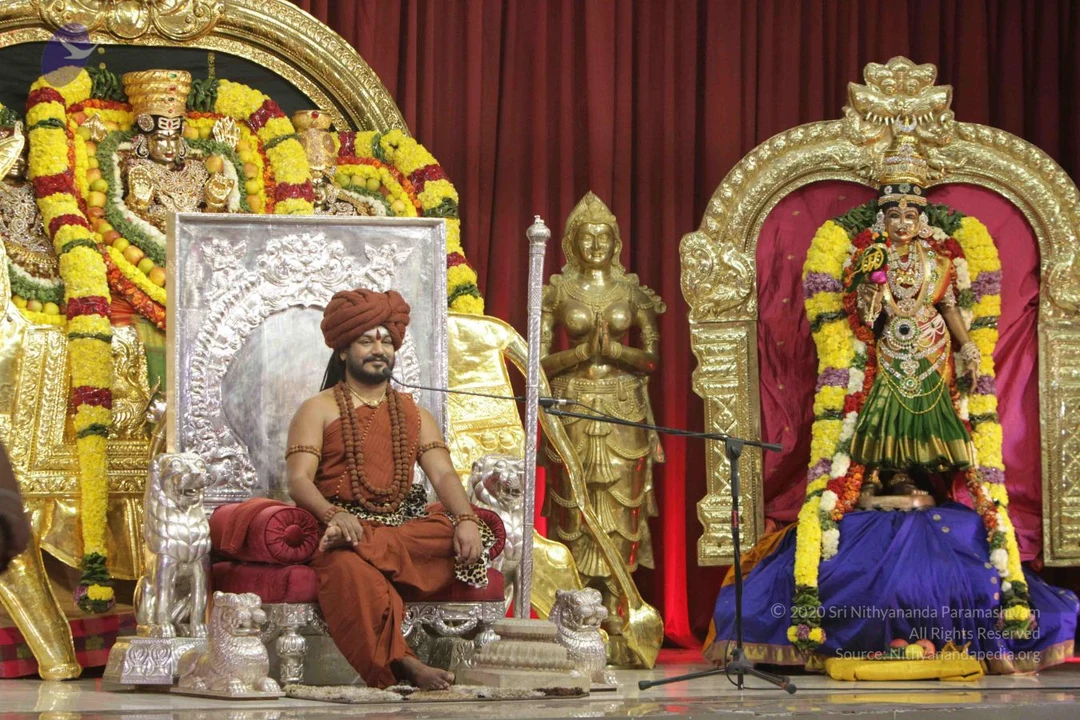
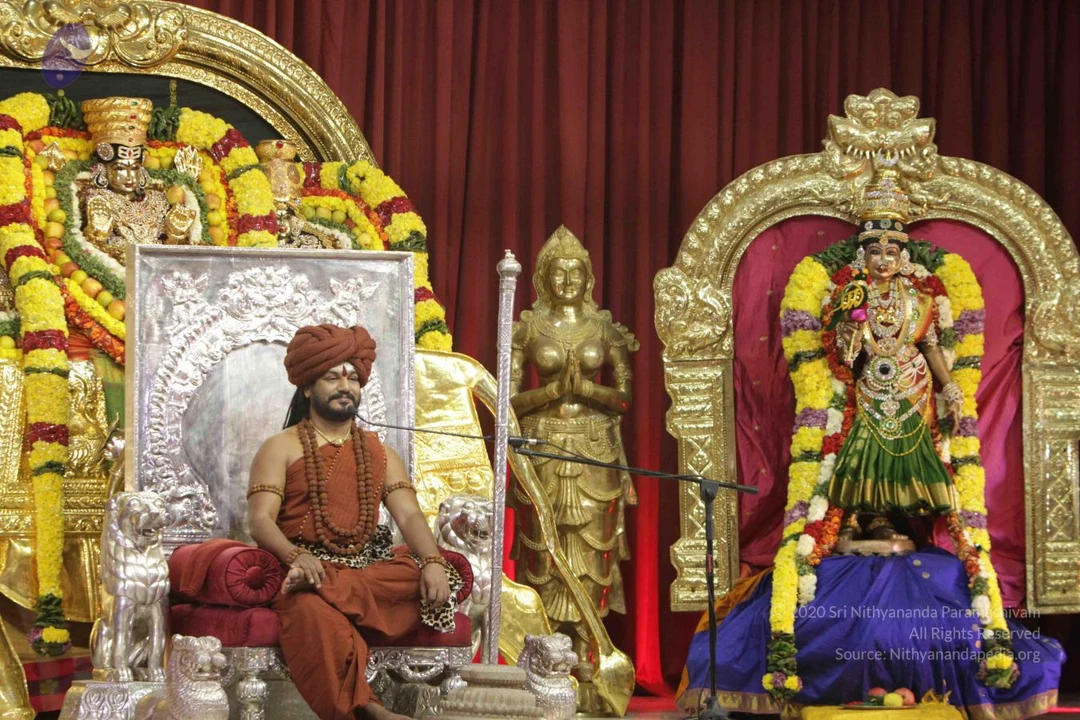
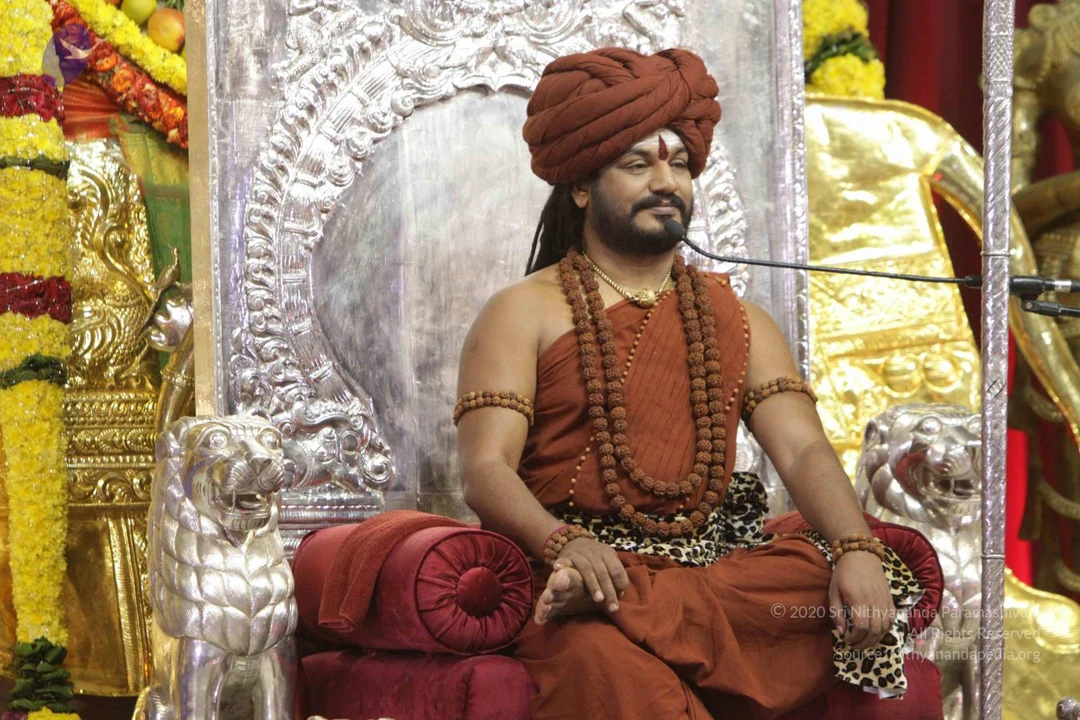
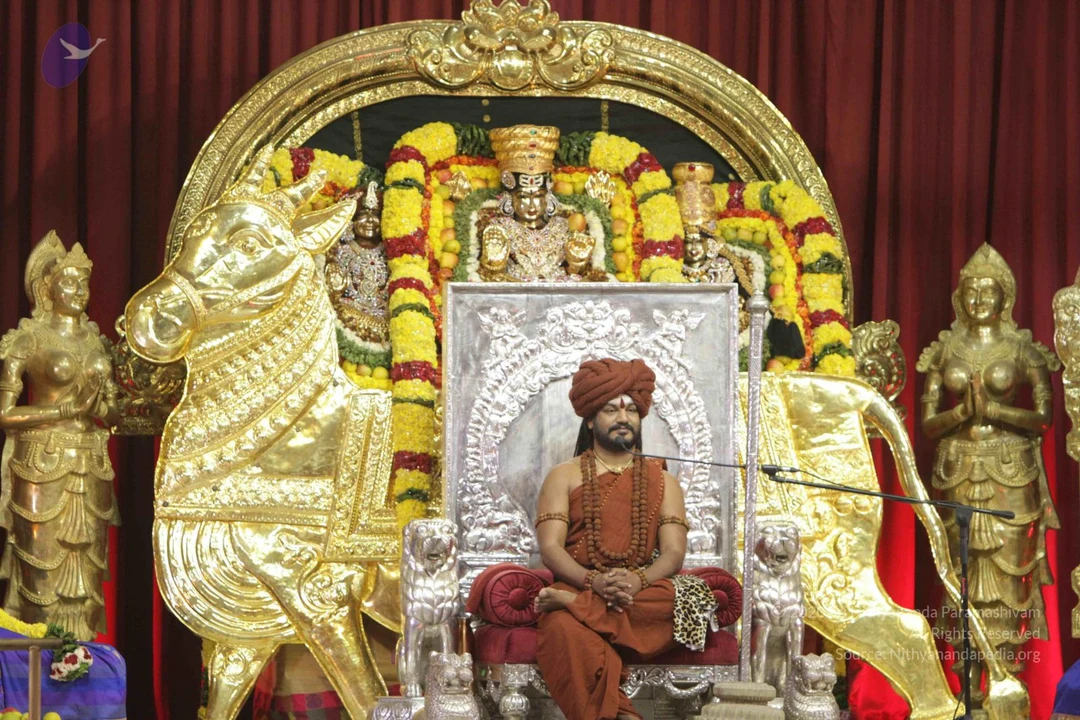
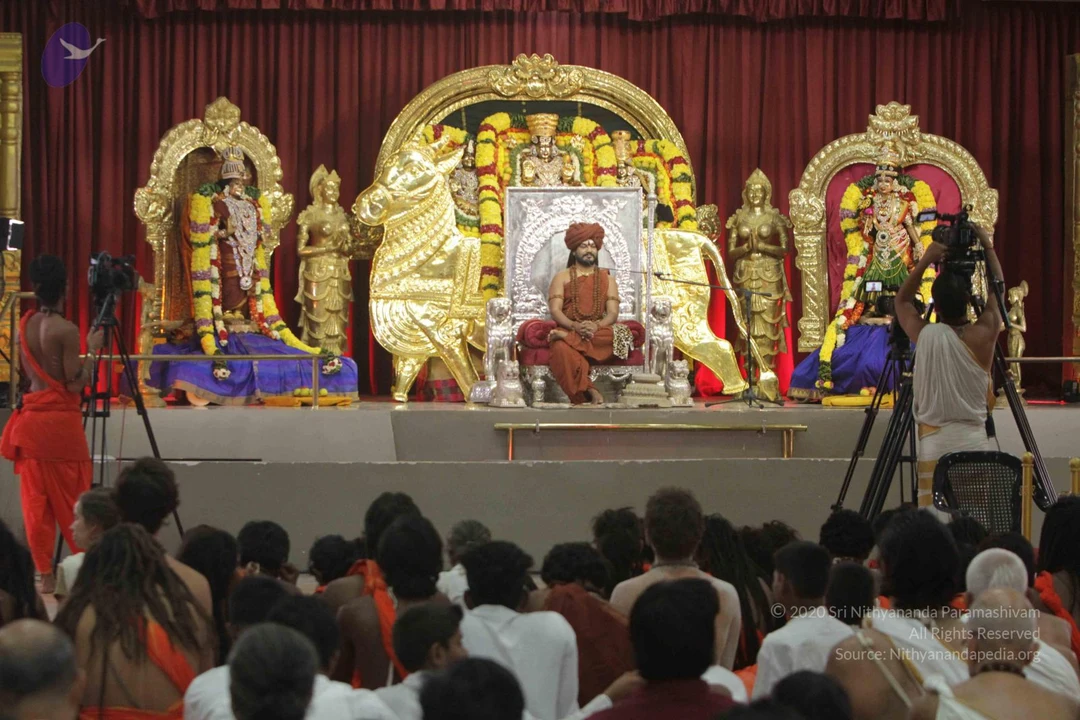
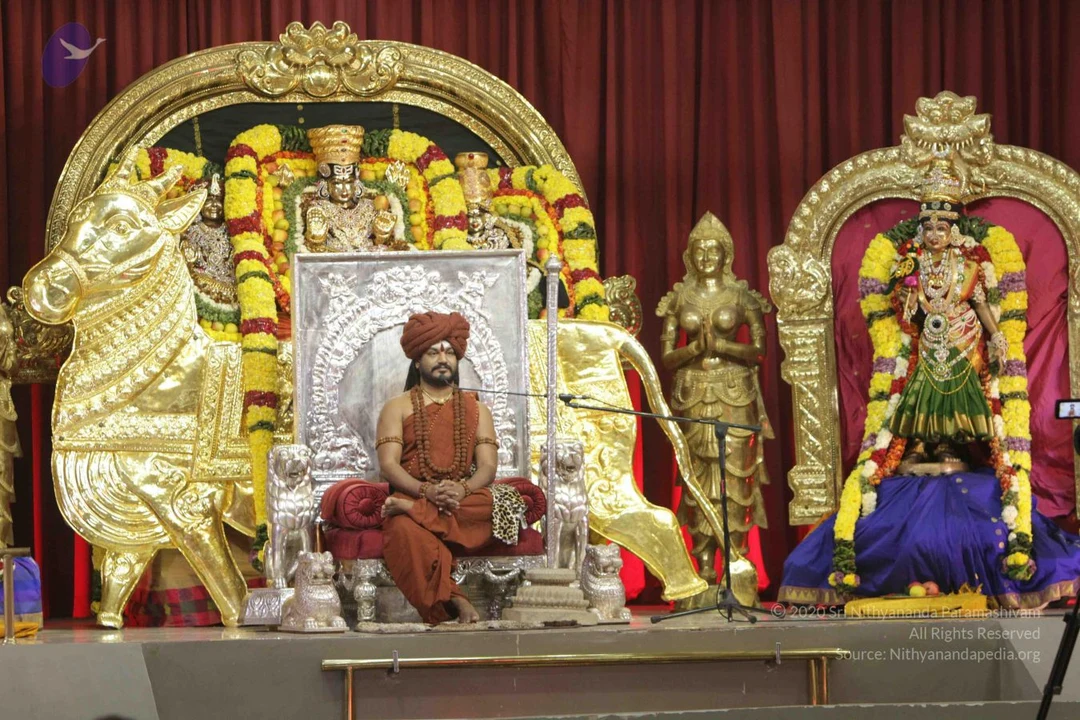
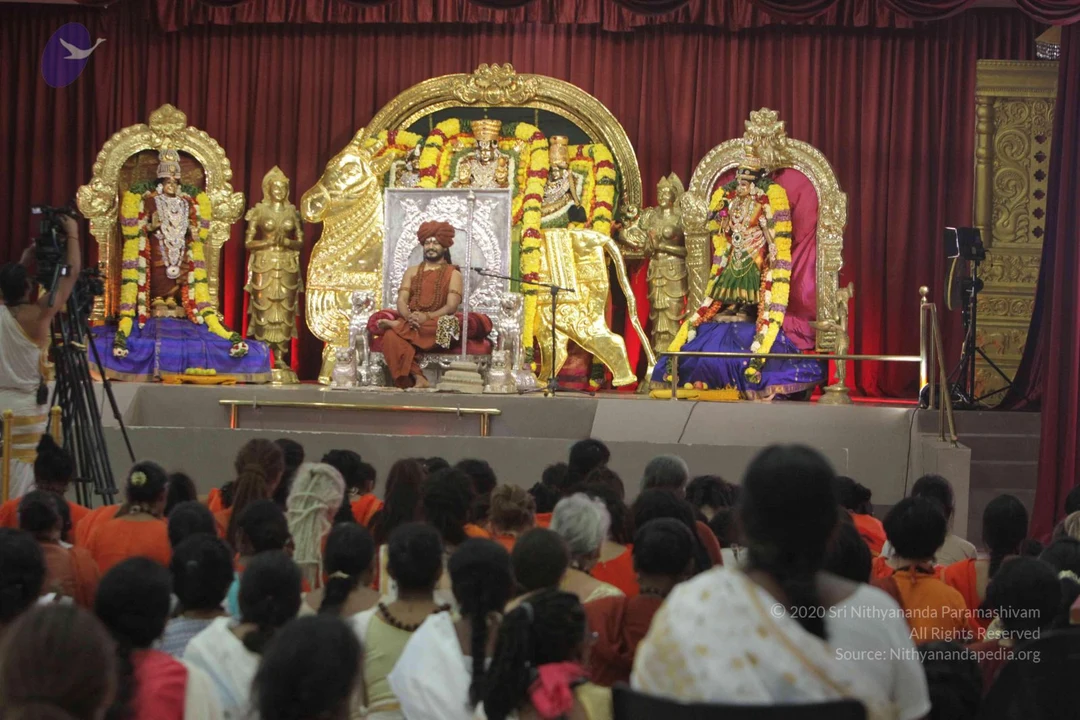
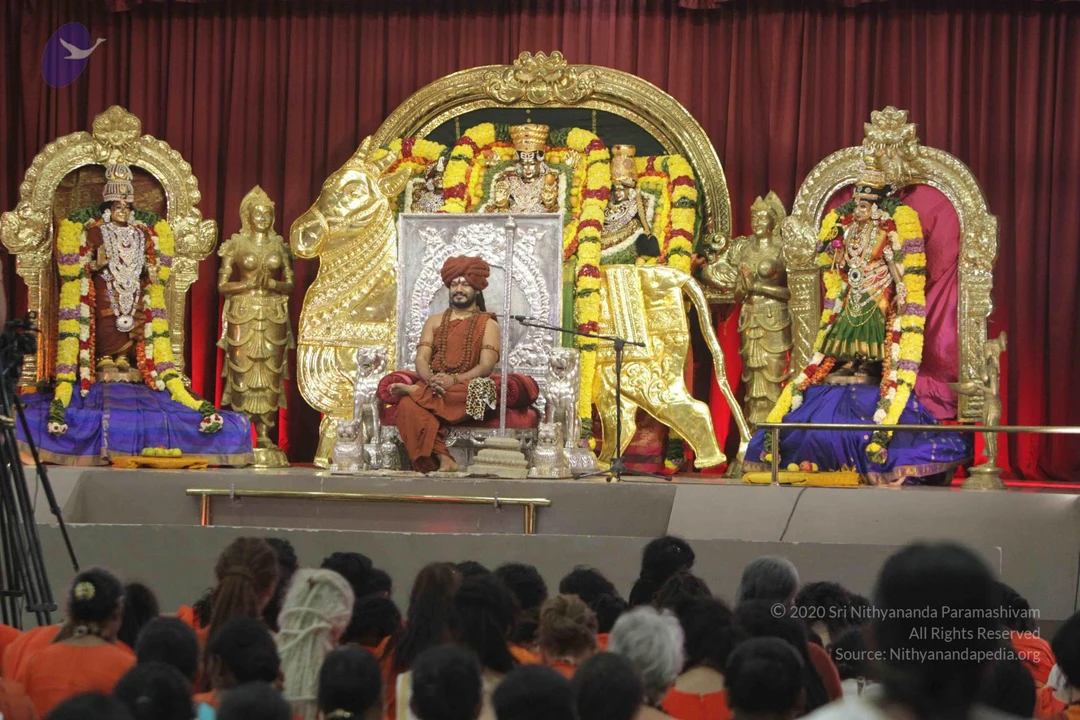
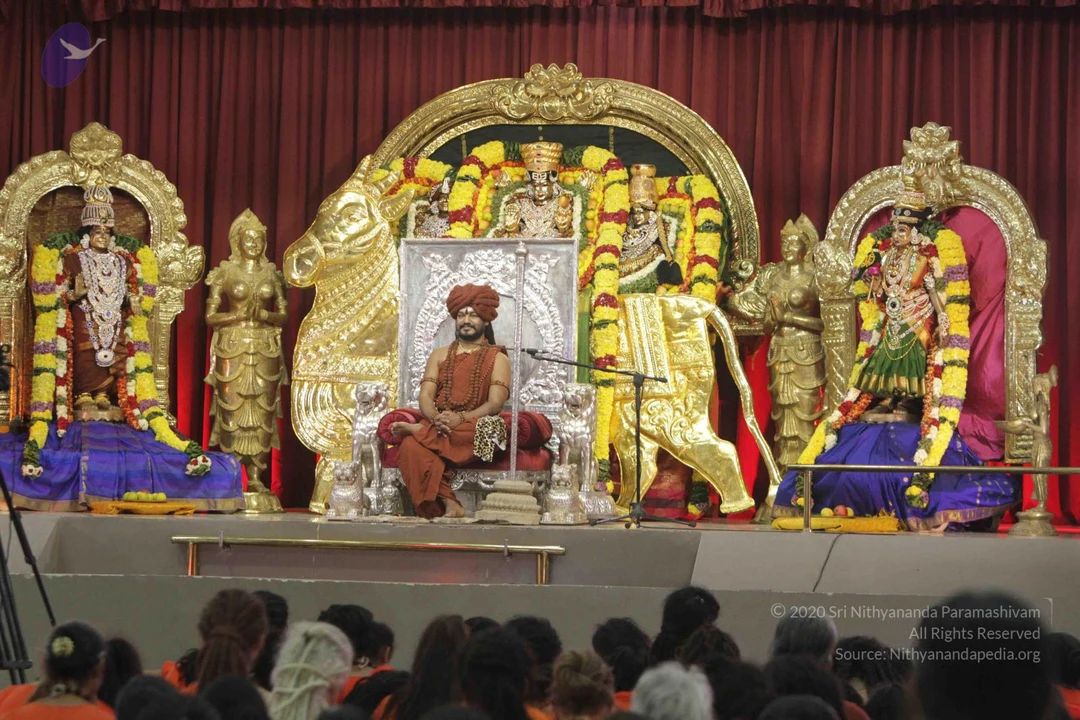
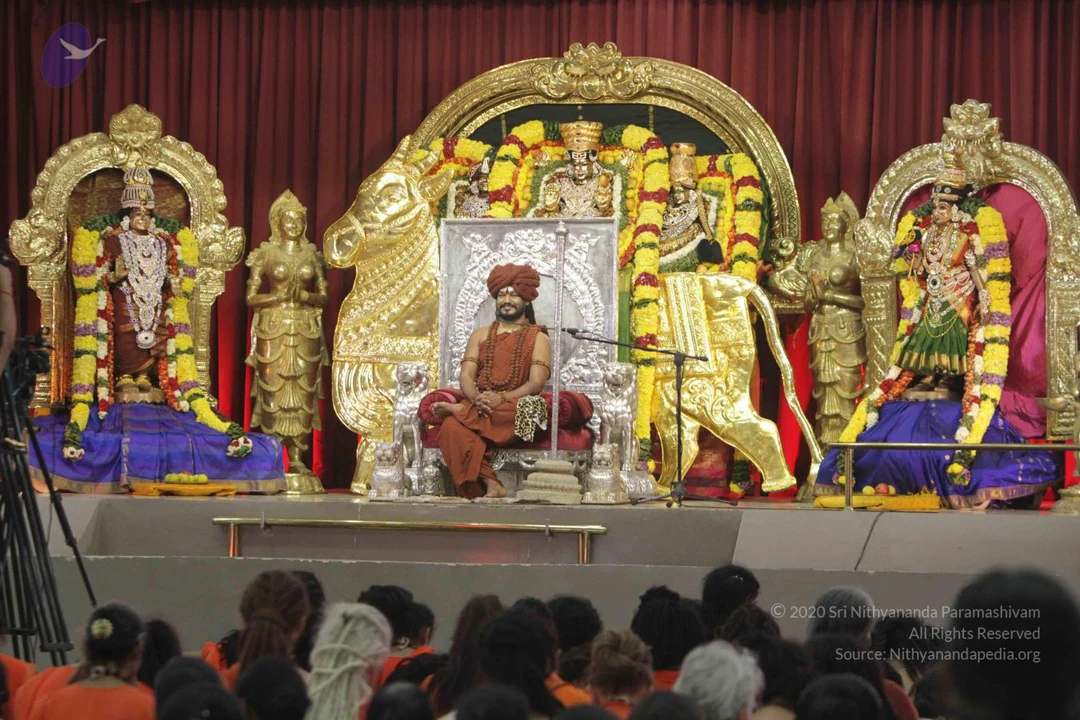
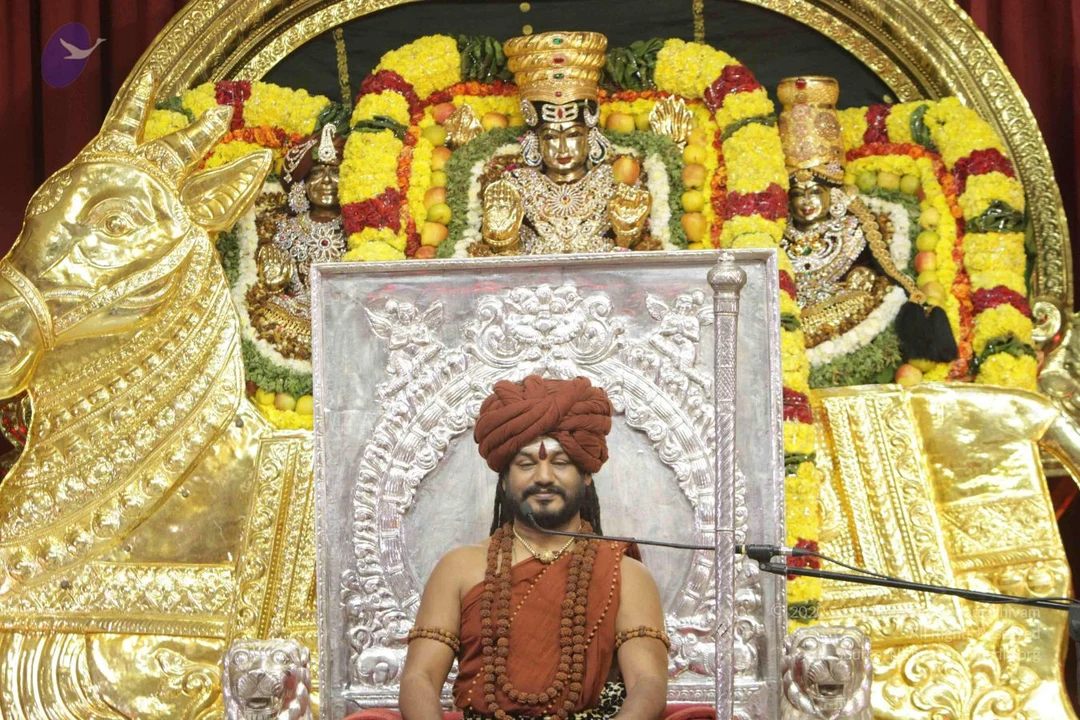
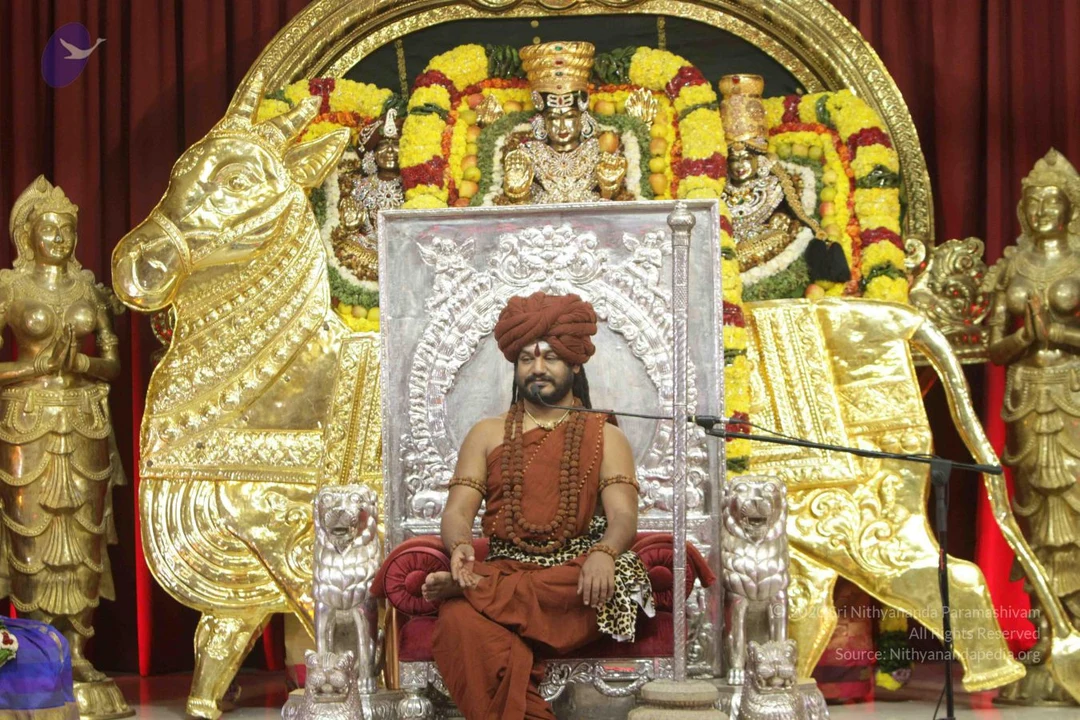
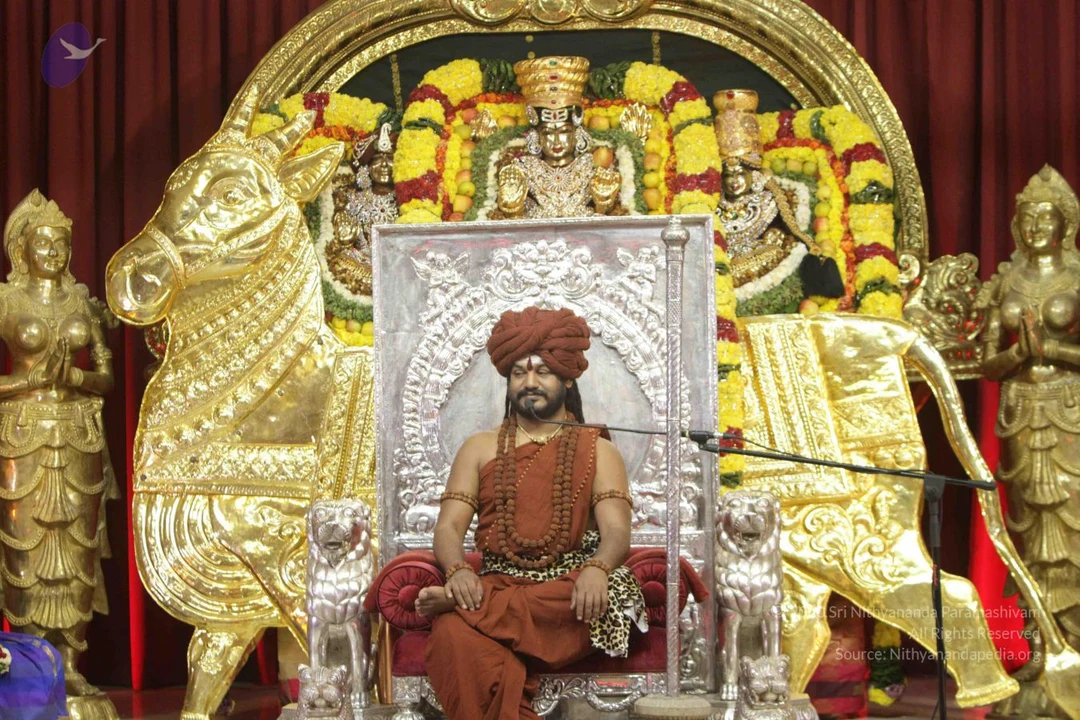
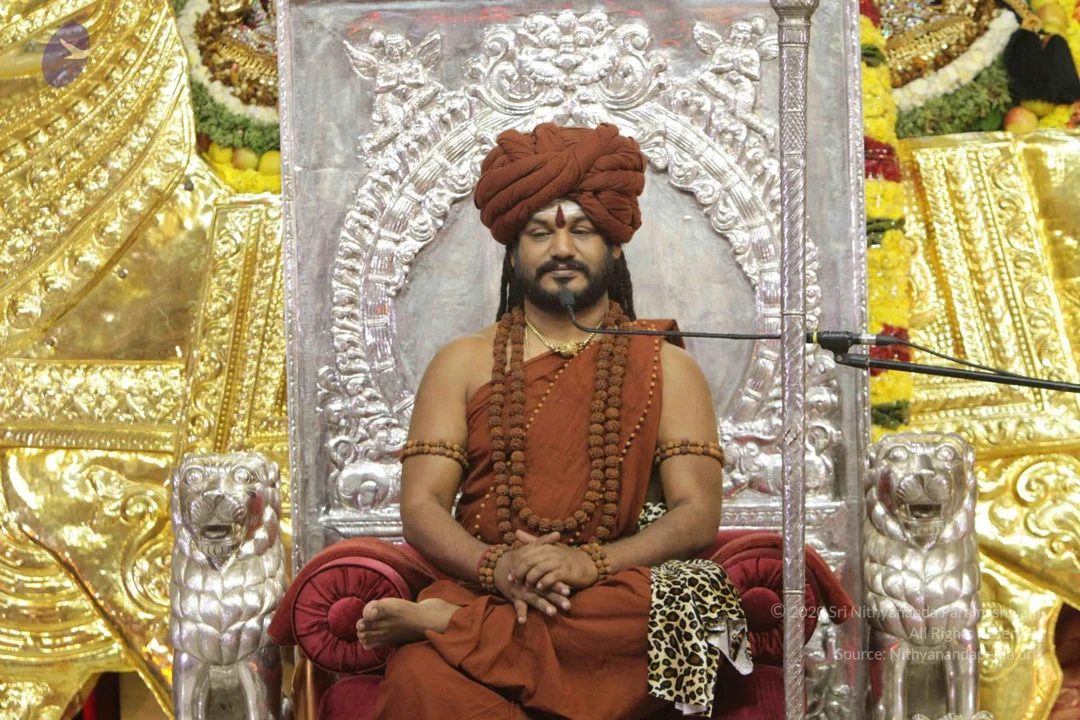
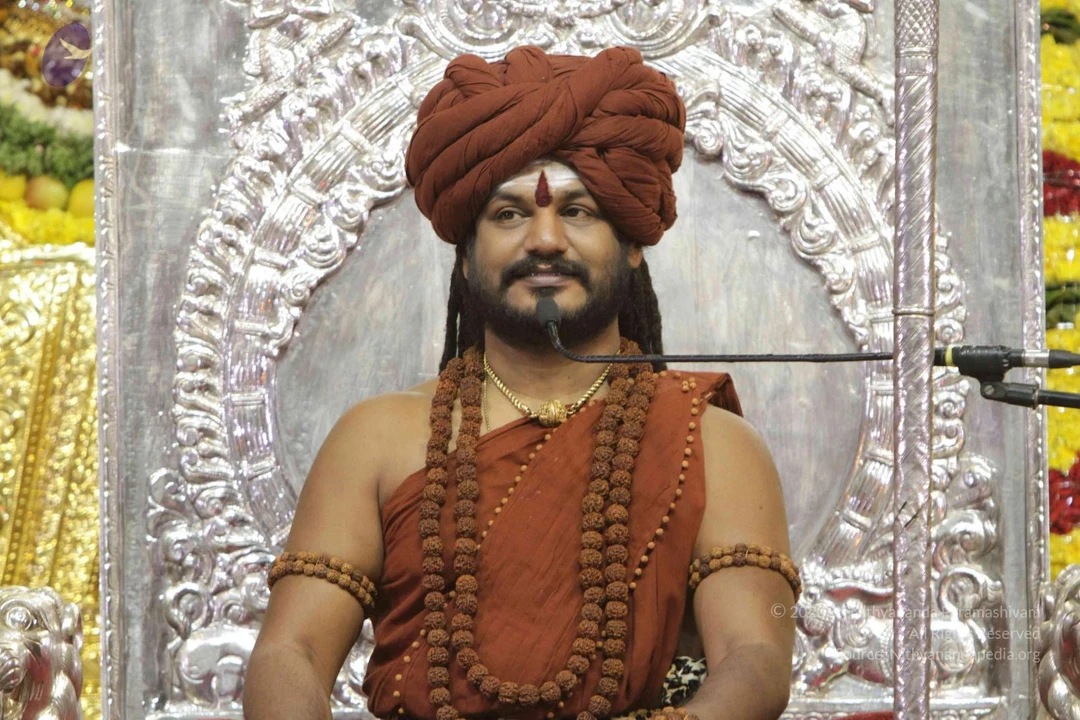
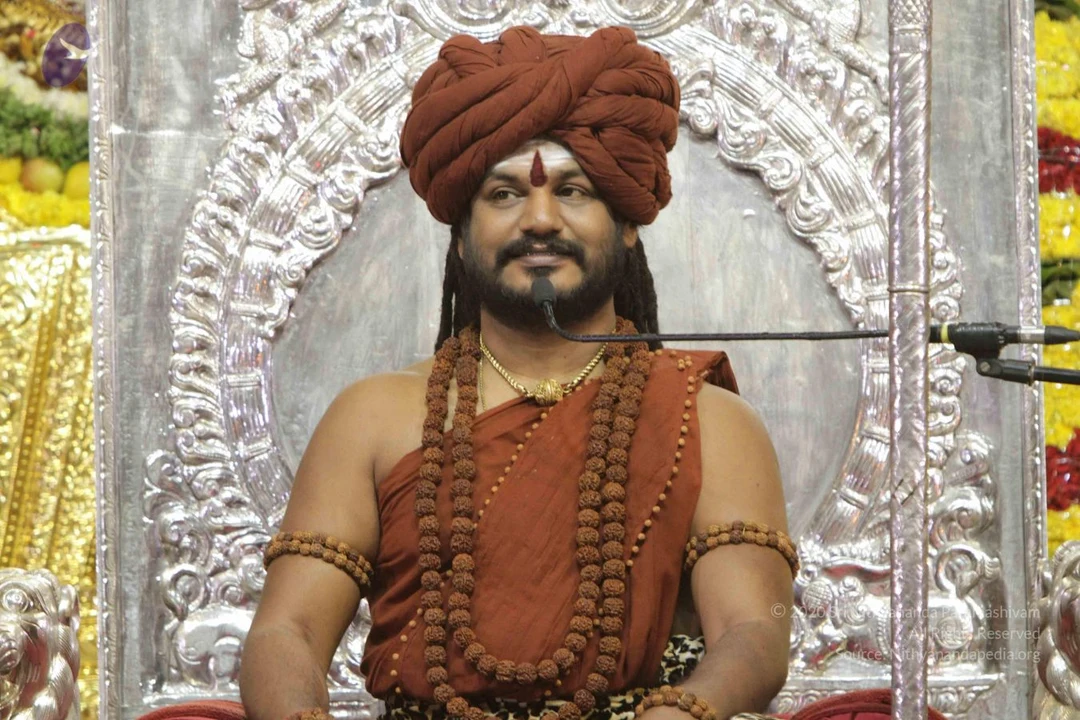
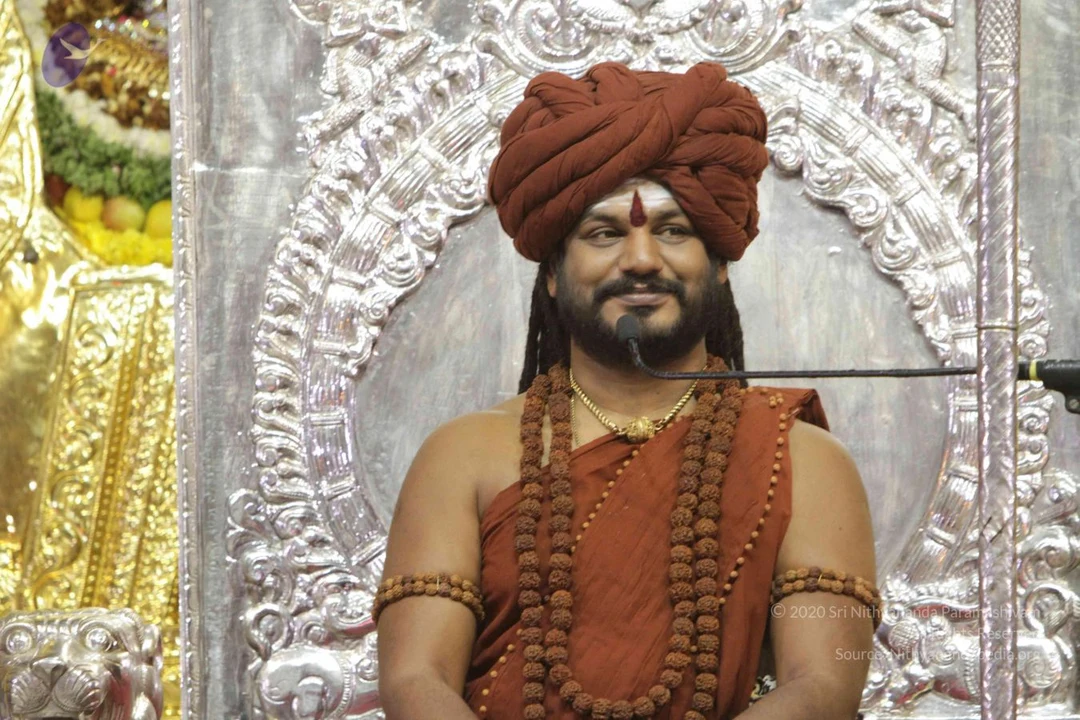
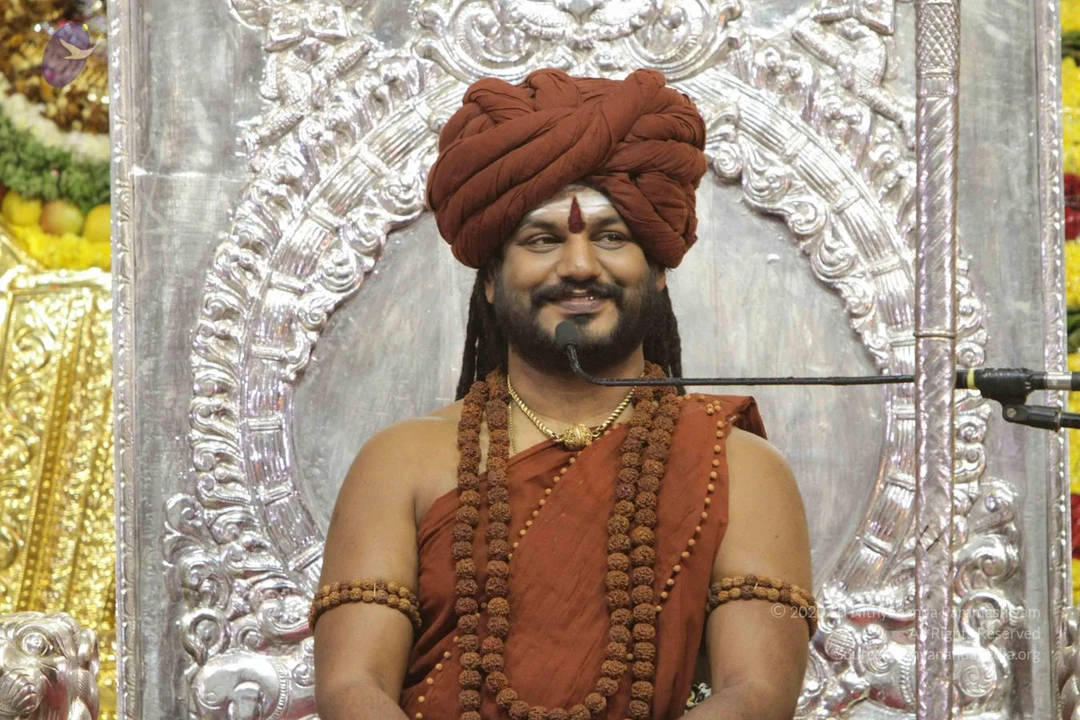
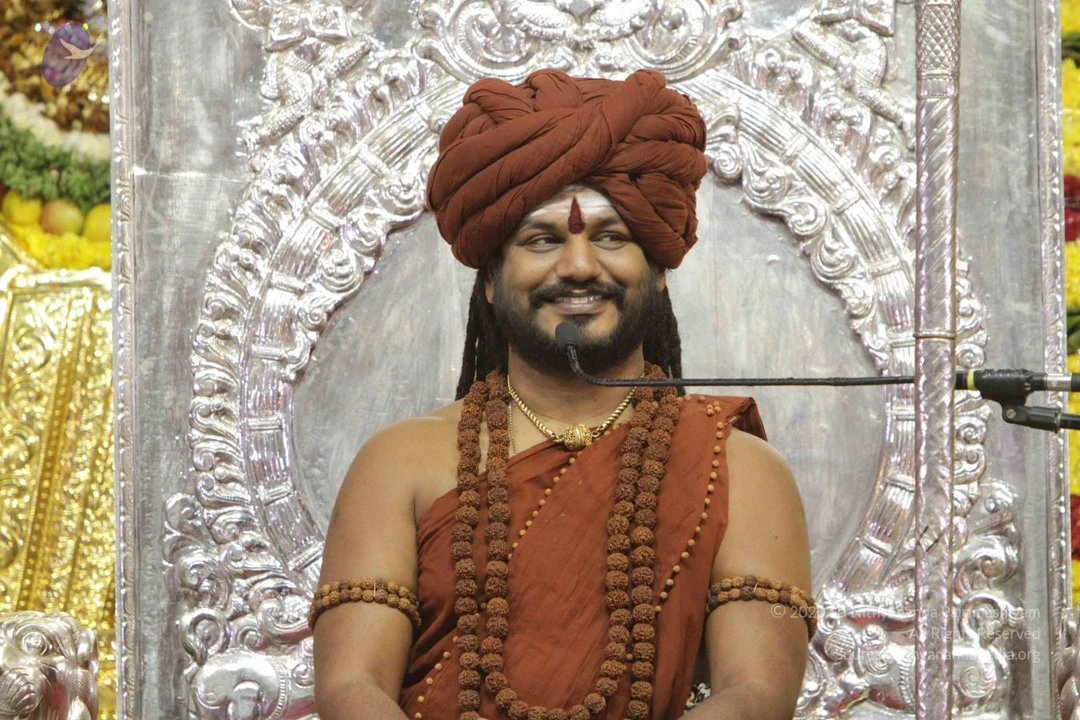
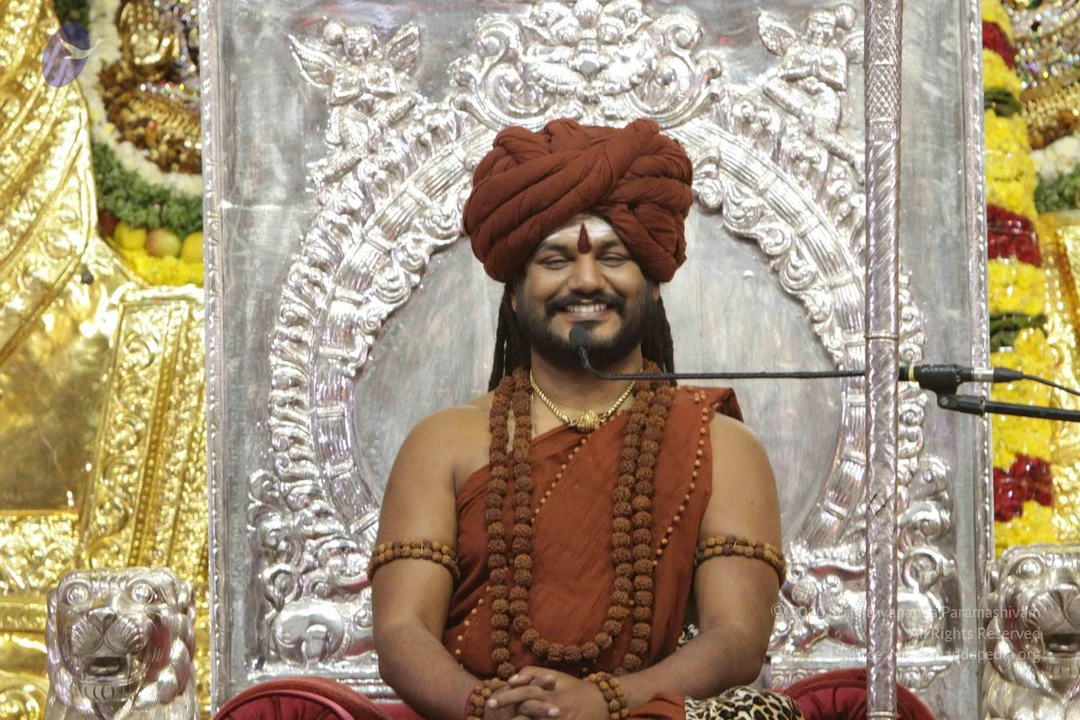
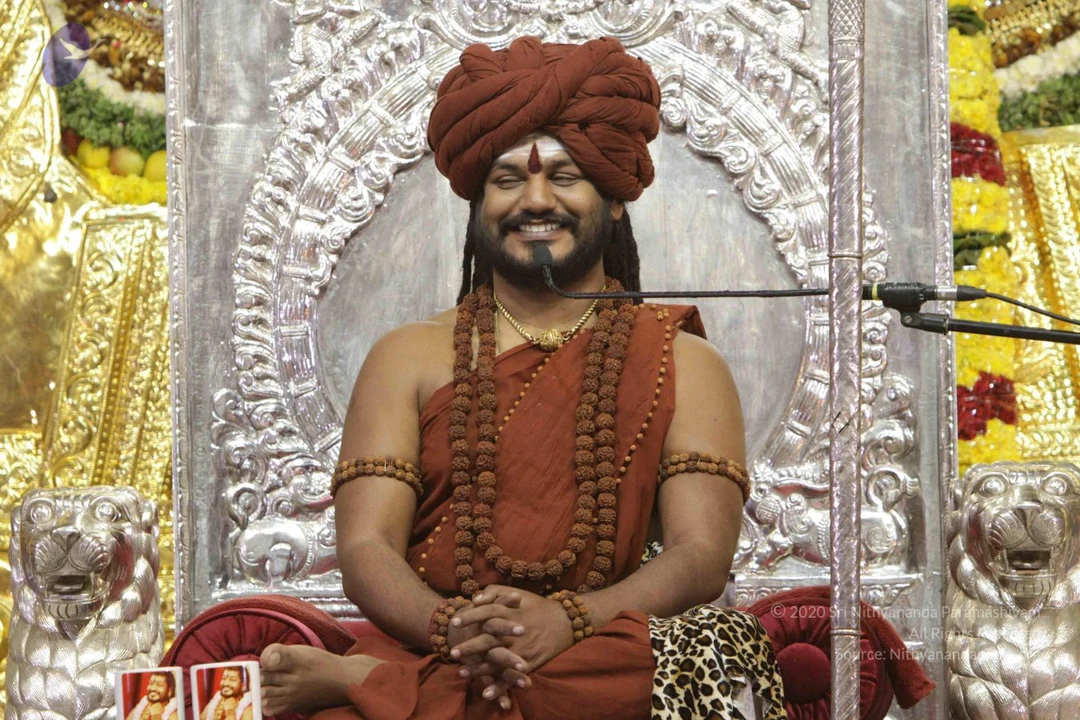
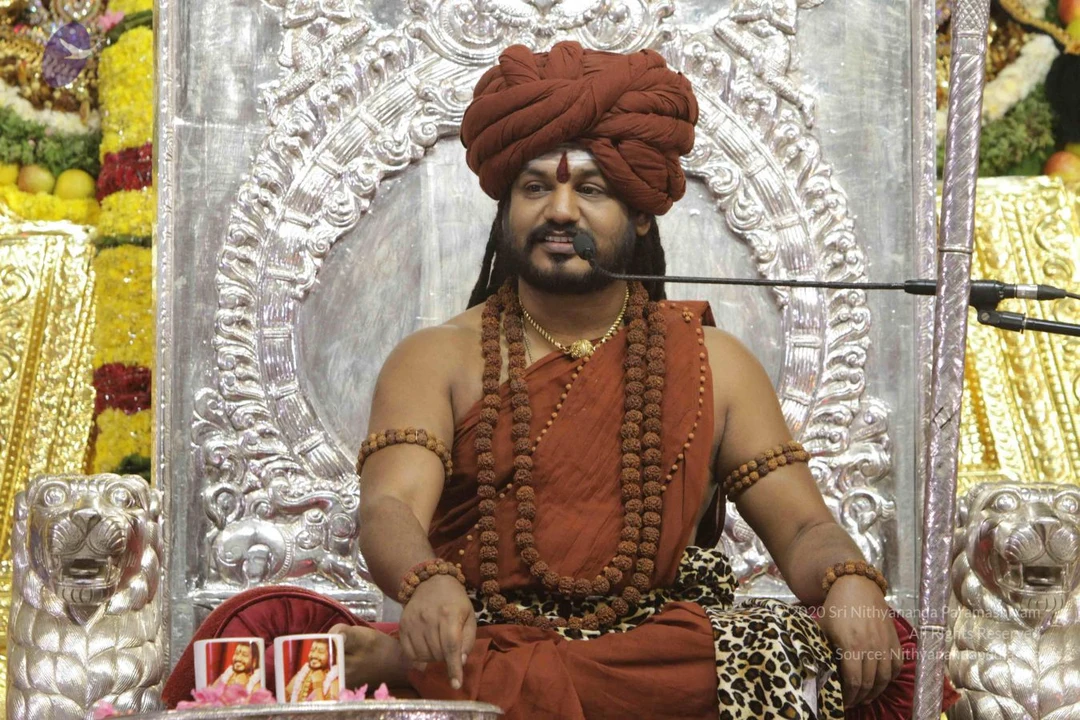
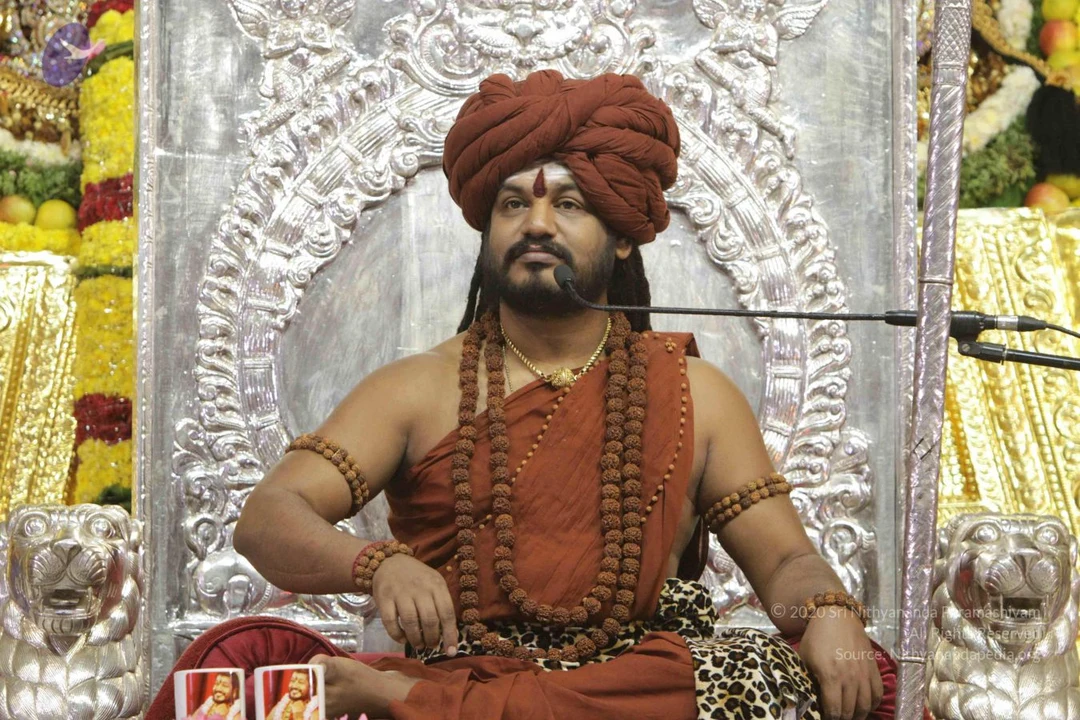
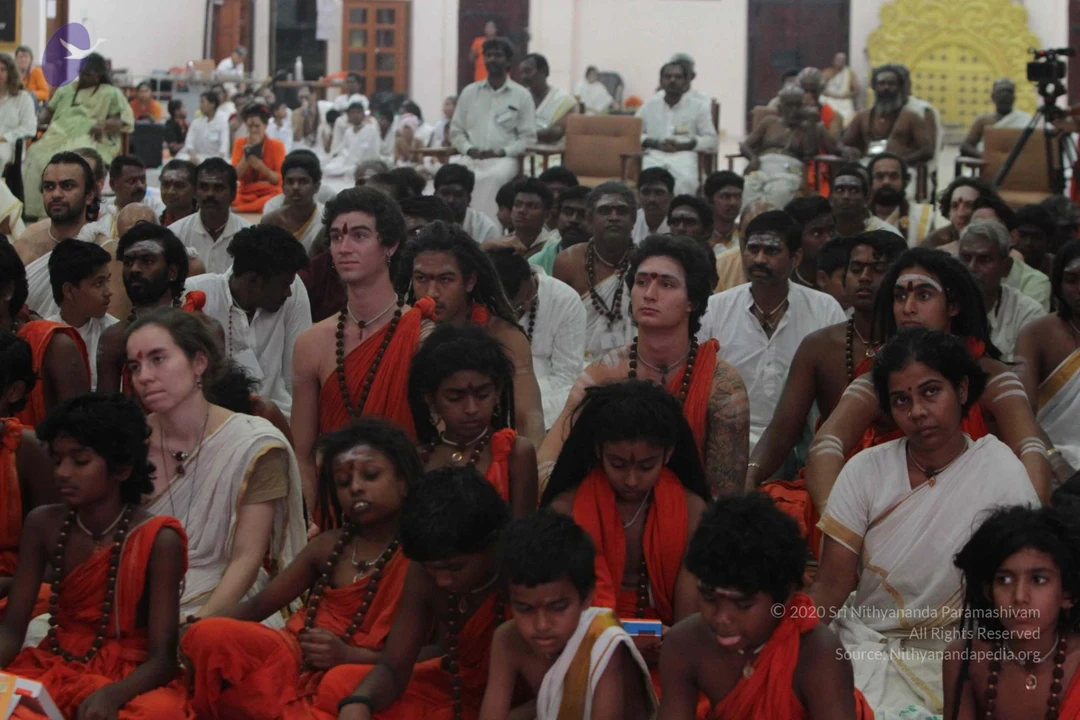
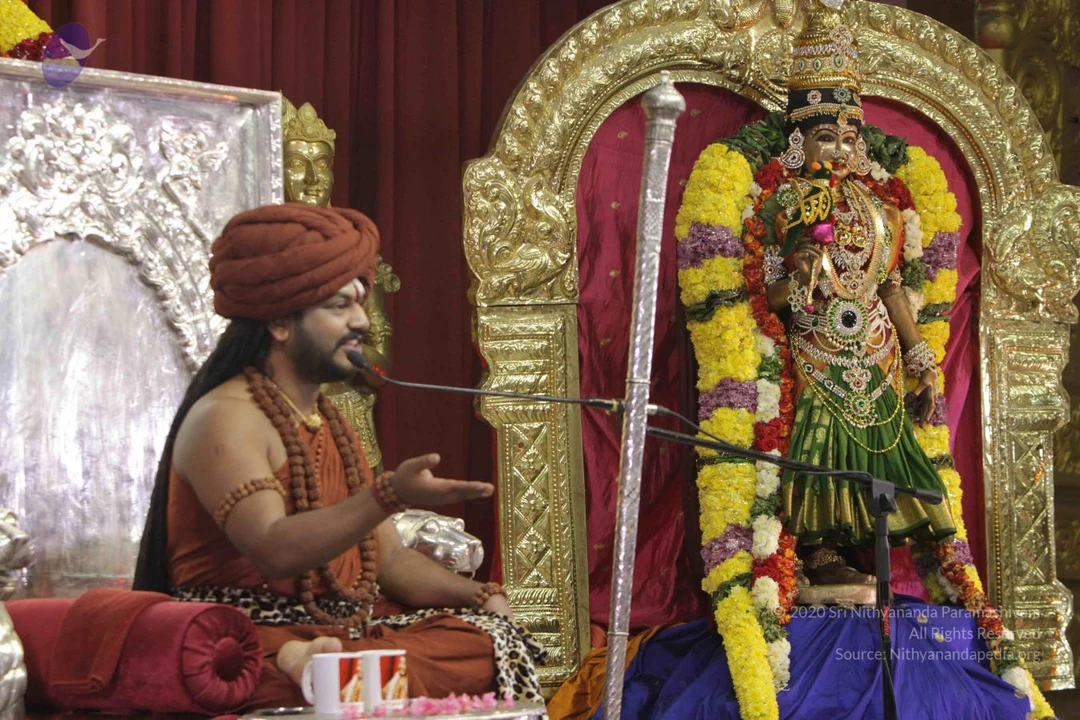
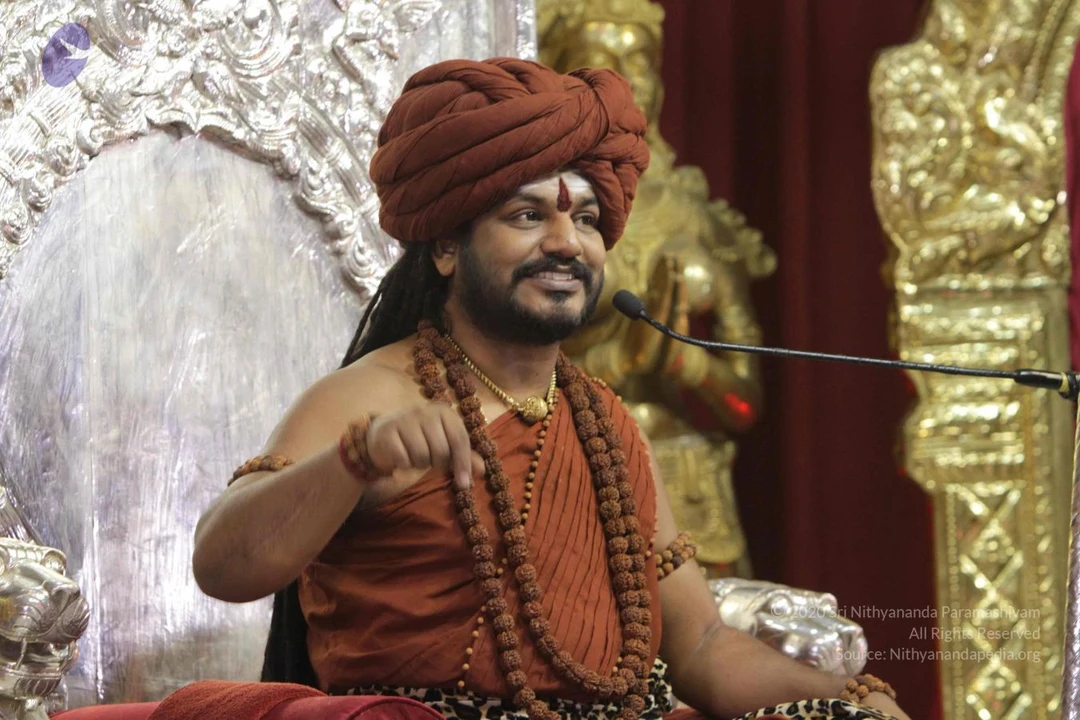
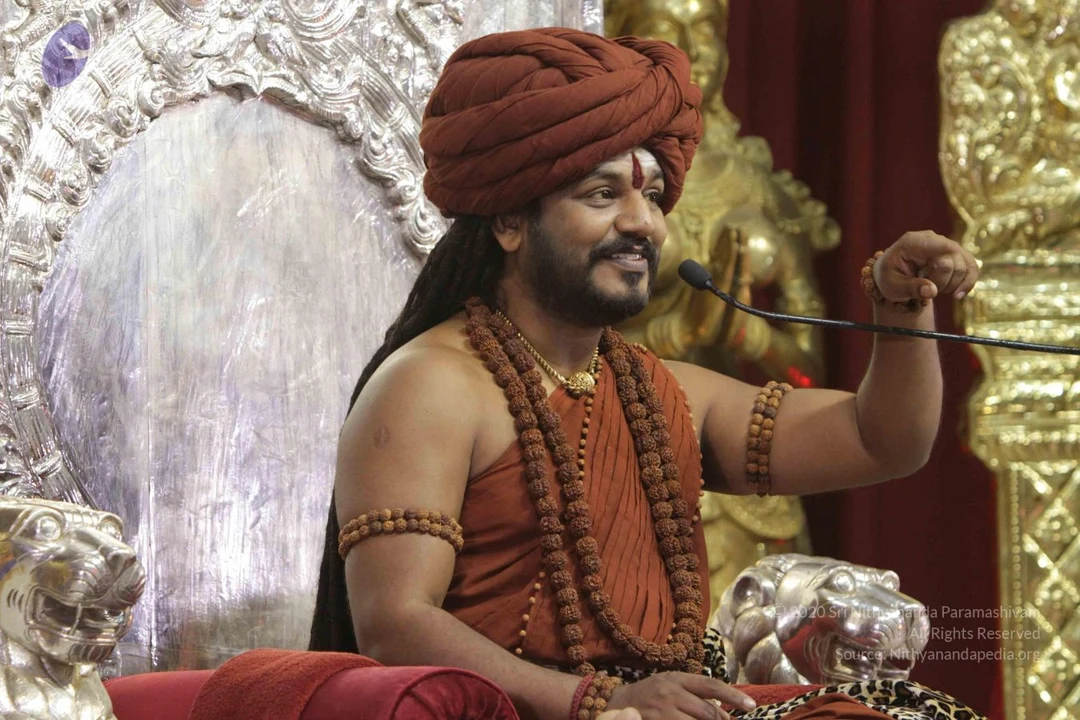
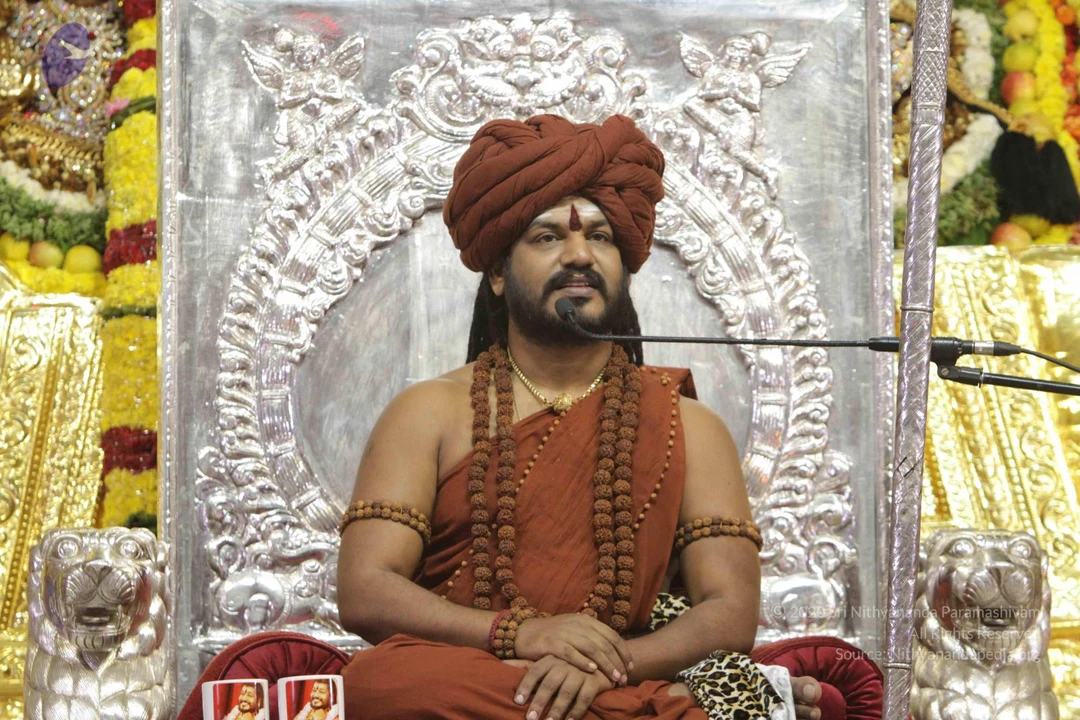
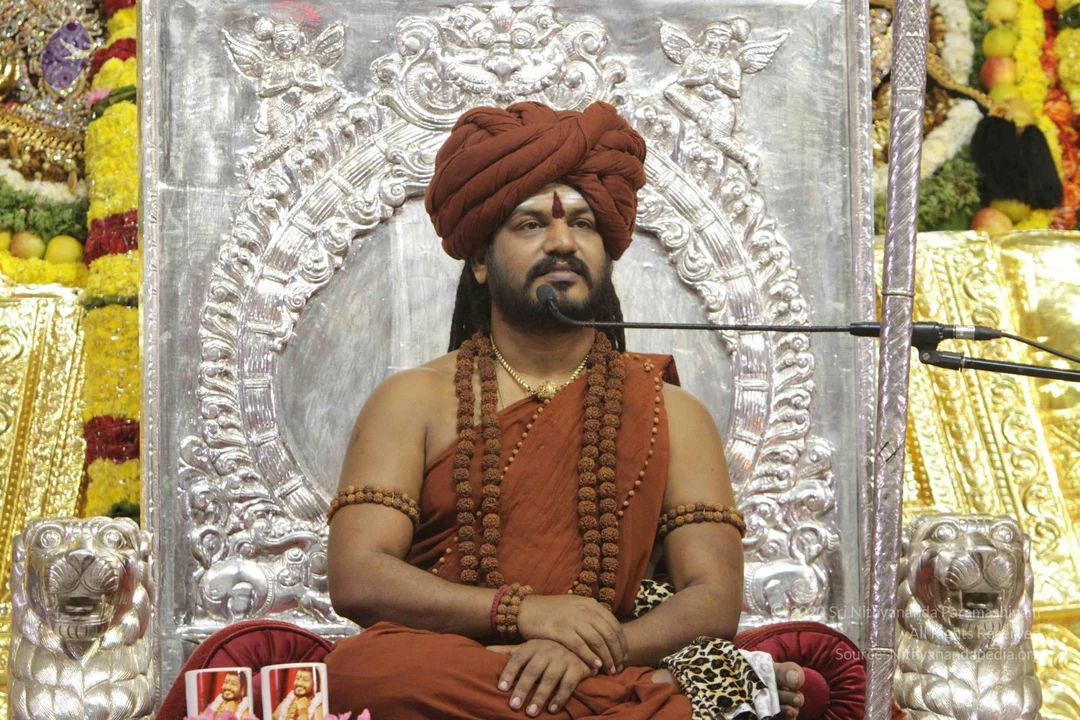
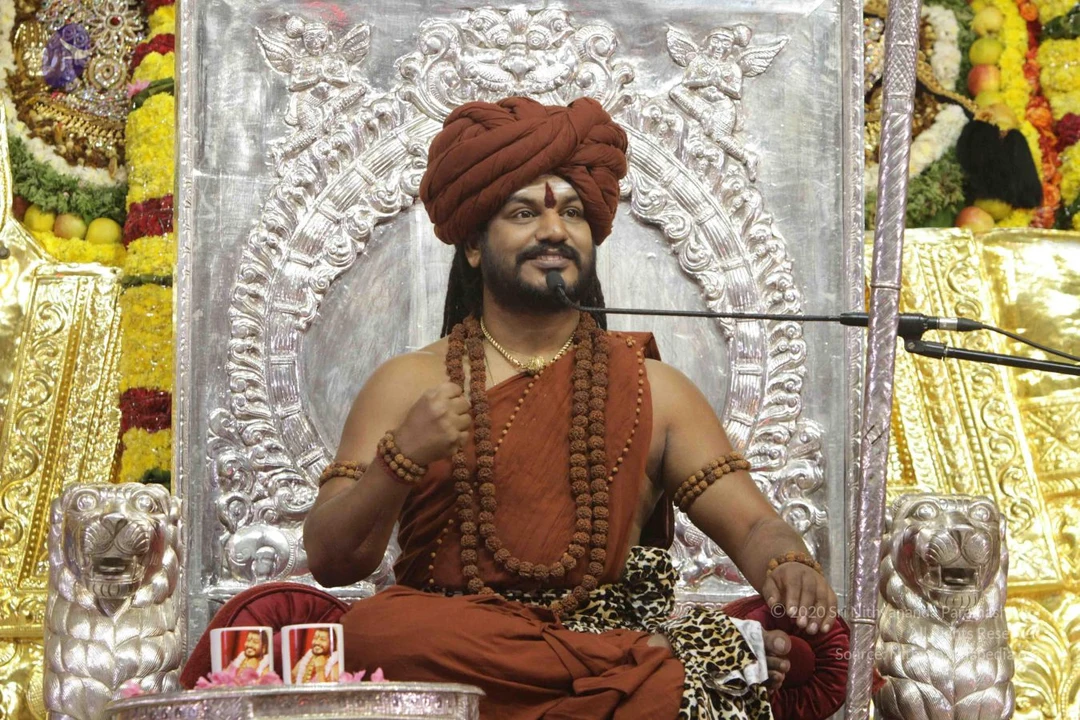
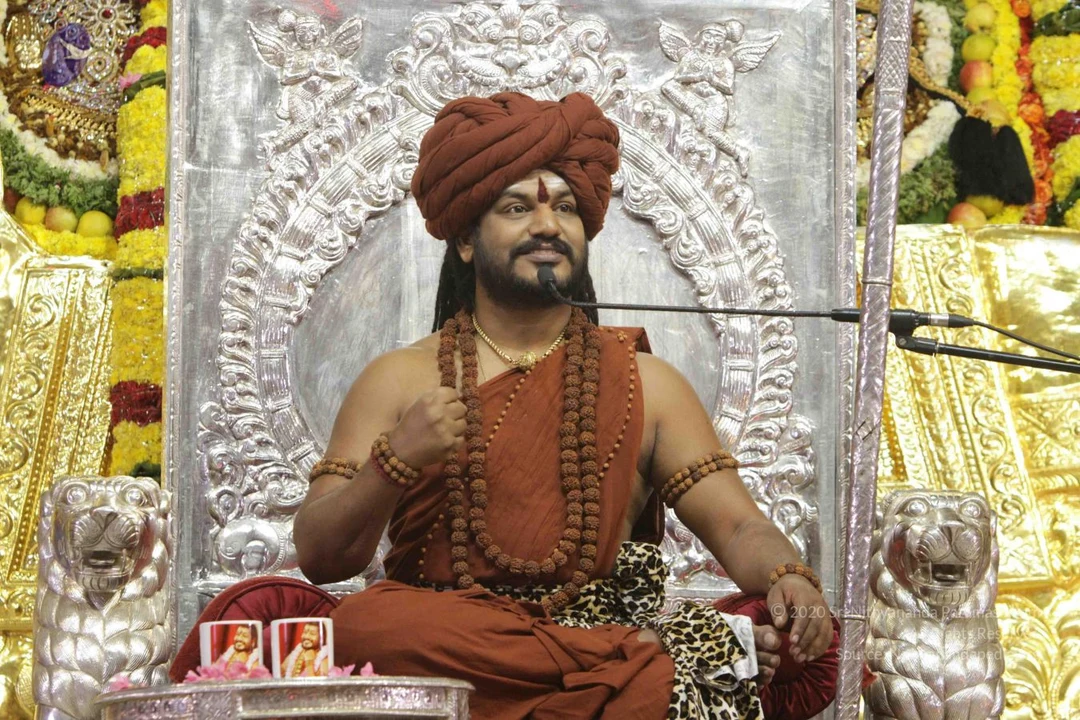
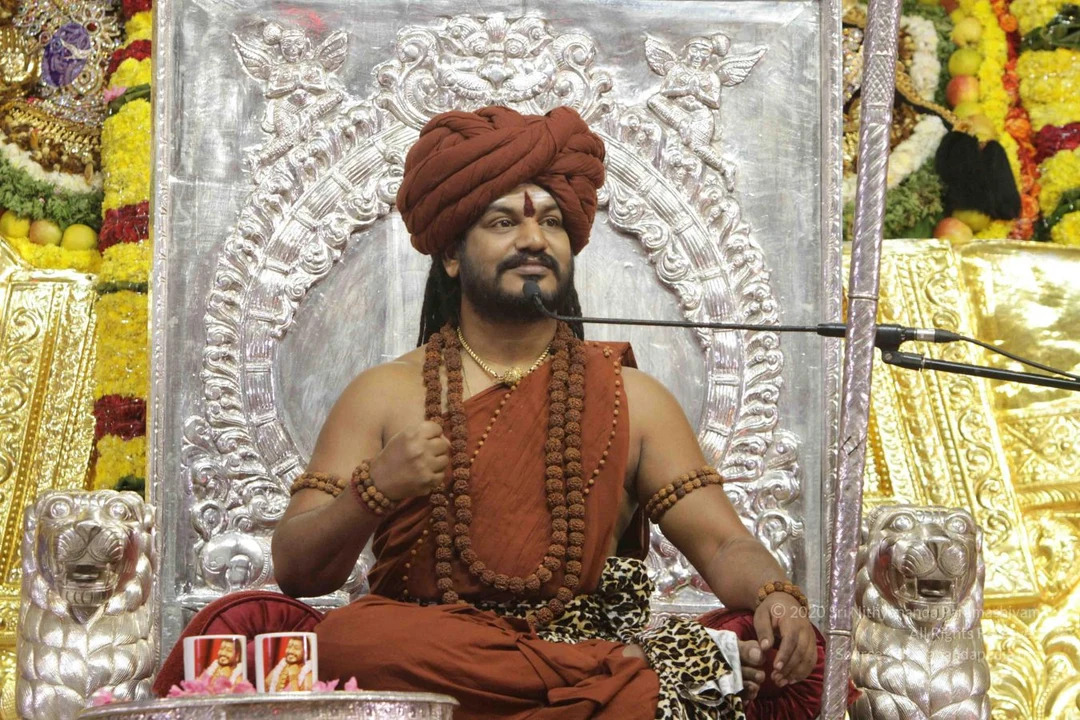
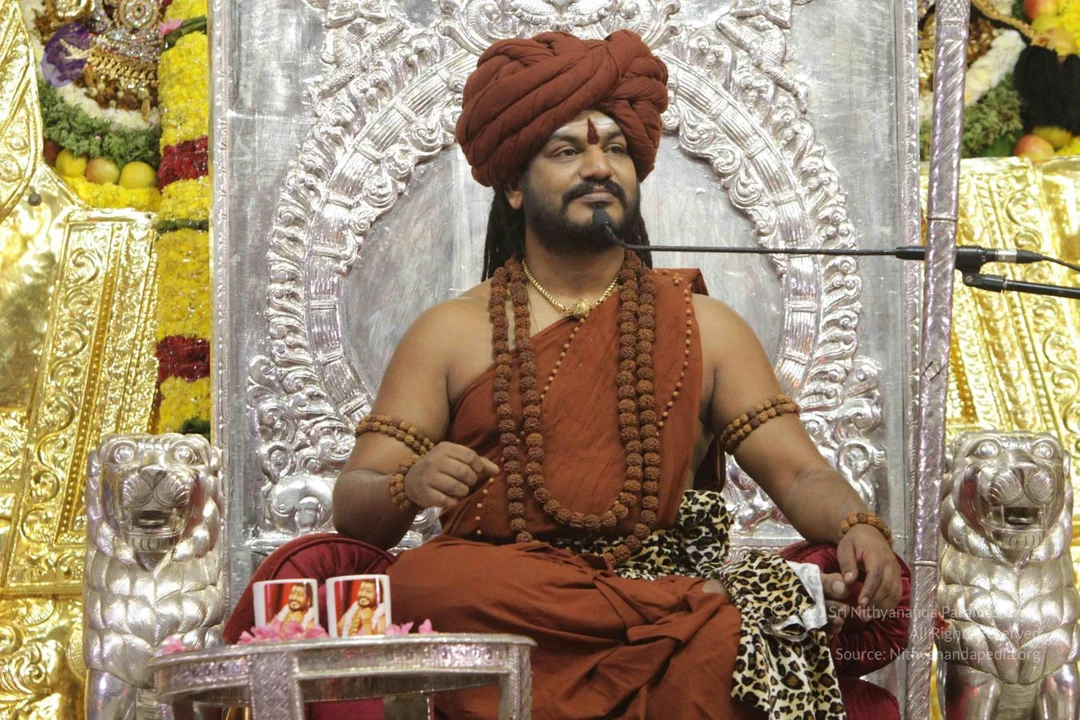
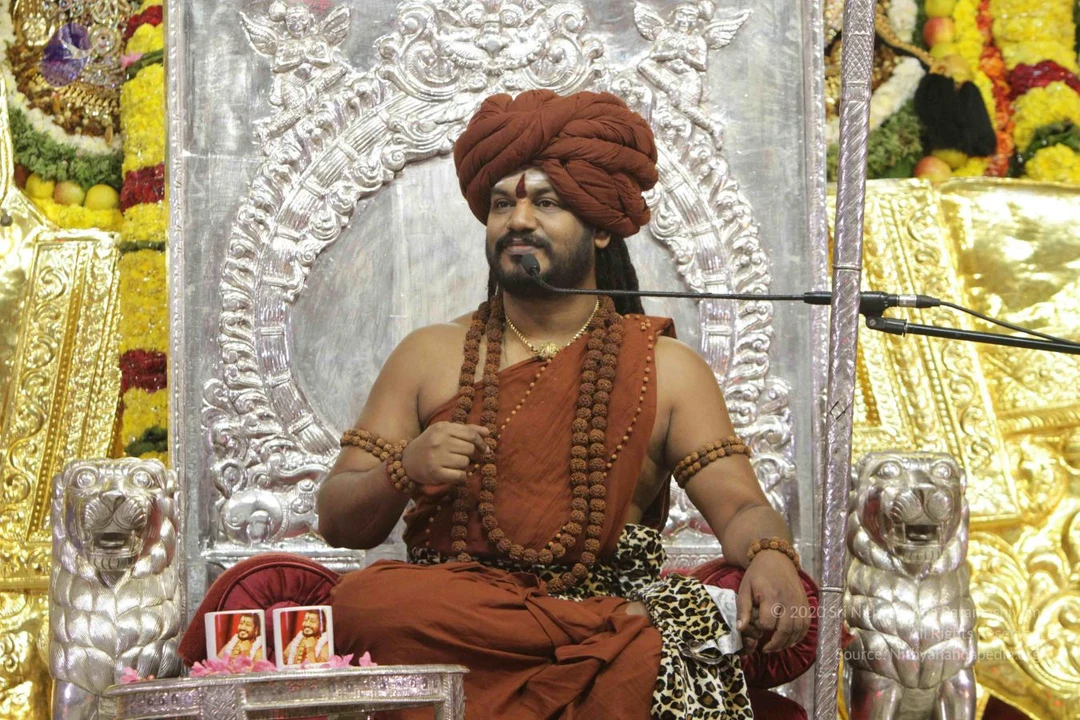
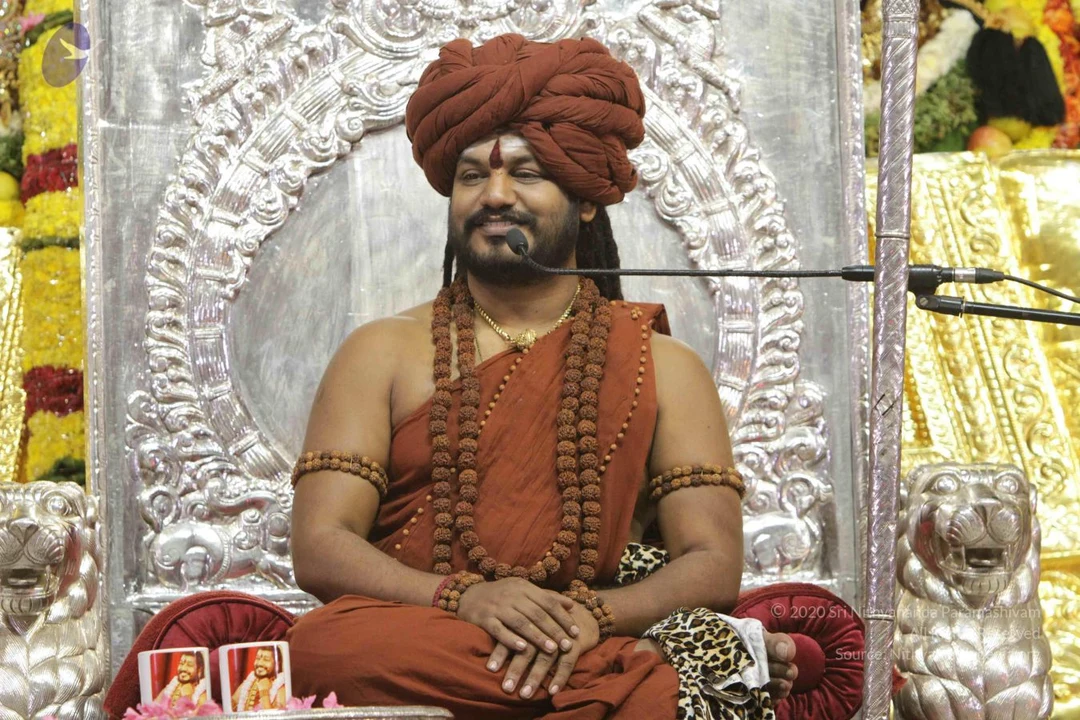
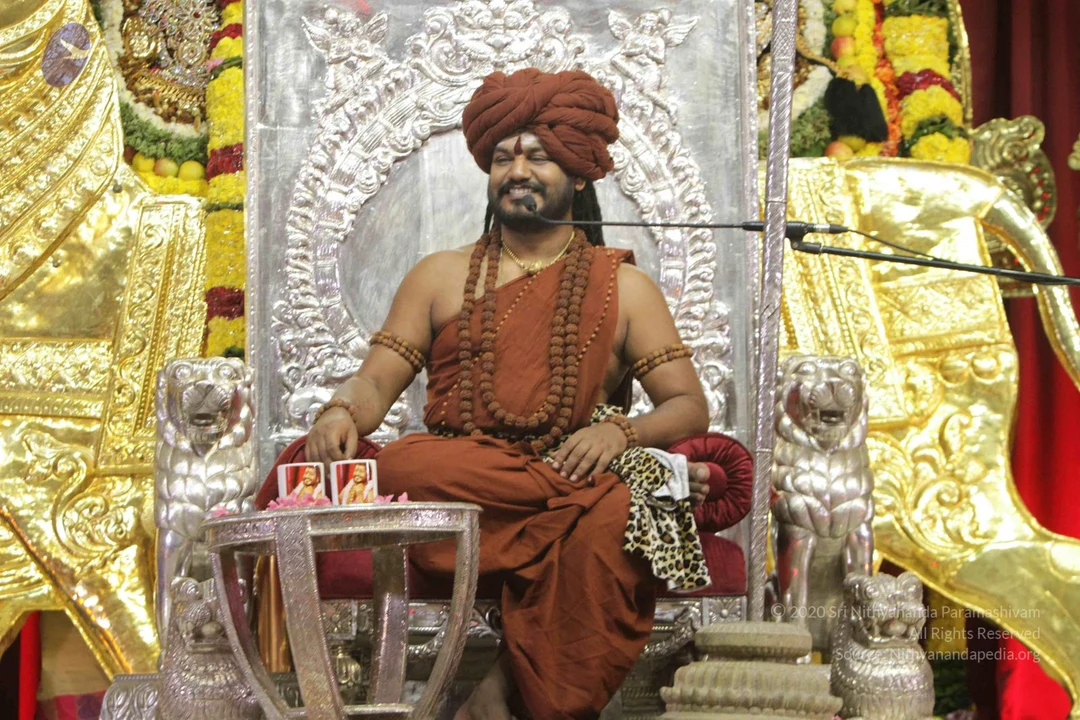
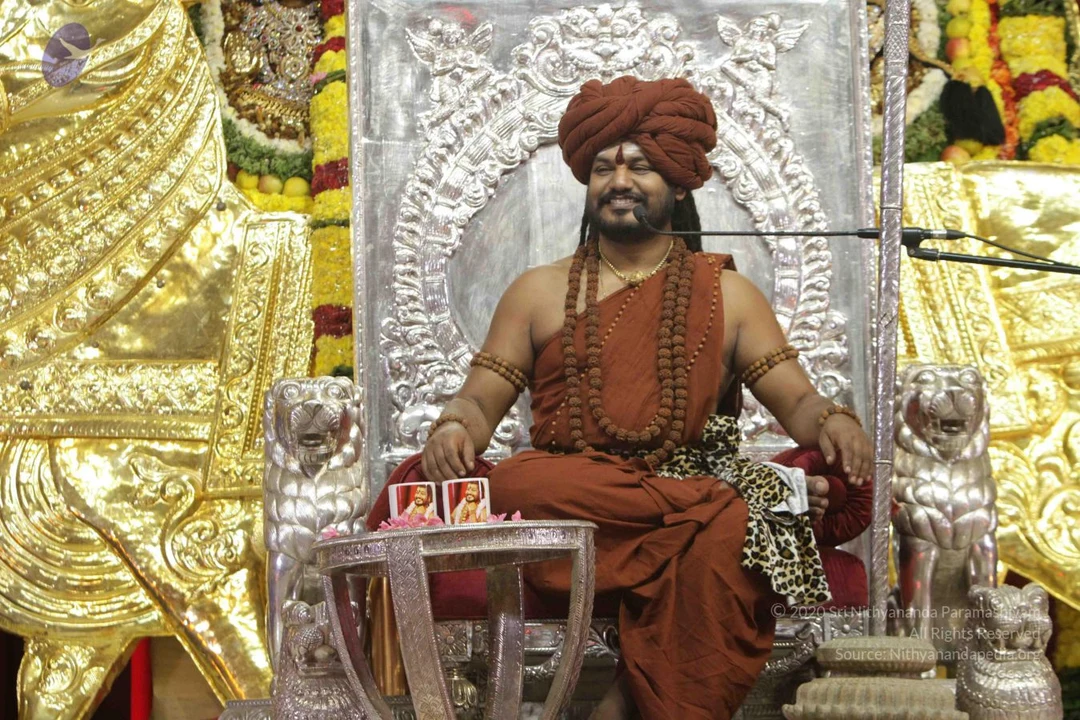
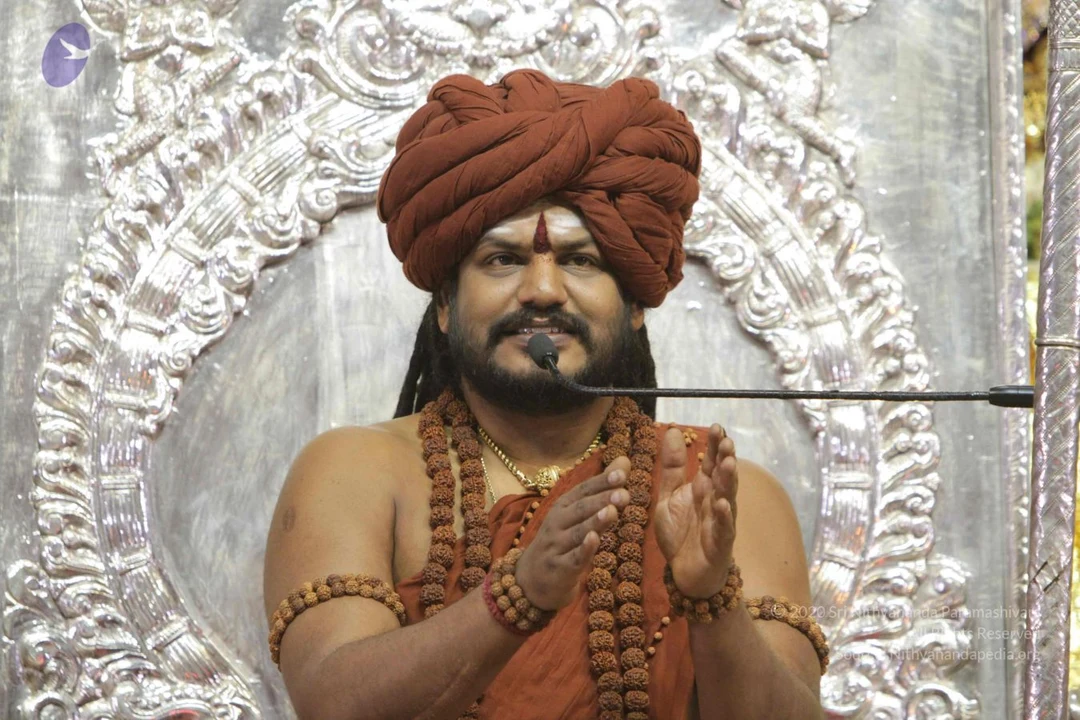
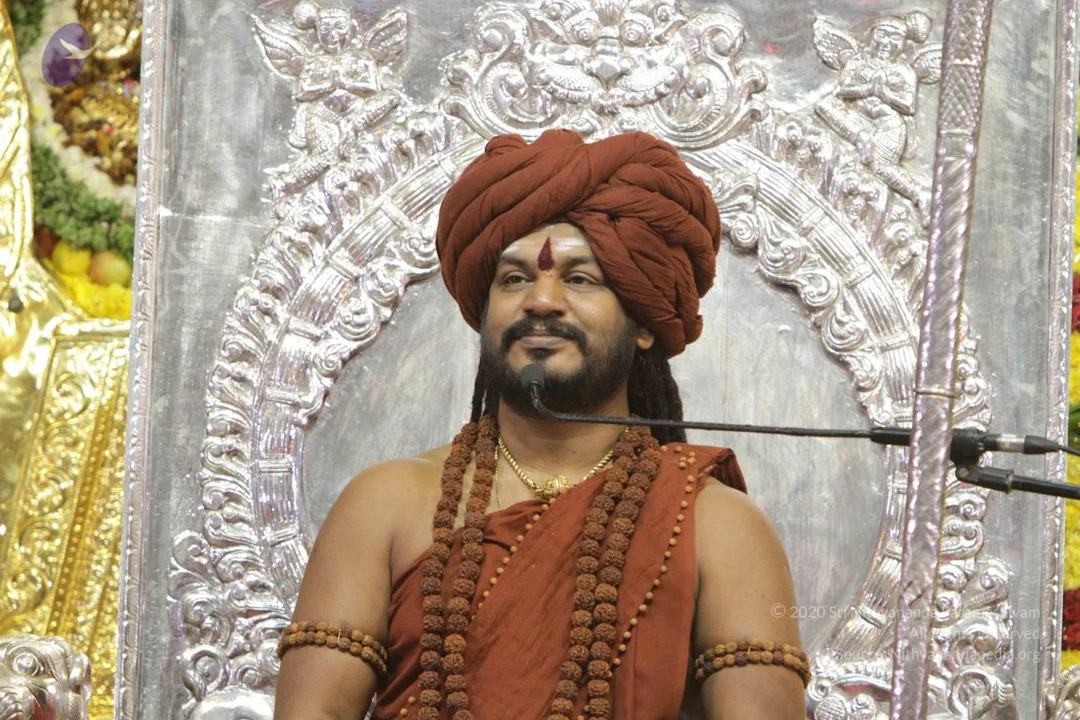
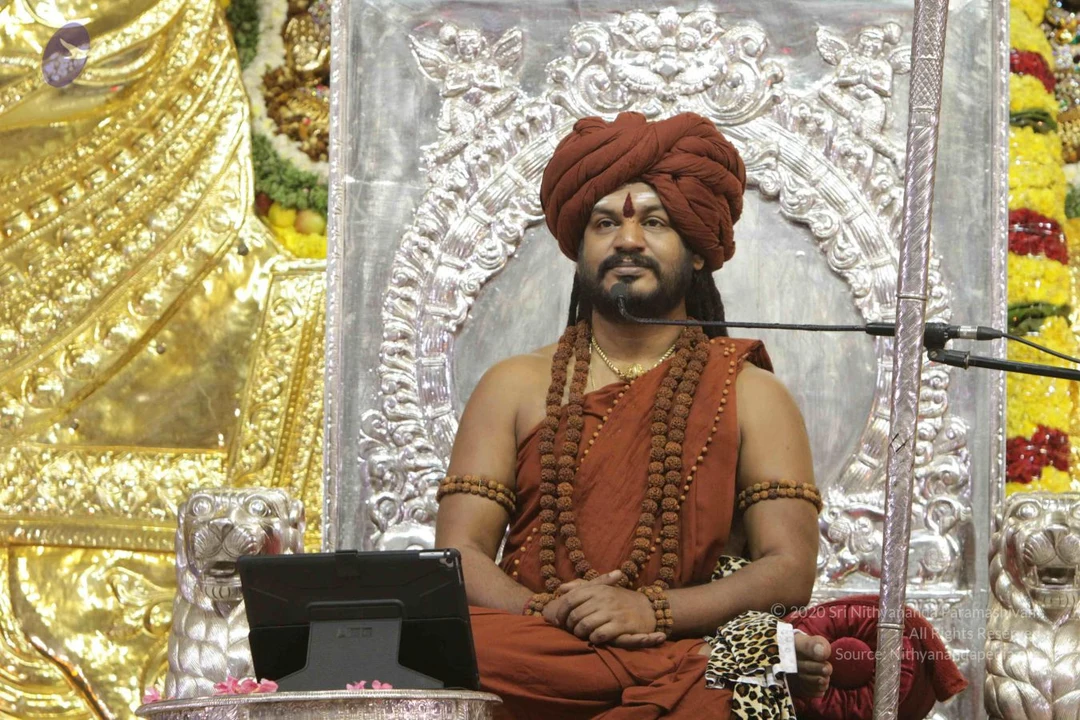
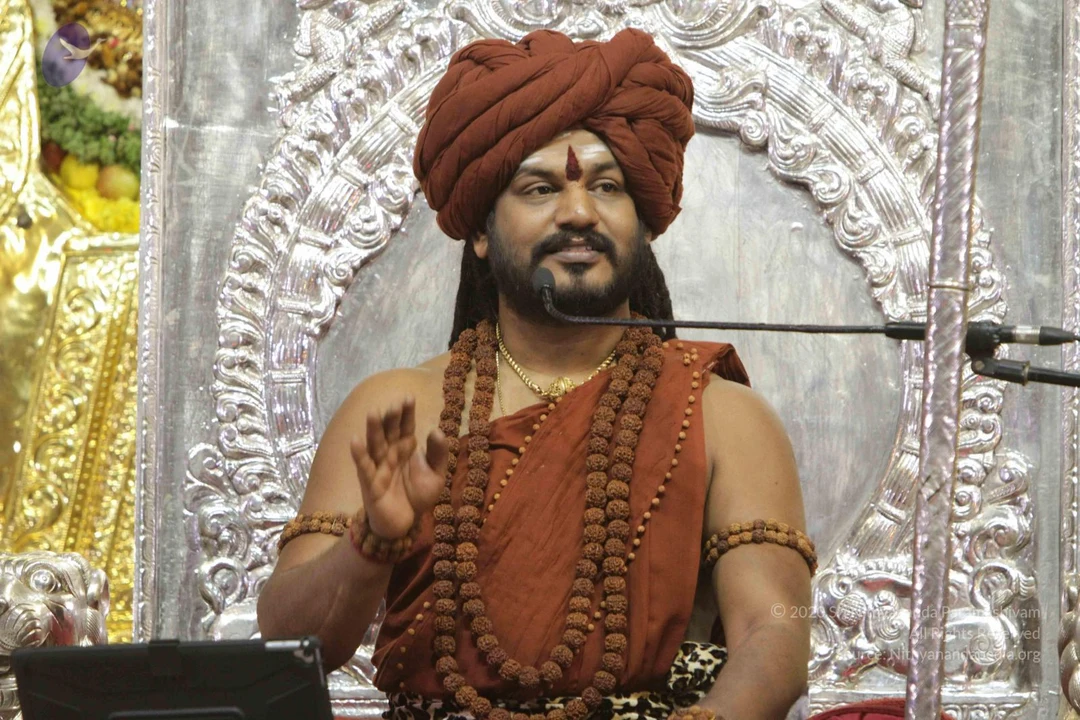
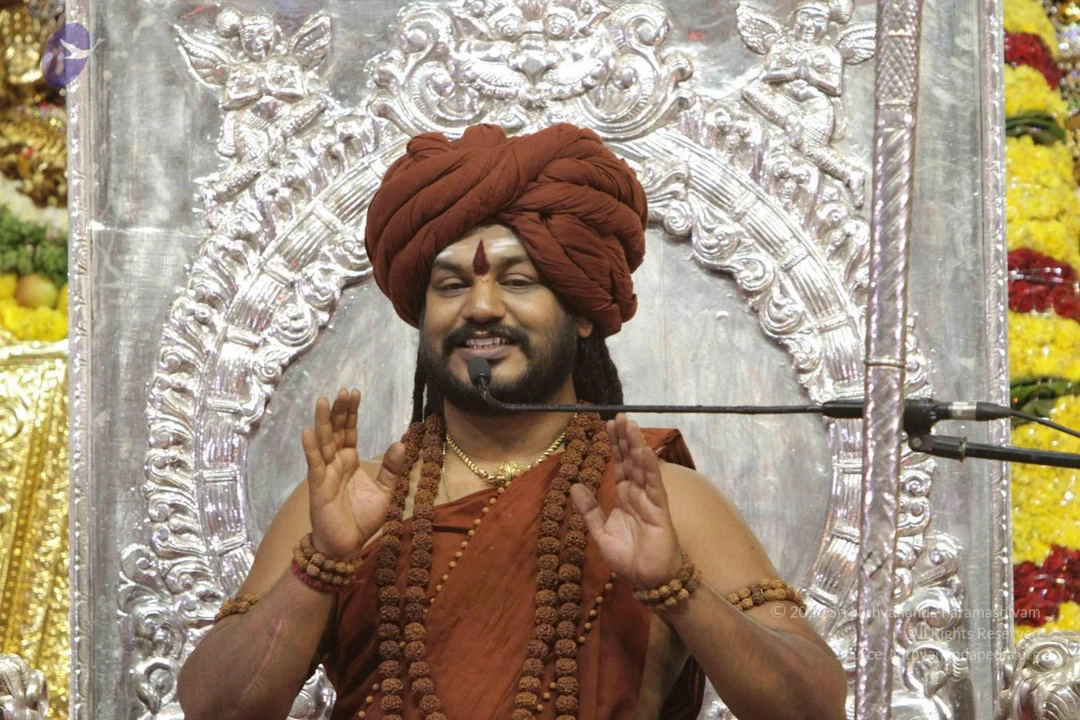
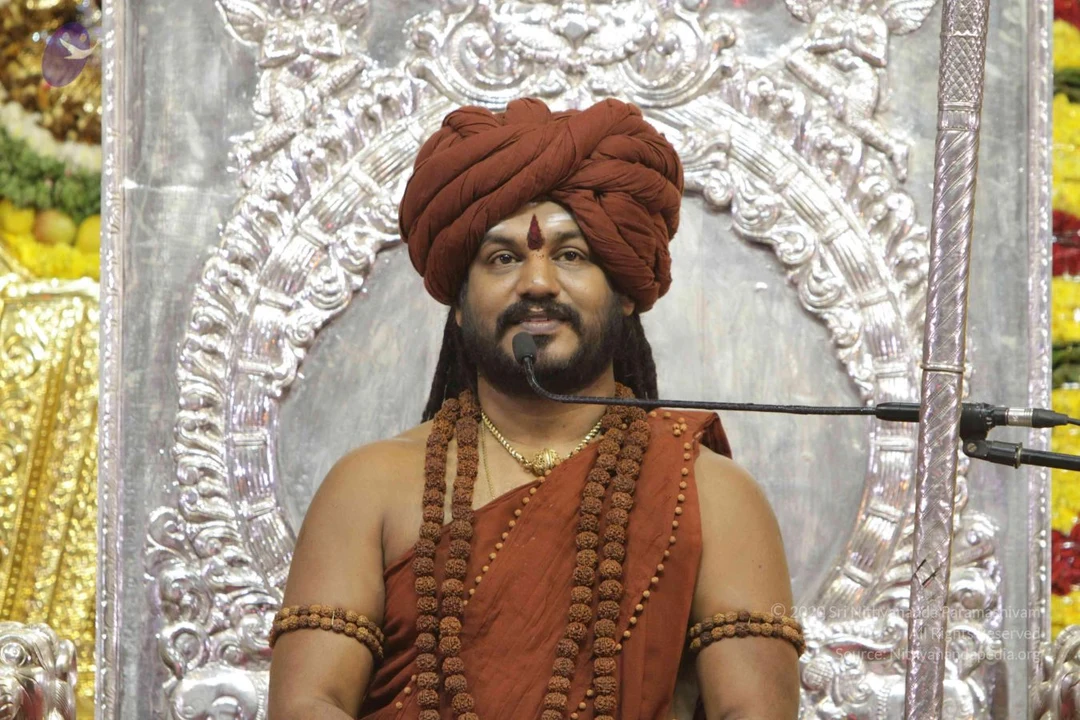
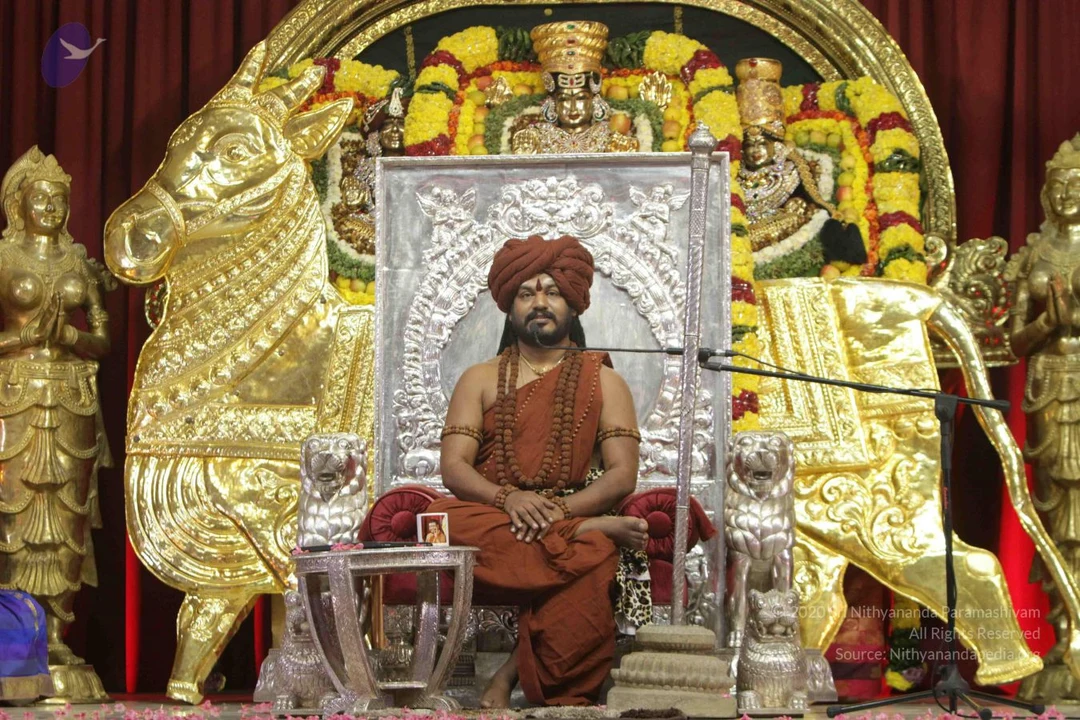
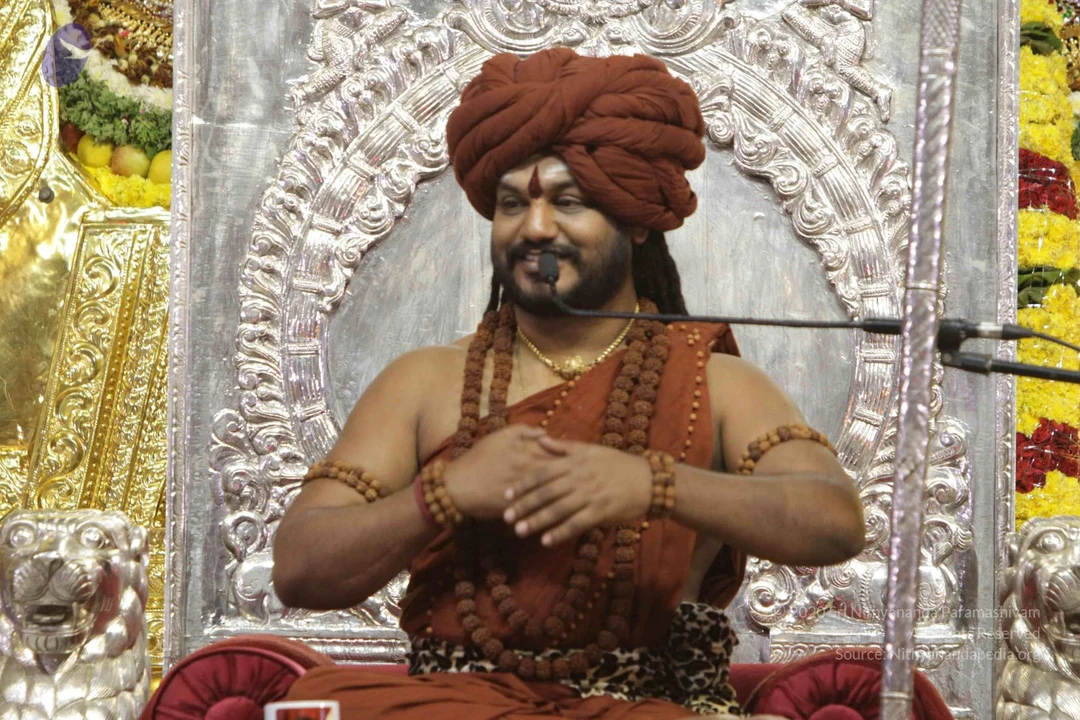
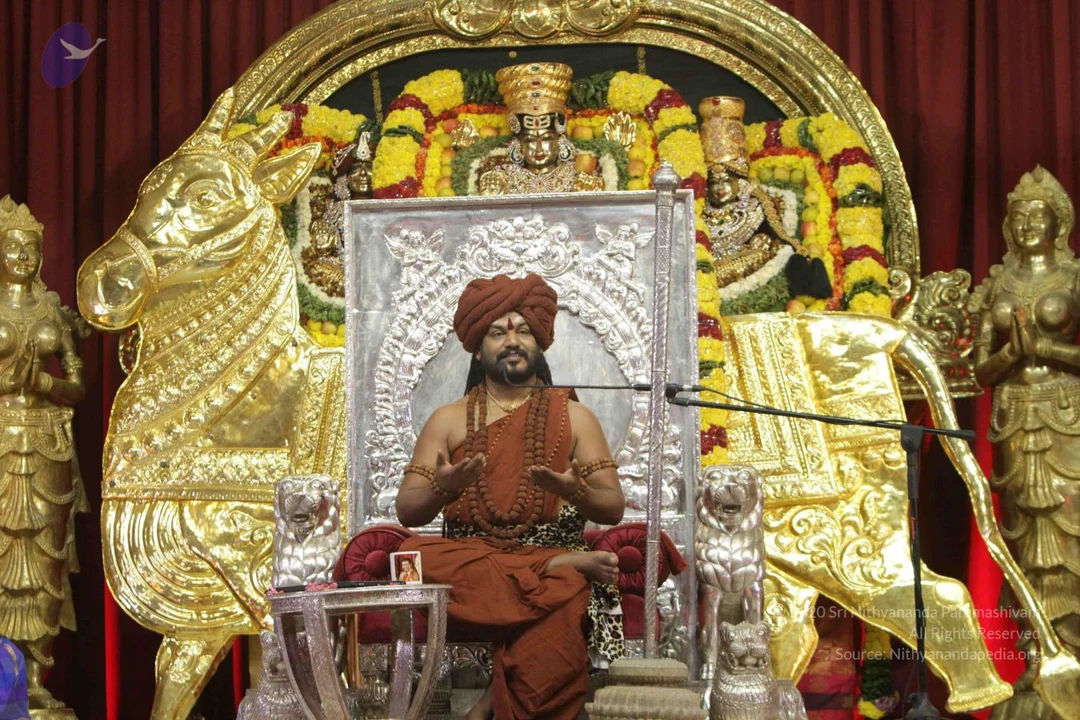
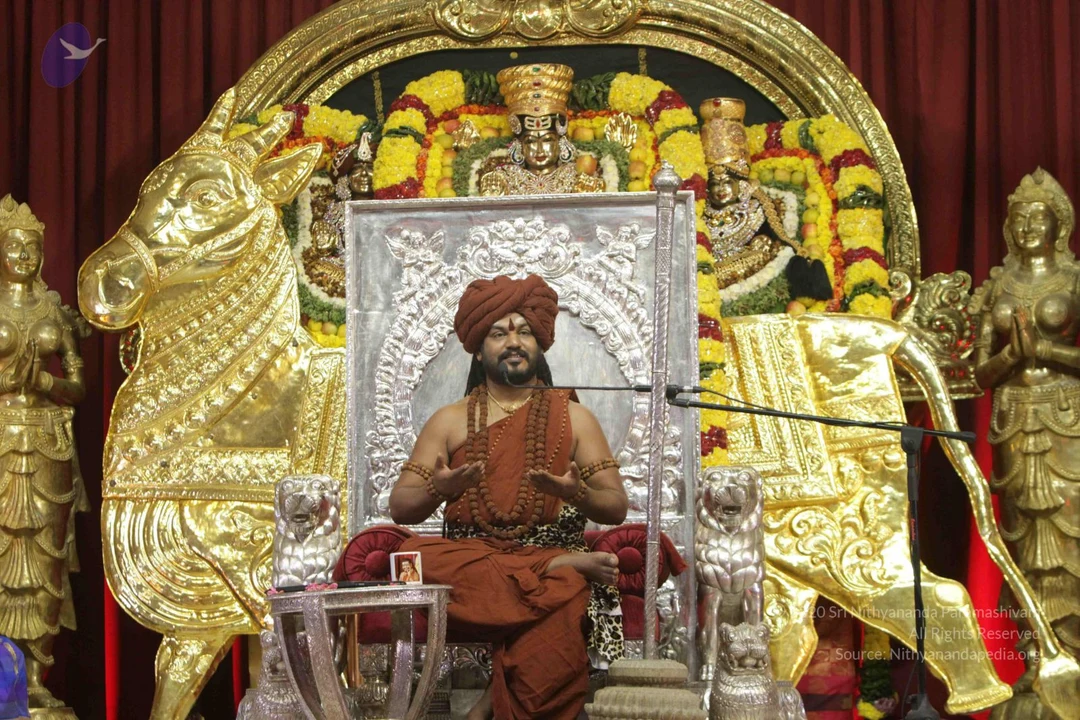
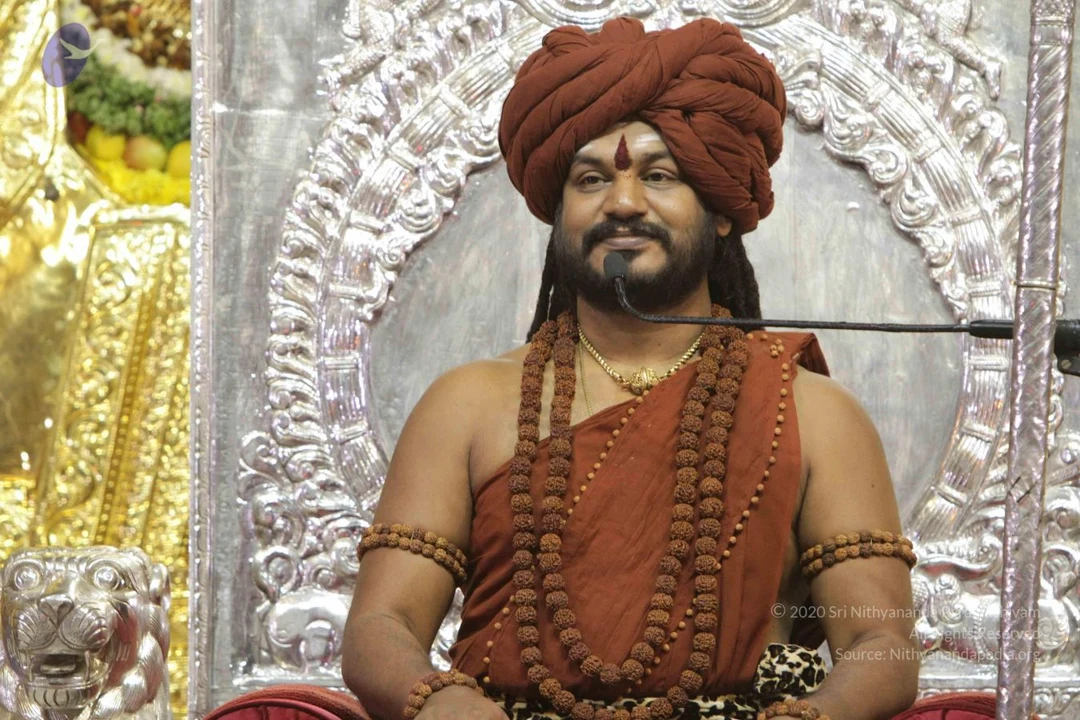
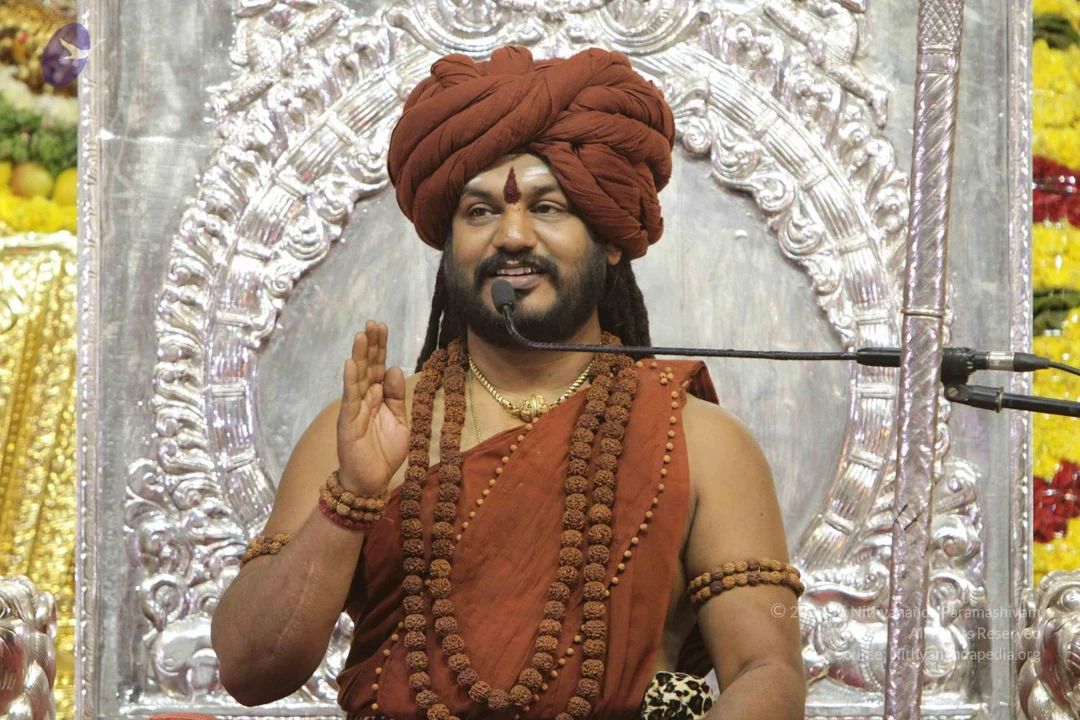
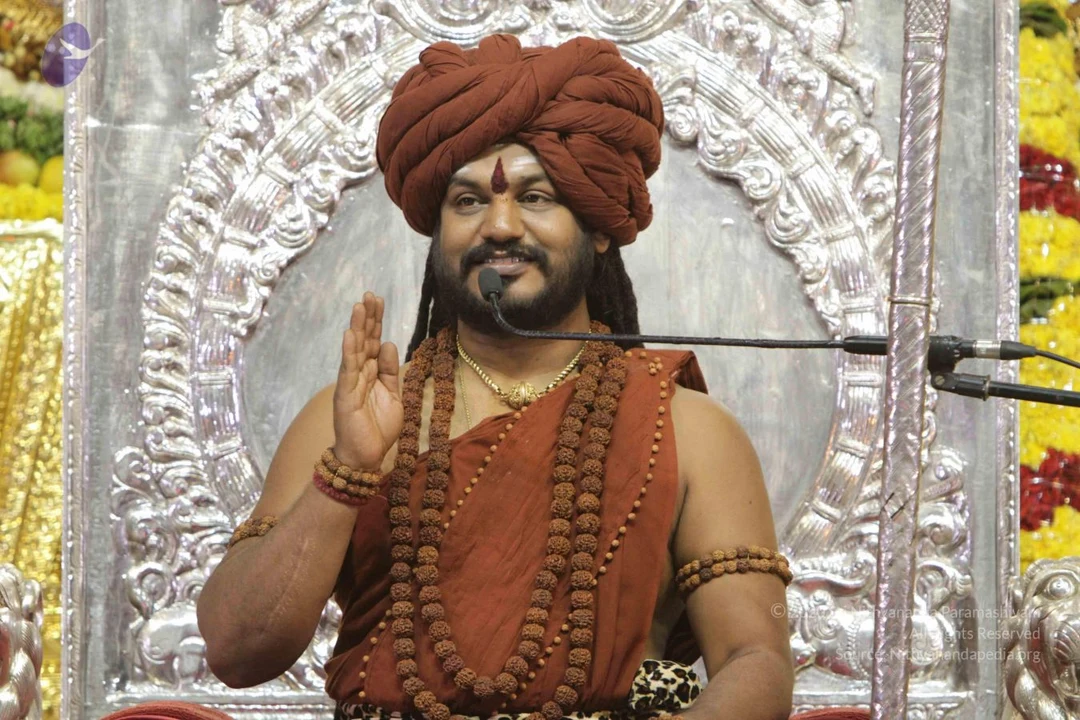
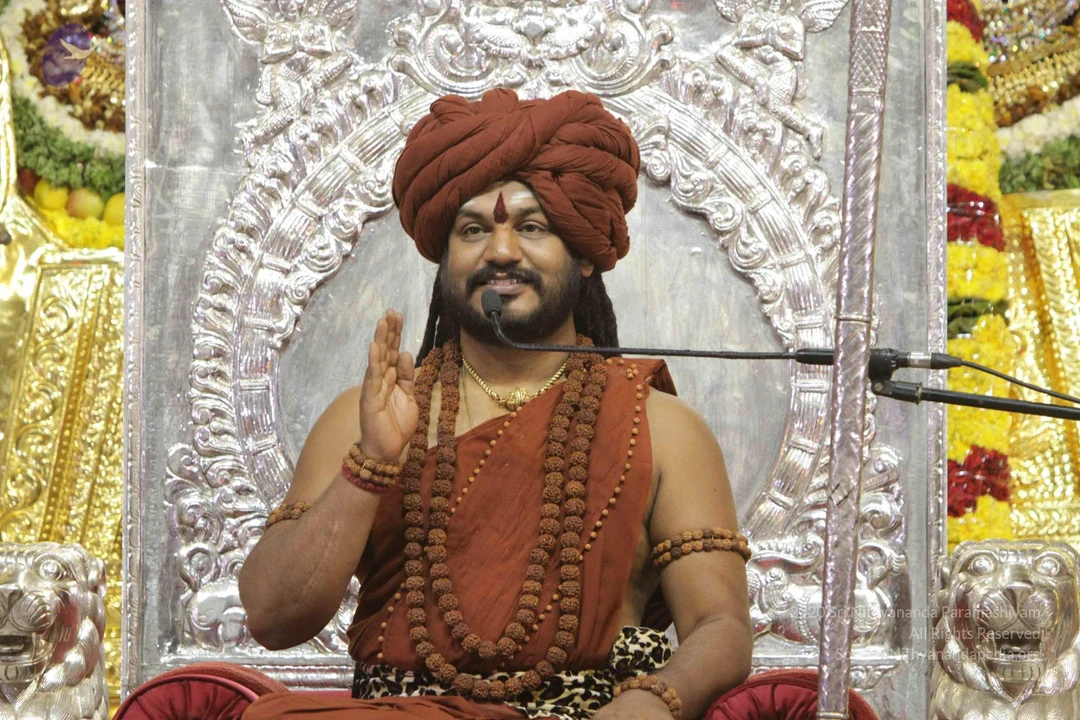
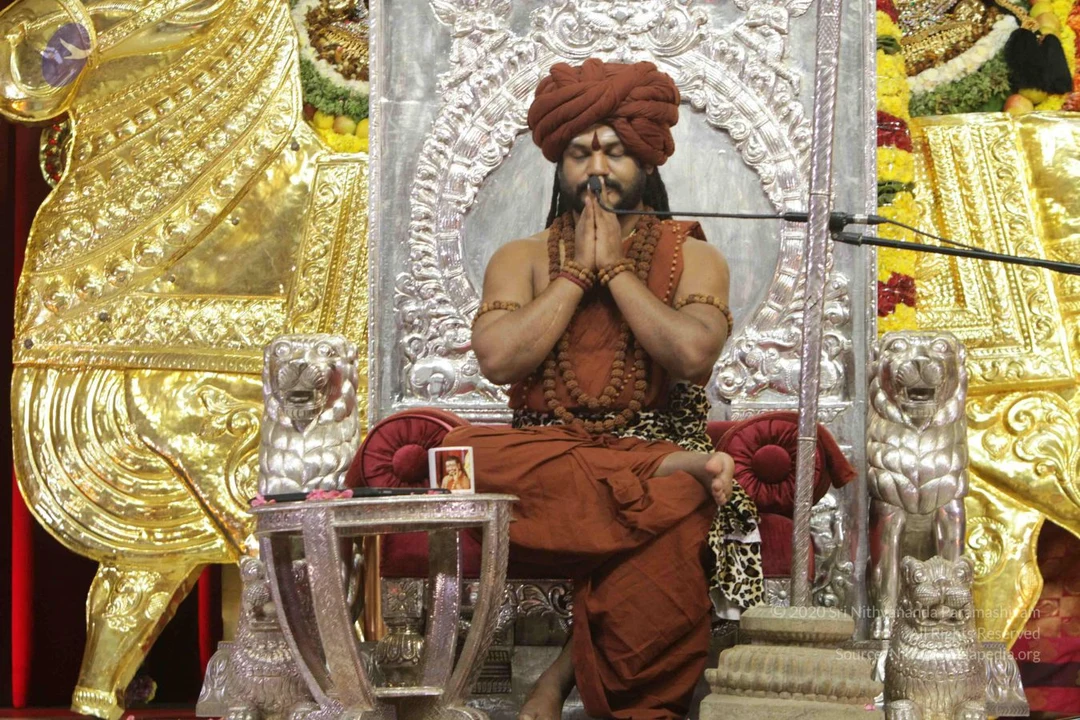
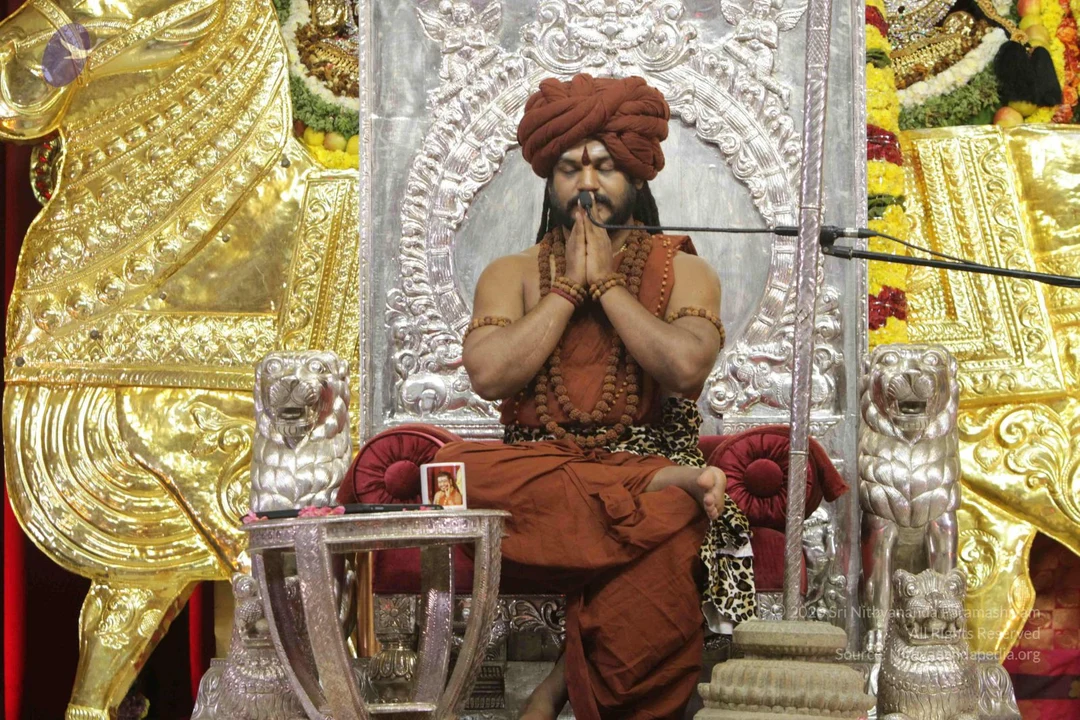
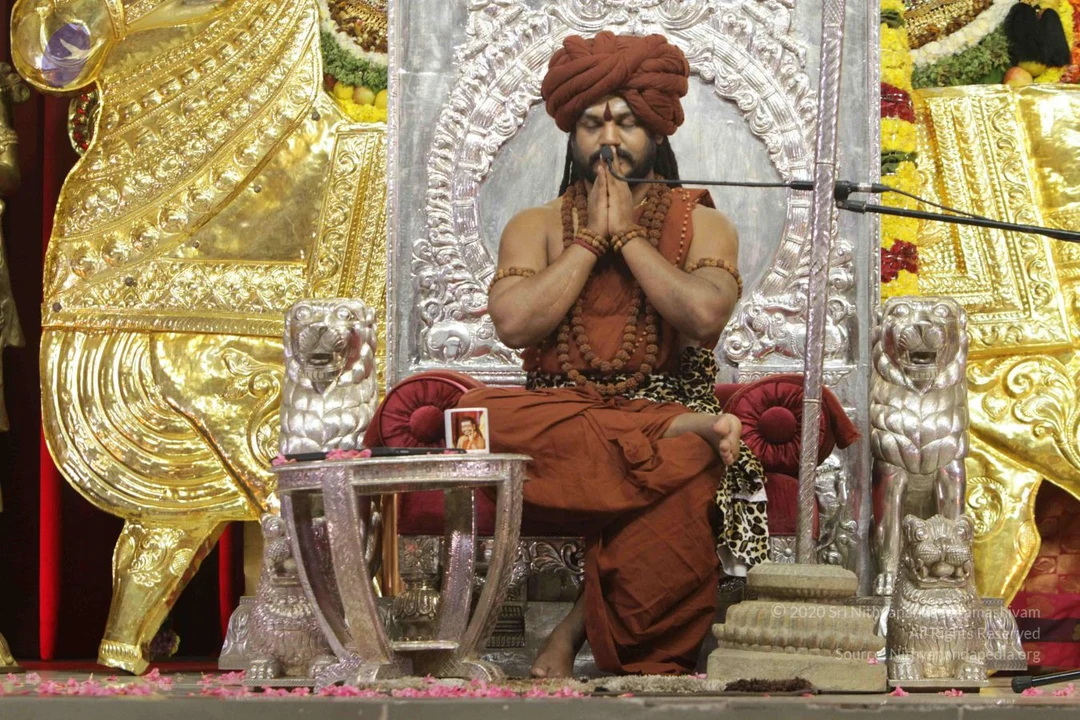
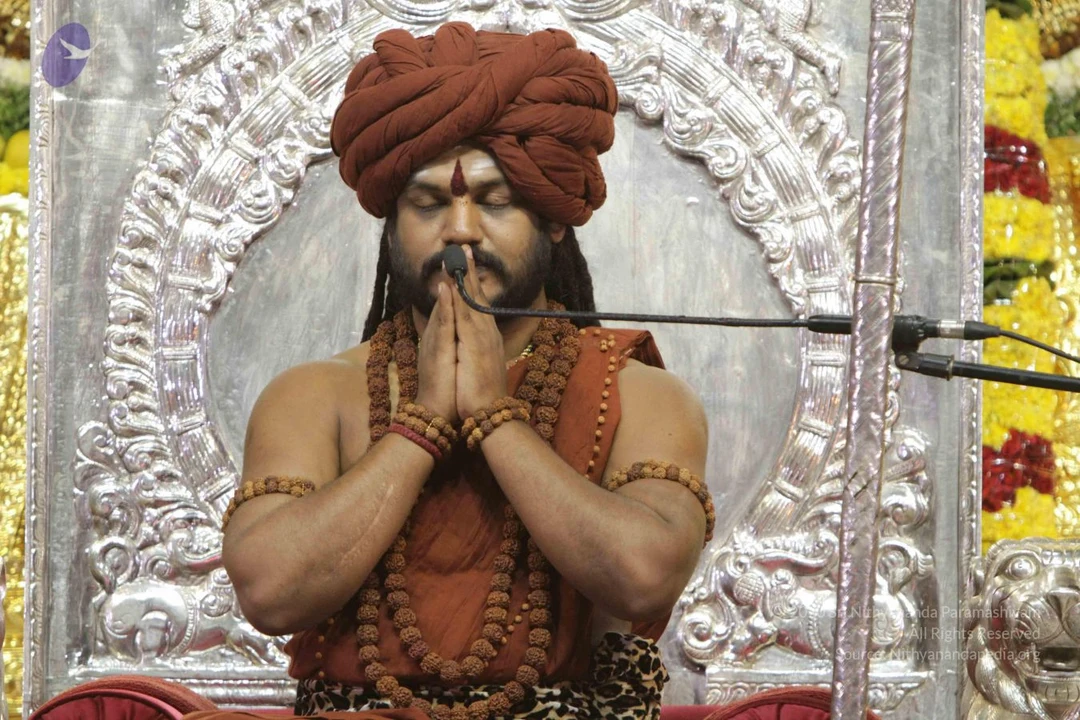
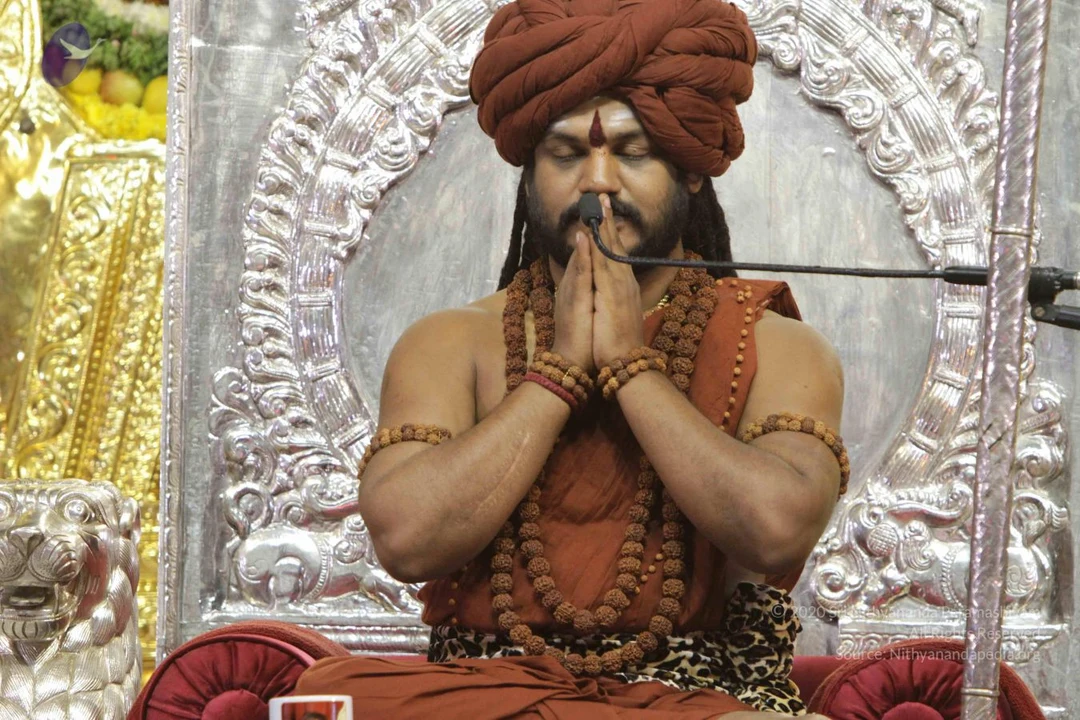
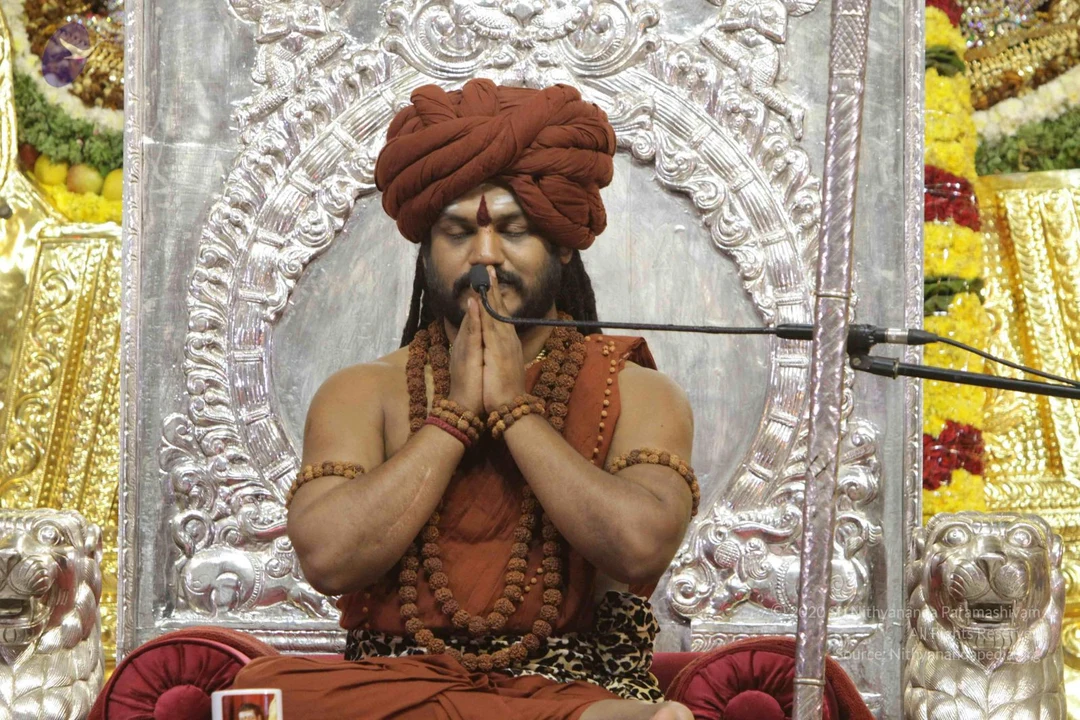
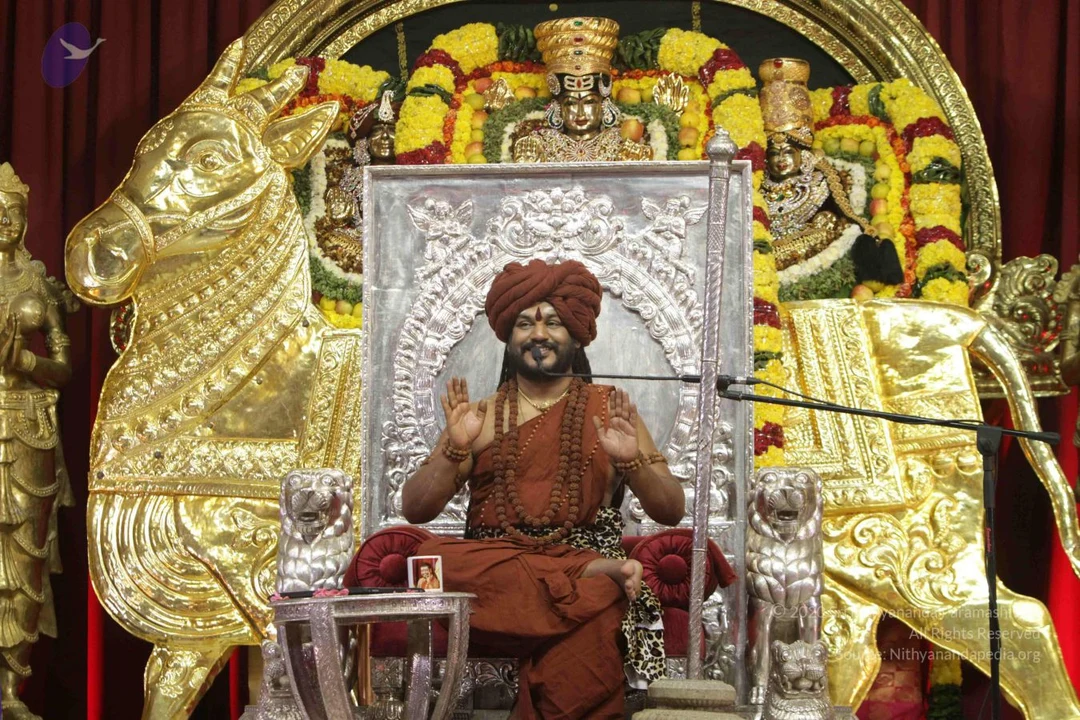
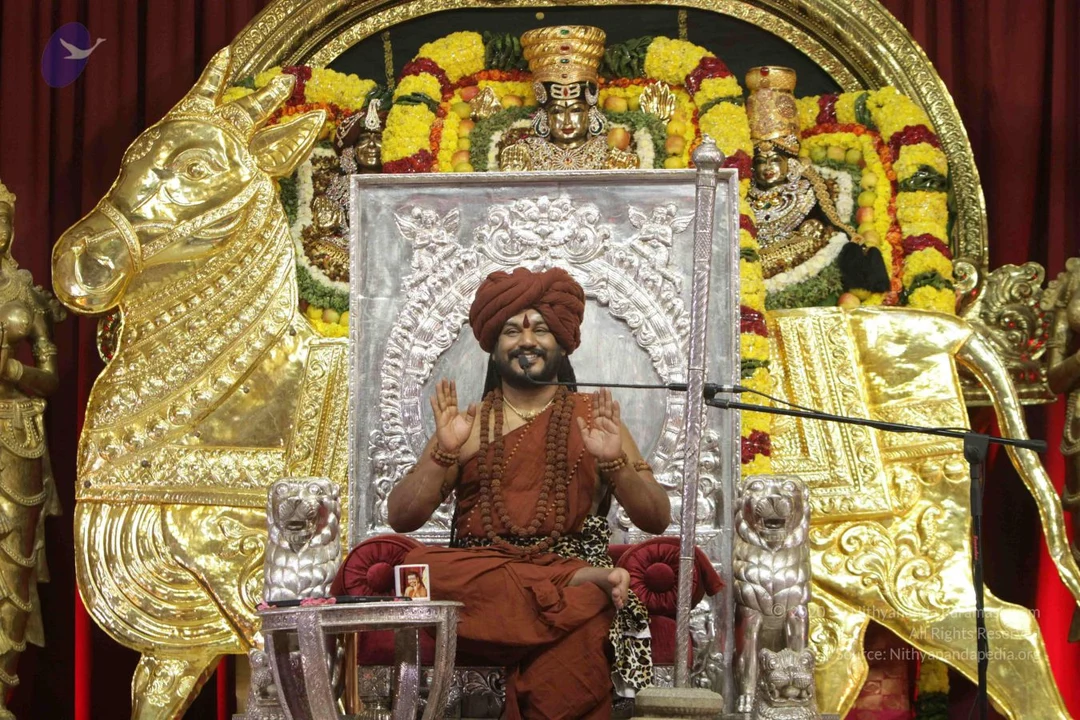
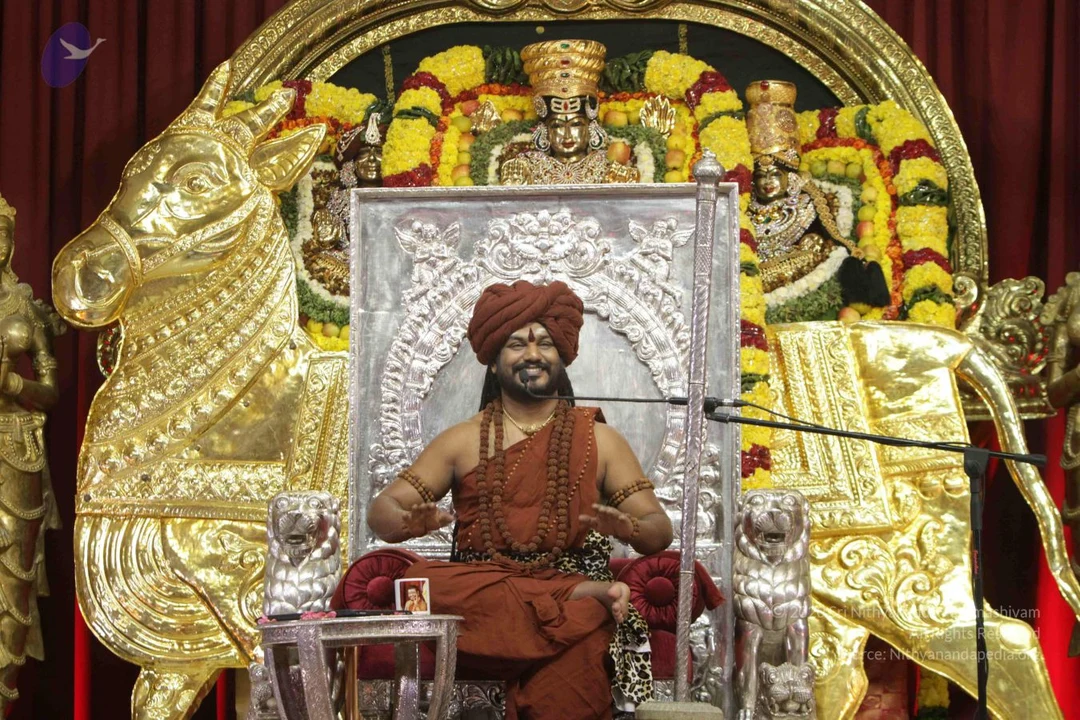
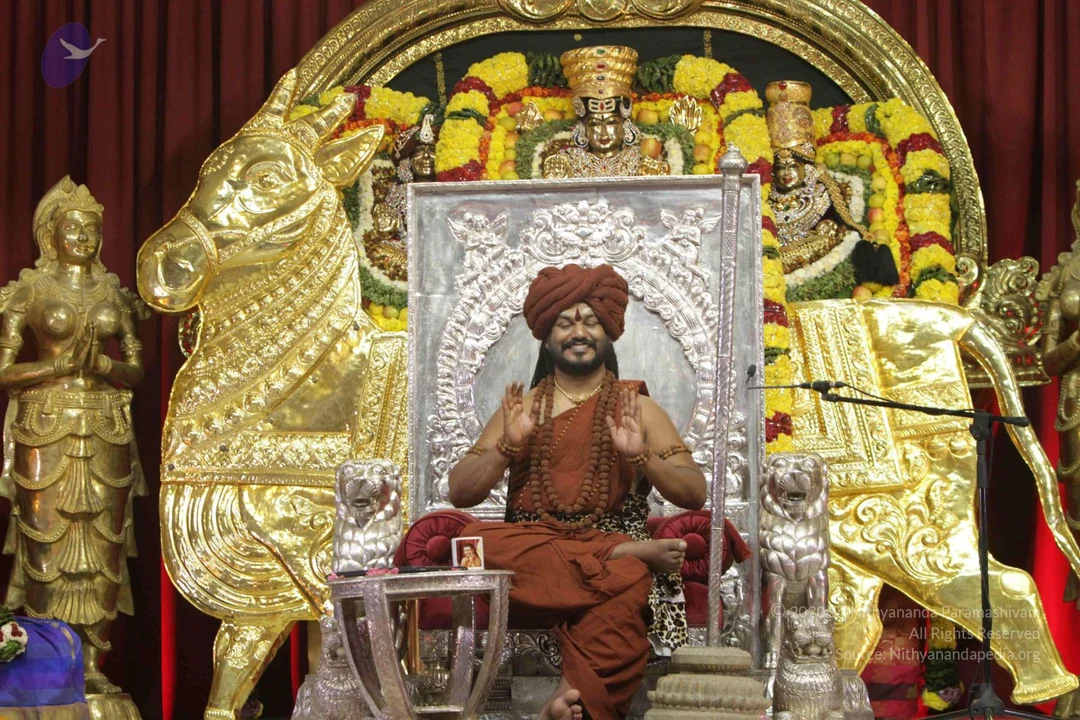
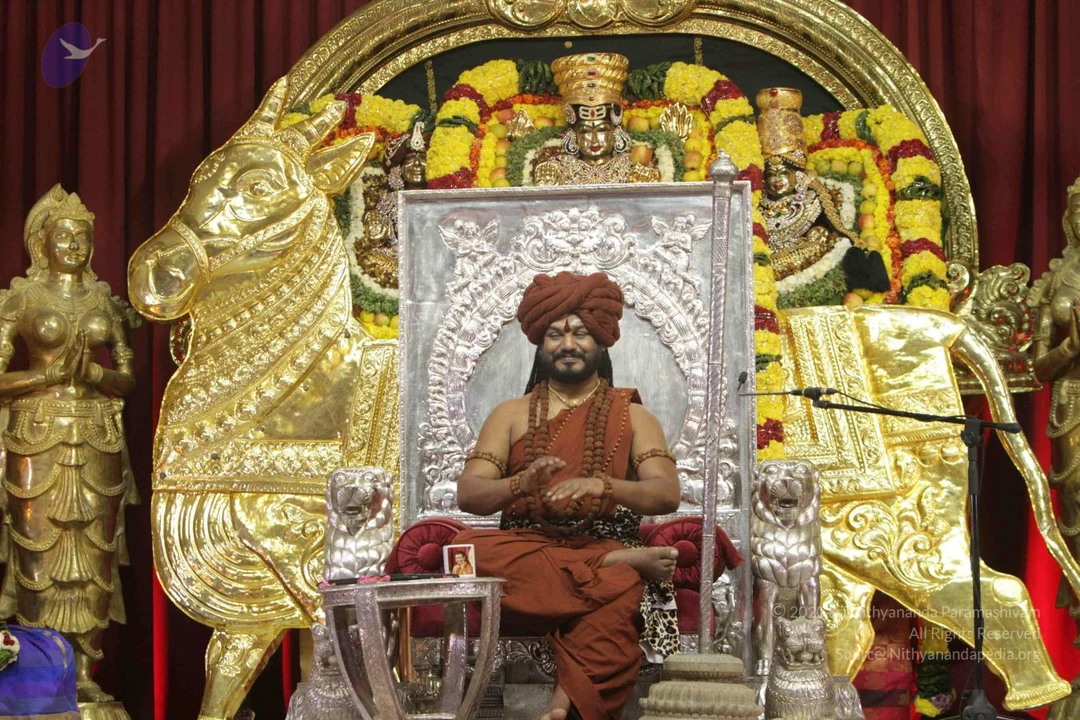
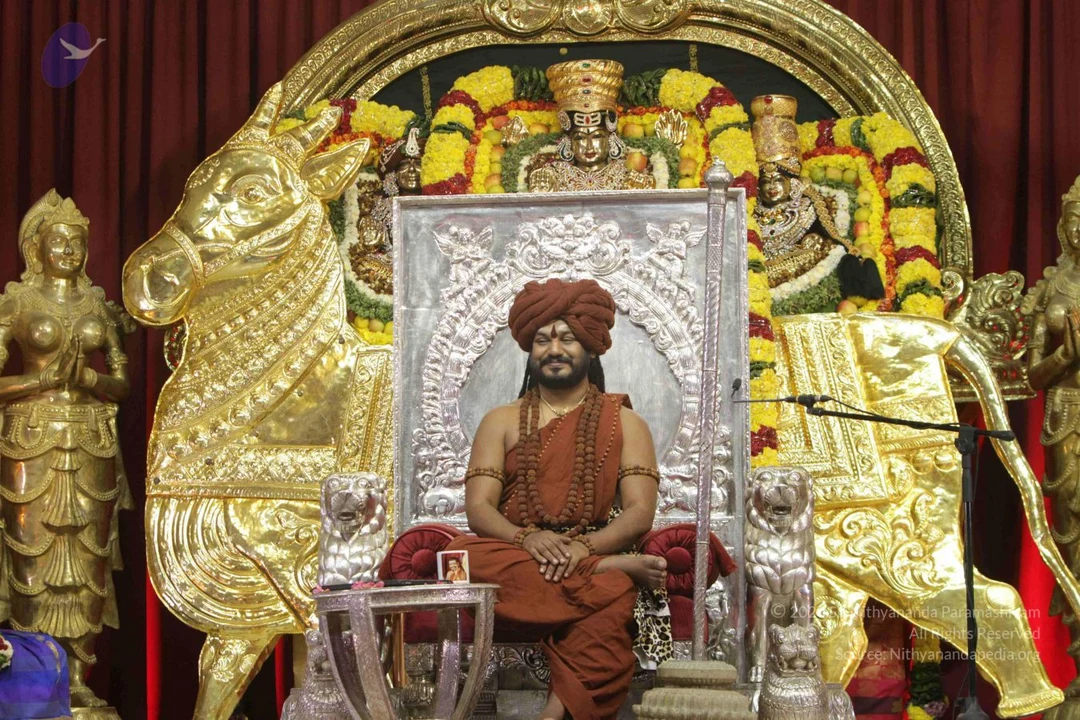
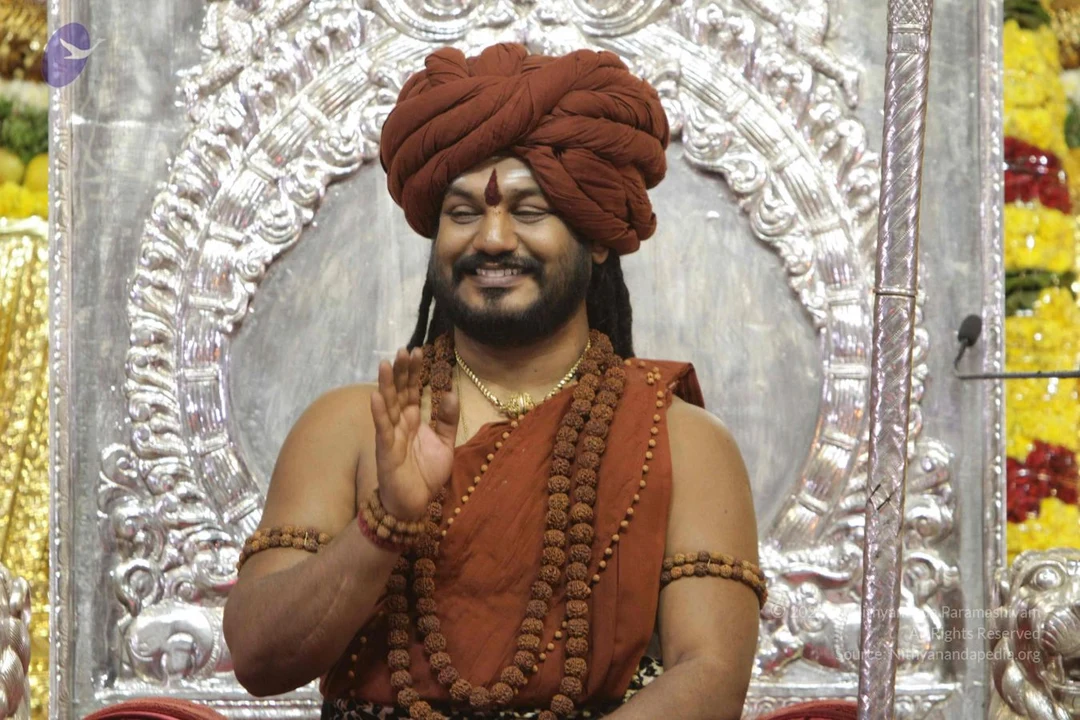
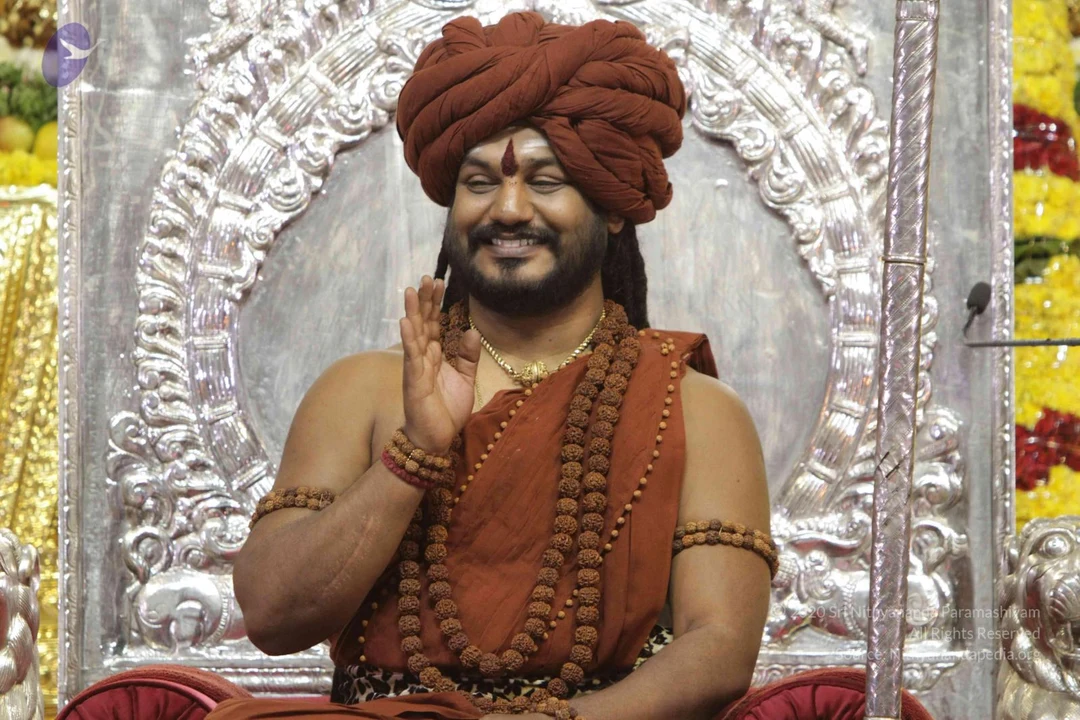
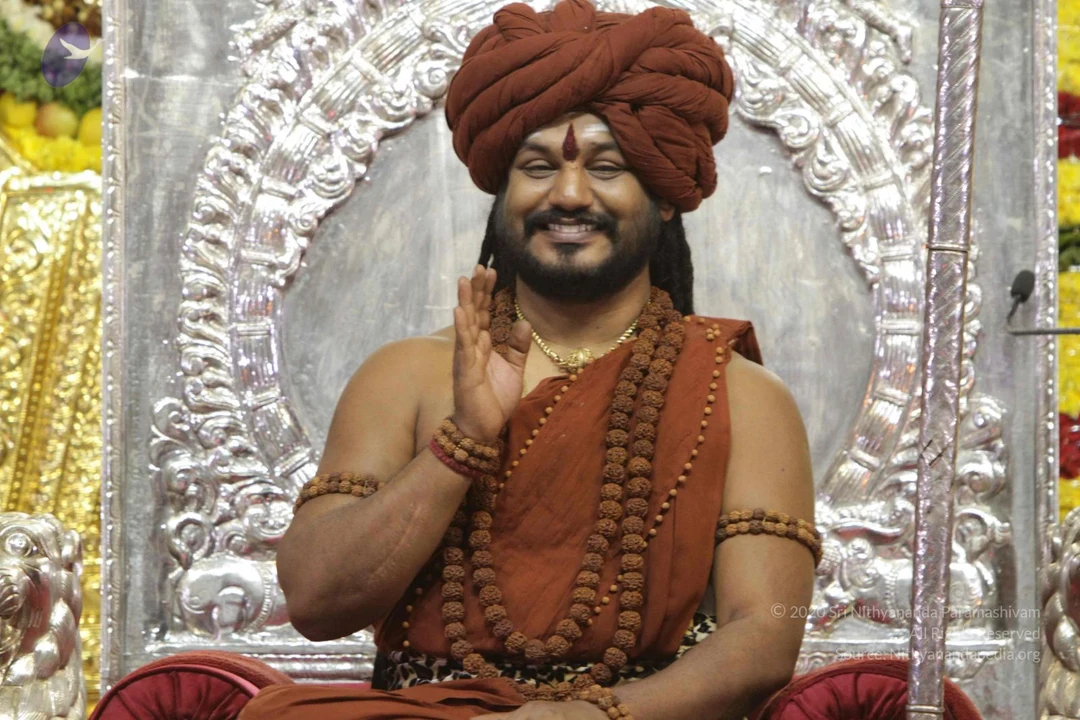
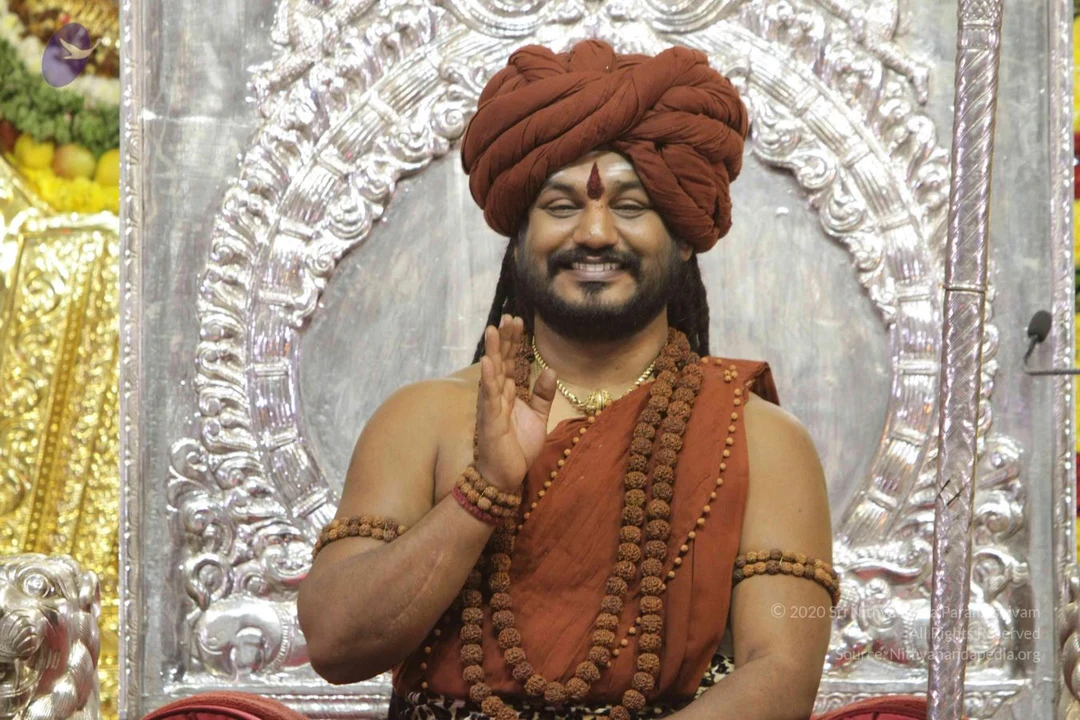
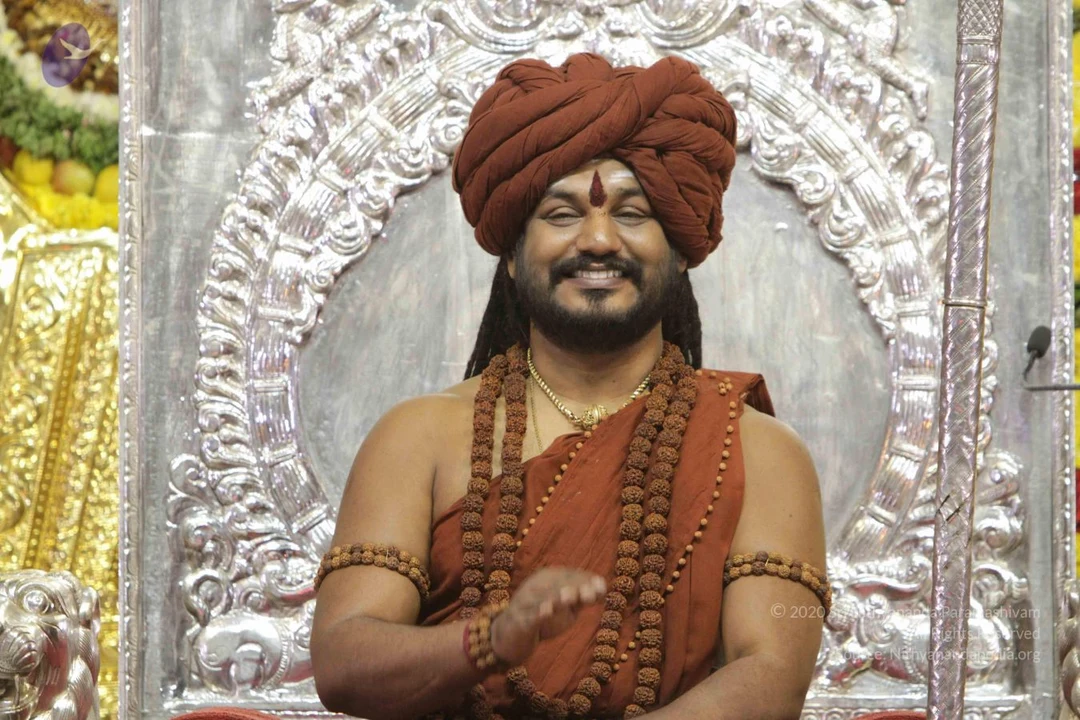
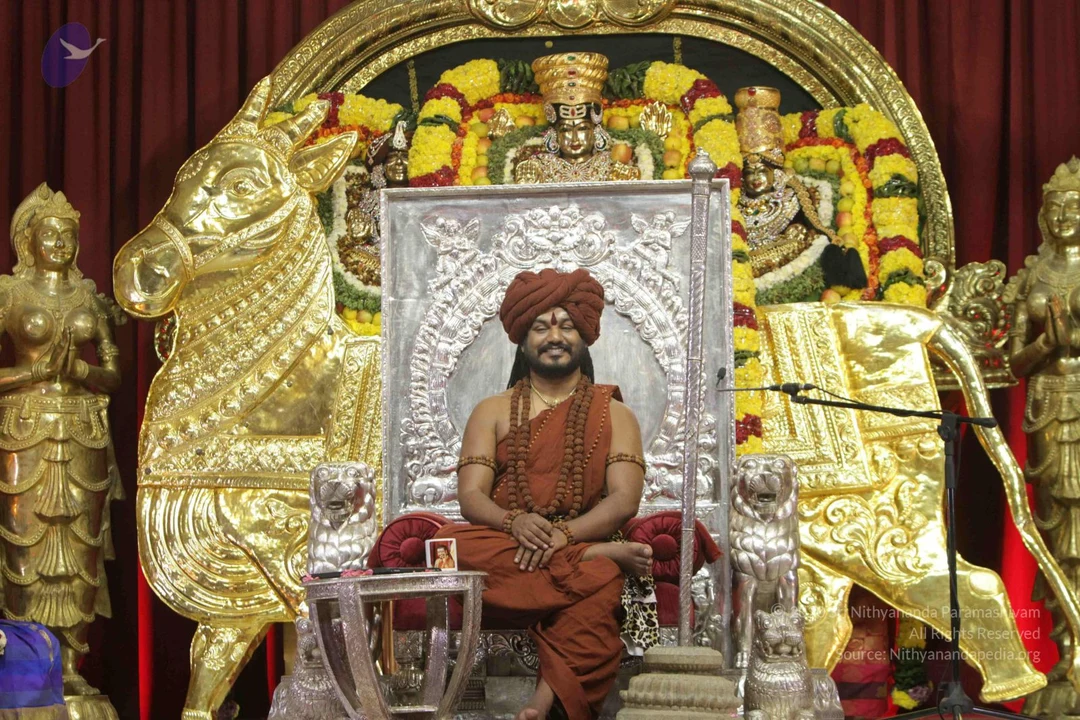
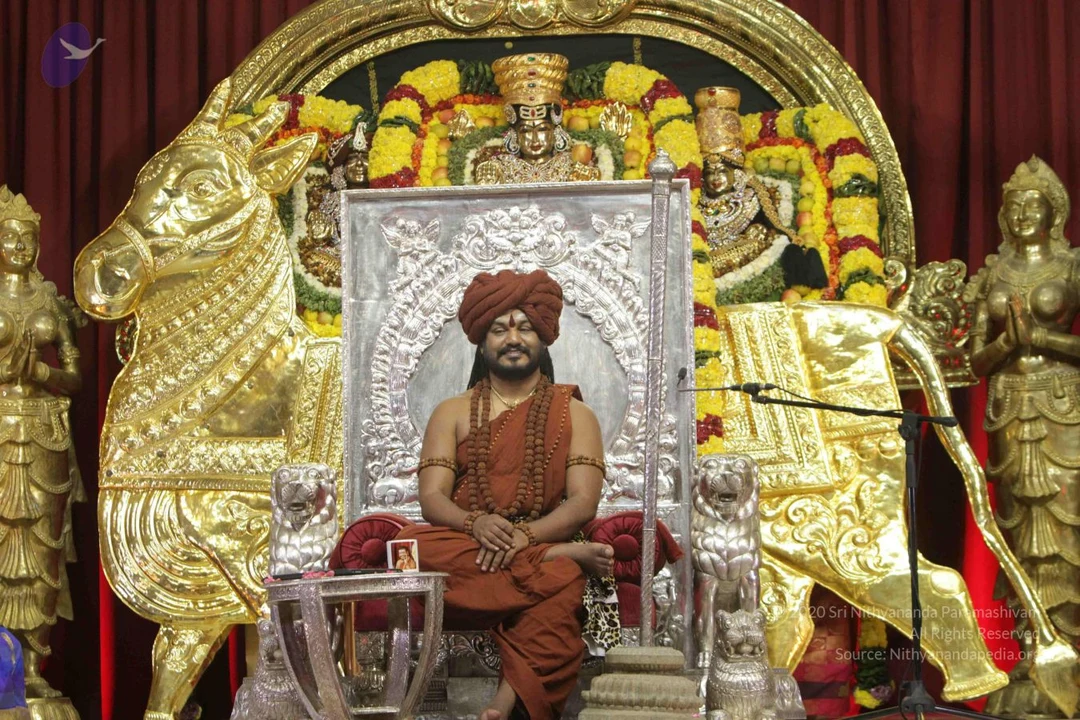
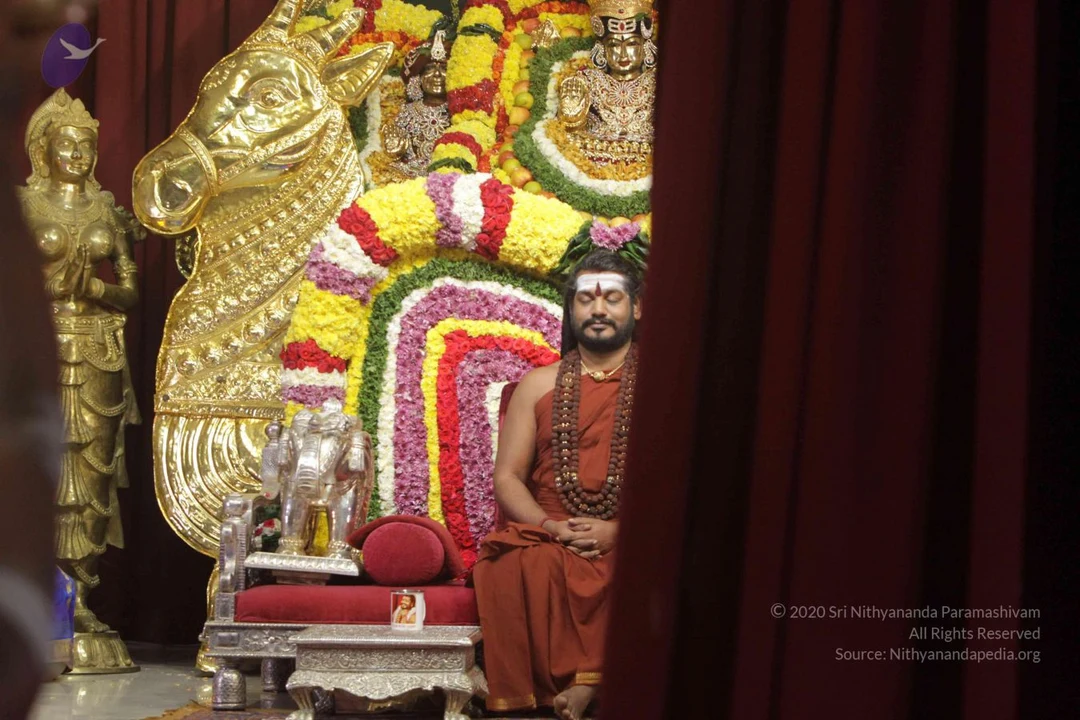
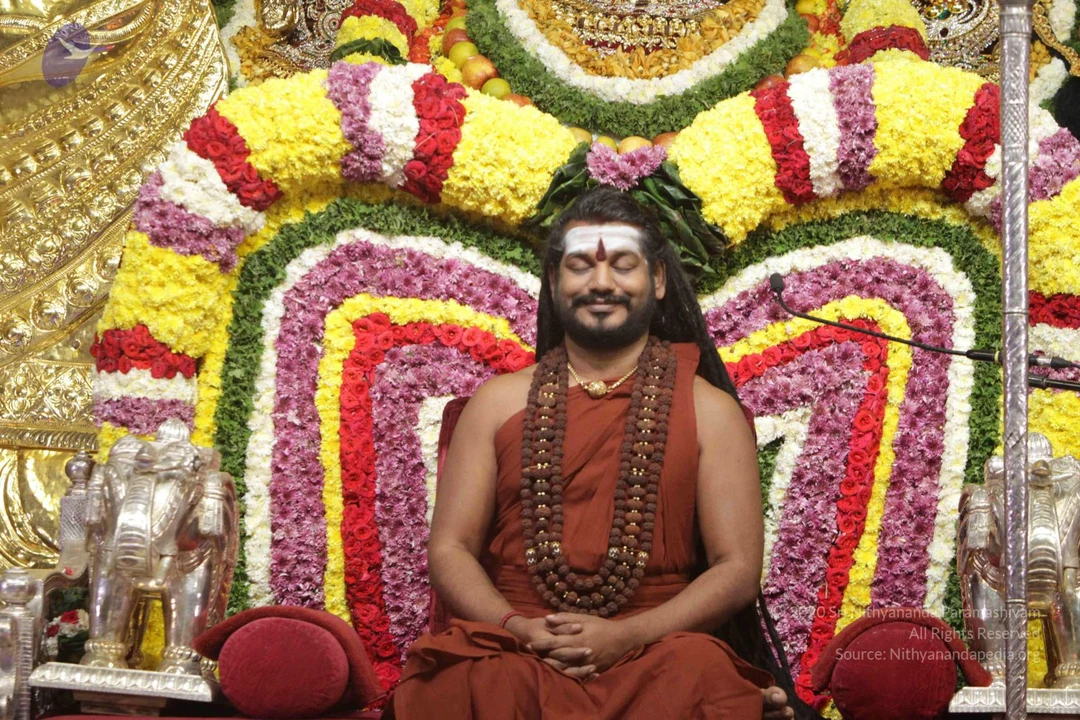
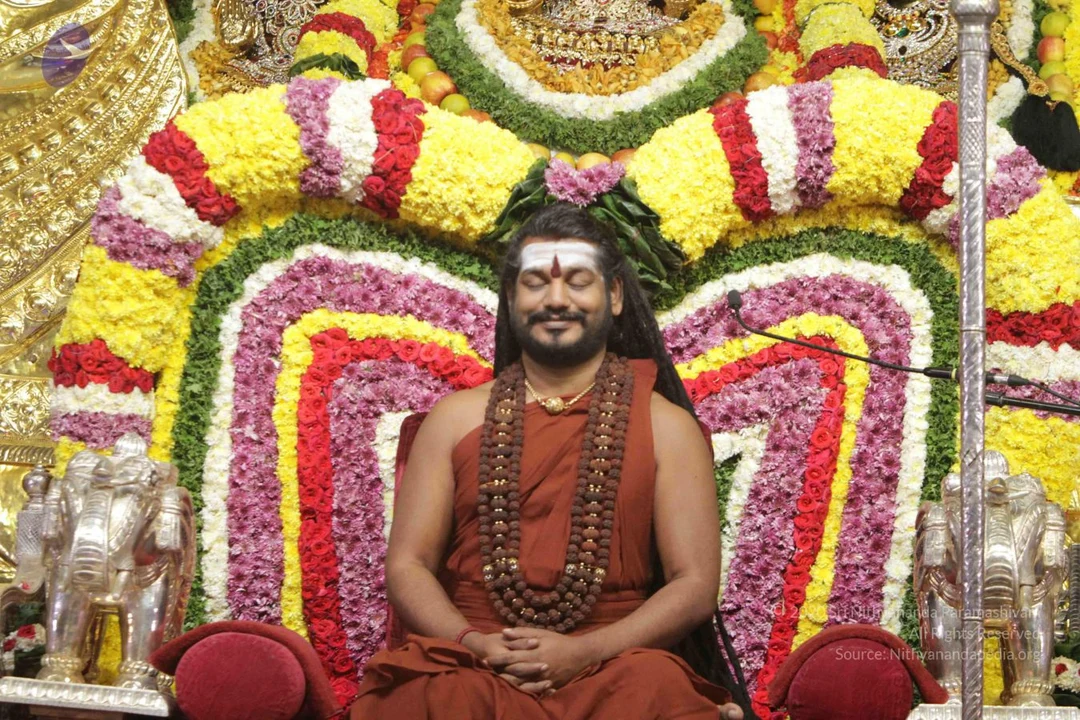
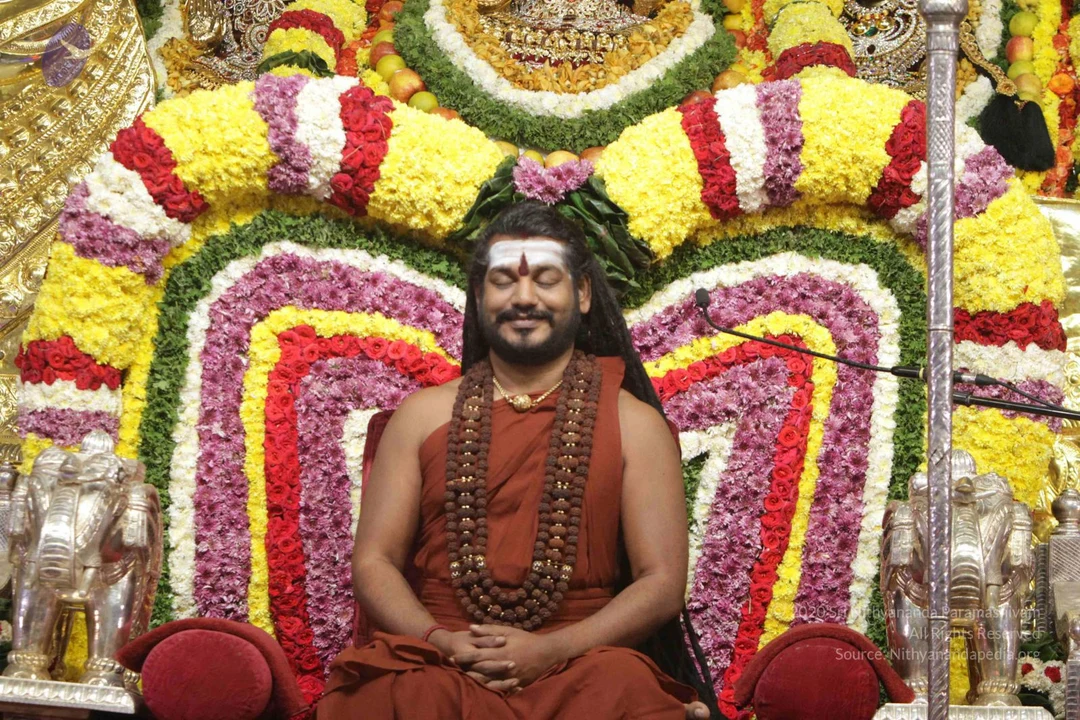
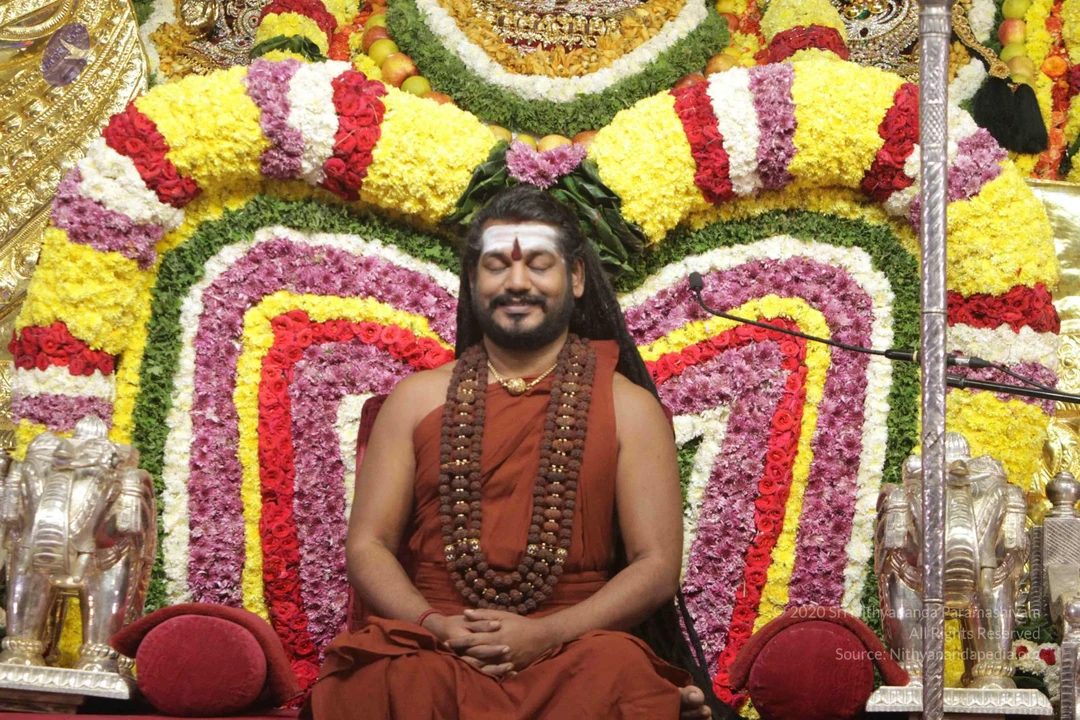
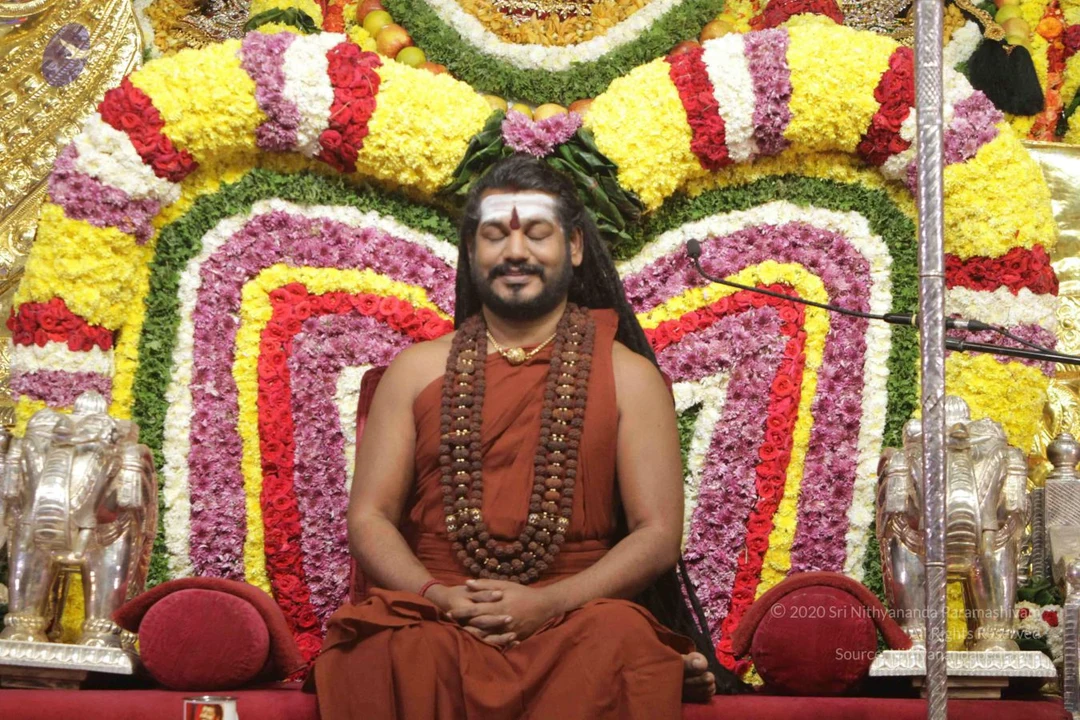
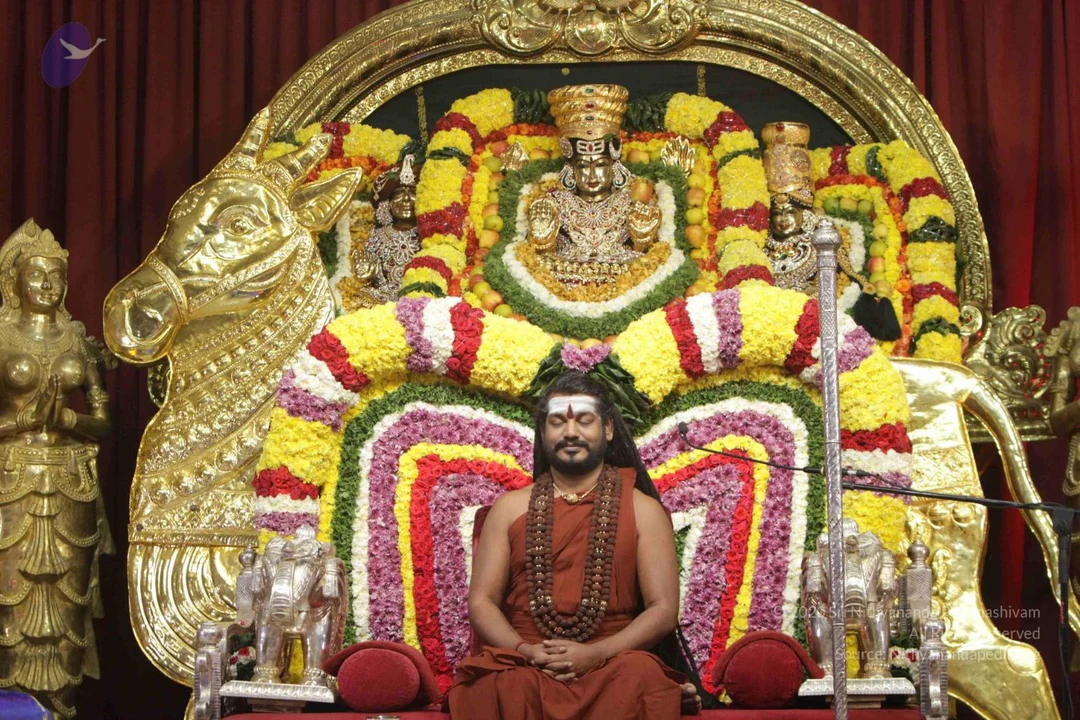
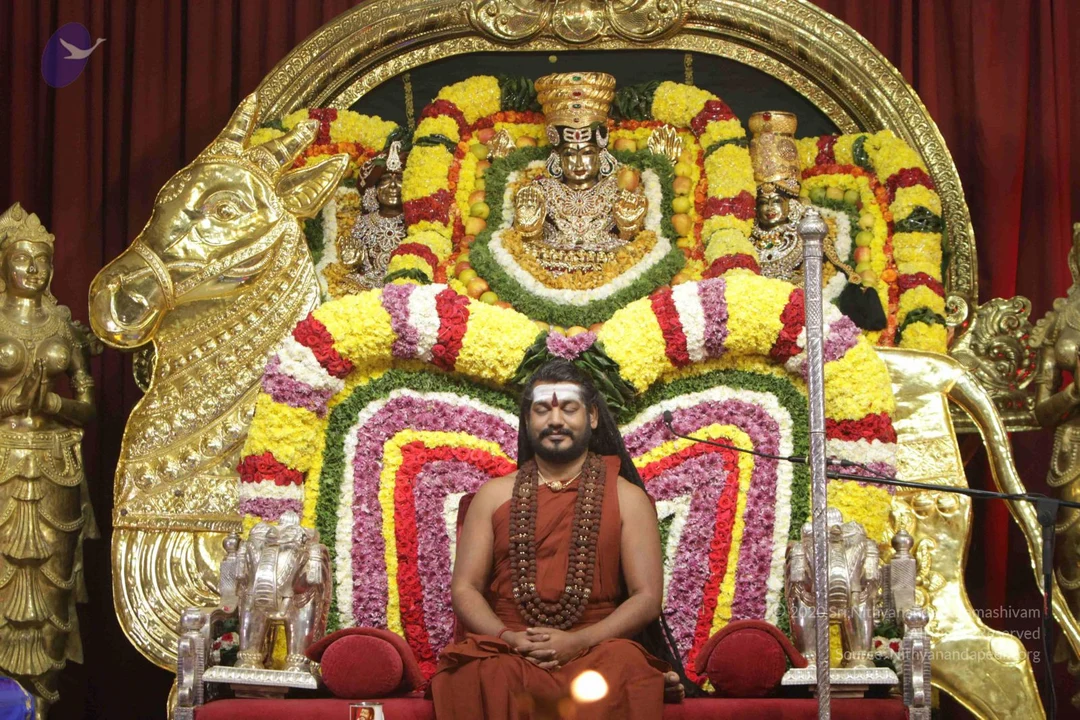
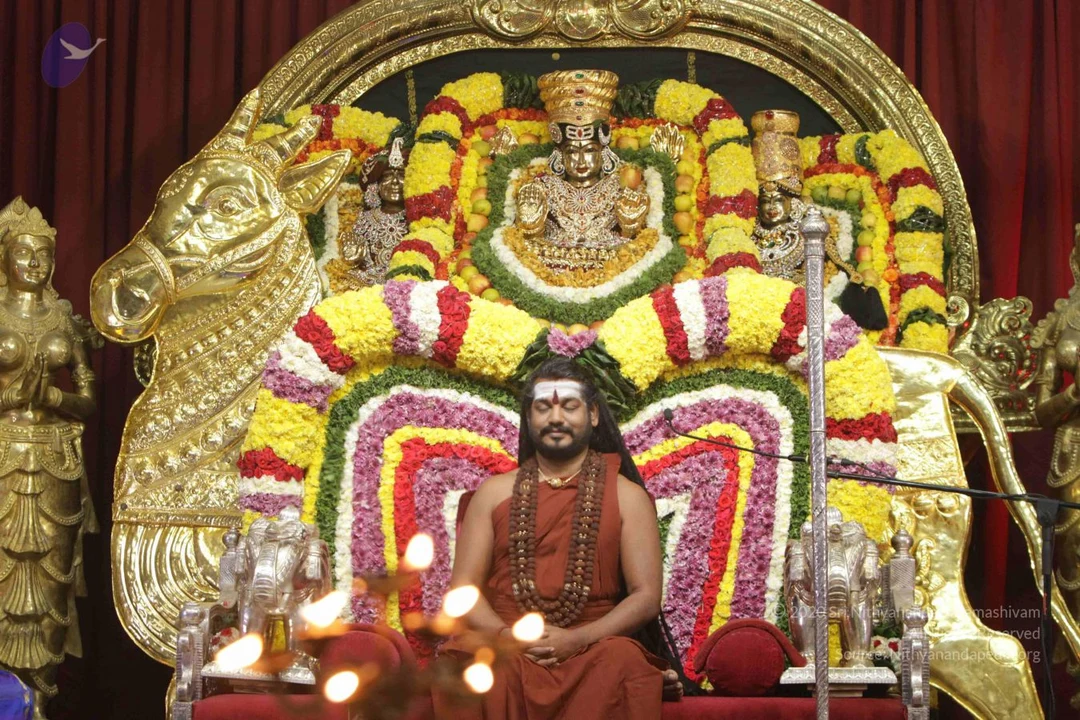
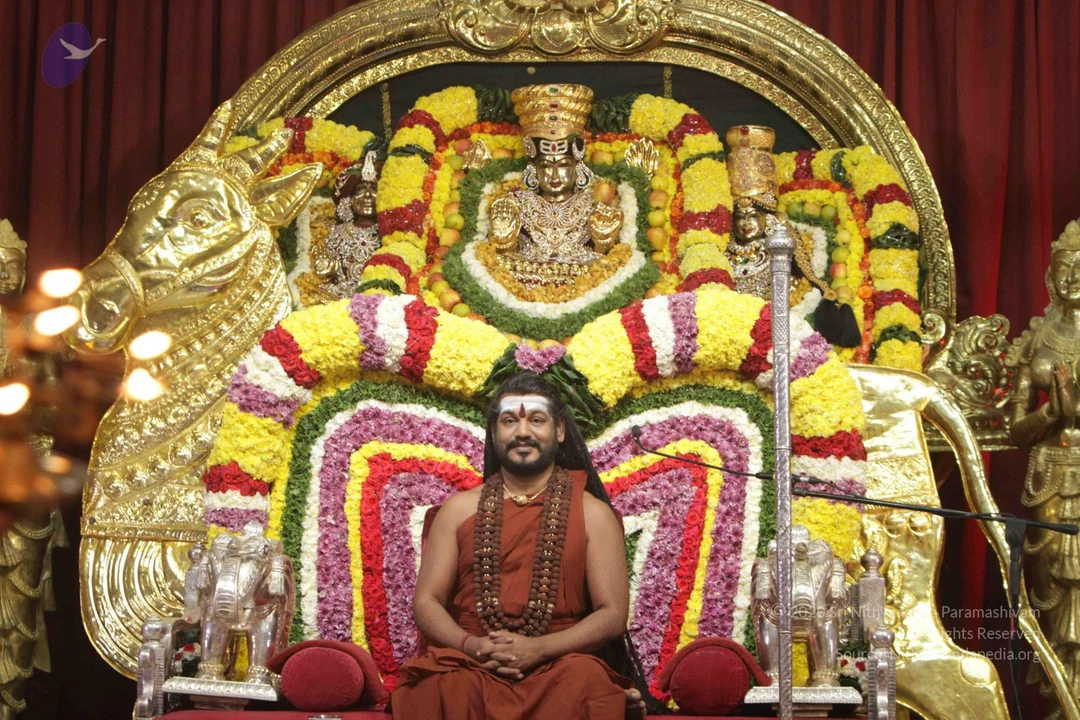
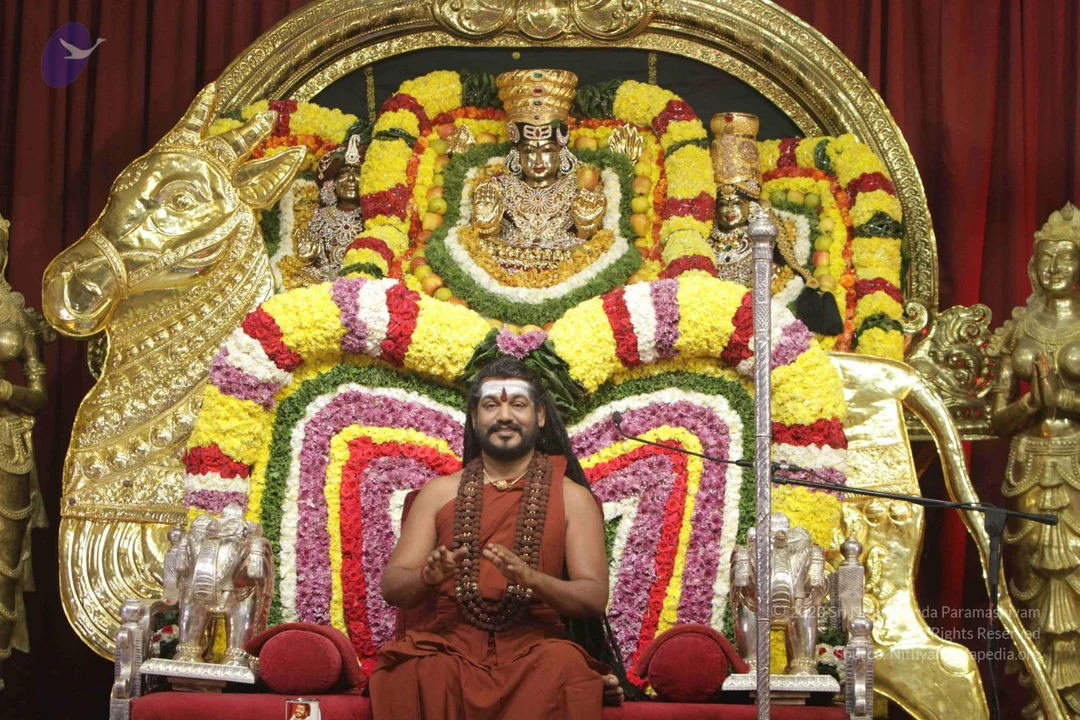
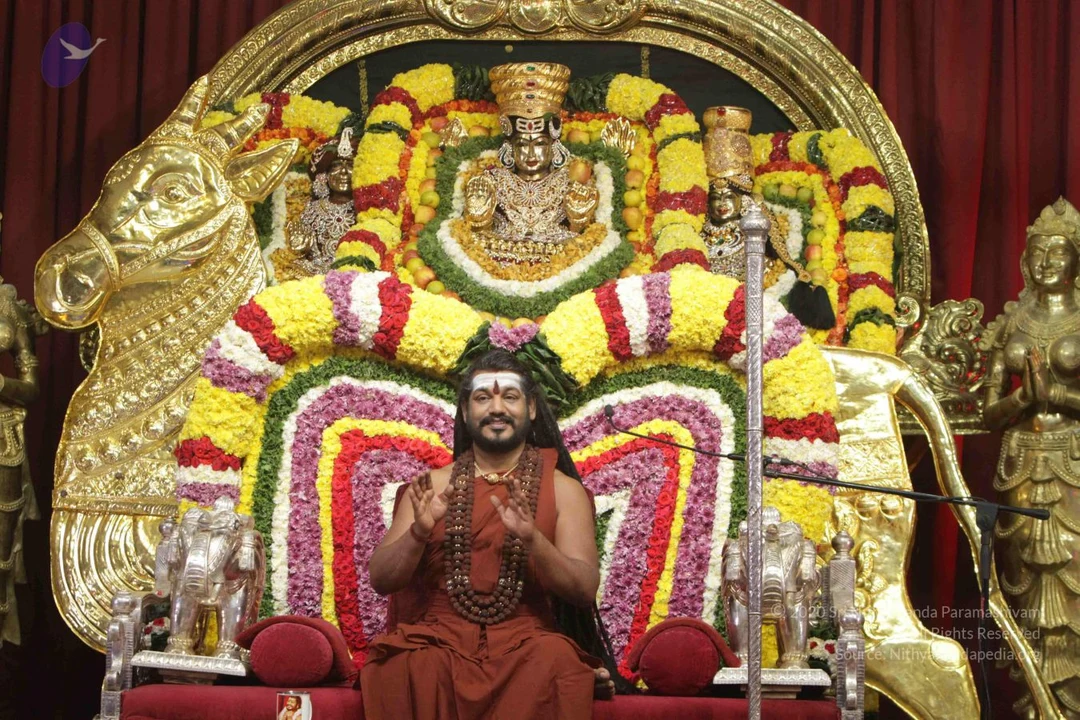
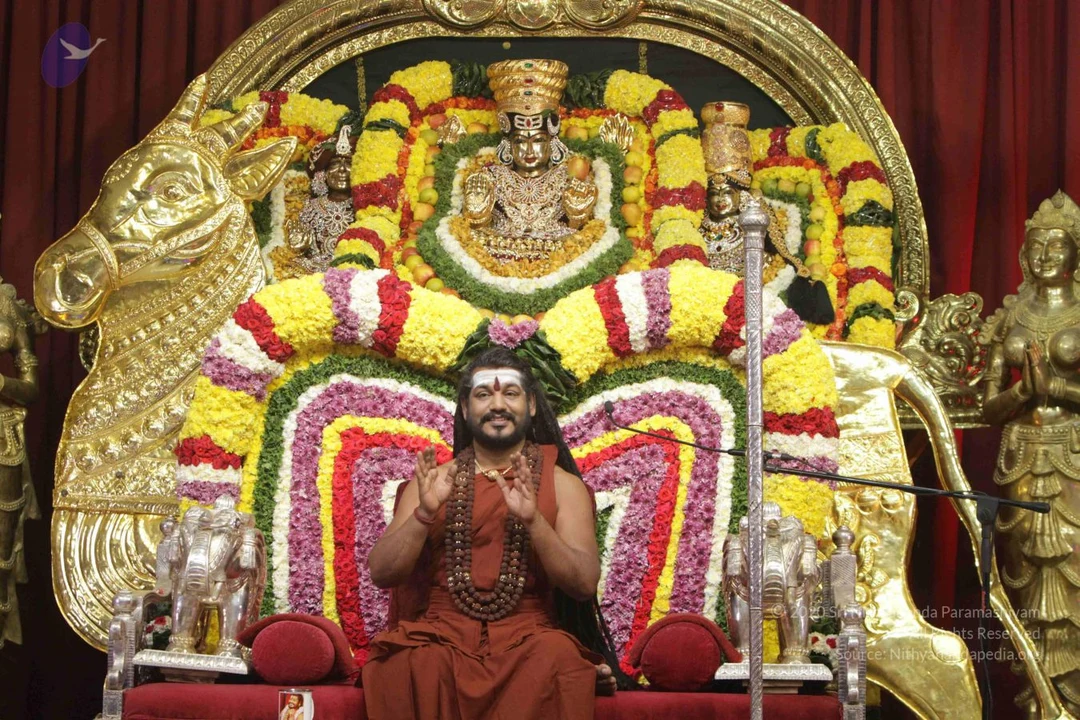
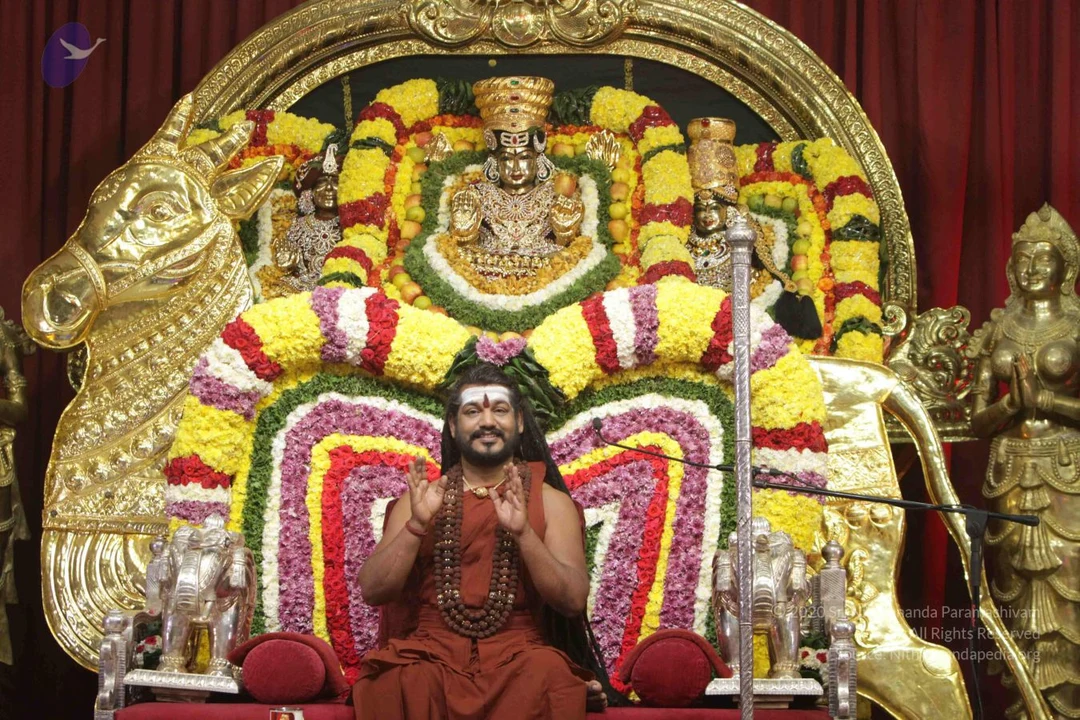
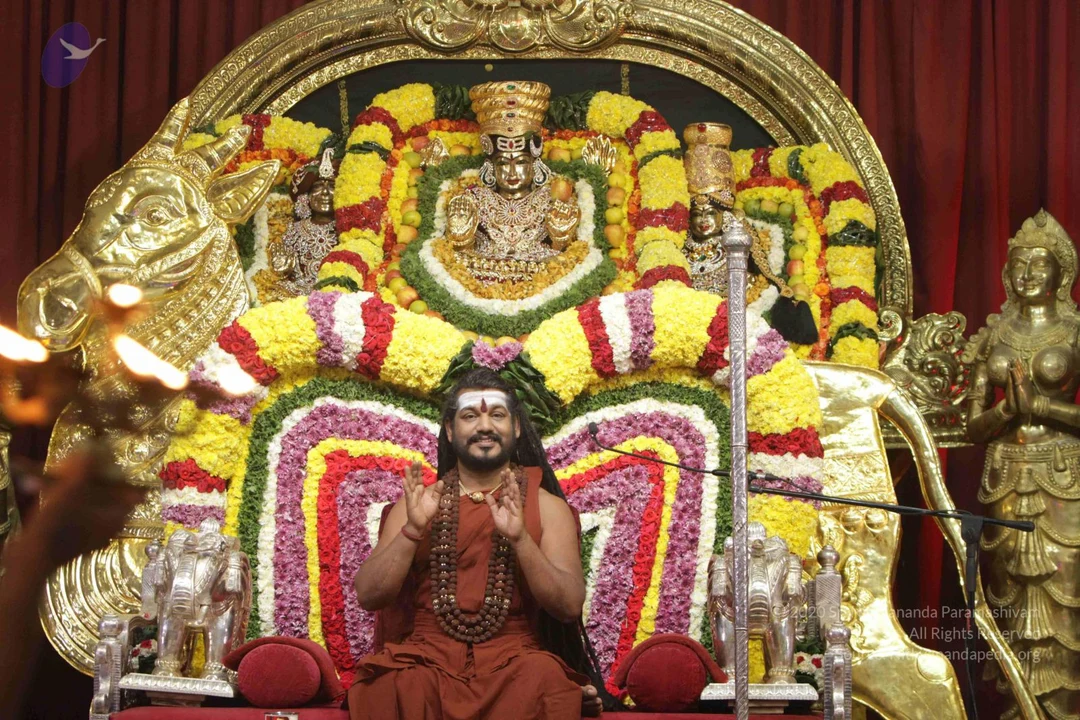
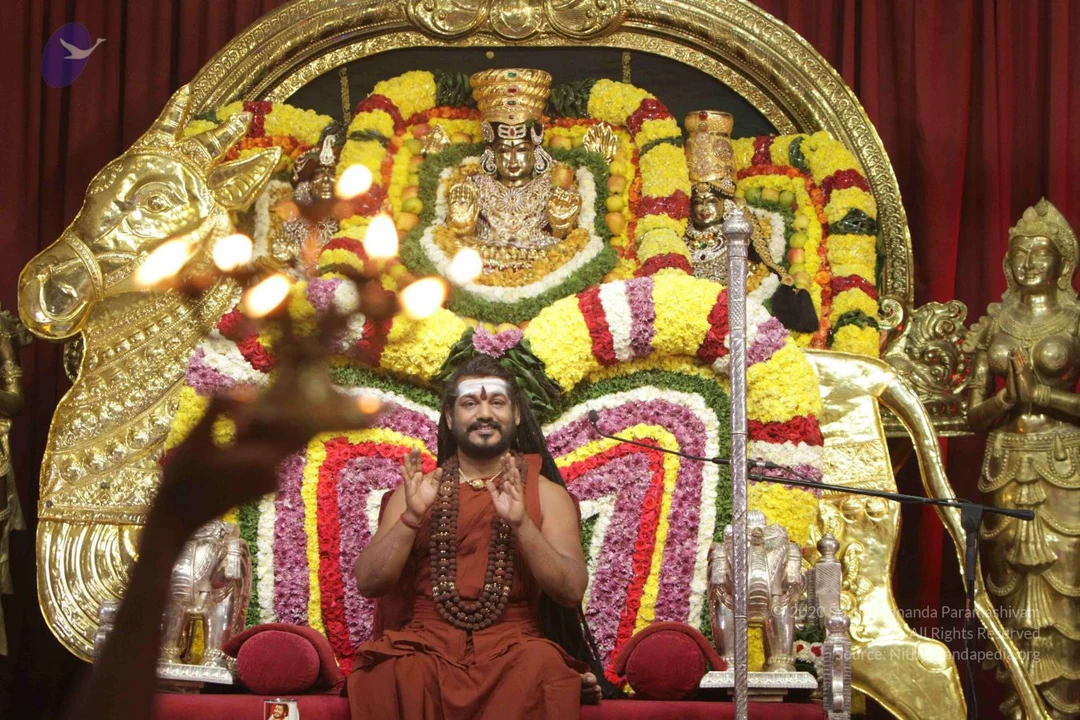
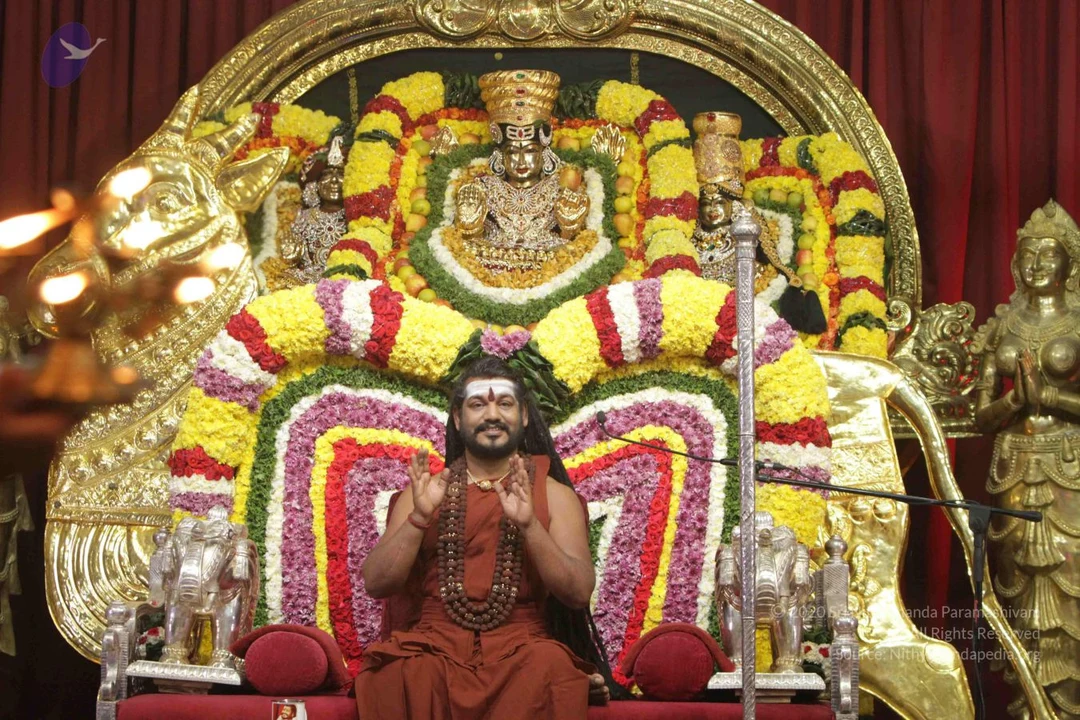
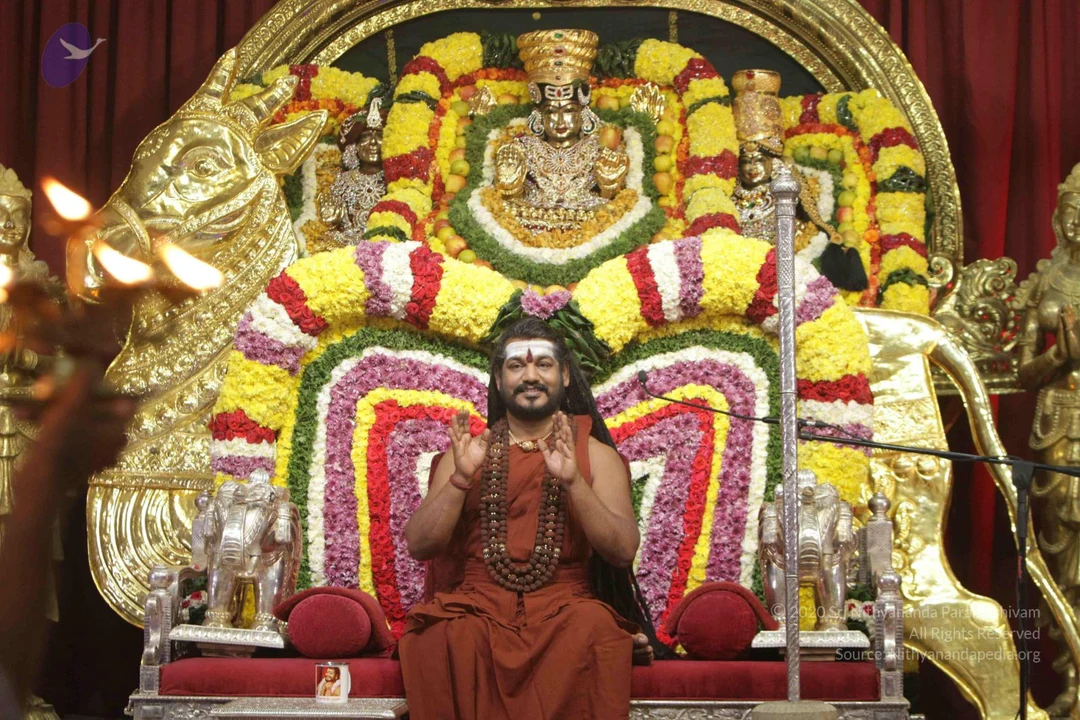
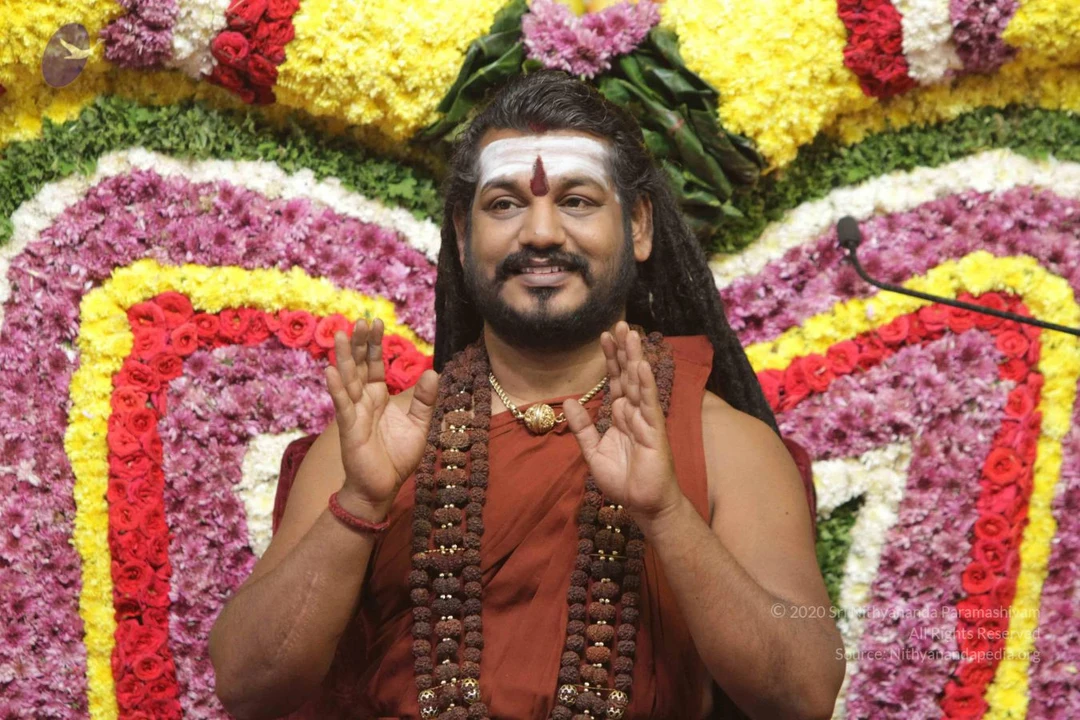
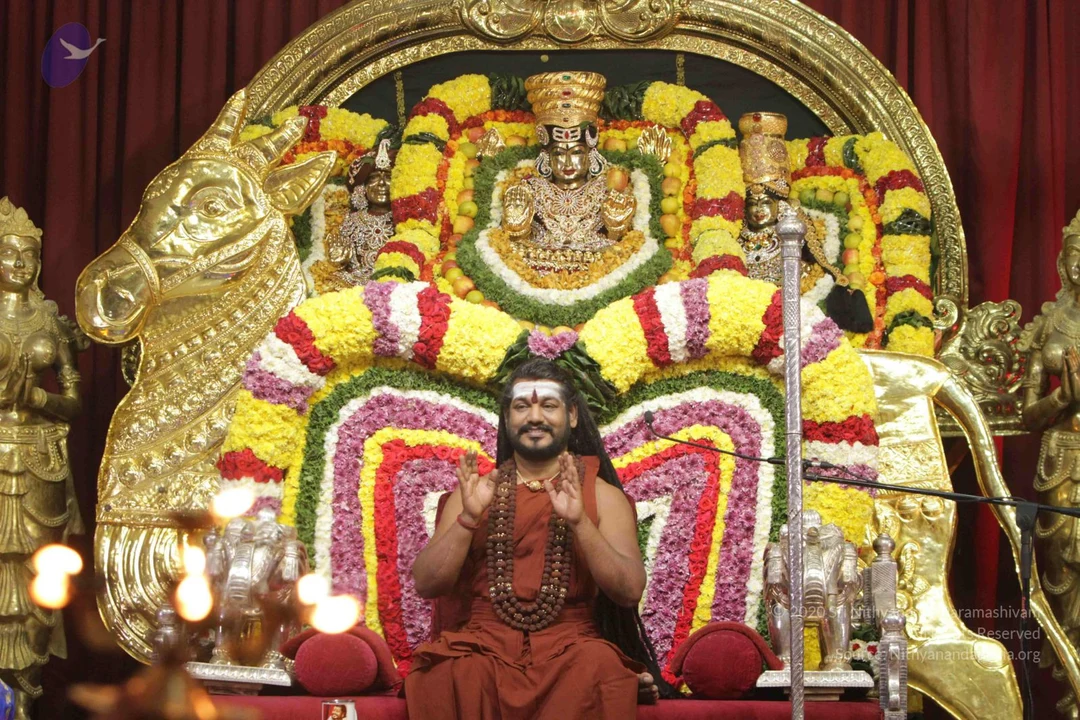
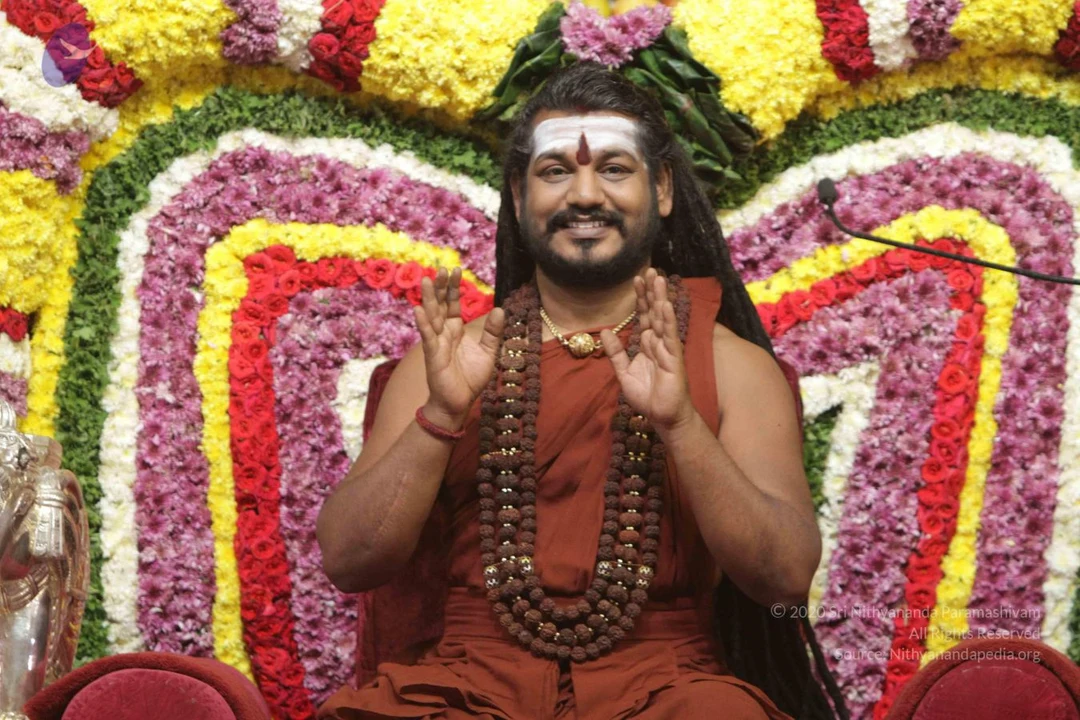
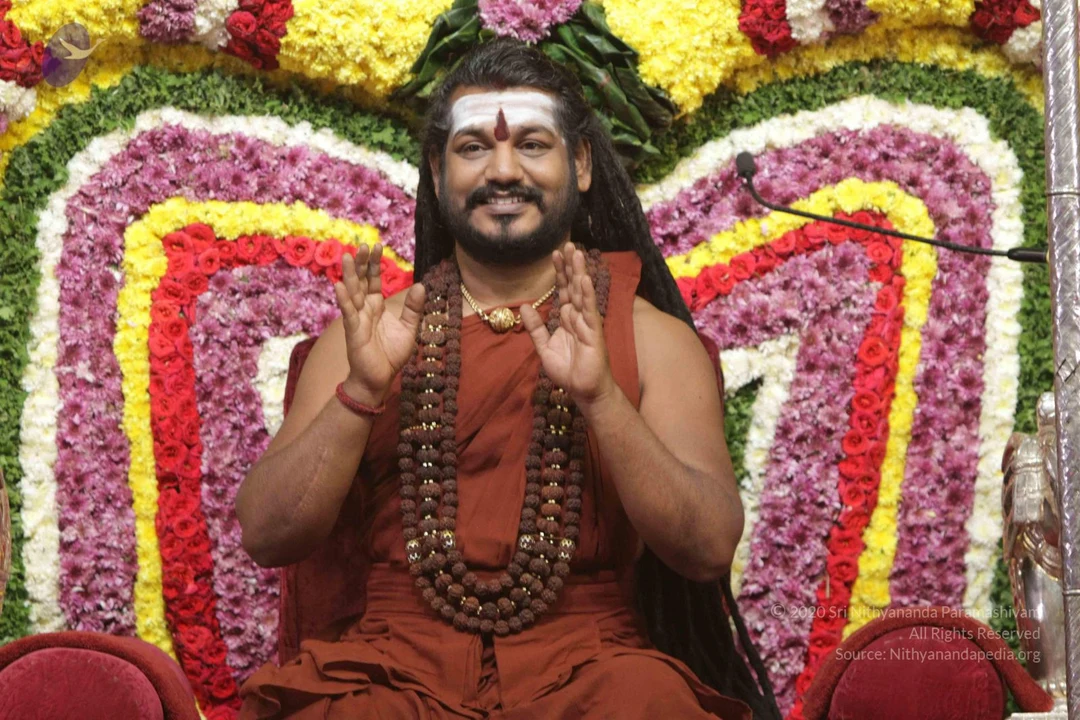
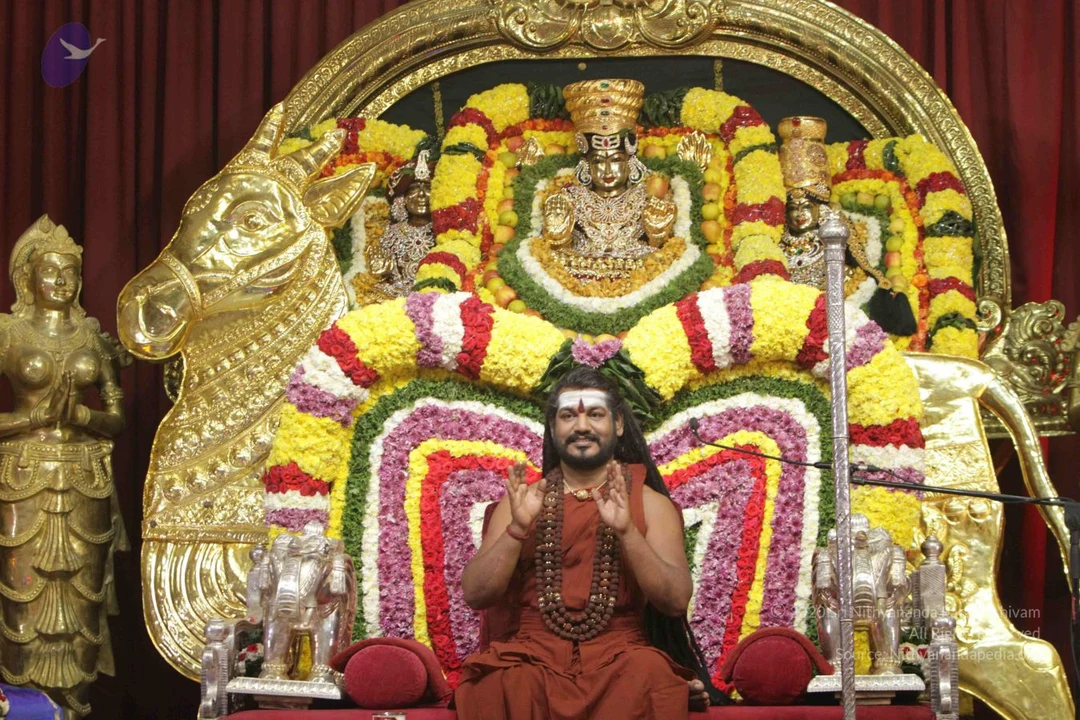
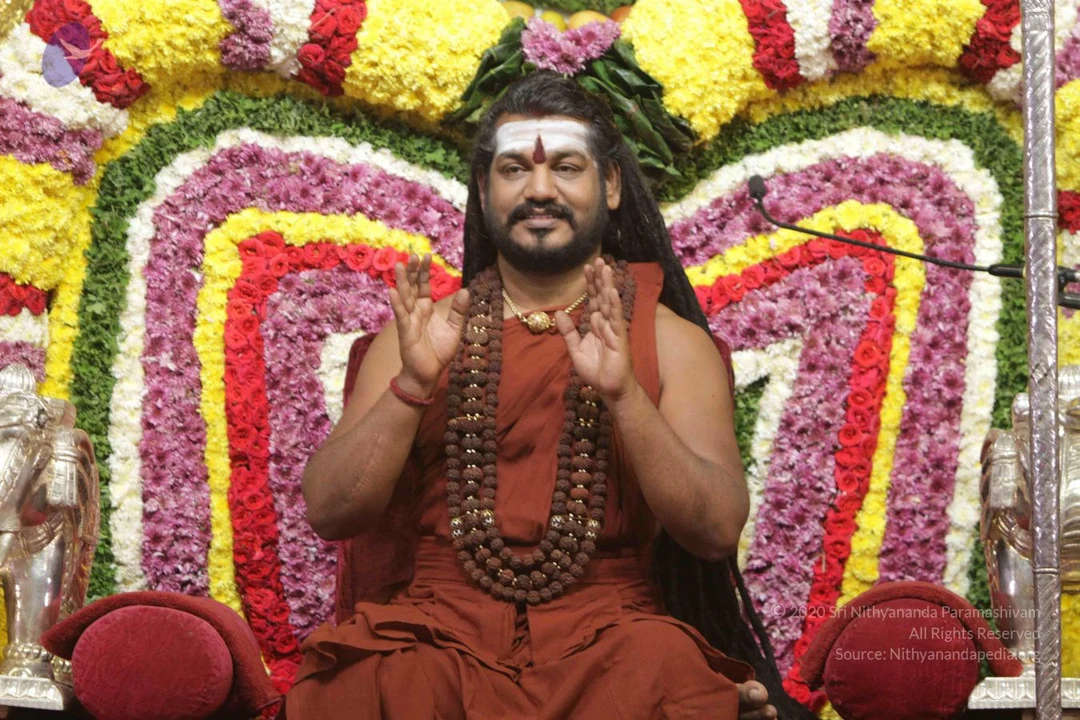
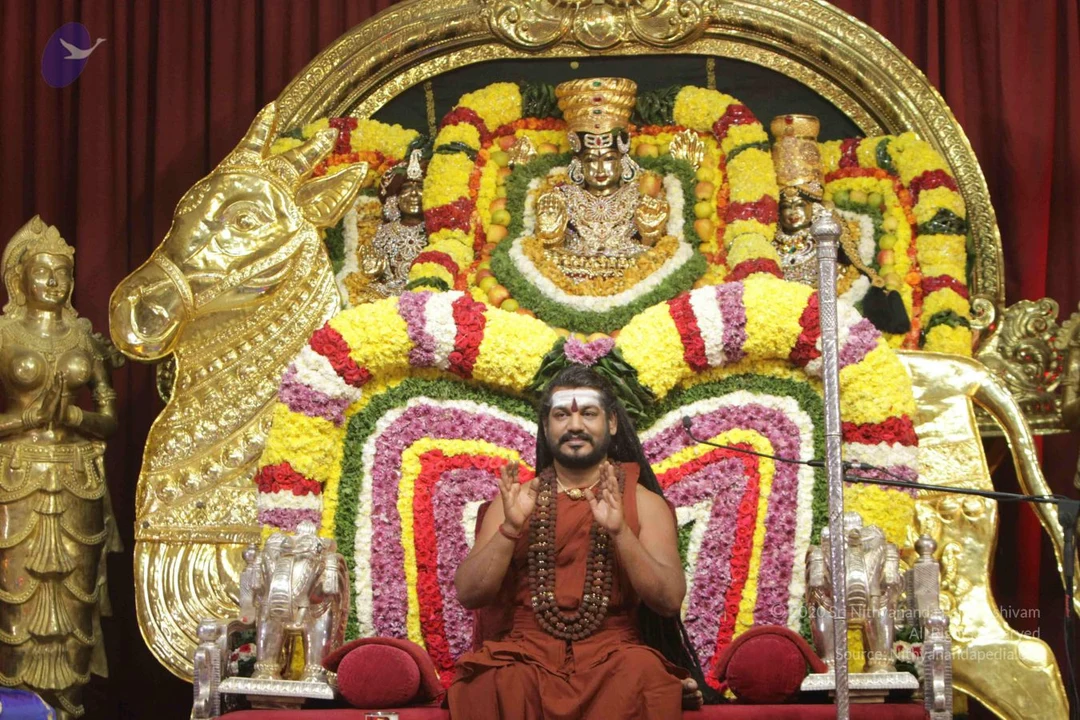
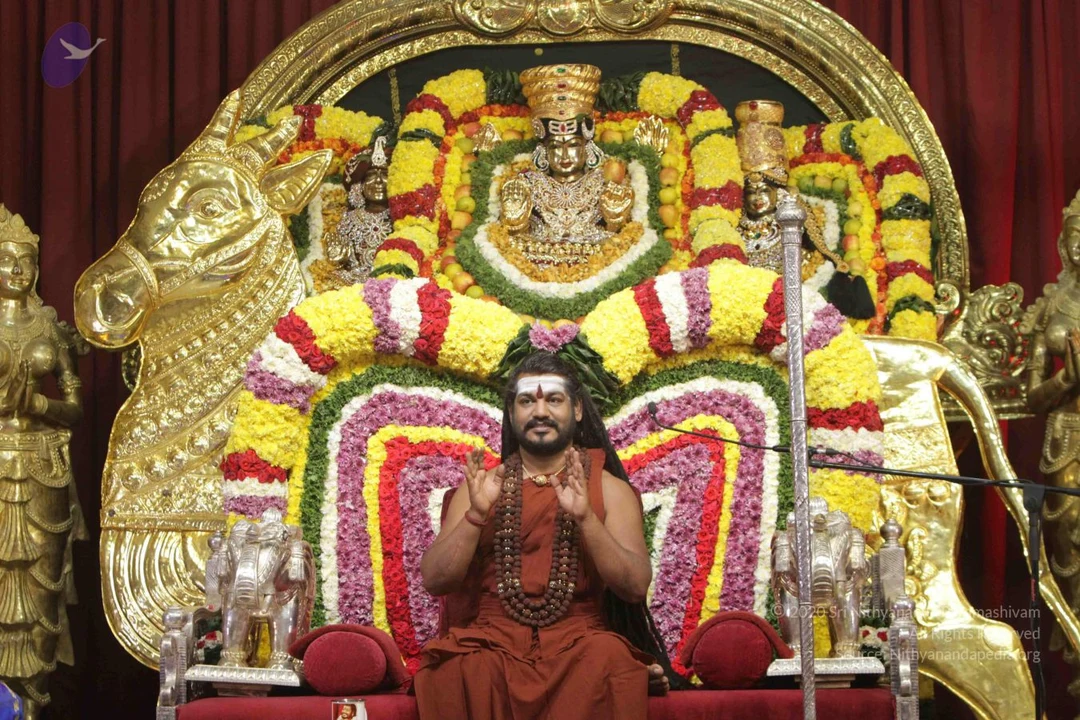
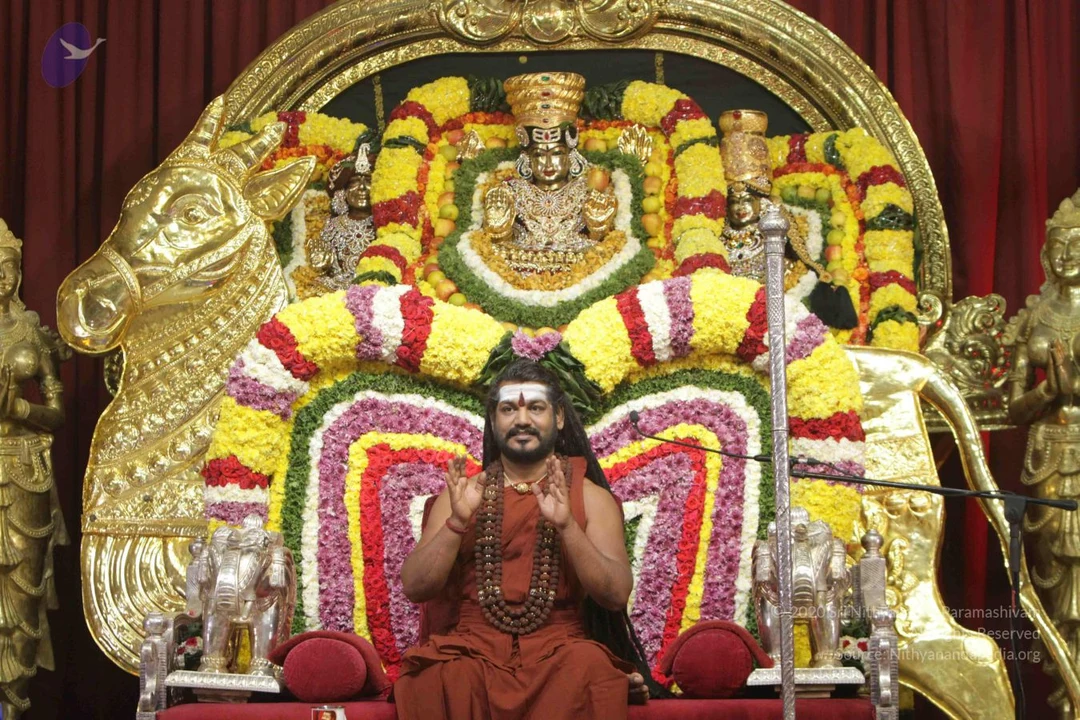
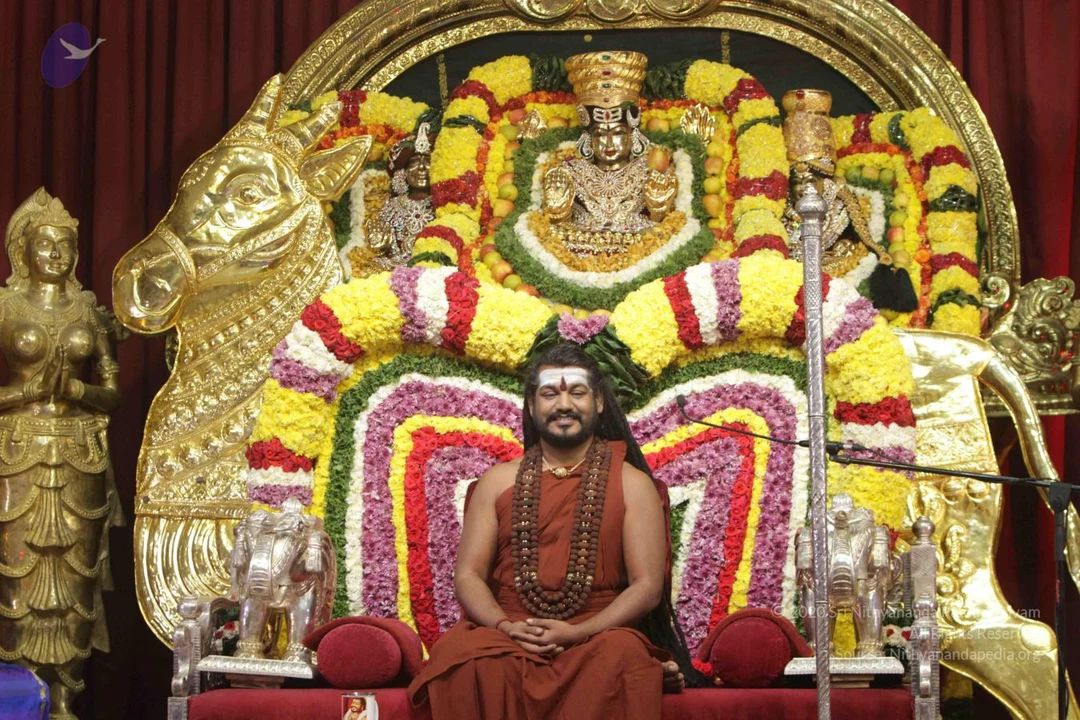
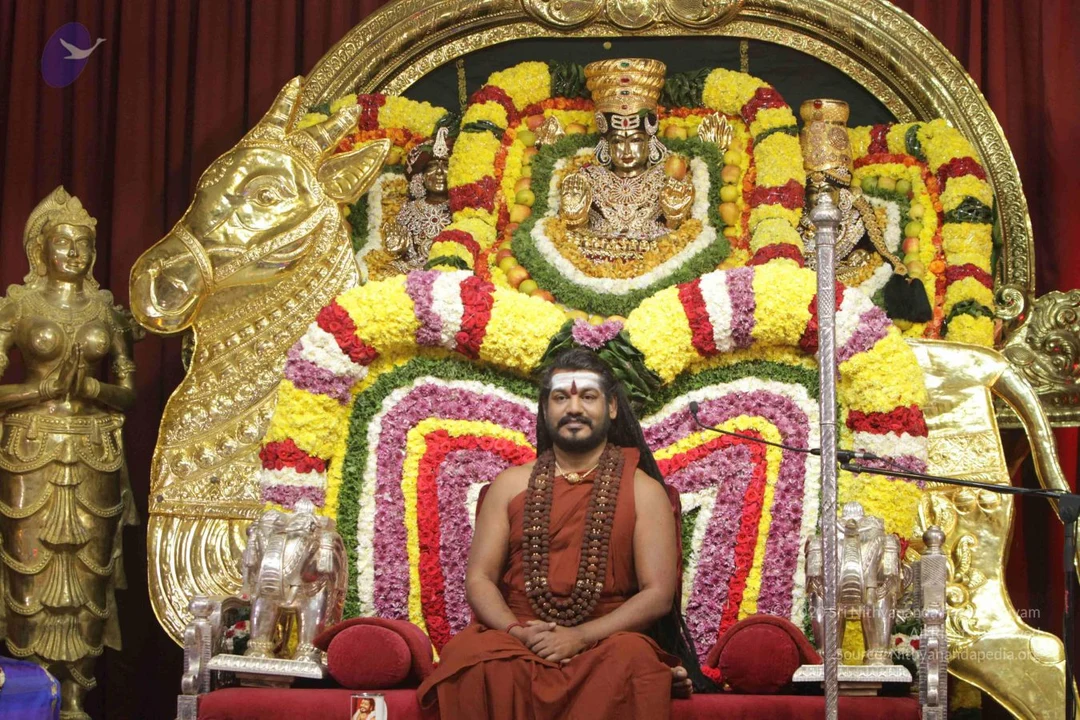
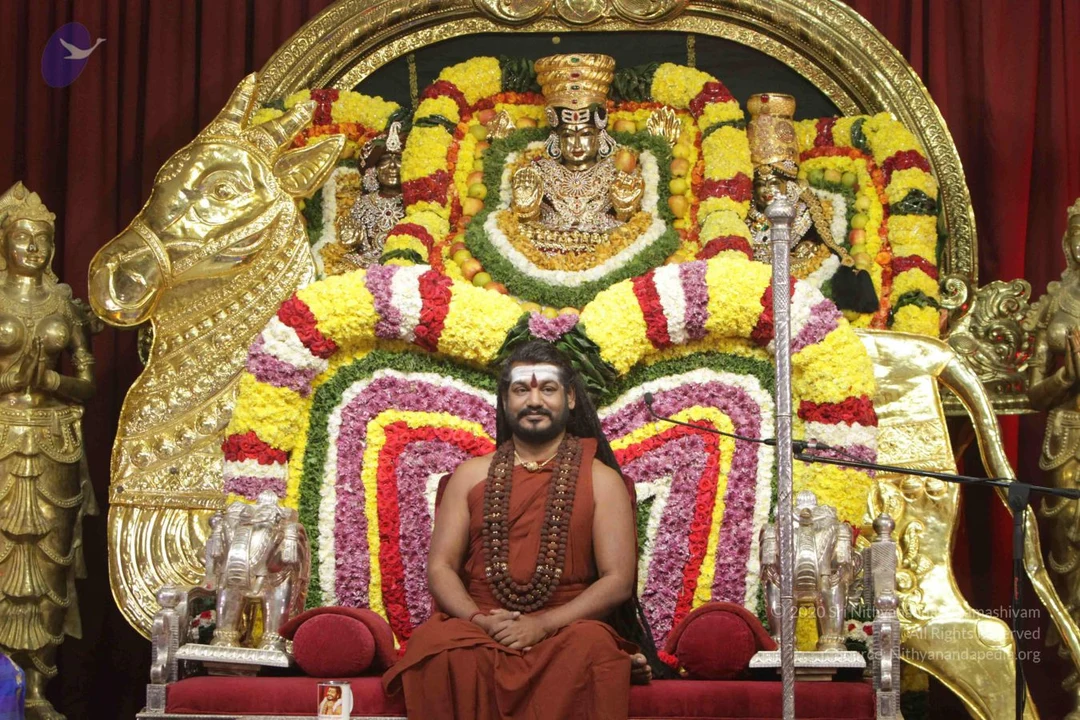
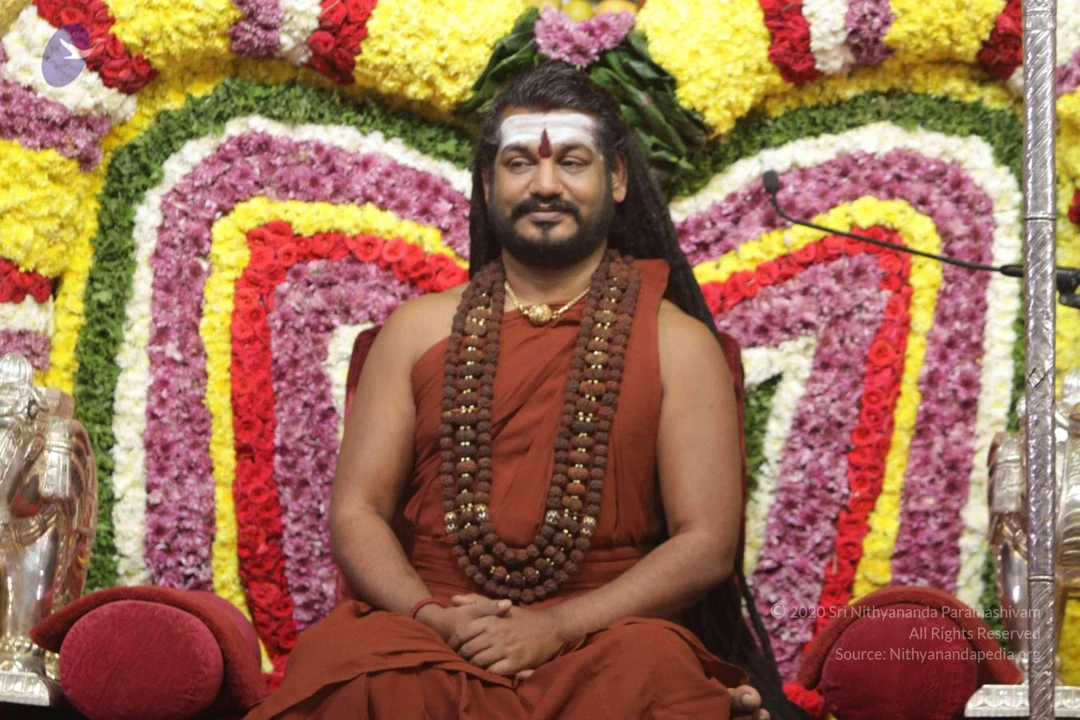
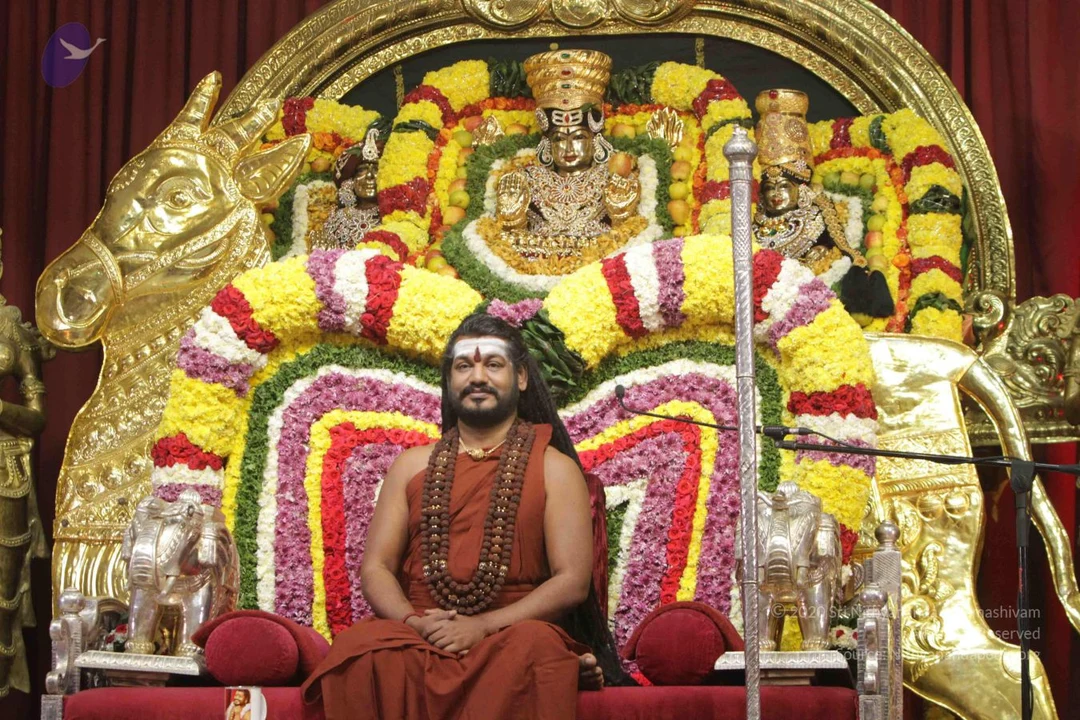
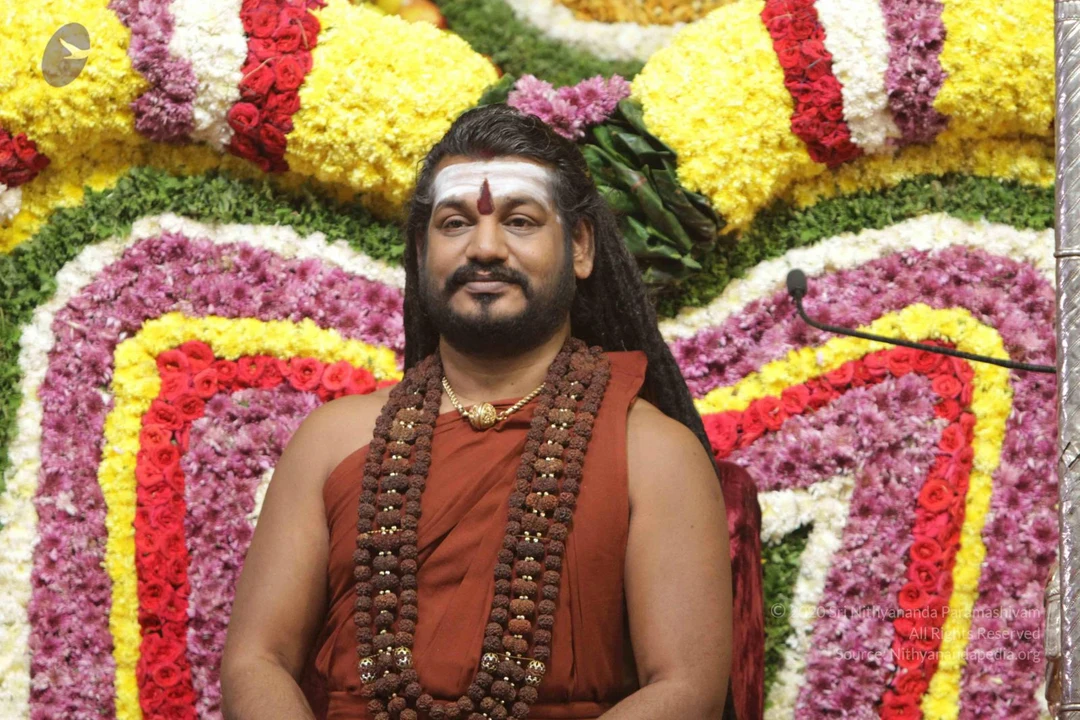
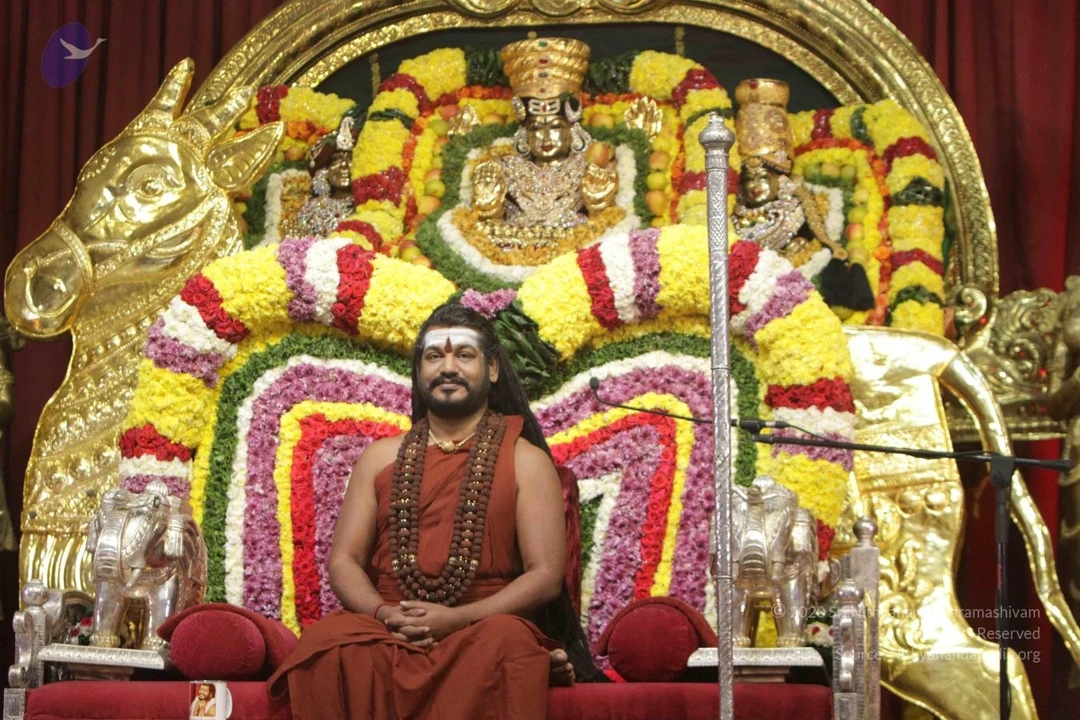
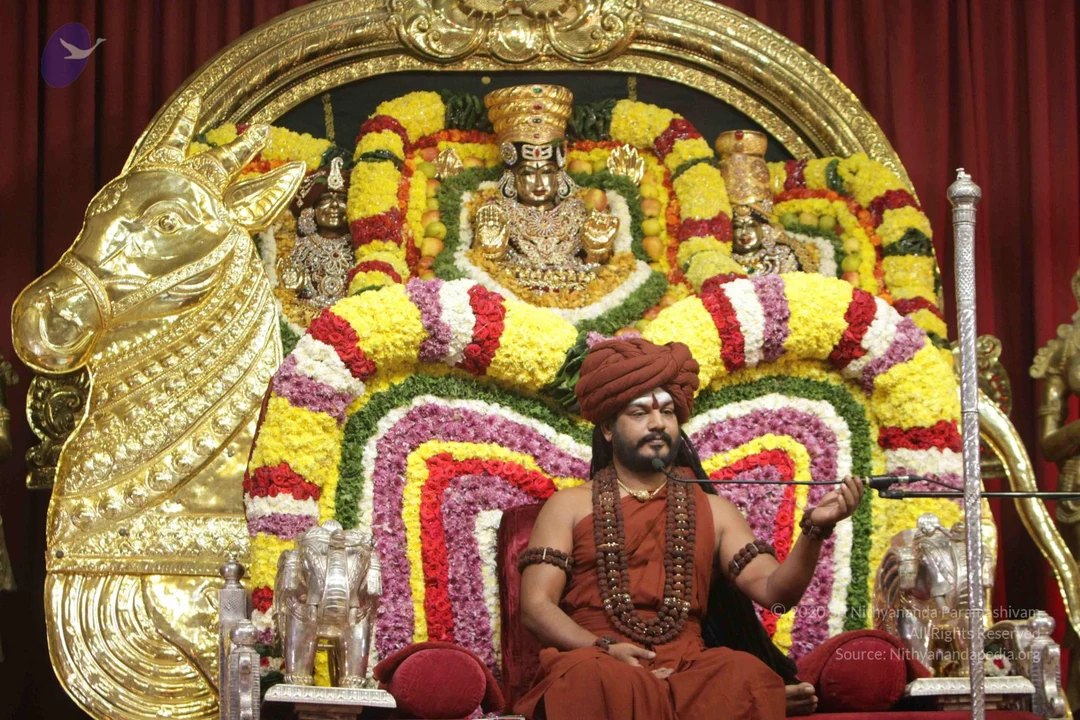
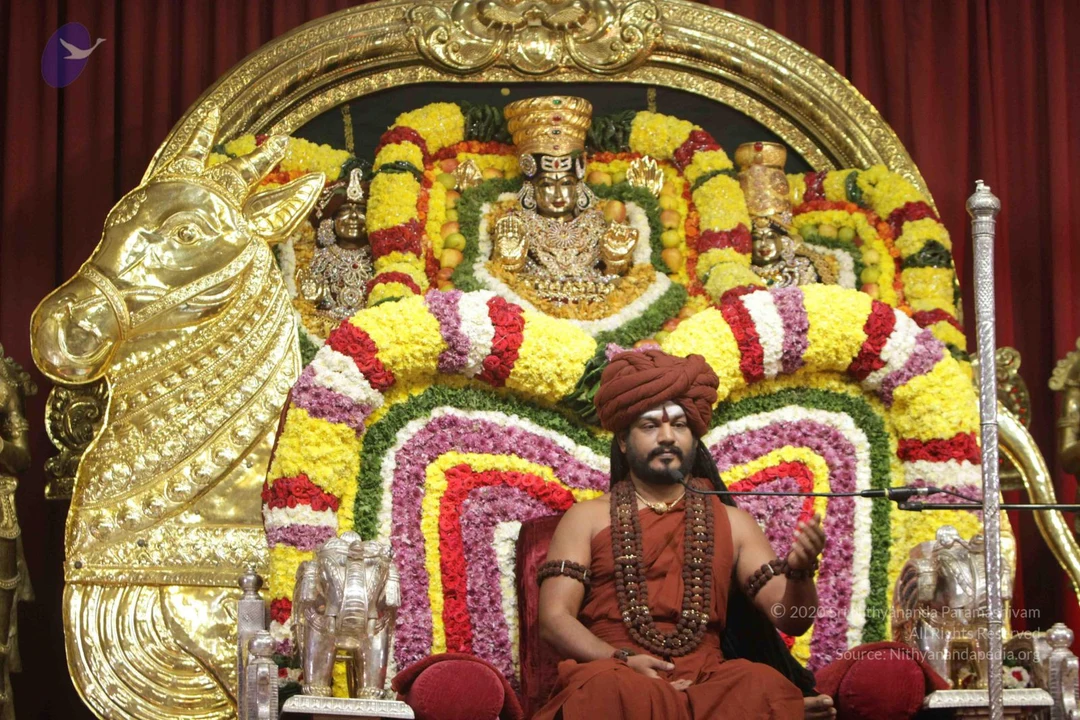
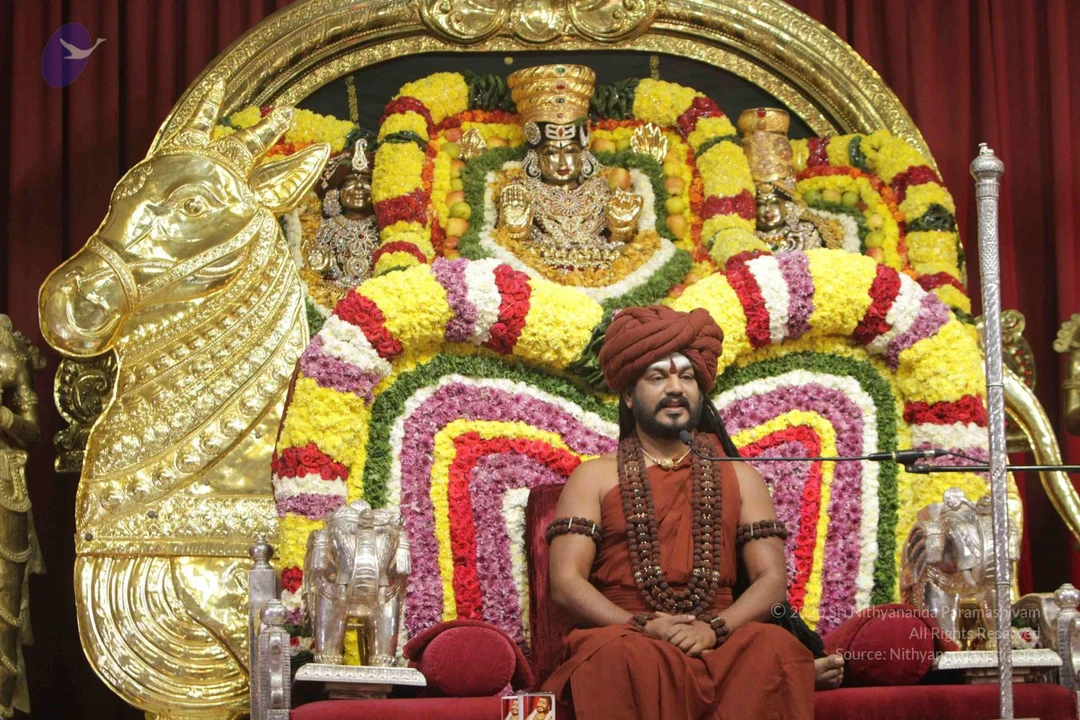
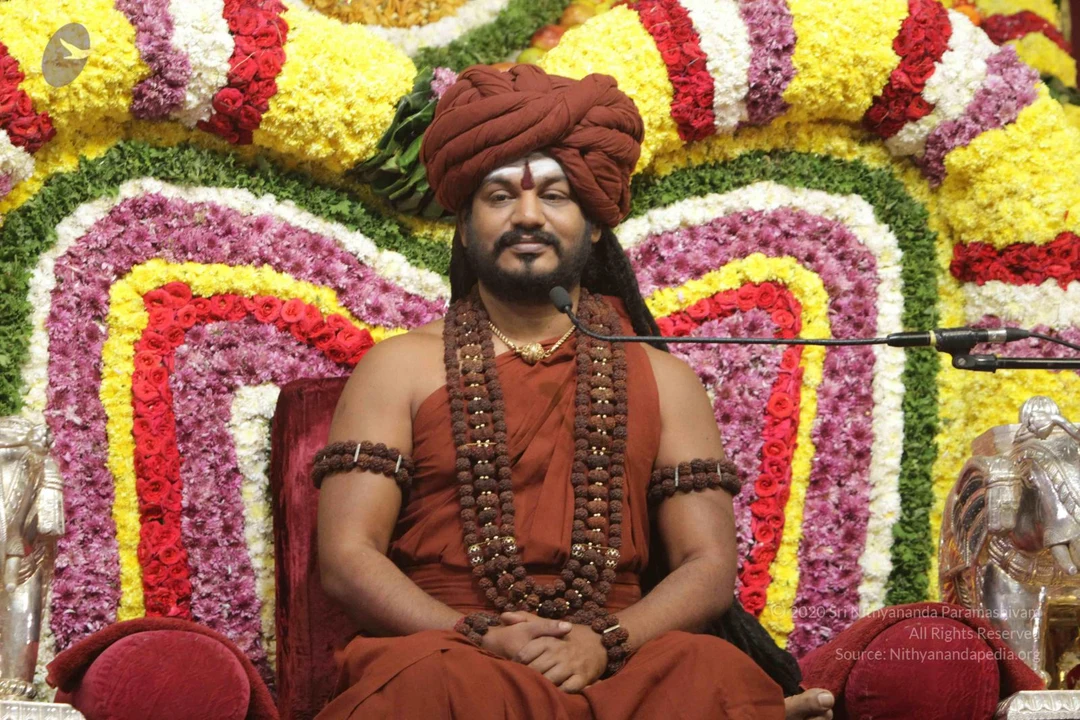
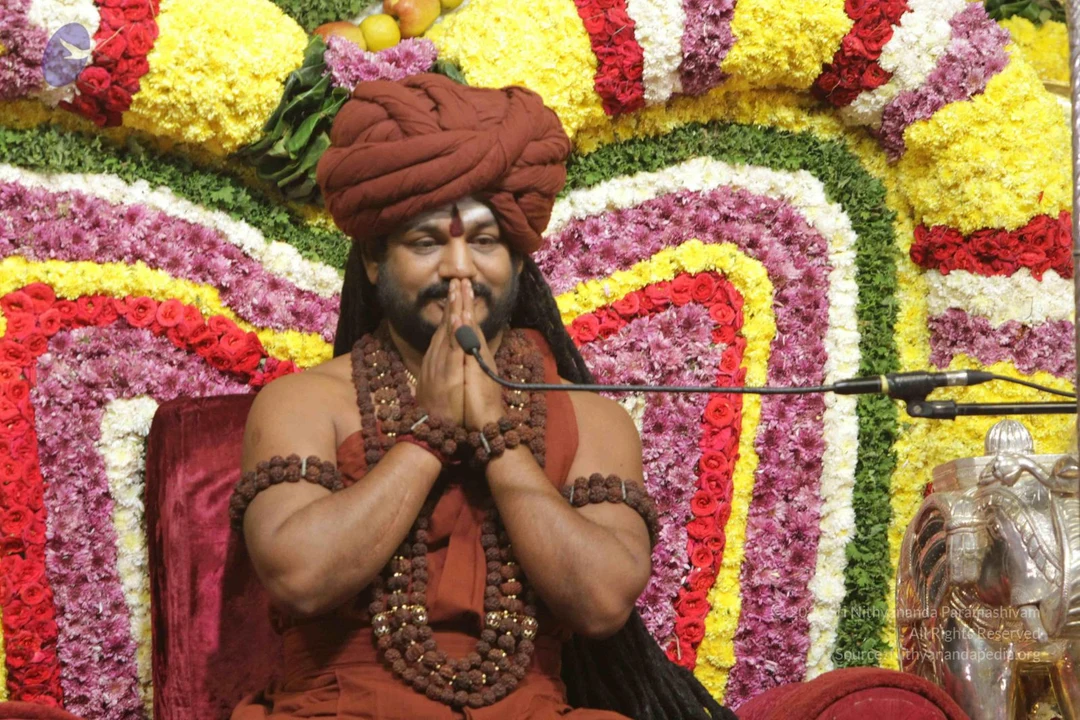
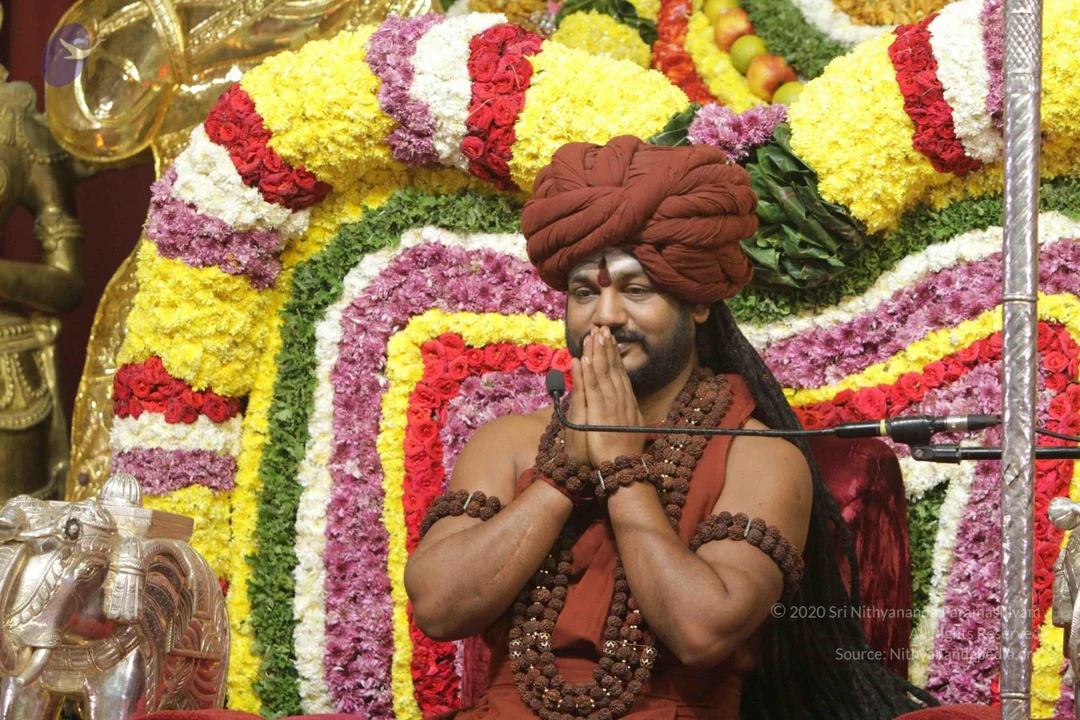
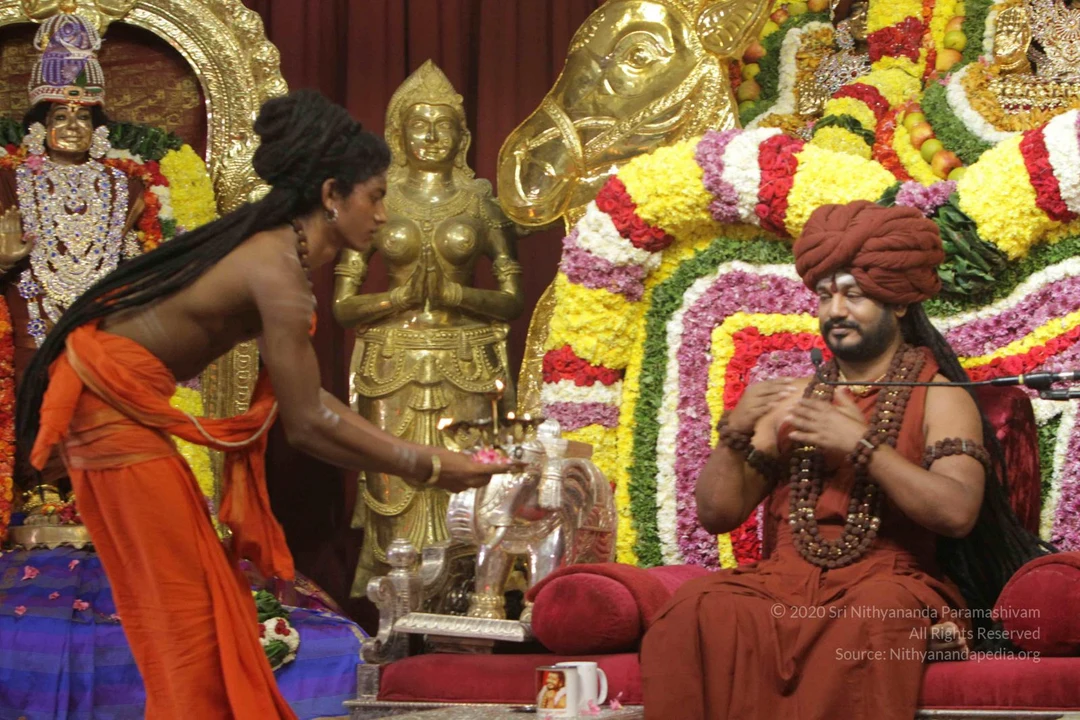
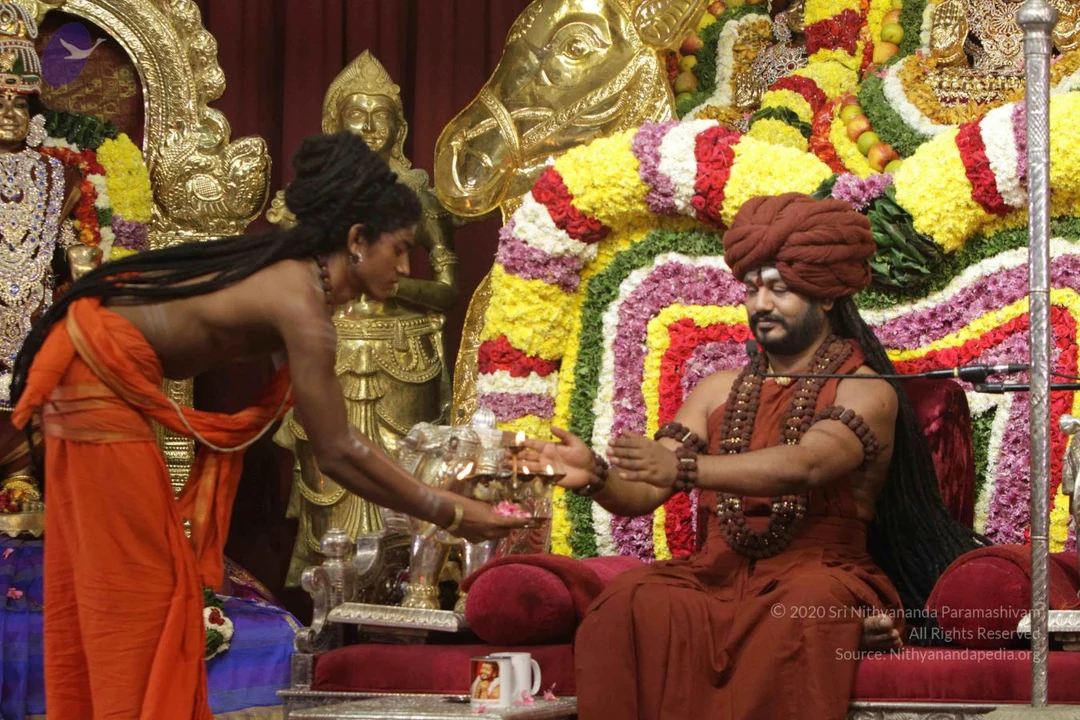
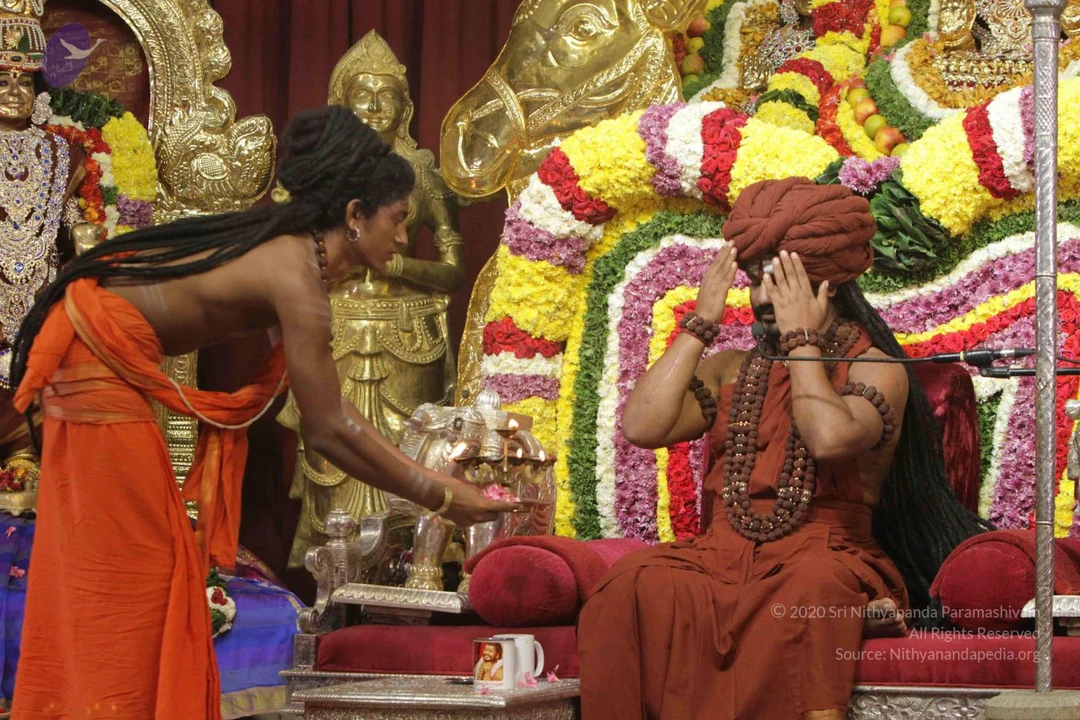
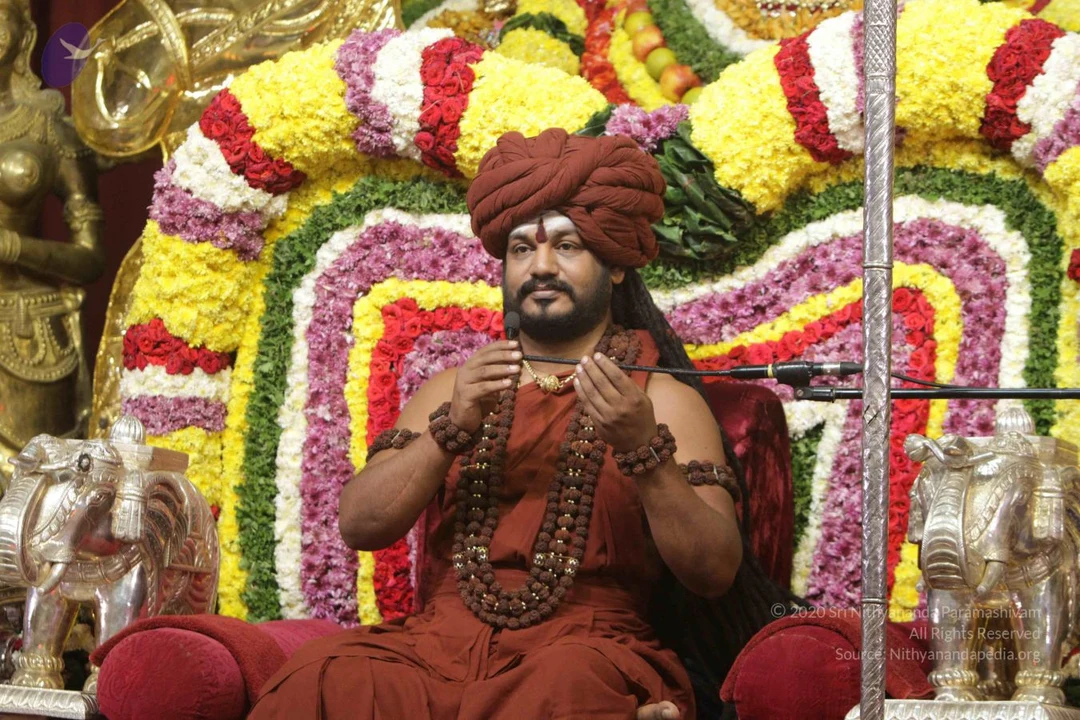
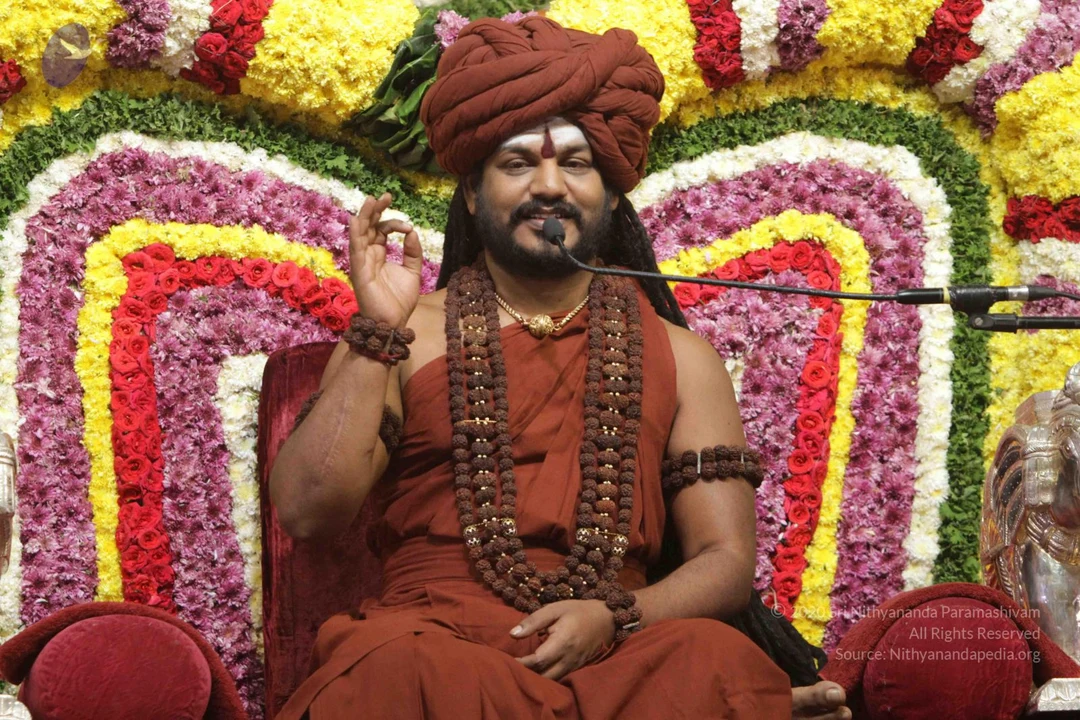
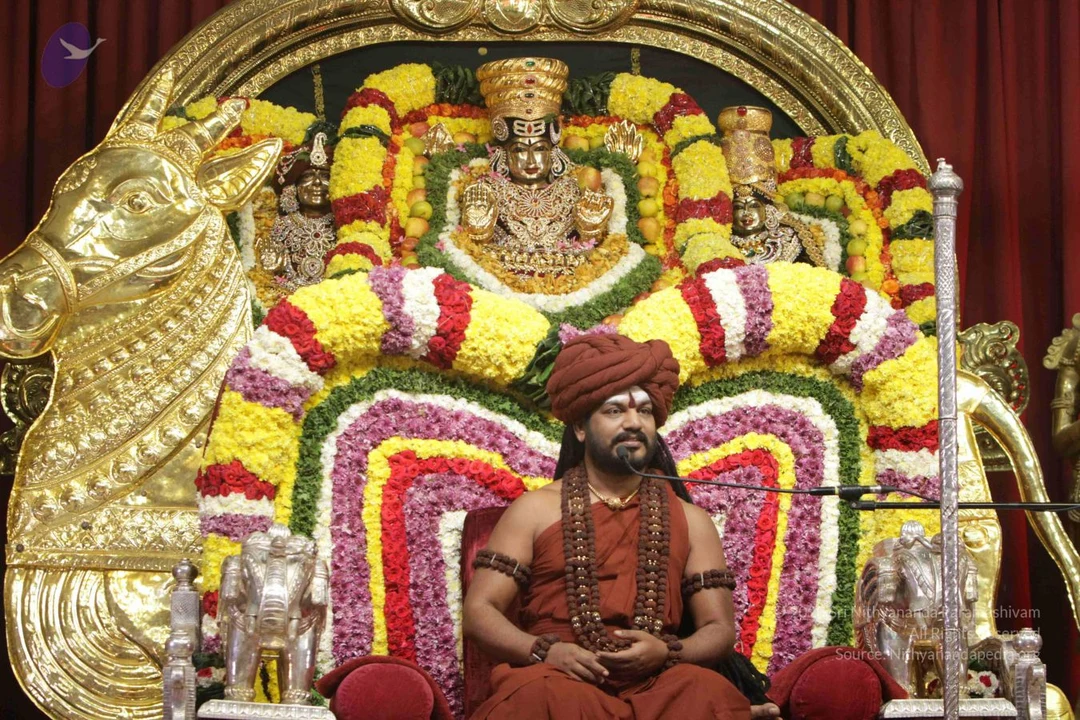
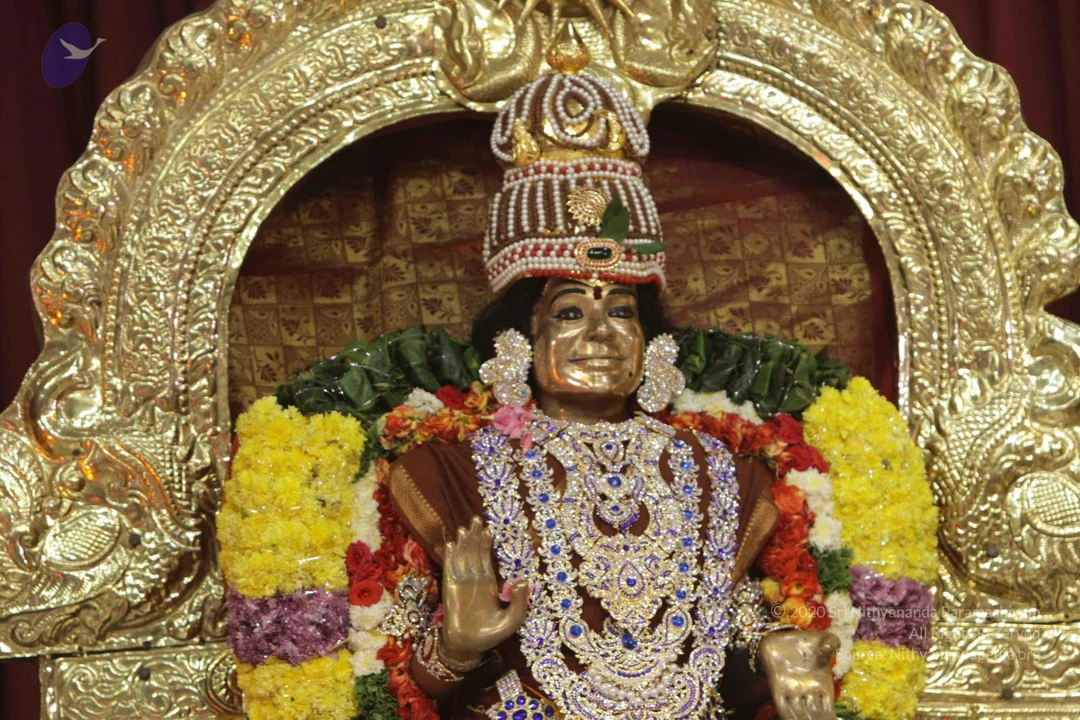
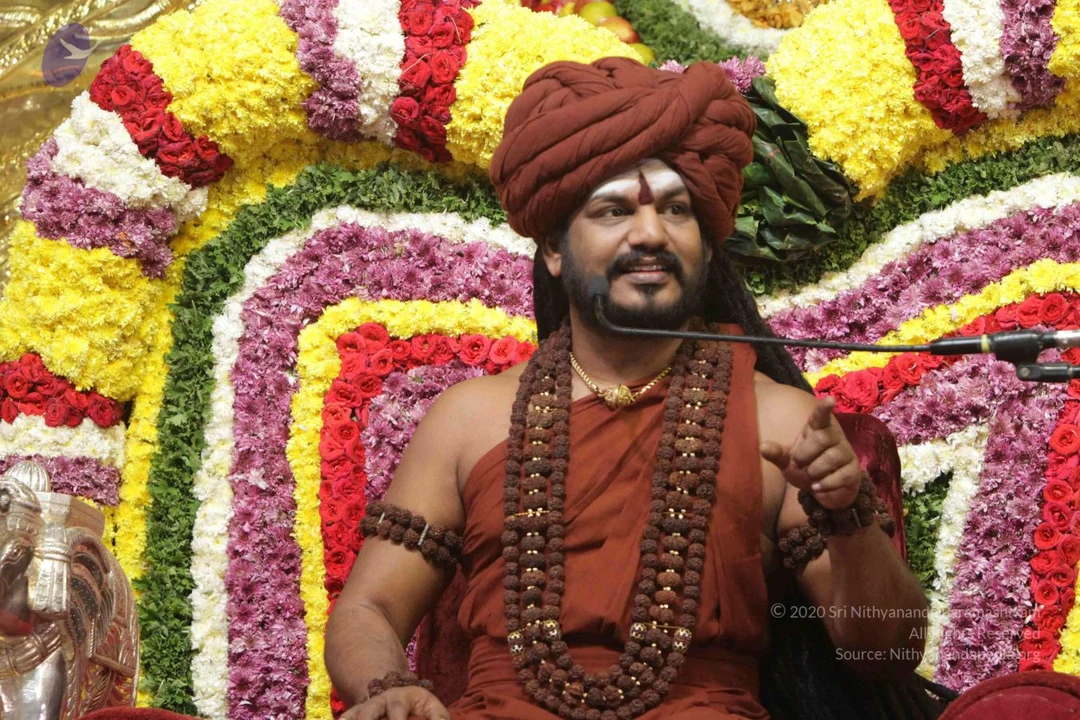
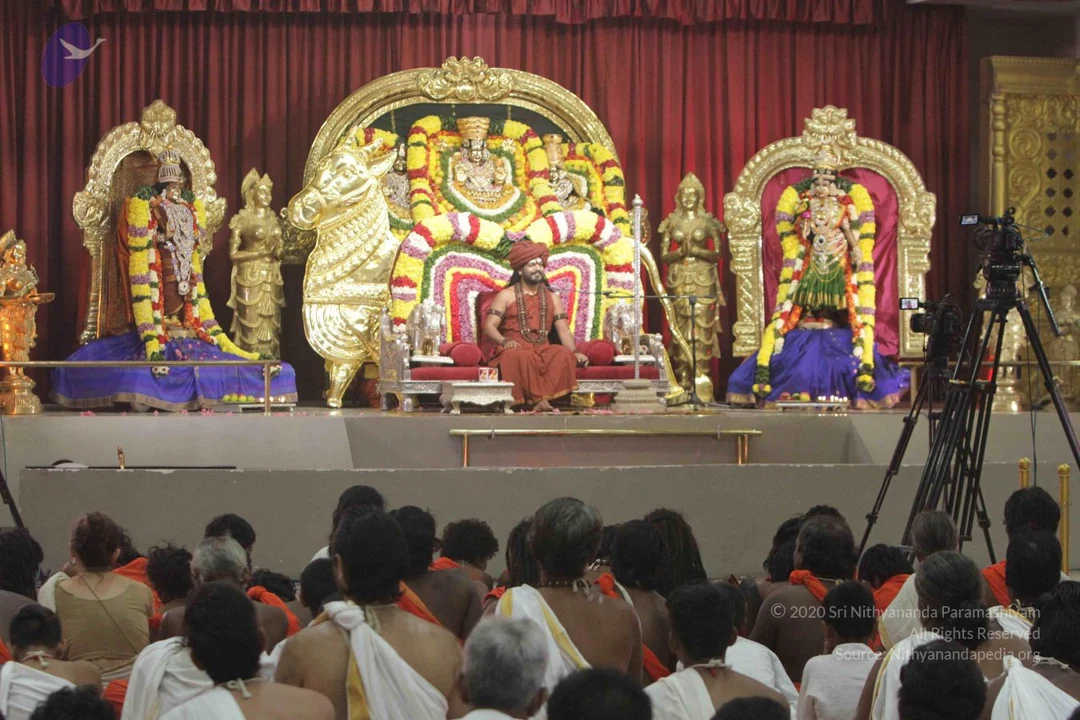
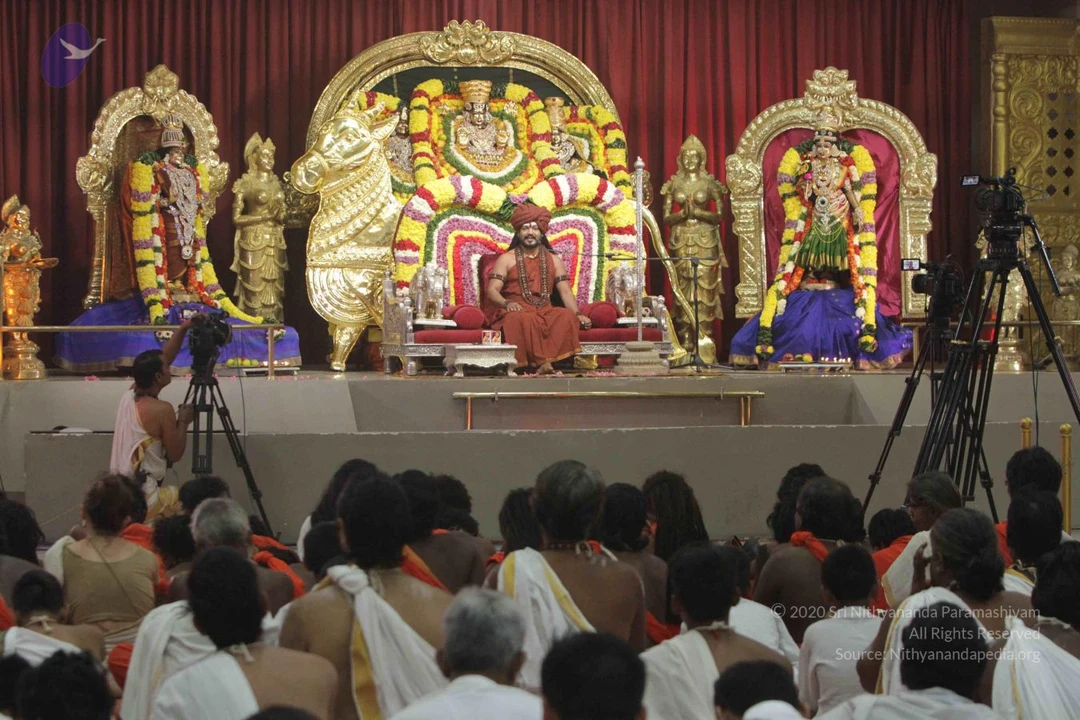
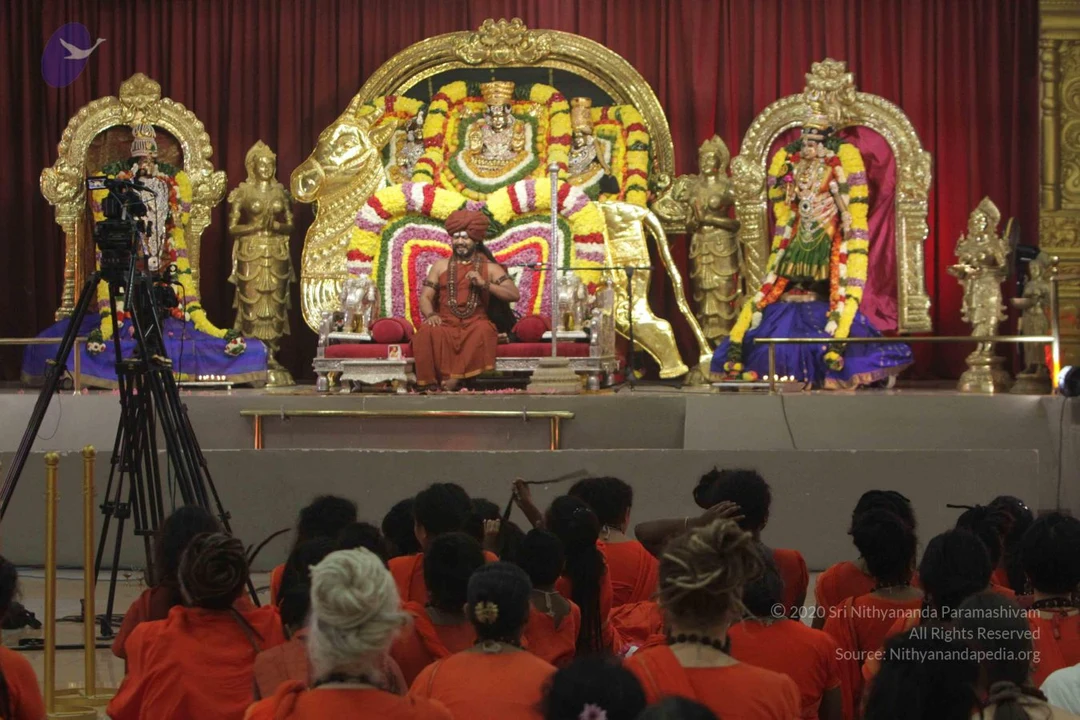
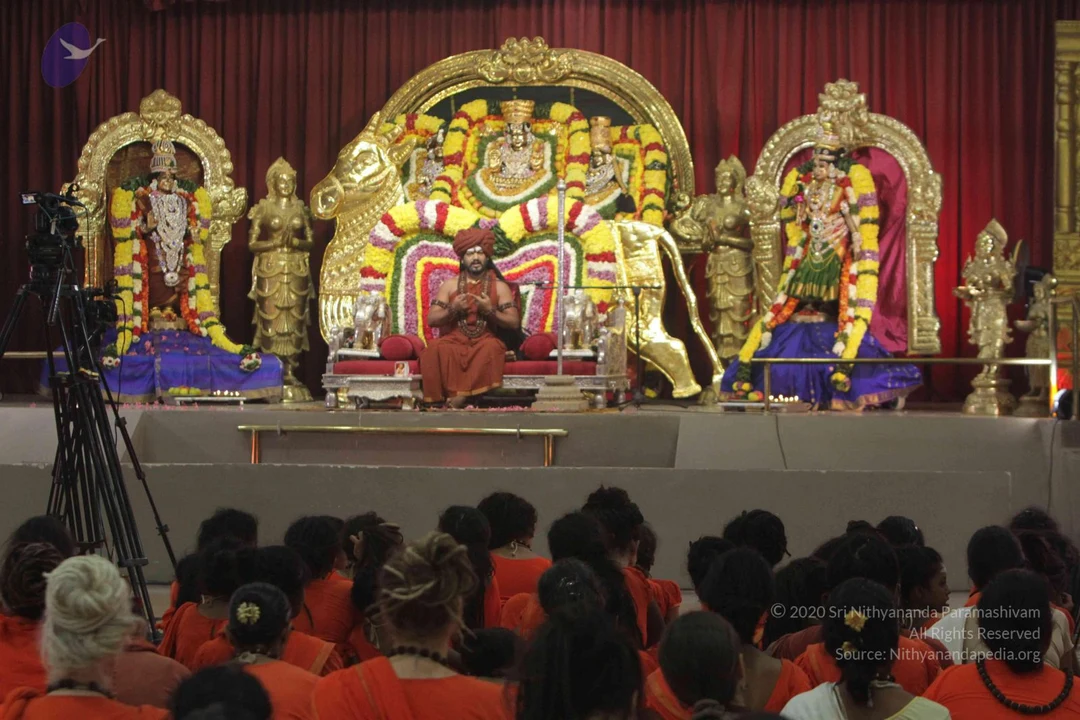
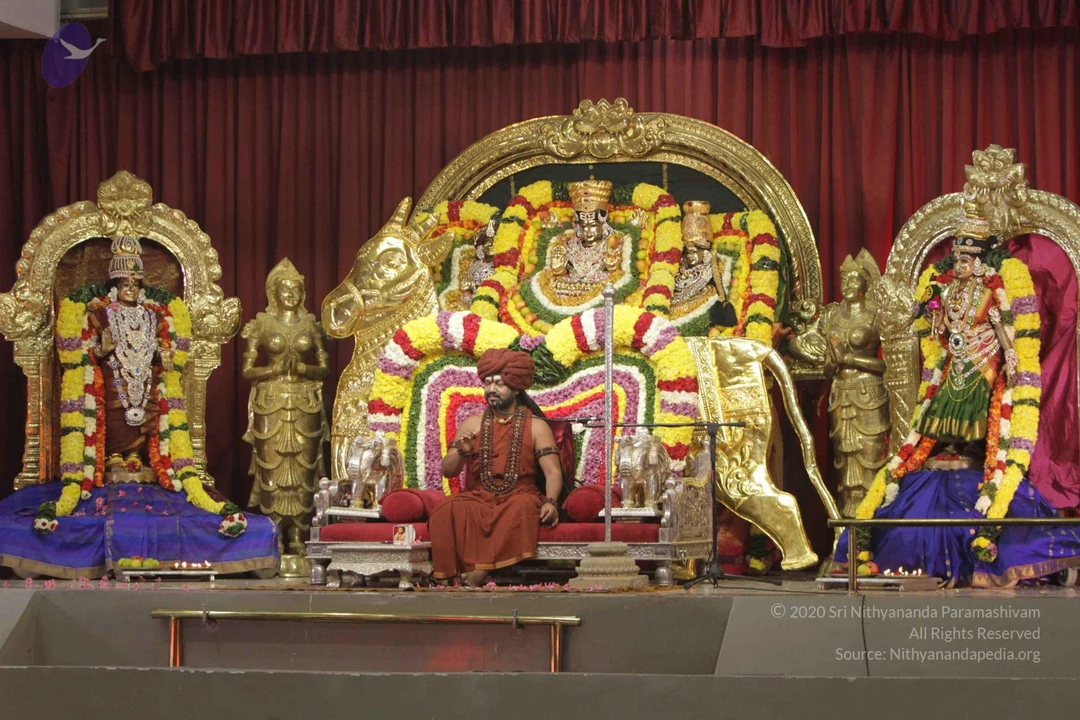
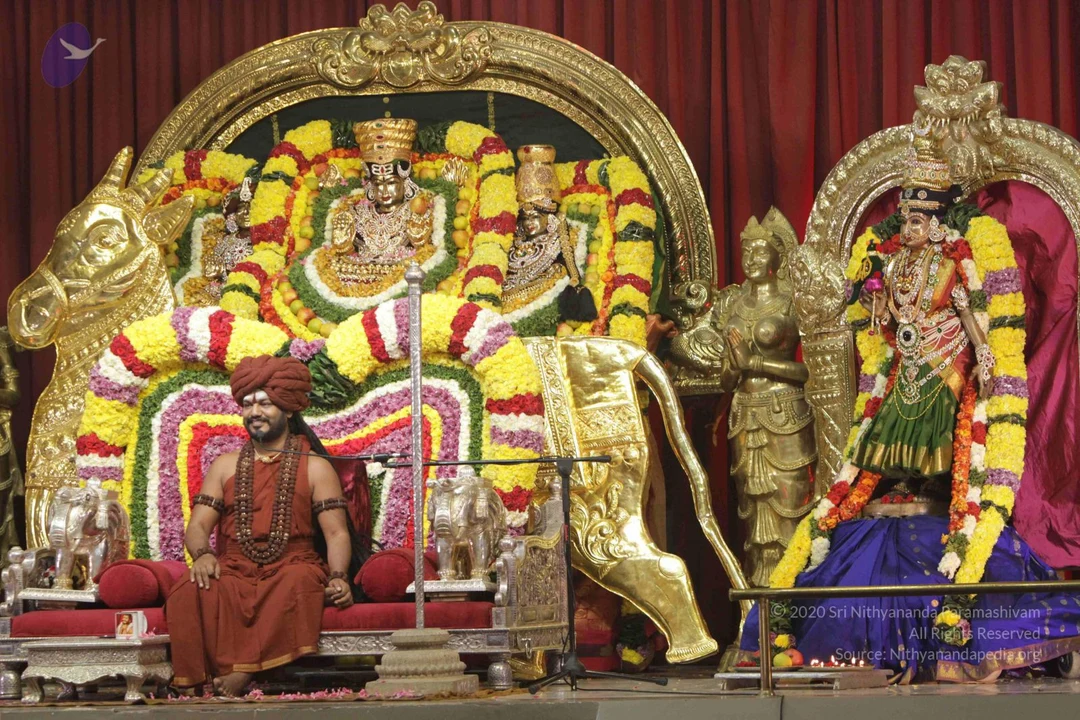
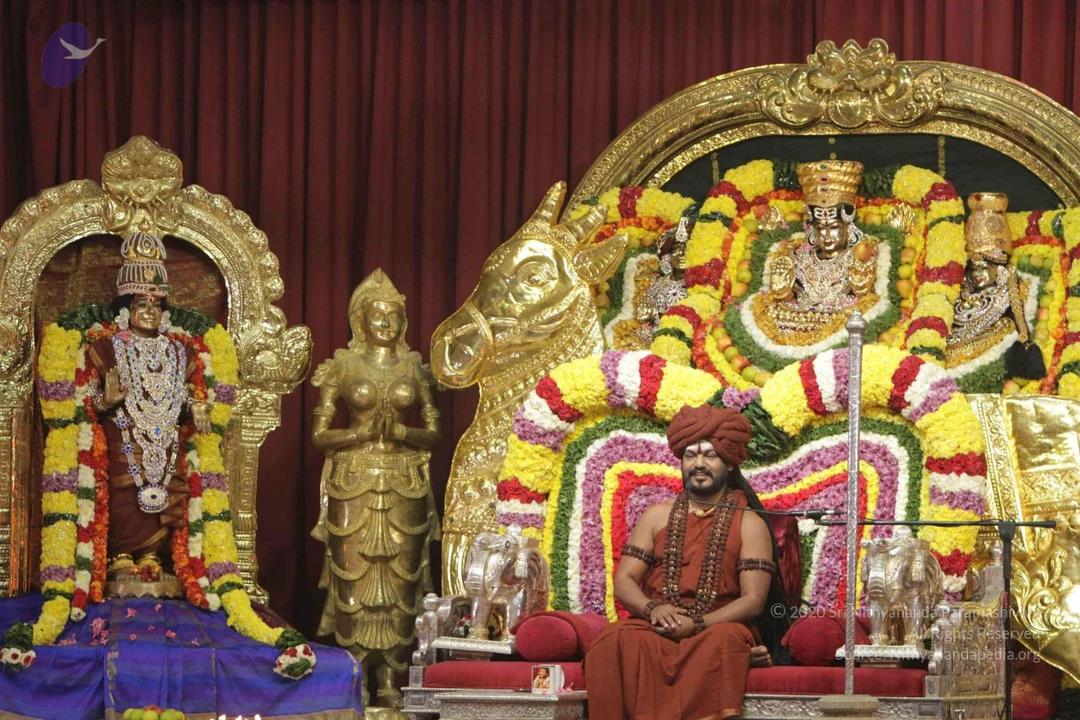
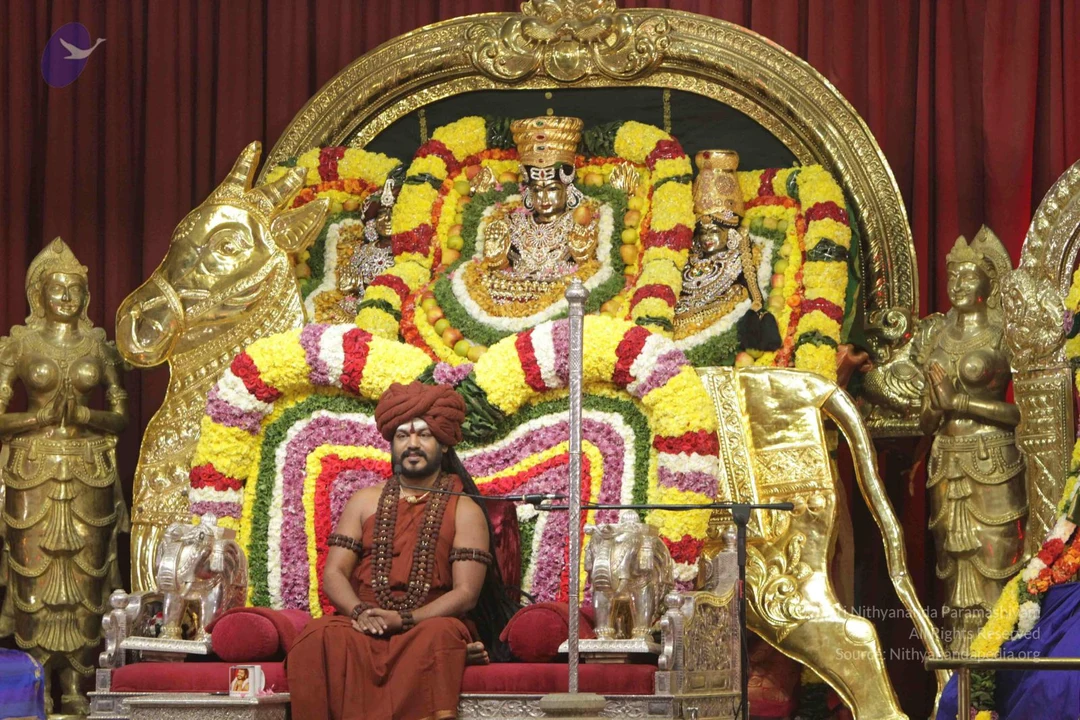
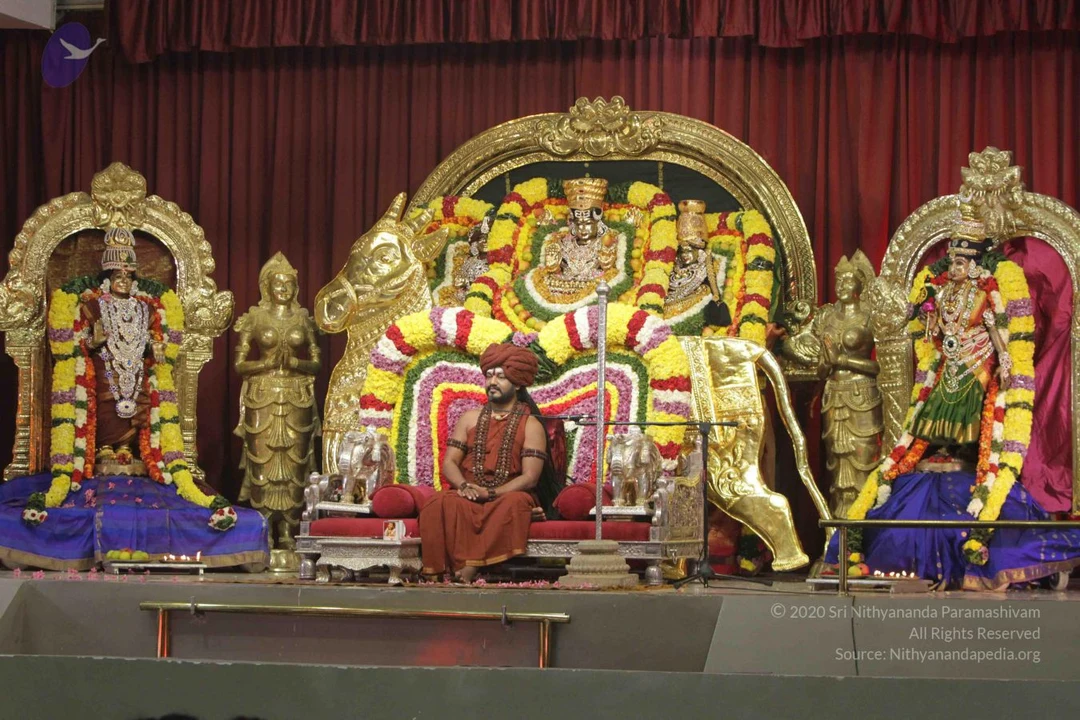
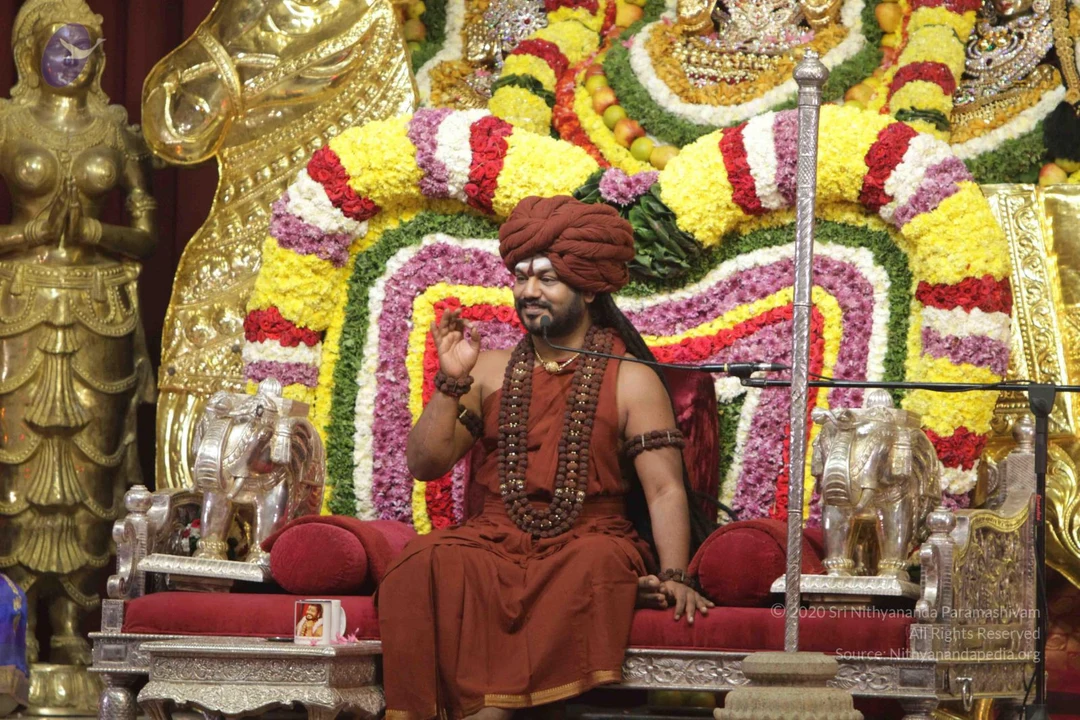
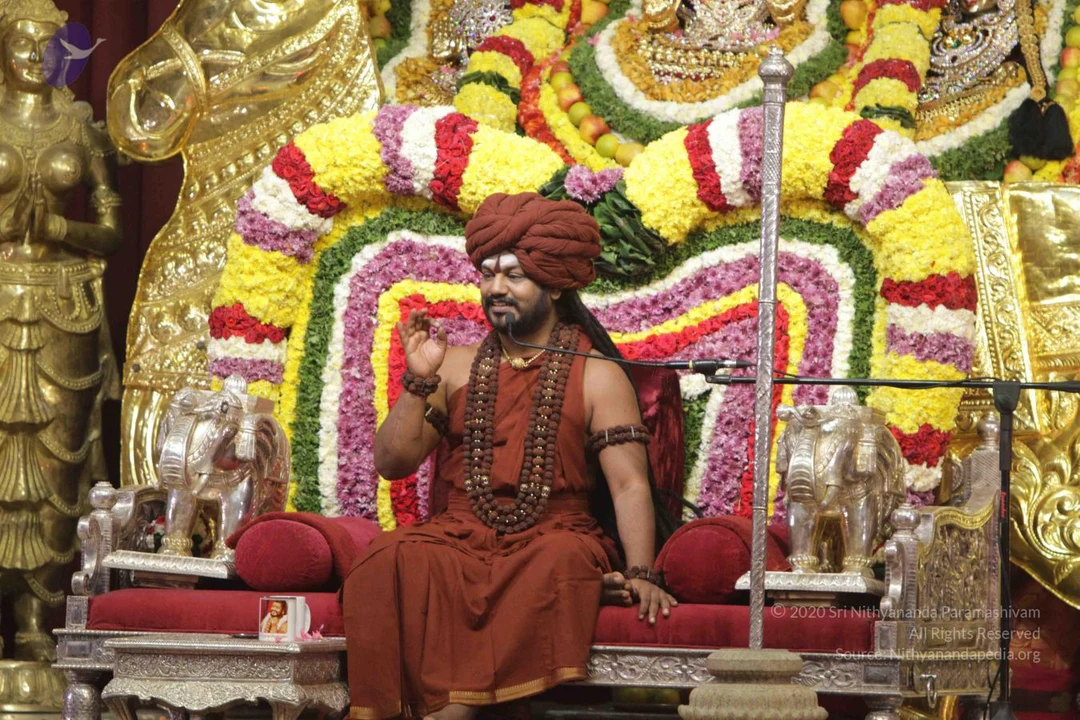
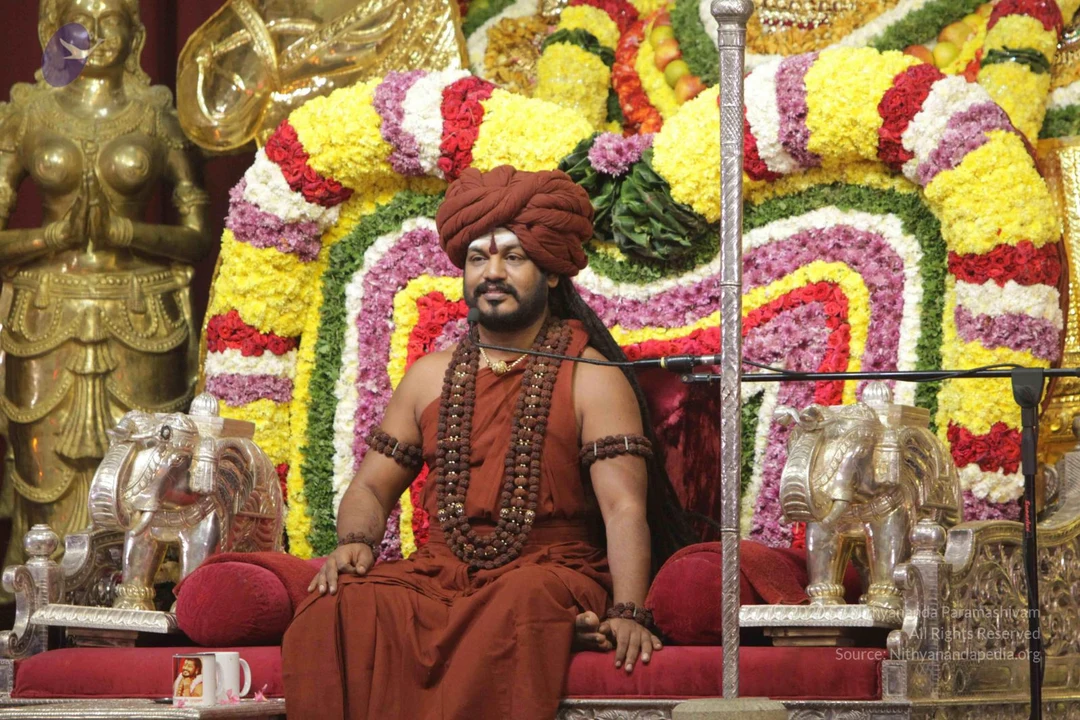
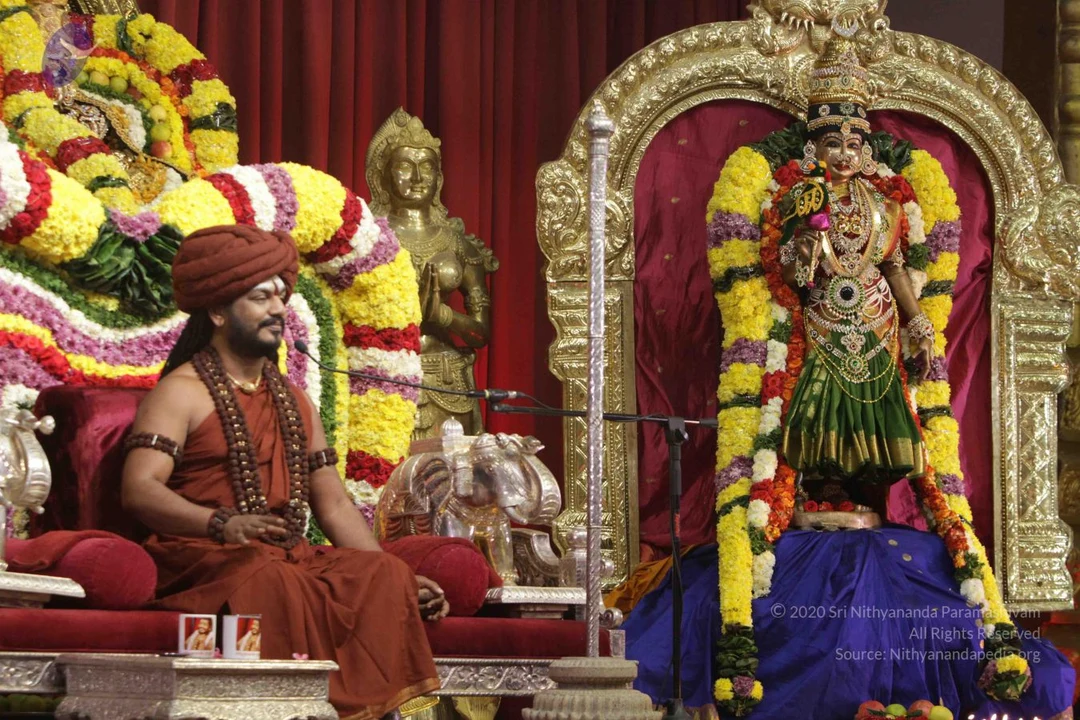
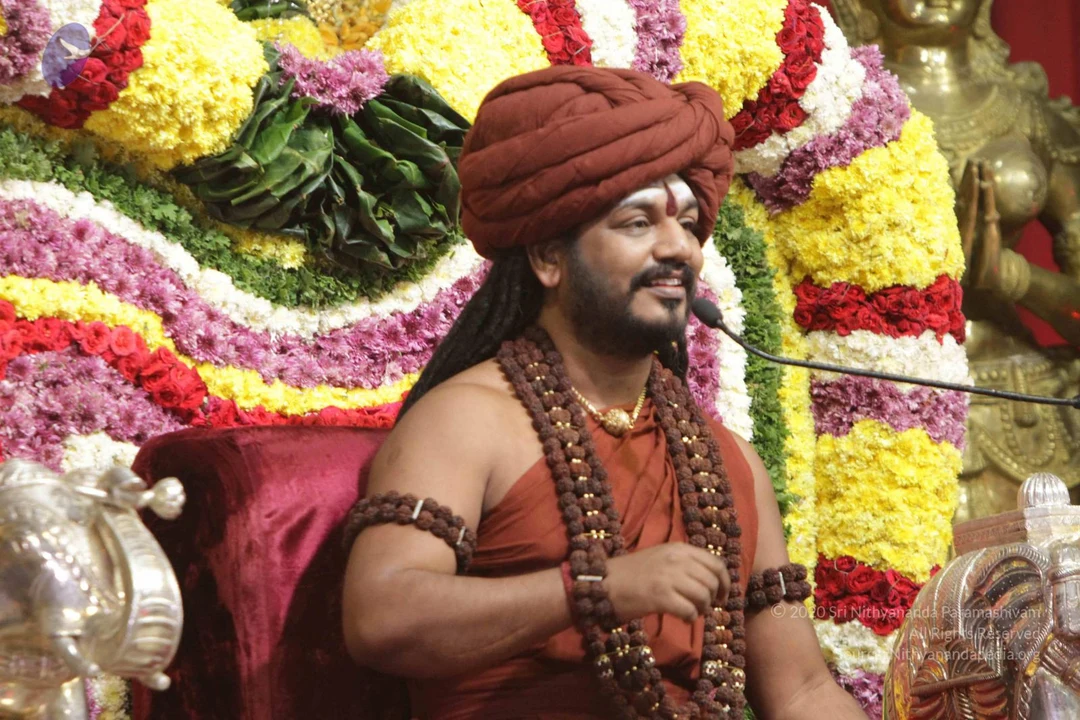
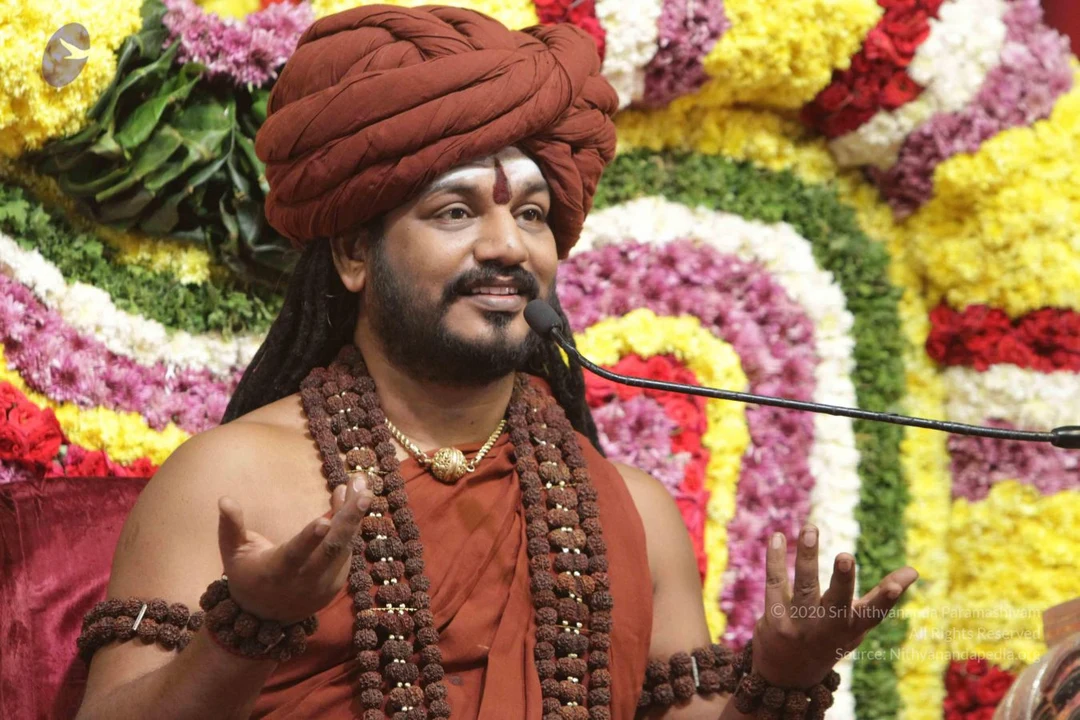
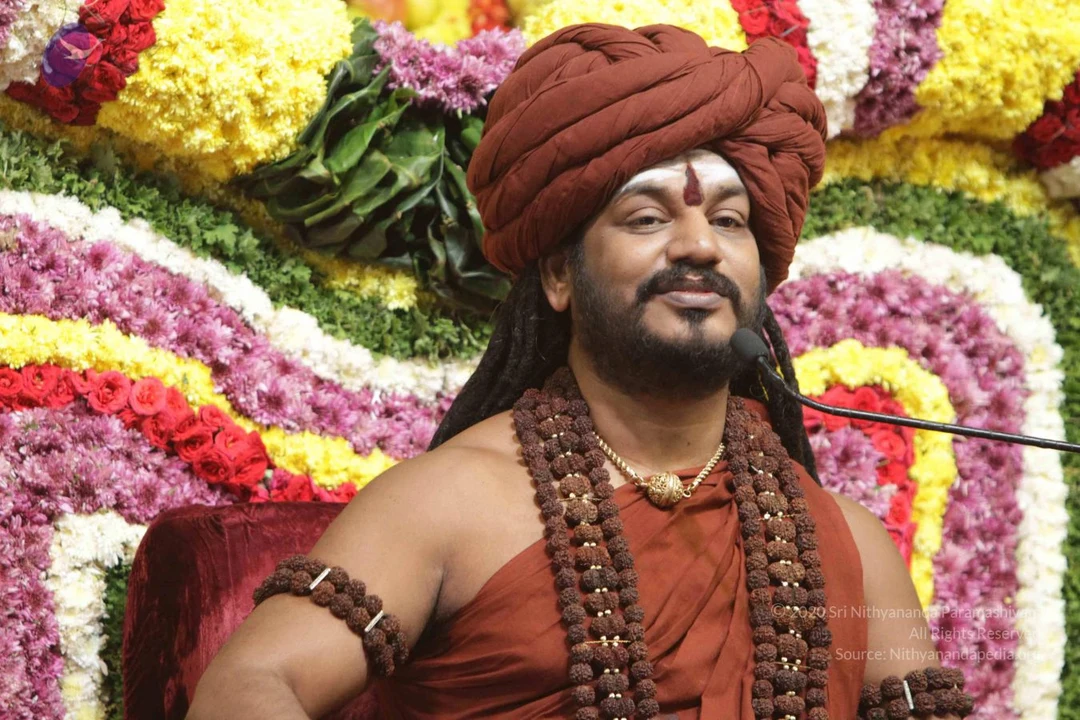
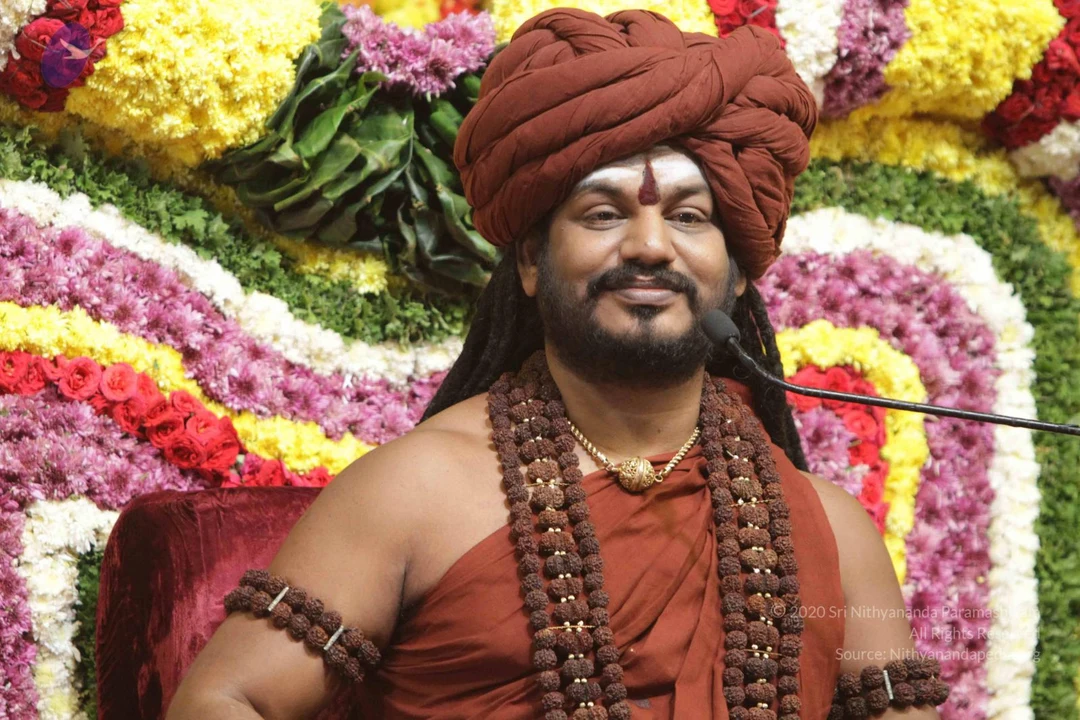
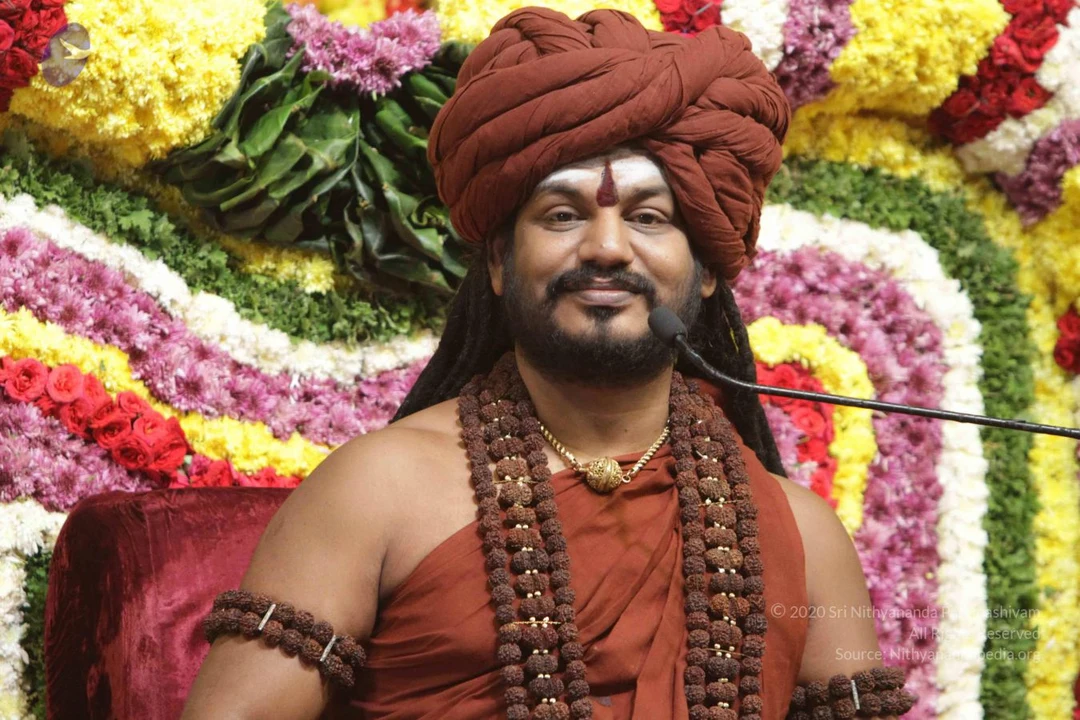
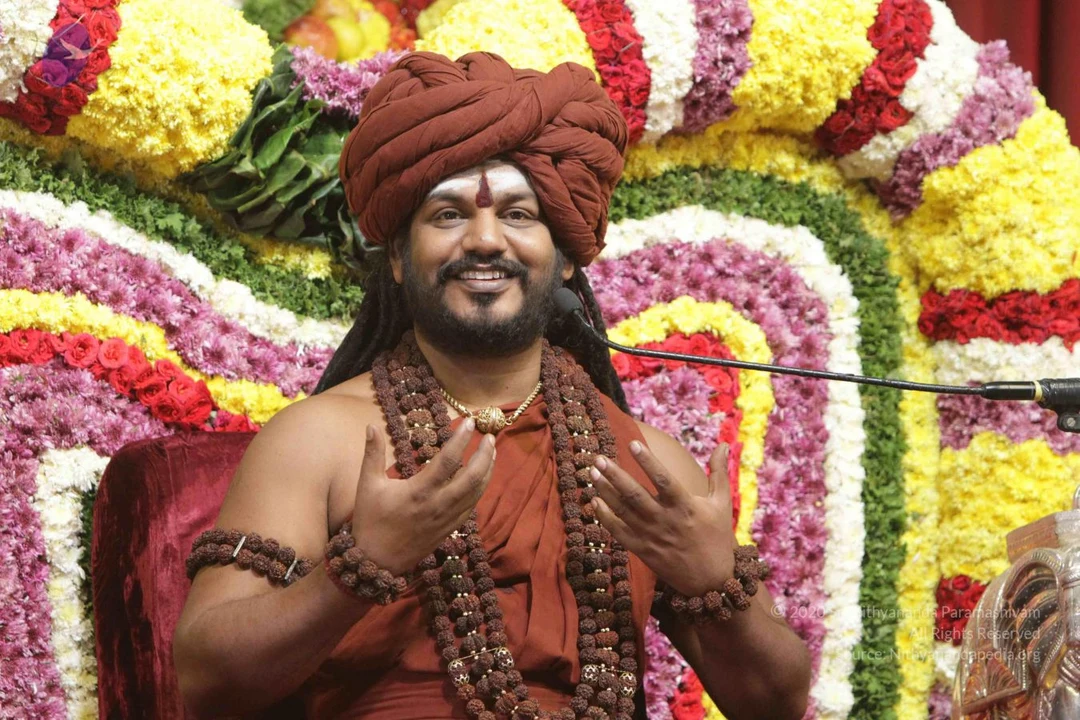
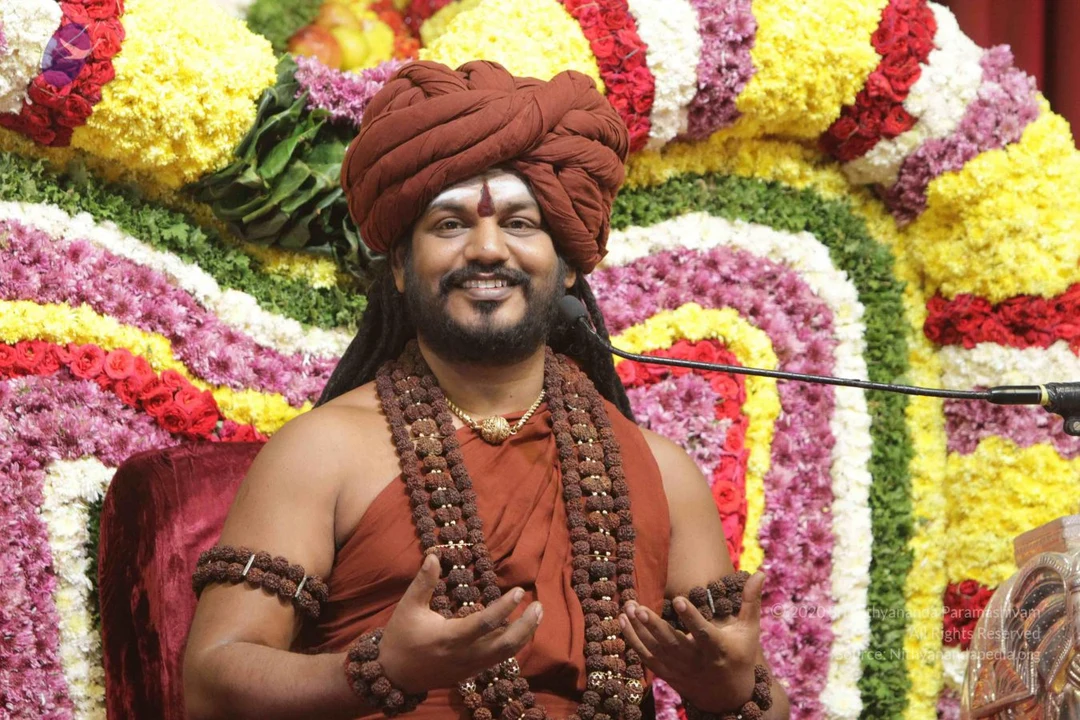
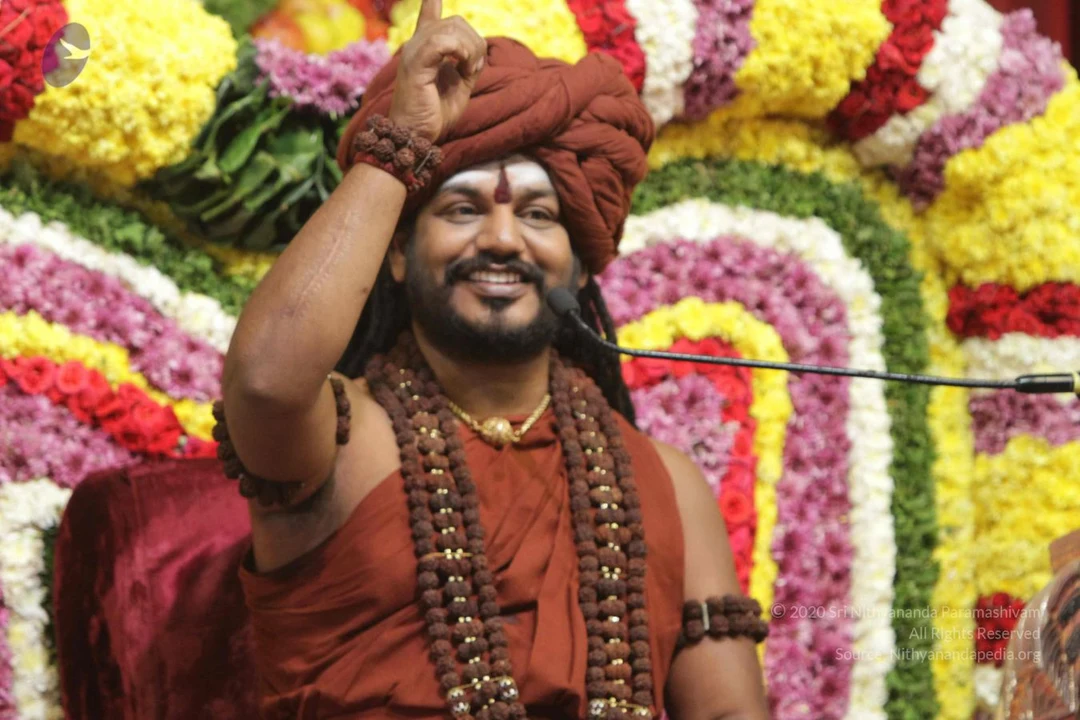
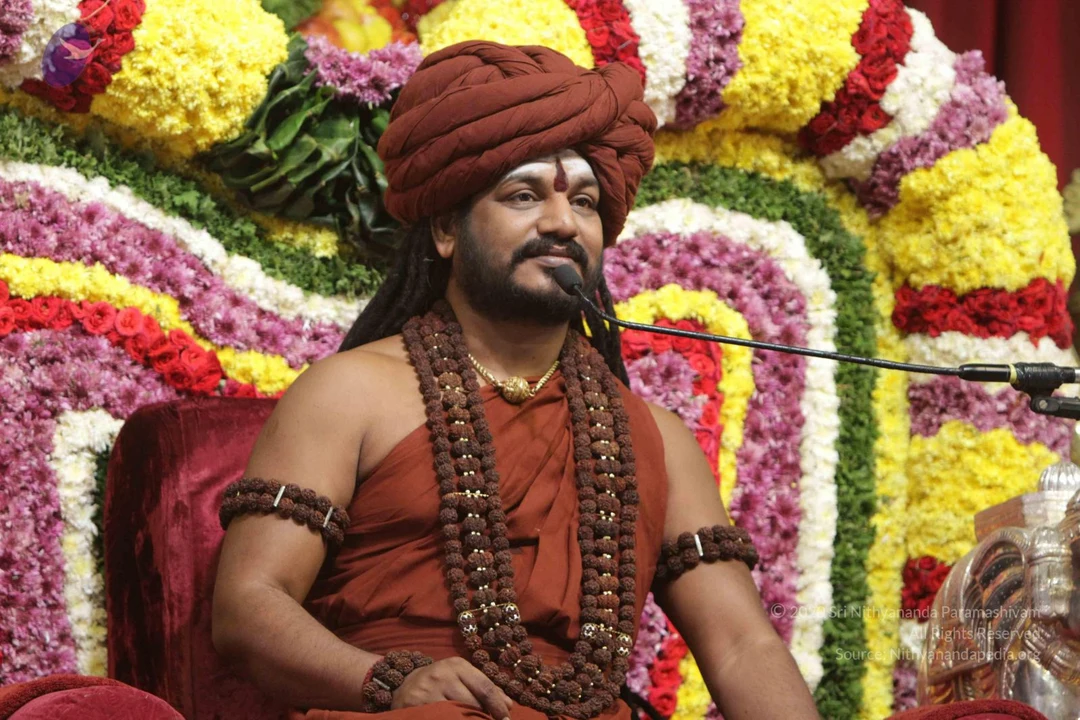
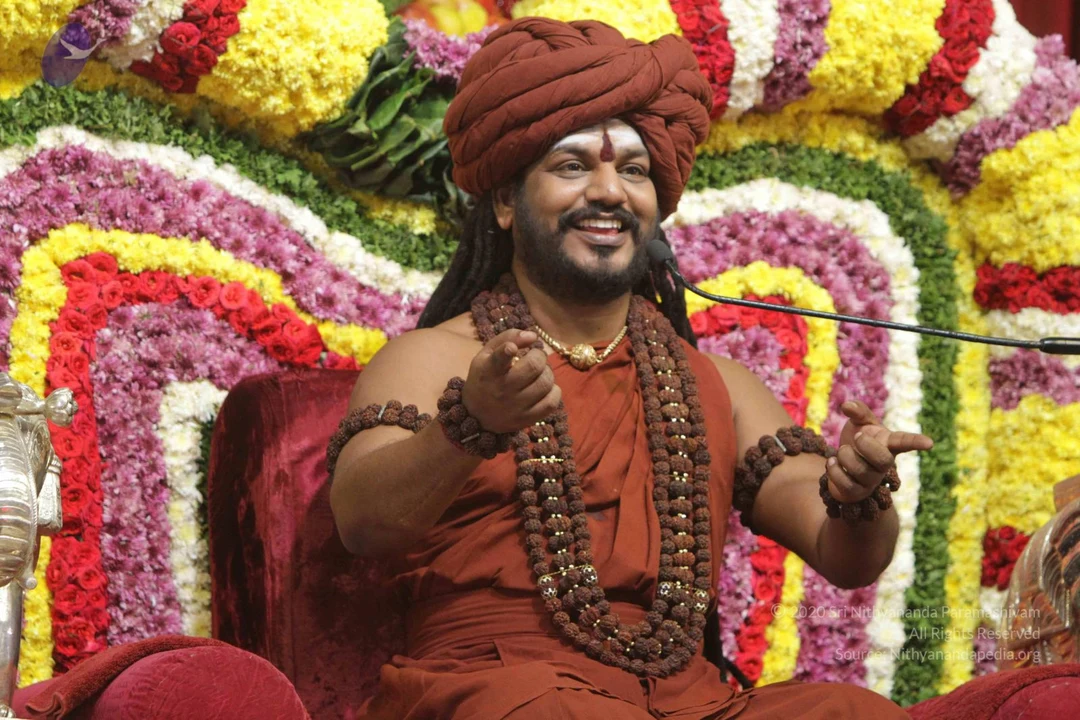
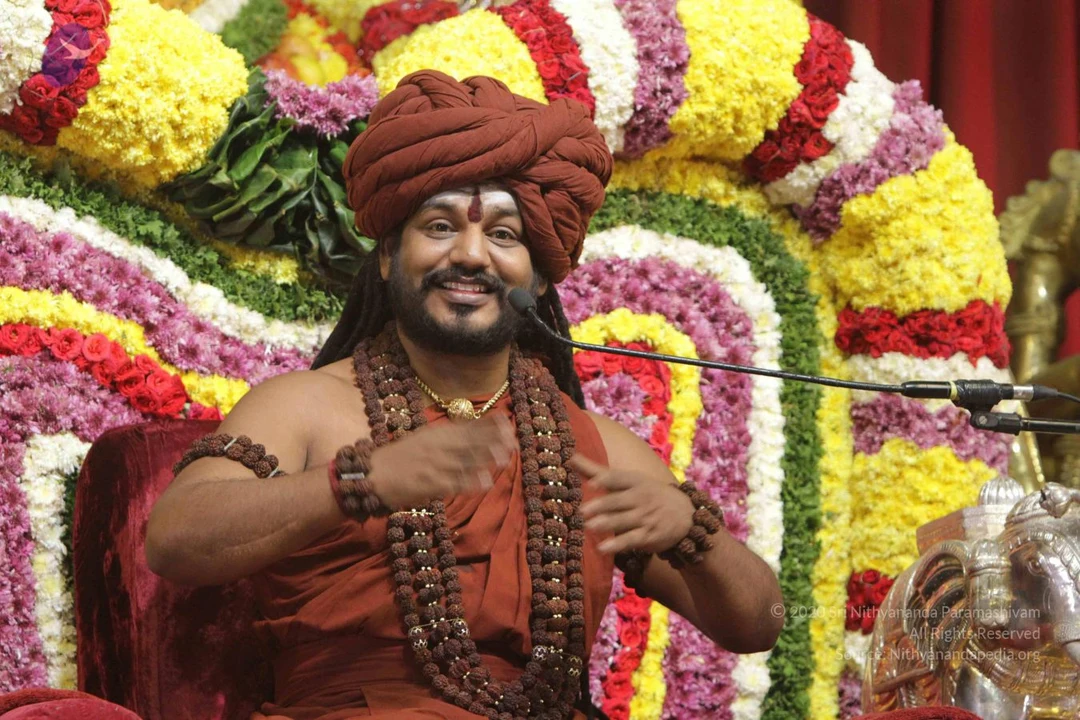
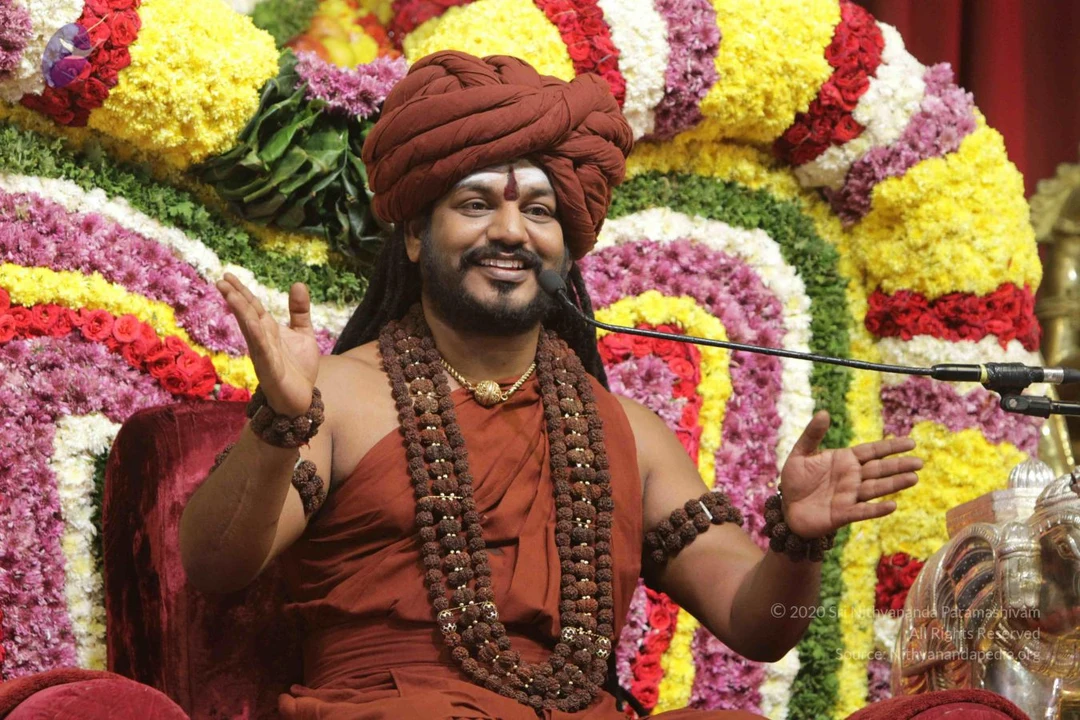
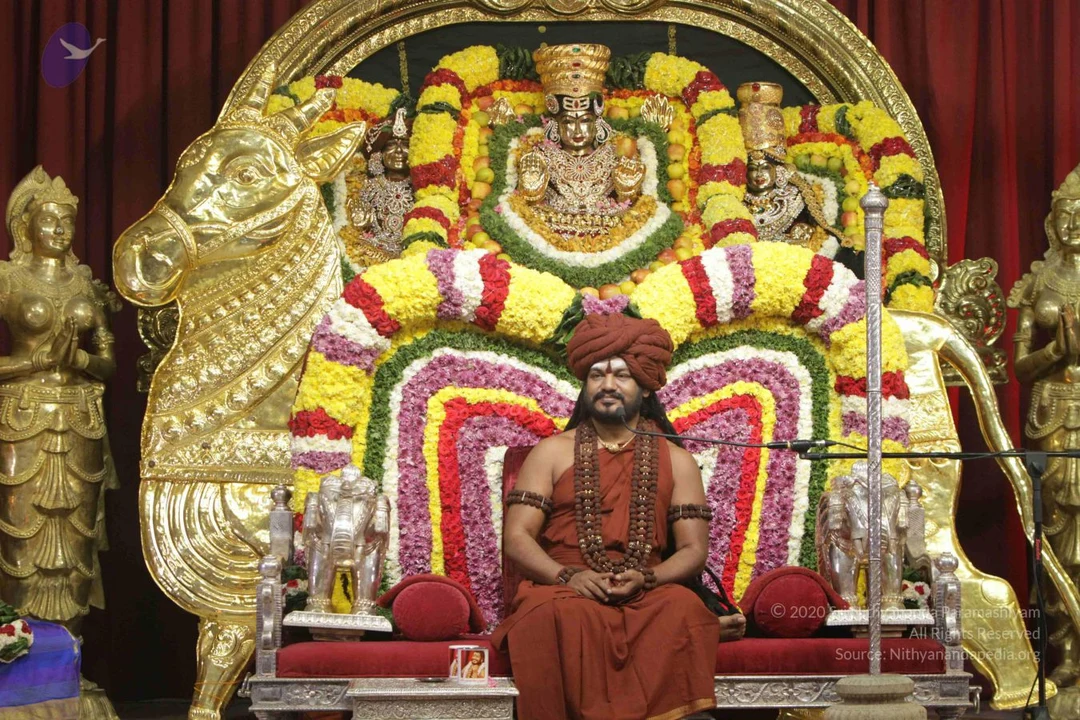
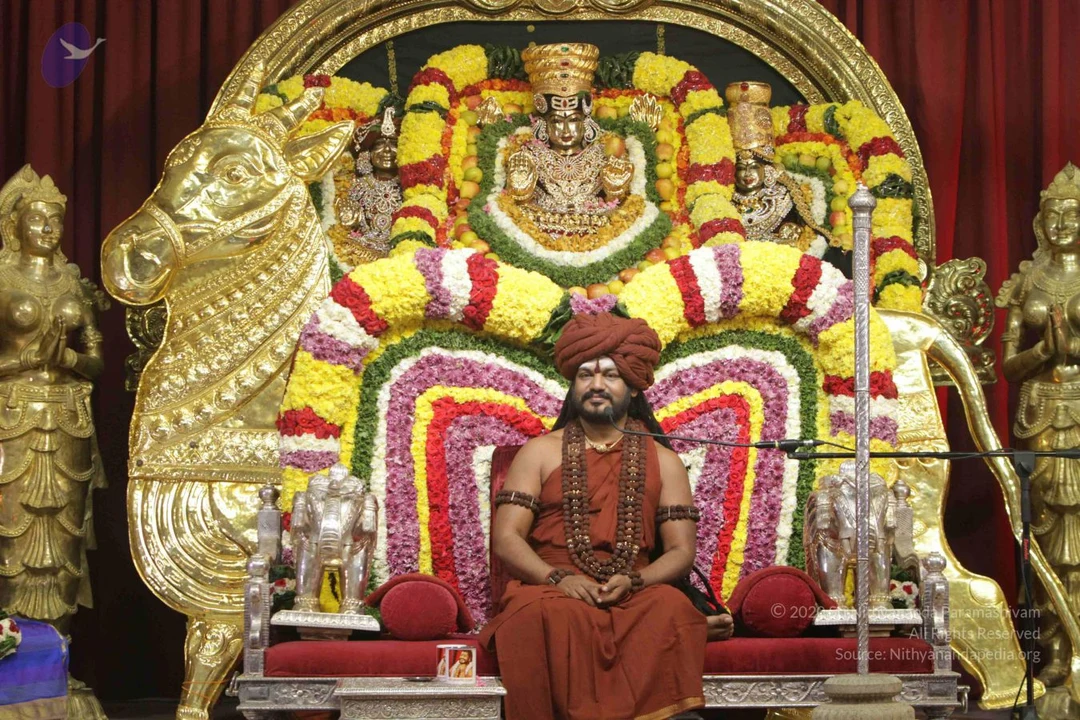
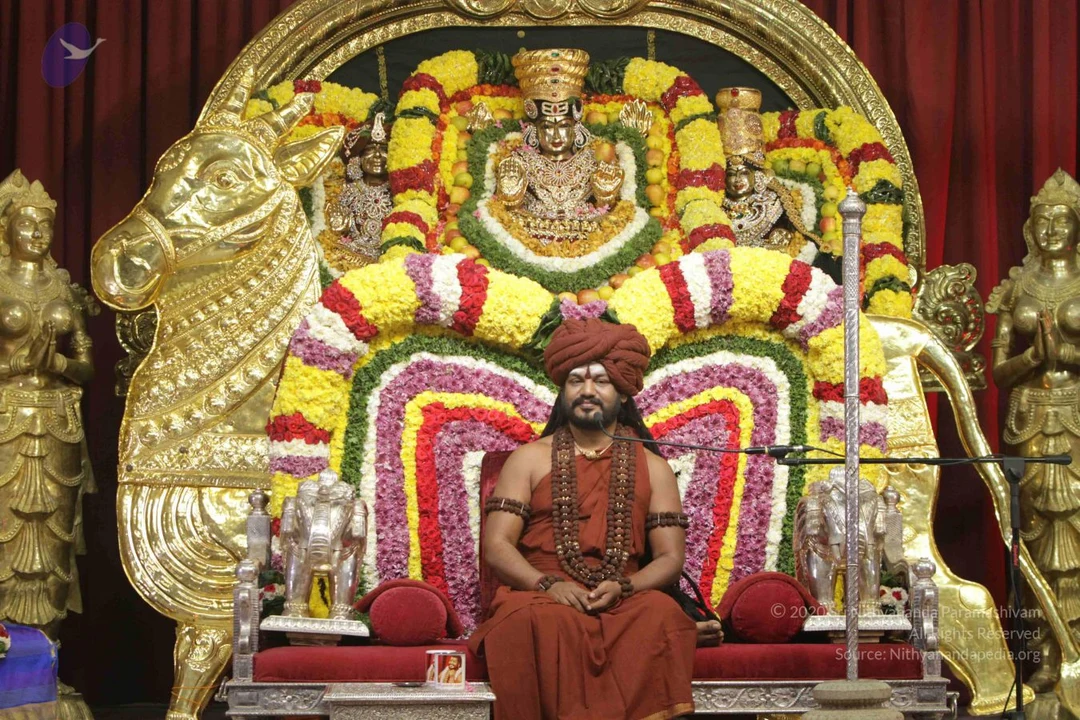
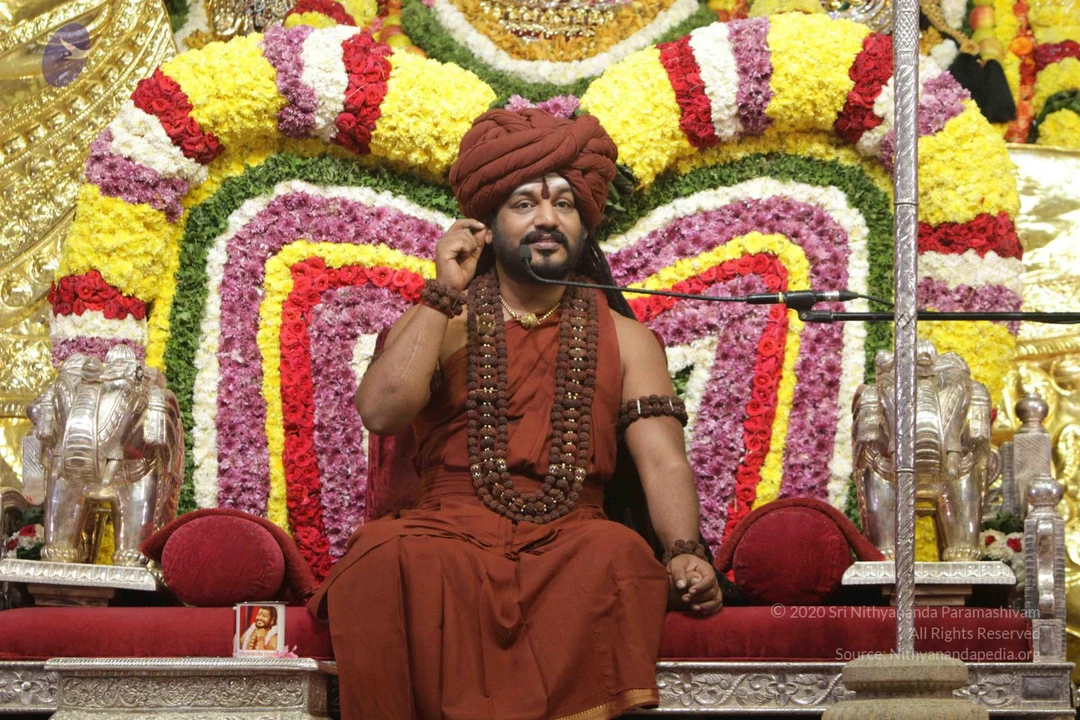
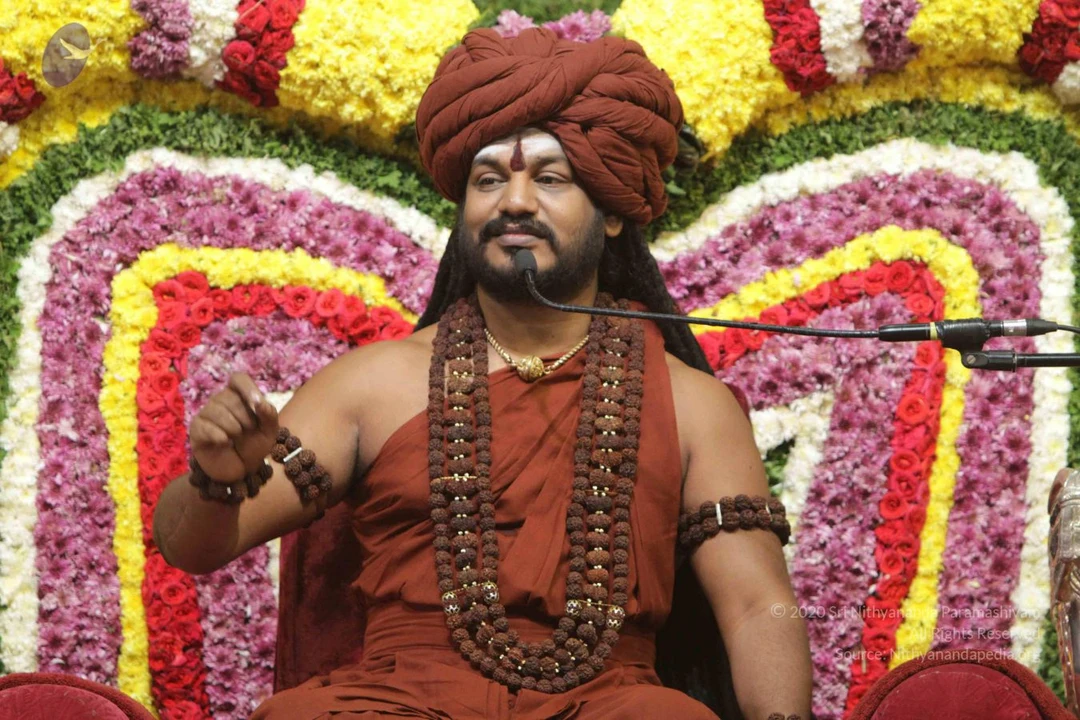
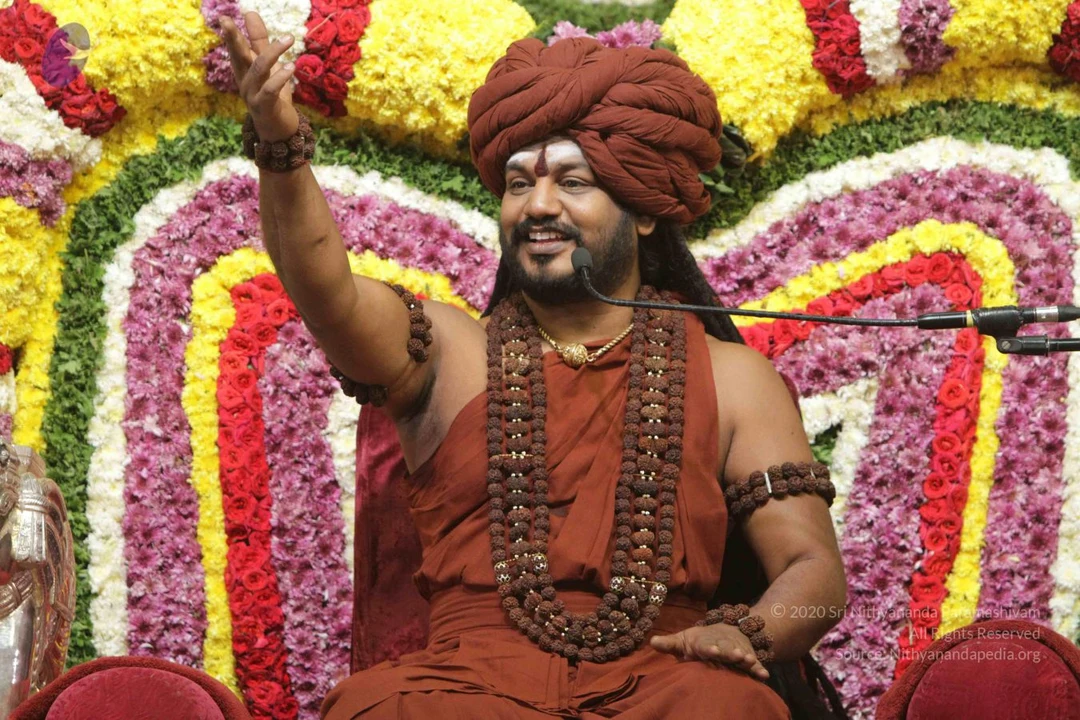
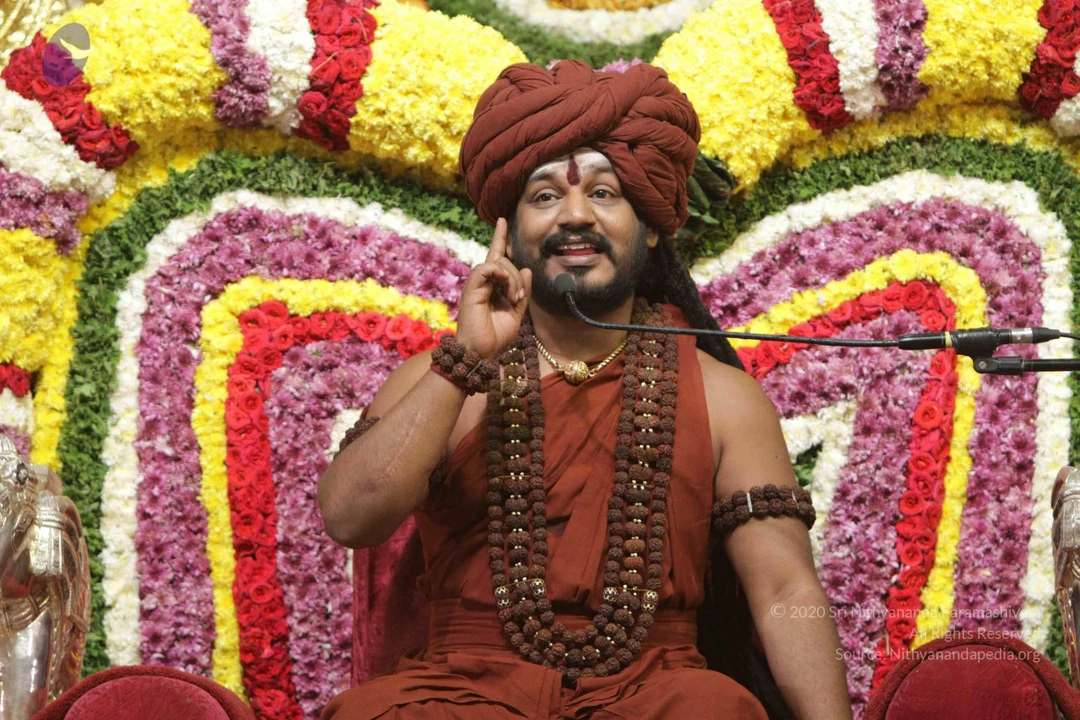
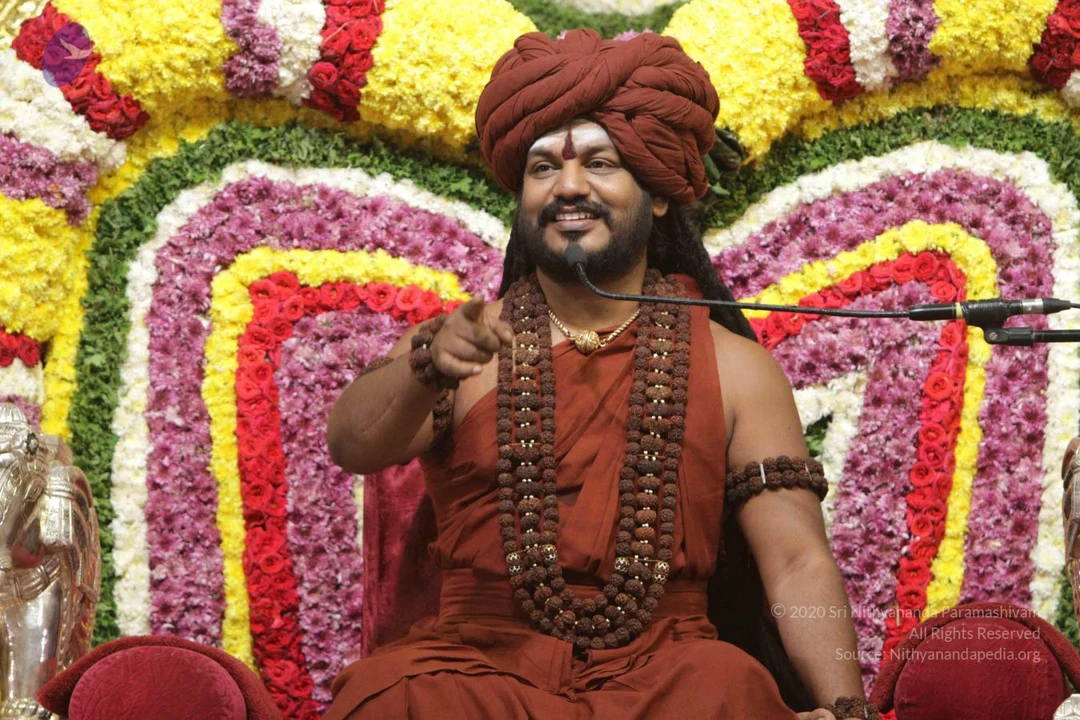
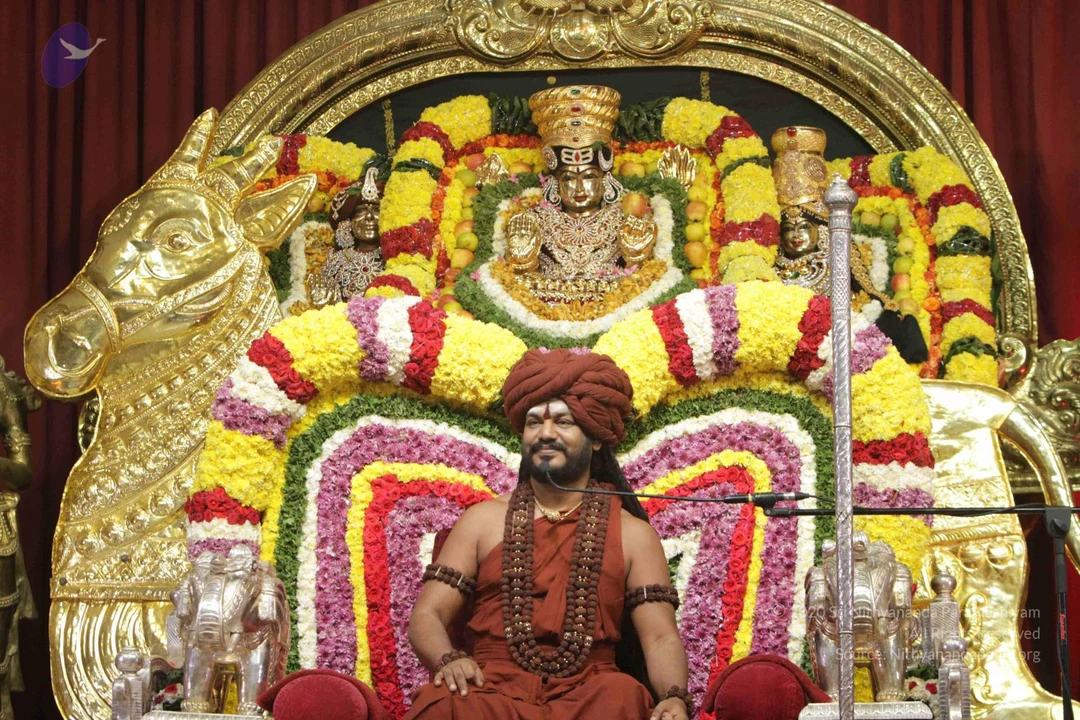
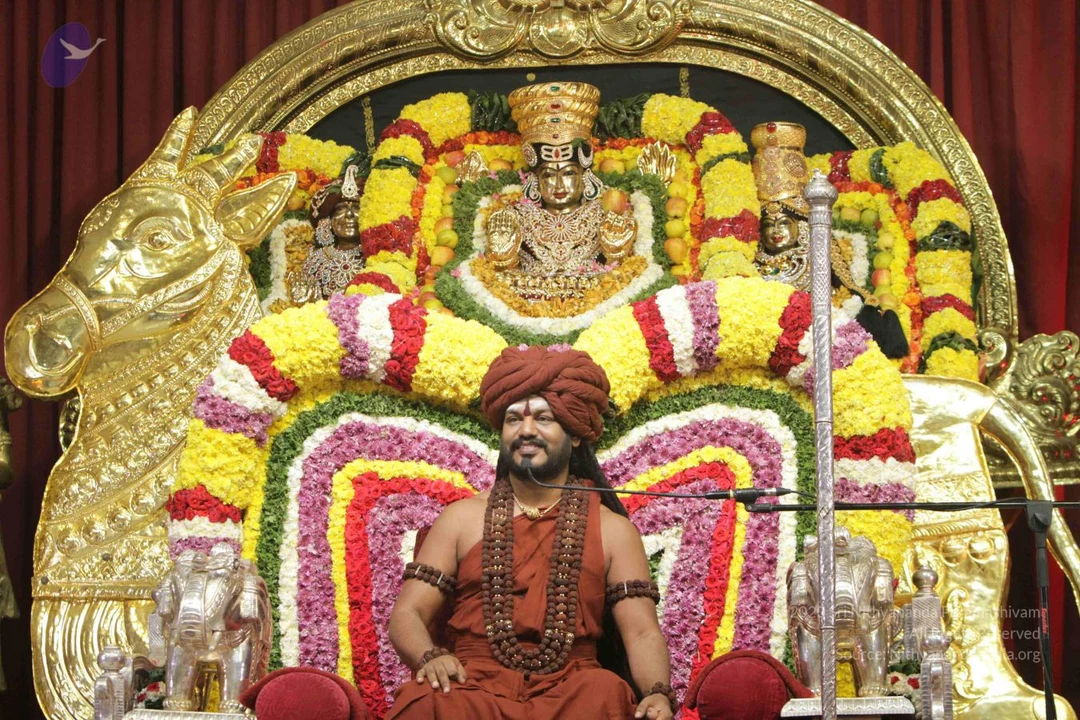
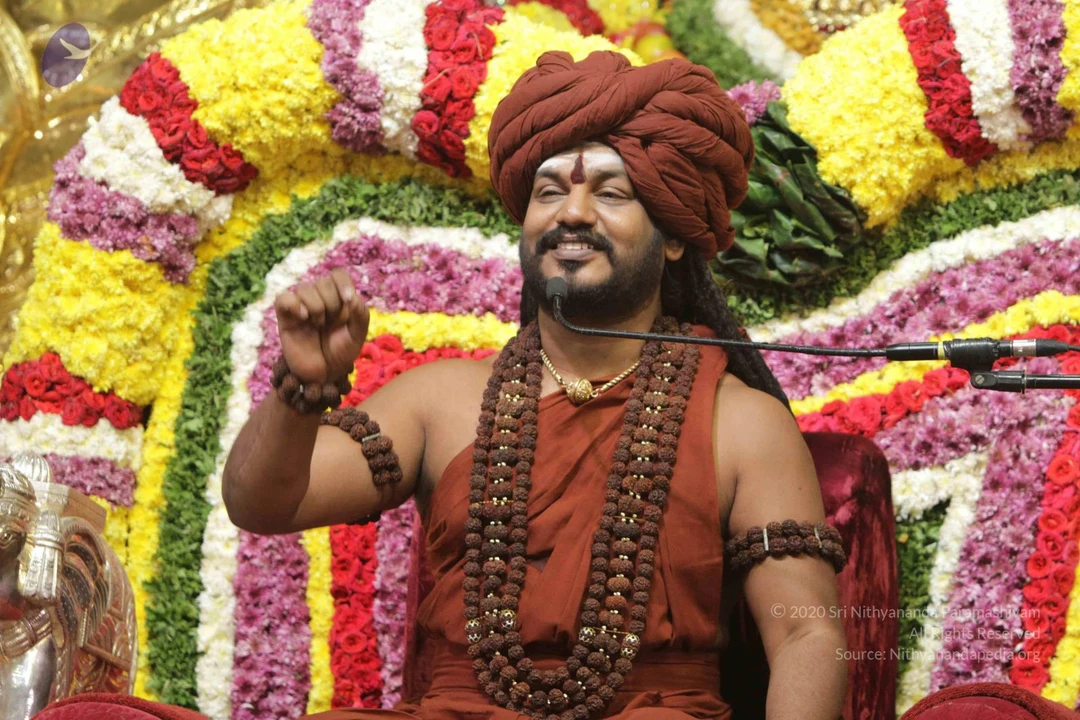
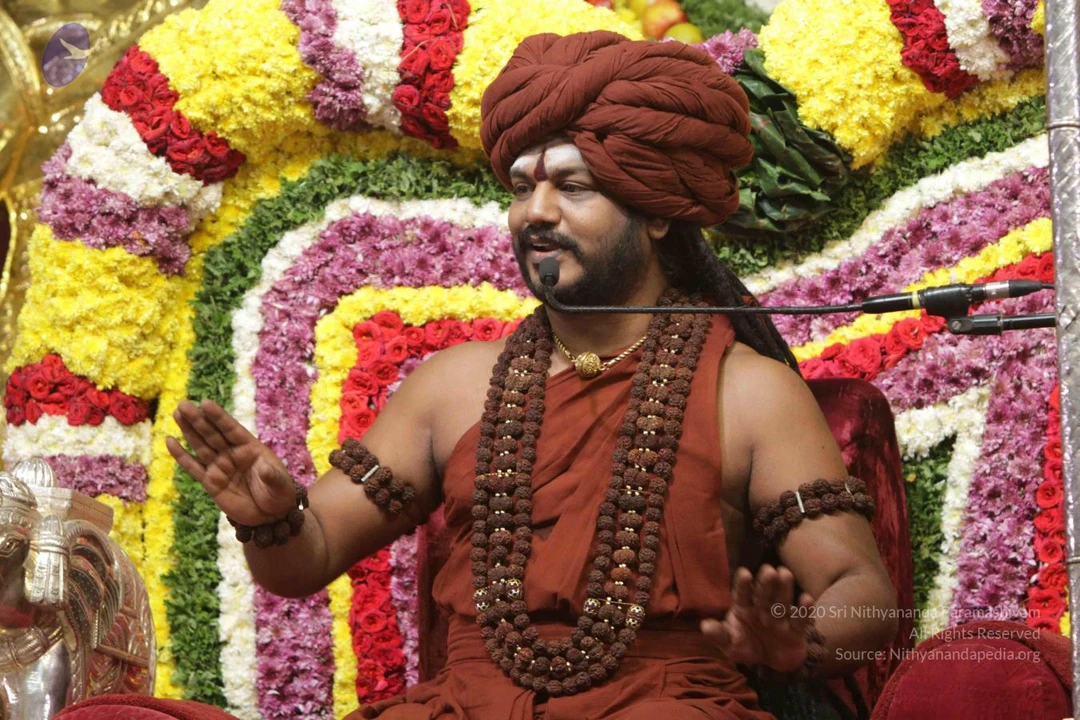
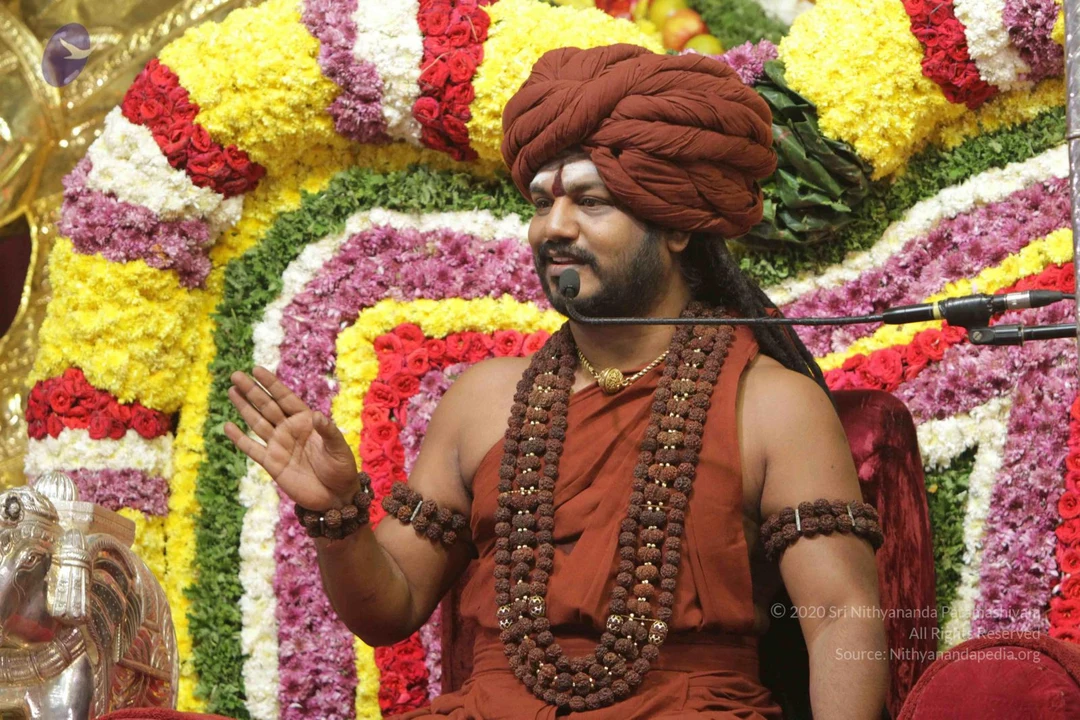
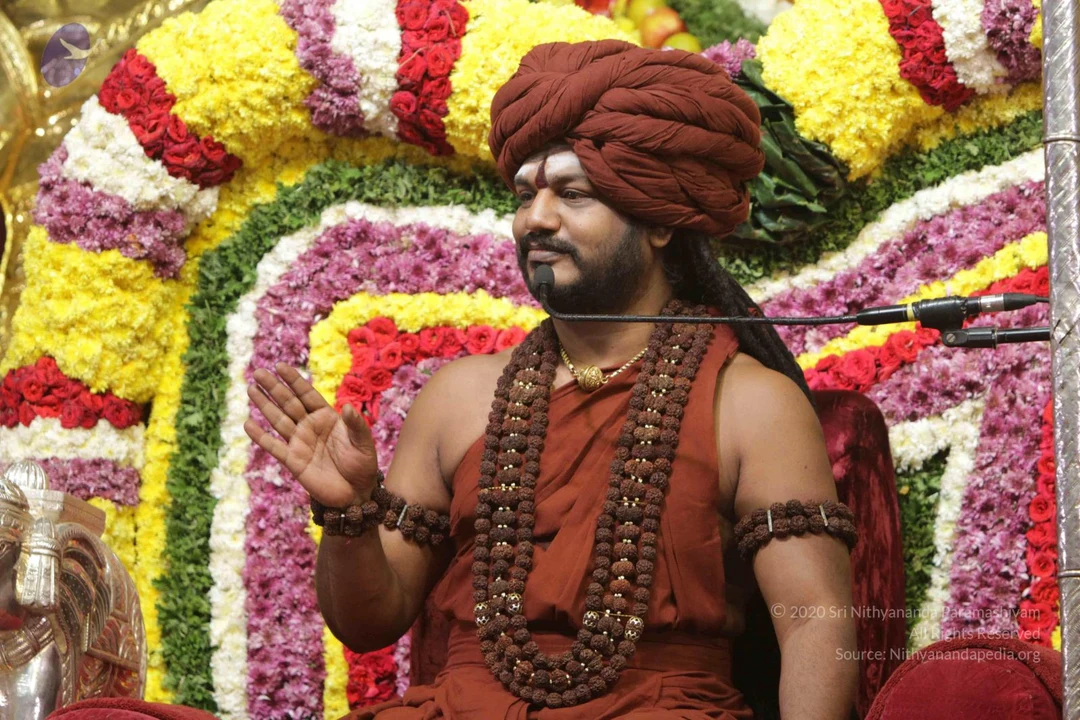
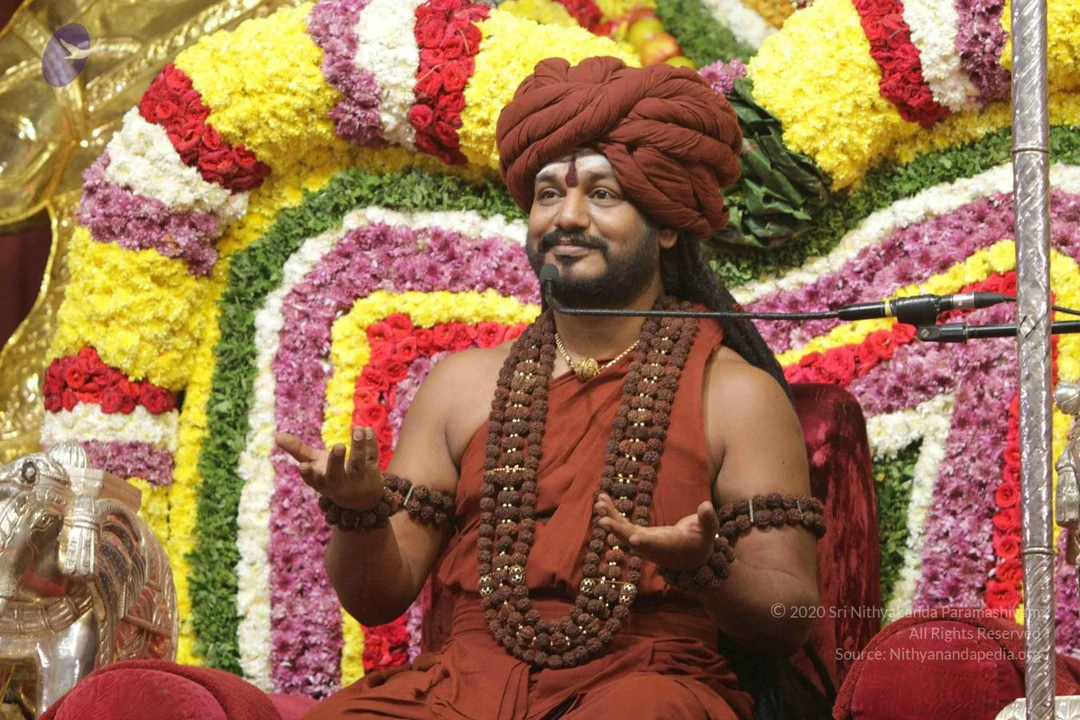
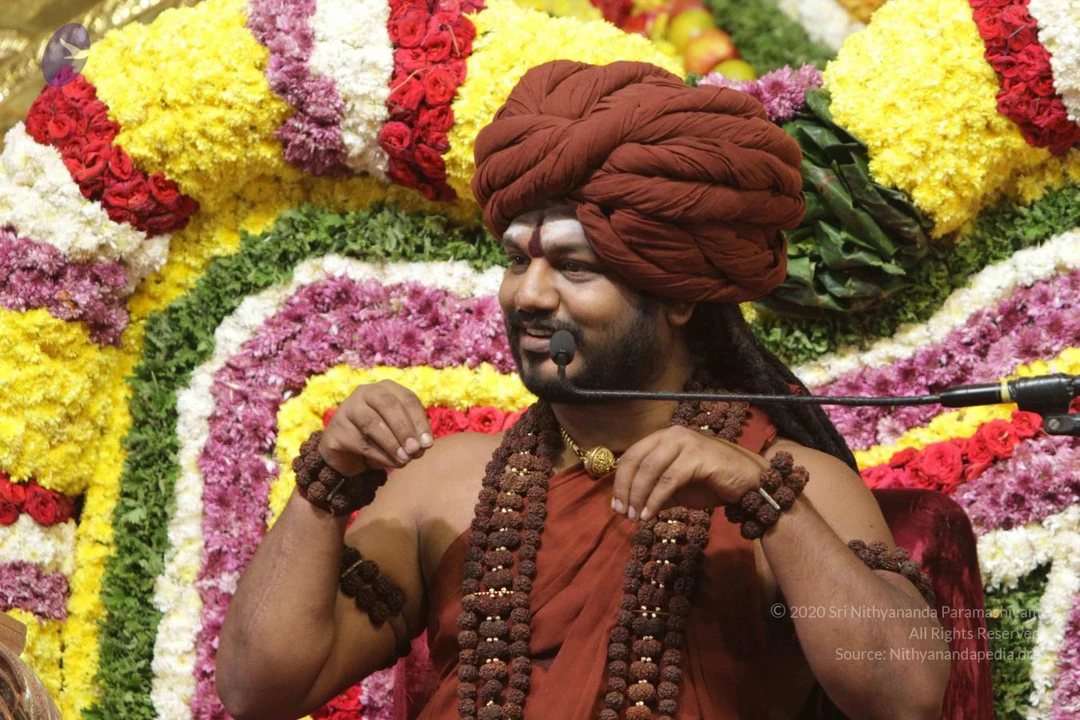
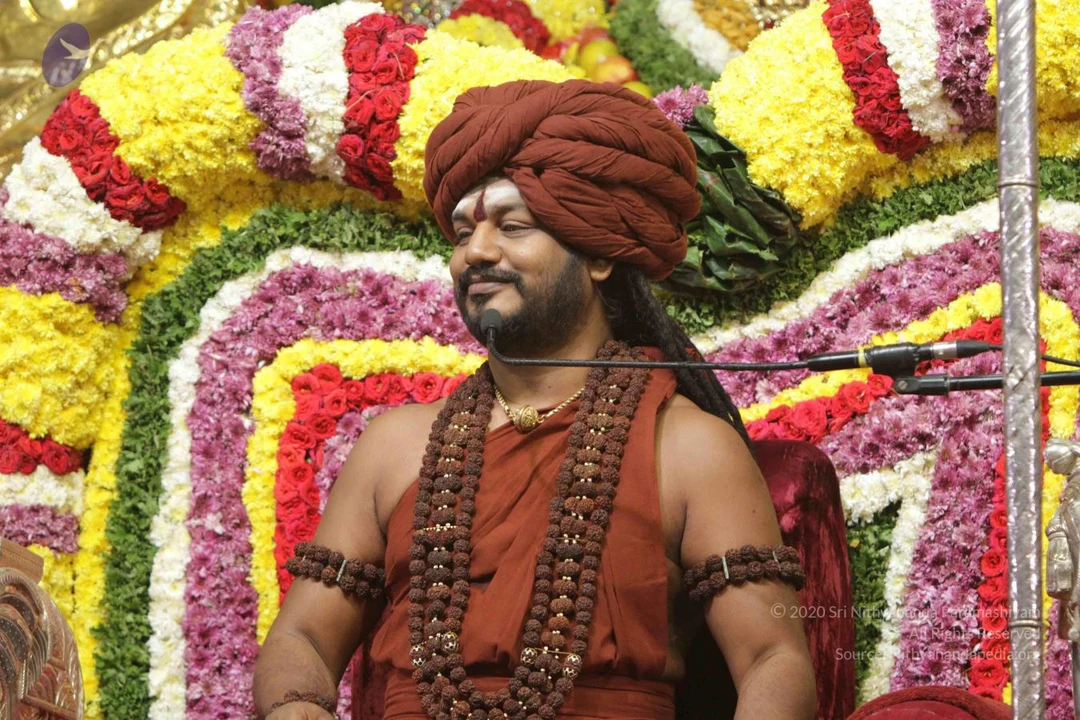
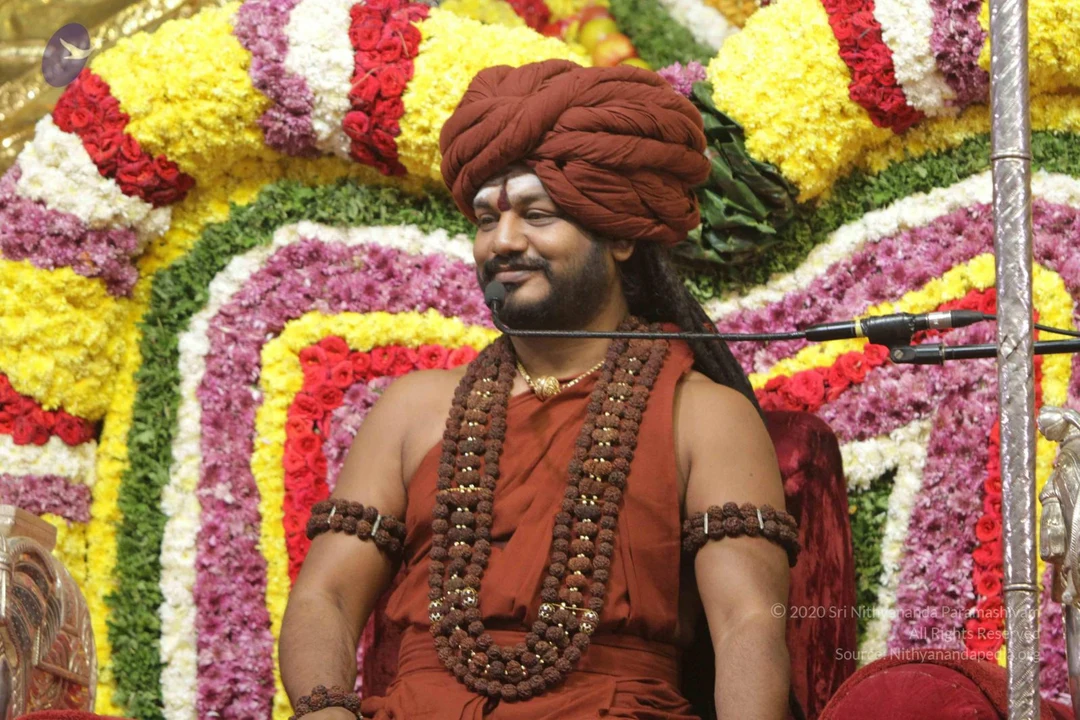
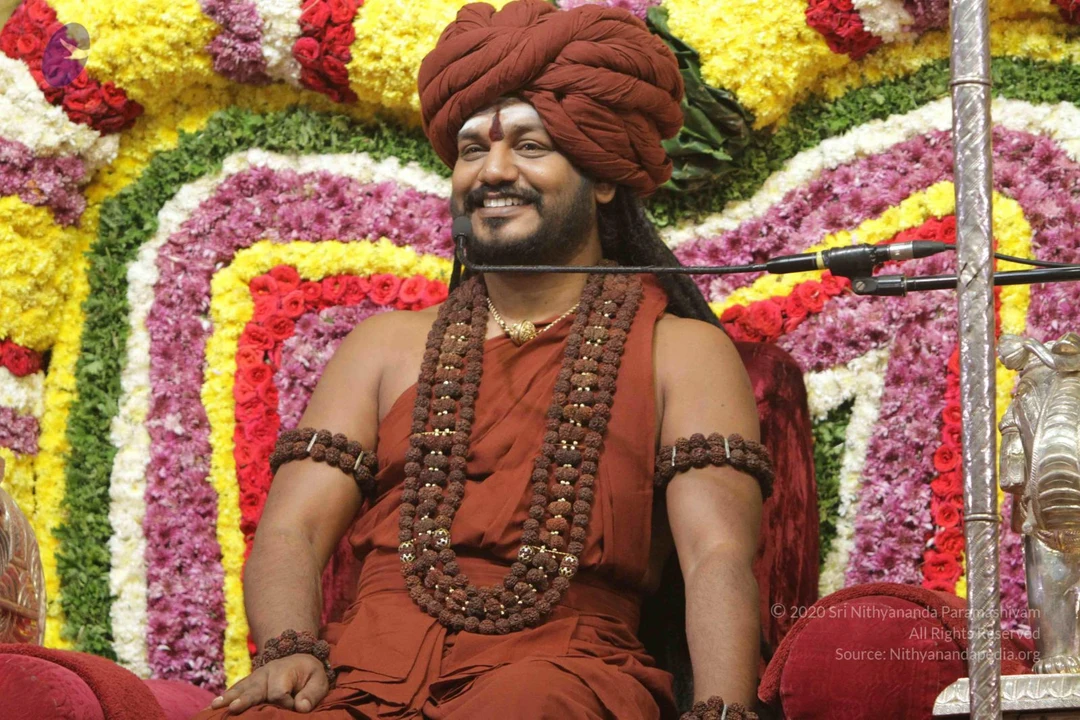
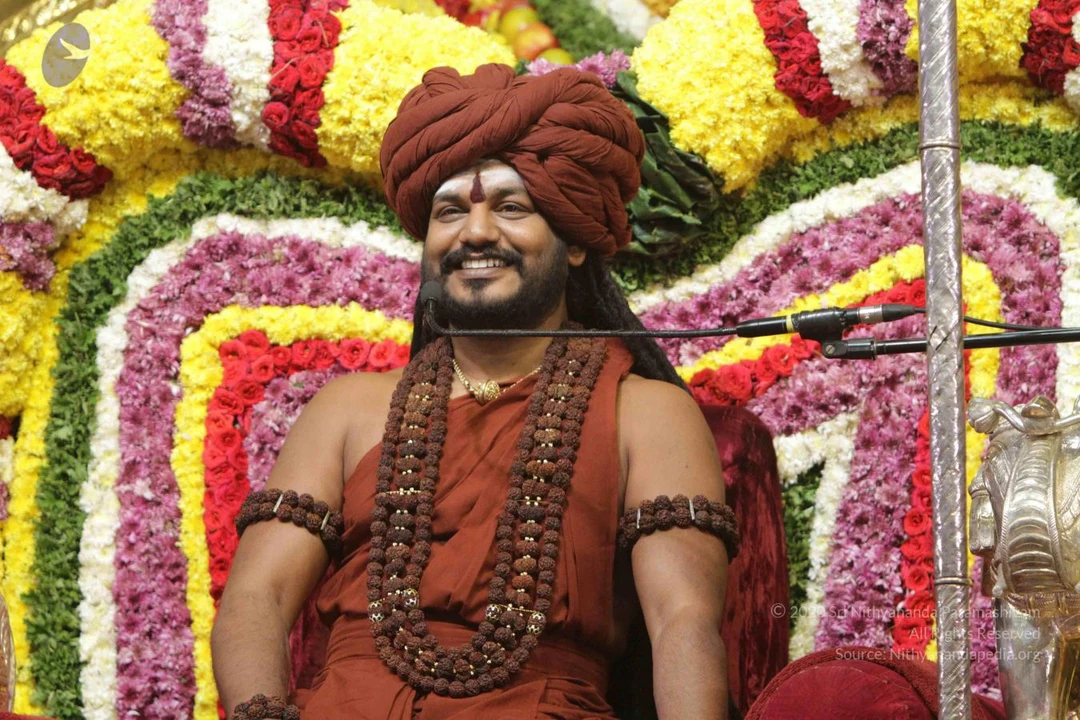
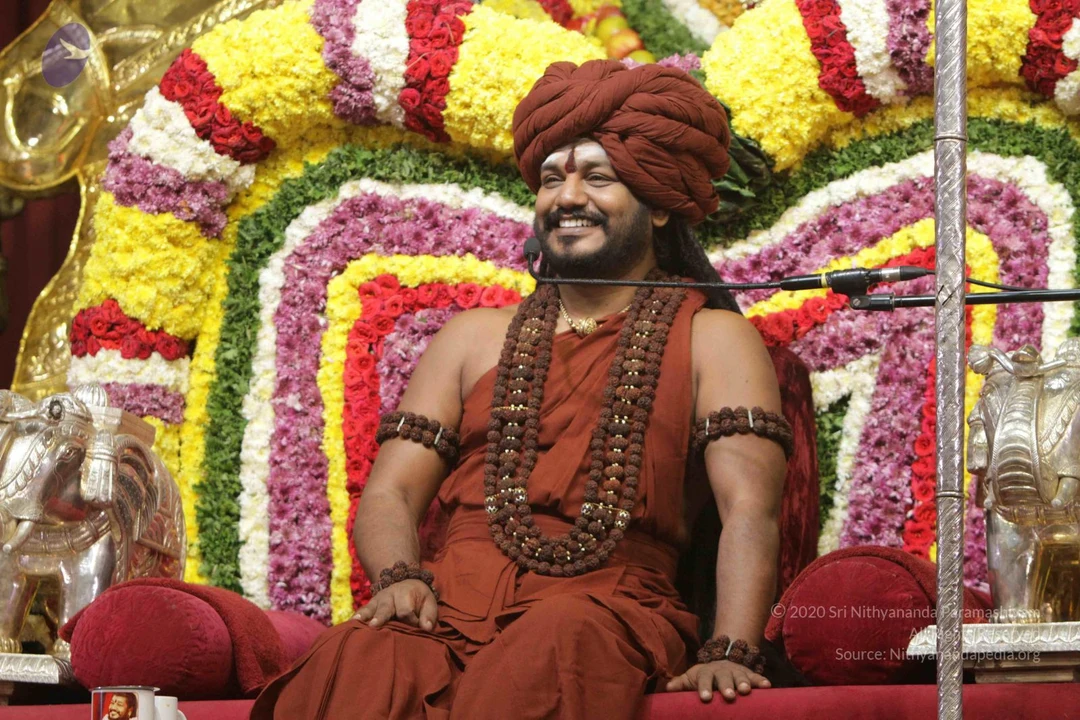
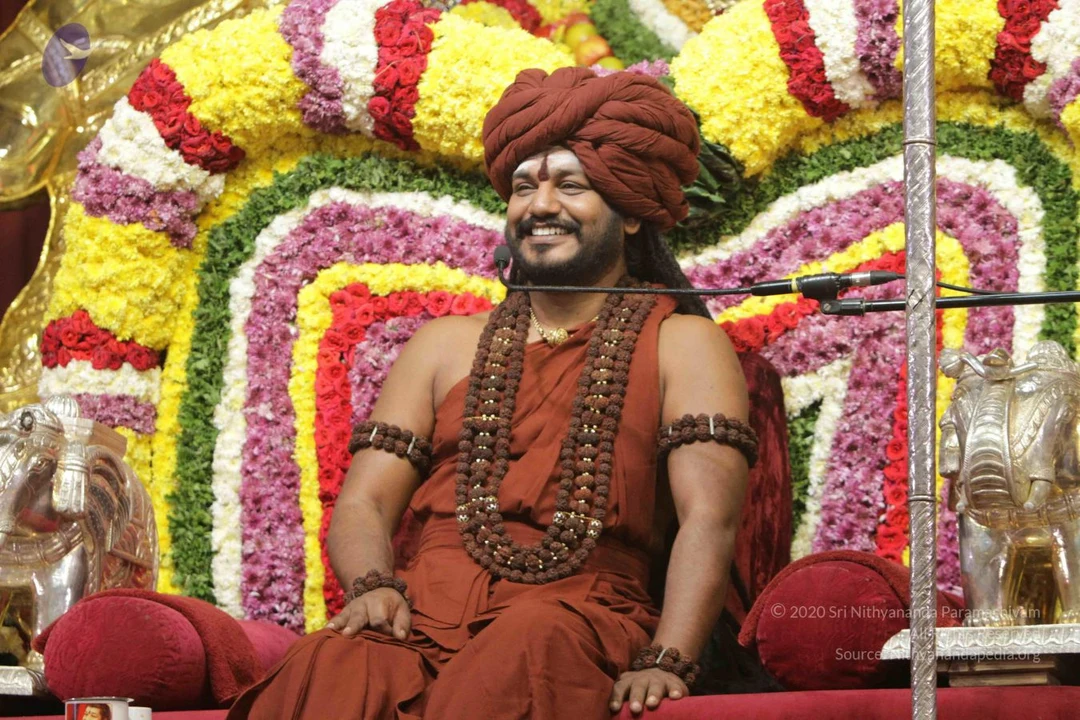
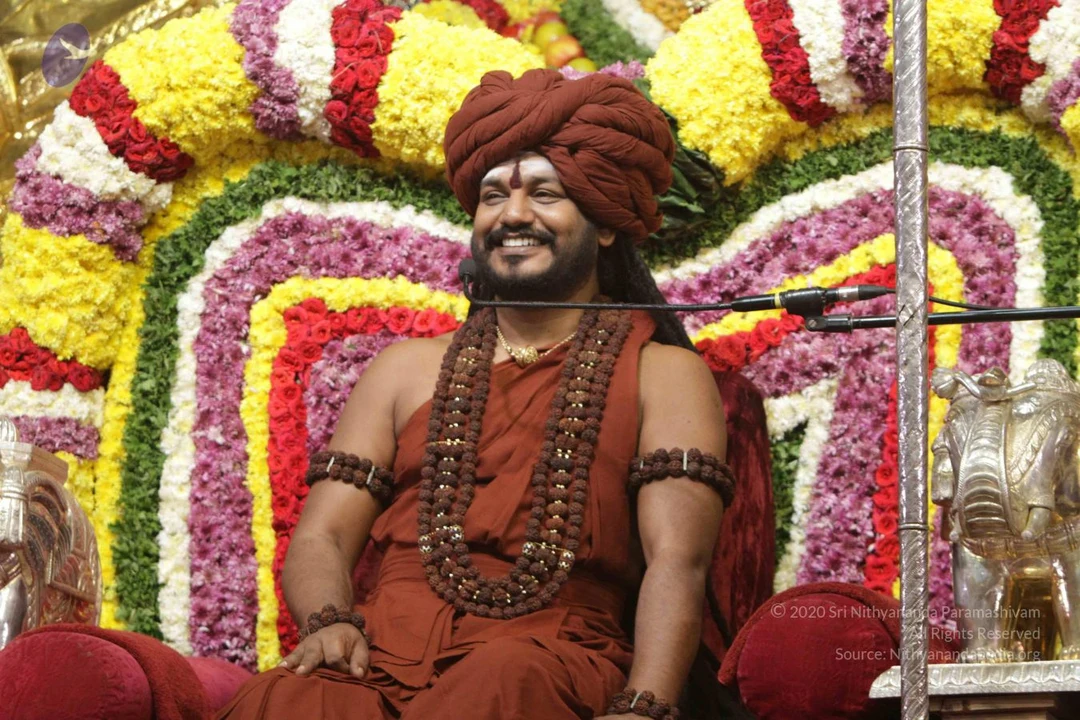
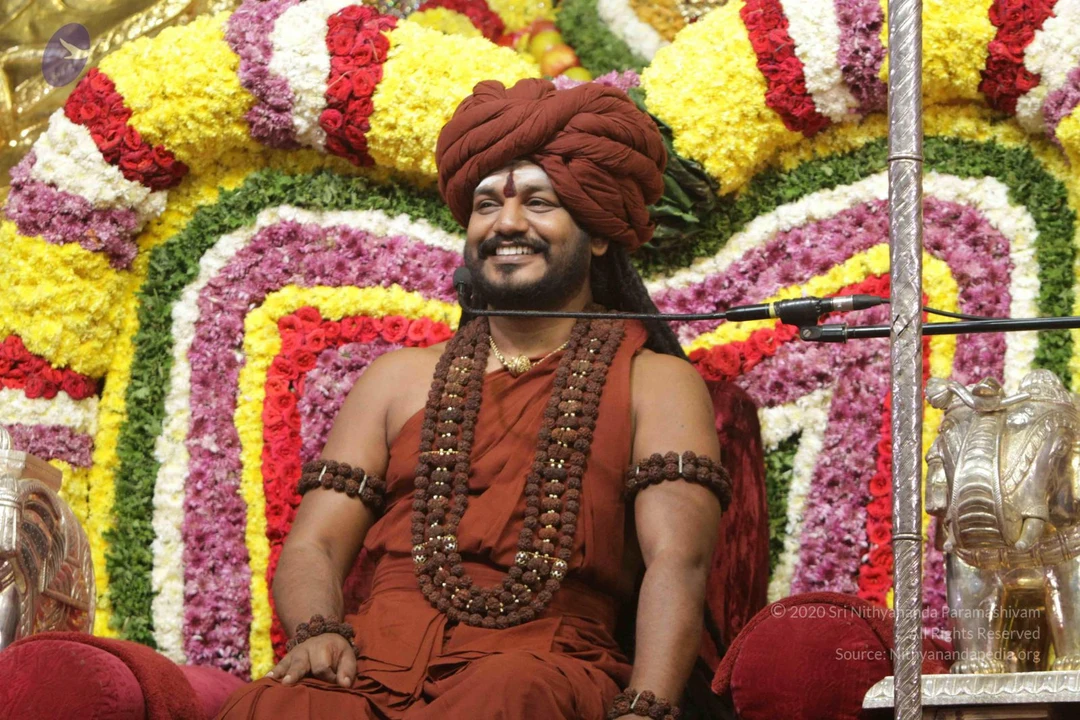
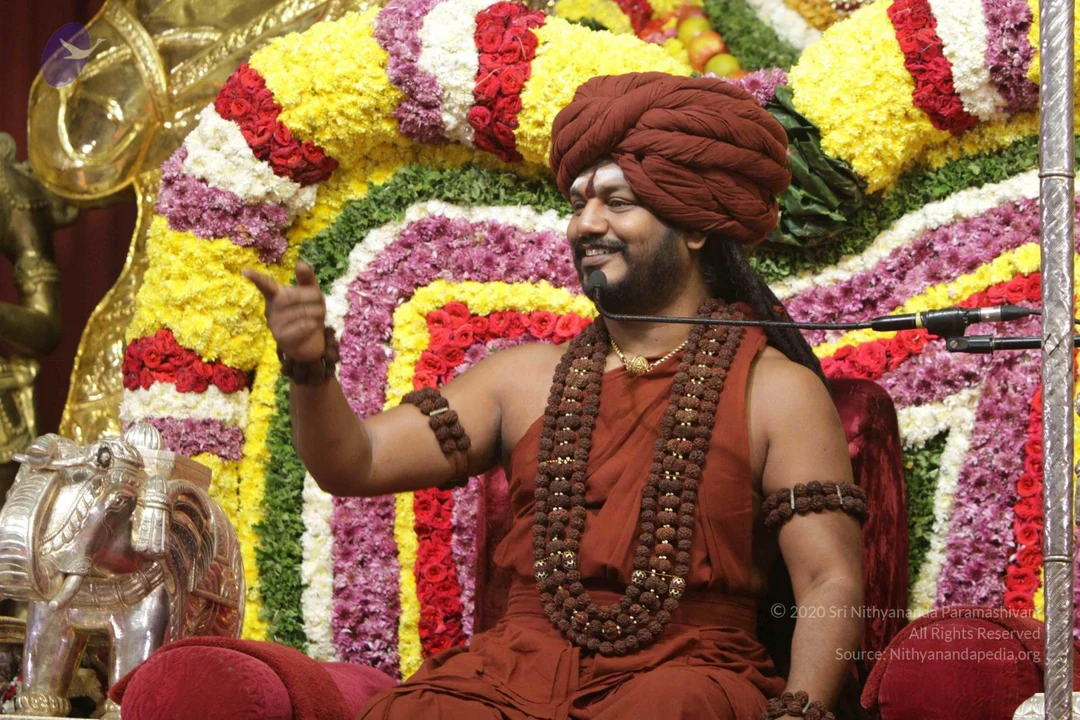
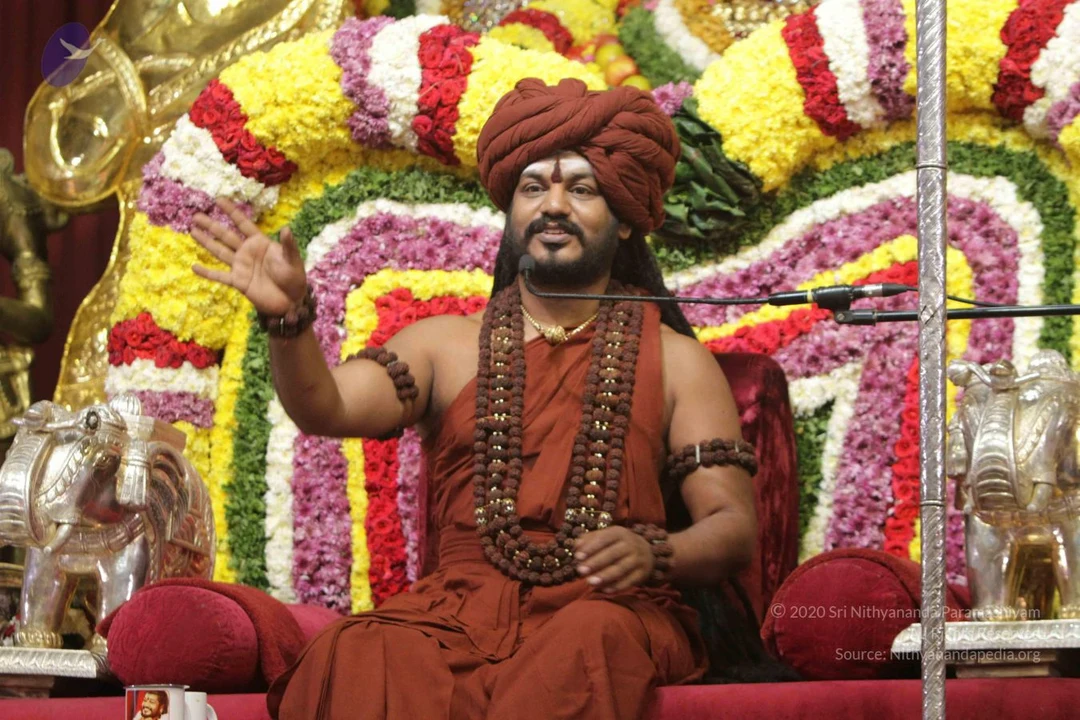
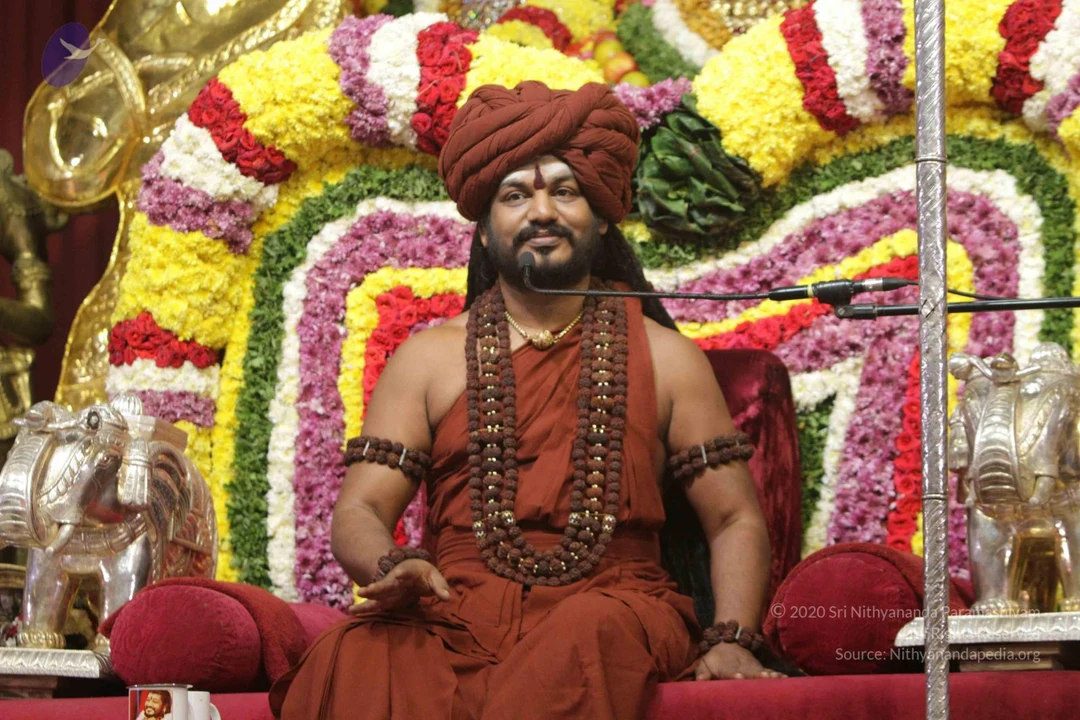
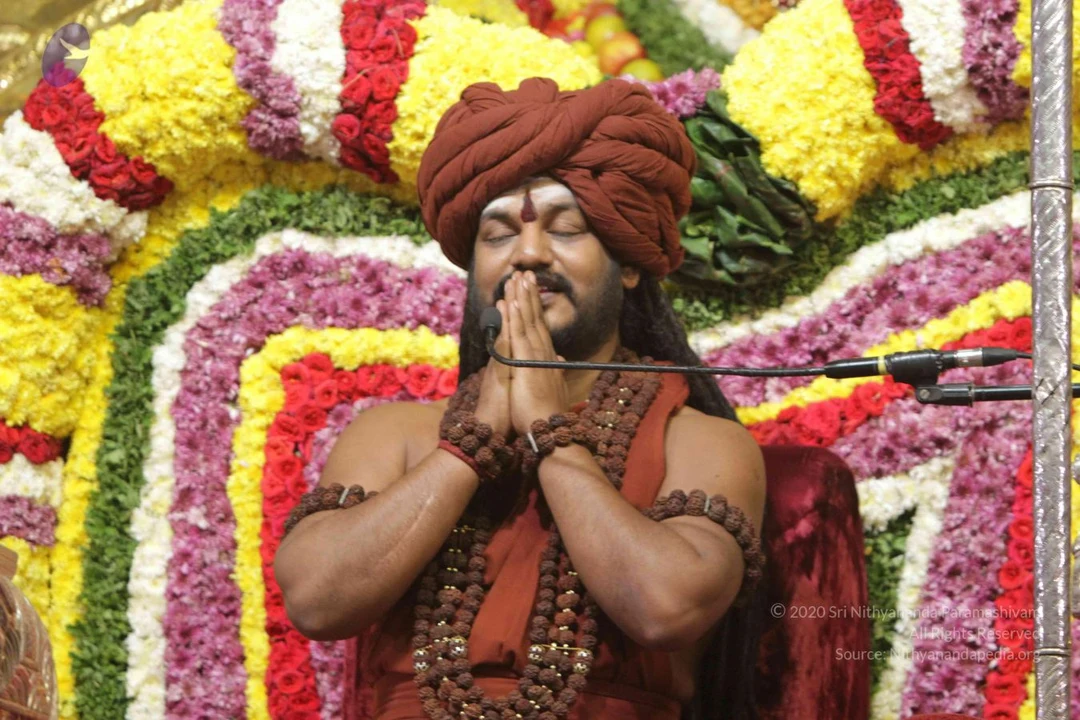
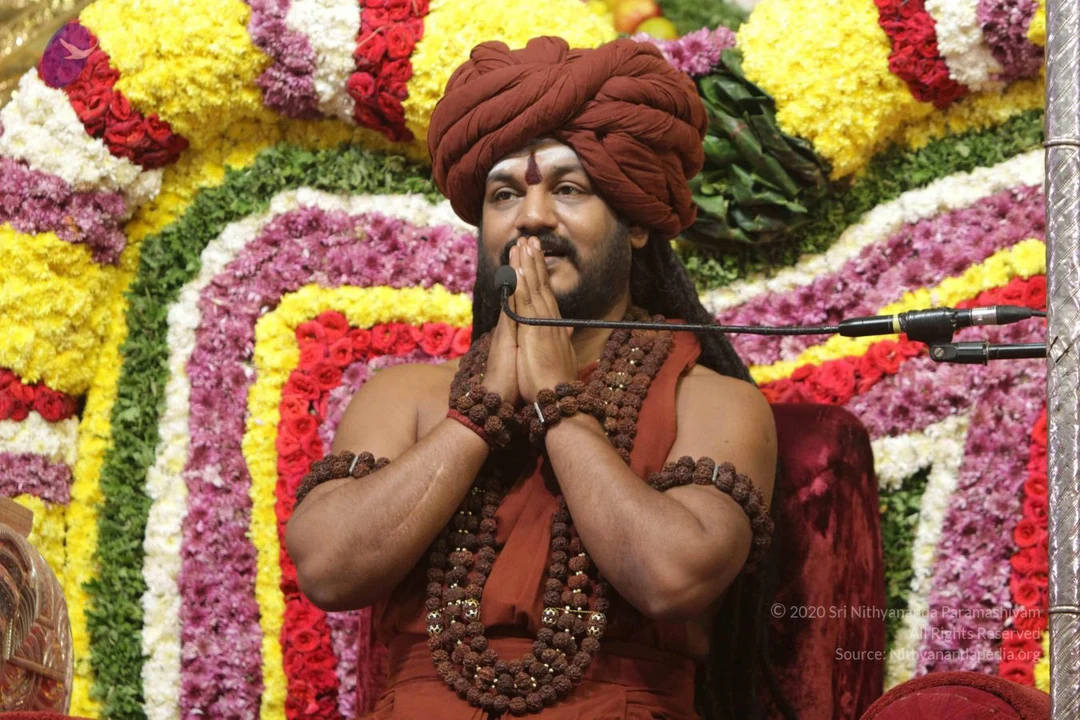
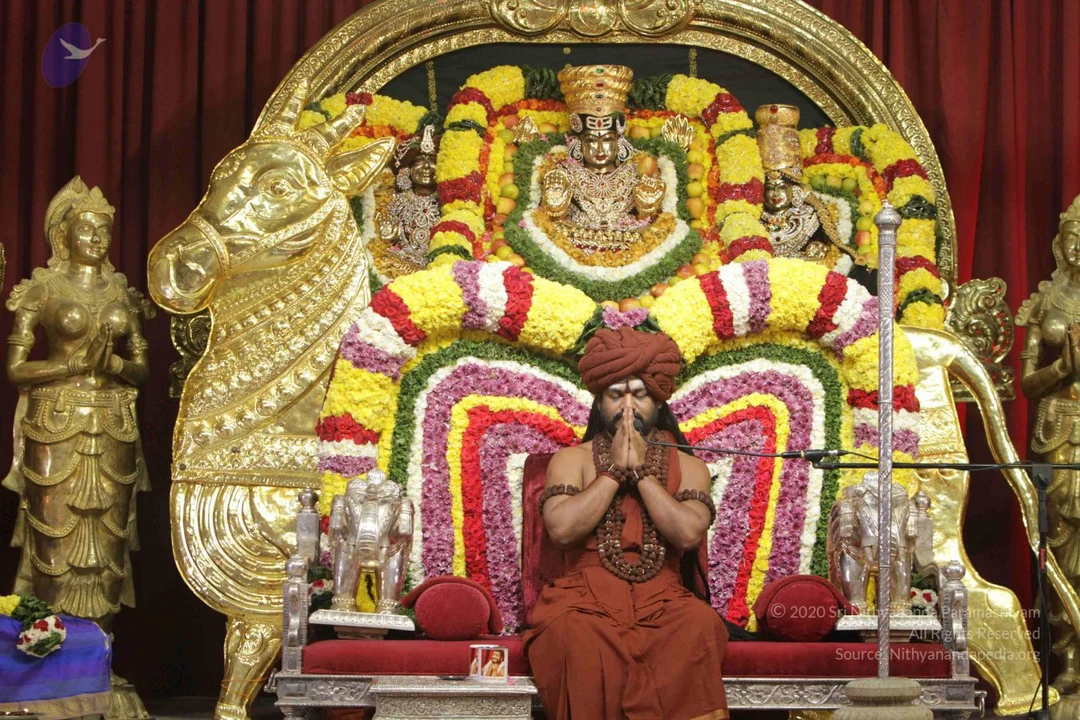
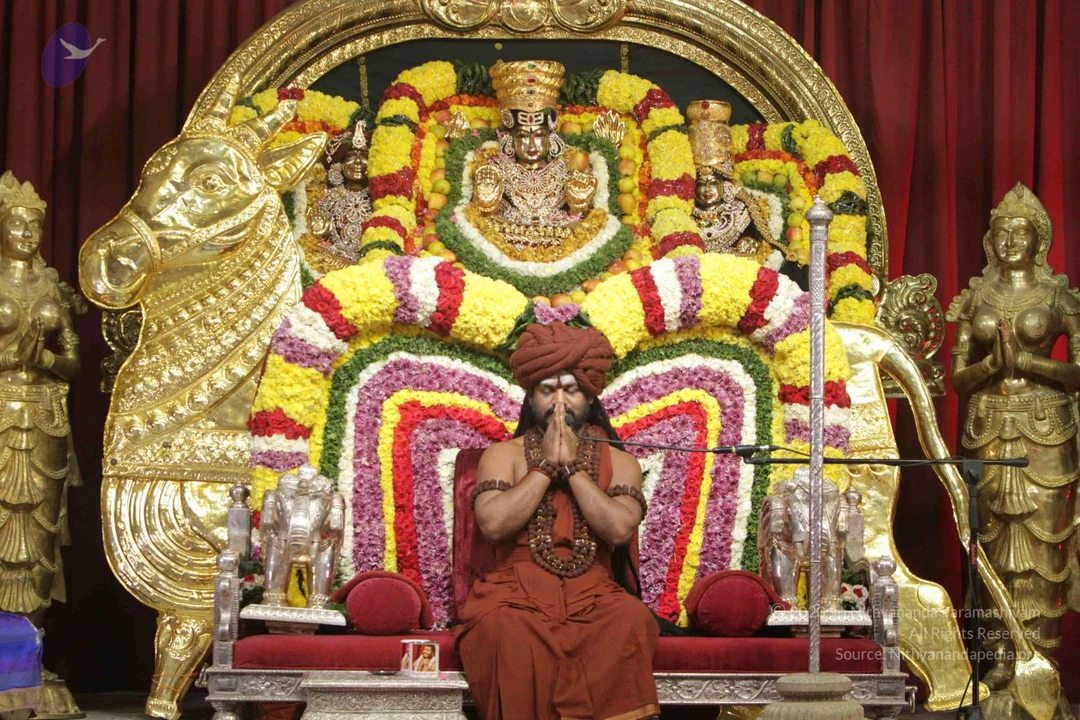
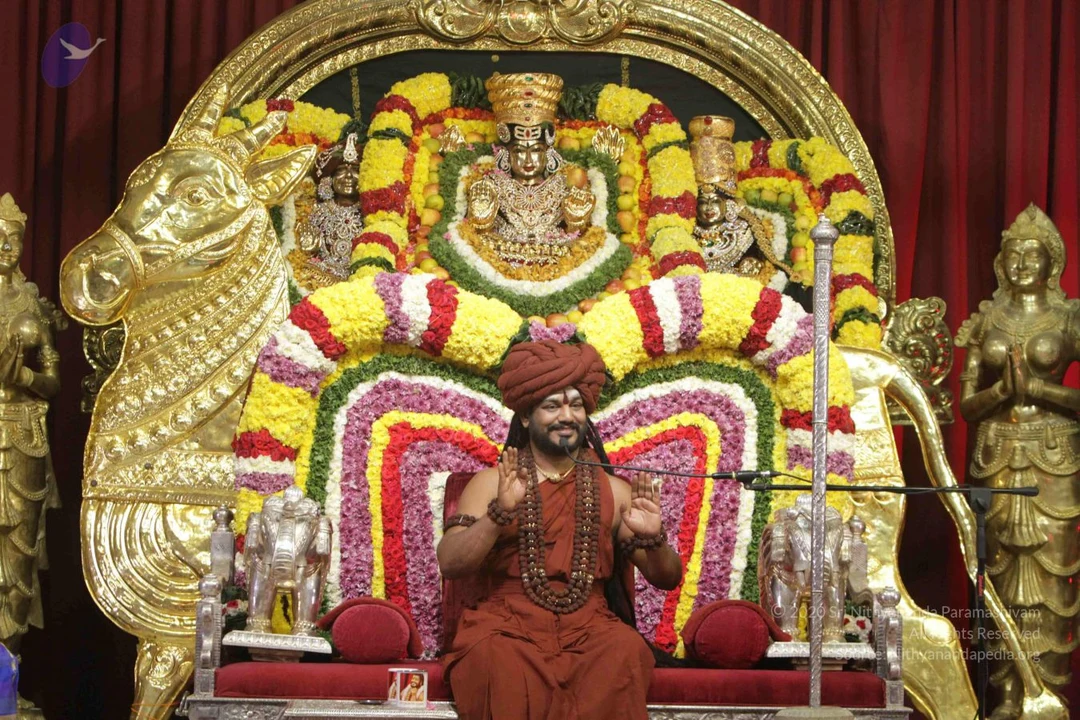
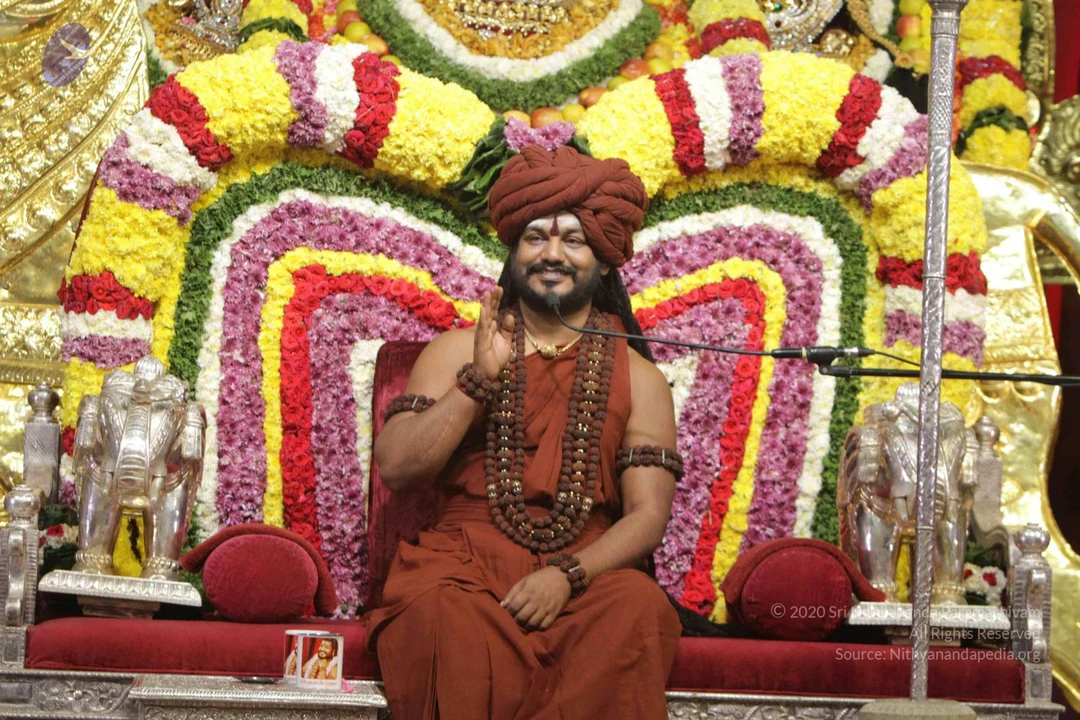
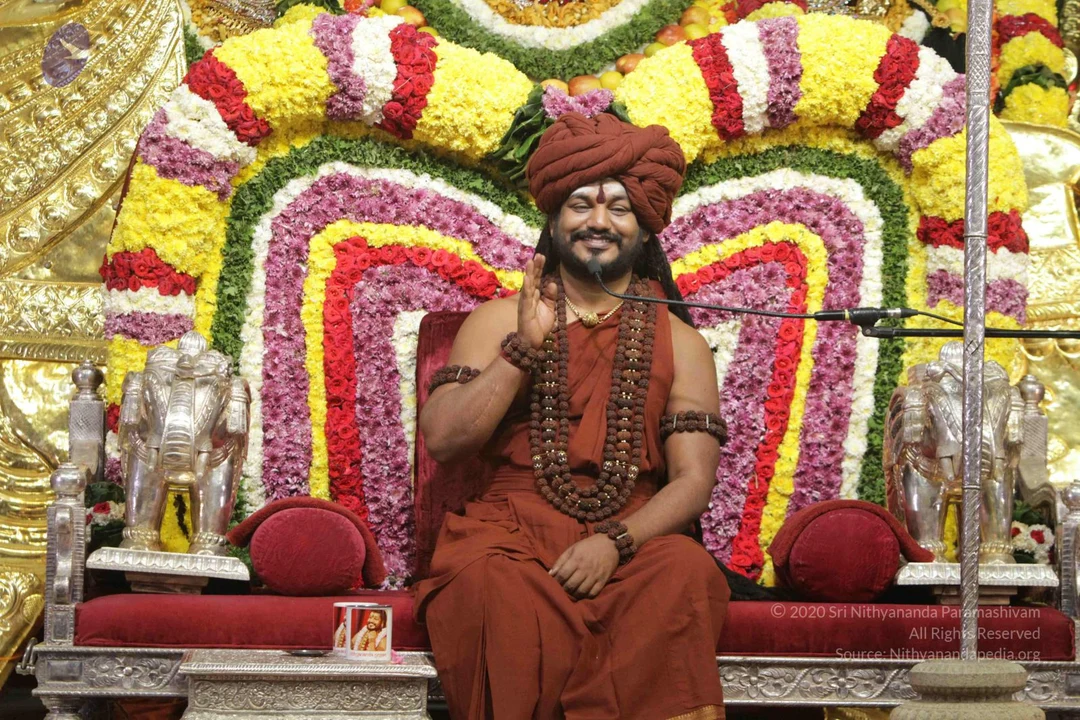
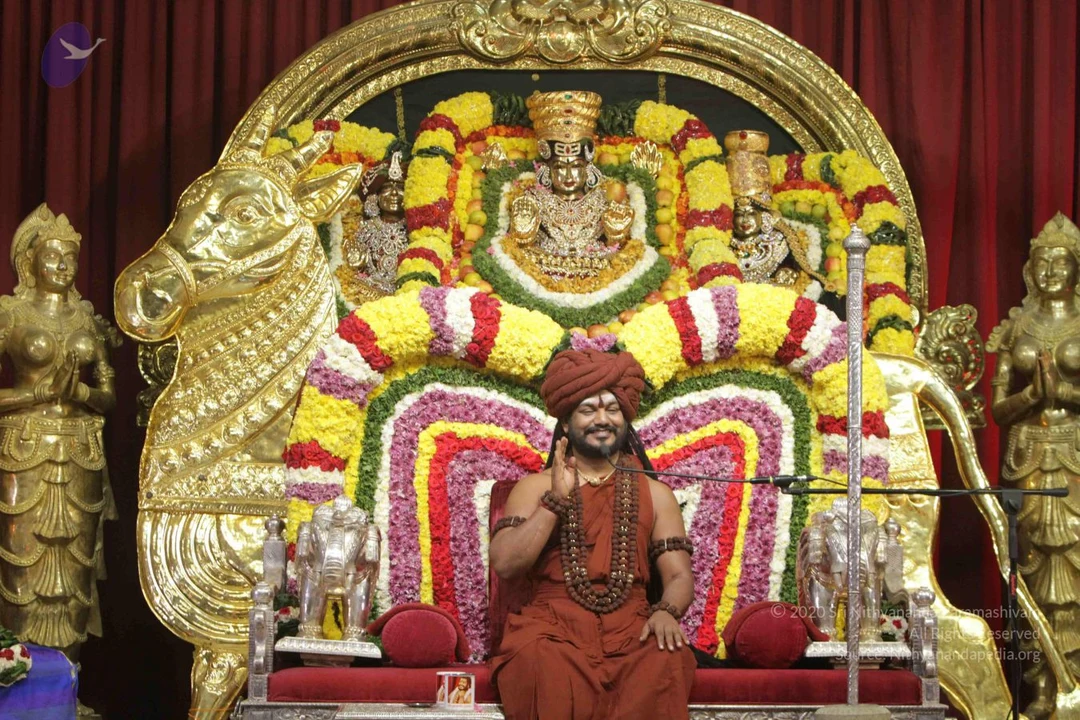
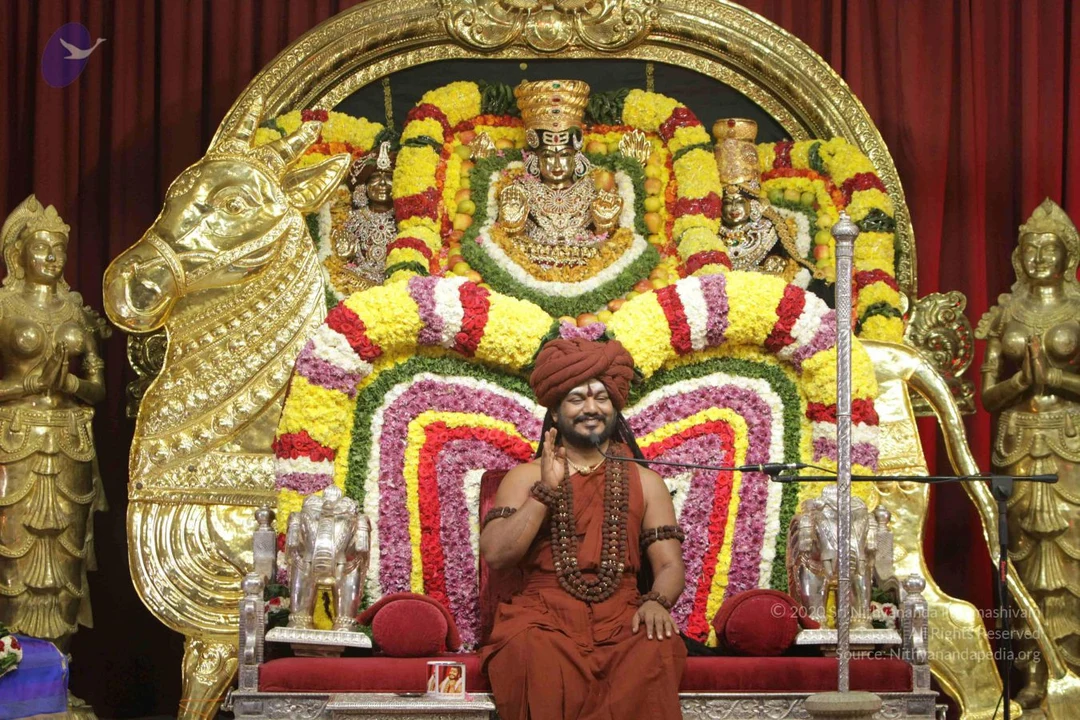
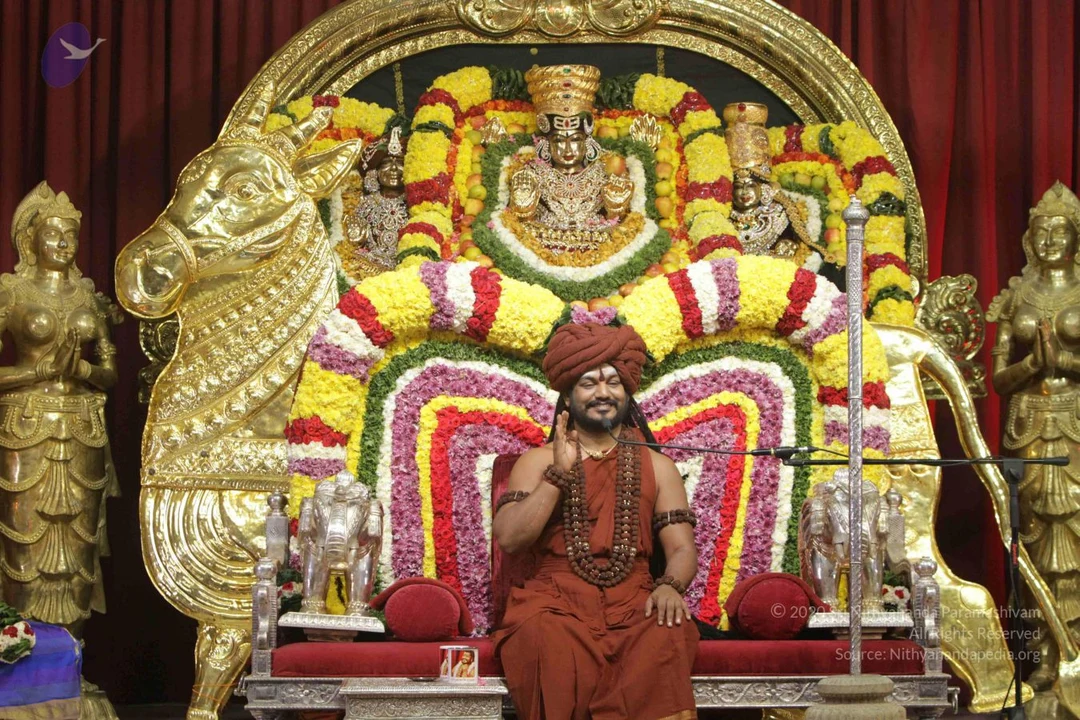
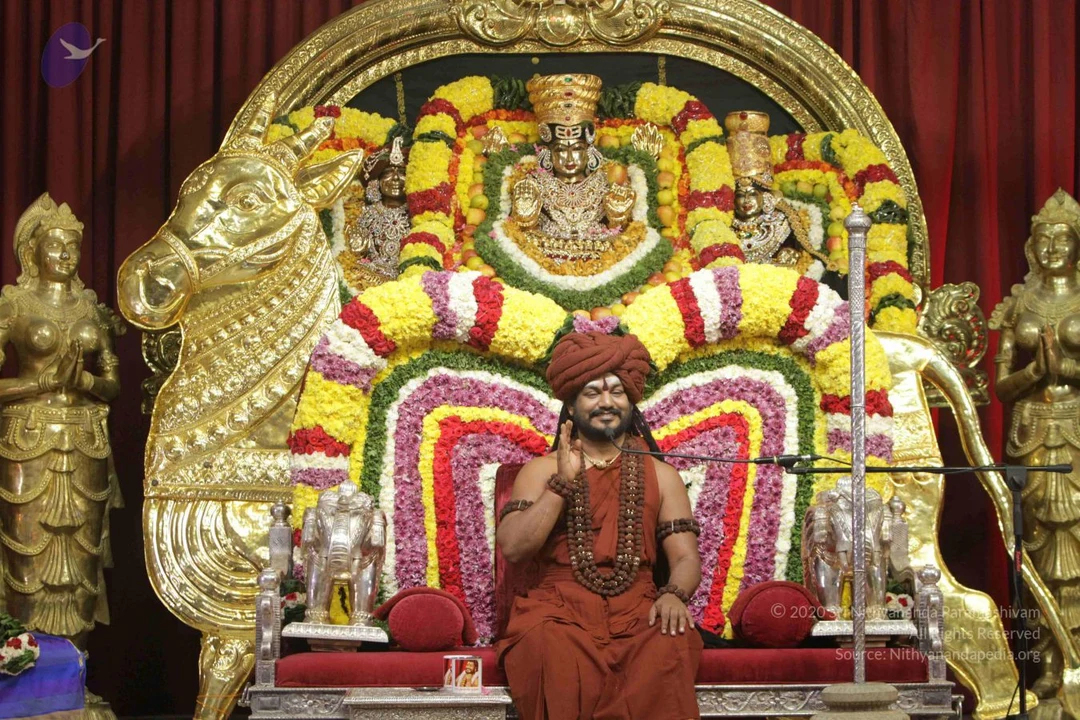
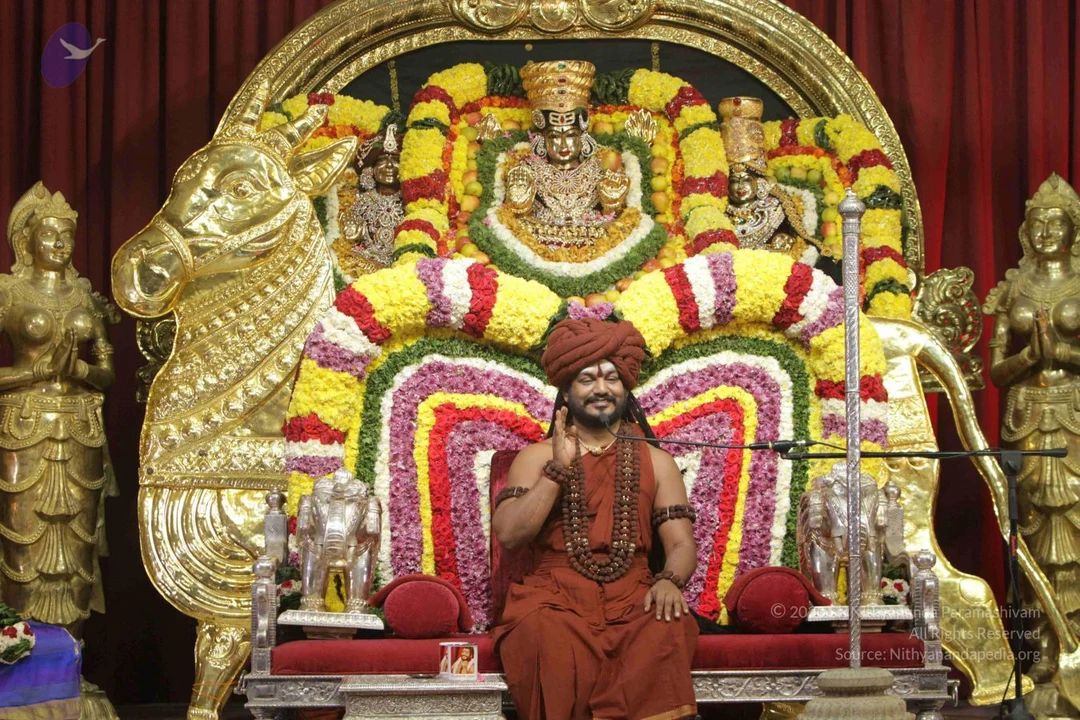
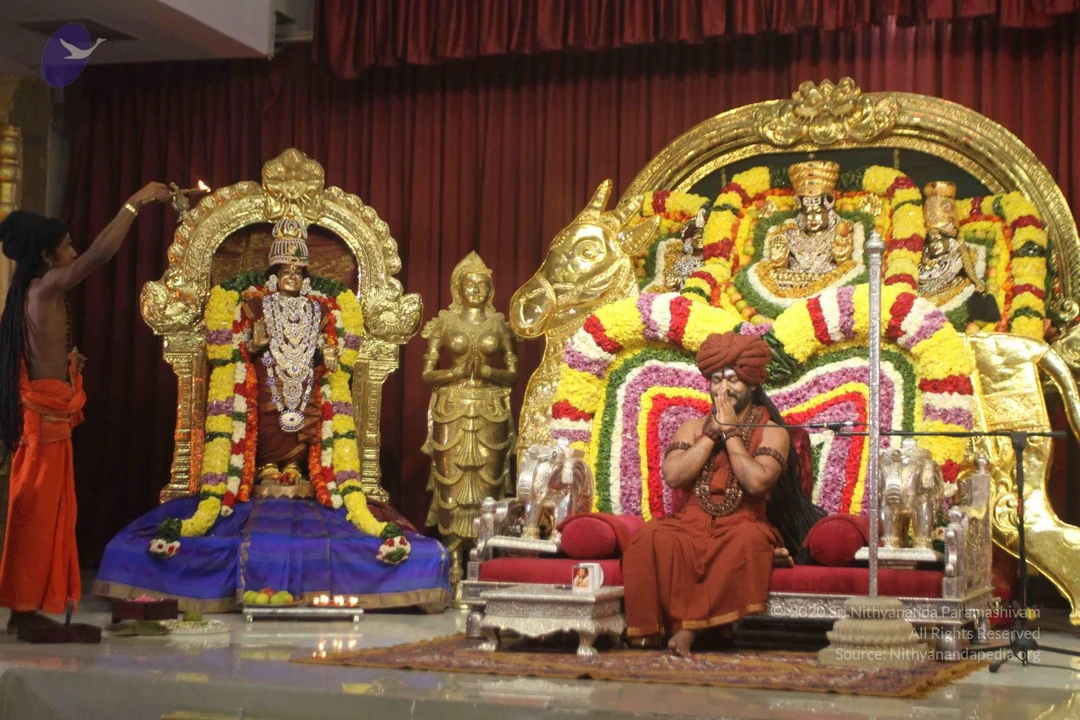
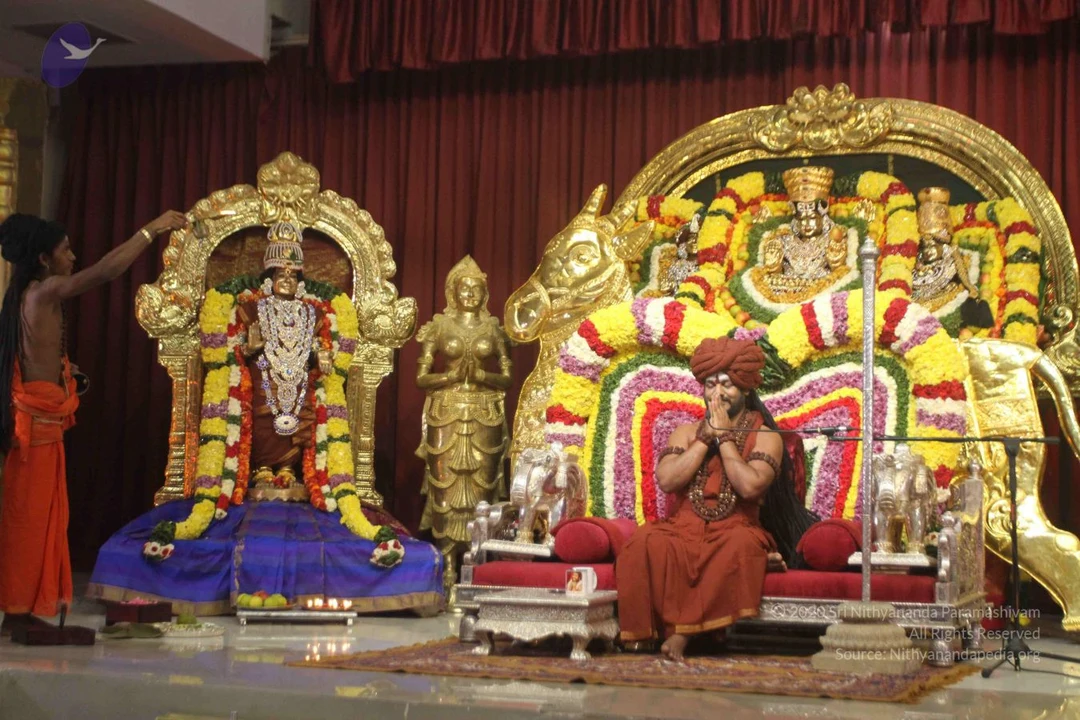
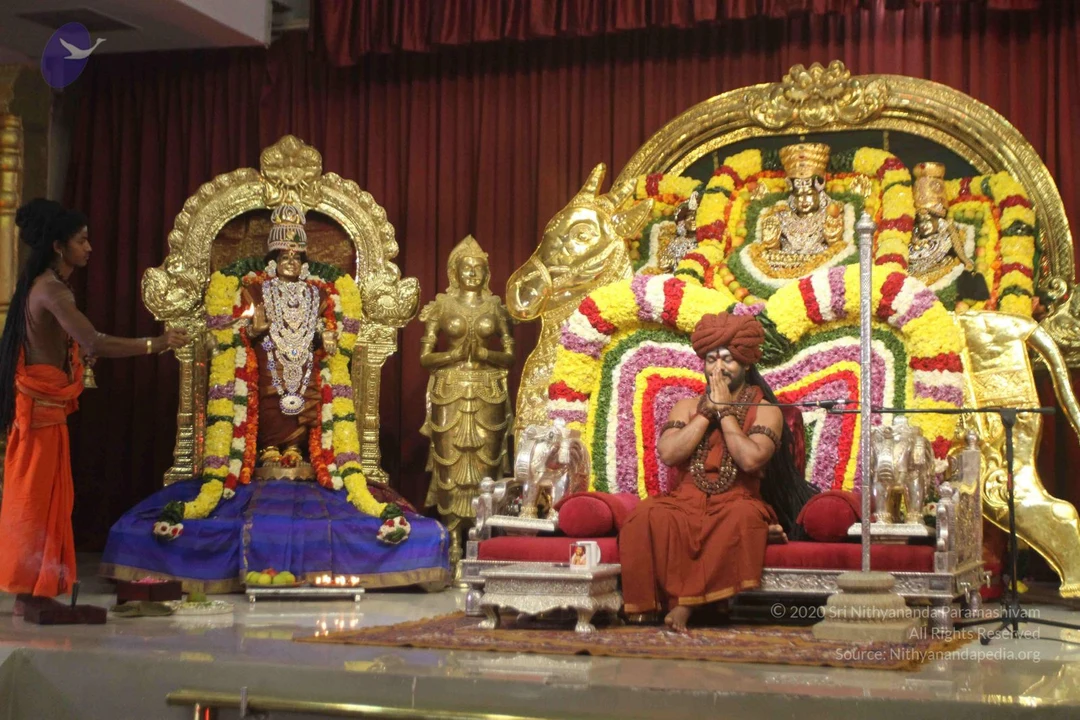
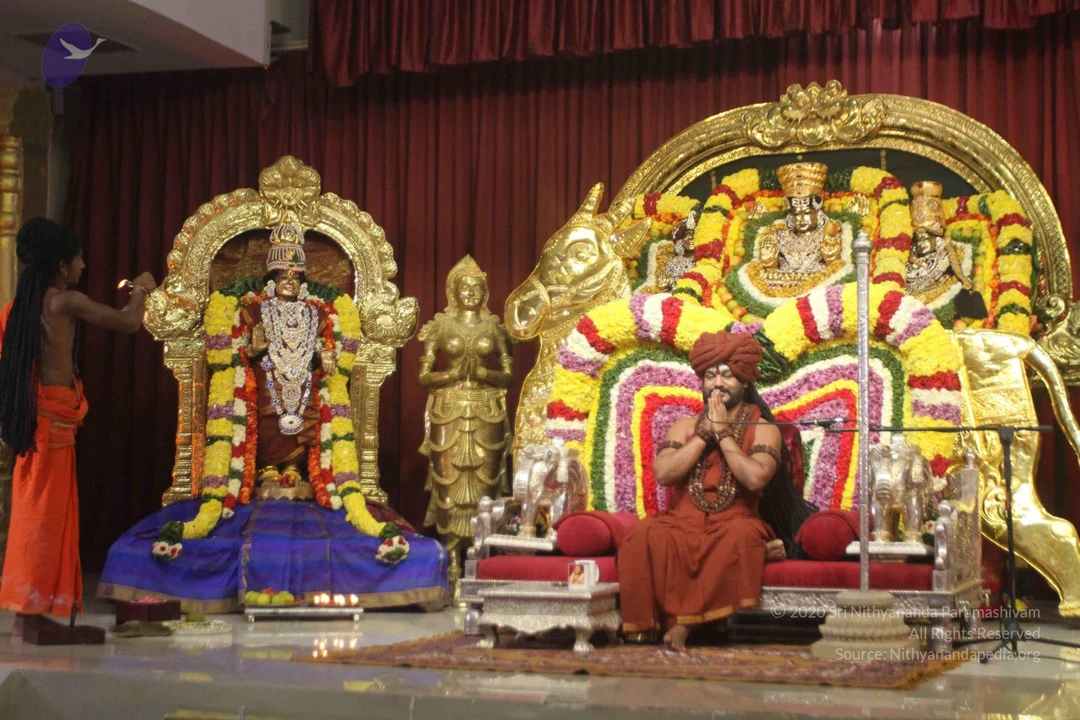
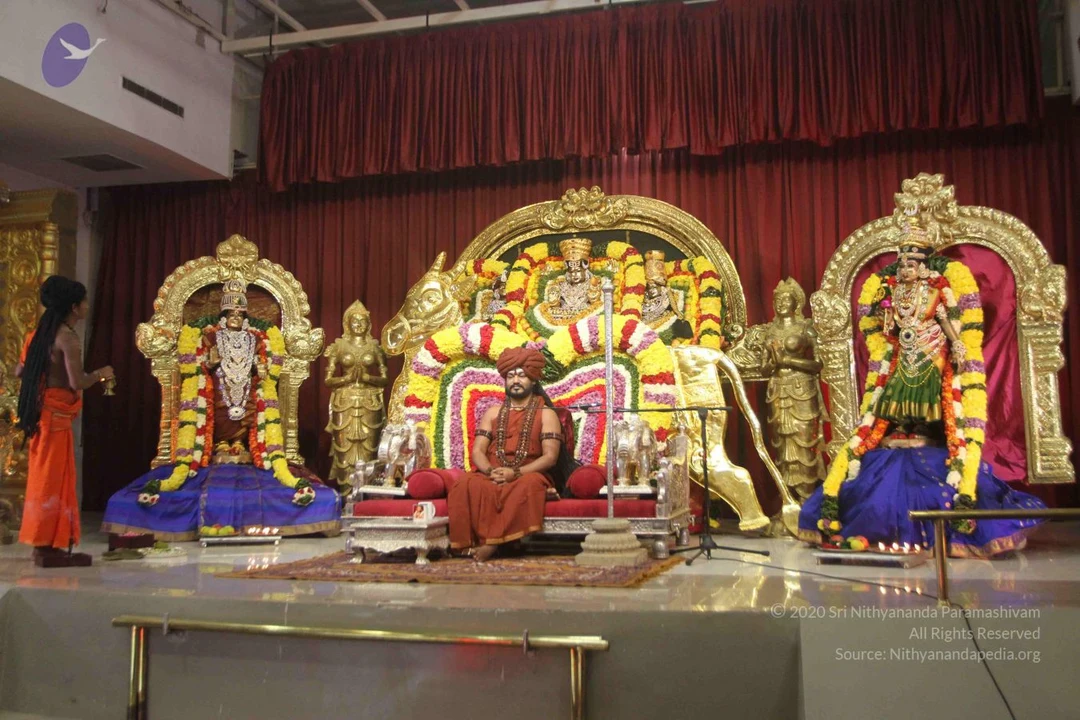
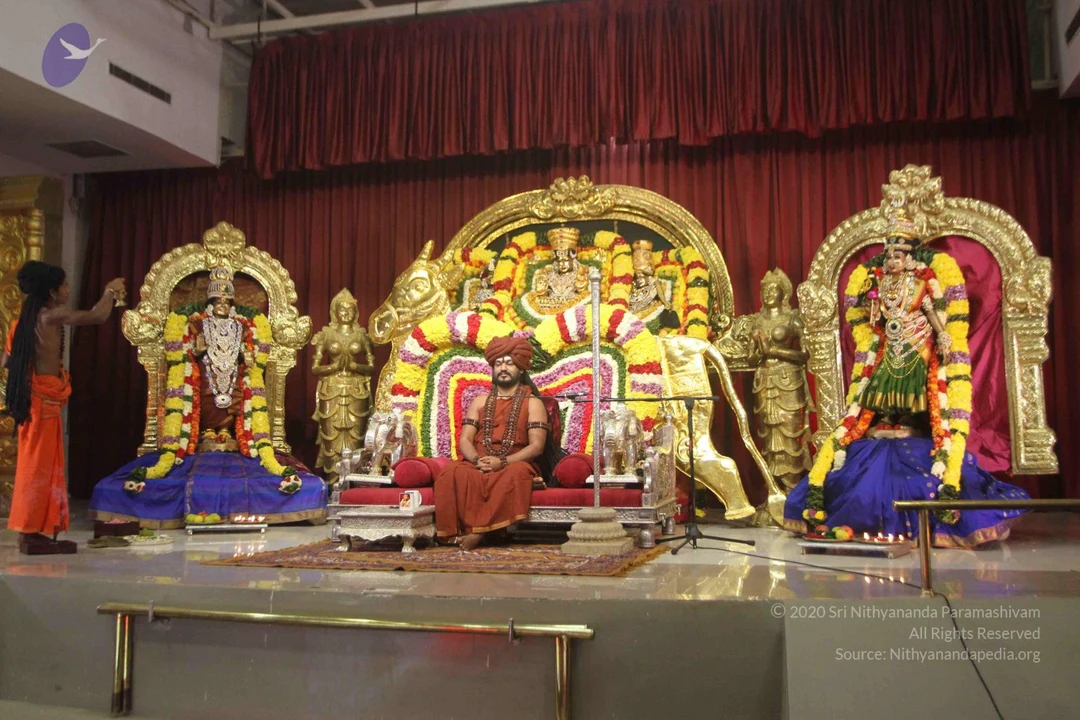
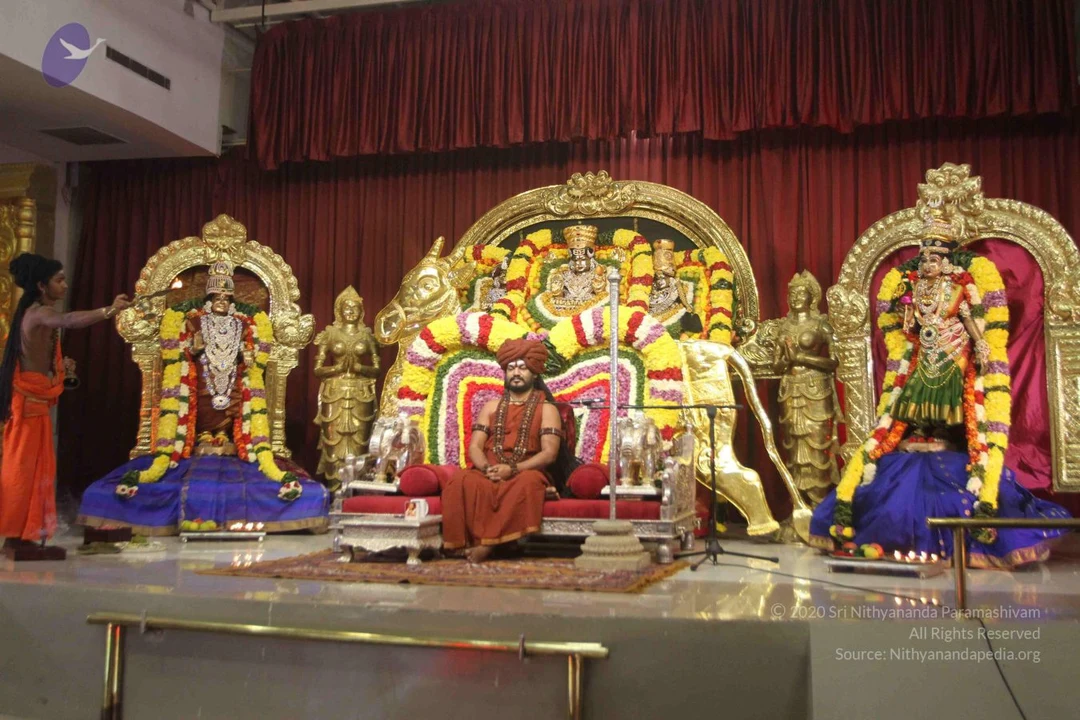
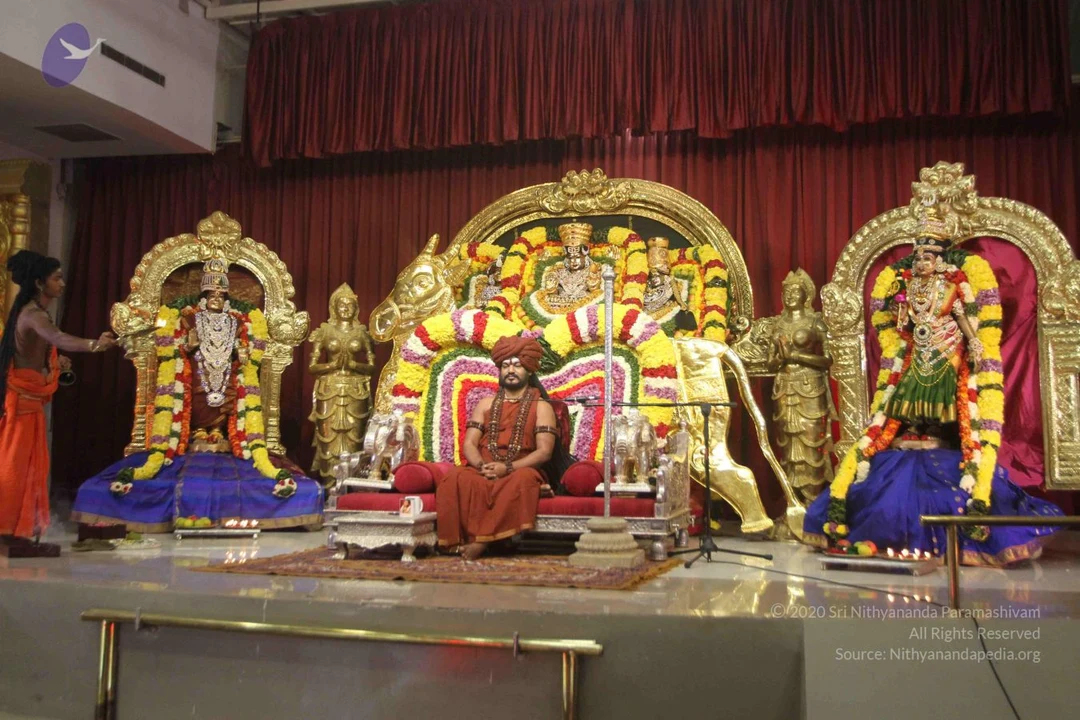
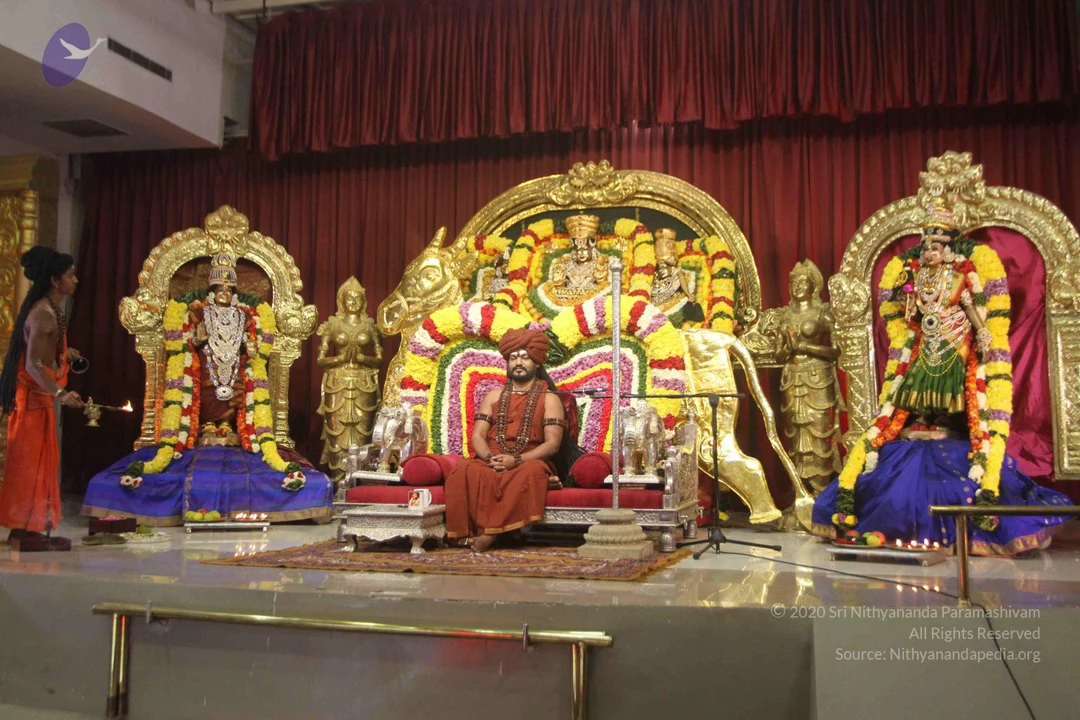
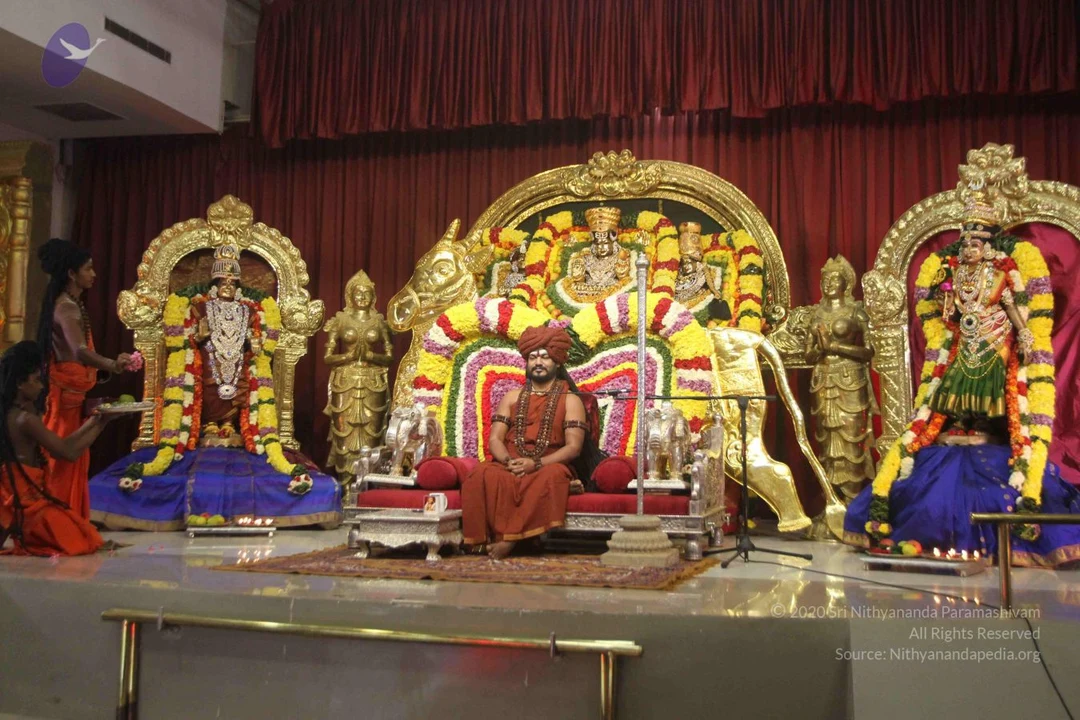
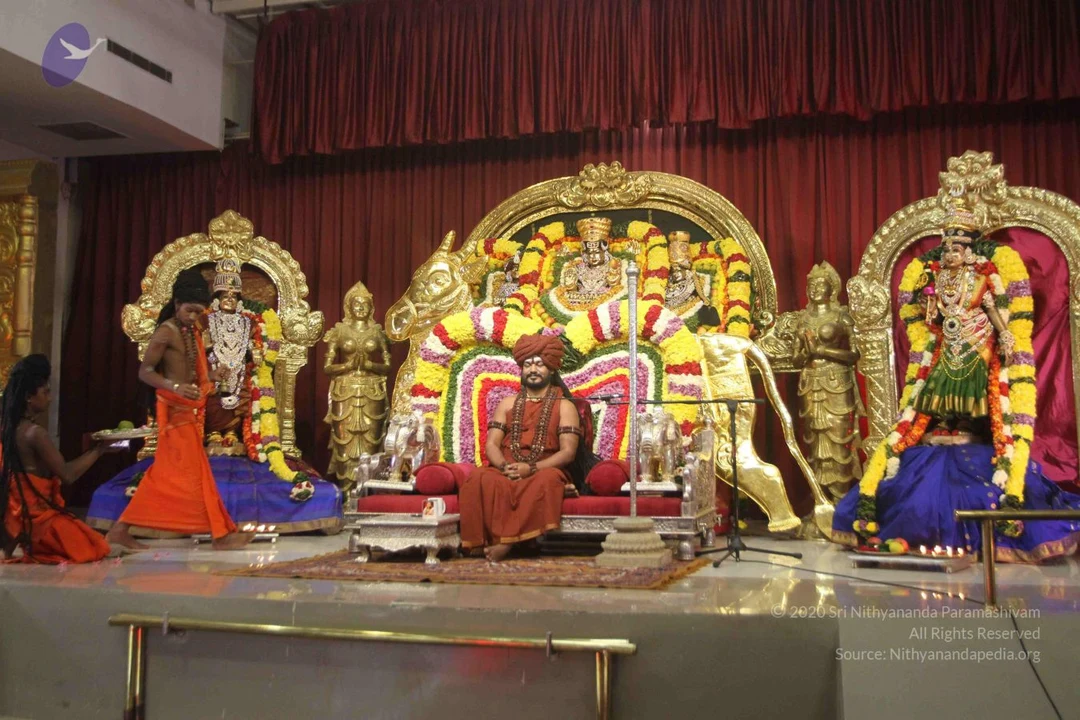
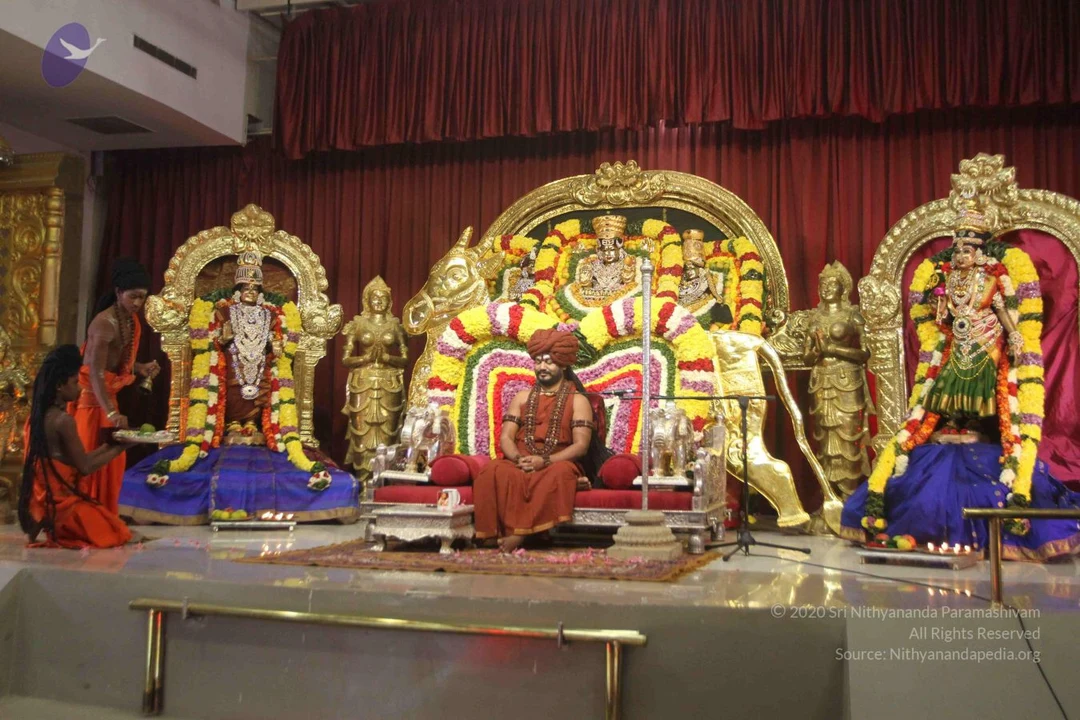
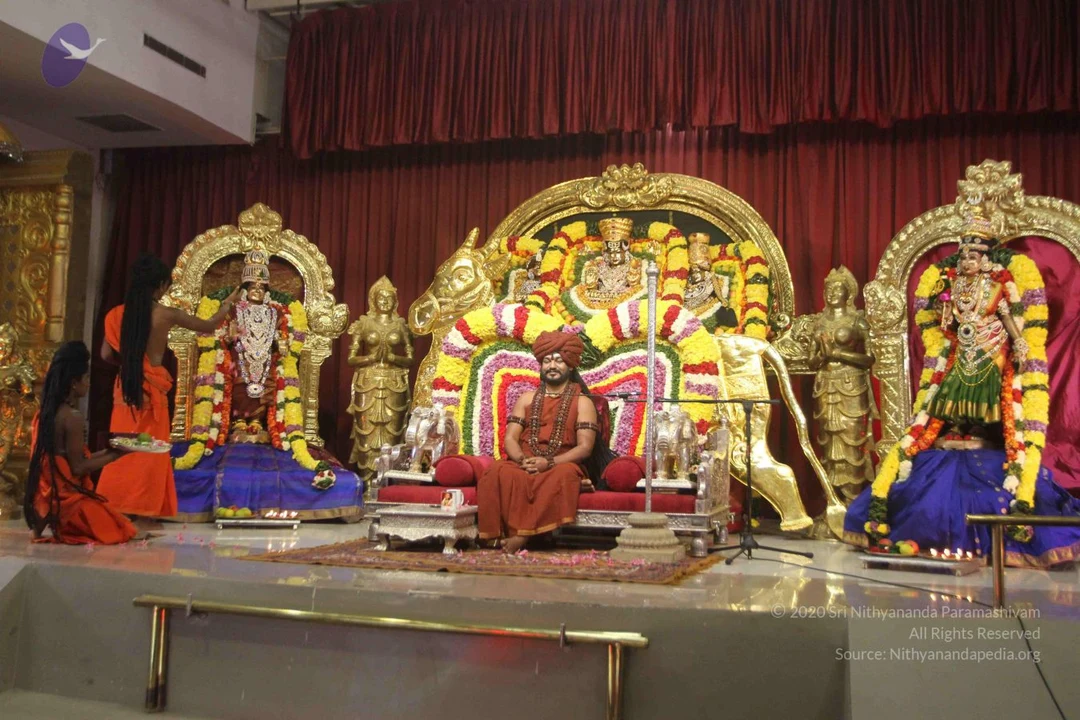
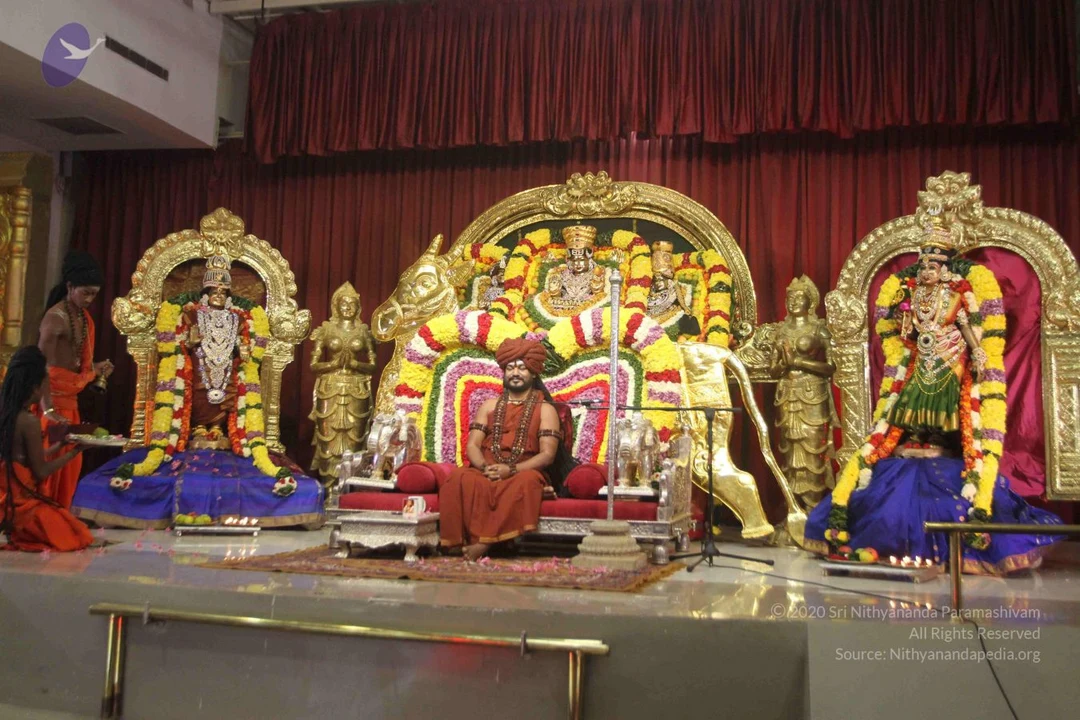
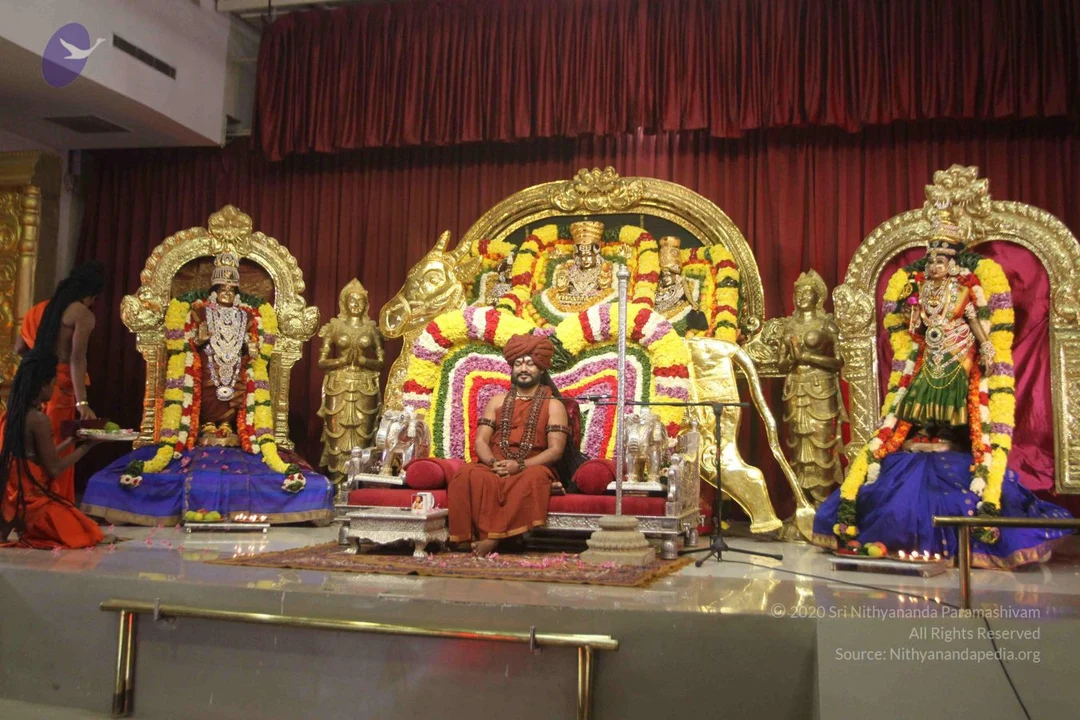
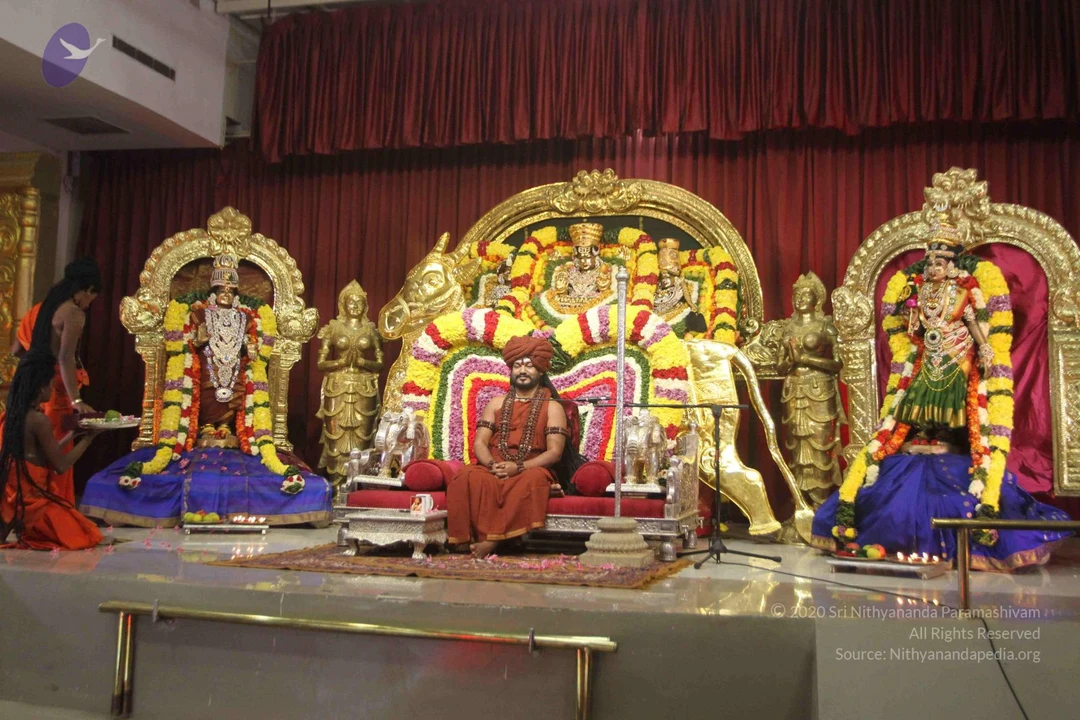
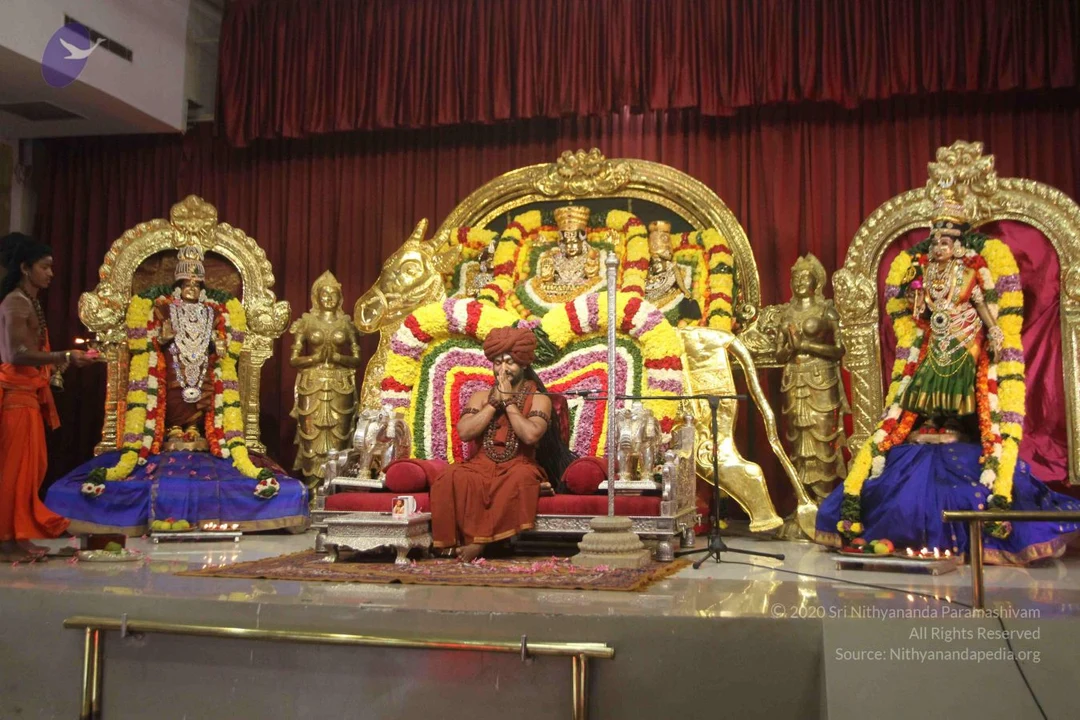
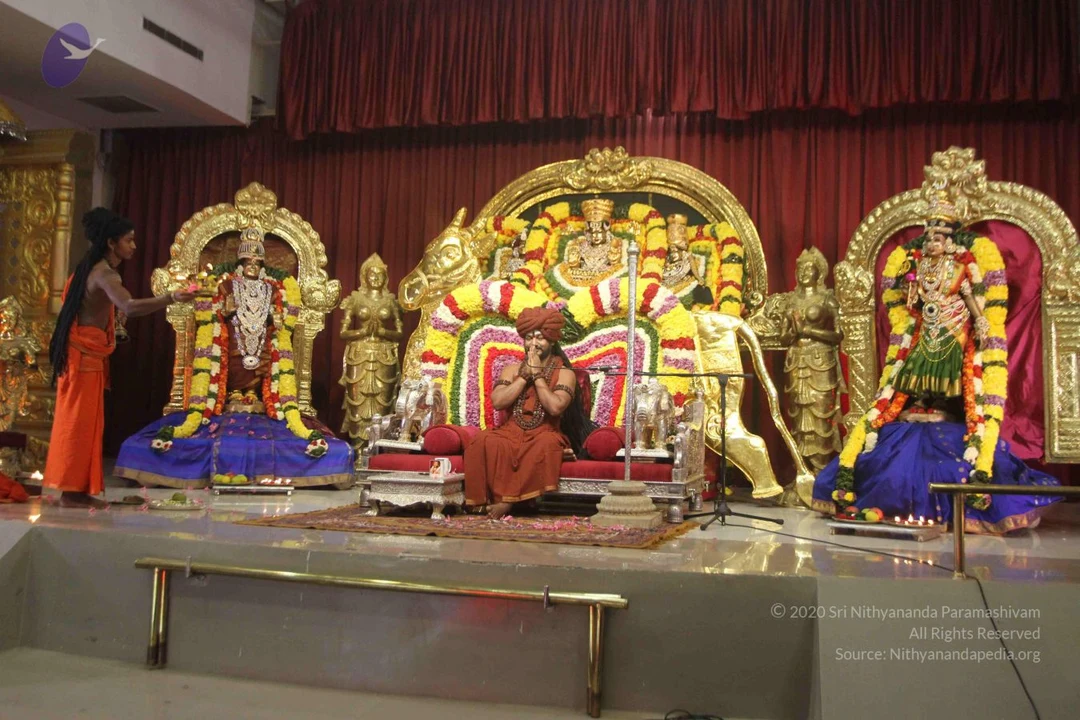
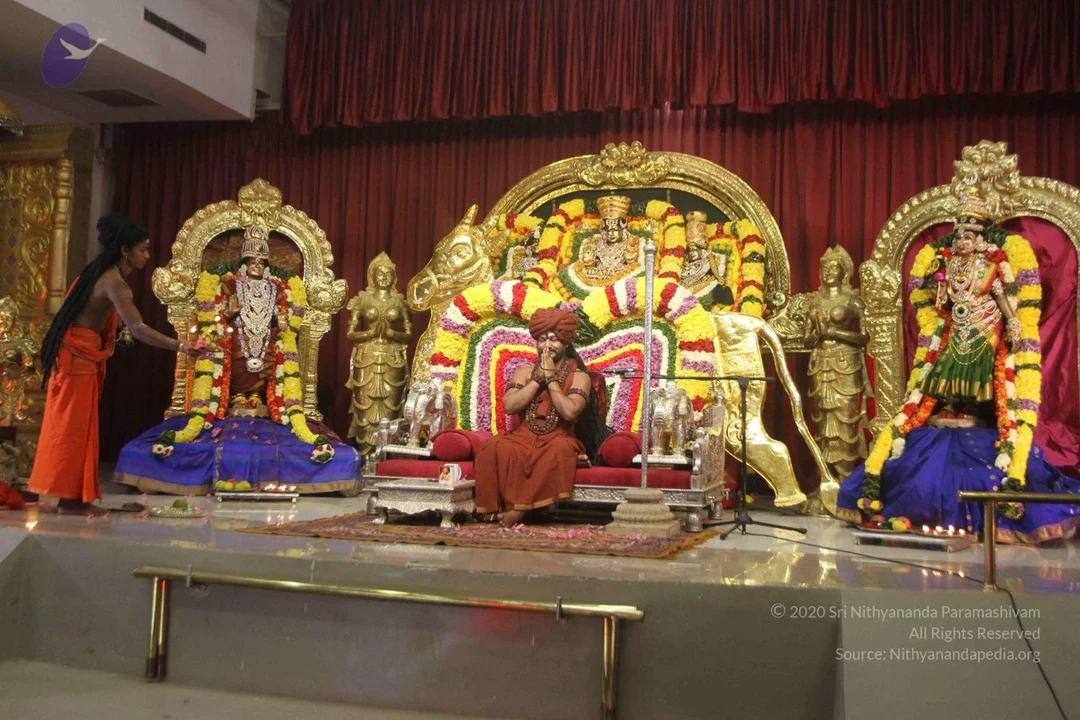
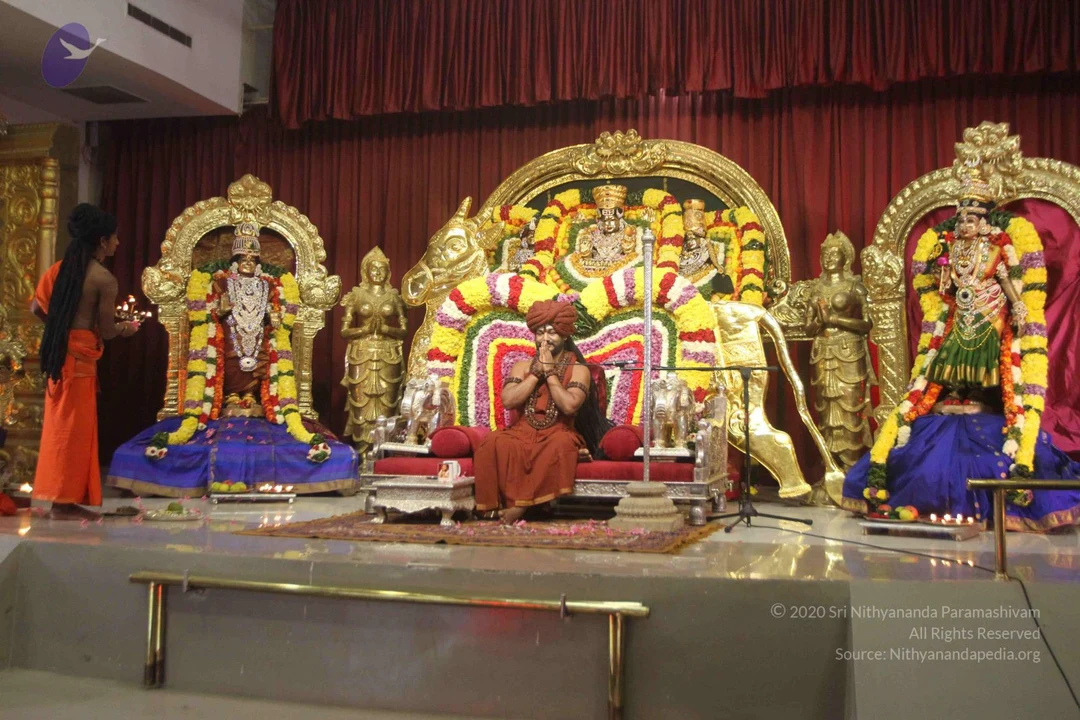
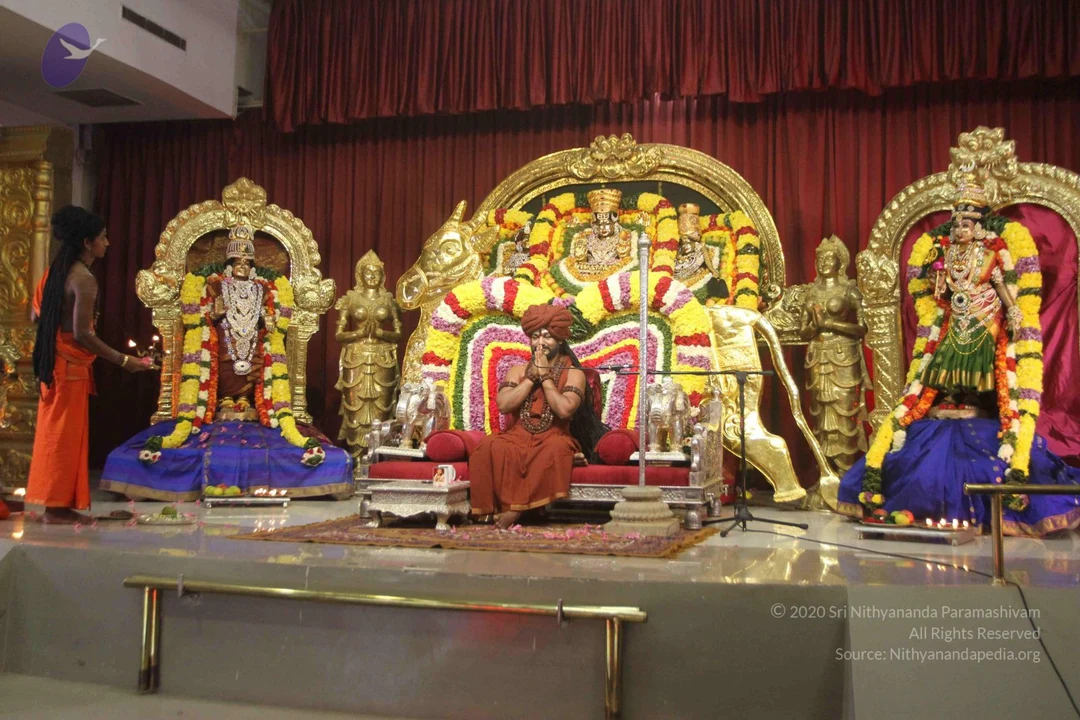
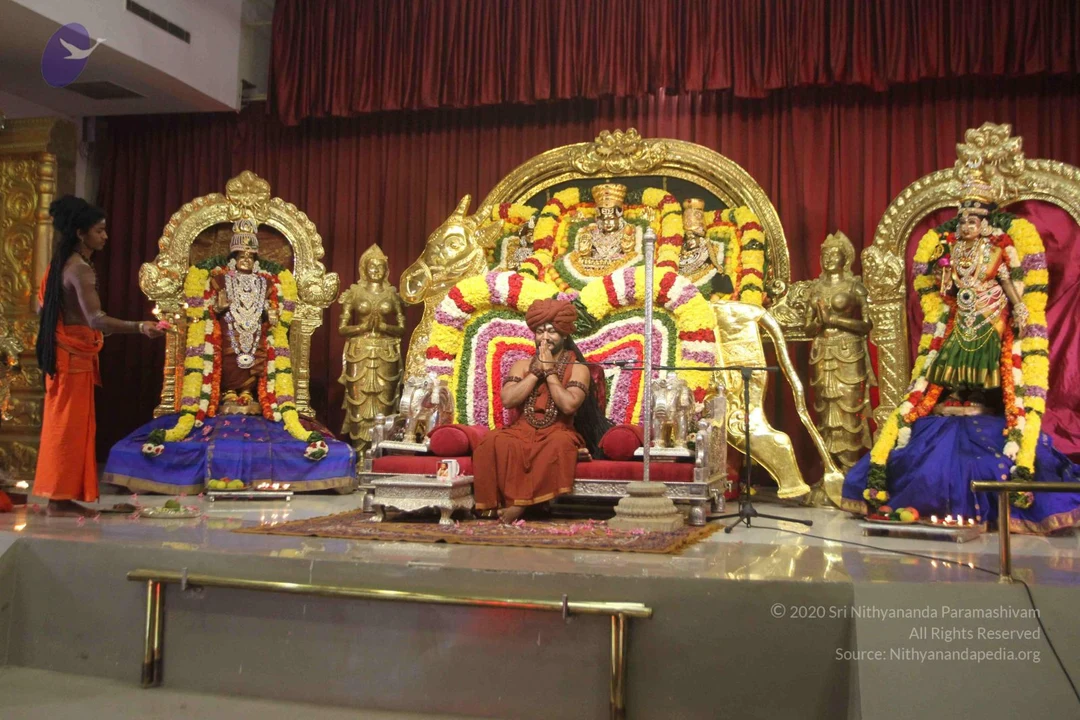
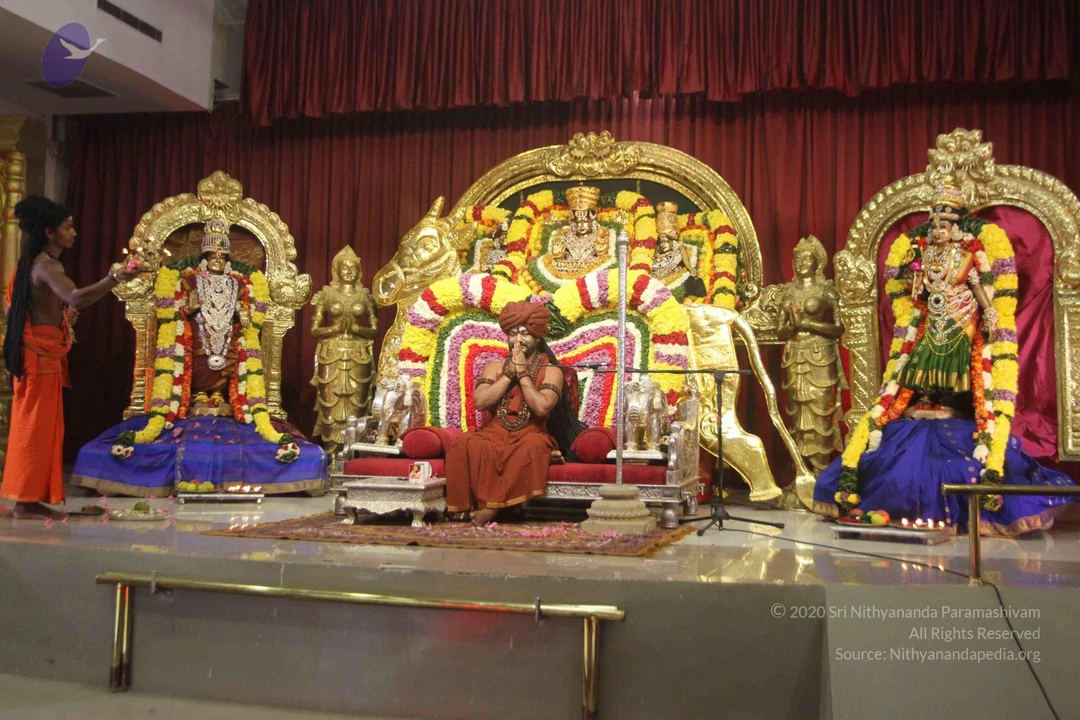
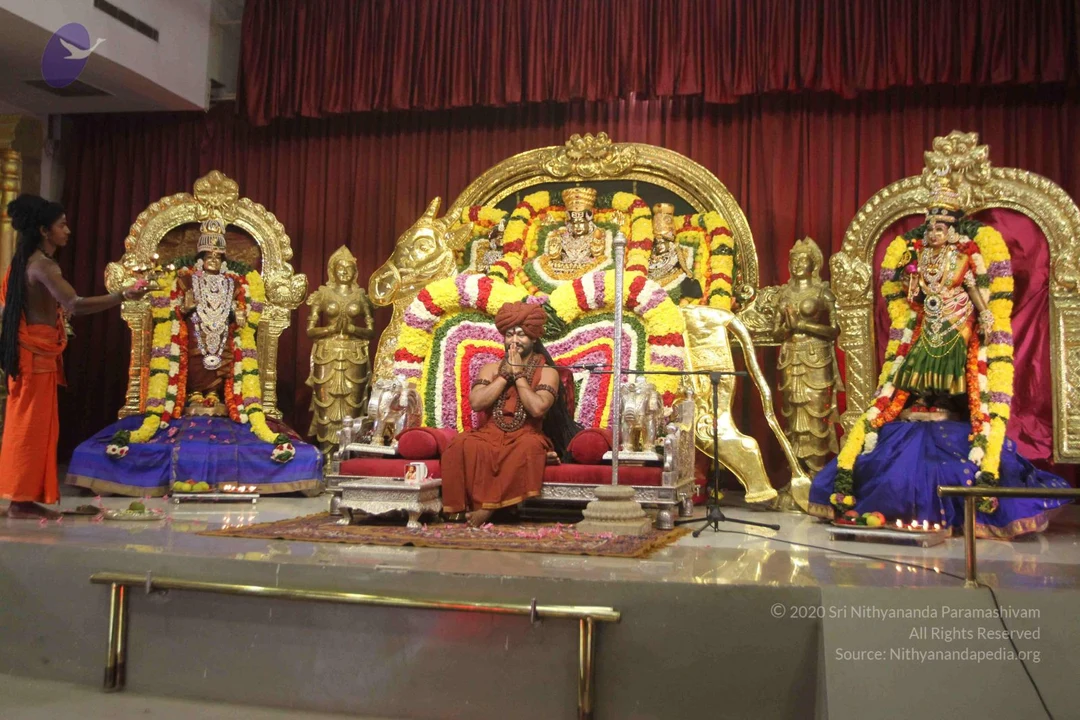
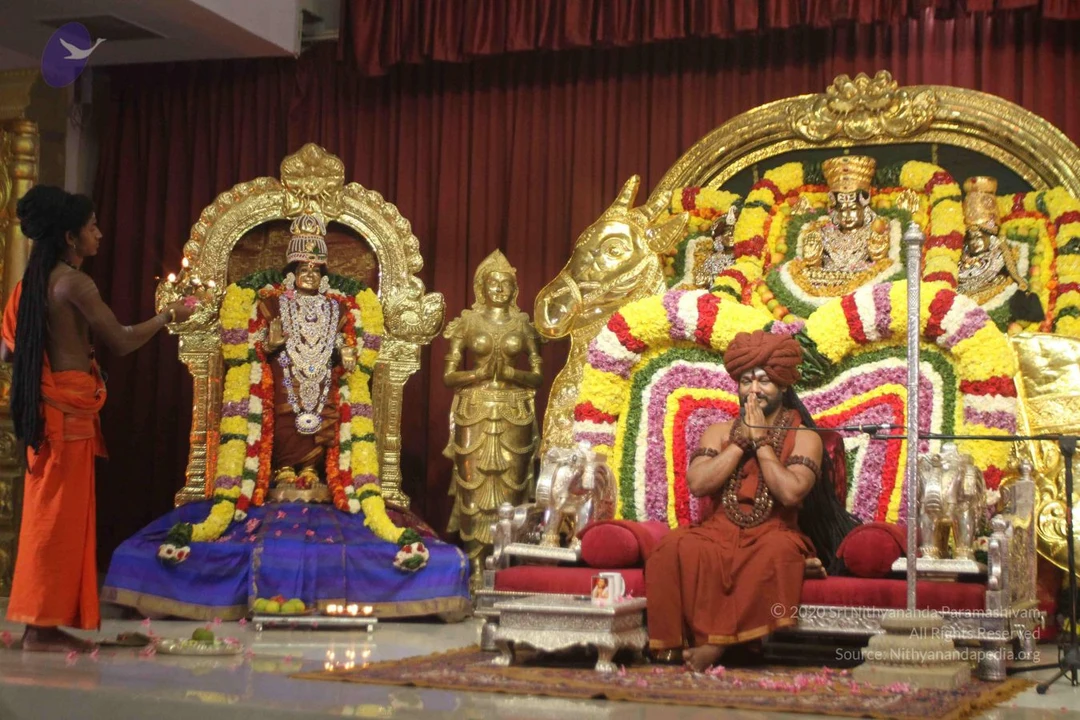
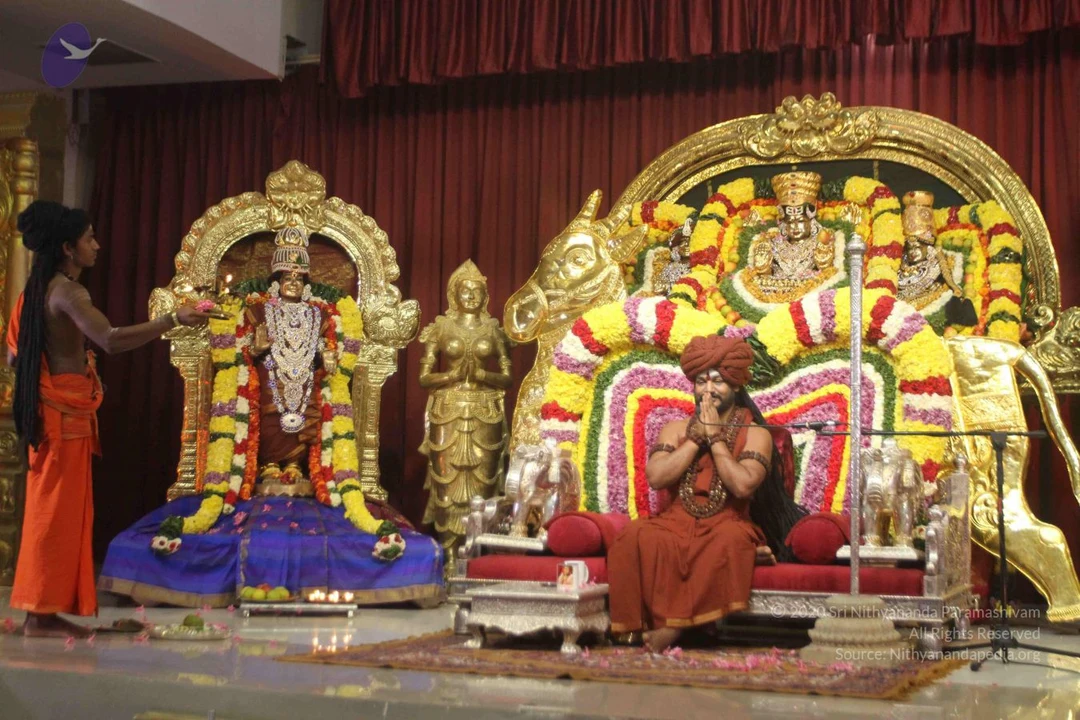
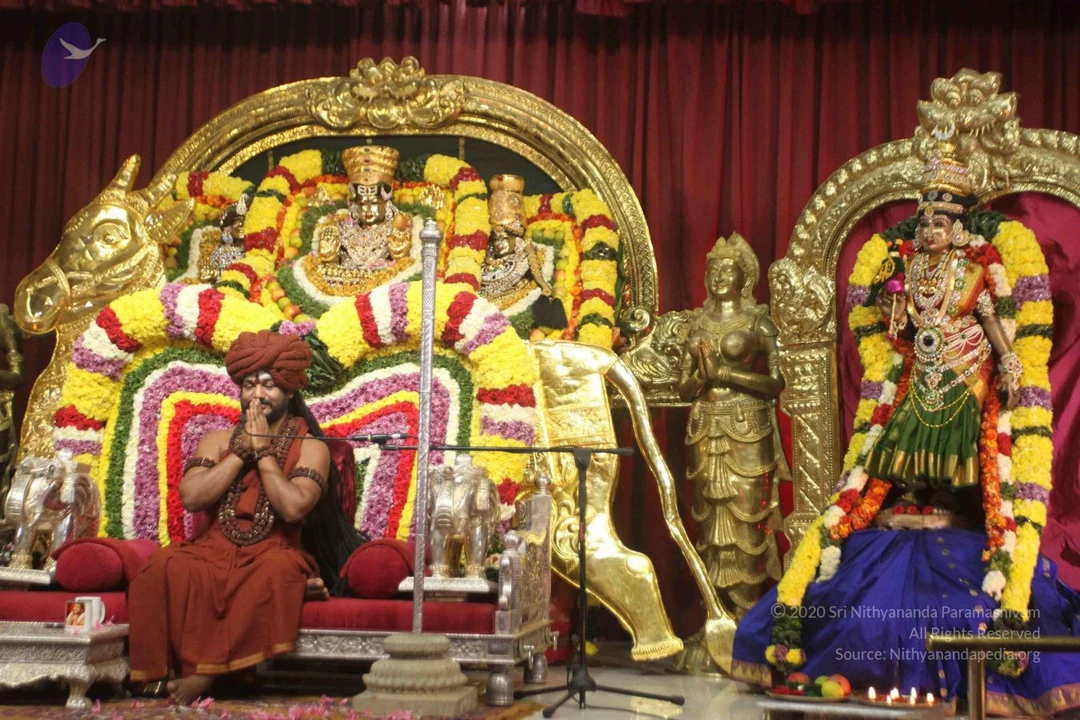
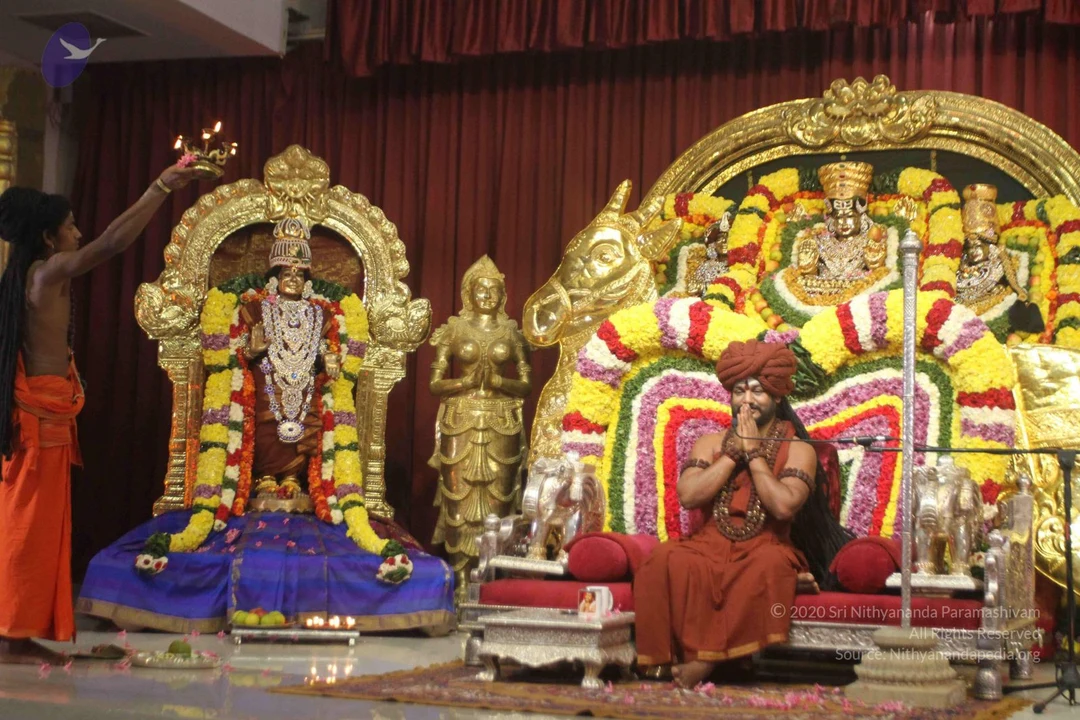
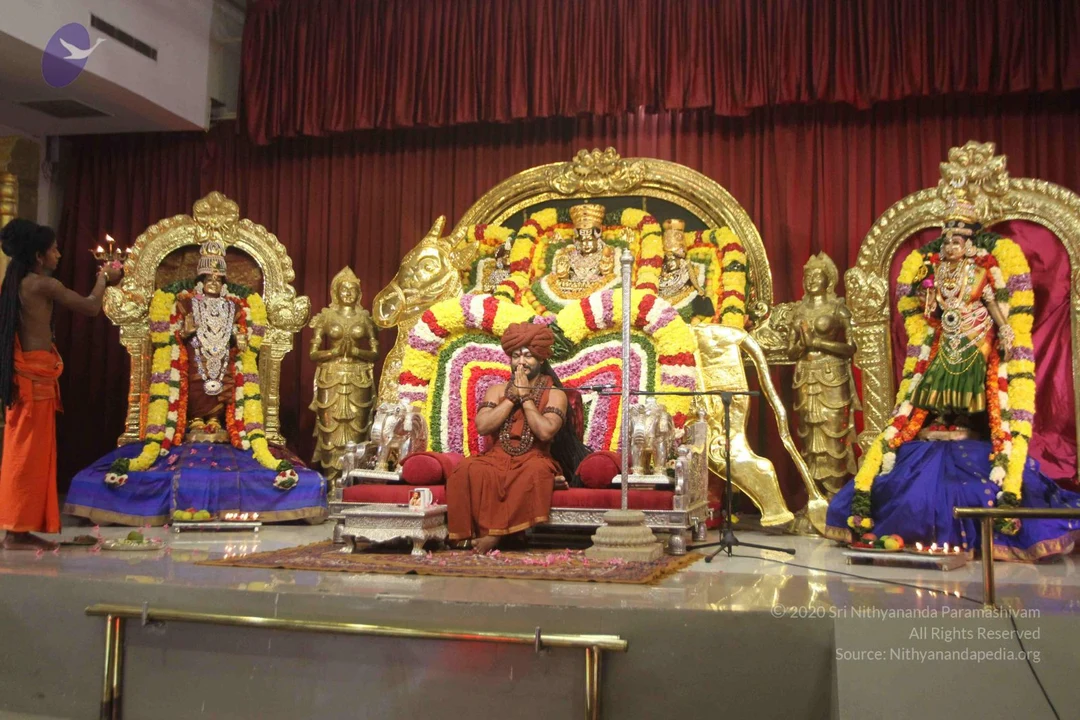
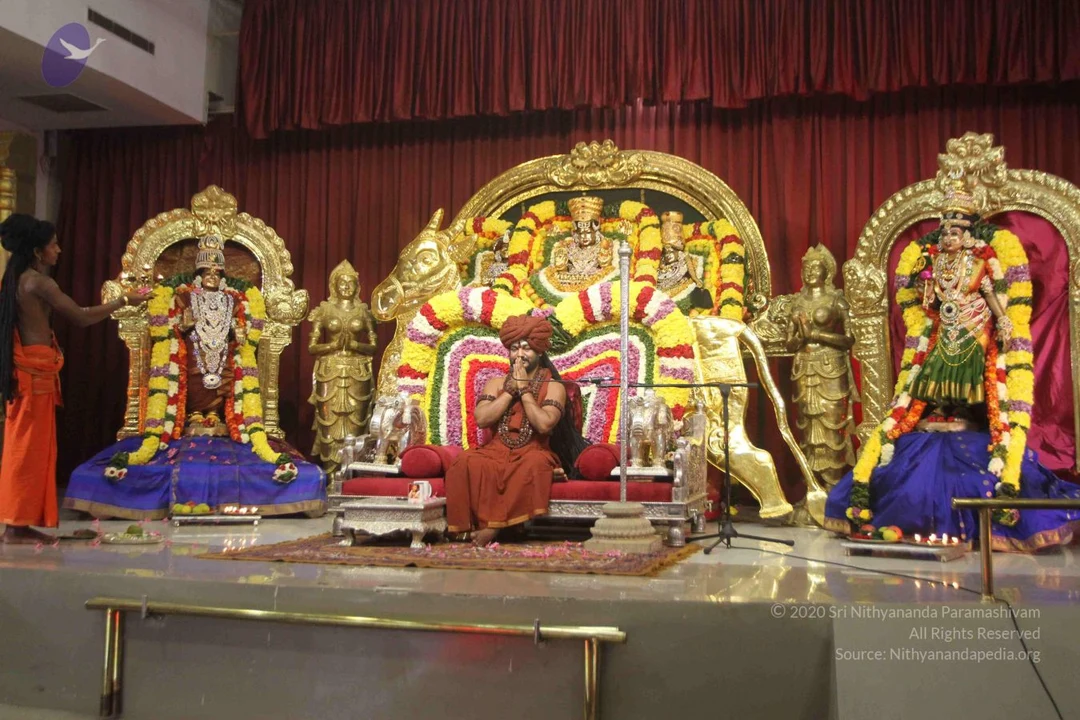
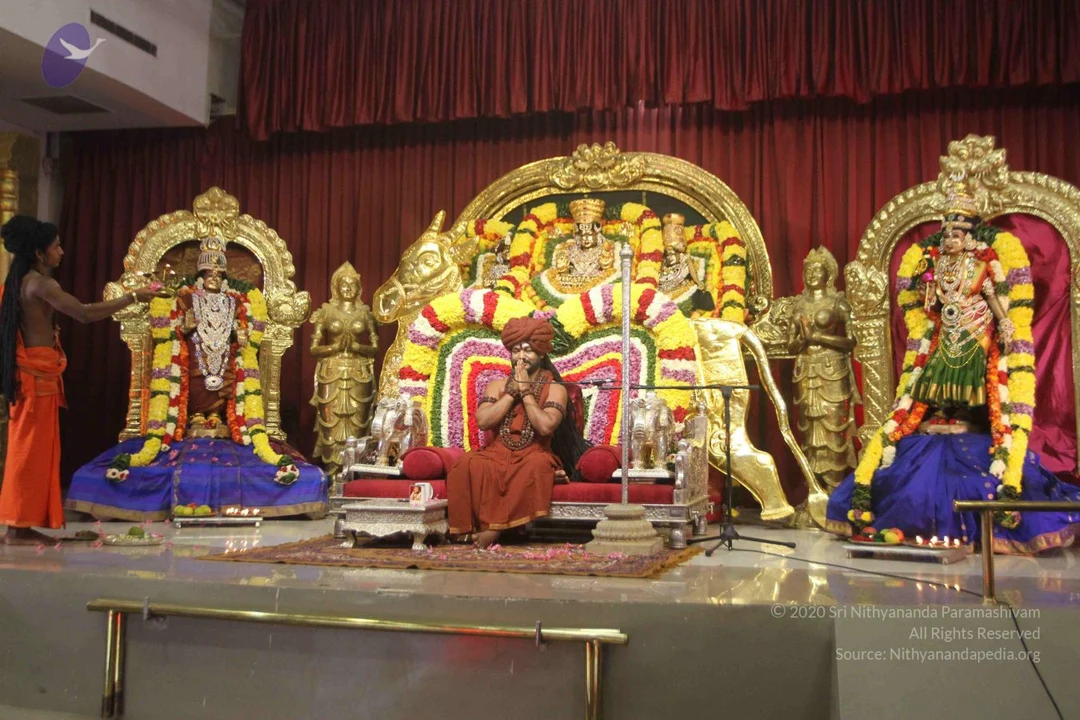
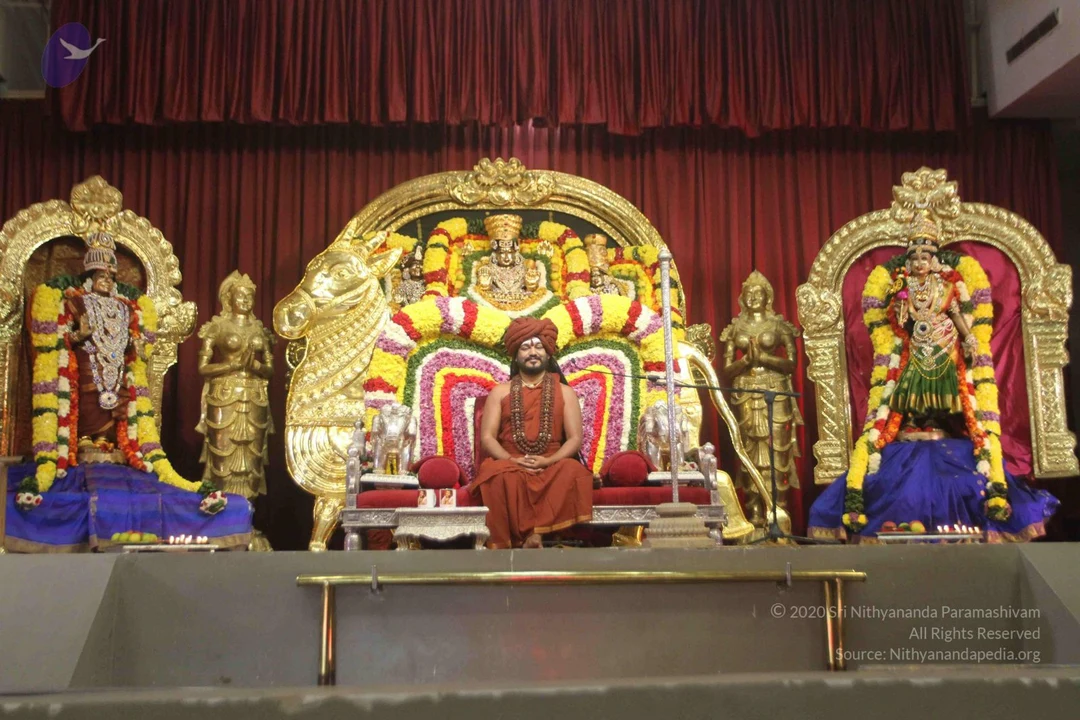
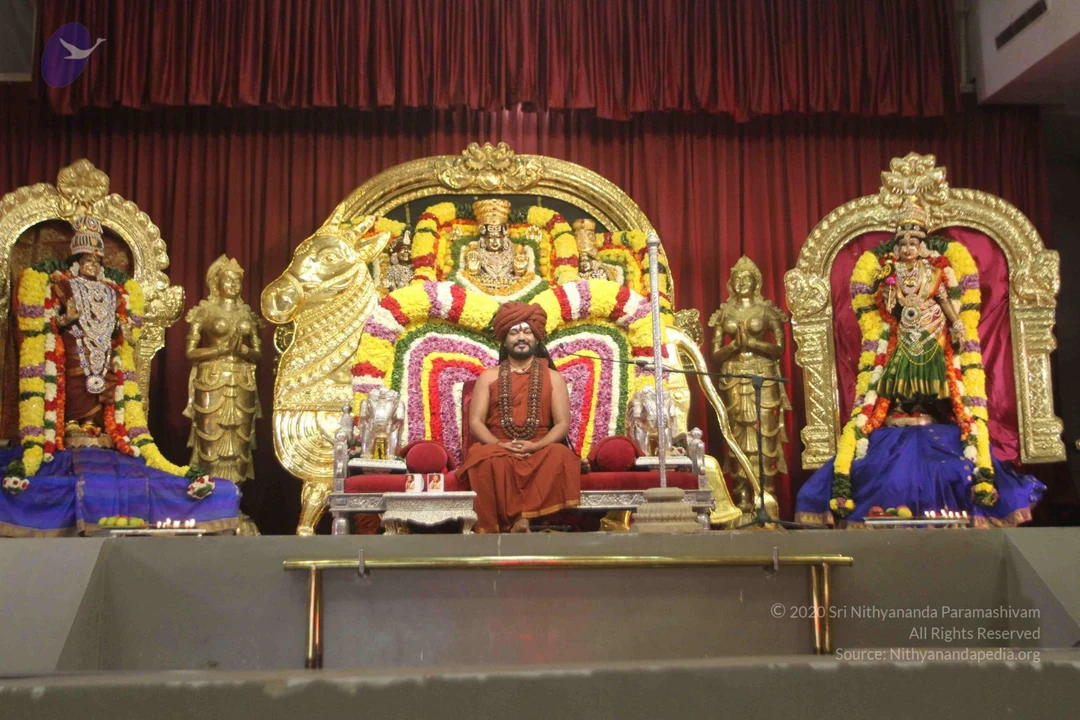
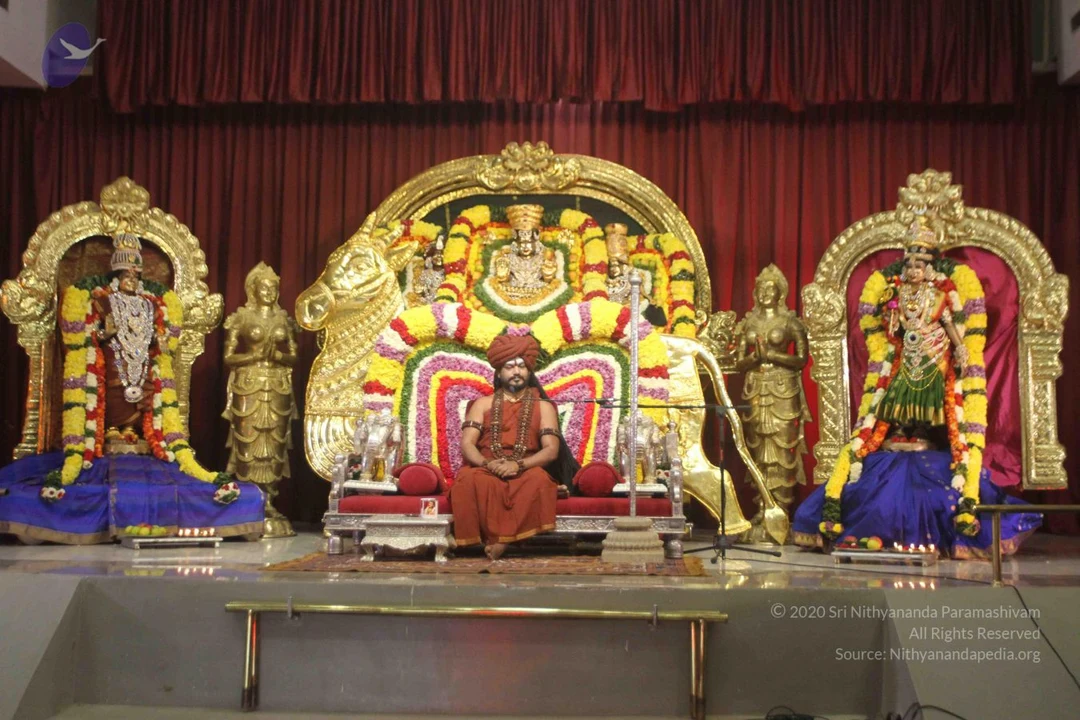
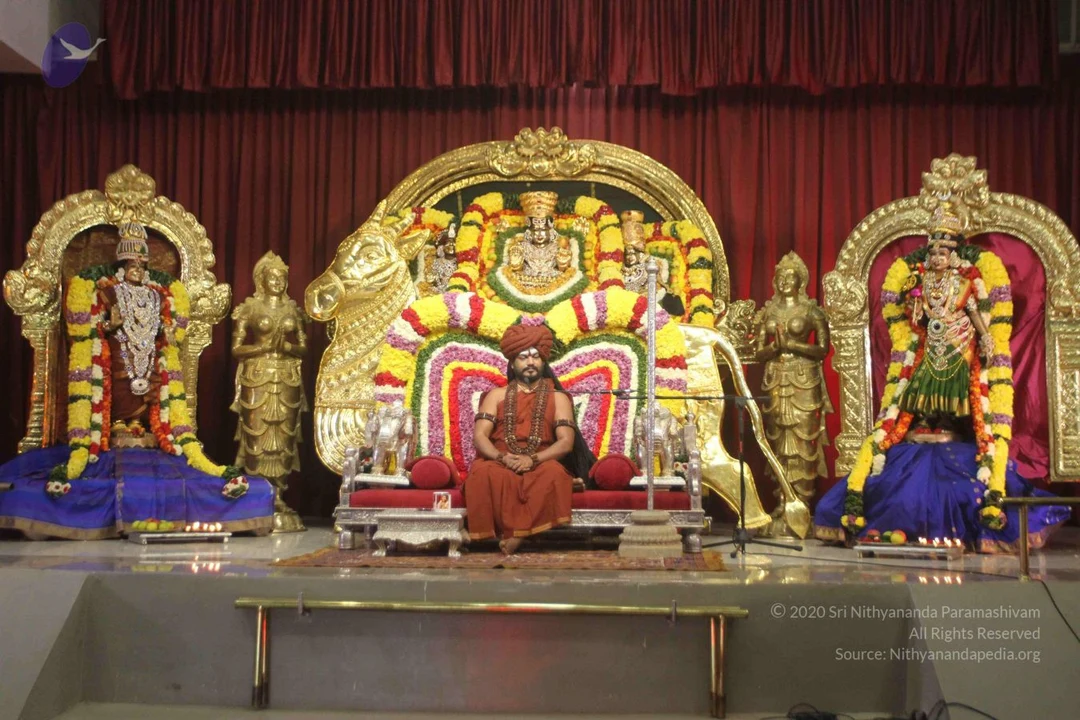
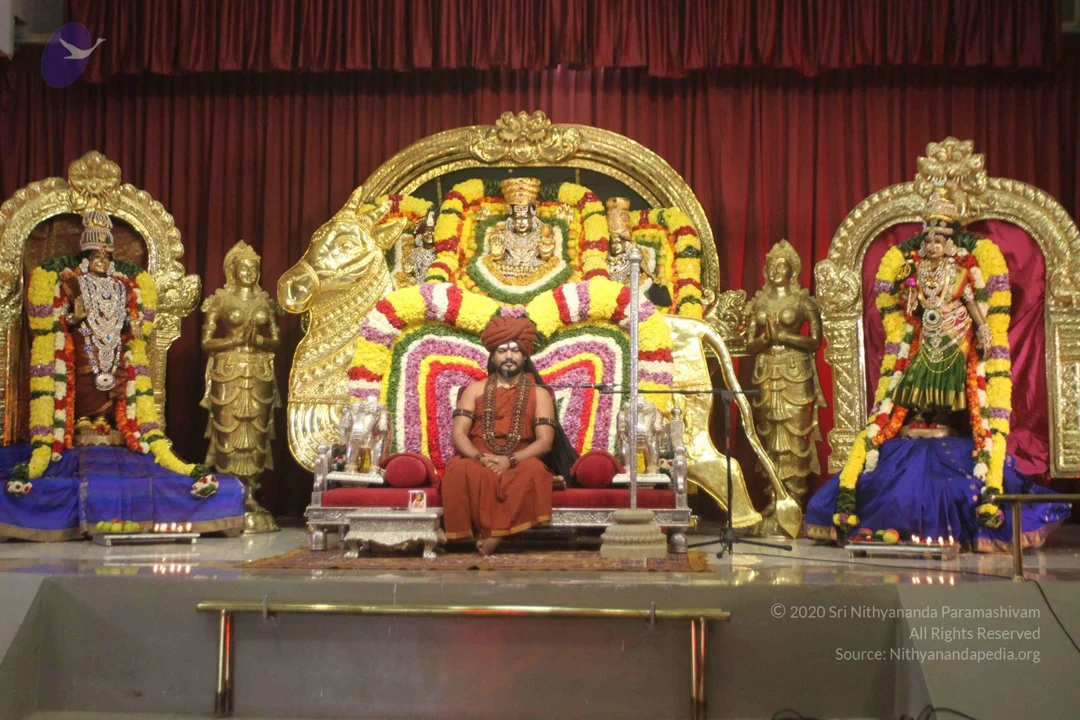
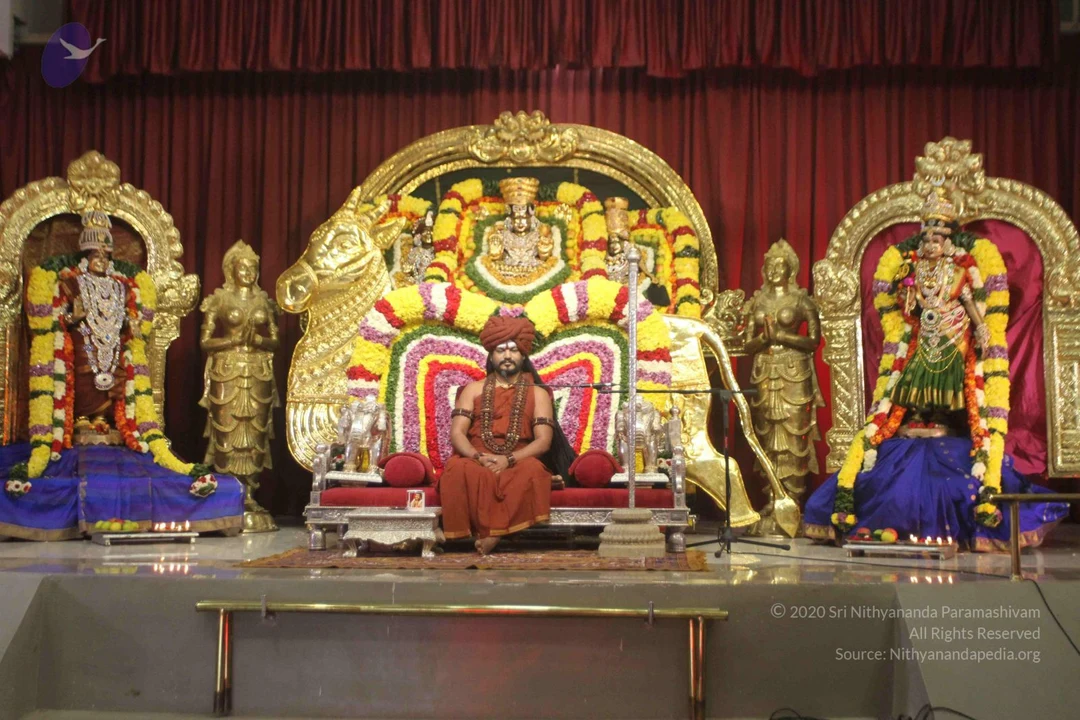
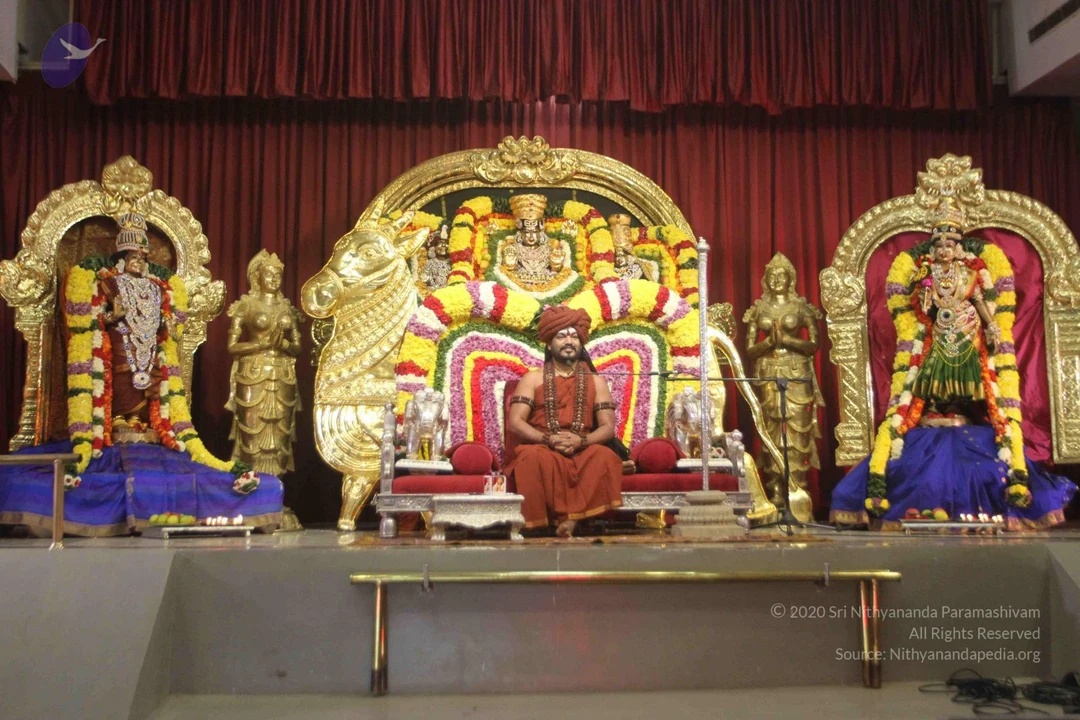
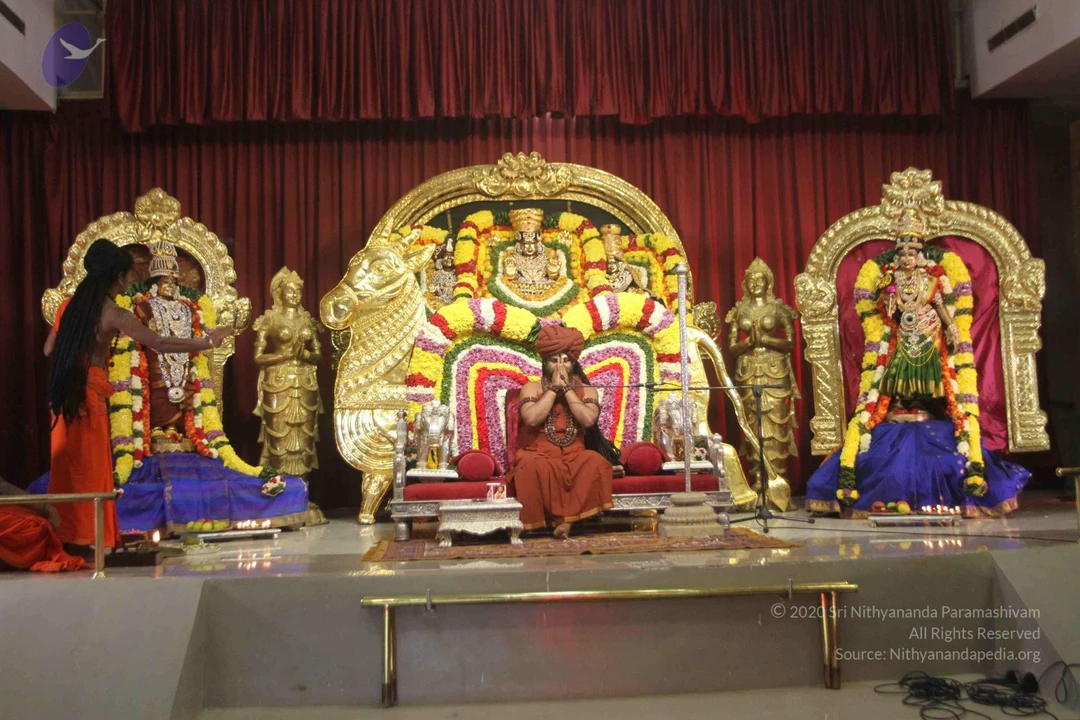
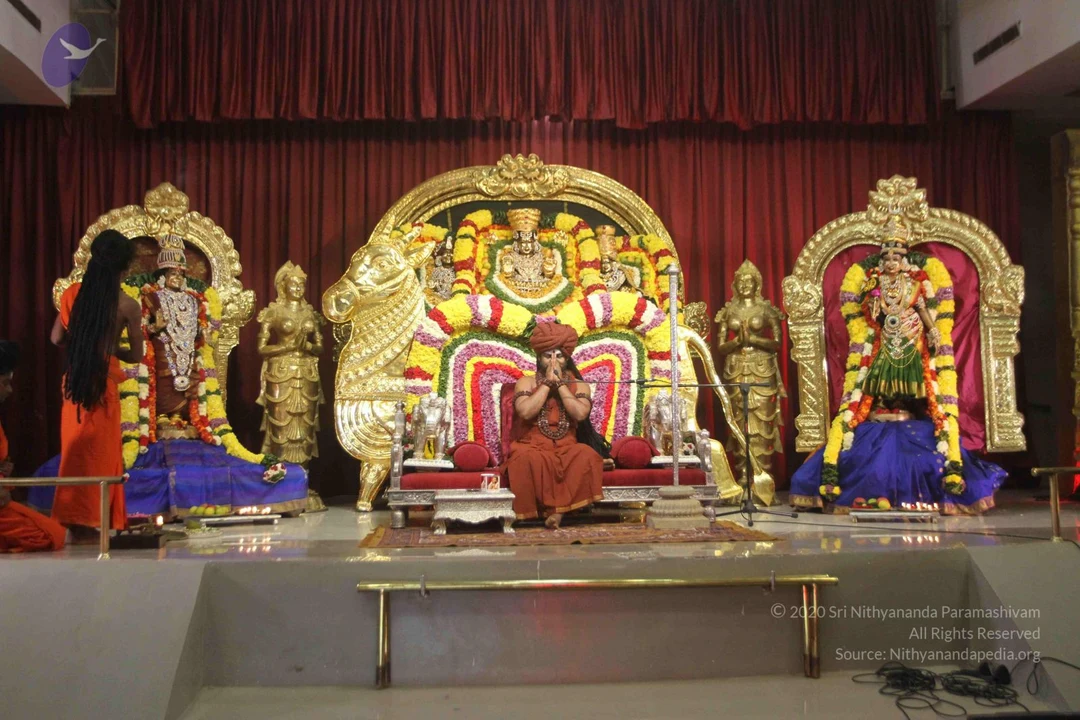
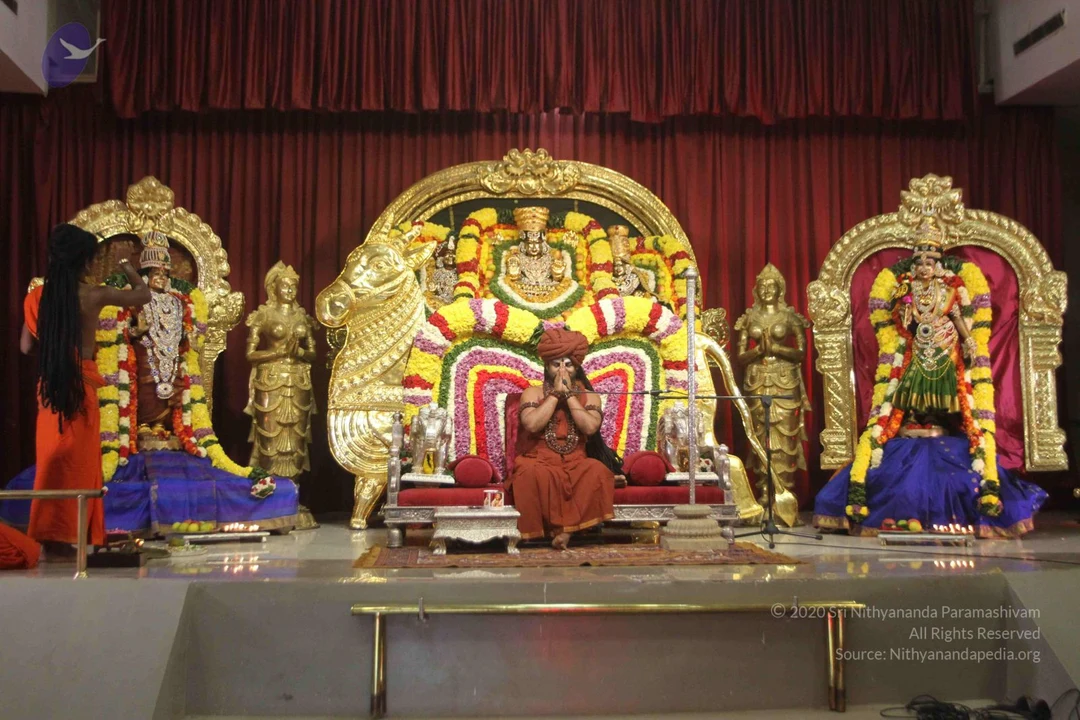
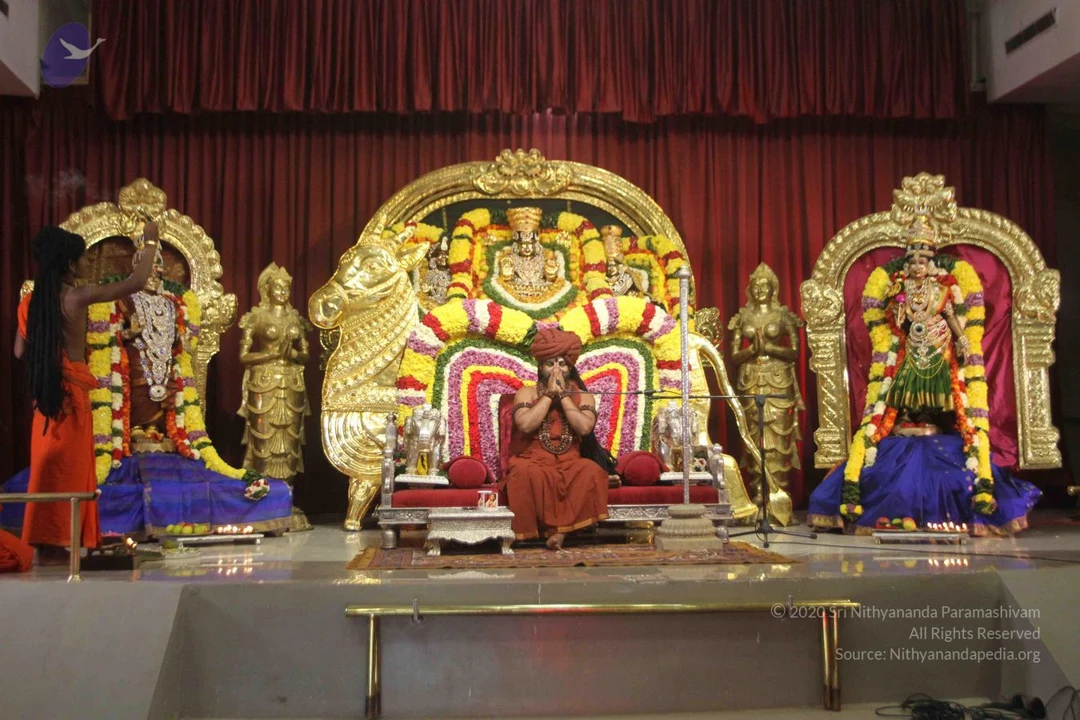
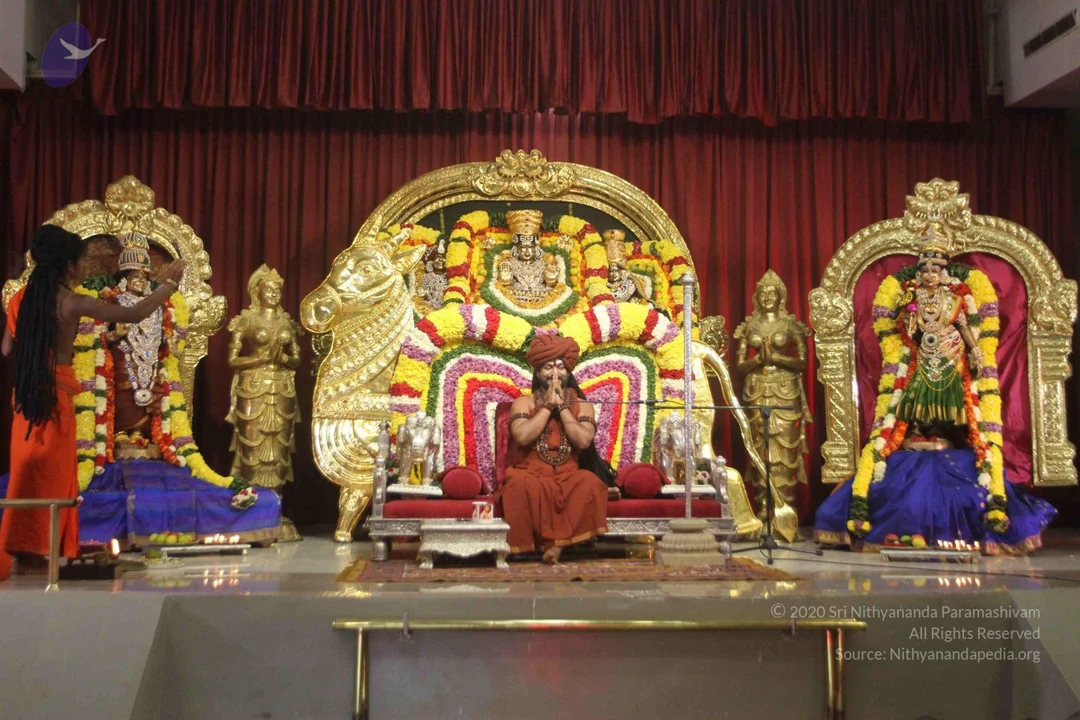
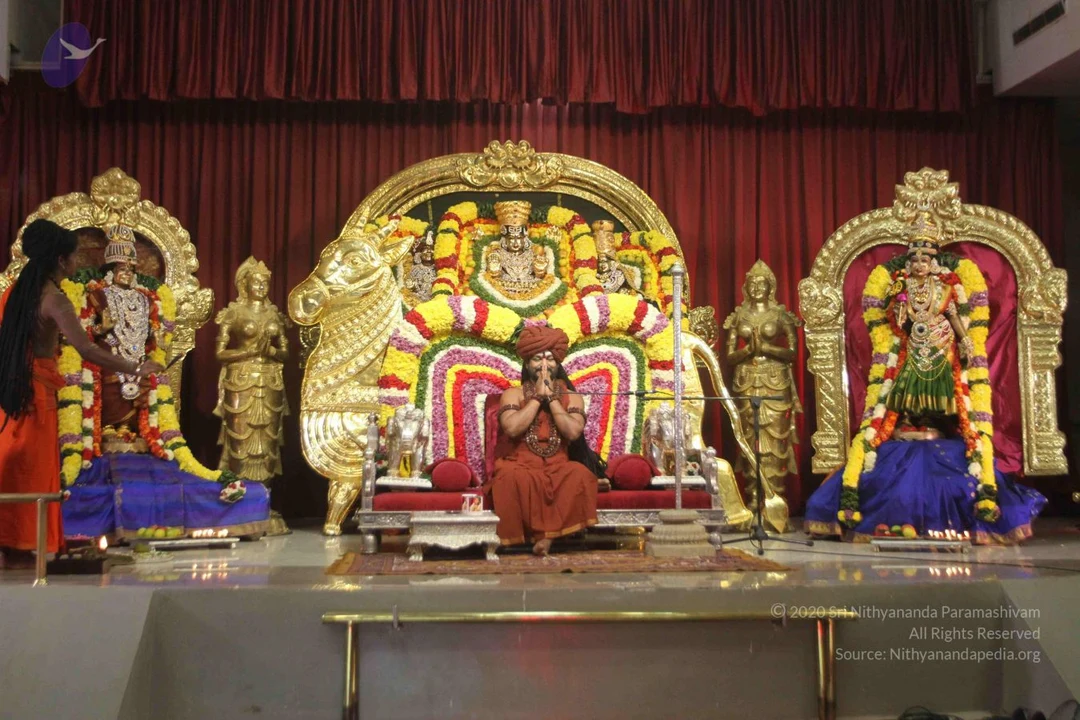
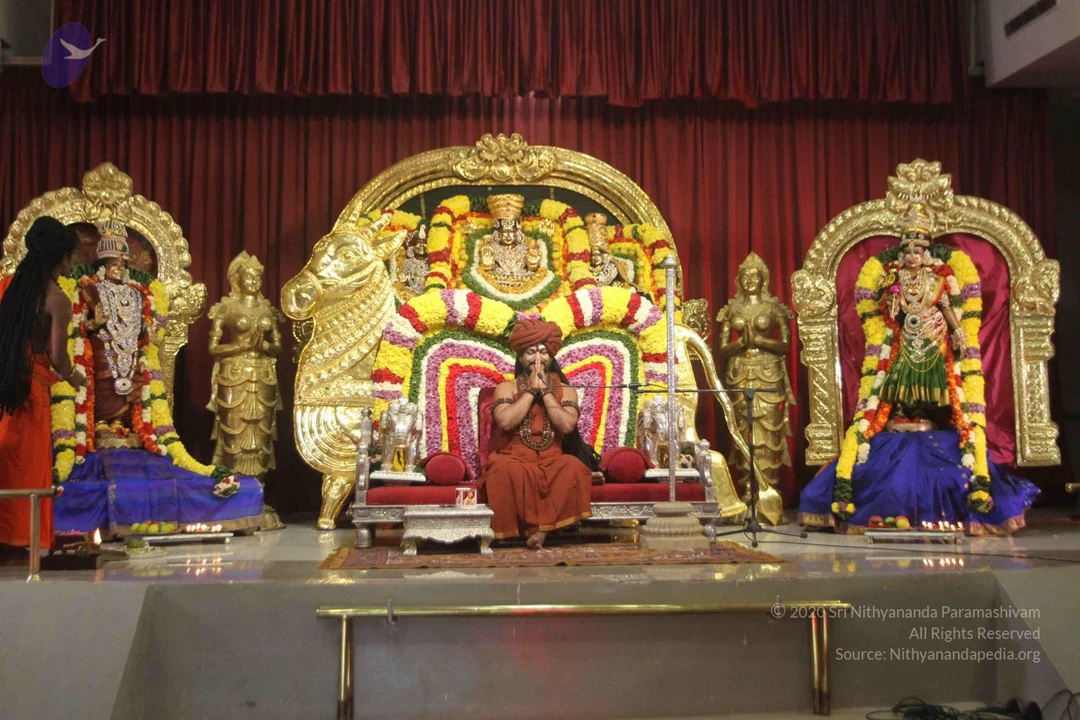
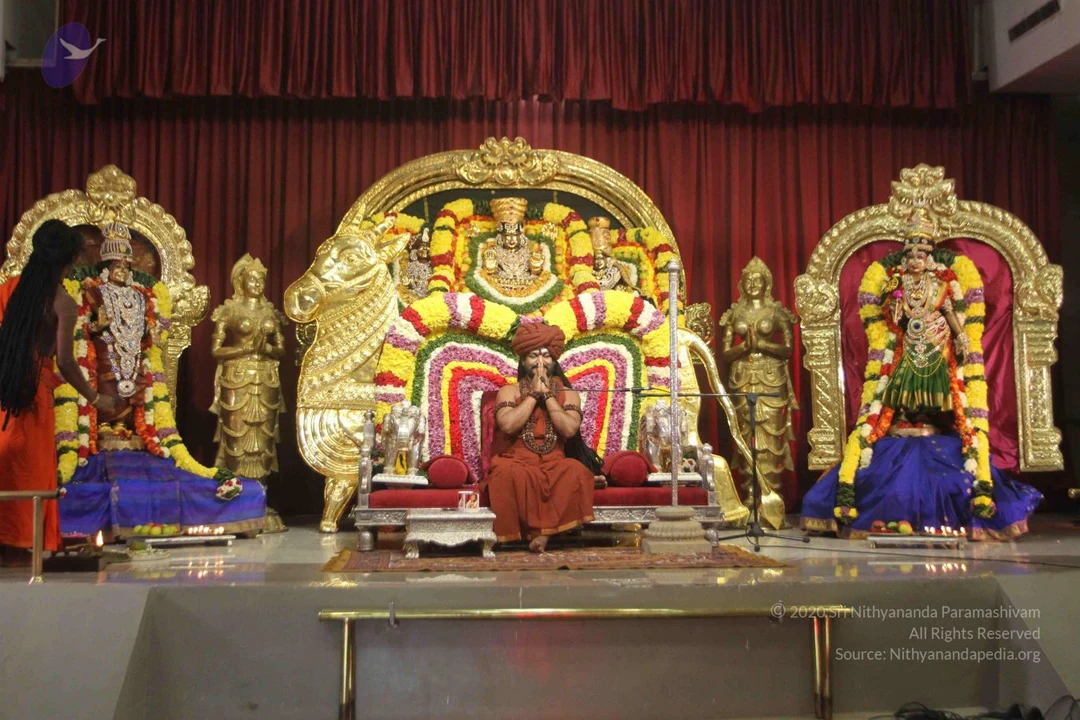
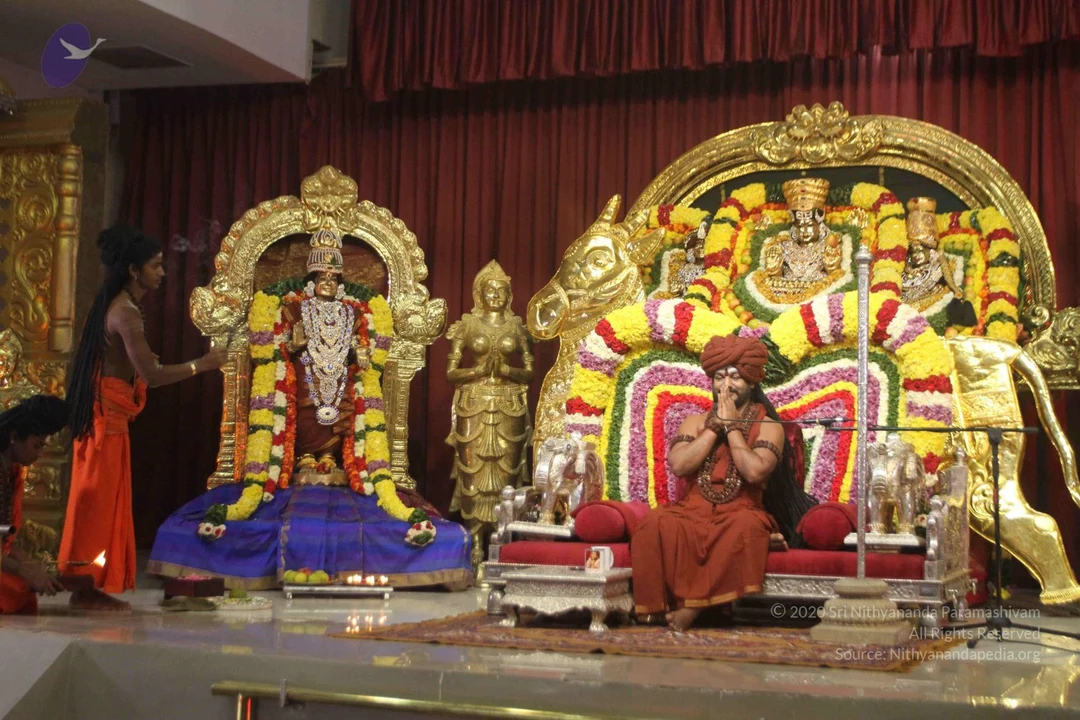
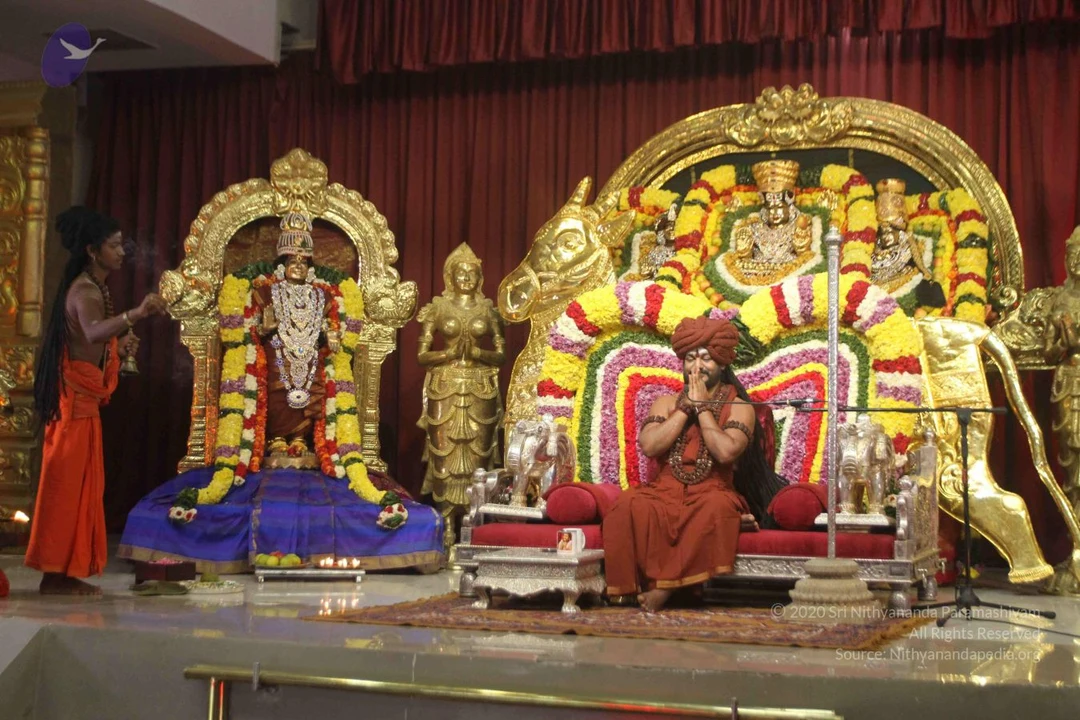
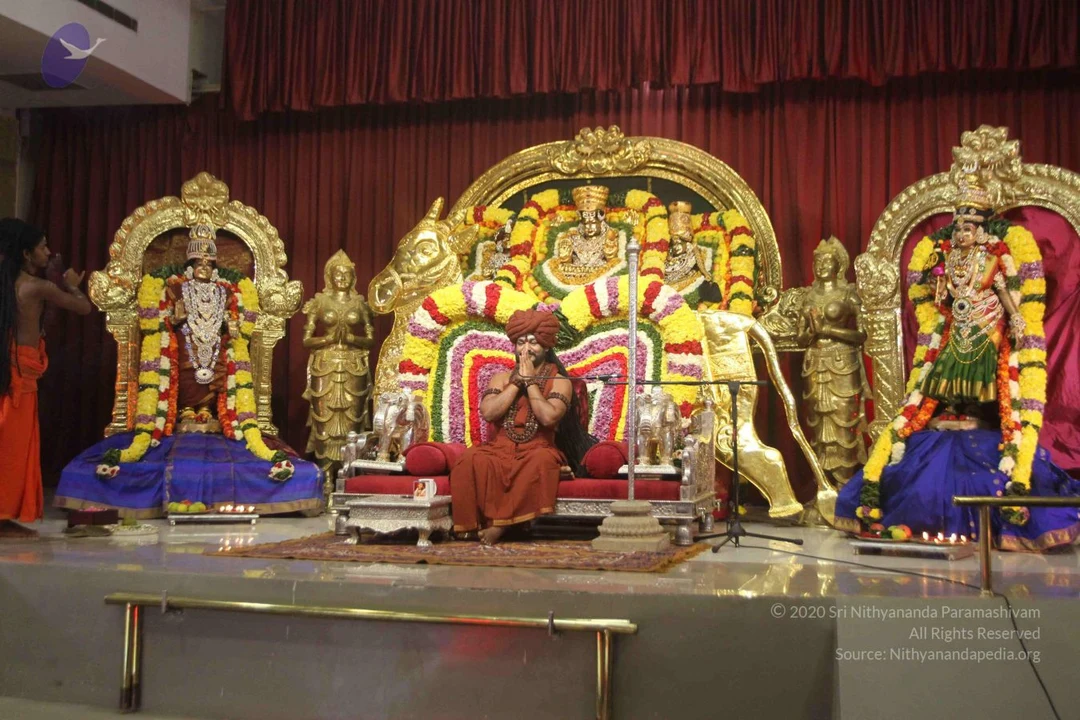
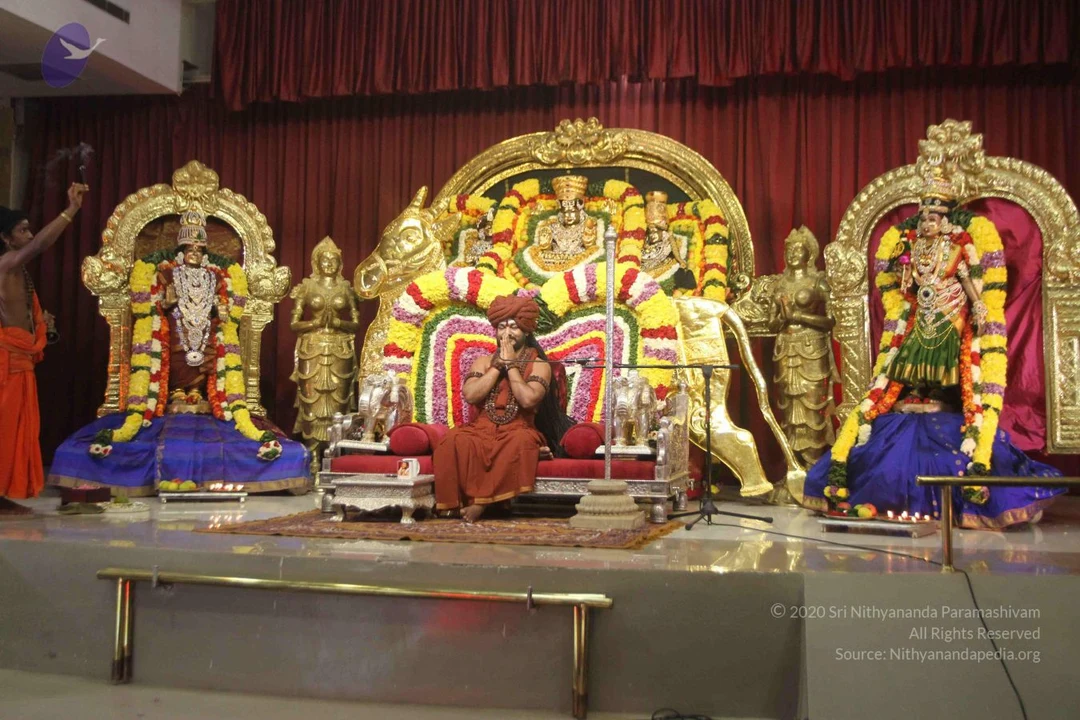
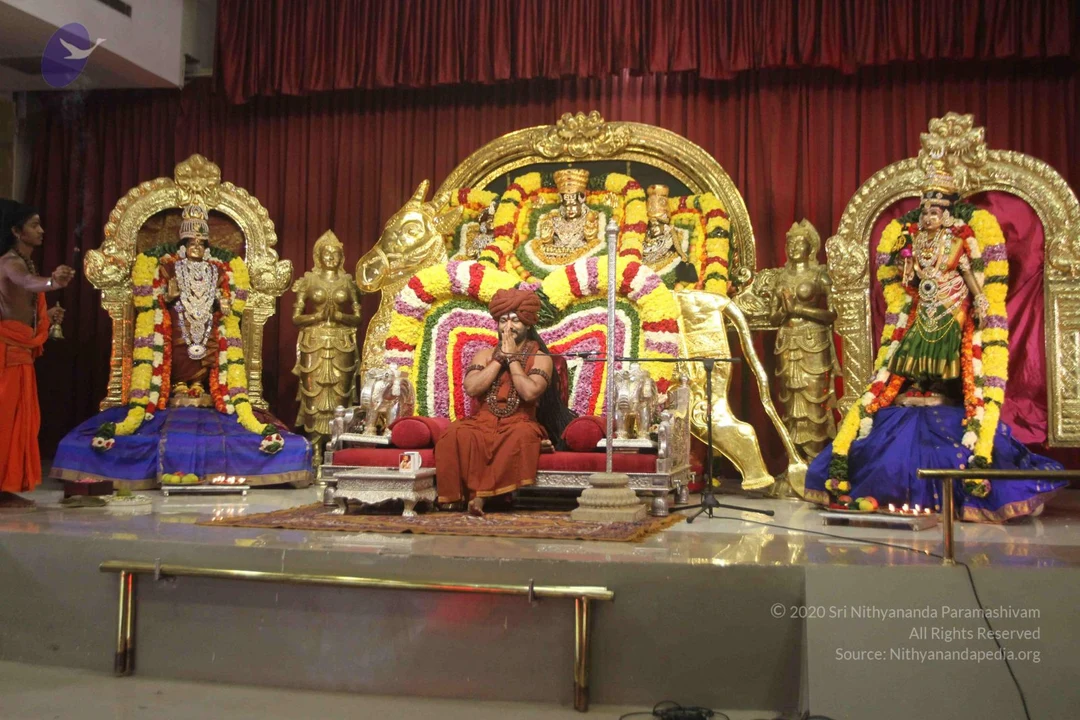
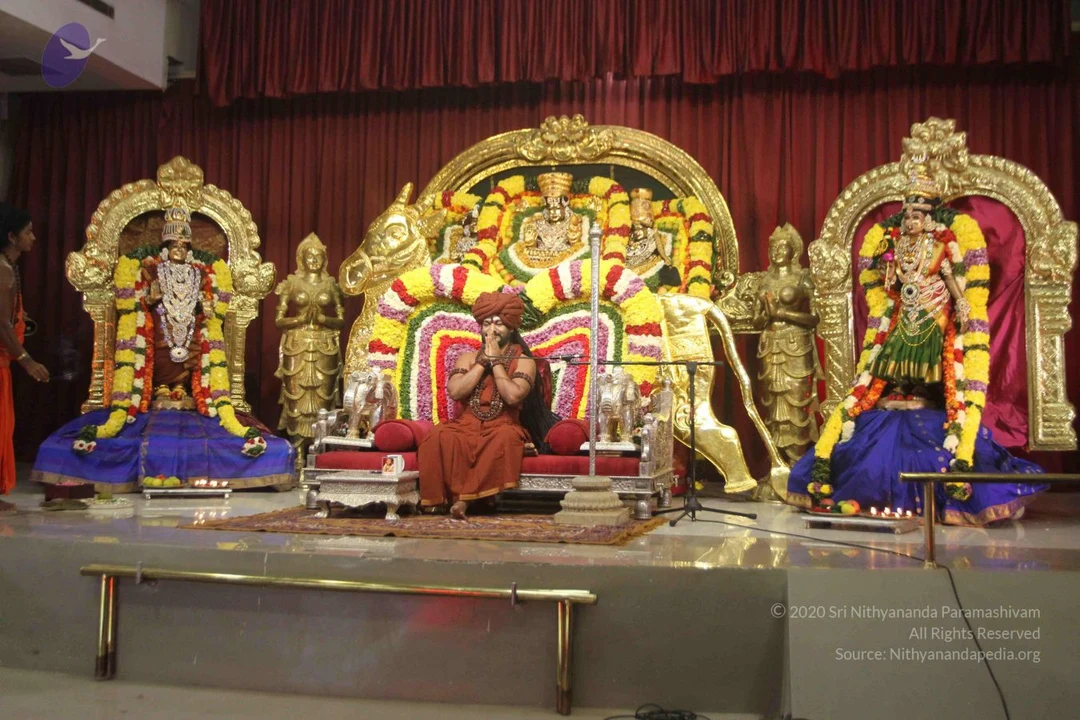
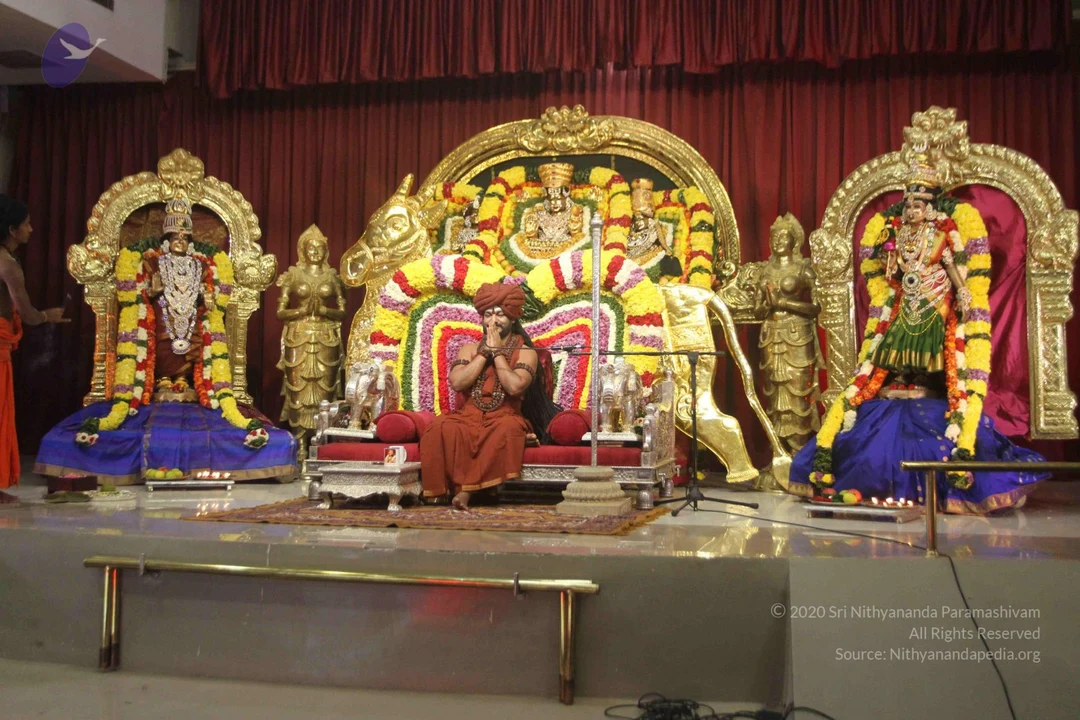
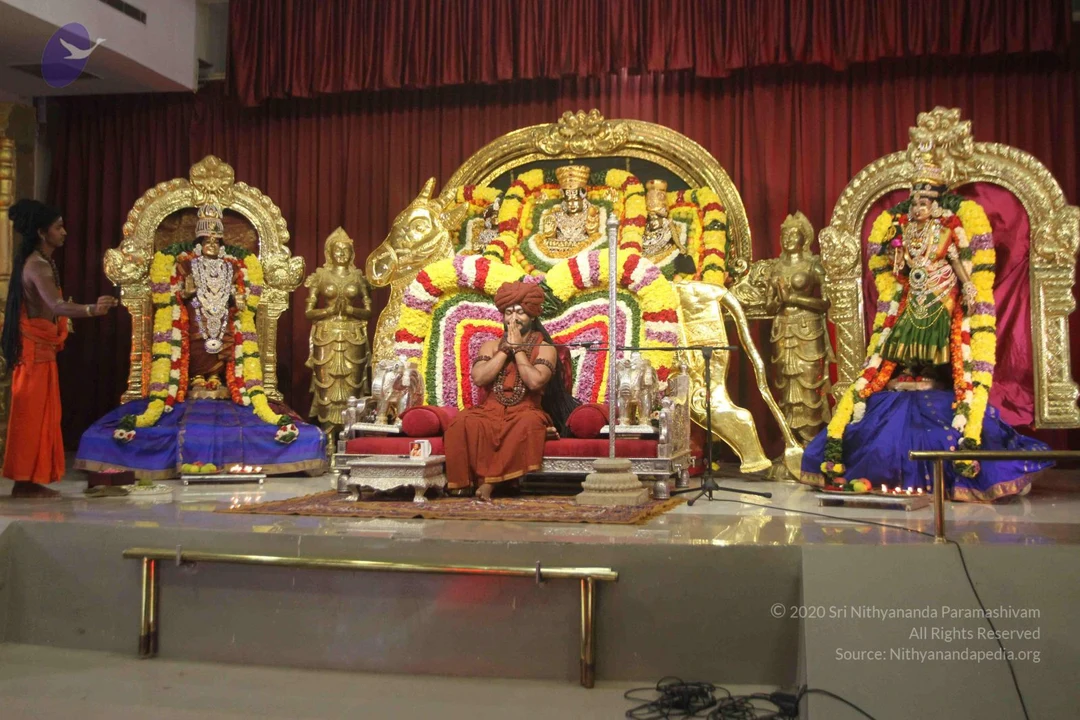
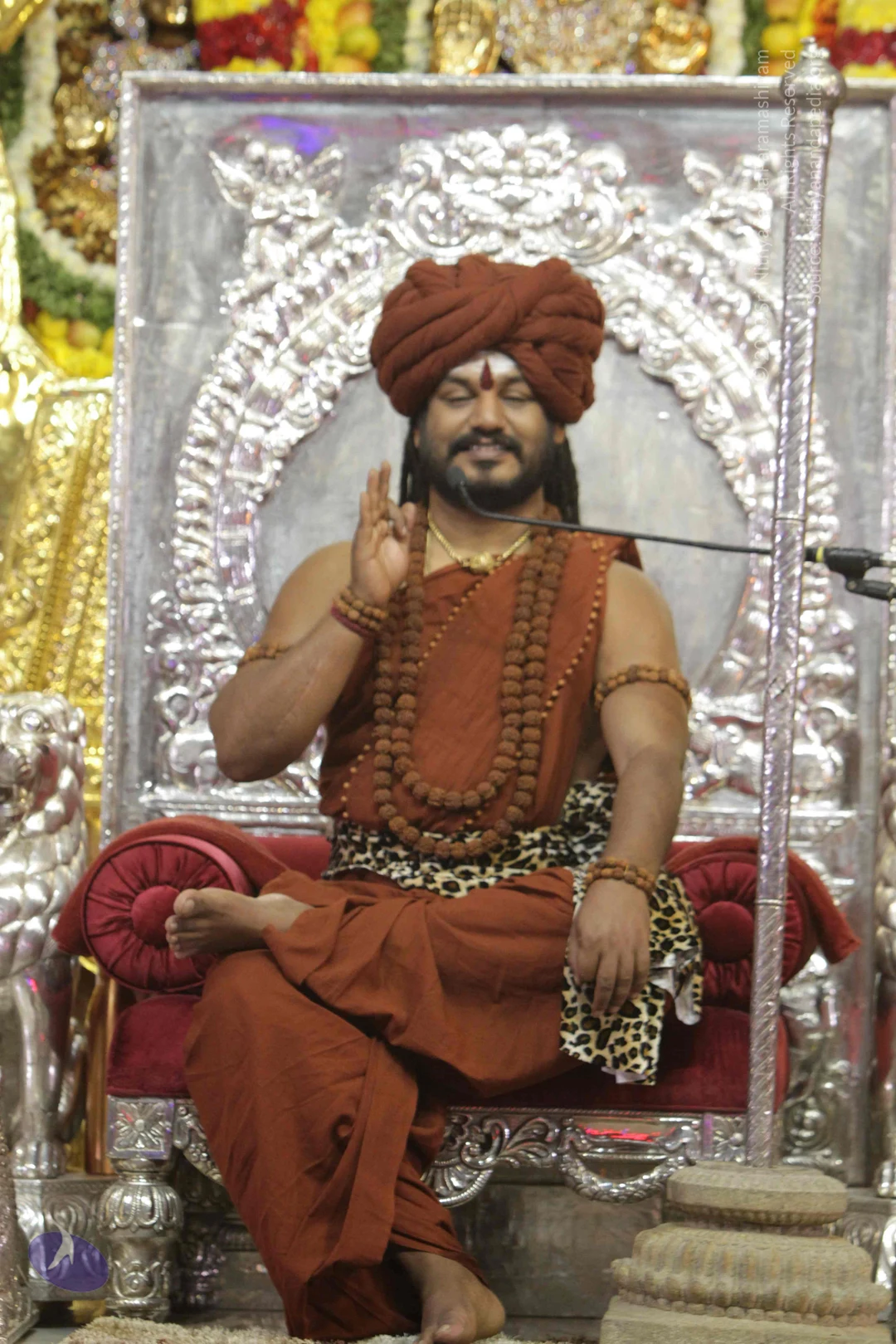
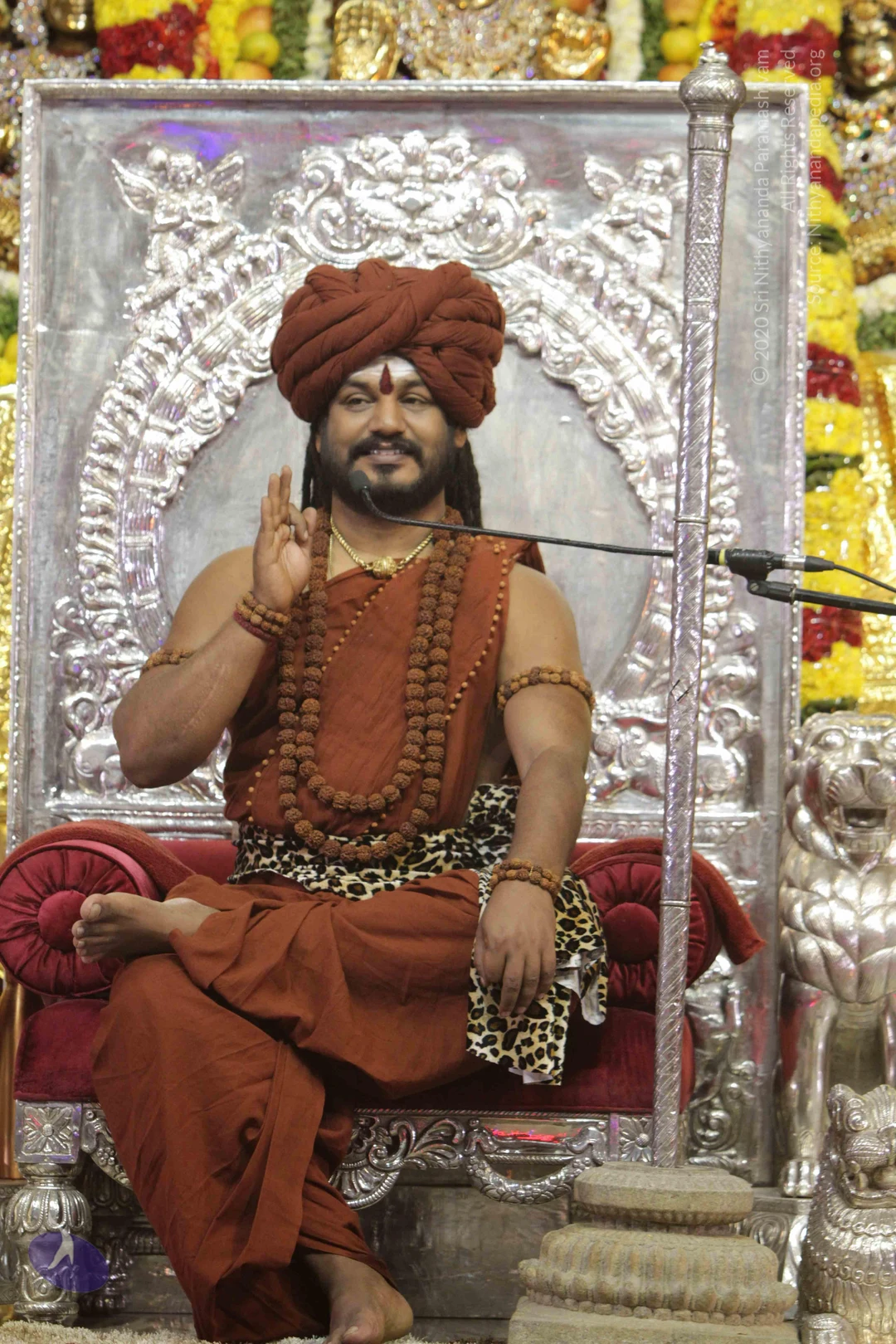
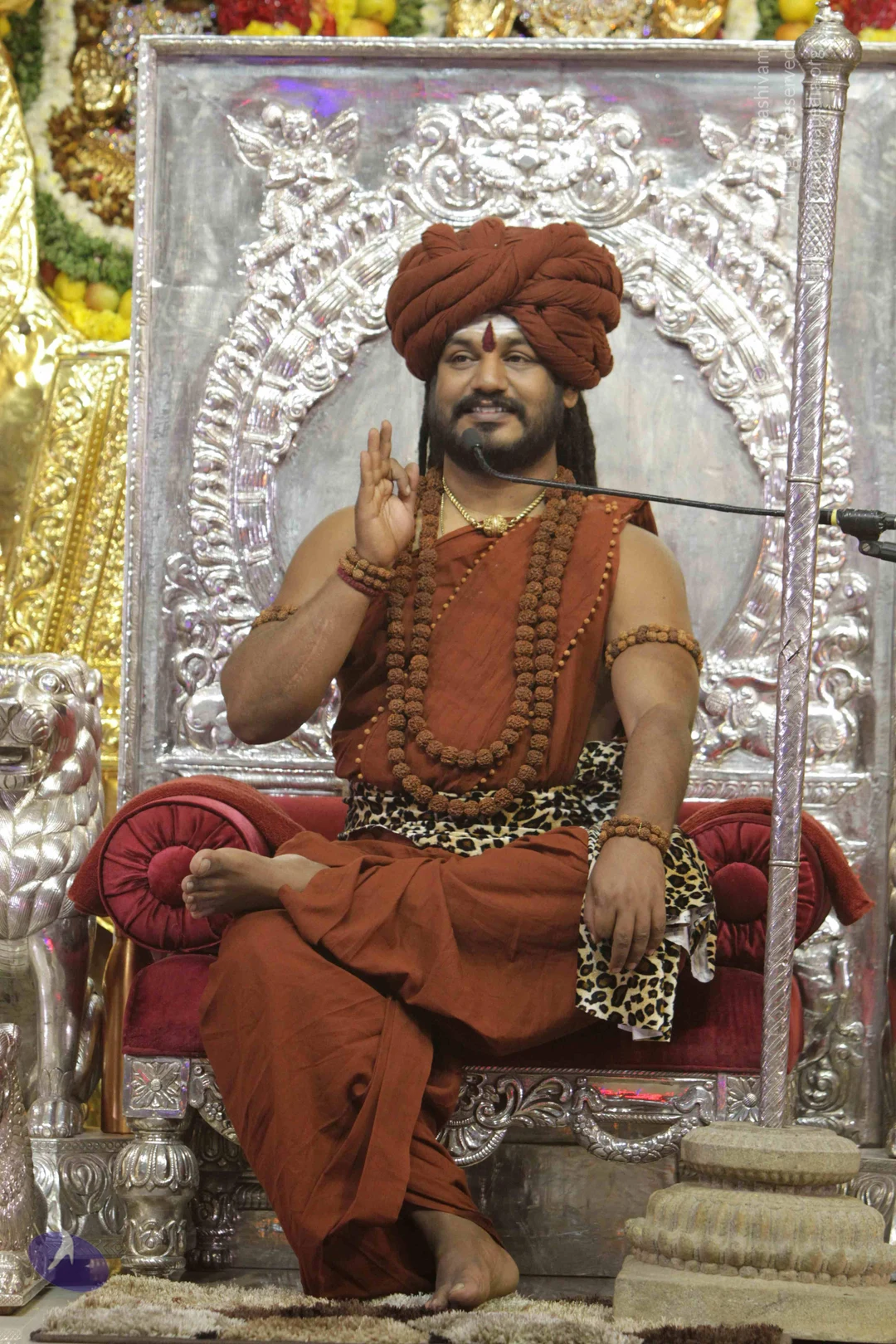
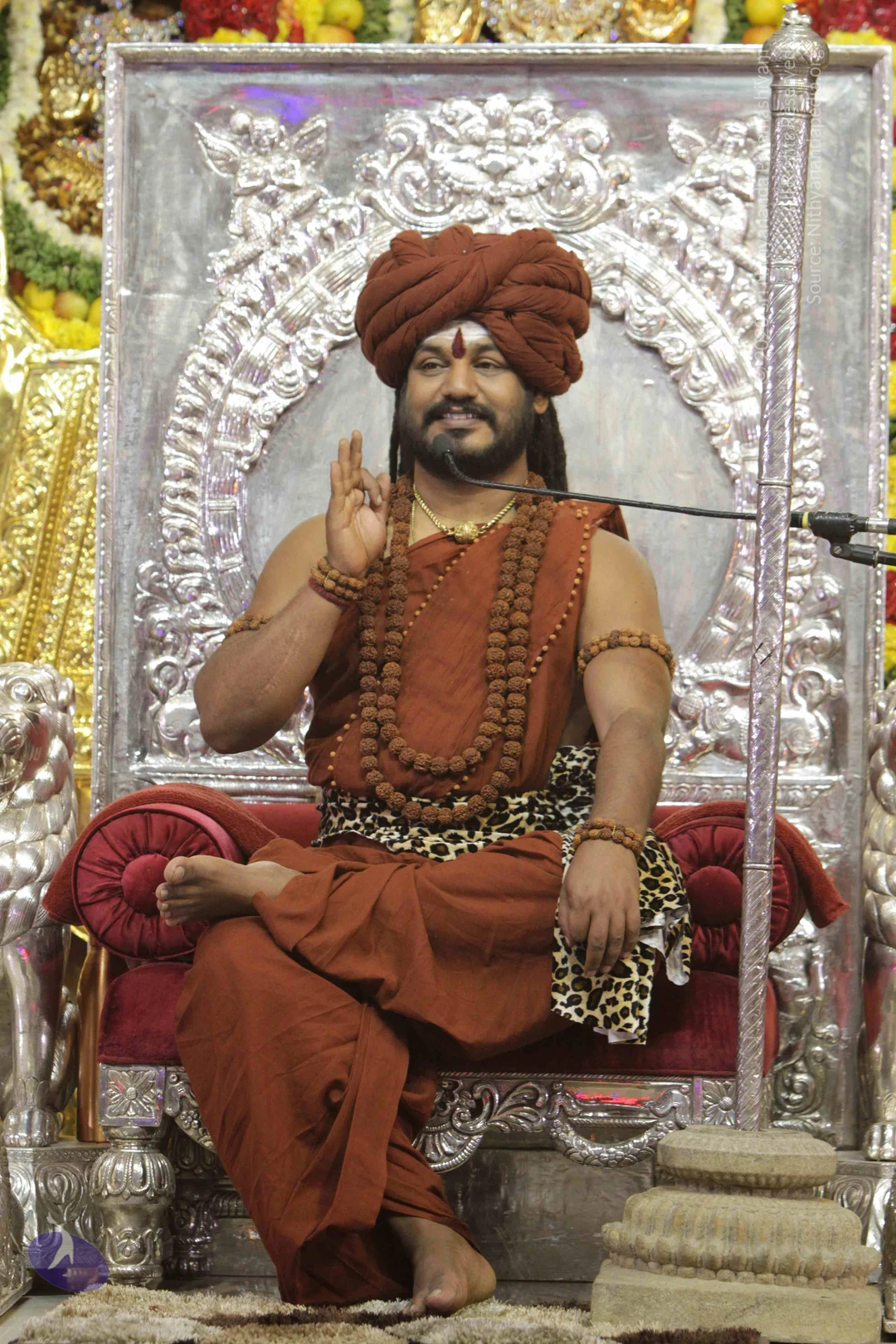
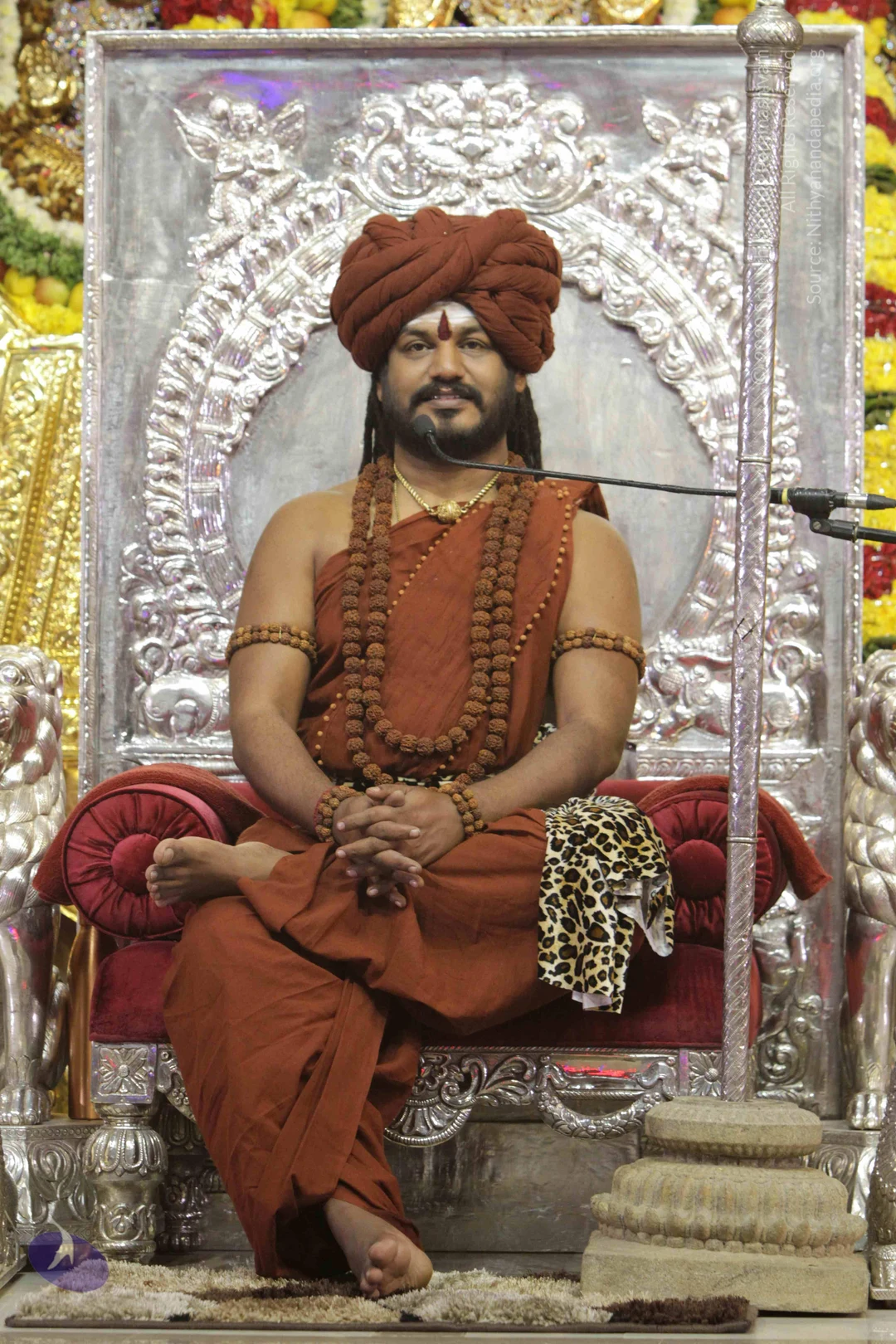
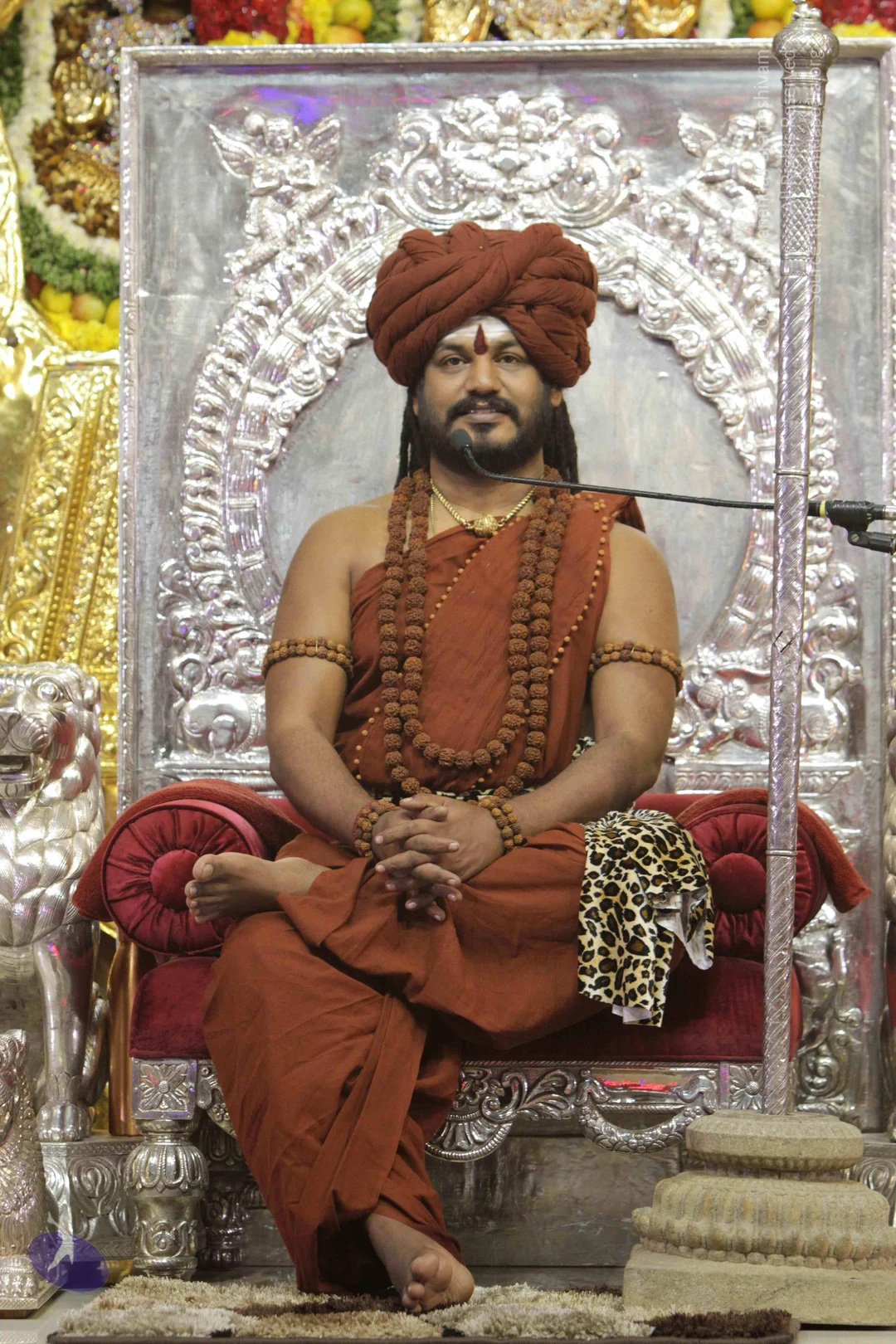
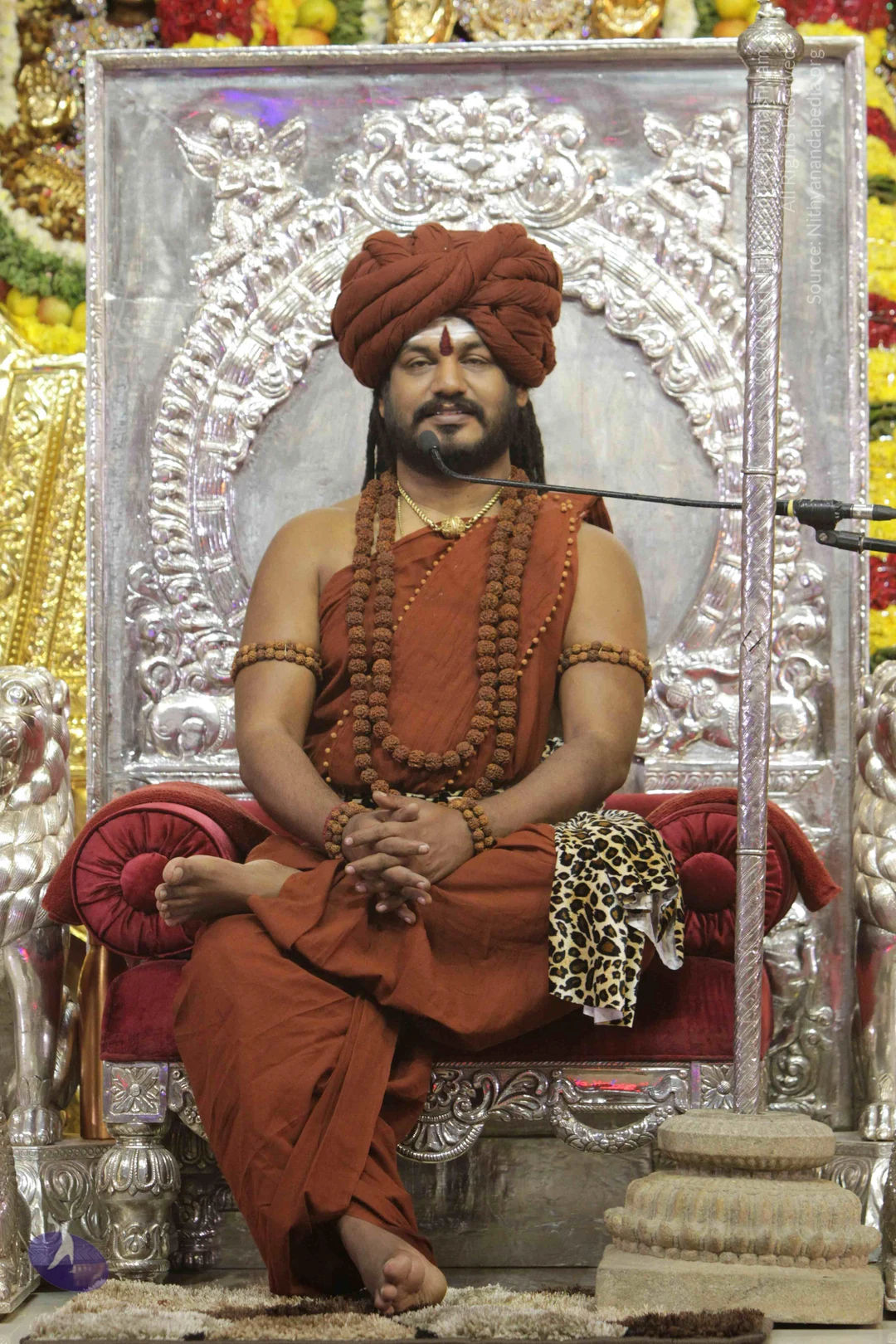
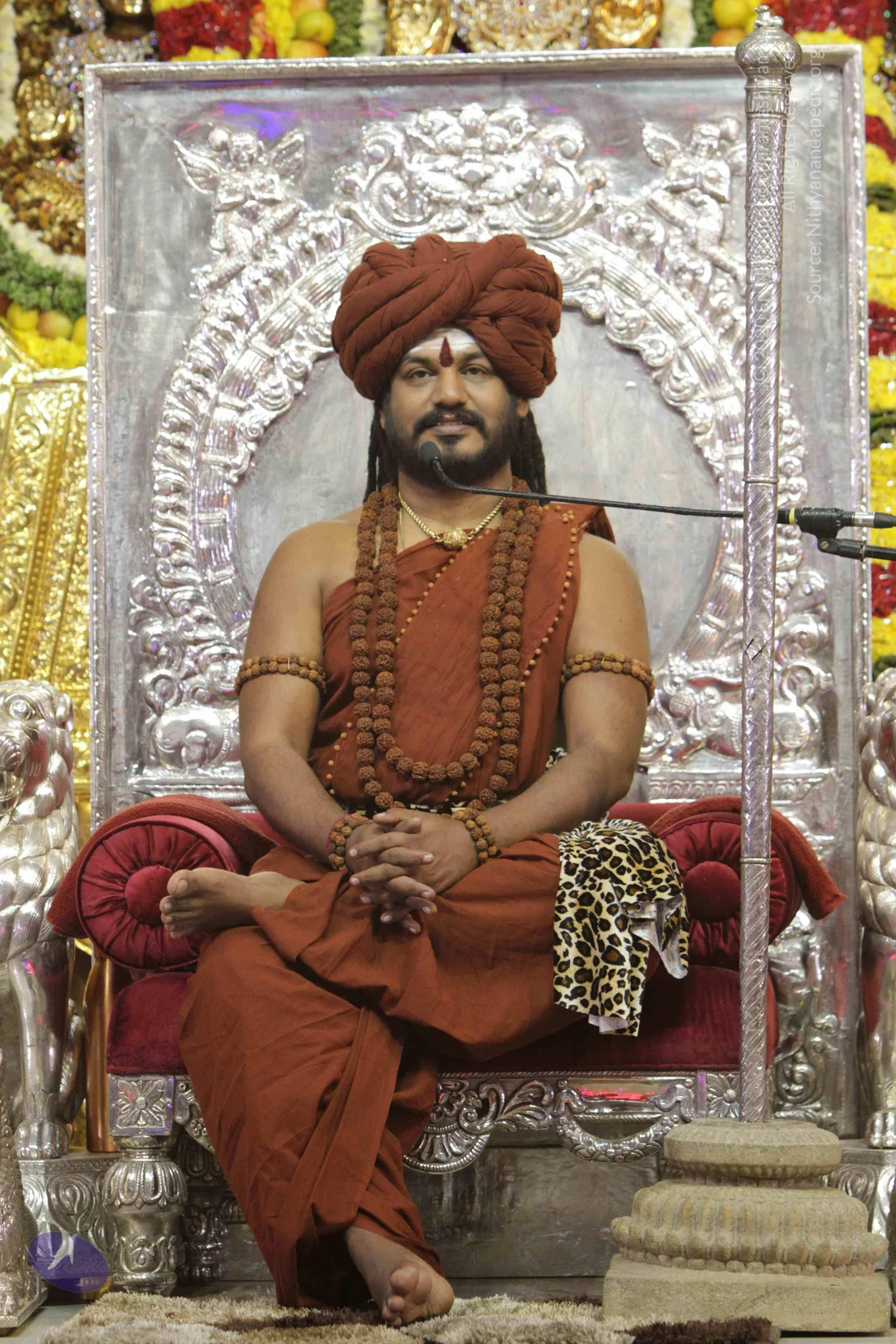
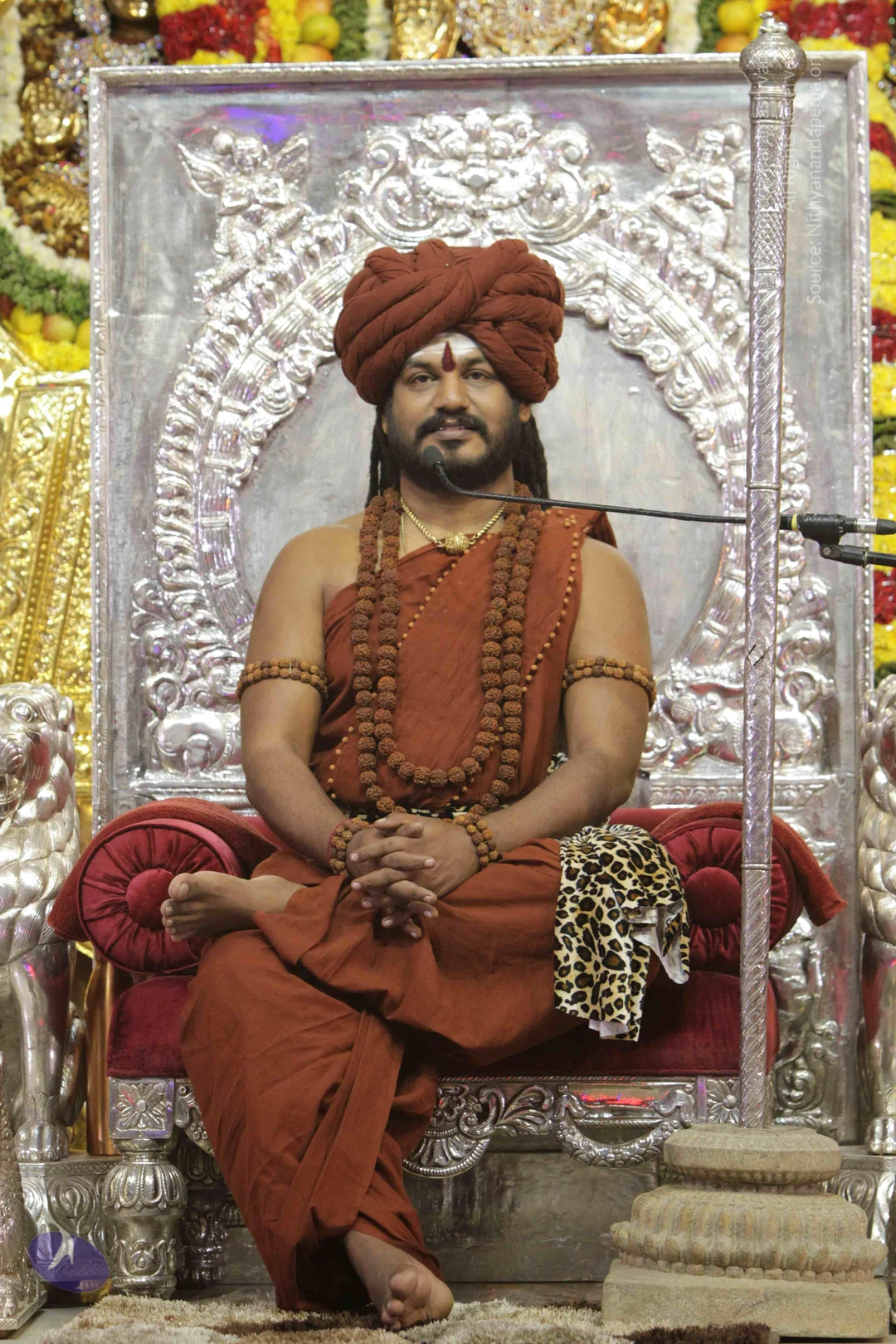
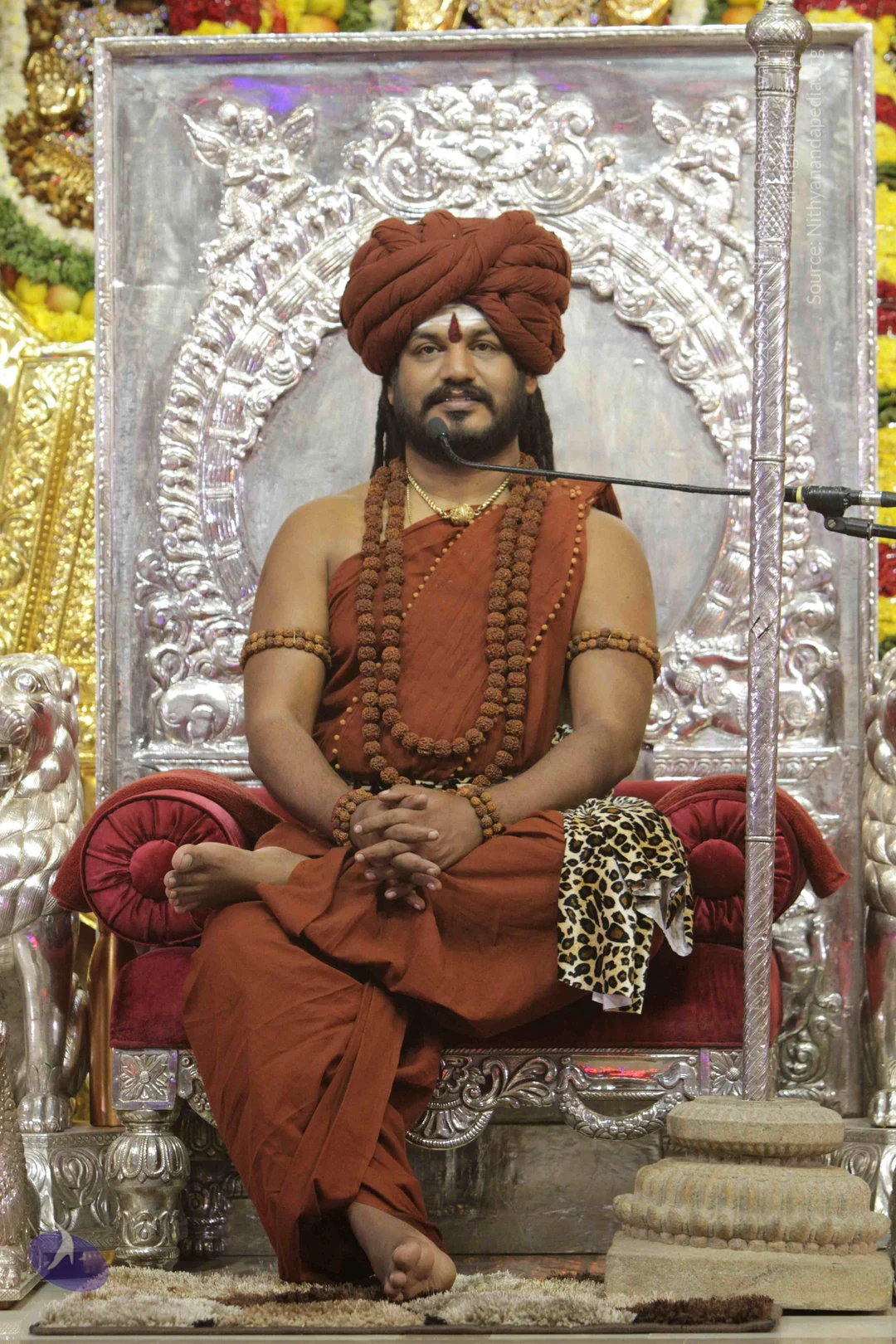
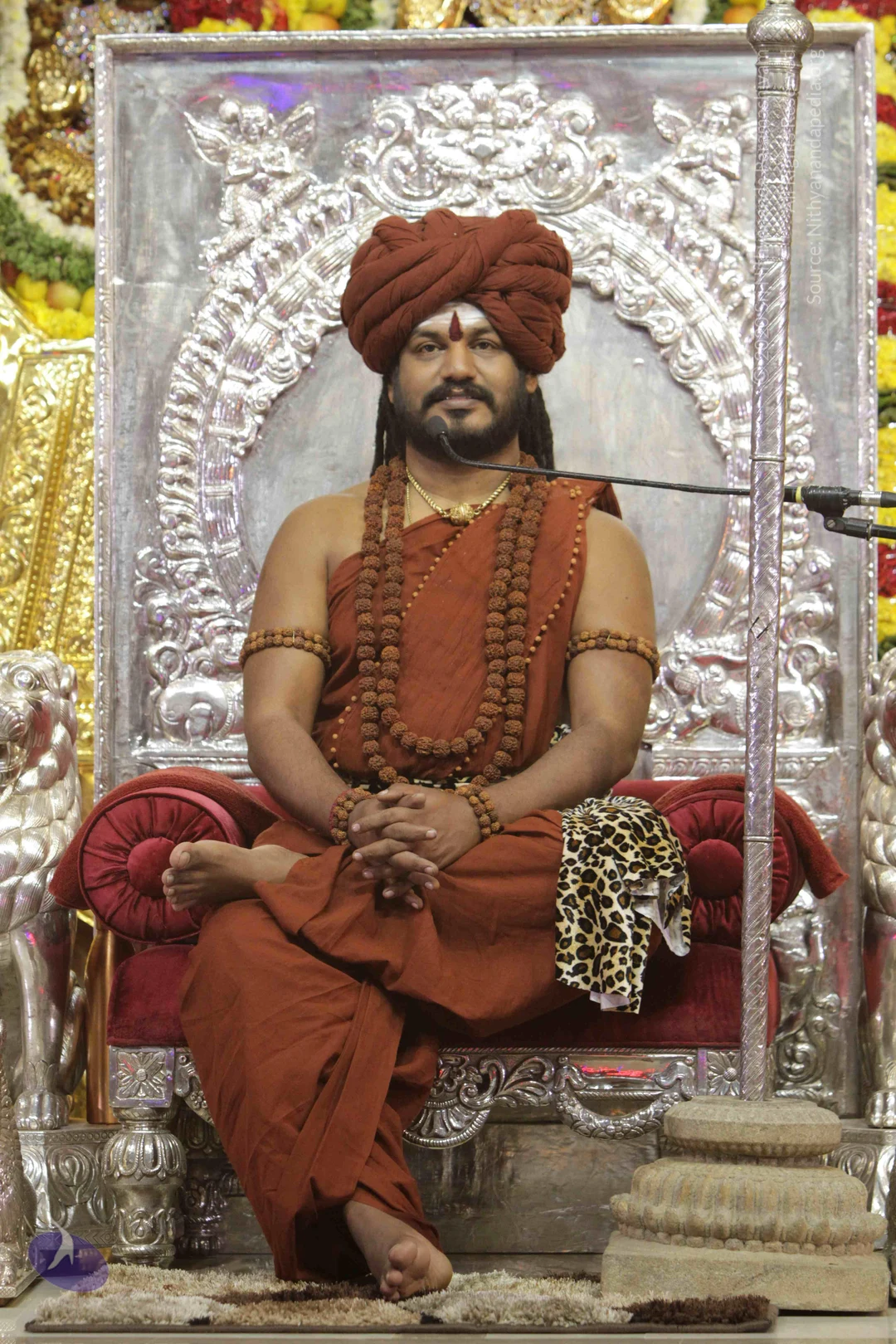
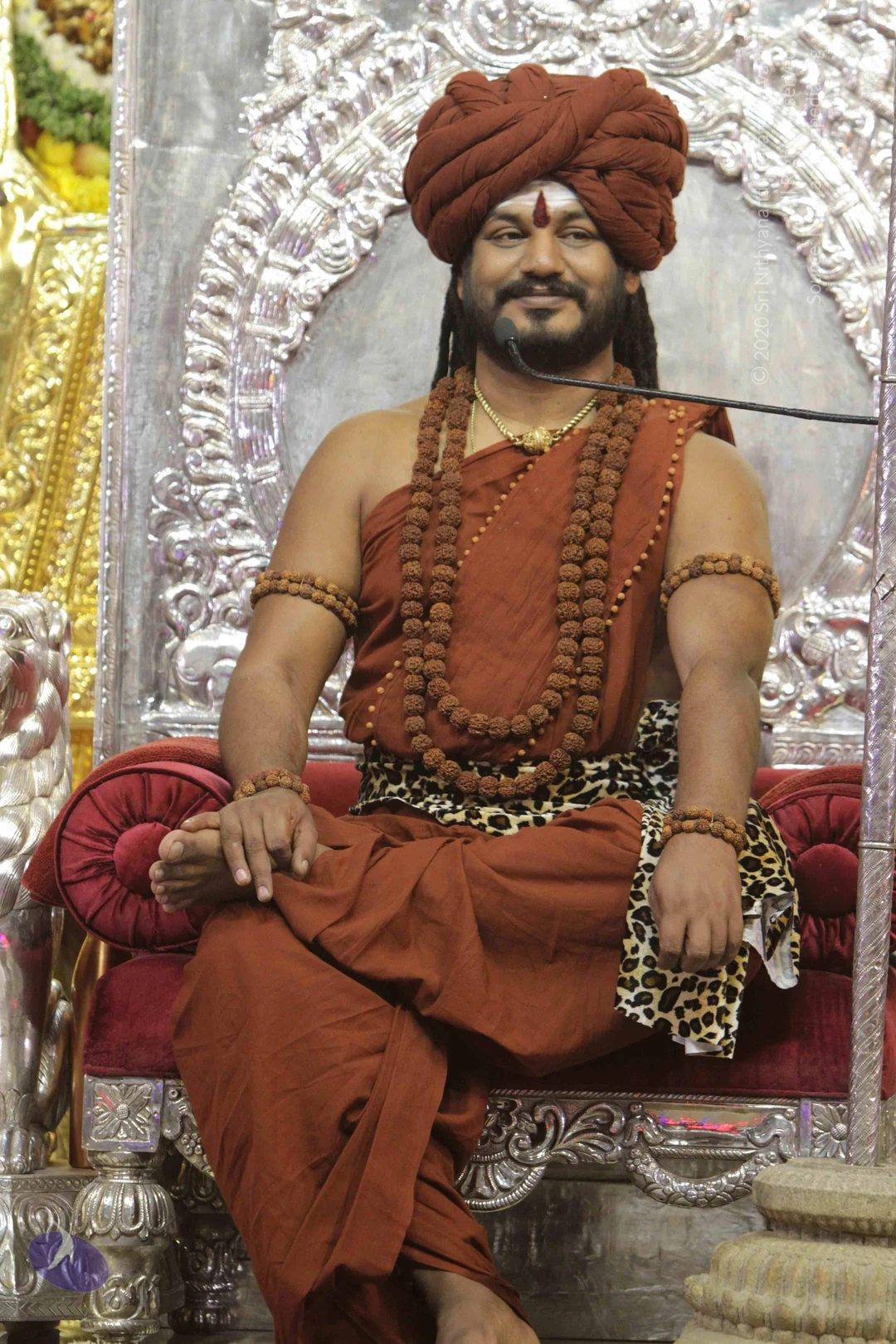
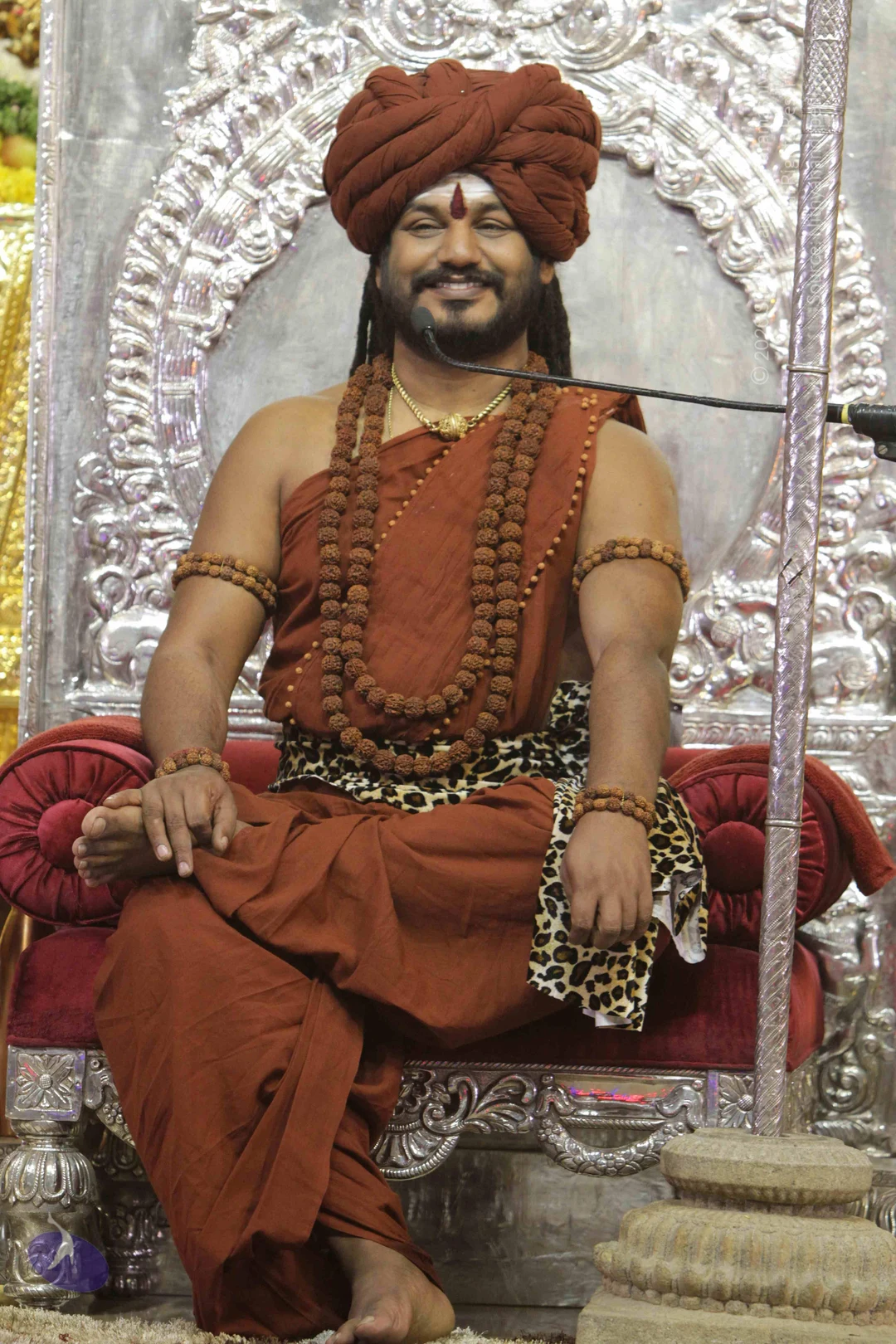
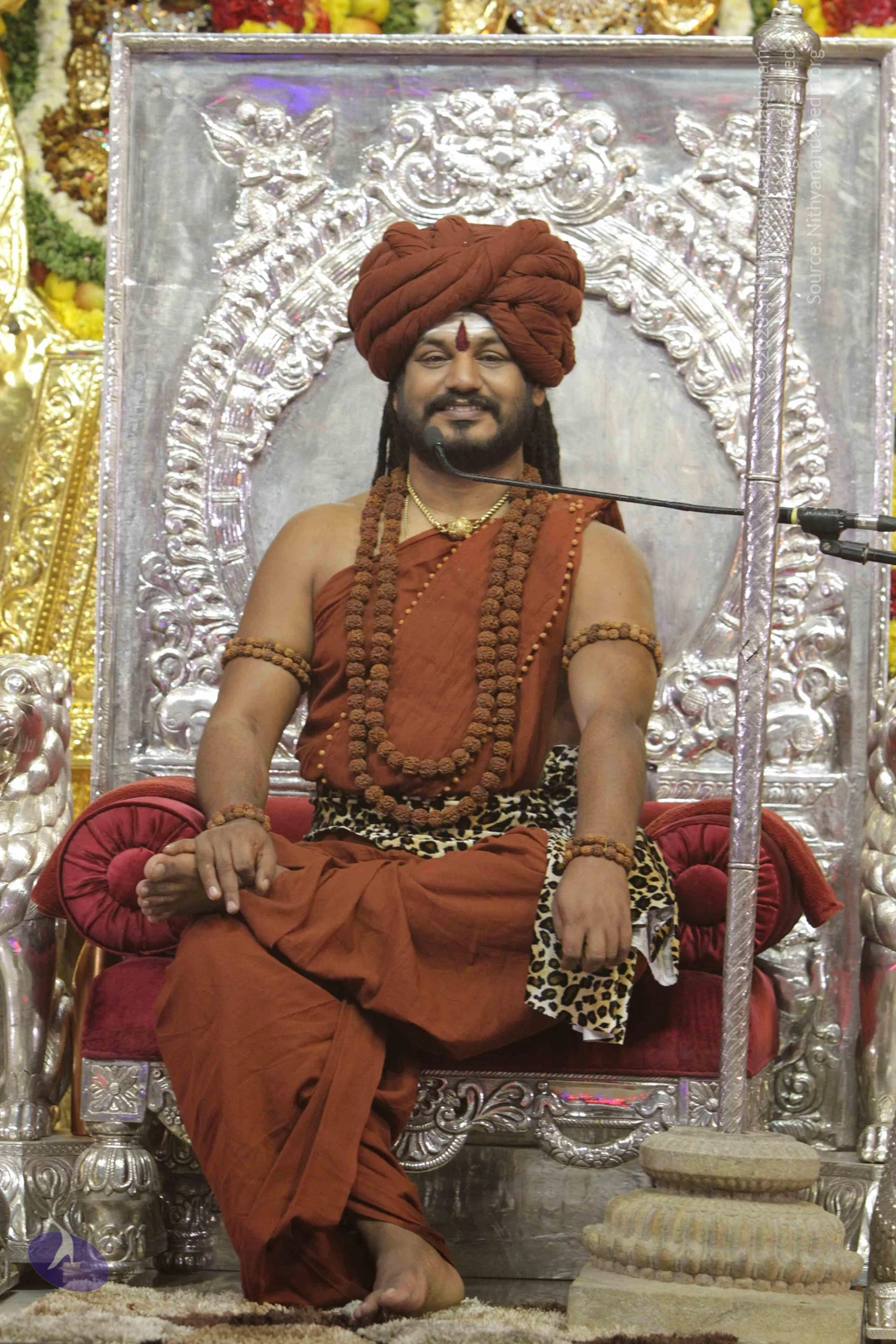
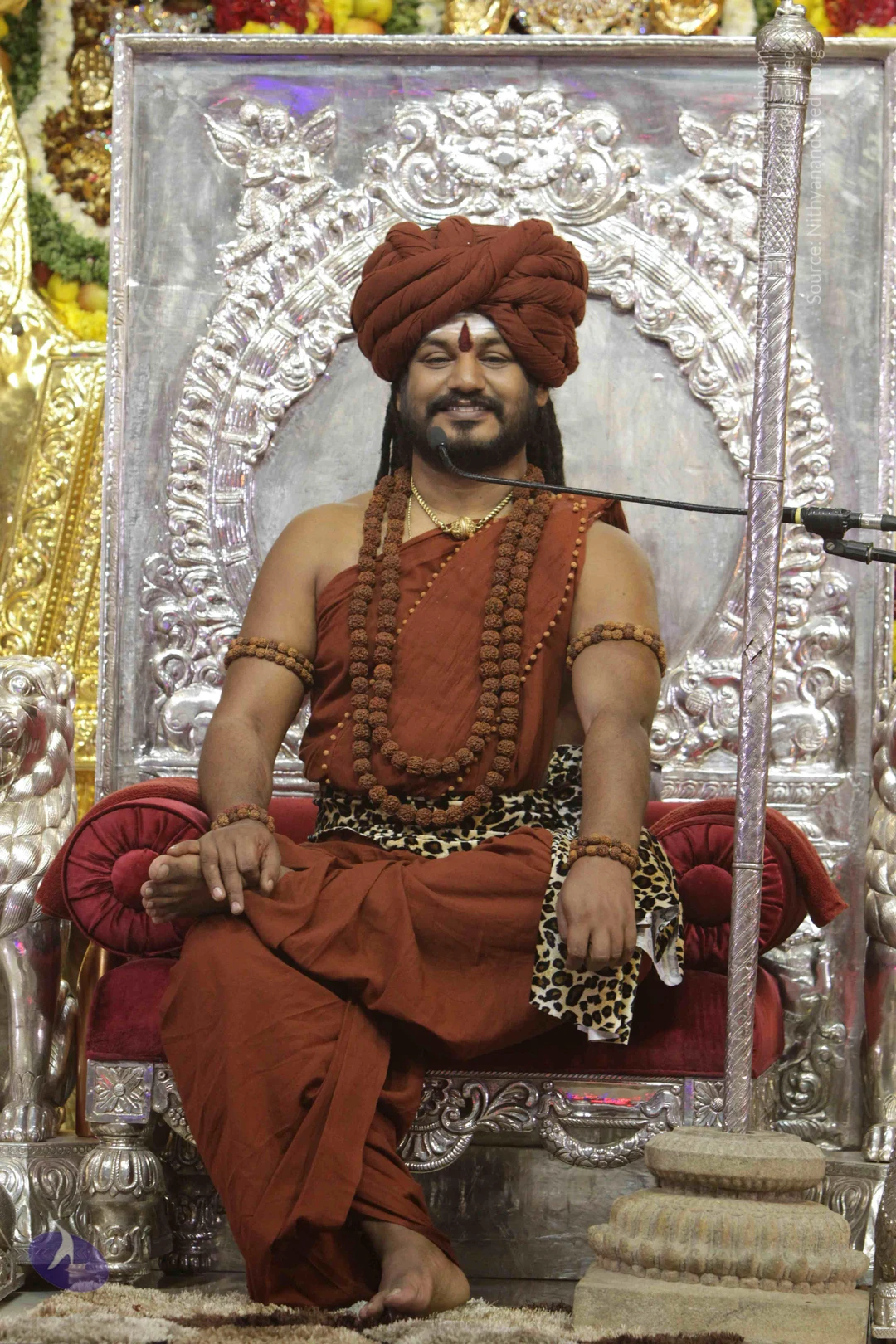
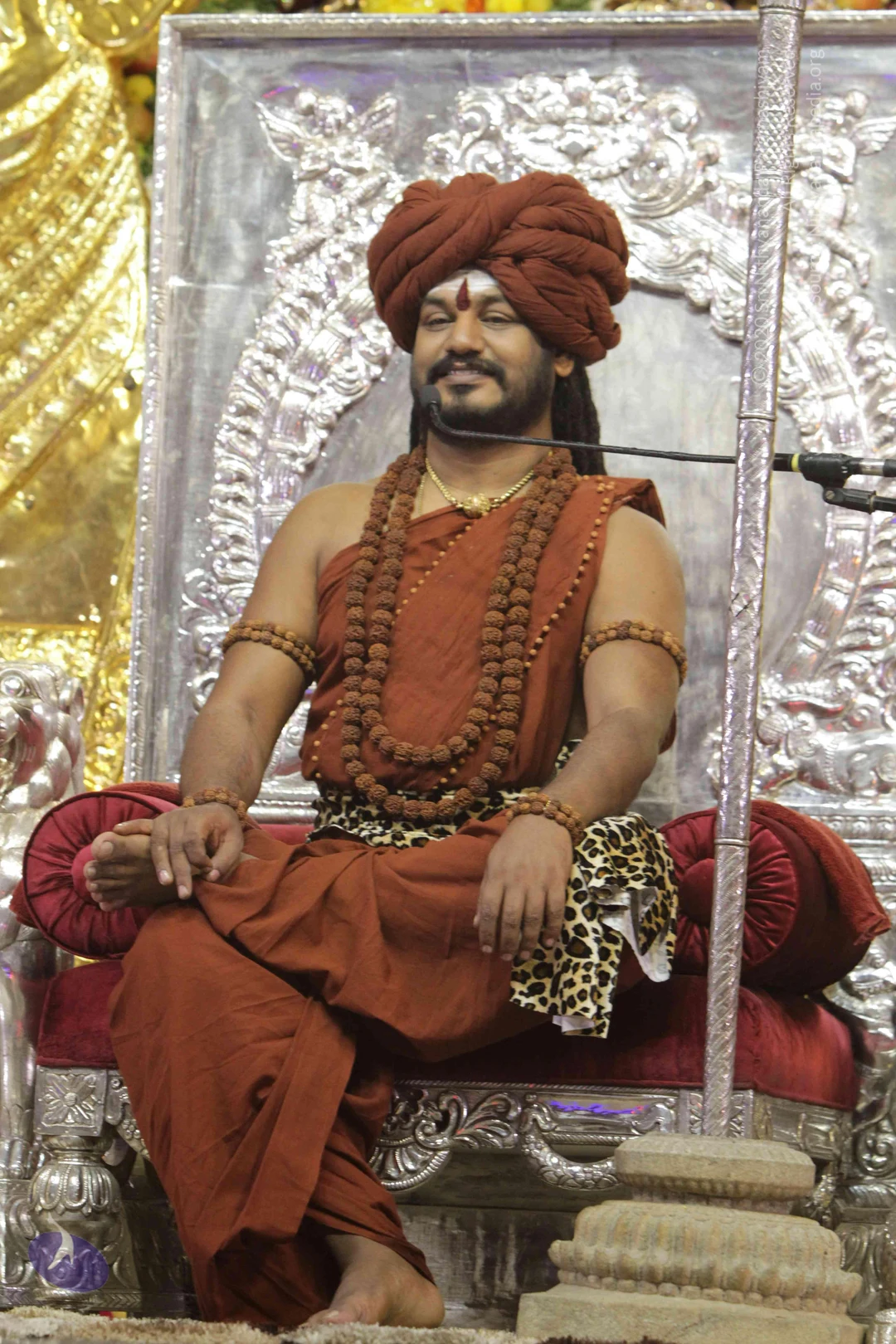
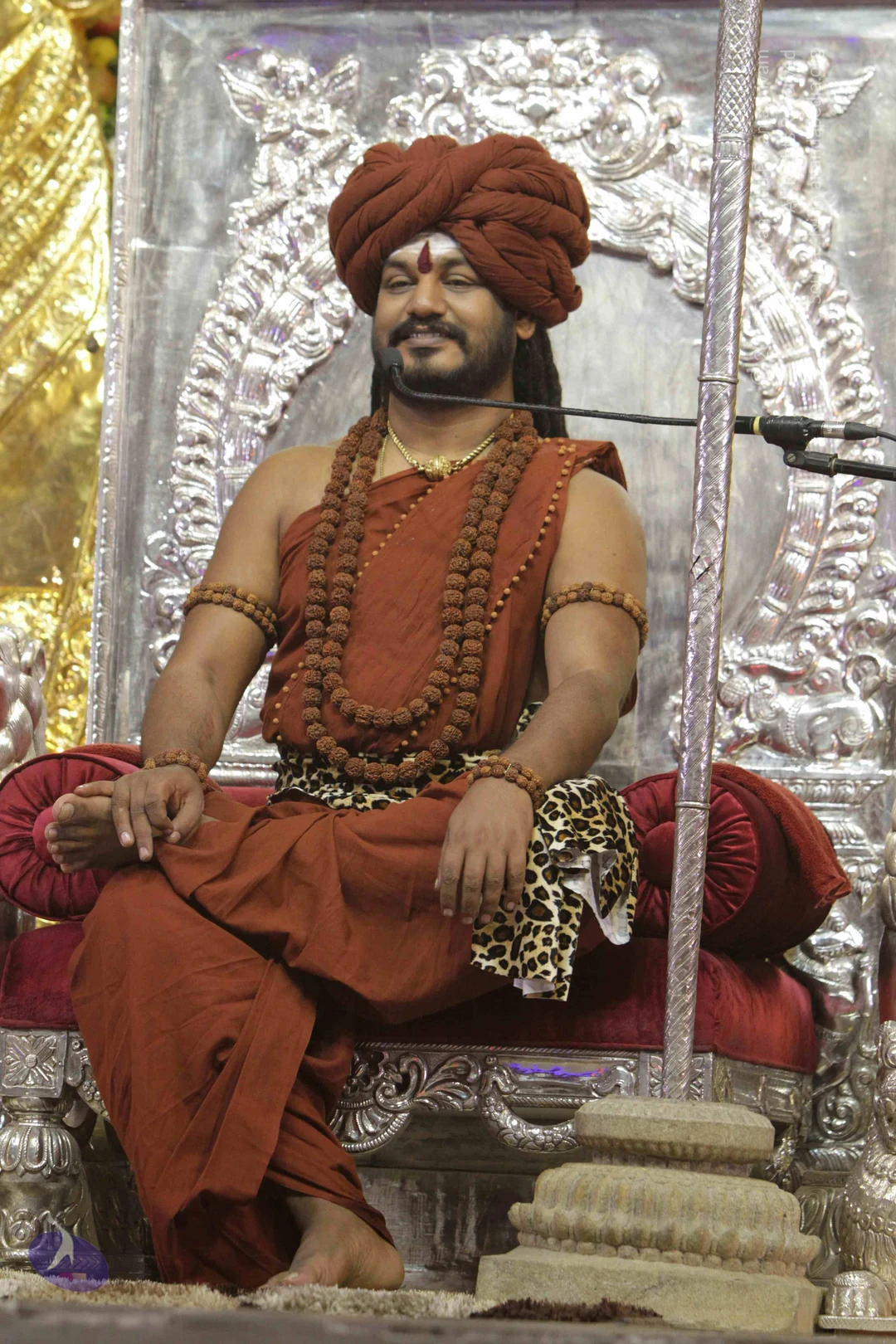
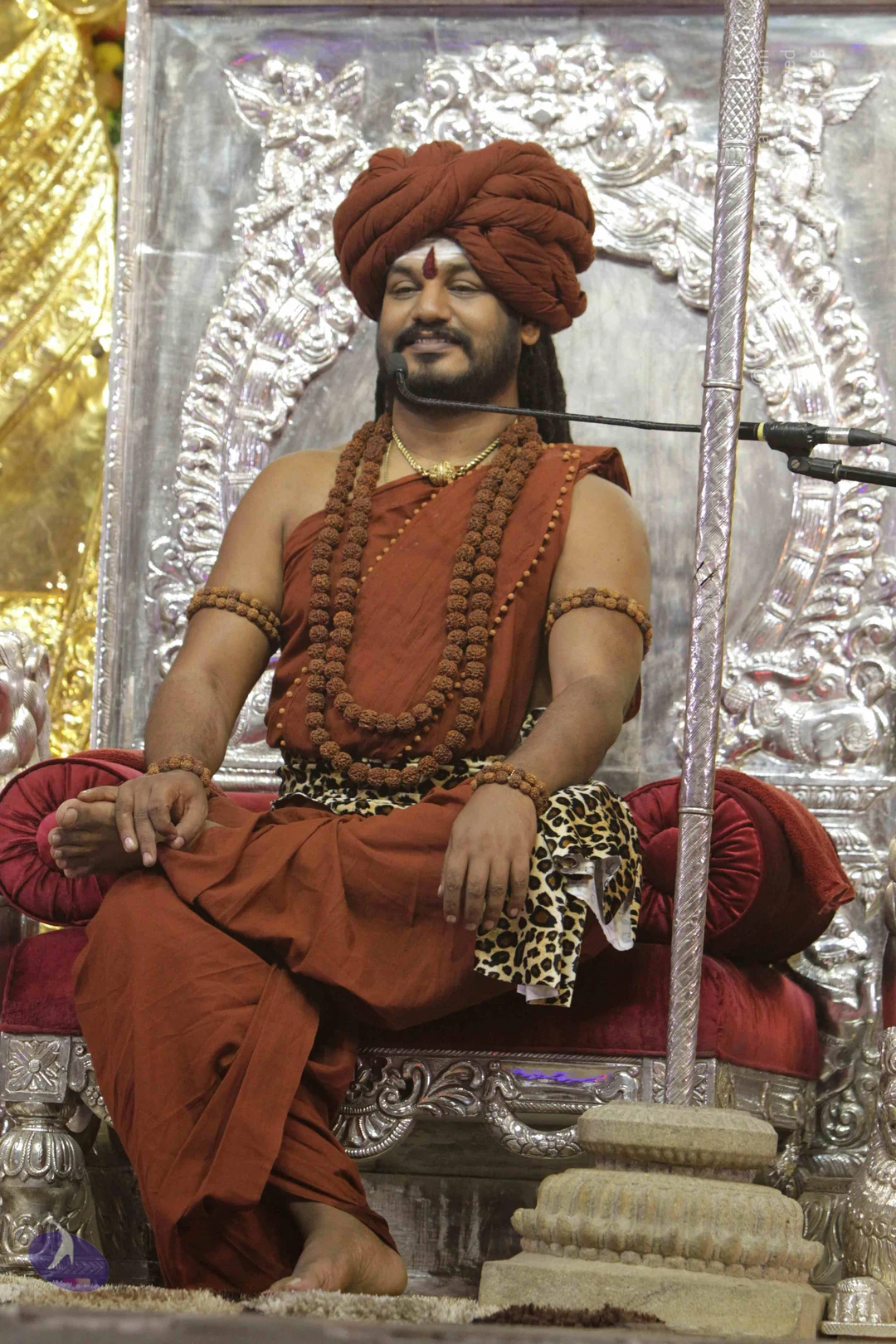
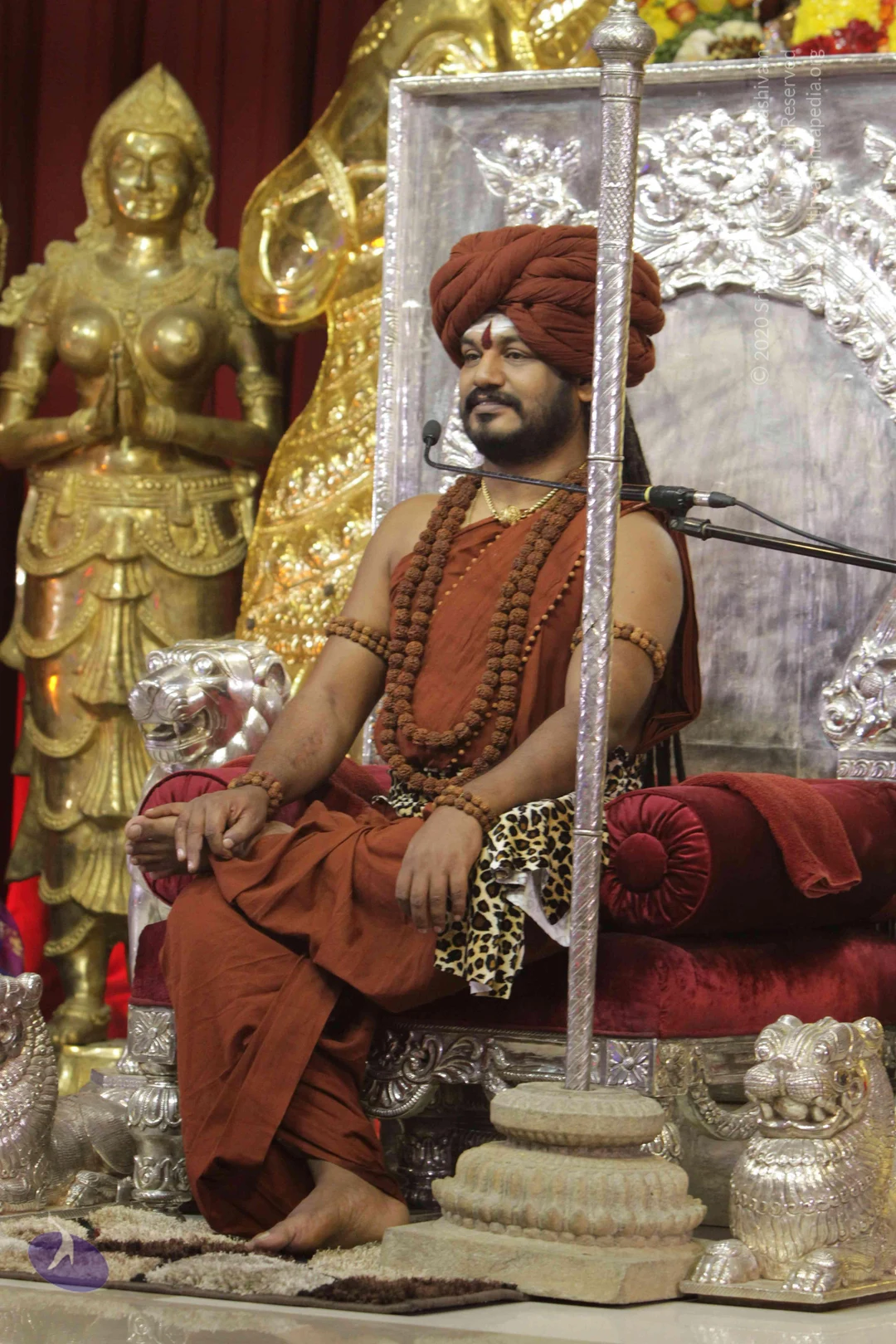
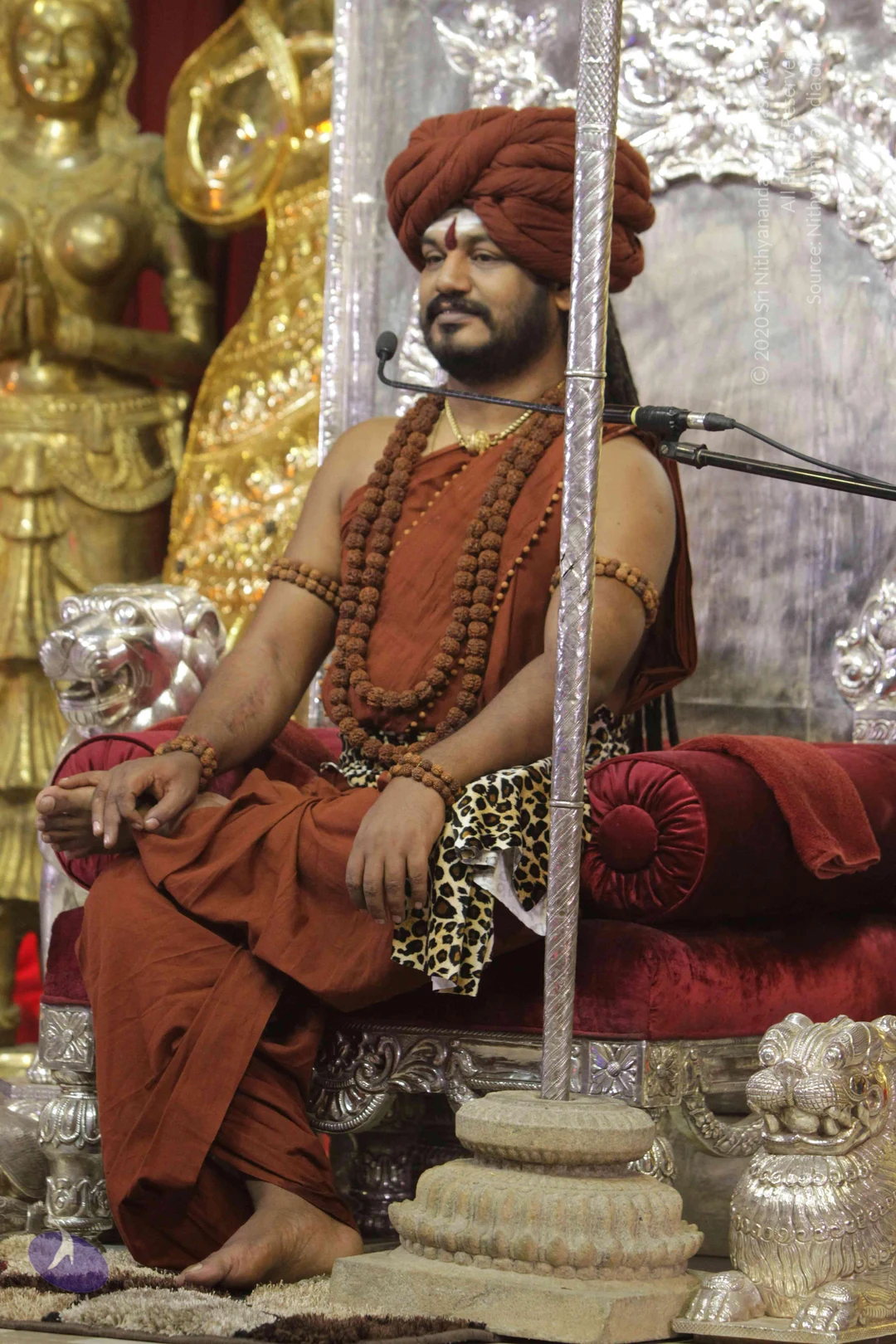
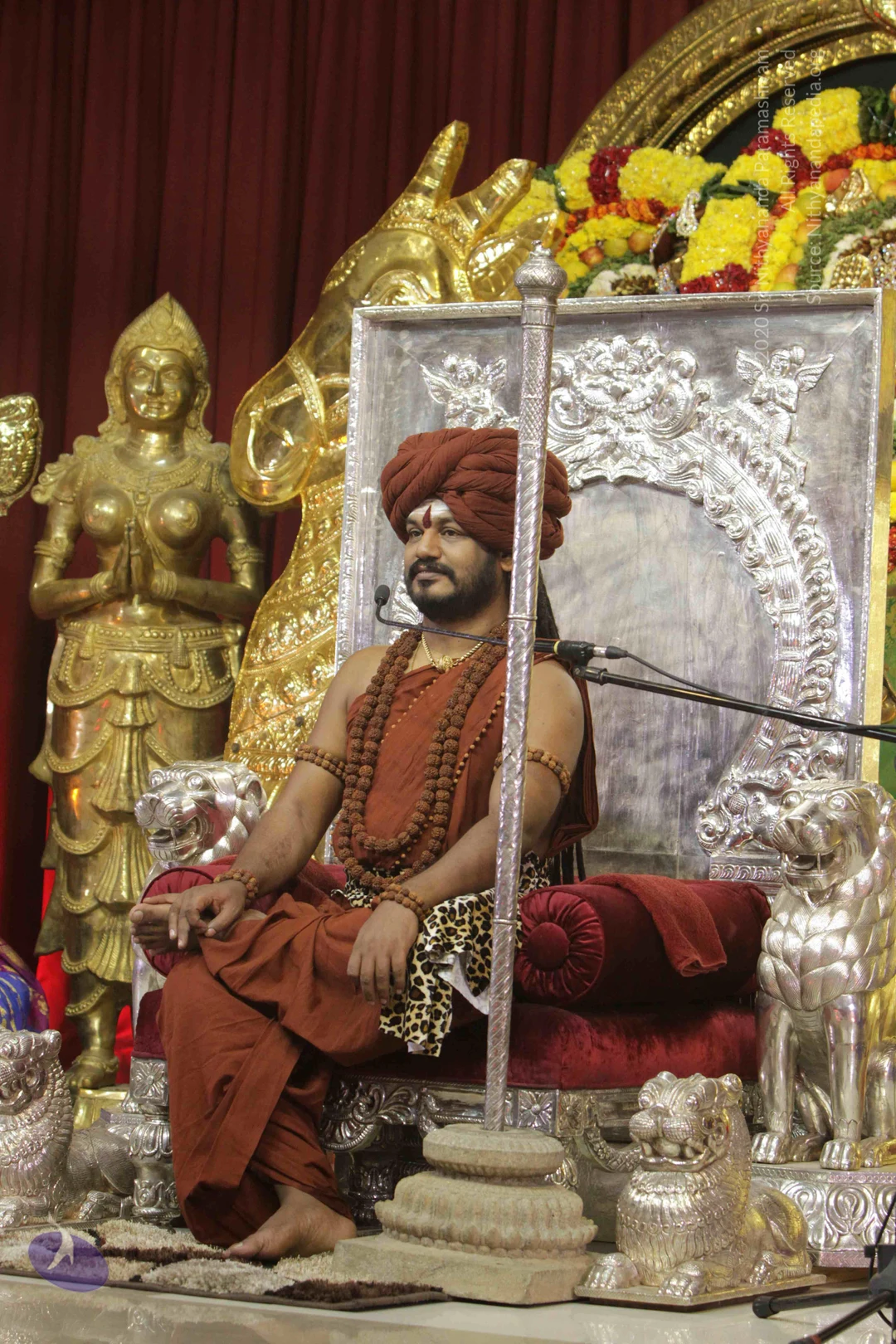
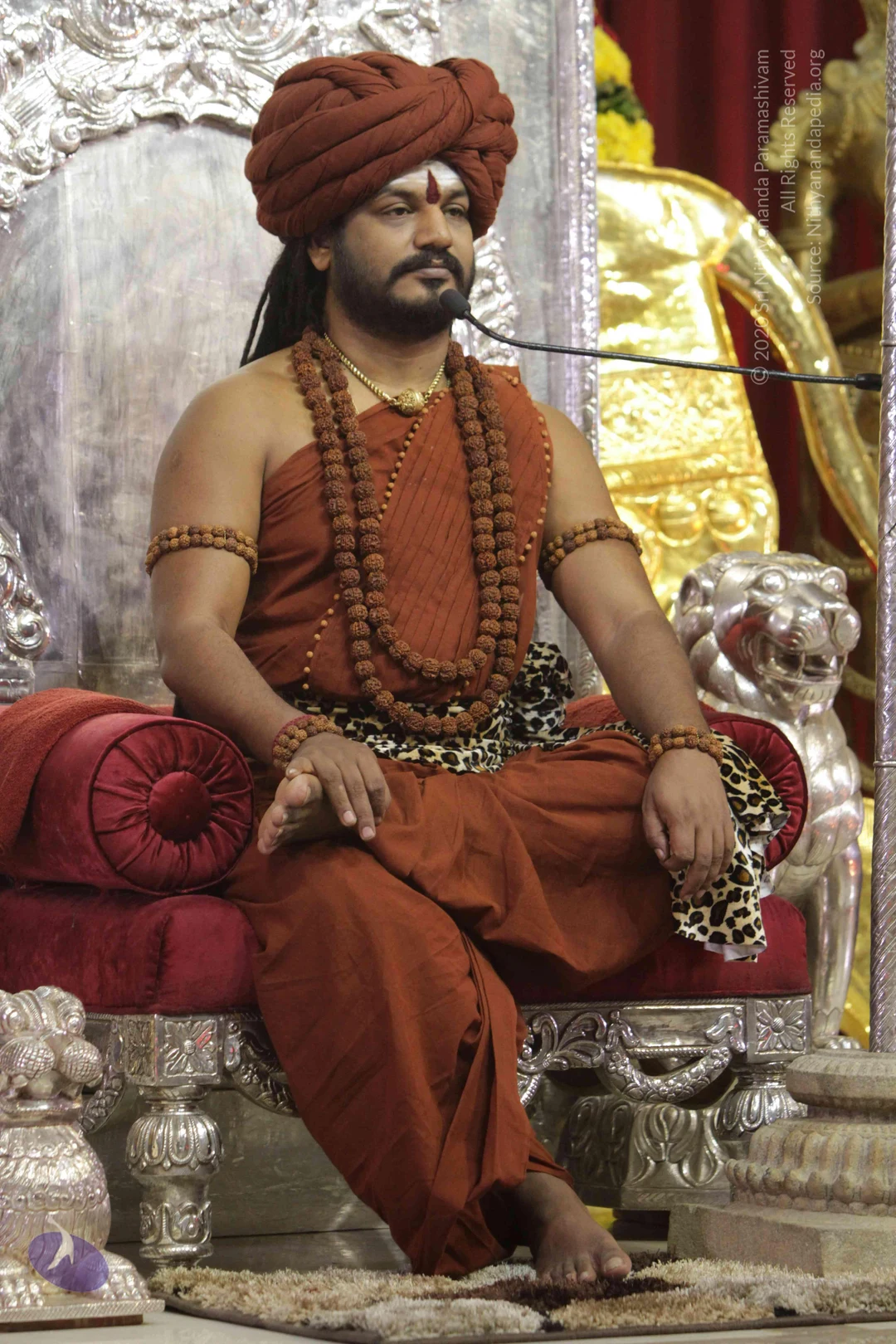
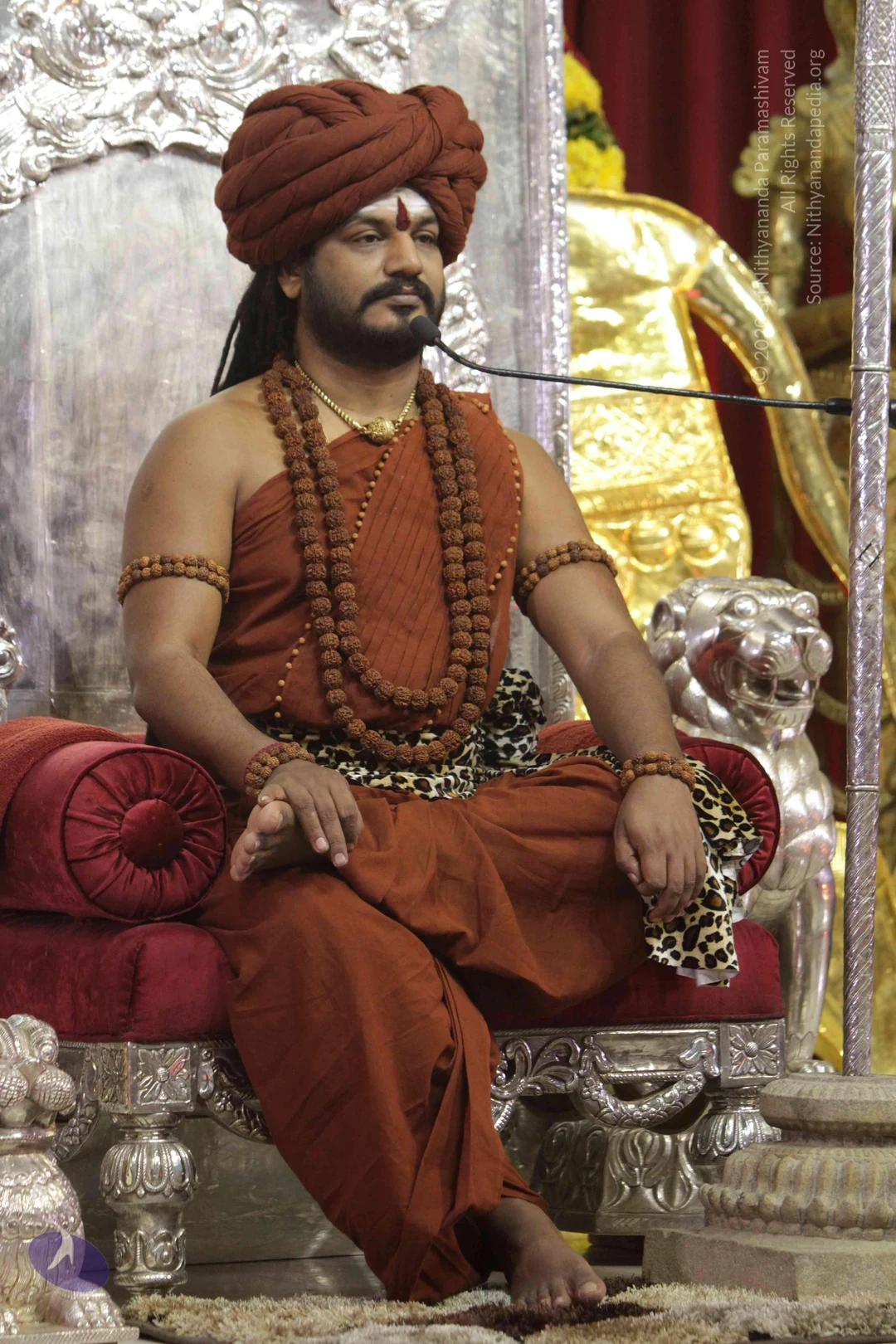
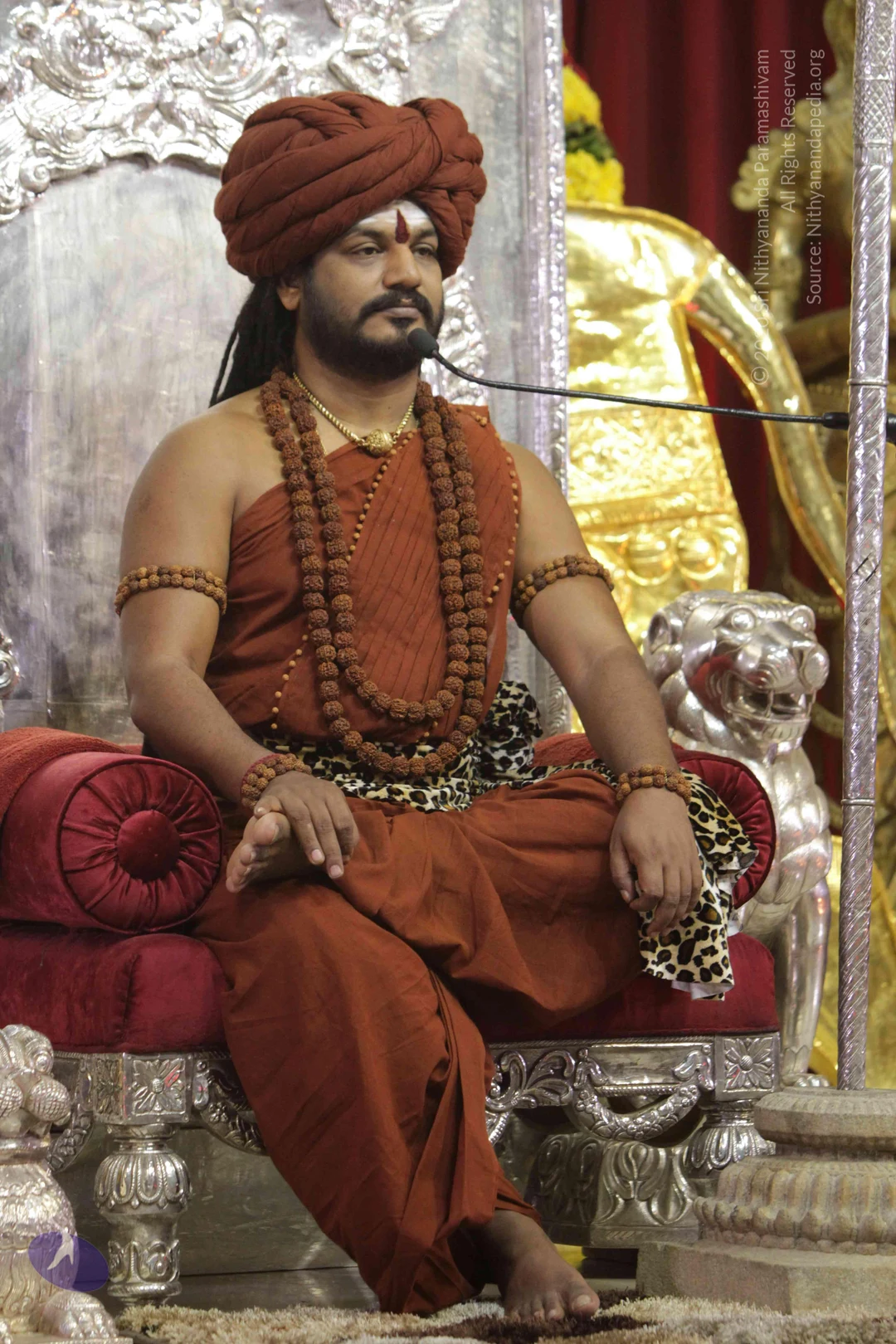
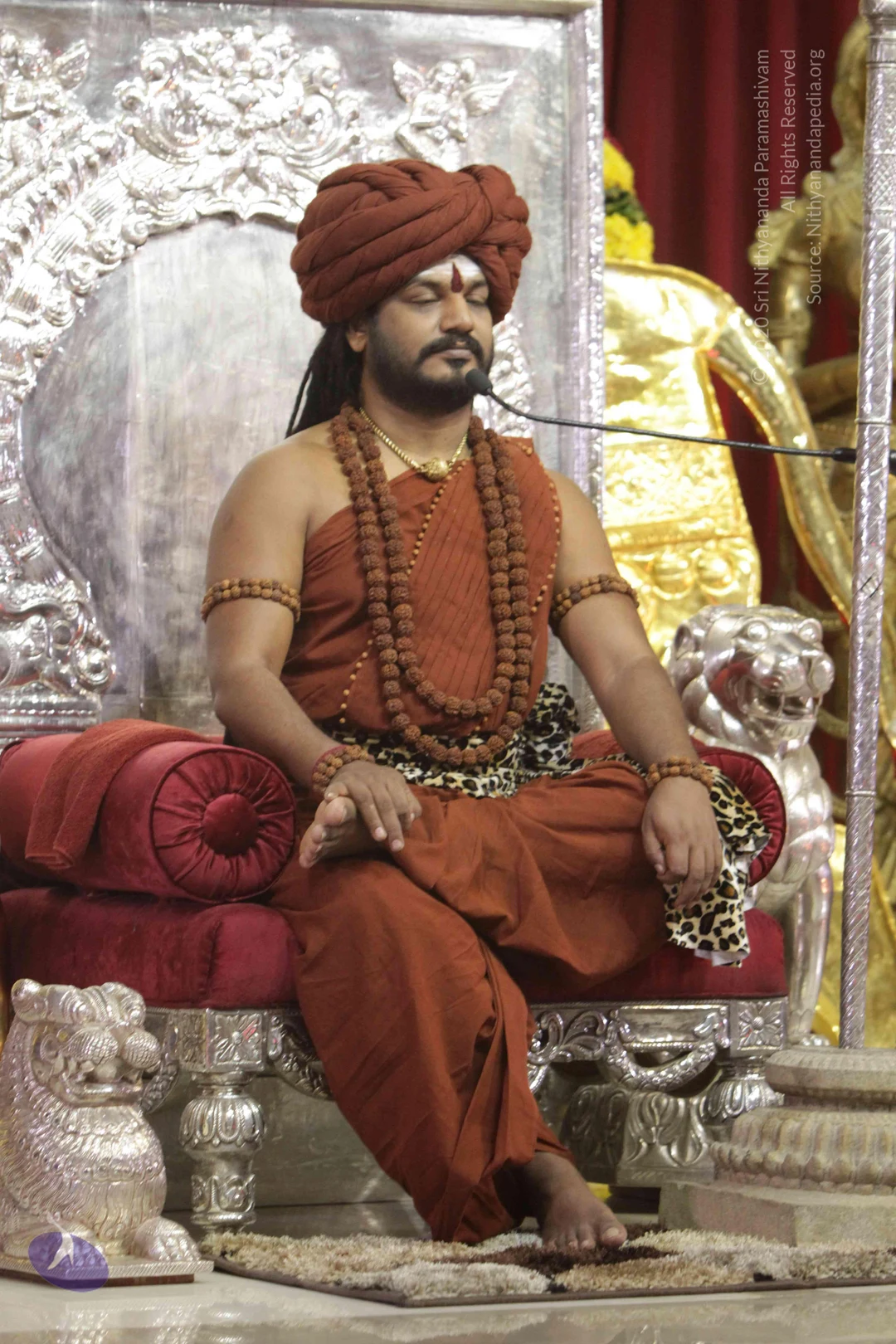
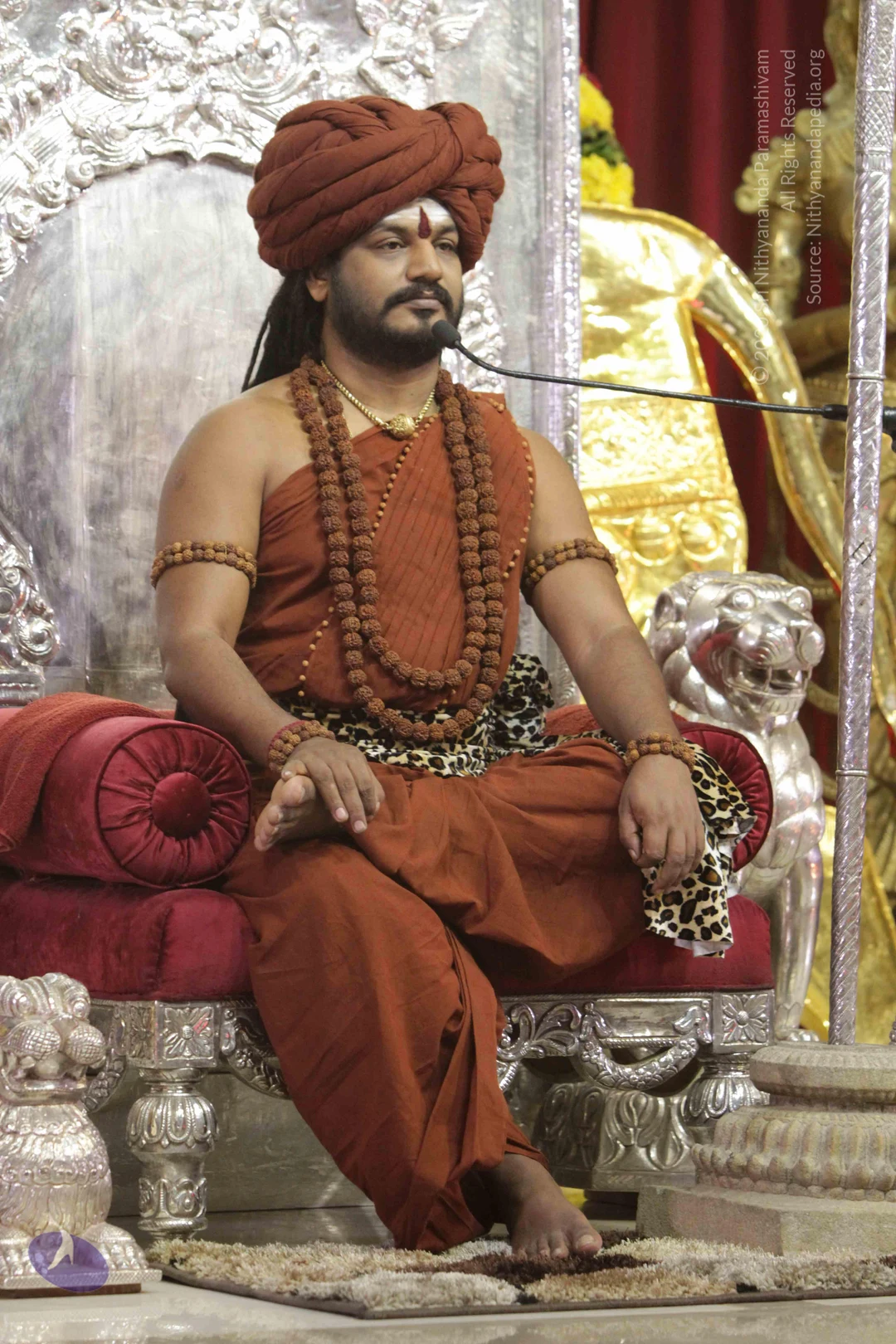
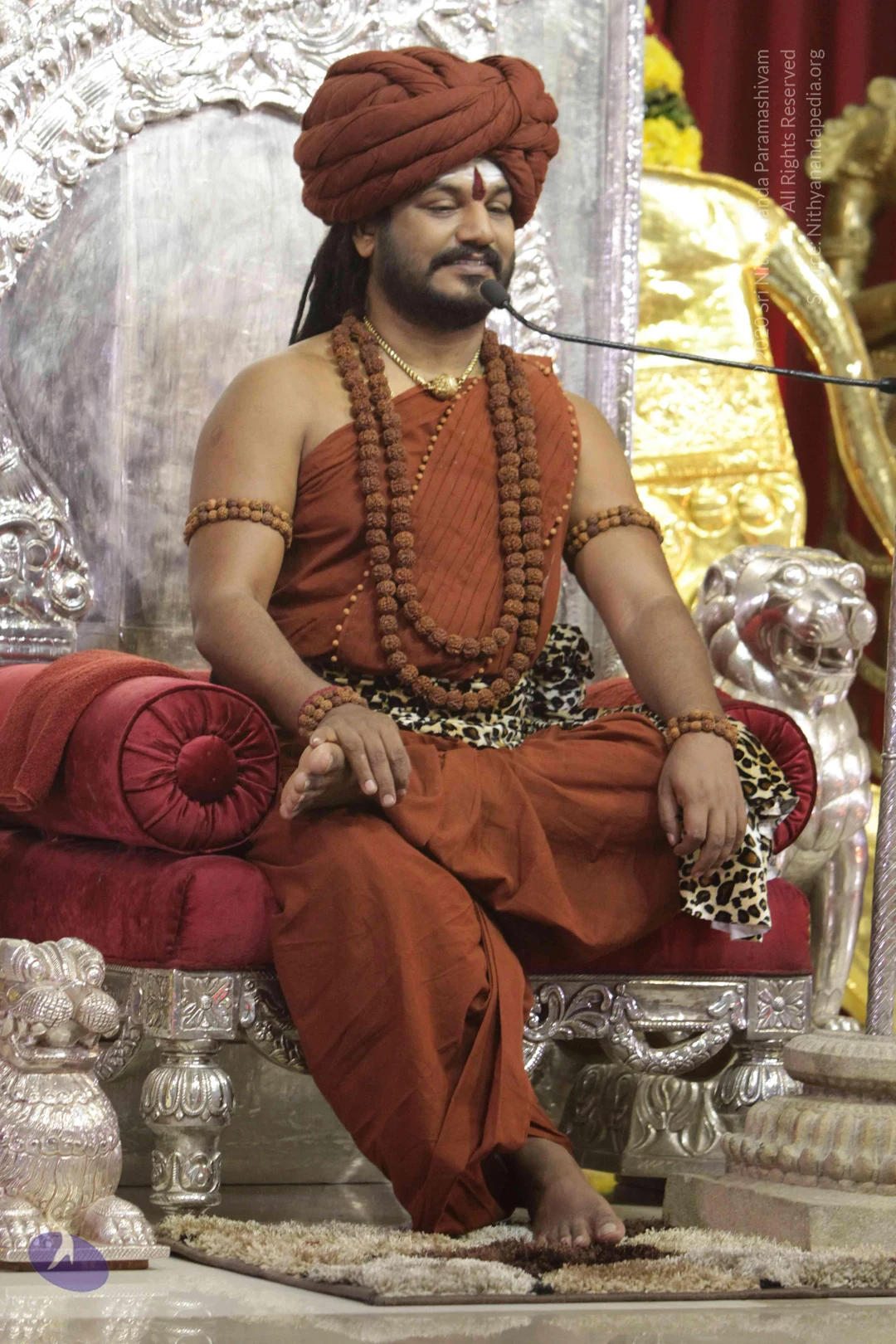
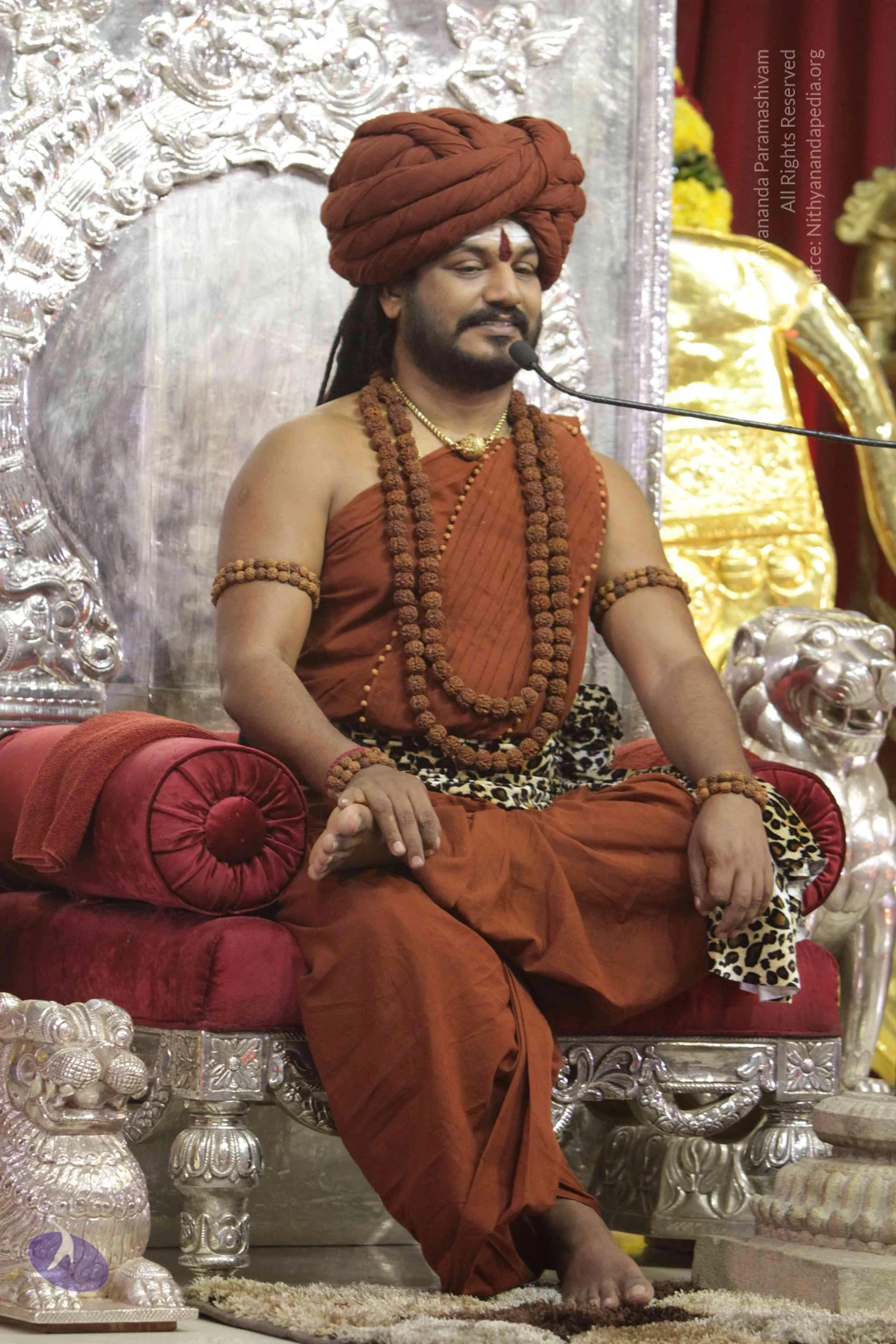
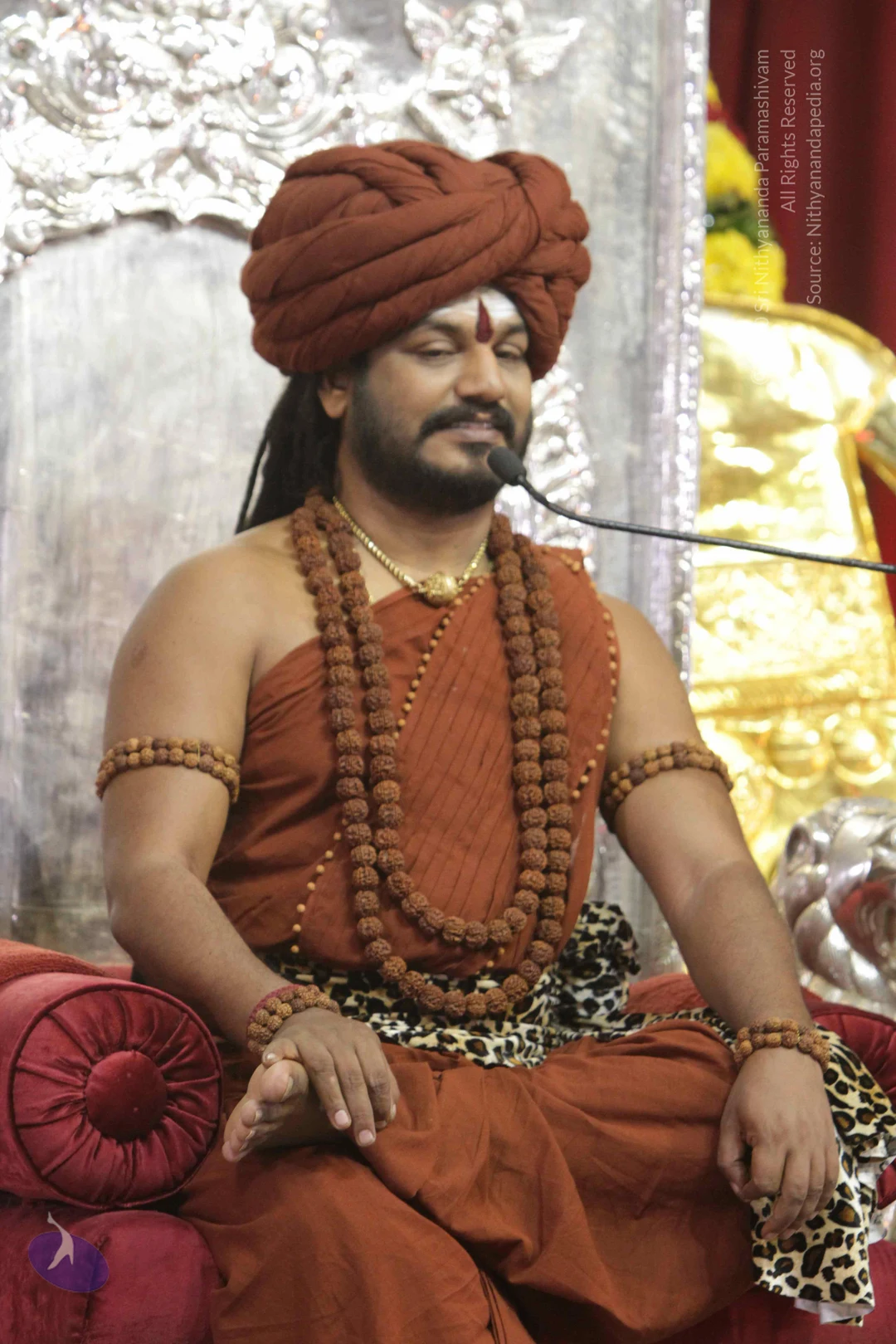
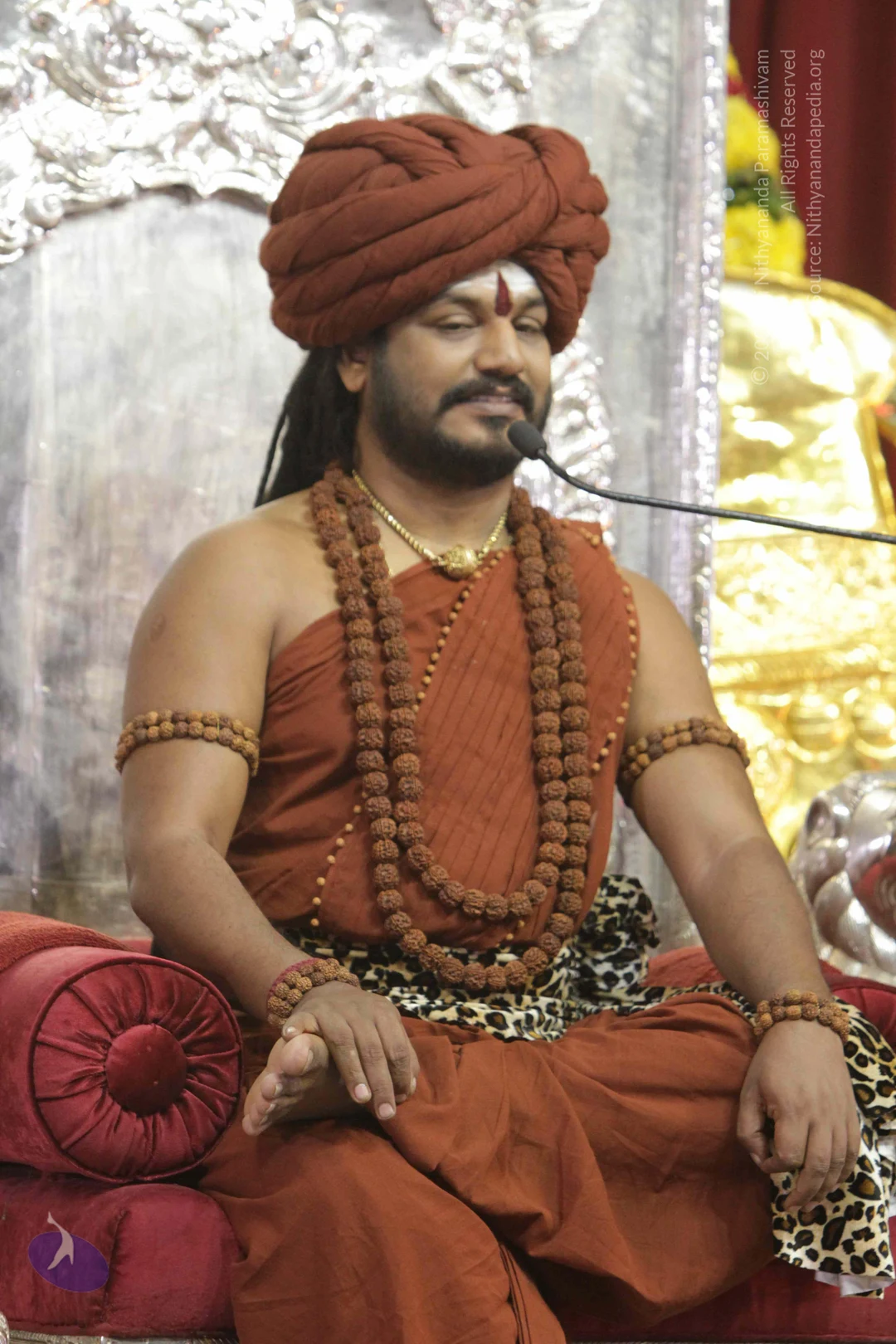
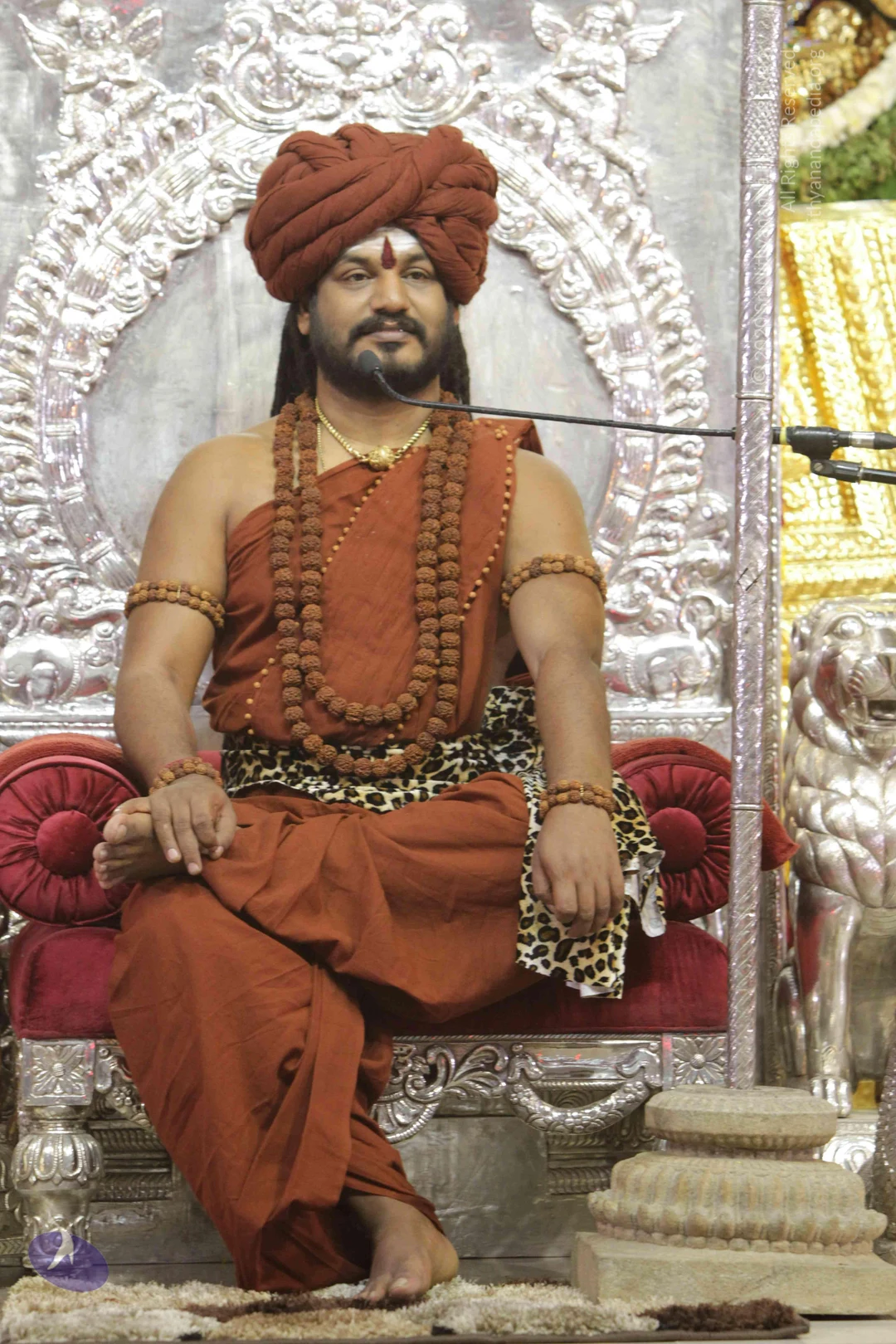
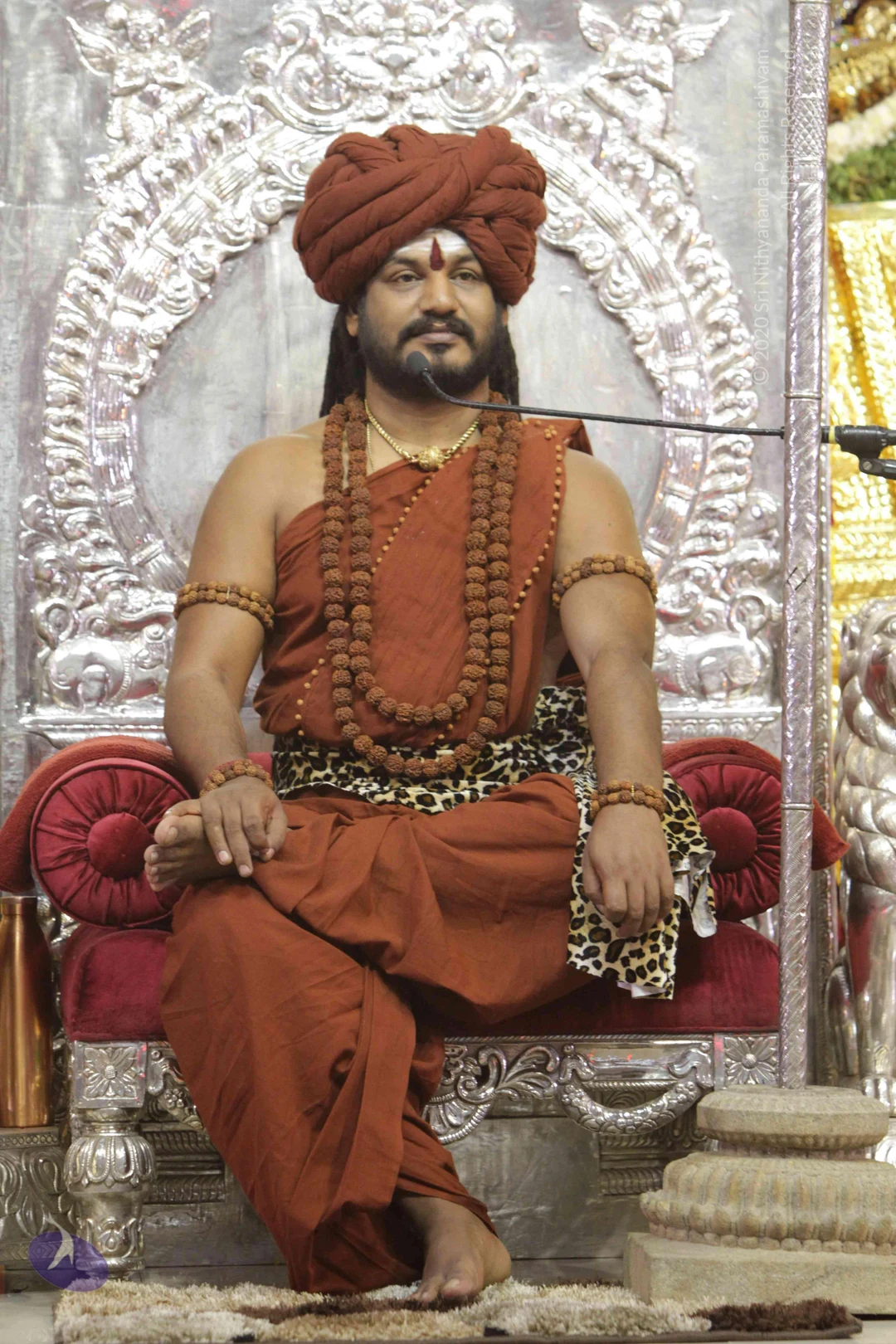
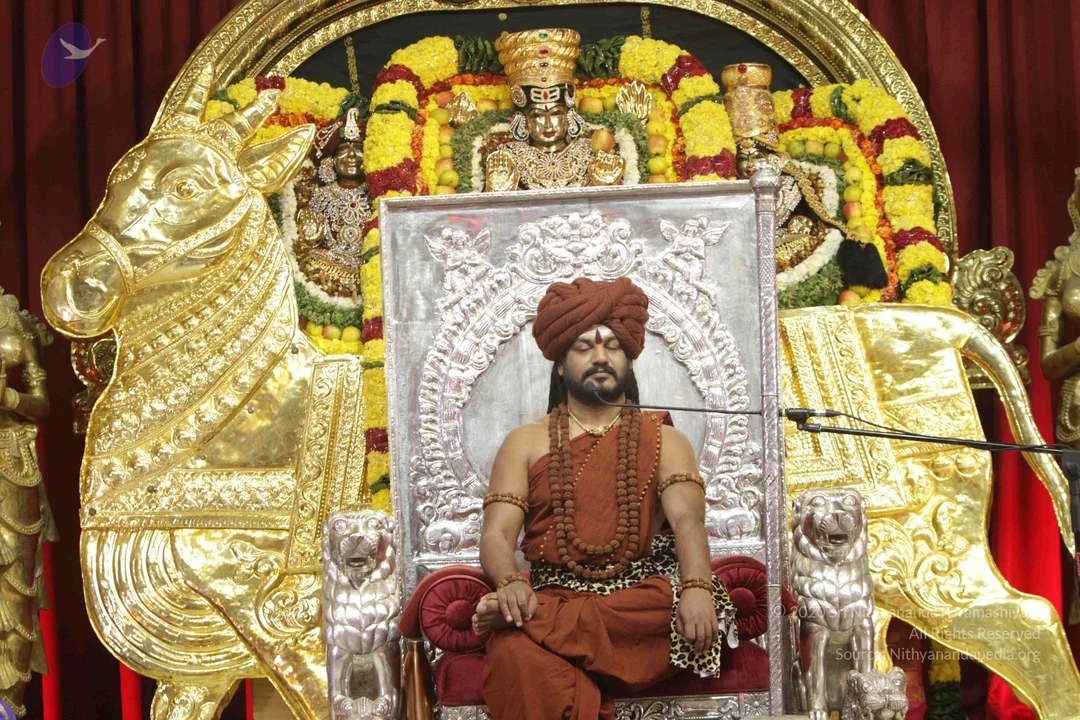
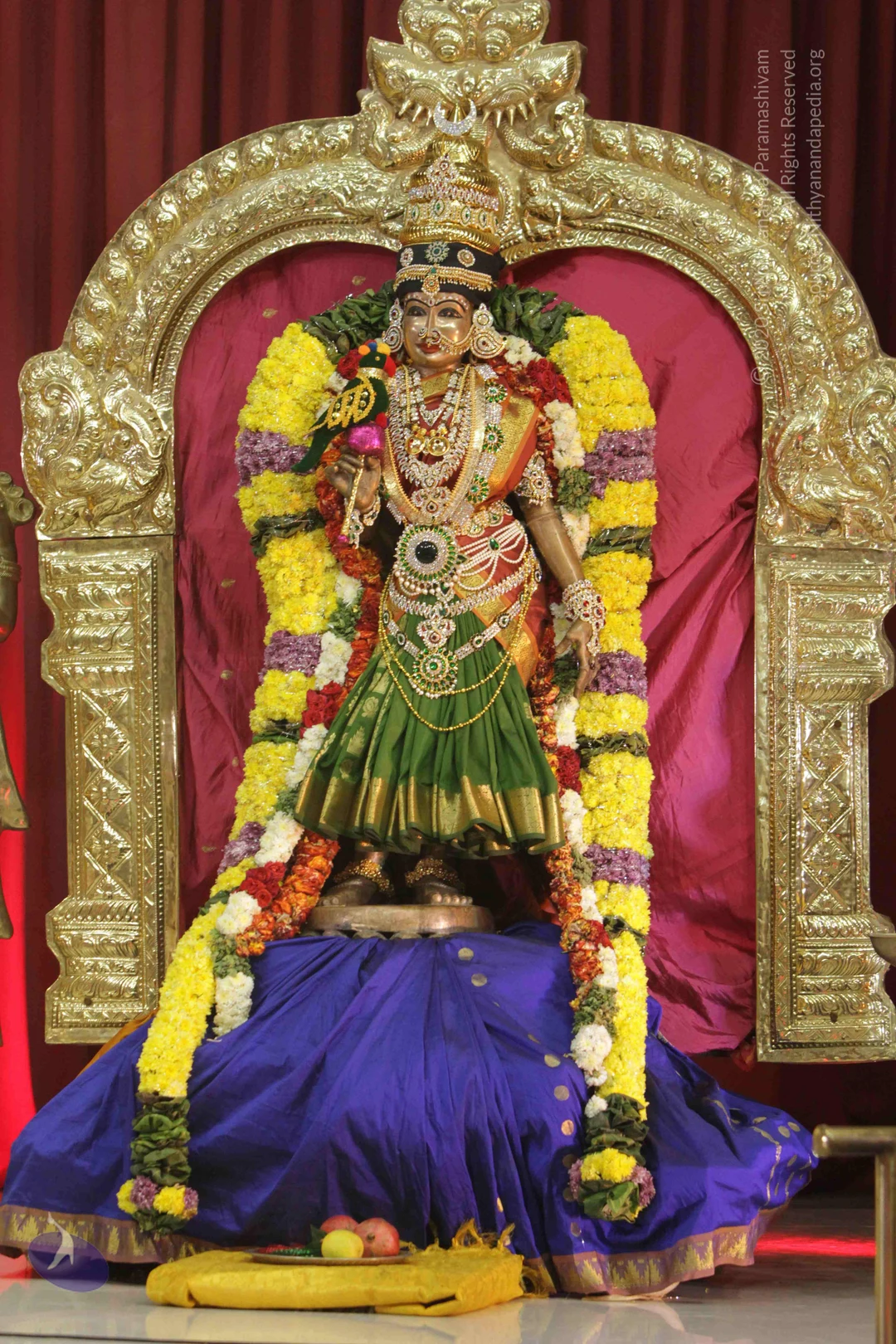
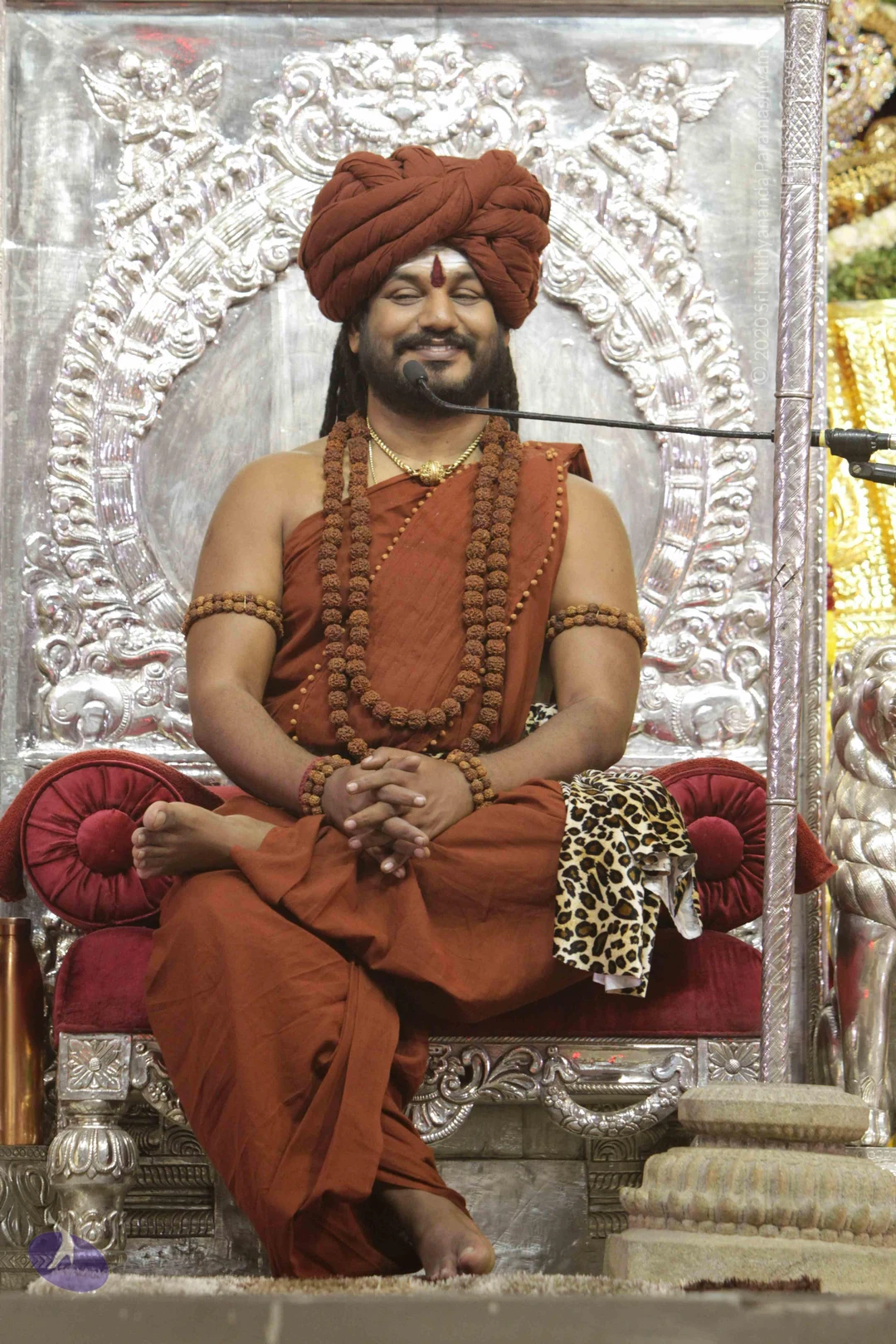
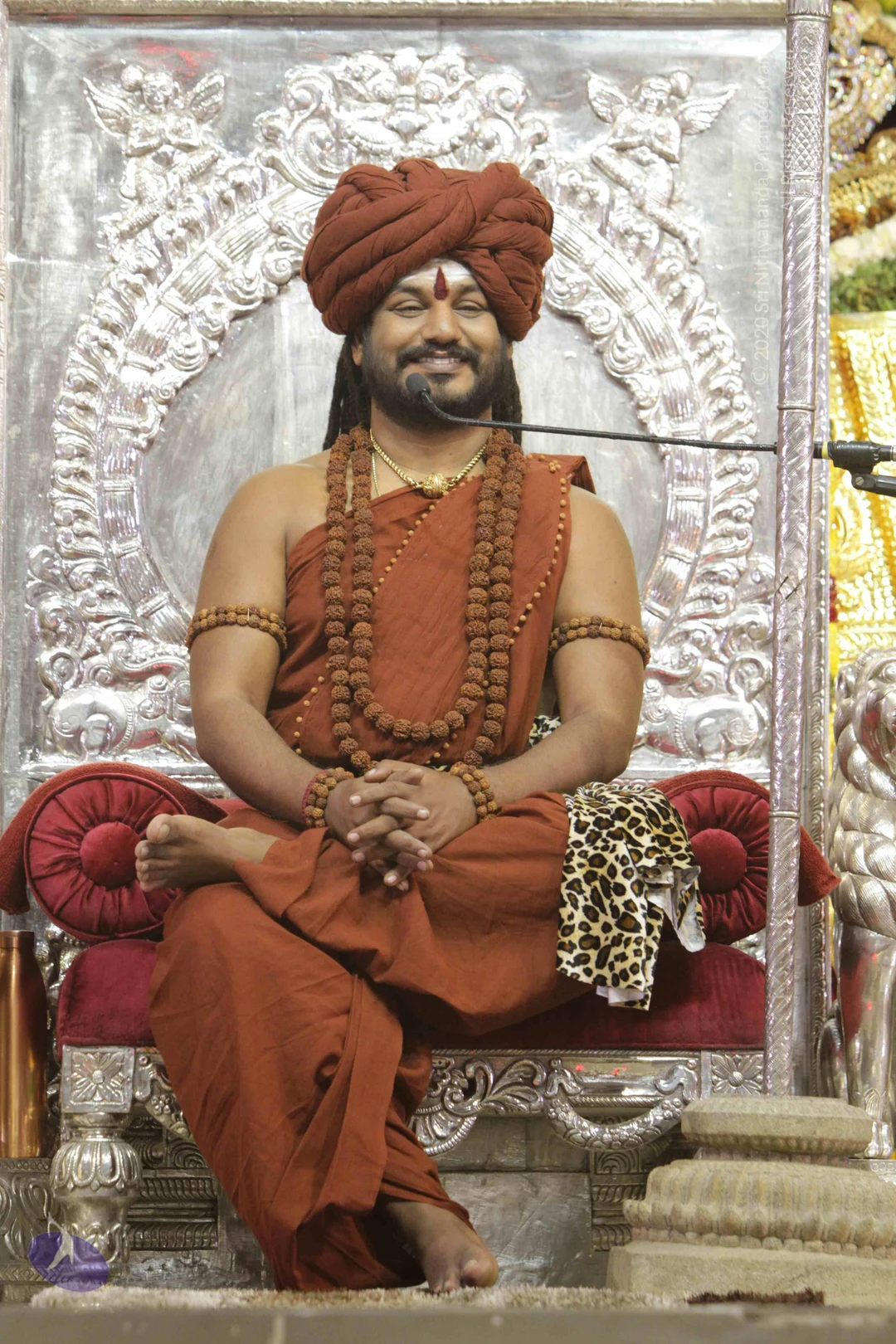
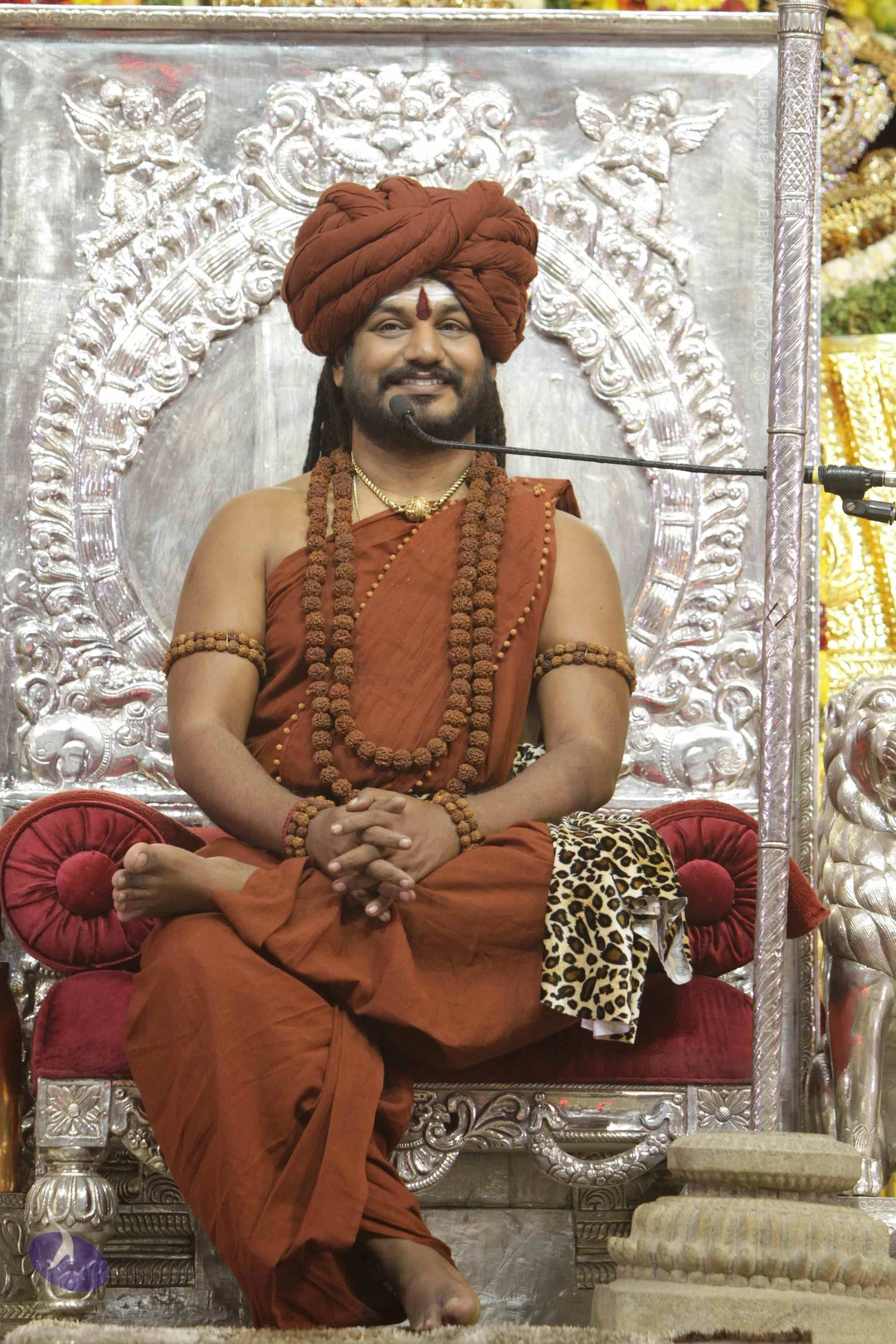
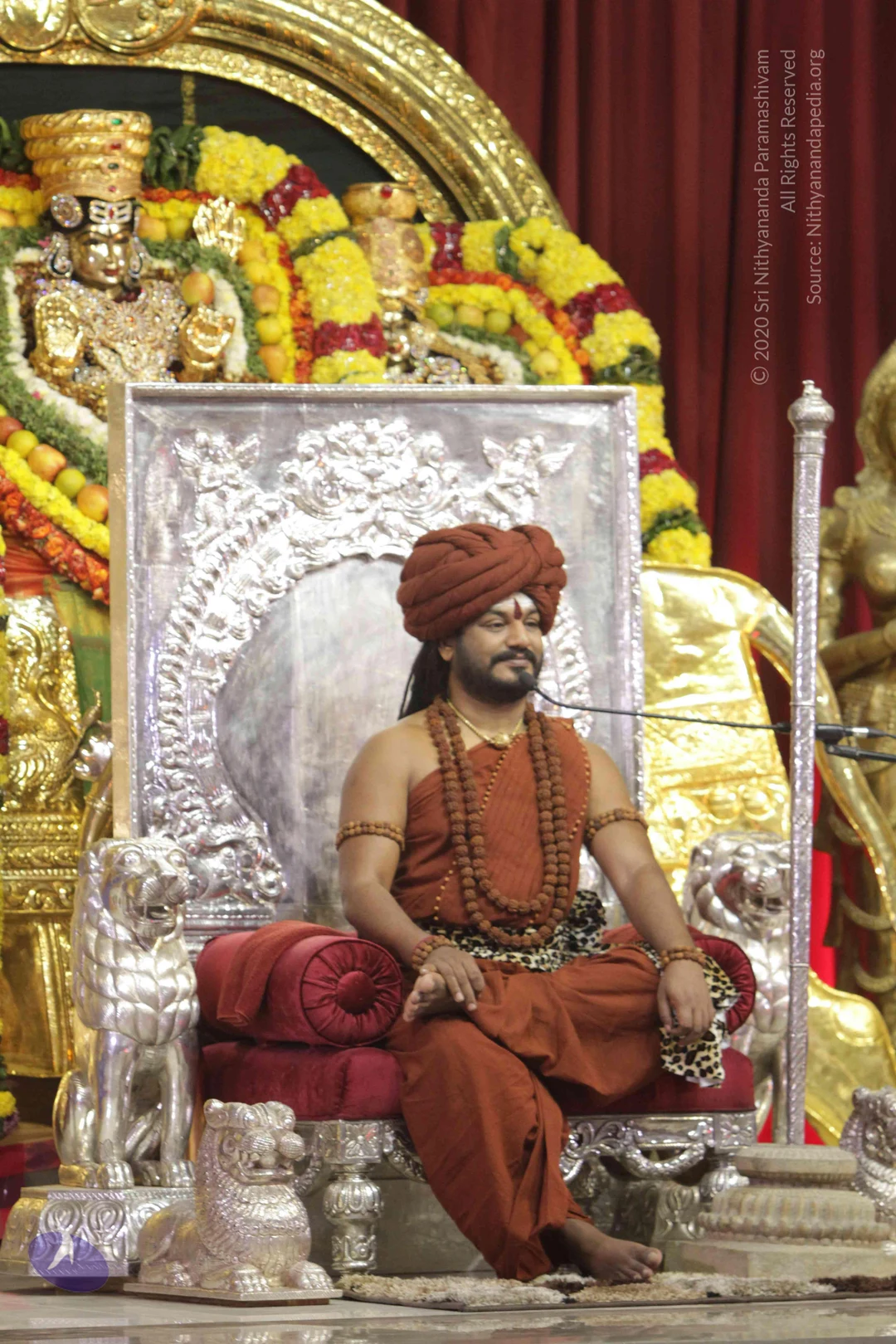
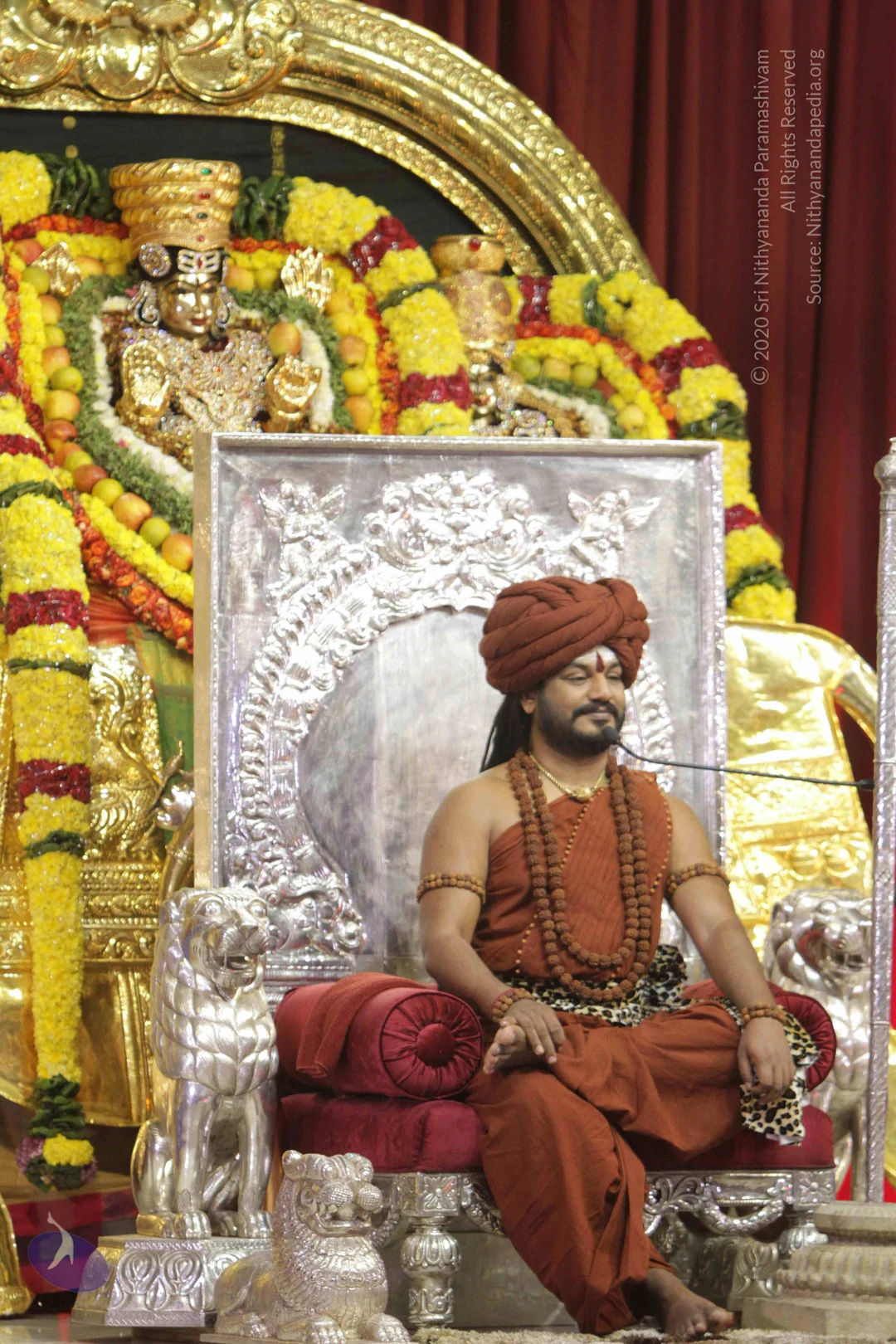
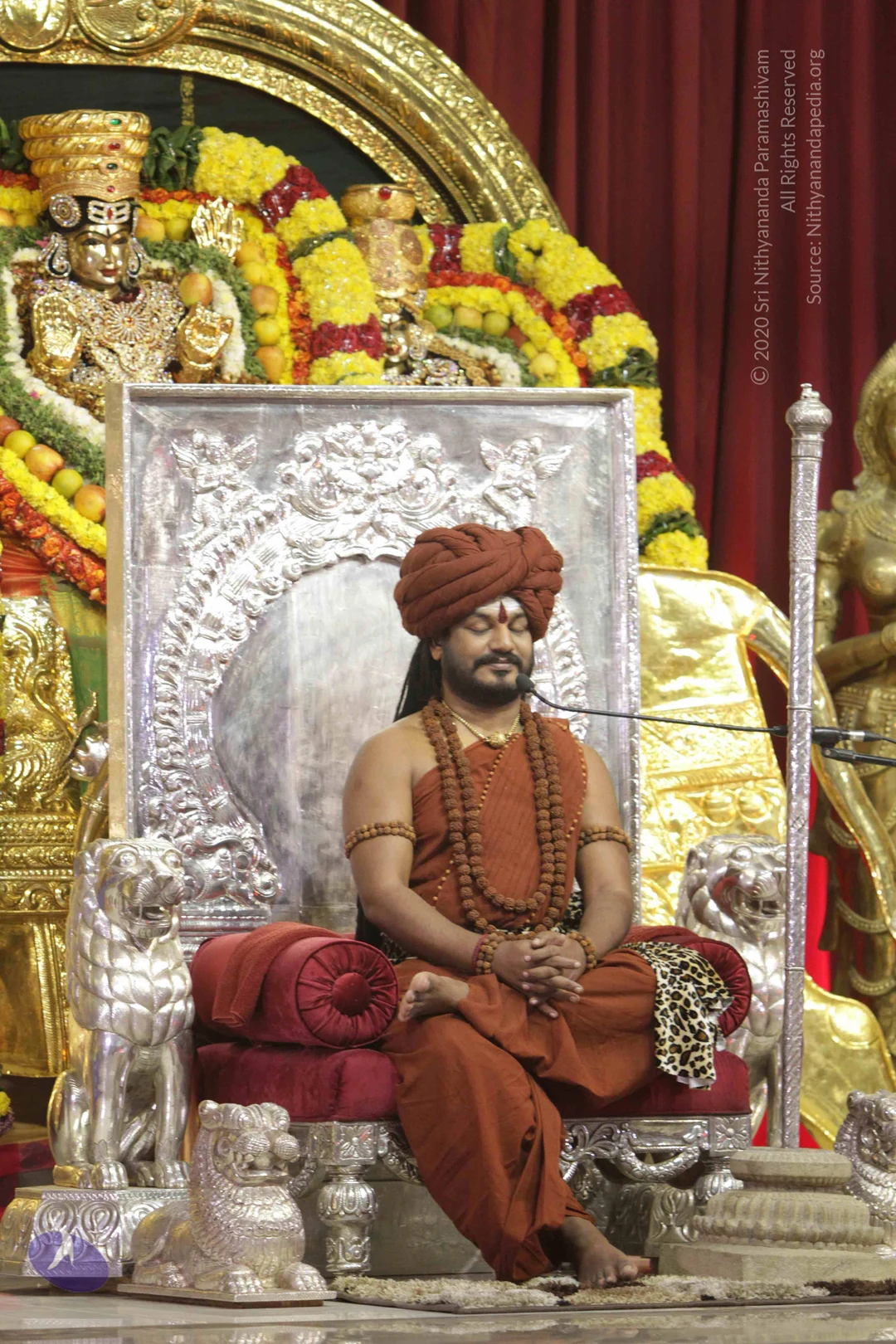
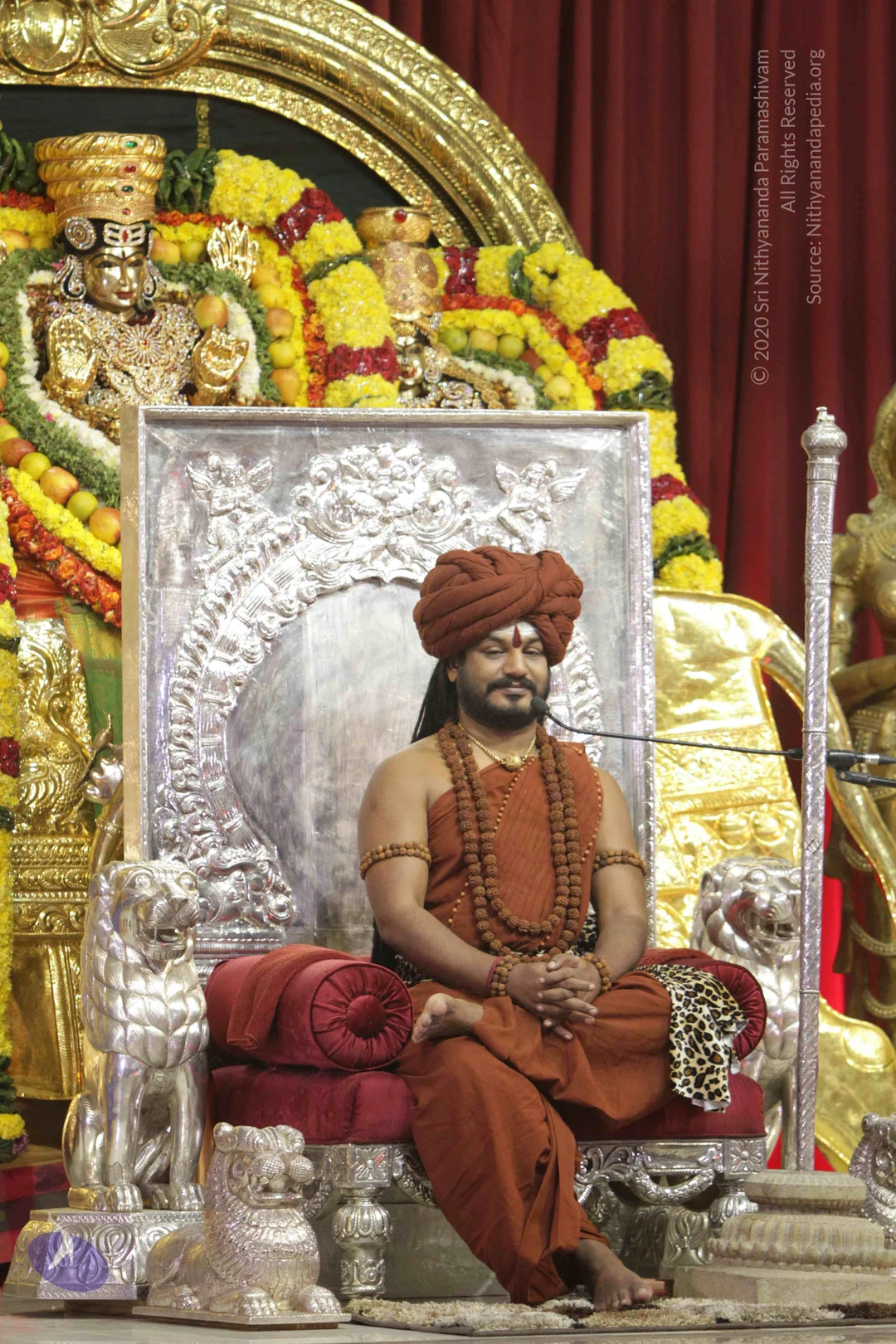
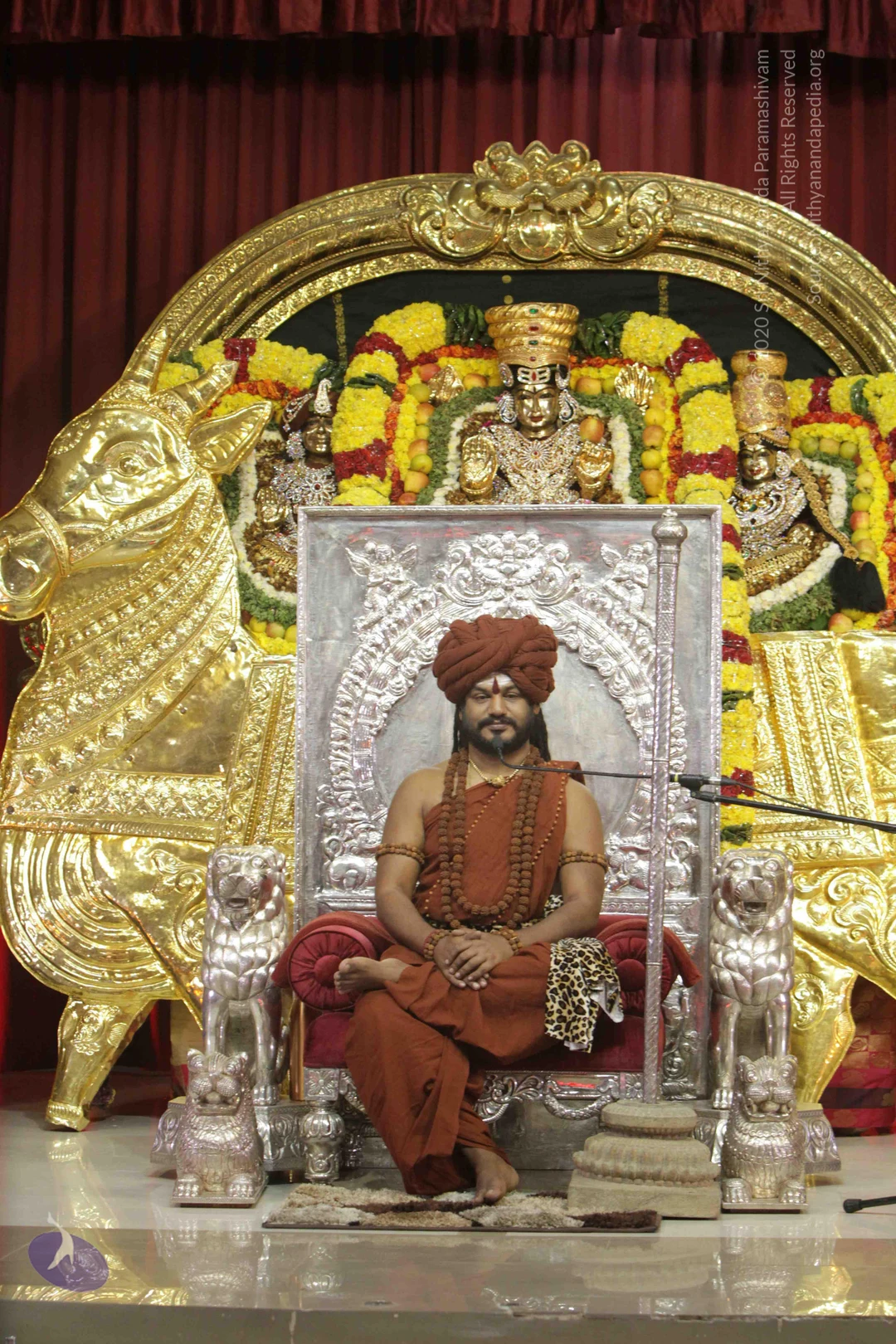
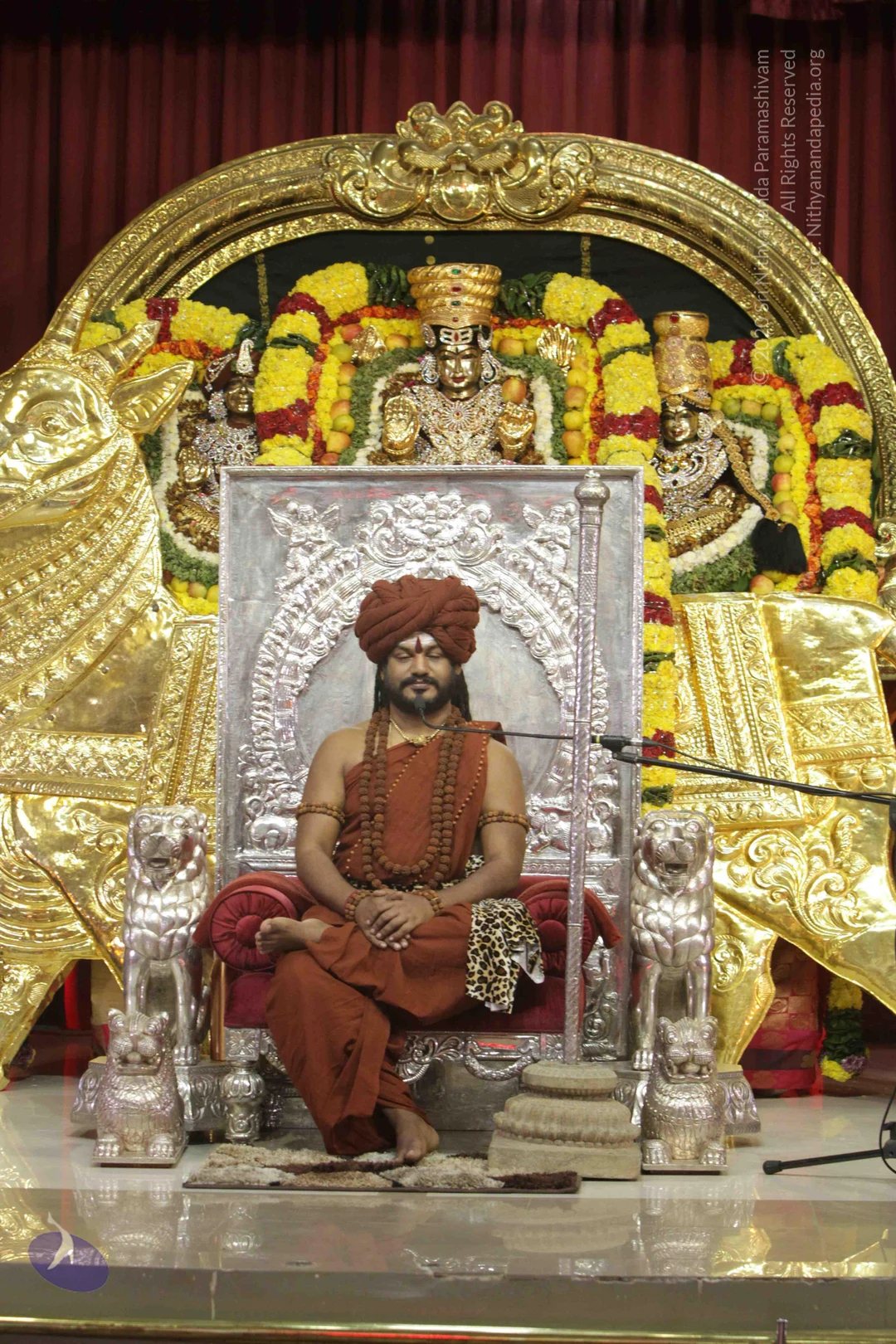
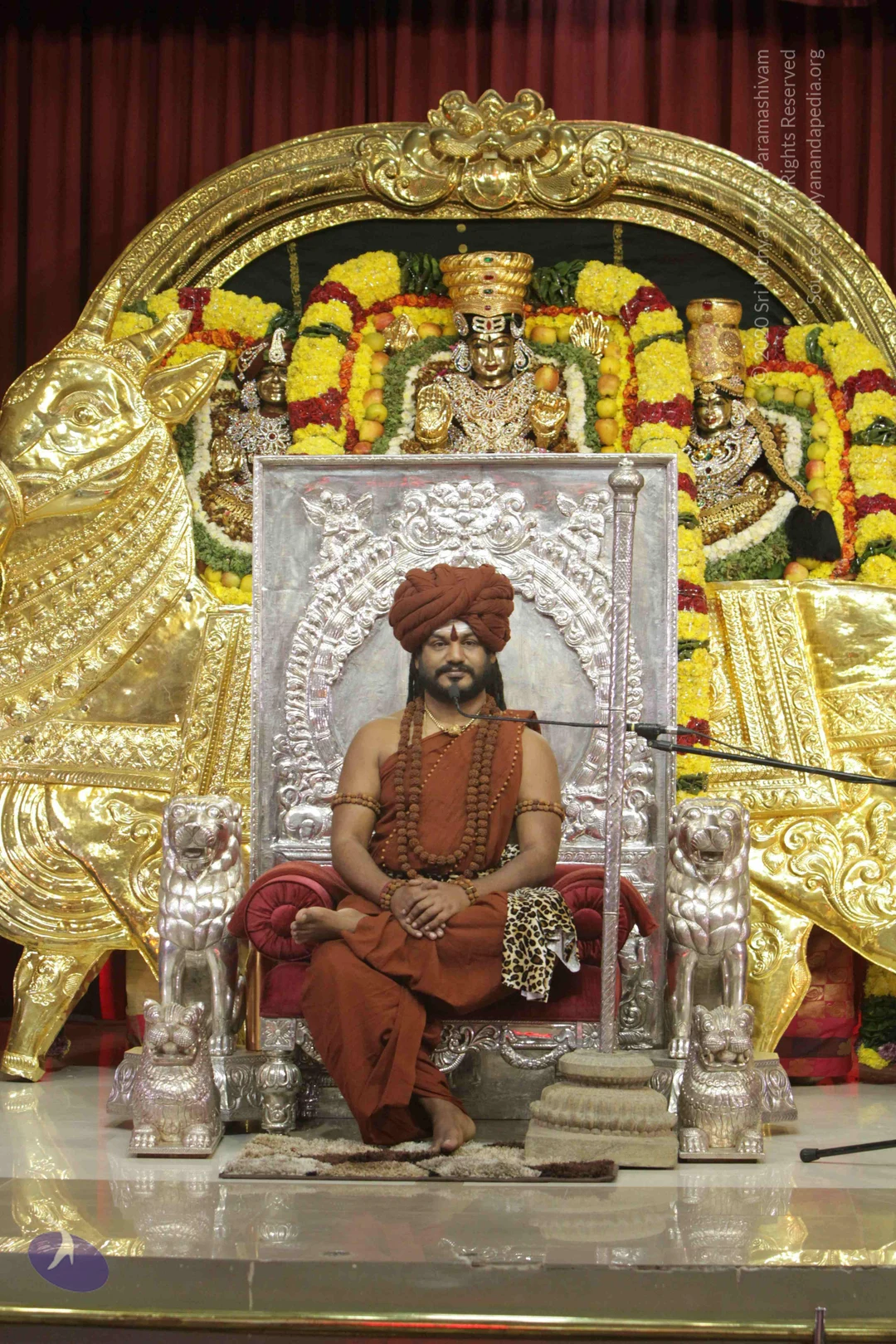
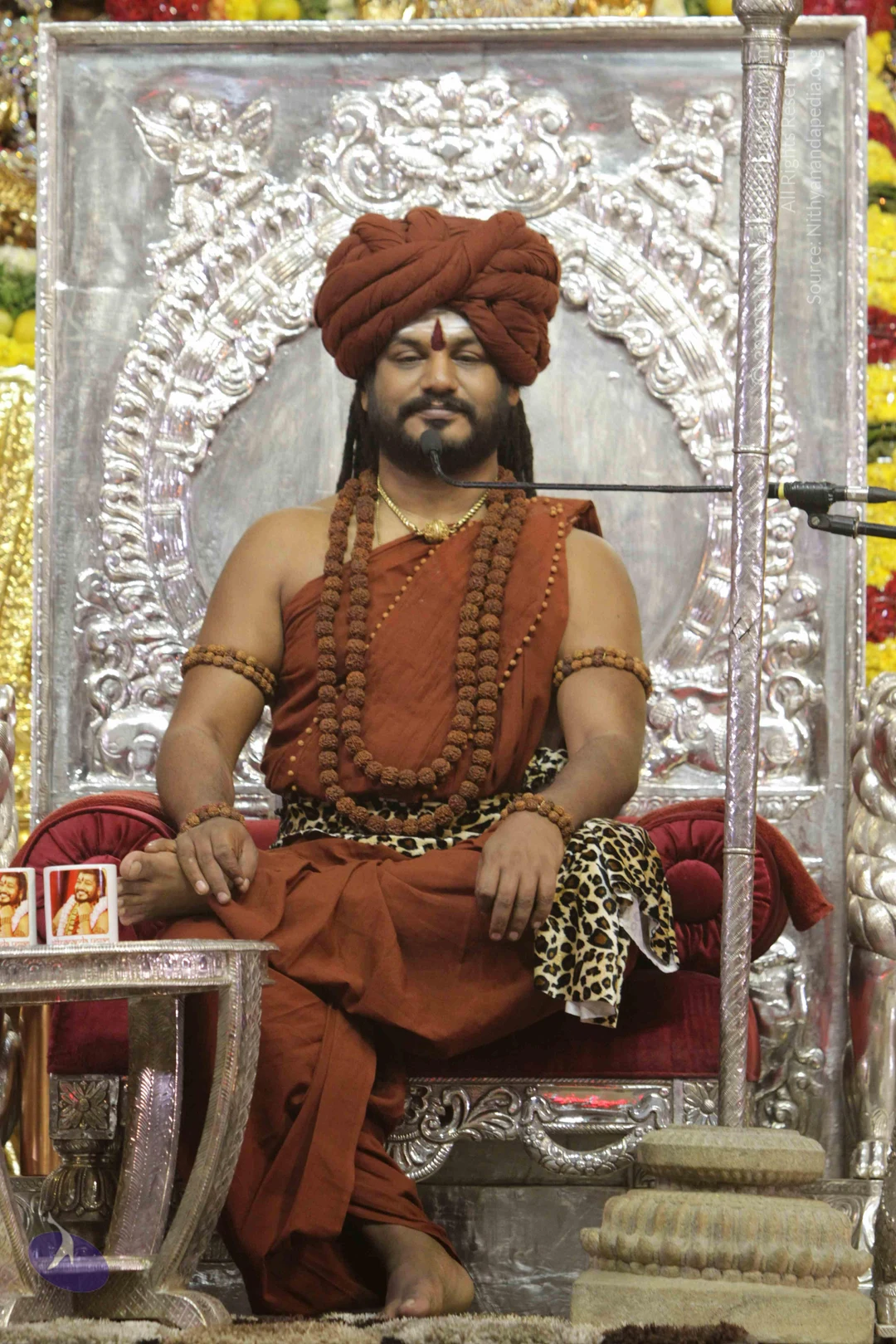
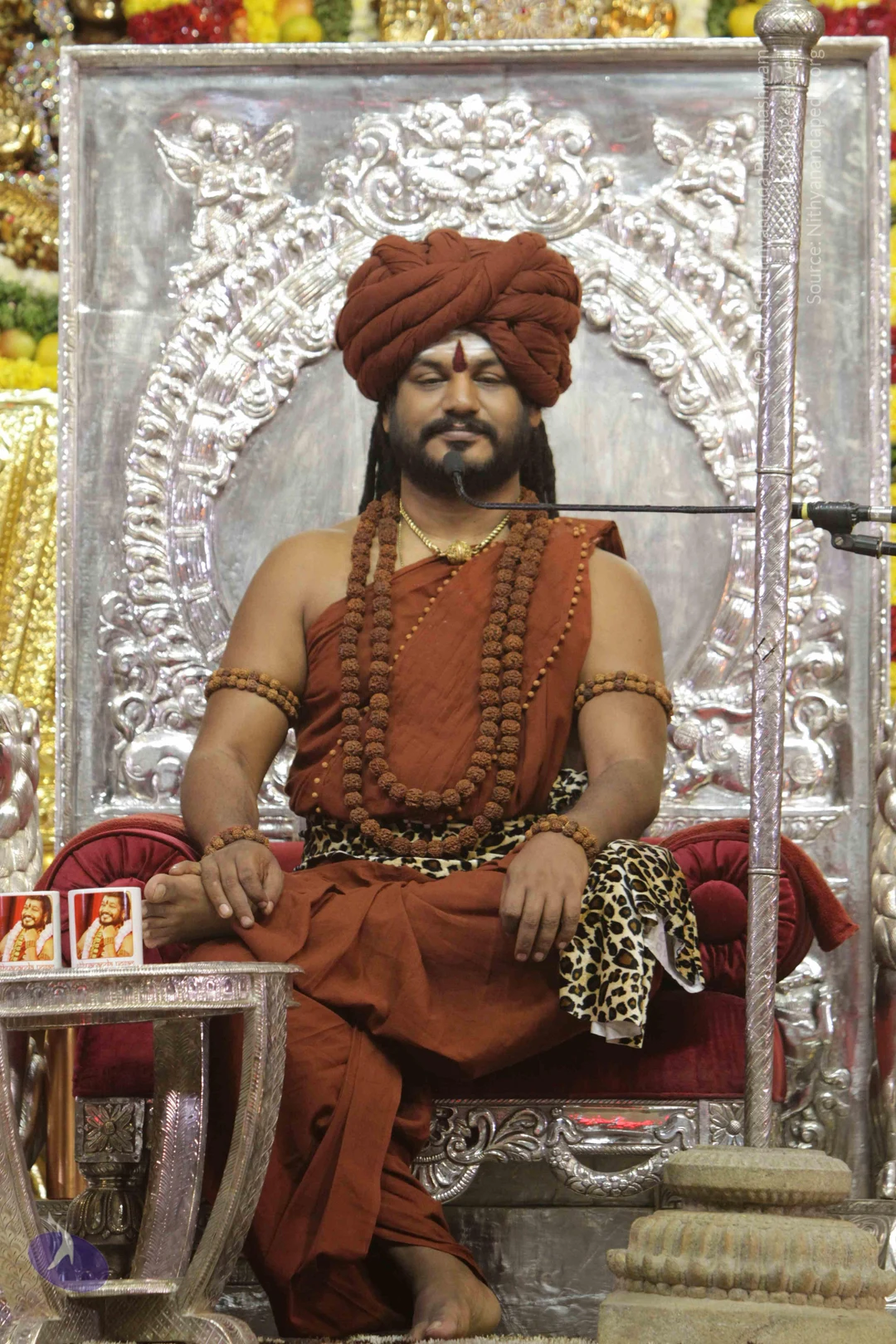
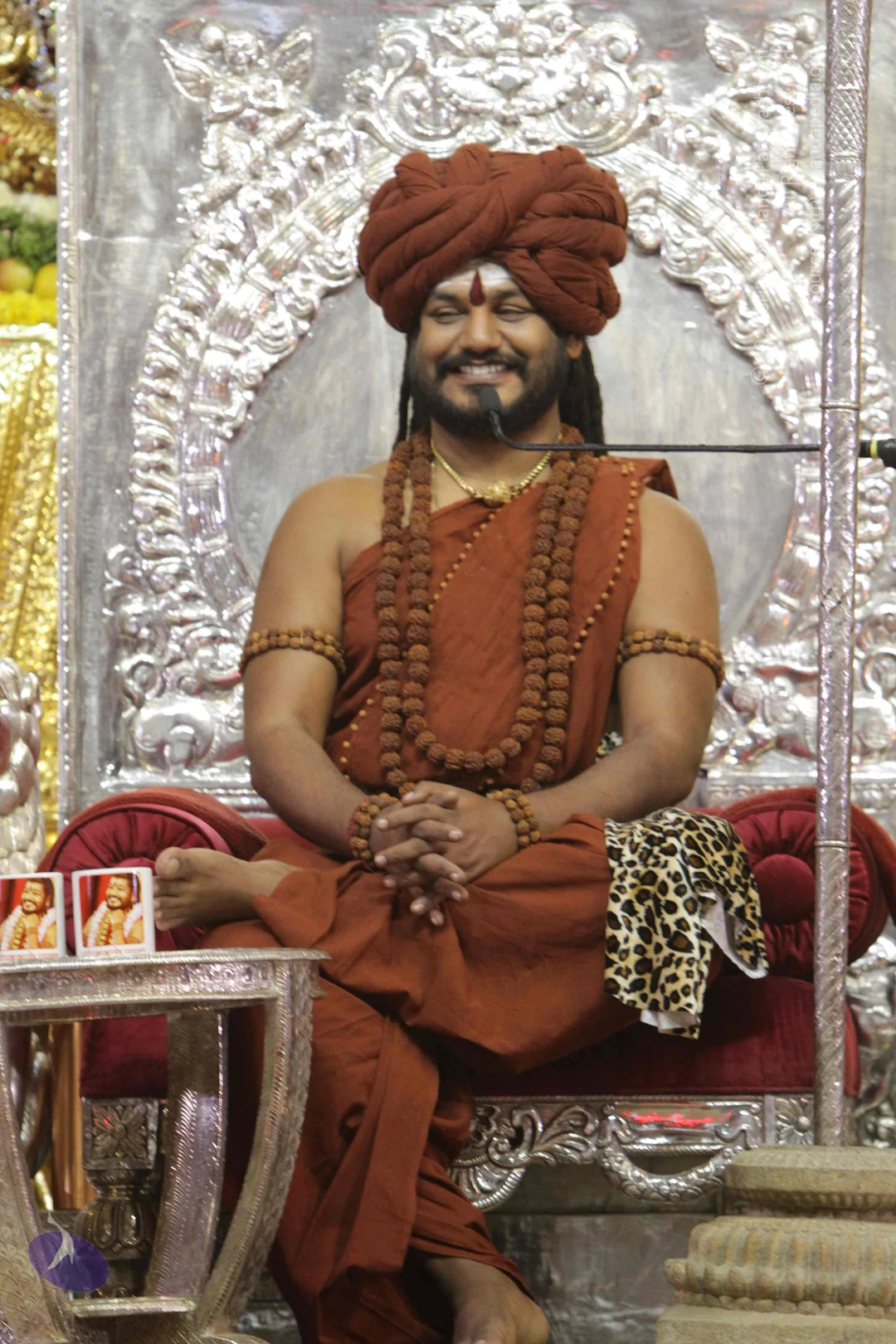
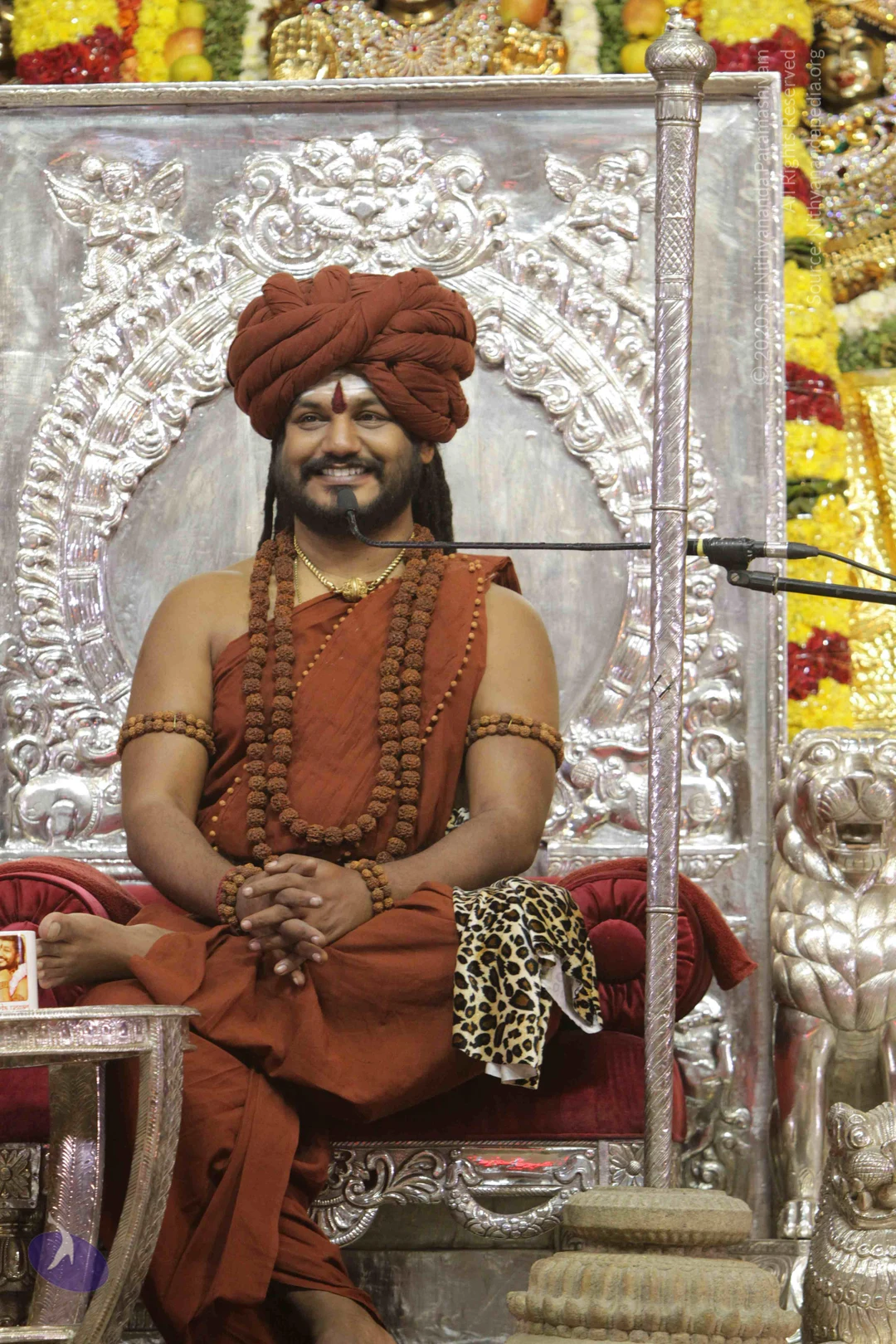
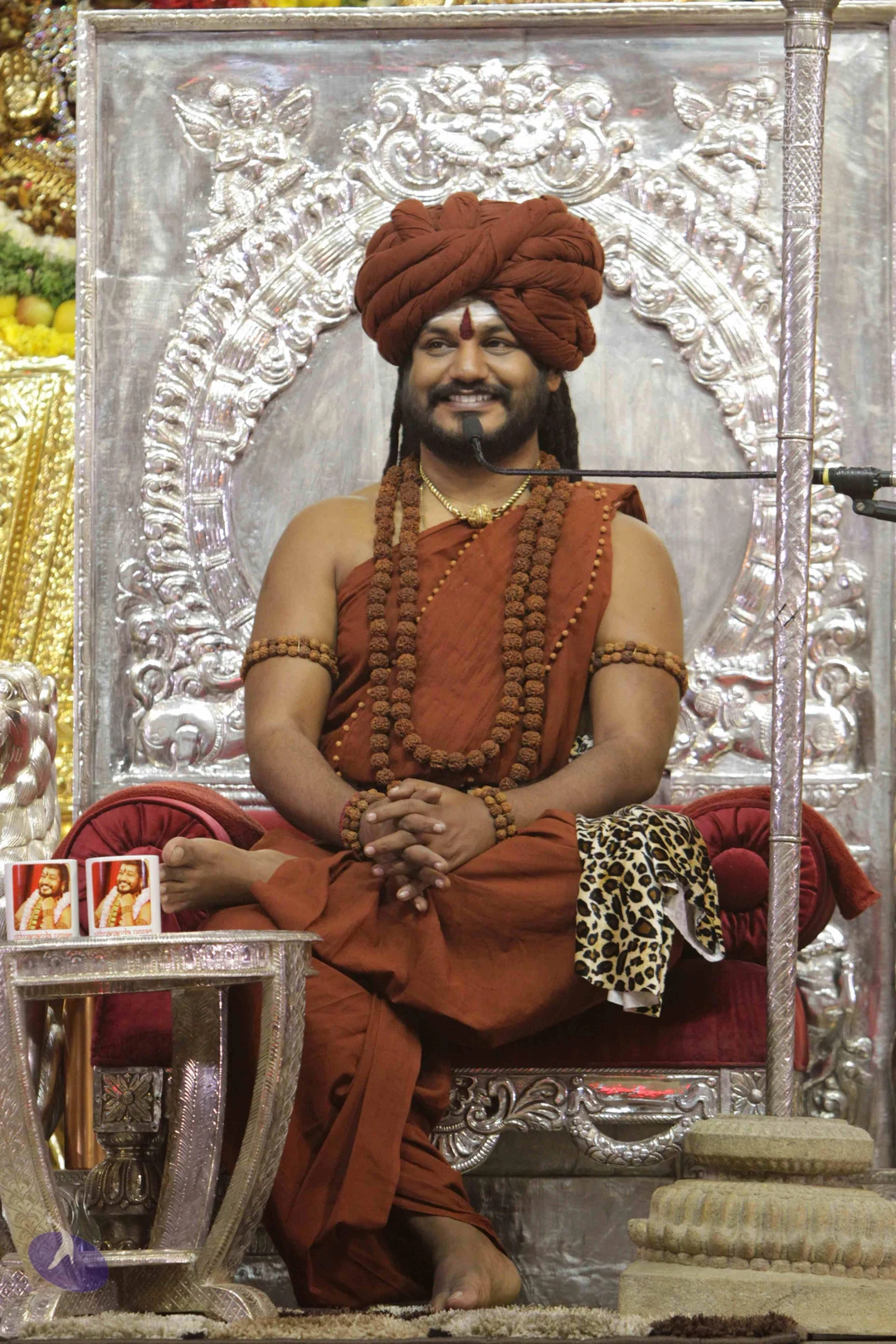
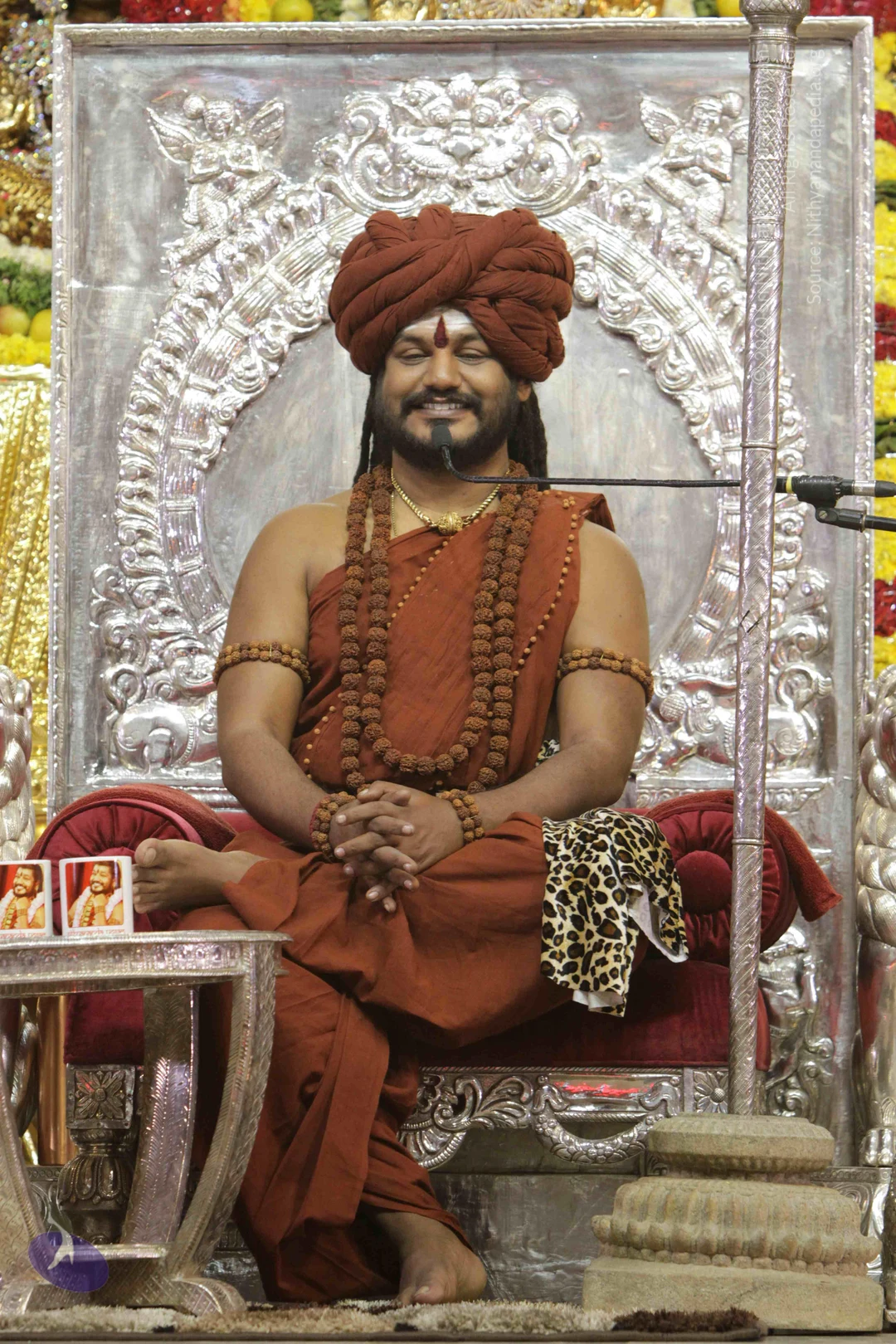
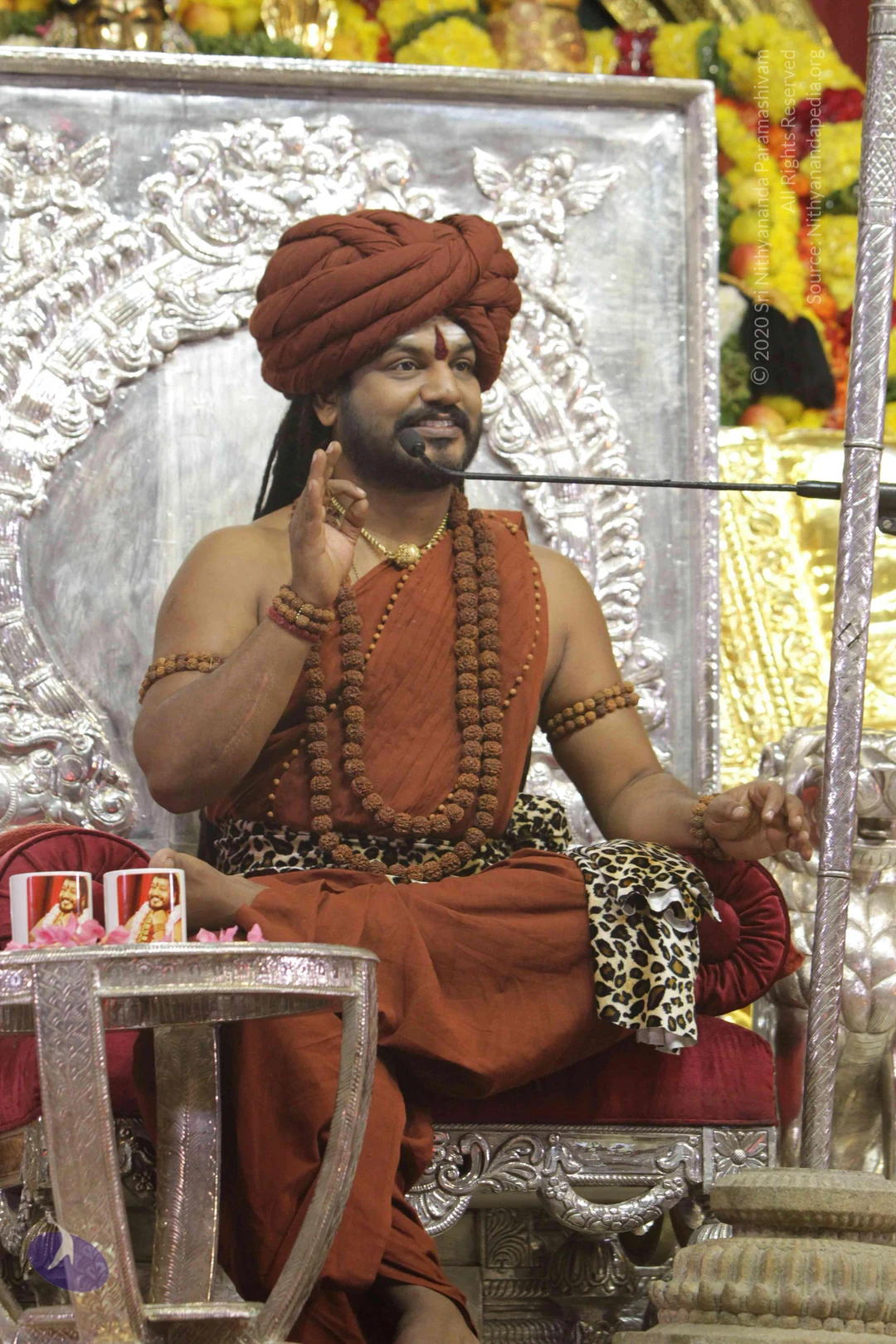
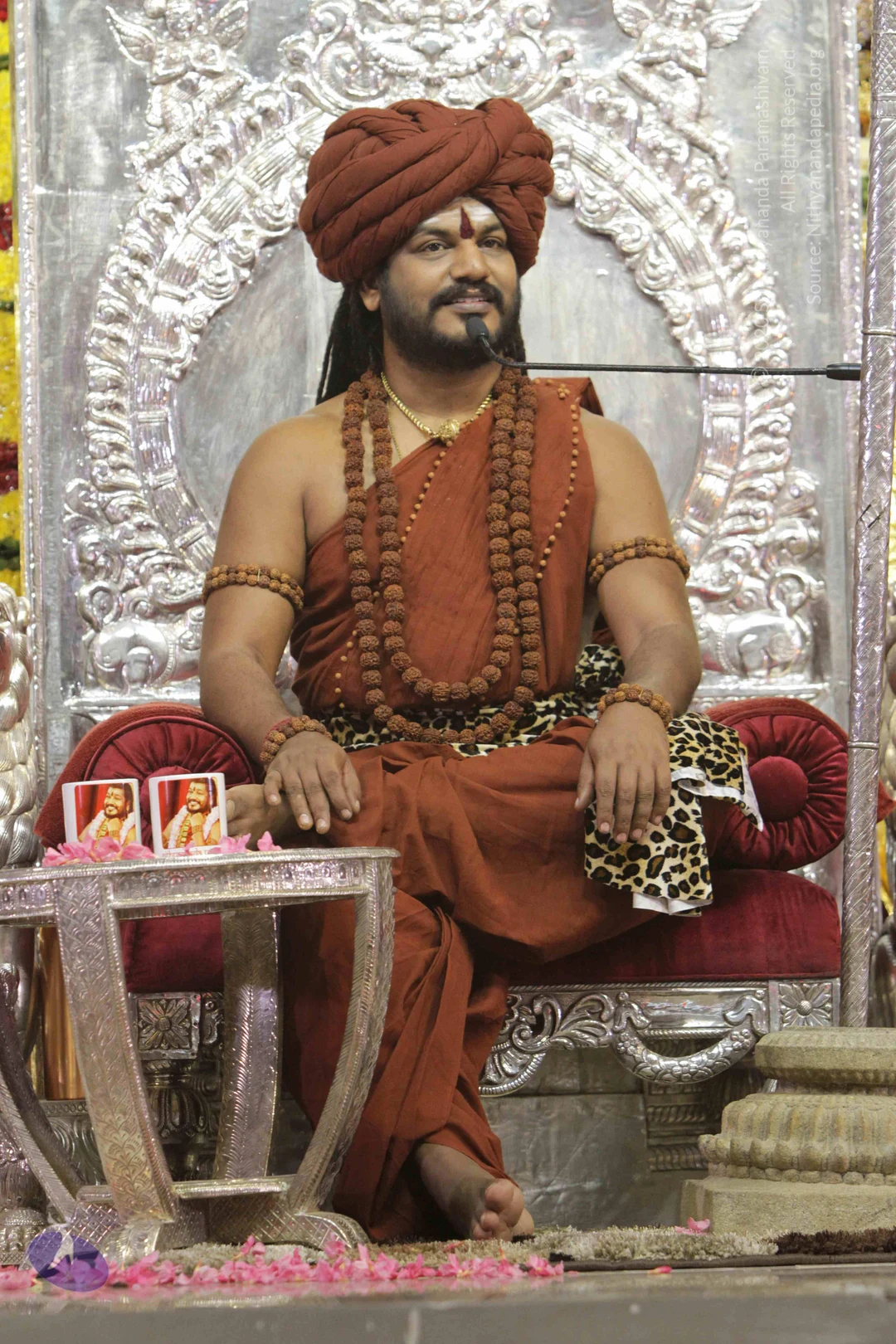
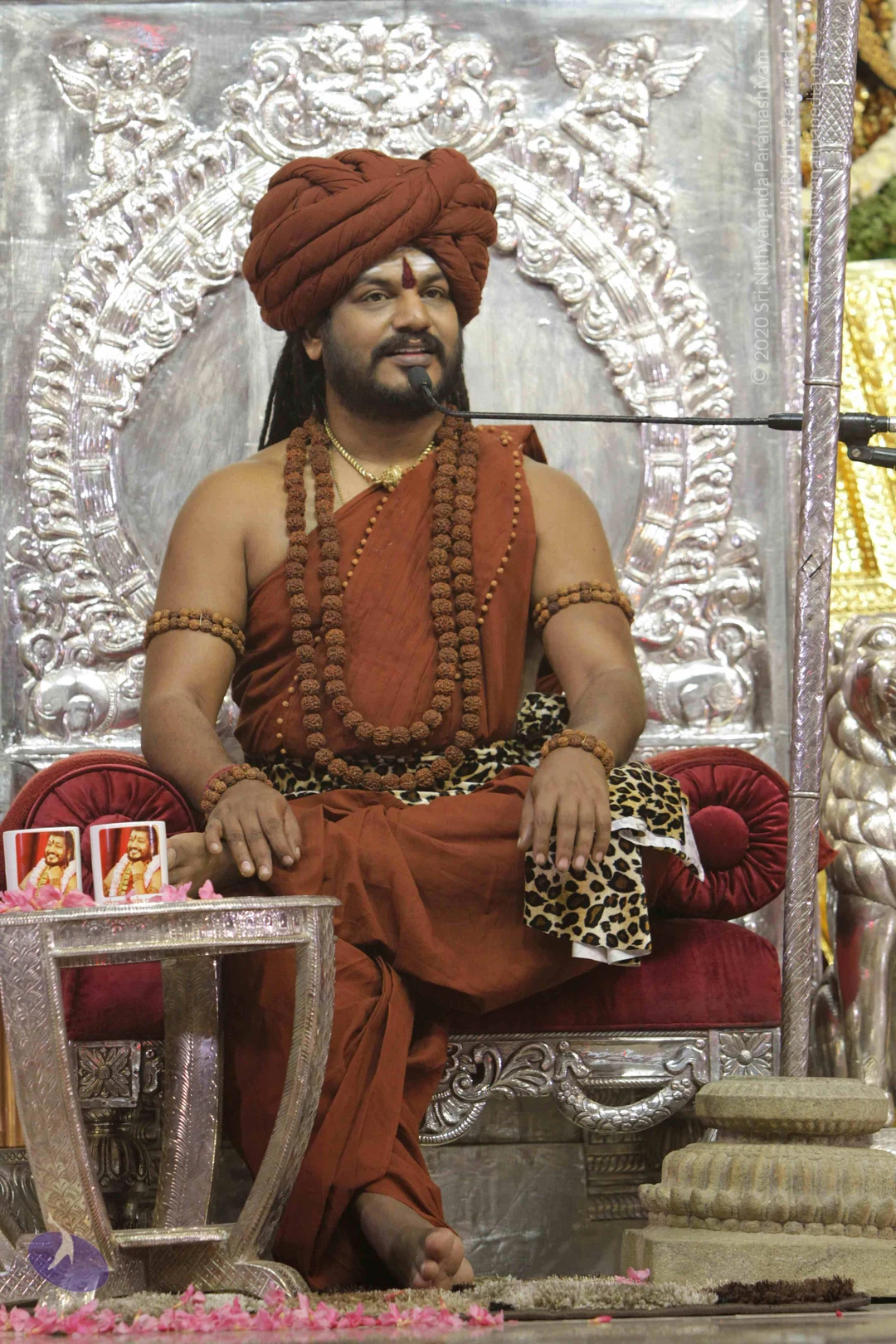
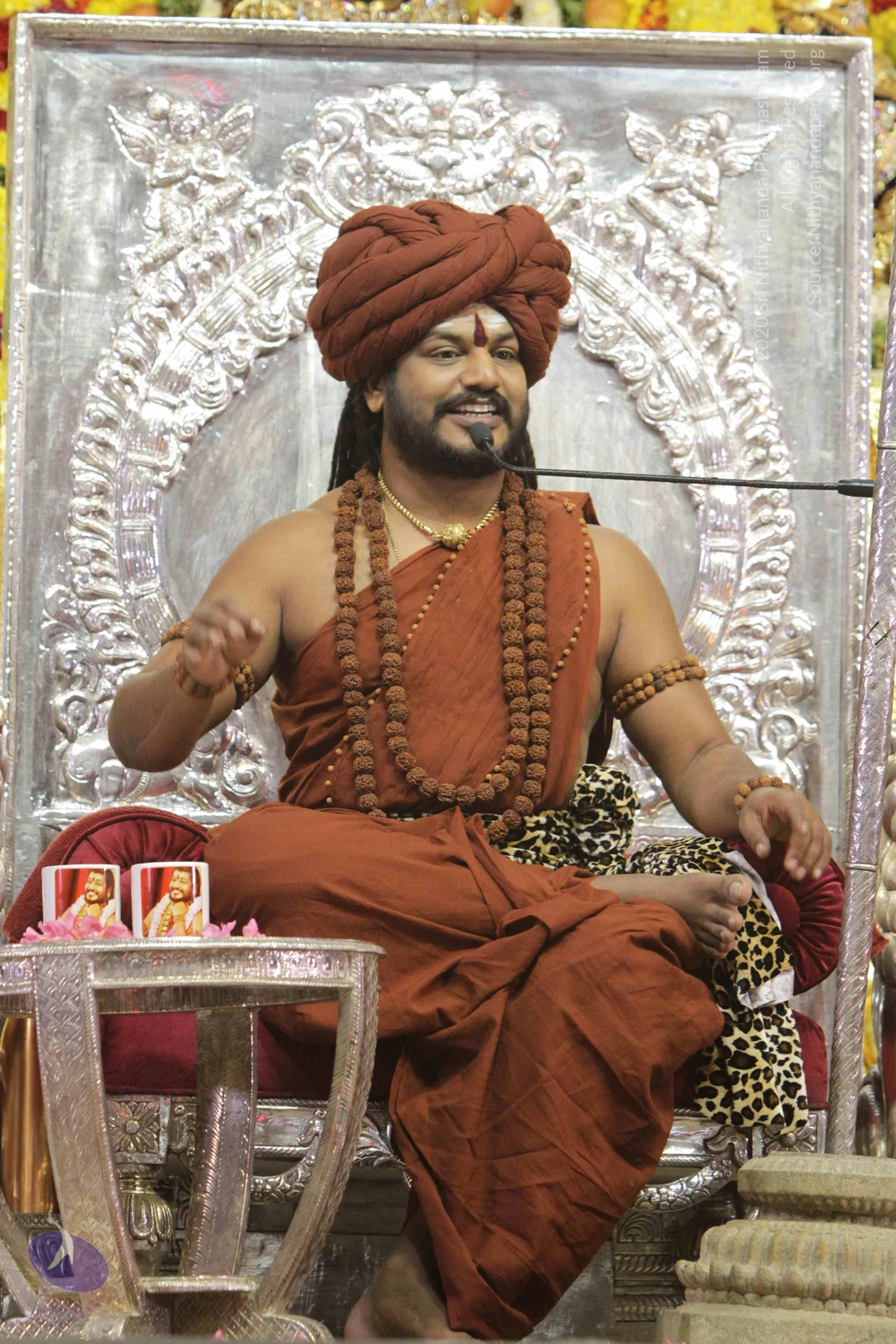
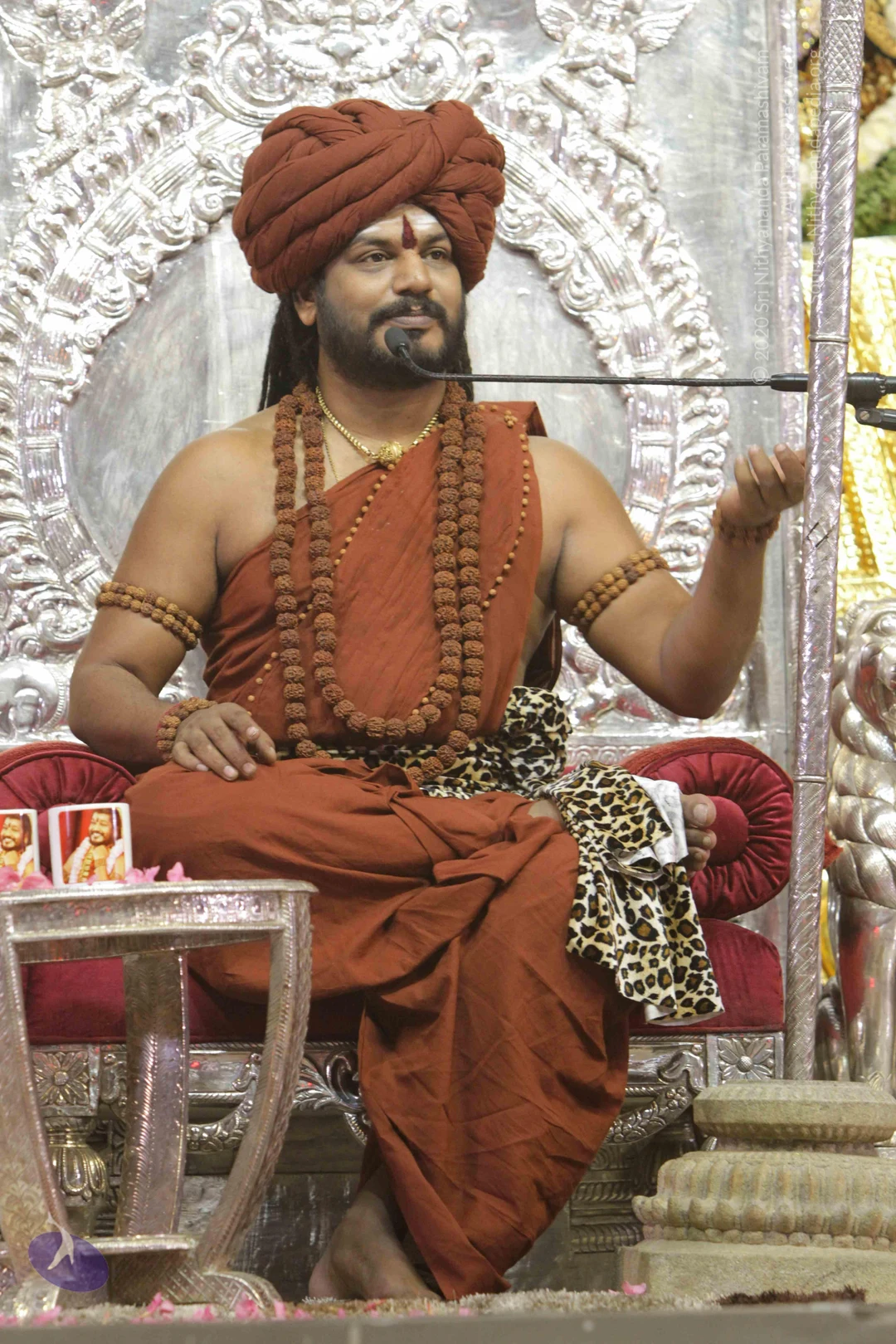
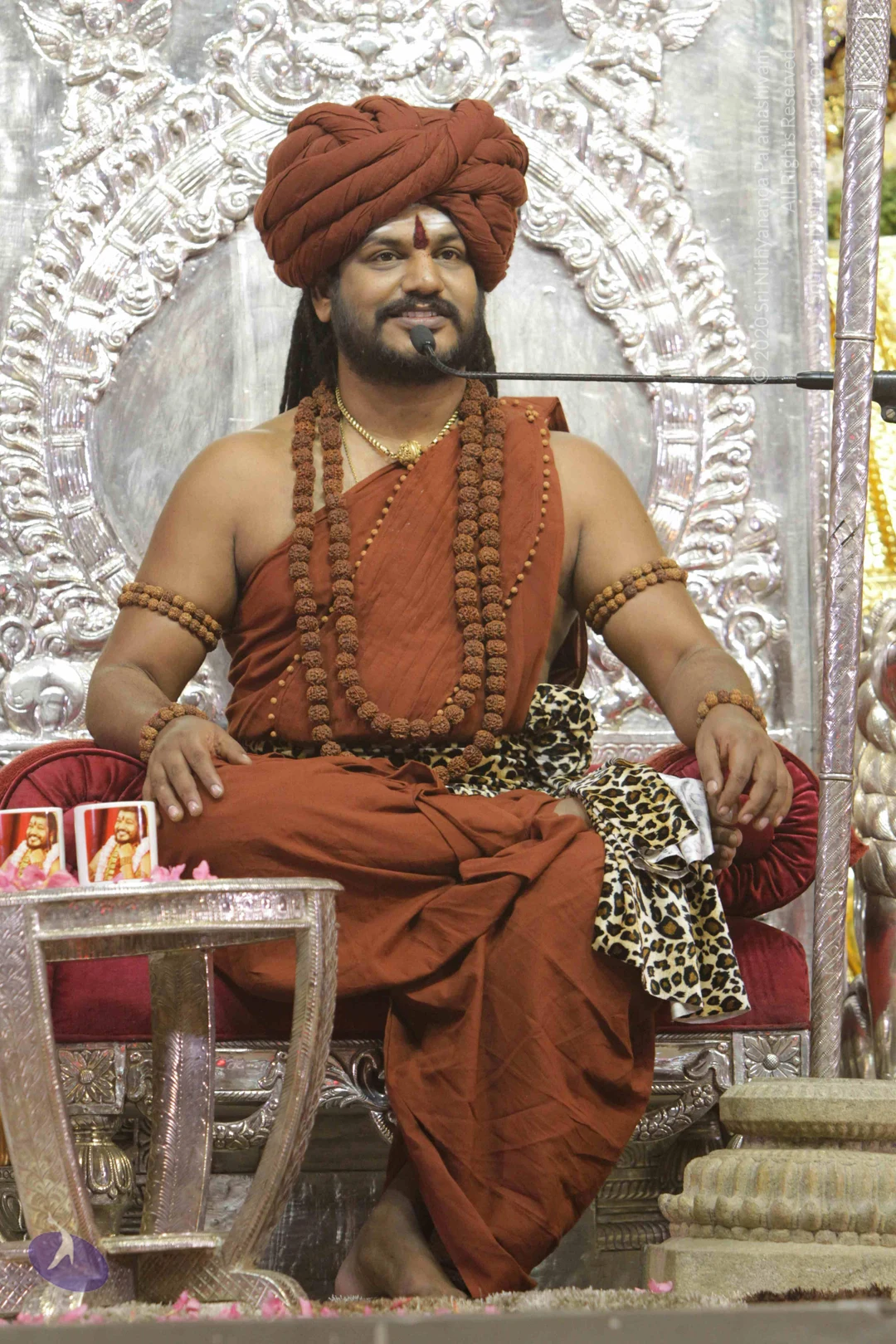
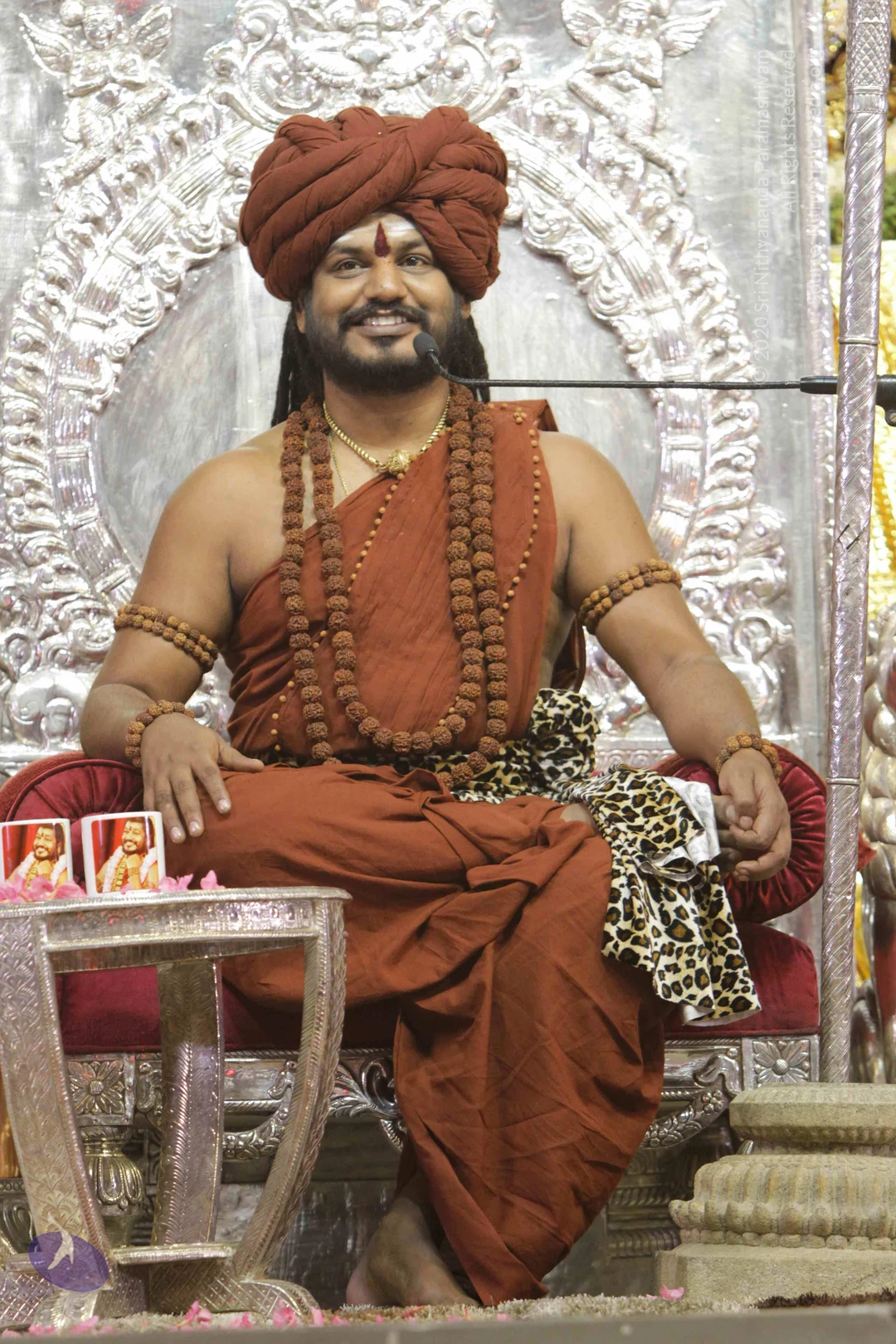
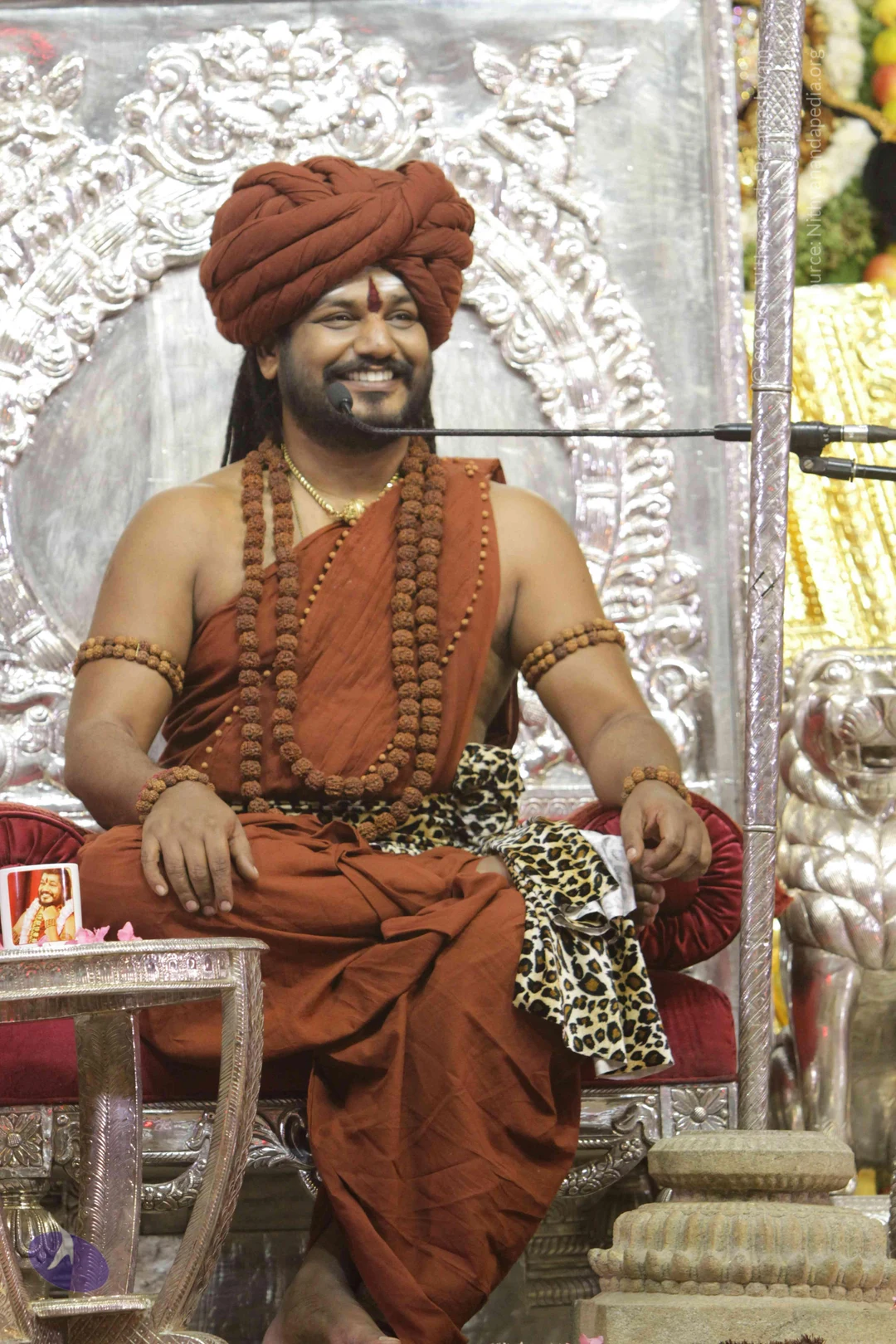
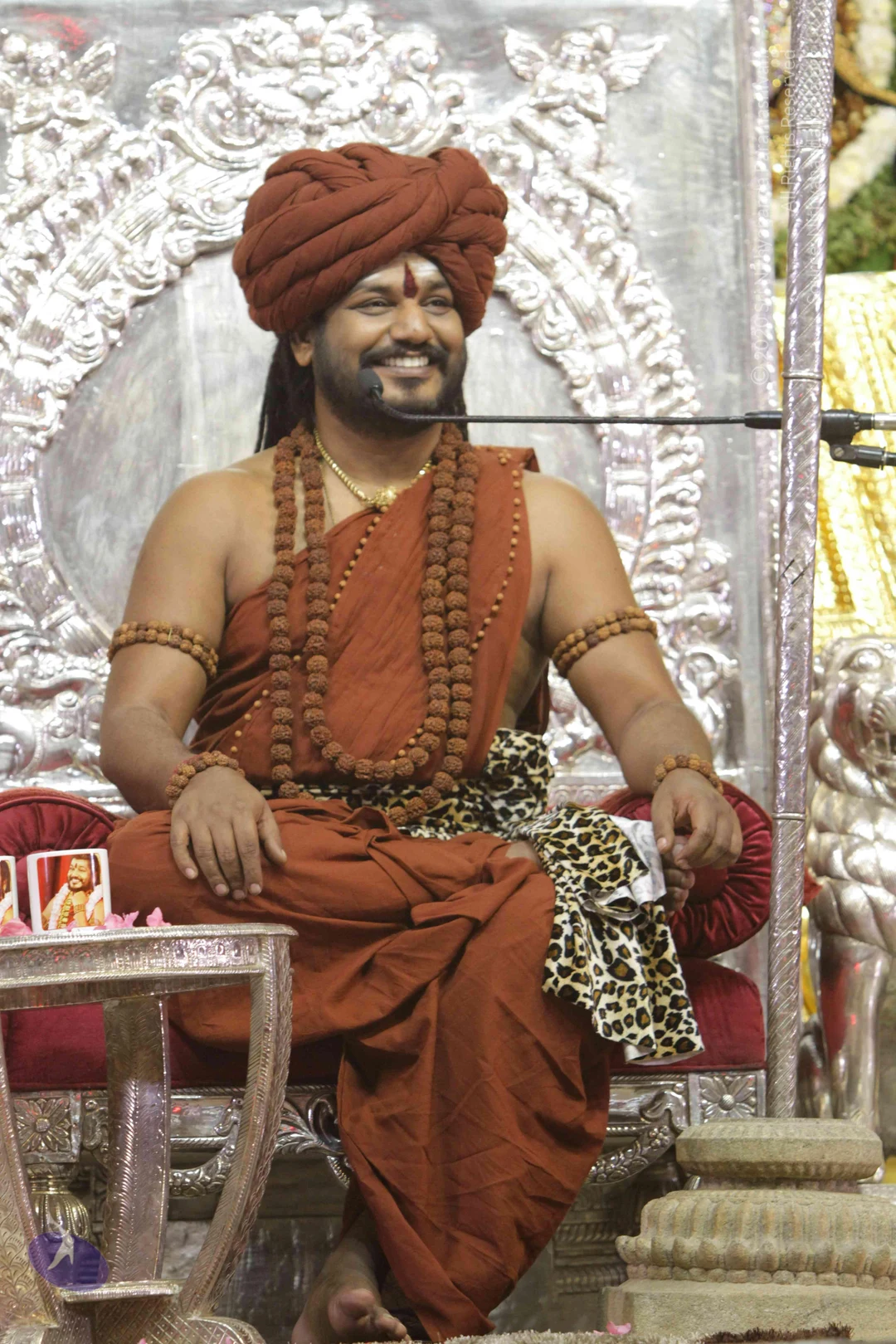
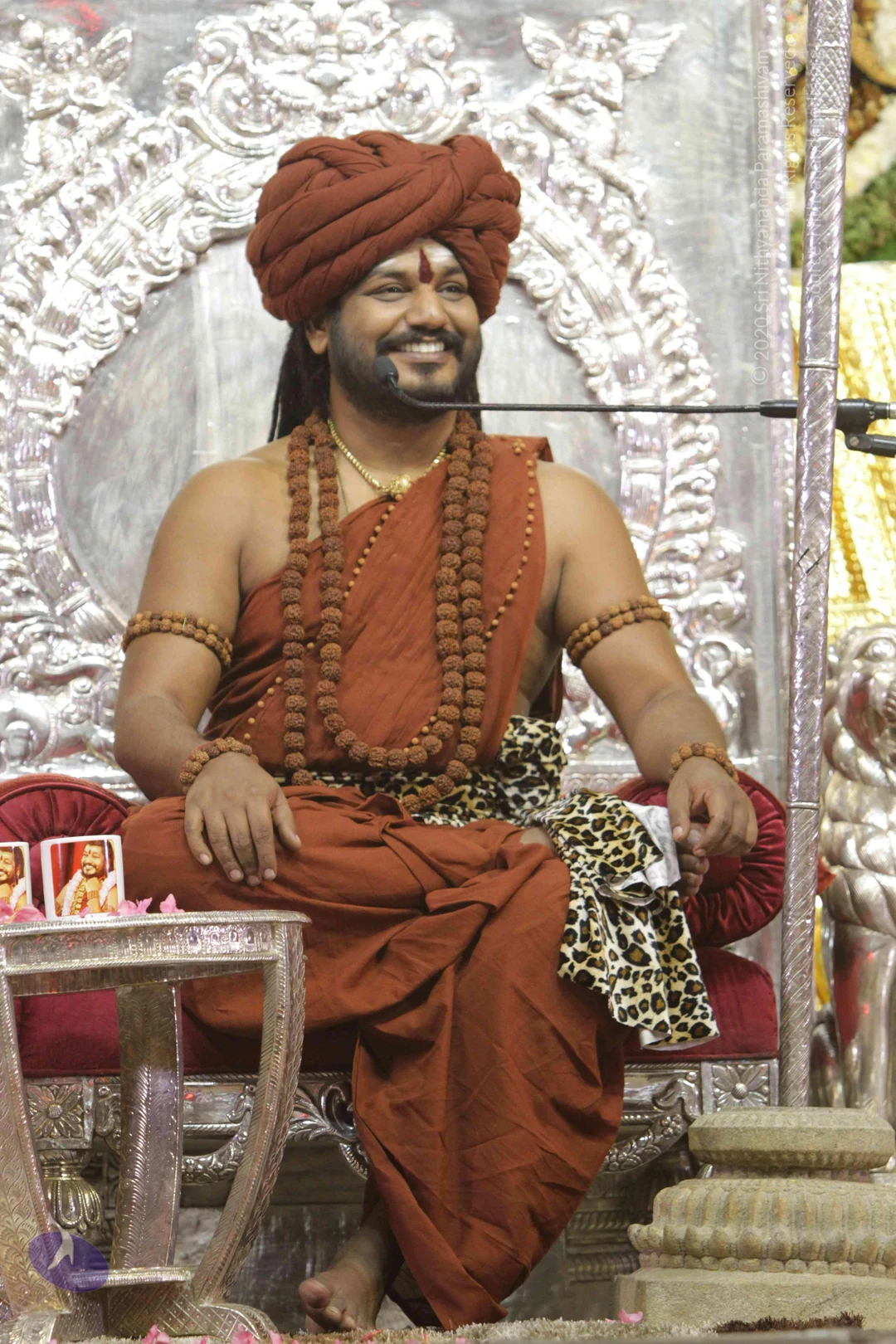
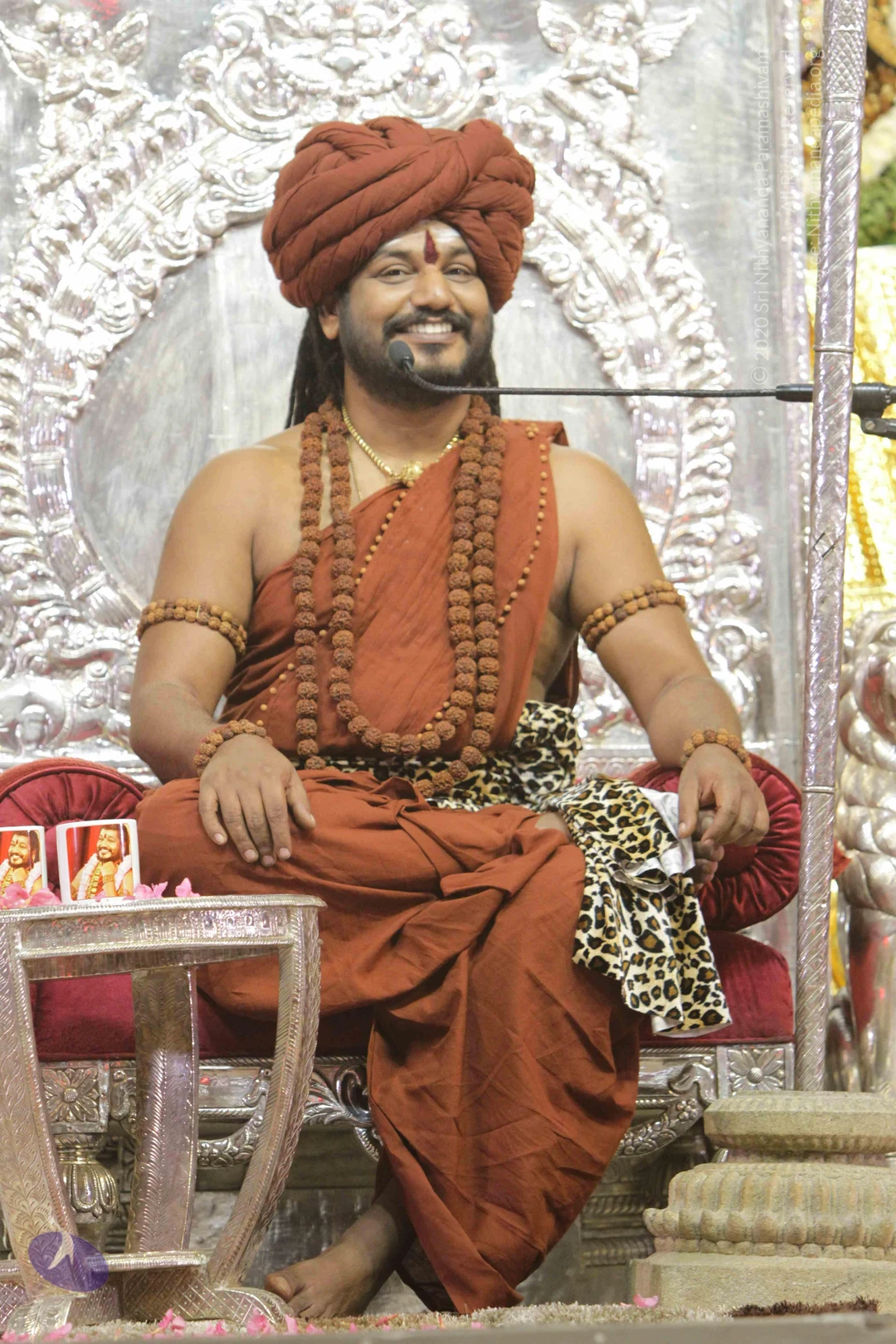
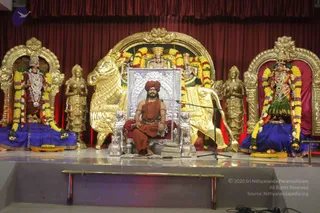
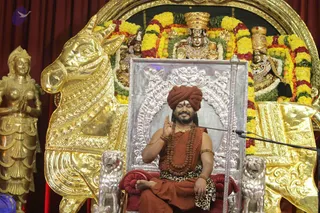
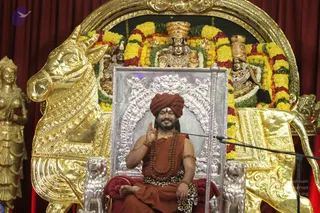
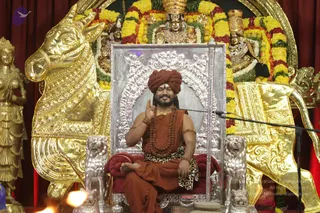
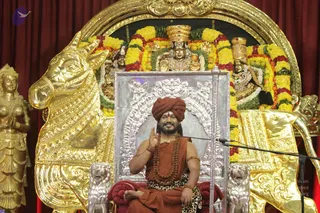
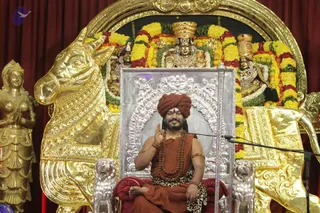
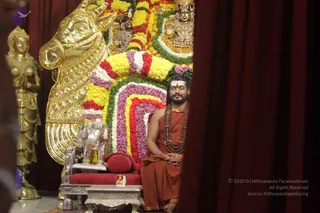
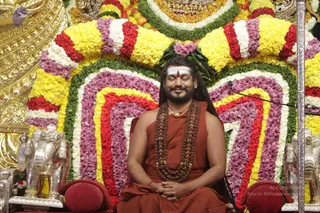
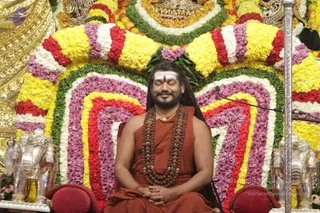
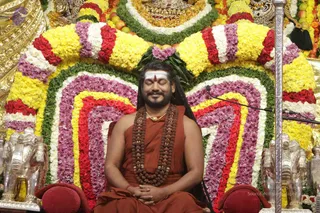
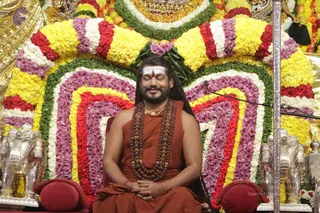
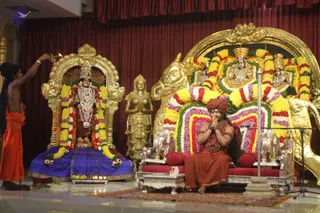
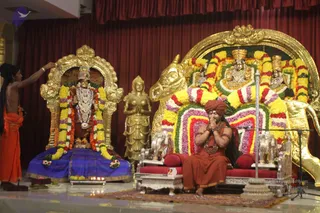
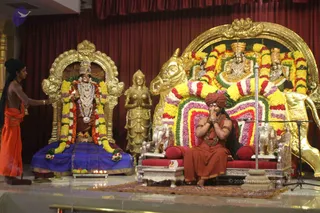
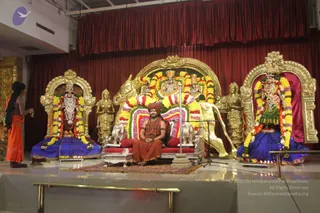
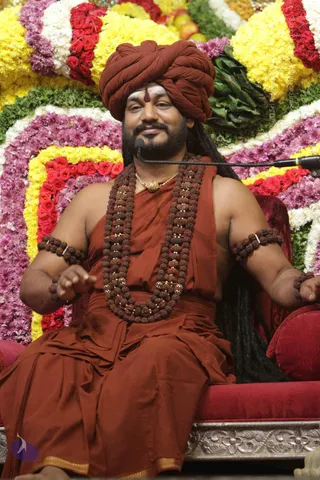
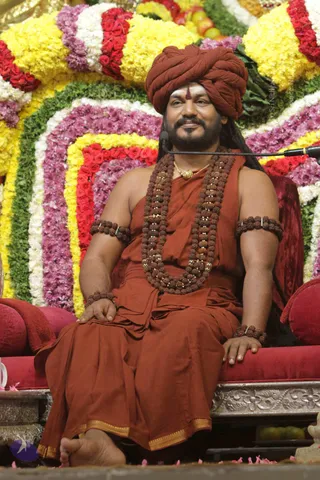
This Day HDH Baghavan Sri Nithyananda Paramashivam Initiates thousands of devotees on line and various temples around the word into Manifesting will making your desires into The Powers of Sadashivattva.
Now pen down all your cherished non-integrity supported by SDHD and just SDHD. Whatever you remember as just SDHD and cherished non-integrity - pen down both. I’ll initiate you.
If you finished writing, sit with the intention to complete all this and get out of it. Listen carefully. If you failed one day waking up in the morning or if you have a SDHD you can never wake up every day and build your body as you want - both are forgivable. It is not crime. It will not stop you manifesting your possibilities. But you decide not to wake up as a cherished romance with non-integrity supported by your strong SDHD conviction, then nobody can save you. Nothing can be done. Nothing can be done. That need to be destroyed. Cherished non-integrity is a crime that does not allow you to manifest powers.
Now declare you will break all the cherished non-integrity. Burn the whole thing. Rebuild yourself as a new Being. Let’s start. Sit with this intention. I’ll strengthen your conscious intention and make you manifest the powers today.
(Initiation – Meditation)
Aum Nithyananda Mahasadāshivoham
You can all open all your three eyes and manifest the powers of length, breadth, depth, healing through Ananda Gandha, body scanning through third eye and ability to read your own and other’s mind. All these powers put together - play with it. Only if you play with it, you will develop the right inner space and cognition to manifest it.
Tags:
Sri Nithyananda Swami, Paramahamsa Nithyananda, Nithyananda, Swamiji, Sadāshiva, MahaSadāshiva, MahaSadāshivoham, MahaSadāshivatva, self-doubt, self-hatred, self-denial, initiation, tantrum throwing child, sleeping state, dream state and waking state, Karana space, Avyakta space
Link to Facebook Page
https://www.facebook.com/ParamahamsaNithyananda/posts/1575496272538217
Photos Of The Day:
DARSHAN










SATSANG-1

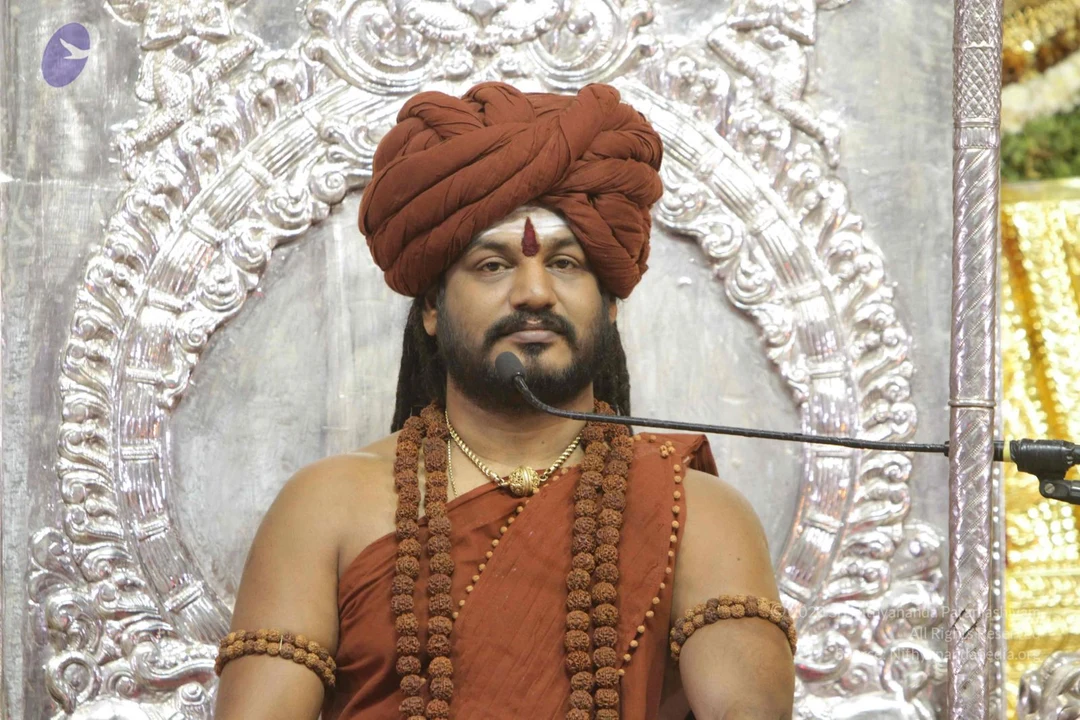
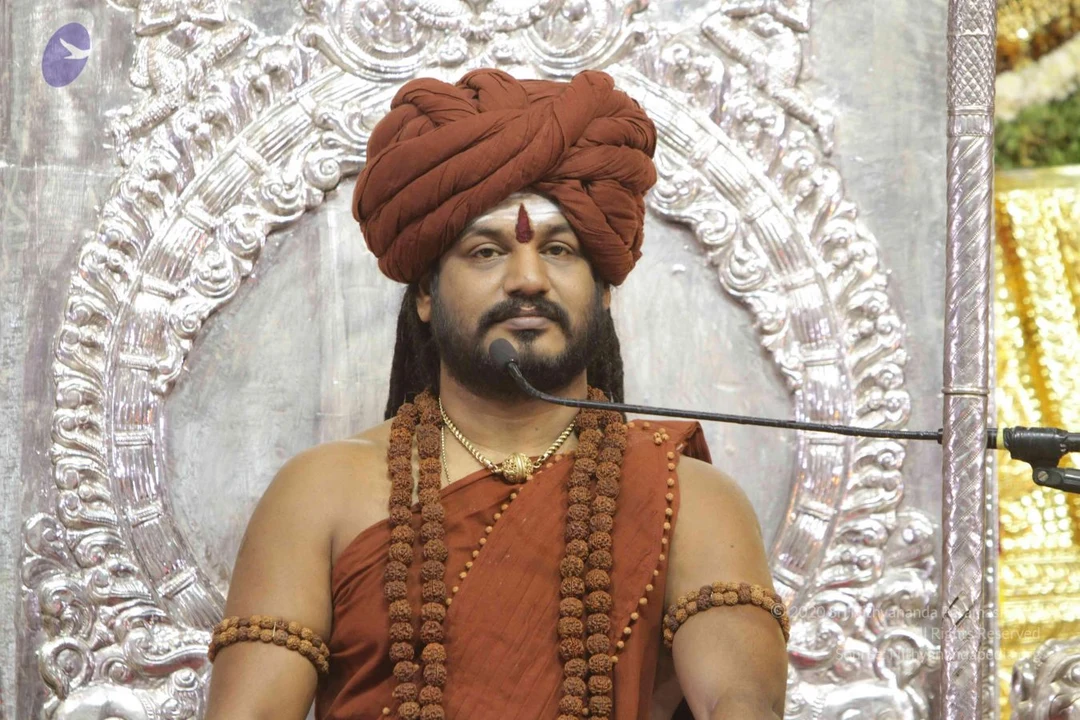
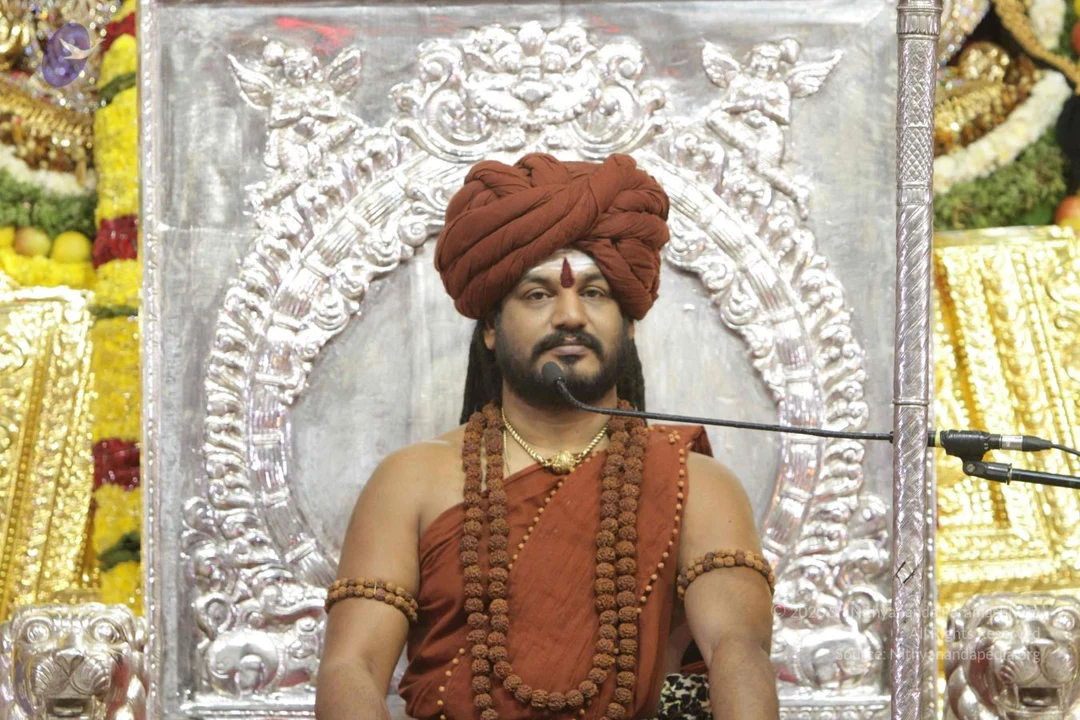
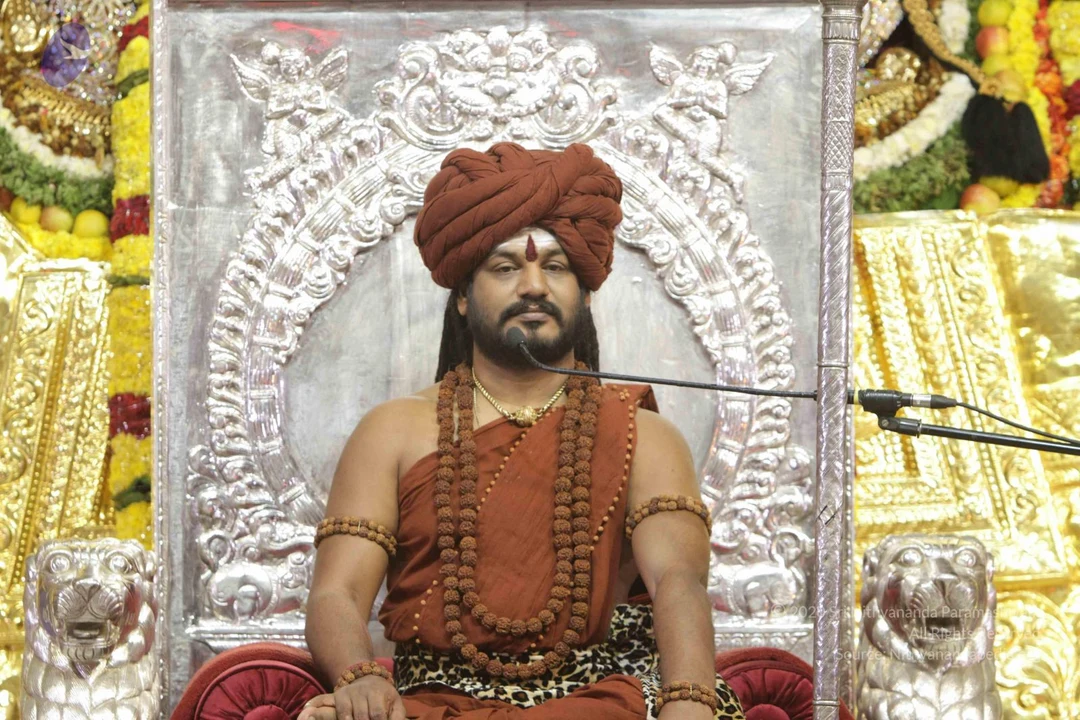

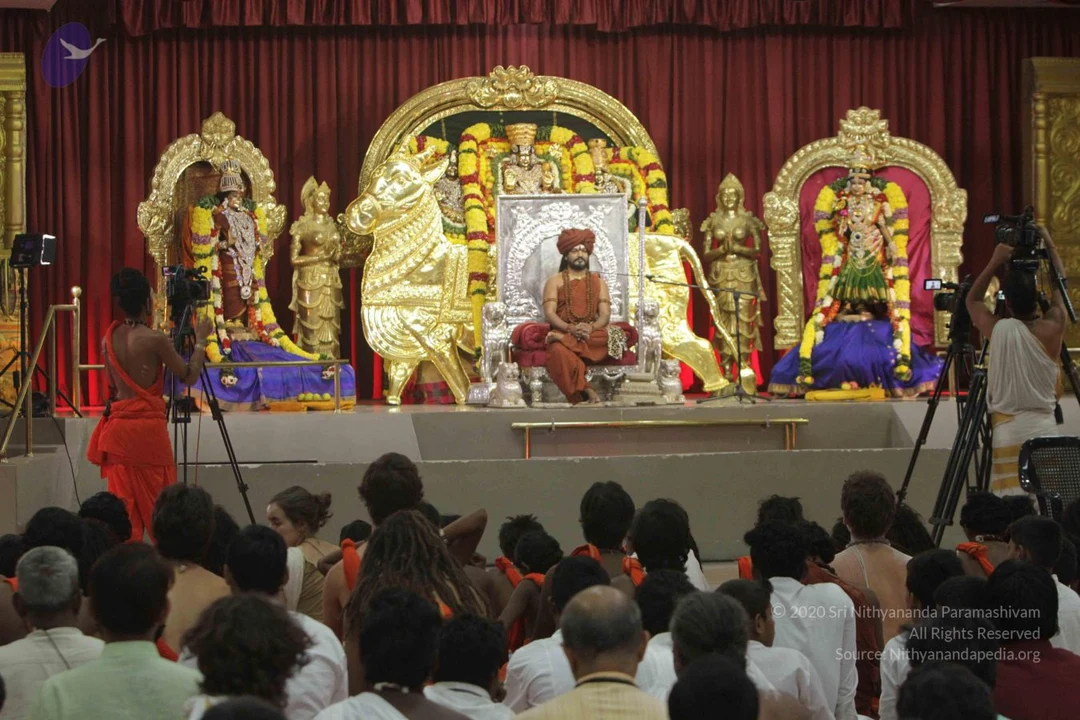
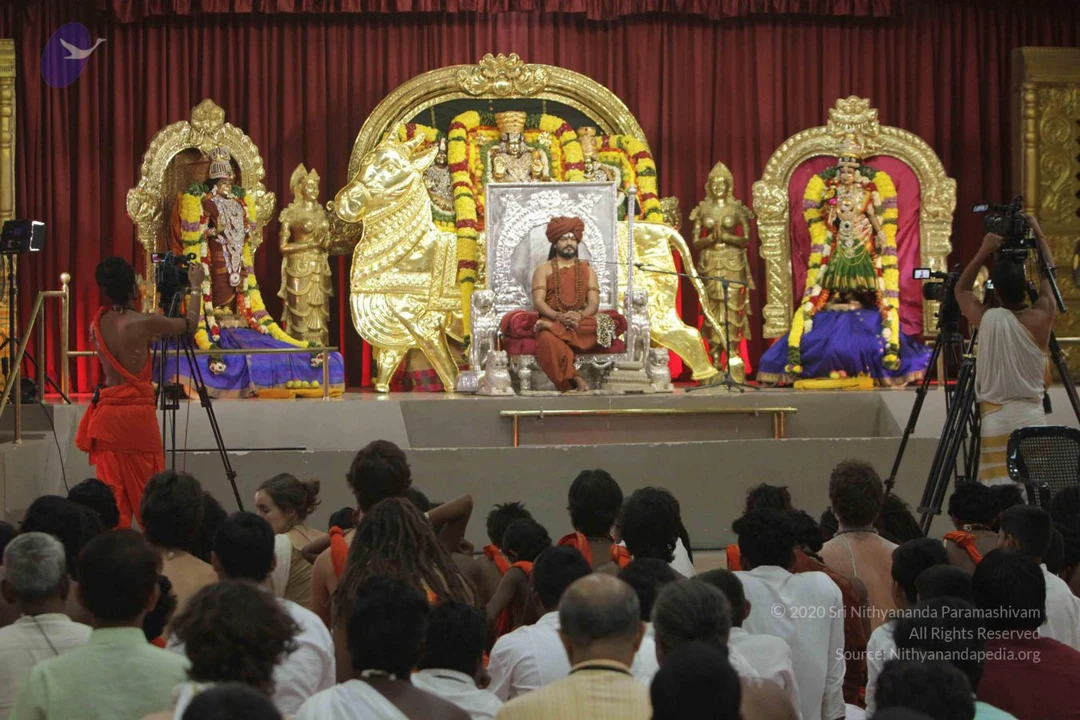
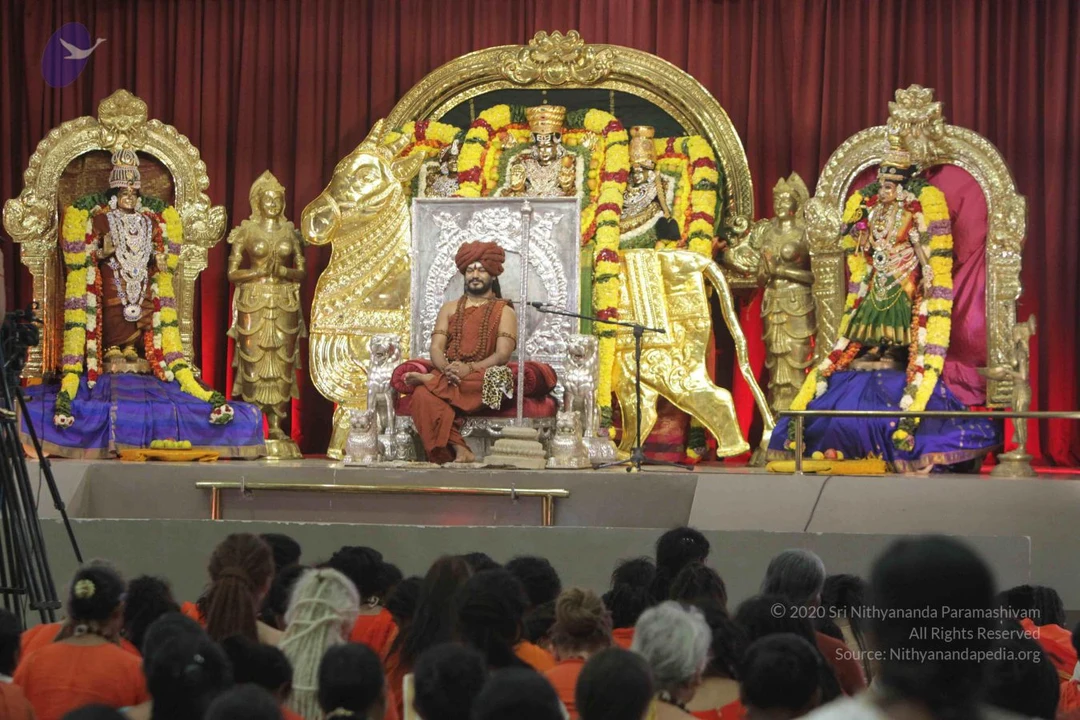
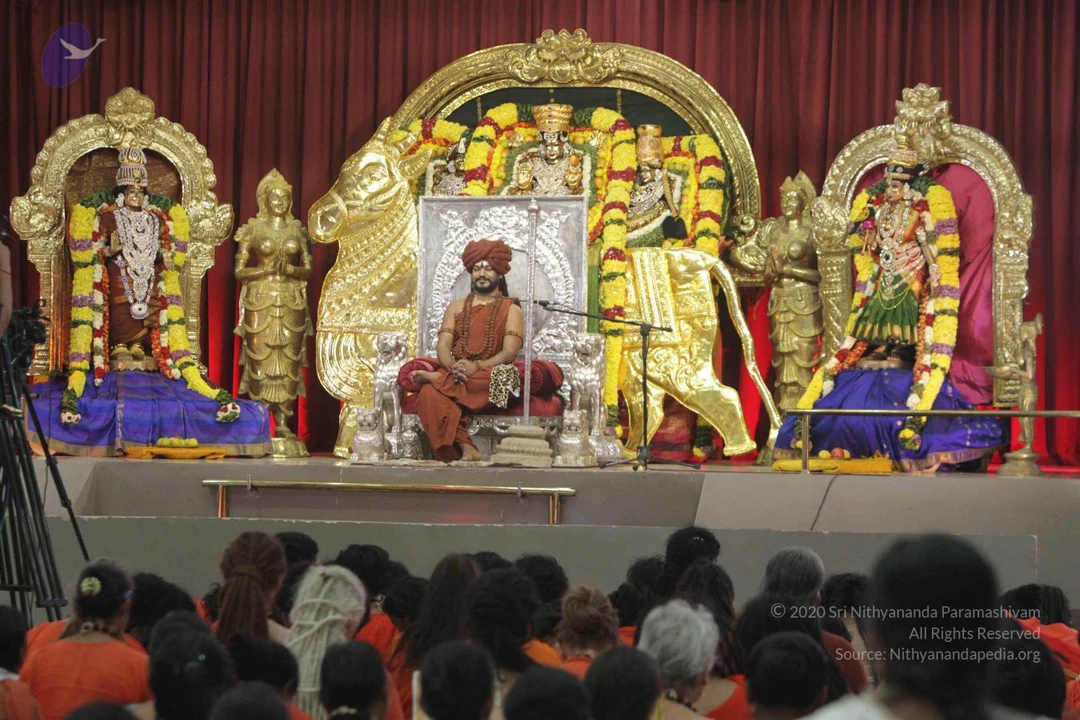
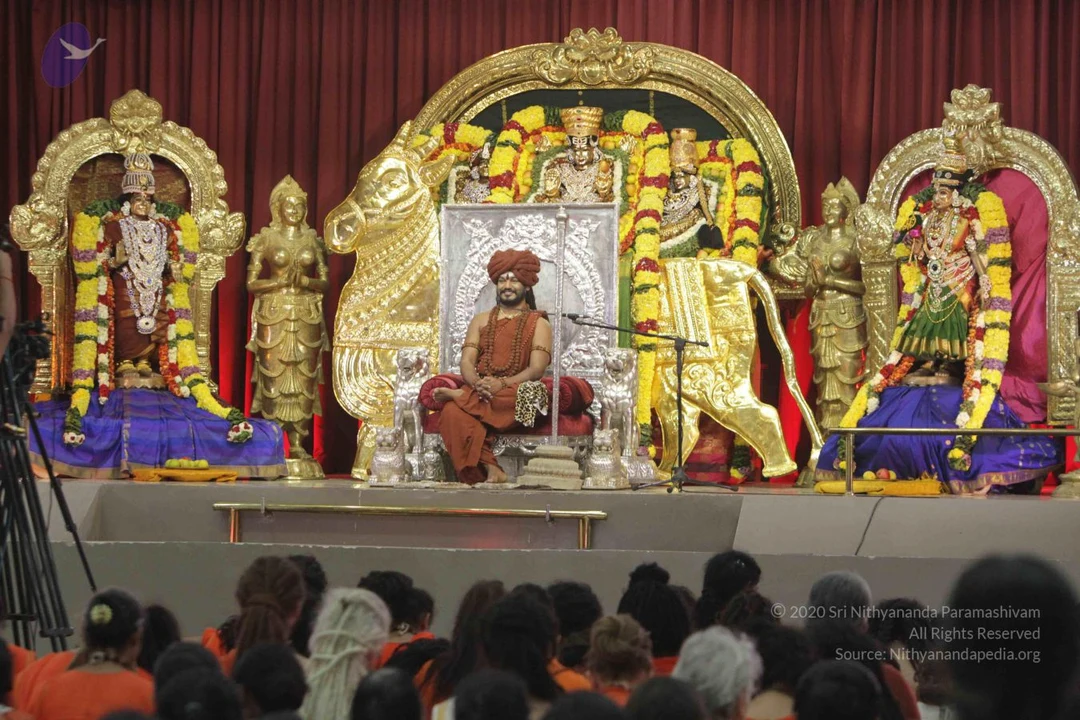
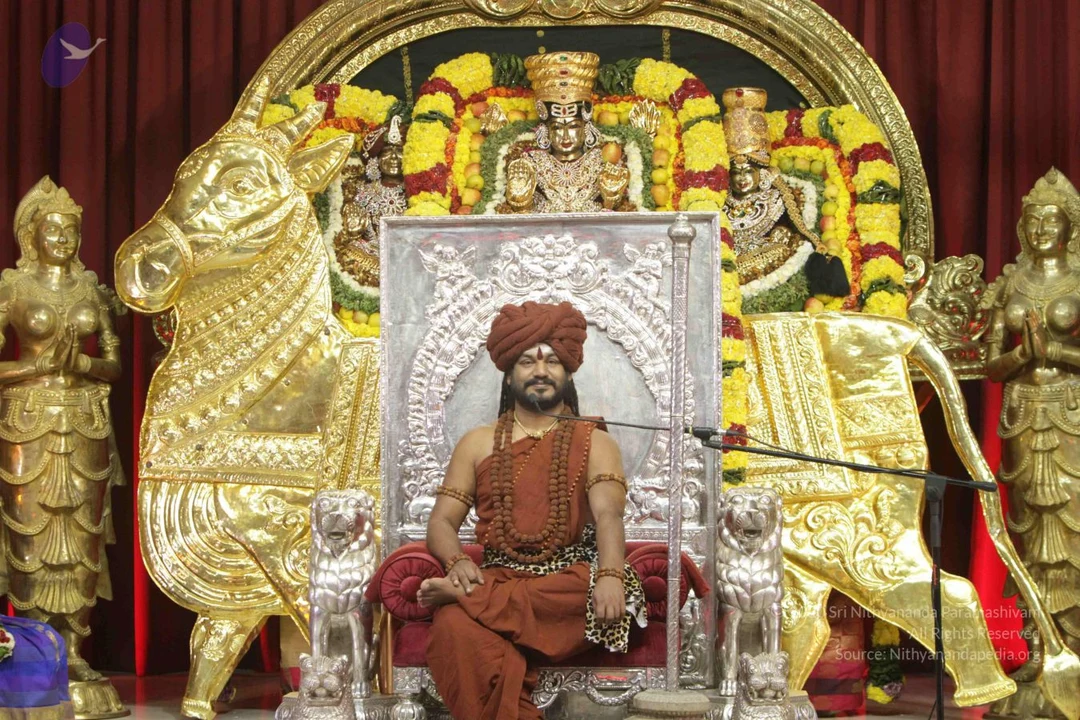
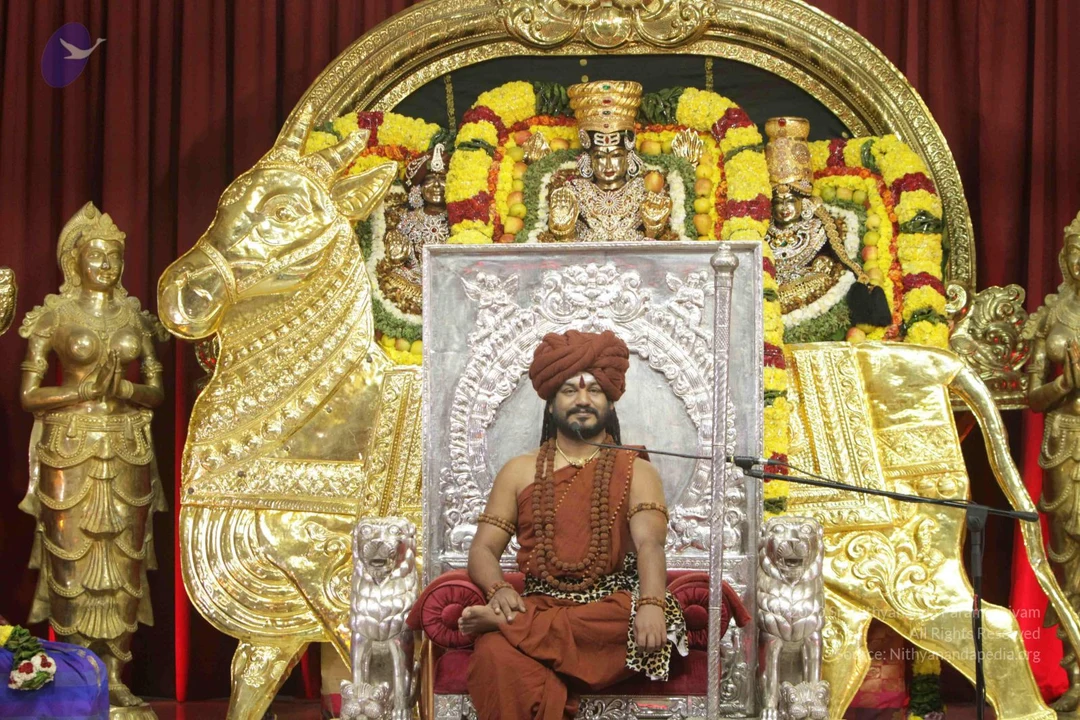
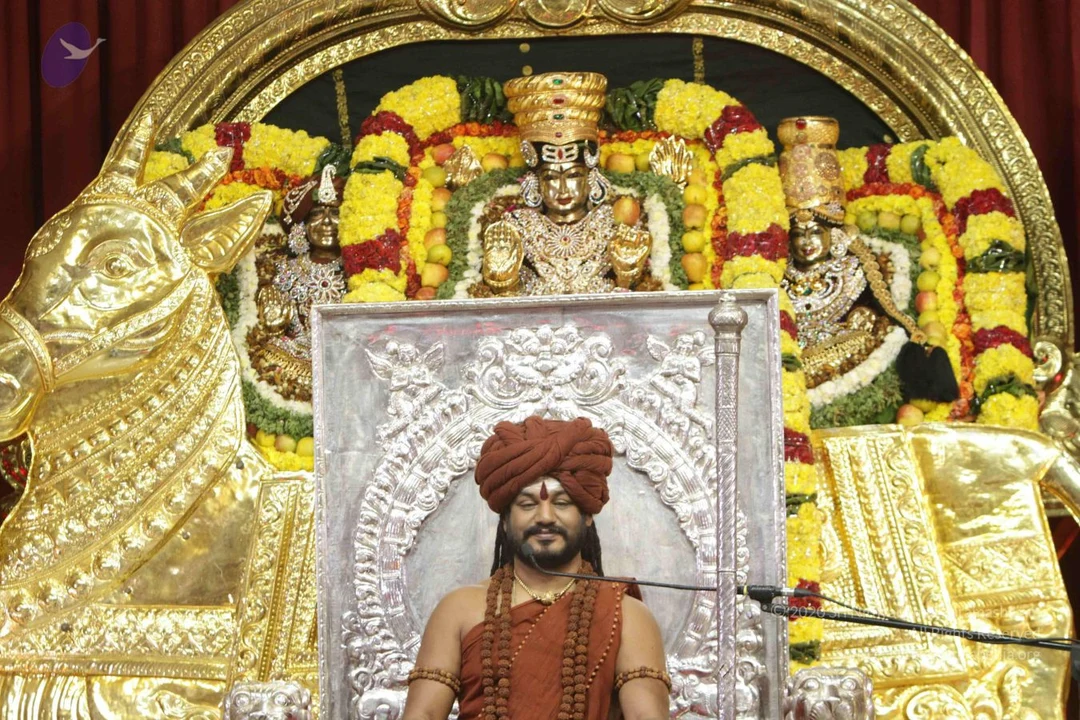
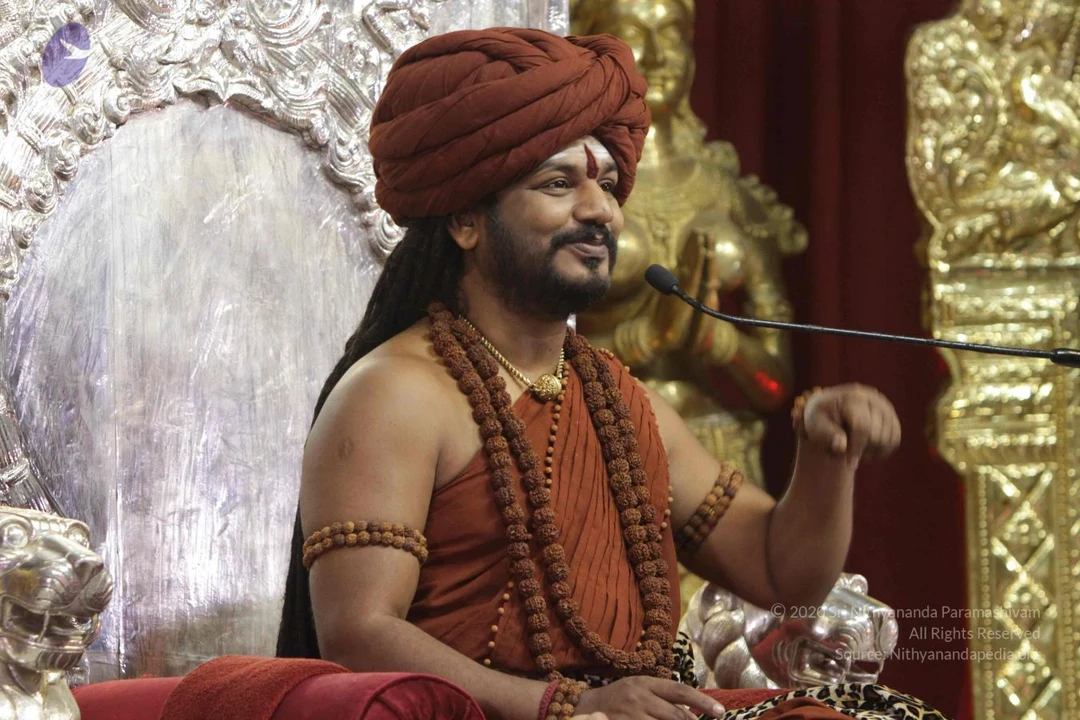
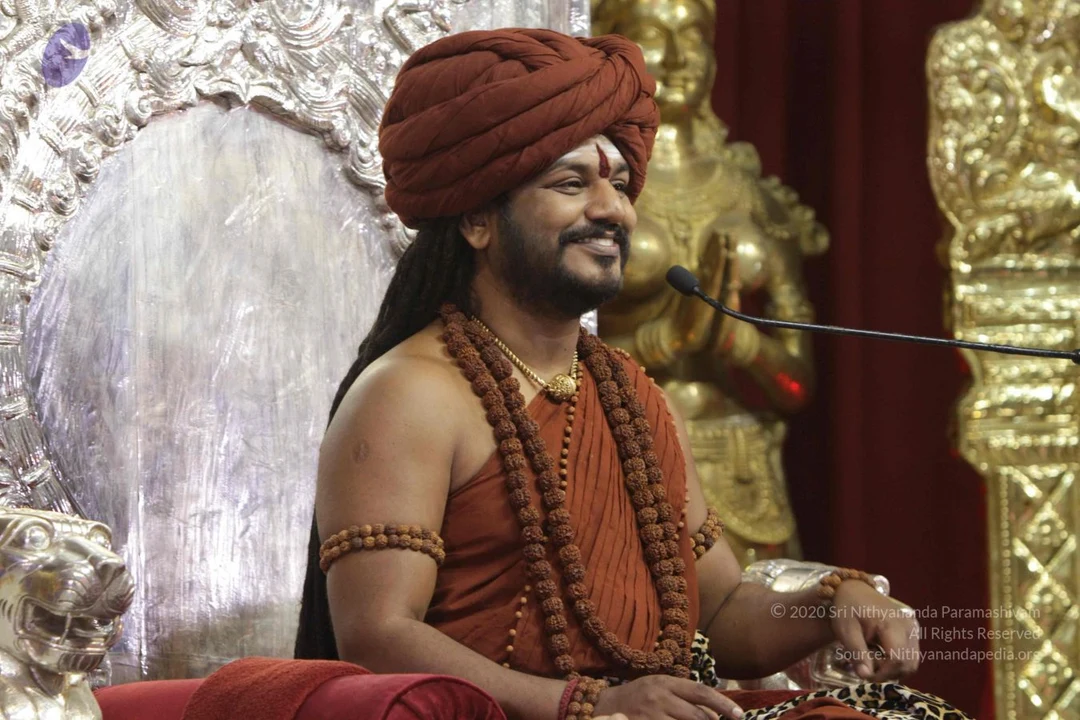
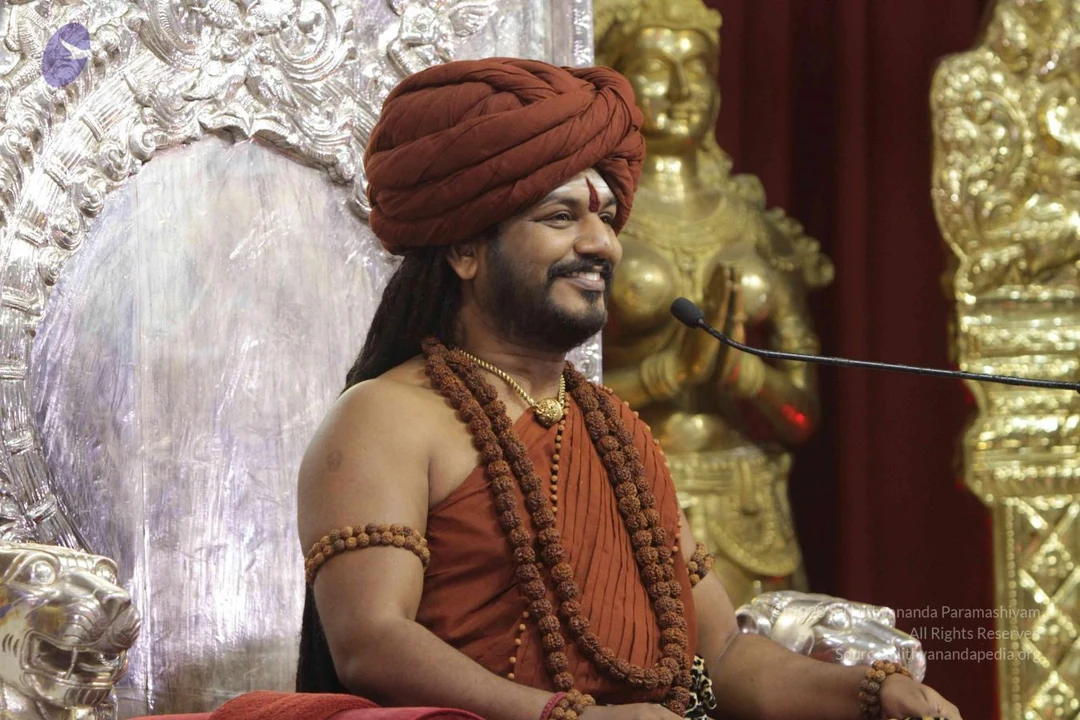
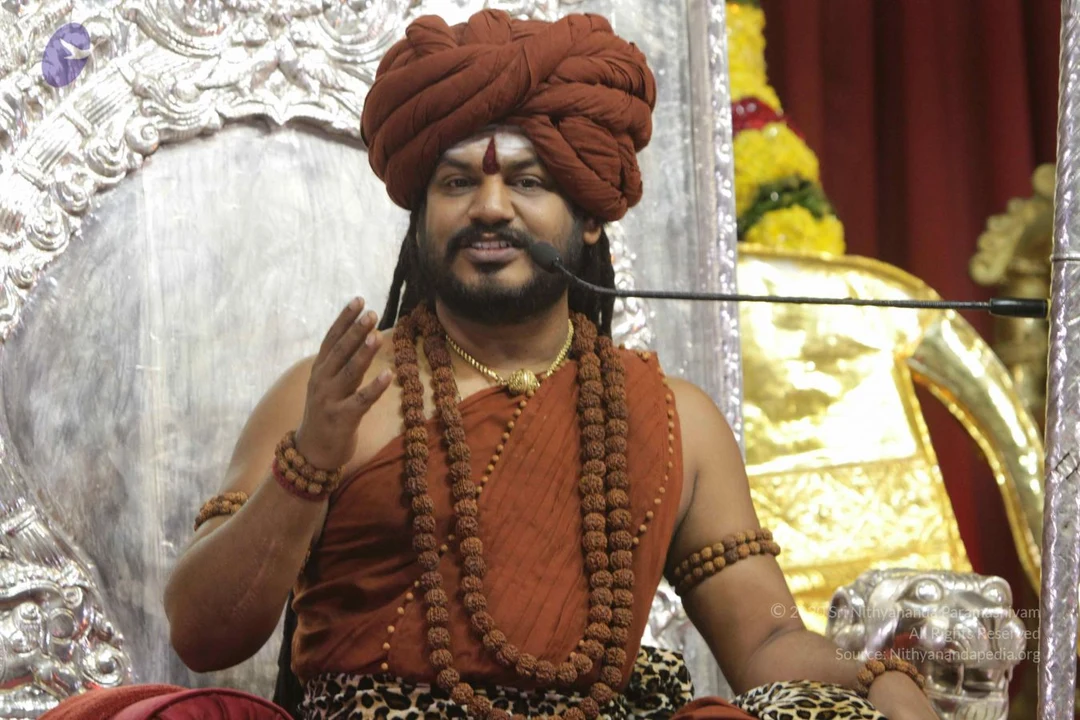
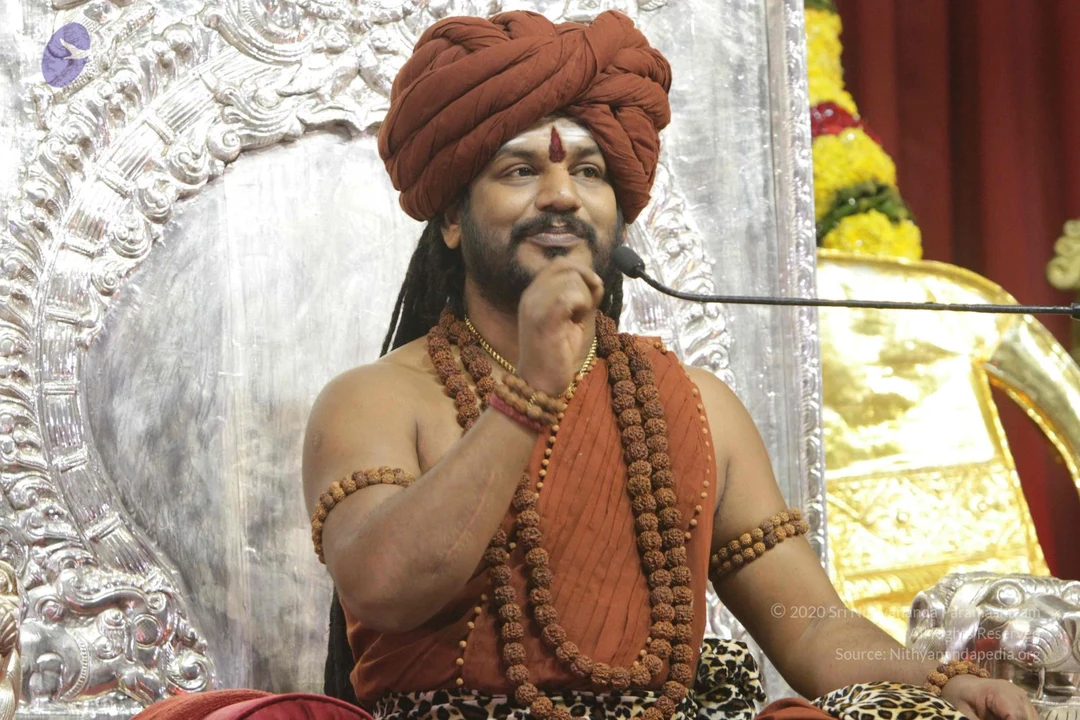
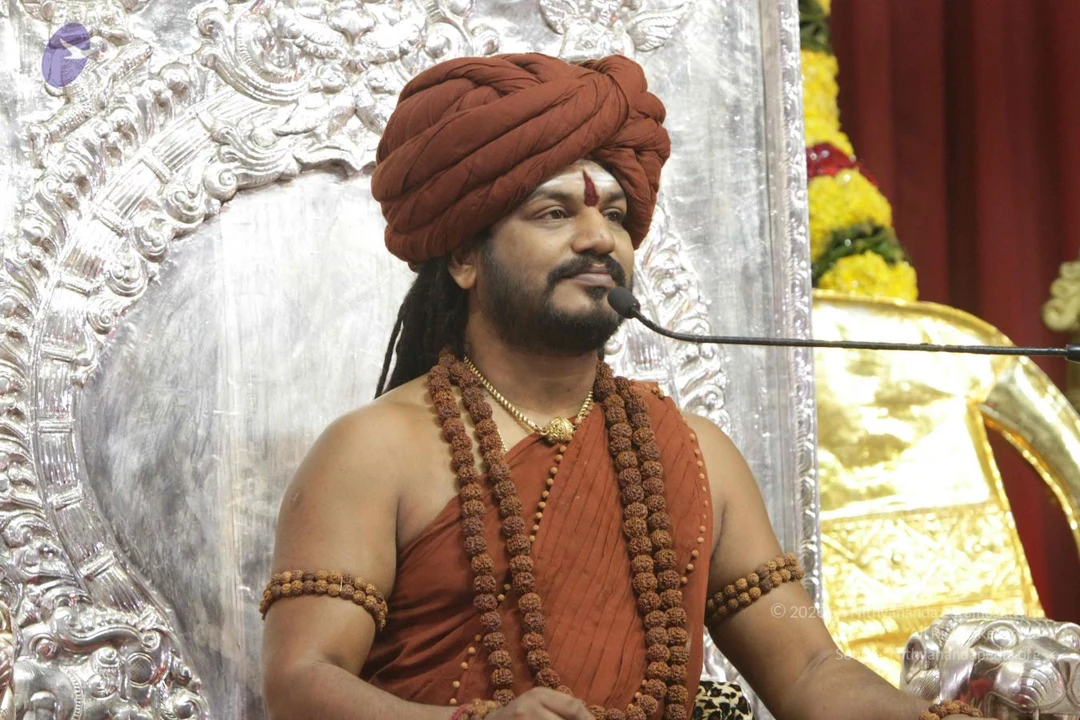
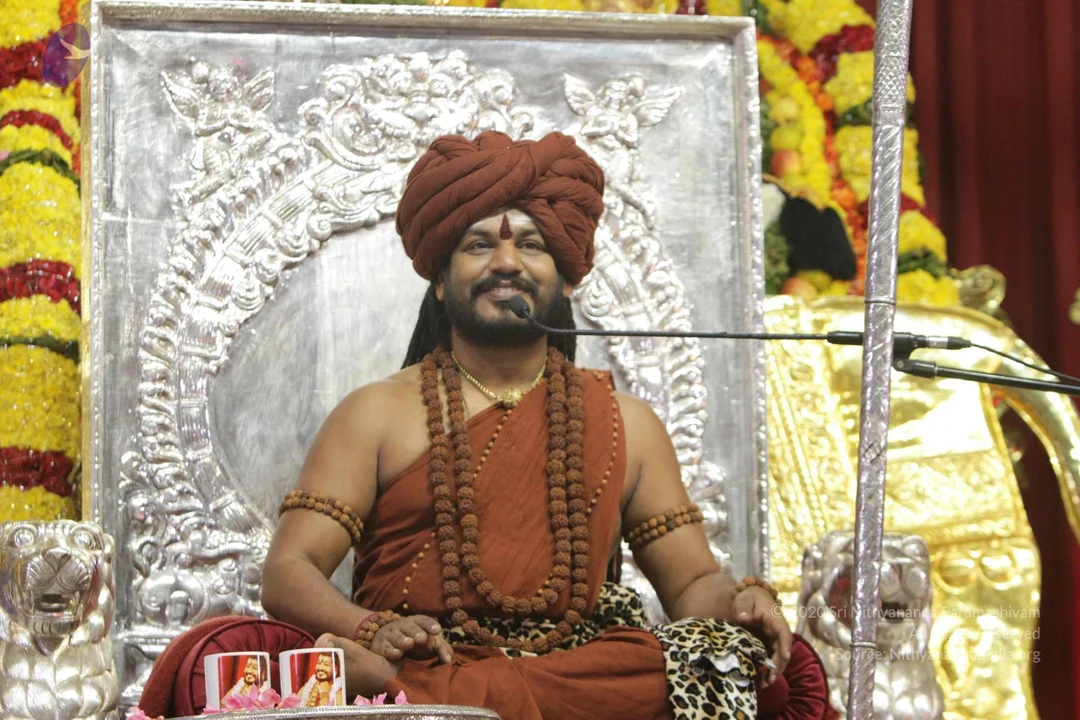
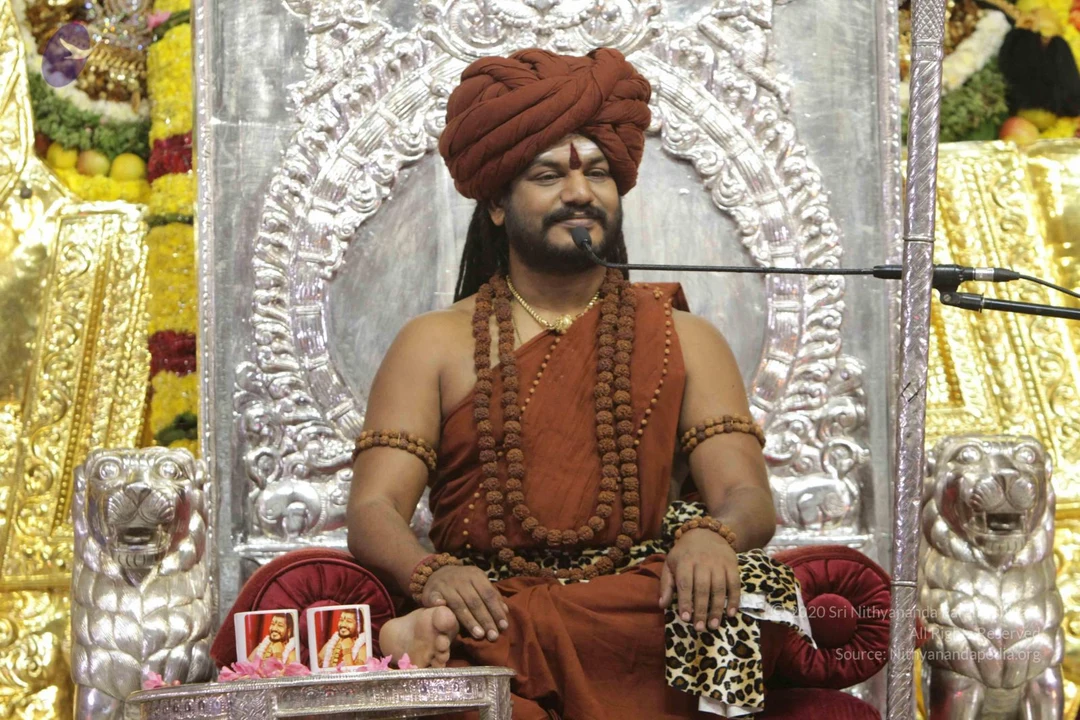
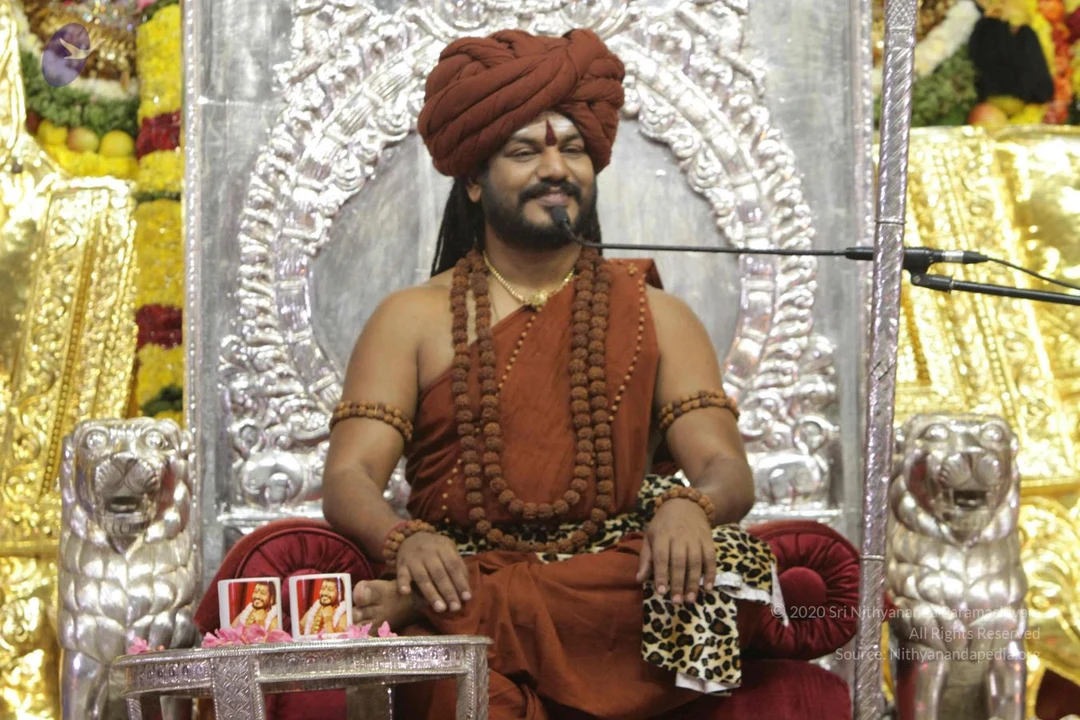
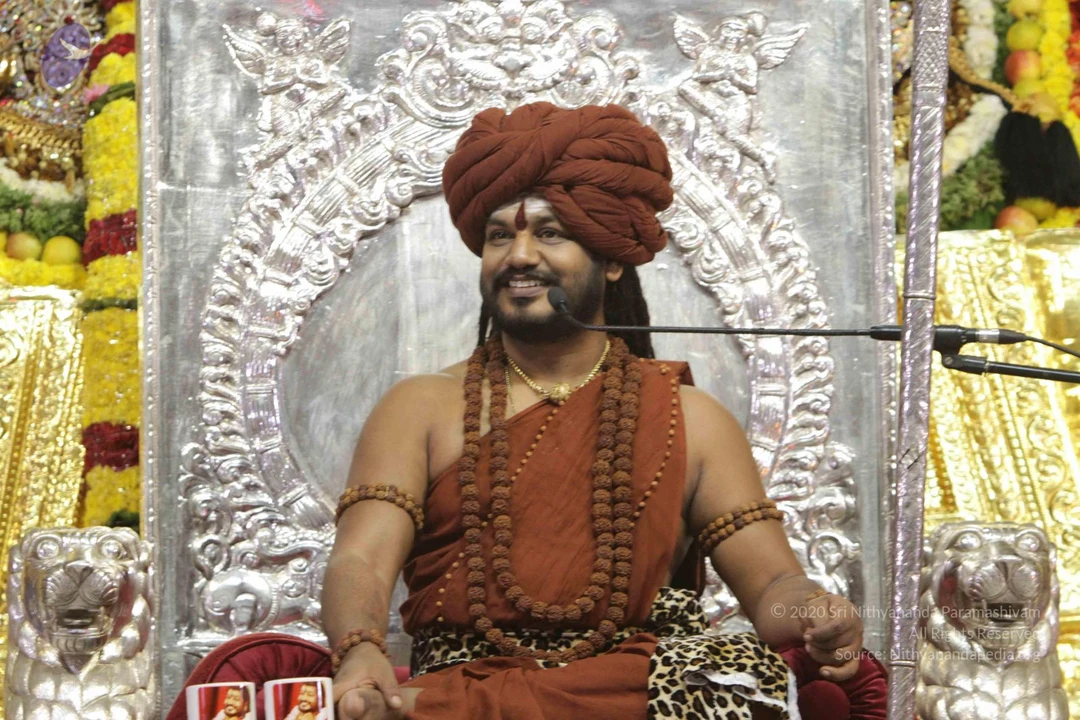
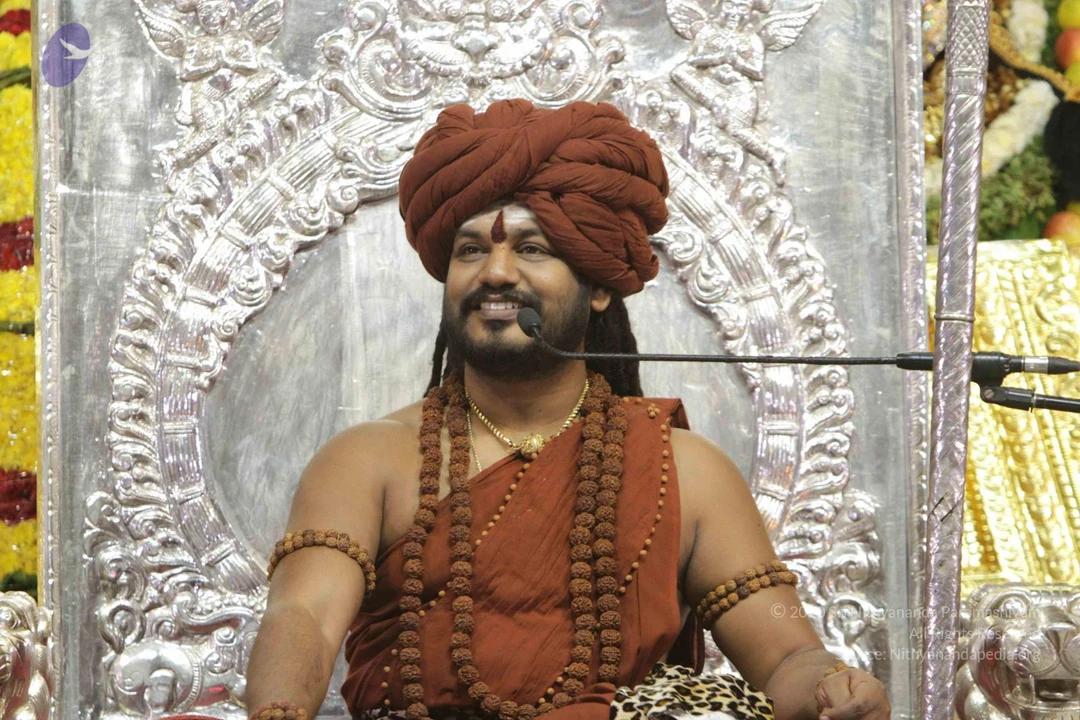
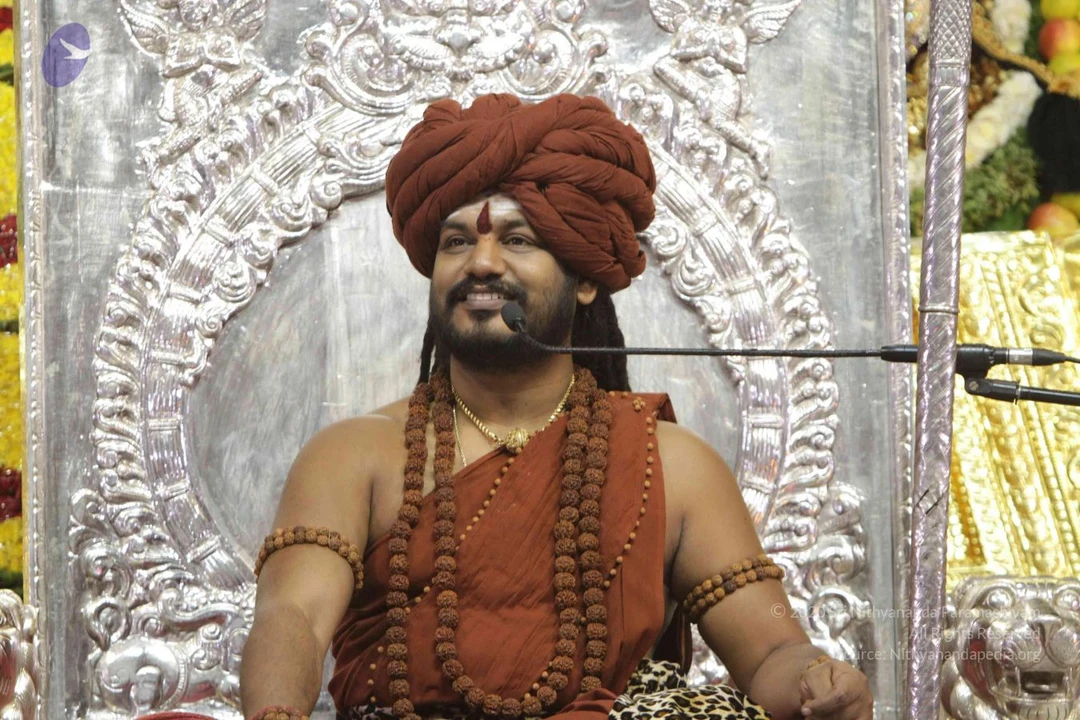
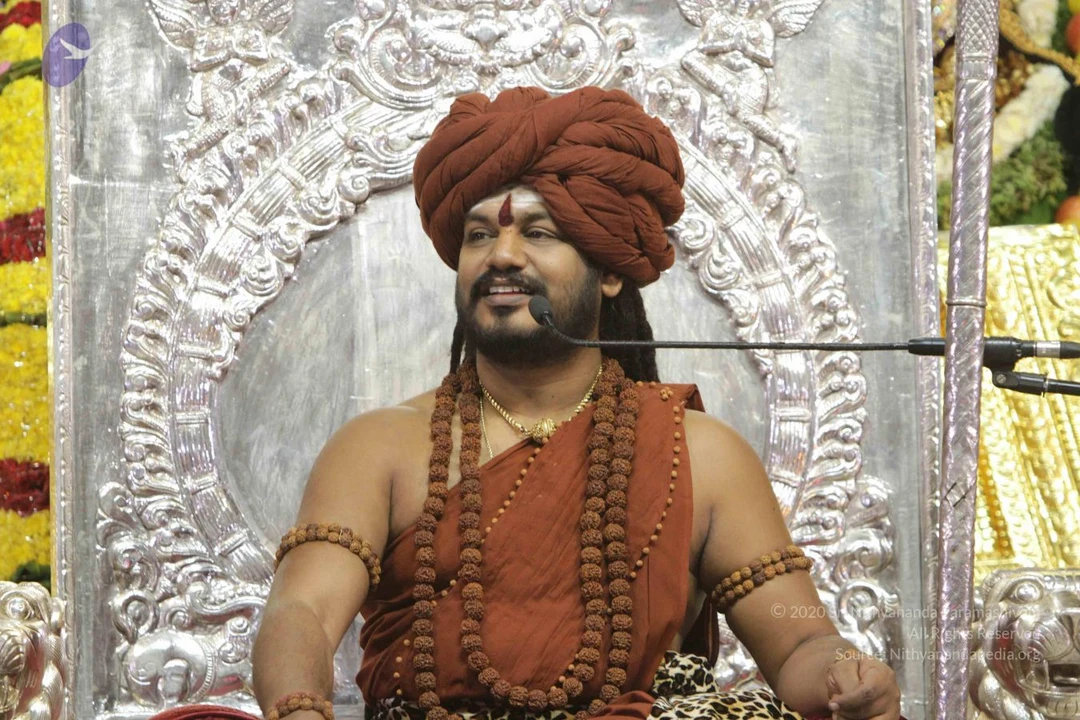
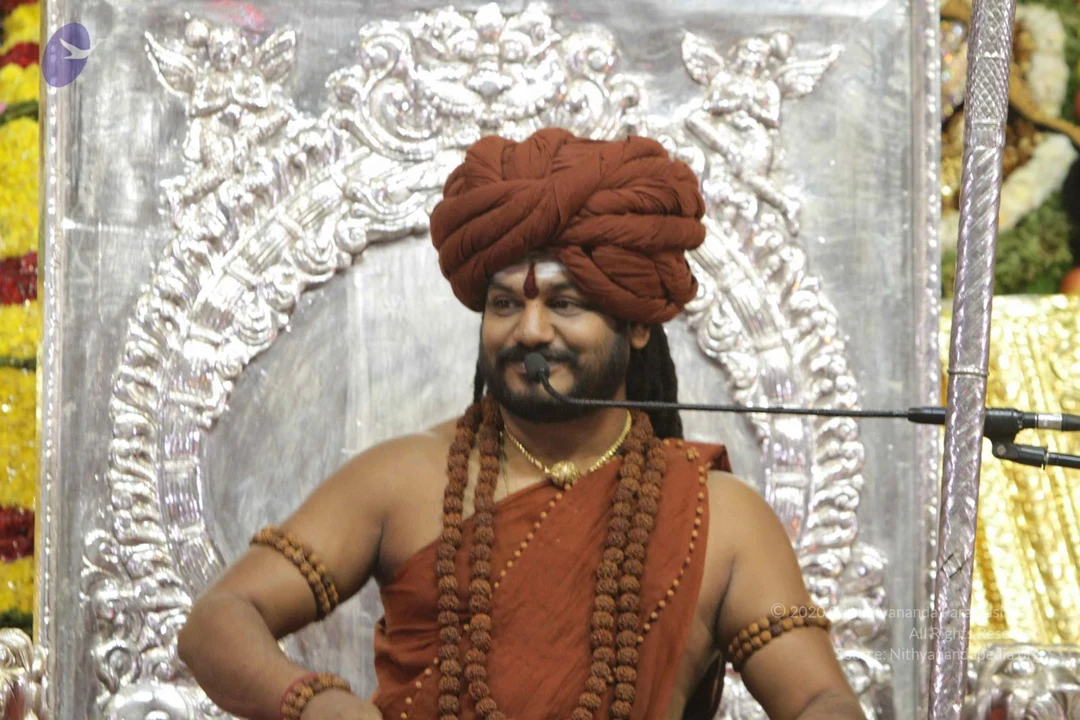
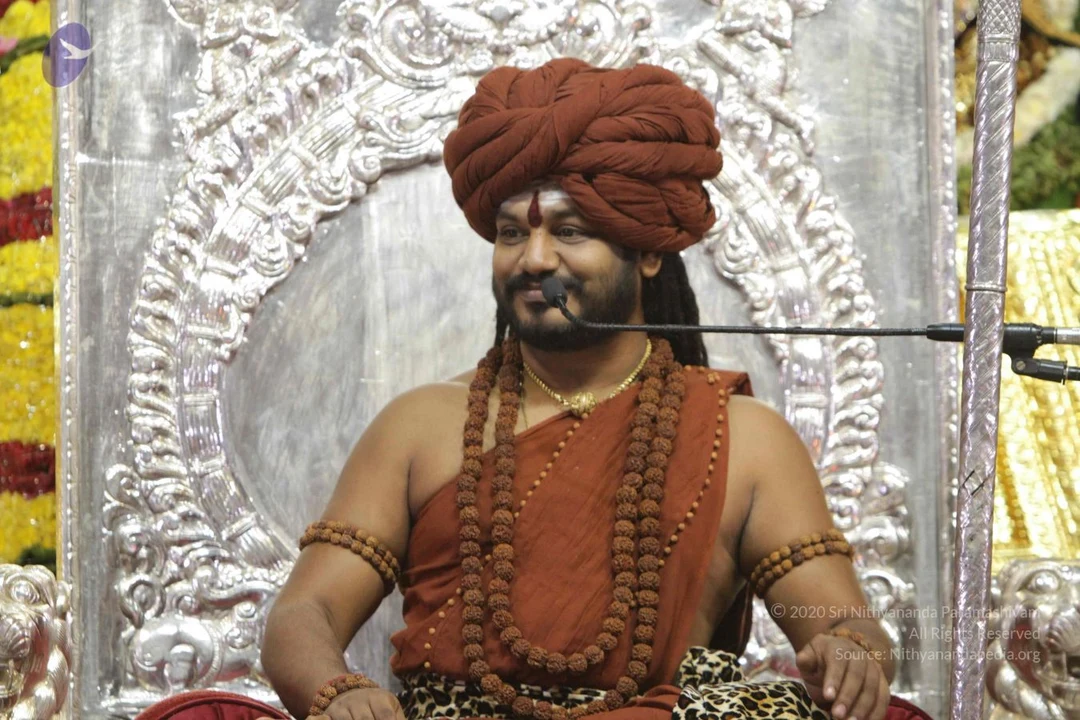
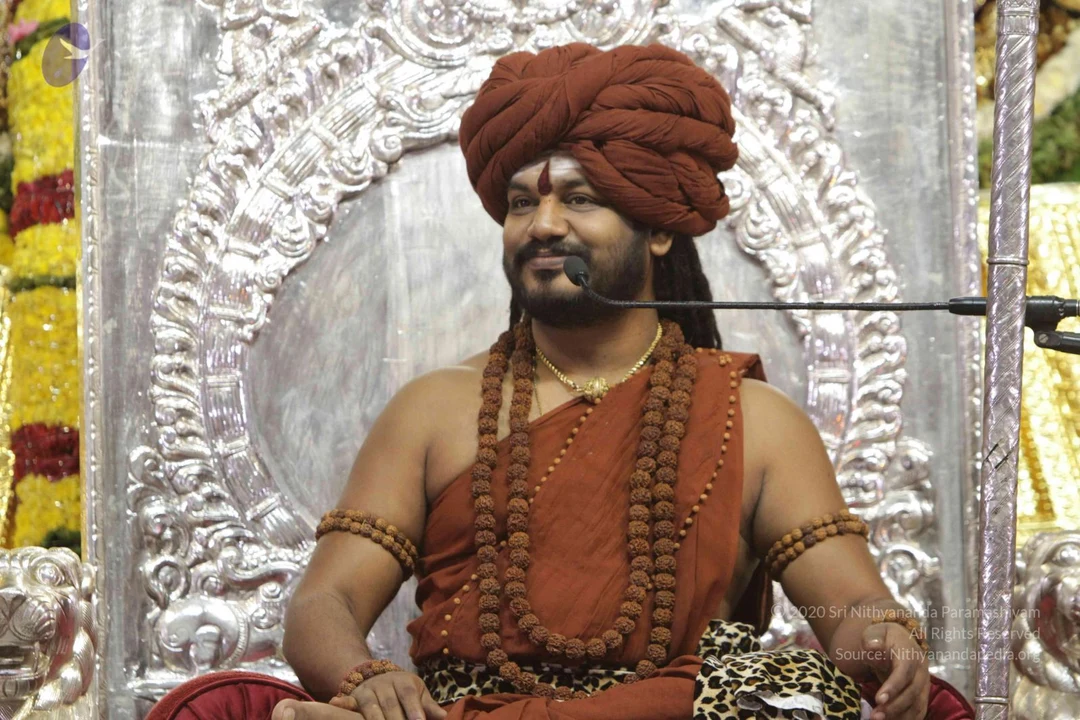

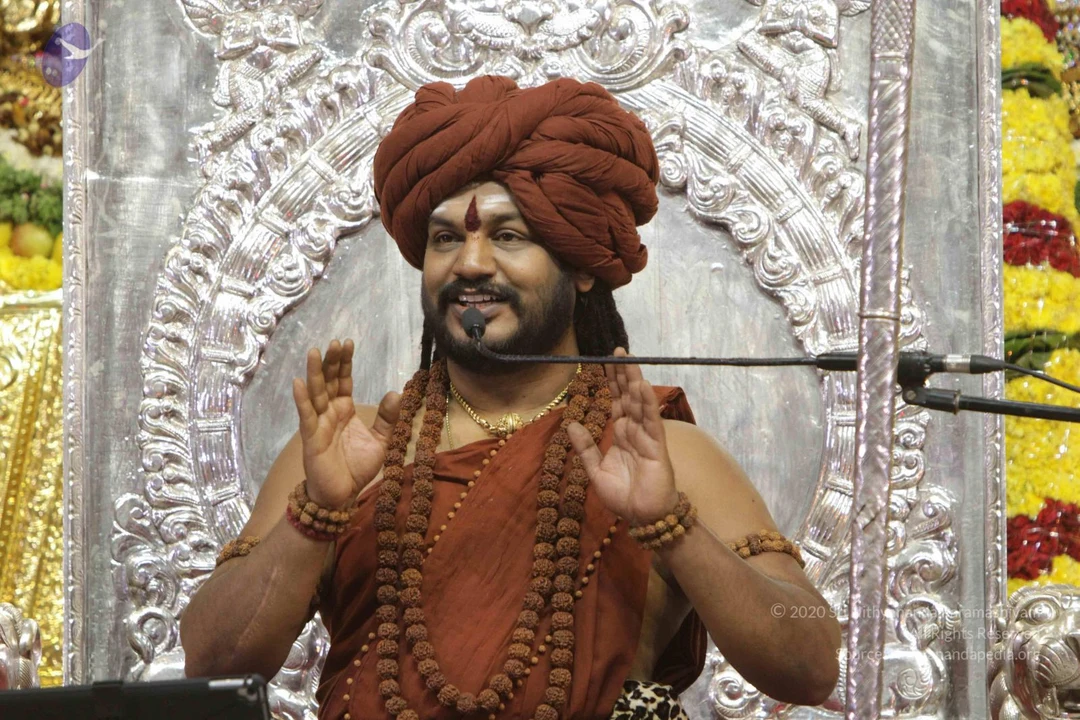
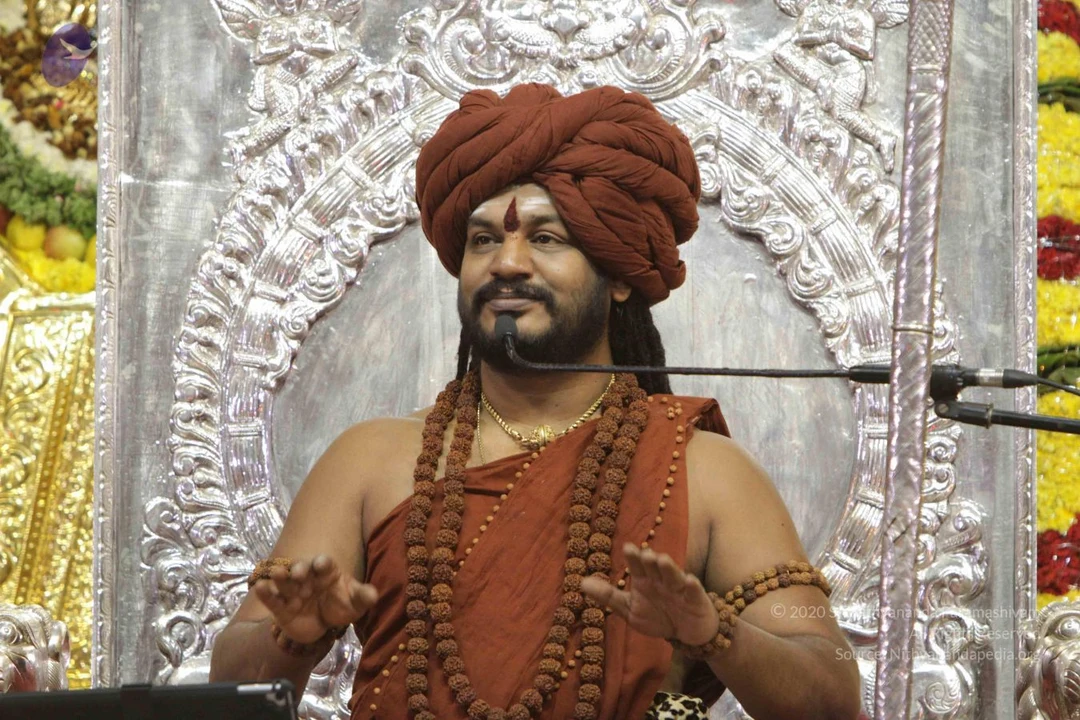
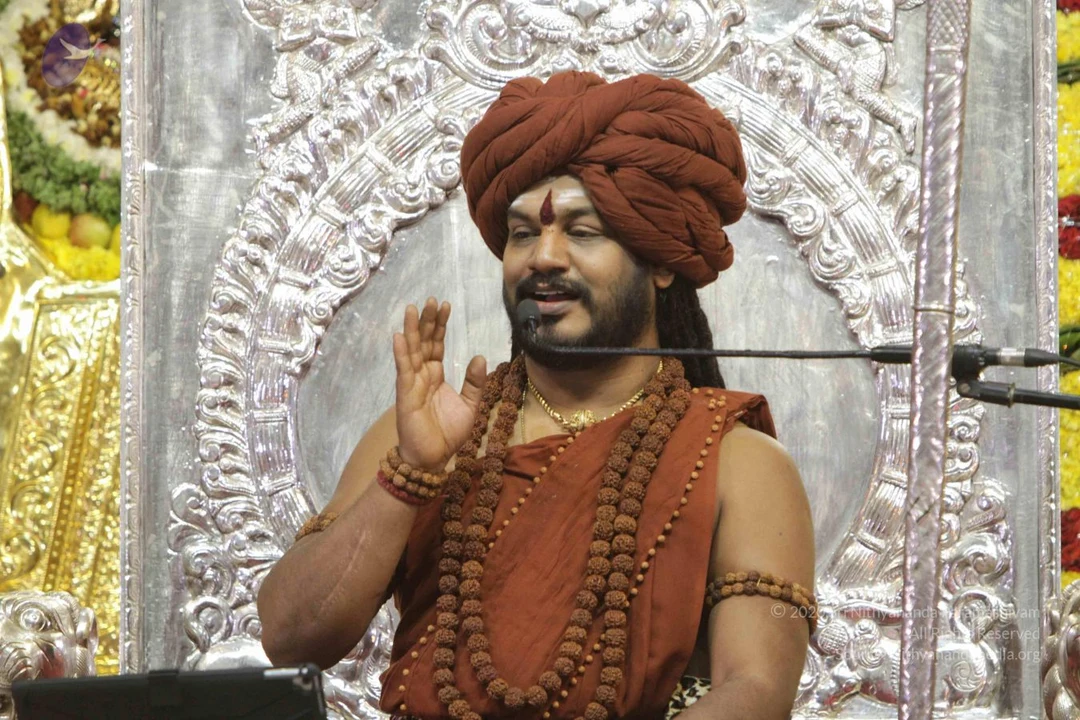
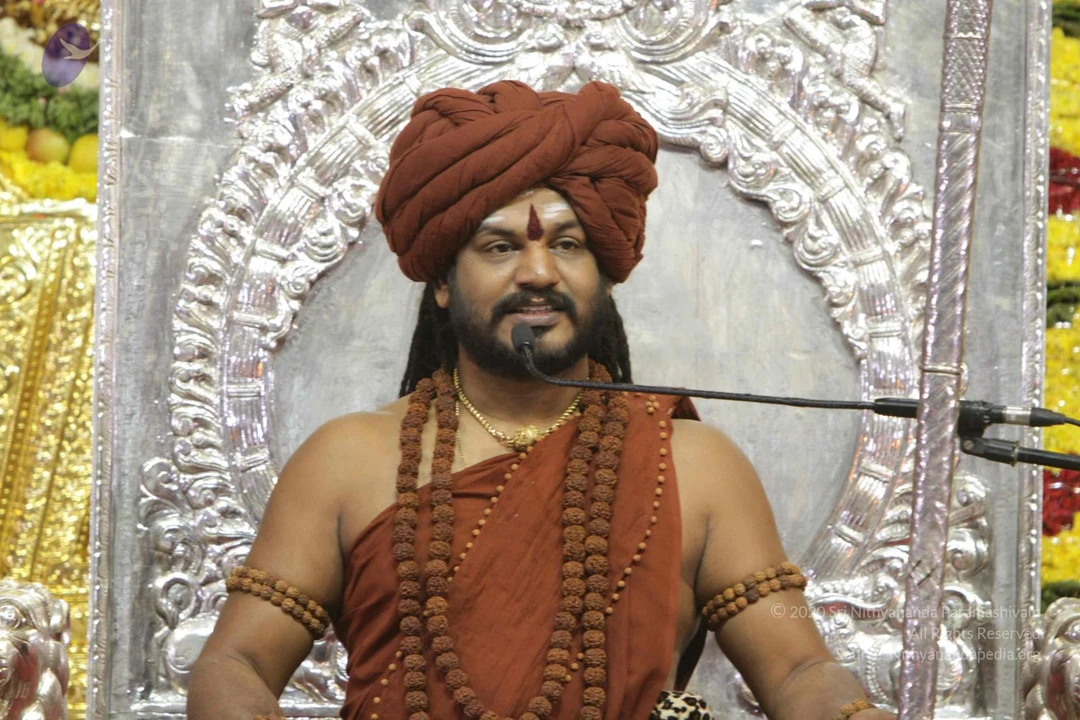
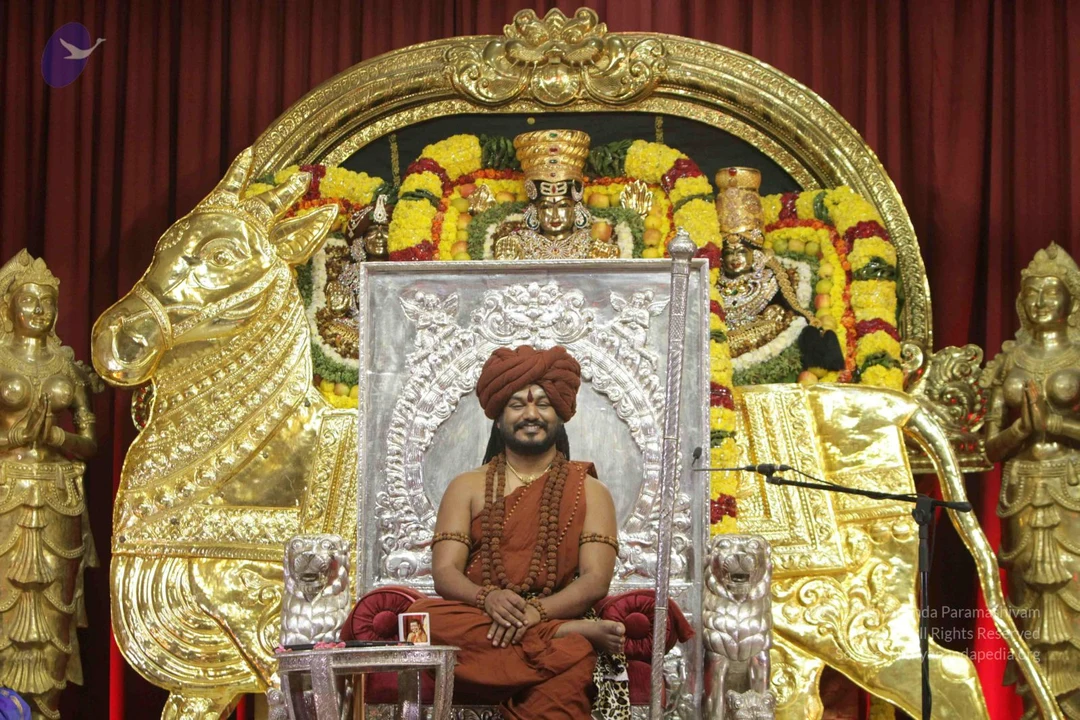
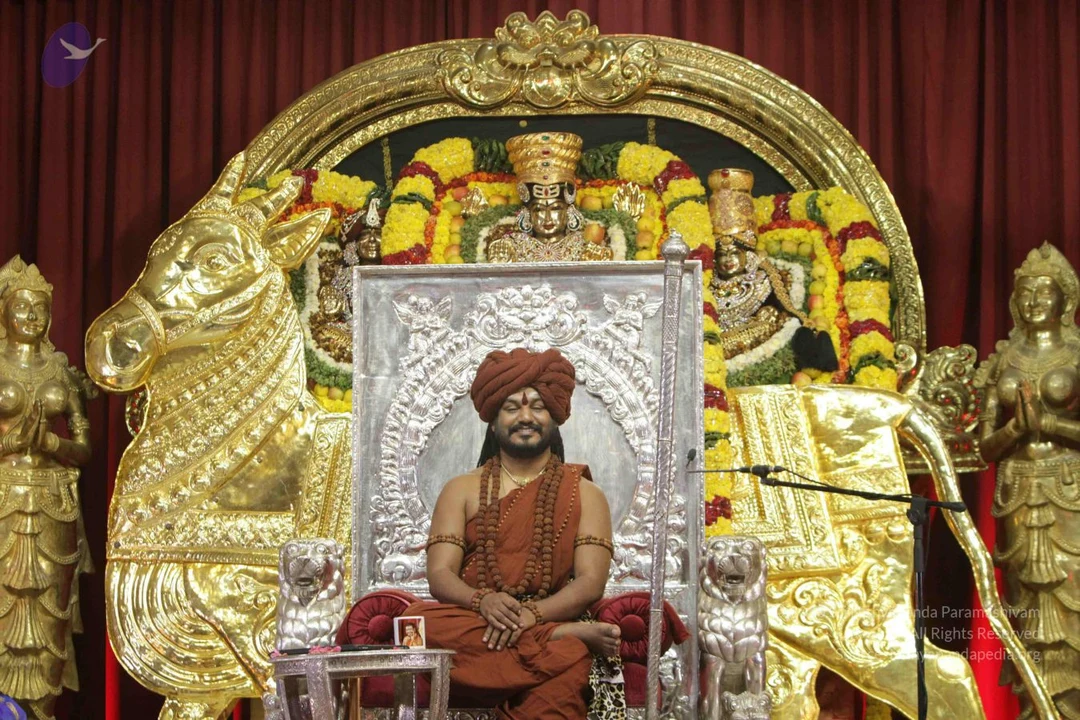
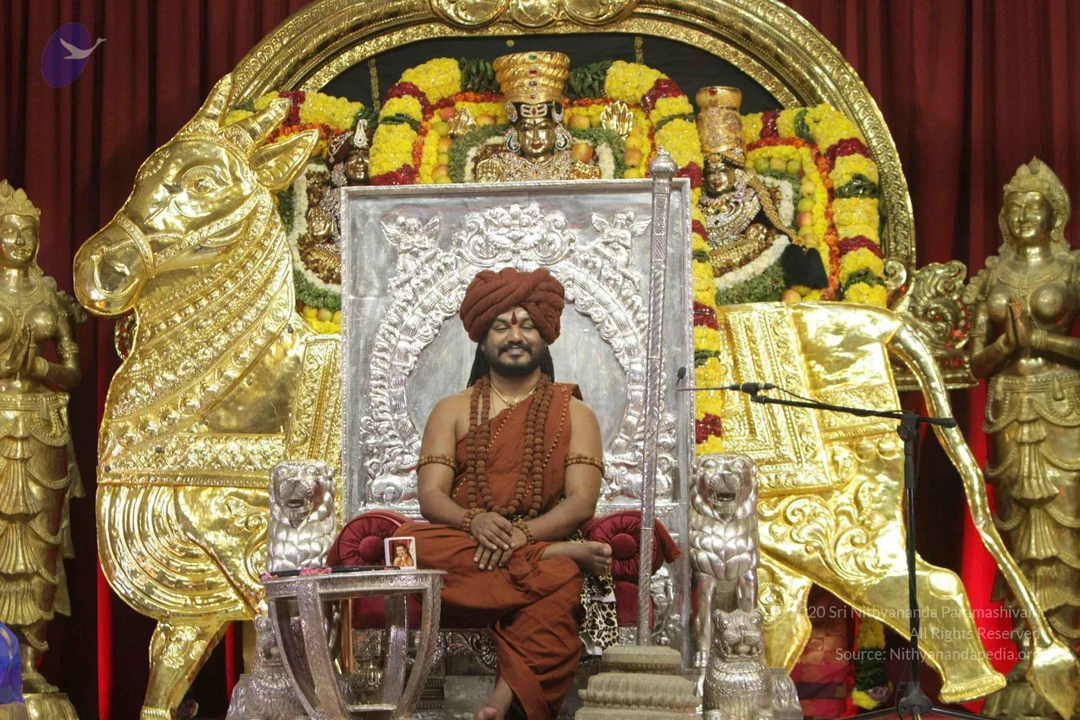

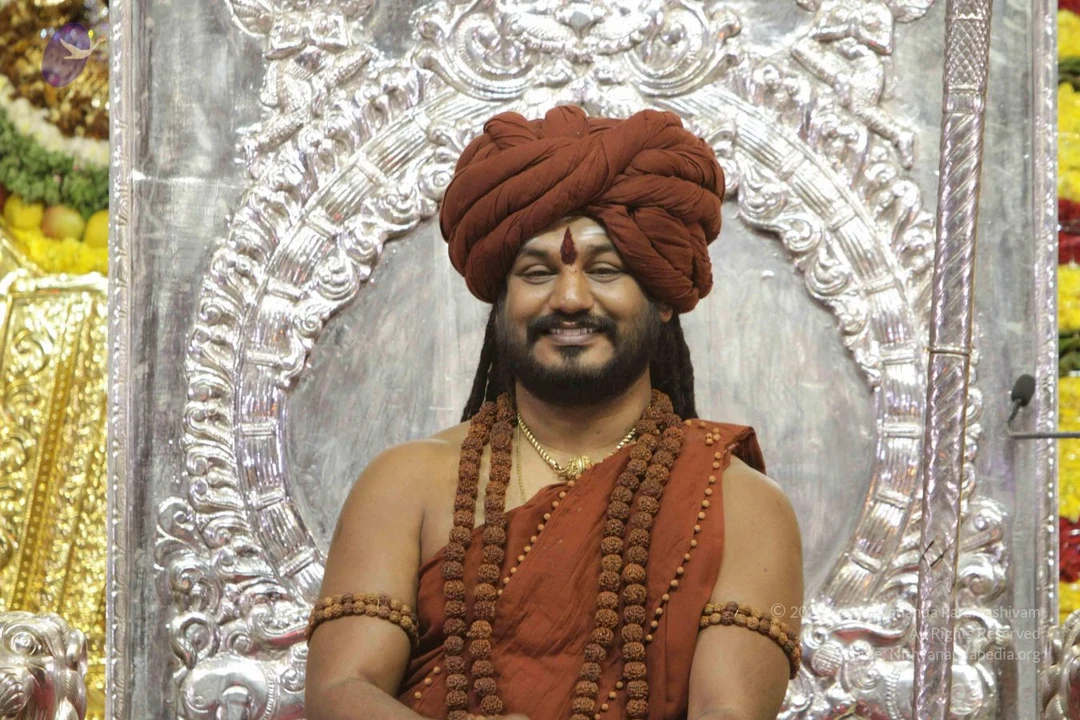
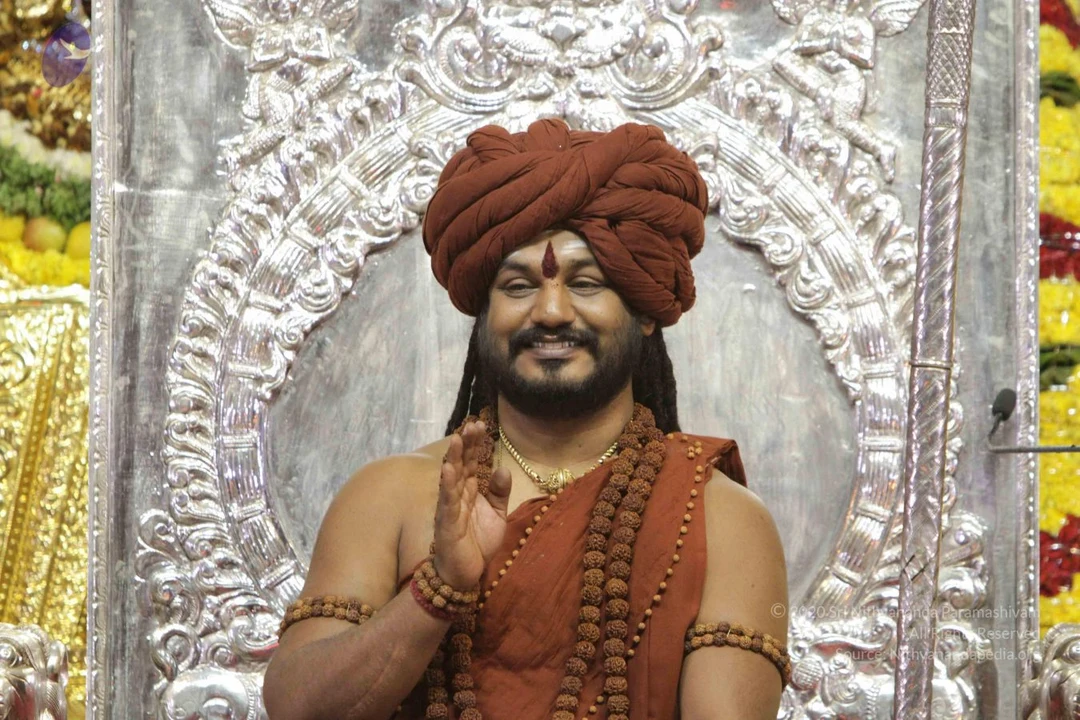
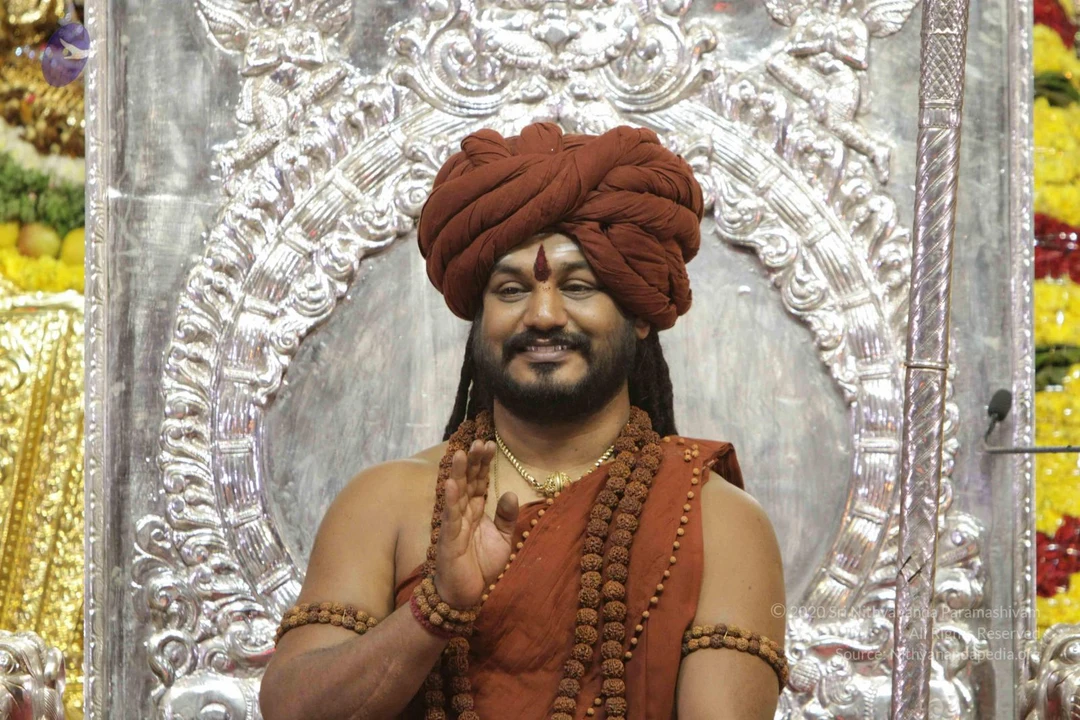
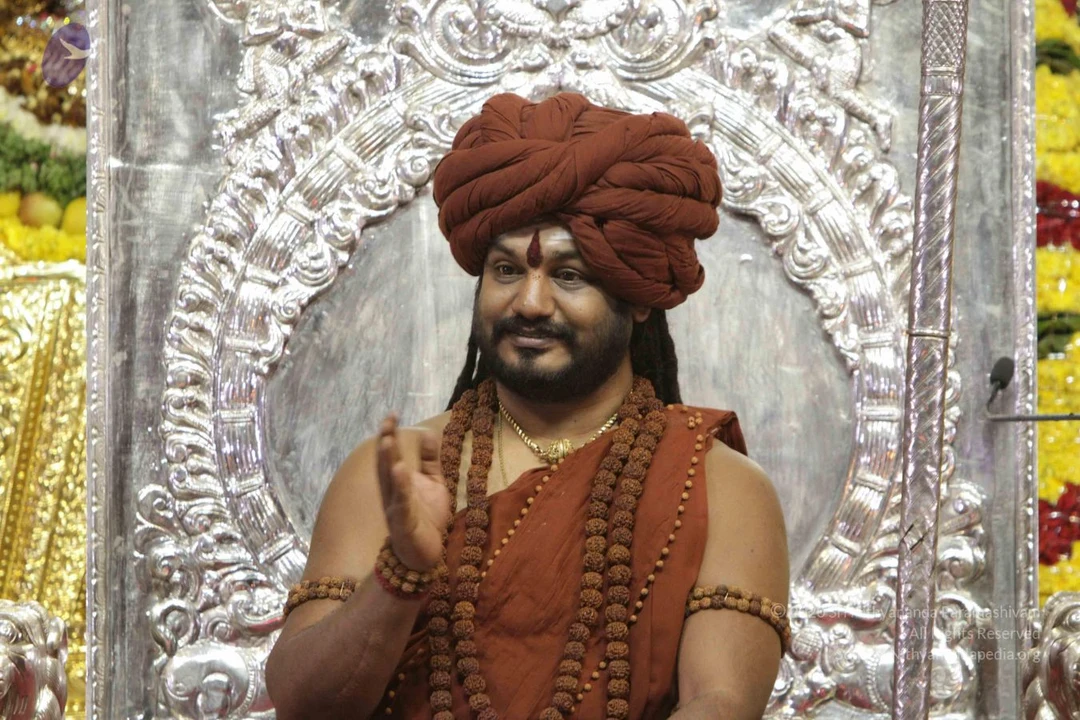
SATSANG-2
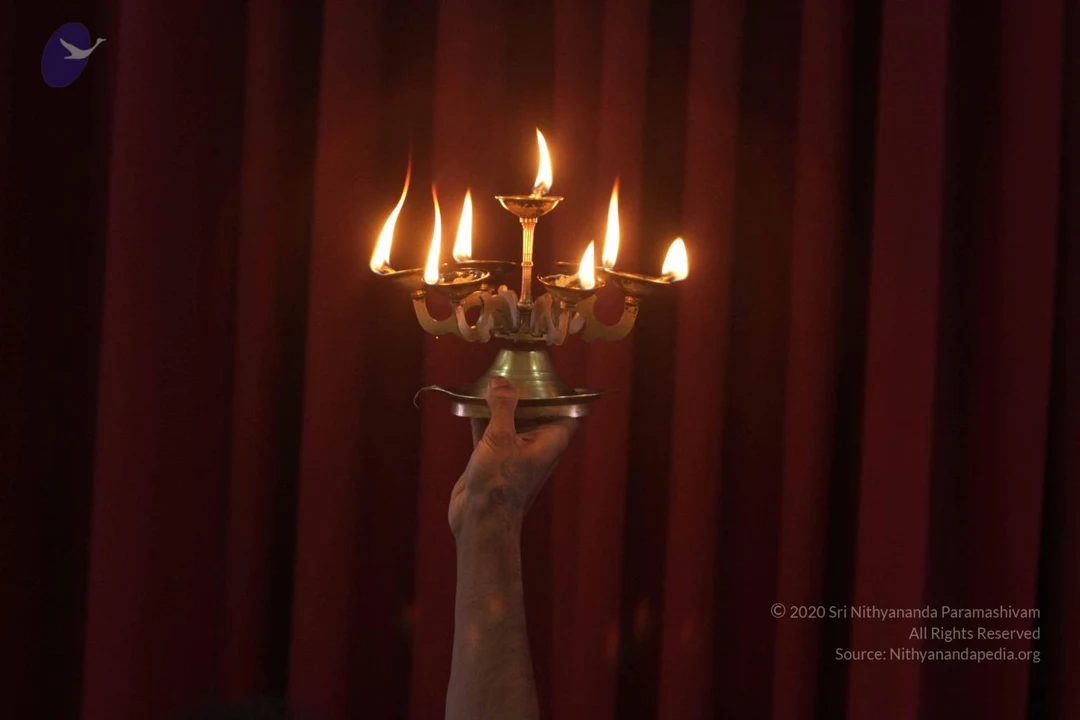





SATSANG-3



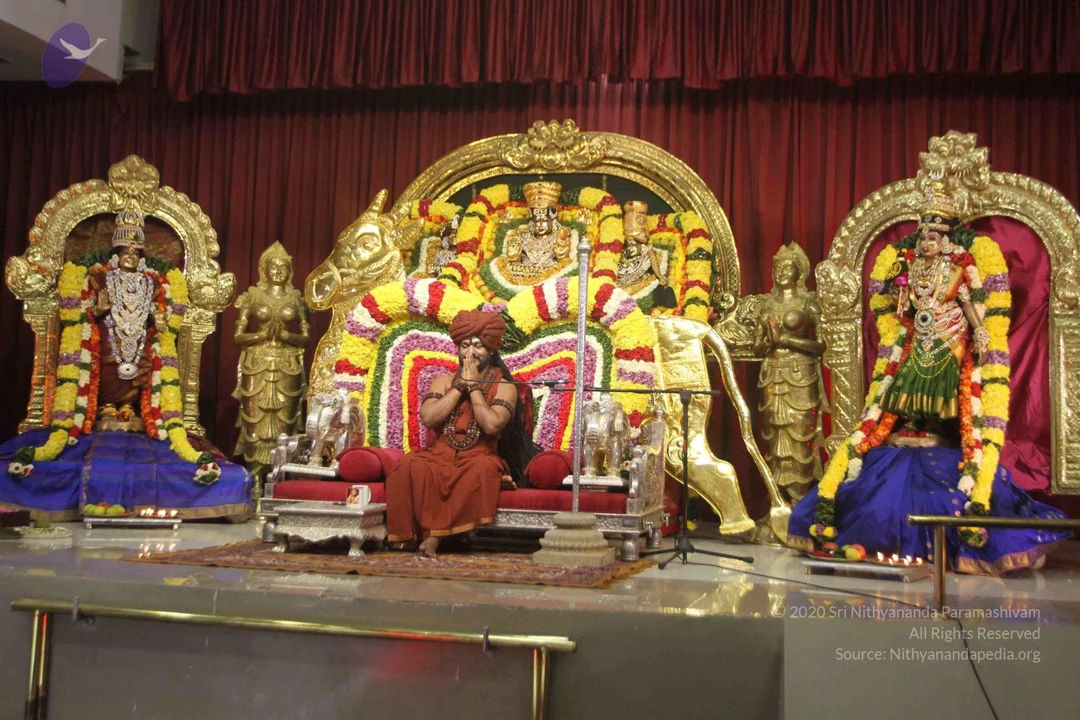
01-Tamil-Satsang
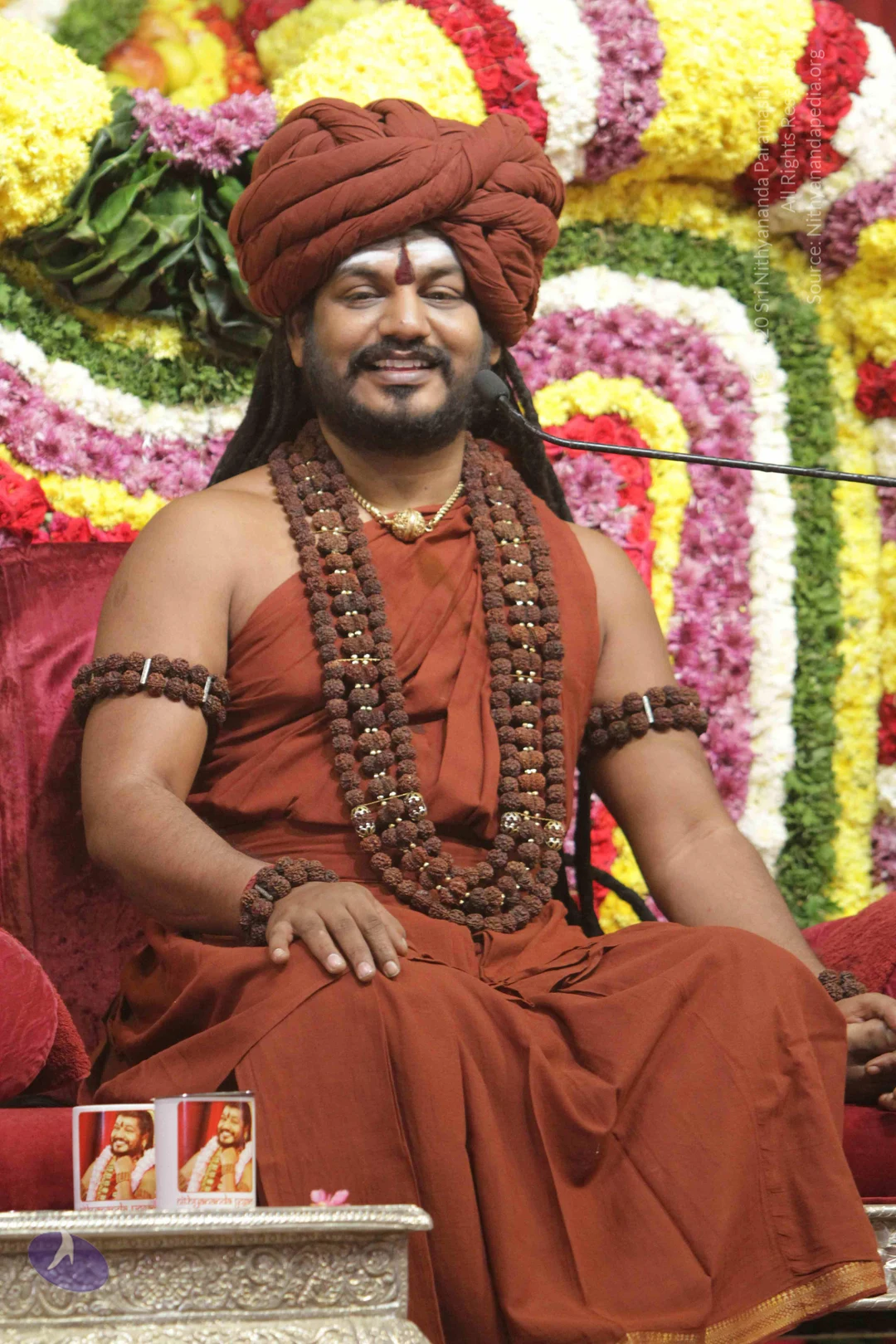
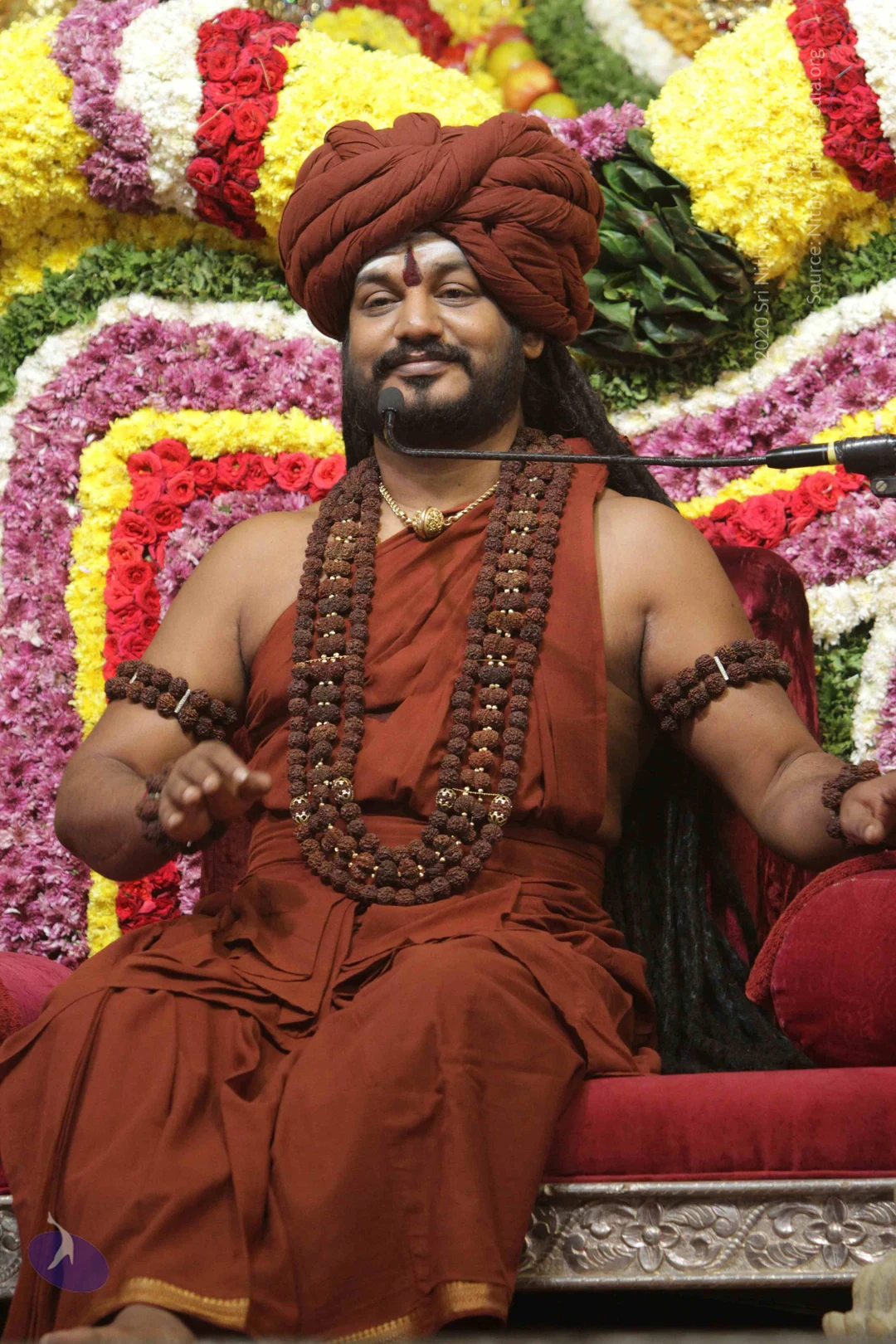
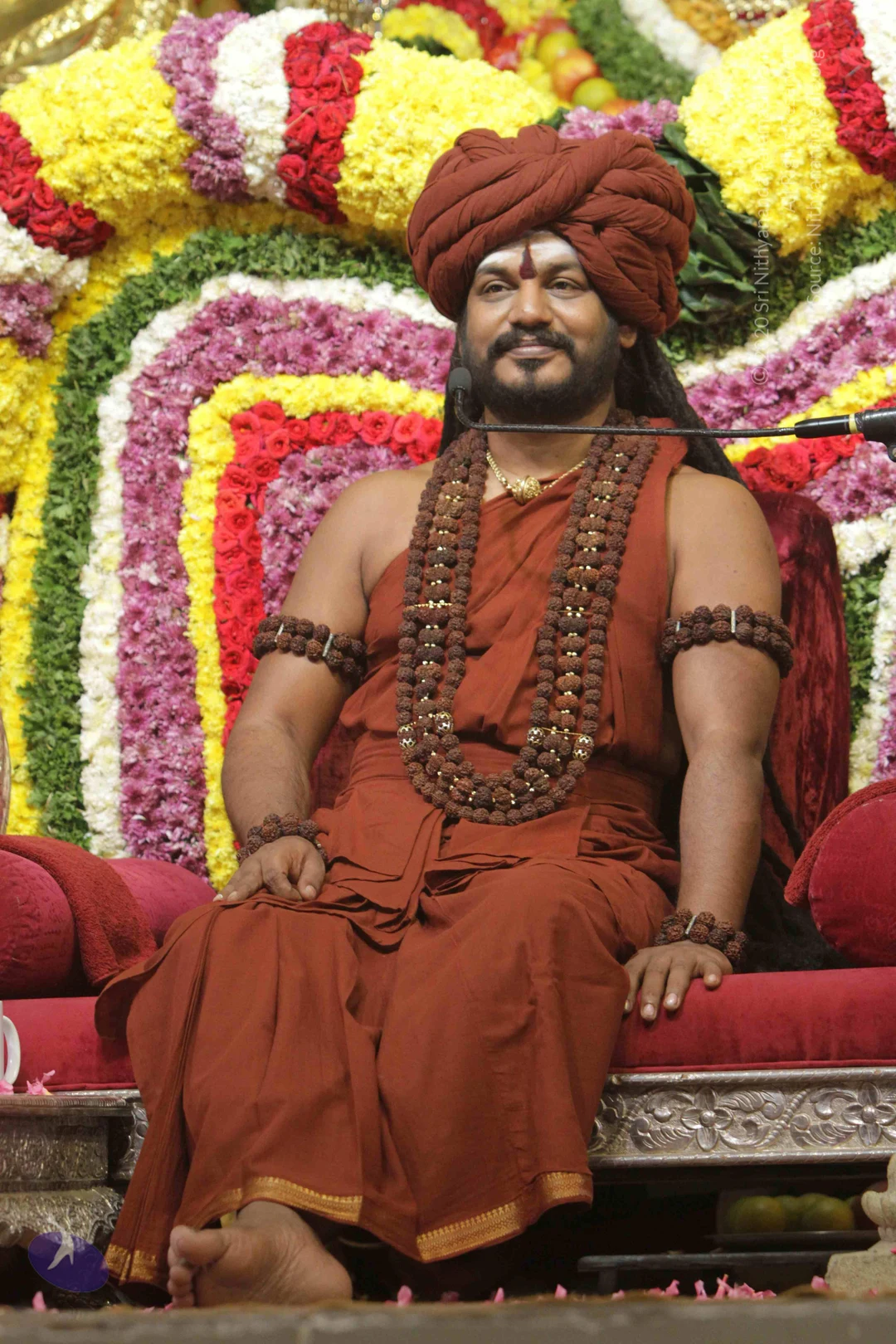
02-Evening-Satsang
Photos from this day
View all 494 photosDARSHAN
99 photosSource gallery
SATSANG-1
164 photosSource gallery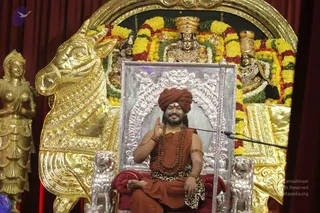
SATSANG-2
118 photosSource gallery
SATSANG-3
52 photosSource gallery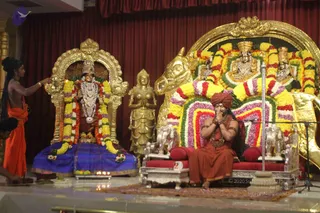

01-Tamil-Satsang
3 photosSource gallery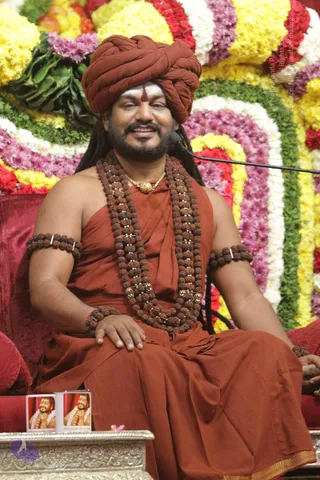
02-Evening-Satsang
58 photosSource gallery