
Friday
5 December 2014
- Dated photos
- 765
- Source pages
- 1
- Media
- 2
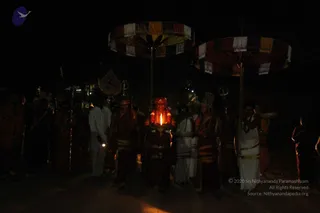
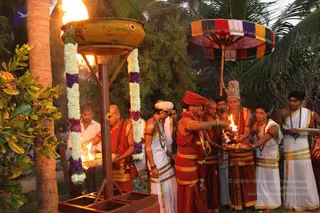
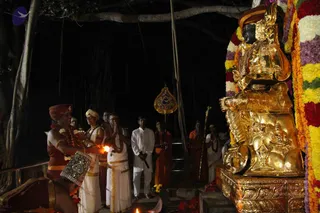
December 05 2014
Original wiki pageTitle
Light Your Inner Space With Shivoham
Description:
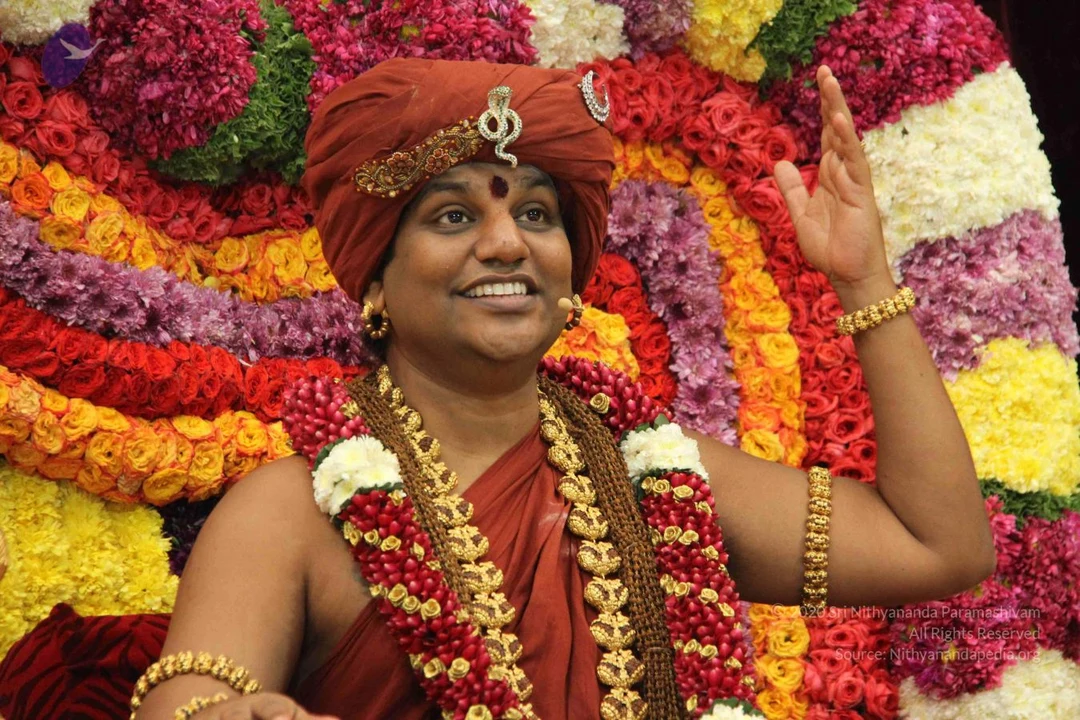
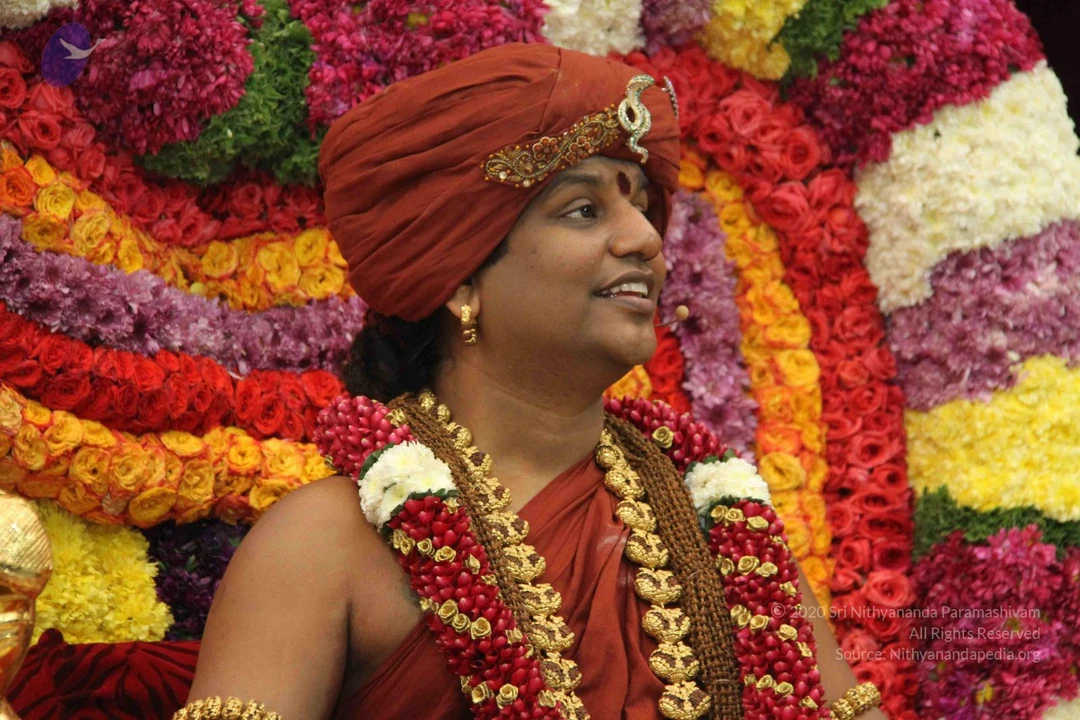
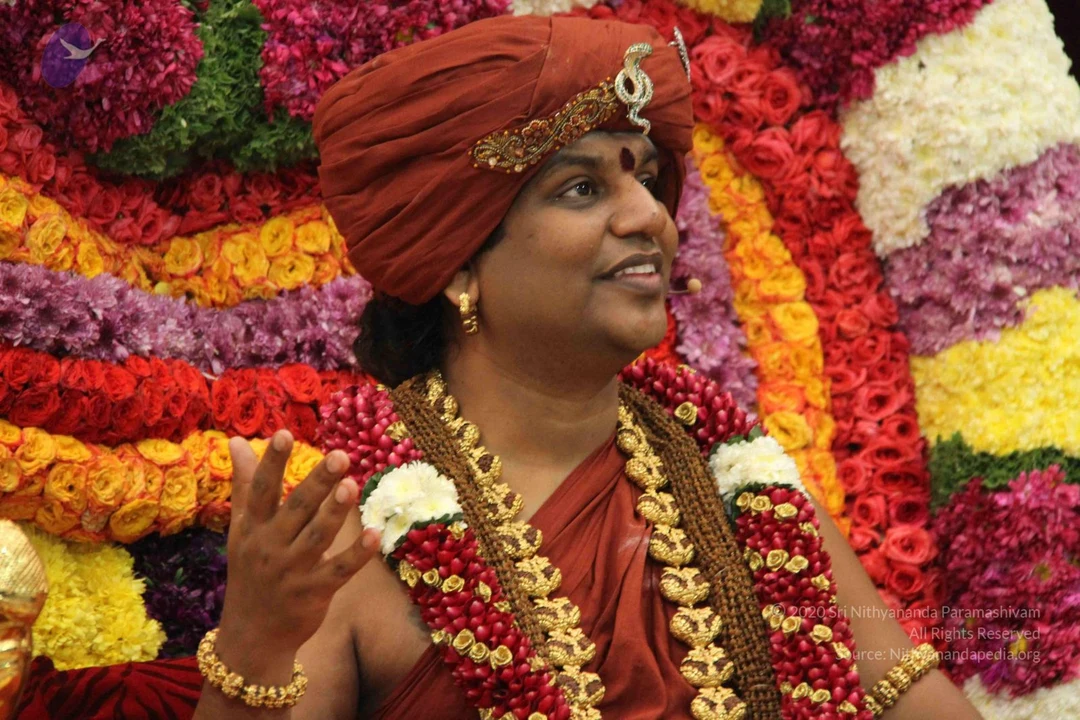
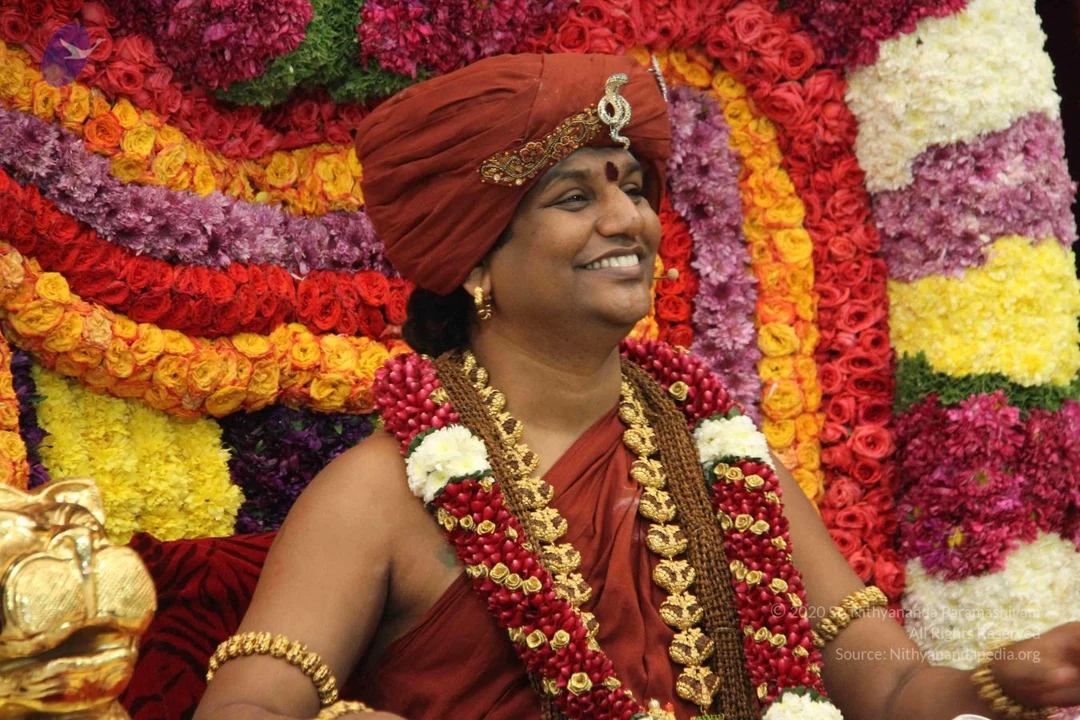
In today’s (05th December, 2014) morning Satsang, Paramahamsa Nithyananda discusses how the truth of Shivoham is not only a reality, it can be a powerful medicine for all the root patterns in which we suffer with, as well as the societal and parental conditionings we develop. Mahadeva release us from all types of patterns with which we struggle and suffer the moment we remember, meditate on or create the space of Shivoham.
| Video | Audio |
Transcript:
Nithyanandeshwara Samaarambhaam
Nithyanandeshwari Madhyamaam |
Asmath Aachaarya Paryanthaam
Vandhey Guru Paramparaam ||
I welcome all the devotees, disciples, samajis, satsanghis, Shrimahants, Mahants, Thanedars, Kotharis, visitors, viewers, sitting with us all over the world at this time through Nithyananda TV, Sadhna TV, Janashree TV, and through two-way video-conferencing having Nayana Deeksha.
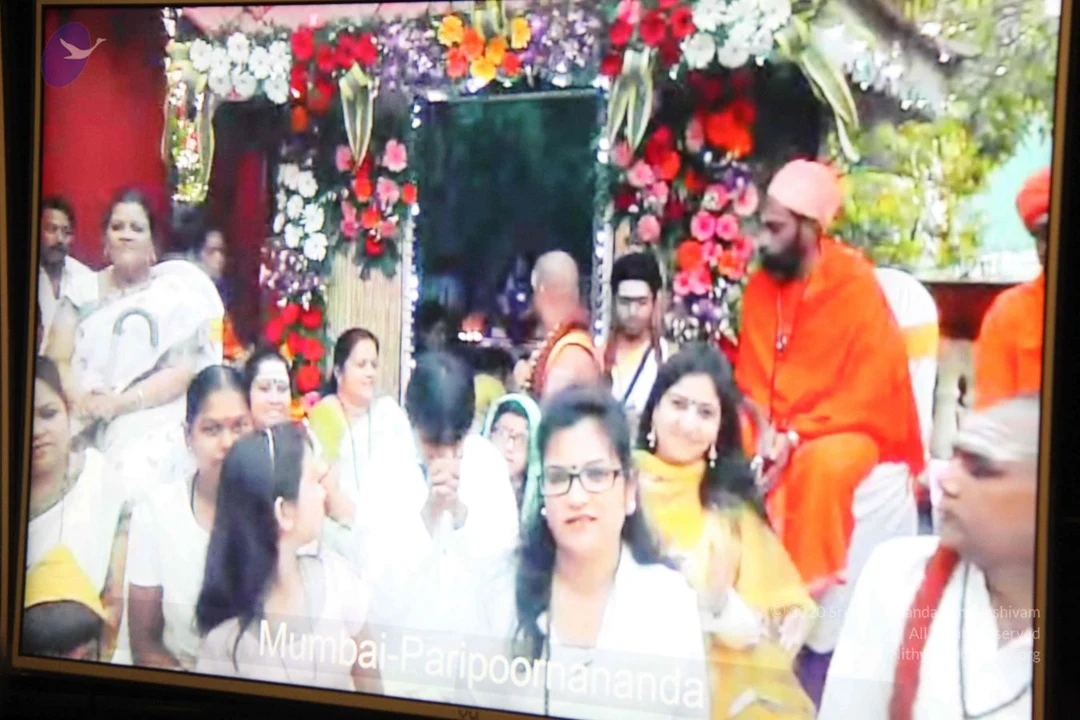
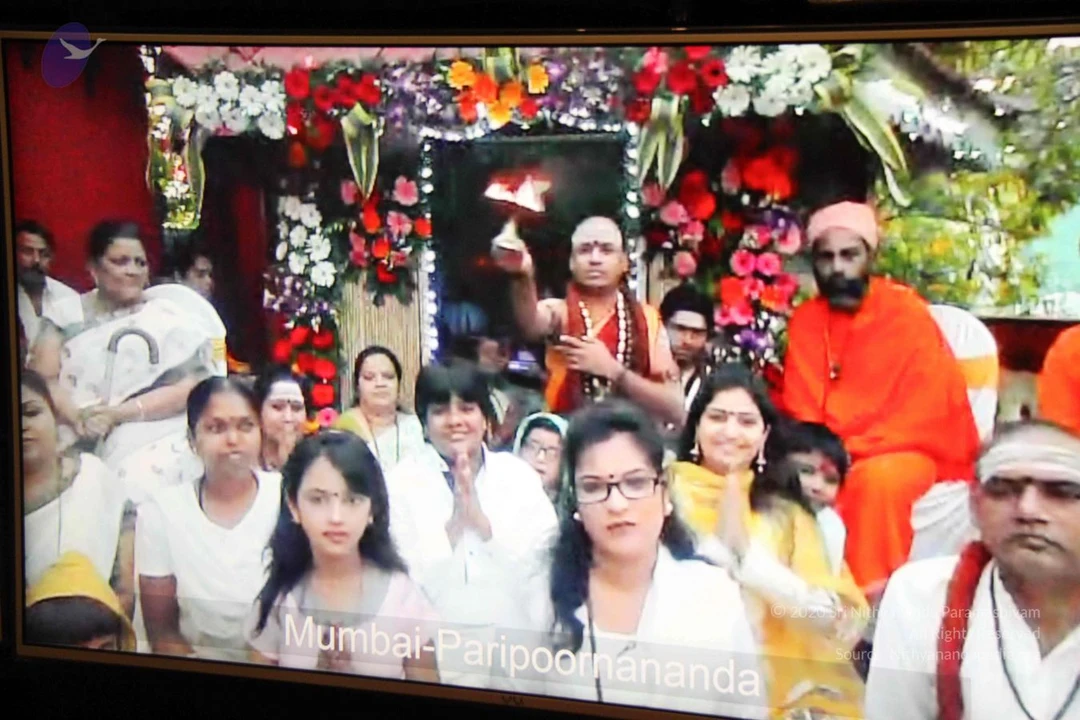
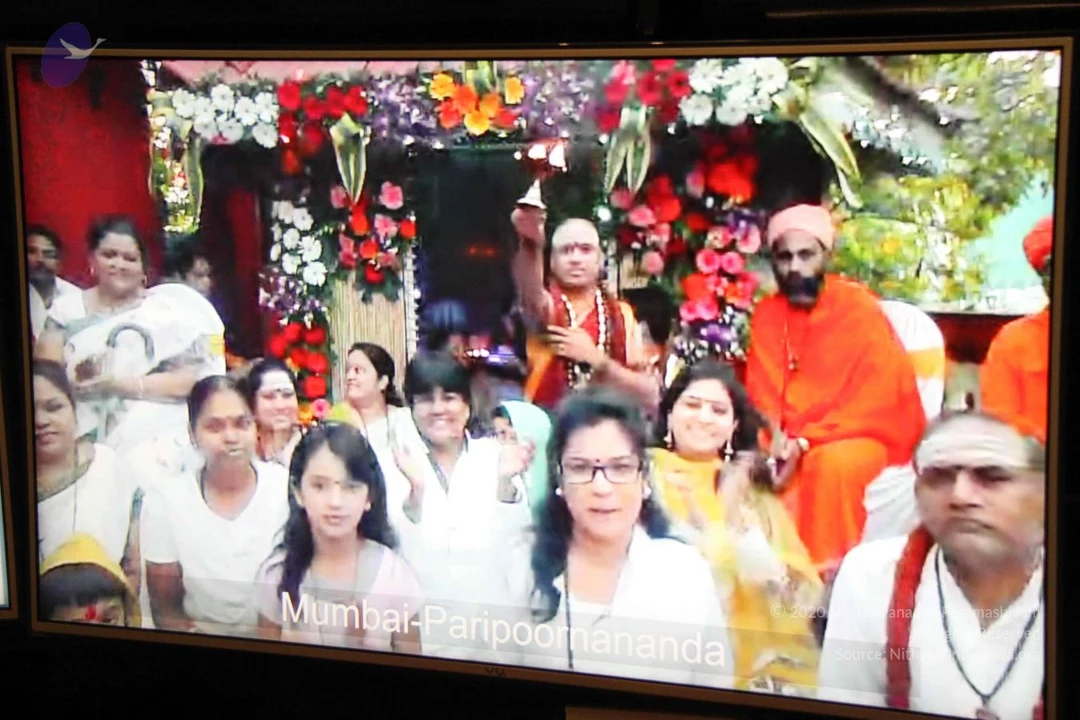
Cities sitting with us in two-way video-conferencing having Nayana Deeksha: Enriching Temple-Bidadi, Karjat-Mumbai, Bangalore North, Pattaya-Thailand, Jorpati-Nepal, New York-Varanasi, Hyderabad, Hyderabad-Gupta Kashi, St. Louis-Tirumala, Guadeloupe, Markham, Colombo, Kuala Lumpur-Palani, Singapore, Ohio-Prayag, Dubai-Vaidyanatham, Seattle-Chidambaram, Surrey-Canada, Toronto-Kailasam, Los Angeles-Arunachalam, Houston-Kalahasthi.....and many more cities.....Surrey-Canada...........
I welcome all of you with my love and blessings.
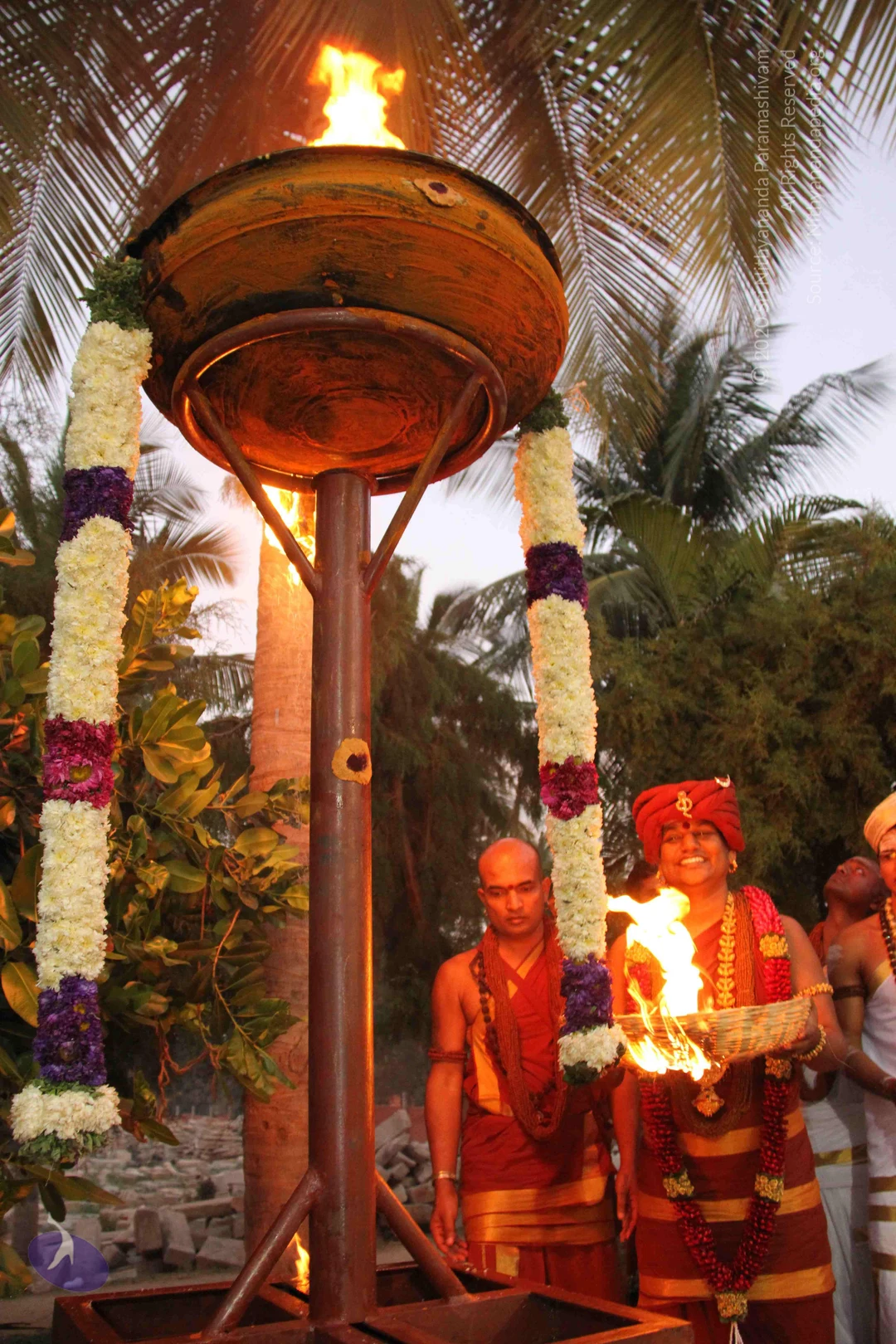
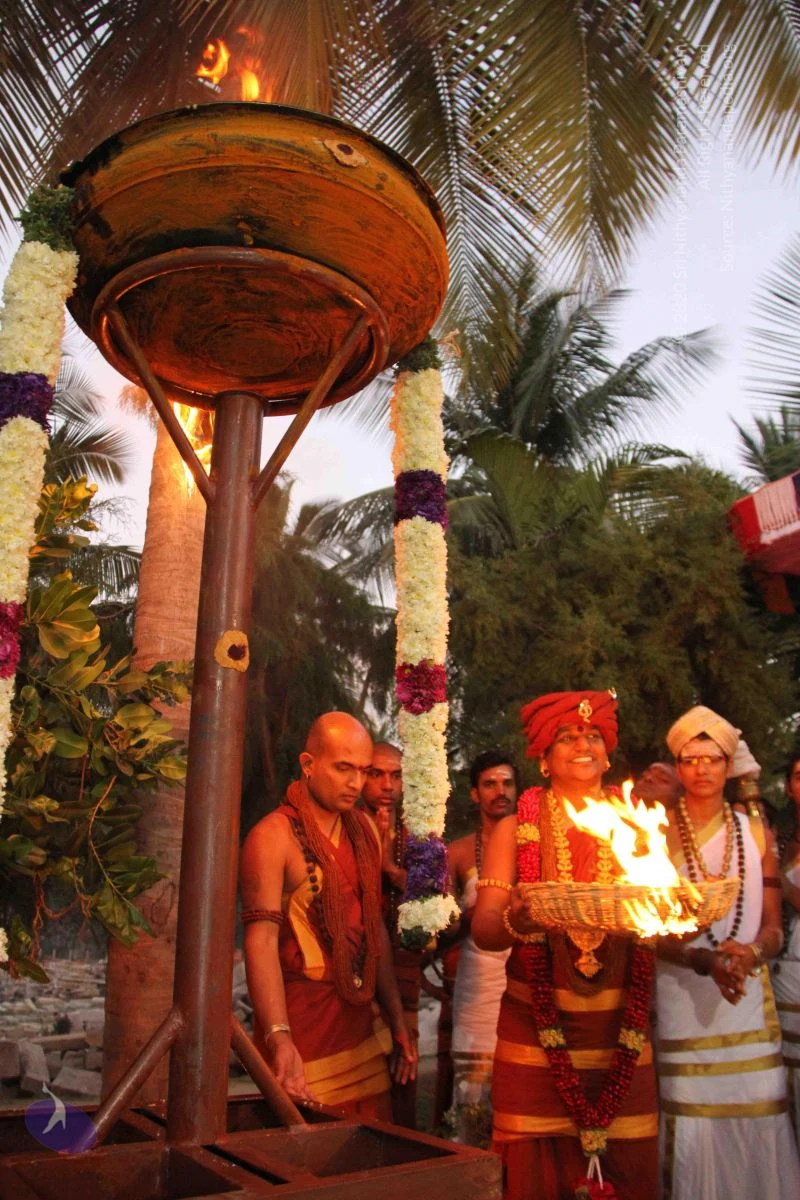
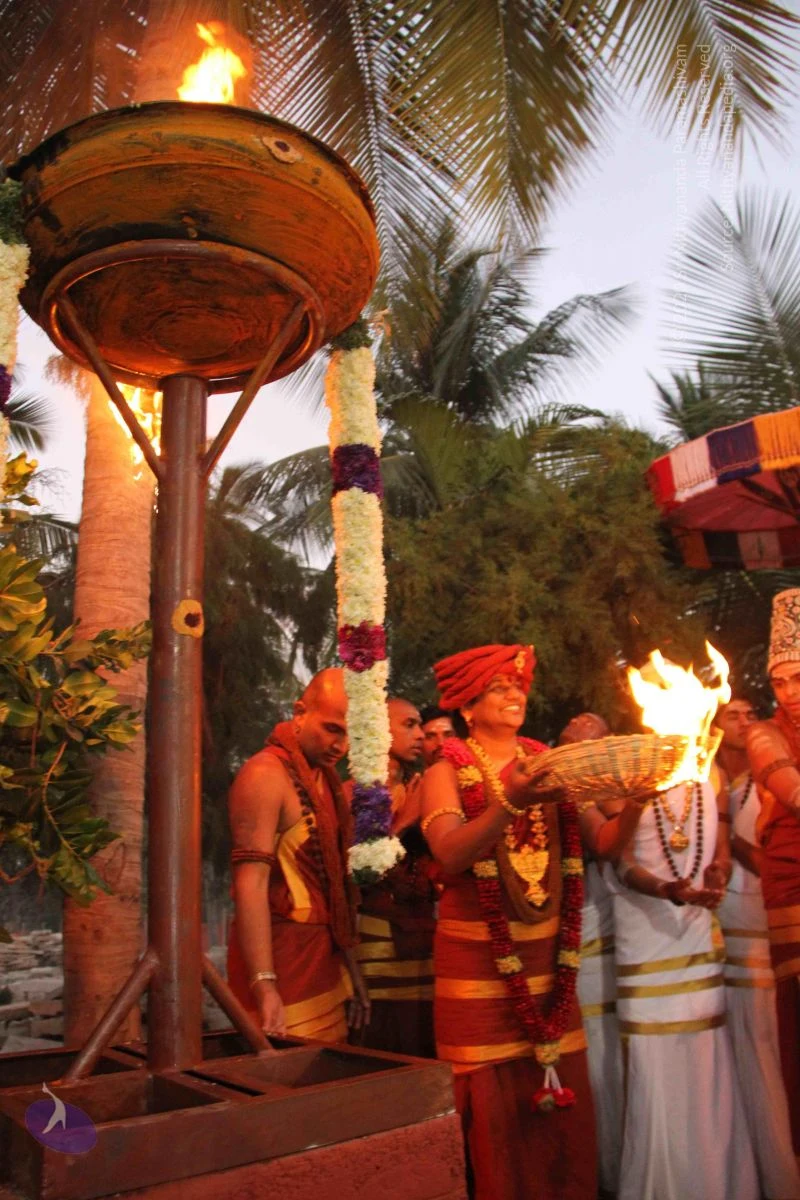
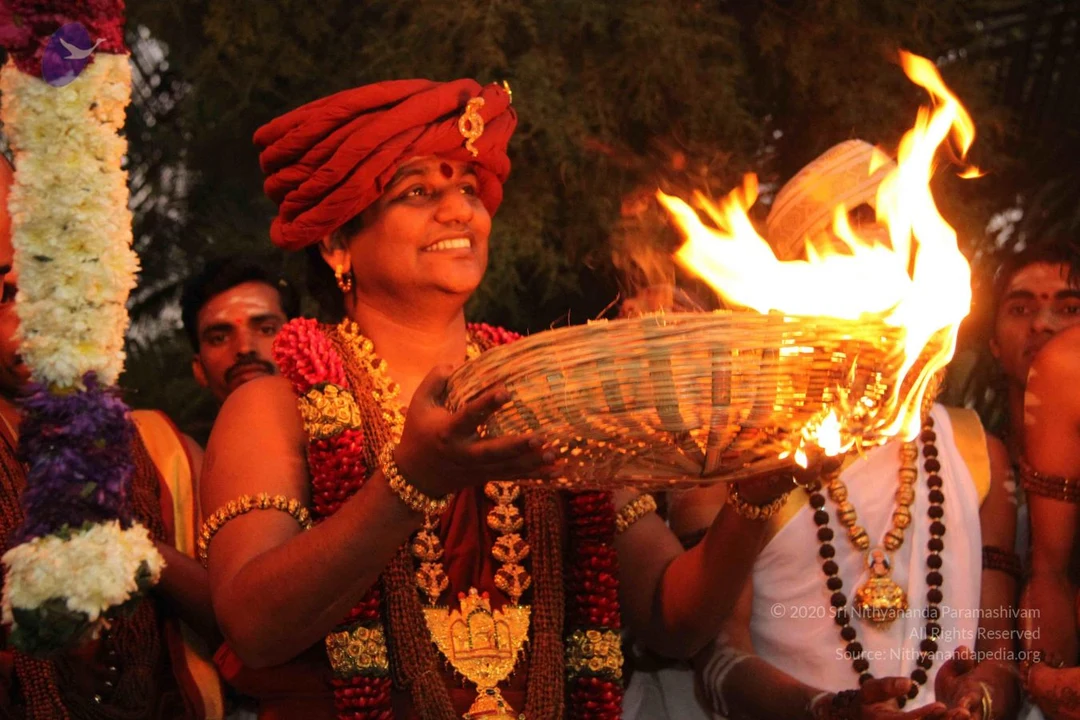
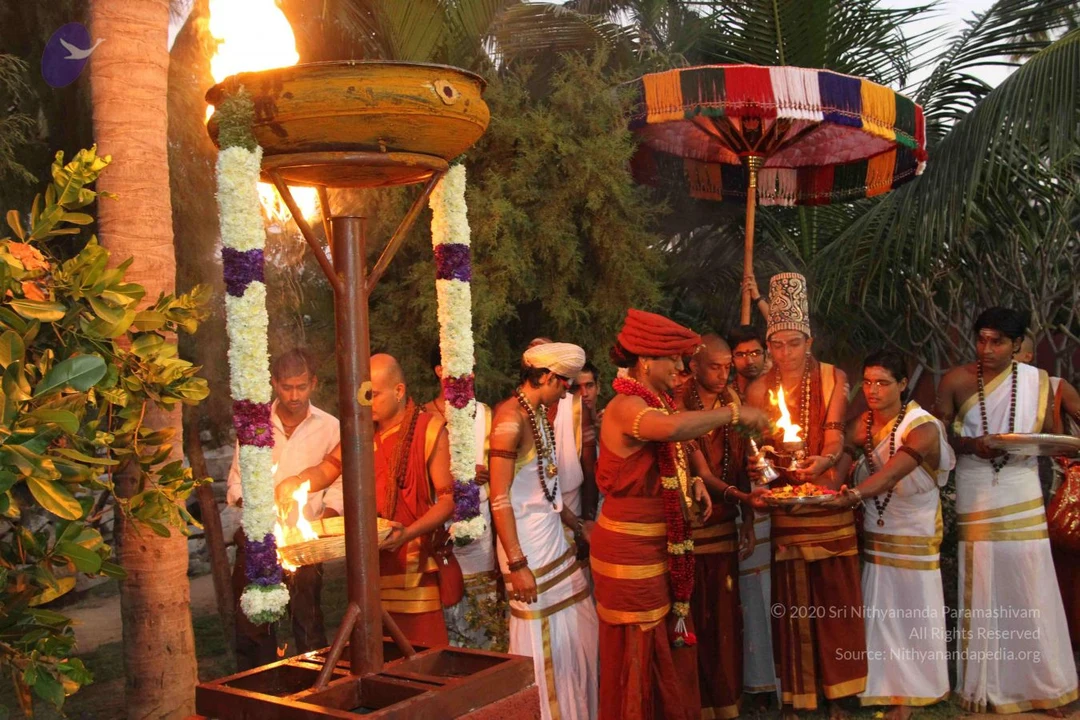
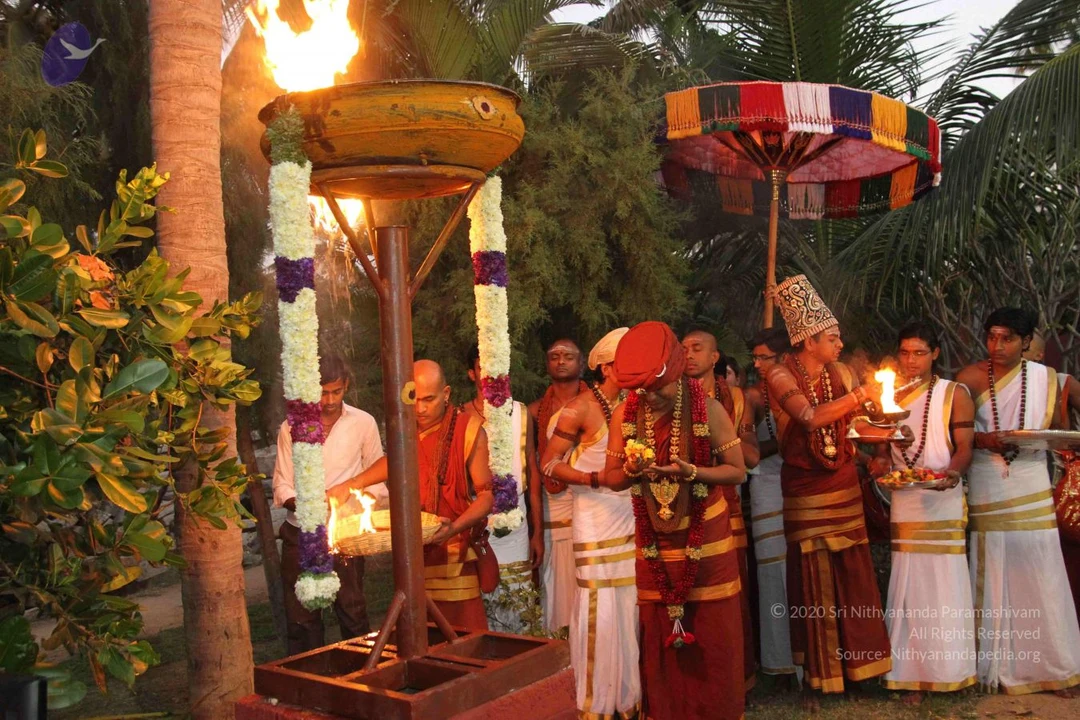
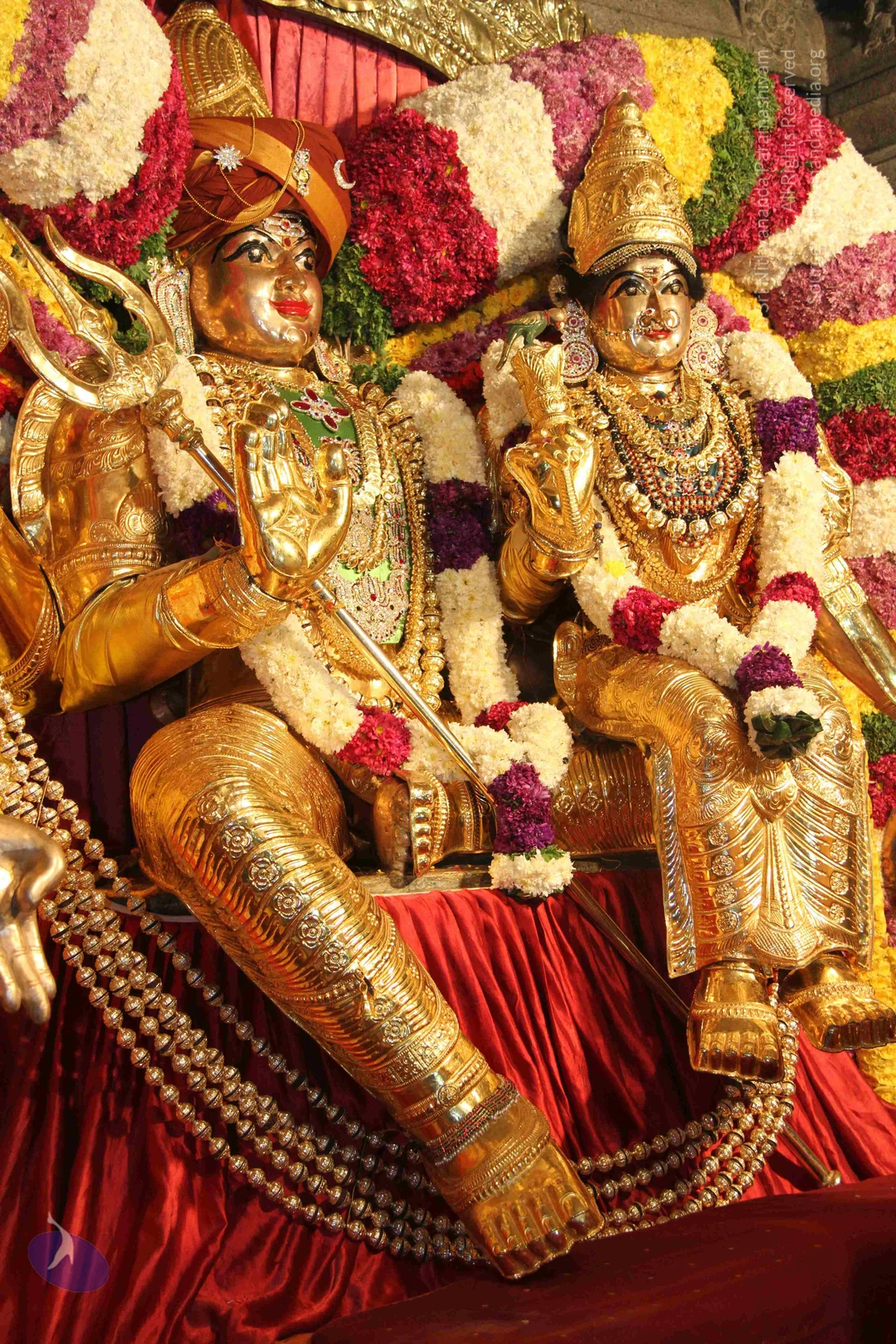
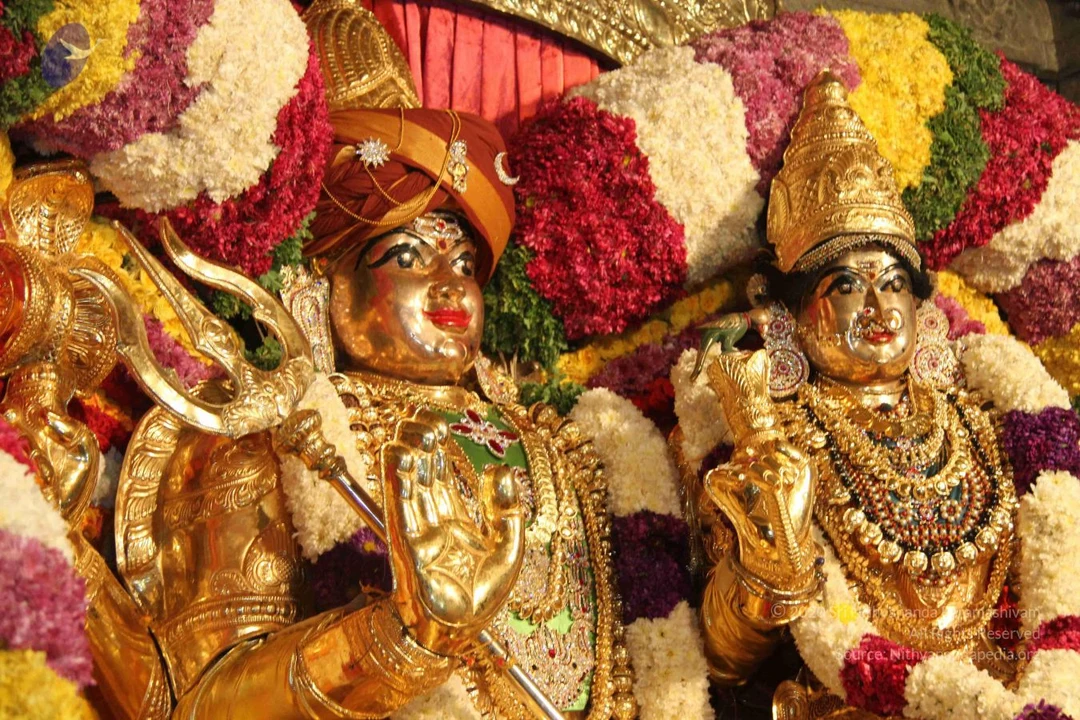
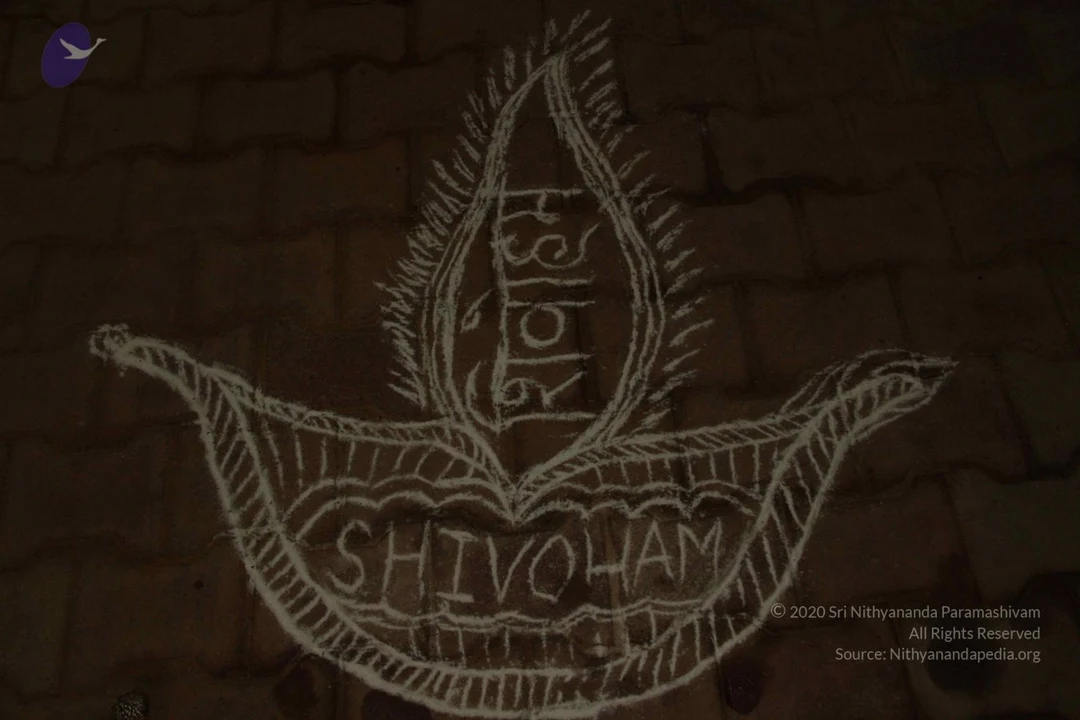
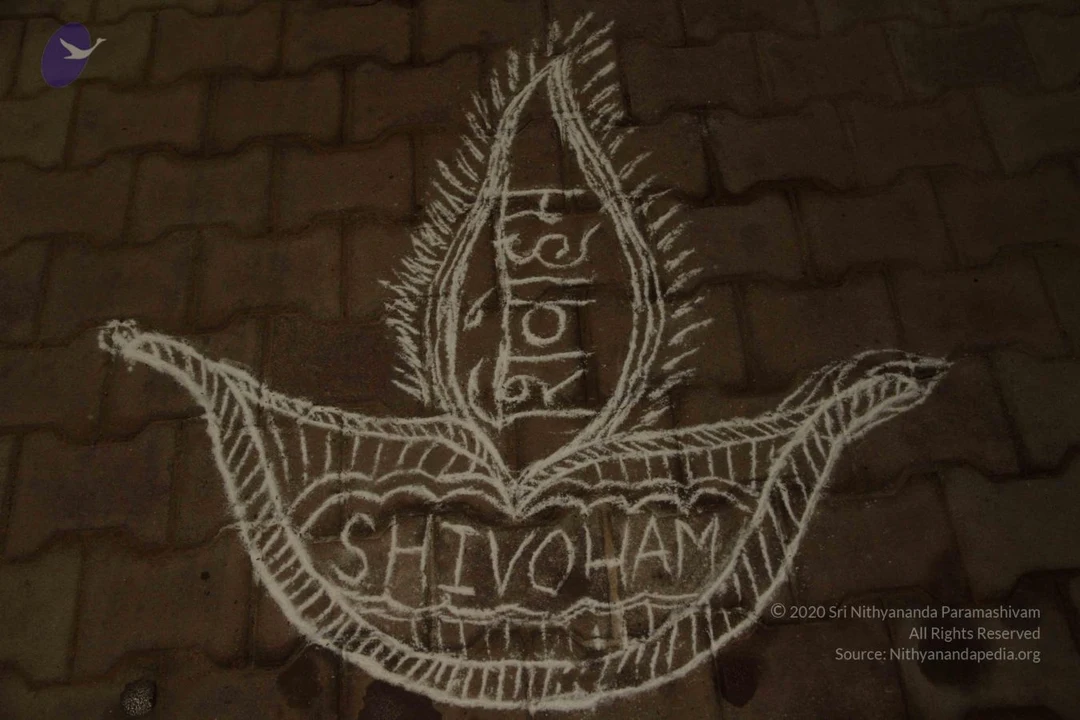
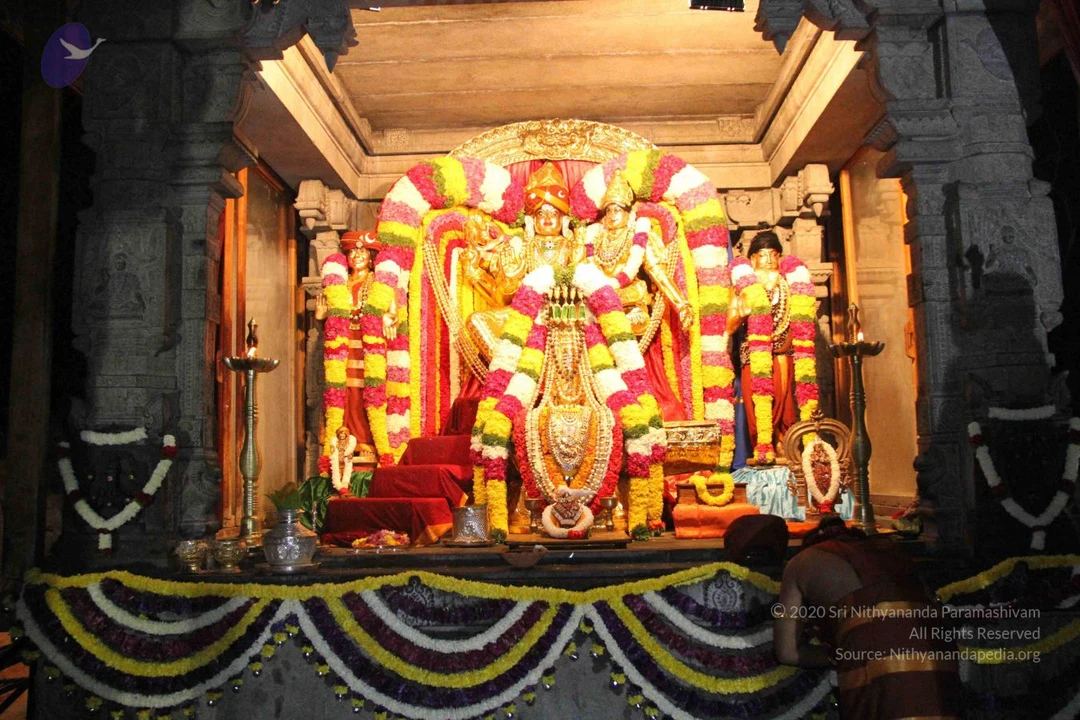
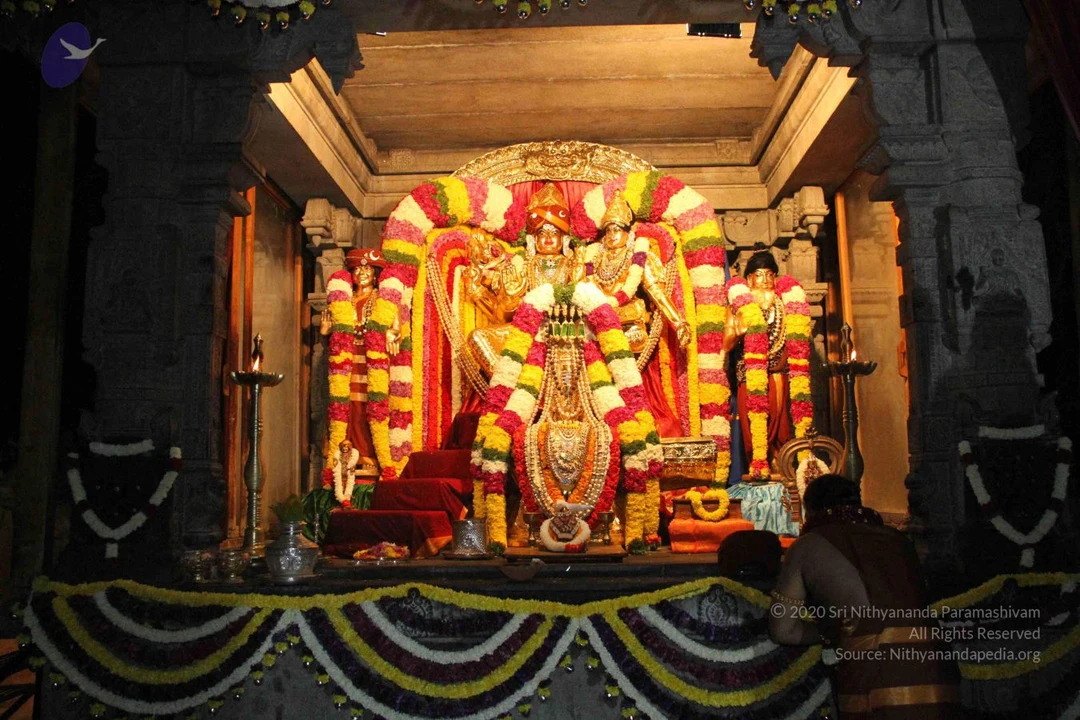
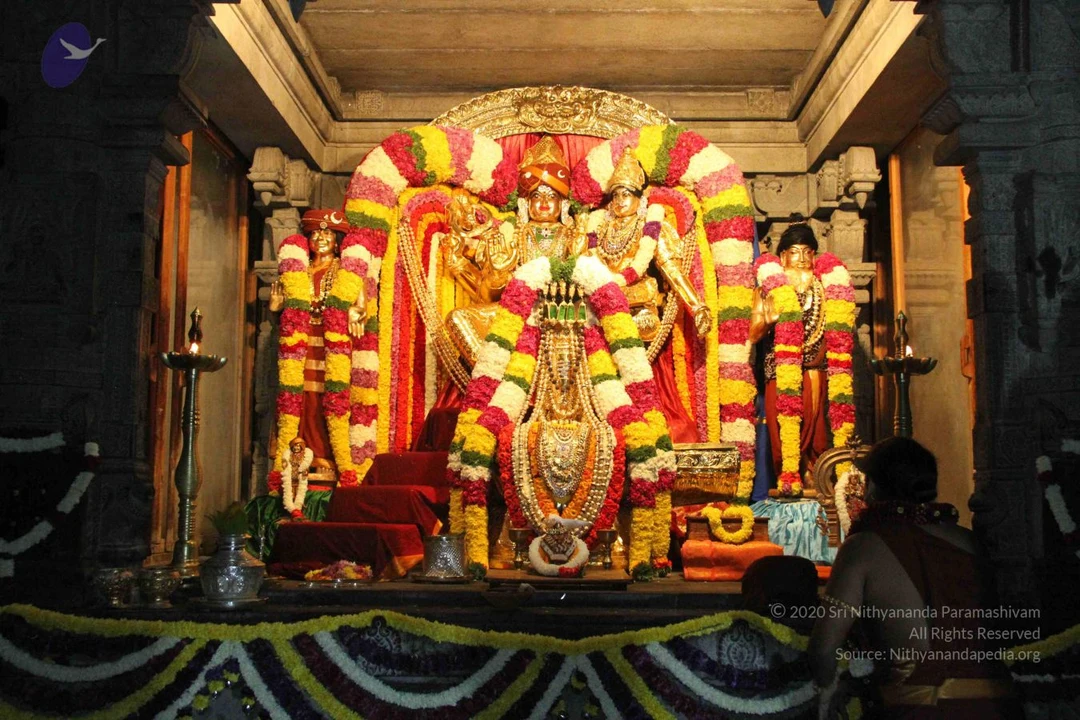
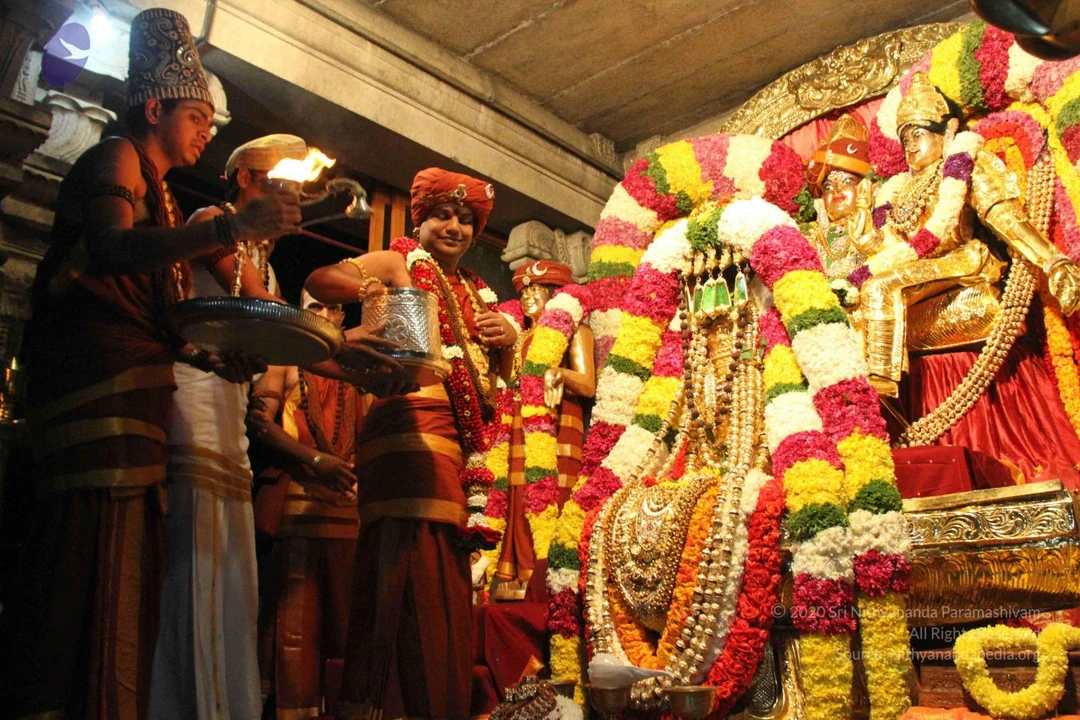
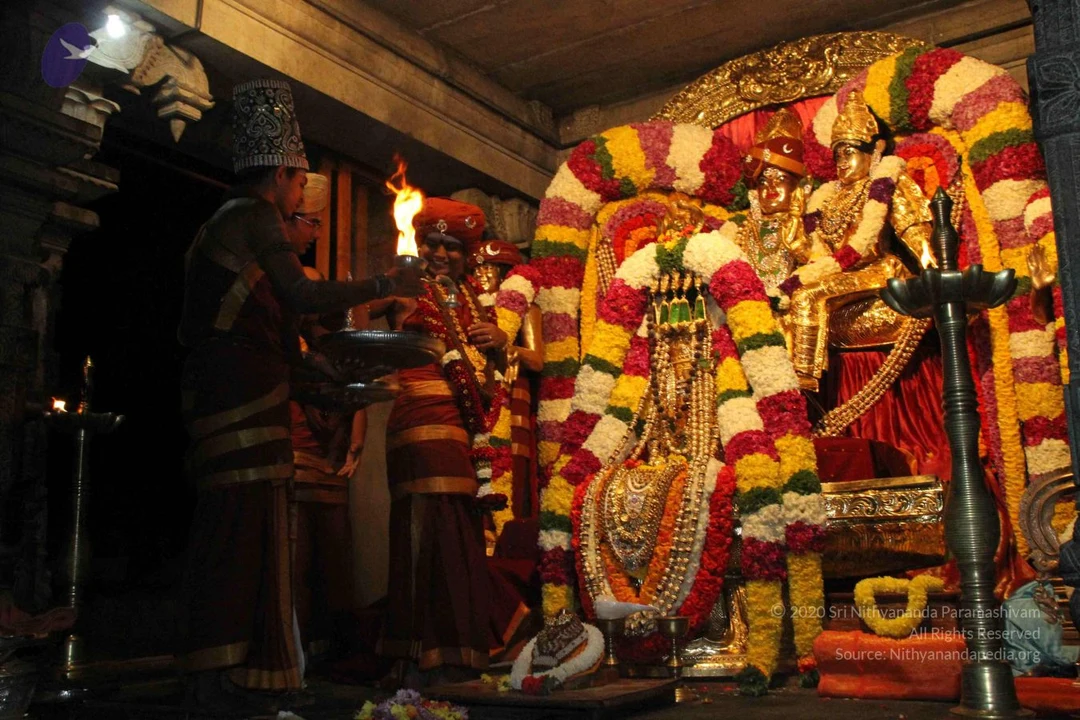
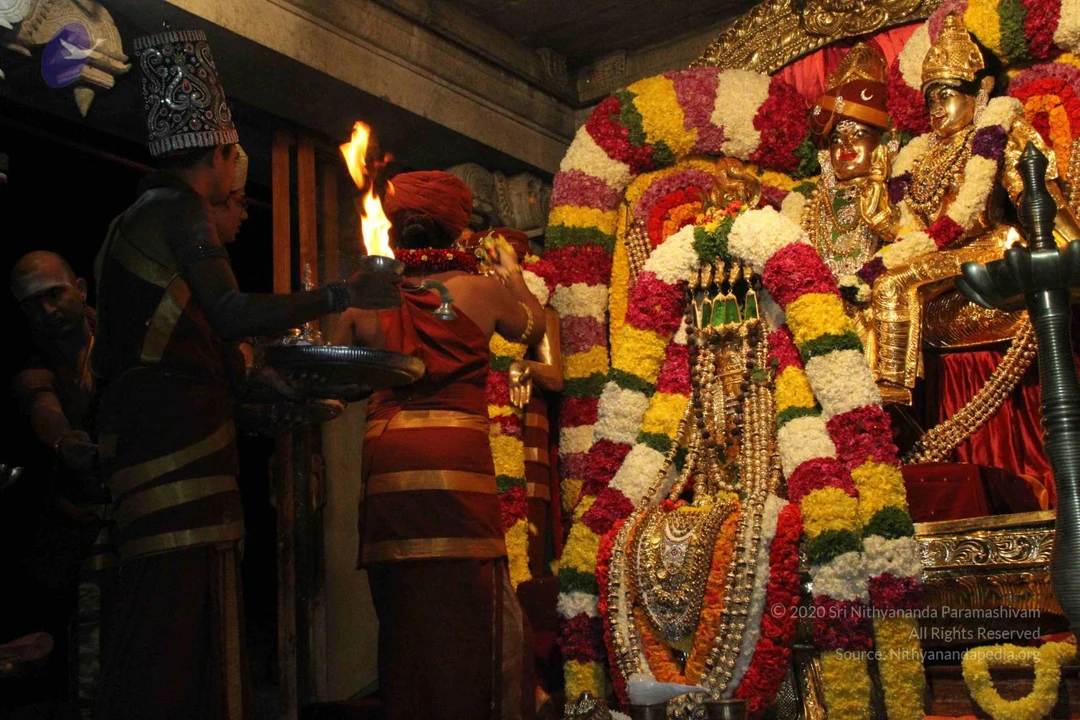
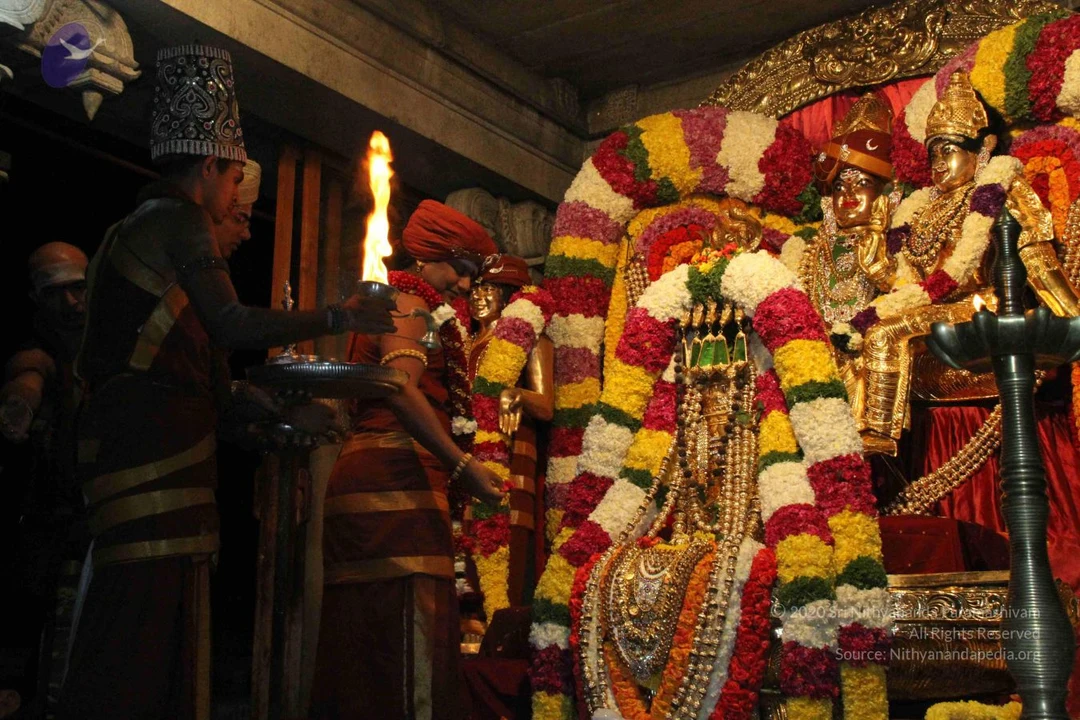
First, today, Nithyanandeshwara Brahmotsava main day. Mahadeepam. The day Mahadeva appeared as a light shaft and blessed Brahma and Vishnu with enlightenment. This is the very day he gave enlightenment to Devi and gave his half to Devi, became ‘Ardhanareeshwara’.
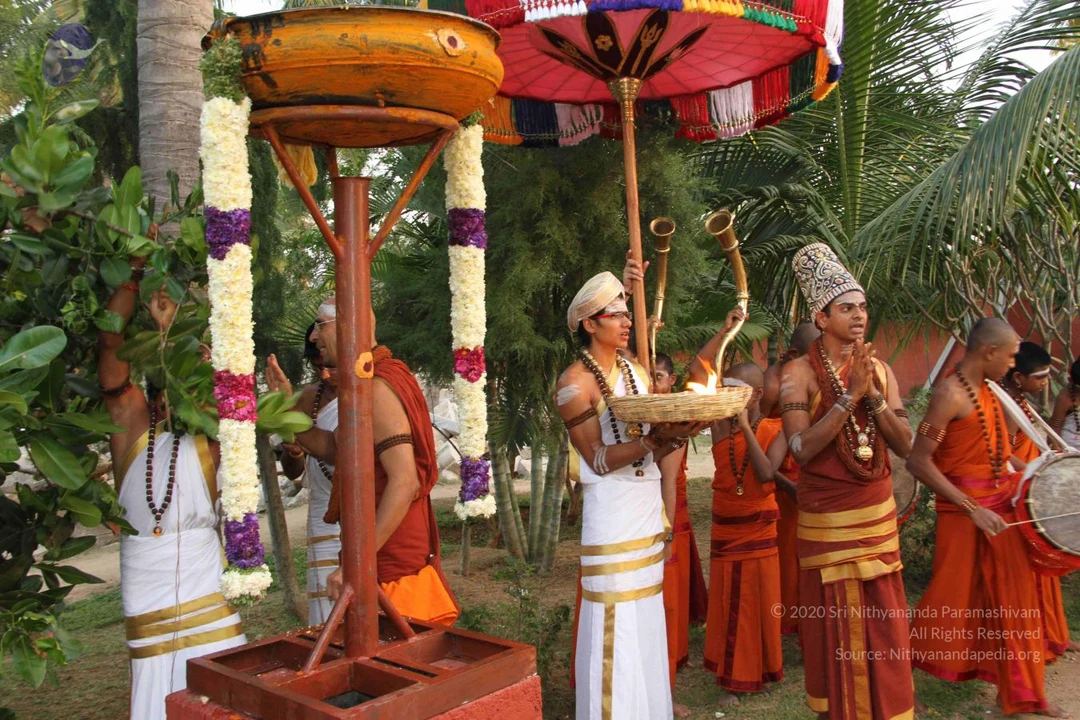
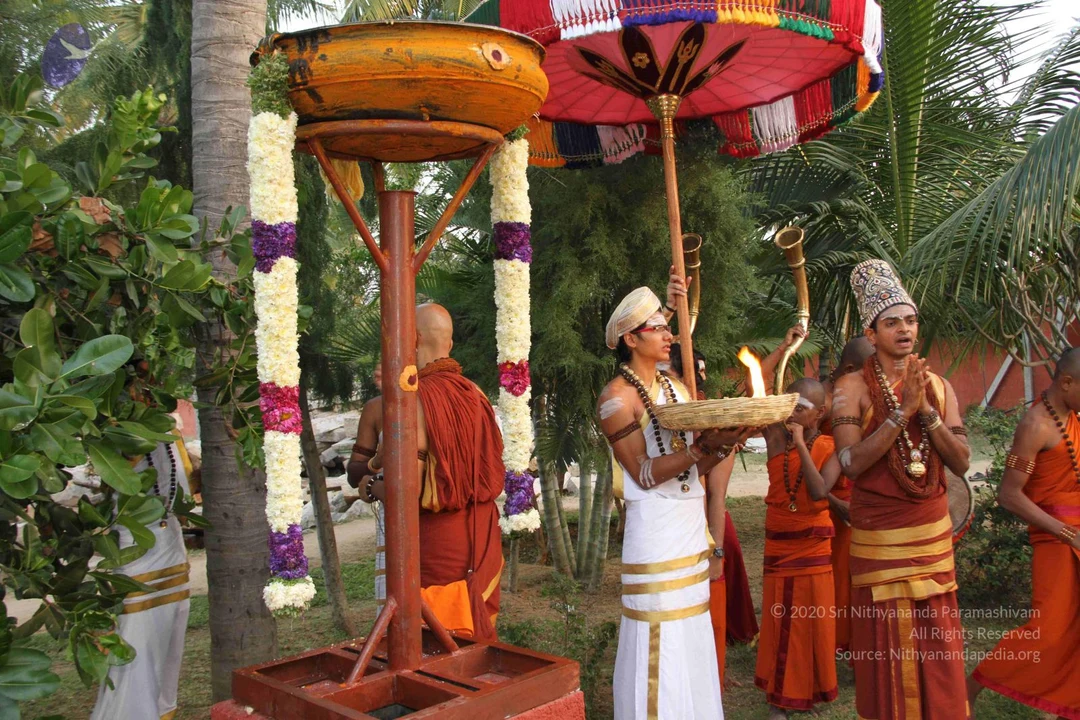
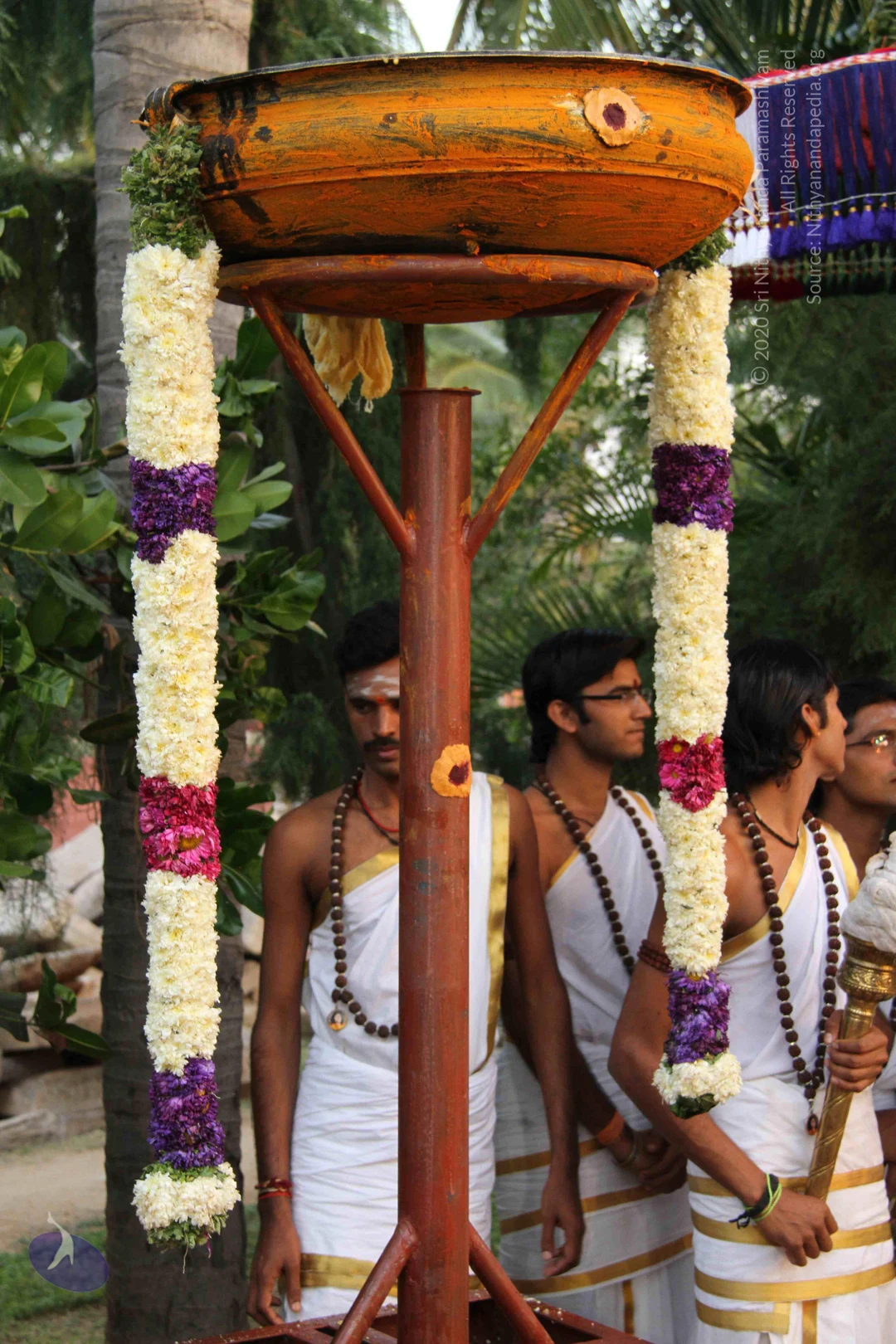
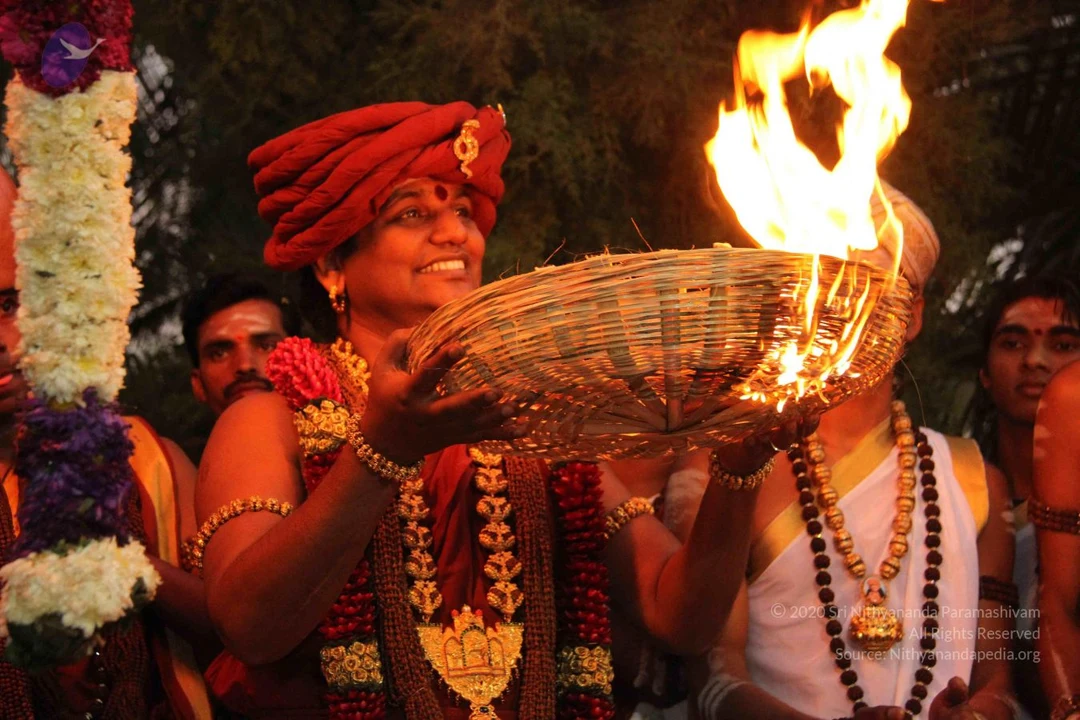
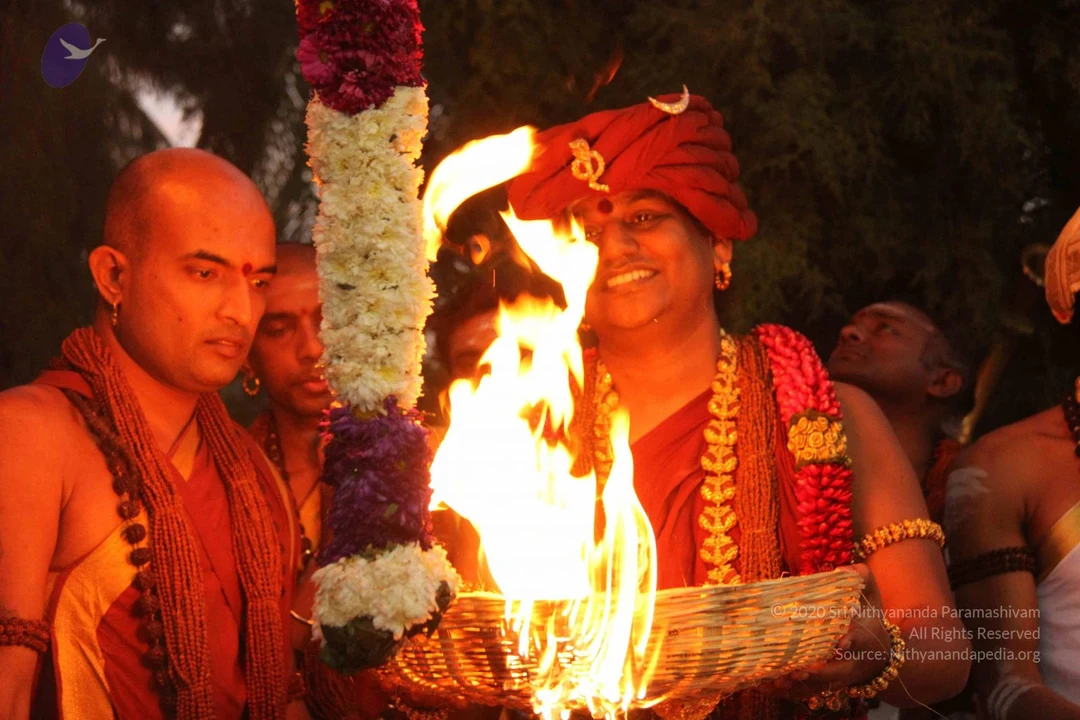
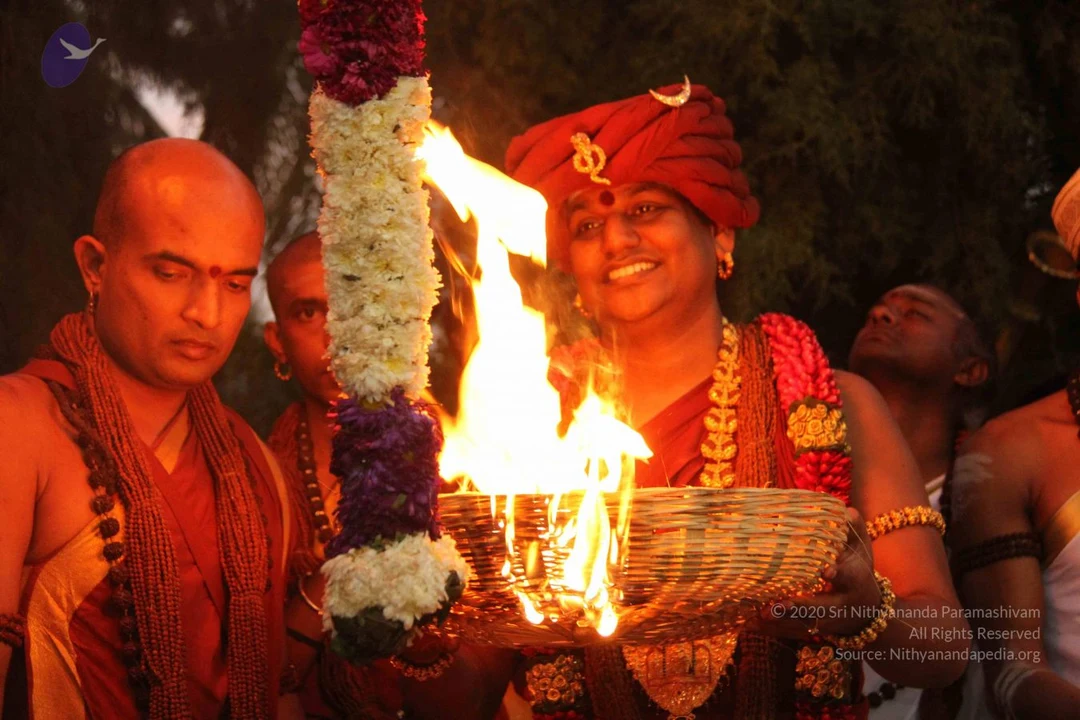
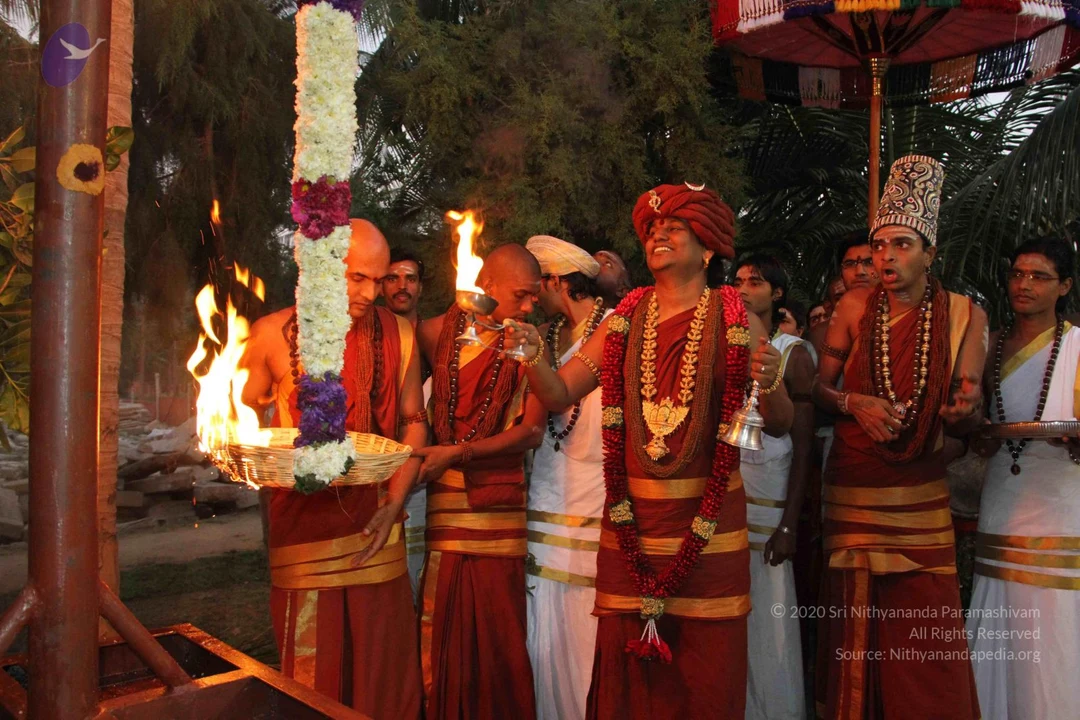
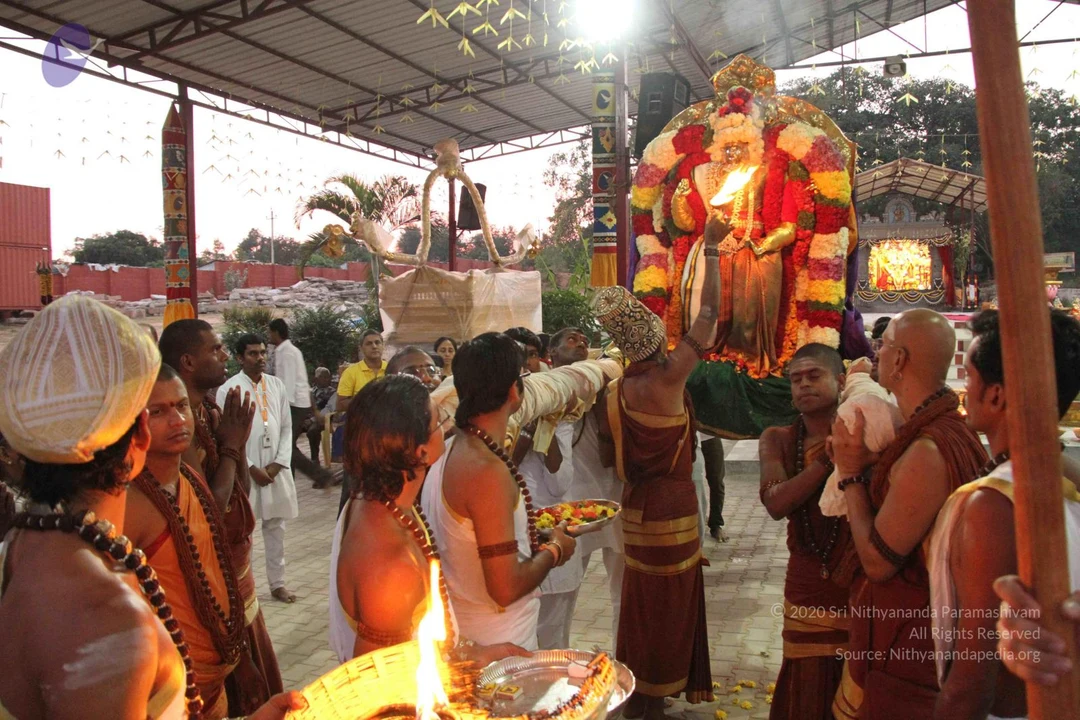
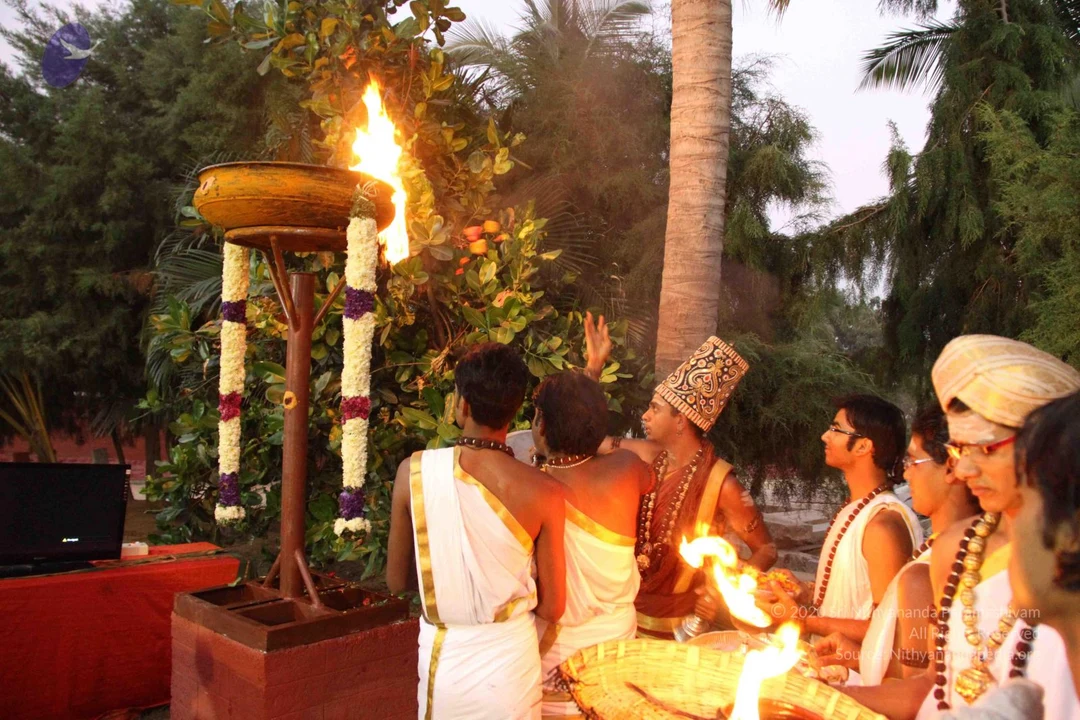
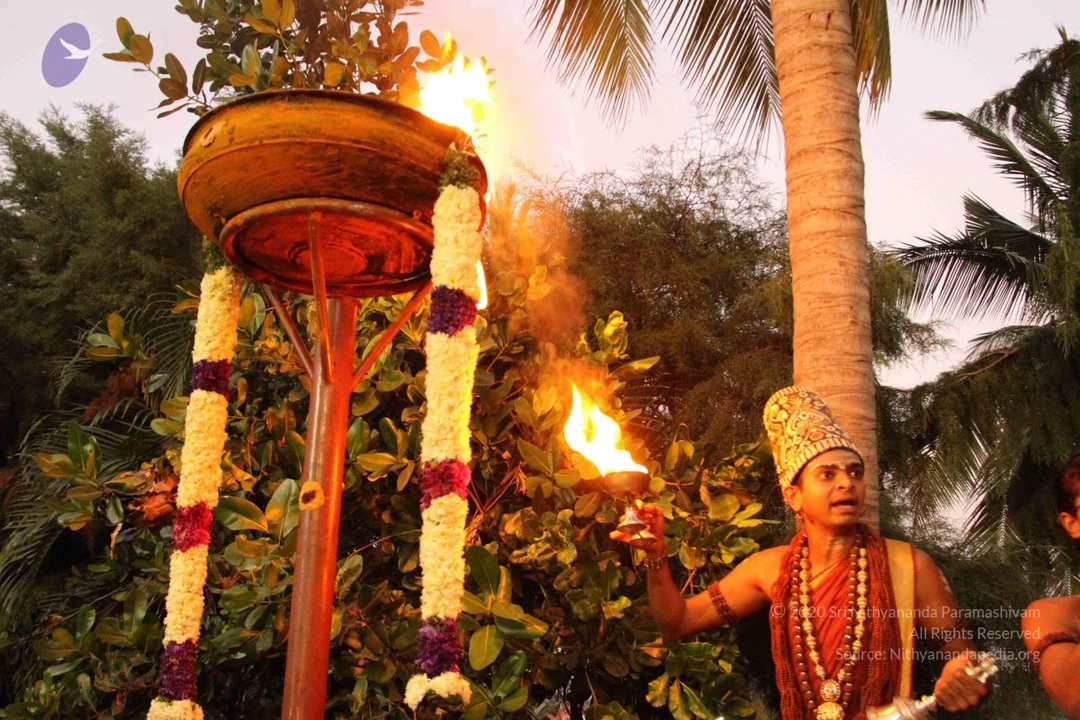
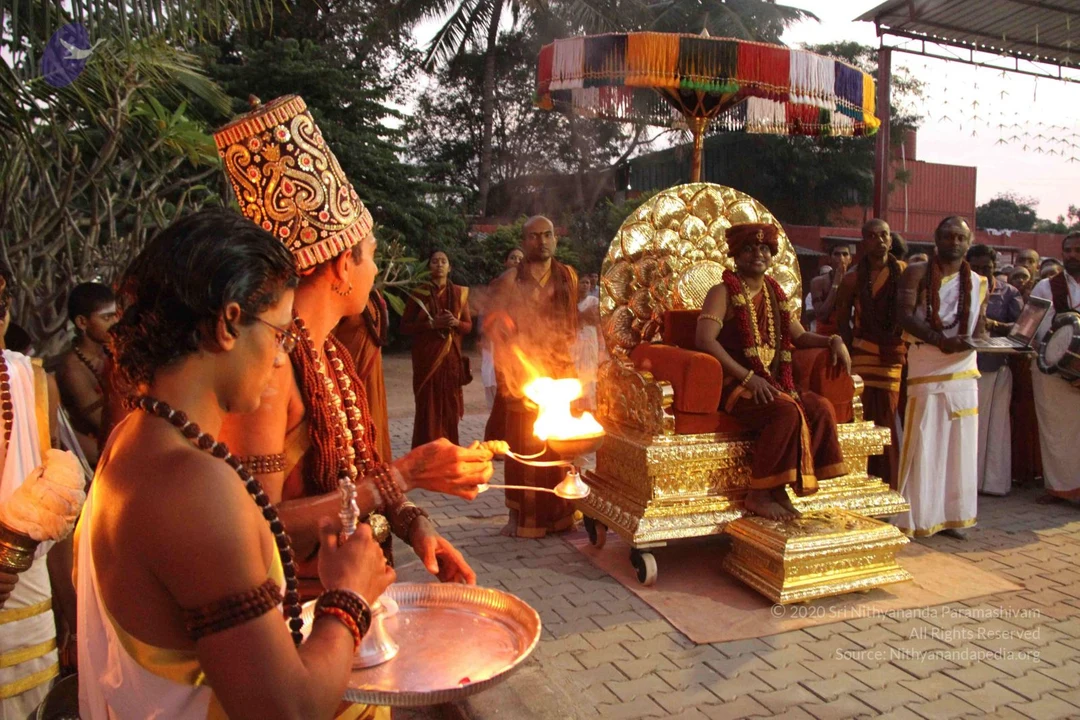
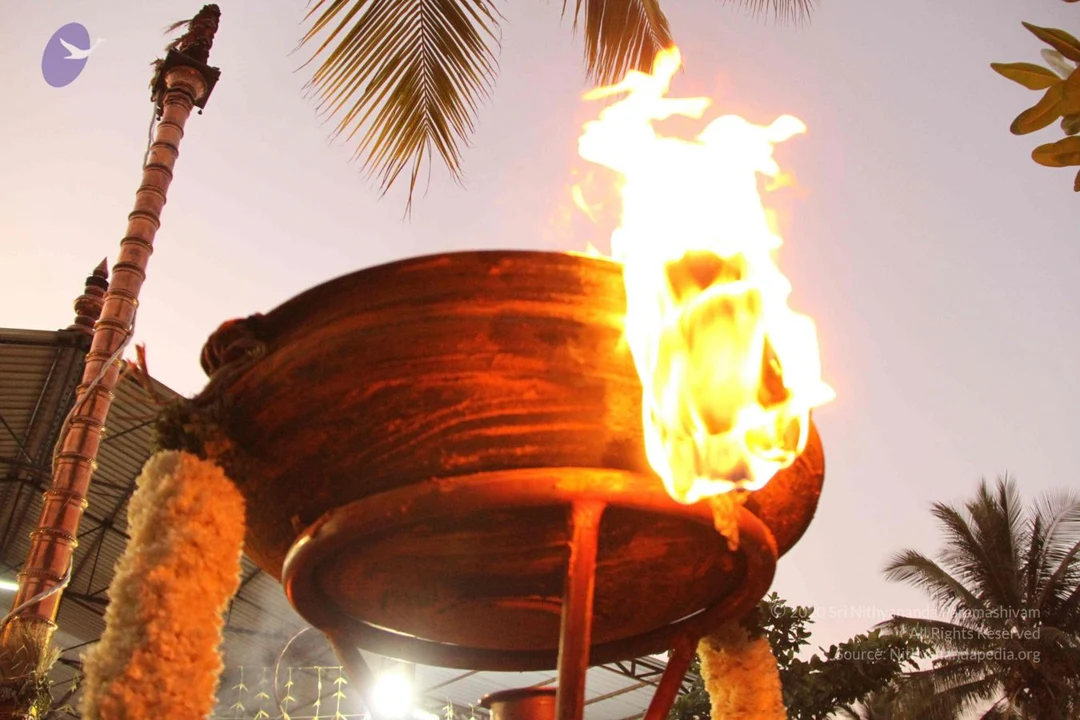
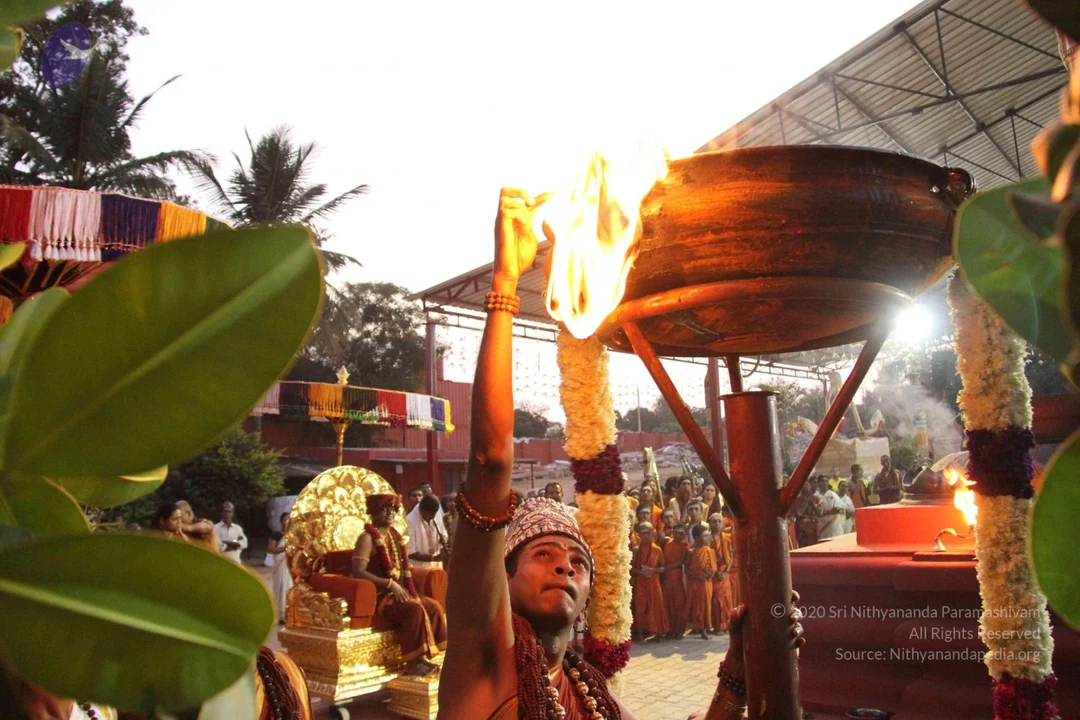
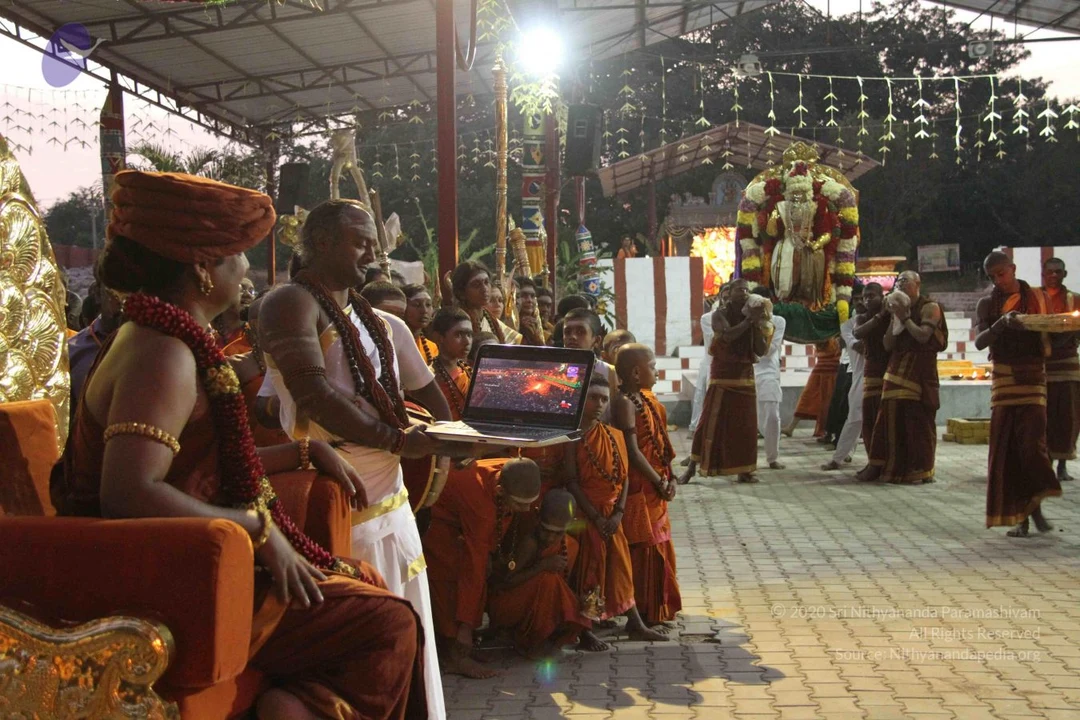
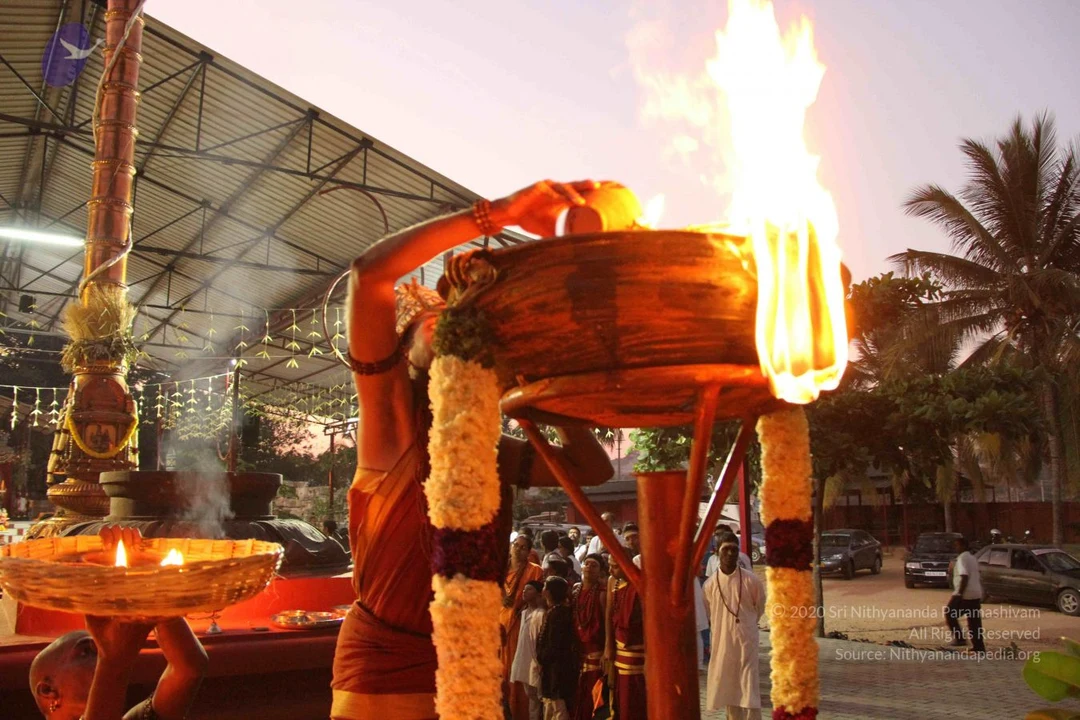
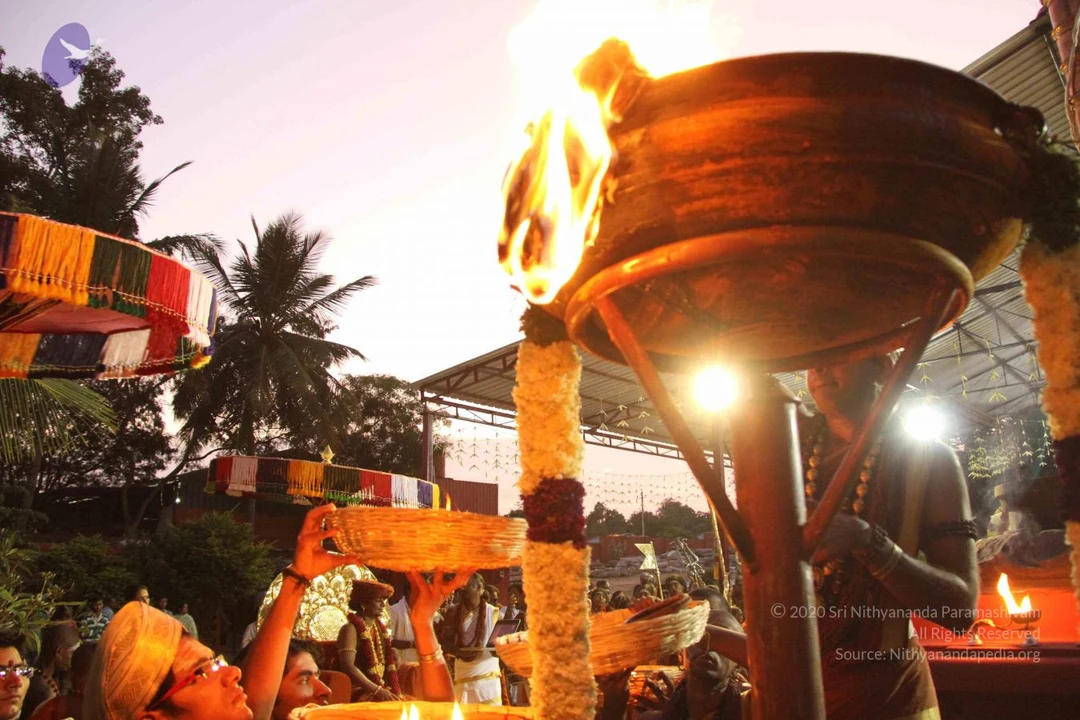
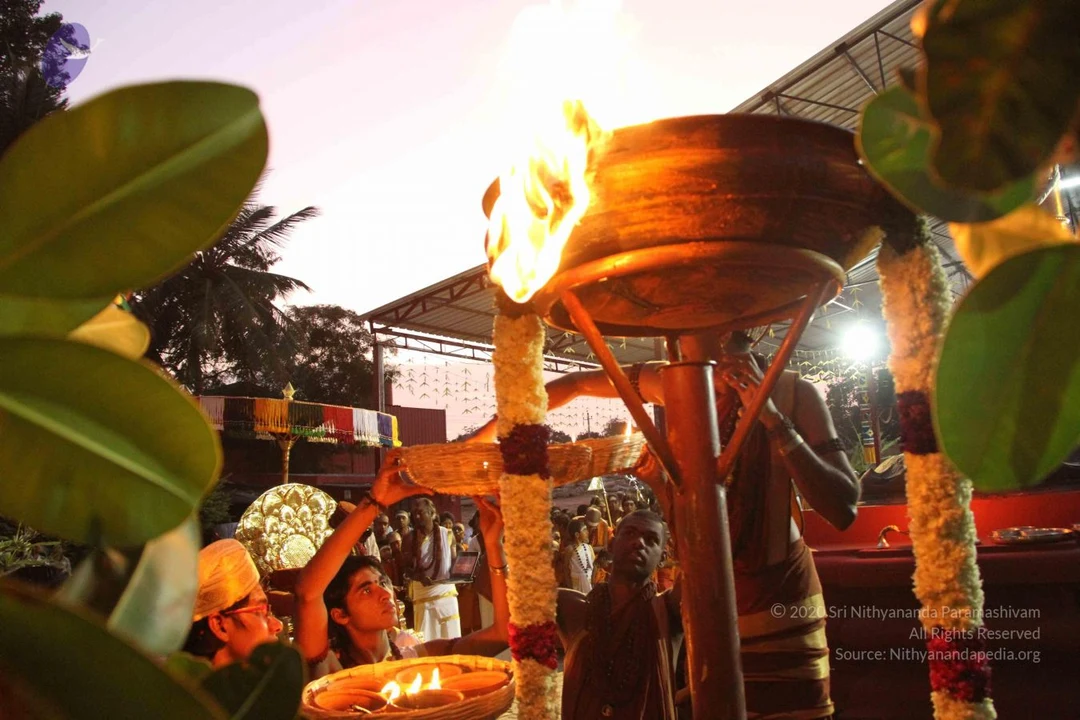
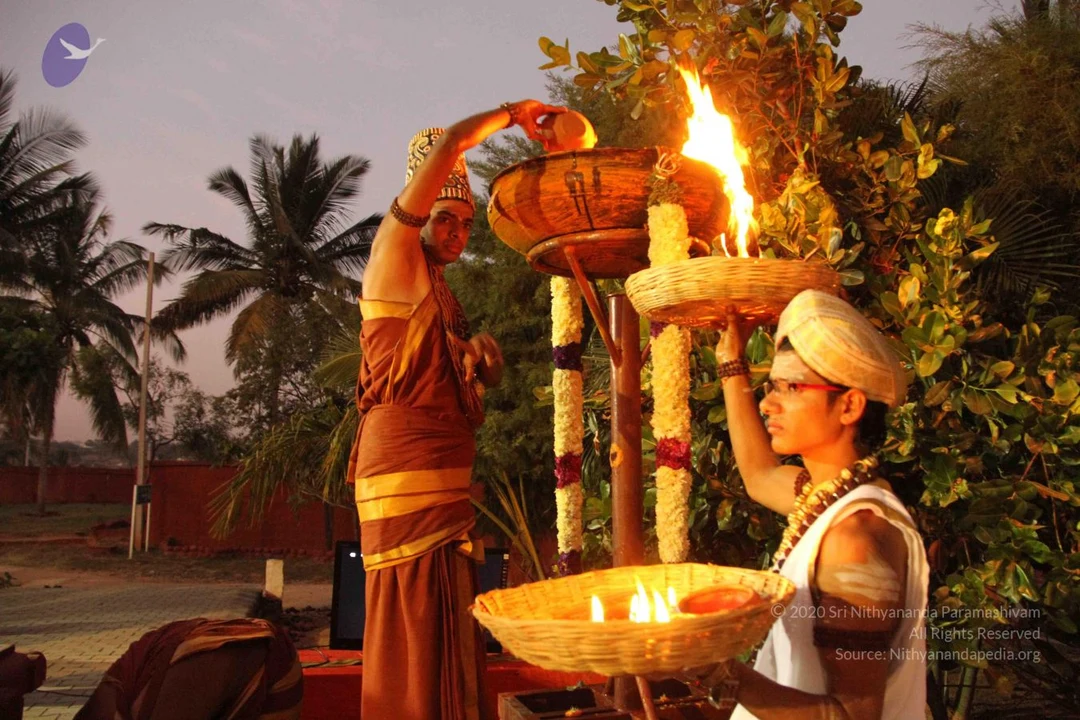
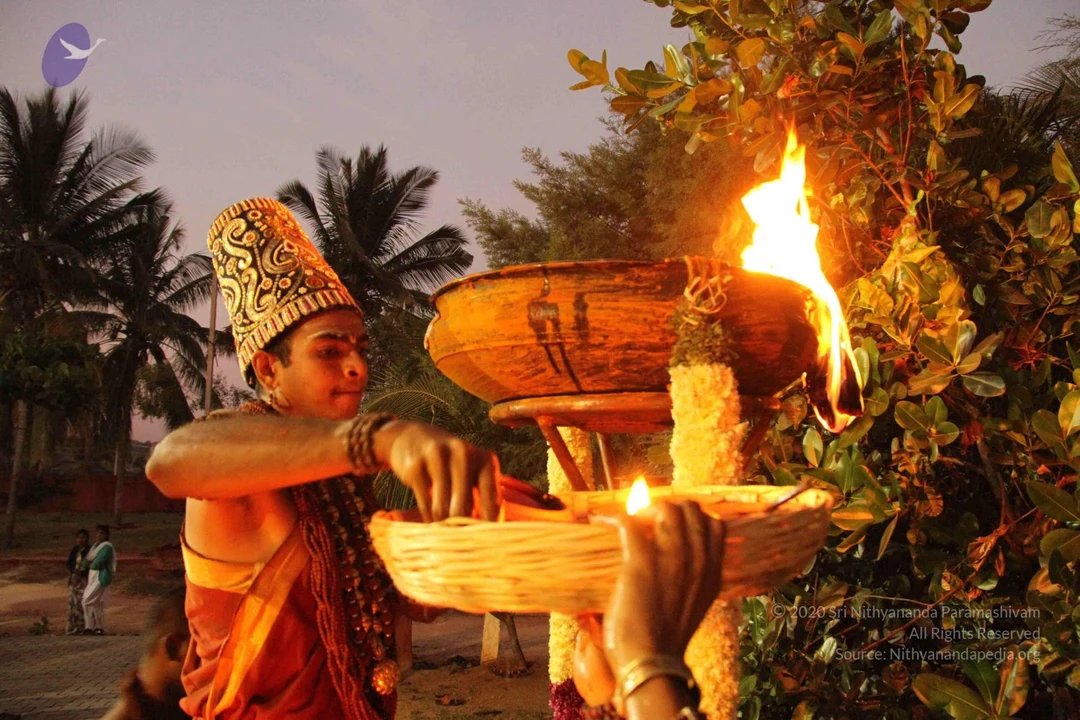
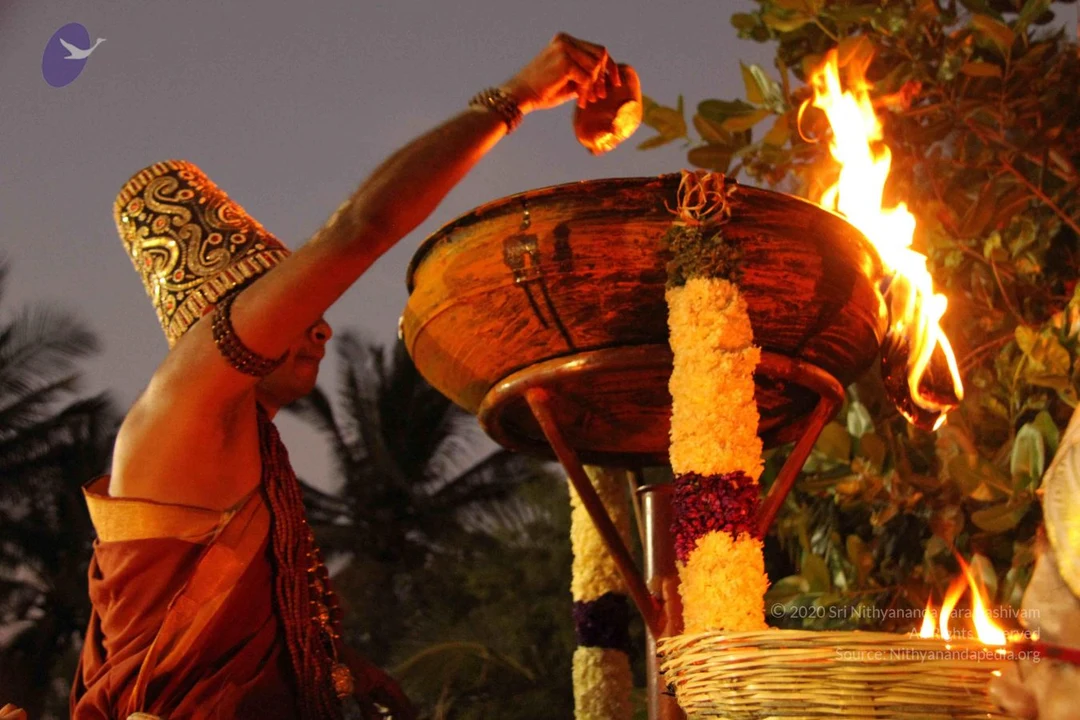
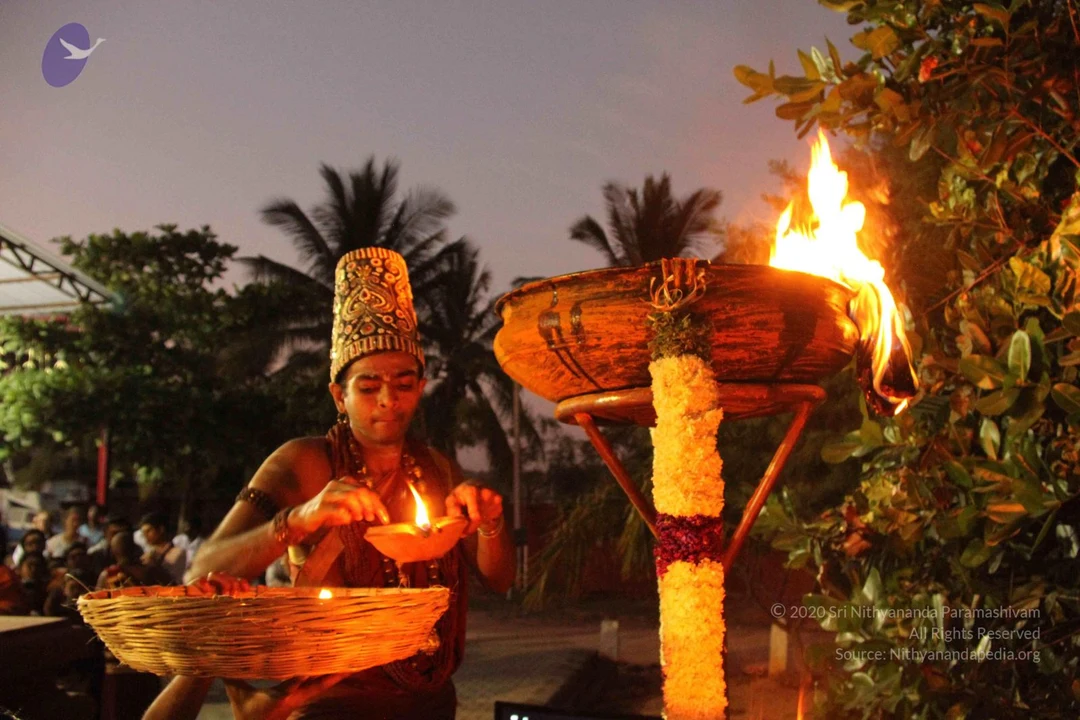
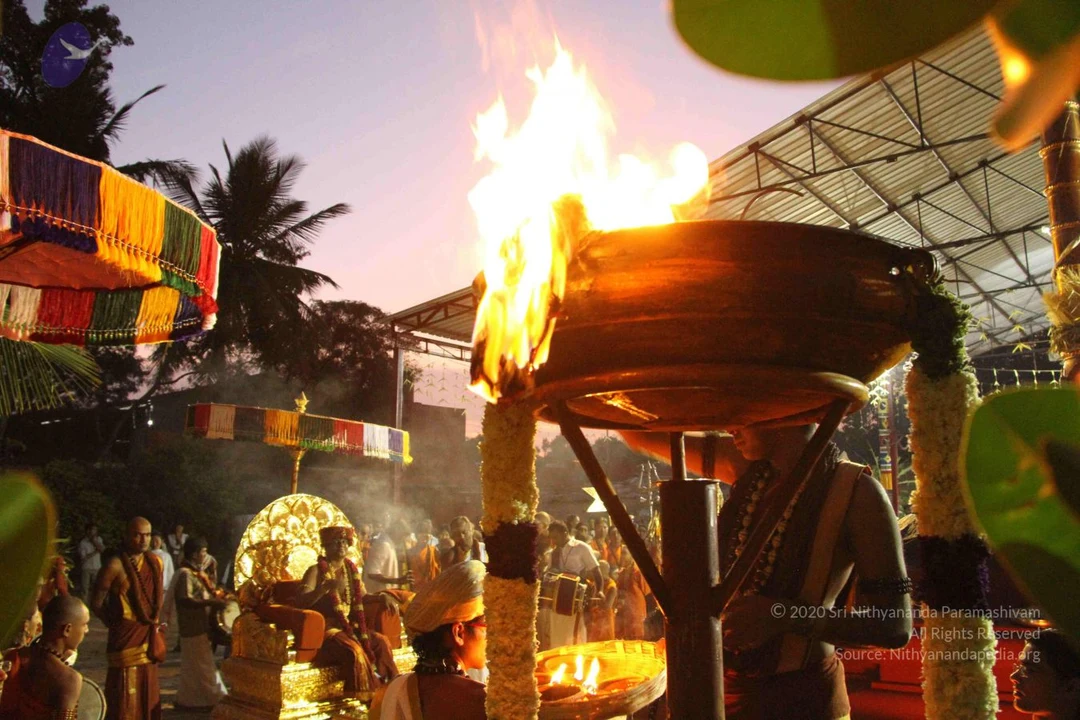
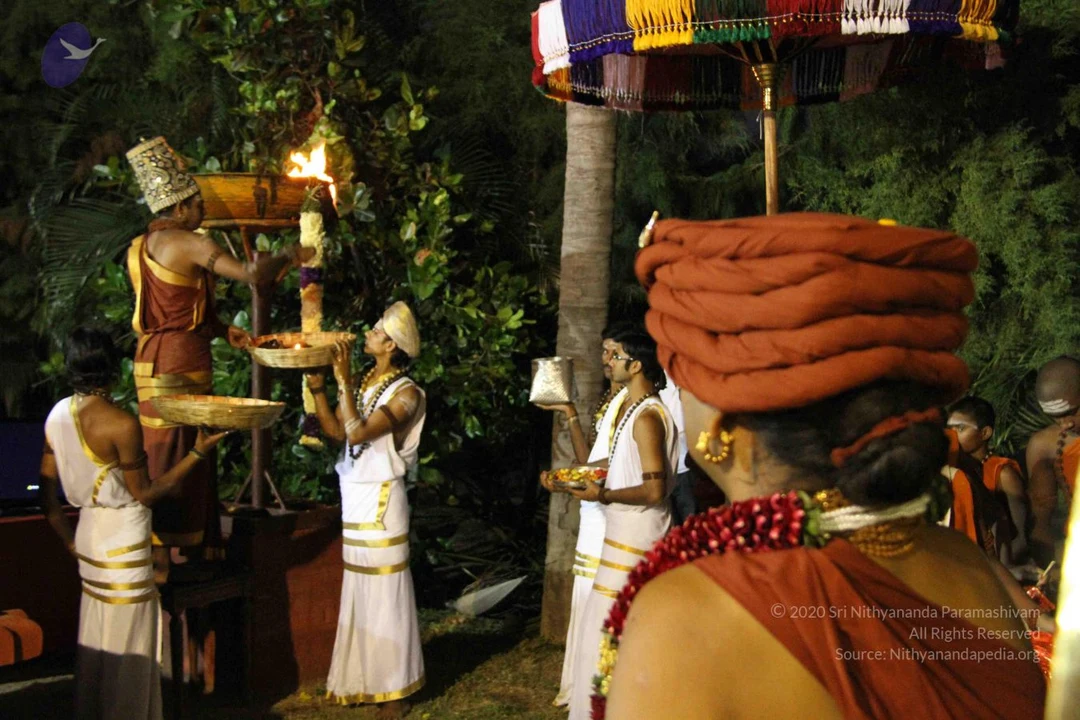
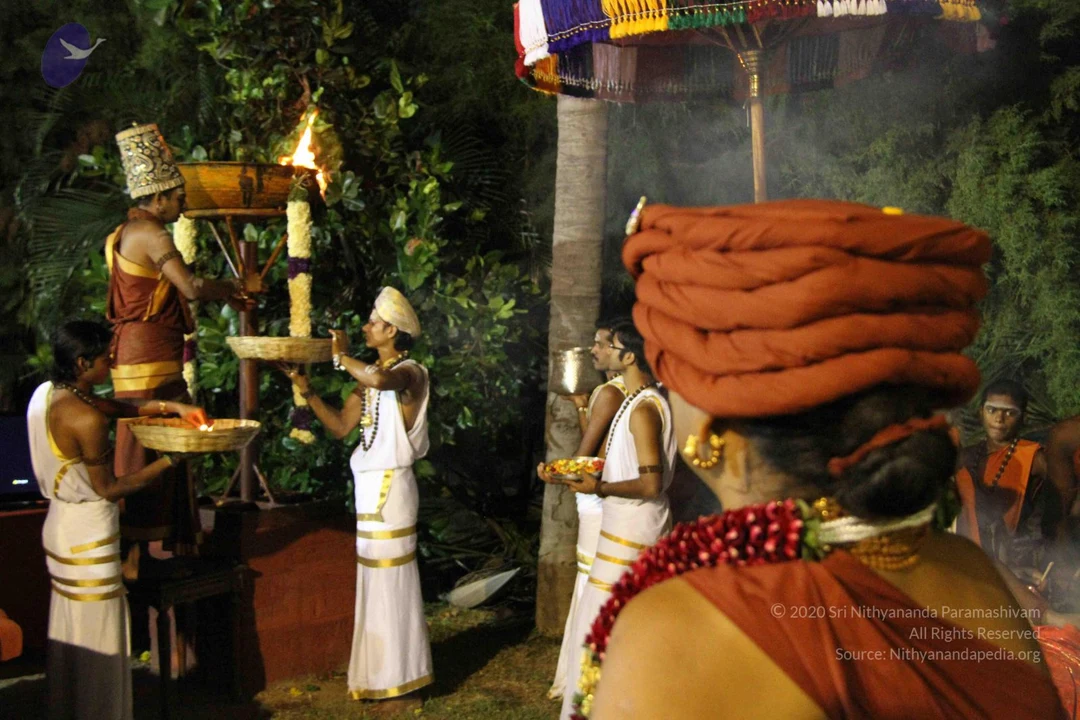
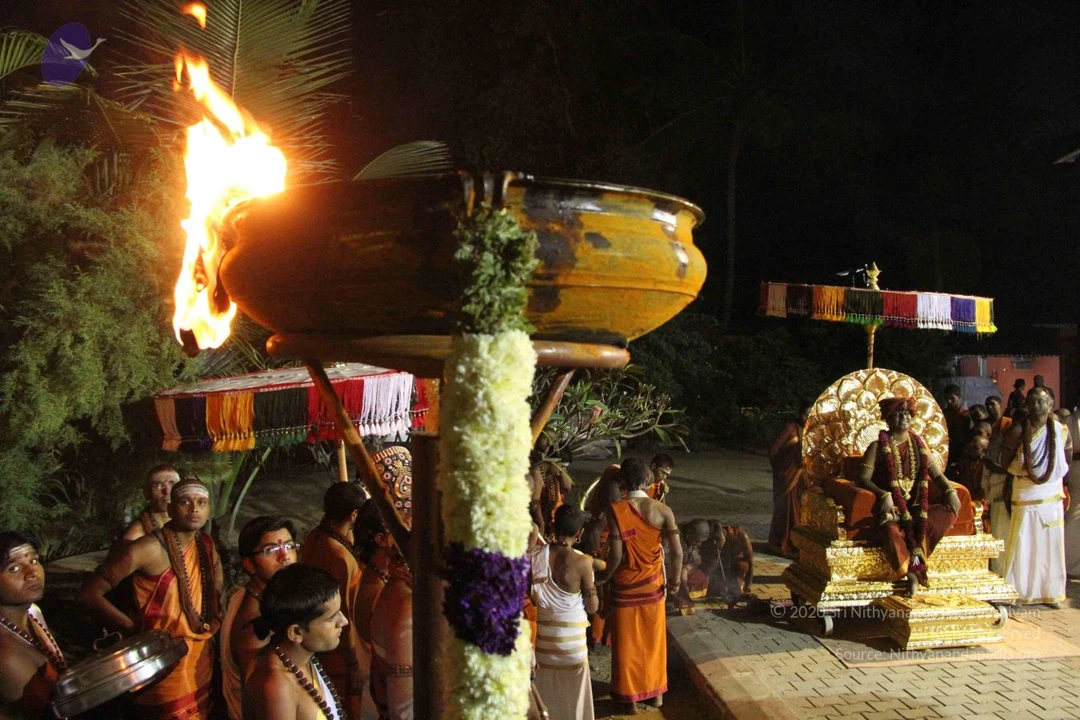
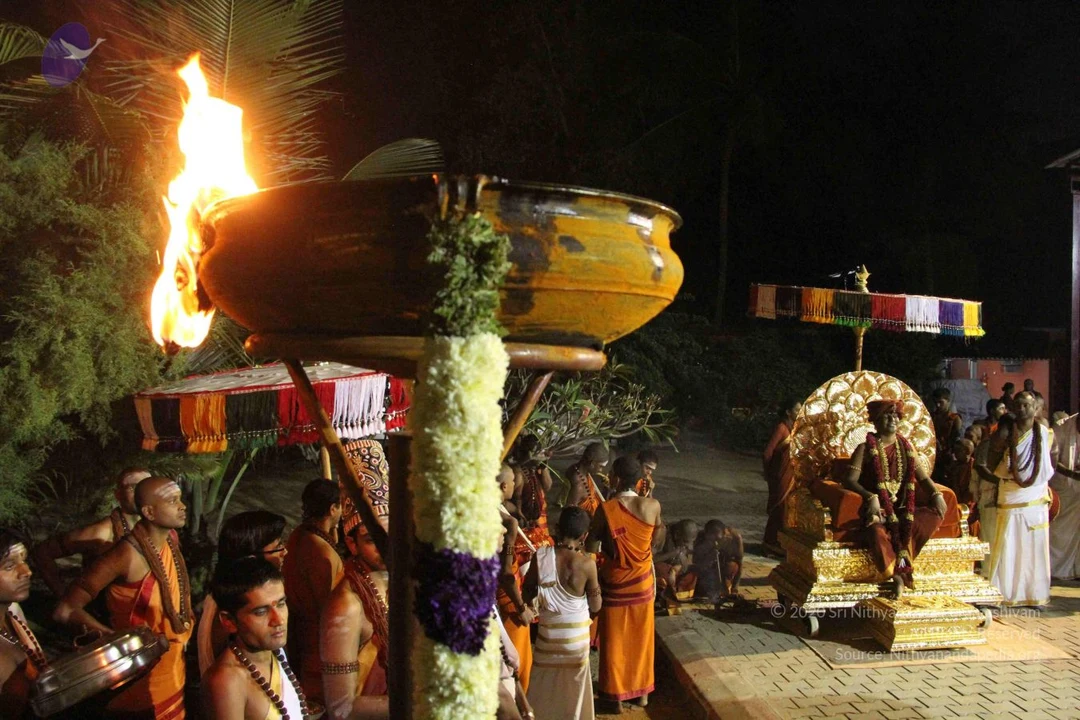
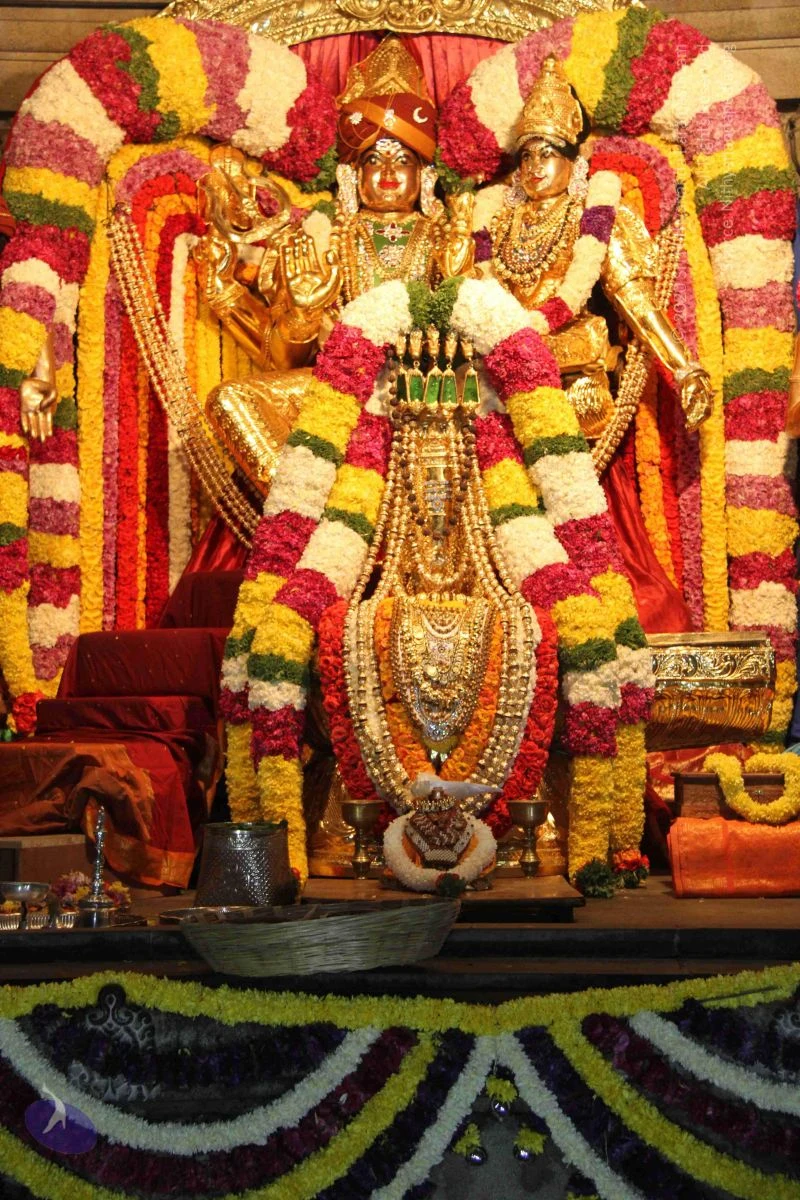
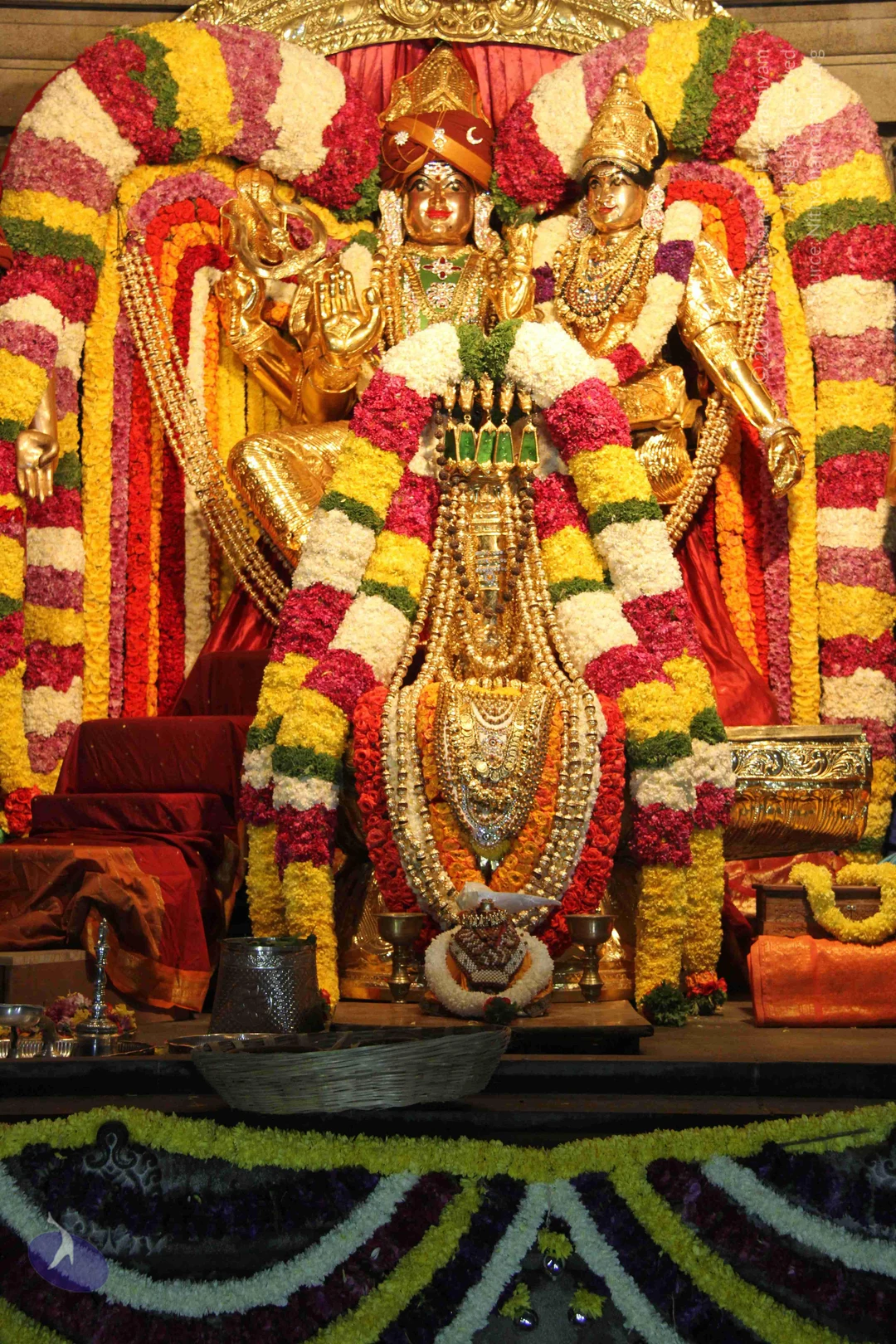
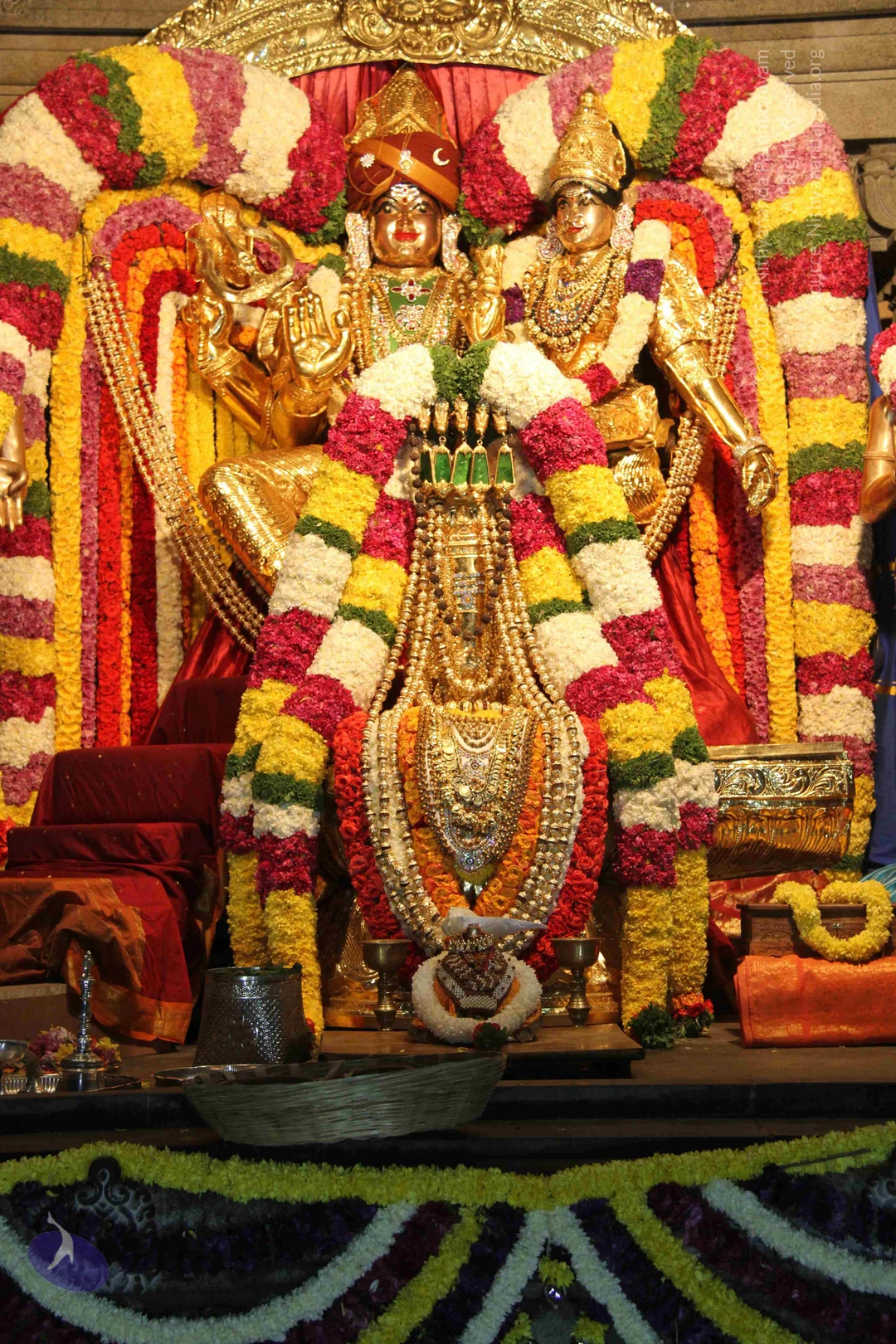
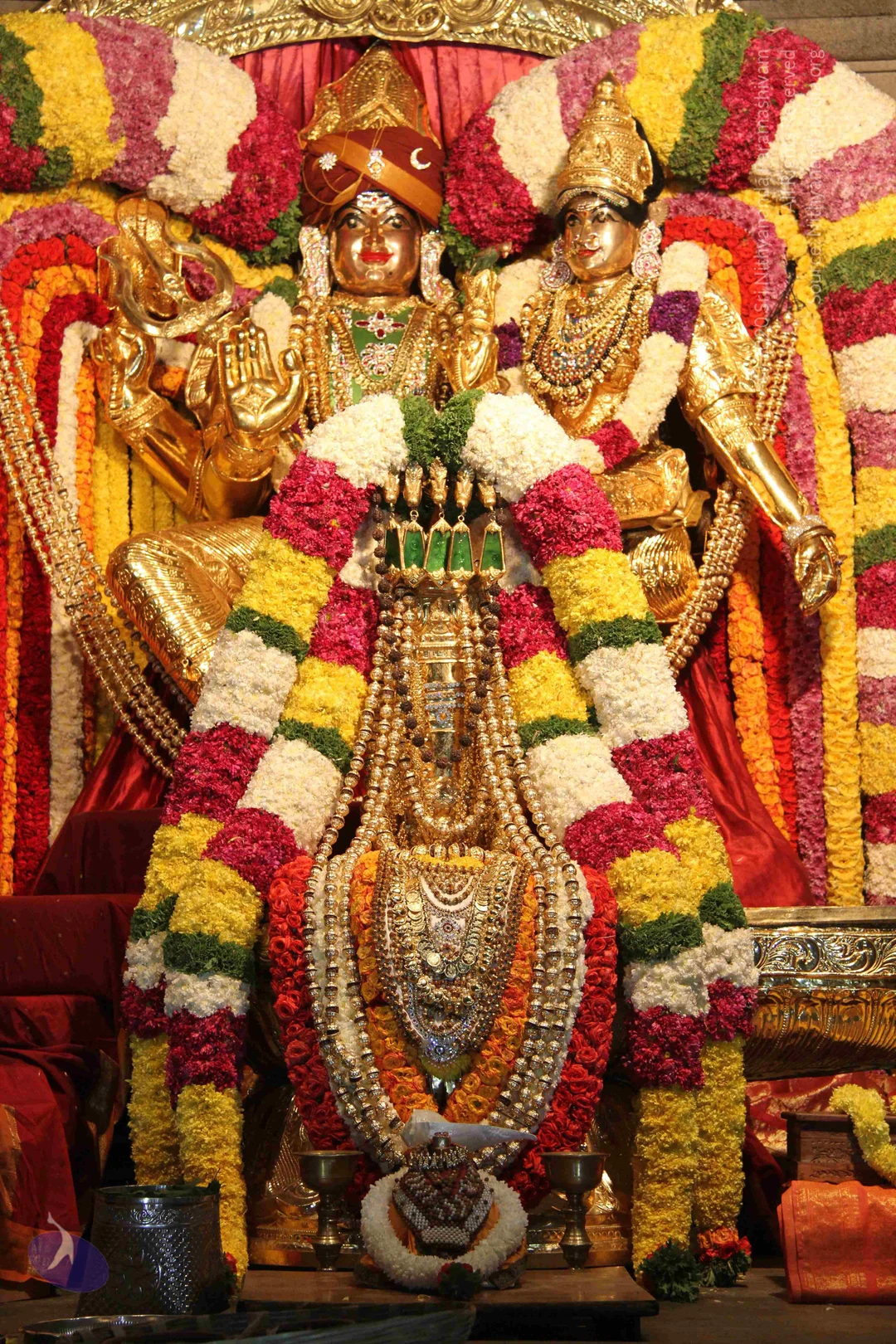
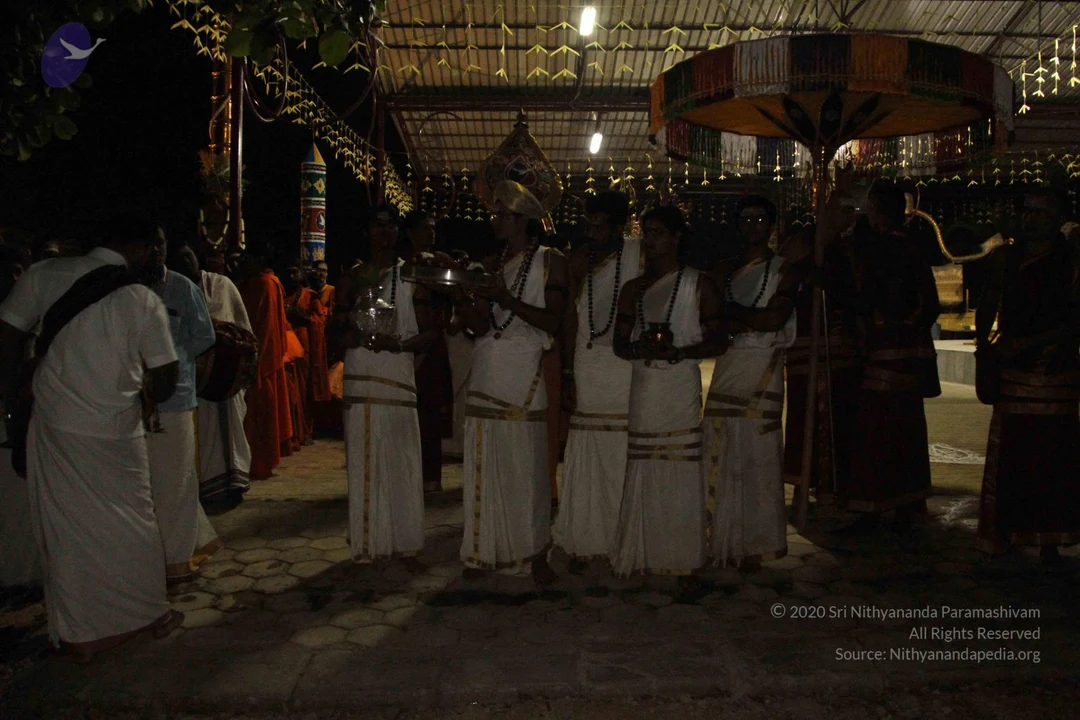
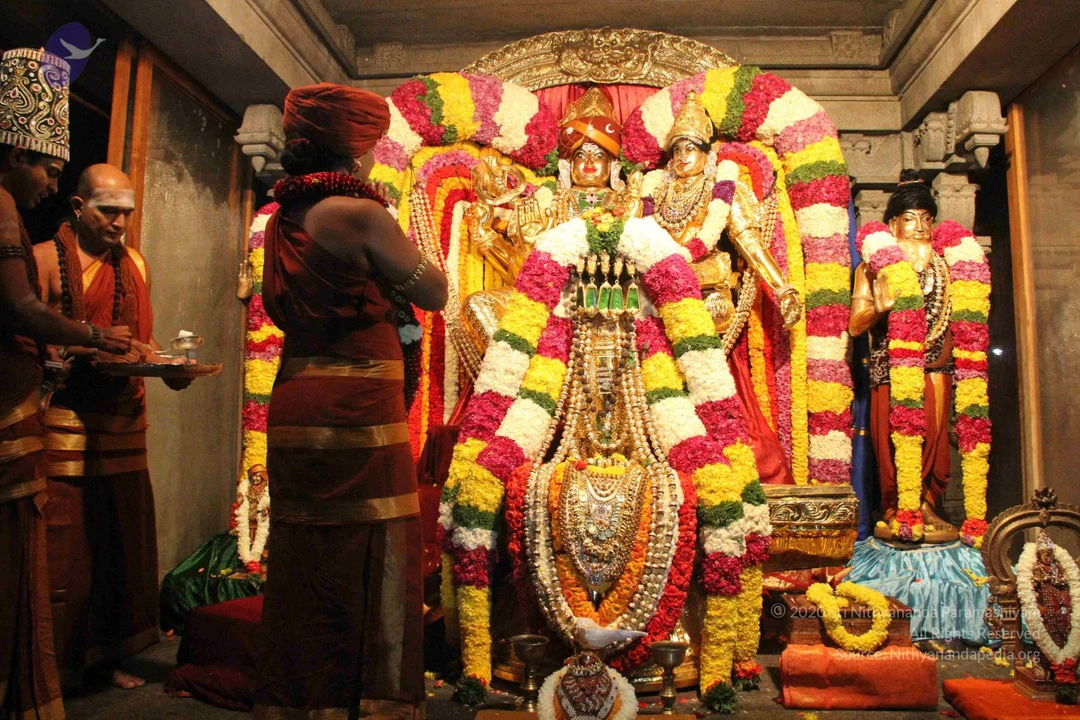
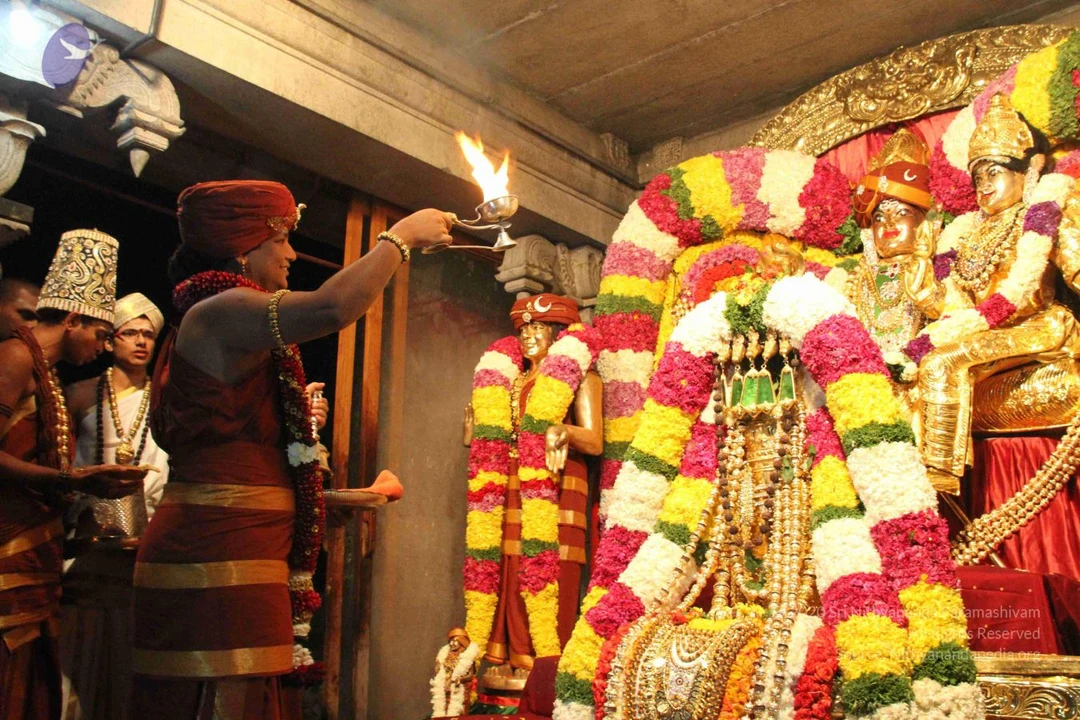
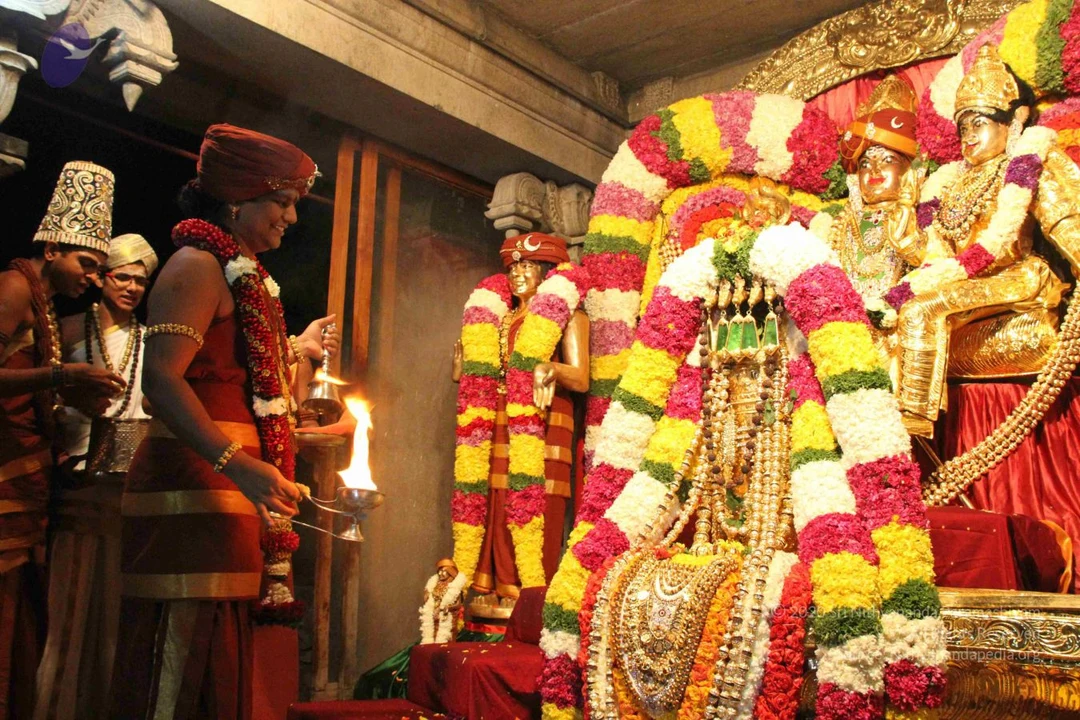
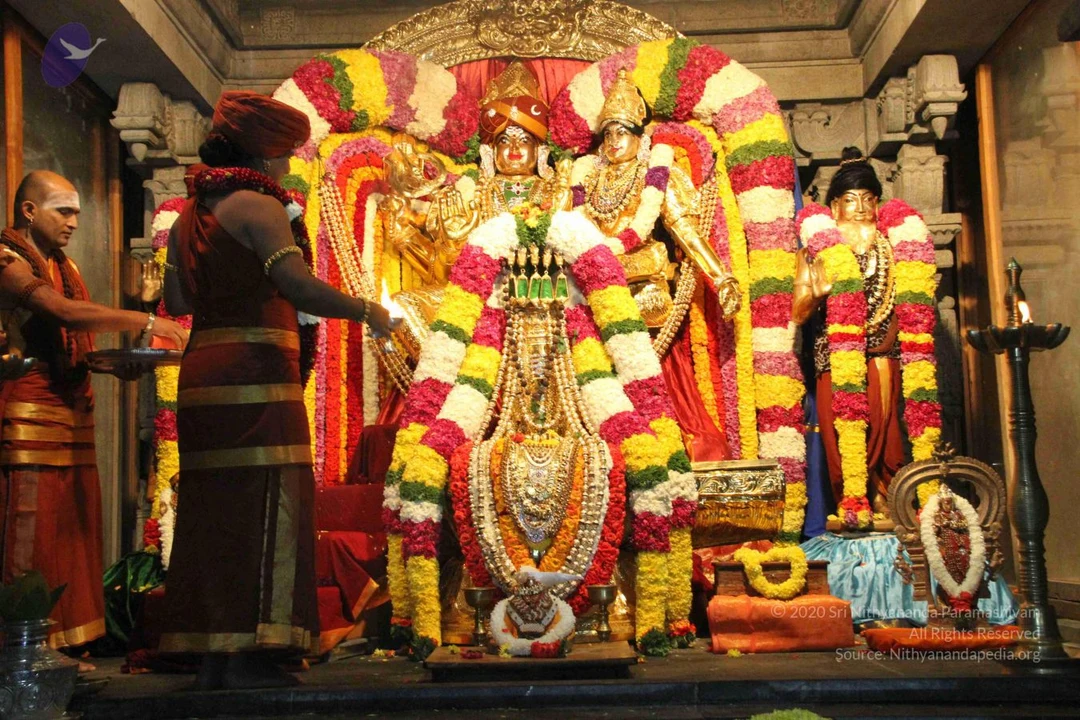
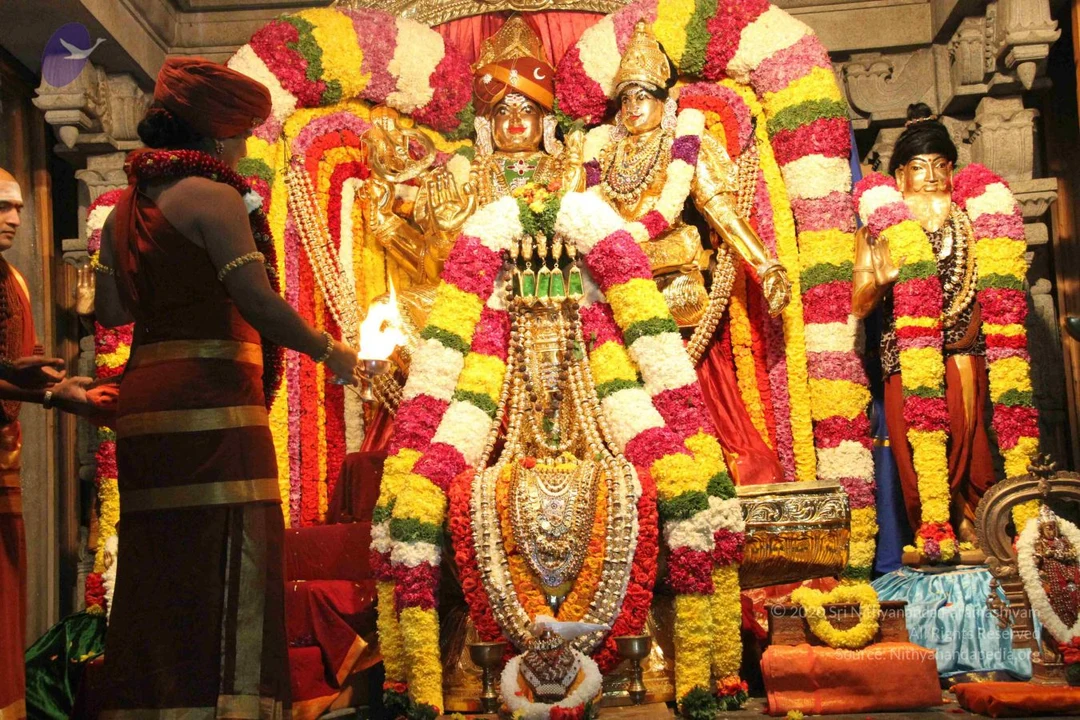
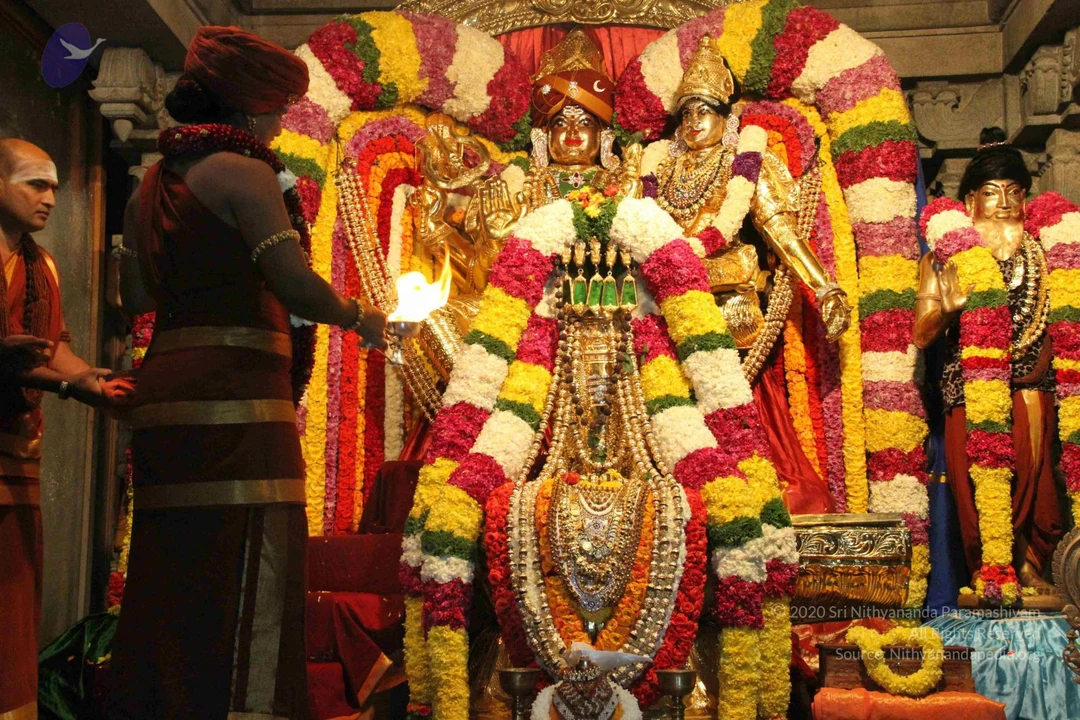
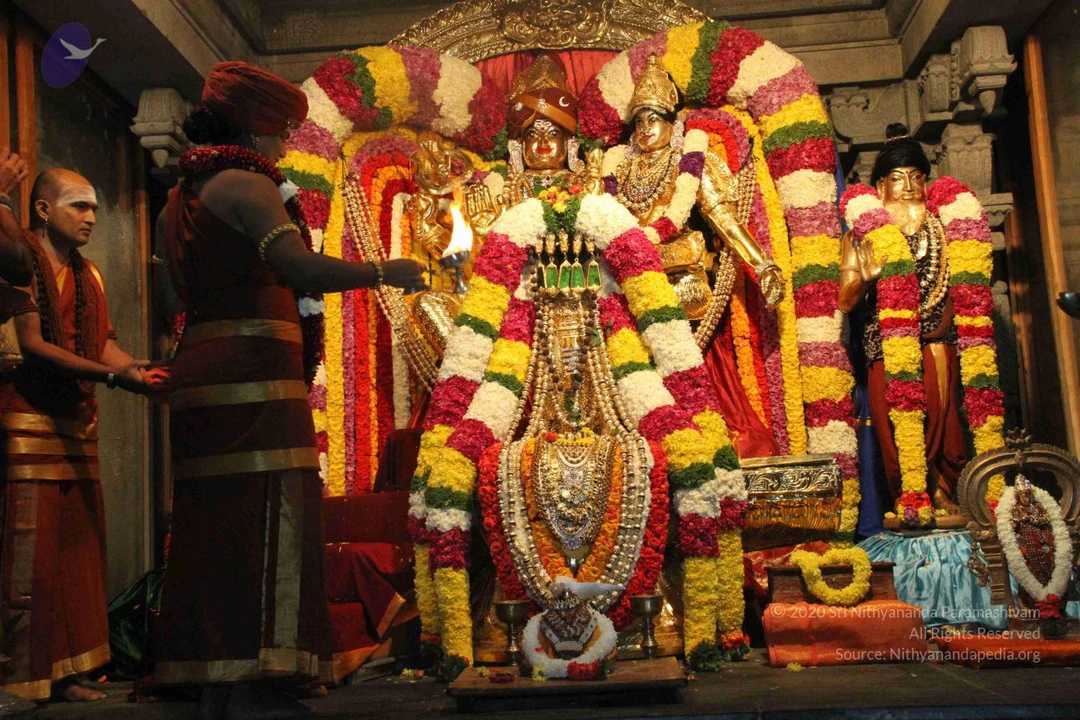
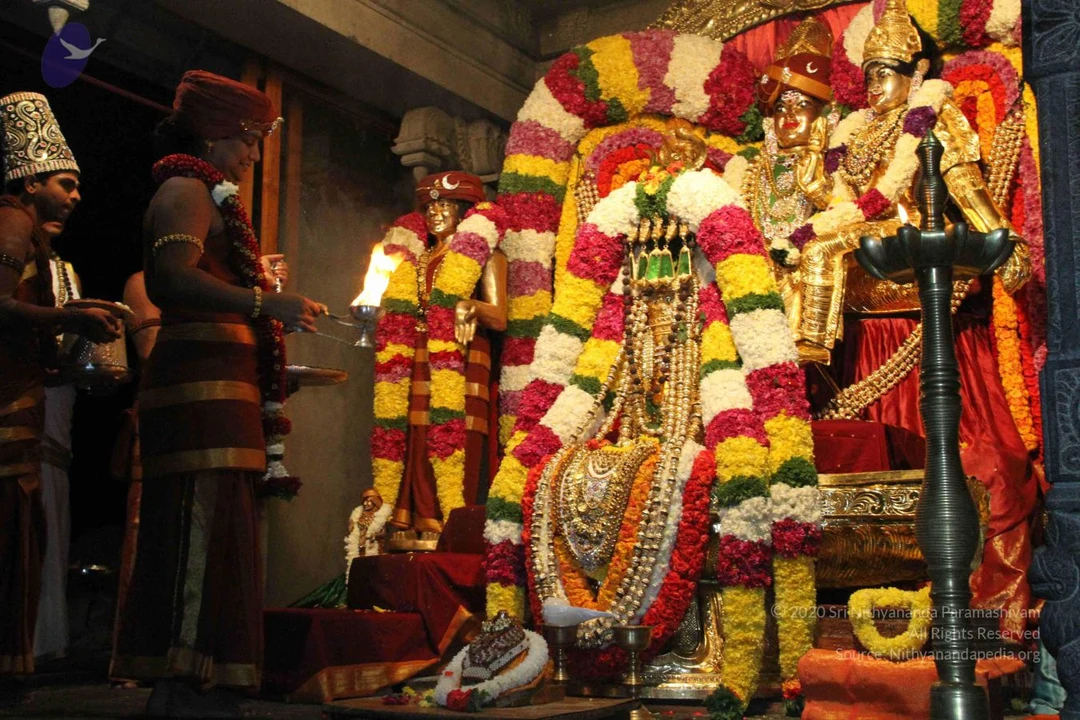
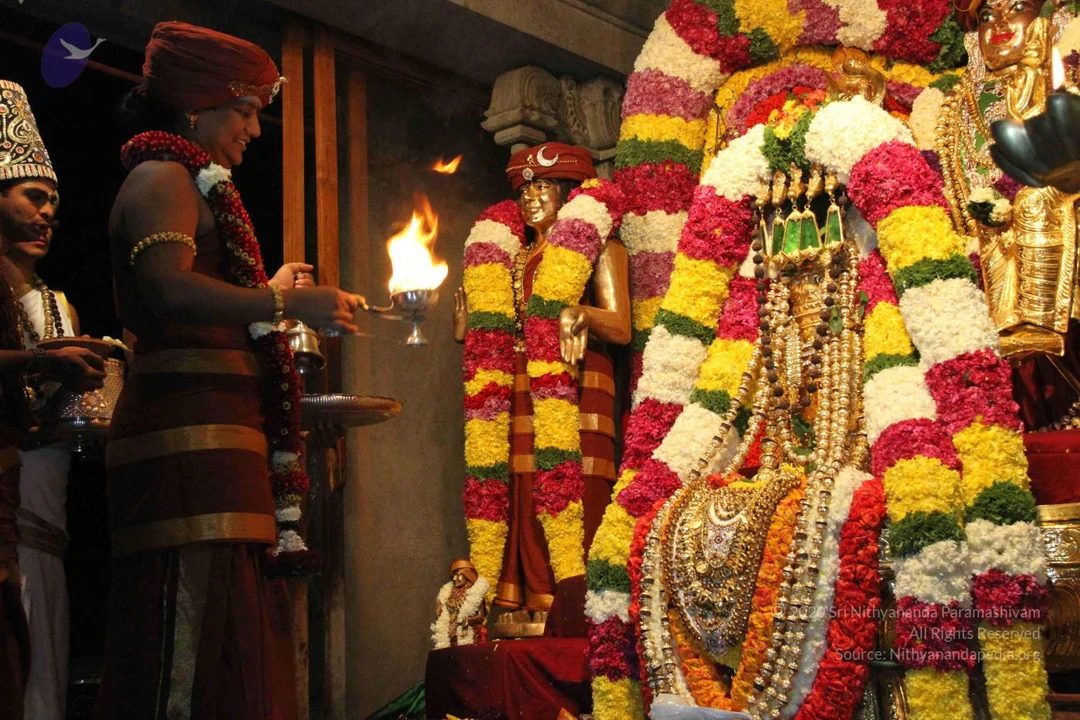
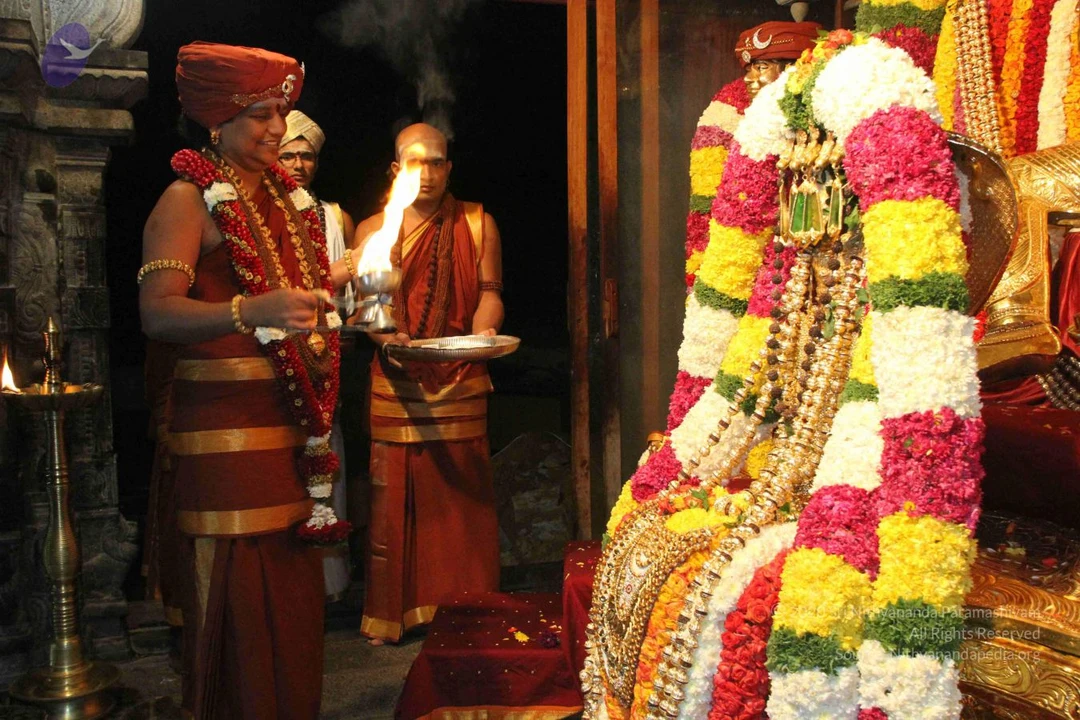
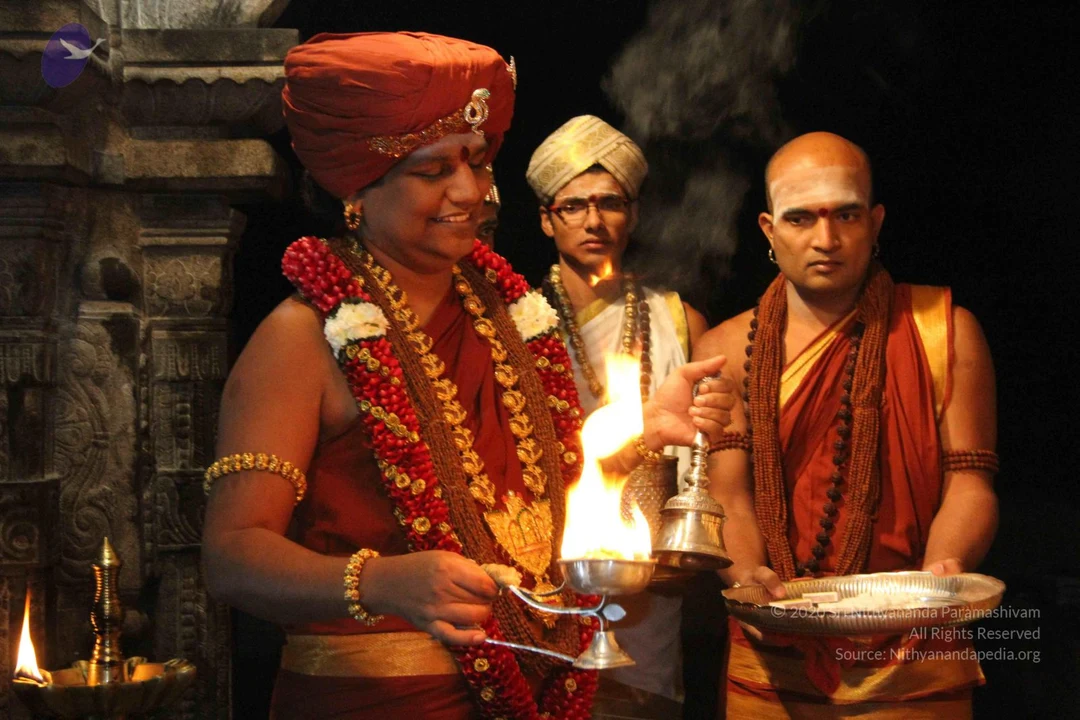
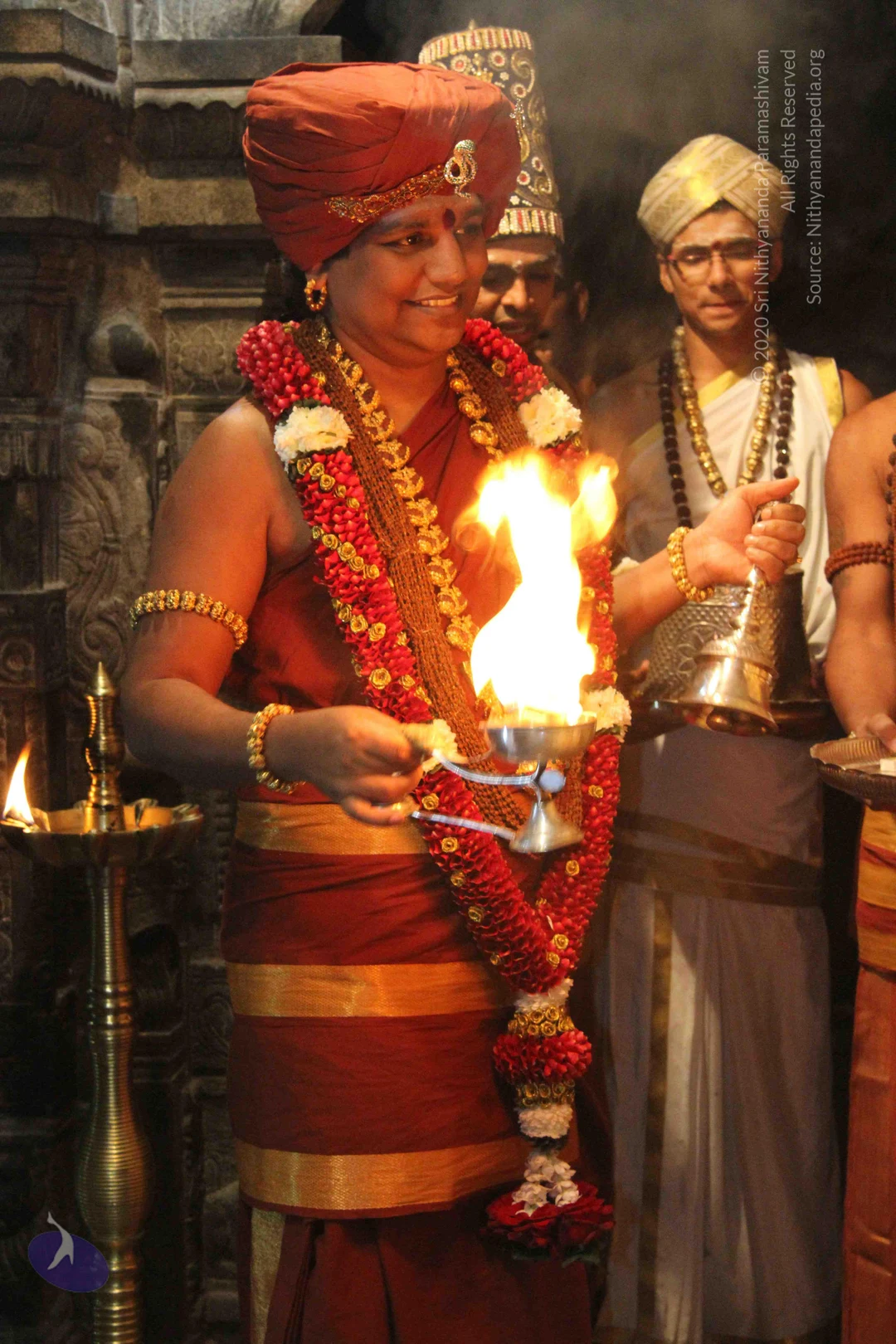
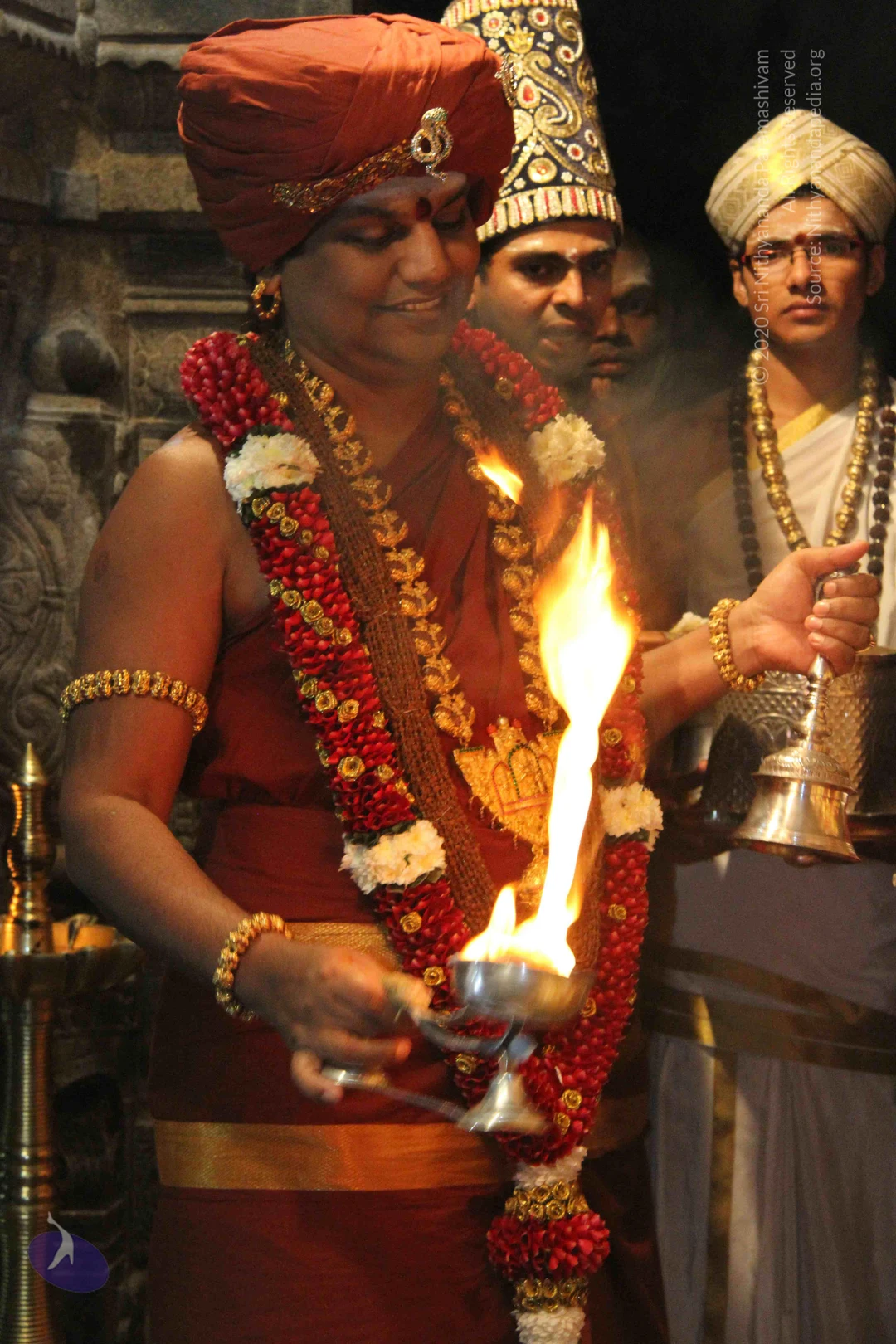
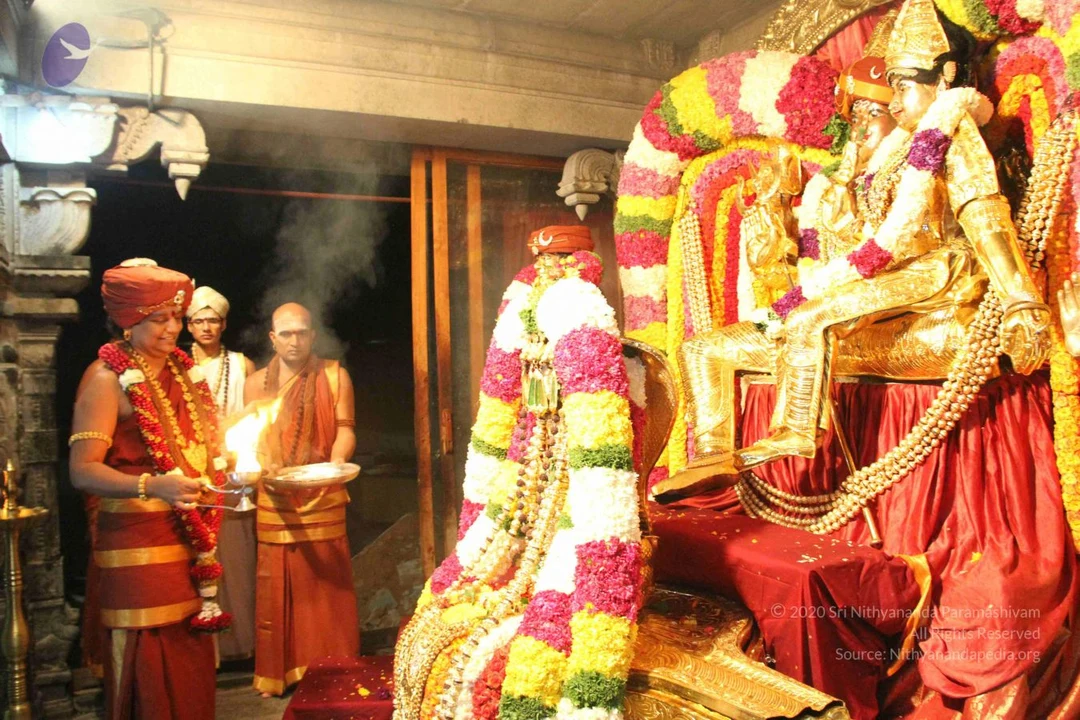
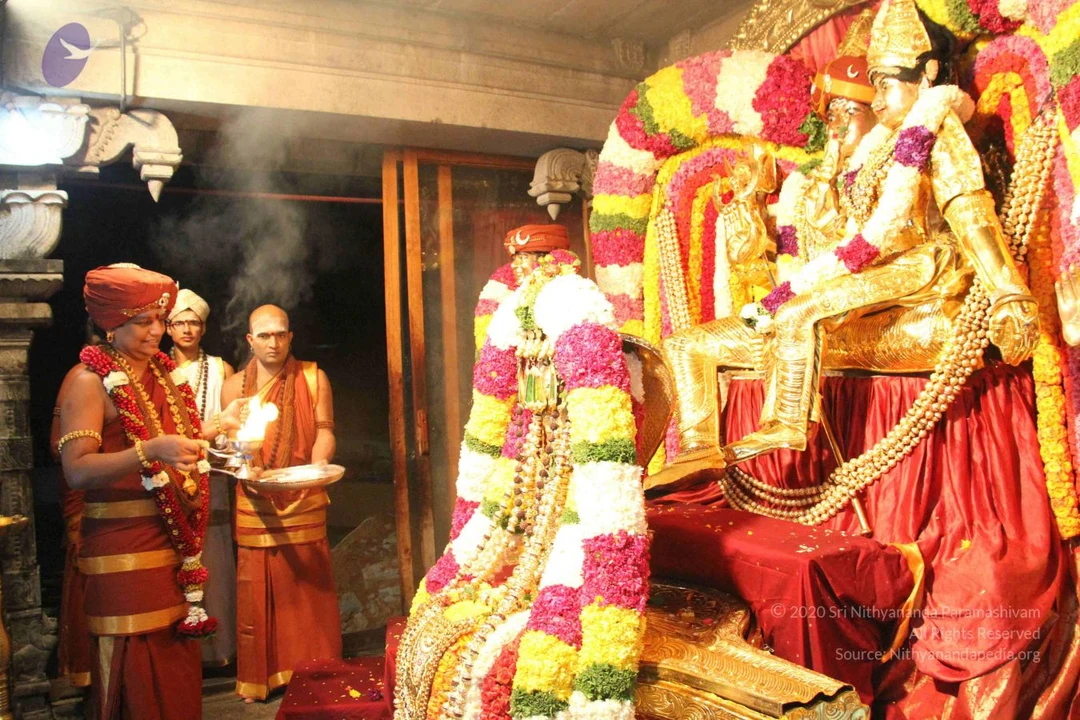
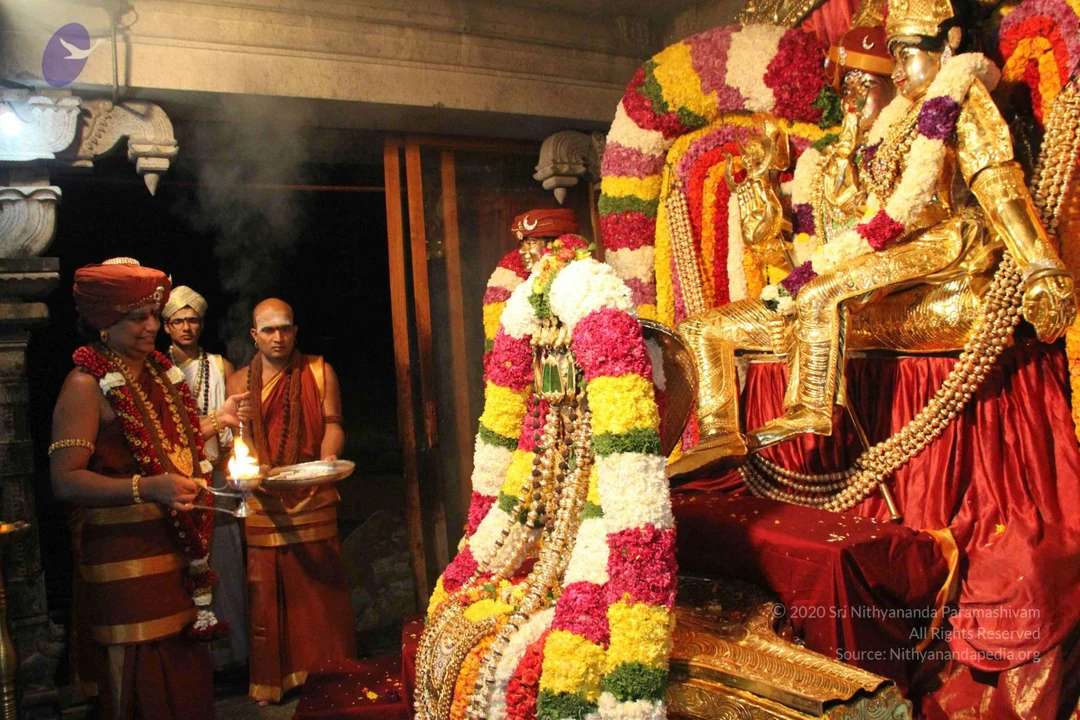
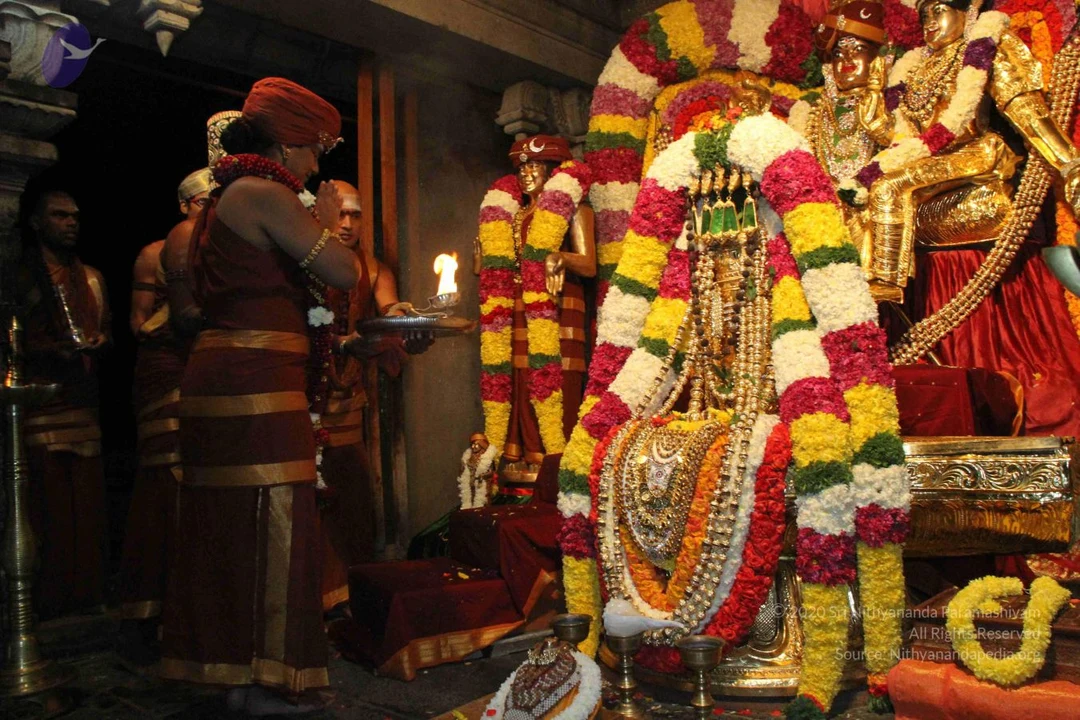
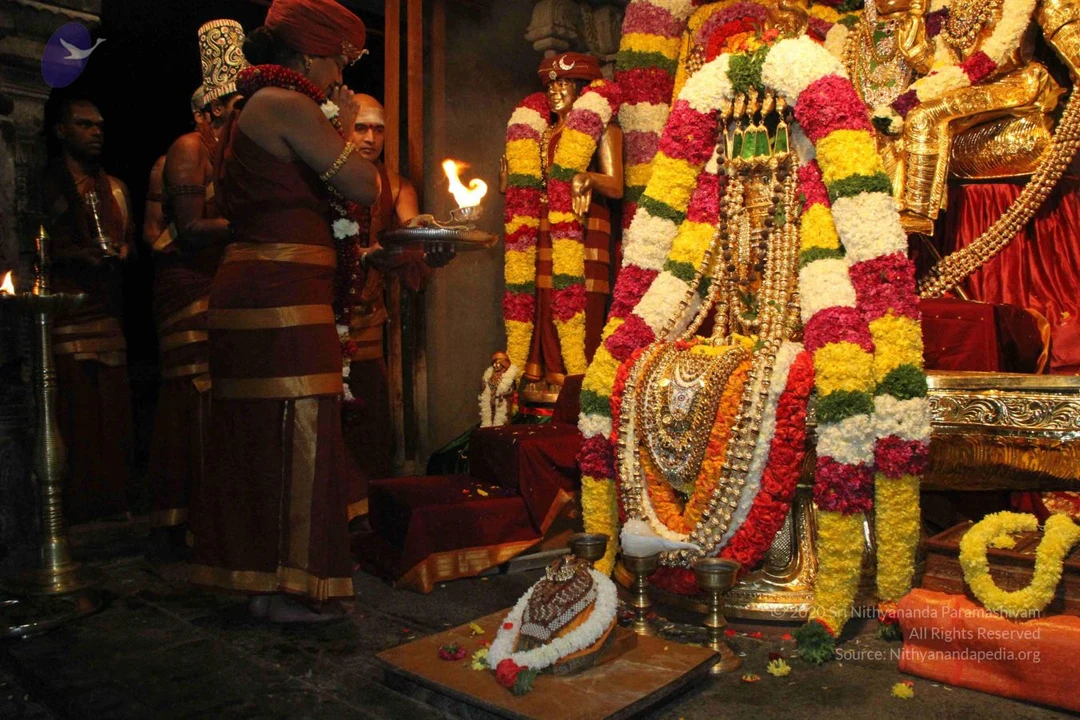
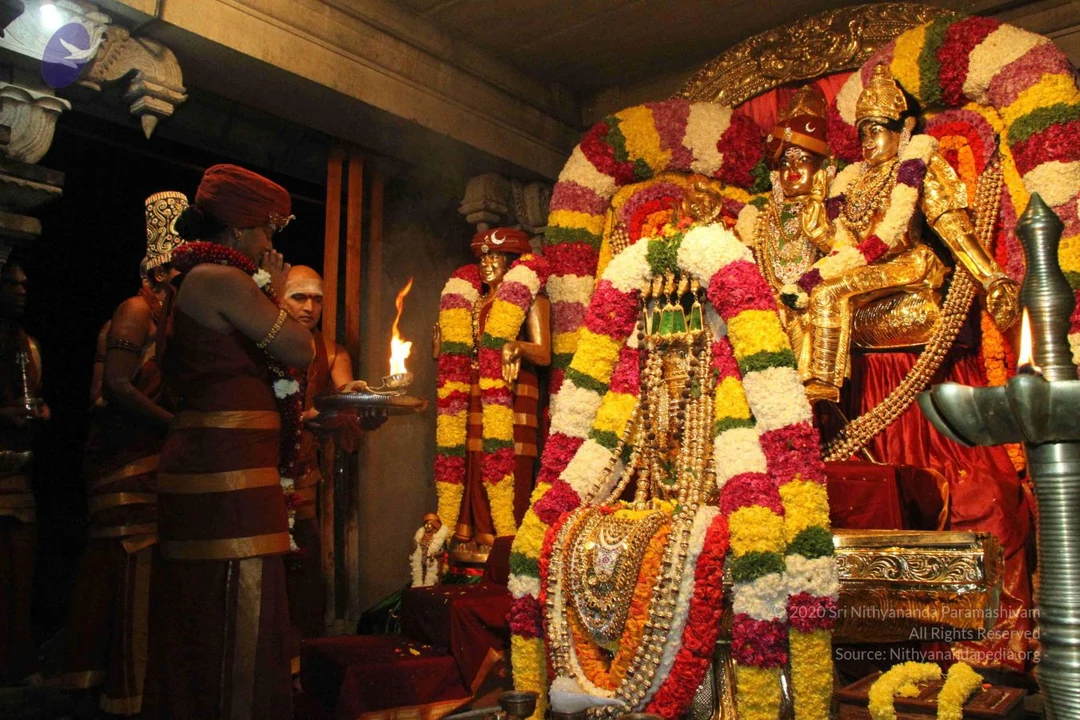
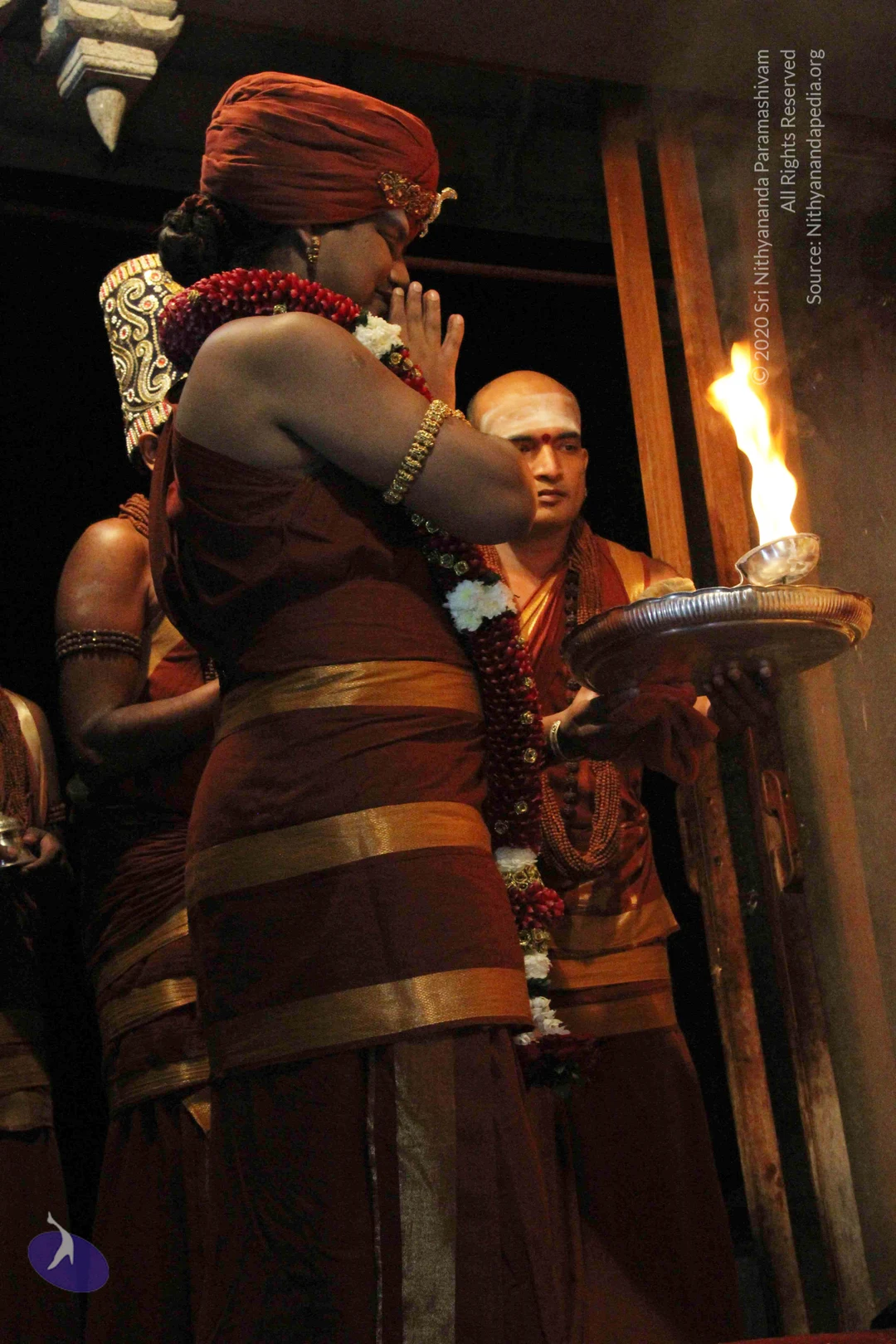
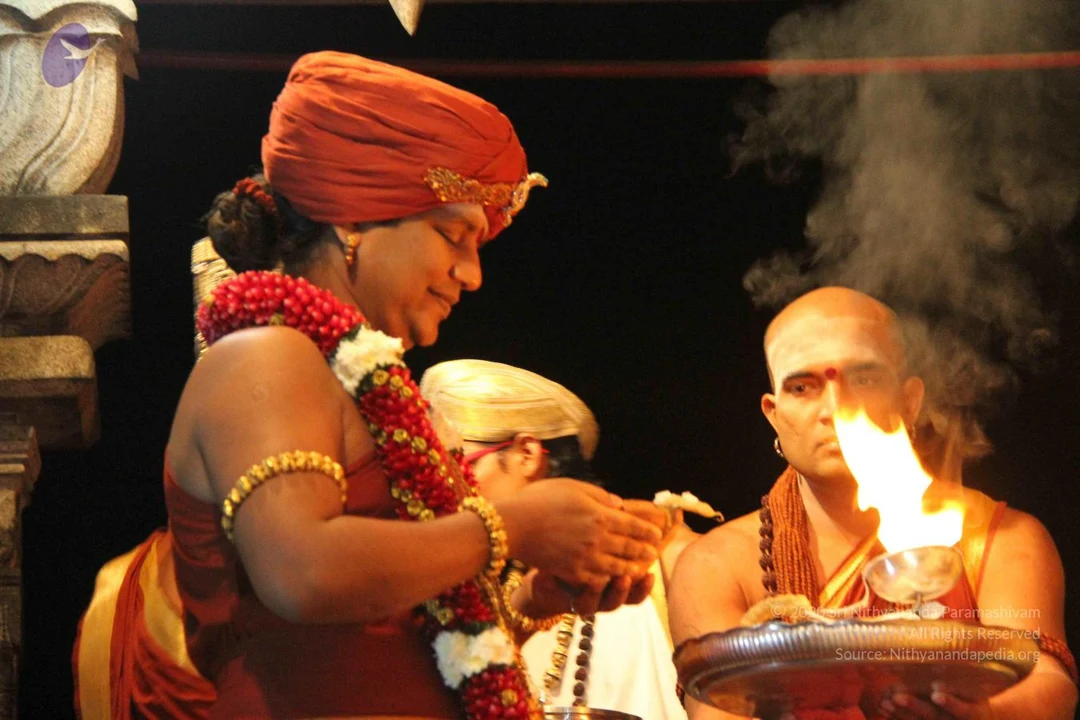
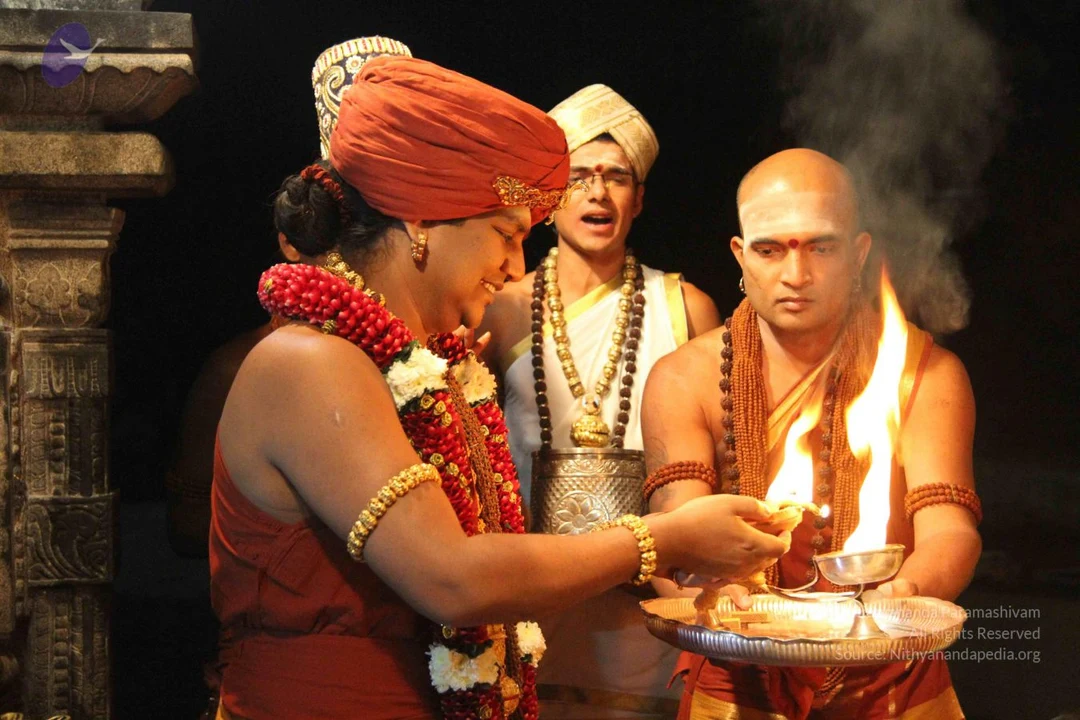
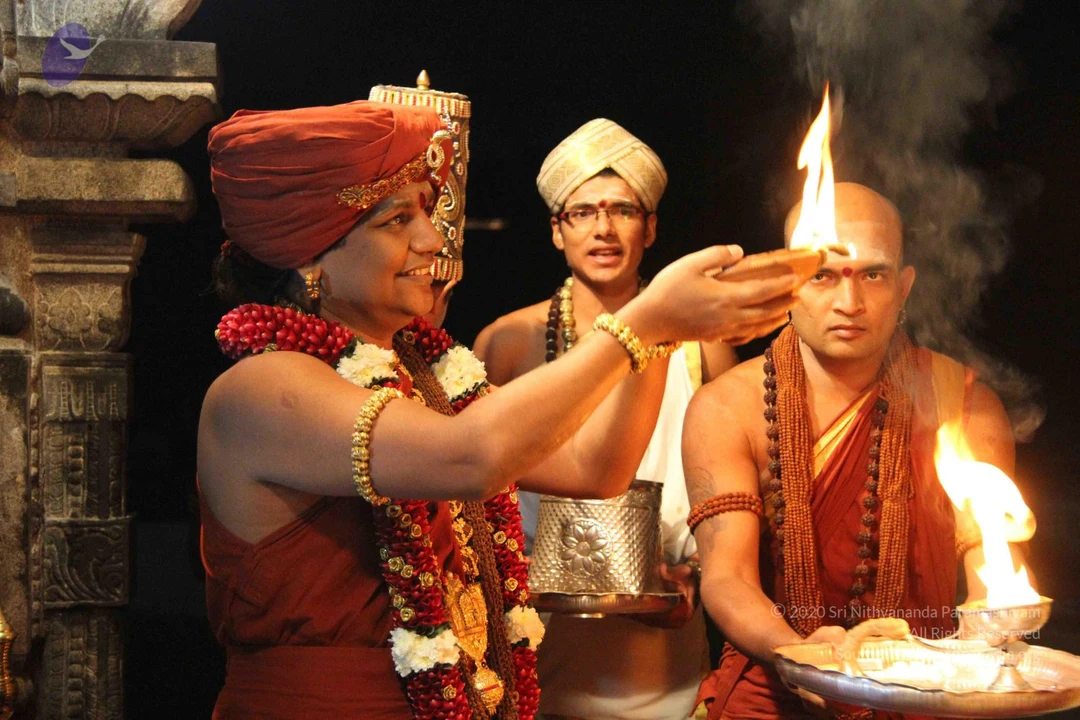
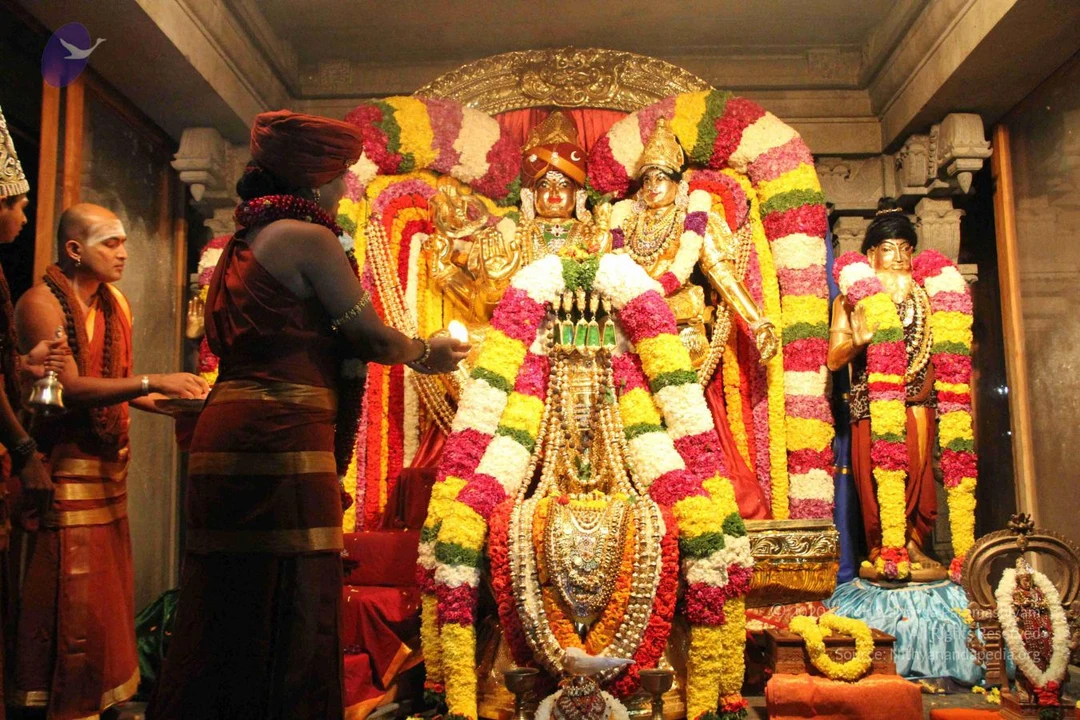
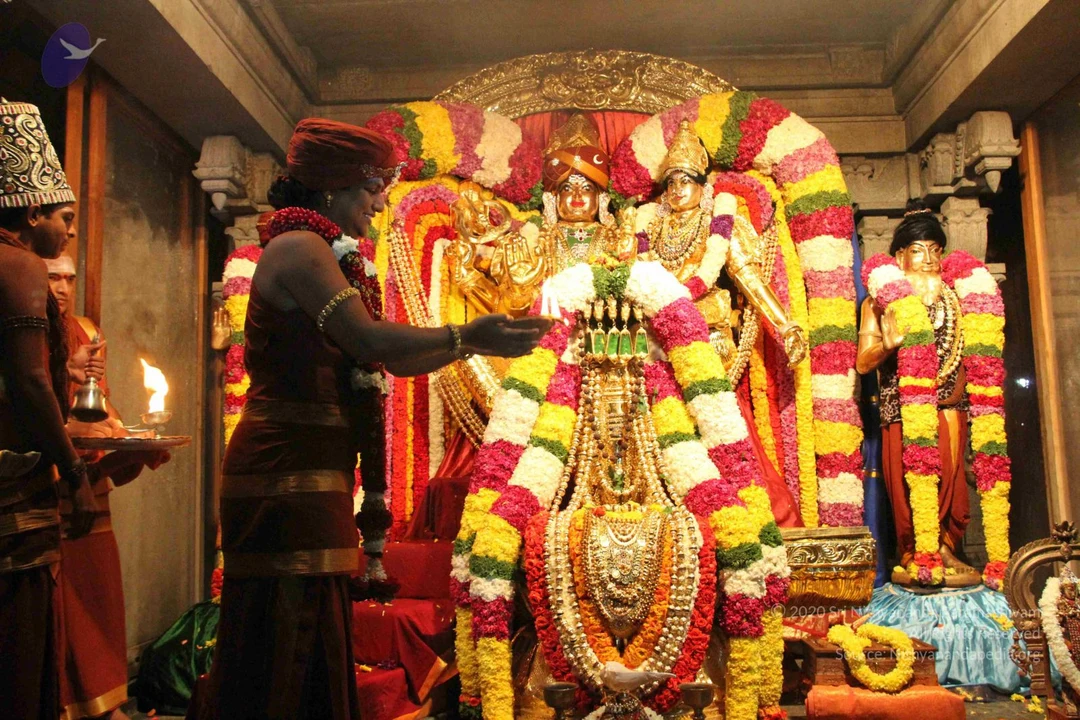
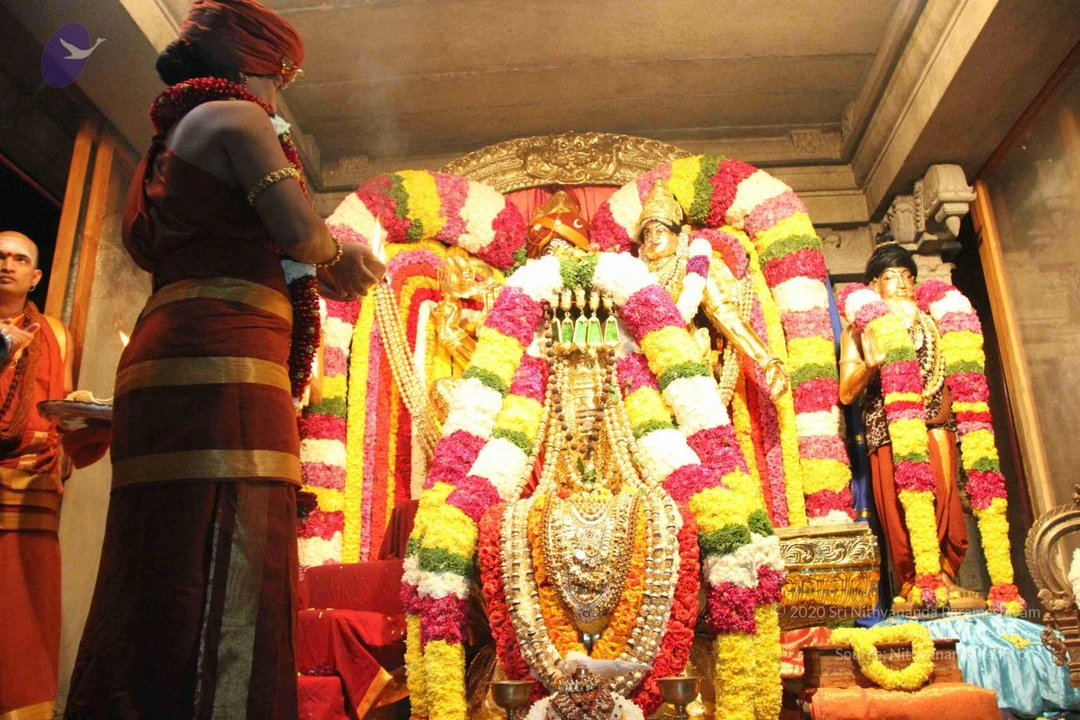
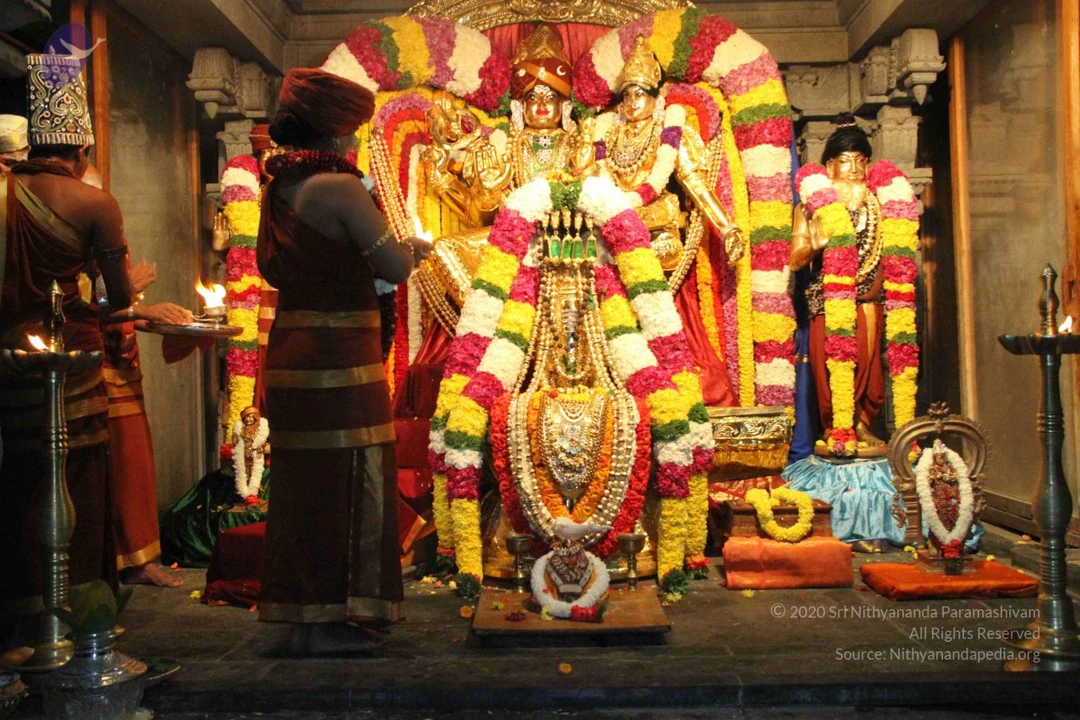
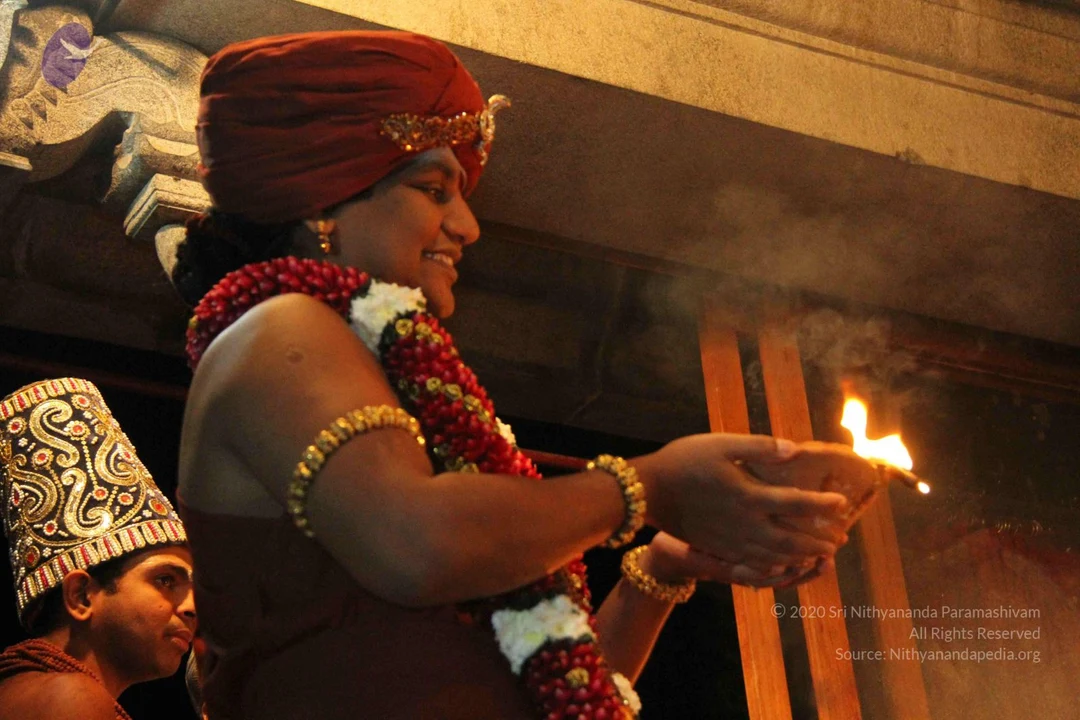
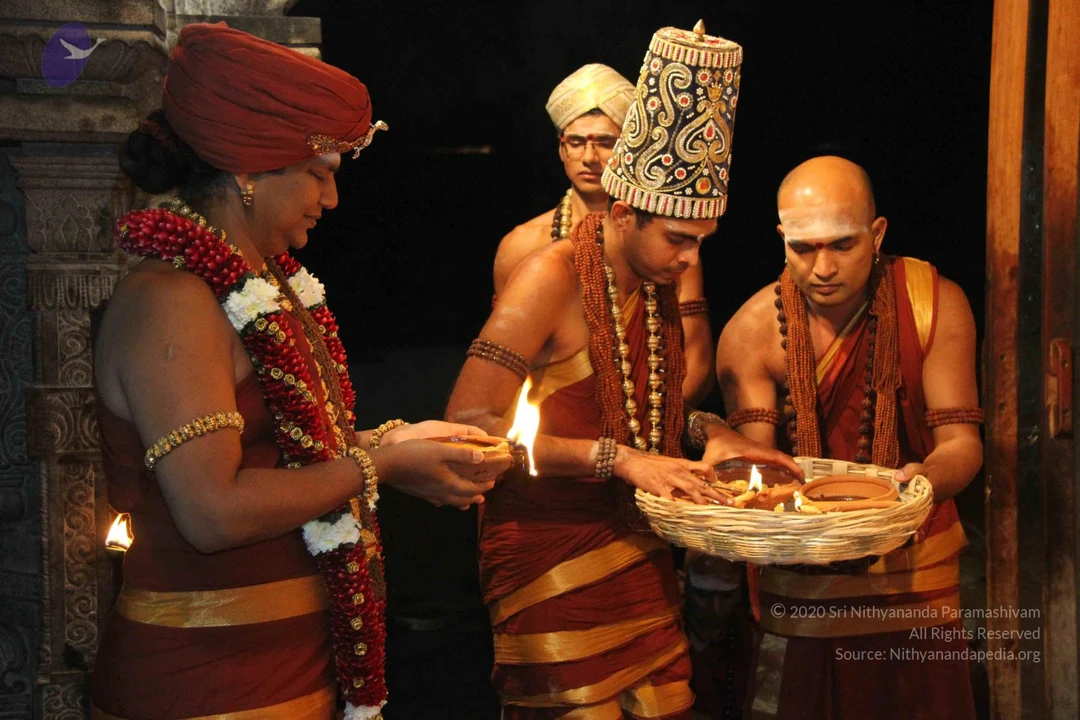
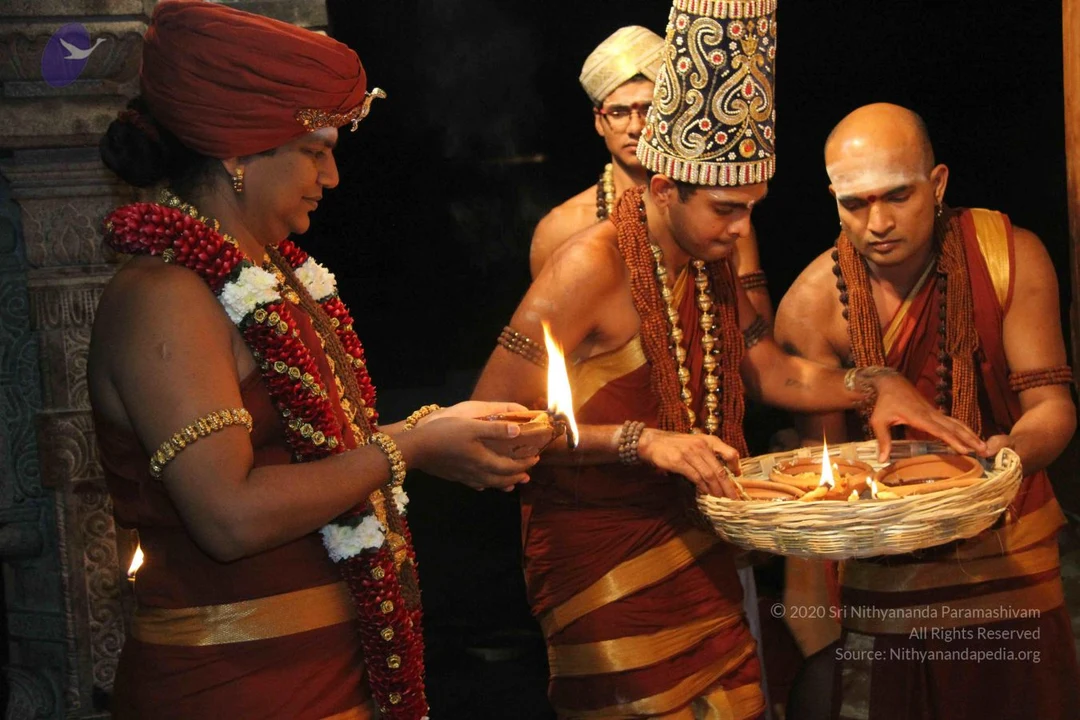
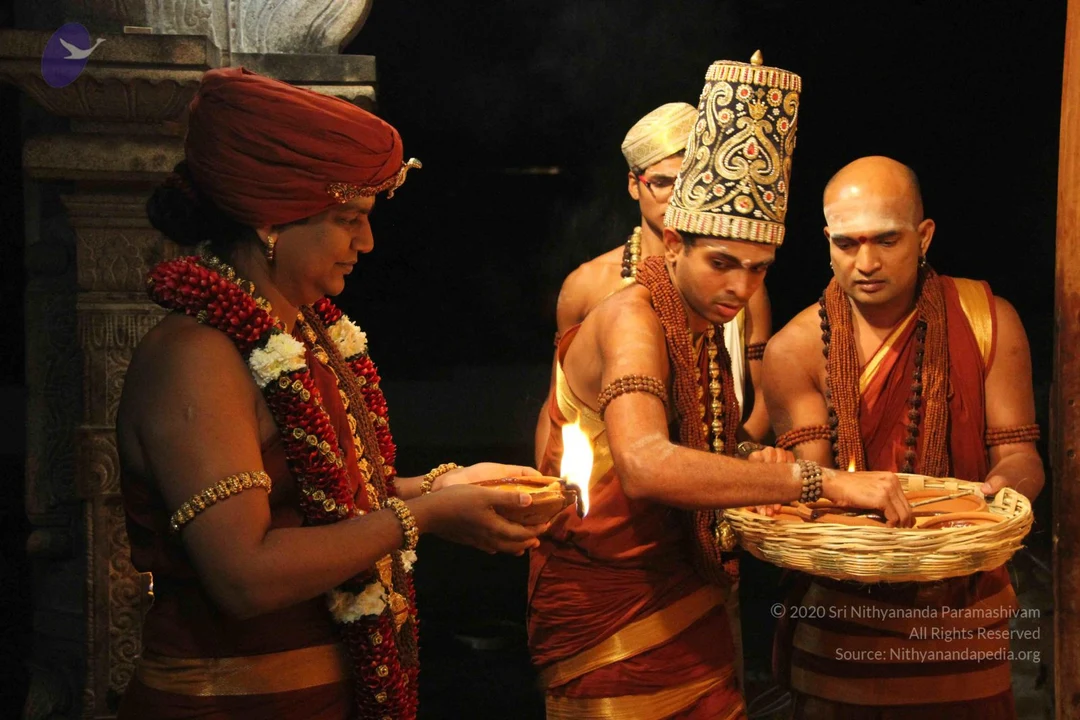
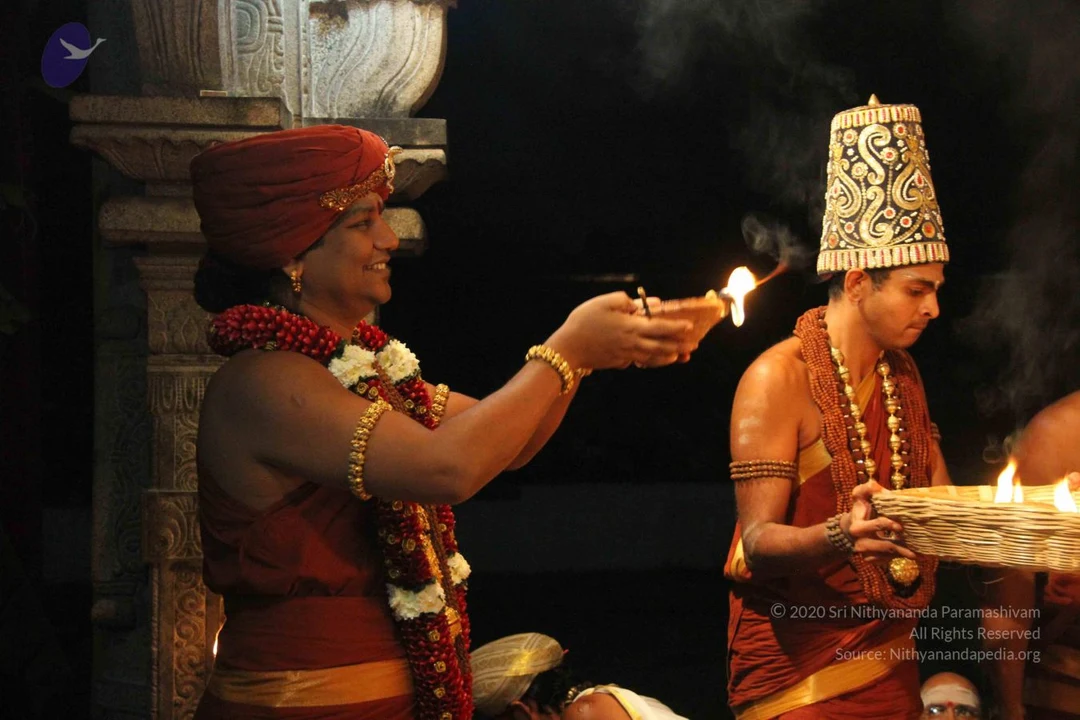
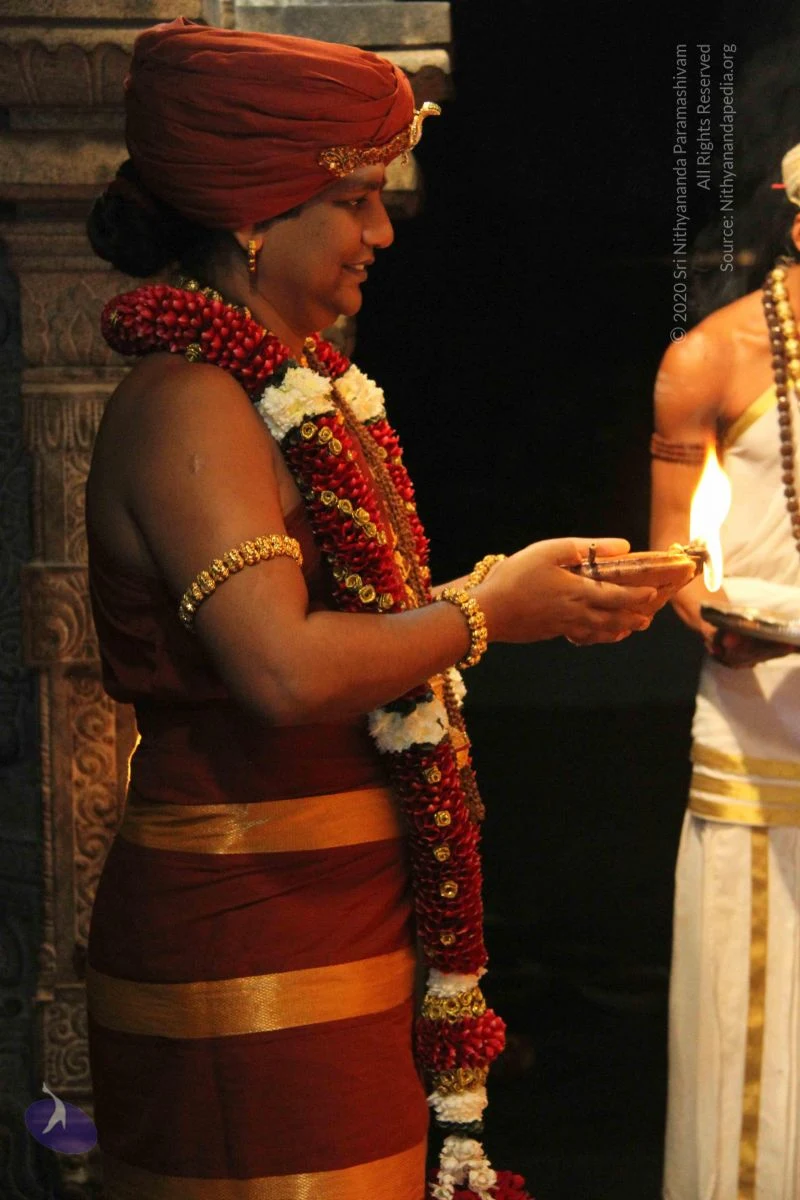
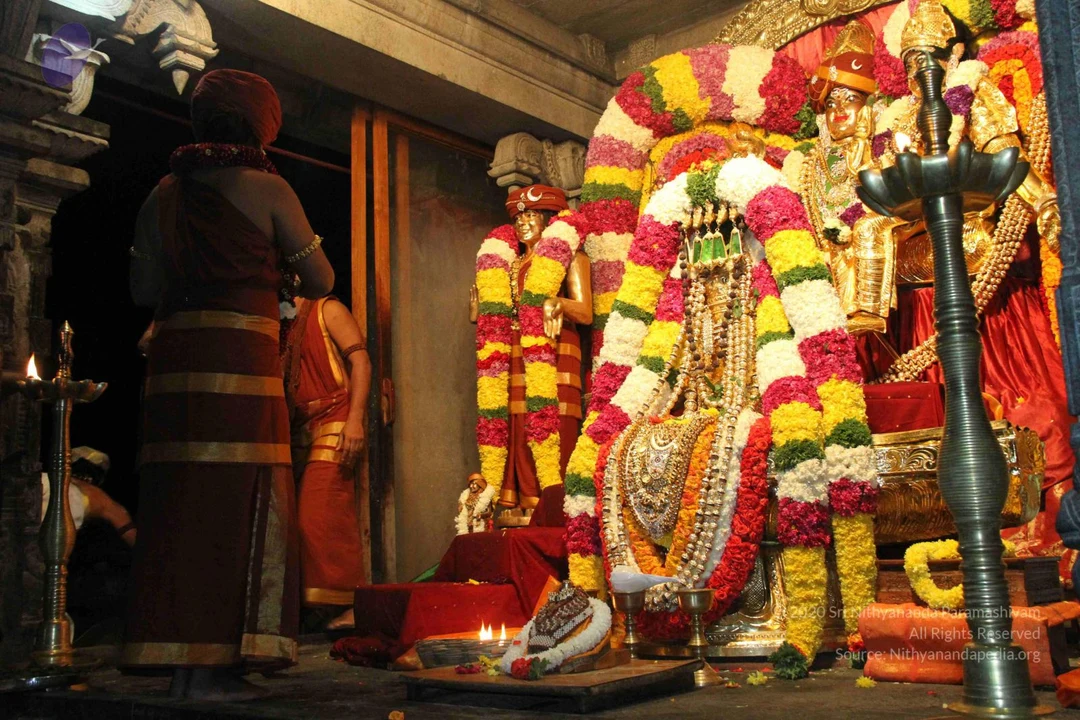
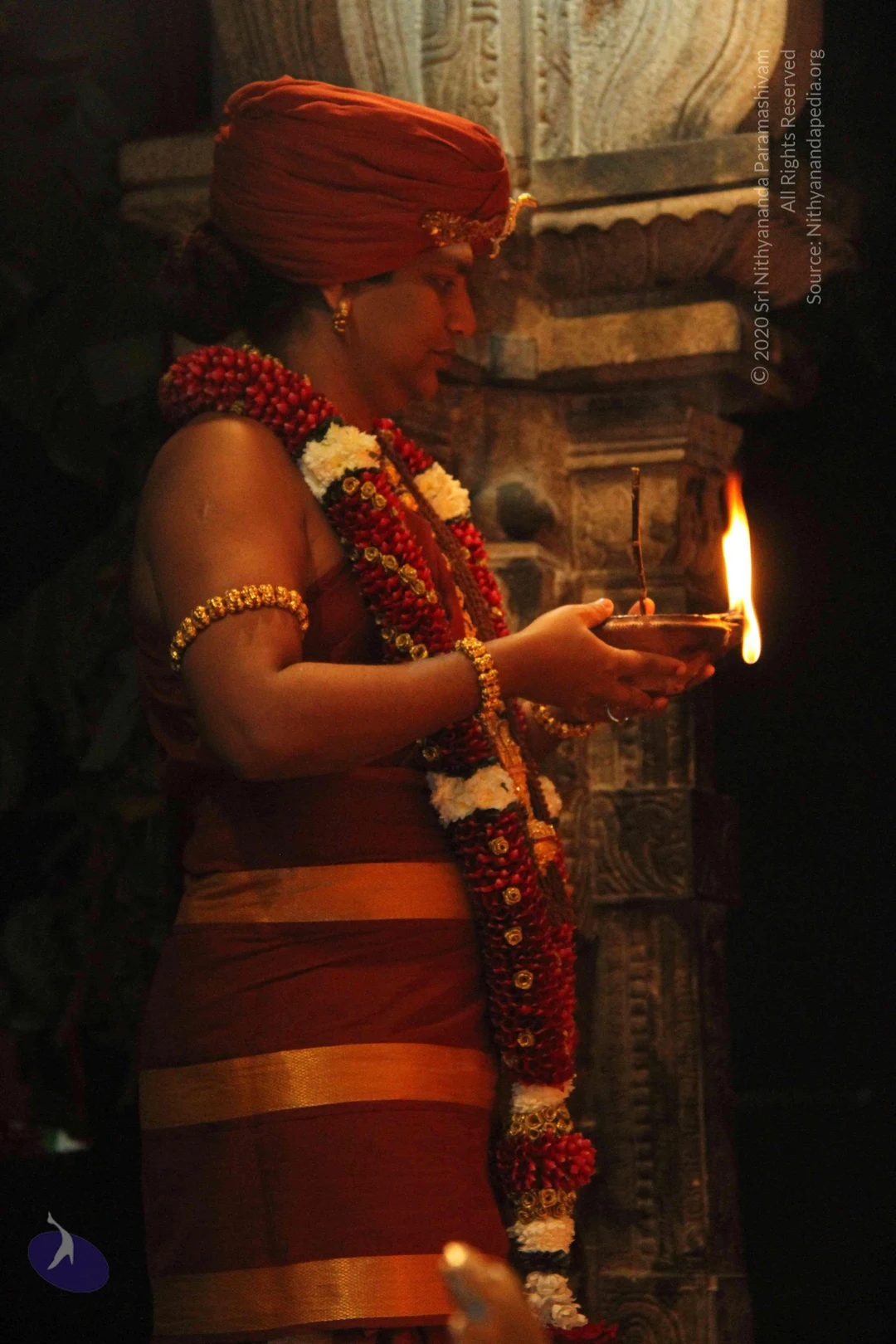
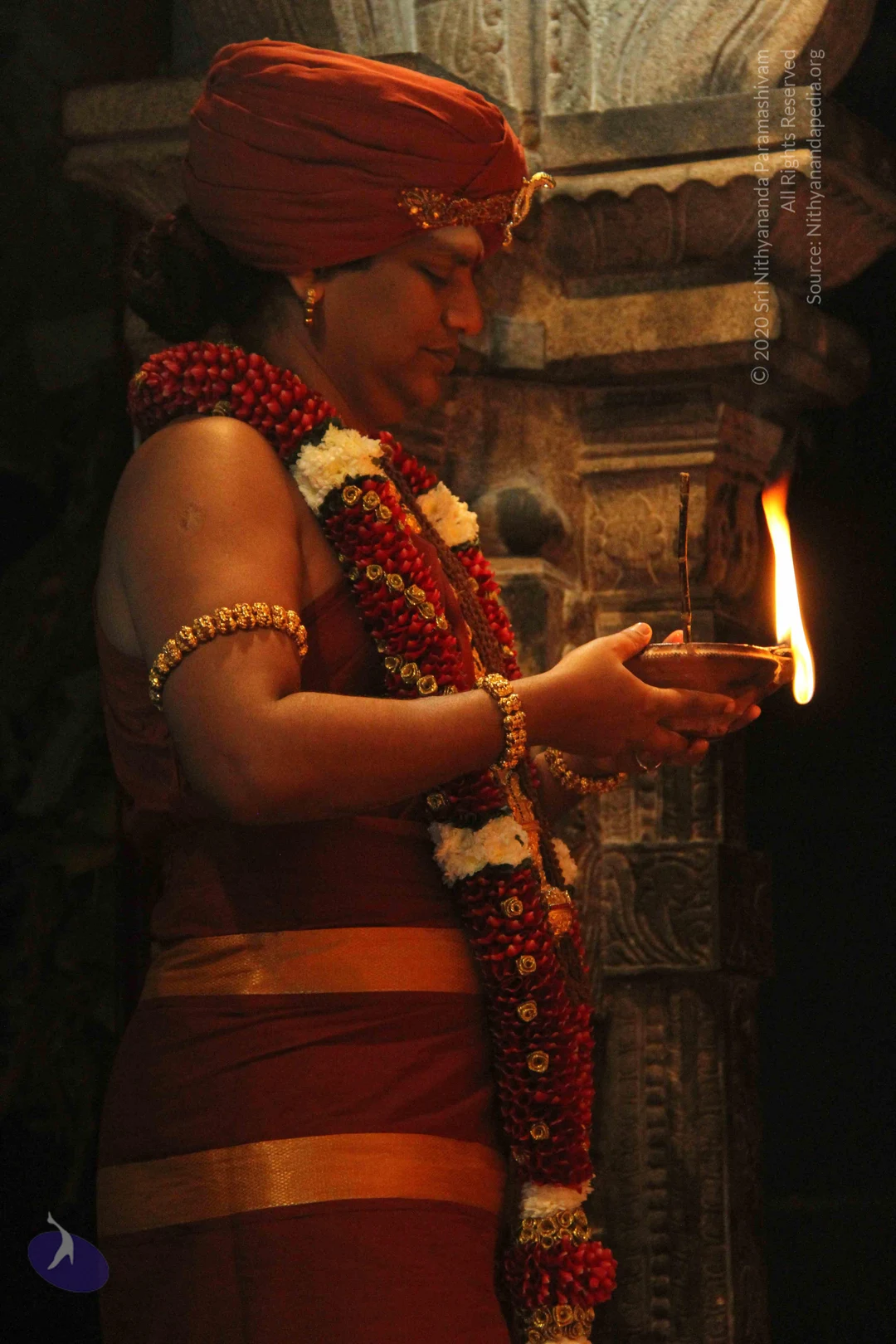
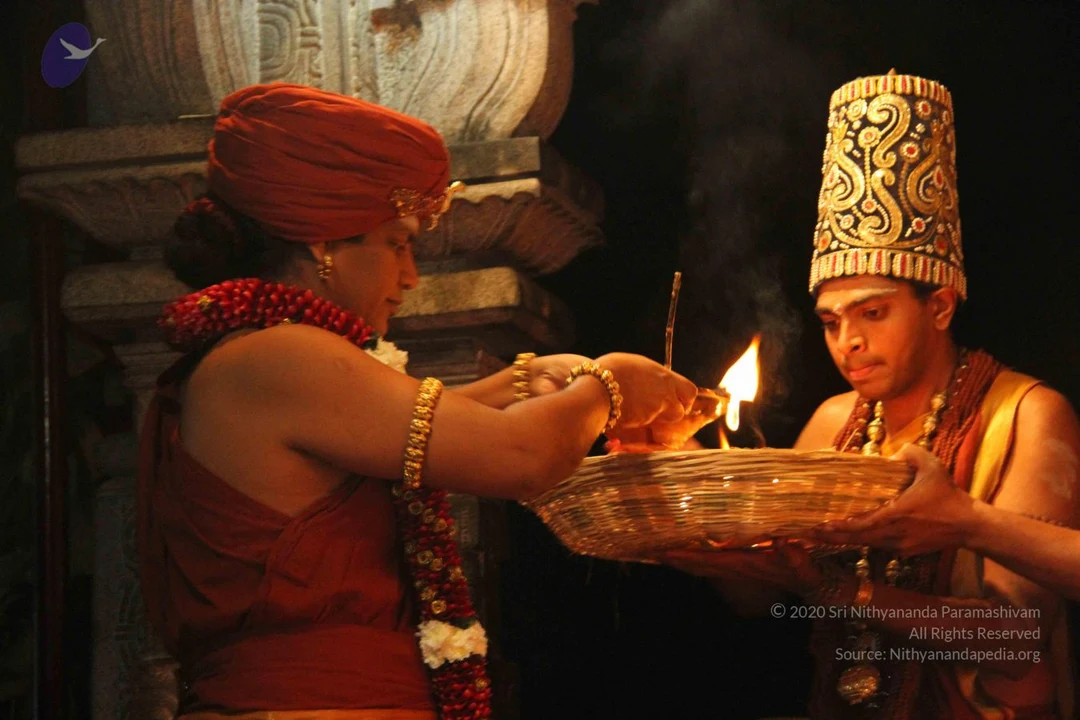
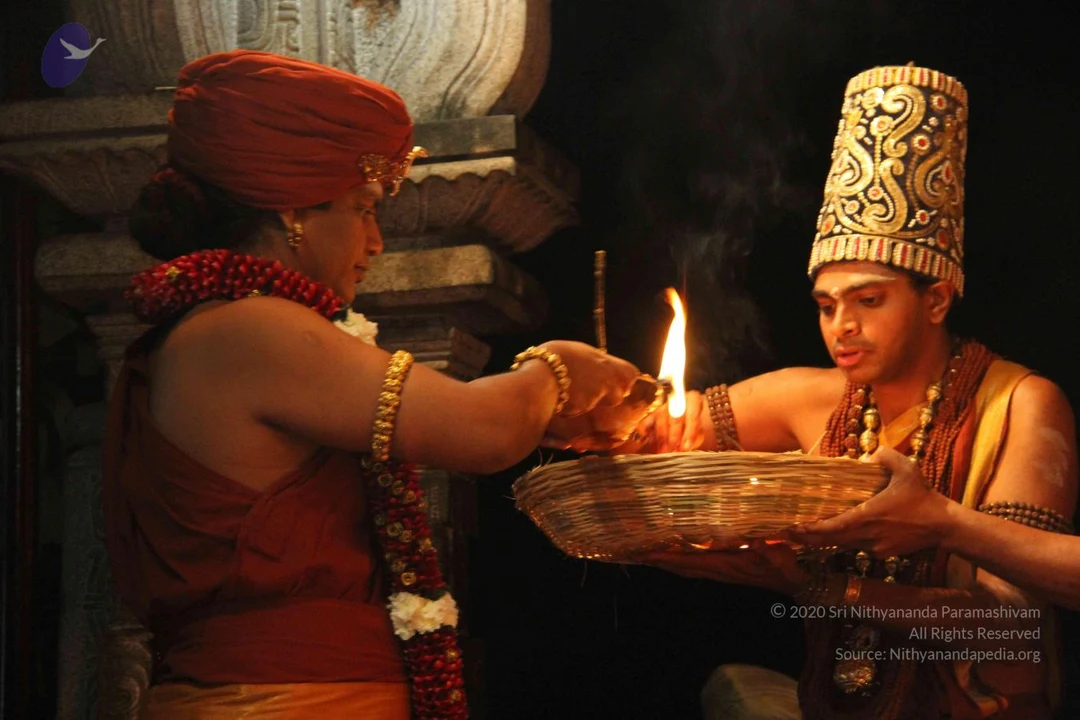
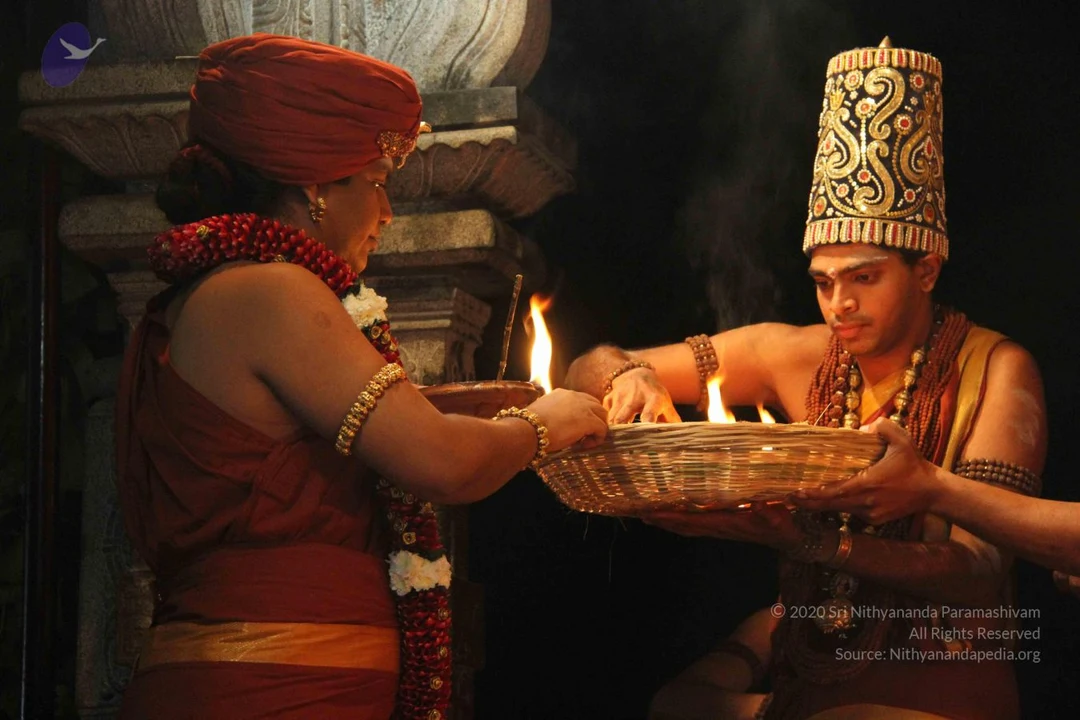
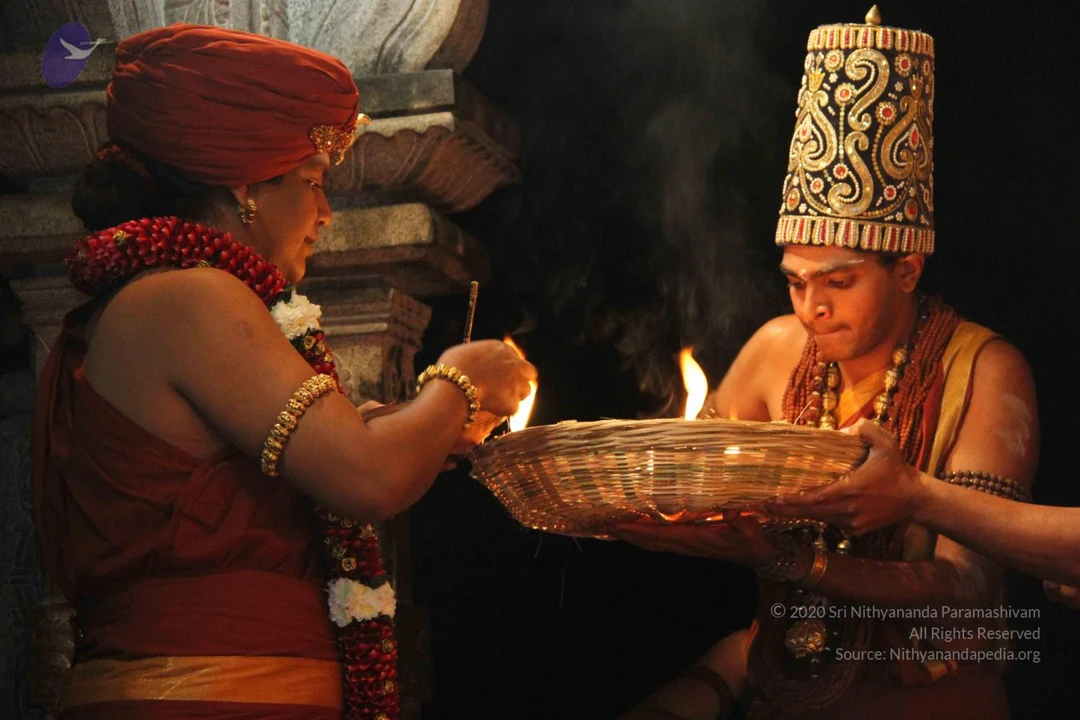
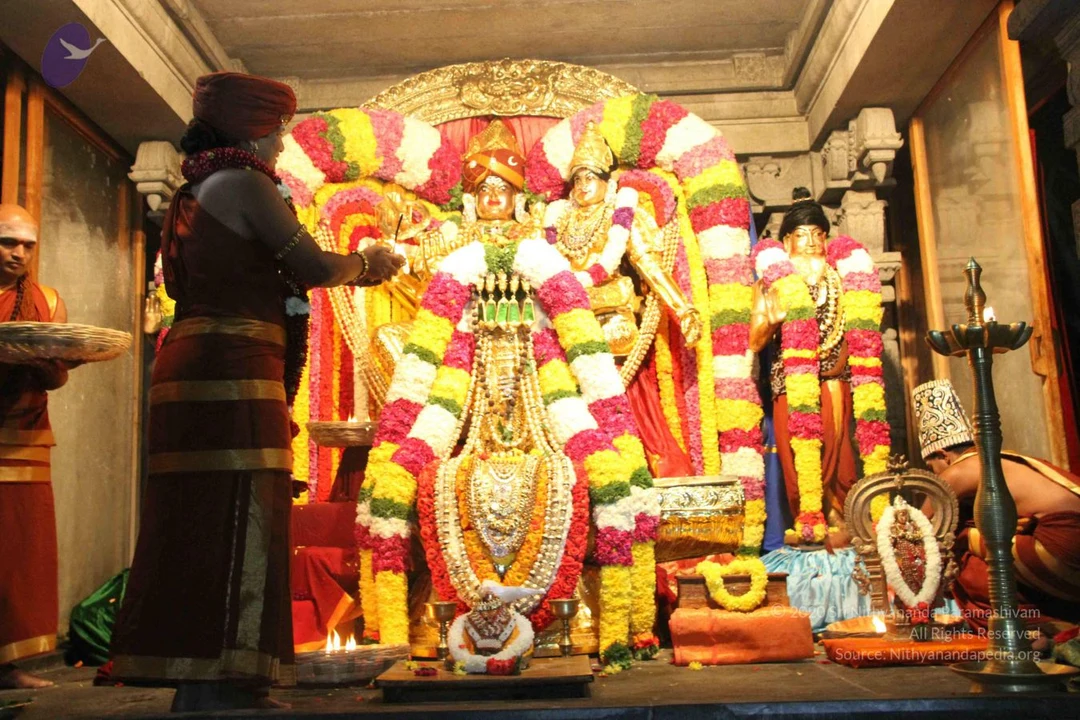
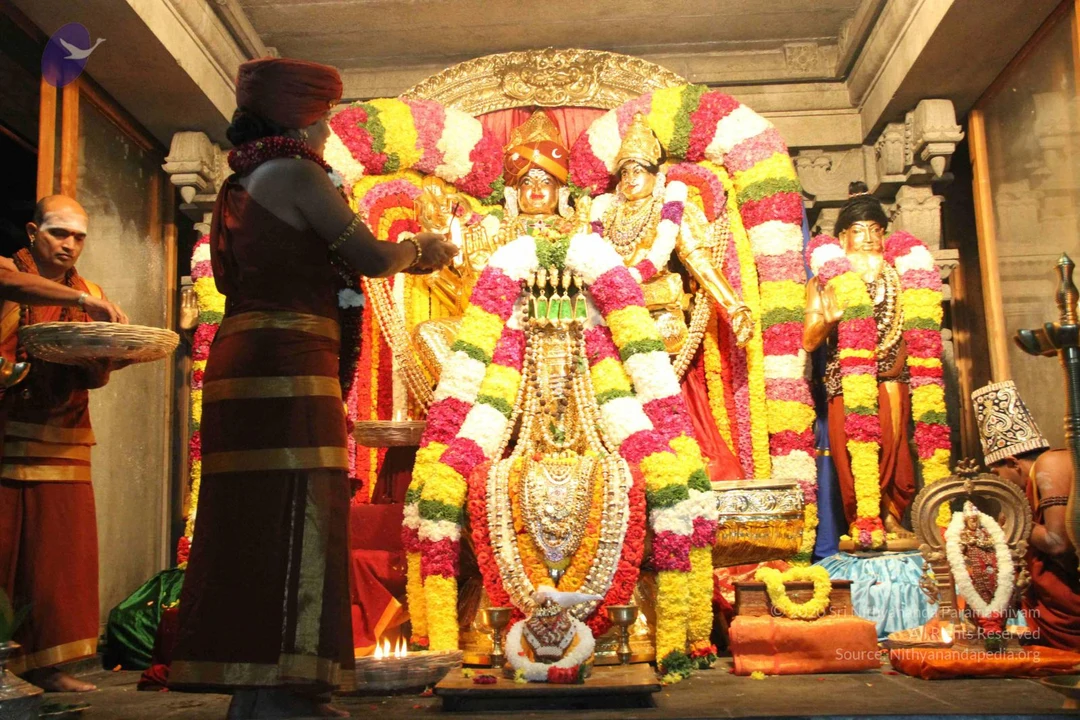
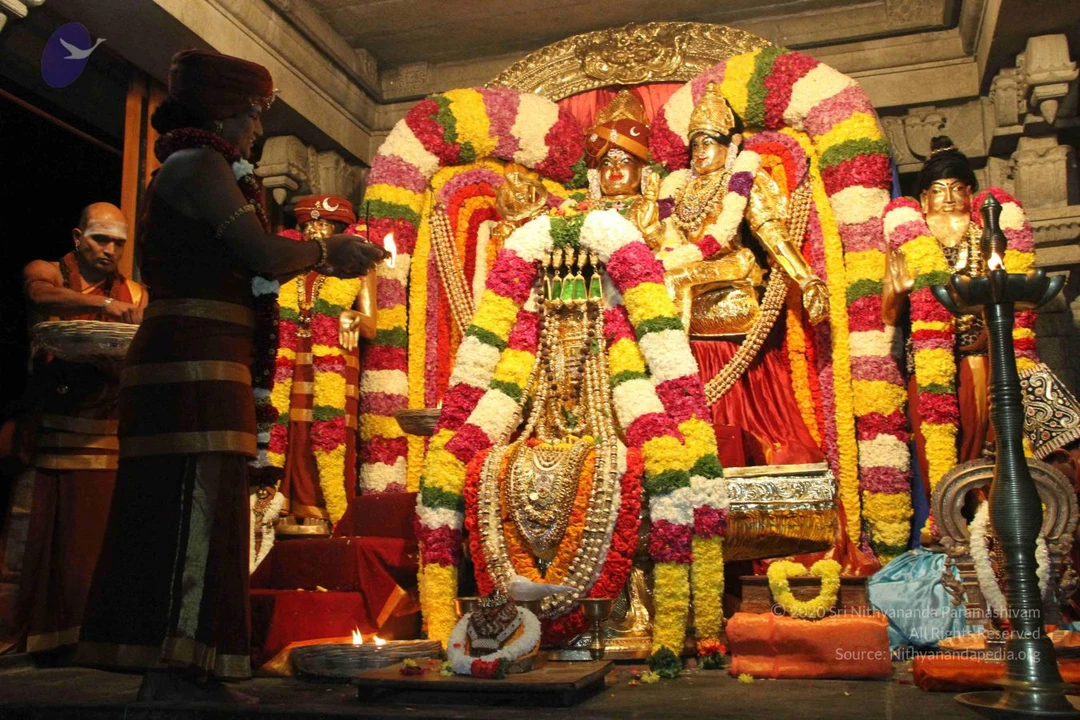
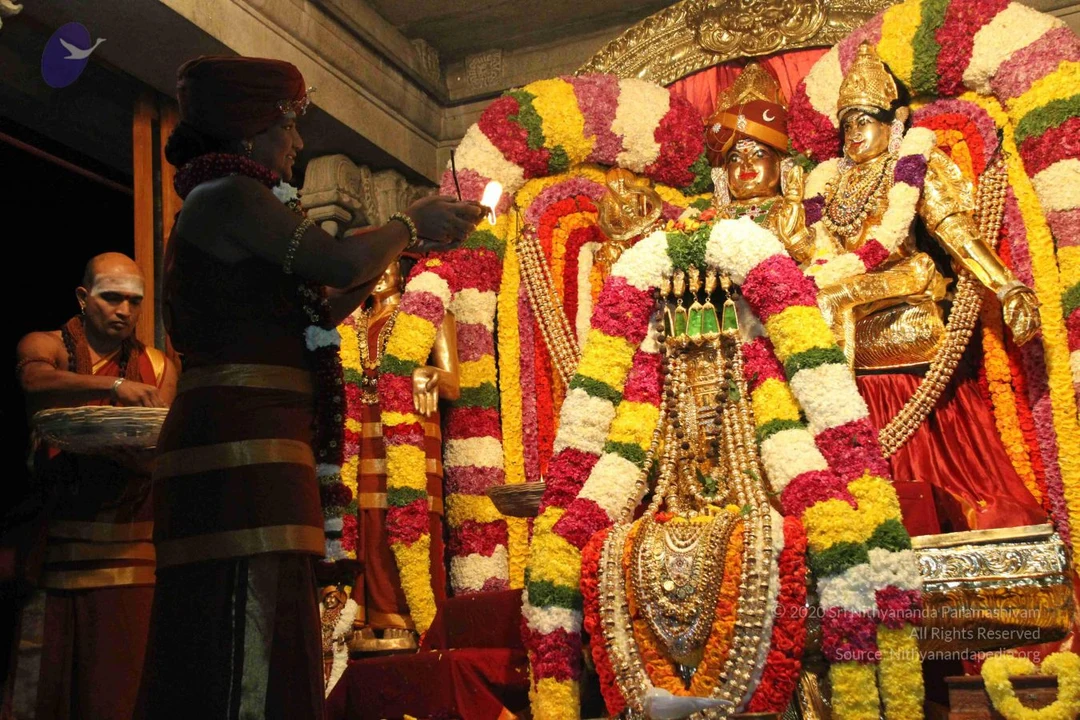
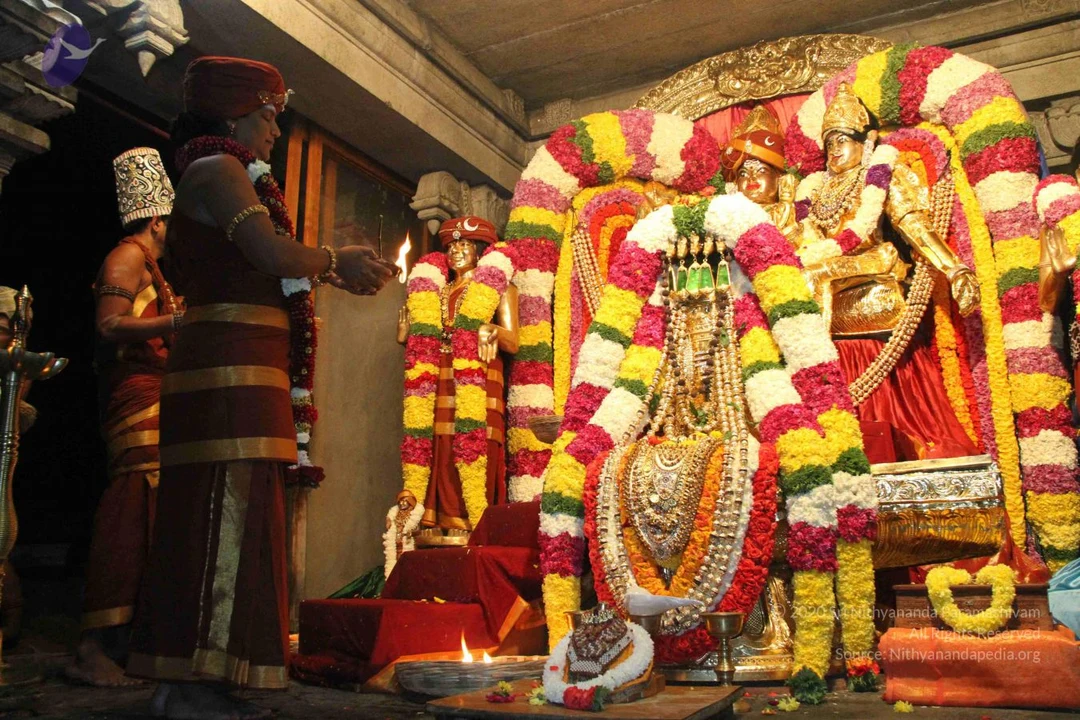
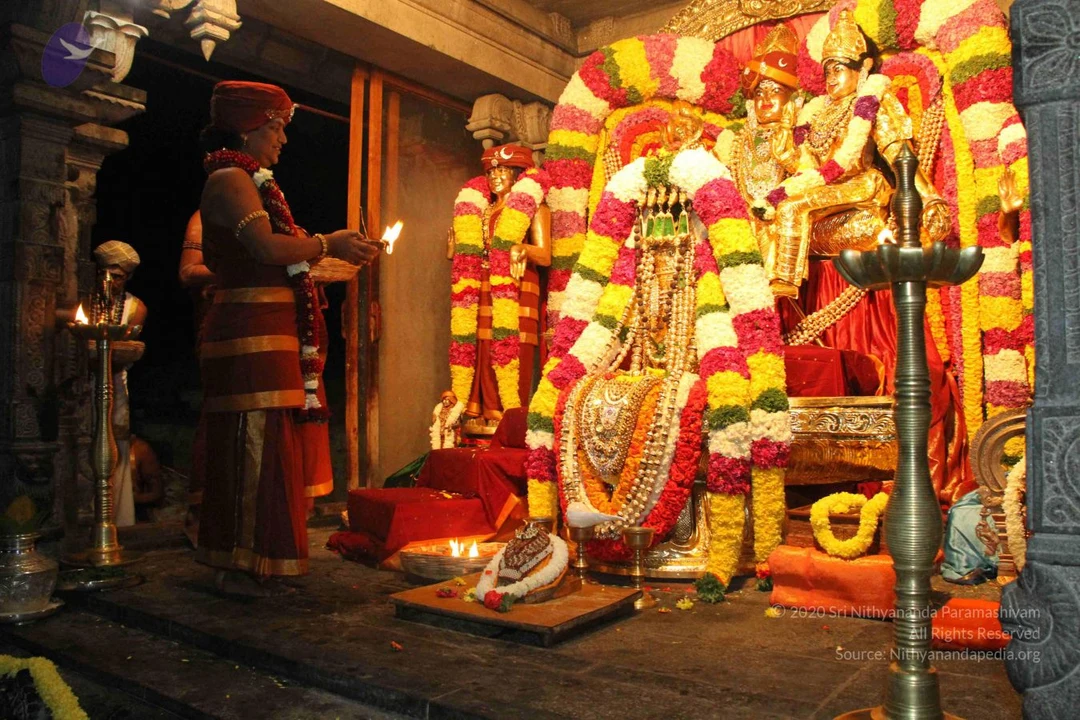
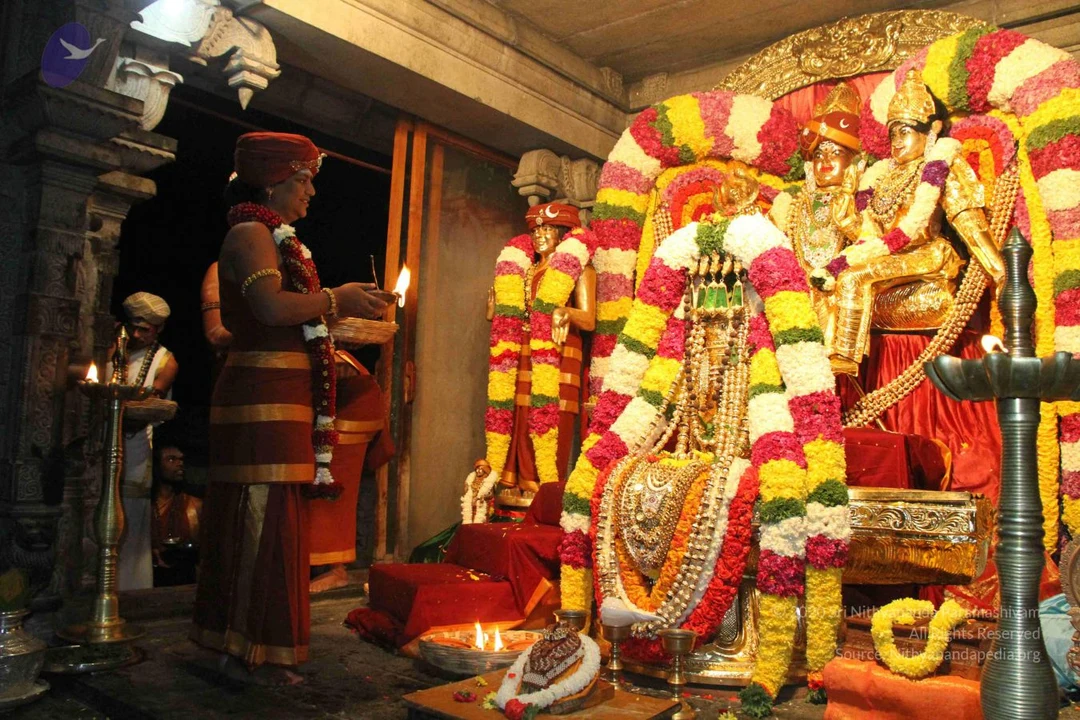
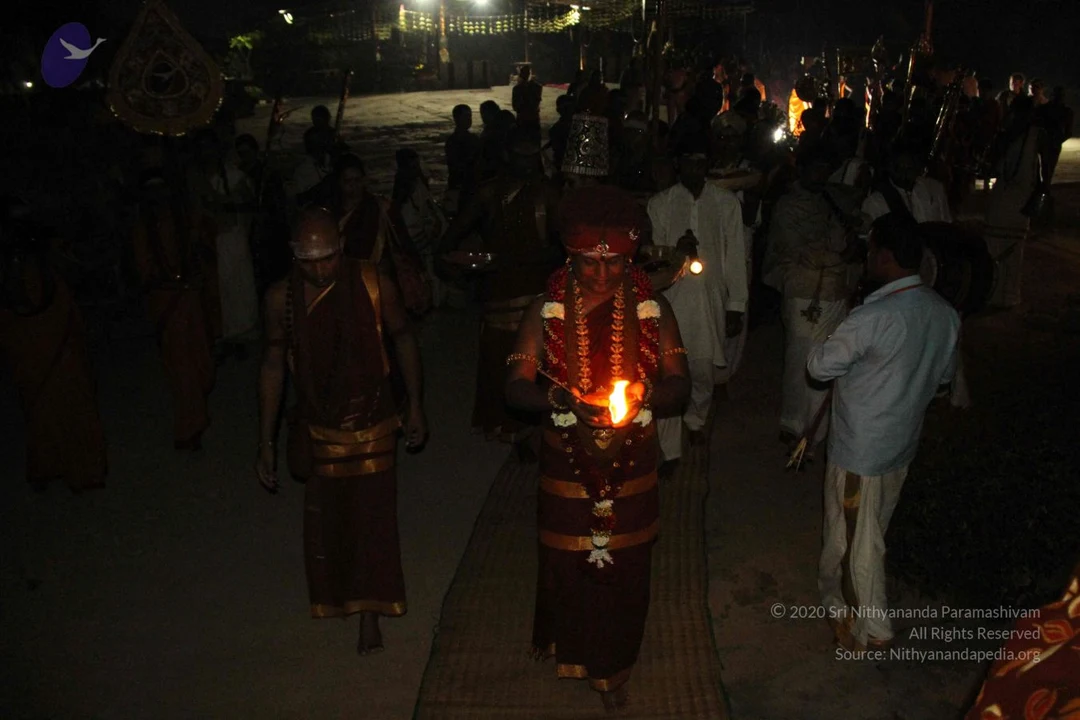
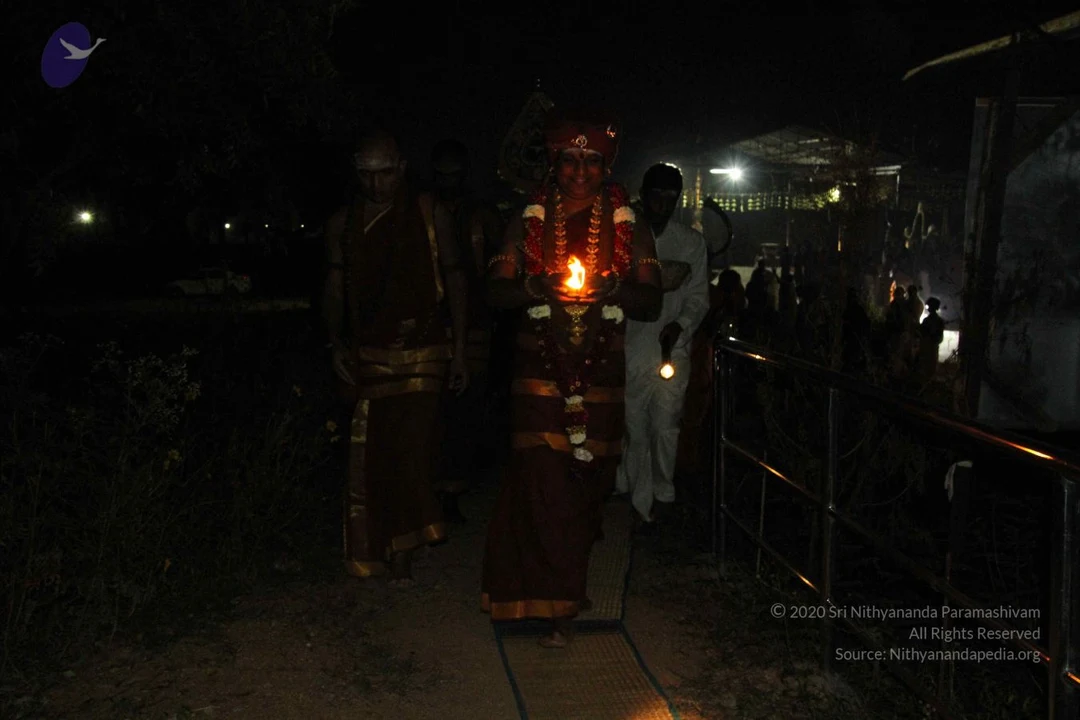
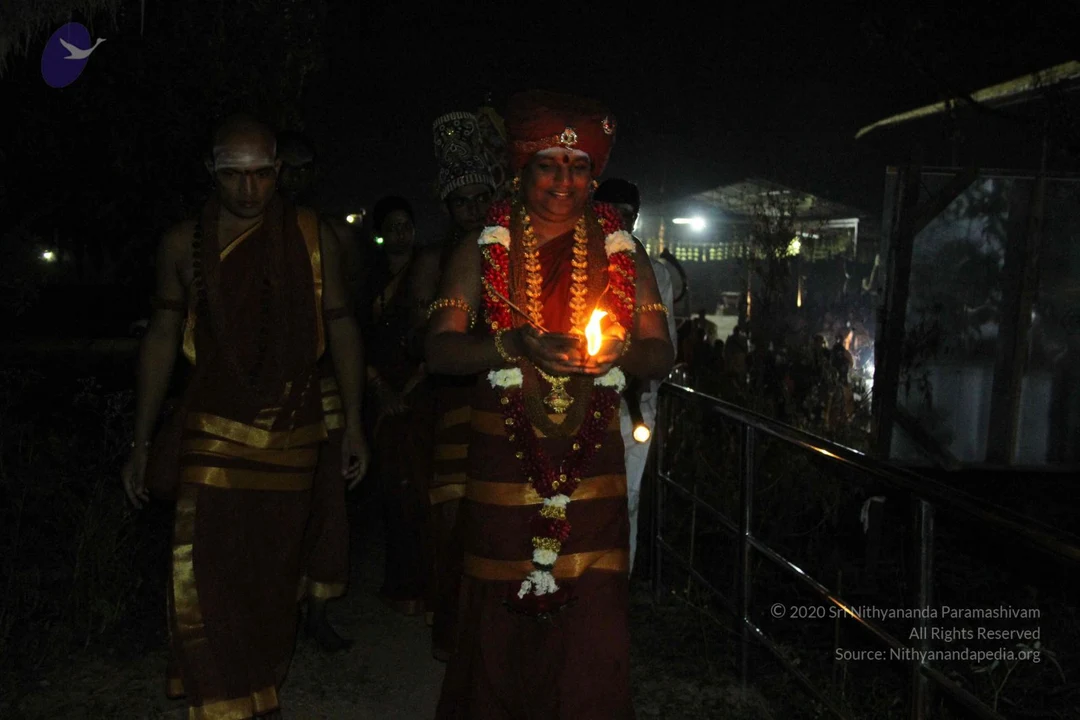
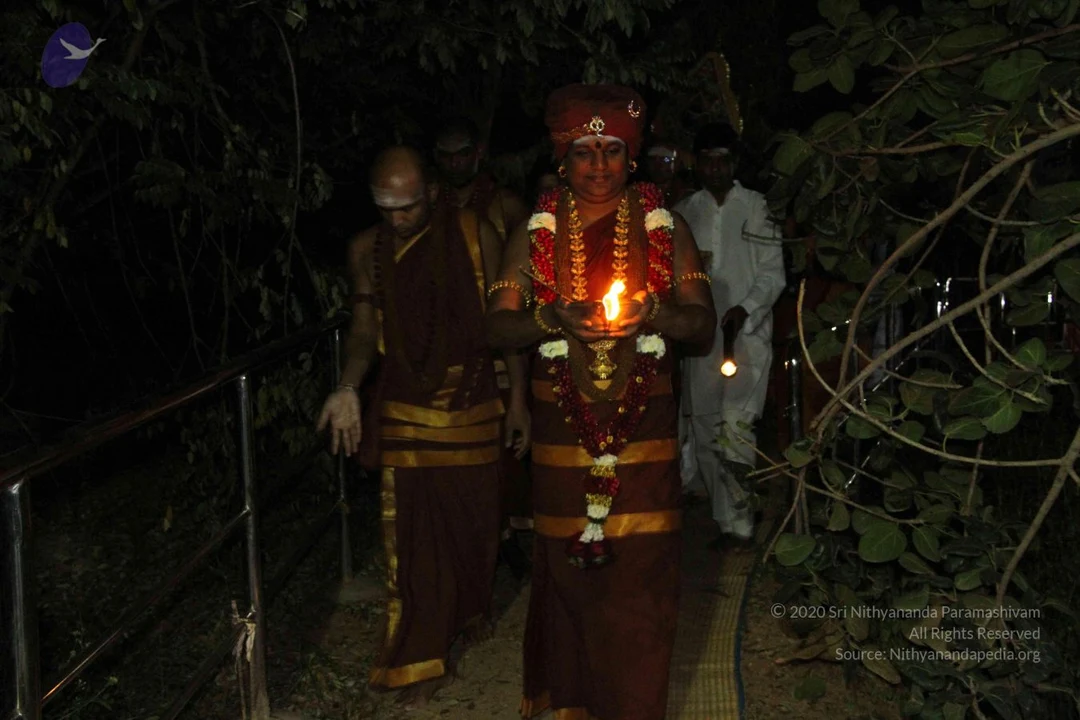
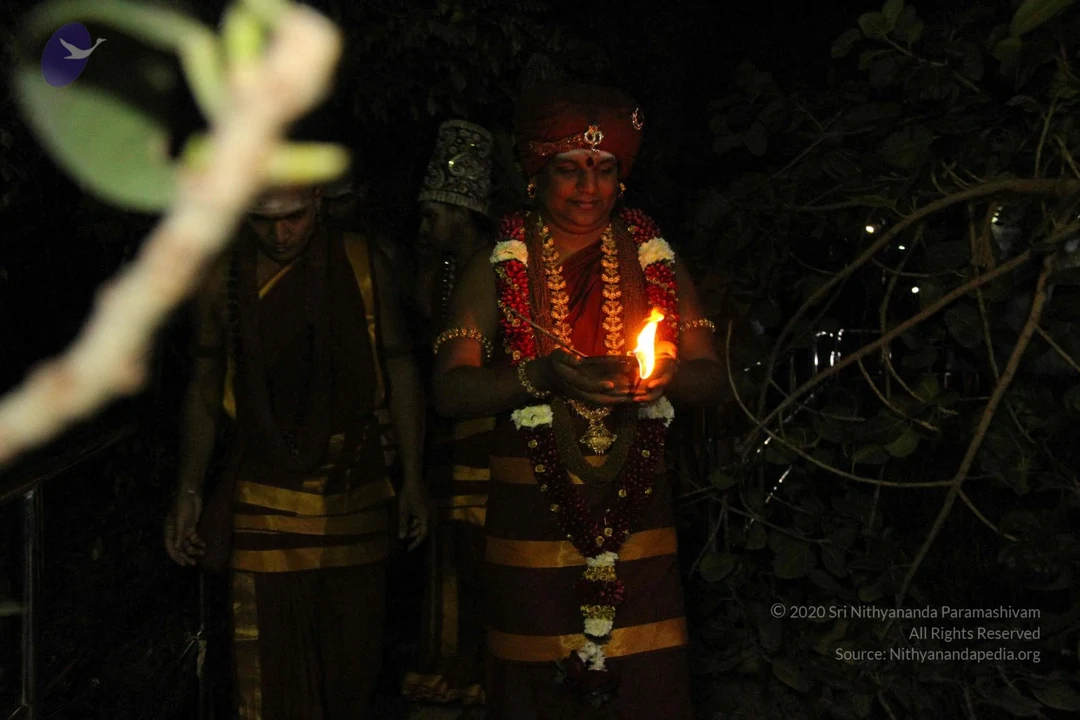
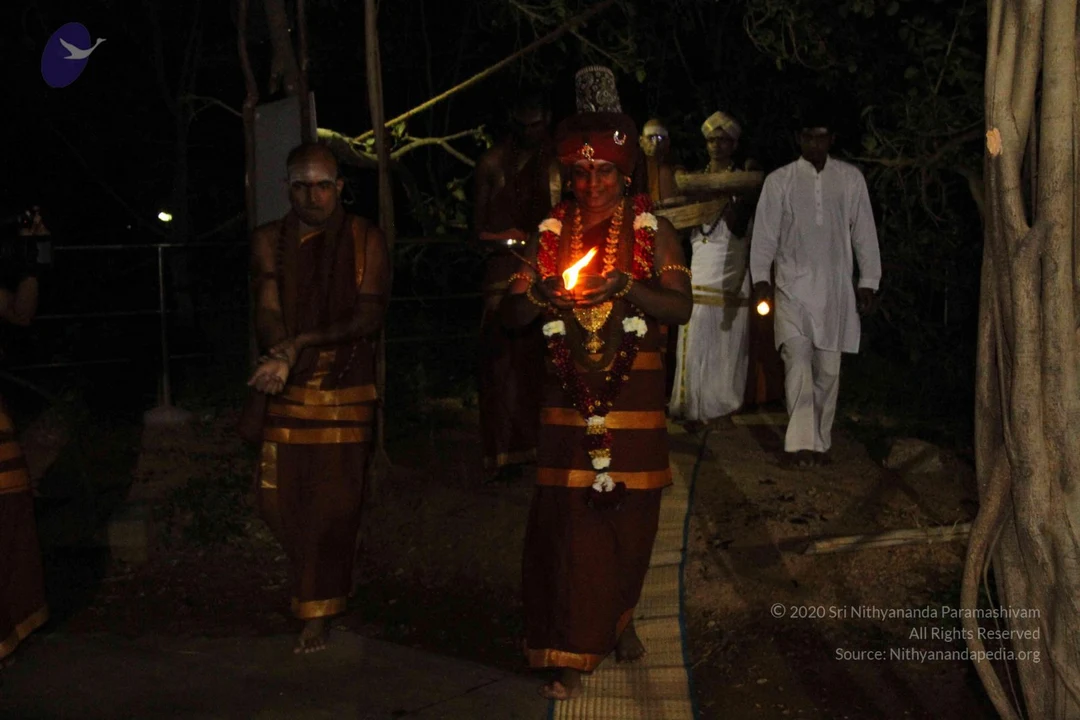
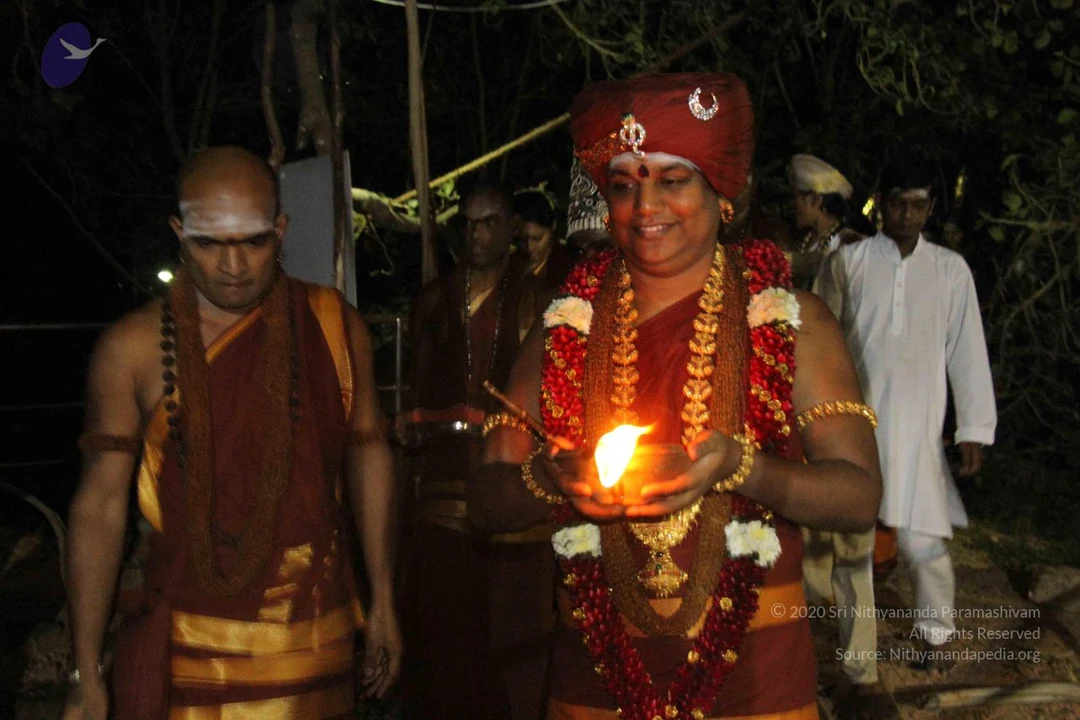
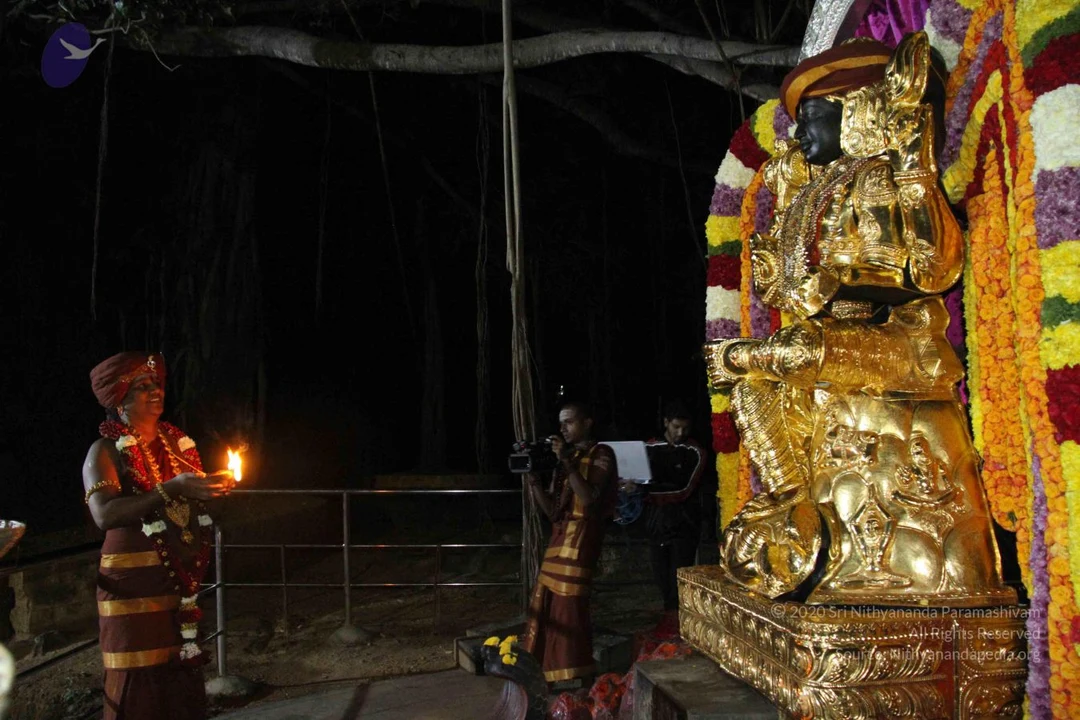
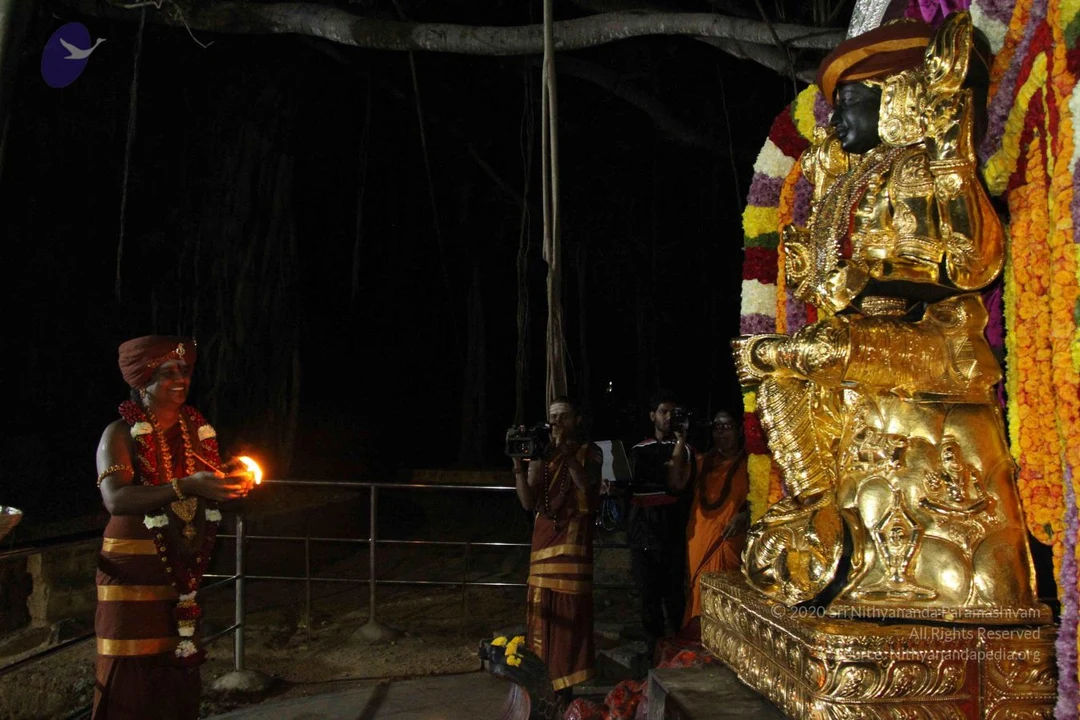
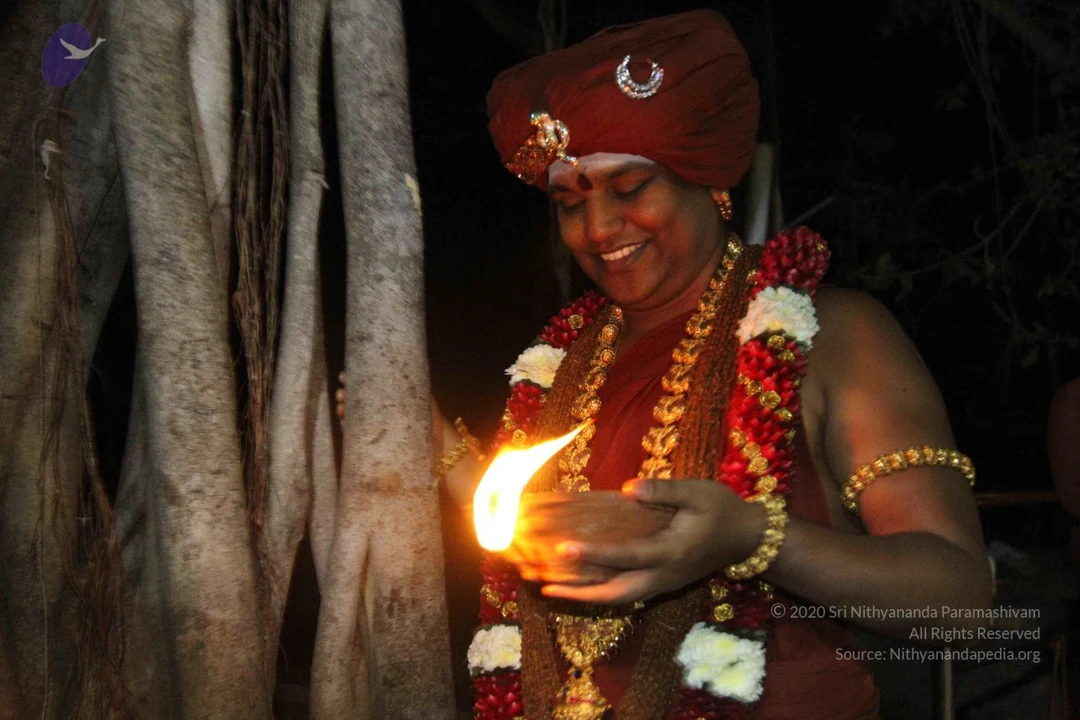
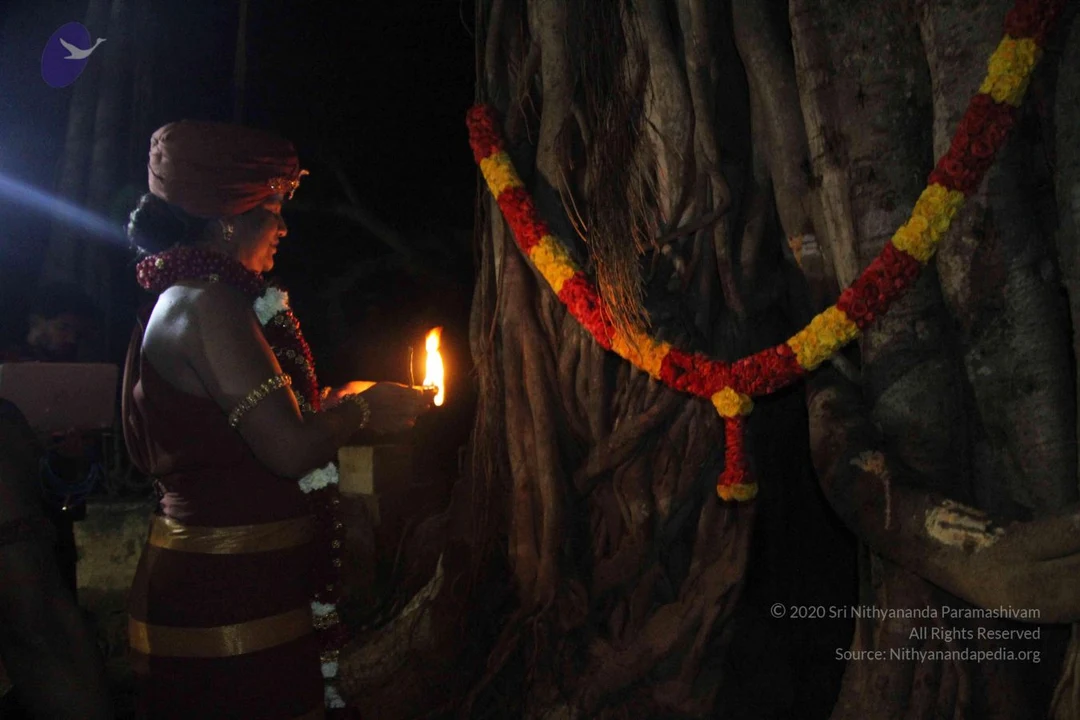
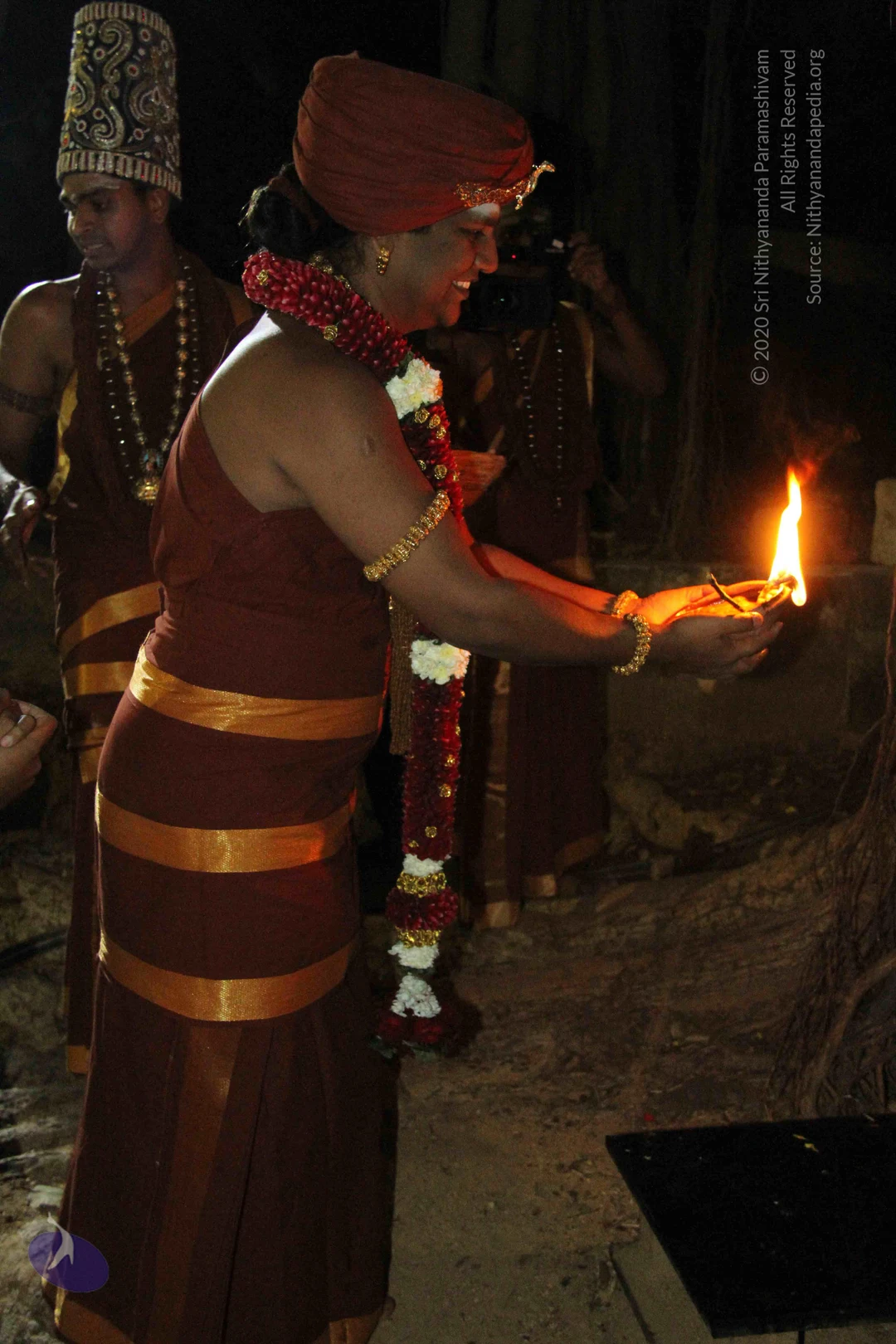
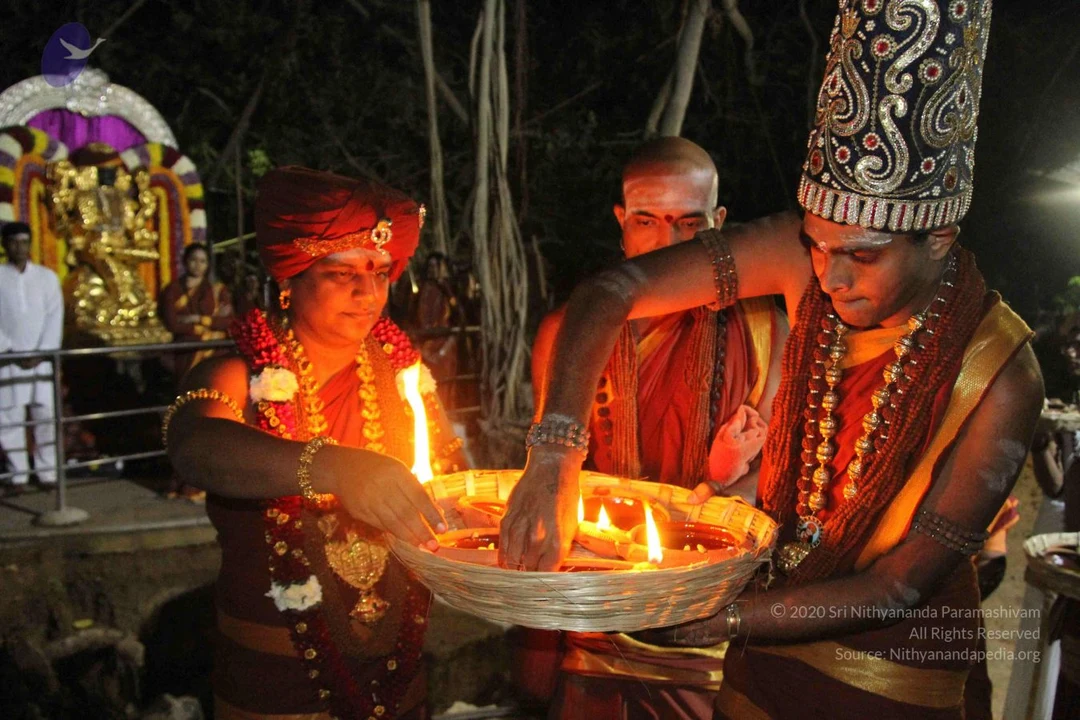
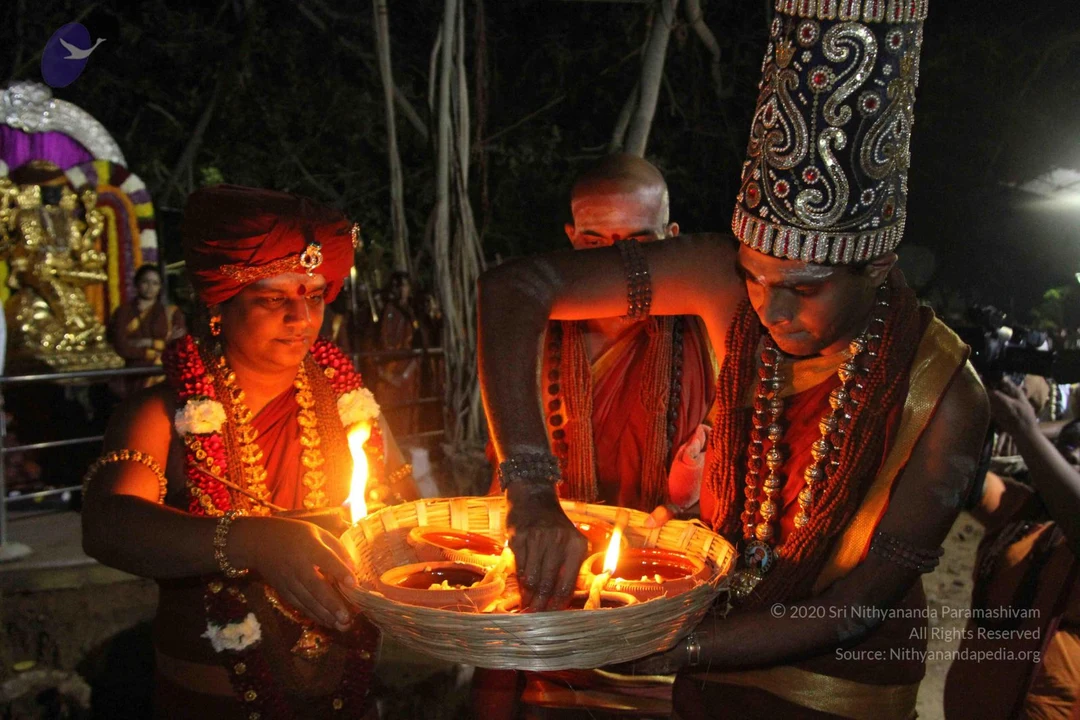
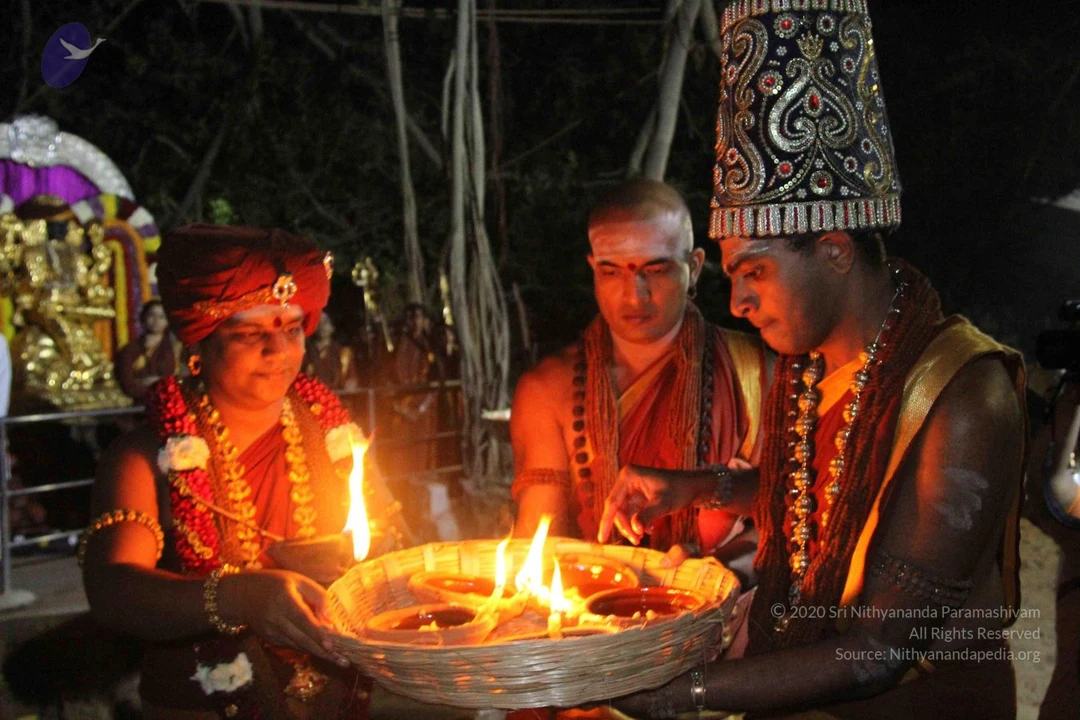
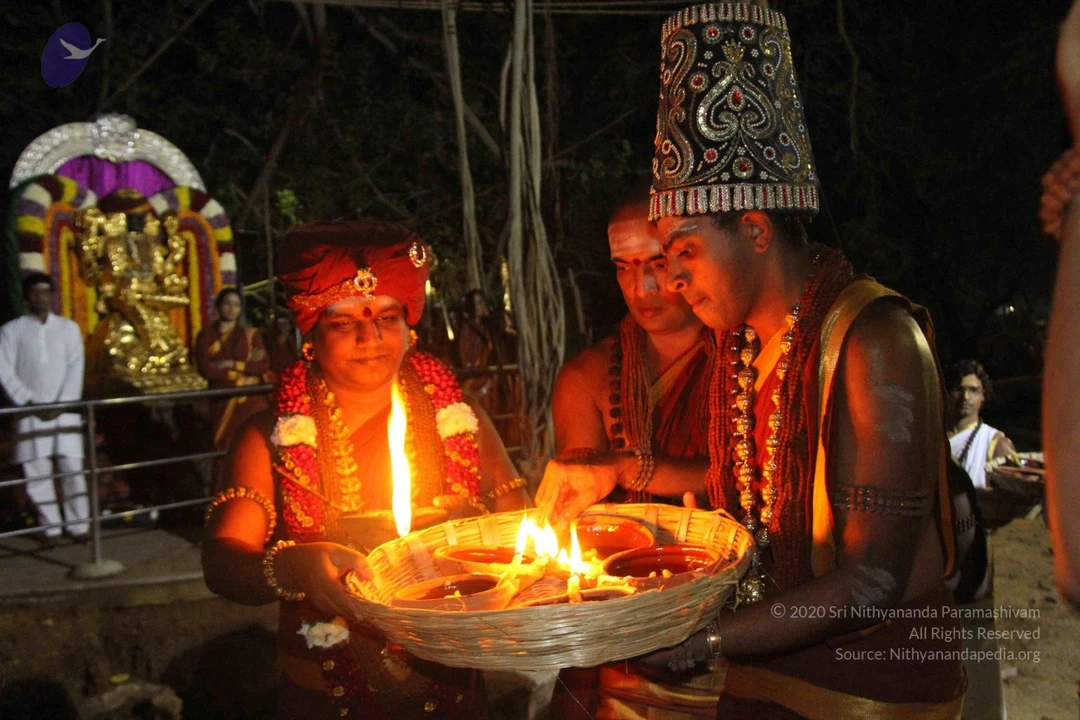
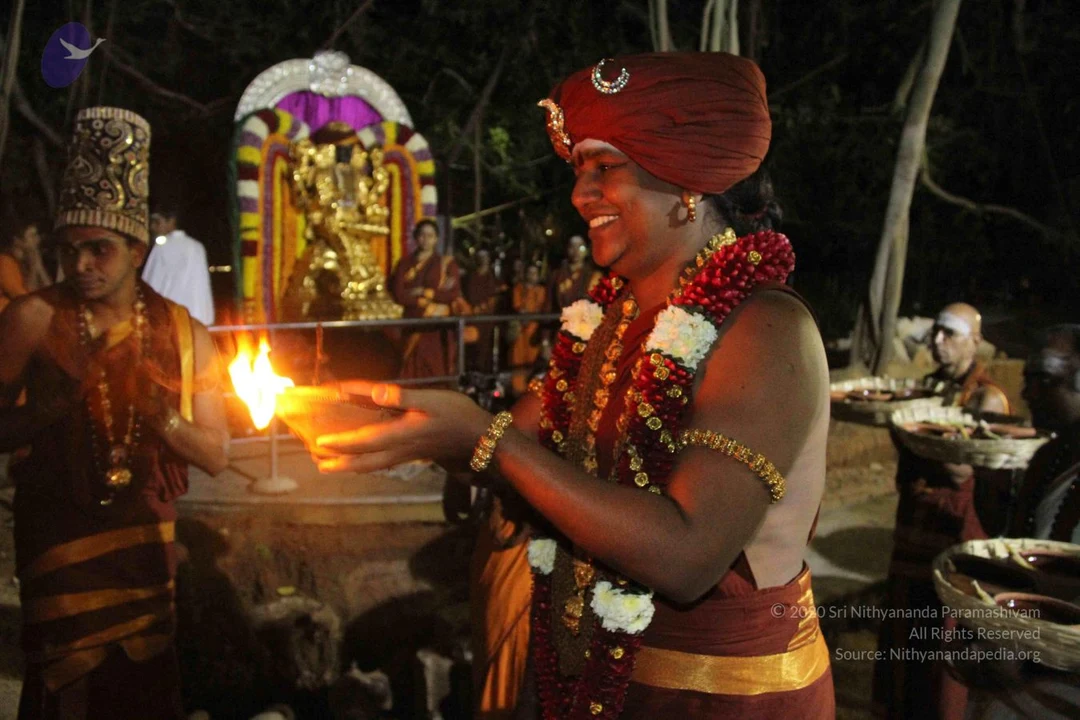
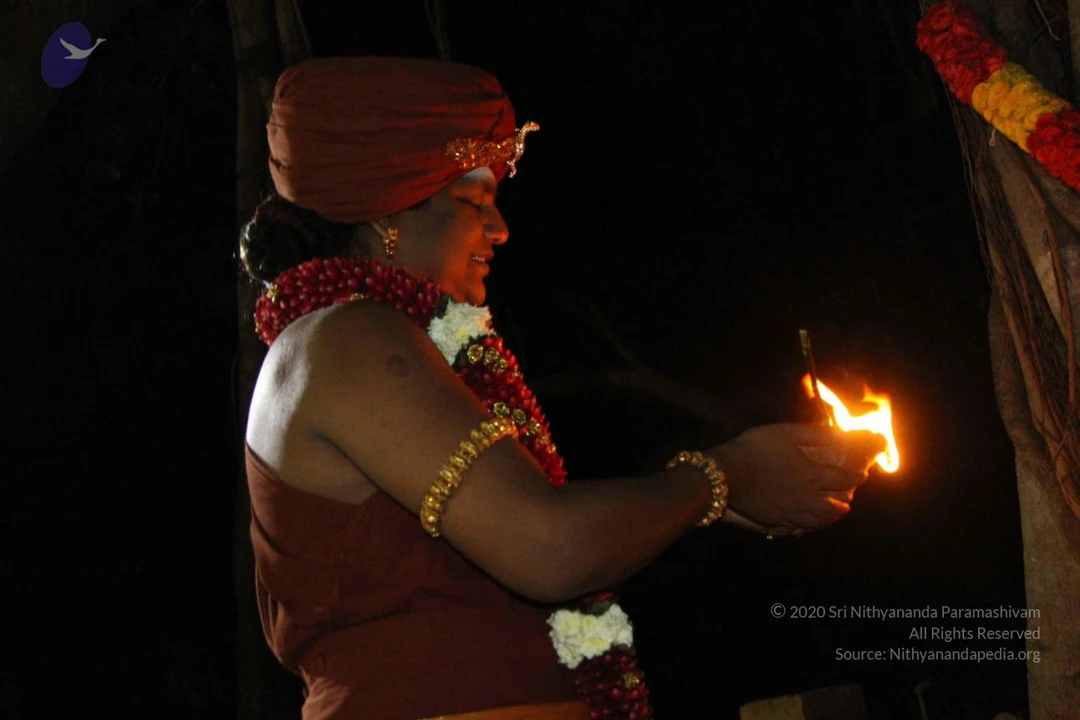
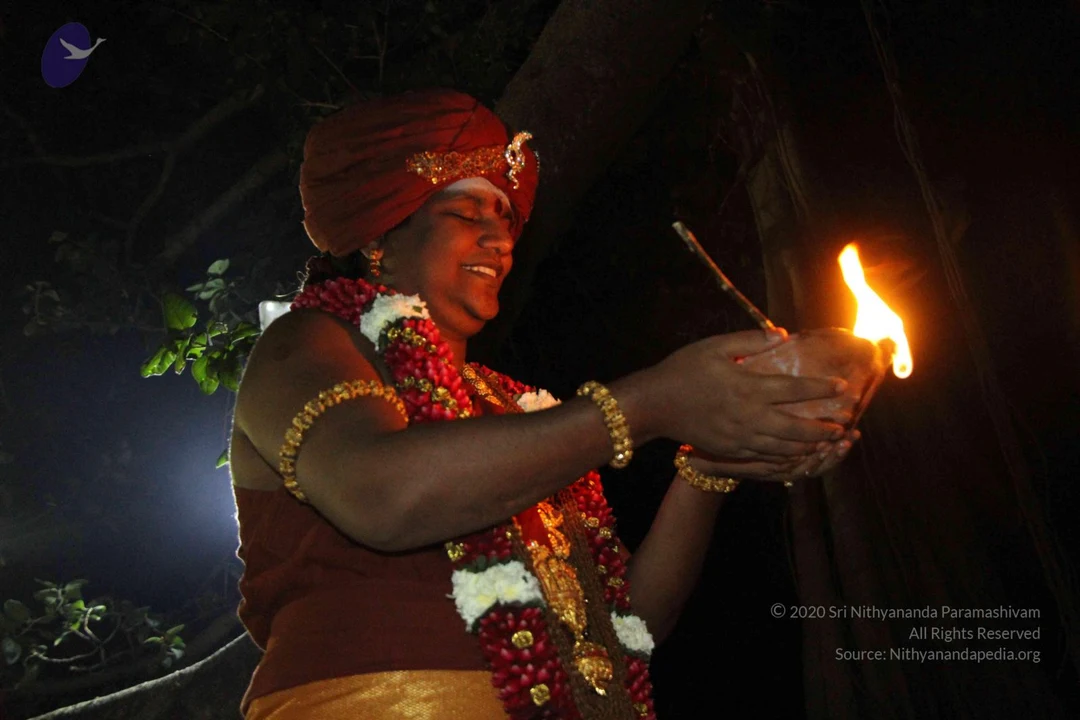
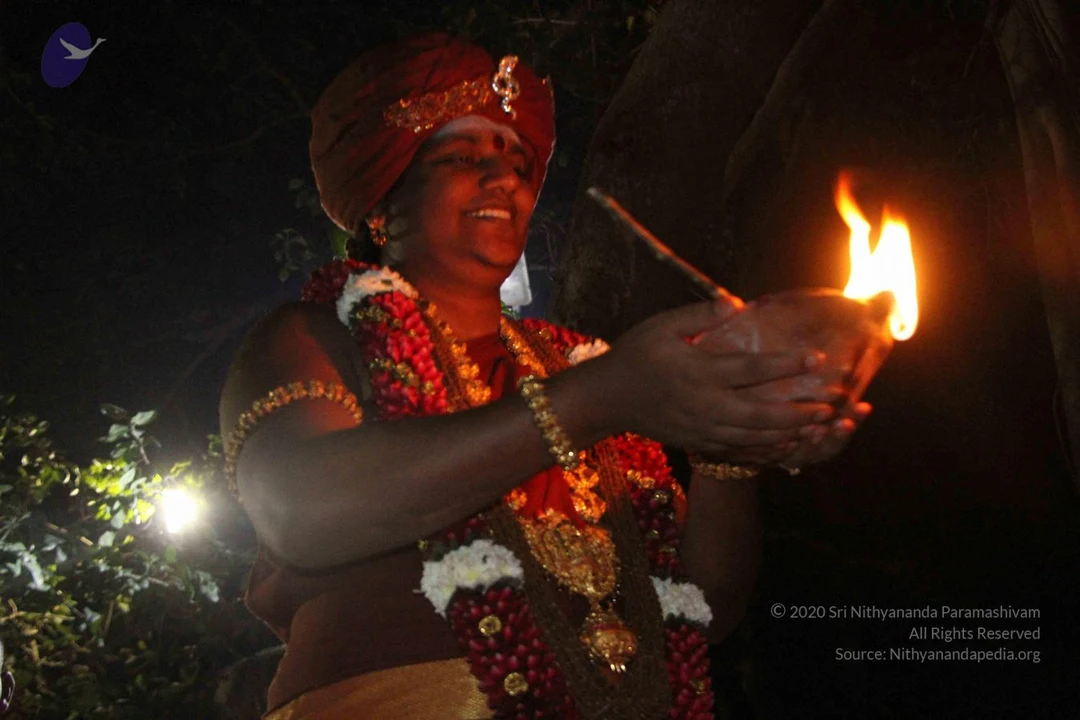
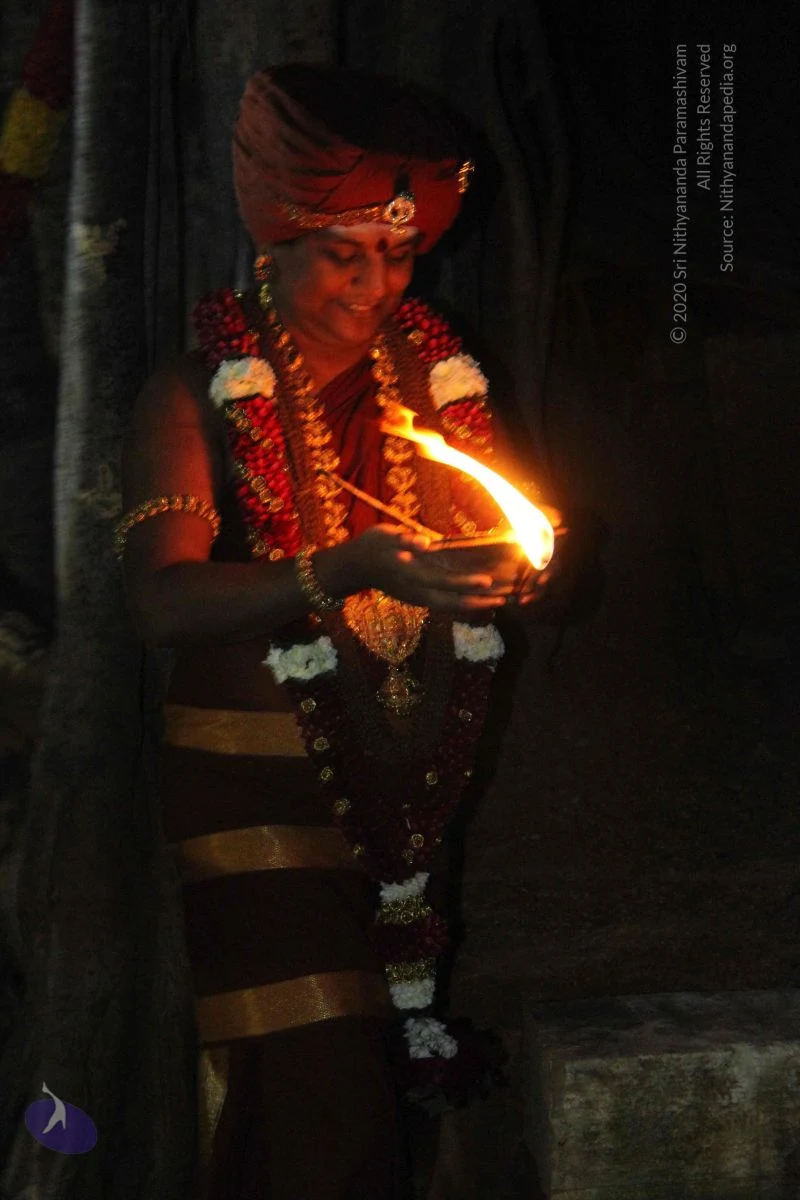
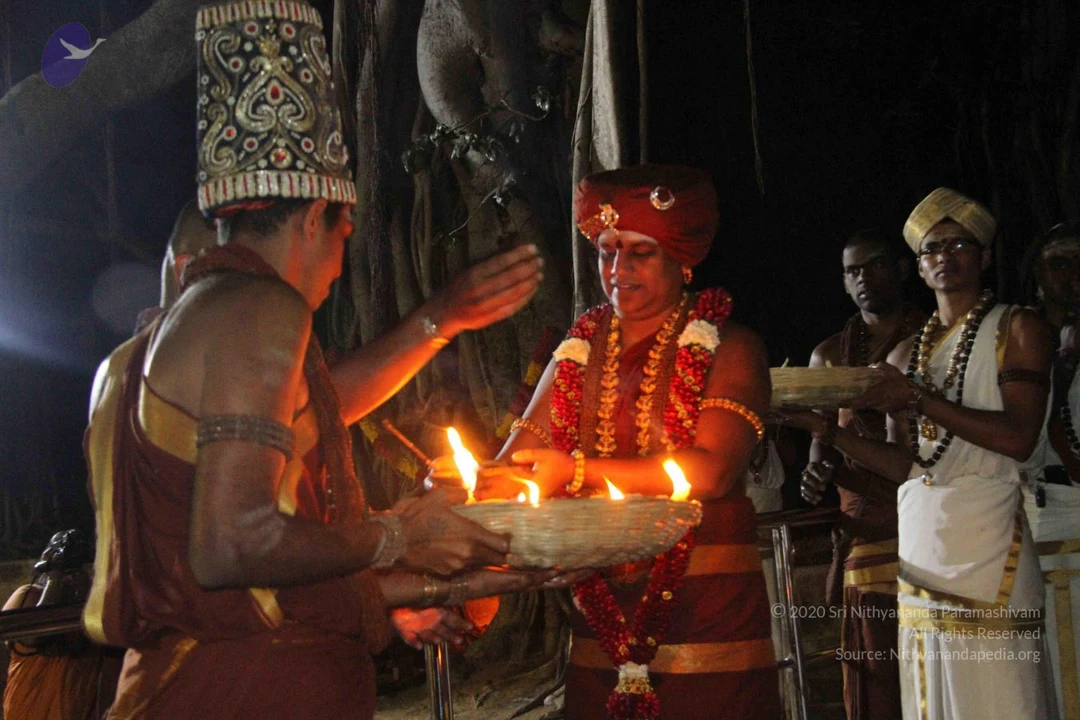
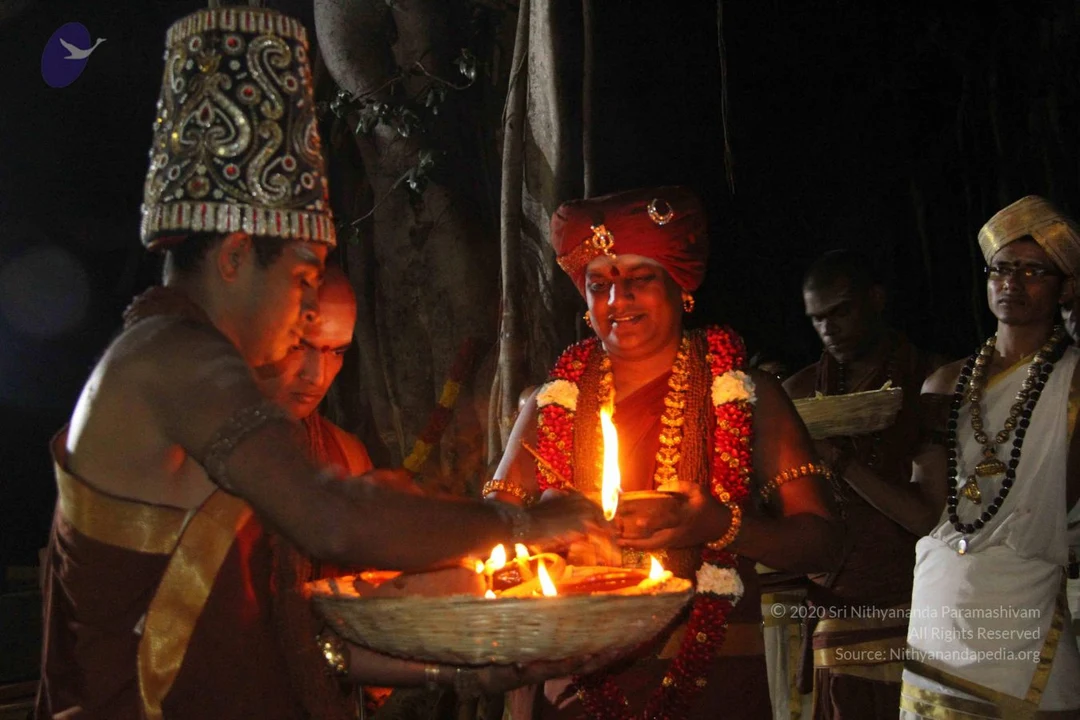
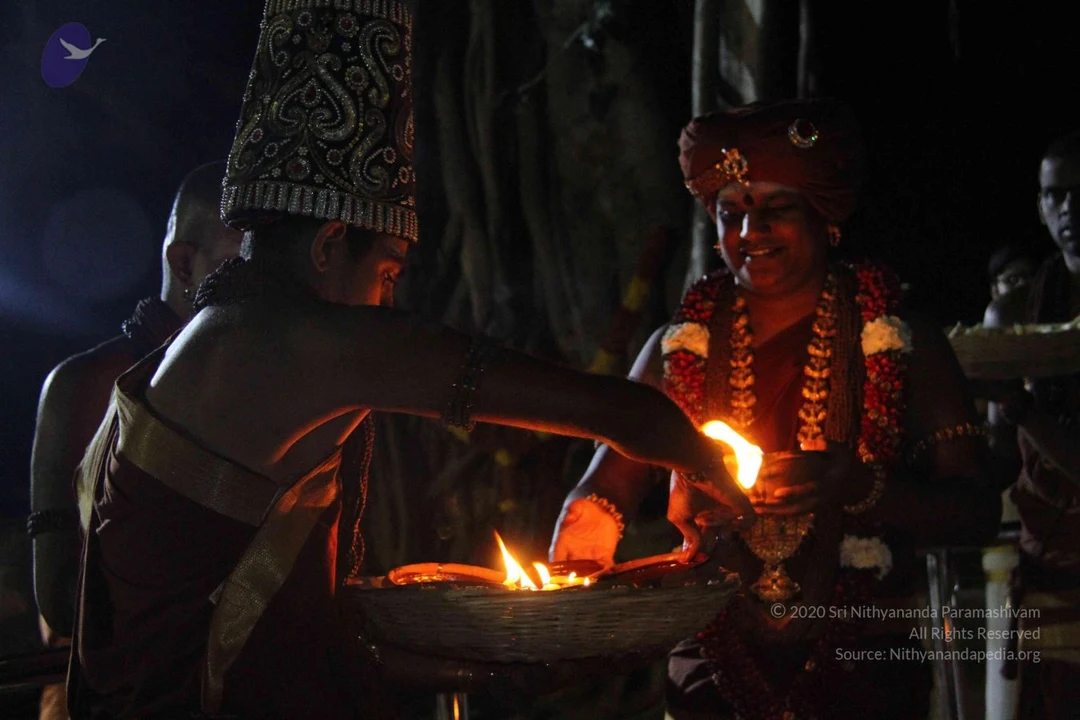
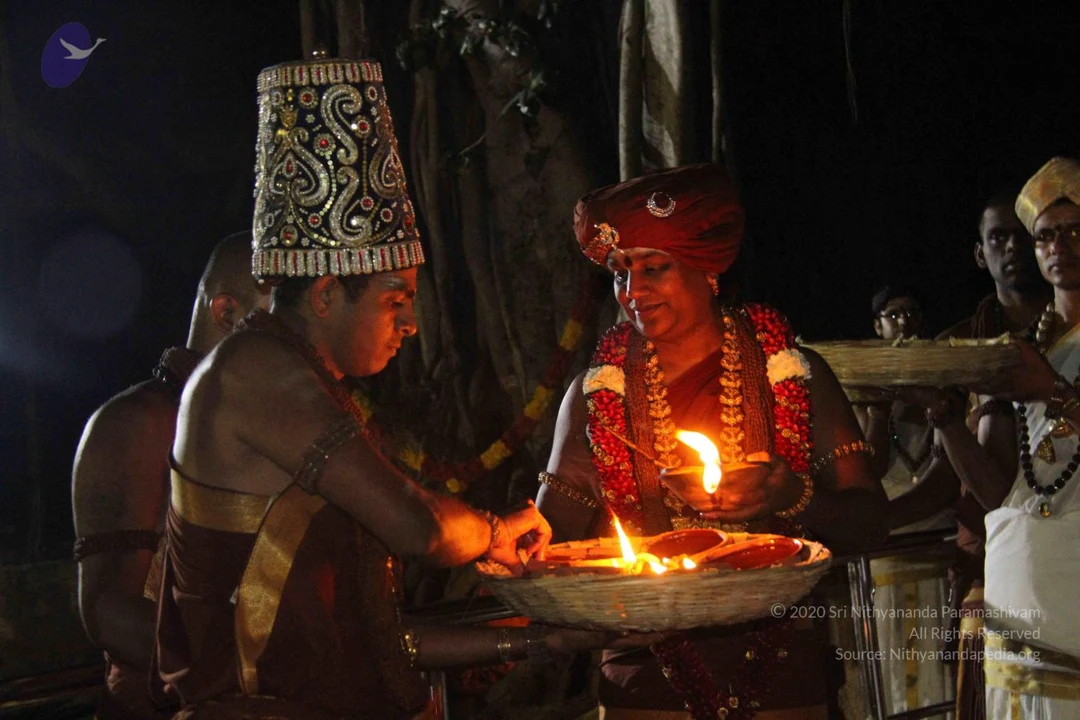
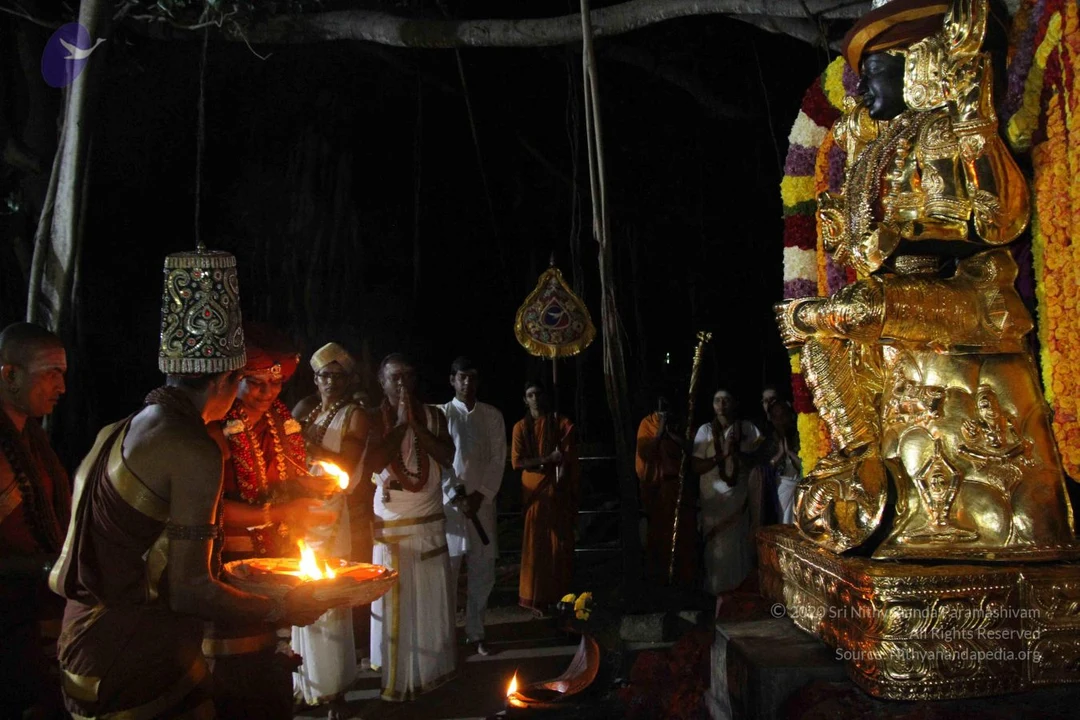
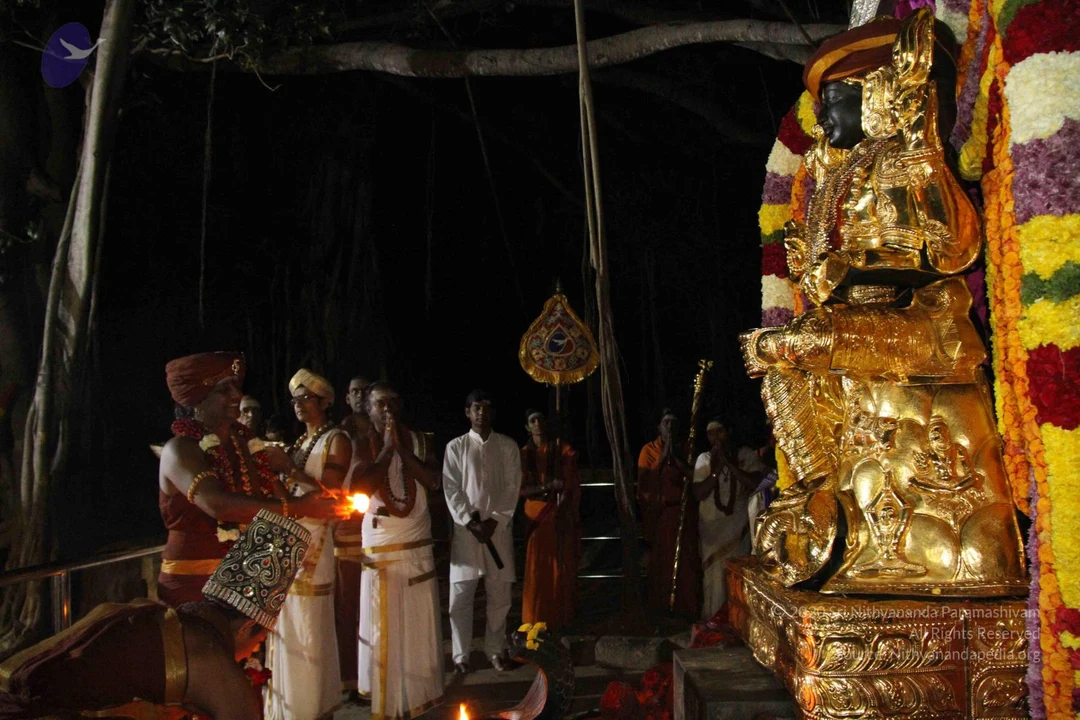
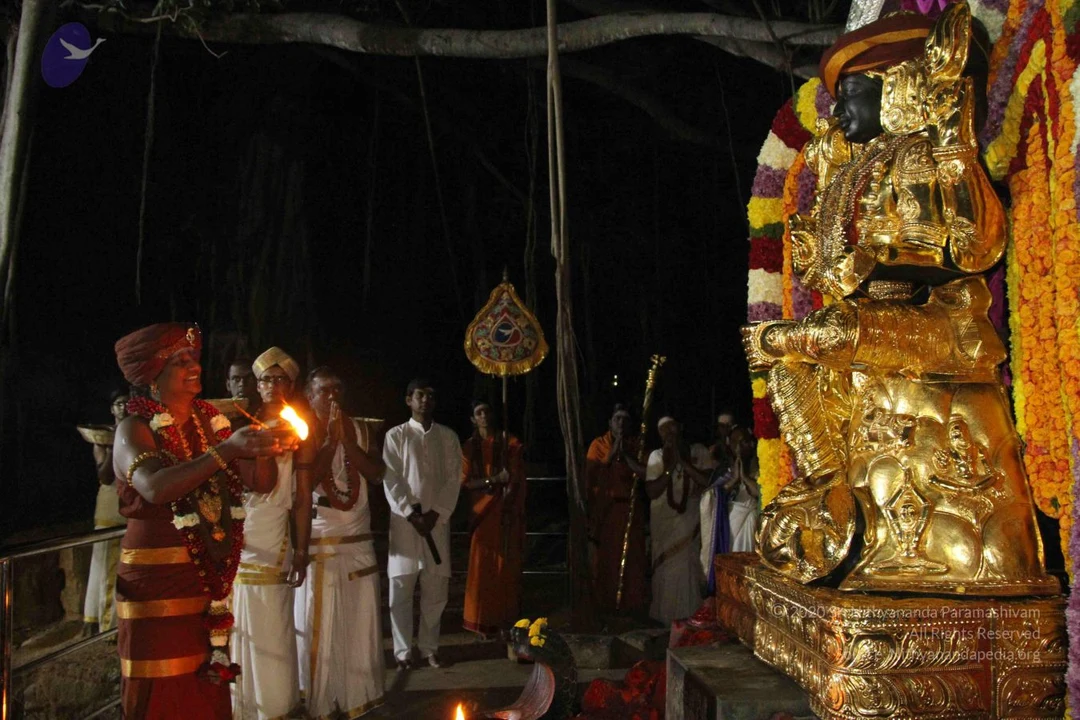
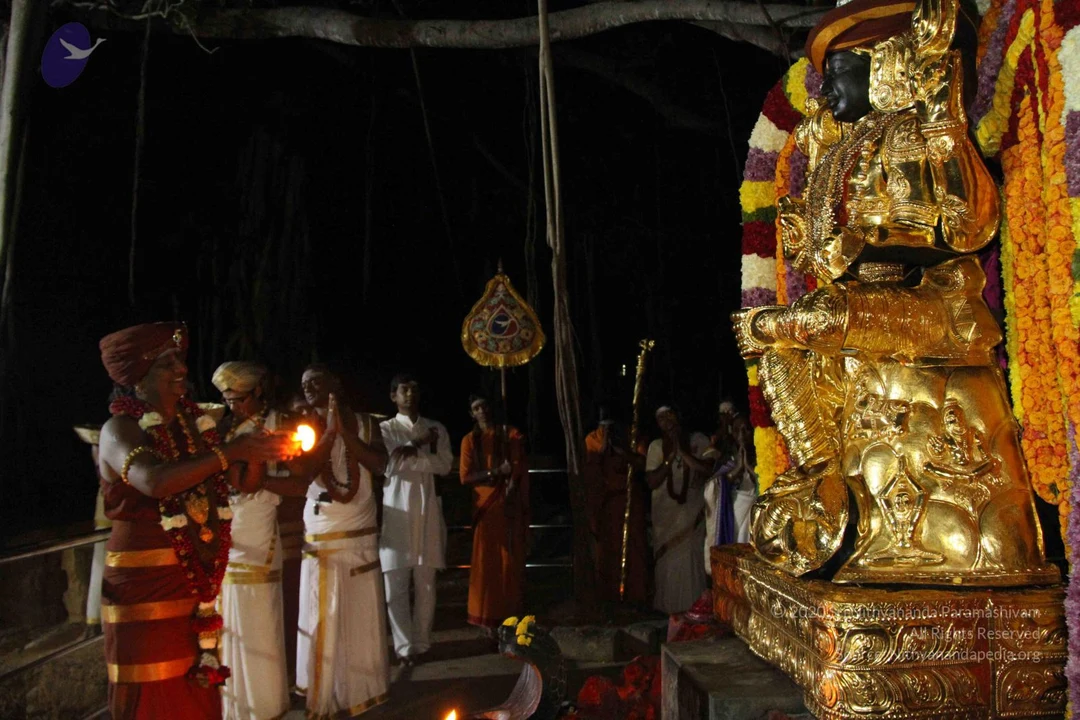
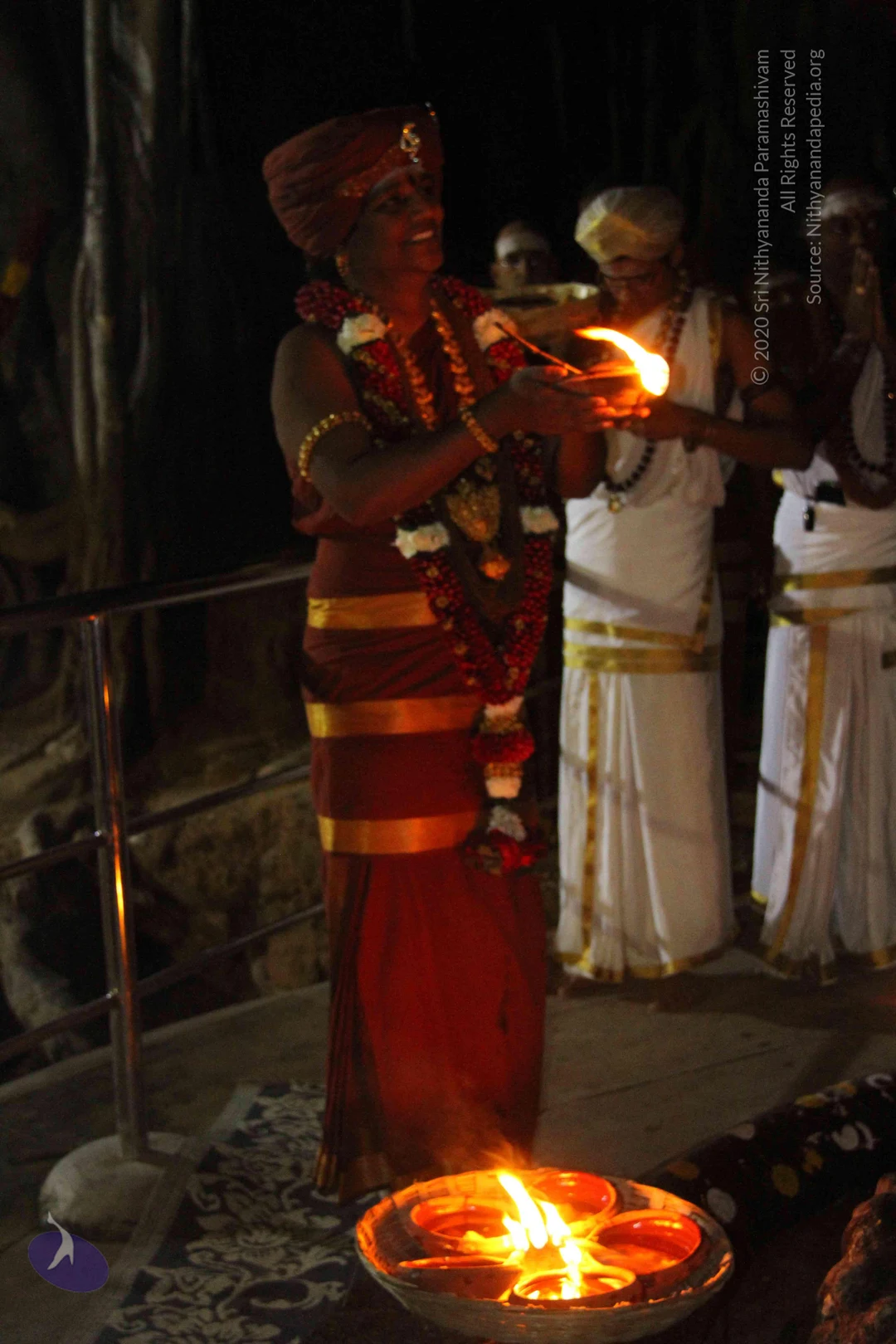
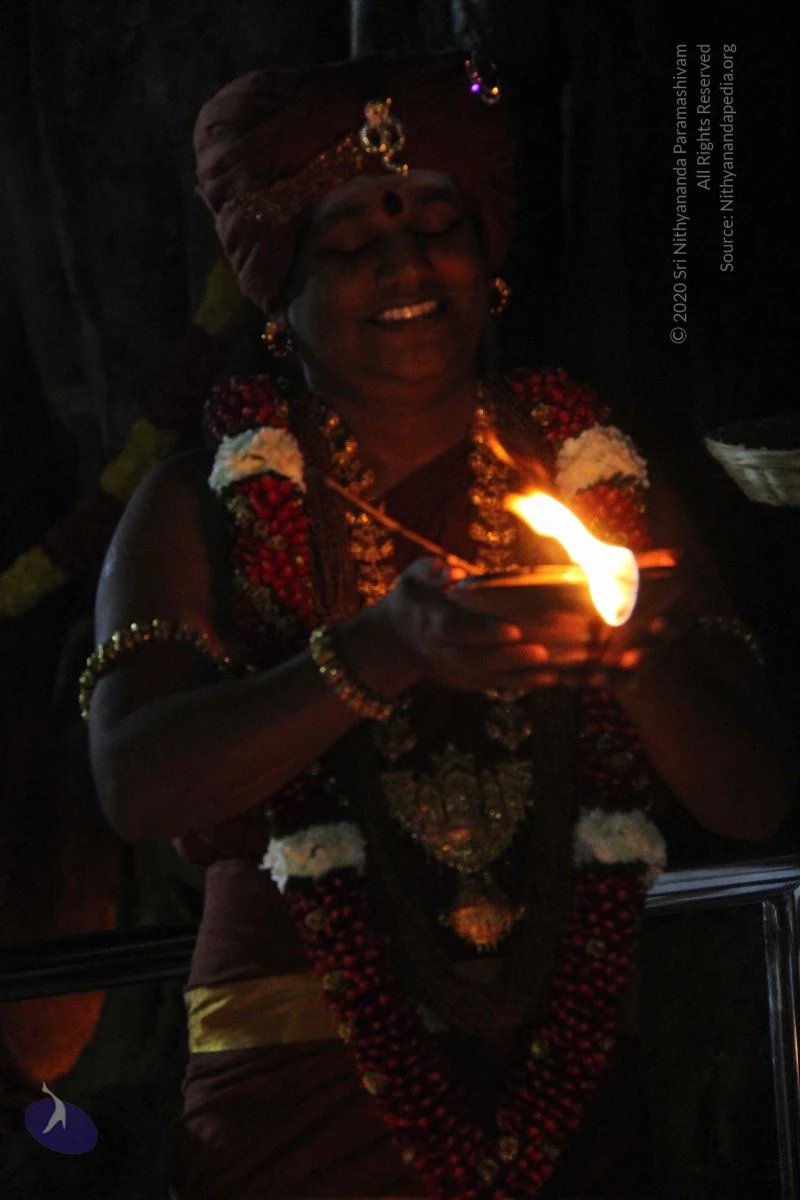
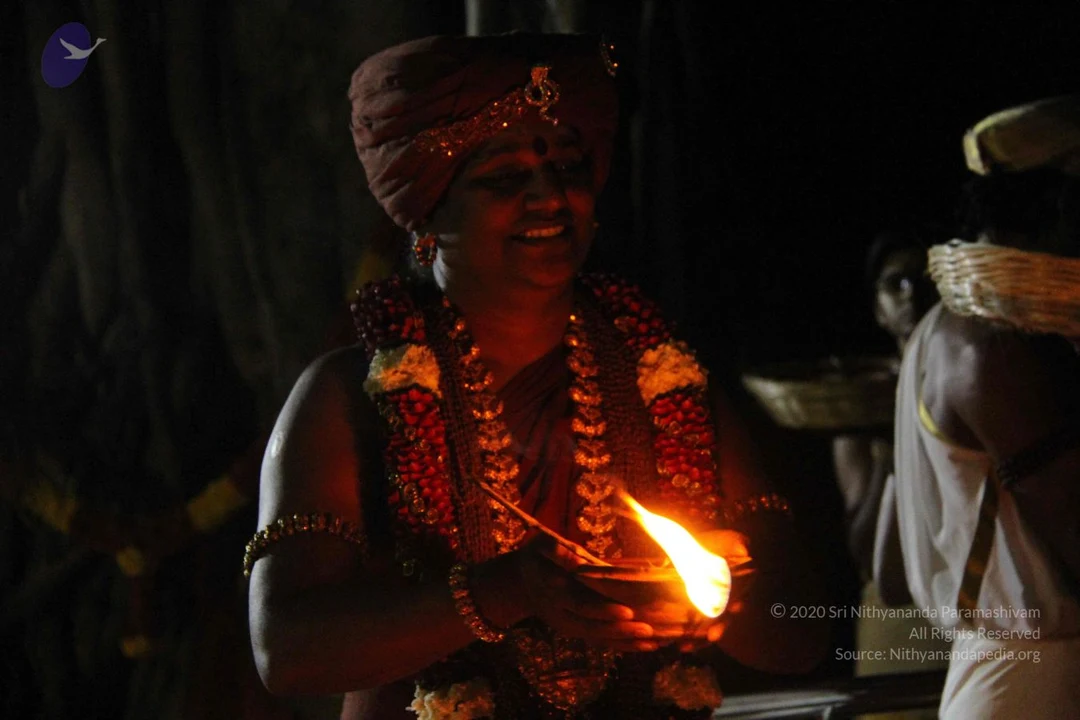
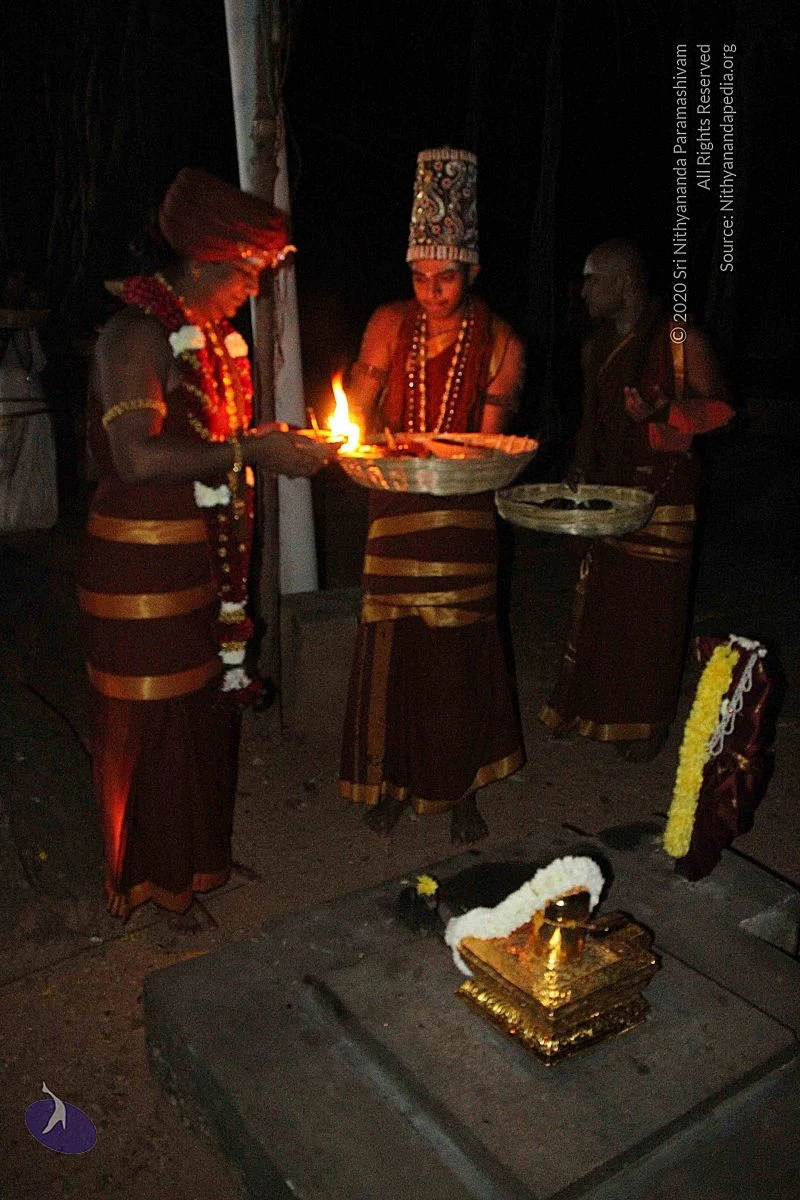
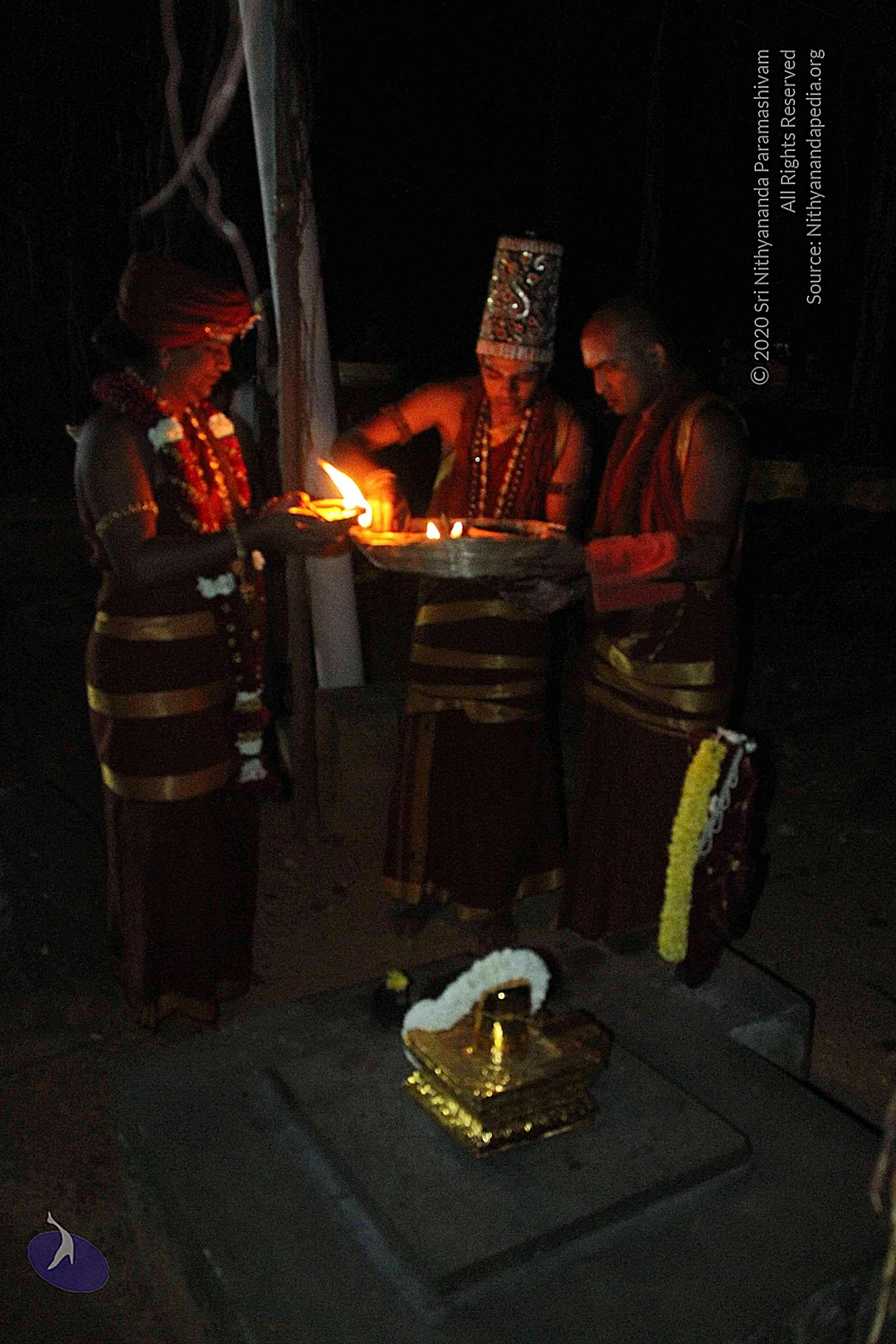
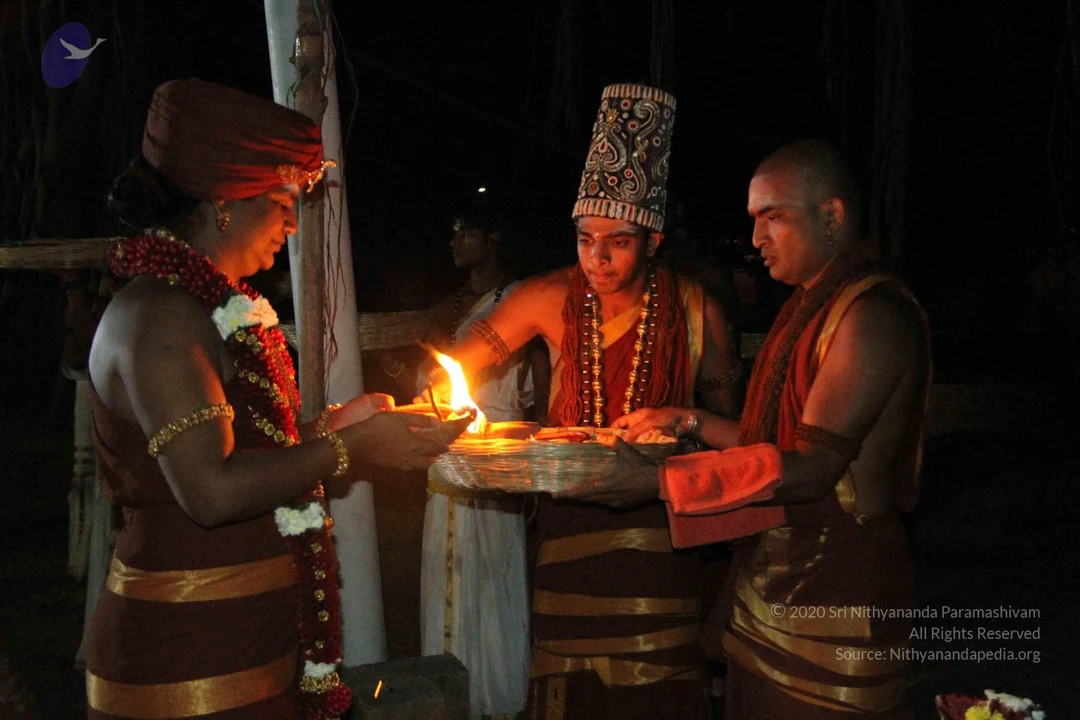
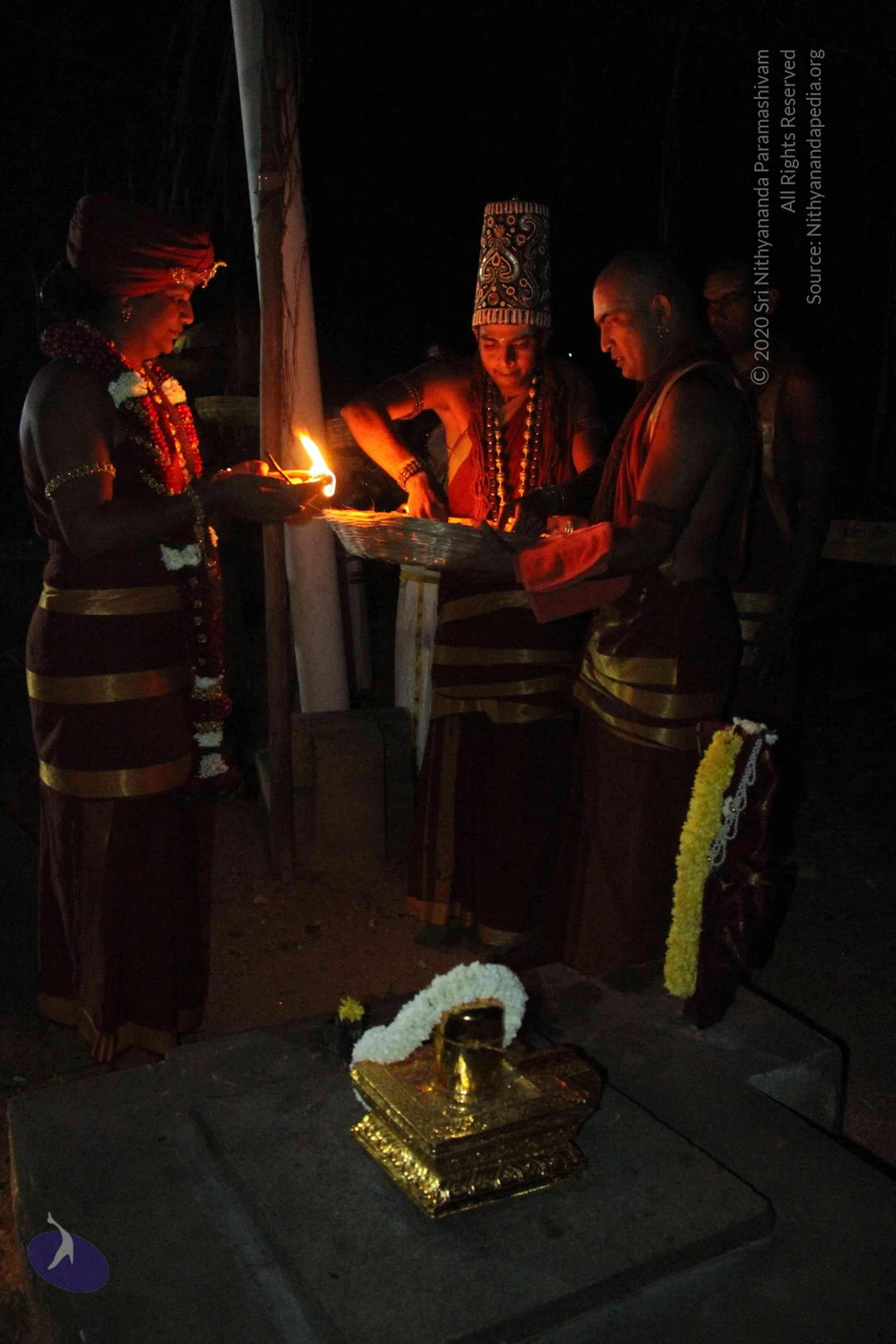
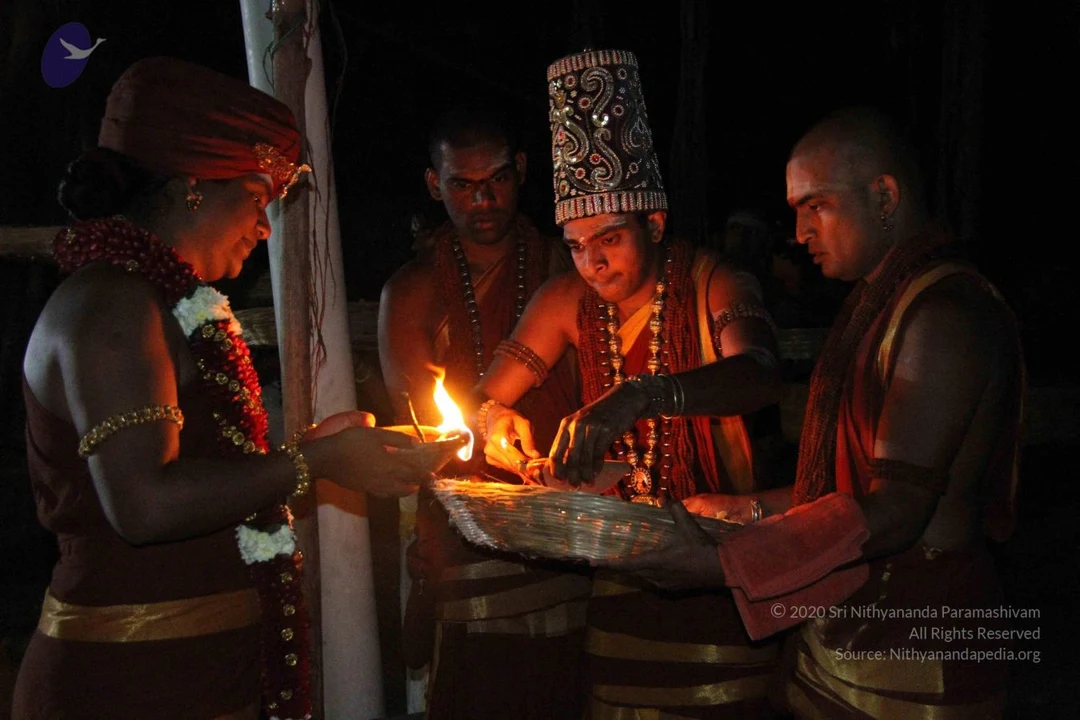
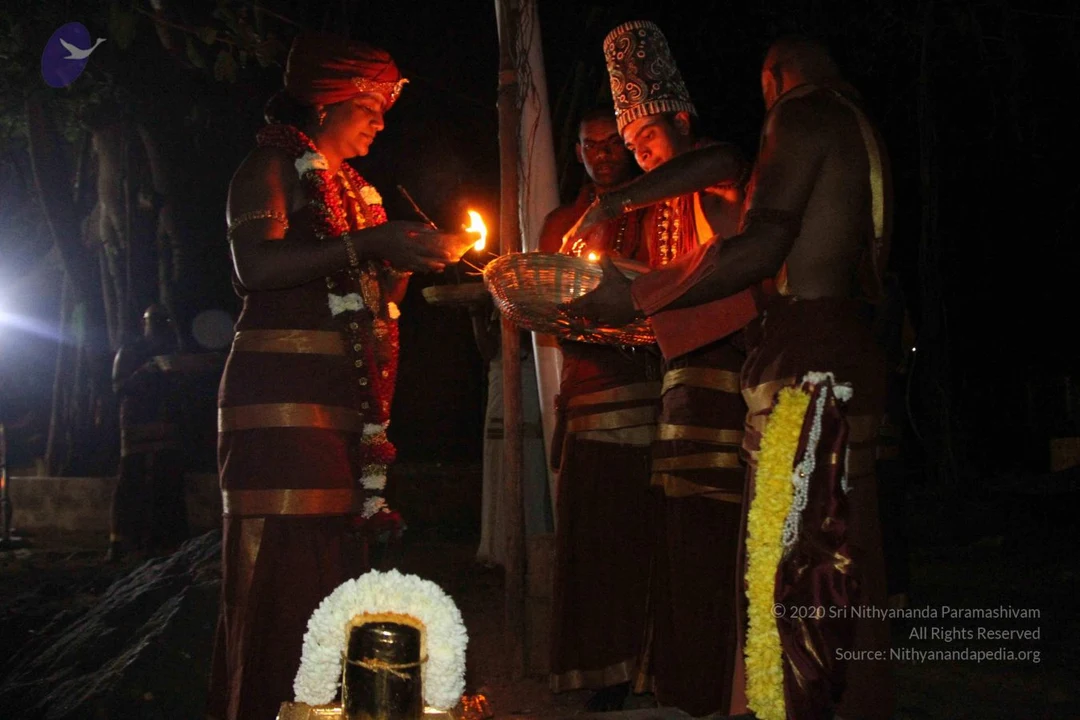
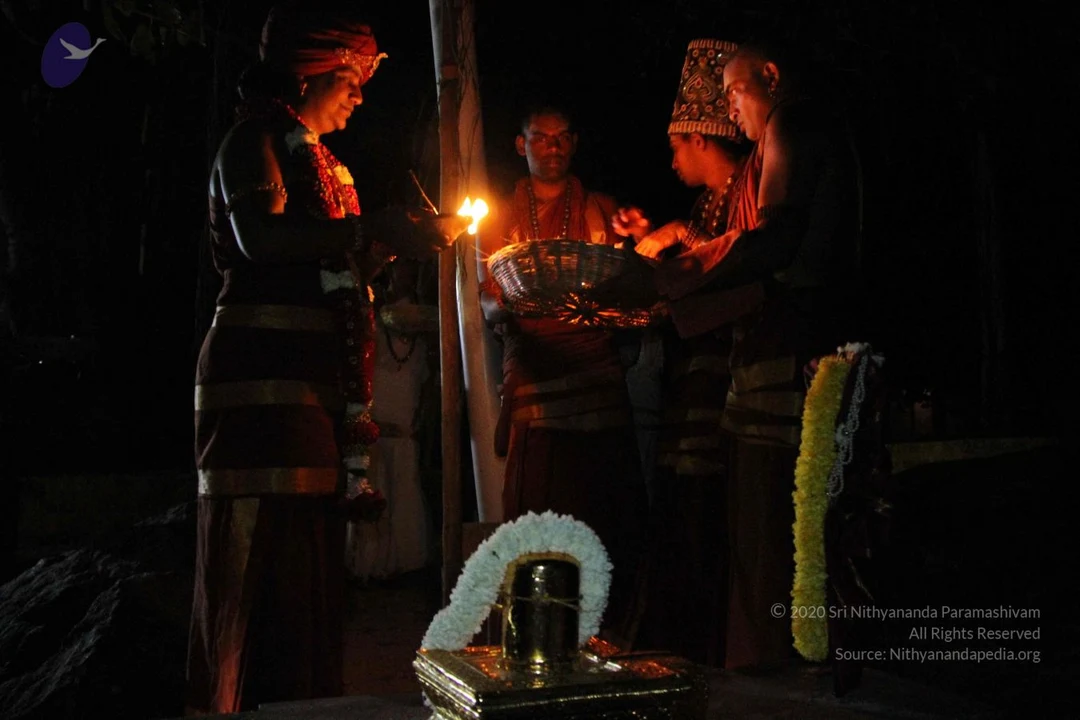
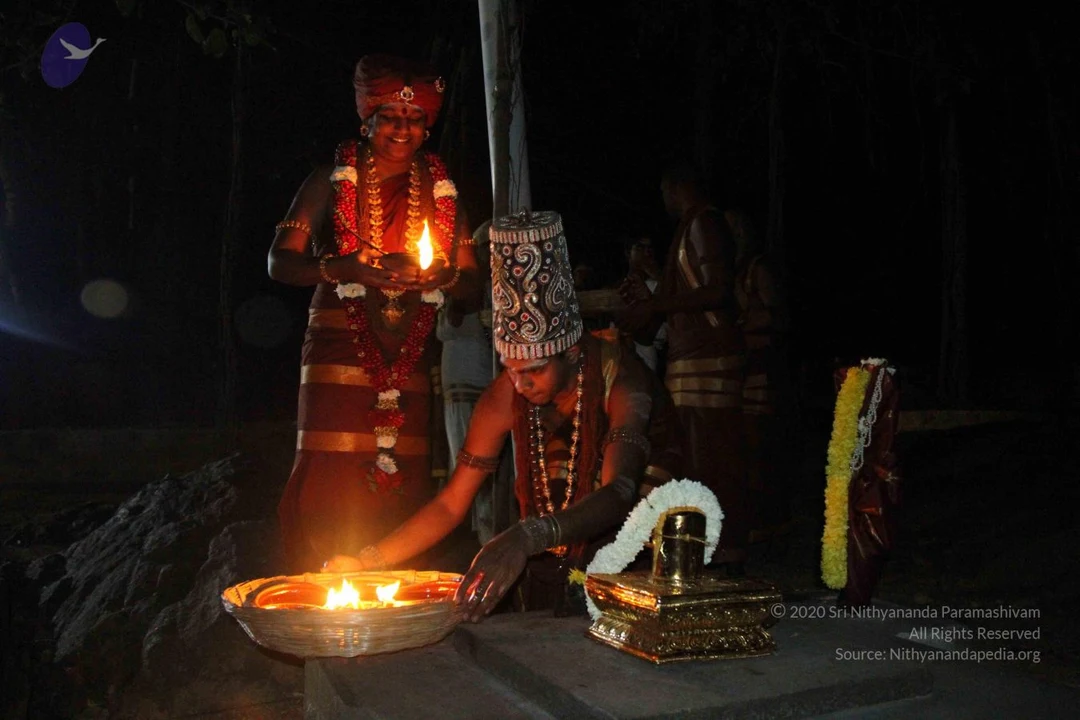
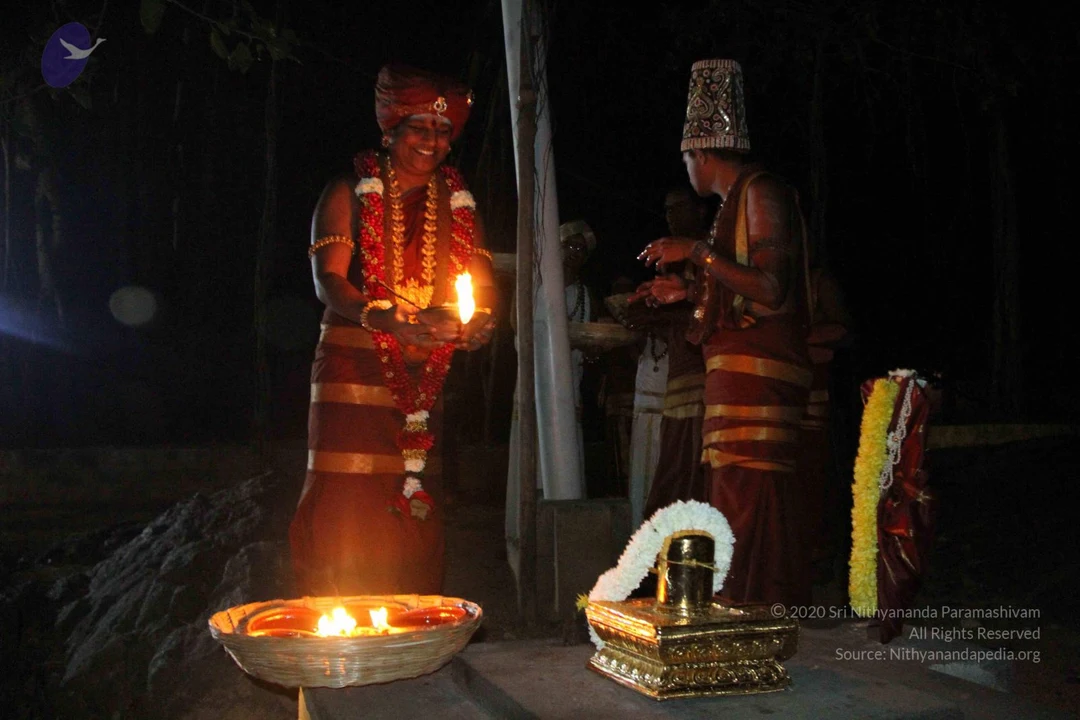
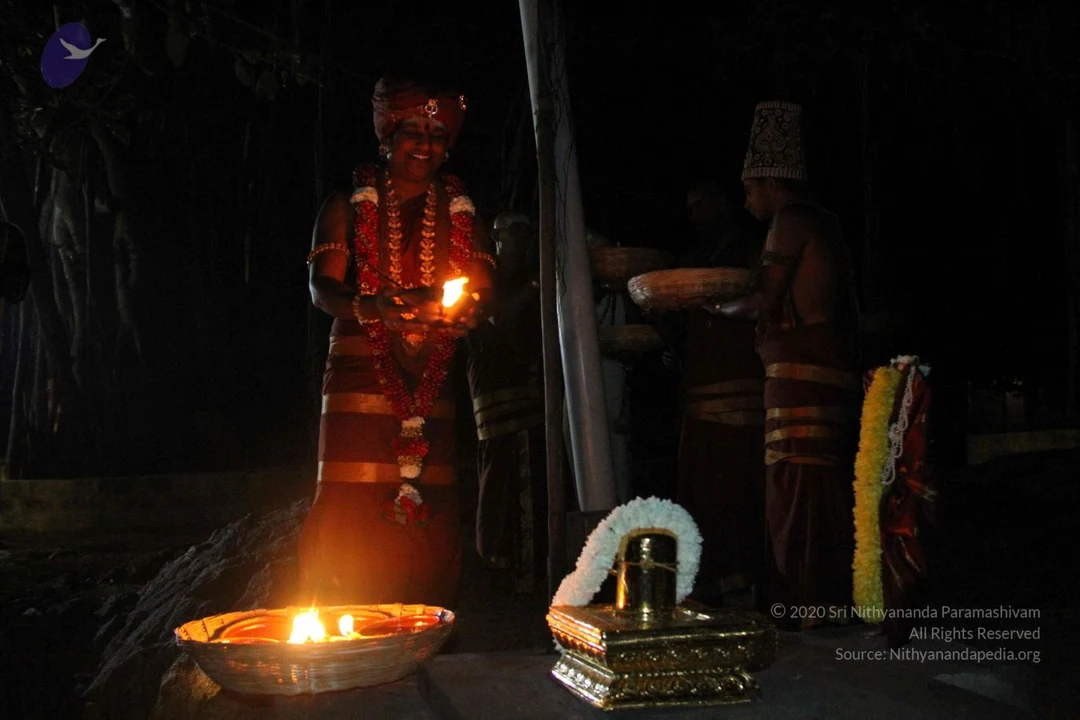
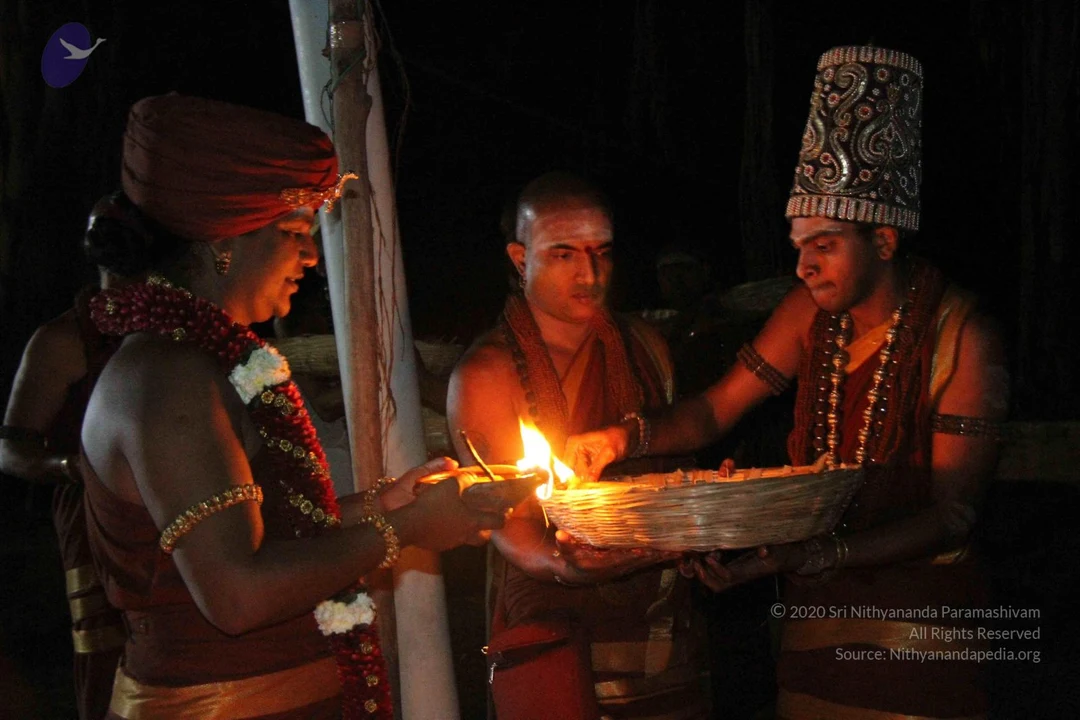
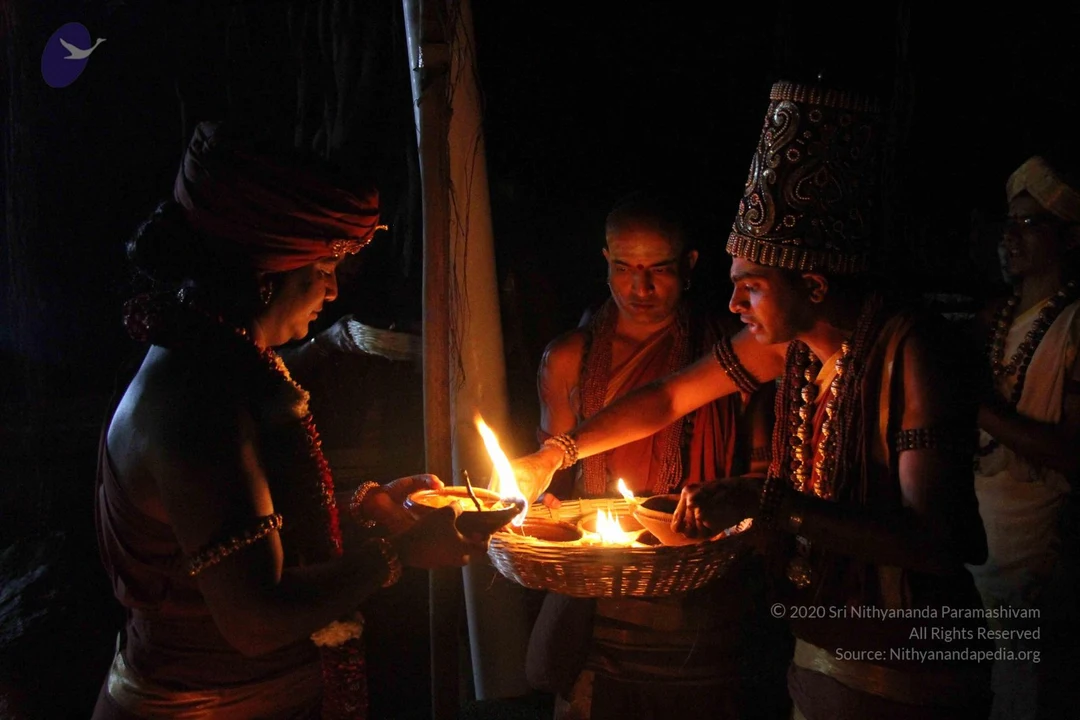
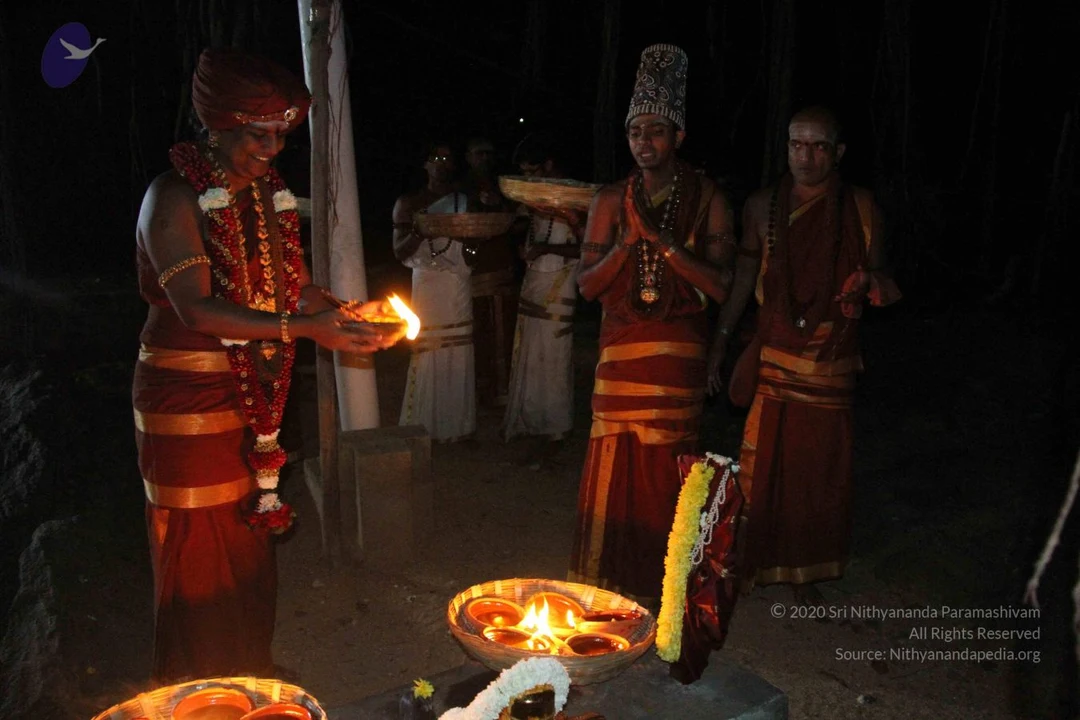
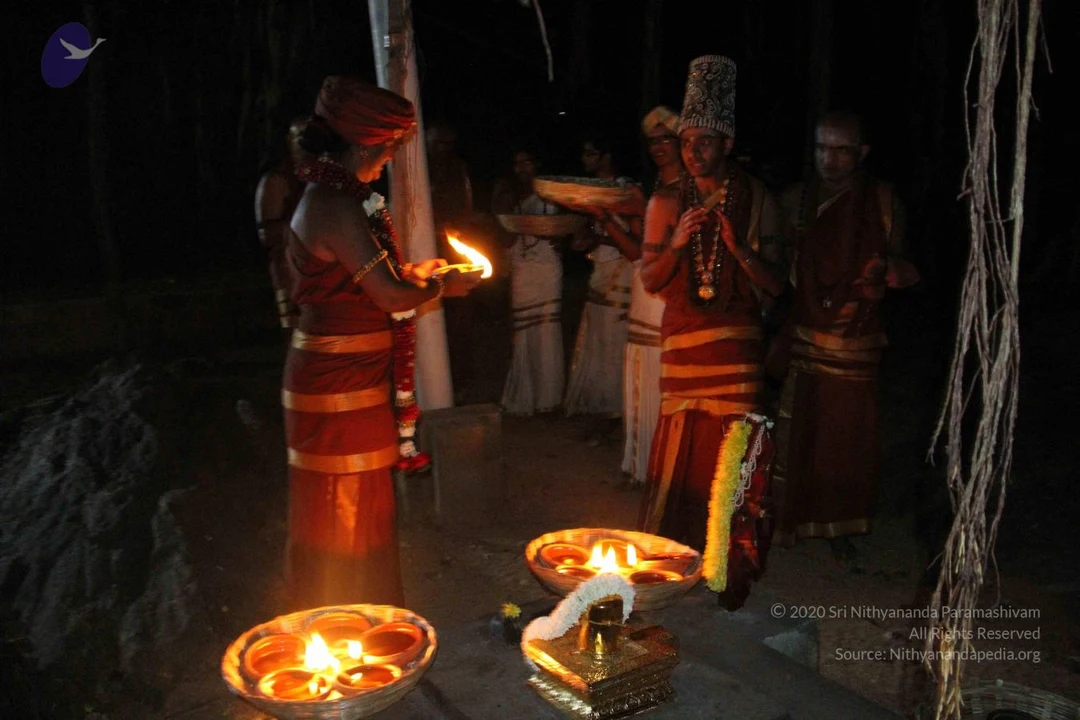
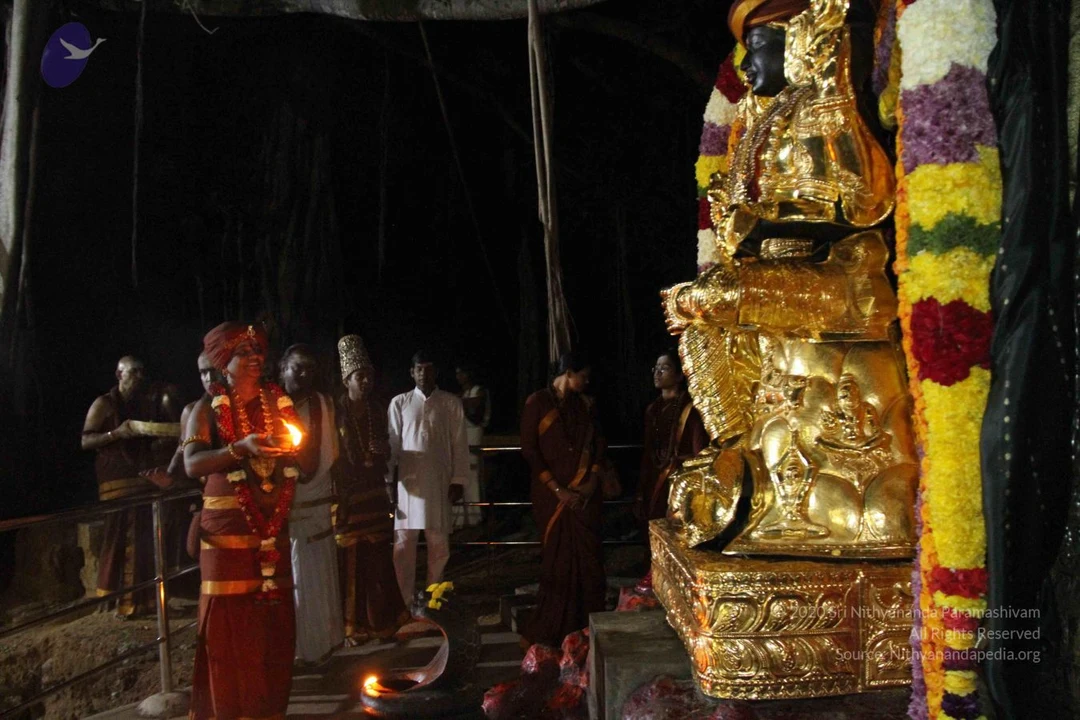
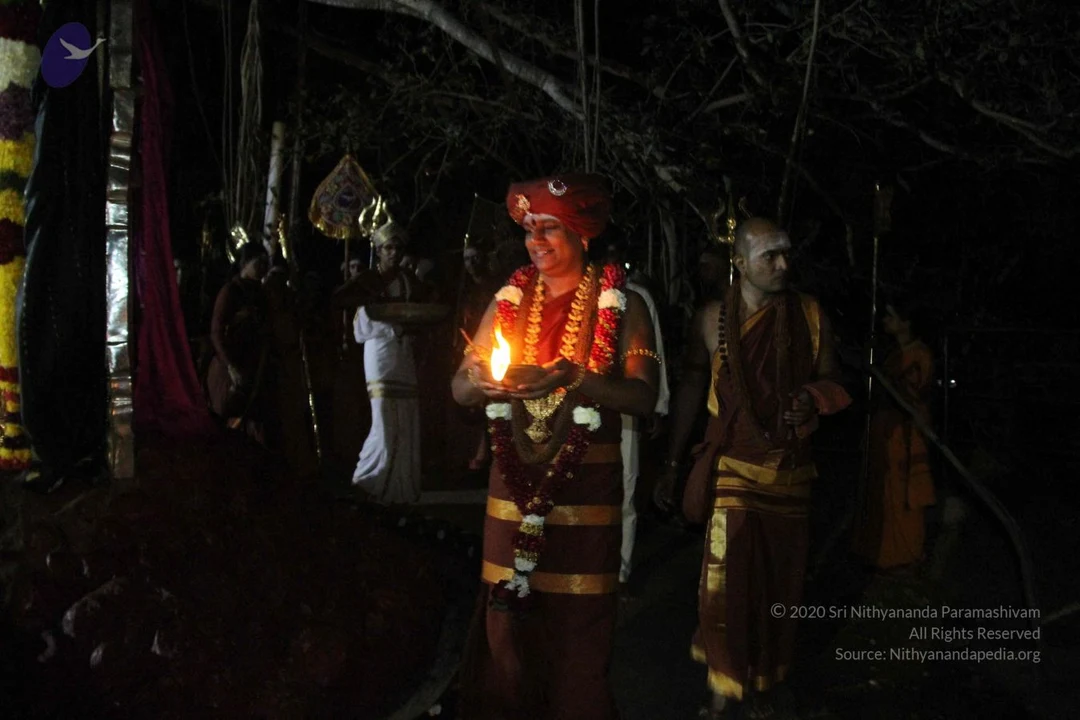
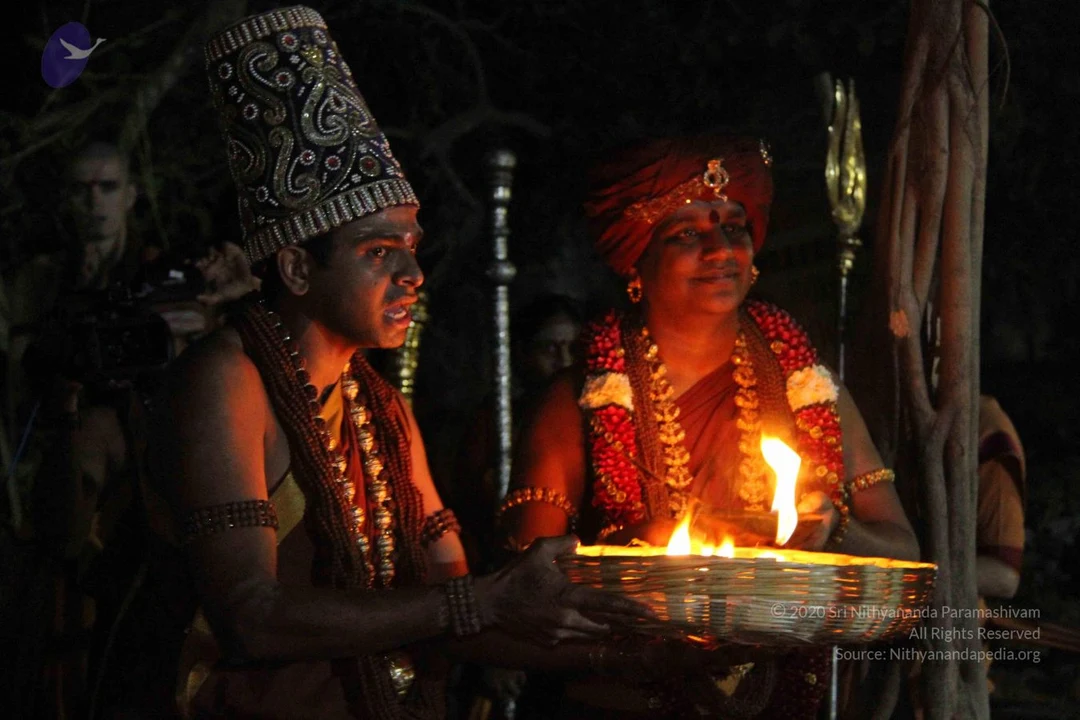
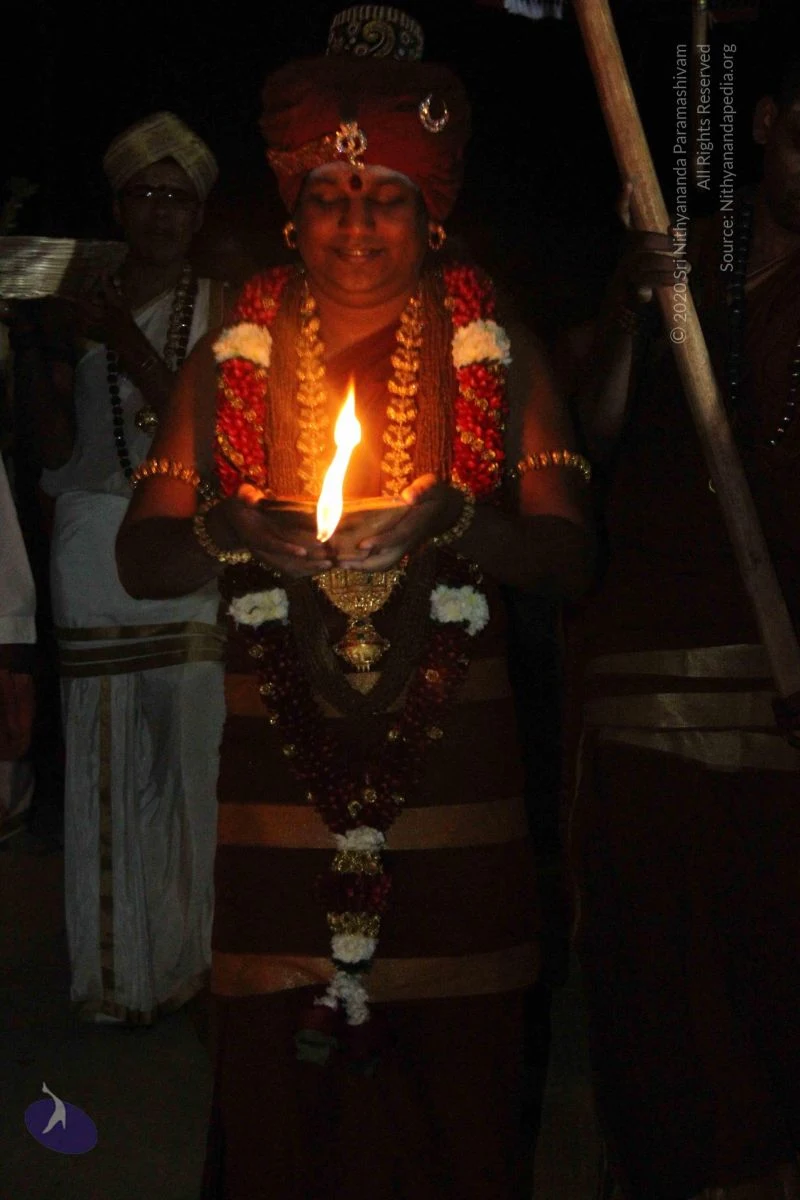
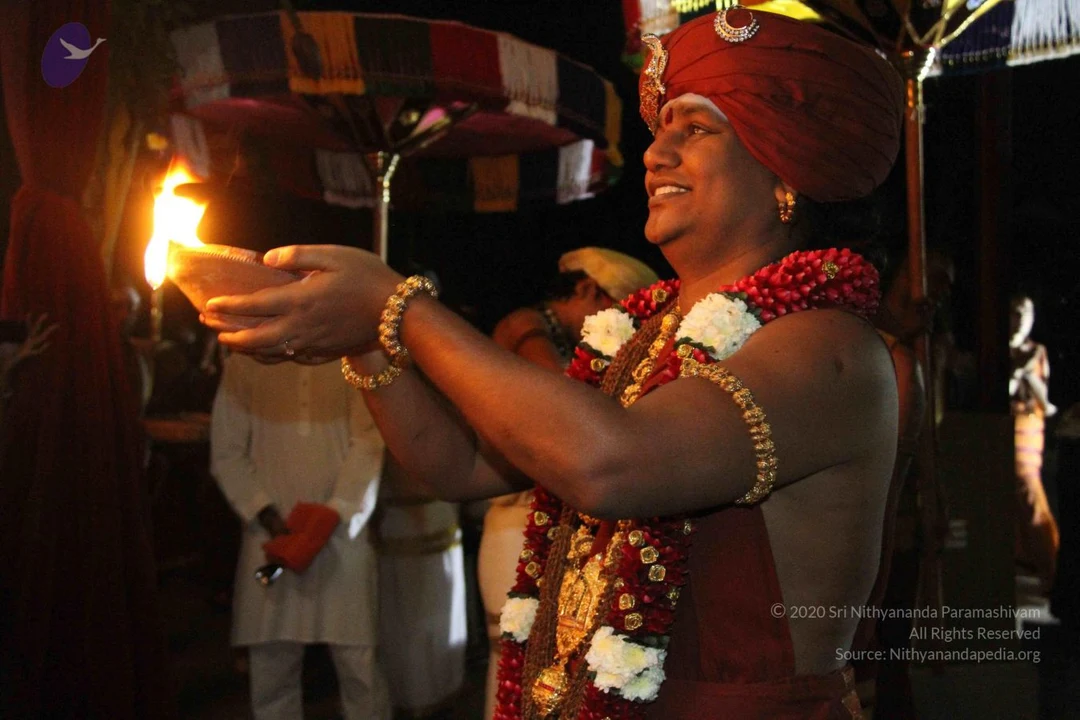
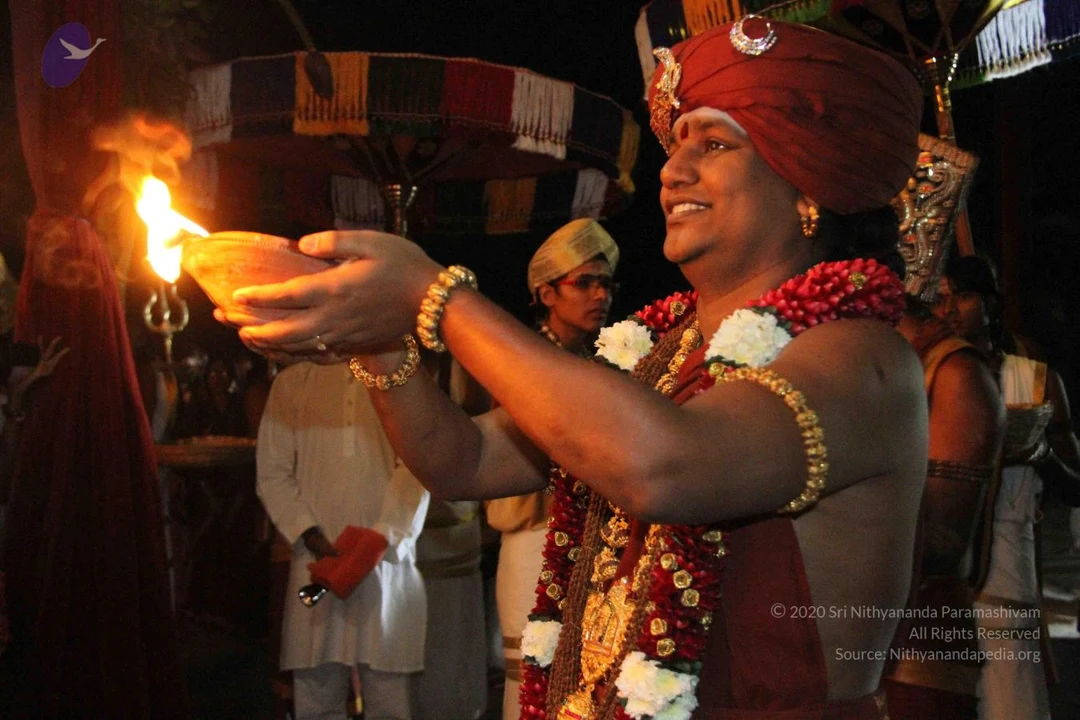
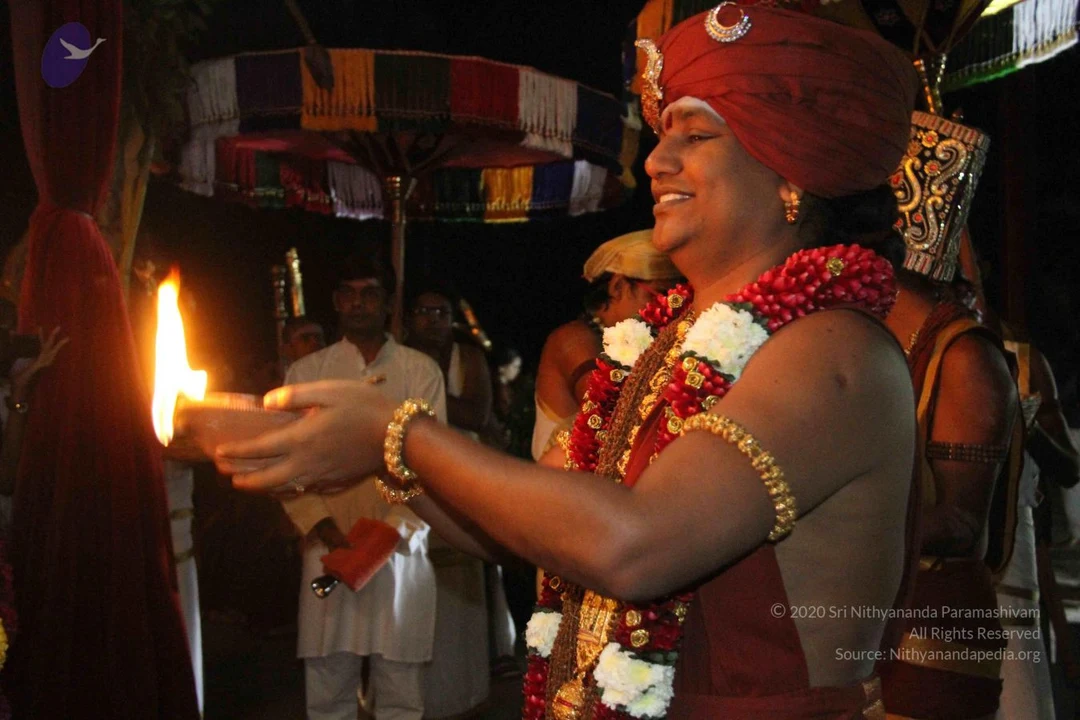
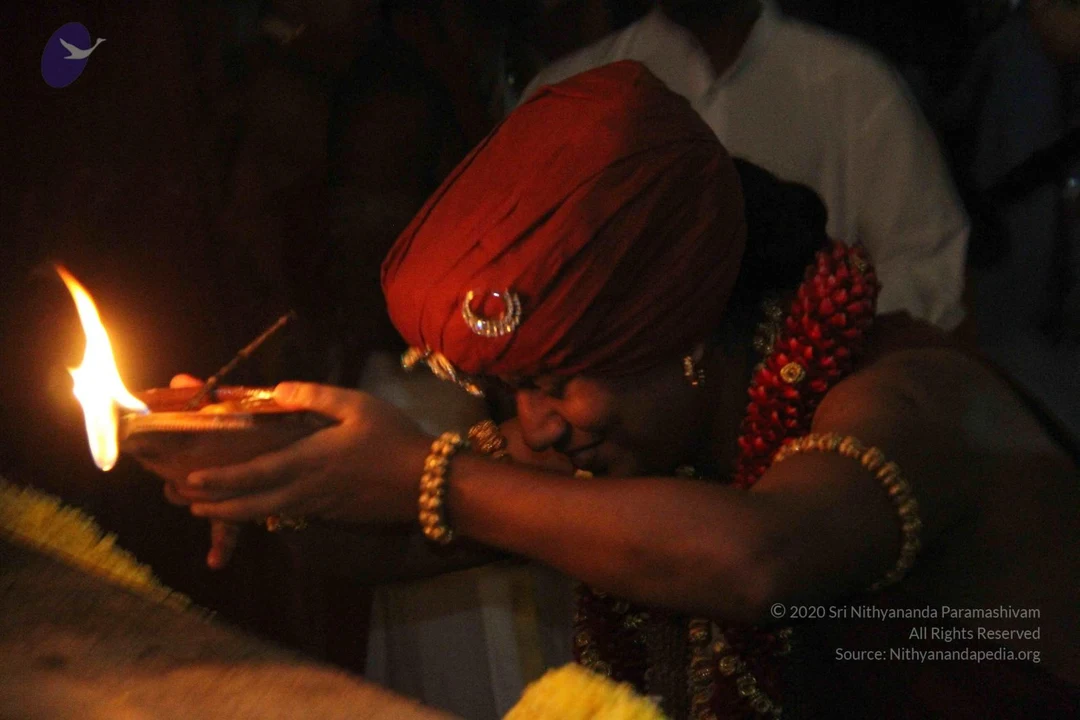
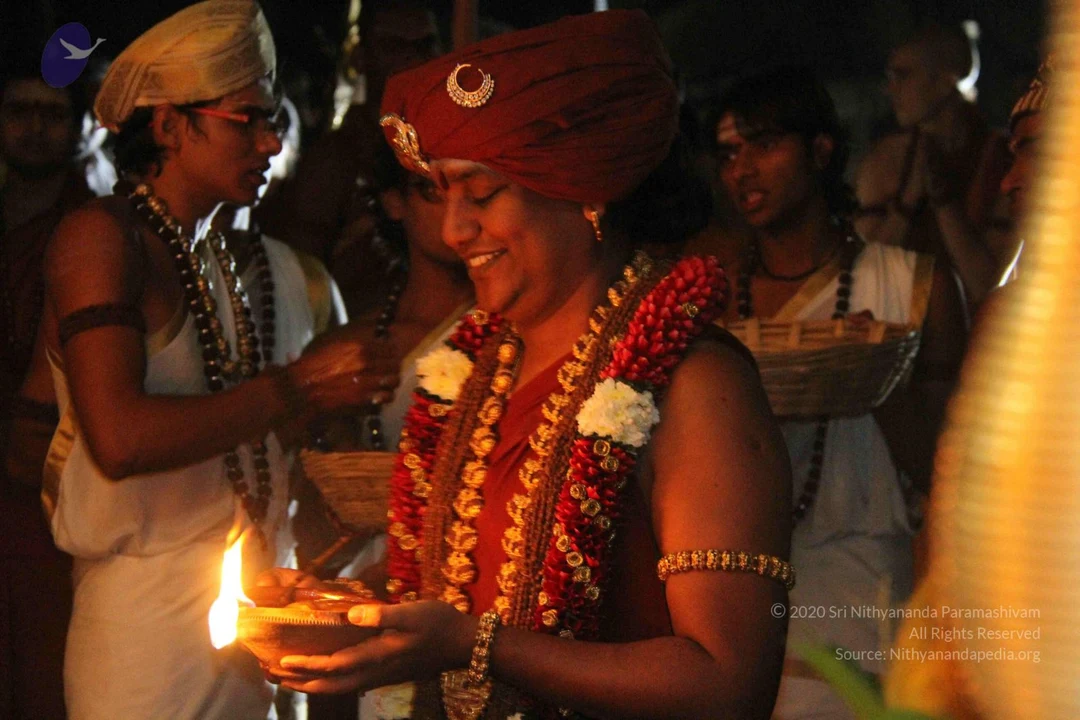
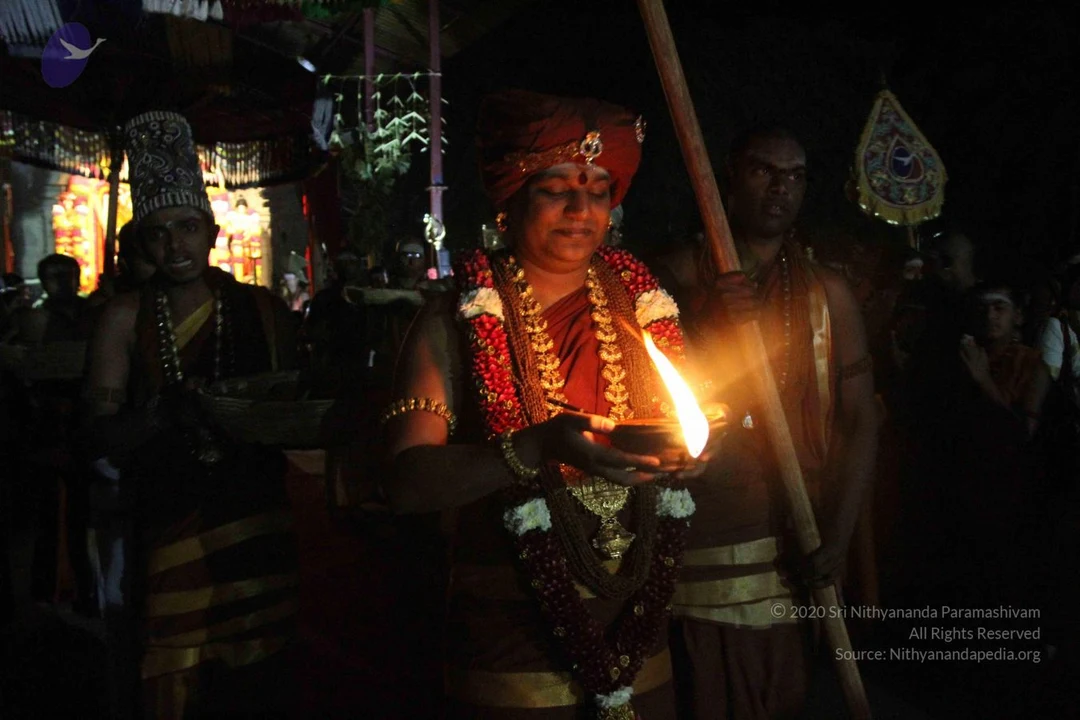
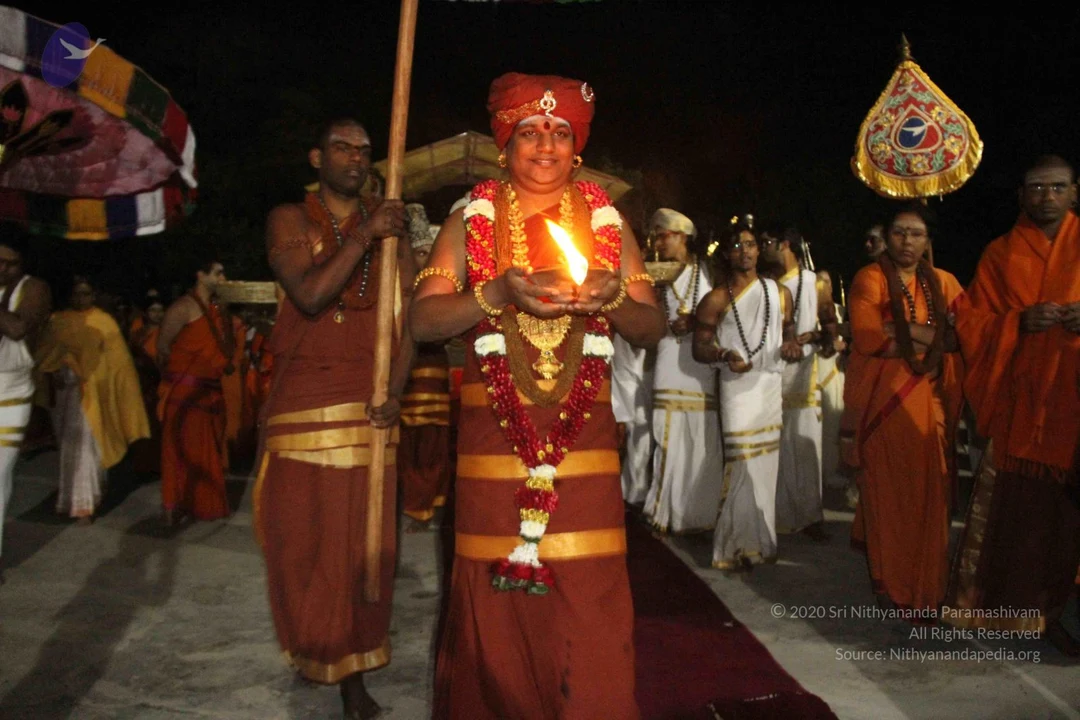
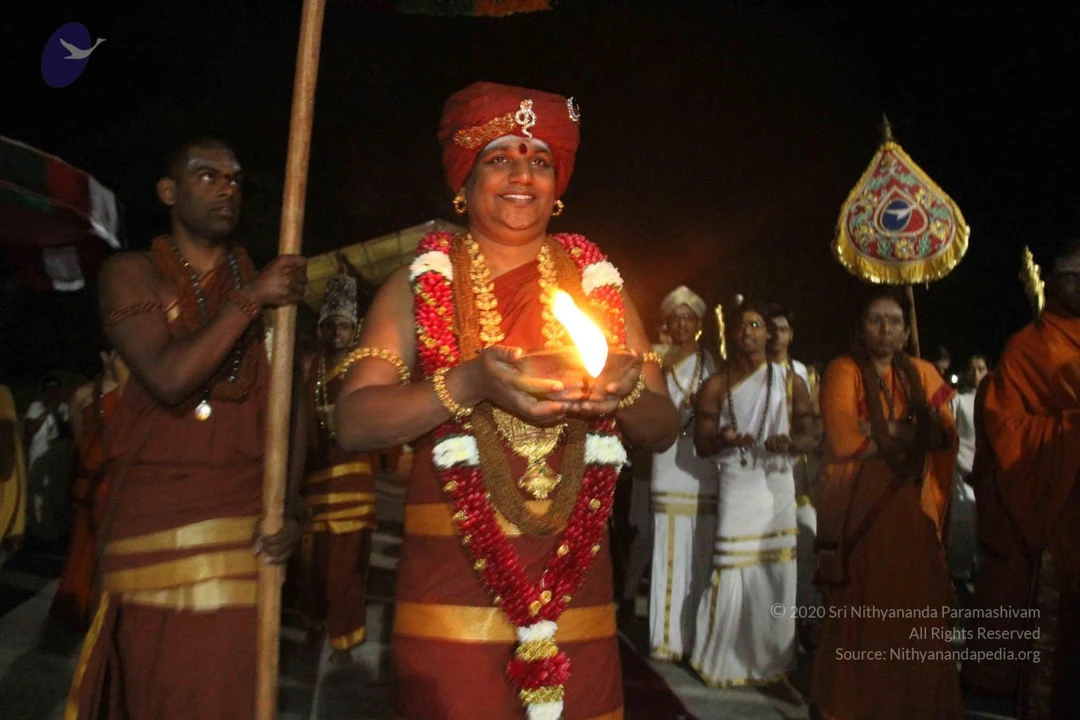
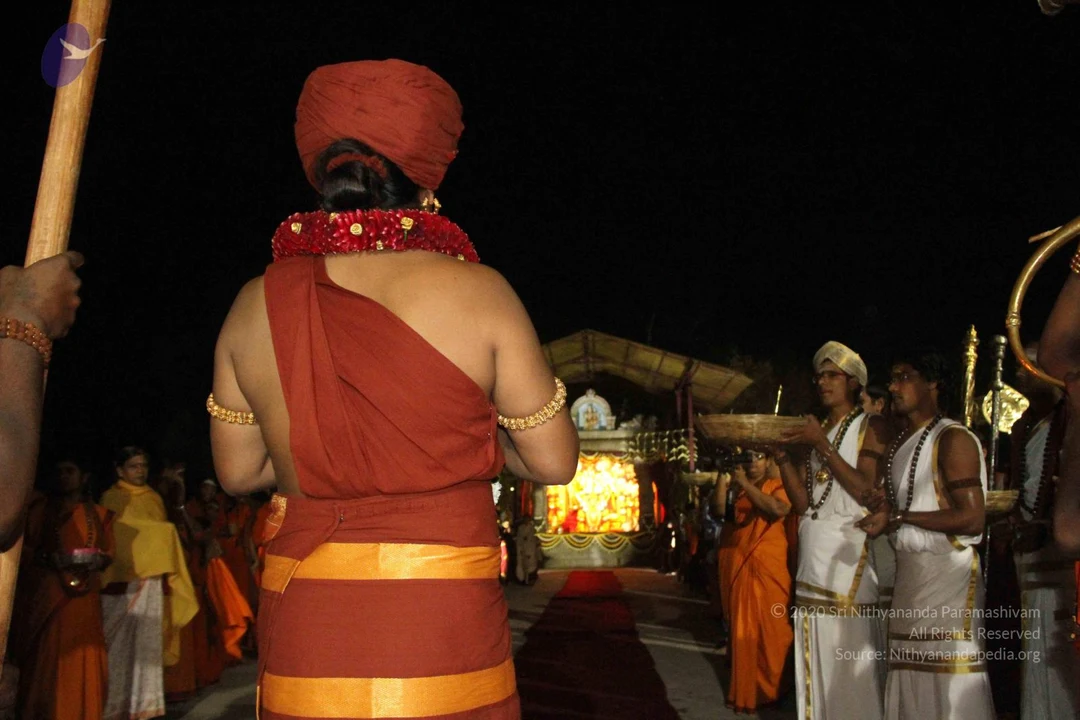
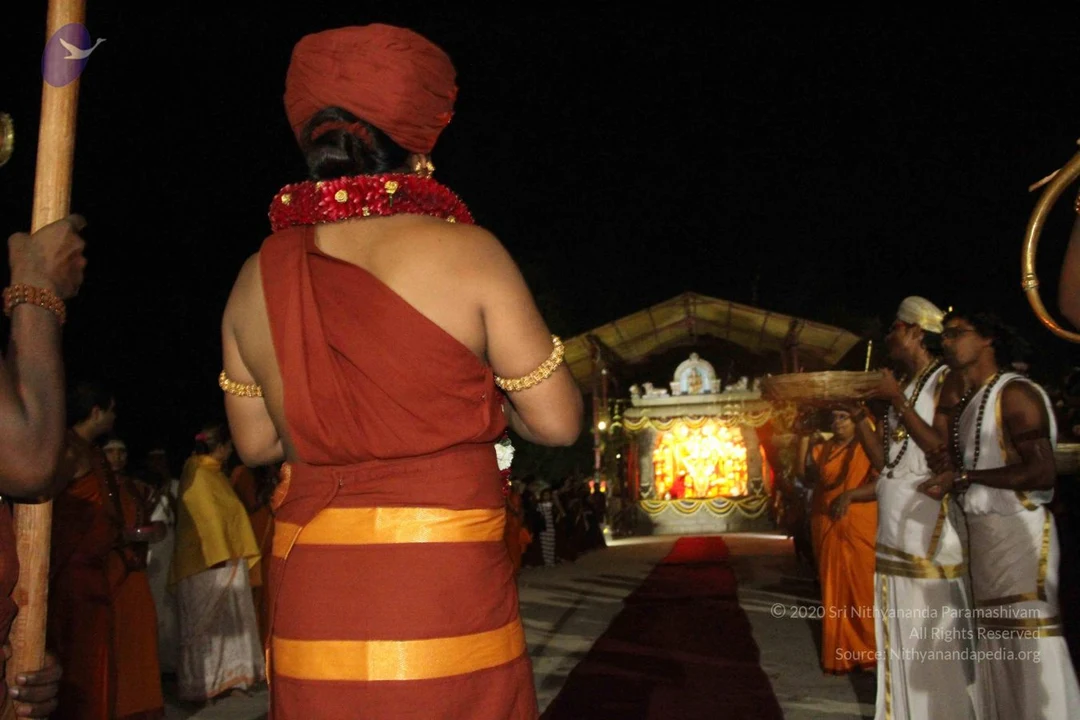
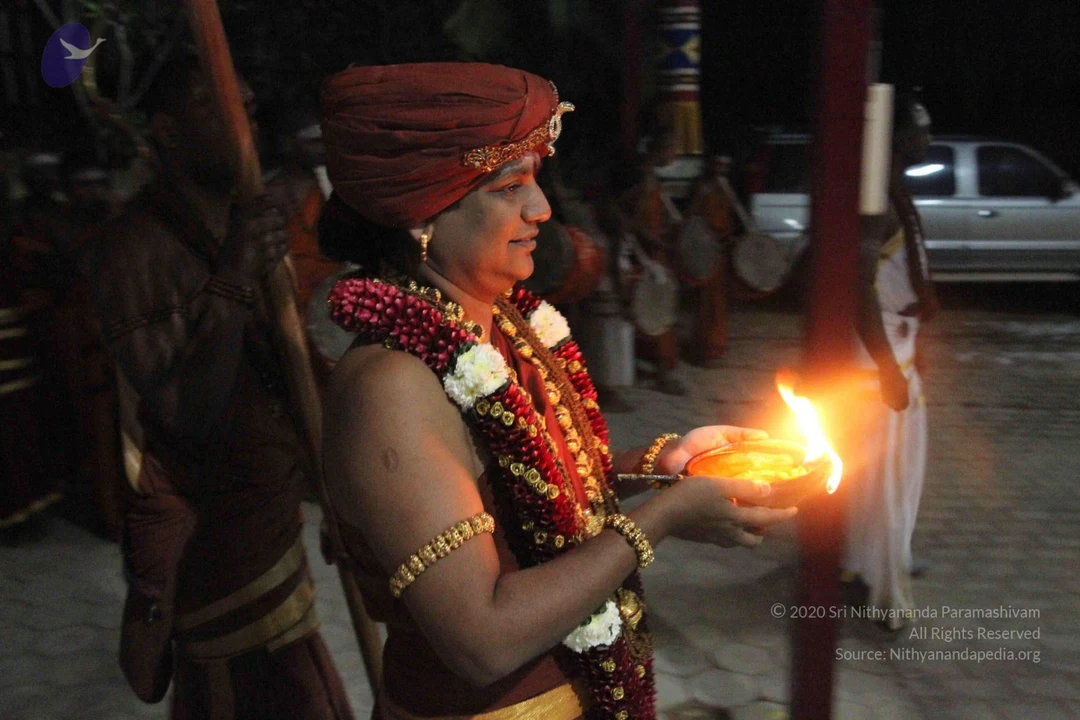
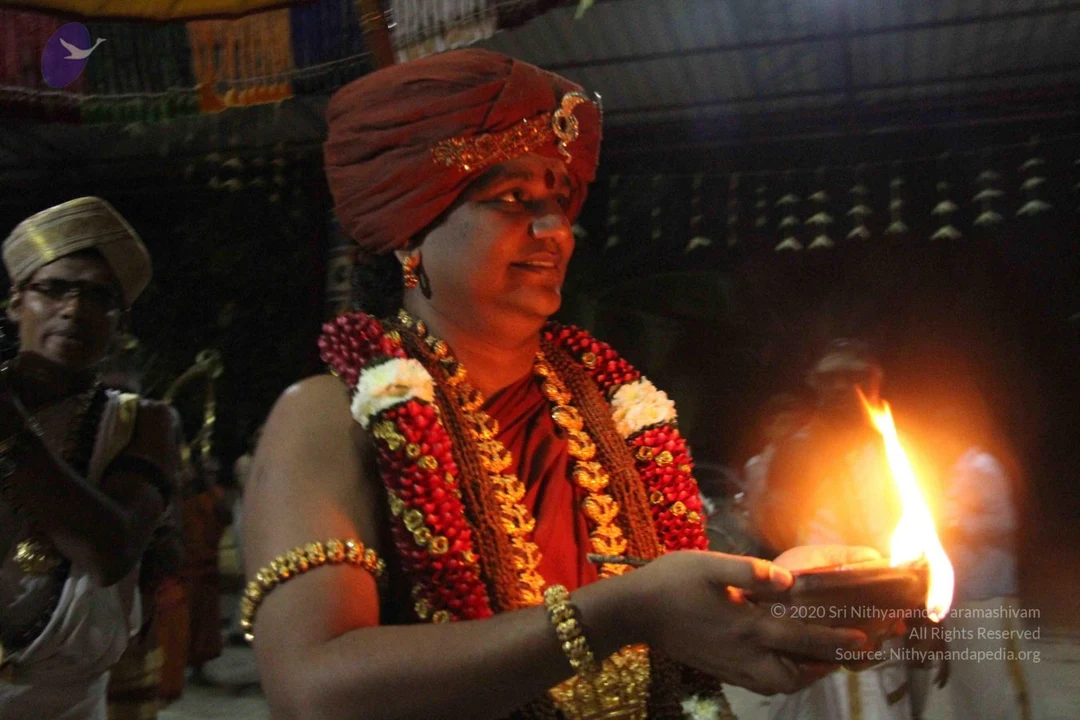
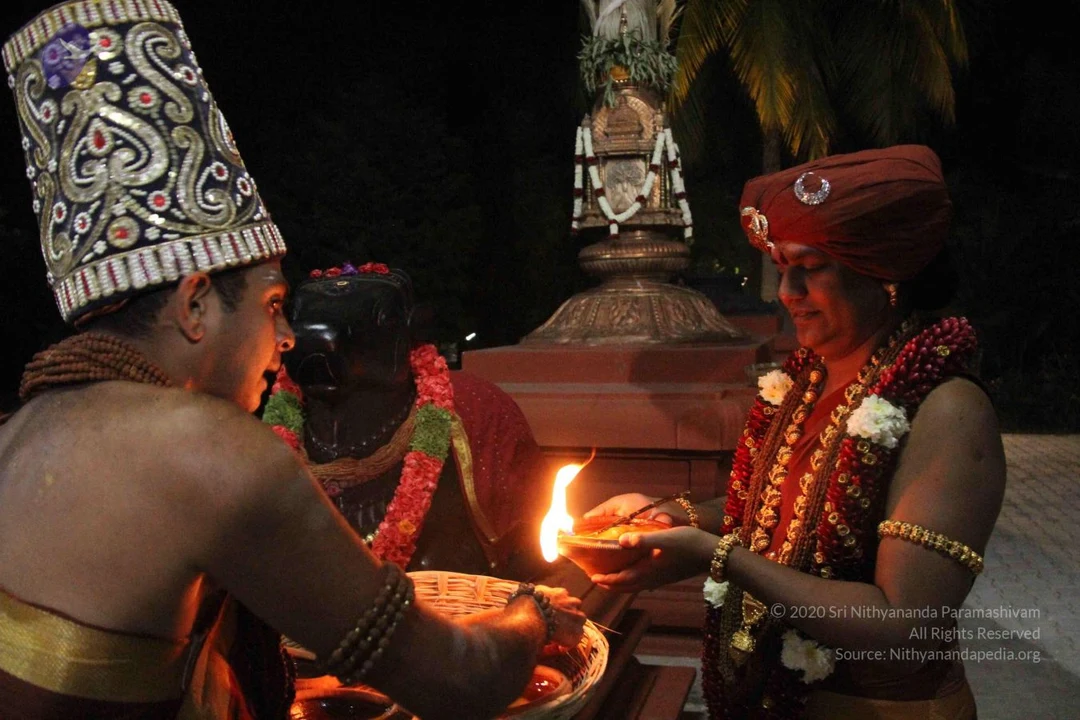
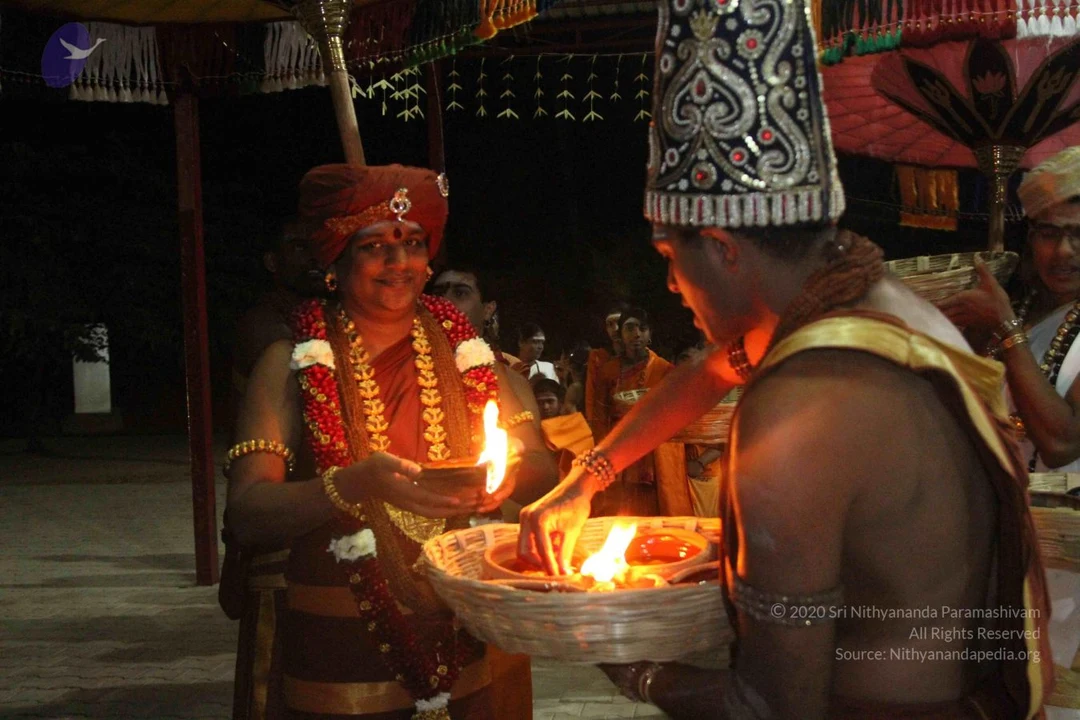
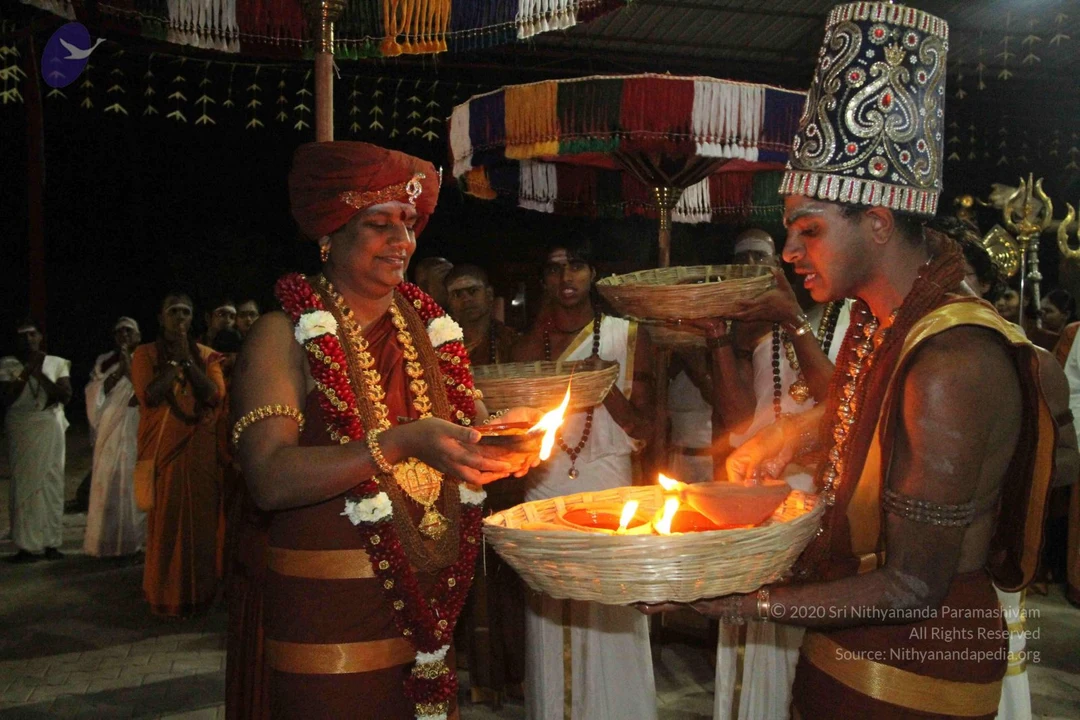
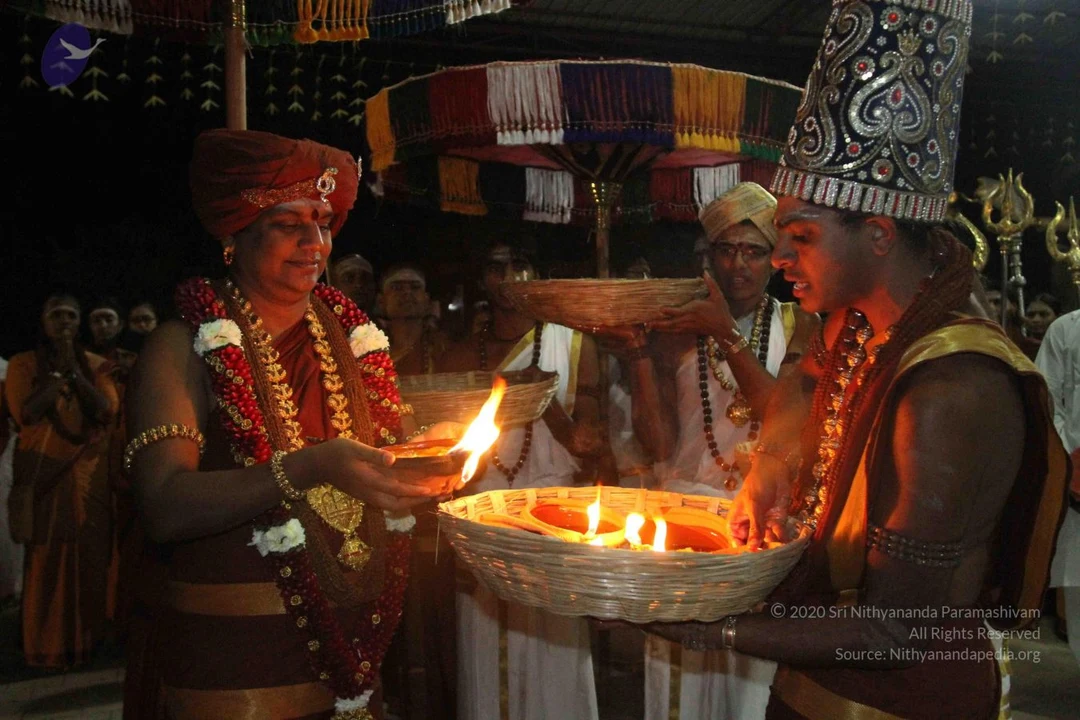
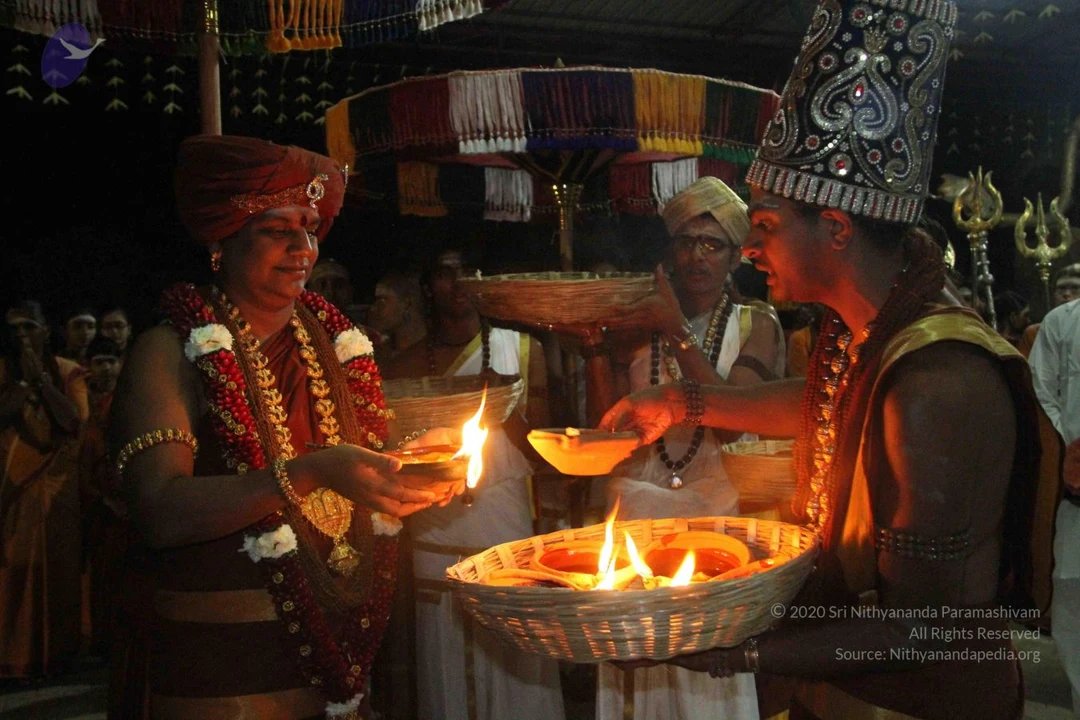
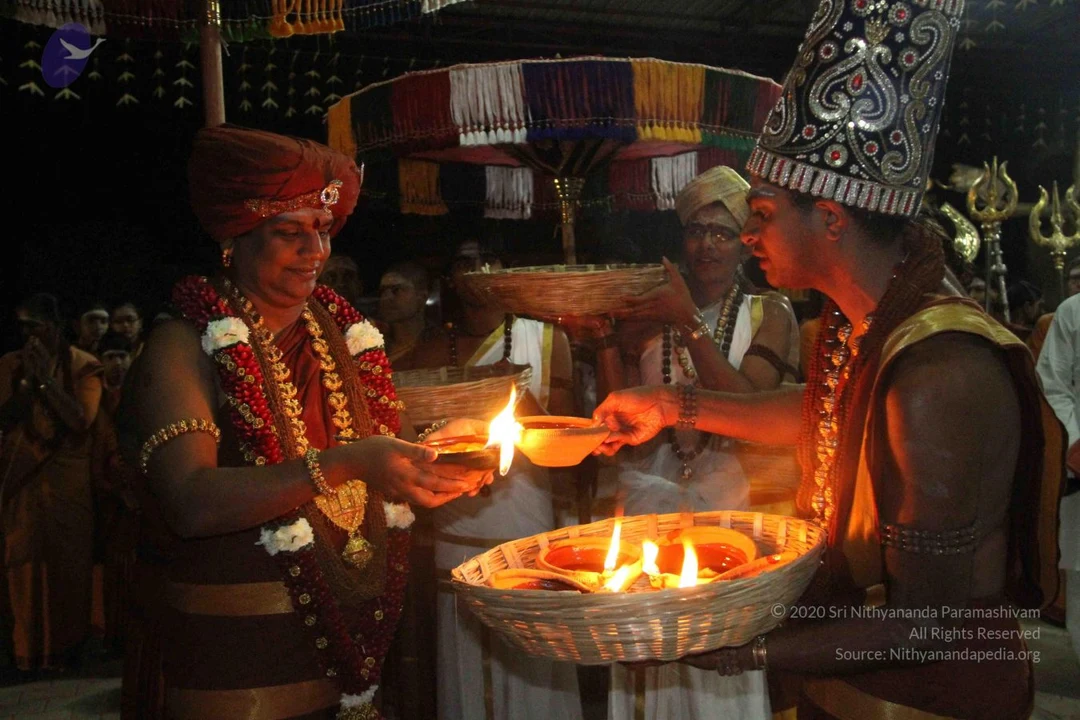
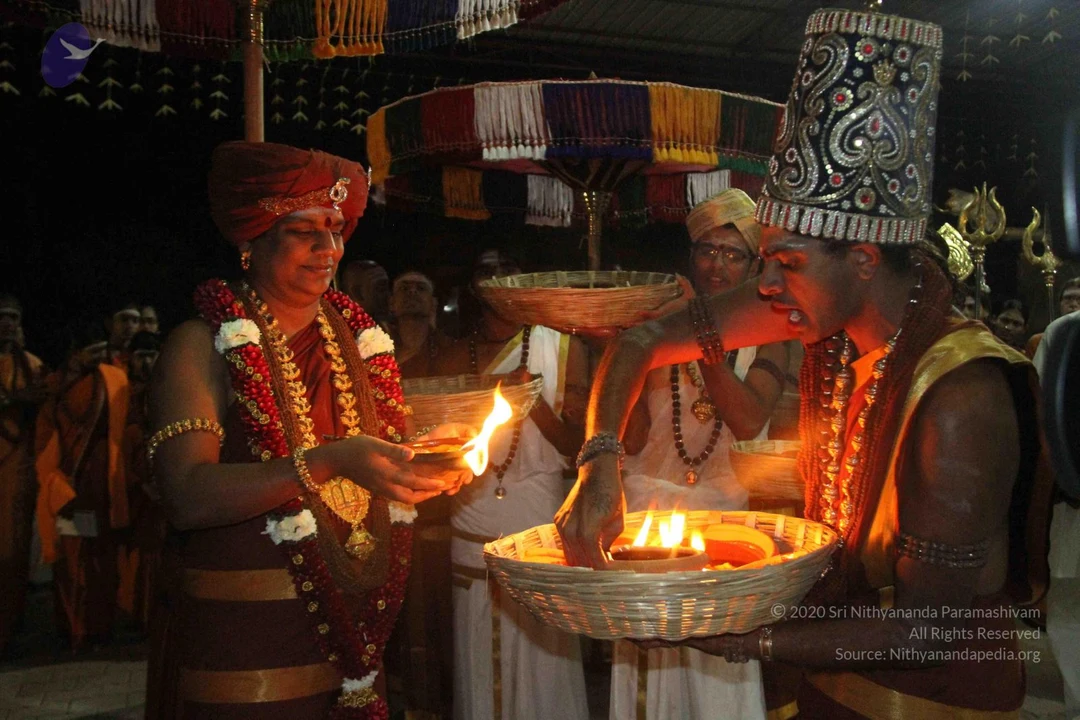
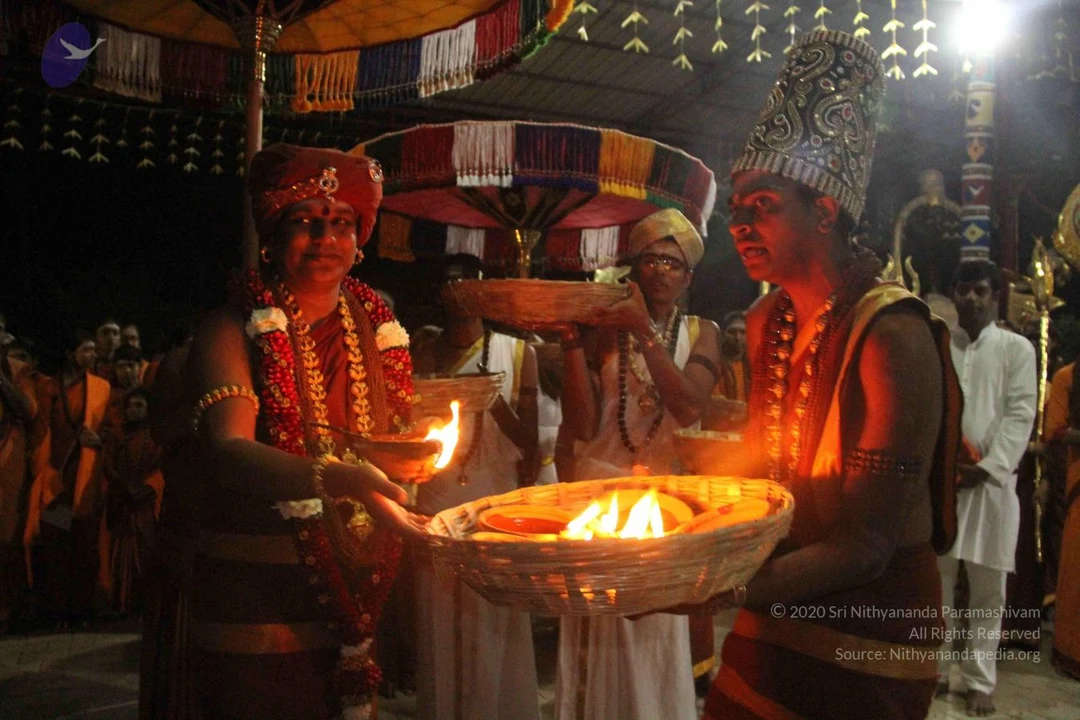
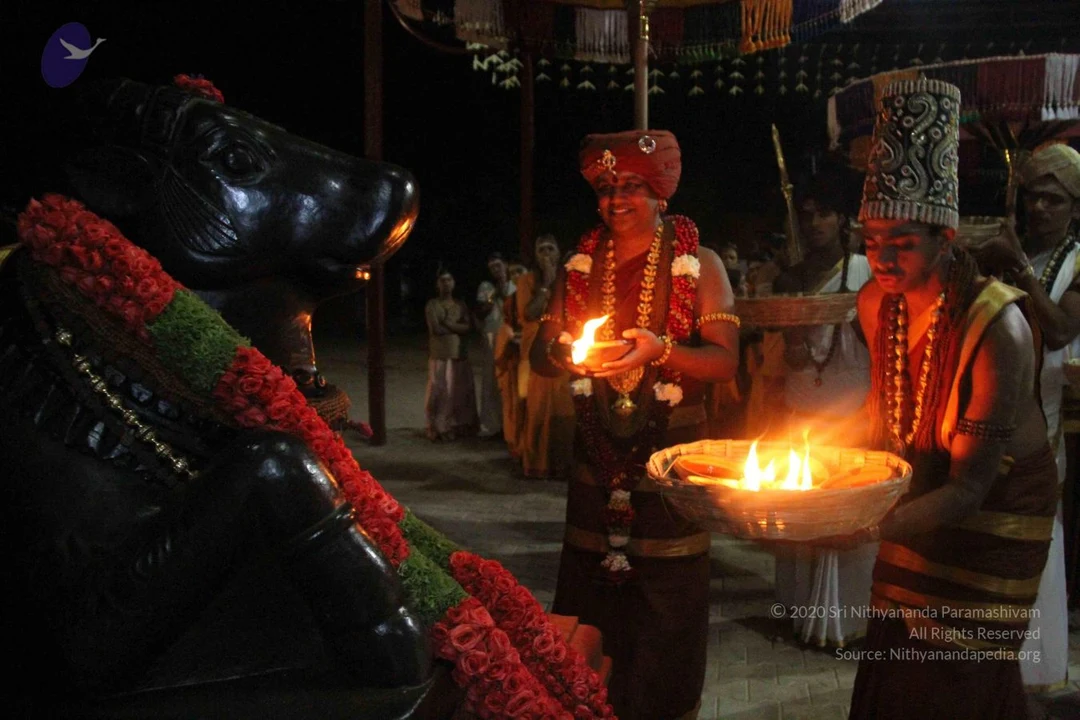
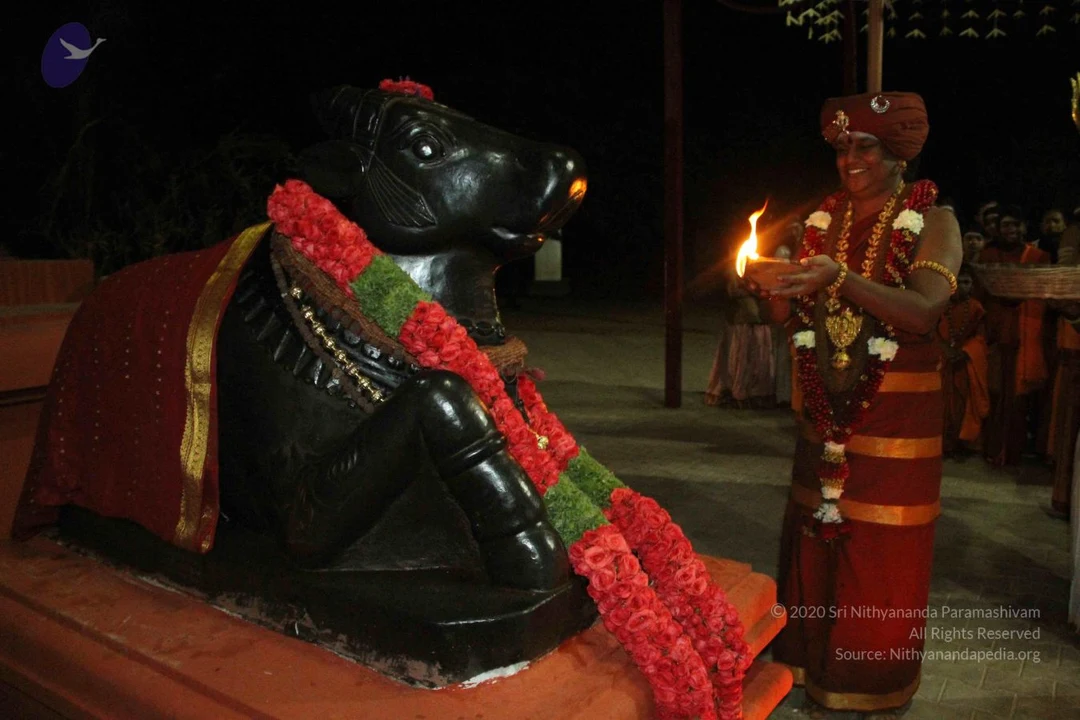
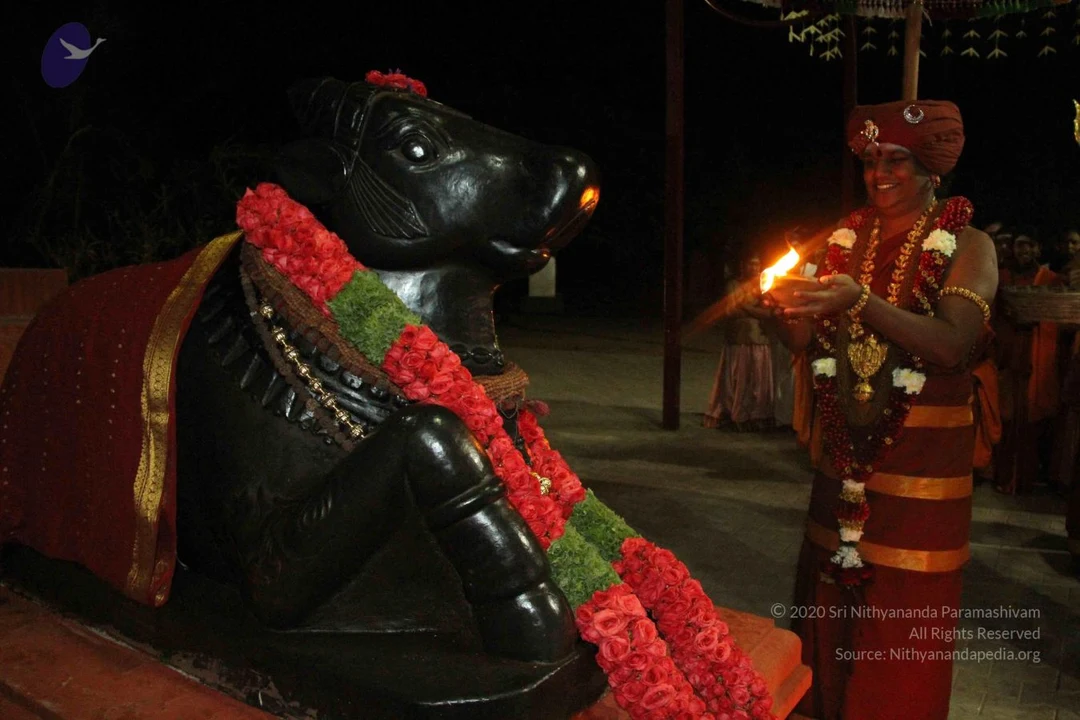
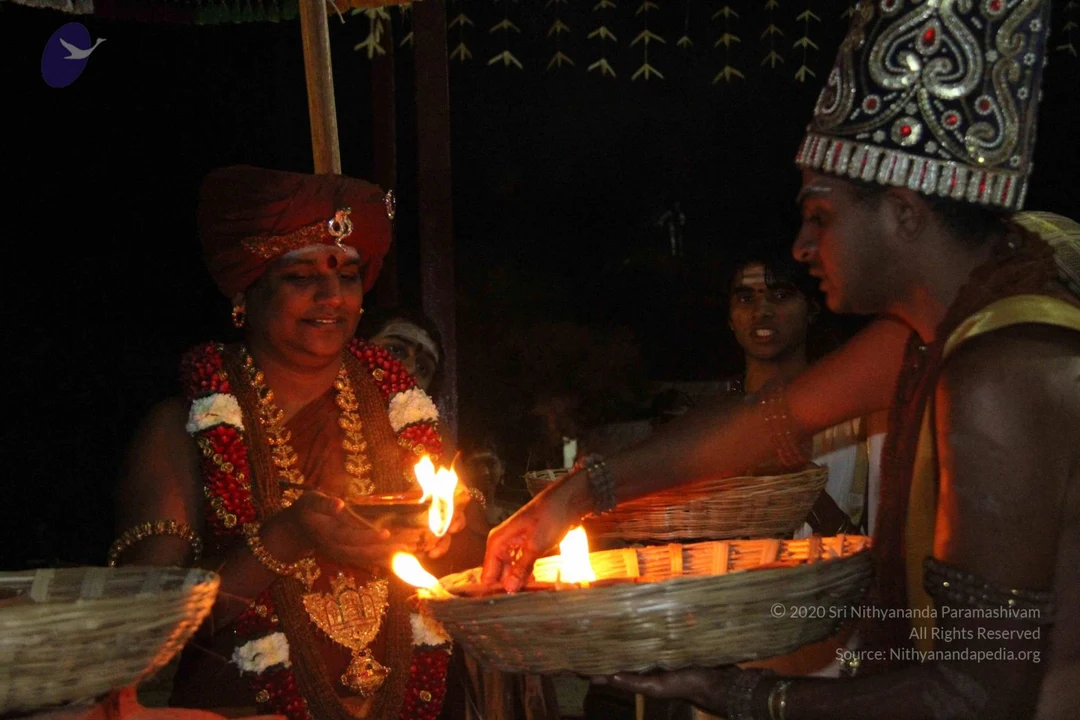
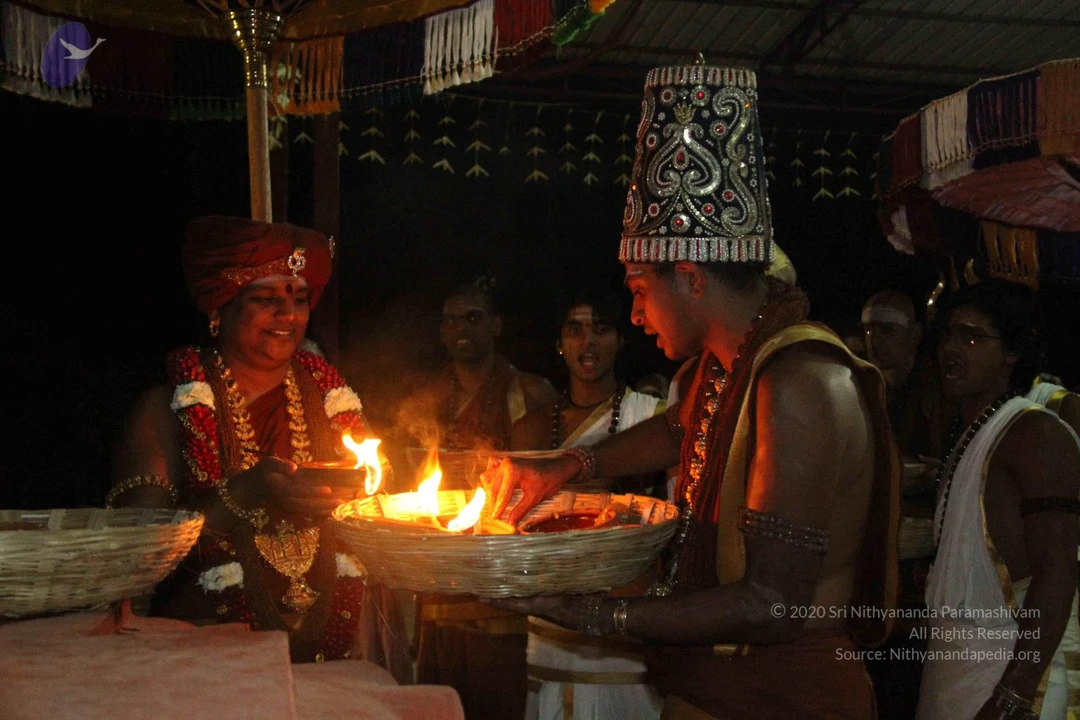
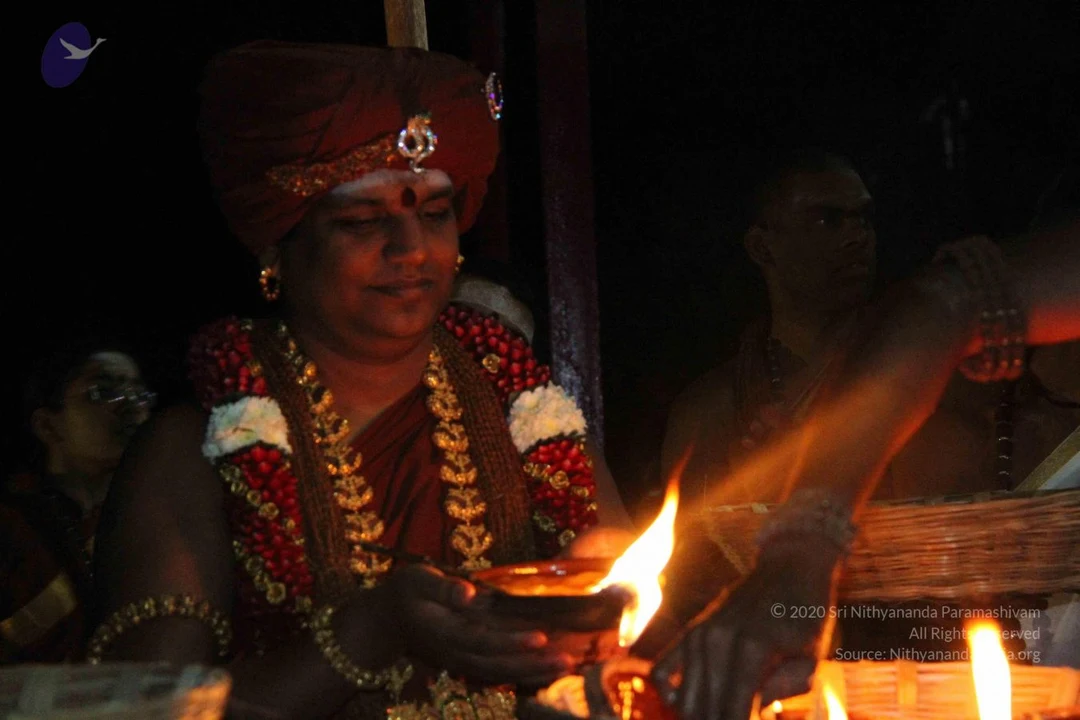
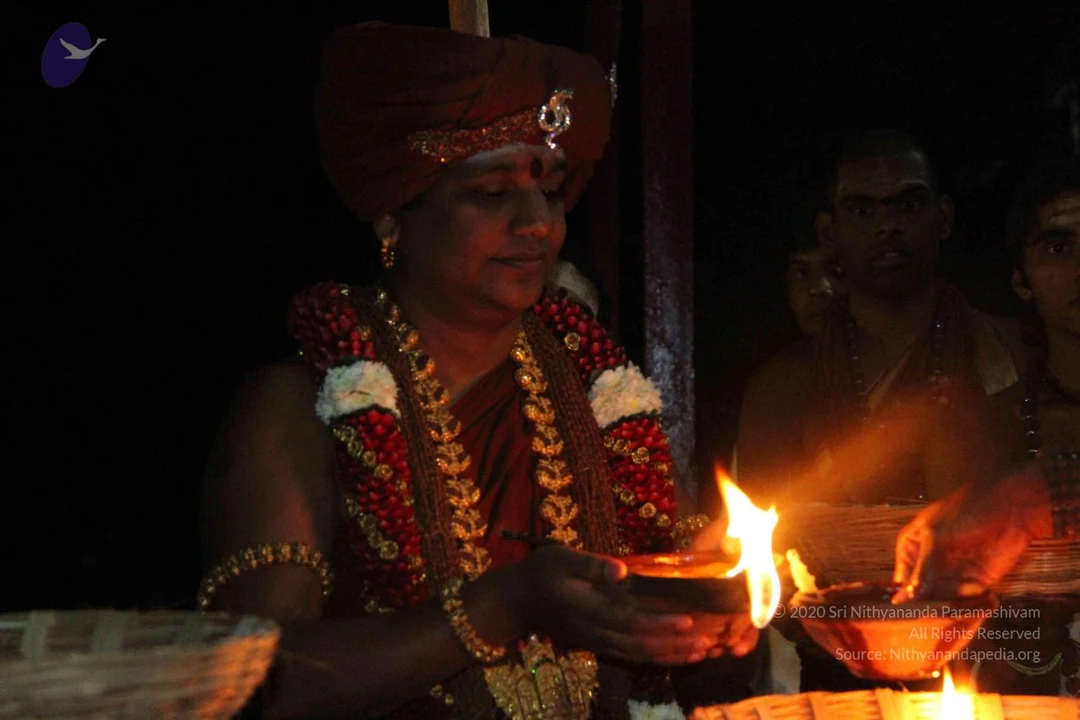
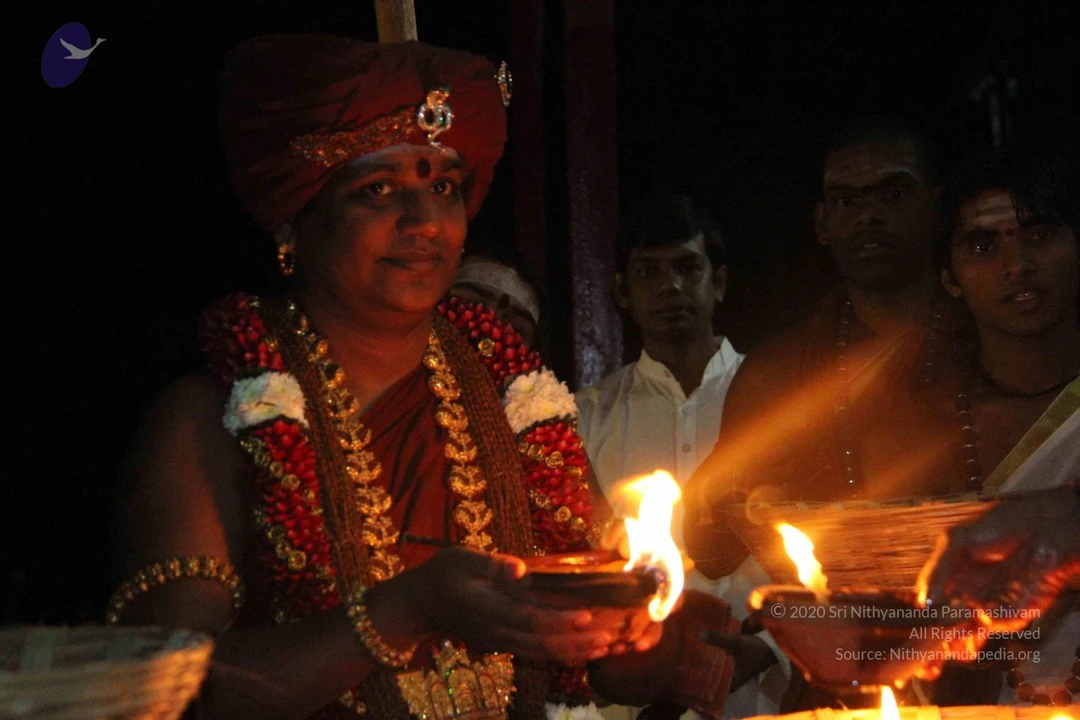
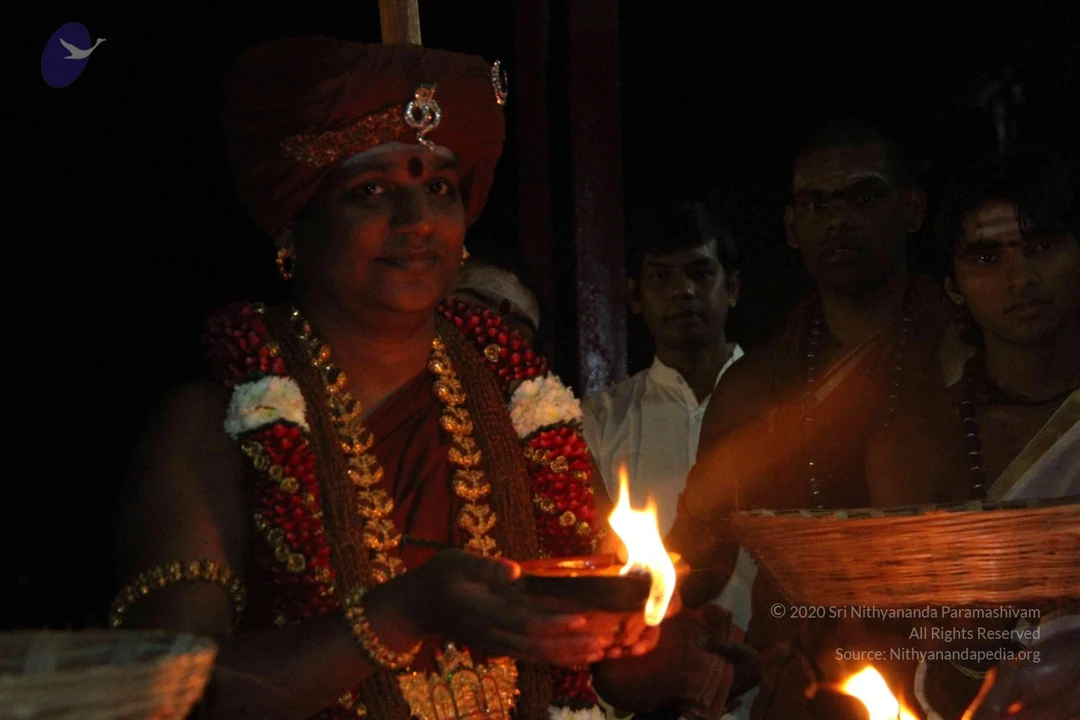
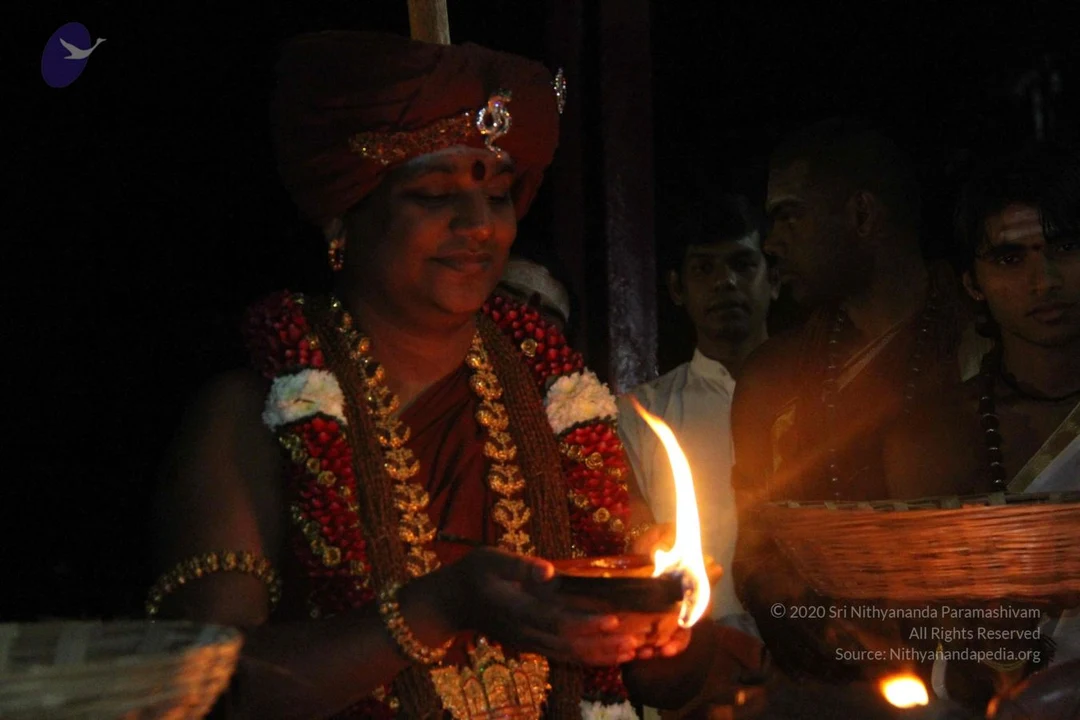
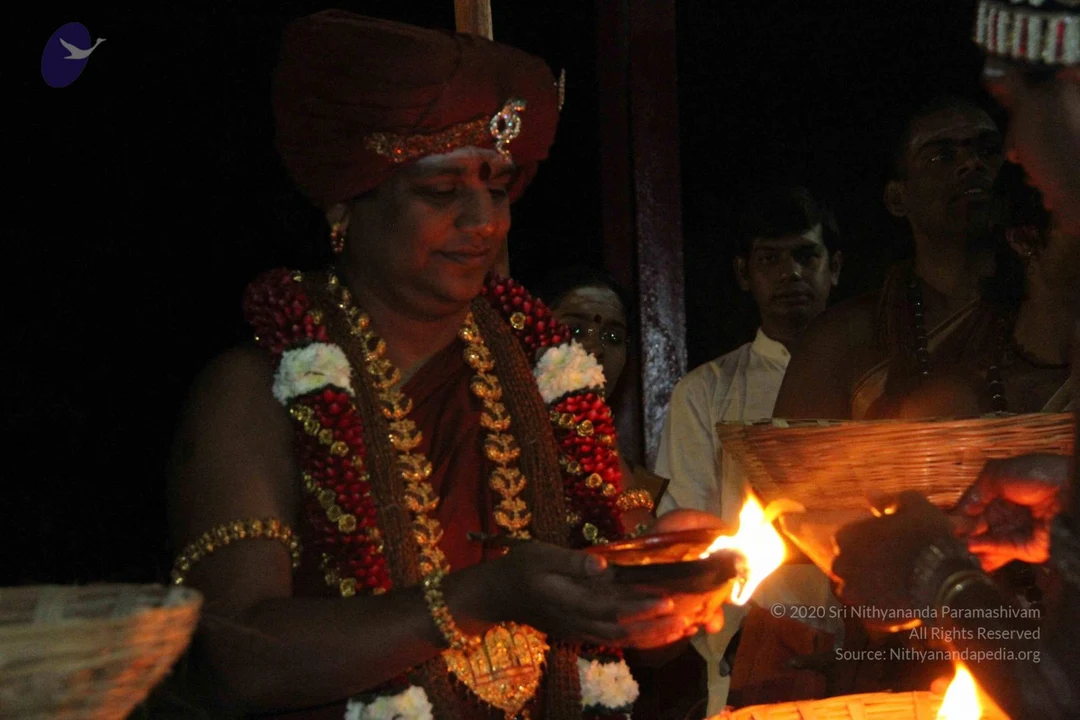
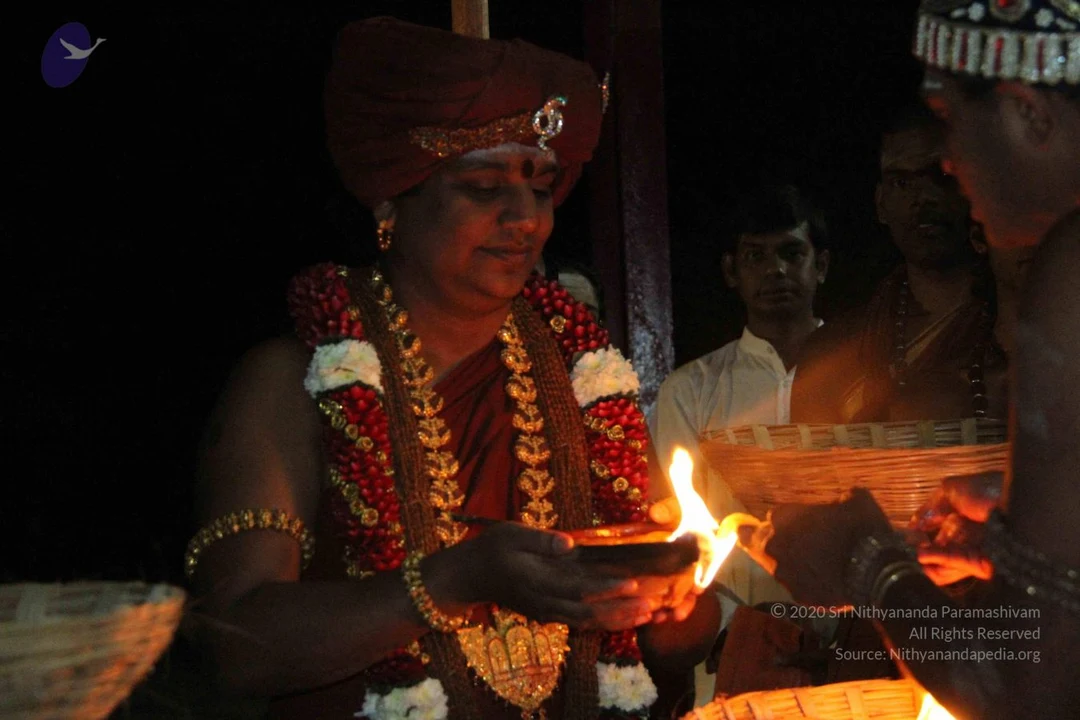
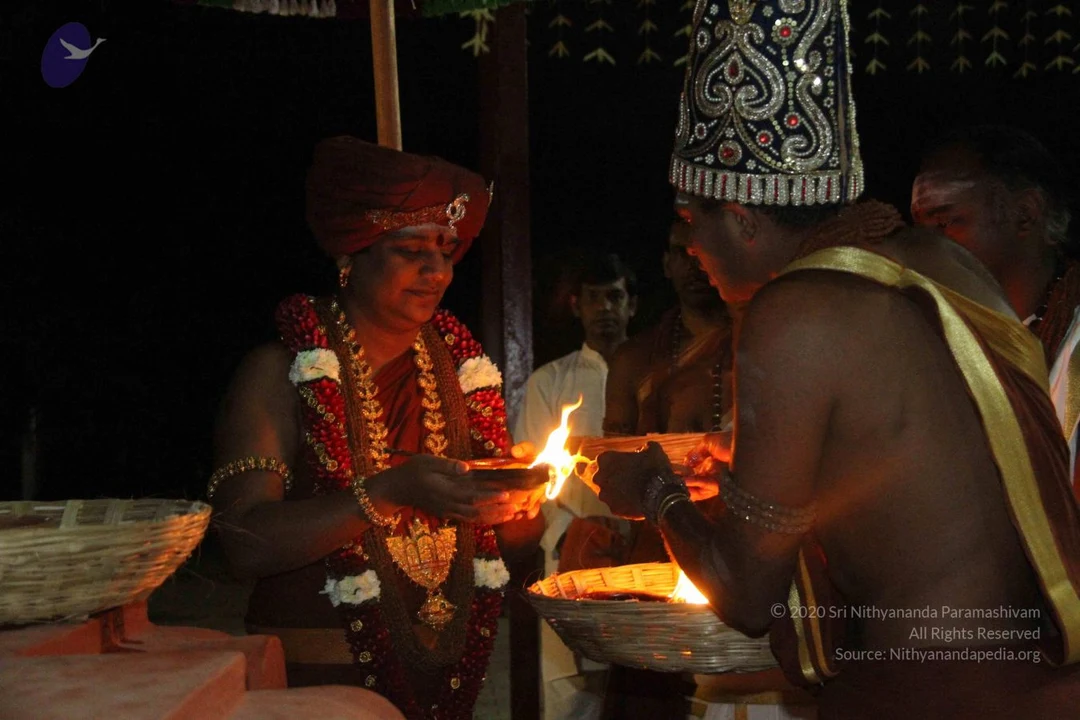
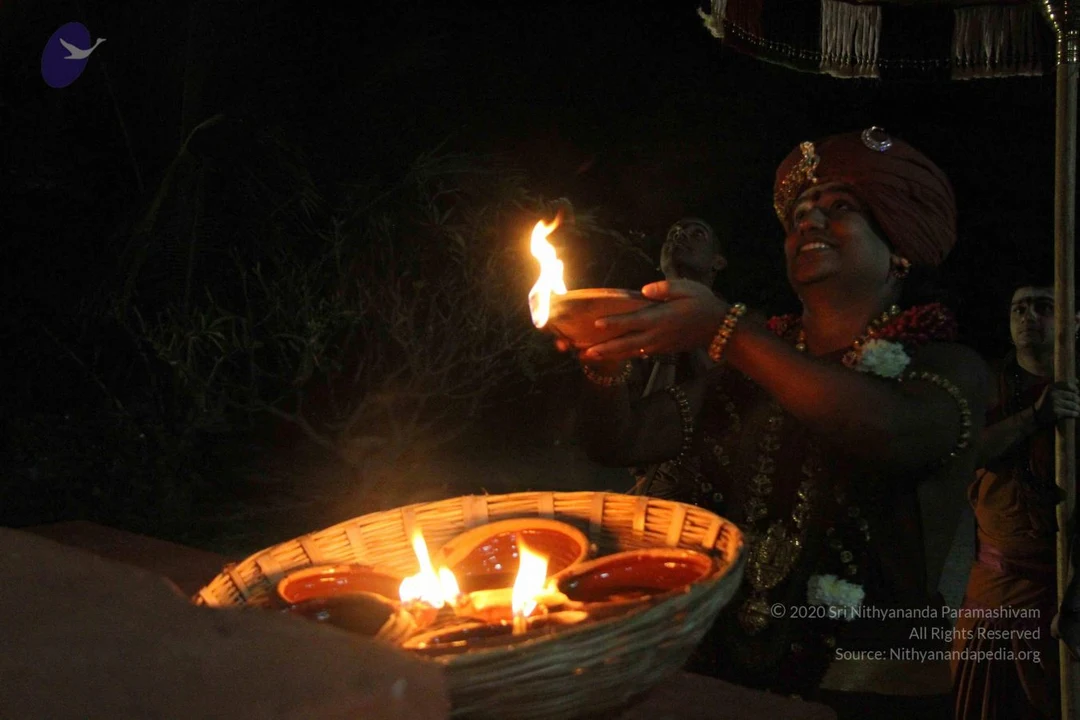
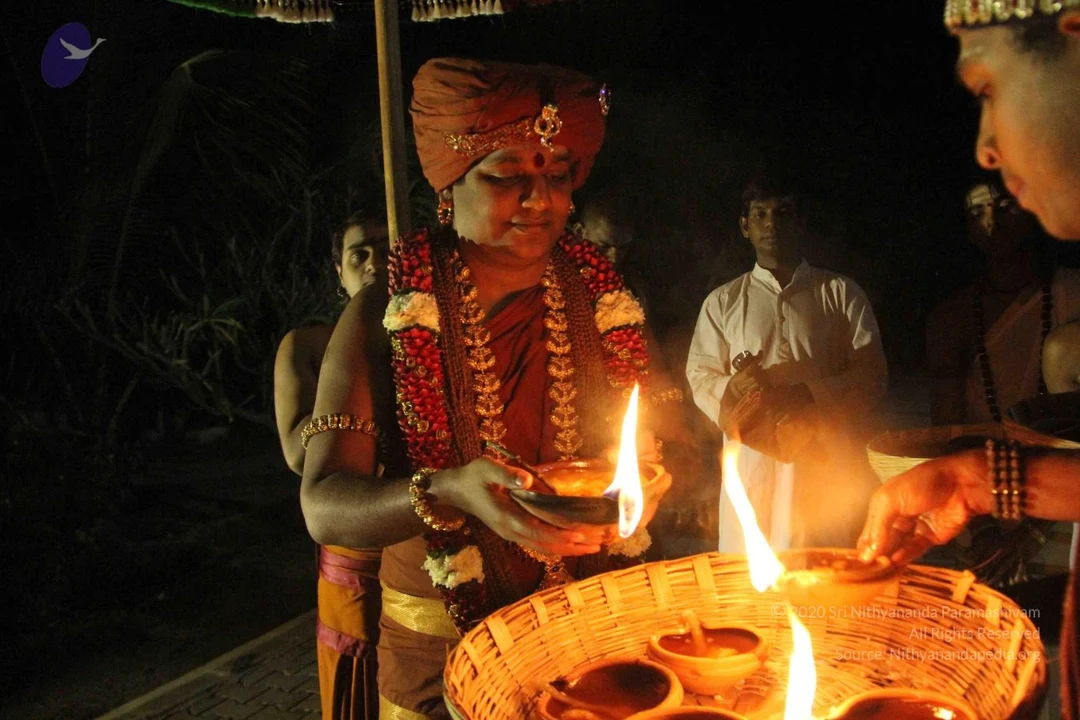
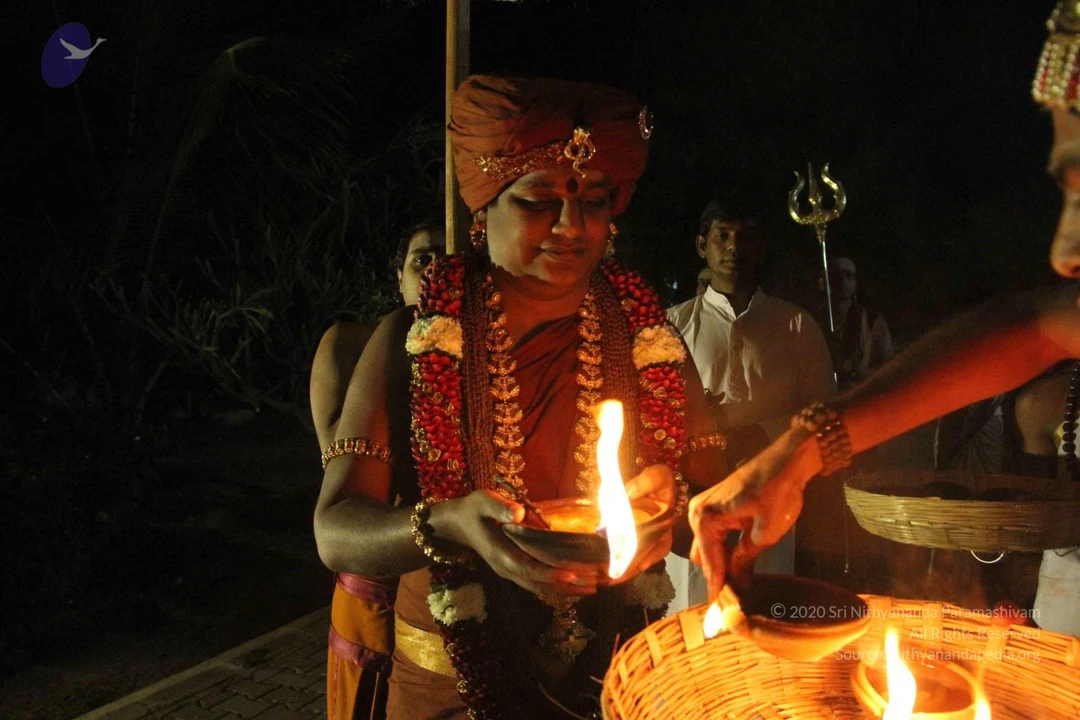
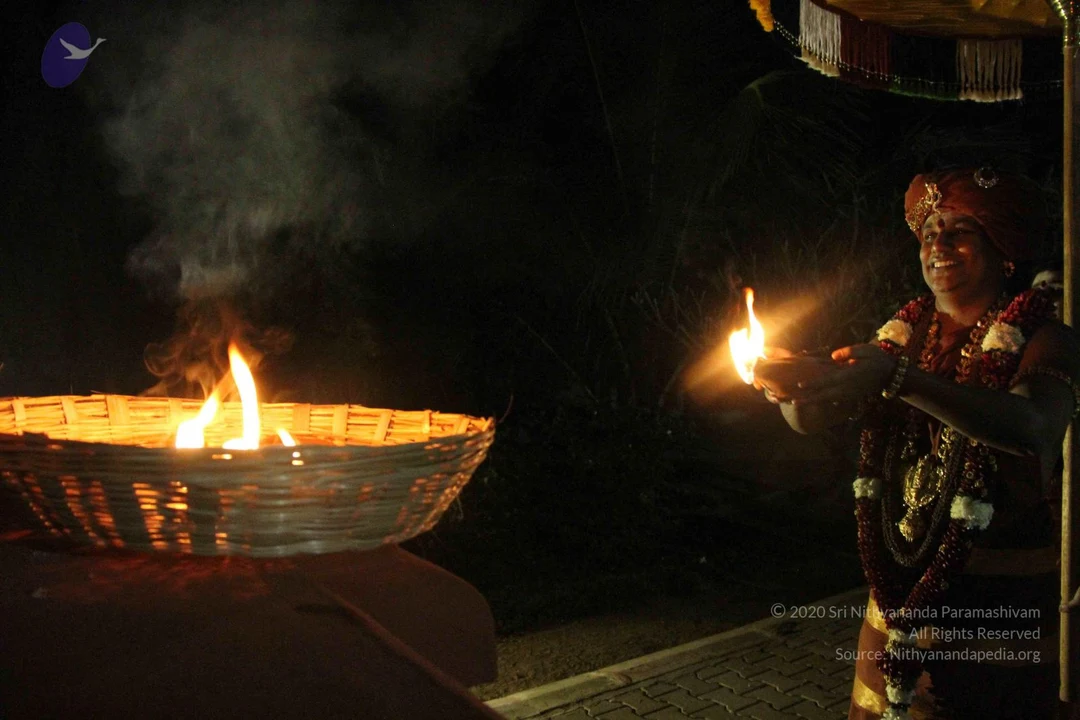
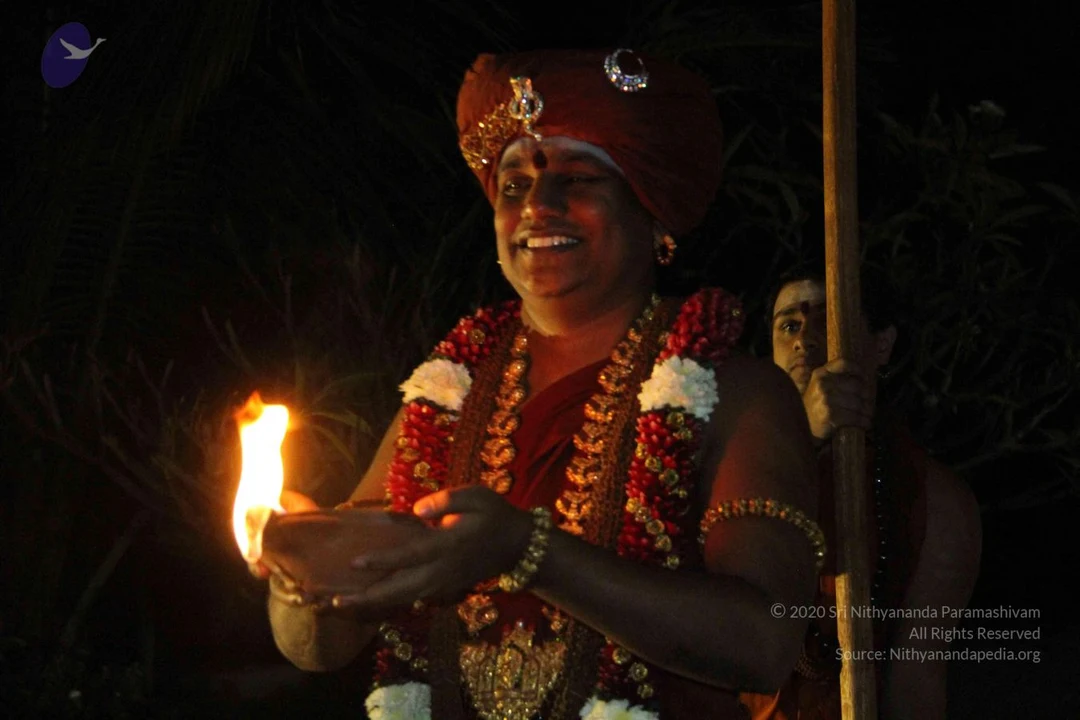
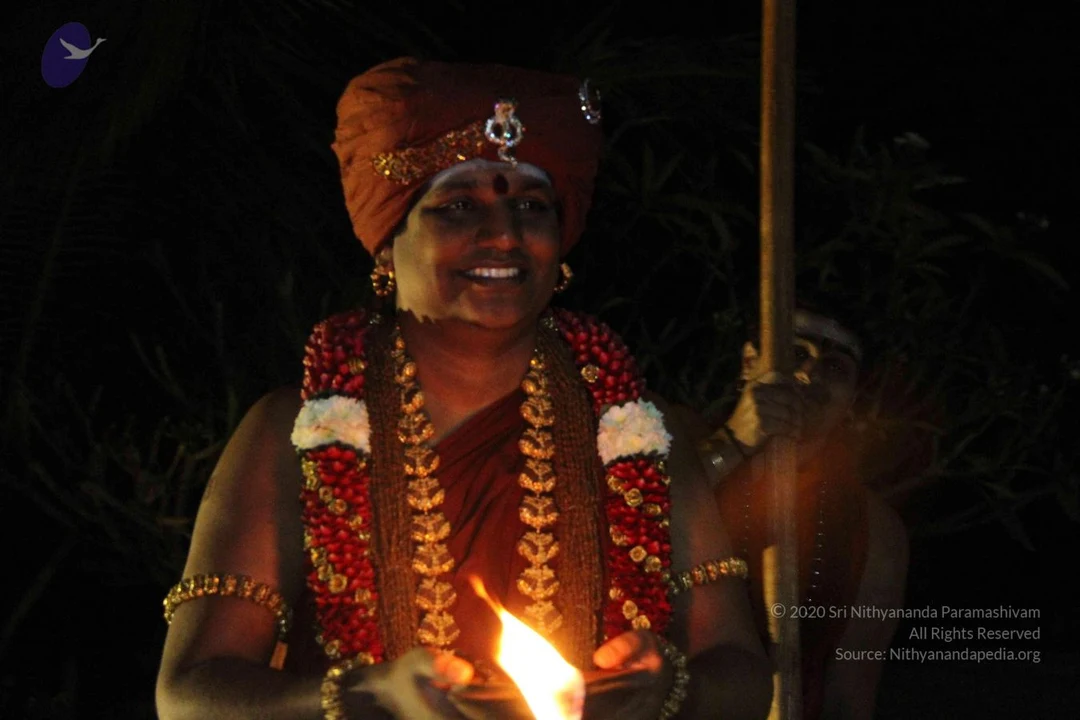
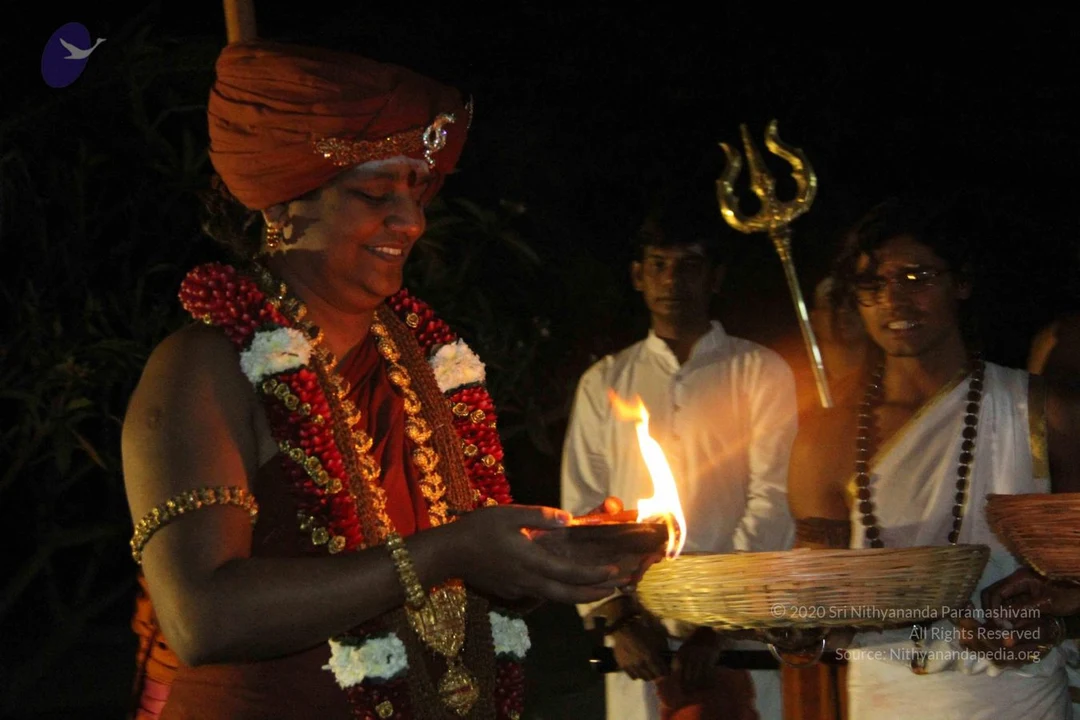
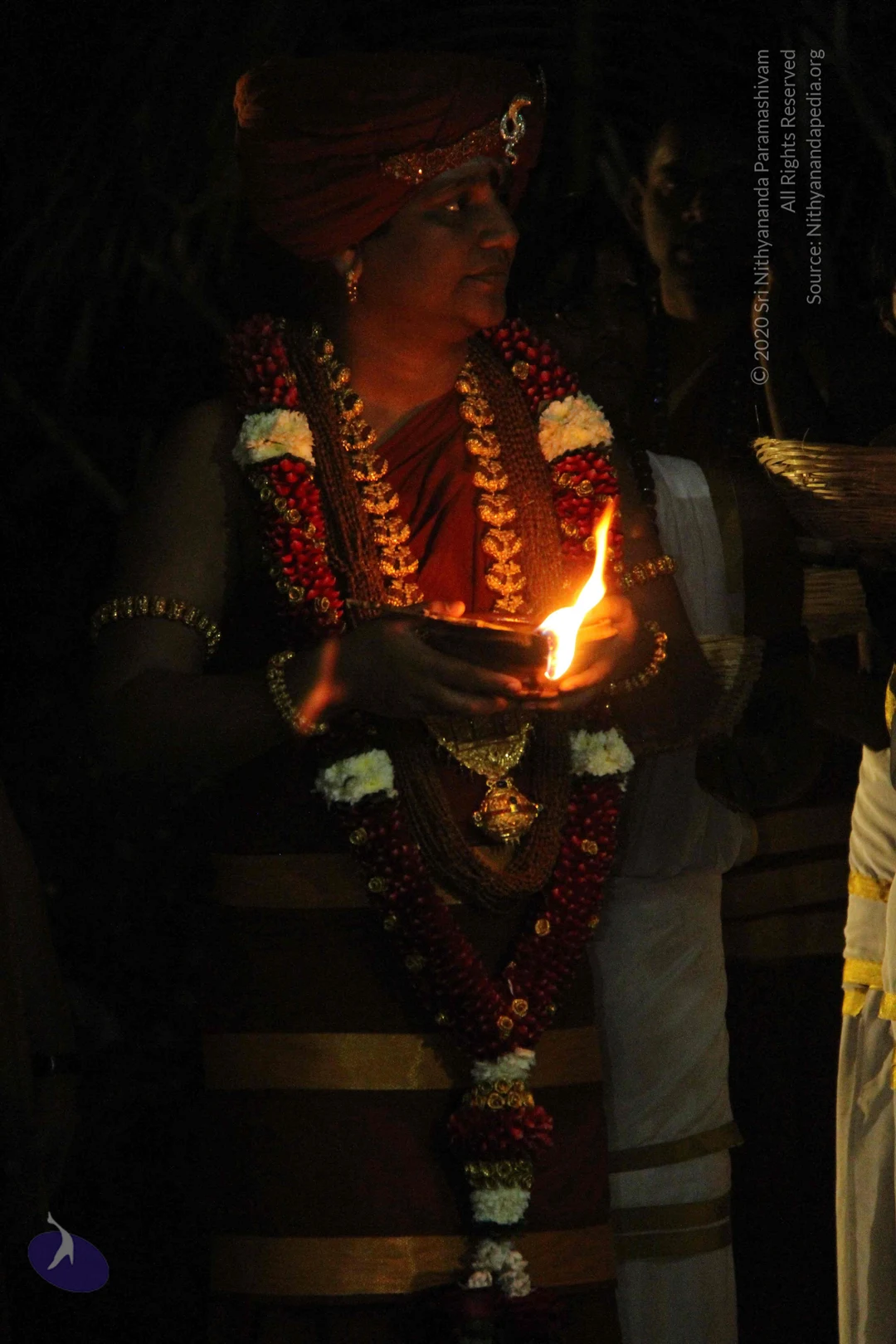
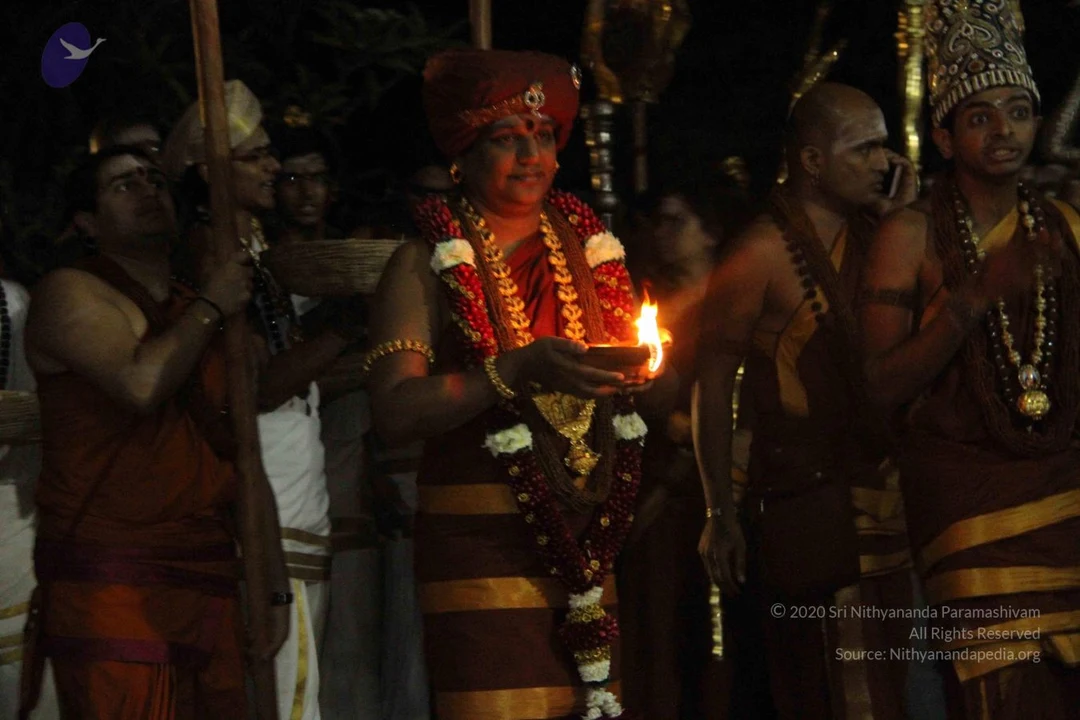
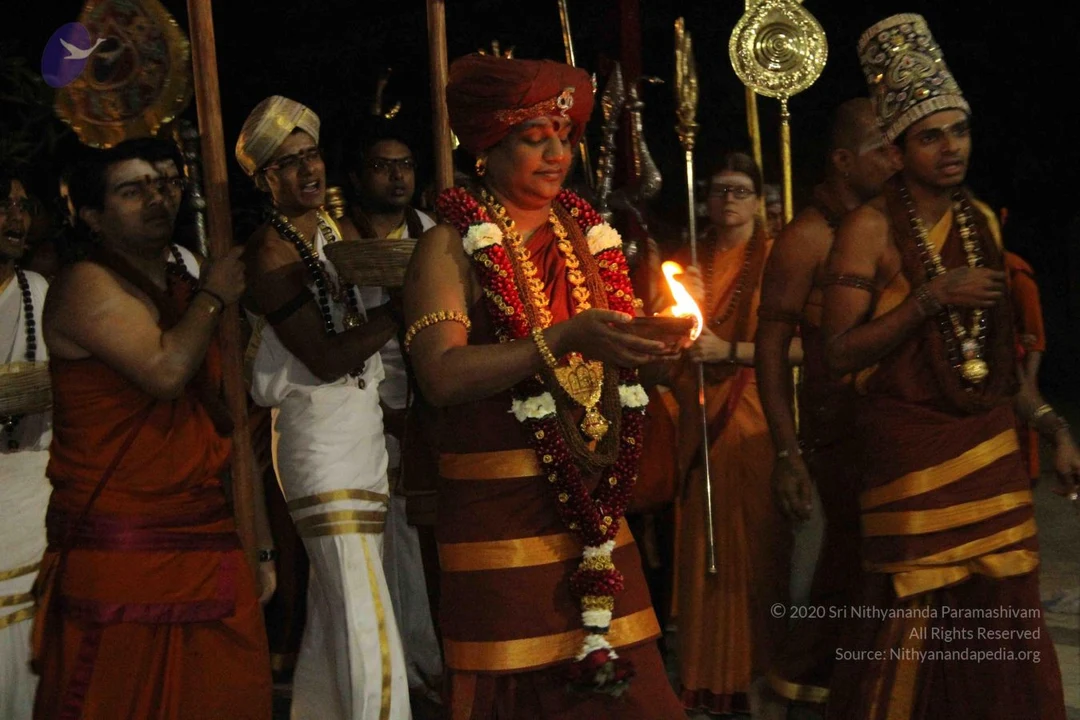
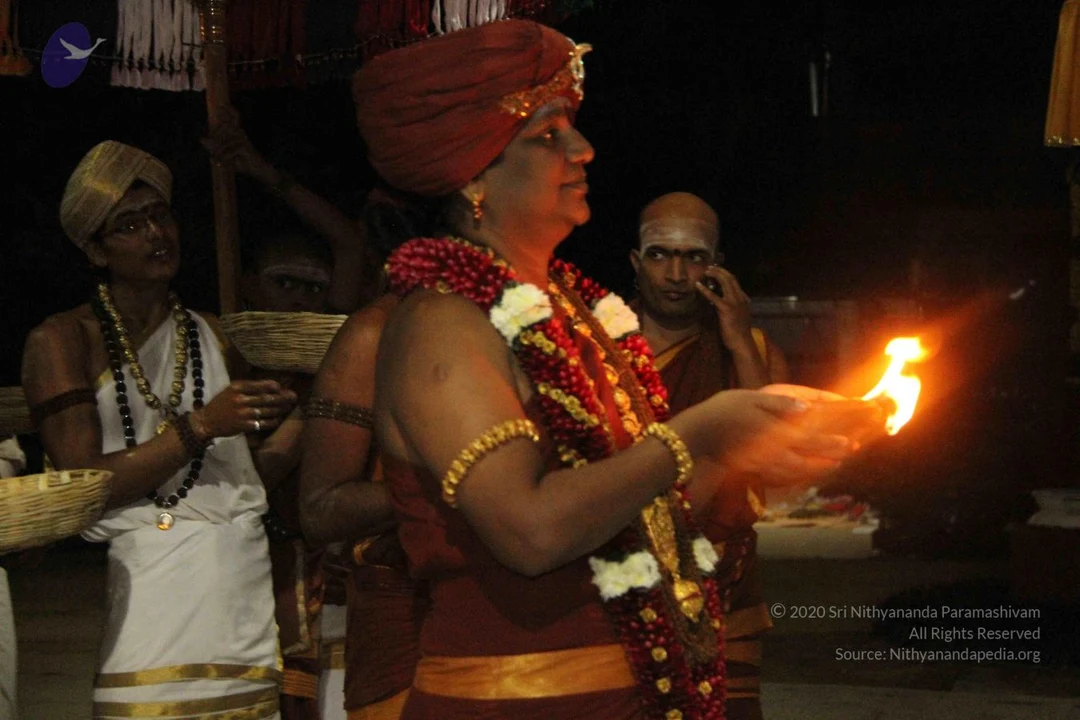
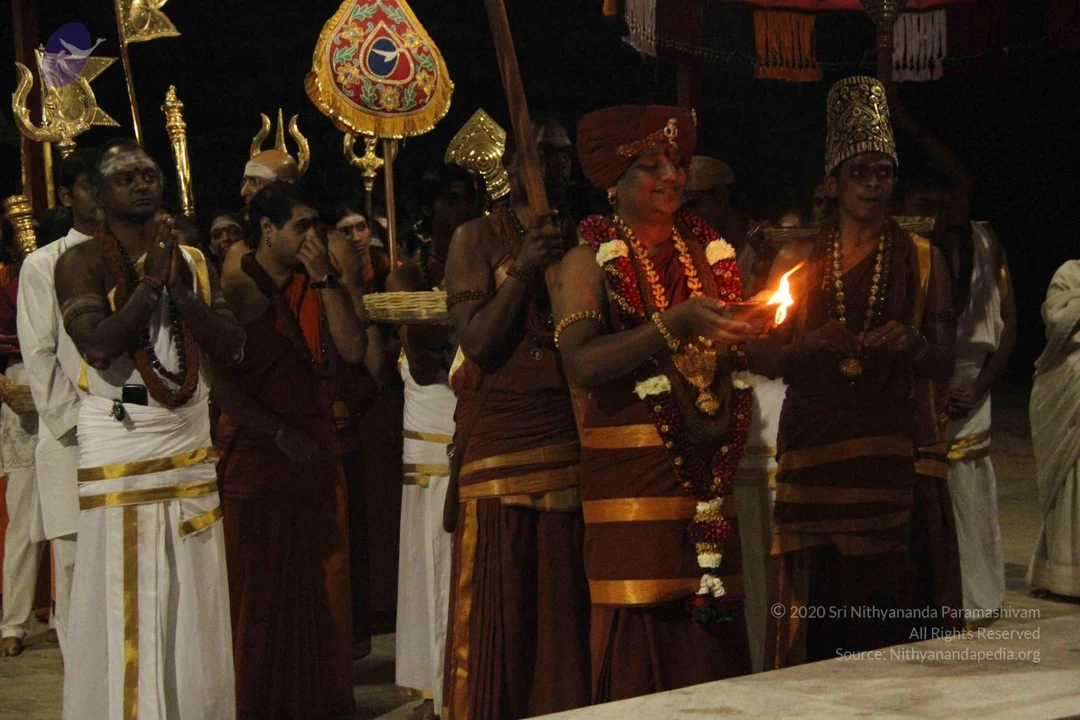
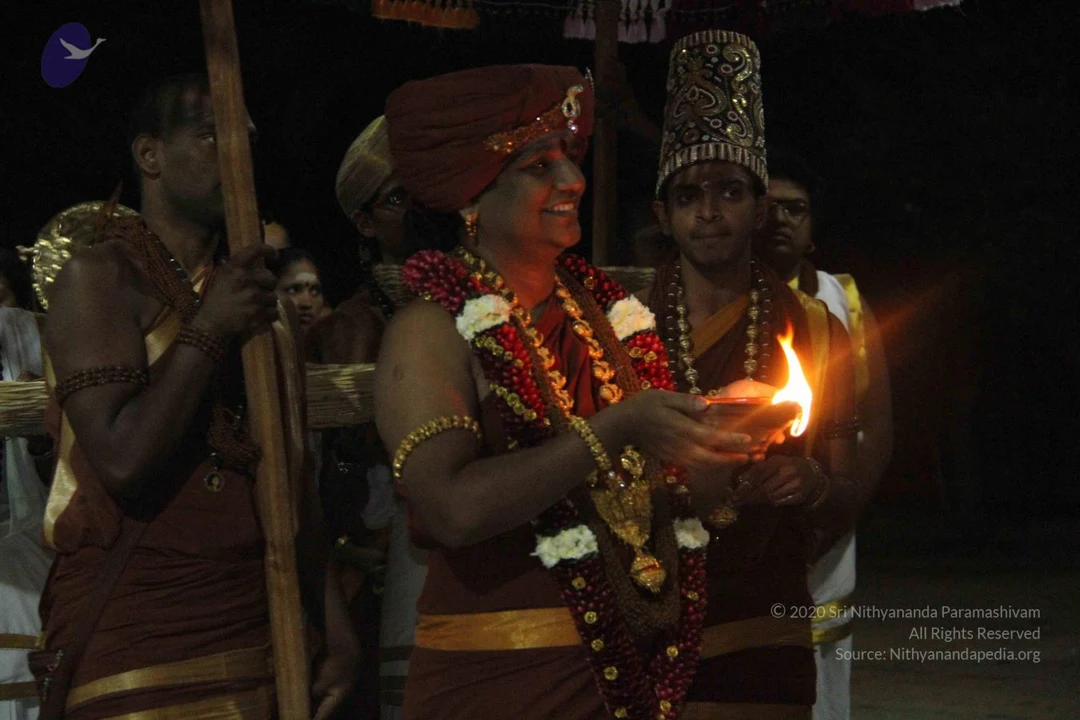
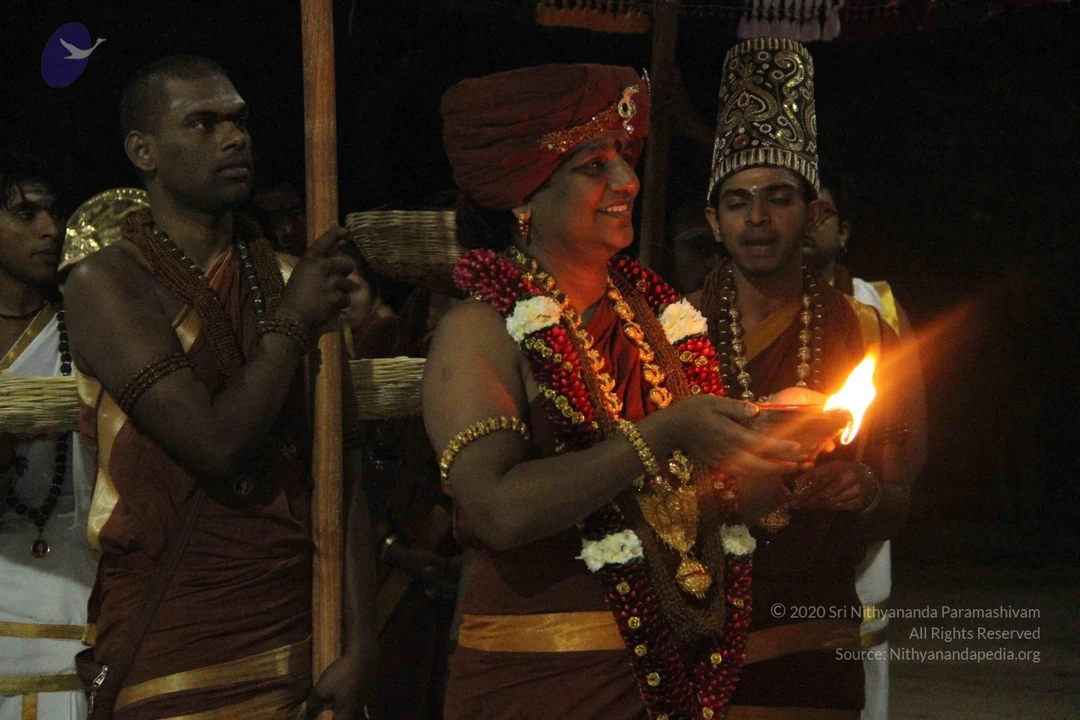
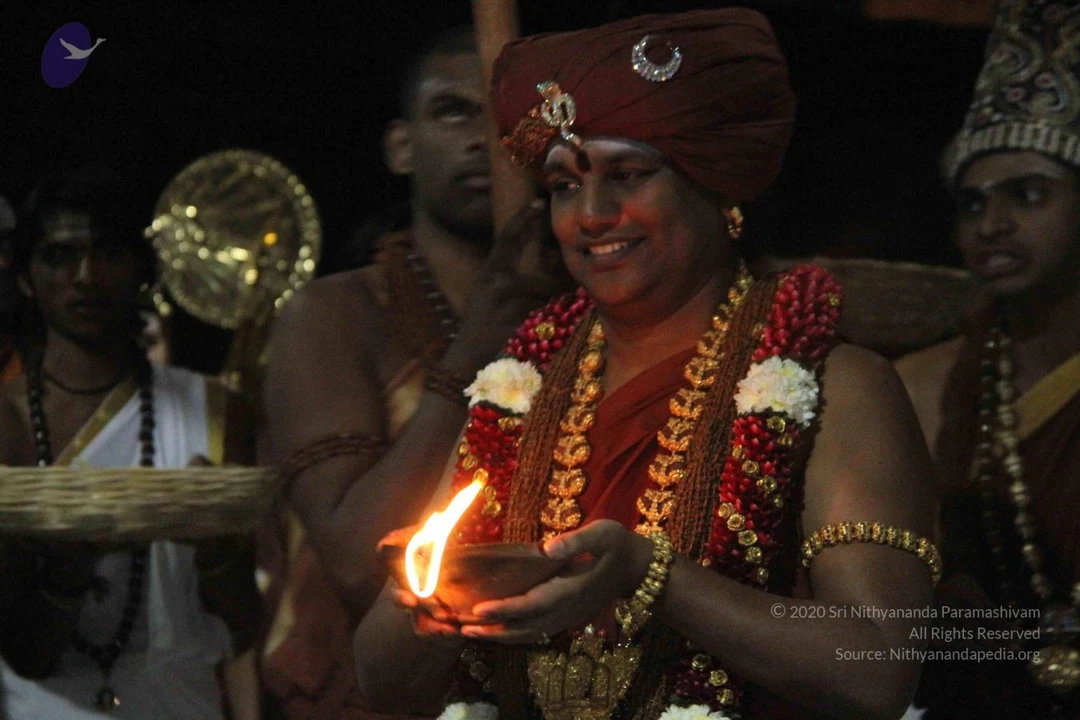
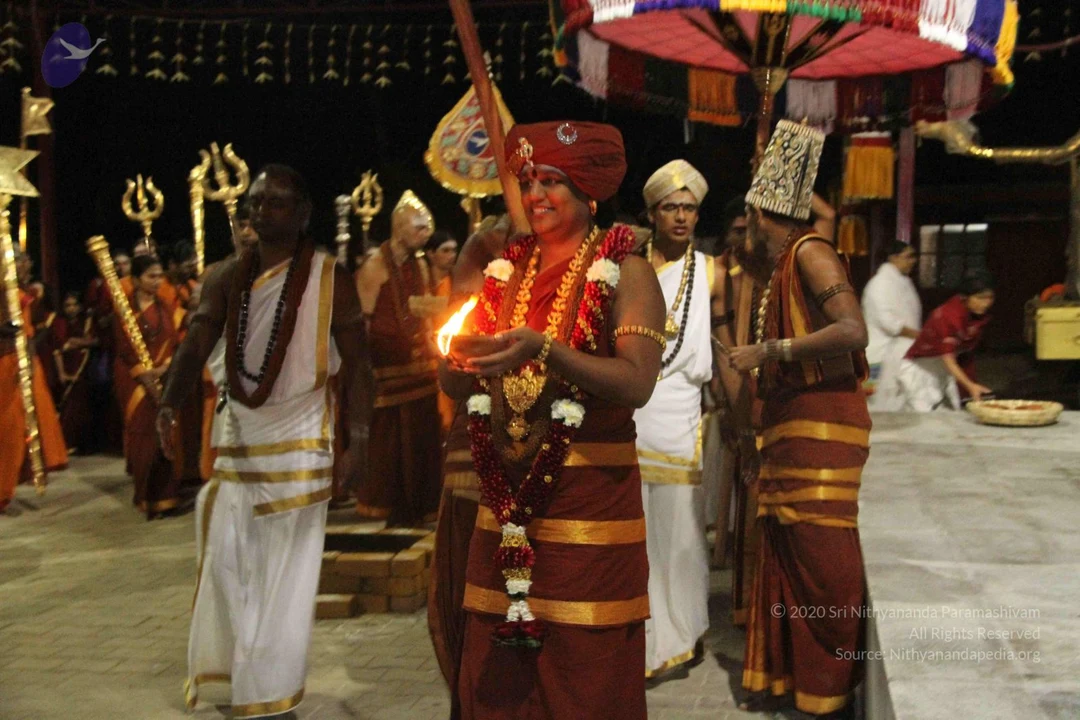
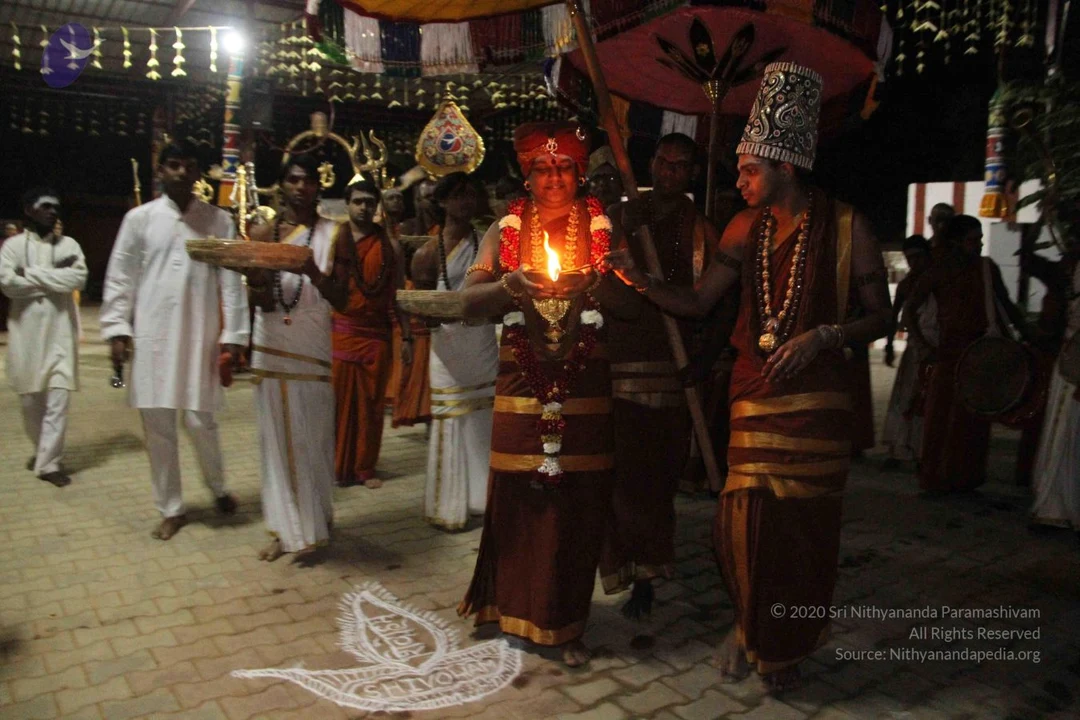
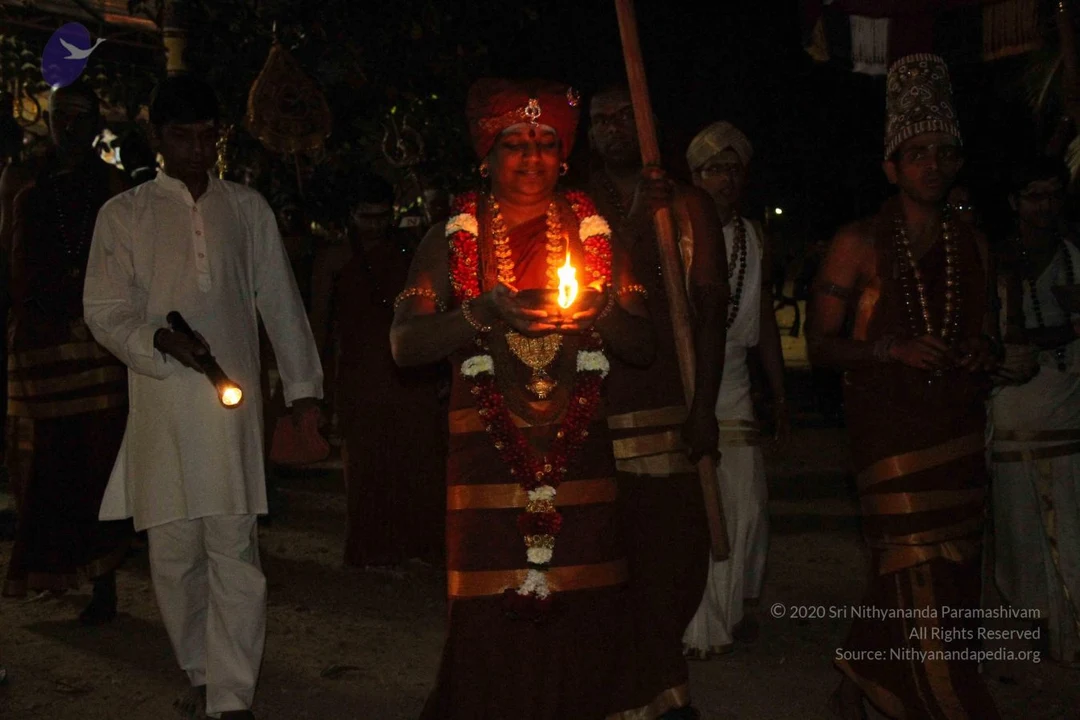
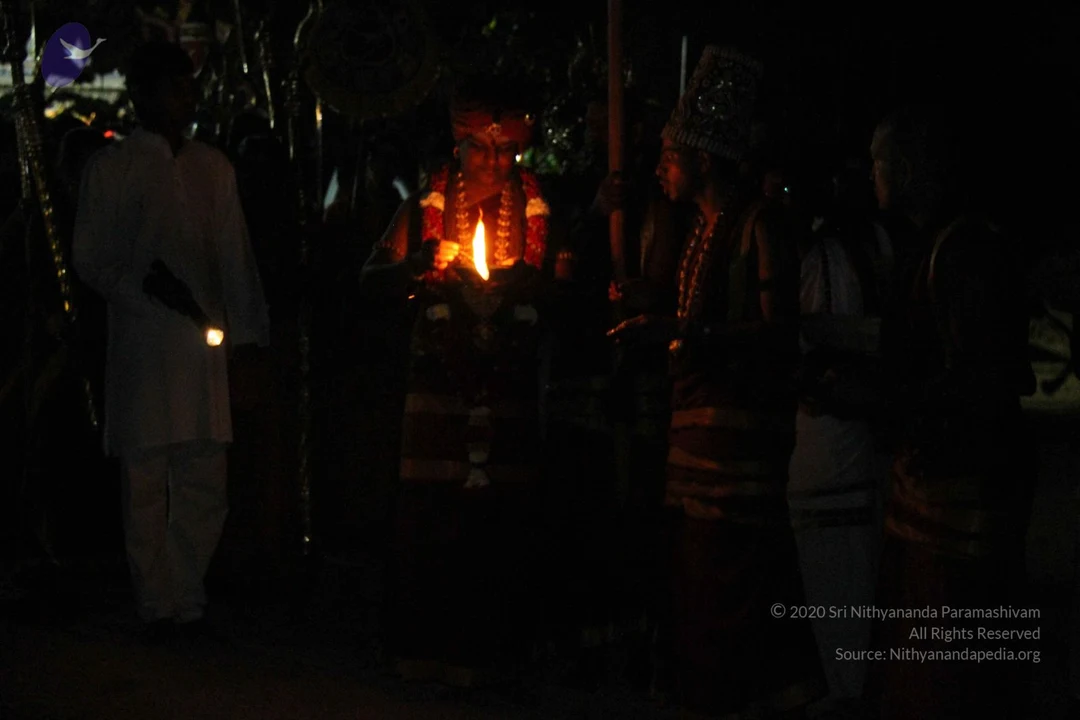
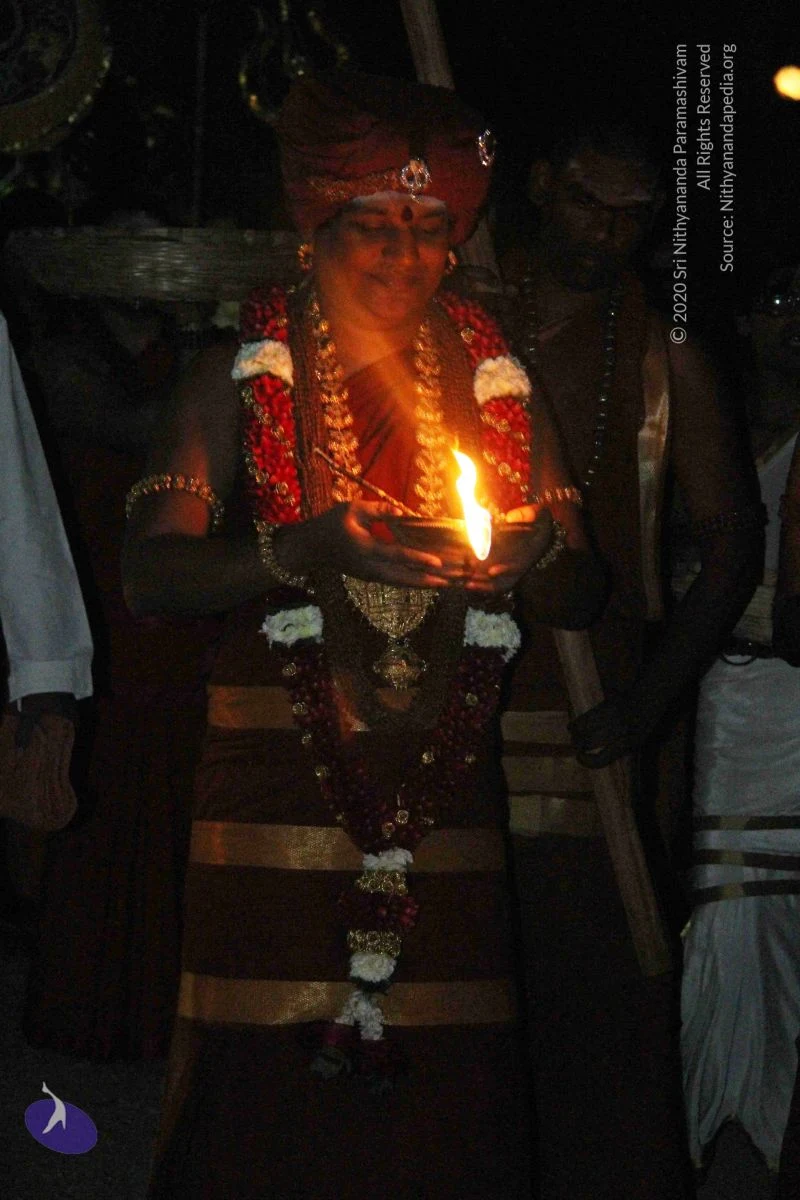
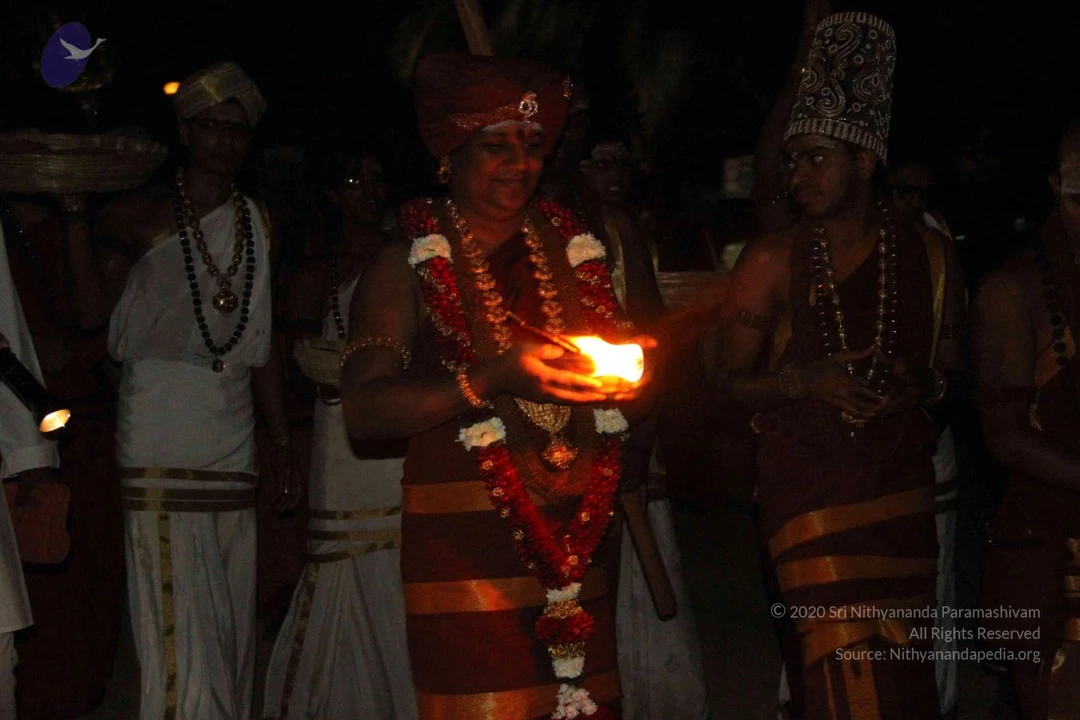
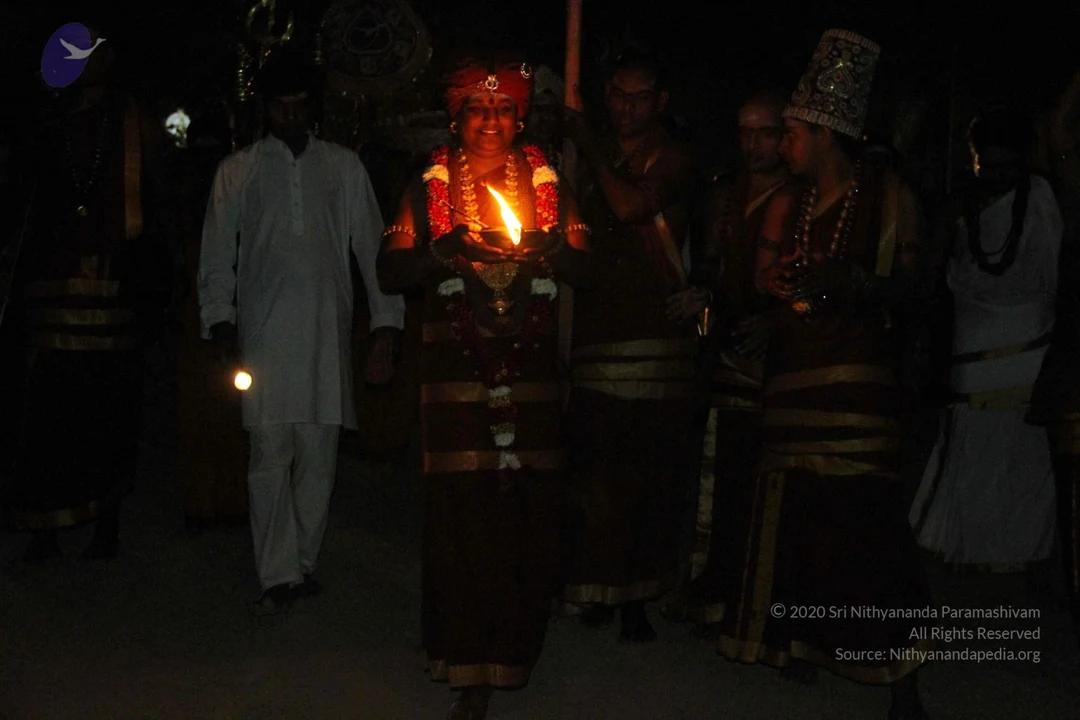
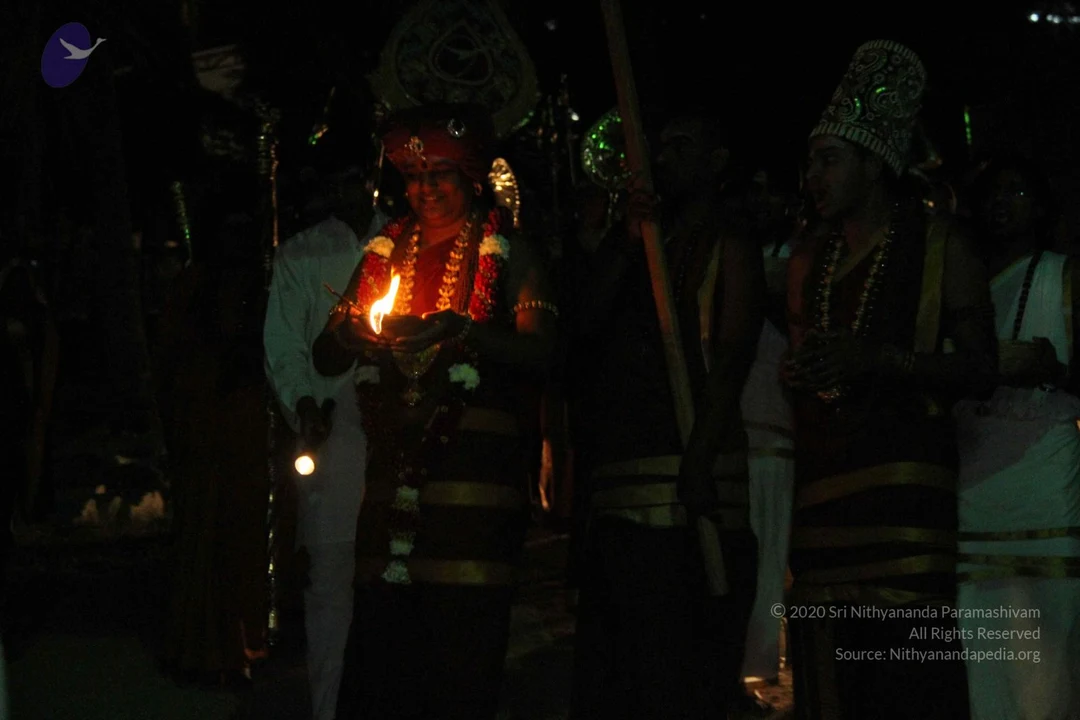
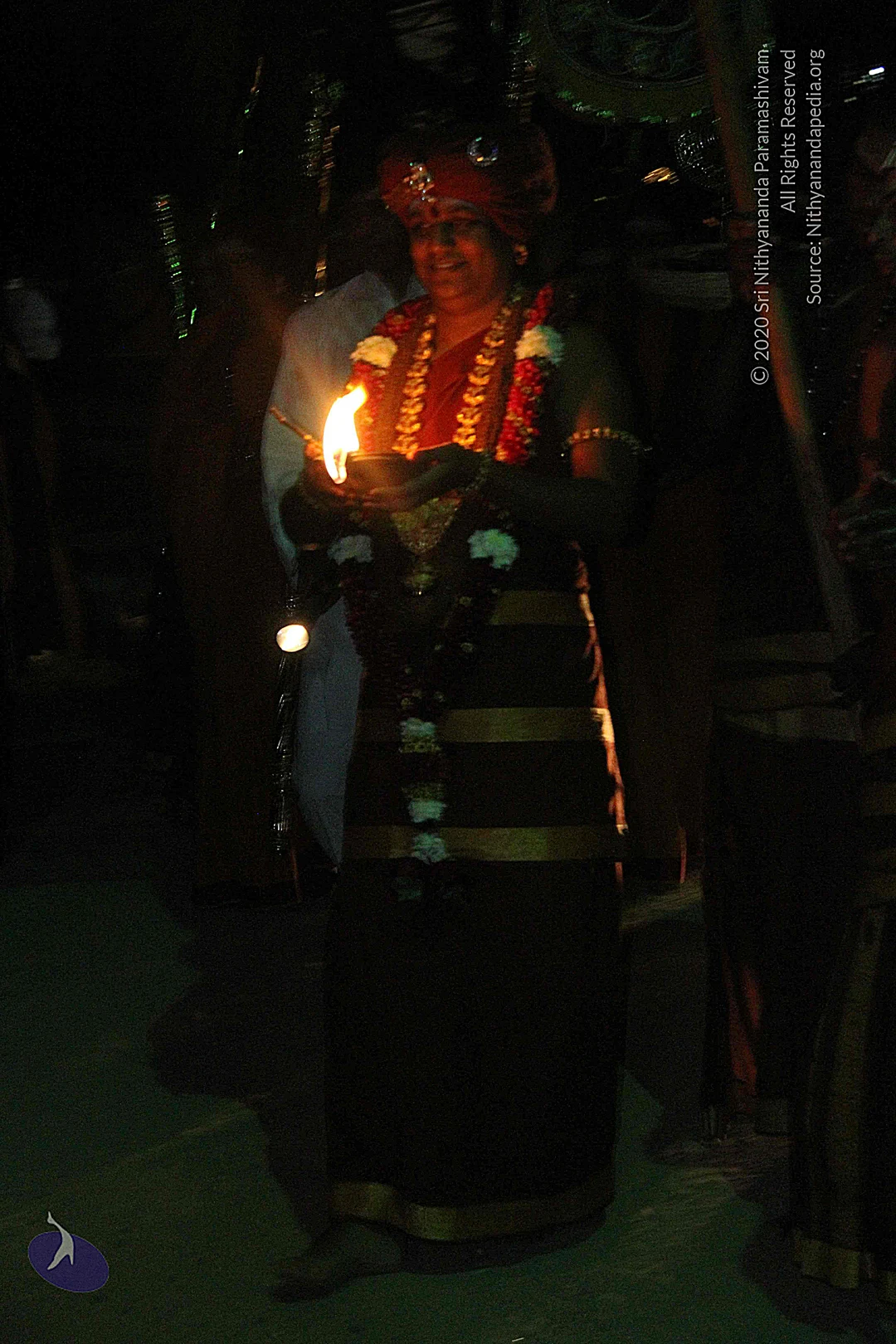
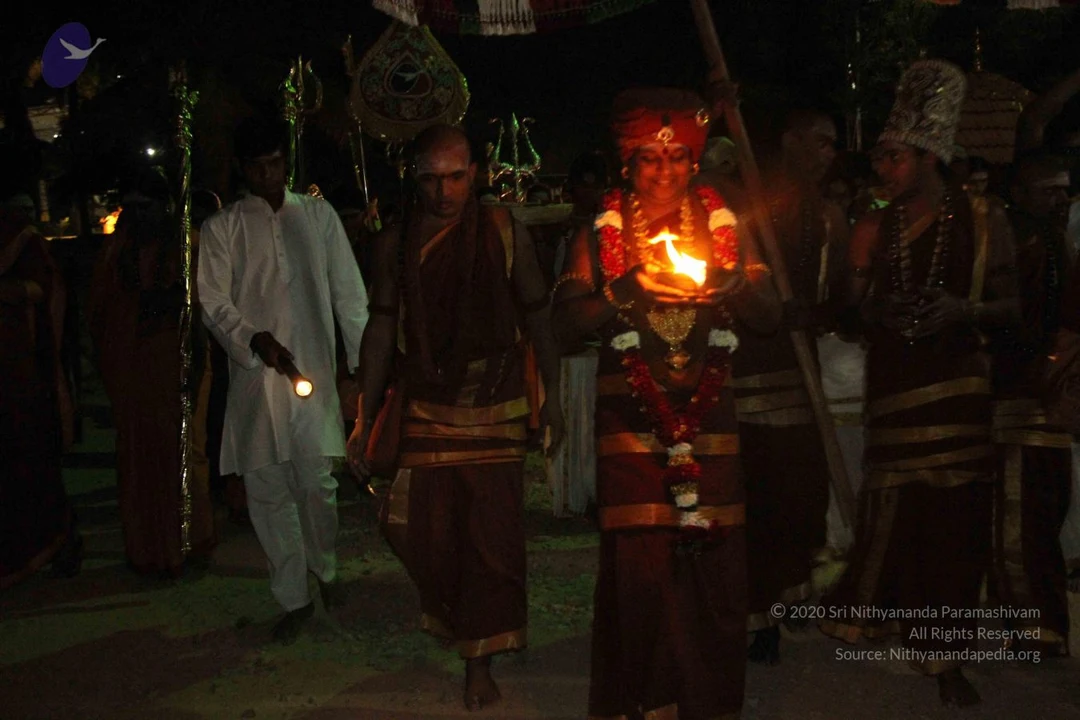
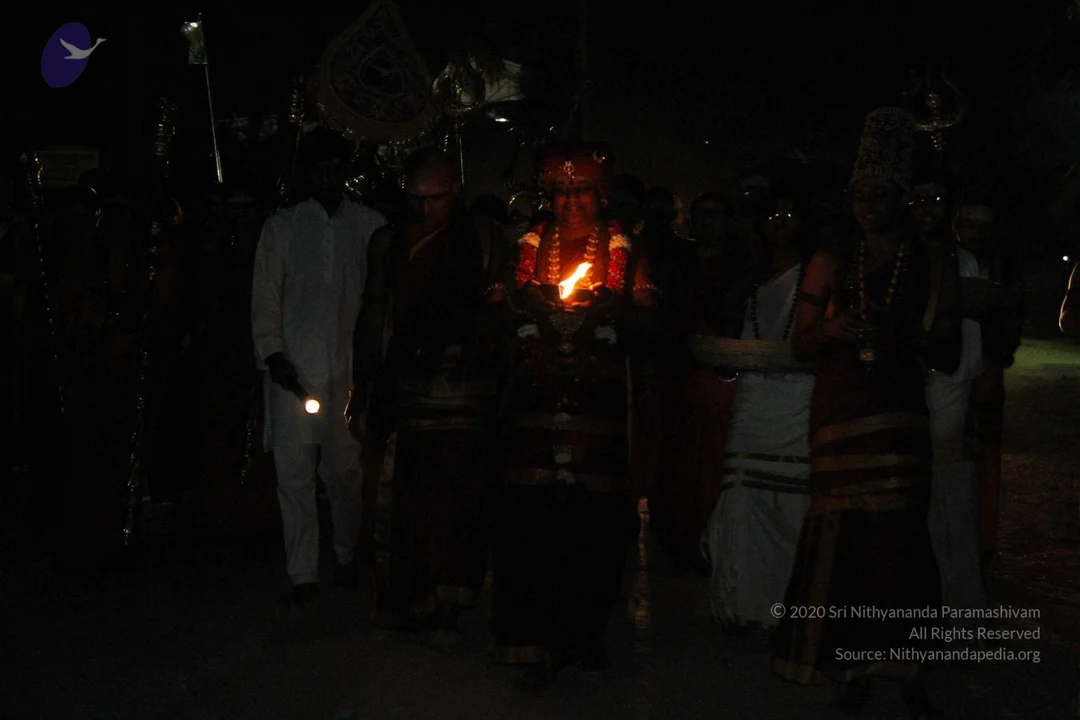
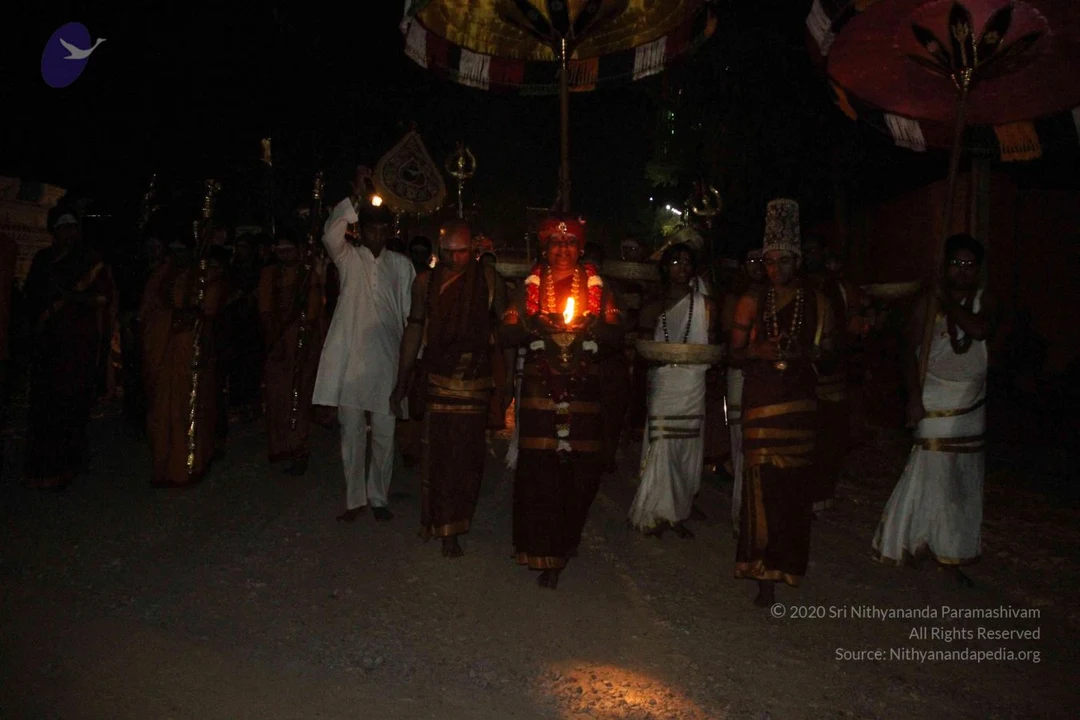
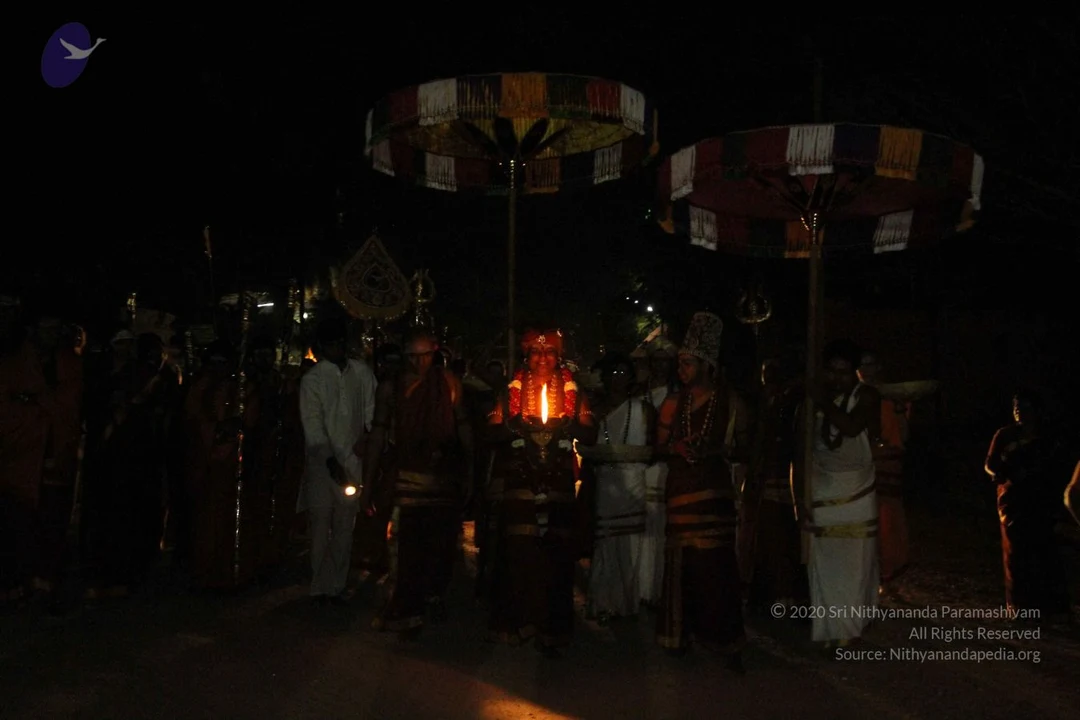
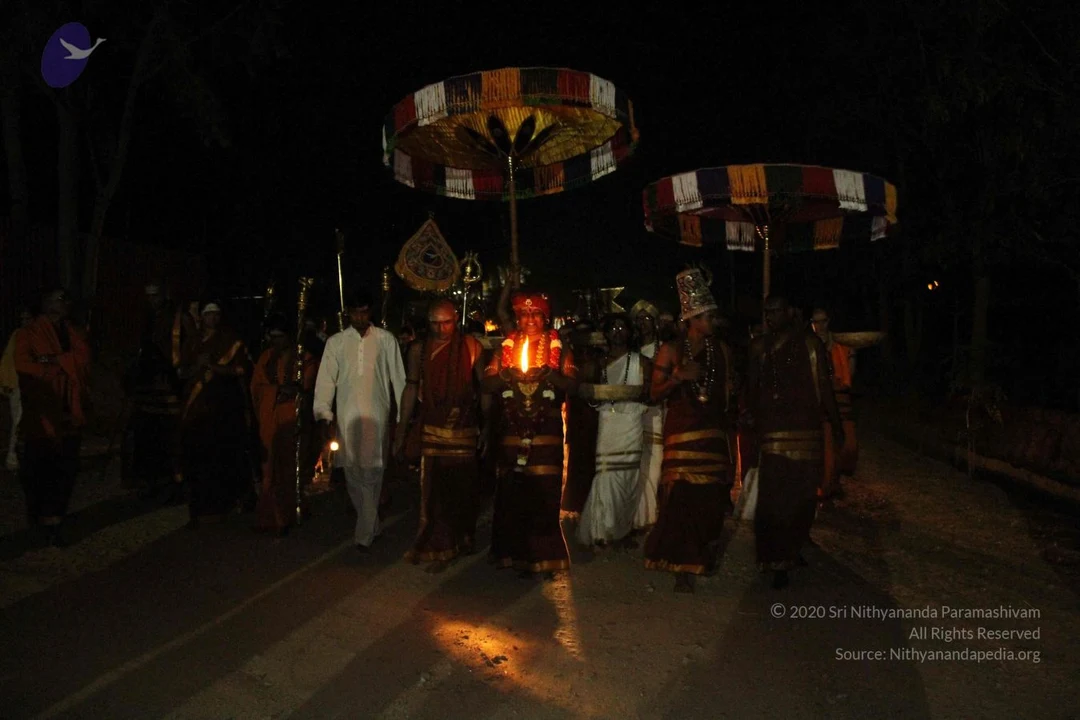
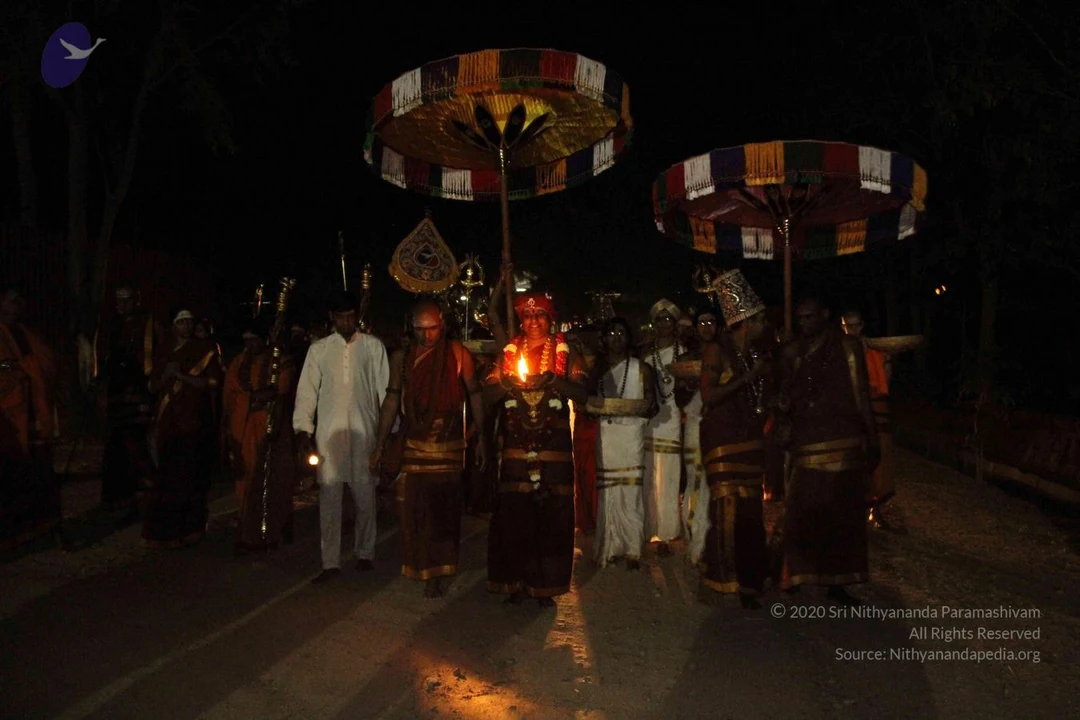
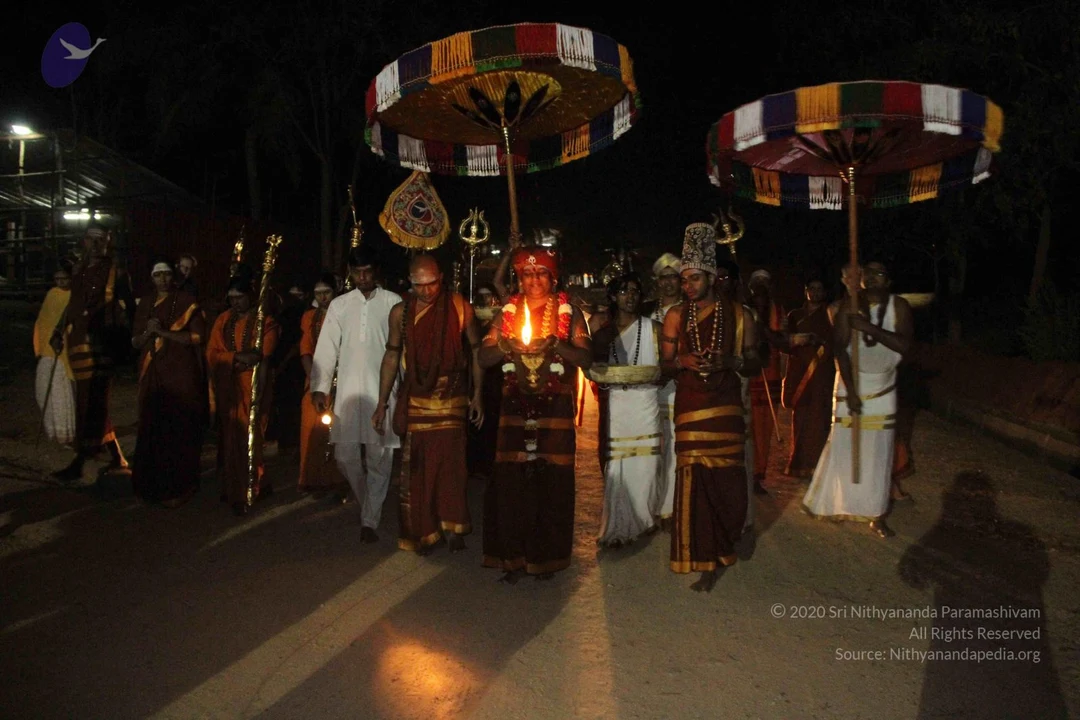
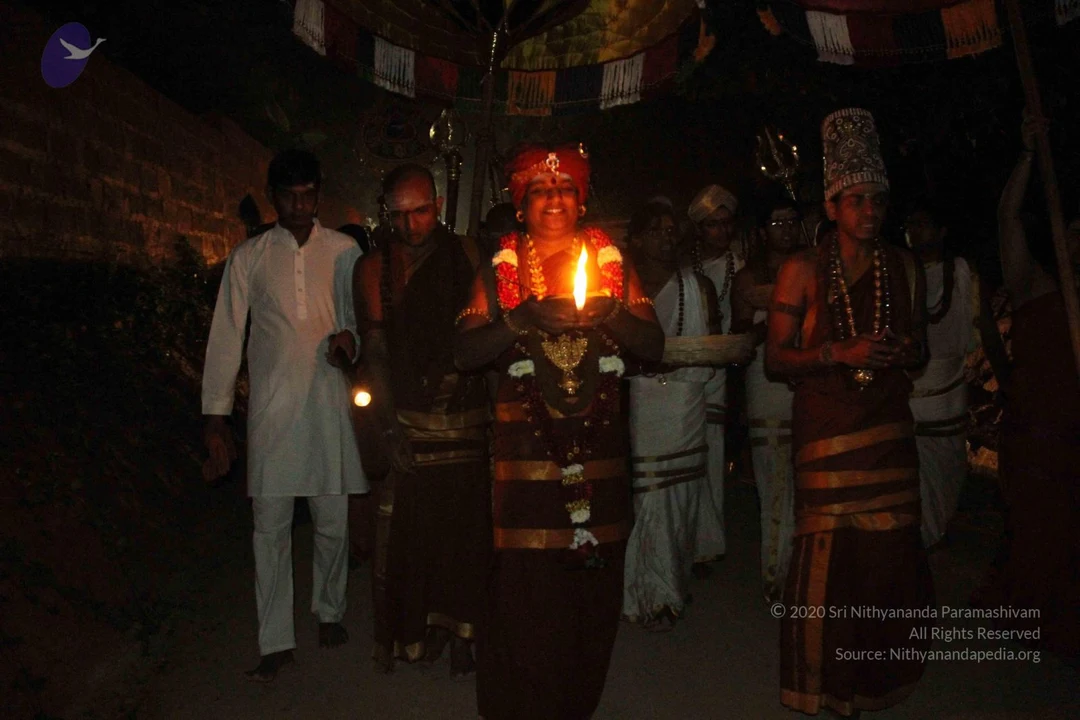
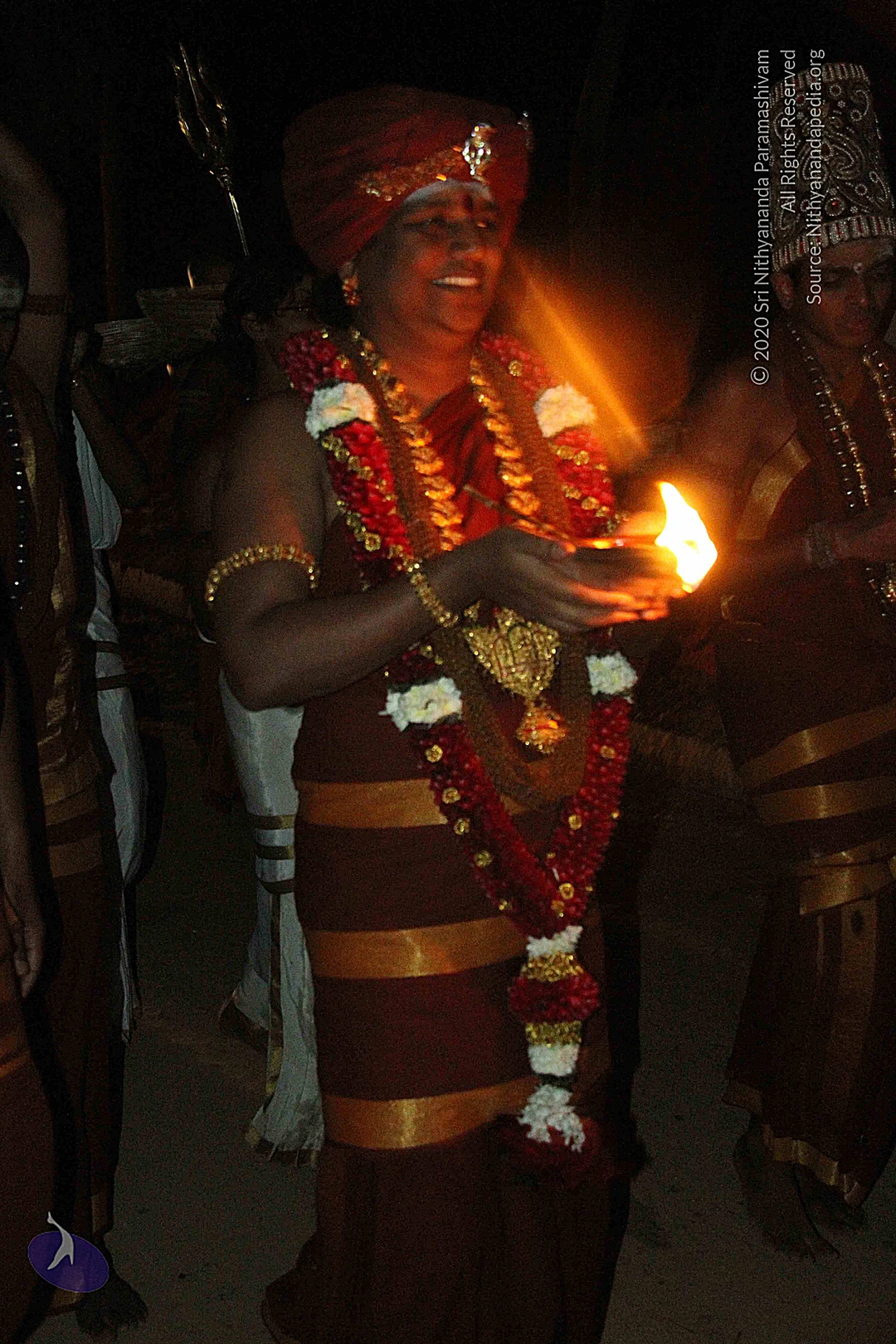
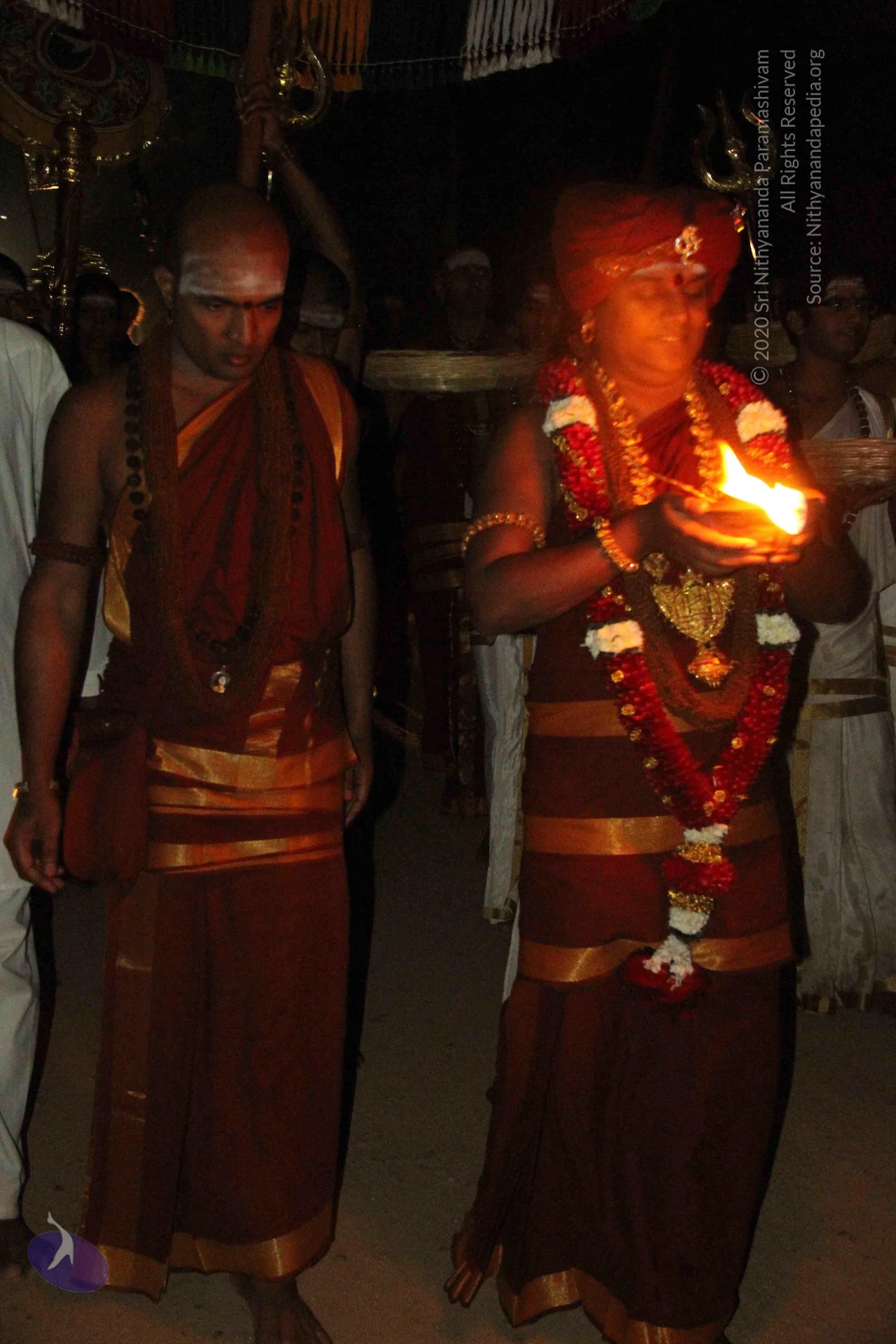
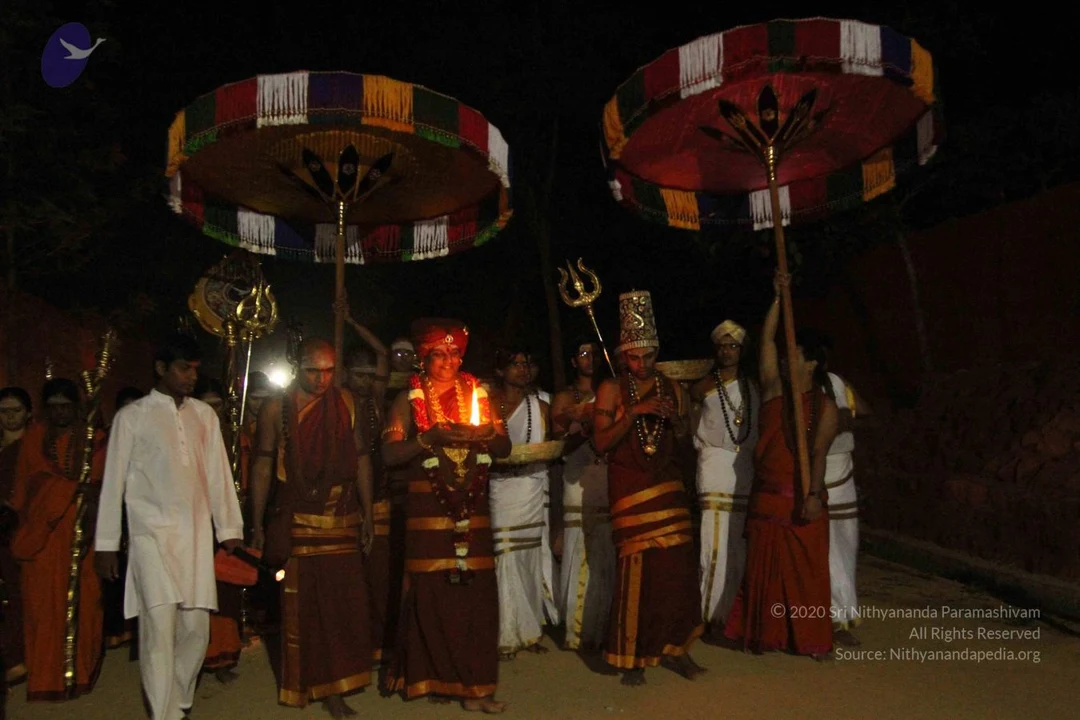
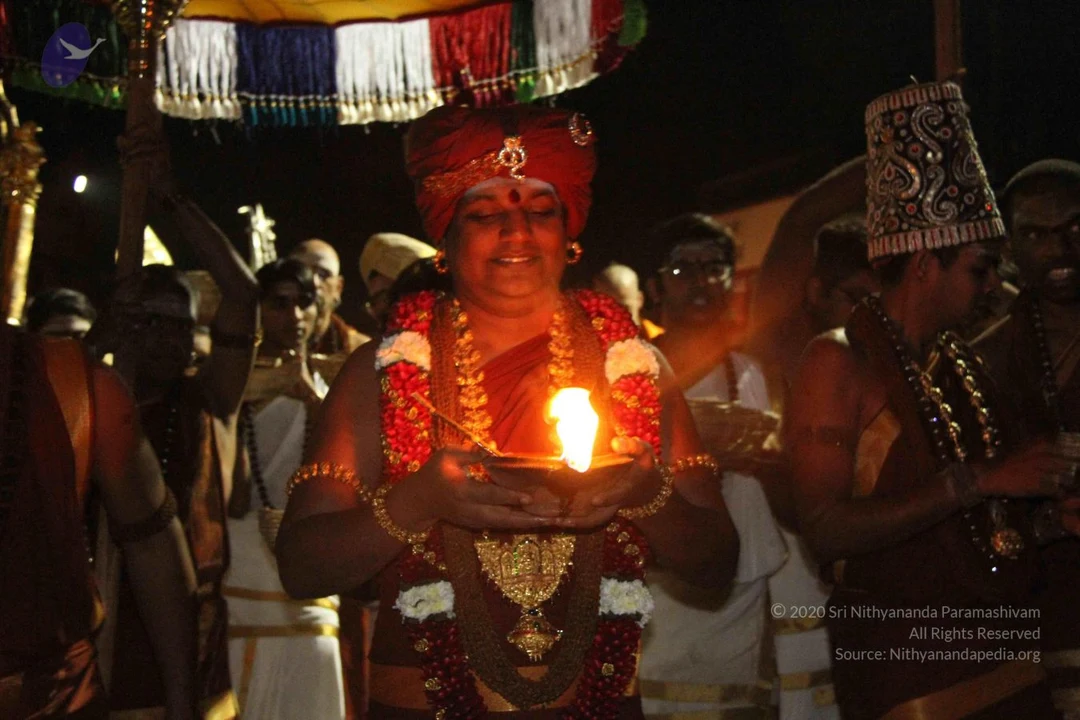
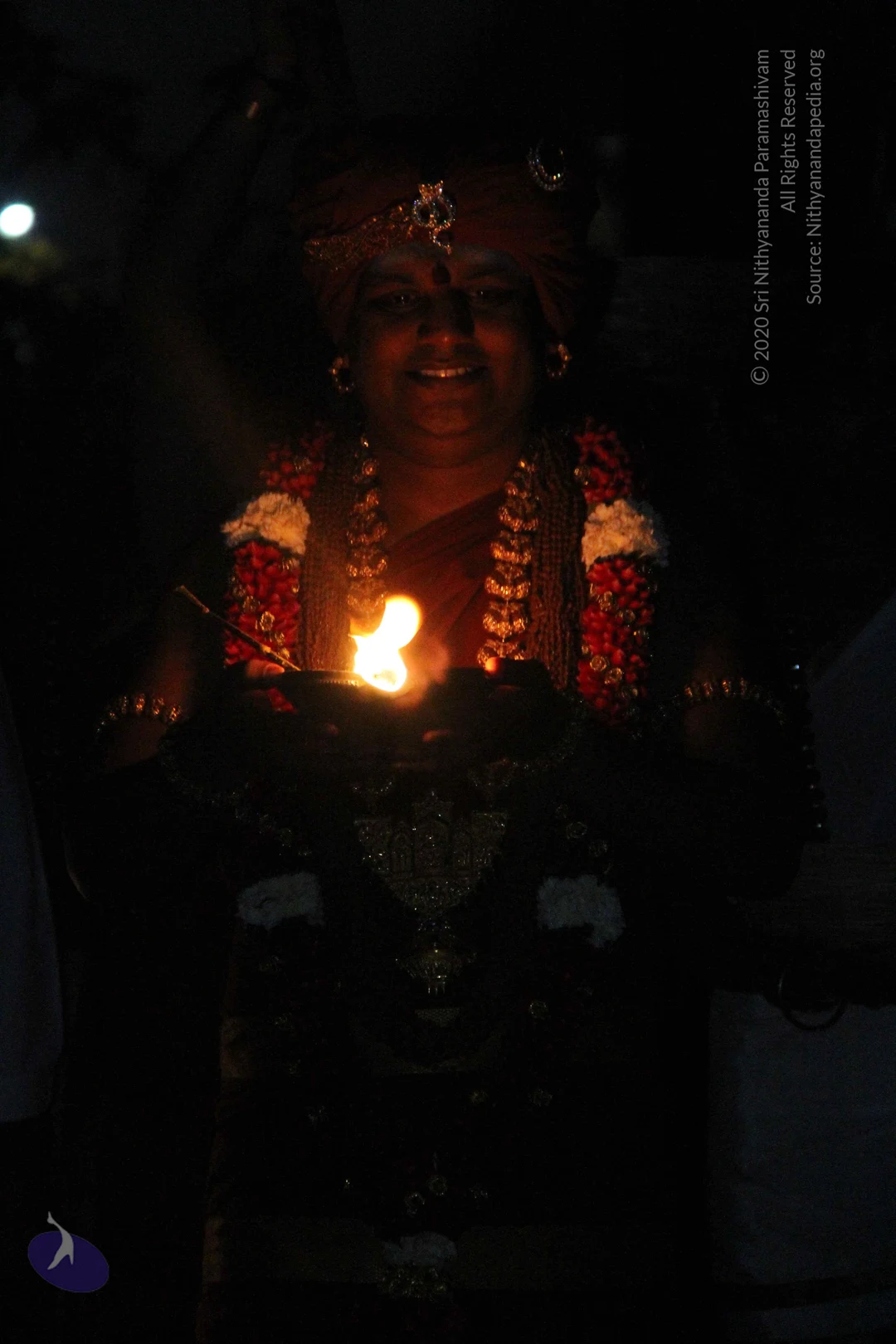
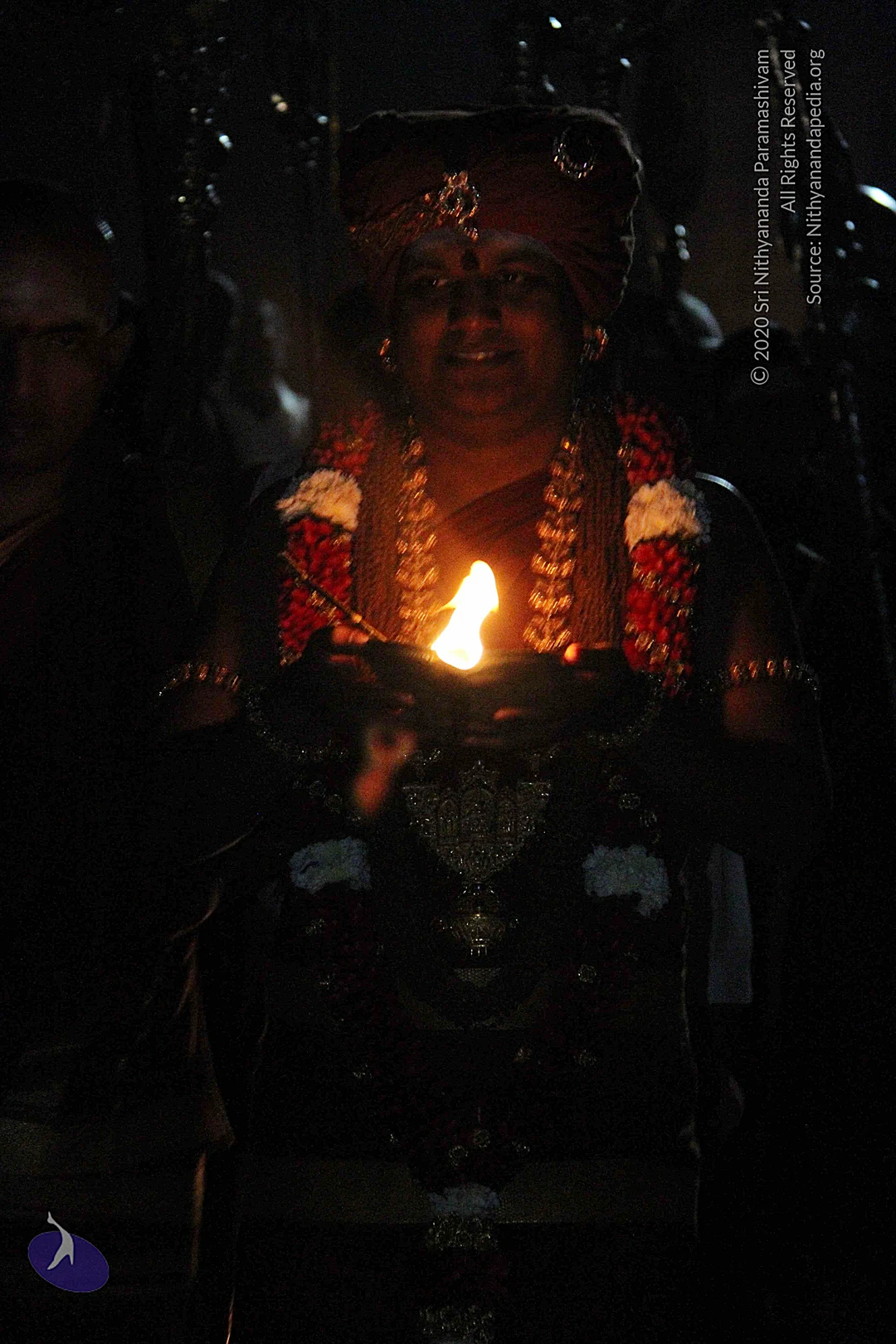
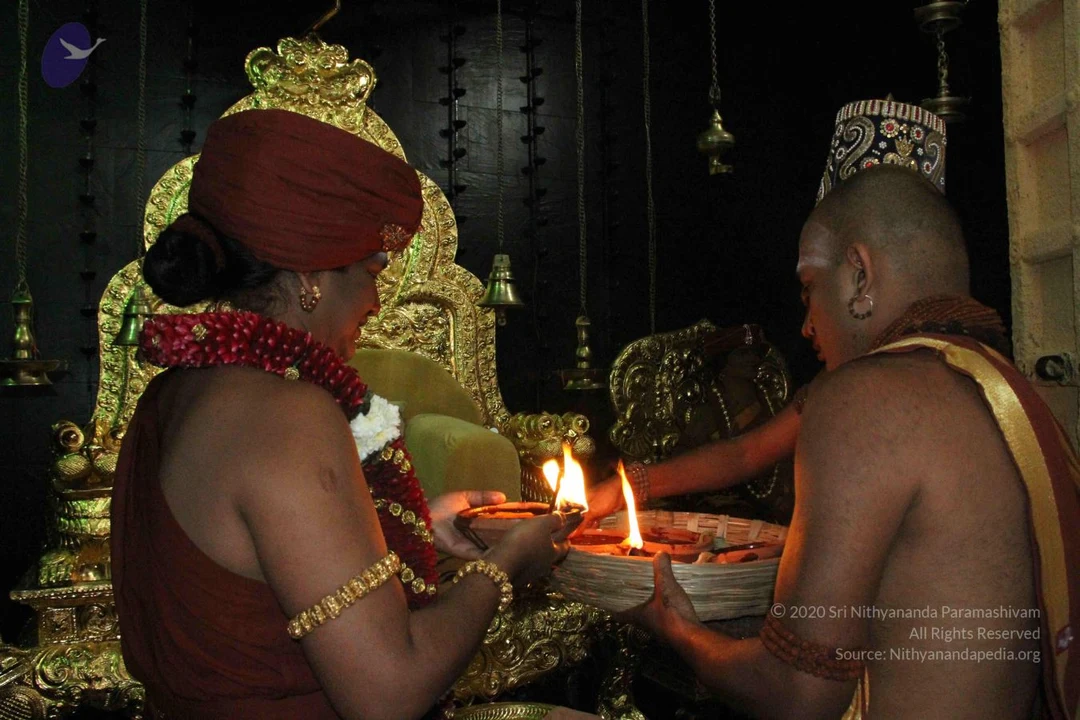
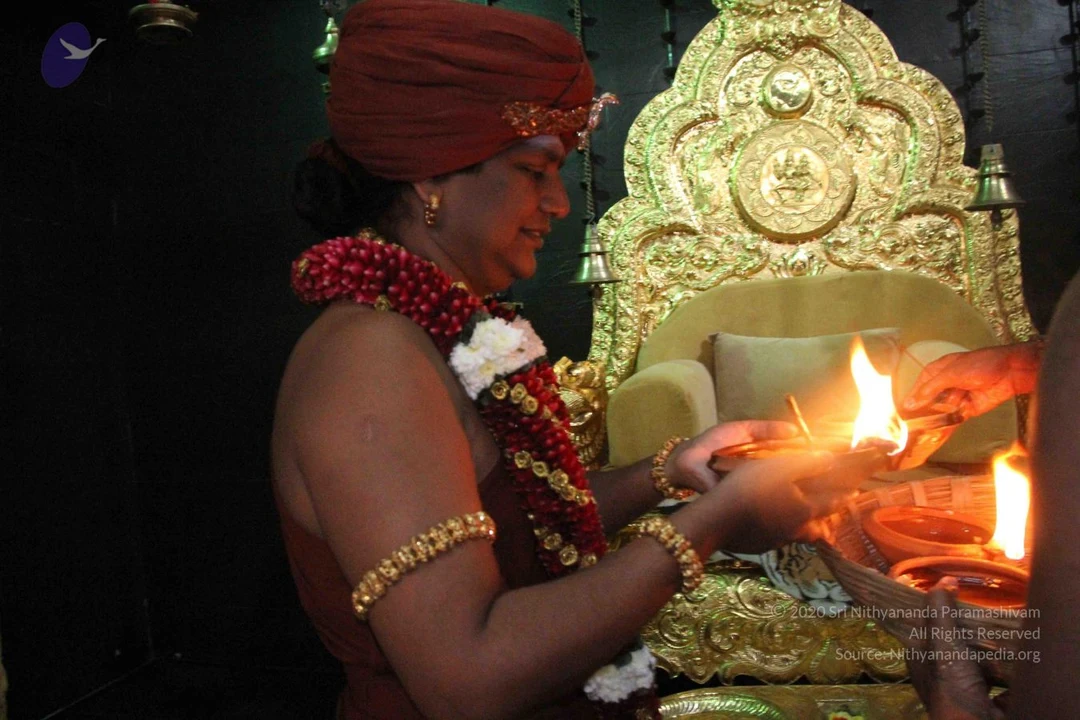
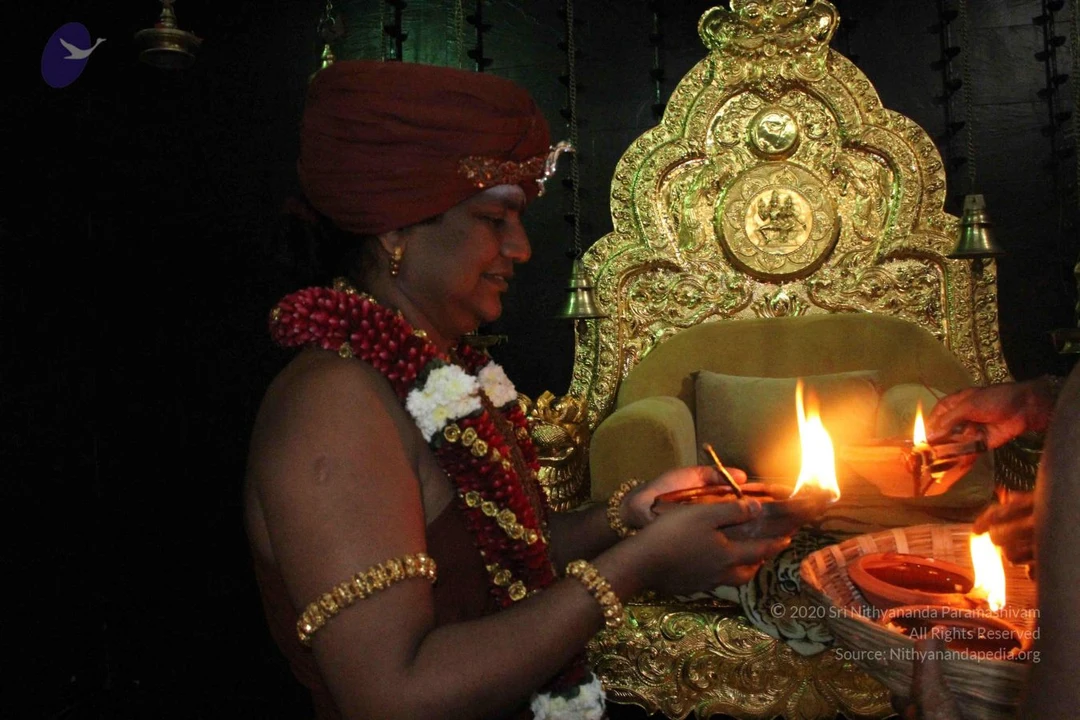
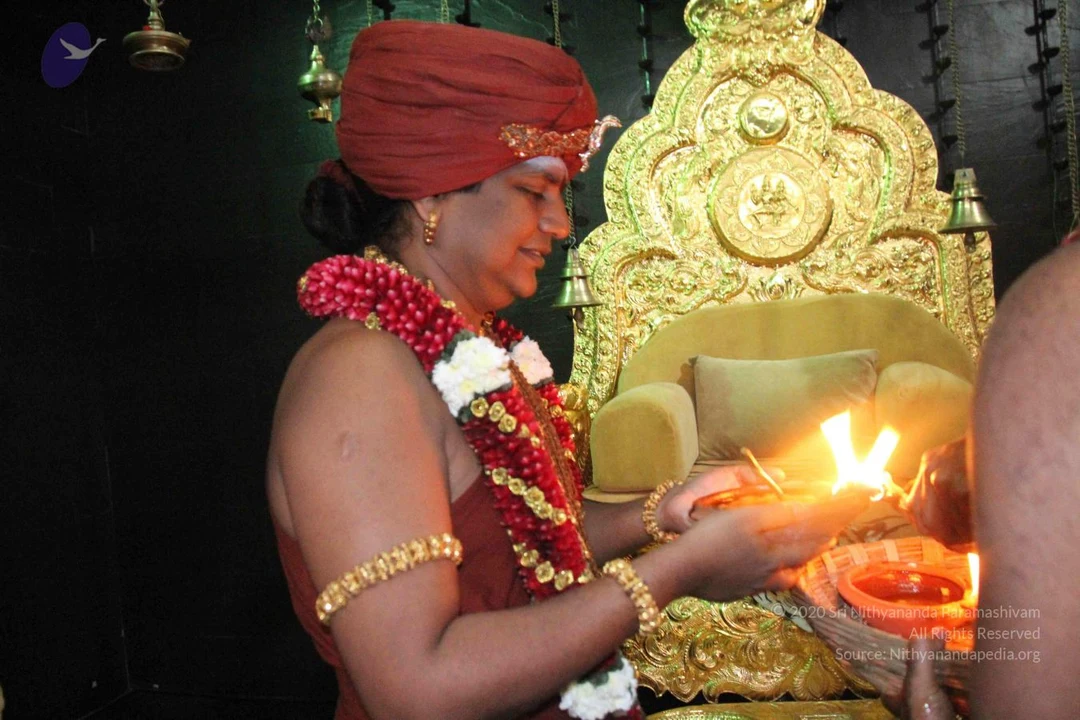
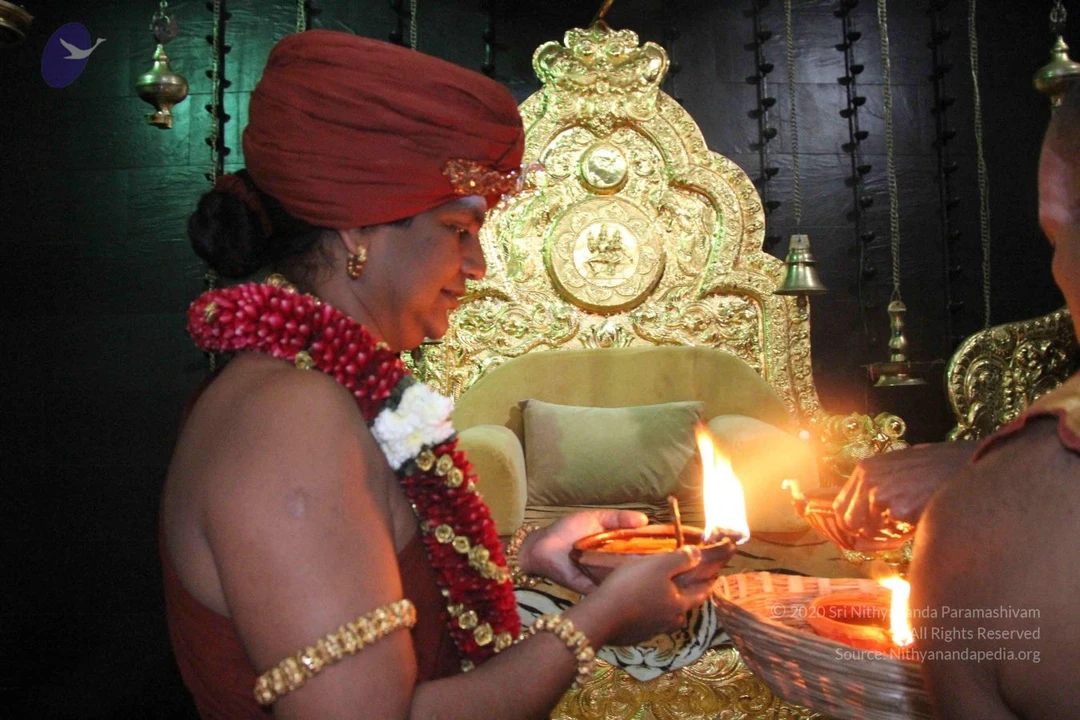
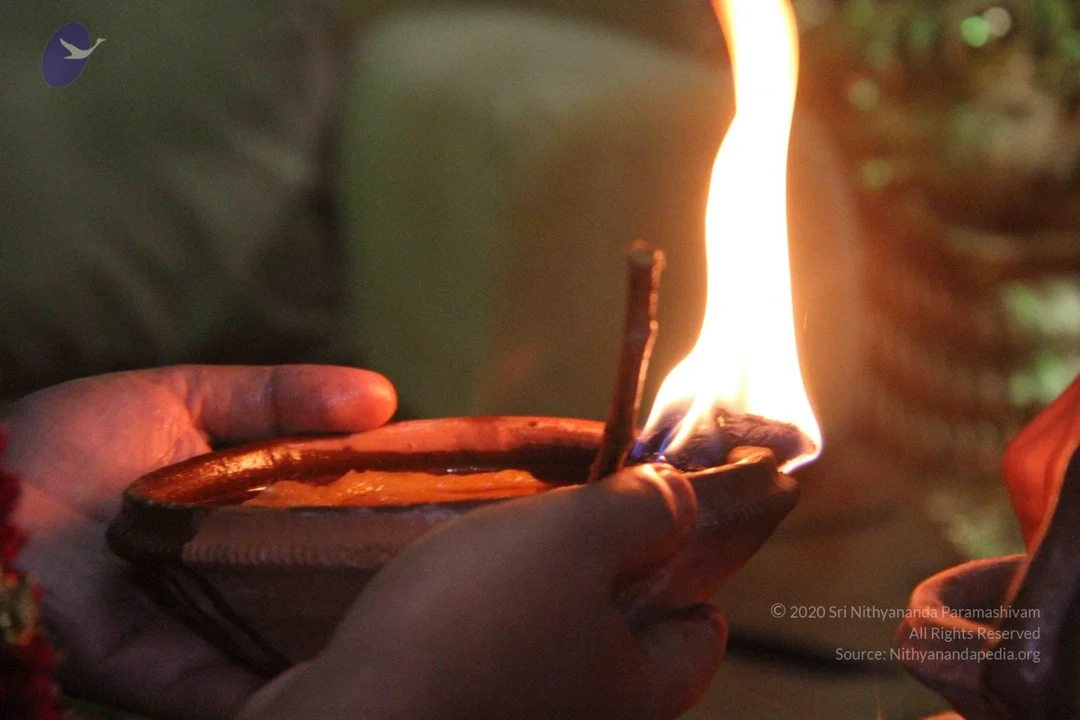
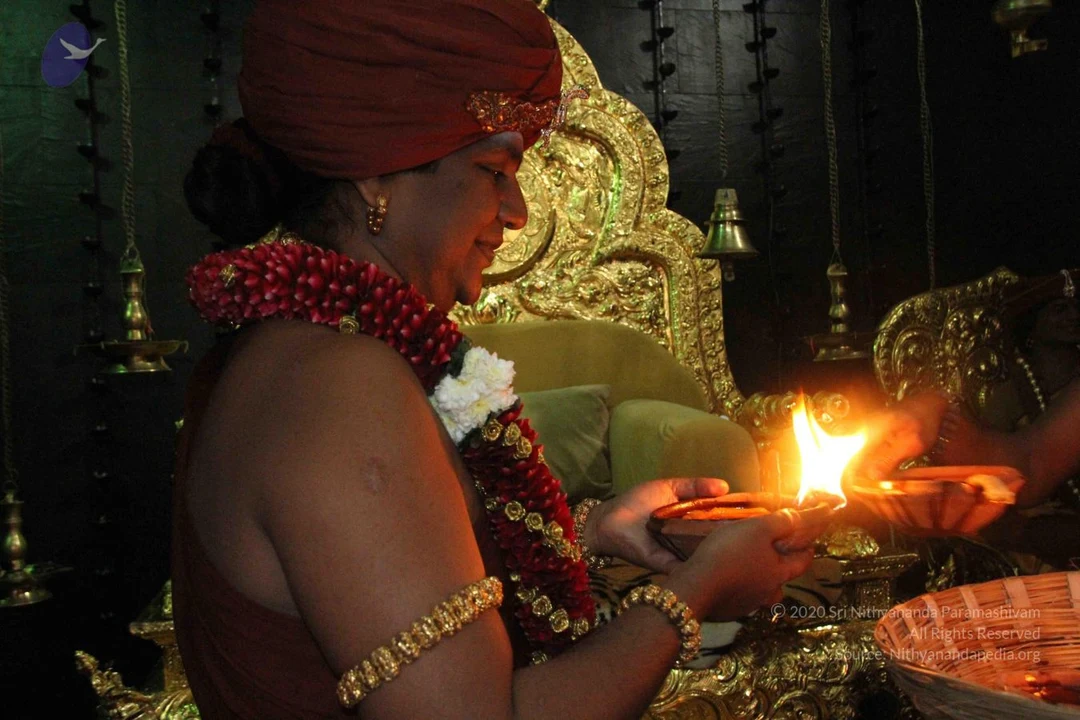
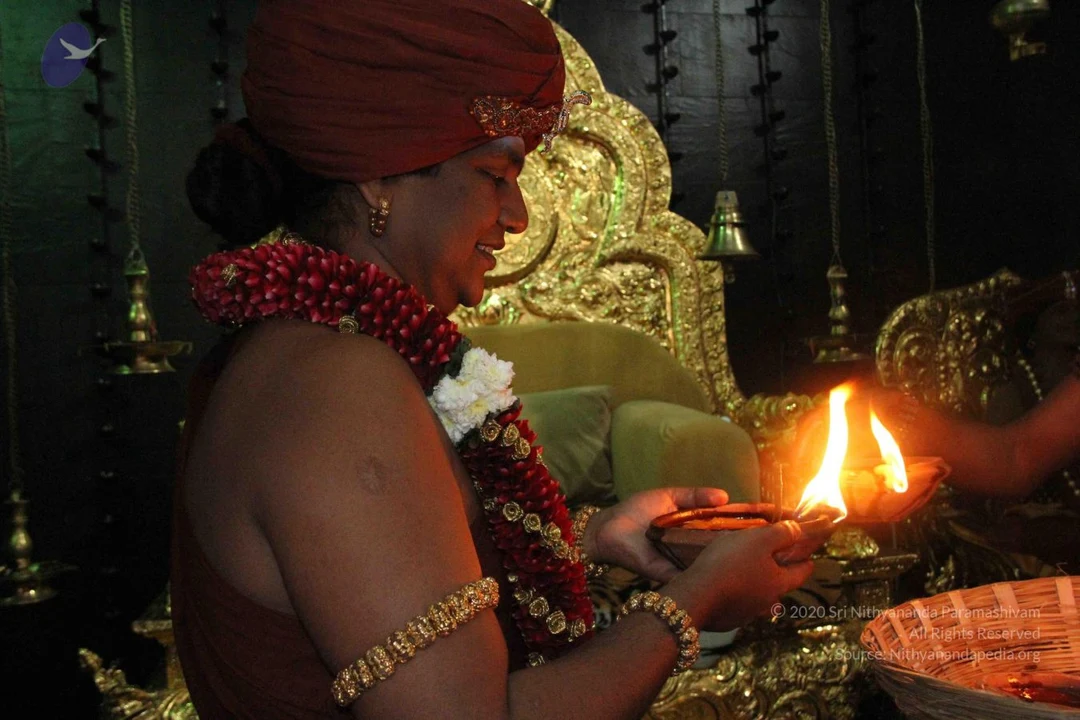
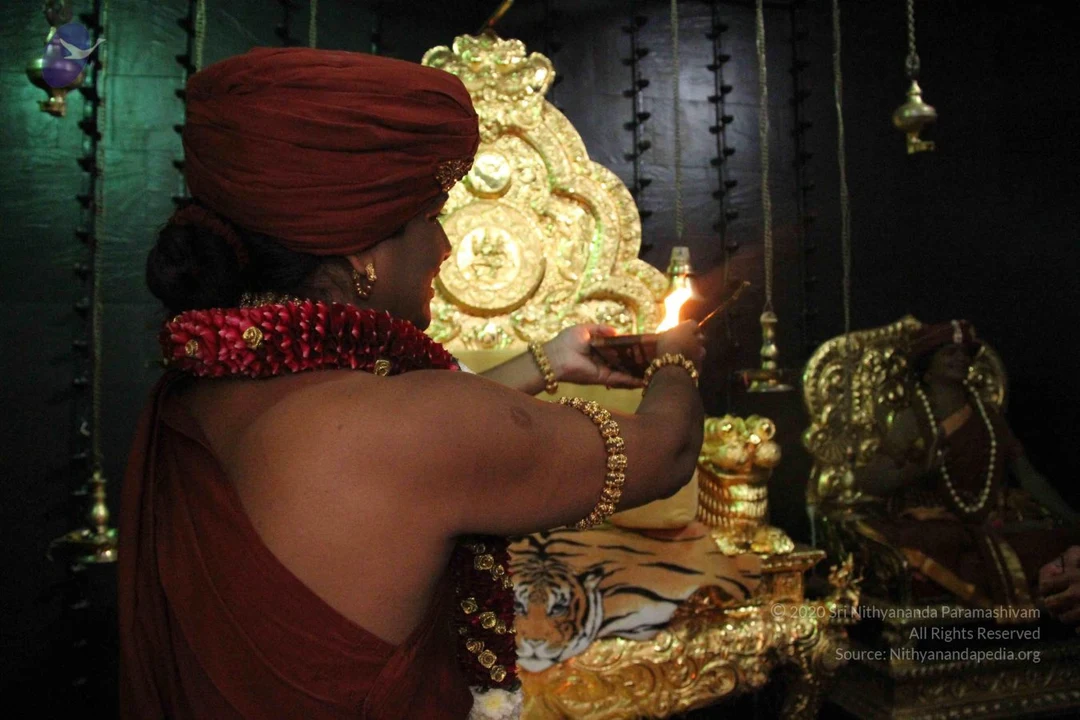
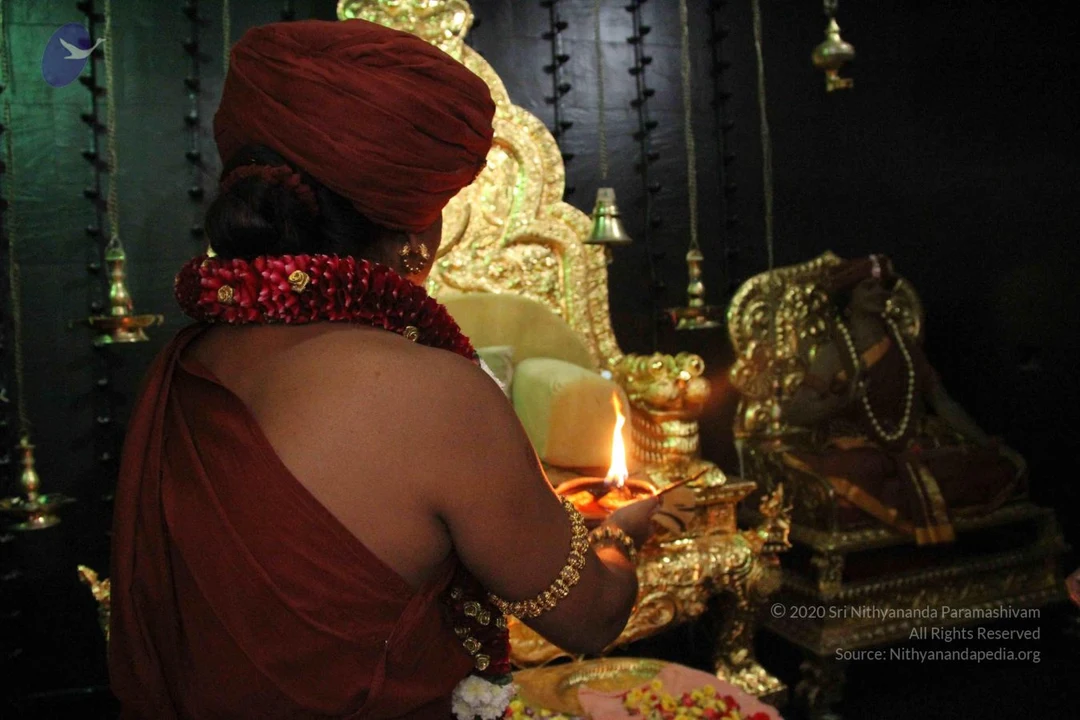
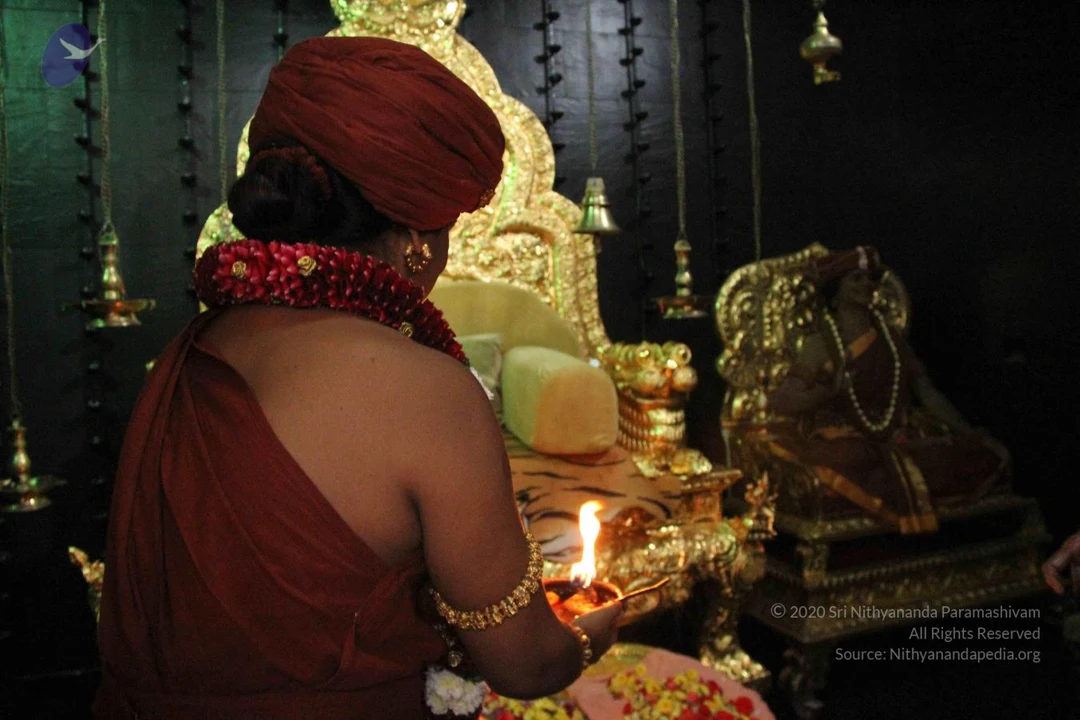
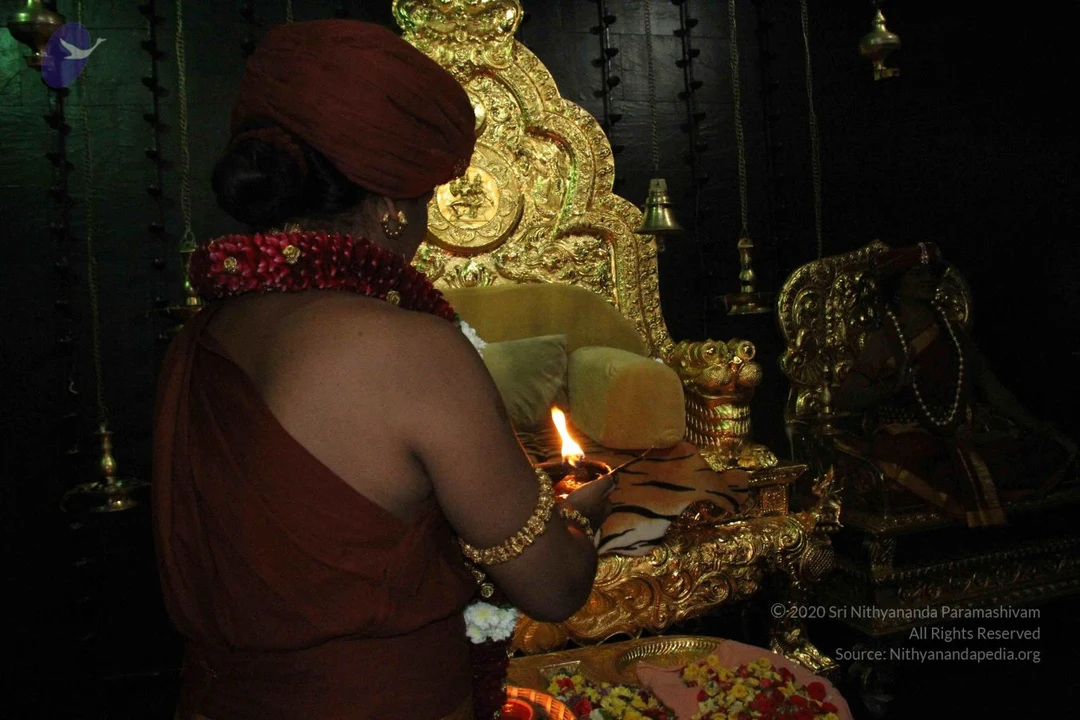
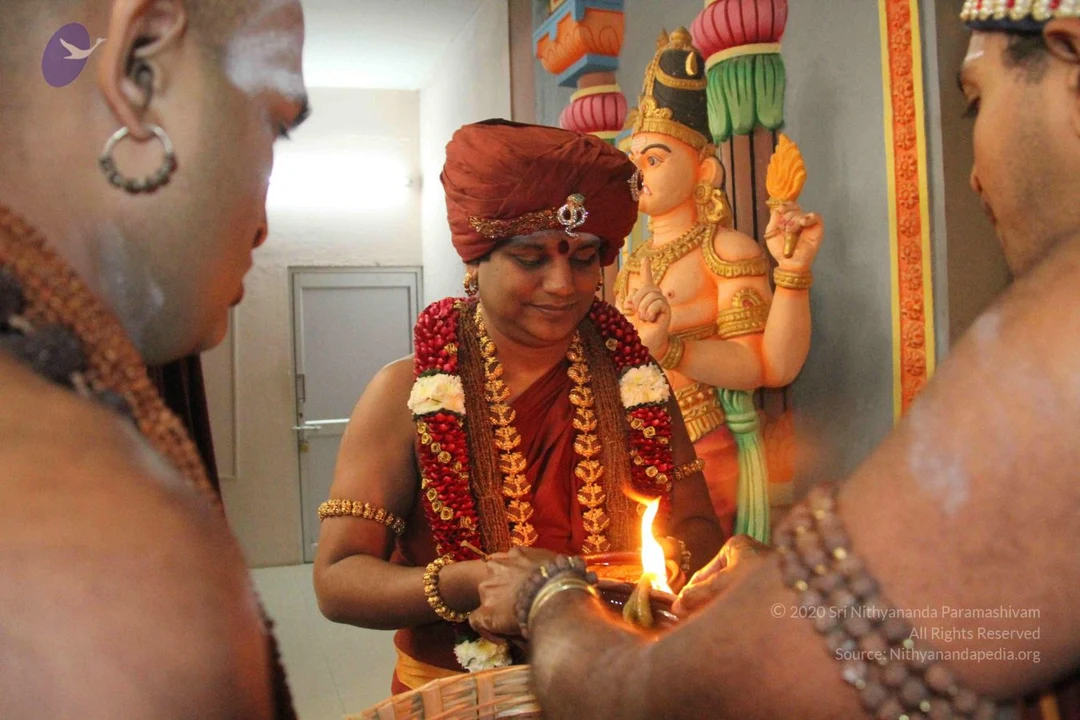
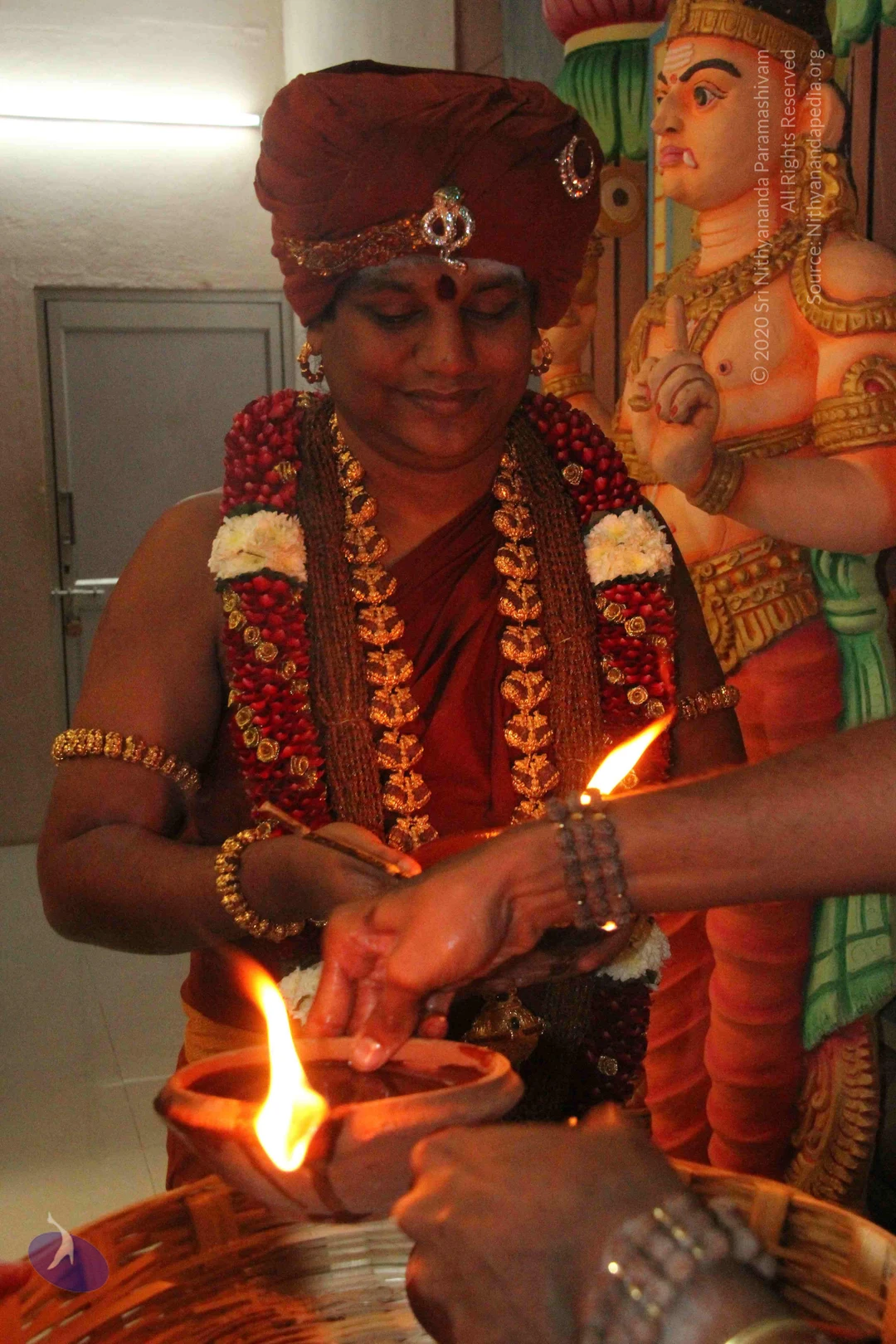
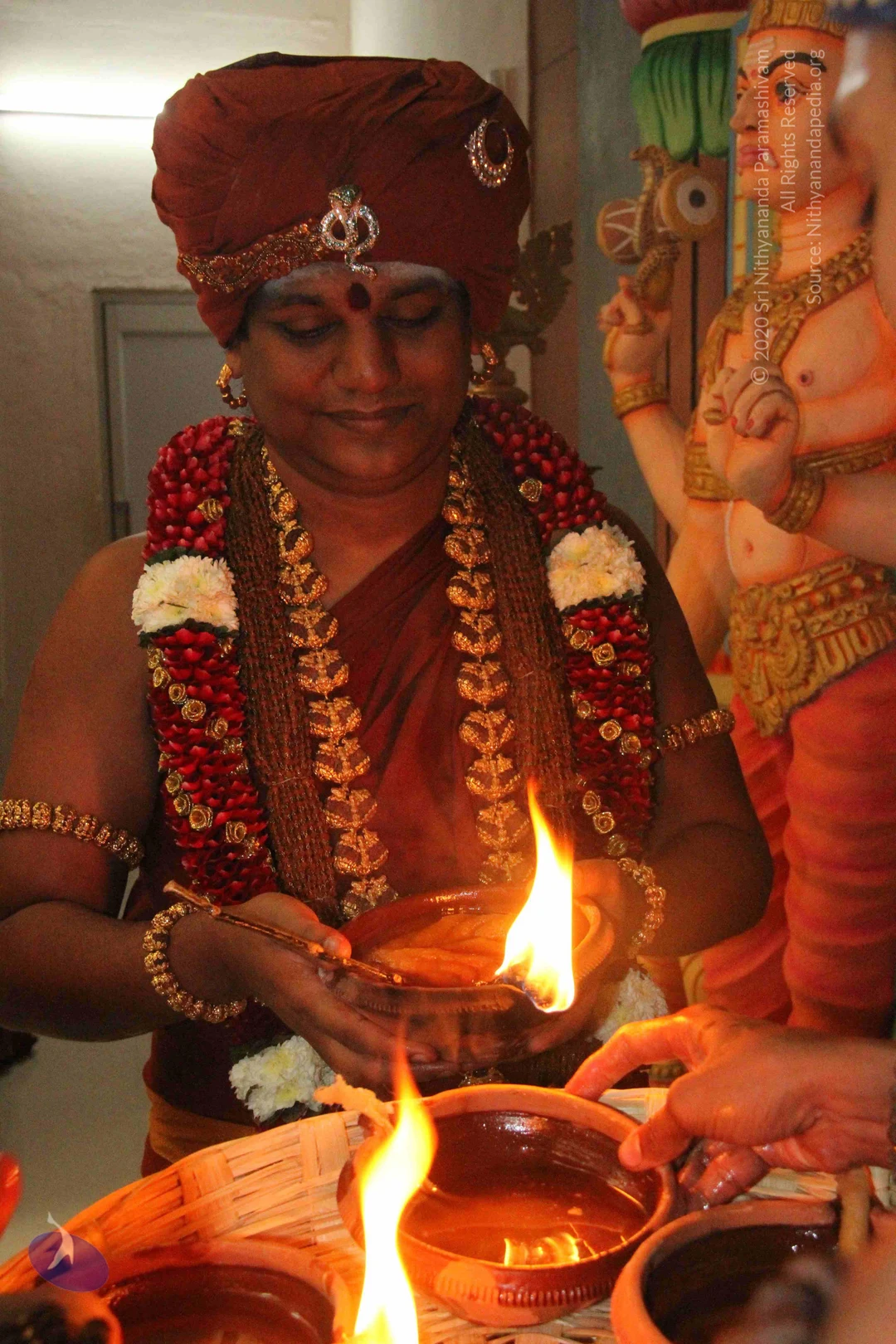
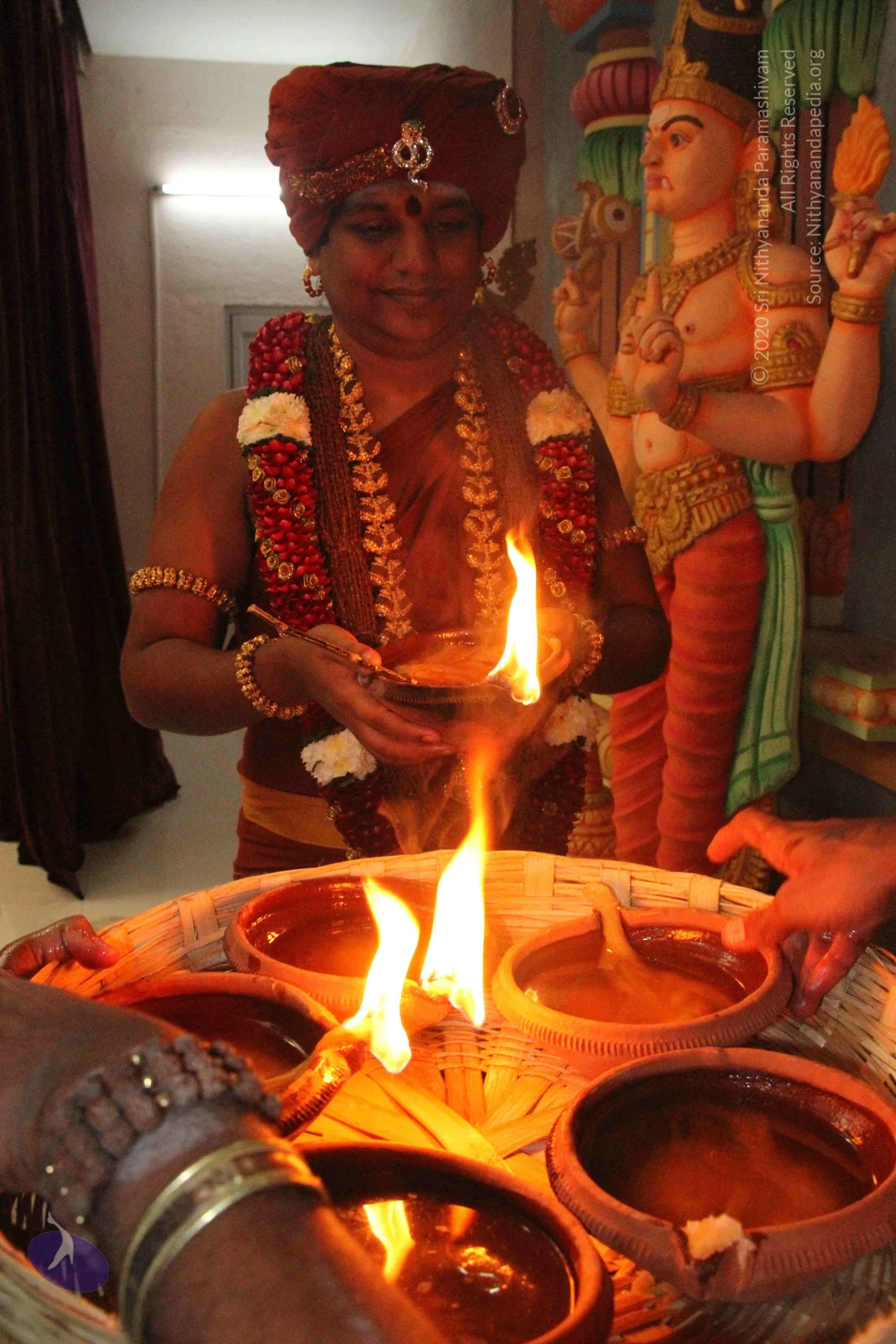
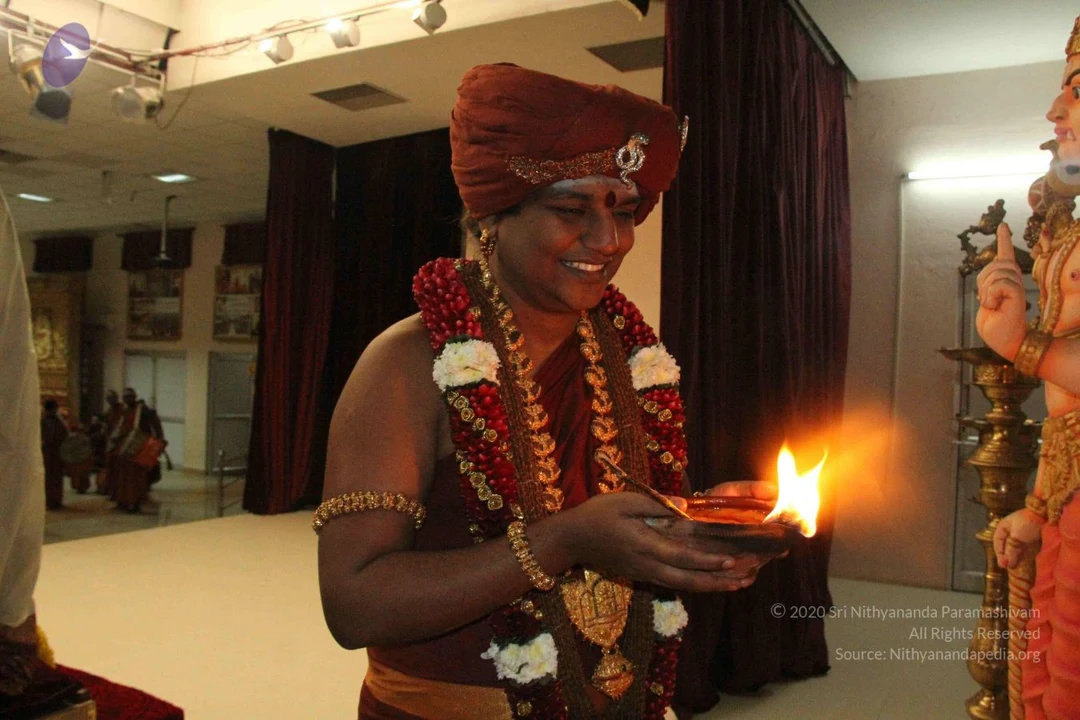
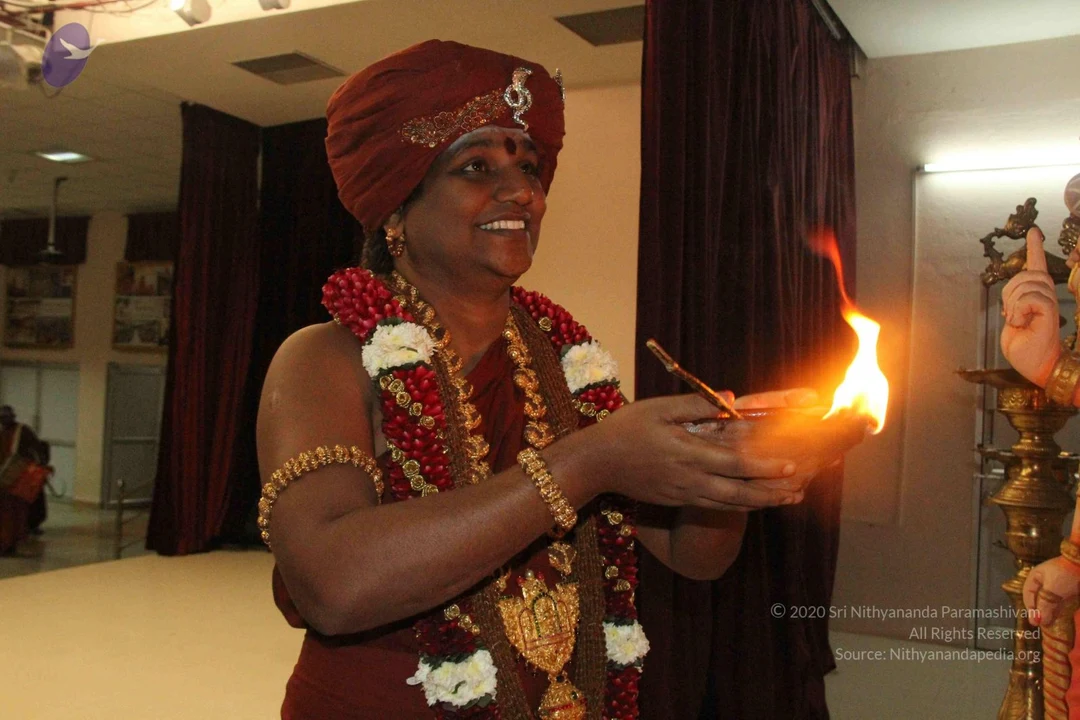
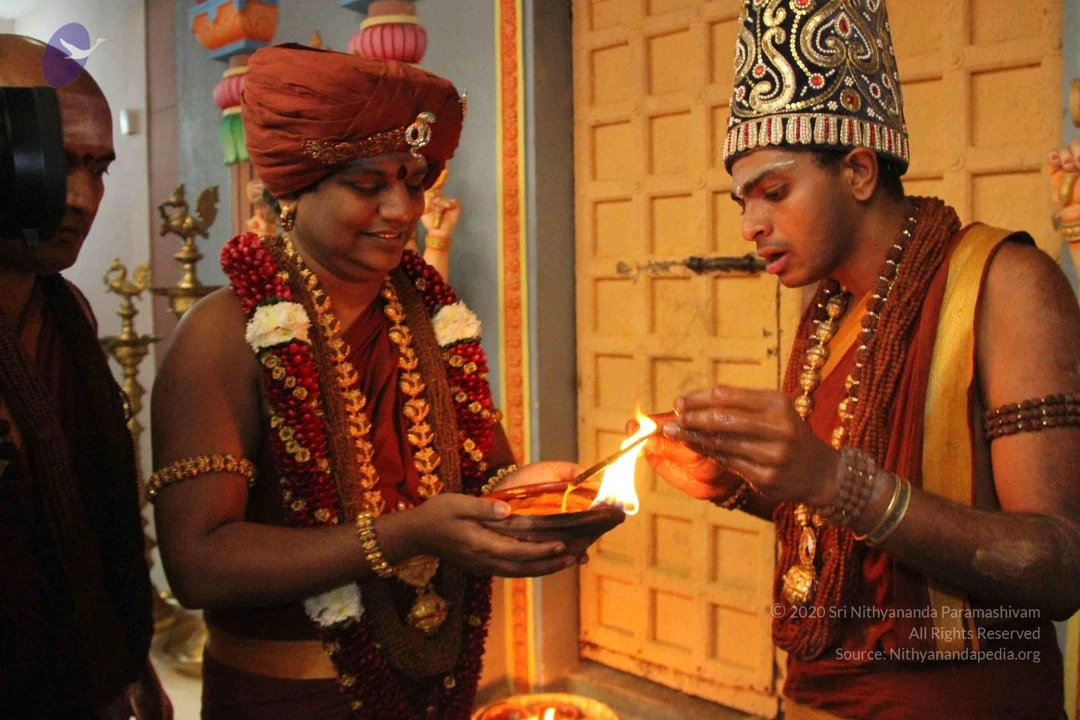
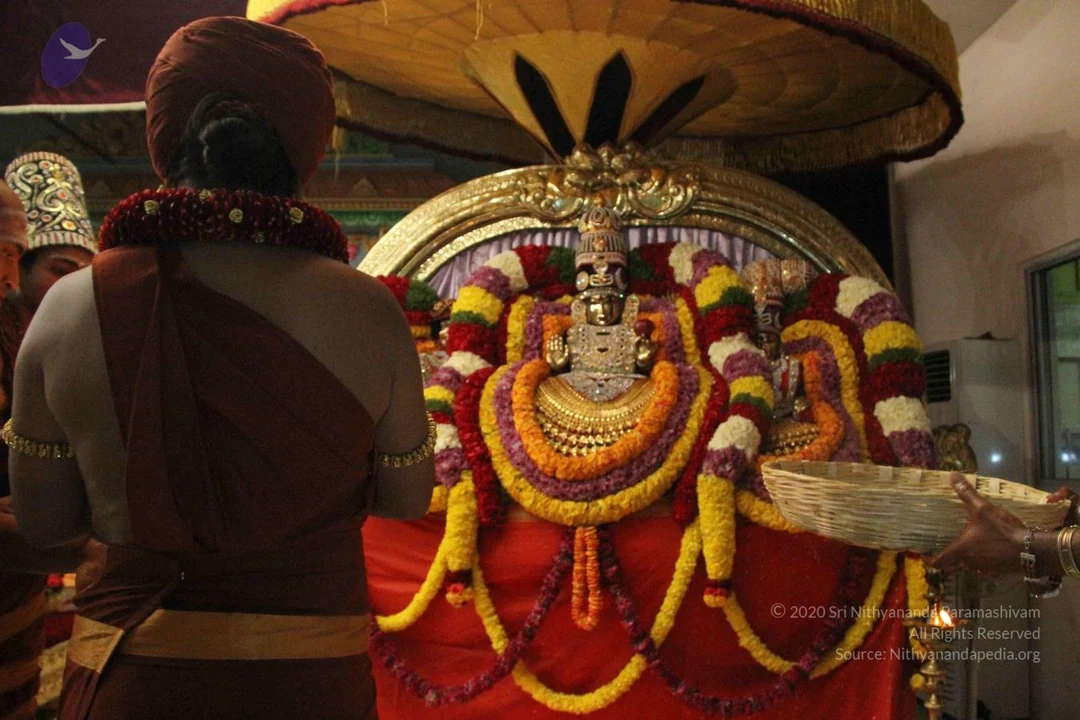
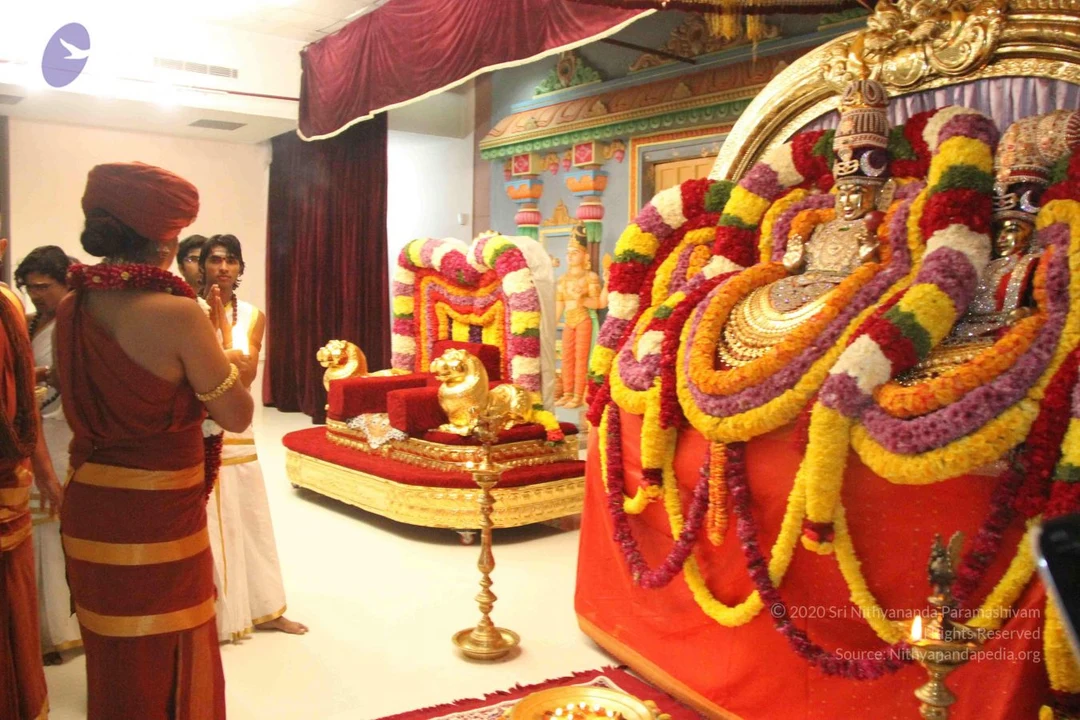
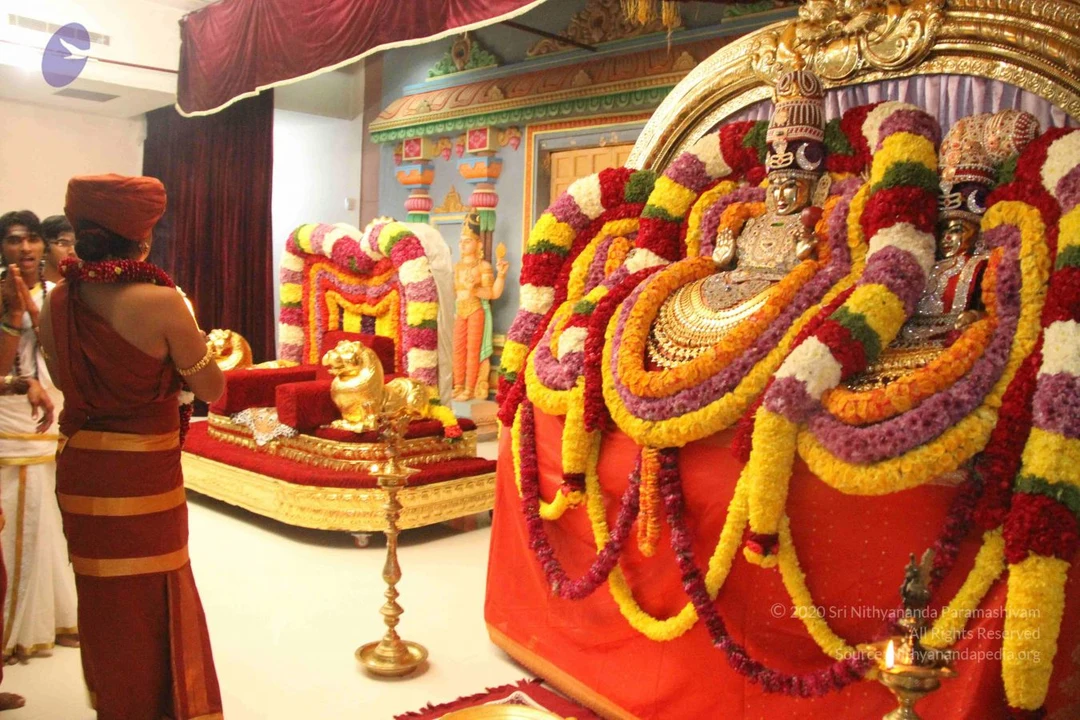
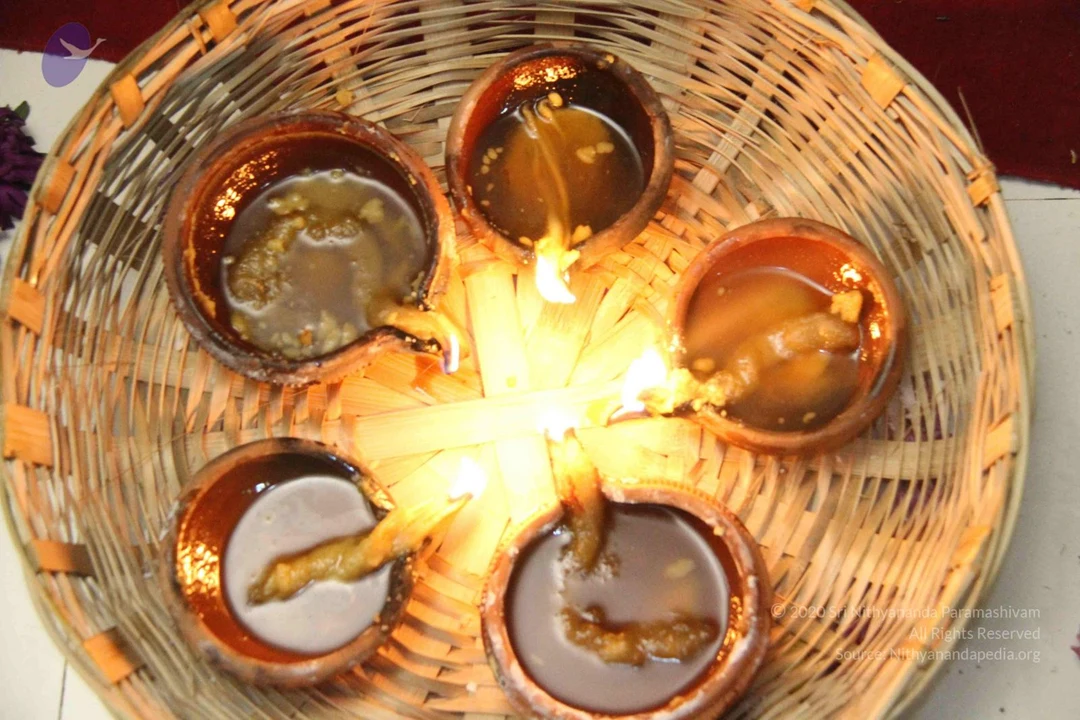
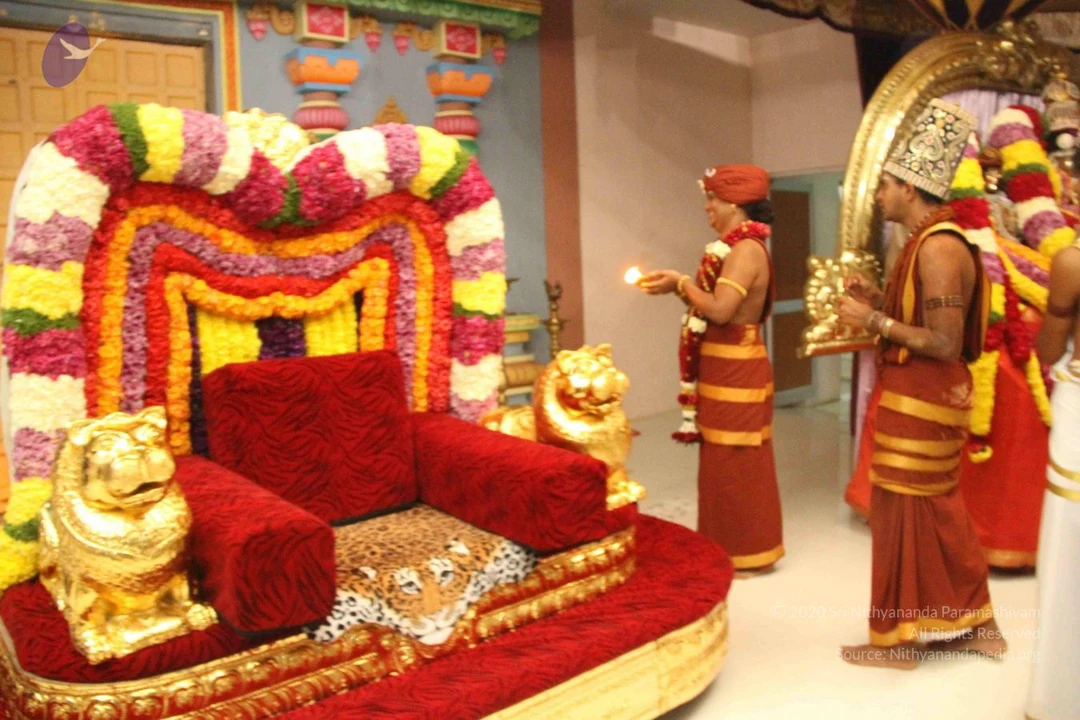
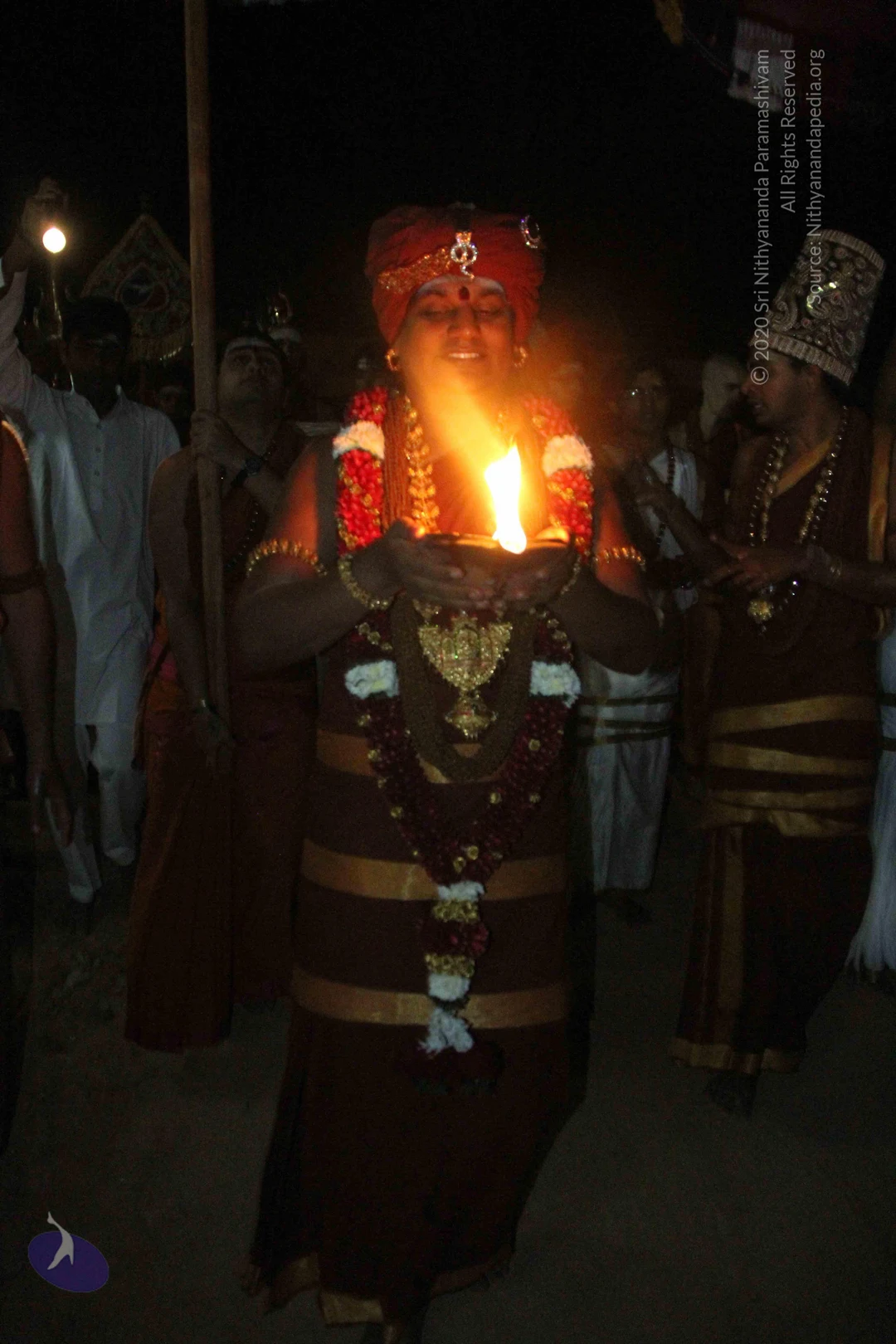
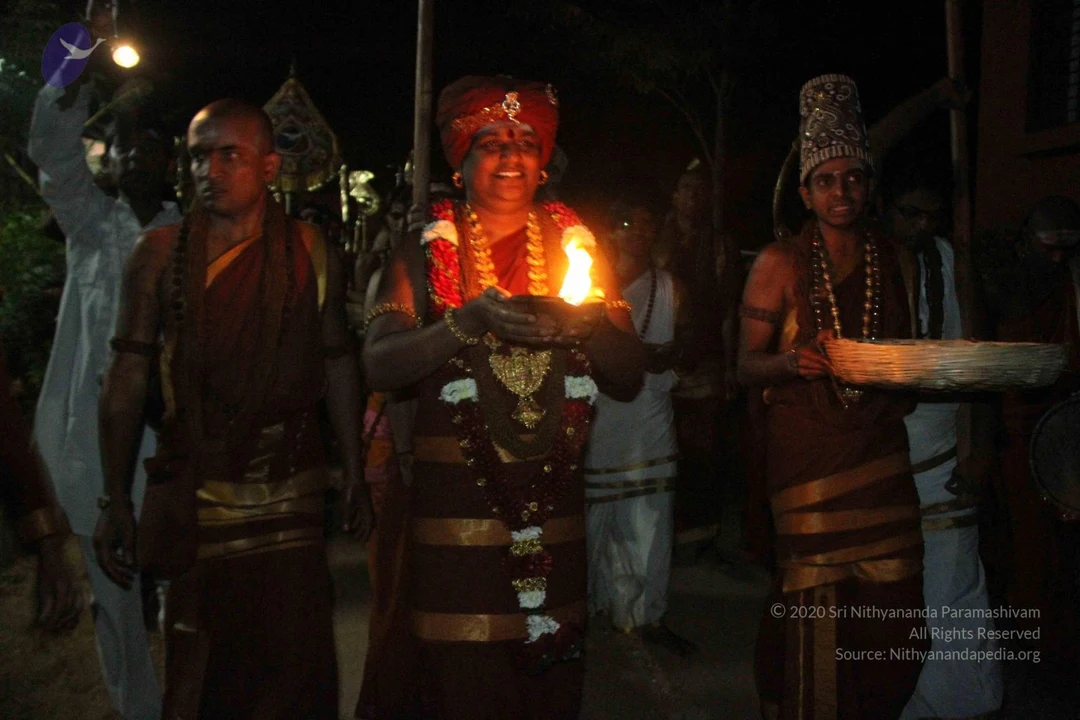
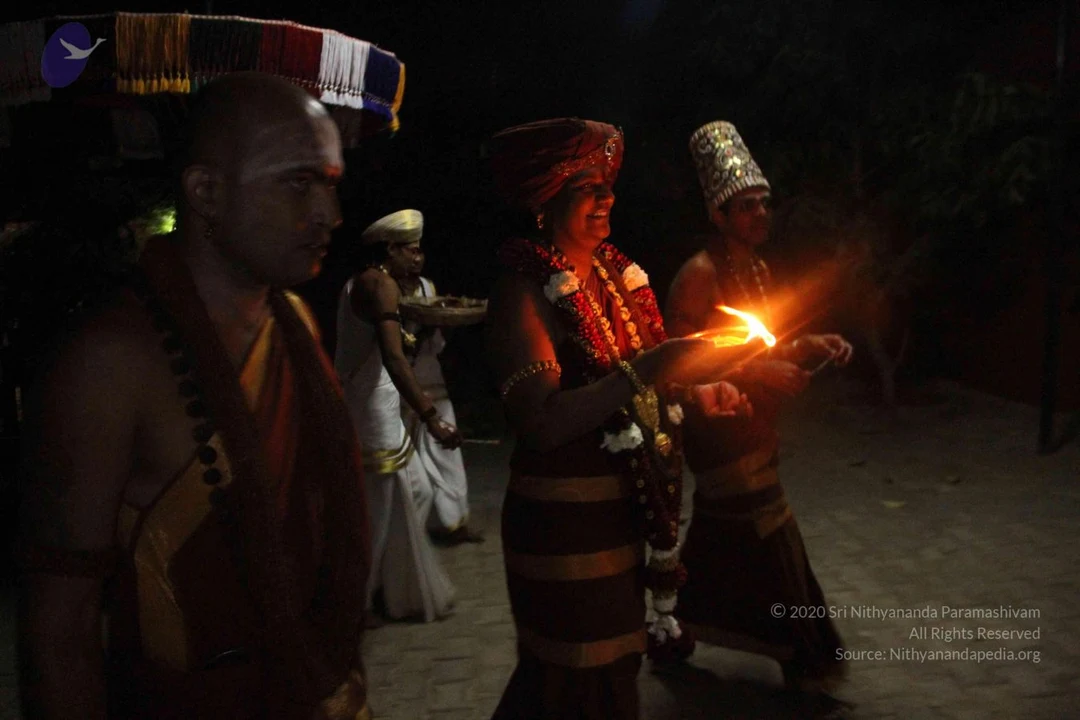
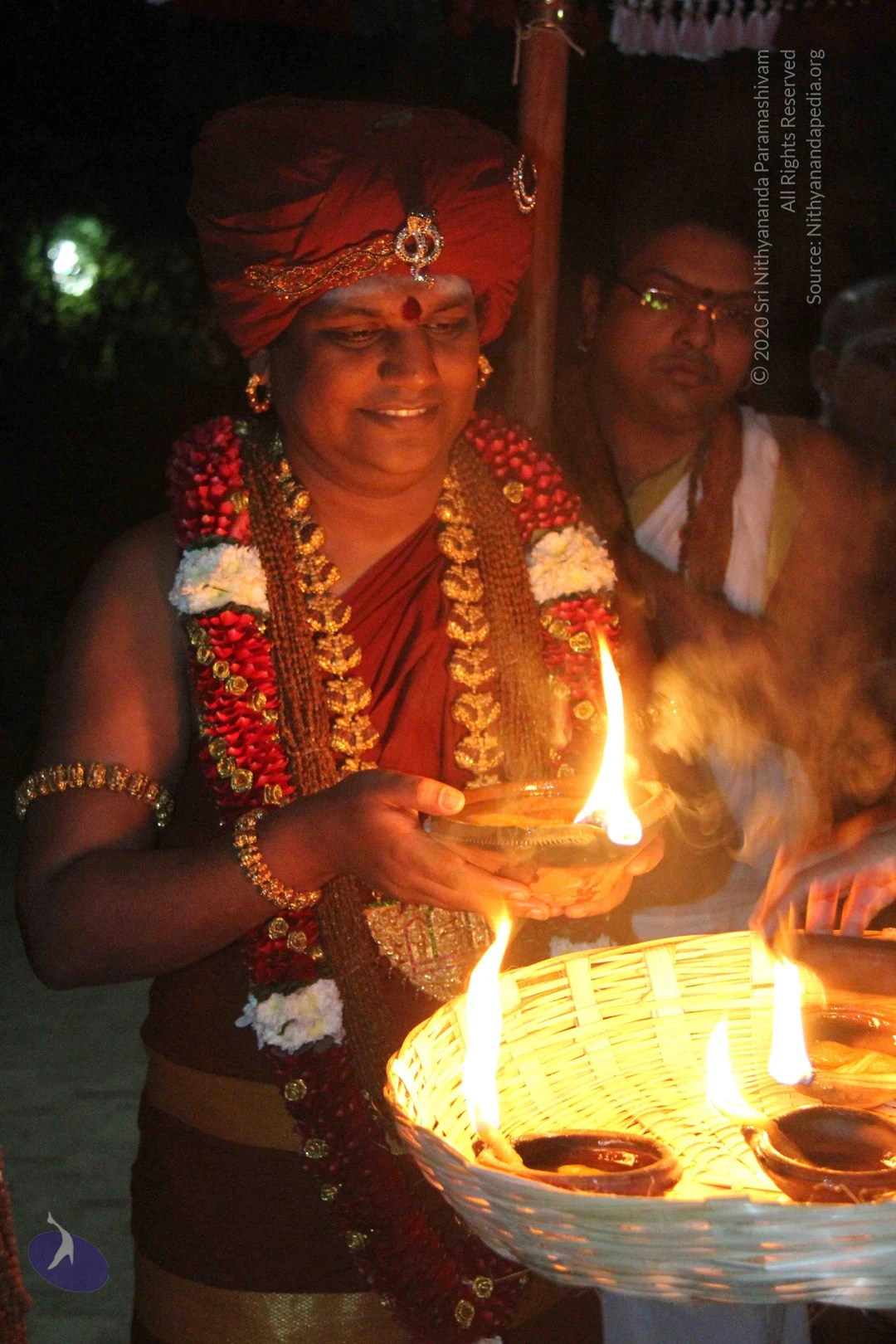
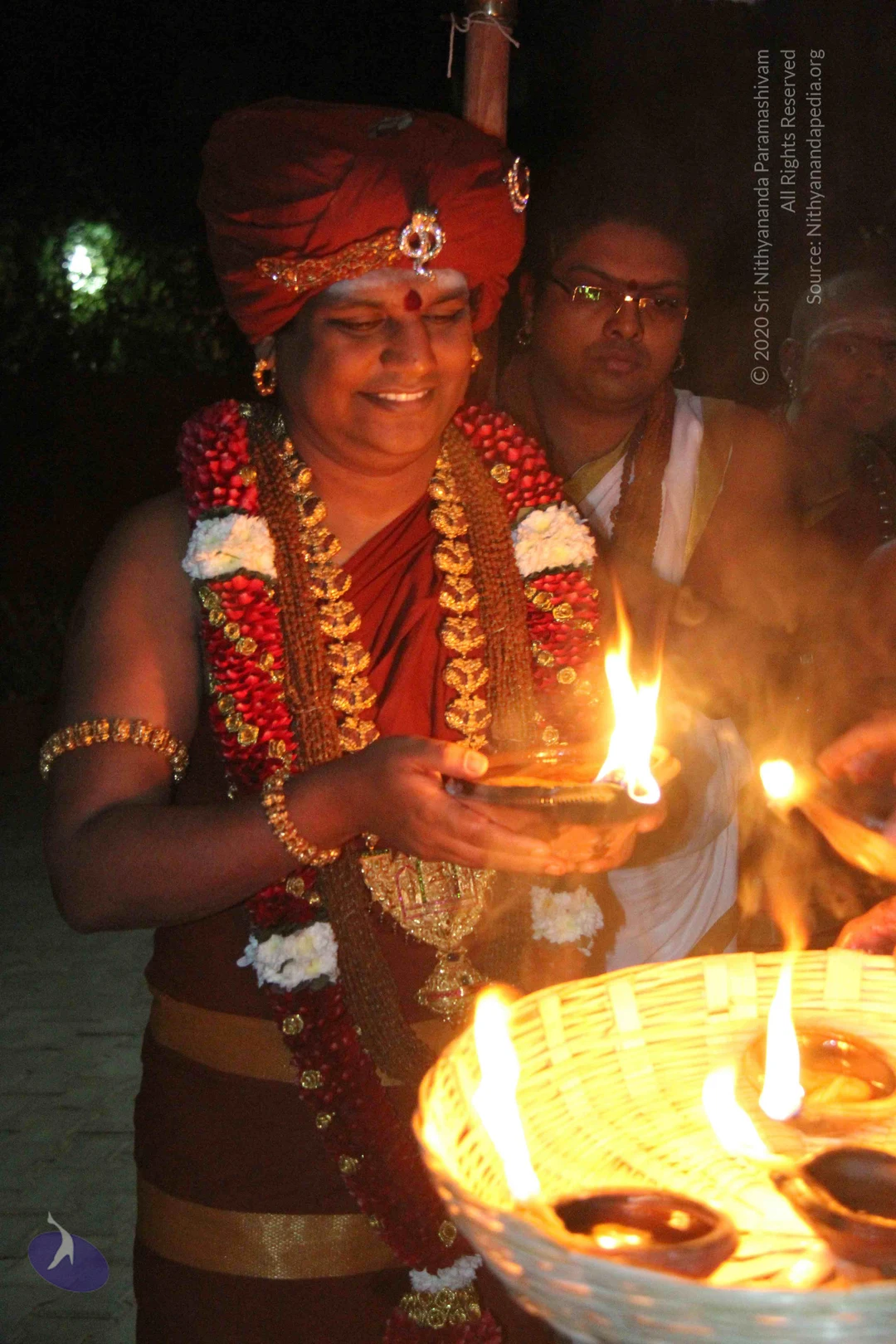
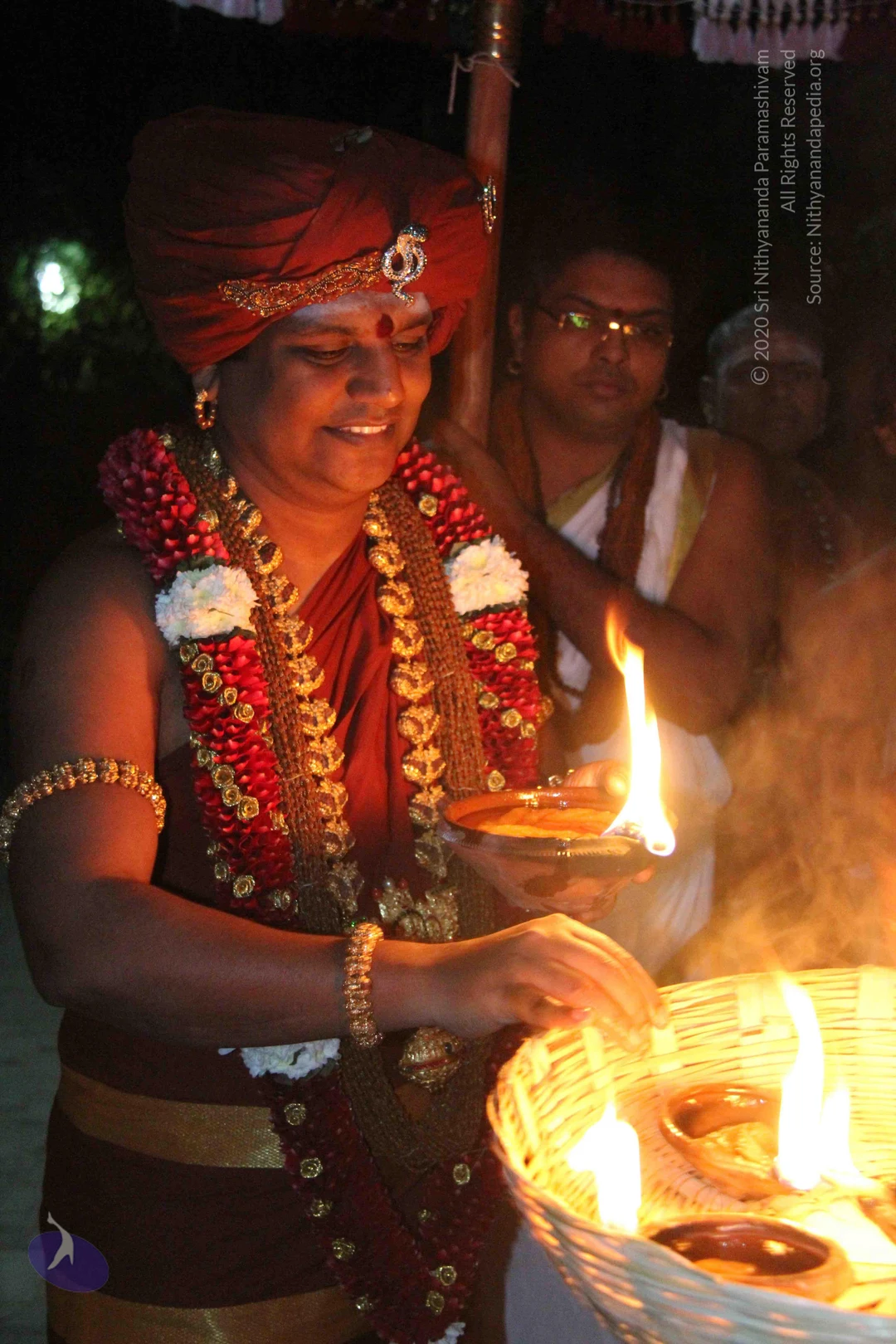
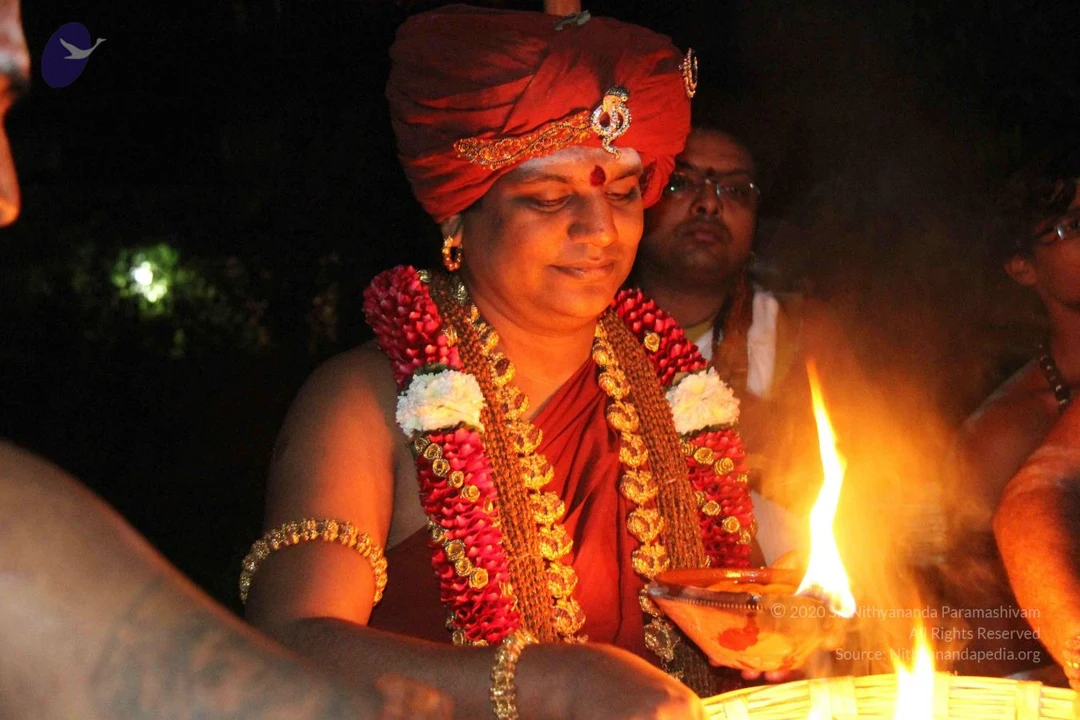
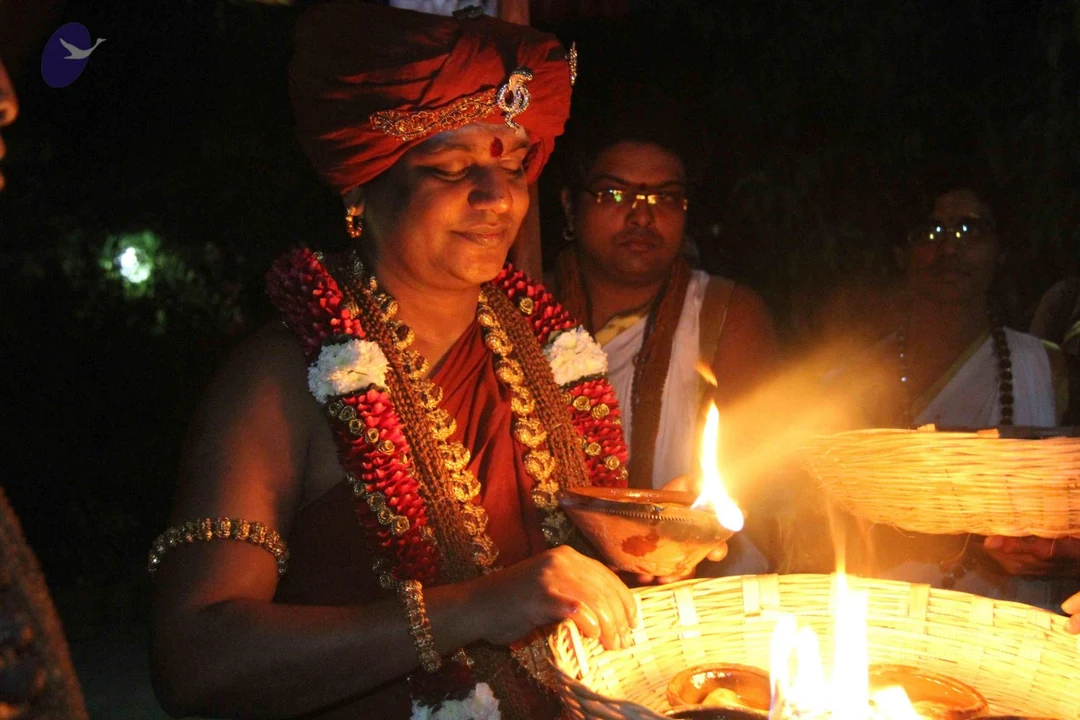
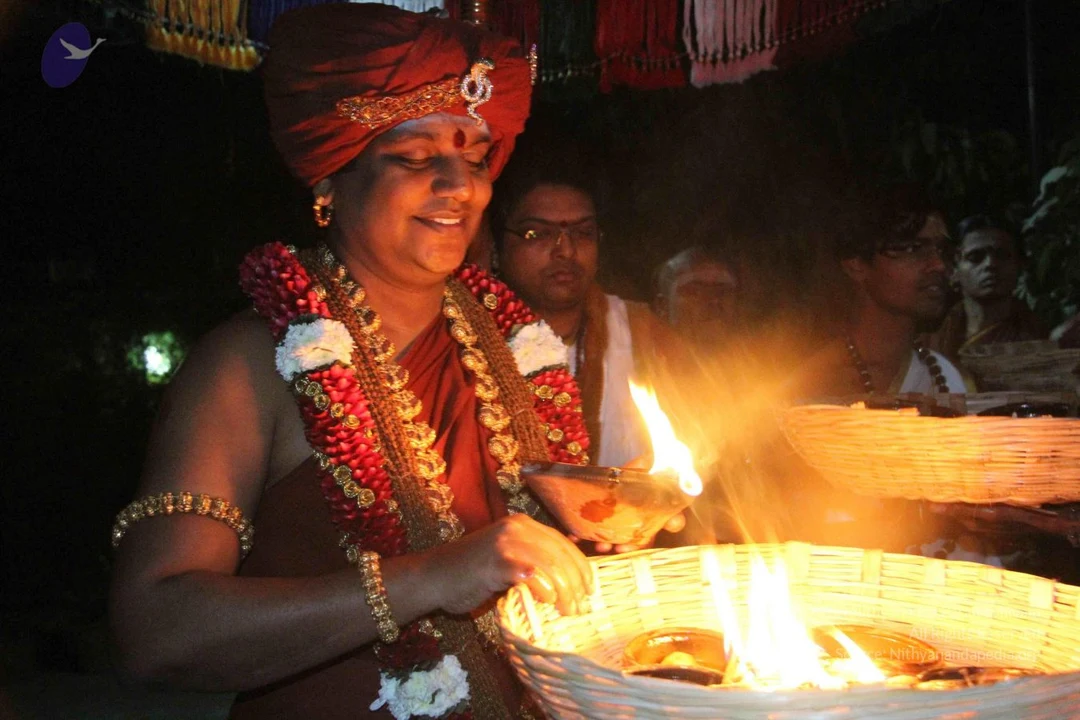
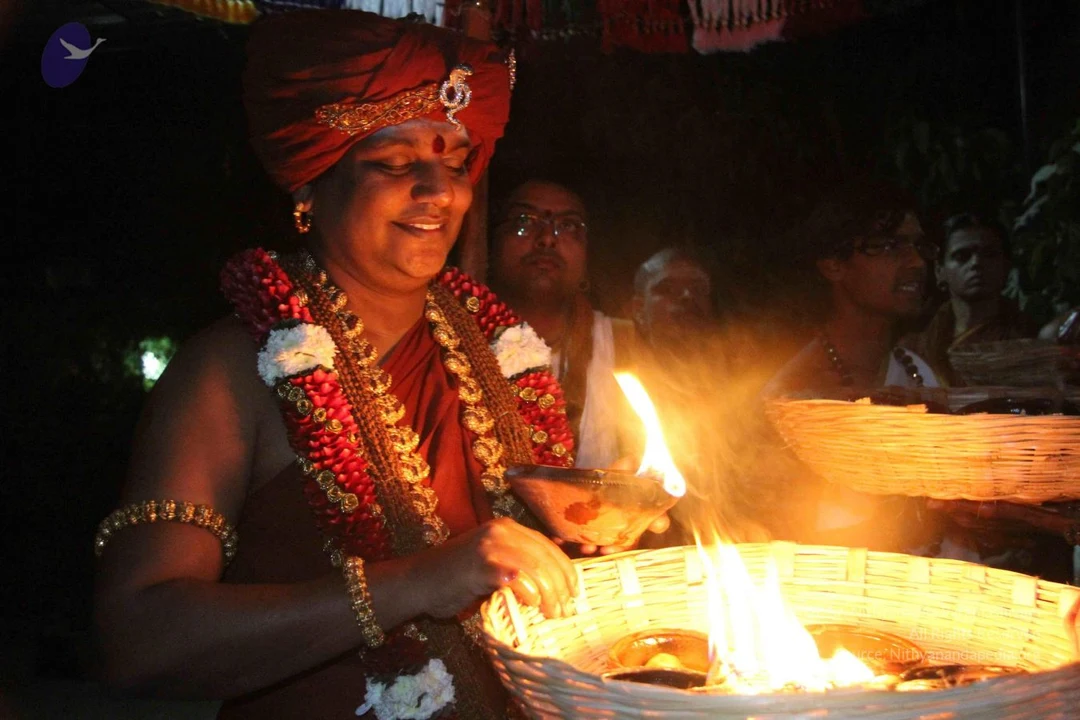
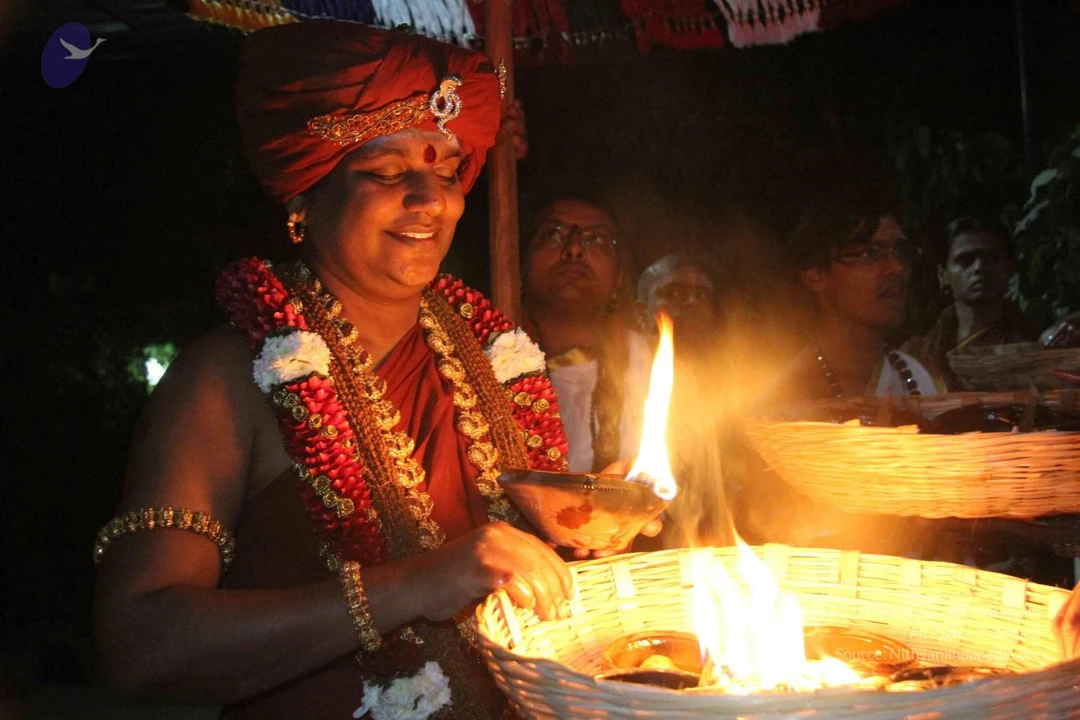
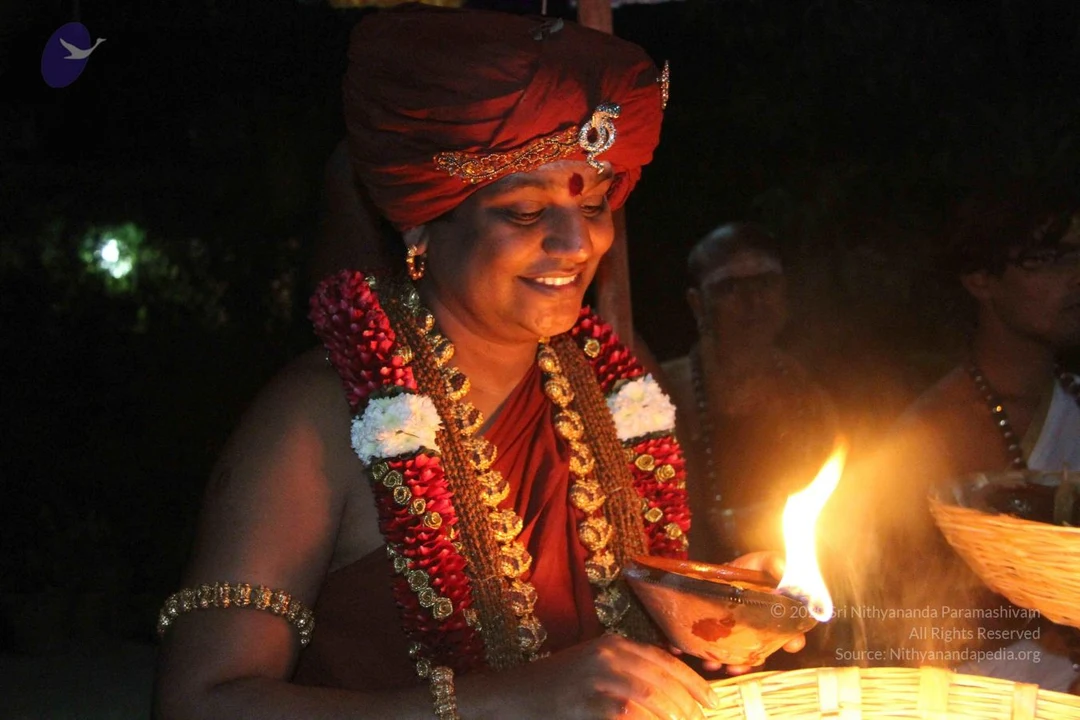
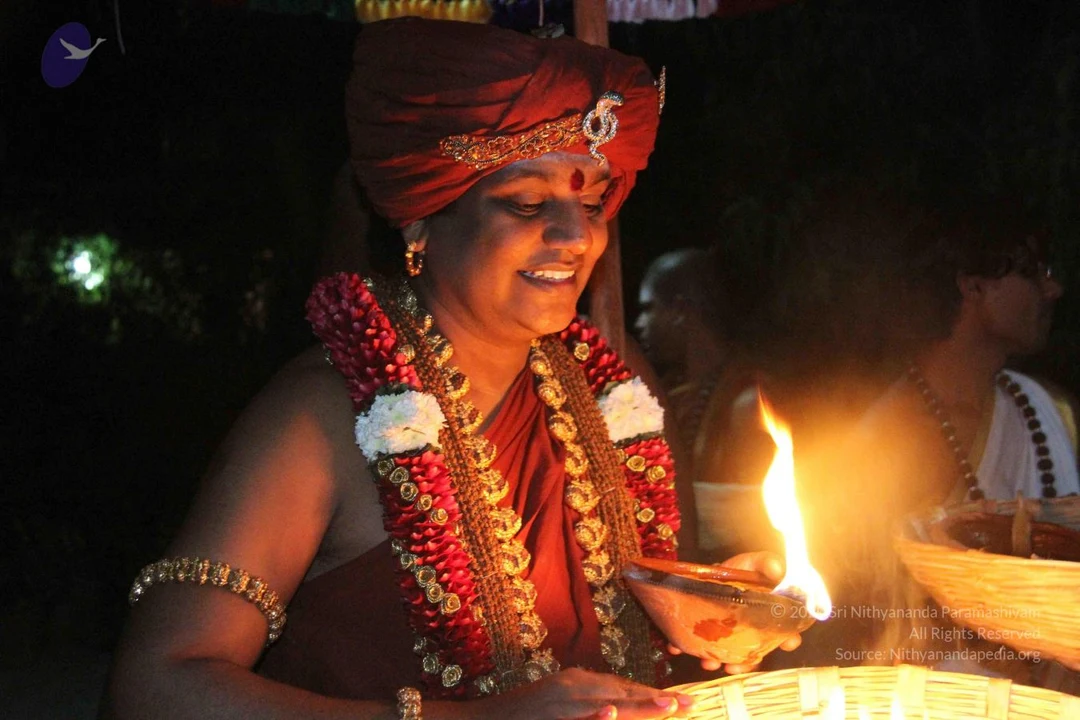
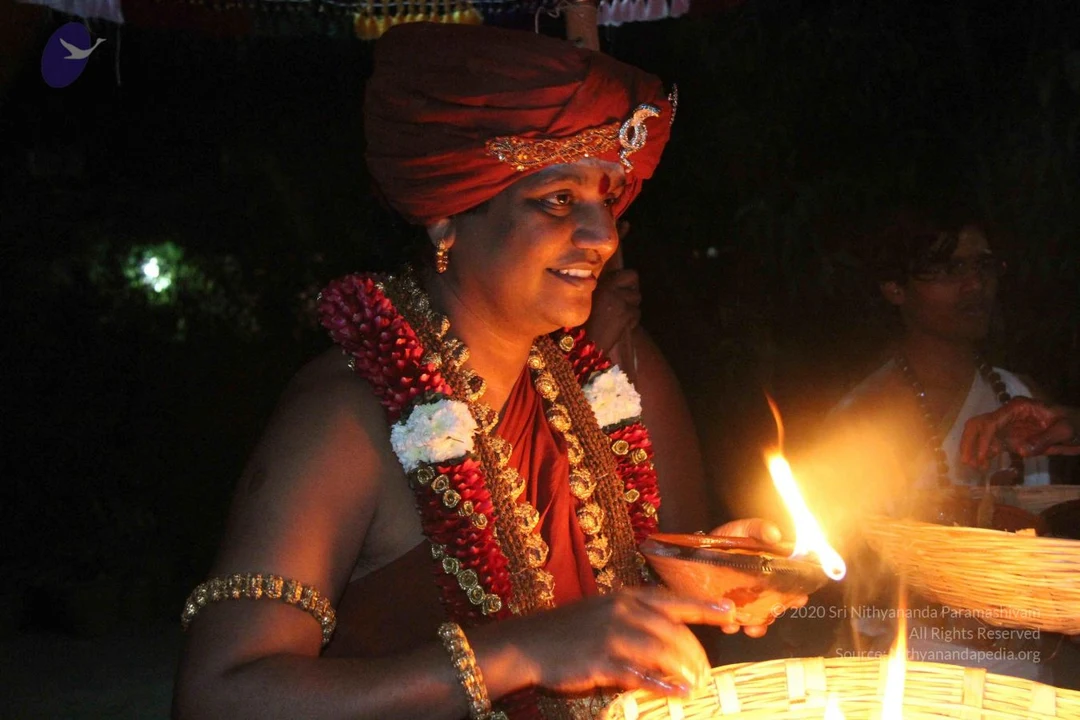
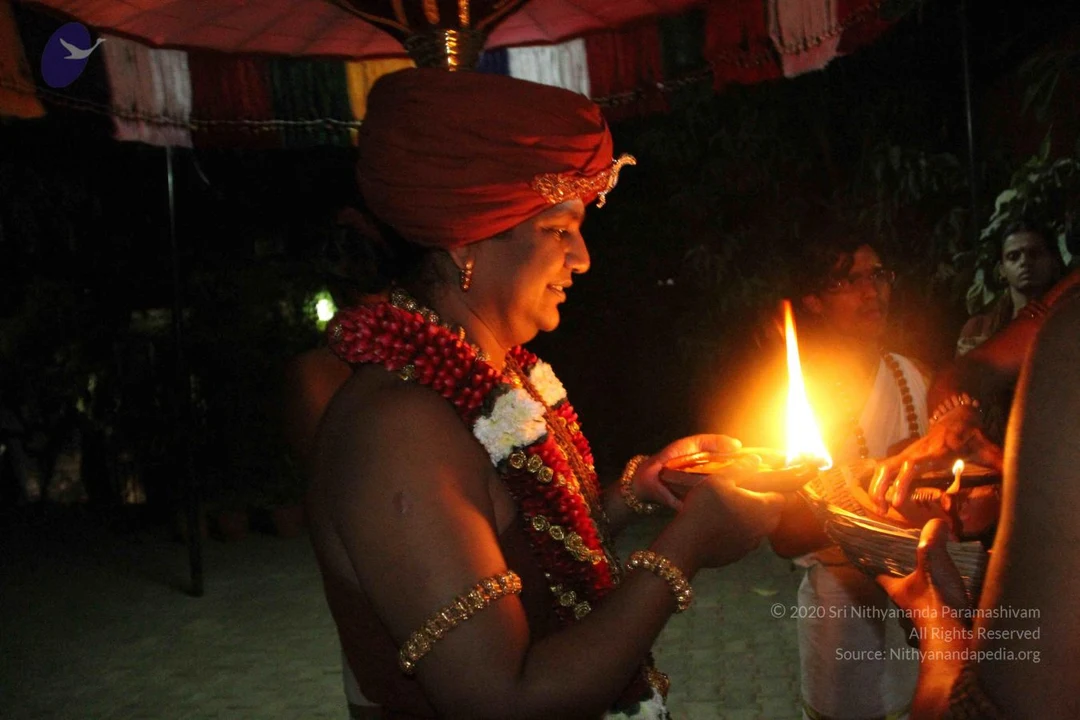
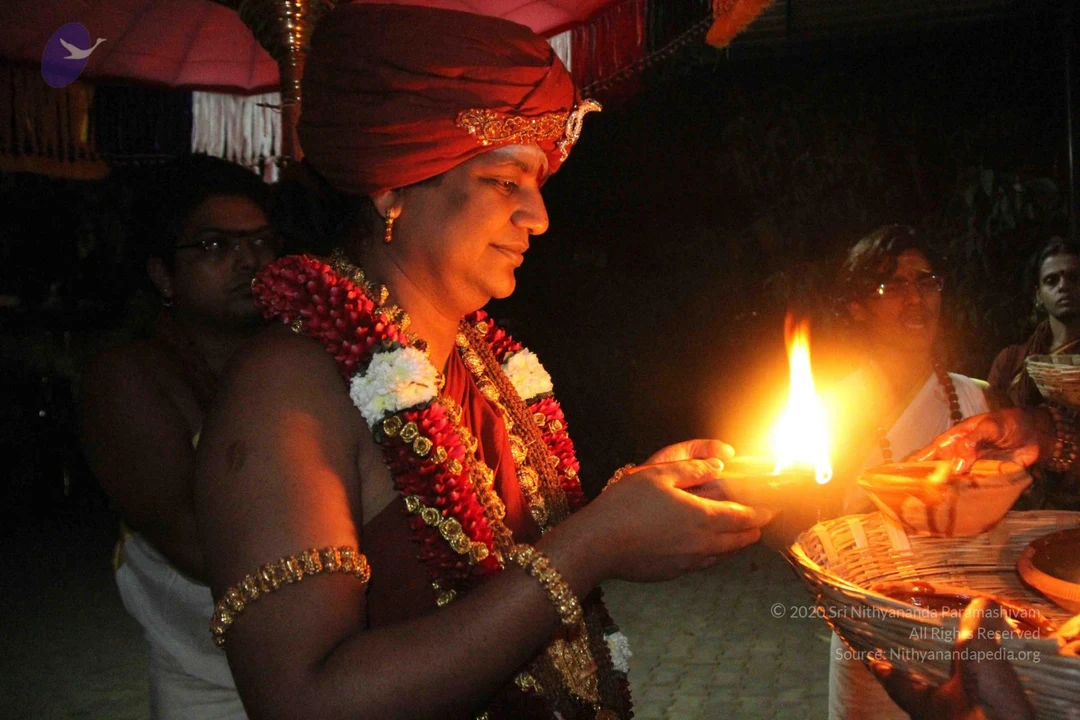
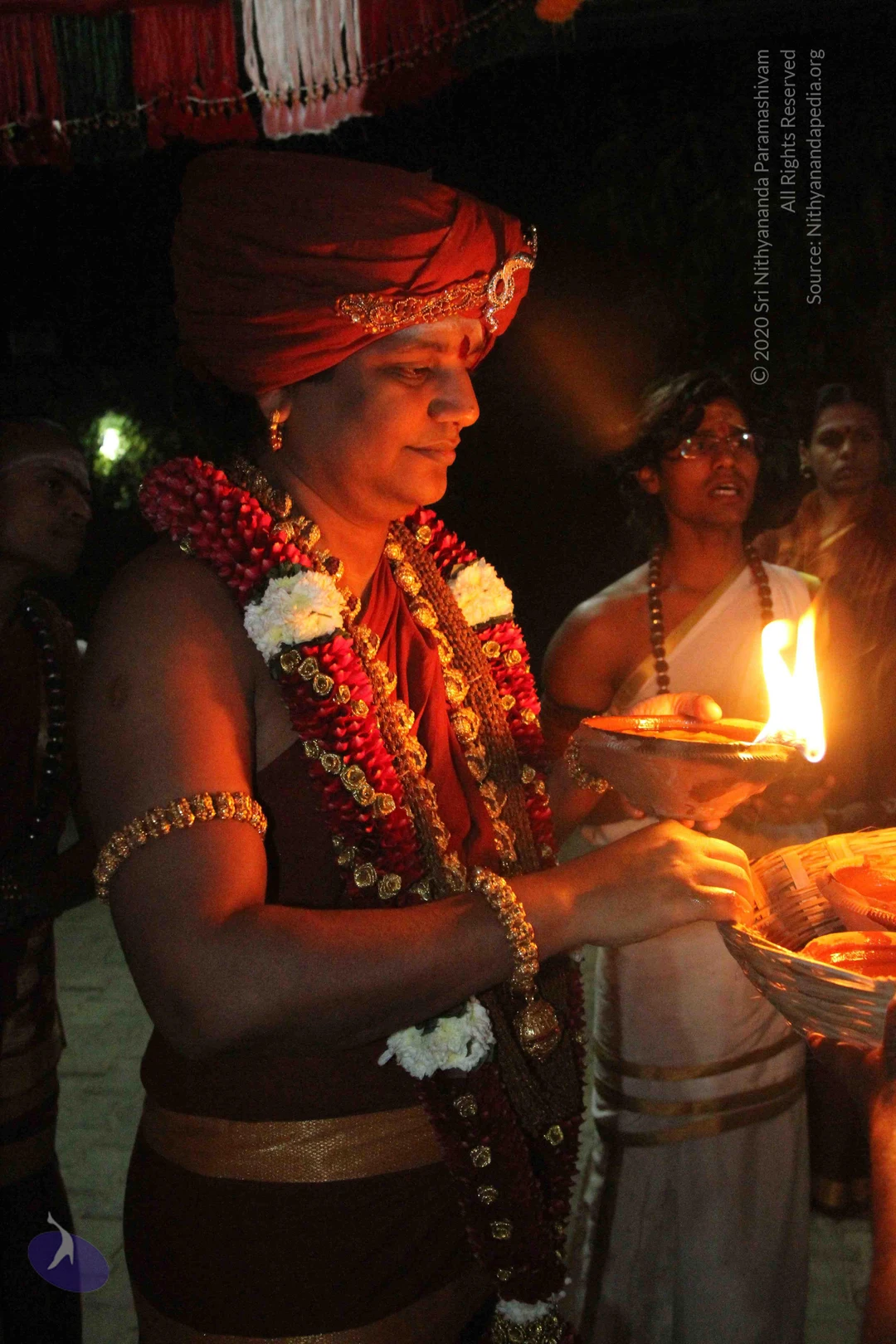
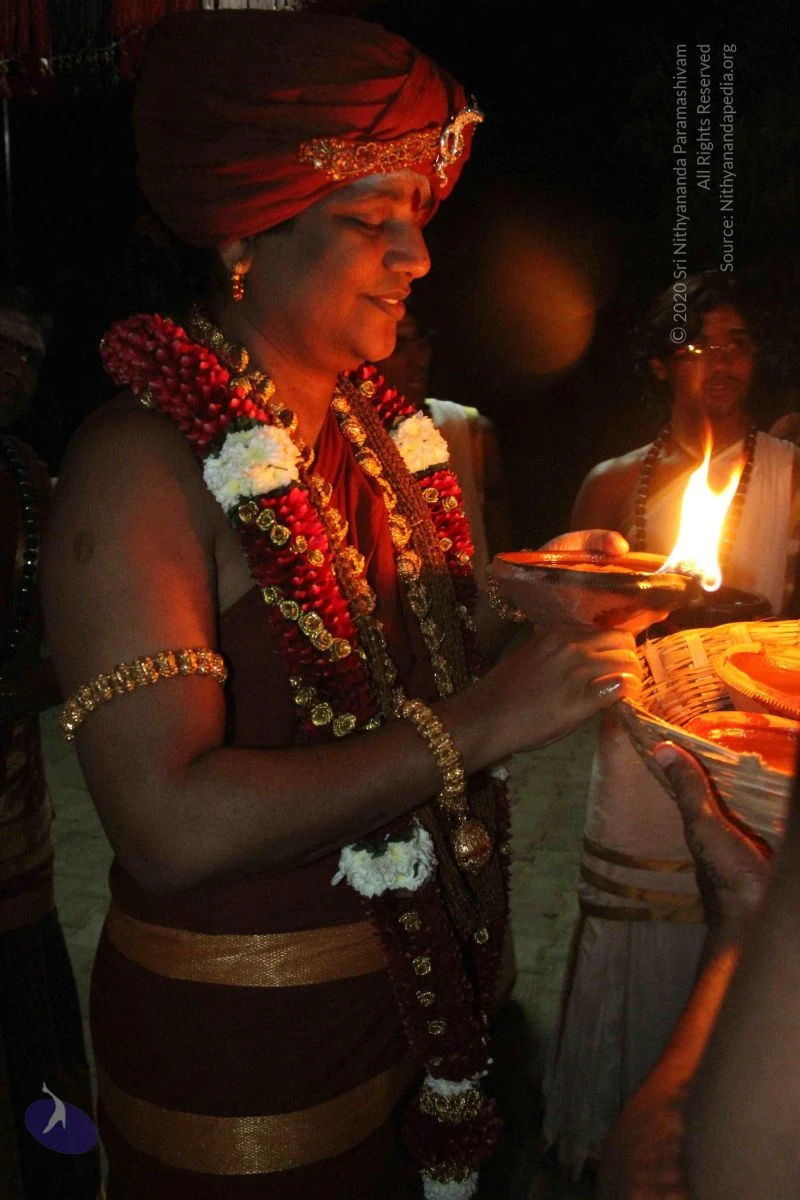
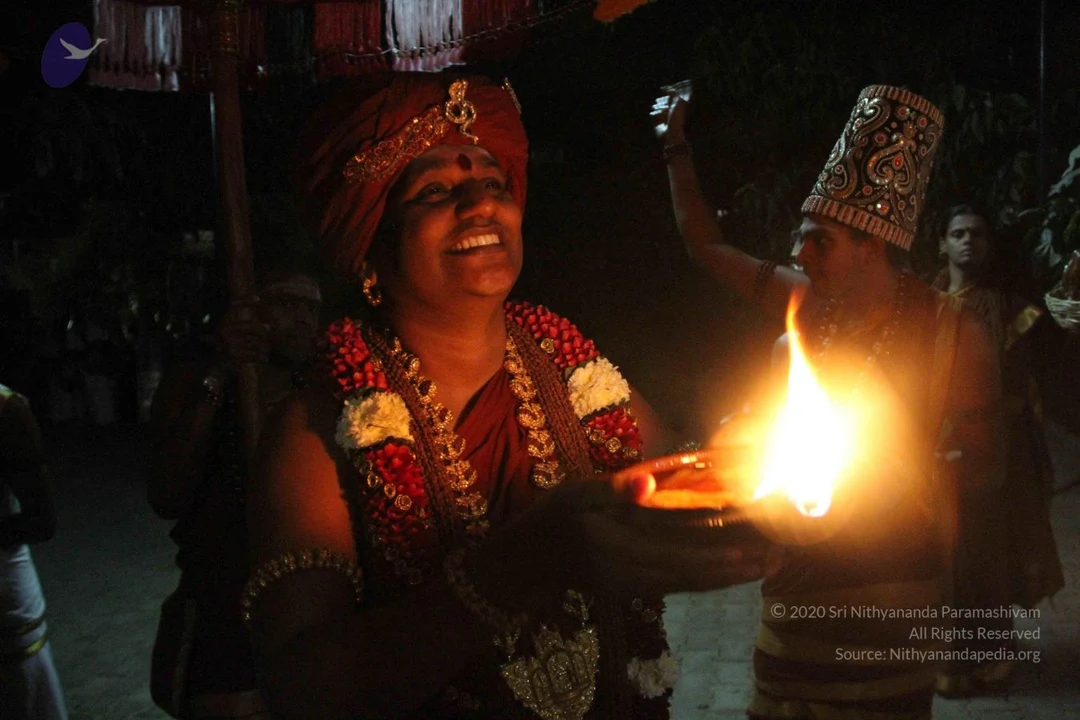
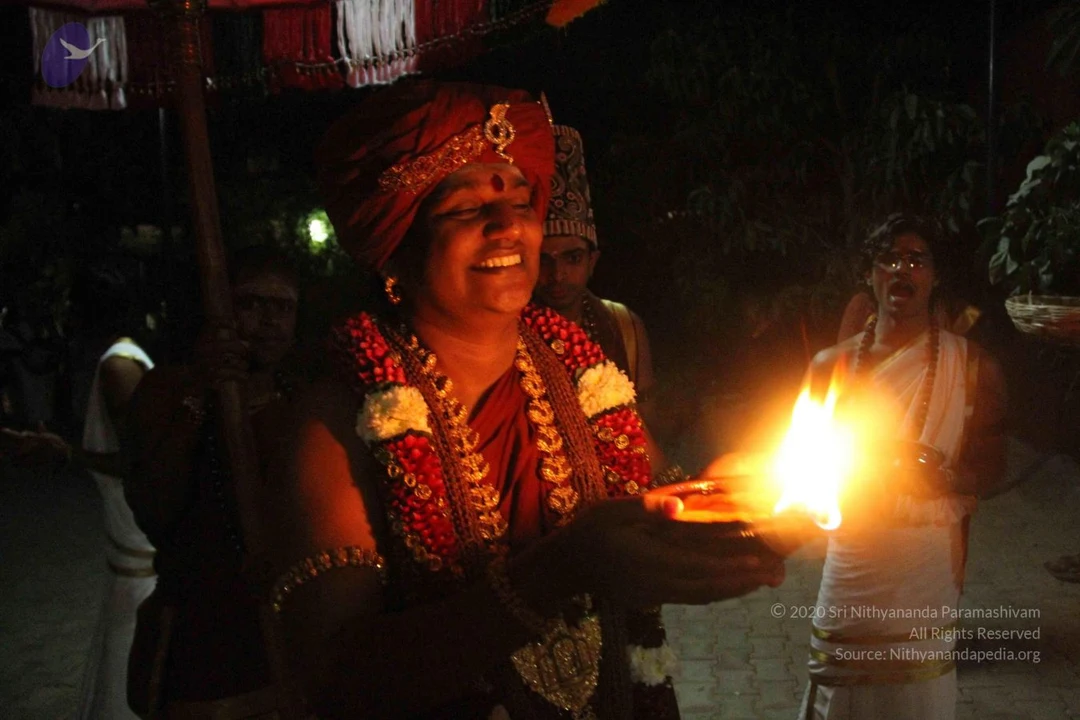
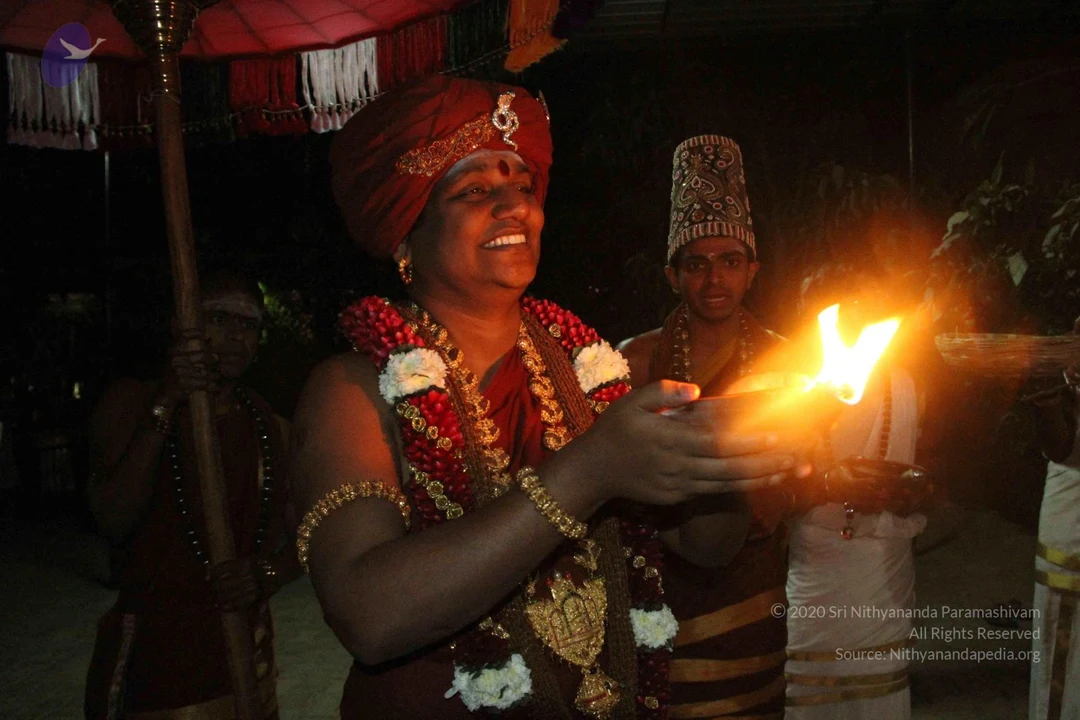
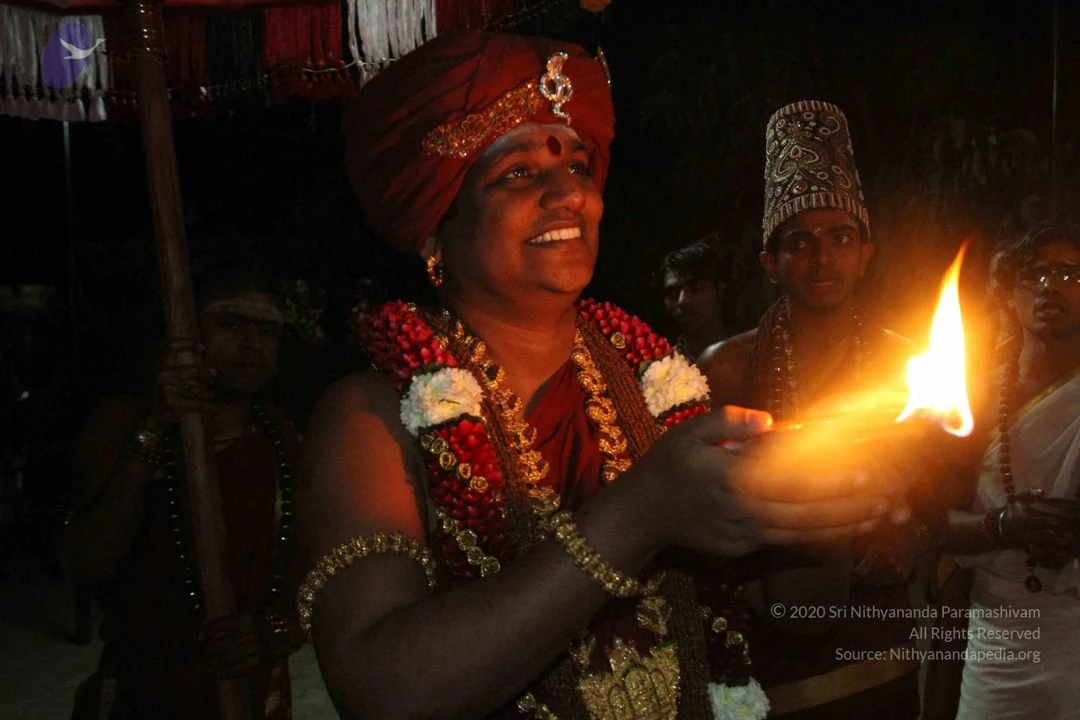
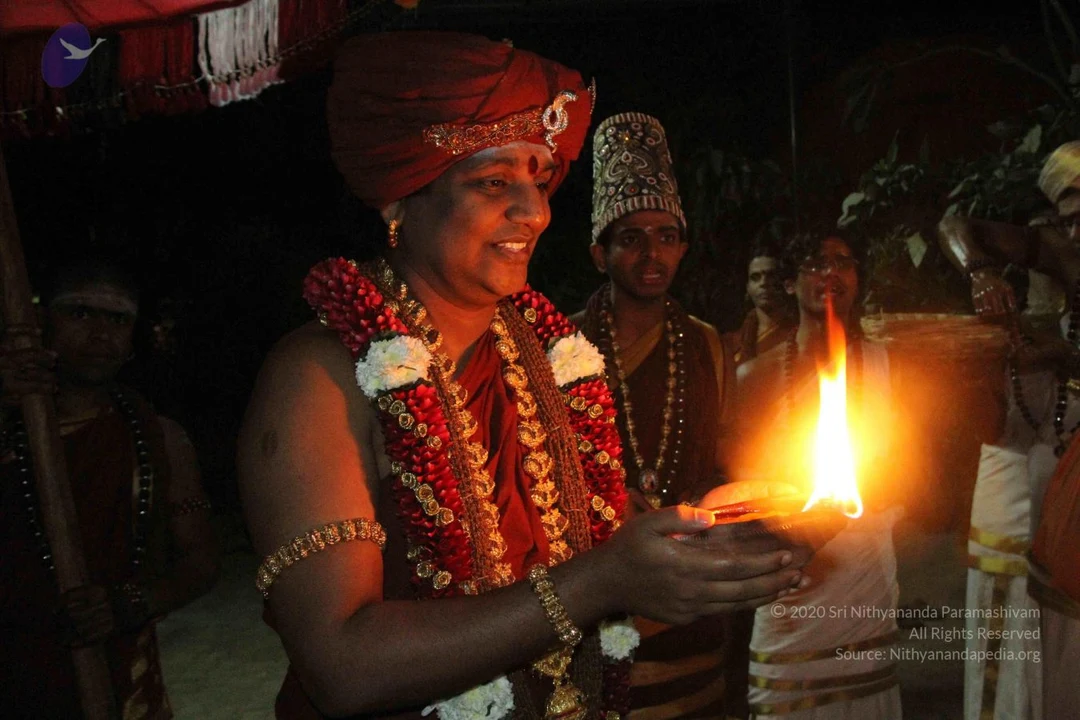
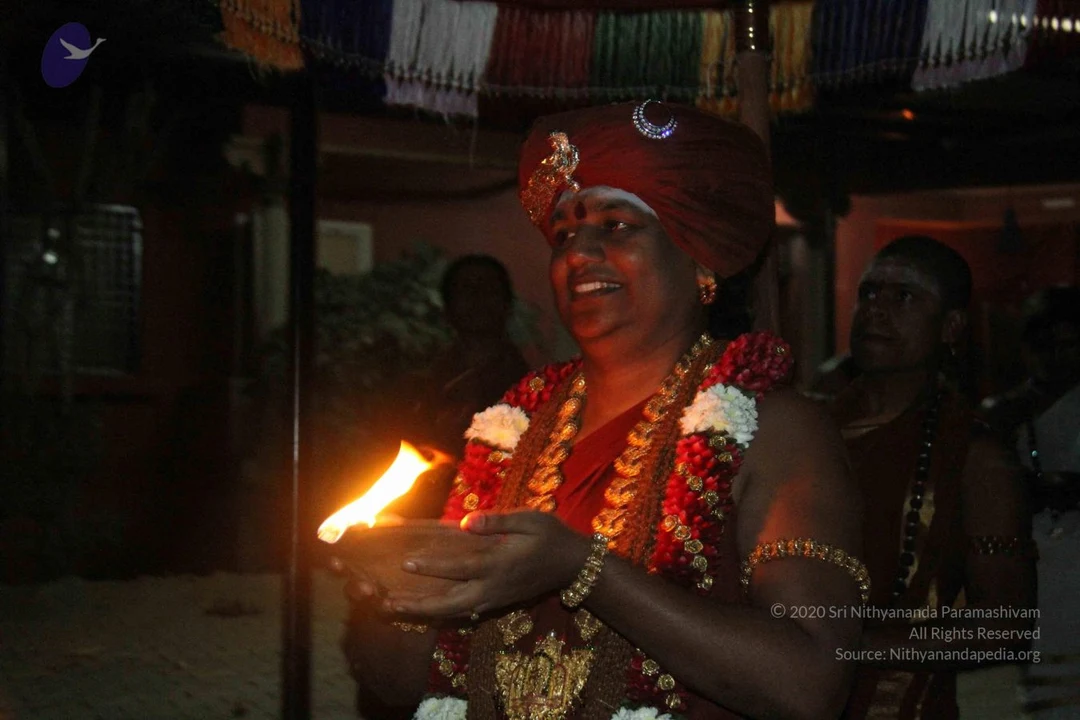
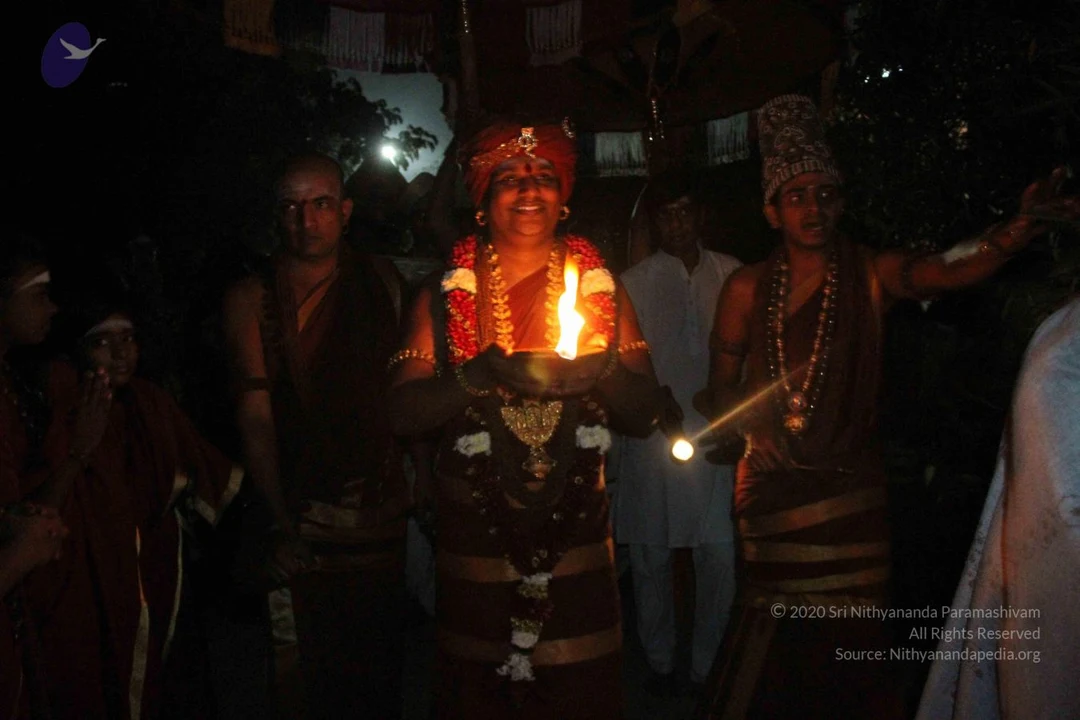
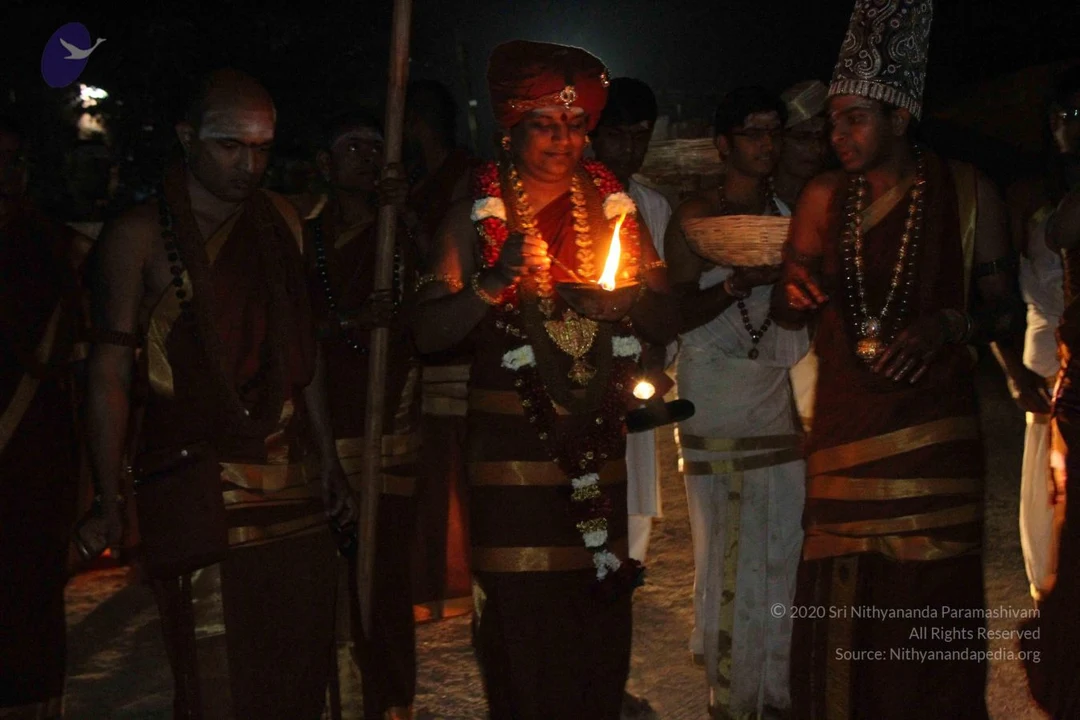
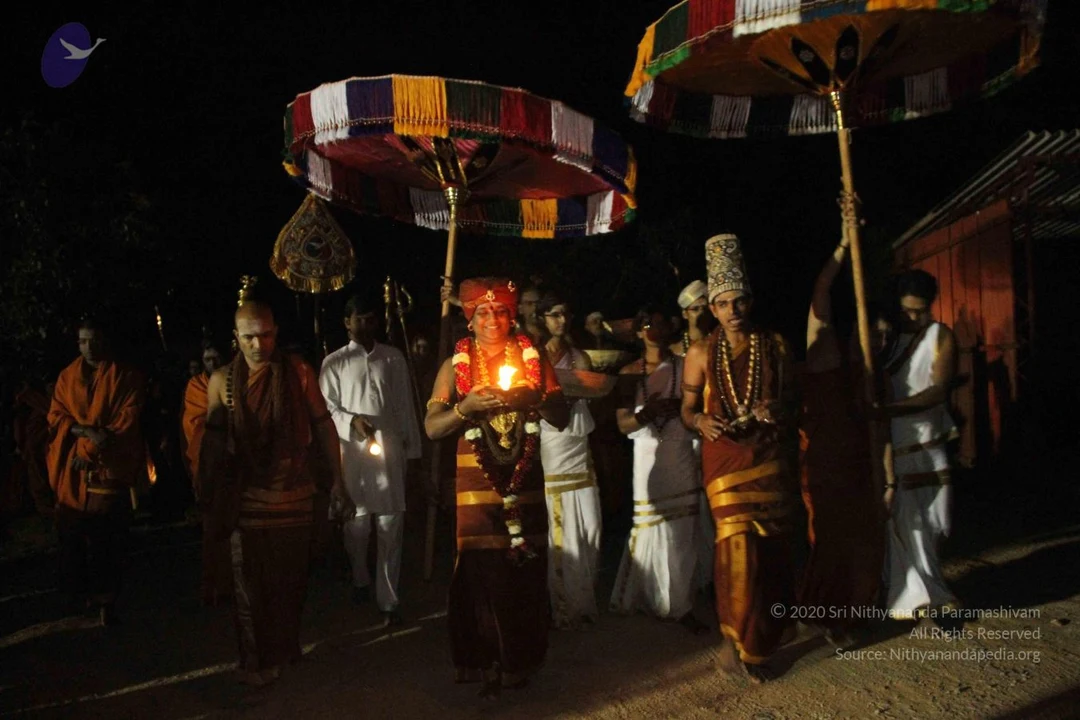
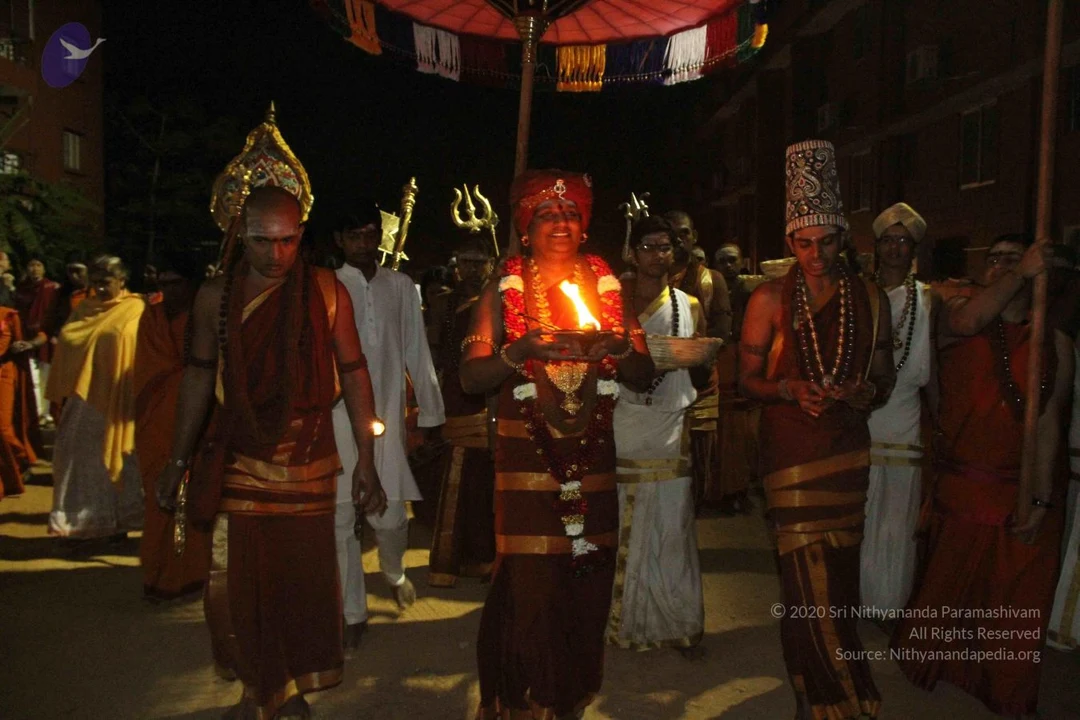
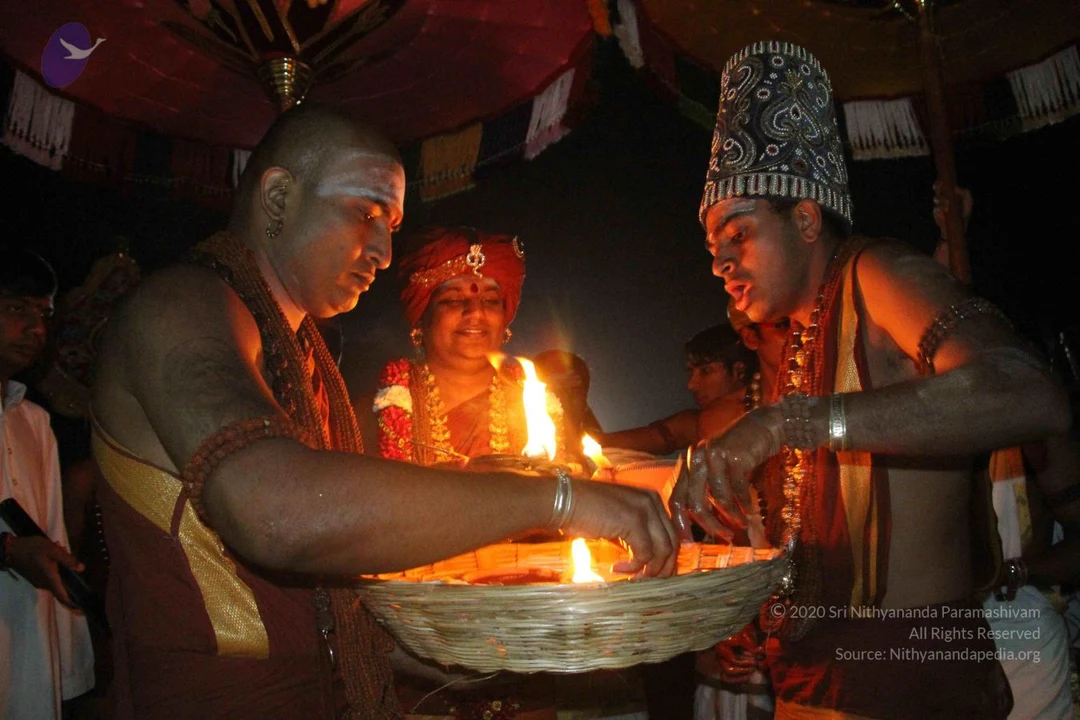
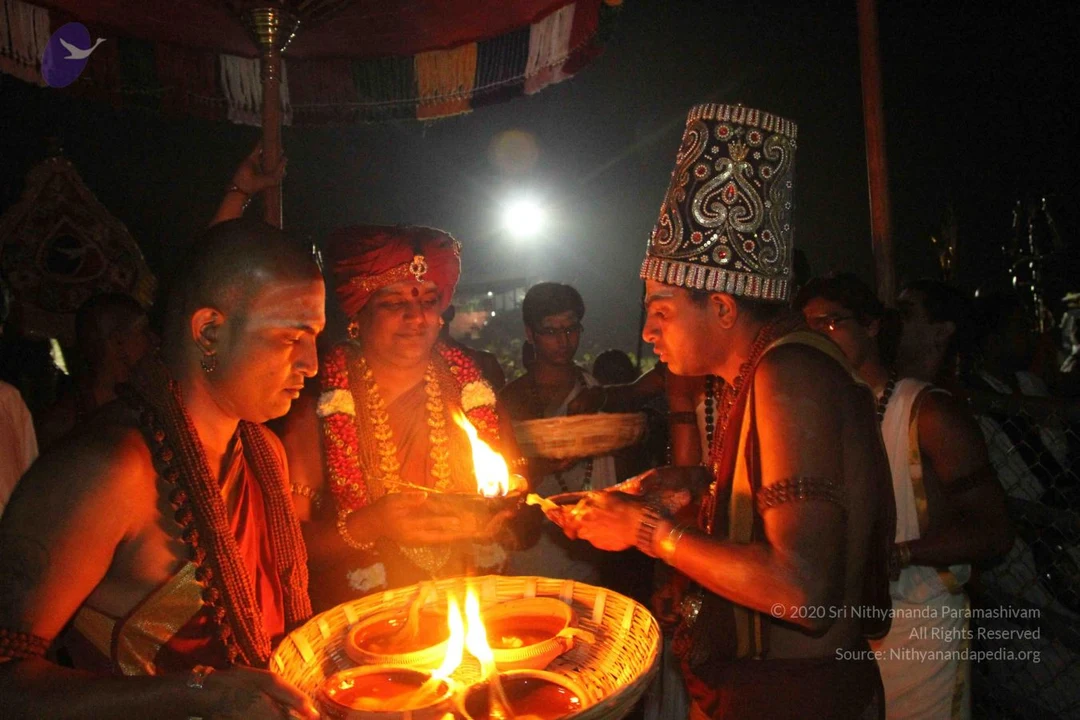
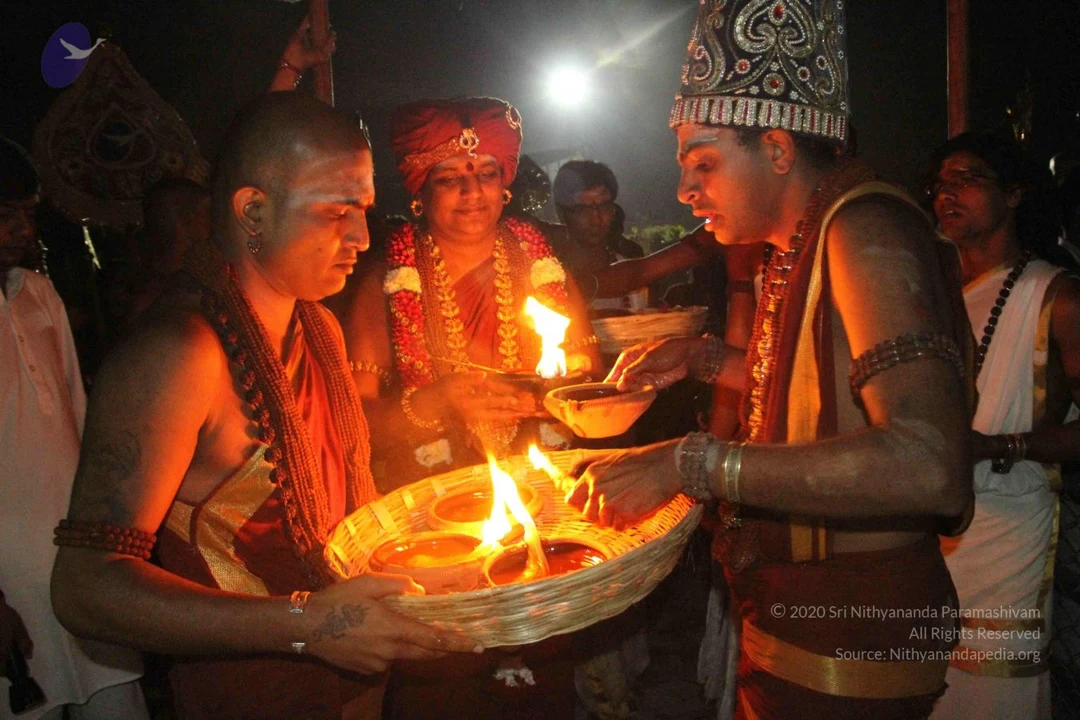
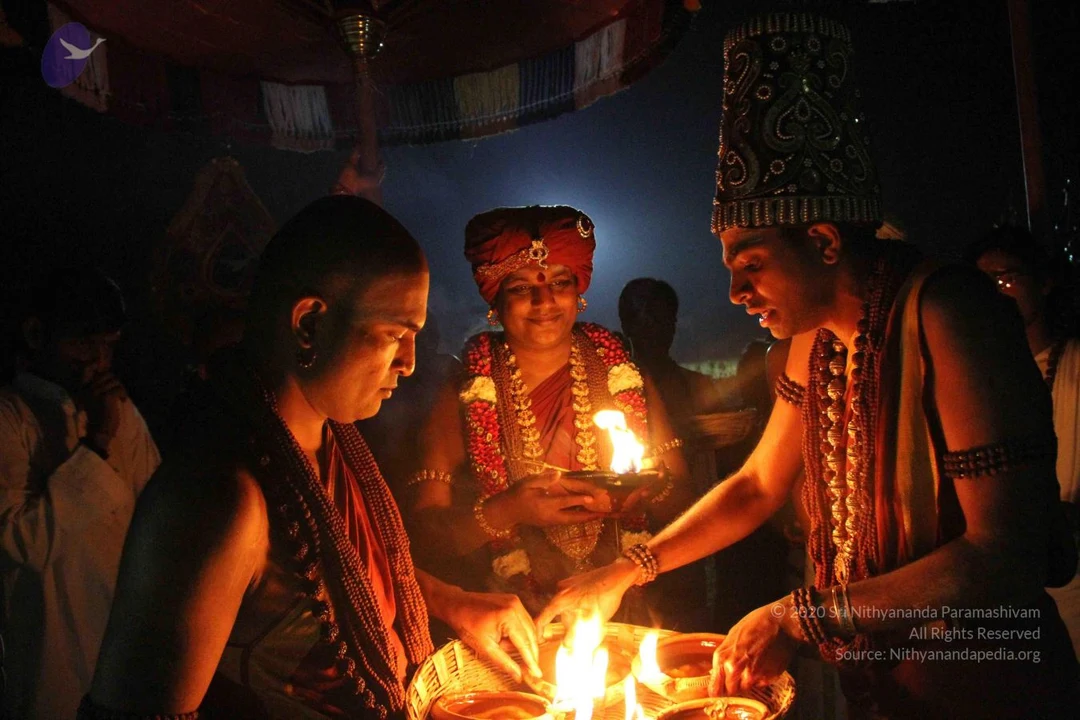
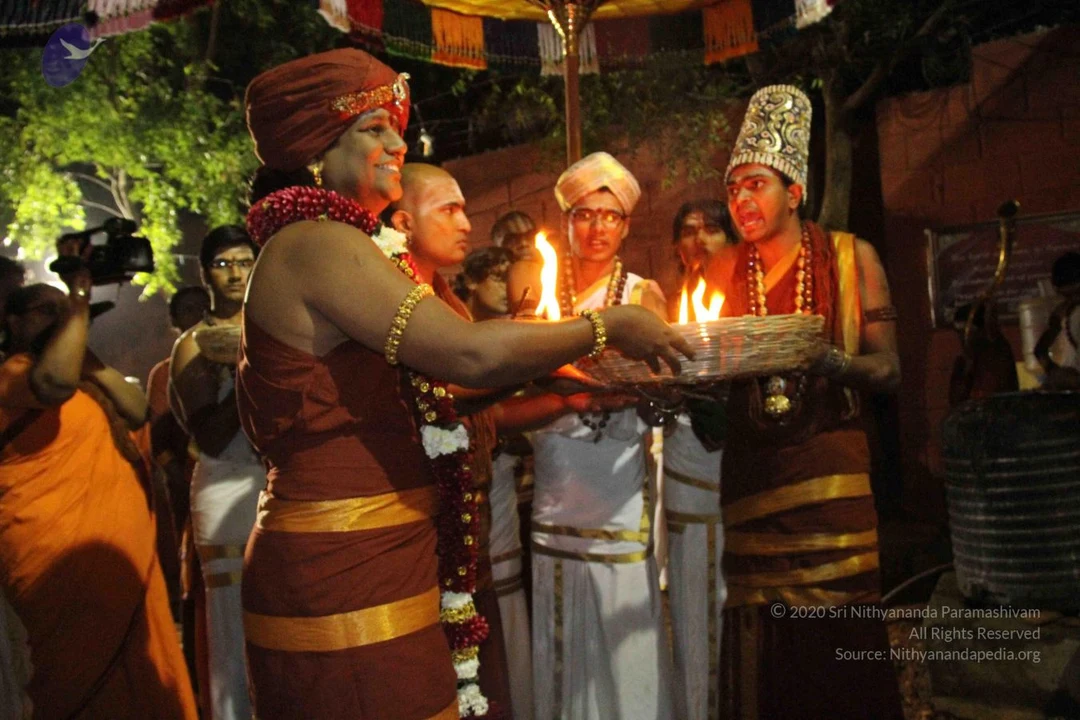
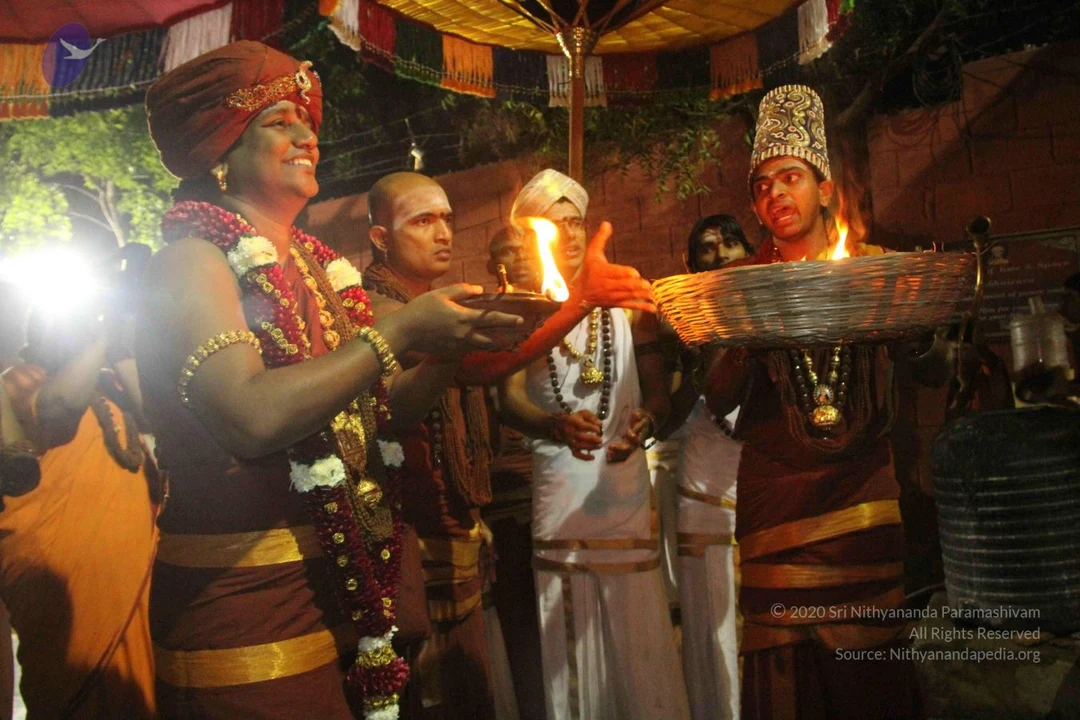
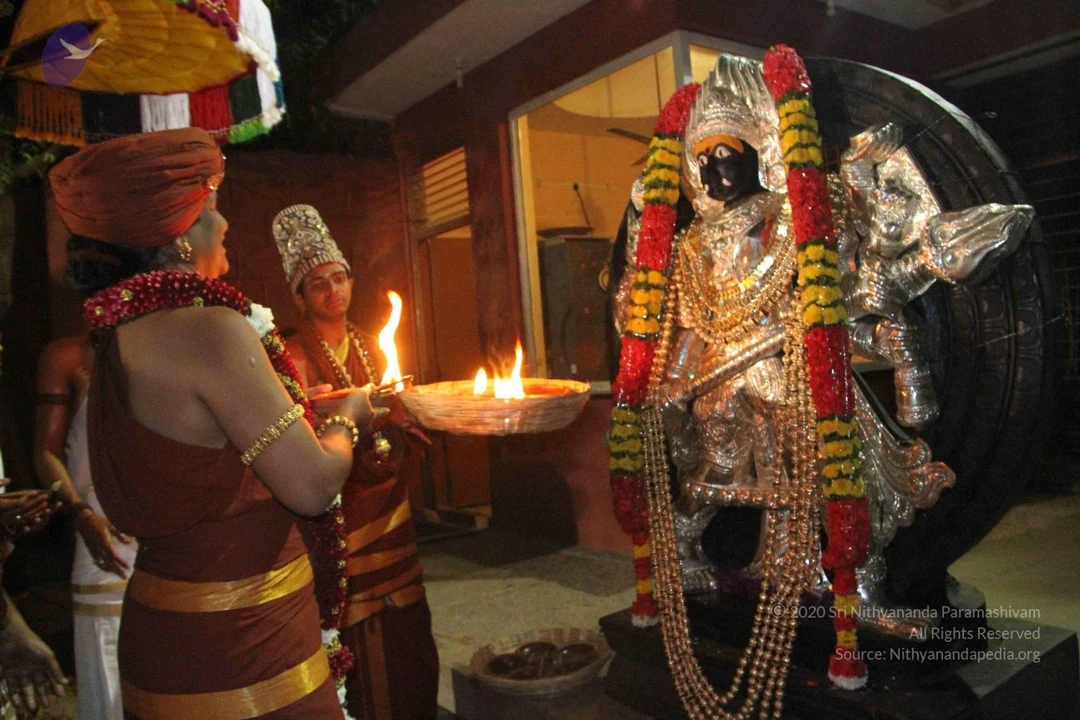
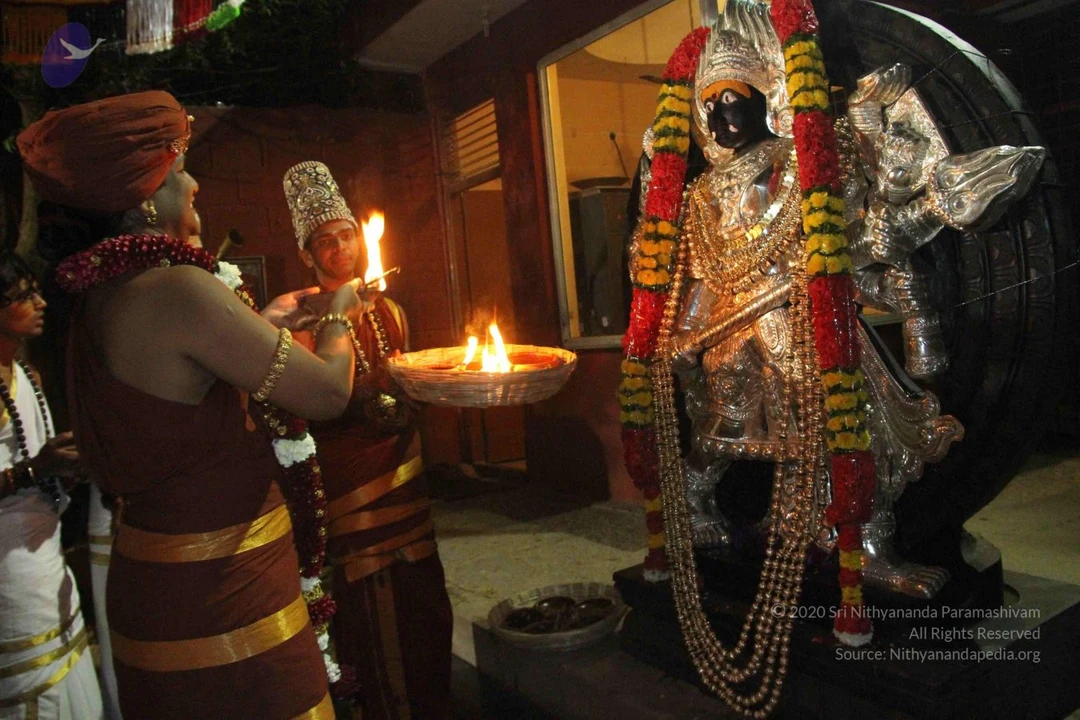
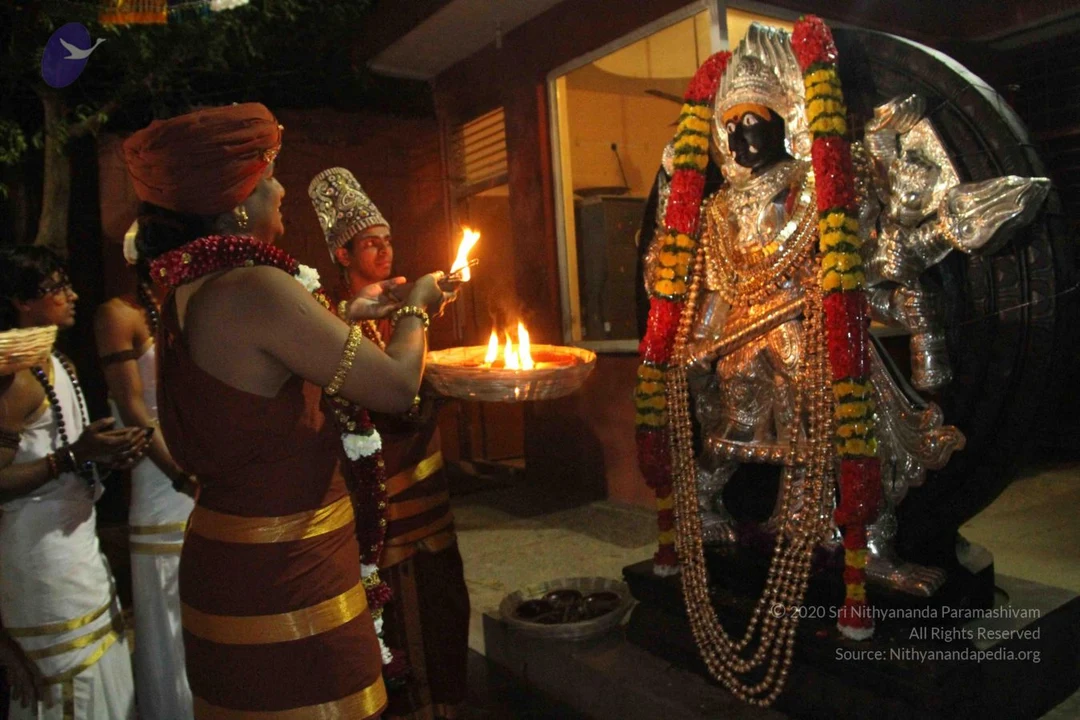
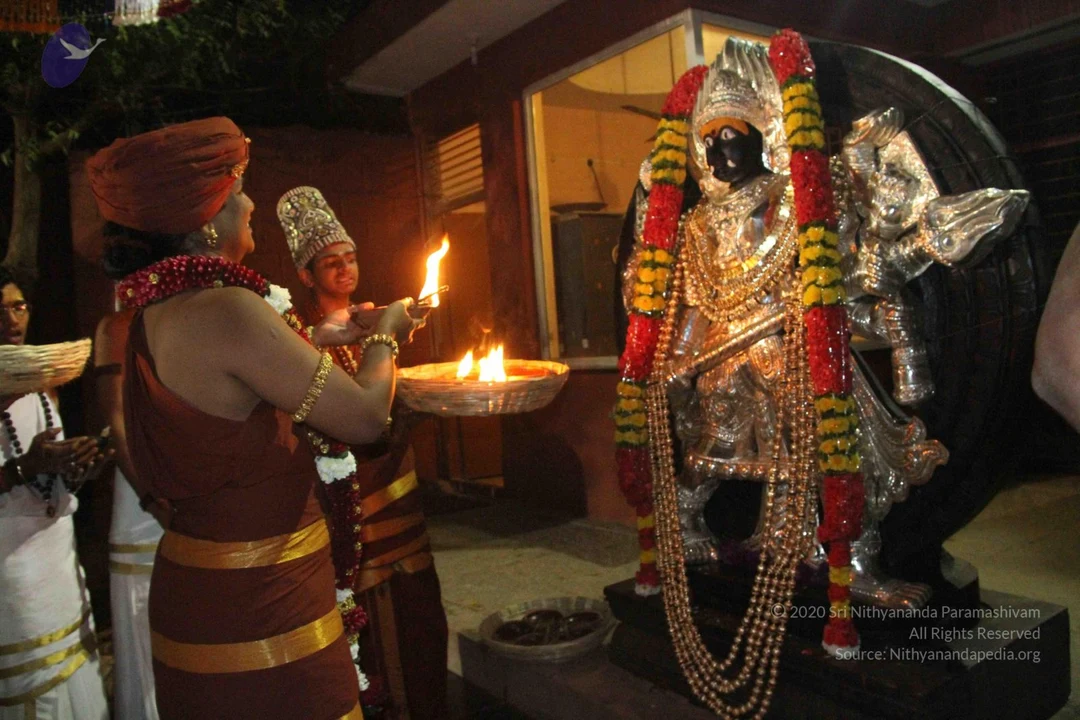
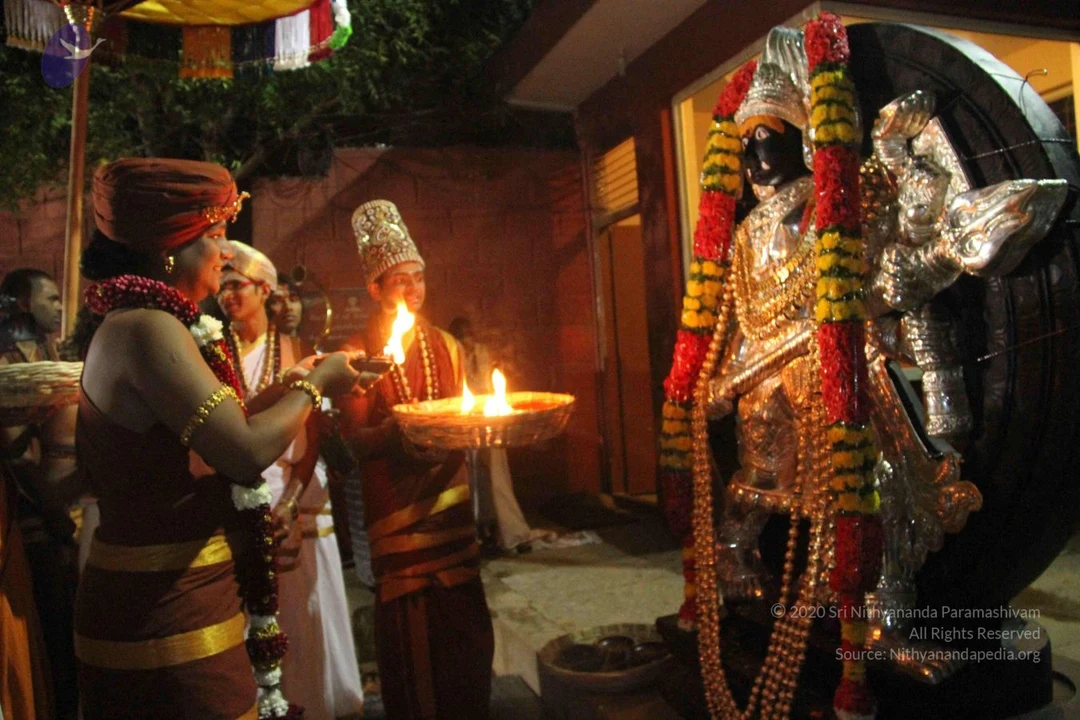
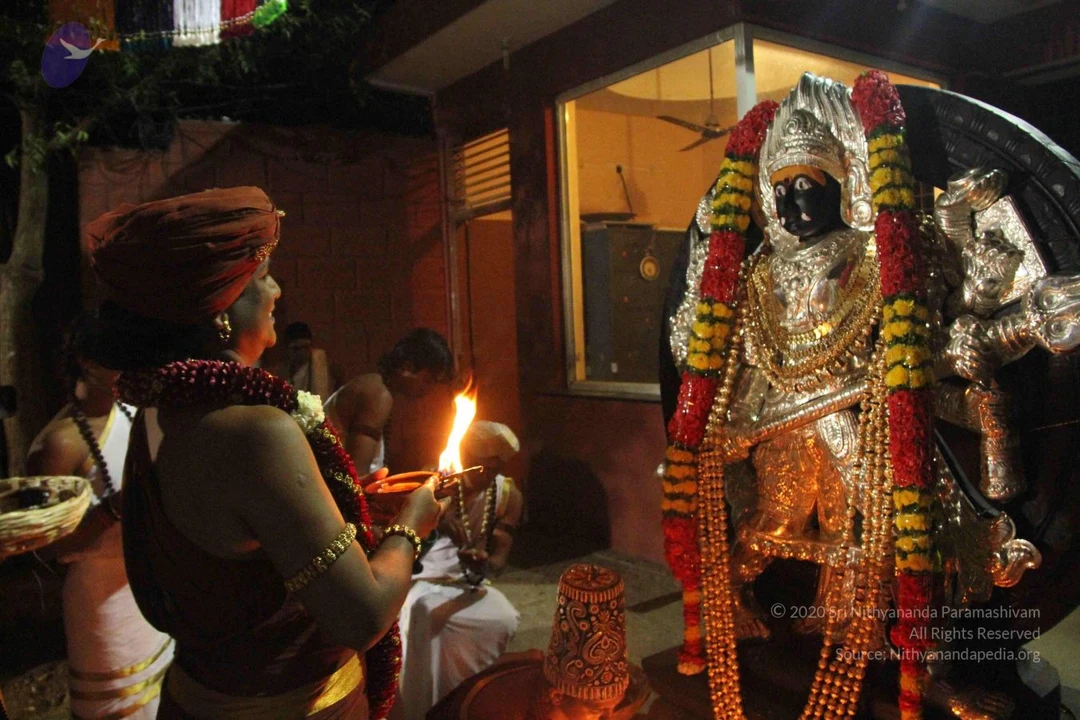
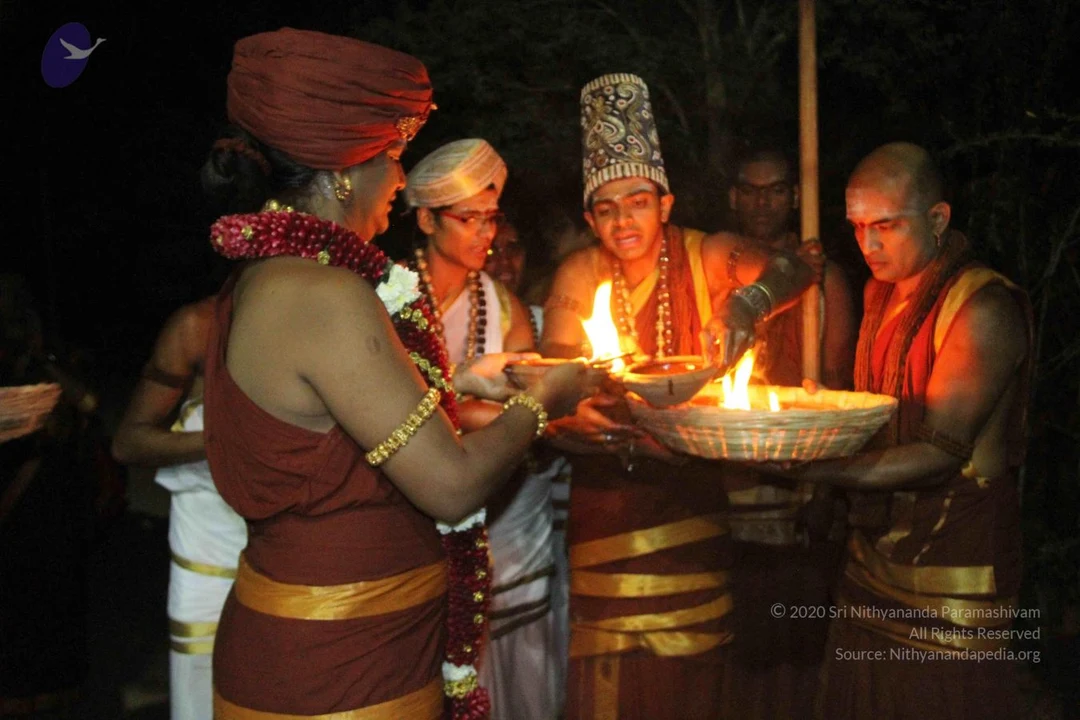
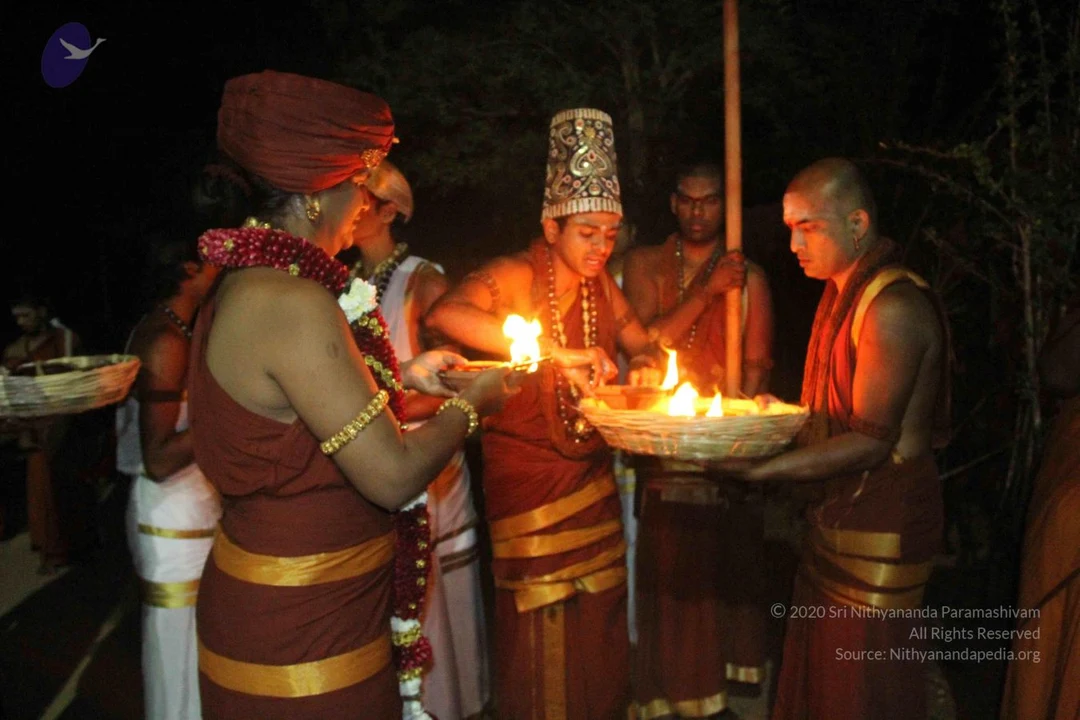
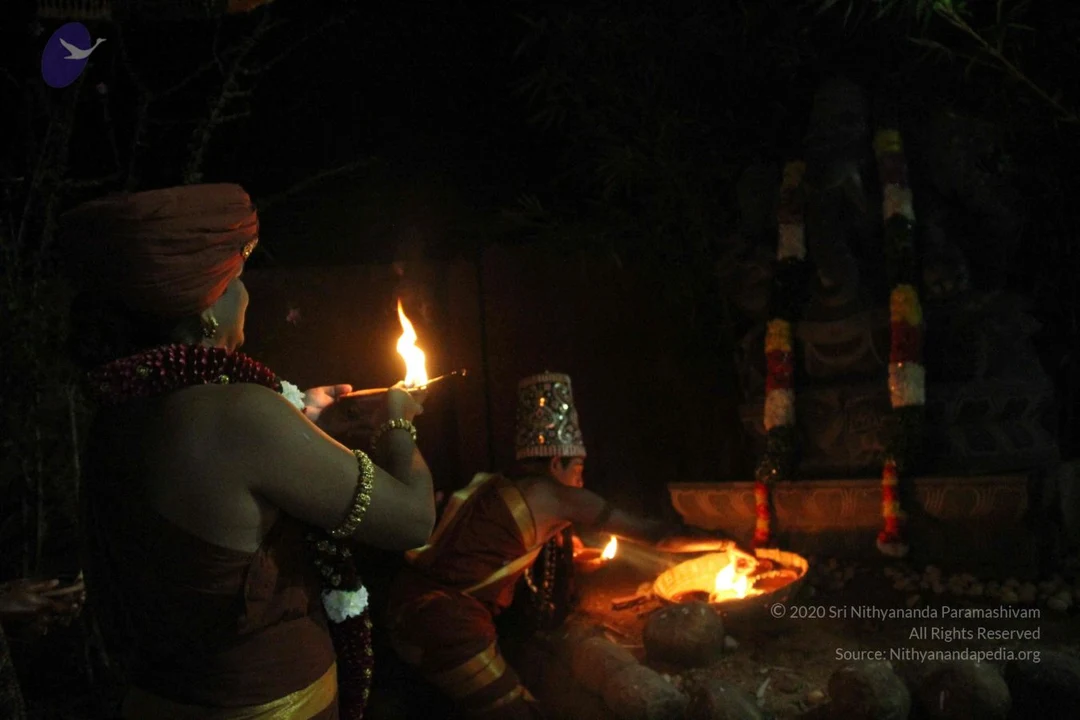
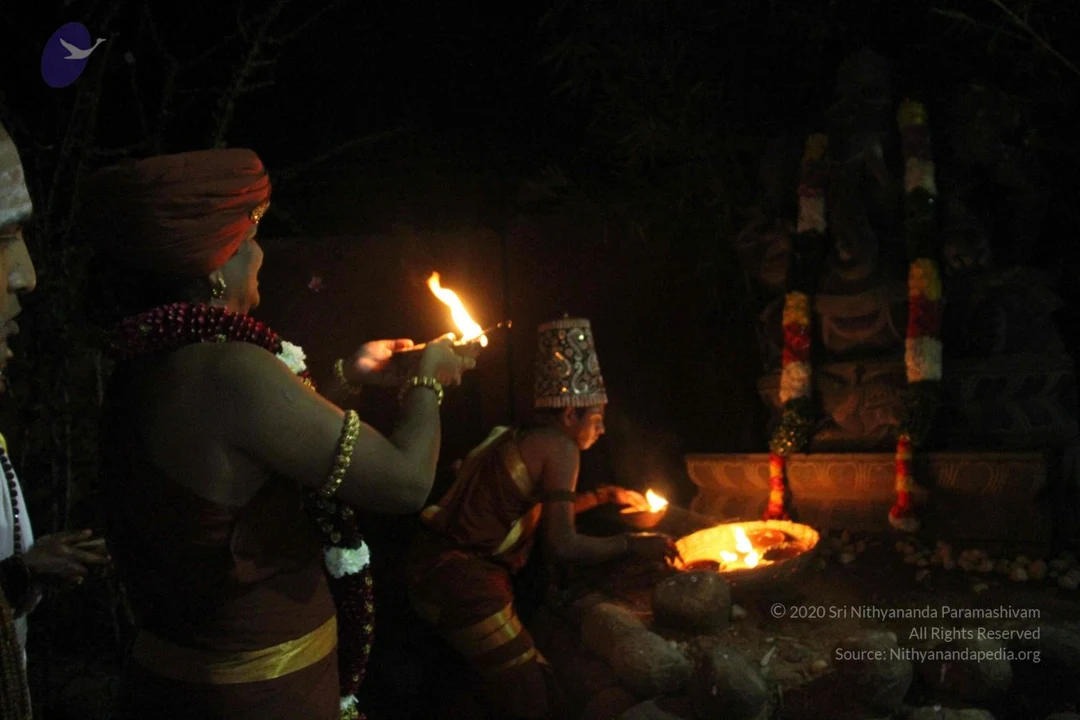
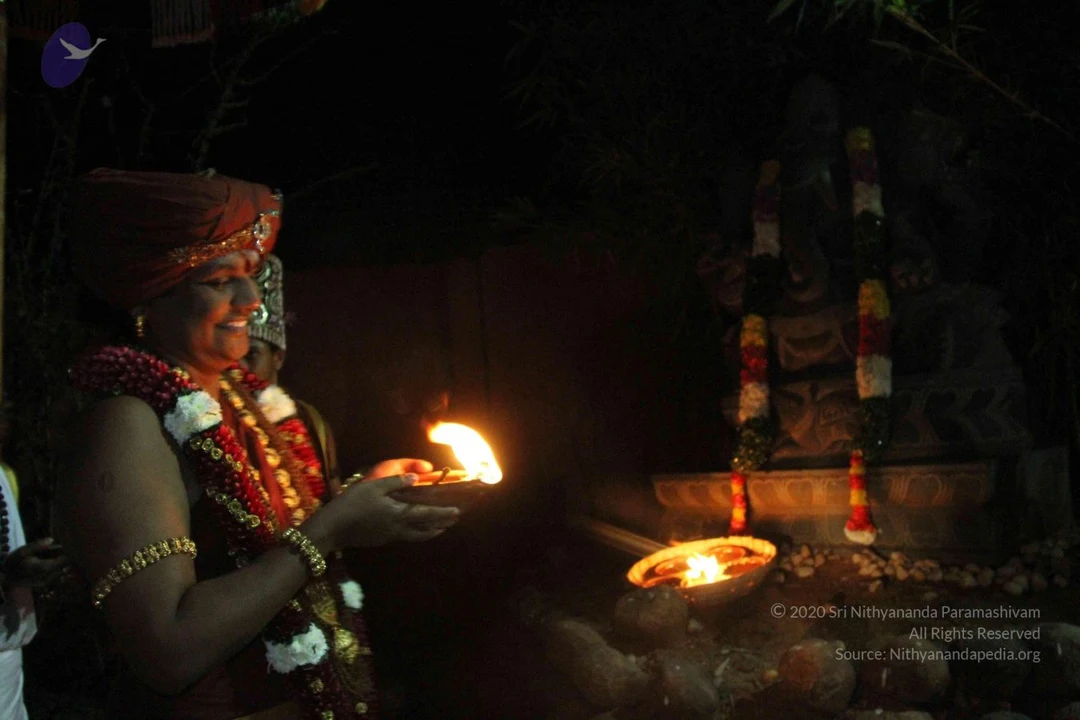
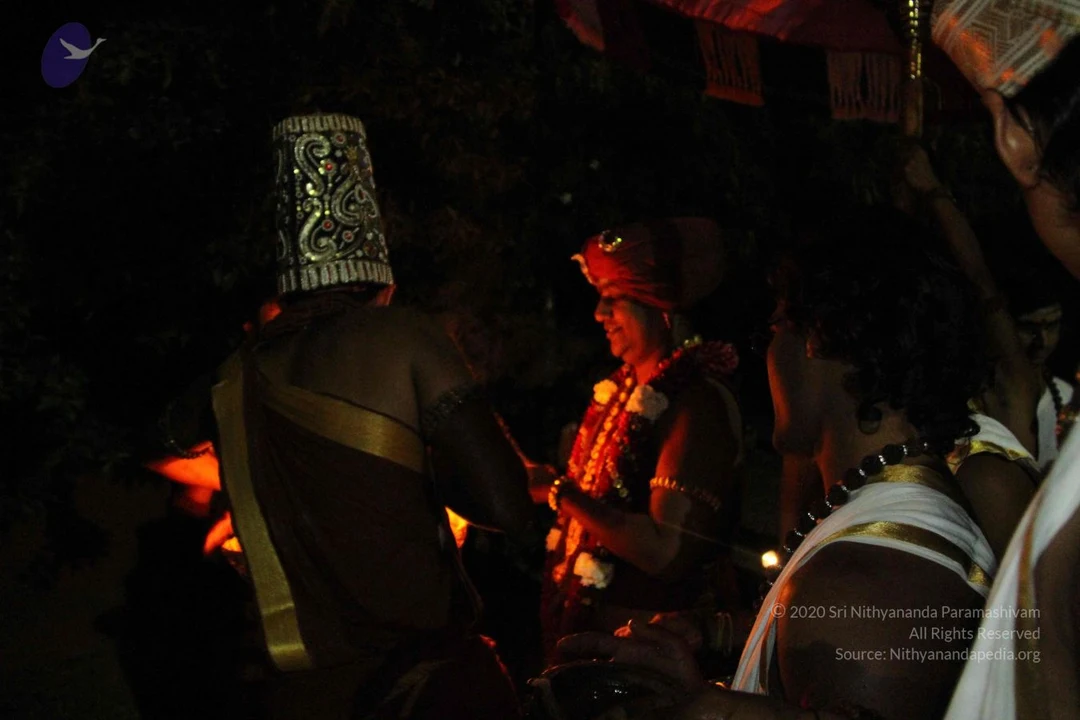
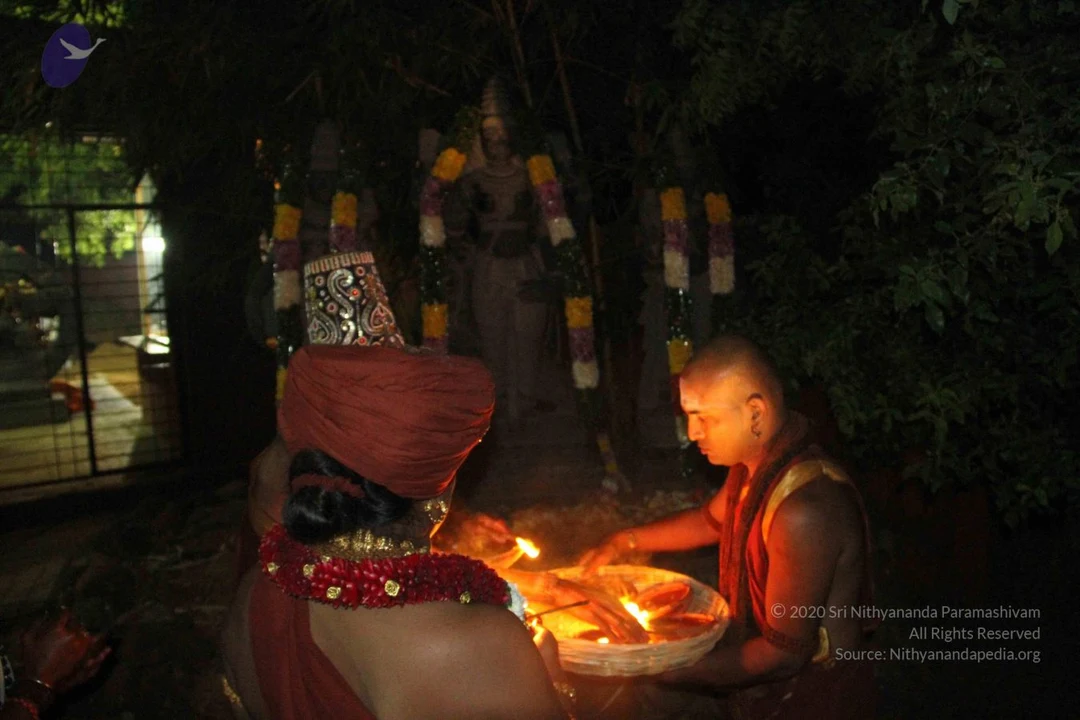
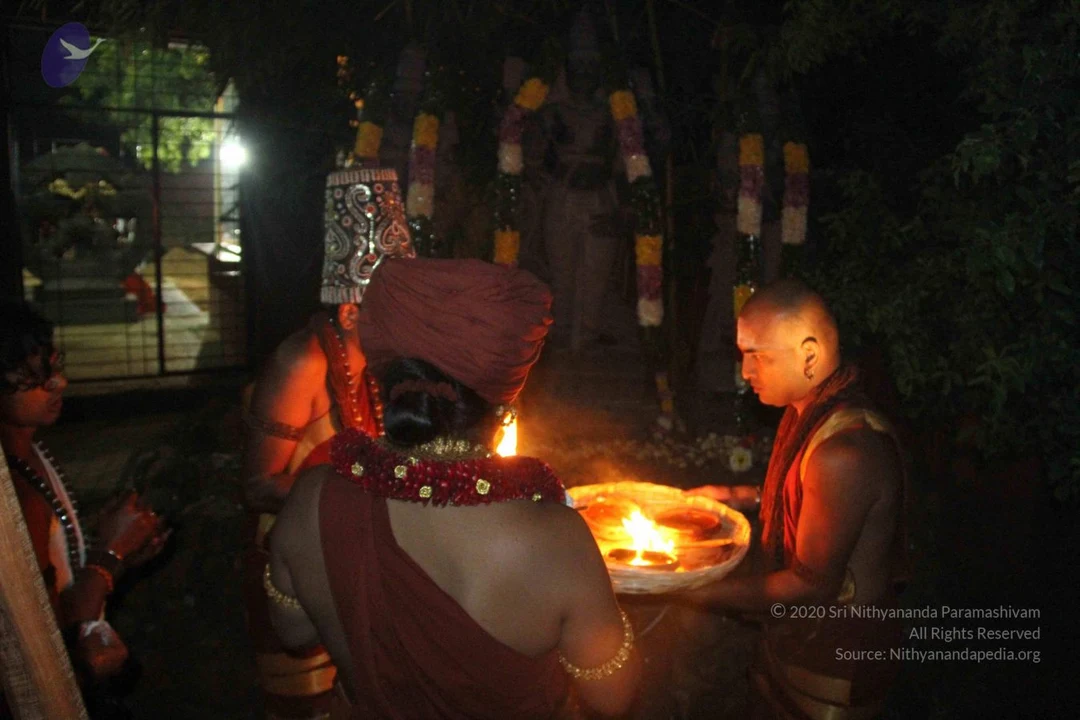
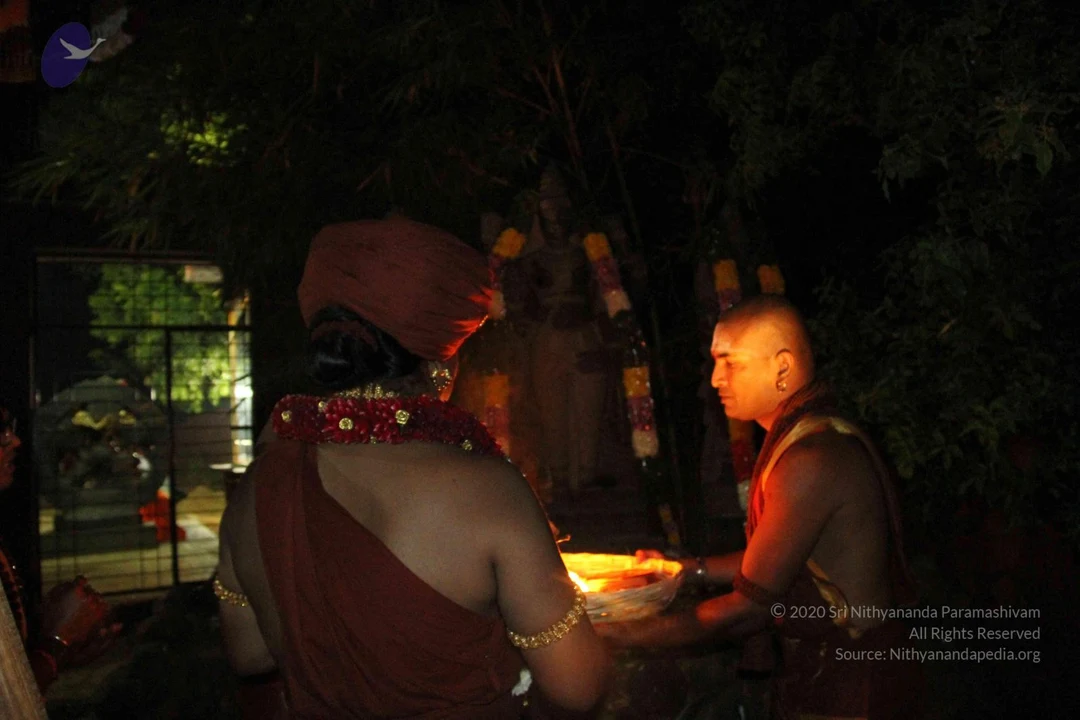
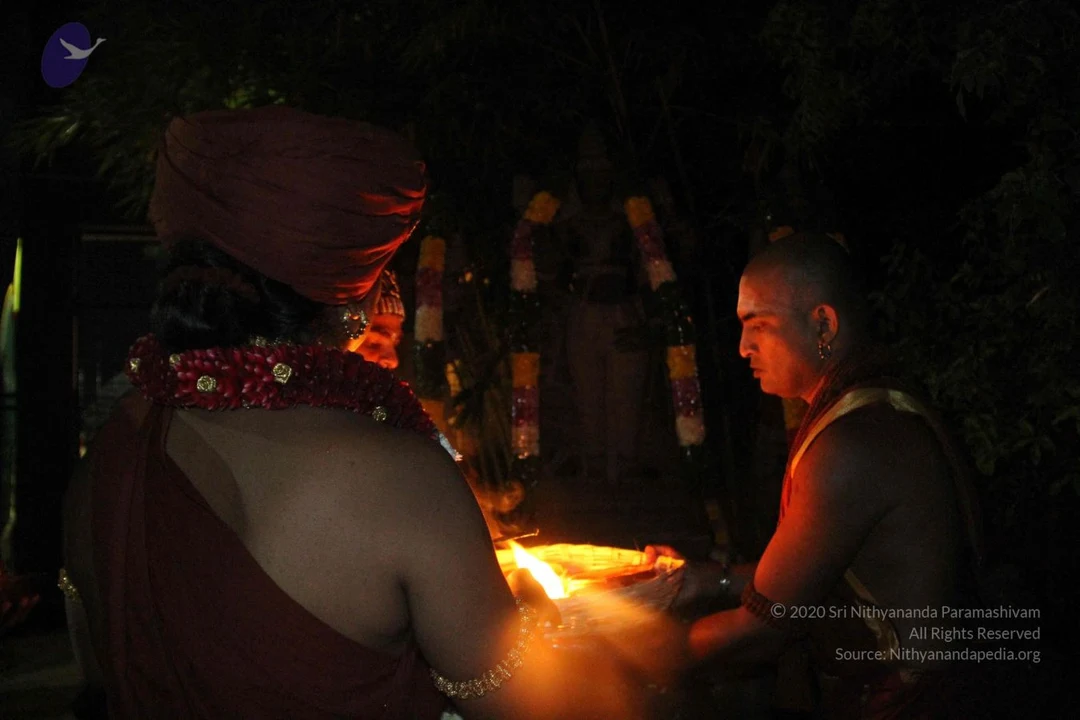
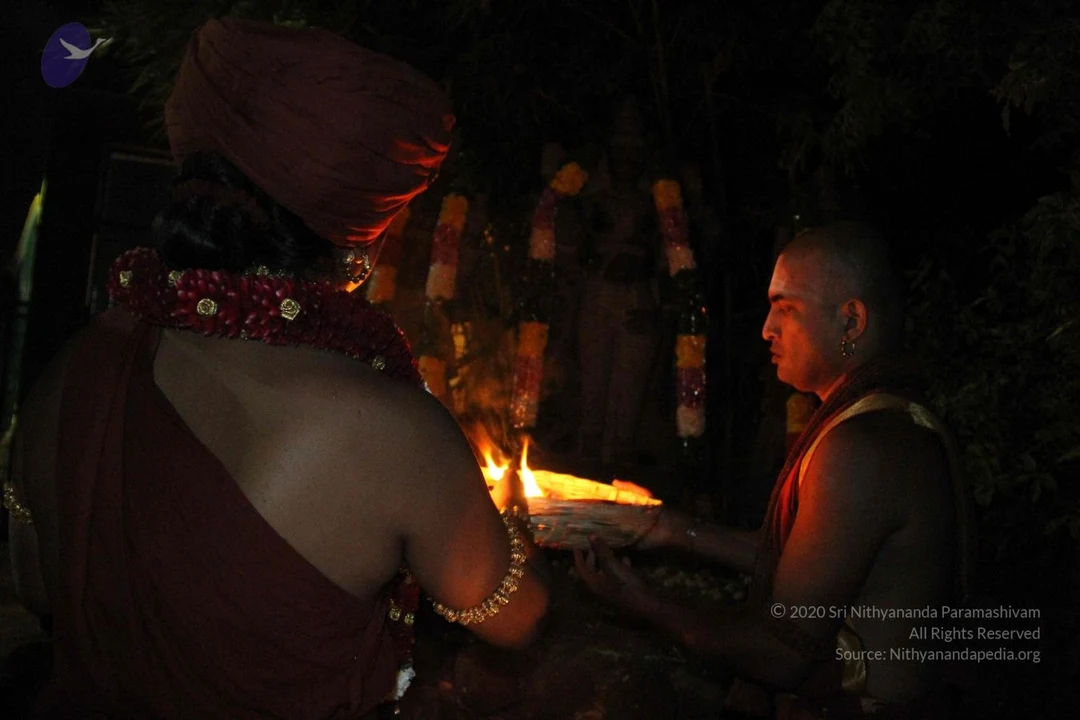
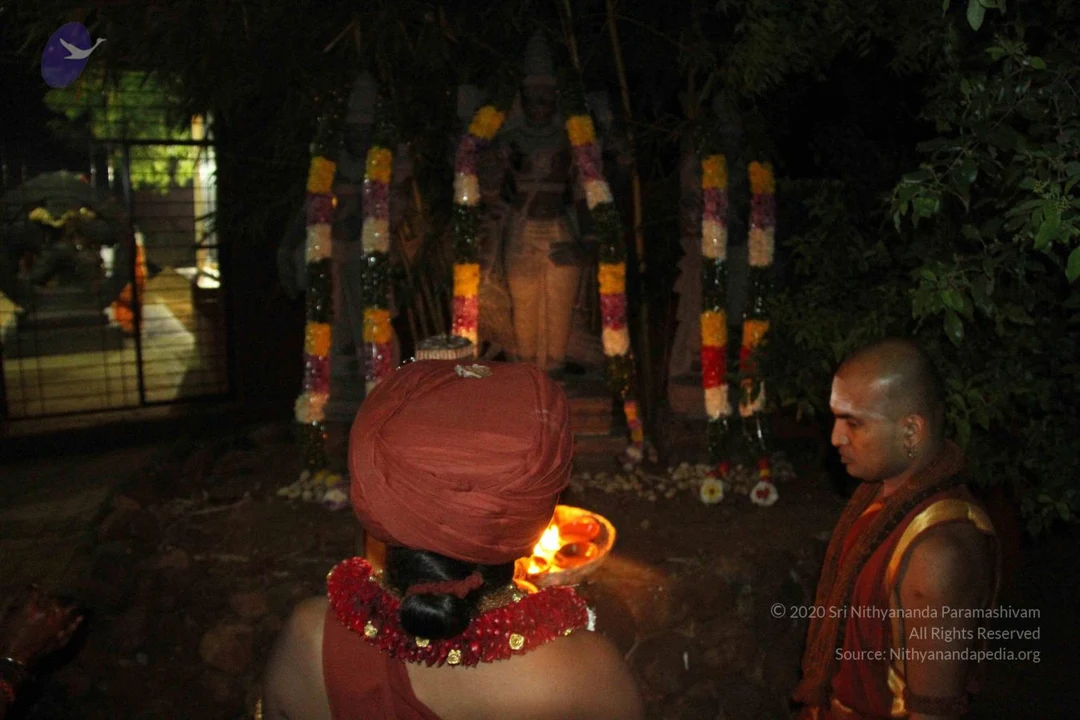
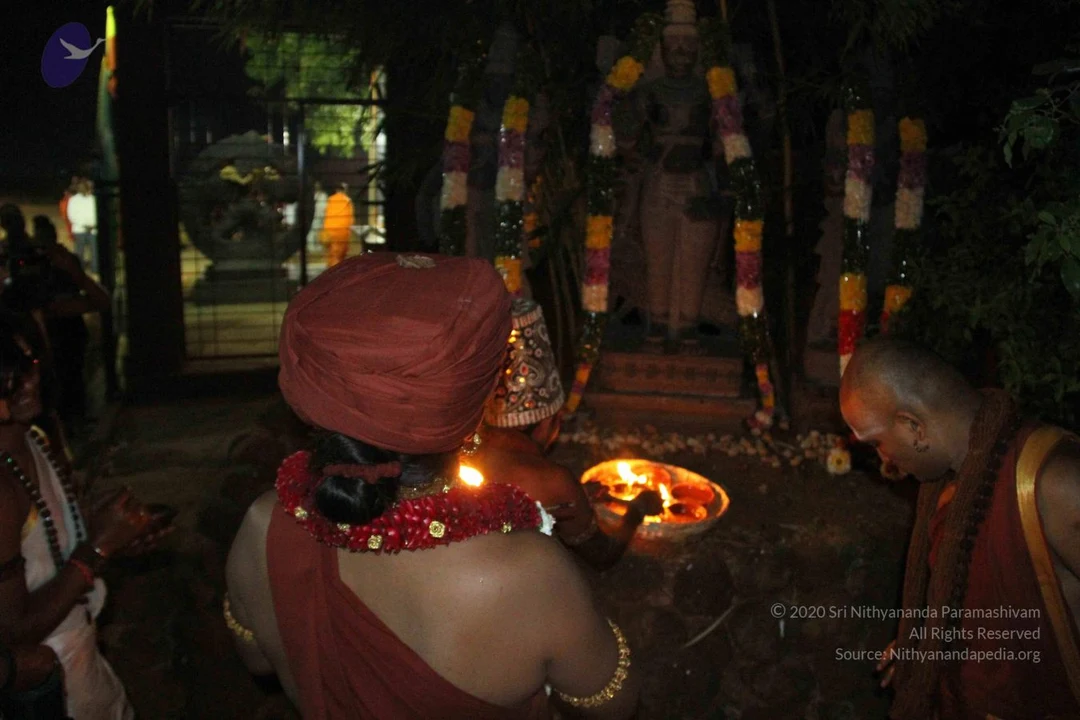
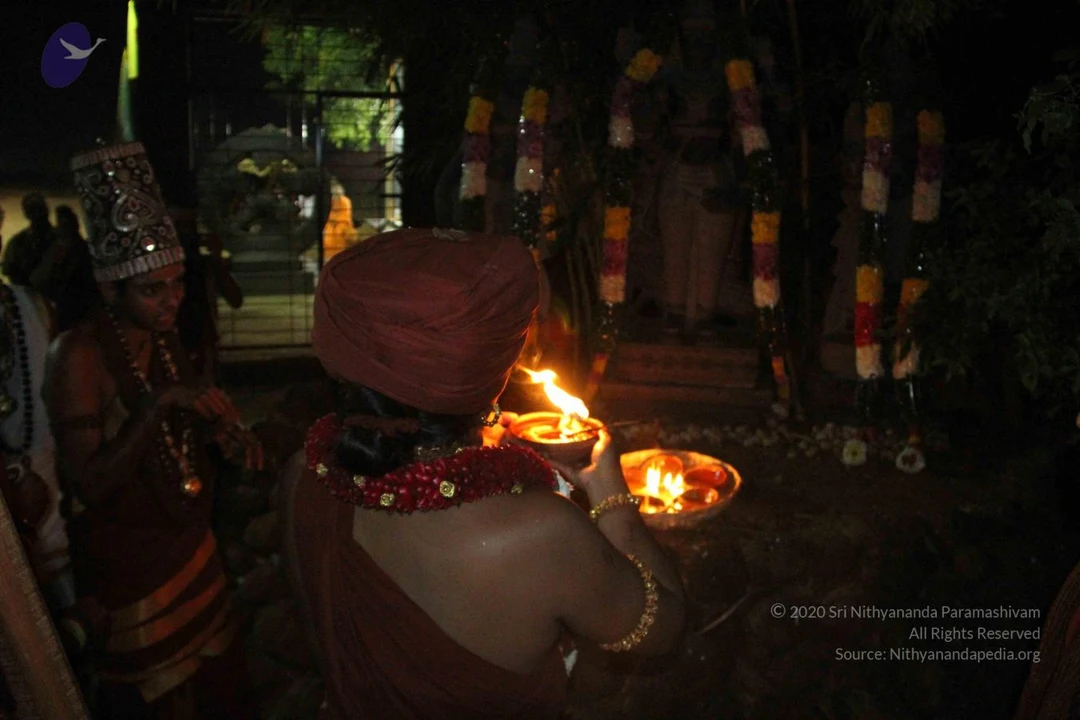
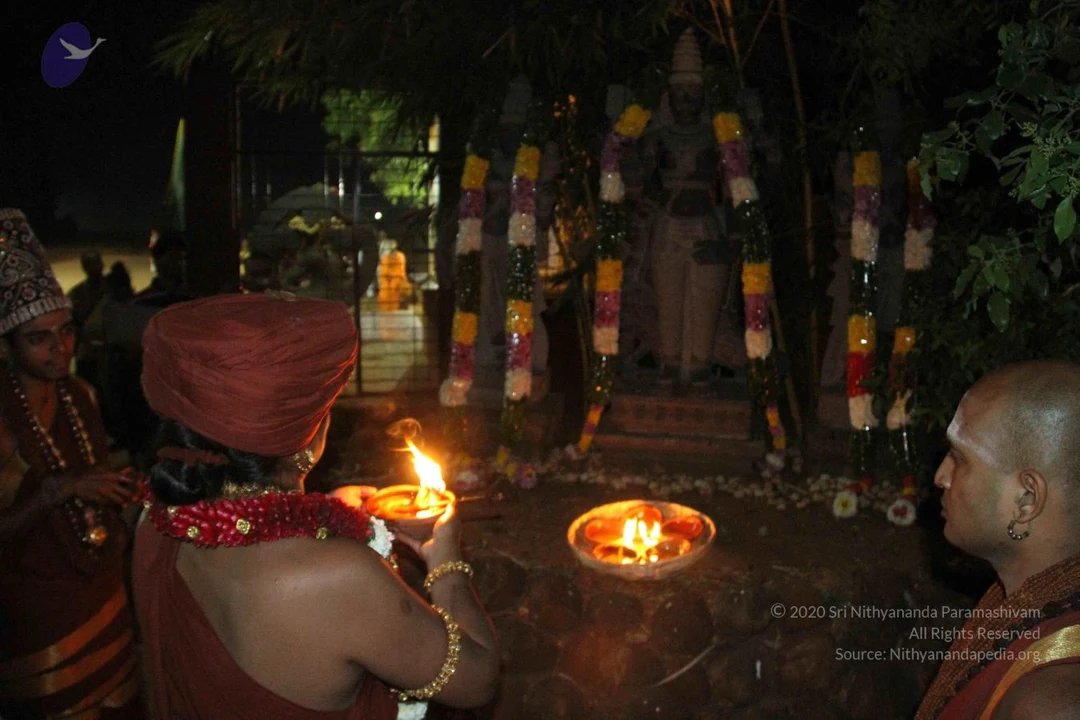
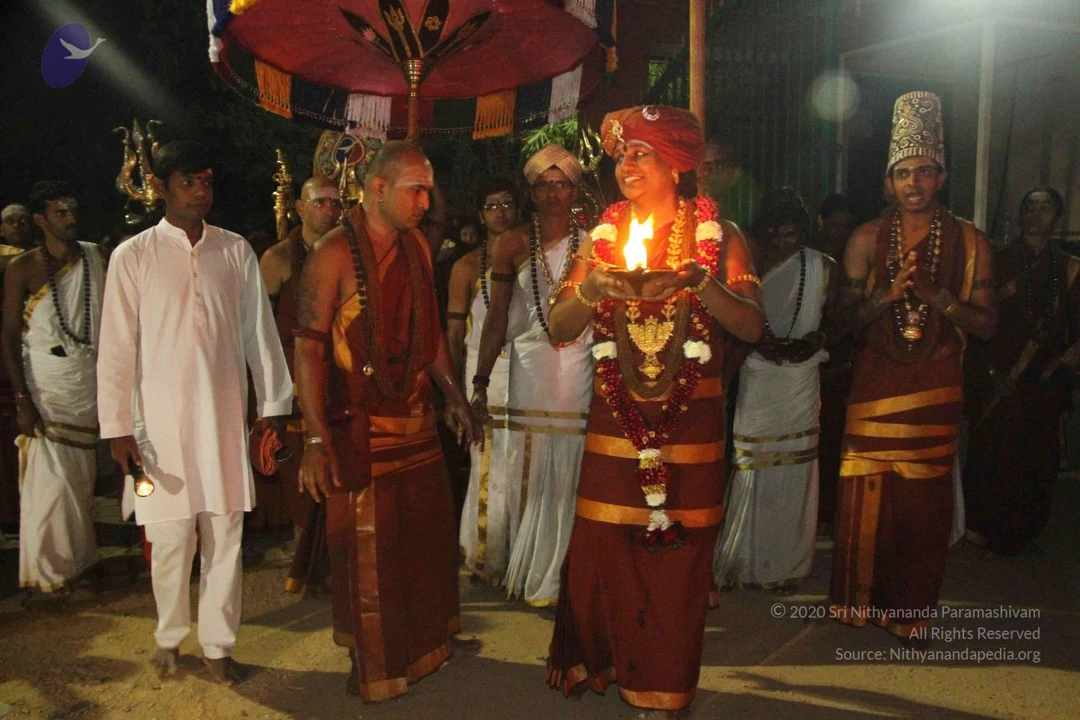
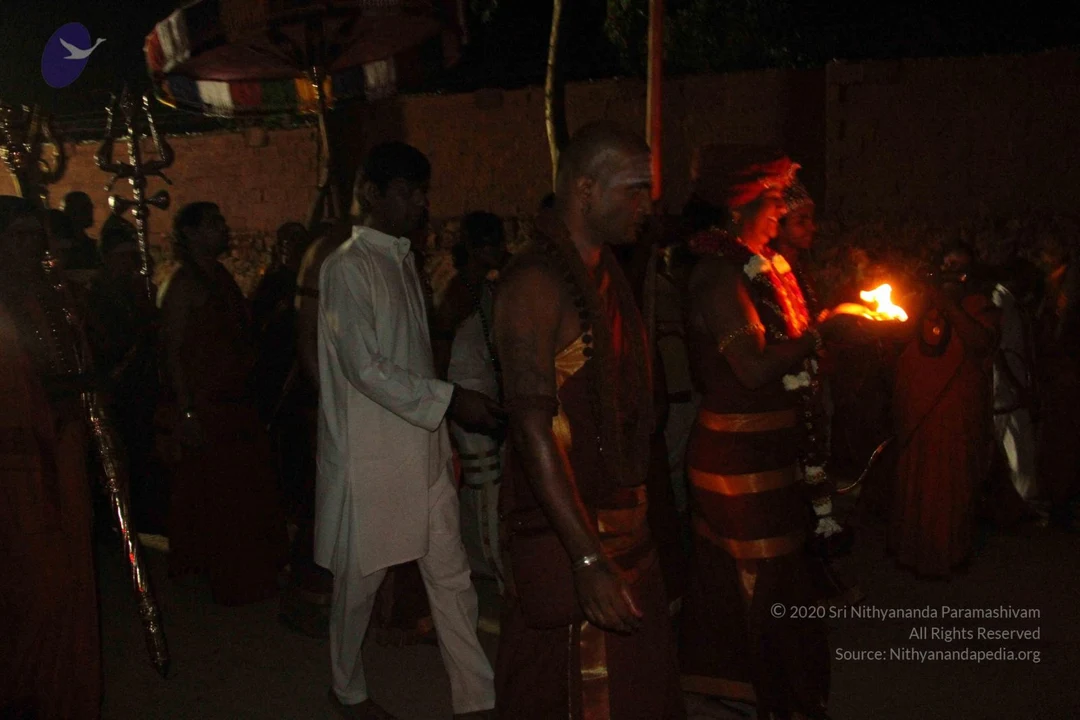
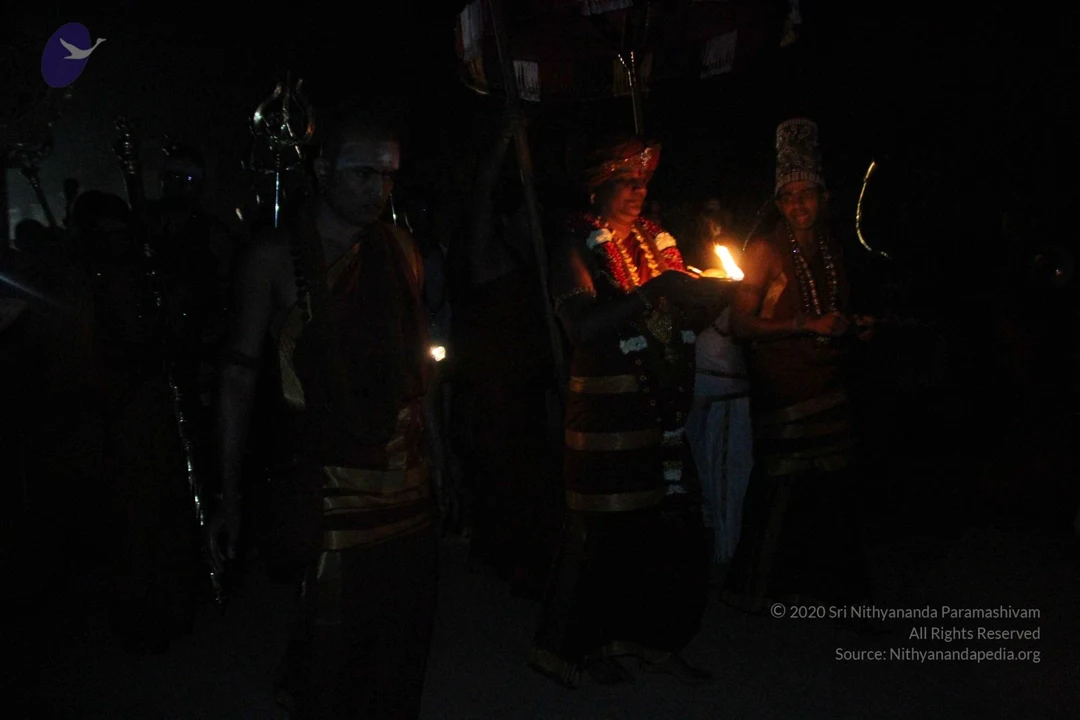
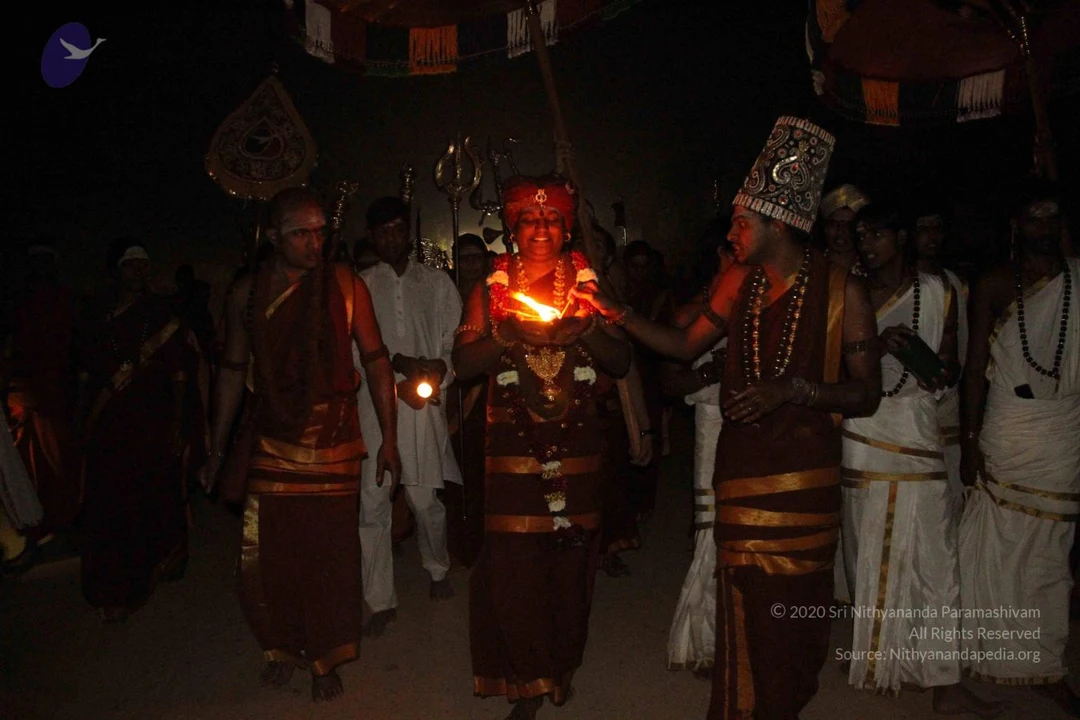
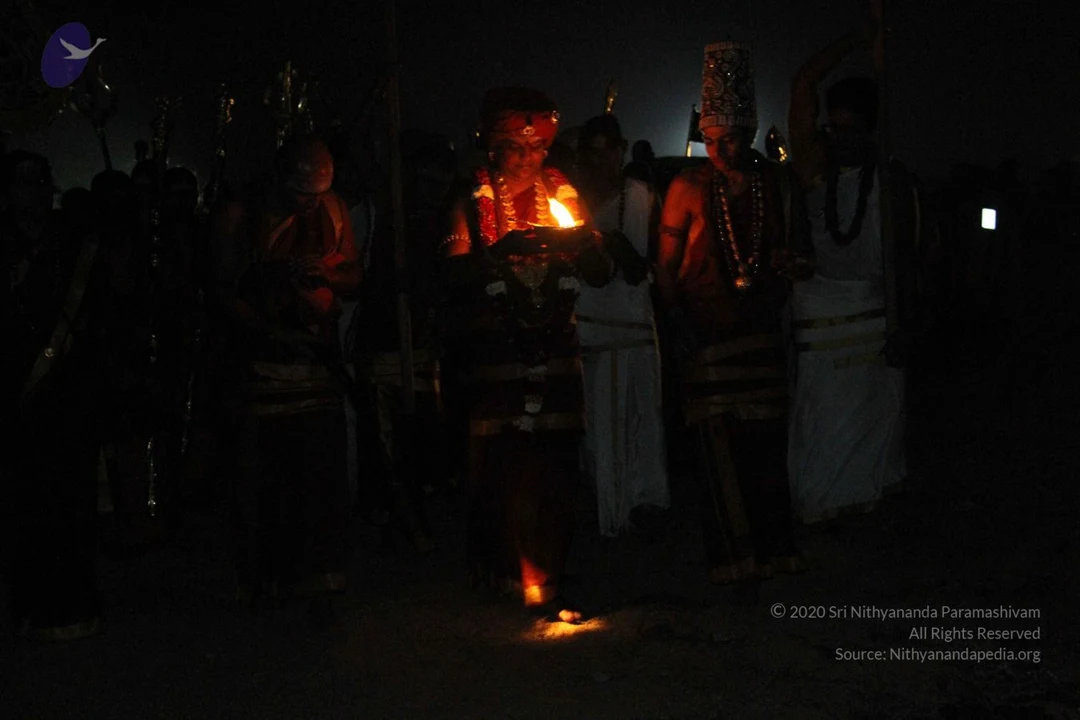
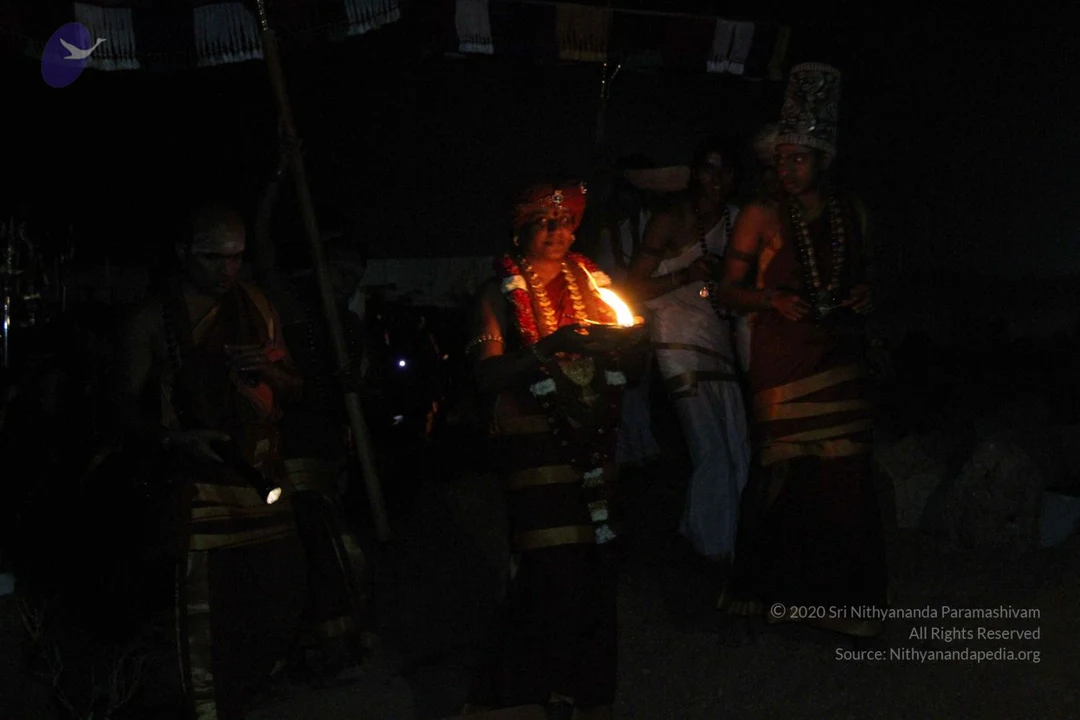
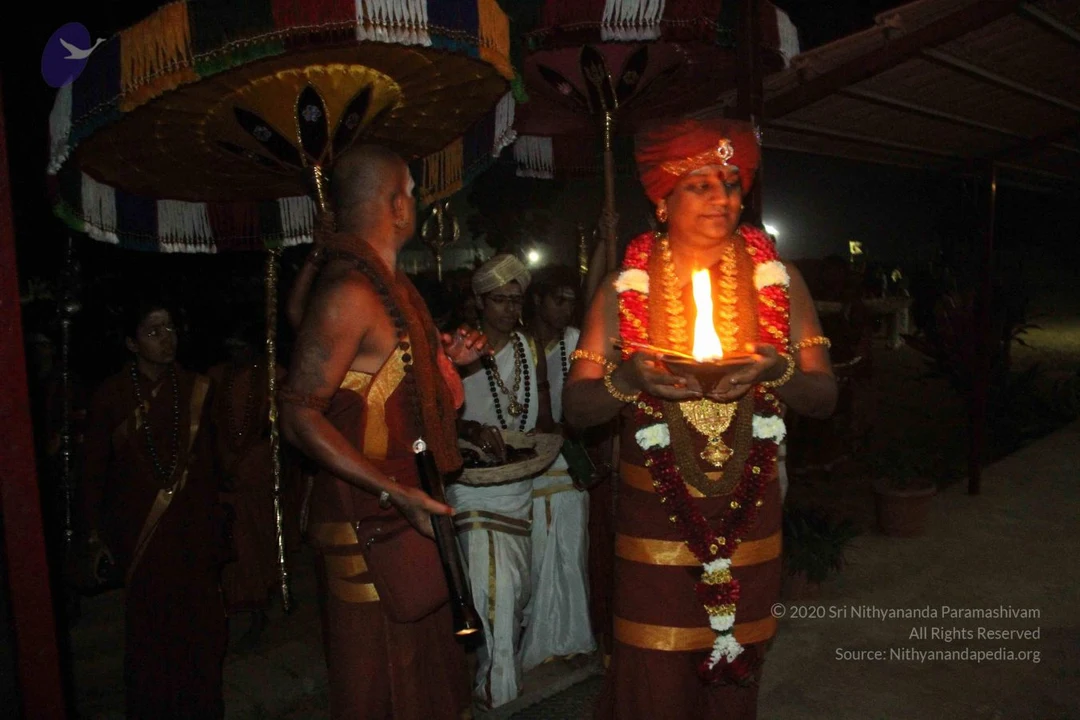
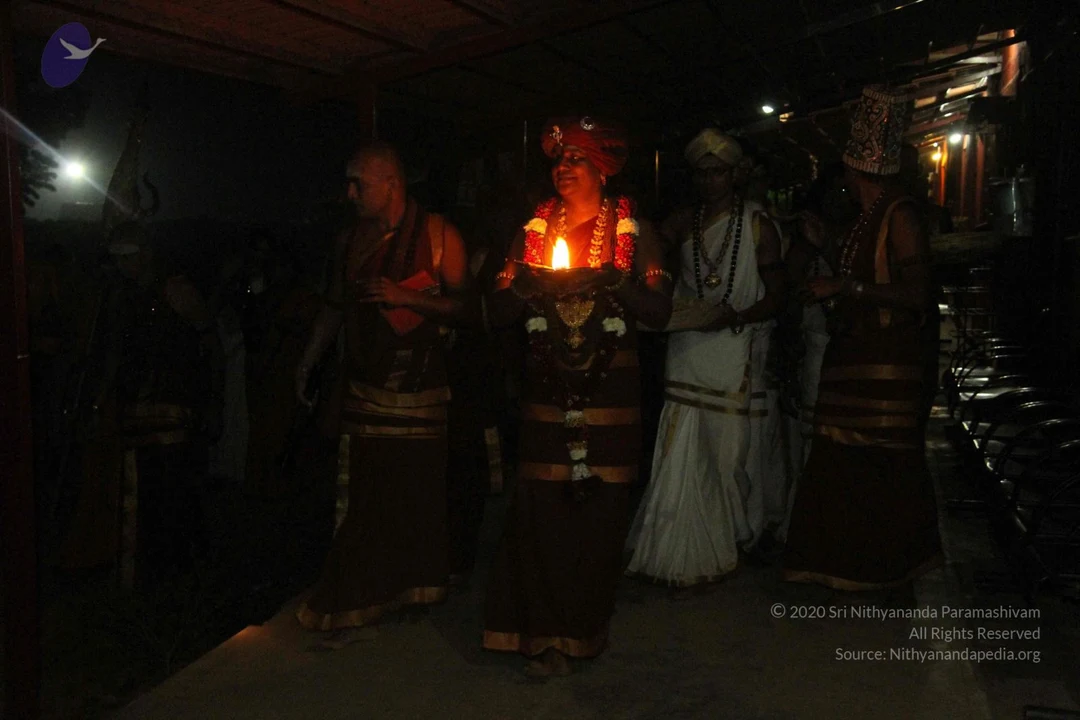
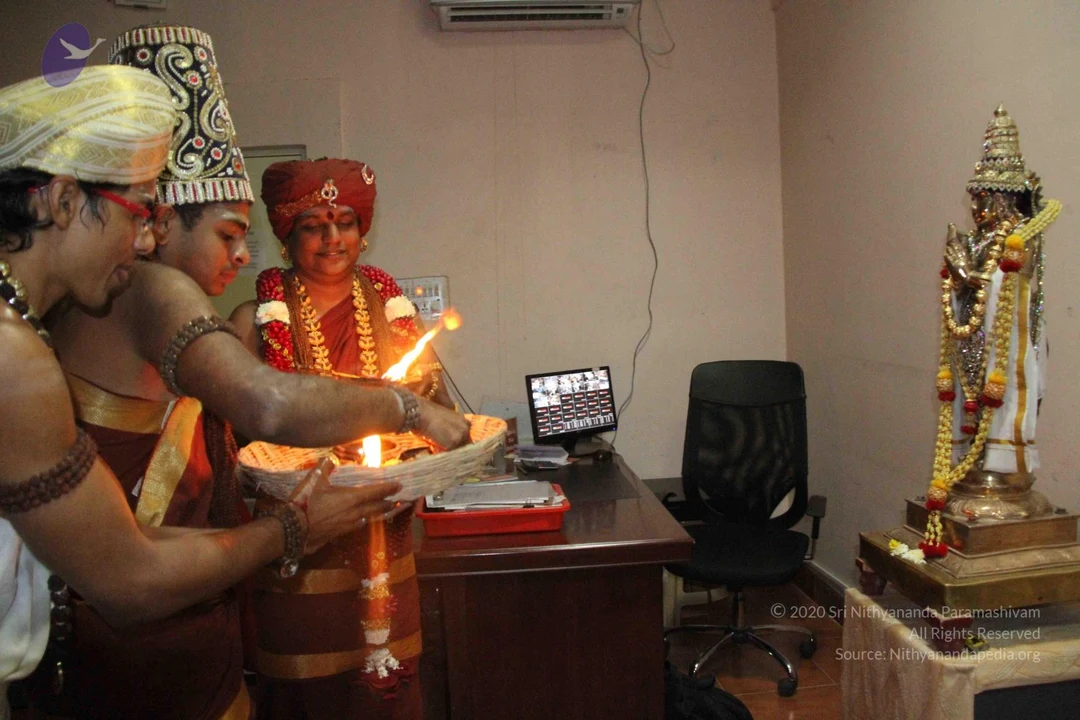
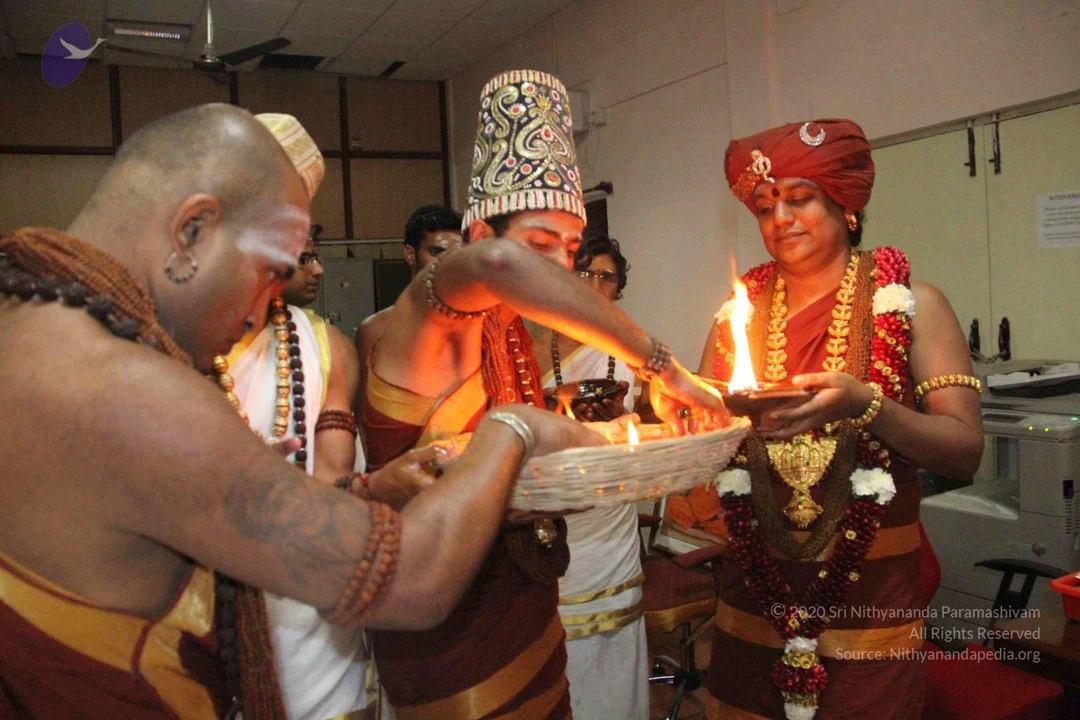
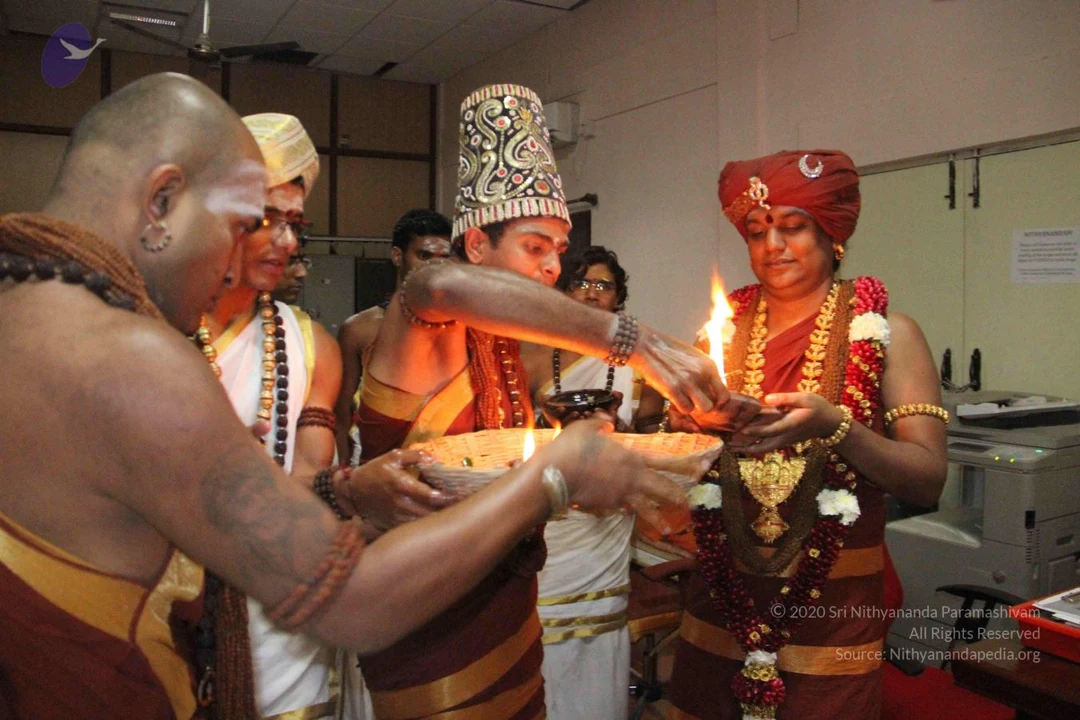
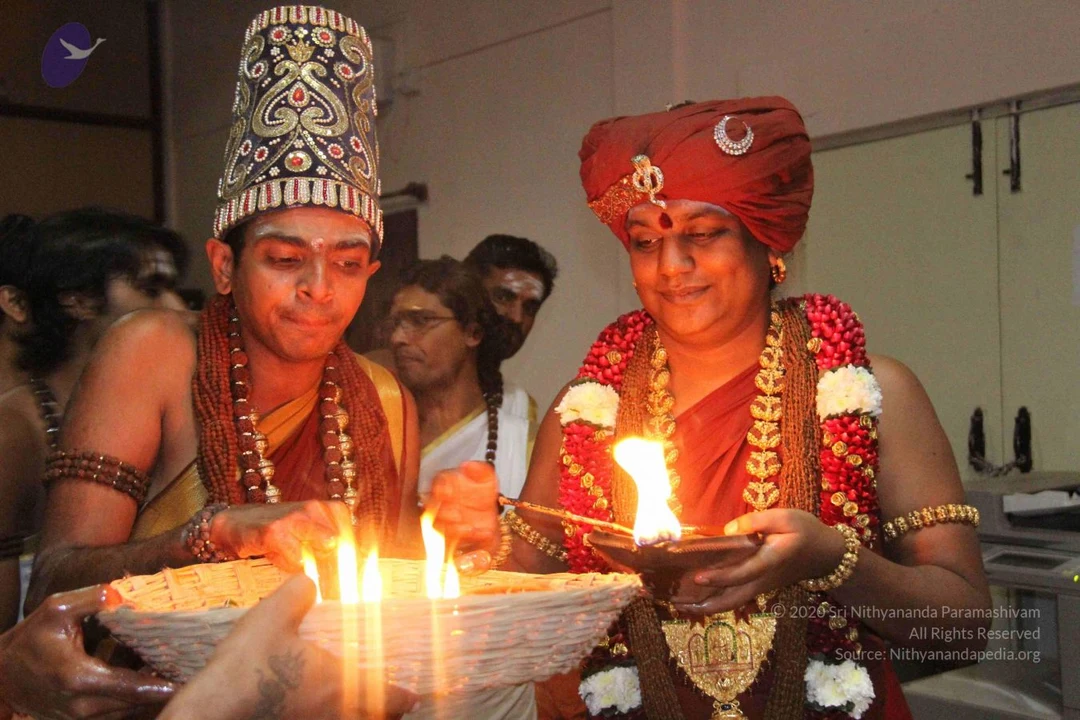
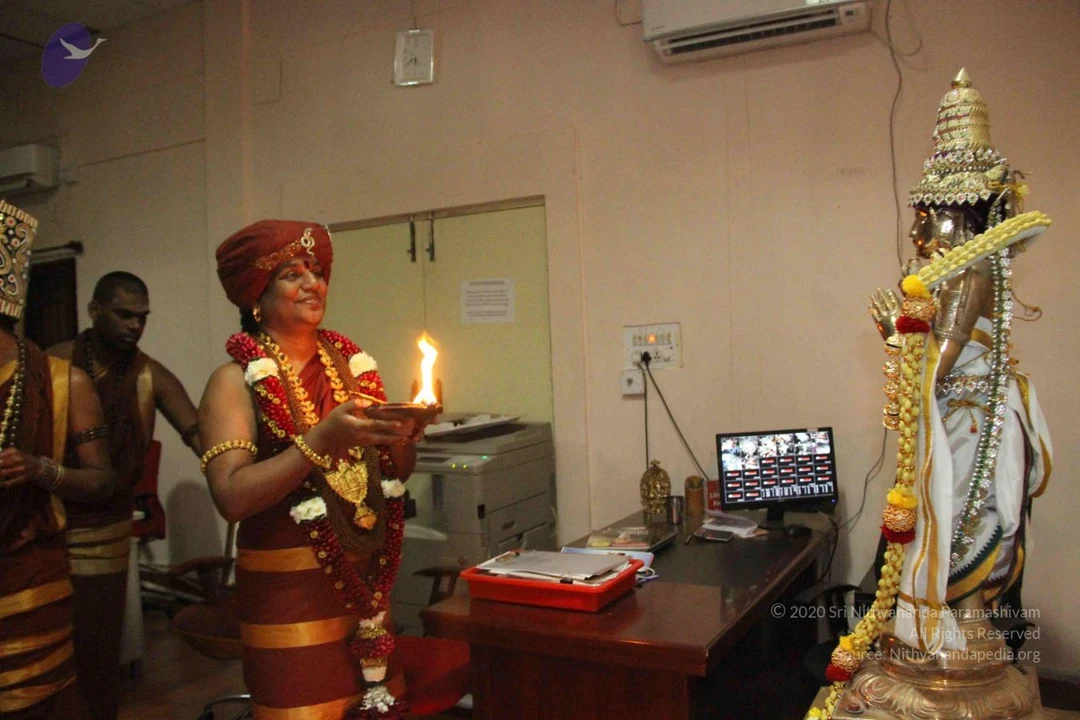
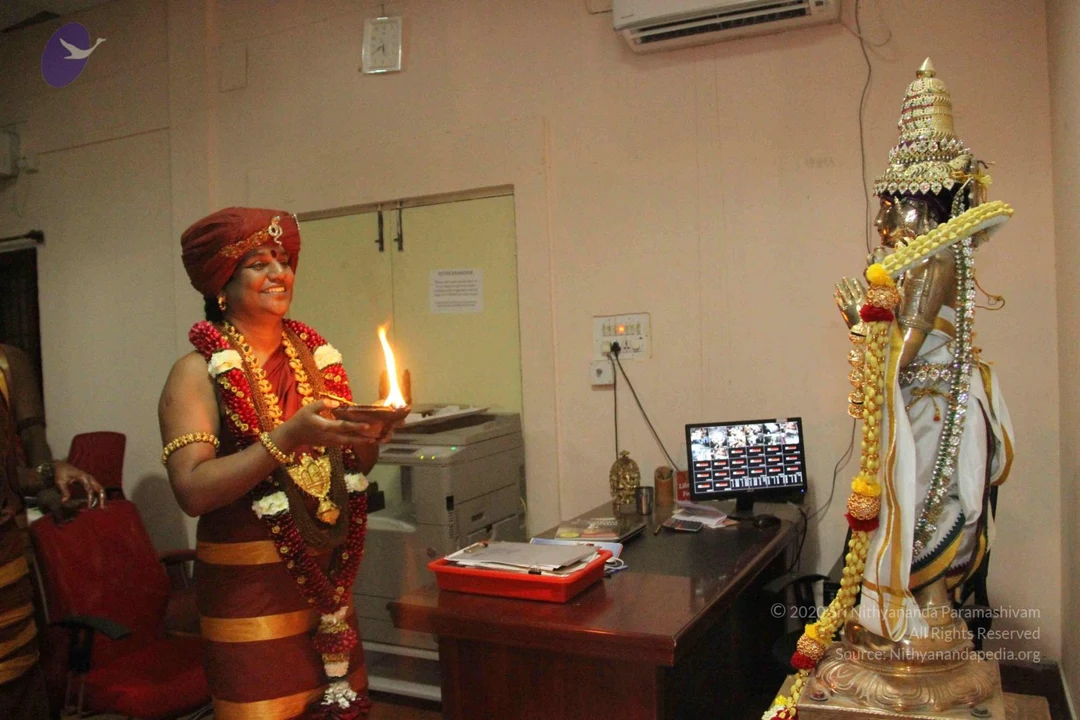
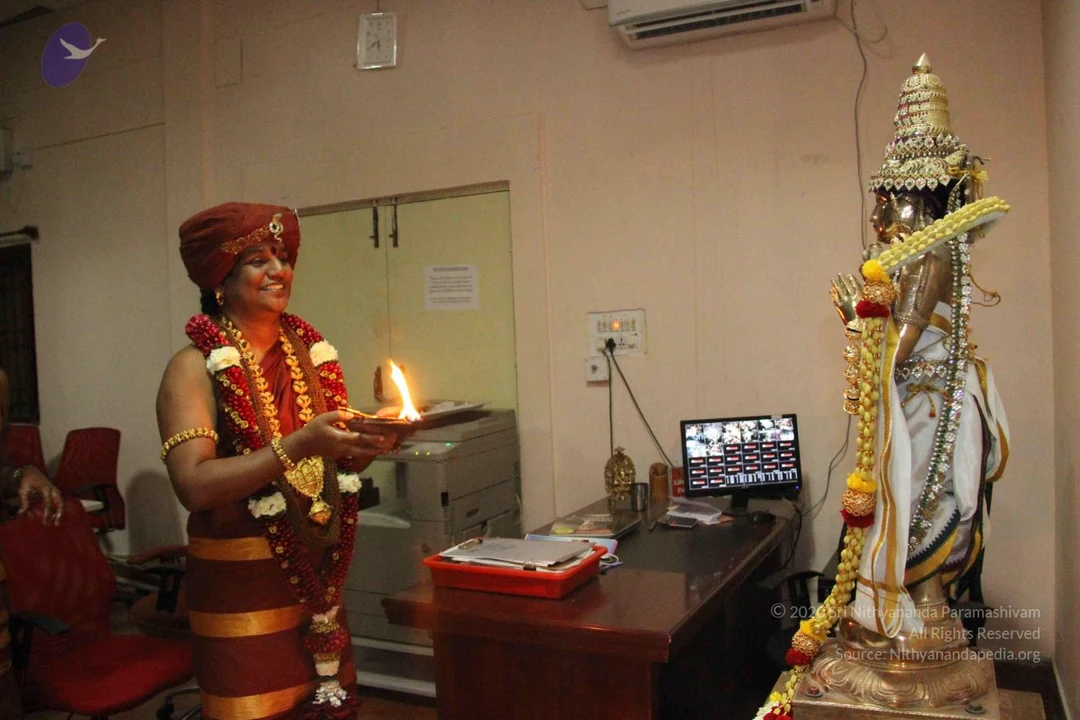
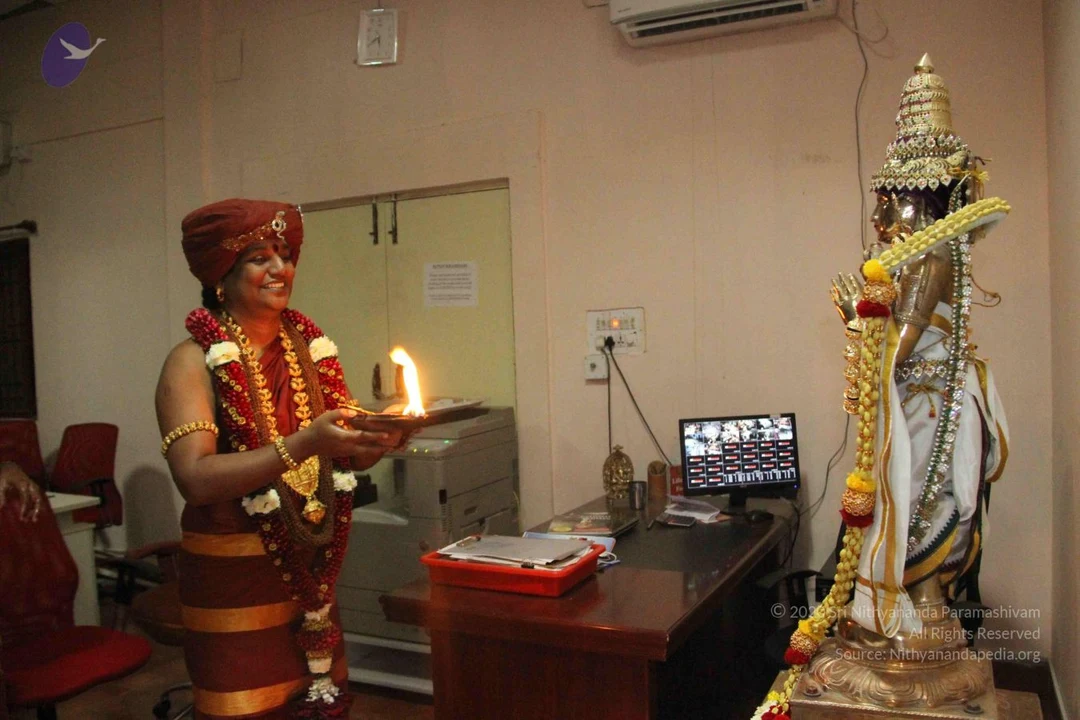
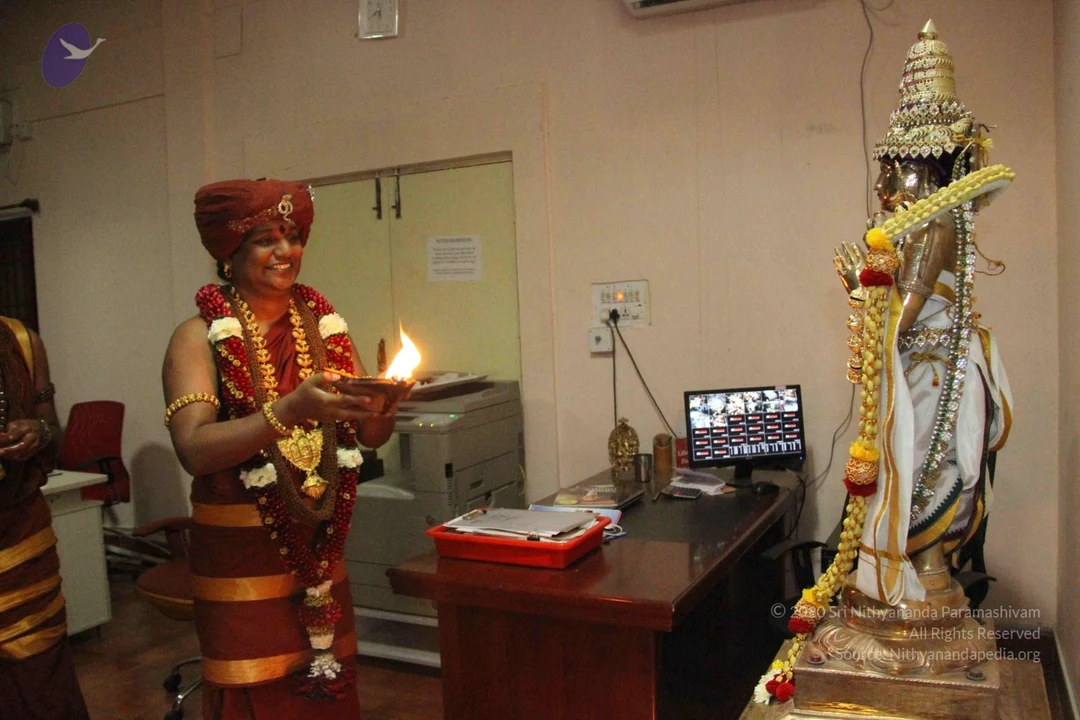
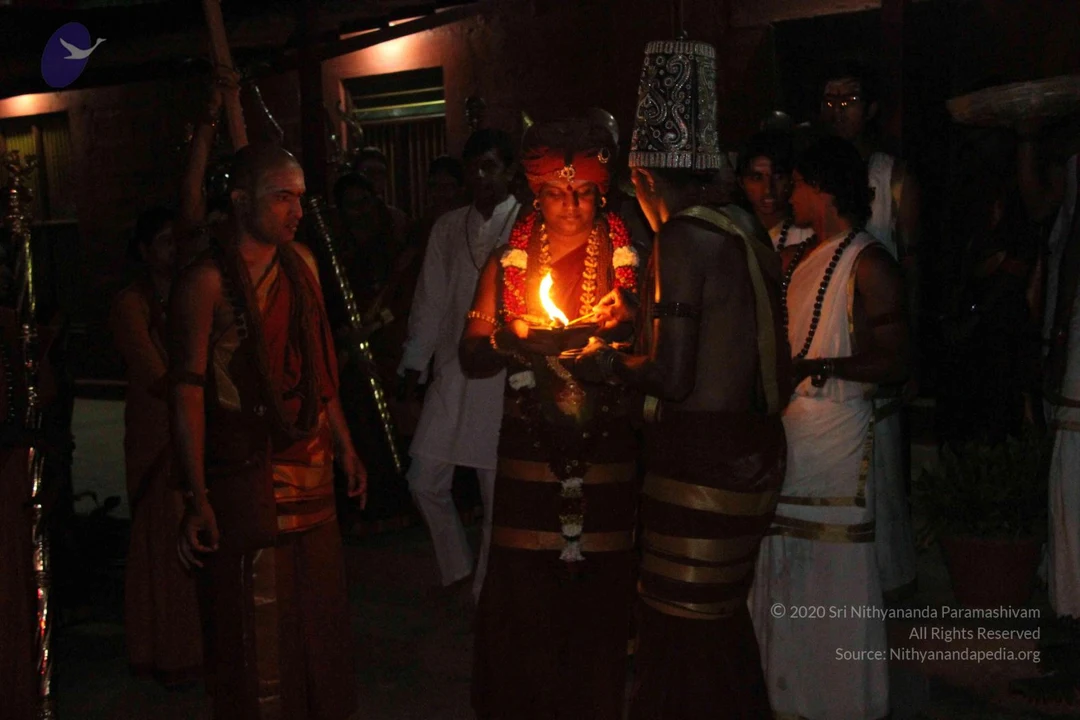
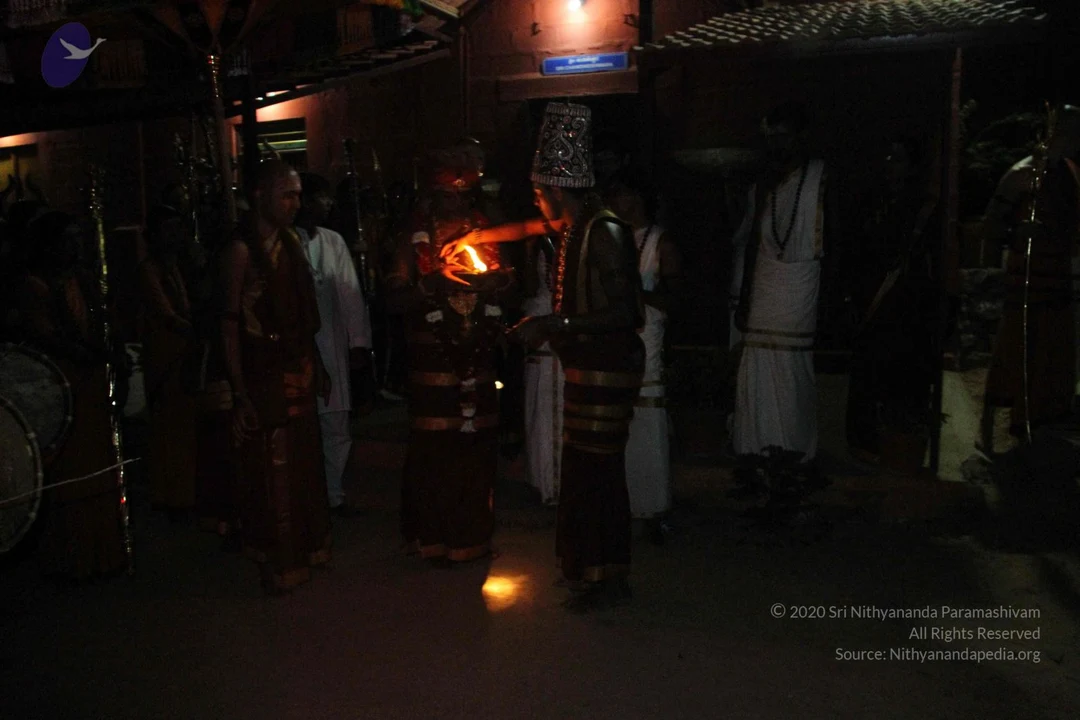
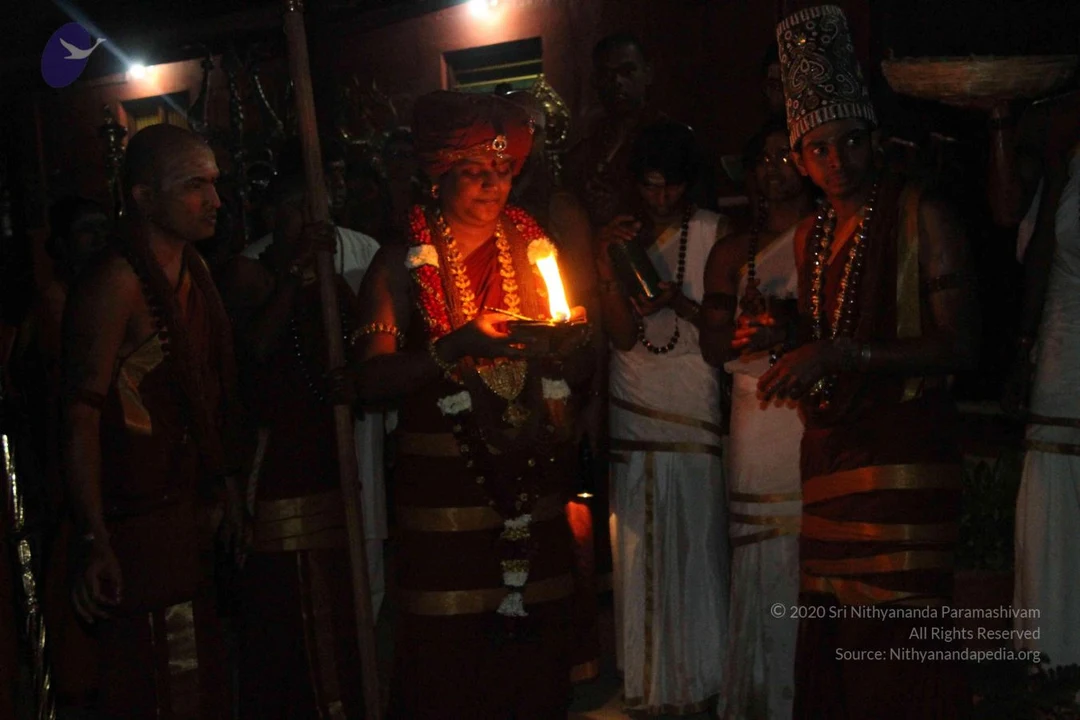
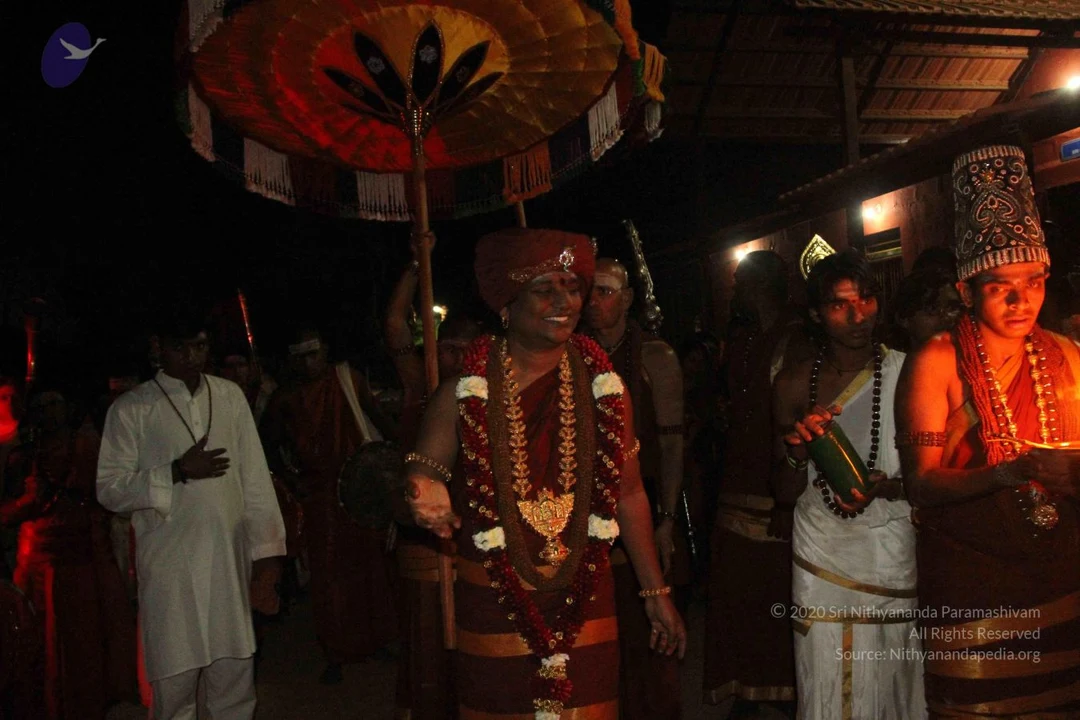
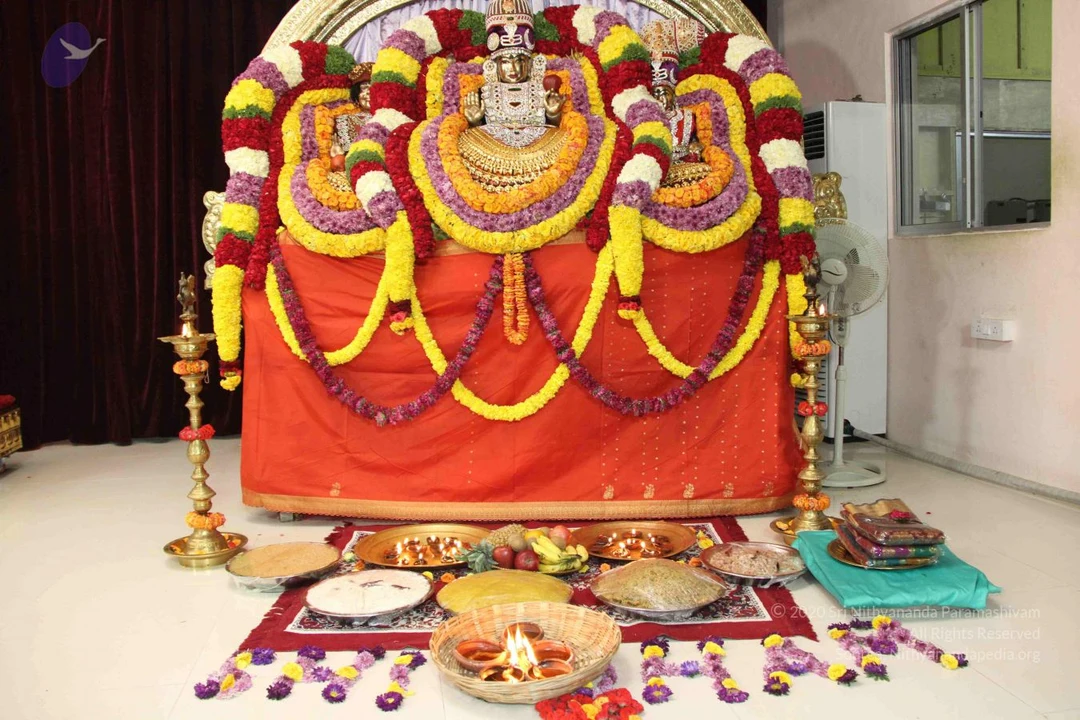
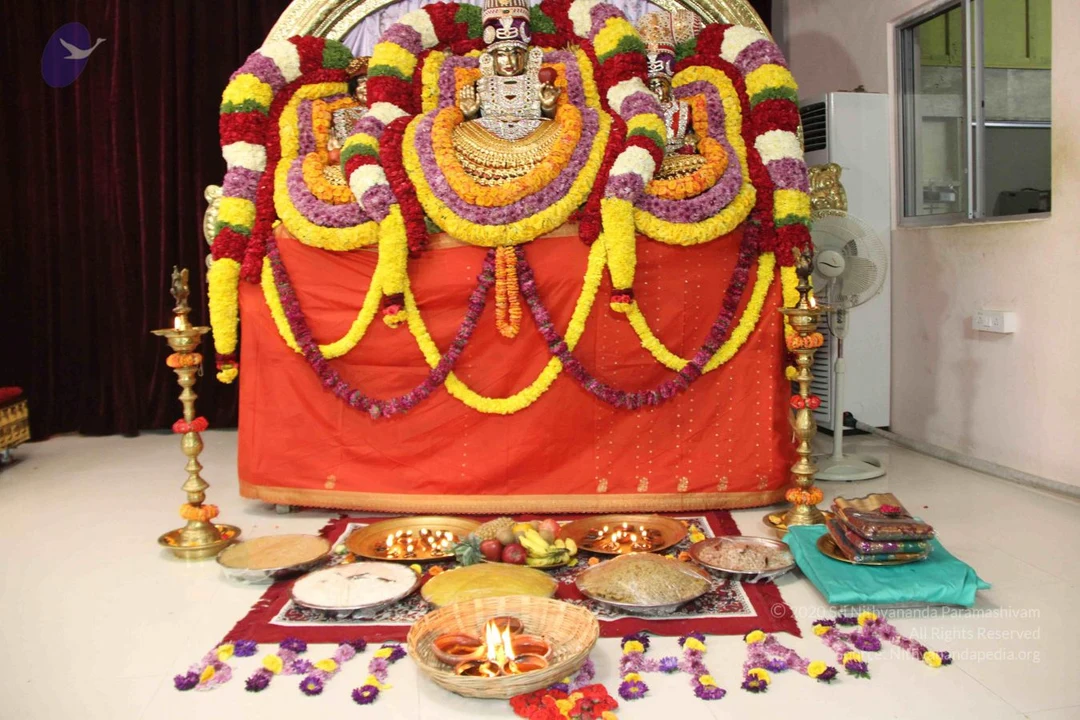
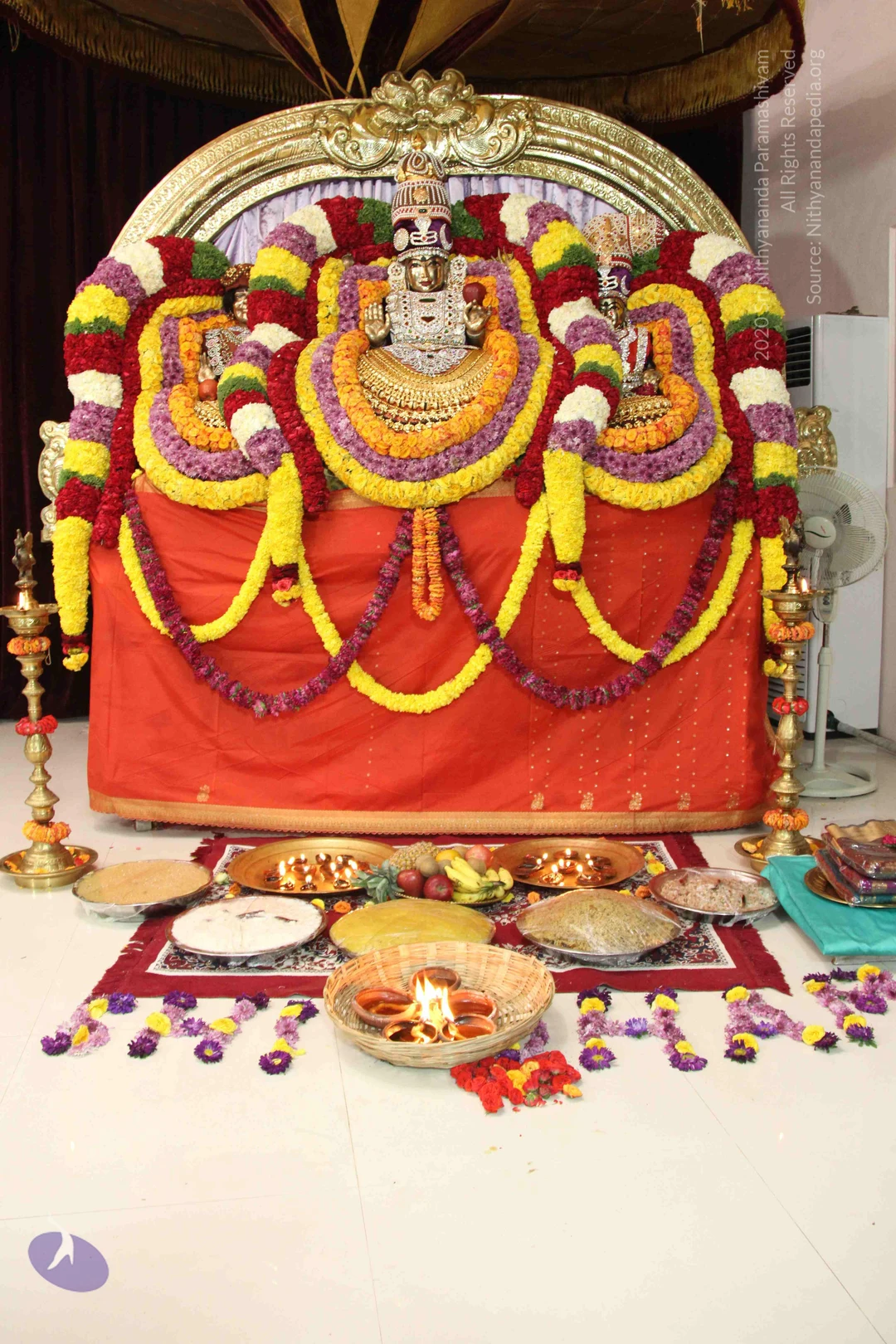
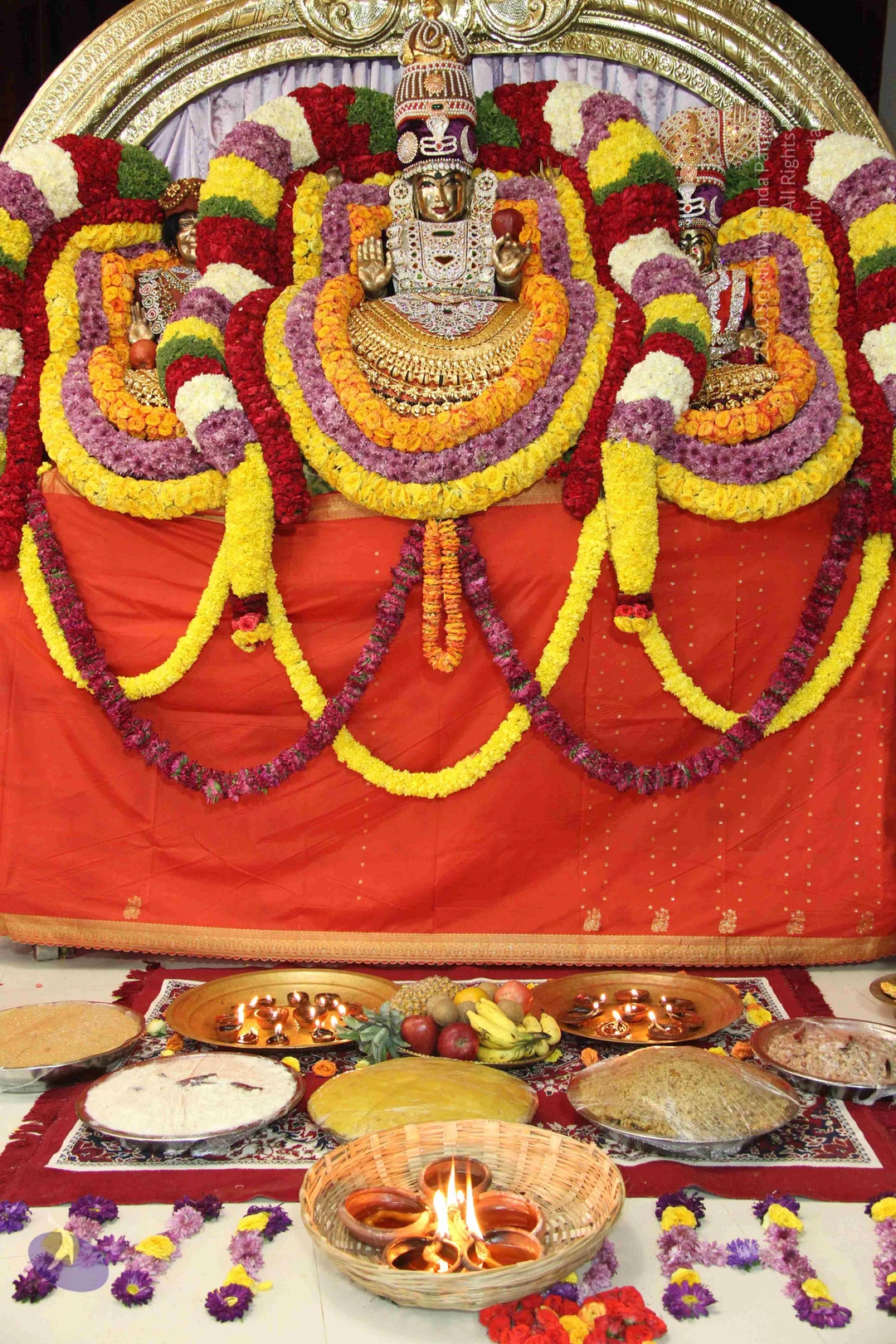
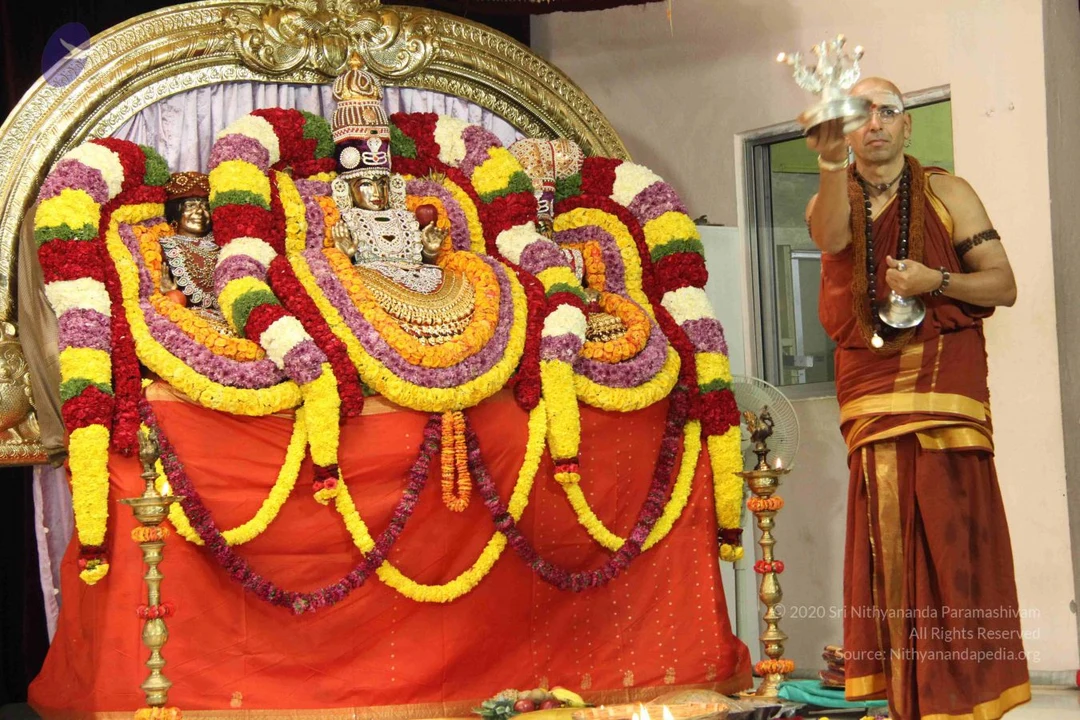
Today morning we had Bharani Deepam Mahotsava. In all the temples, all garbhamandirs, the main lamp, the light is lit. In Bidadi we had Bharani Deepam celebration. Bidadi Nithyanandeshwaras Temple Bharani Deepam was lit. And, today evening, sharp six o’clock, we will be having Mahadeepam; the main light, main lamp will be lit. I request all the devotees, in your area, the tallest hill, please light the lamp, in adherence to the legalities of your country.
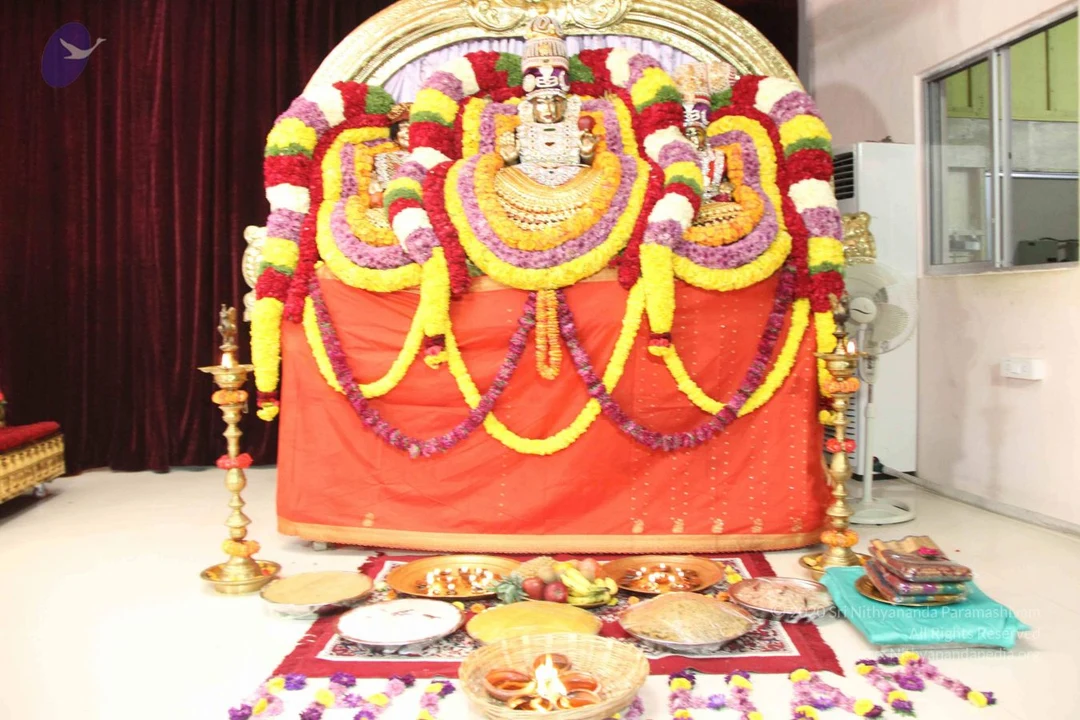
And, let’s receive, Bidadi is offering many naivedhyams to Mahadeva. Let’s receive his blessings.
Today is the day of ‘Shivoham’. Most auspicious day for our Sangha; because, today is the day the ‘Big Bang’ started, the timeless Cosmic Mahadeva created the Time, assumed the form, blessed Brahma and Vishnu with enlightenment, Devi with enlightenment, and in his own half he made Devi as ‘Ardhaangini’.
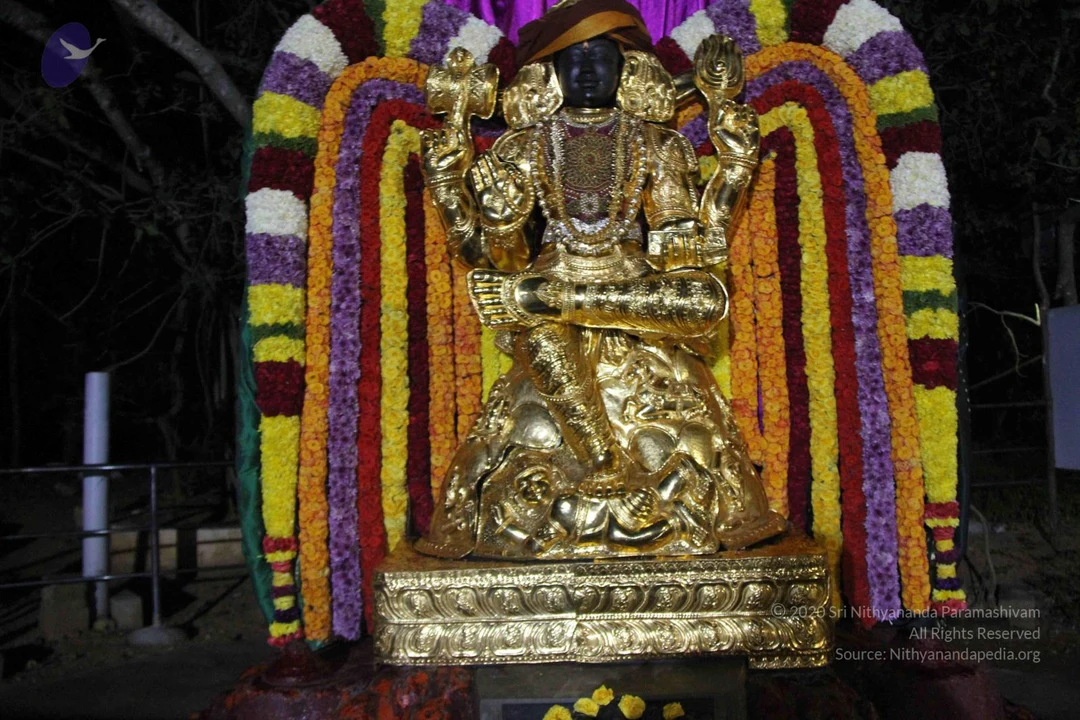
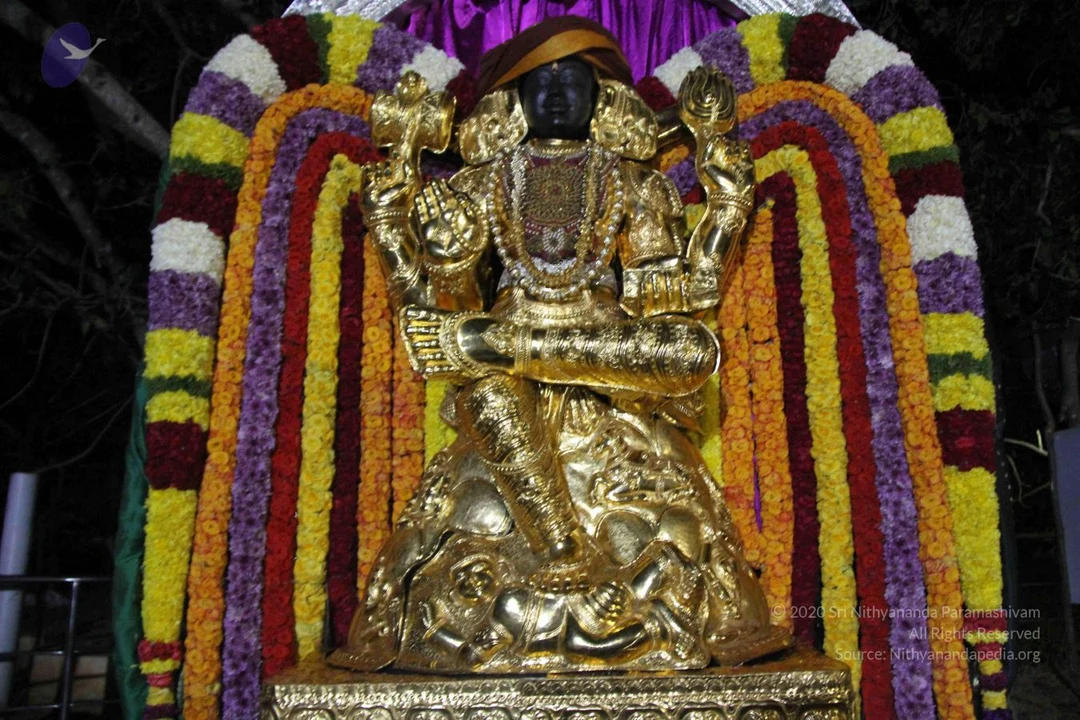
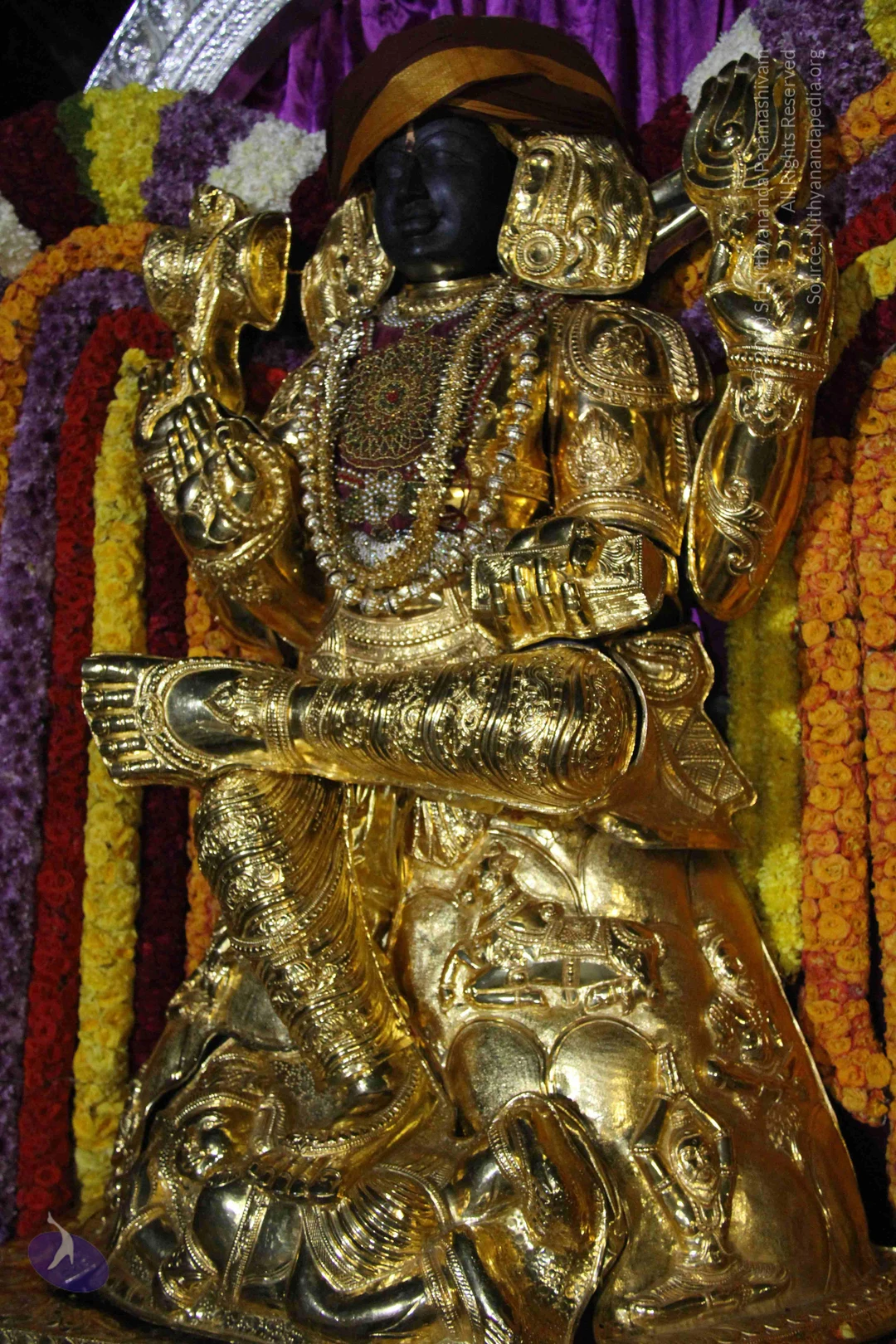
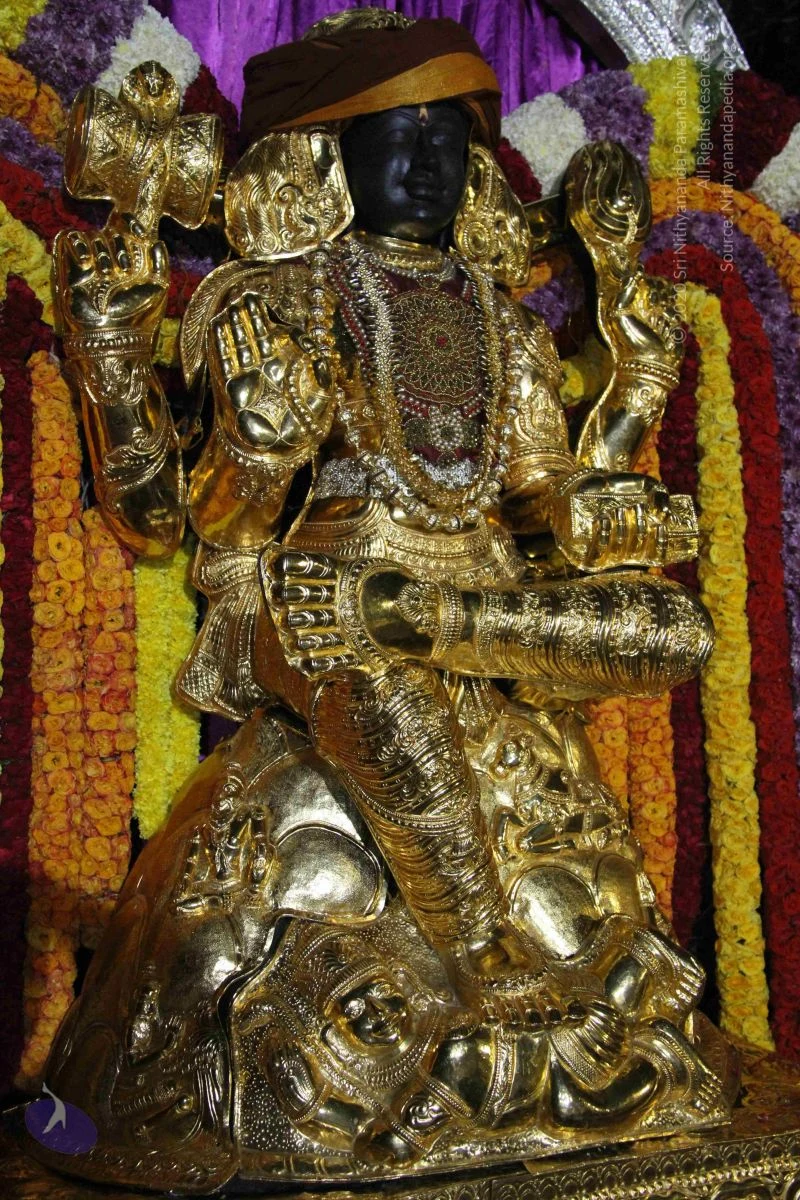
Today, I am also happy to formally inaugurate Nithyanandeshwara Temple in Karjat. I am inaugurating, doing ‘prana prathista’ to the temple in Karjat, Nithyanandeshwara Temple. My deity which is installed in Nithyanandeshwara Temple in Karjat will radiate Cosmic Mahadeva’s energy, and it will start materializing Vibhooti, Kumkum, Sandal, Honey, and it will bless whoever comes there for healing. Whoever comes and touches that murthy and bows down, they will all be healed from all physical, mental disorders; they will all experience Kundalini Shakthi. And the deity will be LIVING deity, sitting there and giving blessings and boons. I declare, that deity will be RADIATING KALPATARU ENERGY. The Karjat Temple will become KALPATARU TEMPLE. Blessings!
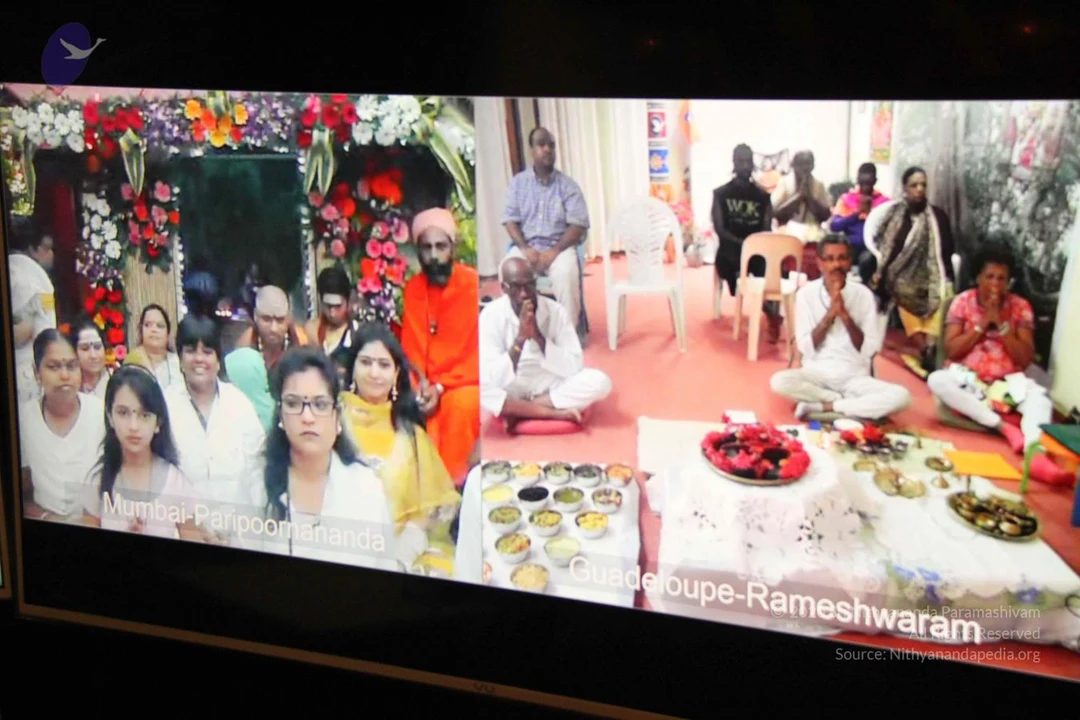
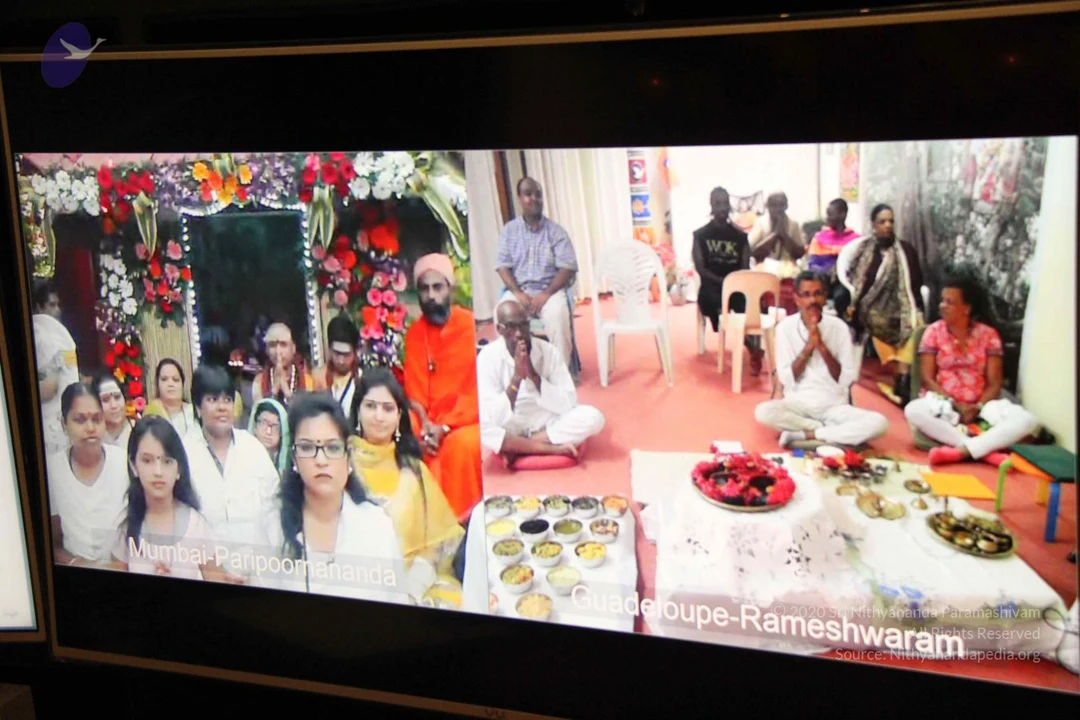
And, Guadeloupe-Rameshwaram is offering twenty-one naivedhyams. Houston-Kalahasthi Sangha is offering sixteen naivedhyams. All over the world, many temples are offering naivedhyams and worship. With all my humbleness, love and devotion, I dedicate everything to Mahadeva, pray to him: let him accept and bless all of us and the whole universe on this auspicious day when Mahadeva gave that experience of Shivoham to Brahma, Vishnu, Devi.
Shivoham! This truth is not only a reality, it can be a powerful medicine, antidote for all the root-patterns you develop, parental conditionings you develop, societal conditionings you develop, and all the patterns with which you struggle, suffer. Understand, all the patterns with which you struggle and suffer, Mahadeva releases you. Mahadeva, listen, releases you from all the conditionings, the moment you remember, meditate, create the space of Shivoham.
You need to know, Mahadeva is not the totality of some dead qualities. It is like –
· If you have poverty, meditate on ‘Richness’; immediately poverty patterns will be broken. No. That is only a formula.
· If you are weak, meditate on ‘Power’; immediately you will start receiving the power. It’s a technique.
· If you are ignorant, meditate on ‘Knowledge’, and your knowledge will start opening up in you. It is a methodology.
Mahadeva is not just totality of some good qualities. He is ALIVE. When you invoke him, when you invite him, he just happens so powerfully, so beautifully, so alive, living. He just makes all these parental conditioning, social conditioning, societal conditioning, root-patterns, engrams, he just makes them disappear, melts them away.
When you invoke Mahadeva, Shivoham in you, don’t think it is a technique. It does the help of technique also. If you do a technique what all help will happen to you, if you do a meditation technique what all the good things will happen to you, that also happens when you invoke Mahadeva in you. But, that does not mean Mahadeva is the totality of these few dead qualities. No. He is a LIVING, VIBRANT, CONSCIOUSNESS!
See, if it is a technique, for example, if you have five layers of ignorance, if you meditate on Knowledge till the five layers melt down, you will experience the Knowledge. If you feel weak for last ten years, if you meditate on Power at least next ten months, then slowly, slowly, the weakness will melt down; you will feel power. That is a technique. If you have a blockage in your Kundalini energy flow, and blow your nose, do the Pranayama and Kriya properly till that blockage is removed, Kundalini will be awakened. That is a technique. But, when you meditate Shivoham, it is not the strength of your meditation is going to decide the experience of Shivoham. No! He is conscious intelligence! You invoke him, you request him: ‘Prabho, please be awakened in this body, in this mind, in this buddhi, in this intelligence. Let you radiate whatever I know as me, ‘Aham’. I am surrendering at your feet. I am completing it at your feet. Let you be.’
The experience of Shivoham, explosion of Shivoham, does not happen based on the strength of your practice. No. It happens because He is intelligent, He is consciousness. So, He just explodes. It is not like a technique: what you do, you get the result. No. You invoke Him, He fills you. He is there. He is there. He is there. So, don’t think, ‘If I chant crore times ‘Shivoham’, then Mahadeva may occupy my whole being, then I may experience Shivoham.’ No. He is not going to see your Japa bank balance, how many crore times you chanted ‘Shivoham’. No! You invoke him, He is there! Because, he is Consciousness, understand? This is the biggest difference between atheistic non-dual philosophies and theistic non-dual philosophies. Listen. In atheistic non-dual philosophies they say - any quality you meditate, you imbibe that quality. In theistic non-dual philosophy we say - apart from the power of our meditation, that quality, source of that quality is intelligence; so it fills you, the moment you invoke it.
Shiva is not just the totality of few auspicious qualities, so by meditating, meditating, meditating on it you become that. He is totality of auspicious qualities, AND consciousness. That is why when you invoke him, invite him, he occupies you and graces through you, radiates through you. Not only he introduces himself to you, he introduces himself through you to everyone. He introducing himself to you is ‘Authenticity’. He introducing himself through you to others is ‘Enriching’.
Mahadeva is the conscious intelligence. Shivoham is not technique; it is a conscious process. Meditate on Shivoham. Don’t think your Japa repetition, the strength of your meditation is going to bring the results. No. He is conscious intelligence. You meditating is nothing but invoking him, requesting him to fill you, to radiate through you.
Mahadeva.....Mahadeva is Pure Consciousness. Mahadeva is embodiment of purity. Mahadeva is ALIVE. I can’t say, just because I chanted ‘Shivoham’ for millions of times, I started experiencing Mahadeva. No. Just because he is Consciousness, he accepted my request to walk into me; he started radiating himself through me. Understand, he is Consciousness is the good news I want all of you to know. He accepts your requests even if it is made once. He is Bholenath, simple guy. His presence is not heavy, demanding. No. He is not Vaikuntavasi he needs the Lakshmi to press the feet, and the Ananthasesha for a bed, and the Milk Ocean for his presence, and all the best things, Shamanthaka, the best, greatest jewellery for wearing. No, I am not disrespecting Vishnu. All I am trying to tell you is, Mahadeva is Bholenath. Even if you are already depressed, like a cremation ground, you are almost there, your whole mind is dull, dead, depressed cremation ground, even then he is happy to dance there. And all your thinking, feeling, everything is full of negativity, negativity negativity, negativity, like a ghost, even then he is ready to have you as his companion. Understand, he is too simple, and his presence is not that heavy. His presence is powerful, but not heavy. ‘Heavy’ means, demanding. ‘Powerfulness’ is different, ‘heavy’ is different. He is Bholenath. His presence is never demanding. His presence is so powerful, but not demanding, understand.
Invoke him, request him, pray to him, ask him, invite him to your inner-space. ‘Mahadeva, whatever I know as ‘Aham’ is a bunch of my root-patterns, social conditionings, parental conditionings, layers and layers of patterns, samskaaras, and the past-life karmas. But, this is not too big for you. You can burn all these. And this cannot be the reason why you are not happening through me. Can this stop you happening in me? I am completing this and surrendering at your feet. O Prabho, happen in me. O Mahadeva, happen in whatever I feel as me. Let ‘Aham’ become ‘Shivoham’. Let ‘Aham’ become ‘Shivoham’.’ Invite him. Invoke him. Request him. Understand, he is conscious, alive, present.
I can’t say he HAPPENED to Brahma and Vishnu and Devi on this very day. I should only say he is still HAPPENING! He is HAPPENING. It is ‘past-present-future-continuous tense’! I will have to create a new tense. I can’t say it is ‘past tense’, ‘present tense’, ‘future tense’, or past-present-continuous tense’. ‘Past-present-future-continuous tense’! That is the meaning of ‘eternal’. That is the meaning of ‘eternal’, understand. He is Bholenath. He is powerful, but he is not heavy. He is not demanding. You can have ten-thousand SDHD – Self-Doubt, Self-Hatred, Self-Denial. But that cannot stop Mahadeva getting invoked in you. He can just happen, and remove, burn all those SDHDs in a second. The moment you invoke him, he burns it away.
I tell you, Shivoham is not just technique; it’s a SPACE. It’s a powerful space. Radiate the power of Mahadeva. Radiate the power of Mahadeva. Radiate the power of Mahadeva. Shiva, Shiva, Shiva.
As I said, because he is not a demanding being, there is no pre-condition who can experience Shivoham, who can’t experience Shivoham. No. Invite him authentically. Invoke him authentically. You will merge in him. He will merge in you.
The Ocean of Consciousness, Pure Consciousness, Mahadeva happens and radiates. He radiates. He happens. Shiva, Shiva, Shiva, Shiva, Shiva, Shiva, Shiva.
Essence of today’s satsangh:
Invoke him, invite him to radiate in your inner-space with the power of Shivoham, making Shivoham as the experience. Radiate Shivoham.
I bless you all. Let’s all radiate with Integrity, Authenticity, Responsibility, Enriching, and Causing eternal bliss, Nithyananda.
END OF SATSANGH ----
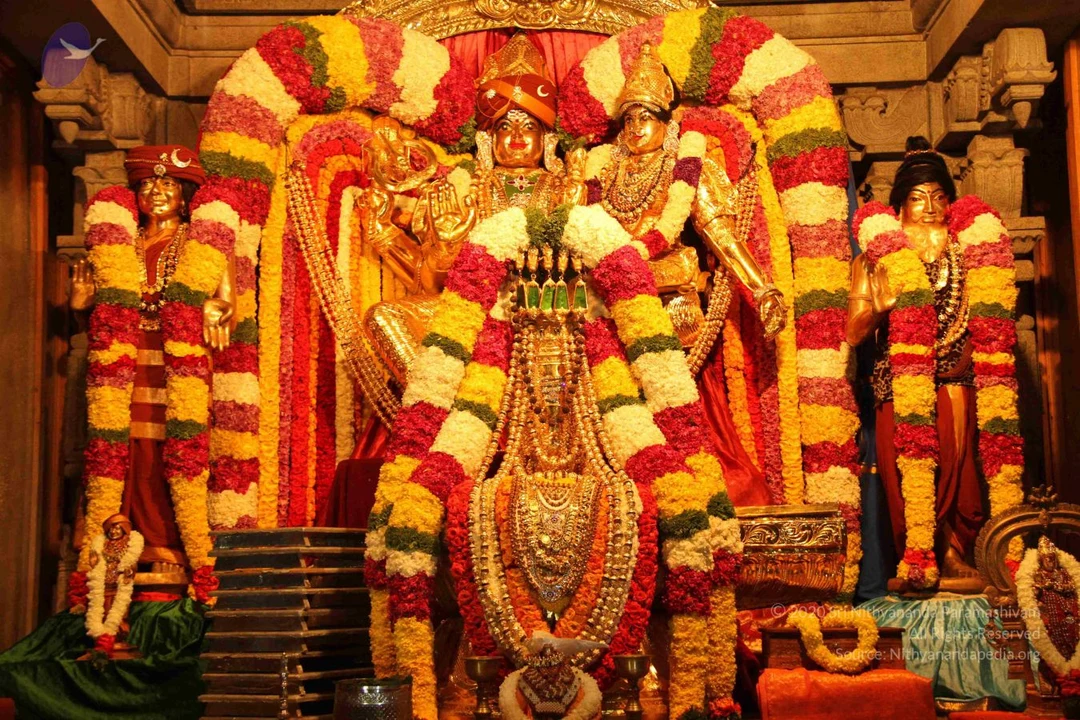
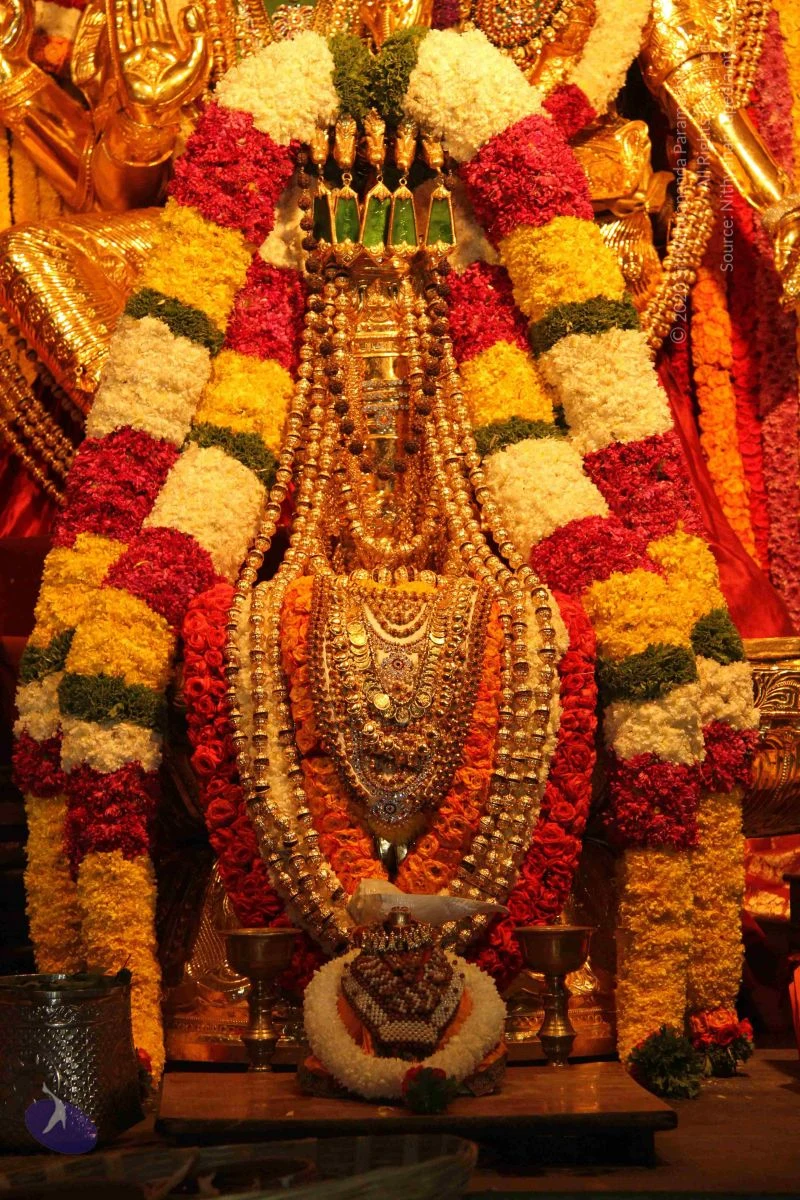
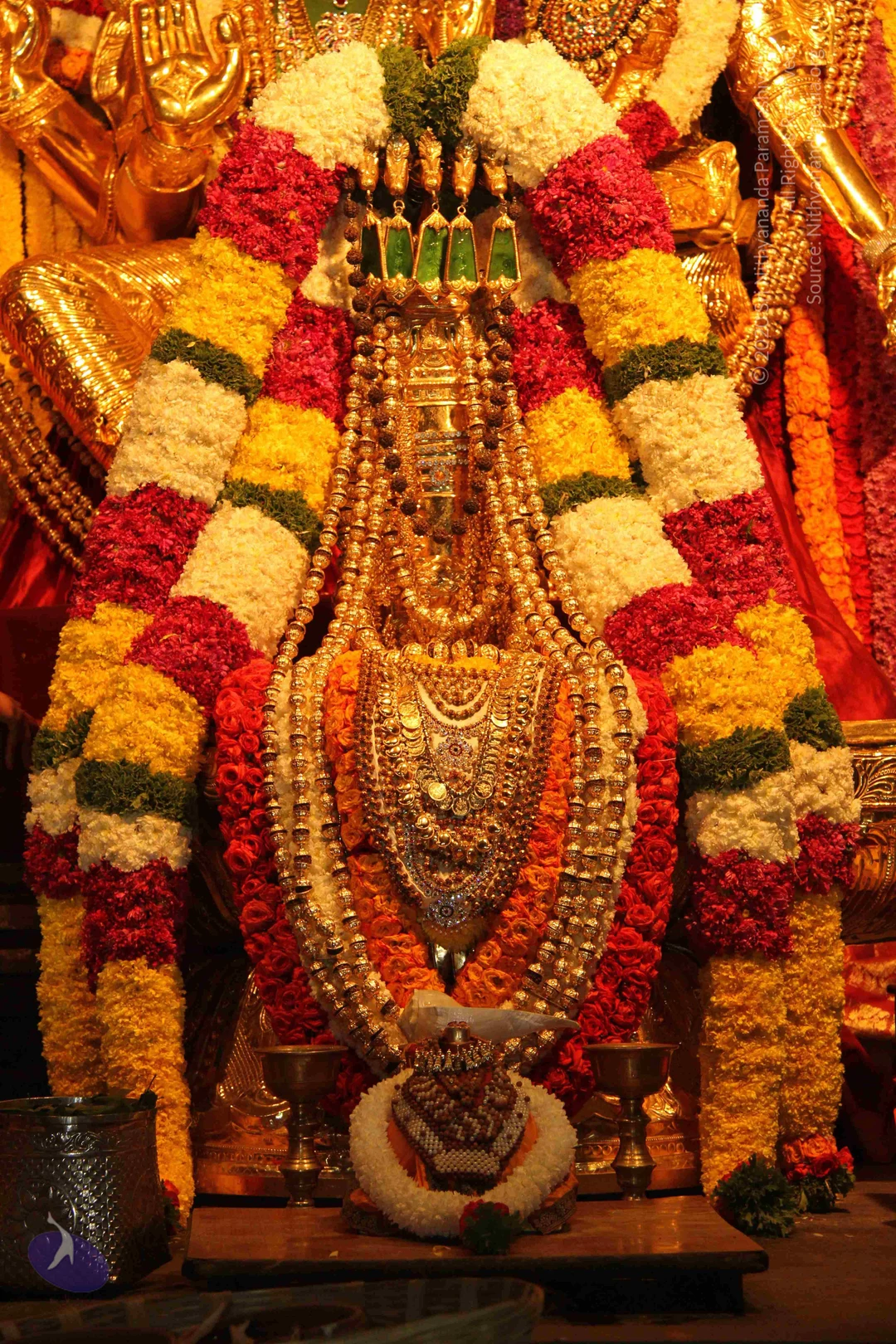
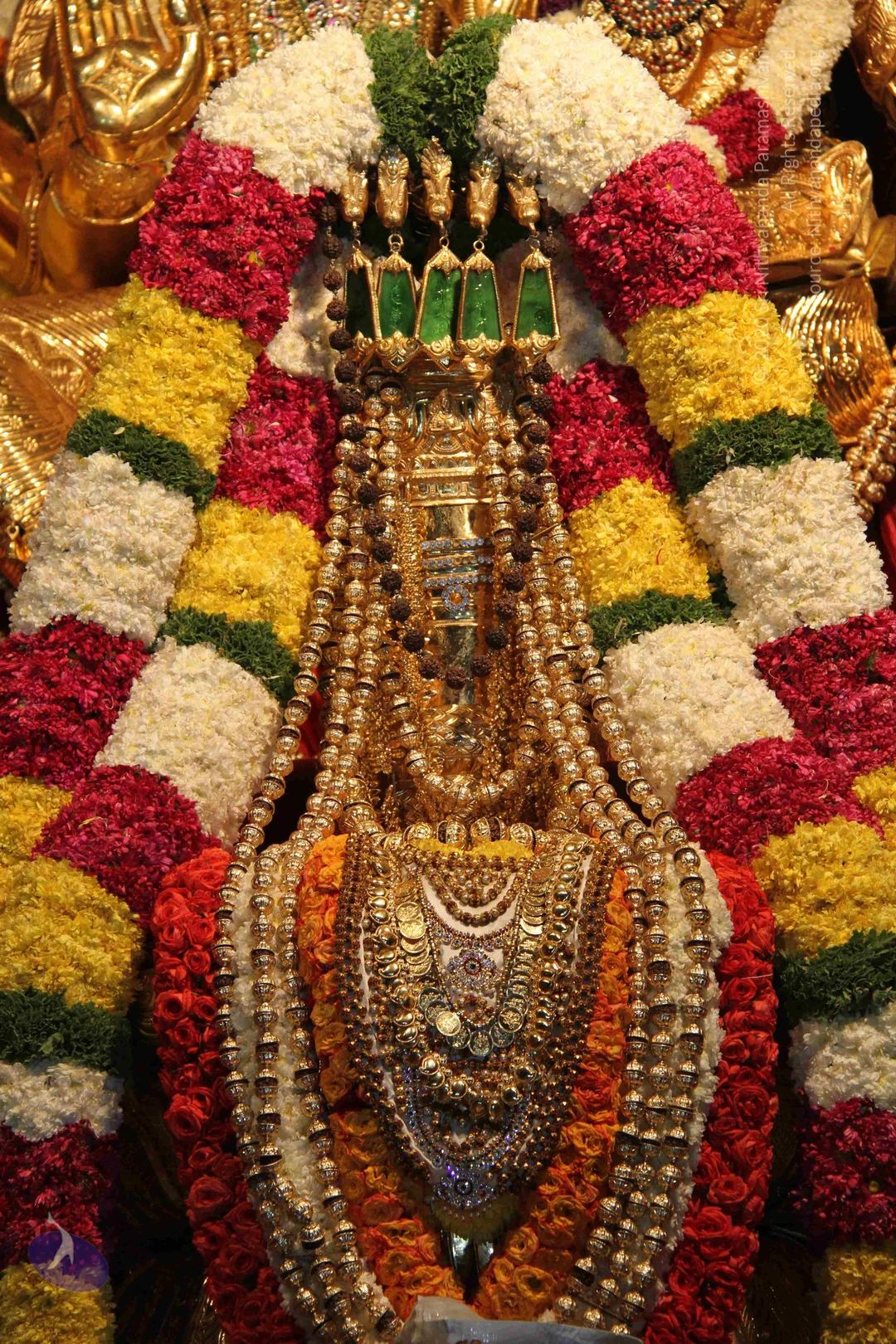
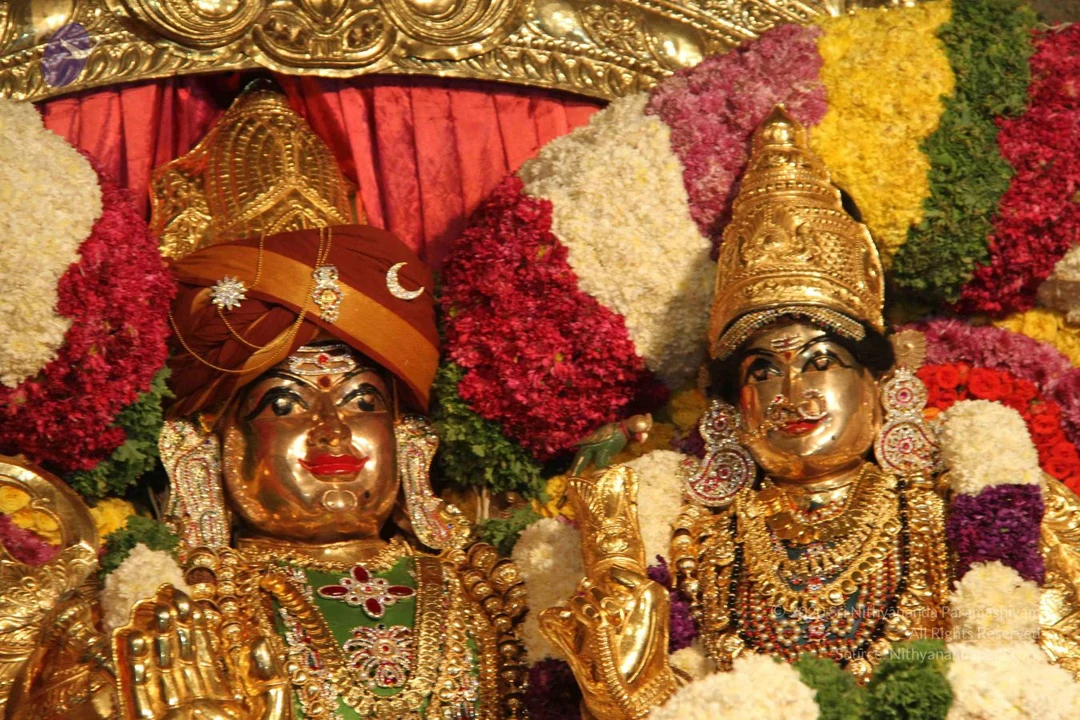
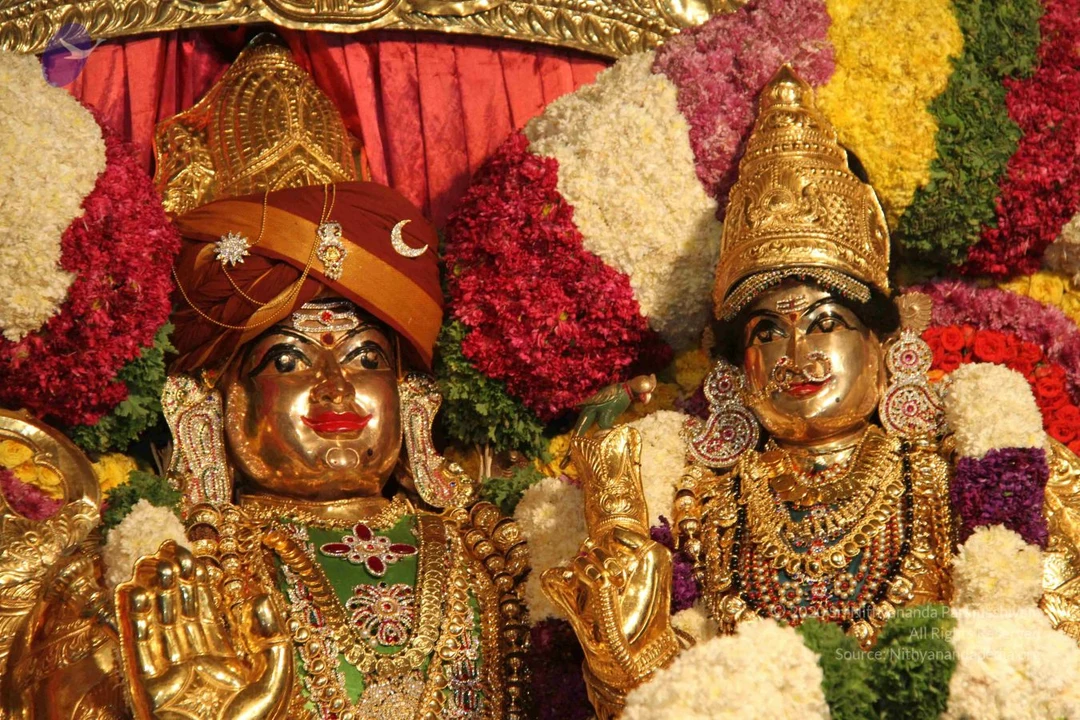
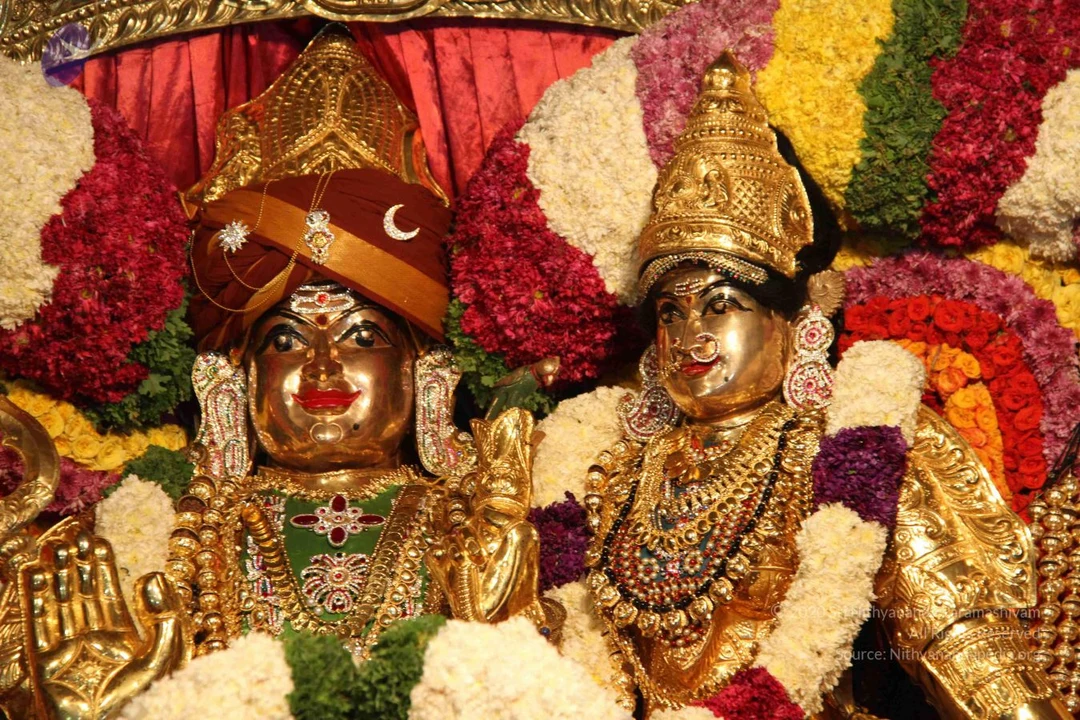
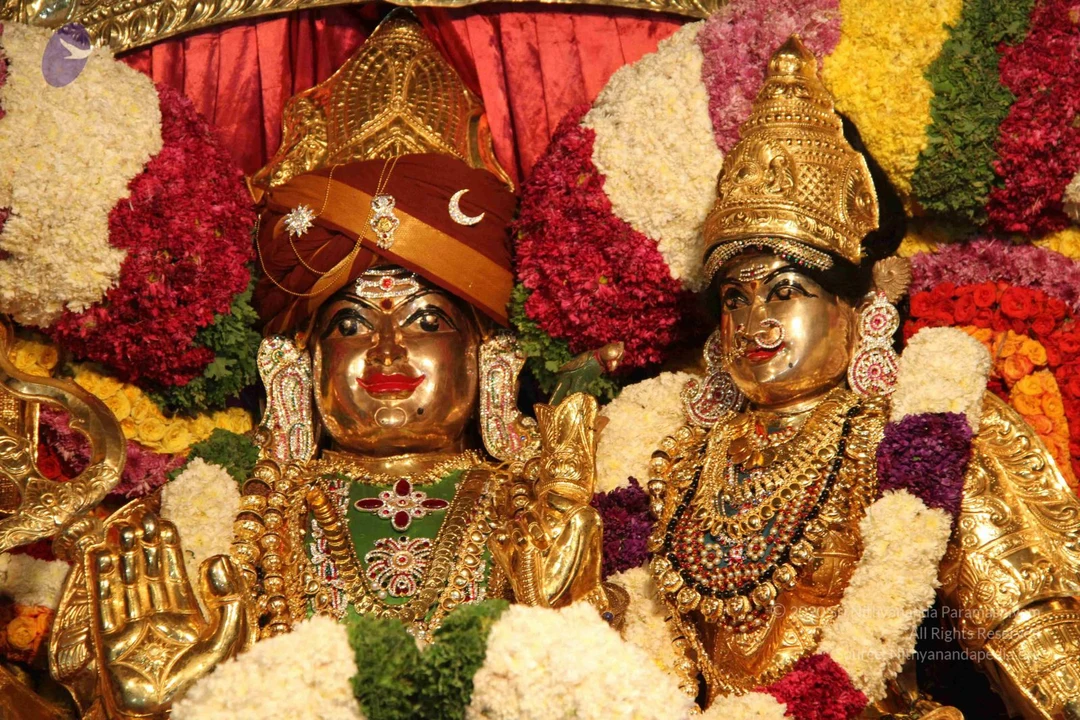
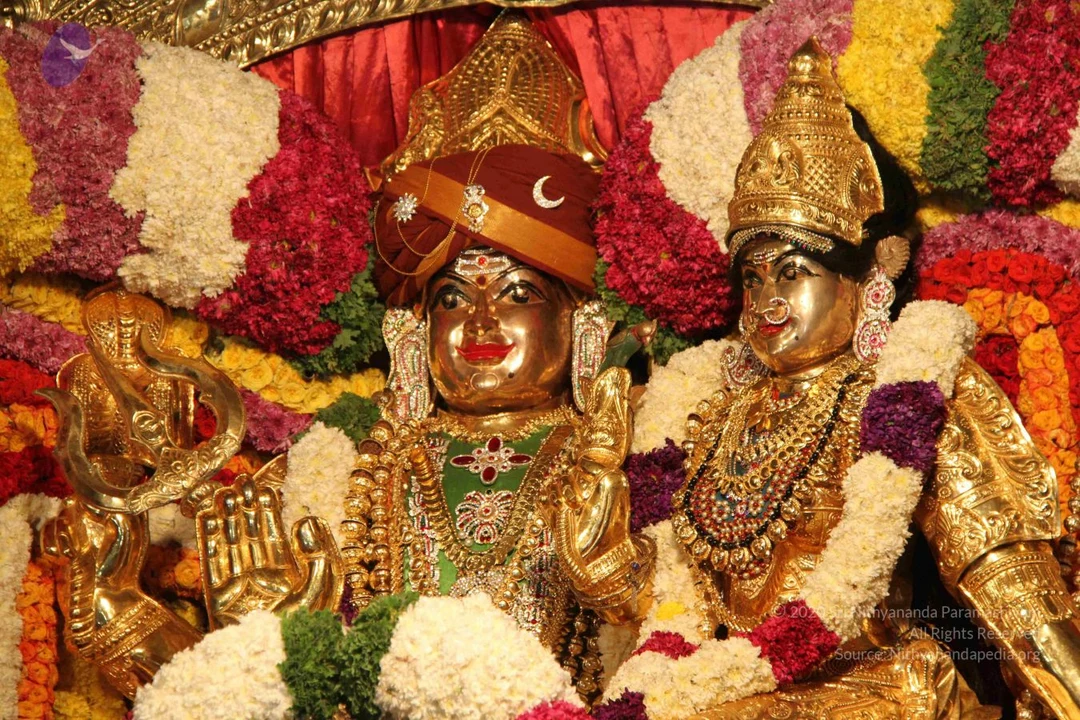
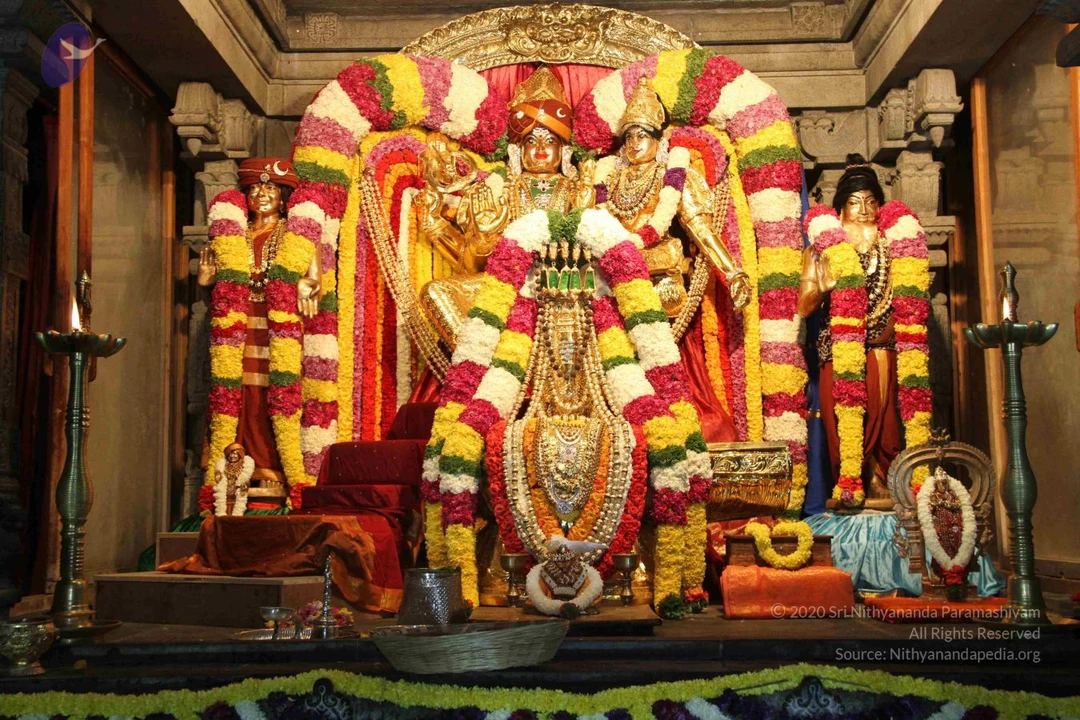
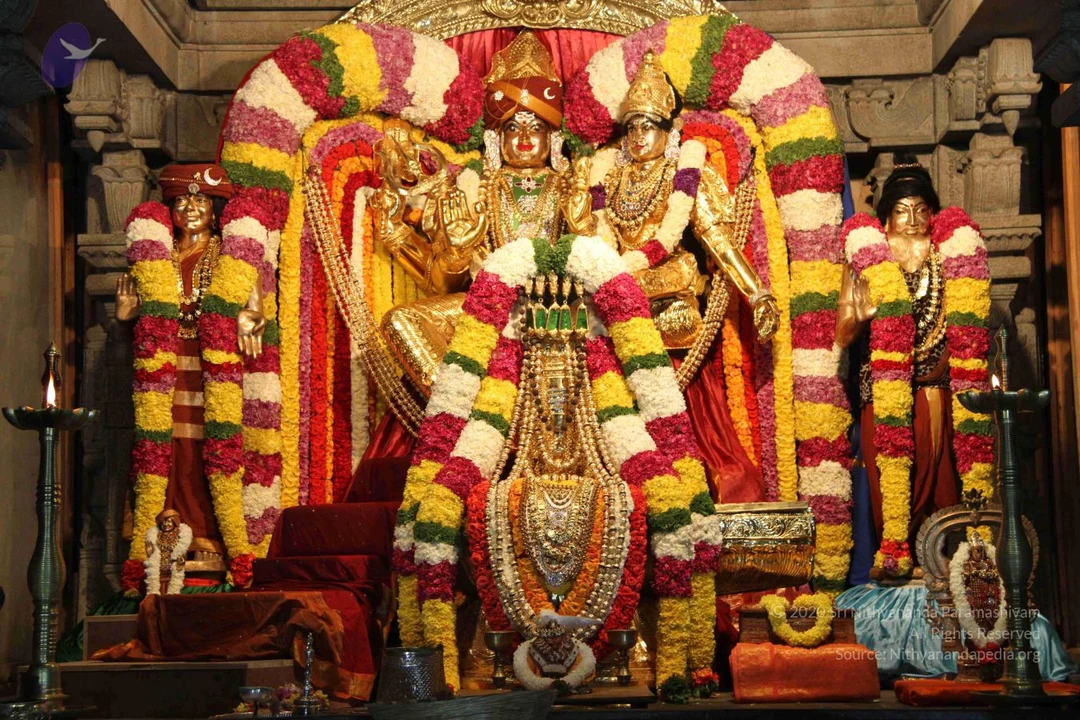
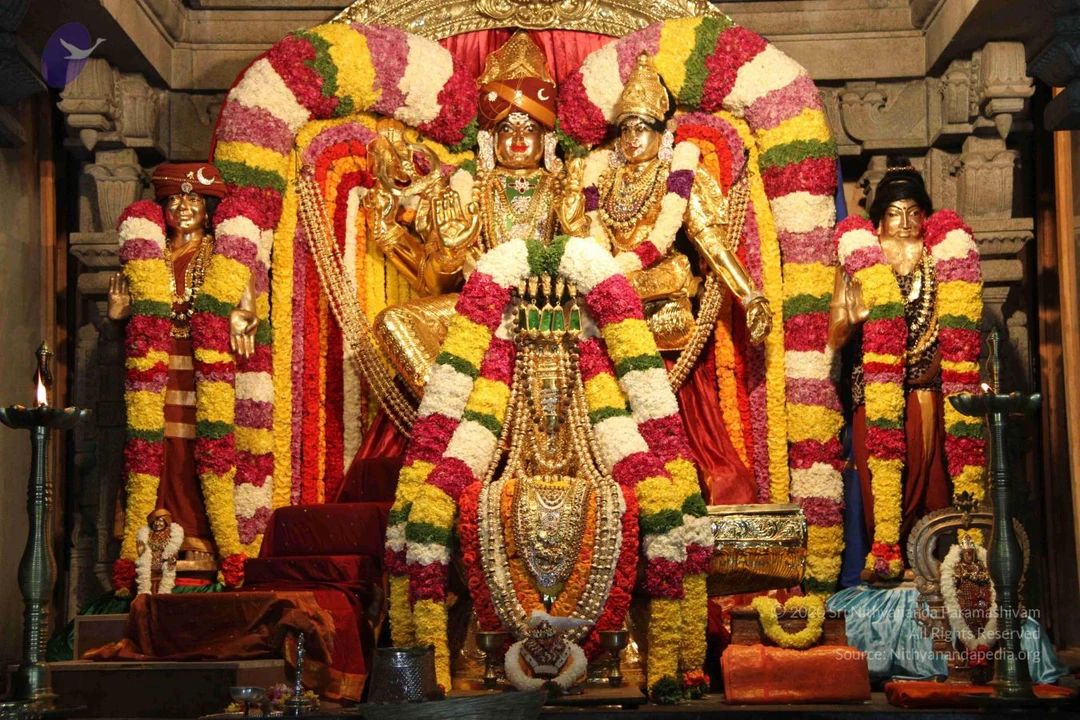
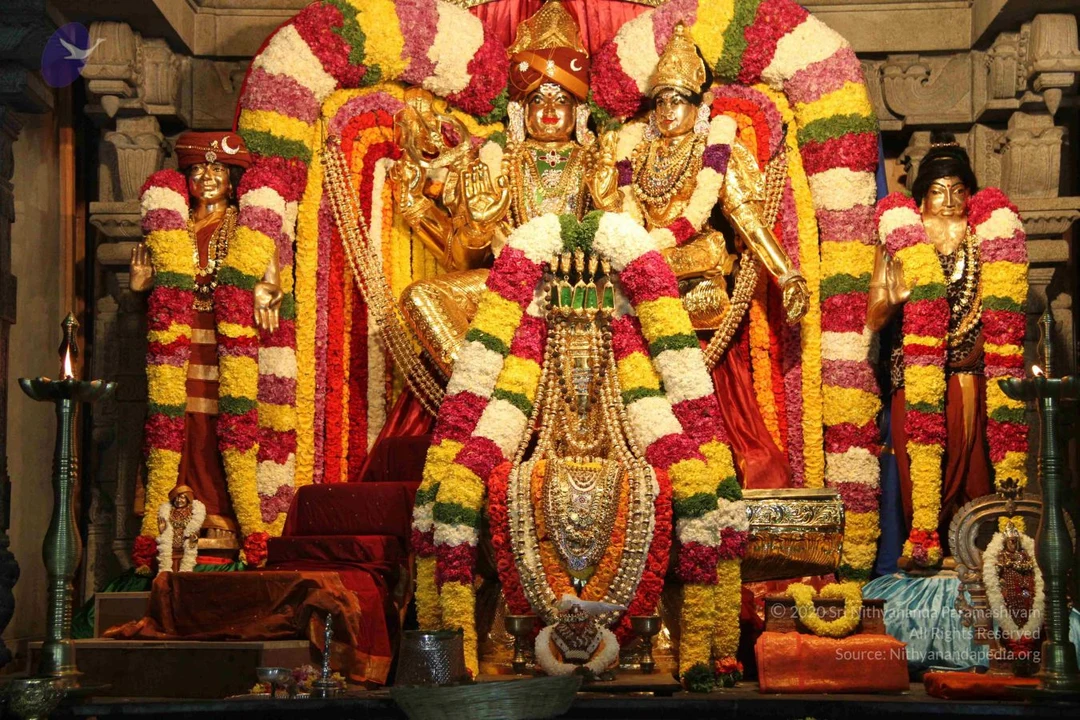
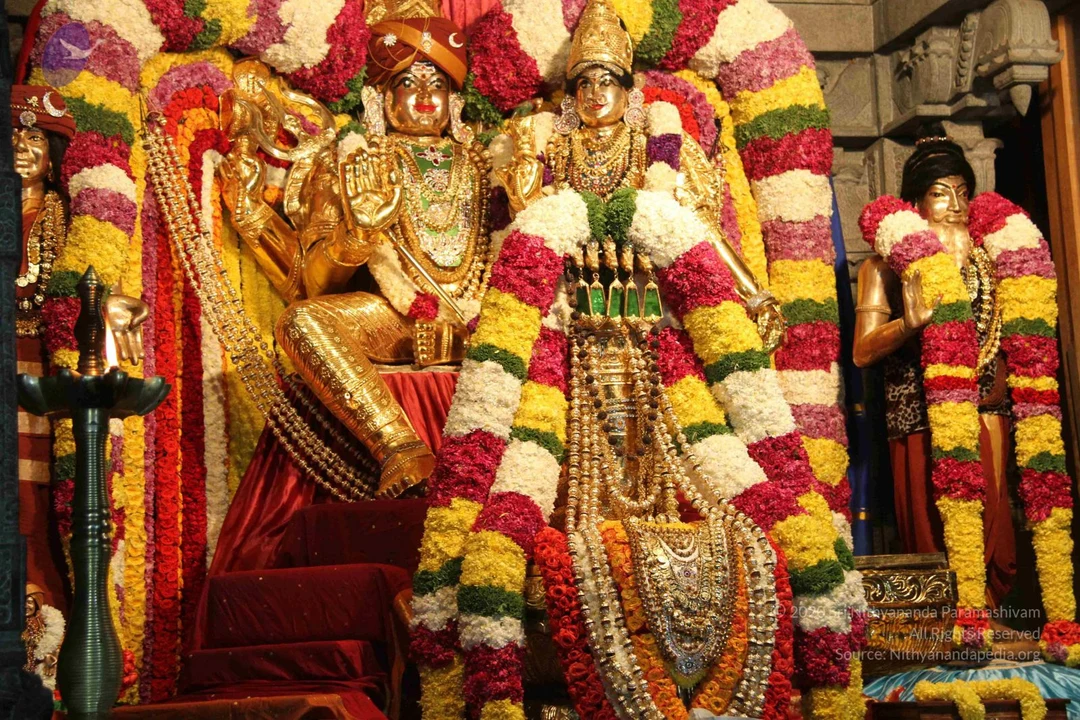
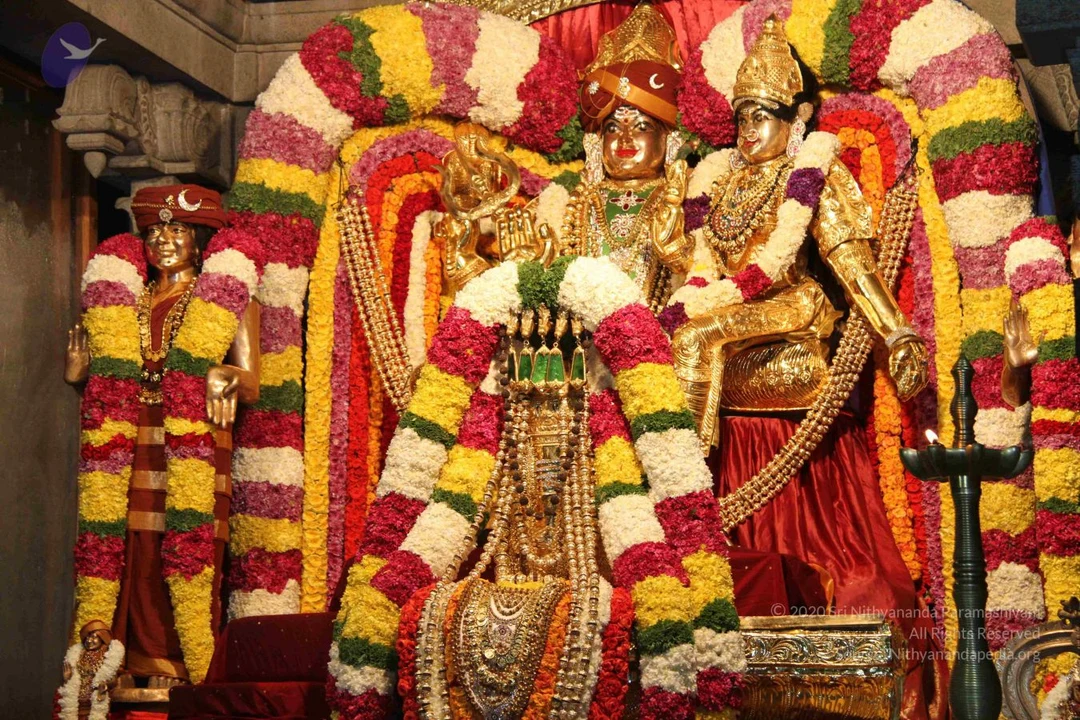
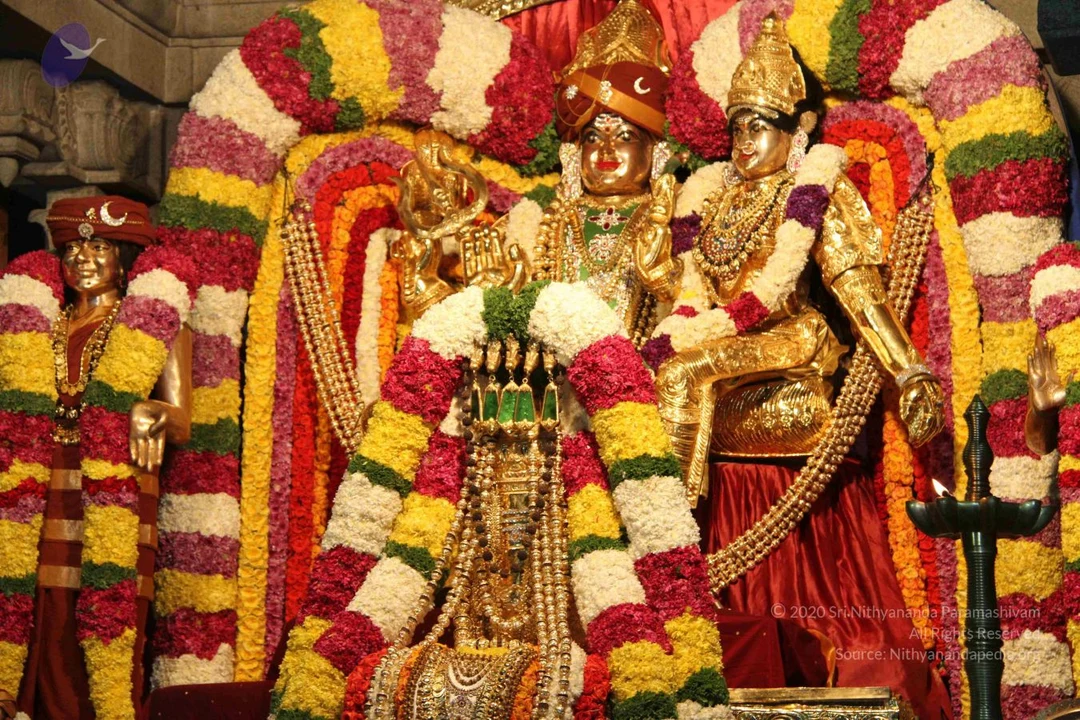
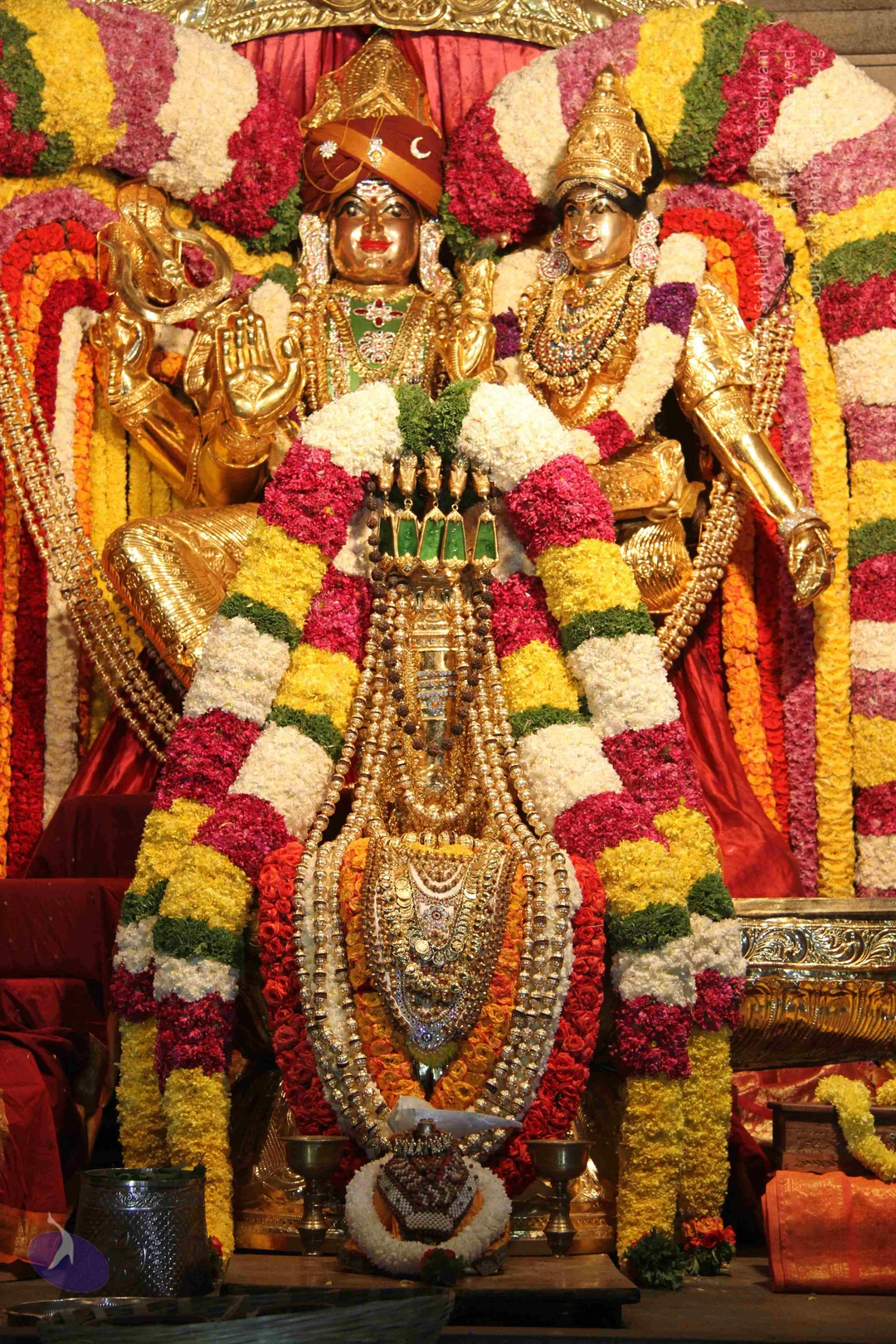
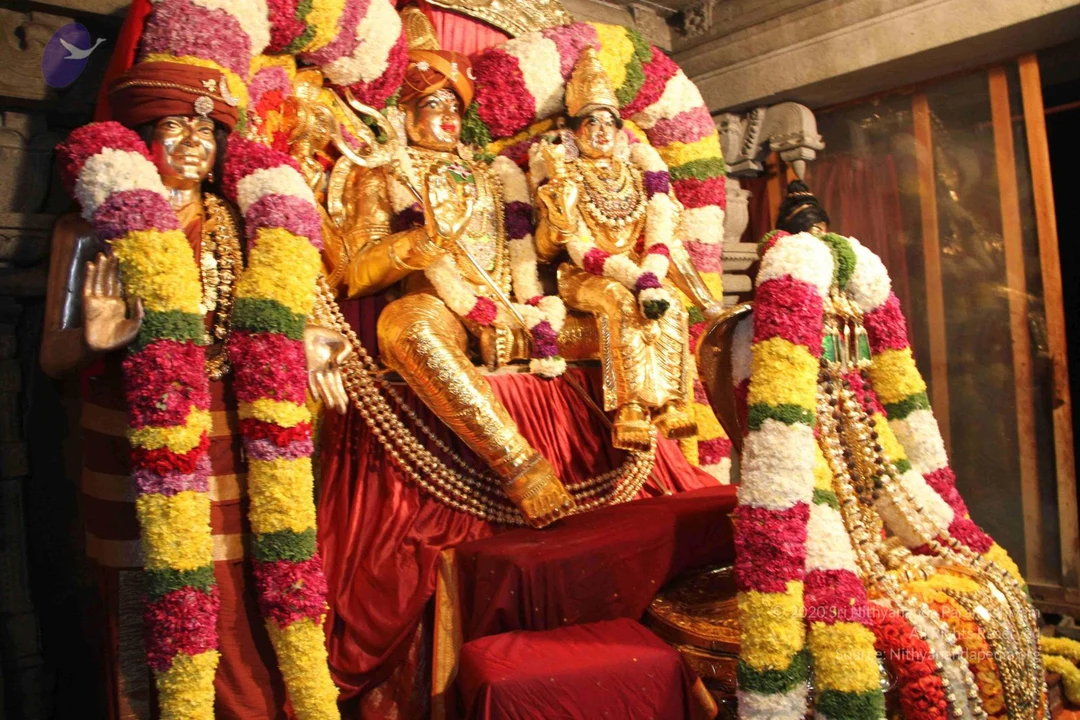
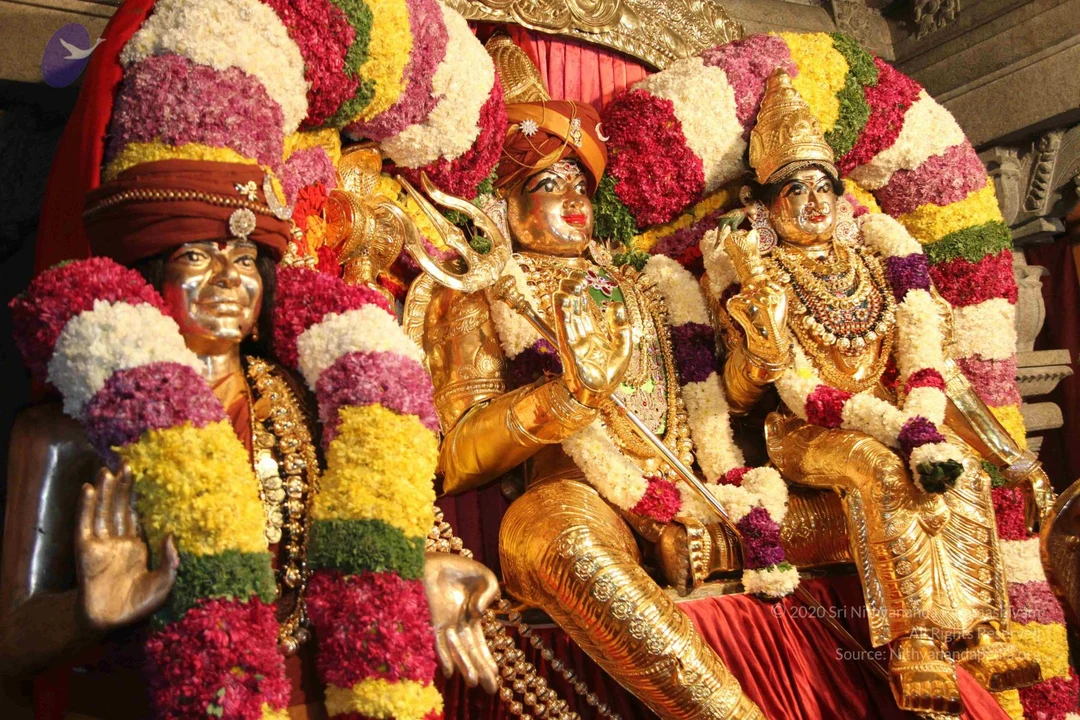
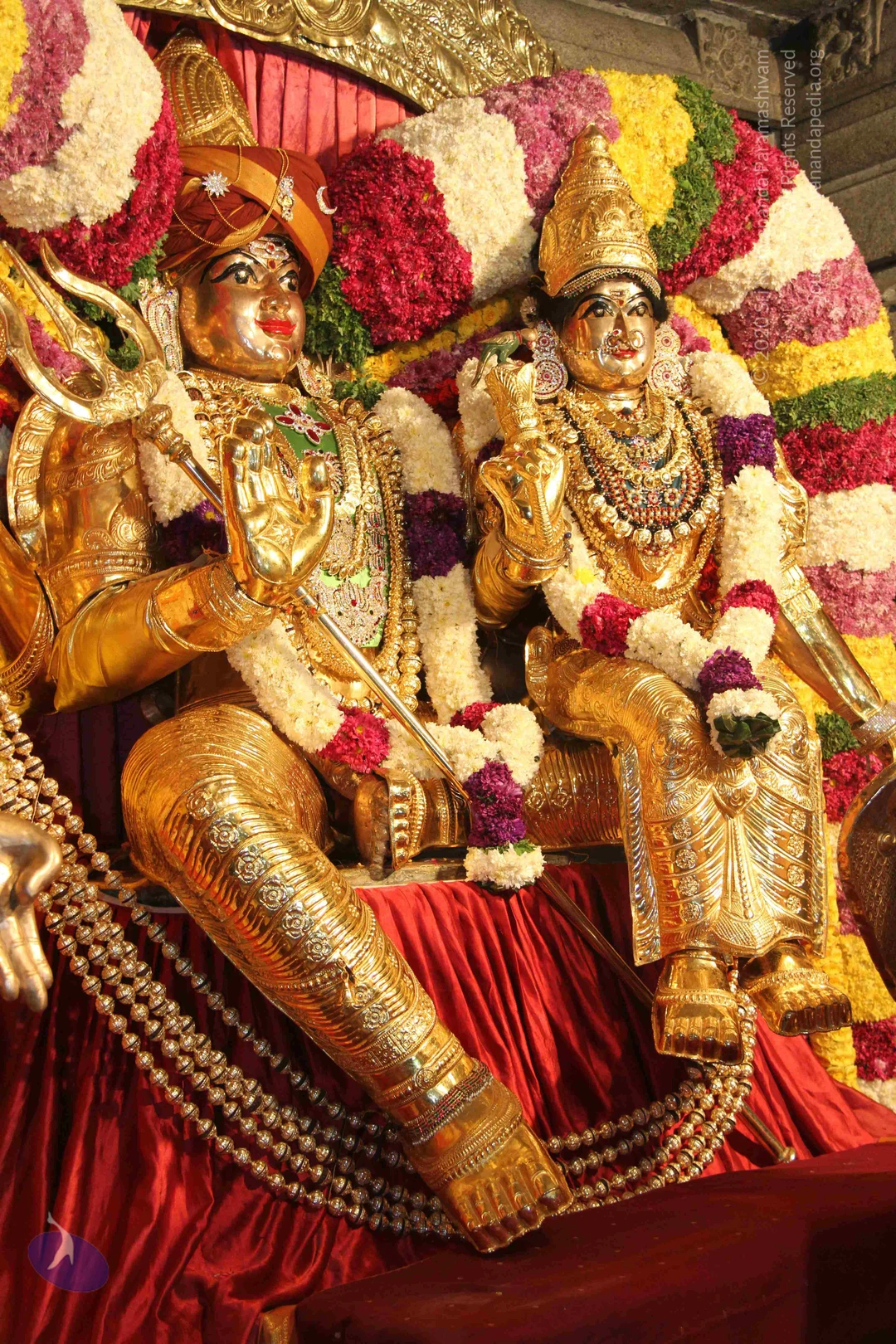
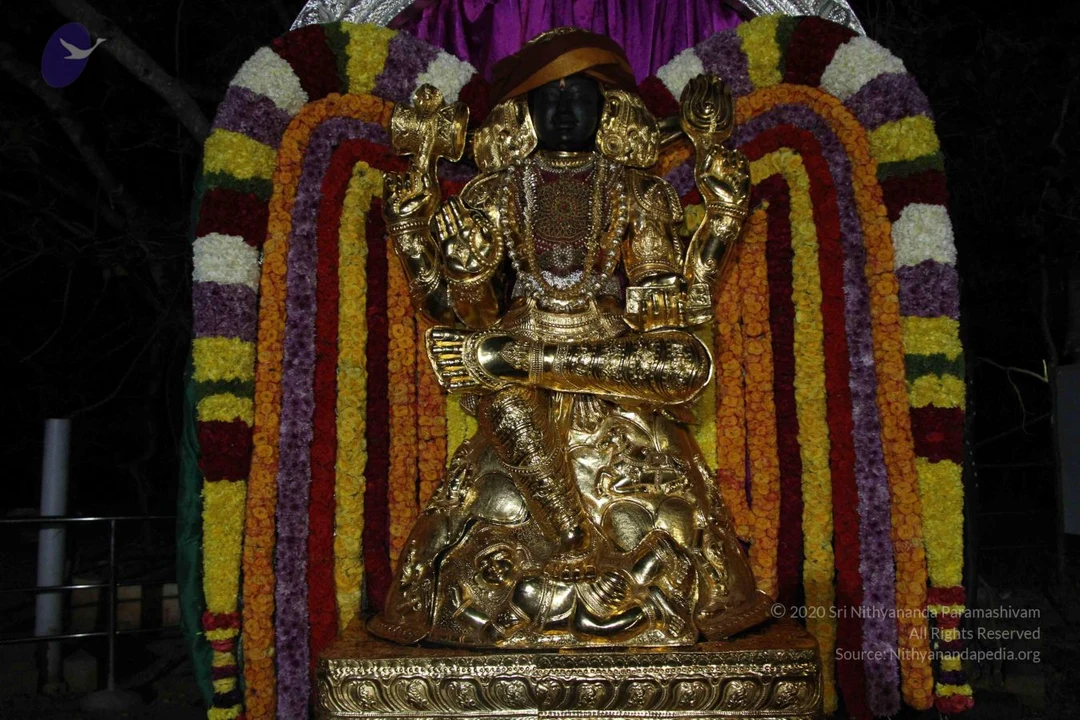
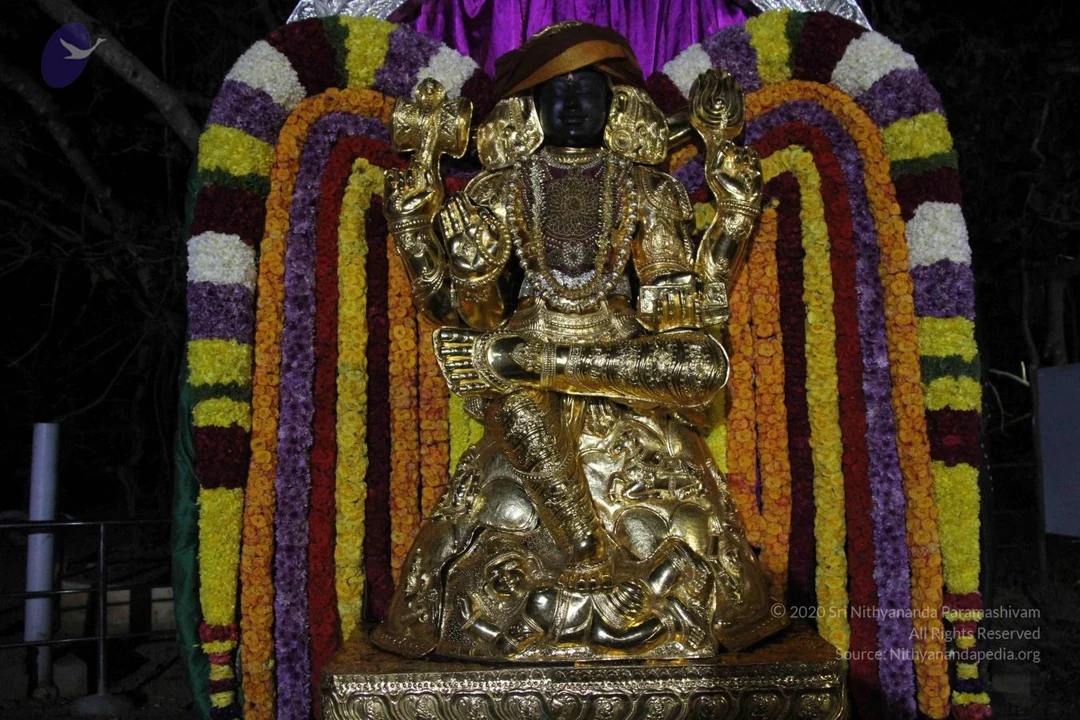
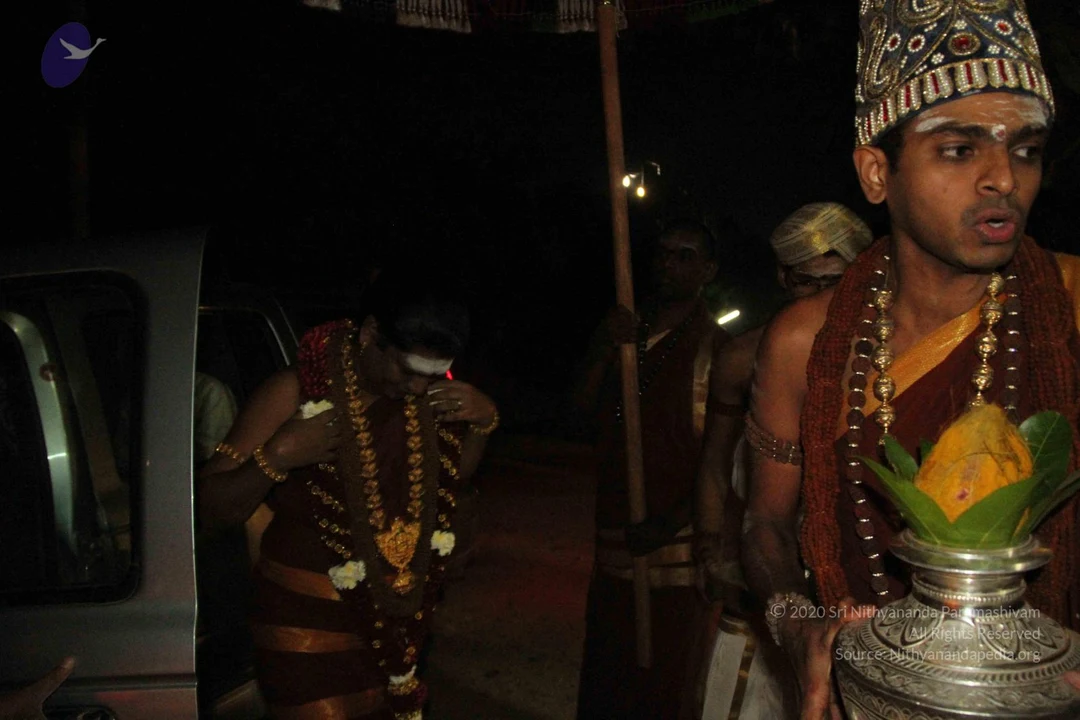
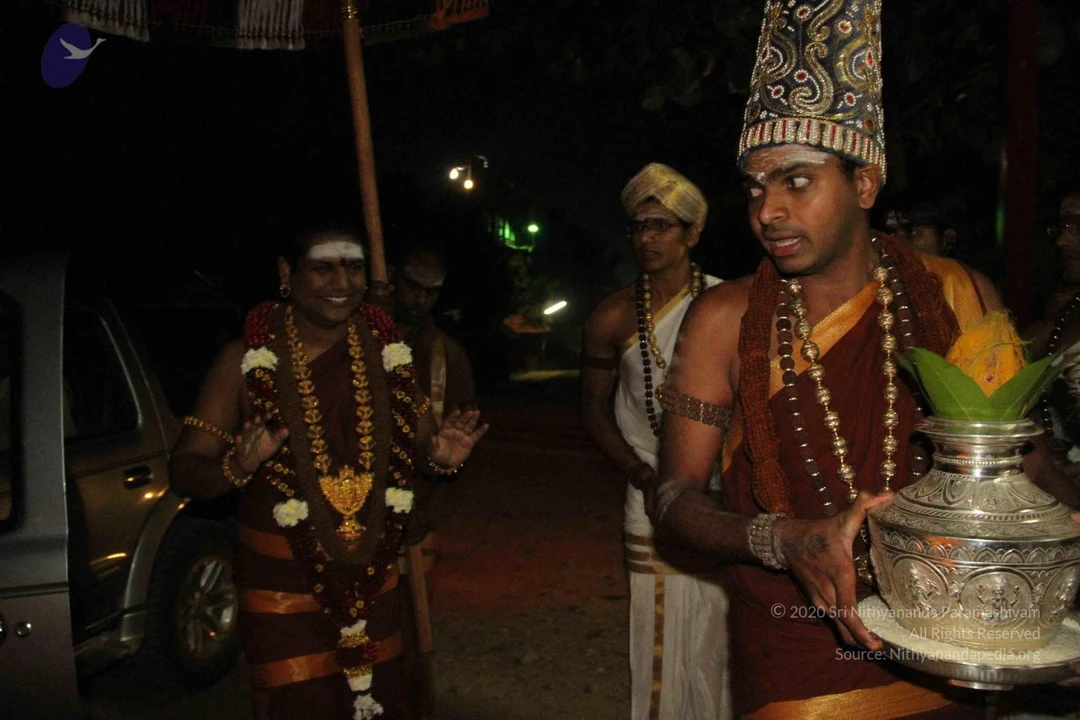
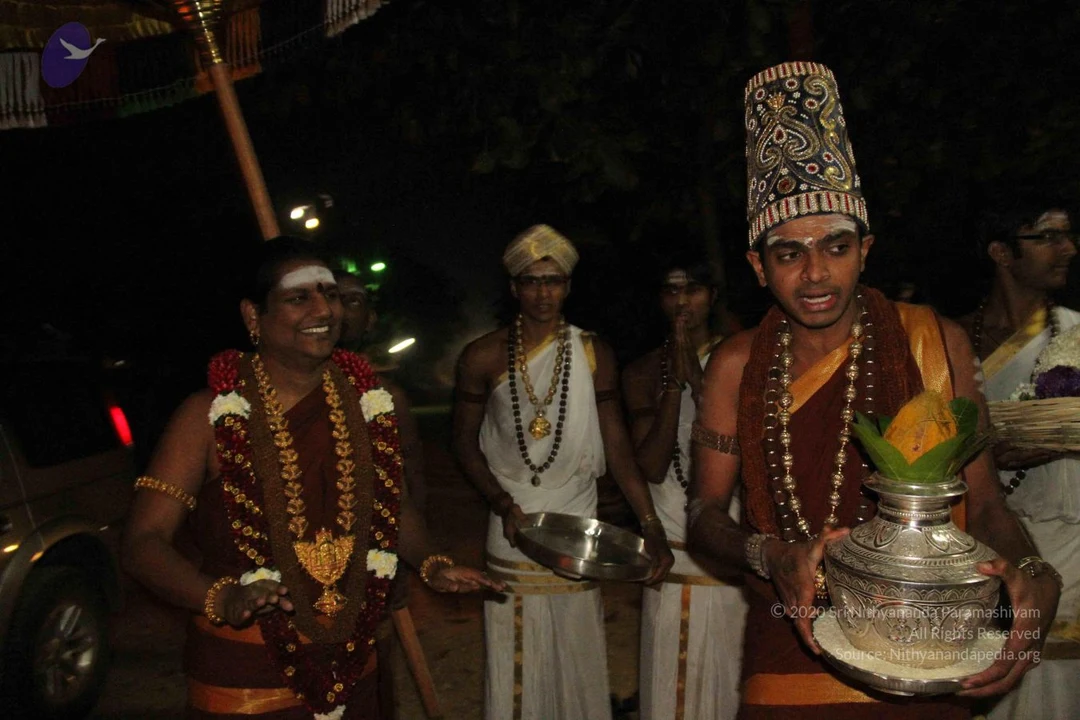
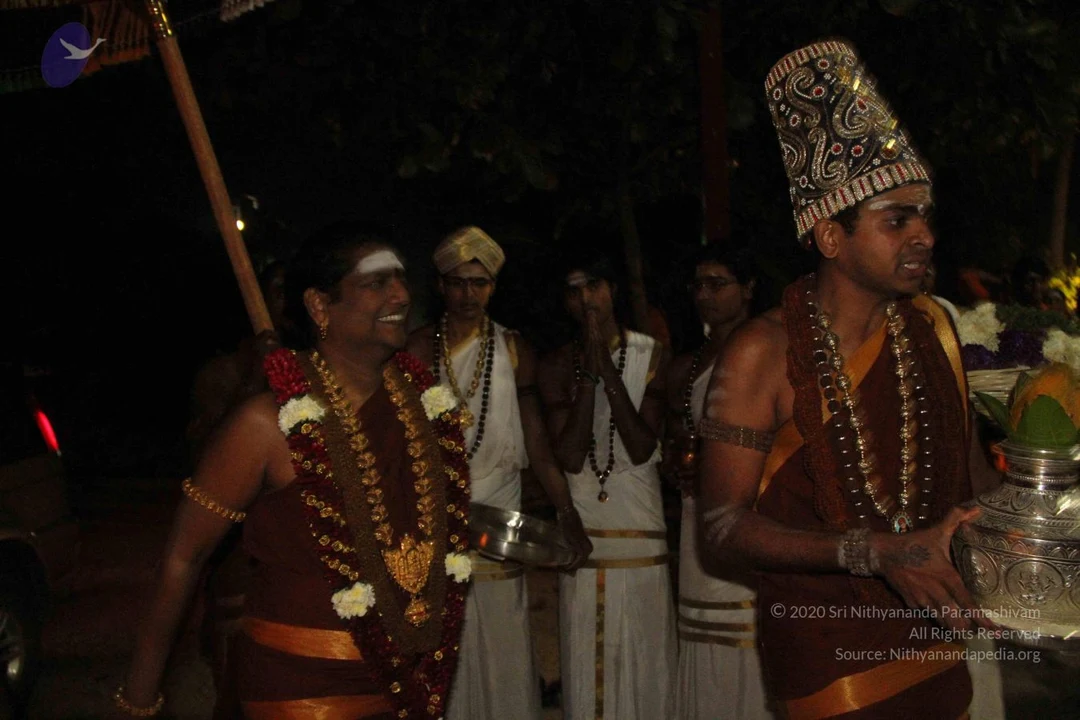
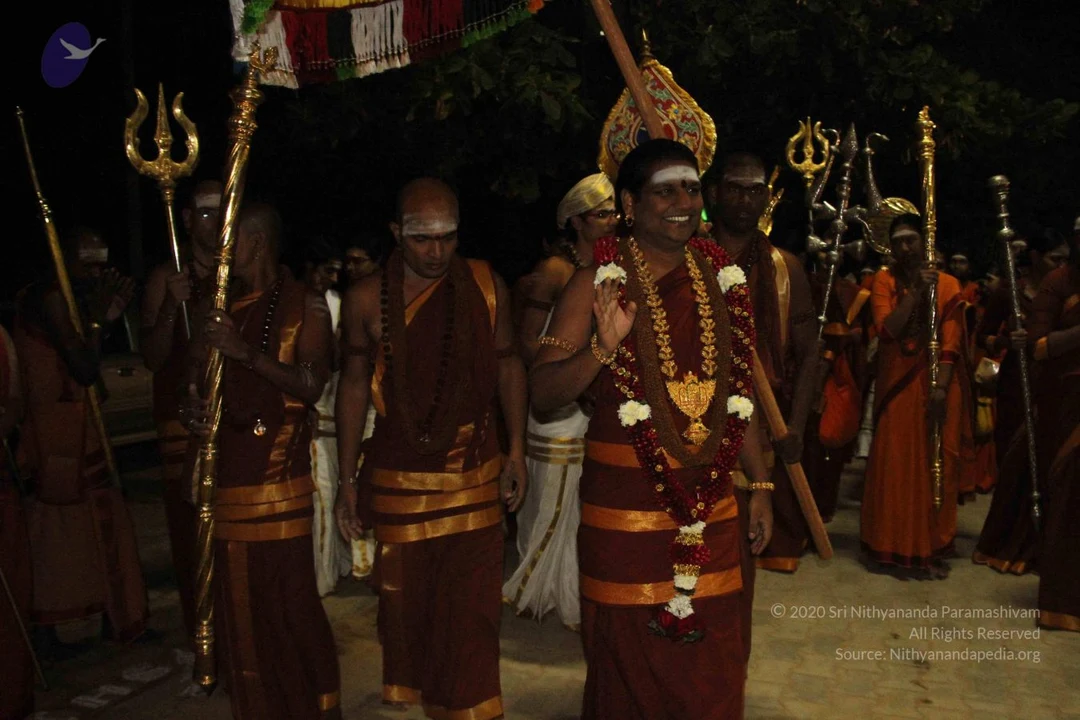
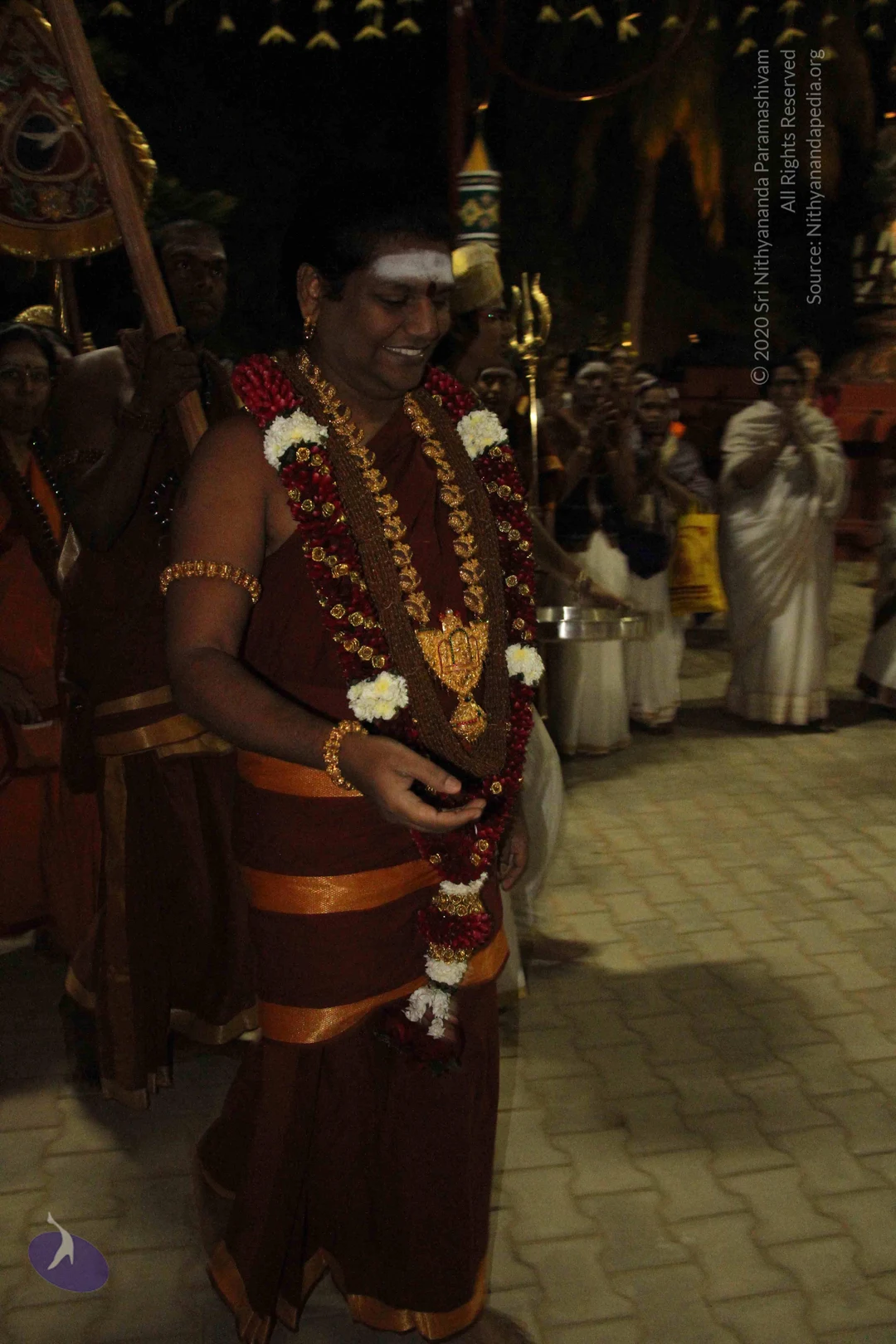
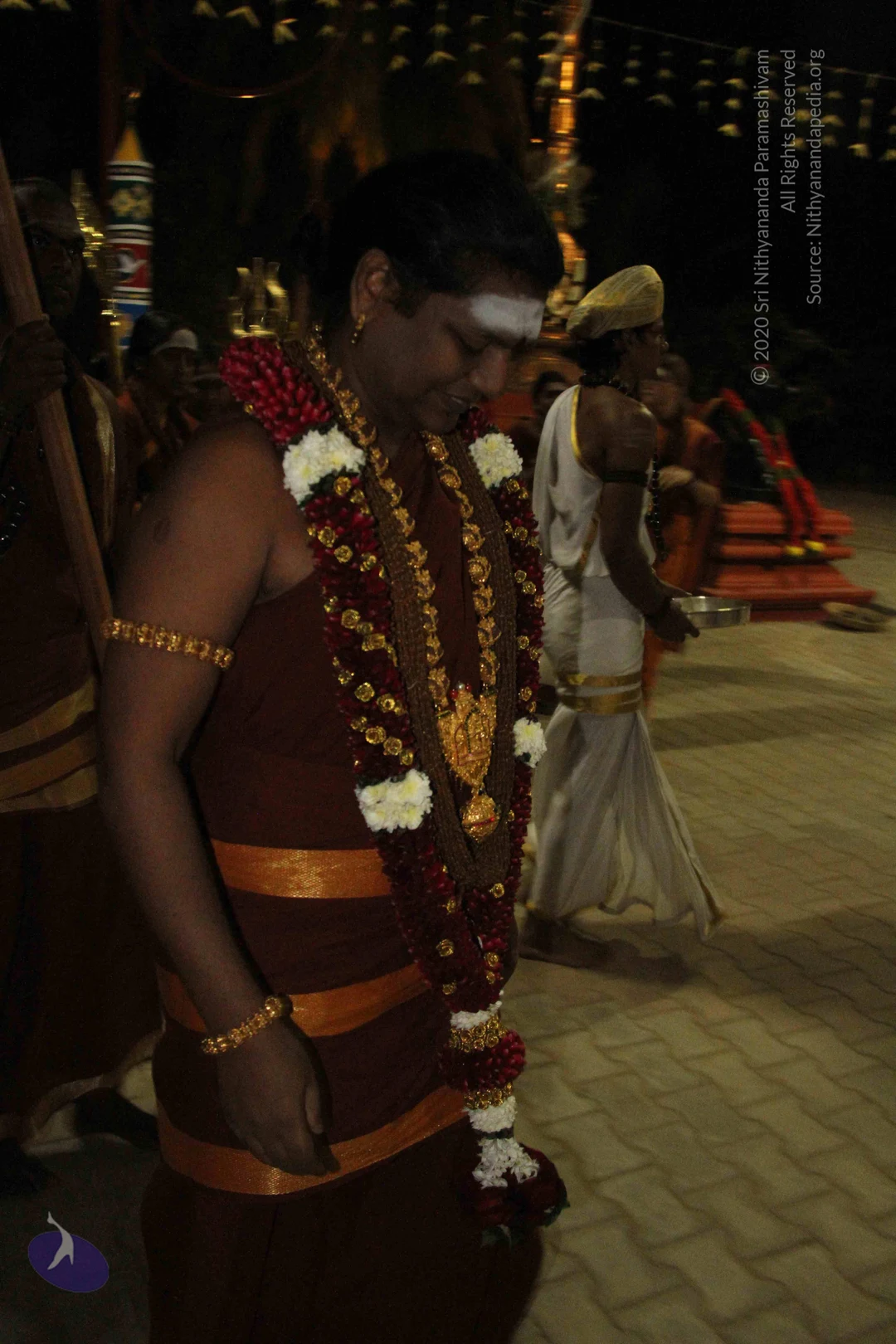
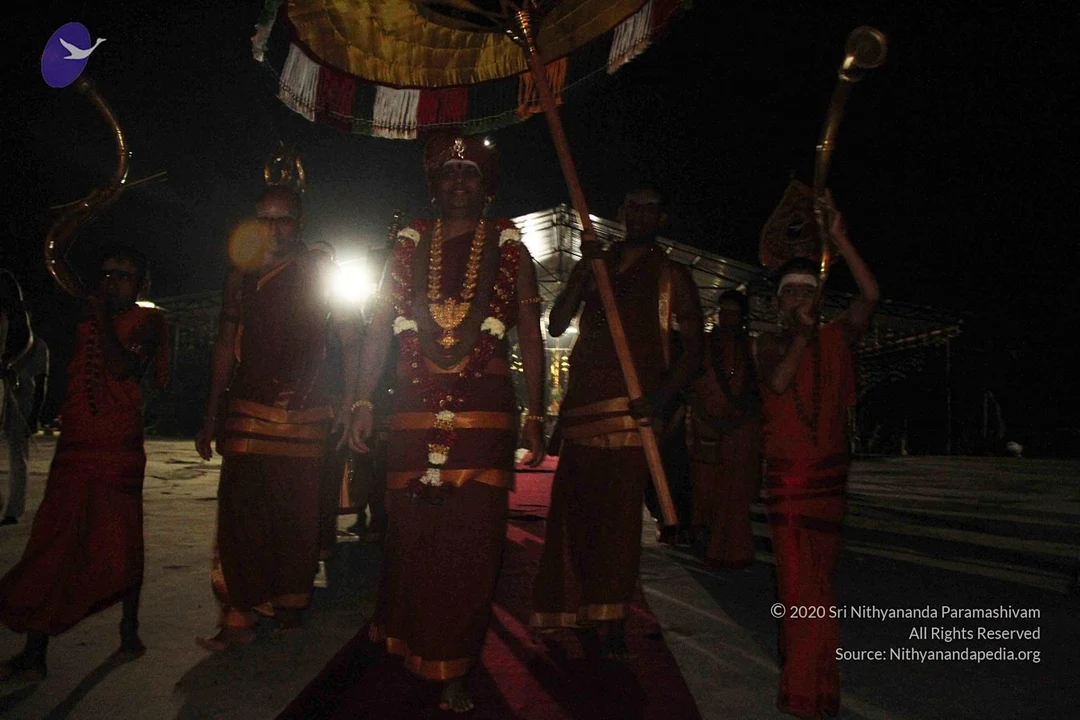
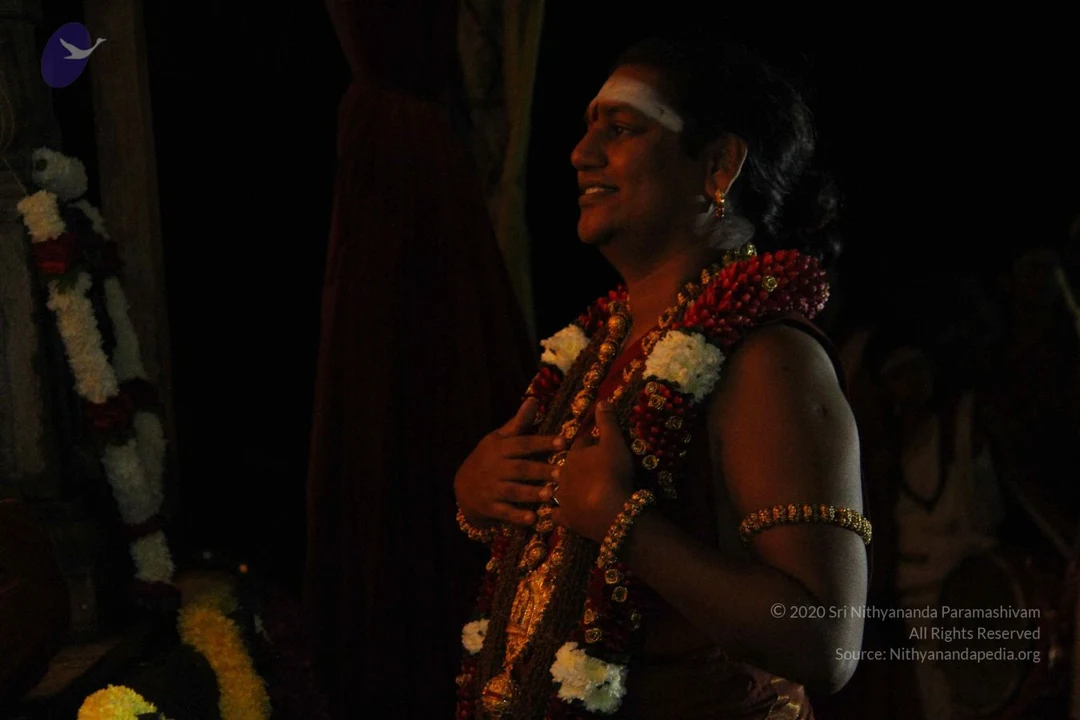
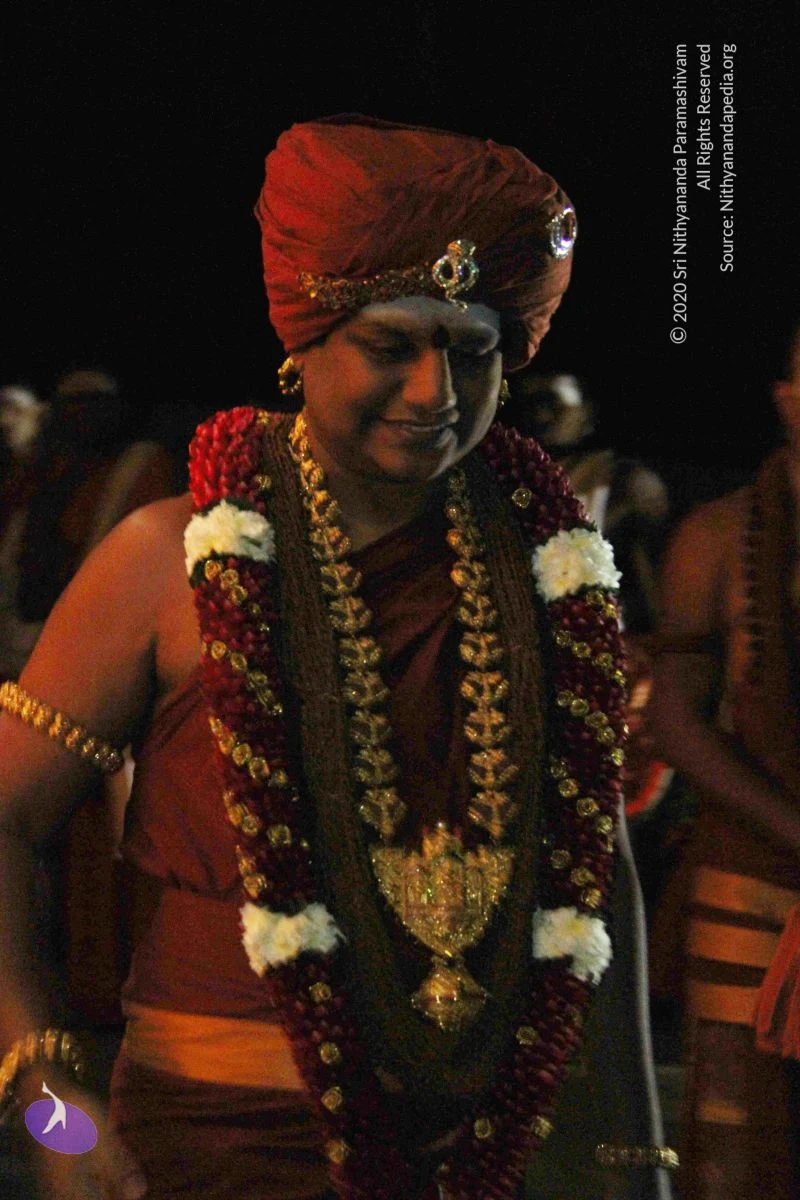
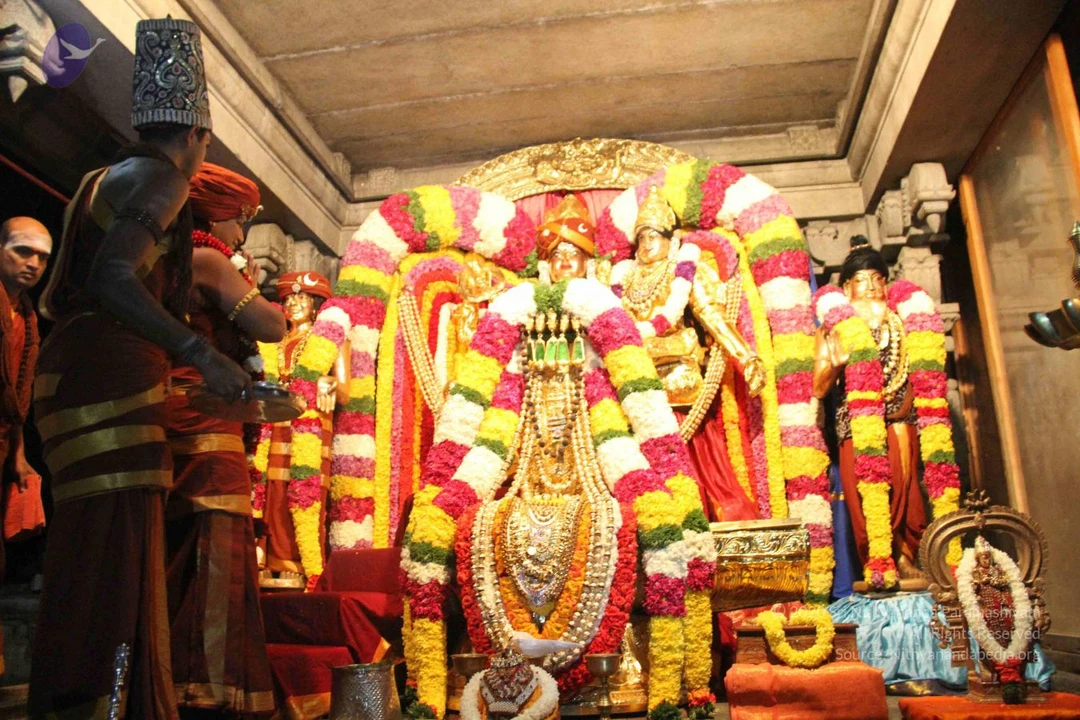
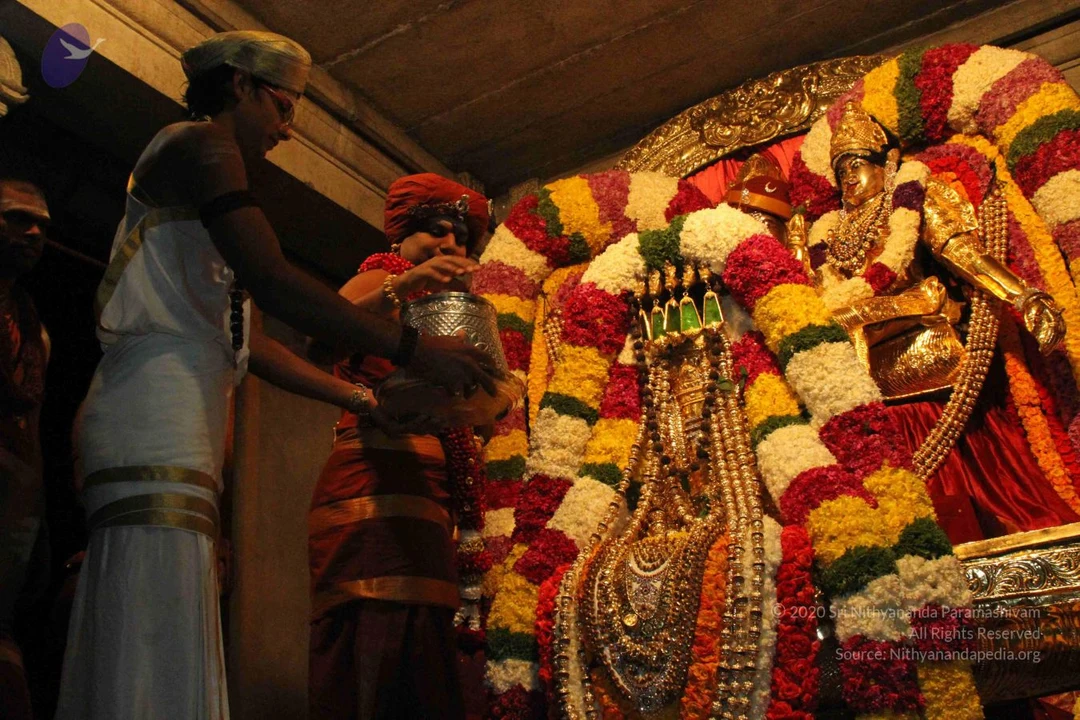
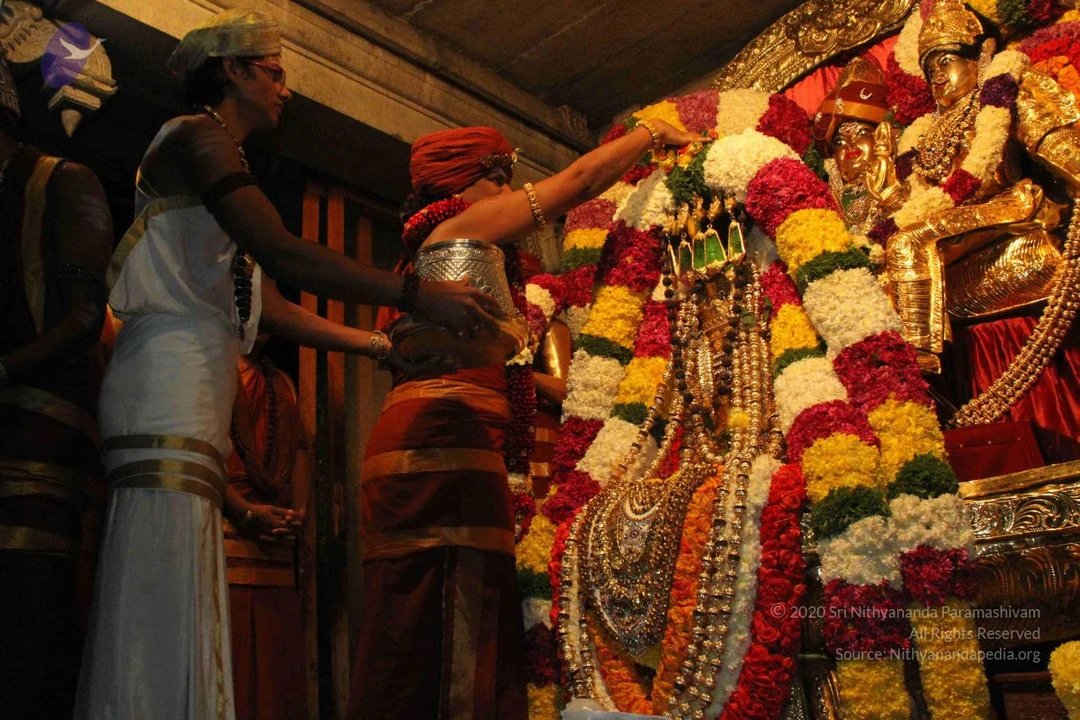
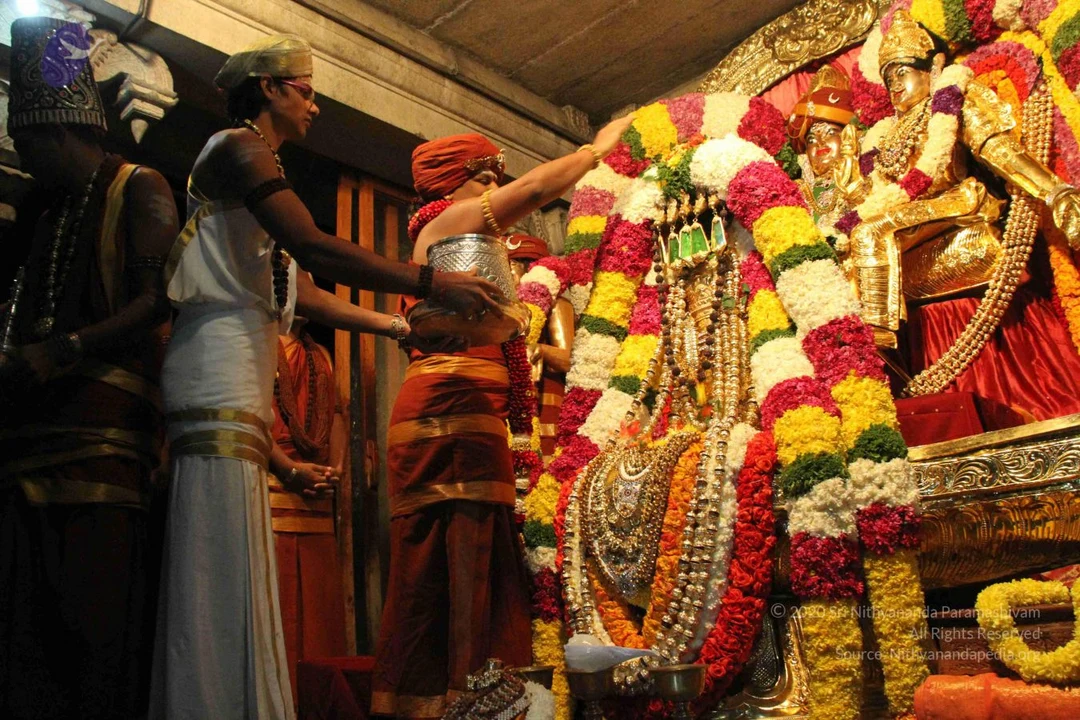
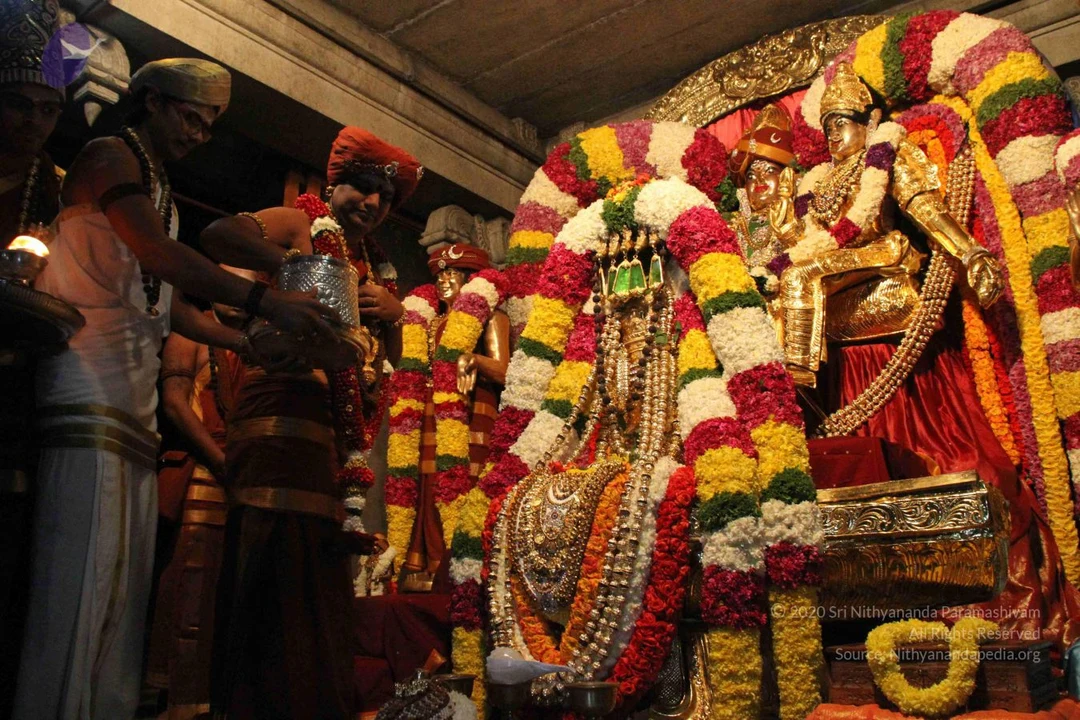
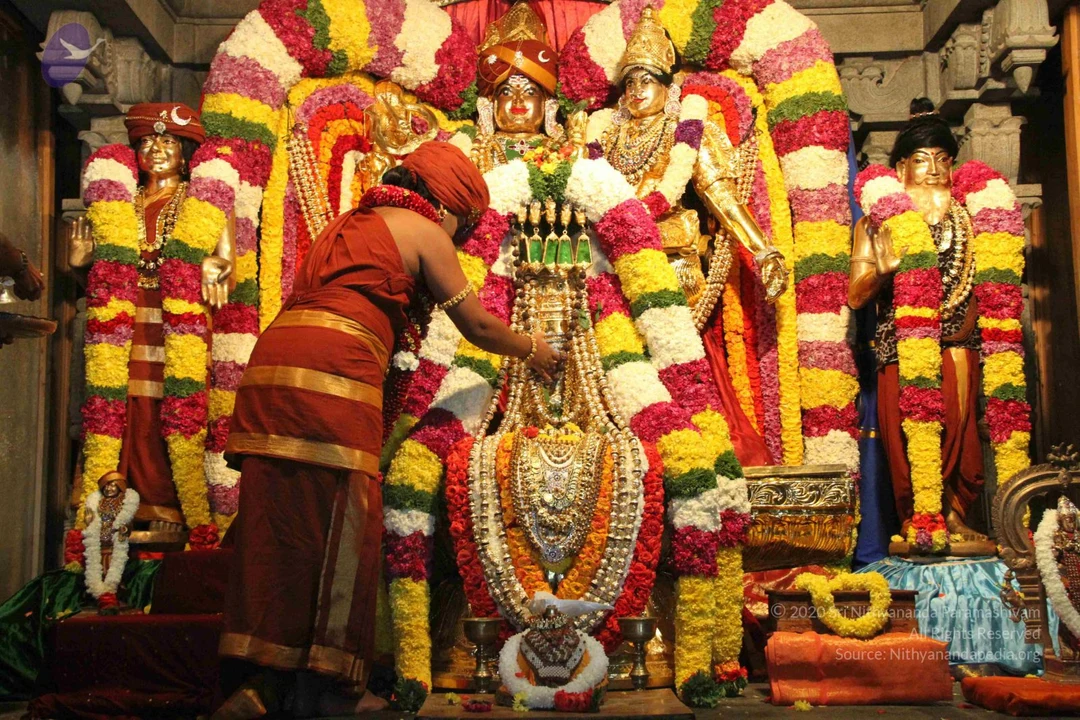
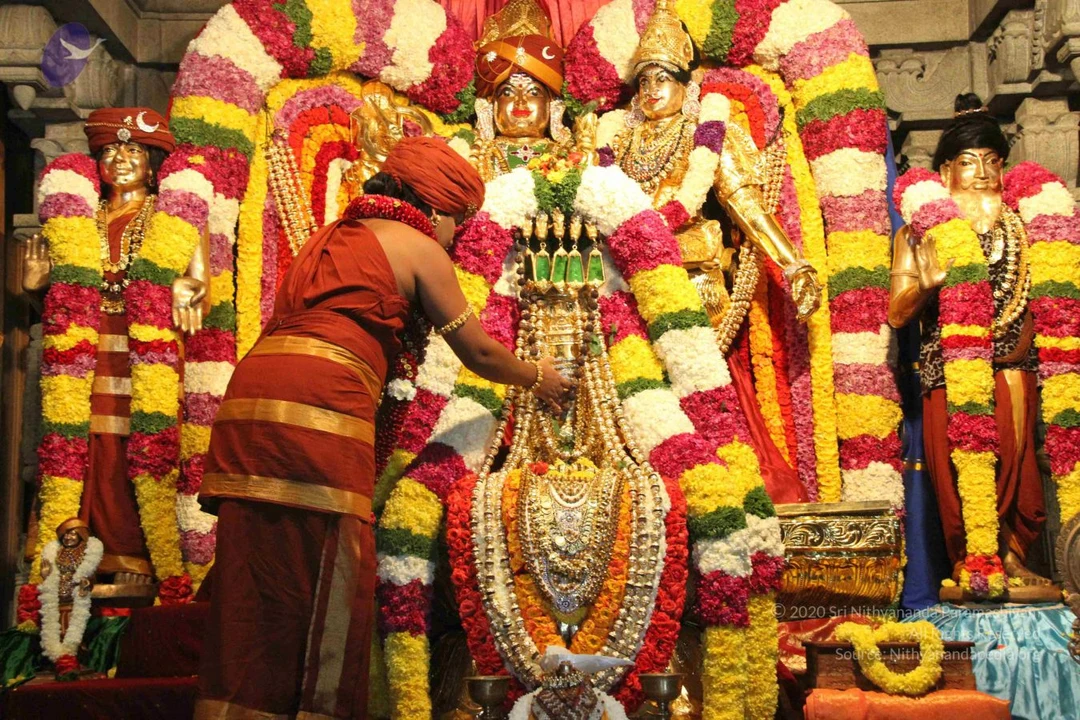
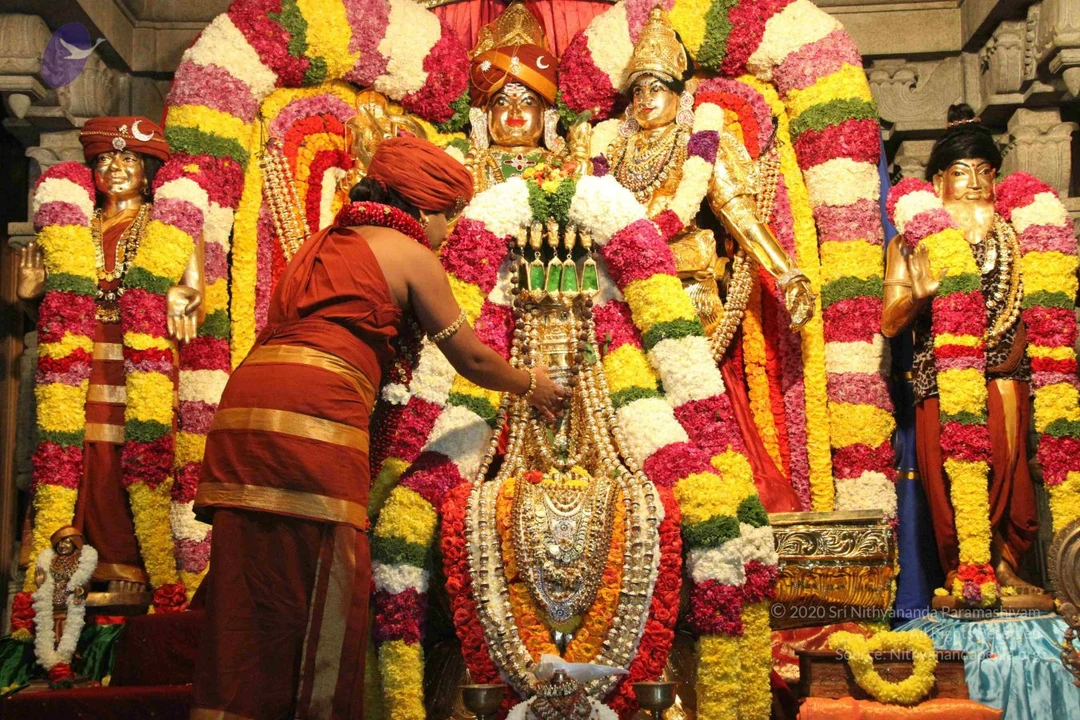
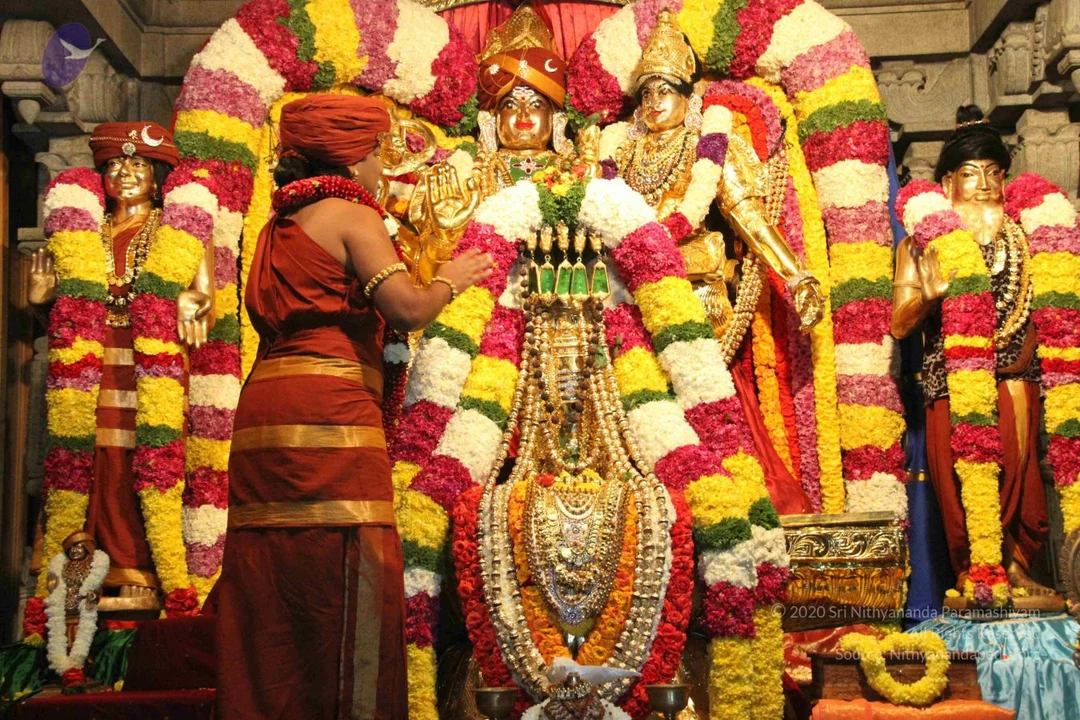
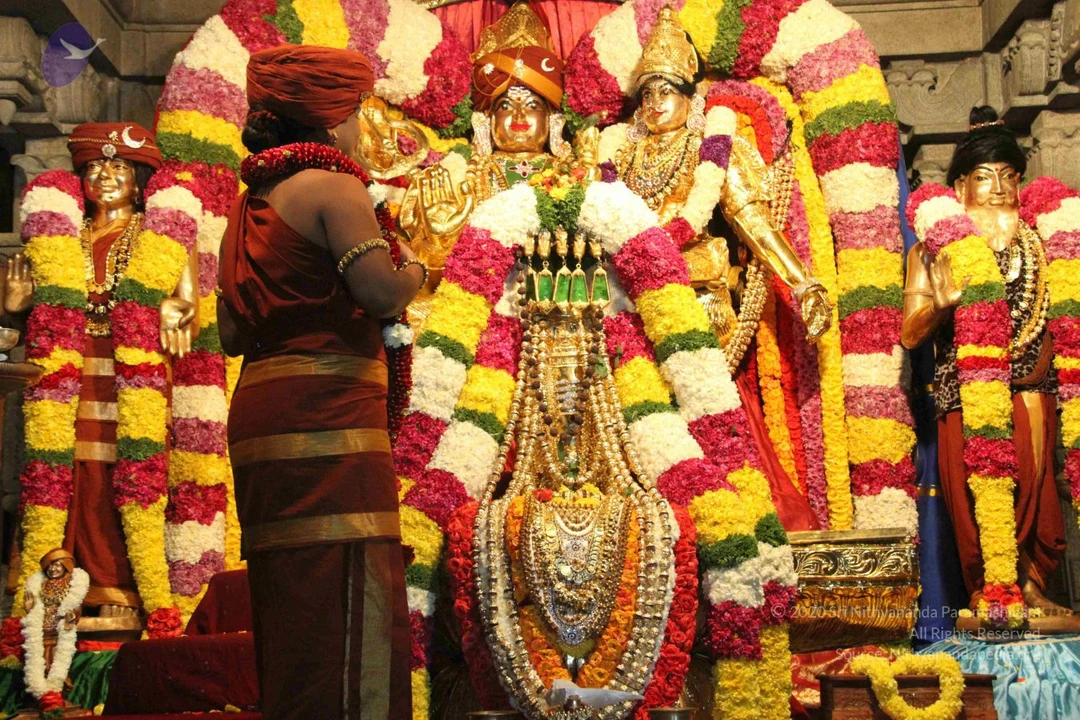
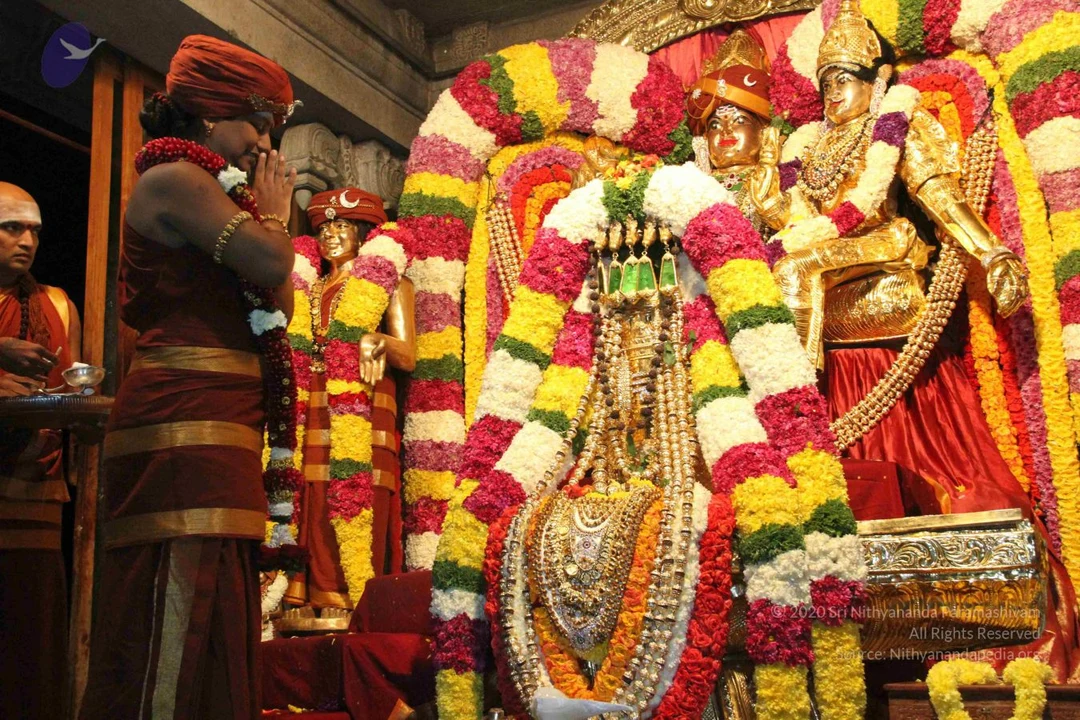
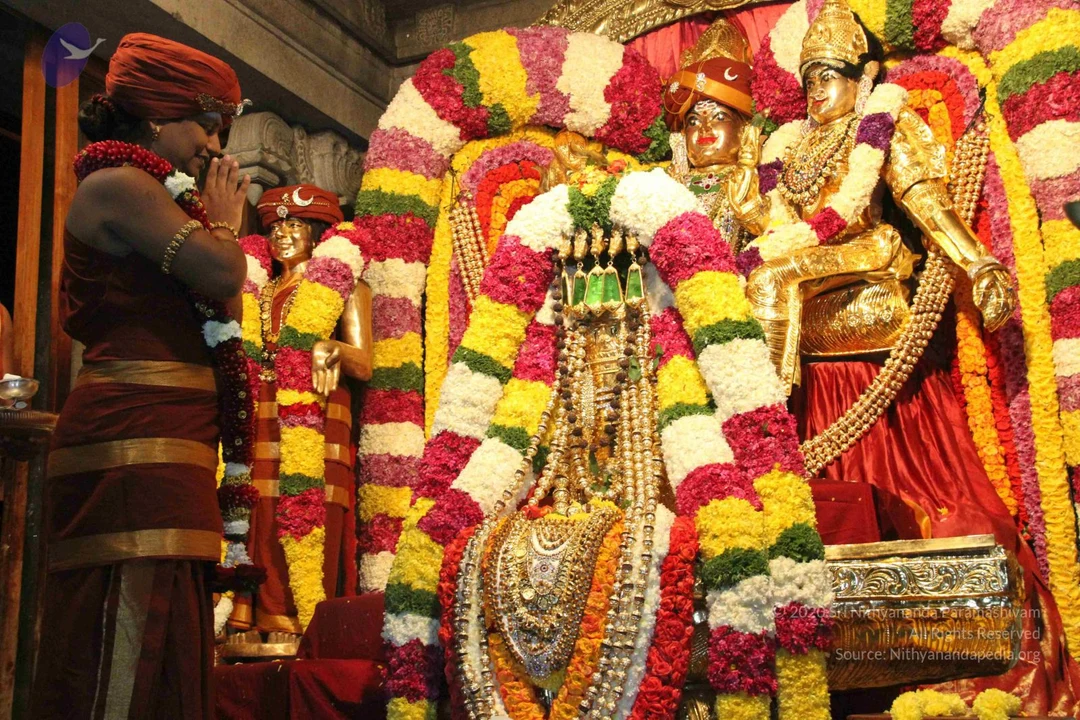
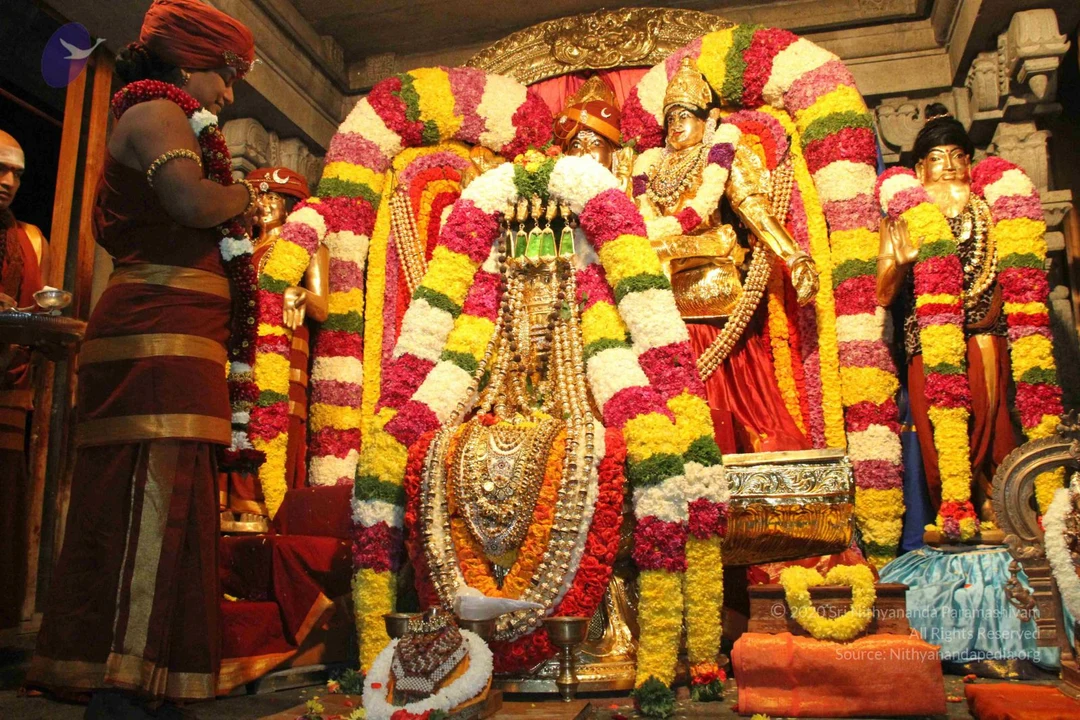
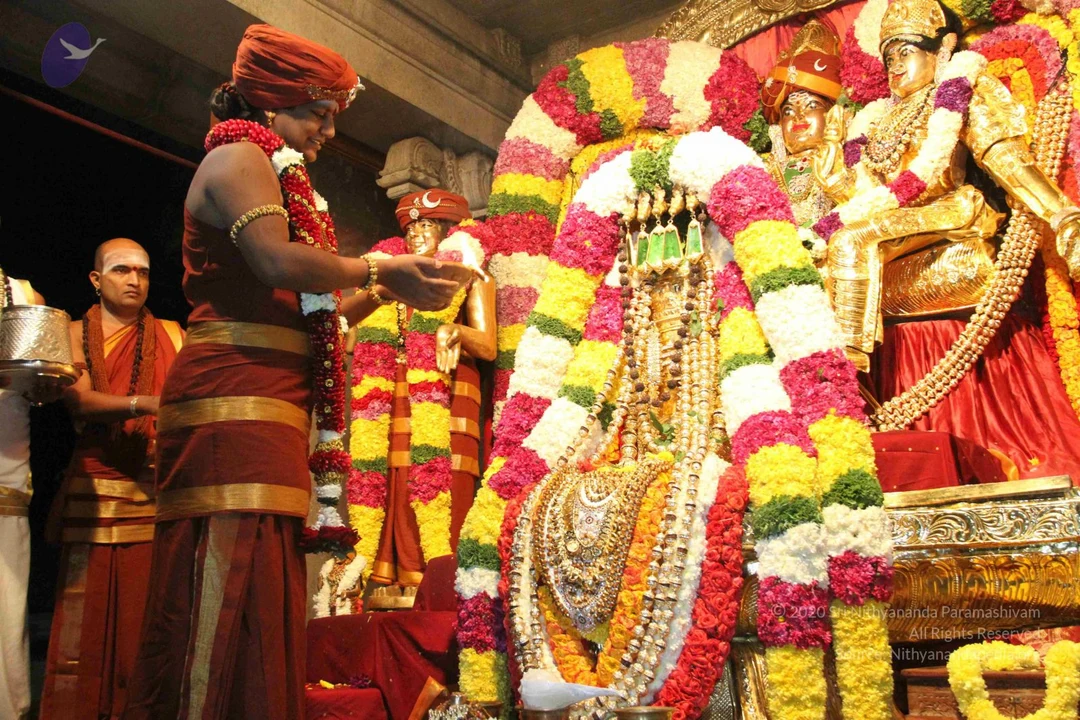
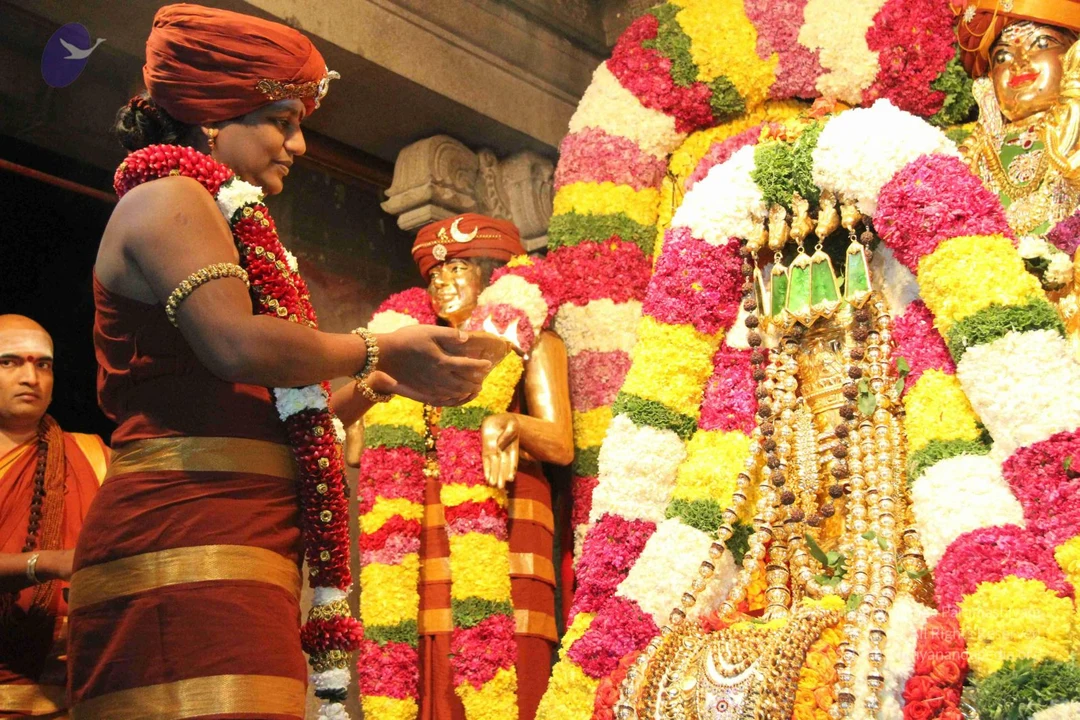
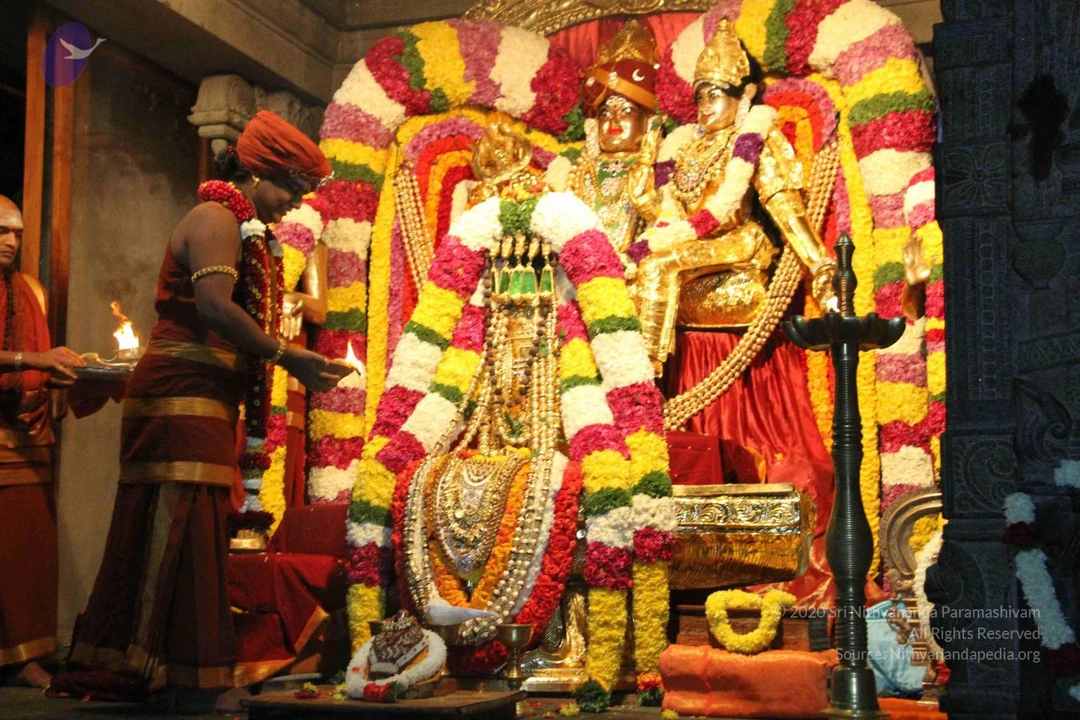
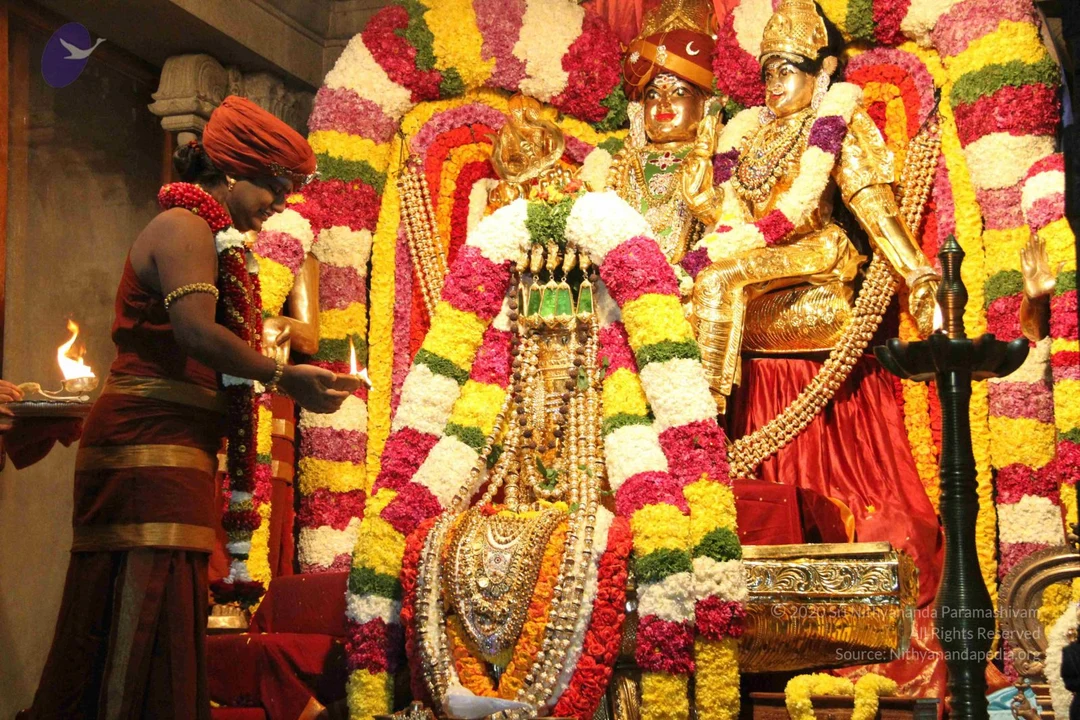
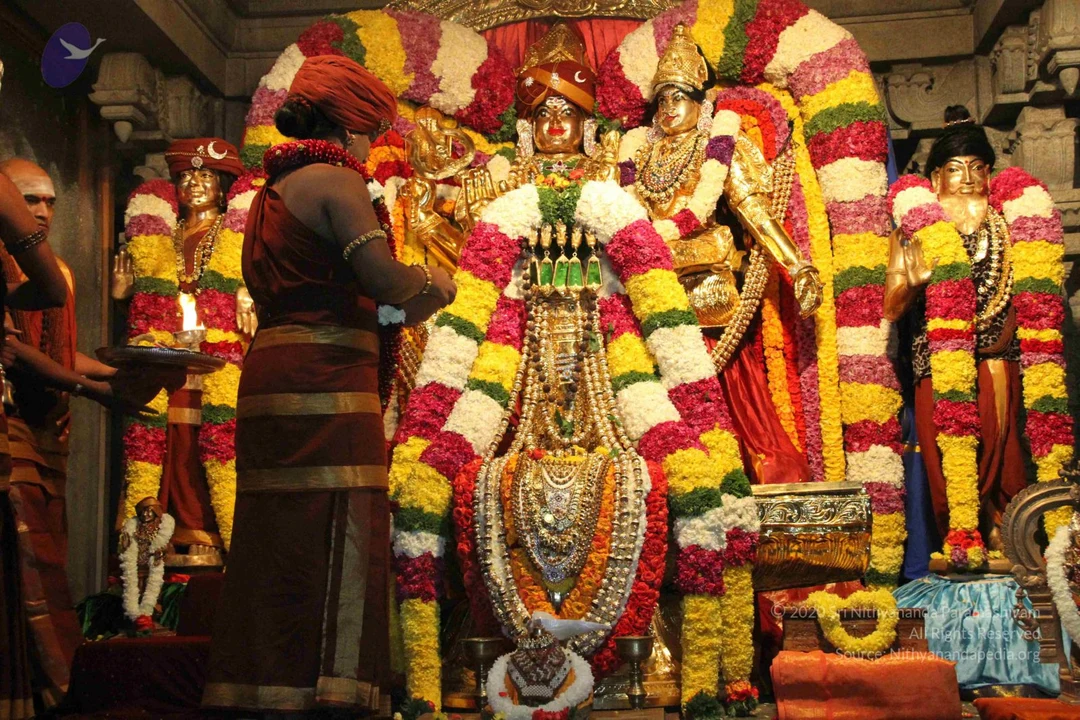
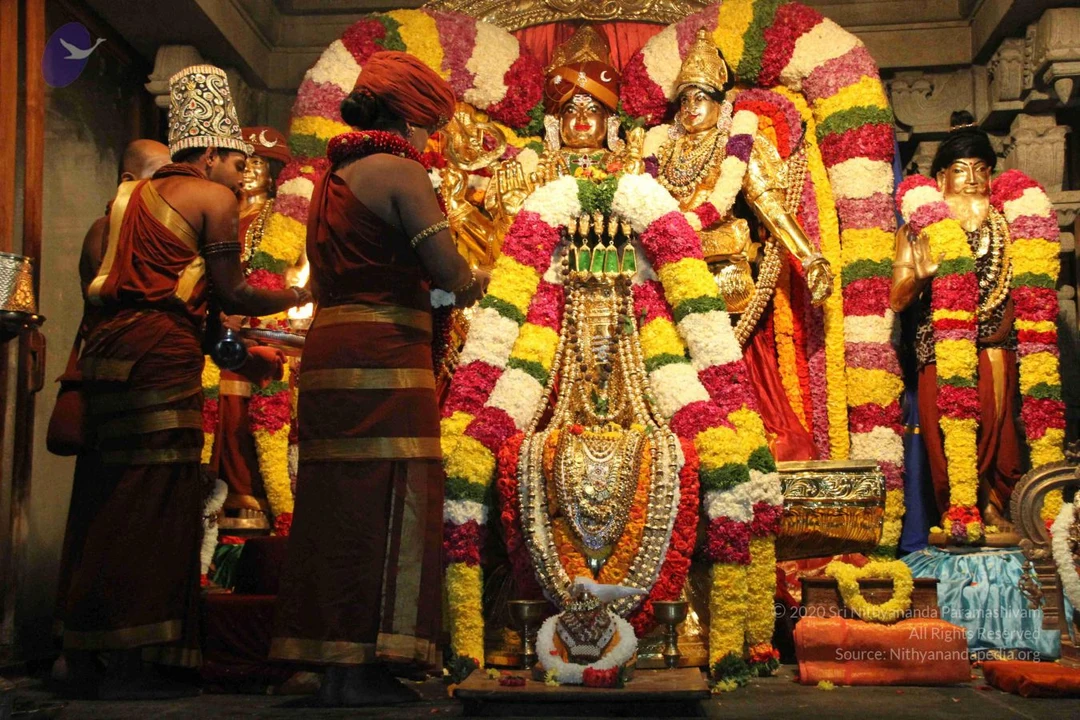
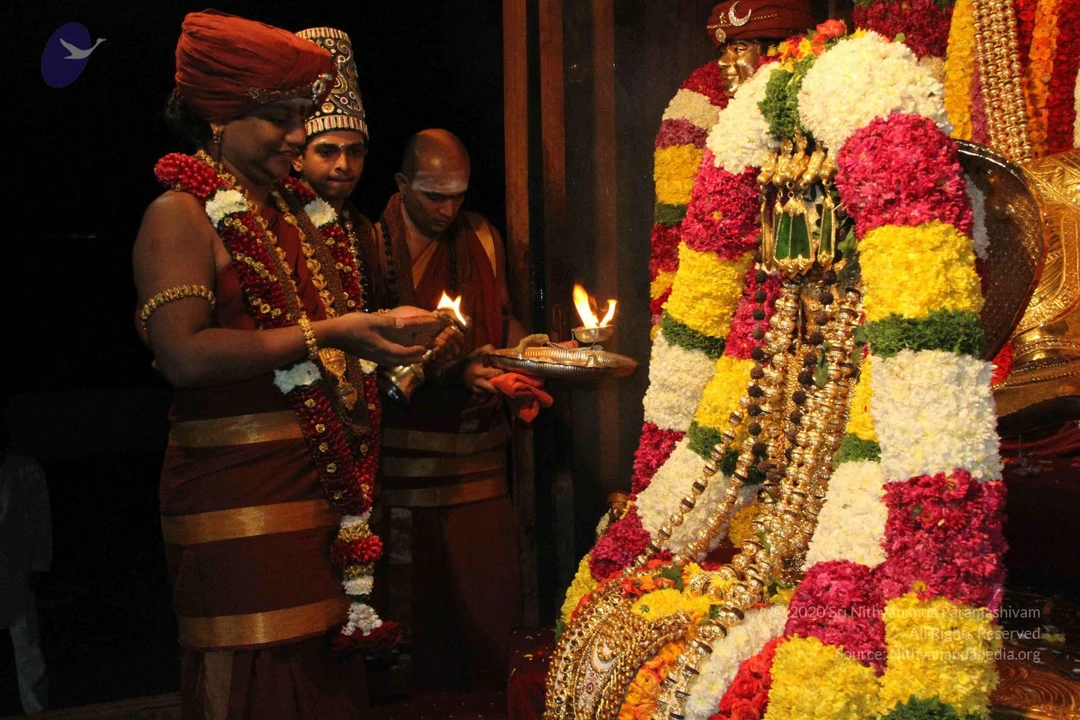
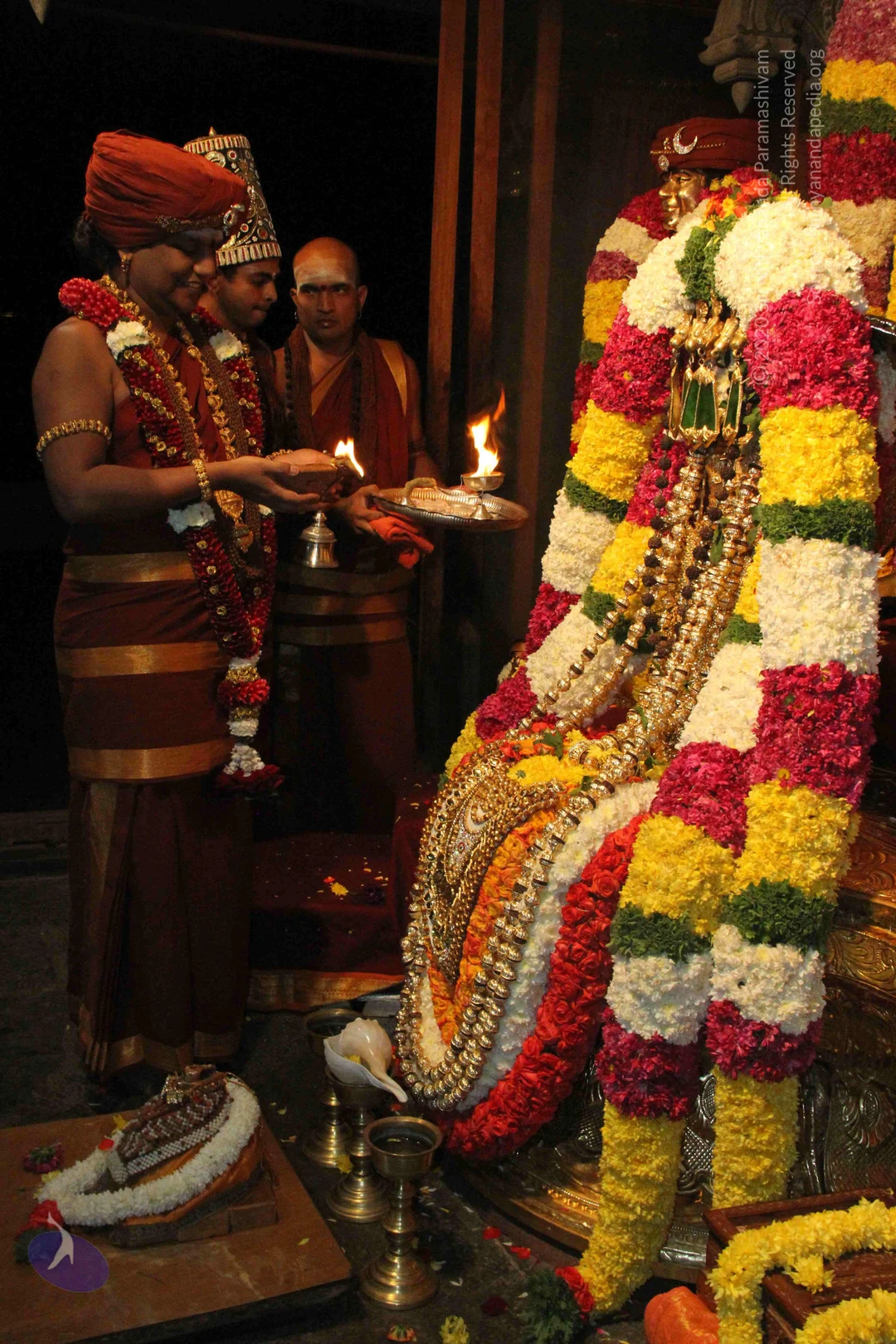
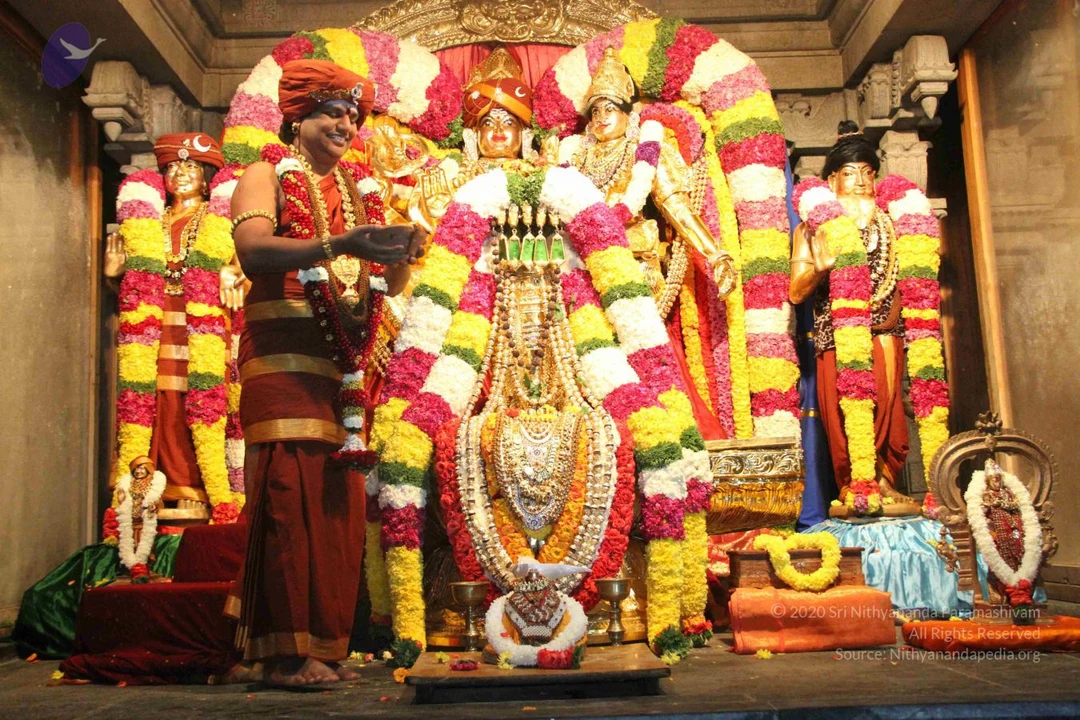
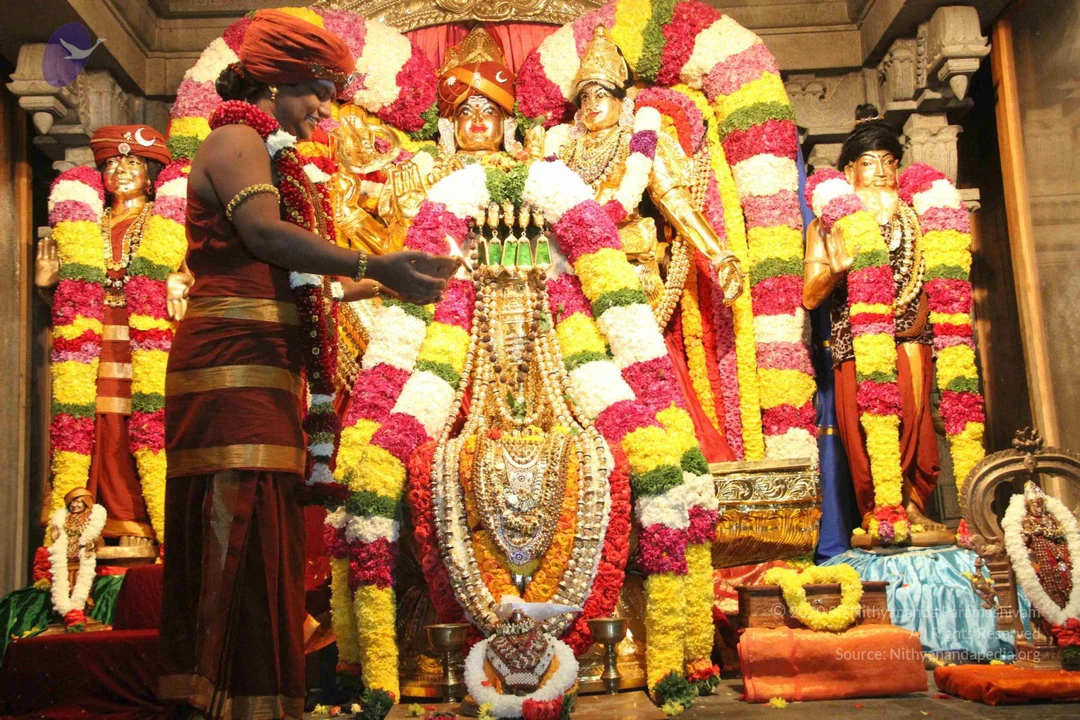
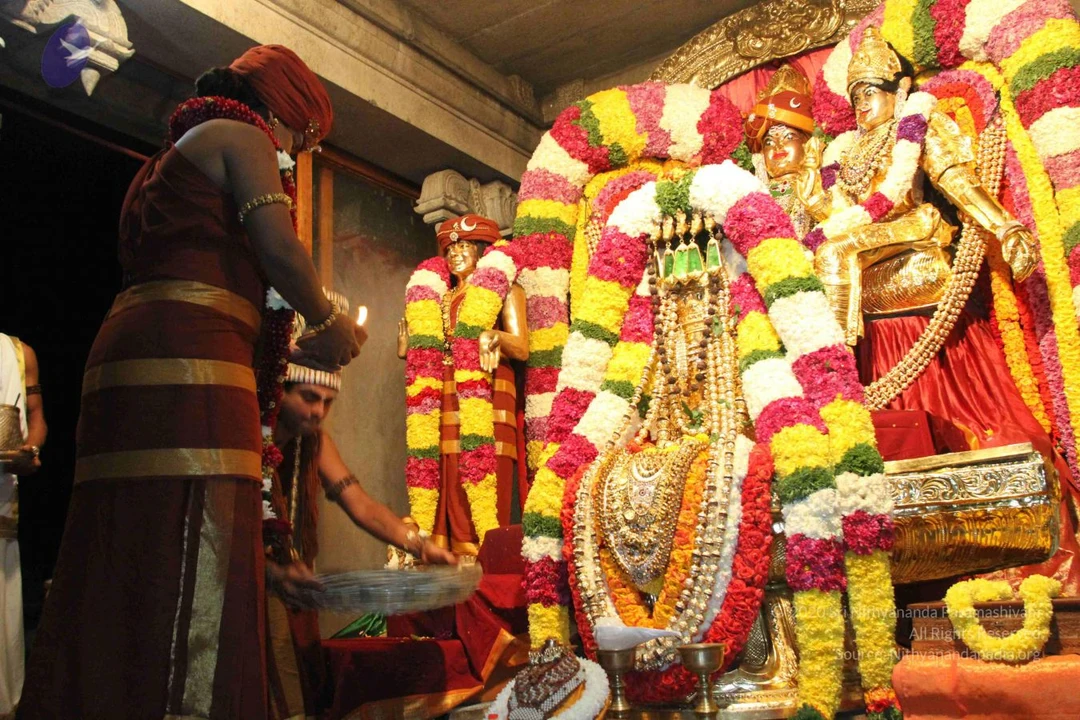
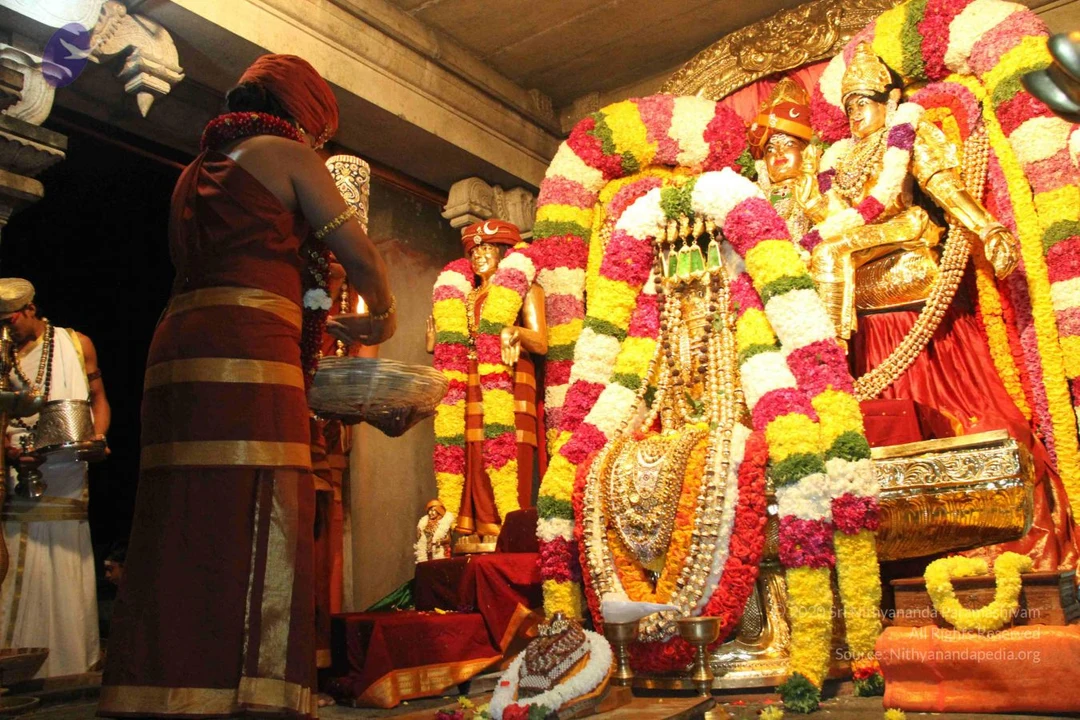
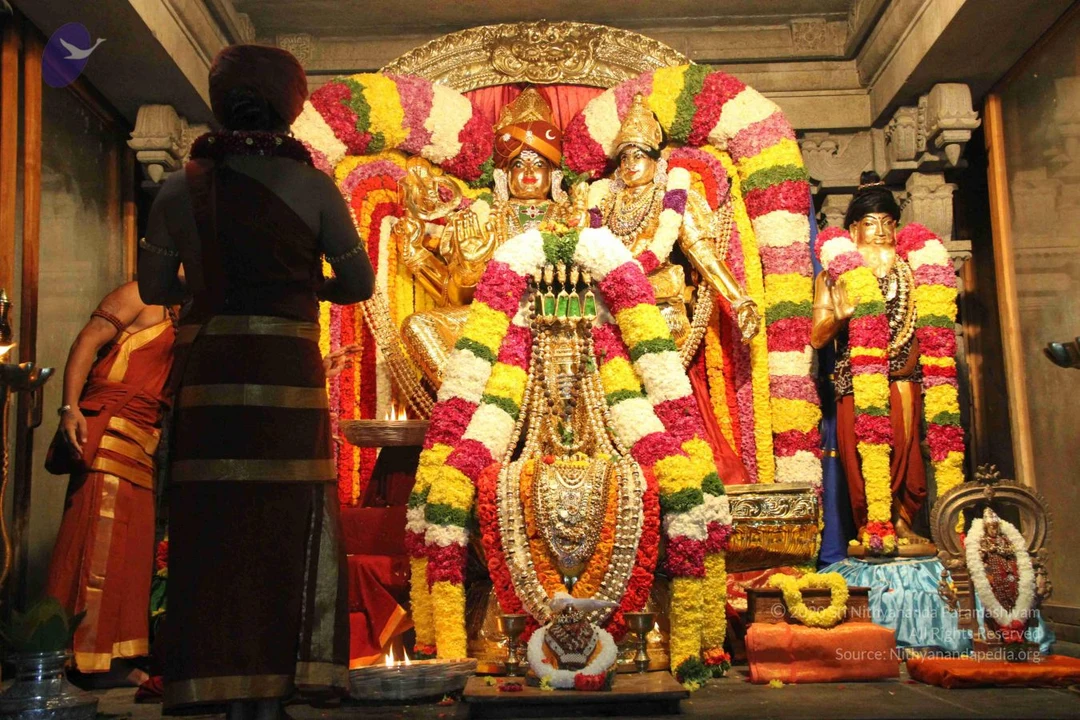
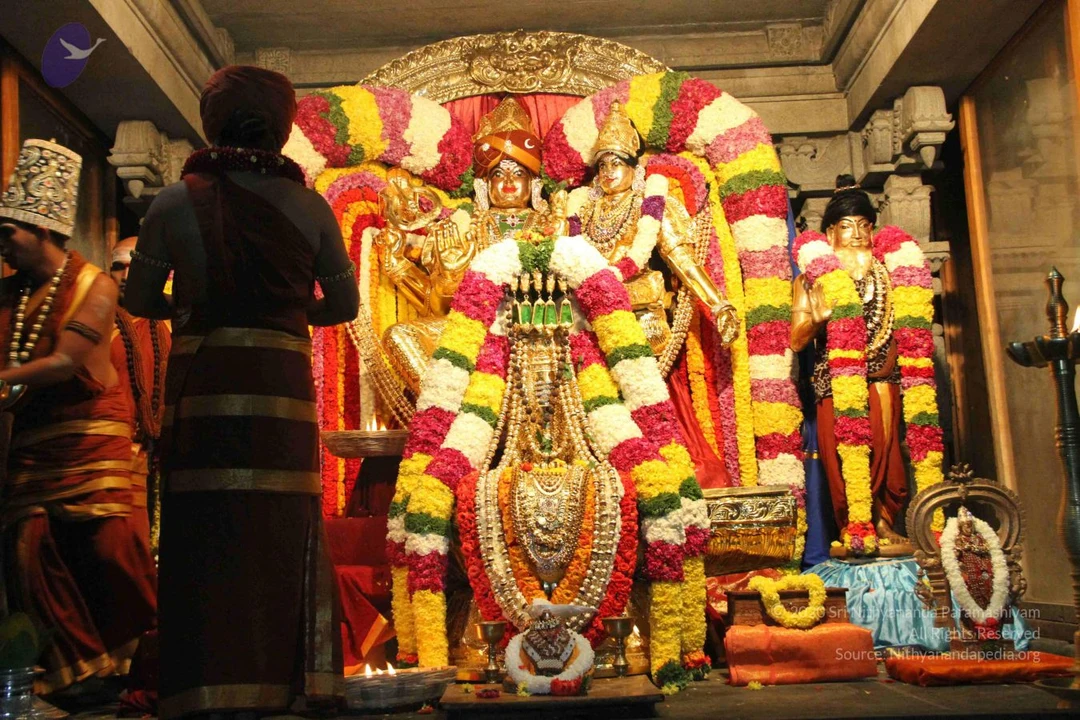
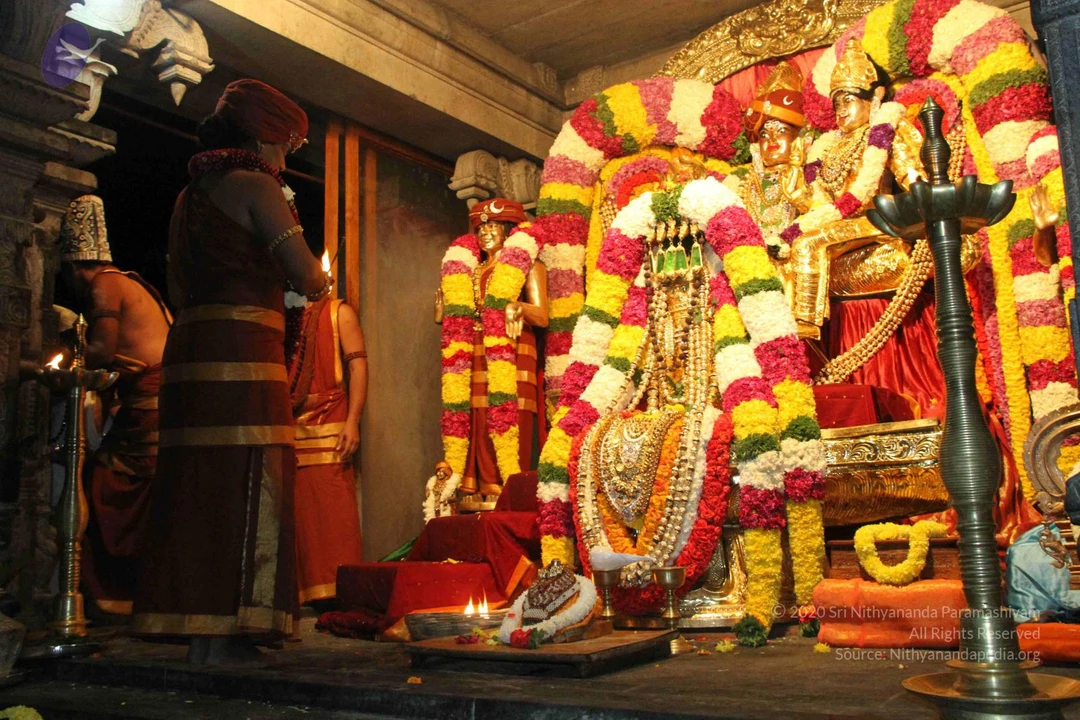
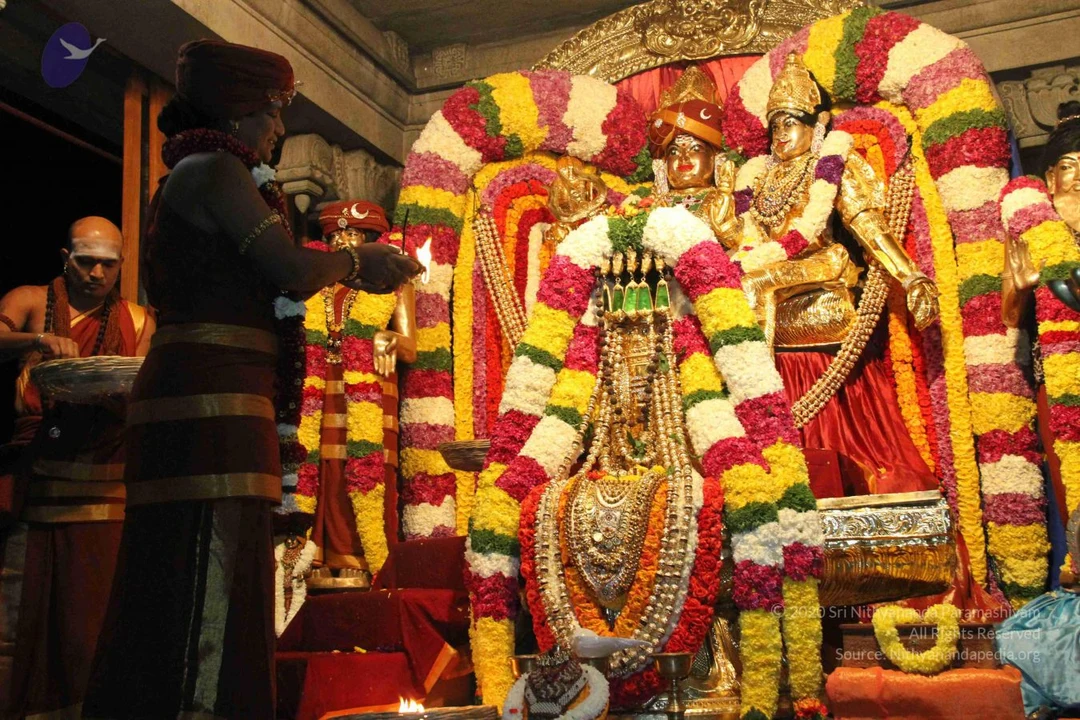
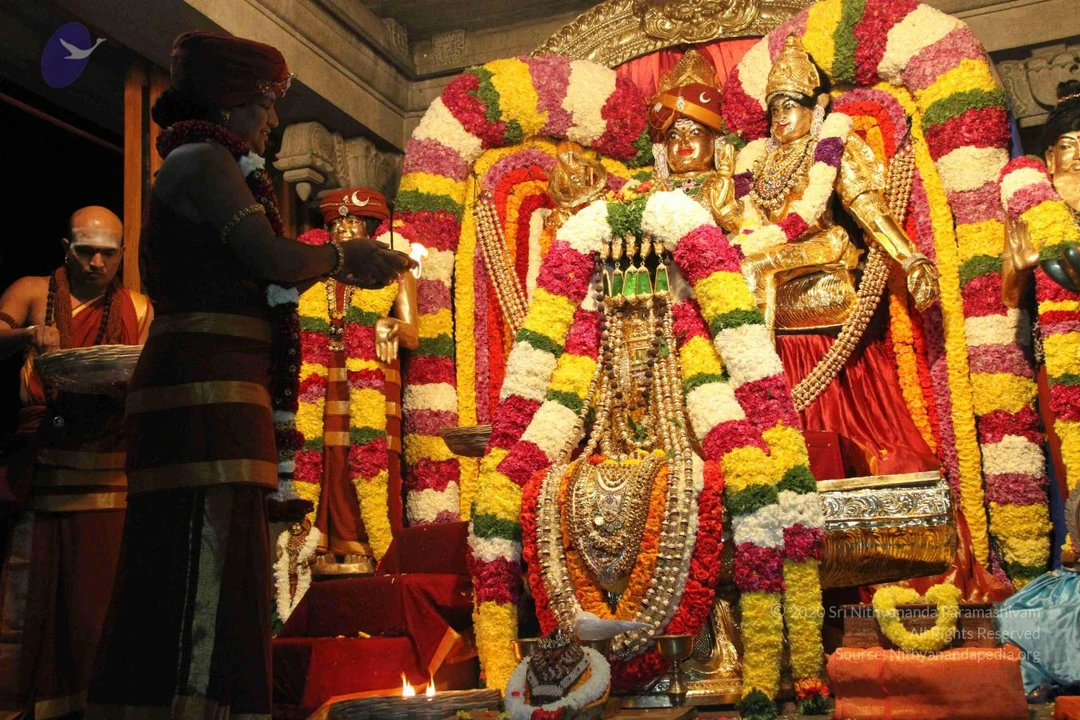
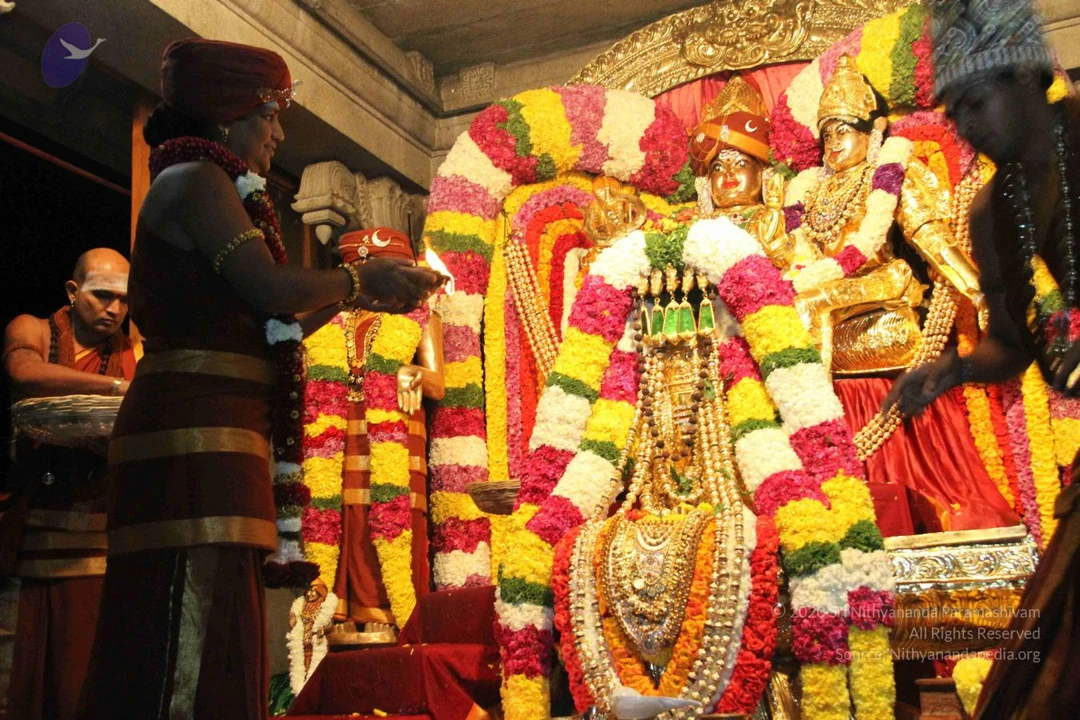
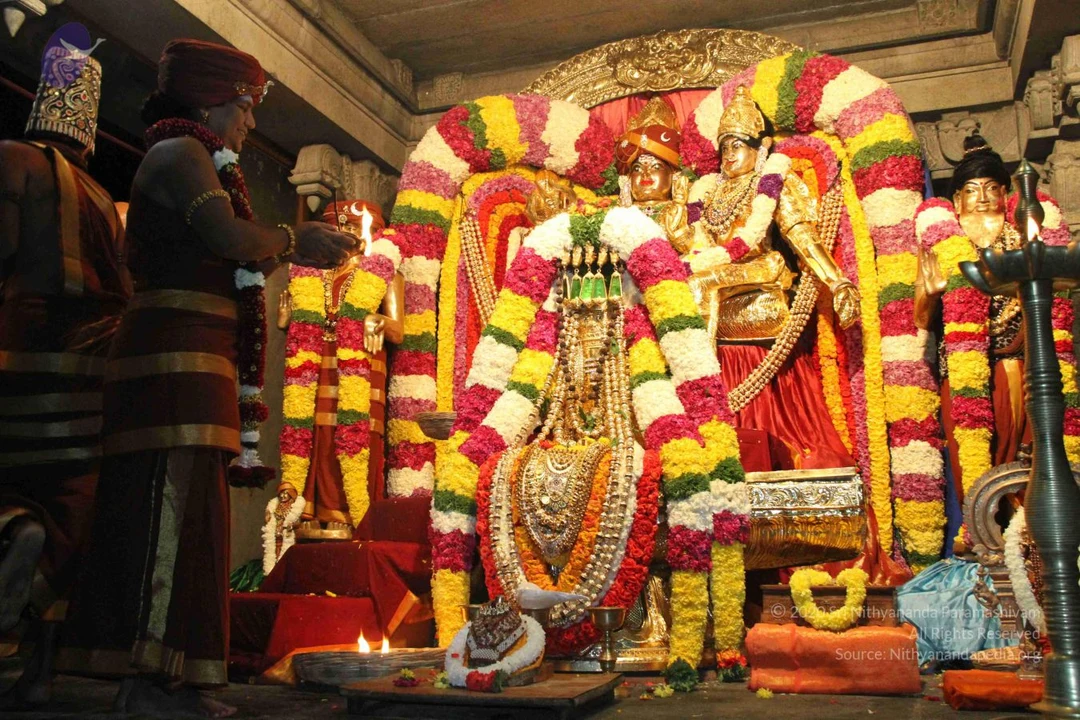
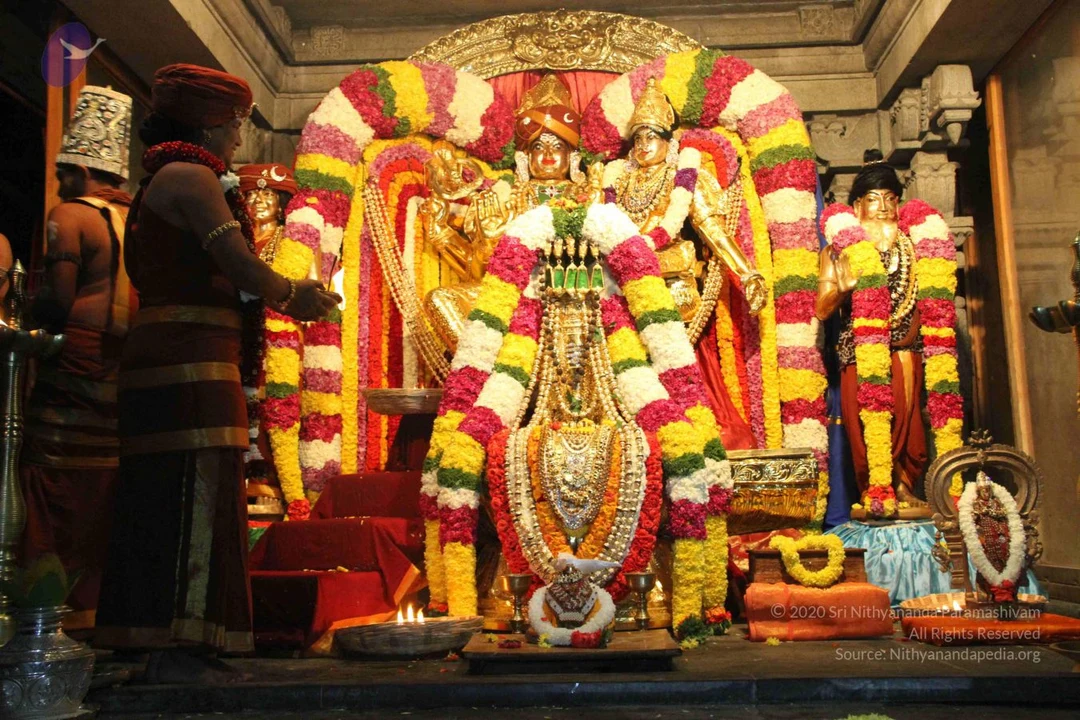
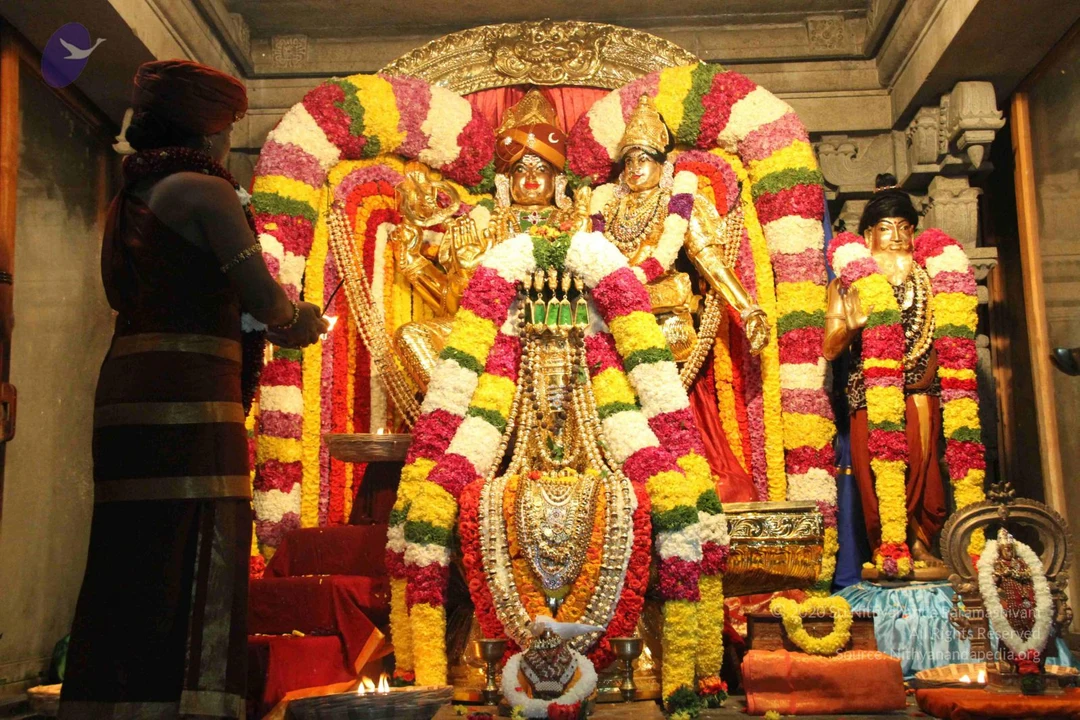
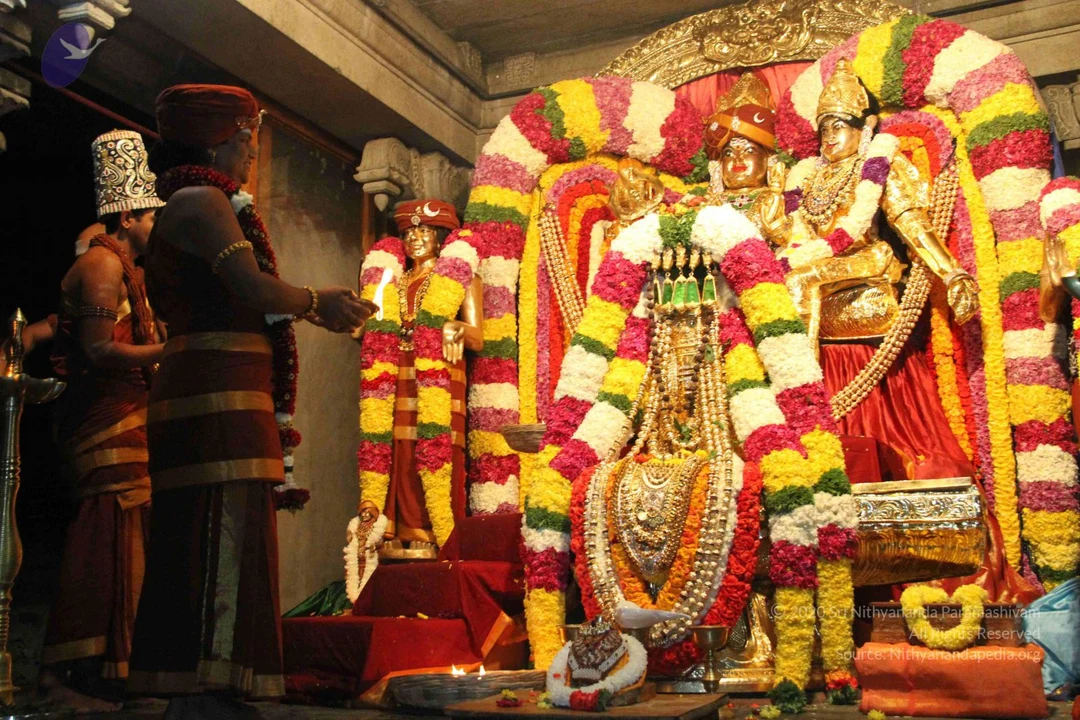
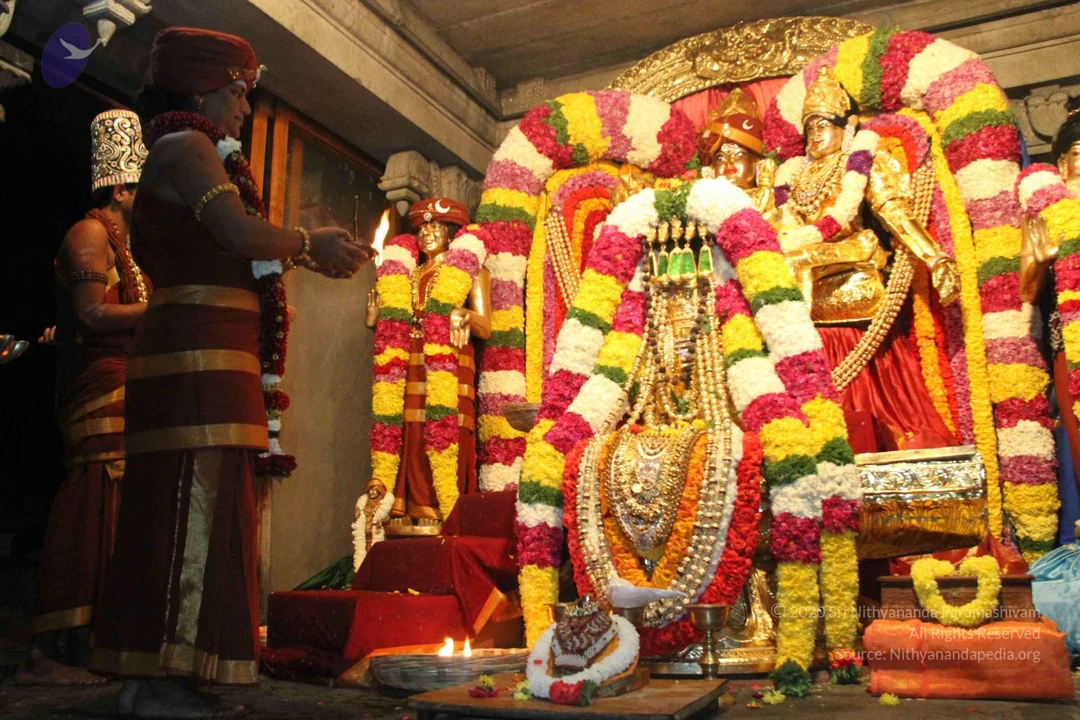
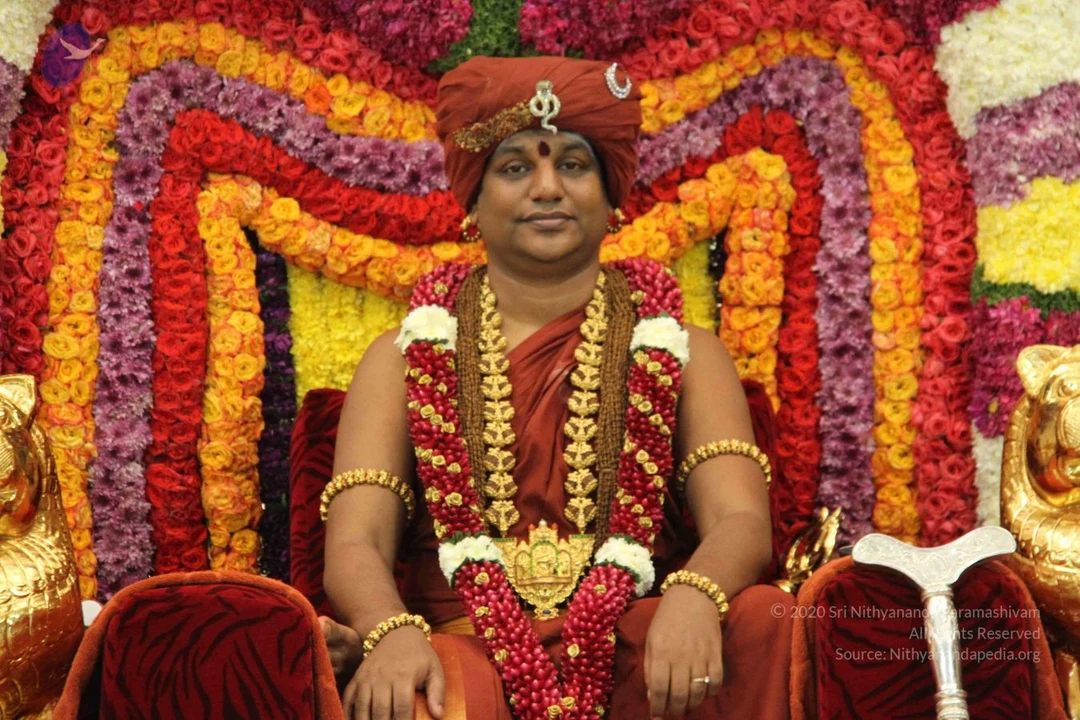
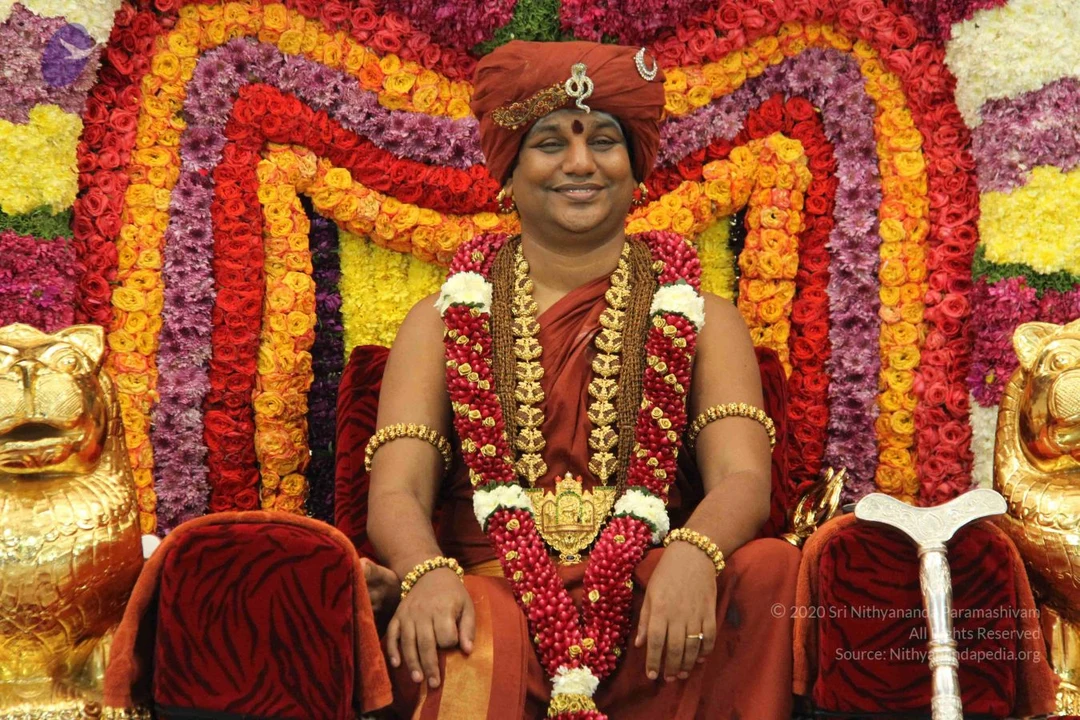
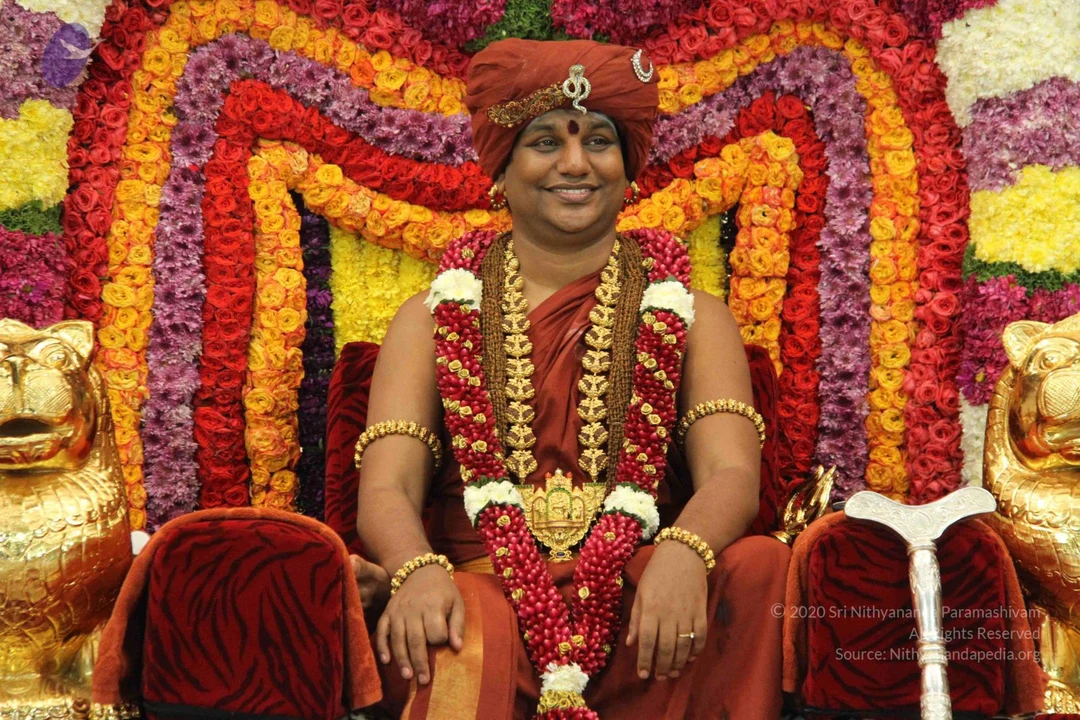
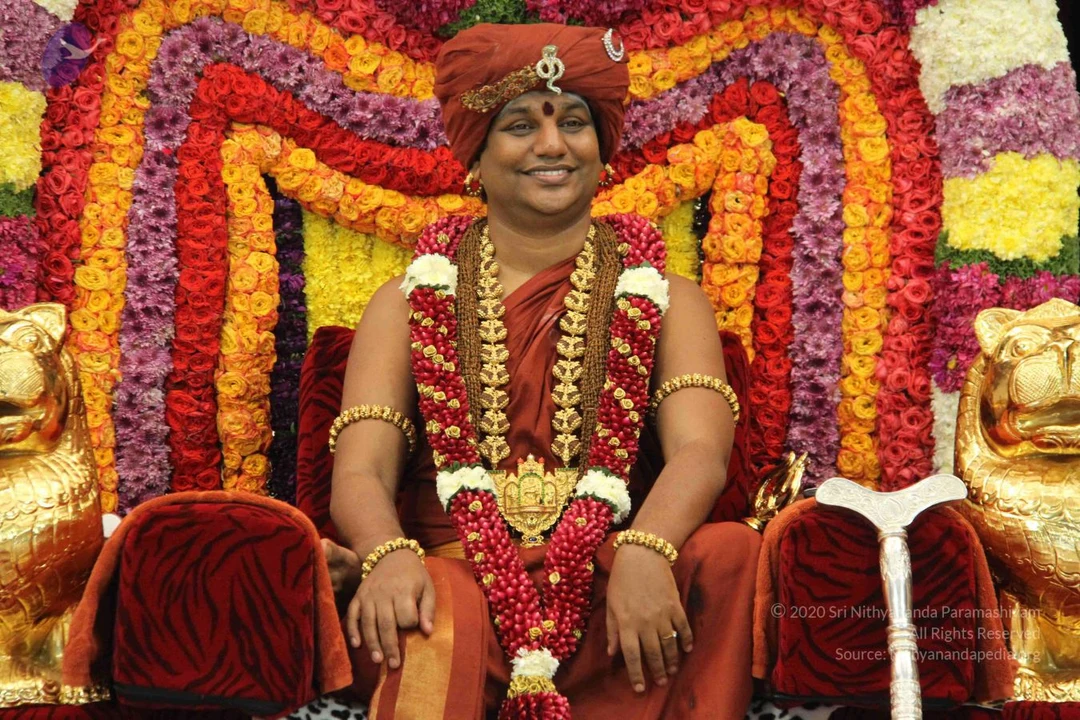
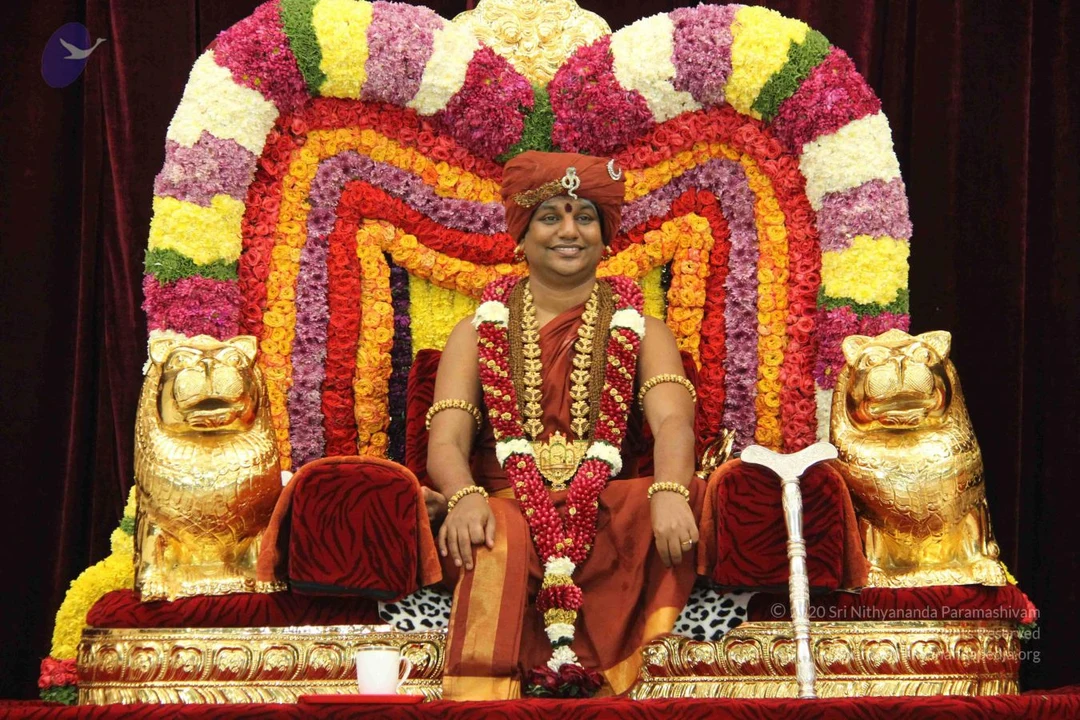
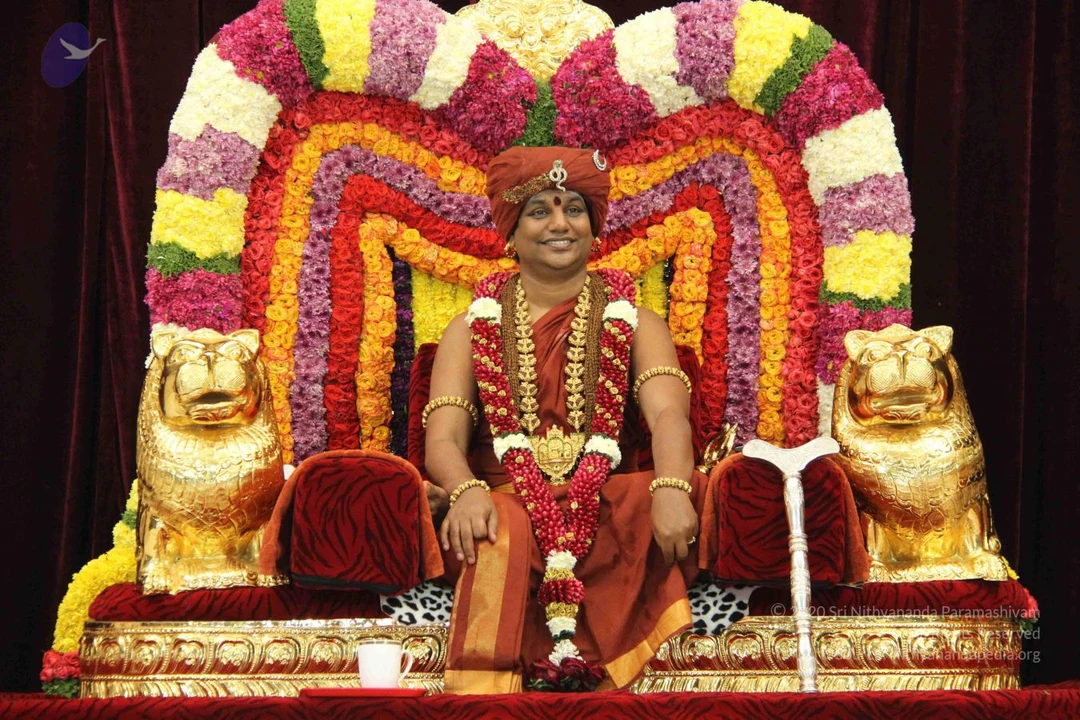
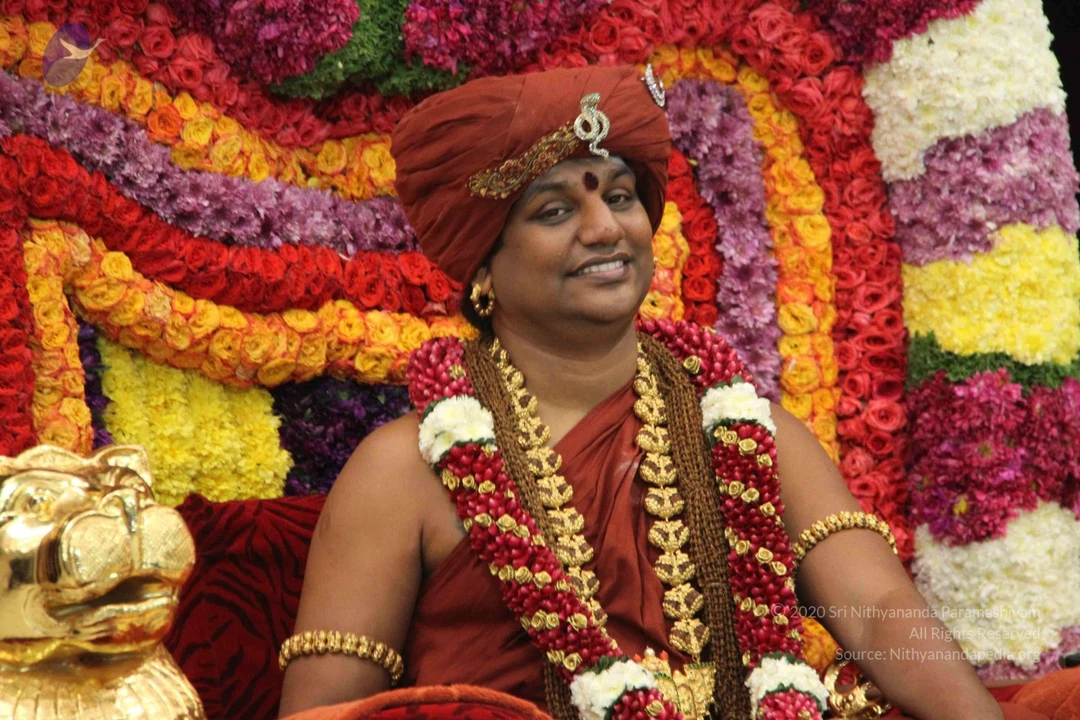
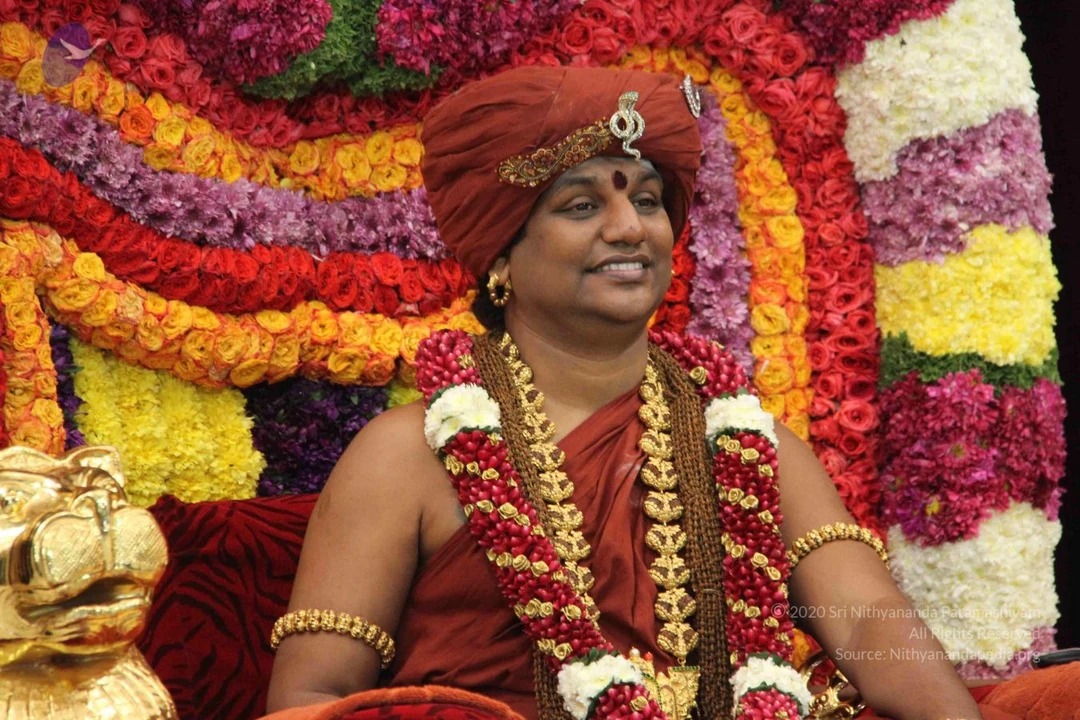
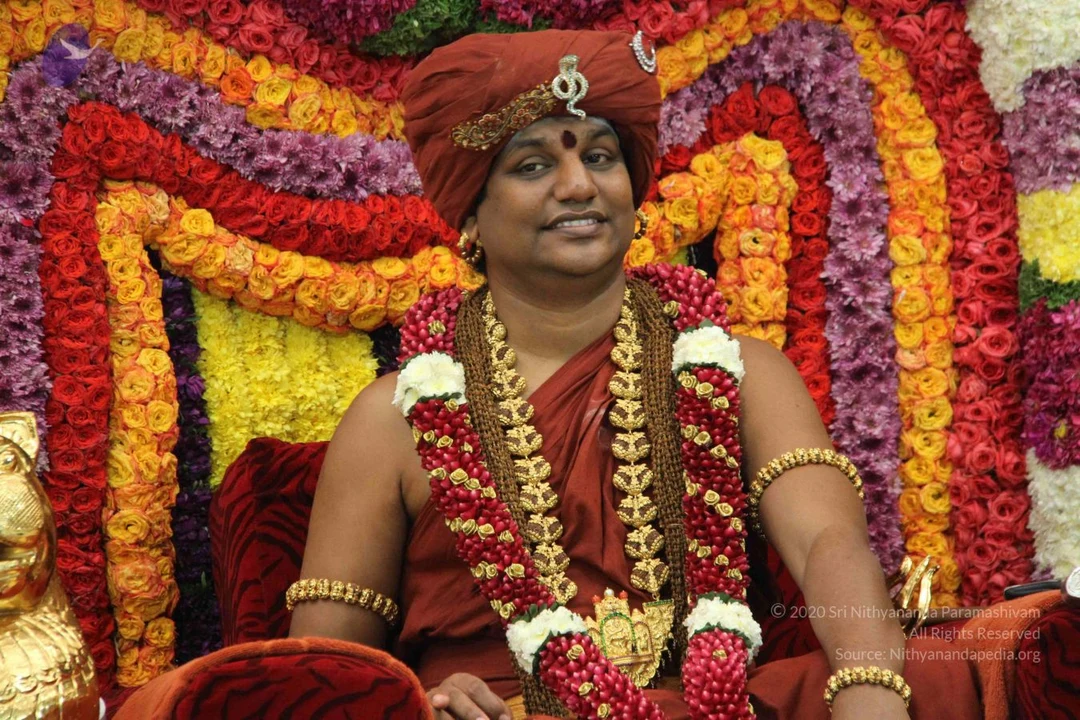
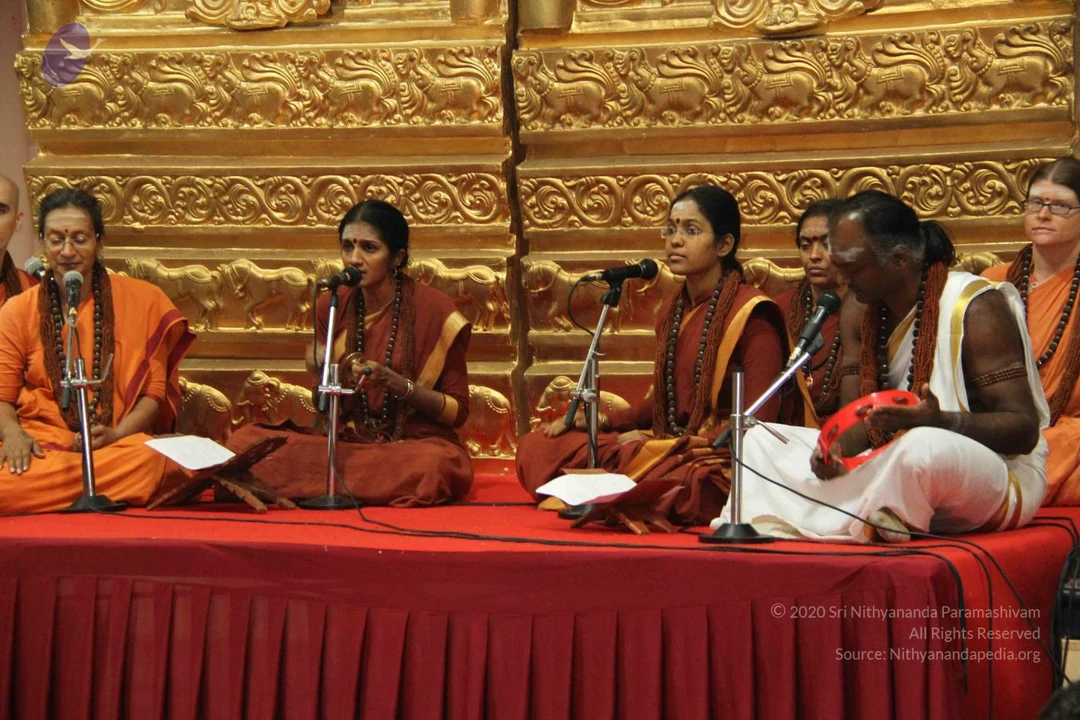
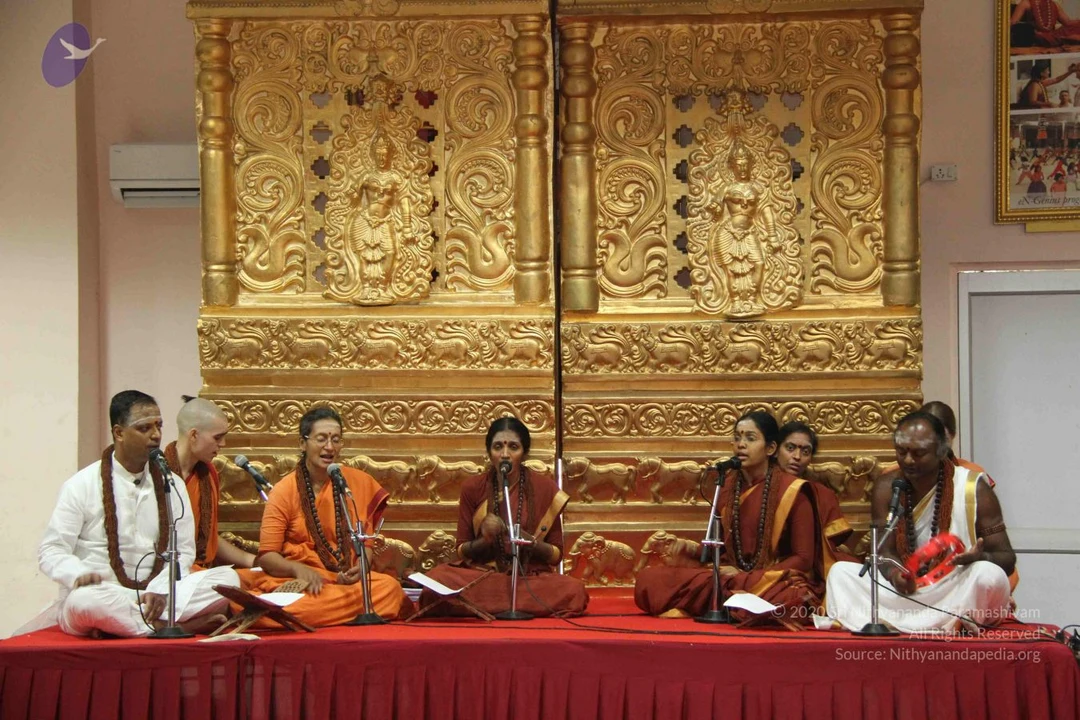
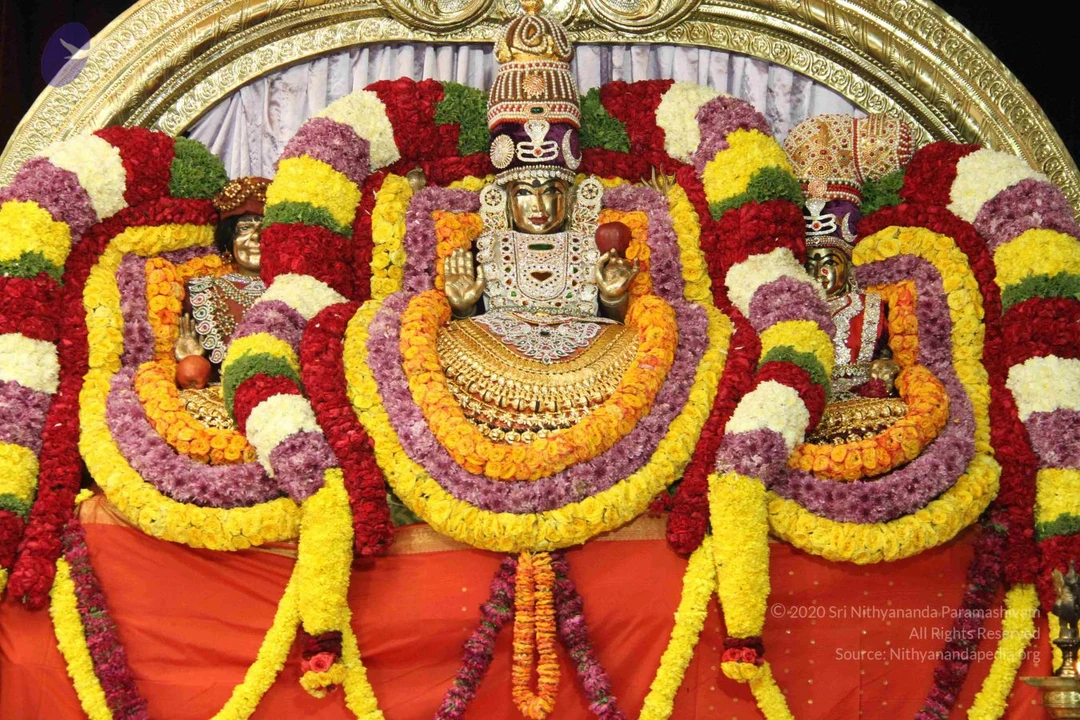
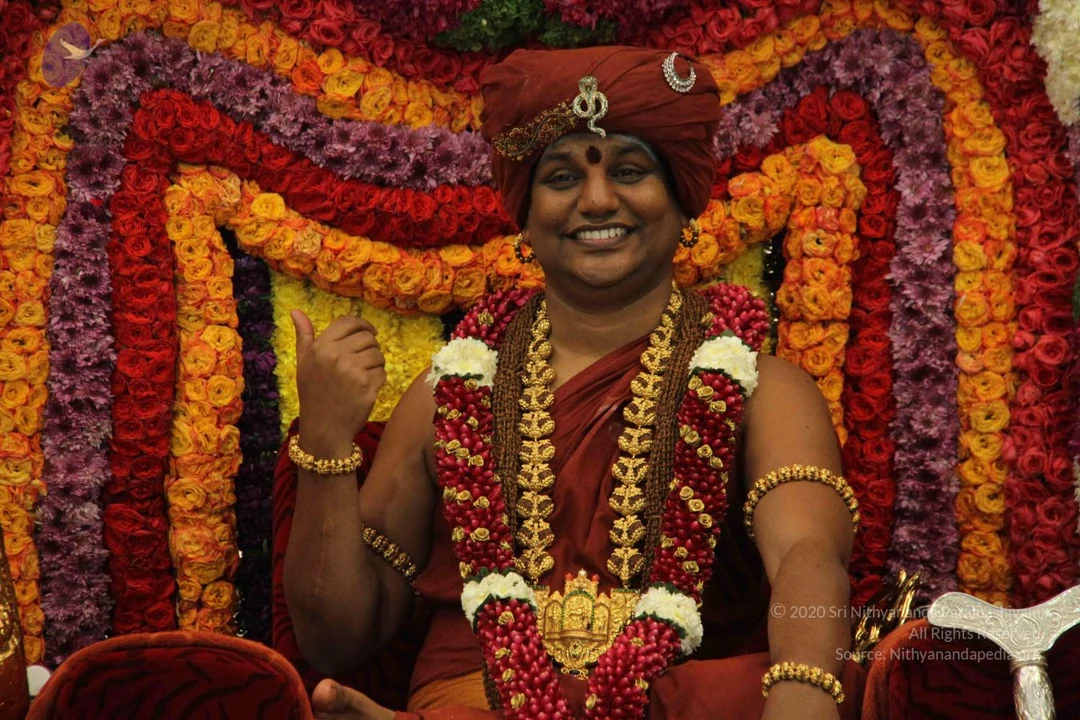
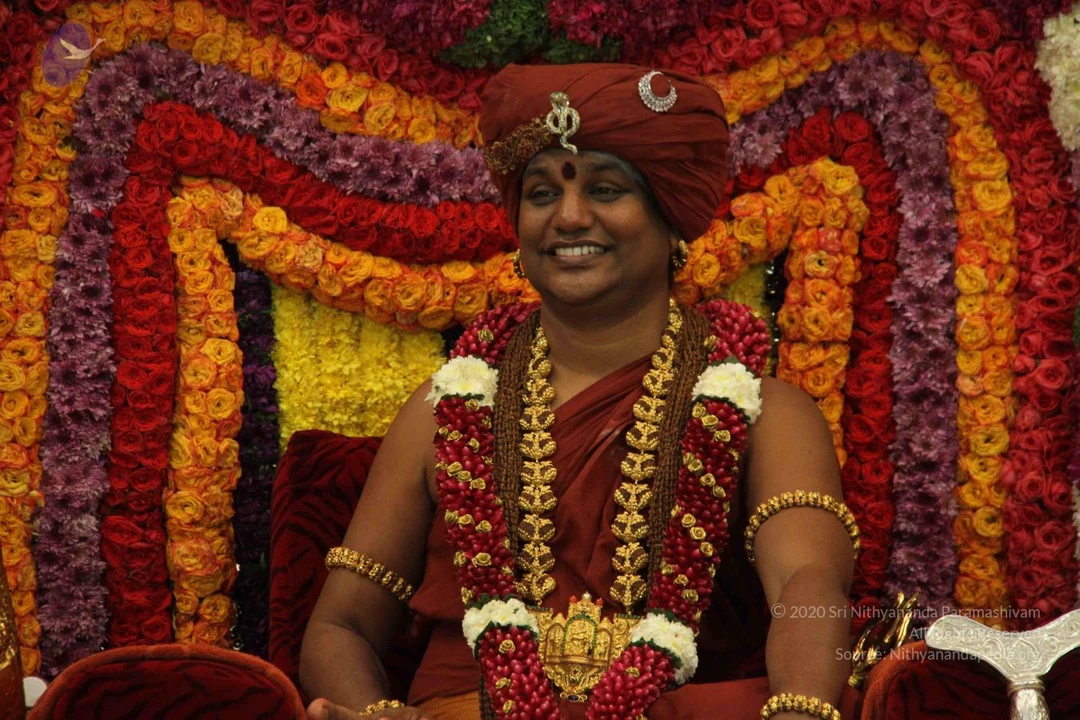
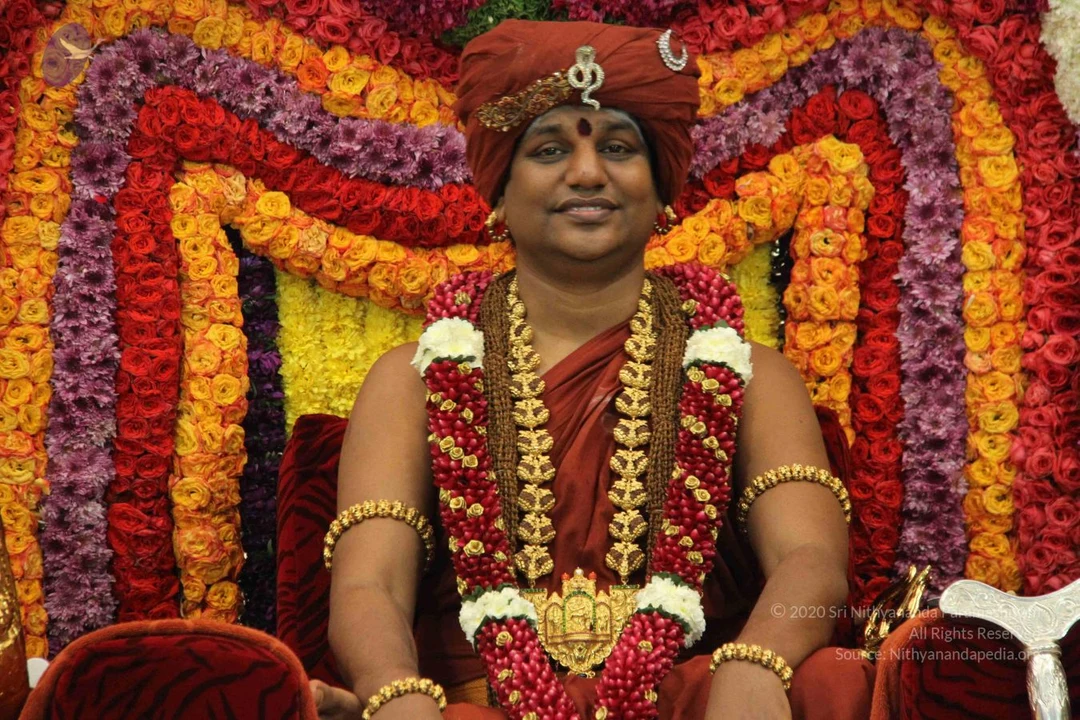
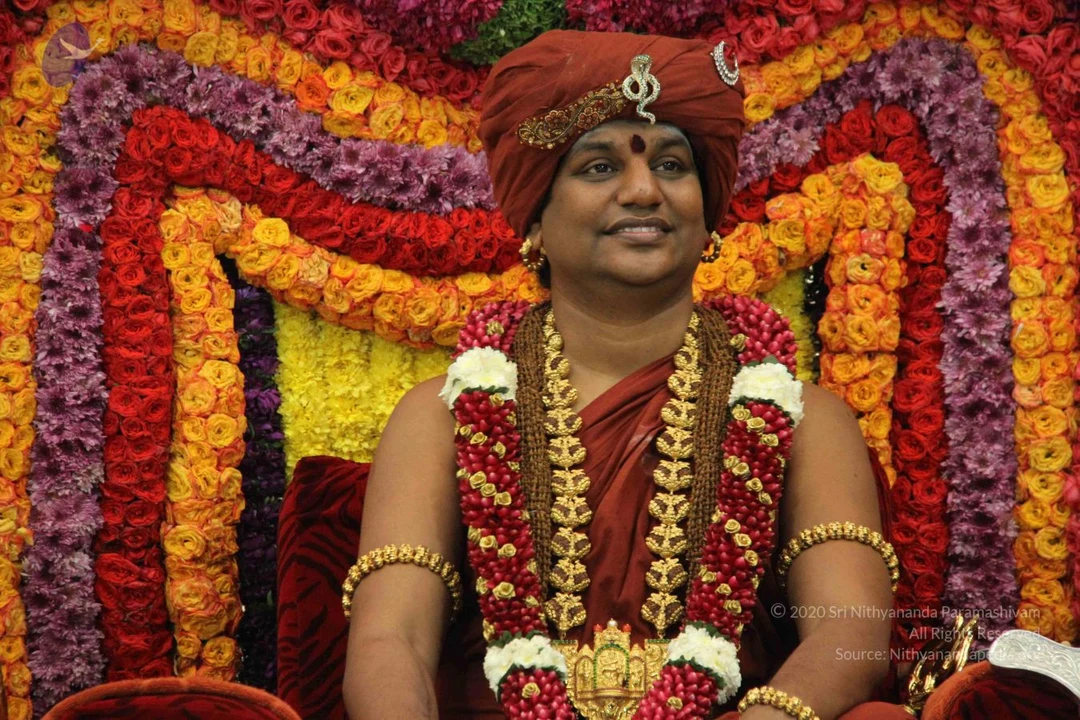
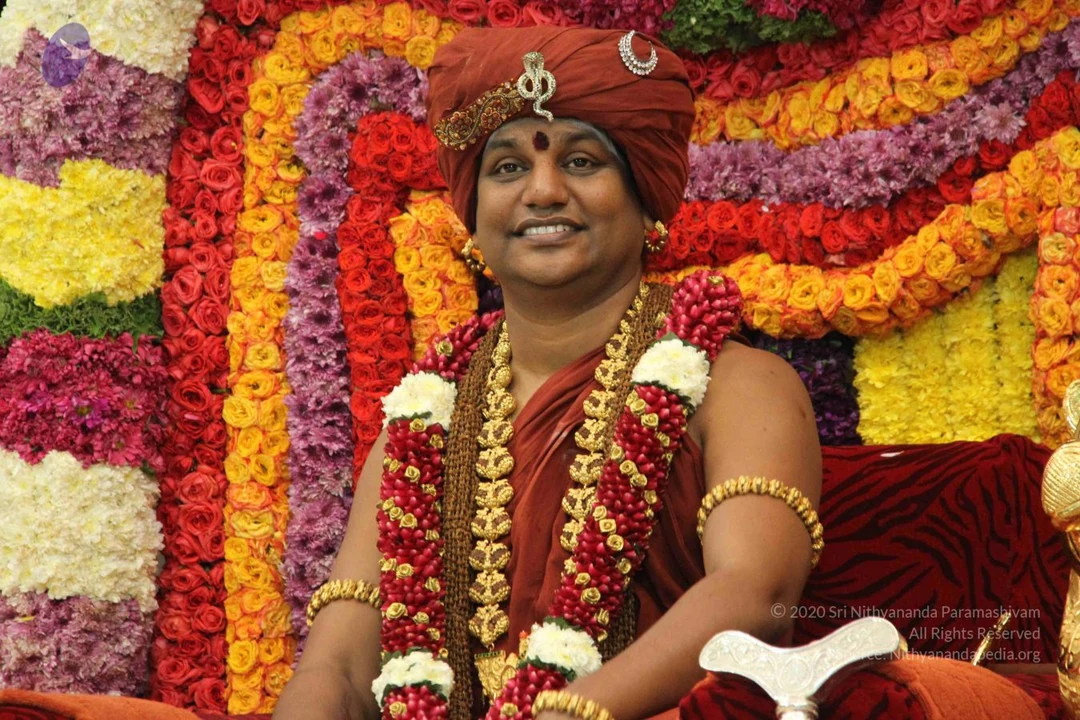
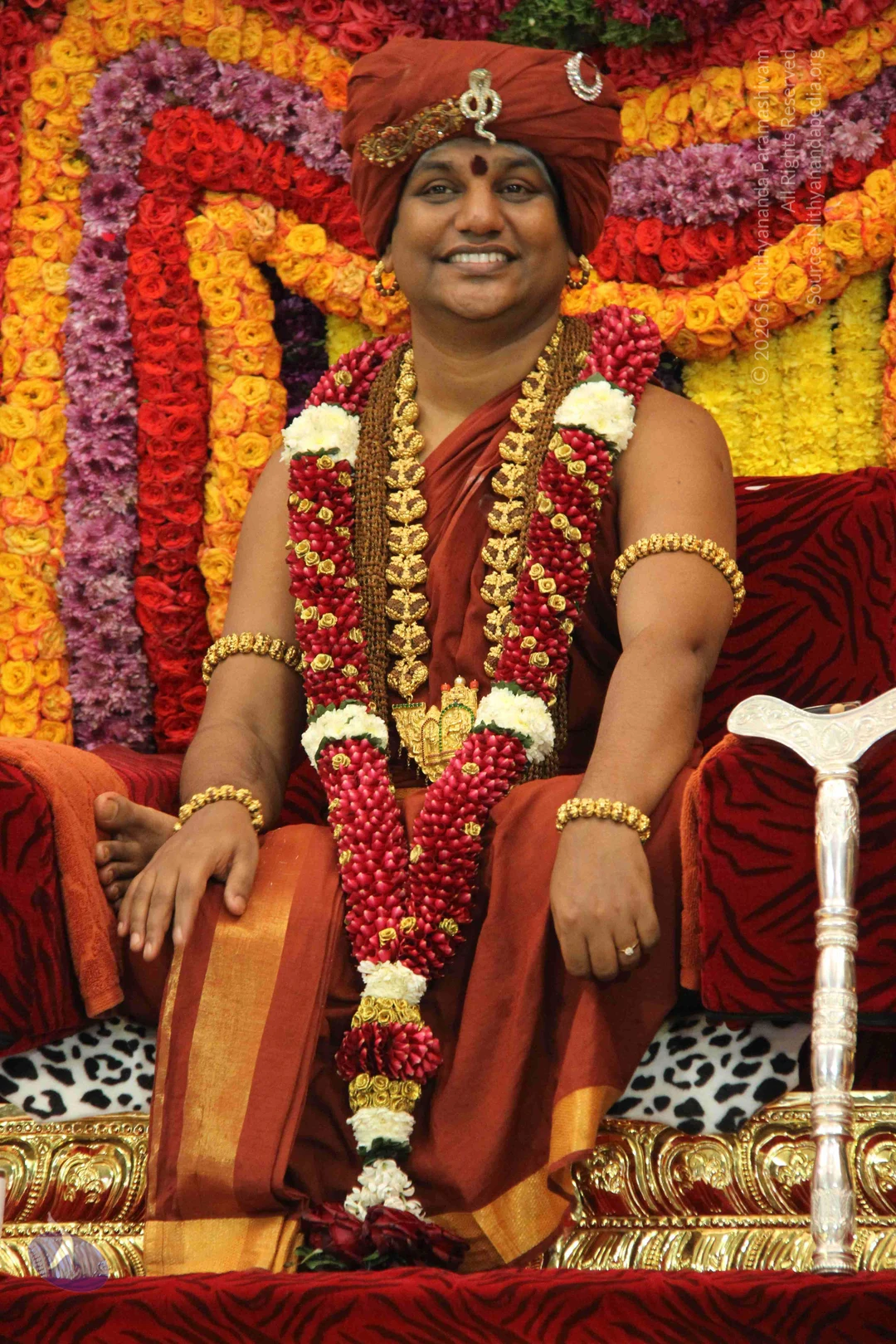
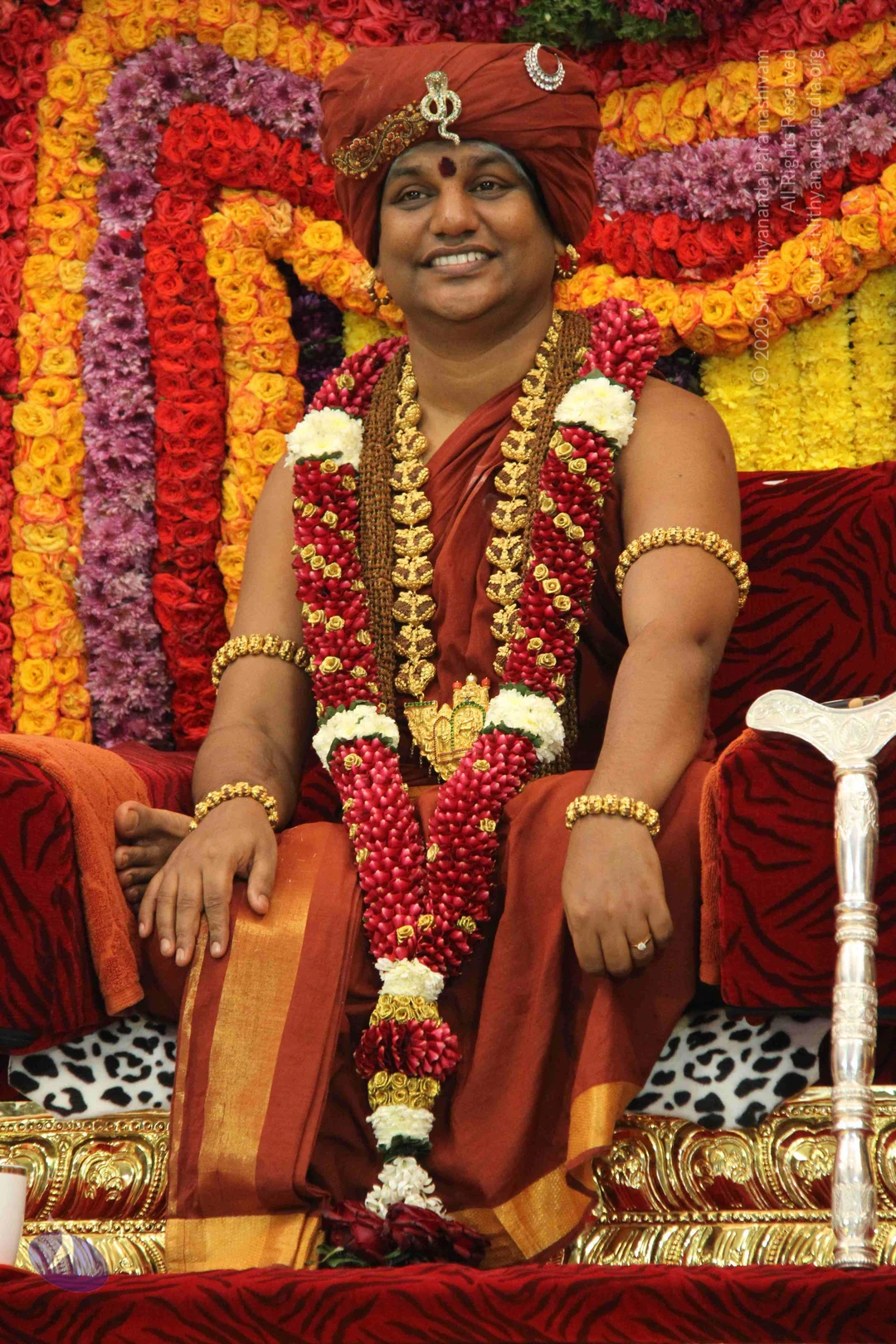
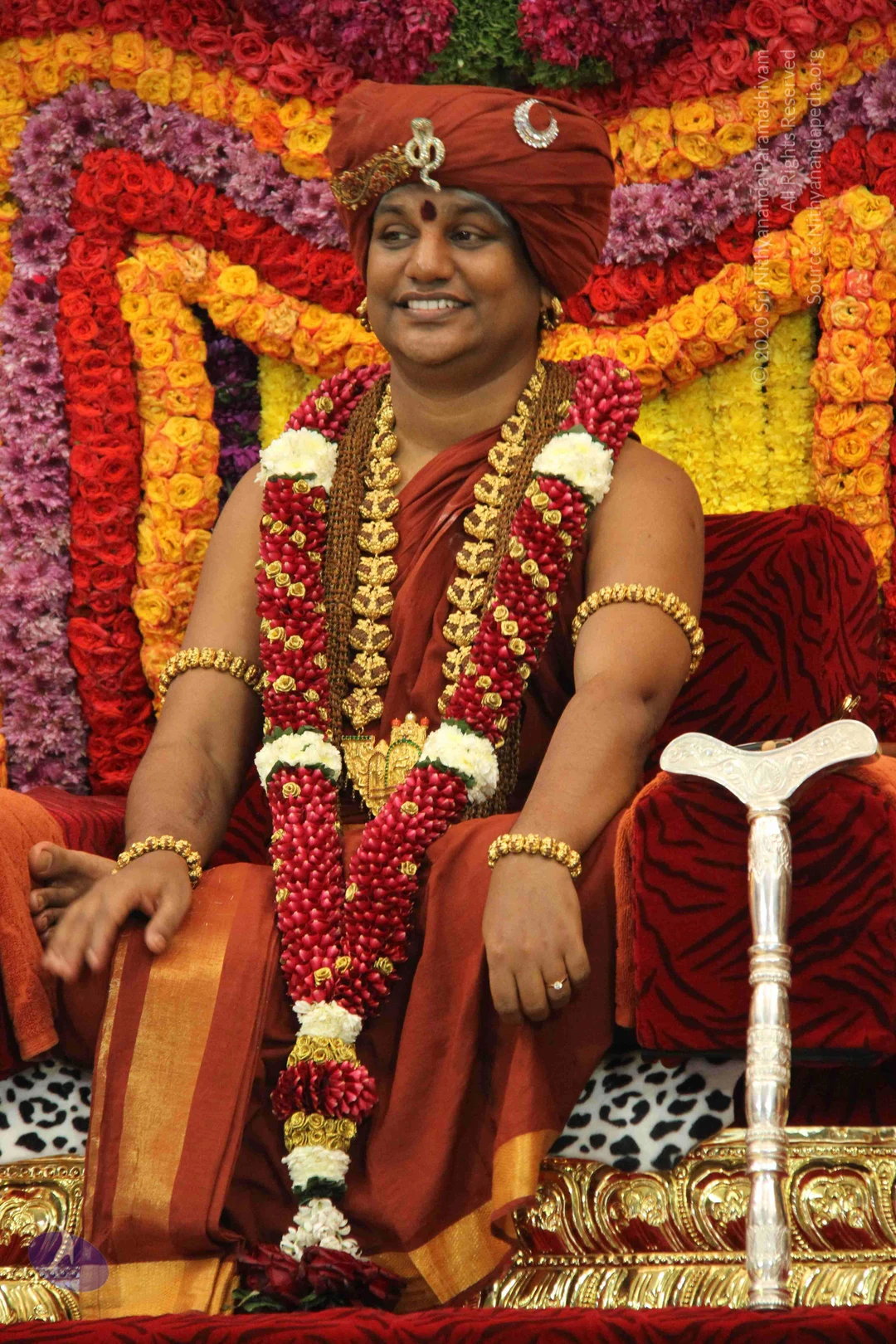
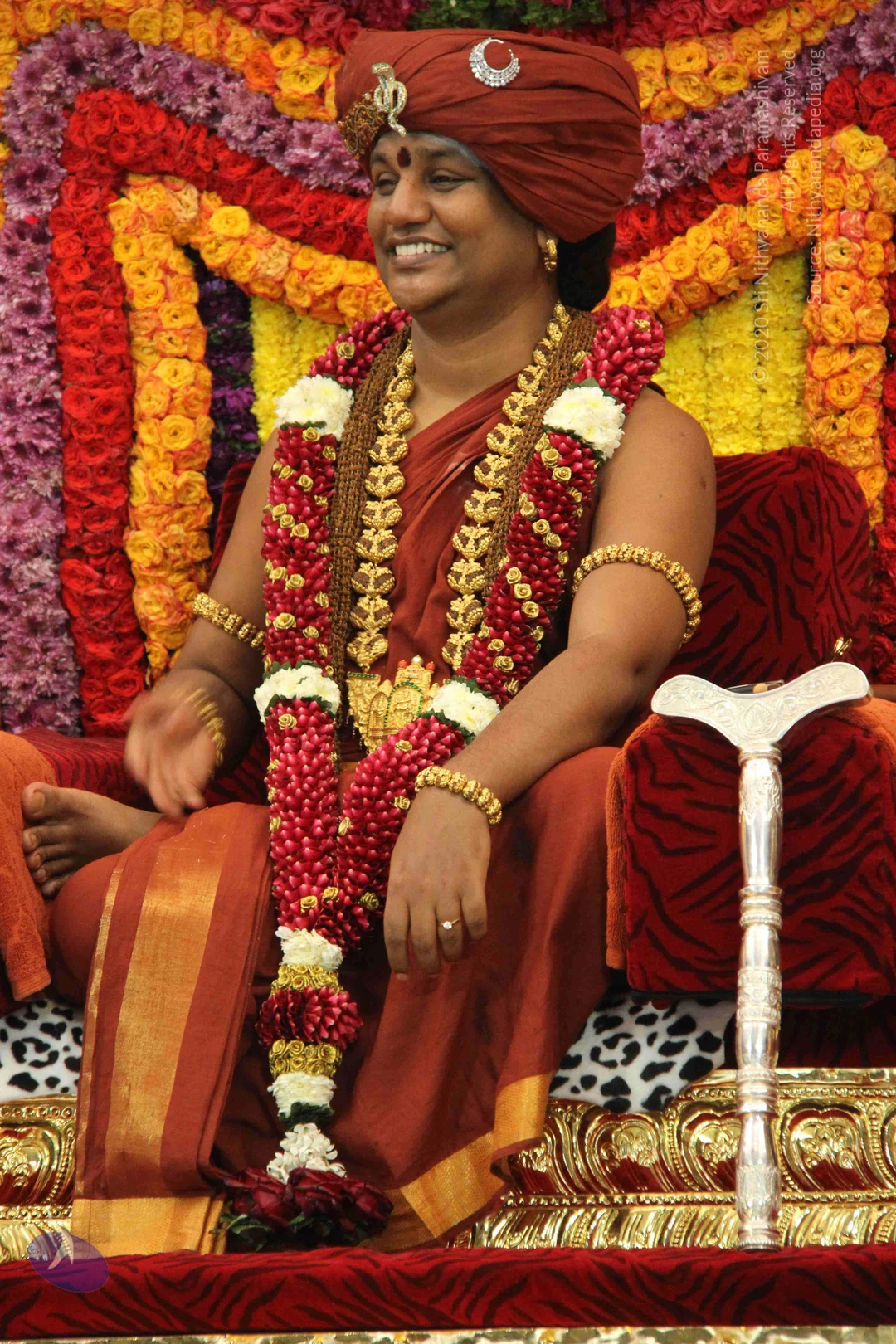
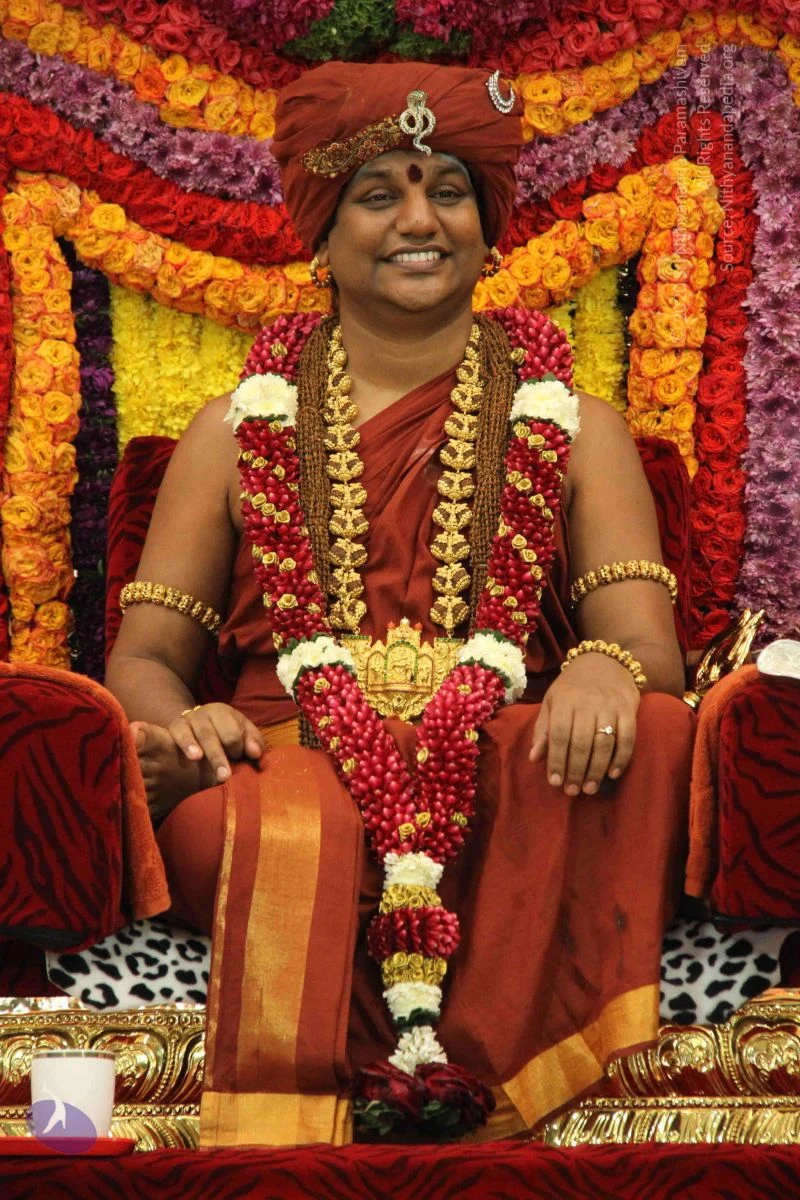
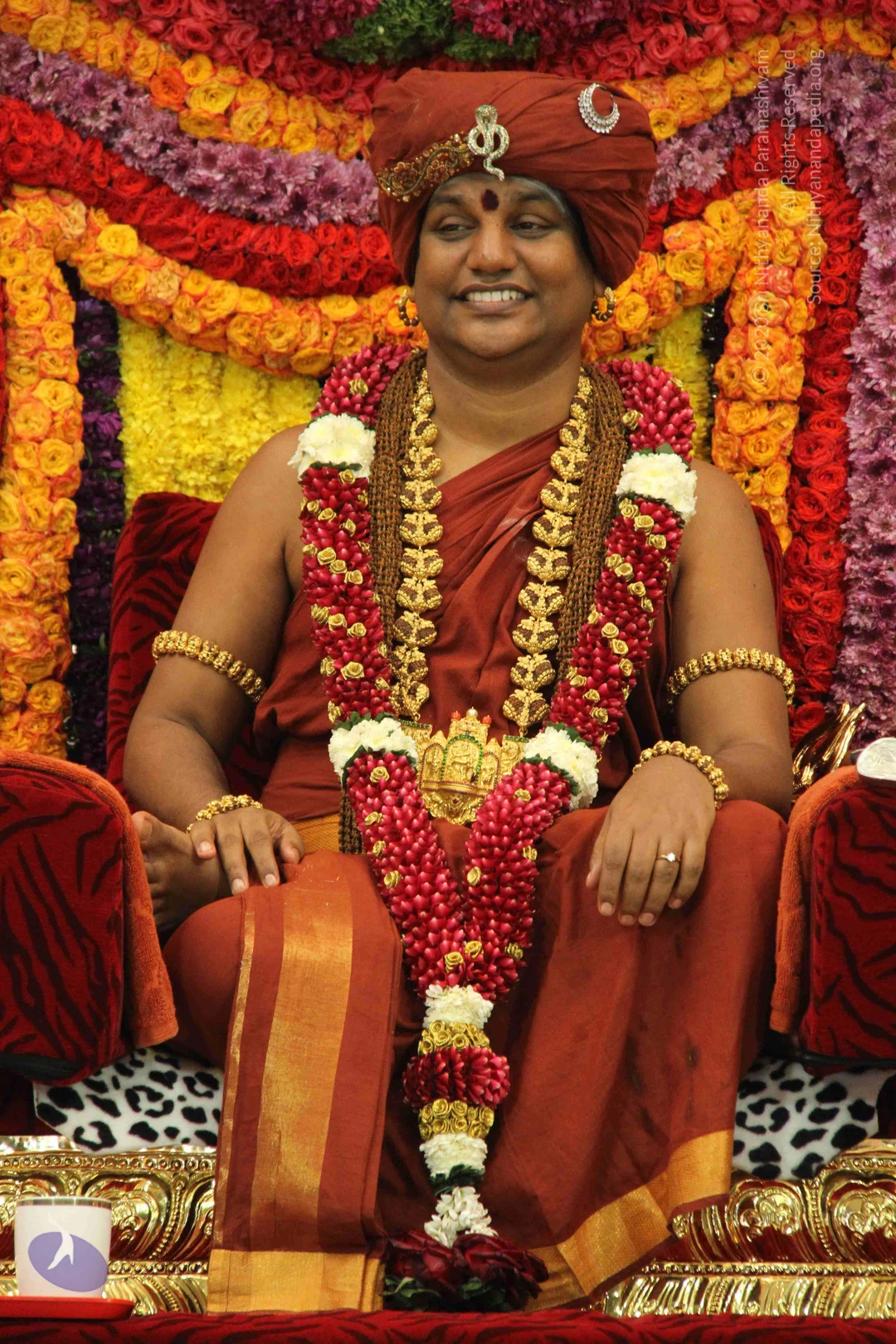
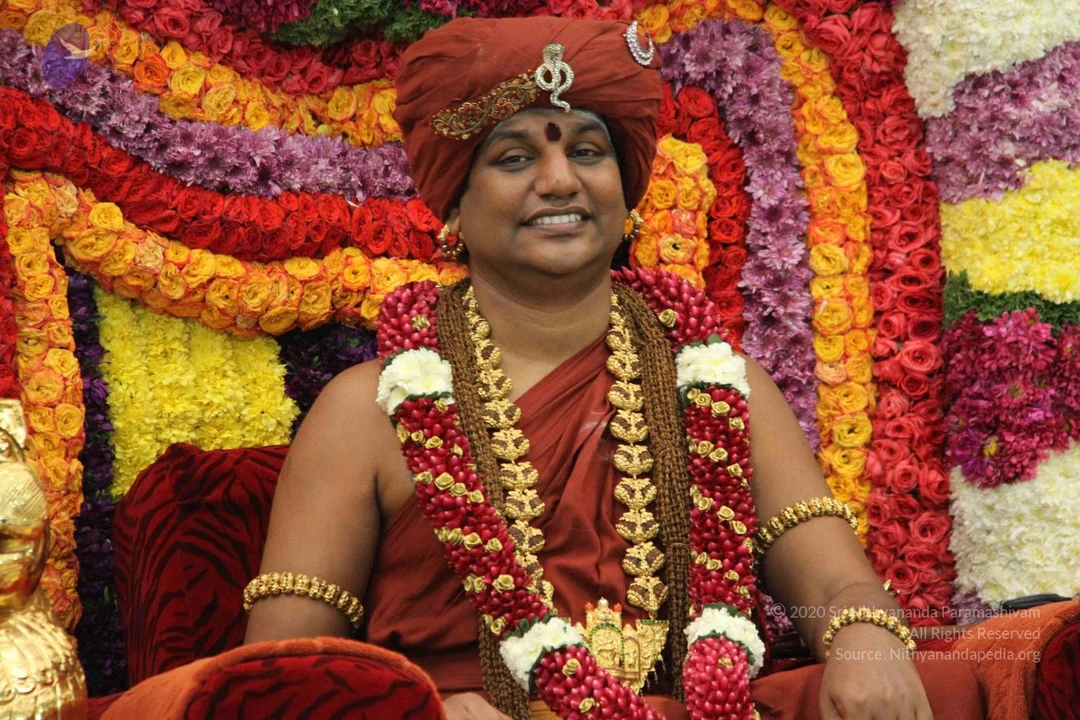
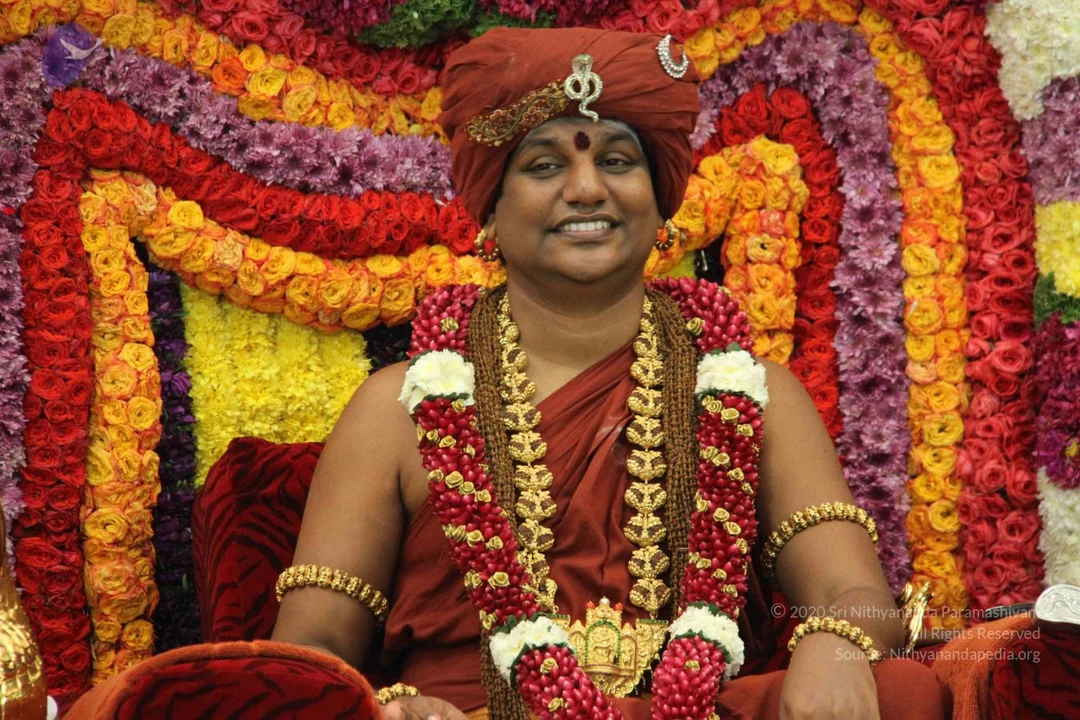
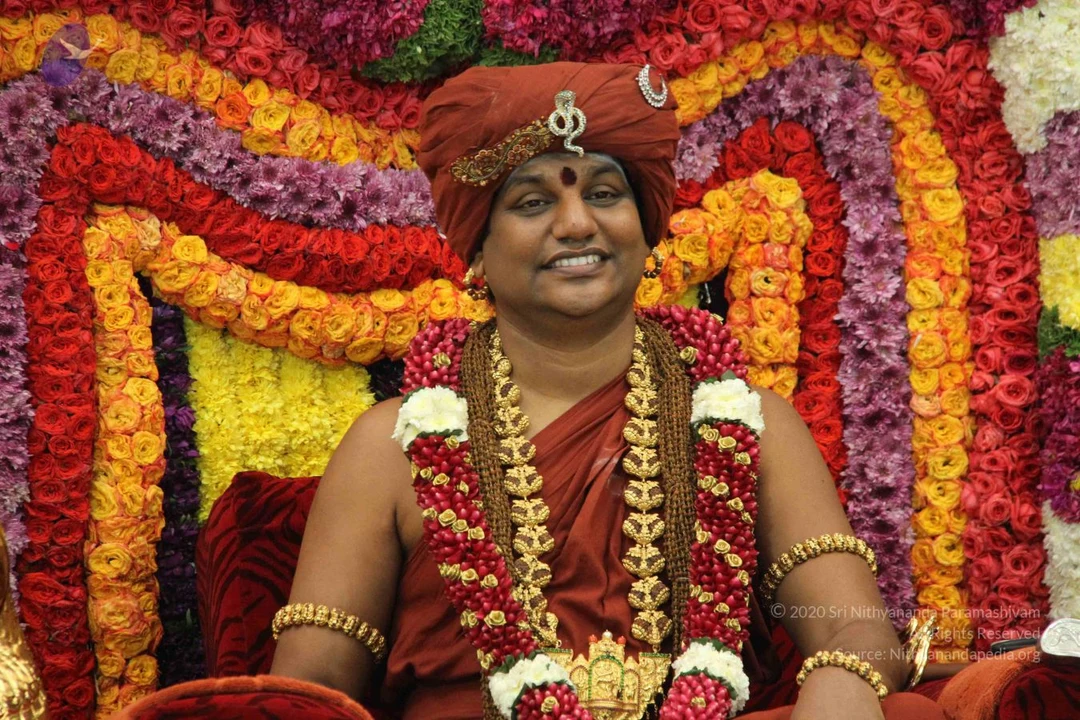
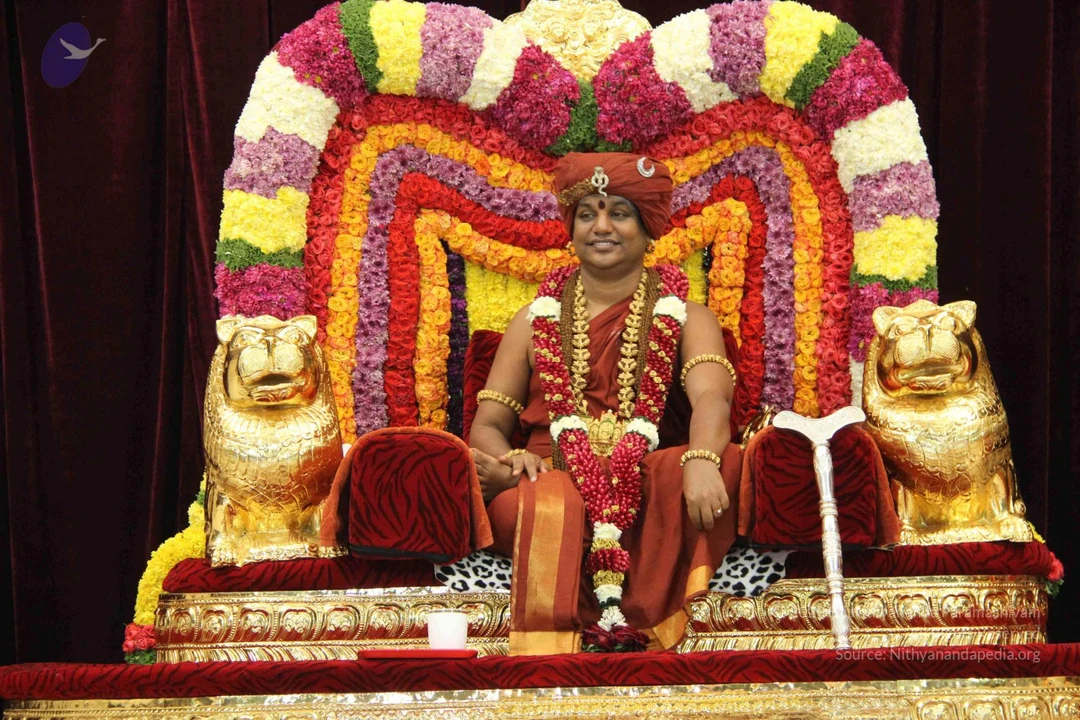
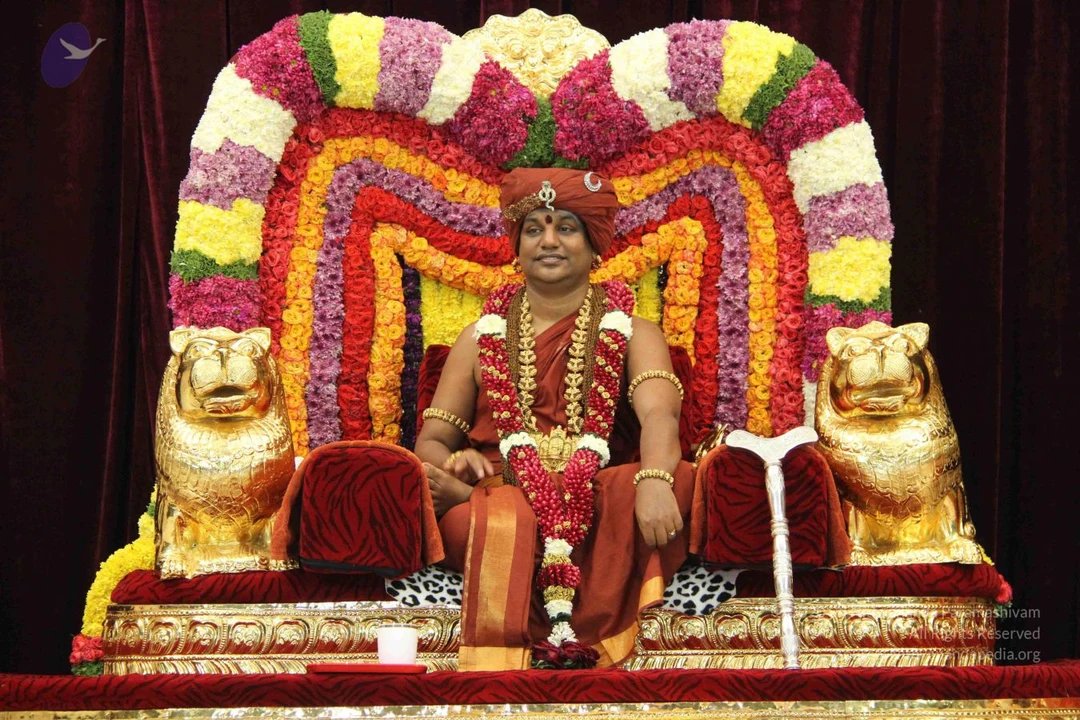
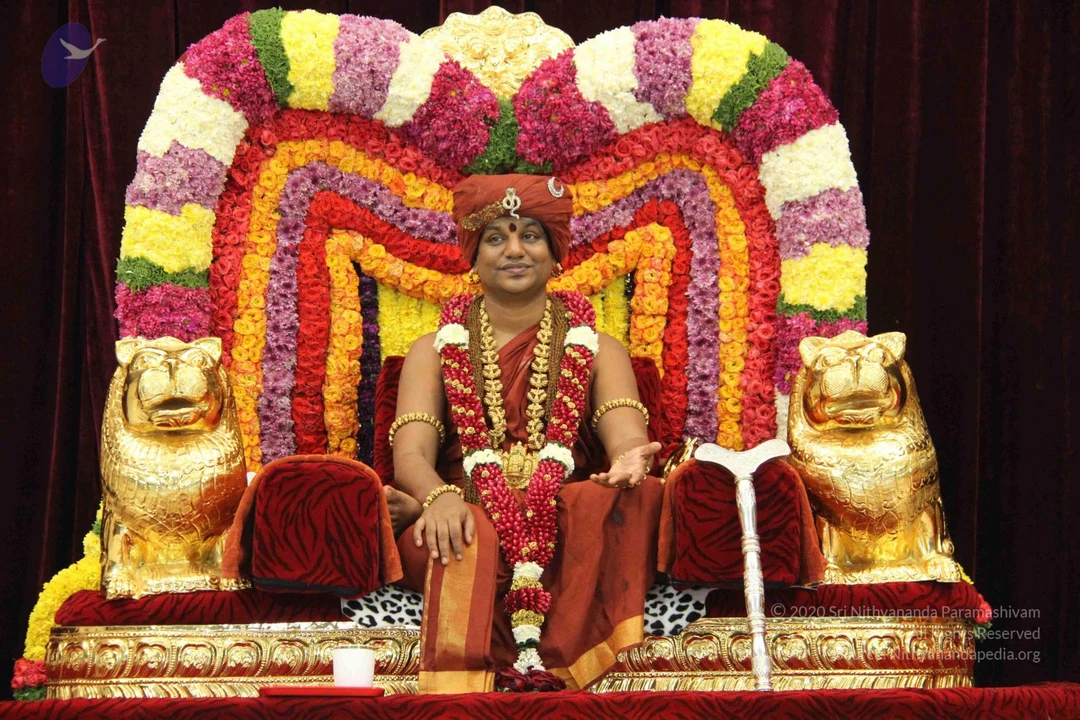
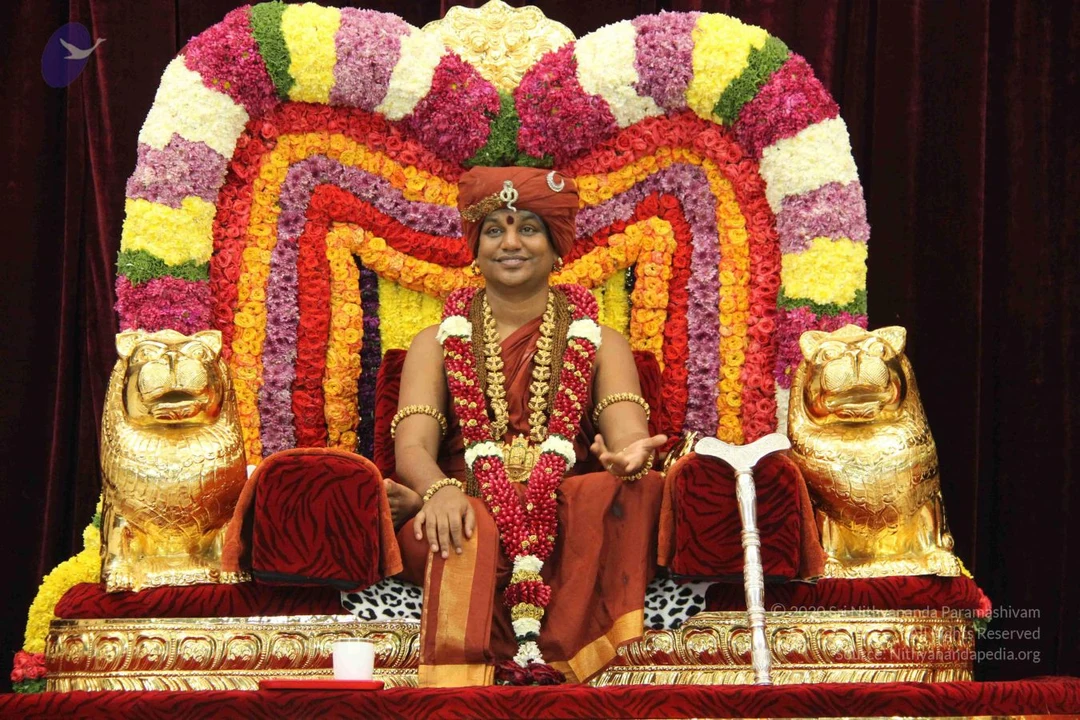
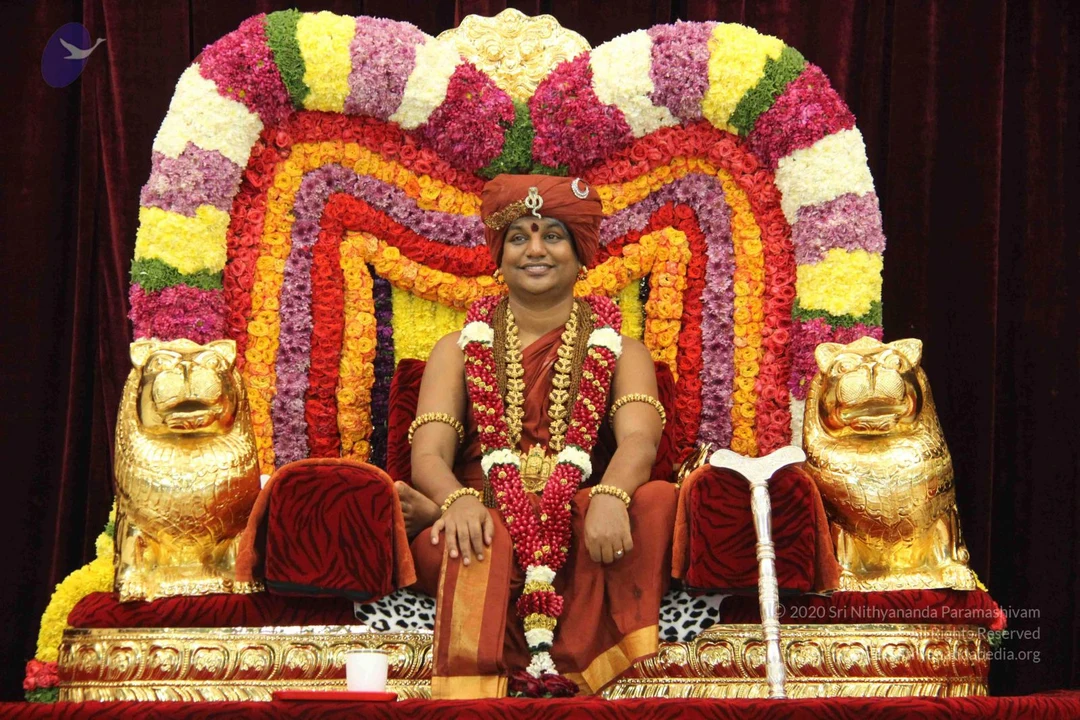
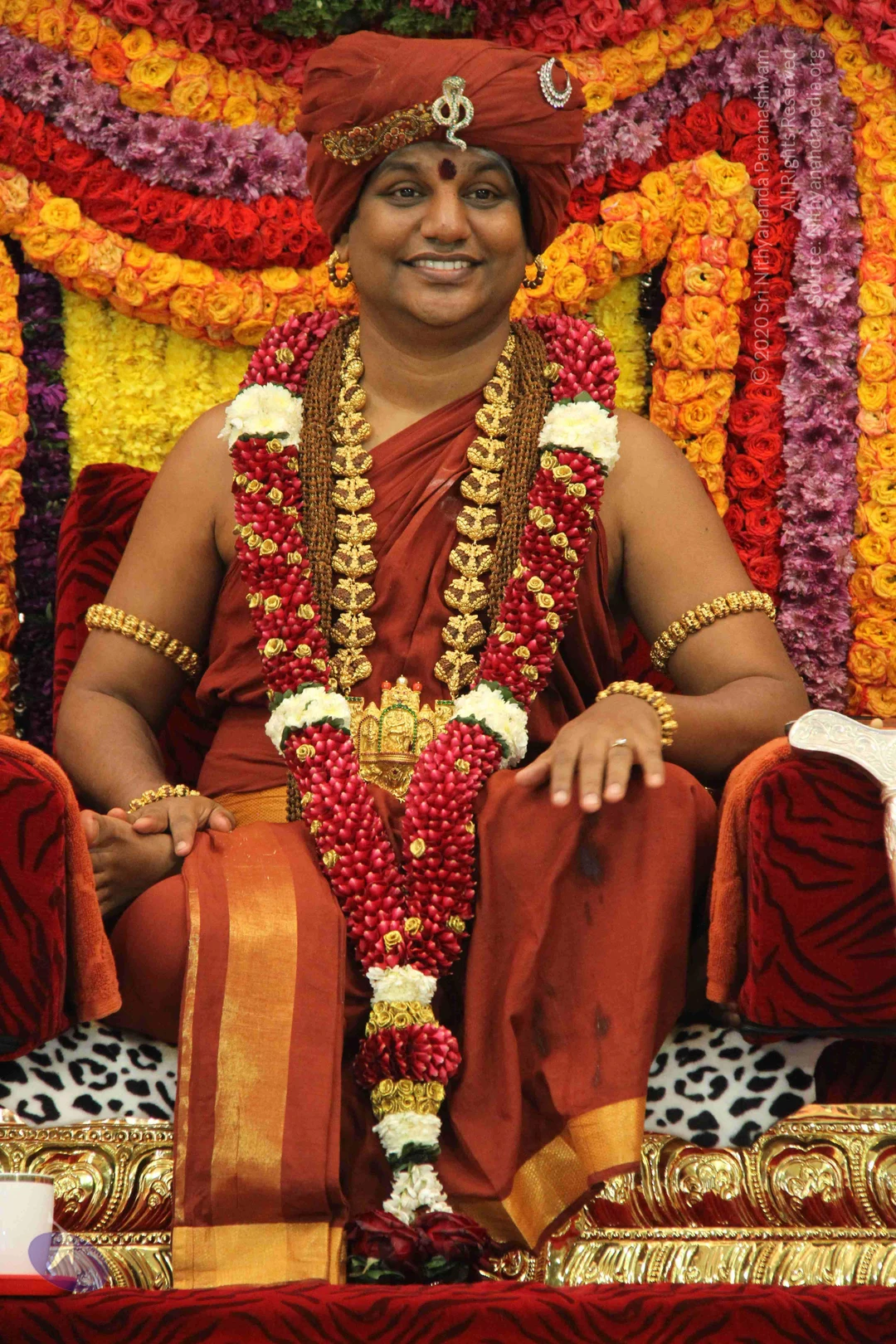
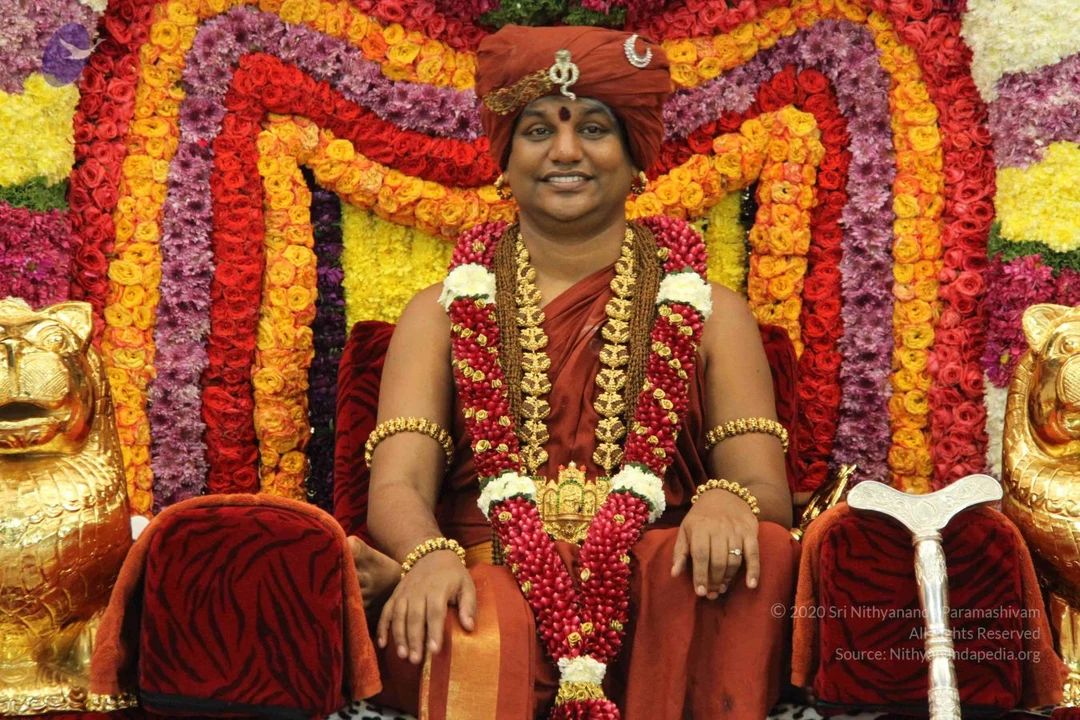
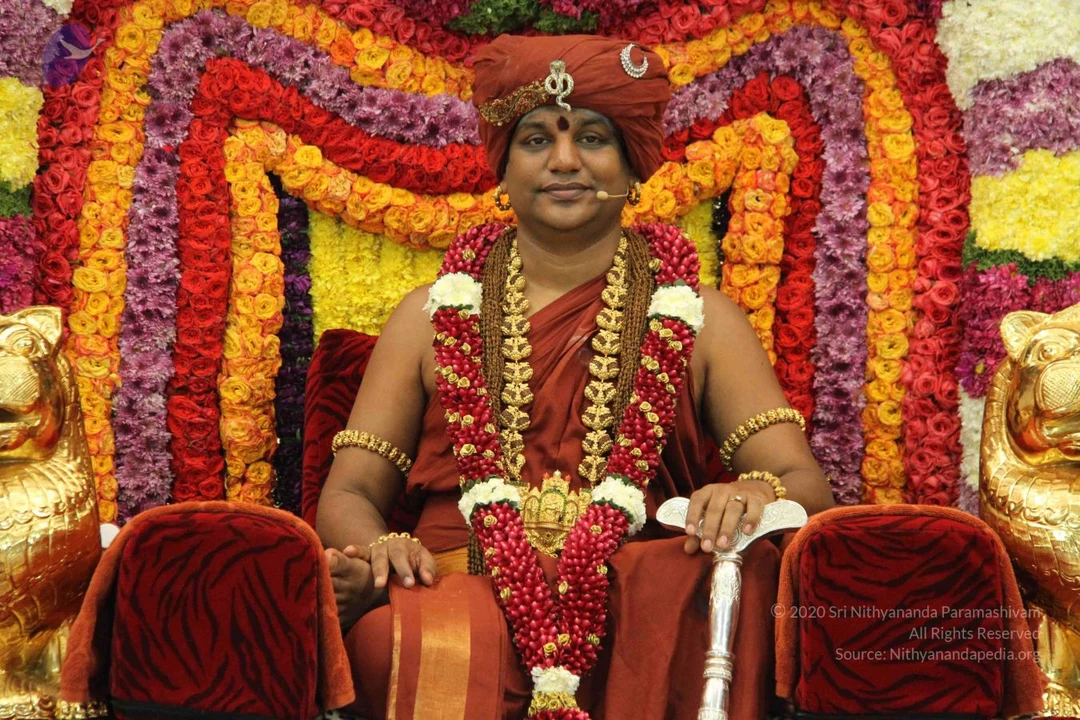
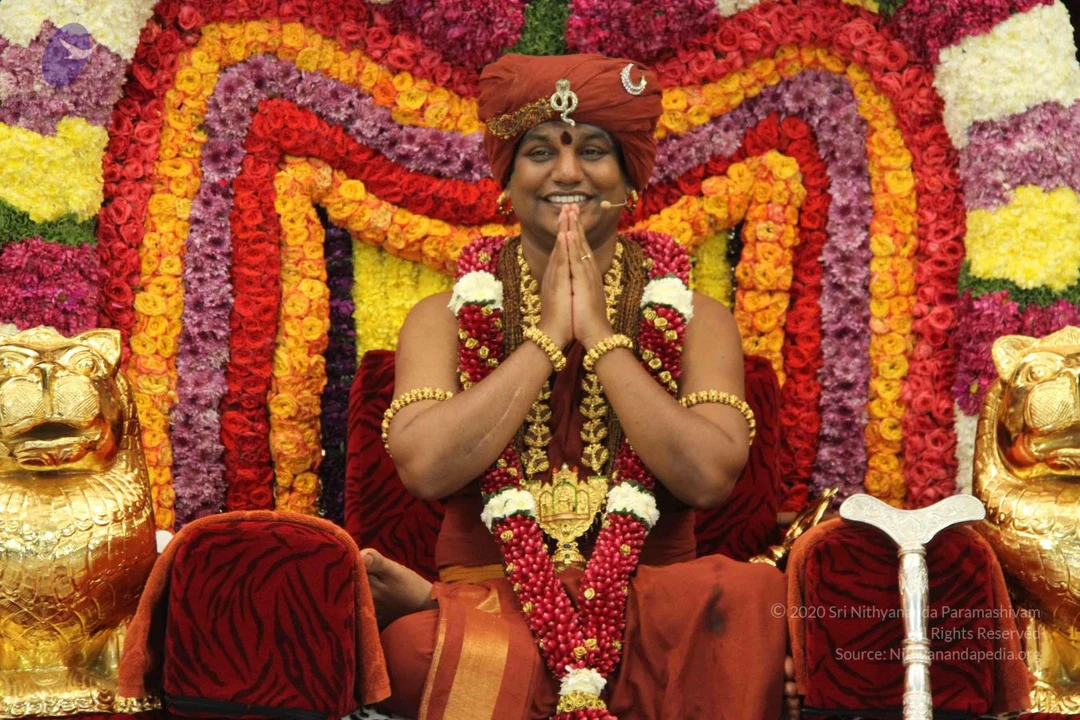
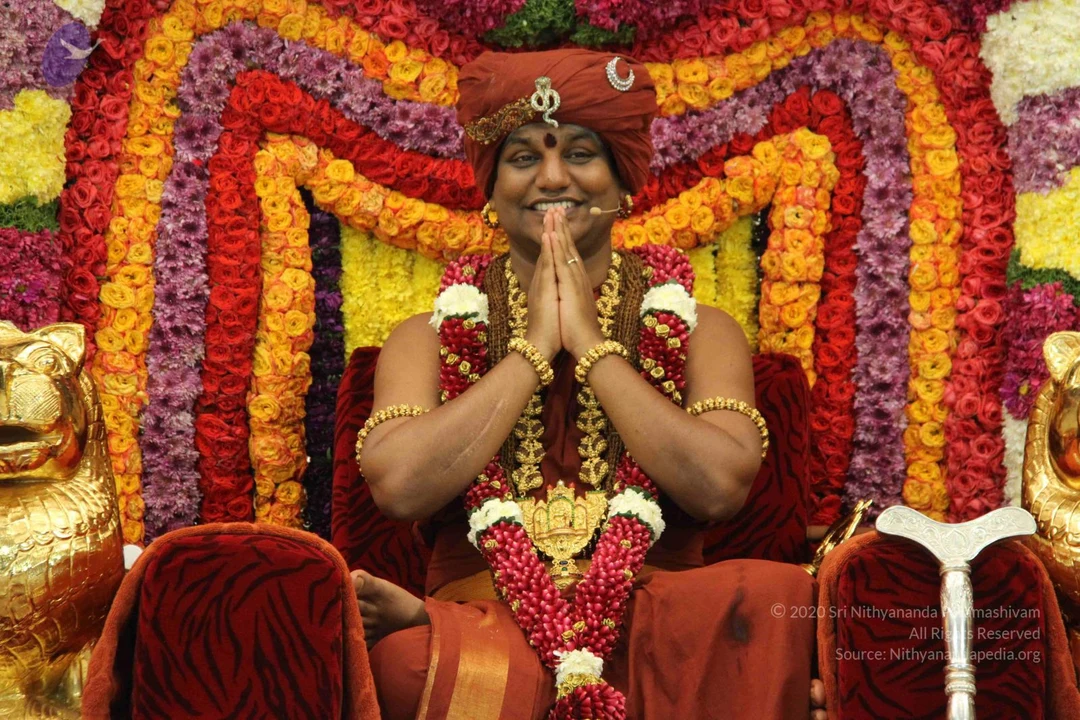
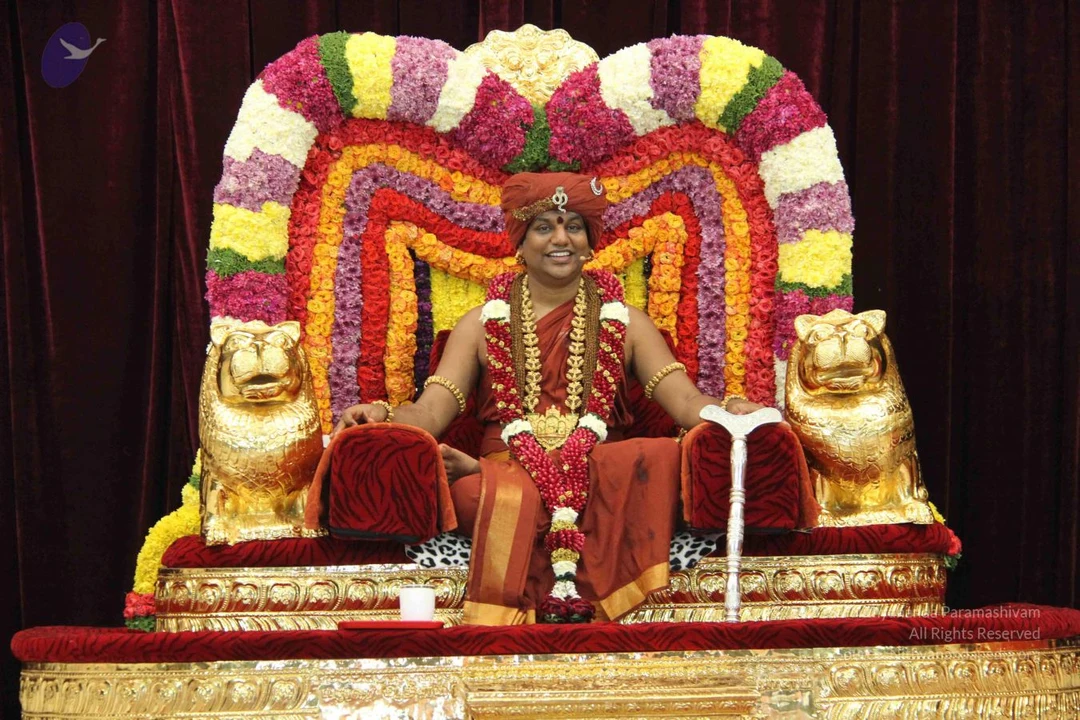
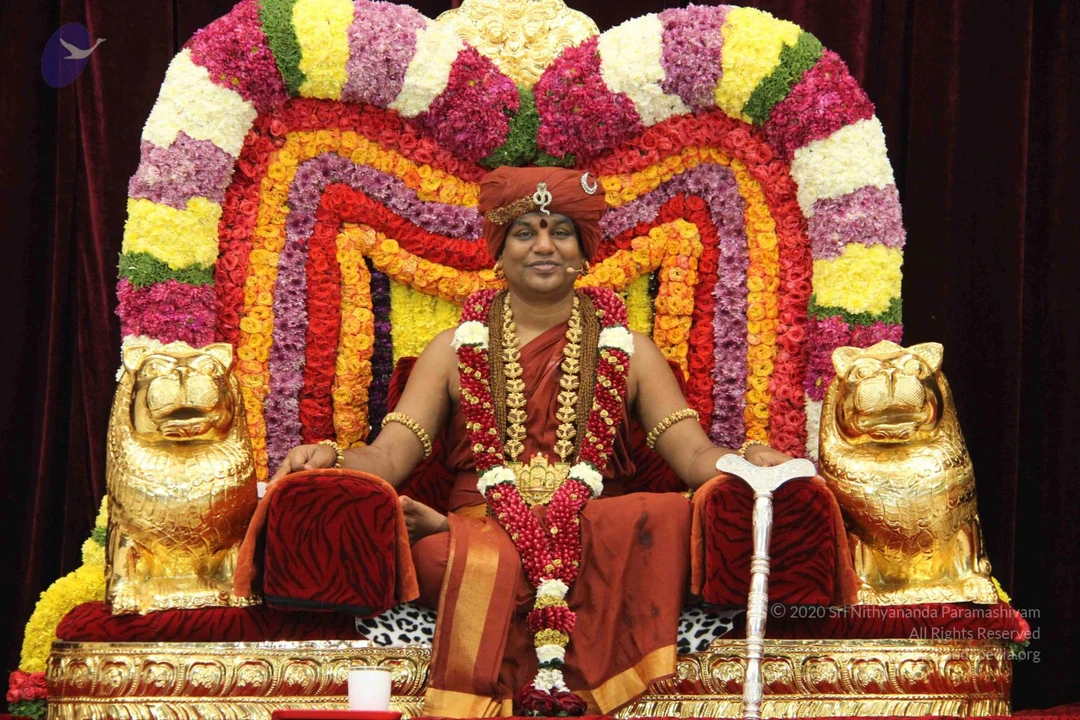
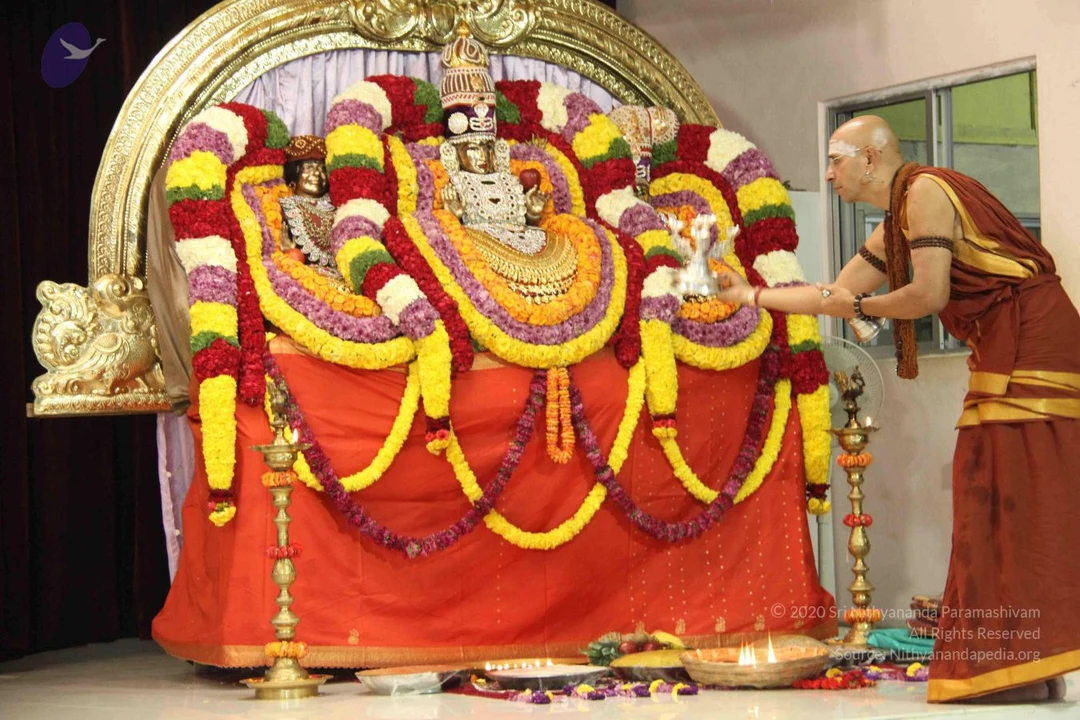
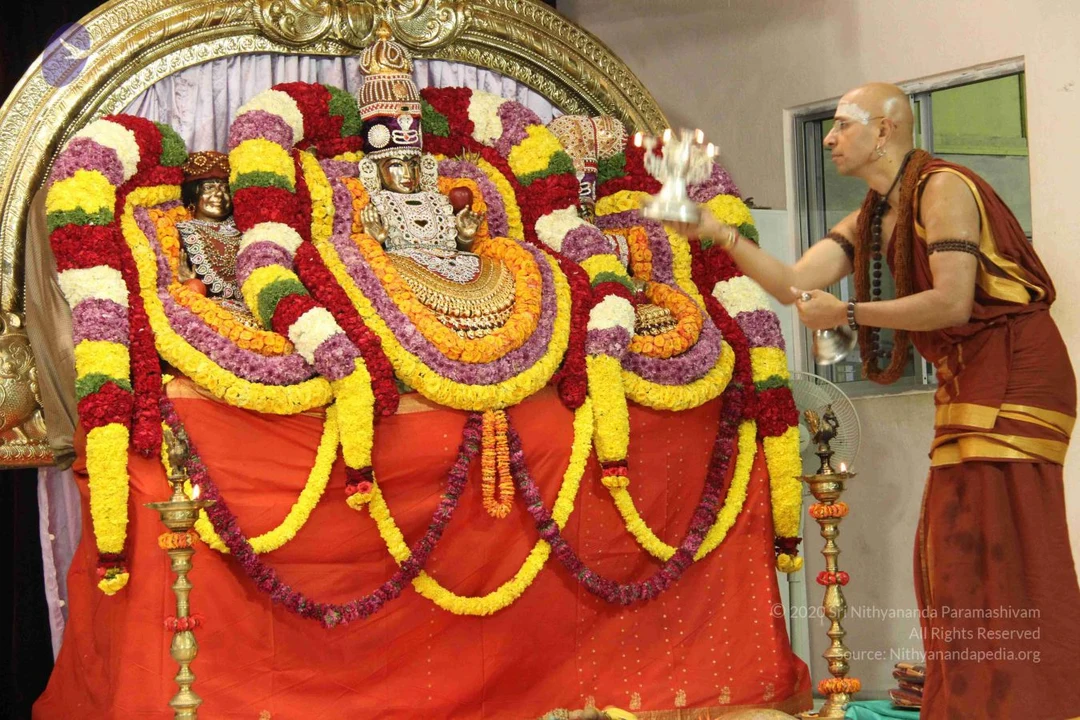
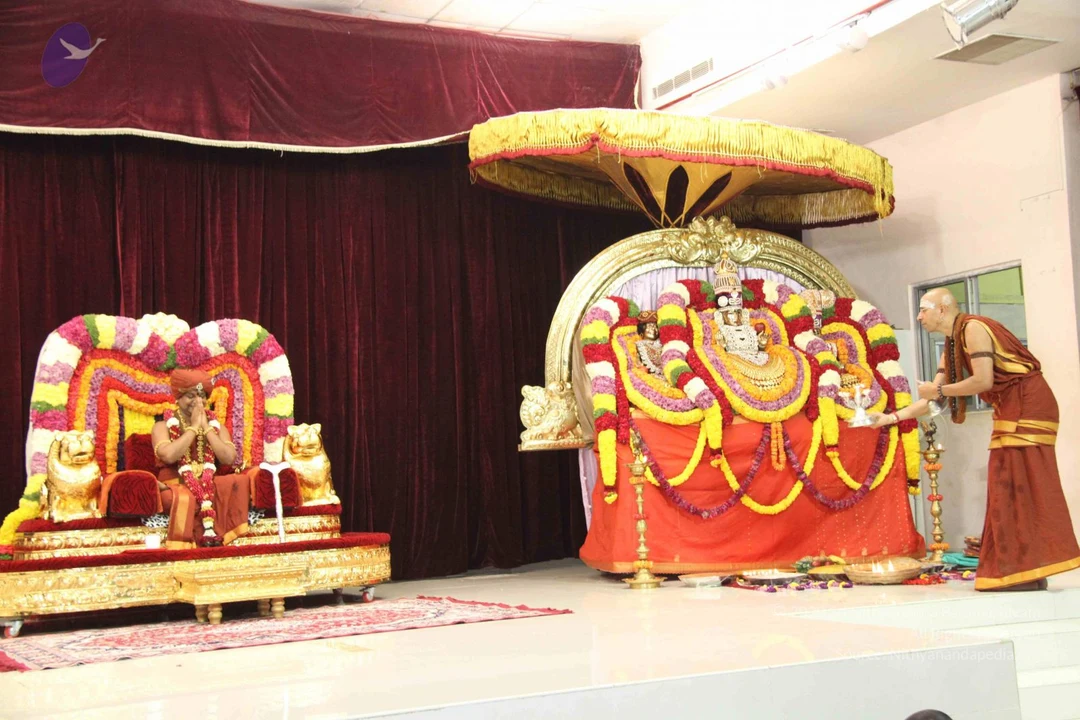
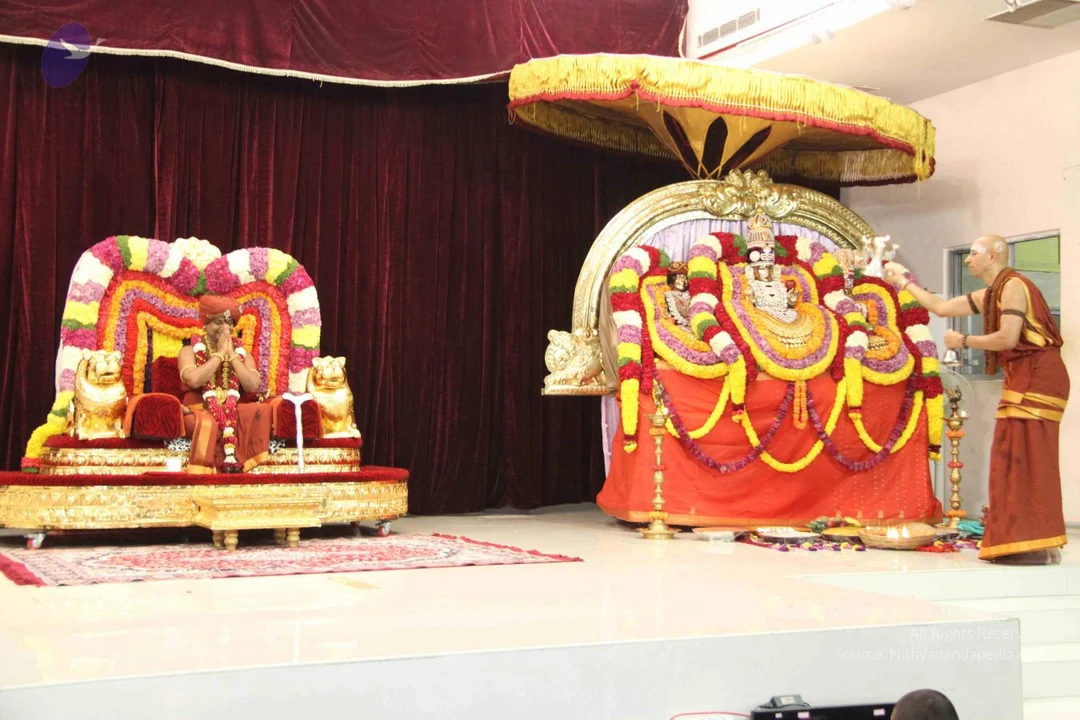
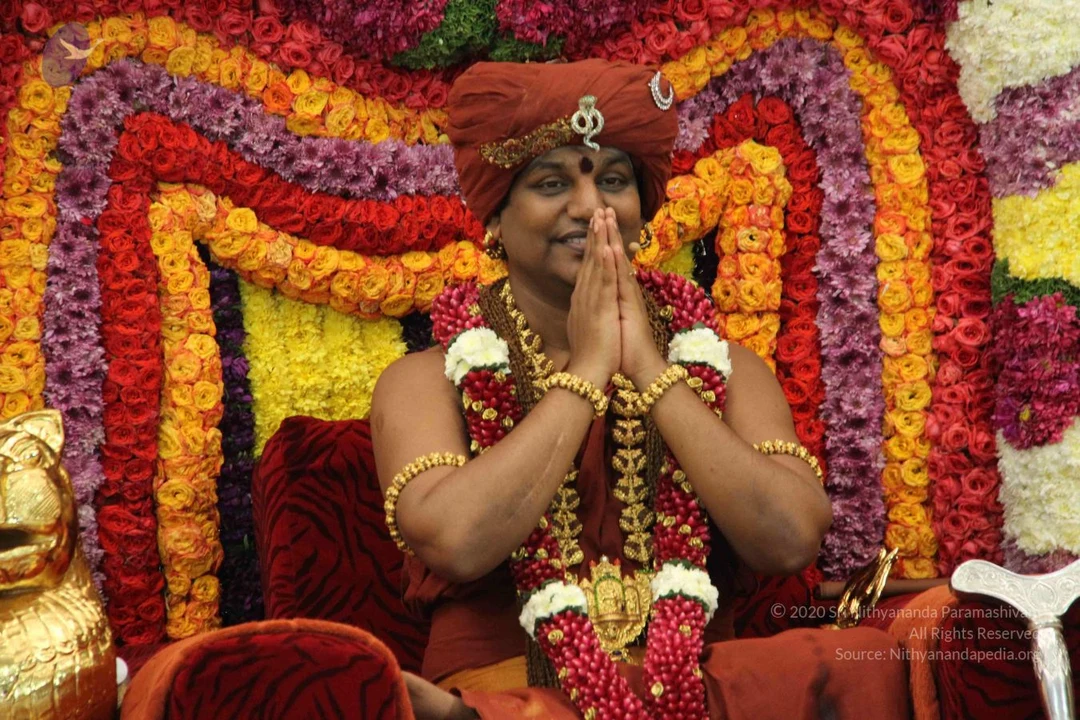
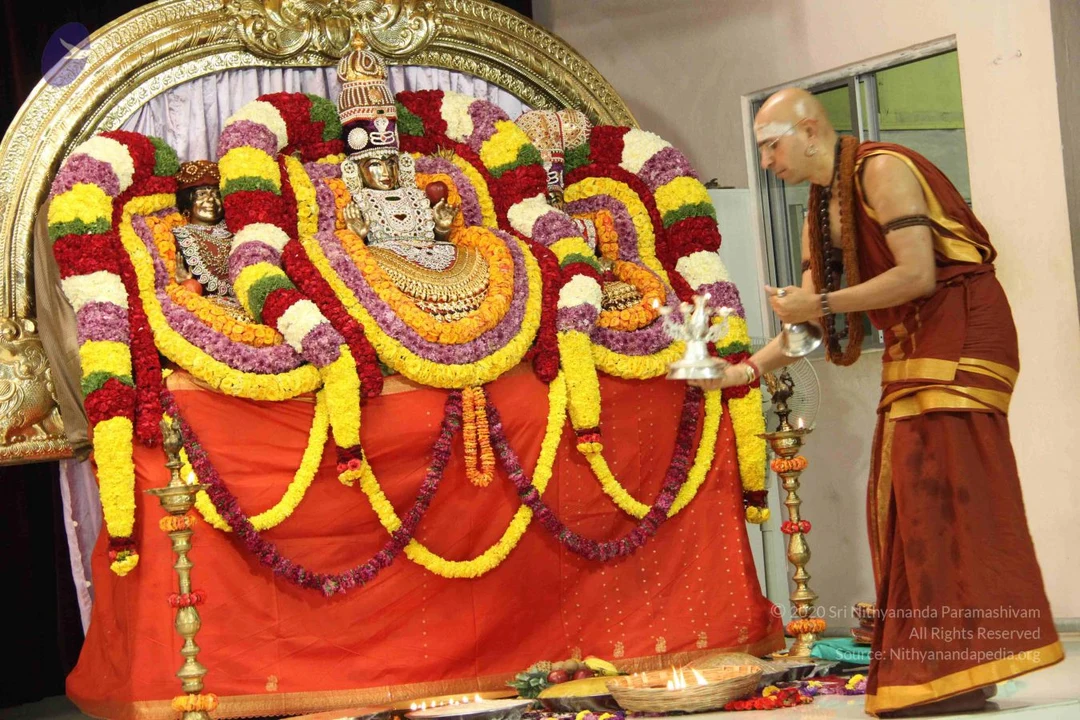
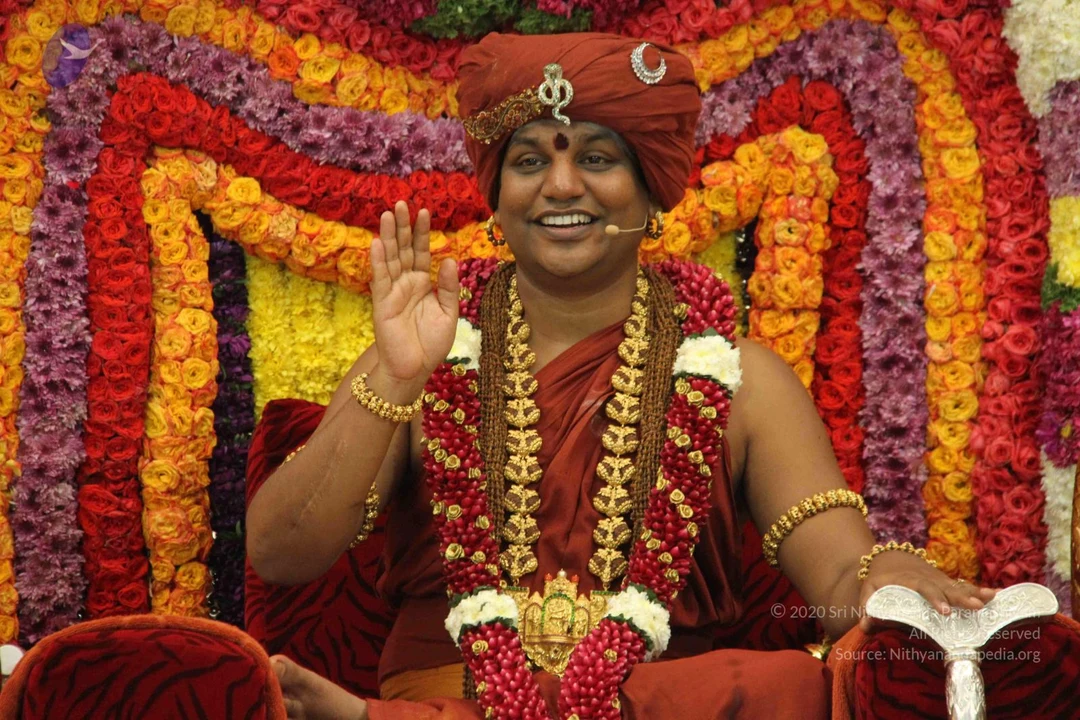
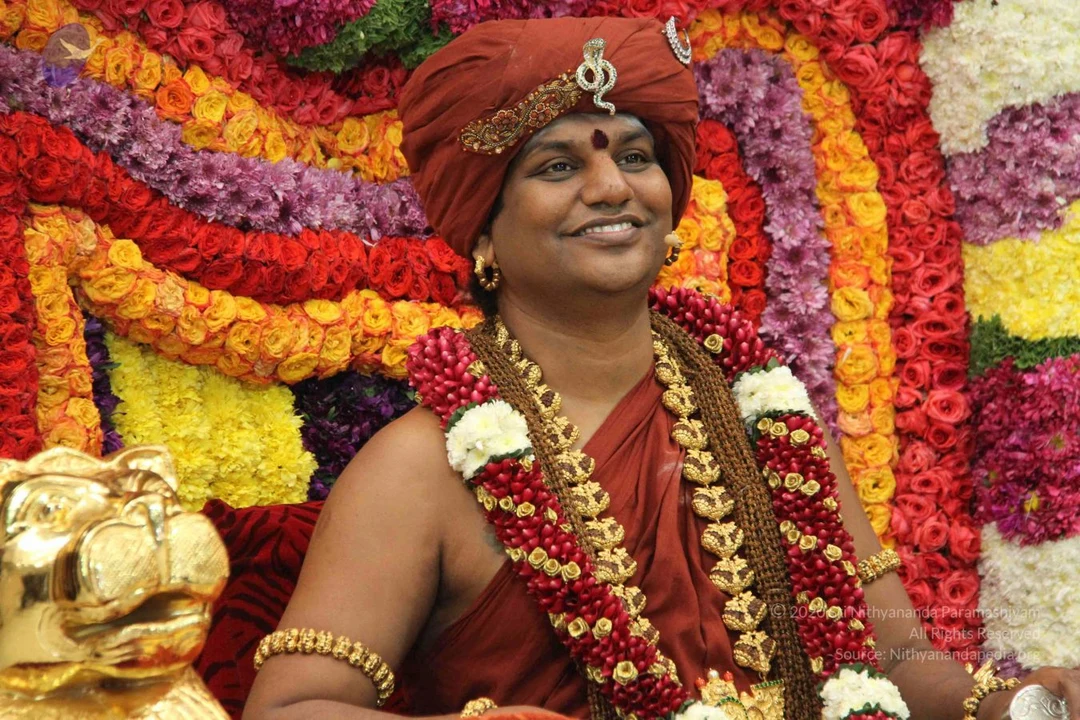
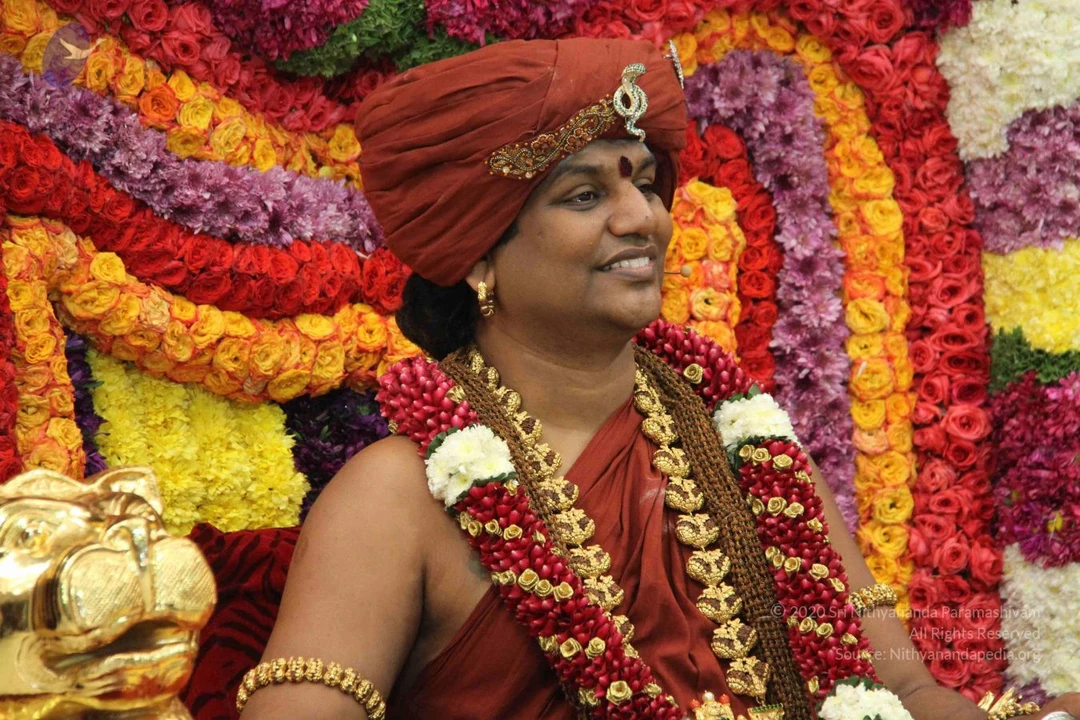
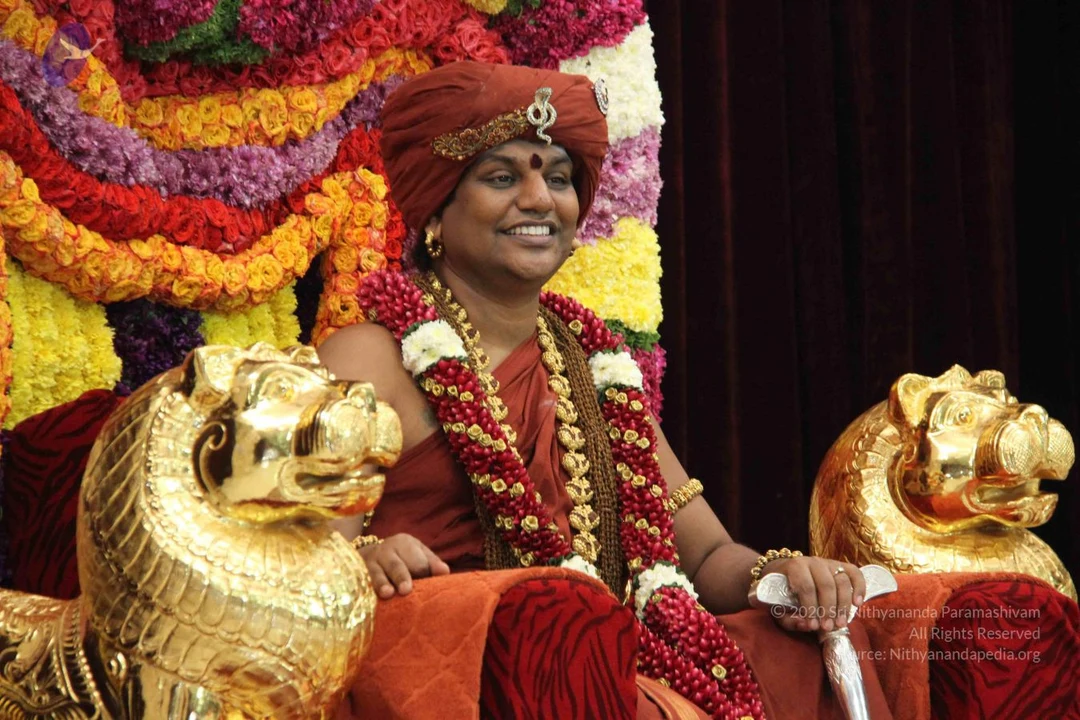
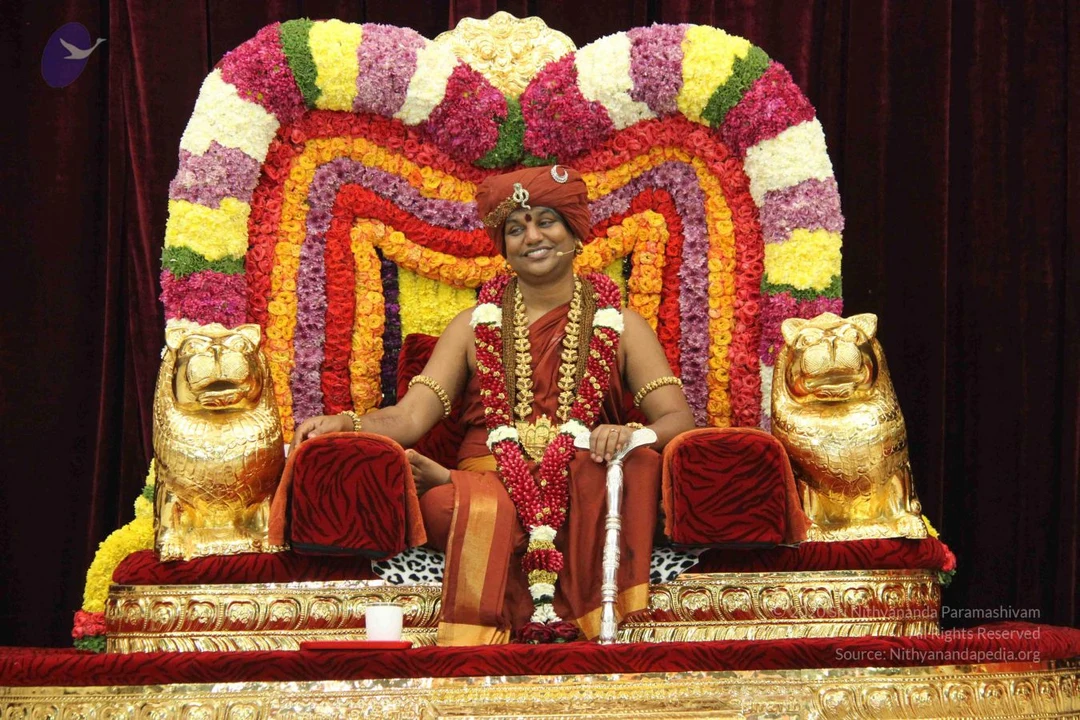
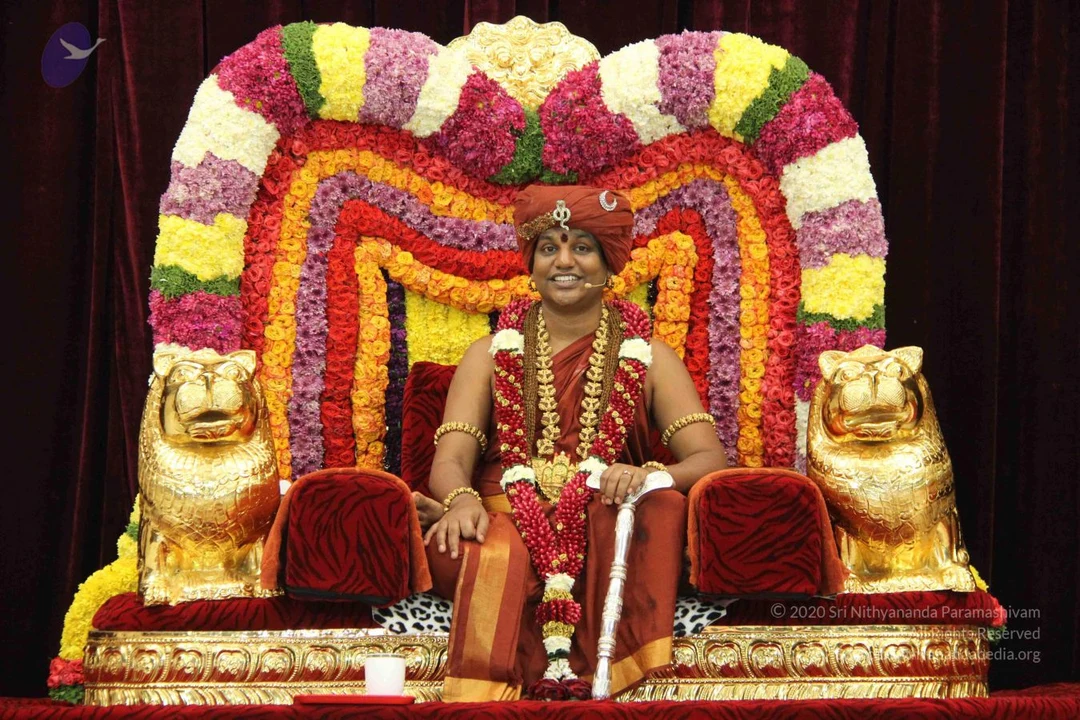
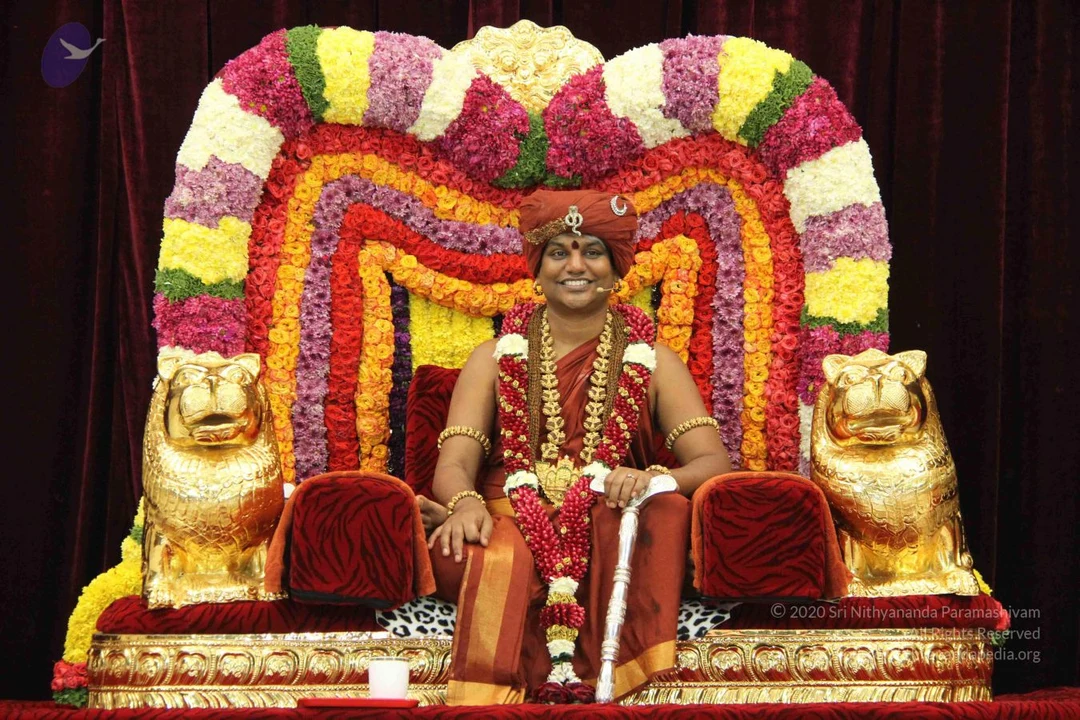
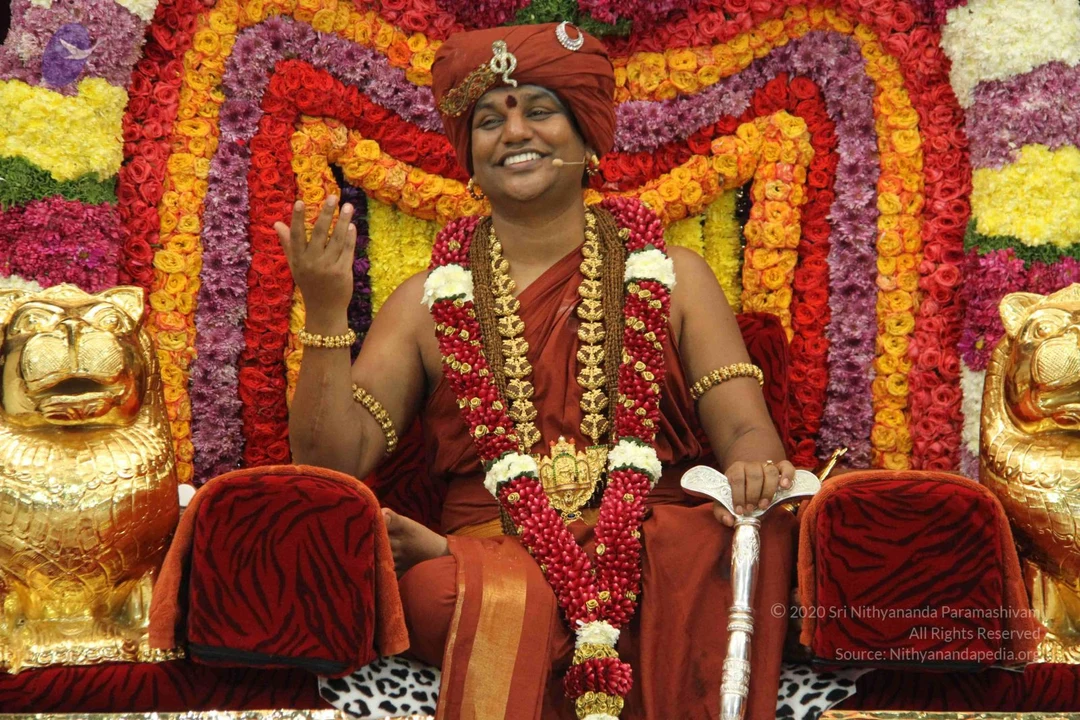
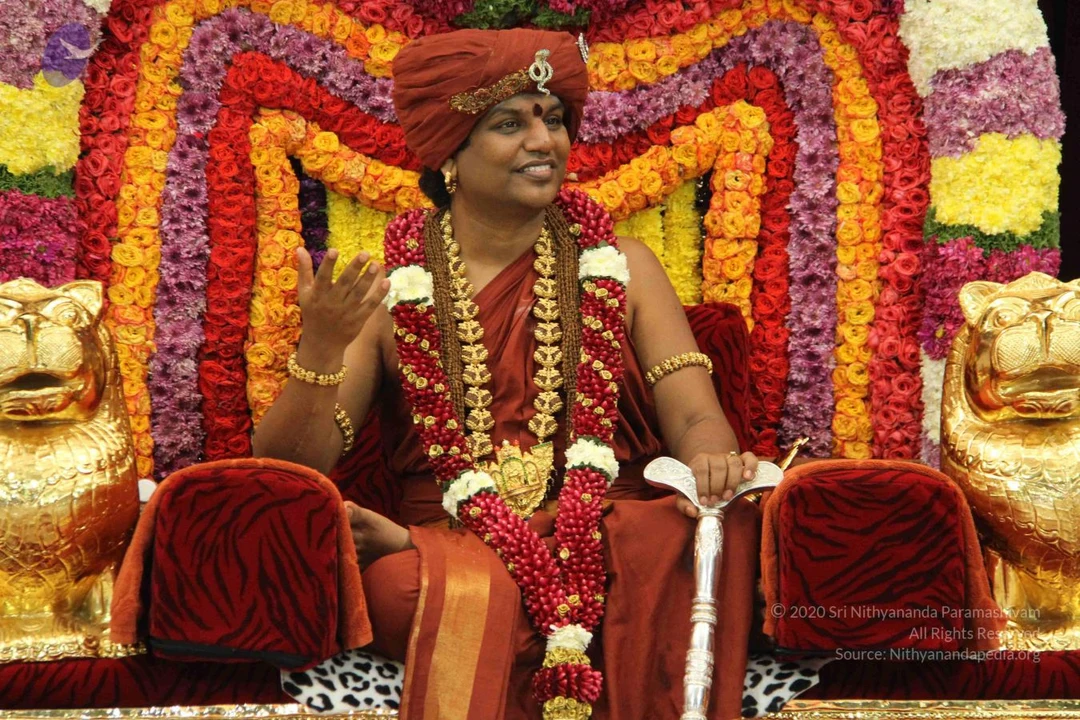
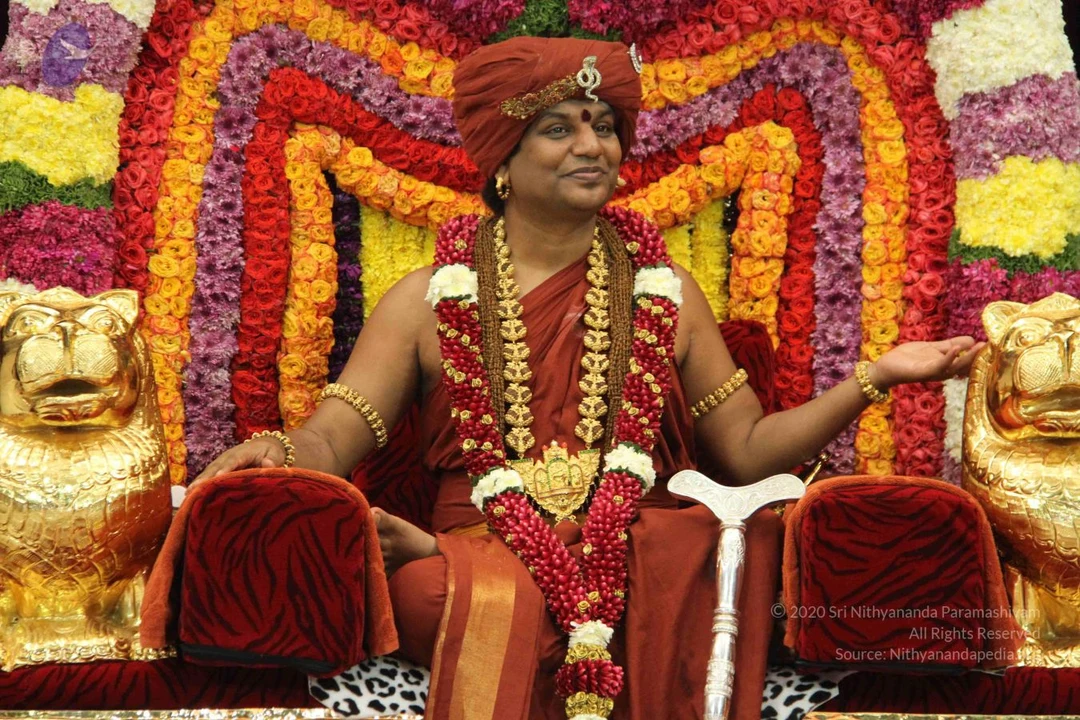
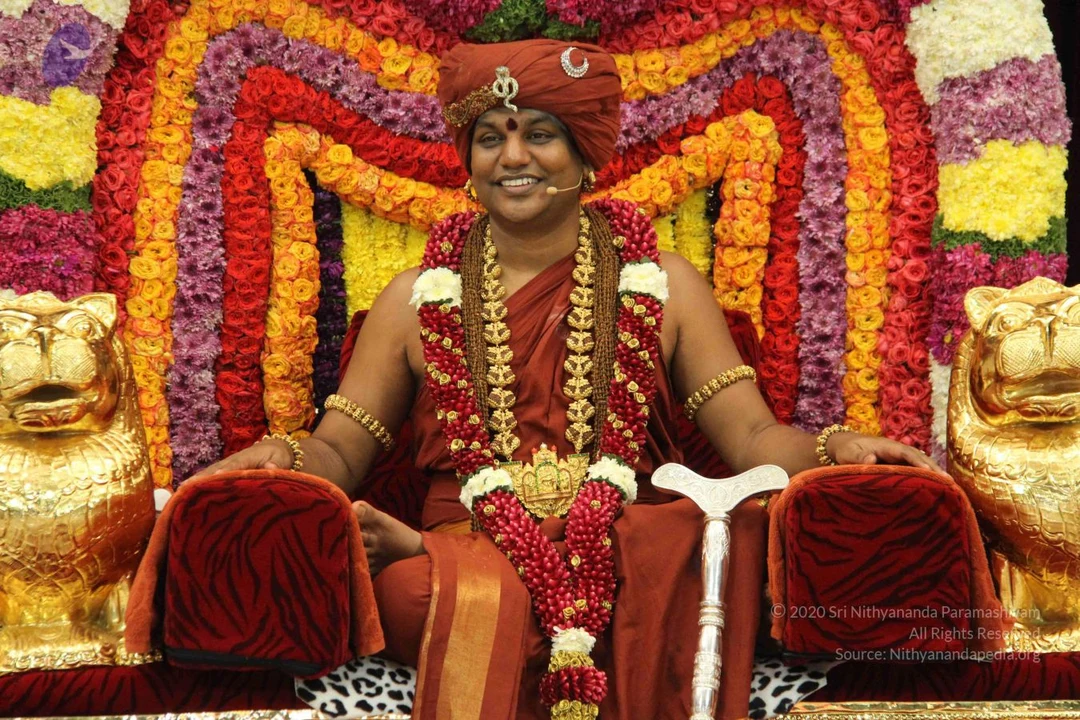
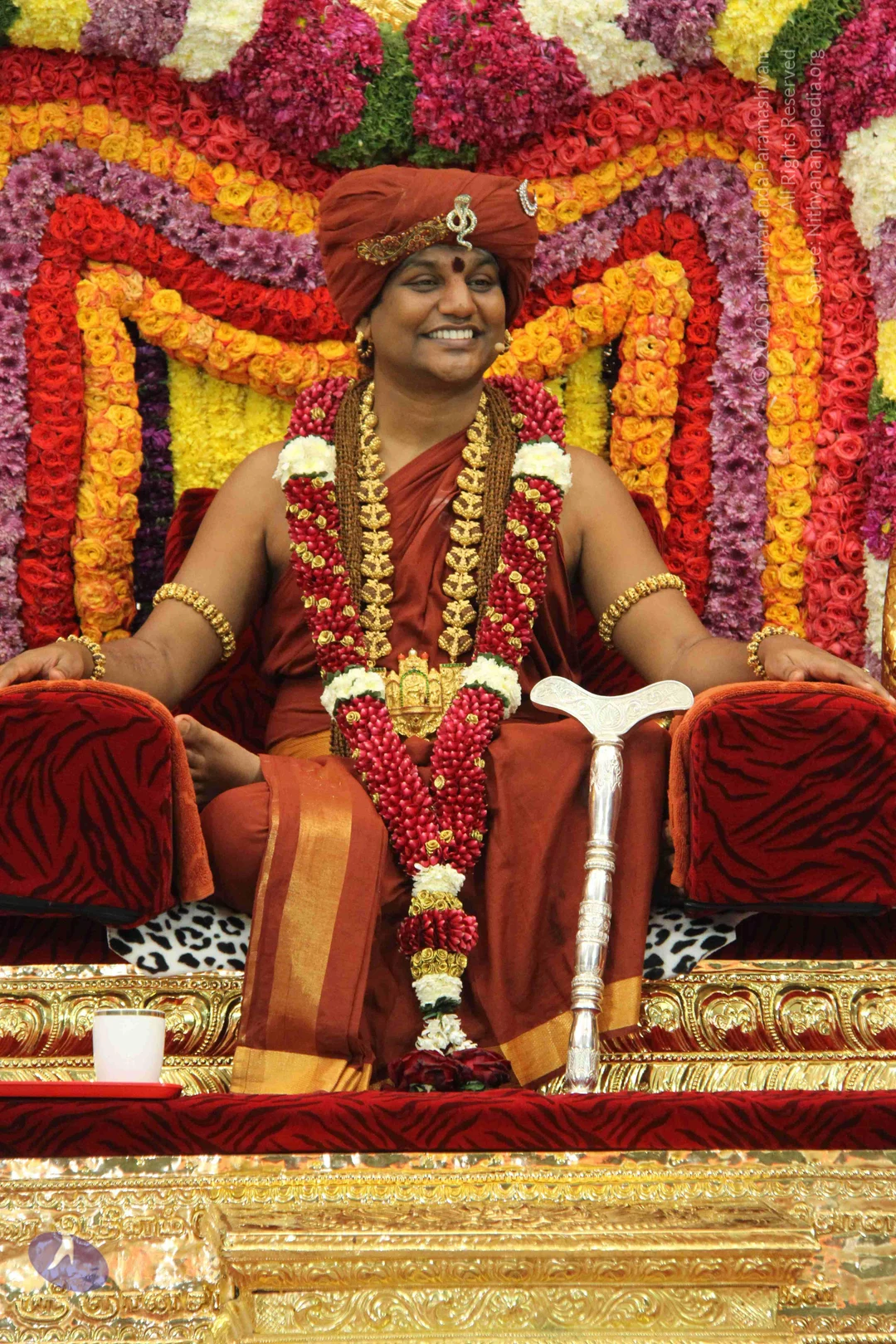
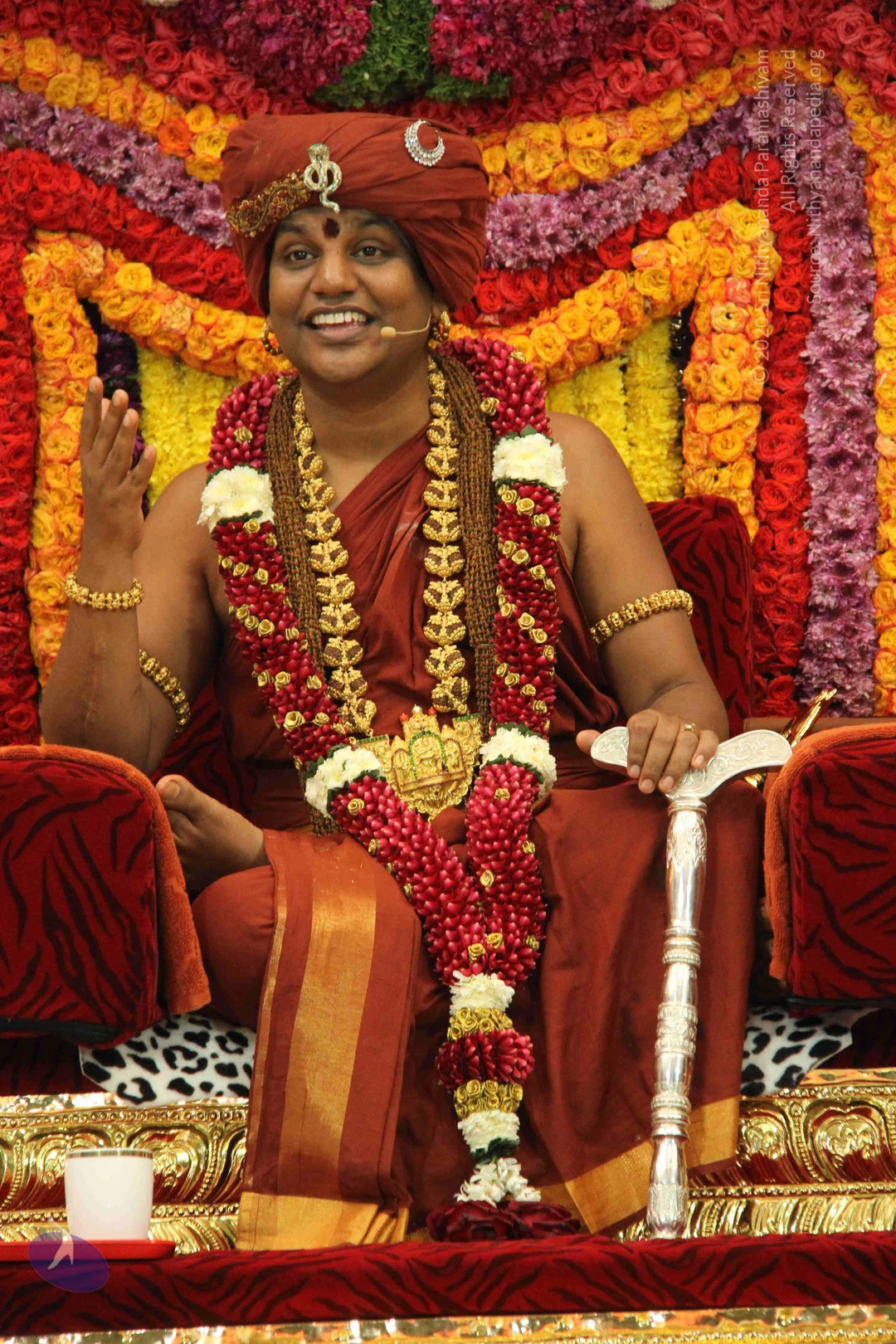
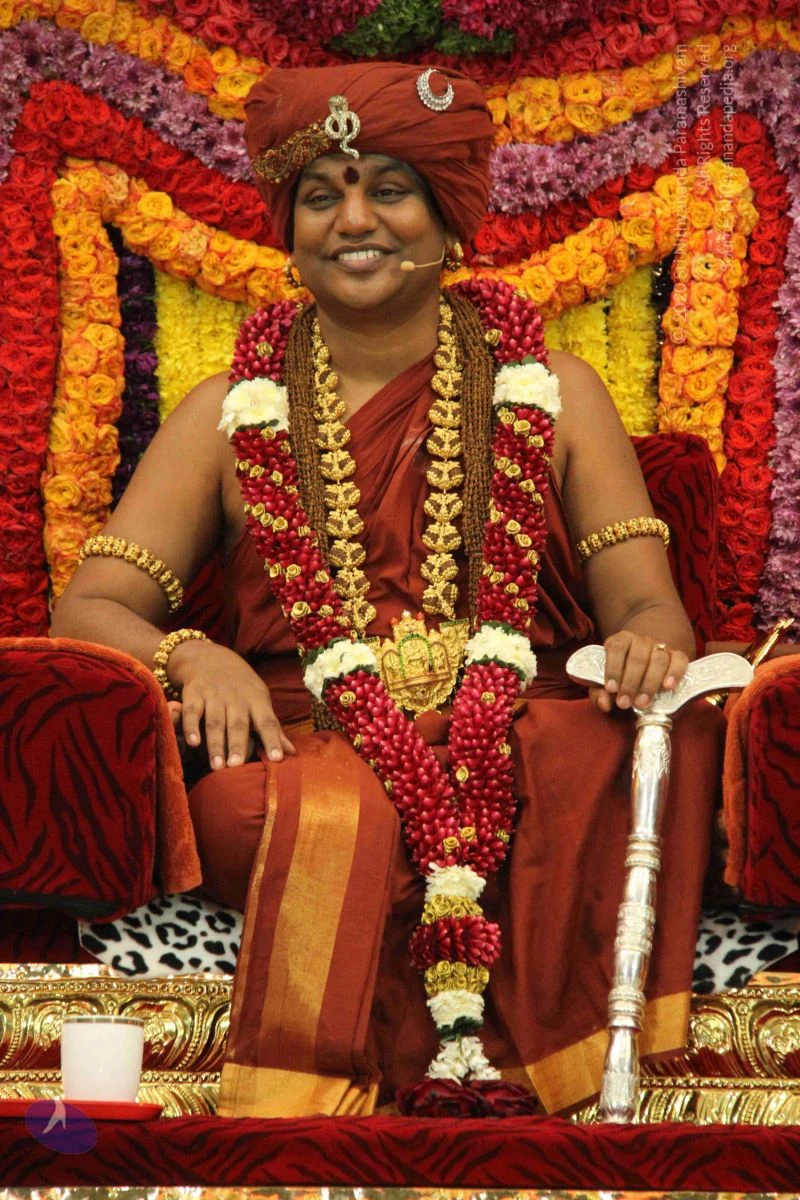
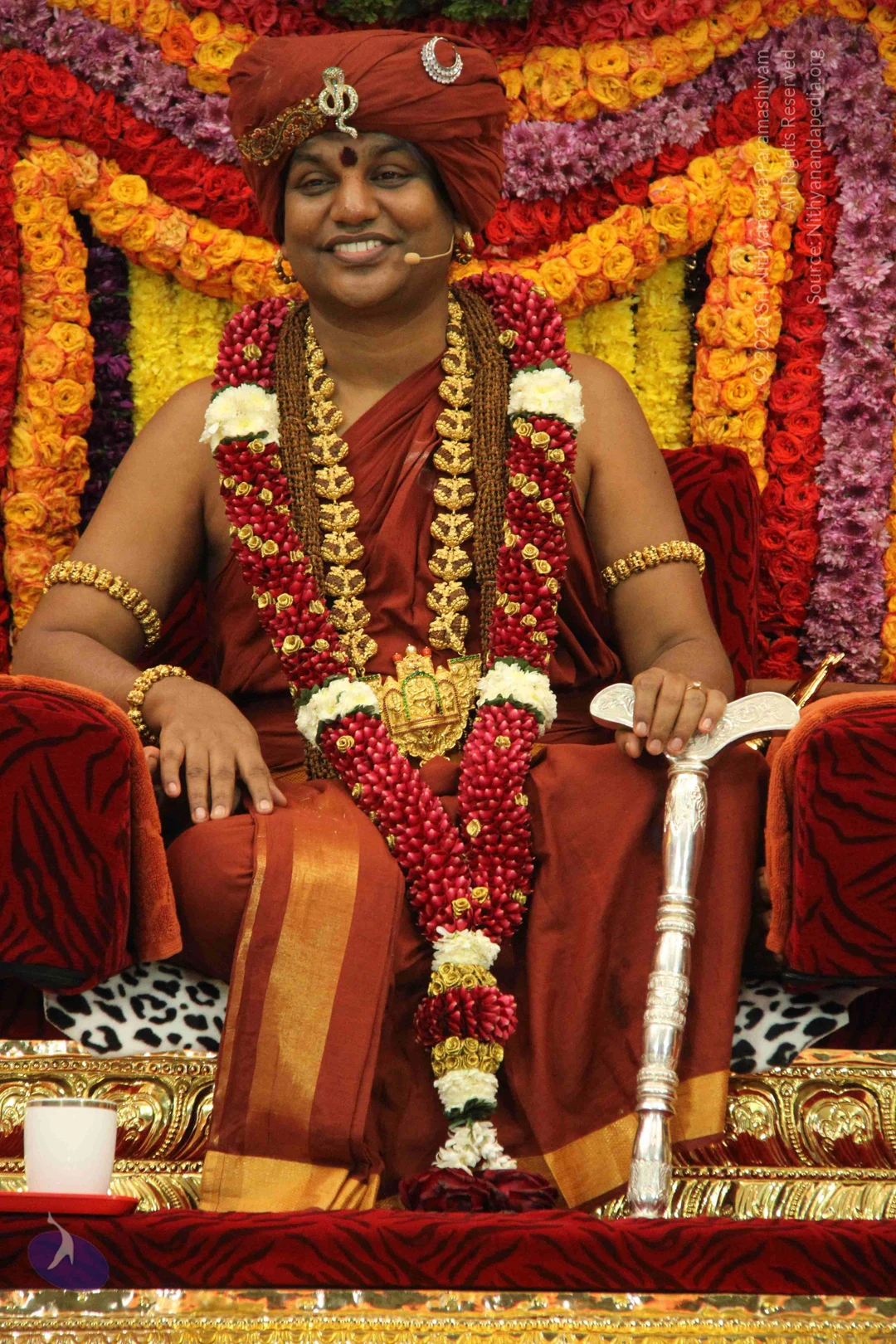
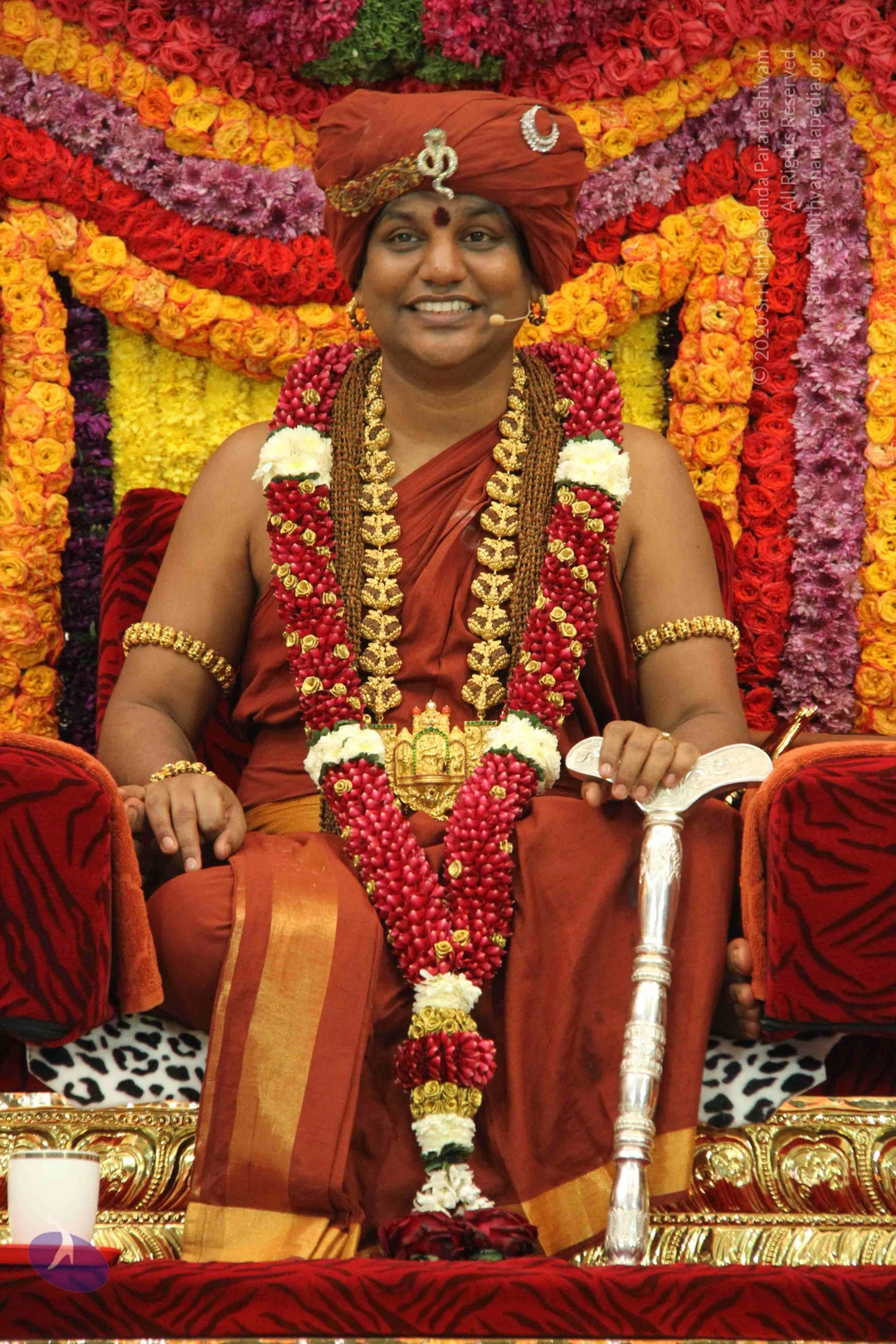
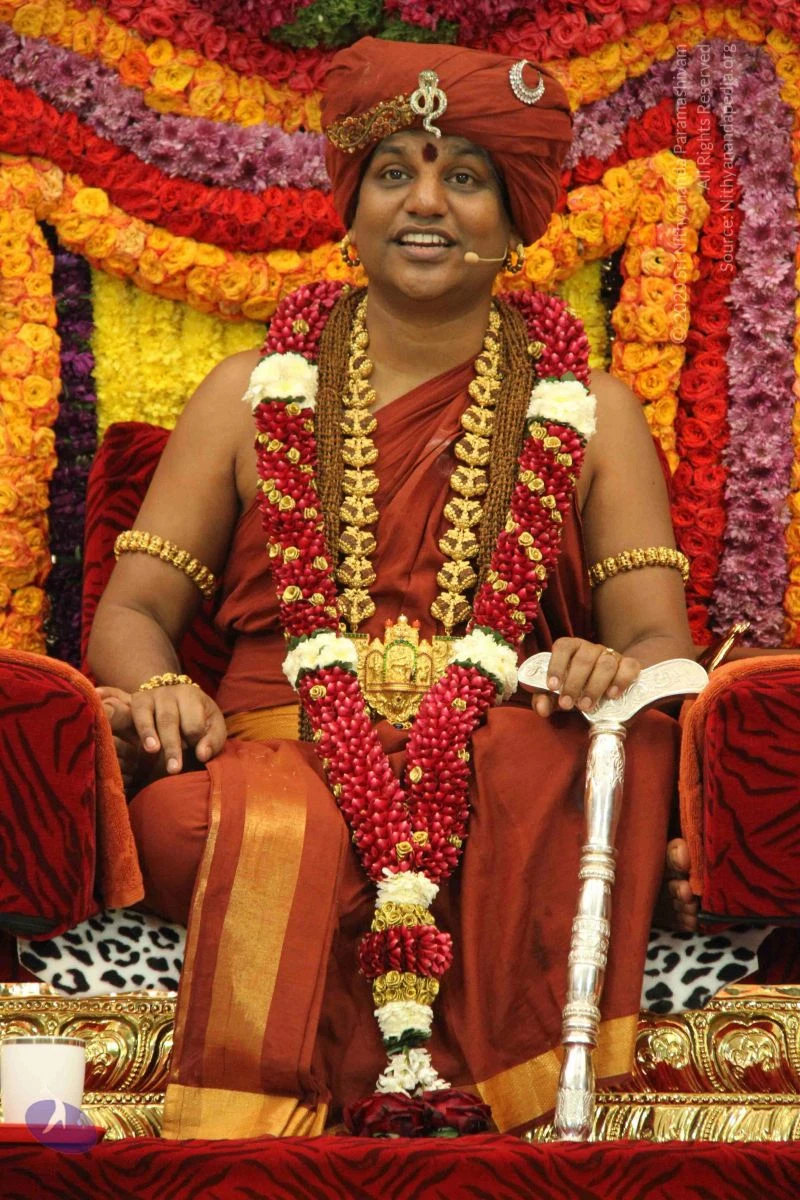
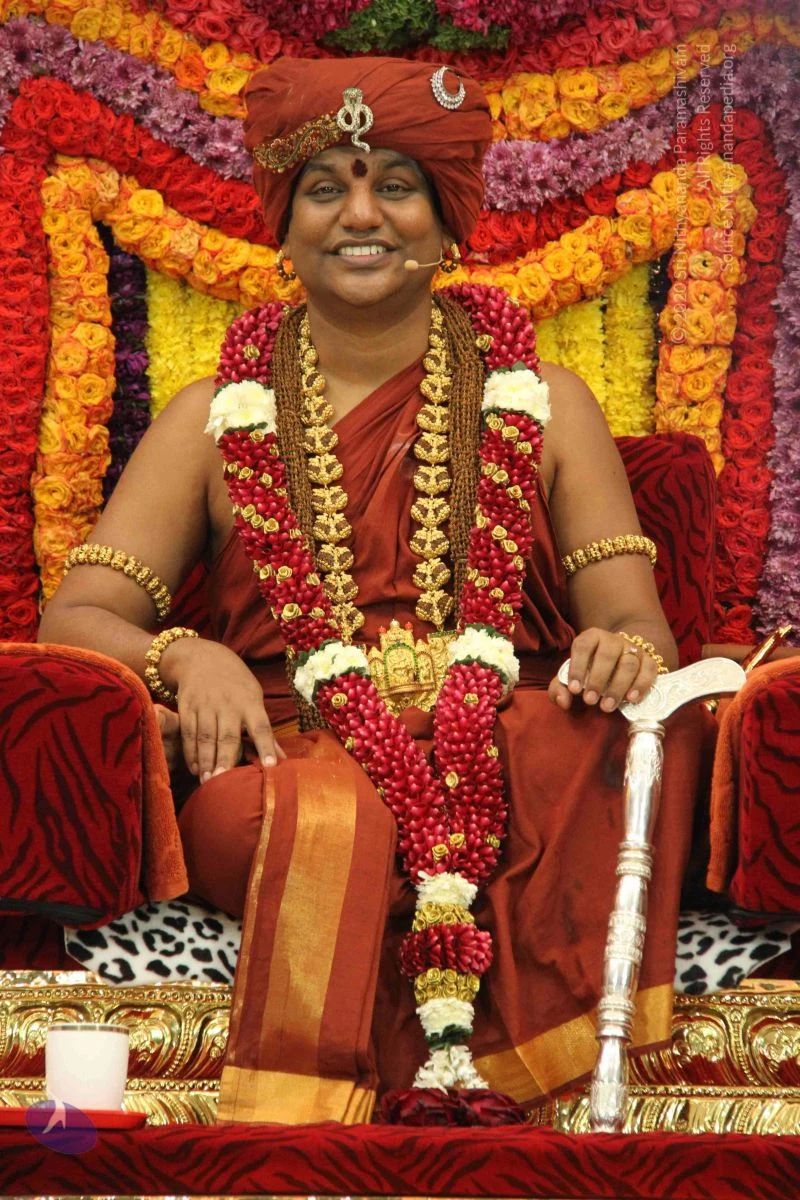
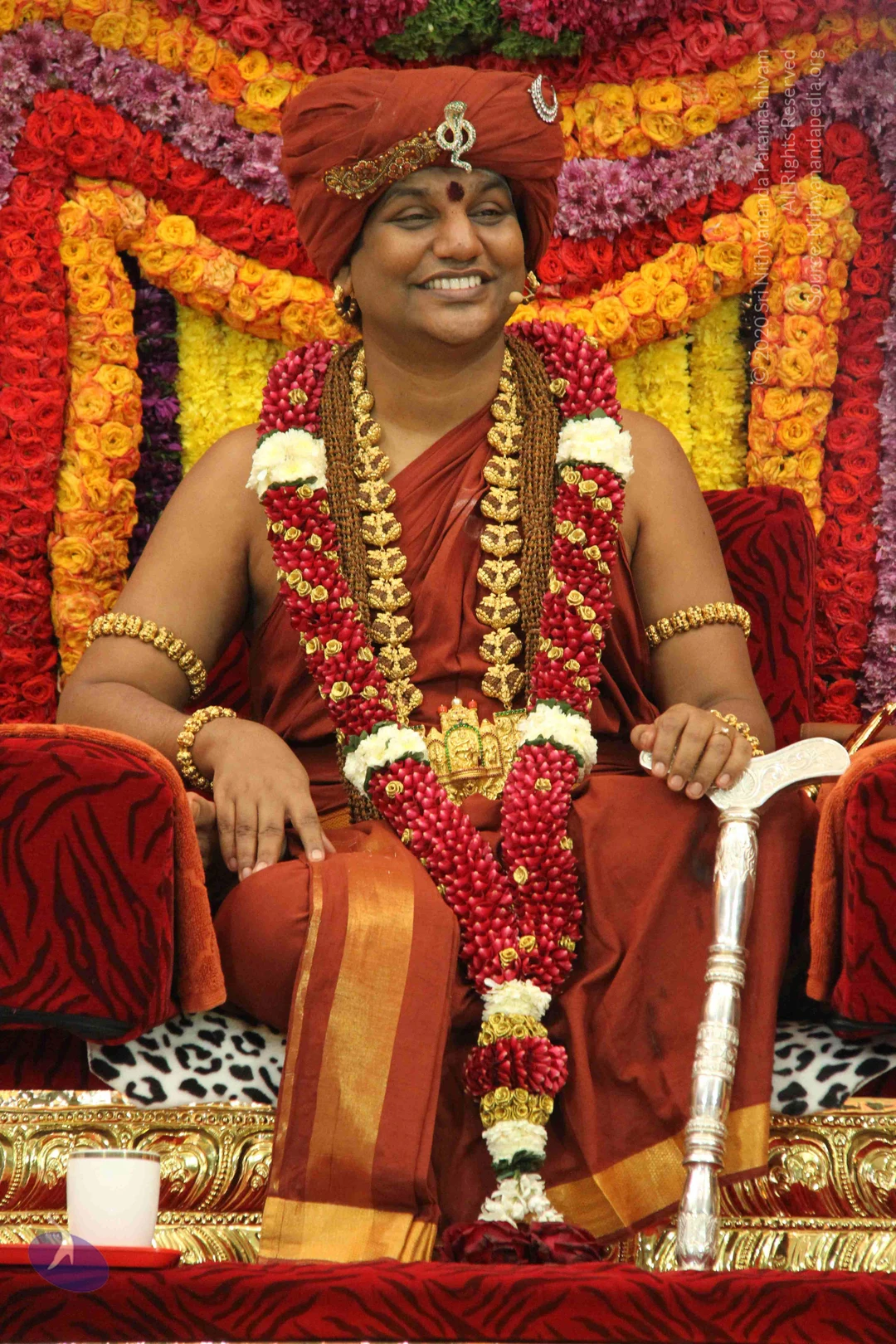
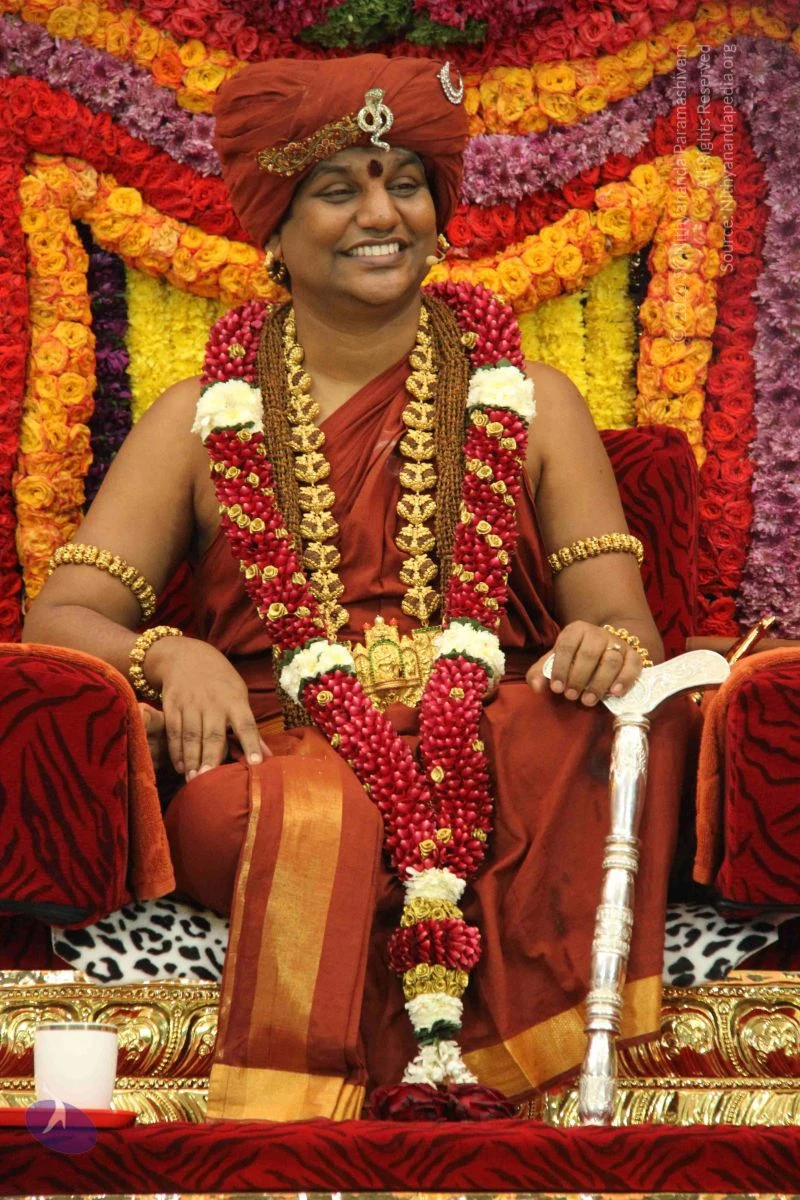
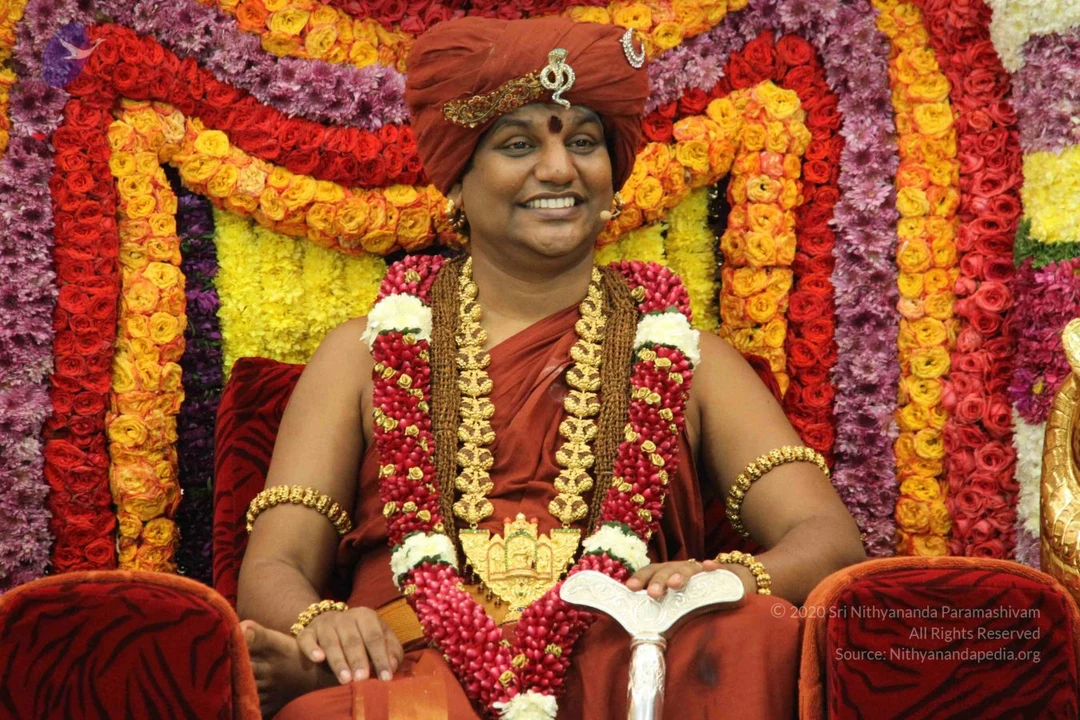
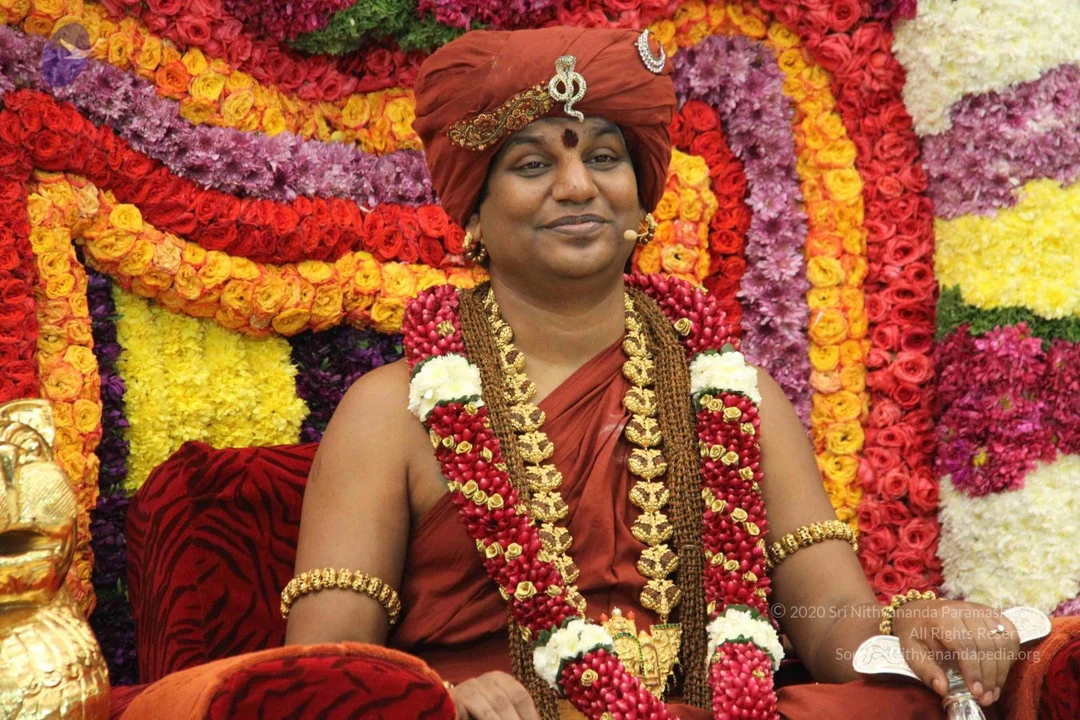
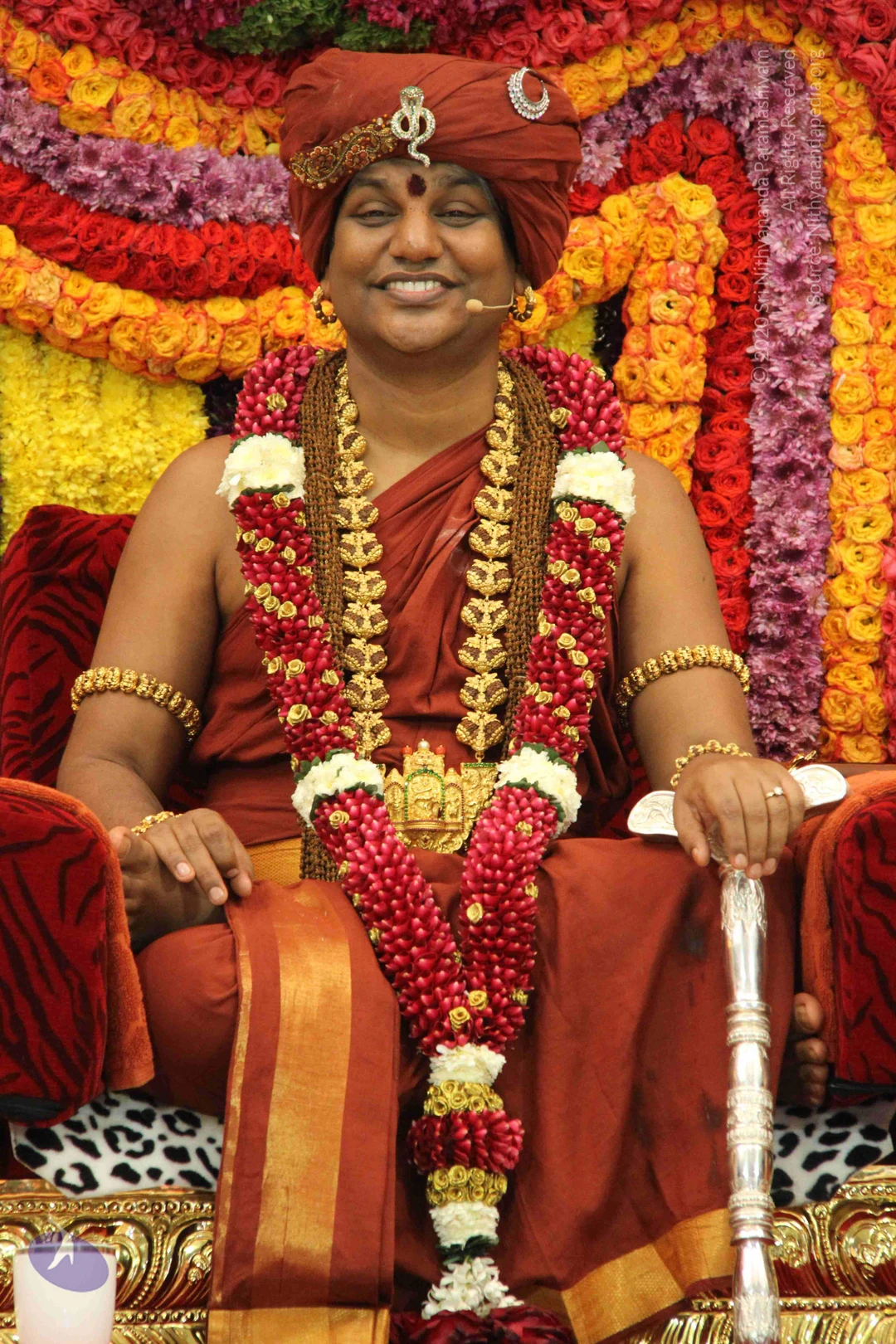
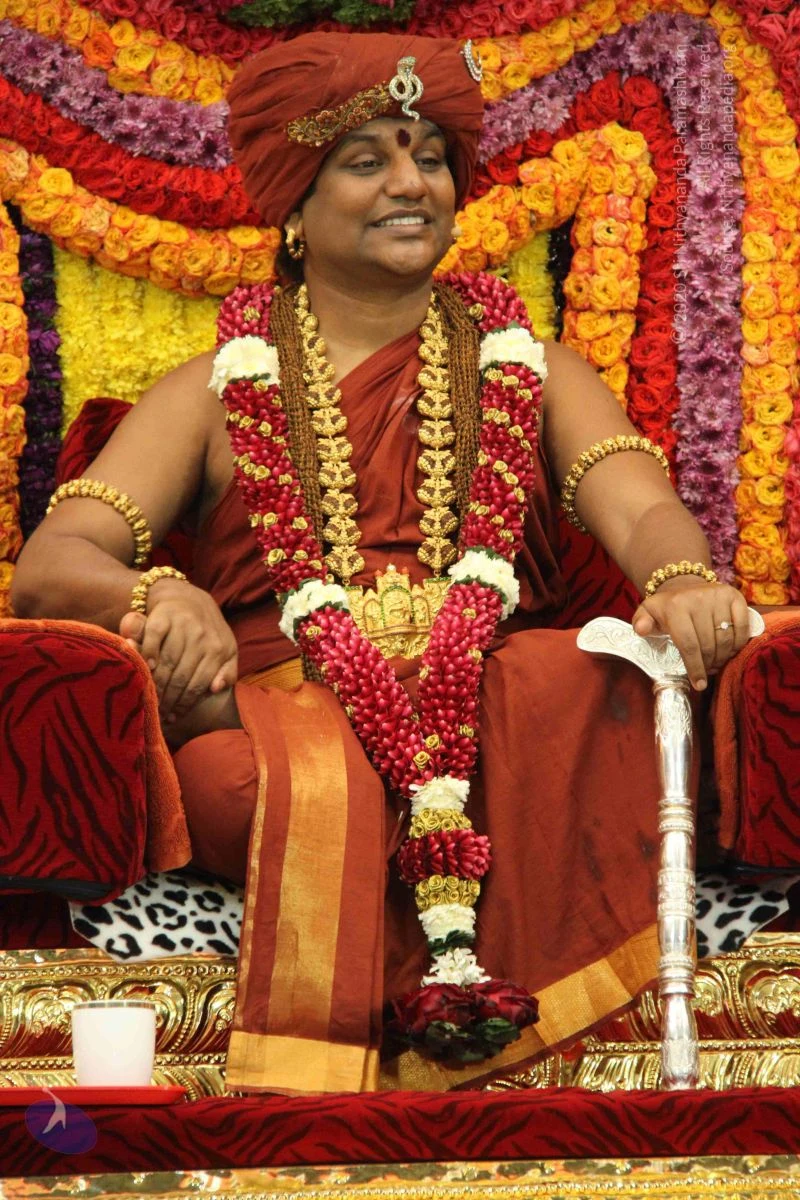
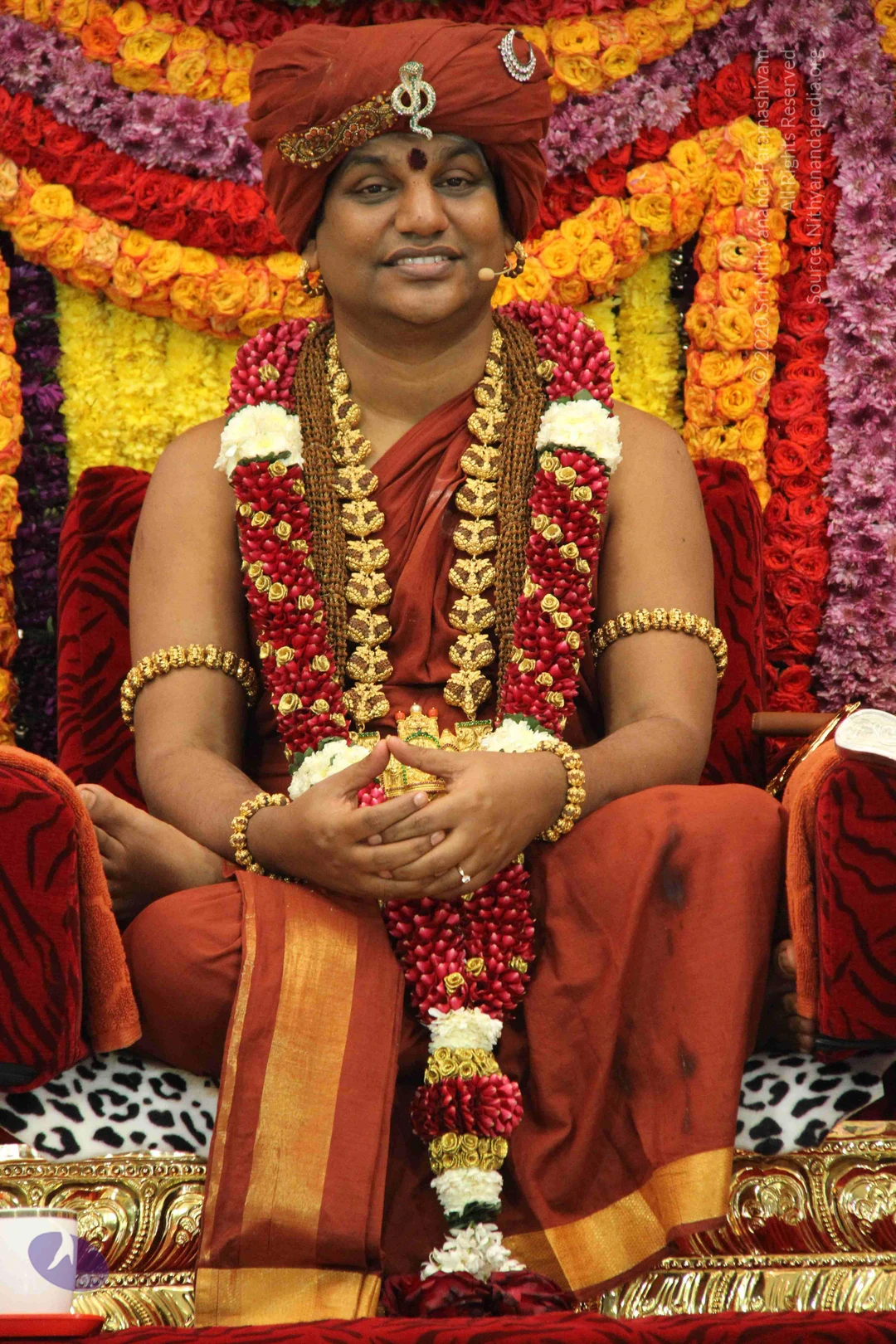
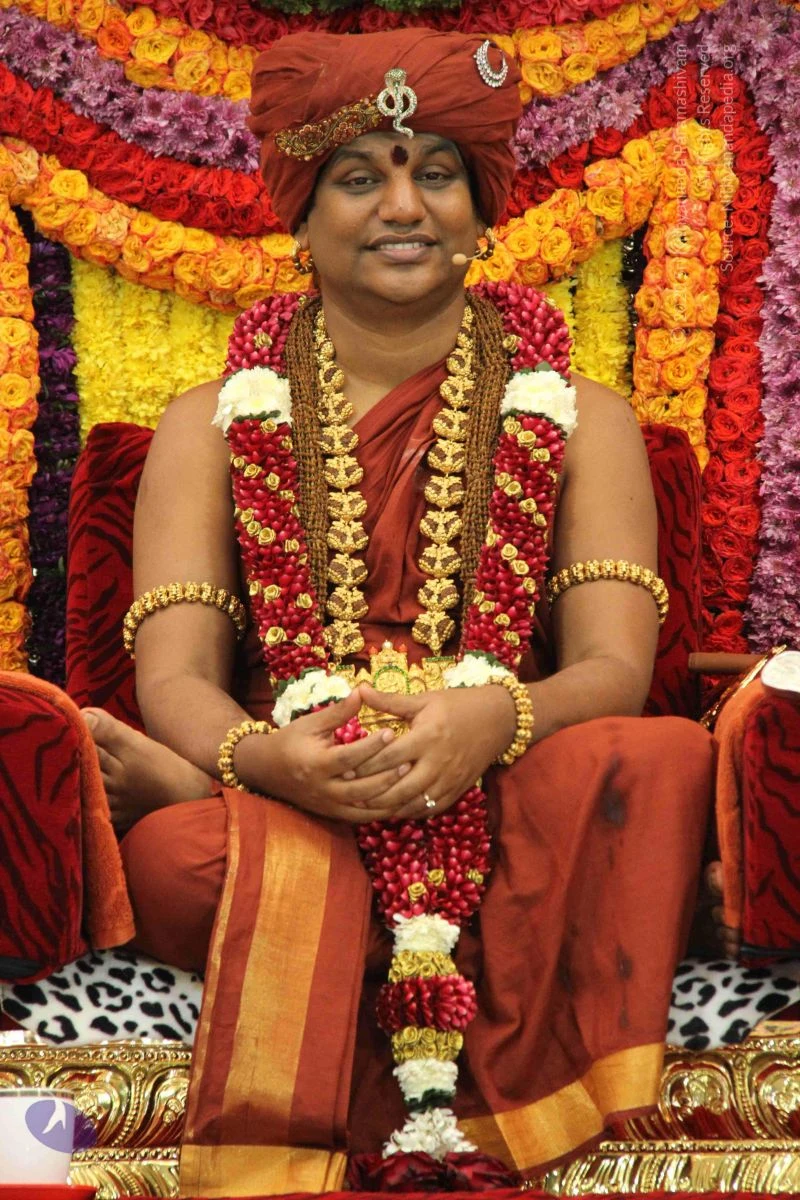
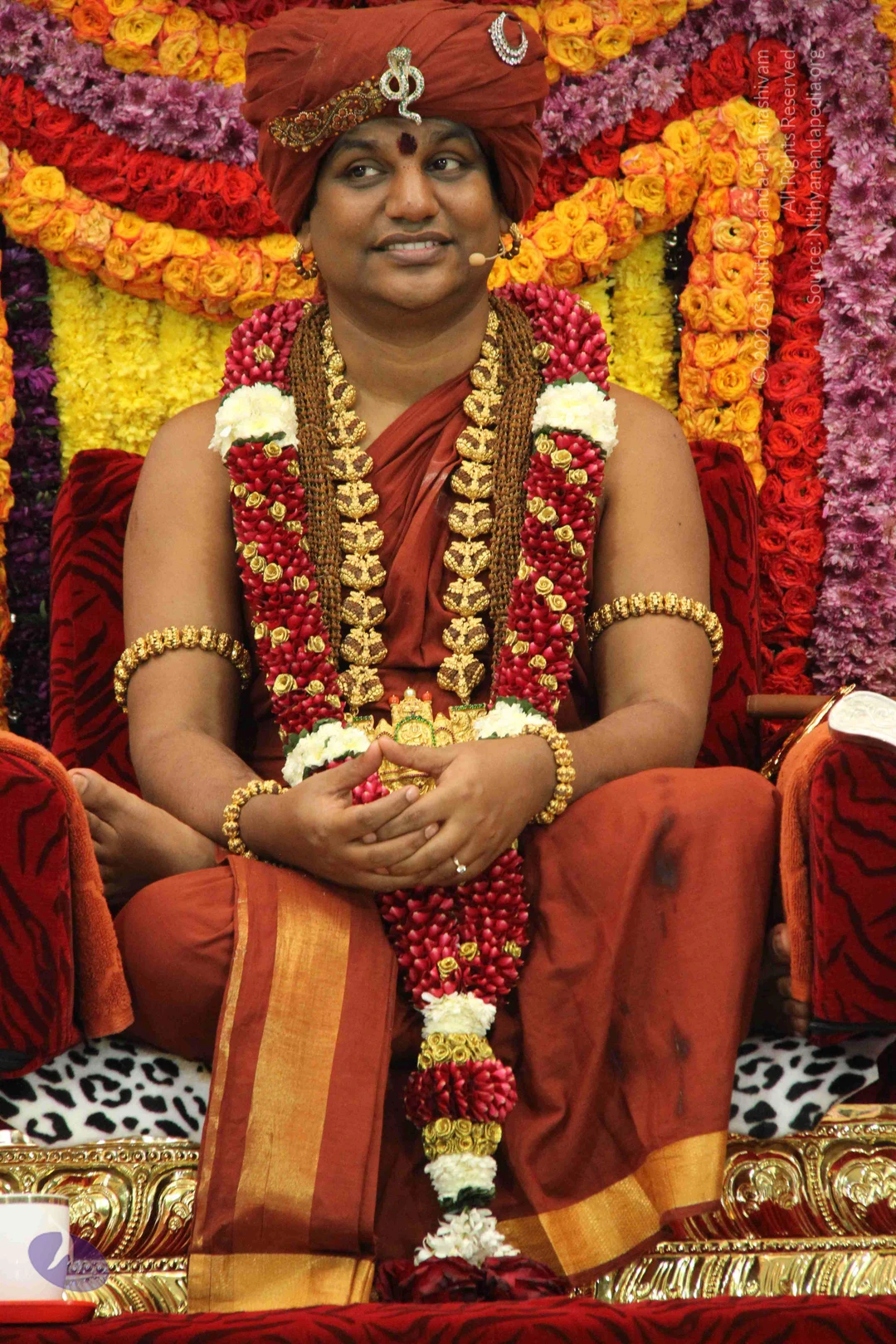
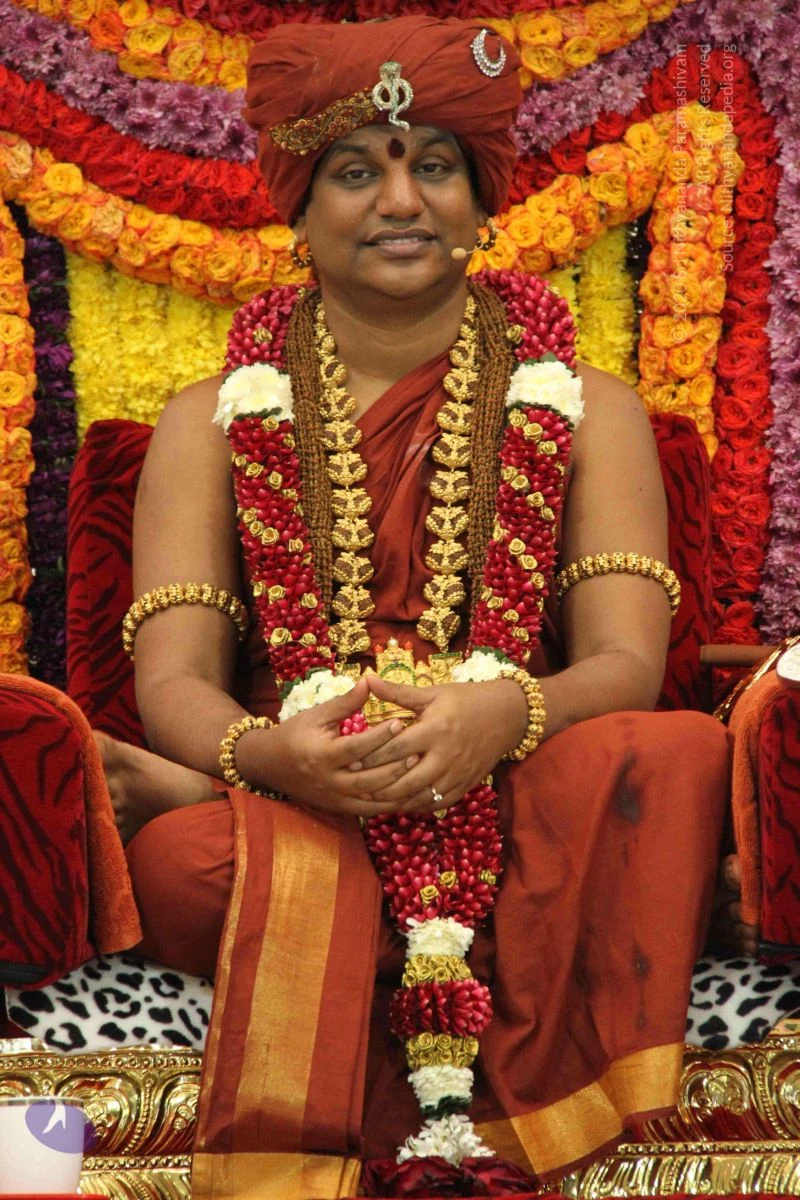
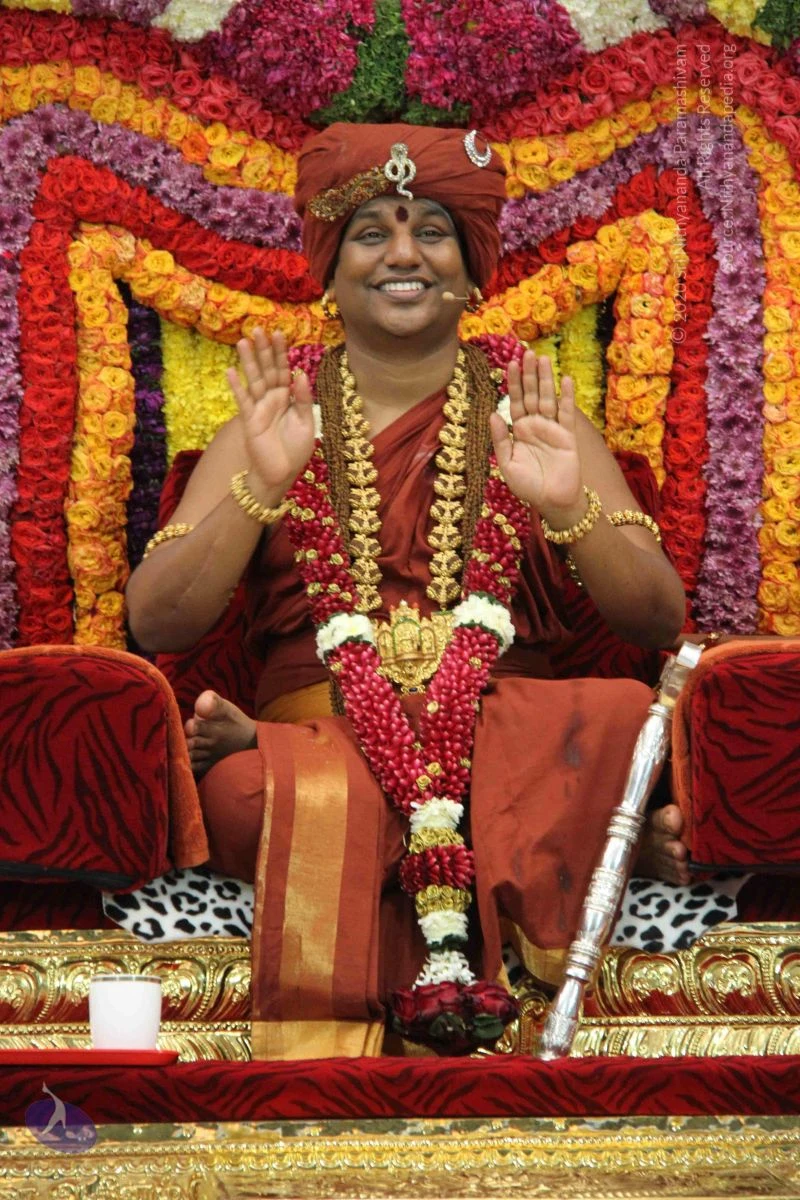
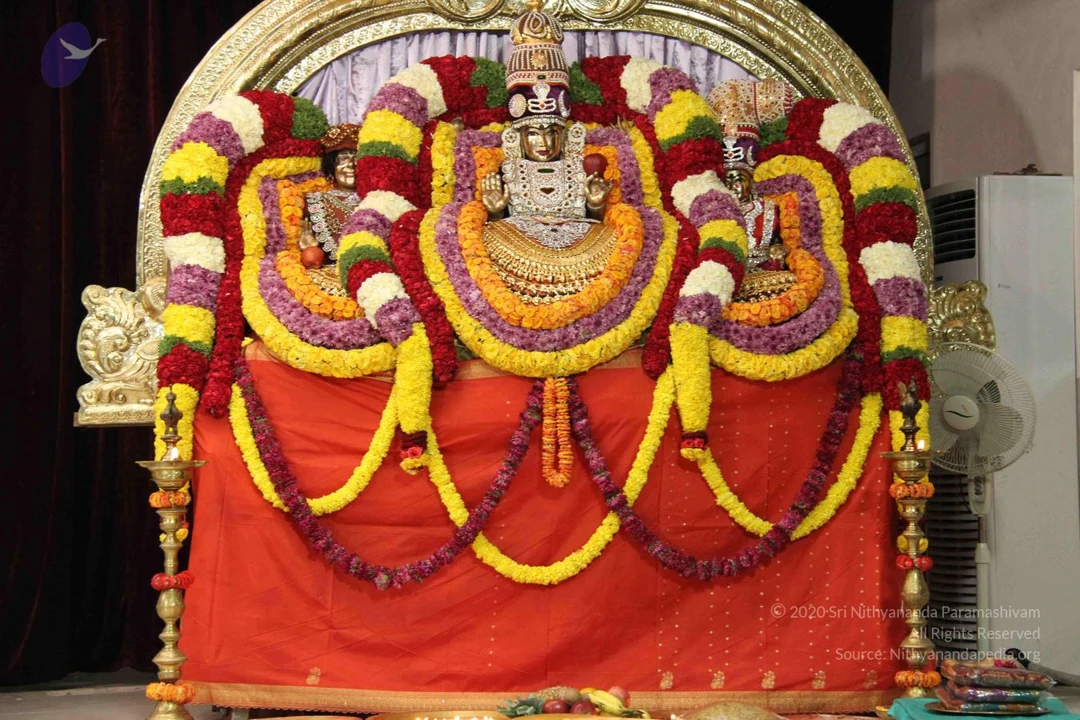
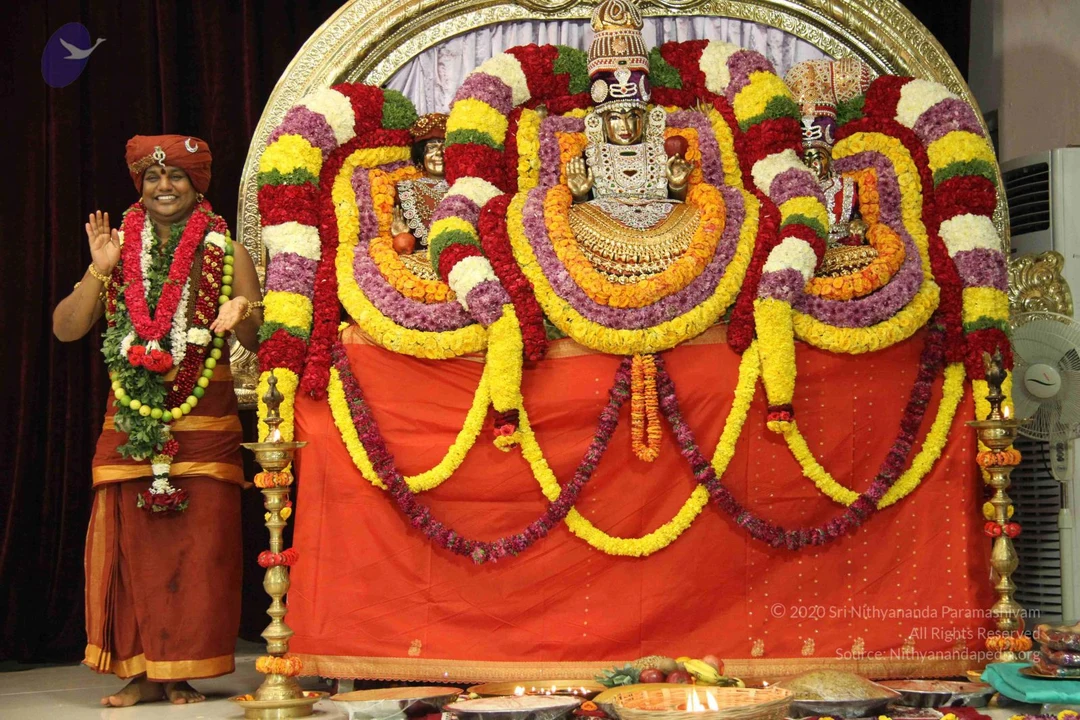
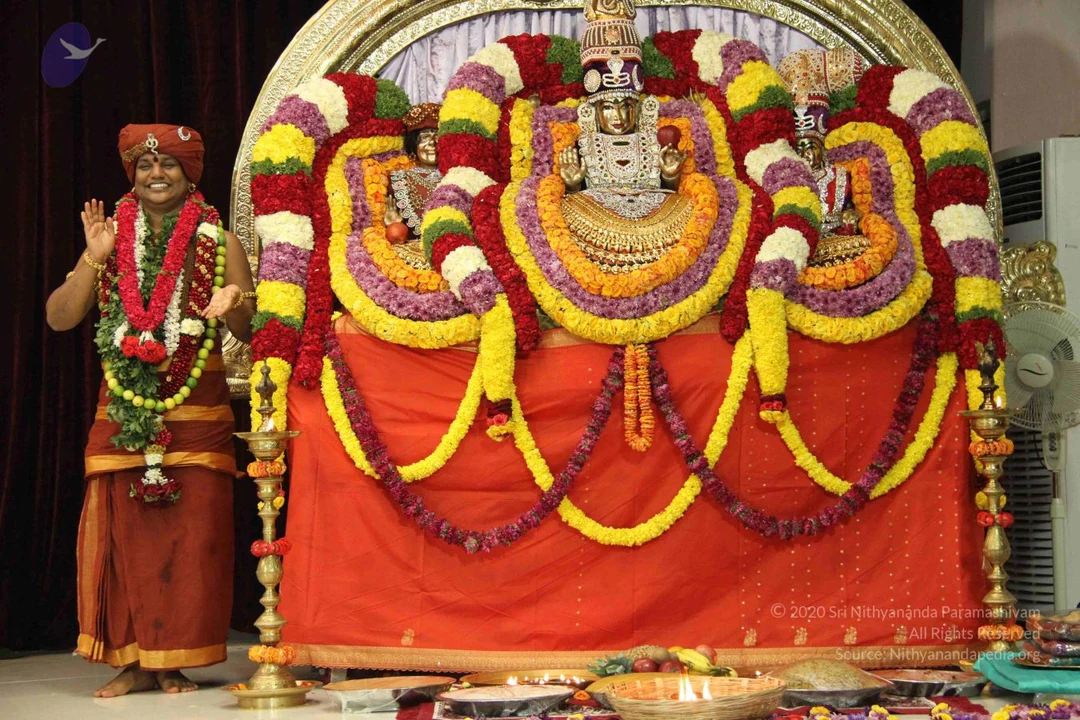
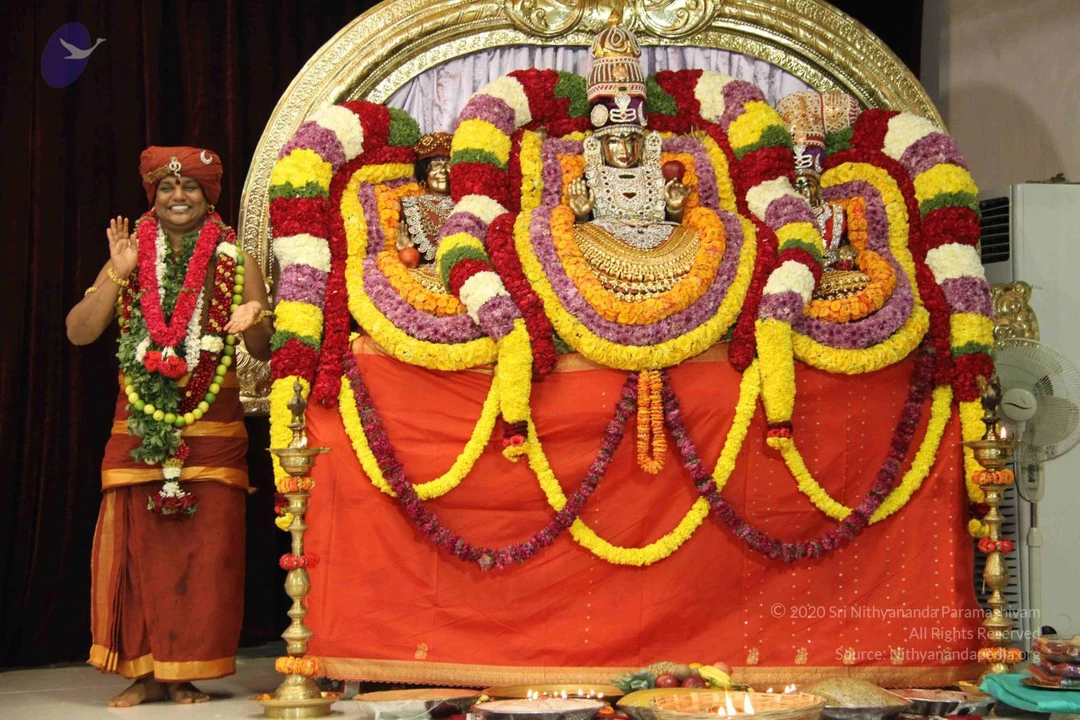
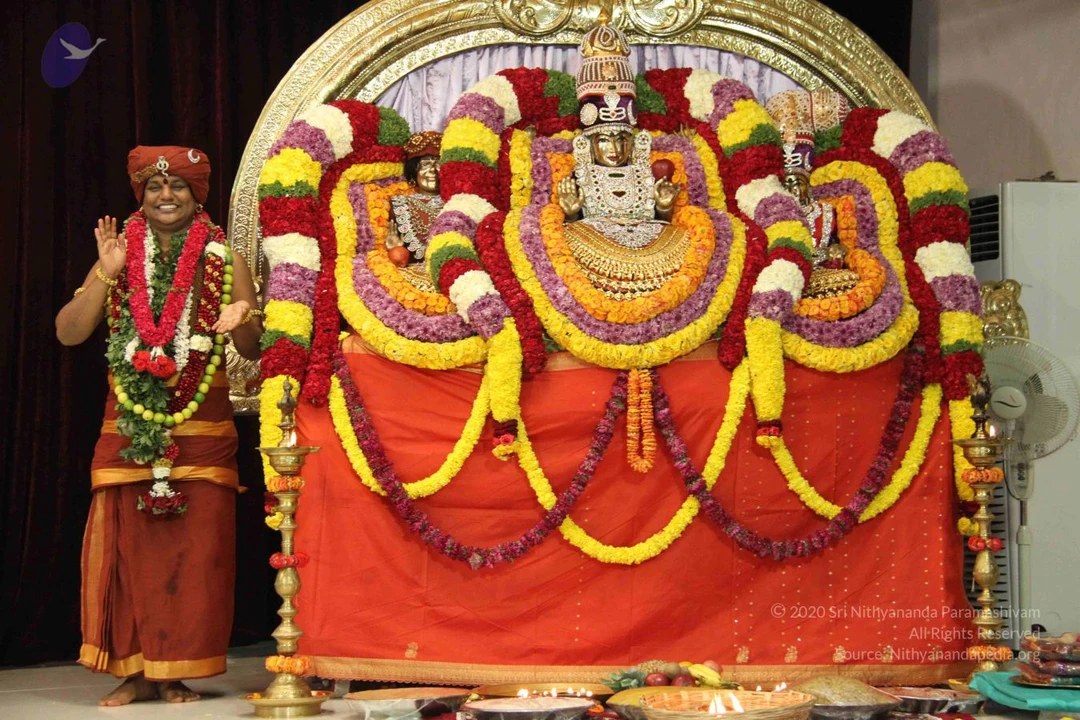
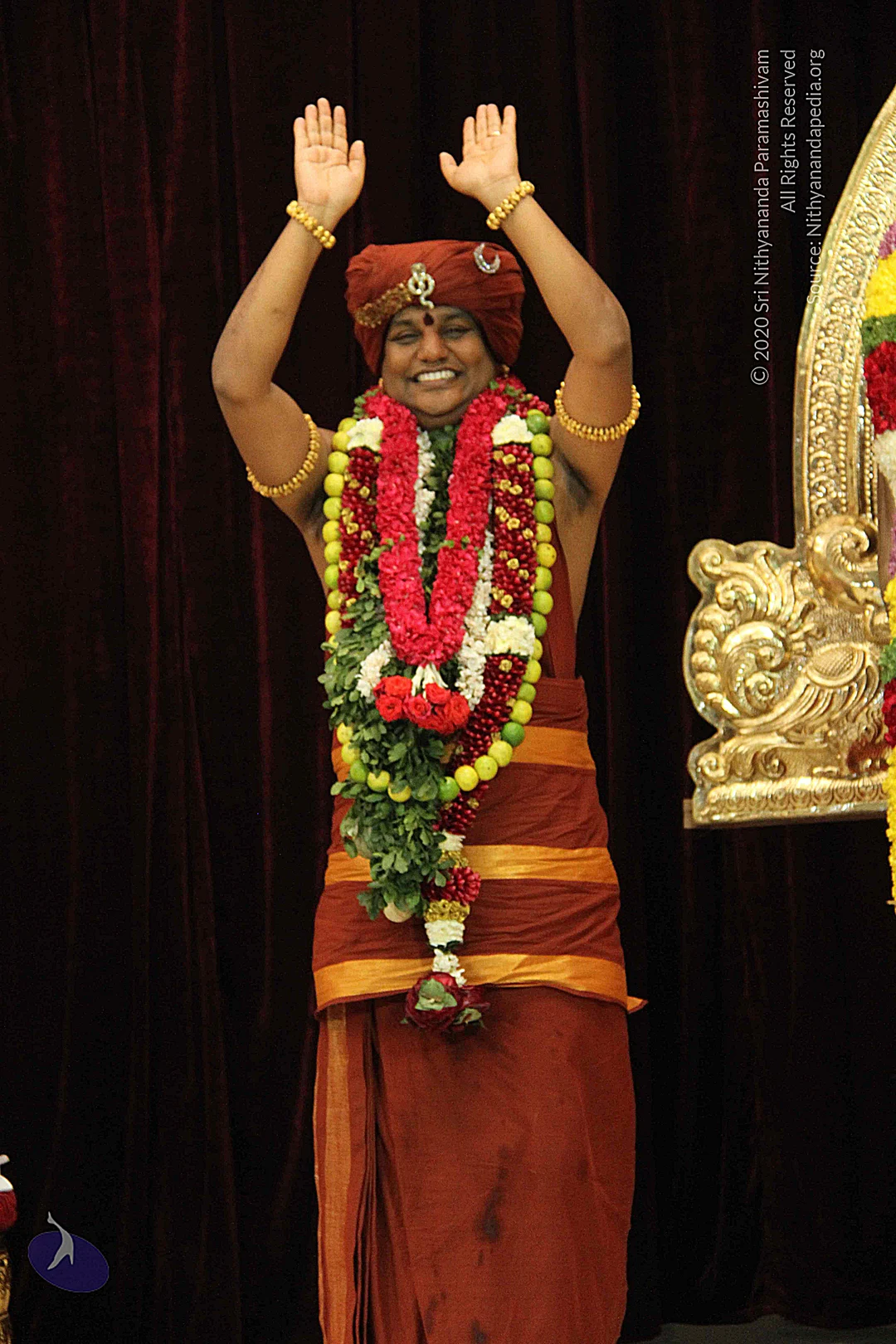
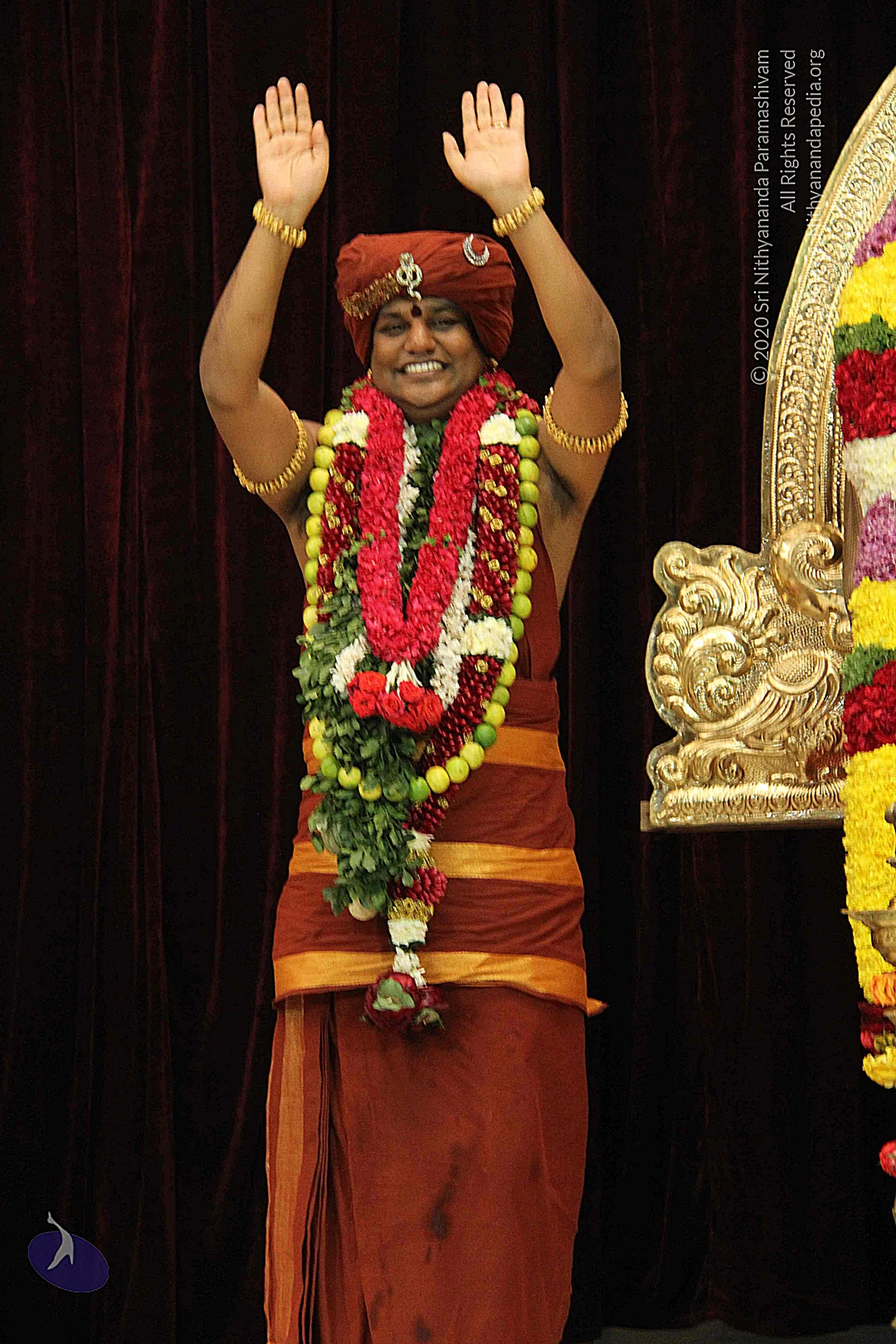
Photos from the Day
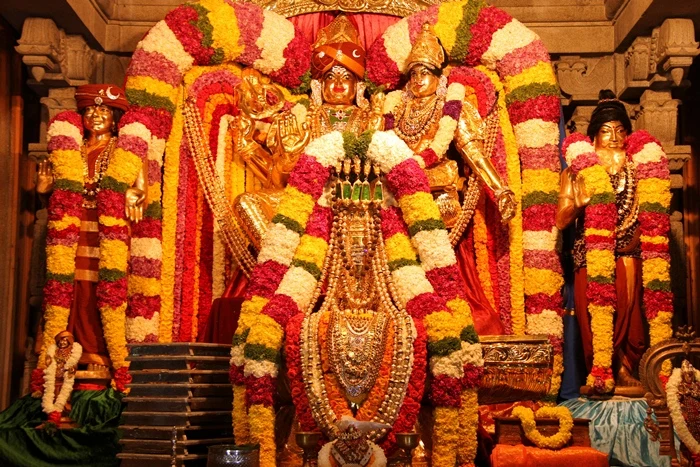
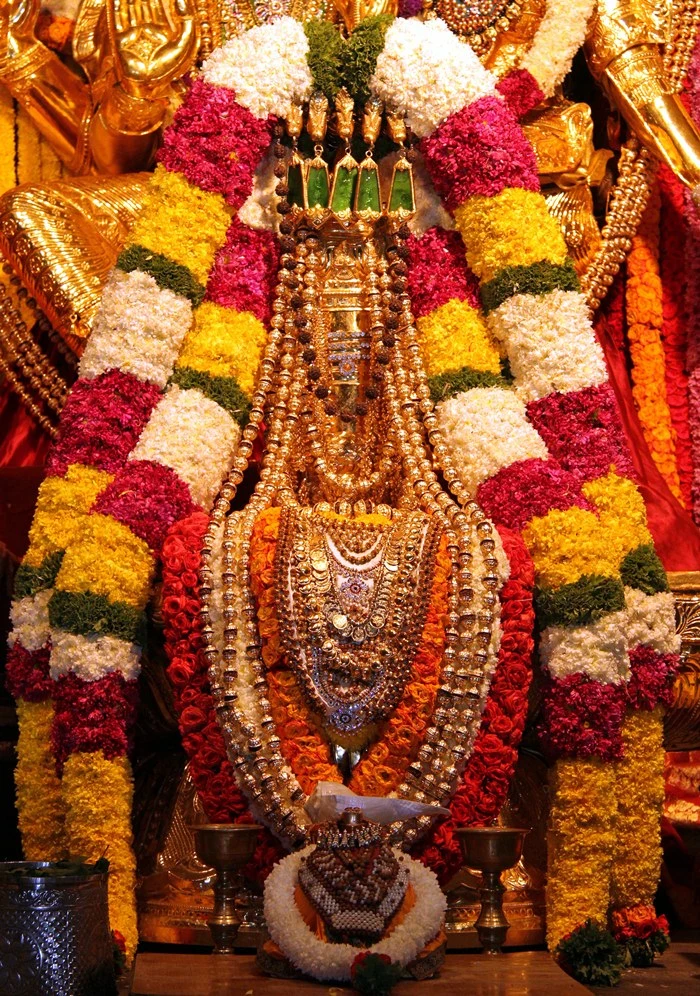
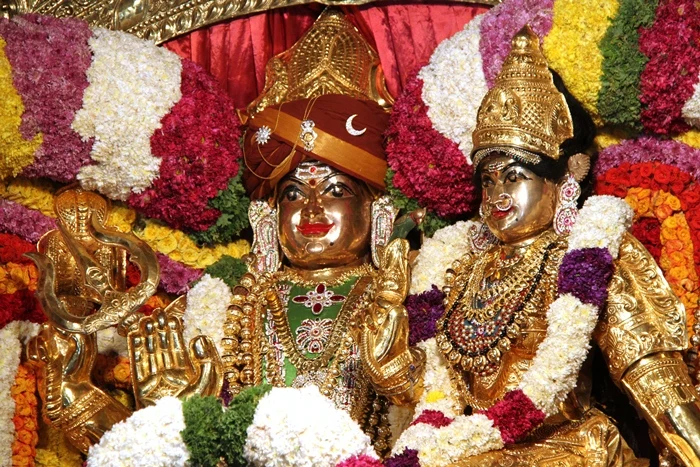
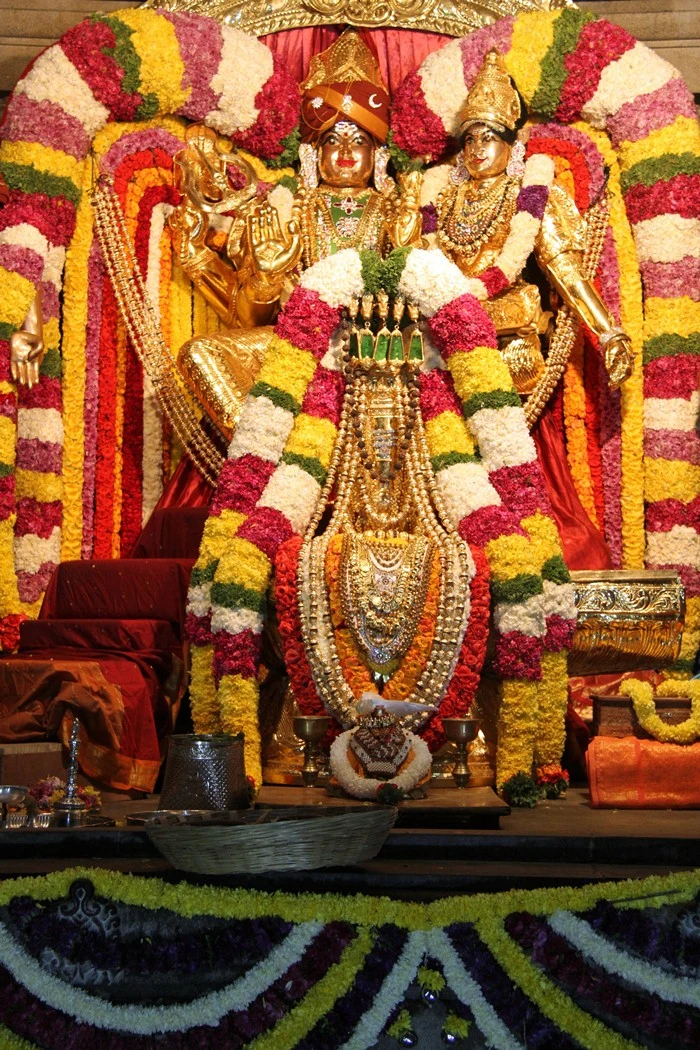
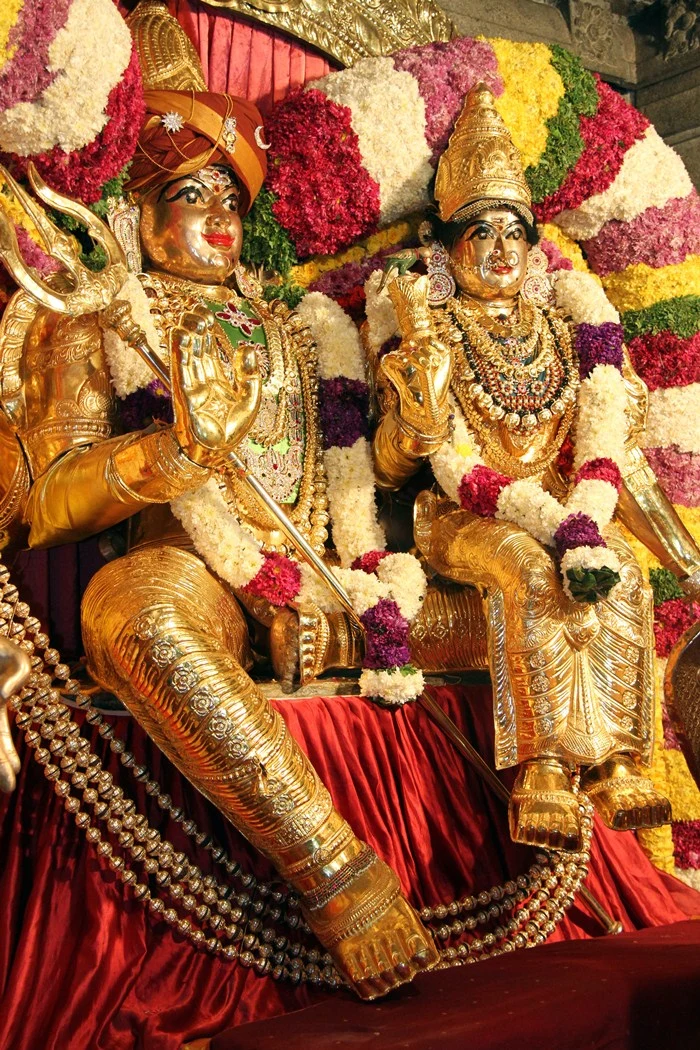
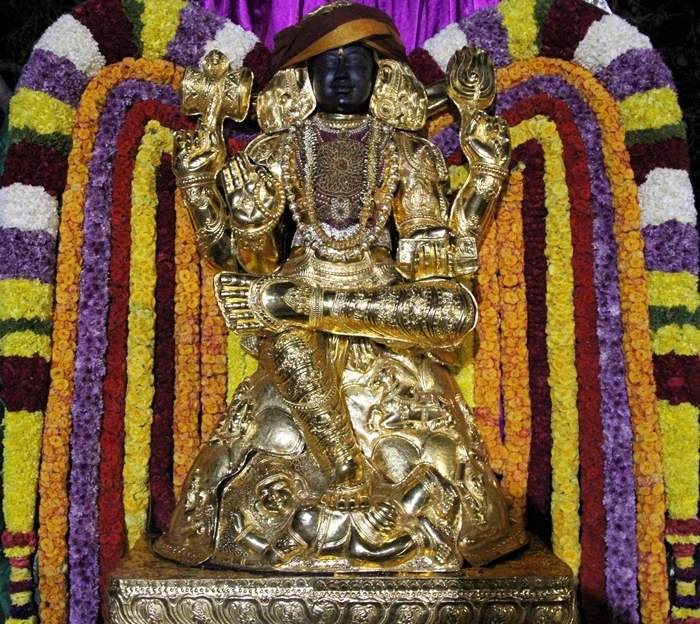
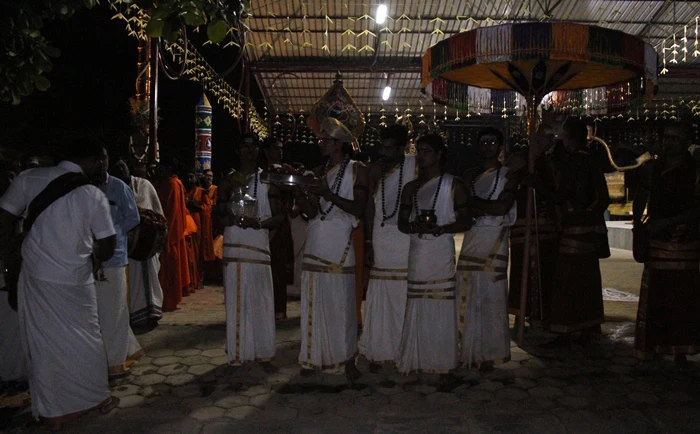
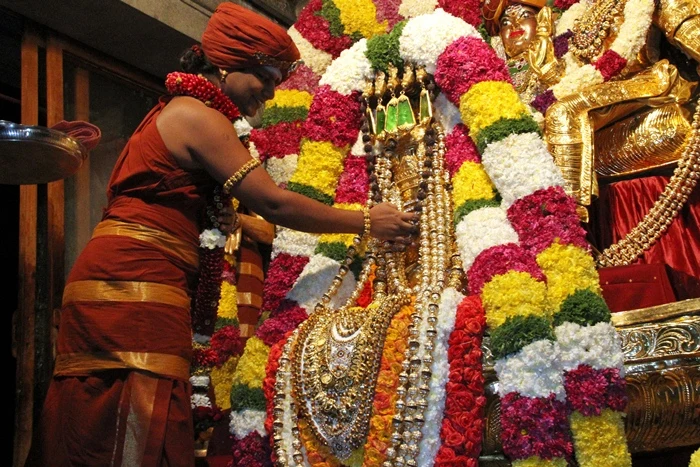
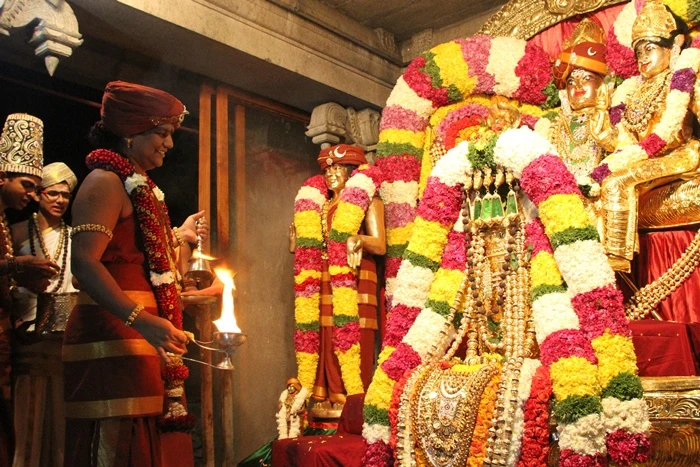
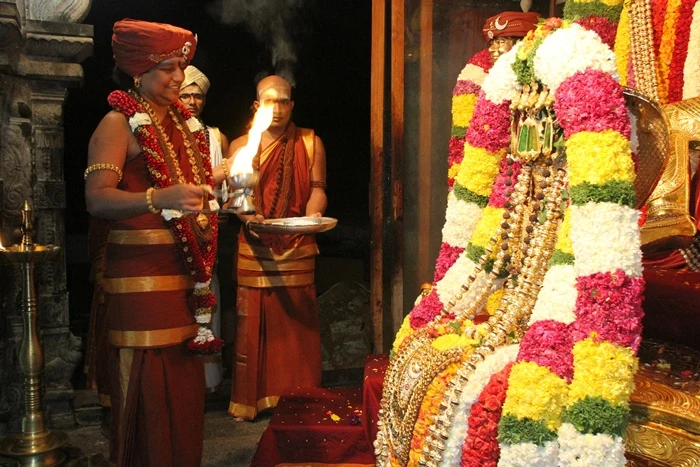
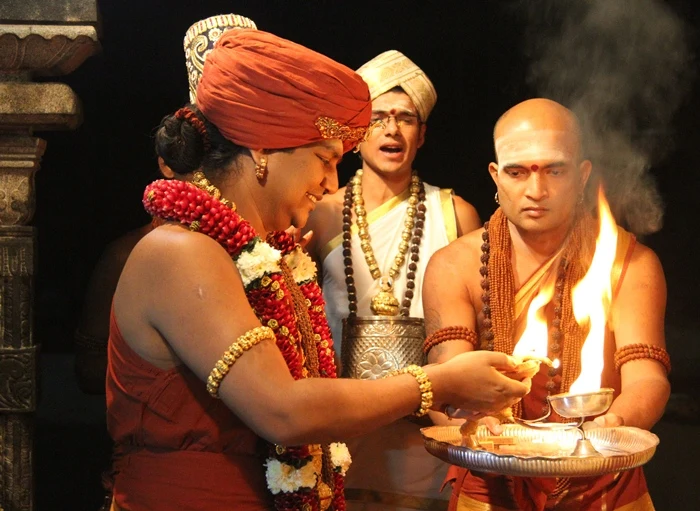
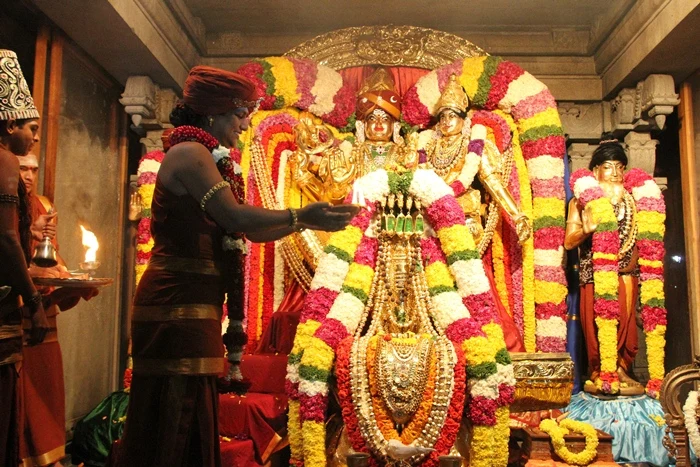
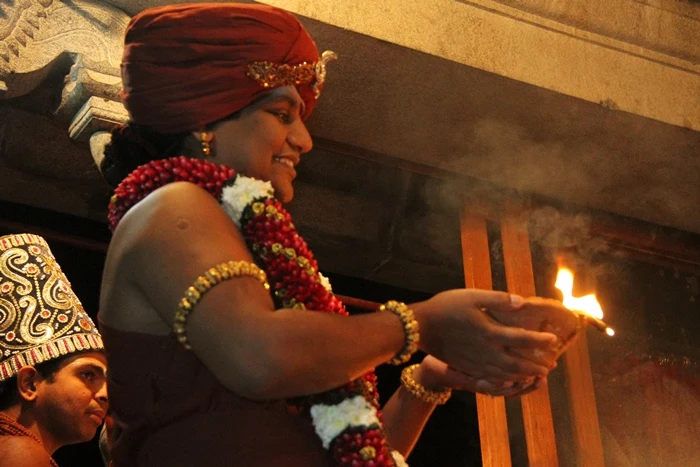
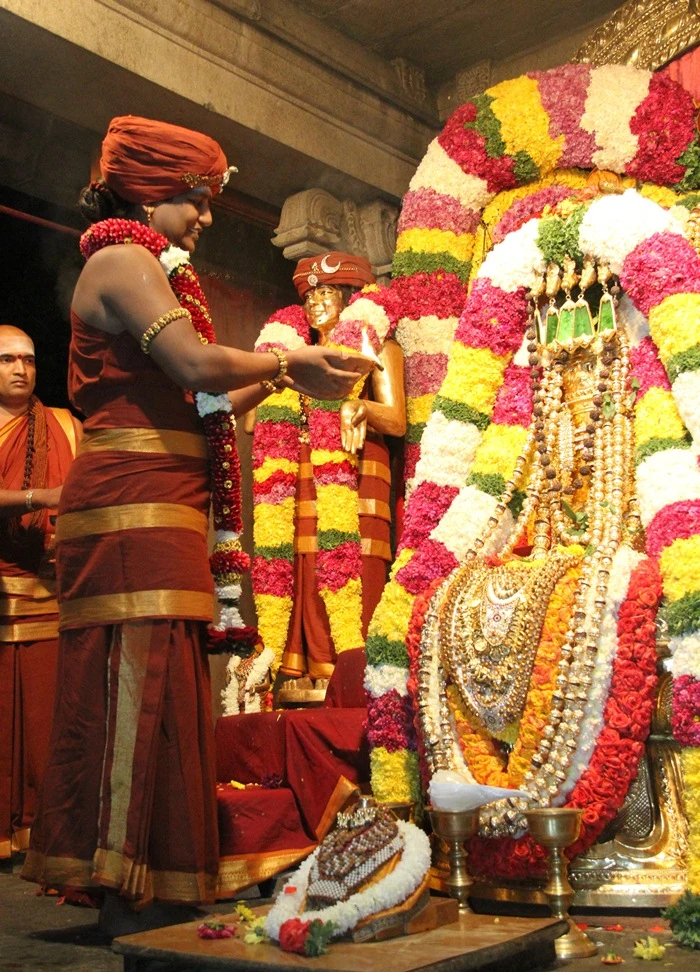
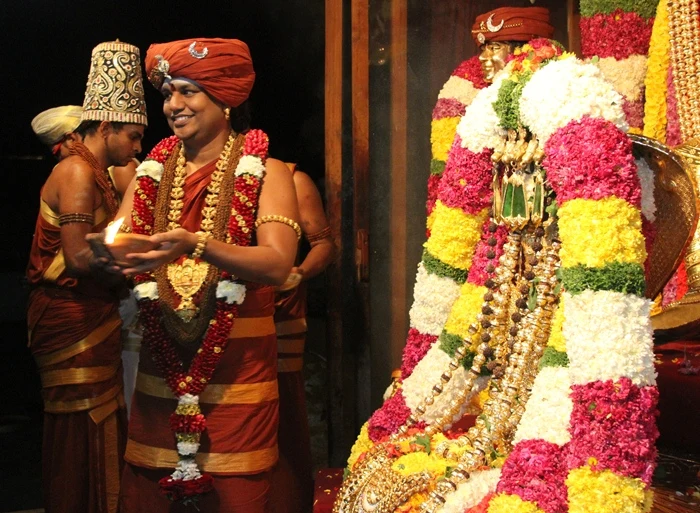
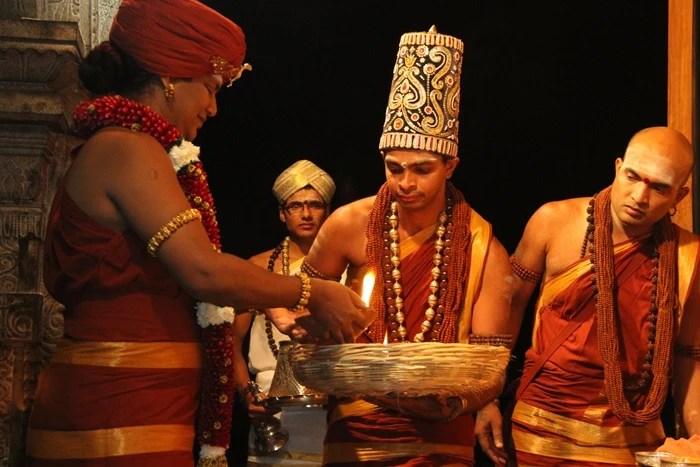
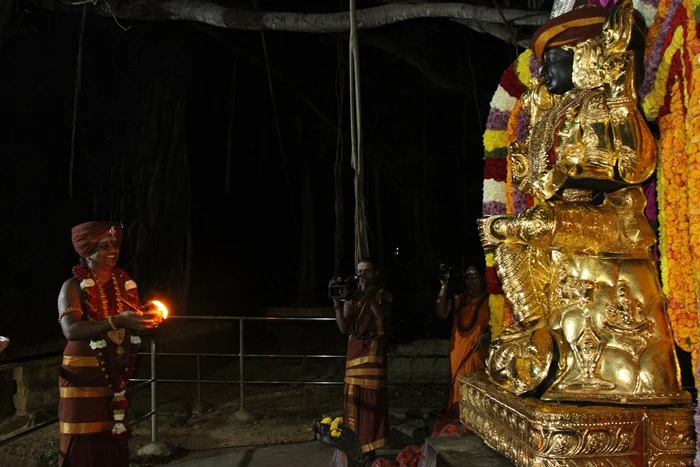
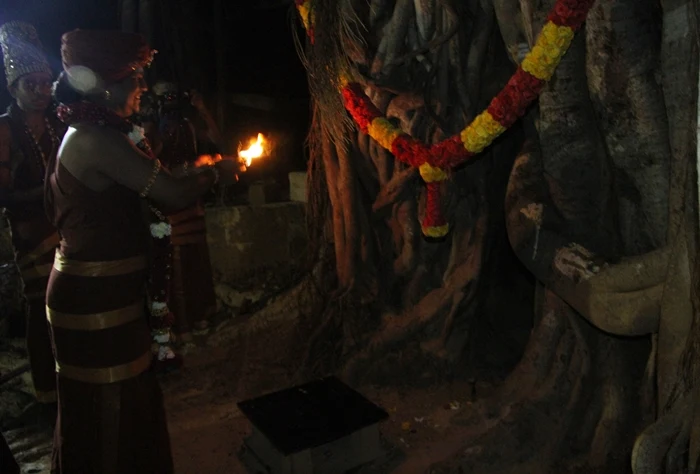
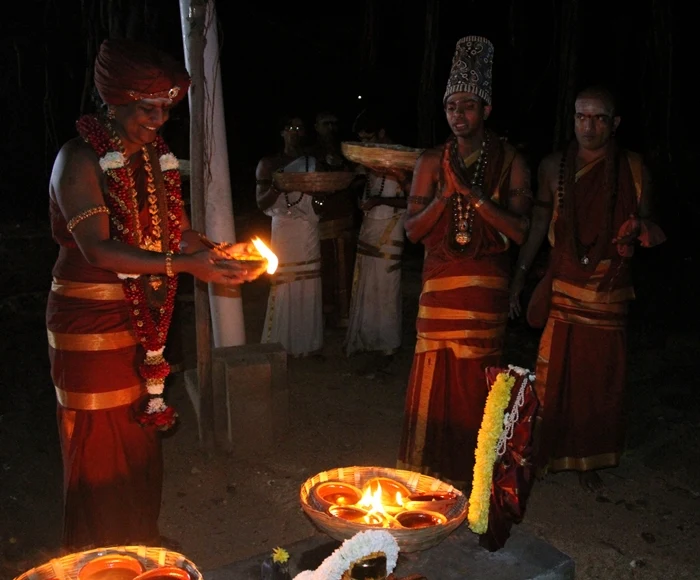
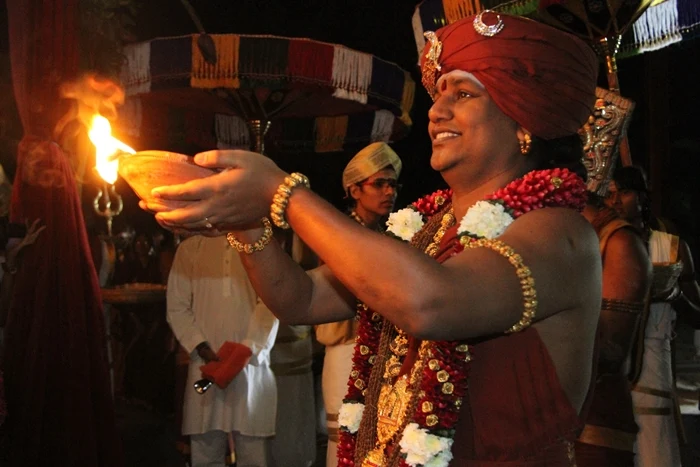
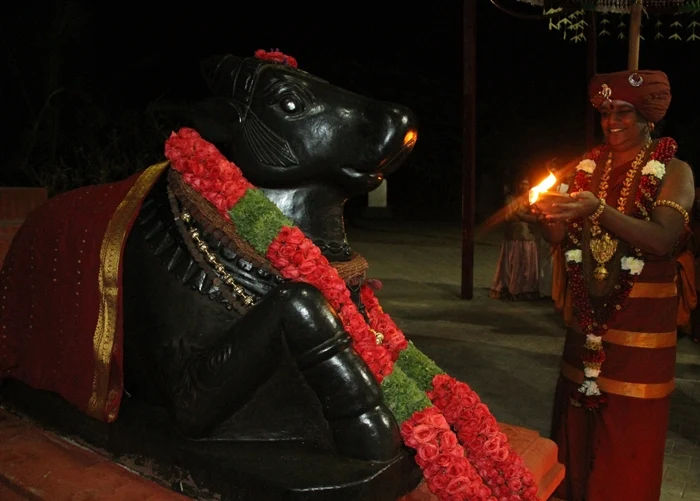
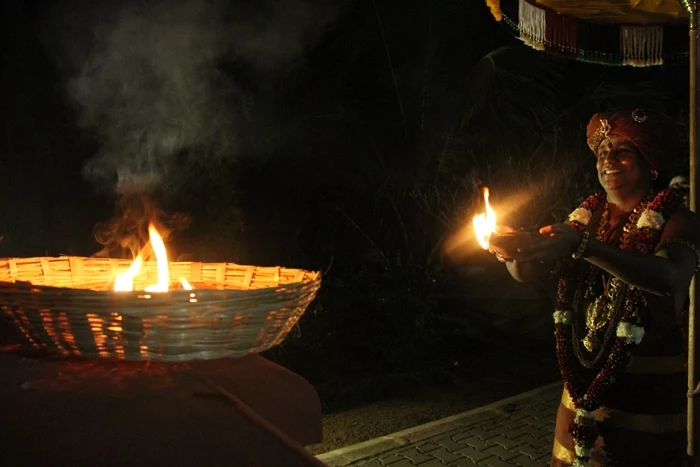
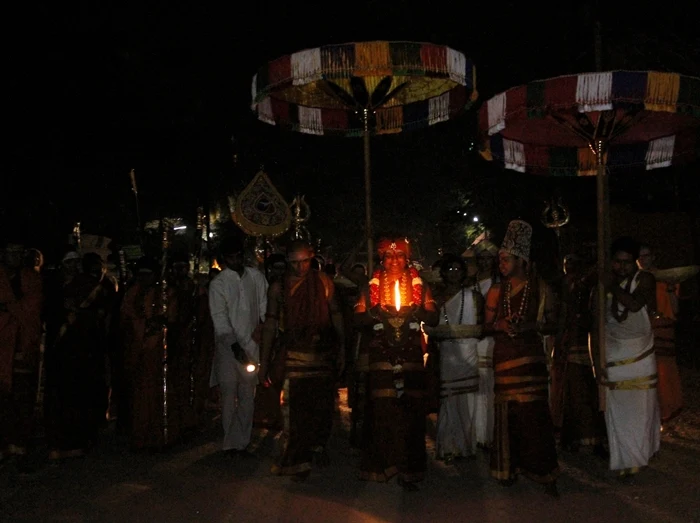
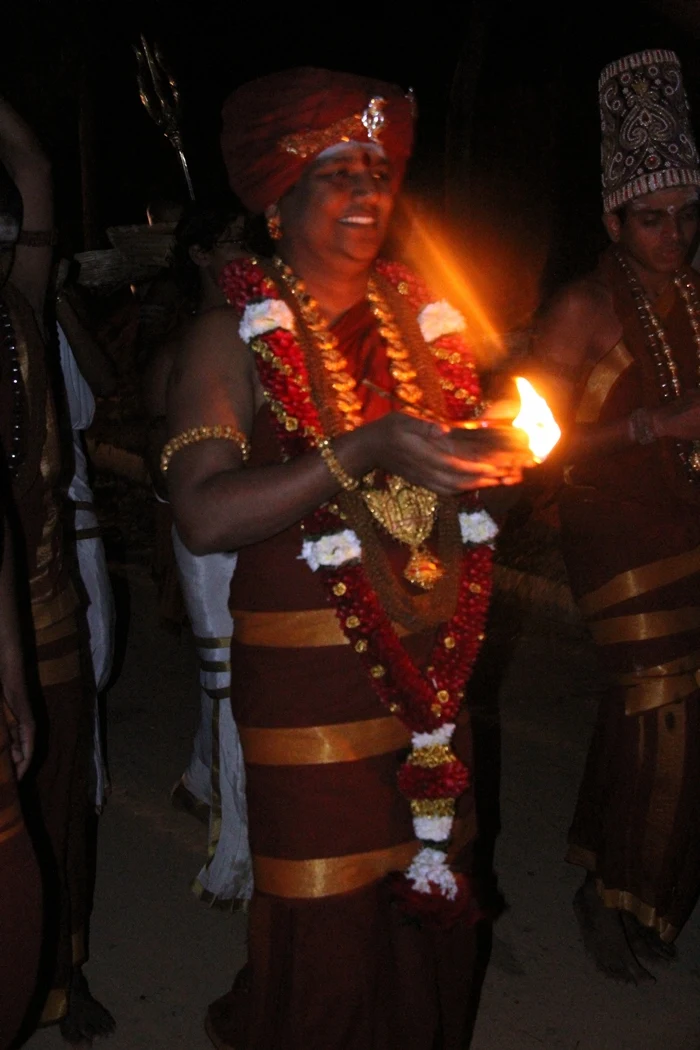
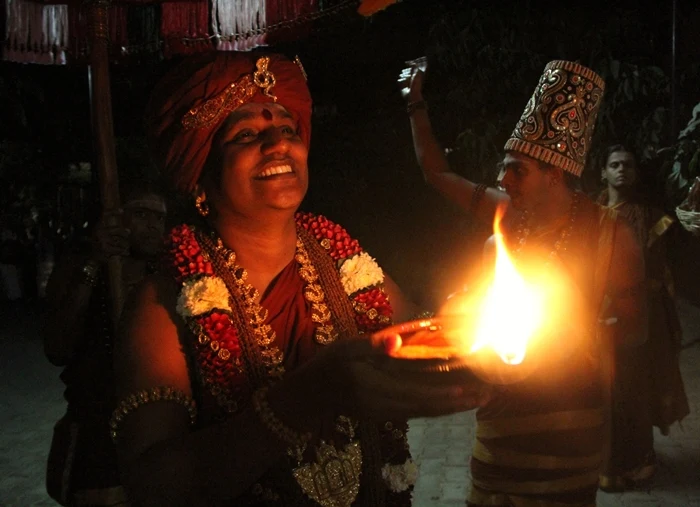
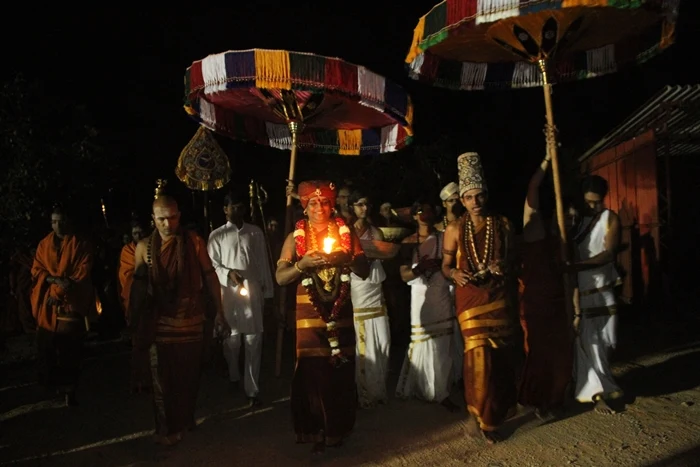
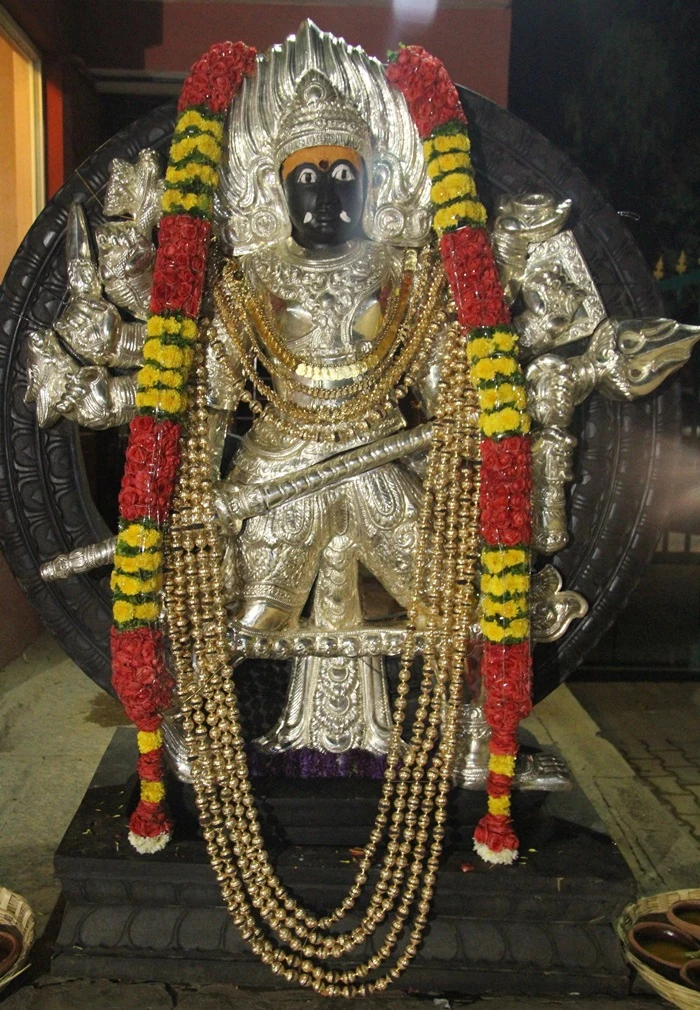
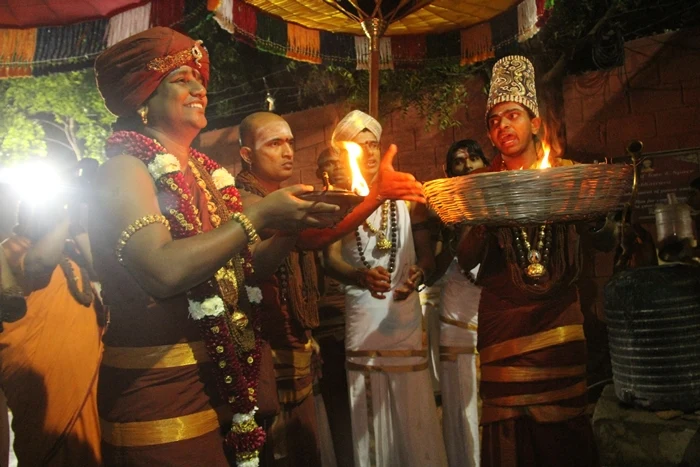
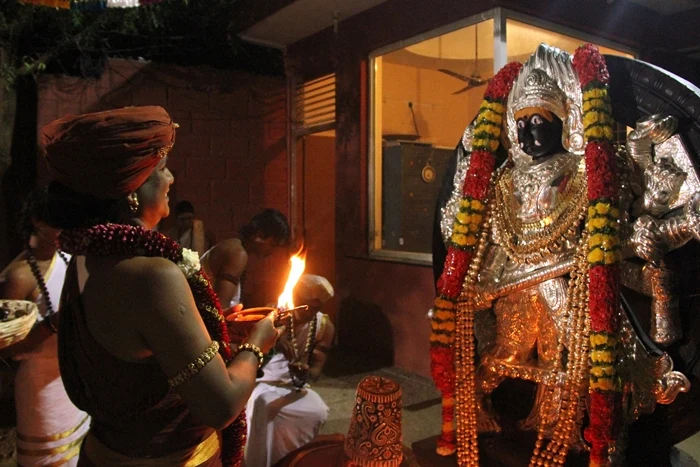
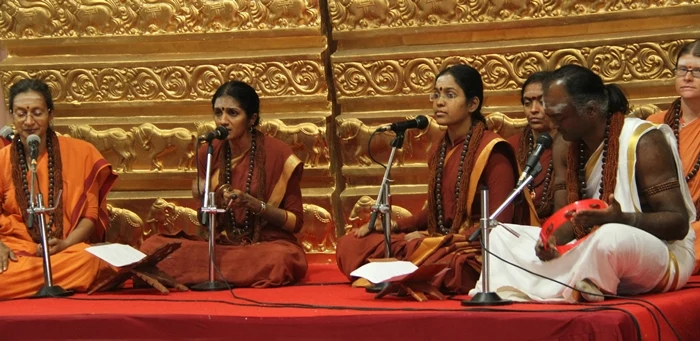
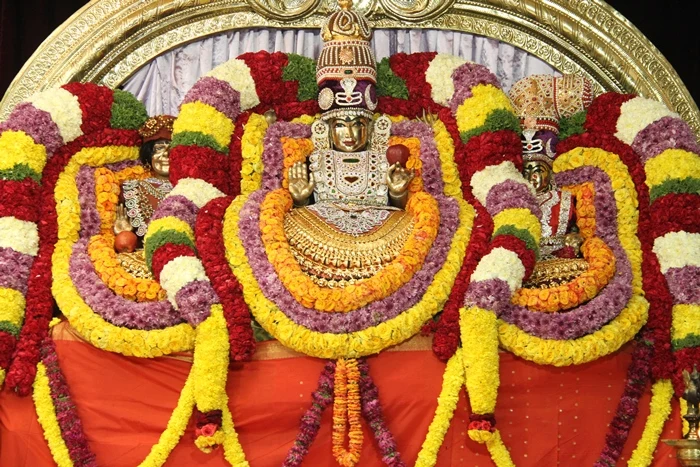
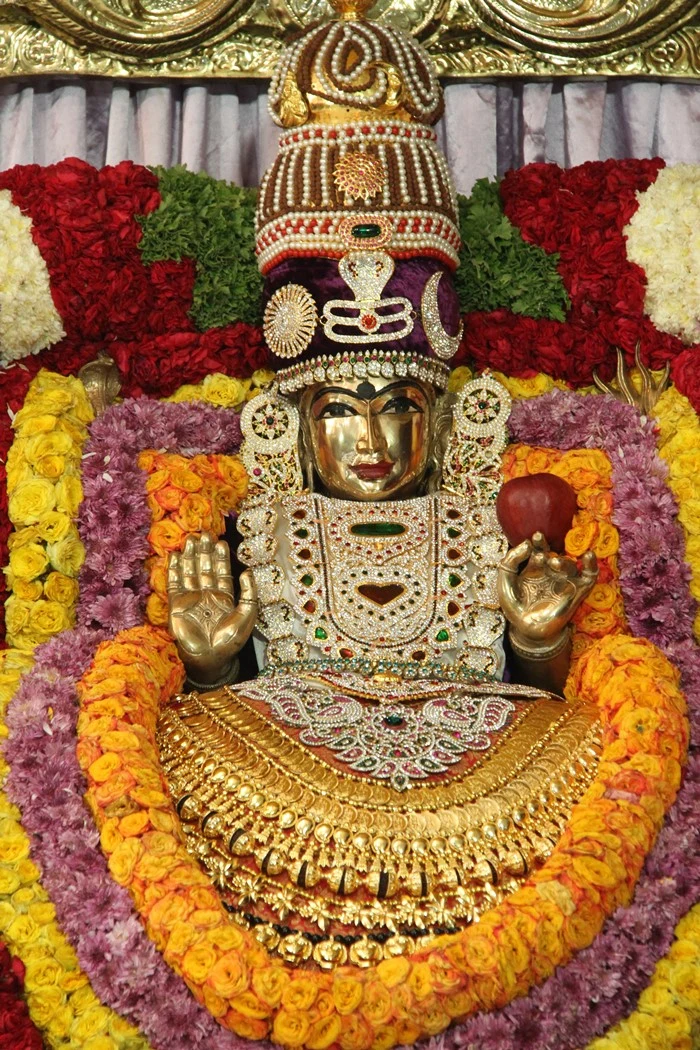
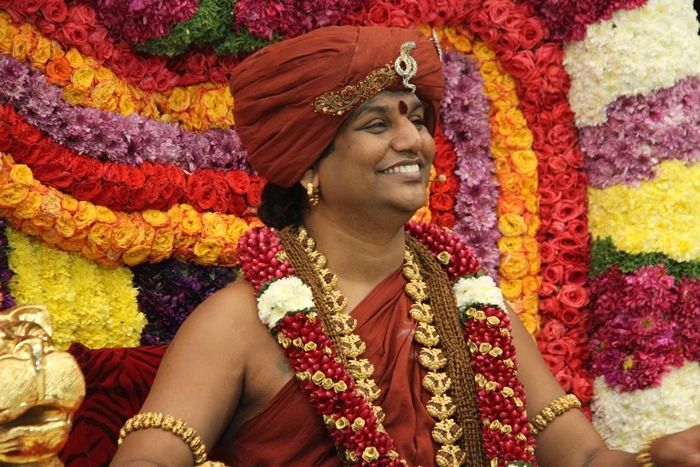
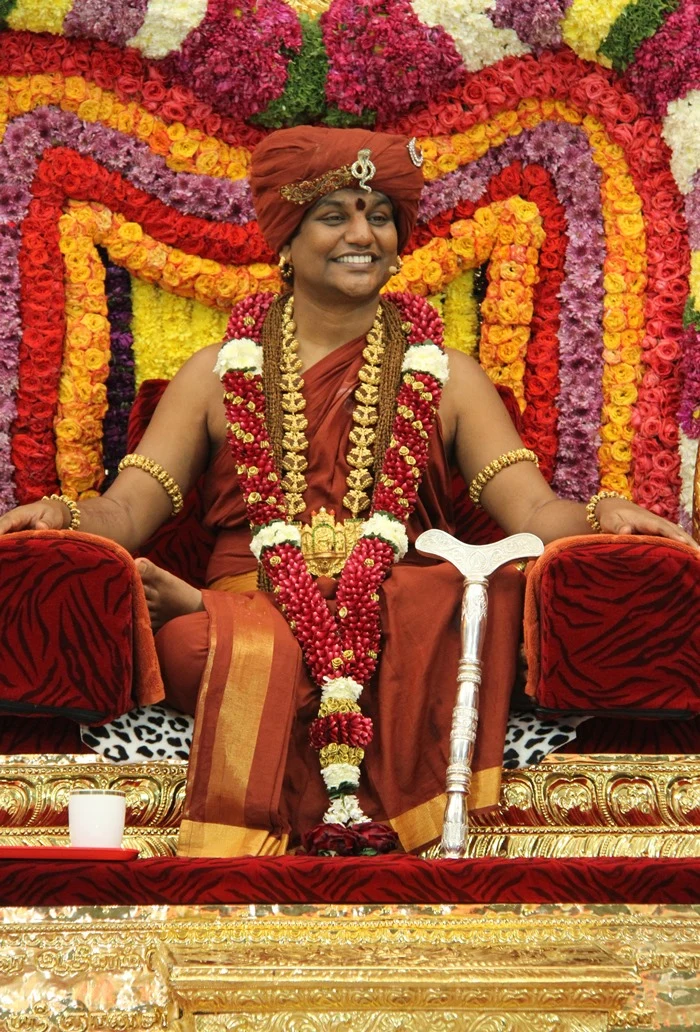
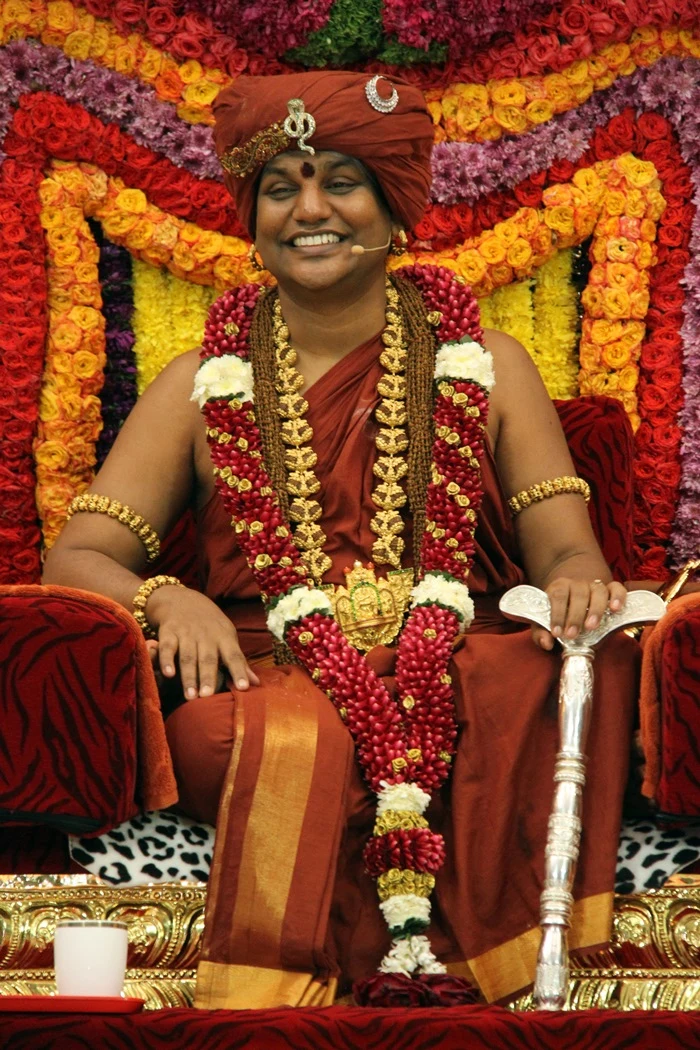
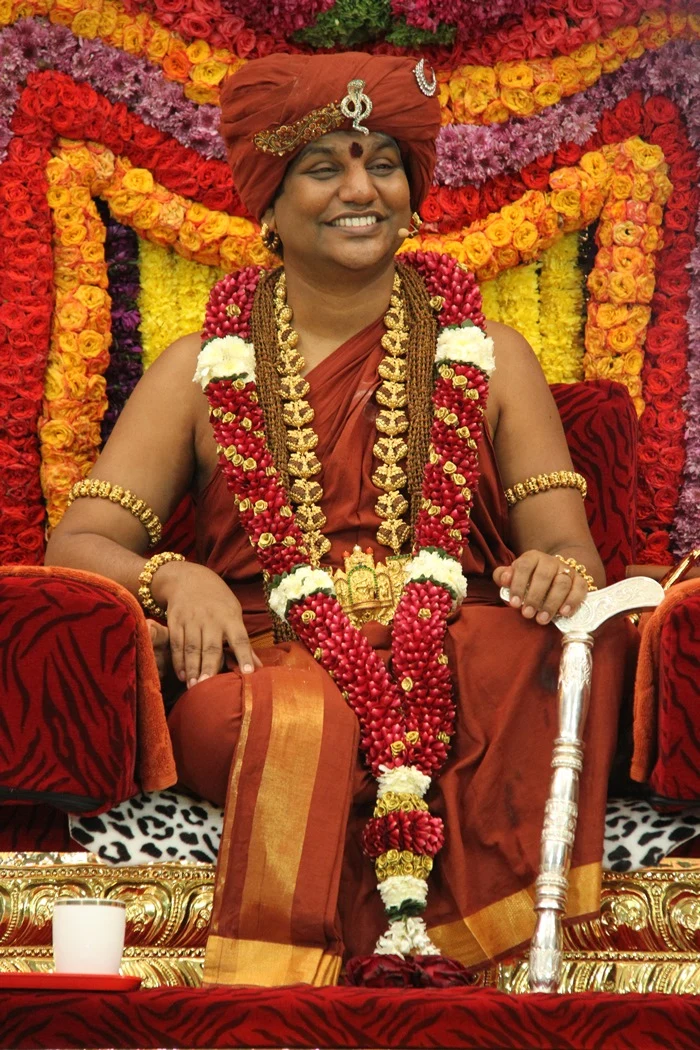
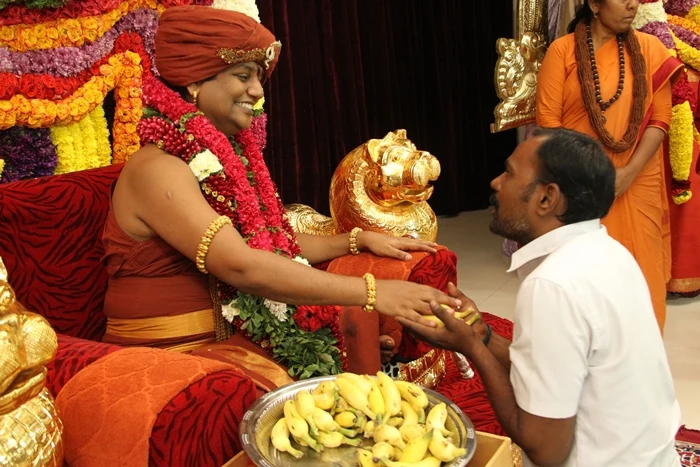
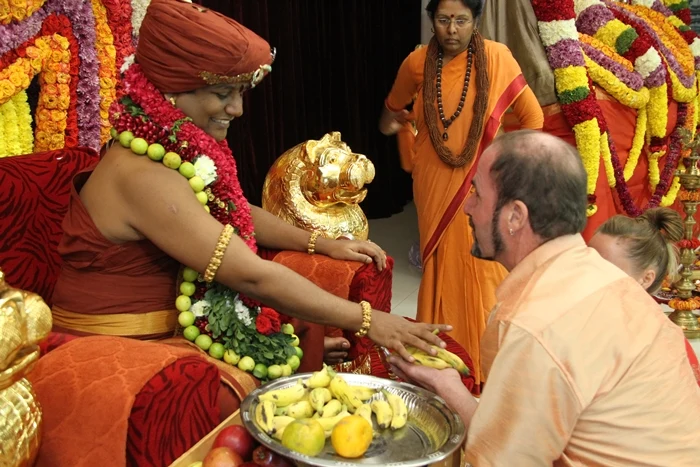
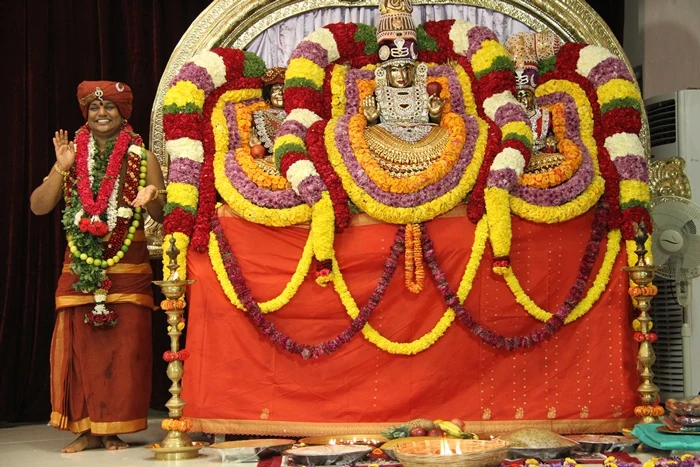
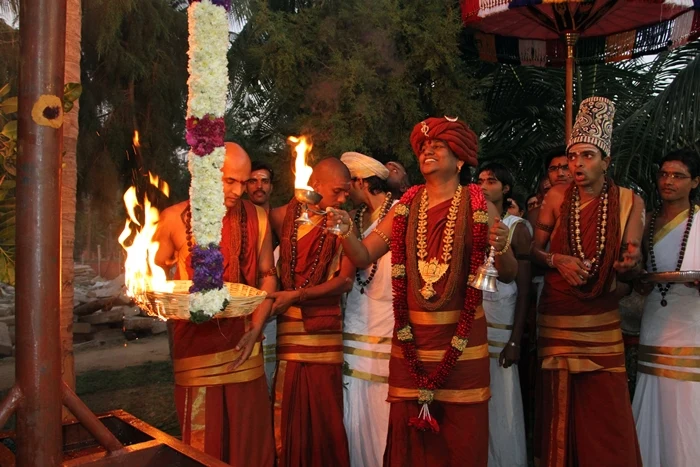
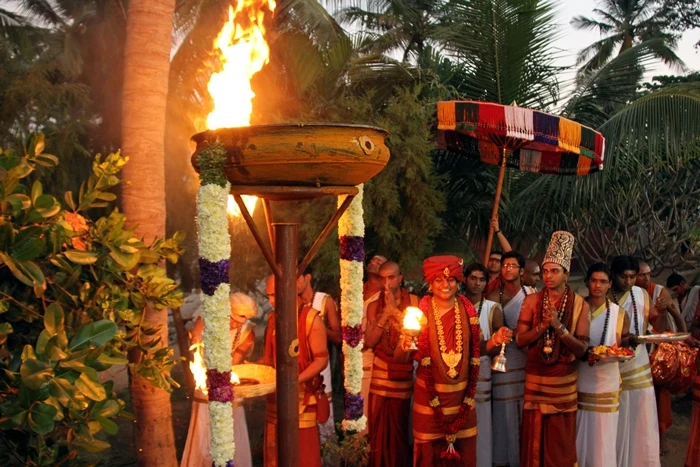
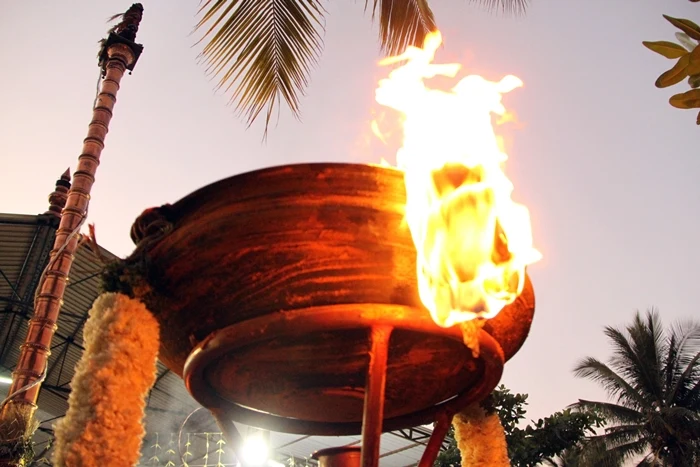
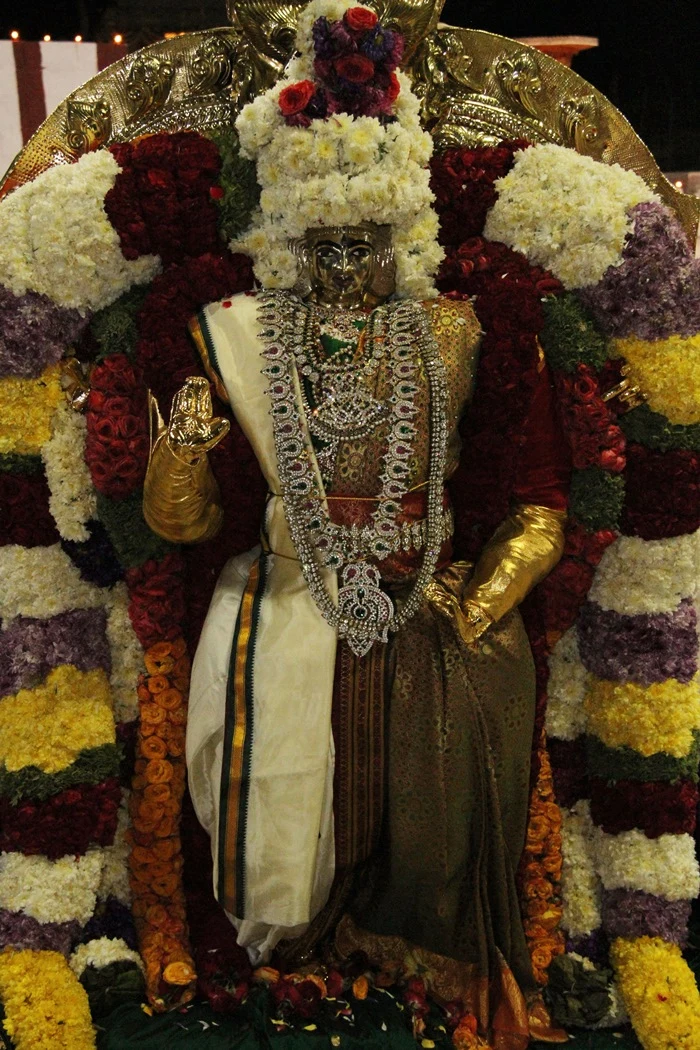
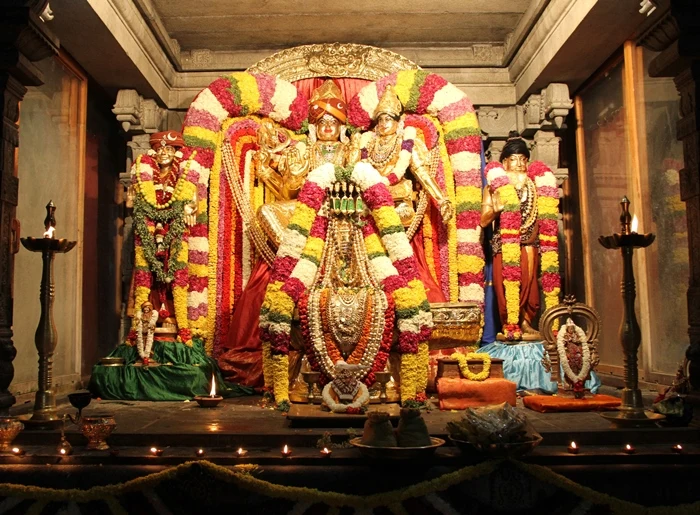
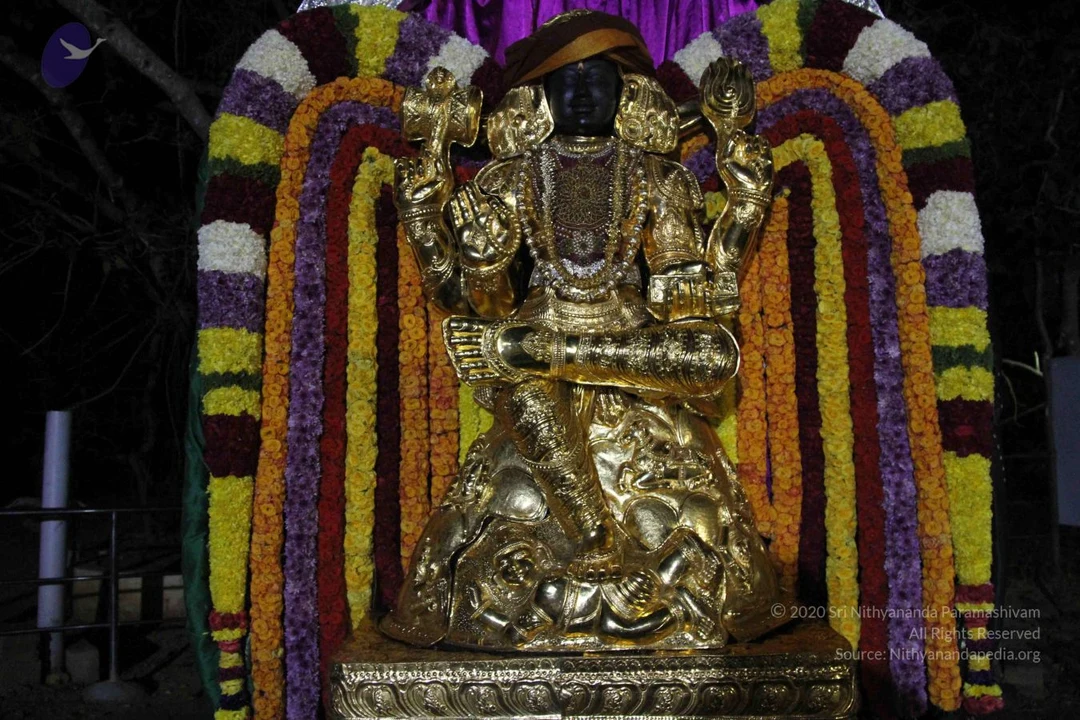
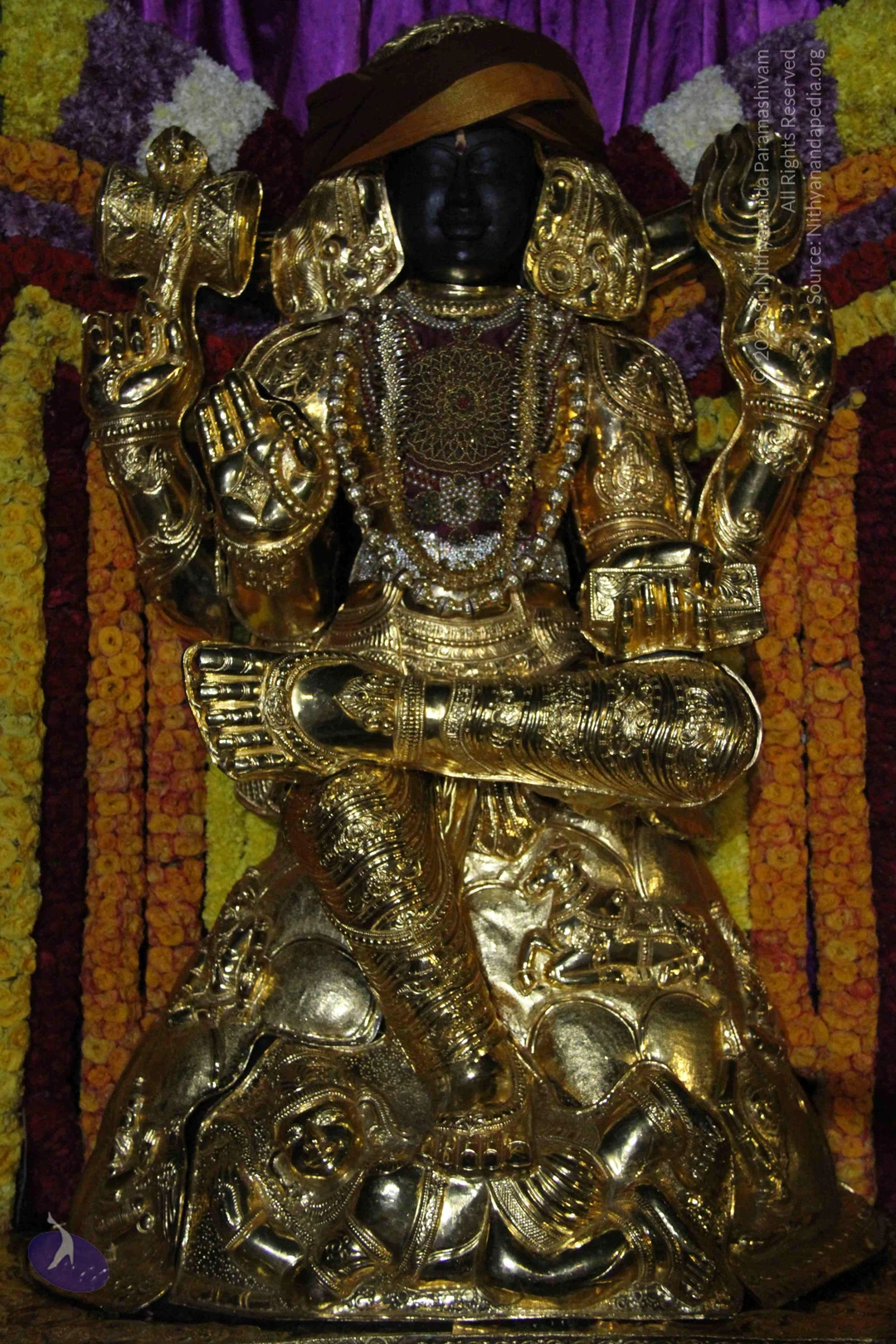
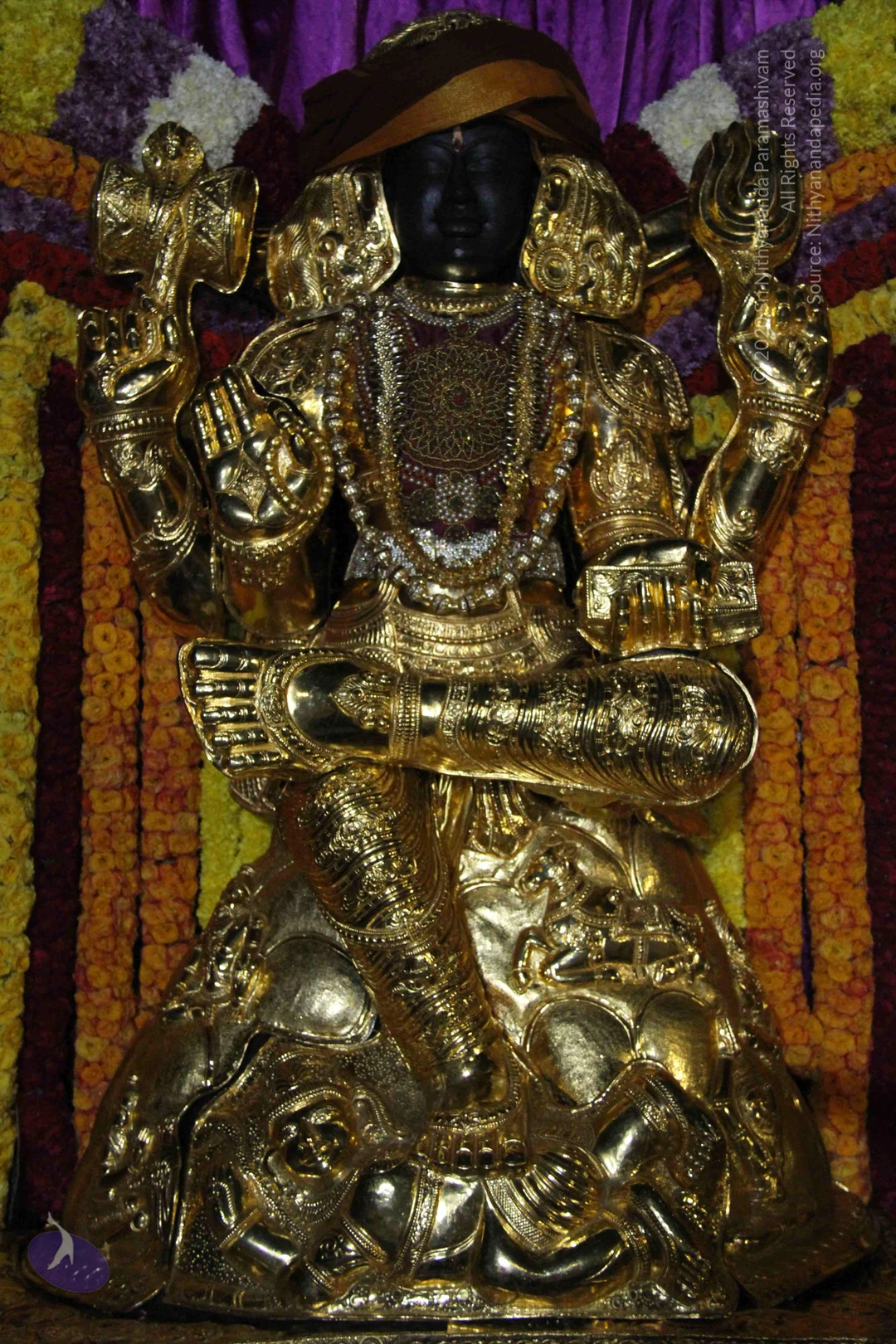
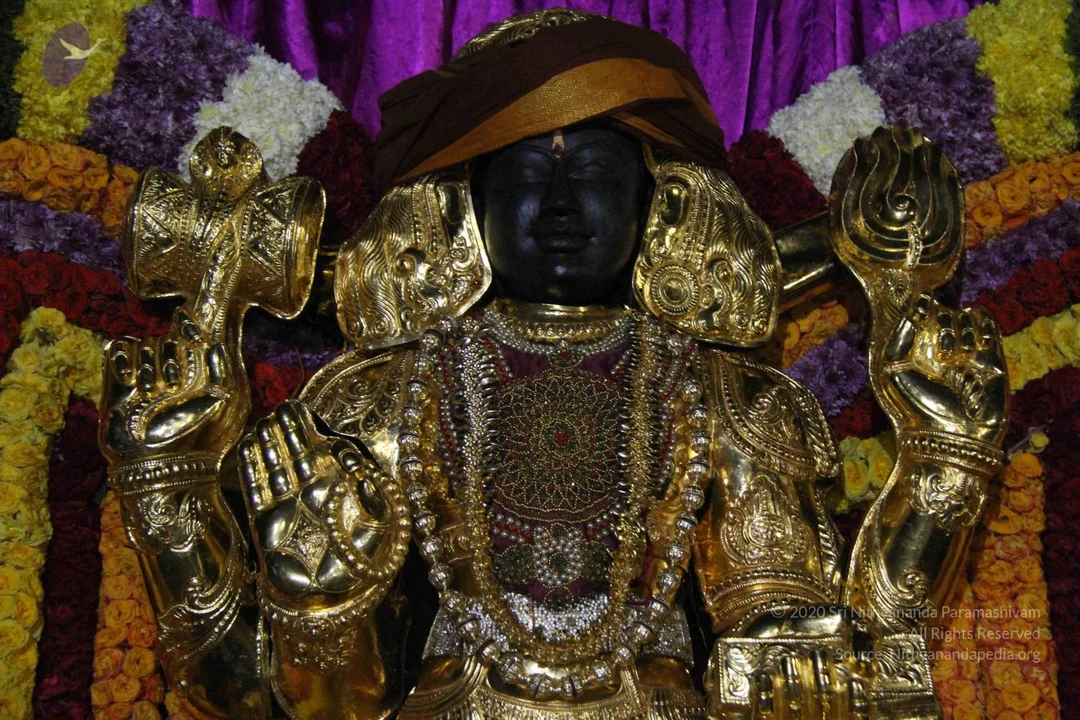
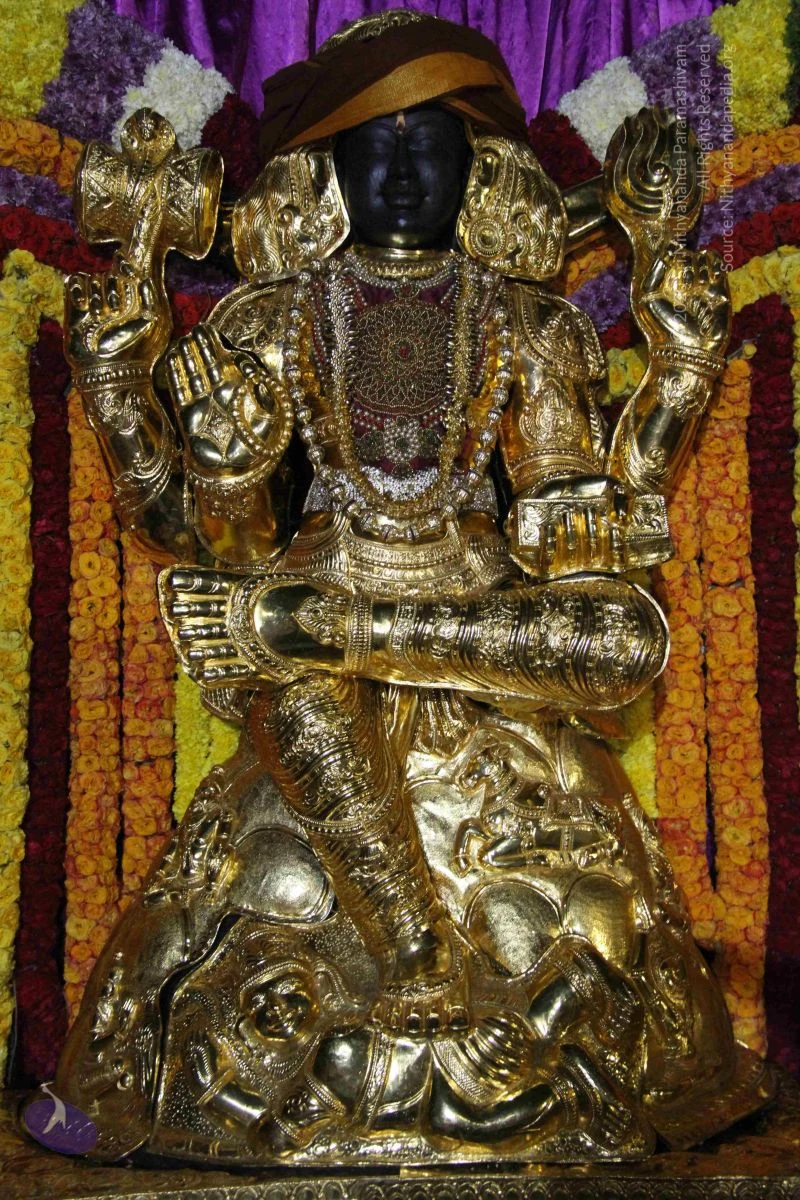
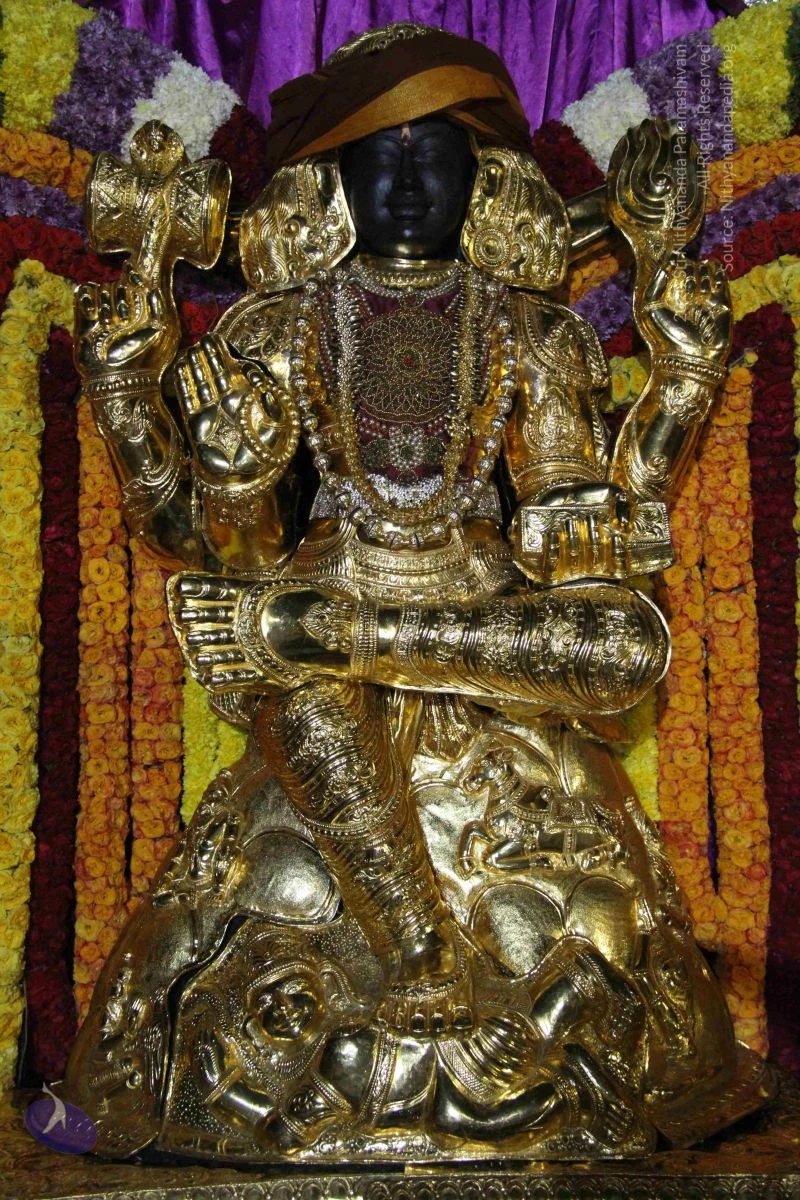
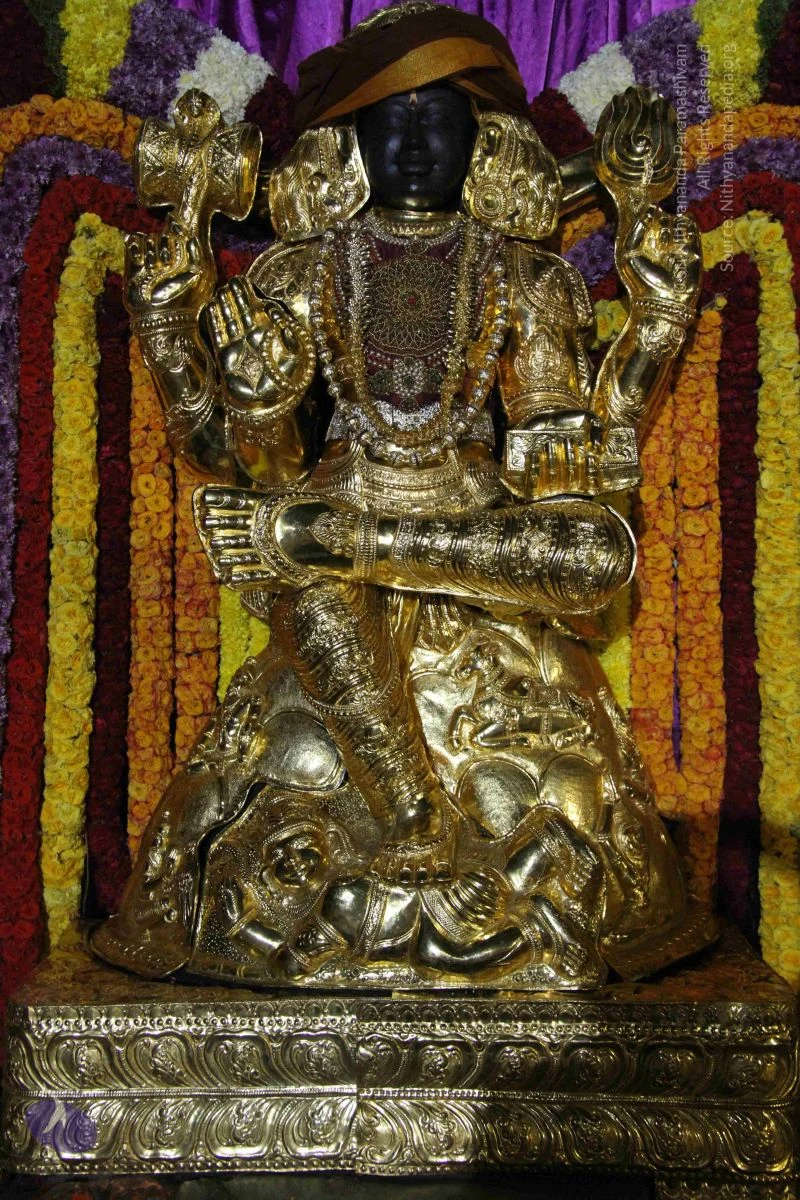
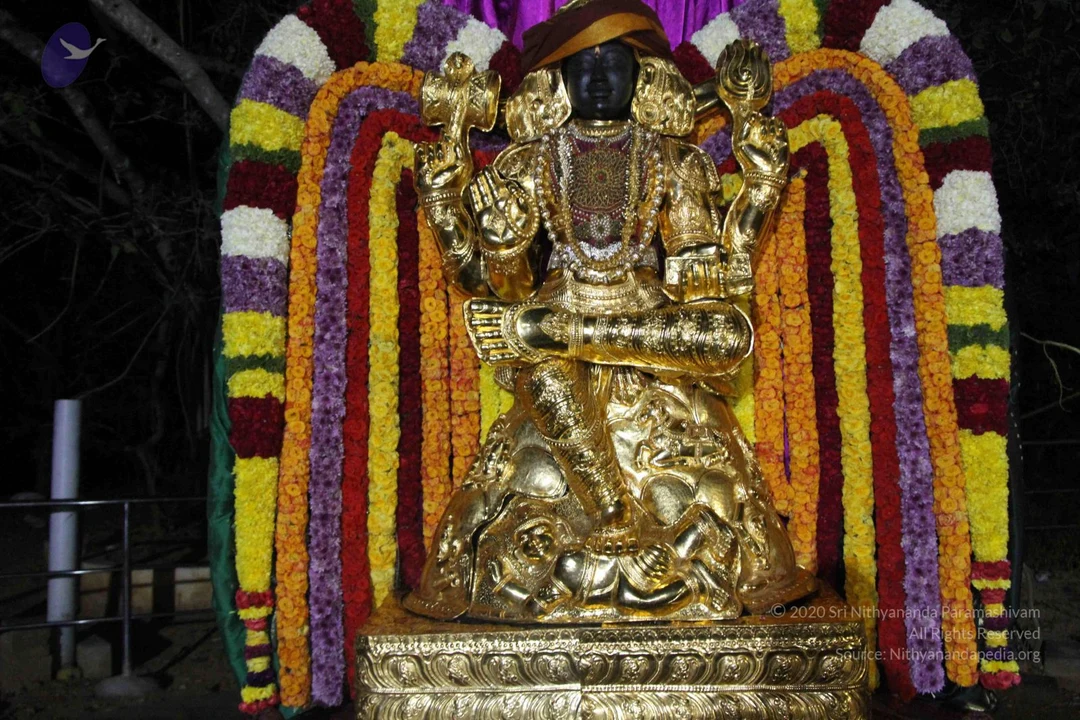
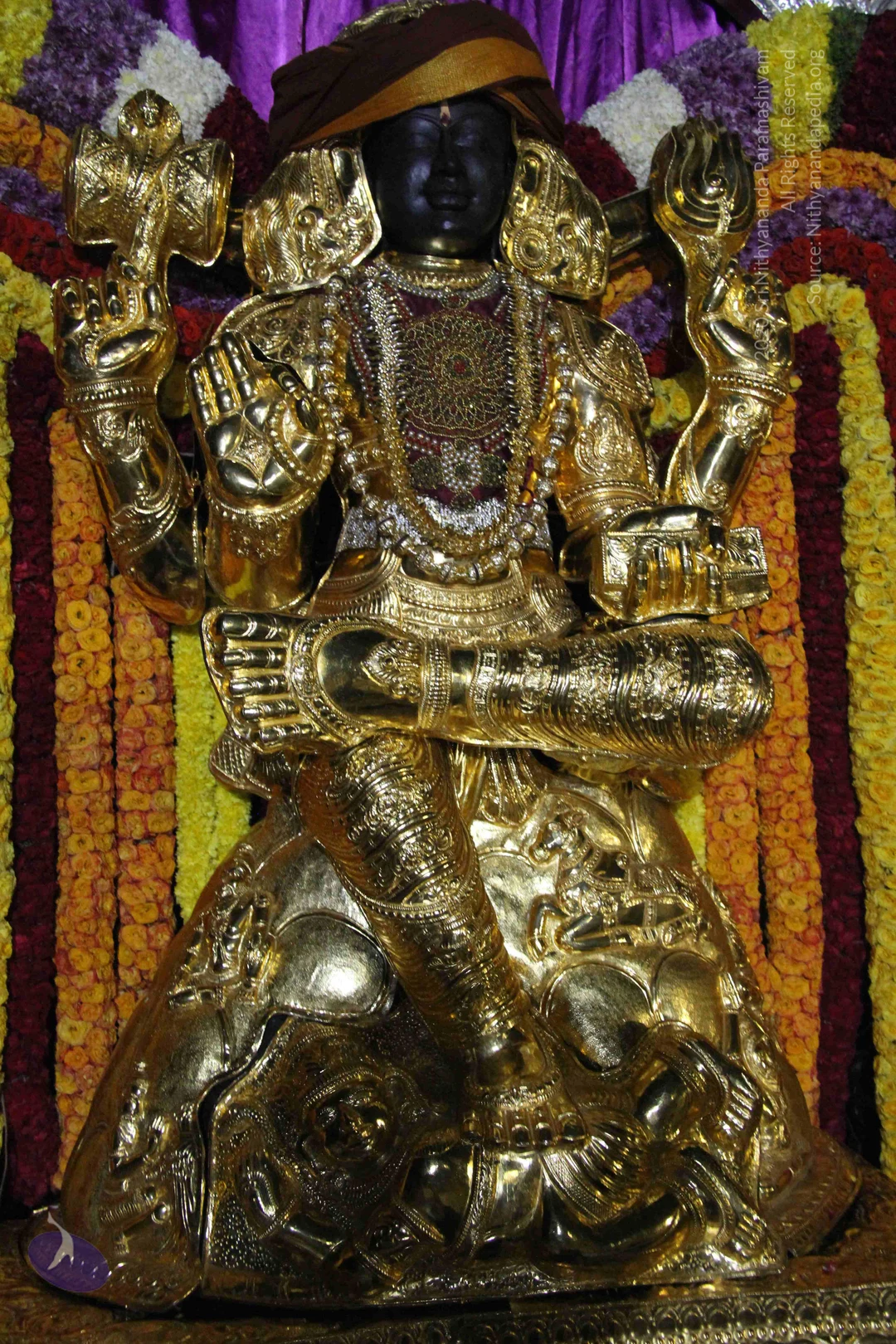
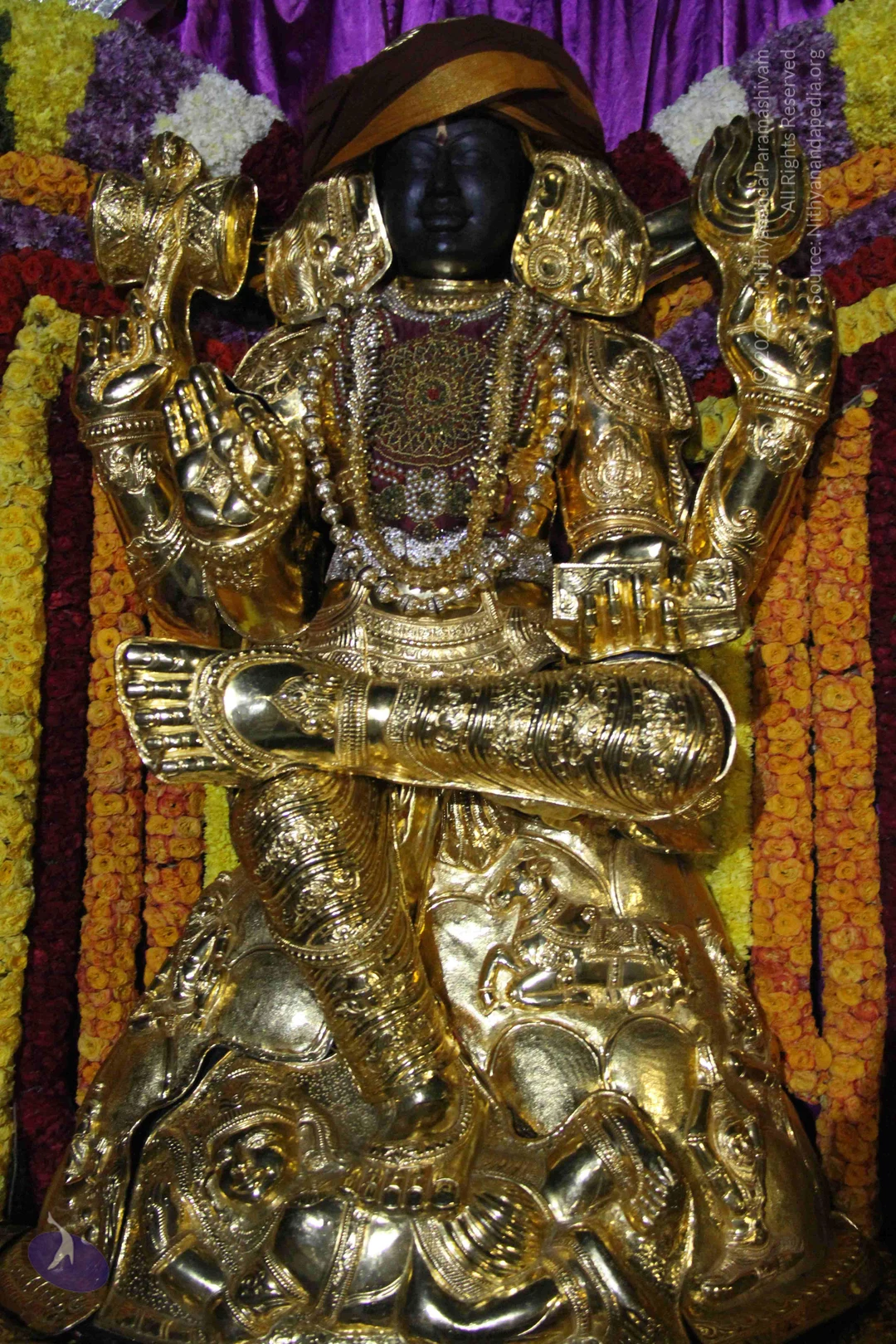
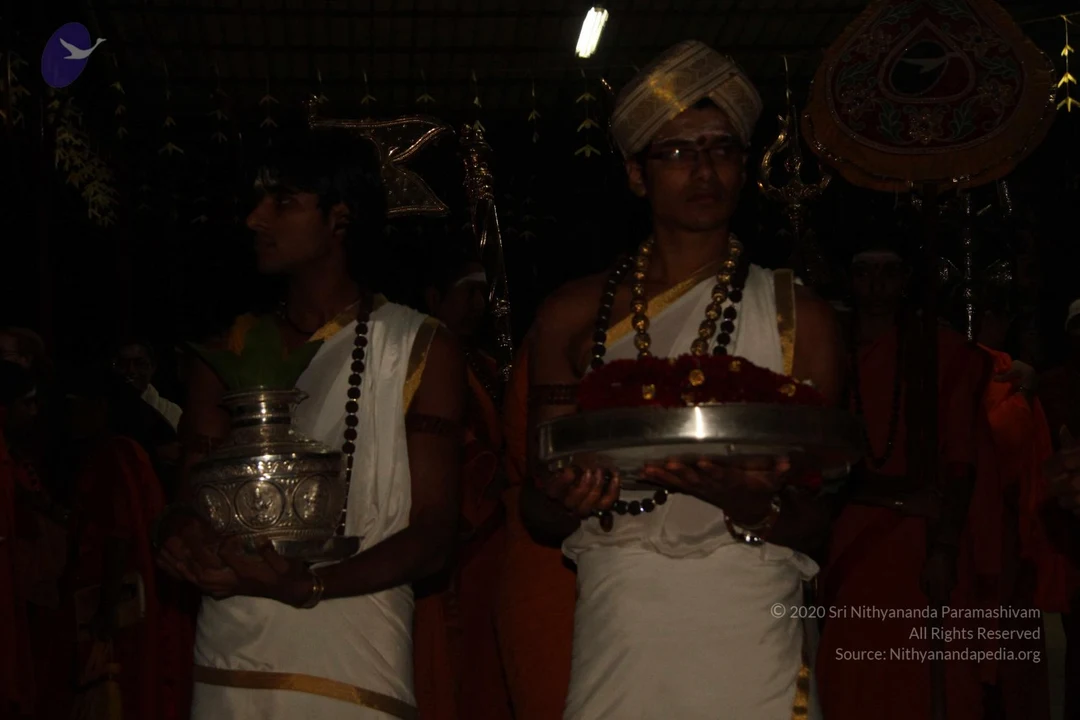
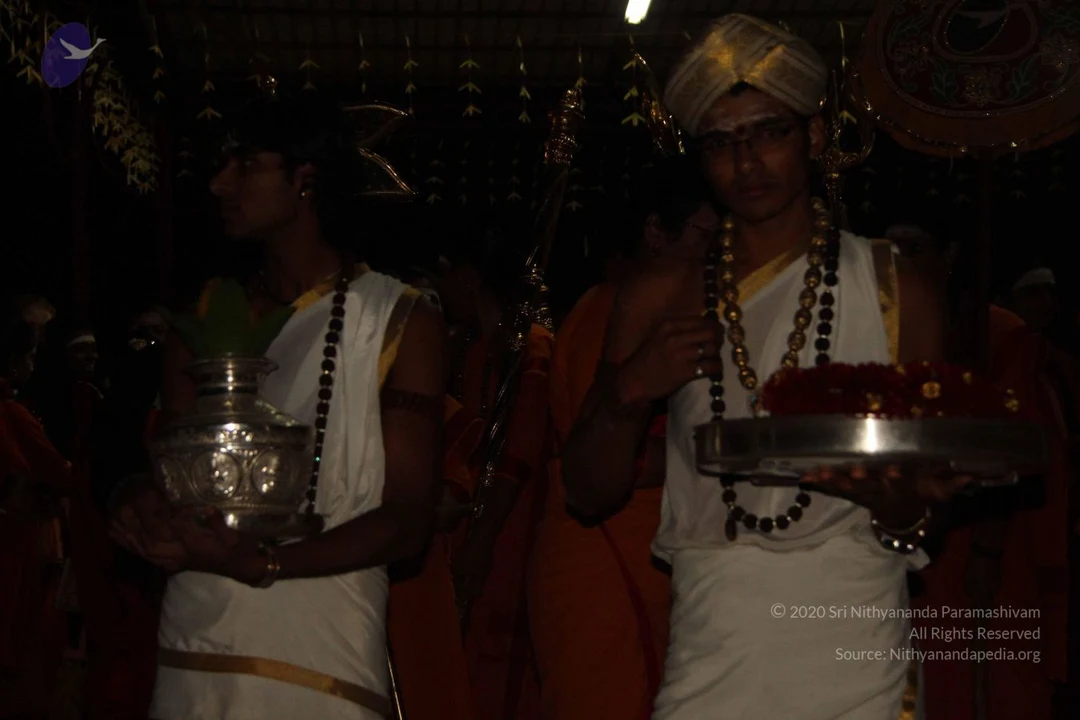
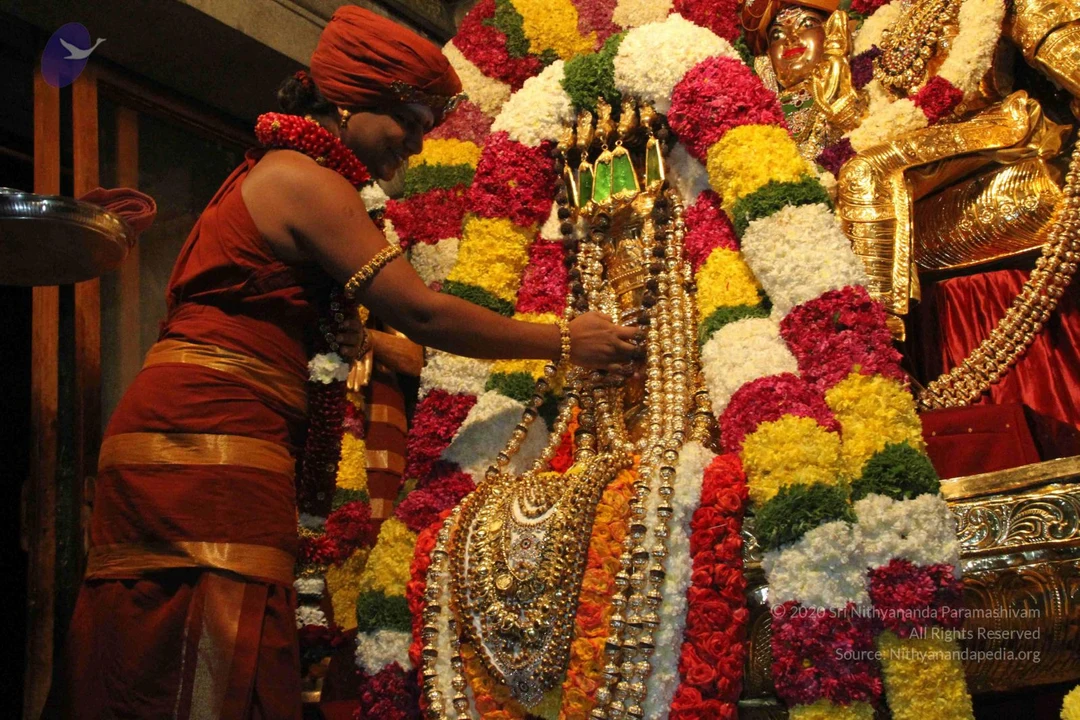
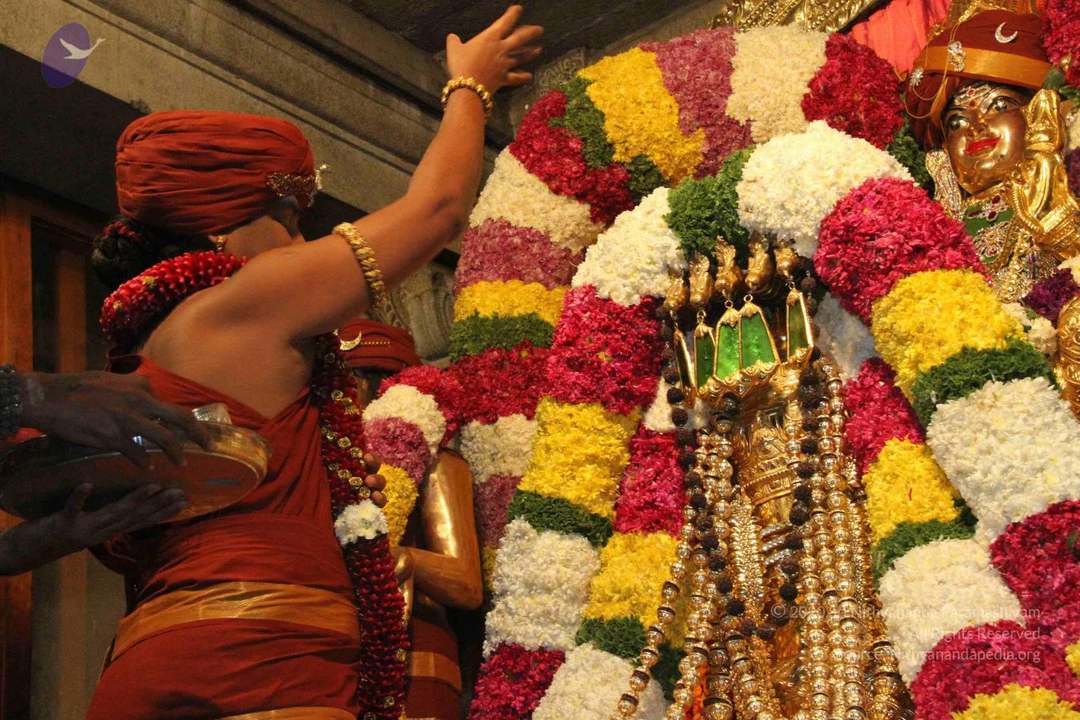
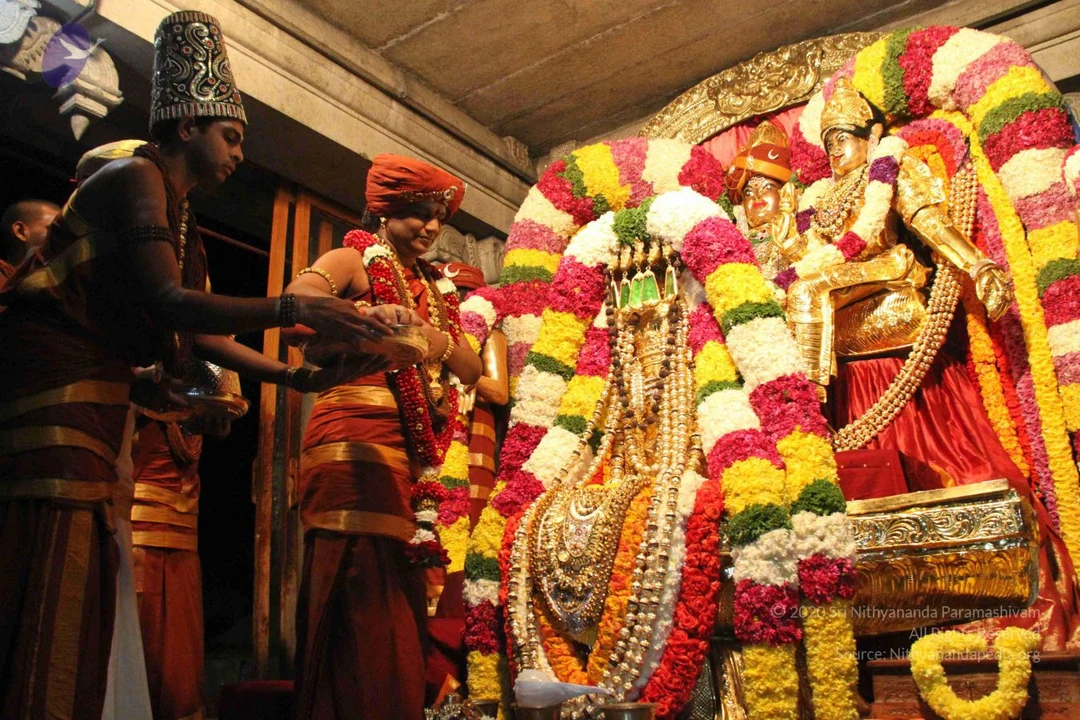
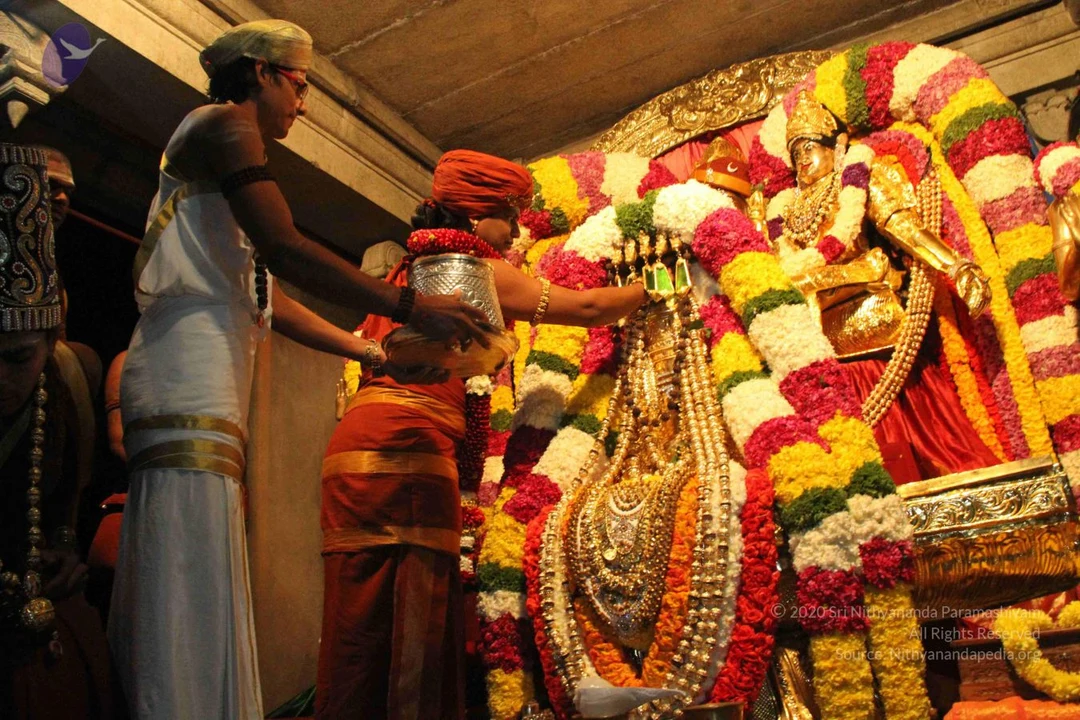
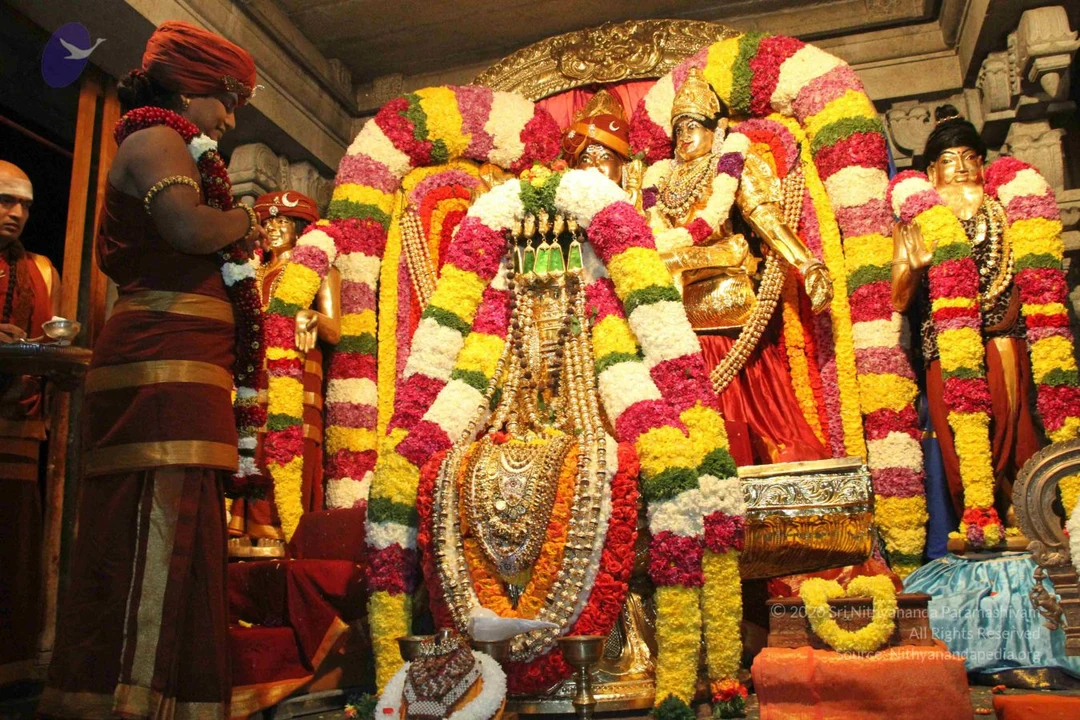
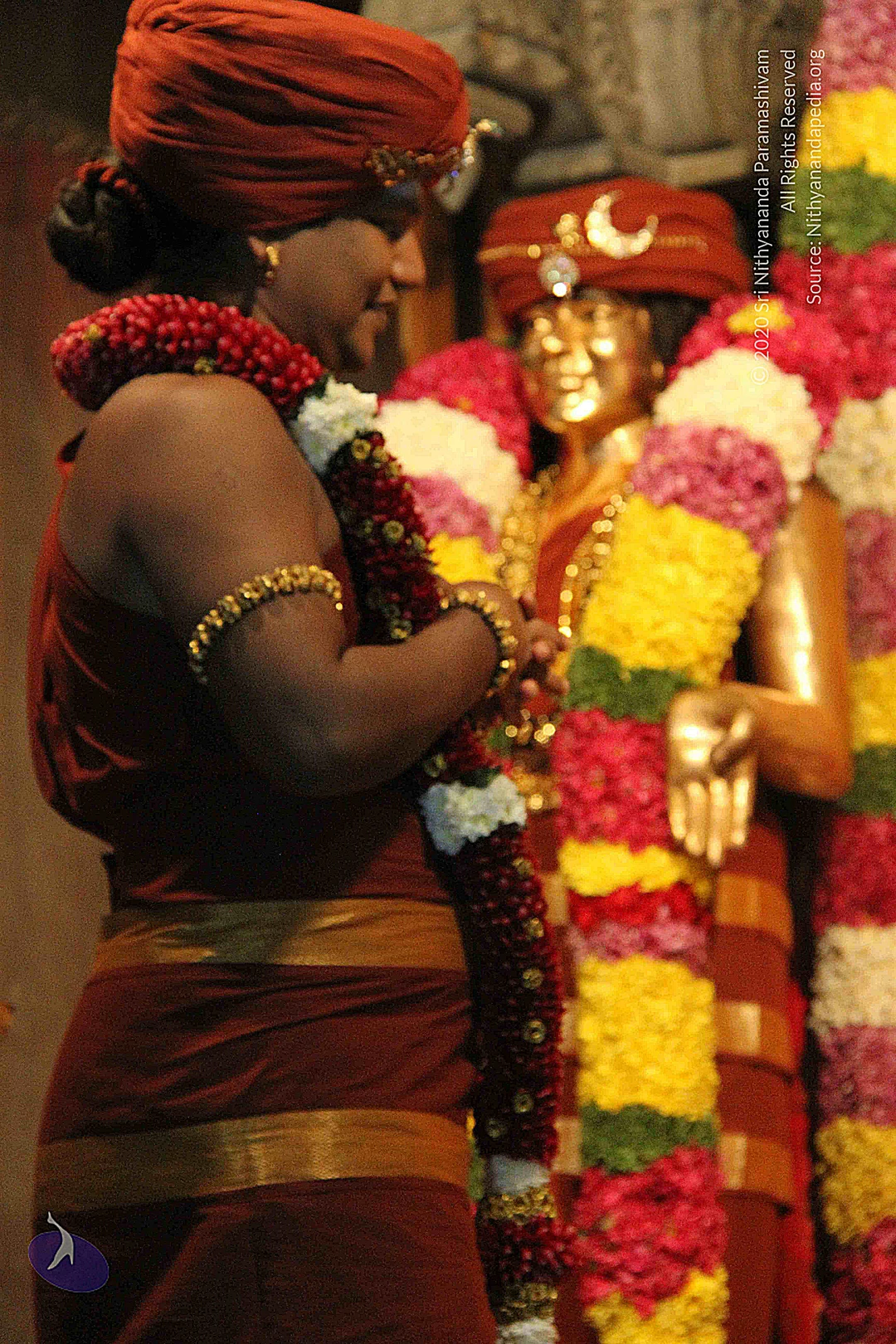
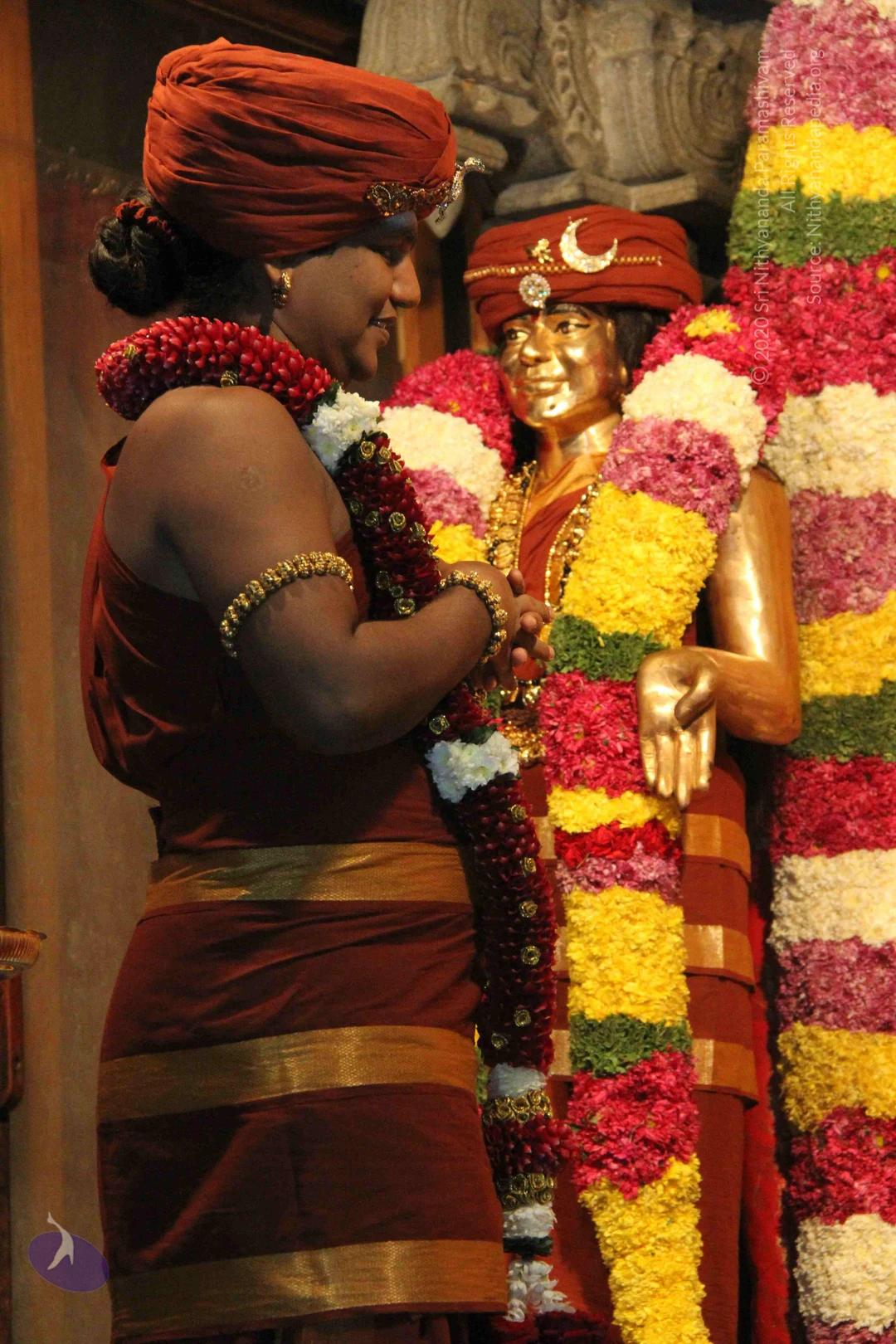
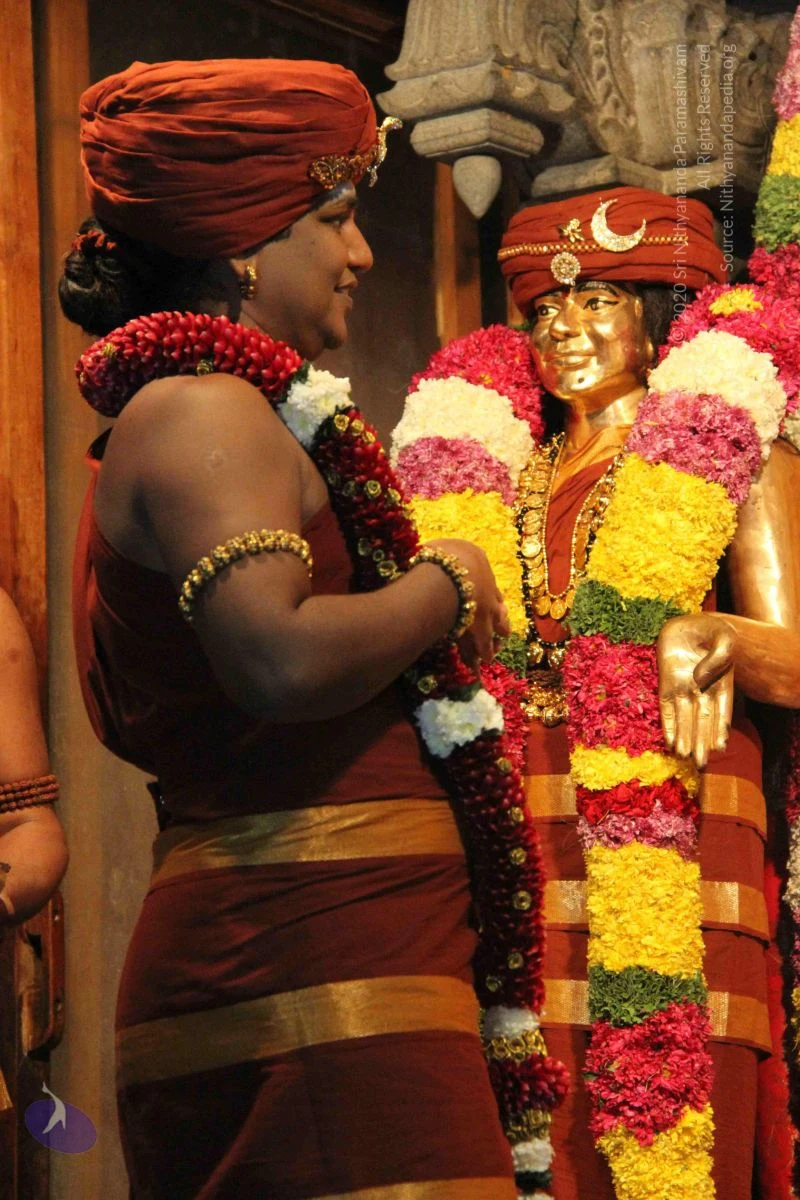
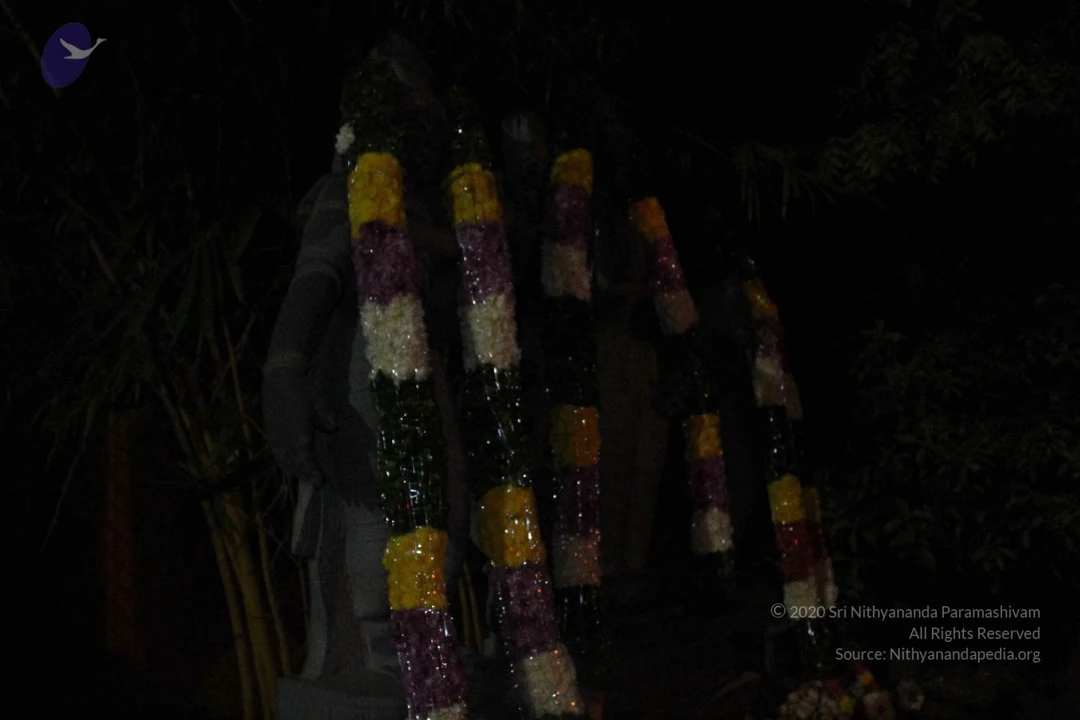
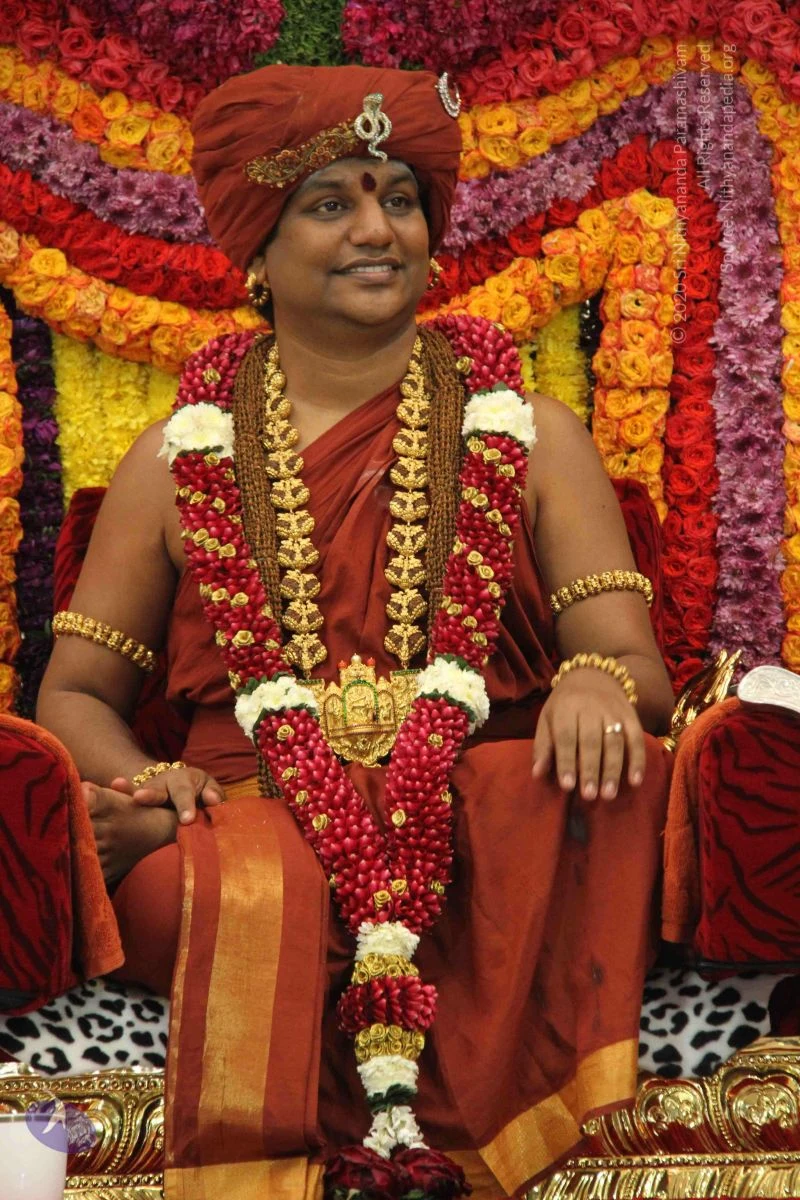
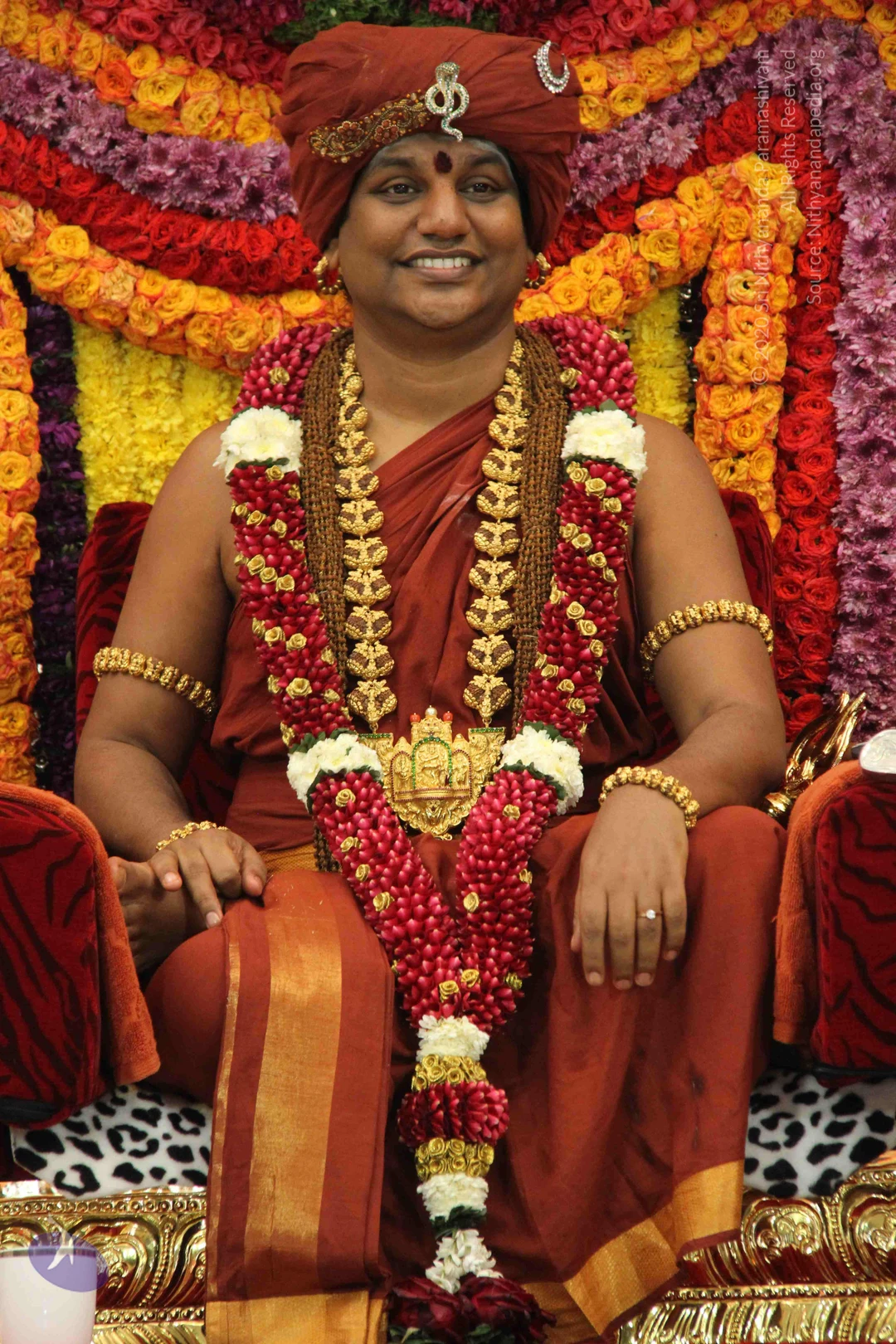
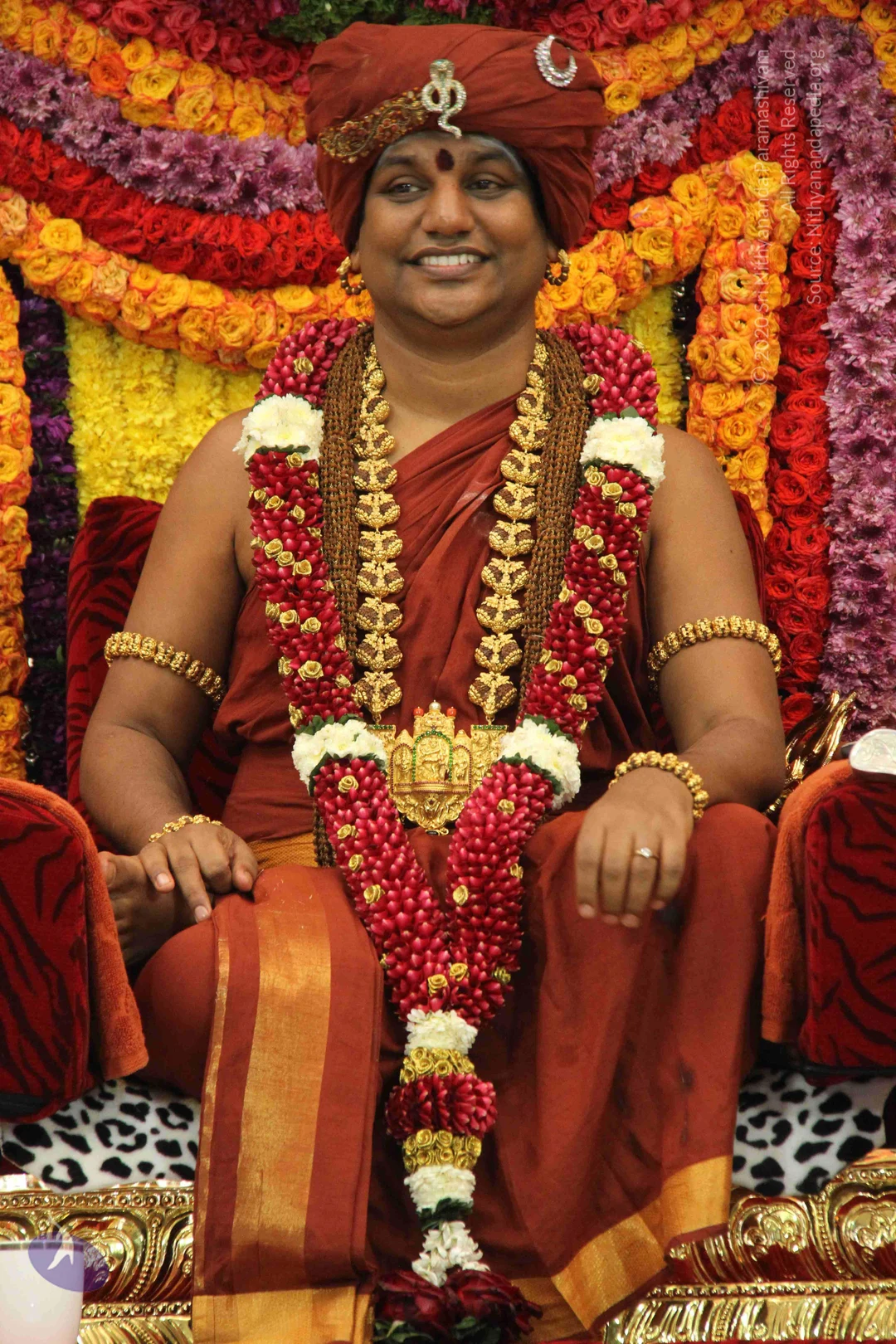
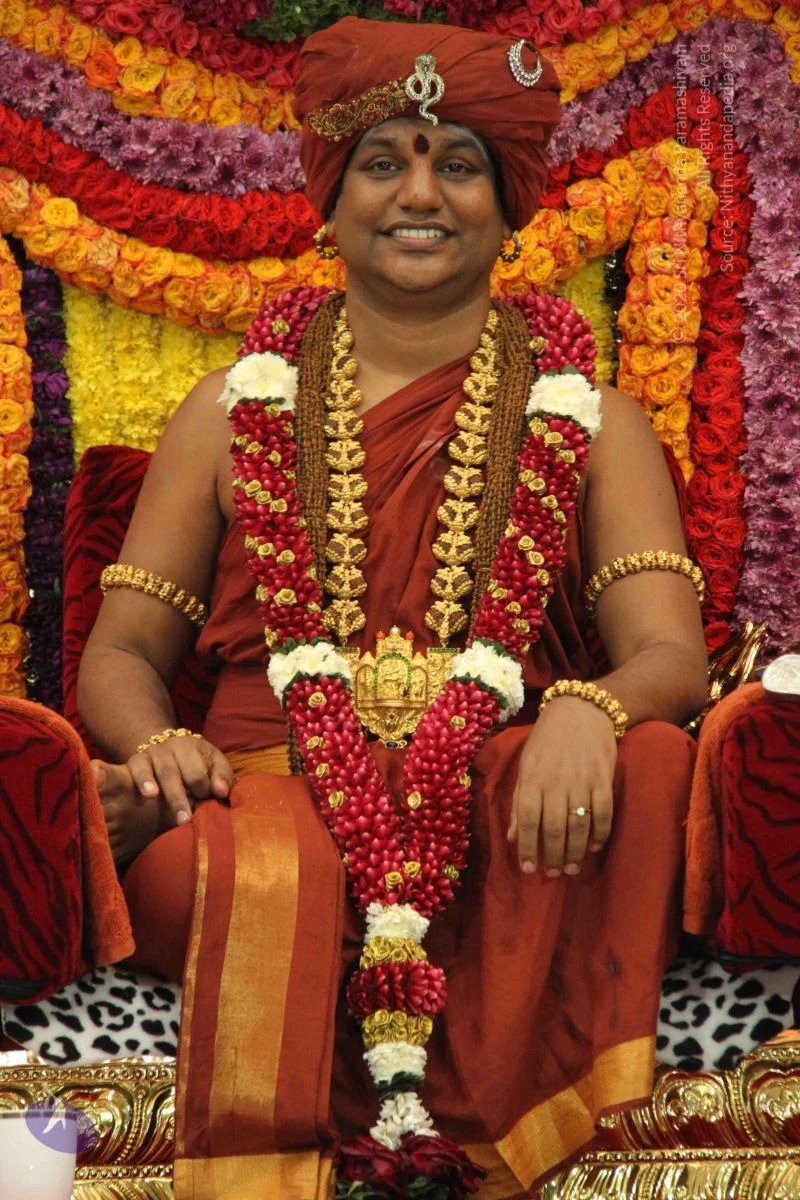
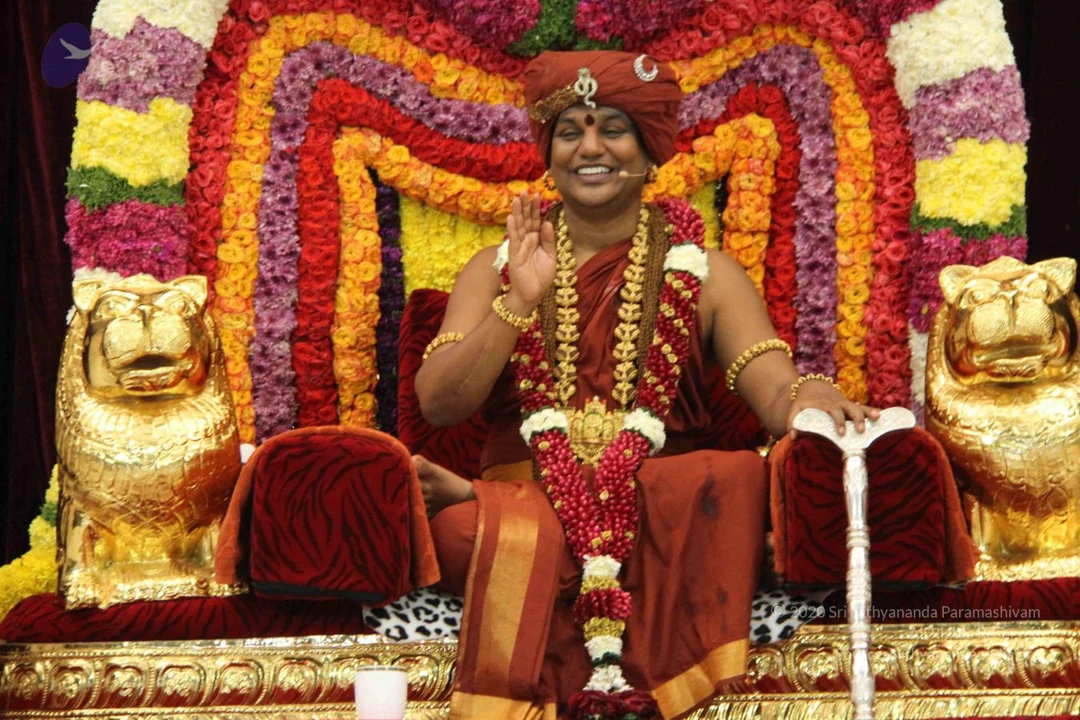
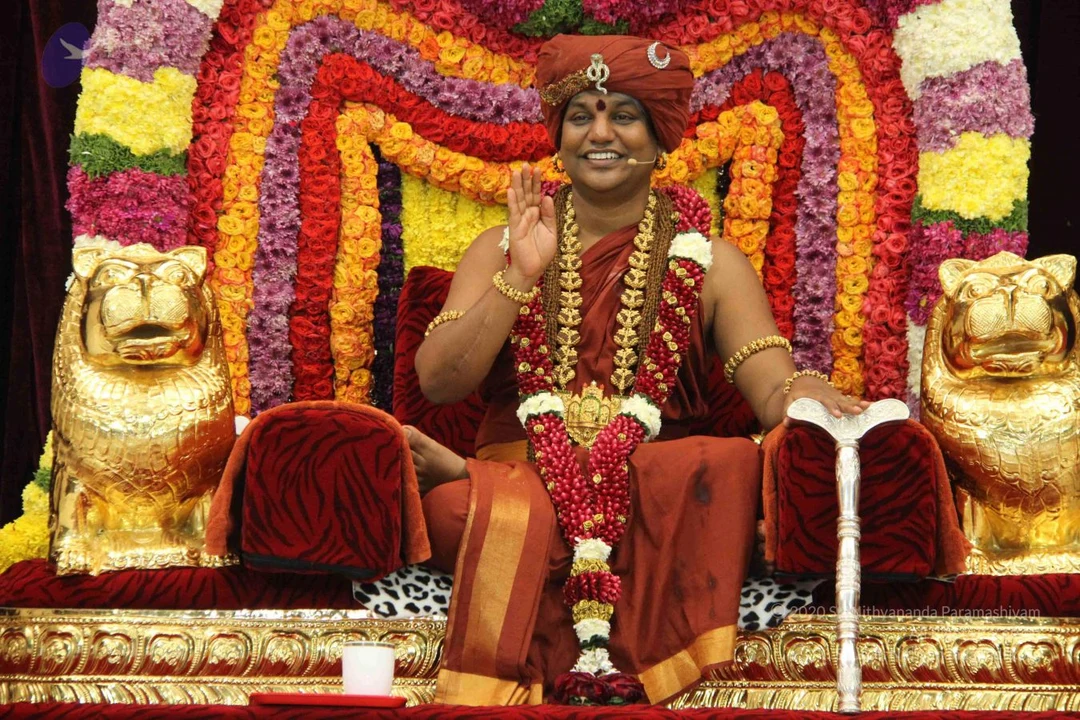
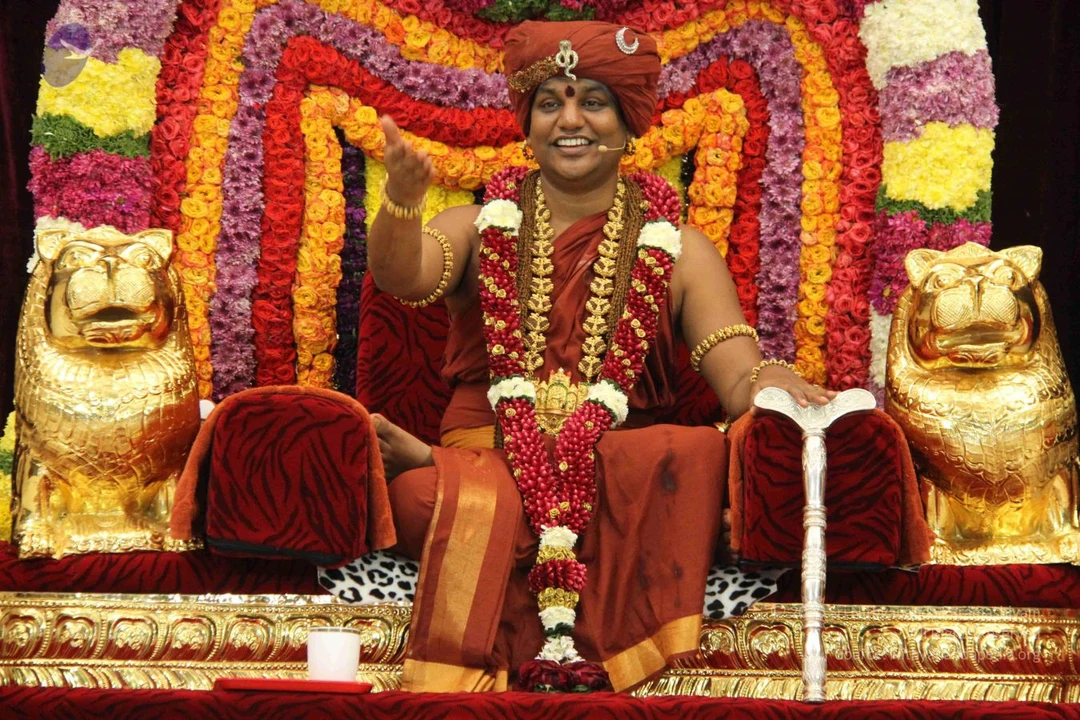
Photos Of The Day:
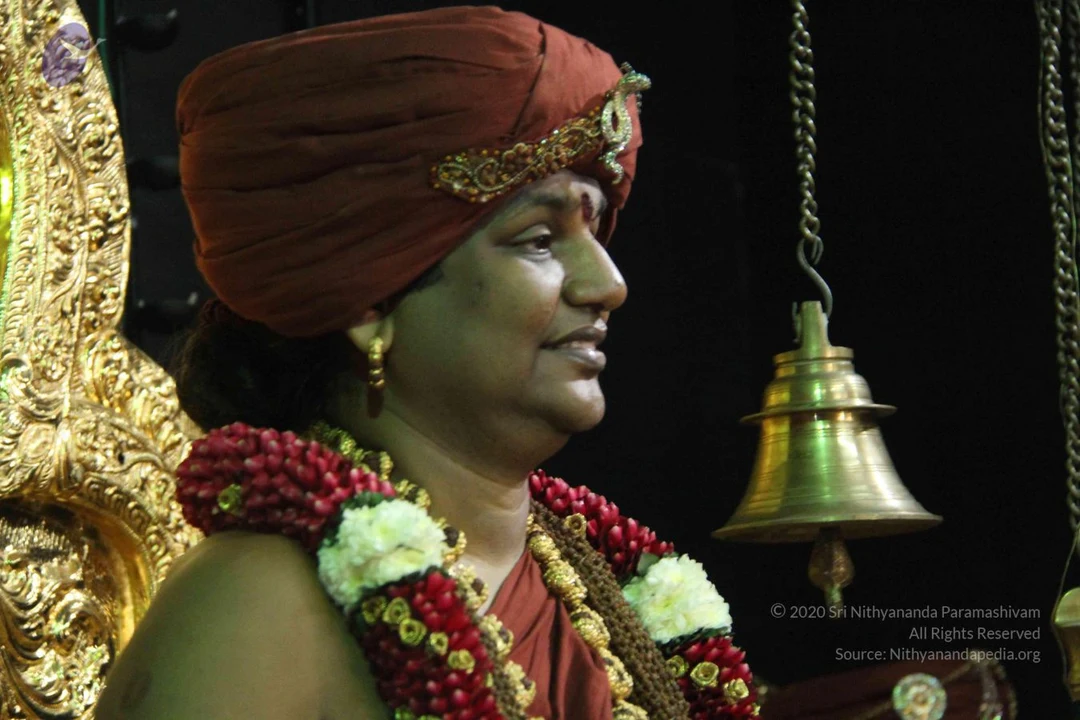
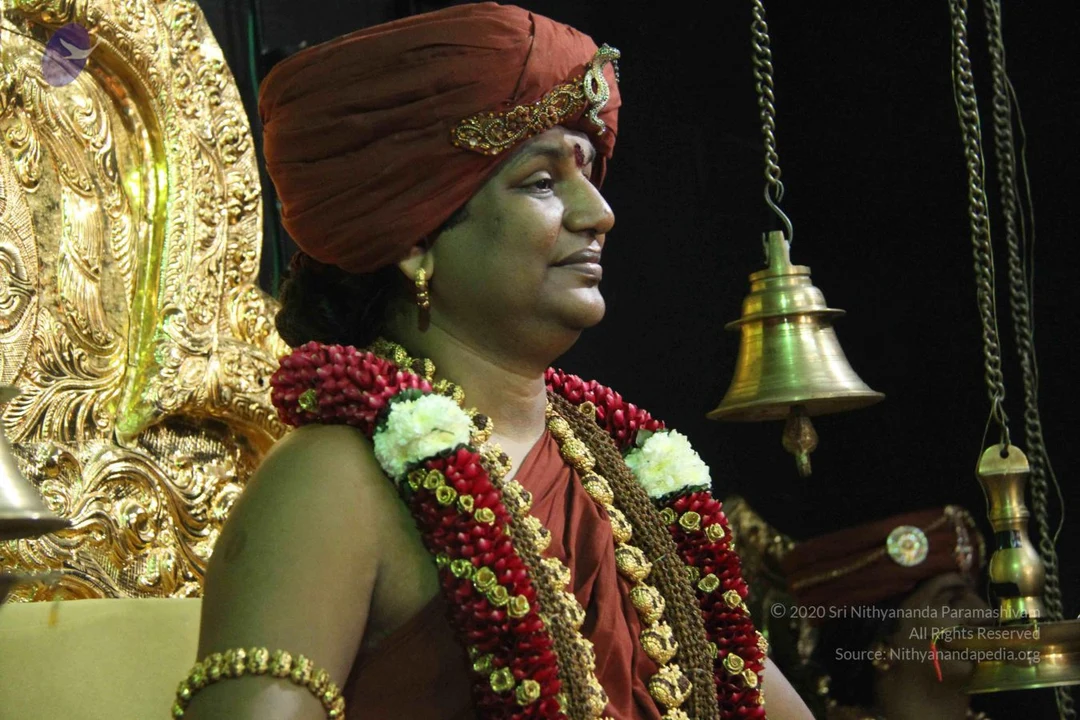
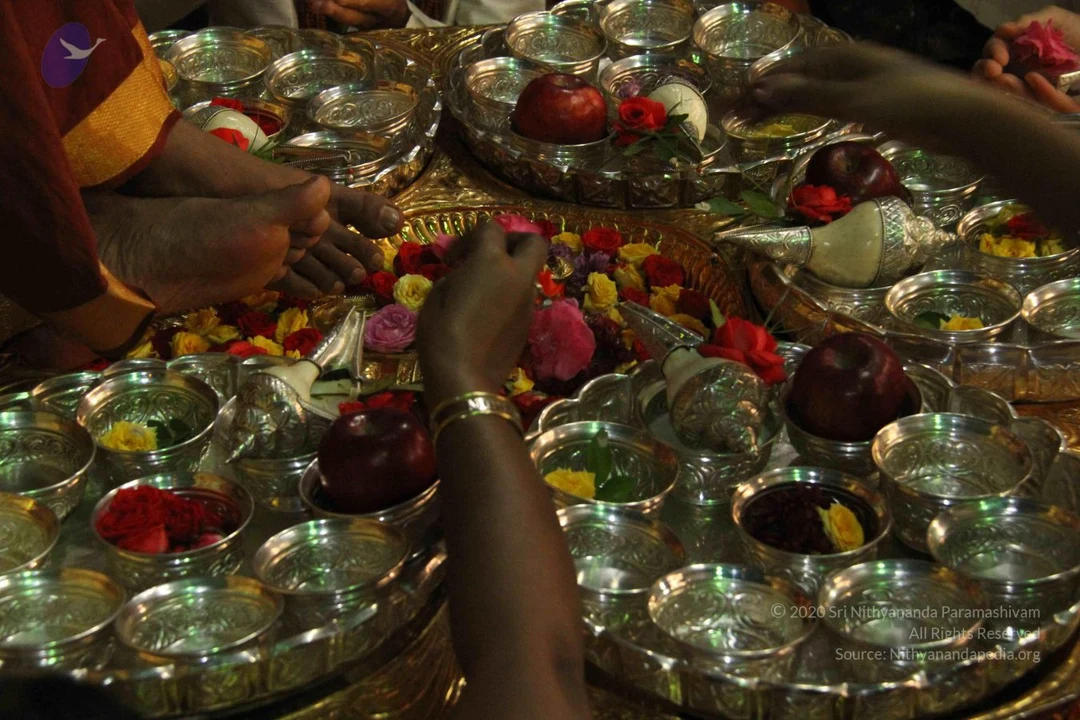
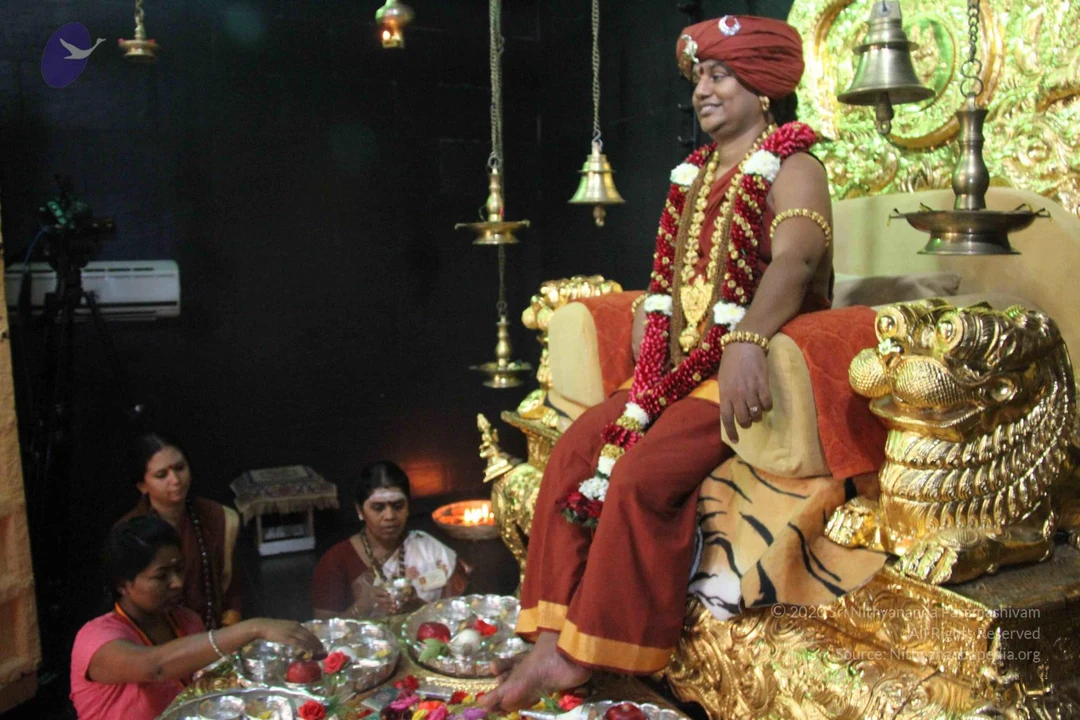
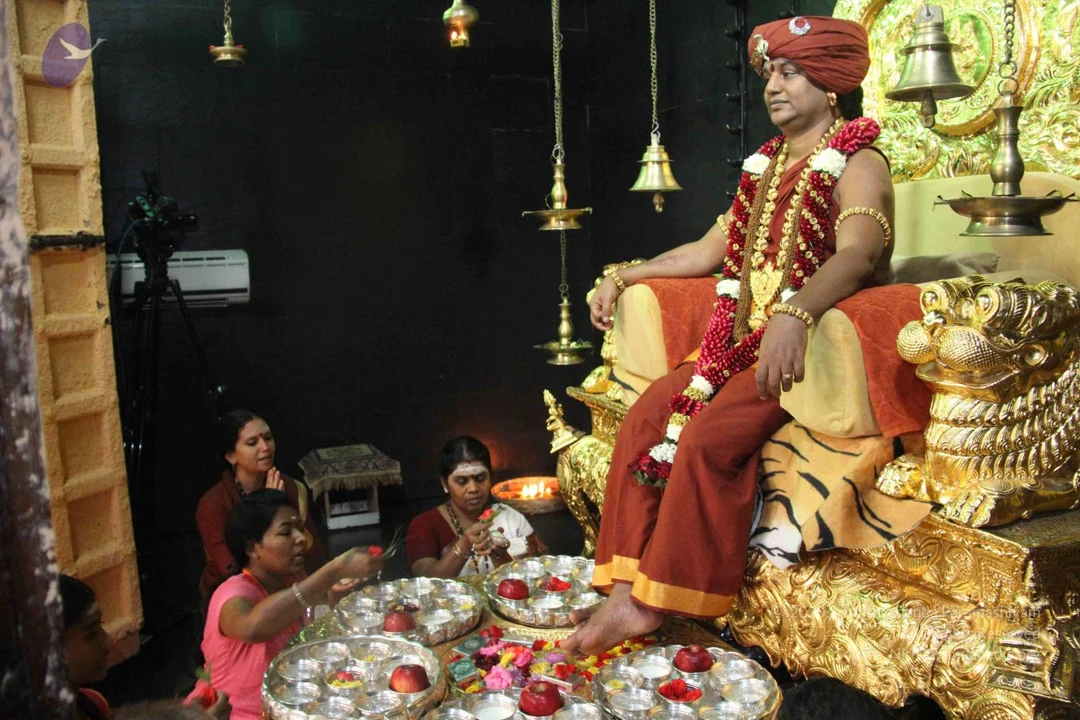
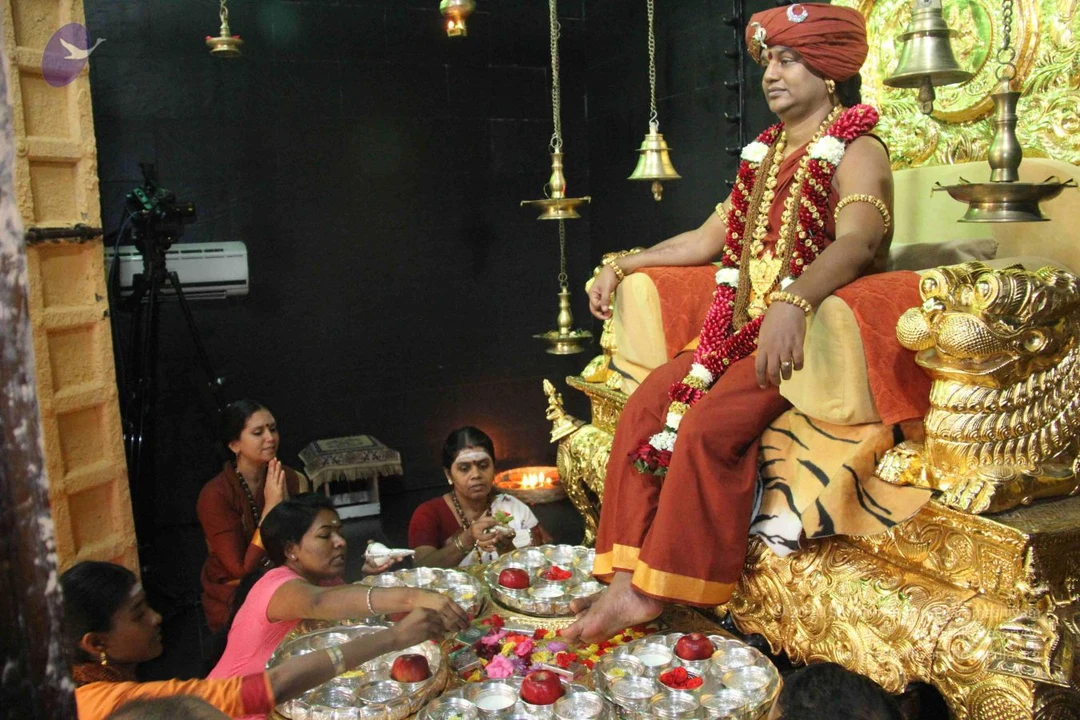
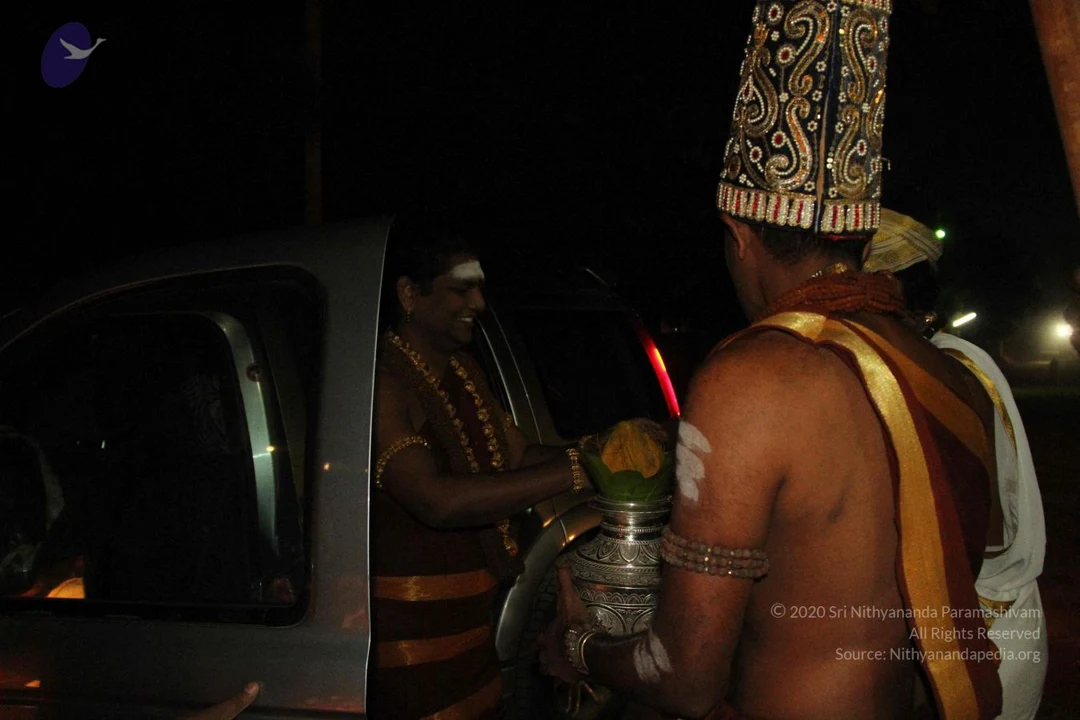
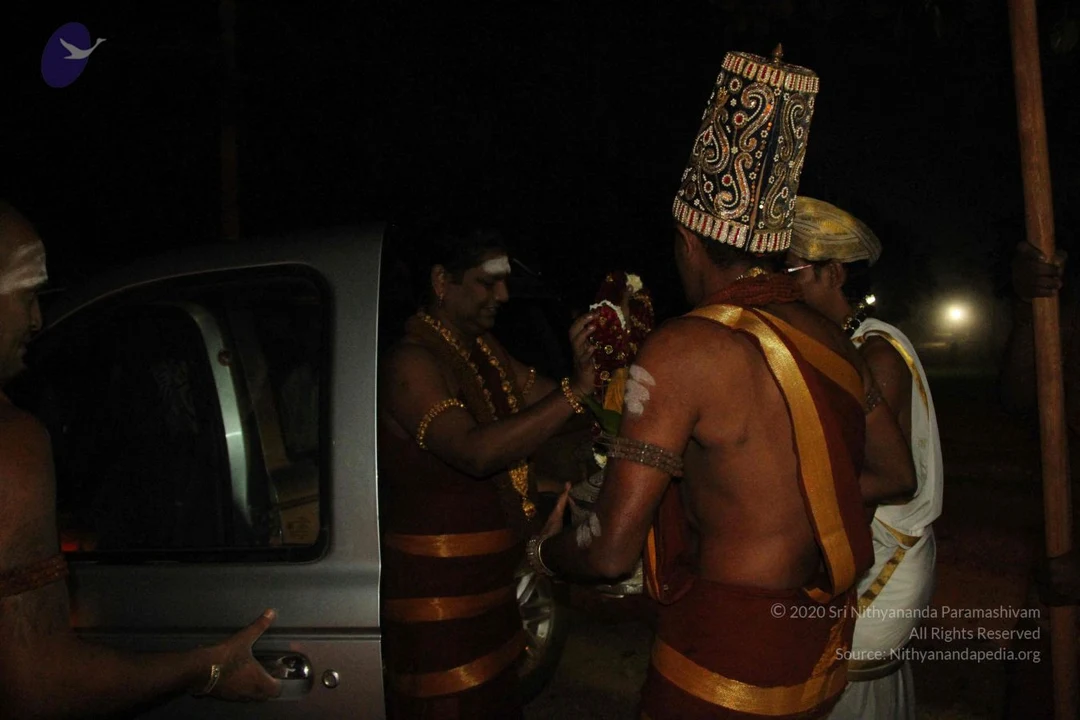
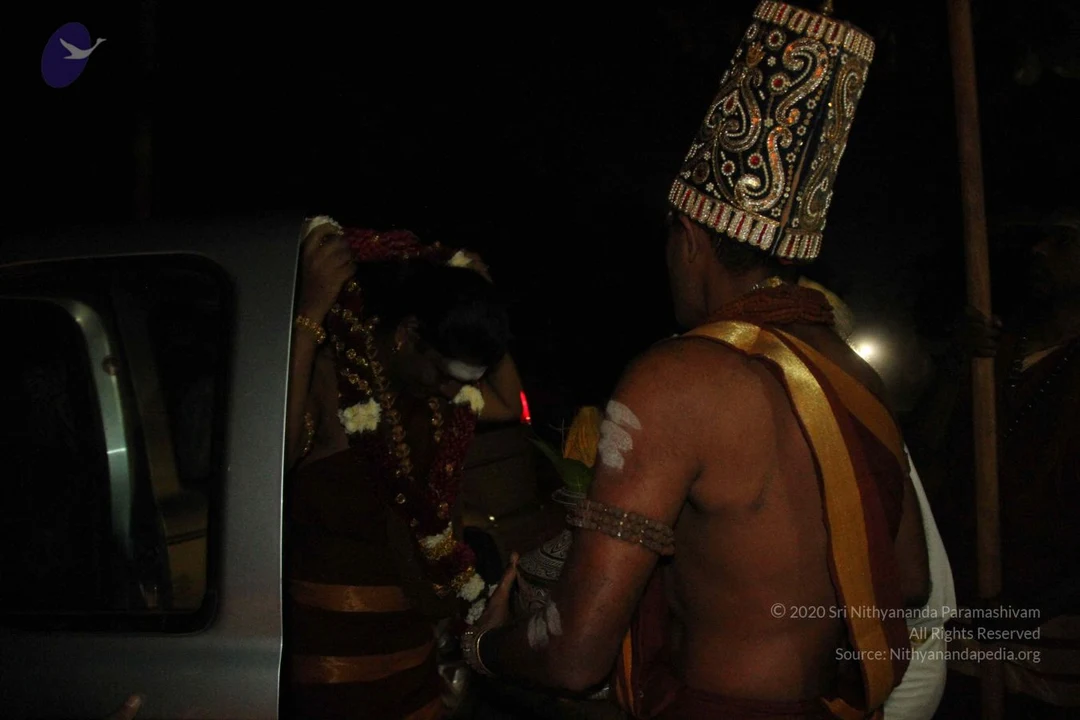
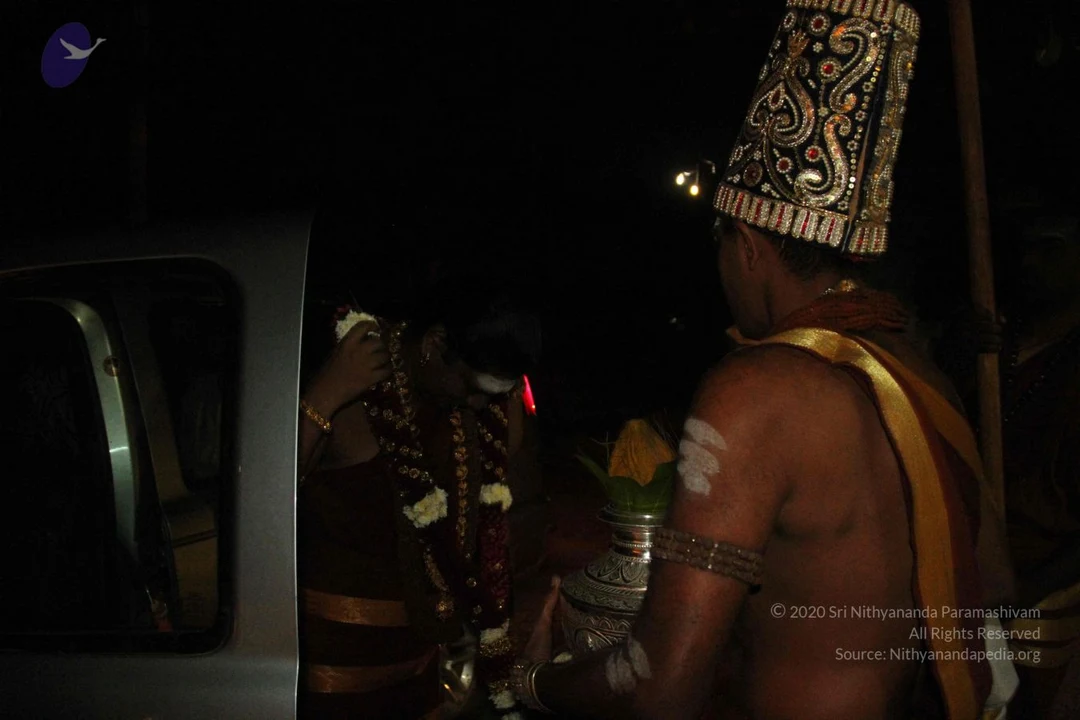
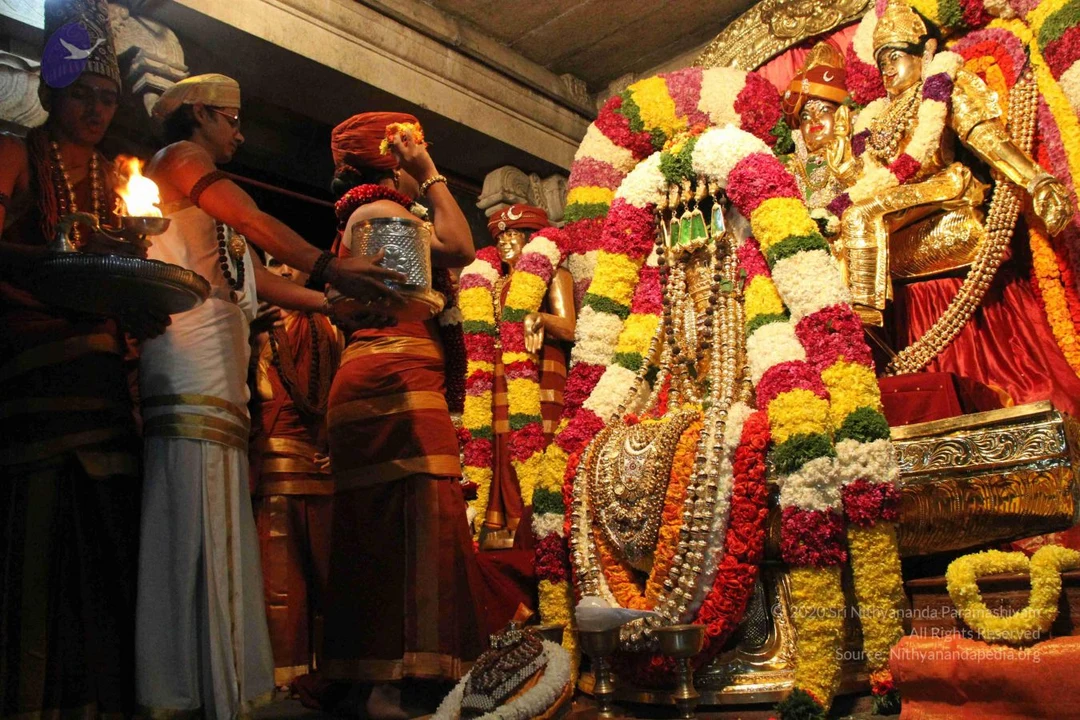
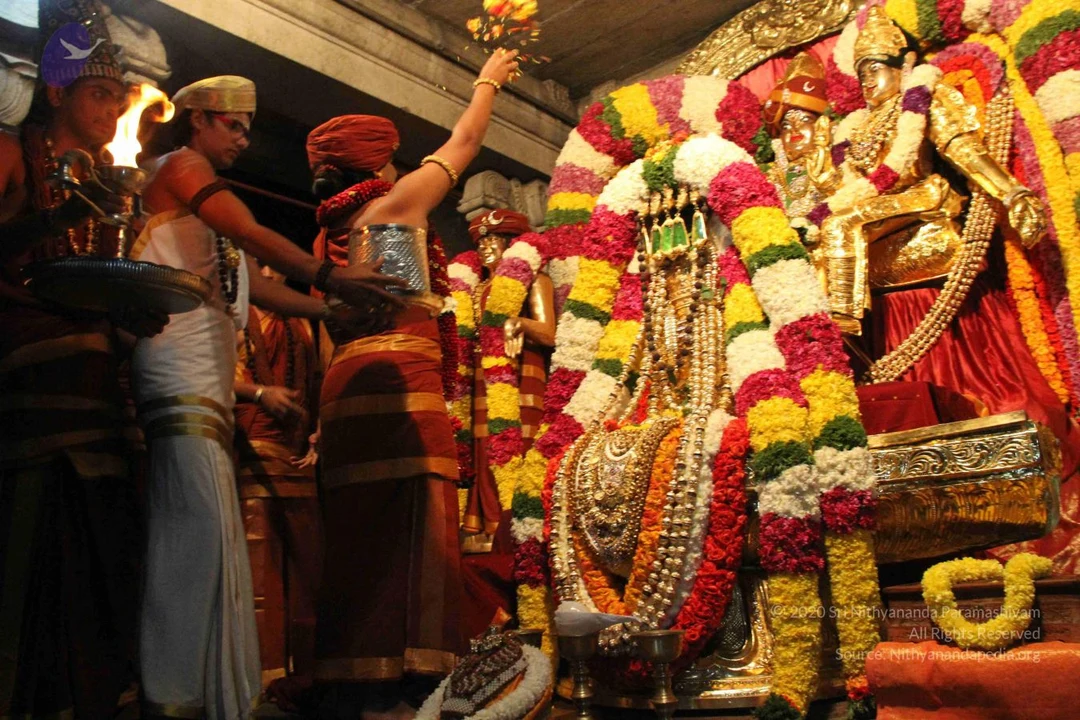
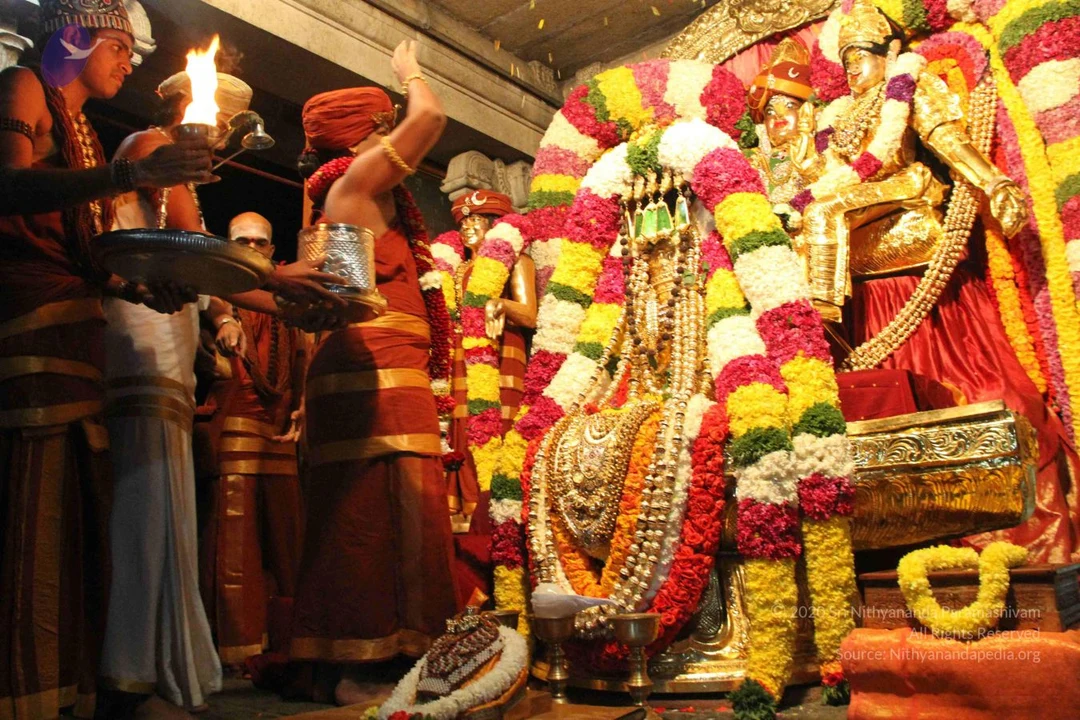
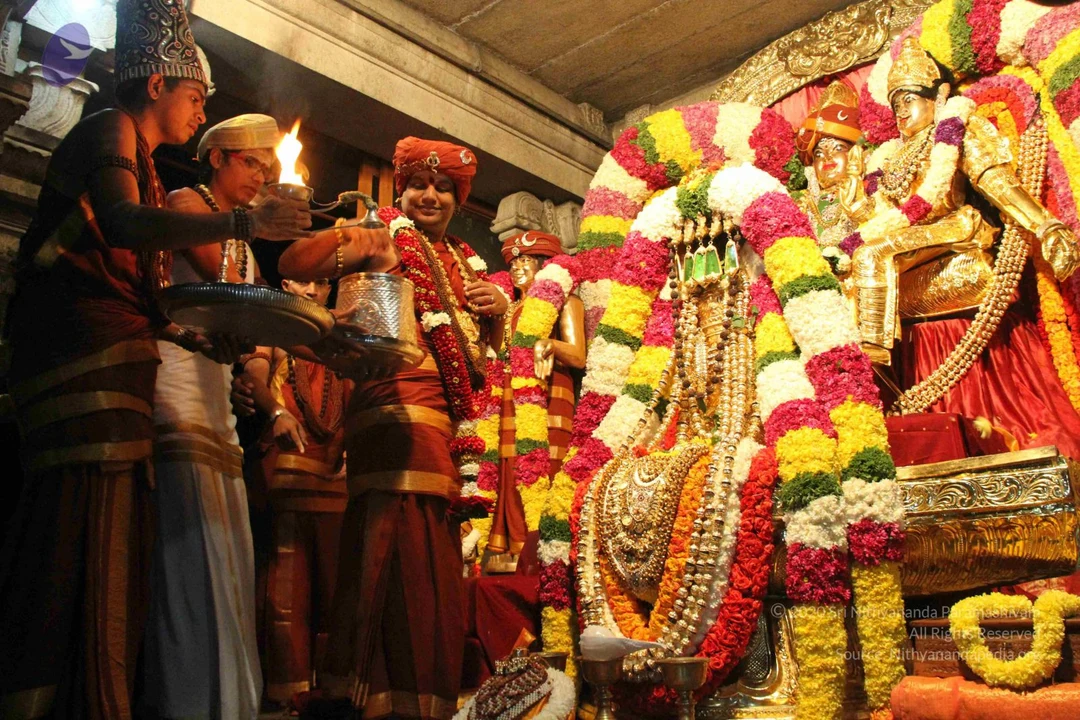
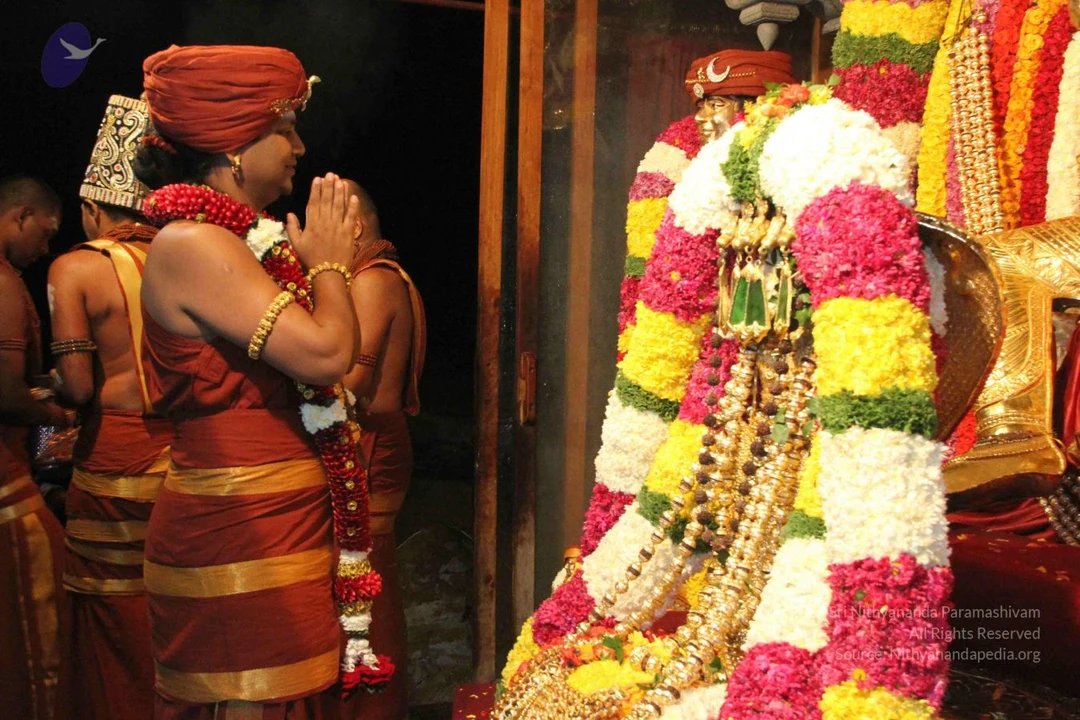
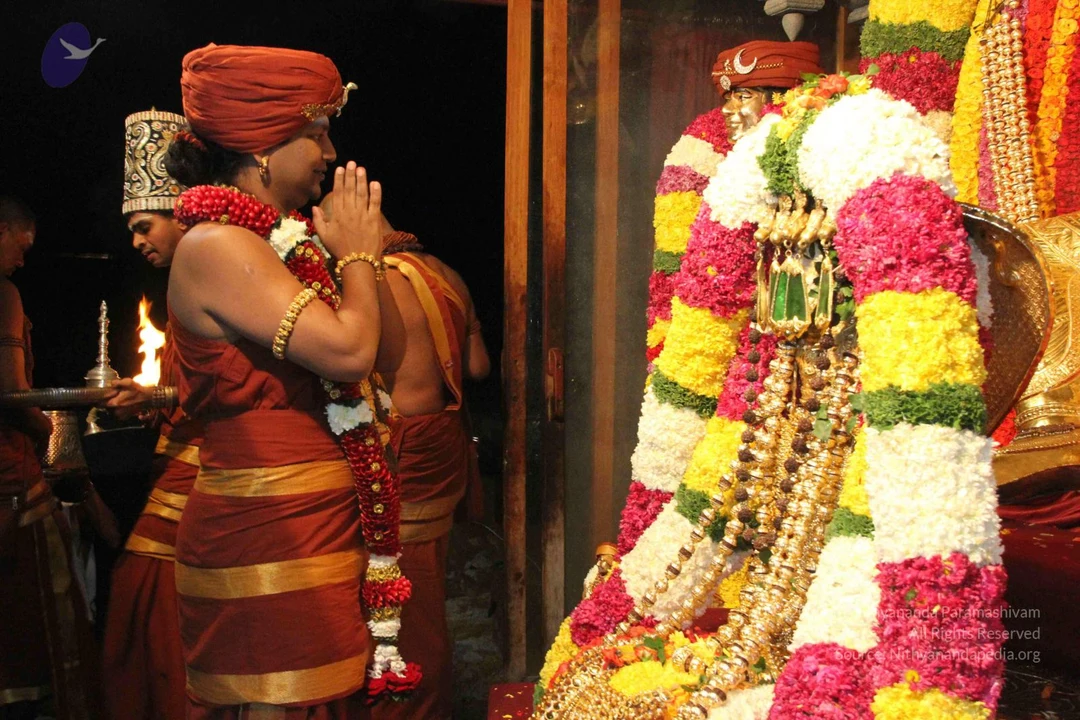
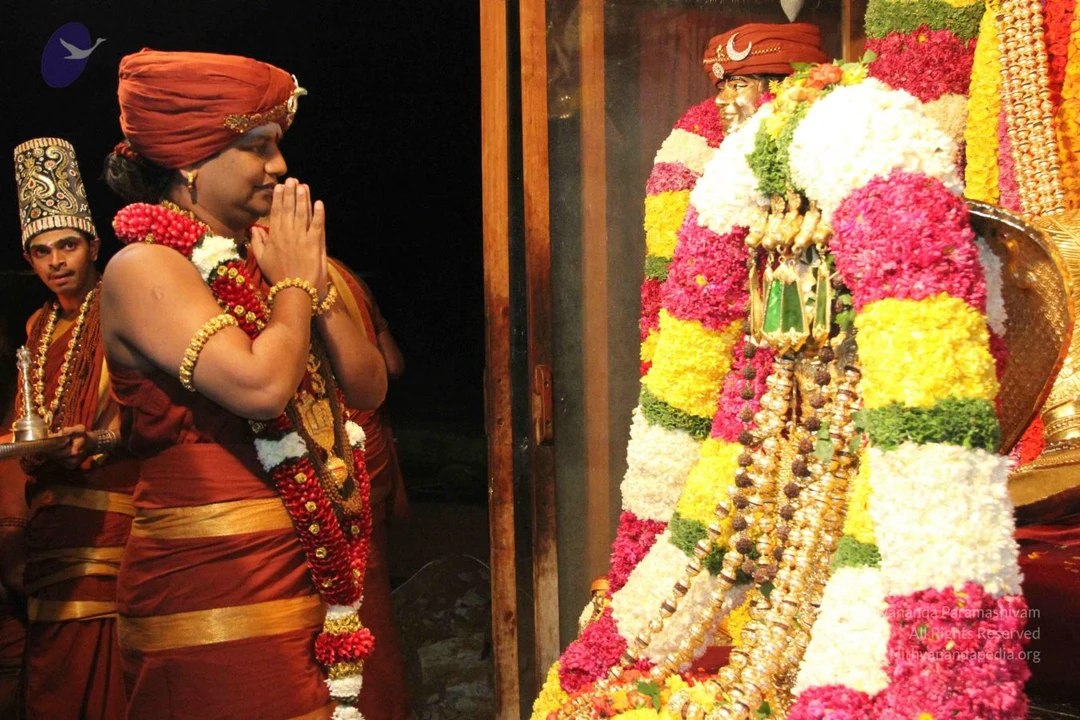
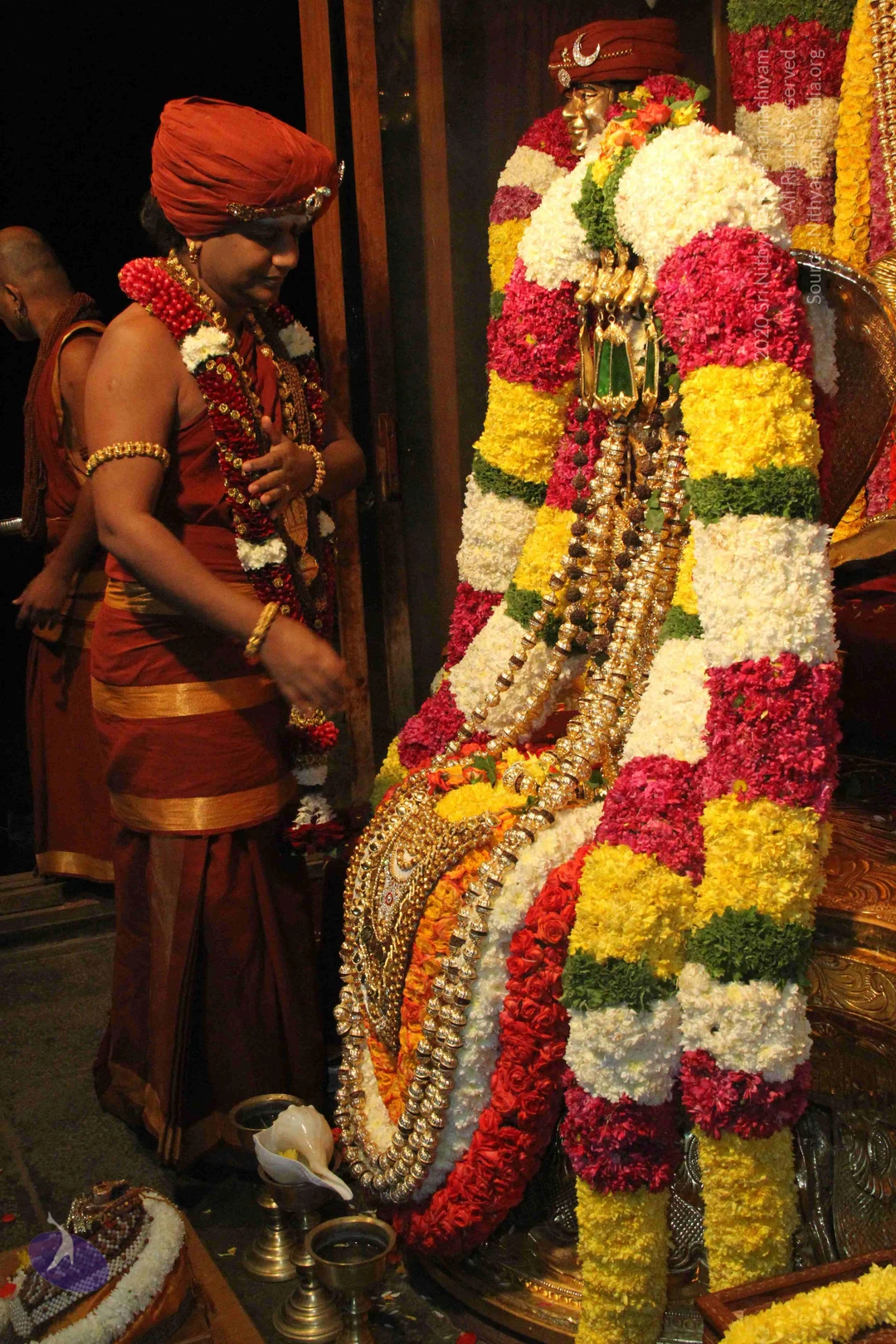
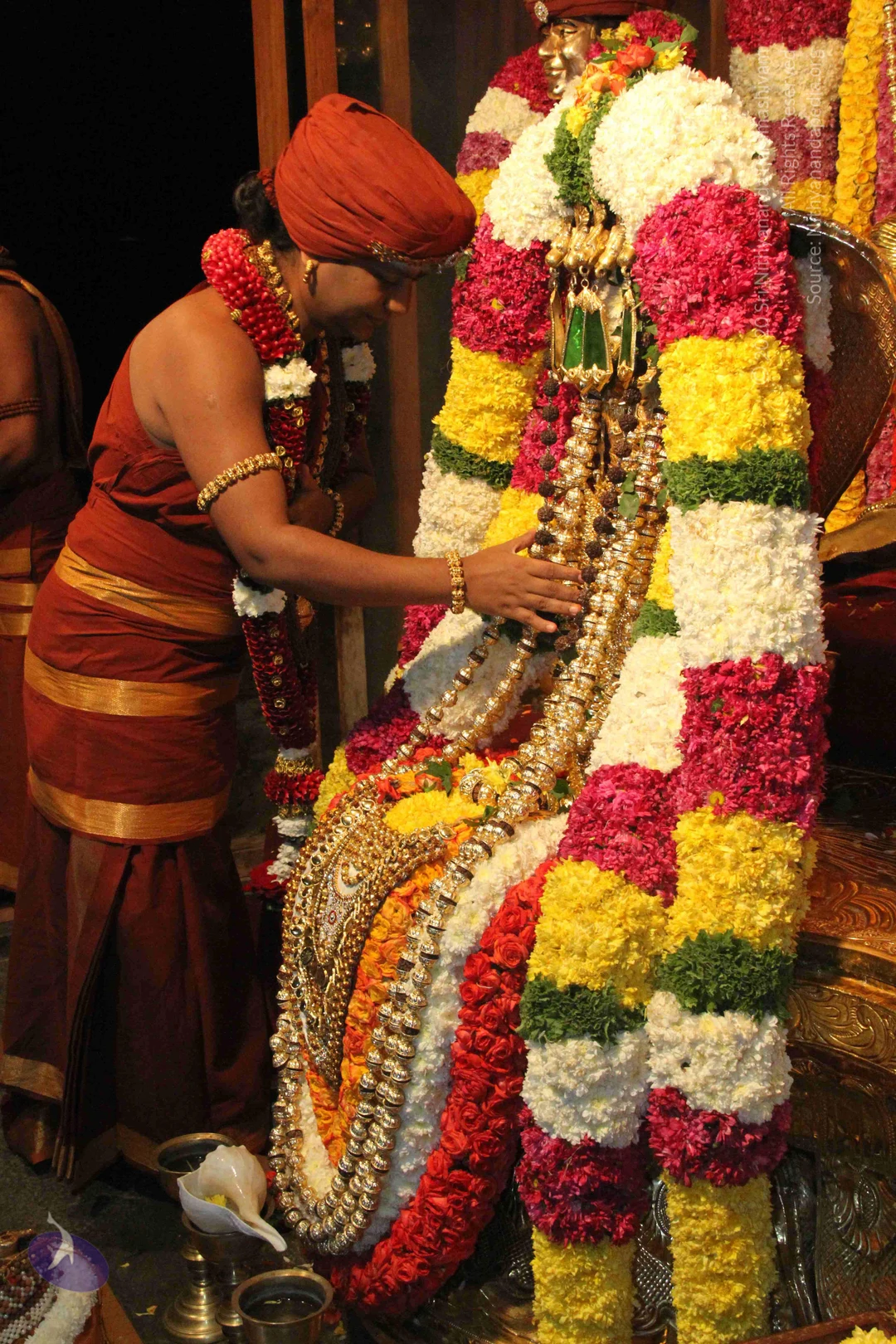
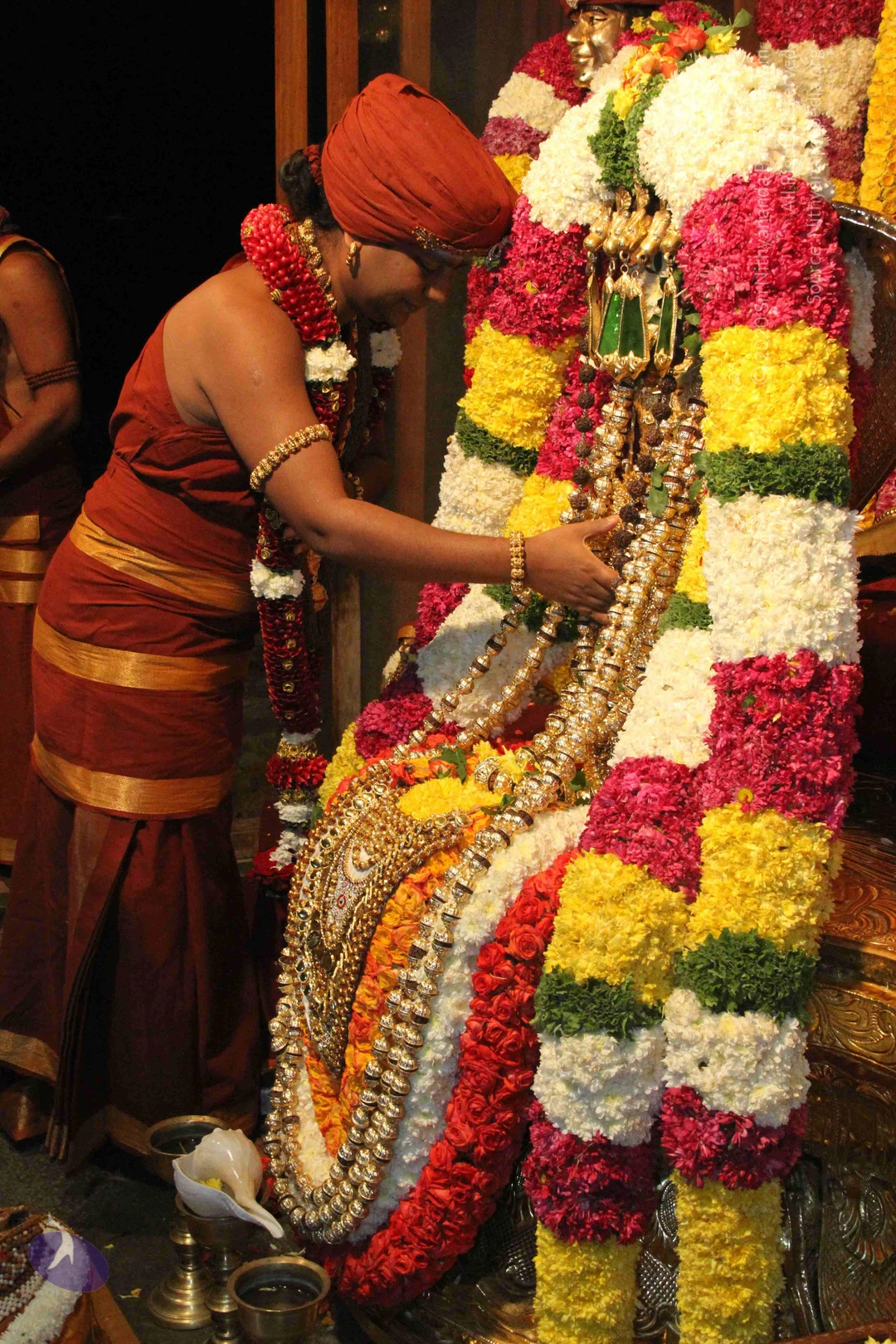
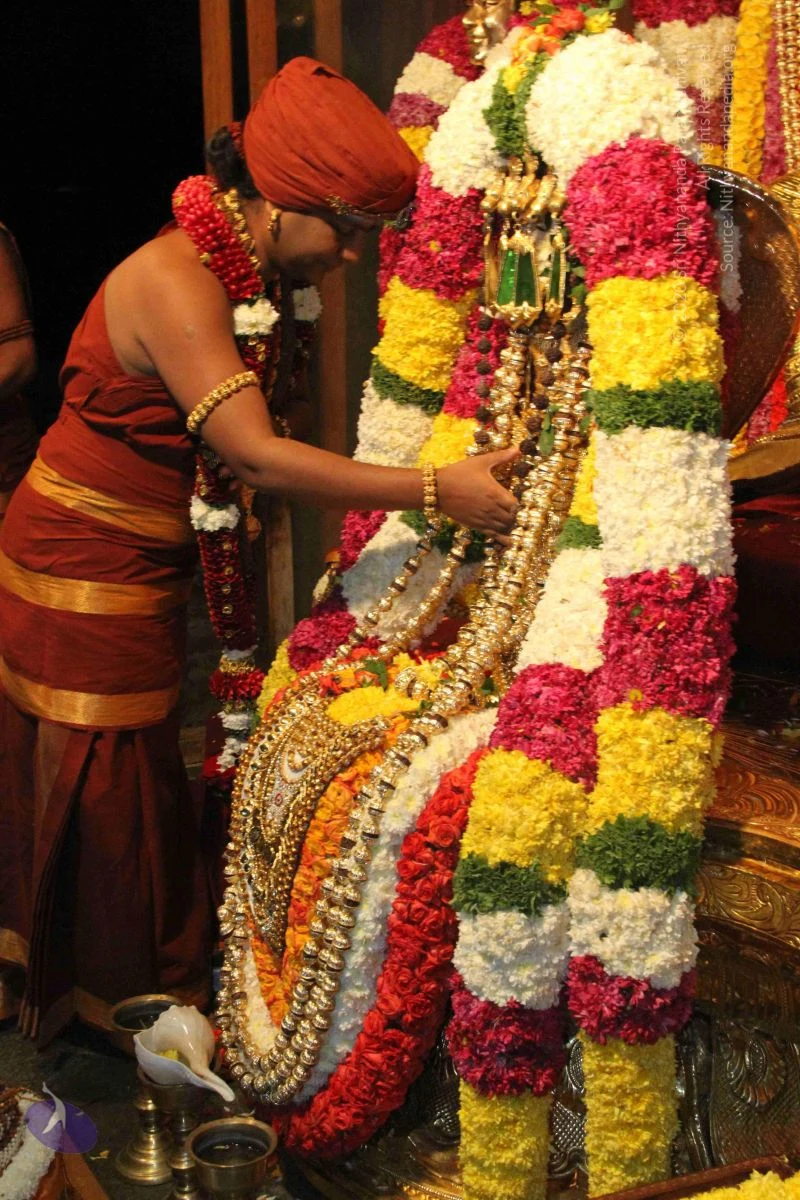
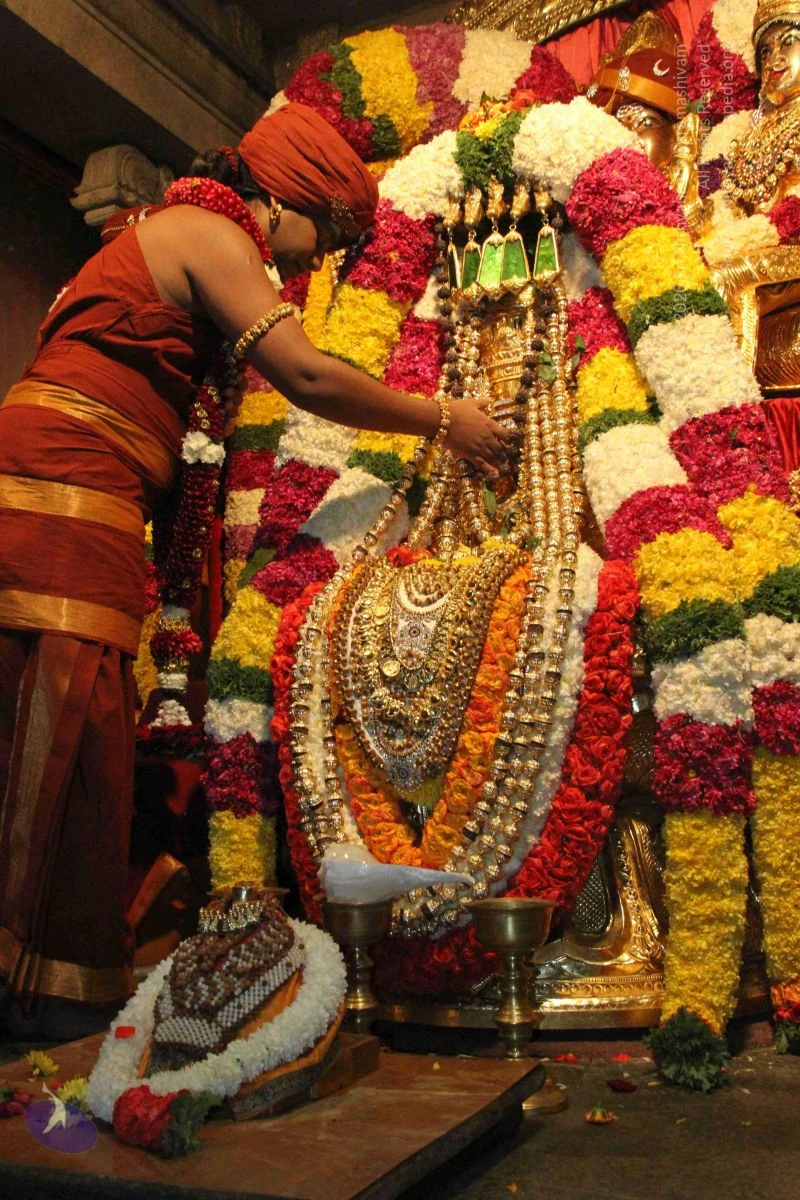
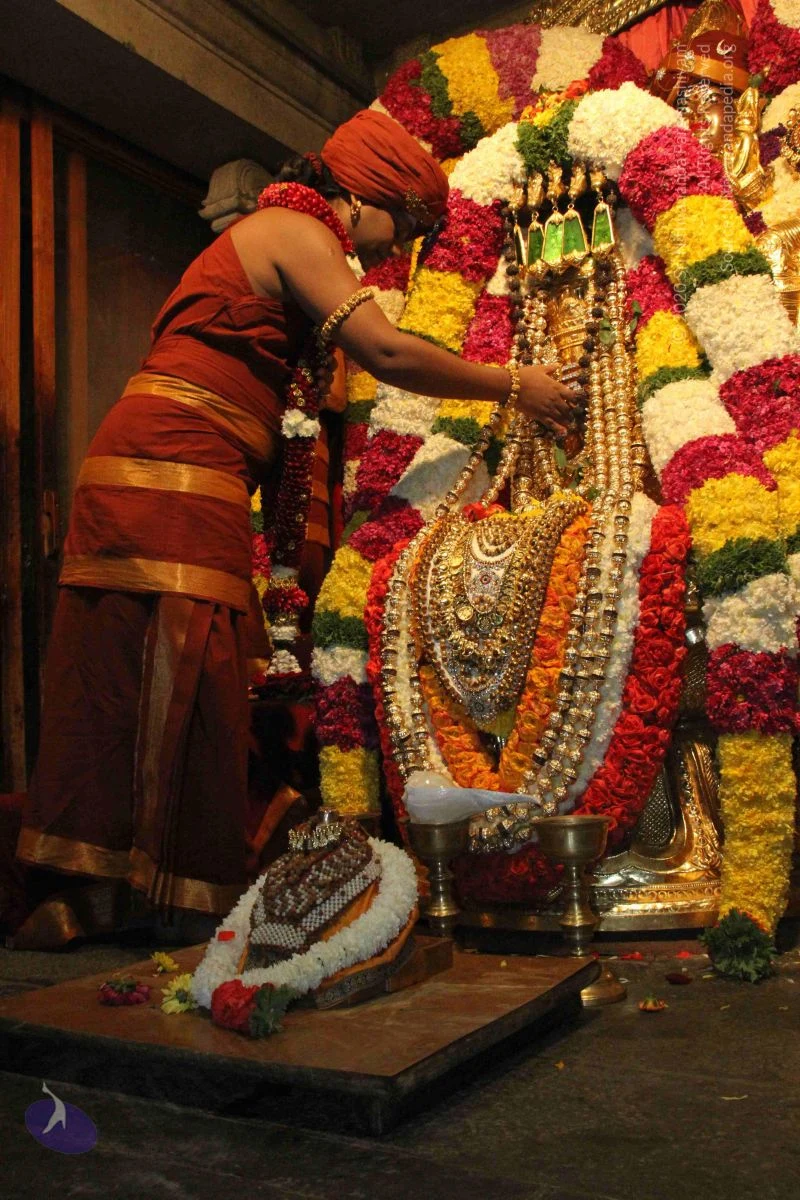
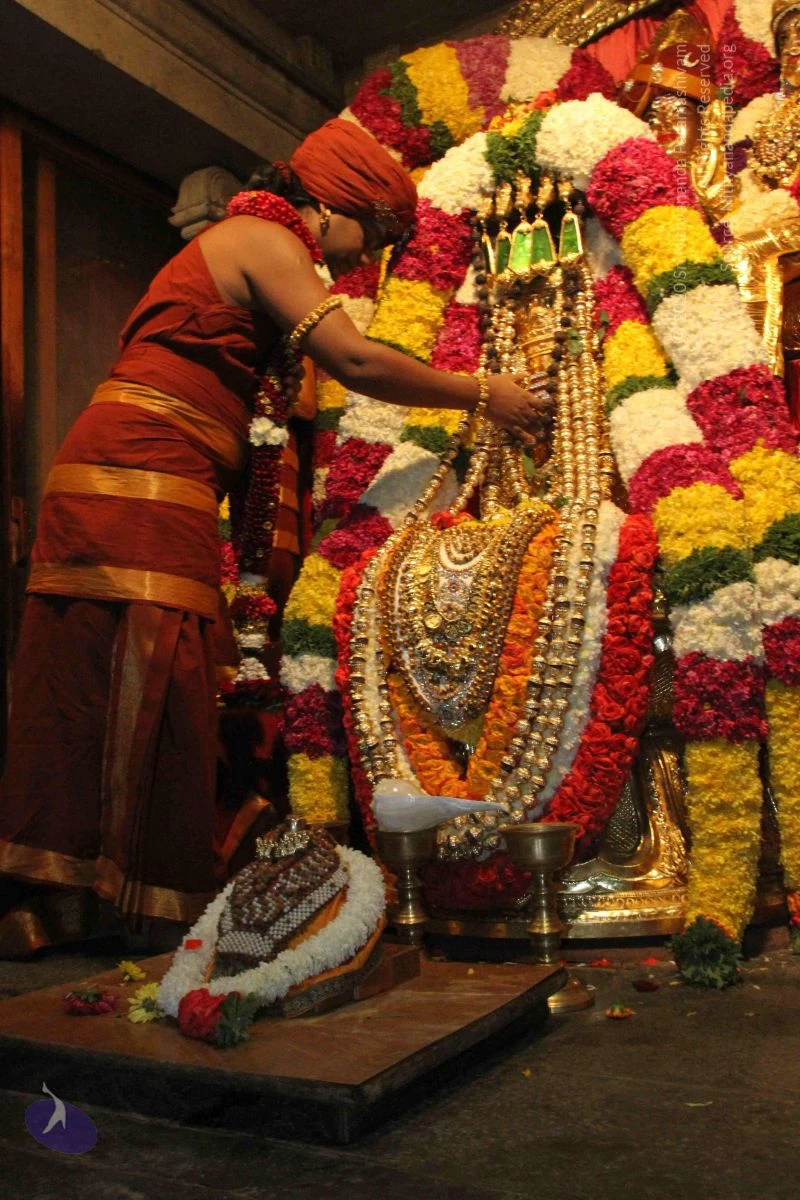
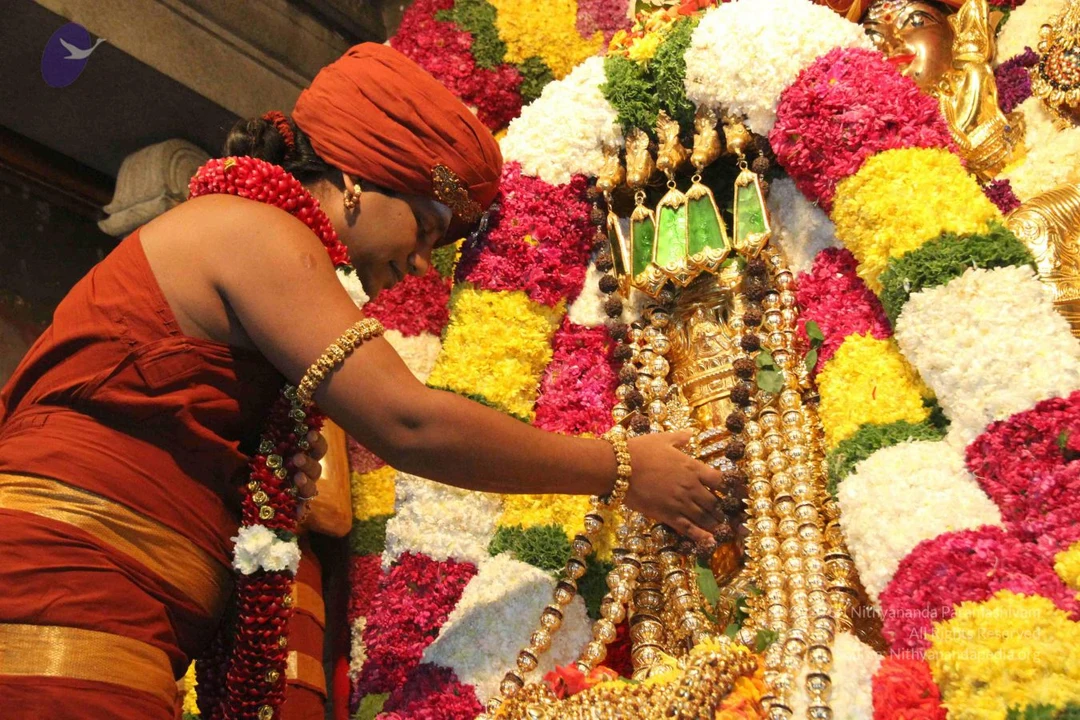
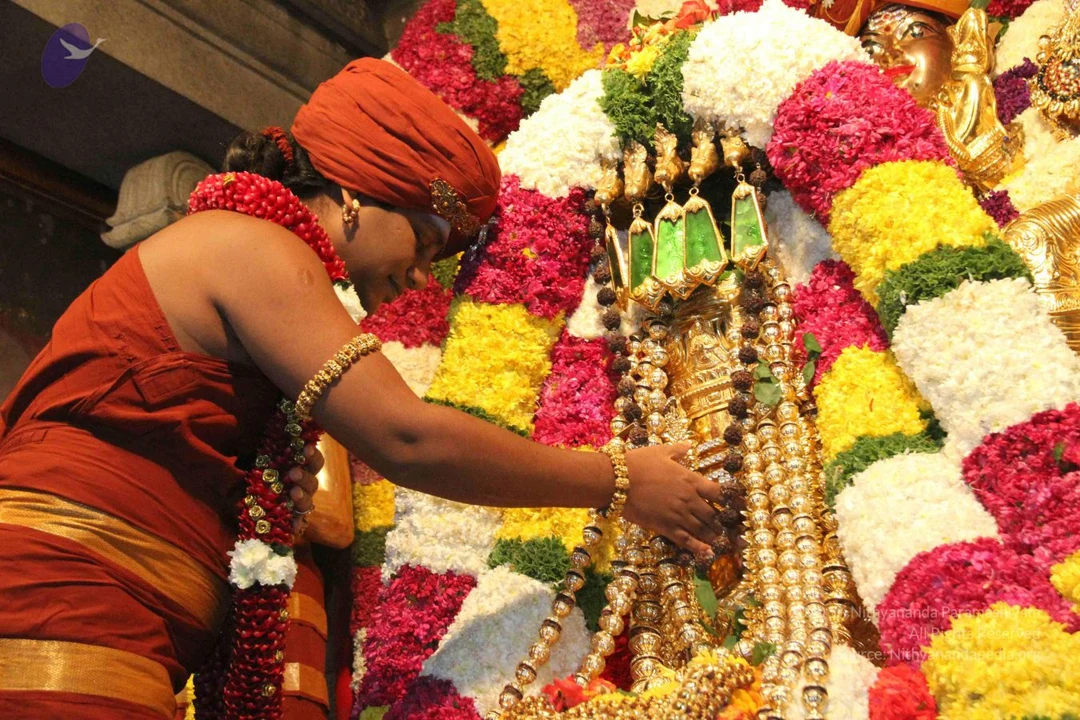
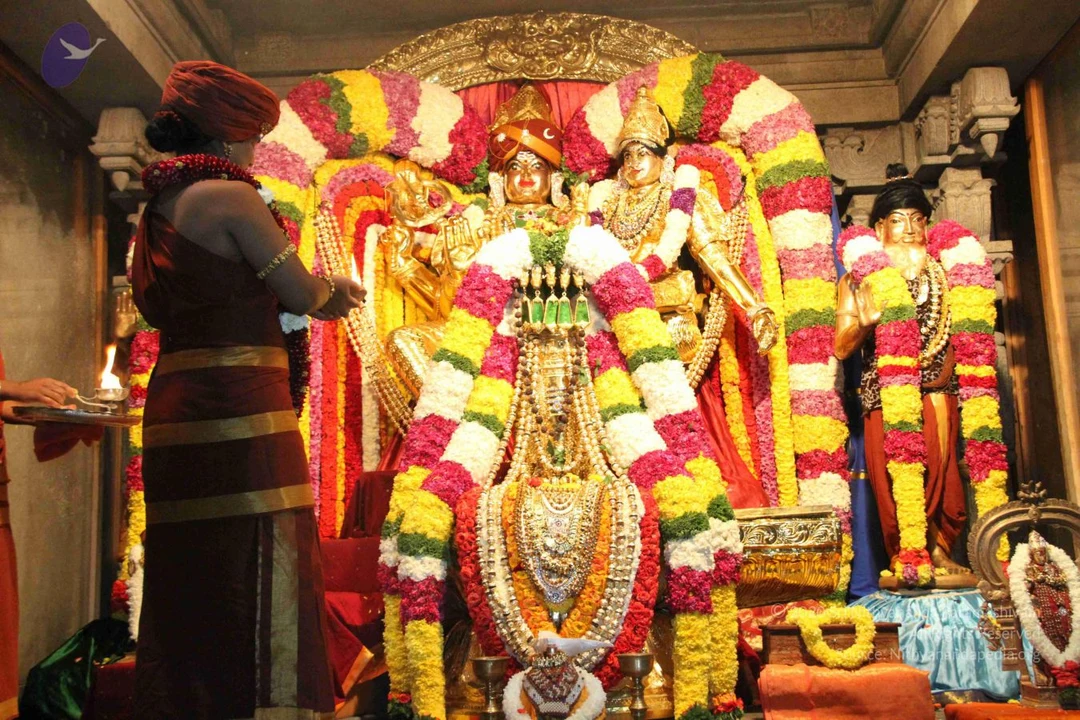
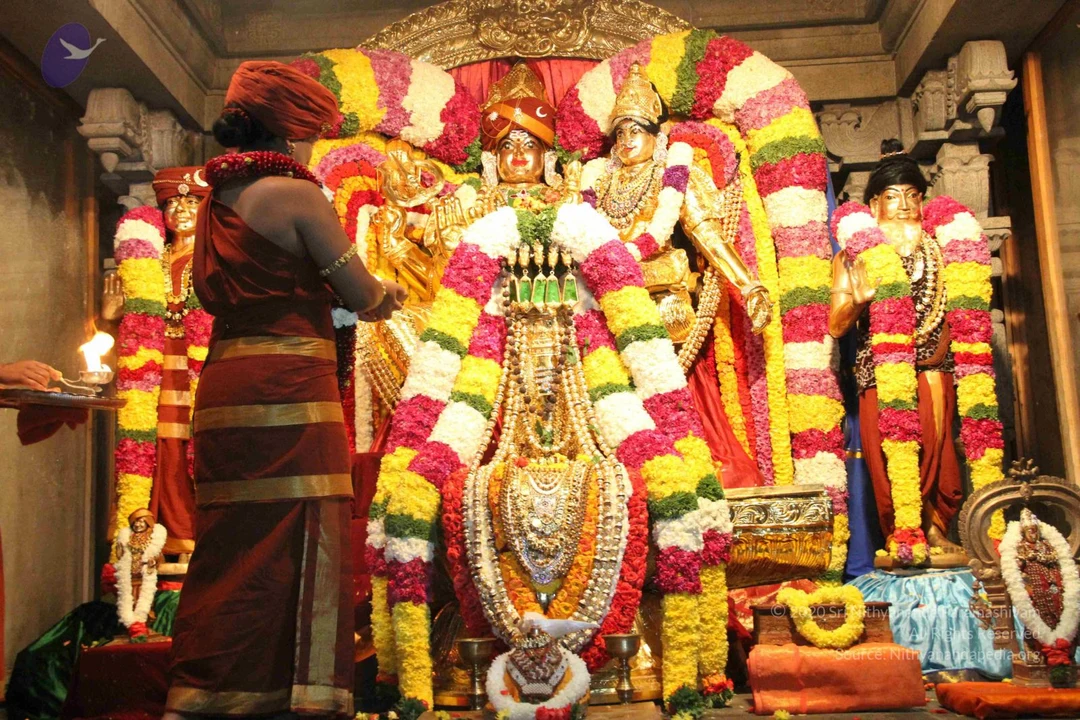
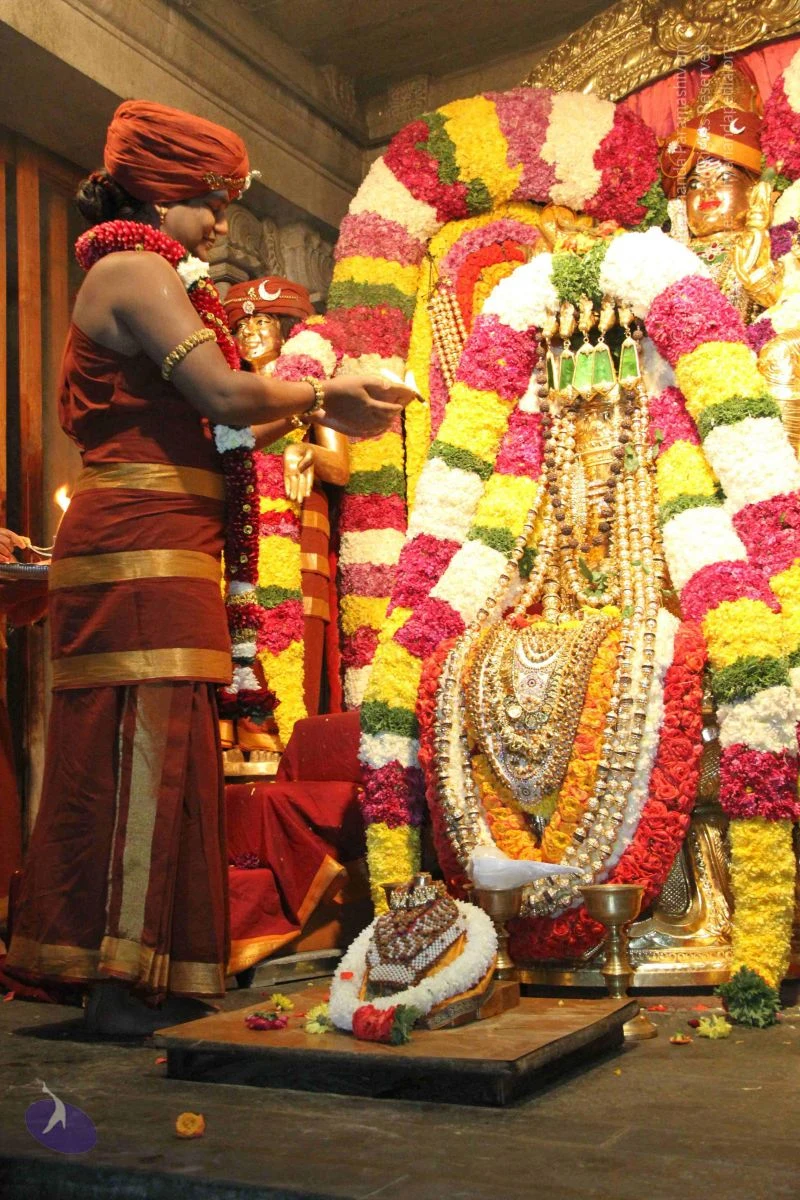
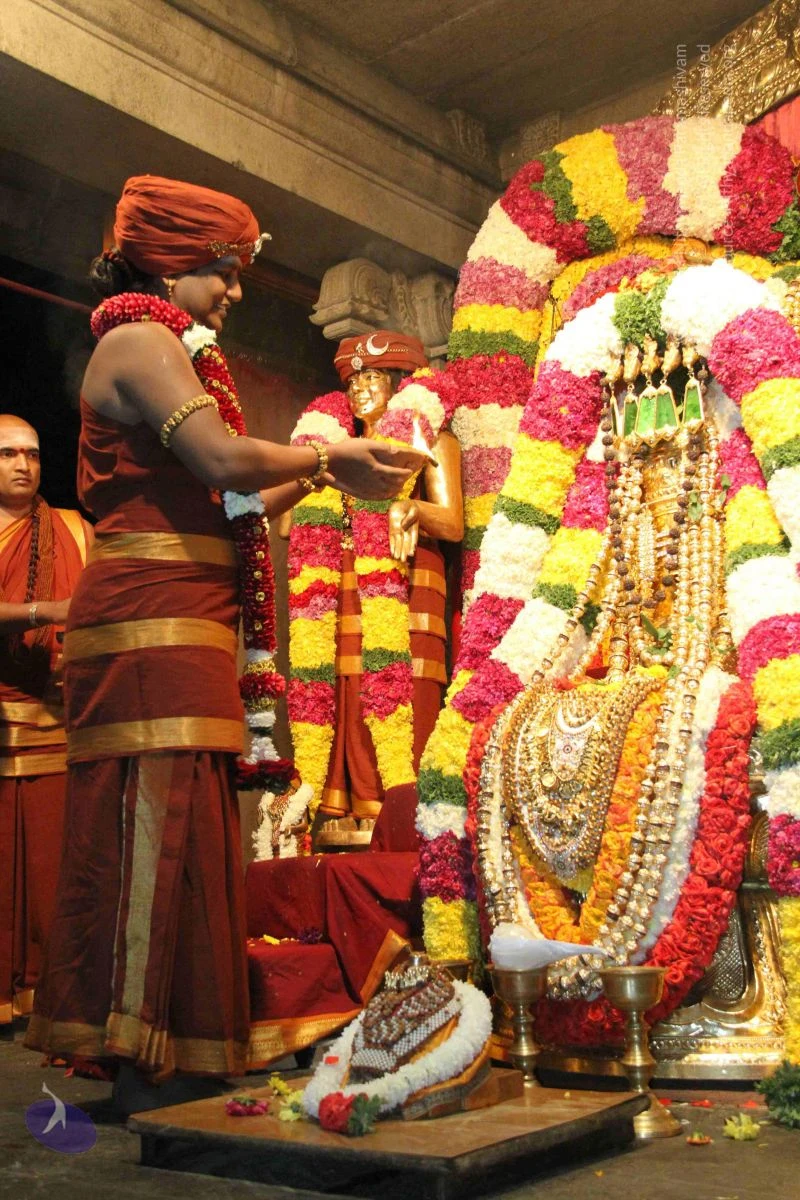
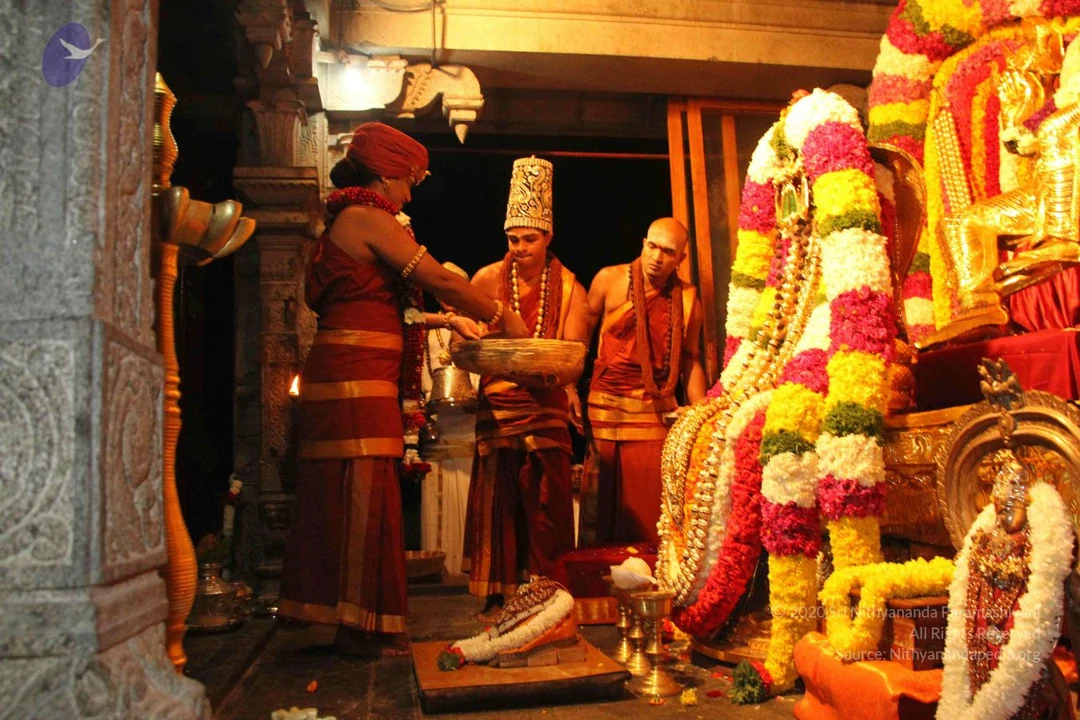
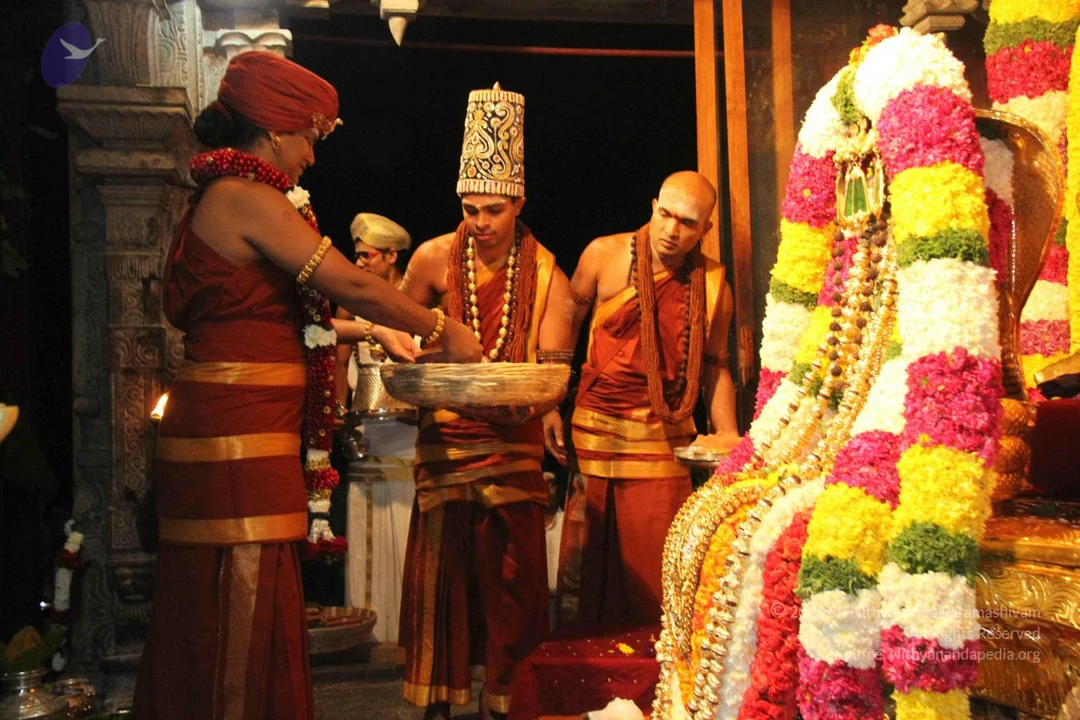
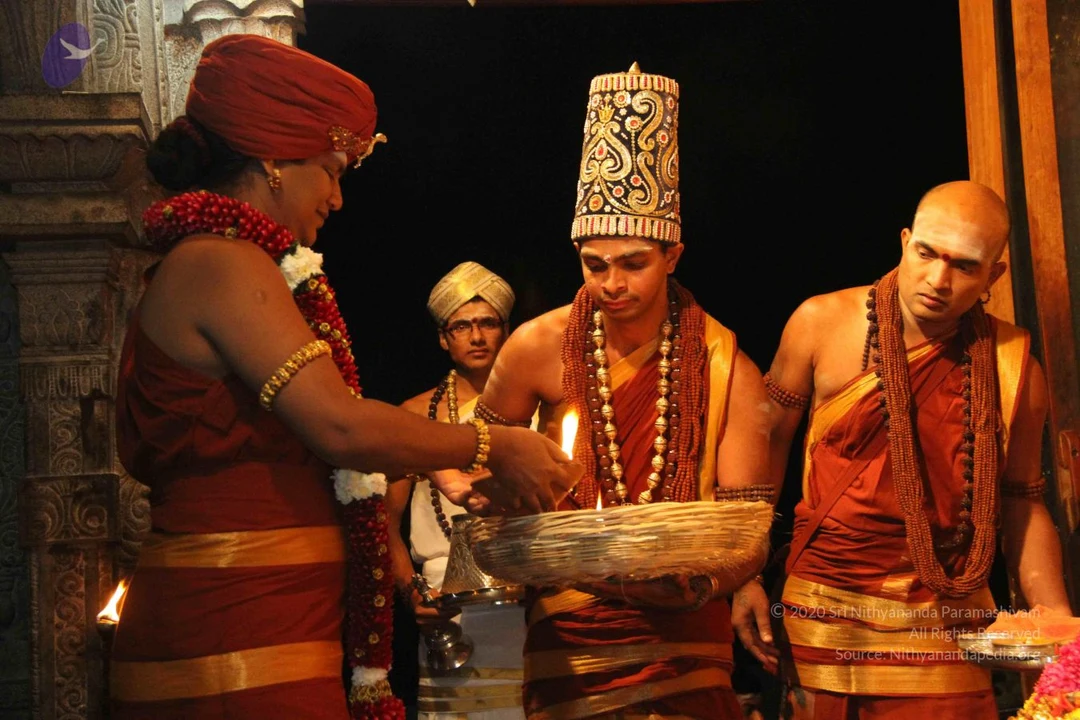
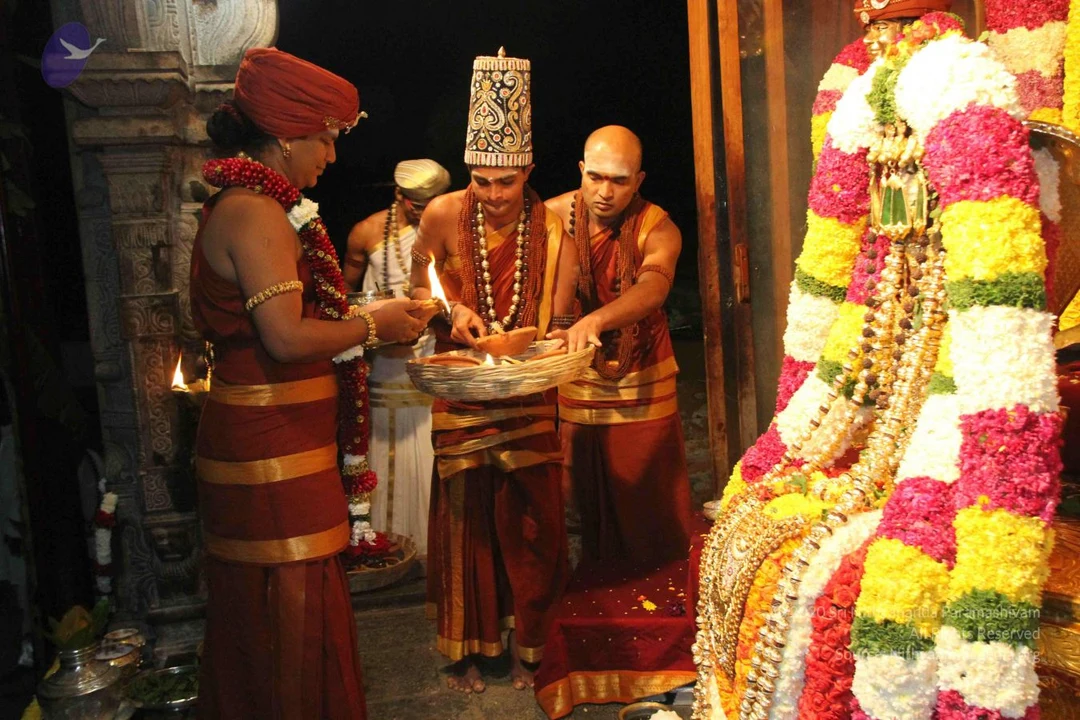
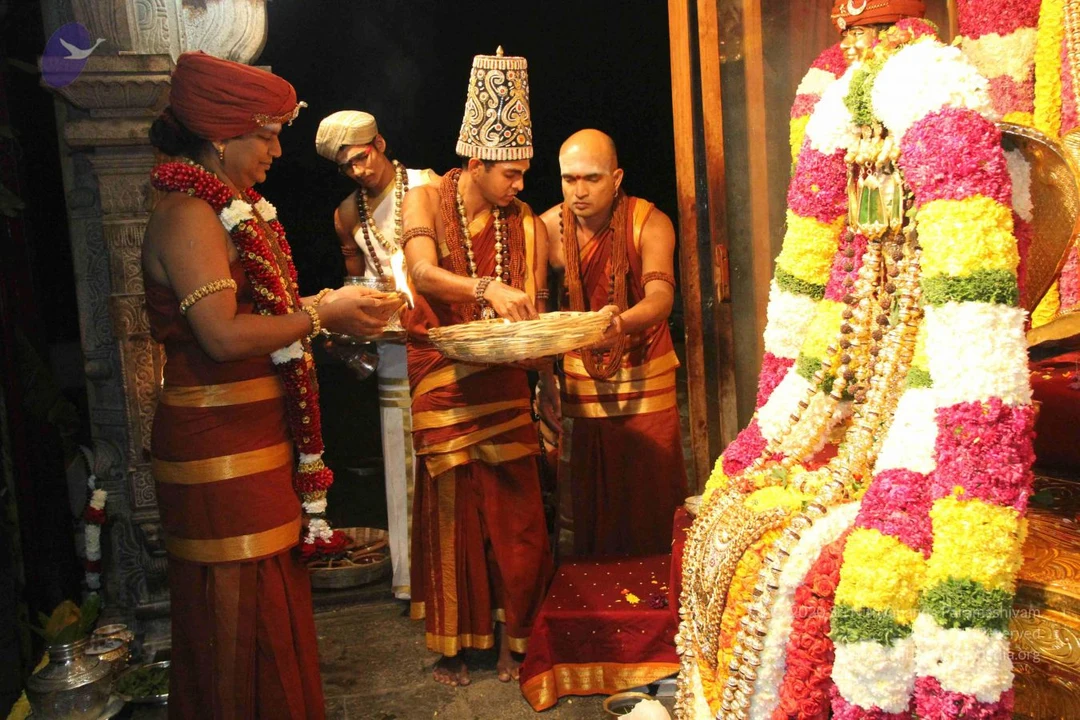
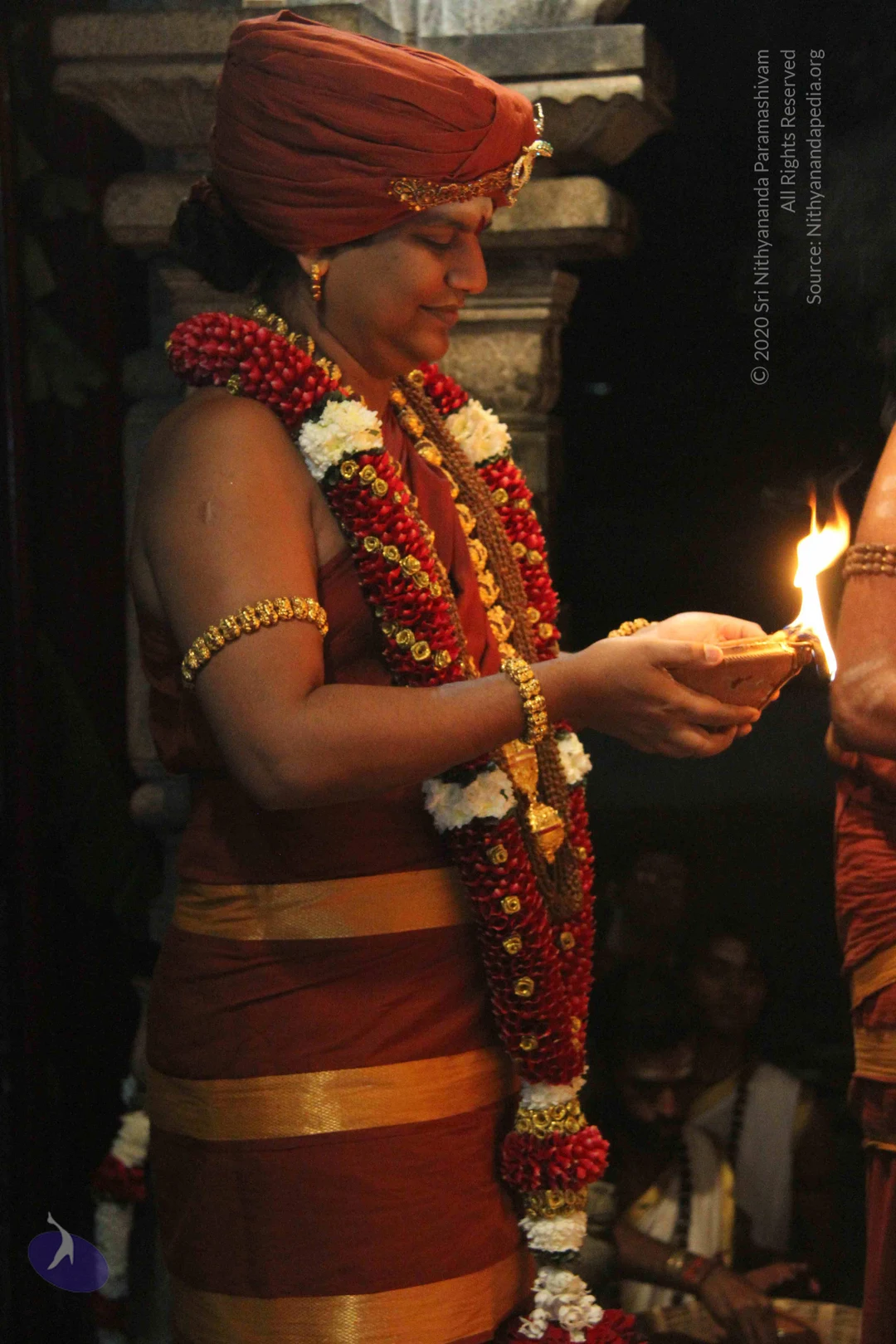
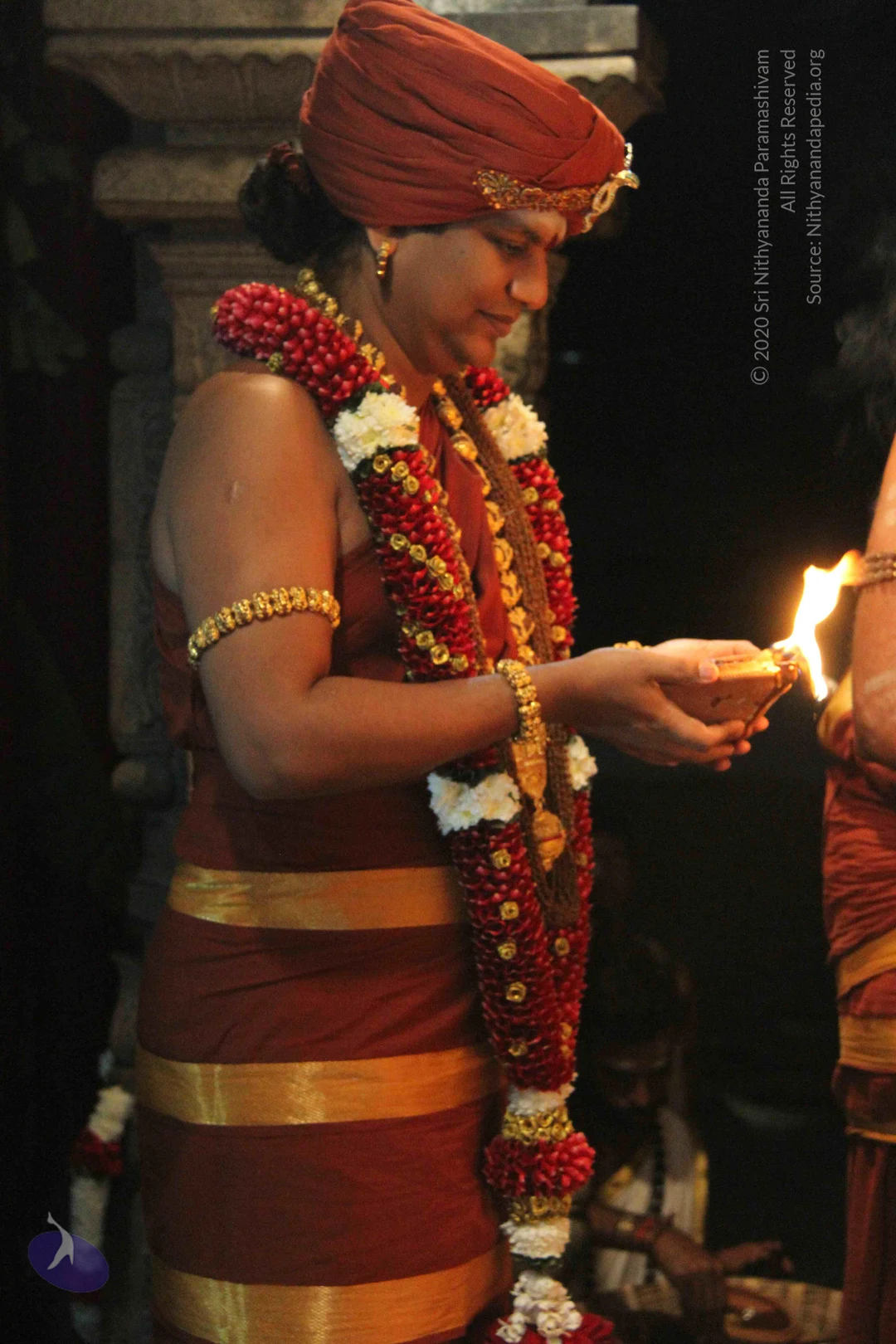
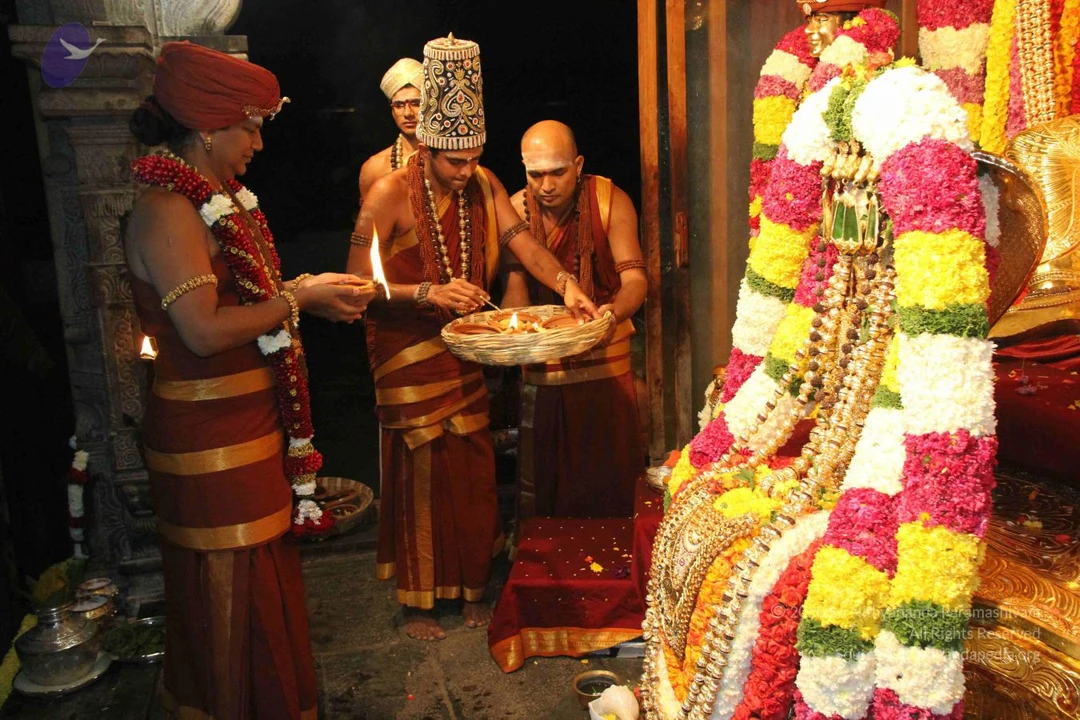
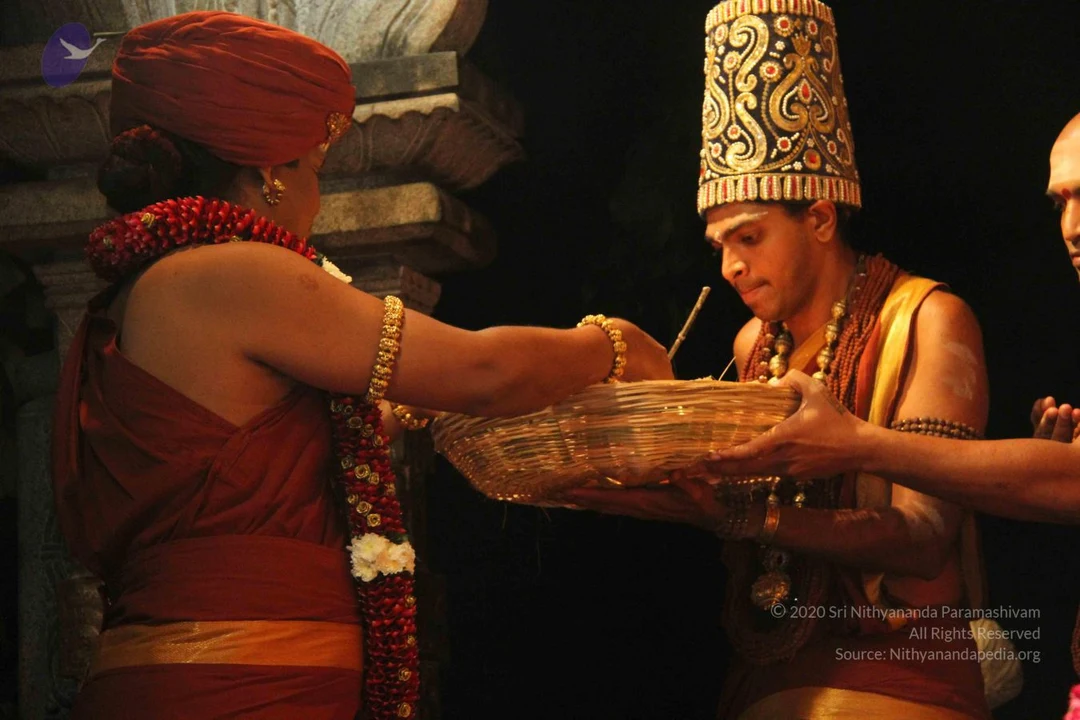
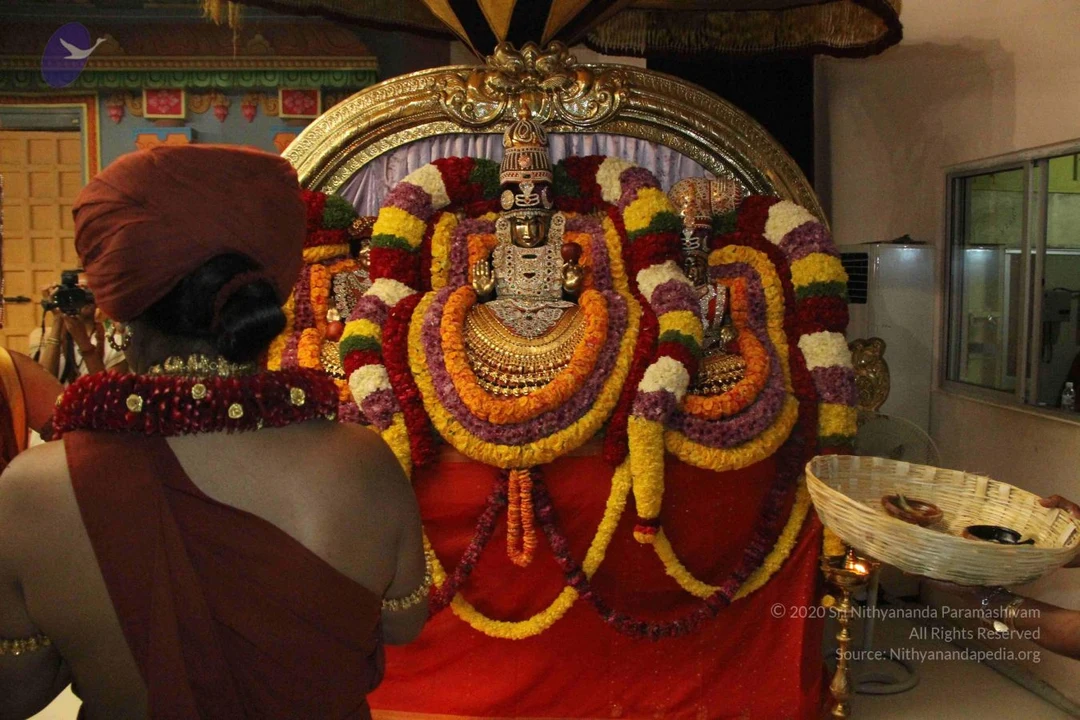
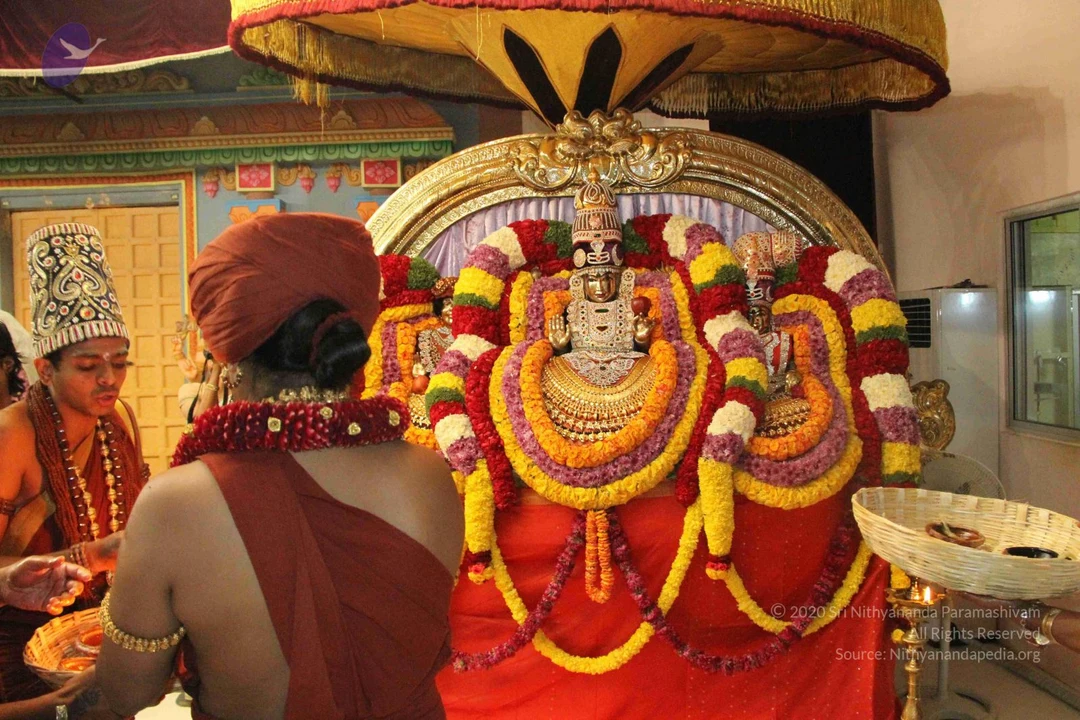
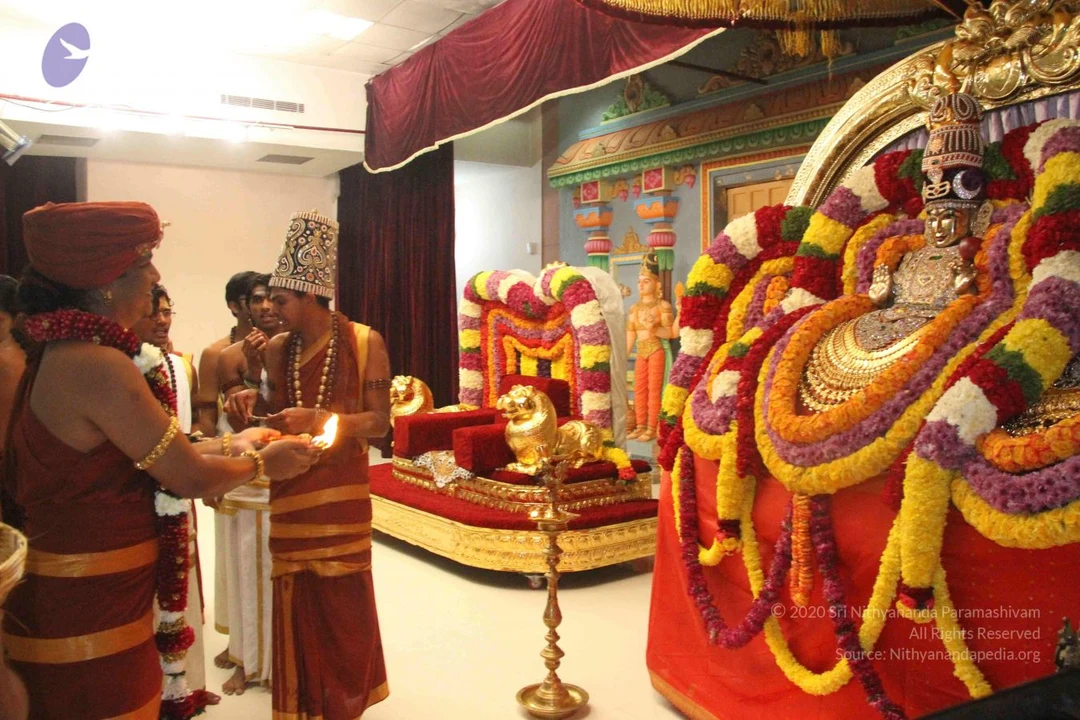
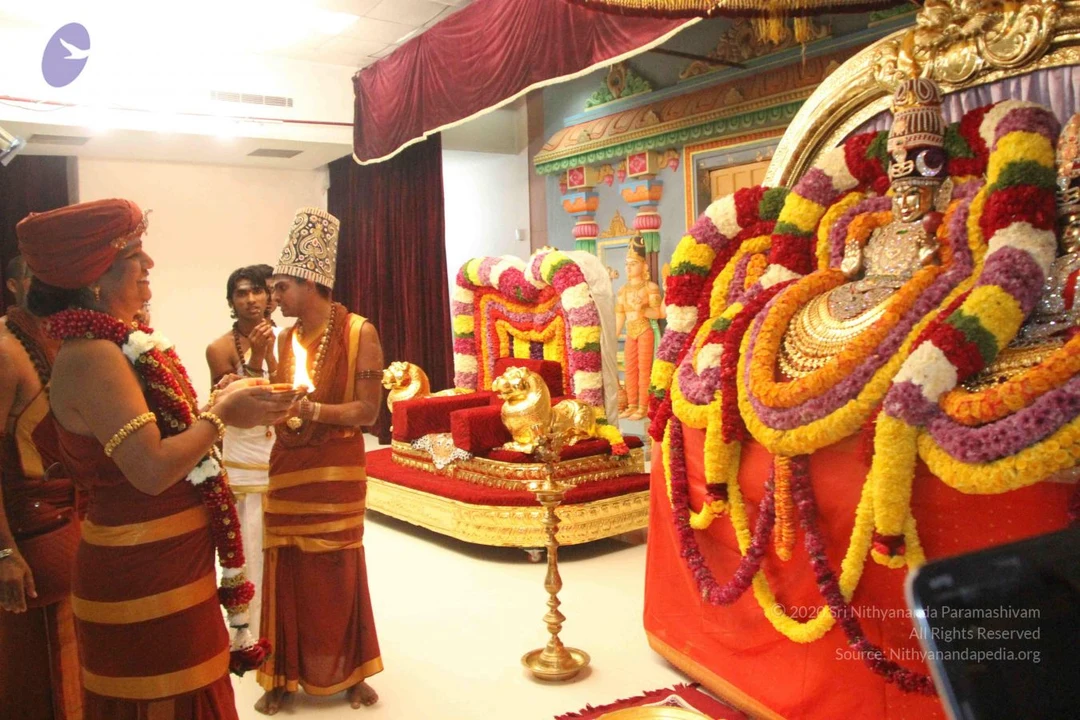
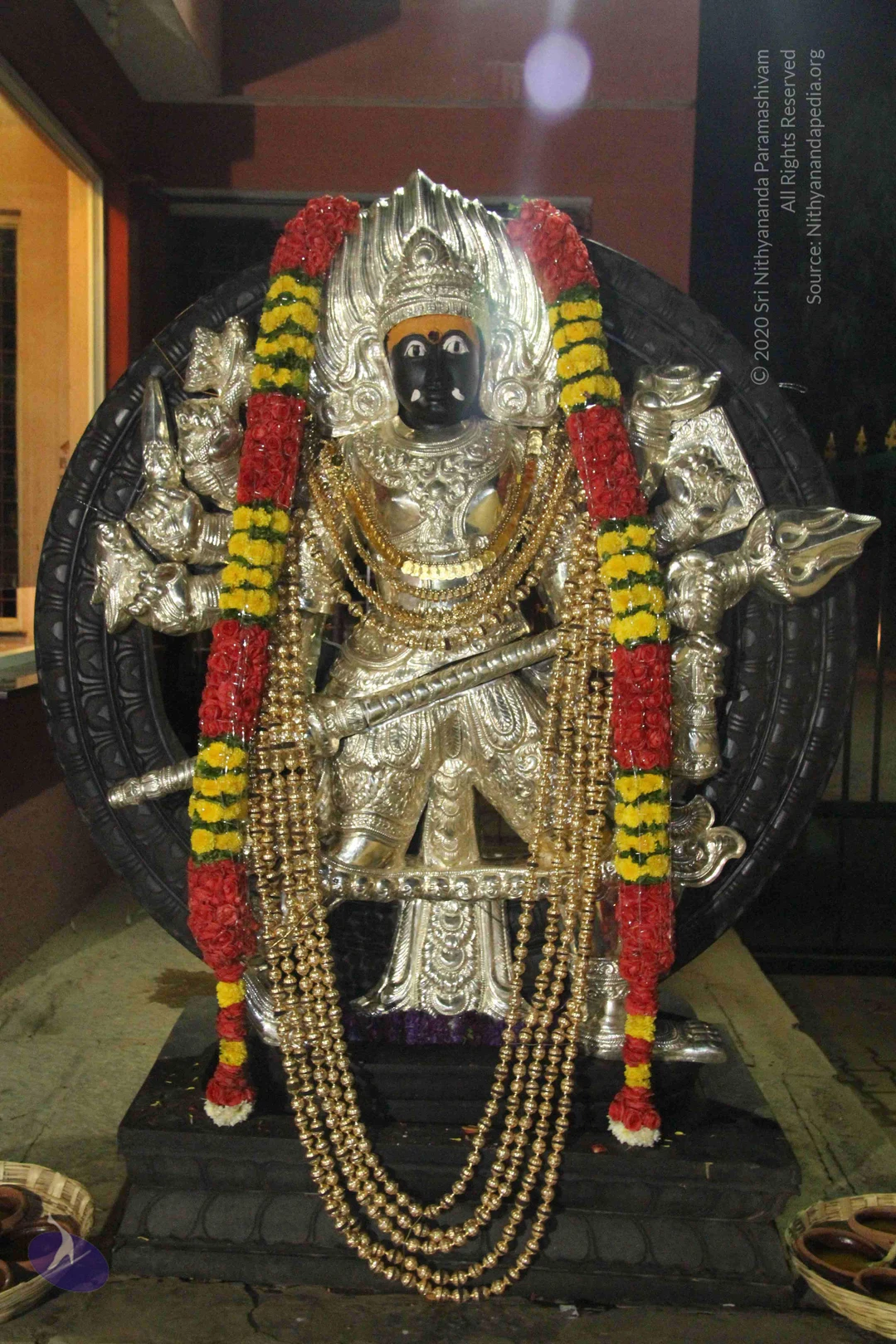
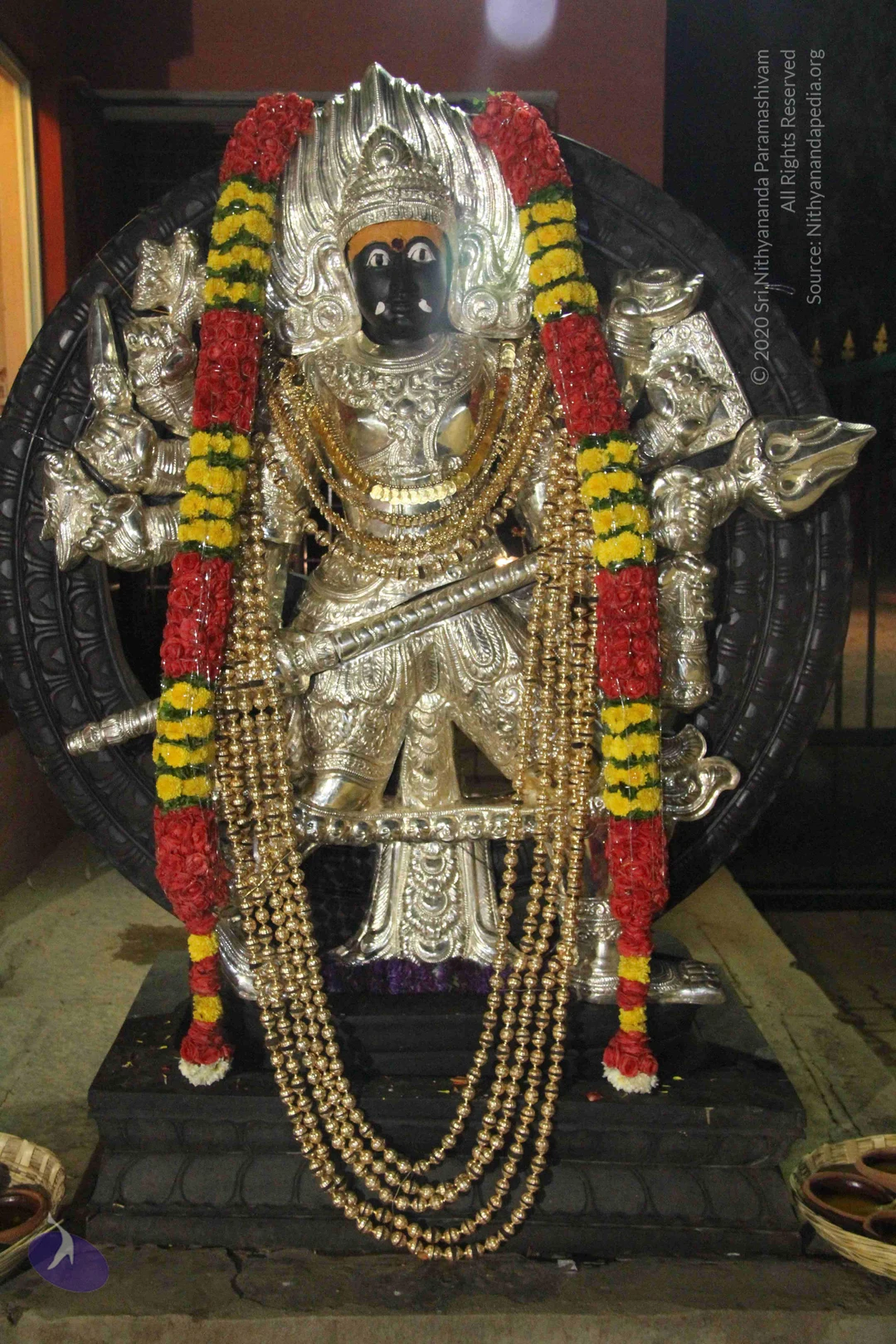
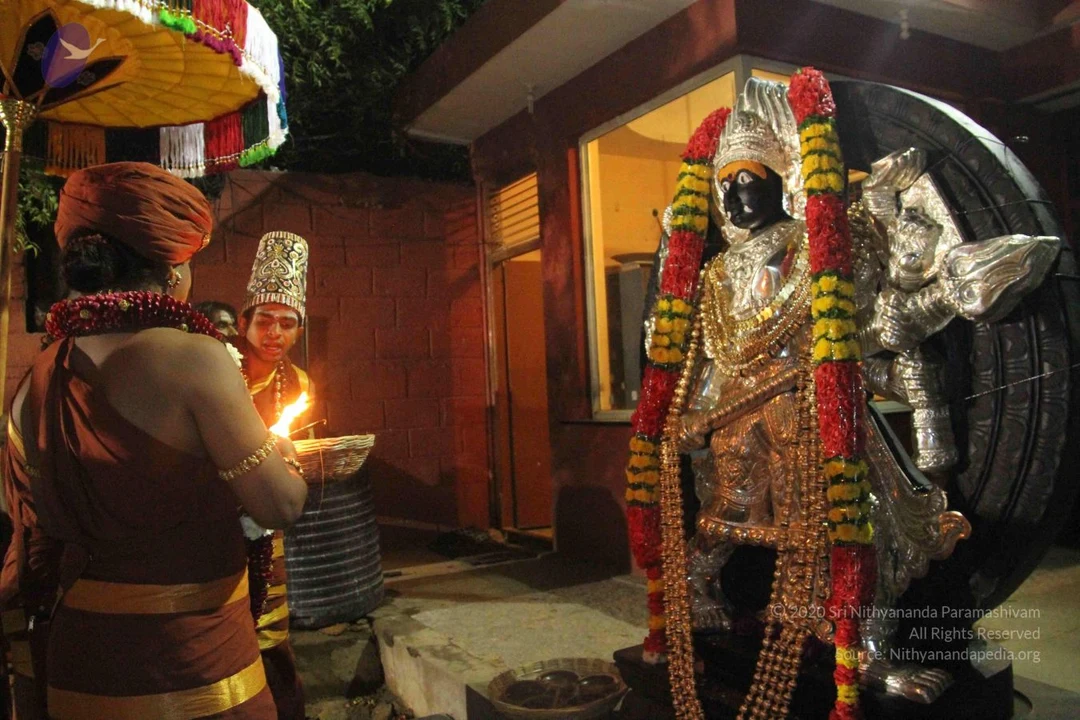
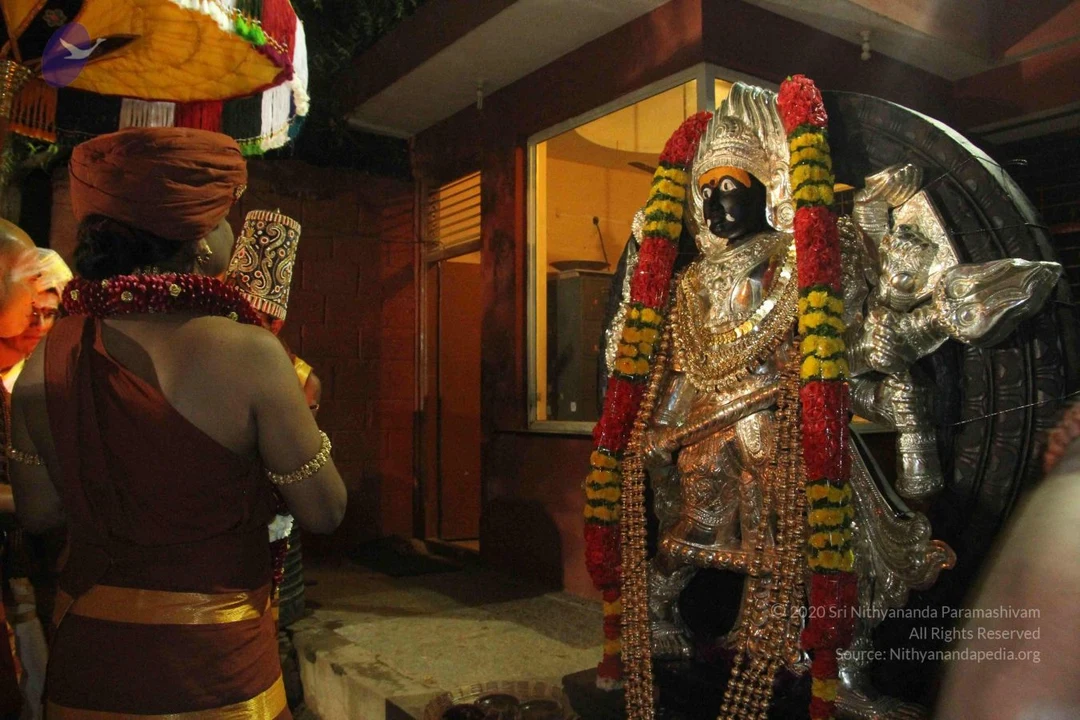
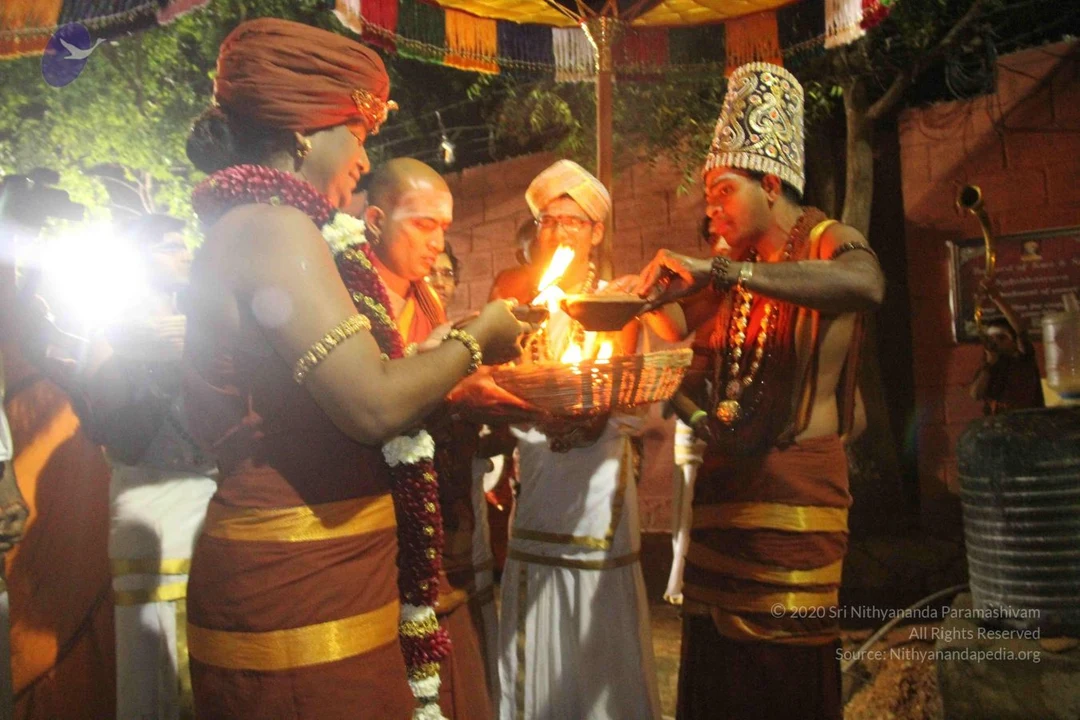
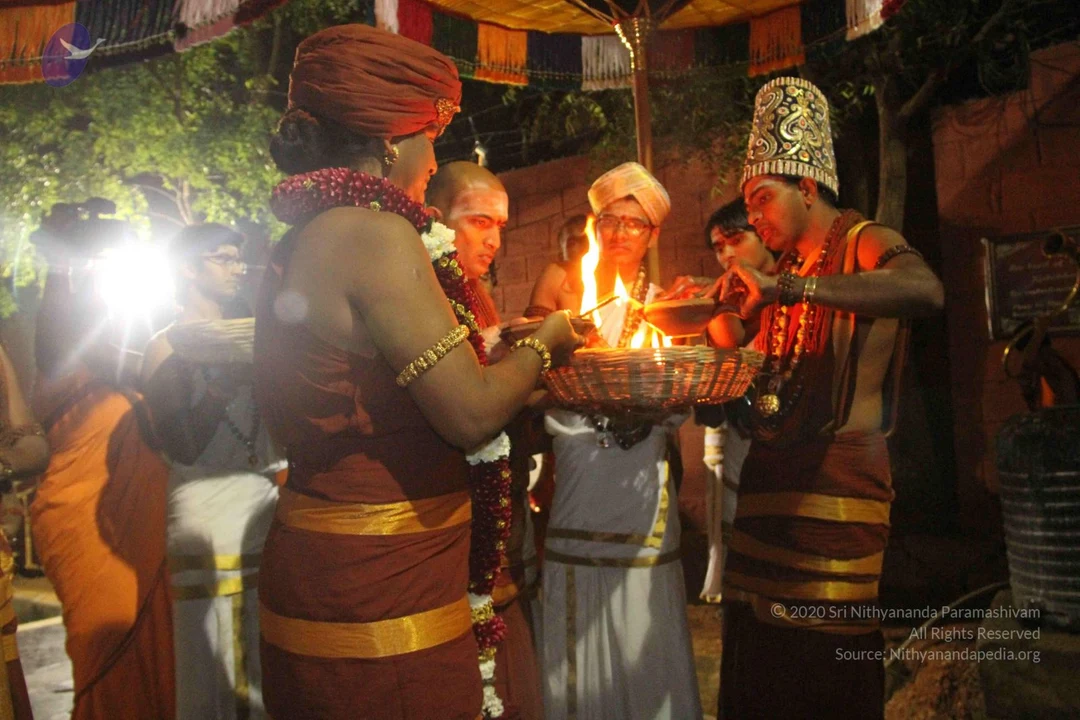
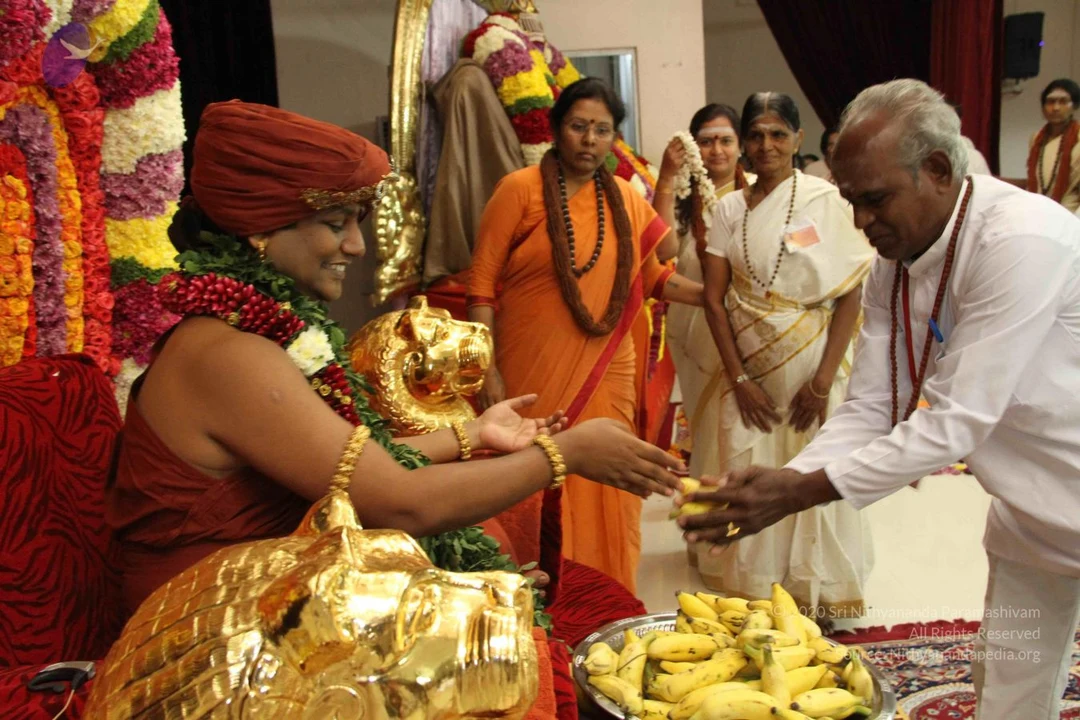
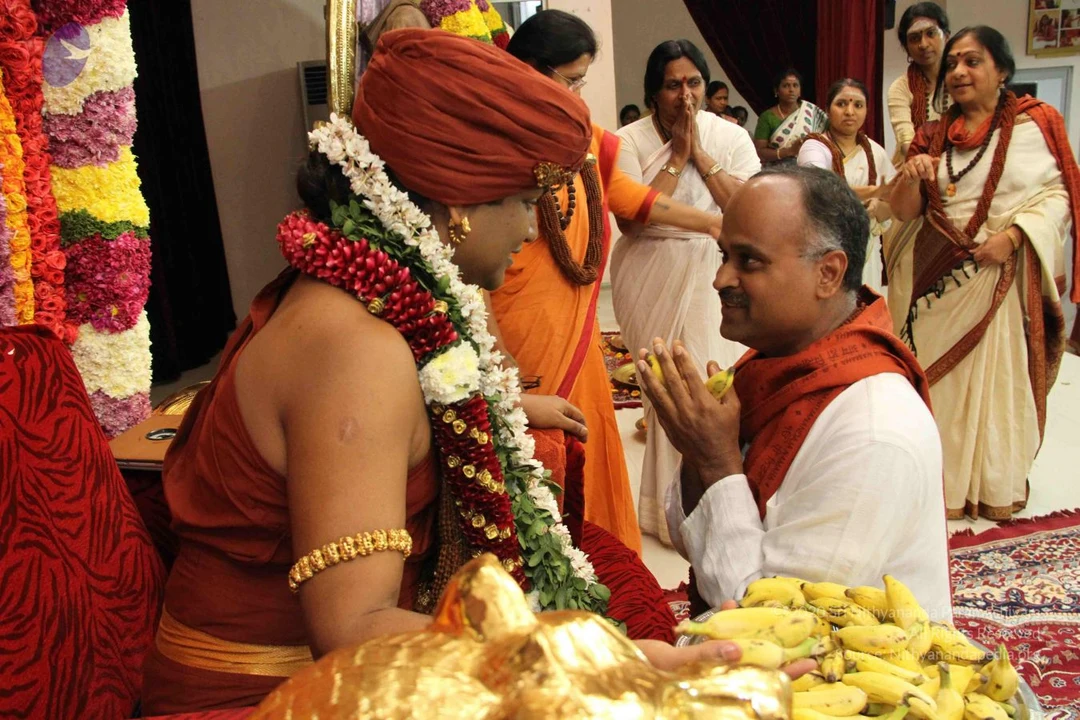
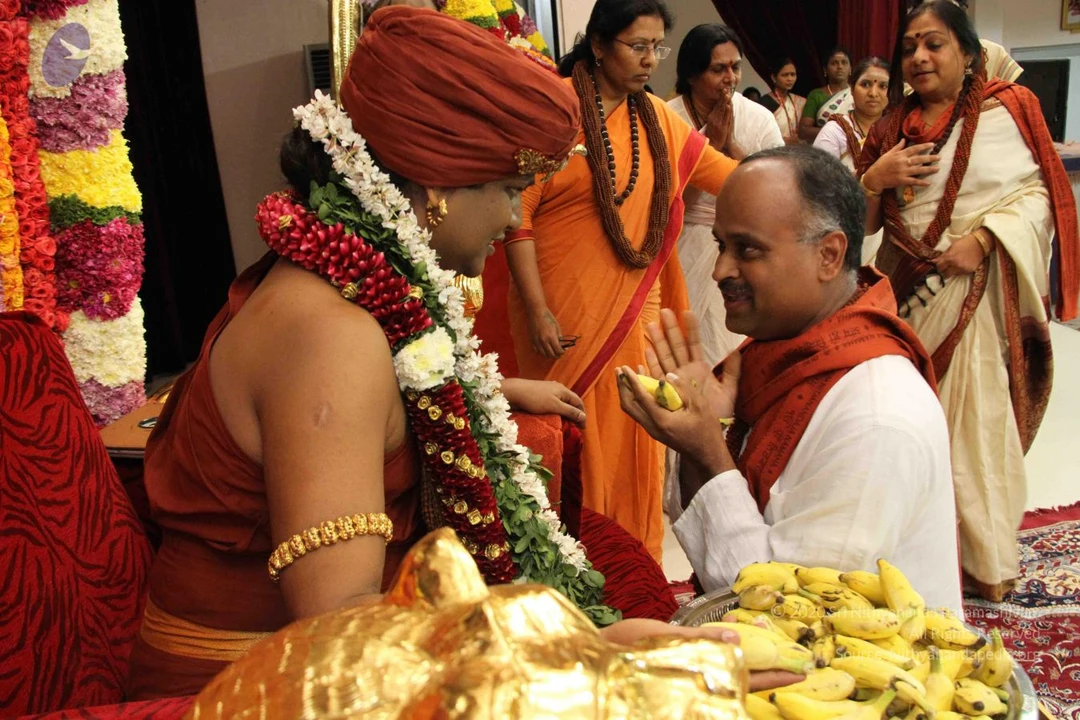
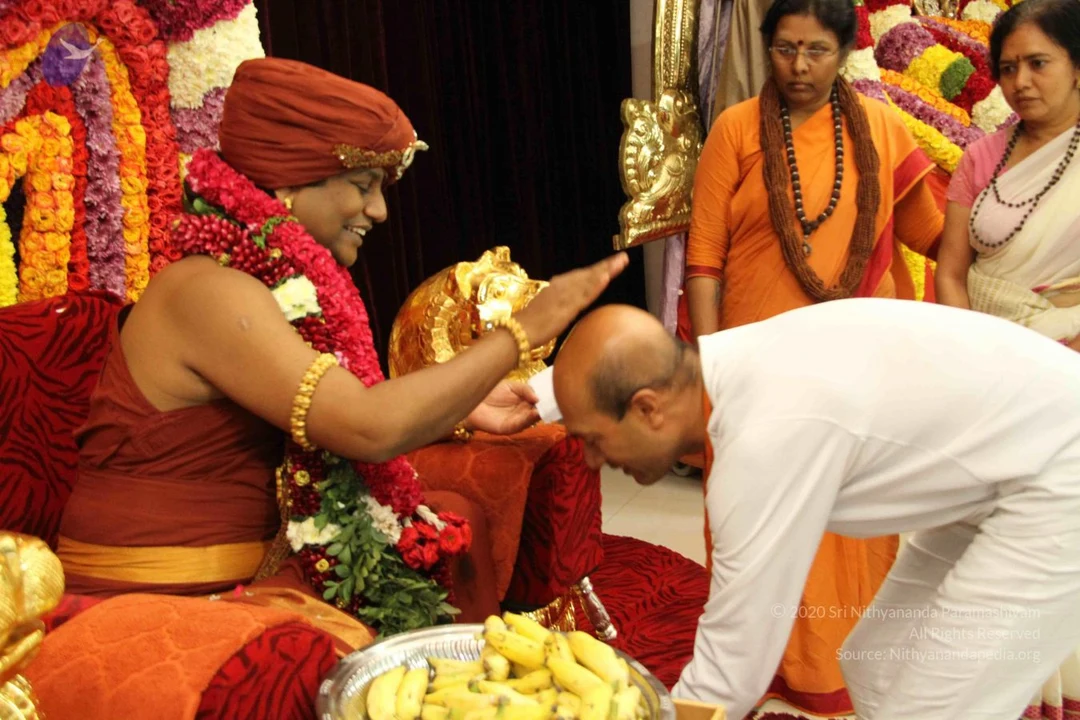
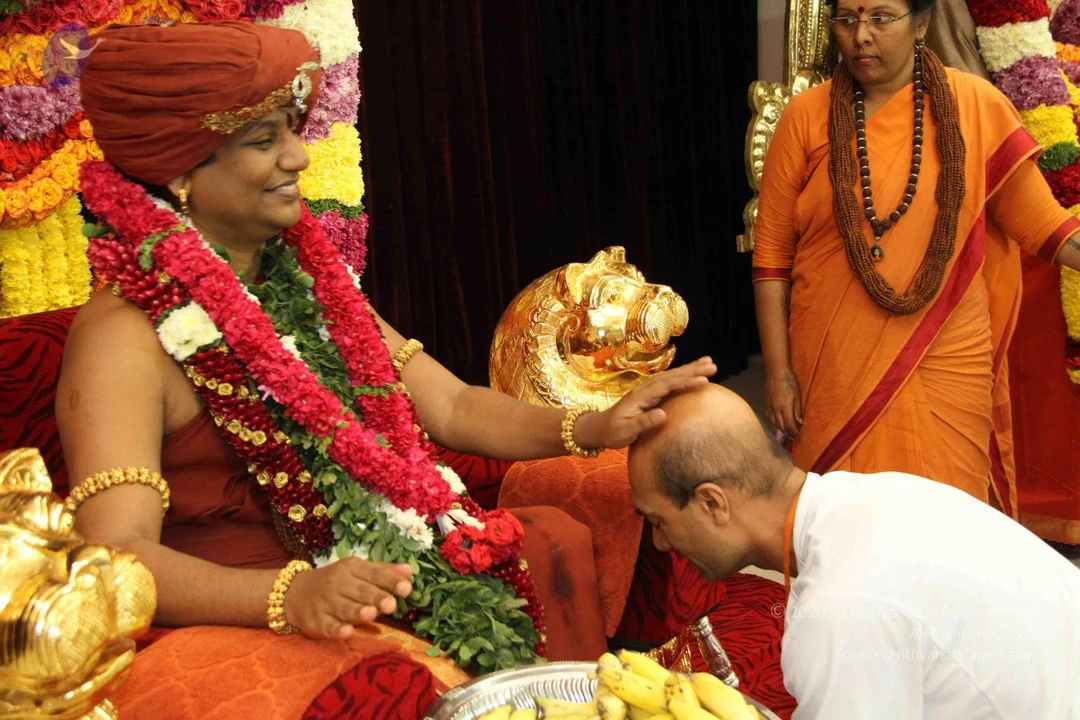
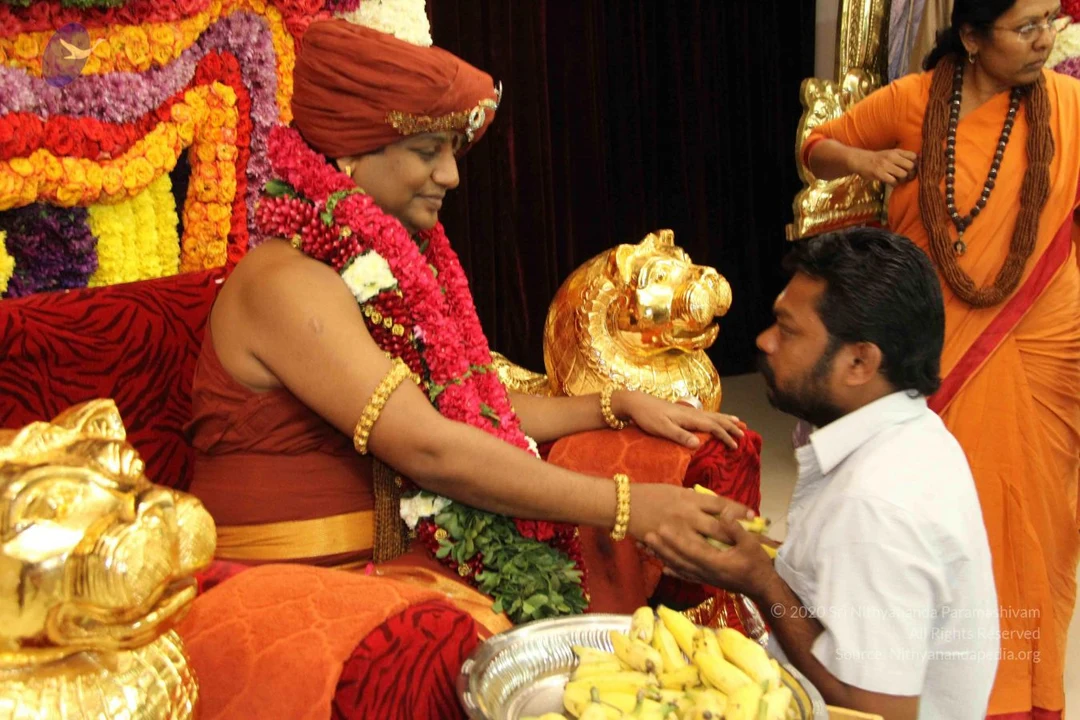
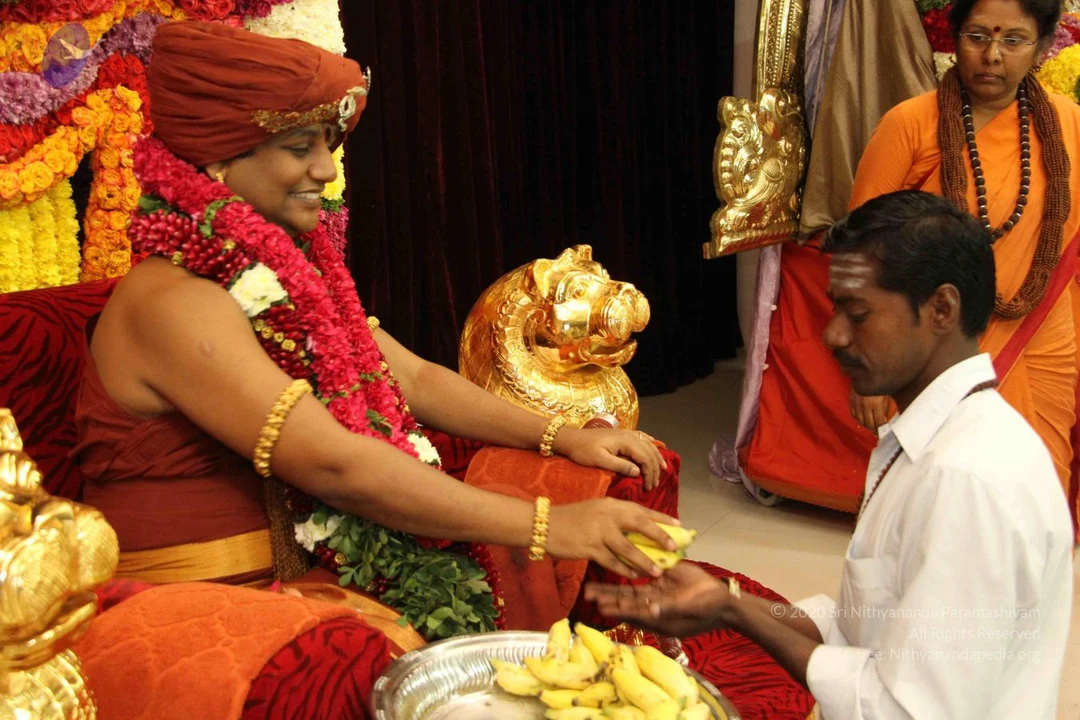
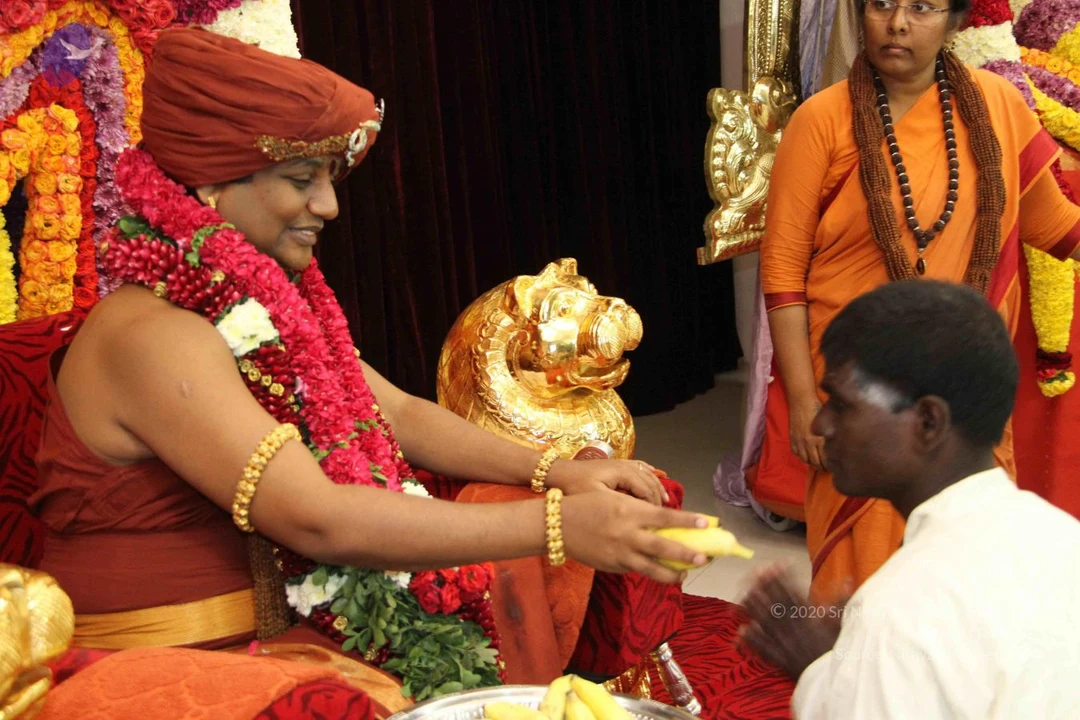
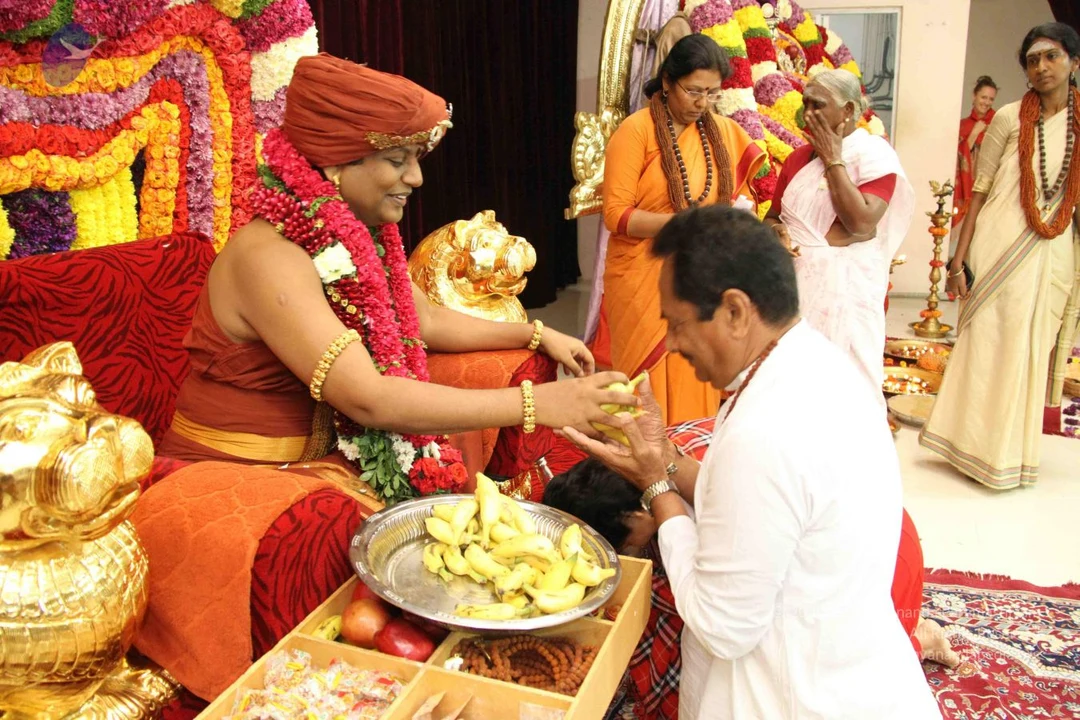
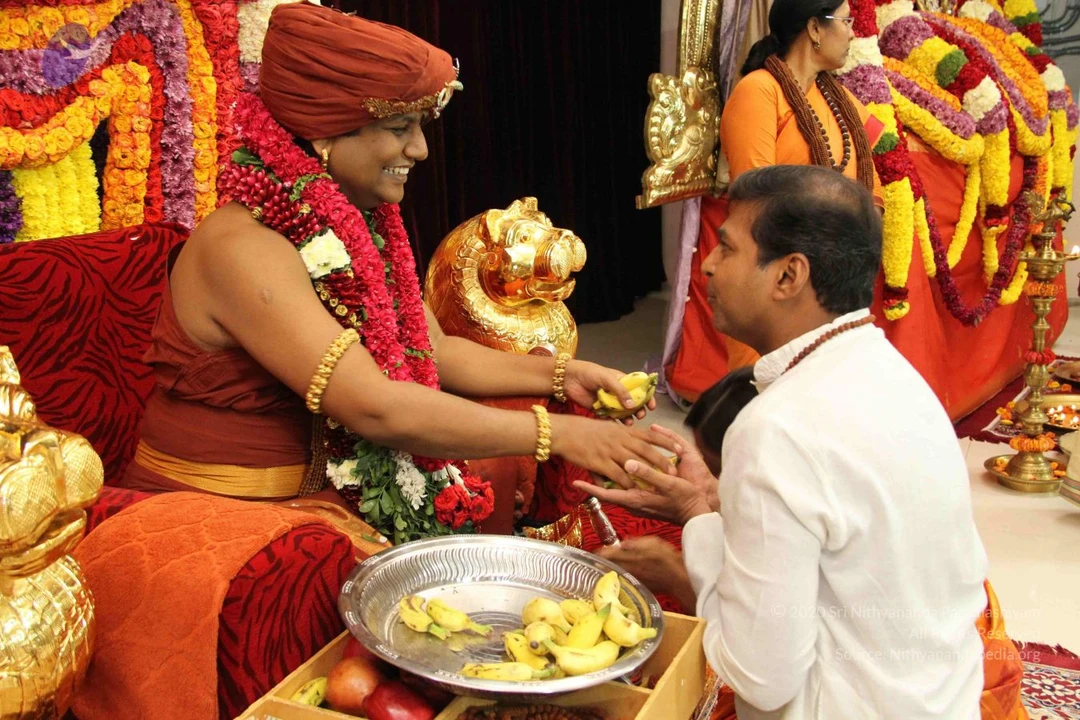
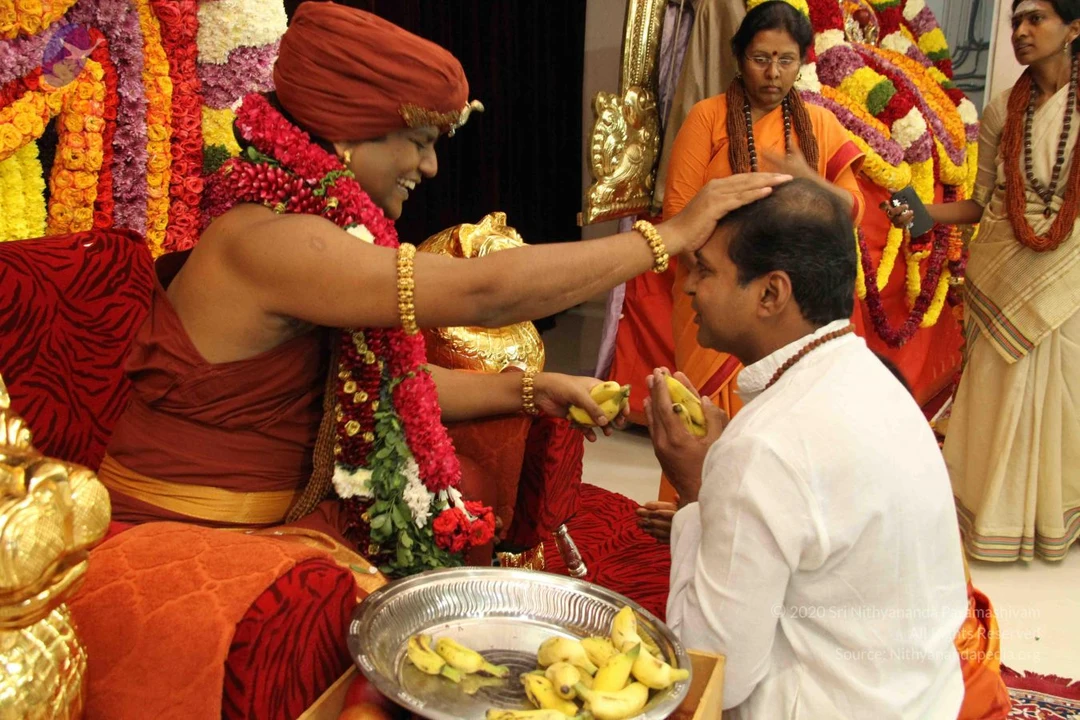
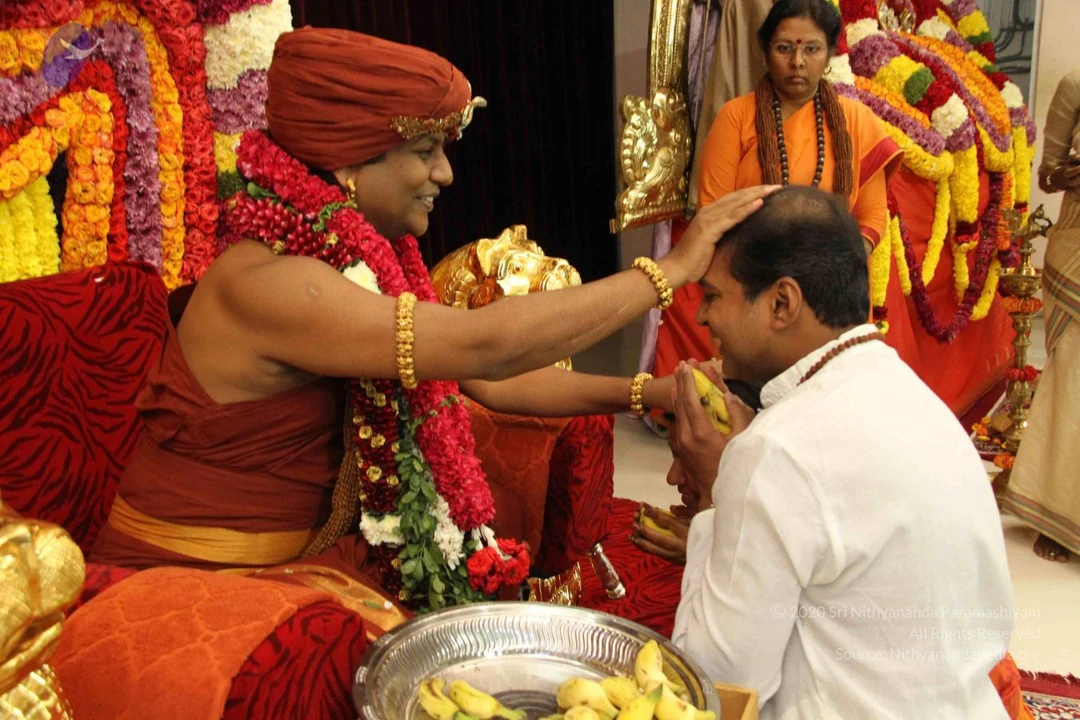
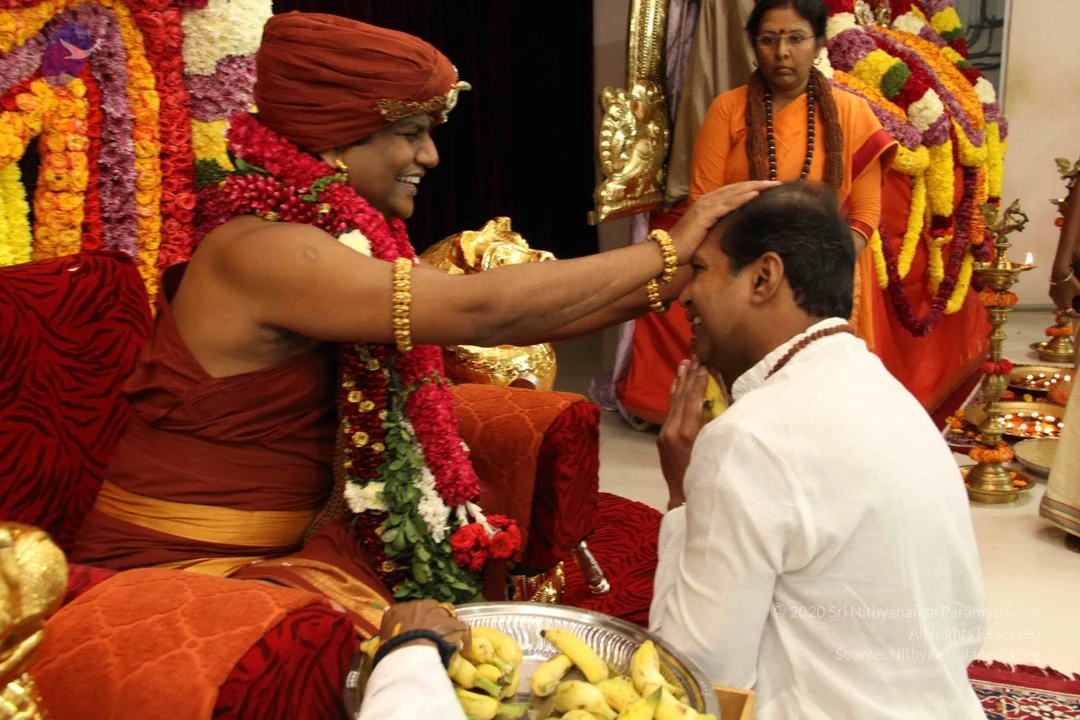
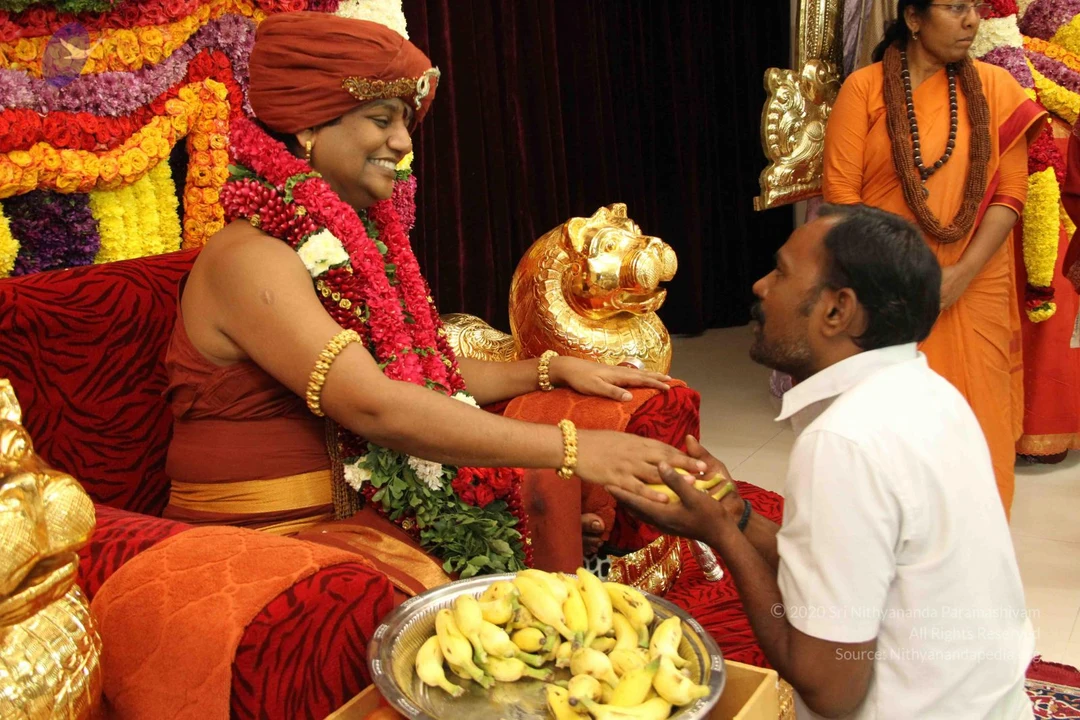
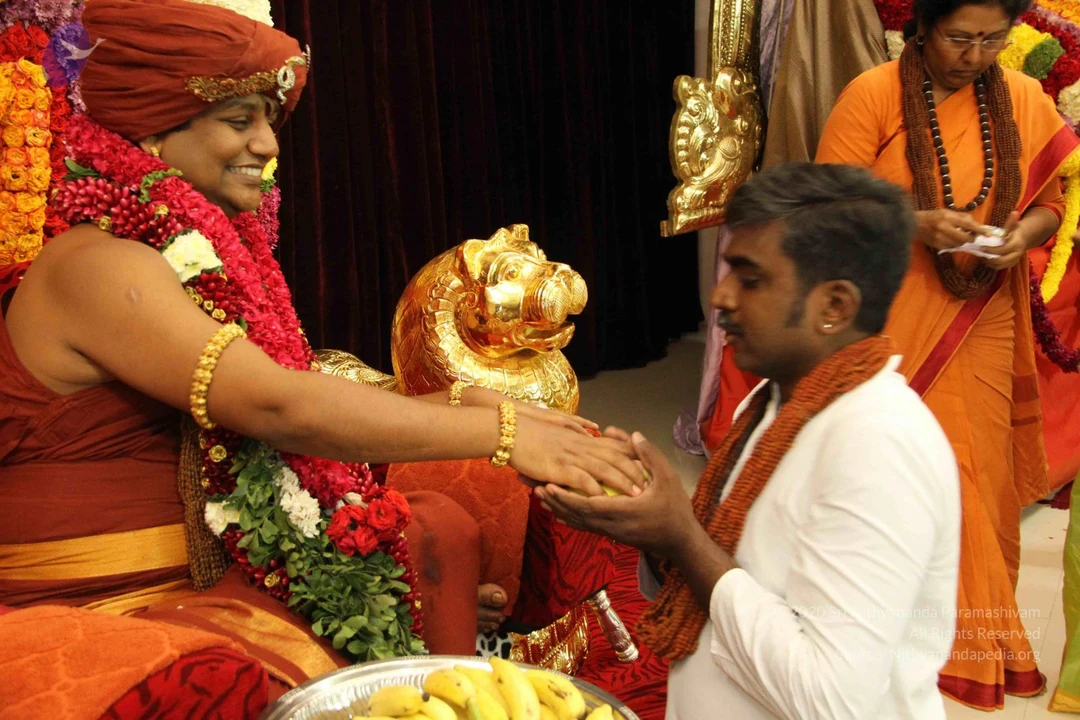
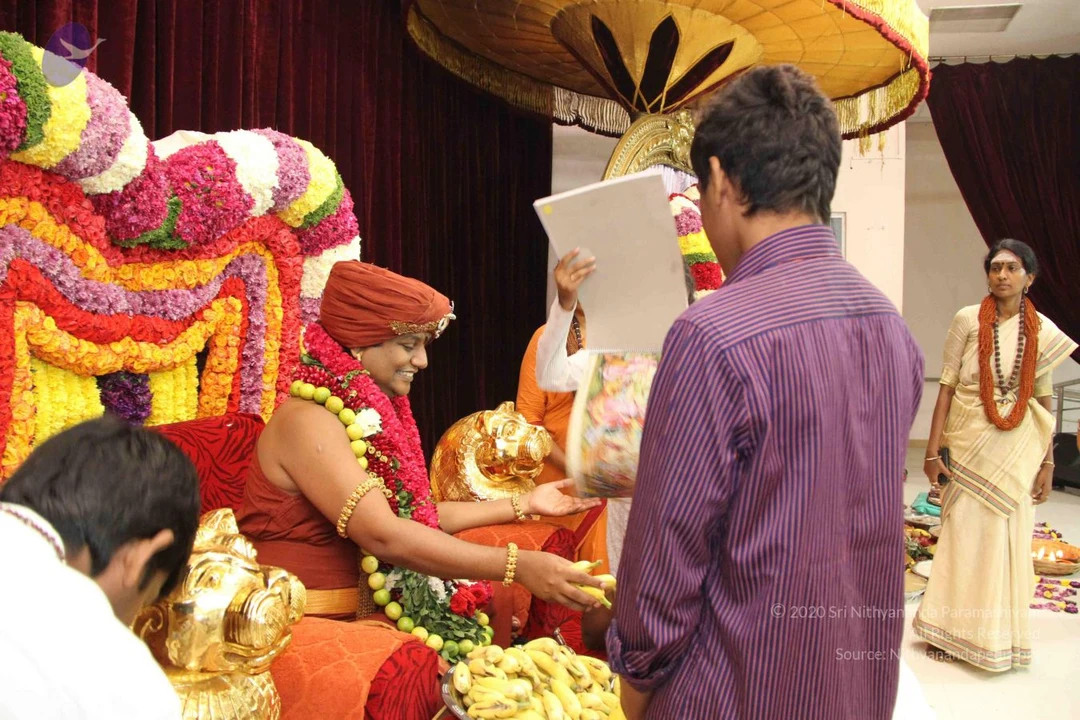
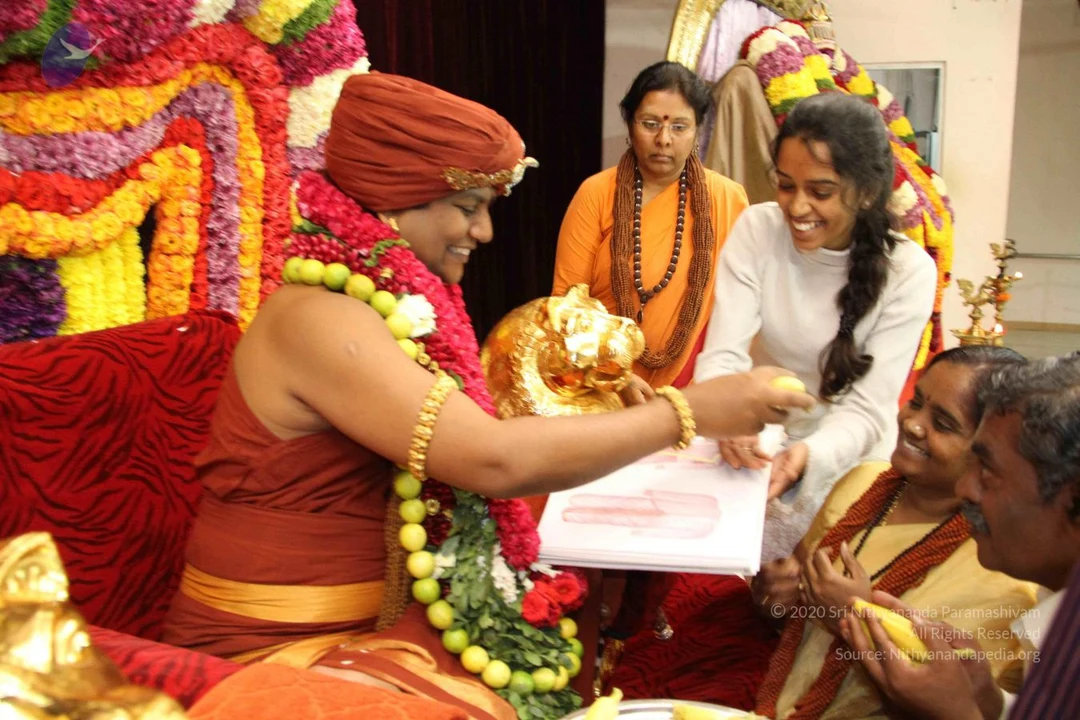
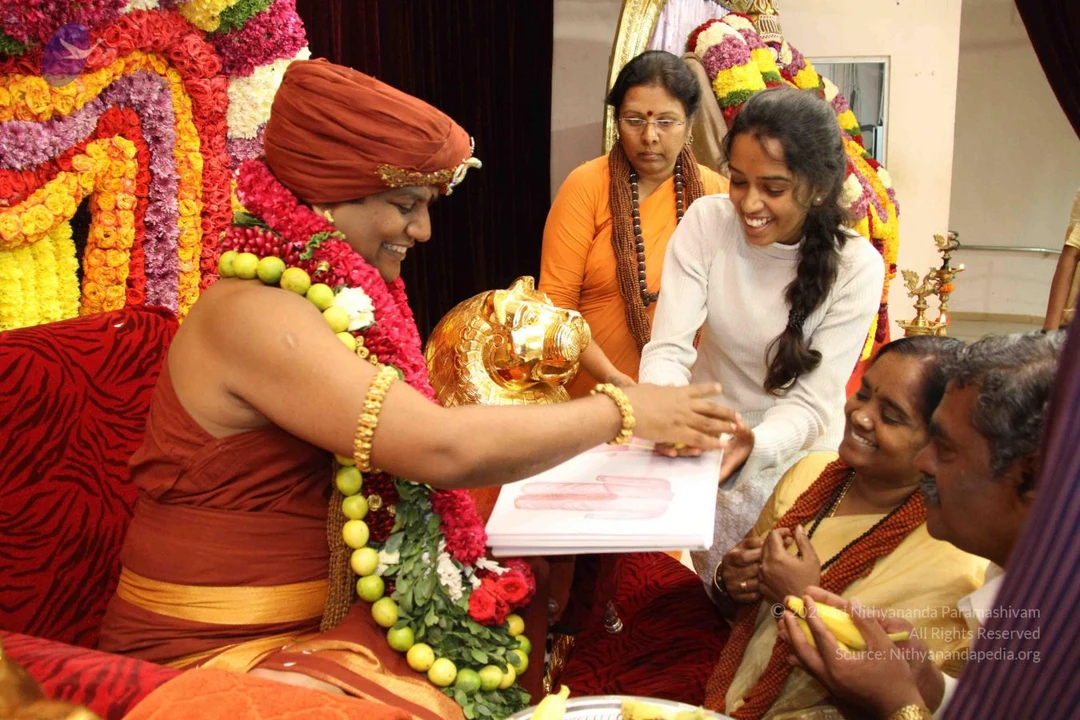
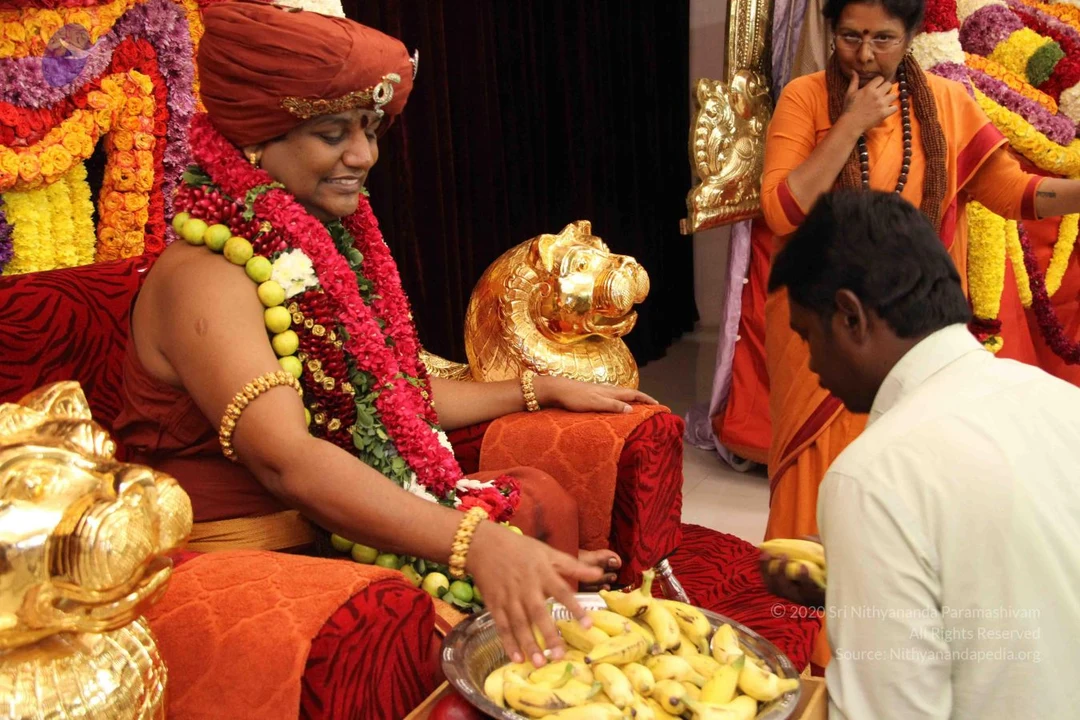
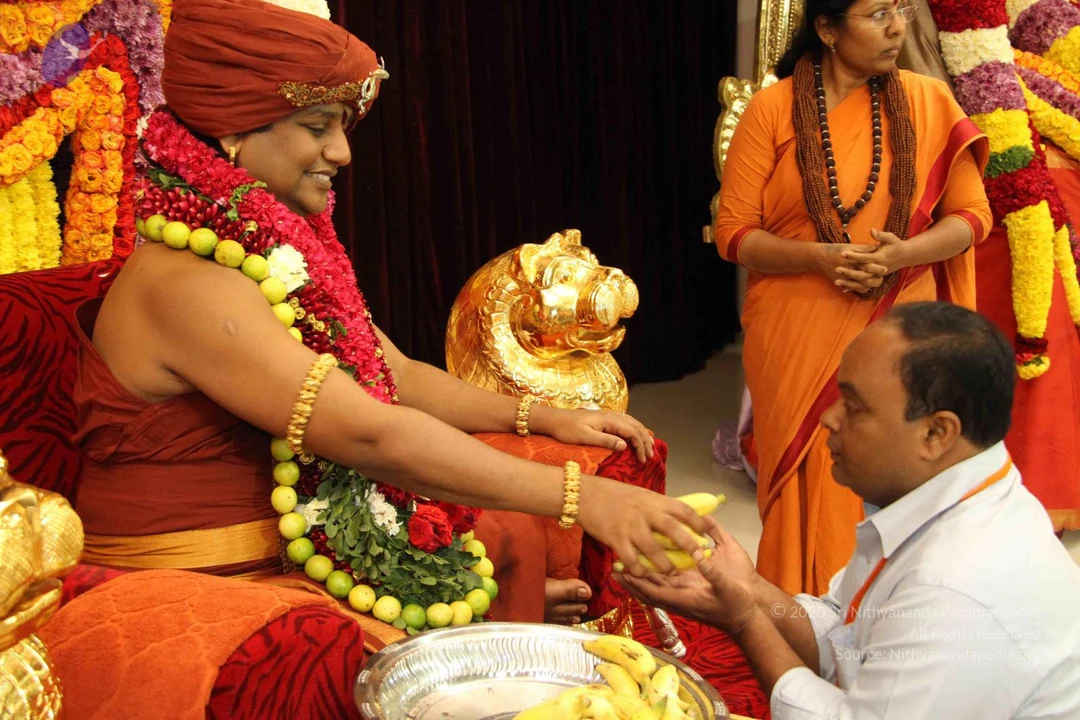
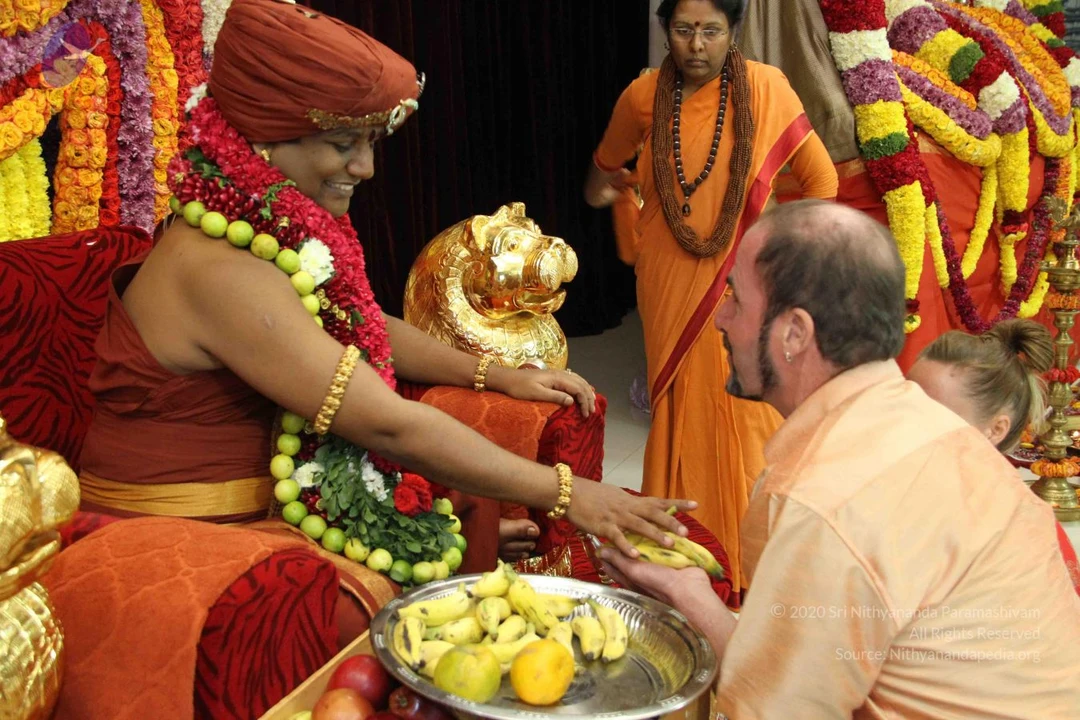
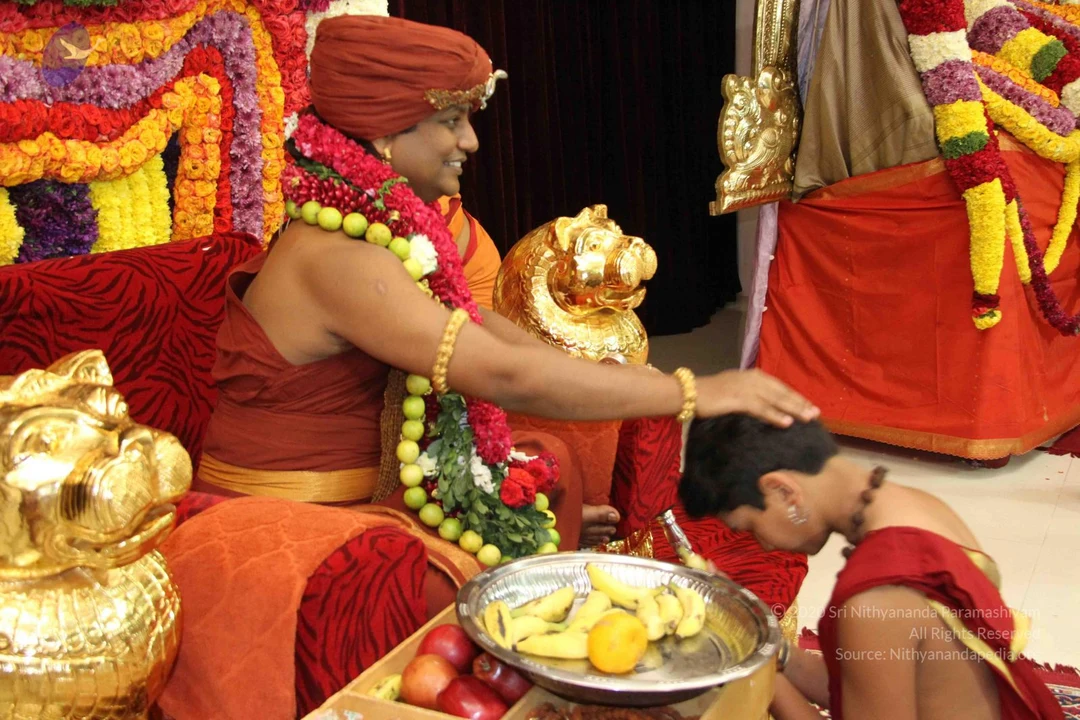
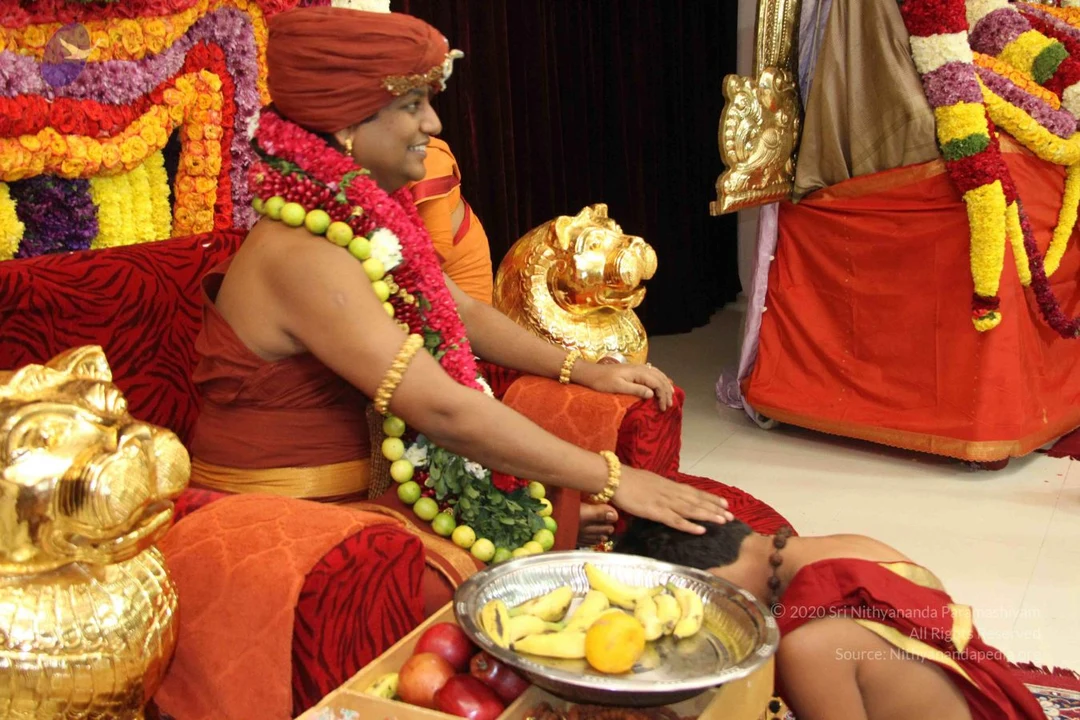
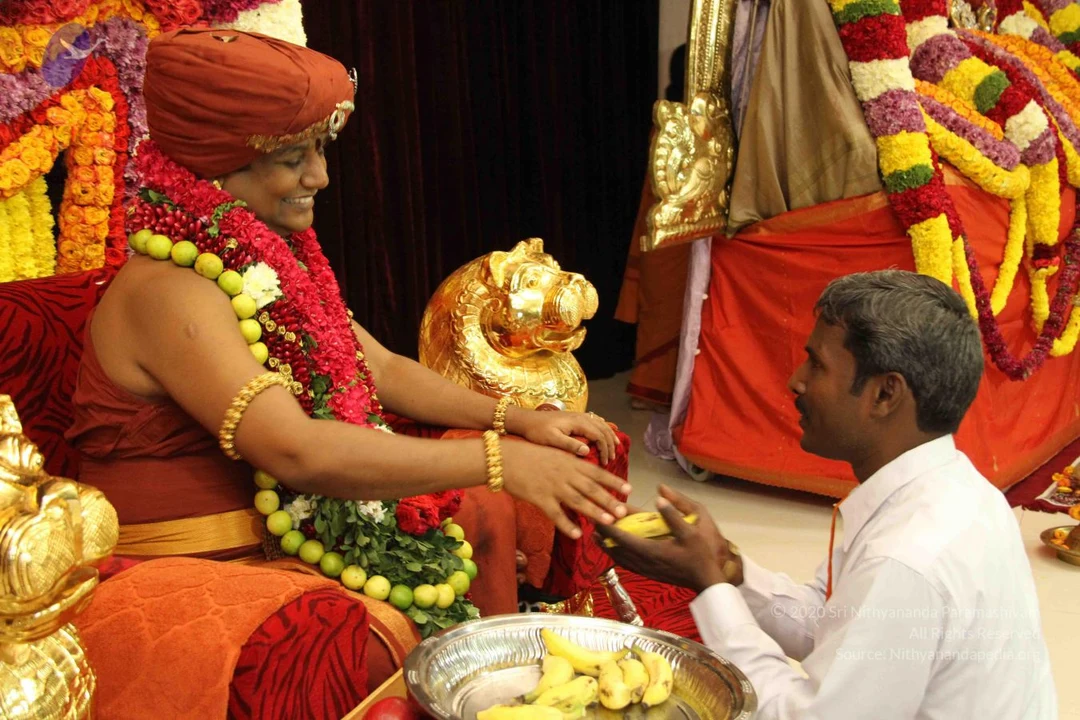
Pada-Puja
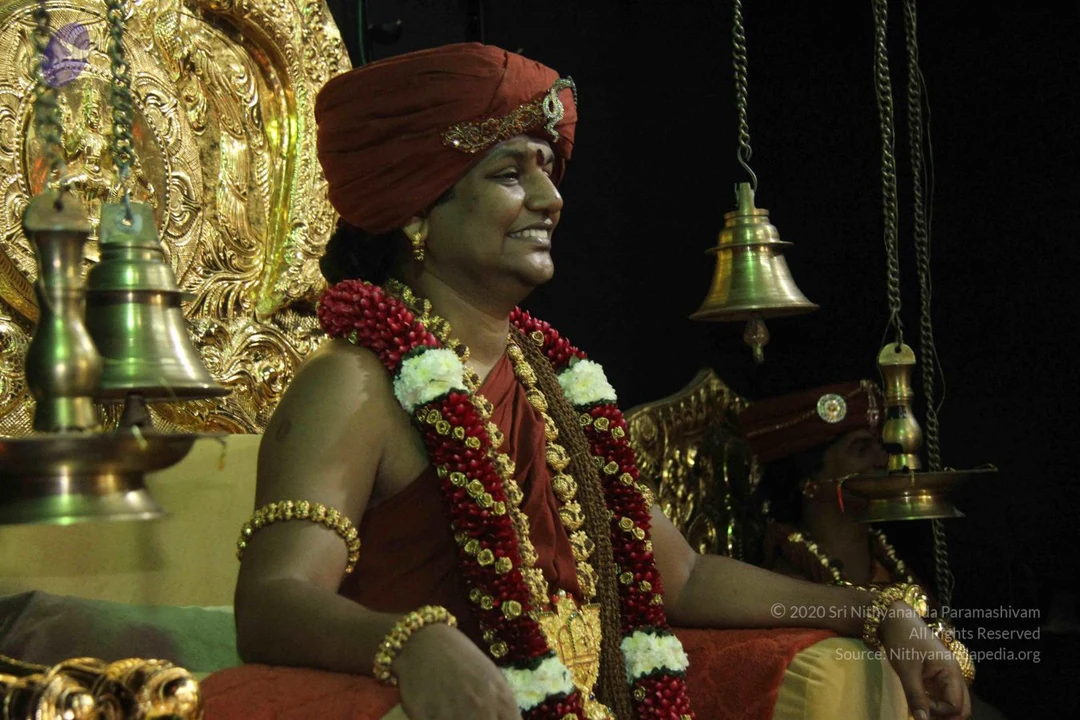
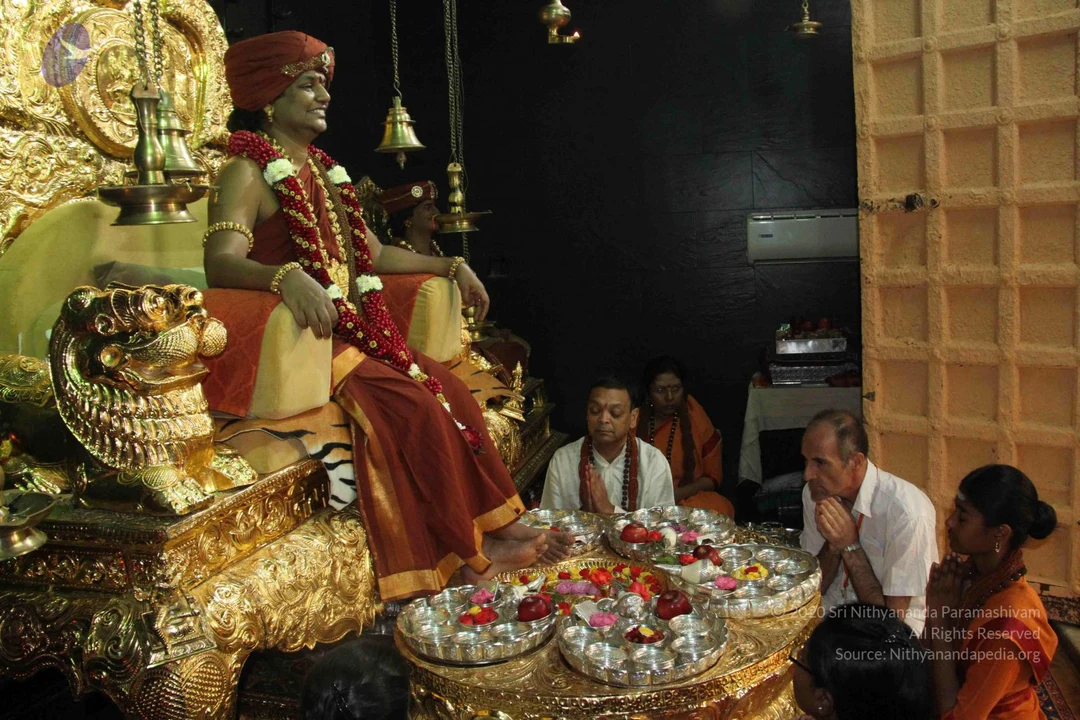
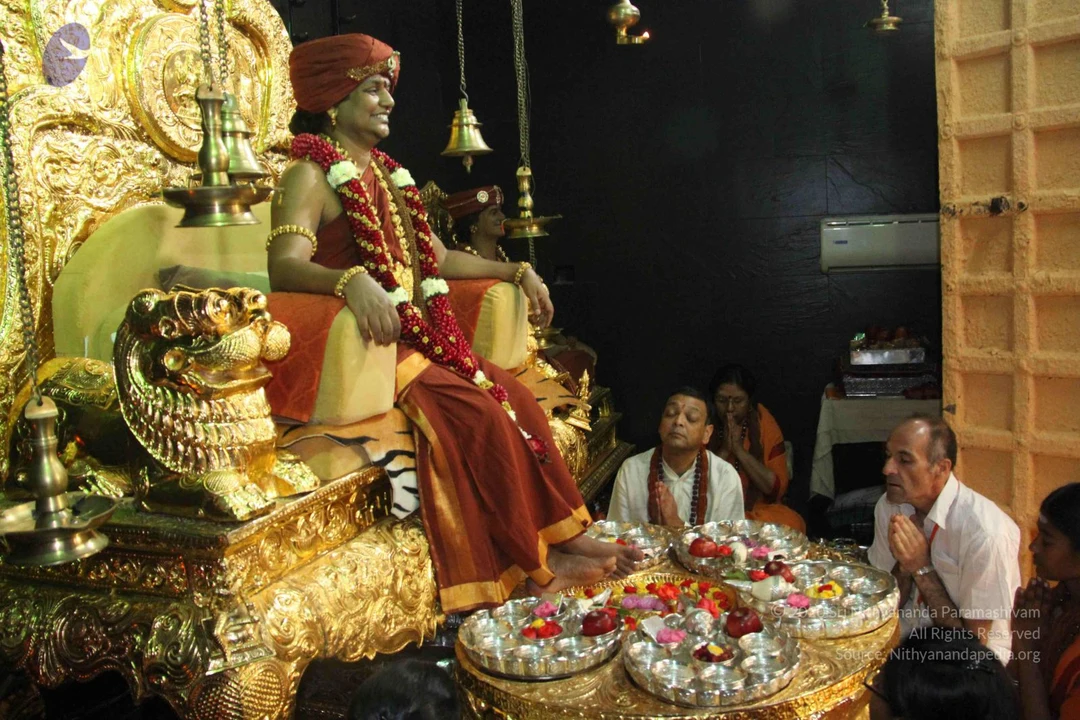
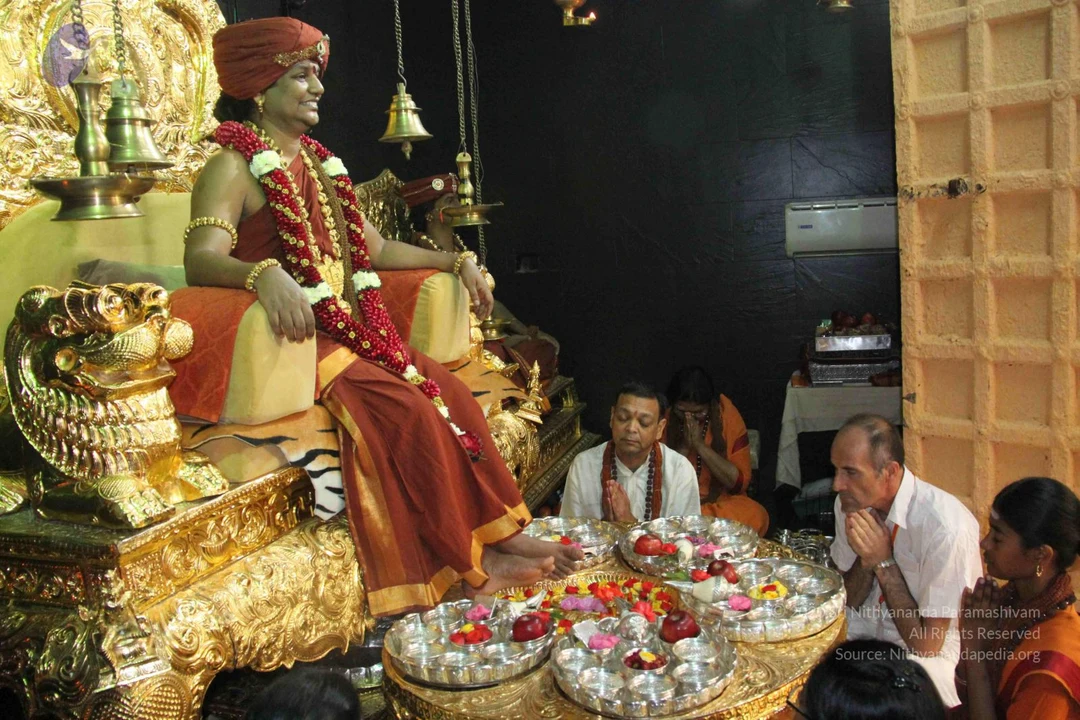
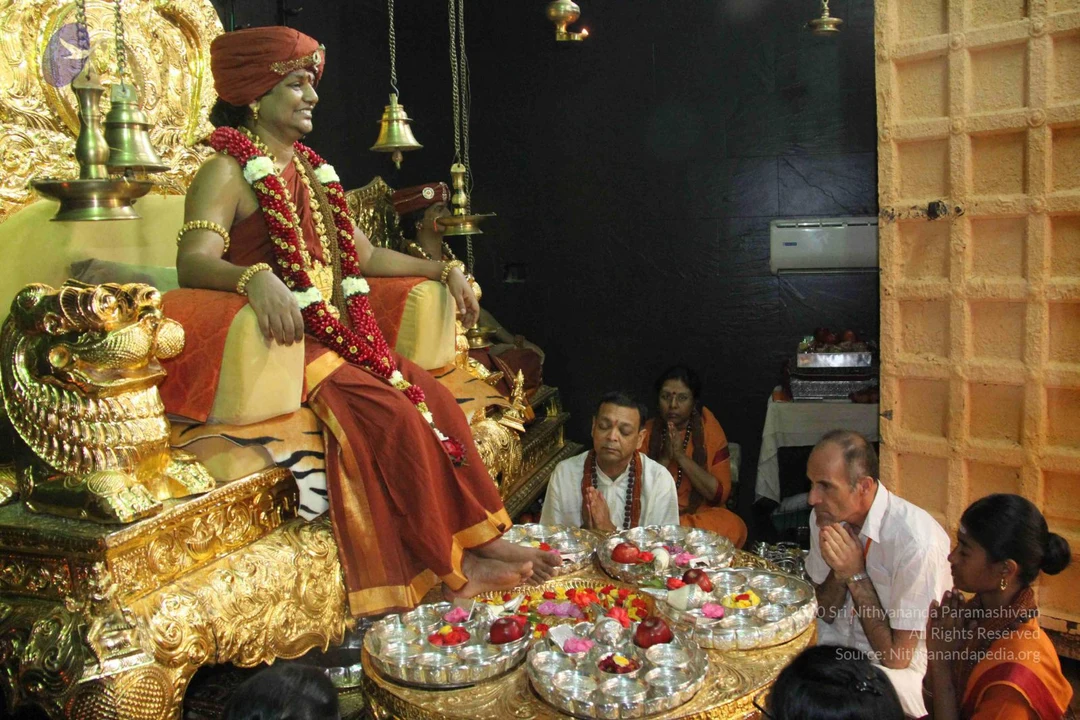
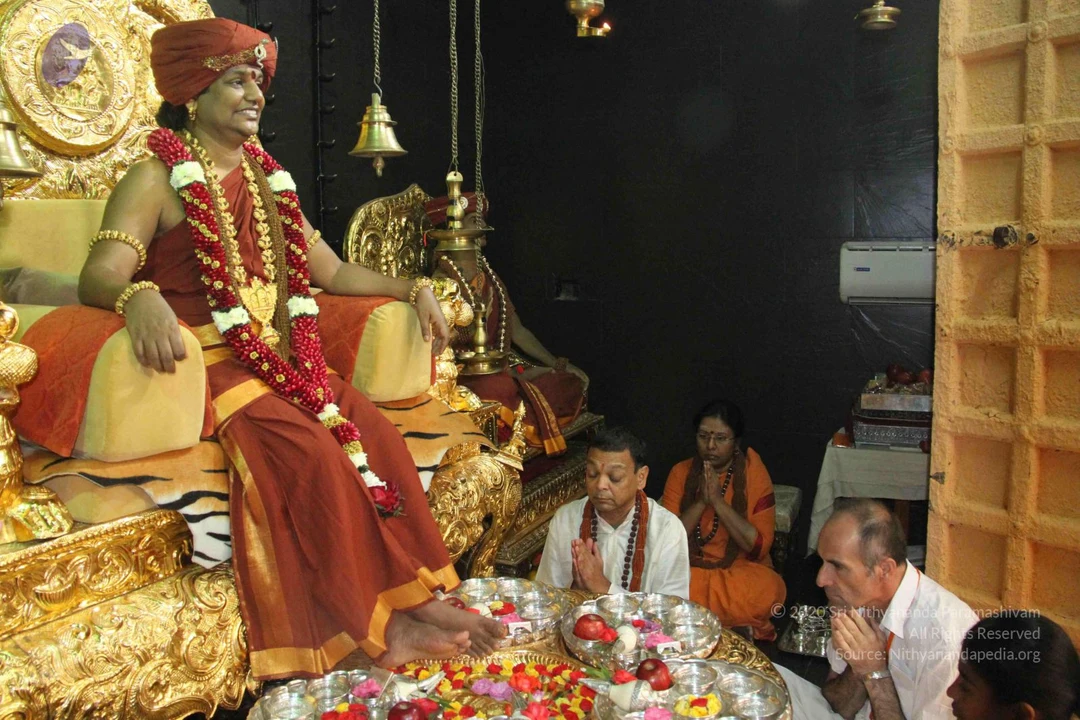
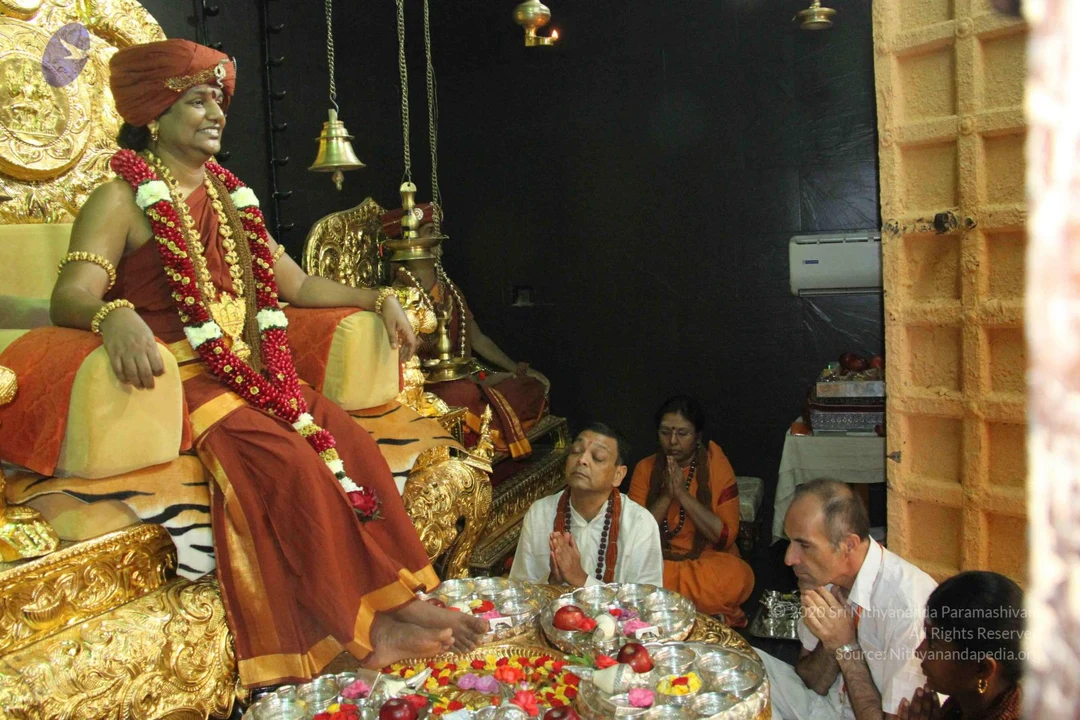
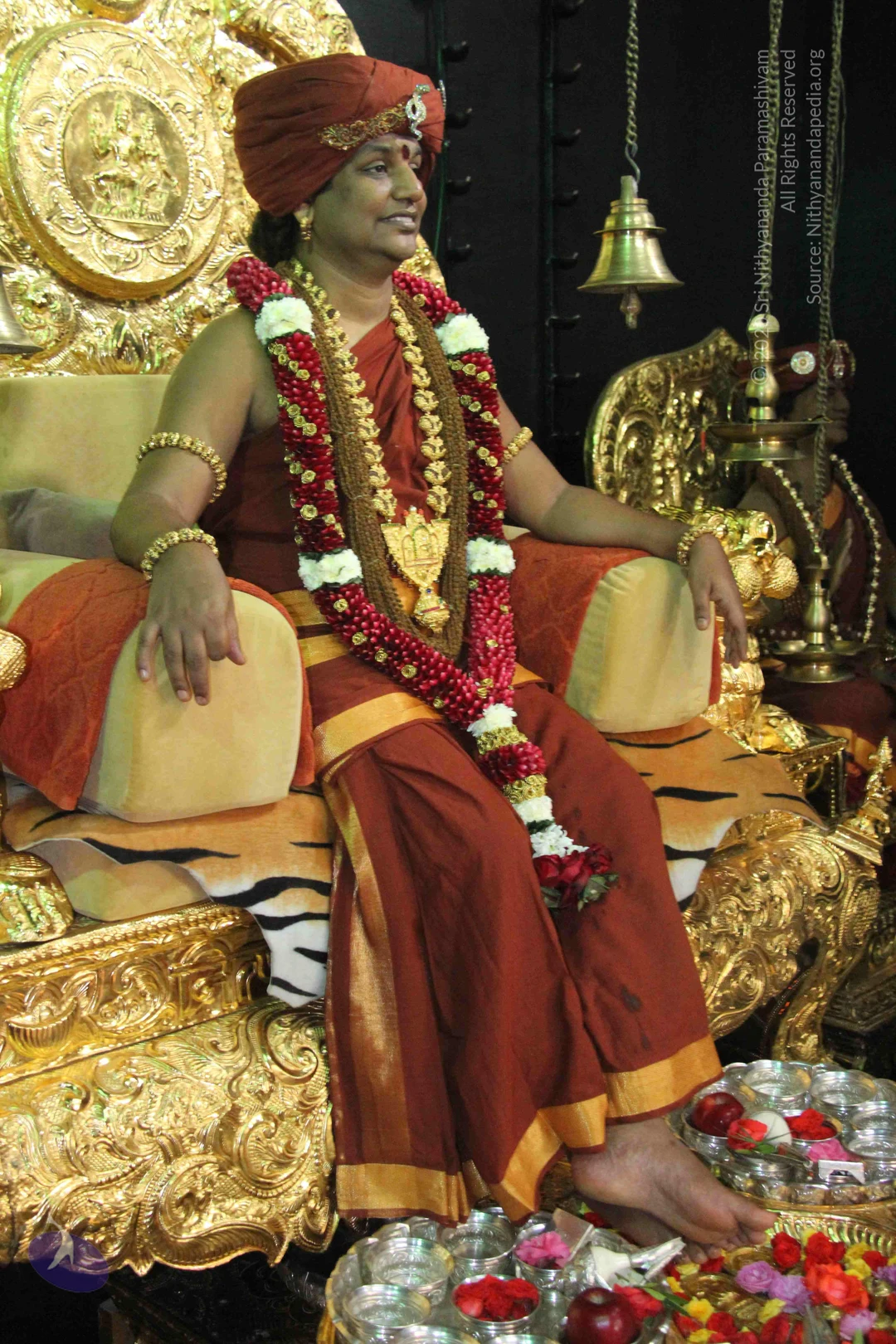
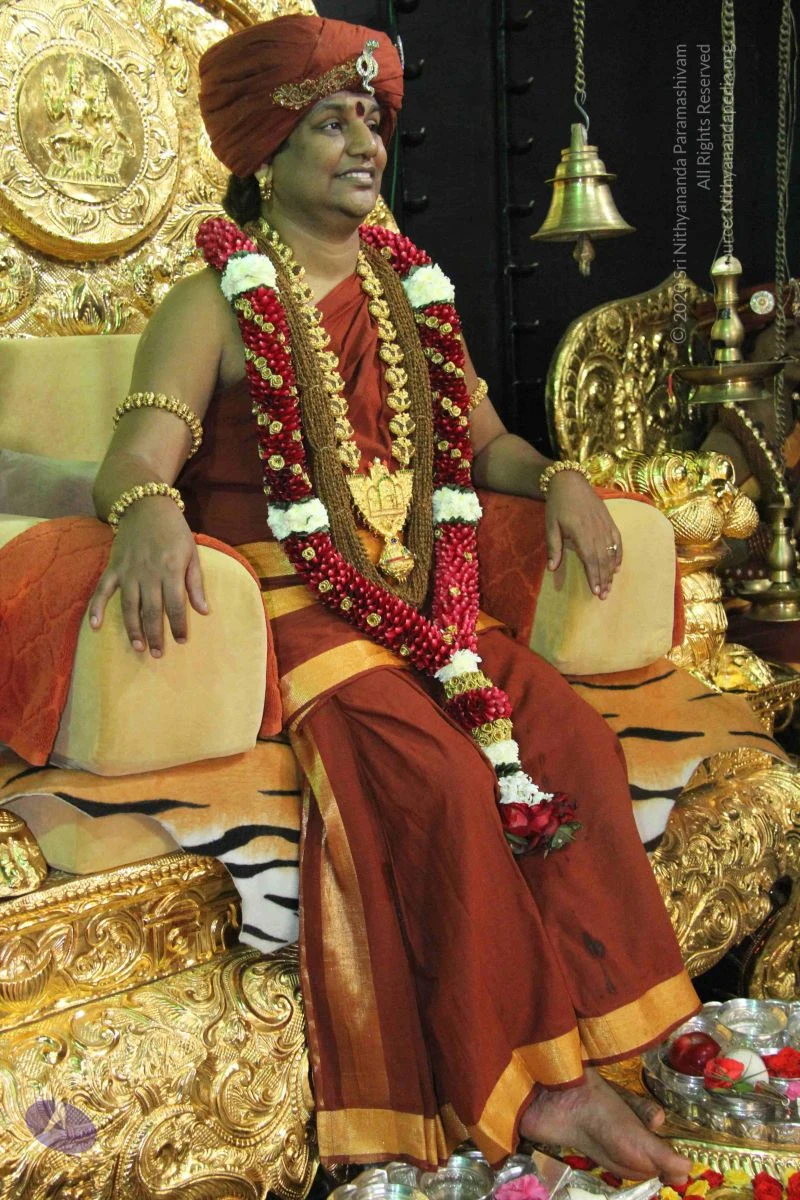
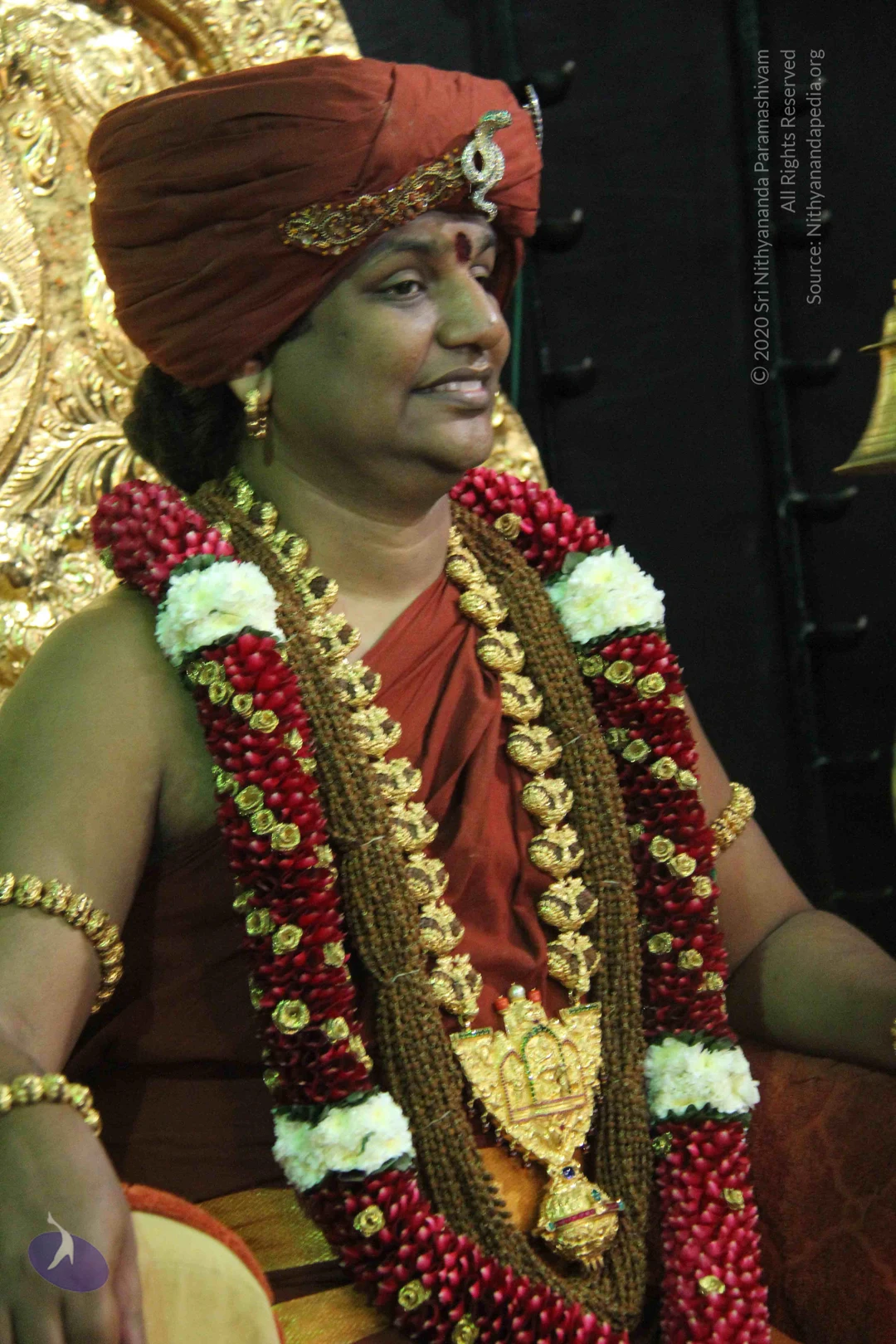
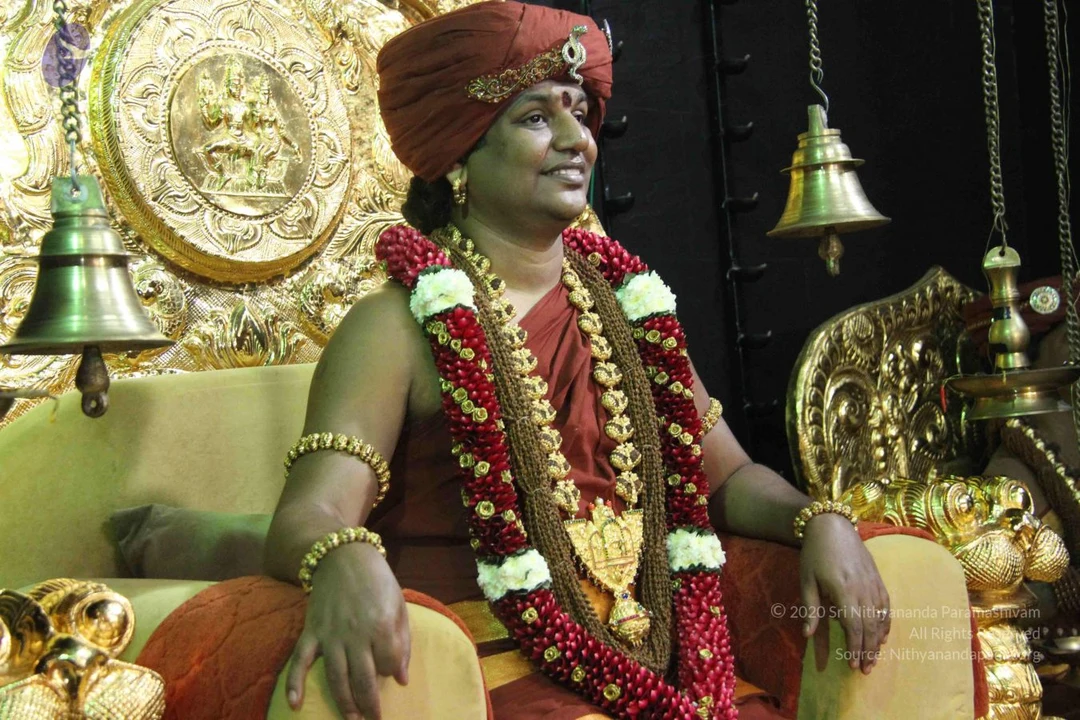
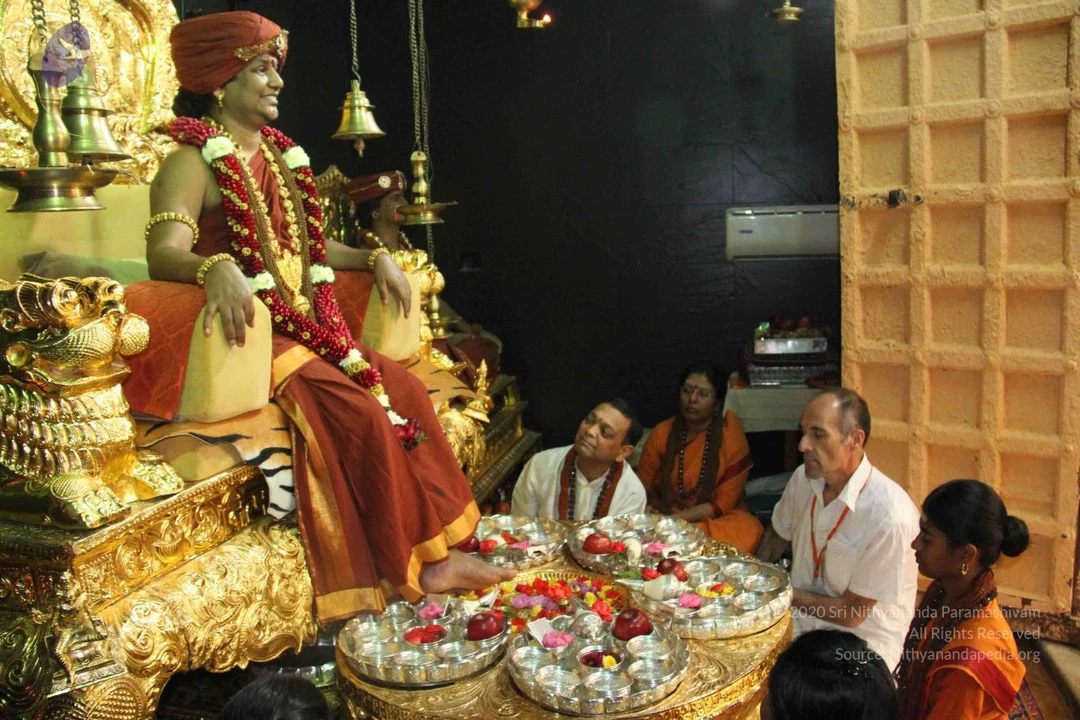
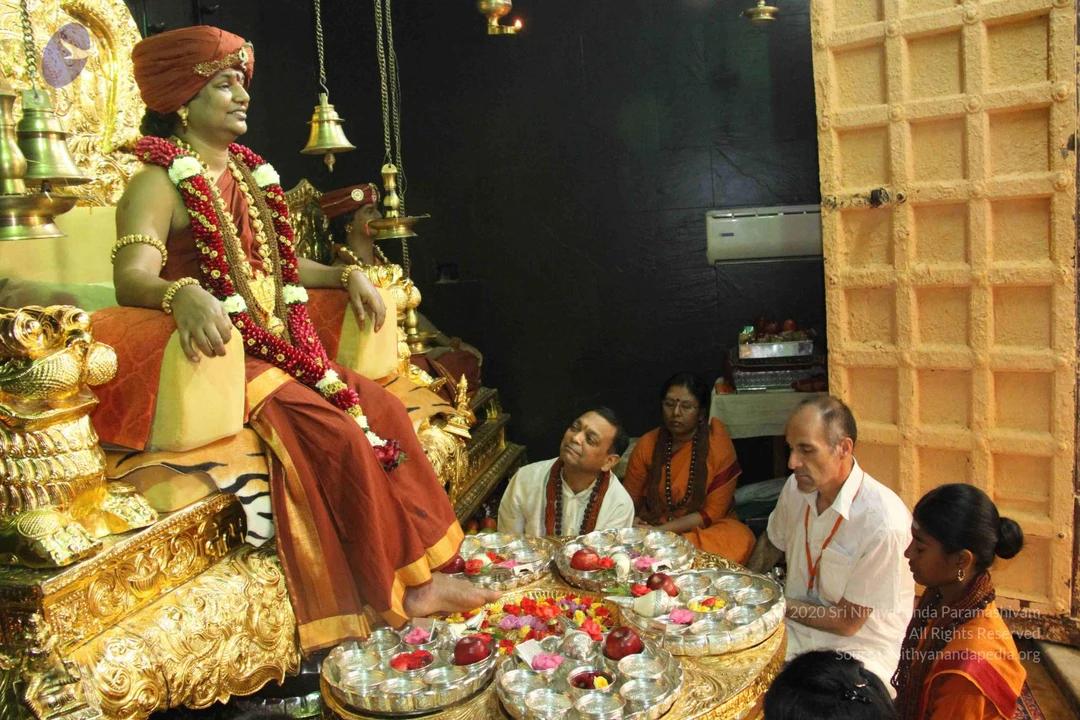
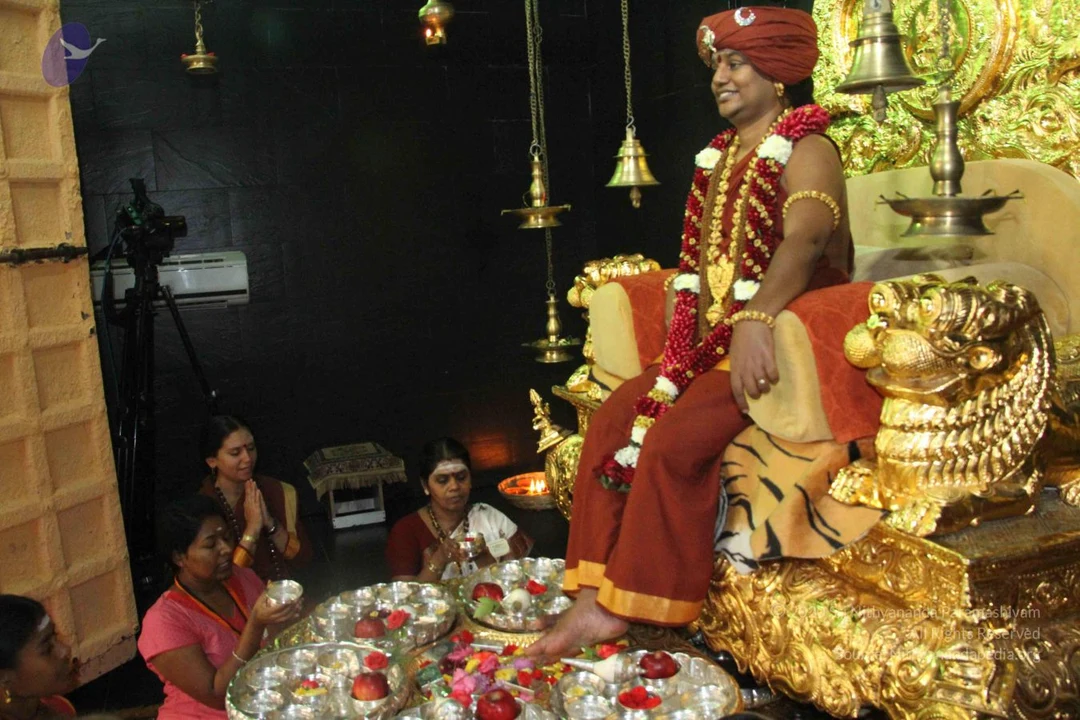
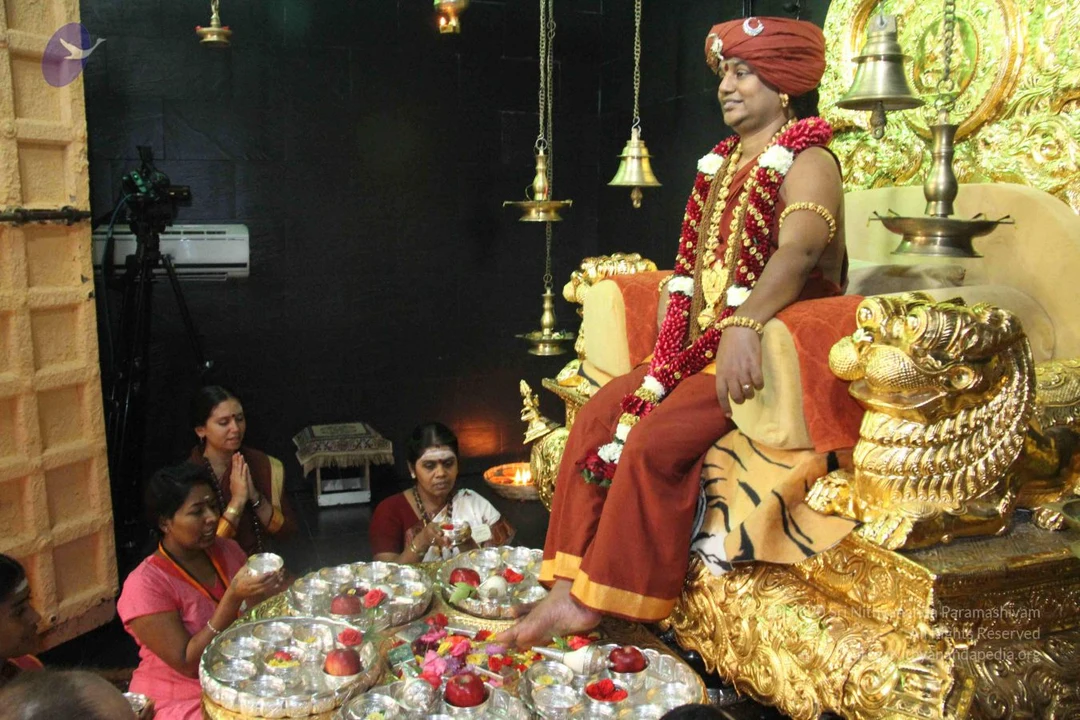
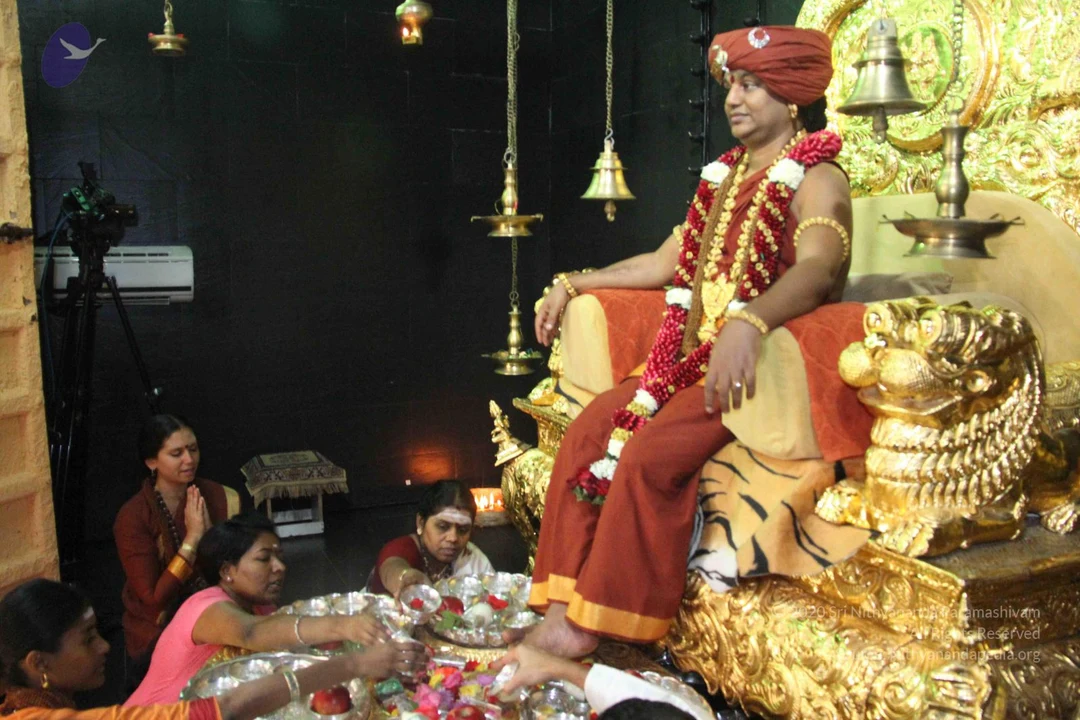
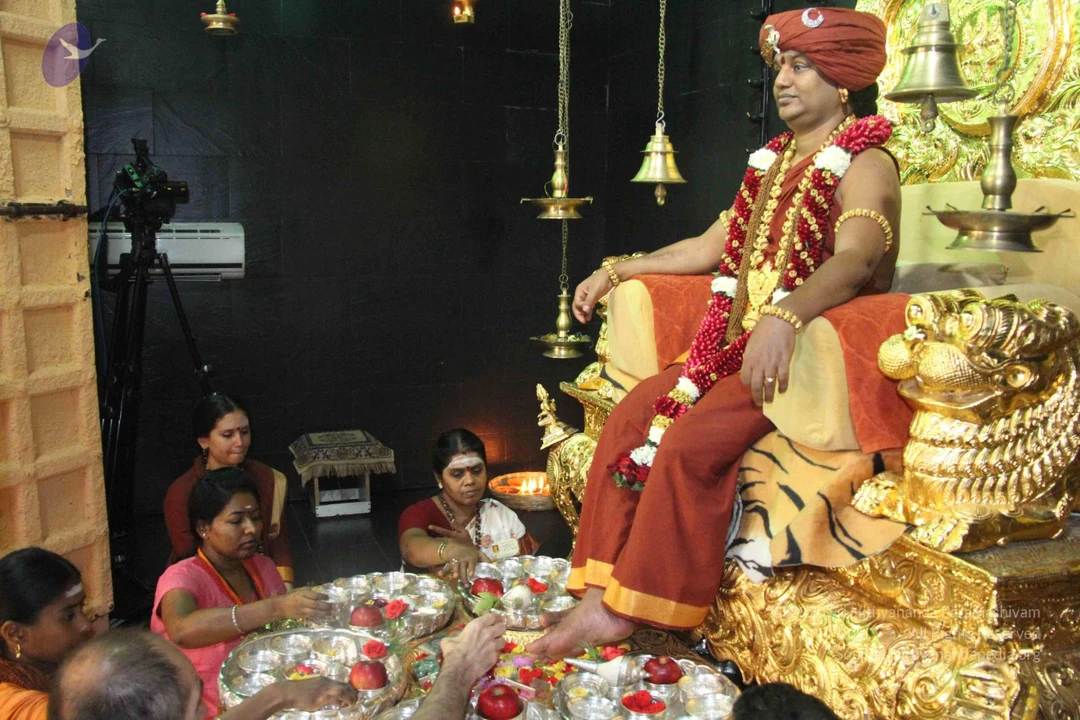
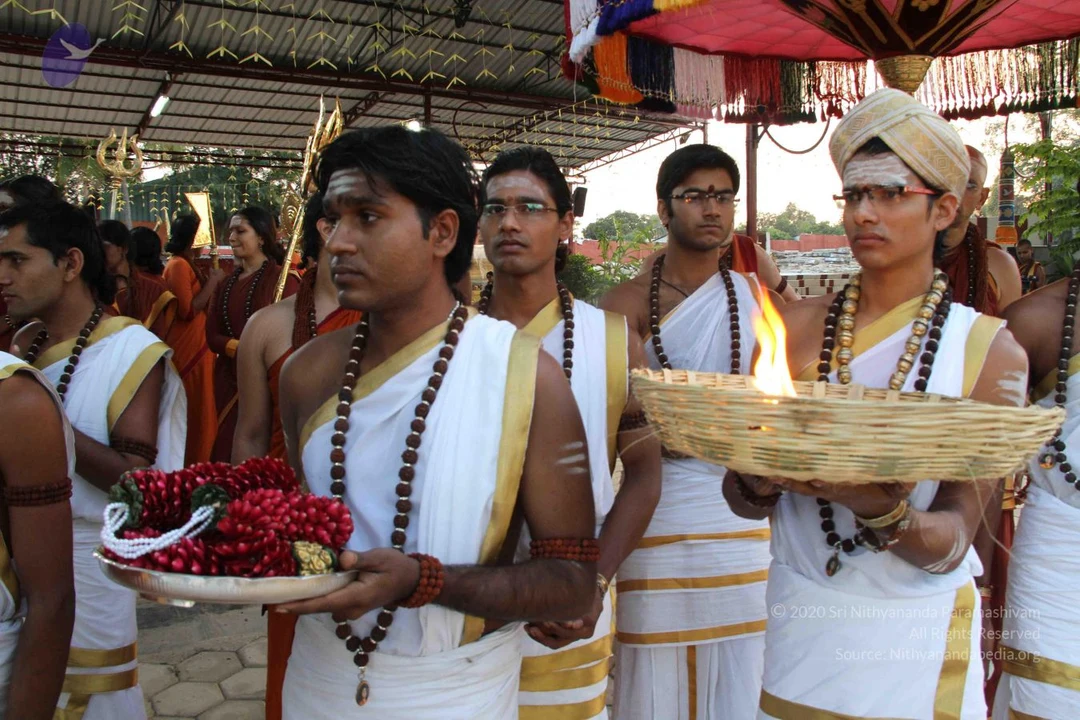
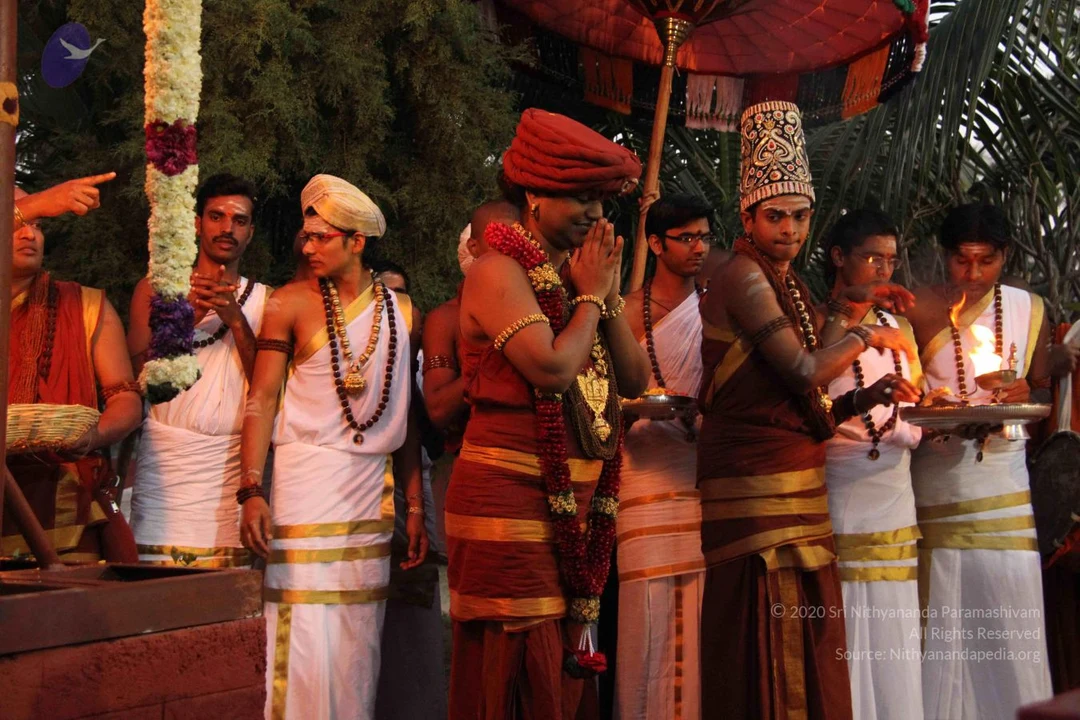
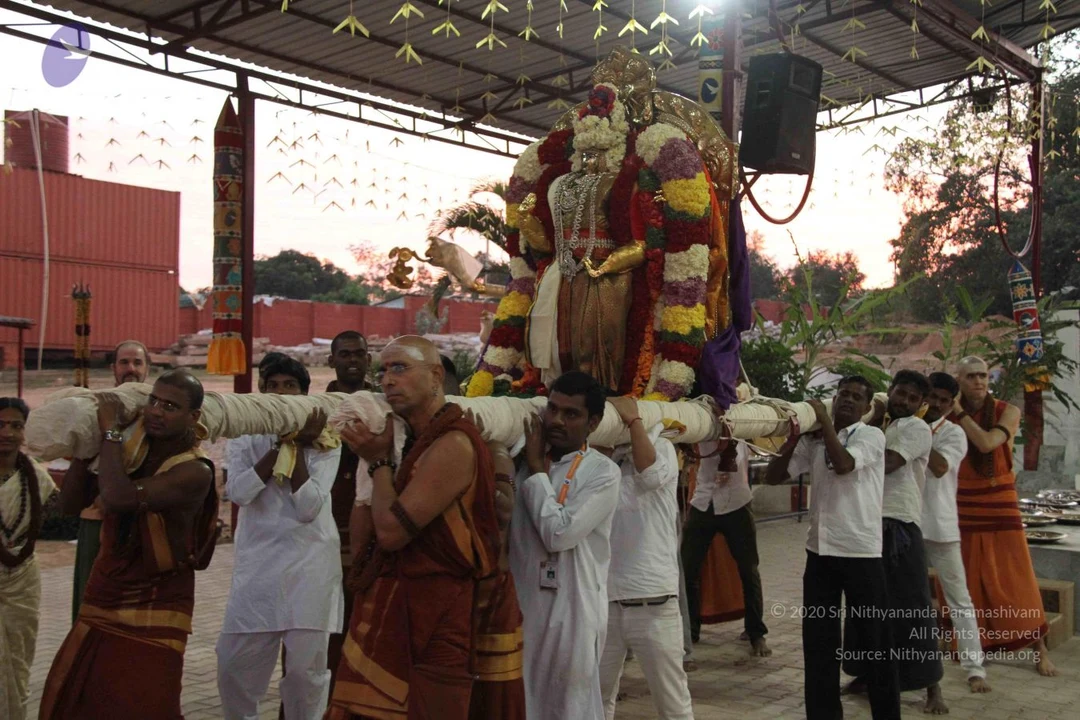
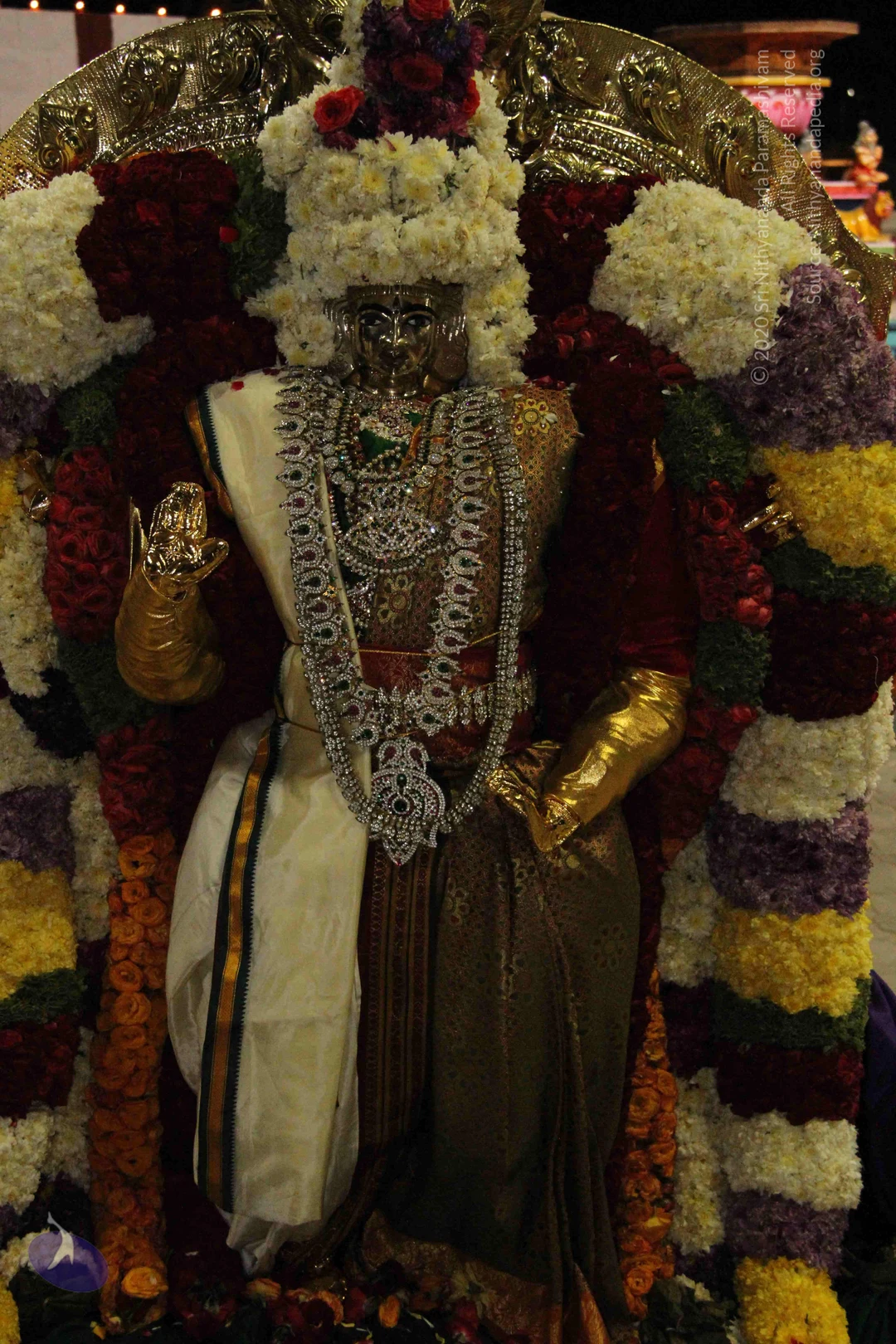
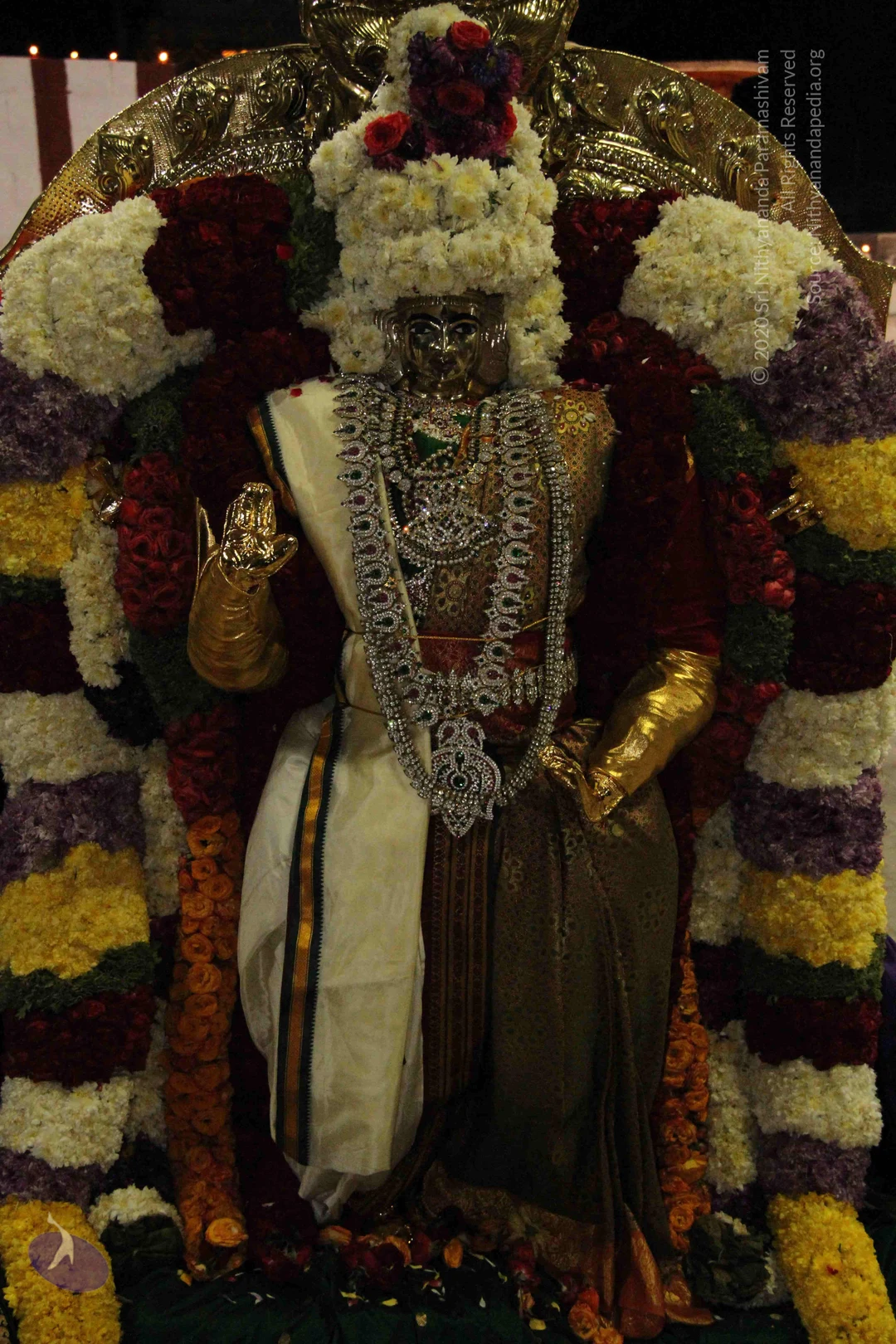
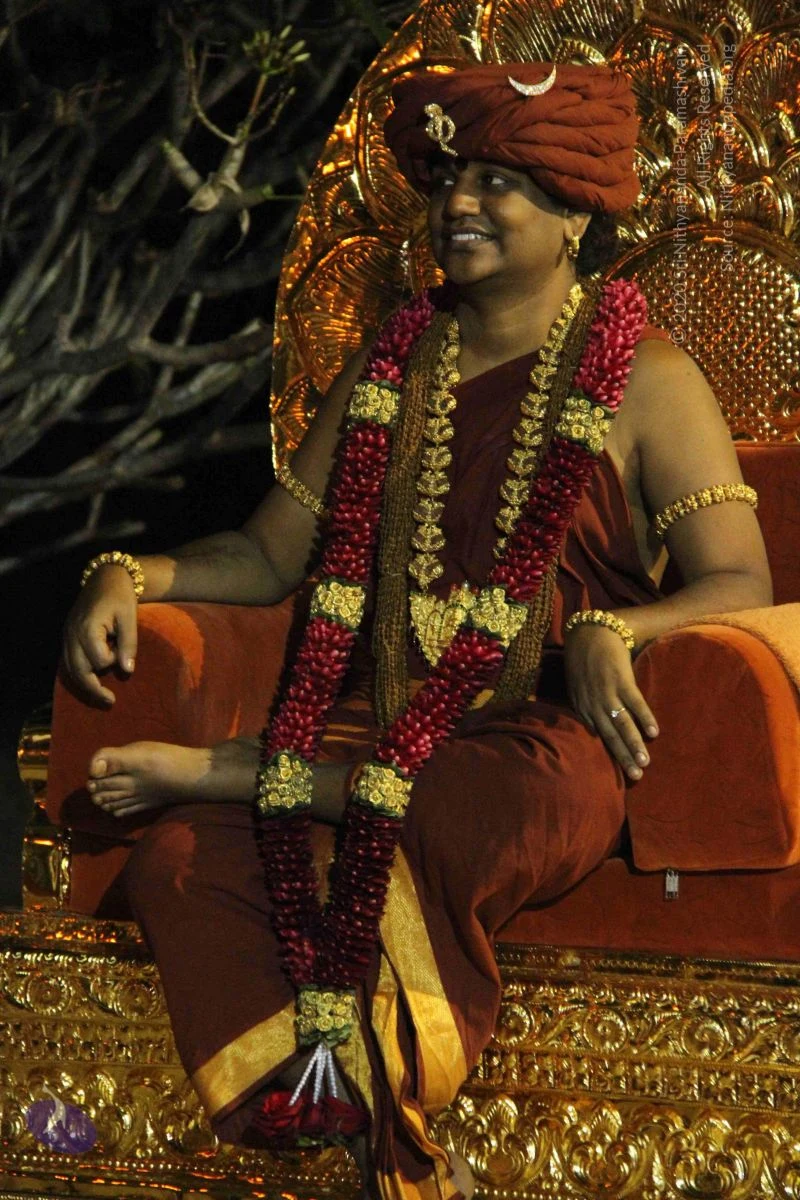
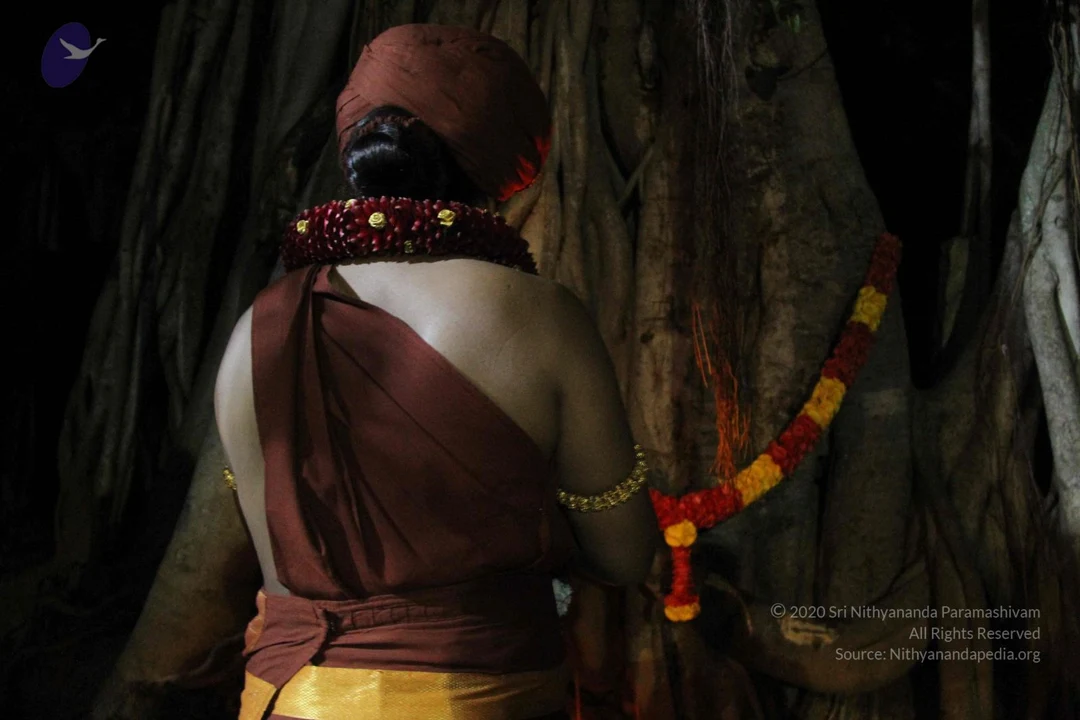
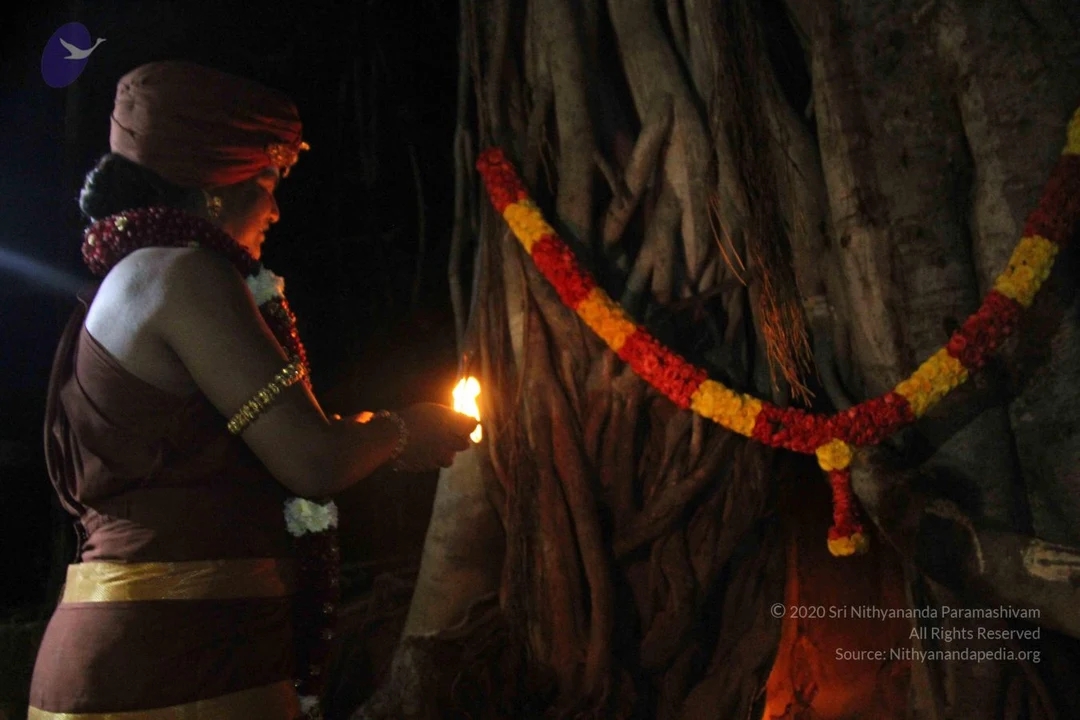
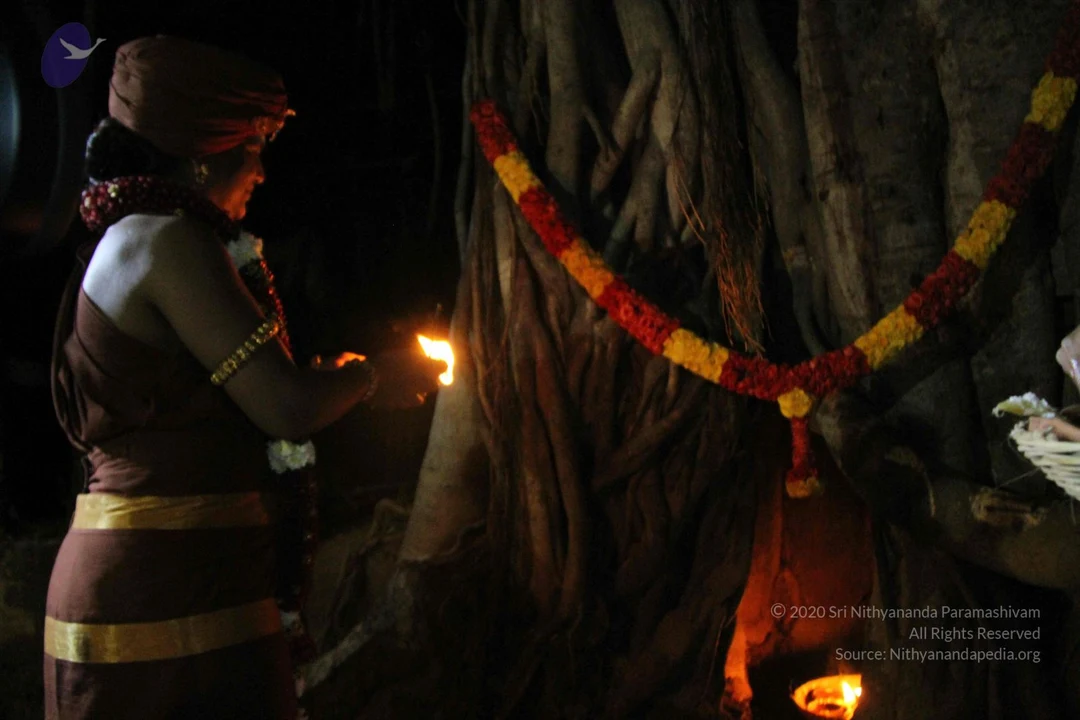
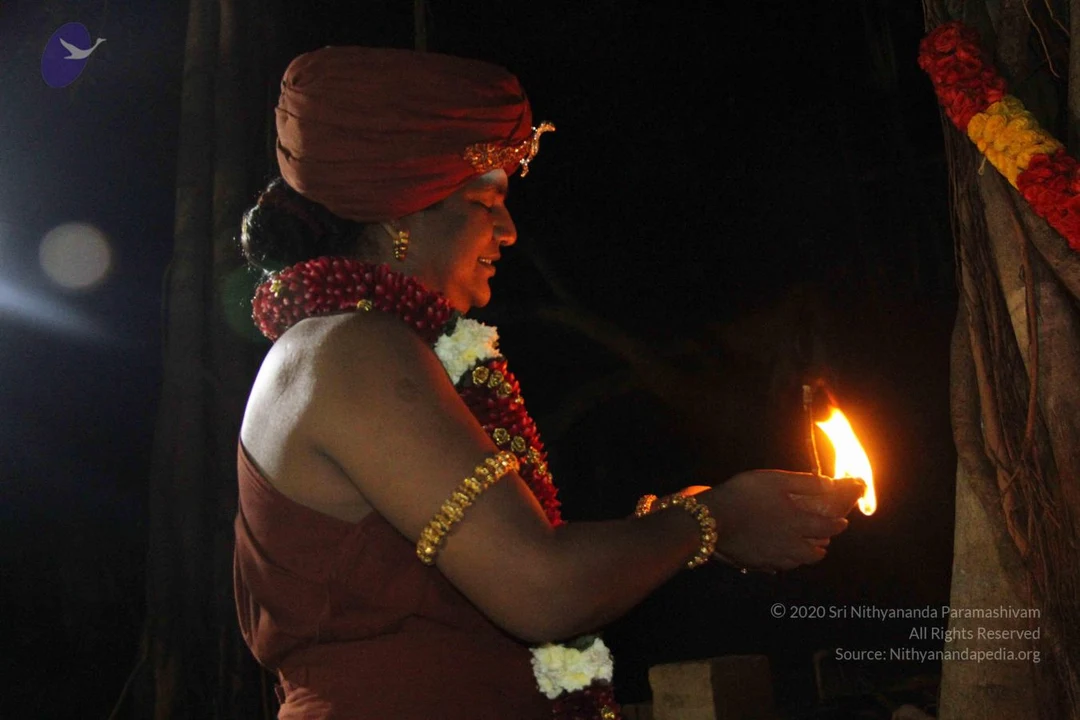
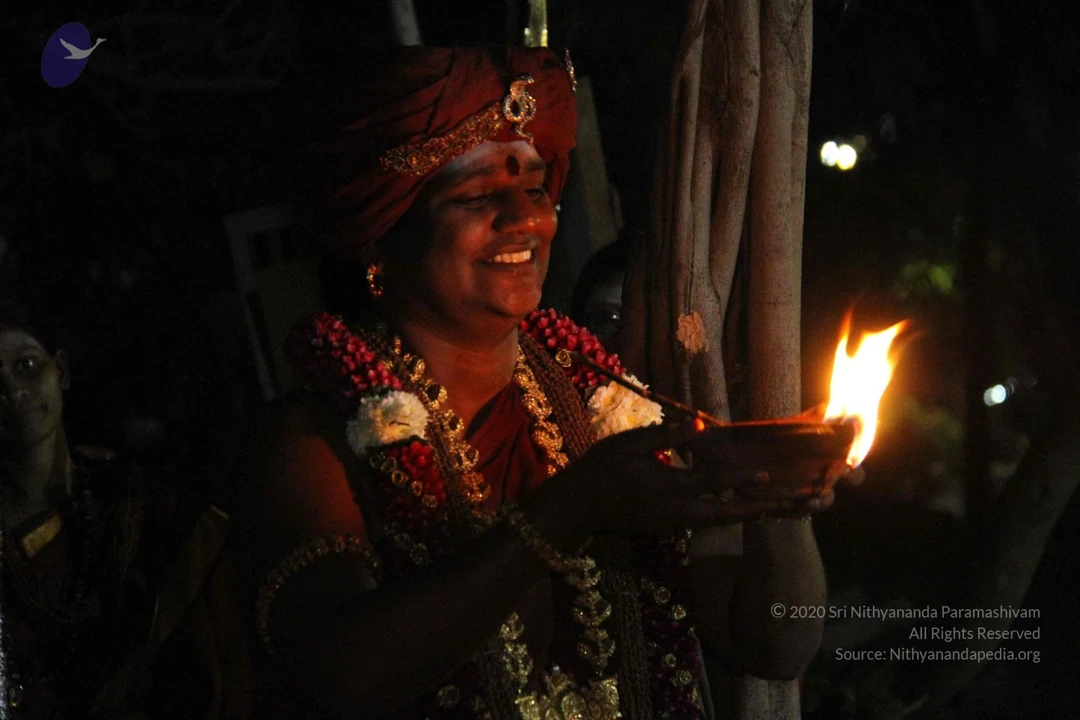
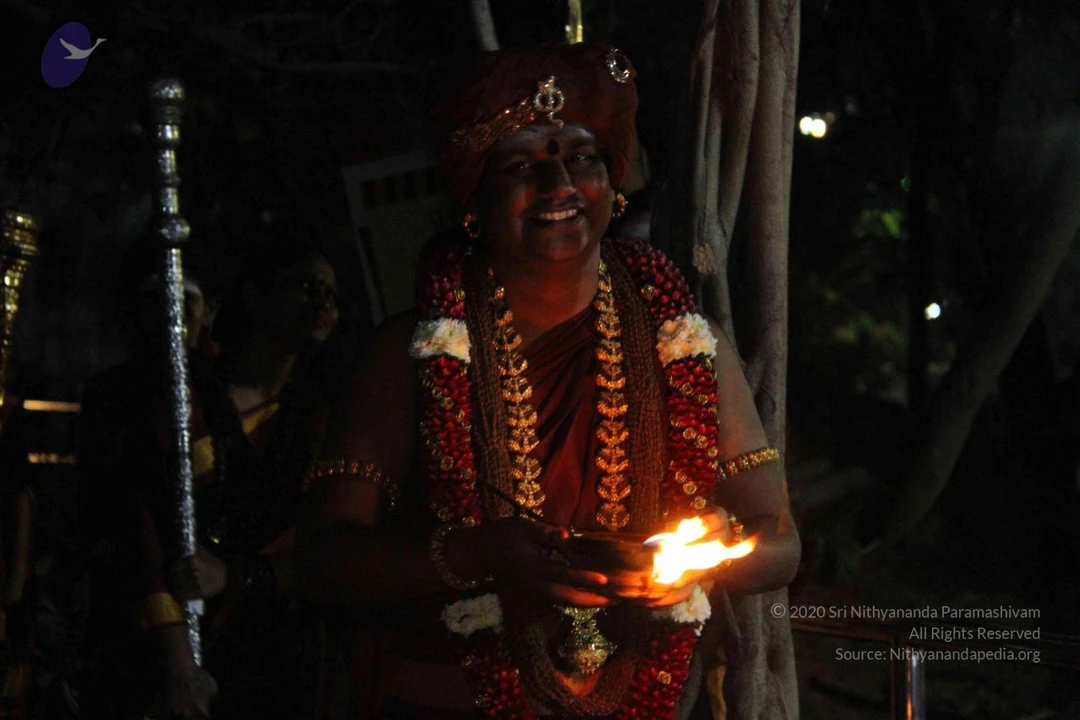
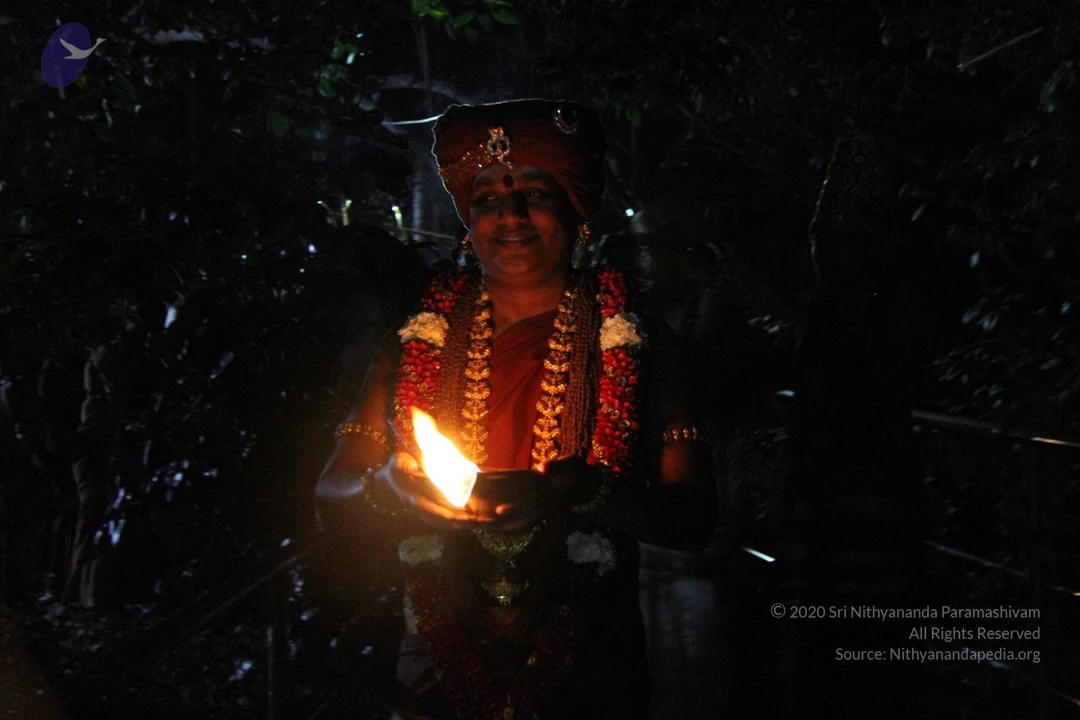
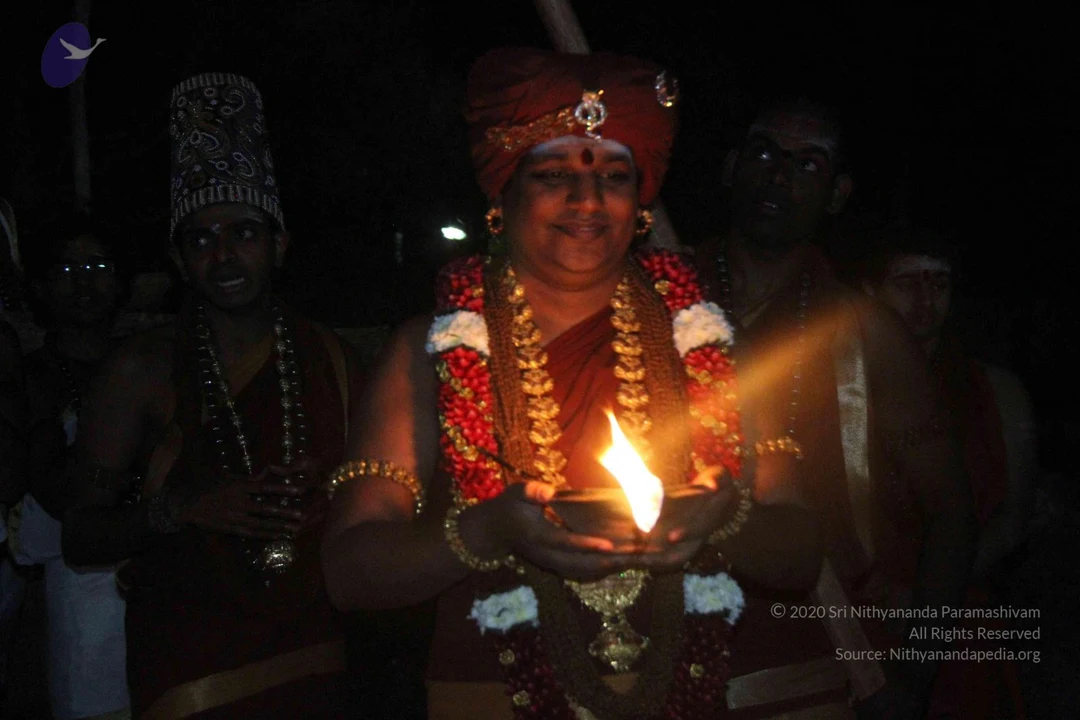
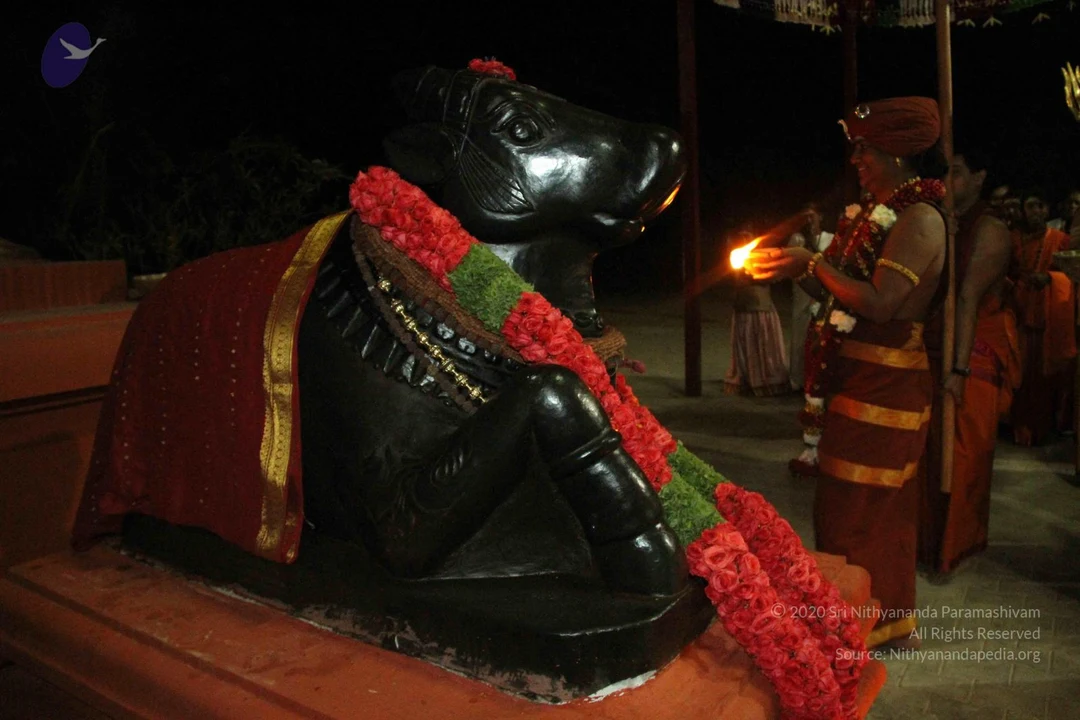
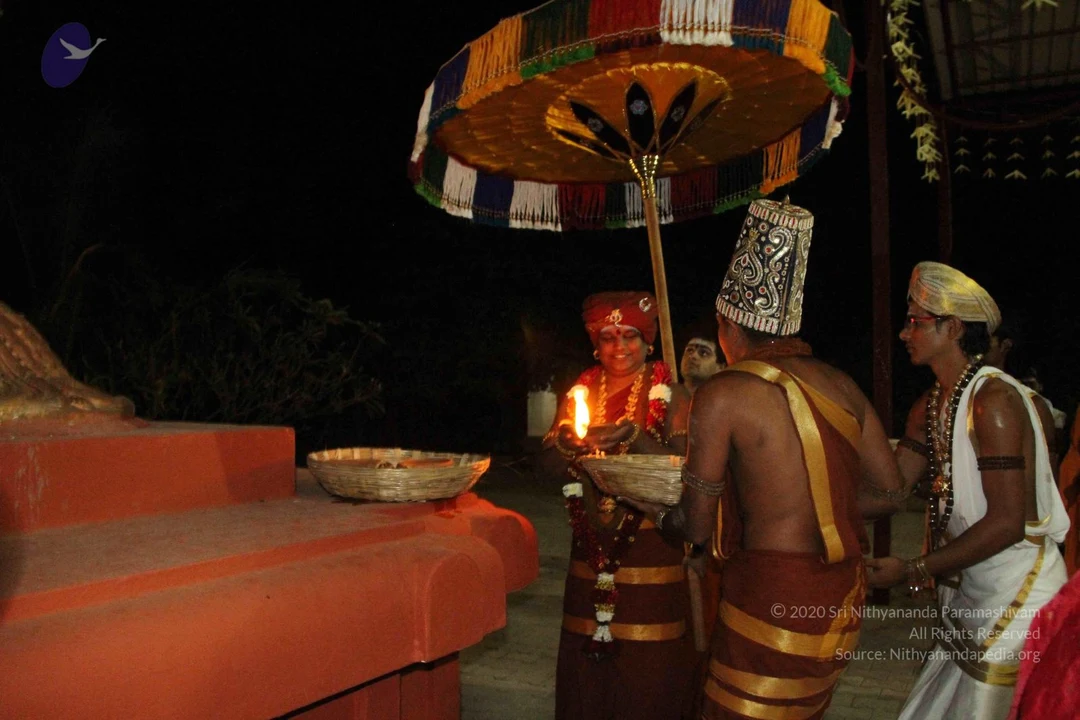
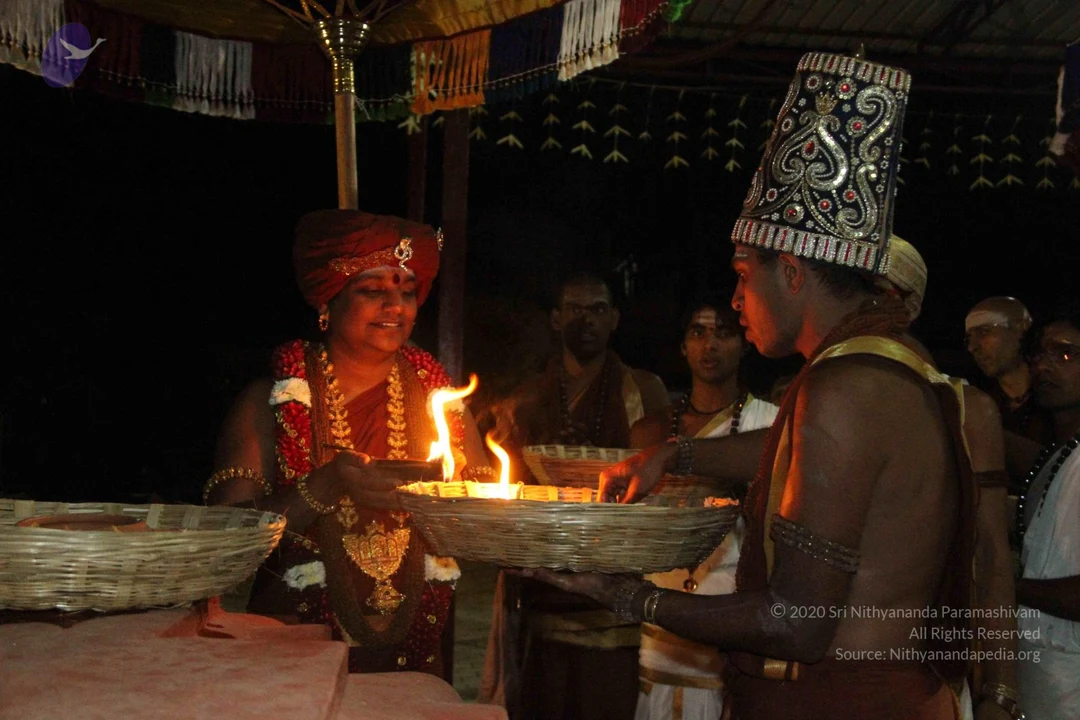
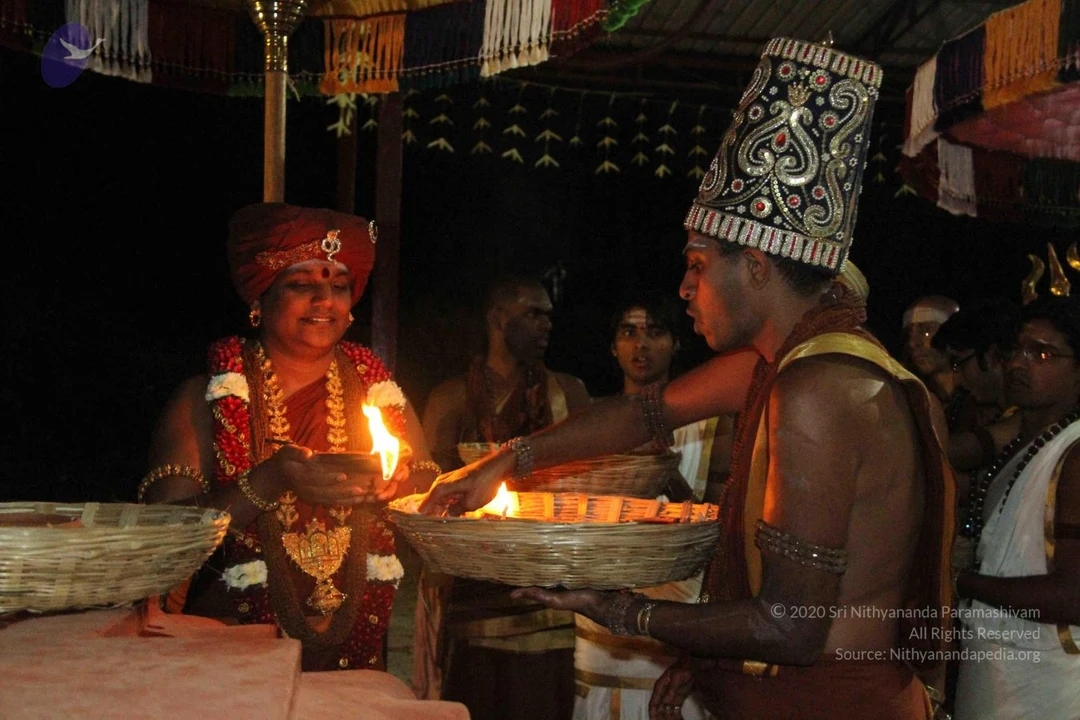
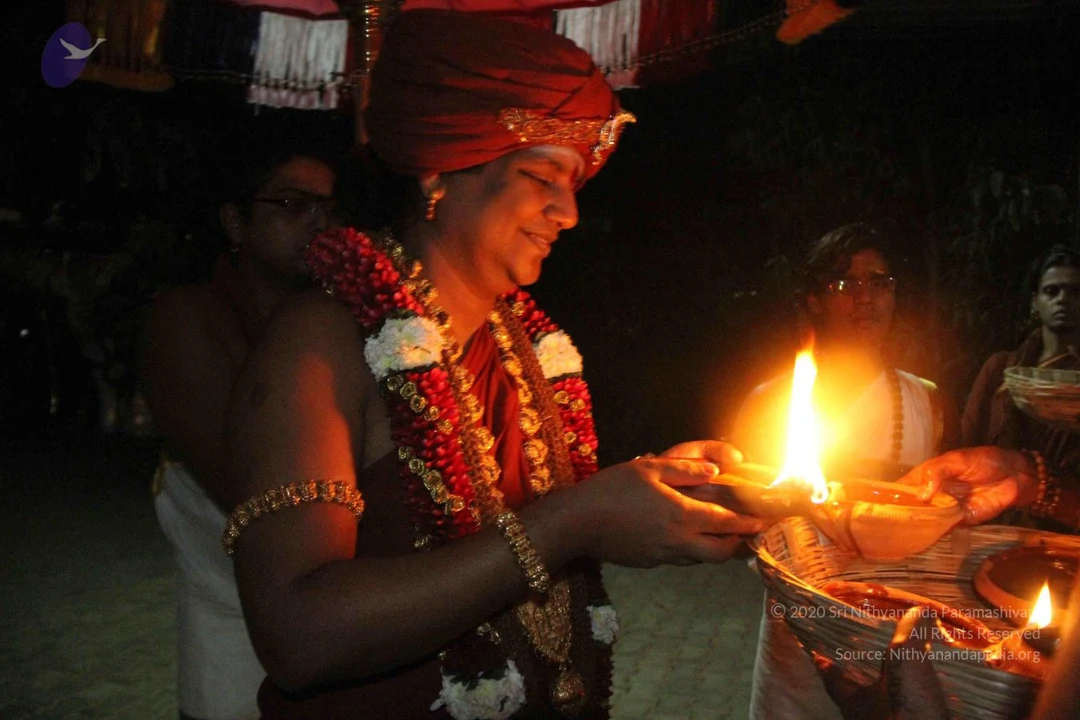
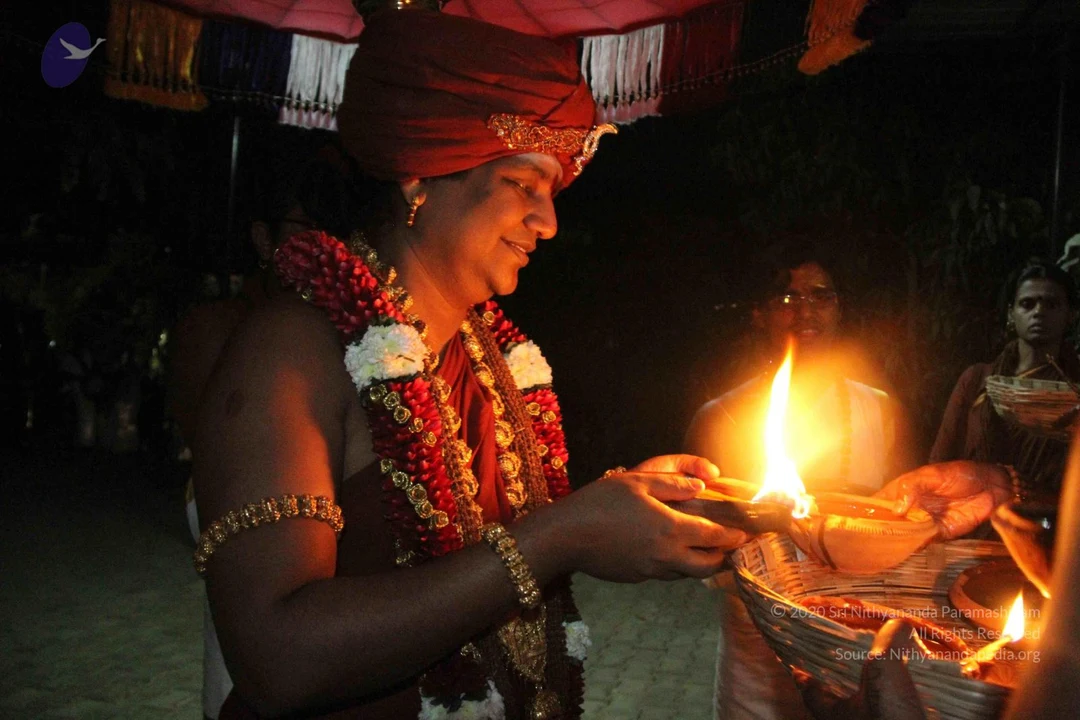
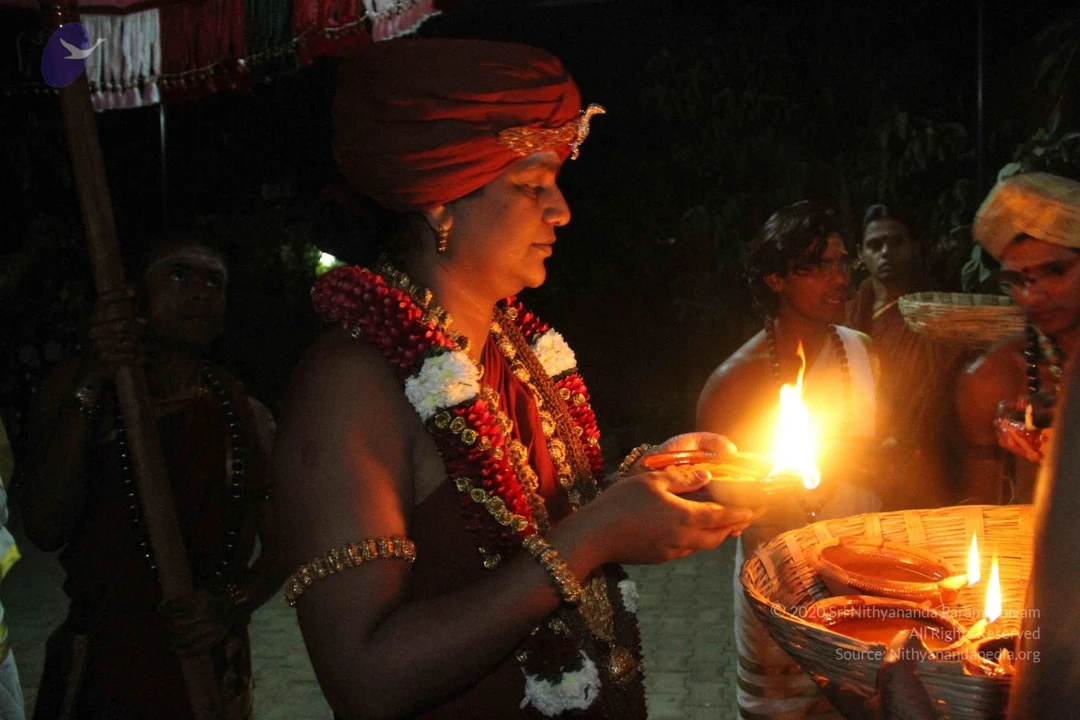
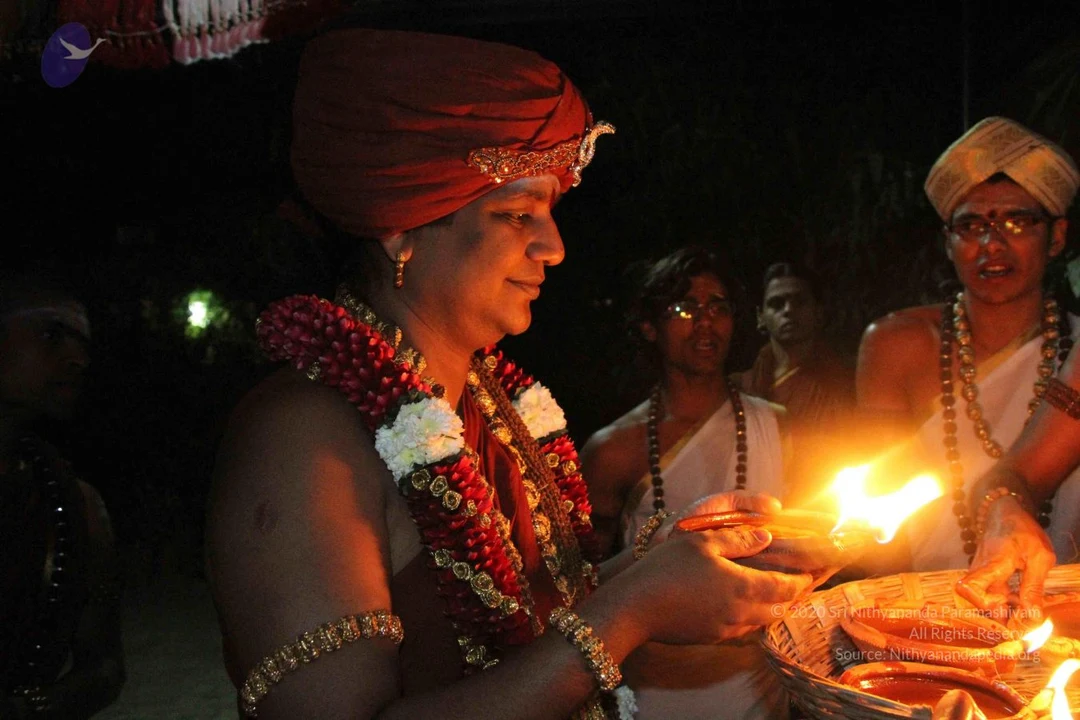
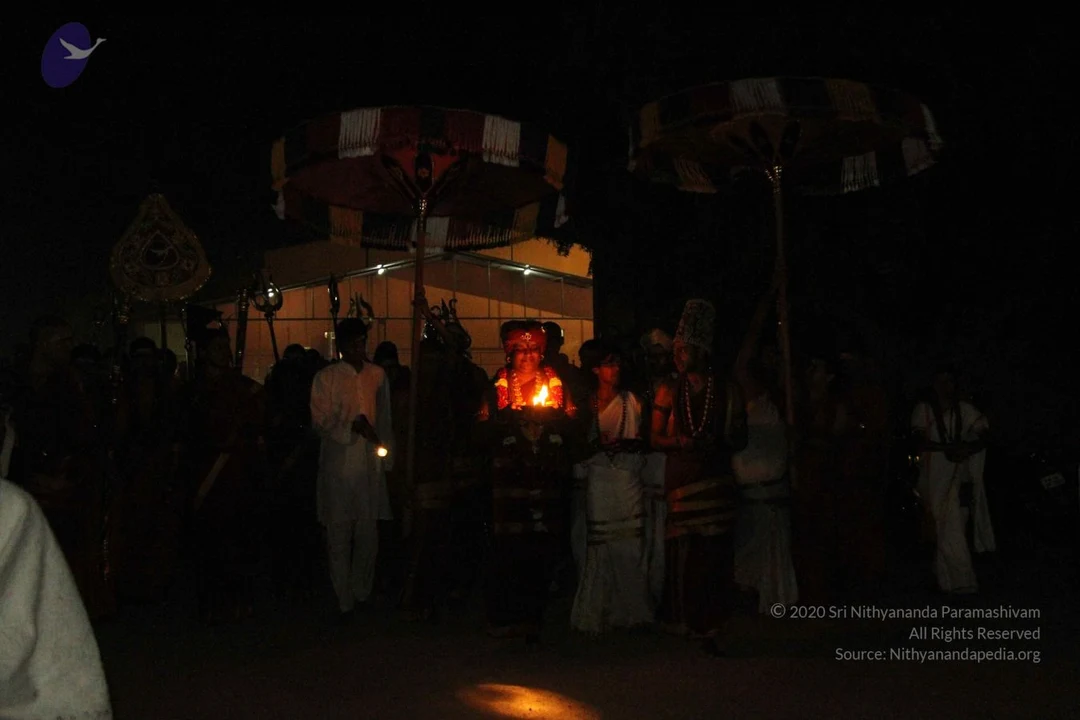
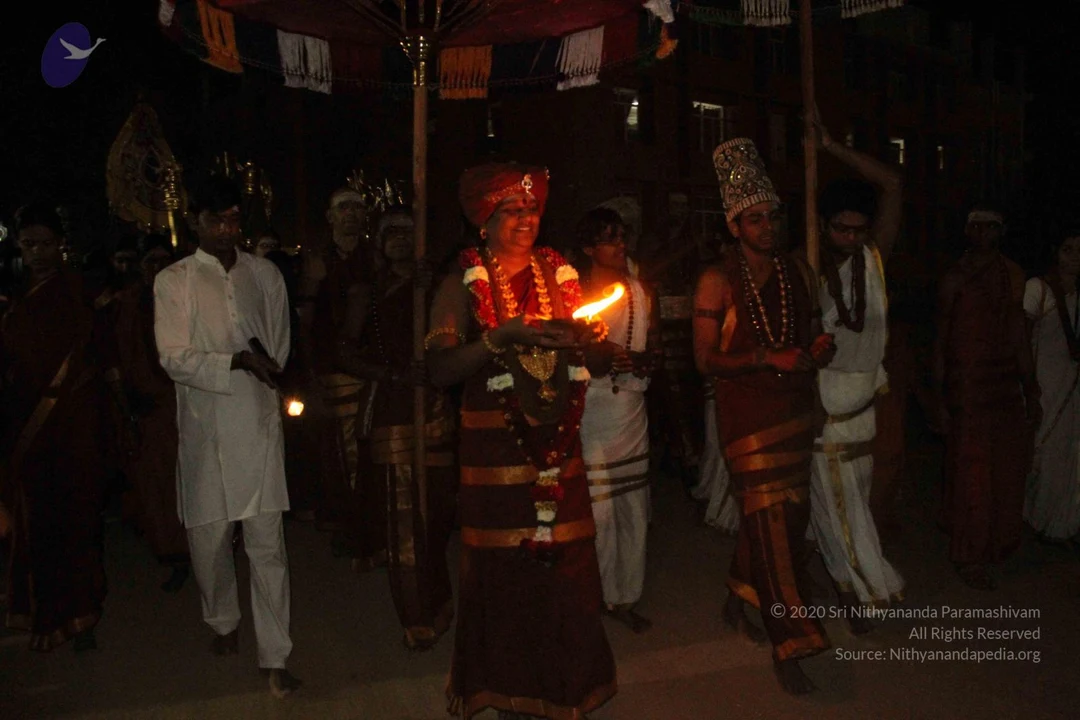
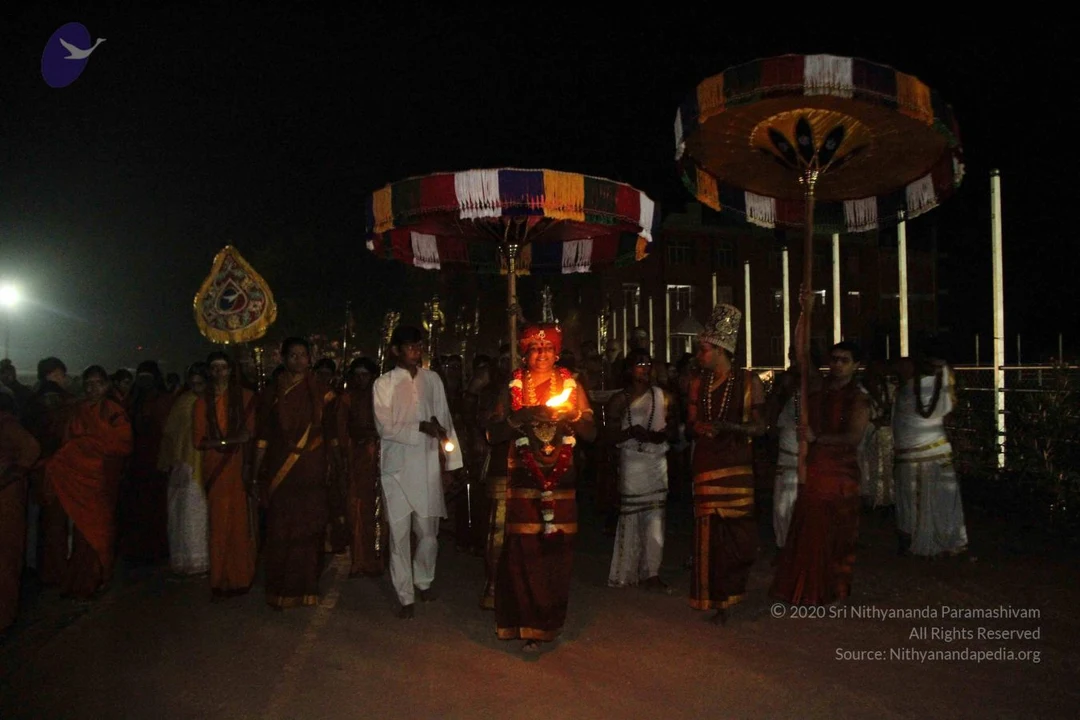
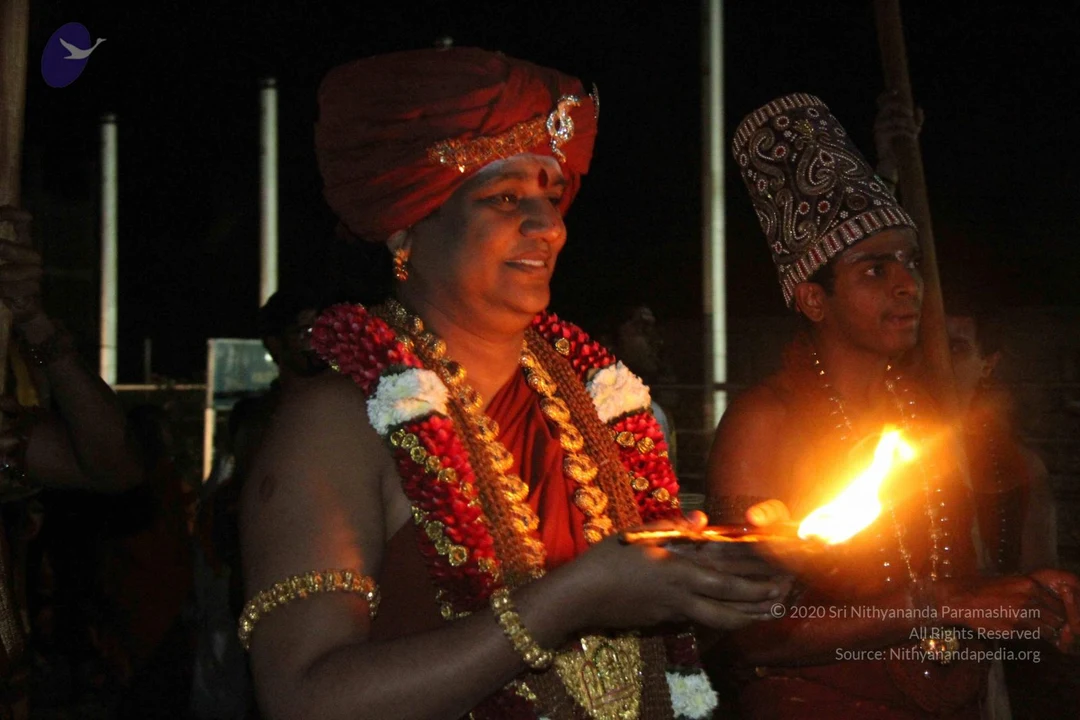
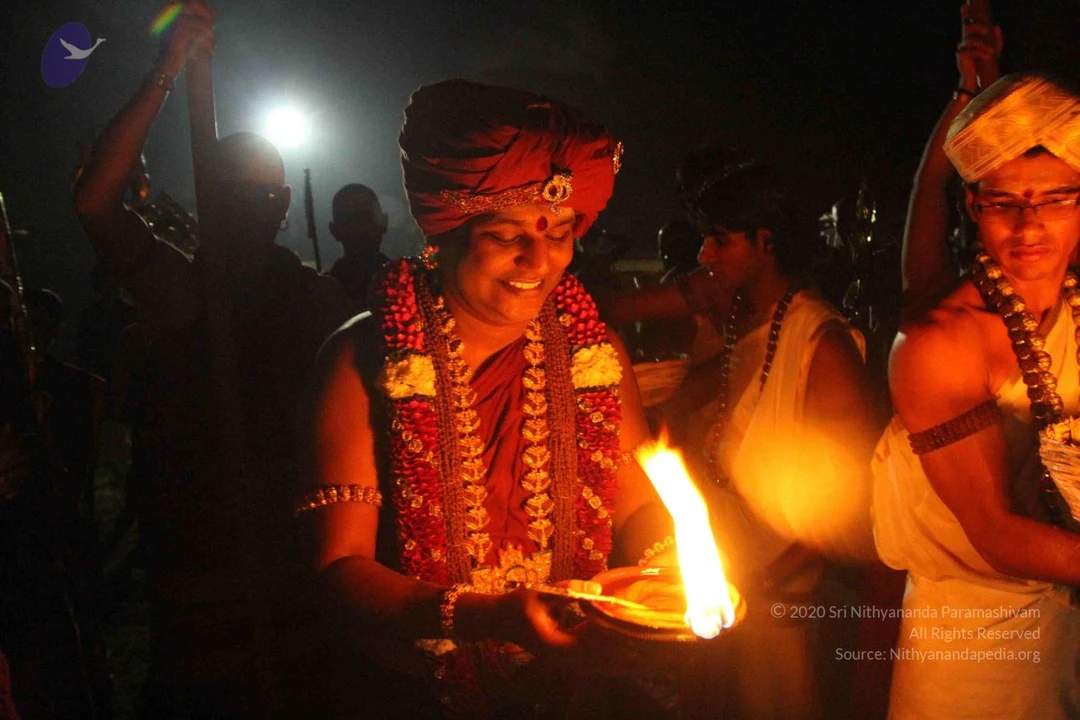
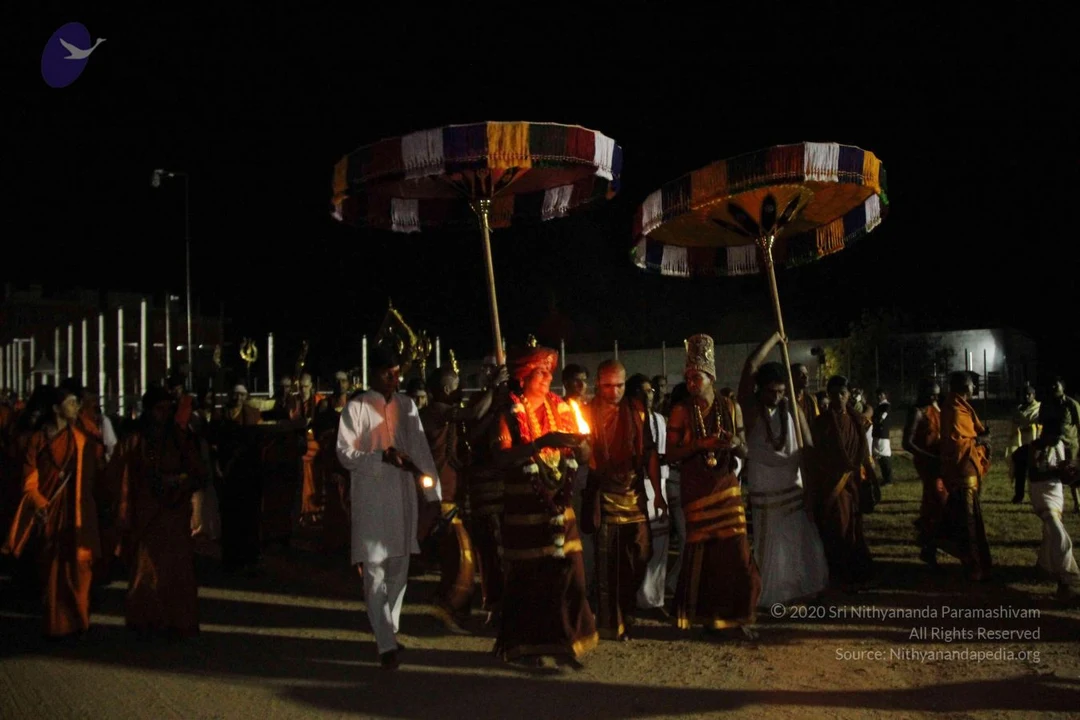
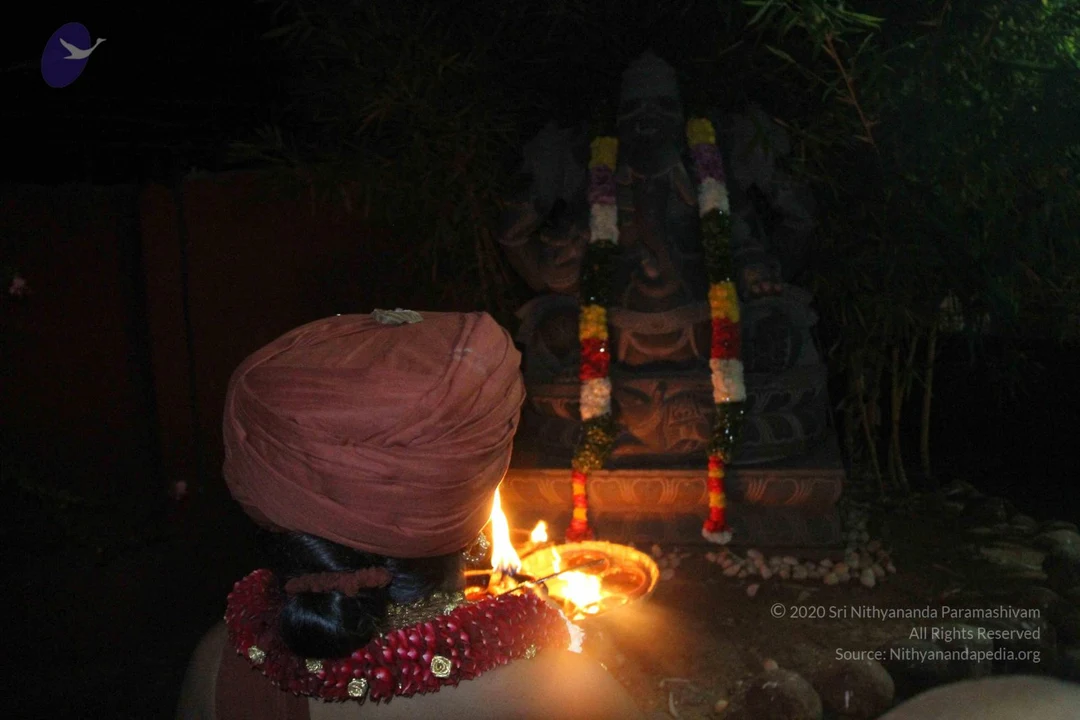
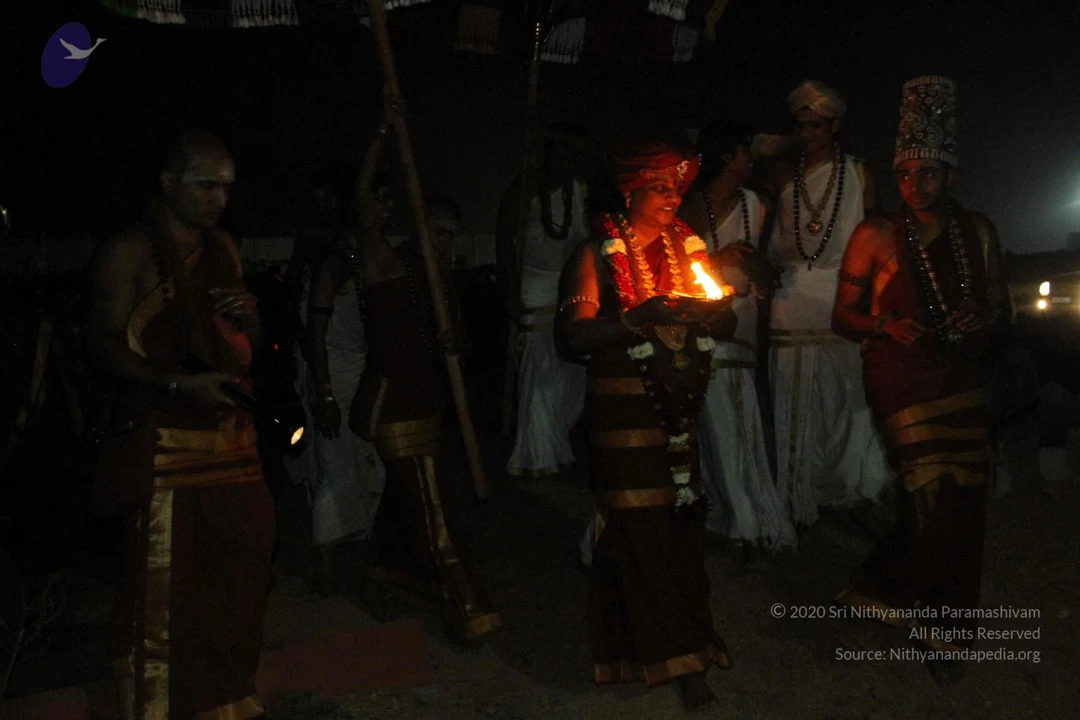
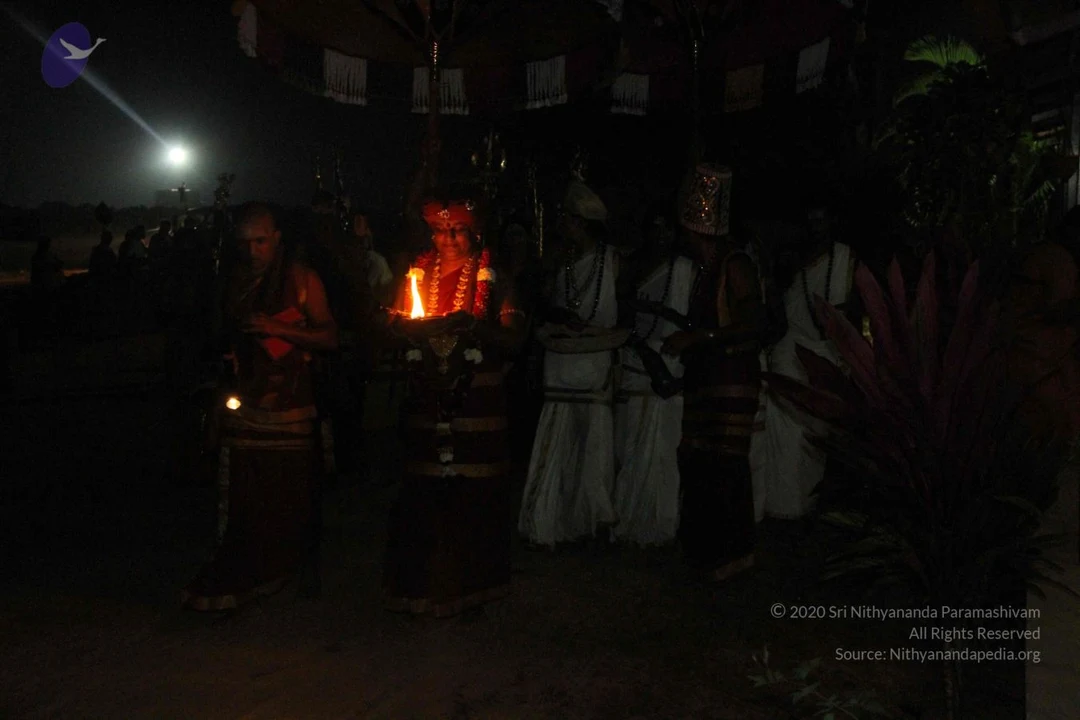
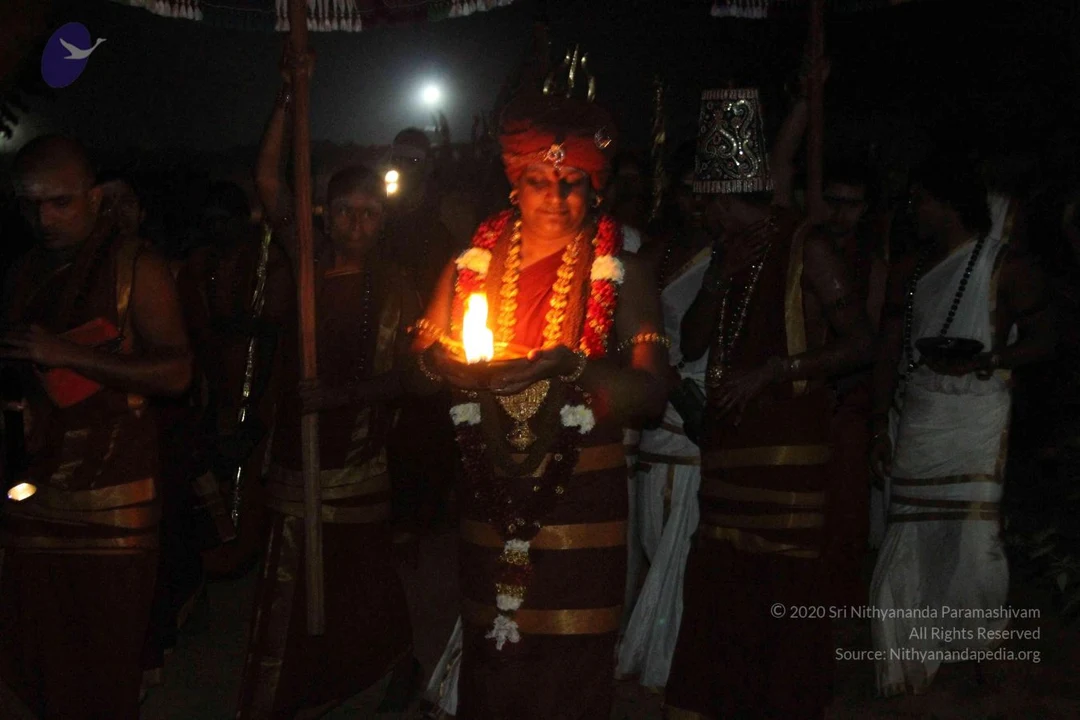
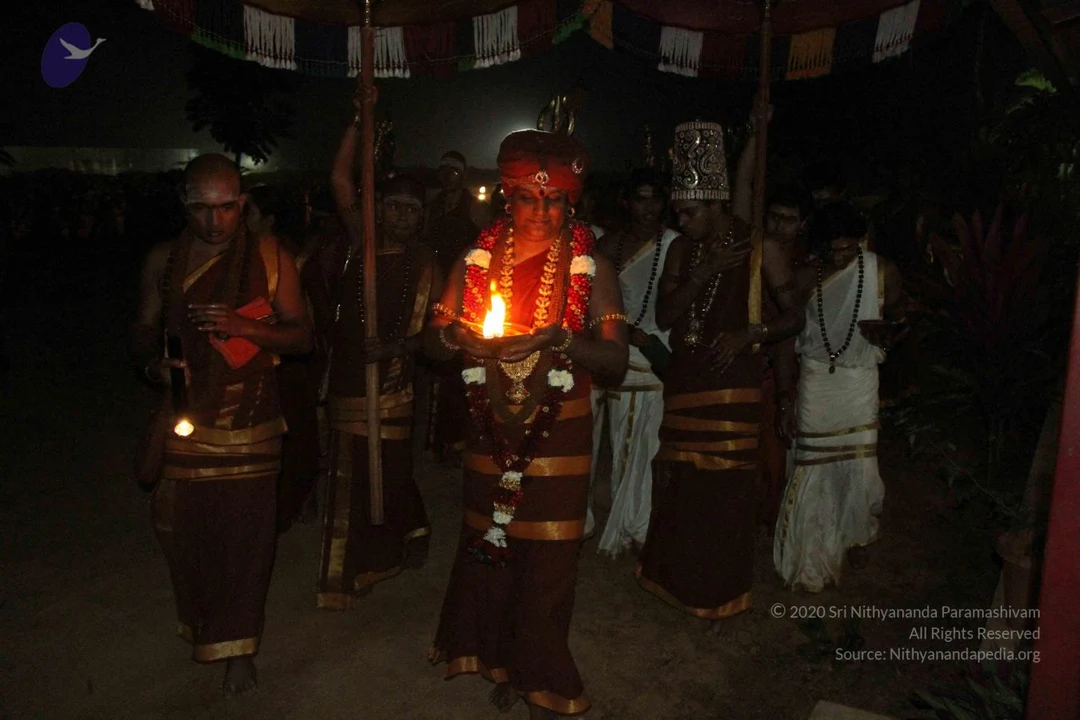
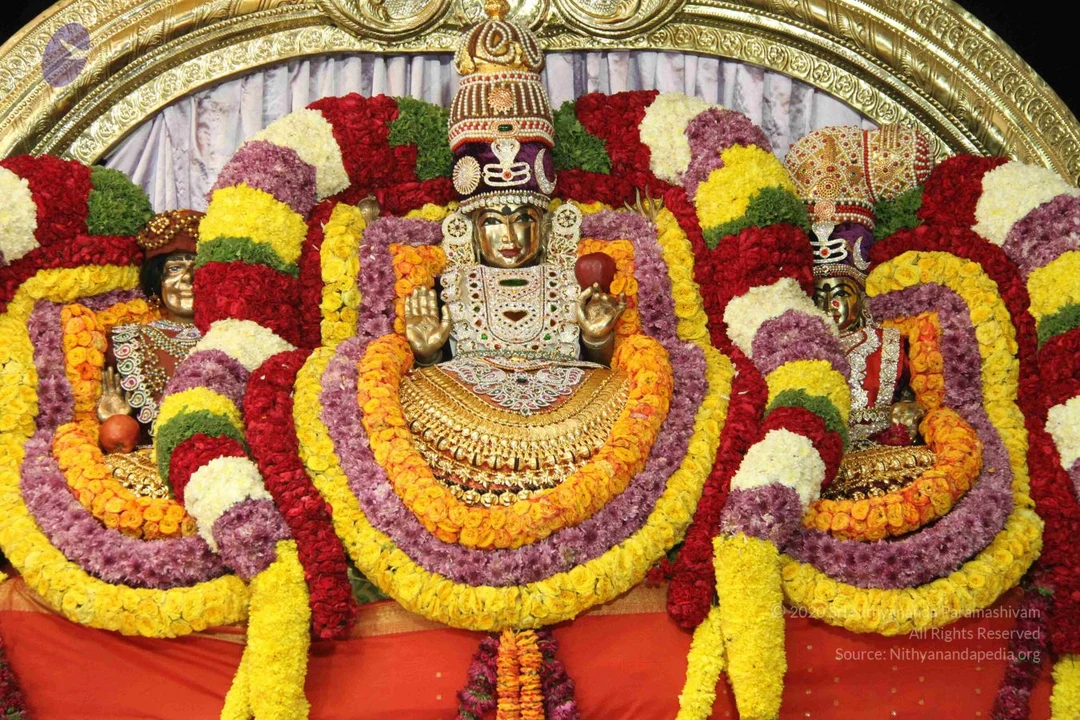
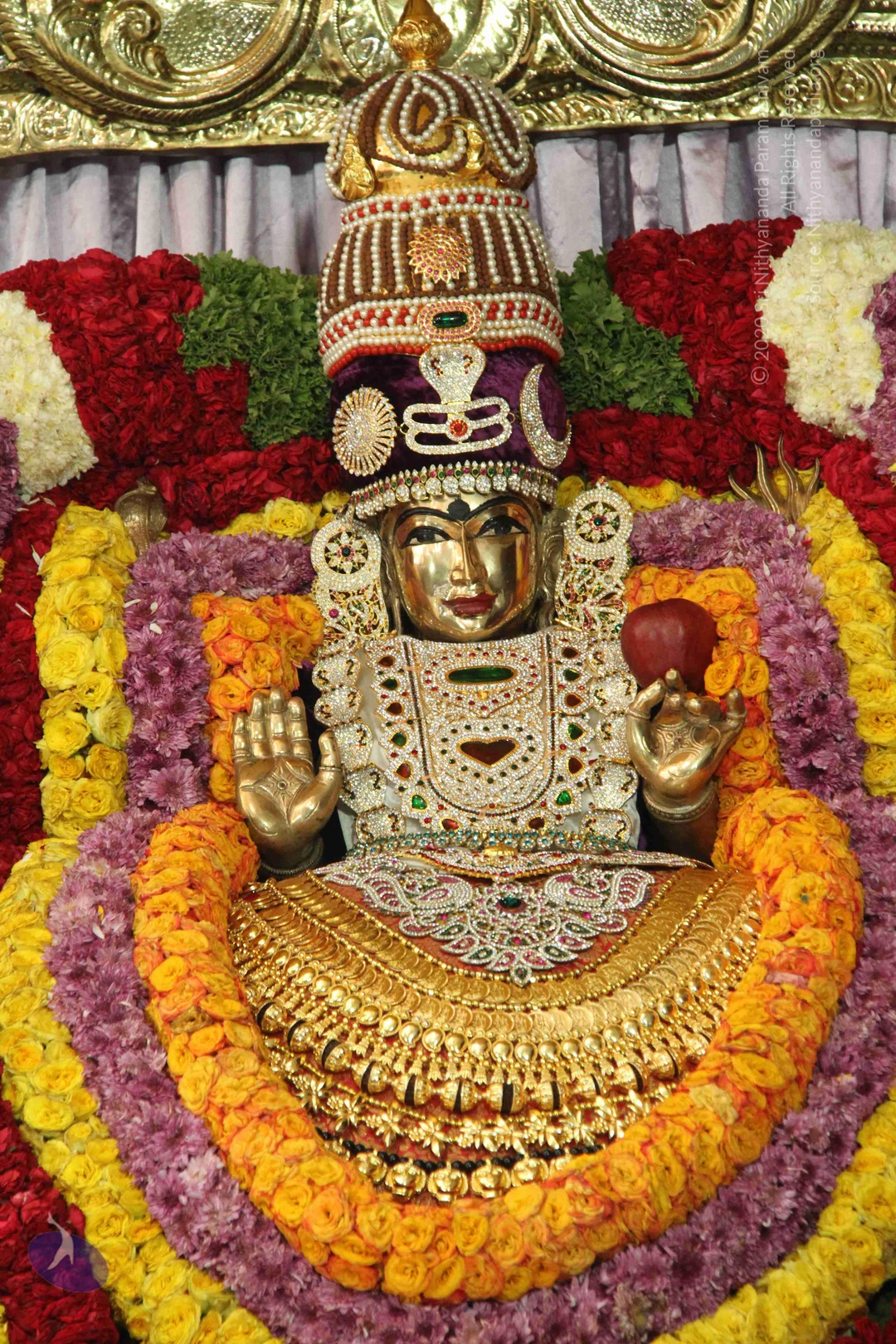
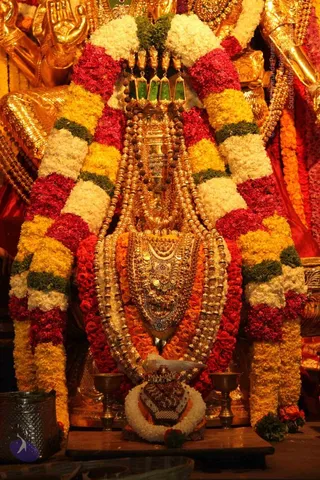
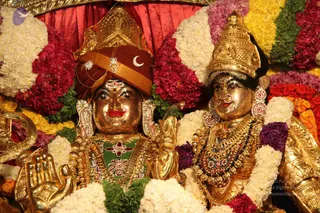
Karthikai-Deepam
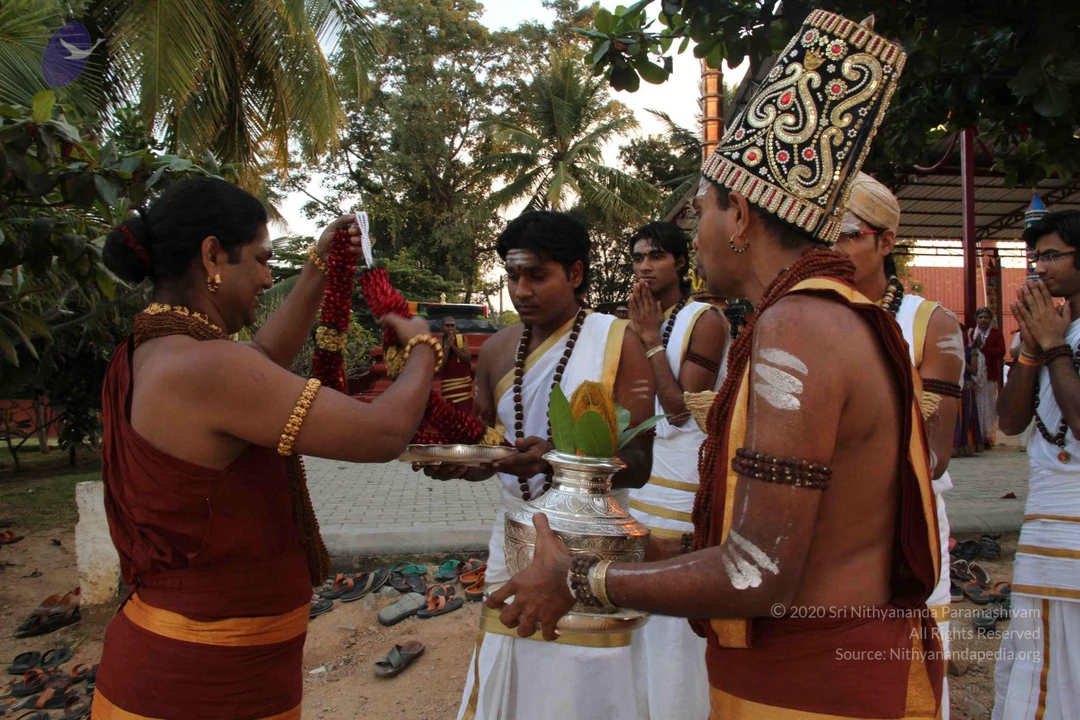
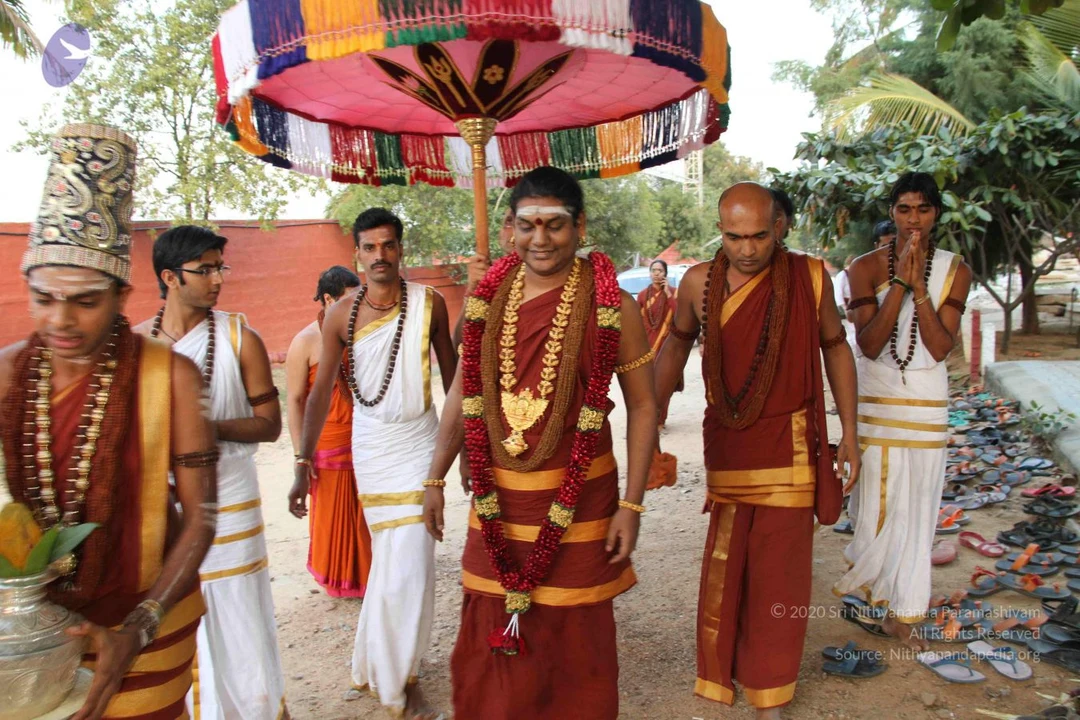
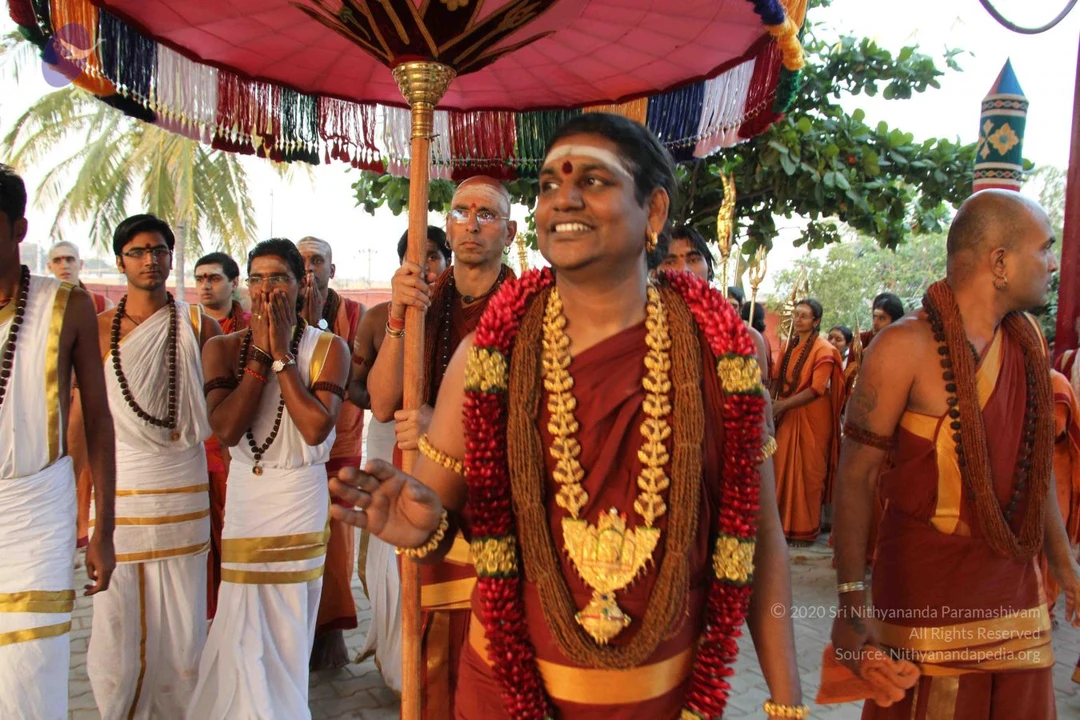
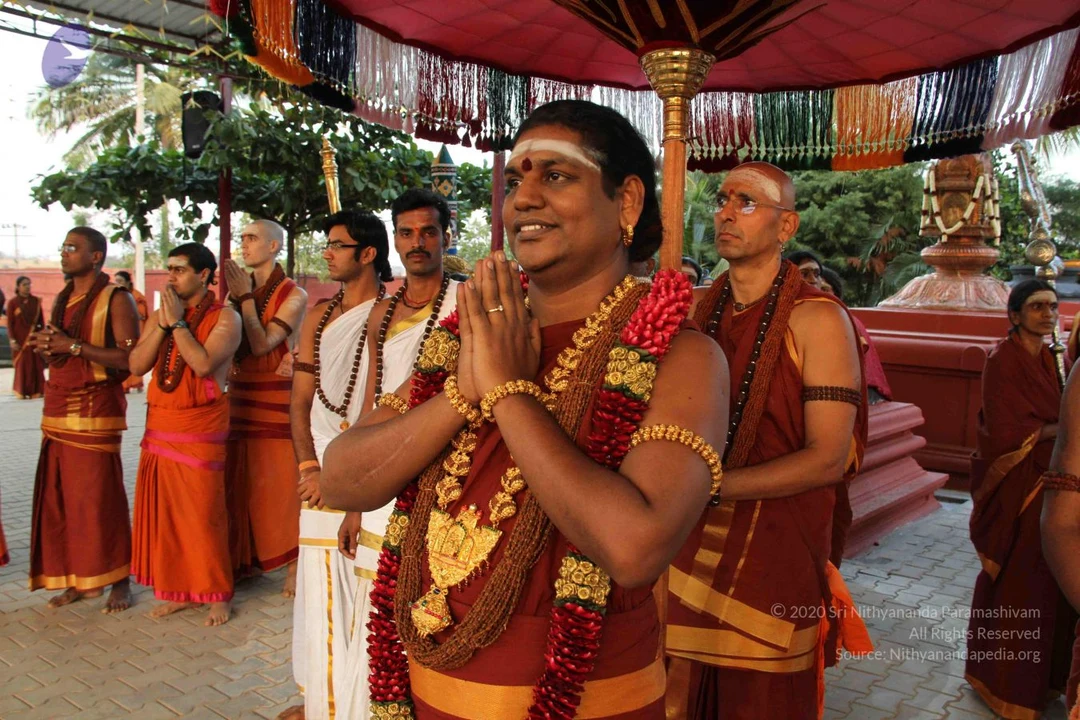
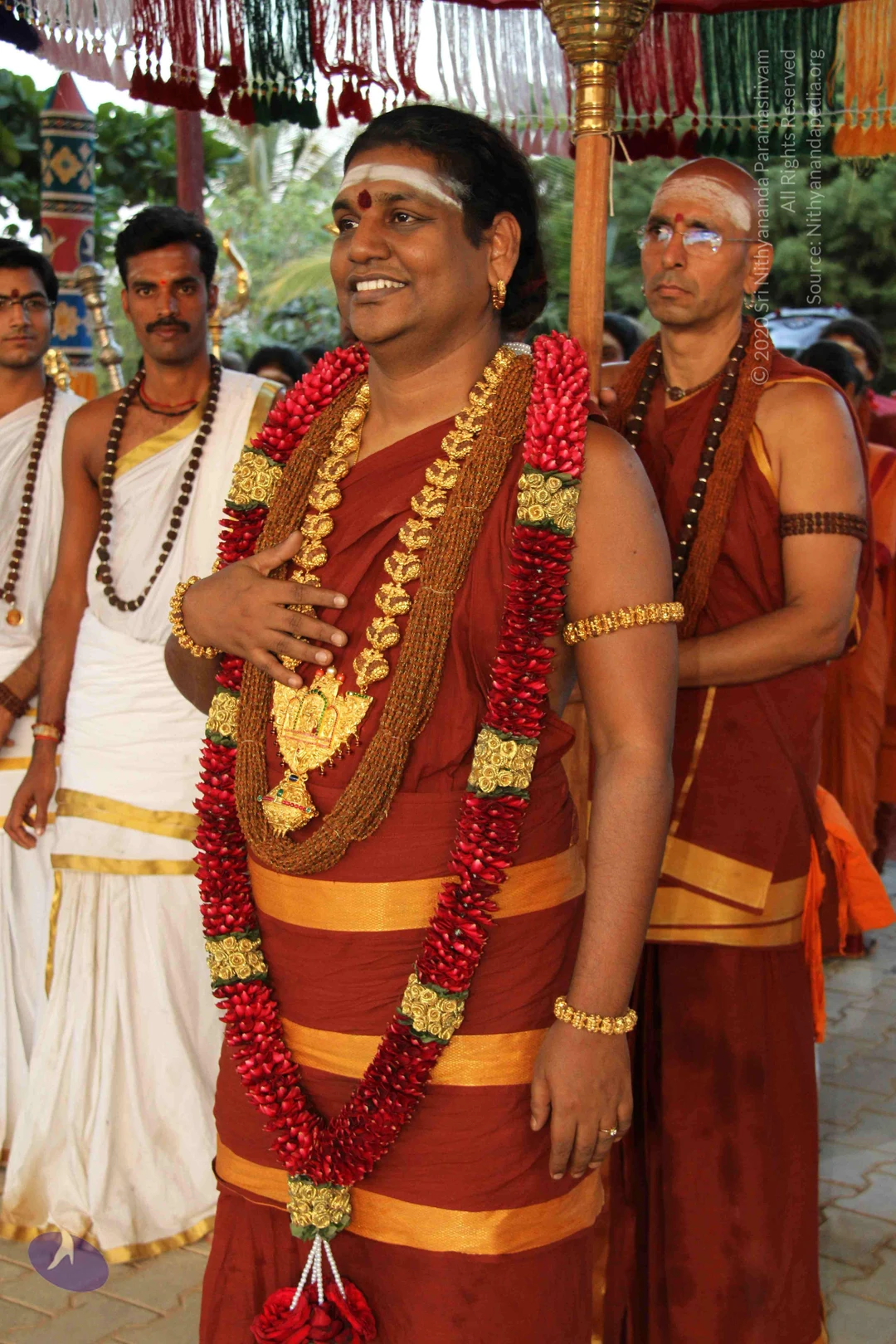
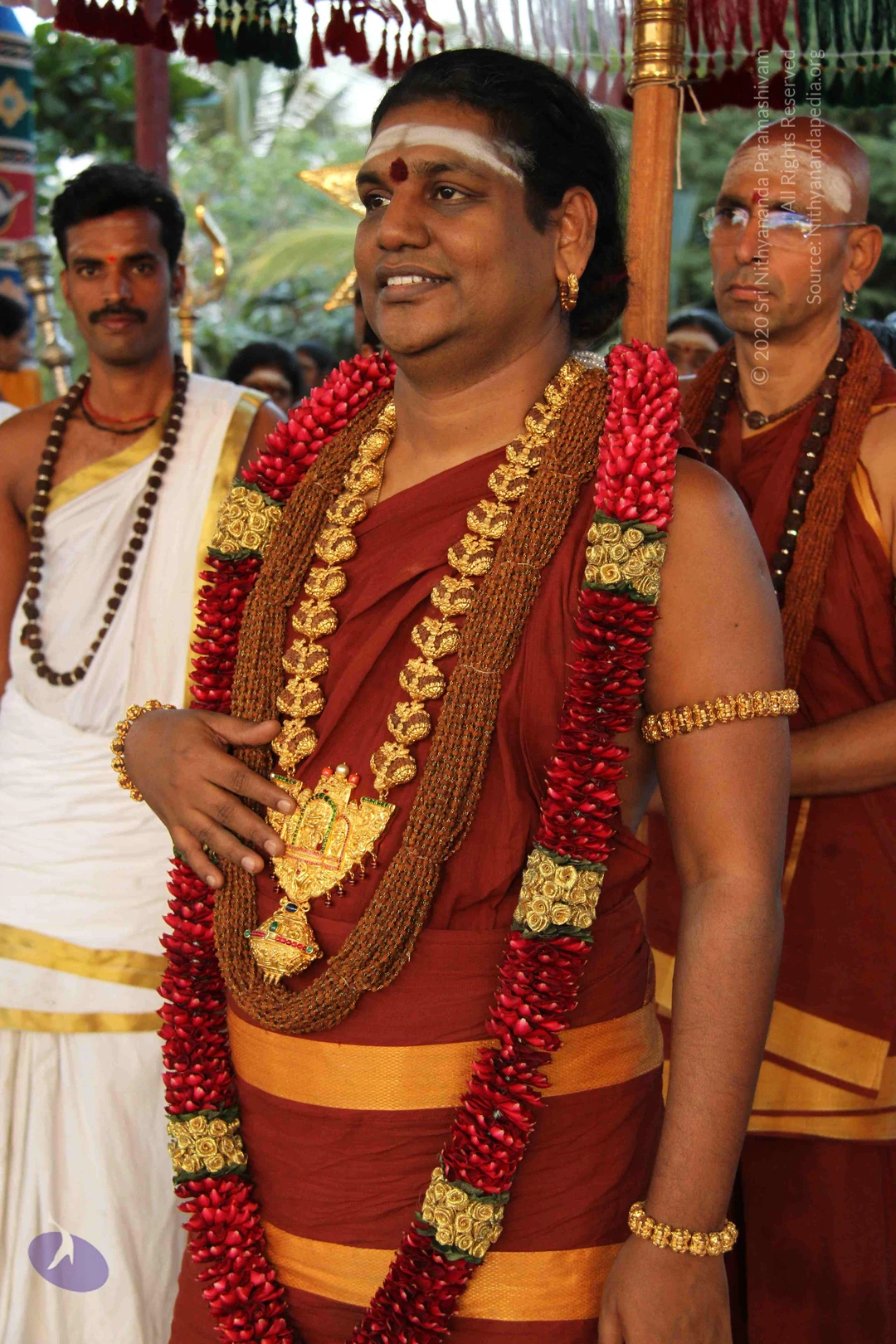
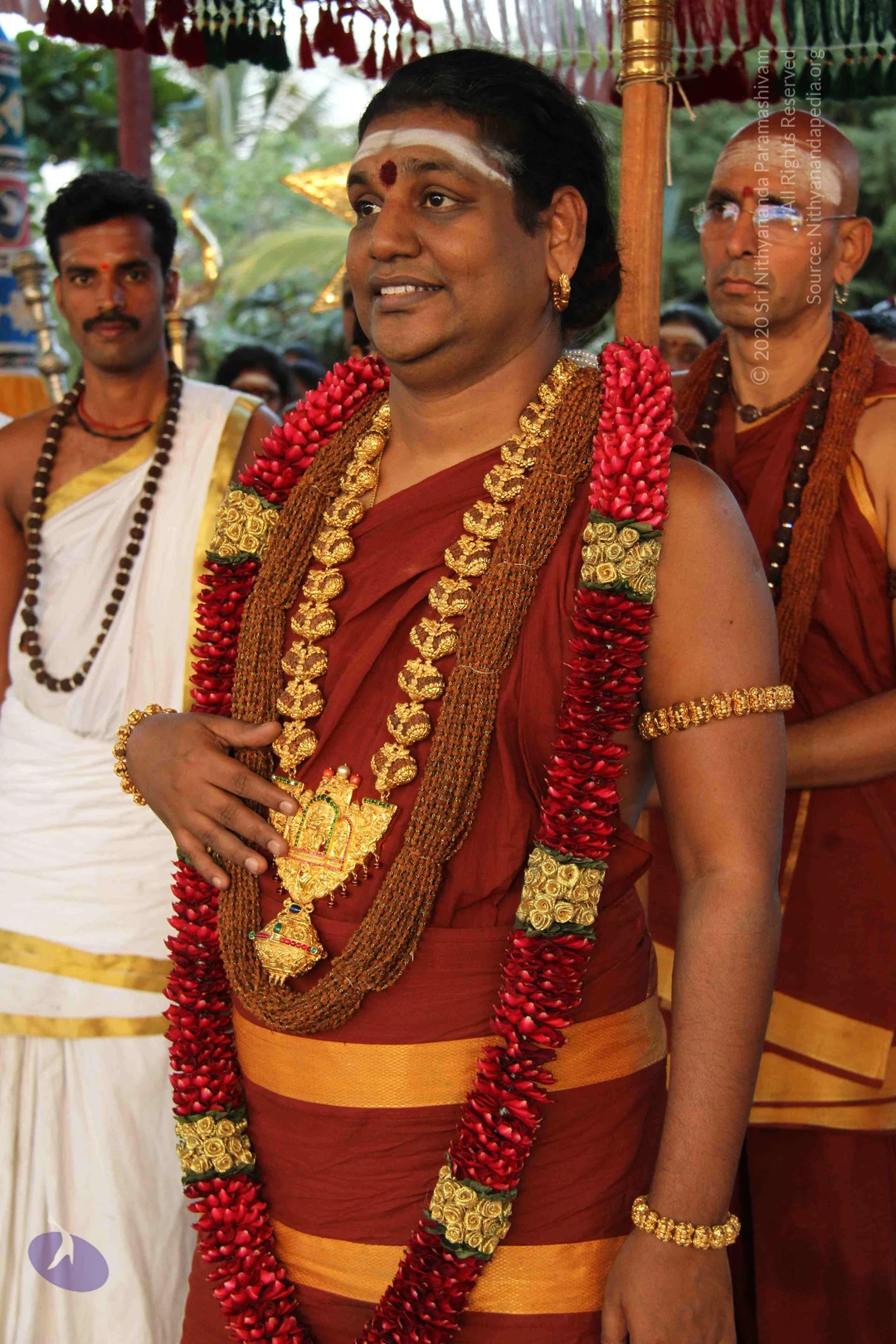
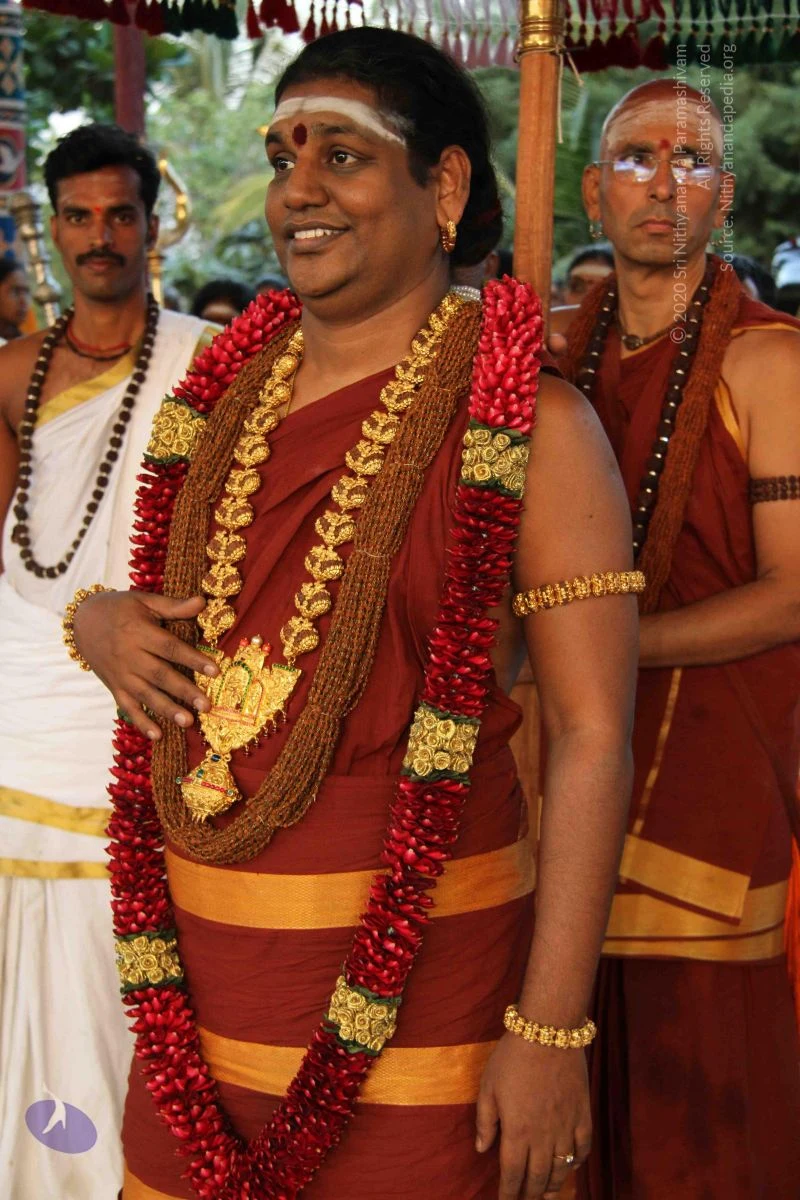
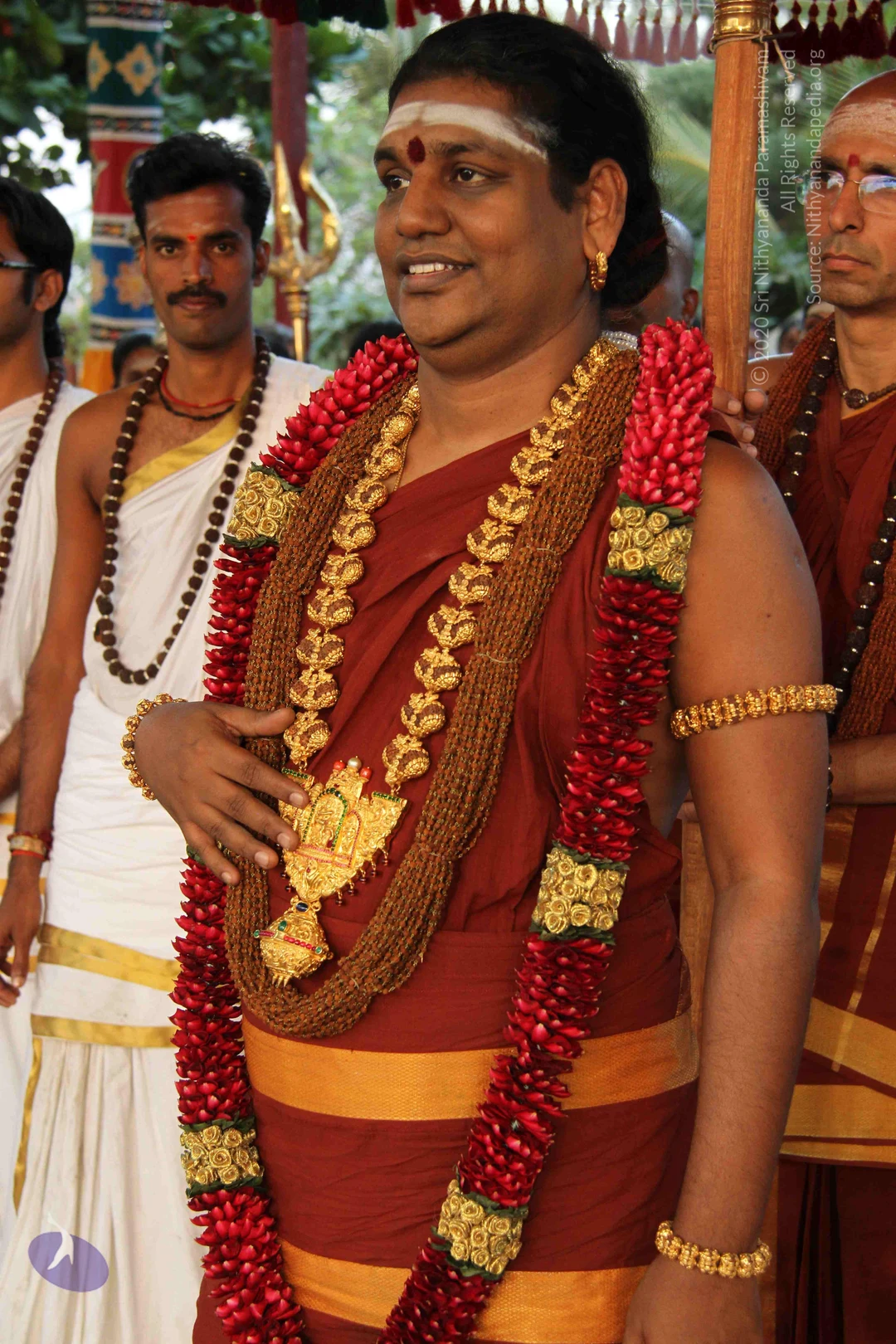
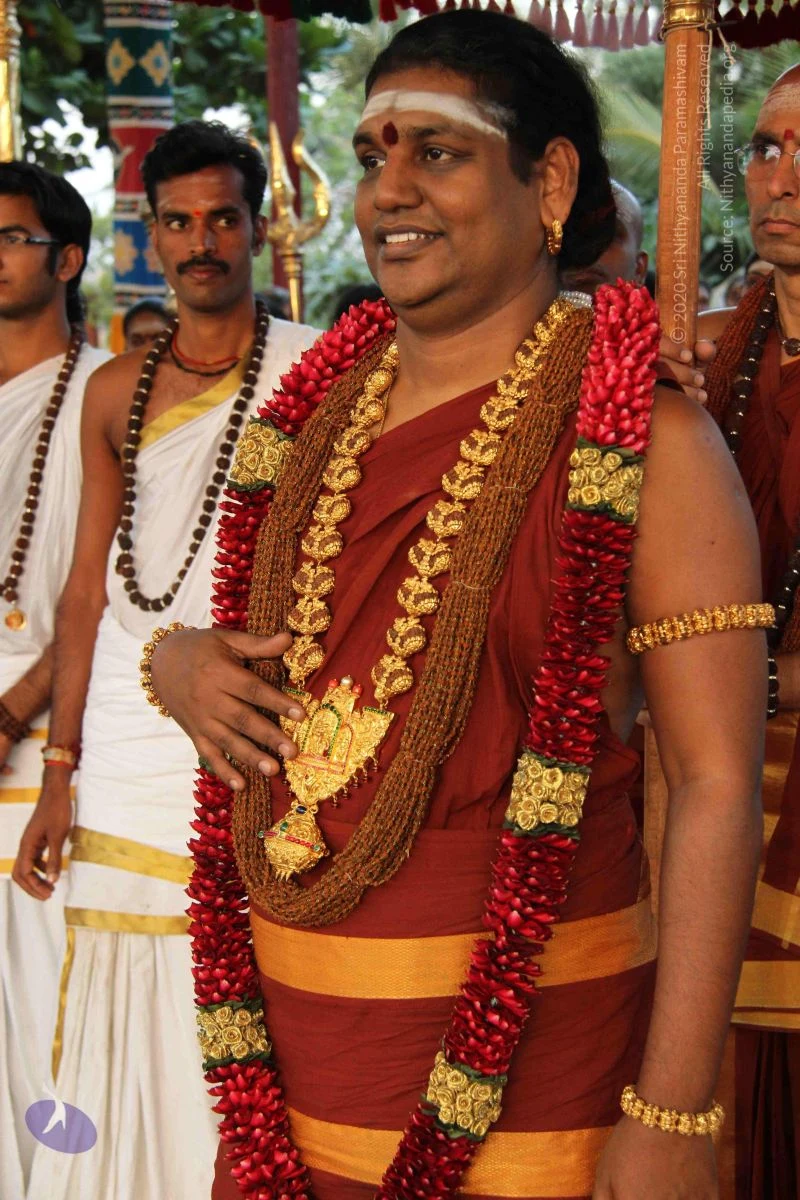
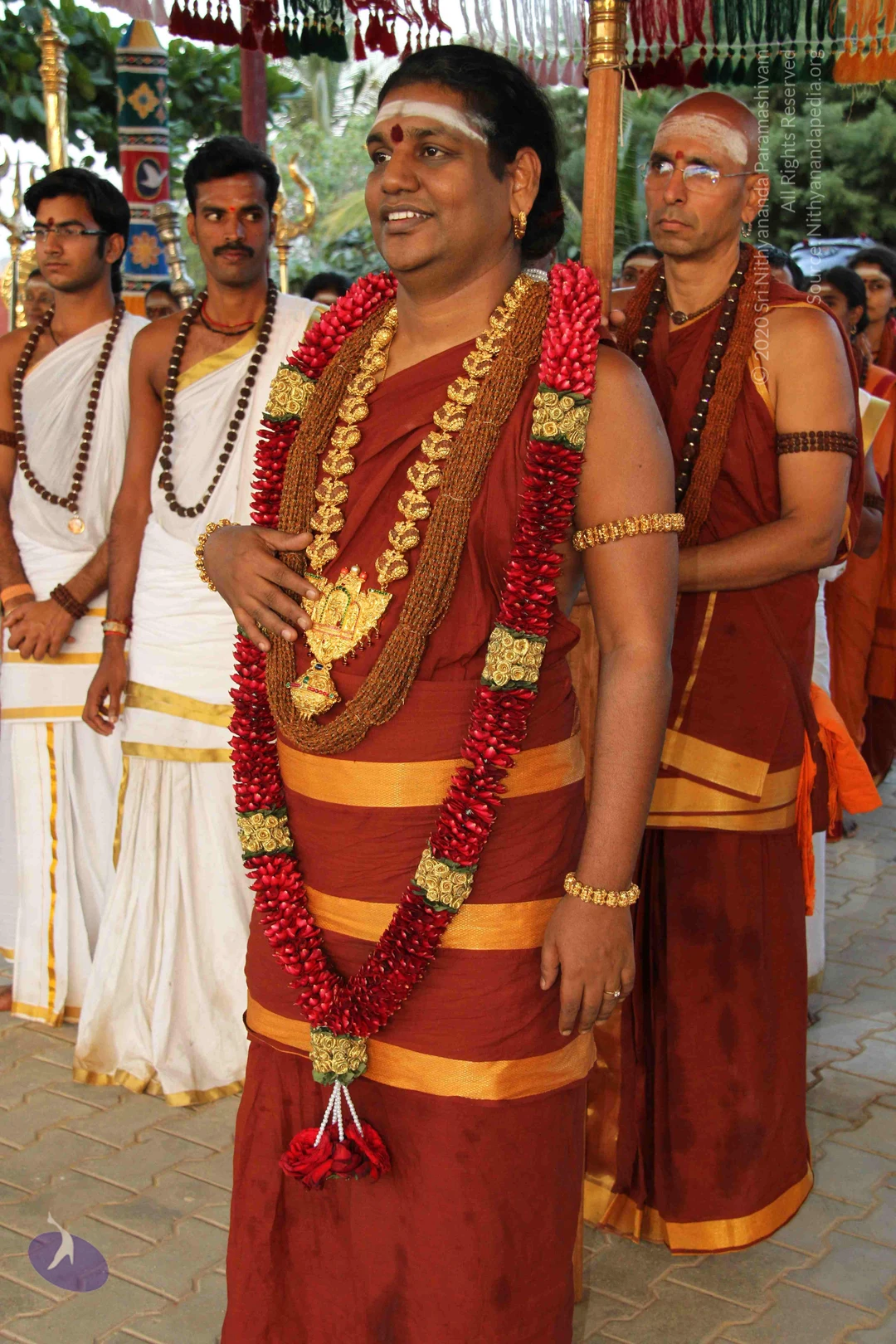
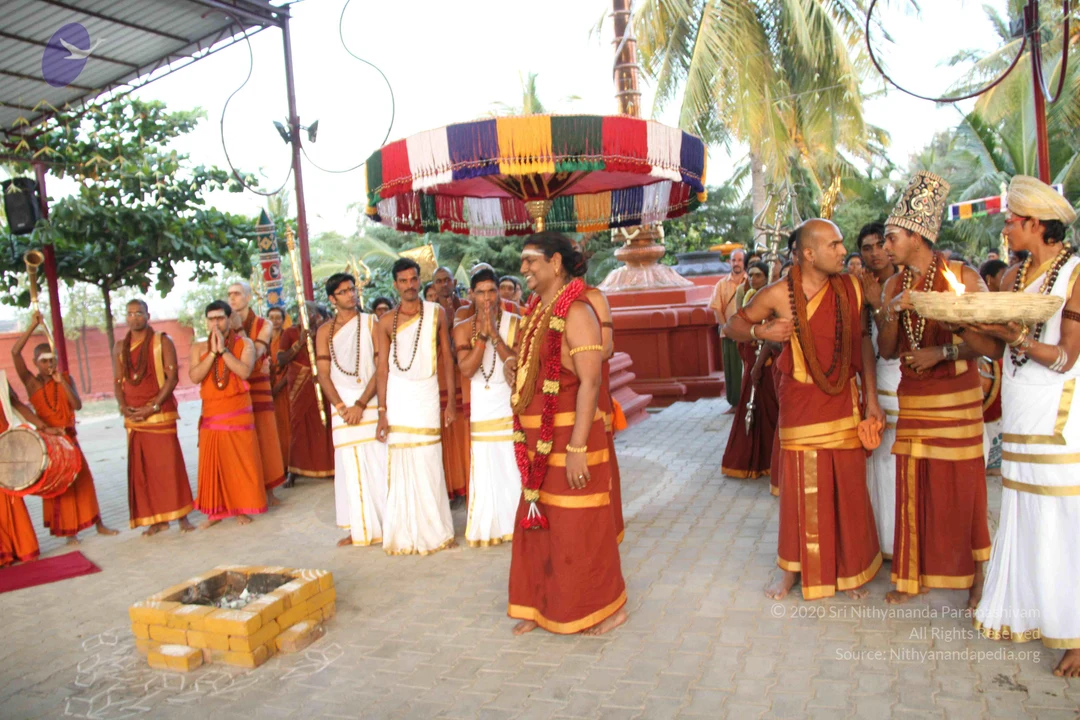
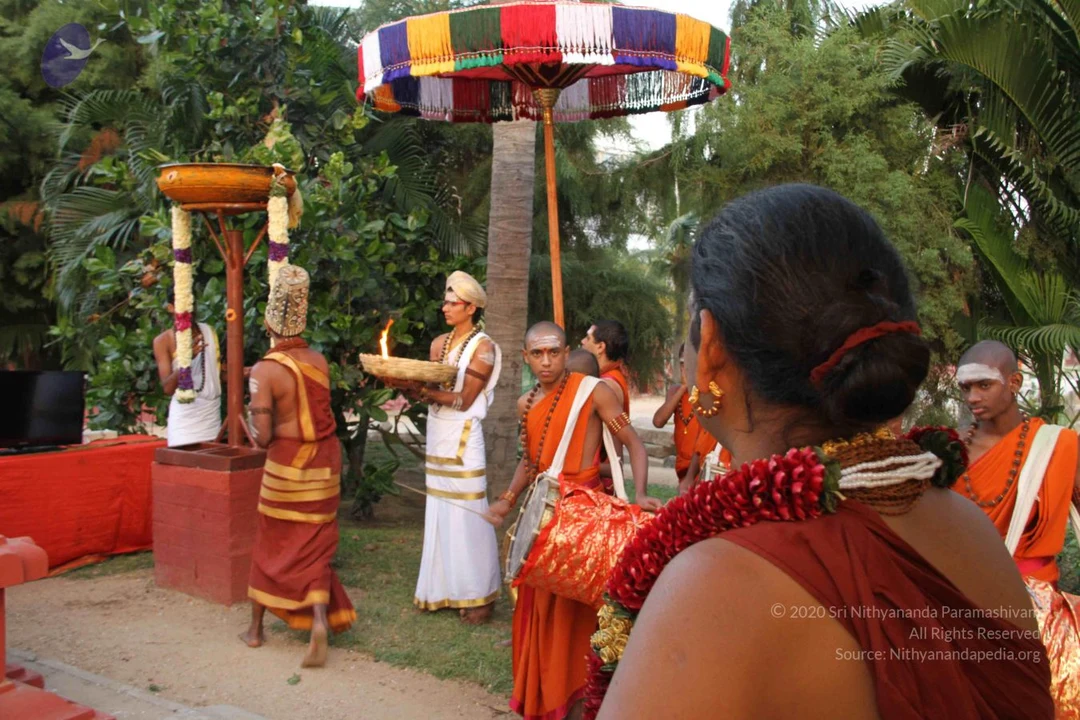
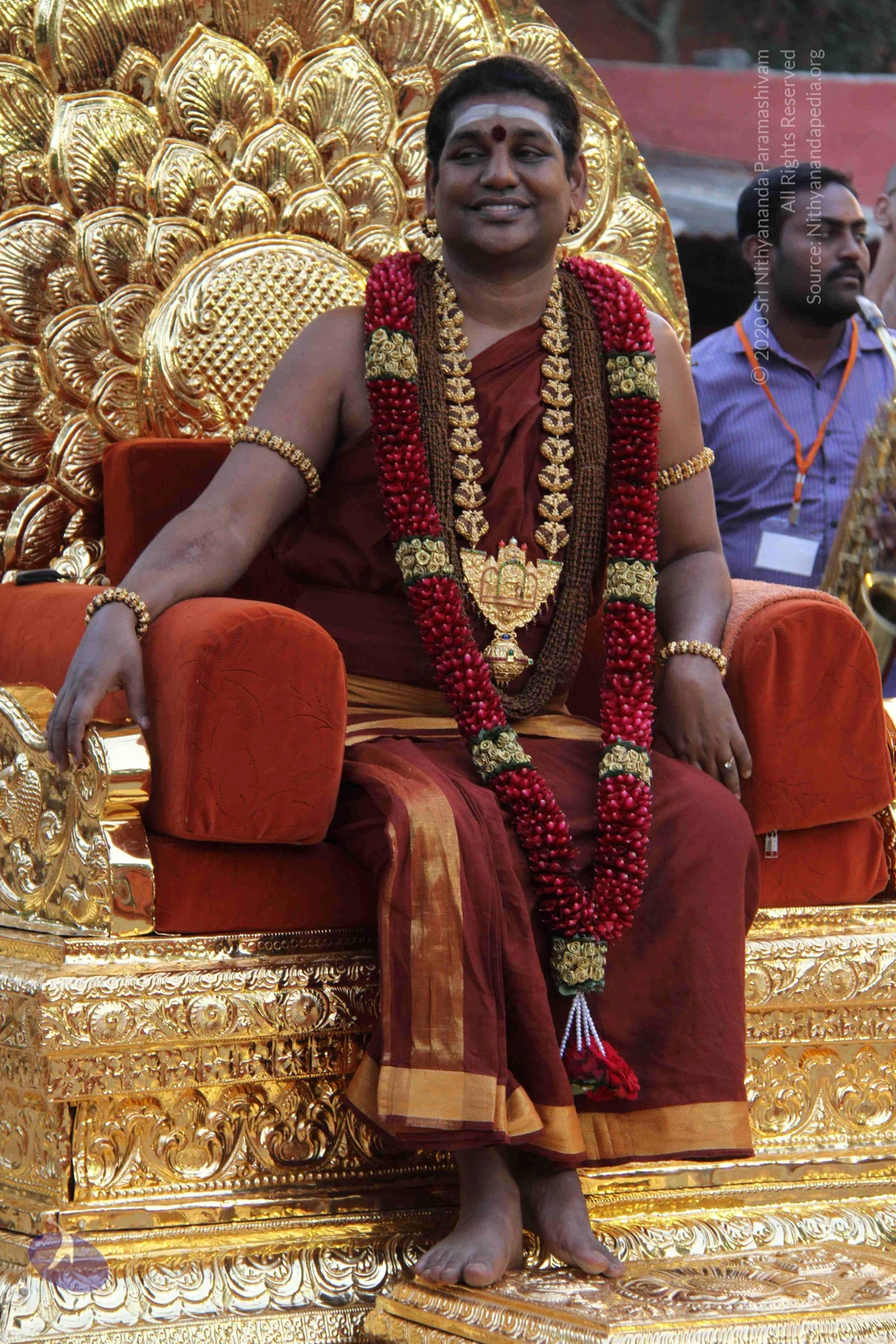
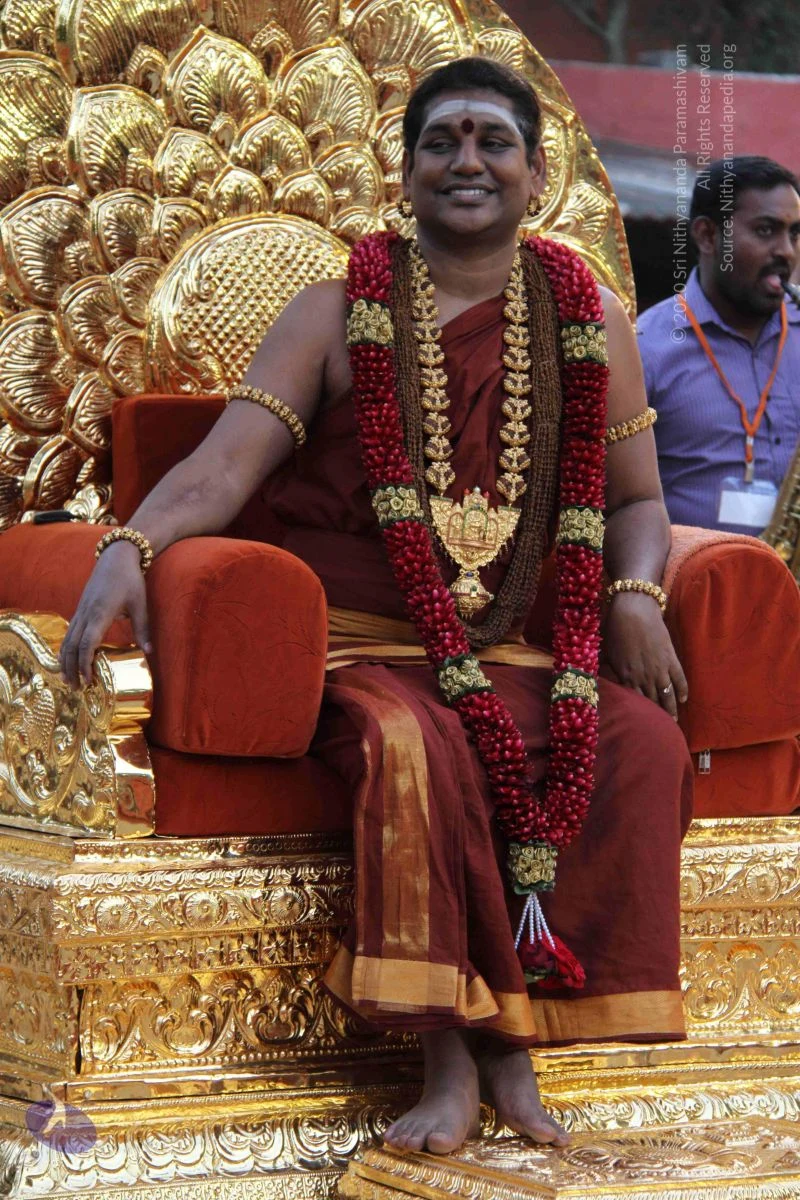
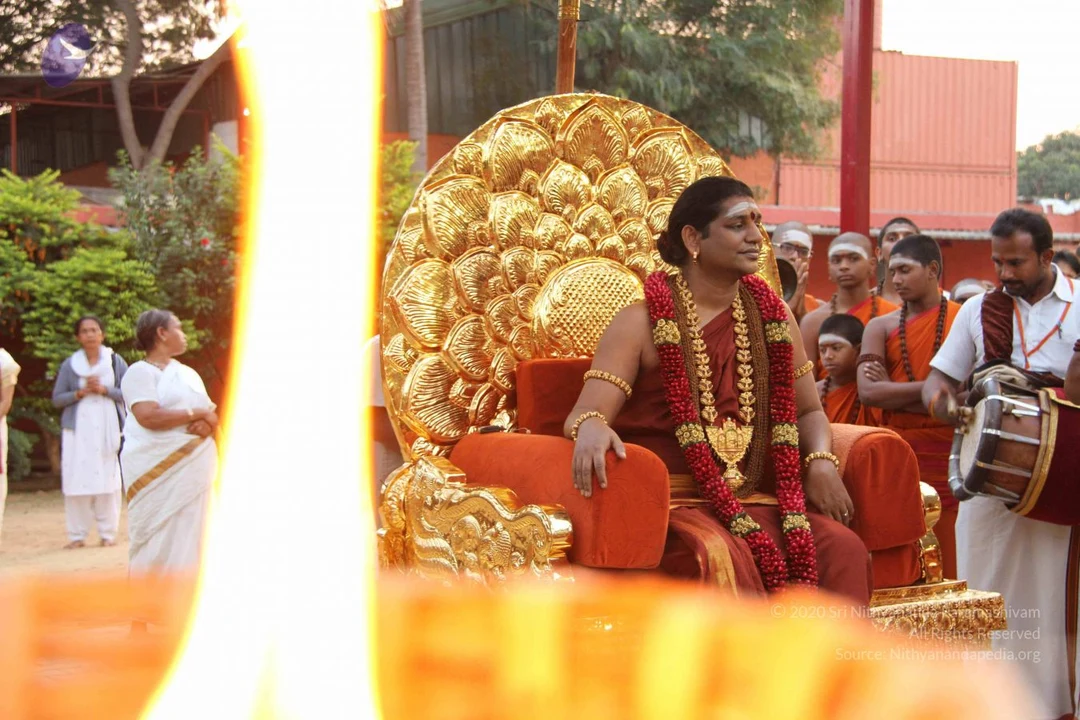
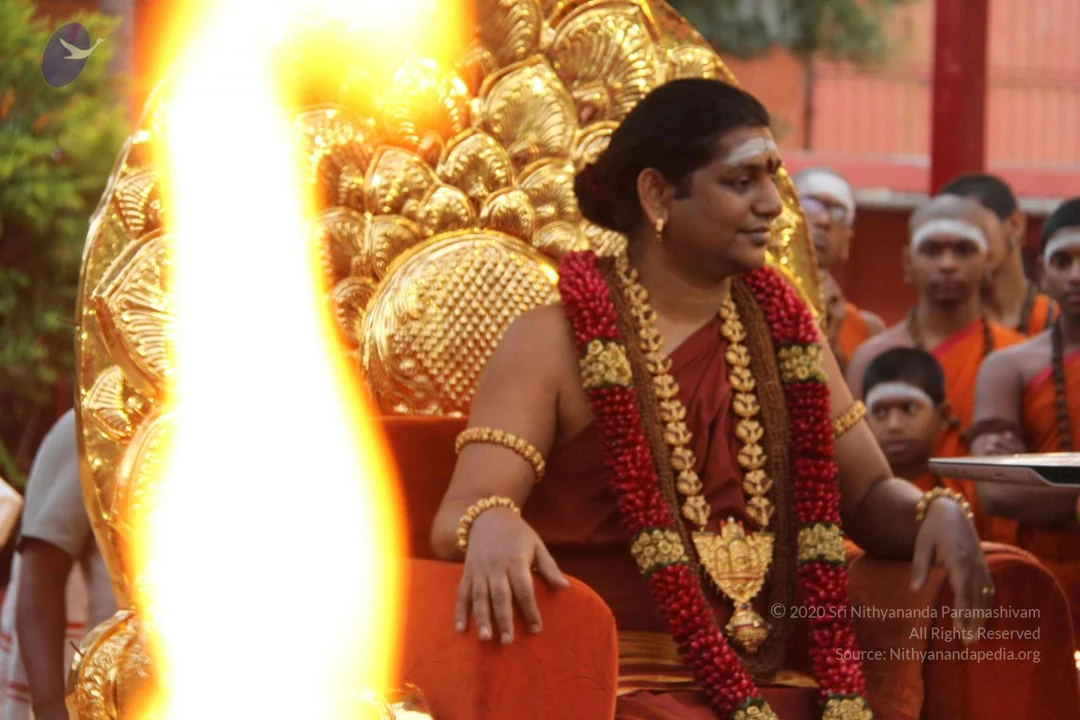
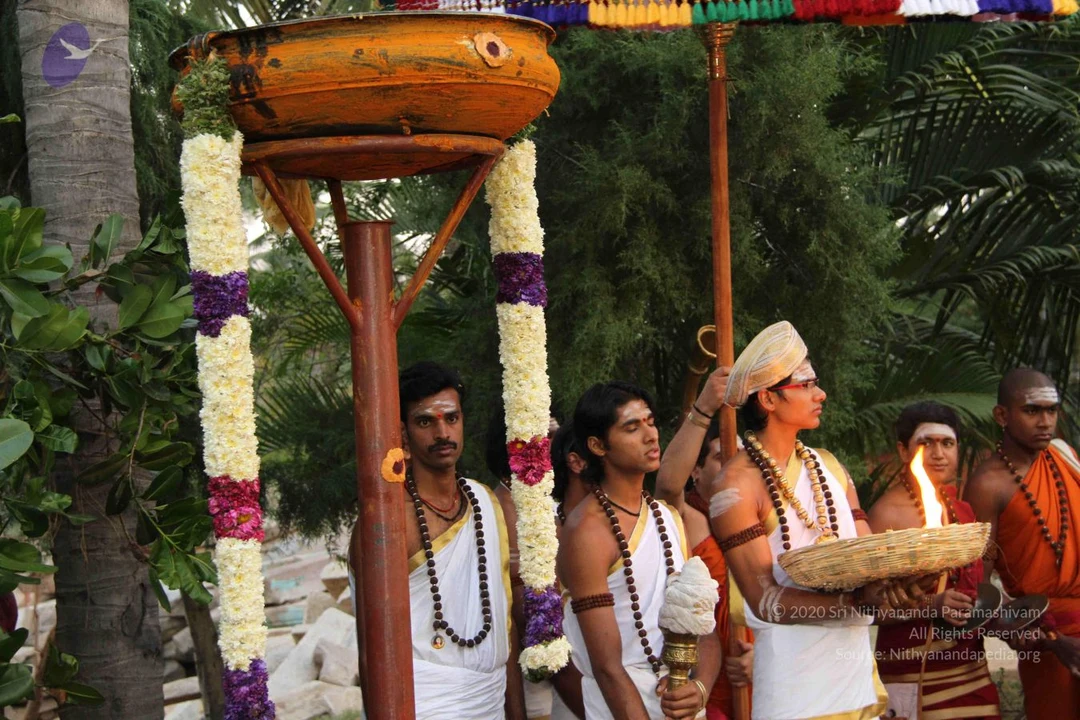
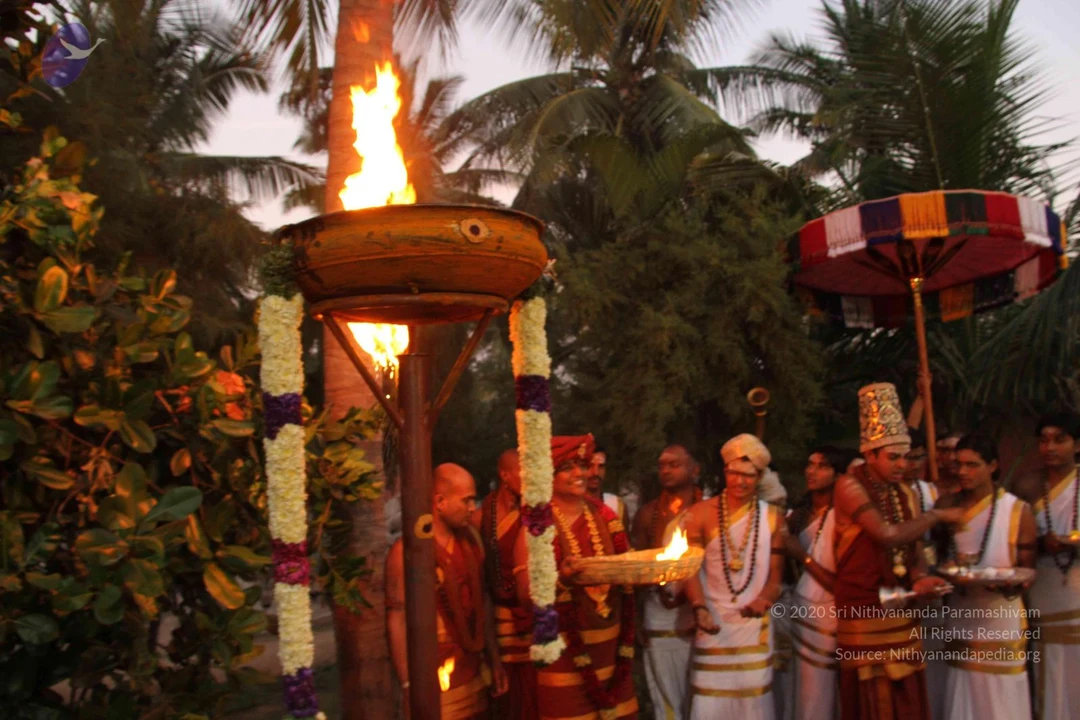
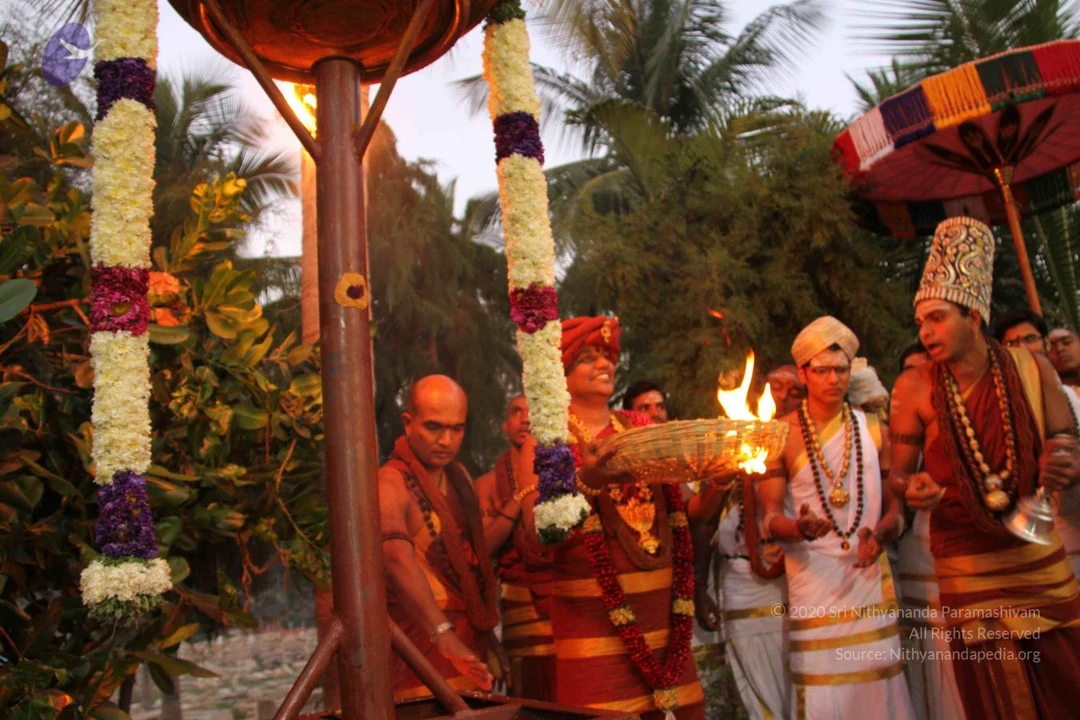
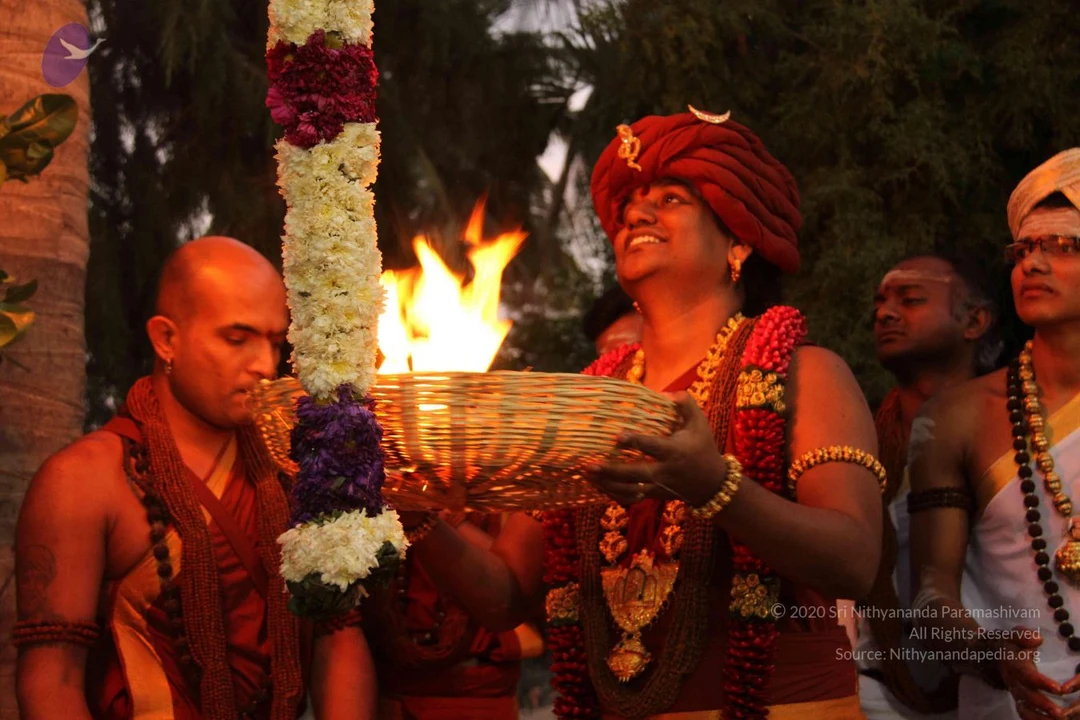
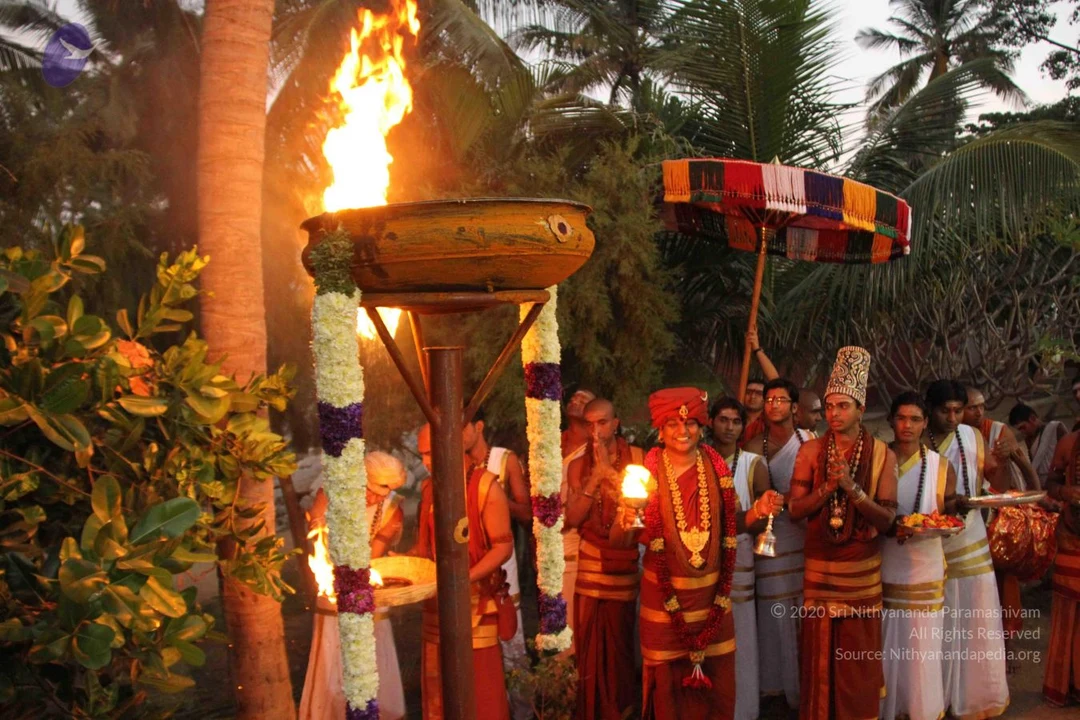
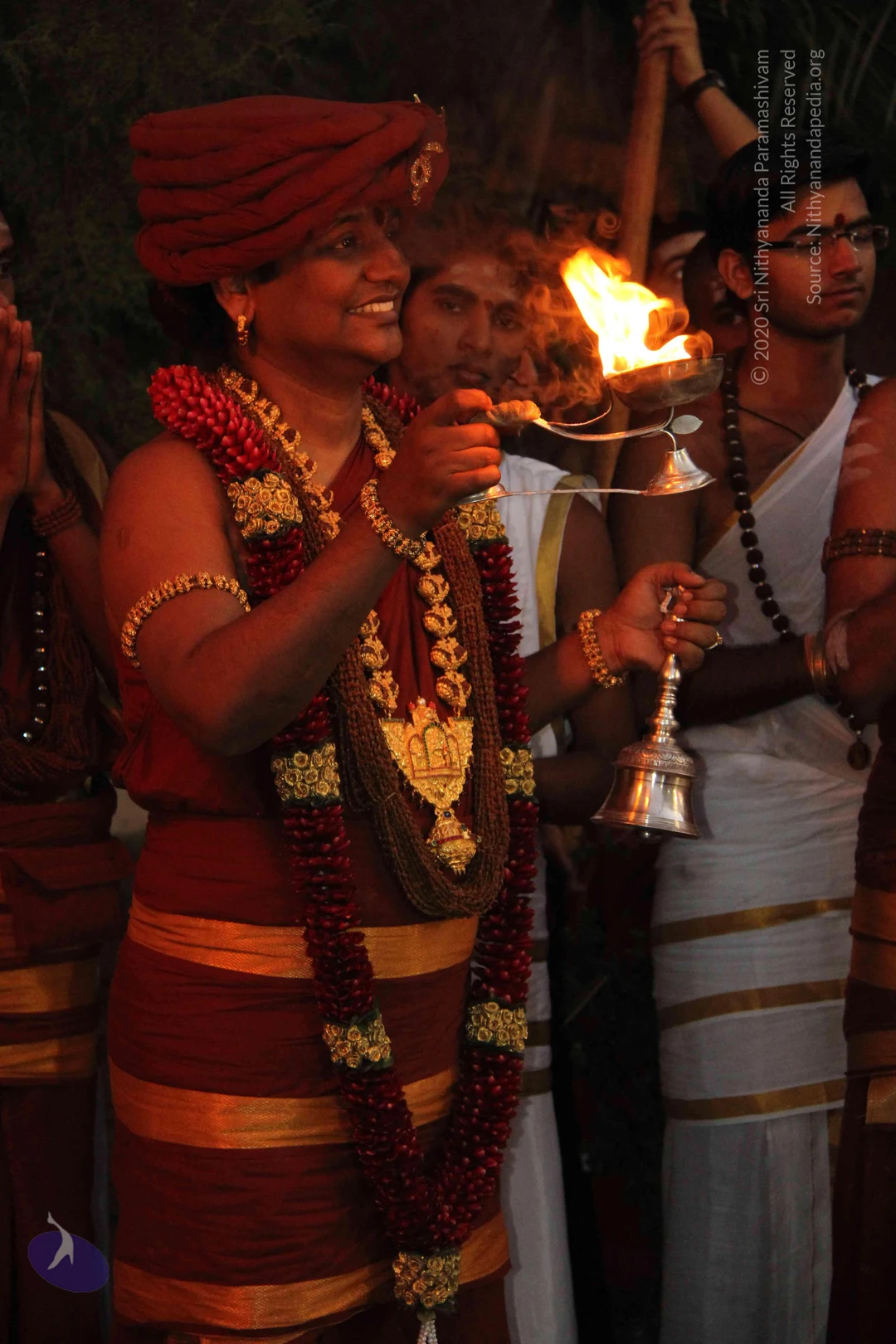
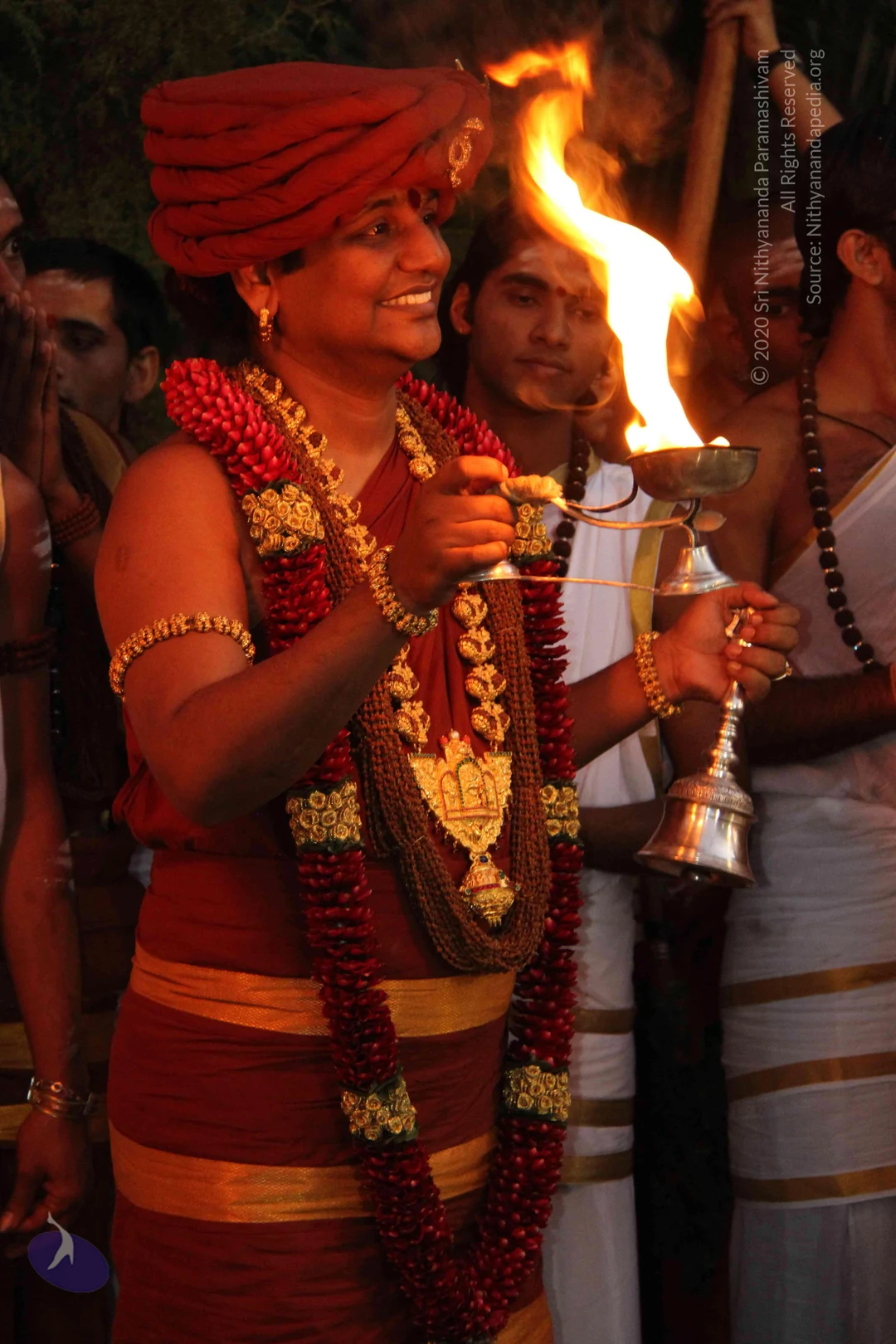
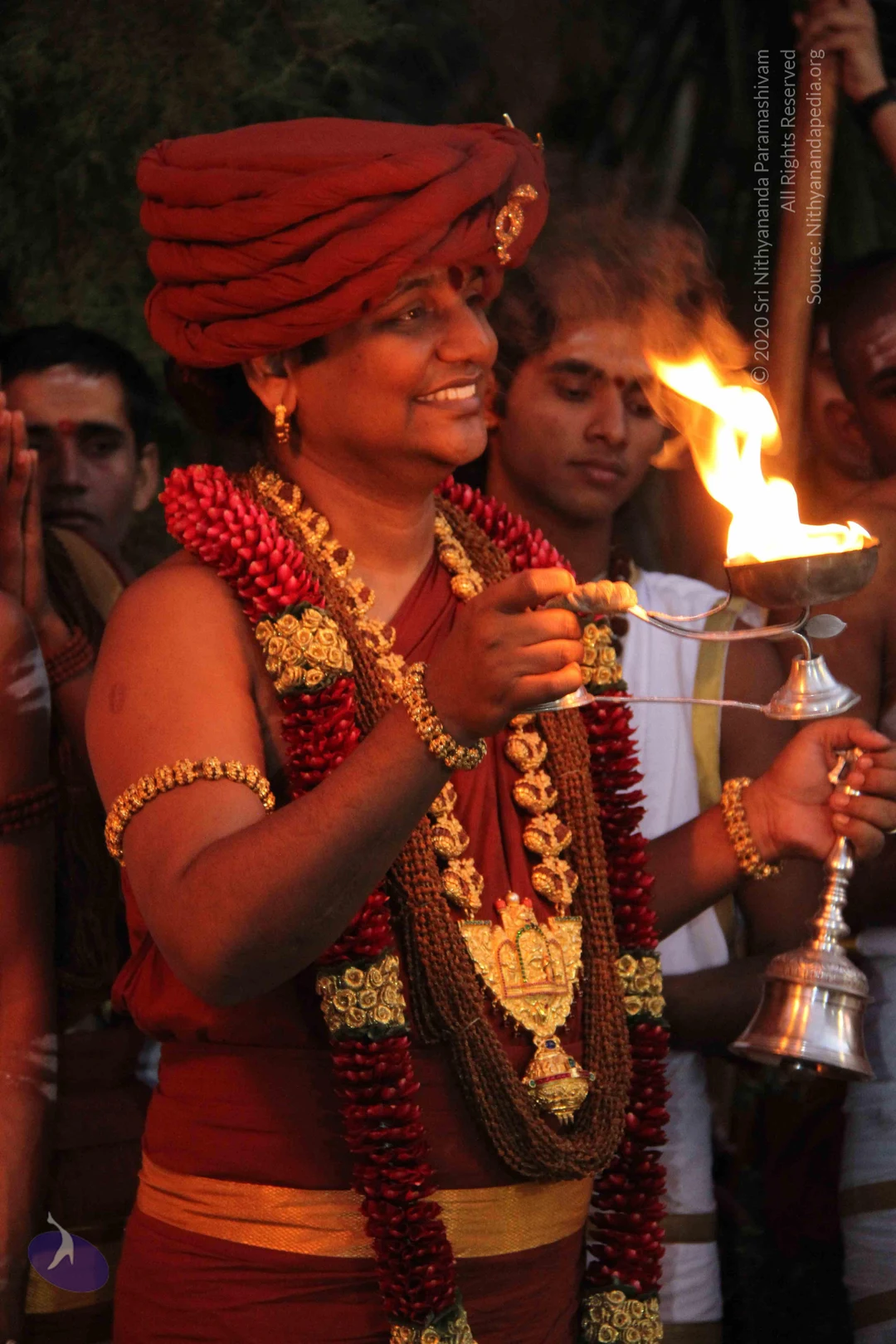
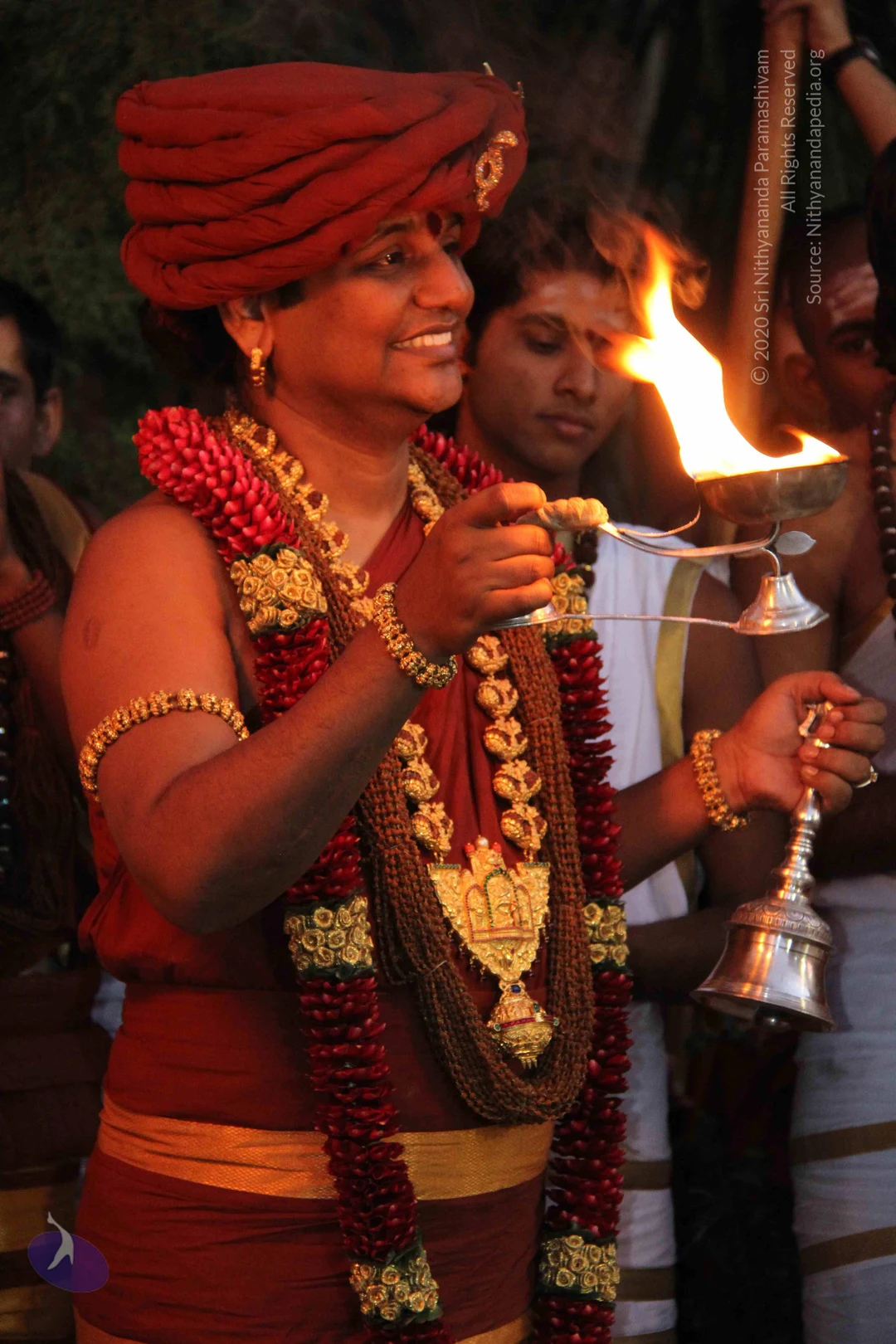
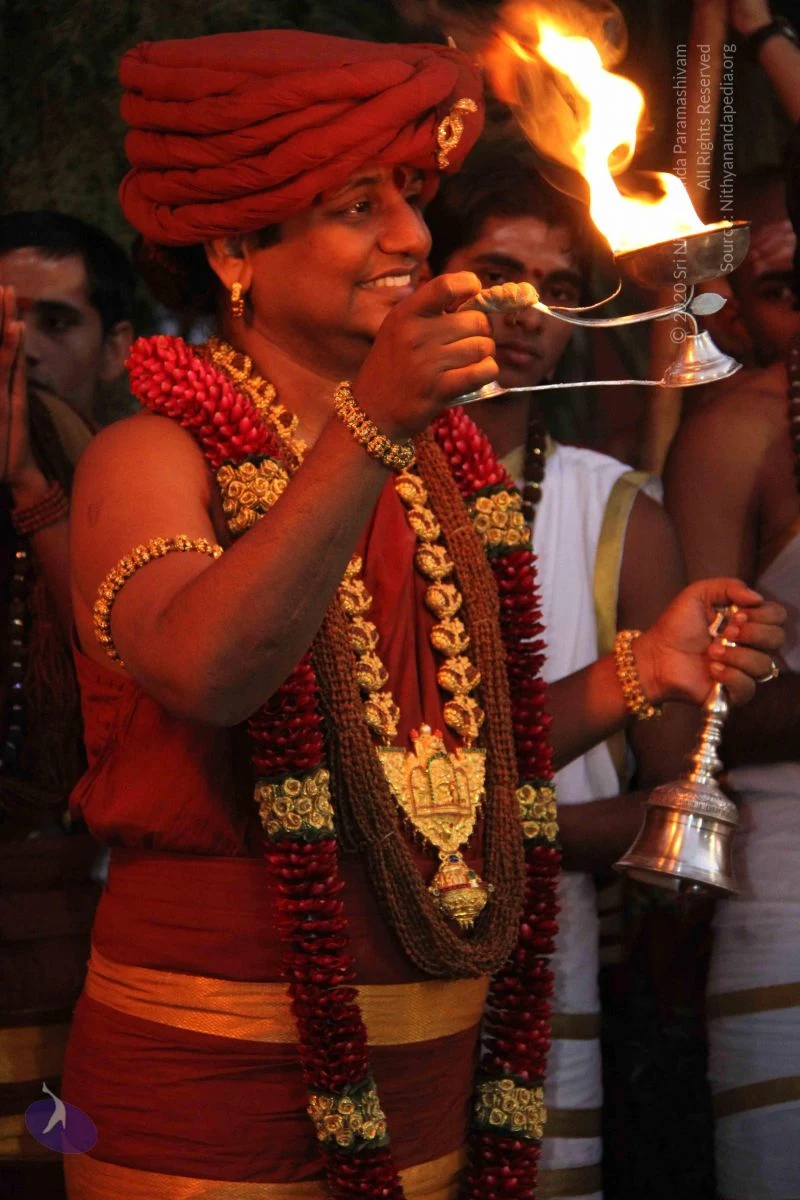
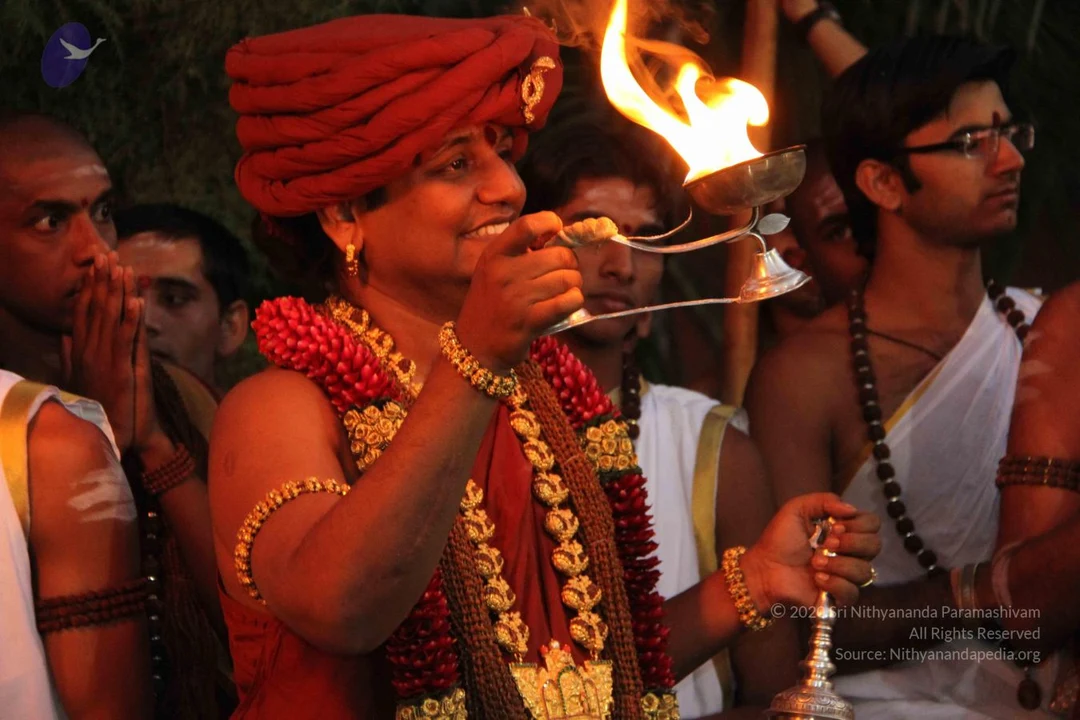
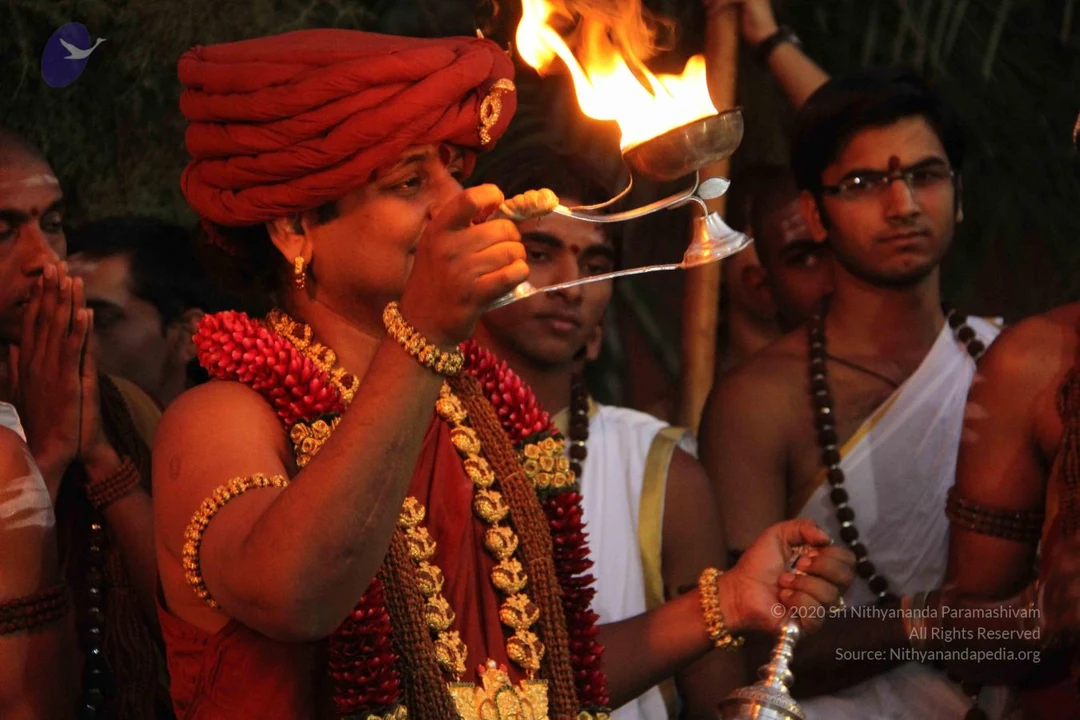
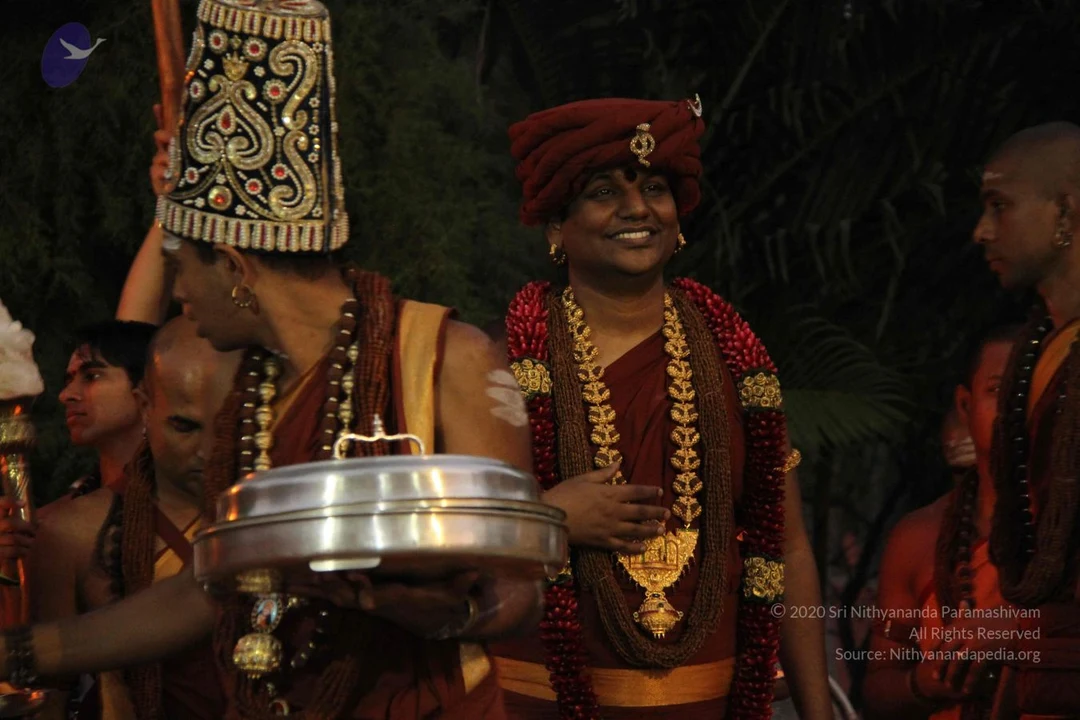
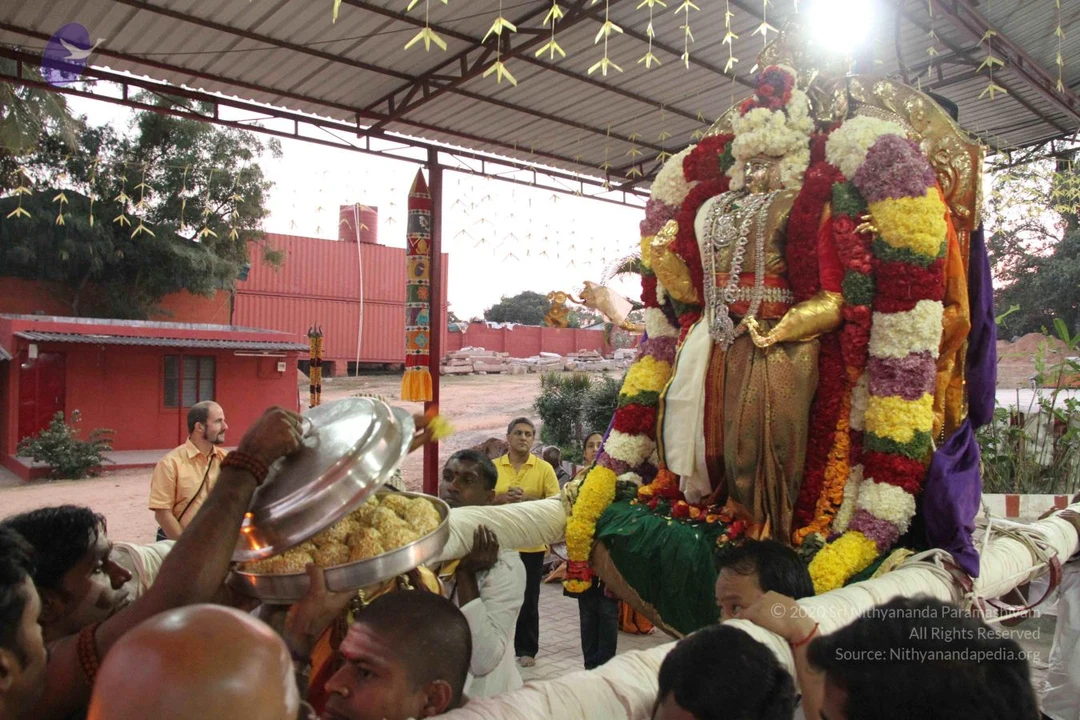
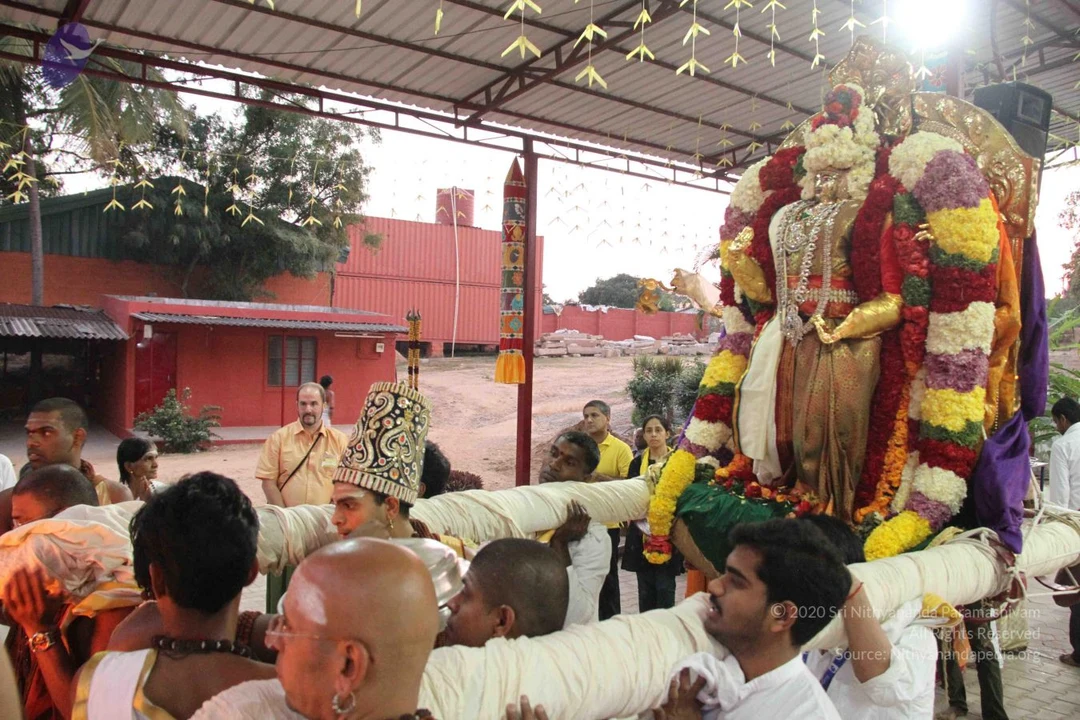
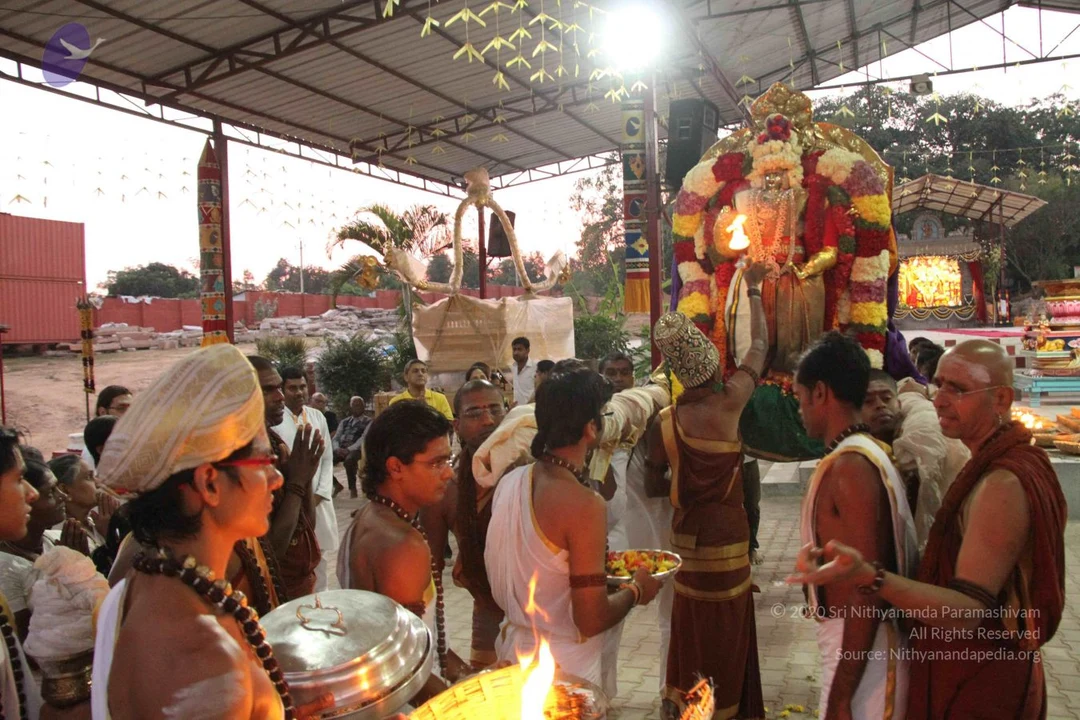
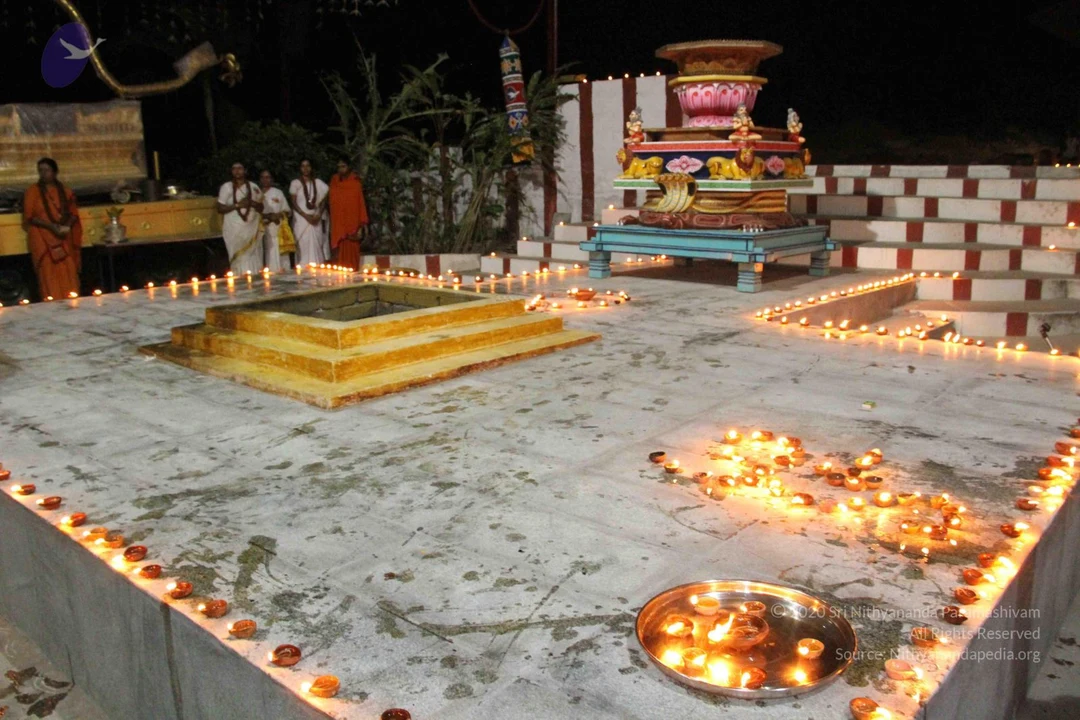
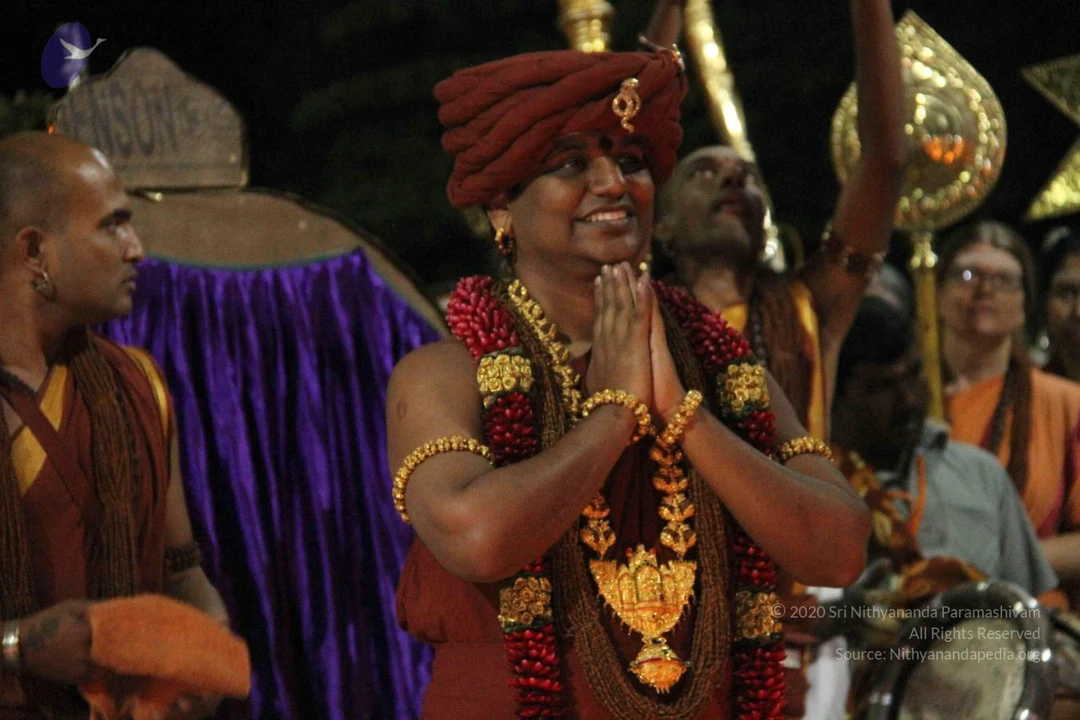
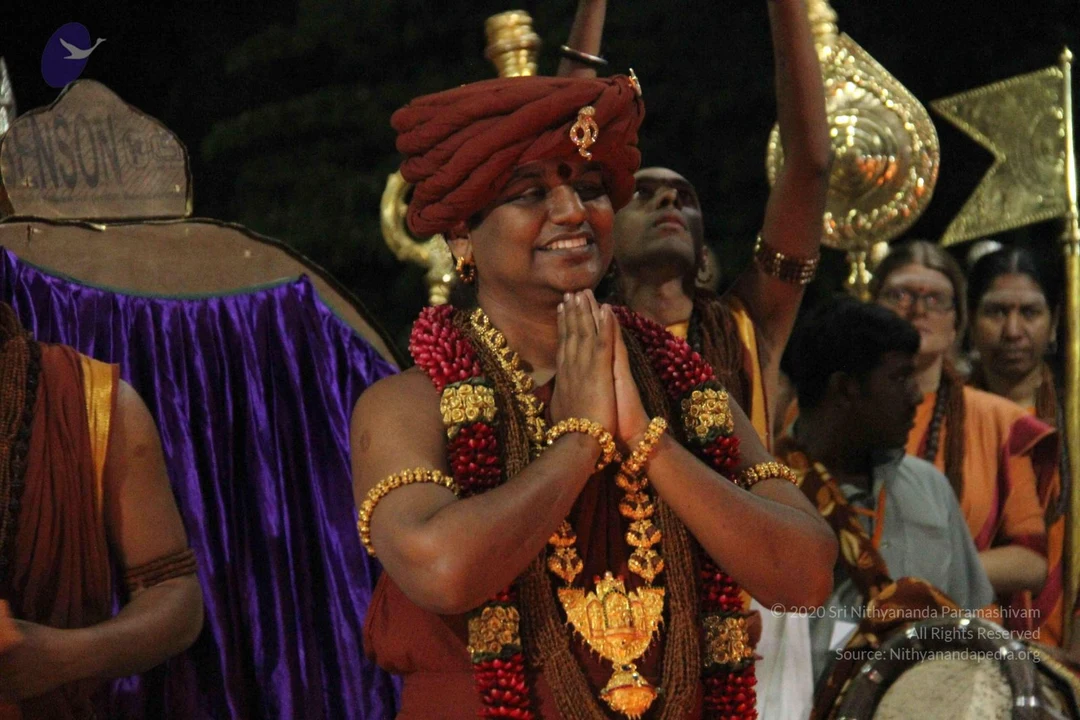
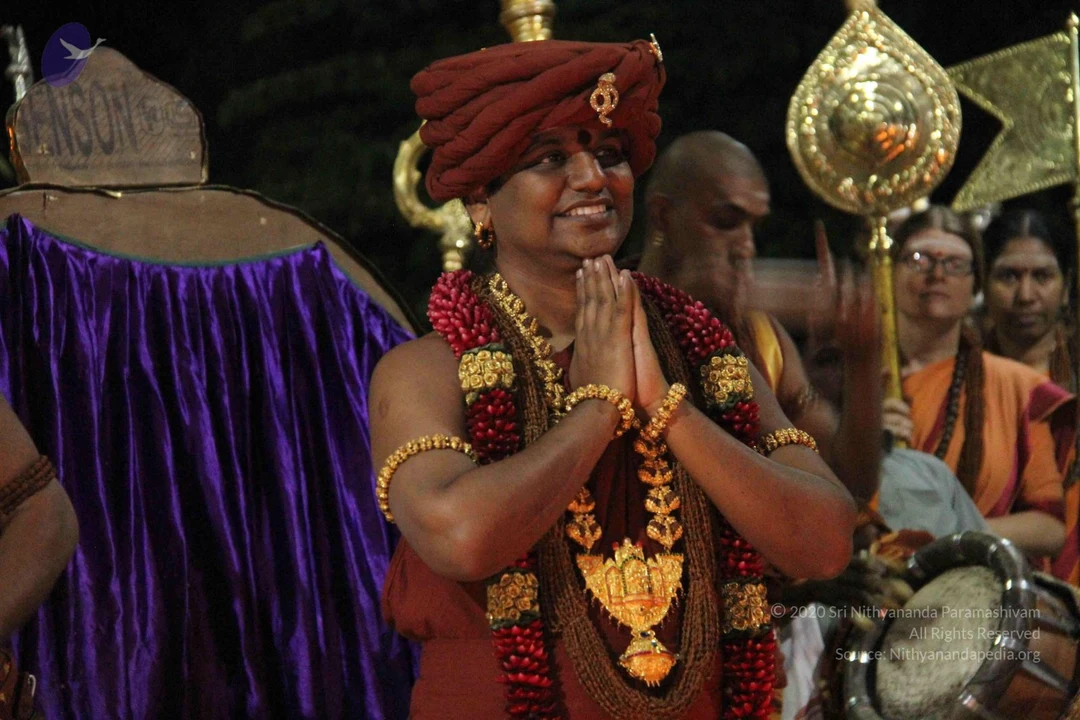
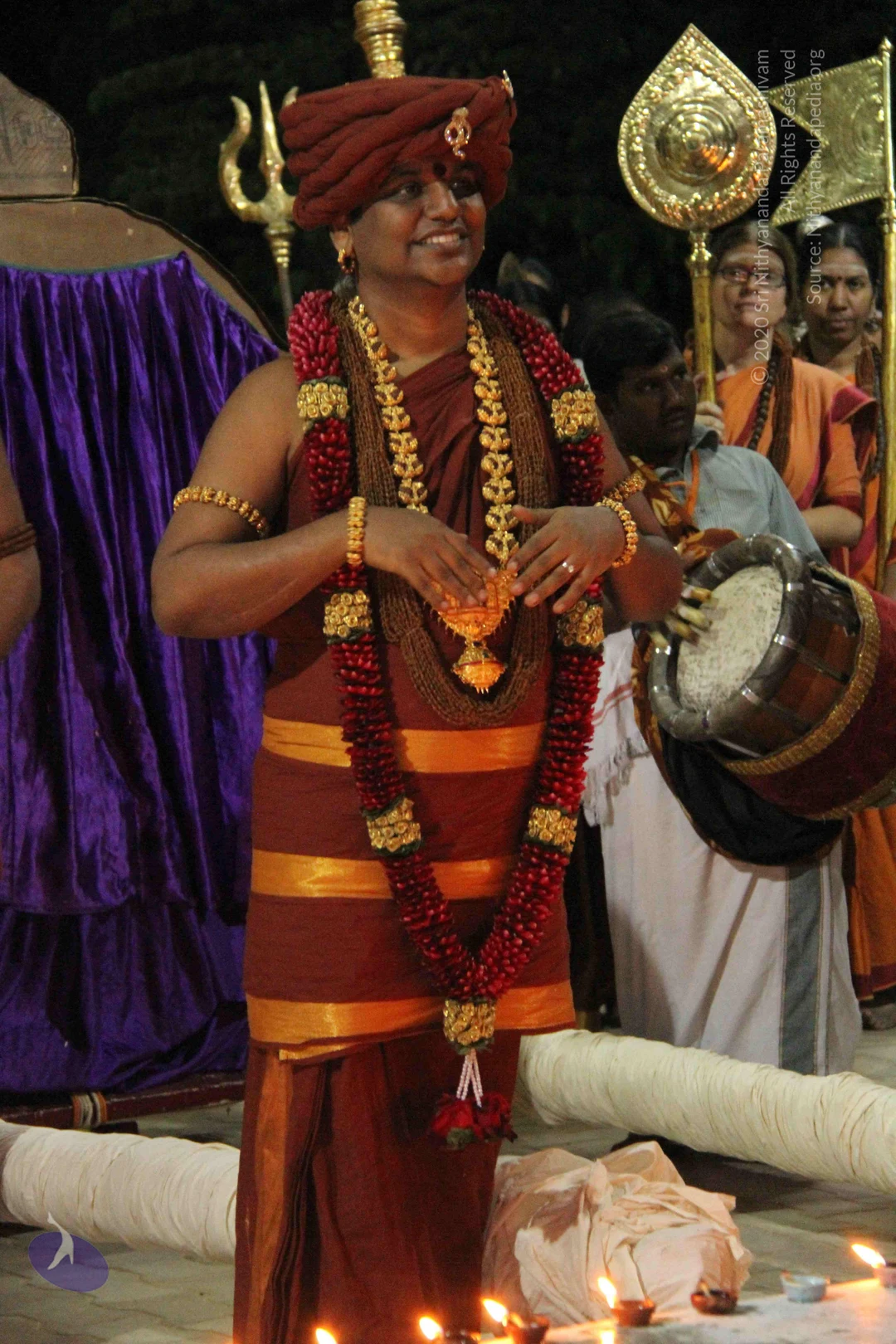
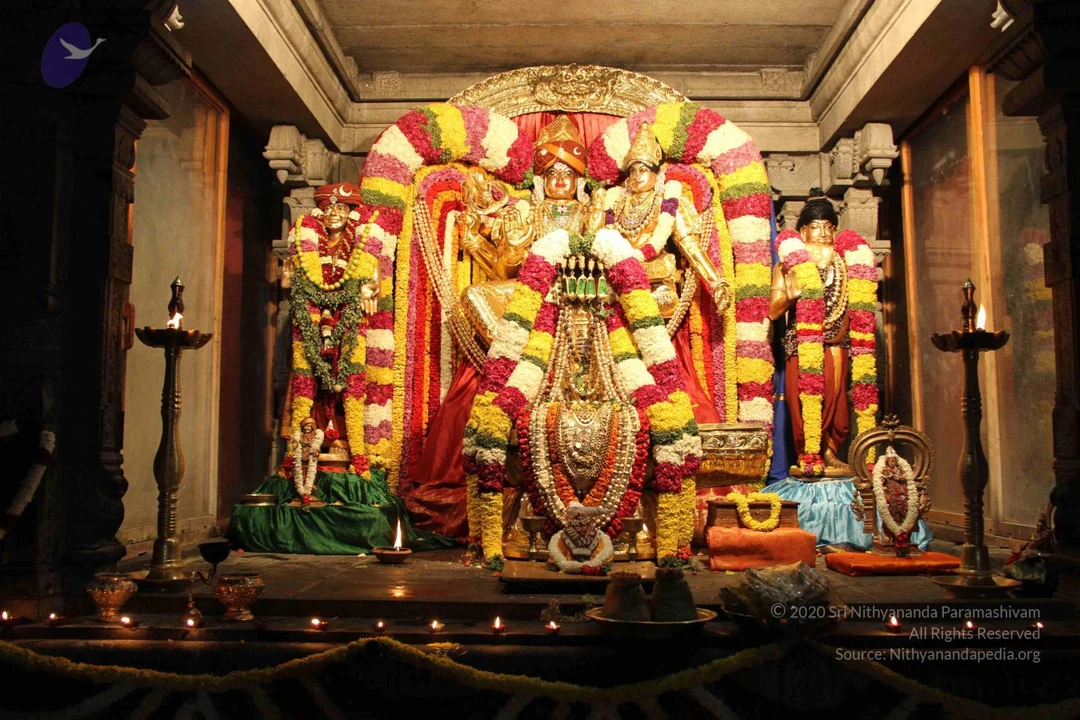
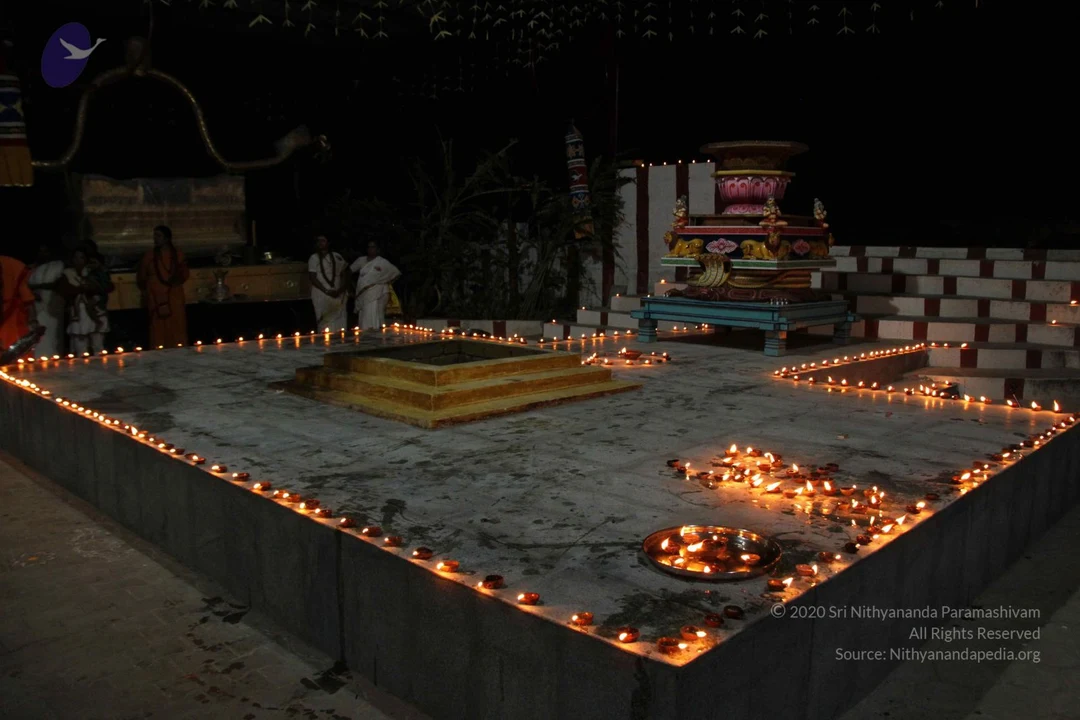
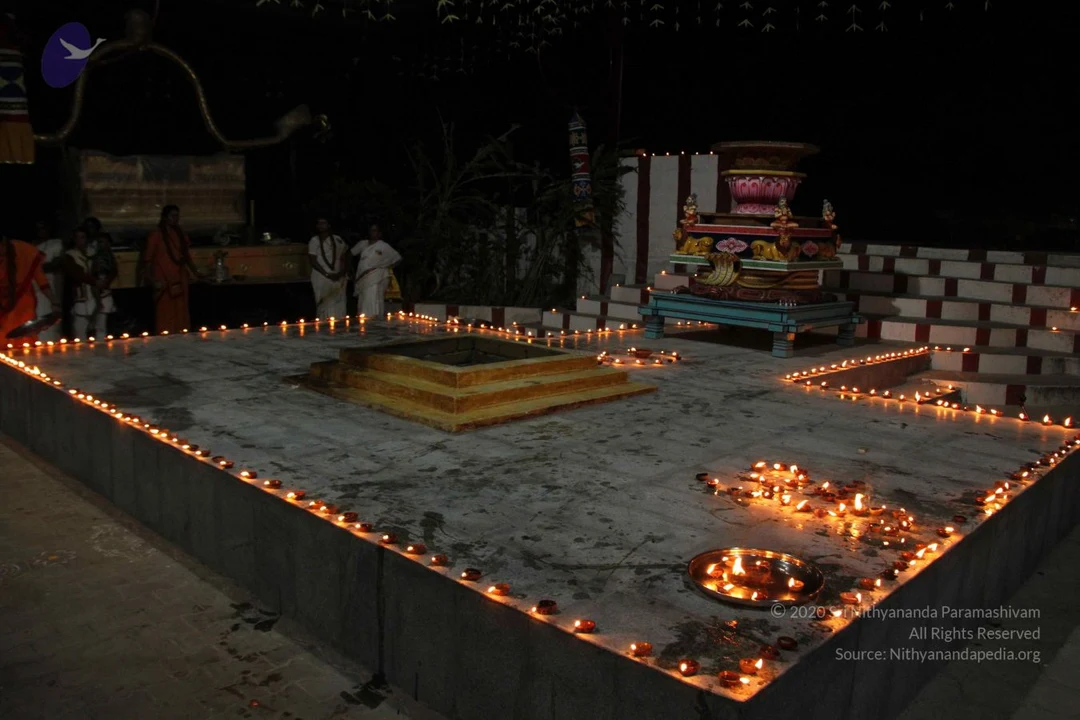
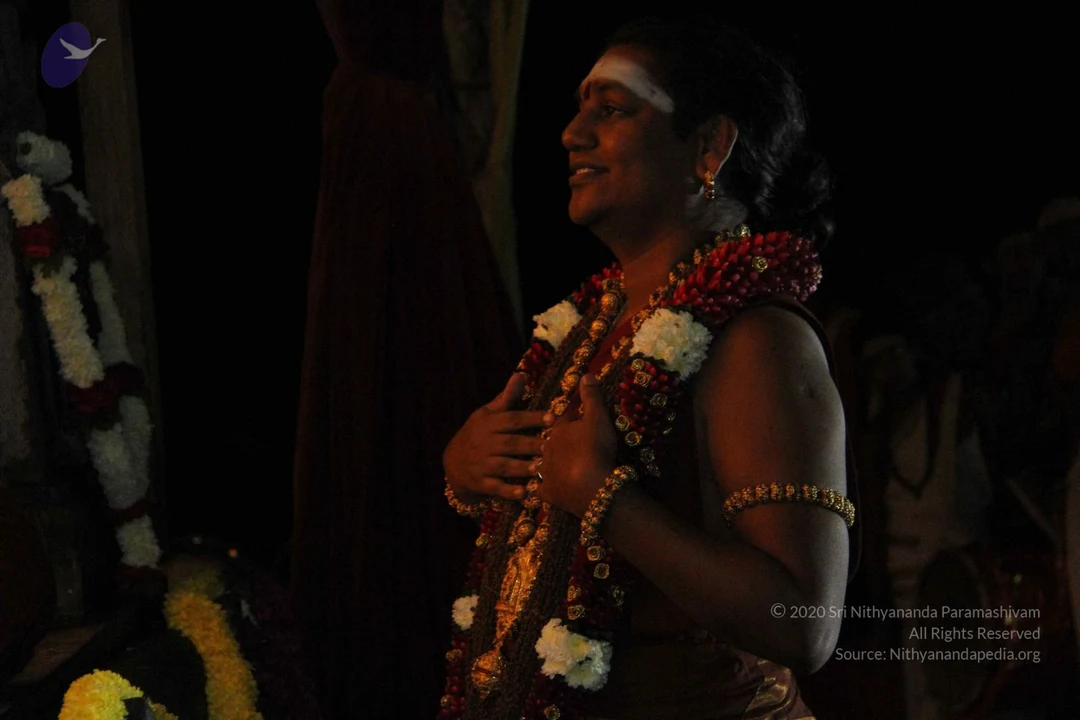
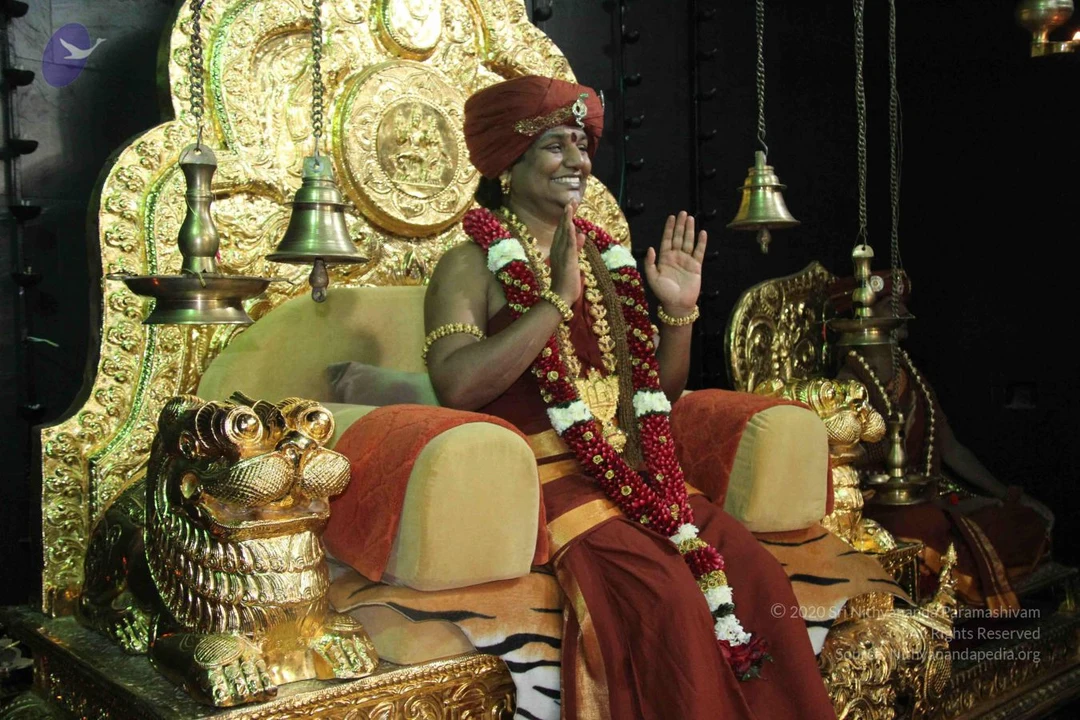
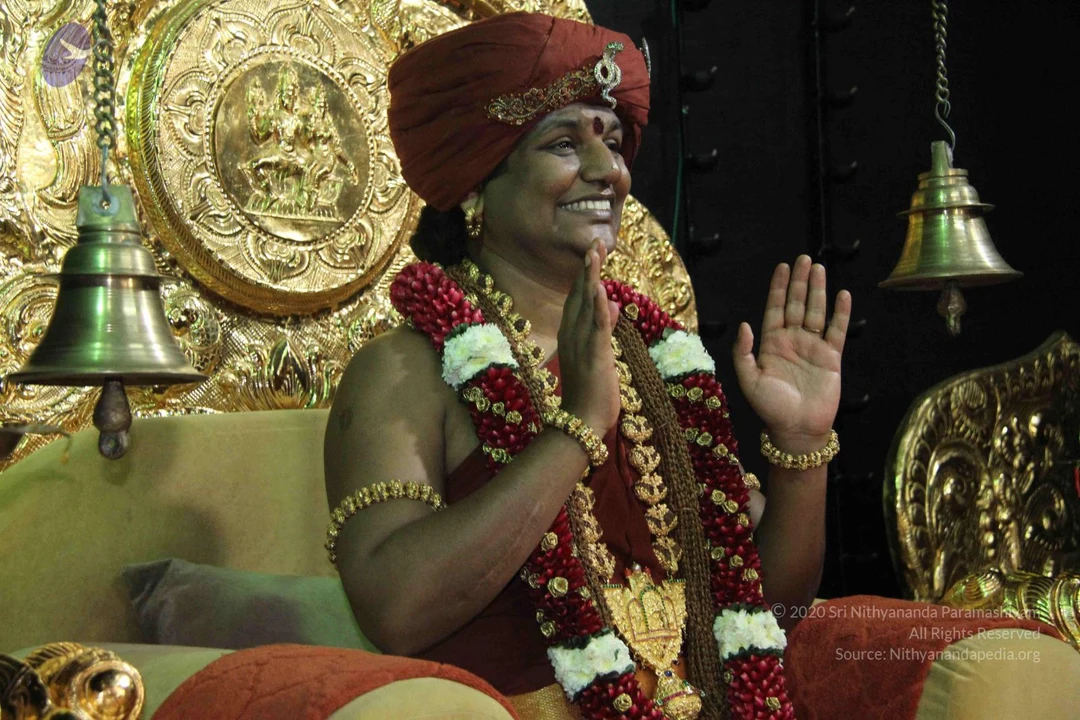
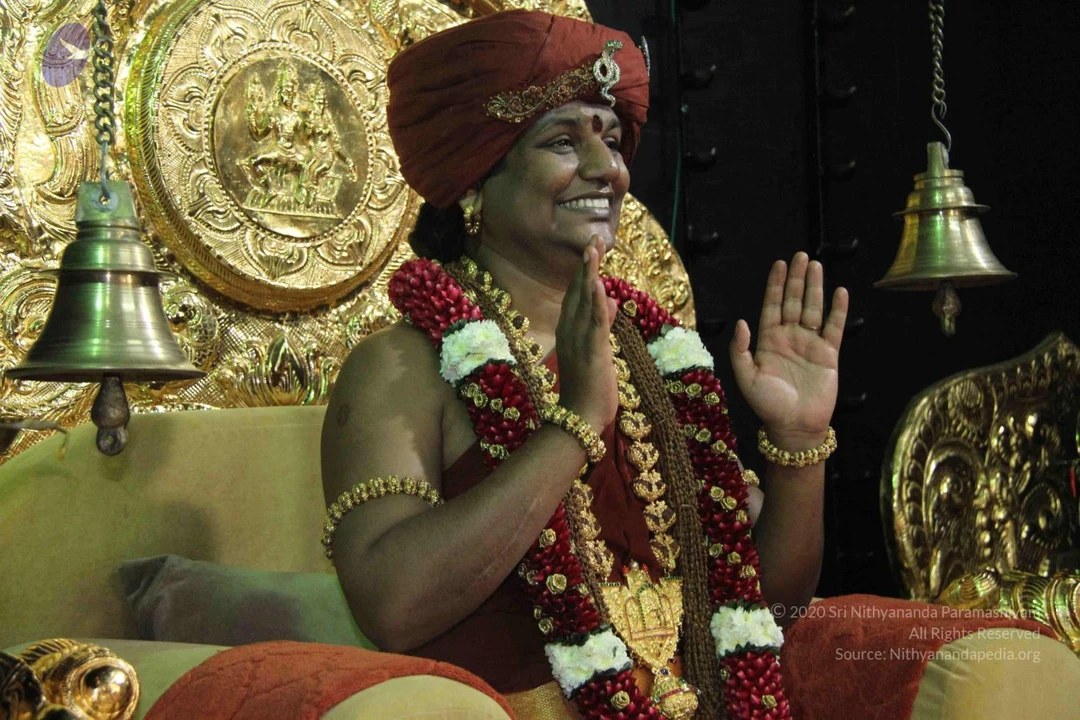
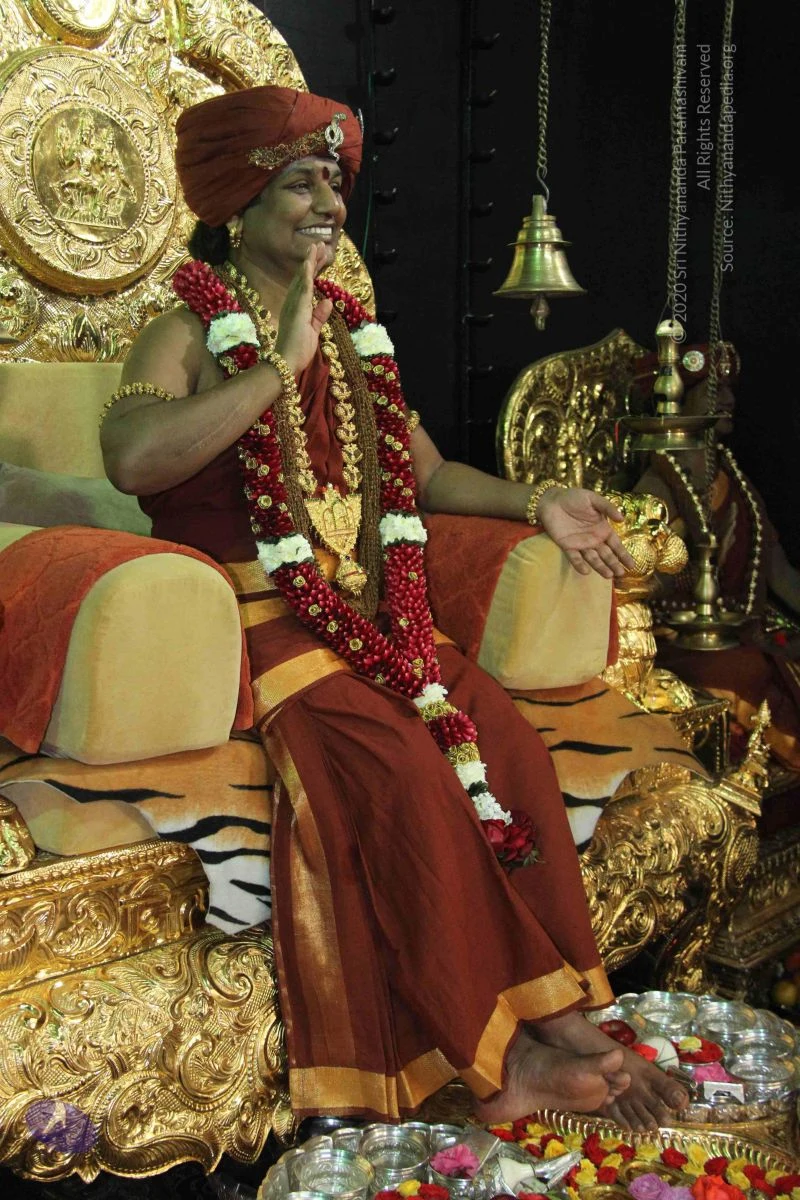
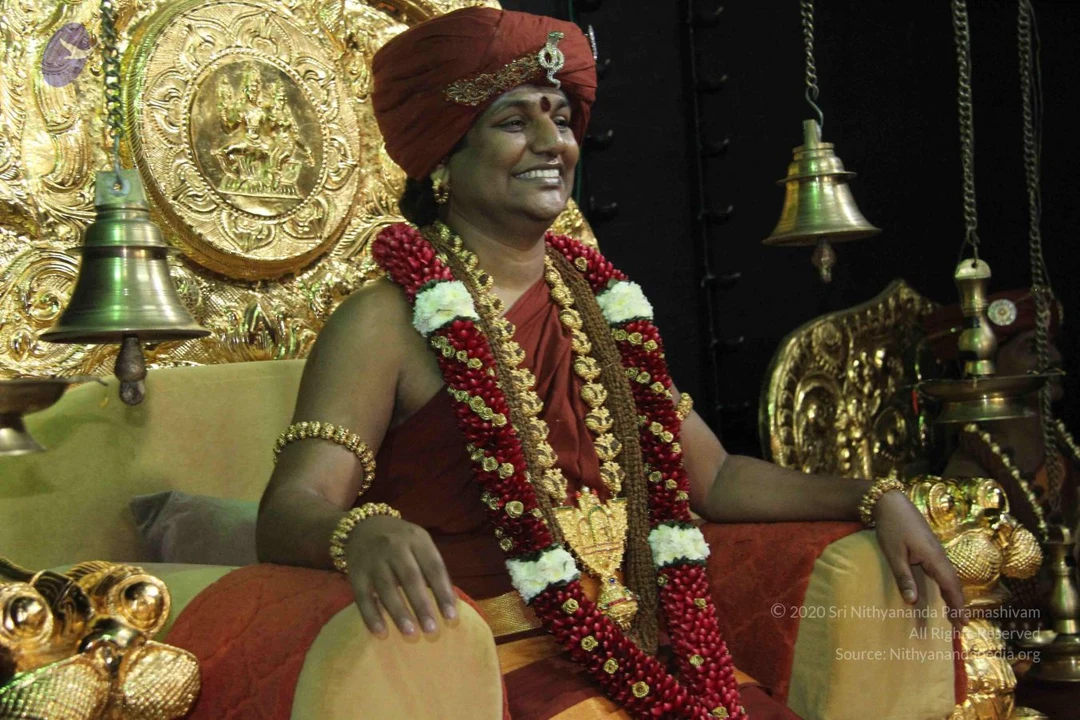
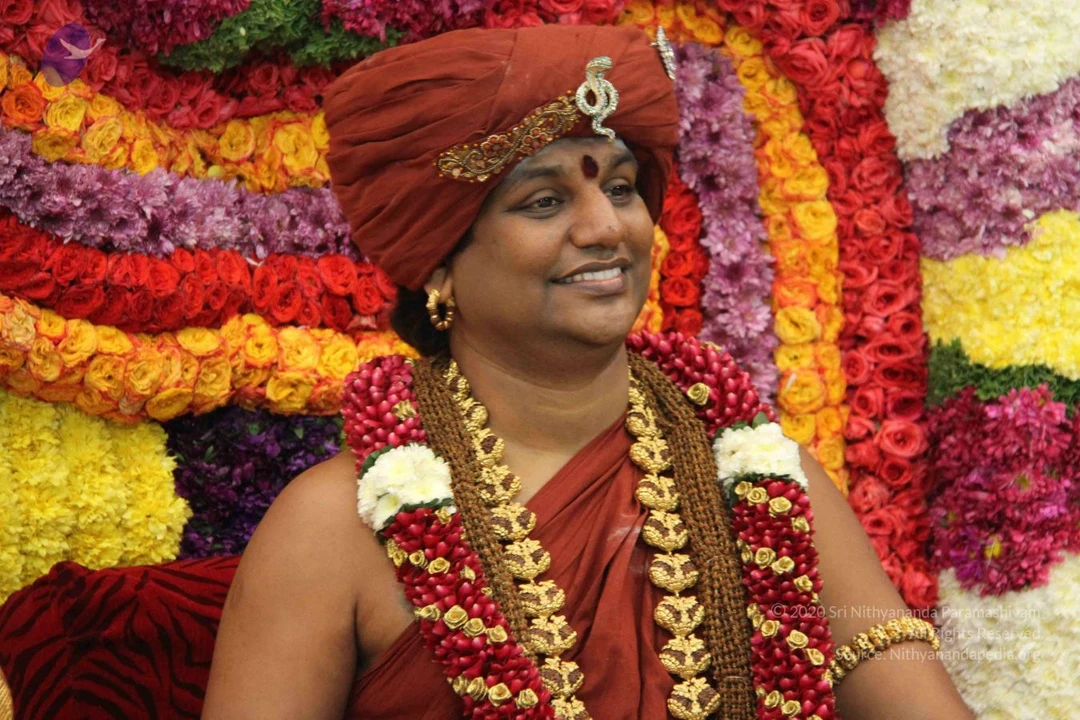
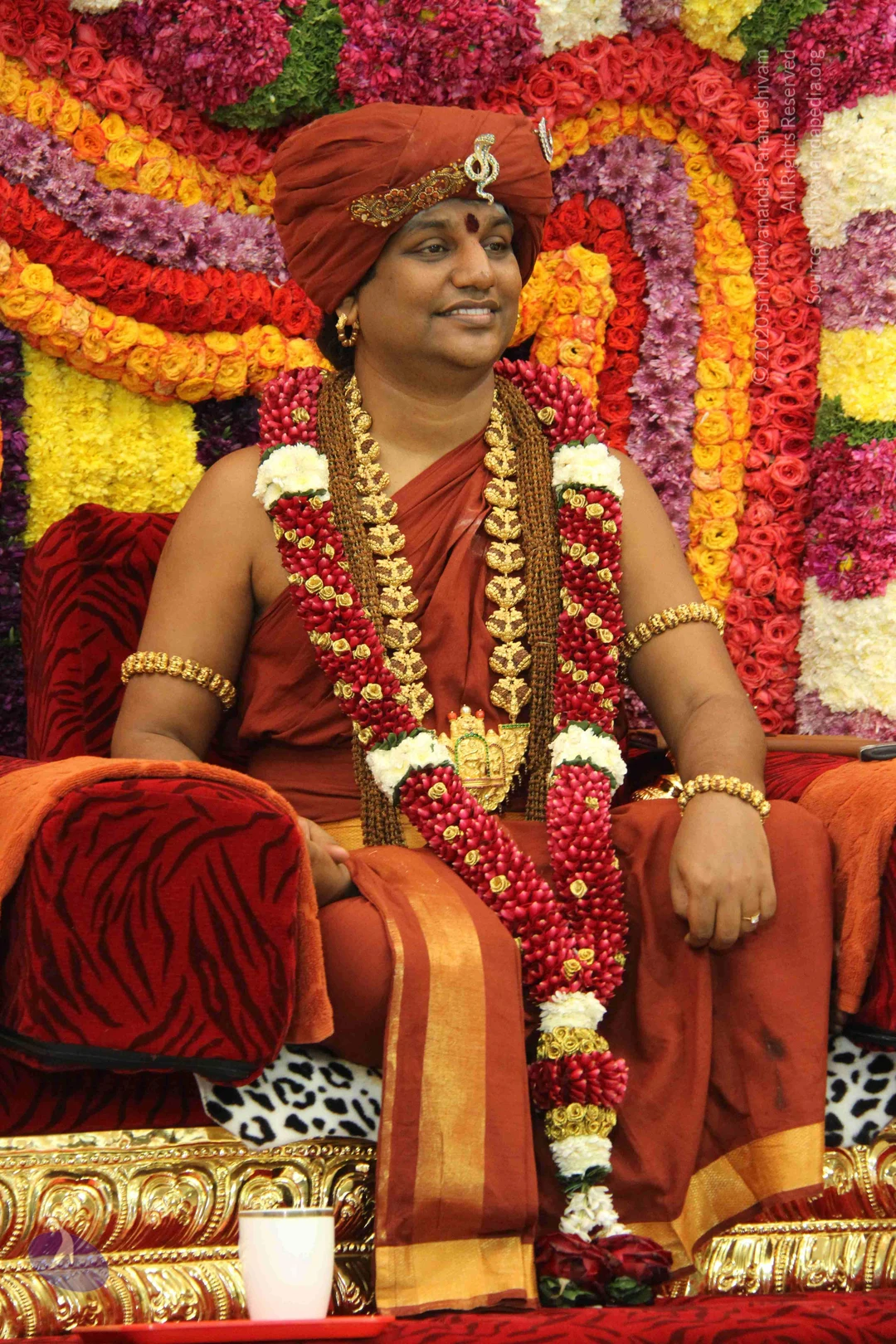
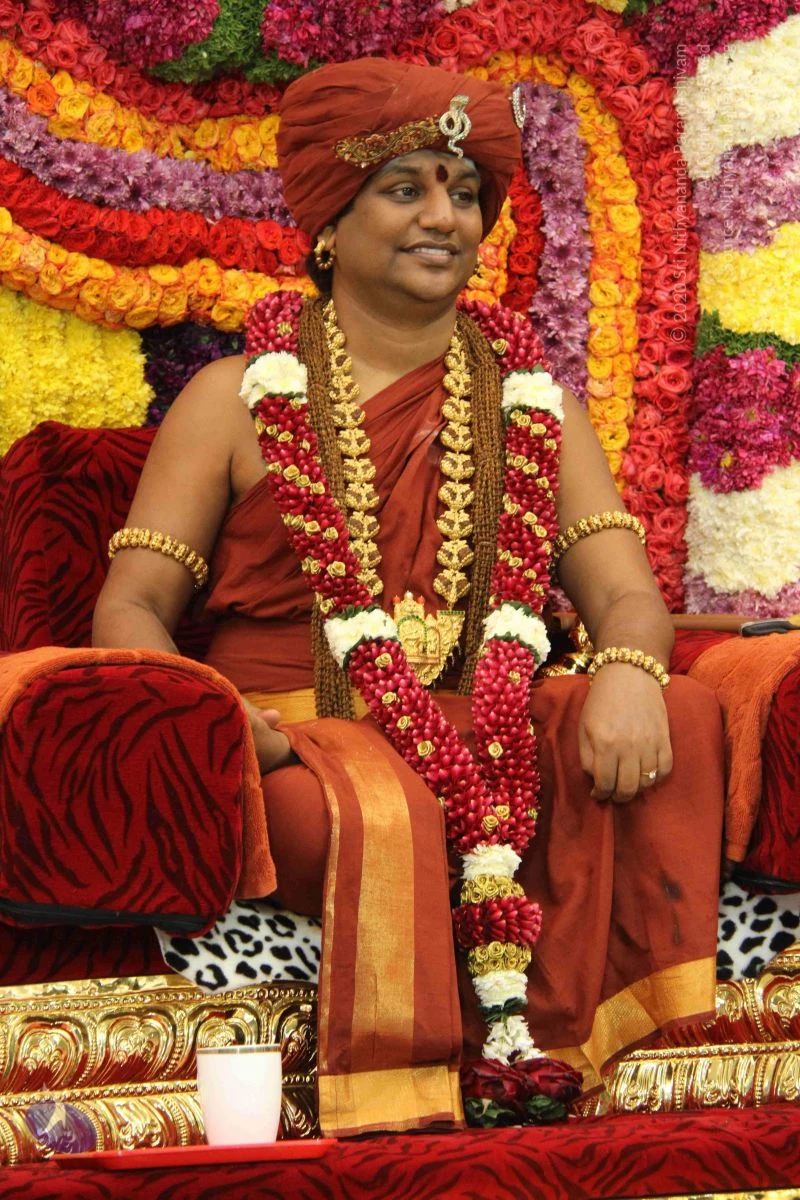
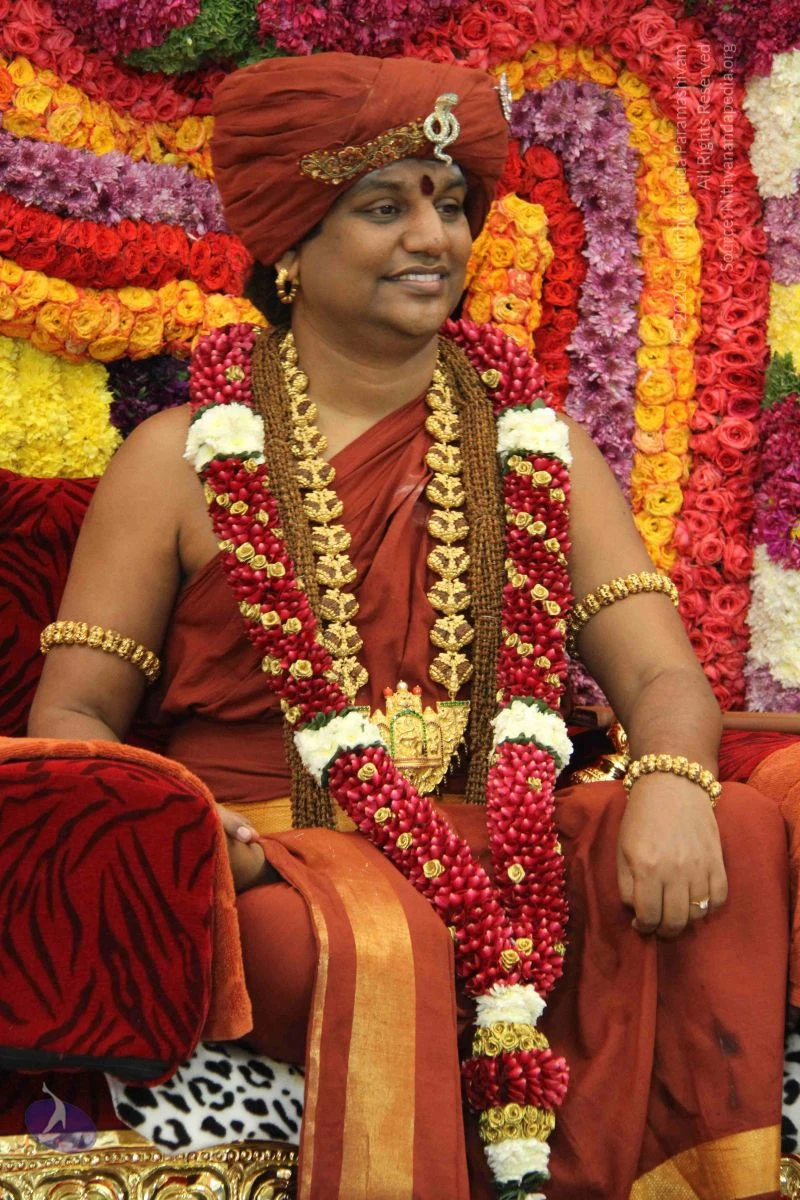
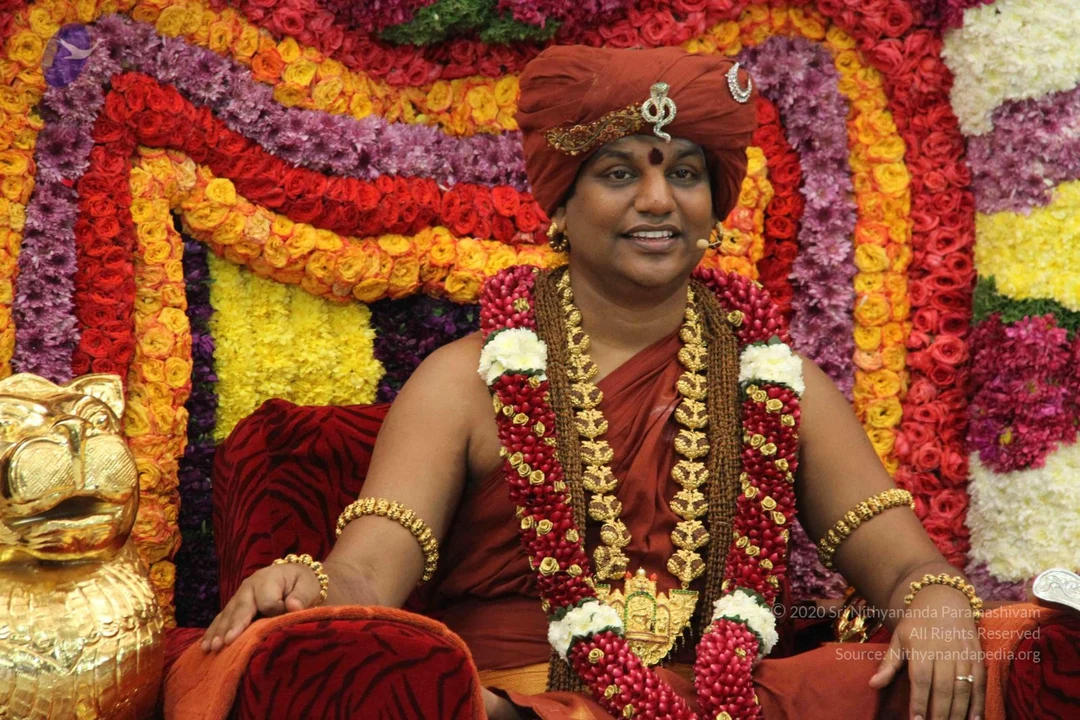
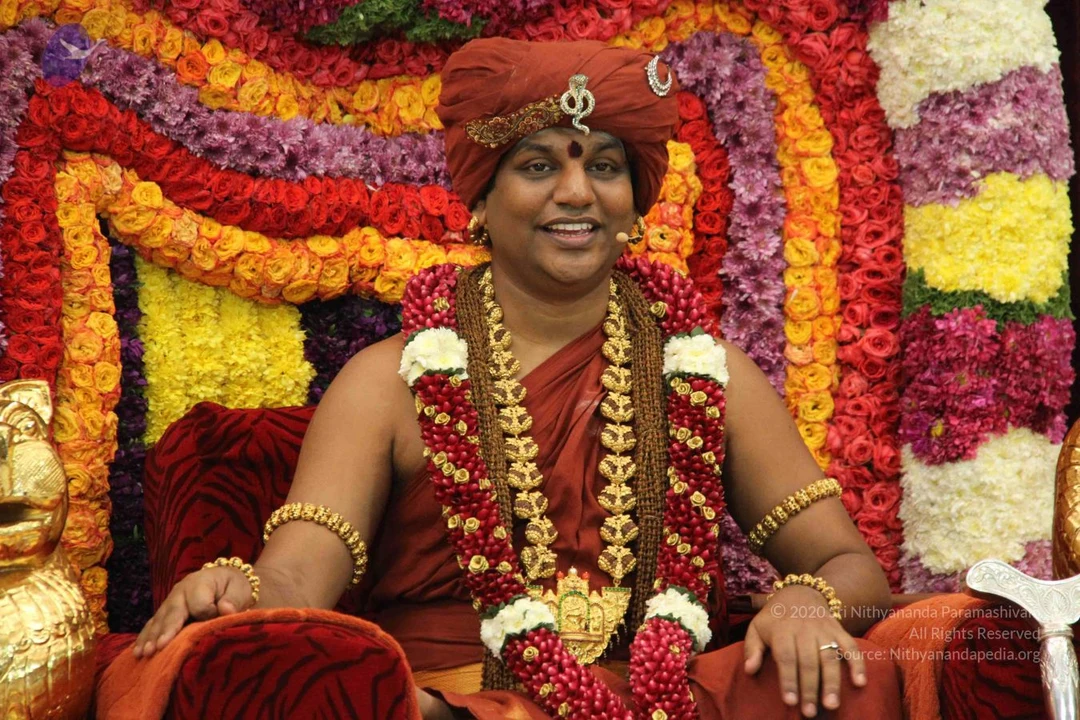
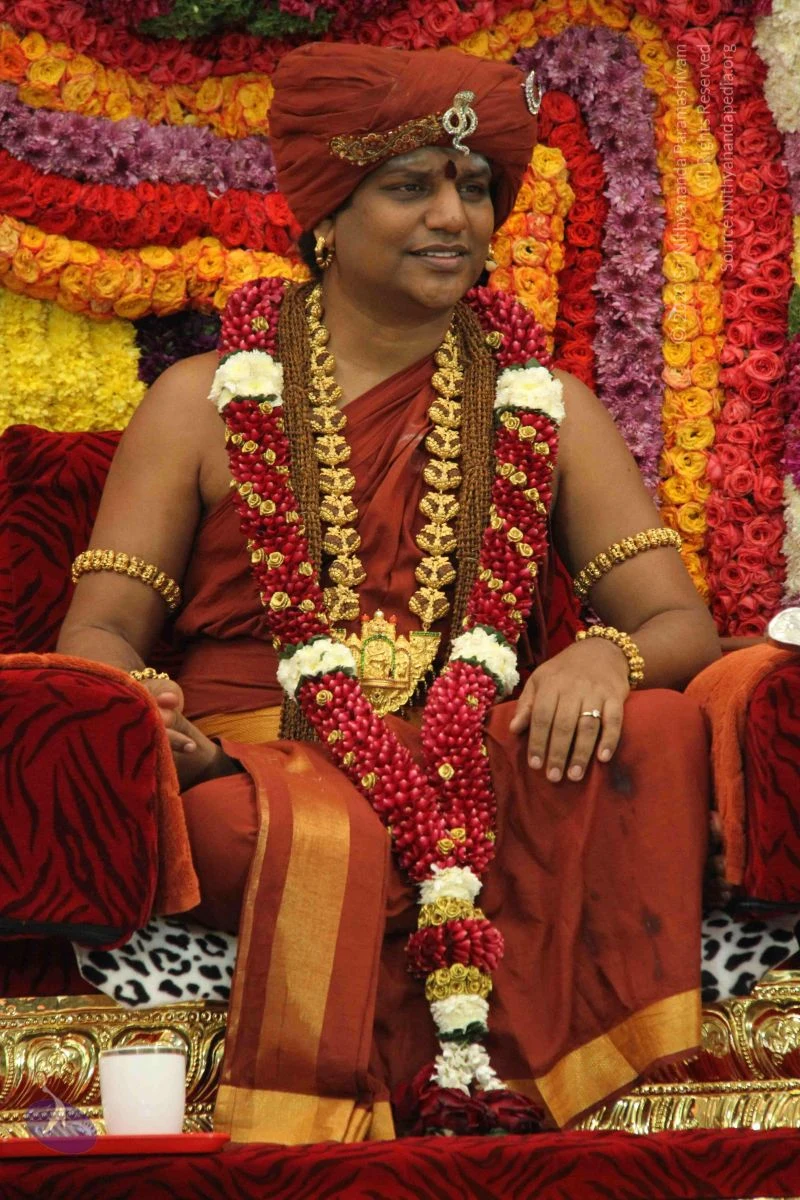
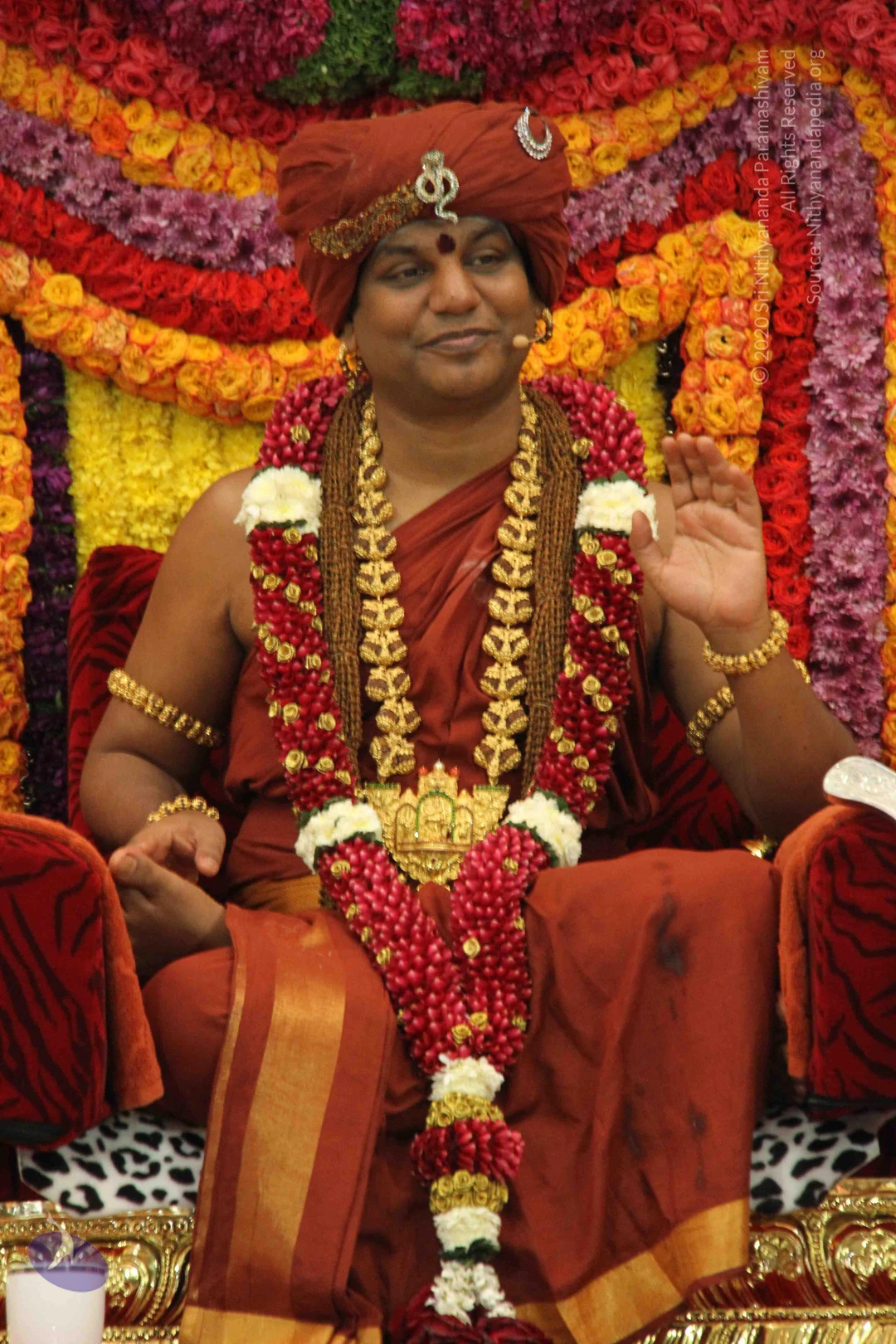
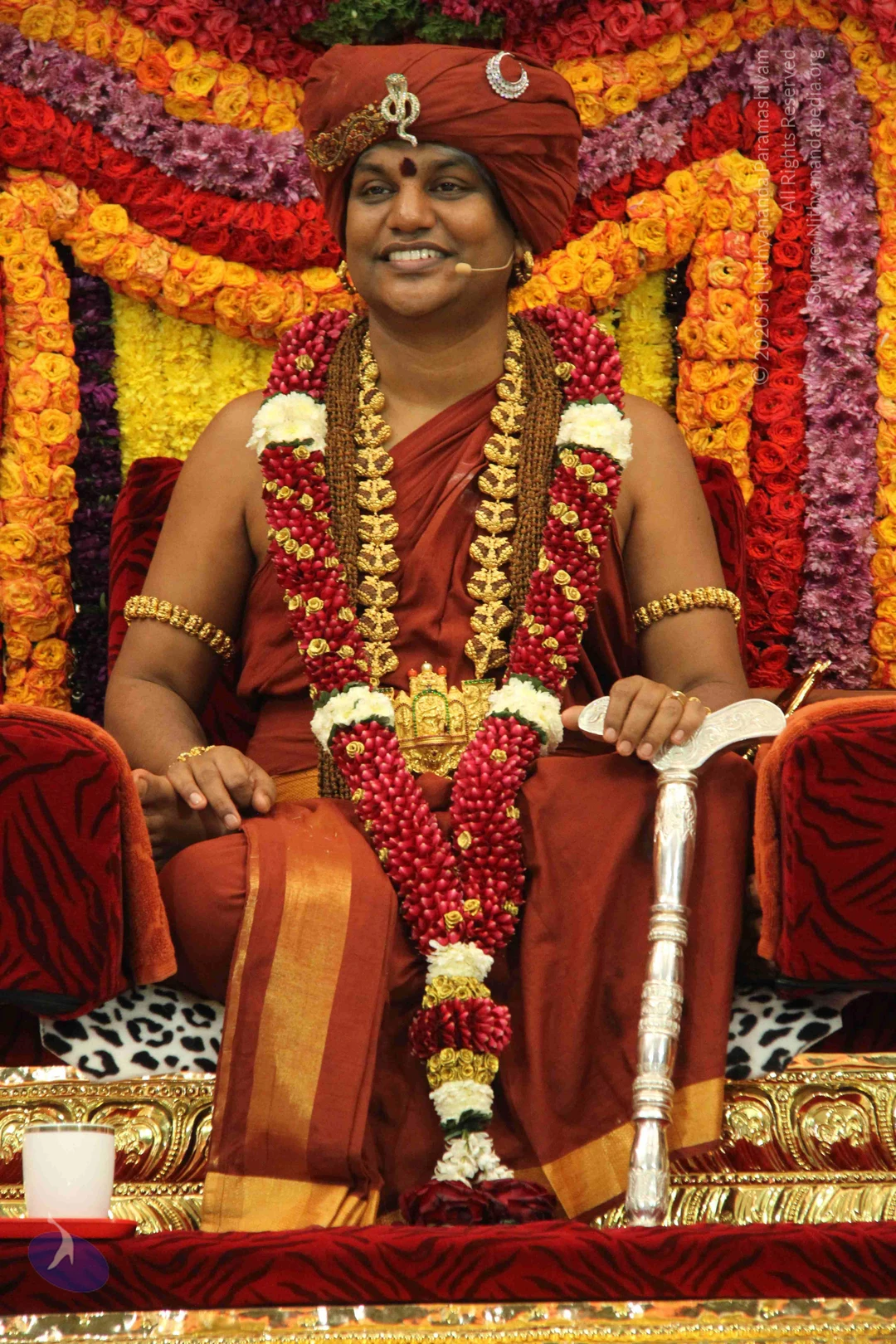
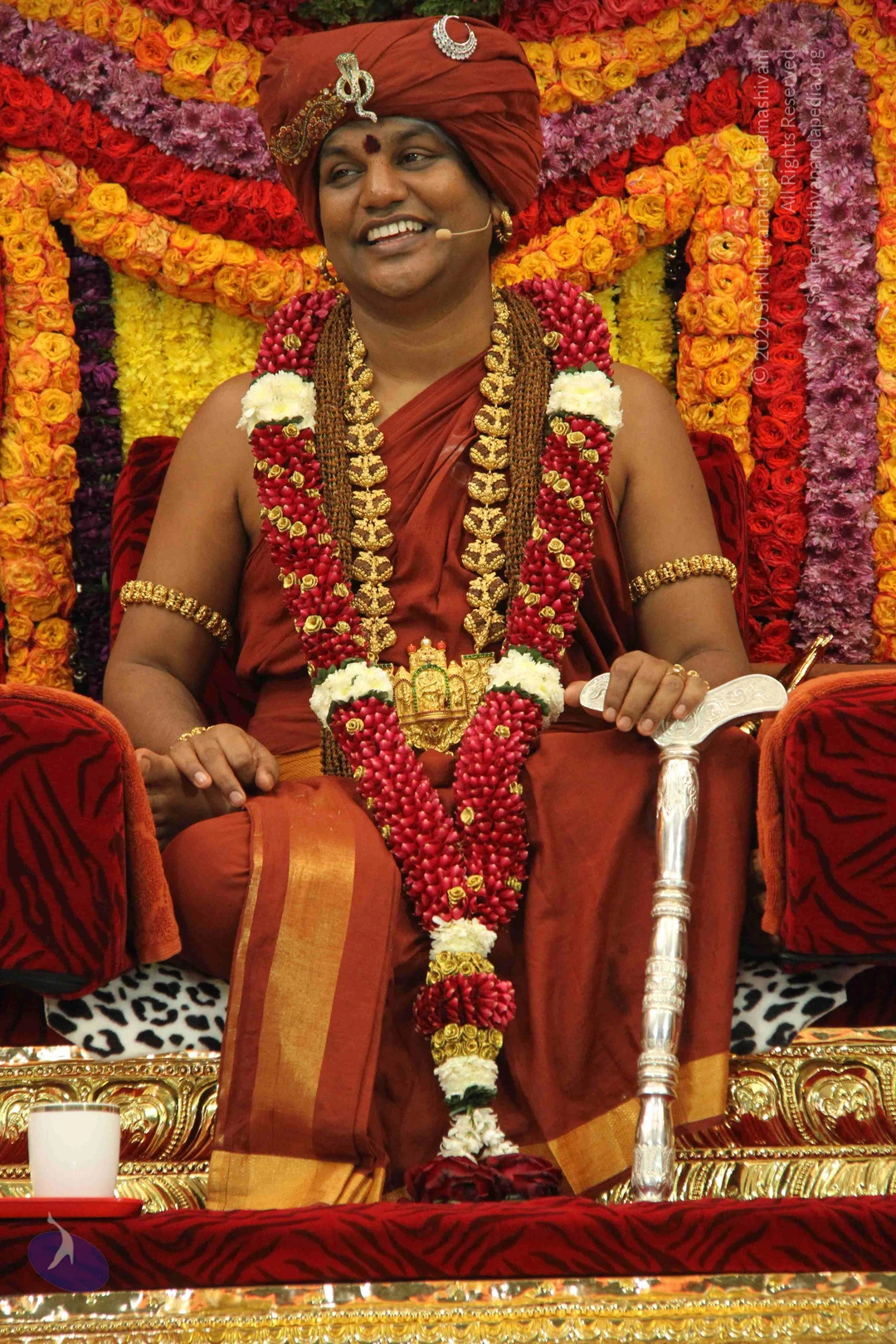
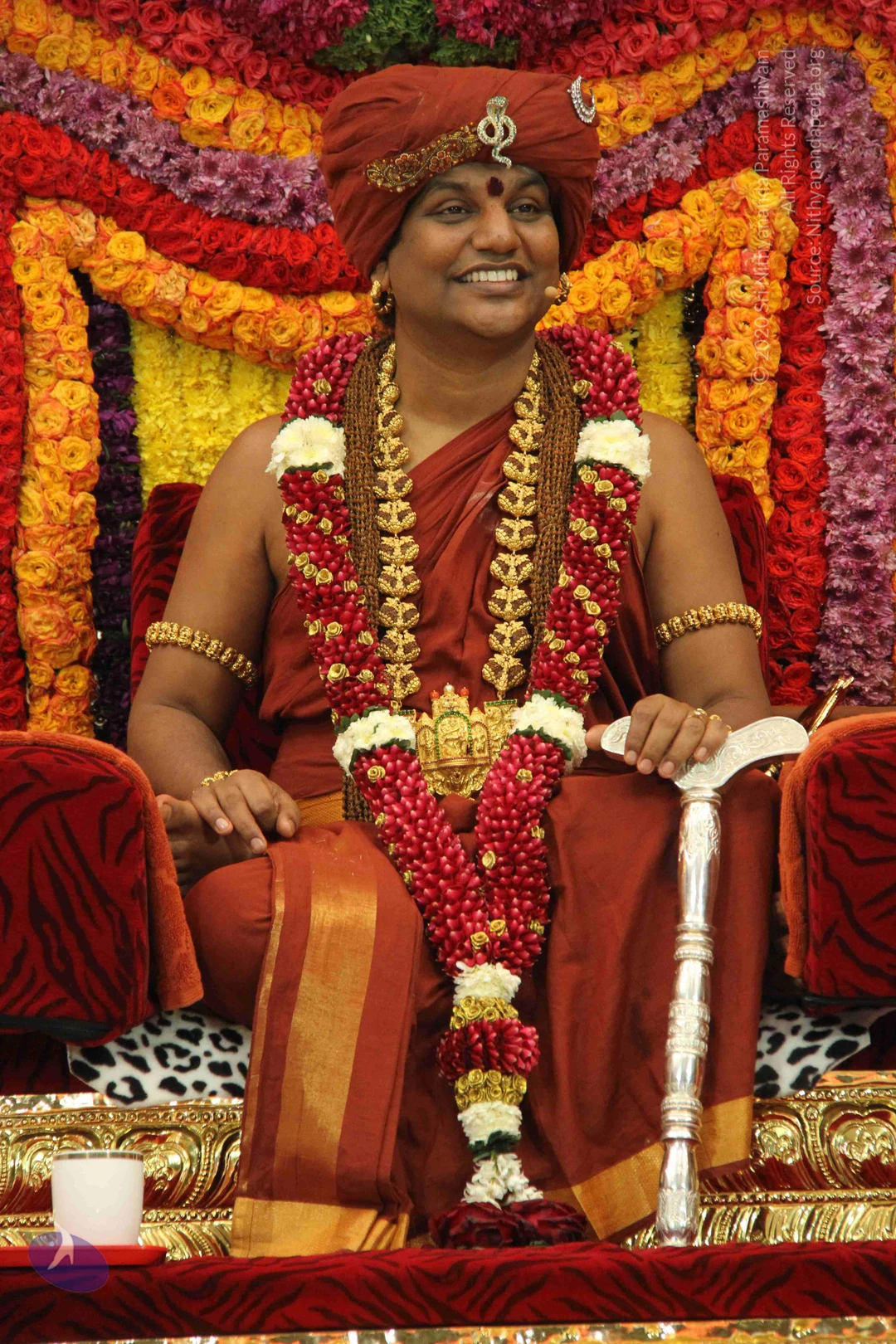
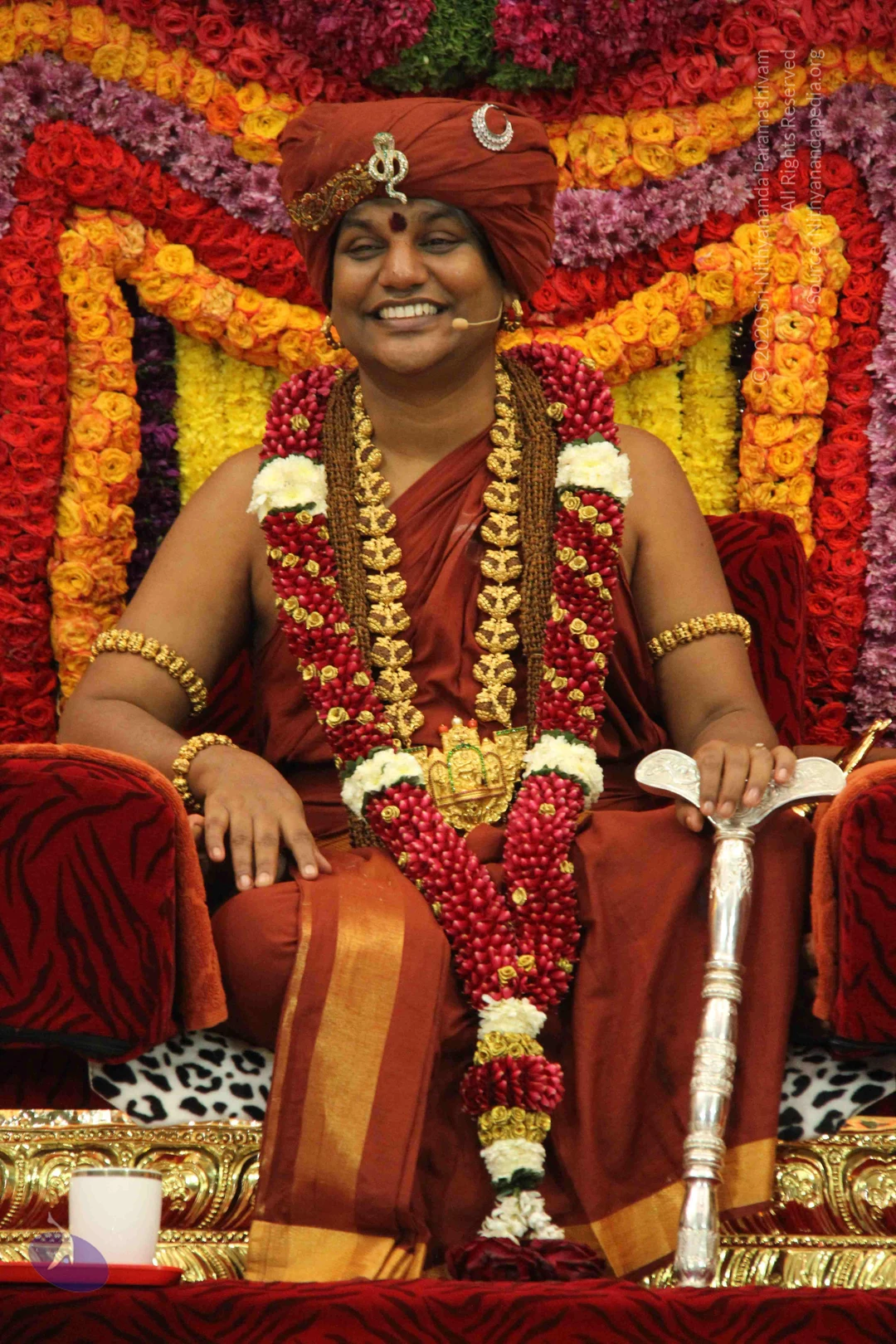
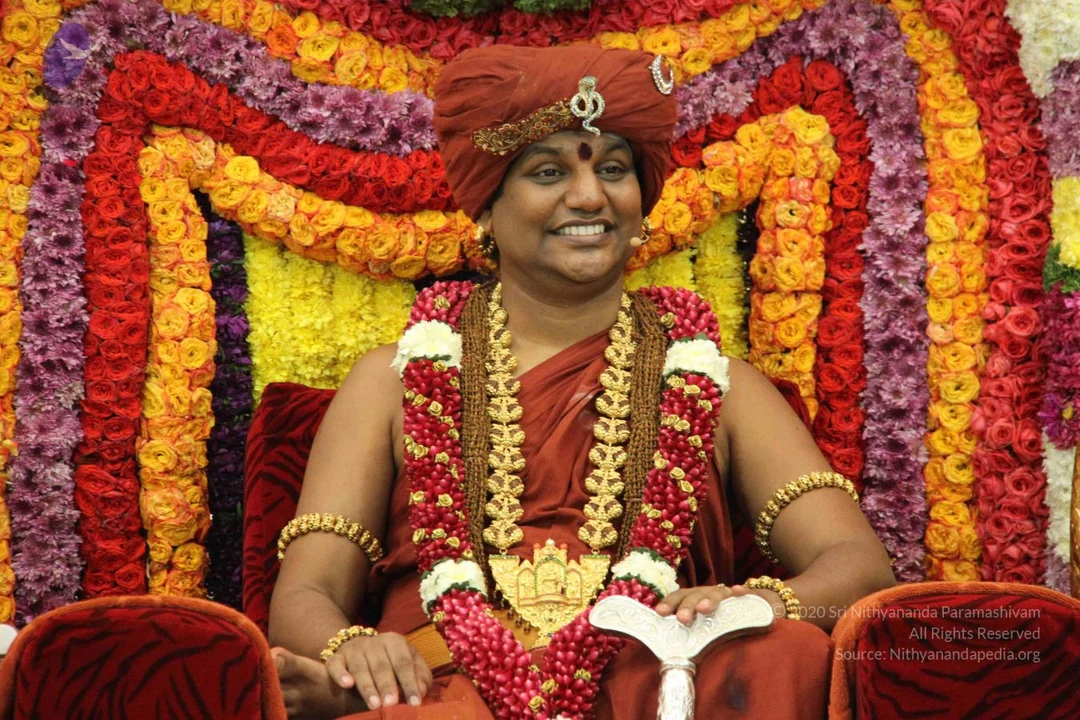
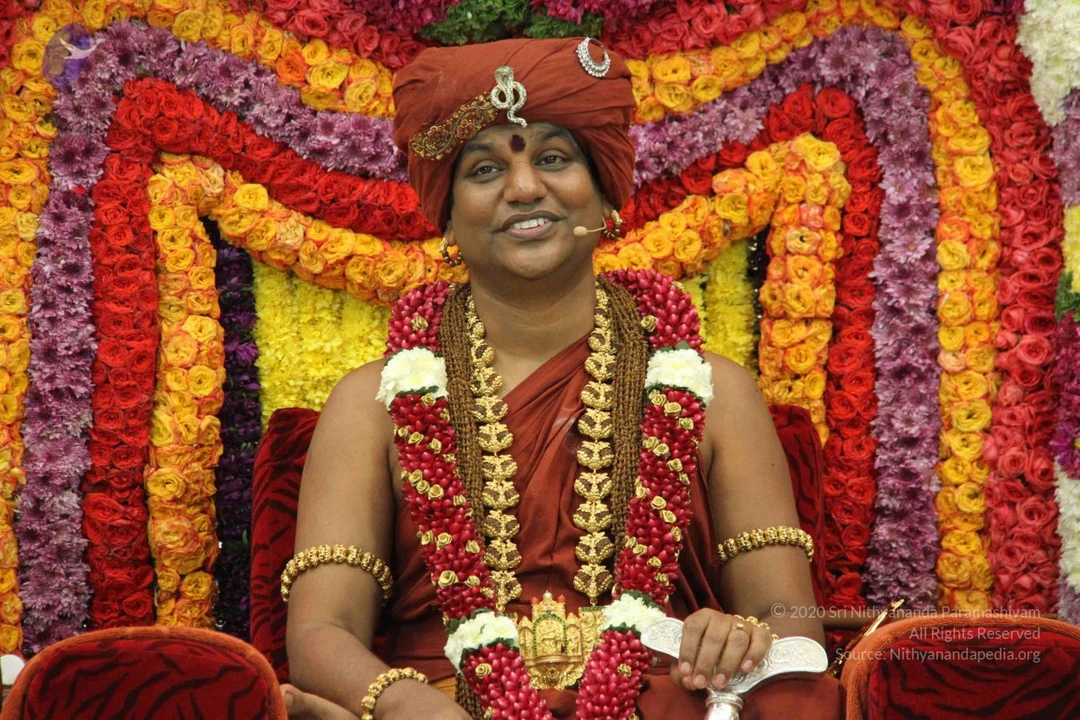
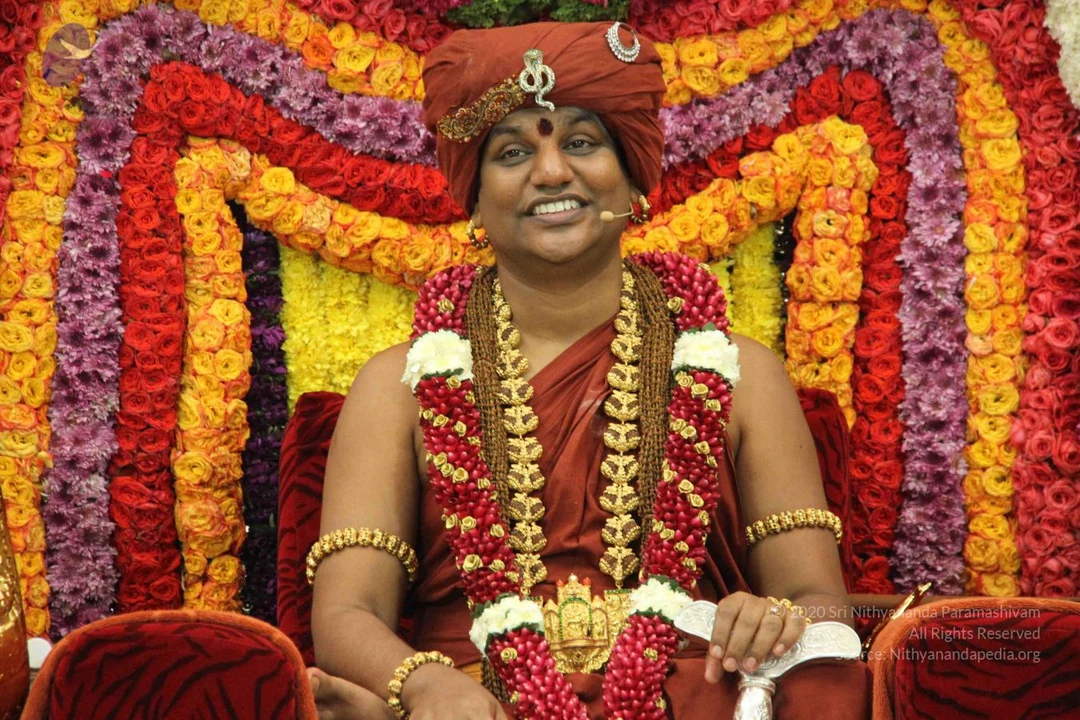
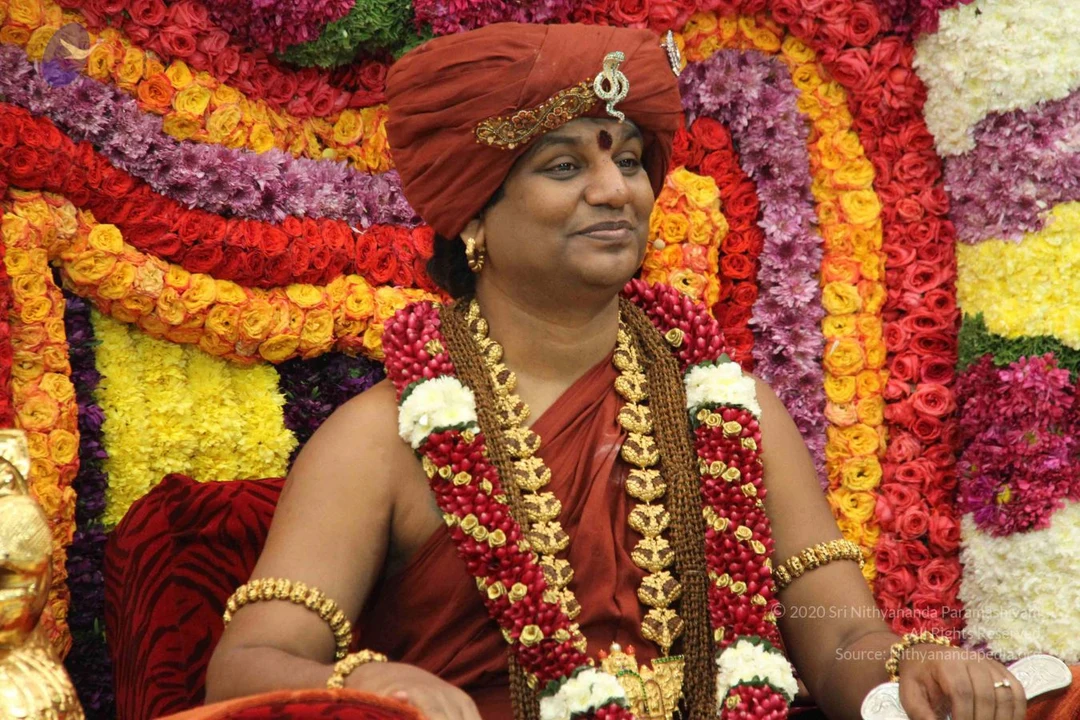
Bharani-Deepam-and-Satsang
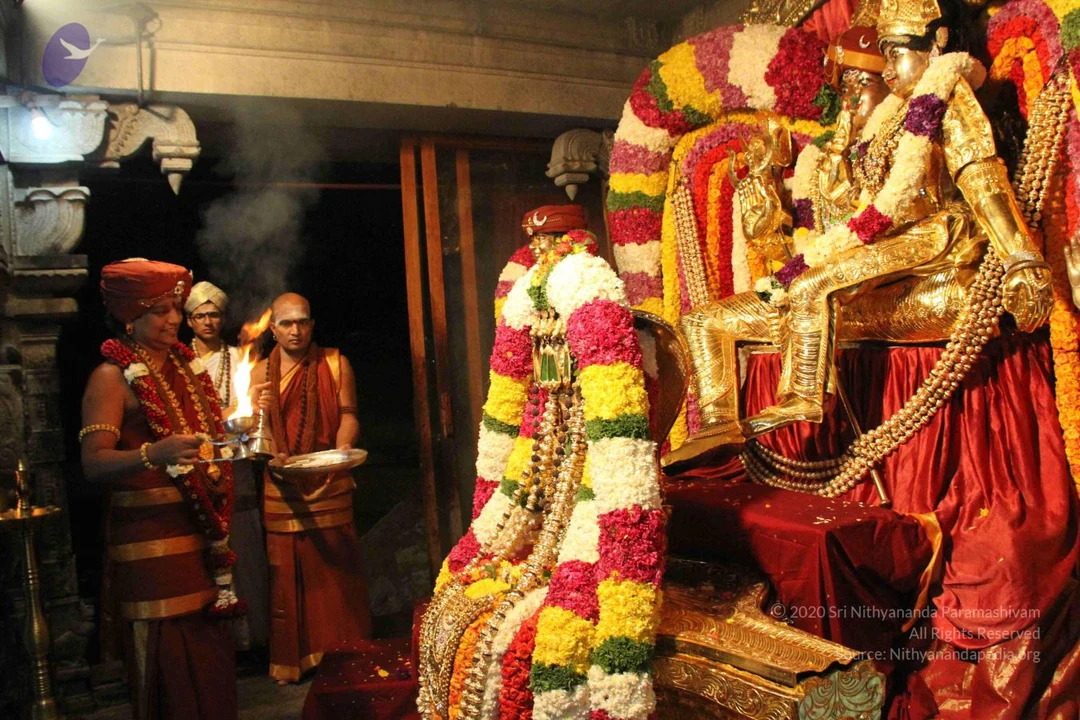
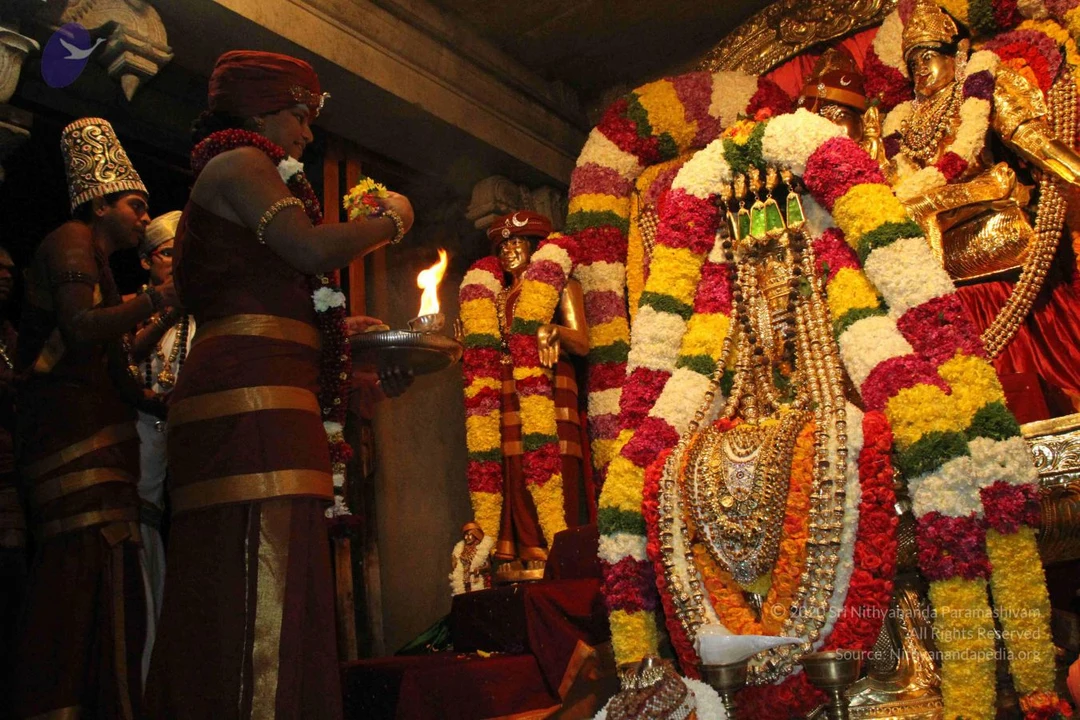
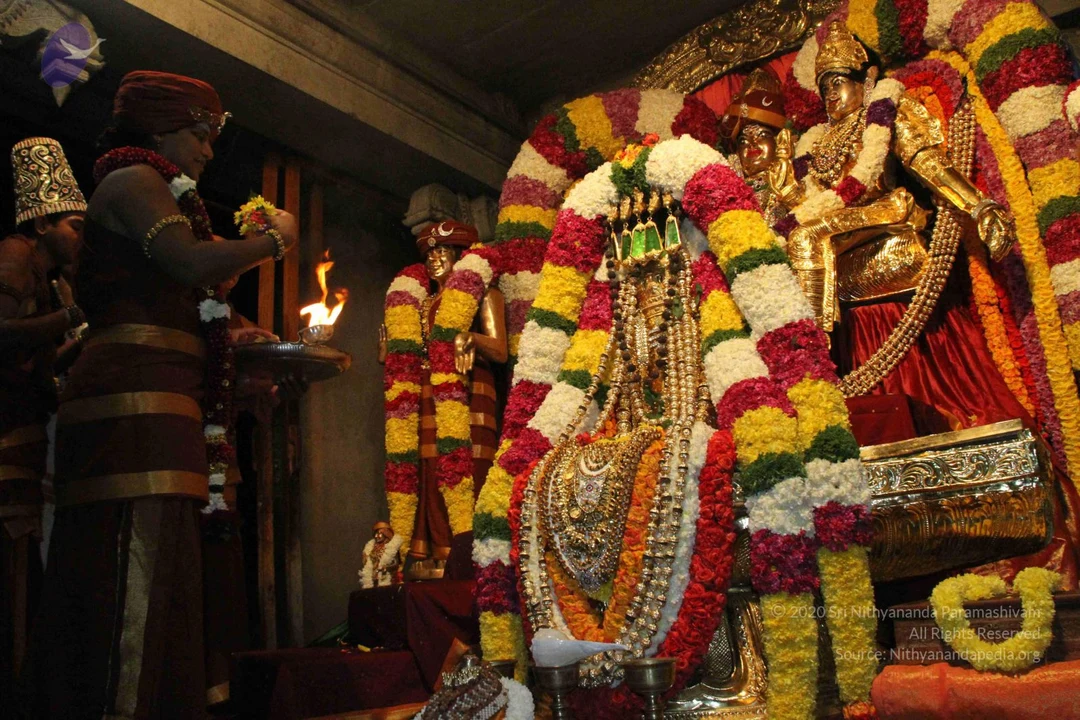
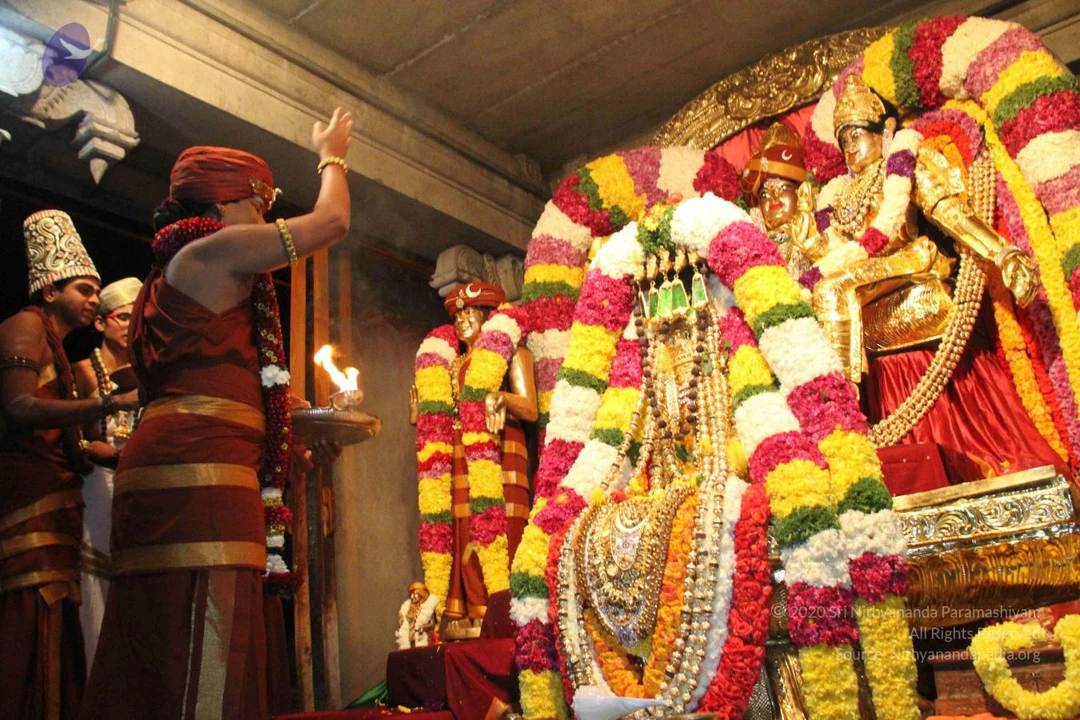
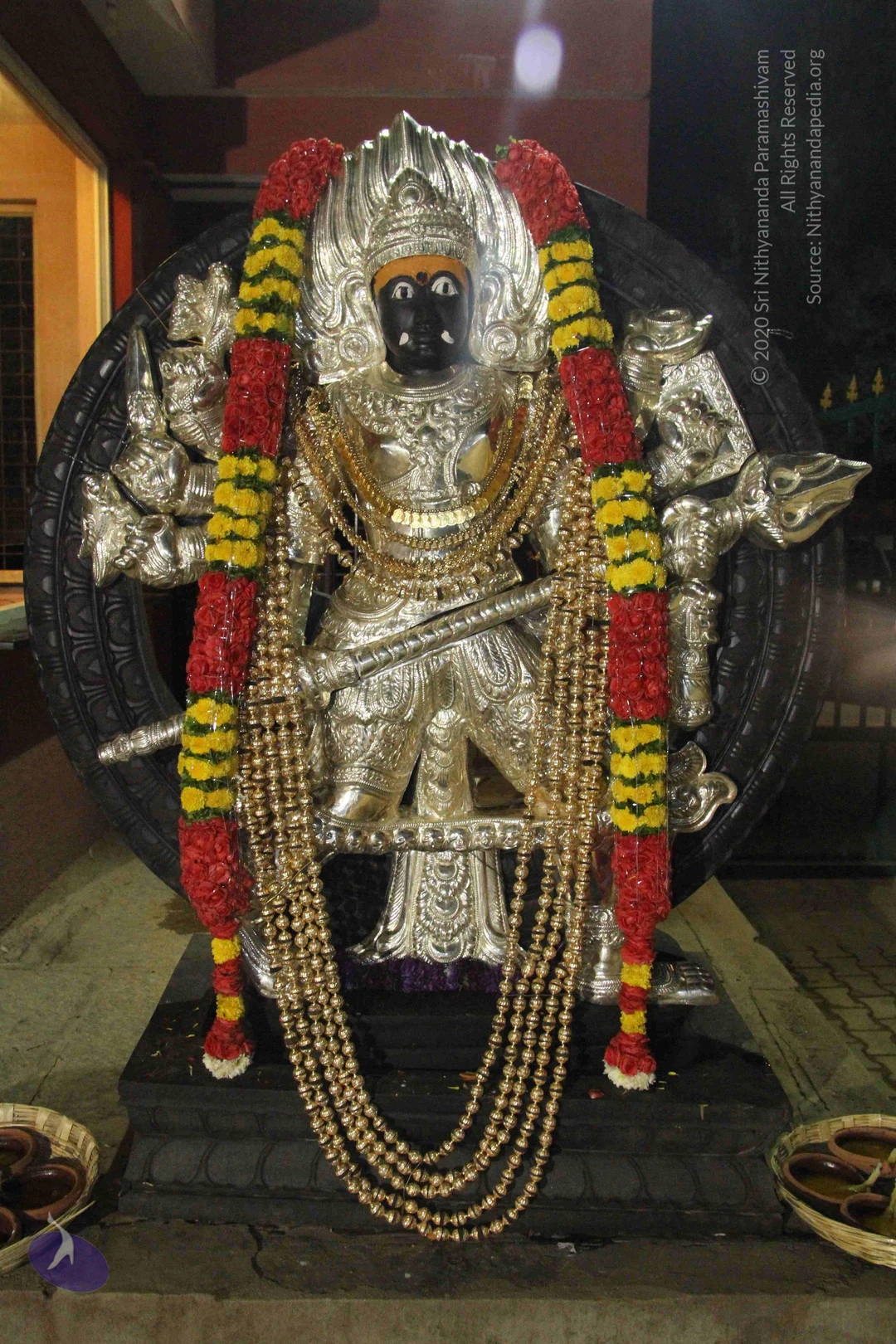
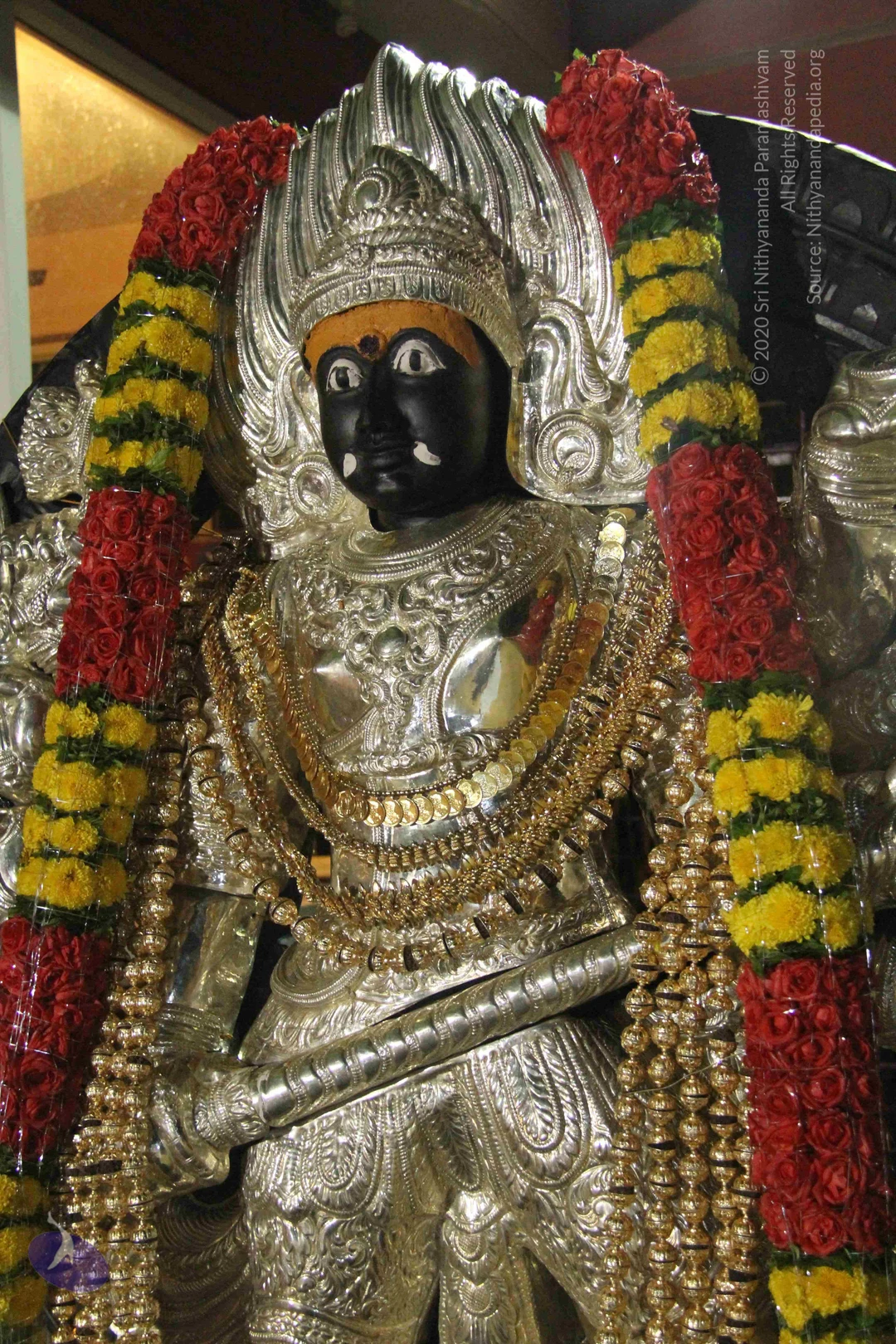
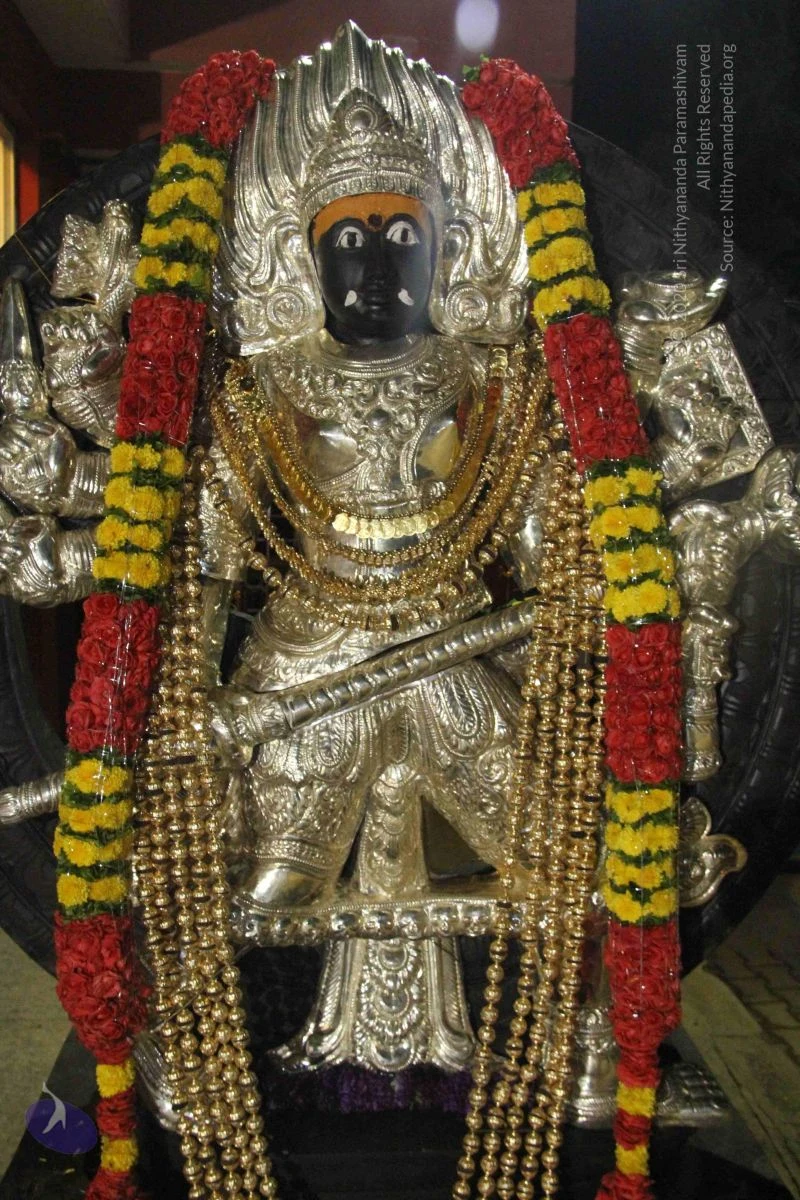
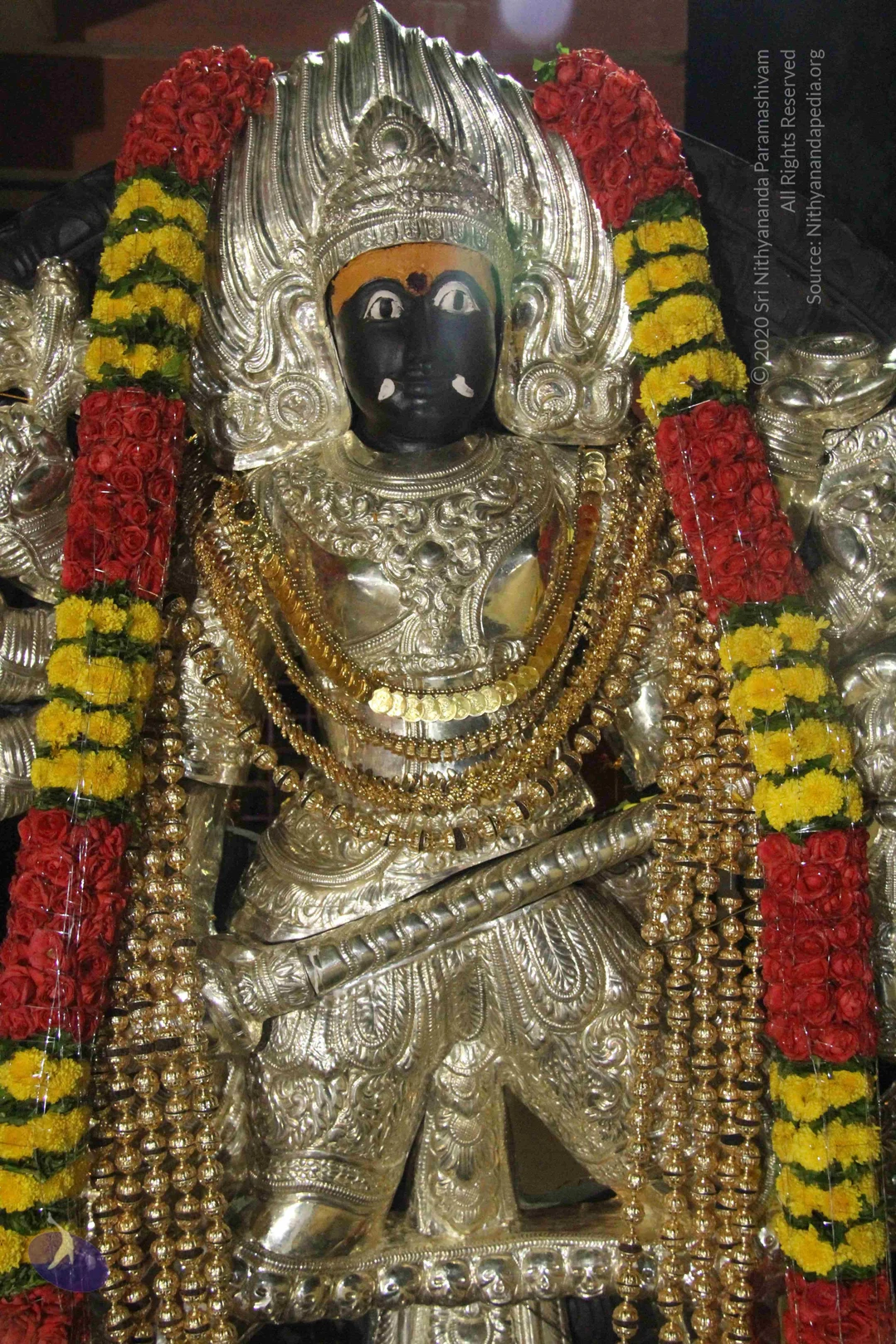
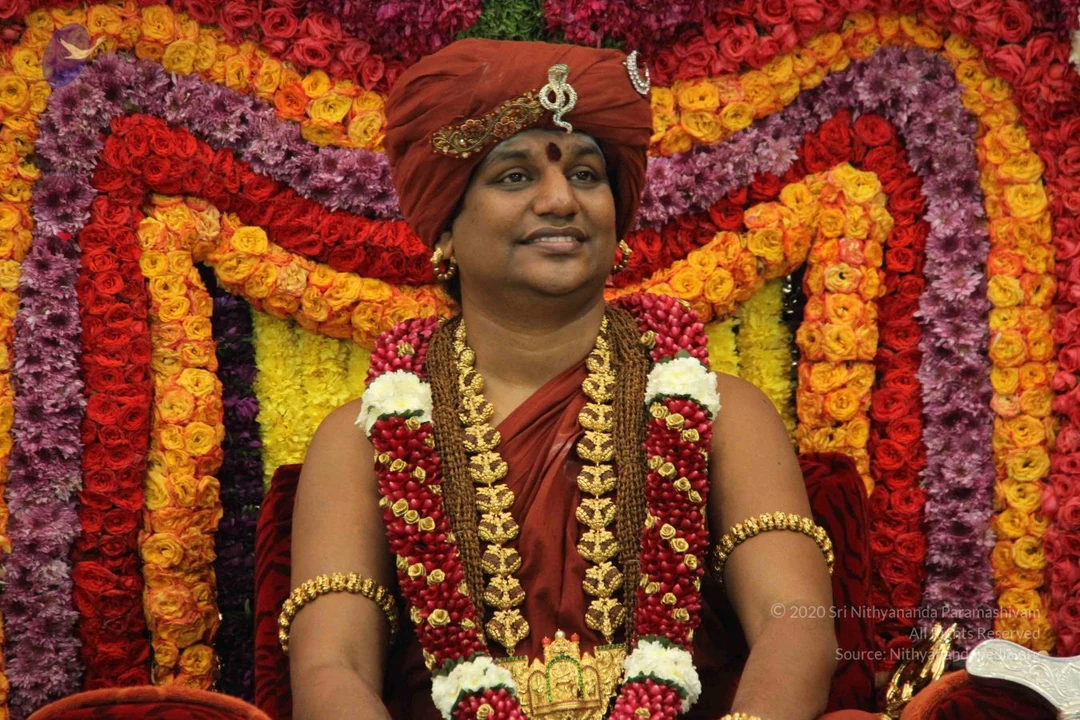
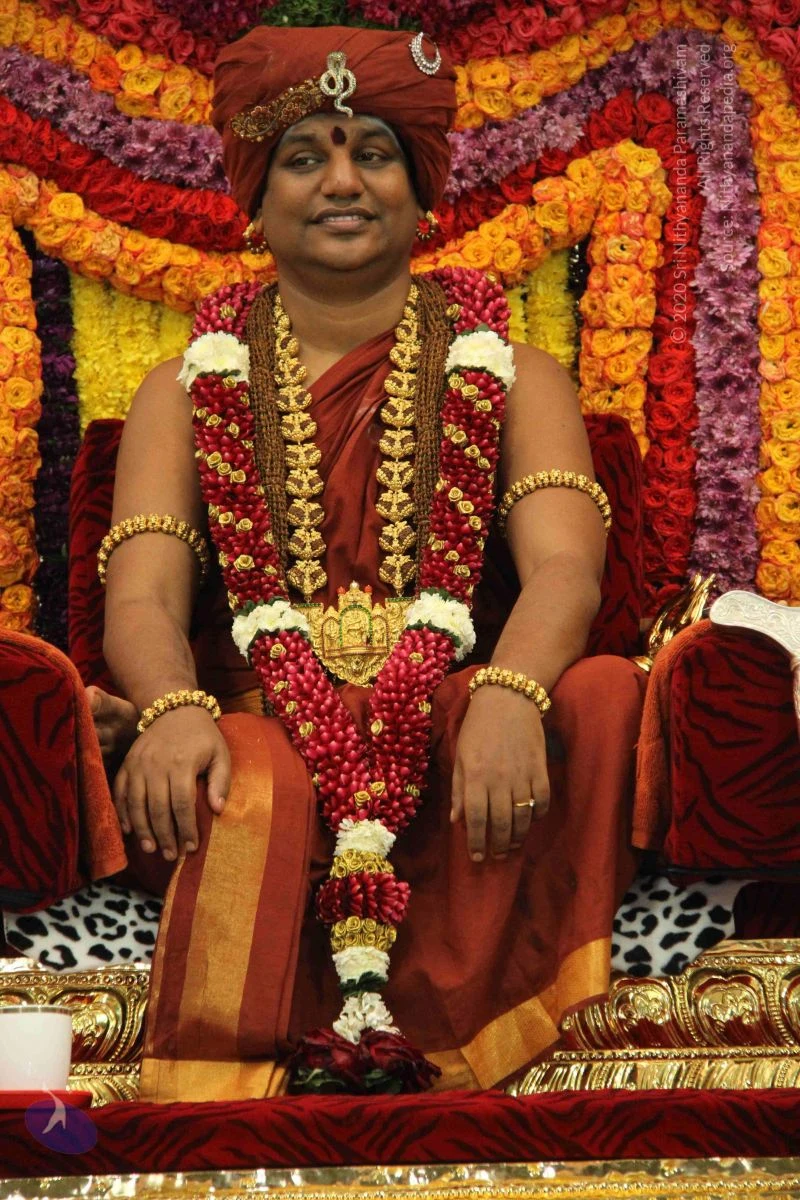
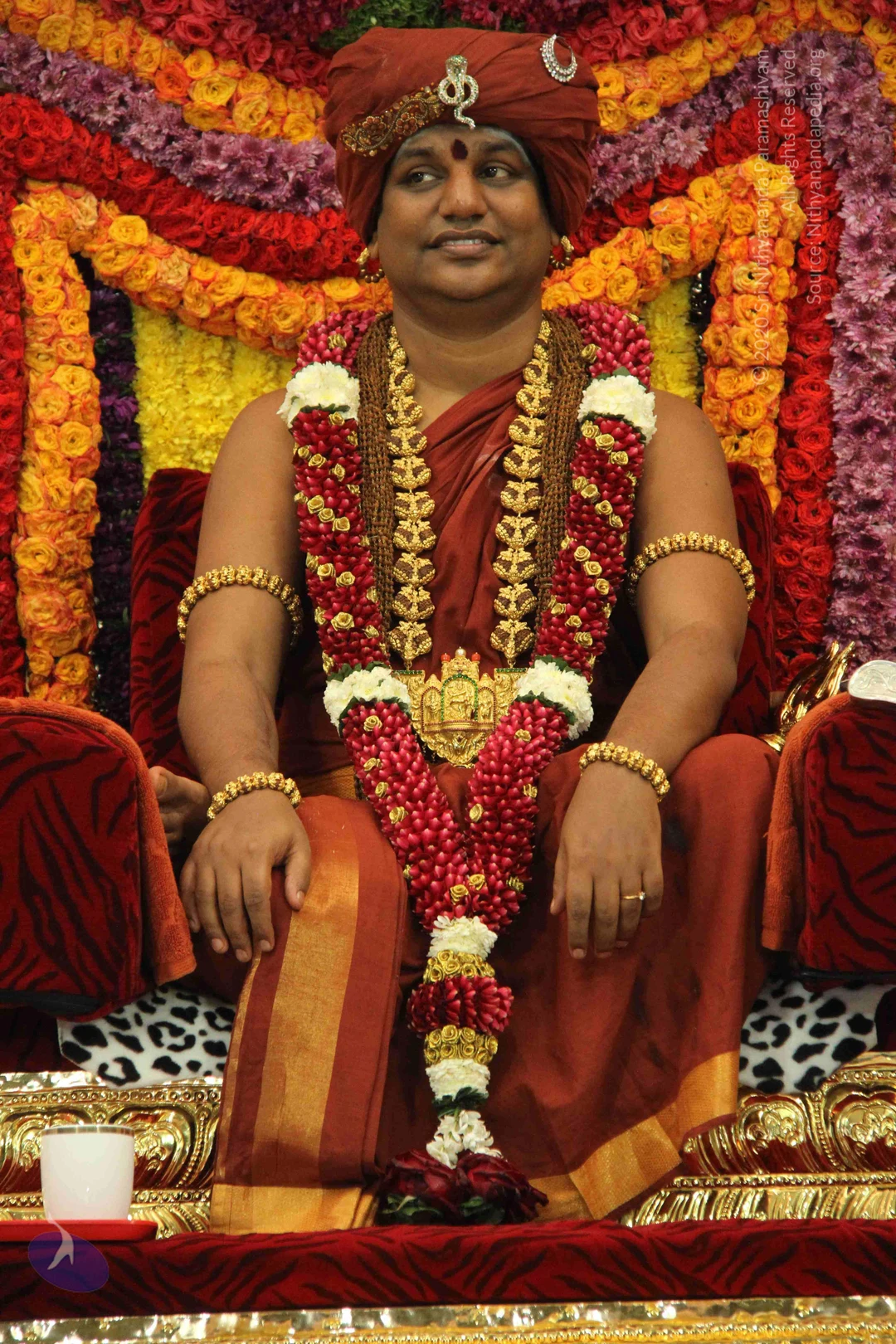
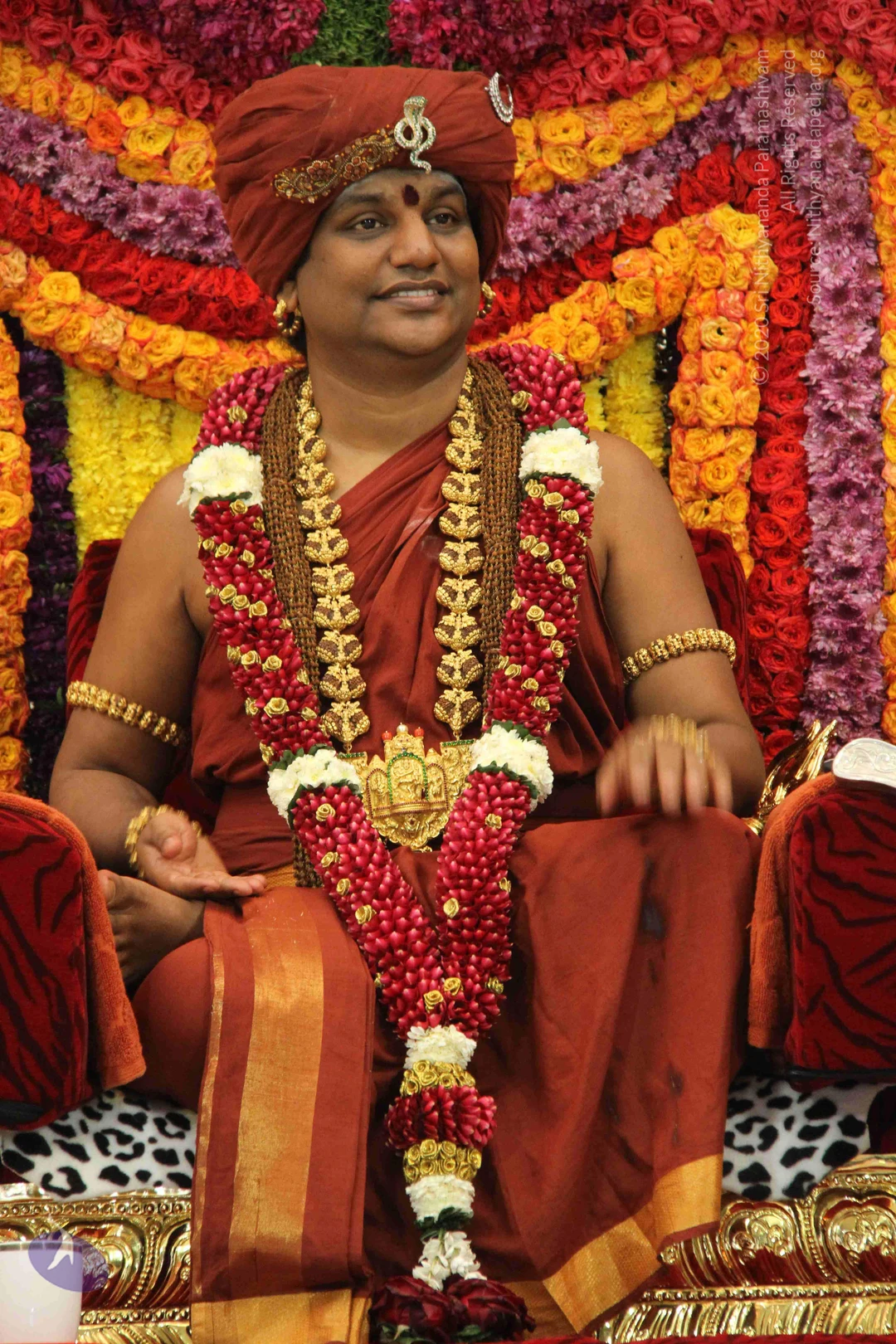

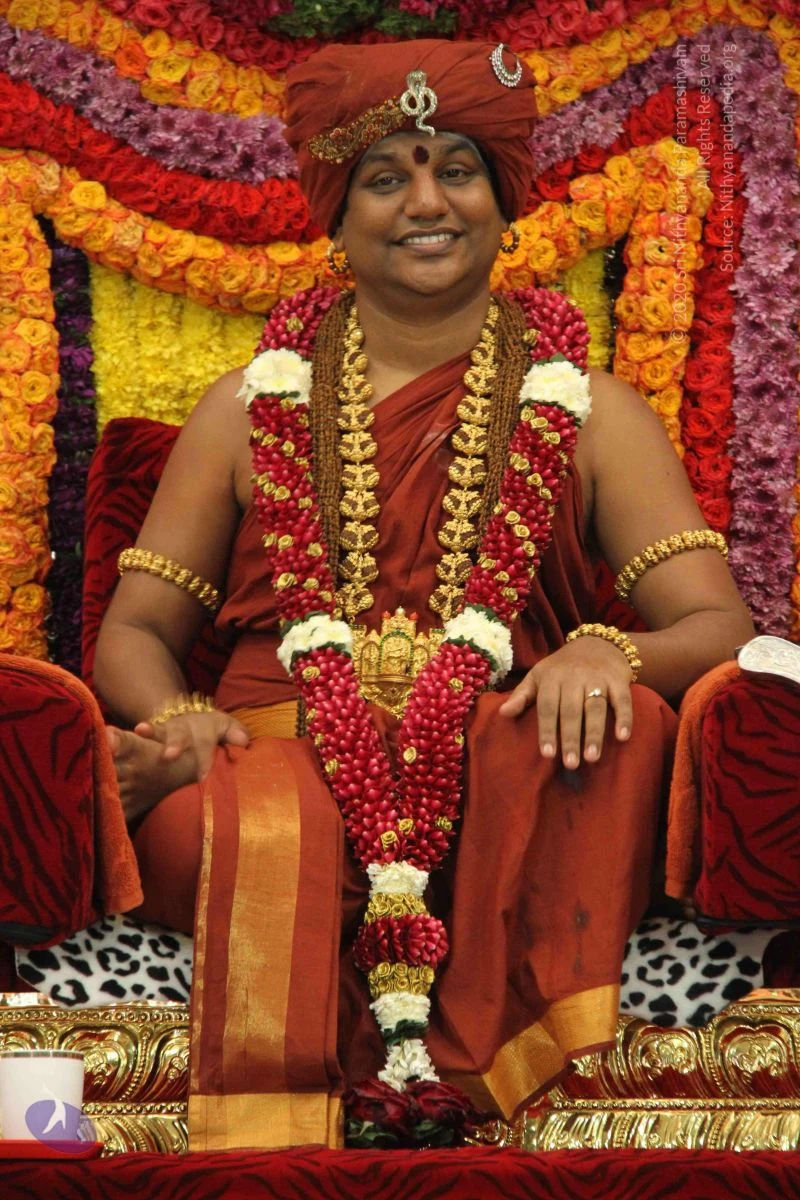
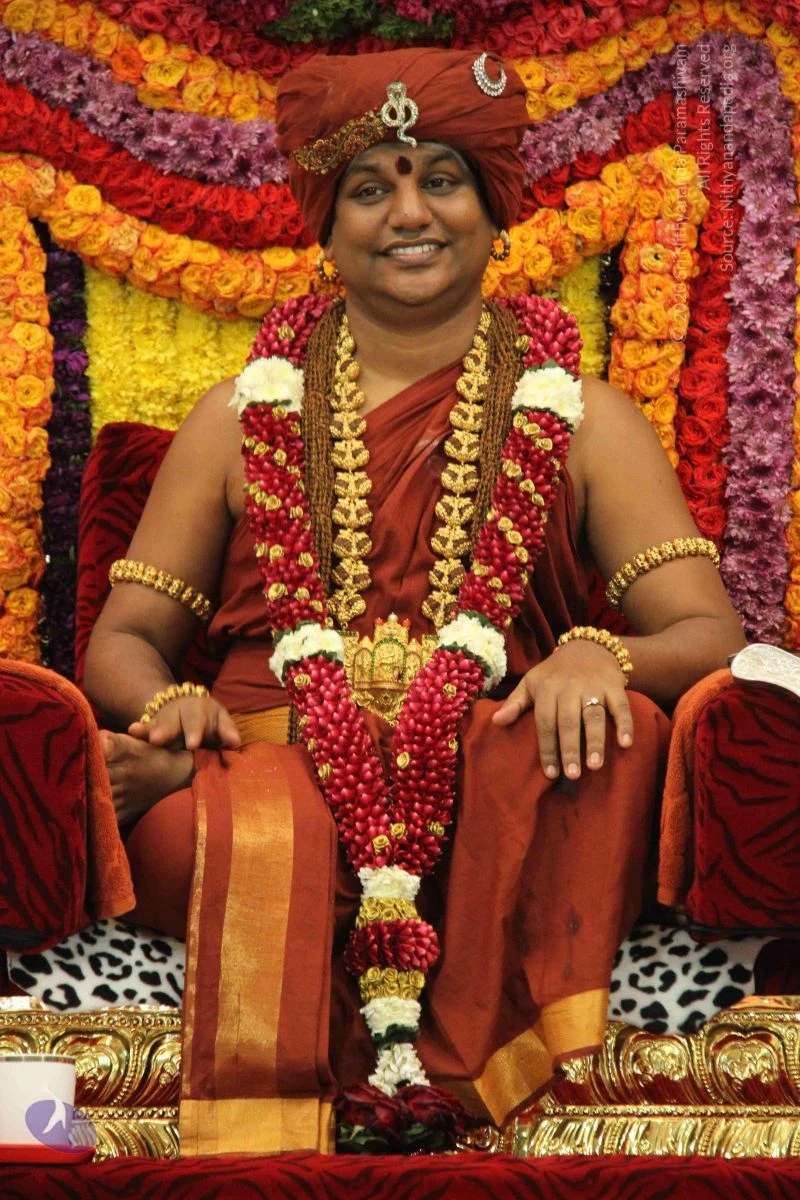
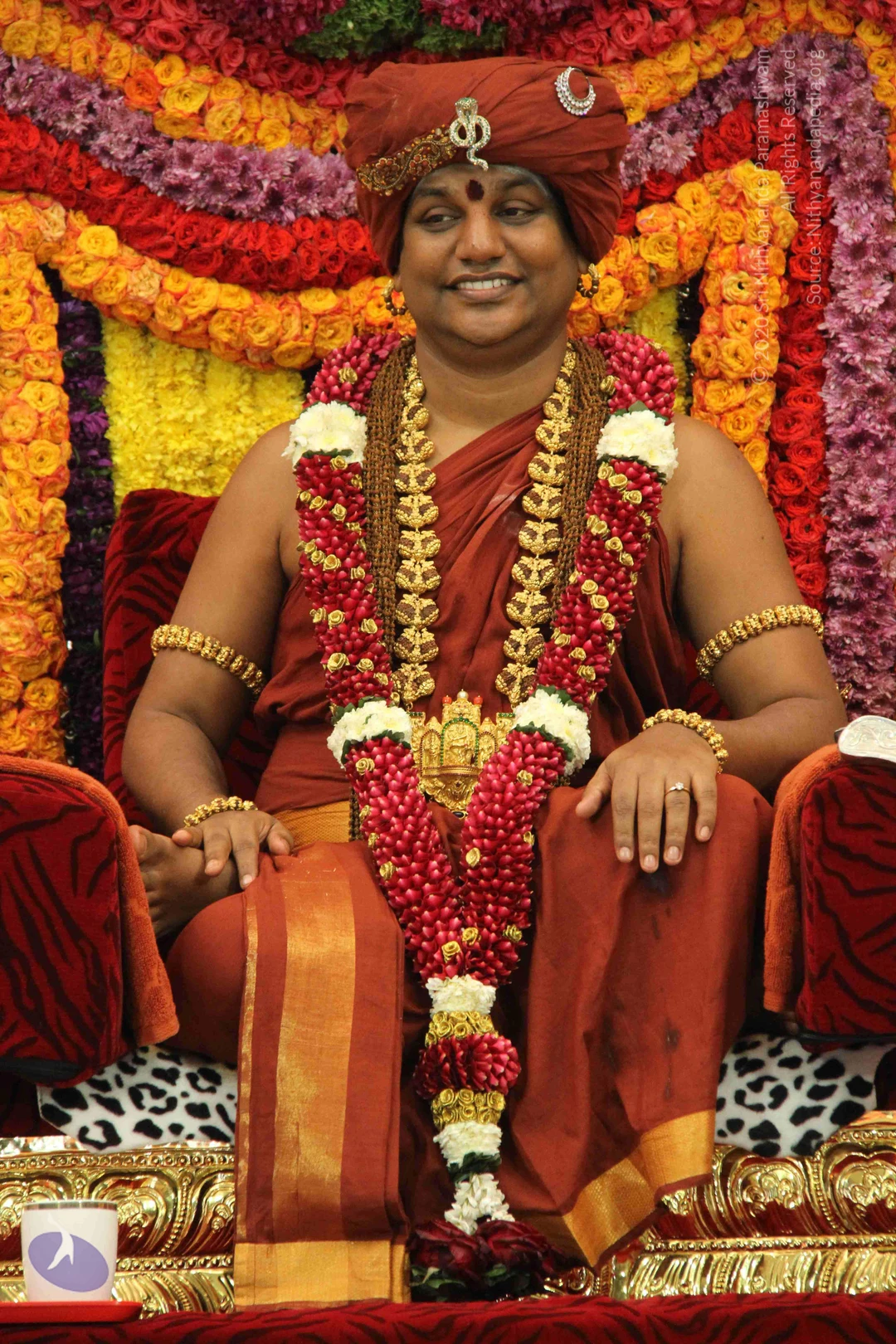
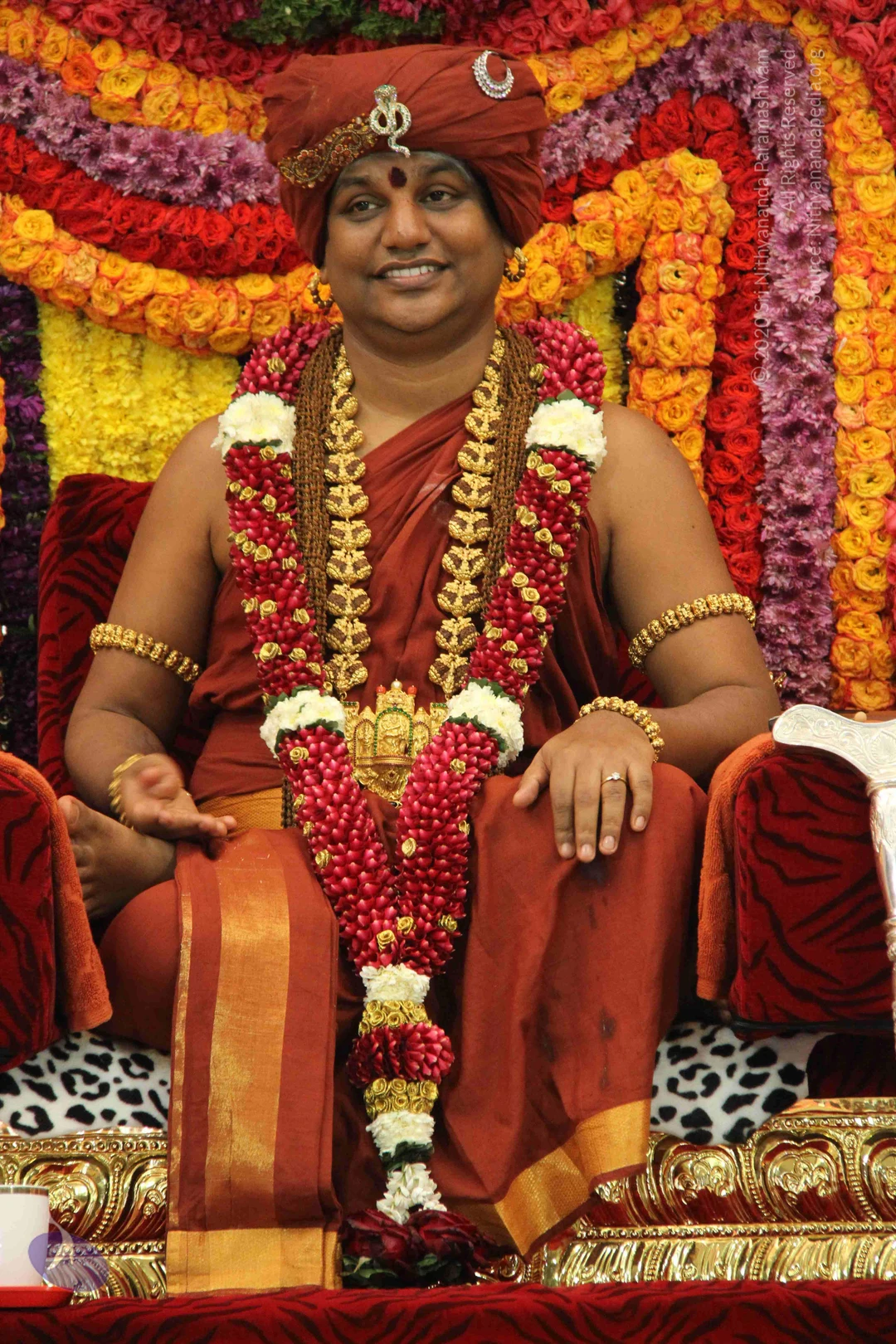
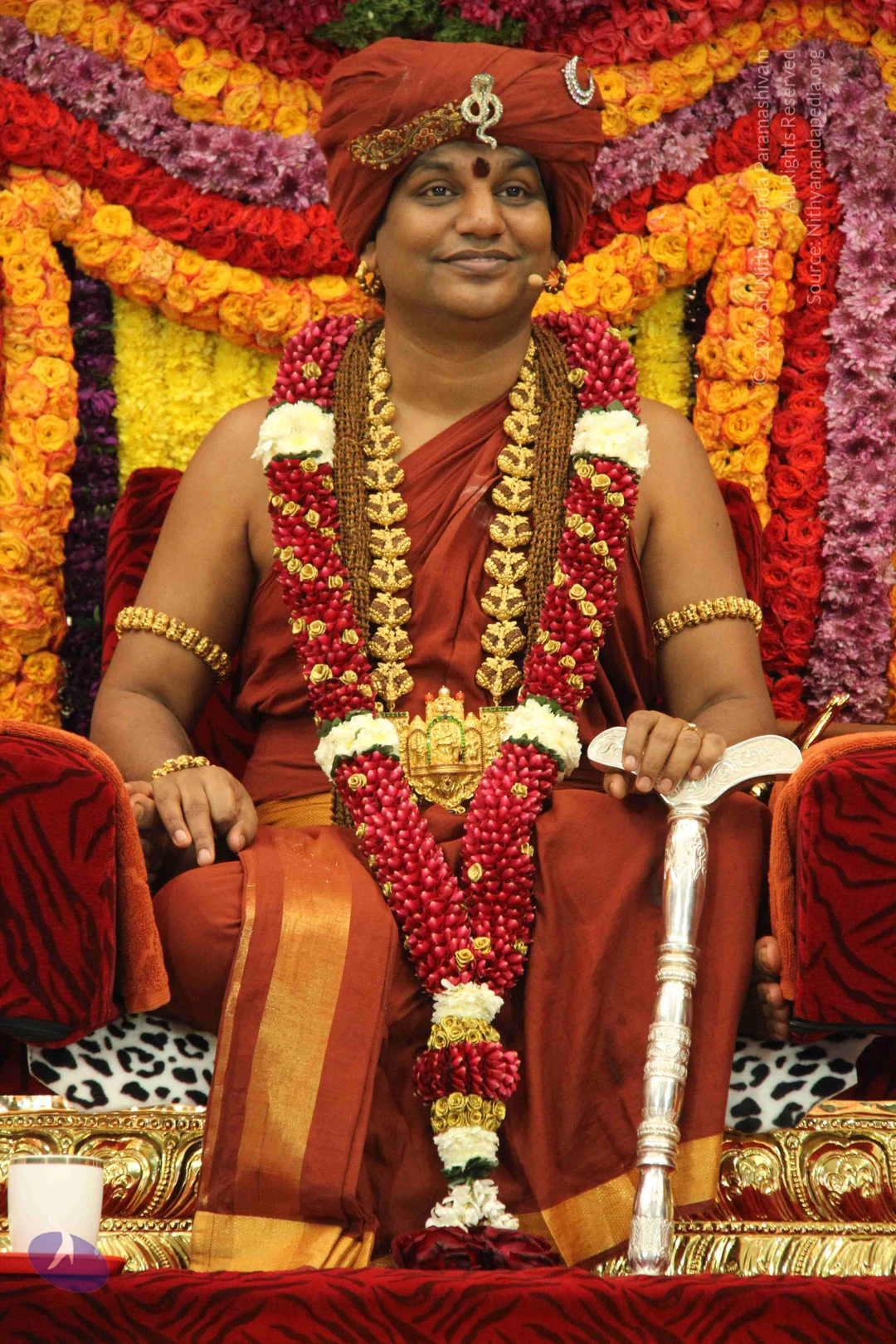
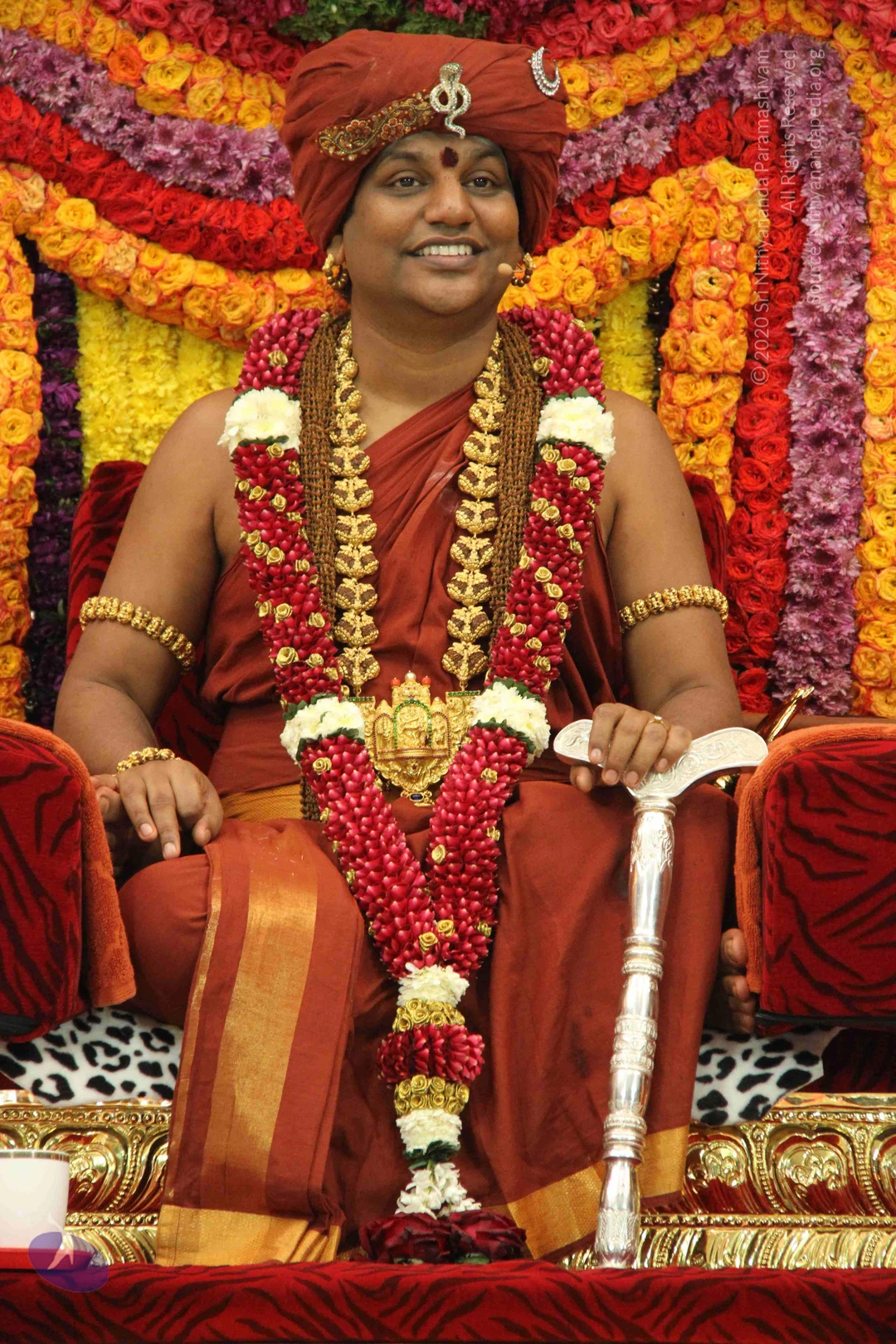
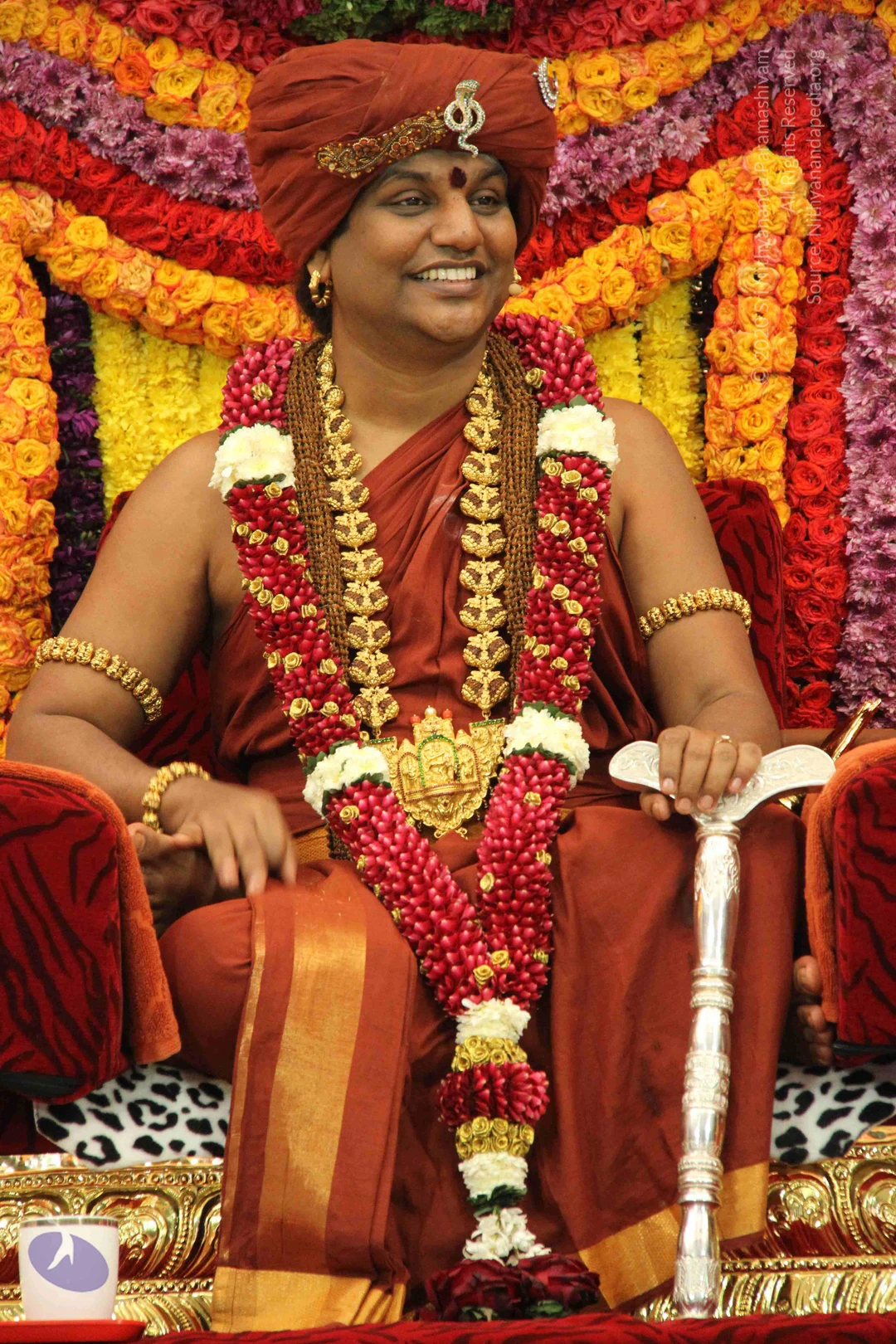
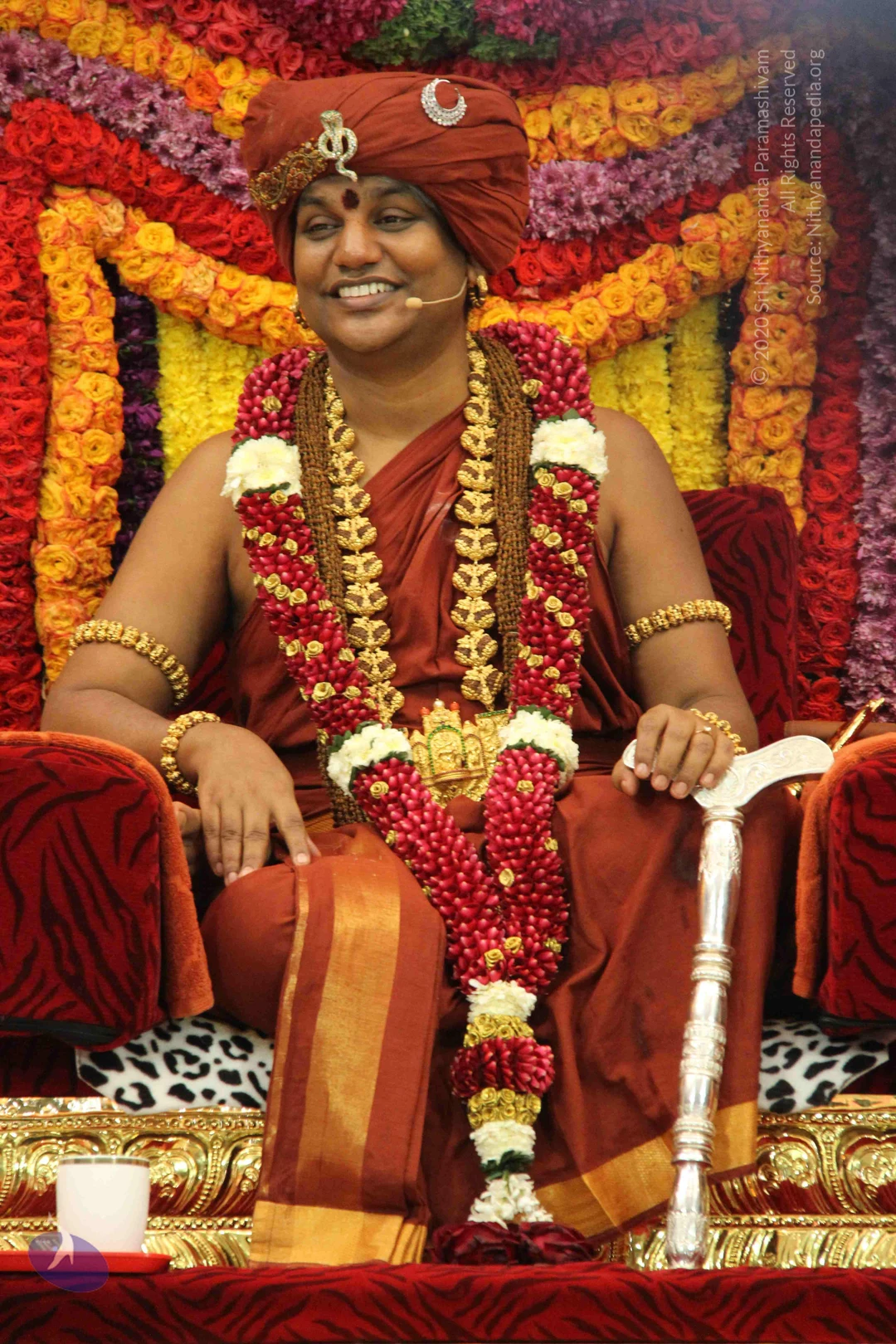
Title
Light Your Inner Space With Shivoham
Description:
In today’s (05th December, 2014) morning Satsang, Paramahamsa Nithyananda discusses how the truth of Shivoham is not only a reality, it can be a powerful medicine for all the root patterns in which we suffer with, as well as the societal and parental conditionings we develop. Mahadeva release us from all types of patterns with which we struggle and suffer the moment we remember, meditate on or create the space of Shivoham.
| Video | Audio |
Transcript:
Nithyanandeshwara Samaarambhaam
Nithyanandeshwari Madhyamaam |
Asmath Aachaarya Paryanthaam
Vandhey Guru Paramparaam ||
I welcome all the devotees, disciples, samajis, satsanghis, Shrimahants, Mahants, Thanedars, Kotharis, visitors, viewers, sitting with us all over the world at this time through Nithyananda TV, Sadhna TV, Janashree TV, and through two-way video-conferencing having Nayana Deeksha.
Cities sitting with us in two-way video-conferencing having Nayana Deeksha: Enriching Temple-Bidadi, Karjat-Mumbai, Bangalore North, Pattaya-Thailand, Jorpati-Nepal, New York-Varanasi, Hyderabad, Hyderabad-Gupta Kashi, St. Louis-Tirumala, Guadeloupe, Markham, Colombo, Kuala Lumpur-Palani, Singapore, Ohio-Prayag, Dubai-Vaidyanatham, Seattle-Chidambaram, Surrey-Canada, Toronto-Kailasam, Los Angeles-Arunachalam, Houston-Kalahasthi.....and many more cities.....Surrey-Canada...........
I welcome all of you with my love and blessings.
First, today, Nithyanandeshwara Brahmotsava main day. Mahadeepam. The day Mahadeva appeared as a light shaft and blessed Brahma and Vishnu with enlightenment. This is the very day he gave enlightenment to Devi and gave his half to Devi, became ‘Ardhanareeshwara’.
Today morning we had Bharani Deepam Mahotsava. In all the temples, all garbhamandirs, the main lamp, the light is lit. In Bidadi we had Bharani Deepam celebration. Bidadi Nithyanandeshwaras Temple Bharani Deepam was lit. And, today evening, sharp six o’clock, we will be having Mahadeepam; the main light, main lamp will be lit. I request all the devotees, in your area, the tallest hill, please light the lamp, in adherence to the legalities of your country.
And, let’s receive, Bidadi is offering many naivedhyams to Mahadeva. Let’s receive his blessings.
Today is the day of ‘Shivoham’. Most auspicious day for our Sangha; because, today is the day the ‘Big Bang’ started, the timeless Cosmic Mahadeva created the Time, assumed the form, blessed Brahma and Vishnu with enlightenment, Devi with enlightenment, and in his own half he made Devi as ‘Ardhaangini’.
Today, I am also happy to formally inaugurate Nithyanandeshwara Temple in Karjat. I am inaugurating, doing ‘prana prathista’ to the temple in Karjat, Nithyanandeshwara Temple. My deity which is installed in Nithyanandeshwara Temple in Karjat will radiate Cosmic Mahadeva’s energy, and it will start materializing Vibhooti, Kumkum, Sandal, Honey, and it will bless whoever comes there for healing. Whoever comes and touches that murthy and bows down, they will all be healed from all physical, mental disorders; they will all experience Kundalini Shakthi. And the deity will be LIVING deity, sitting there and giving blessings and boons. I declare, that deity will be RADIATING KALPATARU ENERGY. The Karjat Temple will become KALPATARU TEMPLE. Blessings!
And, Guadeloupe-Rameshwaram is offering twenty-one naivedhyams. Houston-Kalahasthi Sangha is offering sixteen naivedhyams. All over the world, many temples are offering naivedhyams and worship. With all my humbleness, love and devotion, I dedicate everything to Mahadeva, pray to him: let him accept and bless all of us and the whole universe on this auspicious day when Mahadeva gave that experience of Shivoham to Brahma, Vishnu, Devi.
Shivoham! This truth is not only a reality, it can be a powerful medicine, antidote for all the root-patterns you develop, parental conditionings you develop, societal conditionings you develop, and all the patterns with which you struggle, suffer. Understand, all the patterns with which you struggle and suffer, Mahadeva releases you. Mahadeva, listen, releases you from all the conditionings, the moment you remember, meditate, create the space of Shivoham.
You need to know, Mahadeva is not the totality of some dead qualities. It is like –
· If you have poverty, meditate on ‘Richness’; immediately poverty patterns will be broken. No. That is only a formula.
· If you are weak, meditate on ‘Power’; immediately you will start receiving the power. It’s a technique.
· If you are ignorant, meditate on ‘Knowledge’, and your knowledge will start opening up in you. It is a methodology.
Mahadeva is not just totality of some good qualities. He is ALIVE. When you invoke him, when you invite him, he just happens so powerfully, so beautifully, so alive, living. He just makes all these parental conditioning, social conditioning, societal conditioning, root-patterns, engrams, he just makes them disappear, melts them away.
When you invoke Mahadeva, Shivoham in you, don’t think it is a technique. It does the help of technique also. If you do a technique what all help will happen to you, if you do a meditation technique what all the good things will happen to you, that also happens when you invoke Mahadeva in you. But, that does not mean Mahadeva is the totality of these few dead qualities. No. He is a LIVING, VIBRANT, CONSCIOUSNESS!
See, if it is a technique, for example, if you have five layers of ignorance, if you meditate on Knowledge till the five layers melt down, you will experience the Knowledge. If you feel weak for last ten years, if you meditate on Power at least next ten months, then slowly, slowly, the weakness will melt down; you will feel power. That is a technique. If you have a blockage in your Kundalini energy flow, and blow your nose, do the Pranayama and Kriya properly till that blockage is removed, Kundalini will be awakened. That is a technique. But, when you meditate Shivoham, it is not the strength of your meditation is going to decide the experience of Shivoham. No! He is conscious intelligence! You invoke him, you request him: ‘Prabho, please be awakened in this body, in this mind, in this buddhi, in this intelligence. Let you radiate whatever I know as me, ‘Aham’. I am surrendering at your feet. I am completing it at your feet. Let you be.’
The experience of Shivoham, explosion of Shivoham, does not happen based on the strength of your practice. No. It happens because He is intelligent, He is consciousness. So, He just explodes. It is not like a technique: what you do, you get the result. No. You invoke Him, He fills you. He is there. He is there. He is there. So, don’t think, ‘If I chant crore times ‘Shivoham’, then Mahadeva may occupy my whole being, then I may experience Shivoham.’ No. He is not going to see your Japa bank balance, how many crore times you chanted ‘Shivoham’. No! You invoke him, He is there! Because, he is Consciousness, understand? This is the biggest difference between atheistic non-dual philosophies and theistic non-dual philosophies. Listen. In atheistic non-dual philosophies they say - any quality you meditate, you imbibe that quality. In theistic non-dual philosophy we say - apart from the power of our meditation, that quality, source of that quality is intelligence; so it fills you, the moment you invoke it.
Shiva is not just the totality of few auspicious qualities, so by meditating, meditating, meditating on it you become that. He is totality of auspicious qualities, AND consciousness. That is why when you invoke him, invite him, he occupies you and graces through you, radiates through you. Not only he introduces himself to you, he introduces himself through you to everyone. He introducing himself to you is ‘Authenticity’. He introducing himself through you to others is ‘Enriching’.
Mahadeva is the conscious intelligence. Shivoham is not technique; it is a conscious process. Meditate on Shivoham. Don’t think your Japa repetition, the strength of your meditation is going to bring the results. No. He is conscious intelligence. You meditating is nothing but invoking him, requesting him to fill you, to radiate through you.
Mahadeva.....Mahadeva is Pure Consciousness. Mahadeva is embodiment of purity. Mahadeva is ALIVE. I can’t say, just because I chanted ‘Shivoham’ for millions of times, I started experiencing Mahadeva. No. Just because he is Consciousness, he accepted my request to walk into me; he started radiating himself through me. Understand, he is Consciousness is the good news I want all of you to know. He accepts your requests even if it is made once. He is Bholenath, simple guy. His presence is not heavy, demanding. No. He is not Vaikuntavasi he needs the Lakshmi to press the feet, and the Ananthasesha for a bed, and the Milk Ocean for his presence, and all the best things, Shamanthaka, the best, greatest jewellery for wearing. No, I am not disrespecting Vishnu. All I am trying to tell you is, Mahadeva is Bholenath. Even if you are already depressed, like a cremation ground, you are almost there, your whole mind is dull, dead, depressed cremation ground, even then he is happy to dance there. And all your thinking, feeling, everything is full of negativity, negativity negativity, negativity, like a ghost, even then he is ready to have you as his companion. Understand, he is too simple, and his presence is not that heavy. His presence is powerful, but not heavy. ‘Heavy’ means, demanding. ‘Powerfulness’ is different, ‘heavy’ is different. He is Bholenath. His presence is never demanding. His presence is so powerful, but not demanding, understand.
Invoke him, request him, pray to him, ask him, invite him to your inner-space. ‘Mahadeva, whatever I know as ‘Aham’ is a bunch of my root-patterns, social conditionings, parental conditionings, layers and layers of patterns, samskaaras, and the past-life karmas. But, this is not too big for you. You can burn all these. And this cannot be the reason why you are not happening through me. Can this stop you happening in me? I am completing this and surrendering at your feet. O Prabho, happen in me. O Mahadeva, happen in whatever I feel as me. Let ‘Aham’ become ‘Shivoham’. Let ‘Aham’ become ‘Shivoham’.’ Invite him. Invoke him. Request him. Understand, he is conscious, alive, present.
I can’t say he HAPPENED to Brahma and Vishnu and Devi on this very day. I should only say he is still HAPPENING! He is HAPPENING. It is ‘past-present-future-continuous tense’! I will have to create a new tense. I can’t say it is ‘past tense’, ‘present tense’, ‘future tense’, or past-present-continuous tense’. ‘Past-present-future-continuous tense’! That is the meaning of ‘eternal’. That is the meaning of ‘eternal’, understand. He is Bholenath. He is powerful, but he is not heavy. He is not demanding. You can have ten-thousand SDHD – Self-Doubt, Self-Hatred, Self-Denial. But that cannot stop Mahadeva getting invoked in you. He can just happen, and remove, burn all those SDHDs in a second. The moment you invoke him, he burns it away.
I tell you, Shivoham is not just technique; it’s a SPACE. It’s a powerful space. Radiate the power of Mahadeva. Radiate the power of Mahadeva. Radiate the power of Mahadeva. Shiva, Shiva, Shiva.
As I said, because he is not a demanding being, there is no pre-condition who can experience Shivoham, who can’t experience Shivoham. No. Invite him authentically. Invoke him authentically. You will merge in him. He will merge in you.
The Ocean of Consciousness, Pure Consciousness, Mahadeva happens and radiates. He radiates. He happens. Shiva, Shiva, Shiva, Shiva, Shiva, Shiva, Shiva.
Essence of today’s satsangh:
Invoke him, invite him to radiate in your inner-space with the power of Shivoham, making Shivoham as the experience. Radiate Shivoham.
I bless you all. Let’s all radiate with Integrity, Authenticity, Responsibility, Enriching, and Causing eternal bliss, Nithyananda.
END OF SATSANGH ----
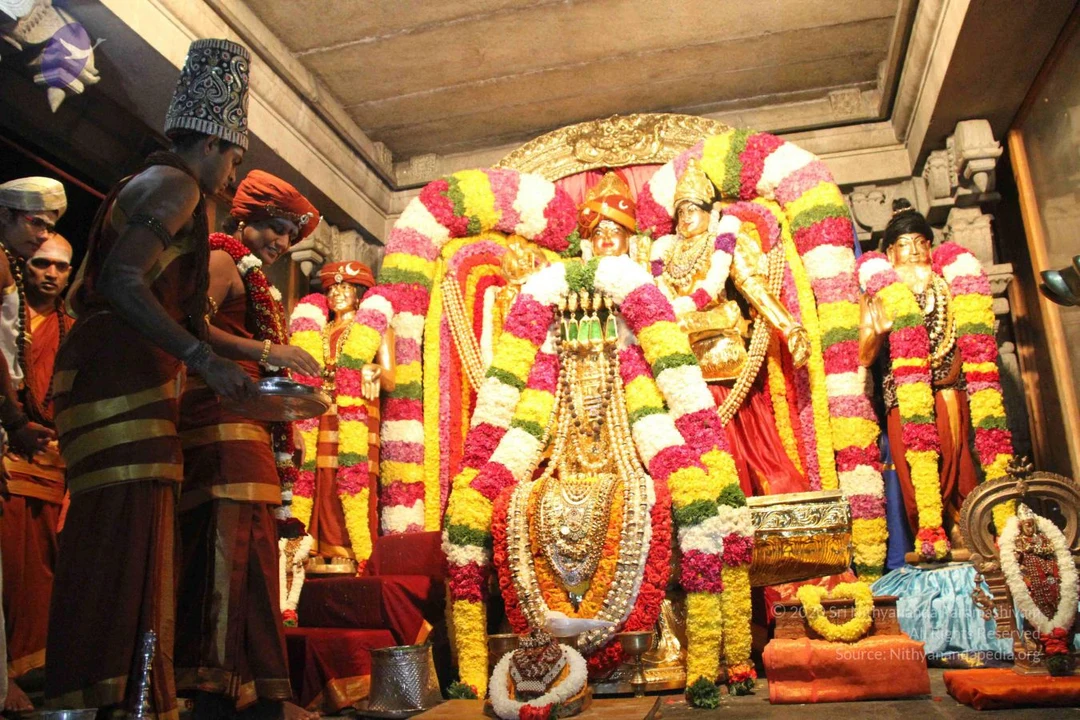
Photos from the Day
Photos Of The Day:
Pada-Puja
Karthikai-Deepam
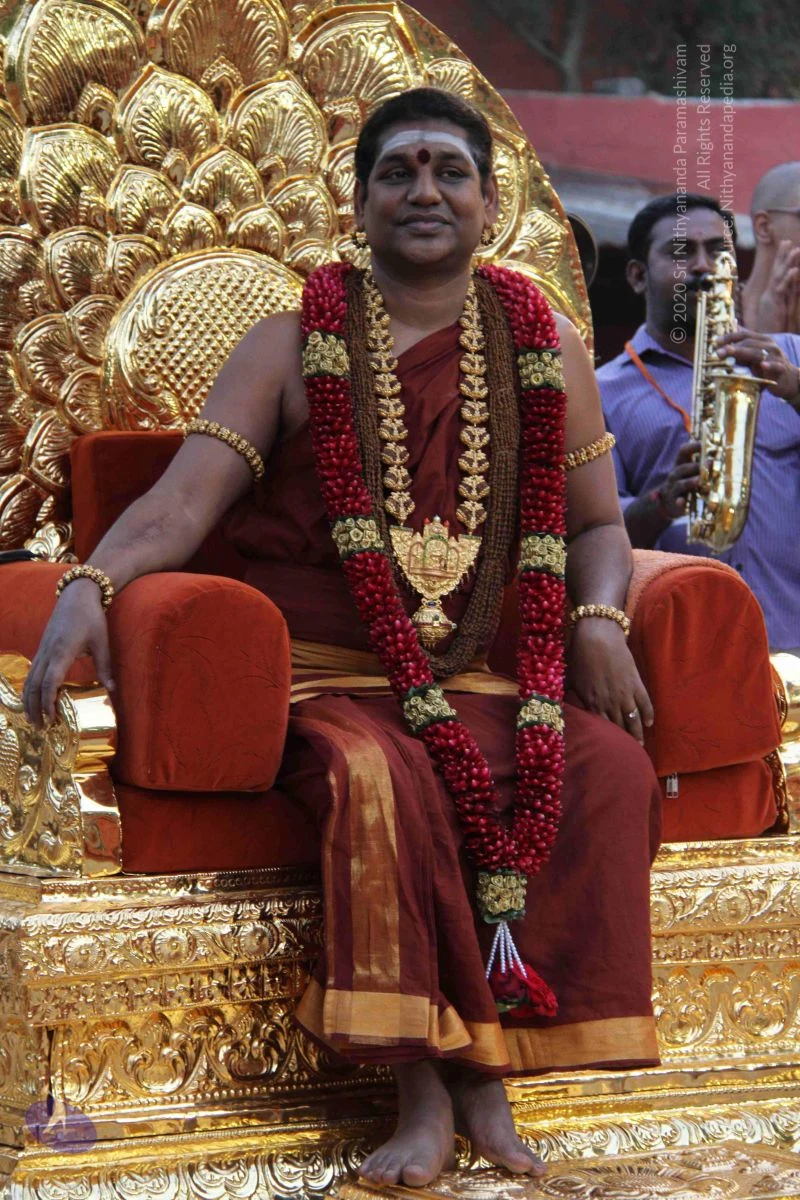
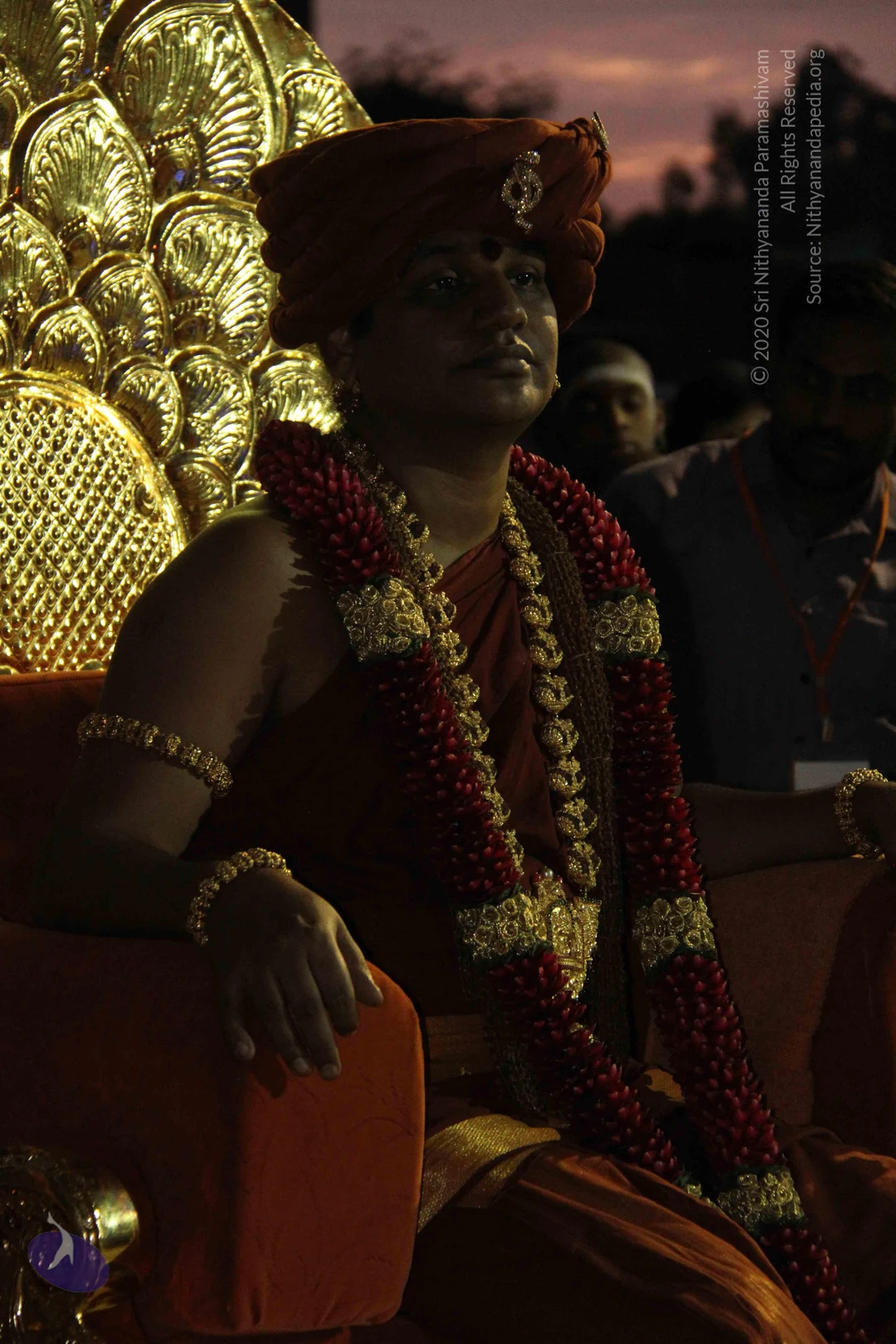
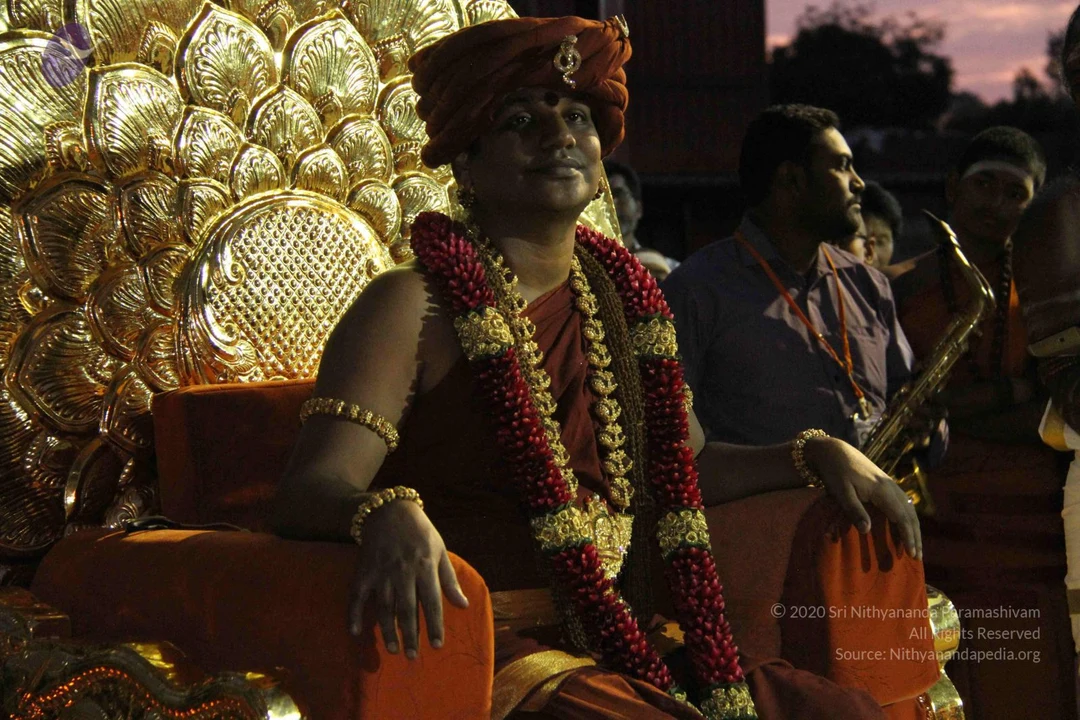
Bharani-Deepam-and-Satsang
Photos from this day
View all 765 photosPada-Puja
13 photosSource gallery
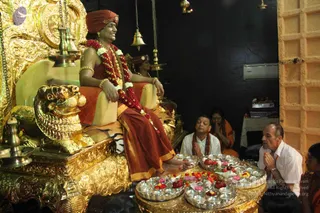
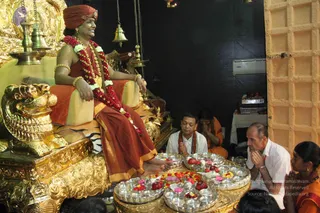
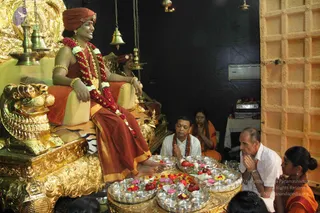
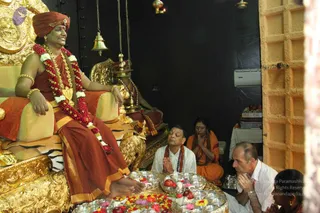
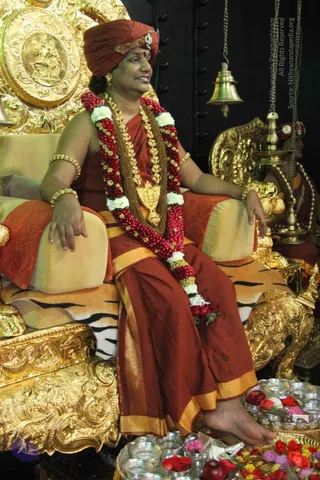
Karthikai-Deepam
49 photosSource gallery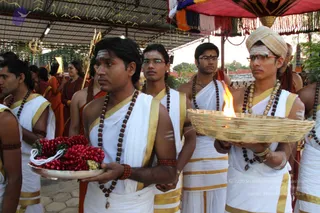
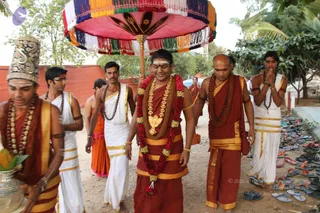
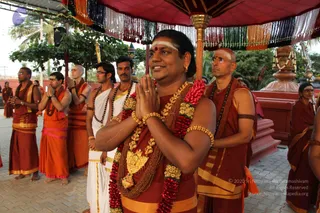
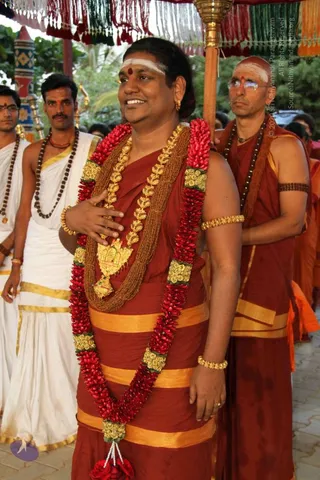
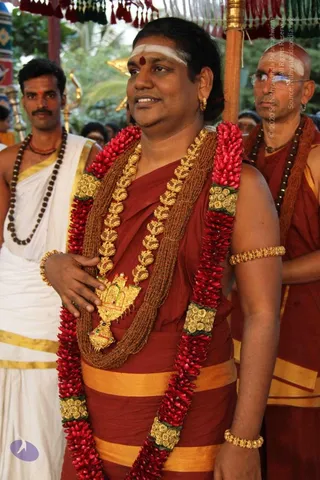
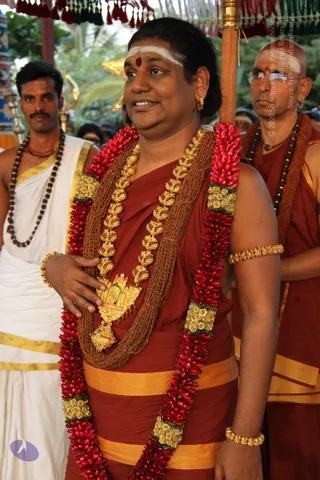
Bharani-Deepam-and-Satsang
438 photosSource gallery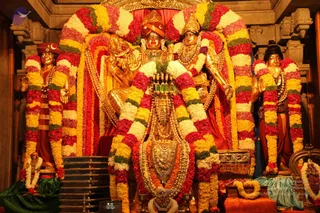
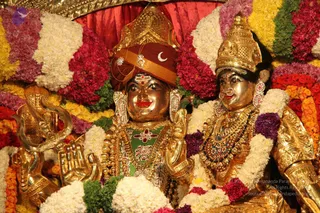
Pada-Puja
13 photosSource galleryKarthikai-Deepam
49 photosSource galleryBharani-Deepam-and-Satsang
438 photosSource gallery