Saturday
18 May 2013
Death, Karma & Mystical Powers
- Dated photos
- 522
- Source pages
- 1
- Media
- 3
May 18 2013
Original wiki pageTitle
Death, Karma & Mystical Powers
Description:
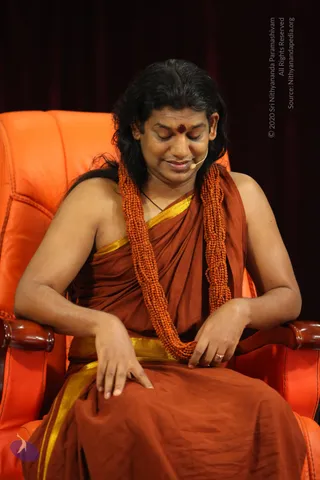
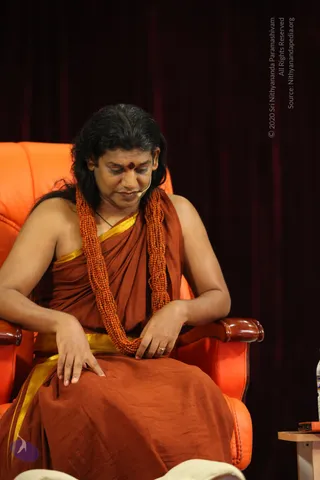
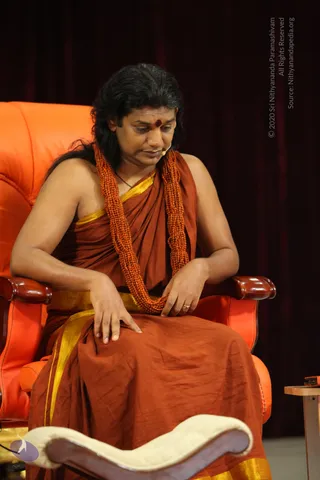
In today’s morning satsang, Paramahamsa Nithyananda answers questions on religious ritual. He reveals that shraddha, the ceremony to remember the departed, is not performed to help the dead but for us to complete our unfinished interactions with them. Furthermore, if Maheshwara Puja is celebrated, in which an incarnation offers to our loved ones, all concerns are completed and there is no need to continue shraddha. Nithyananda then delivers a brilliant explanation of cause and effect, connecting it to the expression of the four truths of life. He likewise provides an intriguing description of sadhana -- spiritual practice -- defining it as any action that moves us toward completion.
Link to Video:
| Video | Audio |
Transcript:
Death, Karma & Mystical Powers
Nithyanandeshwara Samaarambhaam Nithyanandeshwari Madhyamaam |
Asmath Aachaarya Paryanthaam Vande Guru Paramparaam ||
0 - 20 min I welcome you all with my love and respects. I welcome all the devotees, disciples, samajis, satsangis sitting with us around the world at this moment, in so many places through Nithyananda TV, Sadhna TV, and Lotus News channel.
Today also I will continue to answer your questions in the Nithya satsangh to imbibe these tattvas, these principles as sathyas.
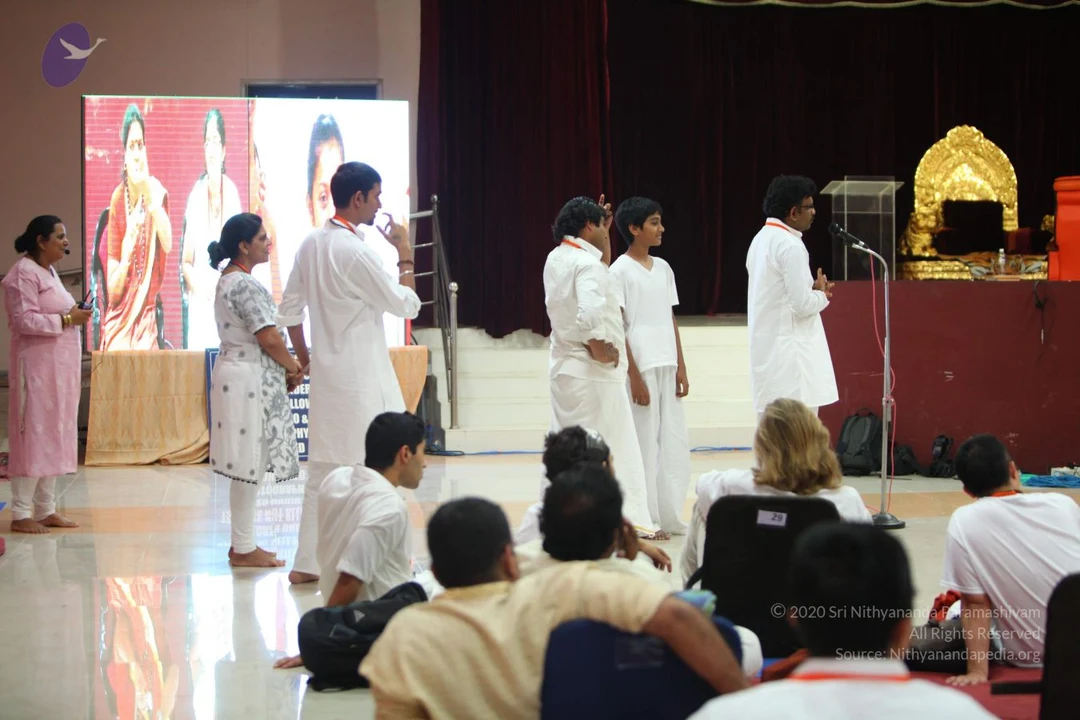
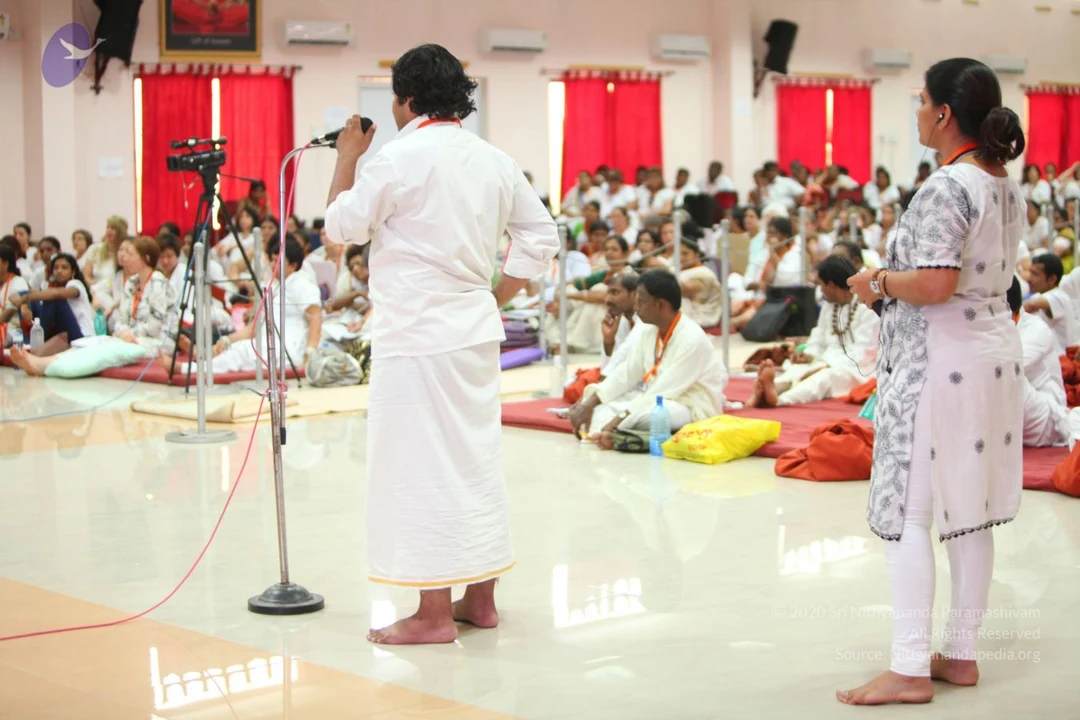
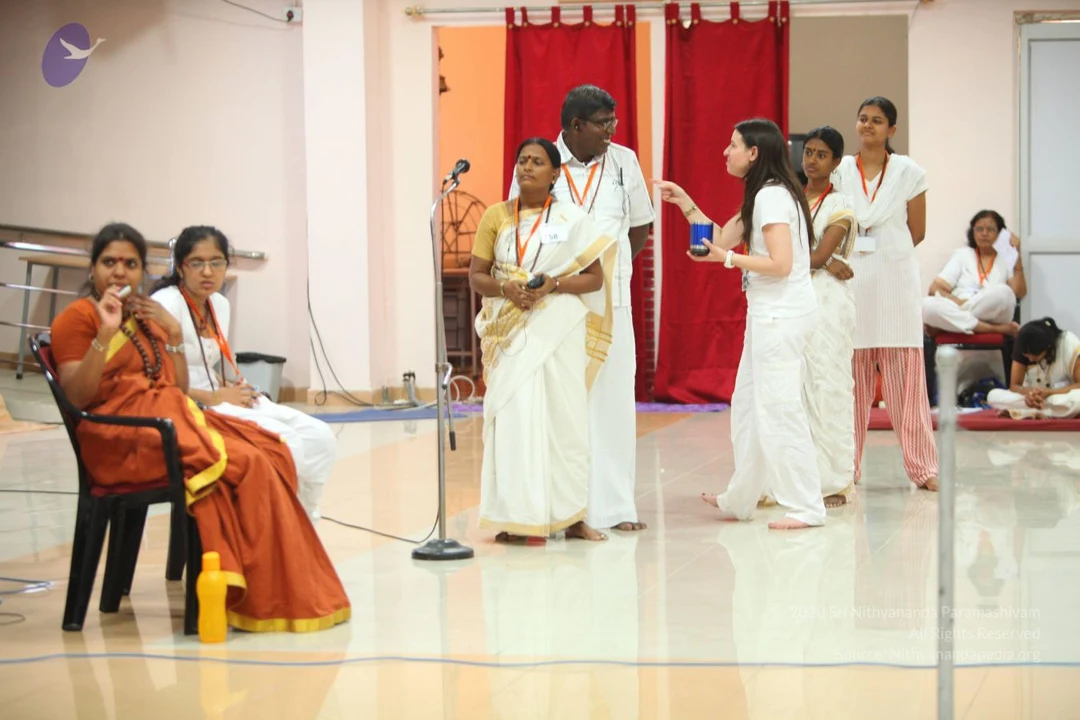
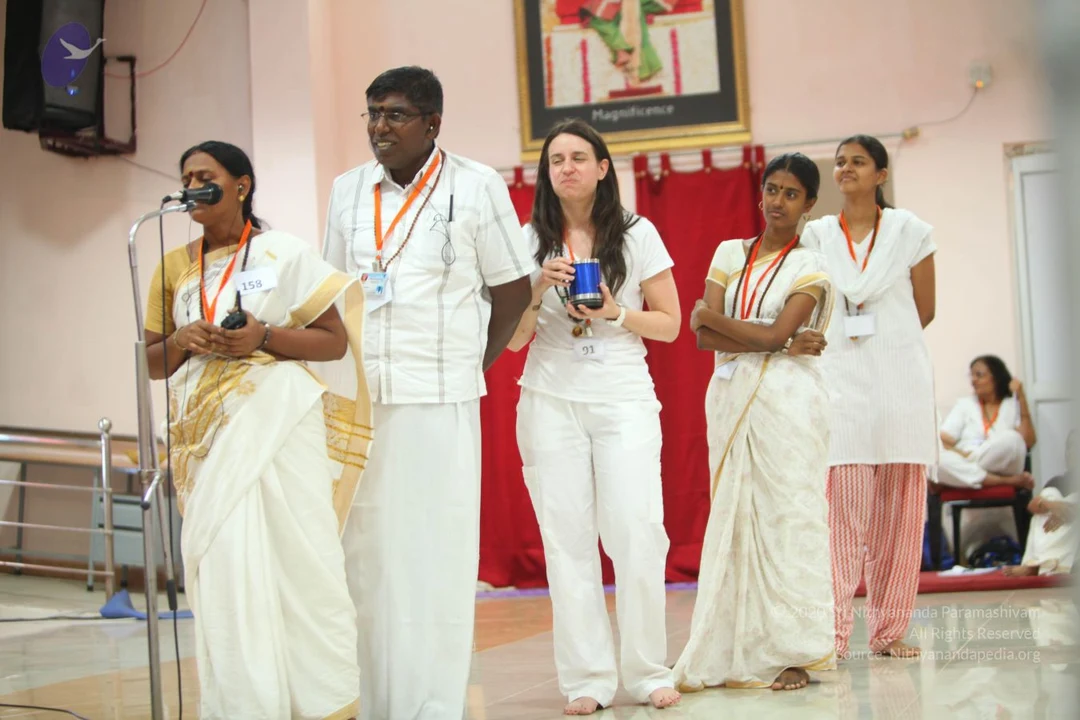
Question: The first question today is from Inner Awakening ID #3, Chelliah who’s saying, “Swamiji, you said a person passes away and the being immediately takes another body, but here we do prayers for the being. The being will be celebrating his or her birthday, how will it help by we doing prayers over his death simultaneously?
Swamiji: “Chelliah, it’s a science, an important question, because this belief or rather I can say this experience makes us the real mystics. Please understand, only when you go beyond do’s and don’ts you will become a religion, till then you are only a social cult. Only when you go beyond, life and death reveal the mysteries of life and death to become religion. In that way, I feel blessed that I’m born in a religion! And, I feel double blessed, more blessed and I also discovered my religion! He’s asking a question, ‘a person passes away, the being immediately takes another body and here we do prayers every year for that being, that being will be celebrating his or her birthday. How will it help by we doing prayers over his death simultaneously?
First understand, all the last rites you do and the celebrations you do, prayers you do, everything is not for that soul, it is for your own completion with that soul.
Understand, all the last rites you do, the celebrations you do, and the prayers you do, everything is not for that soul; it is for your own completion with that soul. You carry lot of incompletions with that being who left. So you need to do completion again and again with that being. It is a time you sit and do completion with that being. That is the essence! You doing completion with that being for that being! The purpose of shraadha, last rites, pinda tharpana everything, is for you to complete with that truth, with that being, with that person who left the body.
So understand, people ask me, ‘Swamiji, should I do shraadha, pinda tharpana and all regularly?’ I tell you, do it! More than it helps your father or the person who left the body, it will help you. It will help you. You will be out of incompletions. The incompletions you carry with your parents is the pitru dosha. Understand? The incompletions you carry inside you with the parents, is Pitru Dosha. The incompletions you carry about the fear of snakes and reptiles, is Naaga Dosha. The incompletions you carry with the elders, pitrus, is Pitru Dosha. Getting it?
So, the person who leaves the body, immediately takes another one body. Whatever you give shraadha, pinda tharpana, does not reach him. So understand! But, it completes you!
Next question.
Q. Question: We also have another related question from a devotee who is asking, ‘What is the significance of doing pinda tharpana through an incarnation? How does the Maheshwara Puja help to release Pitru Doshas, and how does it help me and the departed soul?’
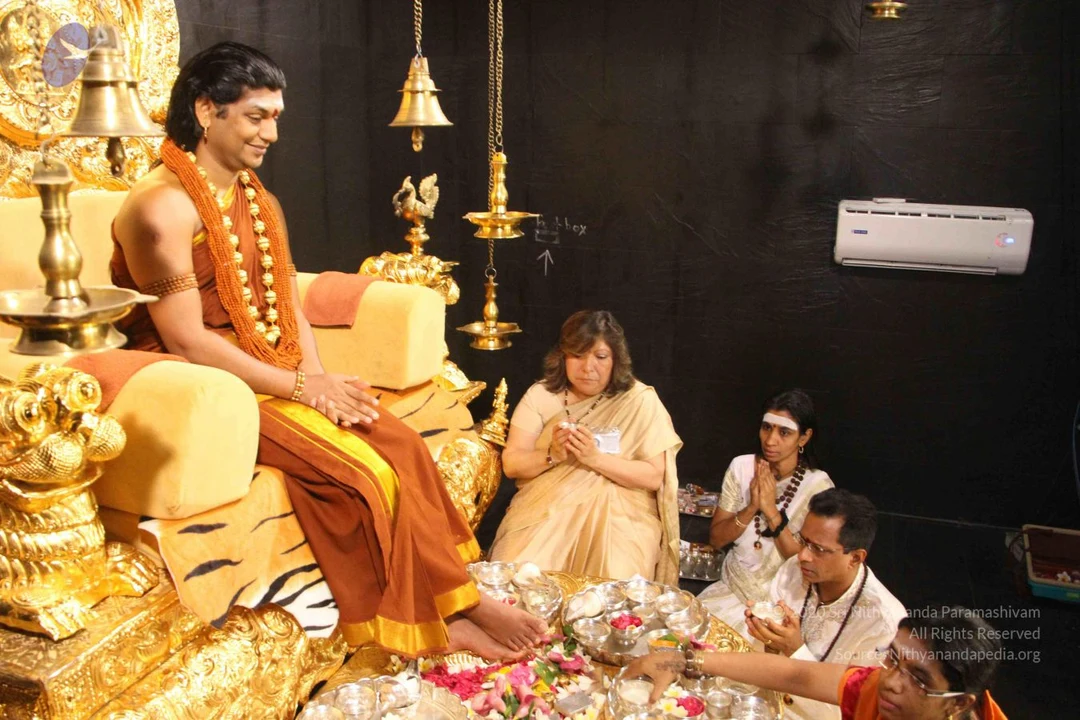
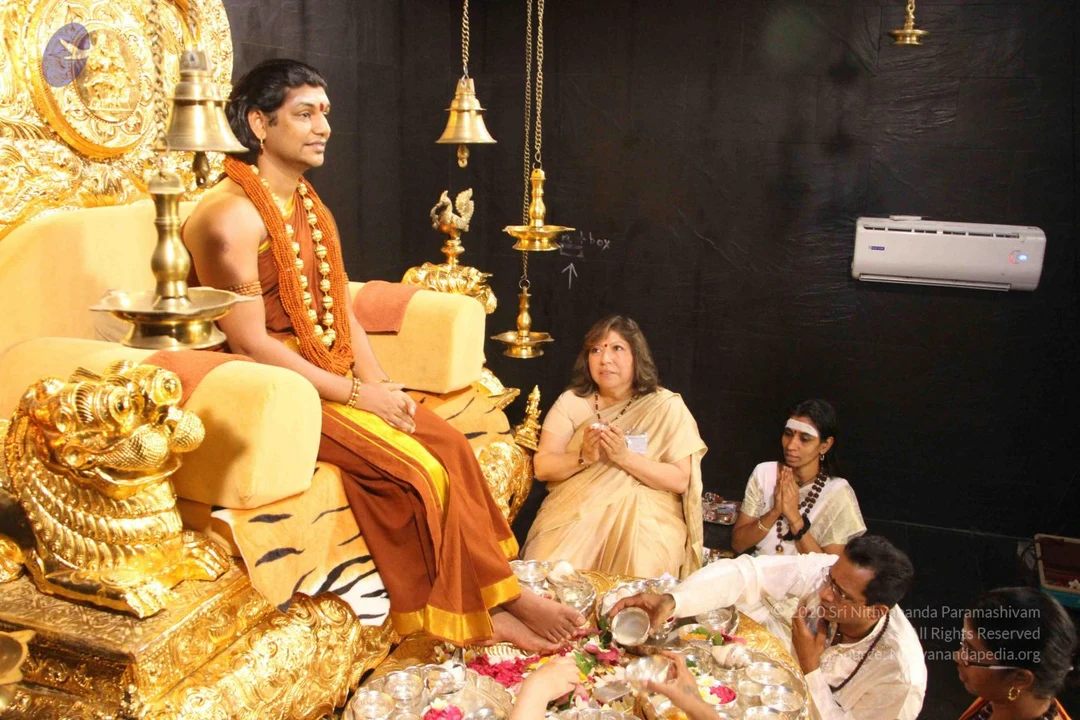
Swamiji: Two things here you need to understand. The question: ‘What is the significance of doing pinda tharpana through an incarnation? How does the Maheshwara Puja help release Pitru Doshas, and how does it help me and the departed soul?’ First thing, understand, listen, an incarnation is the space of eternal completion! Physically, mentally, spiritually, he is the space of eternal completion. Offering pinda through him means, the Maheshwara Puja, is literally completing with your Pitrus, because, when you offer him, when he accepts or receives the Maheshwara Puja given by you, for those moments he is the direct representative of the Pitrus.
And, See, in the completion process, you would have received the instructions, if you don’t have your elders with whom you need to complete are alive, if they have passed away, if they have left, they are no more, ask some volunteer to sit, and talk to him and complete. How many of you did that? Exactly the same thing! I myself sit with you and help you to complete with your Pitrus, is Maheshwara Puja. Nothing else, that’s all. I myself sit with you….not only the completion of emotional words and everything…..anything else you have not offered to them; when they were alive you treated them in some wrong way, incompletions, you didn’t give food, medicines. You have a duty!
Each human being has a duty to complete with all the five – your Pitrus, elders, and family deity, family guru and the parents who are alive, nature which is around you, and your Sadguru. All of you are expected to complete with all of them. So, if somebody has left the body in this group, and you have some incompletions with them, as a praayaschittha, if you did not give them food properly, but you swindled their property after they died, you did not take care of them when they were alive, but you have inherited huge wealth after they left, so if the incompletions are there with them, I myself sit and liberate you from those incompletions by accepting the food. And actually, the soul which has left already, the food does not reach that soul, but the incompletion that soul carries with you, the soul will be liberated from it. Food itself does not reach, but the completion reaches that soul. All of you understand?
See, it is like, the incompletion you carry, you will be relieved from it and become complete, and the incompletion that being carries because of your incompletions, that being will be relieved. It is like, he would have already taken the next birth. Suddenly, you will see, for no reason, he feels relieved from his karmas and he starts progressing in his journey, wherever he needs to progress. So it is like completing the completions in both the ends. It is the job of an incarnation when he accepts the Maheshwara Puja. It is like when you sit and do shraadha and pinda tharpana on your own, the responsibility is with you. When I sit and receive the Maheshwara Puja, the responsibility of completing you and completing them is mine and the sannyasis who sit and eat with me. So, naturally, it is my sannyasis; so that responsibility also finally falls only on my head.
So, Maheshwara Puja is a method to complete with you and with that soul who departed from your life. And, once you offer Maheshwara Puja, after that you may not need to do shraadha. Once the Maheshwara Puja is done, eternally the completion happens. After that, you may not need to do shraadha. Shraadha is more like you sitting and doing completion with your efforts. Maheshwara Puja is like making the completion happen in both the ends. Maheshwara Puja is done more as a praayaschittha. If you have done something really, really wrong, like not caring or not supporting, not taking care, and now you feel you need to complete with that being, then Maheshwara Puja is done. Otherwise, shraadha itself is enough. If you had very good relationship when they were alive, and you feel you don’t carry big incompletions, other than small, small, emotional blockages, then shraadha itself leads you to completion. But, completing with the people even who left the body in your life is very important for complete completion!
Next question.
Q. Question: The next question is from Inner Awakening ID #224, Sanjay Achari, who is asking, ‘Could you please explain how the law of cause and effect works?
Swamiji: Sanjay Achari! Please be seated. It is a beautiful question. I am so happy today all best questions are coming up. ‘Could you explain how the law of cause and effect works?’
I will answer layer by layer. If you don’t know the connection between cause and effect and confused, you are in incompletion, utter unconsciousness. If you know the connection between cause and effect, you are in completion. If you don’t know the connection between cause and effect, but you have utter clarity, you are in the space of super-consciousness, what happens is called miracles!
Listen, I will repeat: If you don’t know the connection between cause and effect, you are in utter confusion, you are in unconsciousness. What happens is called “accident”! If you know the connection between cause and effect, you are in completion. Means, you are complete. What happens is “life”.
If you don’t know the connection between cause and effect, but you are in utter clarity, you are in super-consciousness. What happens is called “miracles”!
Listen, in the unconscious level, you will not know the connection between cause and effect. In conscious level, you will know. Again, in super-conscious level, you will not know the cause and effect.
That is why I say, neither for the Chandalas, nor for the enlightened beings, law of cause and effect makes no sense. Understand, Chanadalas, the cause and effect, they will not know the connection. Unconscious criminals, they do not know the cause and effect connection. If somebody has done 200 murders, he will not know due to which murder he is hanged. He will not know which action caused which effect. Neither Chandaala, nor enlightened being, are bound by the law of cause and effect. Because Chandala has too much cause and too much effect. Enlightened being has no cause and no effect. I will now explain the whole science. Listen, it is my favorite subject, this reincarnation theory, law of karma.
Recently there was an article, a very beautiful article, in the Internet I read, a deep study. The study declares, 87% of Americans are Hindus! I was shocked! How come? The study narrates, the major ten beliefs of Hinduism they took it, which is unique to Hinduism, Dharma-based religion. In the world, broadly the religions are categorized into two categories: Abrahamic-based religions and Dharma-based religions. Christianity, Jewism and Islam and the sects from those religions are called Abrahamic religions; and Vedic tradition, Hinduism, Buddhism, Jainism, Sikhism and the cults and sects which came out of these religions are called Dharma-based religions.
So, there are some unique concepts which belongs to only Vedic tradition. Ten concepts they took: Reincarnation Theory, Theory of Karma, like this ten concepts they took, and they have done a survey with some like 7 lakh people, means, thorough survey; 7 lakh is not a small number, especially in US. In India, even for our functions in Thiruvannamalai, Pournami (Full Moon Day) we get 7 lakh people! And 2 lakh people come inside our ashram and eat! But in US, 7 lakh people is a really big number
I read the article they’ve done, they said they thoroughly narrated how they’ve done the research and all that. After this thorough research, they asked people how many of them believe in these ten concepts. Because, all ten are unique to Hinduism and completely contrary to Abrahamic religions! For e.g. believing in many births, is purely Hinduism, Vedic tradition, Dharma-based religion. Of course, Buddhism borrowed the concept of reincarnation from Vedic tradition. Buddhism is nothing but one sampradaaya of Hindu tradition. Because, Buddha is worshipped as one of the incarnations of Hindu tradition. Some of the Buddhists are trying to scream, ‘No, no! We are a separate religion!’ It is like after I leave the body after 500 years, a few of my unconscious followers will scream, ‘Nithyananda is a separate religion!’ That does not make Nithyananda a separate religion. Now itself I am declaring very clearly, I will always be part of Hinduism! I am from, for, be, in, with, will be in Hinduism! So, just because a few unconscious followers of Buddhist claim the so called followers of Buddha’s shout that they are a separate religion, they don’t become separate religion! It’s one part of Hinduism.
20 - 40 min
Now, you need to understand, the survey report is shocking! 87% of Americans believe in the top ten truths of Hindu tradition! And, next is a shocking, one fourth of Americans do some form of Hindu spiritual practice every day! Please understand, 25% of Americans do some form of Hindu practice, like meditation or yoga or something which they learnt from Hindu source; practice every day! I tell you, not for any pride or anything, I’m telling you straight forward; the countries, the civilizations, the societies, which started thinking, they can be satisfied only with Hindu tradition! The truths, because these truths only directly satisfies the search! The great seeking of an individual!
Still, discussion is going on in our organization think tank group, how can Hinduism be branded best internationally? Because we need to have one word to tell the essence of Hinduism! Neither my think tank group is able to come up with a branding word for Hinduism nor for me! Because both are too vast!! Understand, this law of cause and effect is one of the important theory in which 87% of Americans believe. I can also give you the reference of that article, it’s on the internet maybe I’ll search it and get back to you guys, or if you guys search you will get it now.
Let me define now, cause and effect. I’ve introduced this theory, now listen! ‘Cause is action or a word or a deed or a thought creates certain incompletion in you and in others, pushes you to reap the fruits of incompletions in your life is ‘cause’. Listen! Thought or a word or action happens in you, pushes you to incompletion and makes you experience incompletion with others and drives you towards completion!
Effect: I’m defining effect now! Effect is the incompletion multiplying continuously instead of moving towards completion is effect. I’m defining cause and effect in the context of completion and incompletion because you are going through it. I’ll define in other sense, in a different context. I defined the cause and effect in the context of completion.
Completion is stopping the effect immediately and rewinding the effect towards the cause and merging effect into the cause, is Completion! Stopping the effect immediately and rewinding it back to the cause and effect merging into the cause, is Completion!
Understand, I’ll define the cause and effect in another context: anything which has not made its effect completely in you is ‘cause’. Anything which has made its effect completely, please listen! anything that has not made its effect in you is ‘cause’, any cause which has made its completion on you is ‘effect’! Get it! Get it! If you’ve taken the haritaki yesterday night, you can get it now today morning. Listen! Anything which has not caused the complete effect in you is cause. I’m redefining from different context.
One more context! Please listen! Any pattern which you have not completed, as long as it remains as a pattern in you it is called ‘cause’, when it is expressing itself into the action, it is called ‘effect’. I’ve defined in three contexts.
I’m going to the fourth context! I’m defining the cause and effect in different, different ways, whichever clicks, you take it and start working with it. Cause is which happens in your Mamakaara, effect is which happens outside you! You need to know, it is always from inside to outside!
Some more definitions of cause and effect: I do not want to say, ‘whatever you give comes back to you’, NO! How you cause, that same way only it comes back to you. Listen! If you cause something out of completion, what you get back will be miracle! If you cause even the great charitable act out of incompletion, what you get back may be hell. Not may be, will be. Even the so called moral, good, right acts caused out of incompletion, will have only bad effect, not the desired effect!
Karna’s charity was not out of completion. Listen! It is out of a deep incompletion that he is not respected! What is the best way to receive the respect? What is Karna’s Mamakaara? ‘I am a failure, not respected anywhere I go’. Because, he did not know his parents’ name, he did not know his origins. From the young age he was not respected so his Mamakaara was ‘I’m not respected’! So he has to explode with Ahankaara, ‘I have to be respected, I am respectable’! So, what is the best way? Do charity. Even his charity was from incompletion, that is why his death itself is because of his charity. The character of giving, finally caused death to him! See in every level, Indra comes and takes away his protection shield and the karna; kavacha and kundala were taken away by Indra. Why he gave? ‘To Indra I’m giving charity!’ not out of completion but out of incompletion. Then, Kunti comes and takes the boon, ‘you will not send the Nagaasthra second time on Arjuna’. He says, ‘alright, to the Raajamaata I’m giving a boon’. He gives! Then she asks, ‘you will not kill anybody other than Arjuna’. He says, ‘alright, to Raajamaata I’m giving the boon’, otherwise he would have killed Bhima at one time. The whole war would have ended, because all five pancha Pandavas took the vow, even if one dies, all the other five will walk into the fire. The fool! Even charity giving boon out of incompletion is dangerous! Then, end of the life, his charity, all that good karma comes and stands as a shield and protects him. Again, Krishna comes and asks him to give all the good effects of that charity. You see, you might have done the charity out of incompletion, but the people who received are complete, so their blessings are all there. Those blessings are standing and protecting him. The Tathasthu of all the people who received were standing and protecting him. Again this fool, knowing that Krishna is standing in front of him and asking, he says, ‘I am giving even to Krishna’. Out of incompletion he gave it, he gave that also away!
Even the great acts like a charity, done out of incompletion, leads only to the wrong effect! Finally, he’s dead! Same way, even the sacrifice, tapas – see the Ravana’s tapas. What a tapas! But, just with one incompletion, ‘women don’t accept me’. From the young age, he had that deep pattern, ‘women don’t accept me’. Because, one girl curses him, one Brahmin kid, he tries to force himself on her, she curses him, ‘if you touch any women without their permission, all your head will burst, you will die’. Just out of that one pattern, he wants to be so powerful, that all the women are around him. Just out of that one incompletion, he did all the great acts like tapas and everything. Finally, even those powers, tapas, everything, only led to his destruction!
Out of incompletion, anything you cause, you will have very serious wrong effects. Out of completion, anything you cause will have only the effect of completion! So, the space you are in is more important for understanding the law of cause and effect! Please understand, people ask me again and again, ‘why bad people are happy, good people are suffering?’ The so called good people may not be in completion when they do certain acts. From outside it may look like good, any receiver Karna will look like a great charitable person, only Karna knows he does it out of incompletion! Or even he may not know, he would have forgotten.
Out of incompletion, even if you do good acts, it will come back as bad effects. From the space of completion, anything you do comes back to you as completion!
So, in the law of cause and effect, the important thing you need to do and you need to learn, ‘is the space from which the cause is caused’. Be Cause! Because, if you are not BE and Cause, you will be causing the effects for which you can’t answer with BECAUSE! Let your being be in completion and Cause! Effect will be completion! If your being is not in completion and it causes, the effects will be such you will not be able to give any answer. If somebody asks ‘why’, you won’t be able to say ‘because’. No! Be in completion so that you are causing the right effect. Be Cause in completion. Be in completion and Cause!
40 min till end.
Next Question
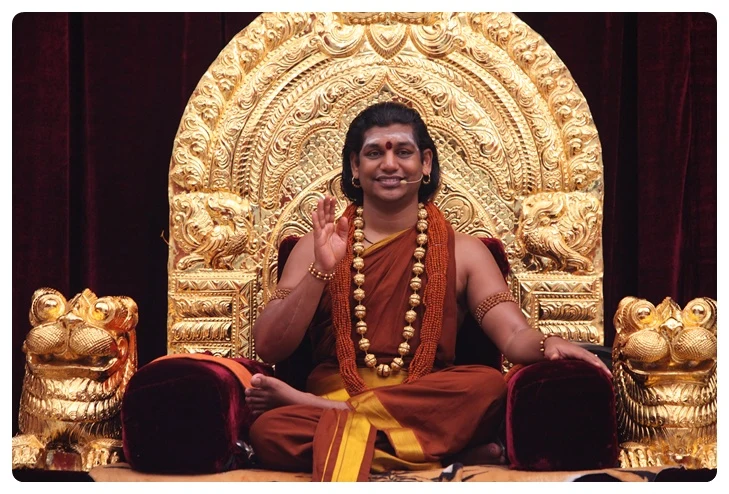
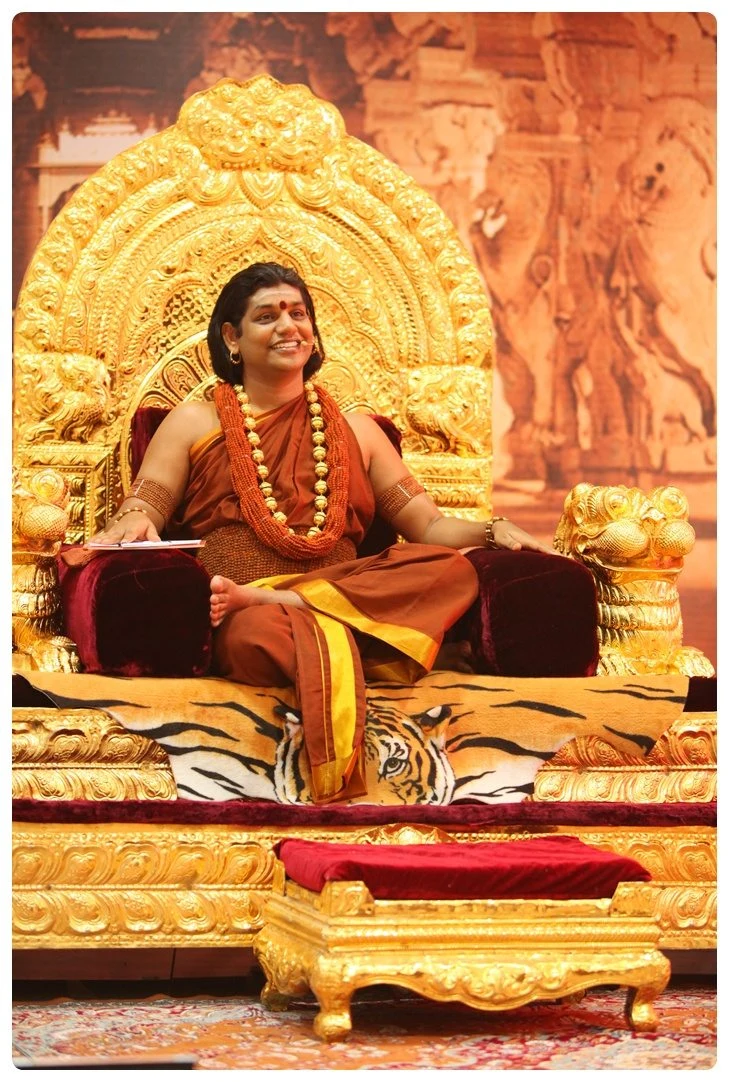
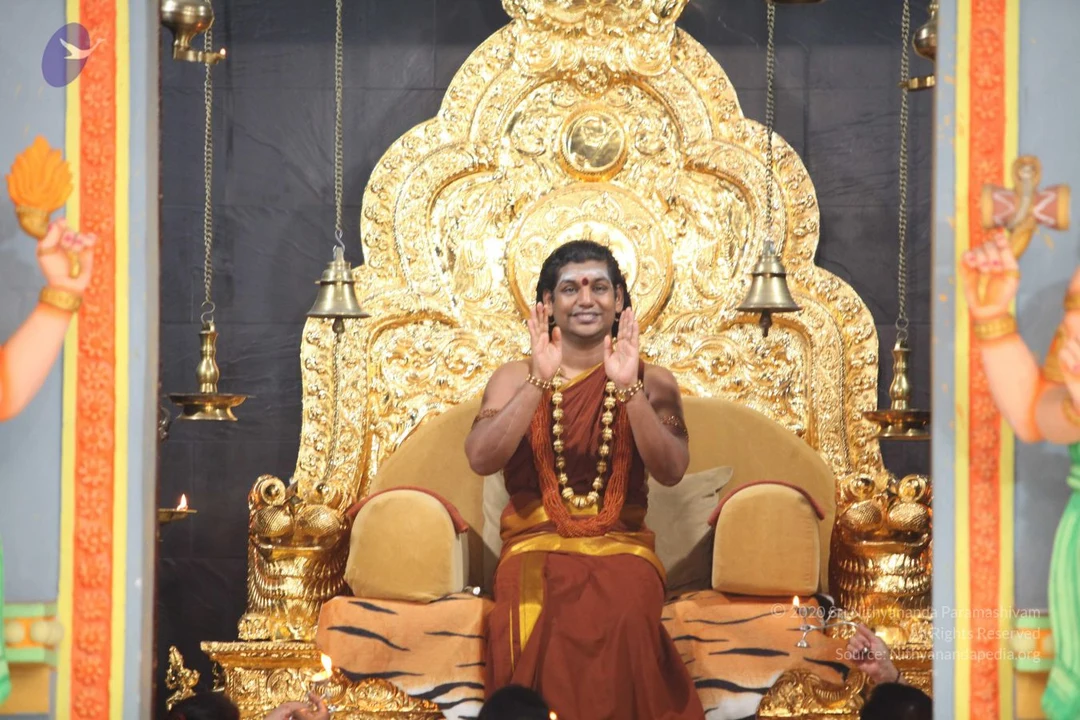
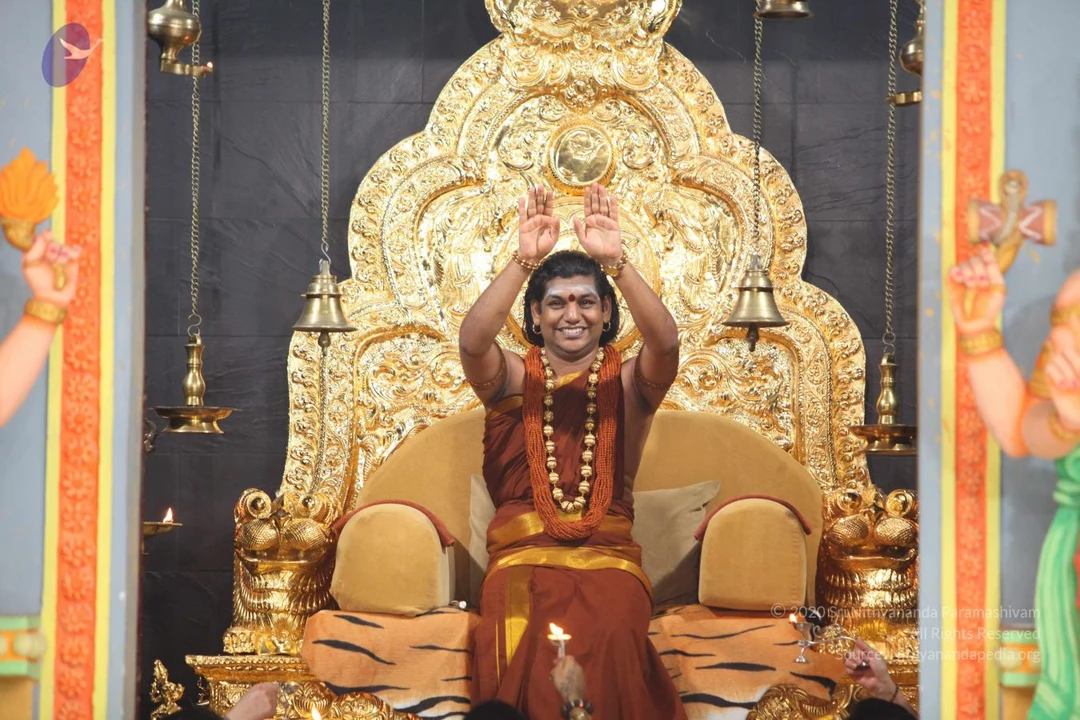
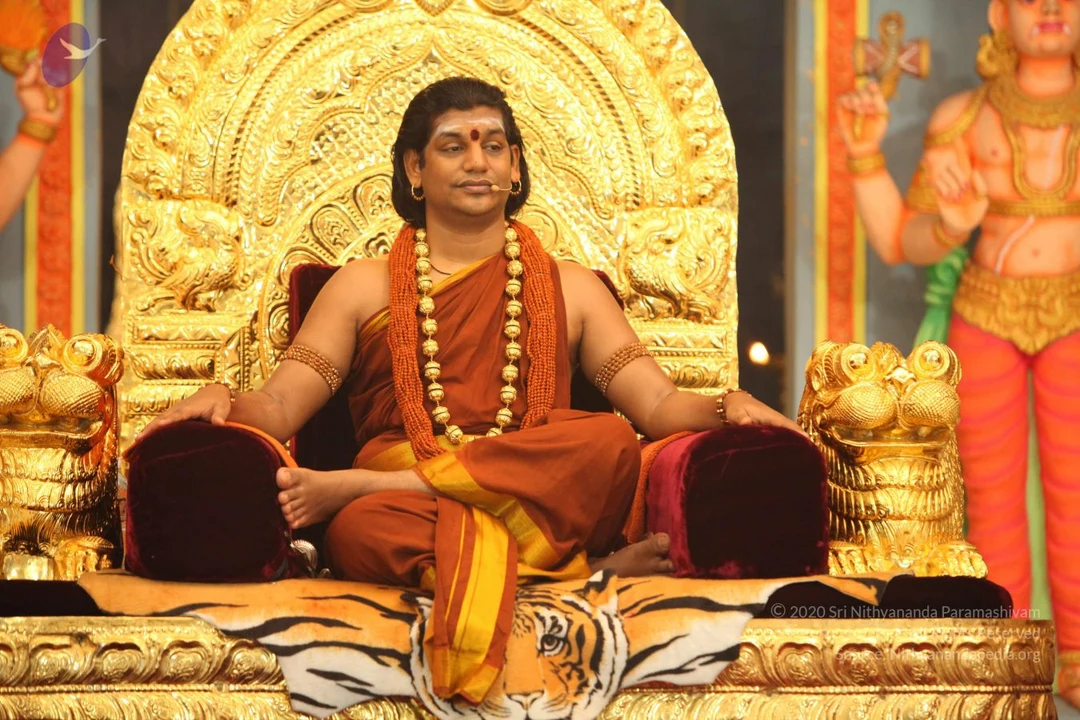
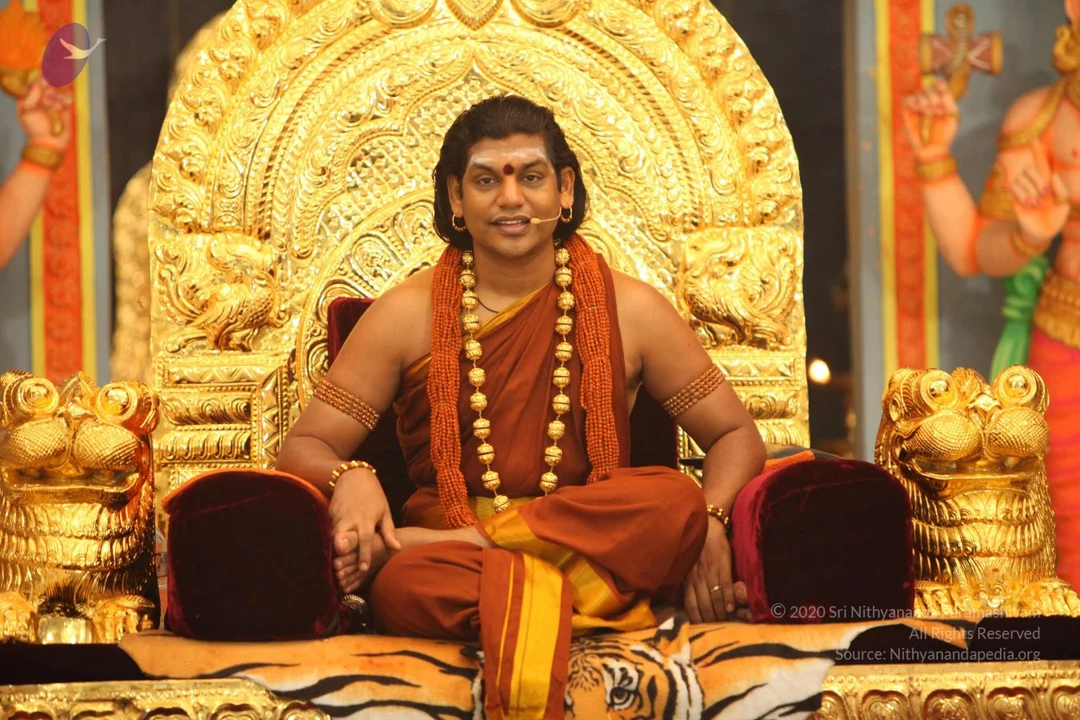
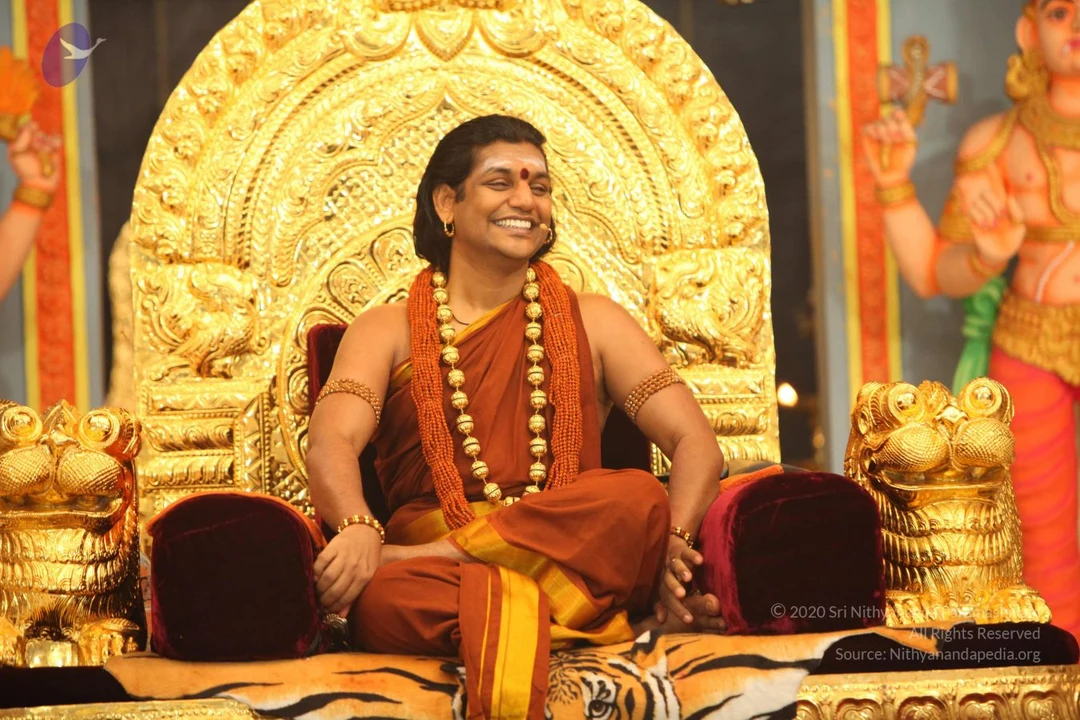
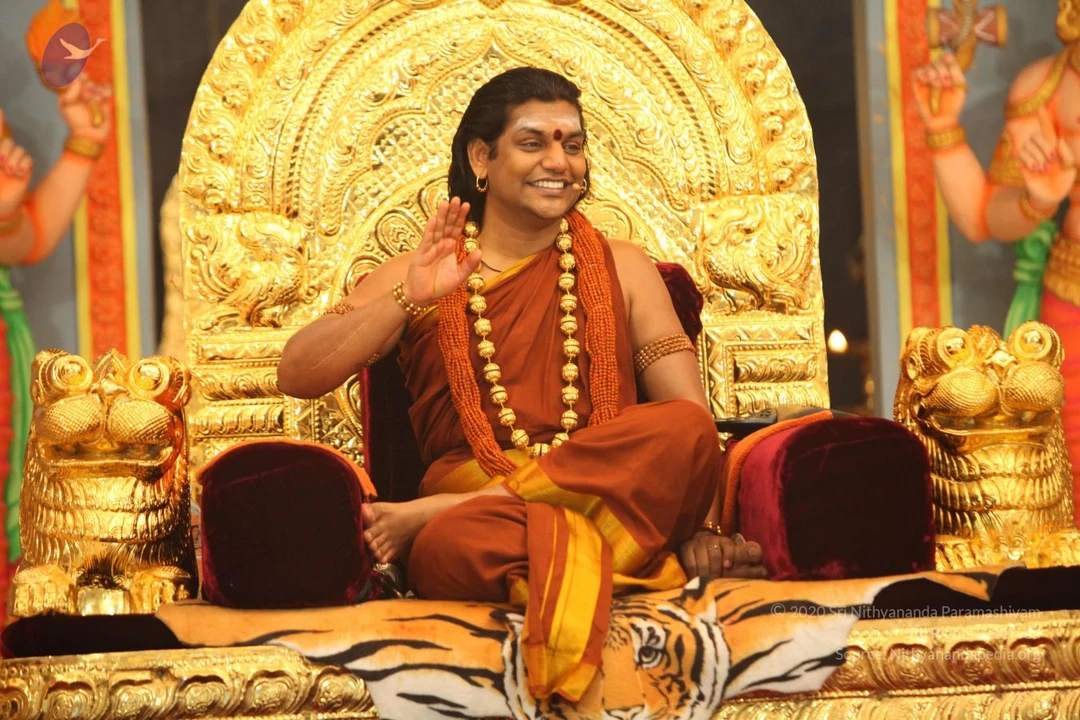
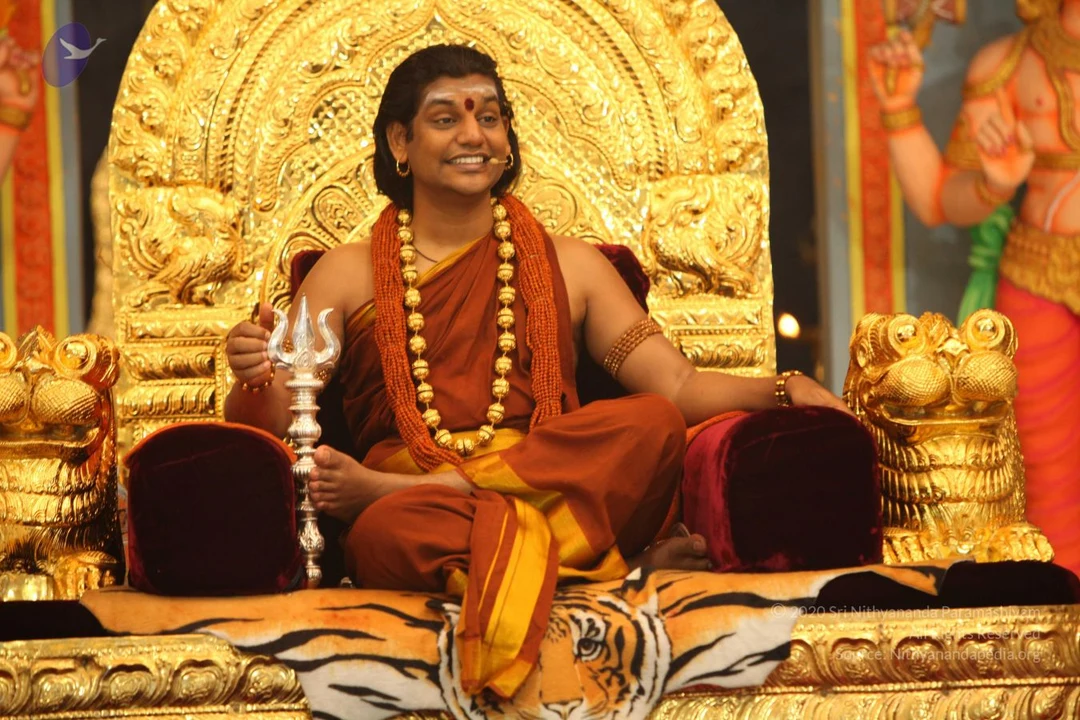
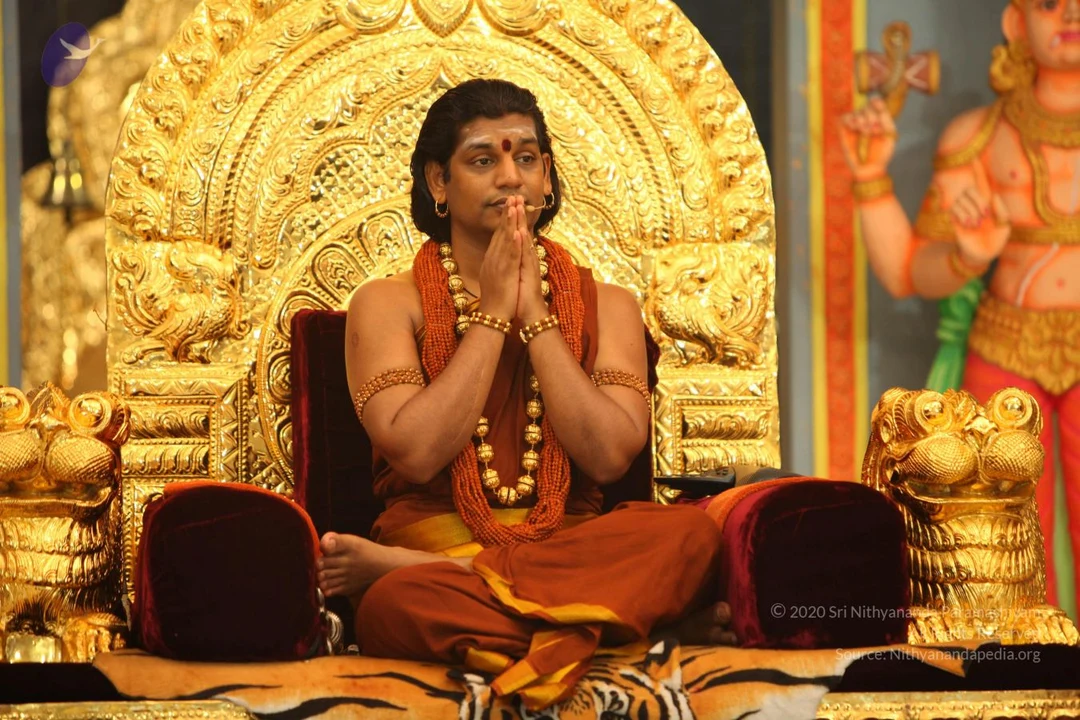
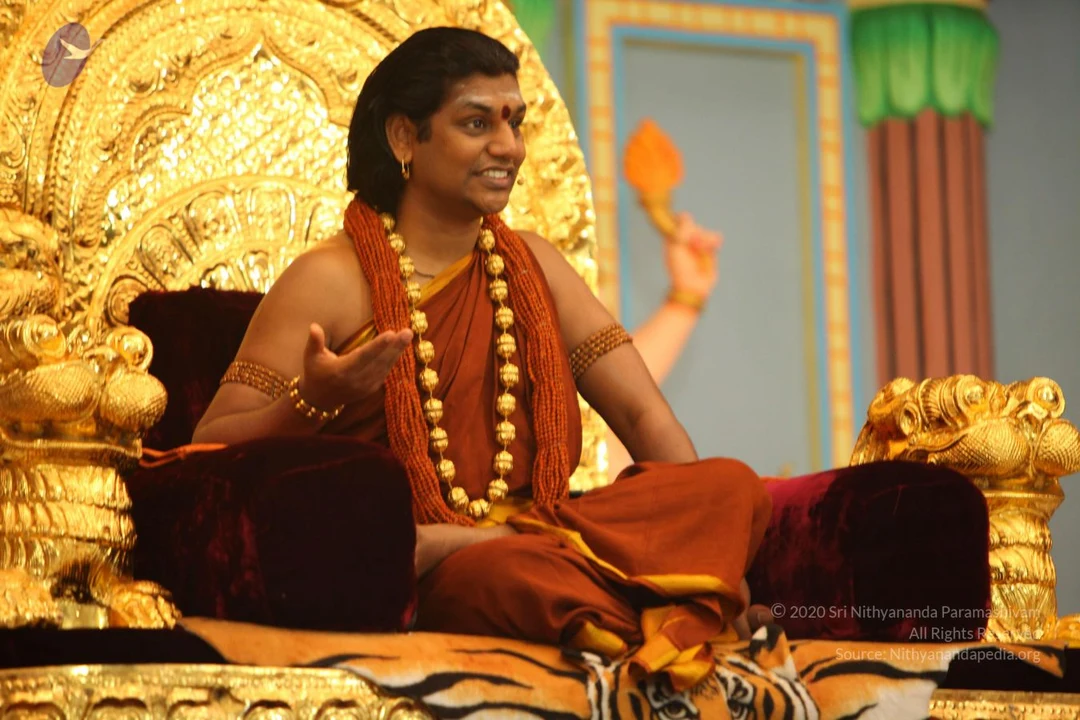
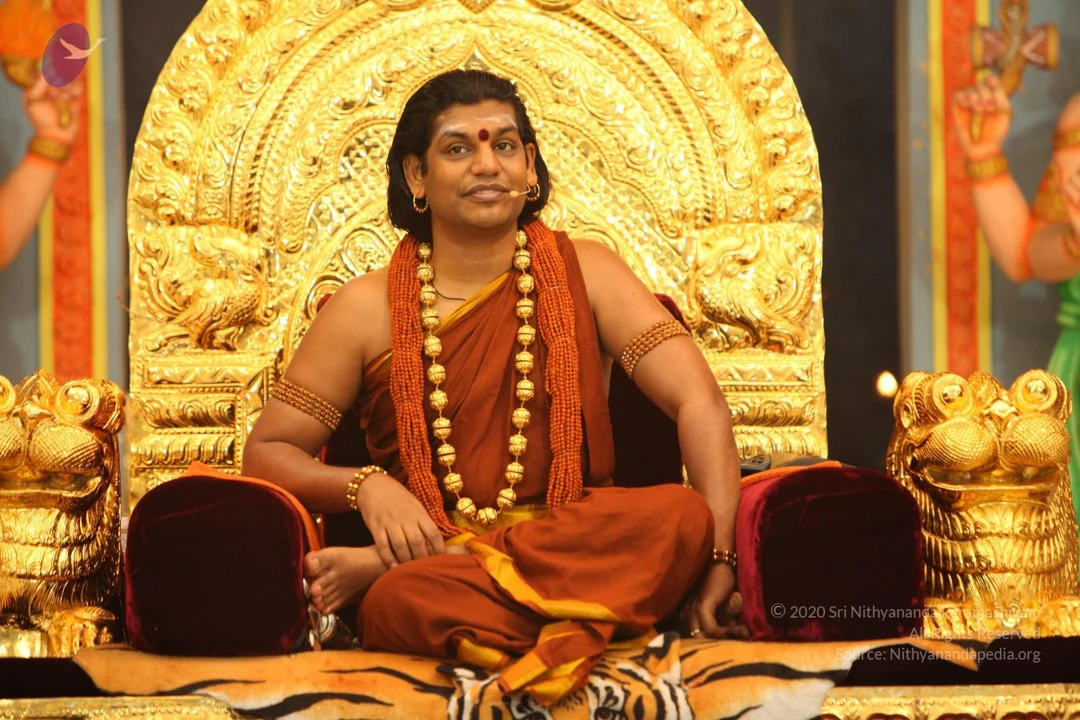
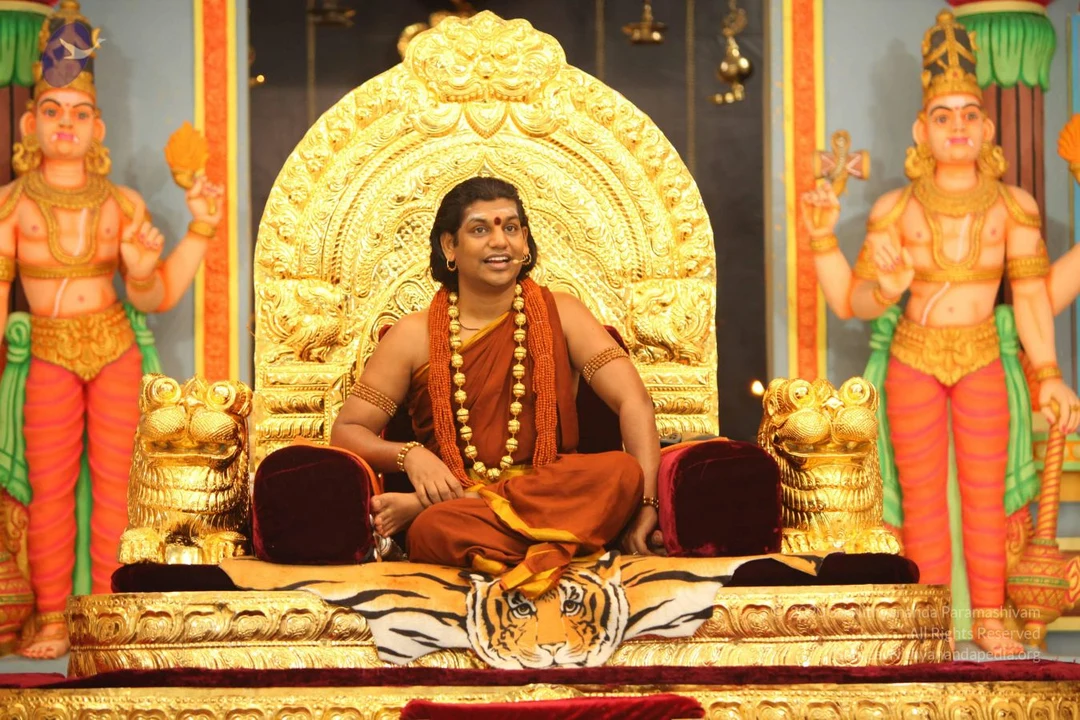
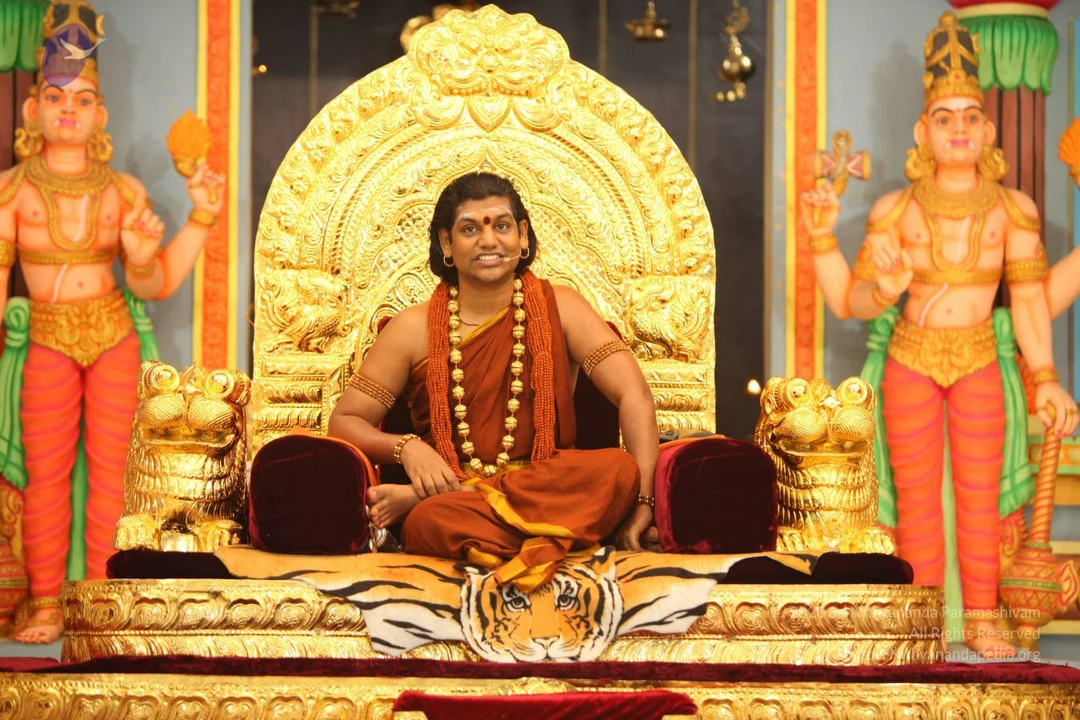
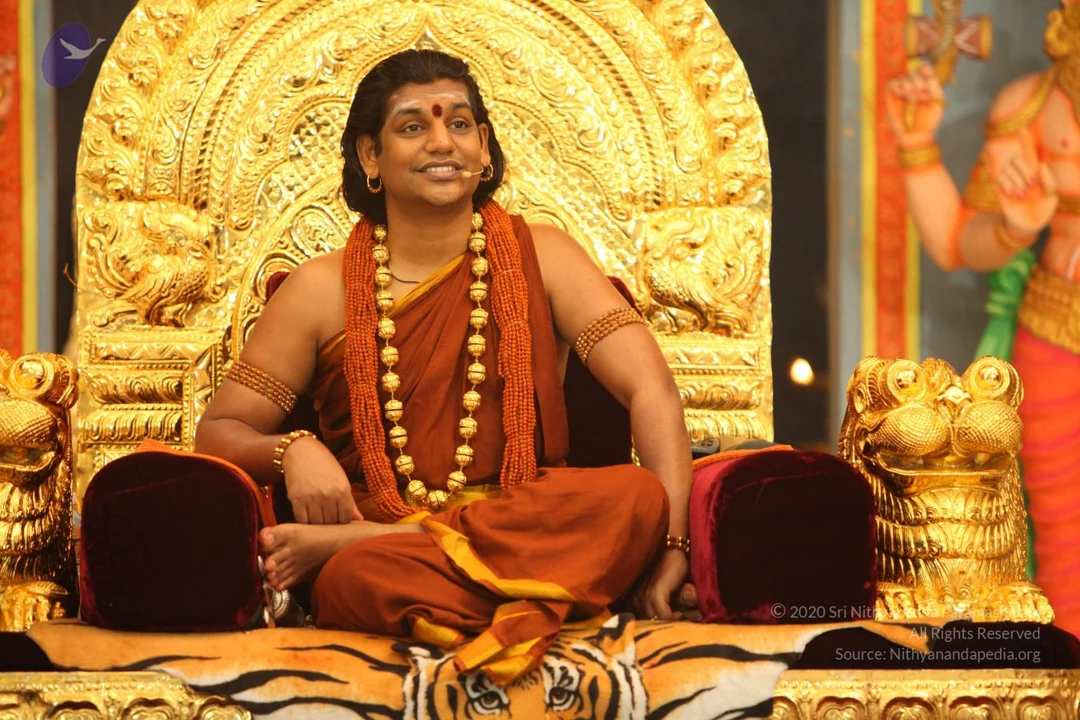
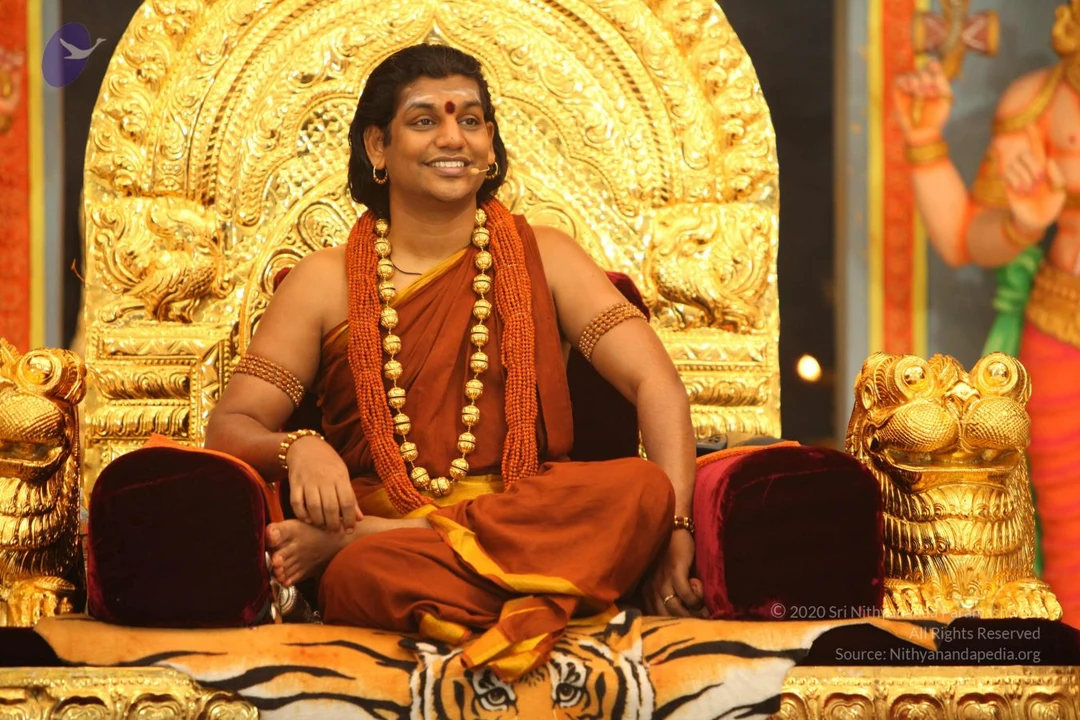
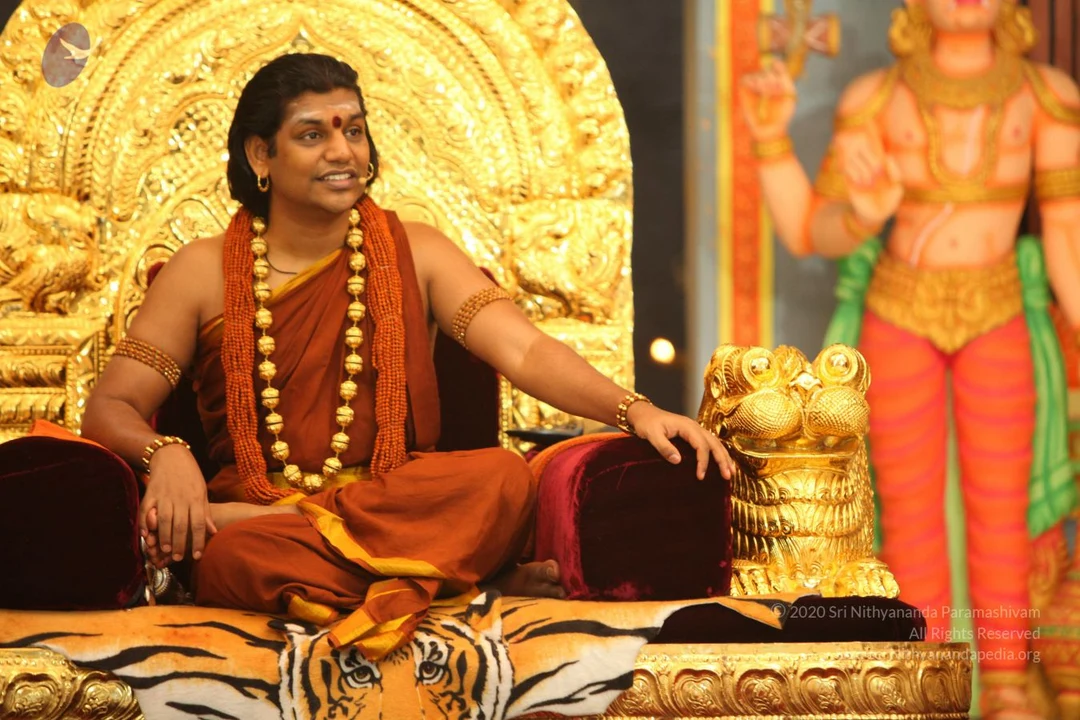
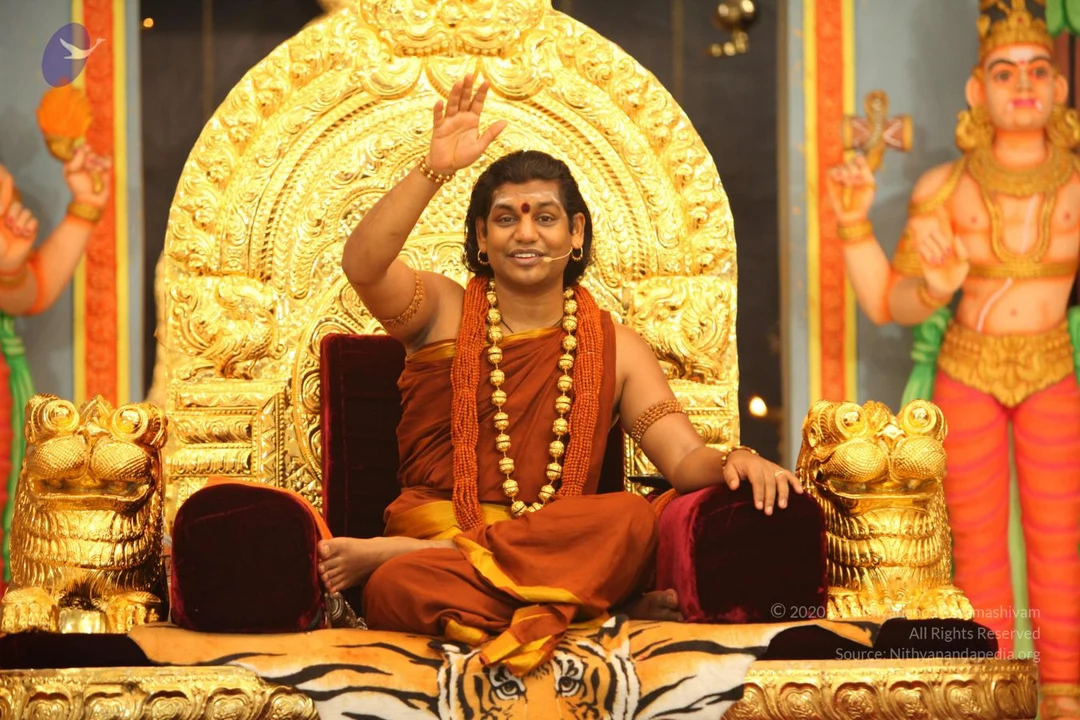
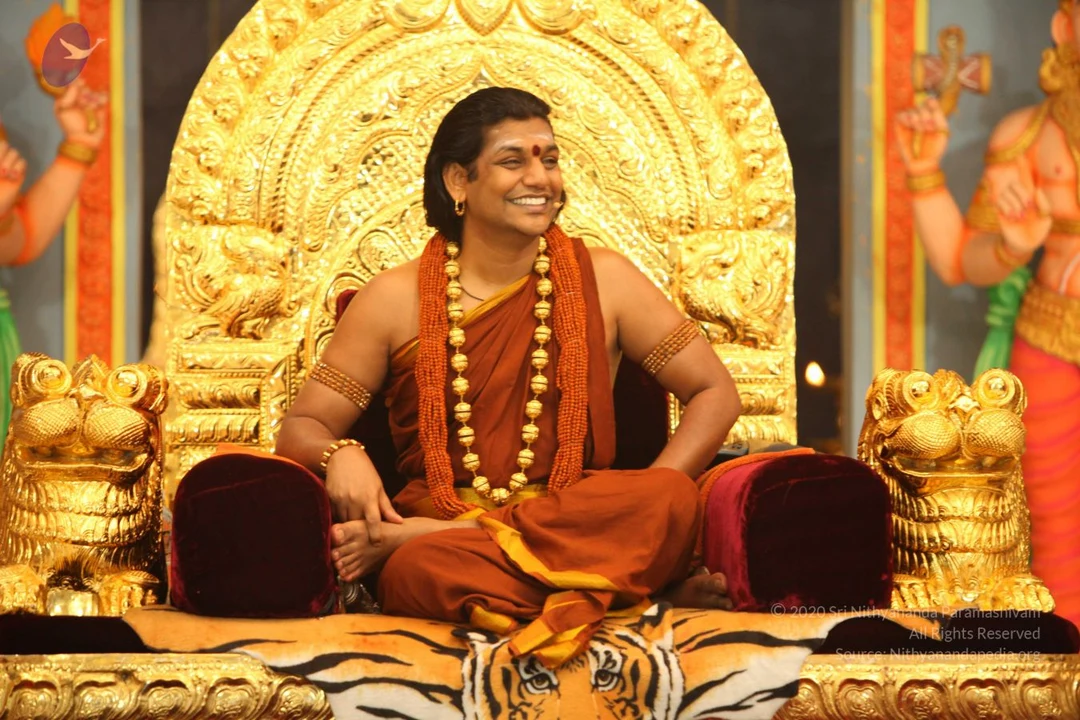
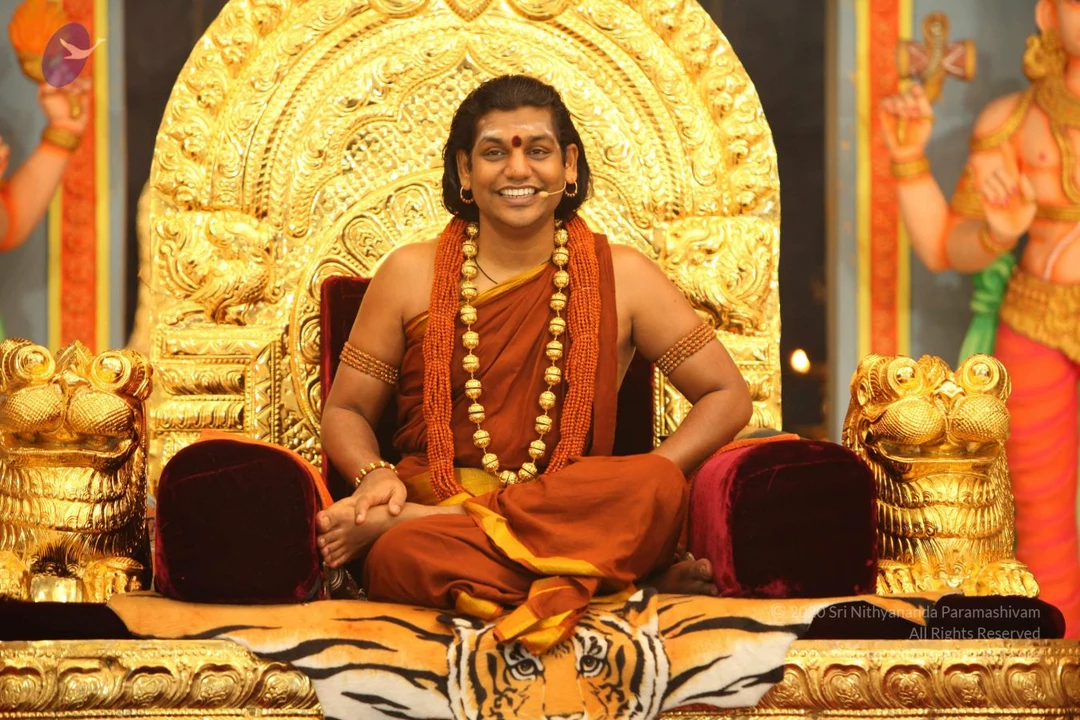
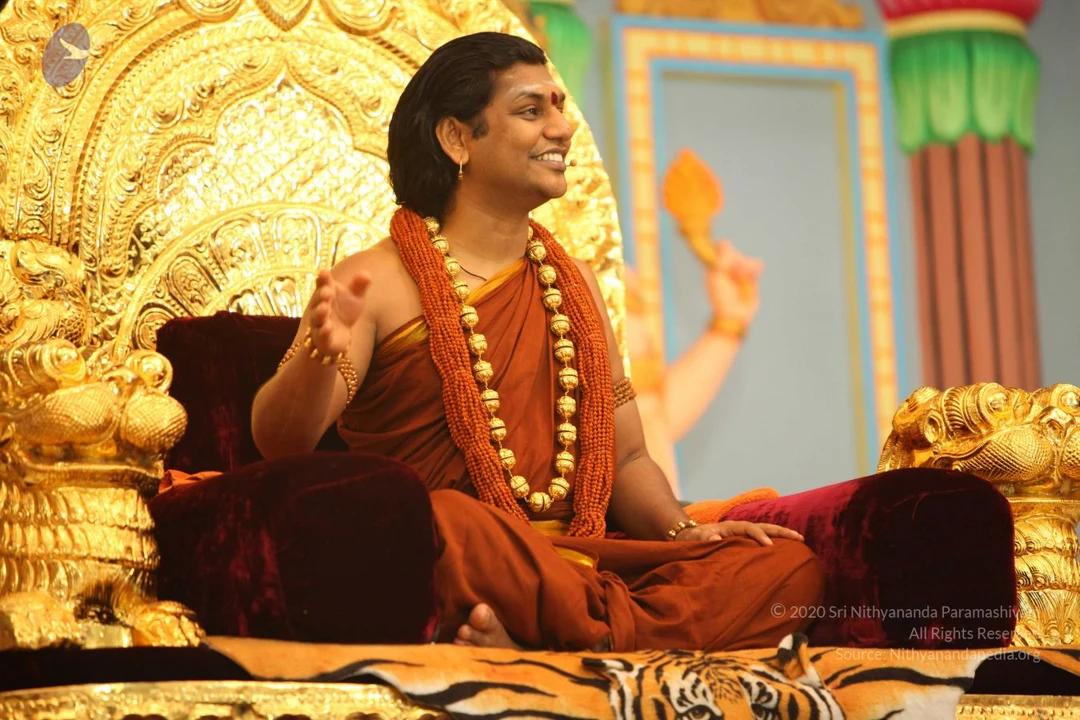
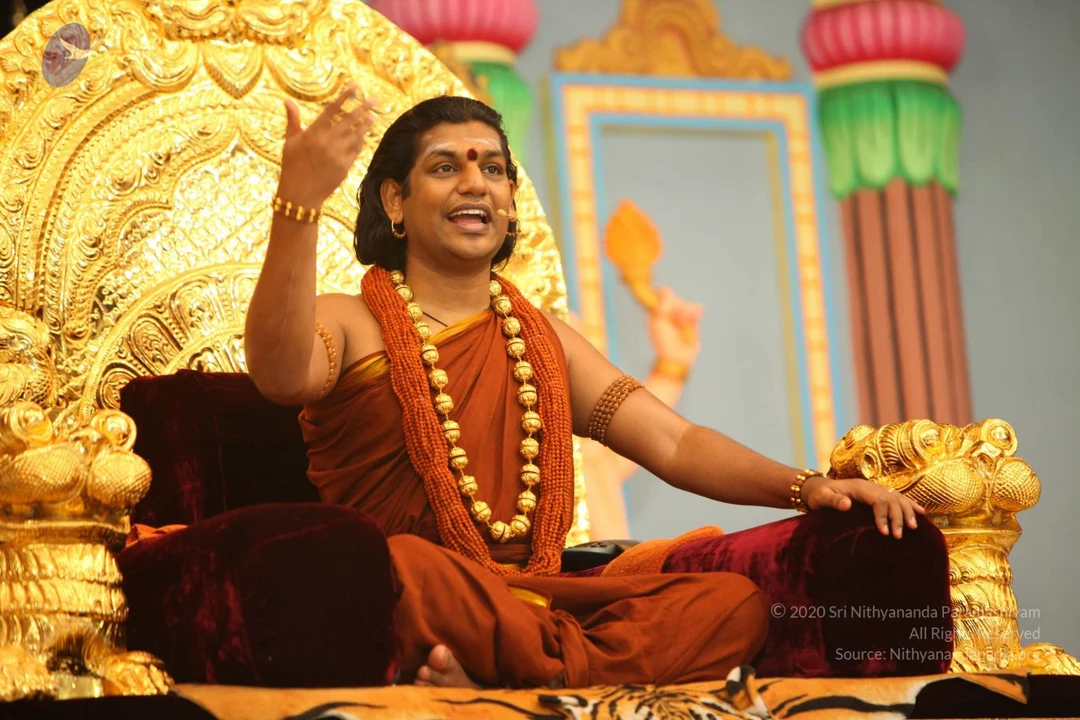
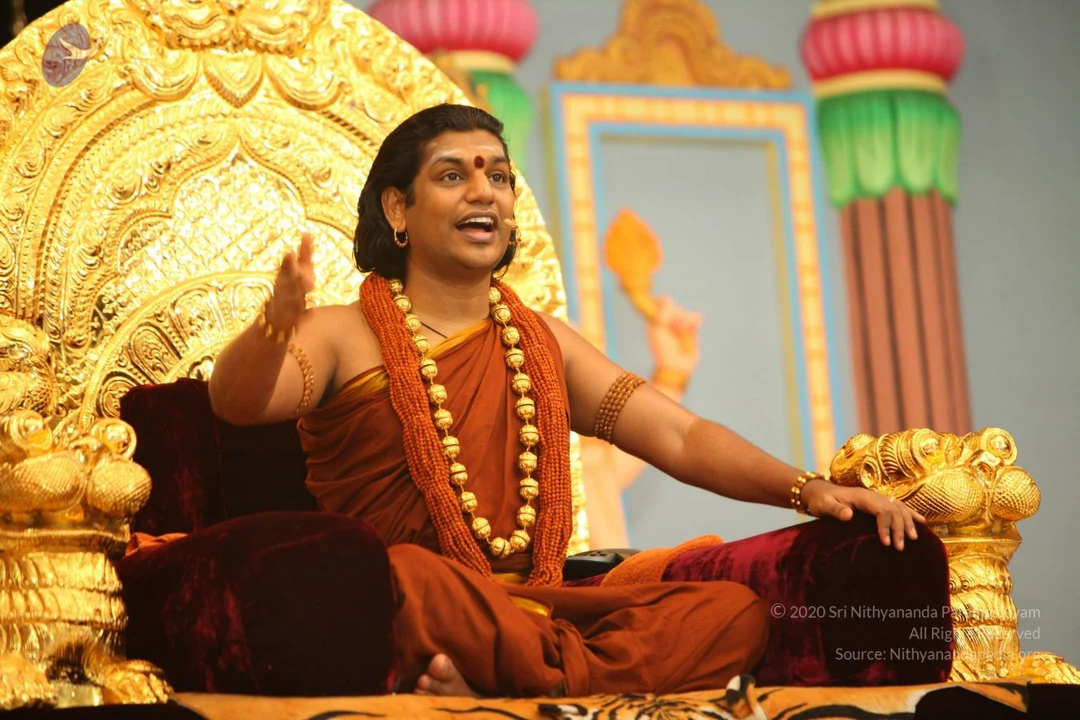
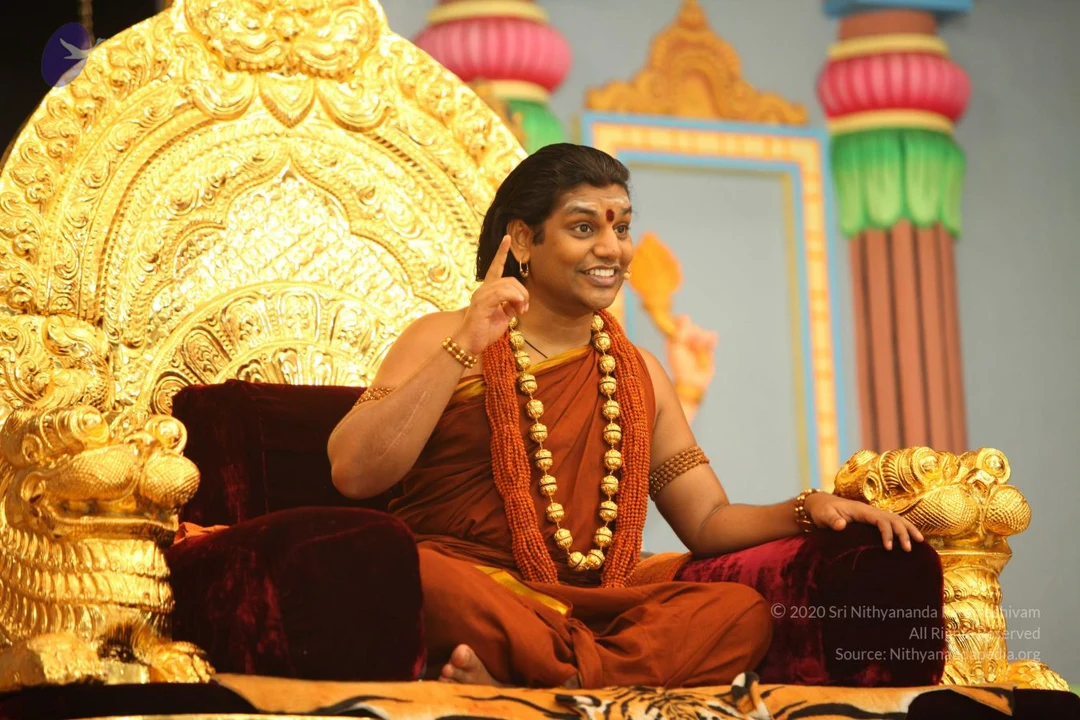
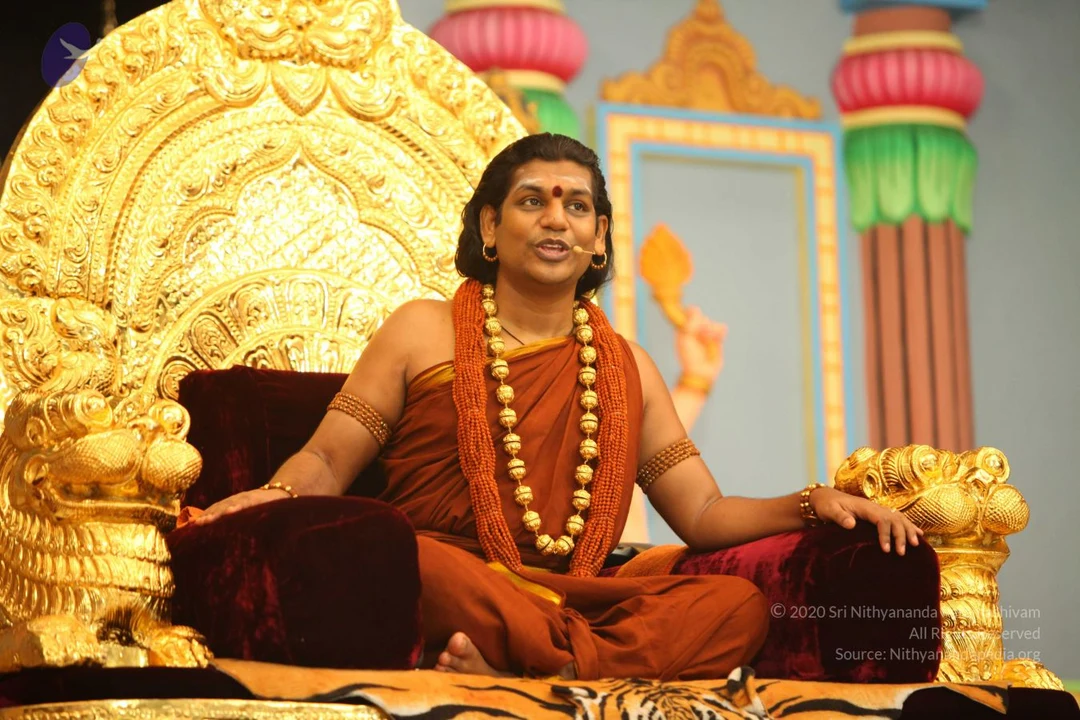
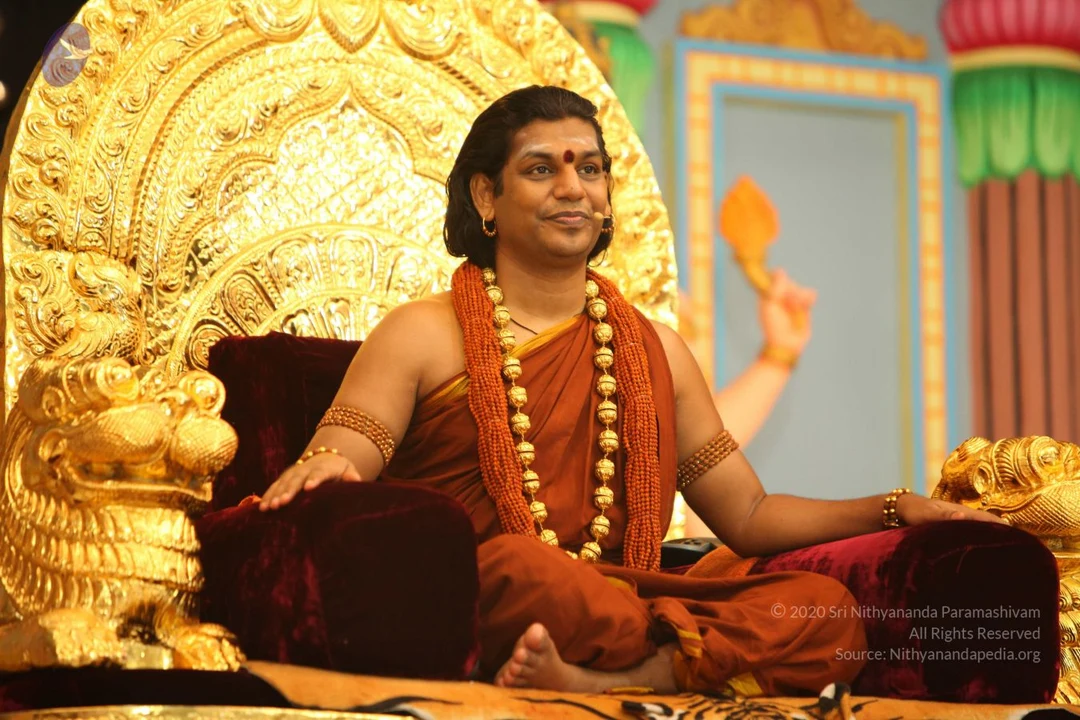
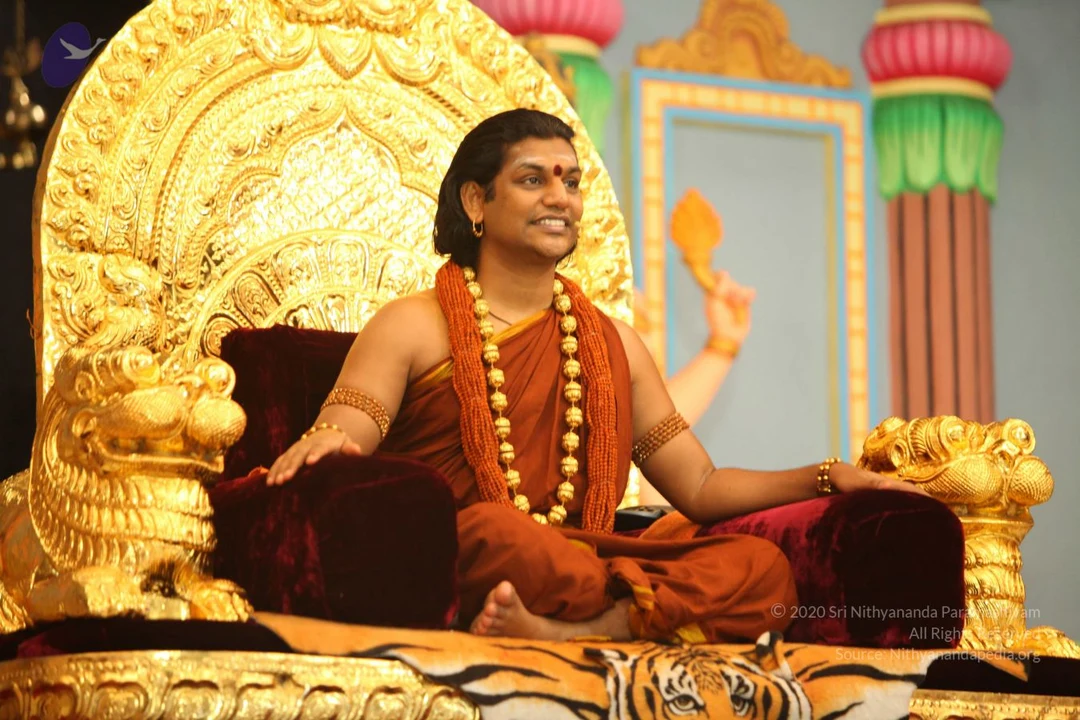
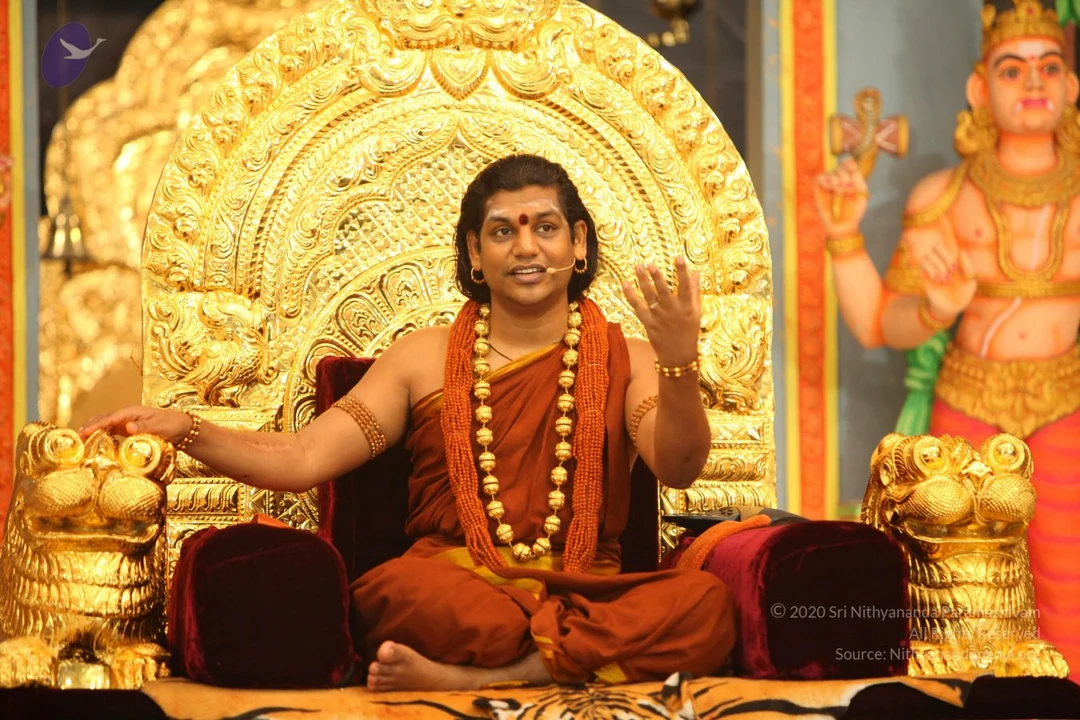
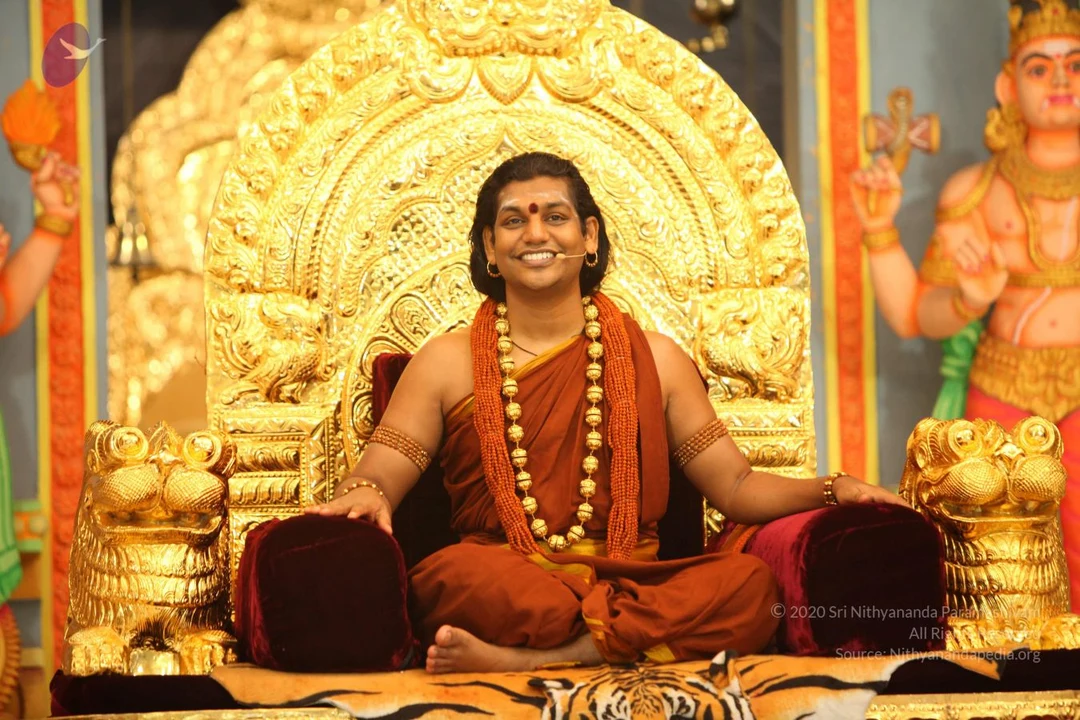
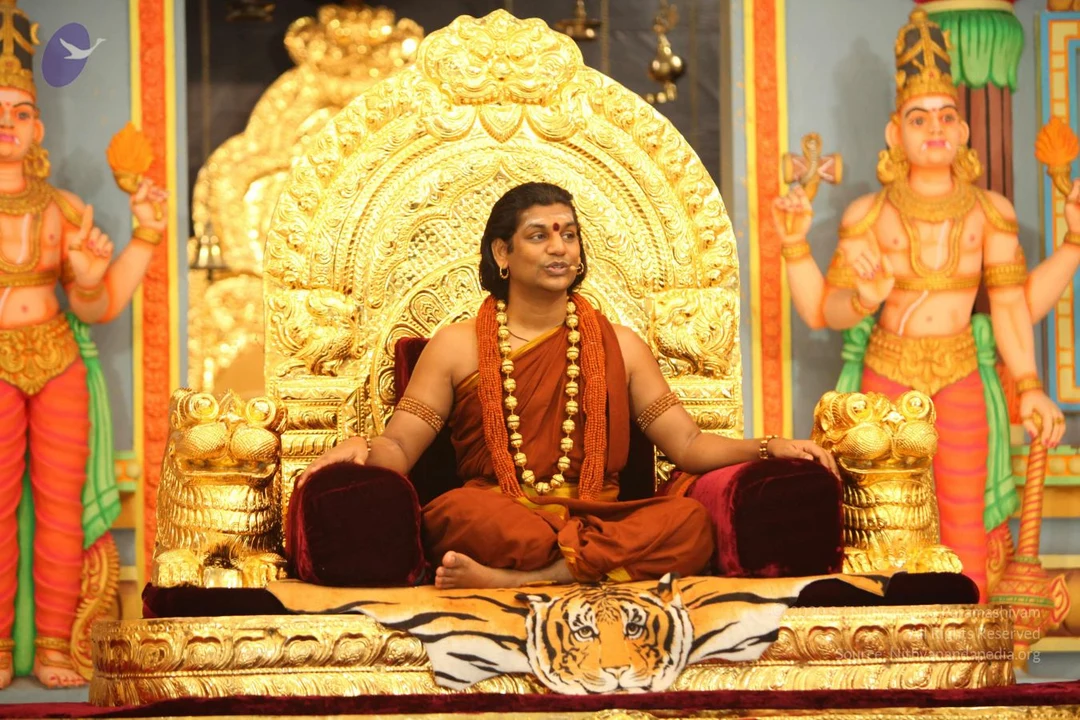
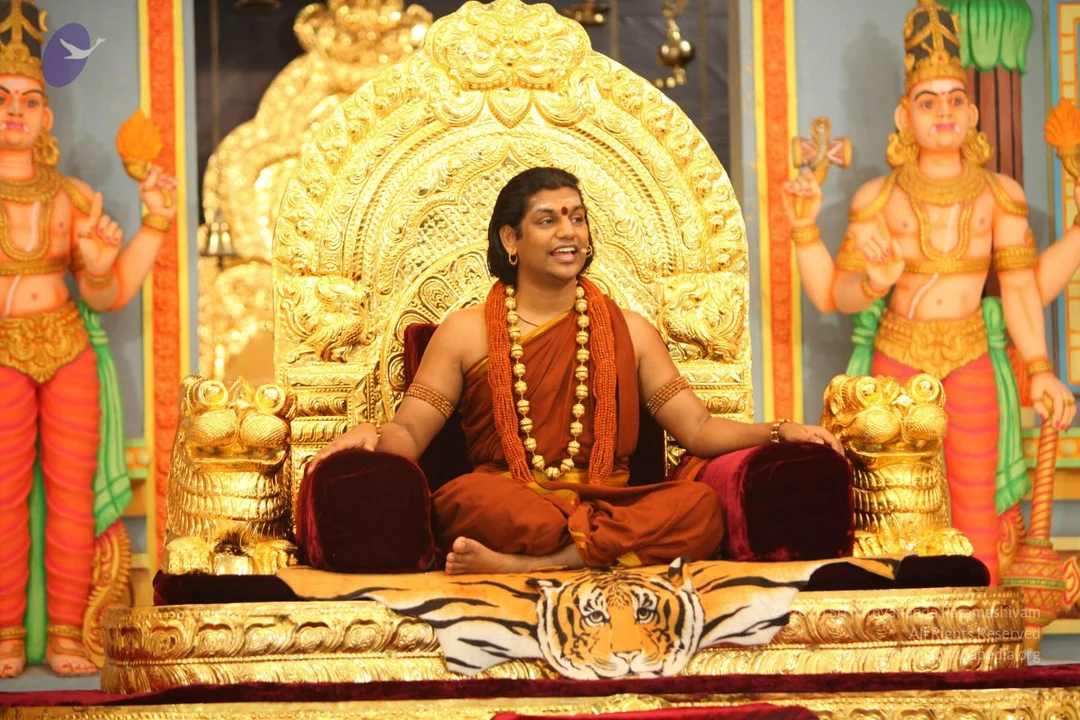
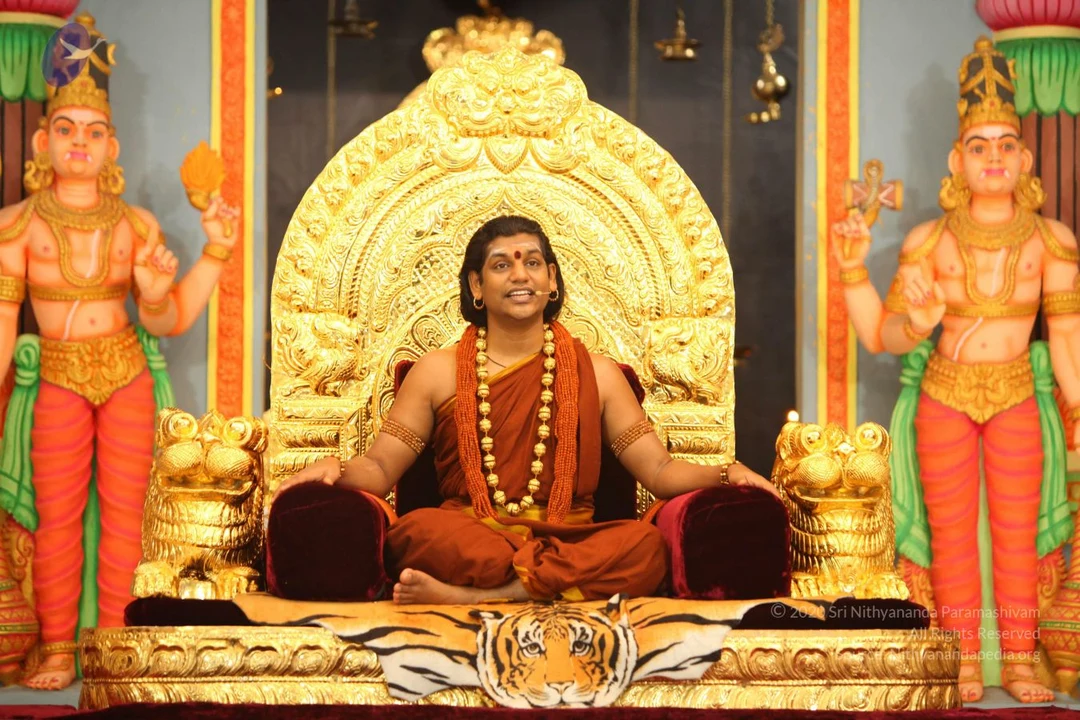
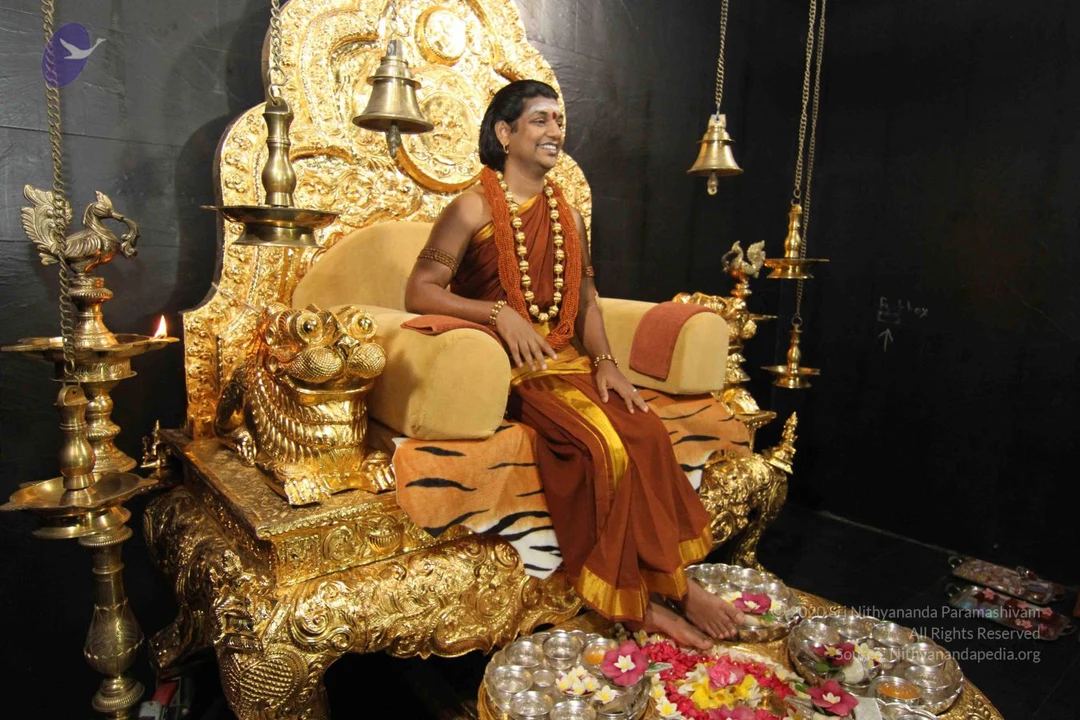
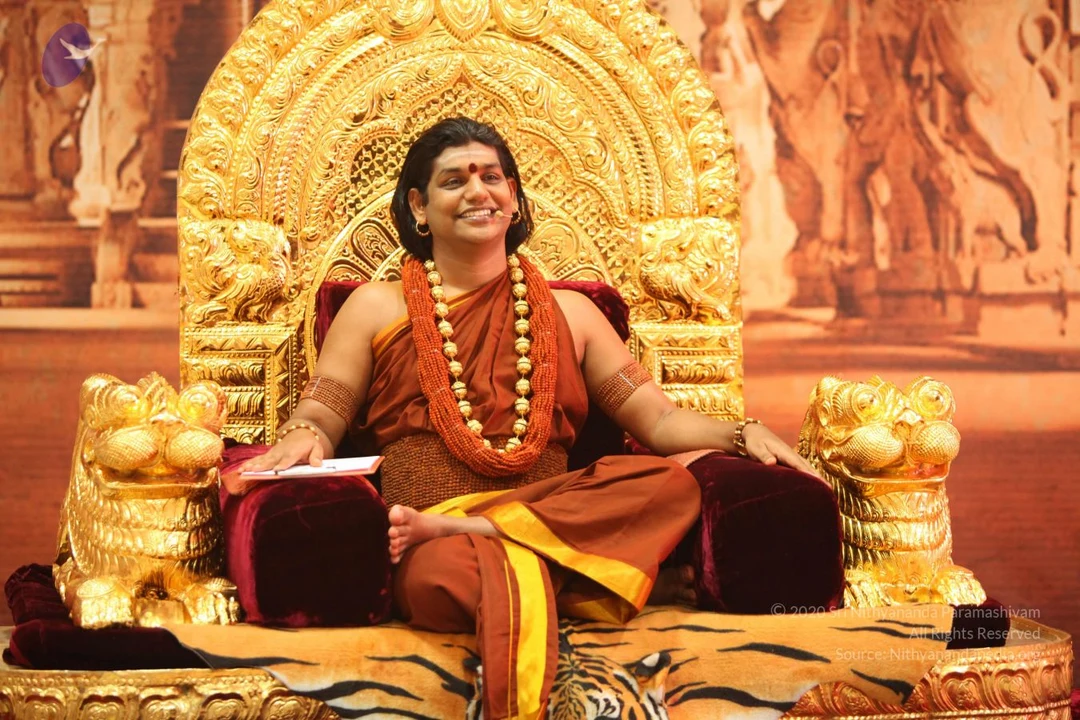
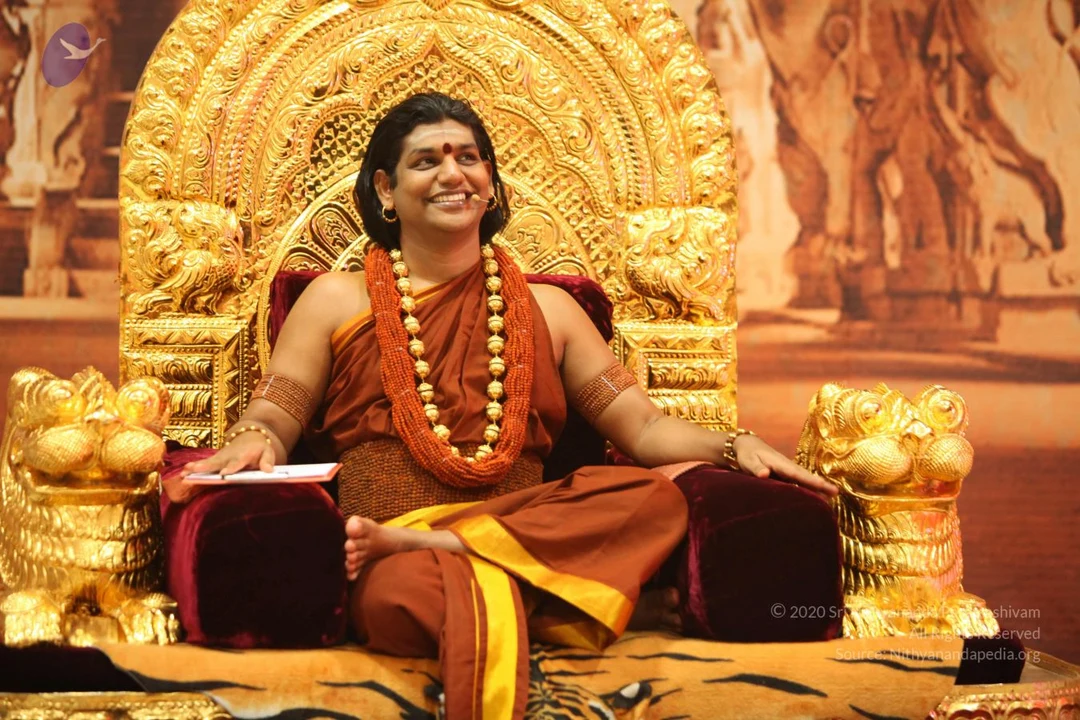
Is from inner awakening ID # 199, Rohit Mahaveer is asking “What is the significance of the tigers that you swamiji are surrounded by” ?
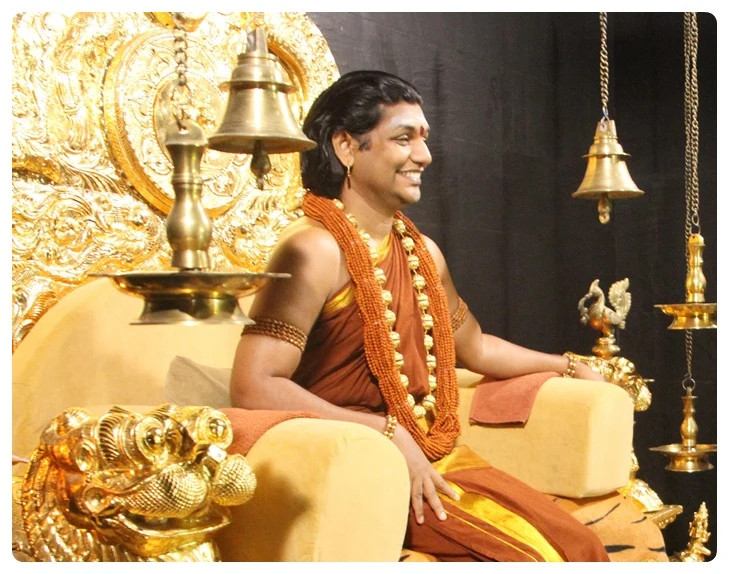
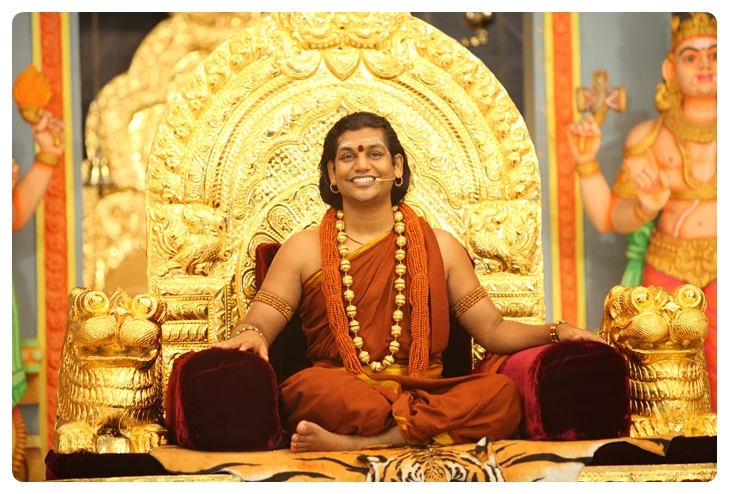
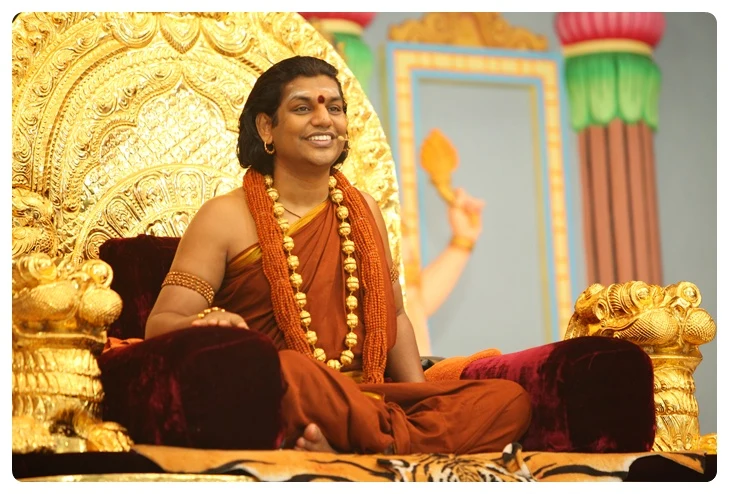
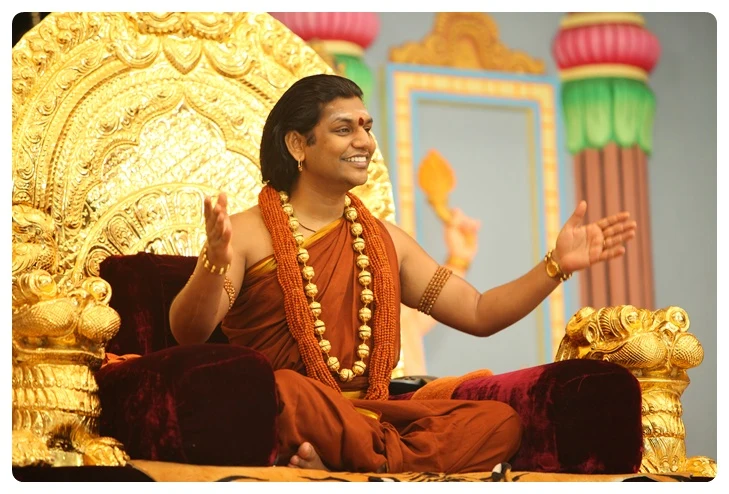
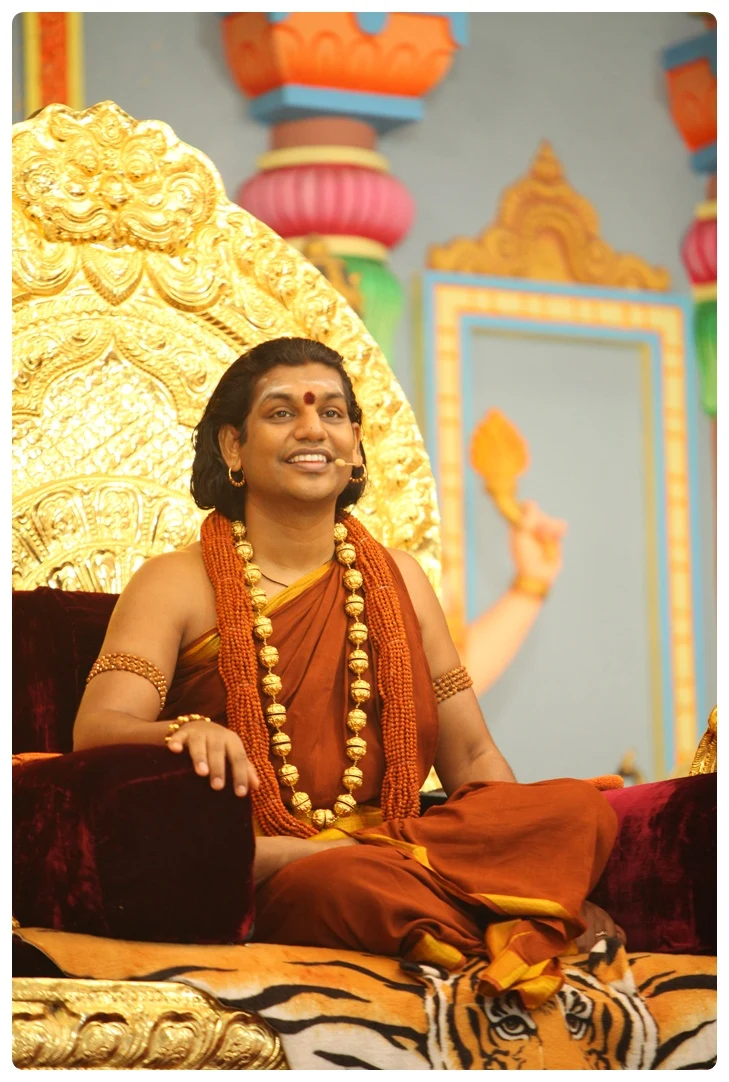
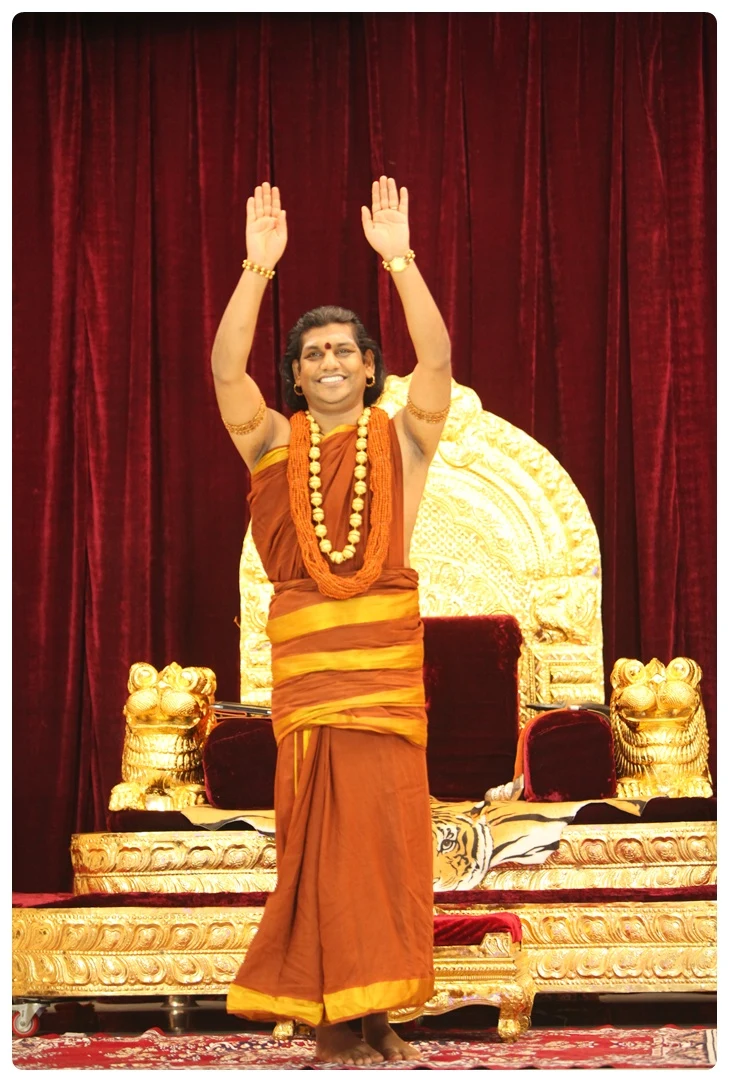
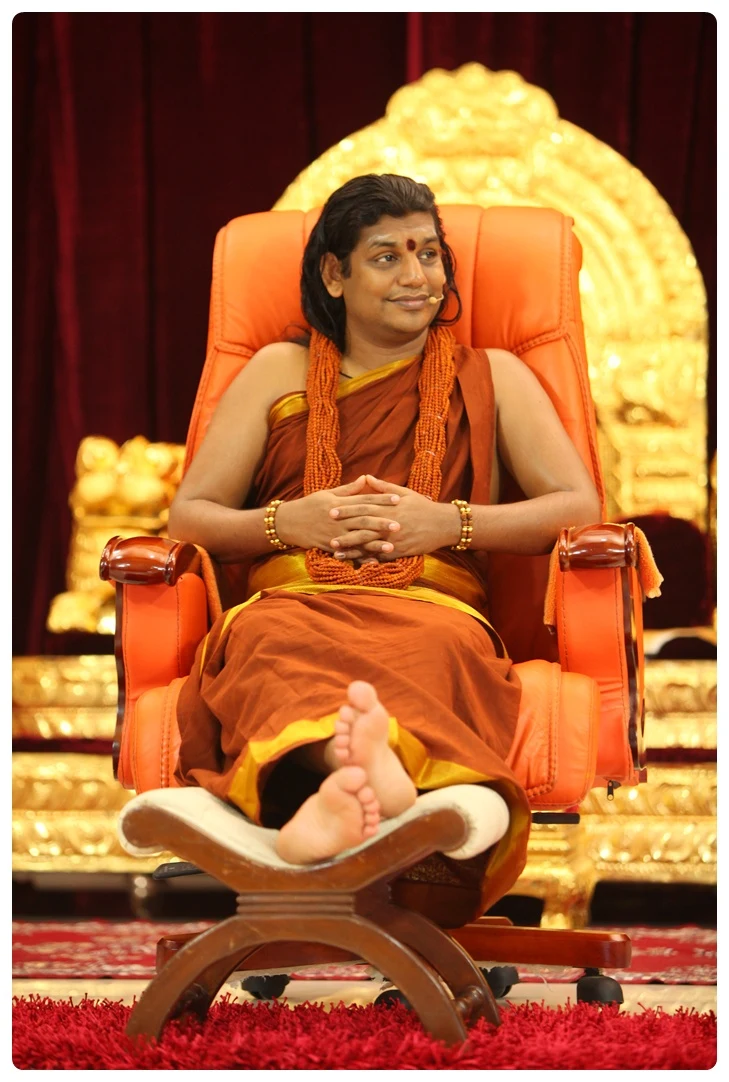
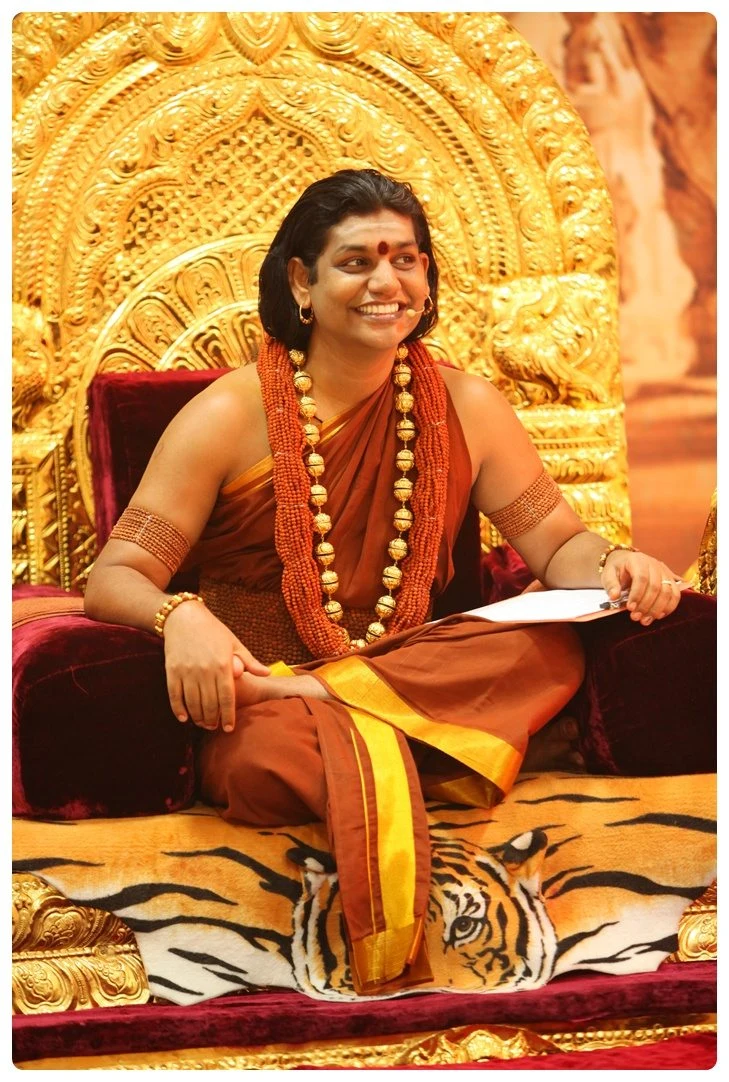
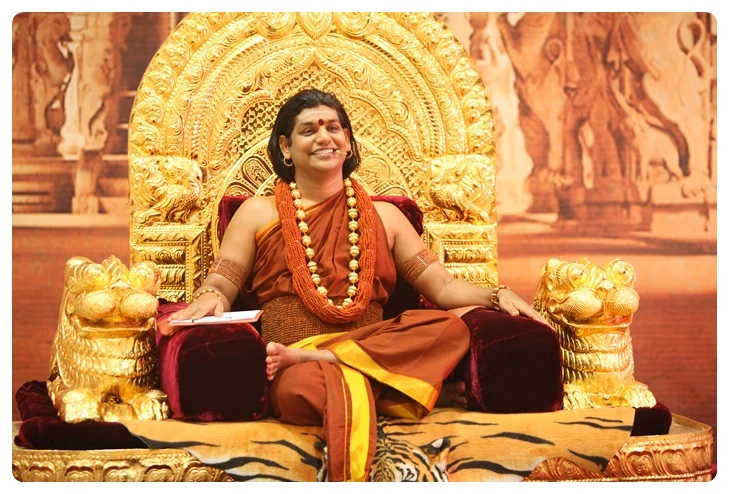
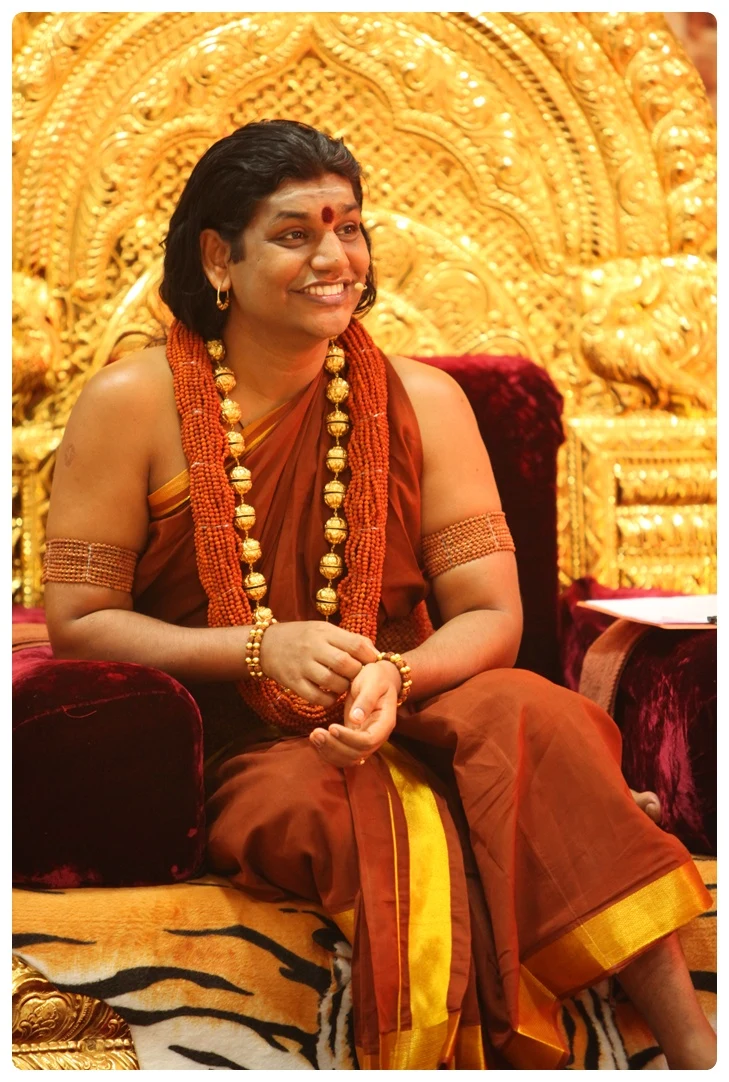
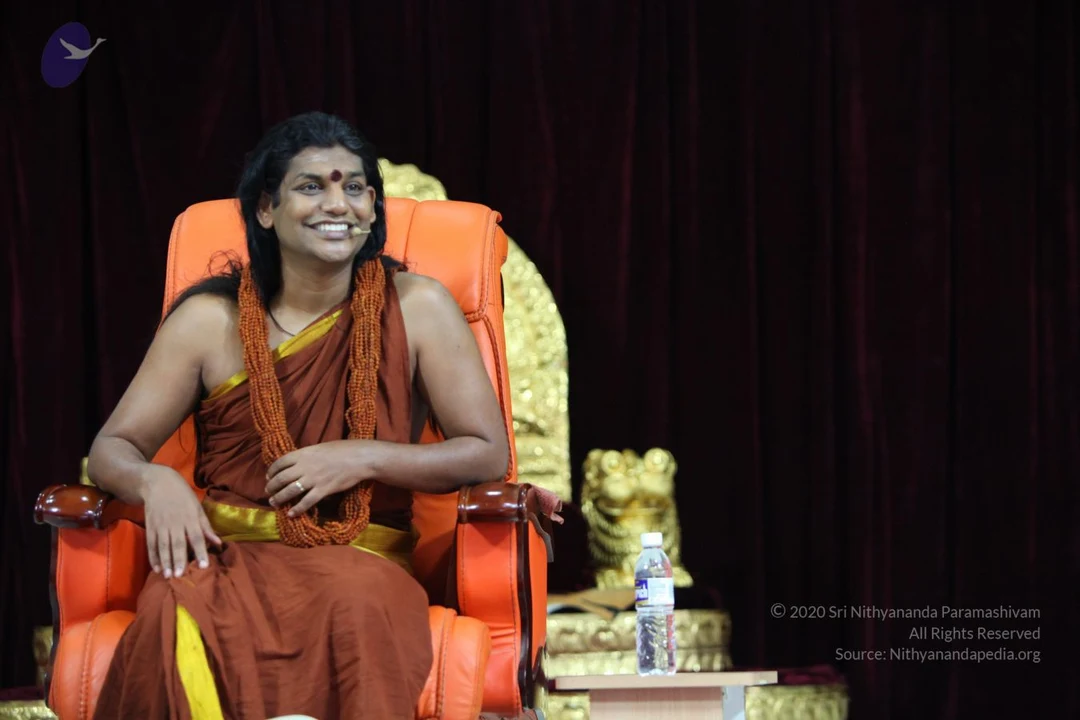
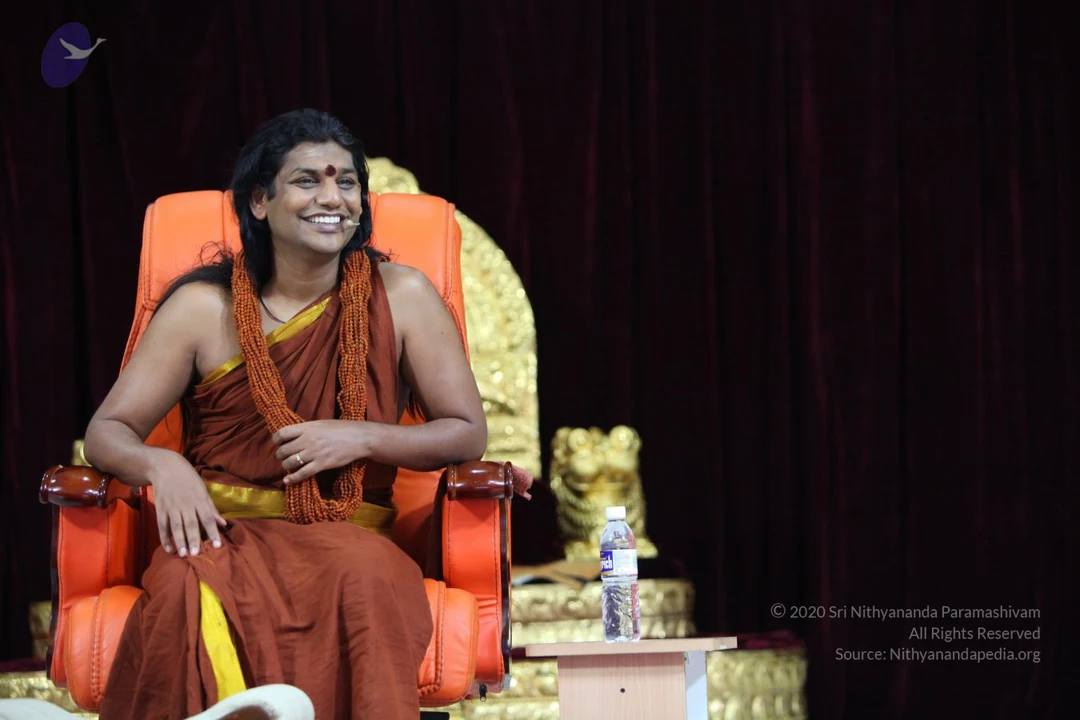
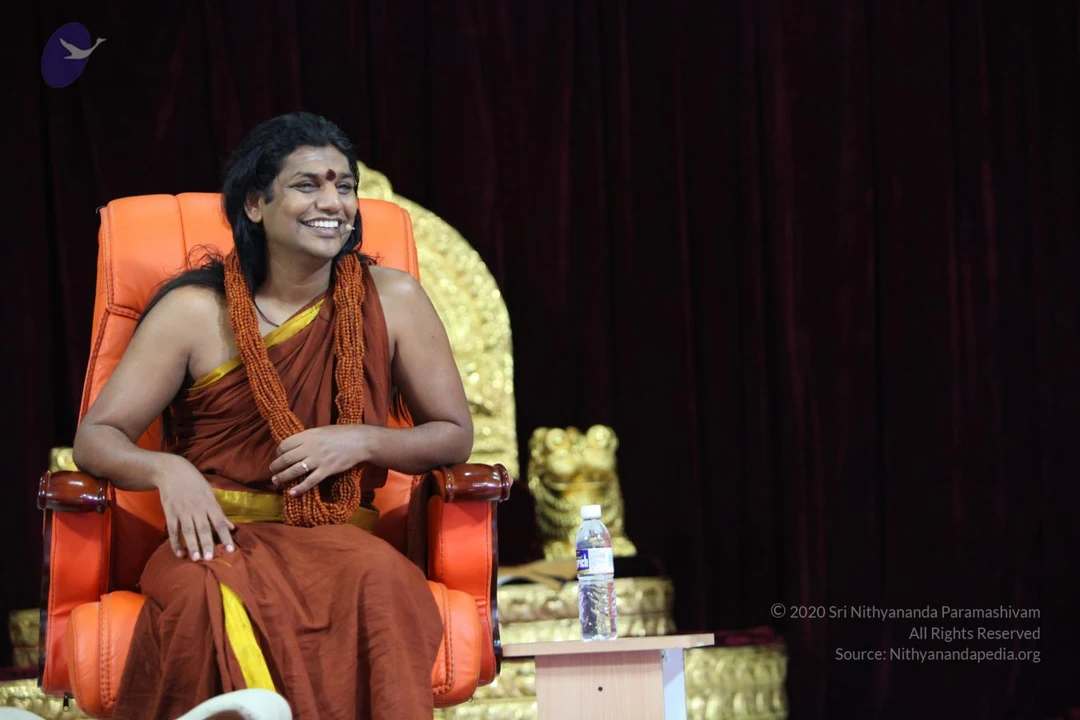
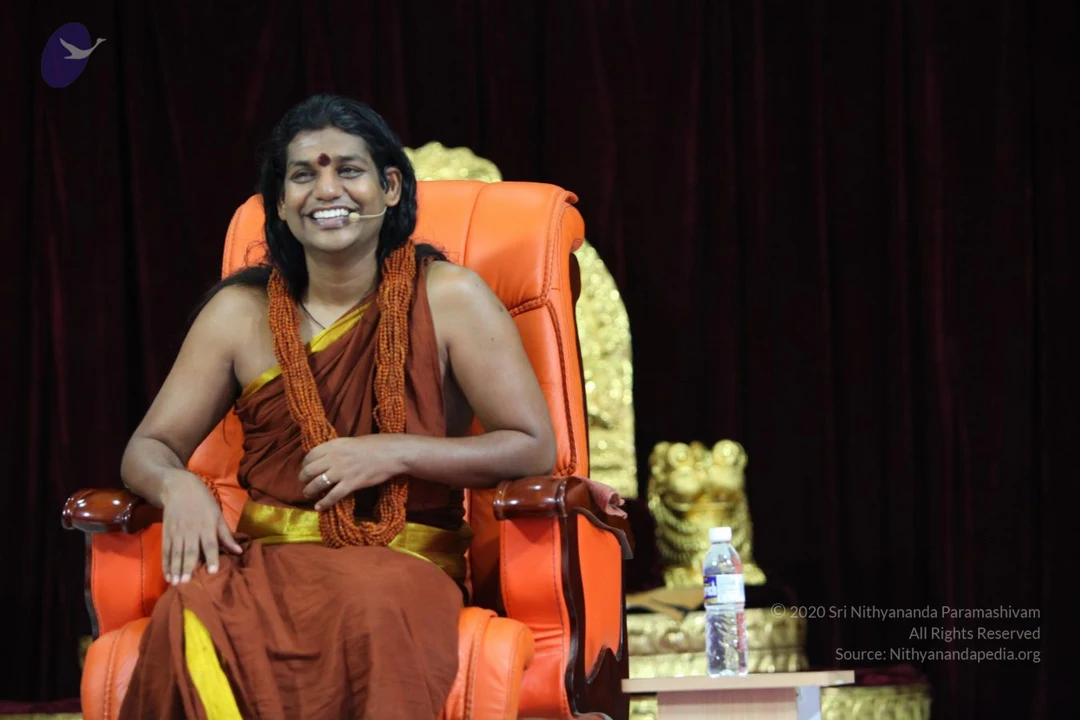
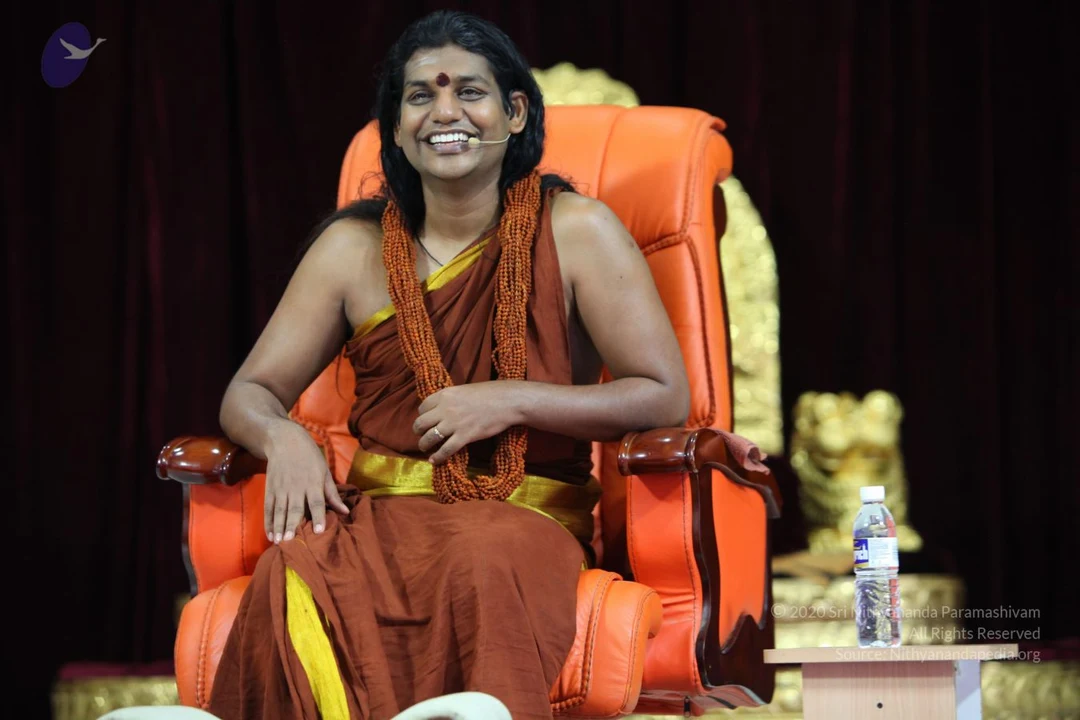
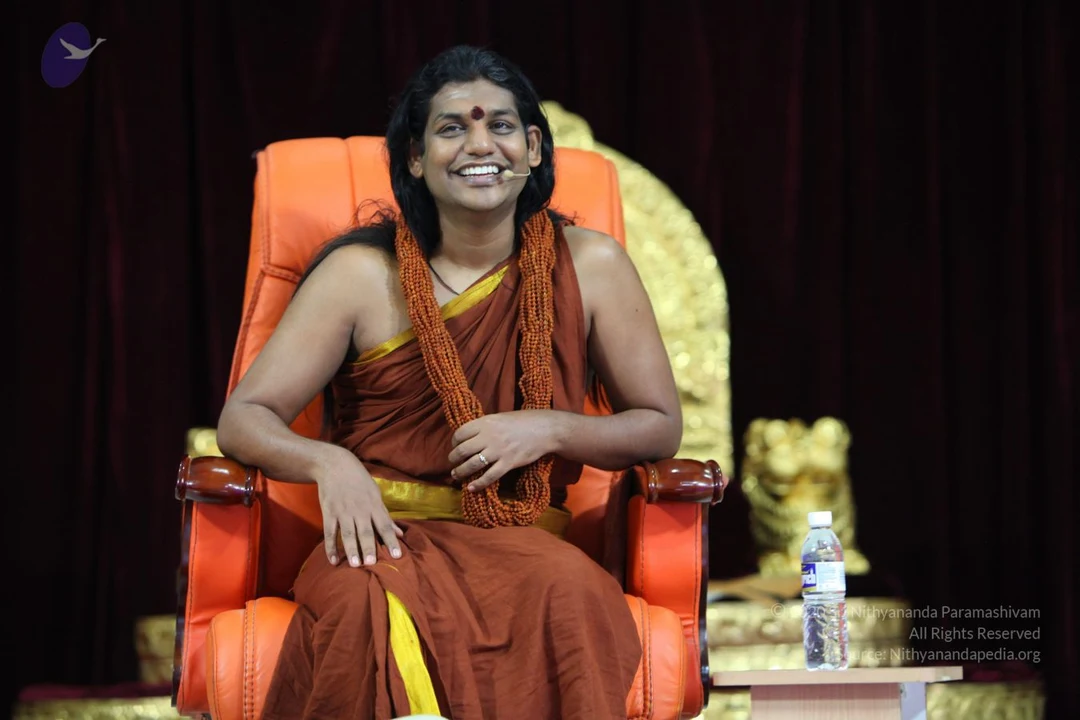
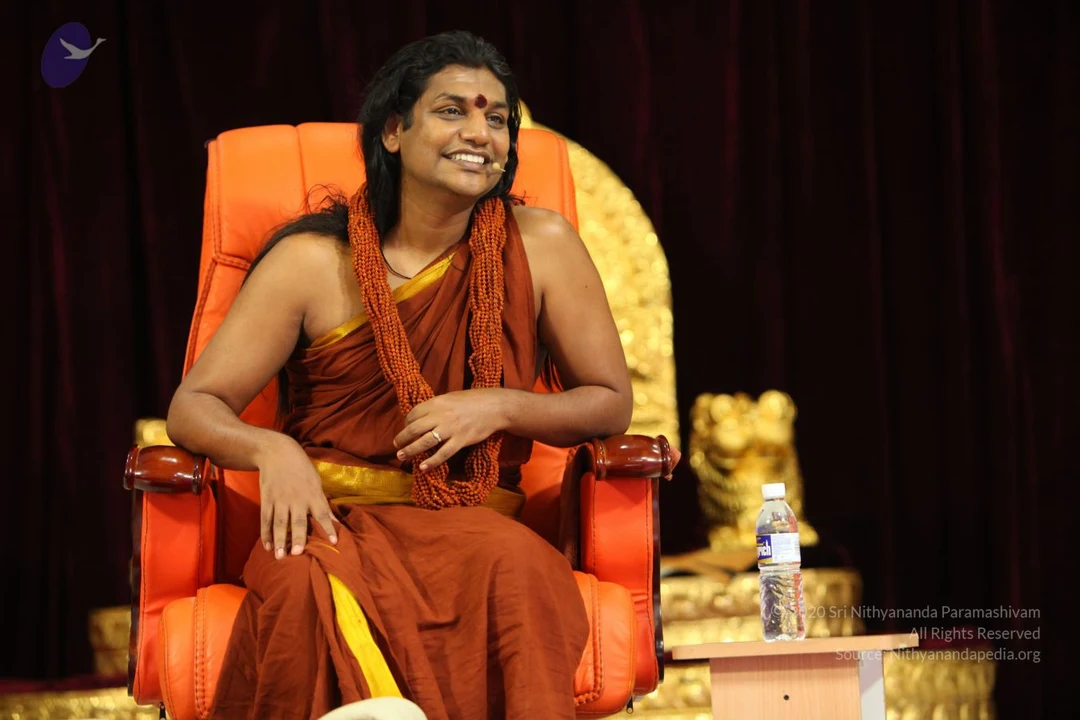
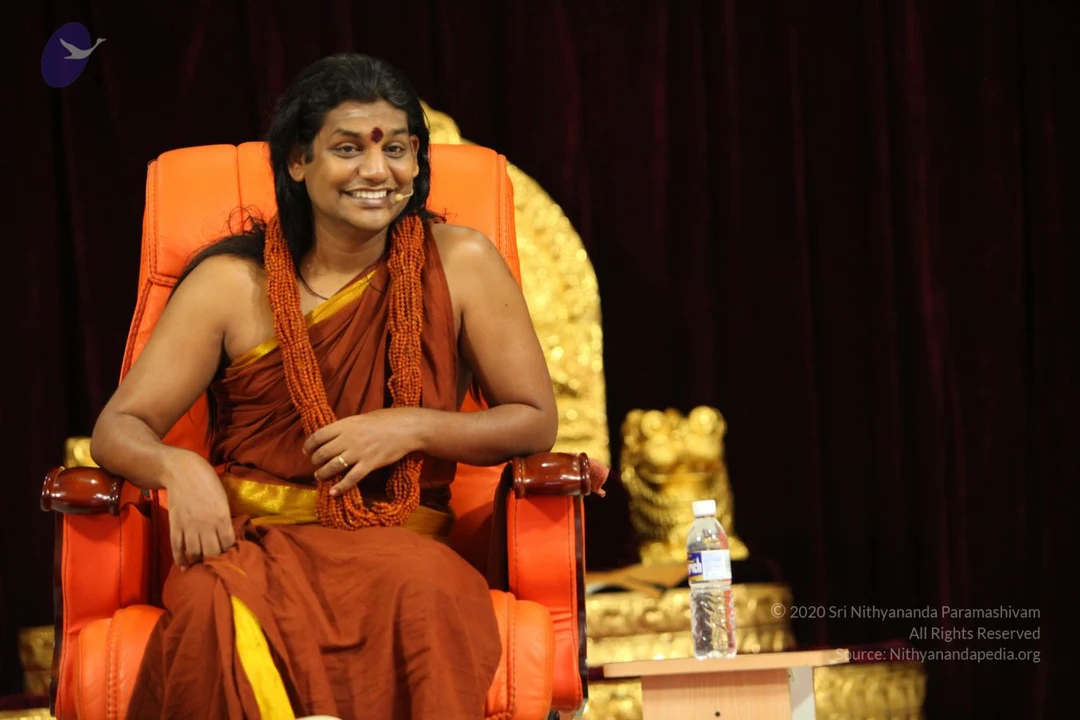
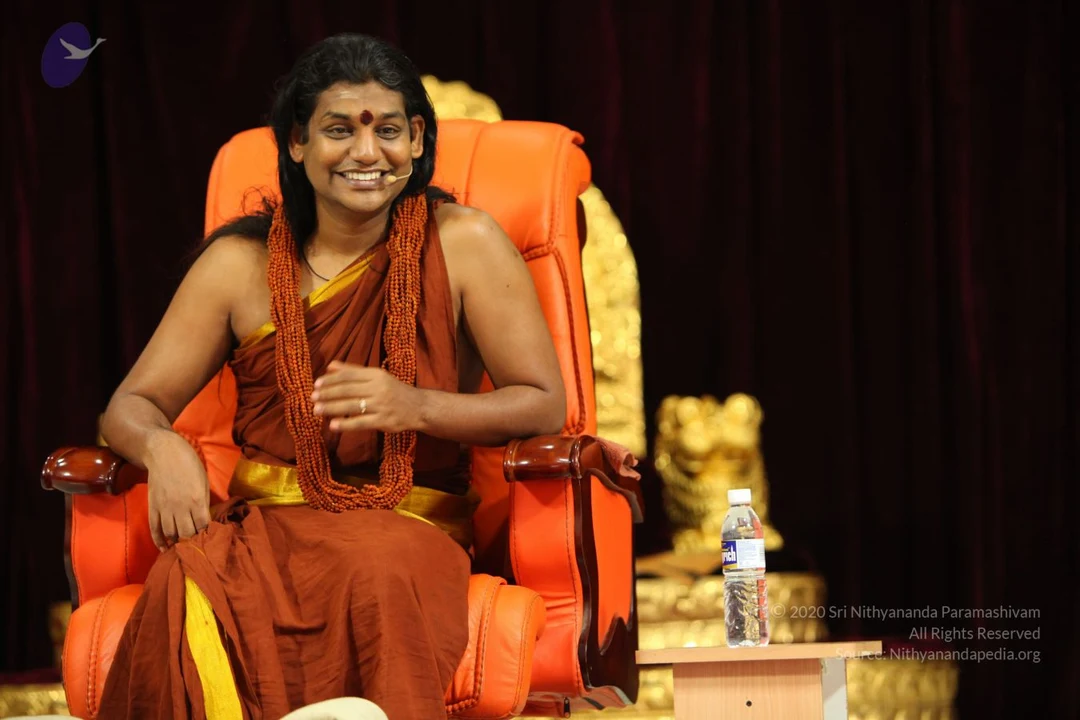
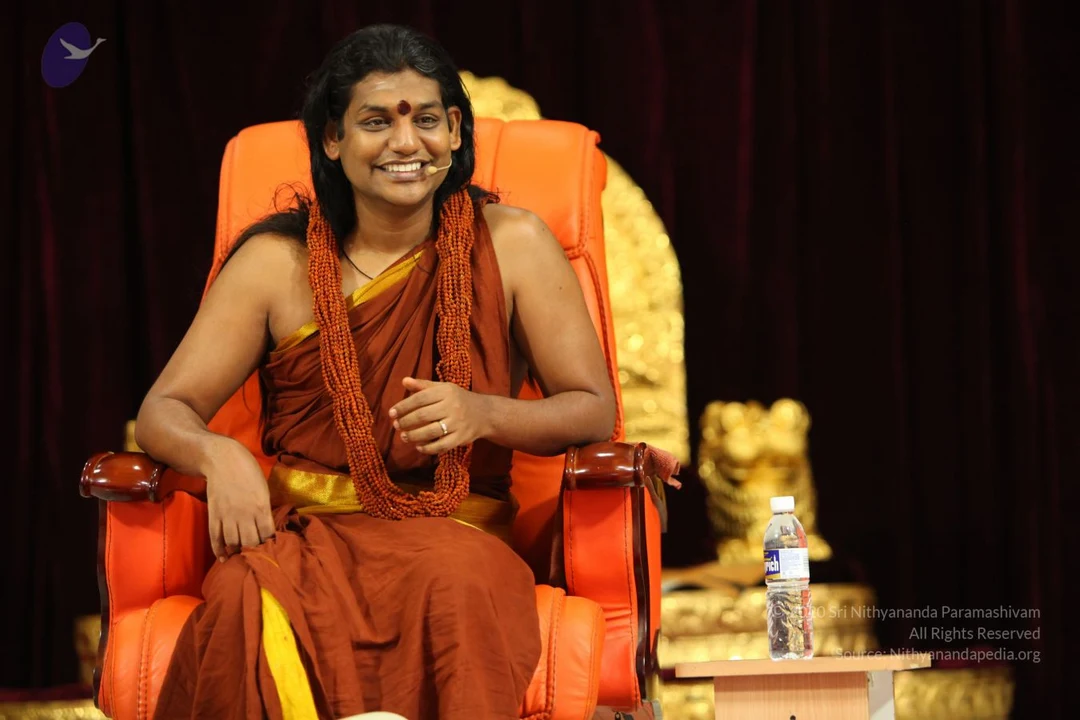
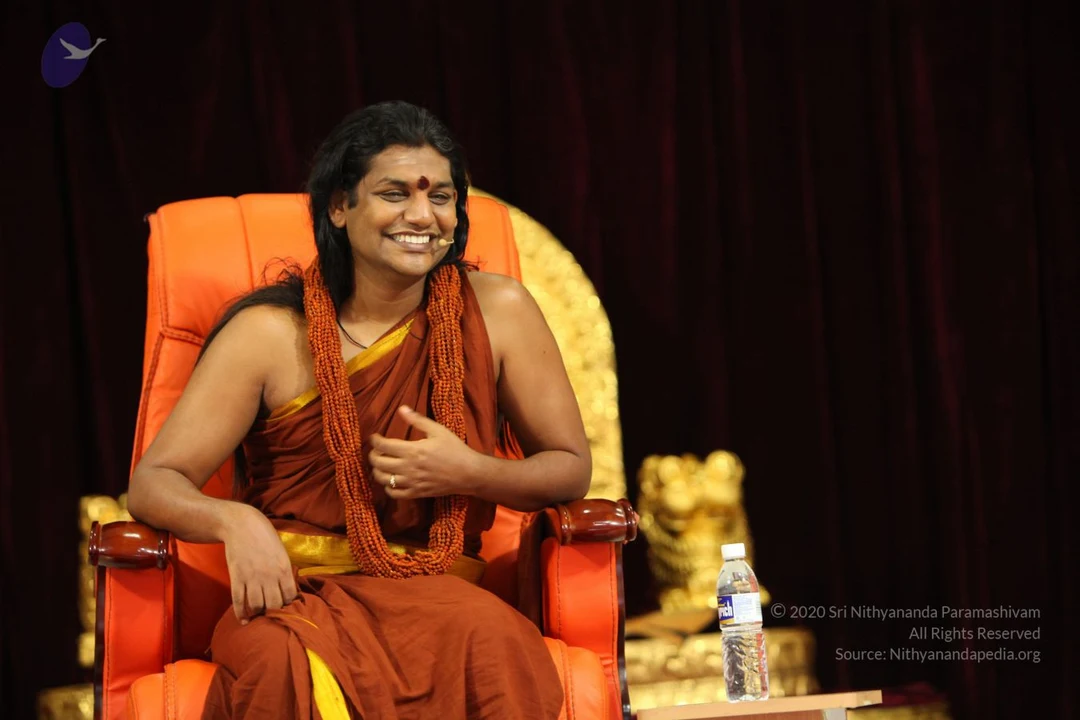
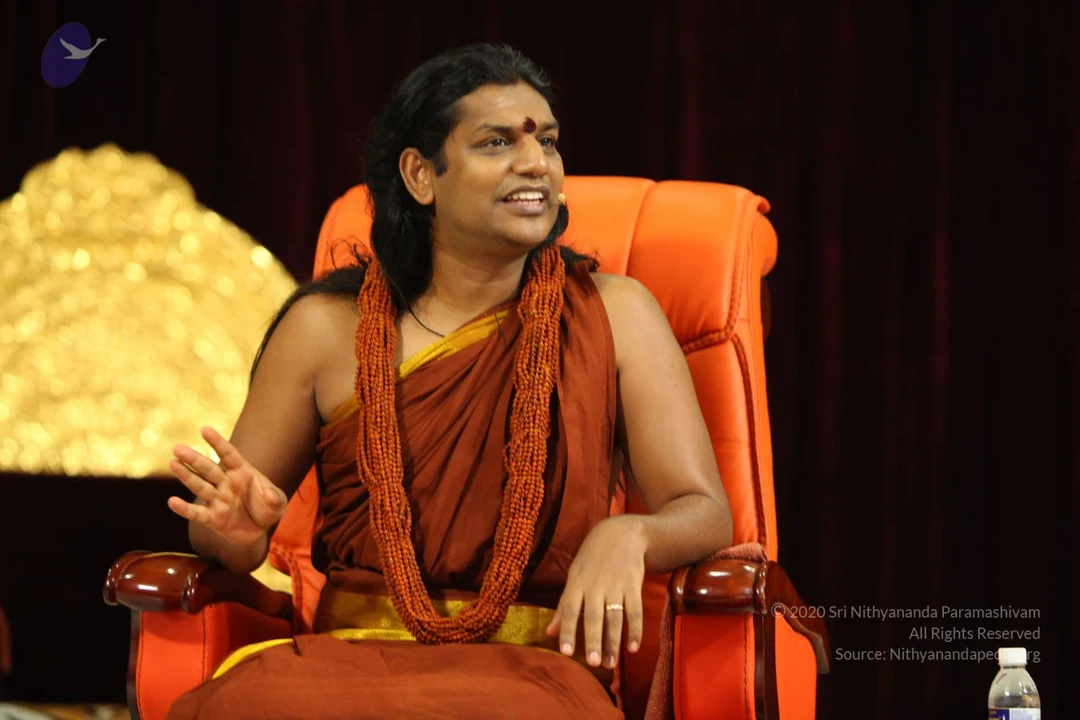
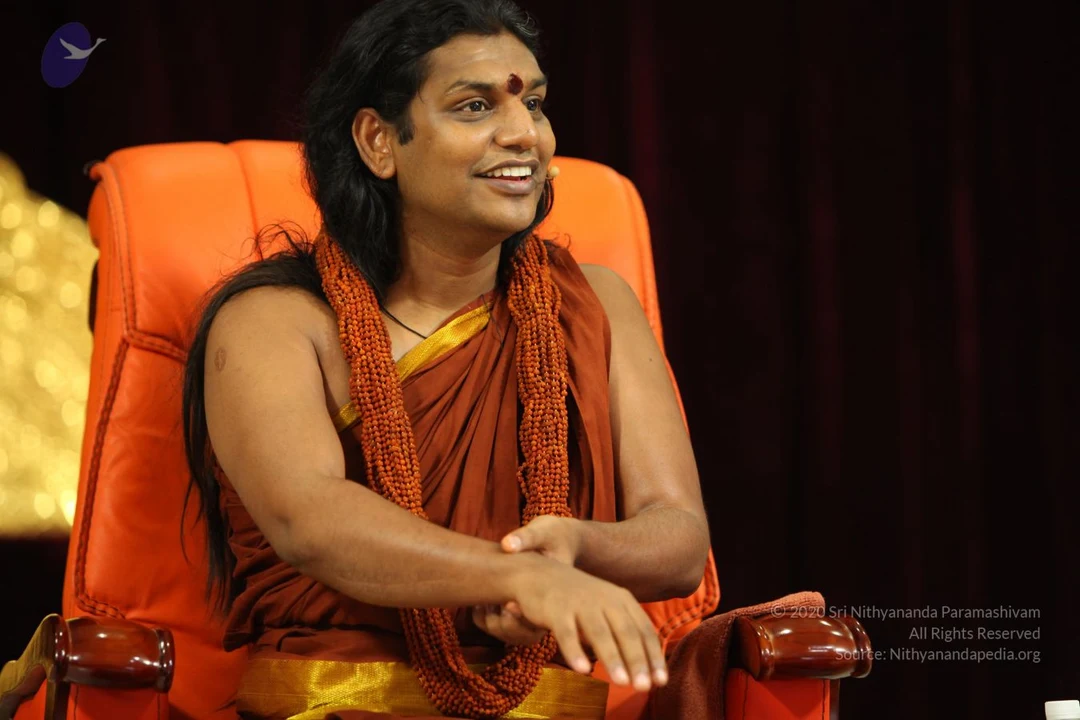
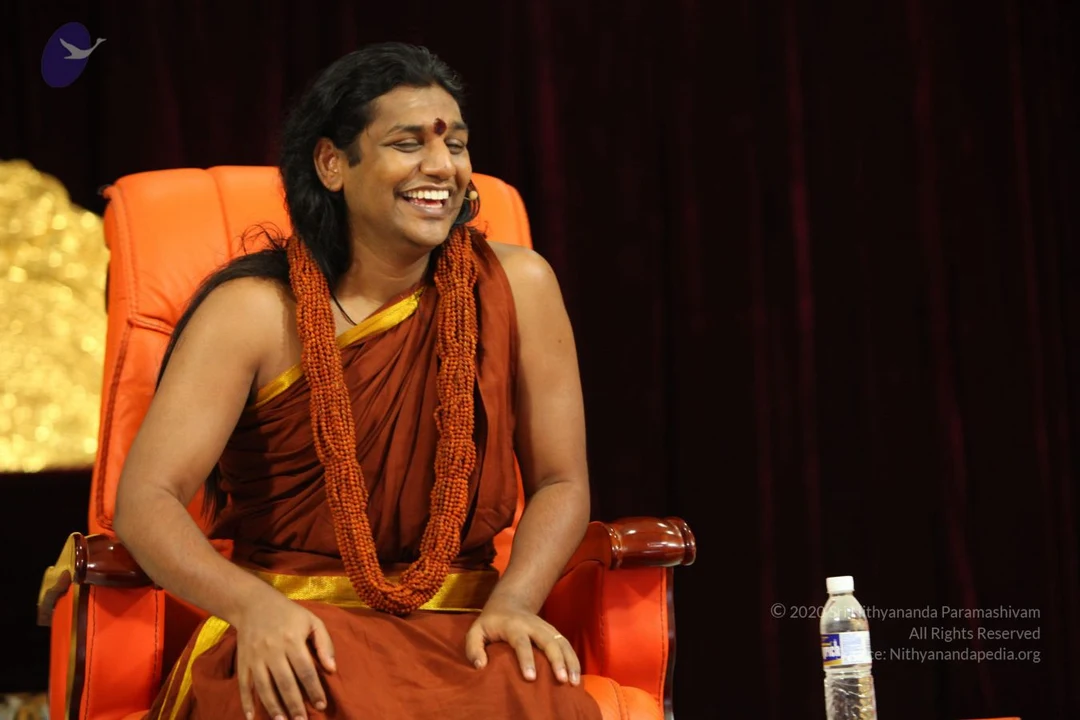
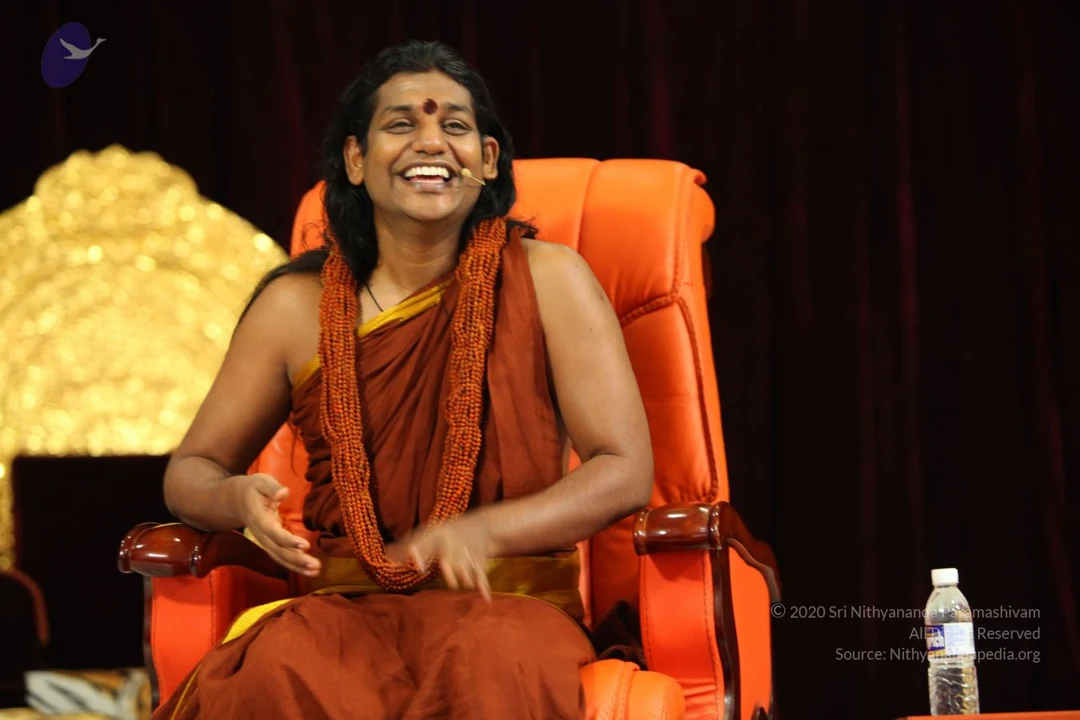
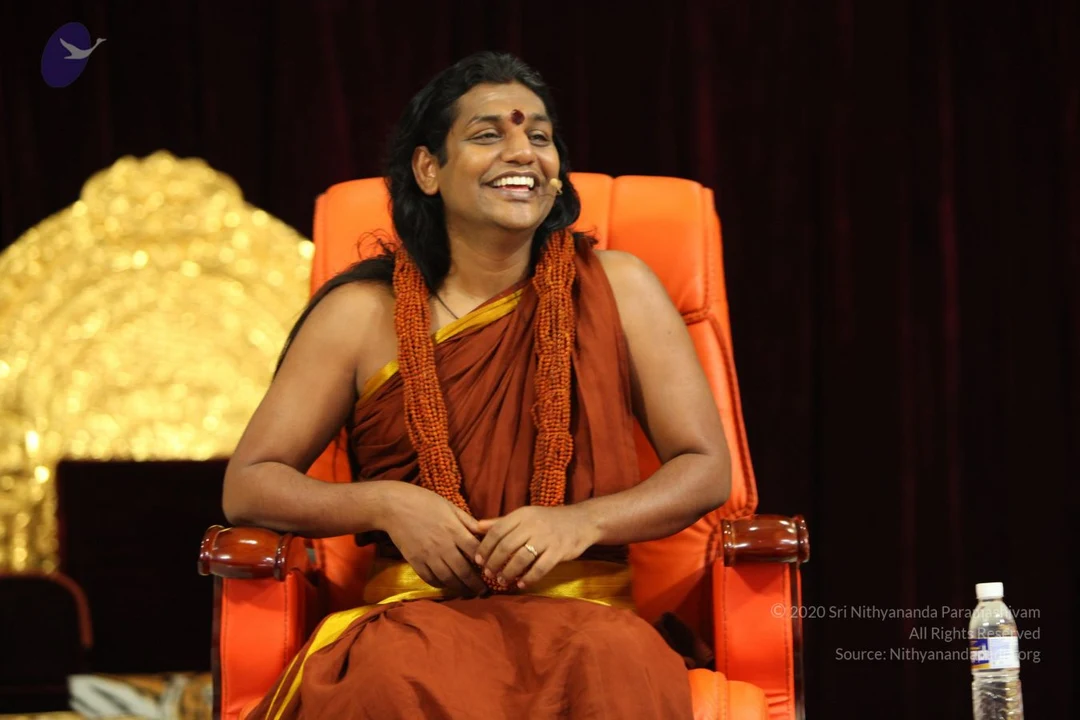
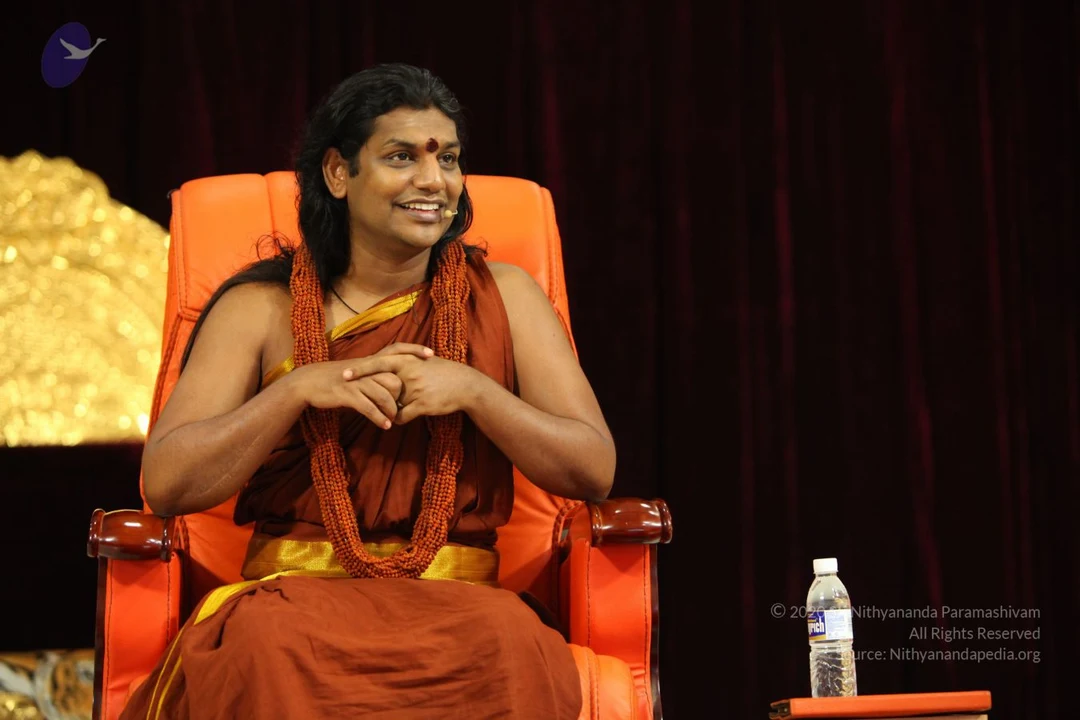
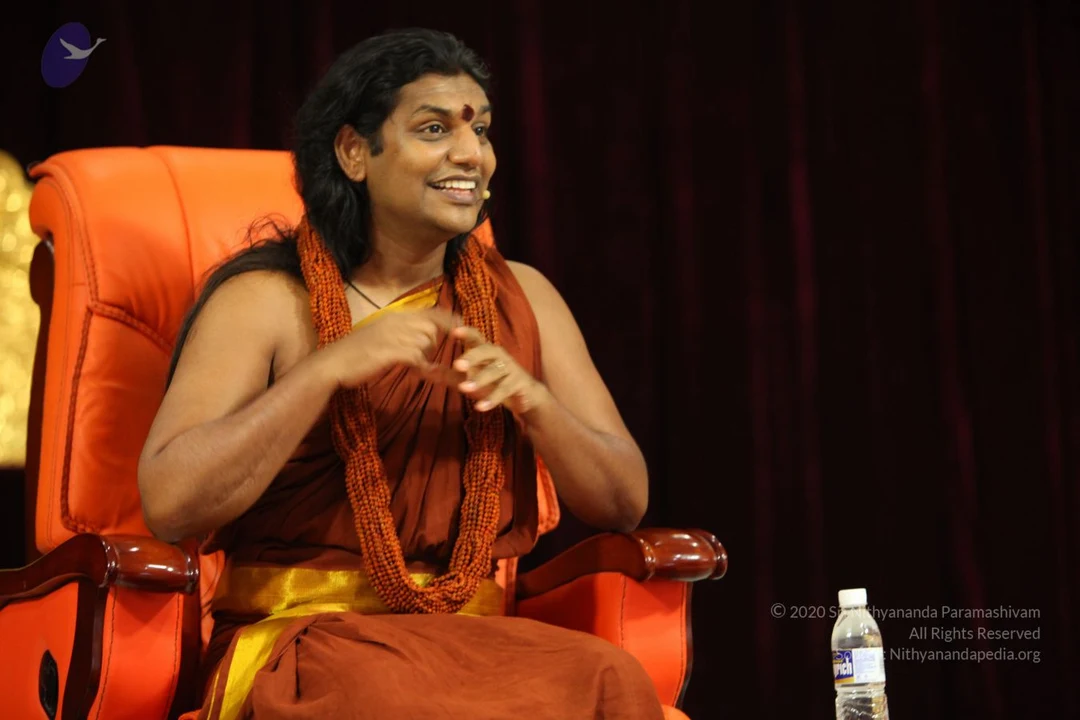
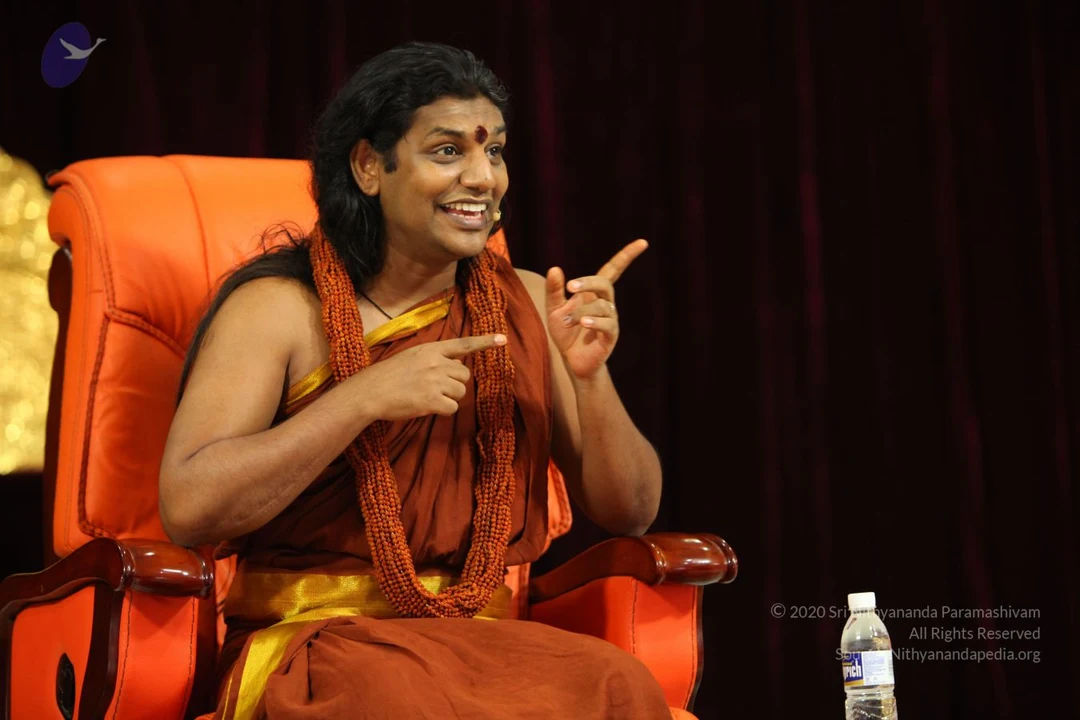
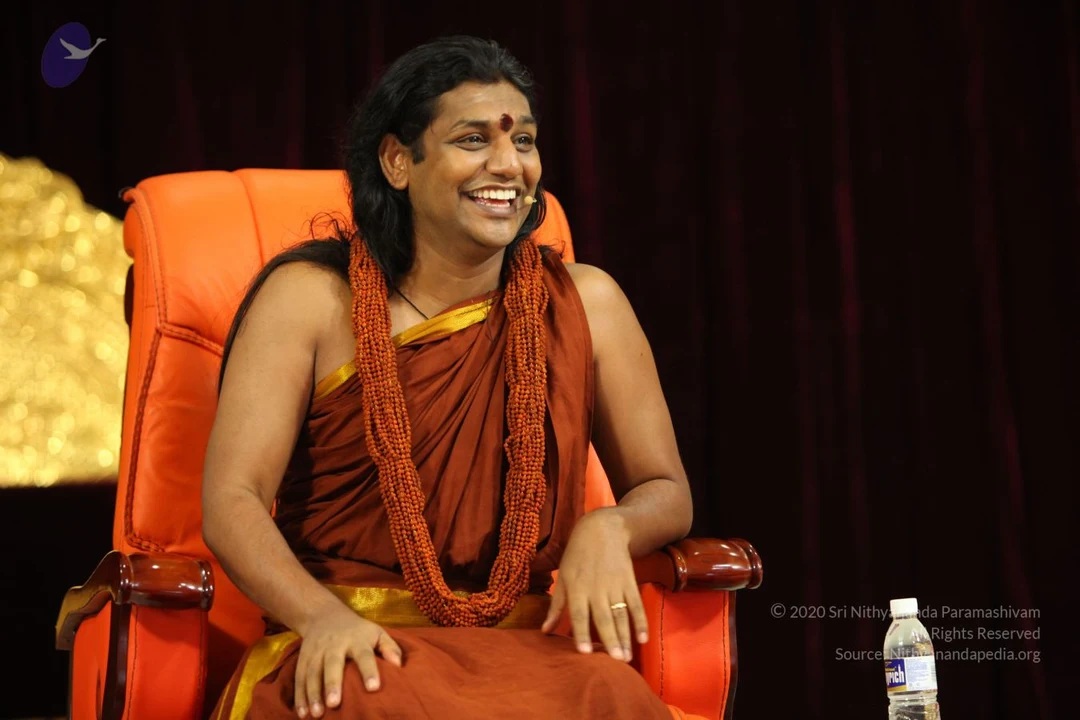
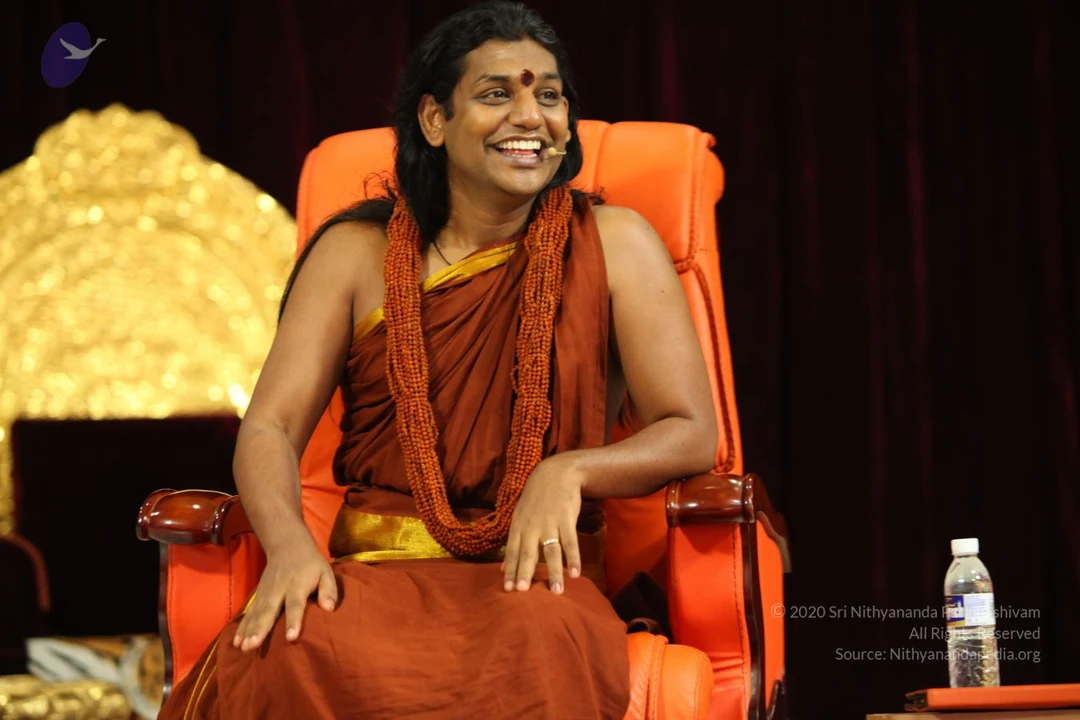
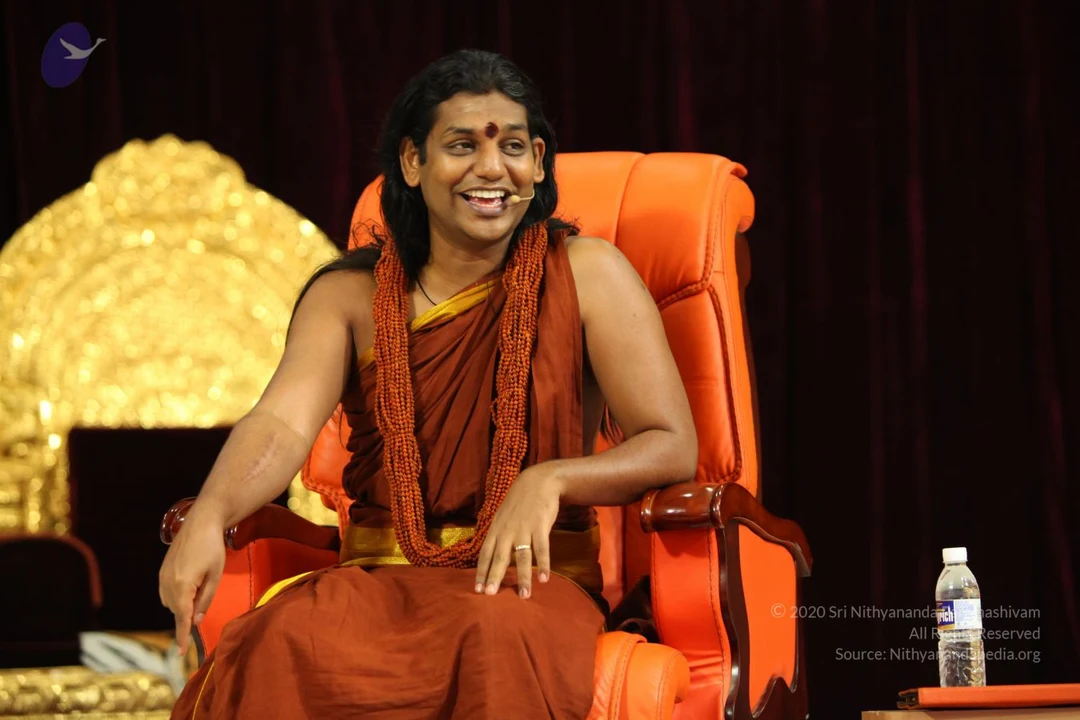
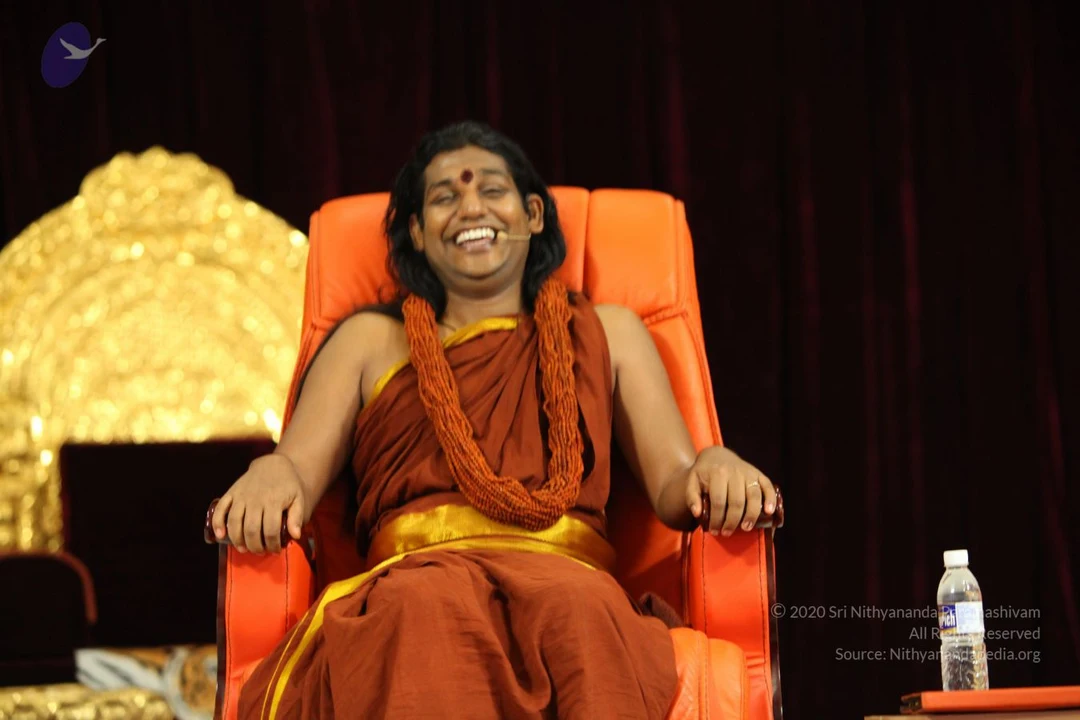
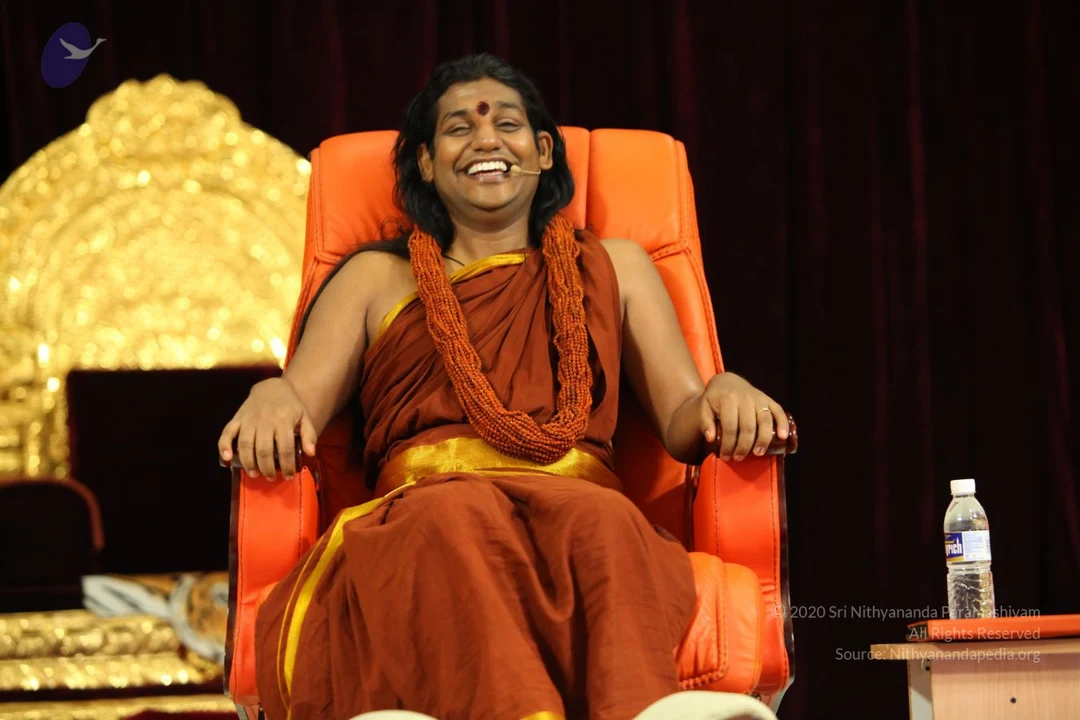
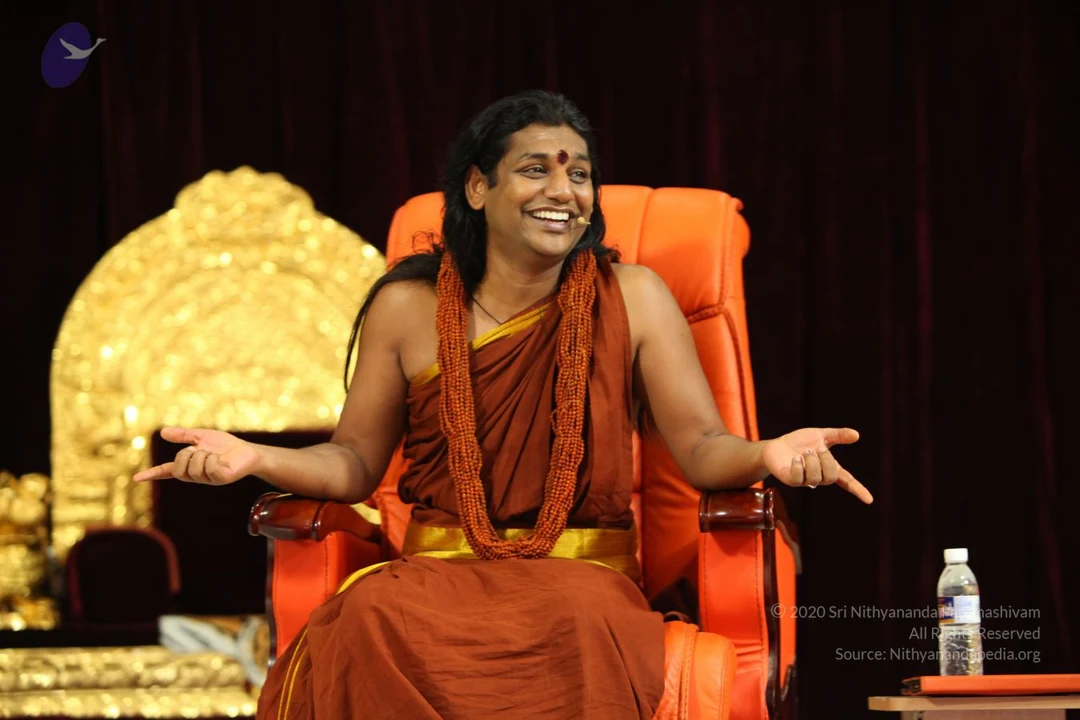
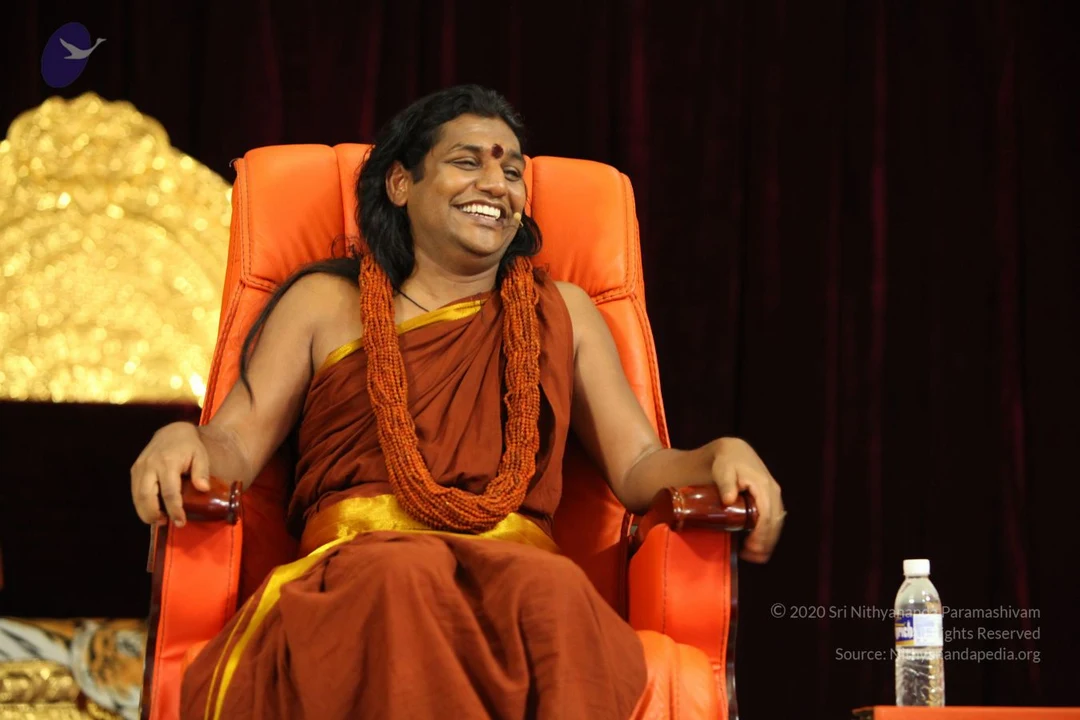
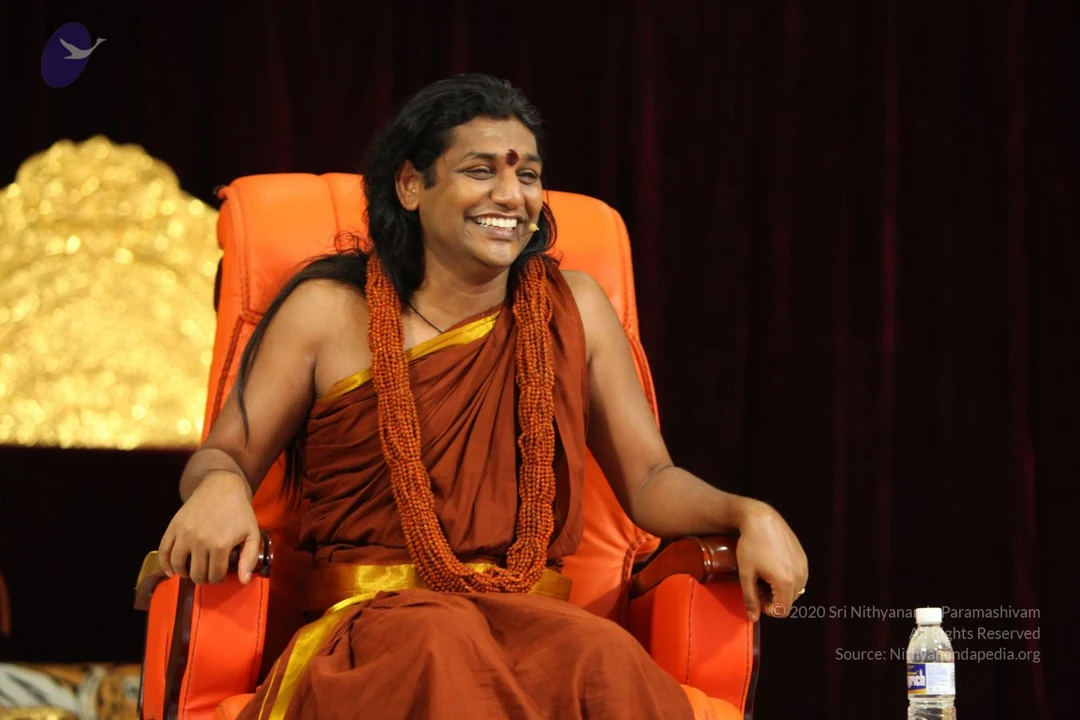
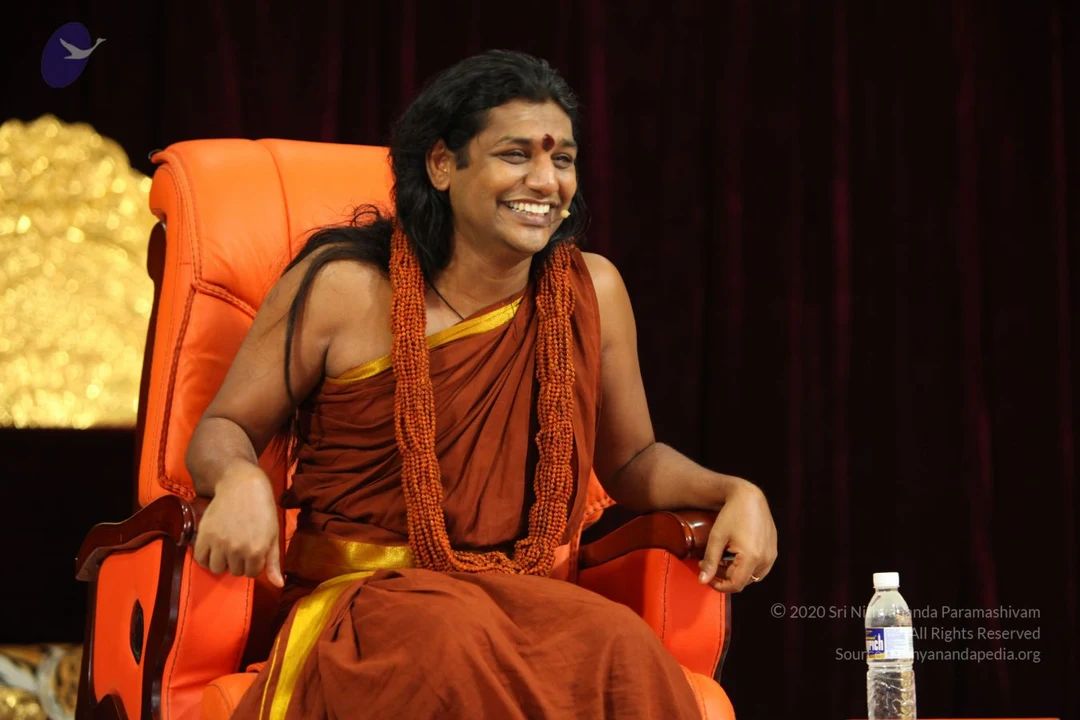
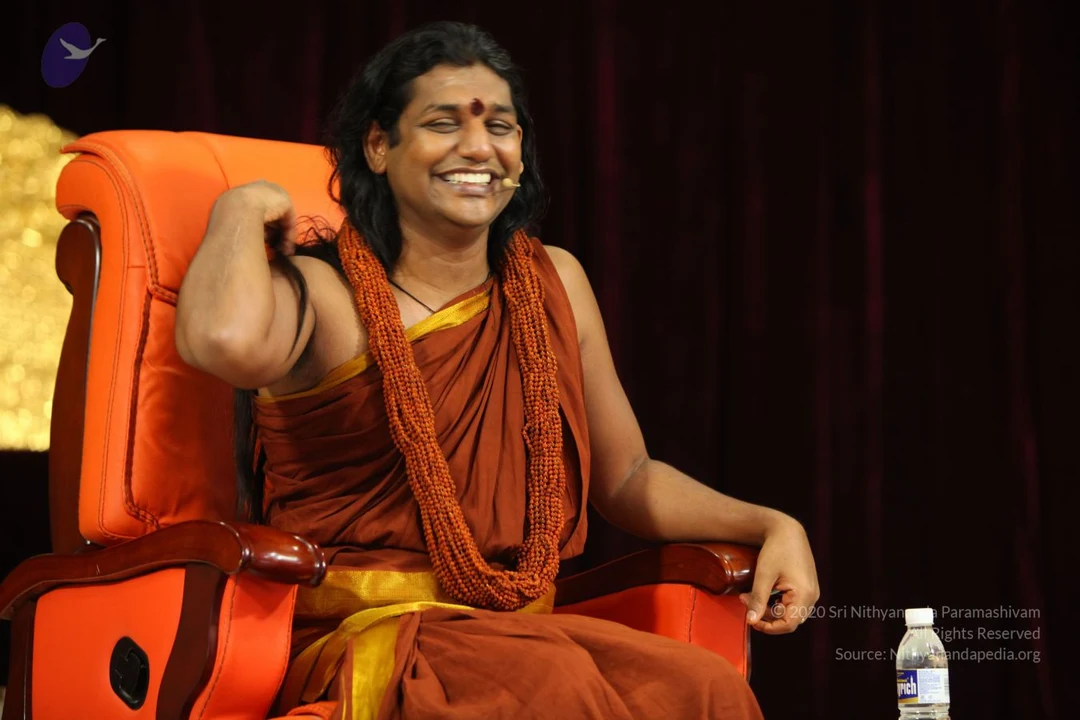
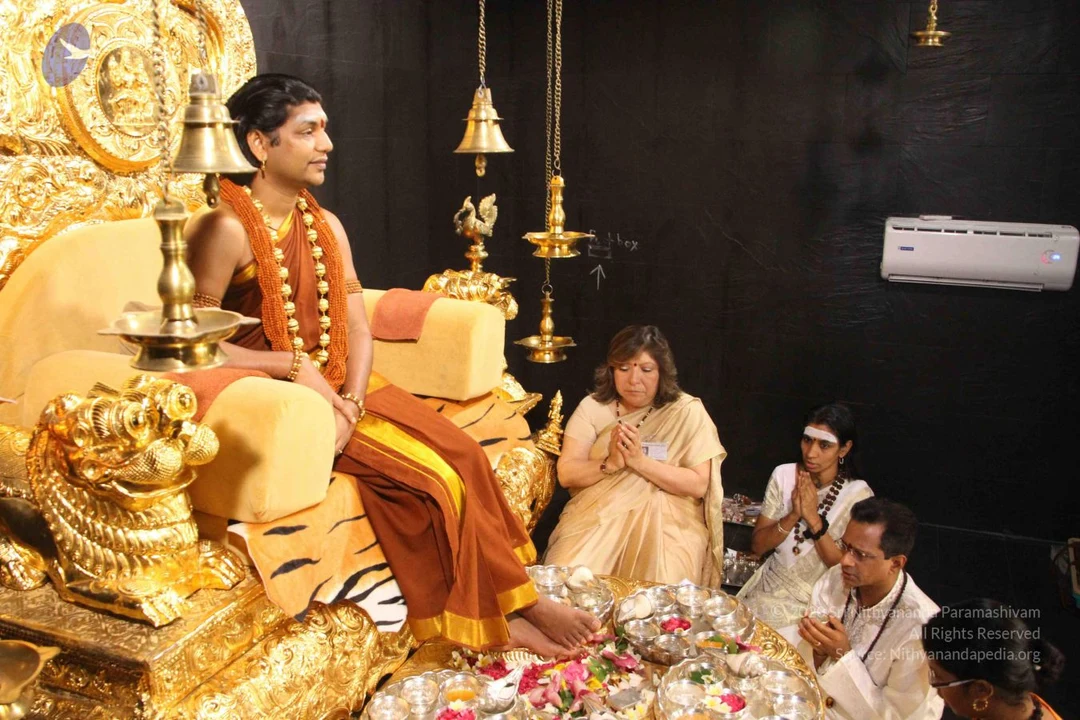
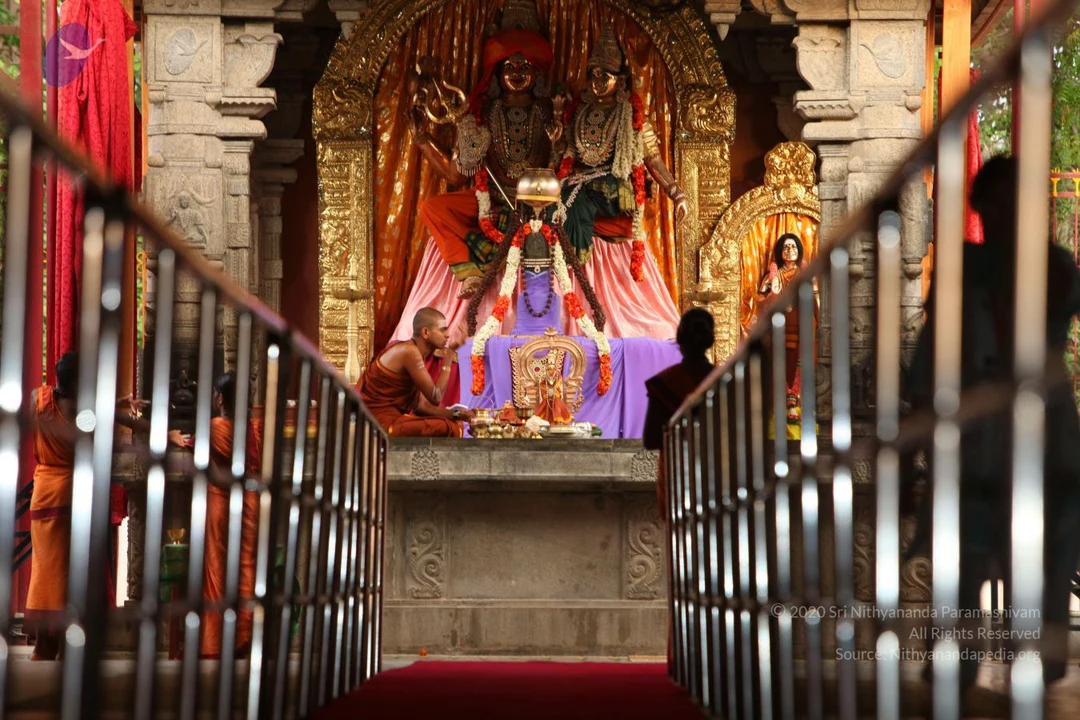
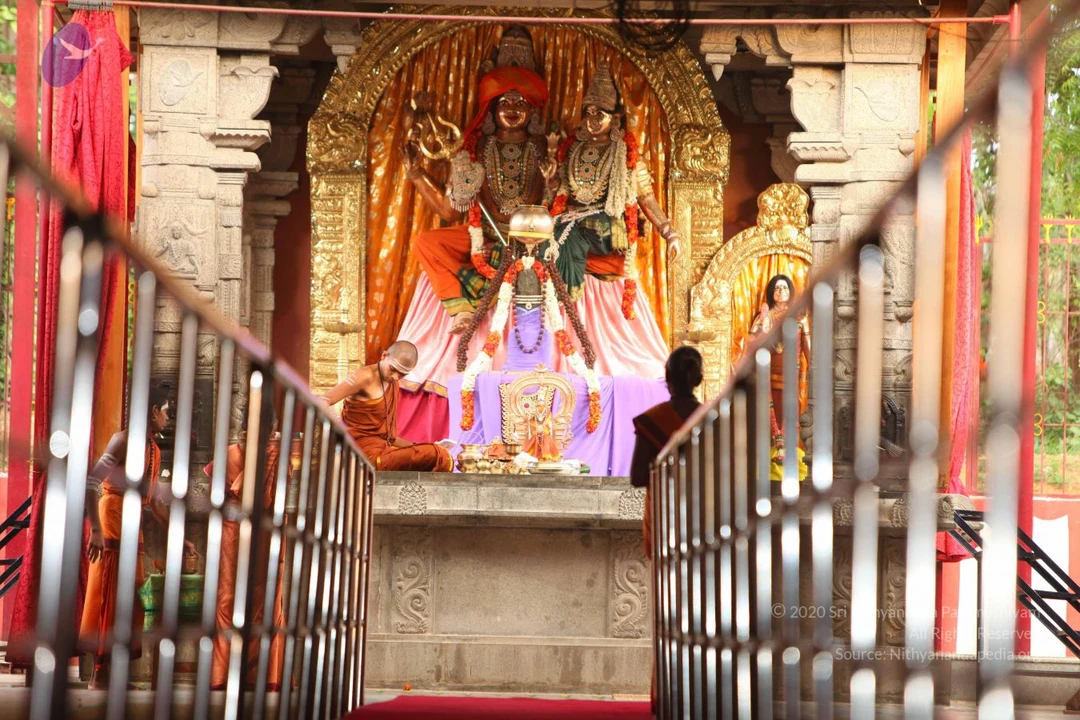
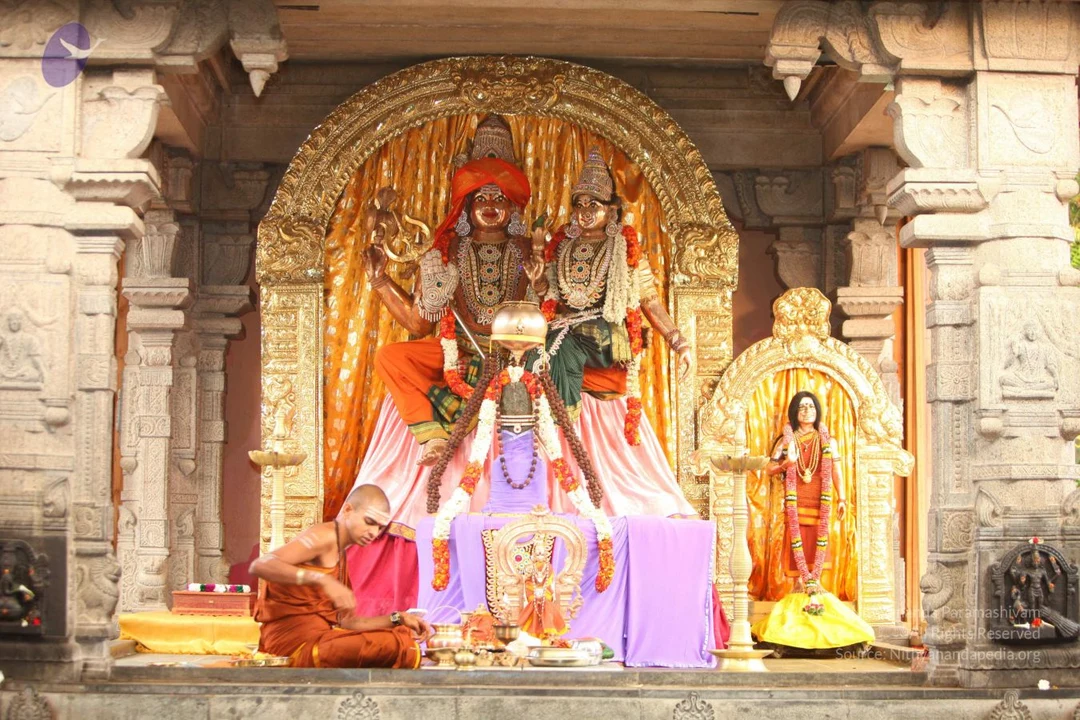
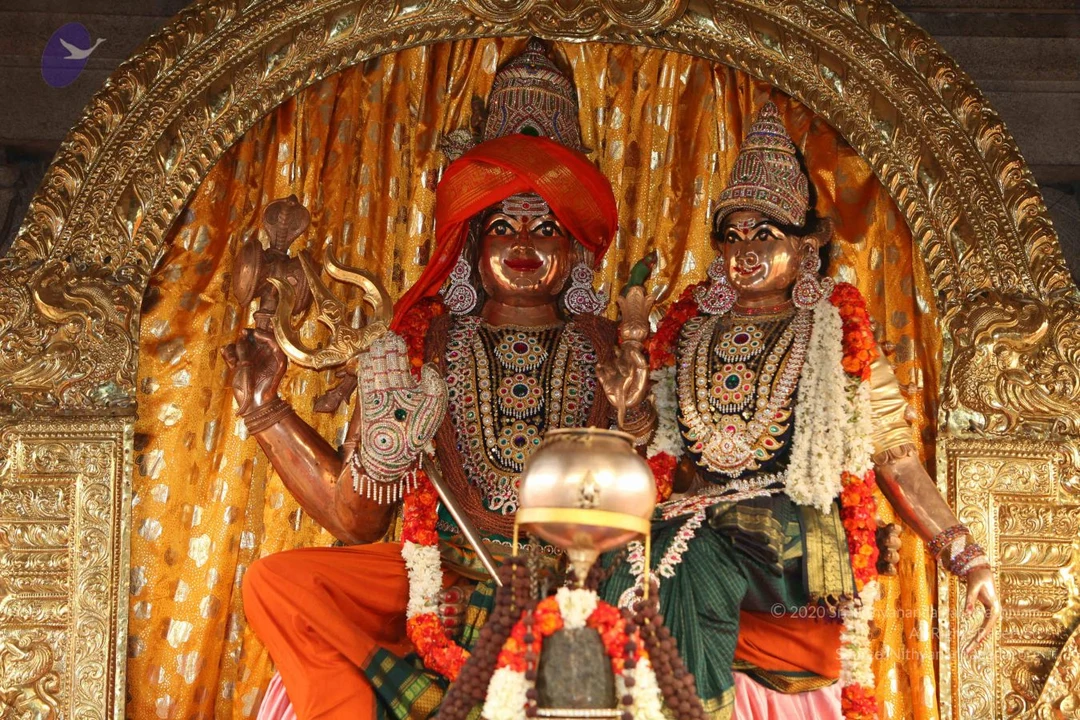
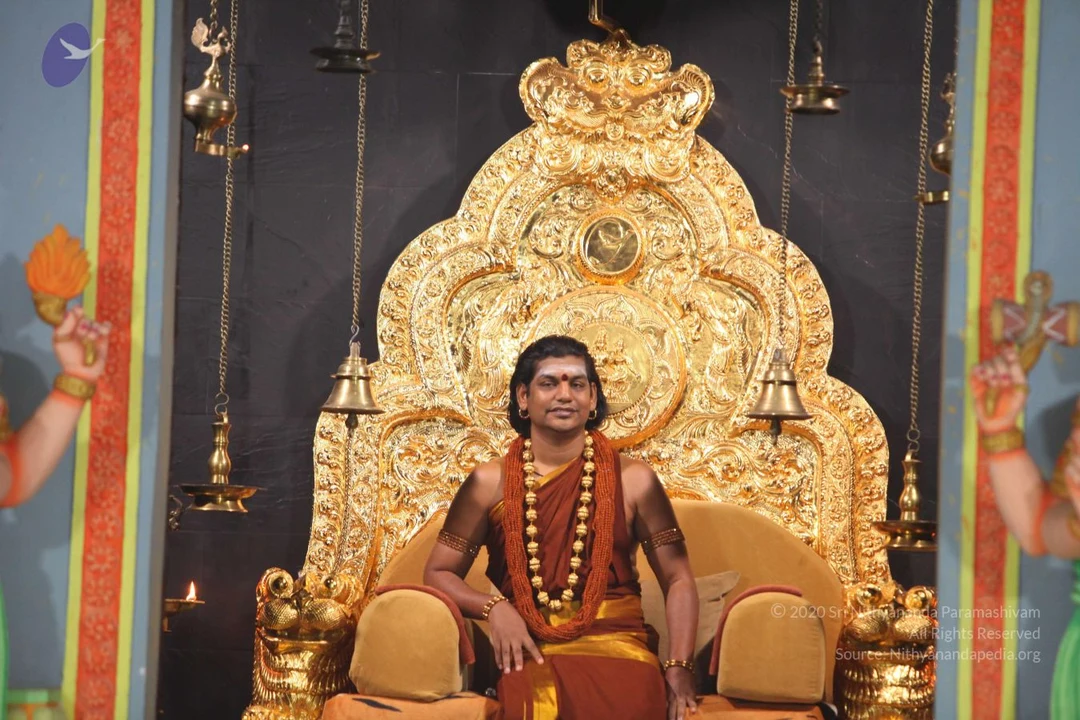
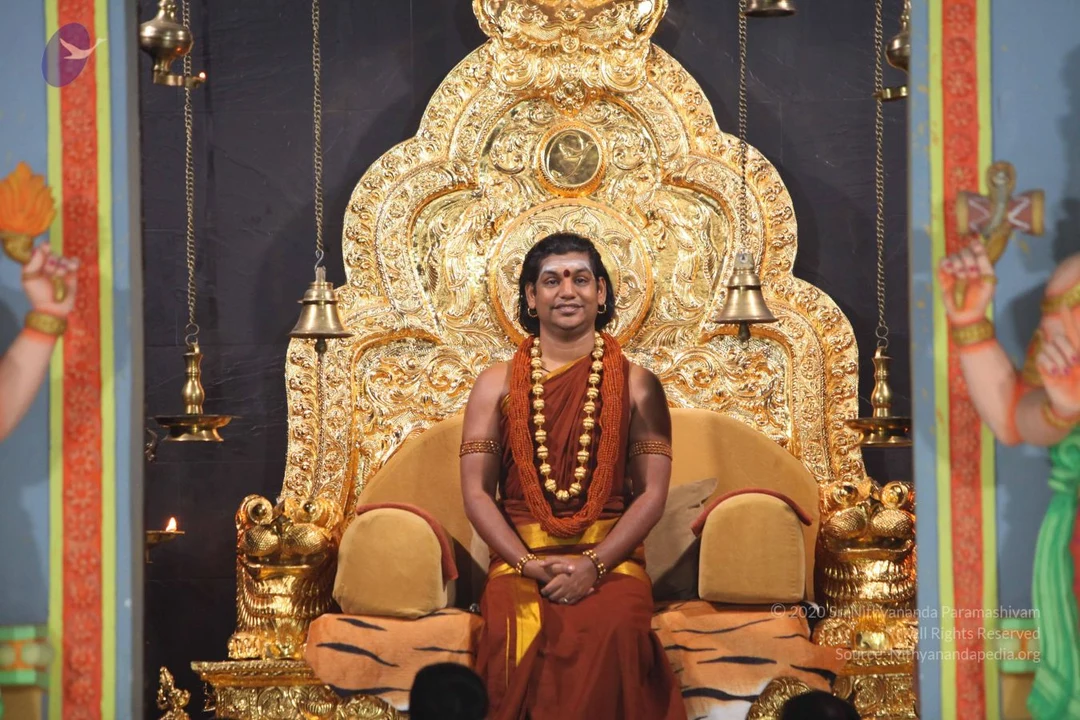
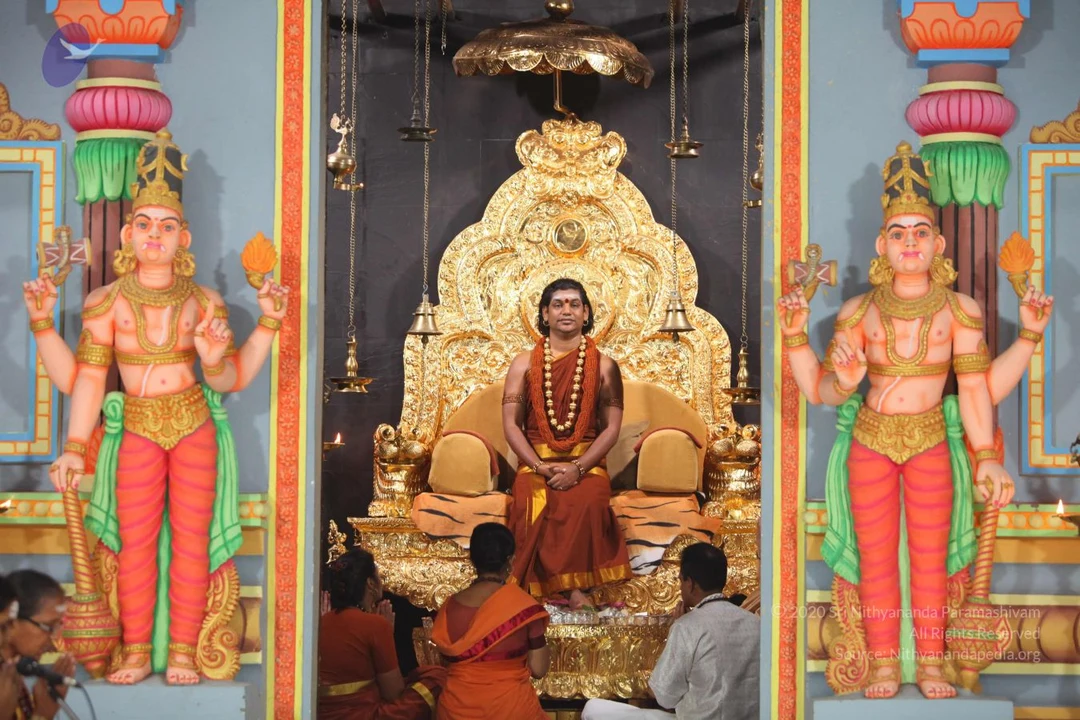
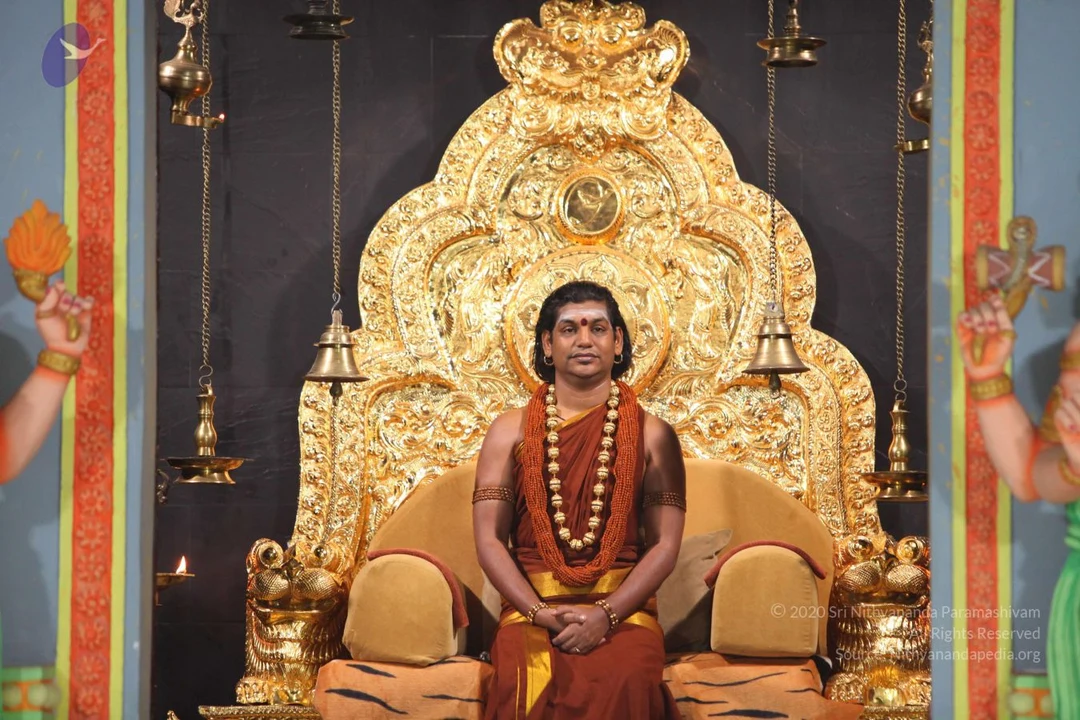
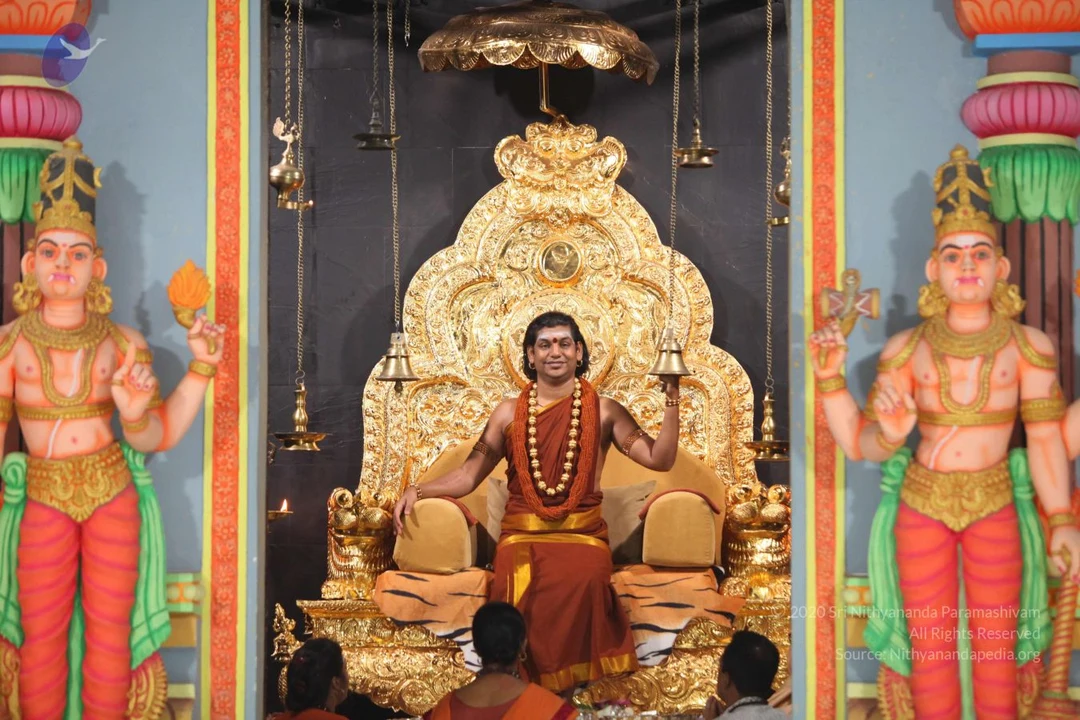
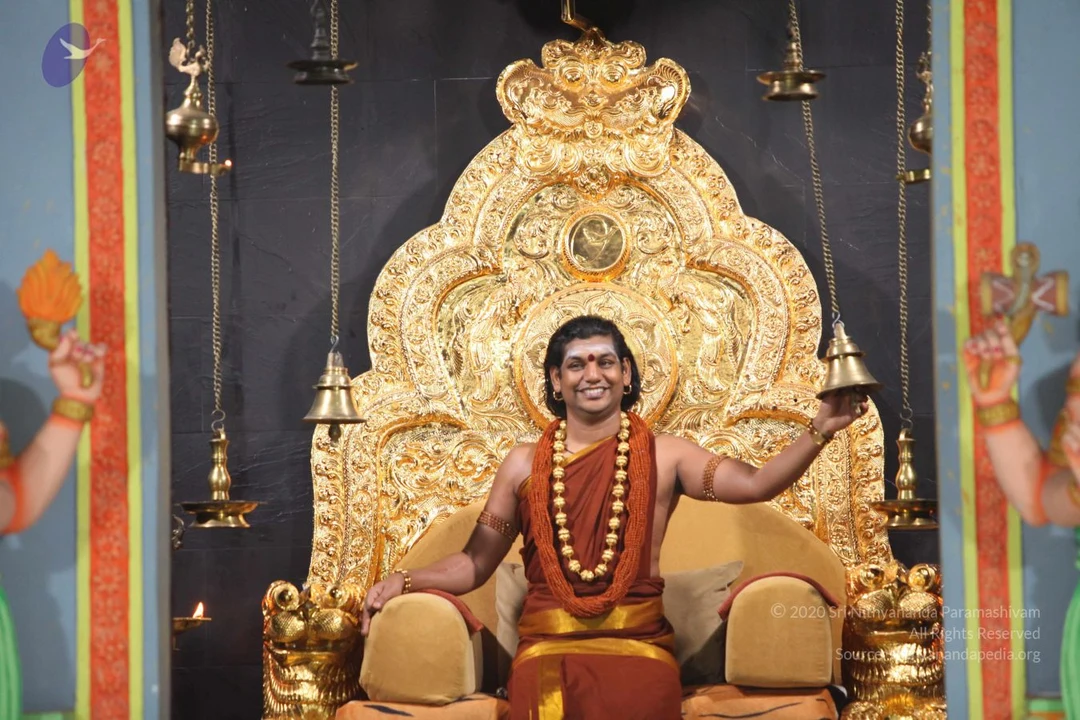
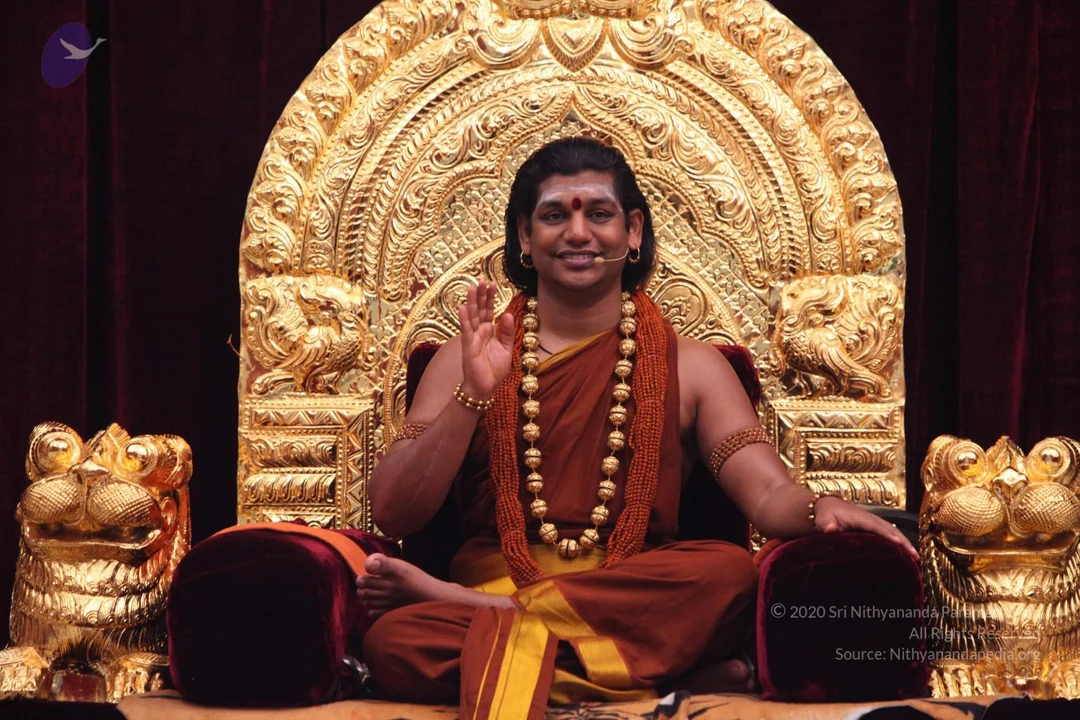
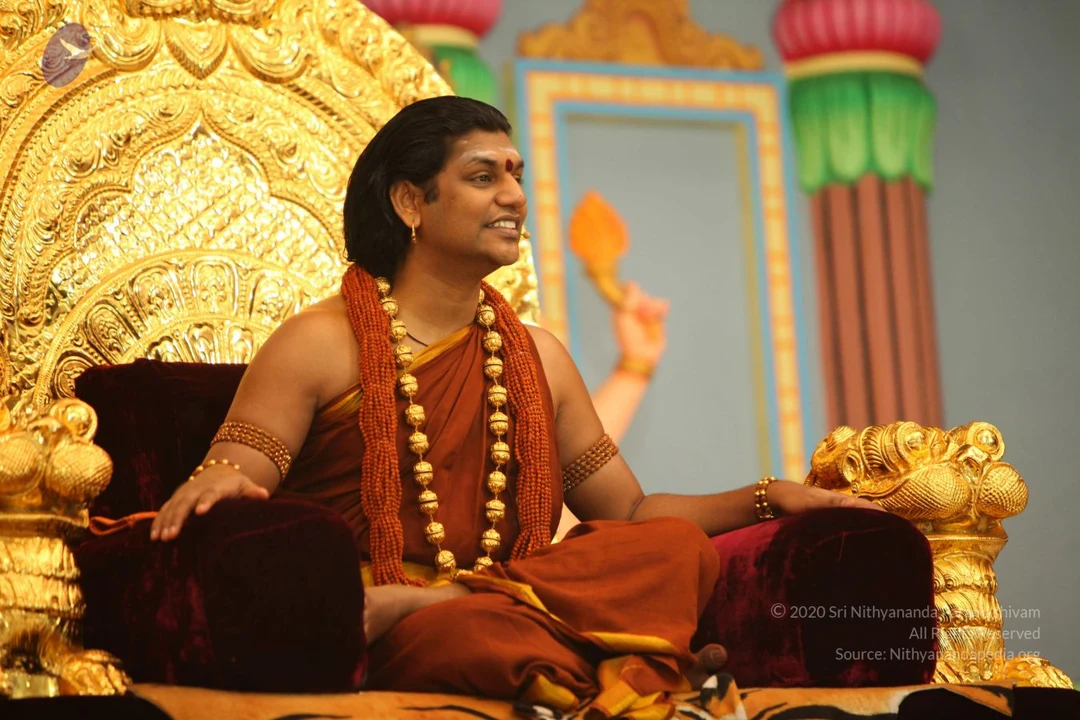
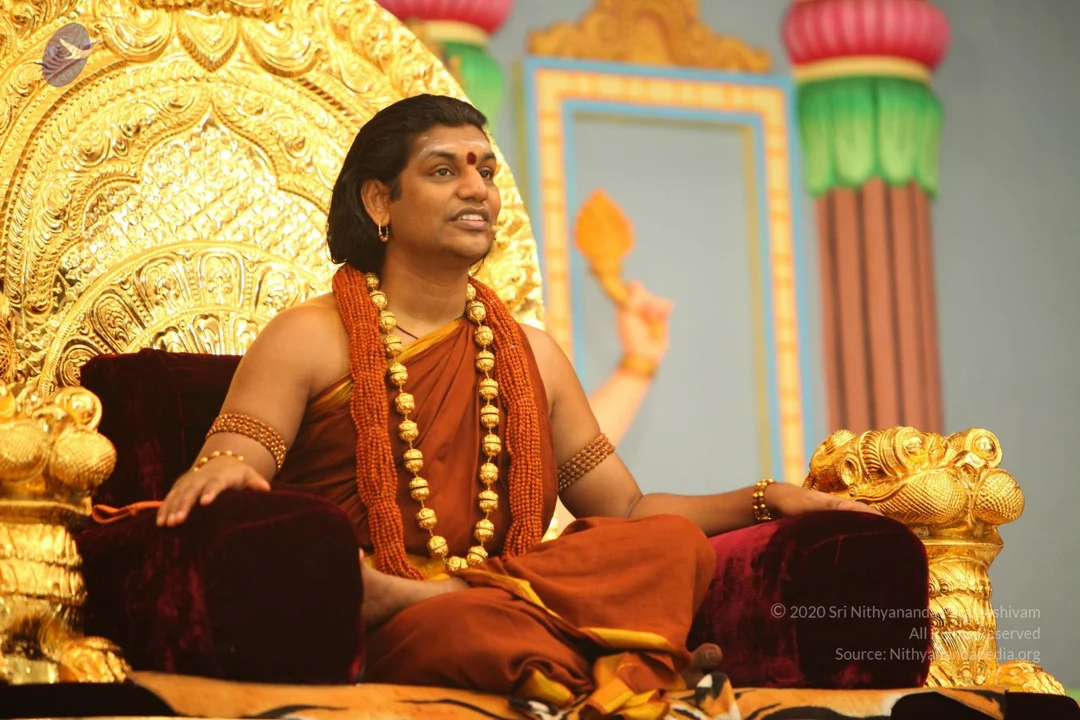
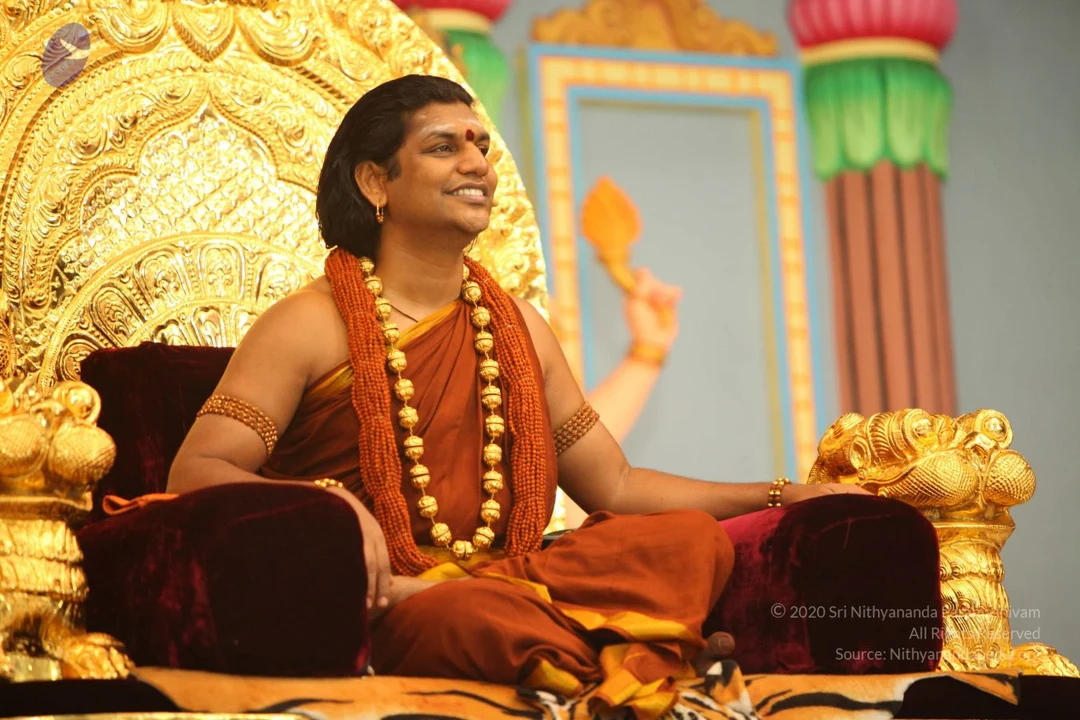
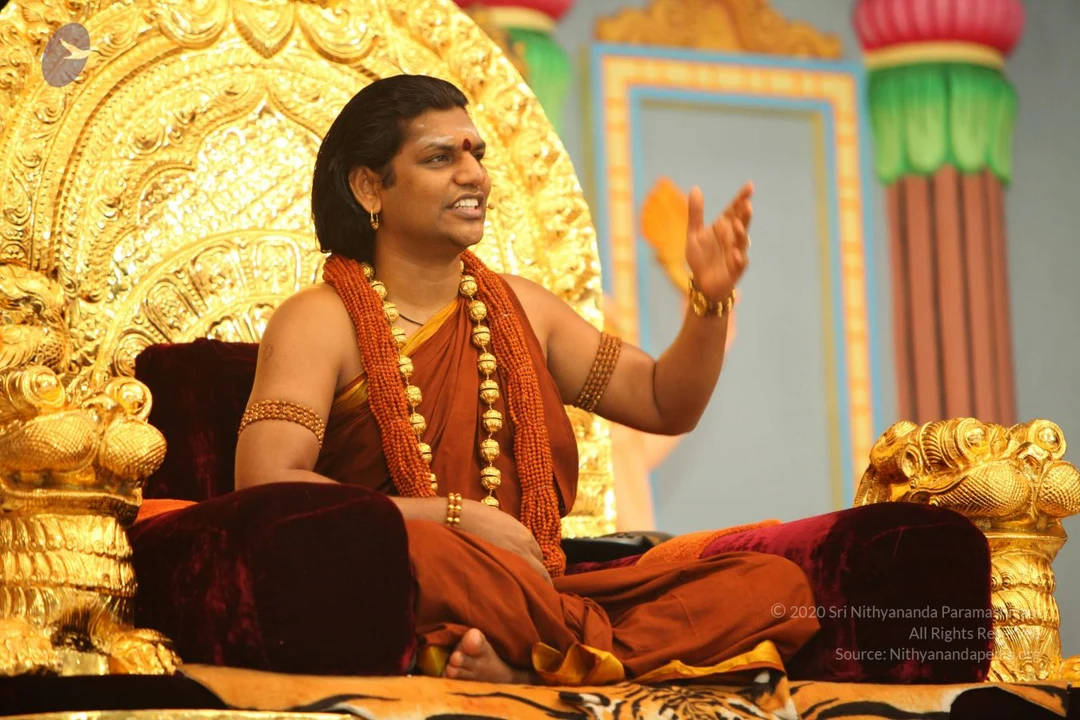
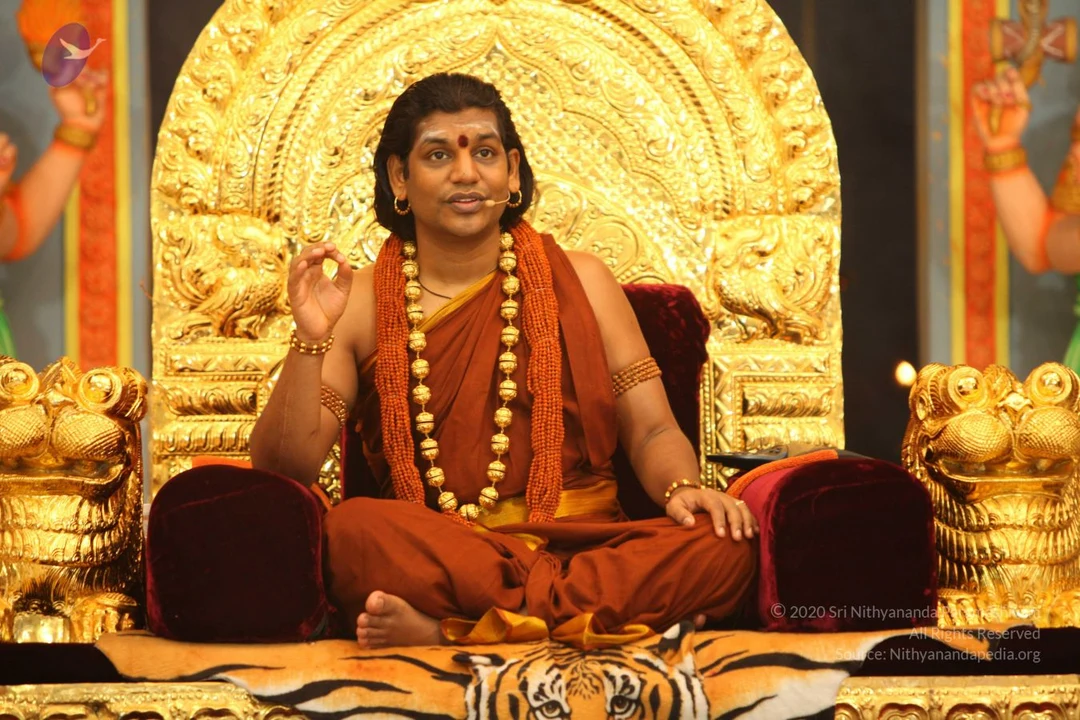
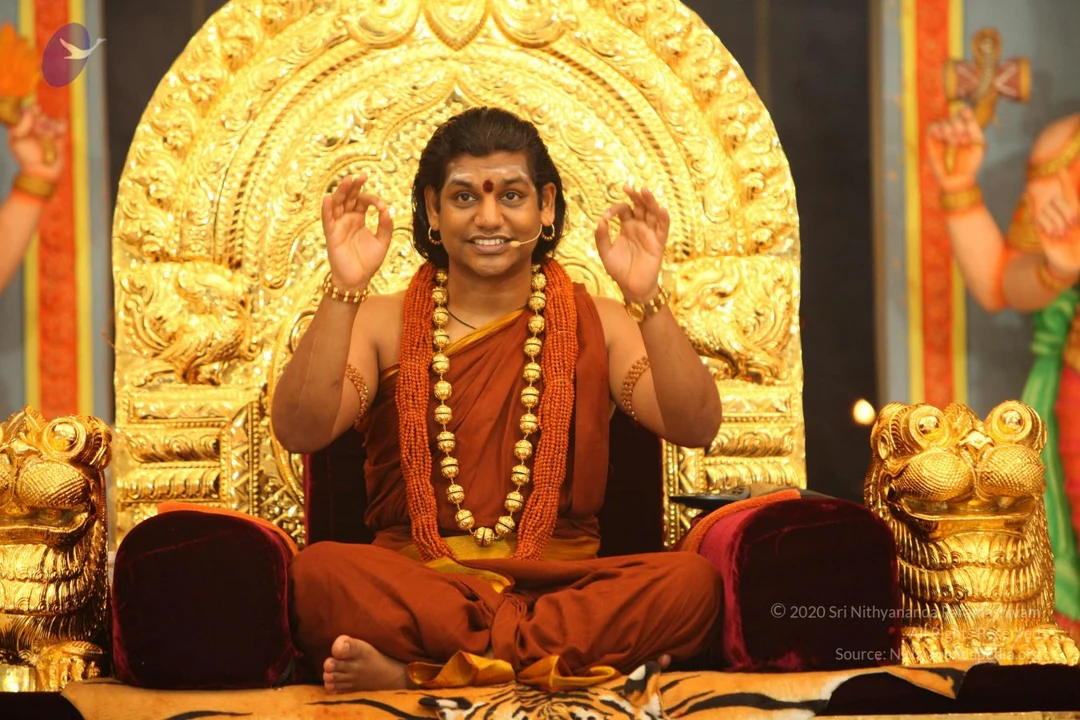
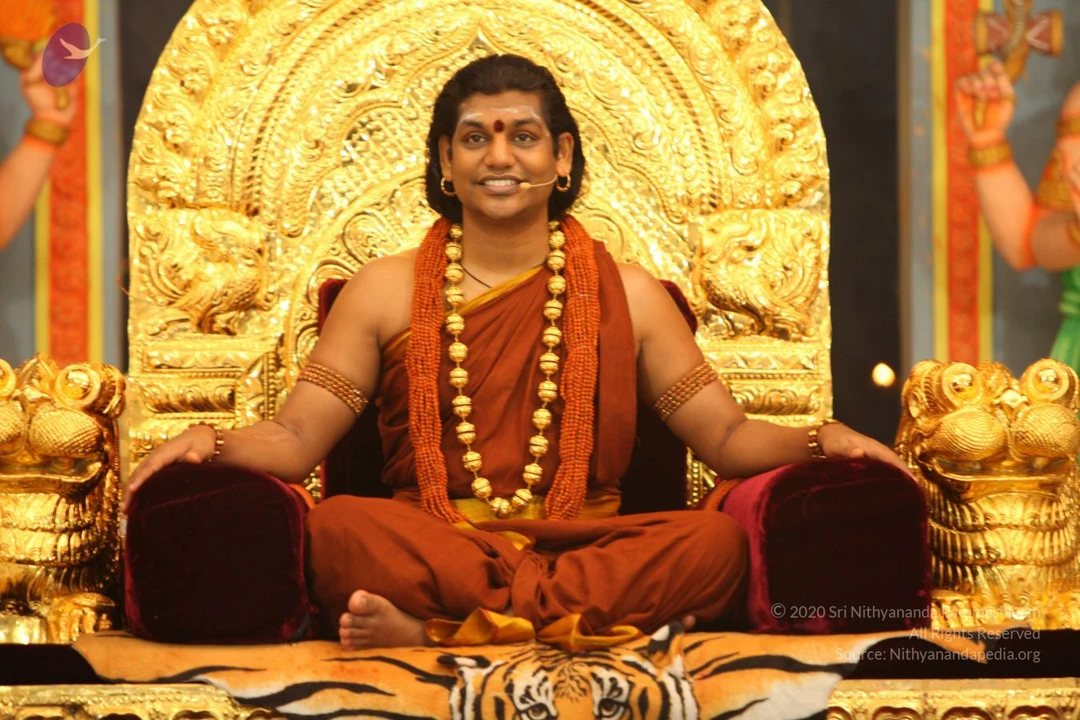
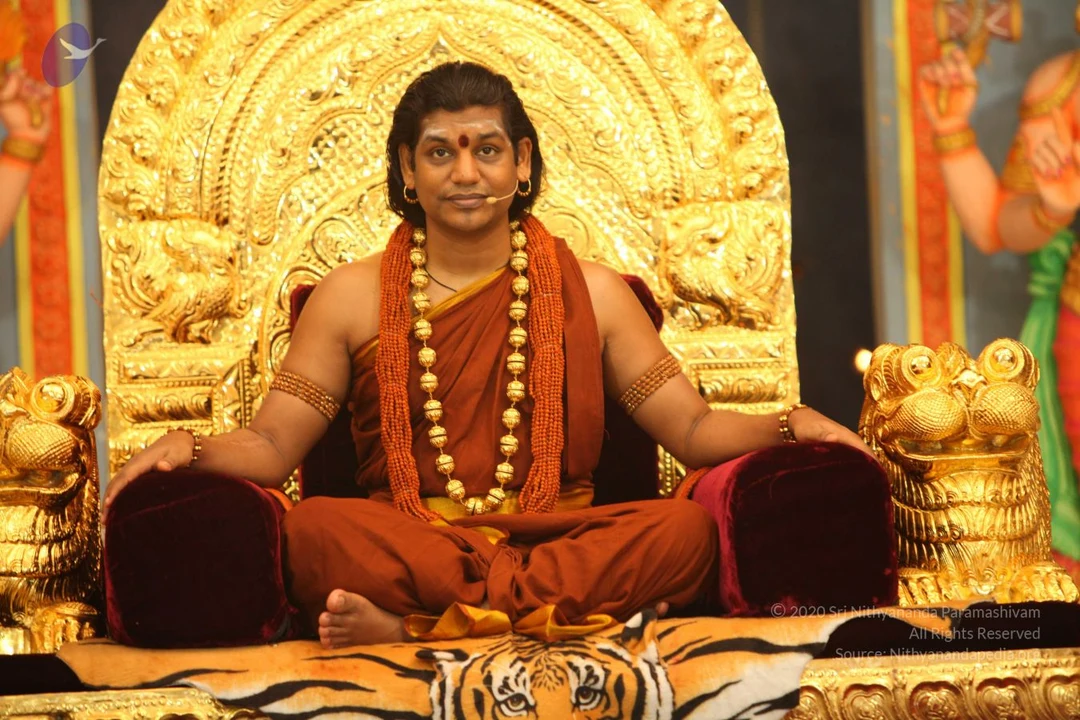
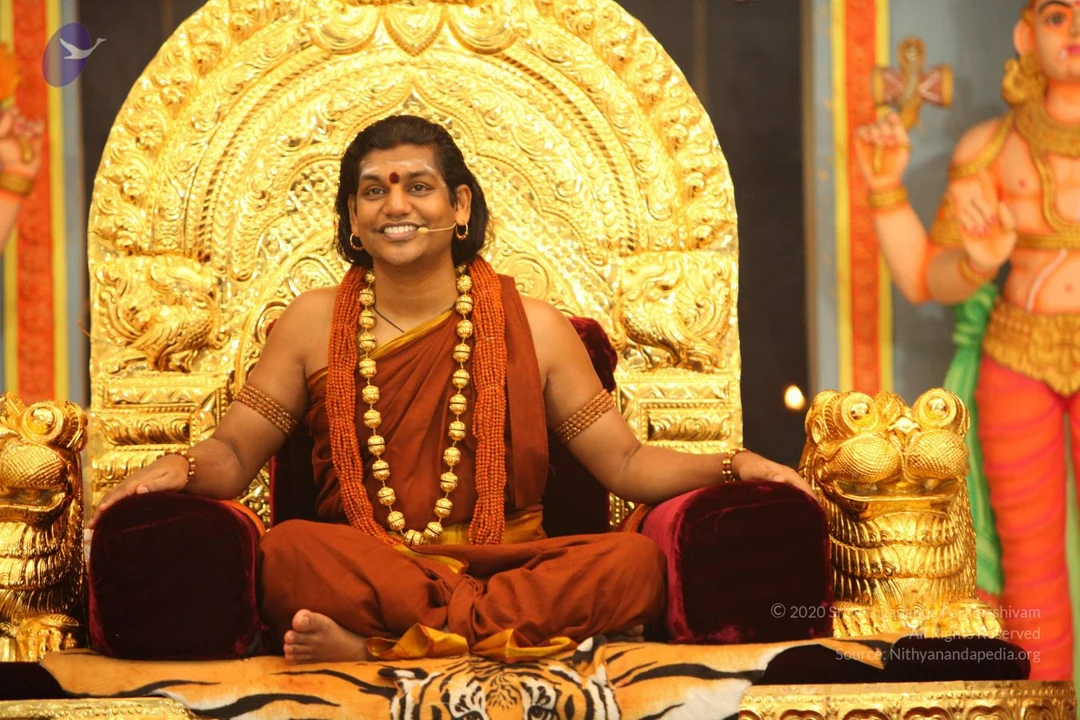
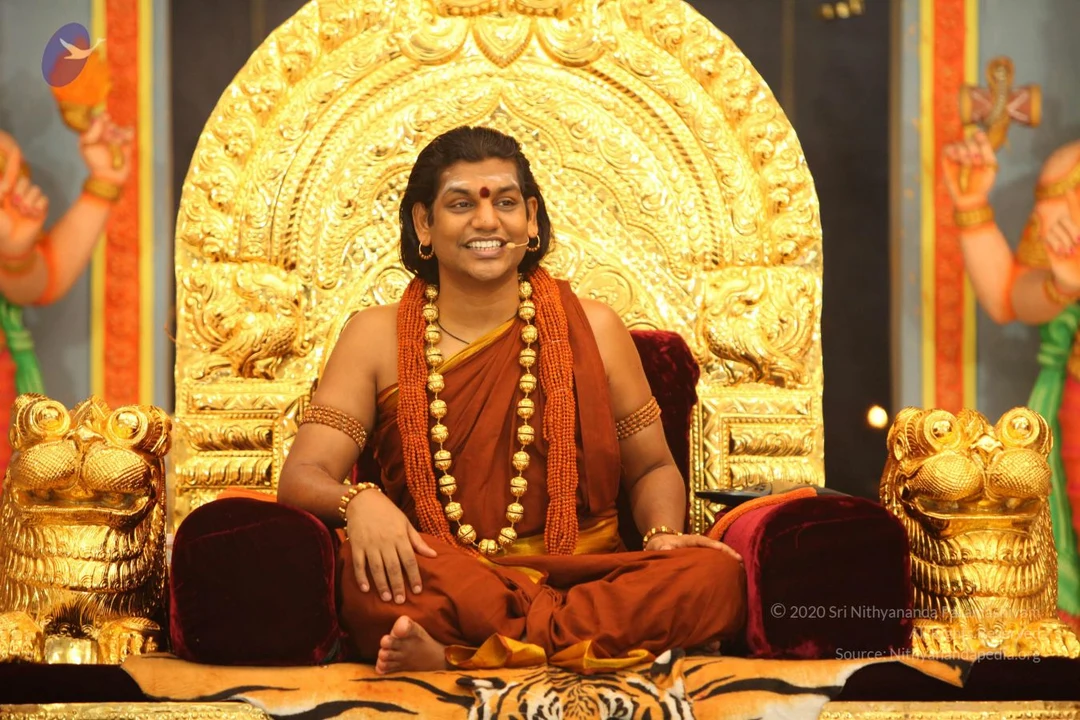
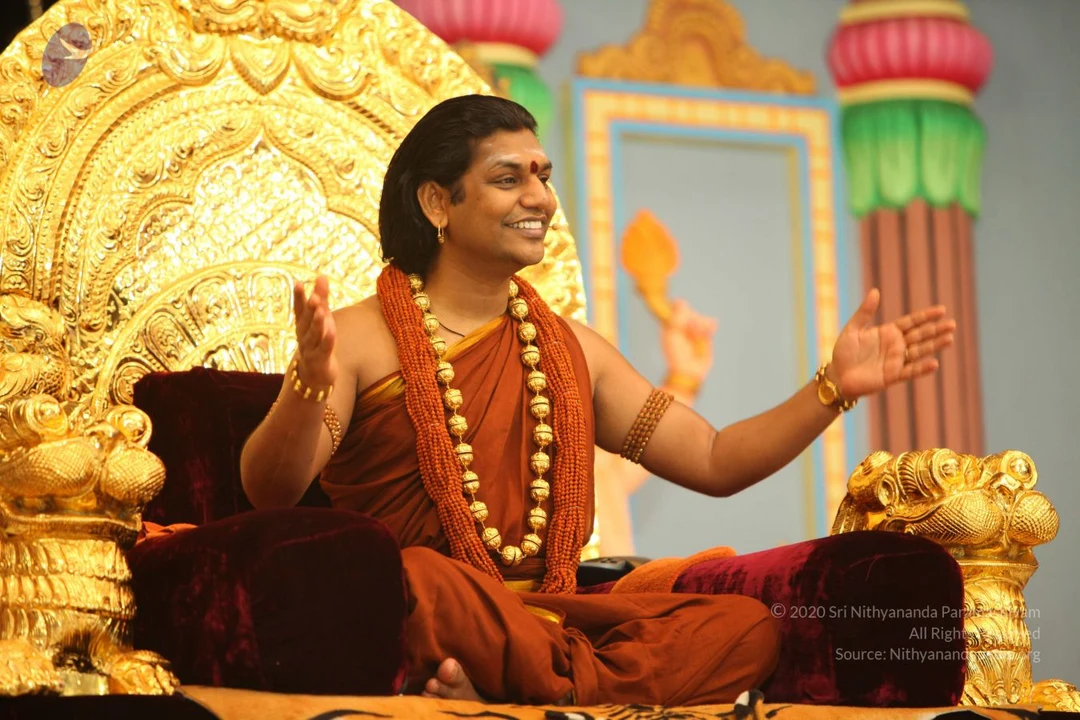
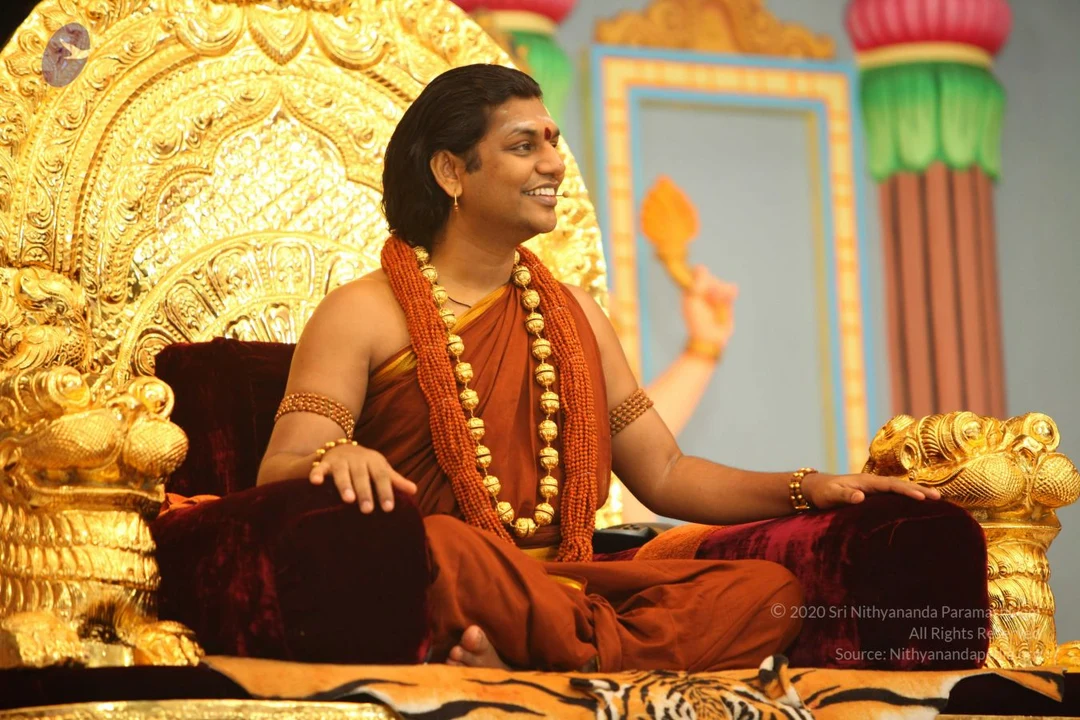
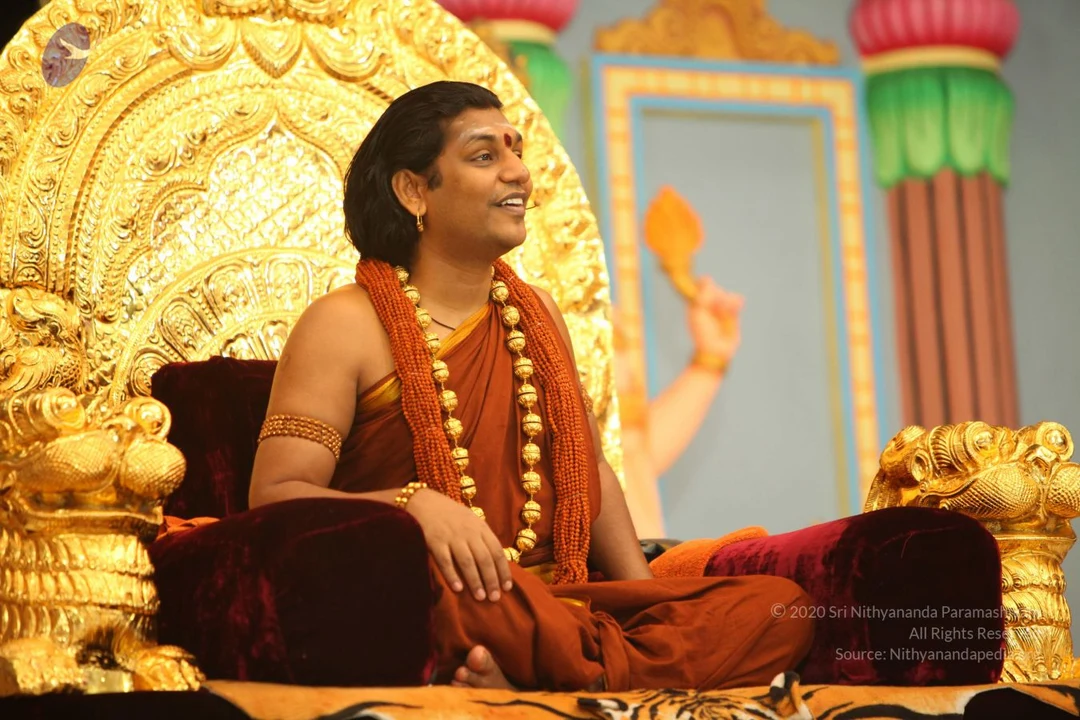
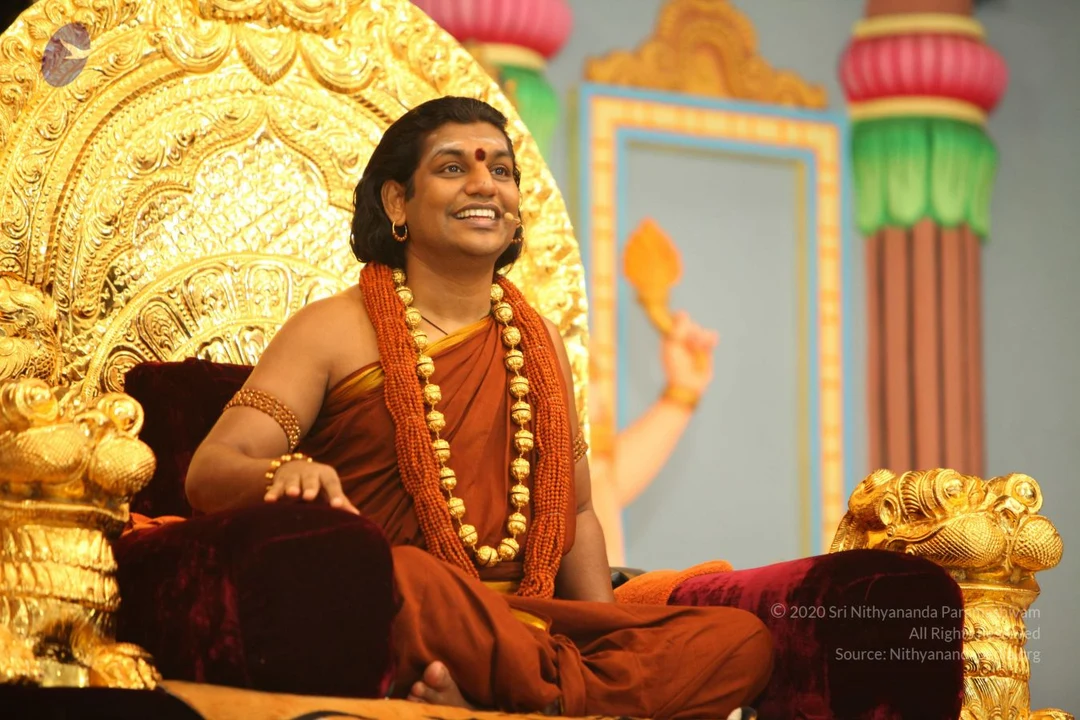
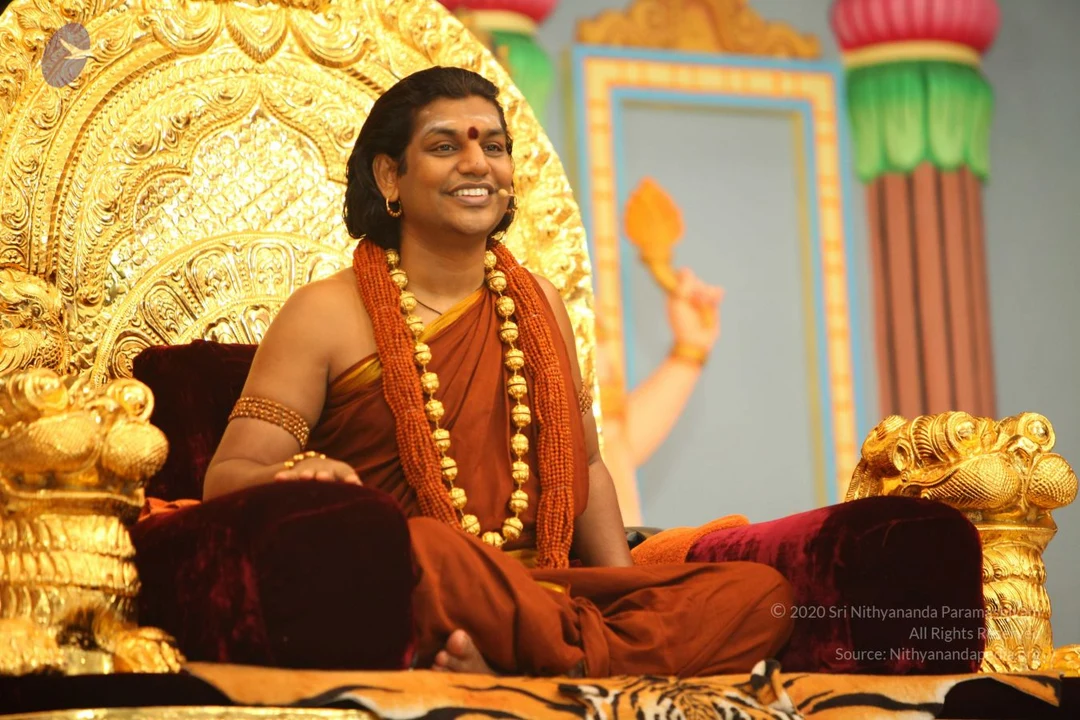
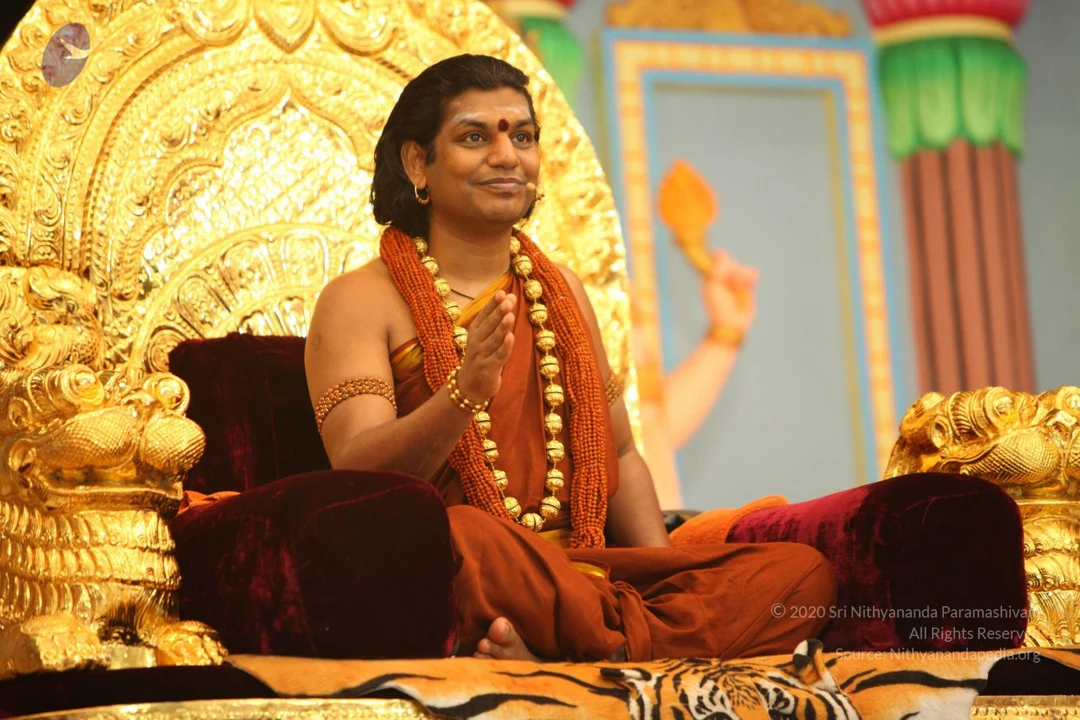
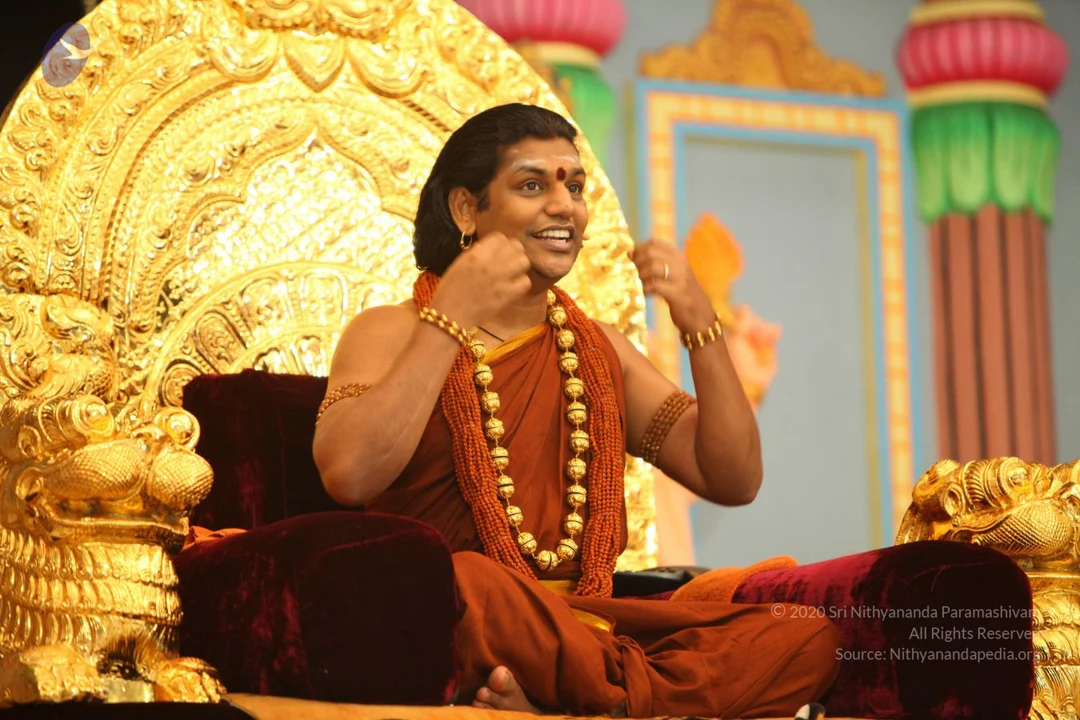
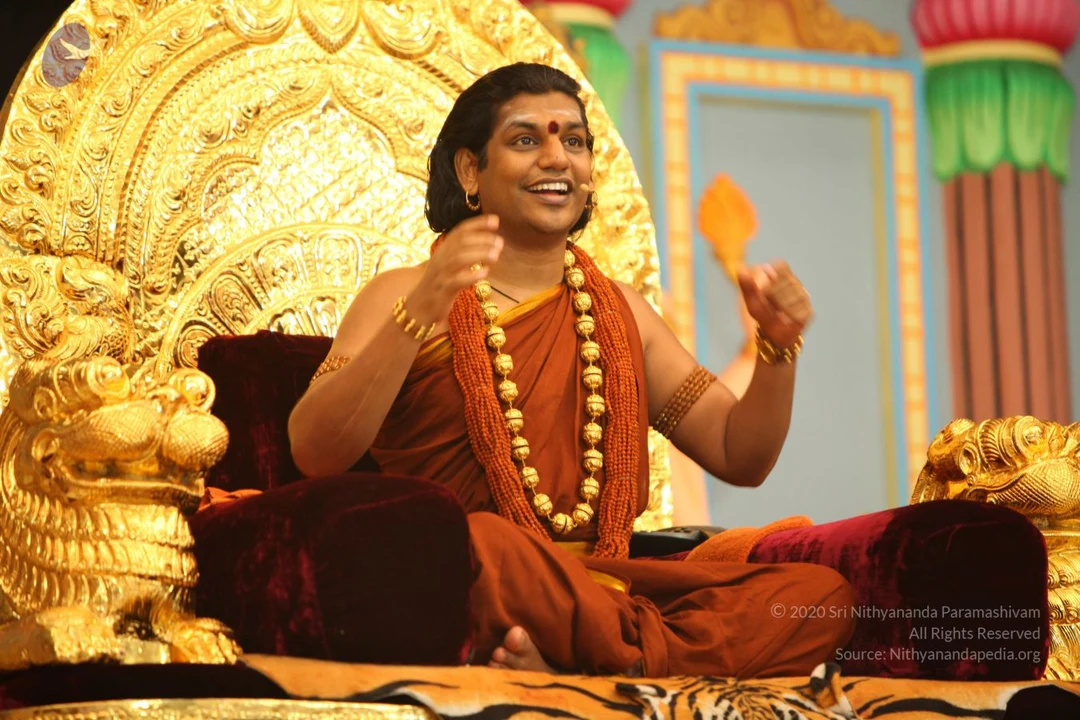
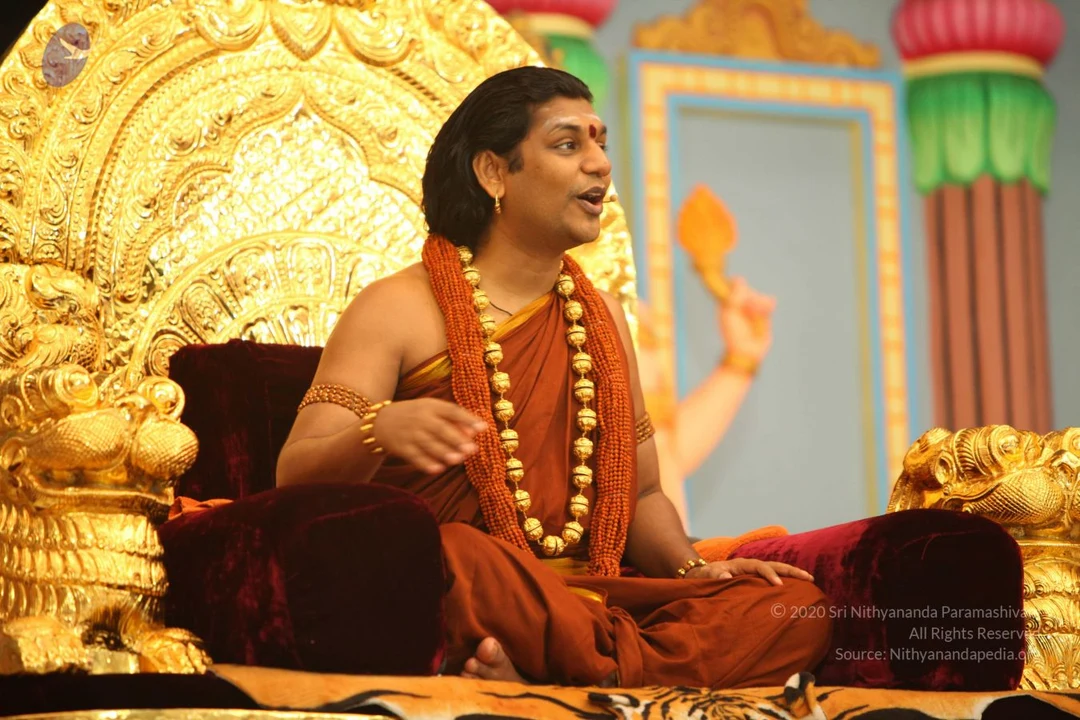
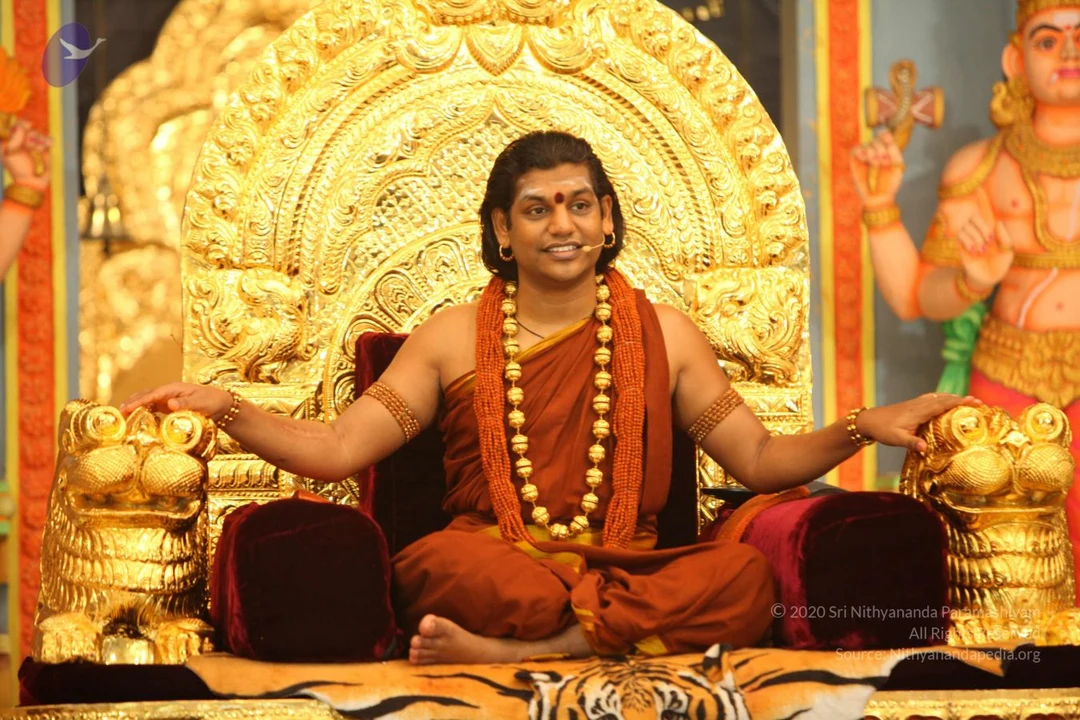
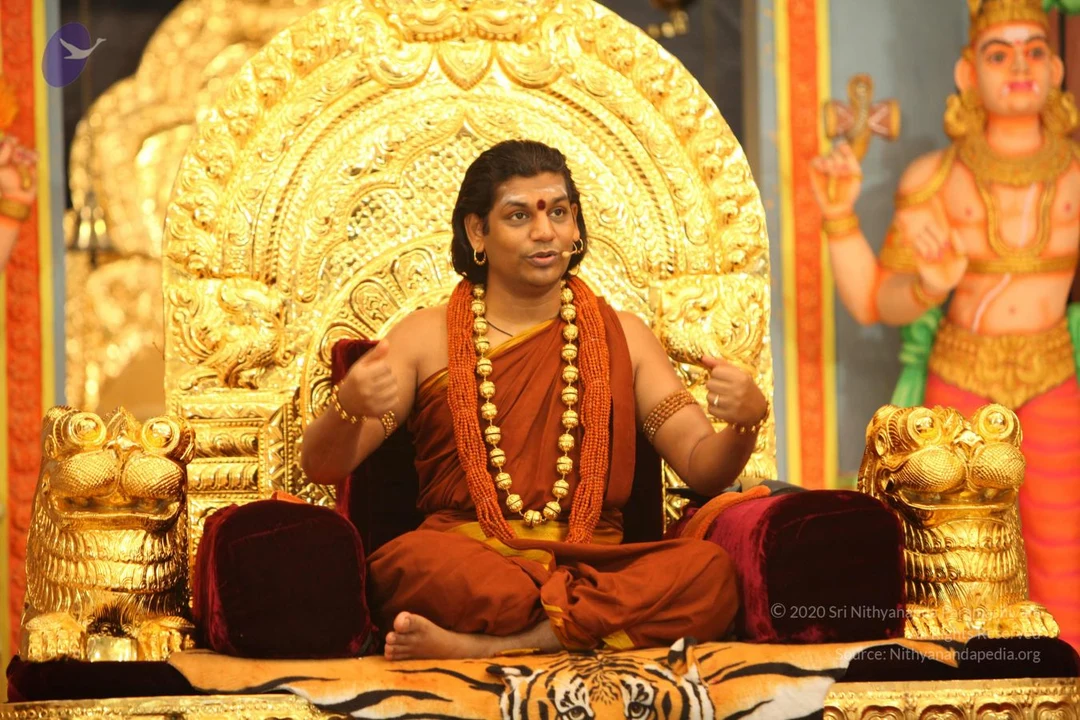
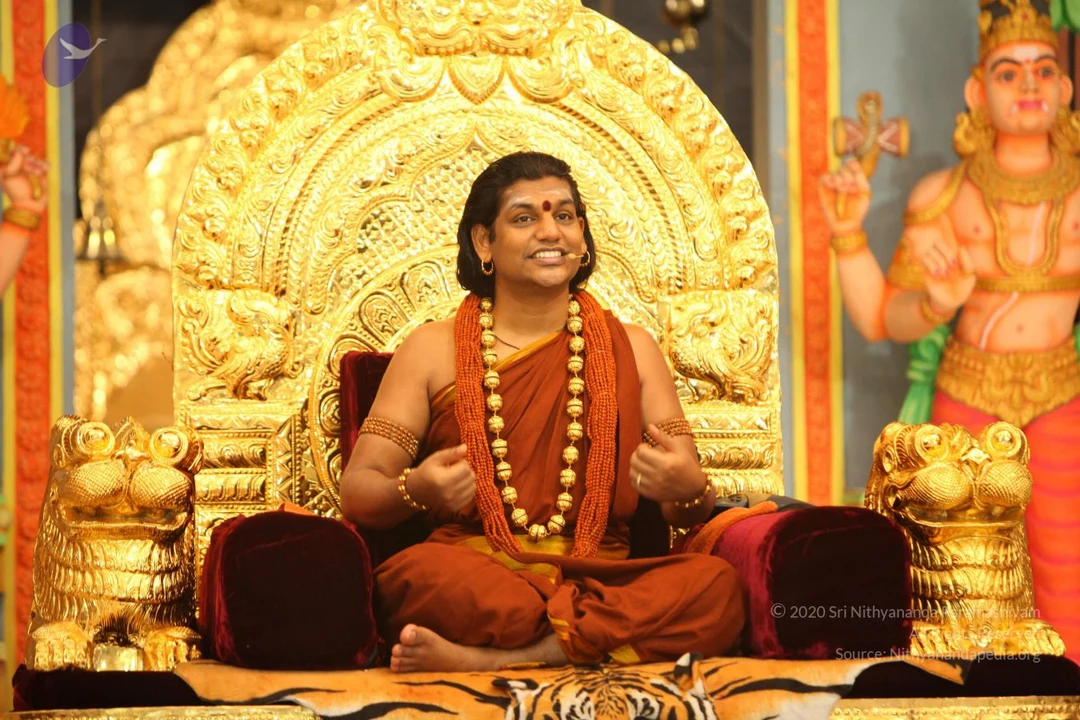
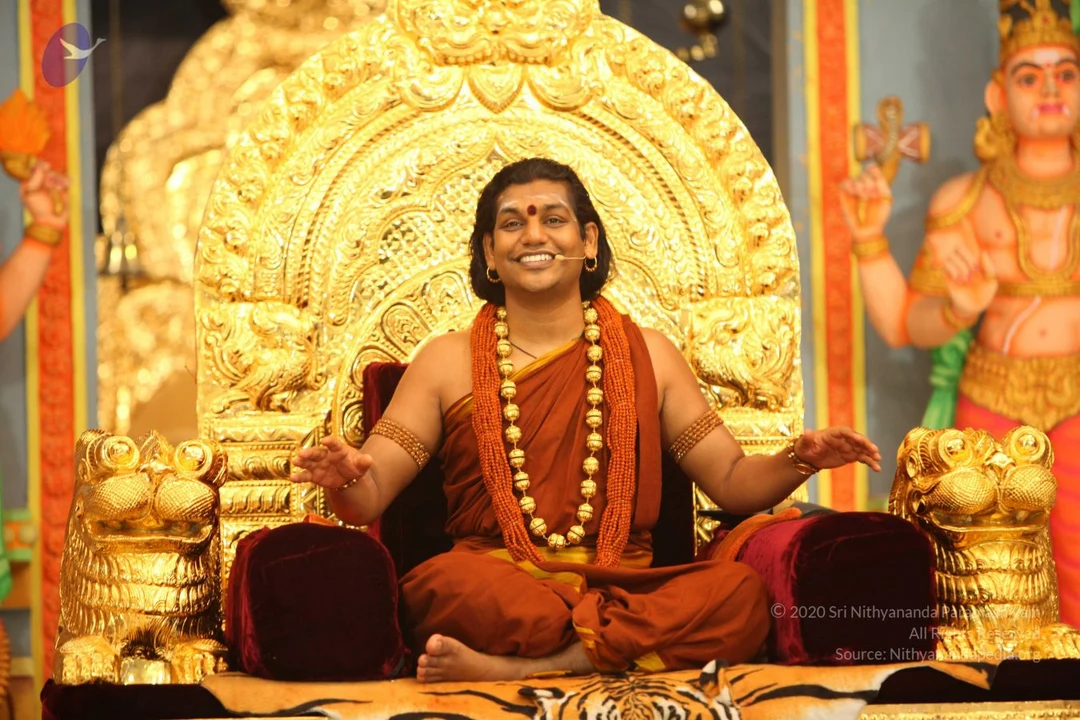
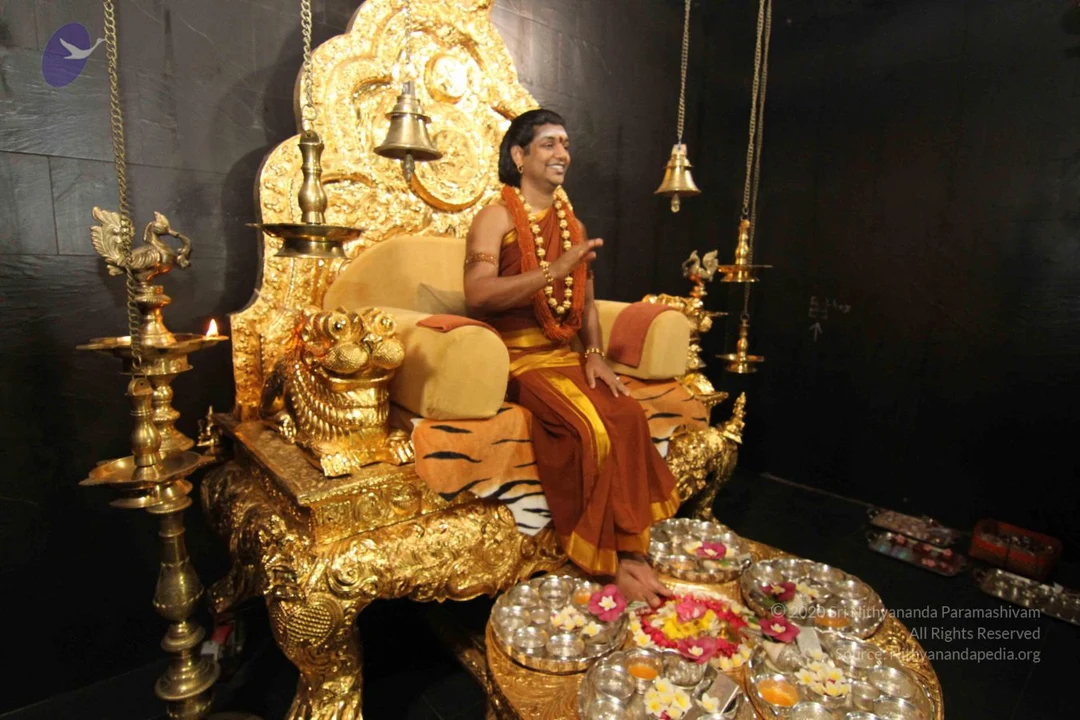
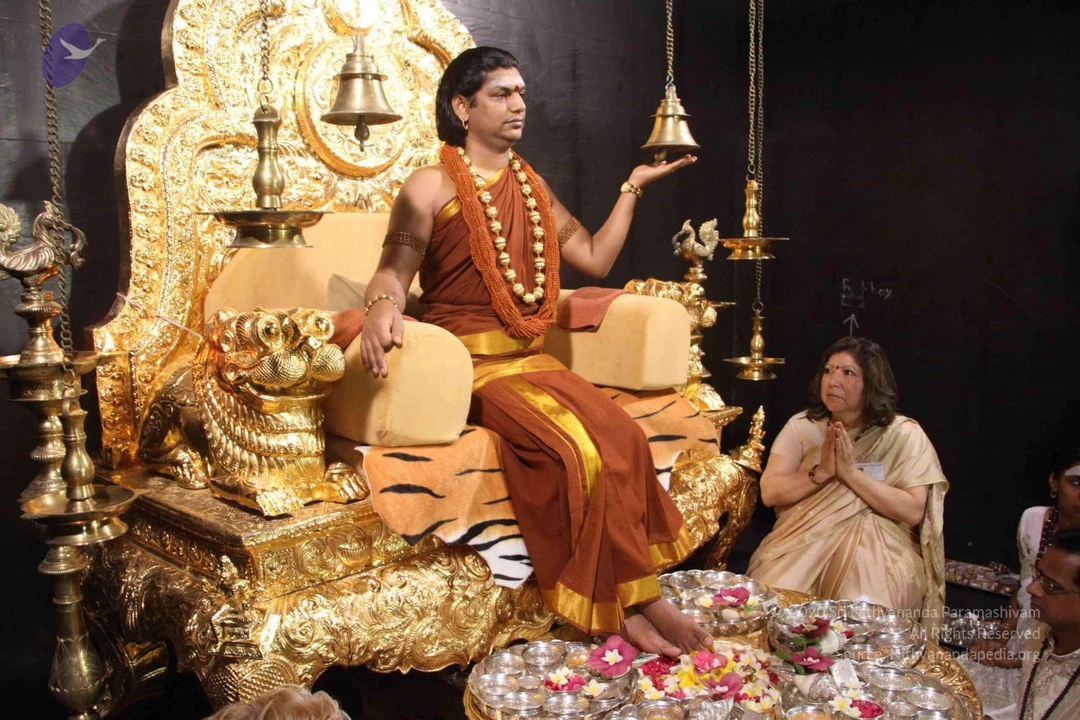
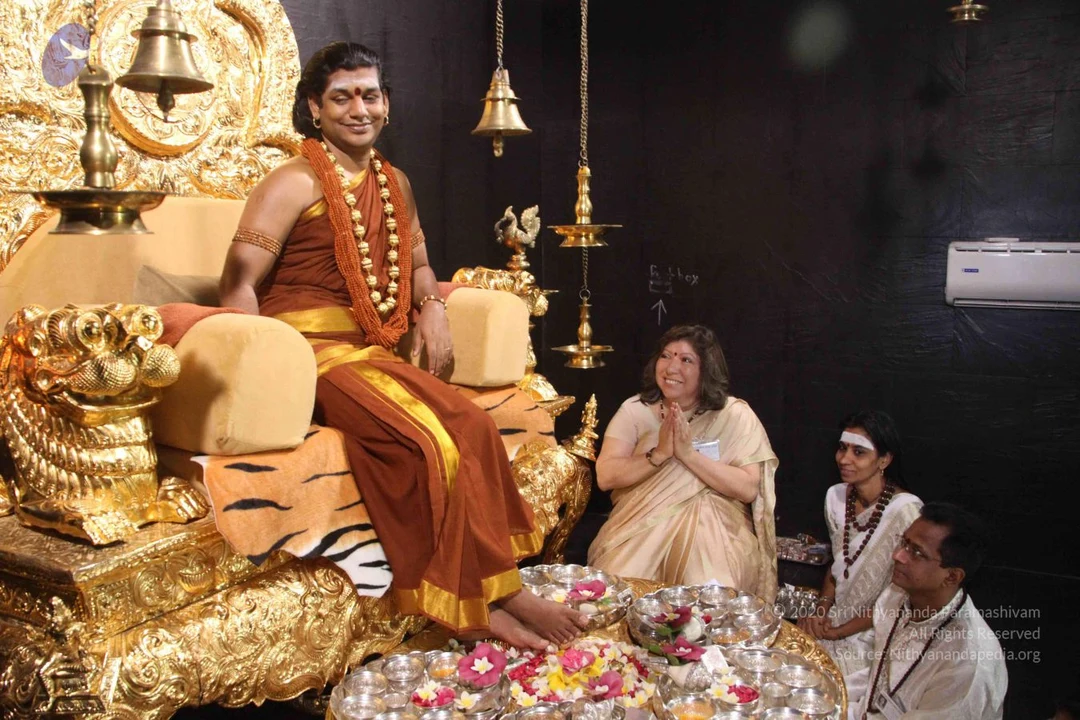
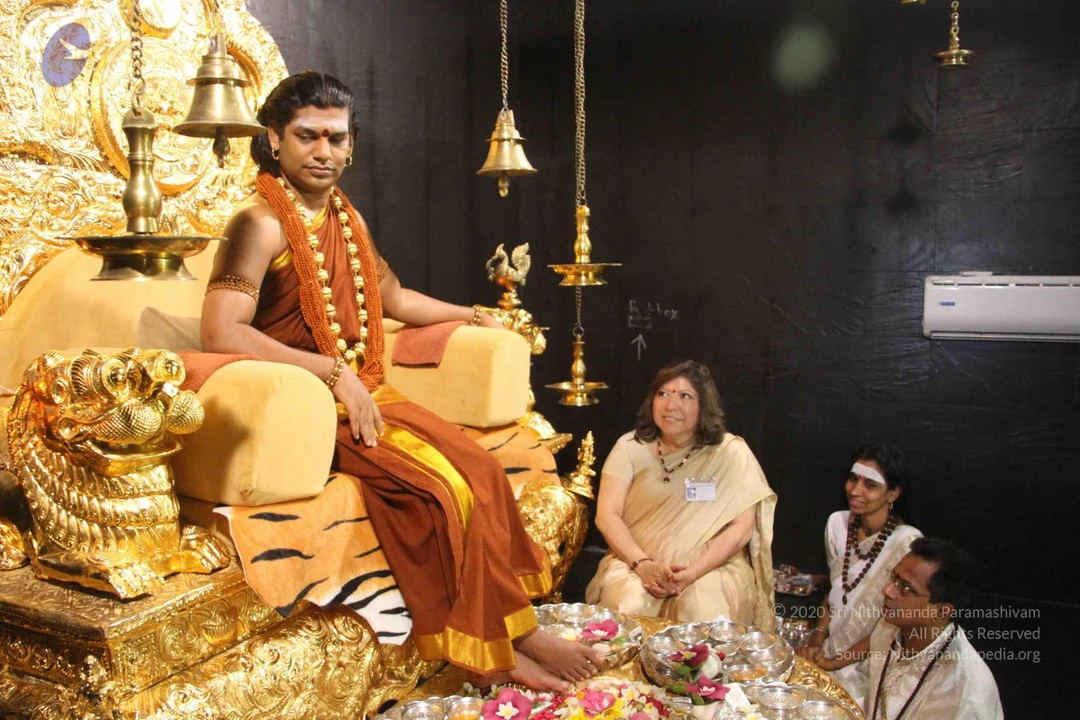
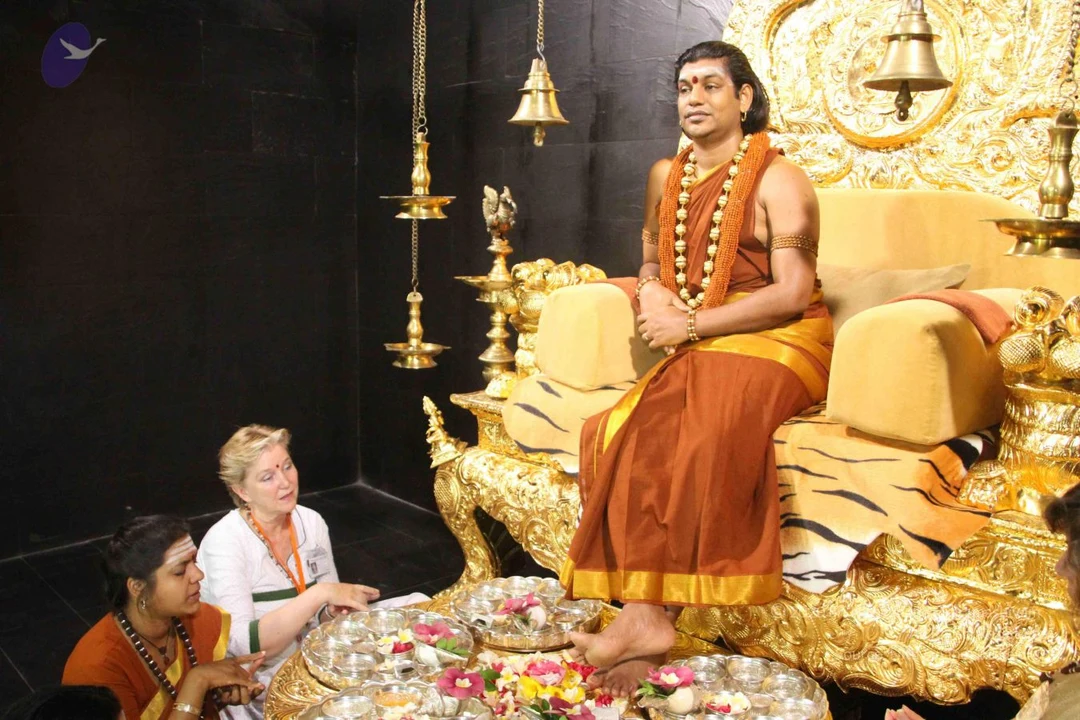
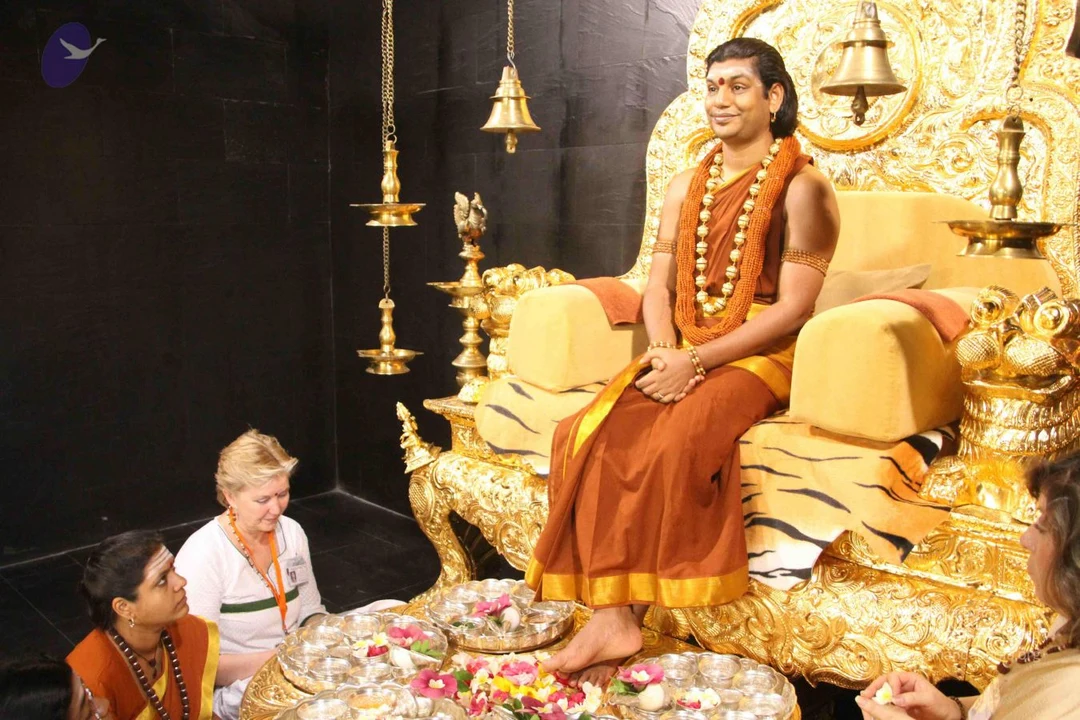
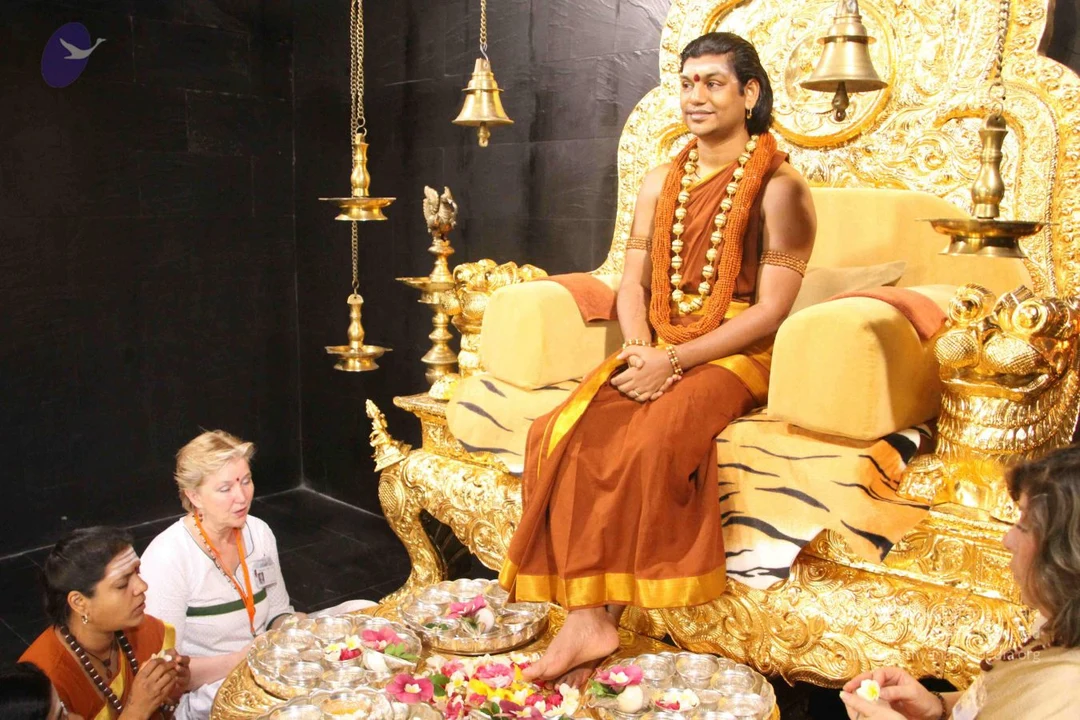
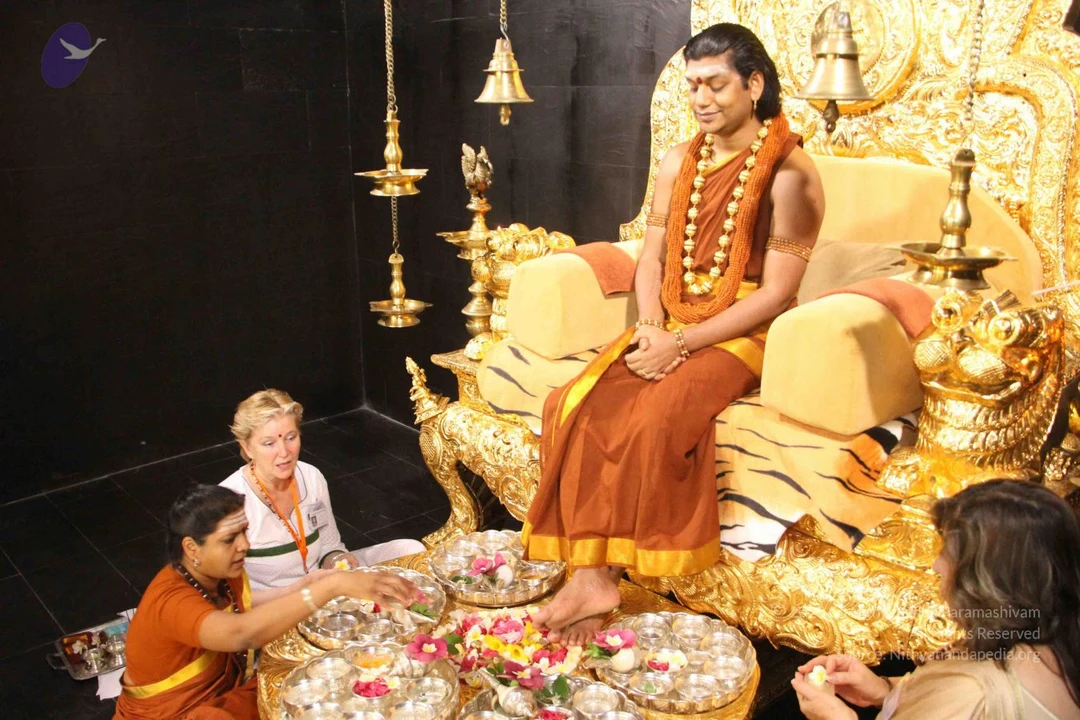
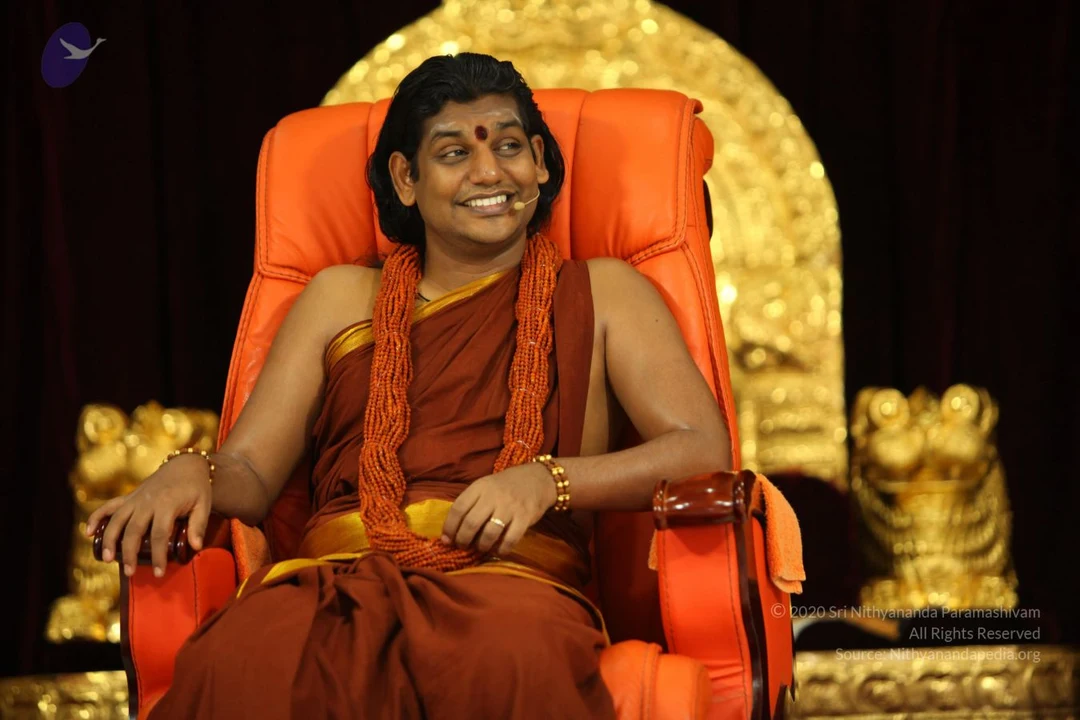
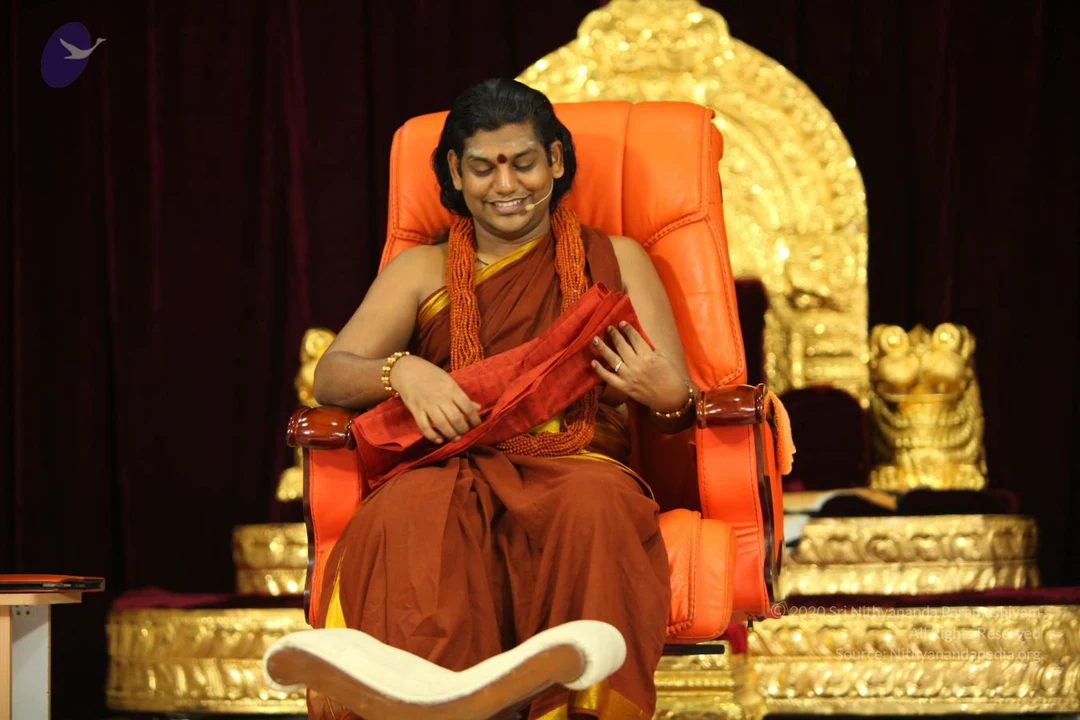
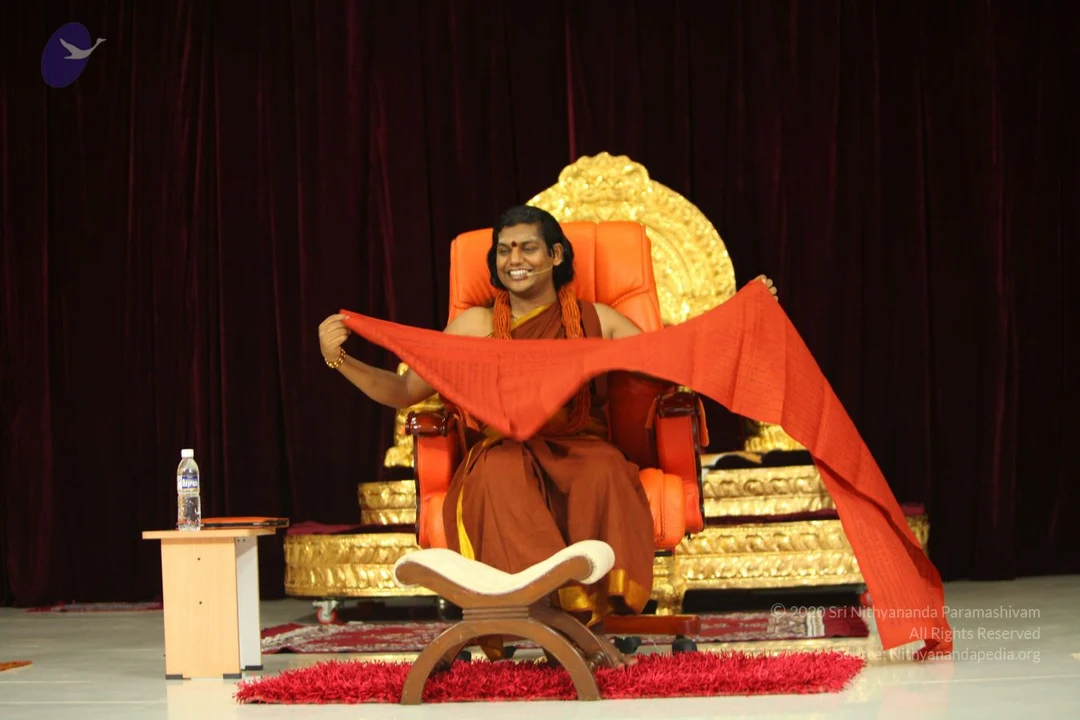
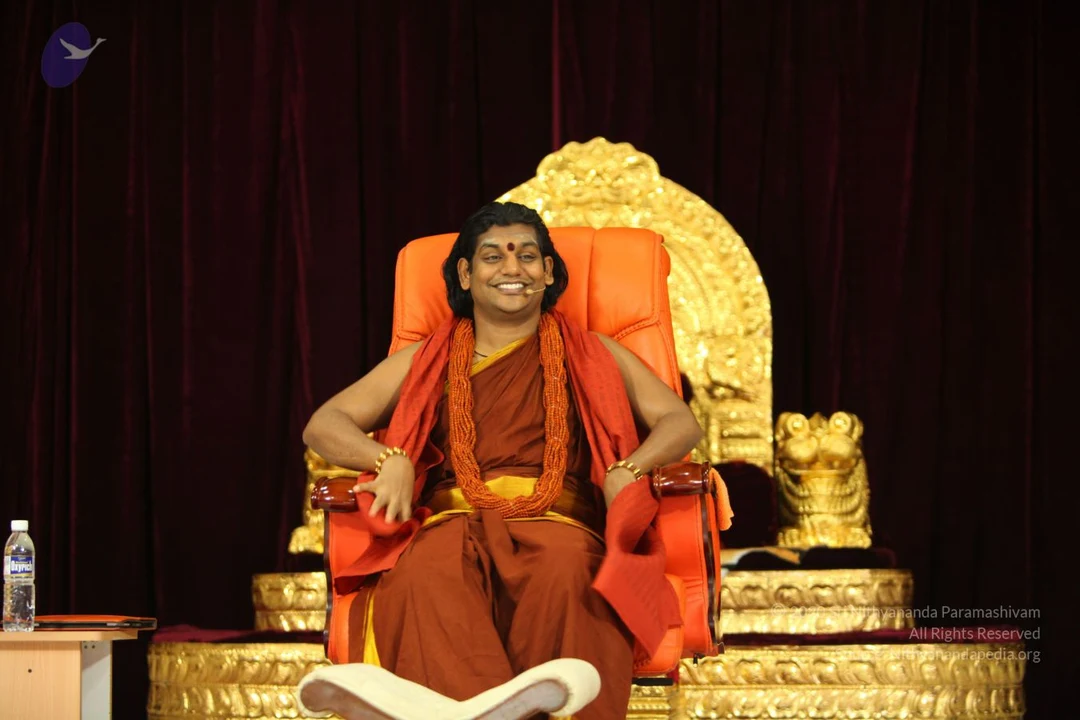
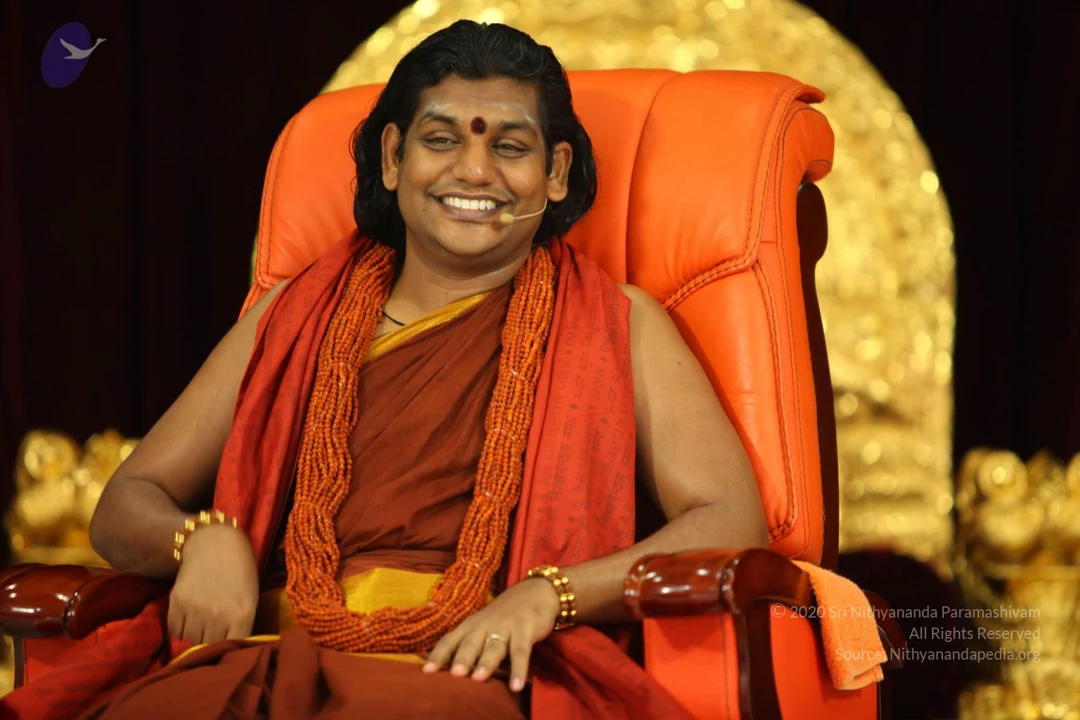
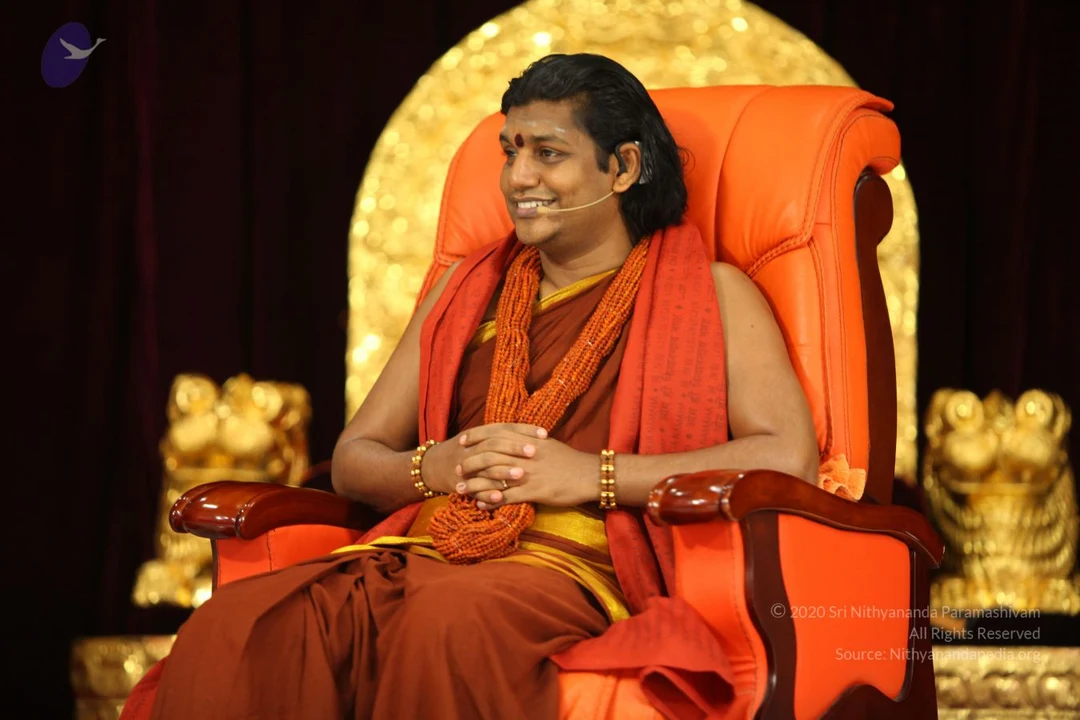
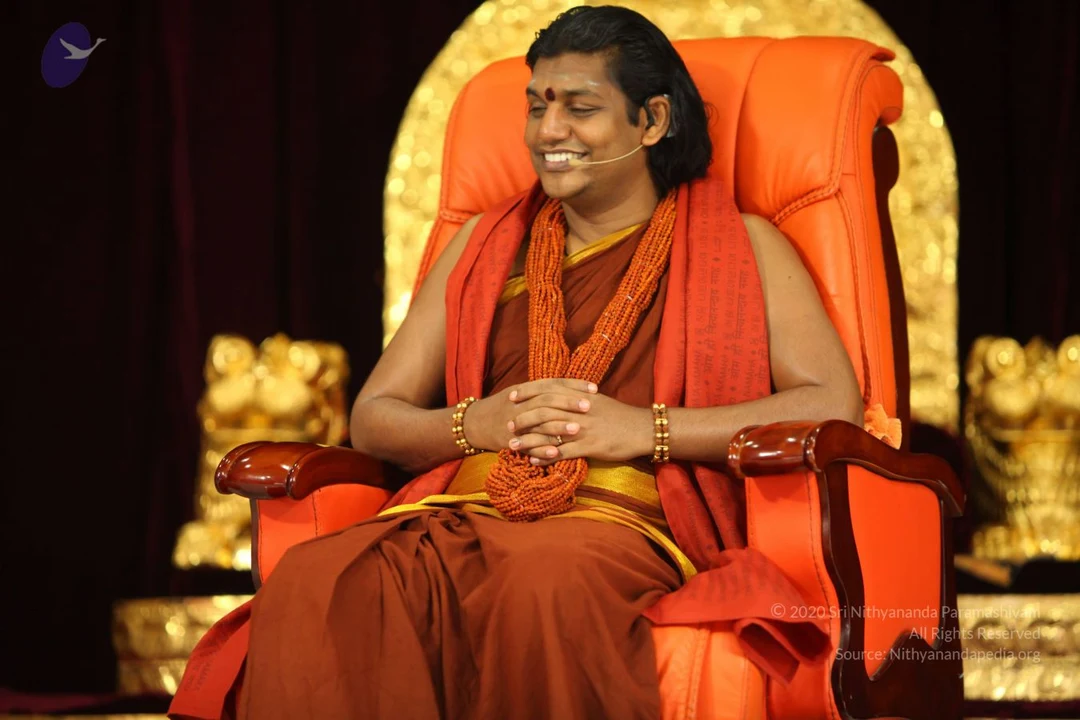
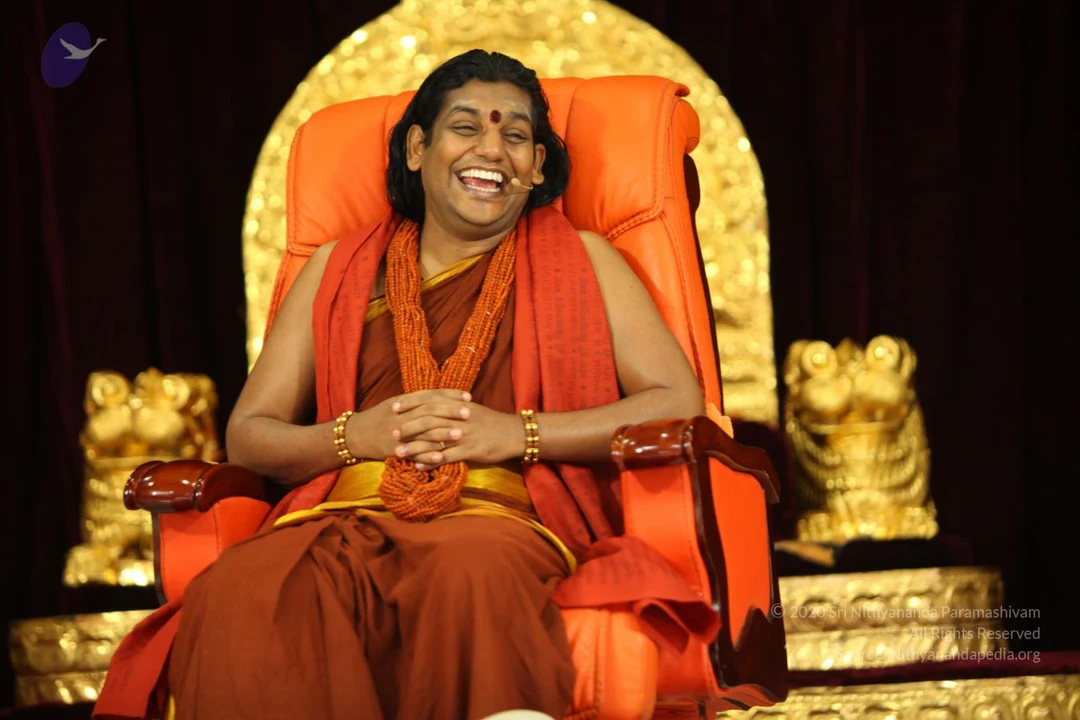
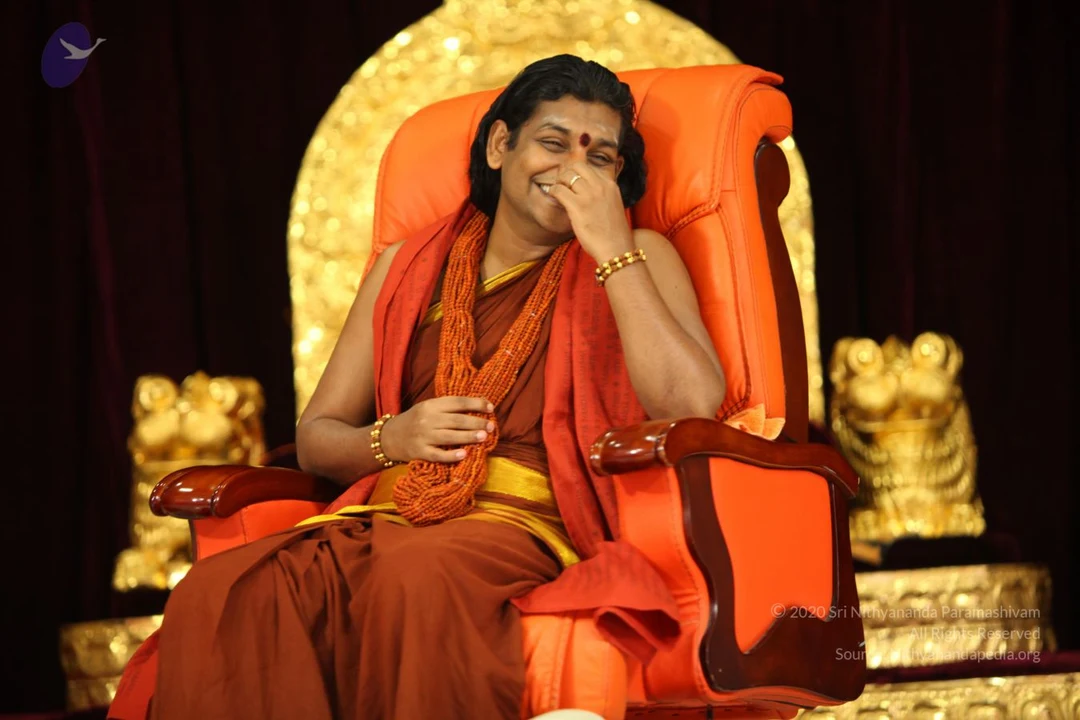
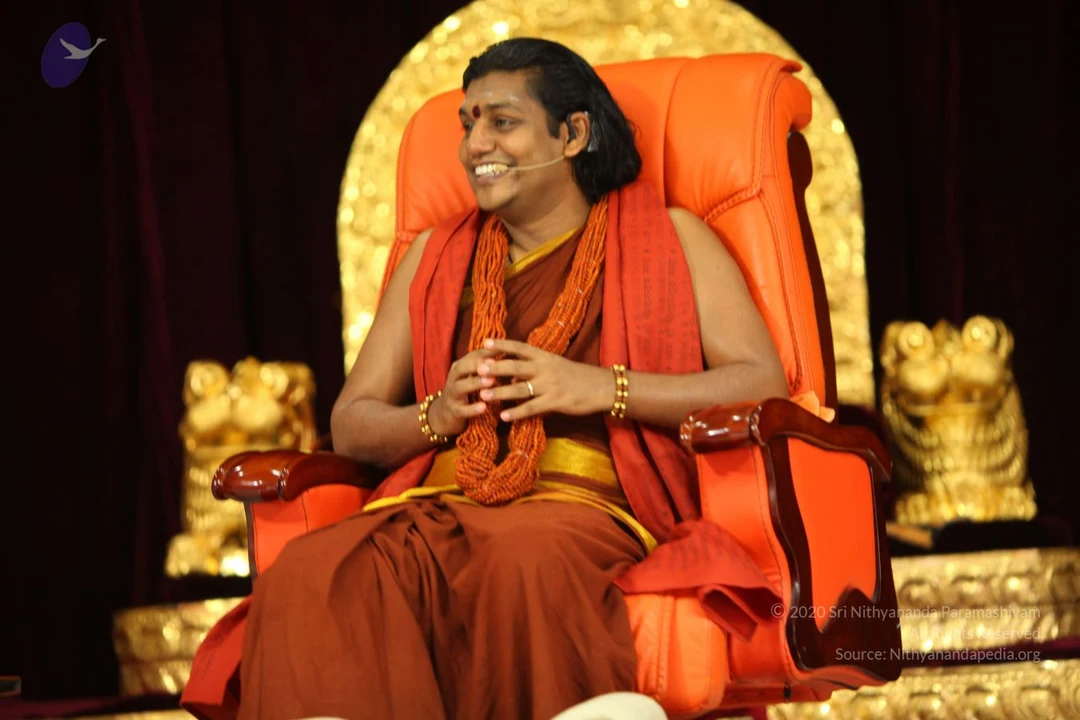
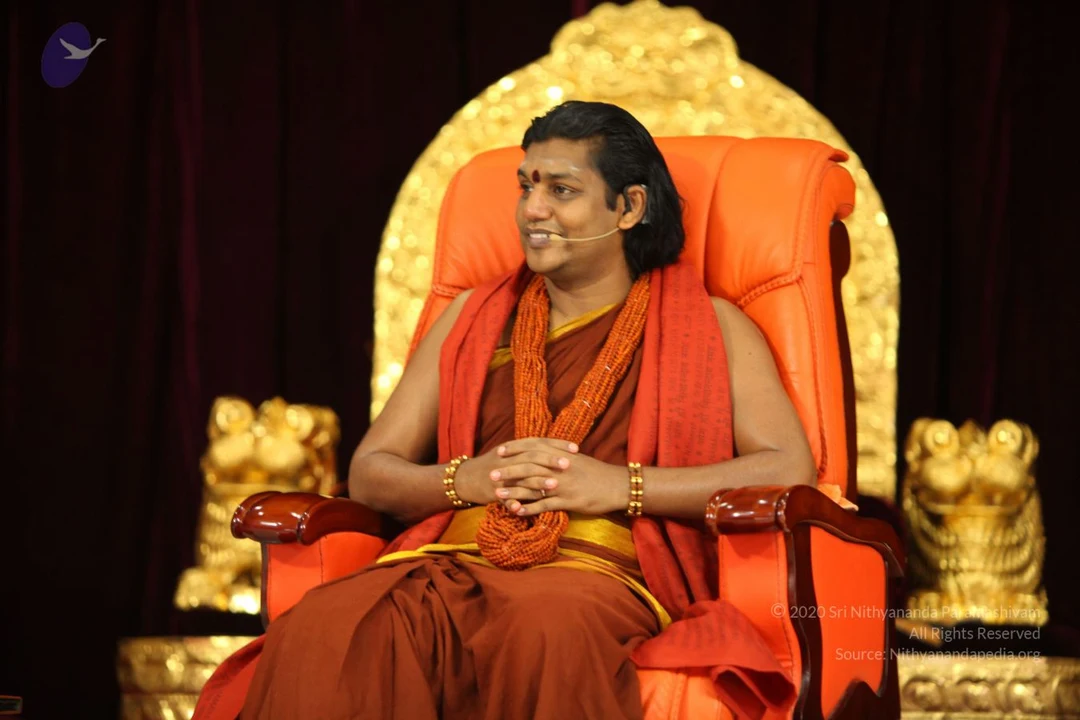
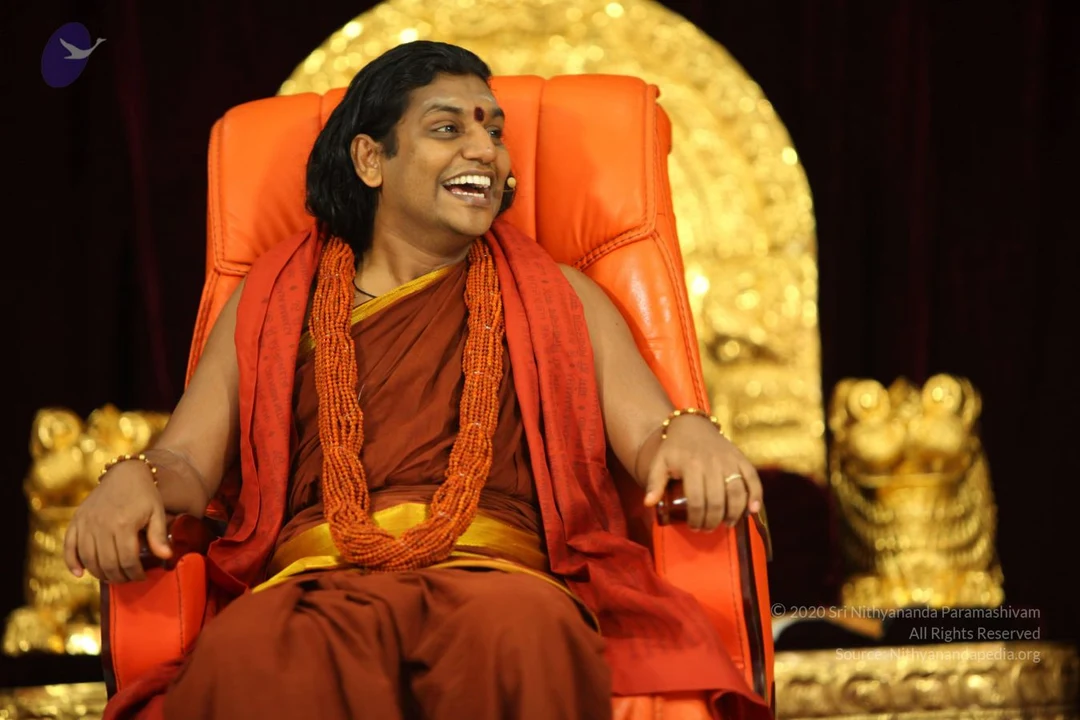
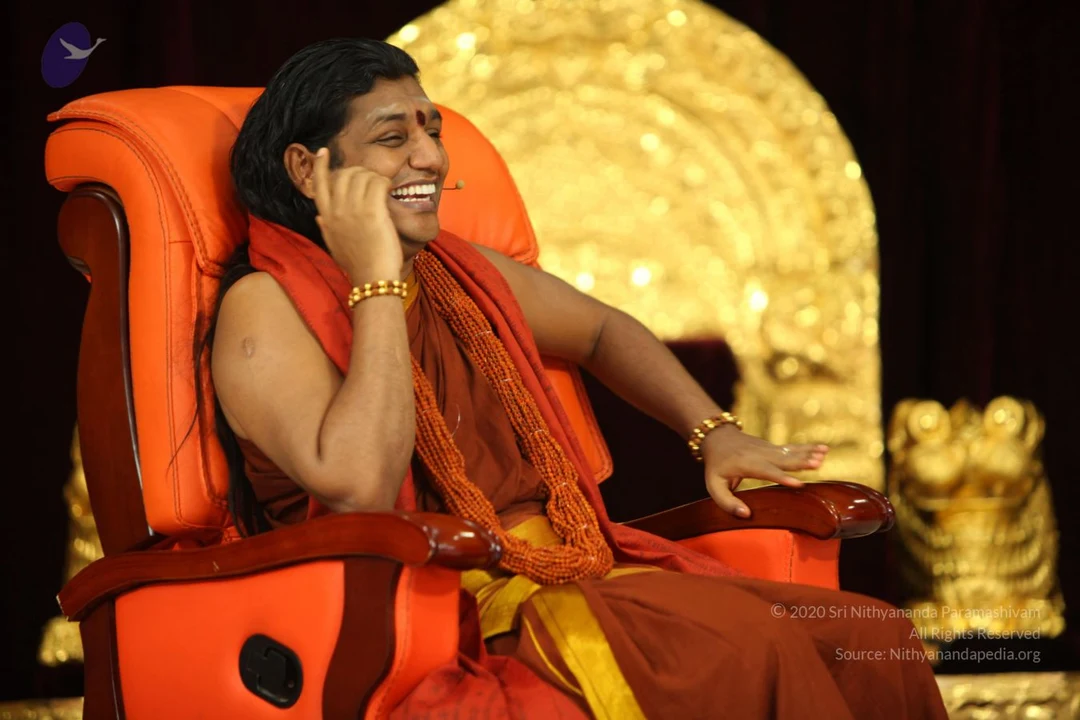
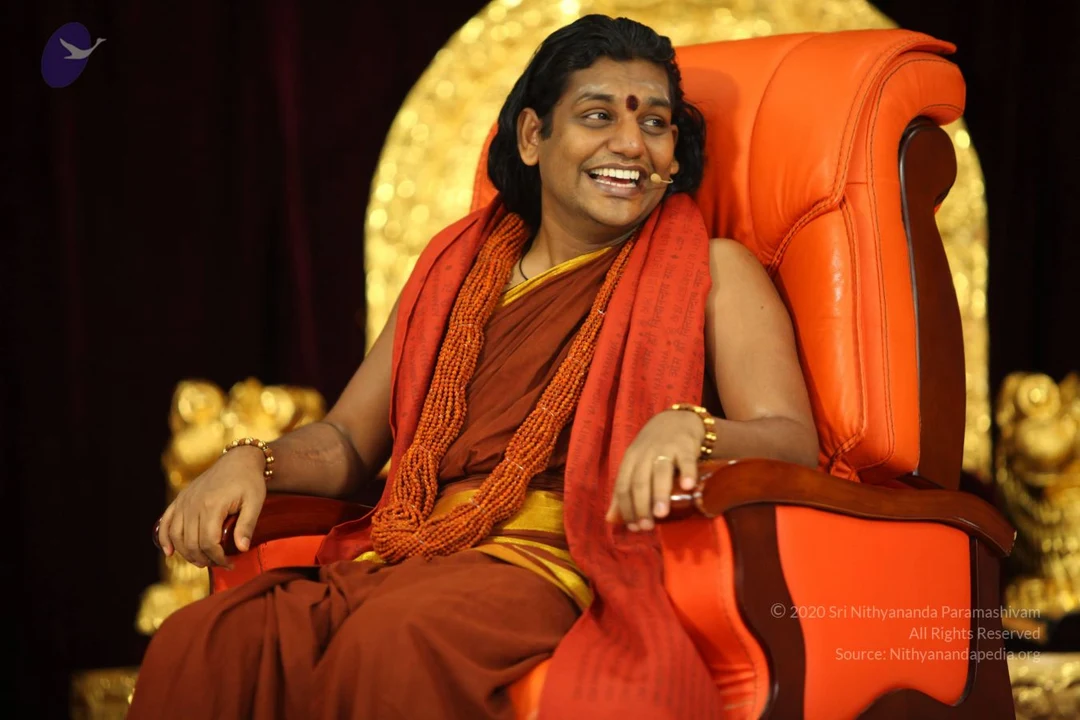
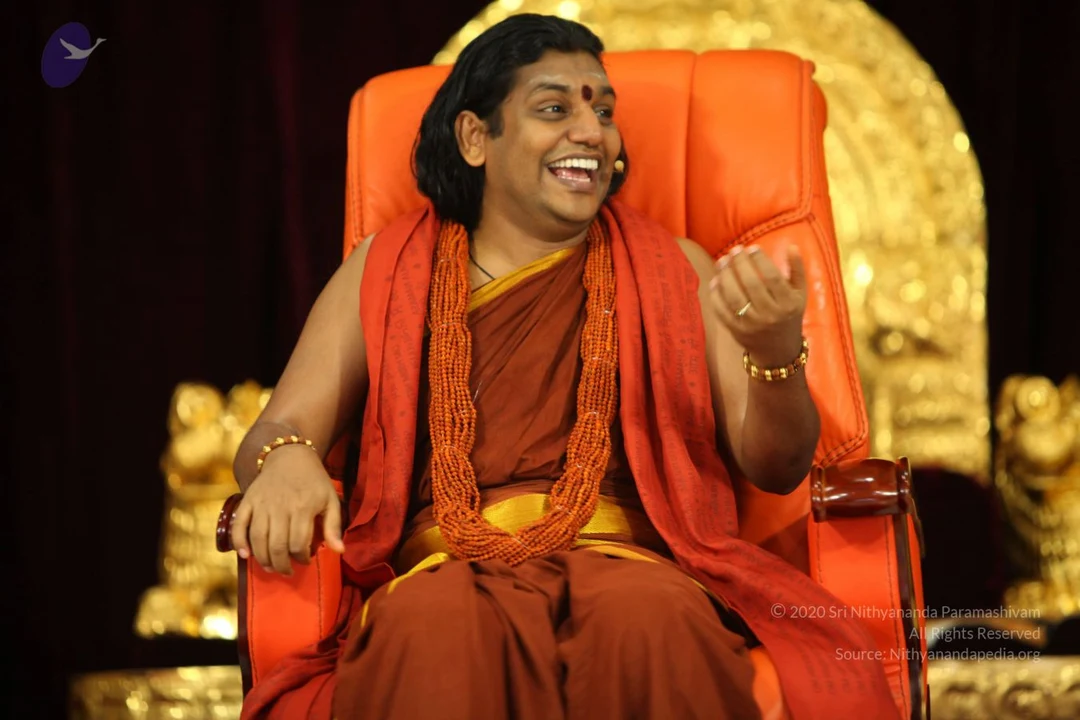
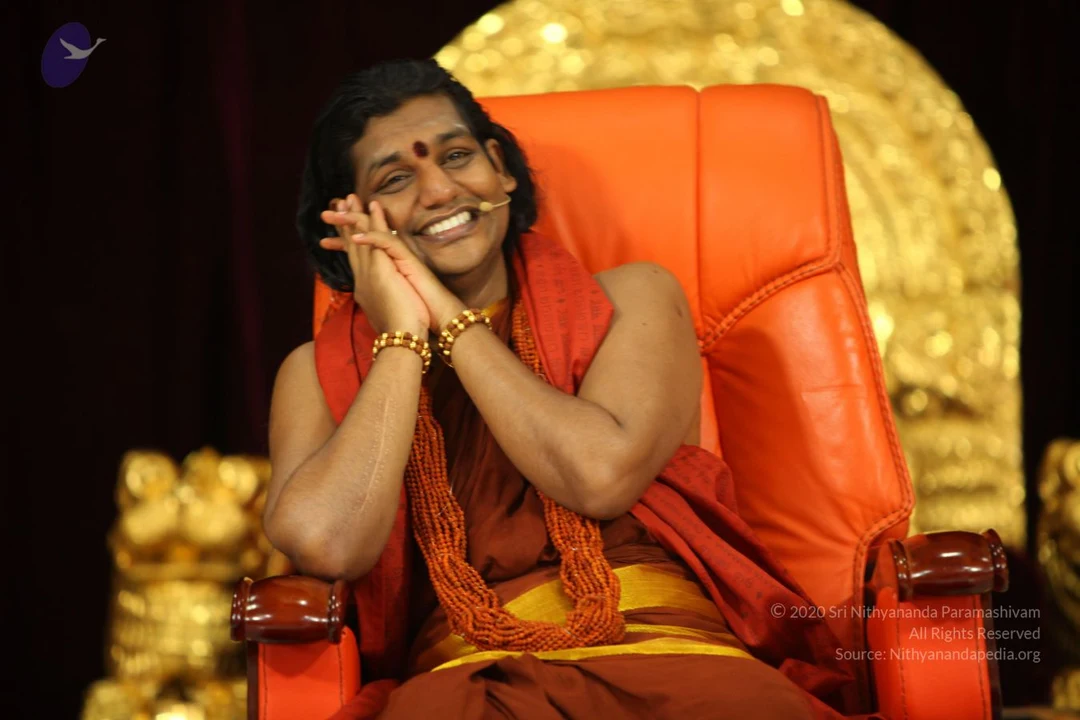
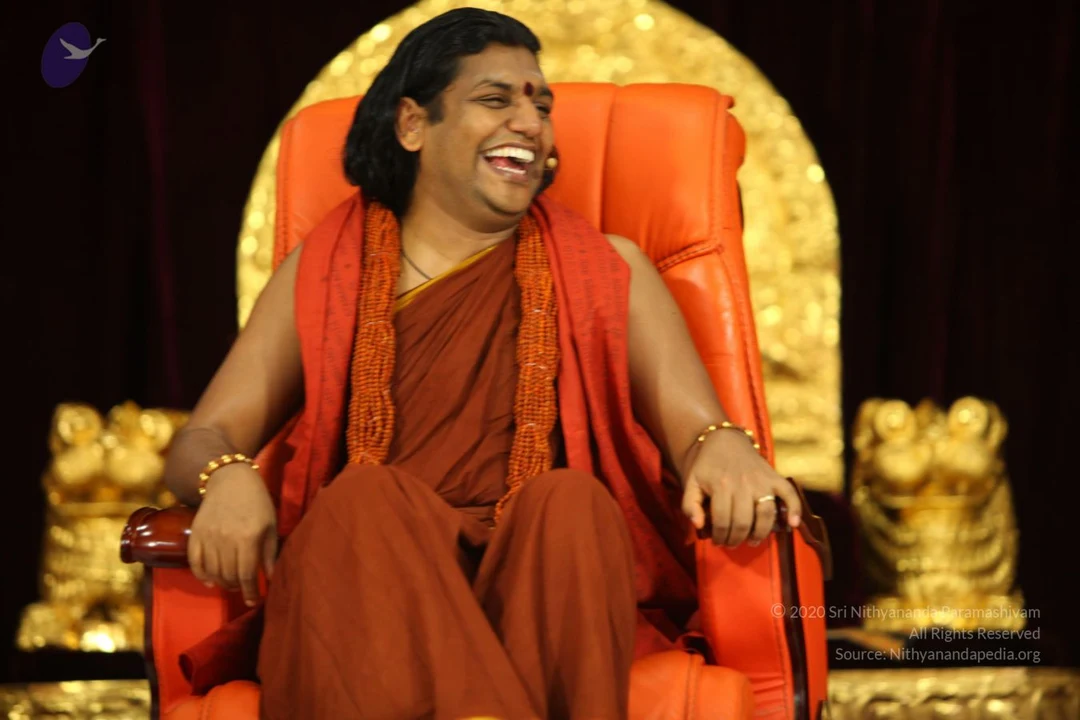
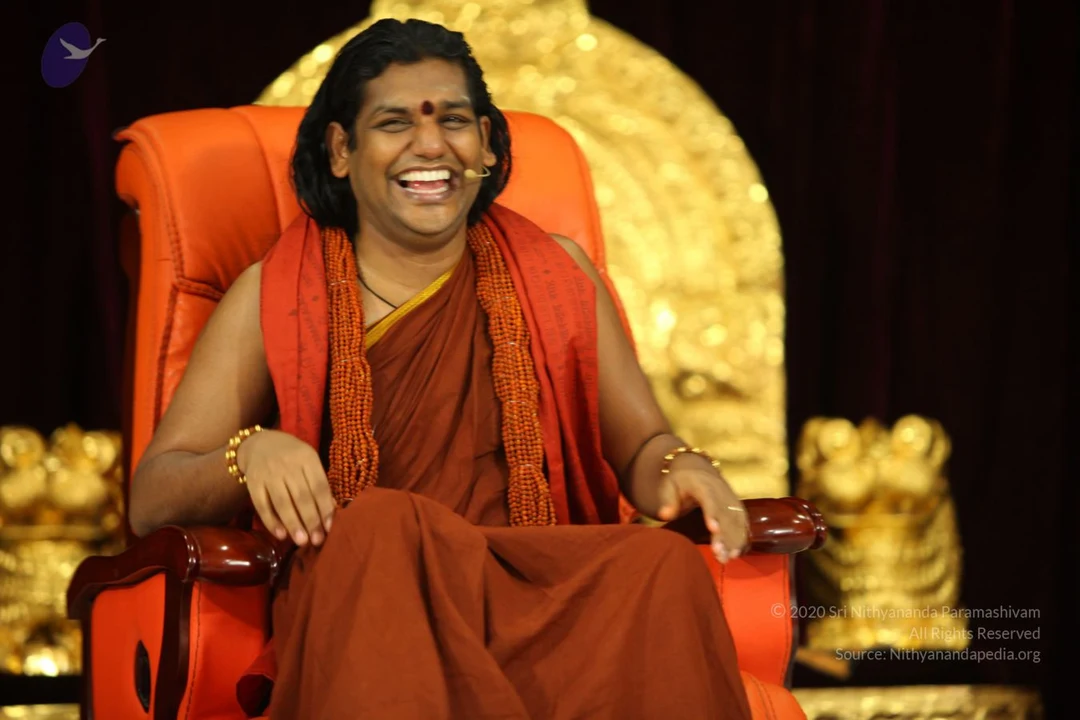
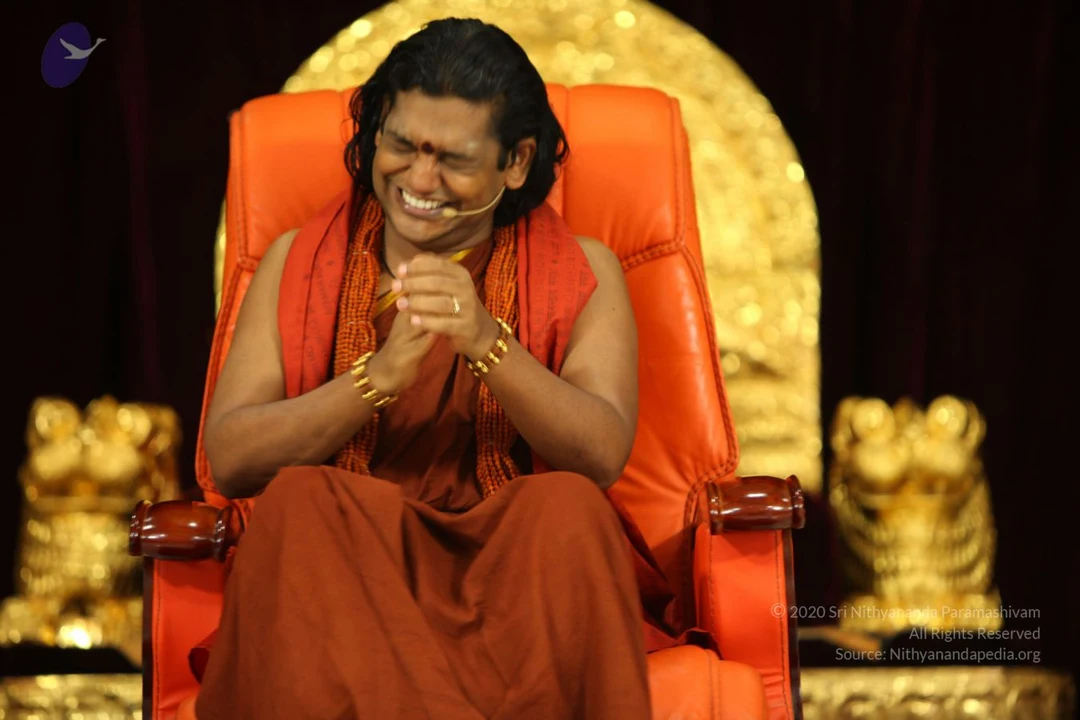
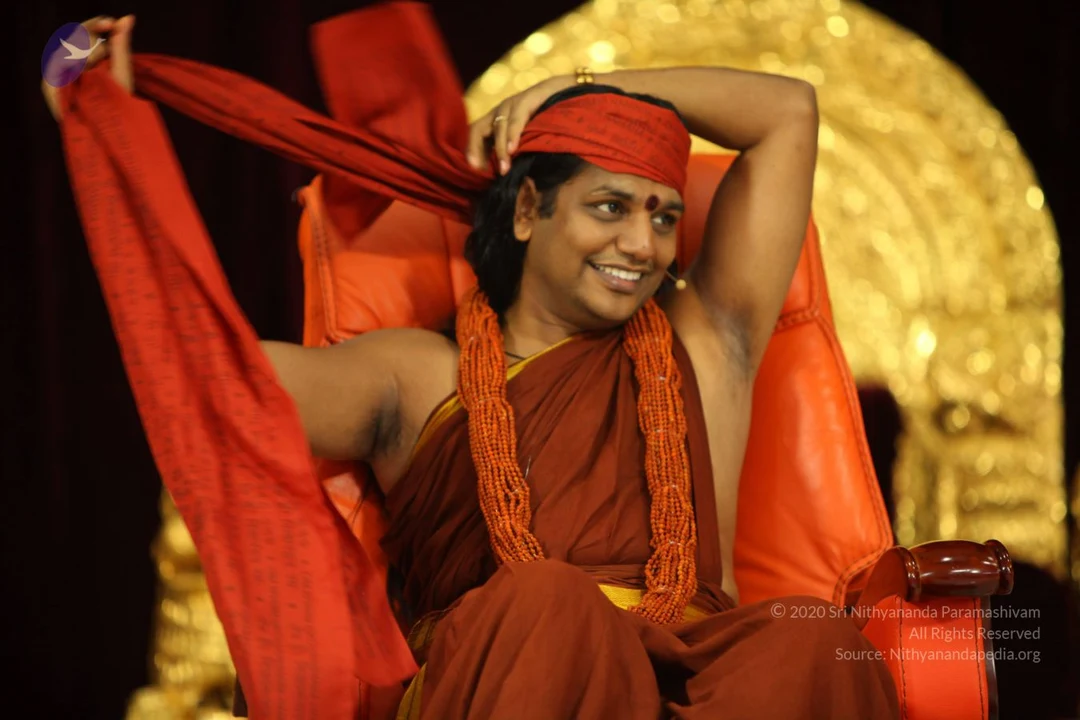
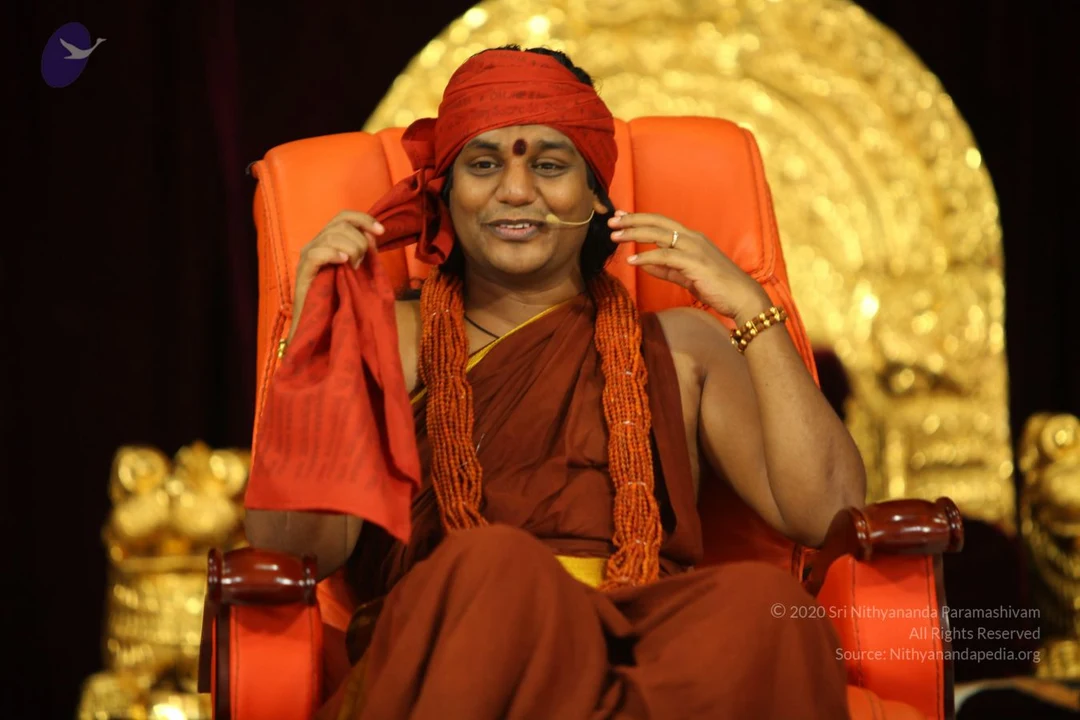
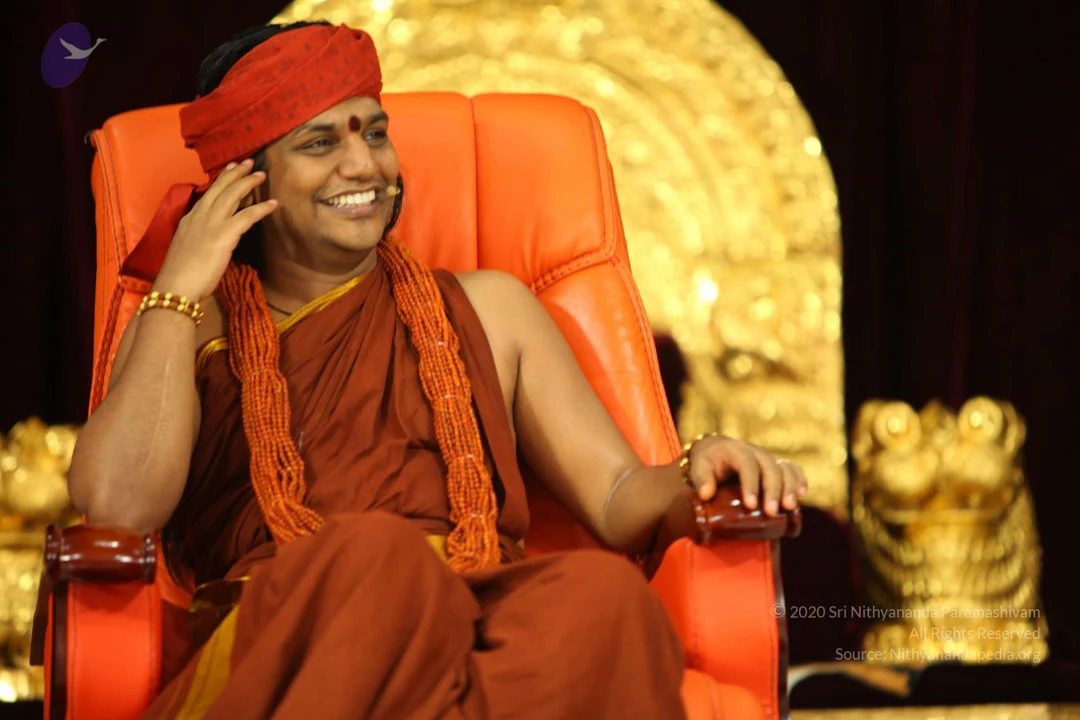
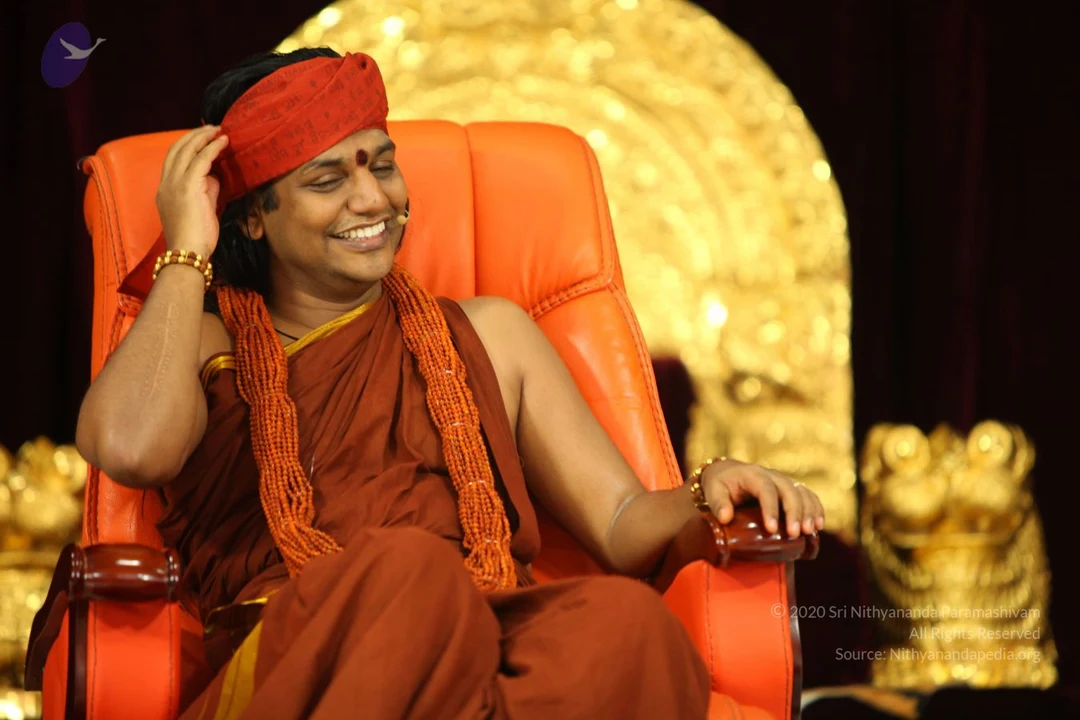
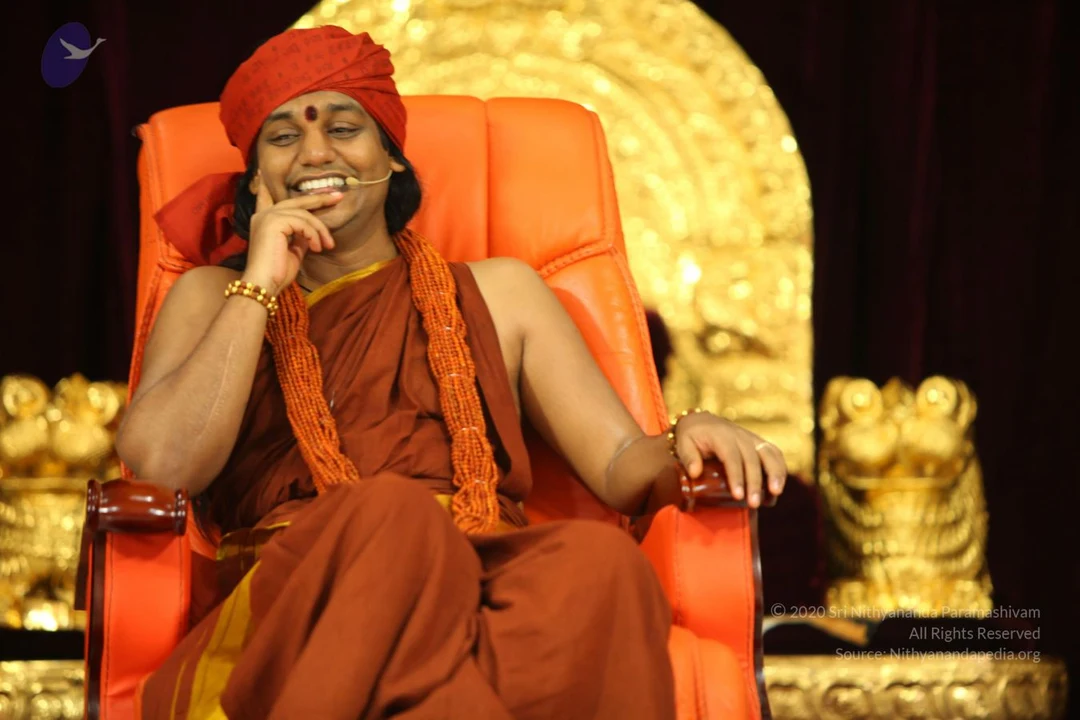
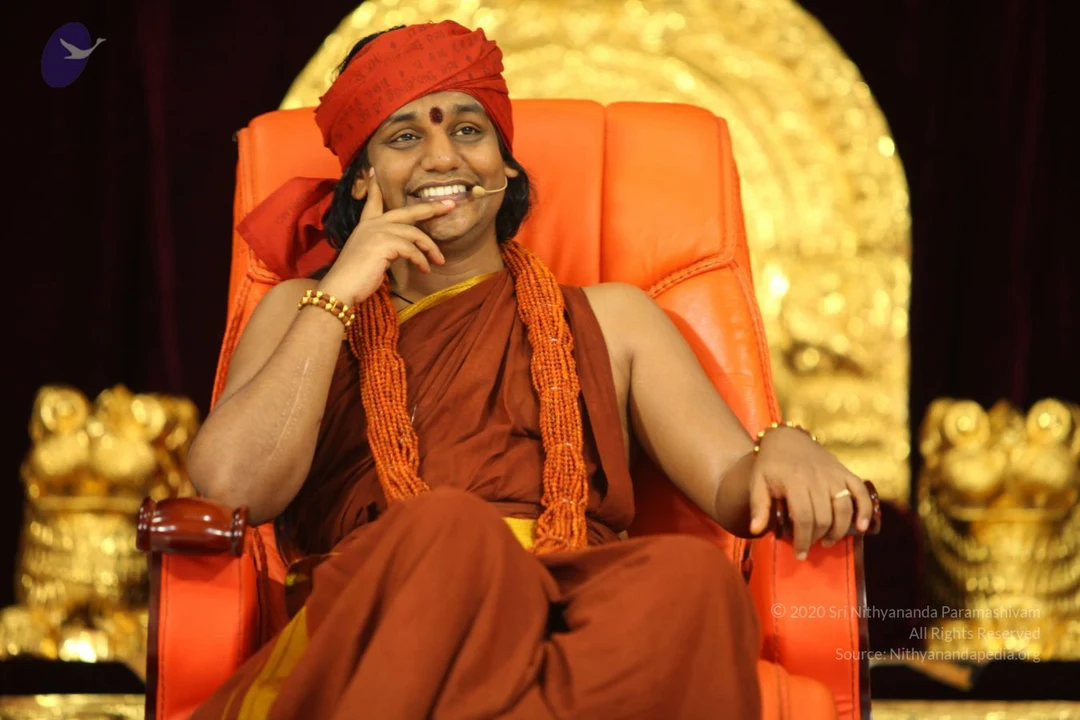
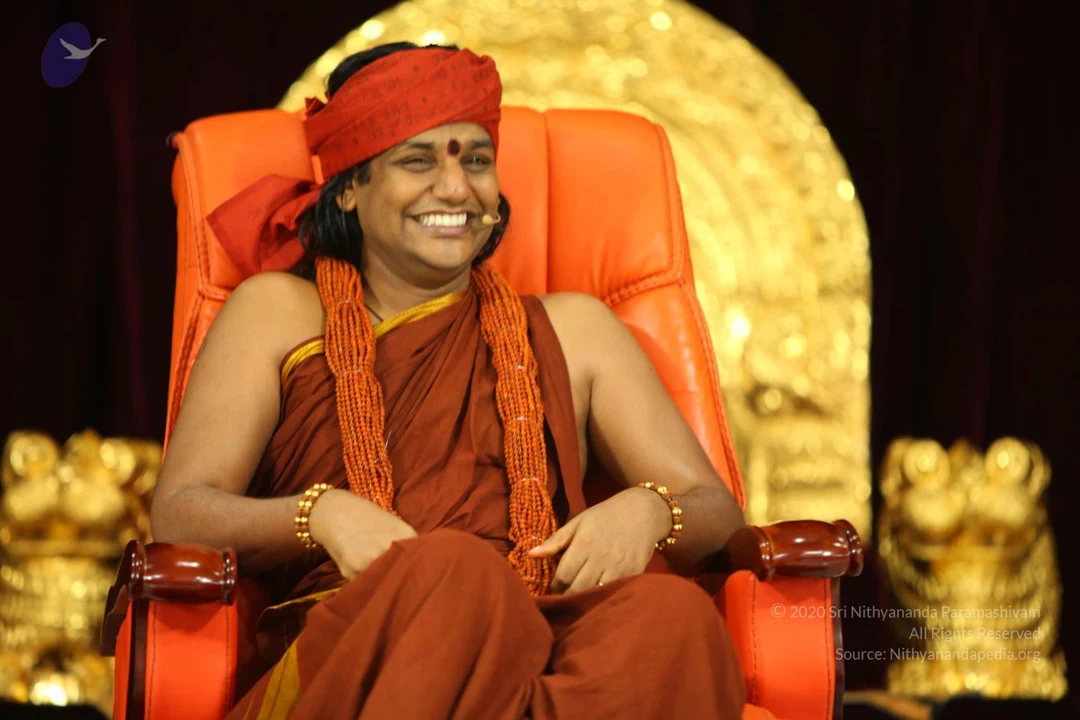
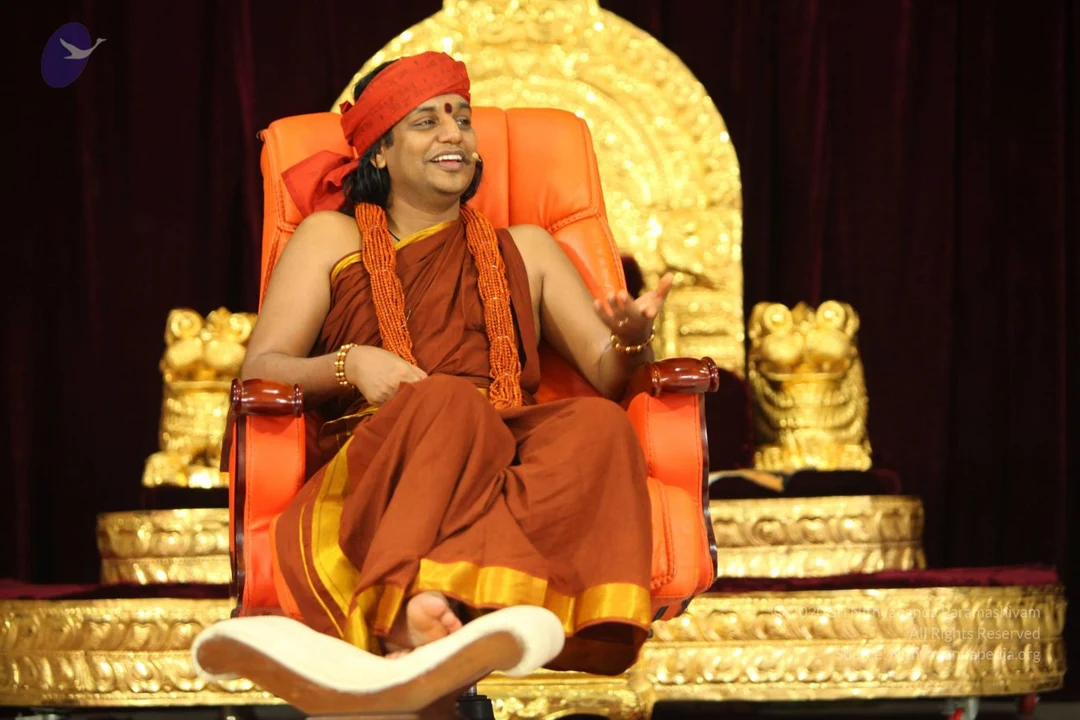
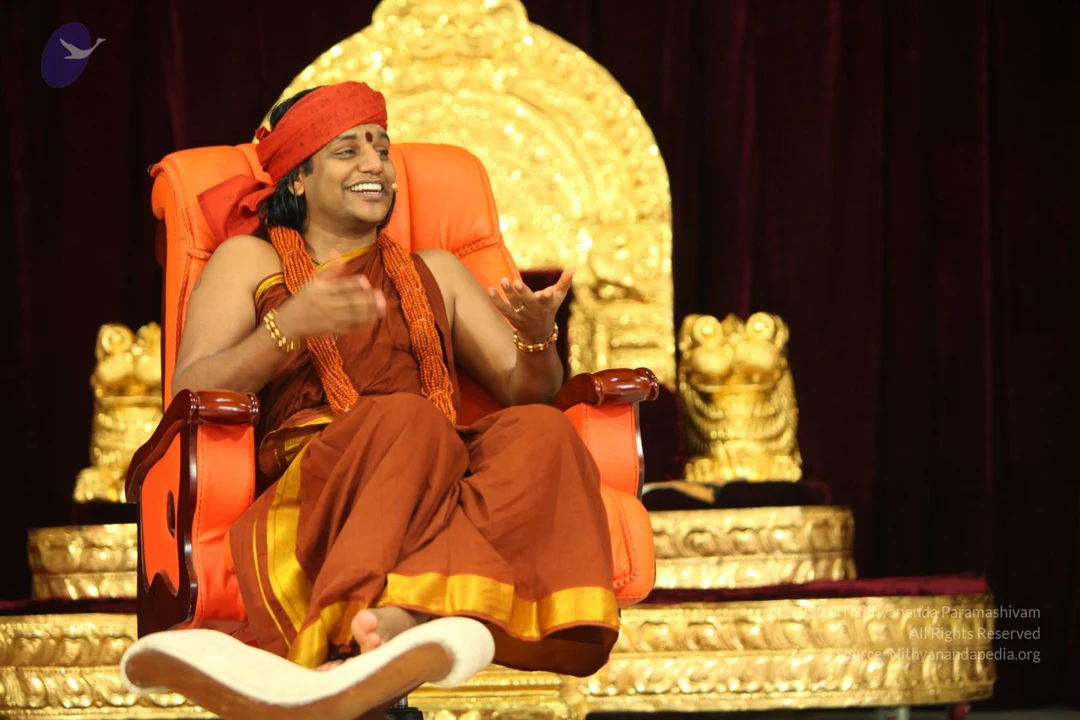
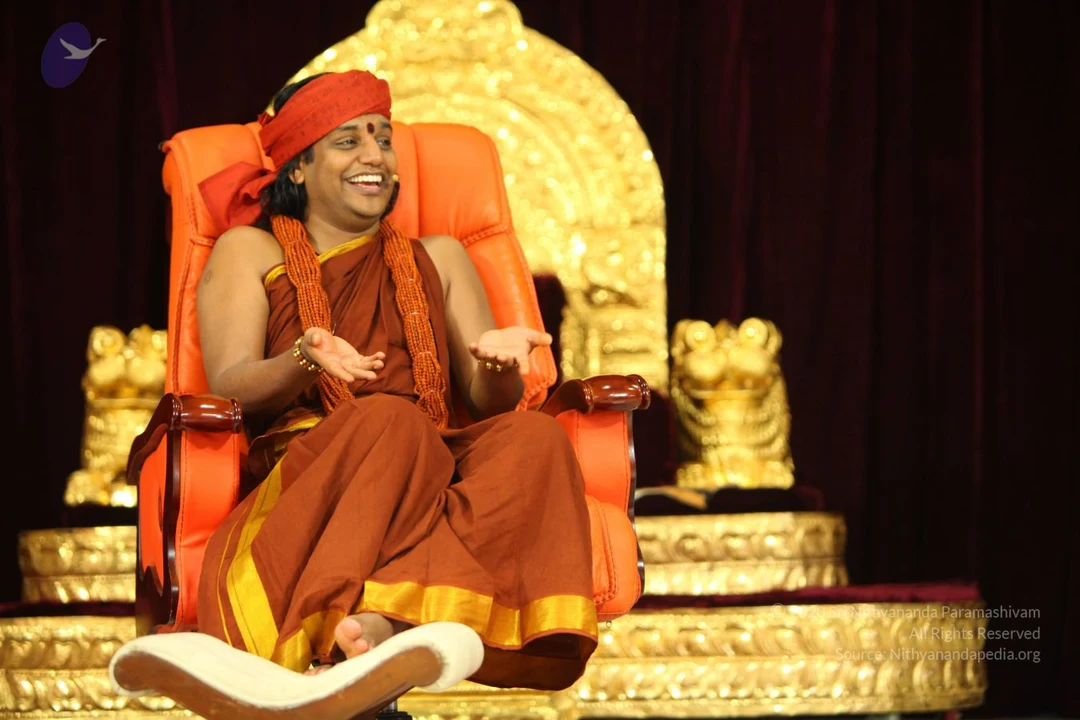
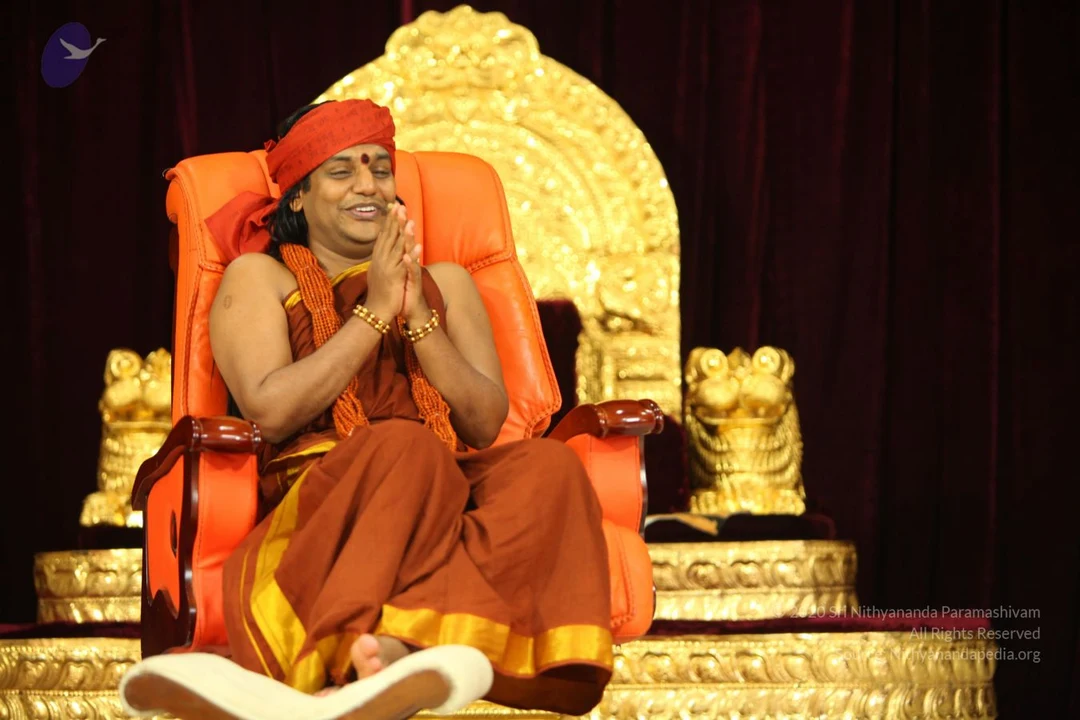
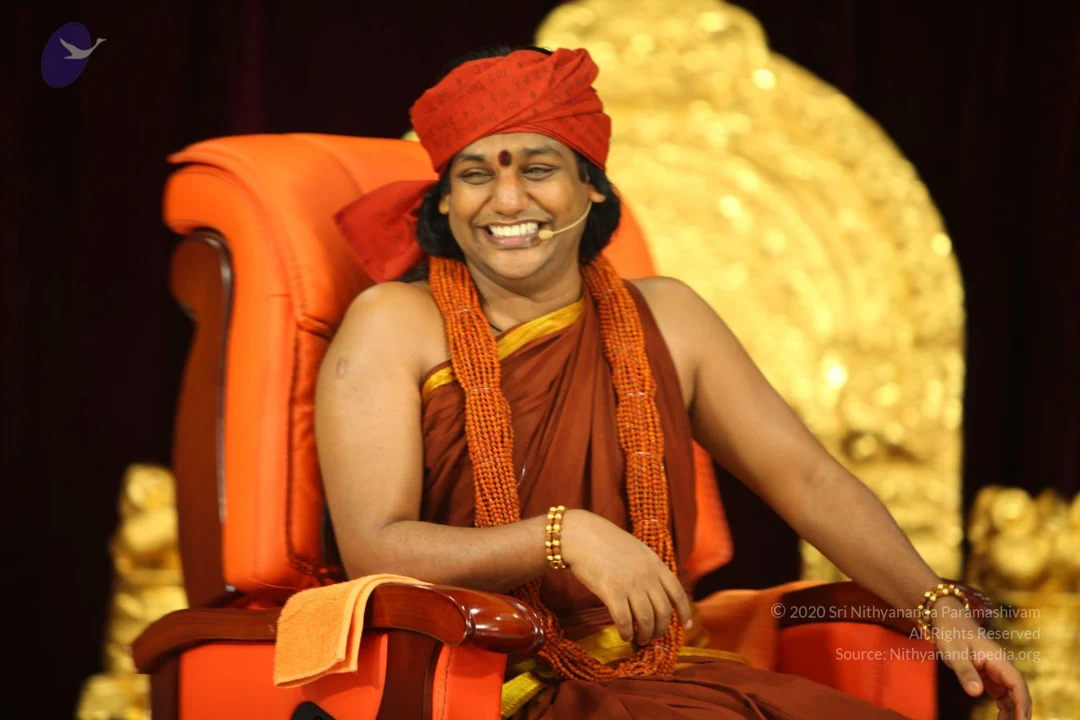
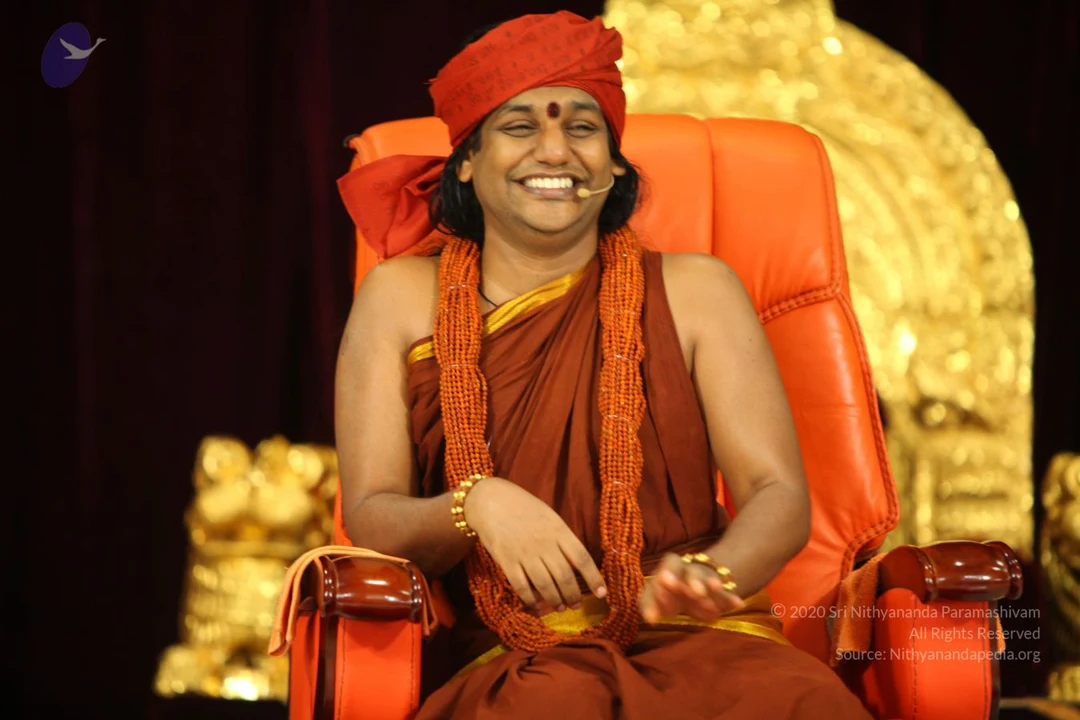
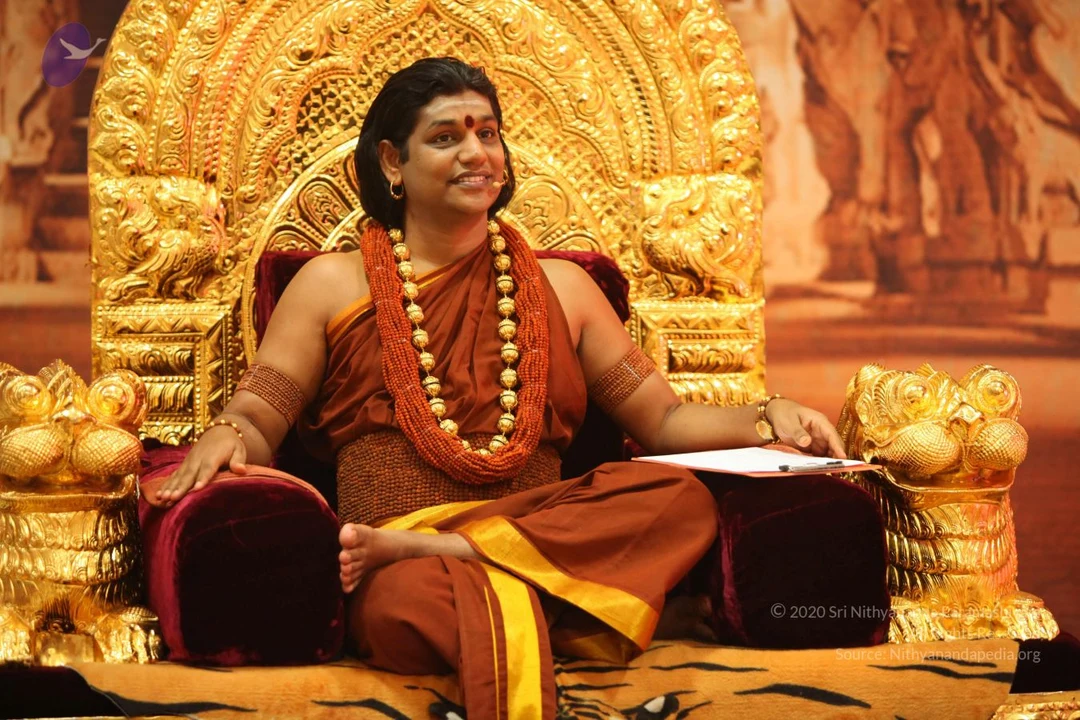
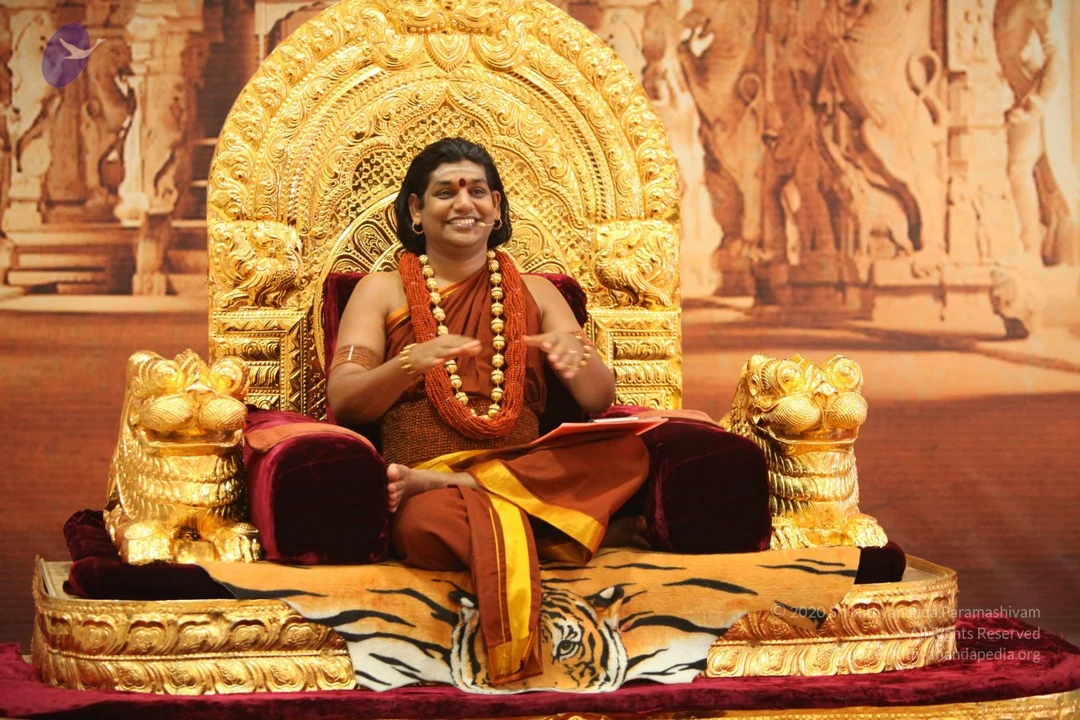
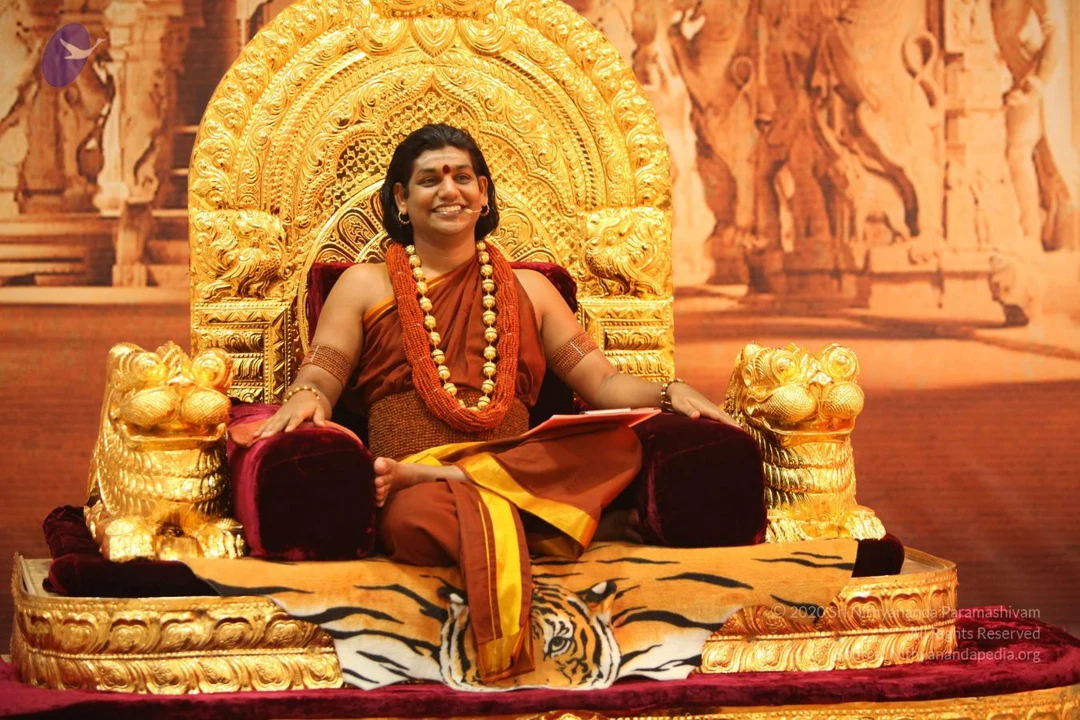
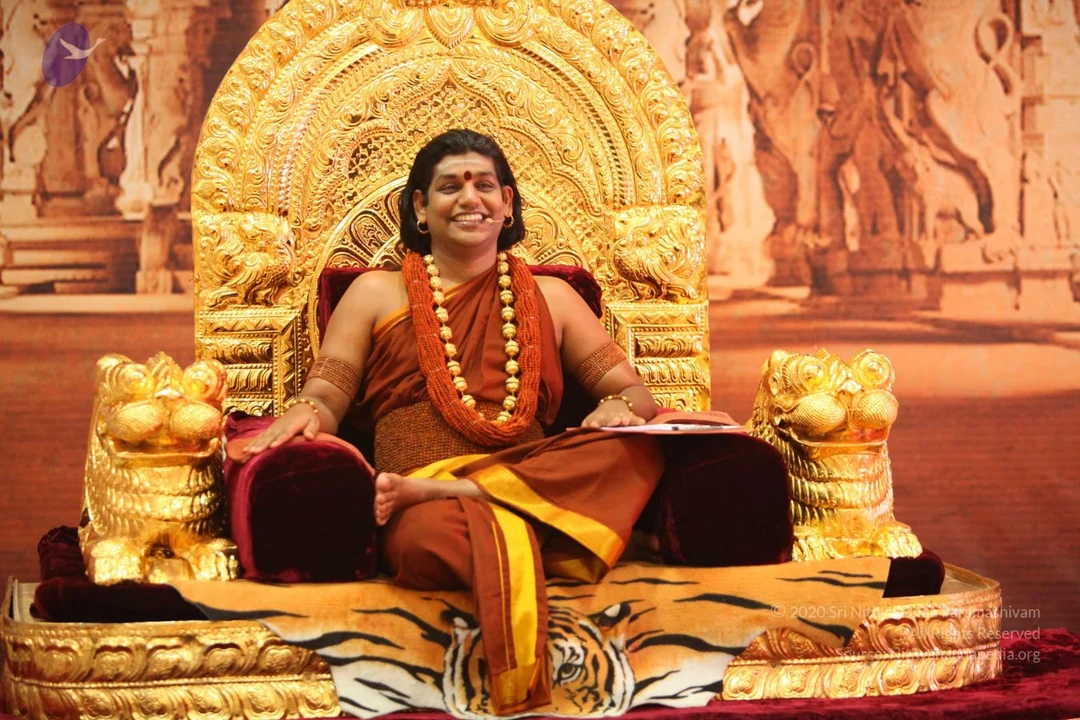
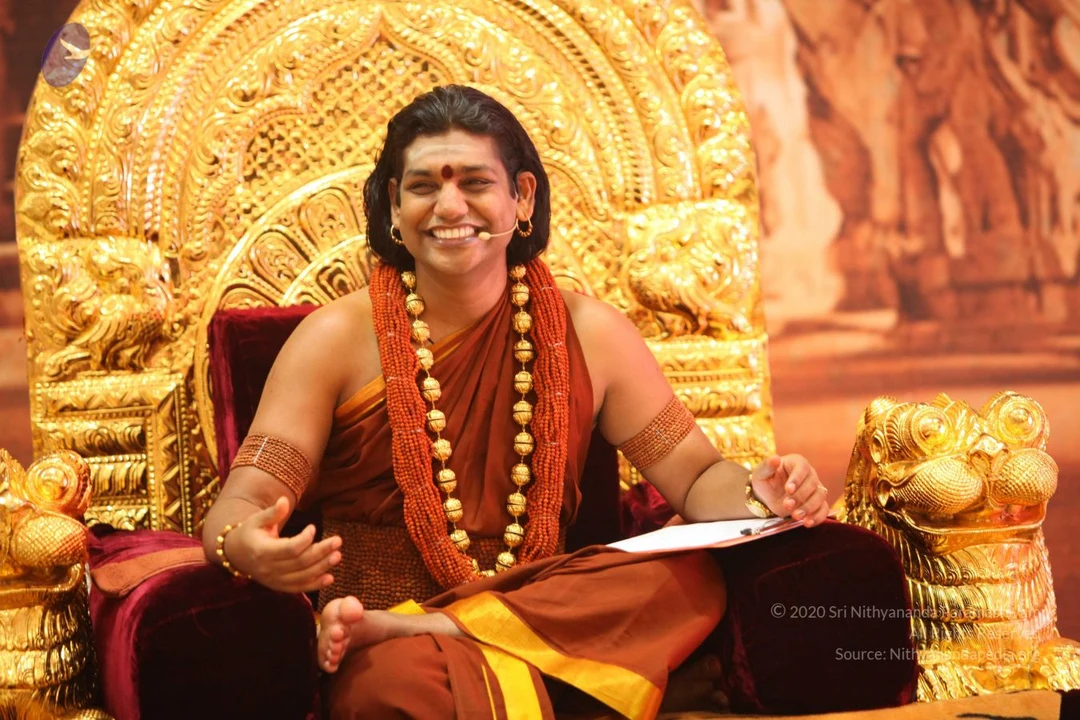
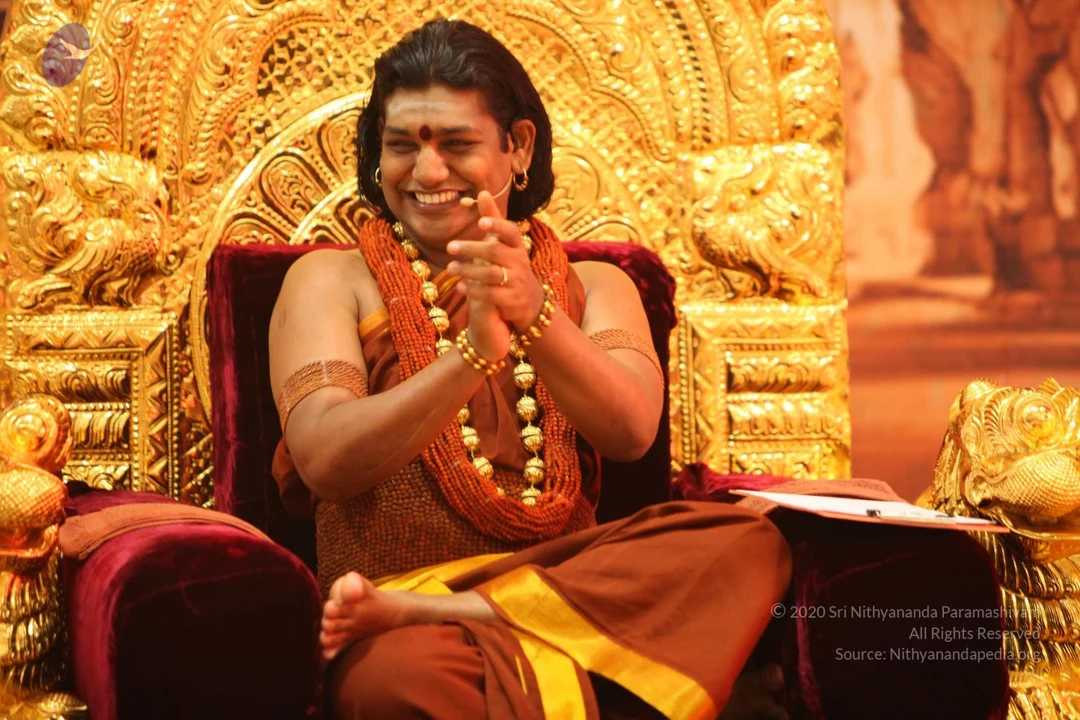
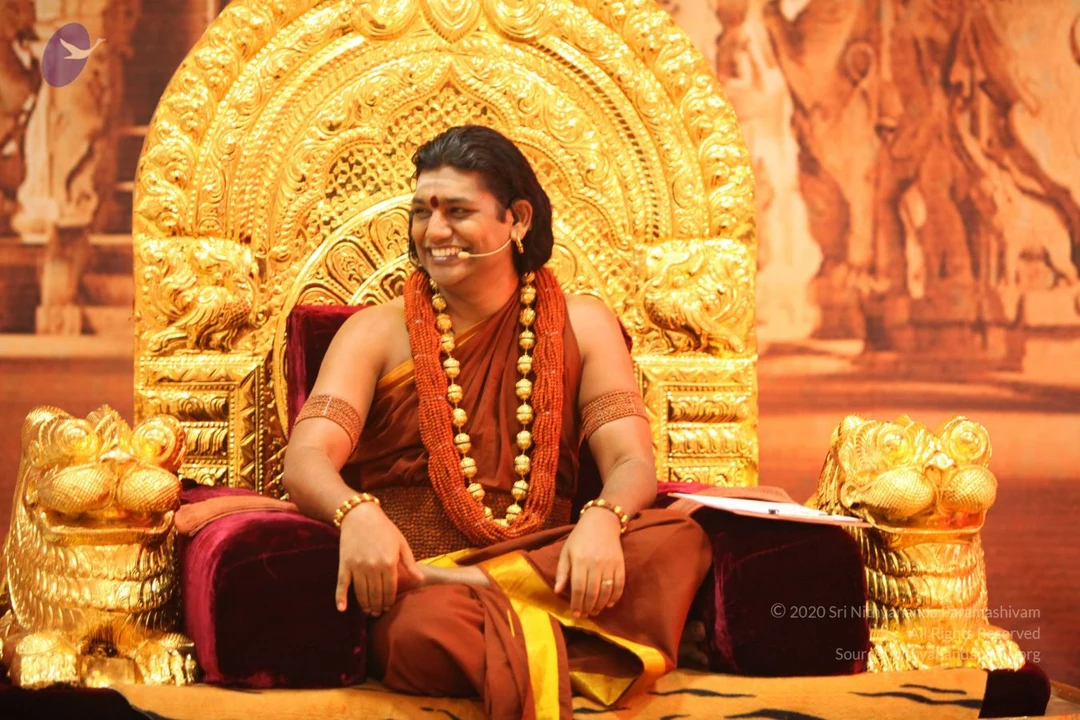
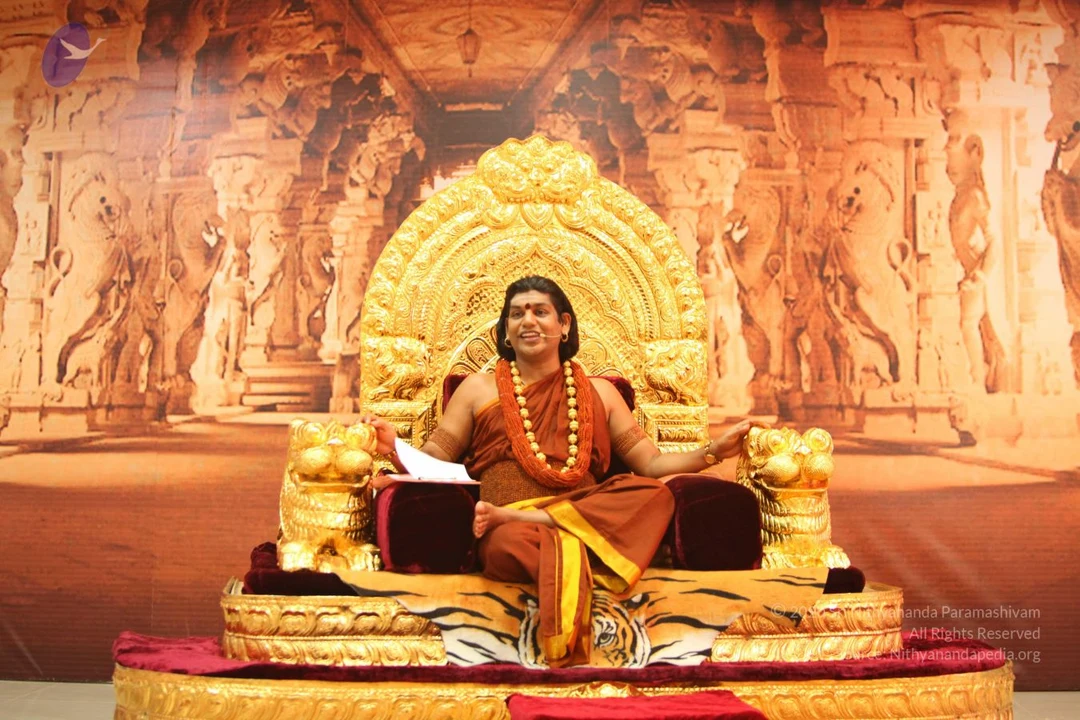
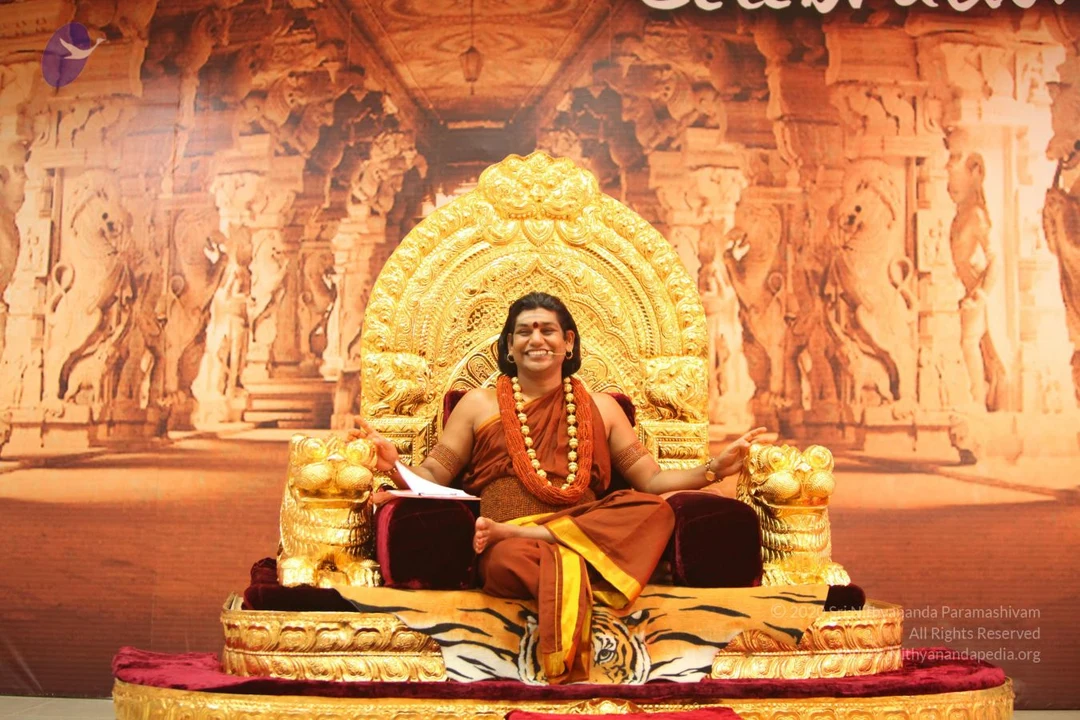
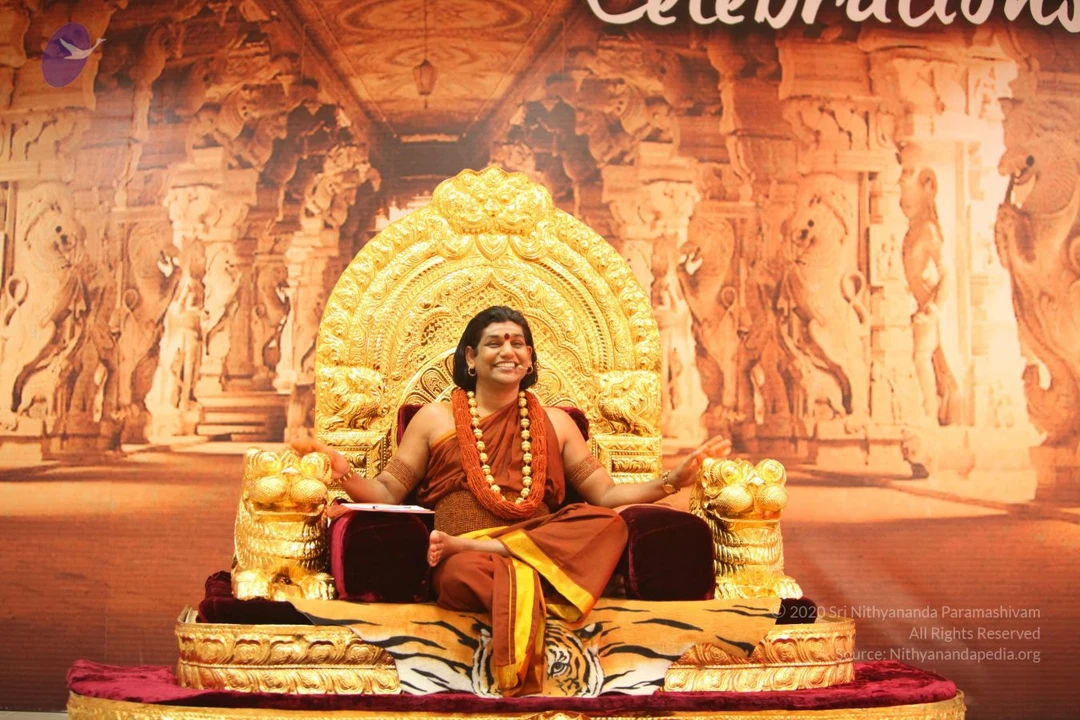
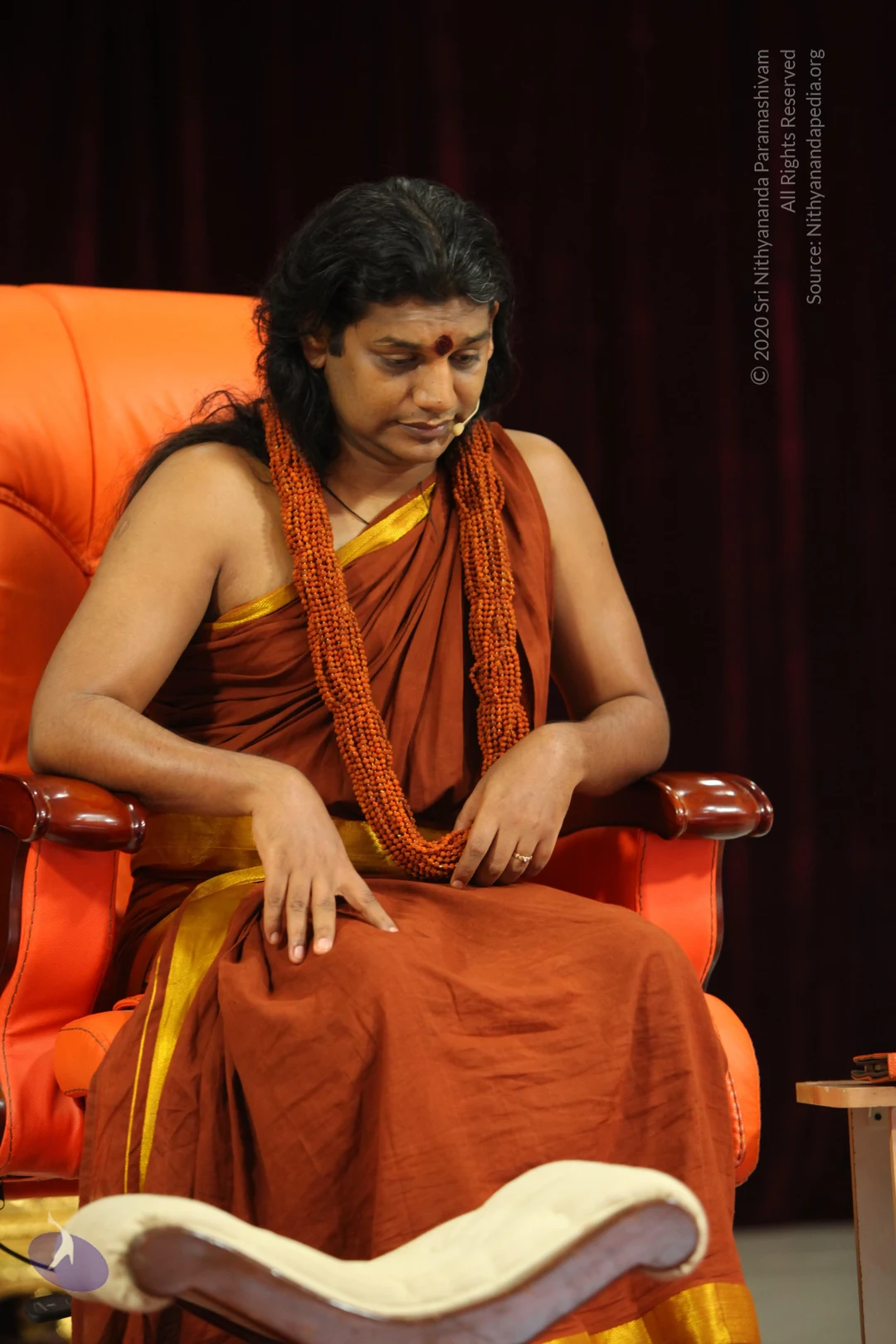
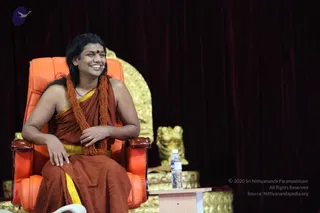
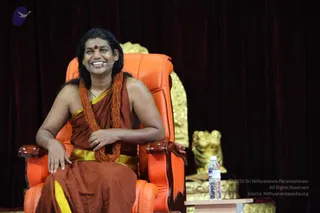
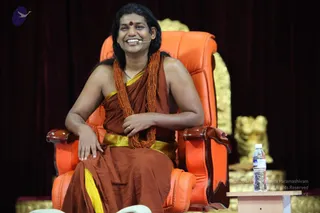
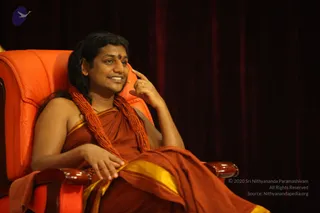
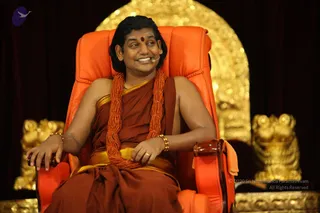
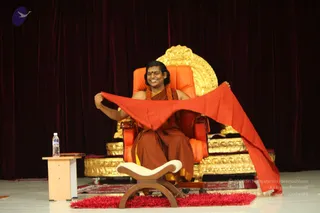
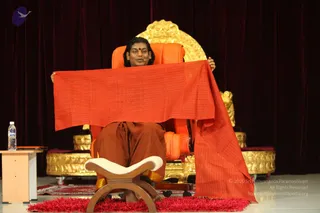
Oh ! Rohit Mahaveer, Its not tiger, its Lion. Laughs ! Its called traditional throne, the Simhasana. Means, listen, Inside the space you carry is one lion, the outside life you make it happen, you cause, is another one lion. The person who has conquered both under his control sits on Simhasana. In the tradition, the kings who mastered their inner space and outer space, and enlightened beings who caused inner space and outer space, who have mastered the inner space and outer space. Both king and enlightened masters, both sit on Simhasana. The seat of lions in Indian tradition, So its also called Vyasa peetha. From where the knowledge is radiated. Its also called Vyasa Peetha, from where knowledge is radiated. That is why, symbolic lions are kept next to the seat.
Next Question
The next question is from ID # 137, Kishore Gadhiar who is asking : Nithyanandam, my question is about the importance of sadhana, what are the types of sadhana ? without sadhana, can anybody get enlightenment ?
137, Kishore Gadhiar. Please be seated, his question is “ Swamiji my question is Importance of Sadhana. What are types of sadhana ?
First thing, anything which moves you towards completion is sadhana. You are asking without sadhana, what are the types of Sadhana
There are millions of types of sadhana. Anything can become a sadhana if you are doing it for achieving completion. Even if you take a broom stick and go on sweeping this hall saying that till I become complete, I will continue to sweep, that will become Sadhana. Anything can become, listen, What is the importance of Sadhana, Anything that leads you to sadhana, sorry, anything that leads you to completion is sadhana and anything you do with a purpose of completion is sadhana. And without the action to achieve completion, you can neither achieve completion nor achieve enlightenment.
What is the importance of Sadhana? What are types of Sadhana, without Sadhana, can anybody get enlightened ? As I said, any action you perform is sadhana, if its towards completion. And only with completion, you can achieve enlightenment. You are asking, what are the types of sadhana ? Anything you do to achieve completion is sadhana. If you sit and start blowing your nose, saying, “till completion, I am going to do this”. That is Sadhana. If you sit and start talking to yourself and declare, “till completion, I am going to do this”, That is sadhana.
If you sit and go on pouring water on stone and say “till completion I am going to do this” That is Sadhana. Anything you do towards completion is Sadahana.
Hindi – 46:00 - 46:21
Next Question
The next question is from Inner awakening ID No 96, Alec, who is asking Dear Swamiji, how can integrity, authenticity, responsibility & enriching lead to extraordinary powers like maretialisation, teleportation and leaving the body in Sajeeva Samadhi.
Alec, Yes, it’s a nice question. He is asking how integrity, authenticity, responsibility & enriching lead to extraordinary powers, like materialization, teleportation and leaving the body in Sajeeva Samadhi. No, Not even Sajeeva Samadhi, Nirbheega Samadhi. The highest samadhi you can achieve with this 4 tattvas. Understand, What is all these powers? It is nothing but, When you are in integrity with the cosmos, Cosmos just responds to whatever you think. Energy responds to matter. What is authenticity ? please understand, Authenticity decision has to come from your very soul. Your soul has to awaken. Only then you can start living authenticity. Till then you may be practicing little authenticity in your yoga, or little authenticity in your waking hours, little Nirahara, No, that’s not completely authentic. When your soul wakes up, only then you become completely authentically authentic Soul. When you start practicing authenticity, your soul wakes up. Your being wakes up. Getting it ? when you practice integrity, with integrity, Authenticity with authenticity, you will simply have the powers like materialization and teleportation and vaak siddhi.
See, when you are so integrated with your words, your words just moves the world. Your words can simply move the world. When you are completely authentic, simply your soul can express anything. Because energy or matter, both listens to your soul. Matter listens to energy. Leaving the body in Sajeeva Samadhi means, nothing but, you can even leave.. Sajeeva is one type of Samadhi. You can call it living enlightenment. But I tell you, Nirbheega Samadhi, means Samadhi of no .. ( break in video) By the 4 tatvas, when you live these 4 principles, even while you are alive, you become completely the spiritual energy. There is no individual private corner in your inner space for you. Its purely only integrity, authenticity, responsibility & enriching living. No personal desires. No personal desires. No personal ideas. No personal moments. Listen, so understand, Integrity, authenticity, responsibility & enriching lead to extraordinary powers like materialization, teleportation and leaving the body in Sajeeva Samadhi. Practice, you will understand, how directly, immediately it leads you to Sajeeva Samadhi.
Authenticity is nothing but, you remembering, all powers are at your disposal. You can just possess, express any power you want. Today I have a webinar, specially to make people understand in the evening, how extraordinary powers can be expressed through the integrity, authenticity, responsibility & enriching. Self transformation is the ultimate extraordinary power. How it can be expressed? Experiencing the peak possibility of your life. Tonight 8 pm Indian Standard time. We have an interesting Webinar in Nithyananda TV. “Experience the peak possibility of your life”.
So, essence of today’s Satsang, Understand principles of cause and effect. Realise the 4 tatvas can create extraordinary powers in you. Enjoy your life by living these 4 great principles as life.
Let you all achieve, experience, live, express, radiate, share and explode in eternal bliss, Nithyanandam.
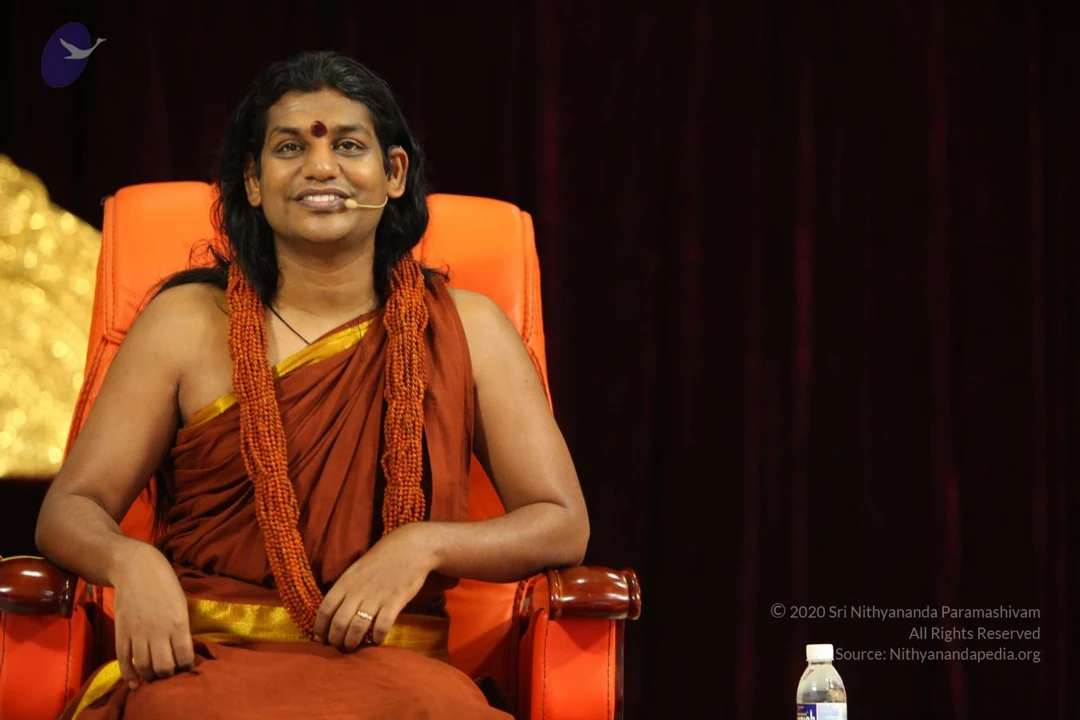
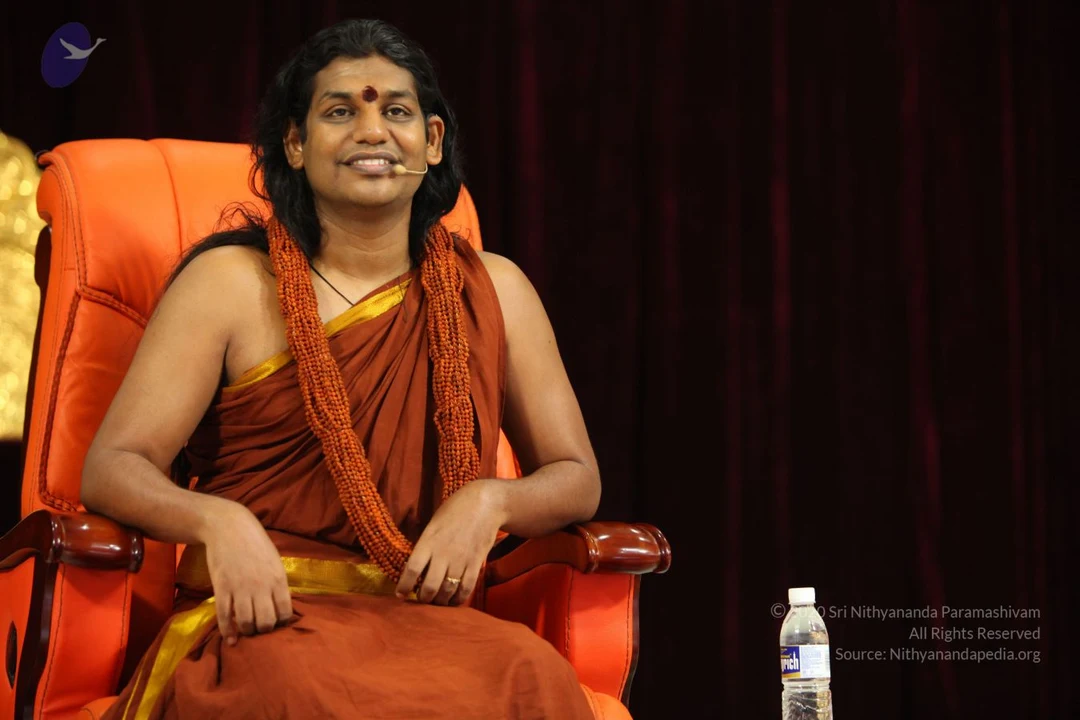
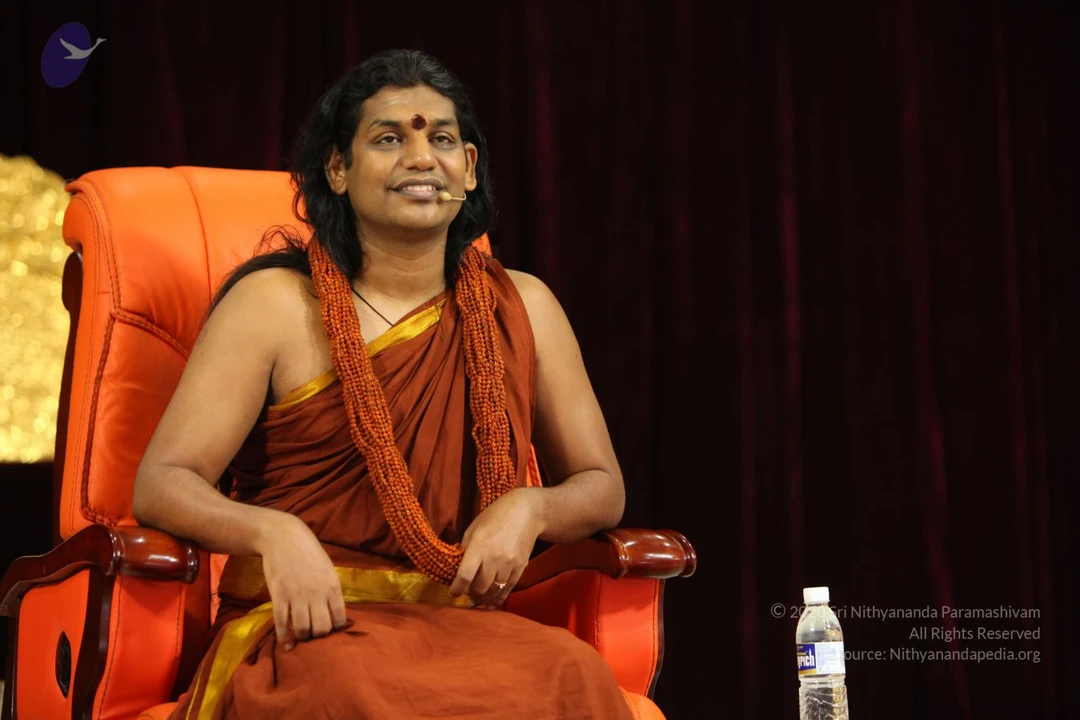
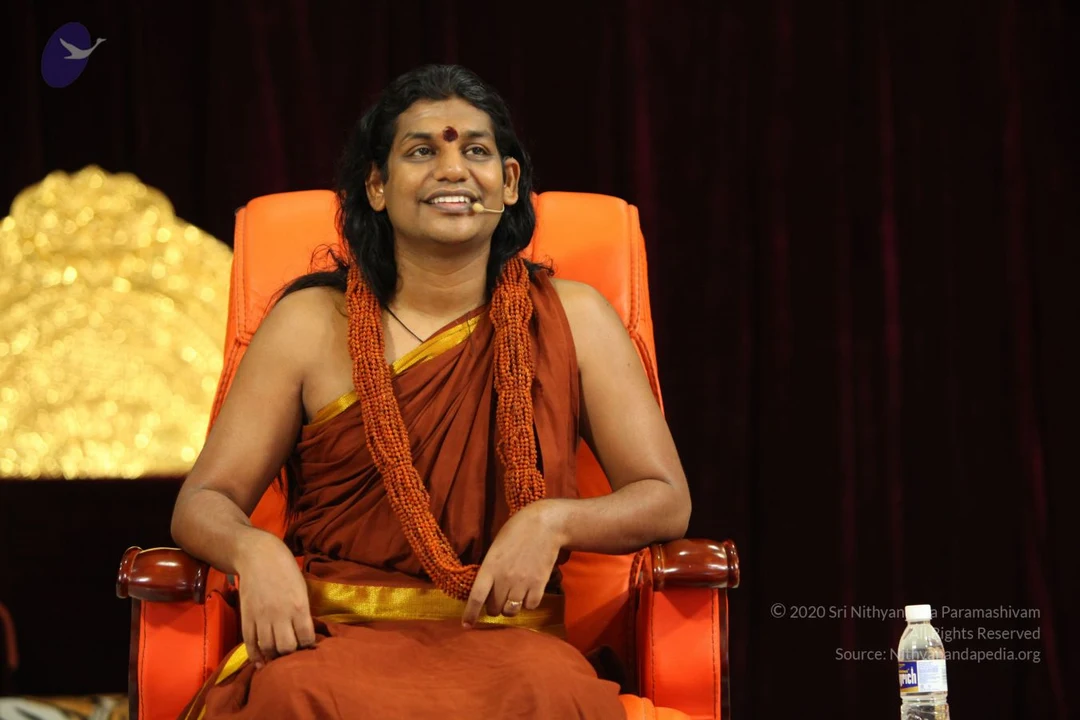
Photos From The Day:
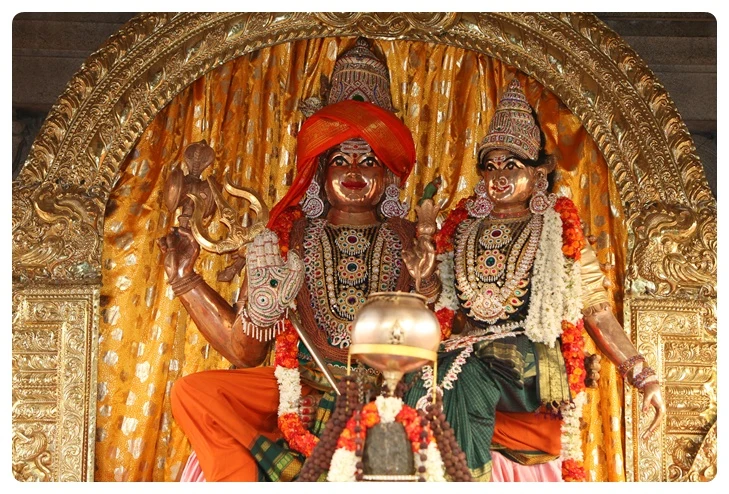
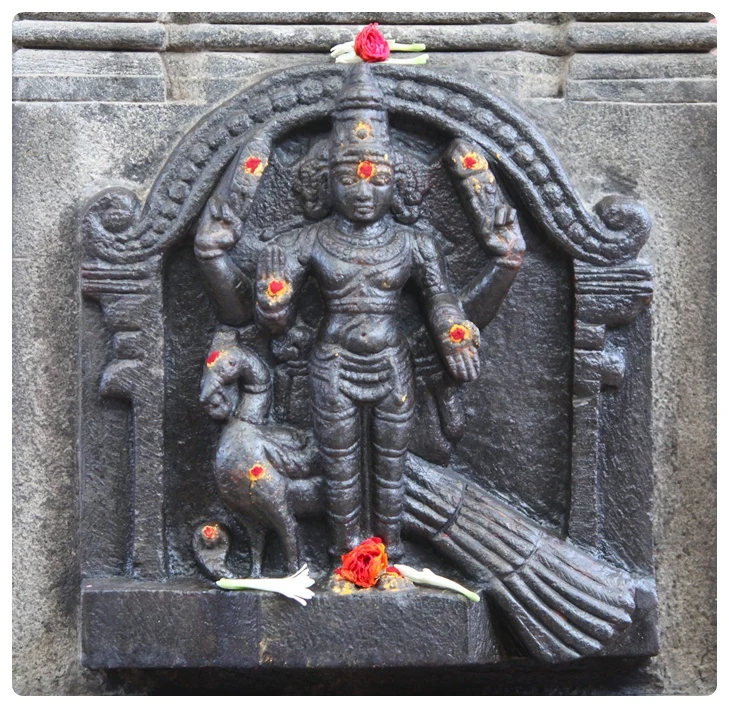
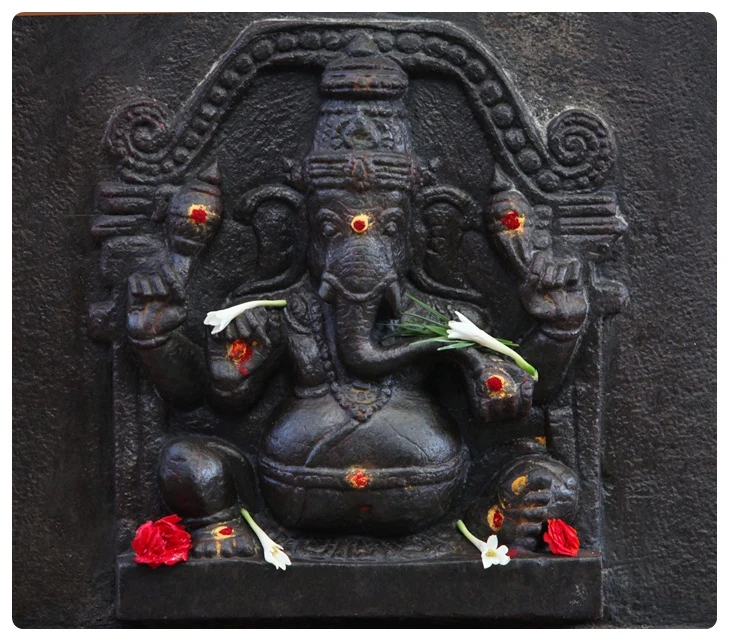
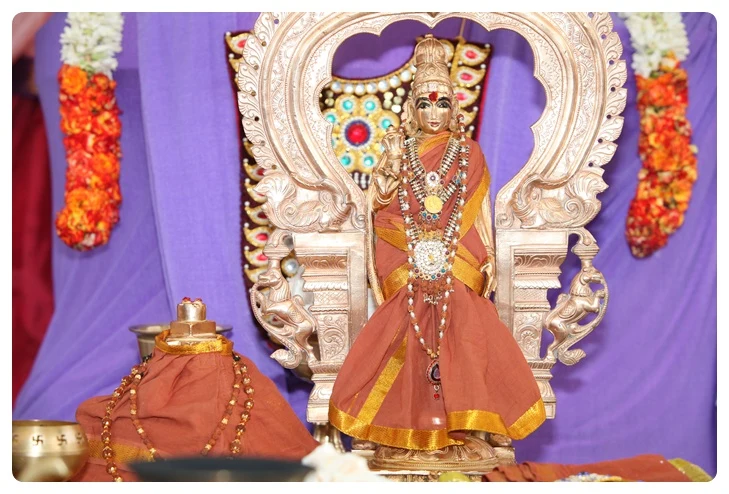
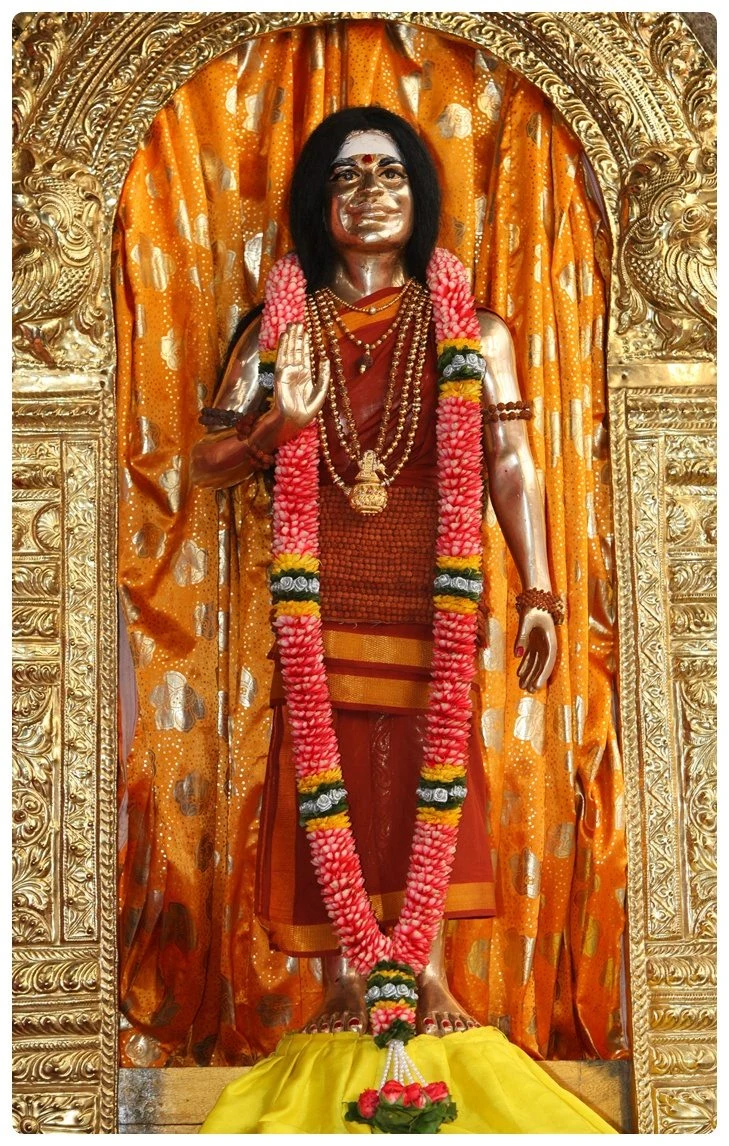
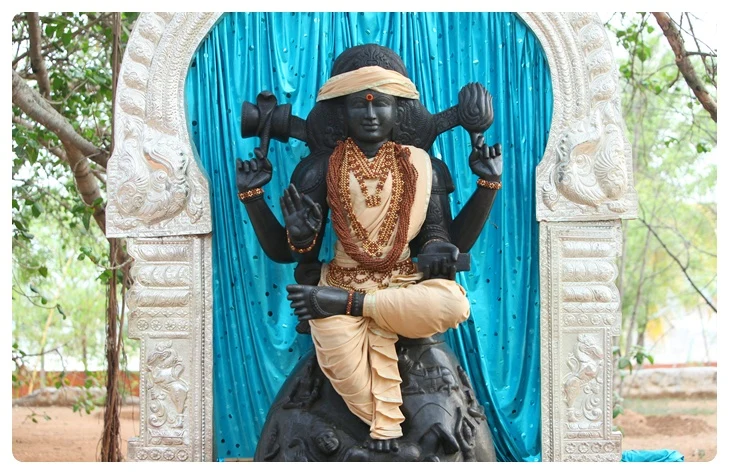
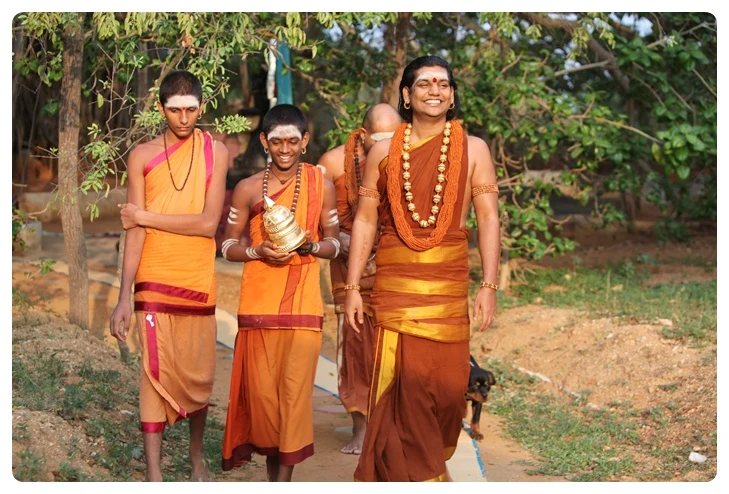
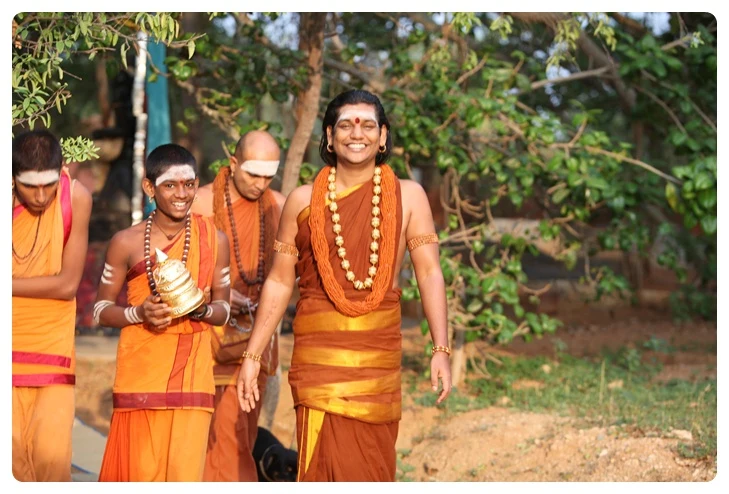
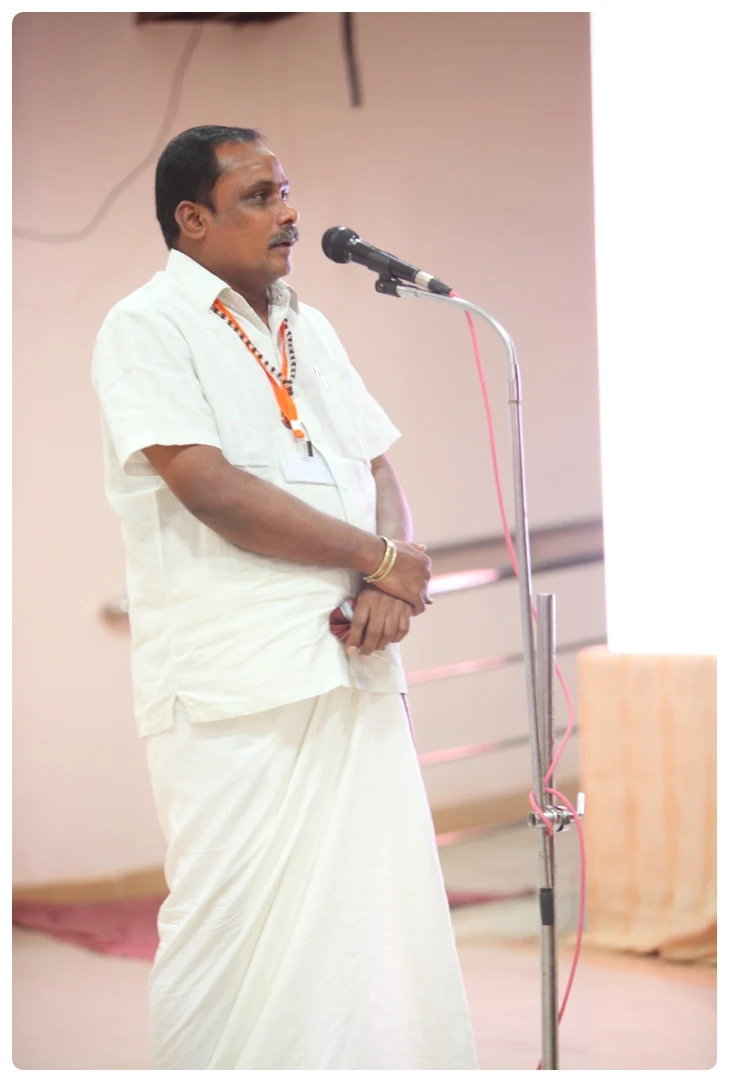
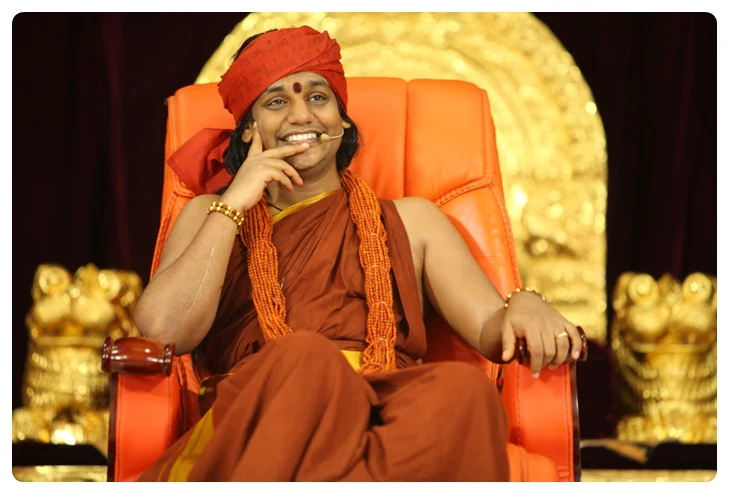
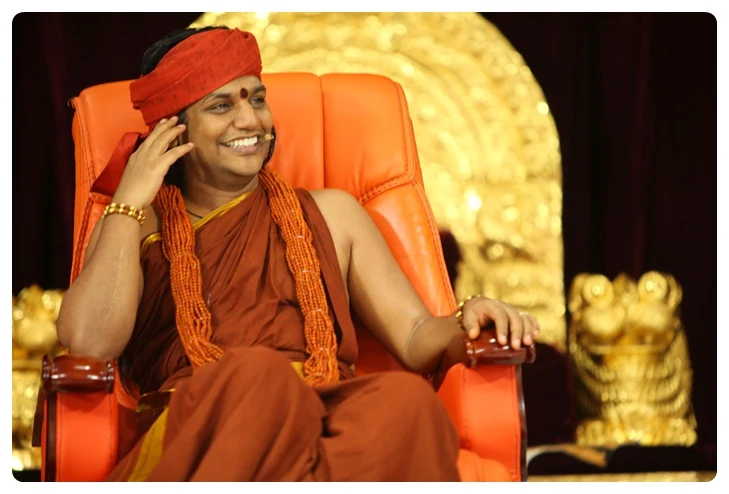
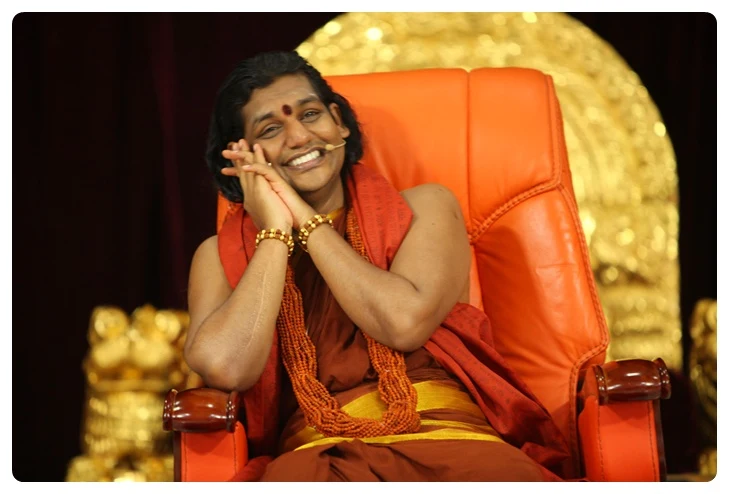
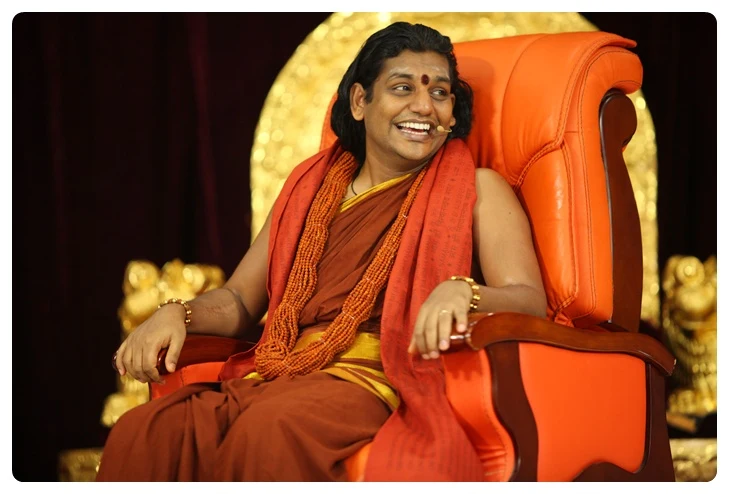
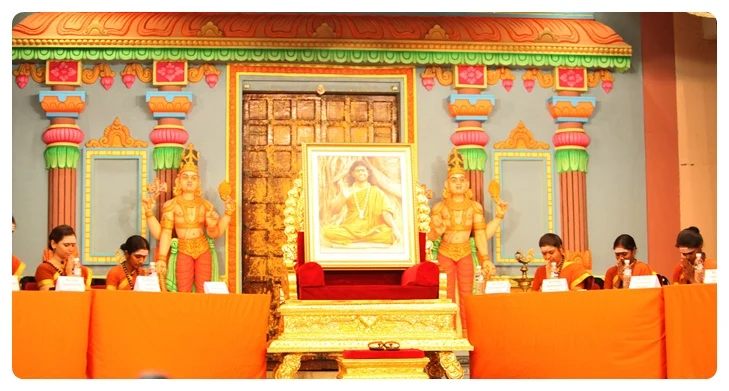
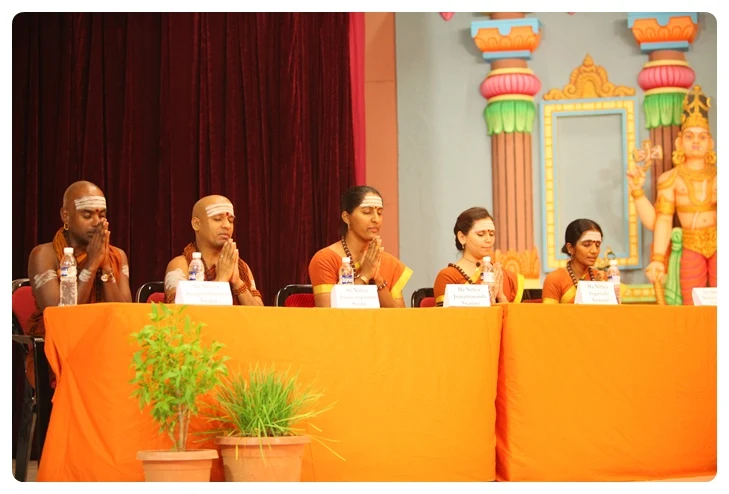
Link to Video:
Transcription
Transcription:
00:16 nithyānandeśvara samārambhām nithyānandeśvari madhyamām | asmat āchārya paryantām vande guru paramparām ||
00:52 I welcome all the devotees, disciples, samajis, satsangis sitting with us around the world at this moment, in so many places through Nithyananda TV, Sadhna TV, and Lotus News channel. >>>Hindi<<< At this time with us I welcome and accept the presence of all the people who have come for darshan and all the devotees love (translation).
Today I’ll continue to answer your questions in the Nithya Satsang to imbibe these tattvas, these principles as satyas.
Question 1: The first question today is from Inner Awakening ID #3, Chelliah who's saying, 'Swamiji, you said a person passes away and the being immediately takes another body, but here we do prayers for that being. The being will be celebrating his or her birthday, how will it help by we doing prayers over his death simultaneously?
01:58 Swamiji: Chelliah, it's a science, an important question. Because this belief or rather I can say this experience makes us the real mystics. Please understand, only when you go beyond do’s and don'ts you become a religion. Till then you are only a social cult. Only when you go beyond, life and death reveal the mysteries of life and death you become religion. In that way, I feel blessed, I am born in a religion. And, I feel double blessed, more blessed and I also discovered my religion! He's asking a question, you said 'a person passes away, the being immediately takes another body but here we do prayers every year for that being, that being will be celebrating his or her birthday. How will it help by we doing prayers over his death simultaneously?
03:09 First understand, all the last rites you do and the celebrations you do, prayers you do, everything is not for that soul, it is for your own completion with that soul. You carry lot of incompletions with that being who left. So you need to do completion again and again with that being. It’s a time you sit and do completion with that being. That is the essence. >>>Hindi<<< You doing completion with that being, for that being. The purpose of shraddha, last rites, pinda tharpana, everything, is for you to complete with that truth, with that being, with that person who left the body.
04:55 So understand, people ask me, 'Swamiji, should I do shraddha, pinda tharpana and all regularly?' I tell you, do it! More than it helps your father or the person who left the body, it will help you. It will help you. You will be out of incompletions. The incompletions you carry with your parents is the Pitru Dosha. Understand? The incompletions you carry inside you with the parents is Pitru Dosha. The incompletions you carry about the fear of snakes and reptiles is Naga Dosha. The incompletions you carry with the elders, pitrus, is Pitru Dosha. Getting it? So, the person who leave, leaves the body, immediately takes another one body. Whatever you give - shraddha, pinda tharpana does not reach him. So understand. But, it completes you!
Next question.
06:41 Question 2: So we also have another related question from a devotee who is asking, 'What is the significance of doing pinda tharpana through an incarnation? How does the Maheshwara Puja help release Pitru Doshas, and how does it help me and the departed soul?'
Swamiji: Two thing here you need to understand. The question: 'What is the significance of doing pinda tharpana through an incarnation? How does the Maheshwara Puja help release Pitru Doshas, and how does it help me and the departed soul?' First thing, understand, listen, an incarnation is the space of eternal completion. Physically, mentally, spiritually, he is the space of eternal completion. Offering pinda through him means, the Maheshwara Puja, is literally completing with your Pitrus, because, when you offer him, when he accepts or receives the Maheshwara Puja given by you, for those moments he is direct representative of the Pitrus.
08:11 And, see, in the completion process, you would have received the instructions, if you don't have your elders with whom you need to complete are alive, if they have passed away, if they have left, they are no more, ask some volunteer to sit, and talk to him and complete. How many of you did that? Exactly the same thing! I myself sit with you and help you to complete with your Pitrus is Maheshwara Puja. Nothing else, that's all. I myself sit with you, not only the completion of emotional words and everything. Anything else you have not offered to them, when they were alive, you treated them in some wrong way, incompletions, you didn’t give food, medicines. You have a duty. Each human being has a duty to complete with all the five - your Pitrus, elders, and family deity, family guru and the parents who are alive, nature which is around you and your Sadguru.,
All of you are expected to complete with all of them. So if somebody has left the body in this group, and, you have some incompletions with them, as a prayaschitta, if you did not give them food properly, but you swindled their property after they have died, after they are dead. You did not take care of them when they were alive, but you inherited huge wealth after they left. So if the... incompletions are there with them, I myself sit and liberate you from those incompletions by accepting the food. And actually, the soul which has left already, the food does not reach that soul, but the incompletion that soul carries with you, the soul will be liberated from it. Food itself does not reach, but the completion reaches that soul. All of you understand?
See, it is like, the incompletion you carry, you will be relieved from it you become complete, and incompletion that being carries, because of your incompletions, that being will be relieved. It’s like a, he would have already taken the next birth. Suddenly he will, you will see, for no reason, he feels relieved from his karmas and he starts progressing in his journey, wherever he need to progress. So it is like a completing the completions in both the ends. It is the job of an incarnation when he accepts Maheshwara Puja.
It is like a when you sit and do shraddha and pinda tharpana on your own, the responsibility is with you. When I sit and receive the Maheshwara Puja, the responsibility of completing you and completing them is mine, and the sannyasis who sit and eat with me. So naturally, it’s my sannyasis; so that responsibility also finally falls only on my head. So, Maheshwara Puja is method to complete with you, and with that soul who departed from your life. And, once you offer Maheshwara Puja, after that you may not need to do shraddha.
12:48 Once the Maheshwara Puja is done, eternally the completion happens. After that you may not need to do shraddha. Shraddha is more like you sitting and doing completion with your efforts. Maheshwara Puja is like making the completion happen in both the ends. Maheshwara Puja is done more as a prayaschitta.
If you have done something really, really wrong, like not caring or not supporting, not taking care, and now you feel you need to complete with that being, then Maheshwara Puja is done. Otherwise, shraddha itself is enough. If you had a very good relationship when they were alive, and you feel you are, you don’t carry big incompletions, other than small, small, emotional blockages, then shraddha itself leads you to completion. But, completing with the people even who left the body in your life is very important for complete completion. (Swamiji speaking in Hindi) Next question.
14:57 Question 3: The next question is from Inner Awakening ID number 224, Sanjay Achari, who is asking, ‘Could you please explain how the law of cause and effect works?’
Swamiji: Sanjay Achari, please be seated It’s a beautiful question. I am so happy today all best questions are coming up. ‘Could you explain how the law of cause and effect works?’ I will answer layer by layer. If you don’t know the connection between cause and effect and confused, you are in incompletion, utter unconsciousness. If you know the connection between cause and effect, you are in completion. If you don’t know the connection between cause and effect, but you are in utter clarity, you are in the space of superconsciousness, what happens is called miracles. Listen! I’ll repeat. If you don’t know the connection between cause and effect, you are in utter confusion, you are in unconsciousness, what happens is called accident. If you know the connection between the cause and effect, you are in completion. Means you are complete. What happens is life.
If you don’t know the connection between law and, sorry, cause and effect, but you are in utter clarity, you are in superconsciousness. What happens is called miracles. Listen. In the unconscious level, you will not know the connection between cause and effect. In conscious level you will know. Again, in superconscious level, you will not know the cause and effect. That is why I say, neither for the Chandalas, nor for the Enlightened beings - law of the cause and effect makes no sense.
Understand, Chandalas the cause and effect they will not know the connection, unconscious criminals, they do not know the cause and effect connection. If somebody has done two hundred murders, he will not know due to which murder he is hanged. He do not know which action caused which effect. Neither Chandala, nor Enlightened beings, are bound by the law of cause and effect. Because Chandalas have too much cause and too much effect. Enlightened being have no cause and no effect.
18:48 I'll now explain the whole science, listen. It’s my very favorite subject, this reincarnation theory, law of karma. Recently there was an article, very beautiful article in the internet I read, a deep study. The study declares, 87% of Americans are Hindus. I was shocked. How come? The study narrates the major ten beliefs of Hinduism, they took it. Which is unique to Hinduism. Dharma based religions, you see in the world broadly the religions are categorized into two category - Abrahamic religions and Dharma based religions.
Christianity, Judaism and Islam, and the sects from those religions are called Abrahamic religions. And Vedic tradition, Hinduism, Buddhism, Jainism, Sikhism, and the cults and sects came out of these traditions are called Dharm, Dharma based religions. So there are some unique concepts, which belongs to only Vedic tradition, ten concepts they took, reincarnation theory, theory of karma, like this ten concepts they took, and they have done a survey with something like a, seven lakh people, means a thorough survey. Seven lakh is not a small number, especially in US. In India, even for our functions in Tiruvannamalai Pournami, we get seven lakh people, and two lakh people come inside our ashram and eat. But in US seven lakh people is a really big number.
20:58 I’ve read the article they have done, they said, they thoroughly narrated how they’ve done the research and all that. After this thorough research, they ask people how many of them believe in this ten concepts. Because all ten are unique to Hinduism and completely contrary to Abrahamic religions. For example, believing in many births, is purely Hindu, Vedic tradition, Dharma based religion.
Of course Buddhism borrowed the concept of reincarnation from Vedic tradition. Buddhism is nothing but one sampradaya of Hindu tradition, because Buddha is worshipped as one of incarnations of Hindu traditions. Some of the Buddhists are trying to scream, 'No, no, we are a separate religion.' It’s like a, after I leave the body, after 500 years, few of my unconscious followers will scream Nithyananda is a separate religion. That, that does not make Nithyananda as separate religion. Now itself I am declaring very clearly, I will always be part of Hinduism. I am from, for, be, in, with, will, be in Hinduism!
22:24 So... just because of few unconscious followers of Buddhist or who claim the so-called followers of Buddha’s shout that they are a separate religion. They don’t become separate religion. It’s one part of Hinduism. Now, you need to understand, the survey report is shocking! 87% of Americans believe in the top ten truths of Hindu tradition. And, next is a shocking, one fourth of Americans do some form of Hindu spiritual practice everyday. Please understand, 25% of Americans do some form of Hindu practice, like meditation, or yoga, or something which they learnt from Hindu source - practice everyday. I tell you, not for any pride or anything, I’m telling you very straight forward; the countries, the civilizations, the societies, which started thinking, they can be satisfied only with Hindu tradition.
24:18 The truths, because these truths only directly satisfies the search, the great seeking of an individual. Still, discussion is going on in our organization think tank group, how can Hinduism be branded best internationally? Because, we need to have one word to tell the essence of Hinduism. Neither my think tank is able to come up a branding word for Hinduism, nor for me. Because, both are too vast.
Understand, this law of cause and effect is one of the important theory in which 87% of Americans believe. I can also give you the reference of that article. It’s in the internet, maybe I’ll search it and get back to you guys, and, or if you guys search, you will get it now. Let me define now, cause and effect. I’ve introduced this theory now. Listen. Cause is a action or a word or deed or a thought, creates certain incompletion in you and in others, pushes you to reap the fruits of incompletions in your life is 'cause.'
26:37 Listen! Thought or a word or a action happens in you, pushes you to incompletion and makes you experience incompletion with others, and drives you towards completion. Effect, I’m defining effect now. Effect is, the incompletion multiplying continuously instead of moving towards completion is effect. I am defining cause and effect in the context of completion and incompletion because you are going through it. I’ll define in other sense, in a different context. I defined the cause and effect in the context of completion. Completion is, stopping the effect immediately and rewinding the effect towards the cause and merging effect into the cause, is completion. Stopping the effect immediately and rewinding it back to the cause and effect, merging into the cause is completion.
28:28 Understand, I’ll define the cause and effect in the another context. Anything which has not made its effect completely in you is ‘cause.’ Anything which has made its effect completely... please listen. Anything which has not made its effect completely in you is ‘cause.’ Any cause which has made its completion on you is ‘effect.’ Get it! Get it! If you’ve taken the haritaki yesterday night, you can get it now today morning. Listen. Anything which has not caused the complete effect in you is ‘cause.’ I am redefining from different context. One more context. Please listen. Any pattern which you have not completed, as long as it remains as a pattern in you, it is called ‘cause,’ when it is expressing itself into the action, it is called ‘effect.’ I’ve ex - defined in three context.
30:39
I am going to the fourth context. I am defining this cause and effect in different, different ways, whichever clicks you, take it and start working with it. Cause which happens in your Mamakara, effect is which happens outside you. You need to know, it is always from inside to outside. Some more definitions of cause and effect: I do not want to say, ‘whatever you give comes back to you,’ No! How you cause, that same way only it comes back to you. Listen, if you cause something out of completion, what you get back will be miracle. If you cause even the great charitable act out, out of incompletion, what you get back may be hell. Not maybe, will be.
32:16 Even the so-called moral, good, right acts caused out of incompletion, will have only bad effect, not the desired effect. Karna’s charity was not out of completion. Listen! It is out of a deep incompletion, that he is not respected. What’s the best way to receive the respect? What is Karna’s Mamakara? ‘I am a failure, not respected anywhere I go.’ Because, he did not know his parents’ name. He did not know his origins. From the young age he was not respected, so his Mamakara was ‘I’m not respected.’ So he has to explode with Ahankara, ‘I have to be respected, I am respectable!’ So, what is the best way? Do charity. Even his charity was from incompletion, that is why his death itself is because of his charity. The character of giving, finally caused death to him! See in every level, Indira comes and takes away his protection shield and the Karna - kavacha and kundala were taken away by Indira. Why he gave? ‘To Indira I’m giving charity!’ Not out of completion, but out of incompletion.
34:22 Then Kunti comes and takes the boon, ‘You will not send the Nagastra second time on Arjuna.’ He says, ‘Alright, to the Raja Mata I am giving a boon.’ He gives. Then she asks, ‘You will not kill anybody other than Arjuna.’ He says, ‘Alright, to Raja Mata I am giving the boon.’ Otherwise he would have killed Bhima at one time. The whole war would have ended, because all five pancha Pandavas took the vow, even if one dies, all the other five will walk into the fire.
Fool! Even charity giving boon out of incompletion is dangerous! Then, end of the life, his charity, all that good karma comes and stands as a shield and protects him. Again, Krishna comes, and asks him to give all the good effects of that charity. You see, you might have done the charity out of incompletion, but the people who received are complete so, their blessings are all there. Those blessings are standing and protecting him. The Tathastu of all the people who received were standing and protecting him. Again this fool, knowing that Krishna is standing in front of him and asking he says, ‘I am giving even to Krishna.’ Out of incompletion he gave it, he gave that also away. Even the great acts like a charity, done out of incompletion, leads only to the wrong effect. Finally he’s dead.
36:25 Same way, even the sacrifice, tapas. See the Ravana’s tapas. What a tapas! But just with one incompletion, ‘women don’t accept me.’ From the young age, he had that deep pattern, ‘women don’t accept me.’ Because one girl curses him, one Brahmin kid, he tries to force himself on her. She curses him, ‘If you touch any woman without their permission. All your head will burst, you will die.’ Just that out of one pattern, he wants to be so powerful, that all the women are around him. Just out of the, out of that one incompletion, he did all the great acts like tapas and everything. Finally, even those powers, tapas, everything, only led to his destruction. Out of incompletion, anything you cause, will have very serious wrong effects. Out of completion, anything you cause will have only effect of completion. So, the space you are in is more important for the, for understanding law of cause and effect.
38:20 Please understand, people ask me again and again, ‘Why bad people are happy, good people are suffering?’ The so-called good people, may not be in completion when they do certain acts. From outside it may look like good. Any receiver, Karna will look like a great charitable person, only Karna knows he does it out of incompletion. Or even he may not know, he would have forgotten. Out of incompletion, even if you do good act, it comes back as bad effects. From the space of completion, anything you do comes back to you as completion. So, in the law of cause and effect, the important thing you need to do and you need to learn is the space from which the cause is caused. Be Cause! Because, if you are not Be and Cause, you will be causing the effects for which you can’t answer with because.
40:08 Let your being be in completion and cause! Effect will be completion. If your being is not in completion and it causes, the effects will be such, you will not be able to give any answer. If somebody asks ‘Why?’ You won’t be able to say ‘Because.’ No. Be in completion, so that you are causing the right effect. Be Cause in completion. Be in completion and cause. Next question.
Questioner: Is from Inner Awakening ID number 199, Rohit Mahaveer is asking, 'What is the significance of the tigers that you Swamiji are surrounded by?'
Swamiji: Oh! Rohit Mahaveer, This is not tiger, its lion. This is called traditional throne, the Simhasana. Means, listen. Inside the space you carry is one lion, the outside life you make it happen, you cause is another one lion. The person who has conquered both under his control sits on Singhasana. In the tradition, the kings who mastered their inner space and outer space, and enlightened beings who caused inner space and outer space, who have mastered the inner space and outer space - both king and enlightened masters, both sit on Singhasana. The seat of lions in Indian tradition, so it’s also called Vyasa Peetha, from where the knowledge is radiated. It’s also called Vyasa Peetha, from where the knowledge is radiated. That is why, the symbolic lions are kept next to the seat. Next question.
42:50 Questioner: The next question is from ID number 137, Kishore Gadhiar who is asking, ‘Nithyanandam, my question is about the importance of sadhana. What are the types of sadhana? Without sadhana can anybody get enlightenment?
Swamiji: 137 Kishore Ghadiar. Please be seated, his question is 'Swamiji, my question is importance of sadhana. What are types of sadhana?' First thing, anything which moves you towards completion is sadhana. You are asking without sadhana, what are the types of sadhana. You are asking without sadhana, what are the types of sadhana? There are millions of types of sadhana. Anything can become sadhana, if you are doing it for achieving completion. Even if you take a broomstick and go on sweeping this hall, saying that, ‘Till I become complete, I will continue to sweep,’ that will become Sadhana. Anything can become, listen, what is the importance of sadhana? Anything which leads you to sadhana, sorry, anything which leads you to completion is sadhana. And, anything with the purpose of completion is sadhana. And without the action to achieve completion, you can neither achieve completion nor achieve enlightenment.
44:44 What is the importance of sadhana? What are the types of sadhana? Without sadhana, can anybody get enlightenment? As I said, any action you perform is sadhana, if its towards completion. And only with completion, you can achieve enlightenment. You are asking, what are the types of sadhana? Anything you do to achieve completion is sadhana. If you sit and start blowing your nose, saying that, 'Till completion, I am going to do this.' That is sadhana. If you sit and start talking to yourself and declare, 'Till completion, I am going to do this,' that is sadhana. If you sit and go on pouring water on one stone and say, 'Till completion I am going to do this,' that is sadhana. Anything you do towards completion is sadhana.
Swamiji speaking in Hindi - 46:00 - 46:21
Next, next question.
46:20 Questioner: The next question is from Inner Awakening ID number 96, Alec, who is asking, ‘Dear Swamiji, how can integrity, authenticity, responsibility, and enriching lead to extraordinary powers like materialization, teleportation, and leaving the body in Sajeeva Samadhi.
Swamiji: Alec, yes, it’s a nice question. He is asking how can integrity, authenticity, responsibility and enriching lead to extraordinary powers like materialization, teleportation, and leaving the body in Sajeeva Samadhi. No, not even Sajeeva Samadhi, Nirbija Samadhi! The highest samadhi you can achieve with these 4 tattvas. Understand, what is all these powers? It is nothing but, when you are in integrity with the Cosmos, Cosmos just responds to whatever you think. Energy responds to matter. What is authenticity? Please understand, authenticity decision has to come from your very soul. Your soul has to awaken. Only then you can start living authenticity. Till then you may be practicing little authenticity in your yoga, or little authenticity in your waking hours, little Nirahara. No. That’s not completely authentic. When your soul wakes up, only then you become completely authentically authentic. So, when you start practicing, authenticity, your soul wakes up. Your being wakes up. Getting it?
48:23 When you practice integrity with integrity, authenticity with authenticity, you will simply have the powers like a materialization and teleportation and vak siddhi. See, when you are so integrated with your words, your words just moves the world. Your words can simply move the world. When you are completely authentic, simply your soul can express anything. Because energy or matter, both listens to your soul. Matter listens to energy. Leaving the body in Sajeeva Samadhi means nothing but, you can even oh, Sajeeva is one type of Samadhi. You can call it Living Enlightenment. But I tell you, Nirbija Samadhi means, Samadhi of no see... by the 4 tattvas, when you live these four principles, even while you're alive, you become completely the spiritual energy. There is no individual private corner in your inner space for you. It’s purely only integrity, authenticity, responsibility, and enriching living. No personal desires. No personal desires, no personal ideas, no personal moments.
50:18 Lives, so understand, integrity, authenticity, responsibility and enriching lead to extraordinary powers like materialization, teleportation, and leaving the body in Sajeeva Samadhi. Practice, you will understand how directly, immediately it leads you to Sajeeva Samadhi. Authenticity is nothing but, you remembering all your powers are at your disposal. You can just possess, express any power you want.
Today, I have a webinar especially to make people understand, in the evening how extraordinary powers can be expressed through the integrity, authenticity, responsibility and enriching. Self transformation is the ultimate extraordinary power. How it can be expressed? Experiencing the peak possibility of your life. Tonight 8 pm Indian Standard Time, we have an interesting Webinar in Nithyananda TV - 'Experience the peak possibility of your life.'
52:28 So, essence of today’s Satsang, understand the principles of cause and effect. Realize the 4 tattvas can create extraordinary powers in you. Enjoy your life by living these 4 great principles as life.
Let you all achieve, experience, live, express, radiate, share, and explore in eternal bliss, Nithyananda. 53:18
(c) 2019 Sri Nithyananda Paramashivam. All Rights Reserved.
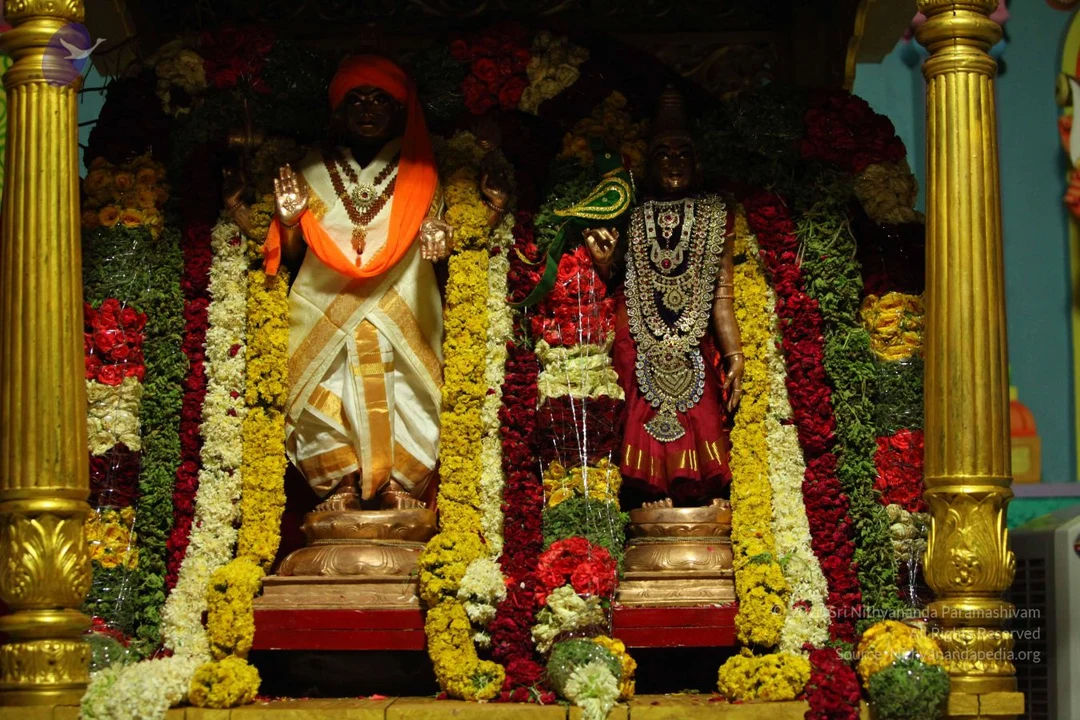
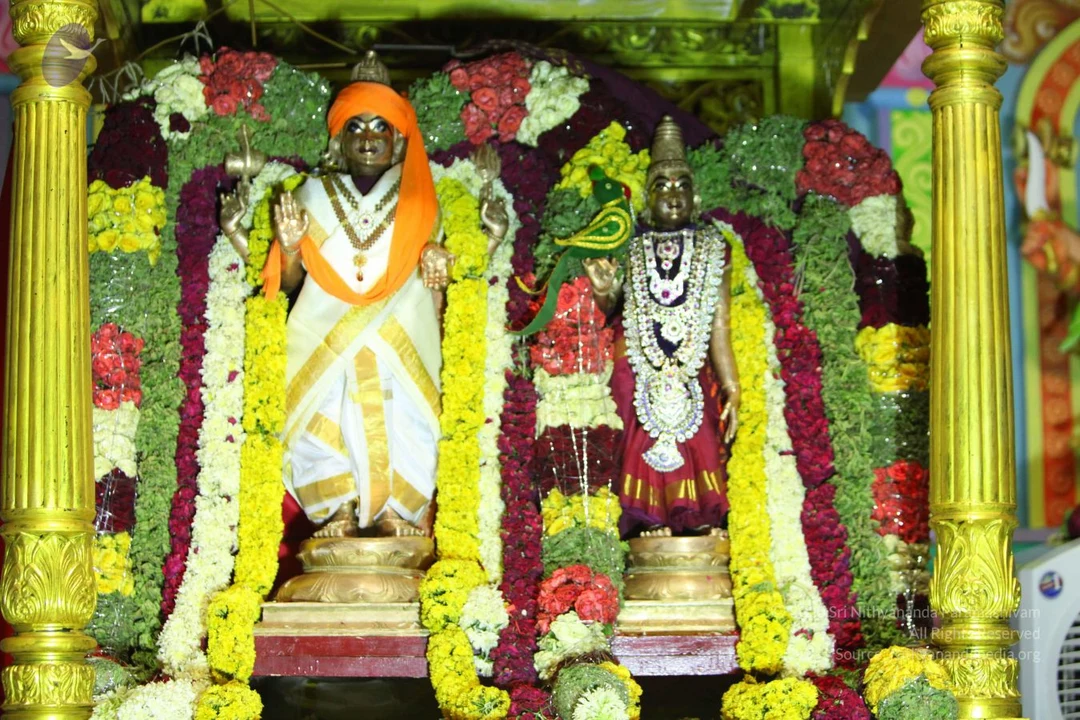
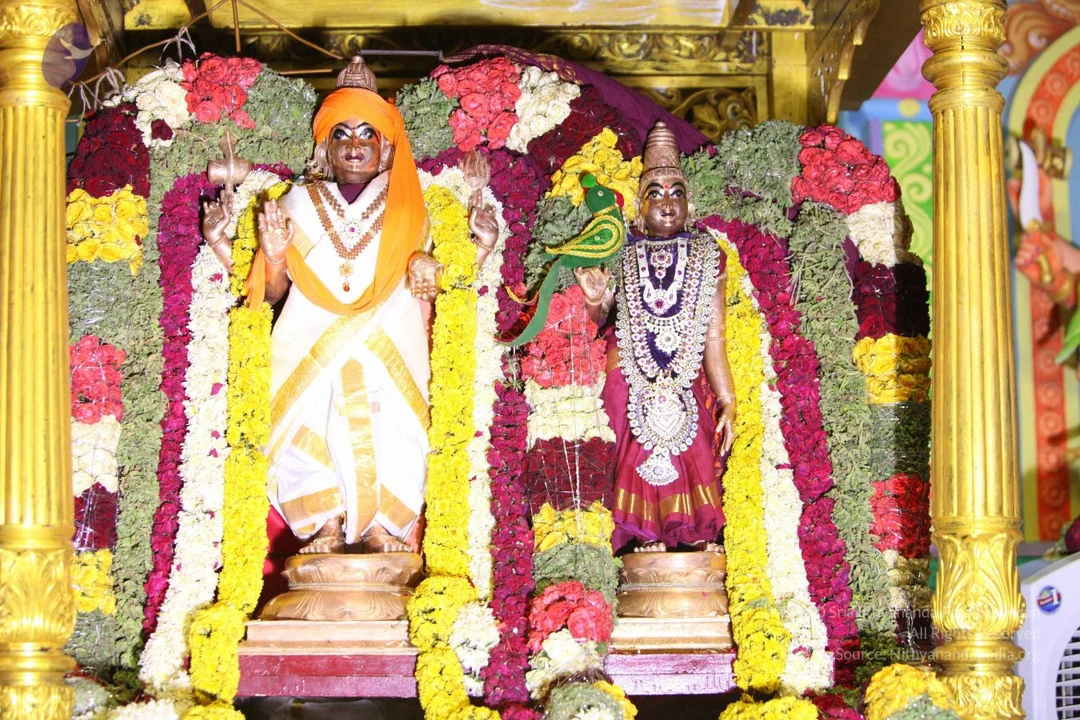
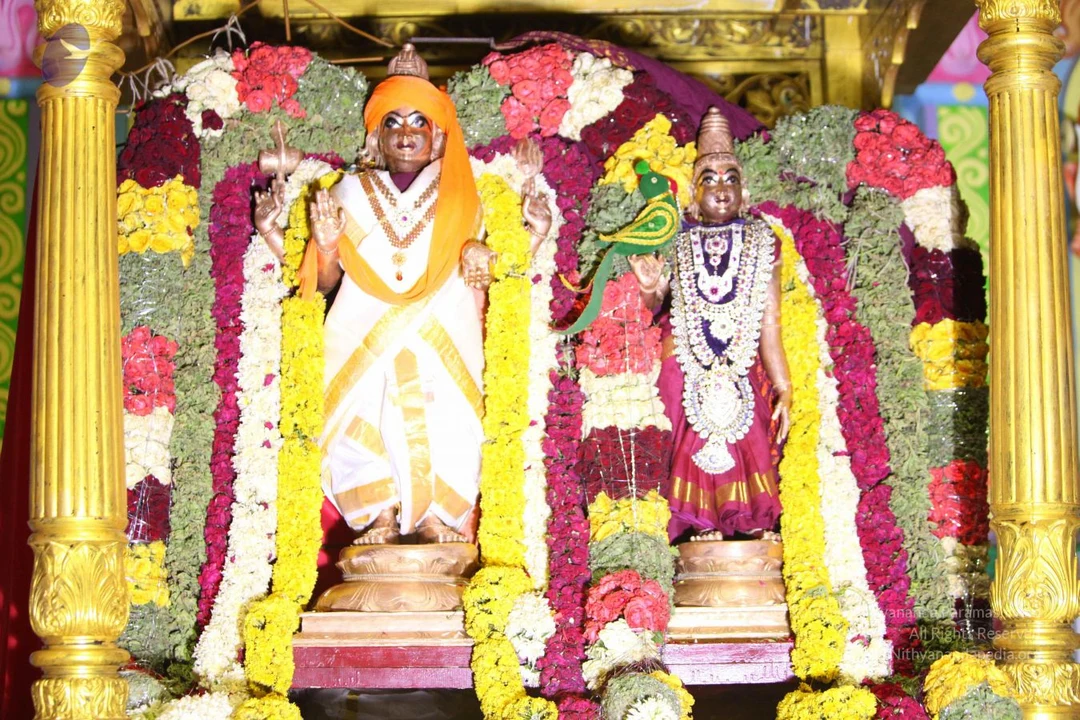
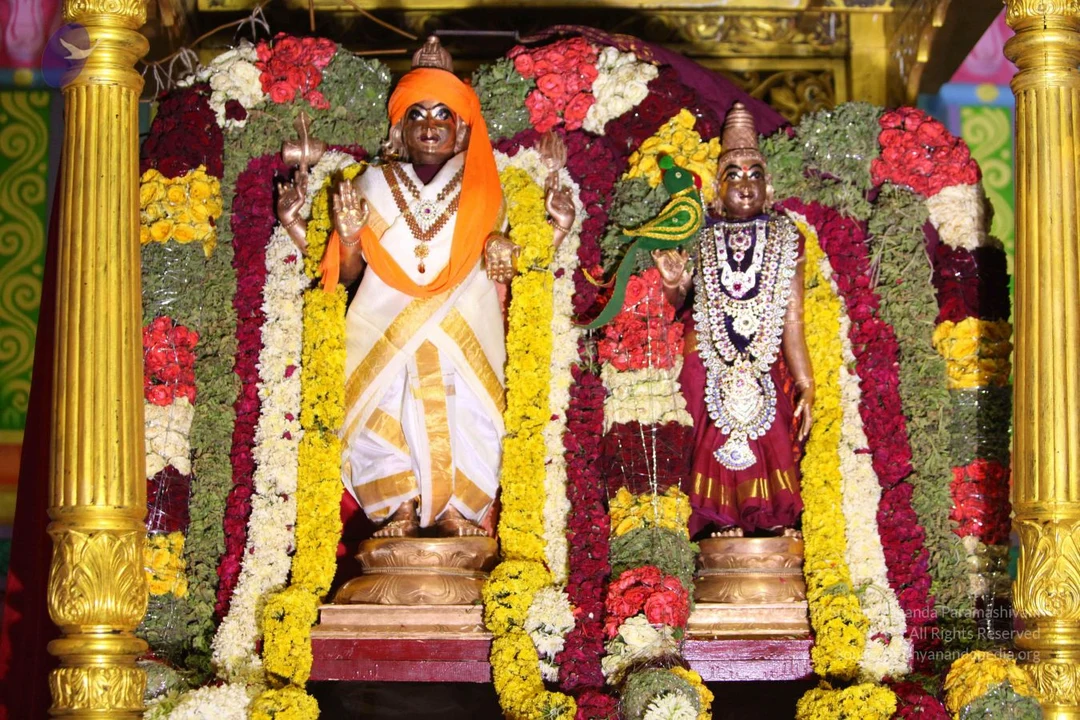
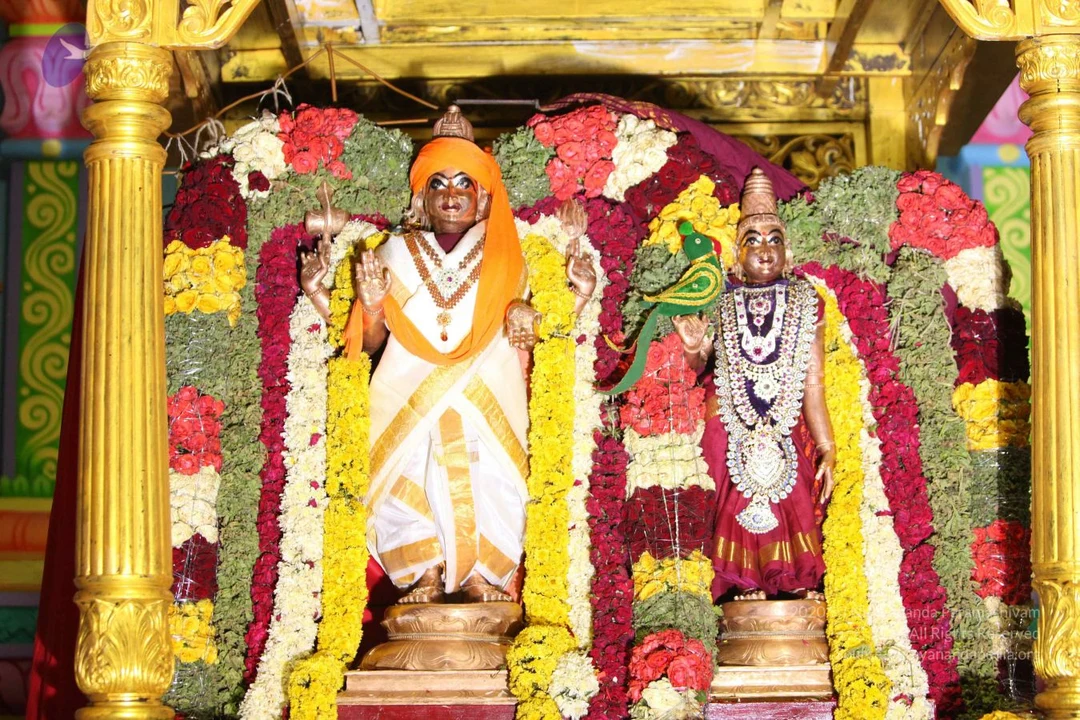
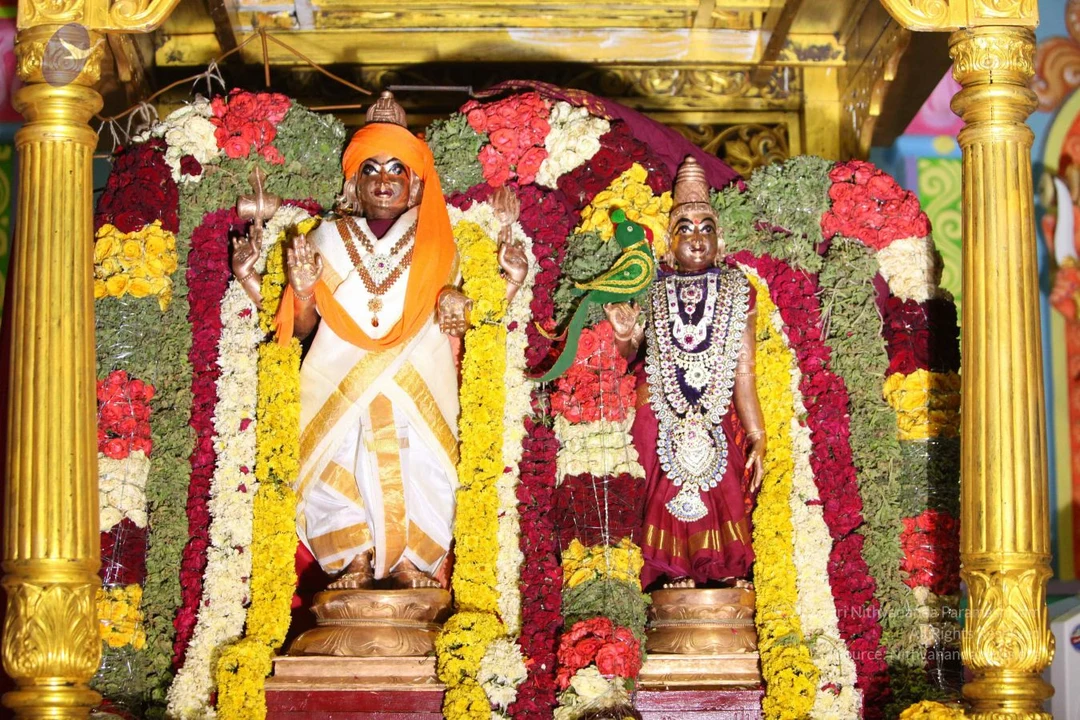
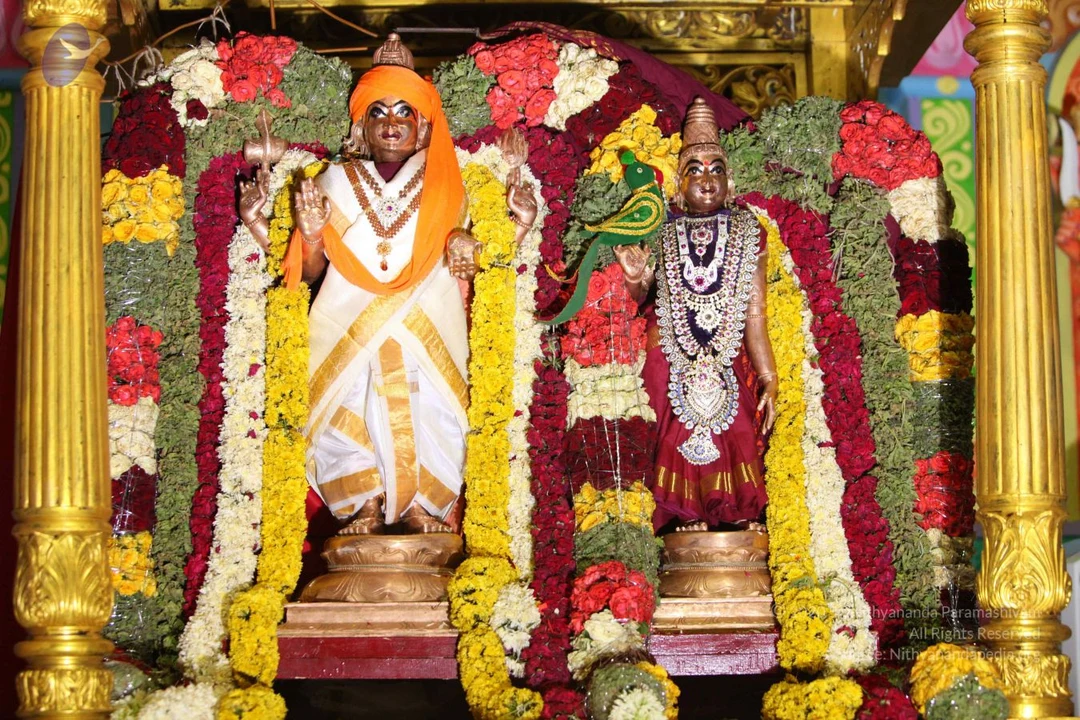
Photos Of The Day:
EN GENIUS






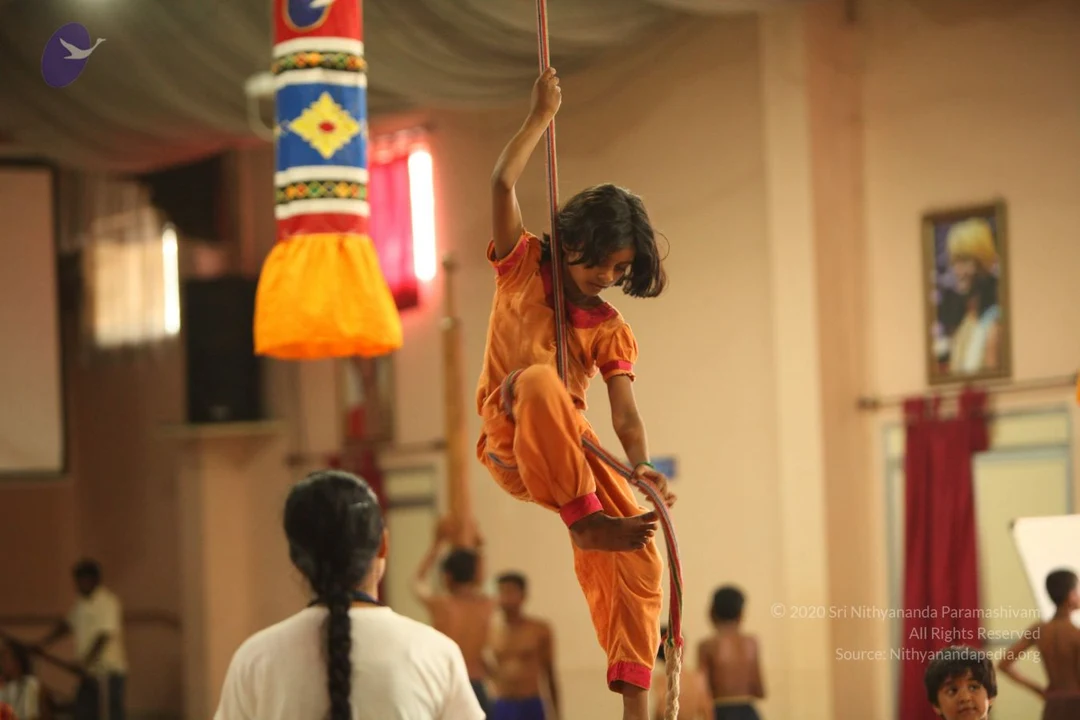
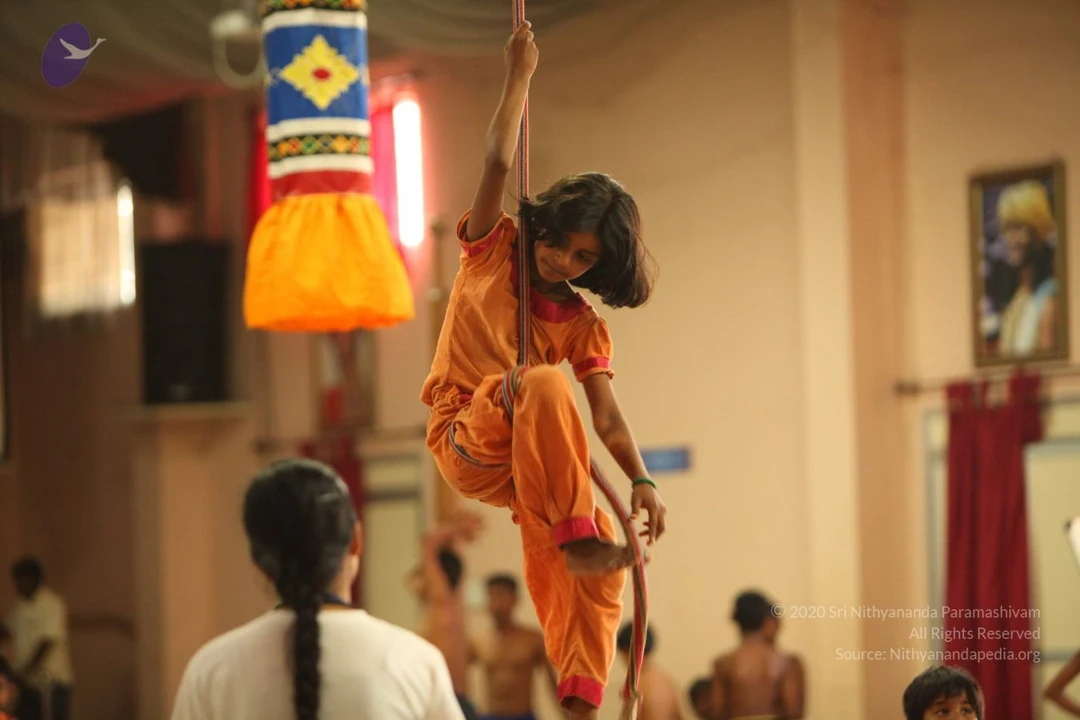
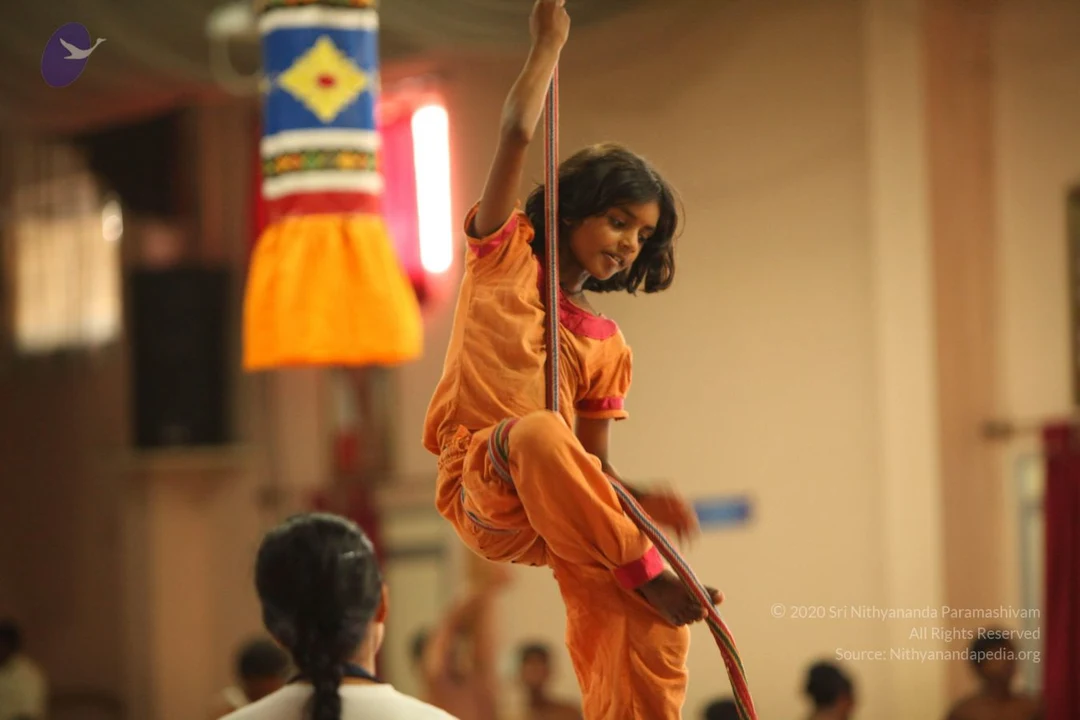
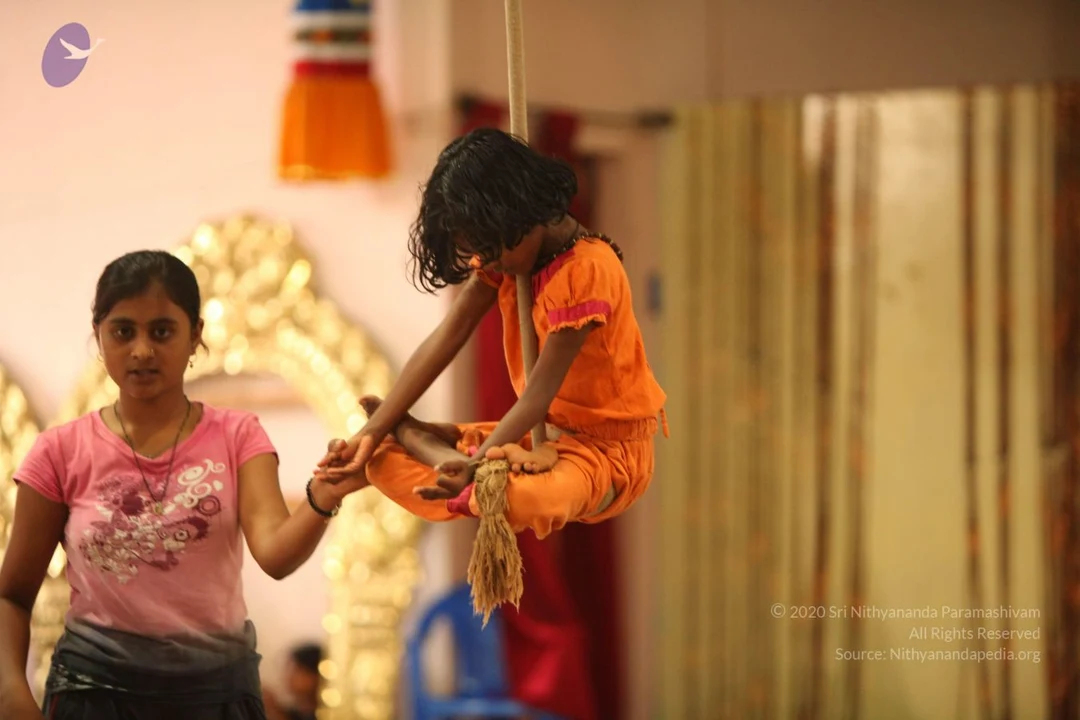
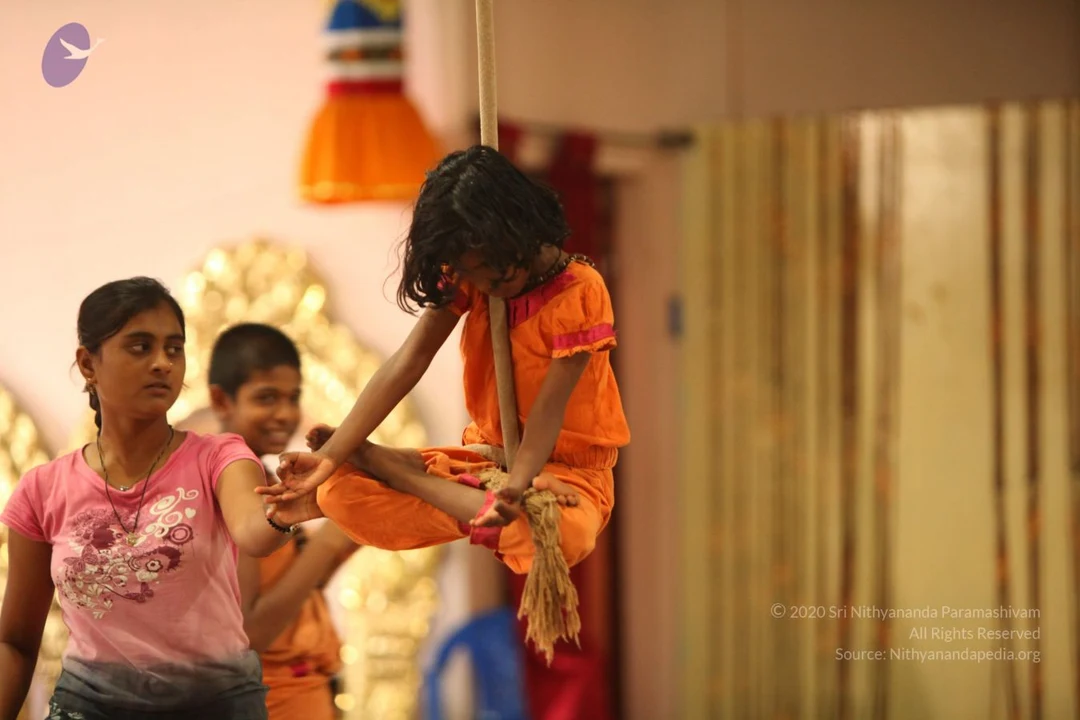
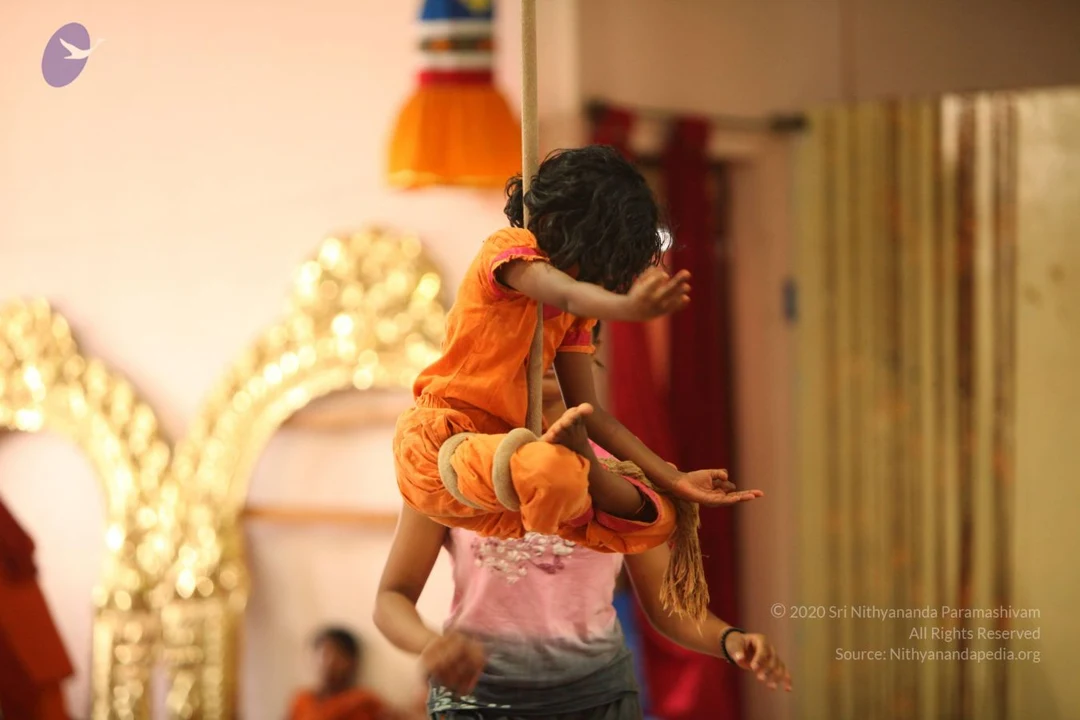
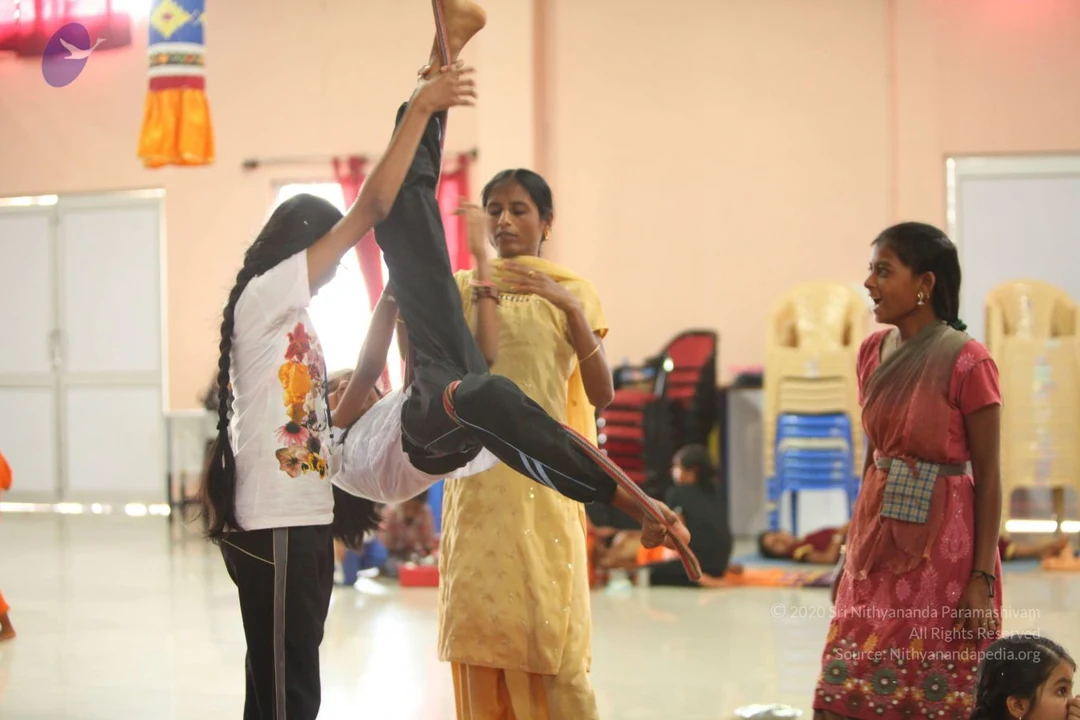
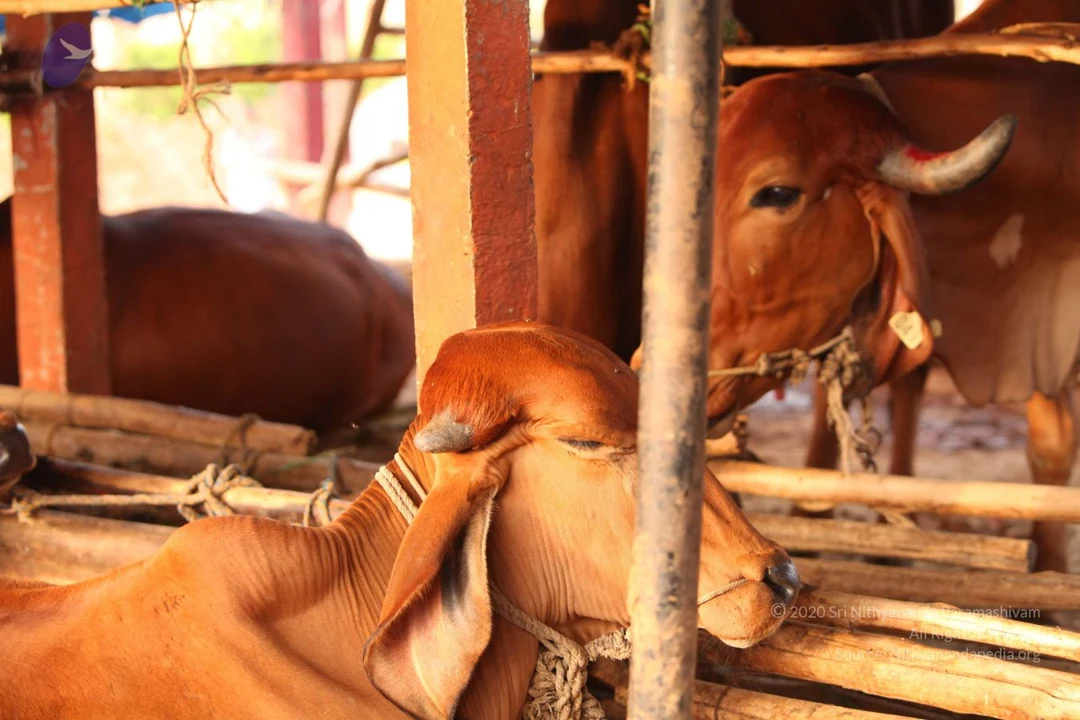
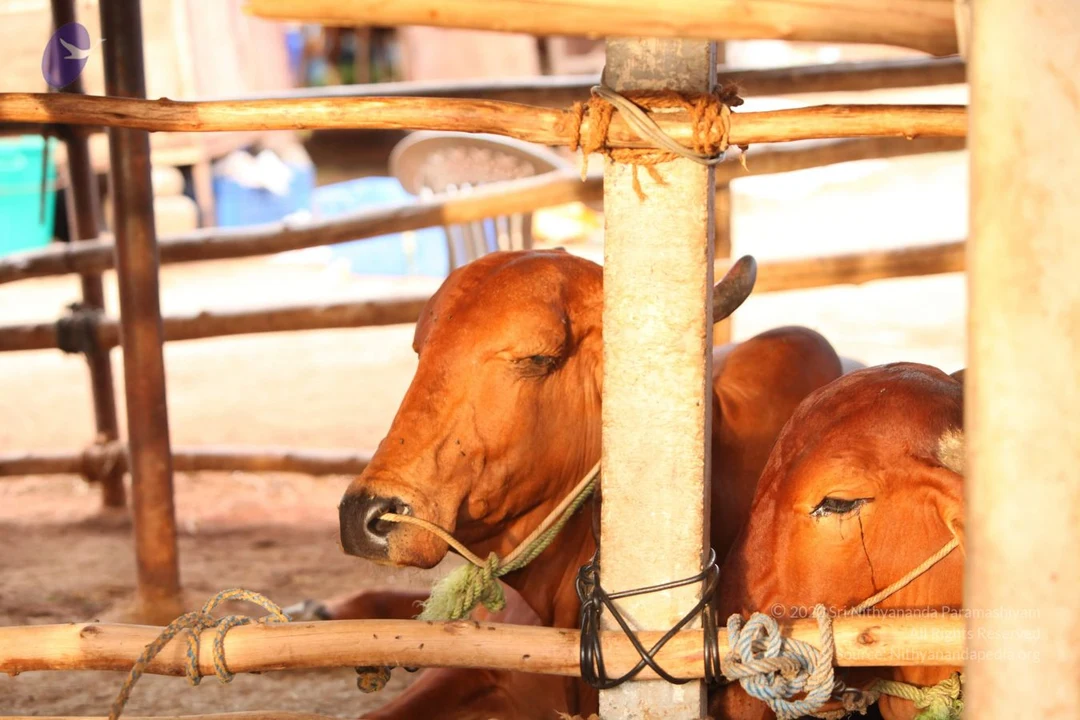
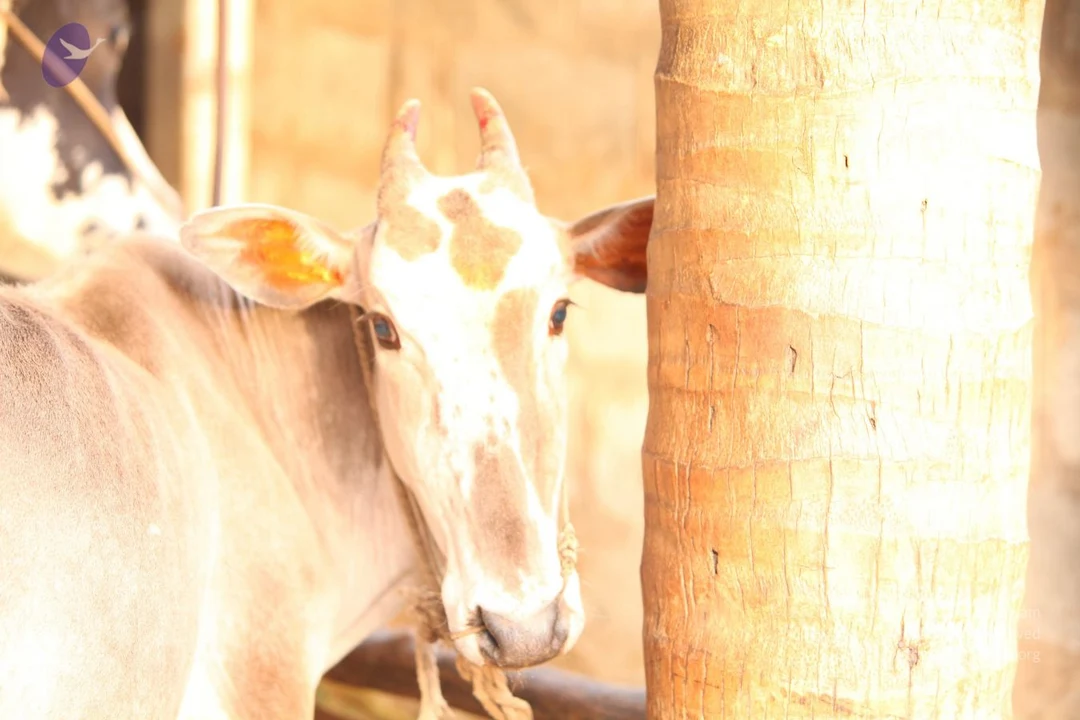
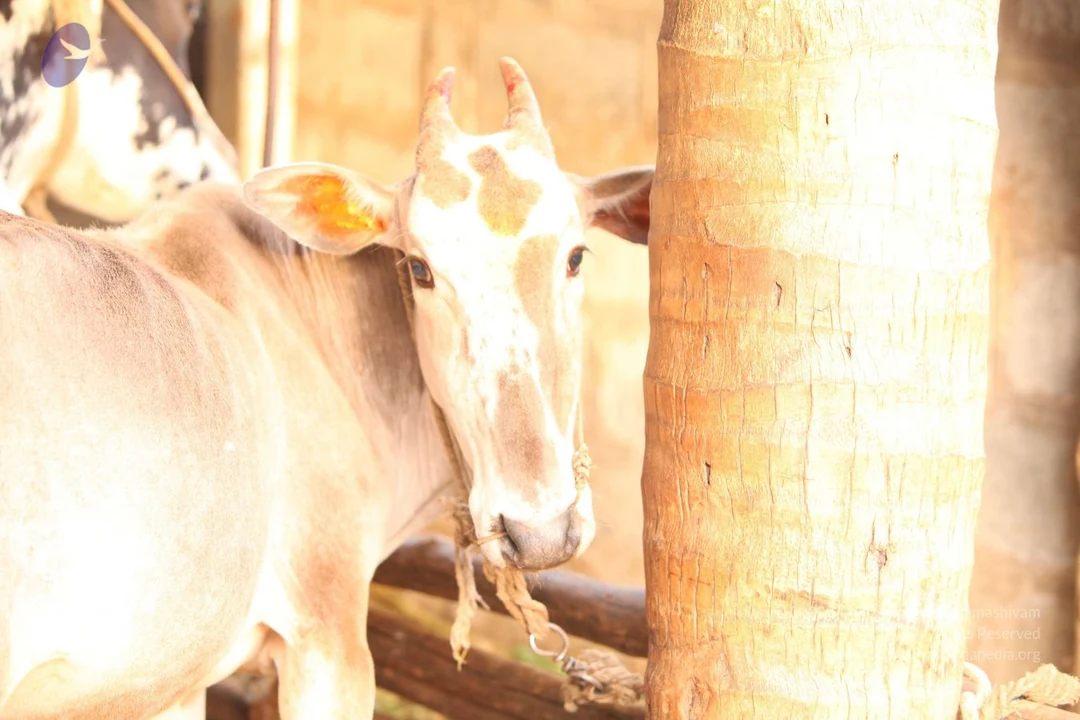
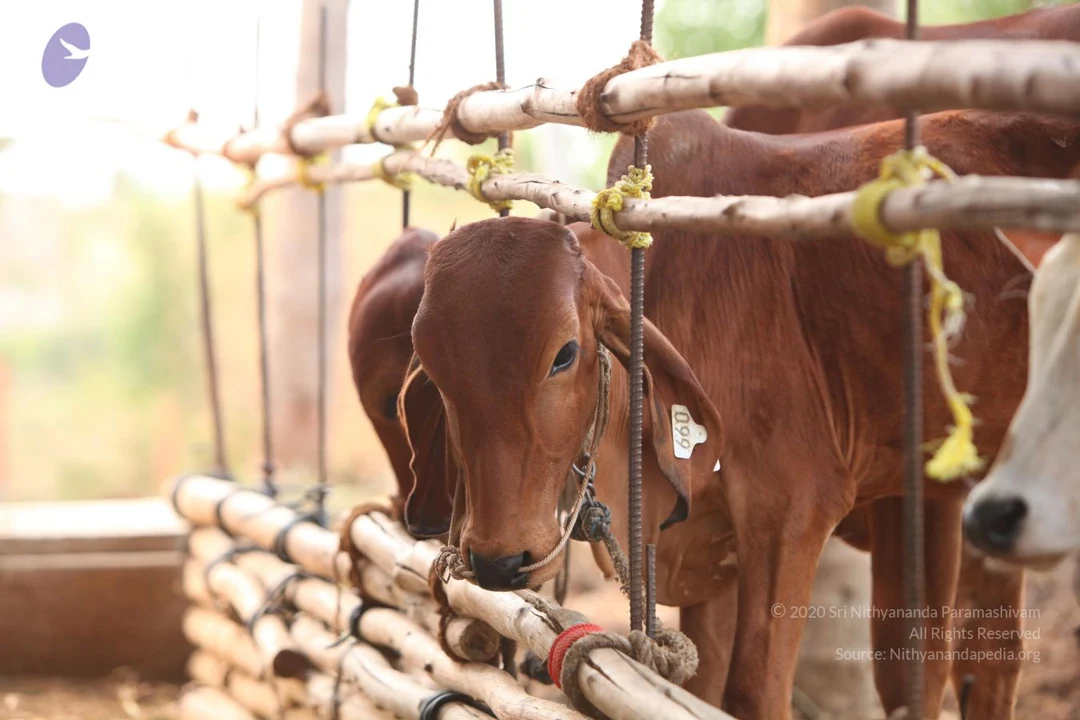
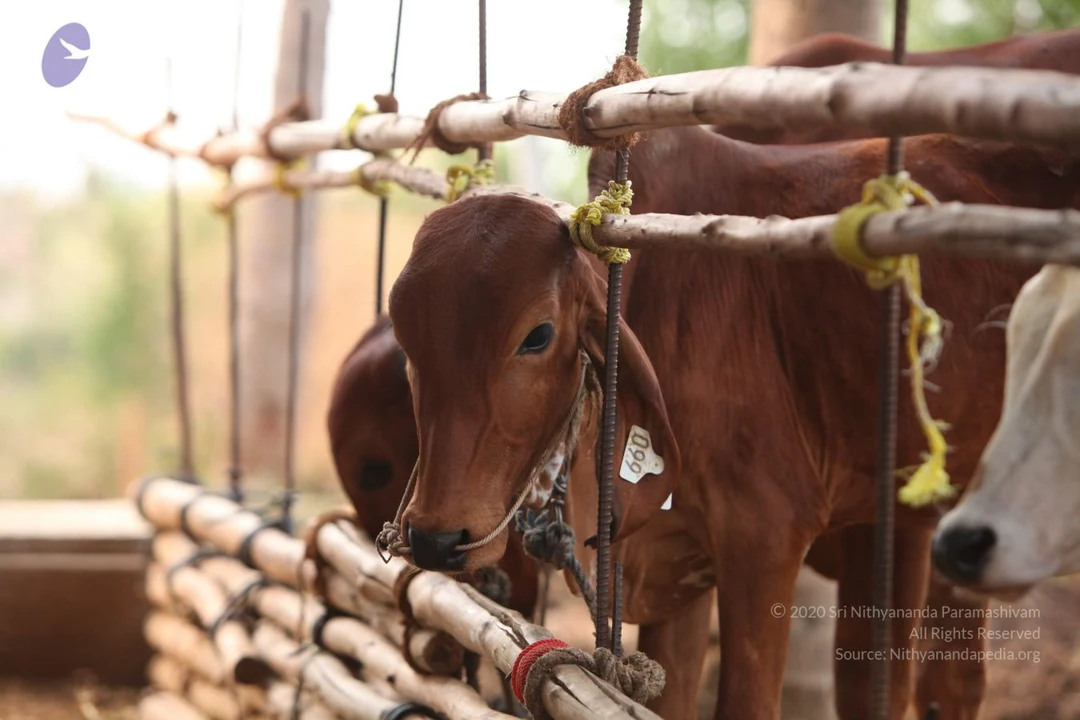
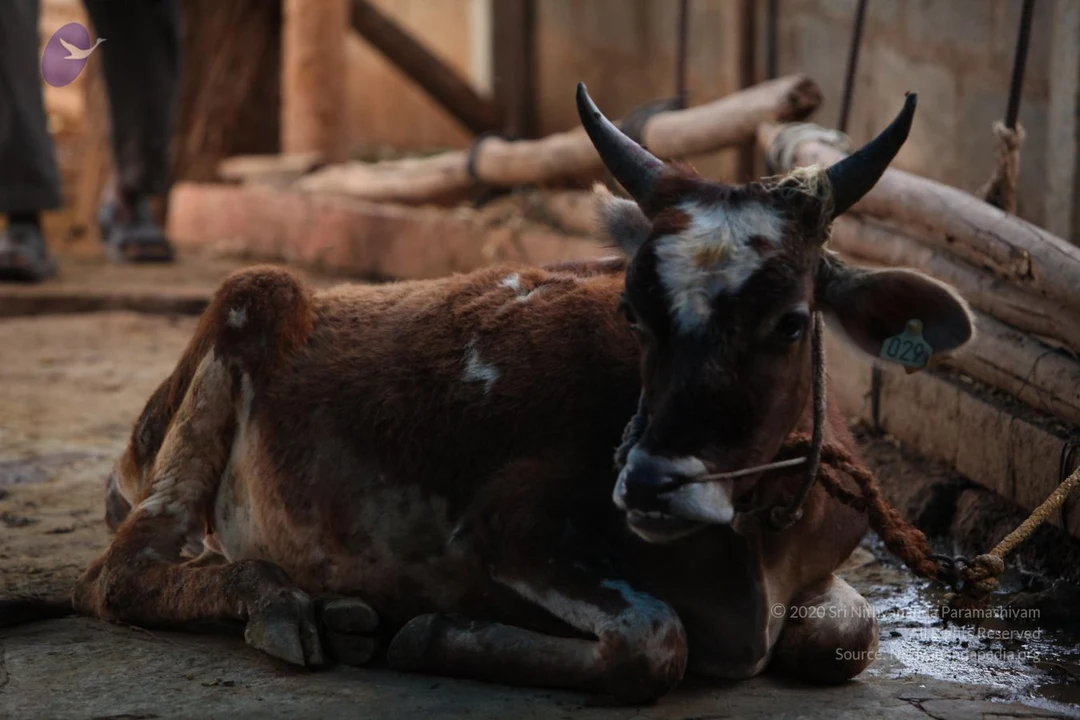
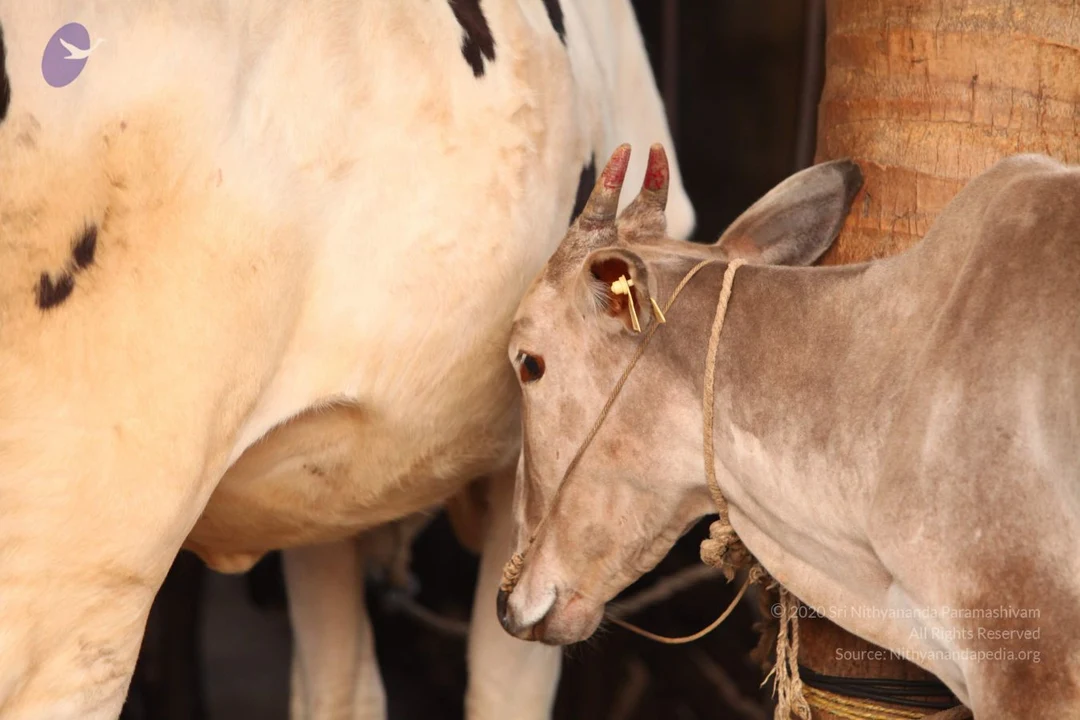
Goshala


















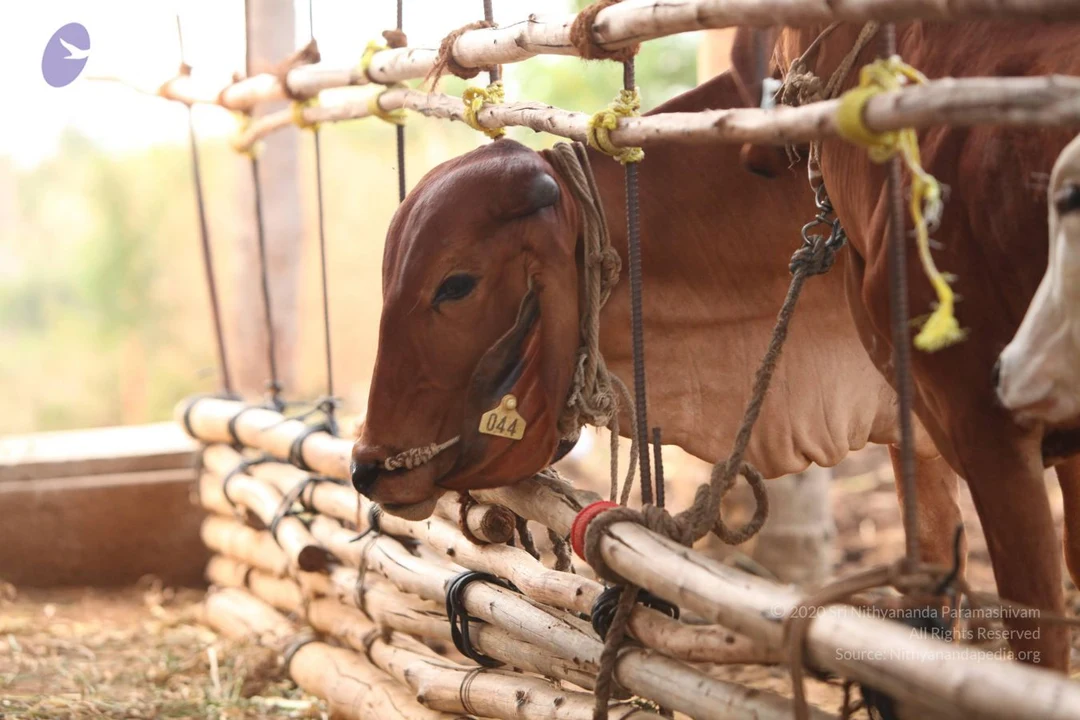
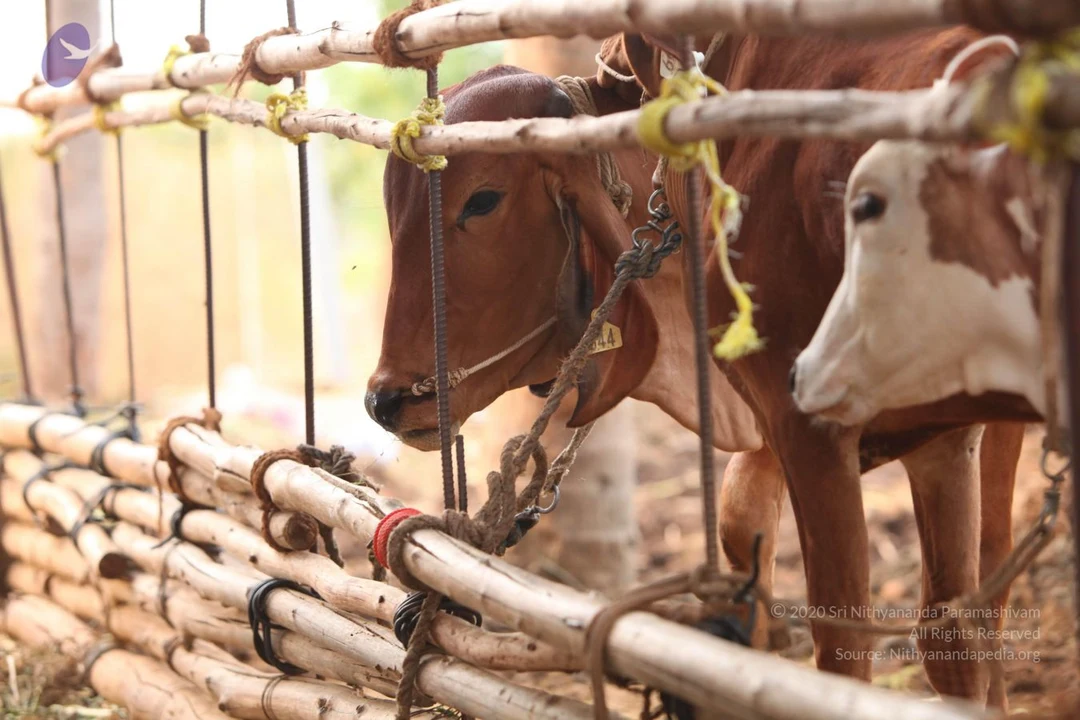

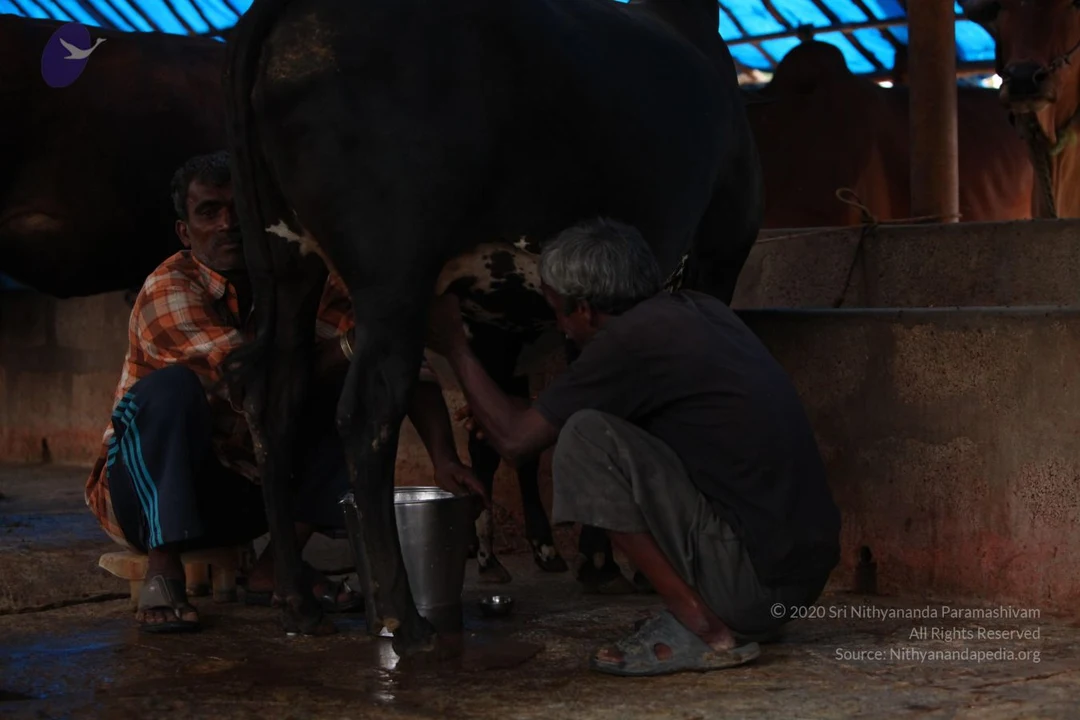
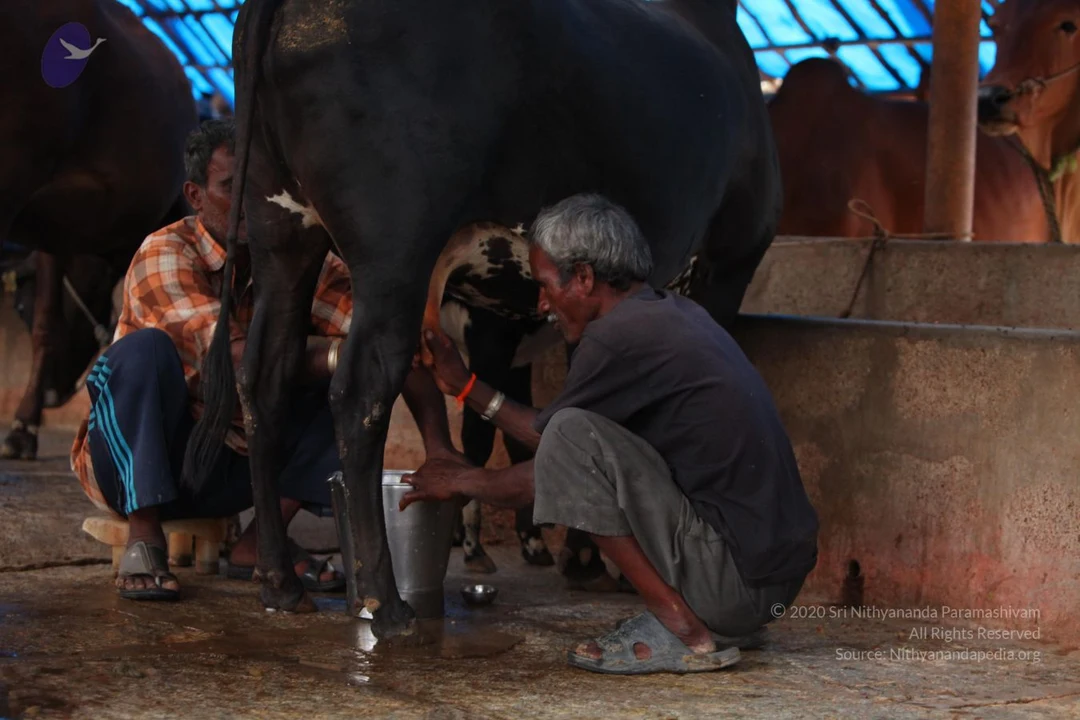









INNER AWAKENING
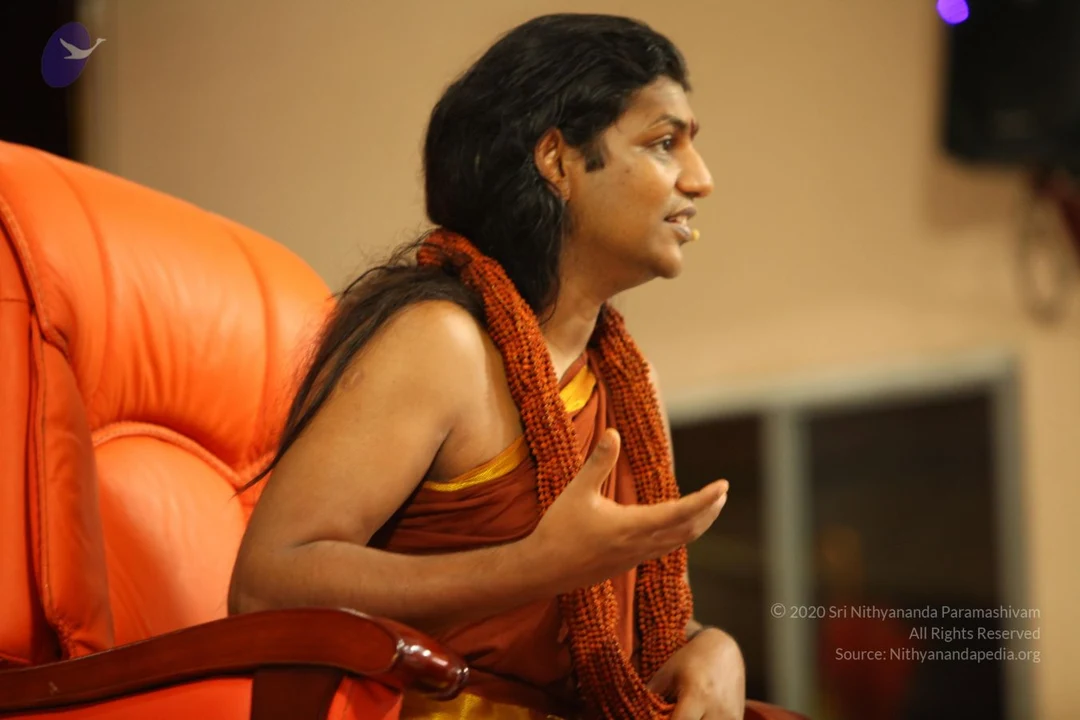
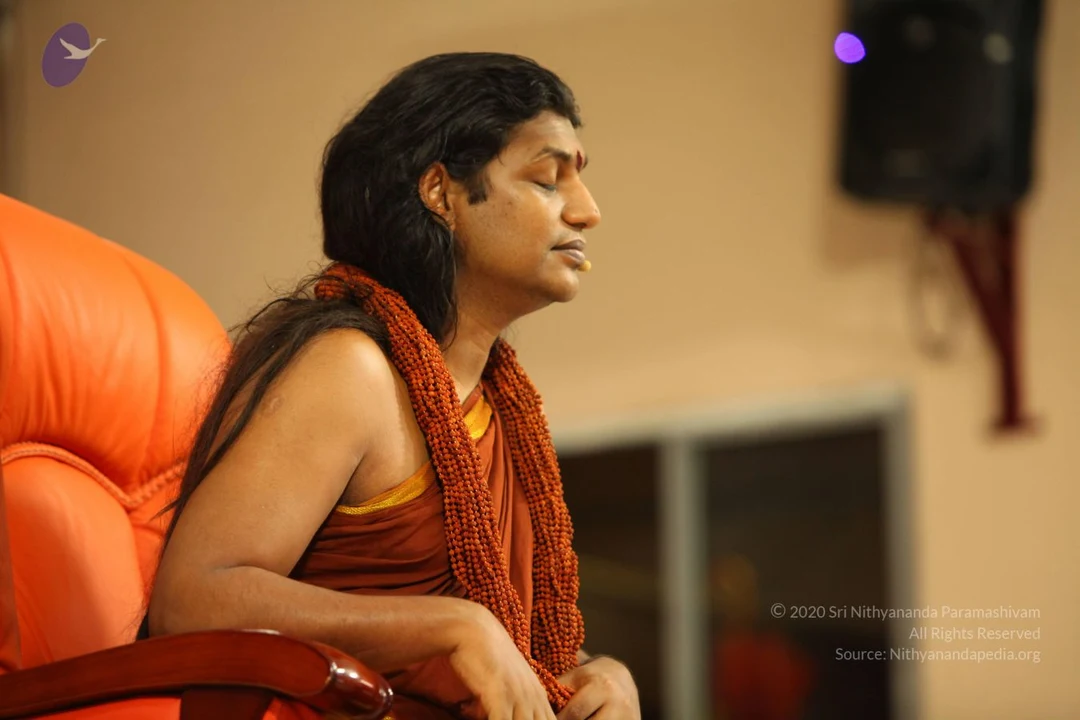
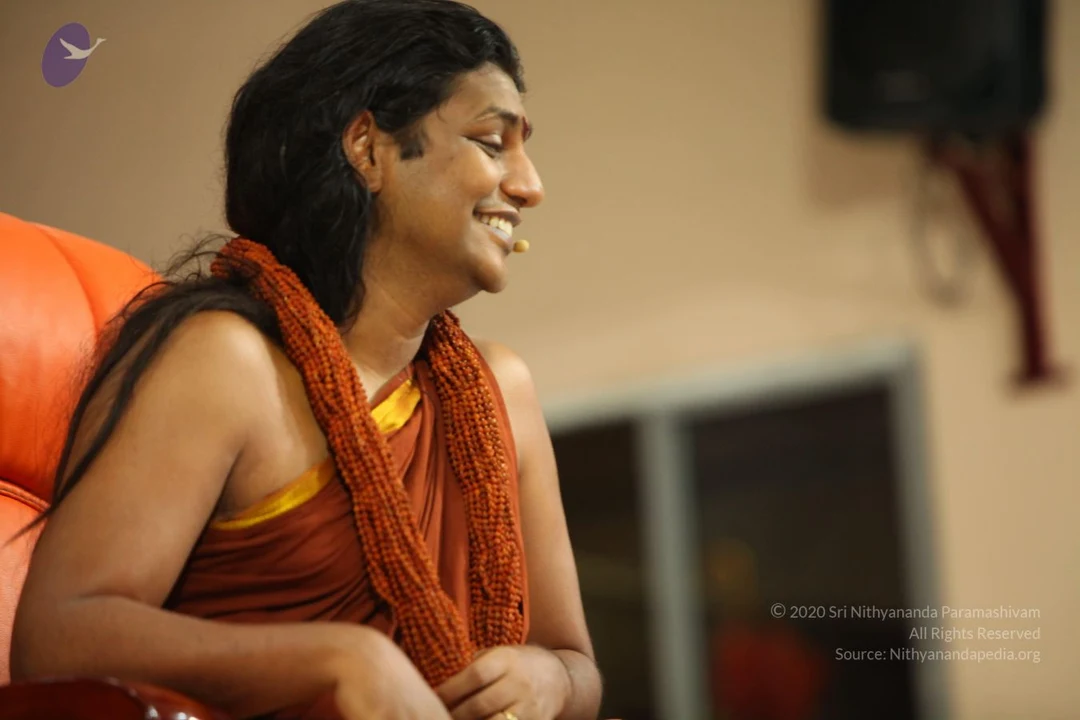
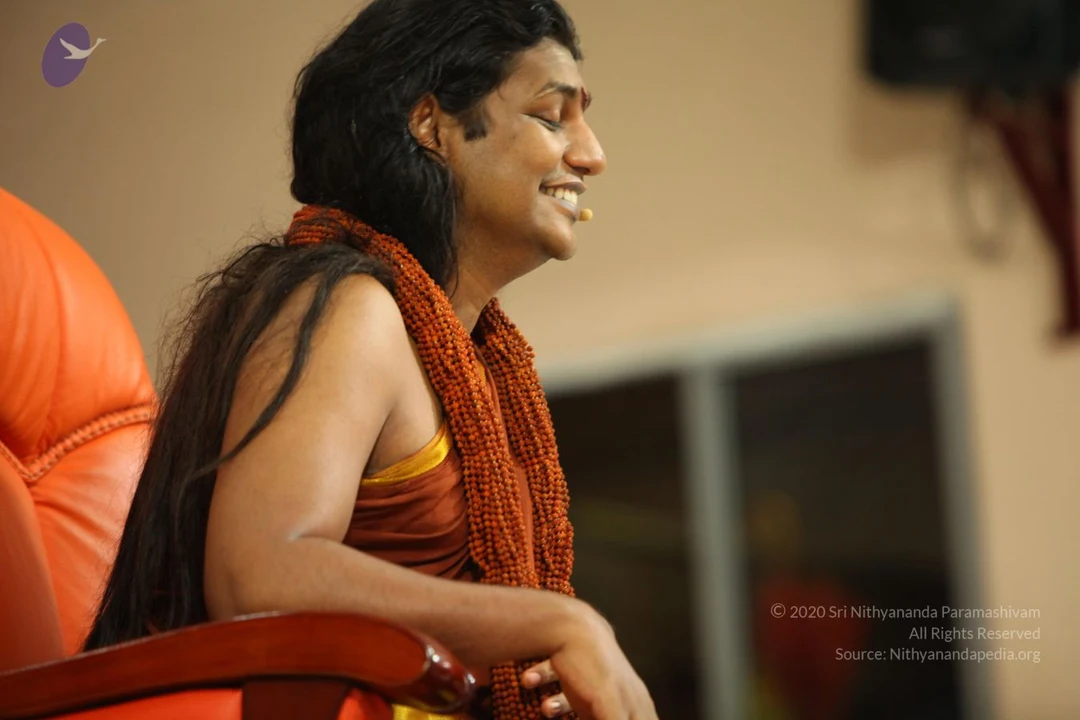
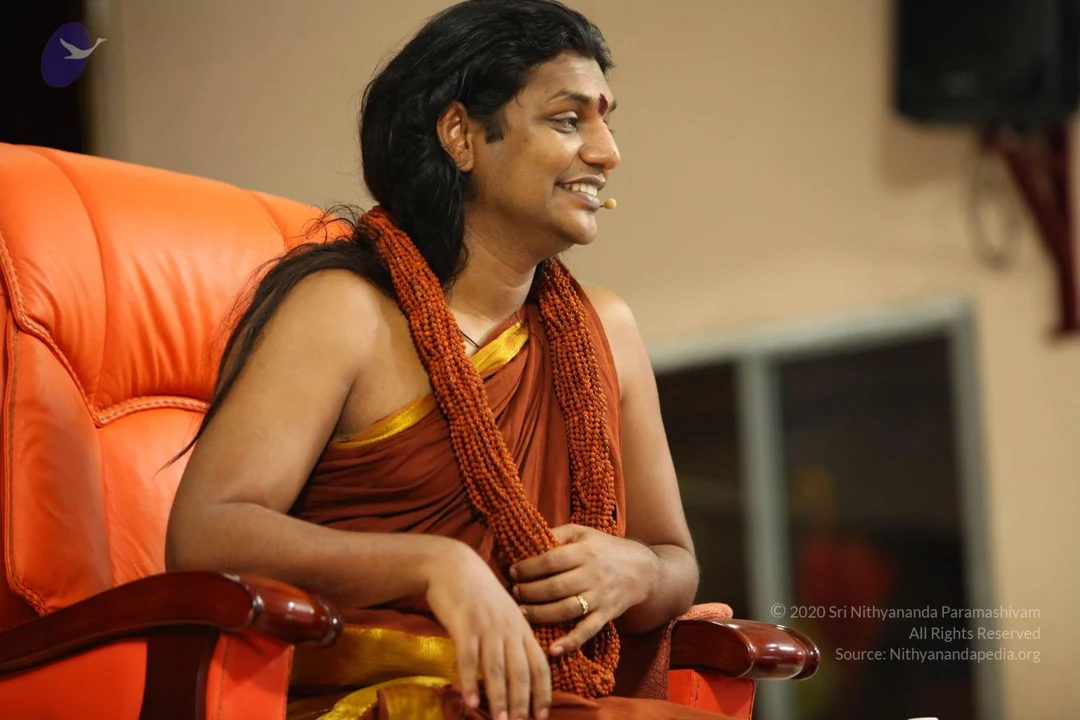
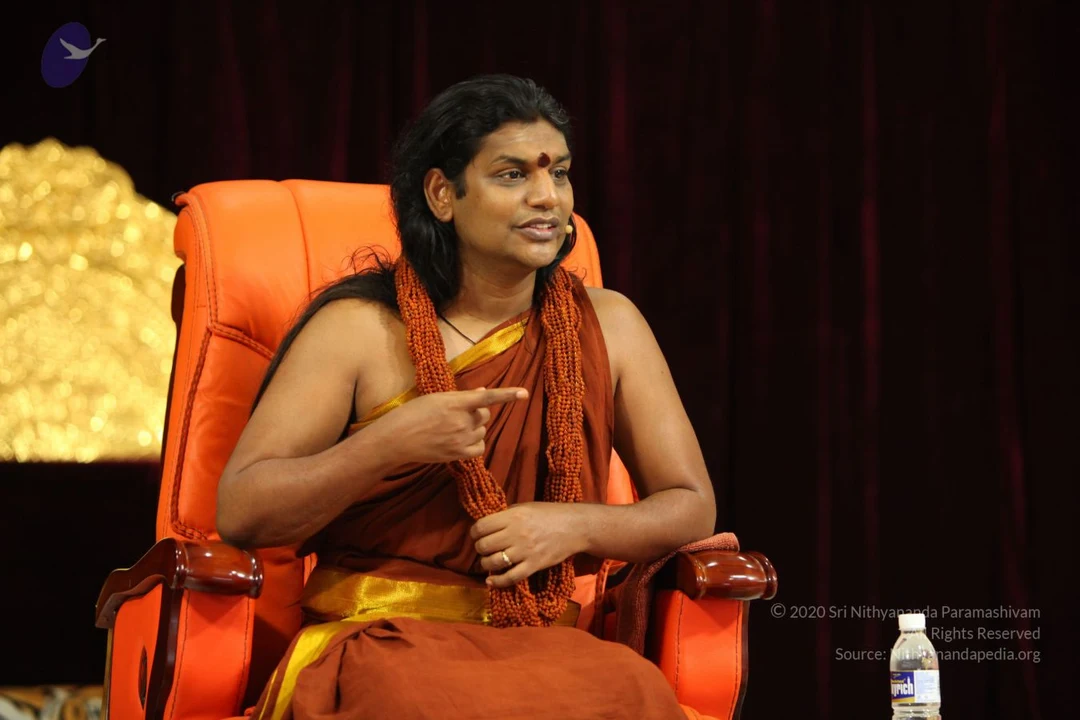
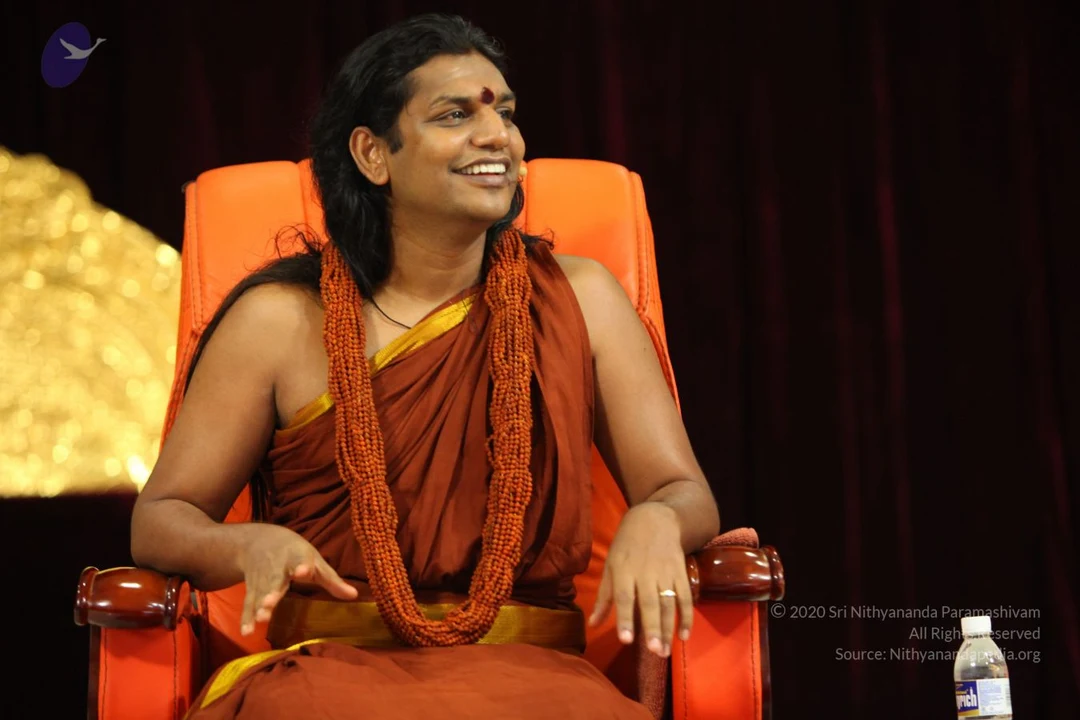
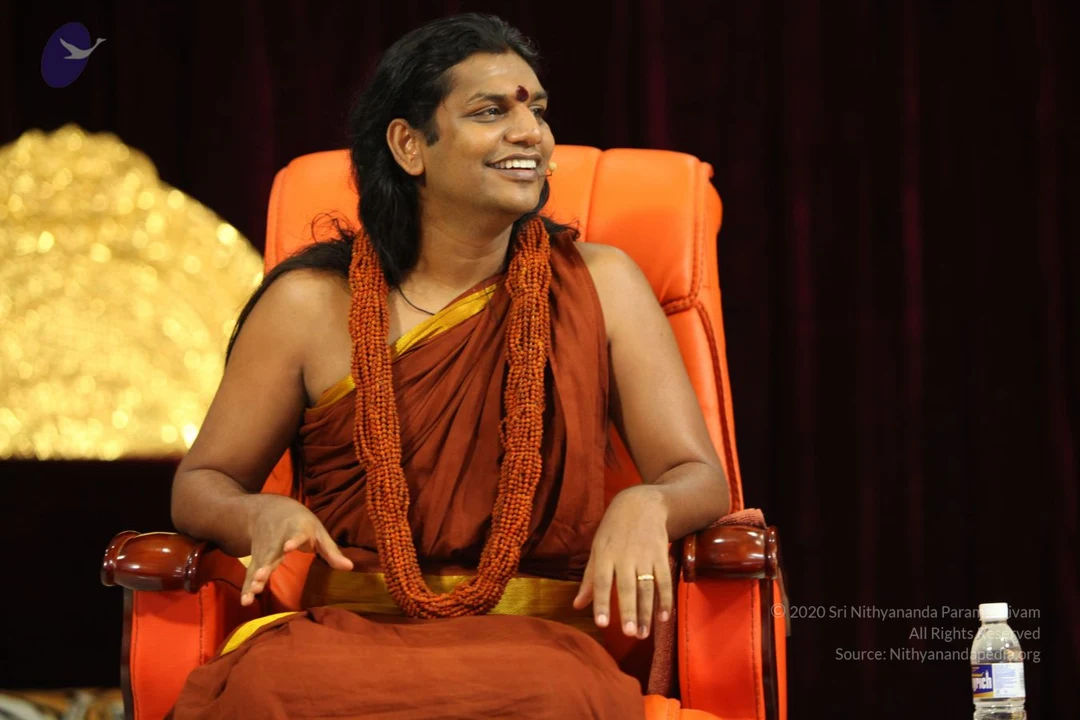

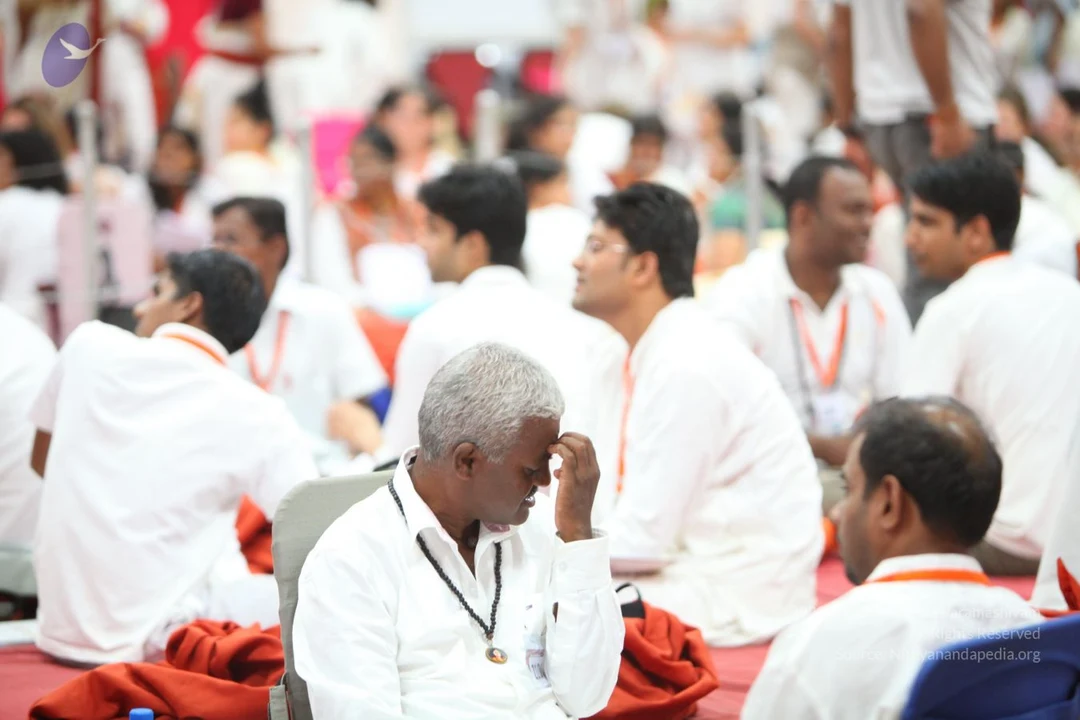
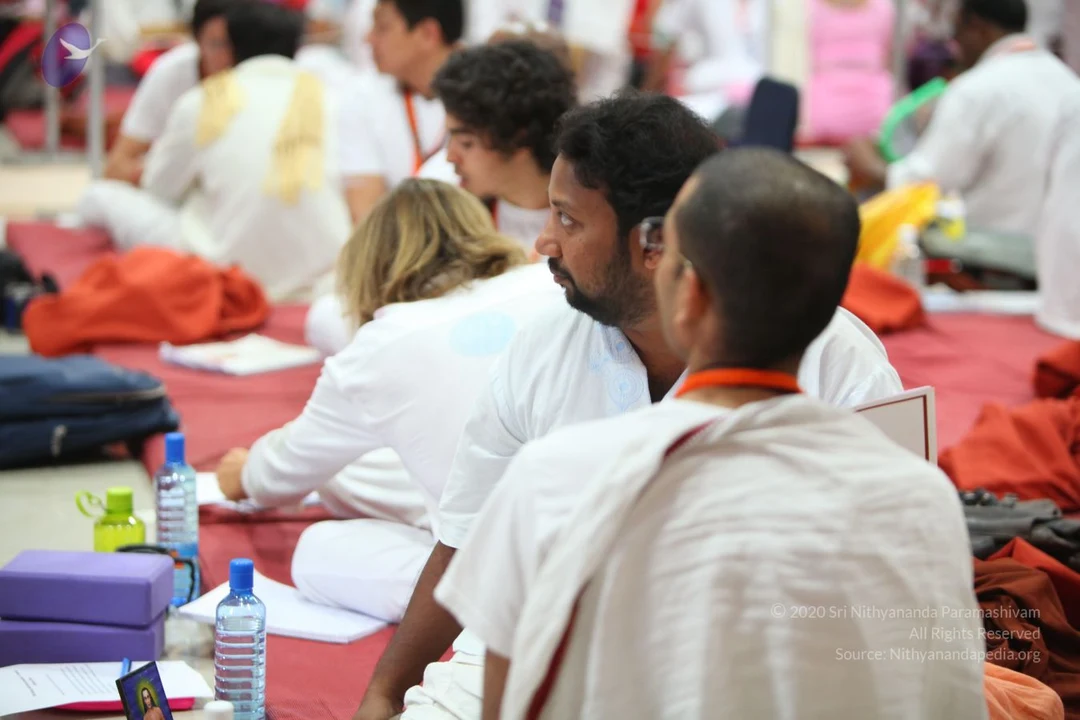
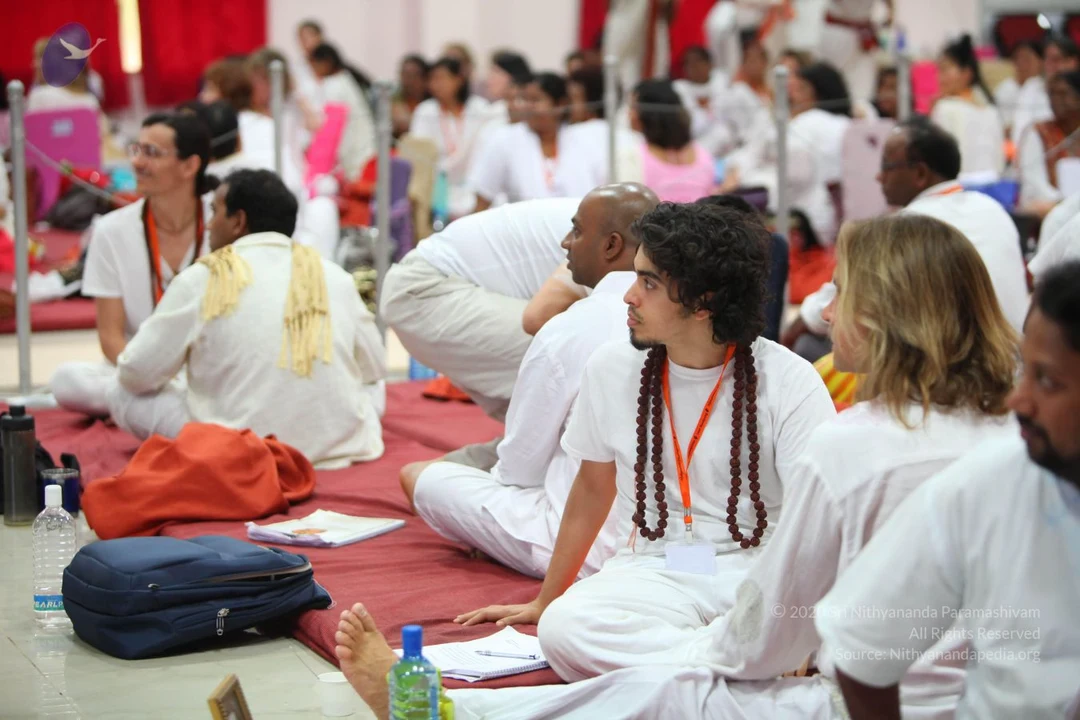
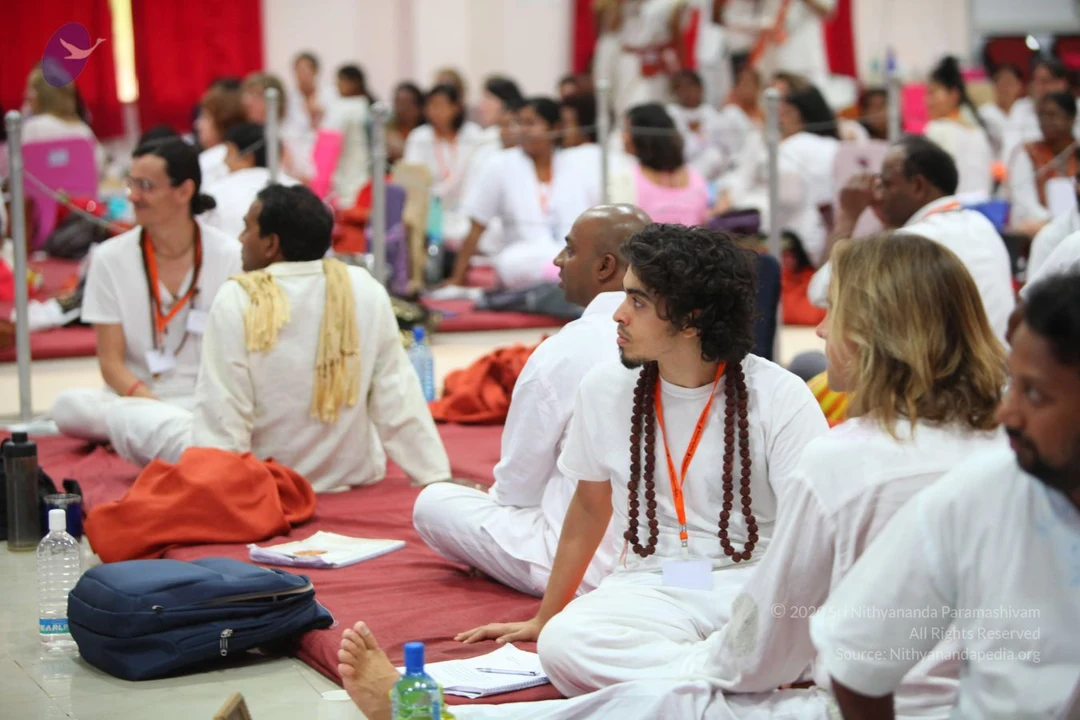
Link to Facebook Page
https://www.facebook.com/srinithyananda.swami/posts/189730107848663
Tags:
Paramahamsa Nithyananda, religious, ritual, ceremony, dead, celebrate, love, explanation, truth, life, spiritual practice, action.==Photos Of The Day:==
Morning-Message





IA-Session

Sanyas-Webinar
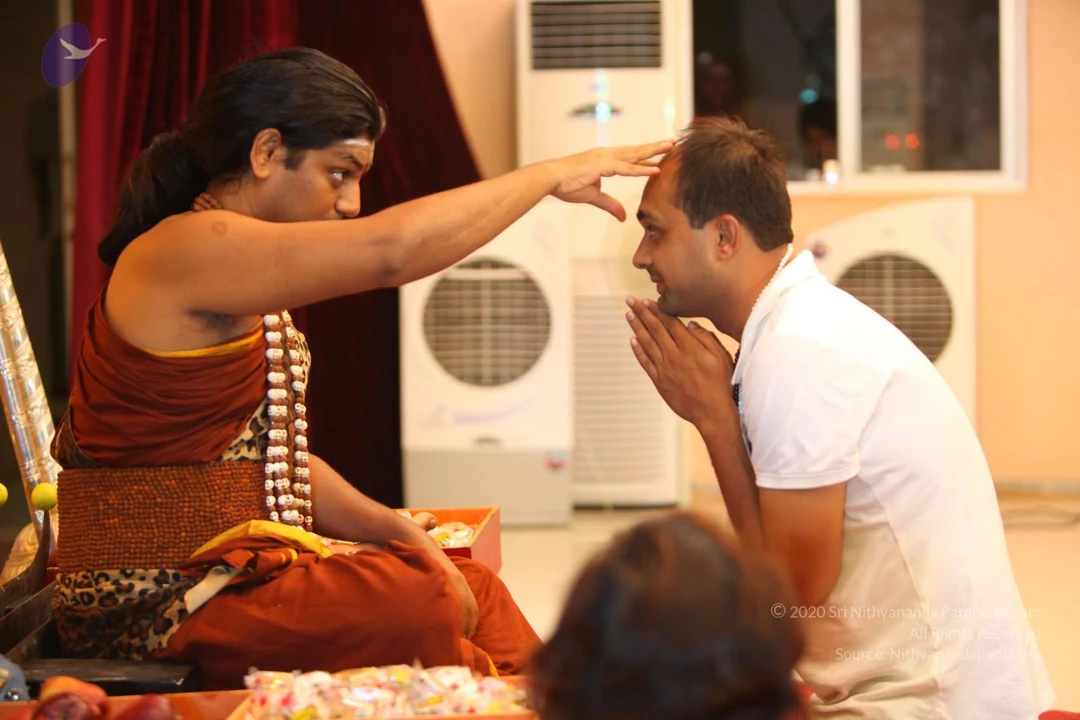
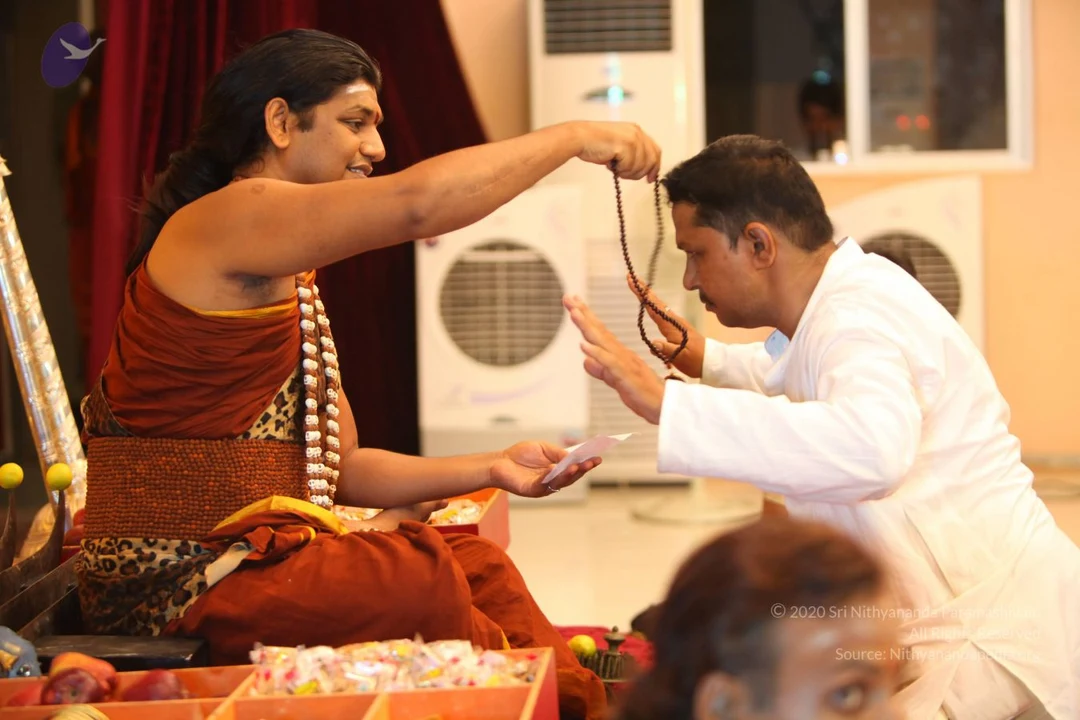
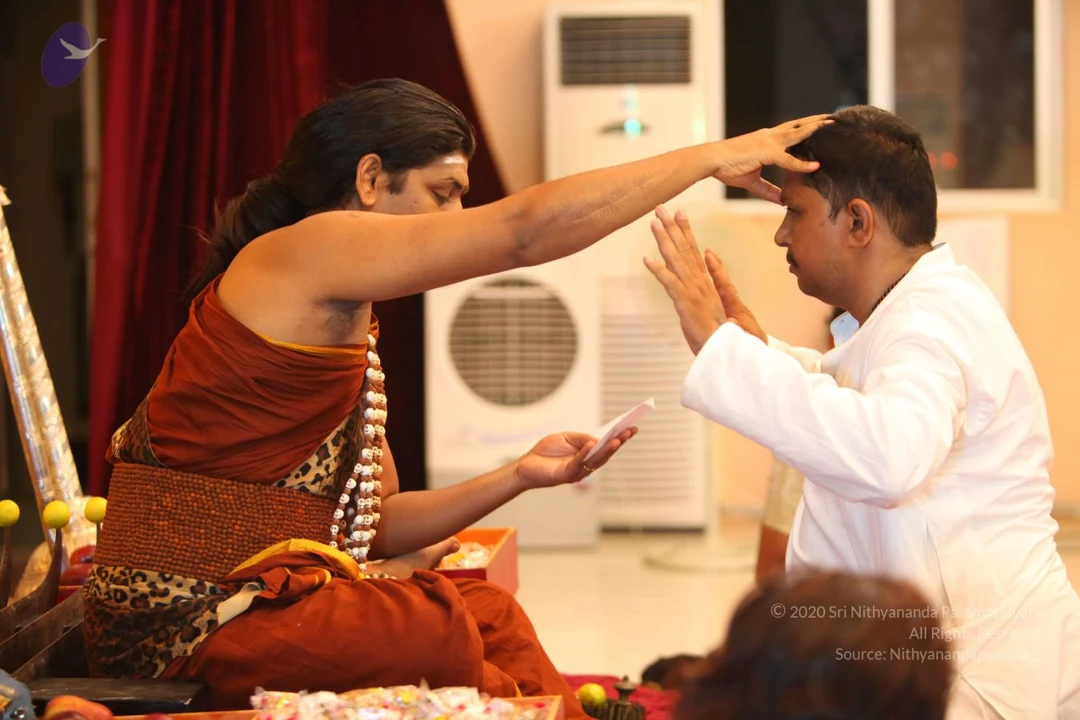
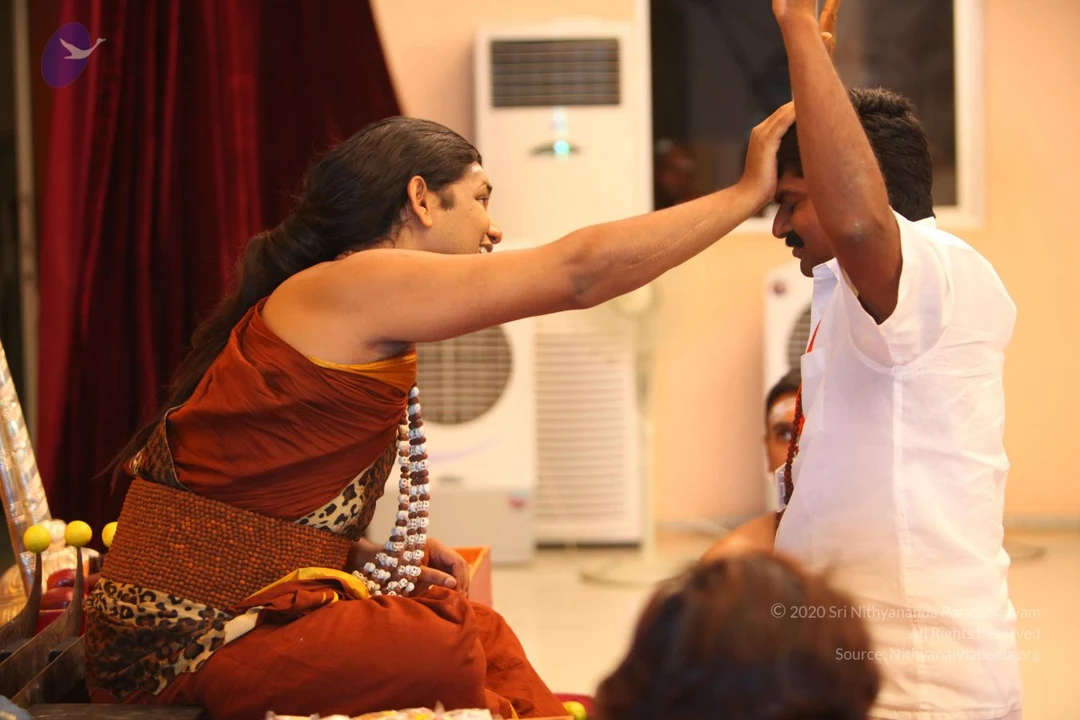

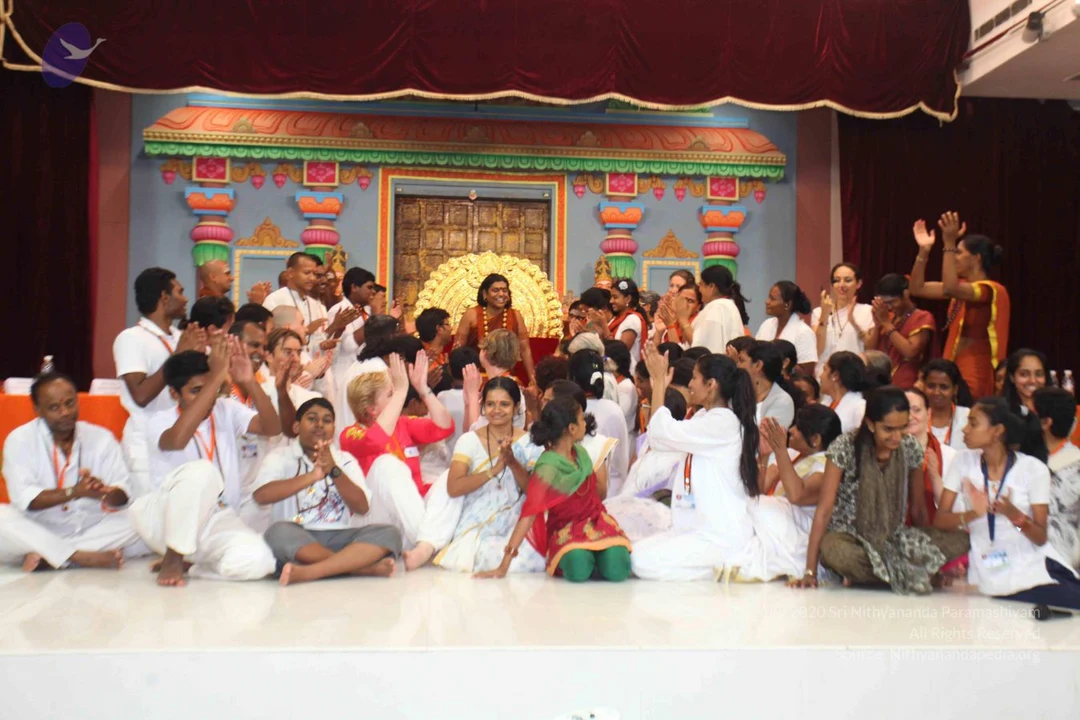
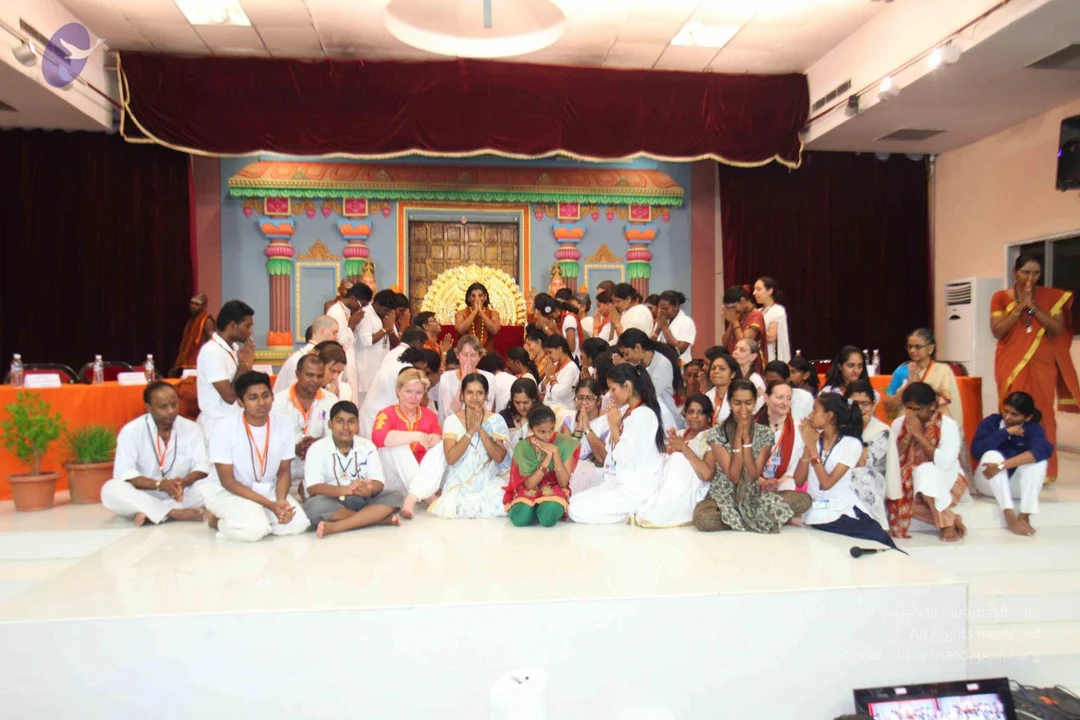
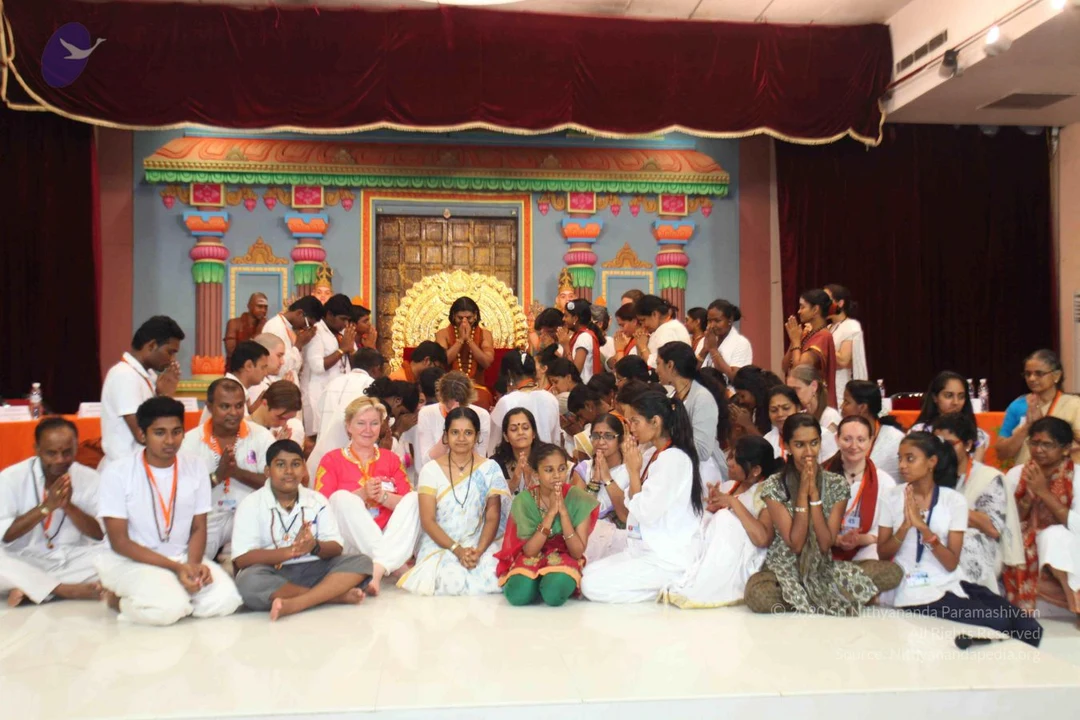
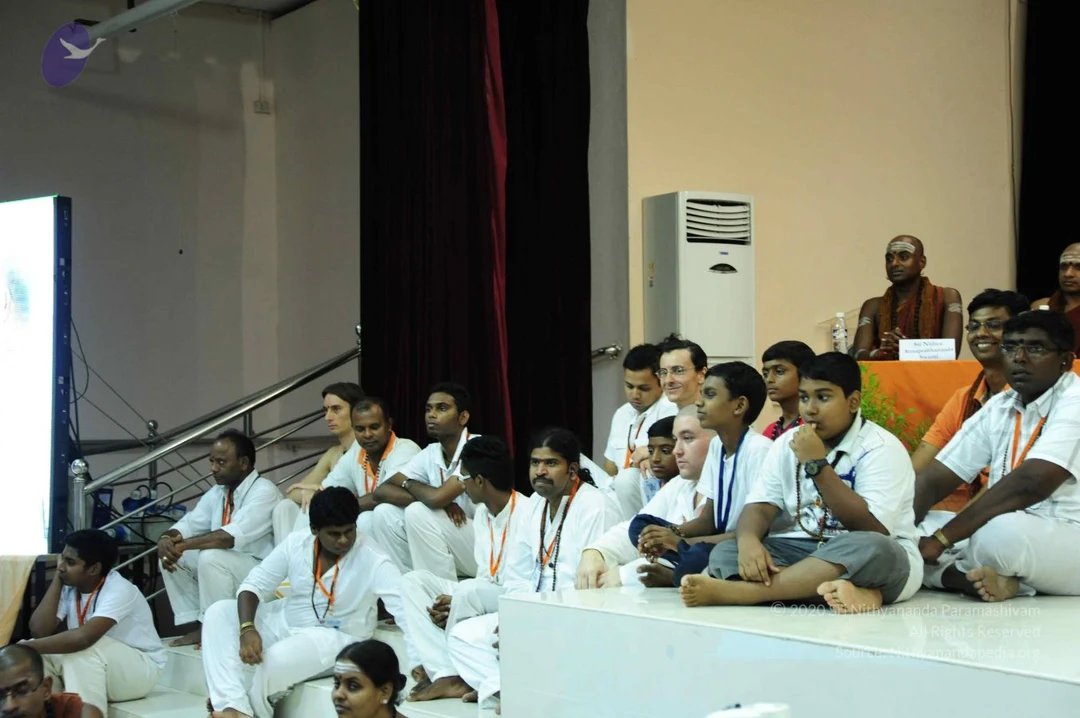
Inner-Awakening-May-2013

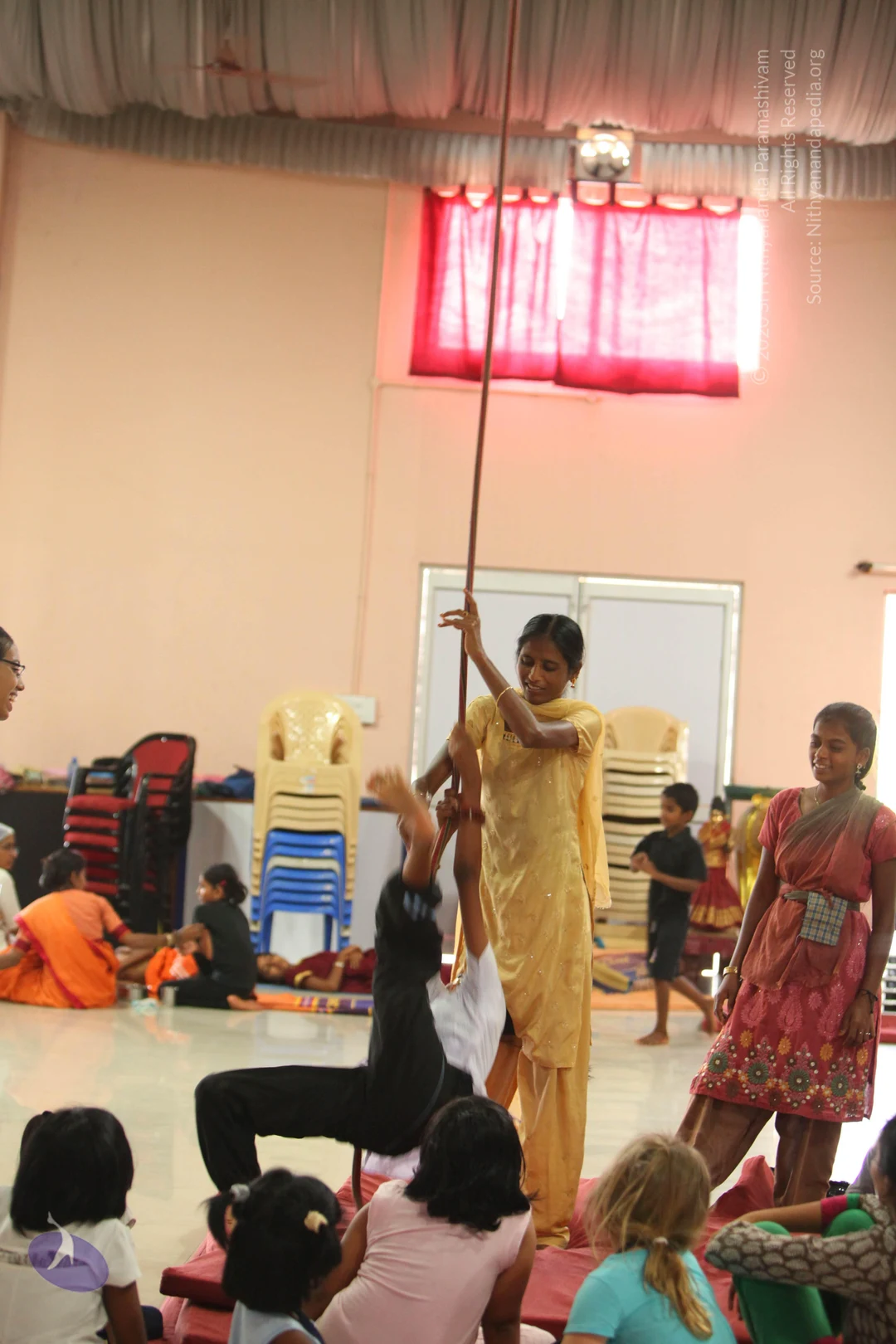
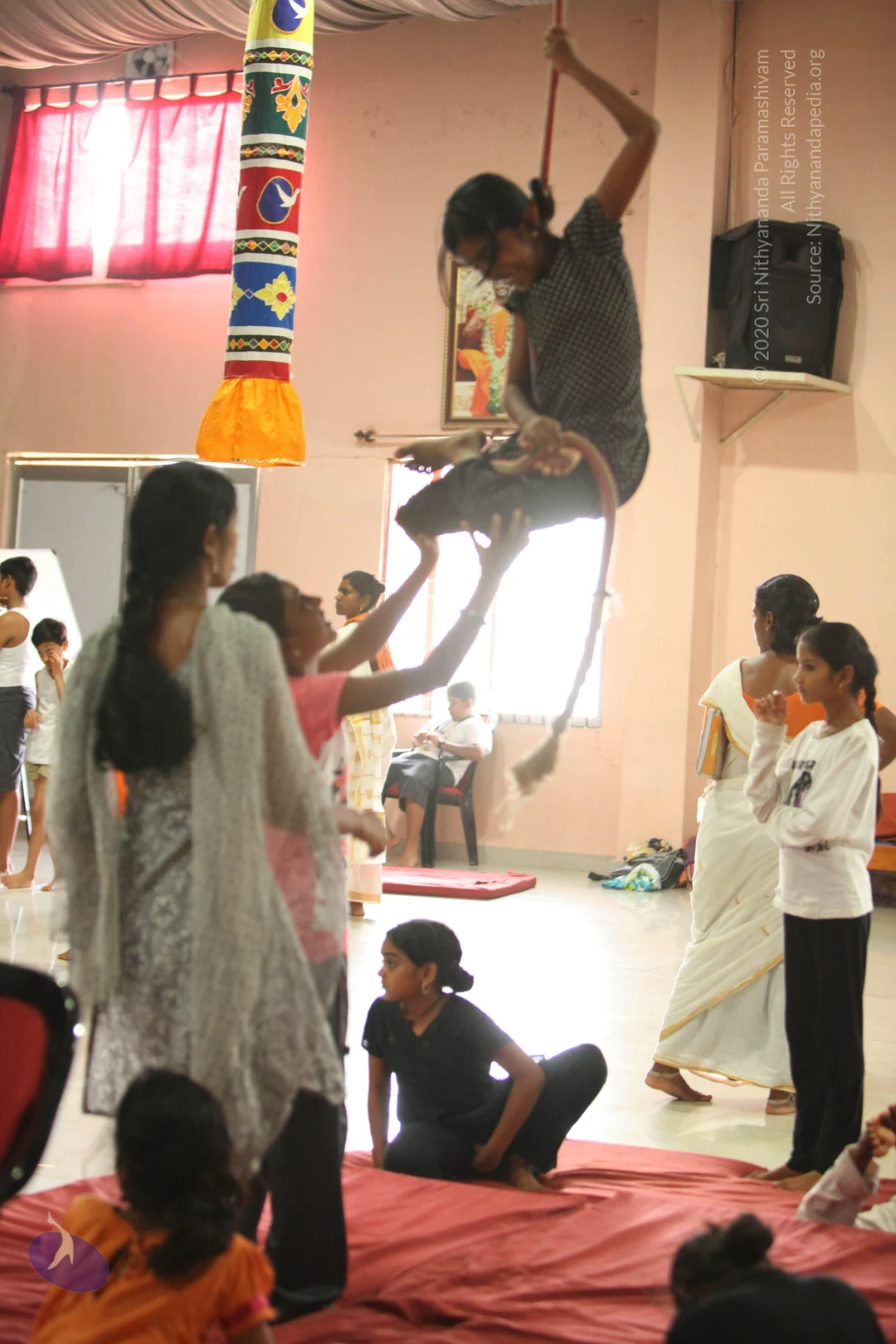
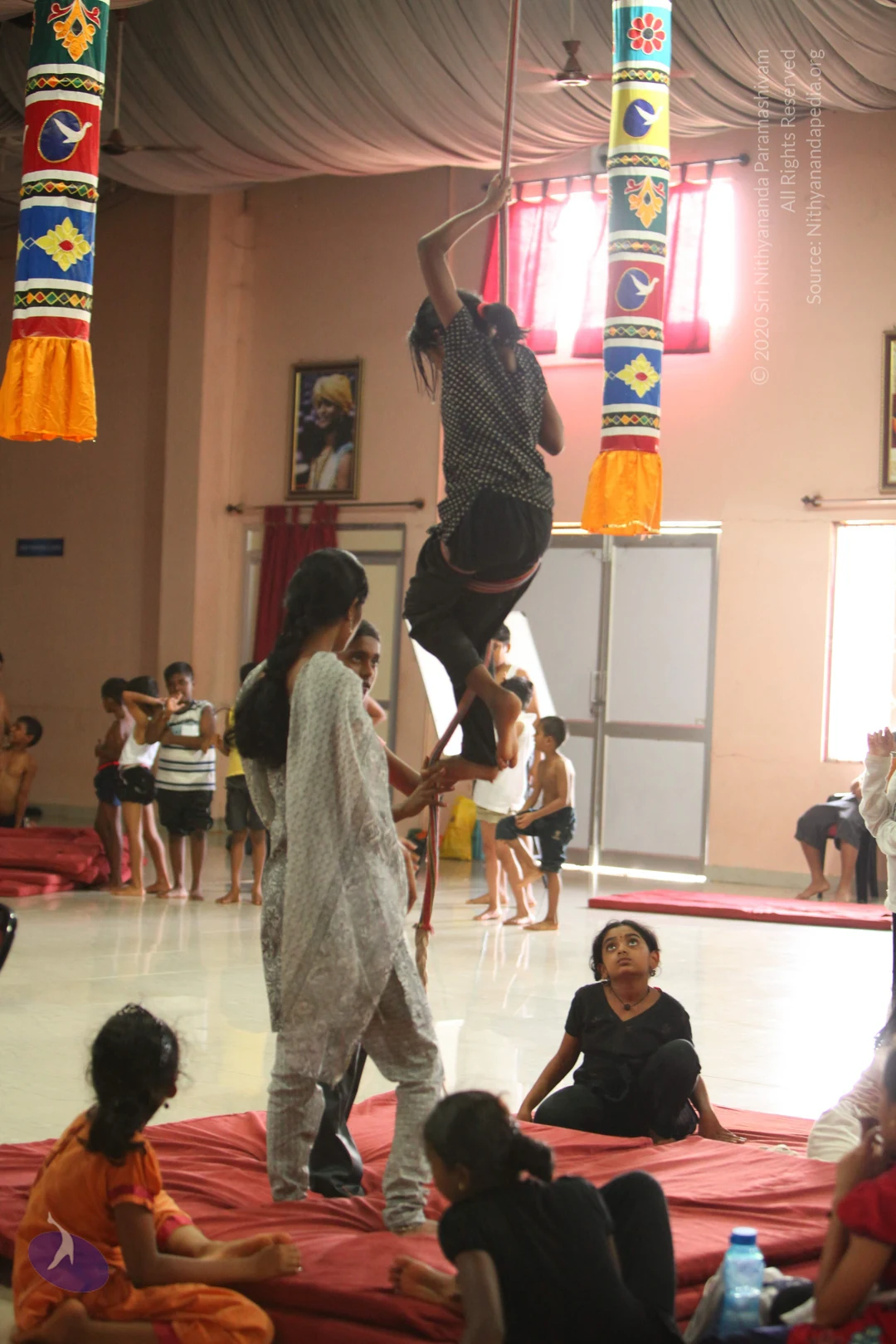
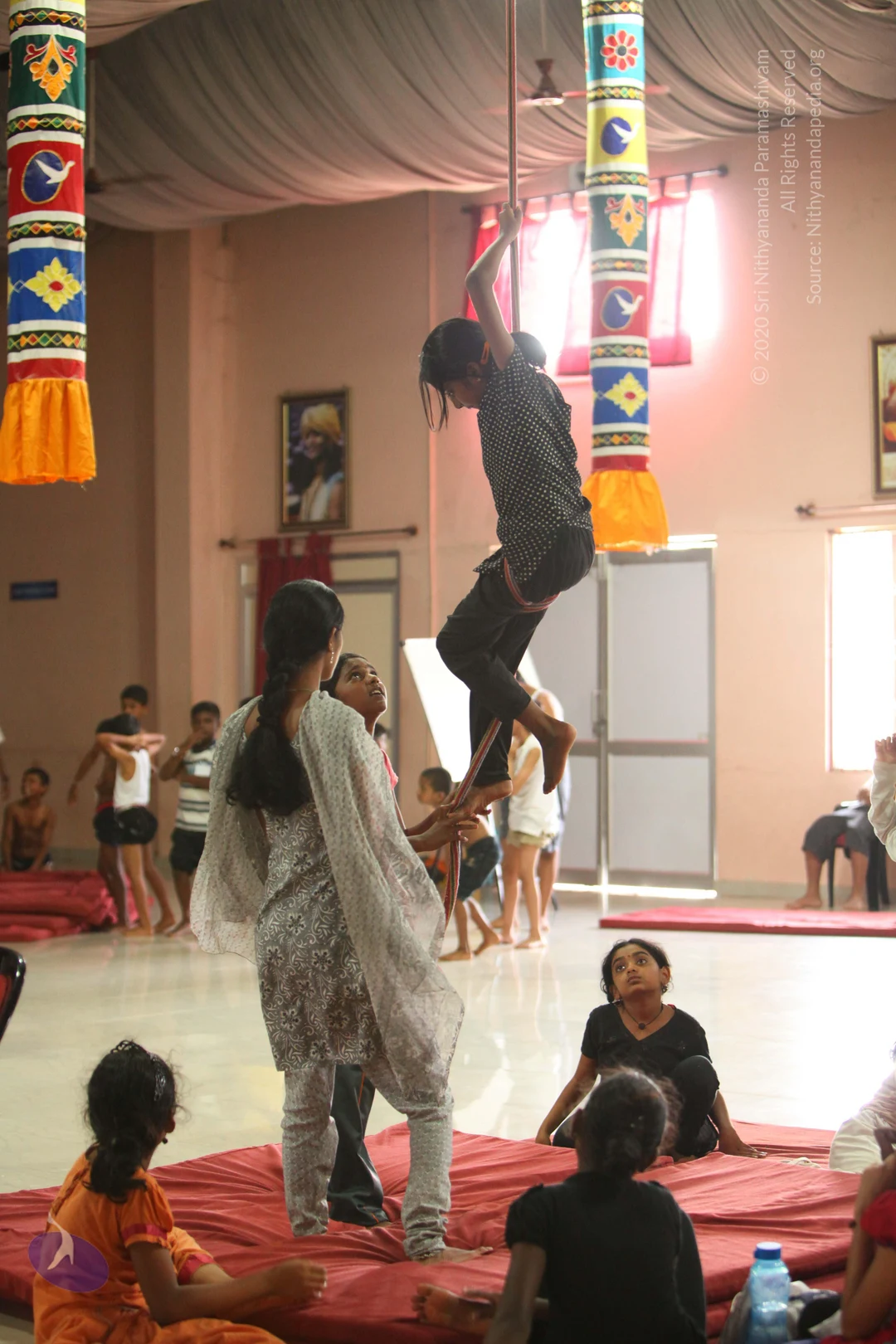



Photos from this day
View all 522 photosPhotos From The Day:
10 photosSource gallery
EN GENIUS
18 photosSource gallery




Goshala
47 photosSource gallery





INNER AWAKENING
65 photosSource gallery

Morning-Message
177 photosSource gallery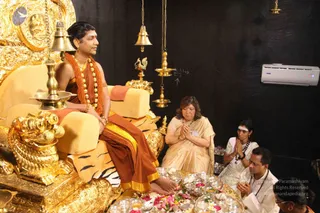



IA-Session
60 photosSource gallery
Sanyas-Webinar
94 photosSource gallery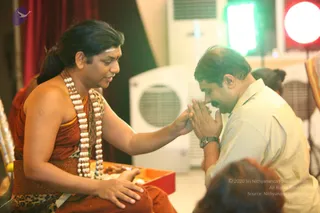
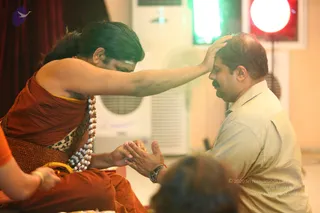
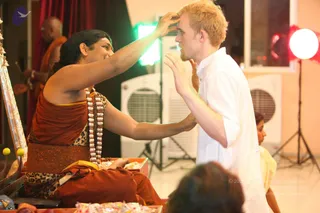
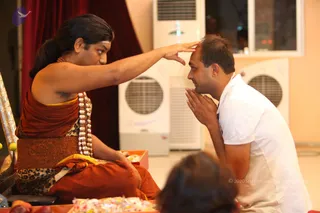
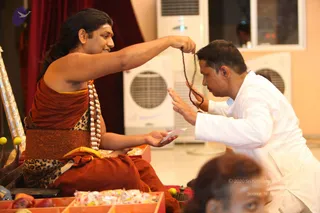
Inner-Awakening-May-2013
29 photosSource gallery