Friday
12 April 2013
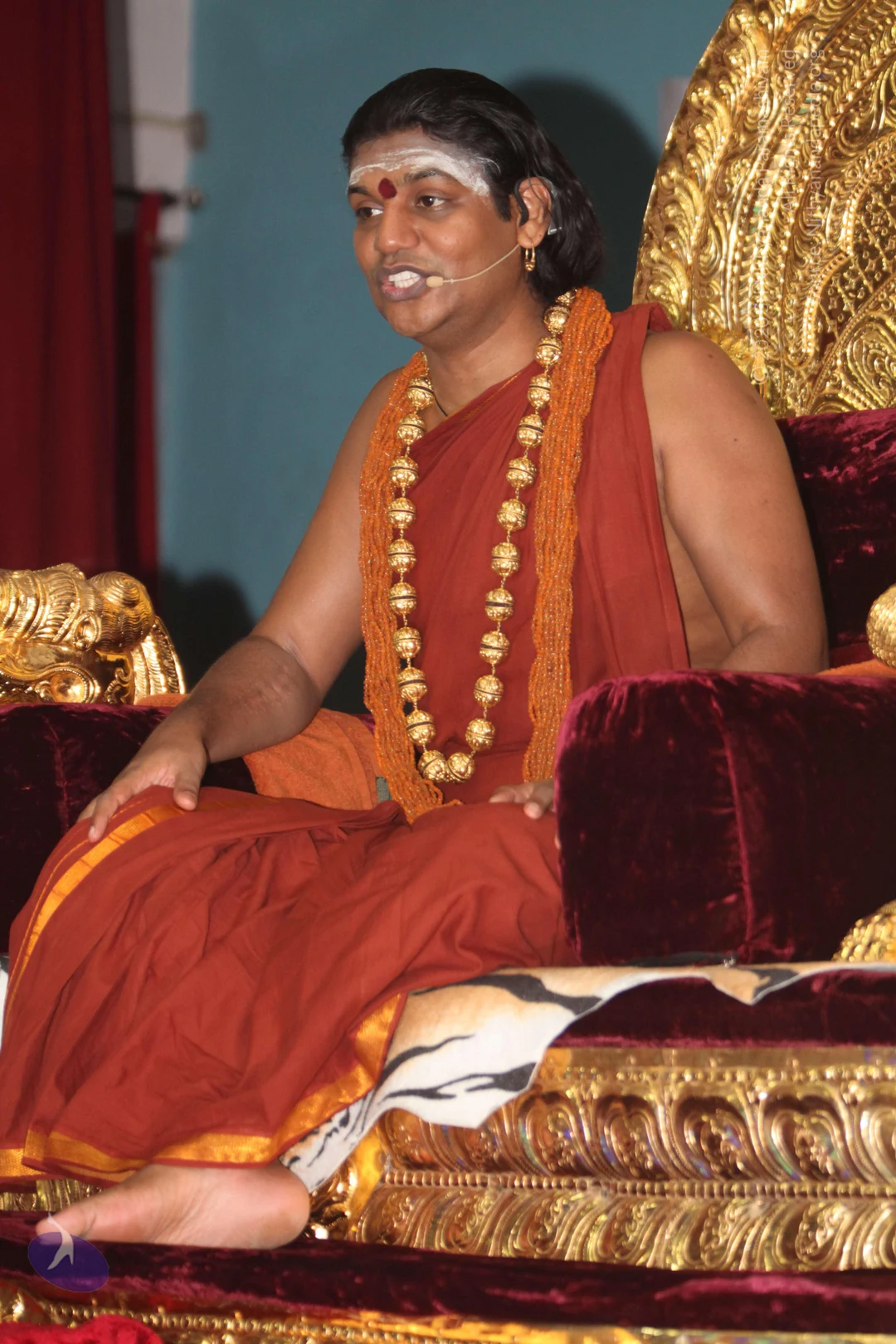
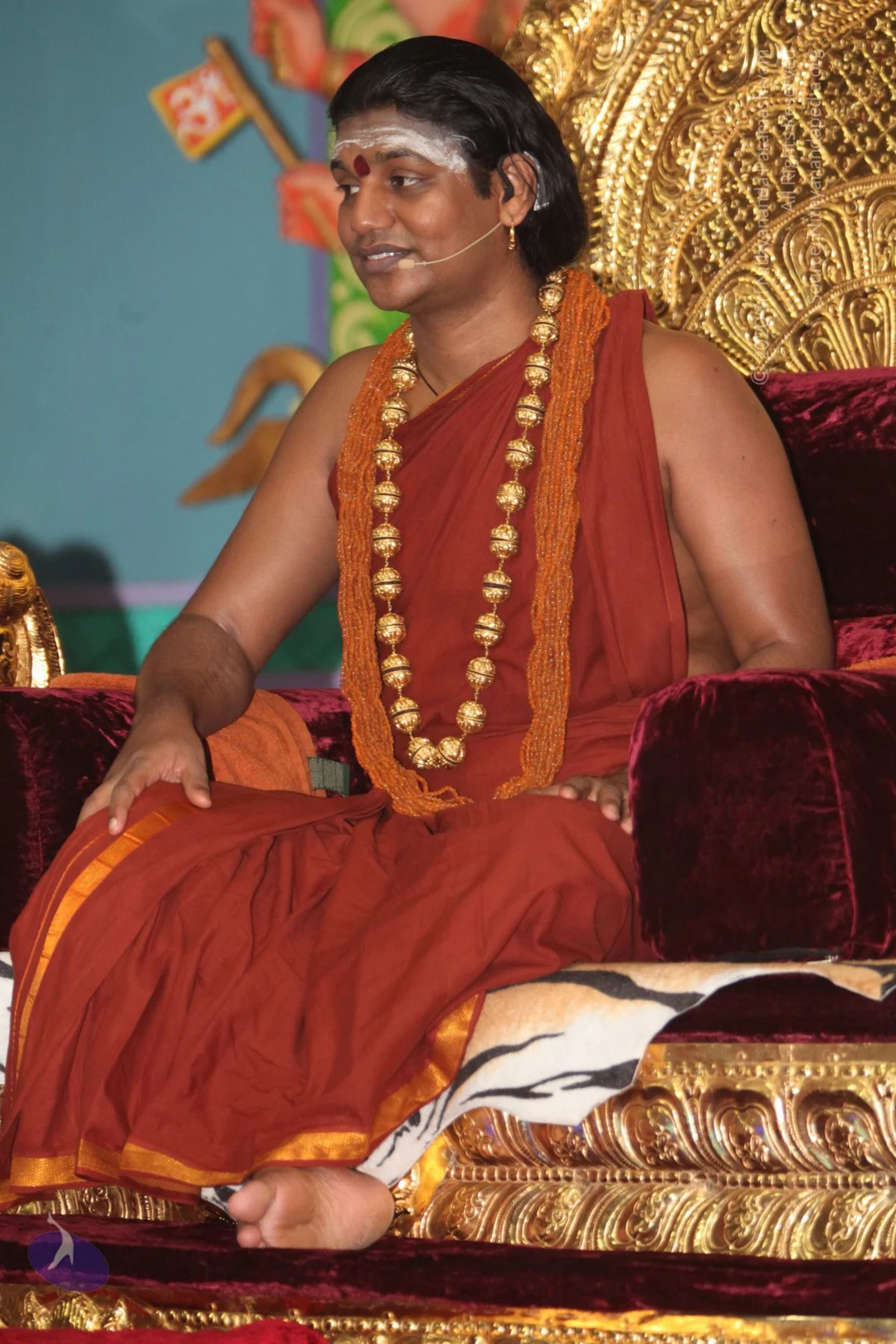
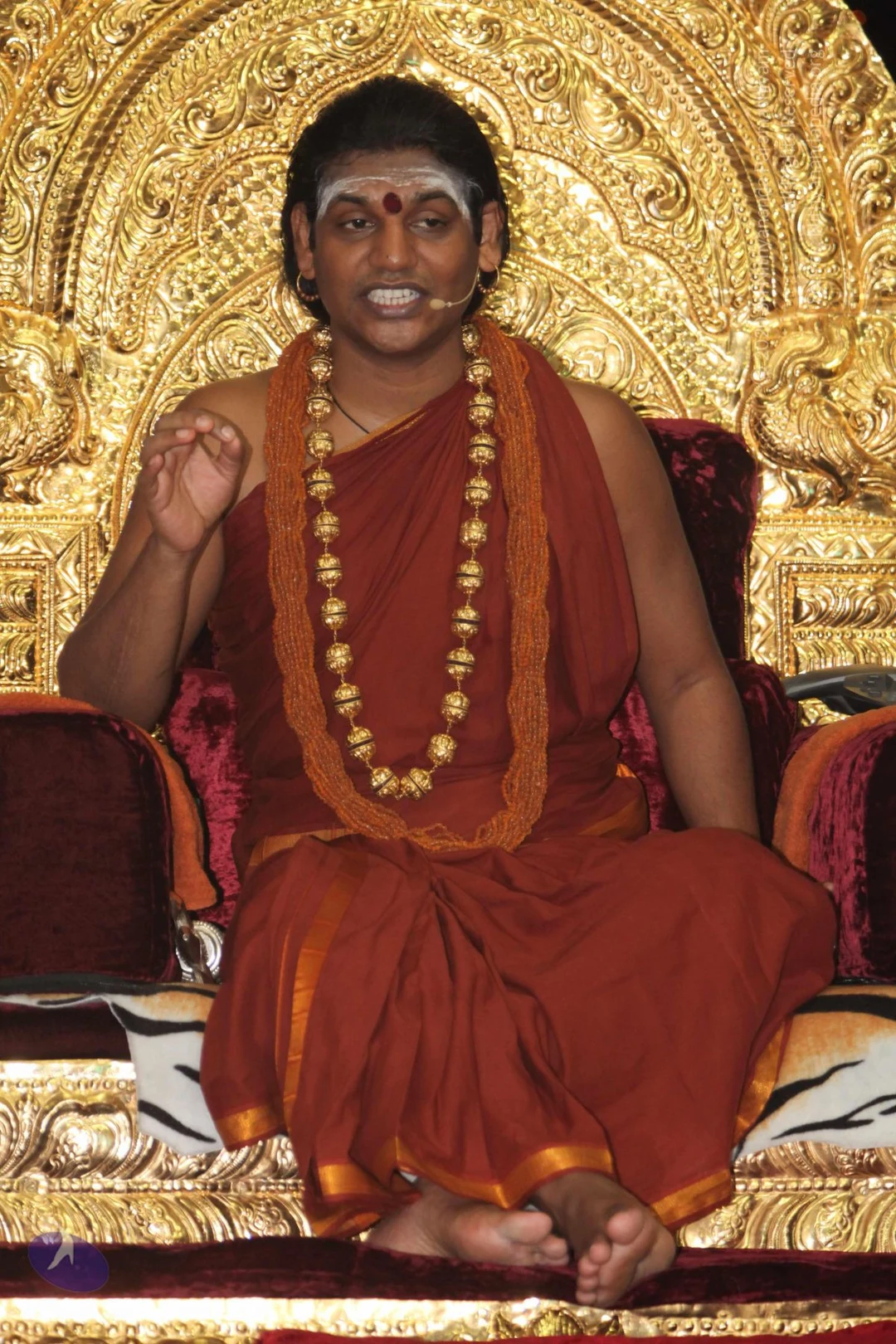
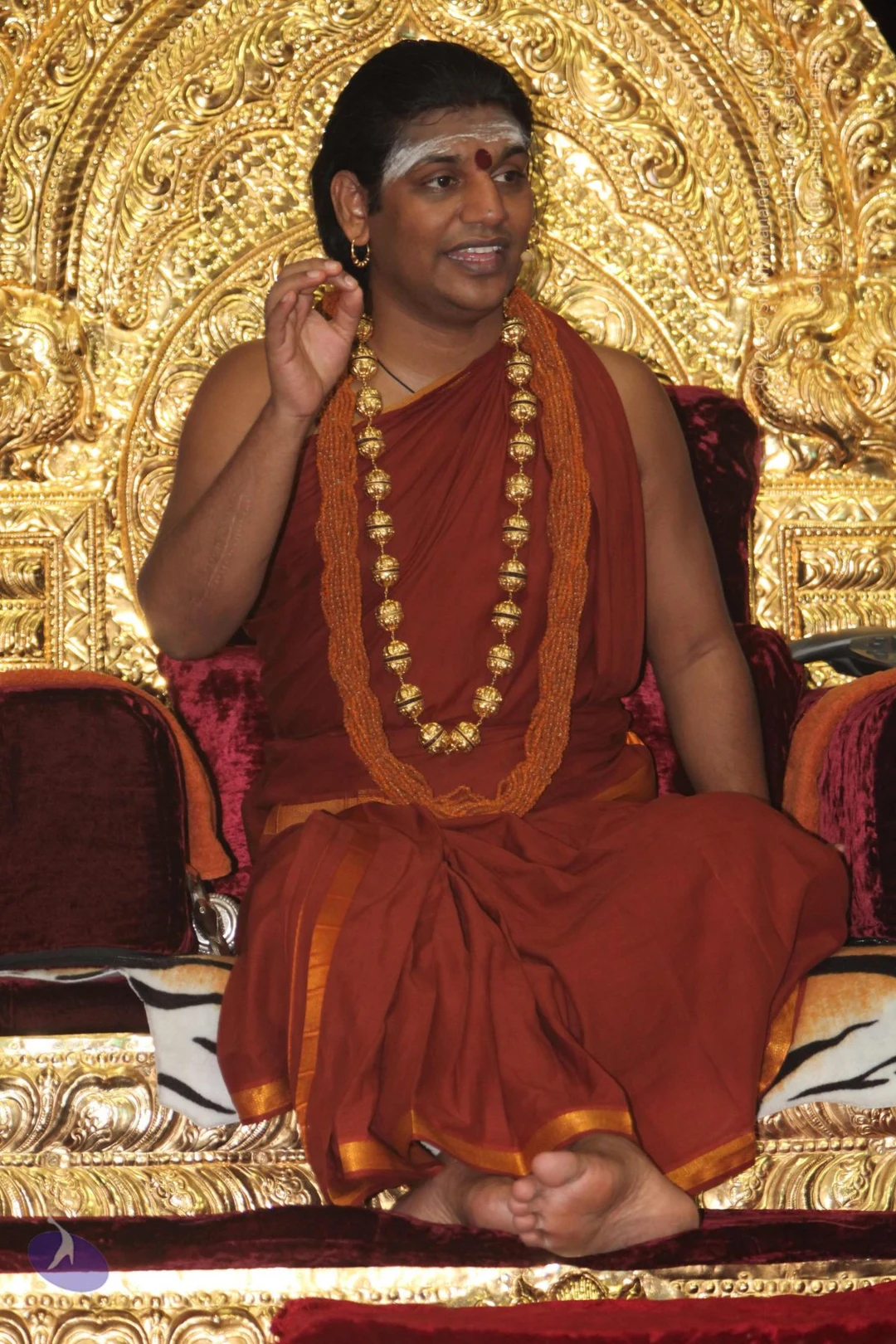
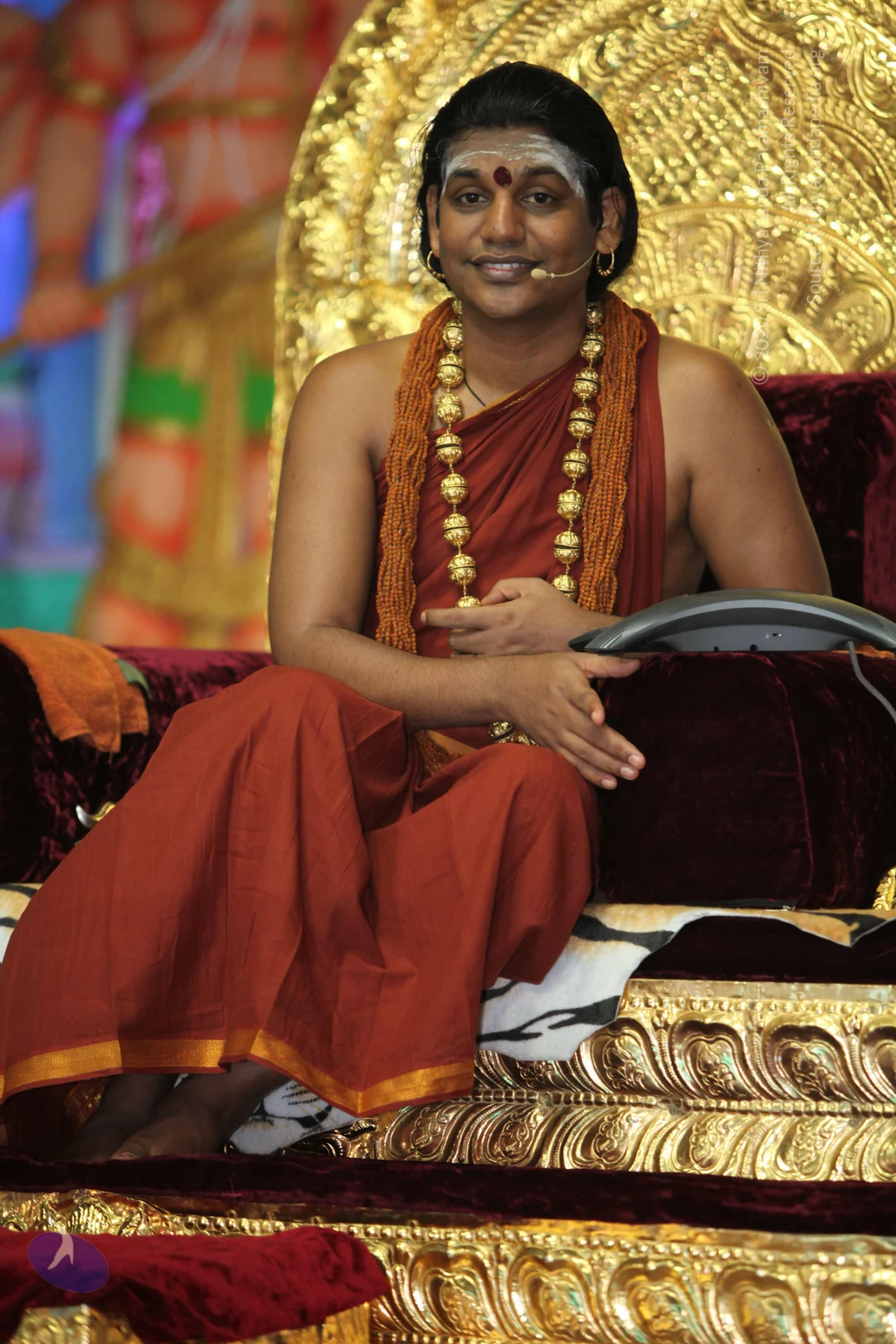
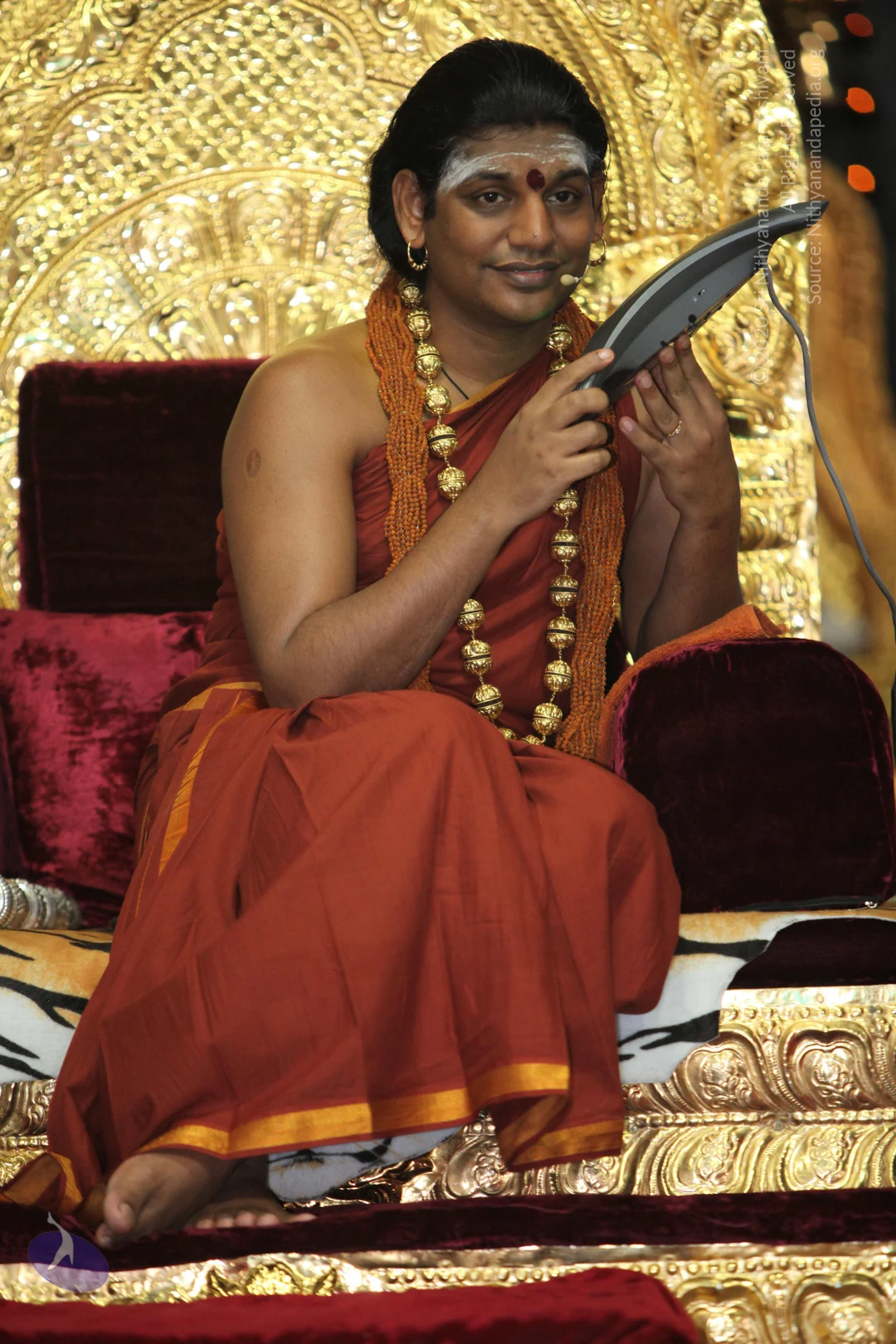
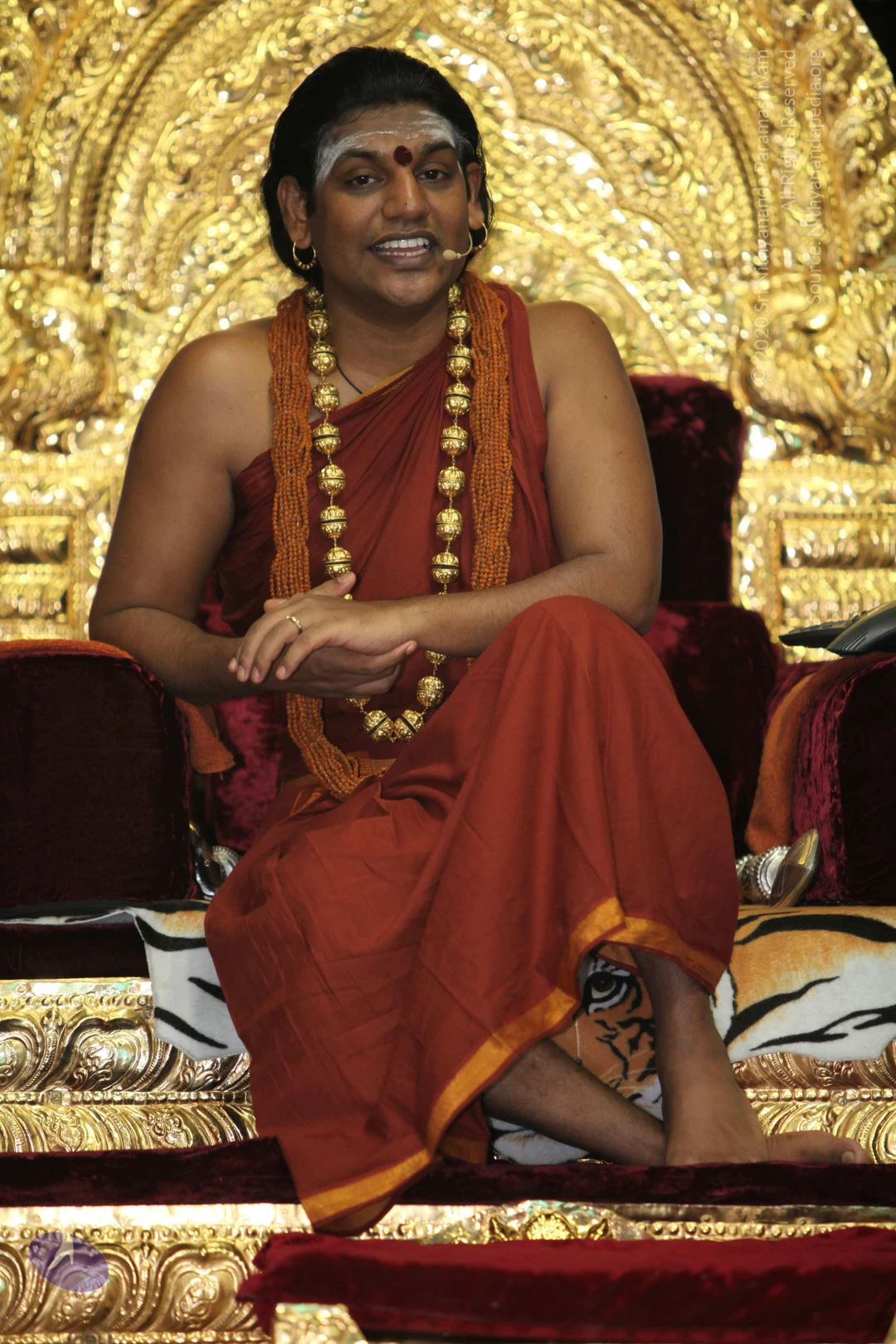
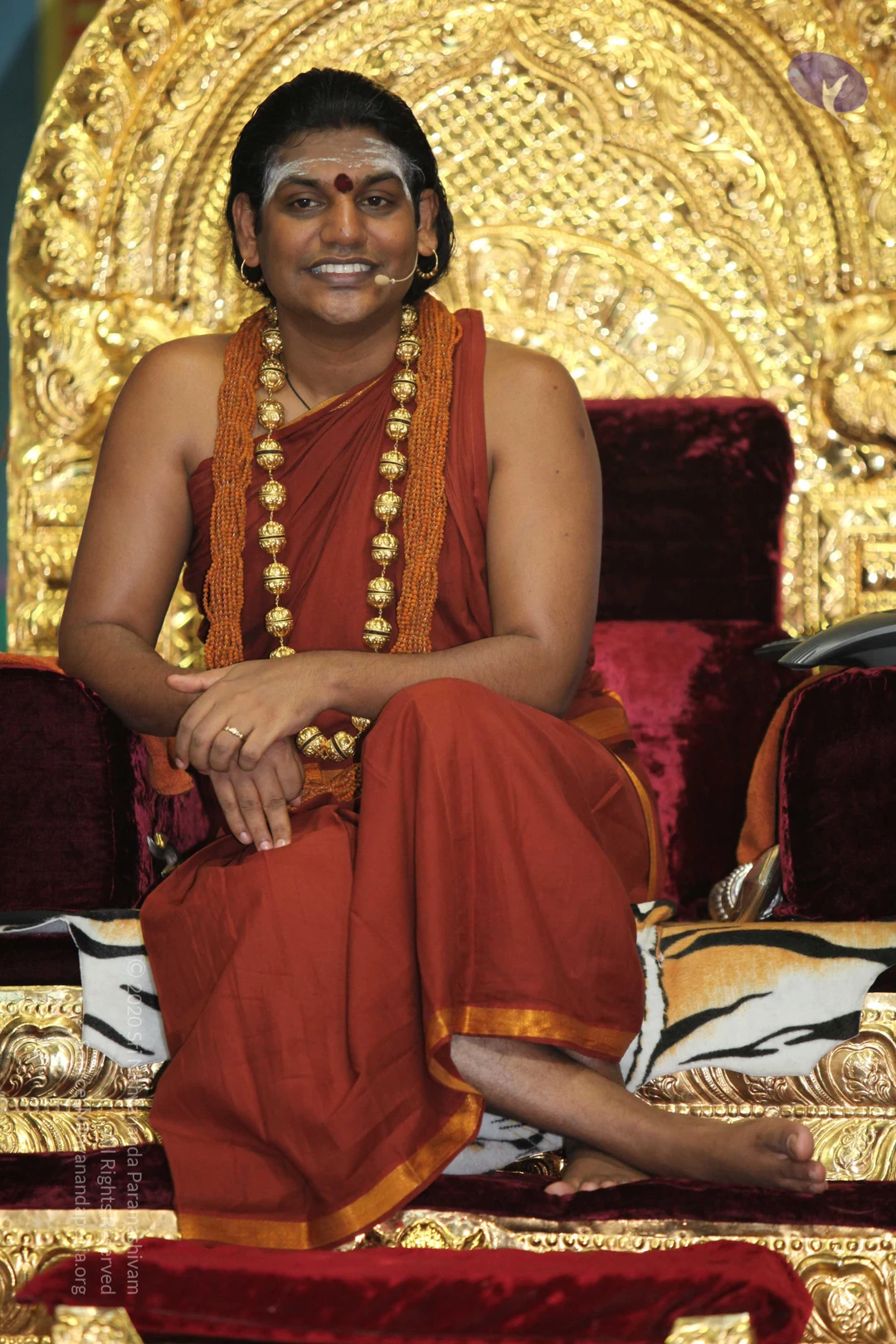
Experience Your Dream Life through Kundalini Awakening Part 1 & 2
- Dated photos
- 290
- Source pages
- 1
- Media
- 6
April 12 2013
Original wiki pageTitle
Experience Your Dream Life through Kundalini Awakening Part 1 & 2
Description:
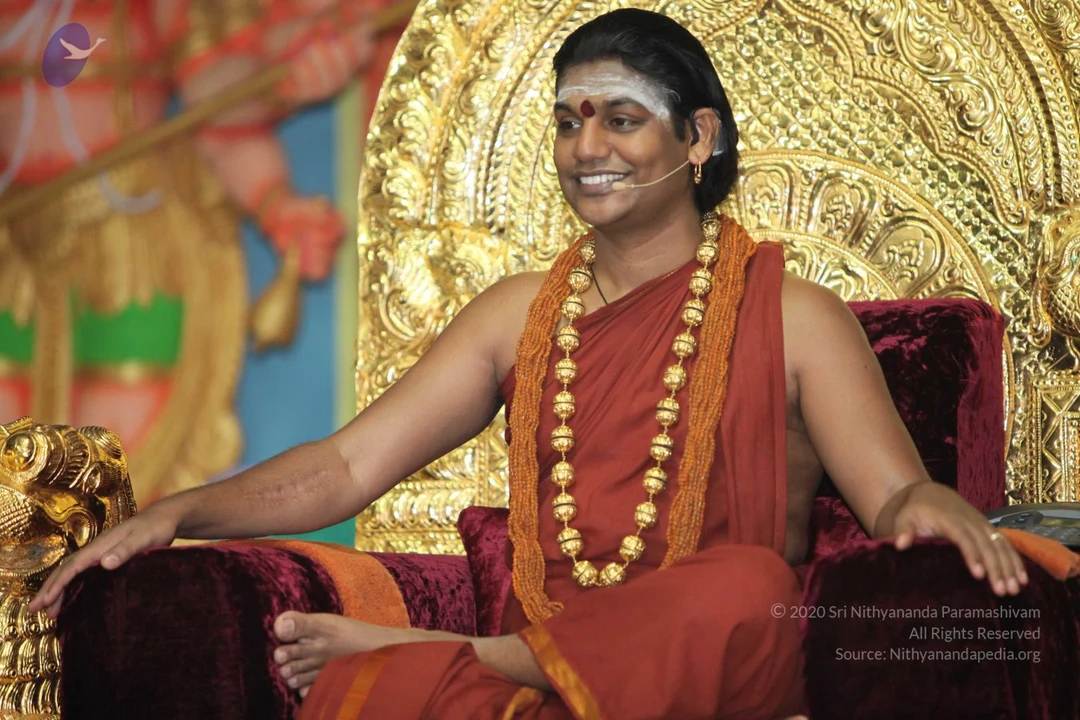
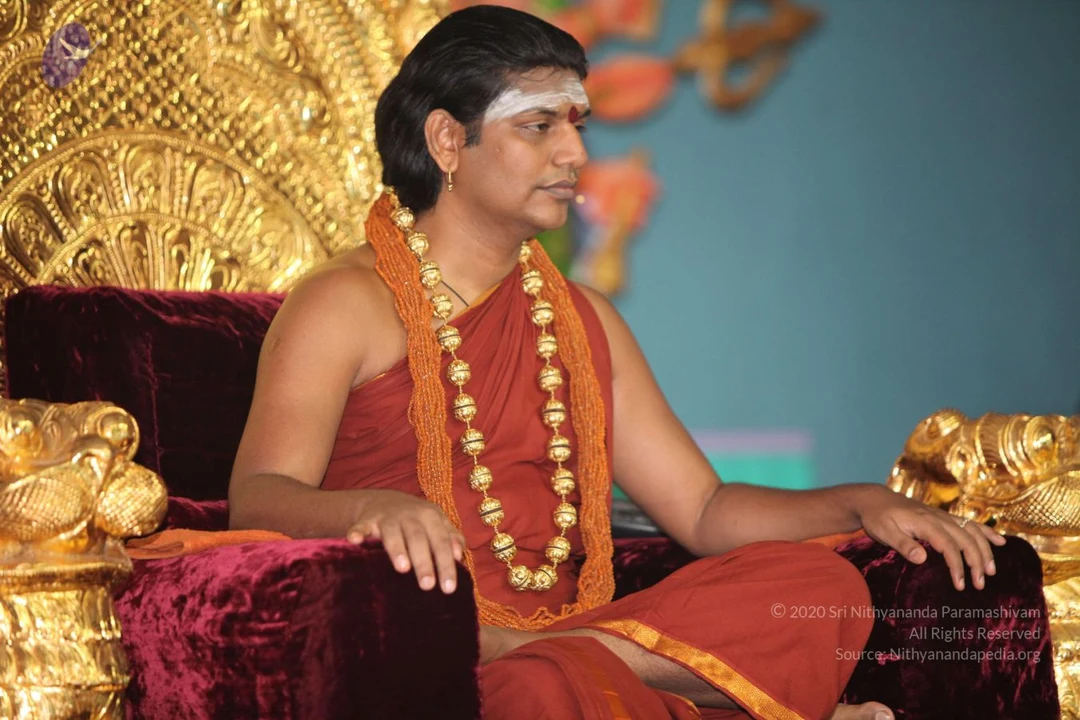
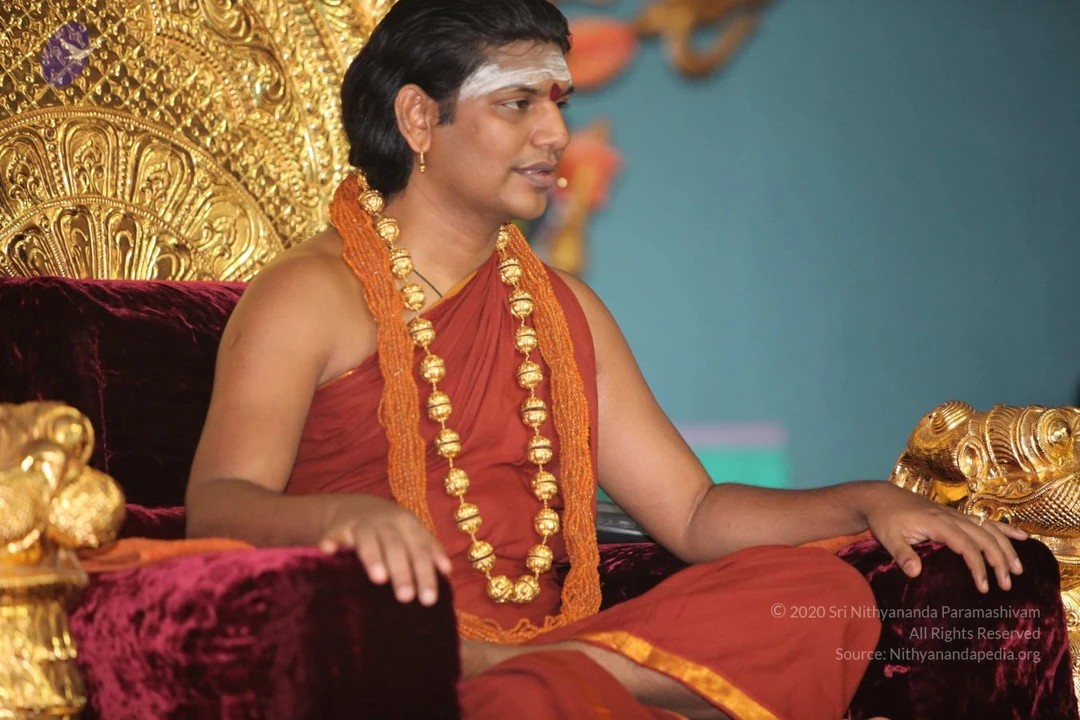
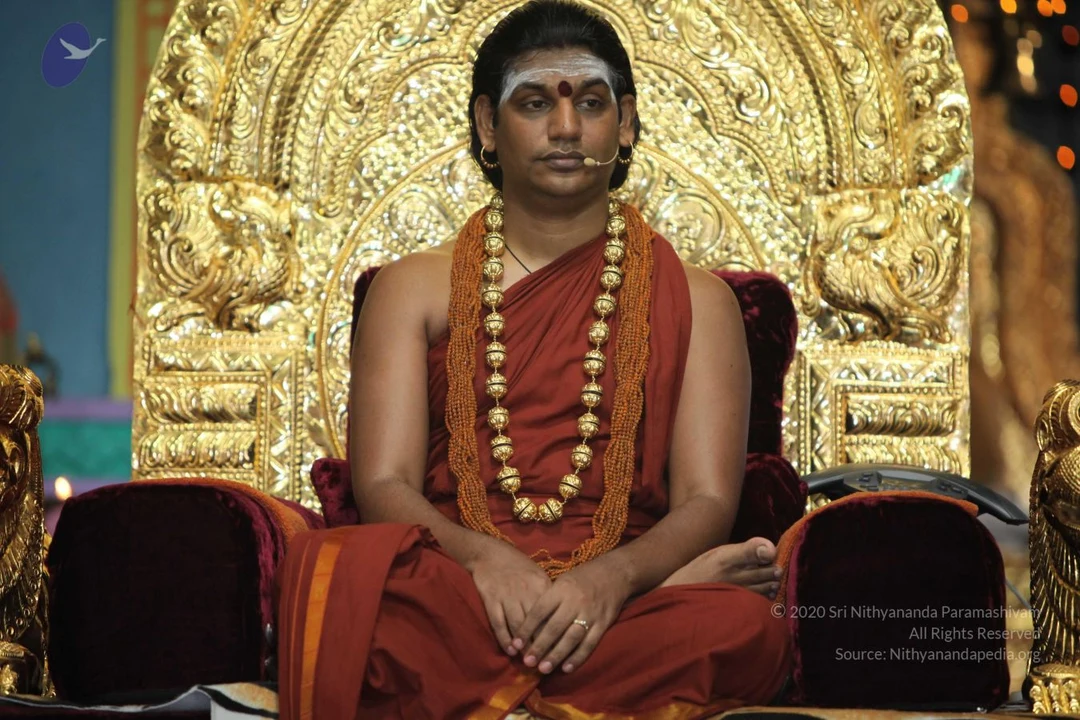
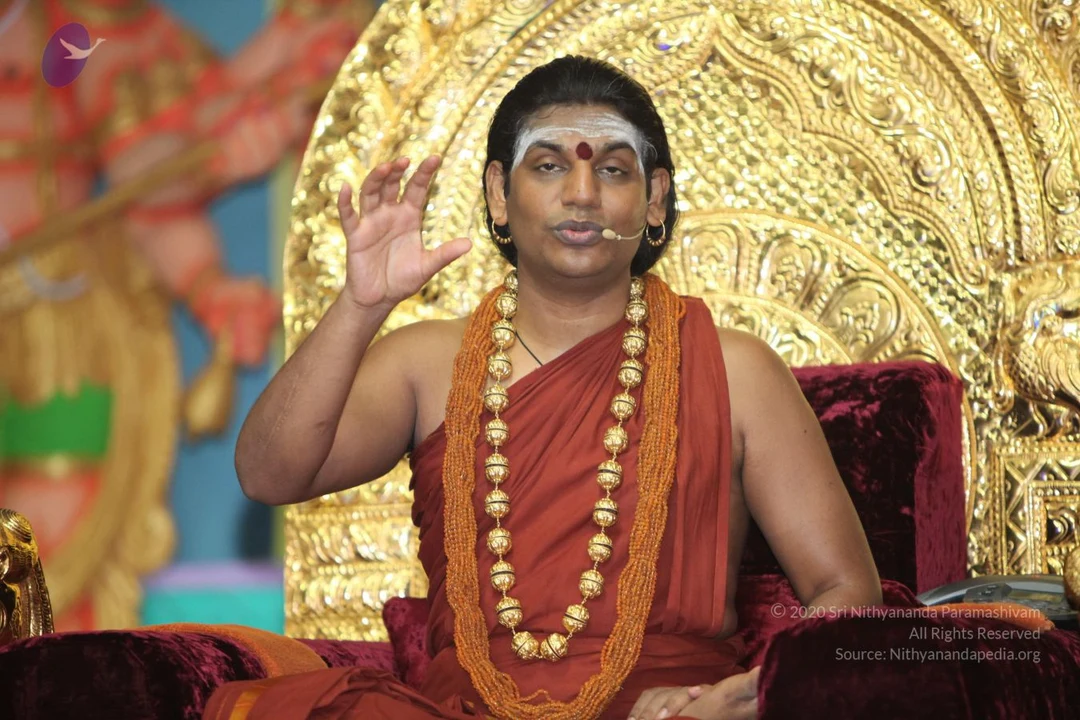
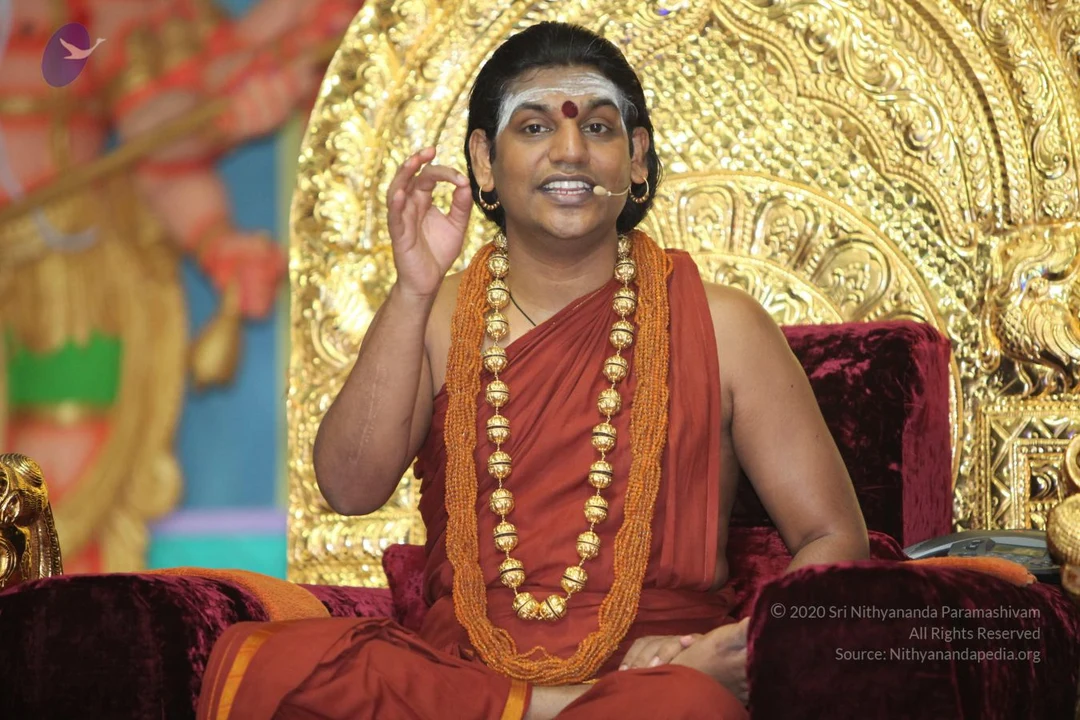
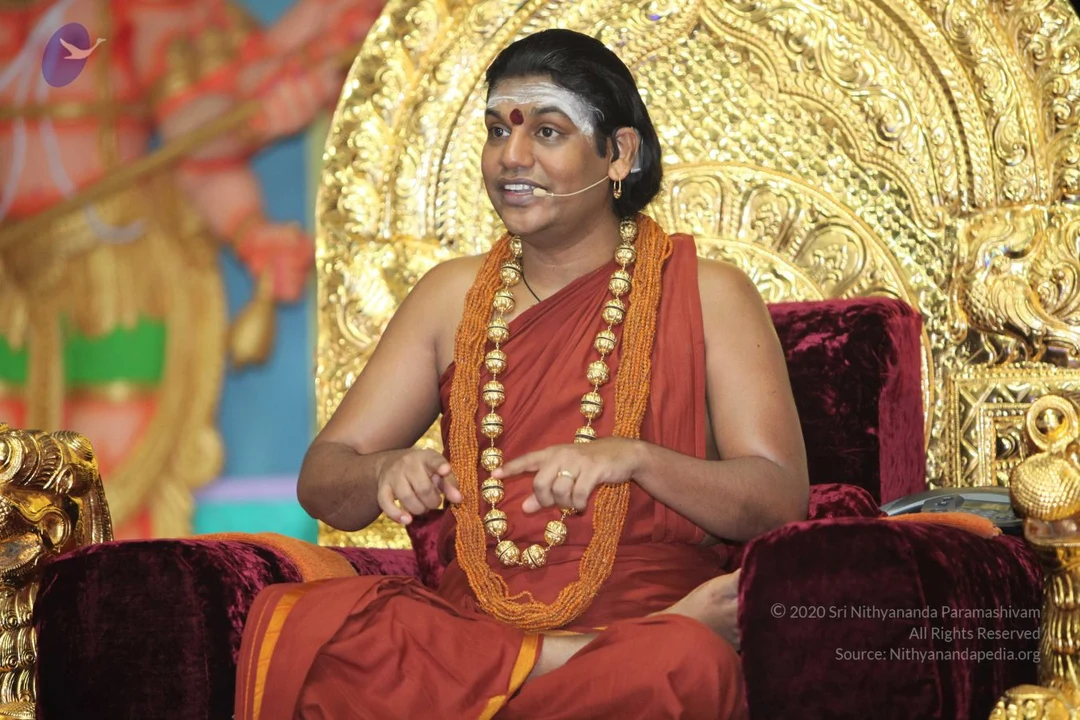
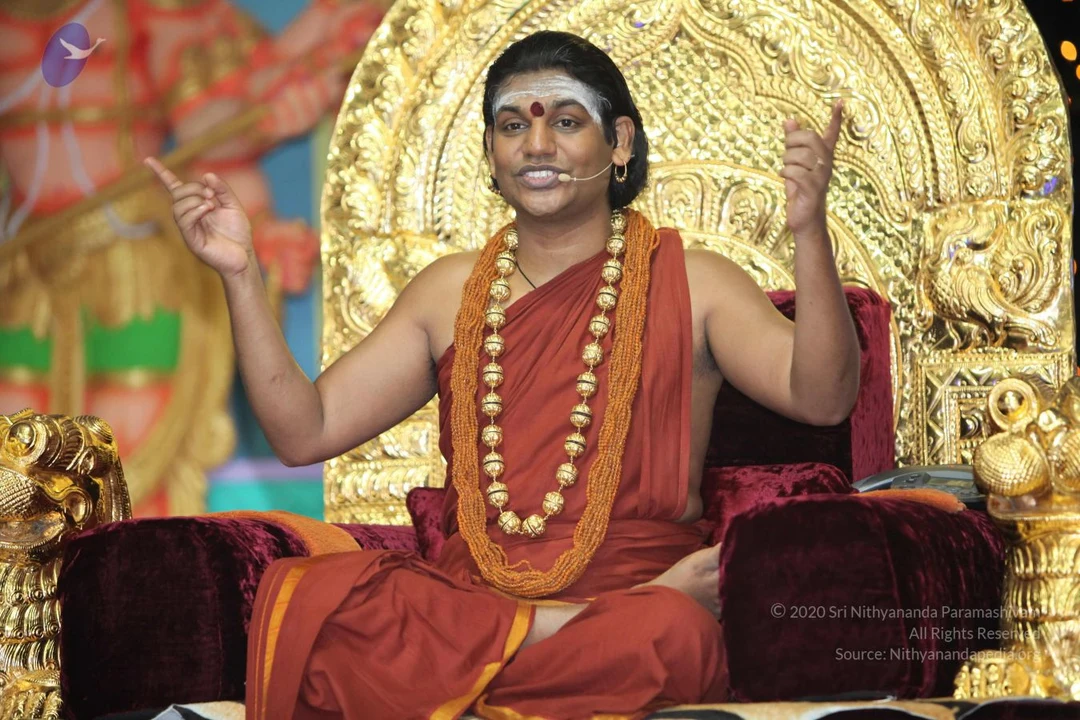
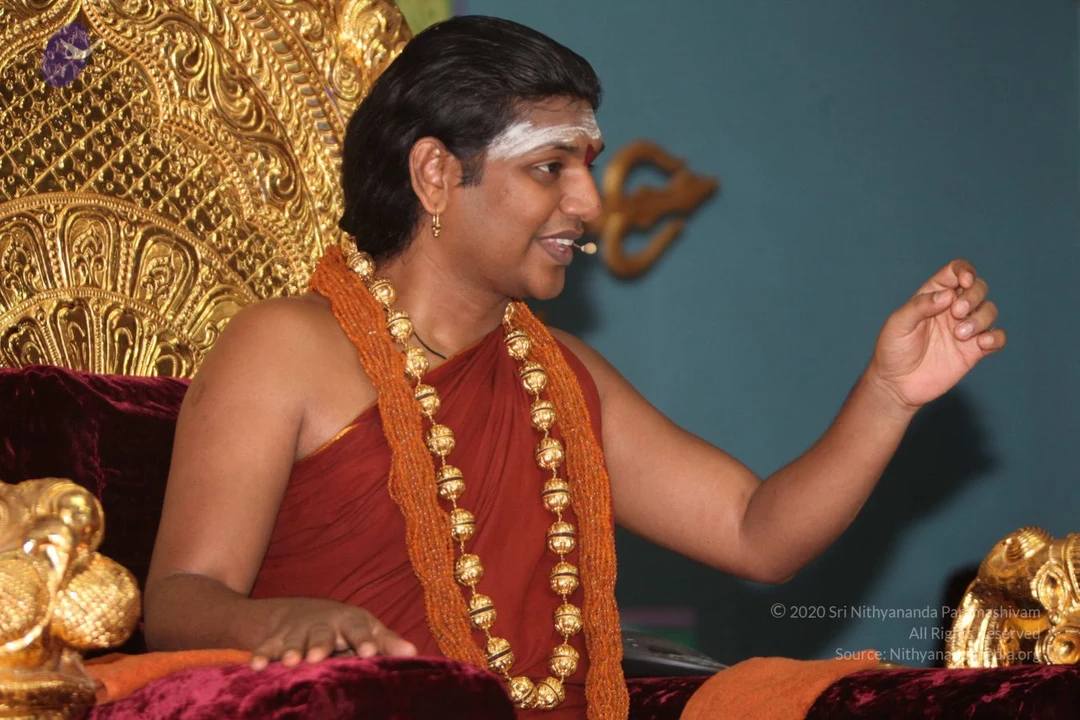
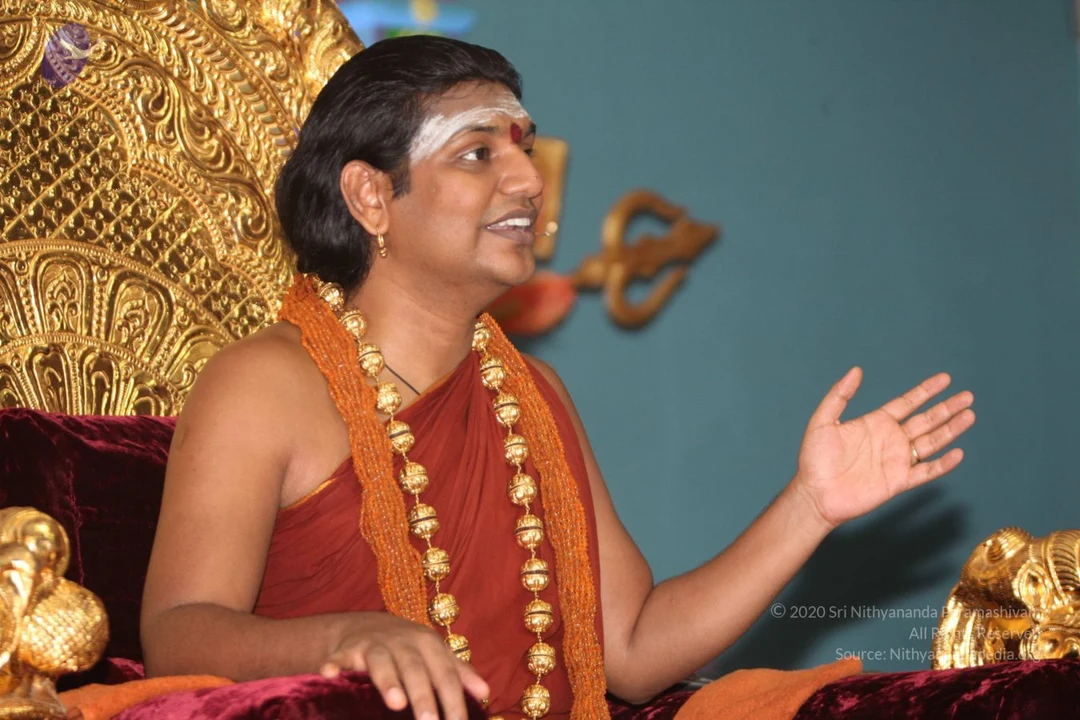
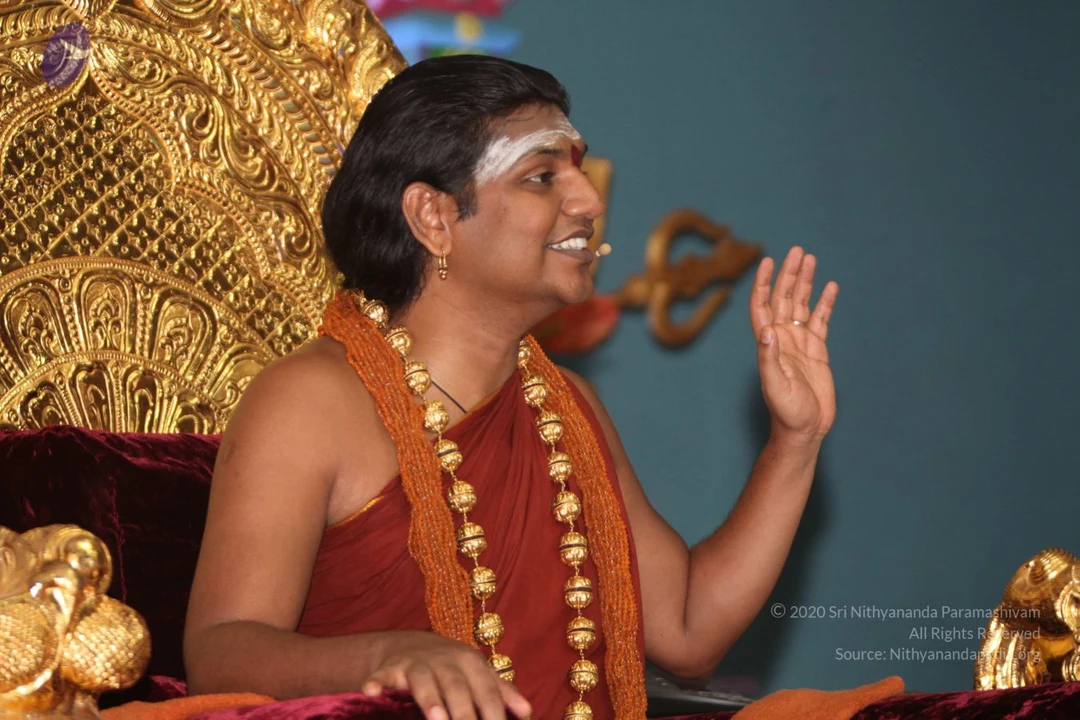
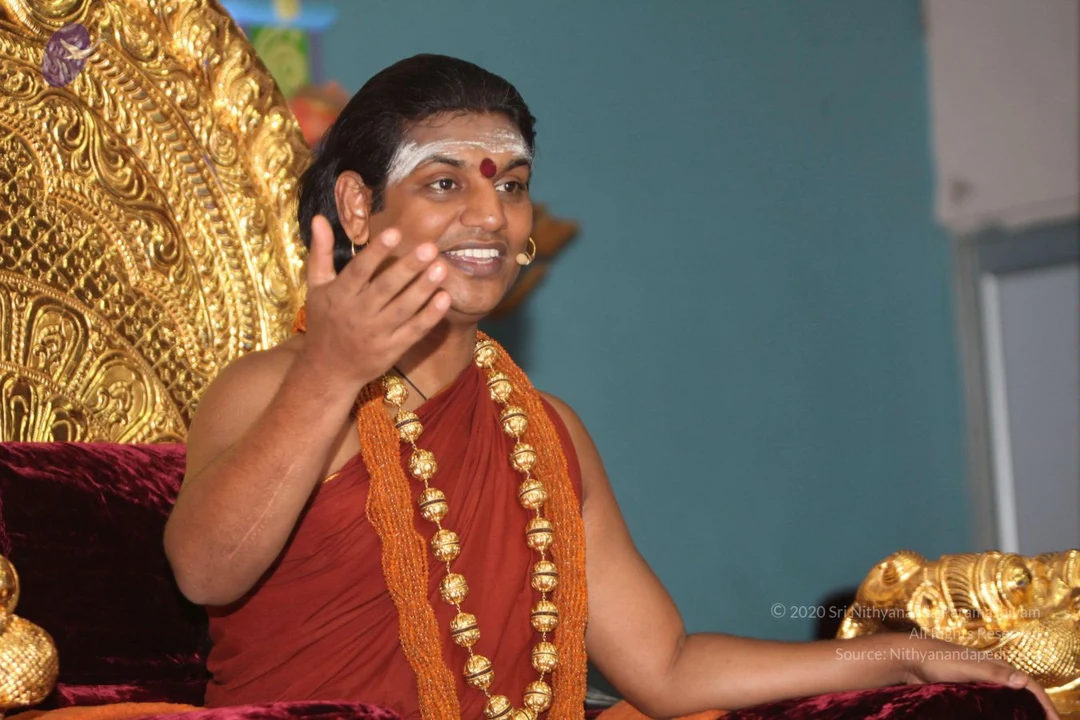
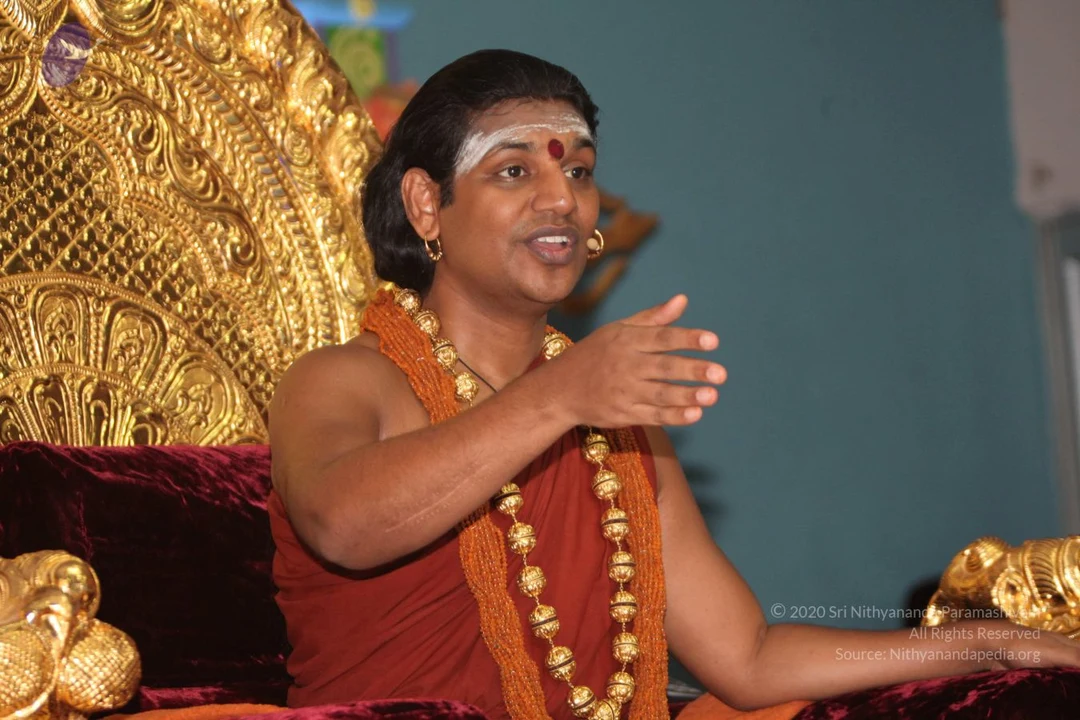
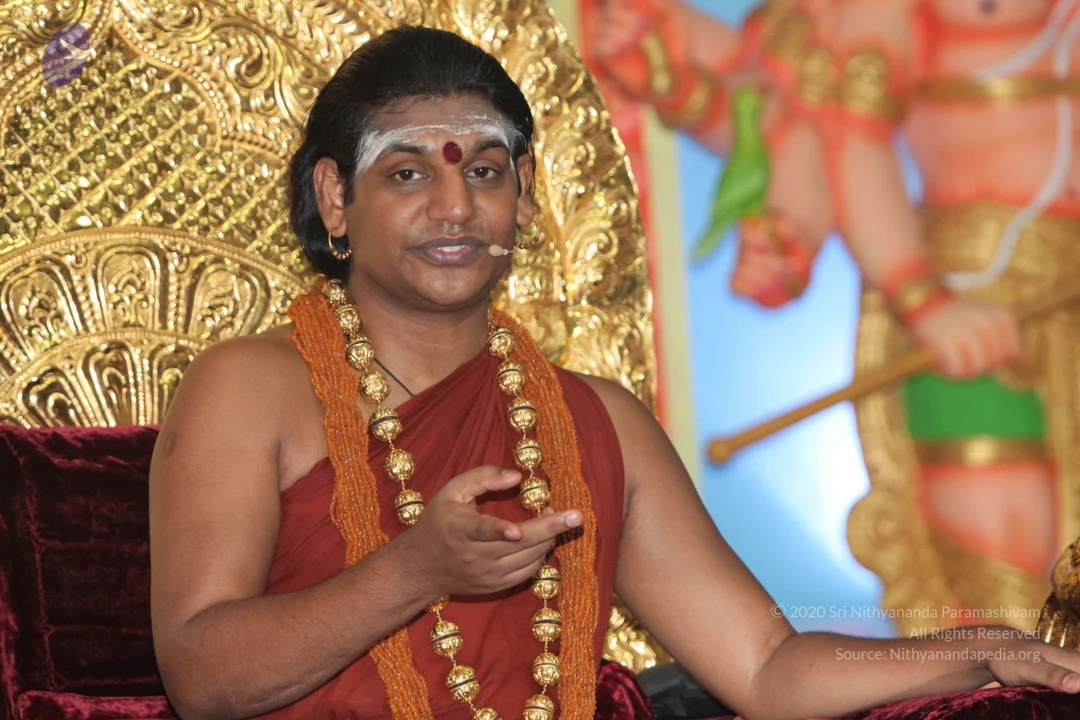
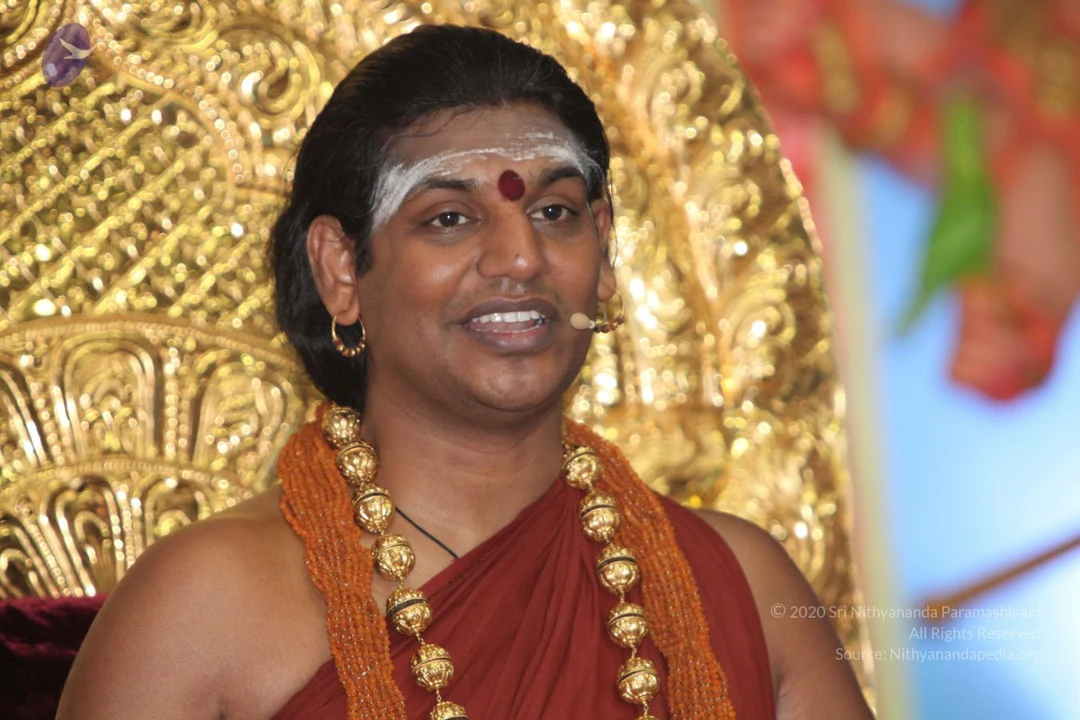
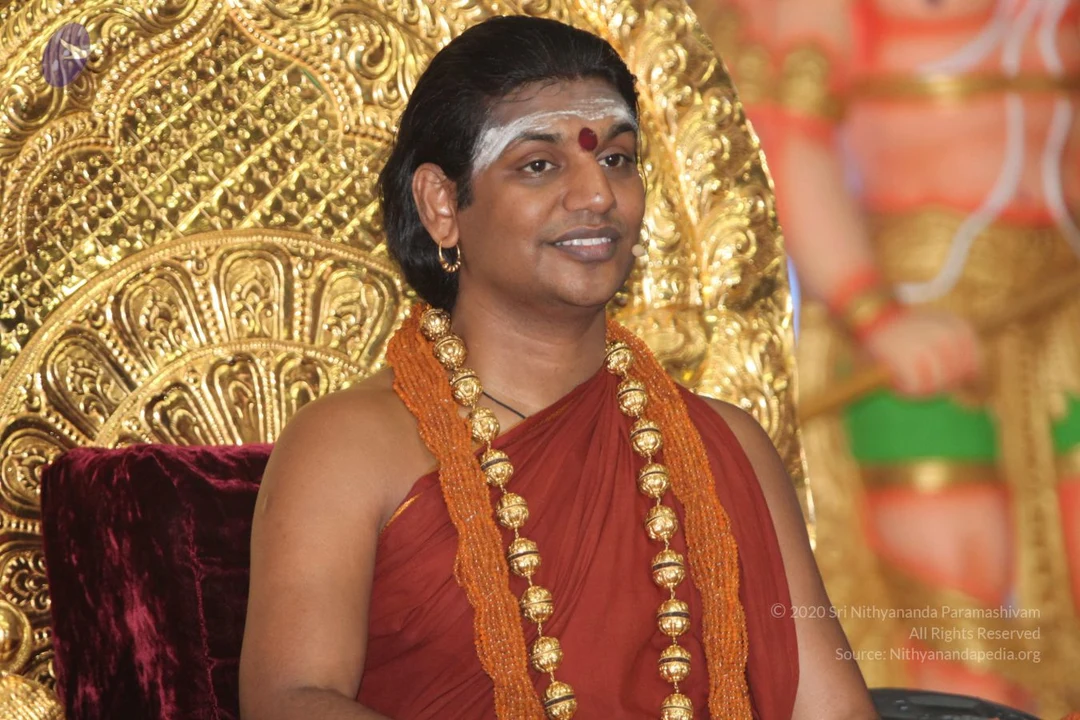
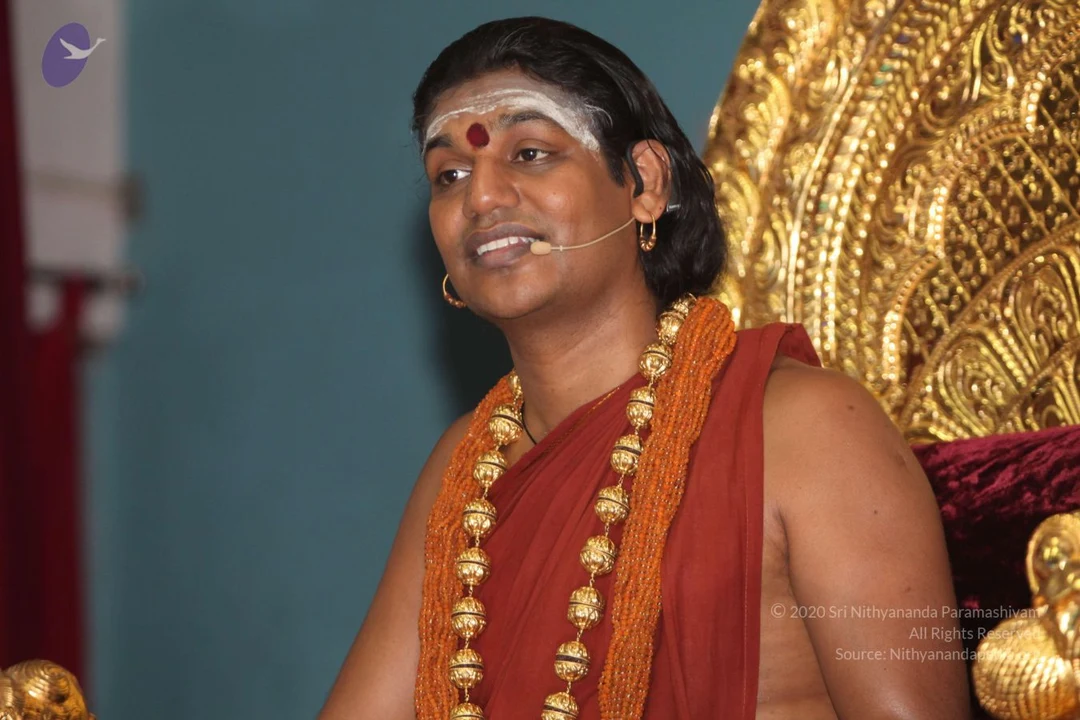
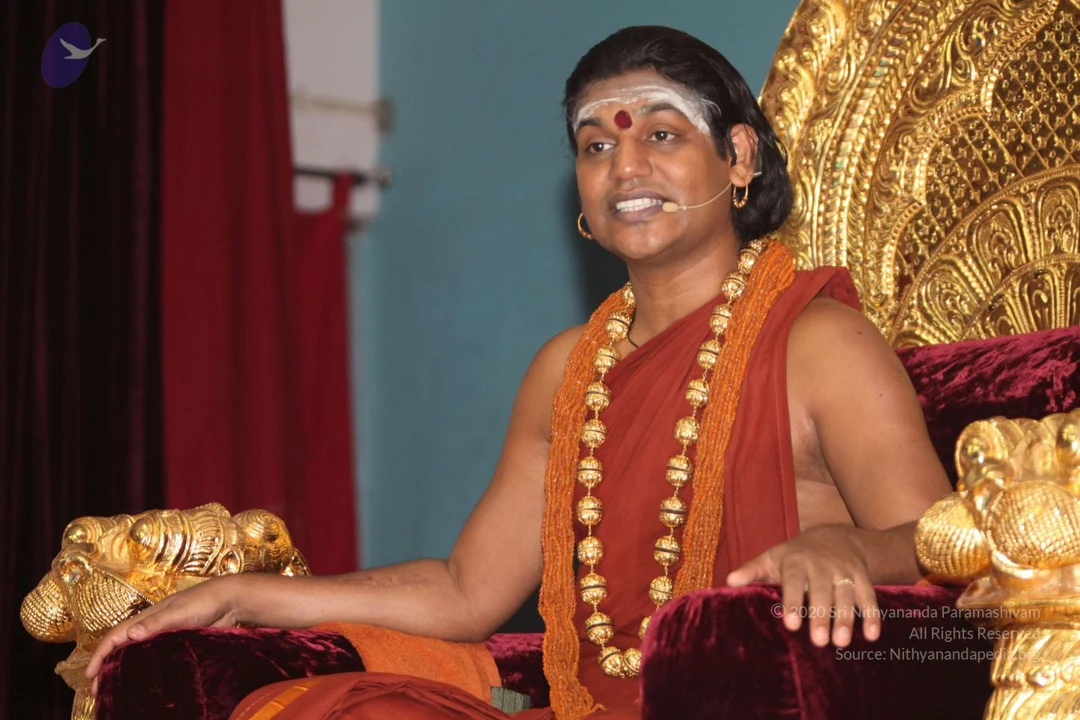
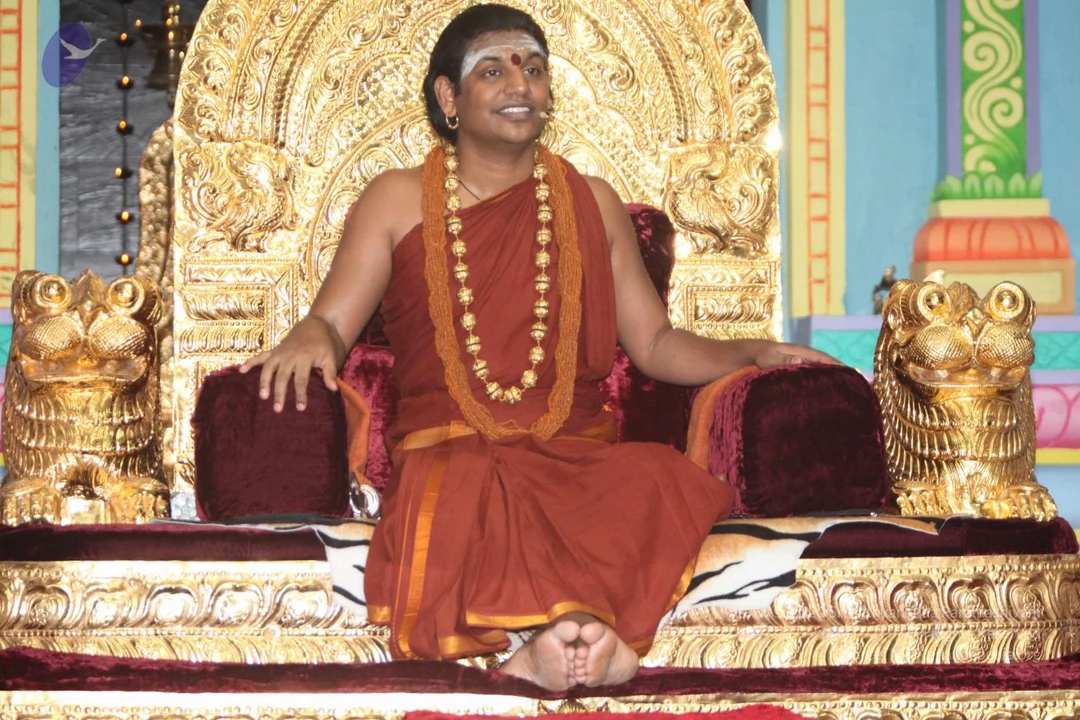
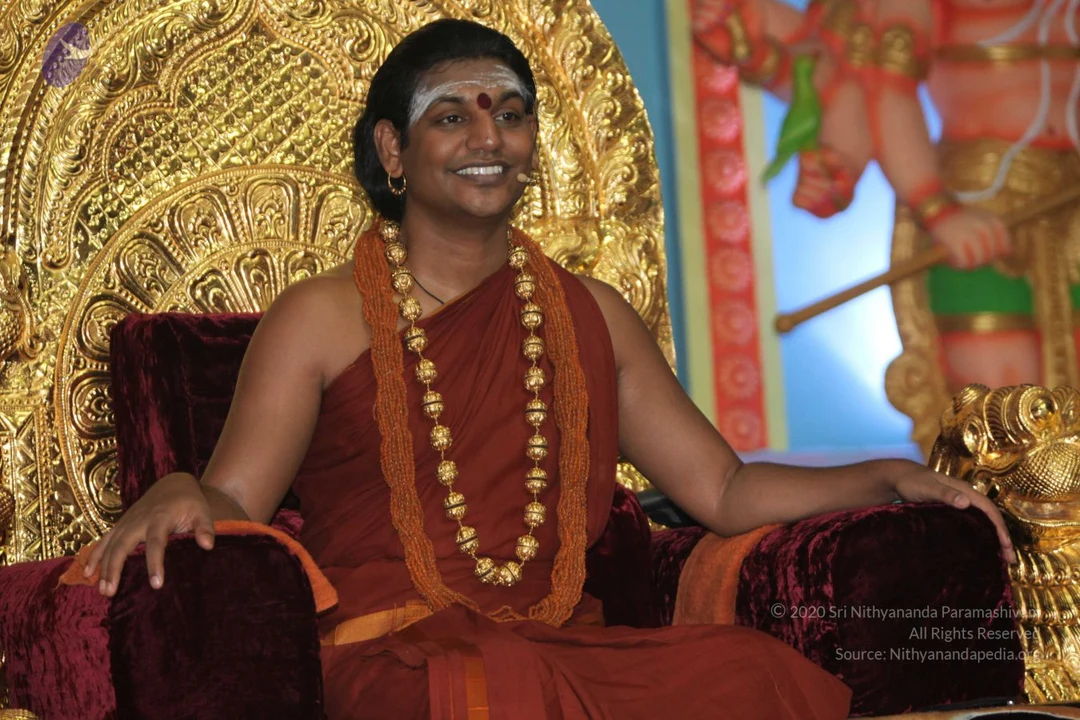
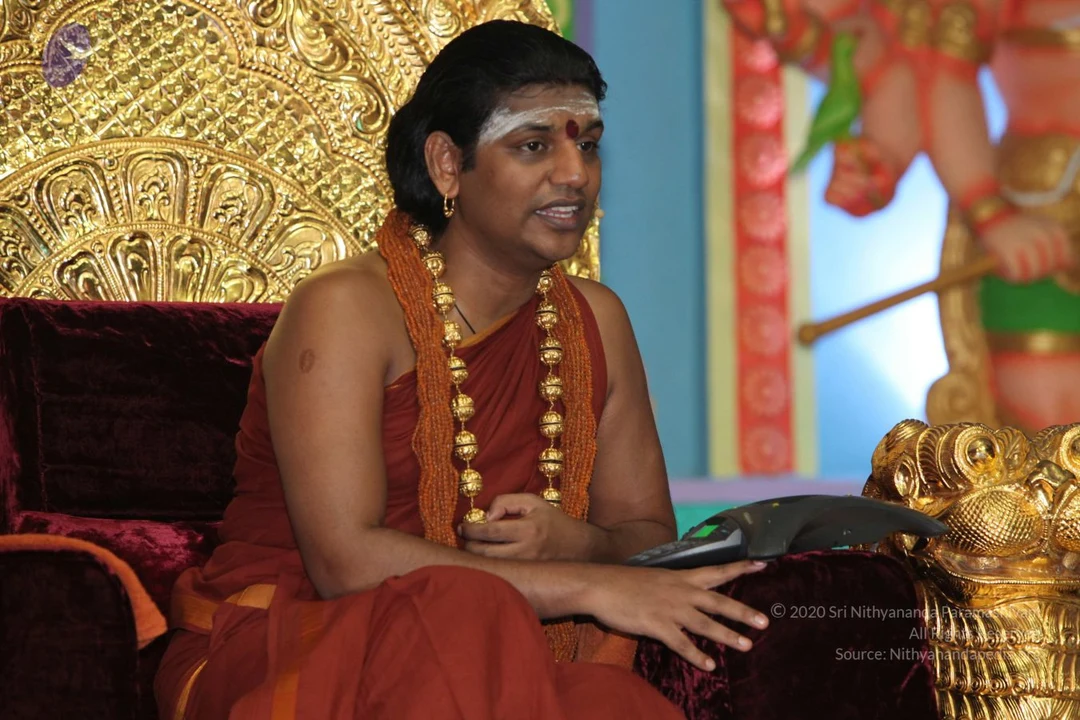
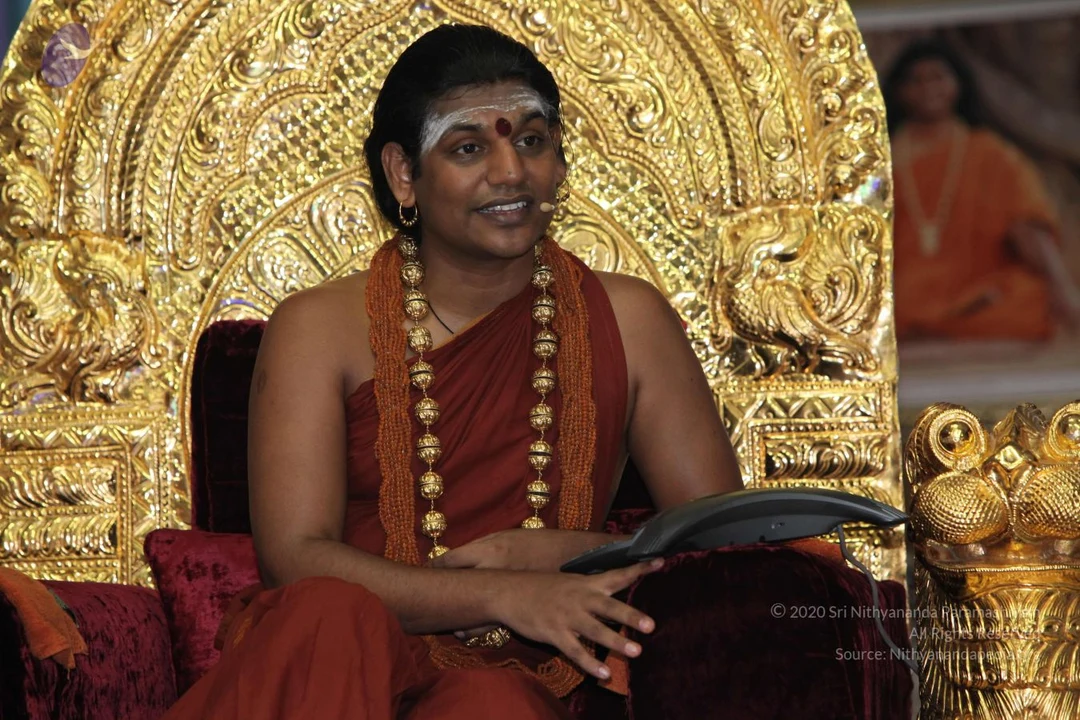
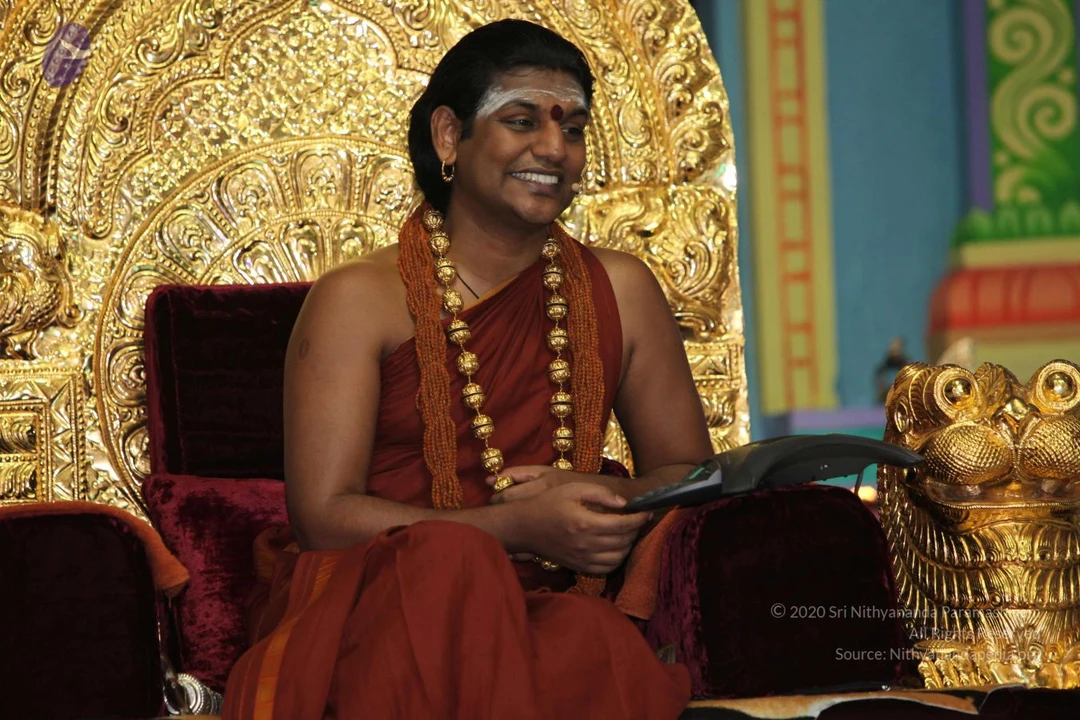
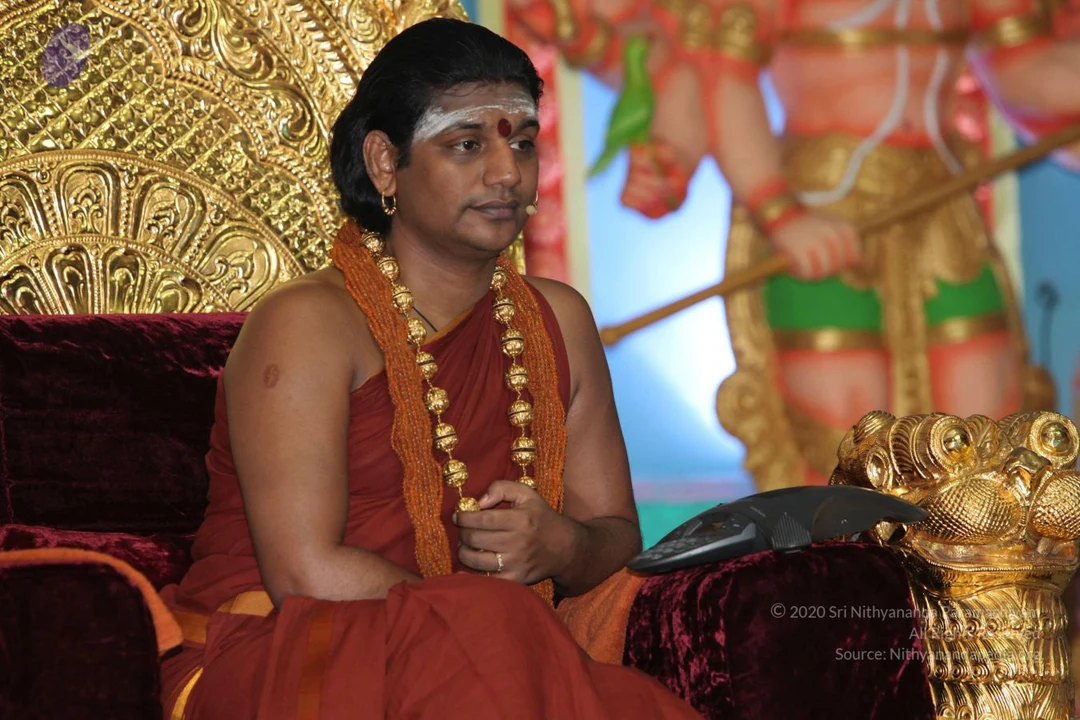
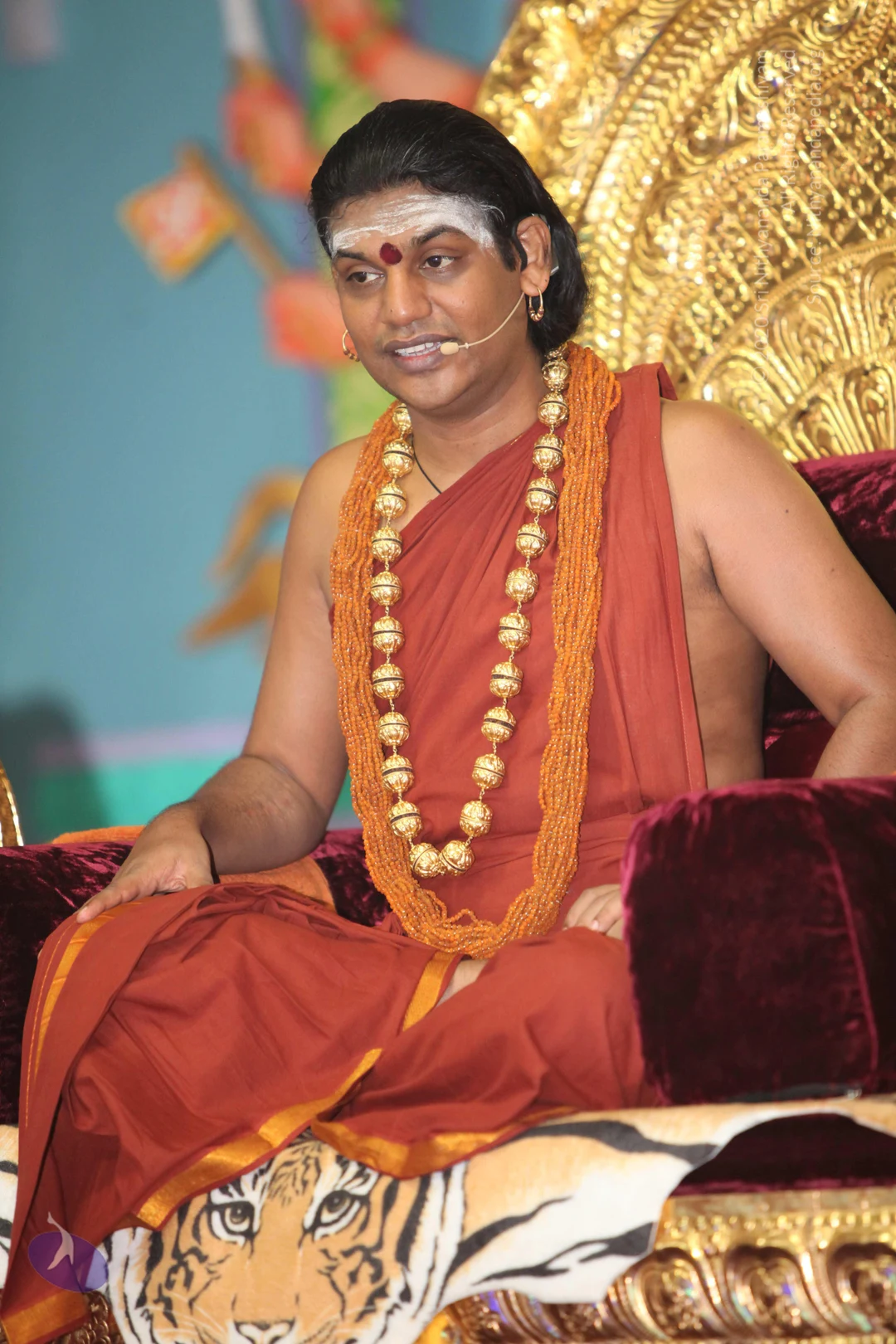
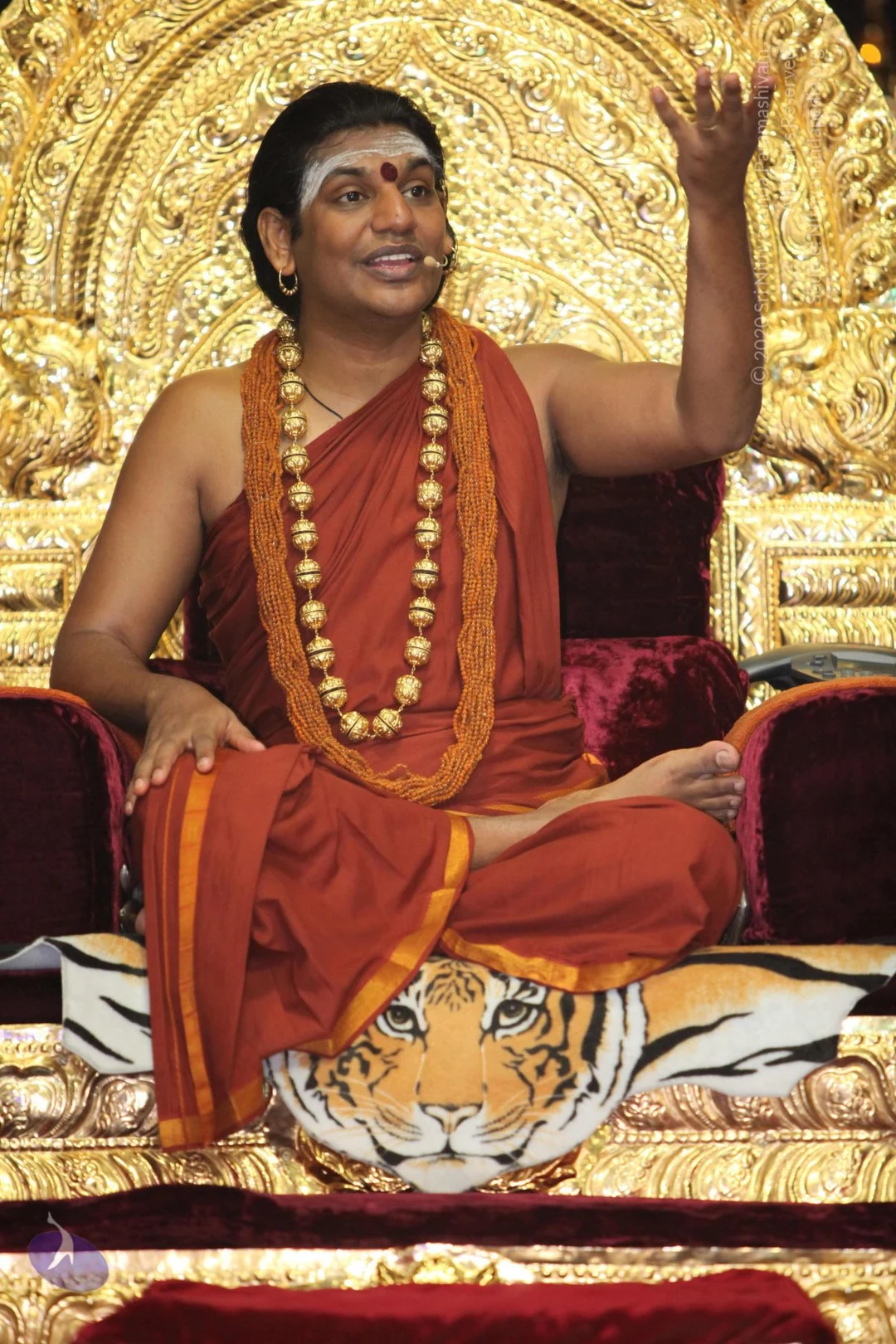
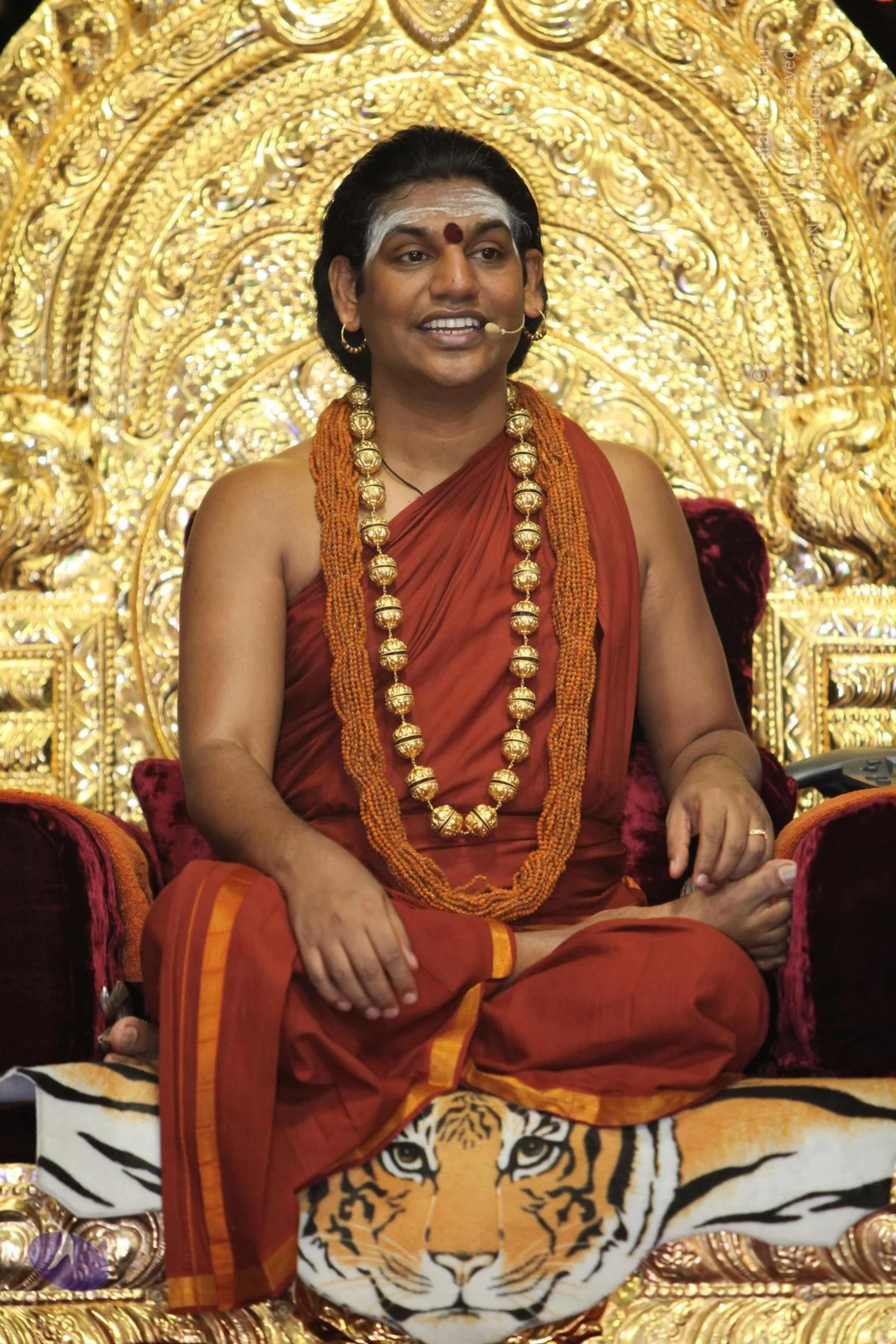
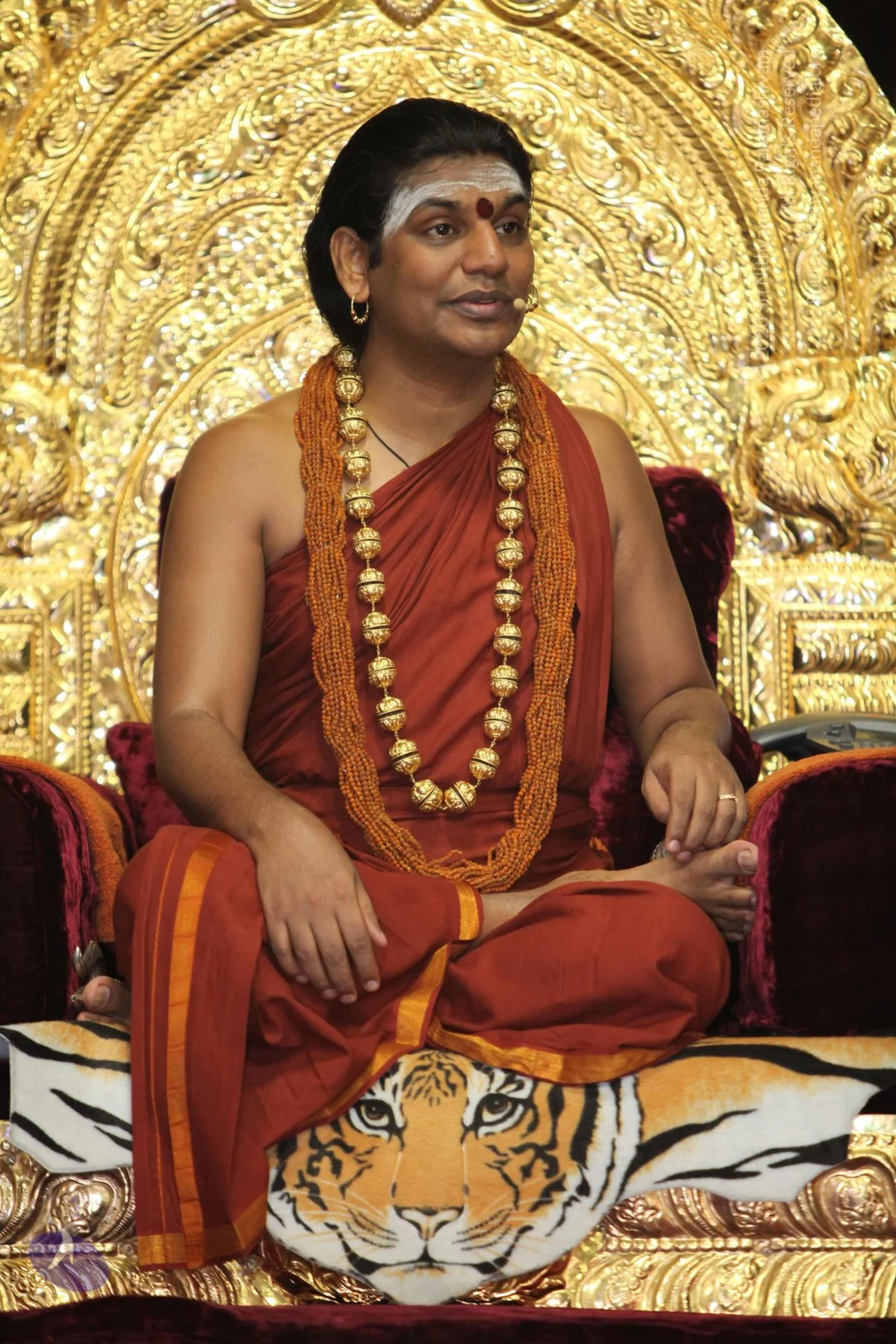
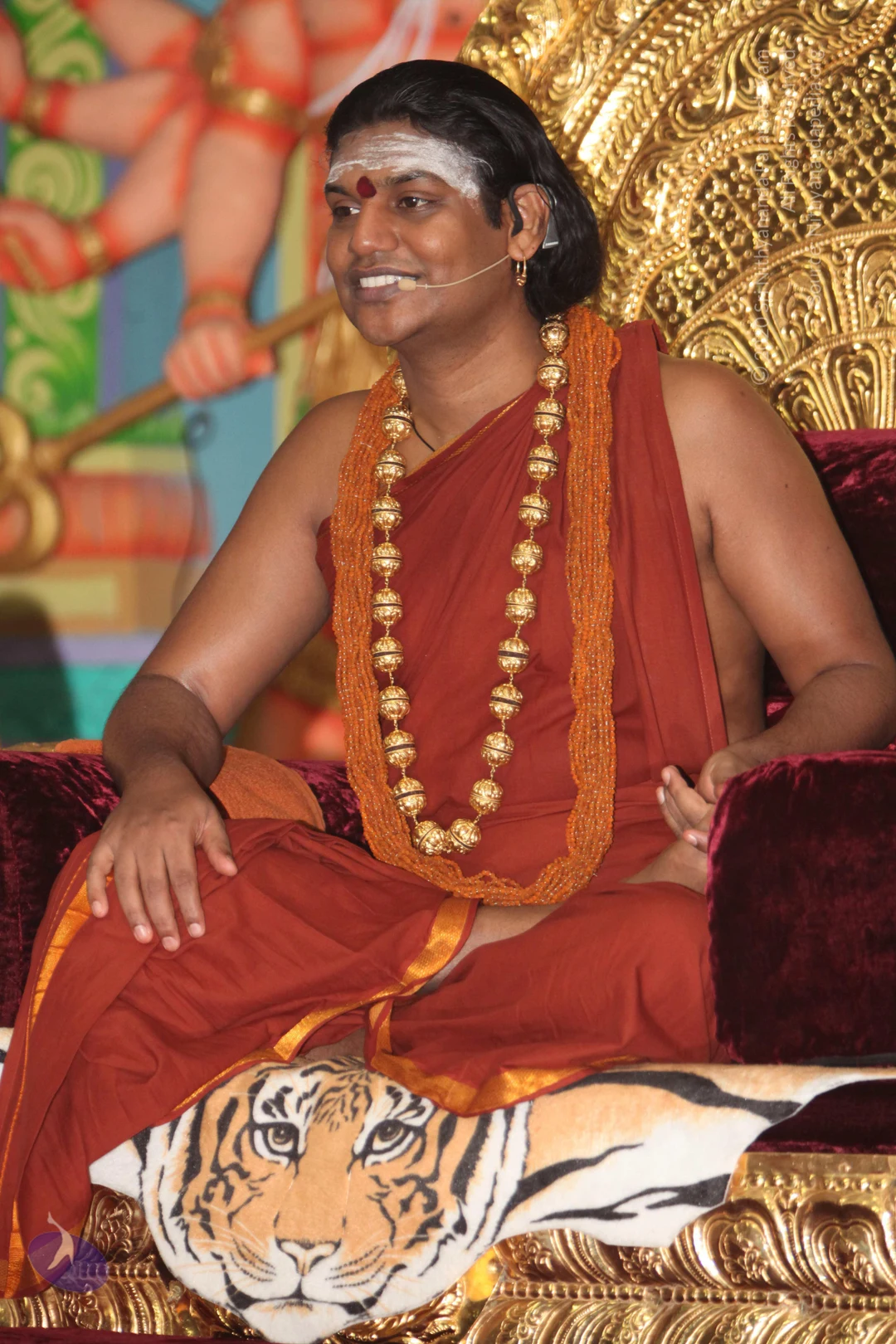
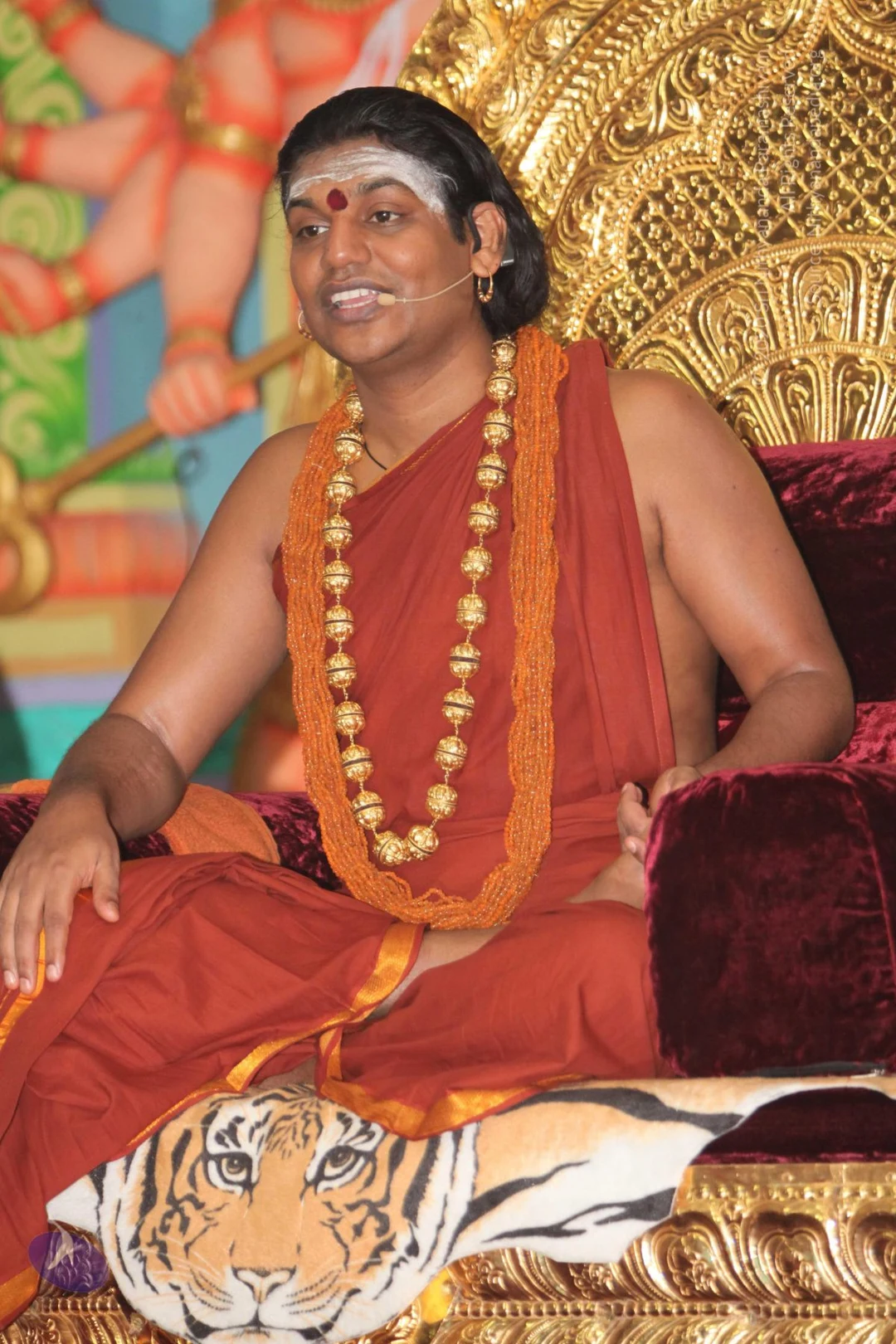
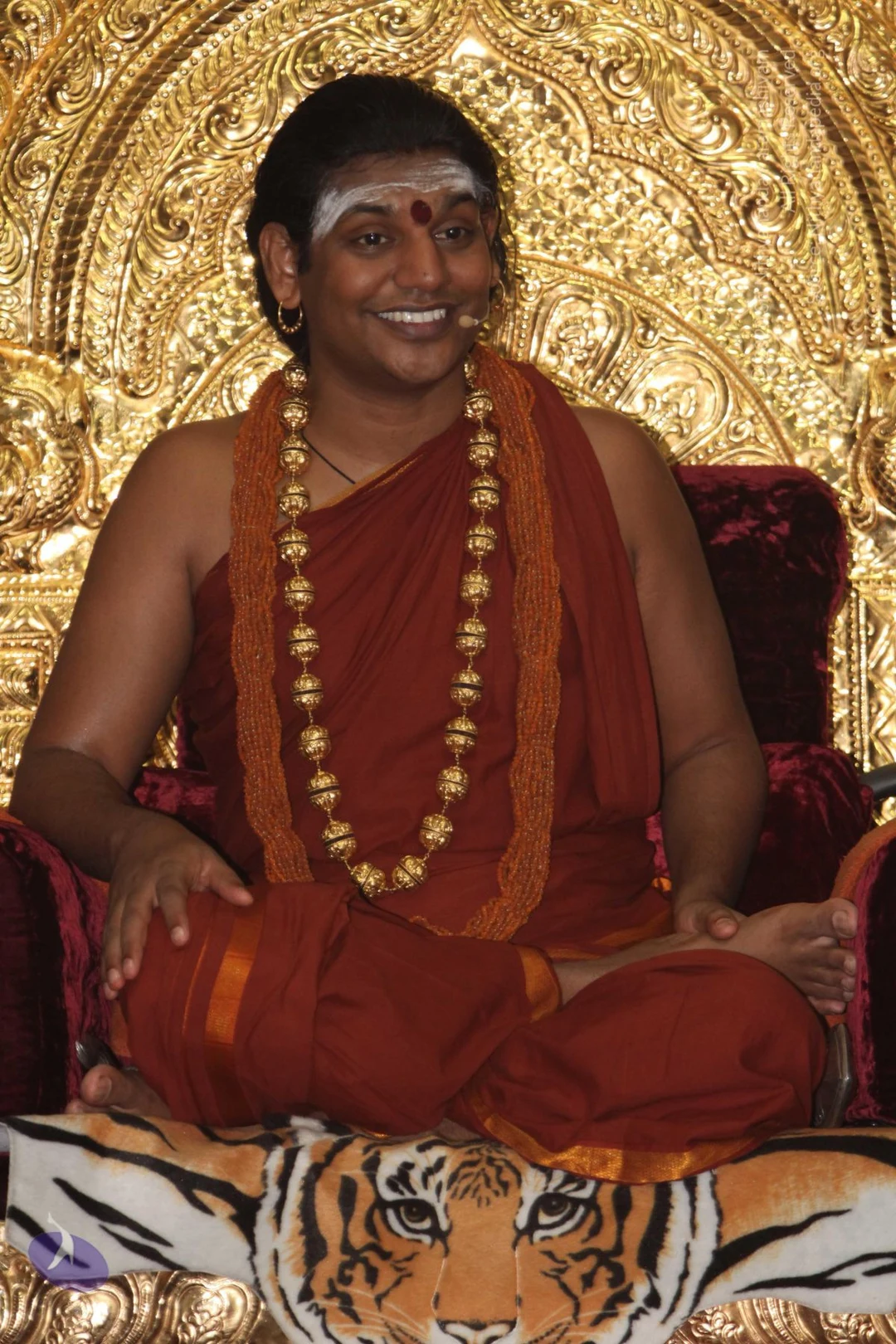
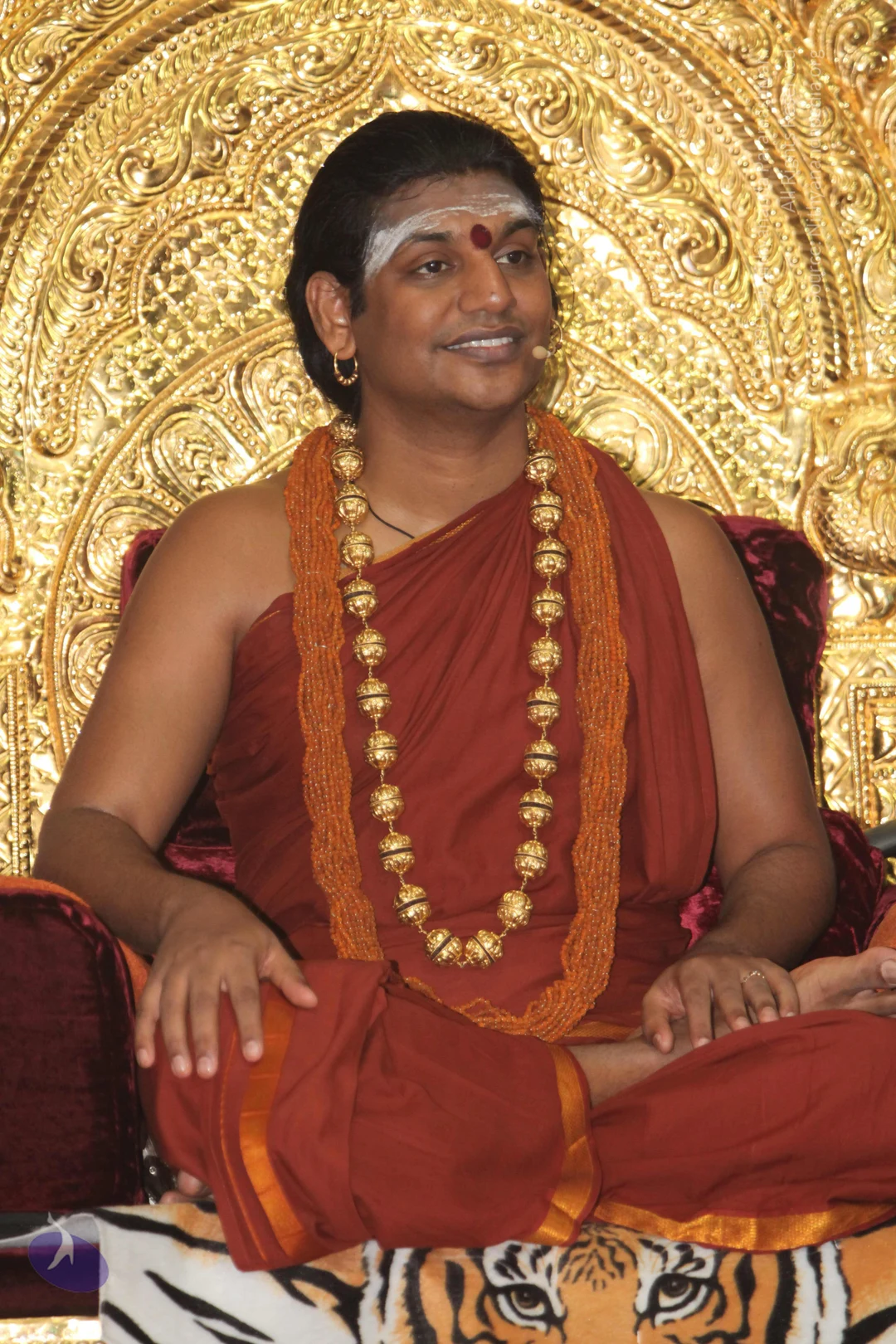
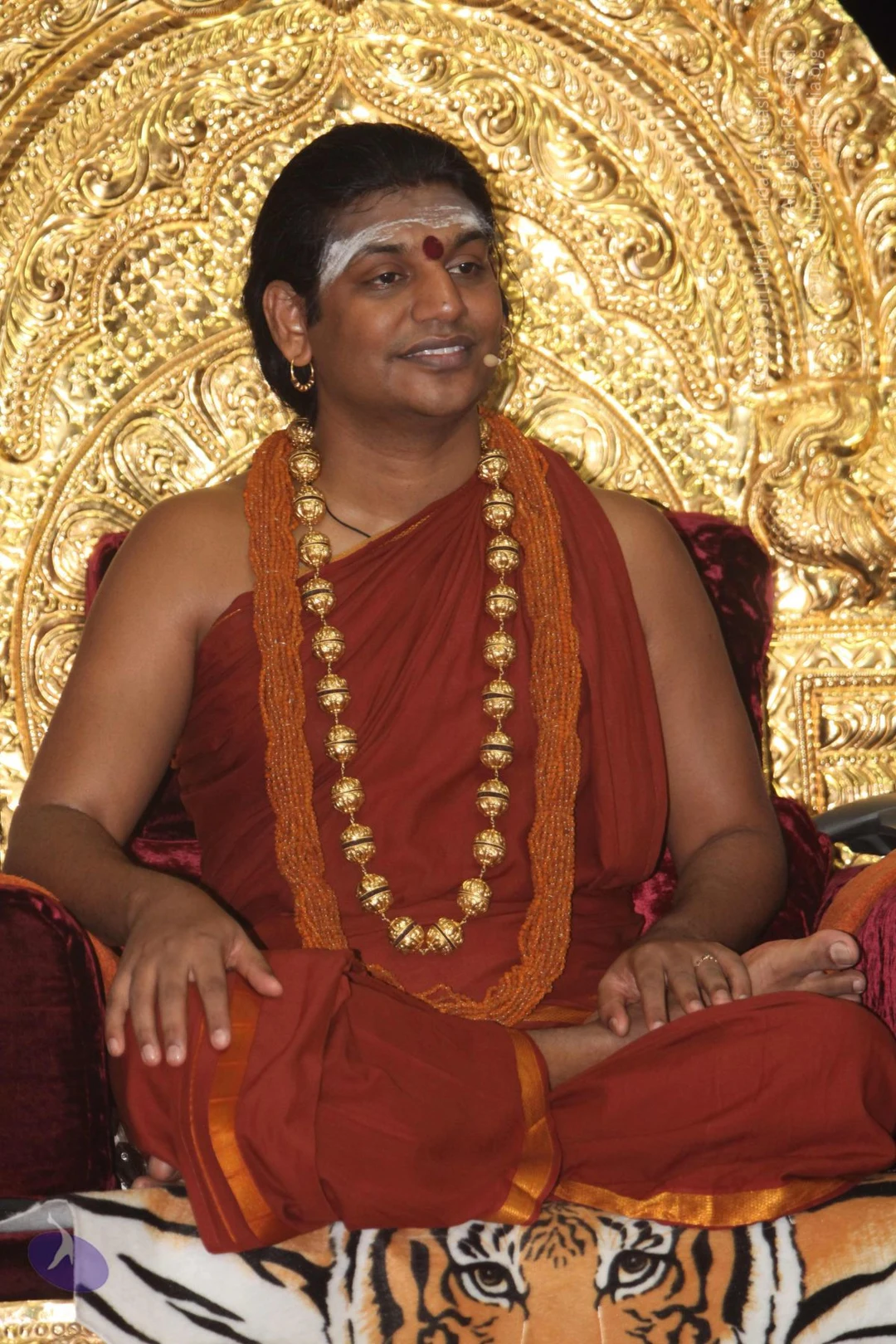
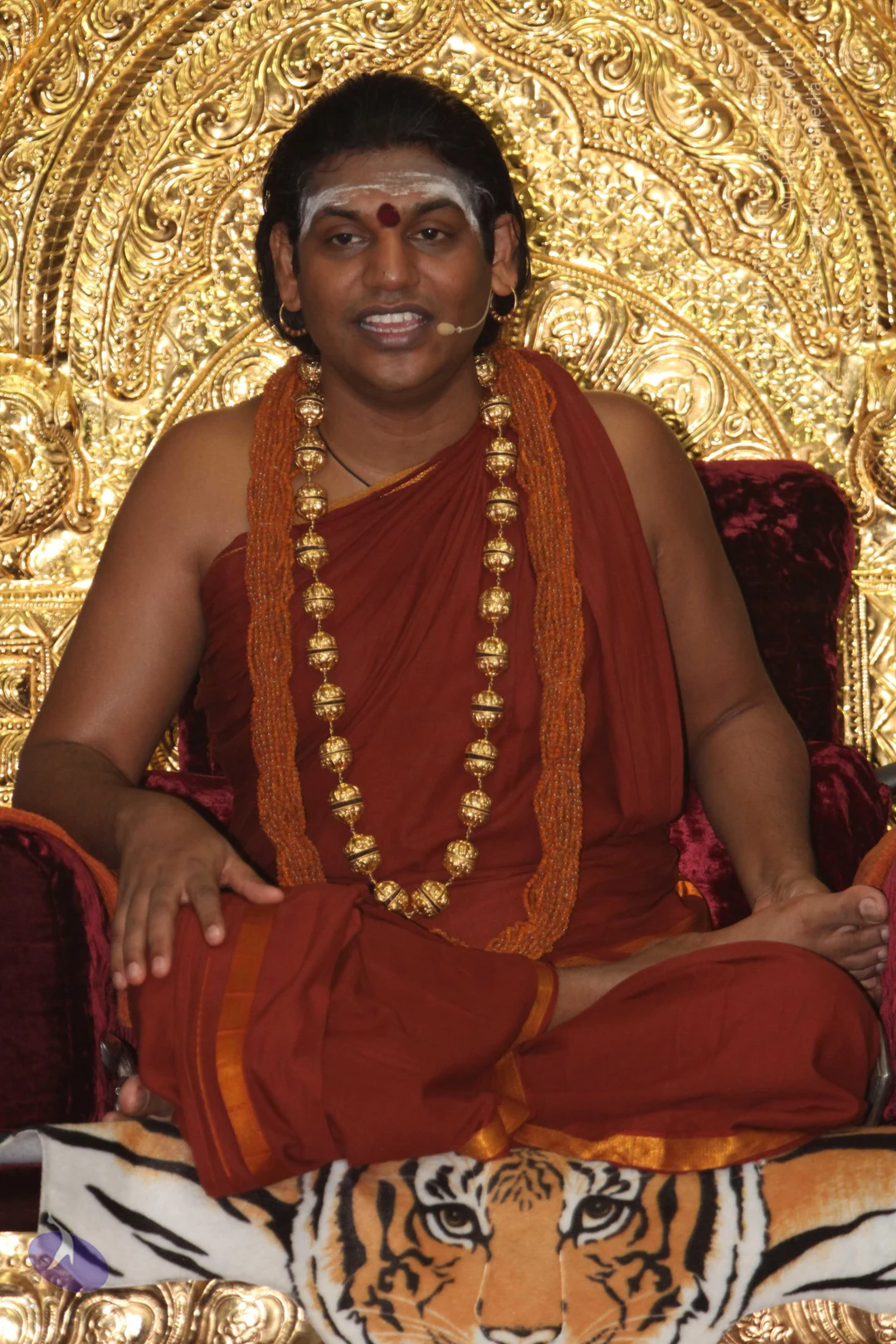
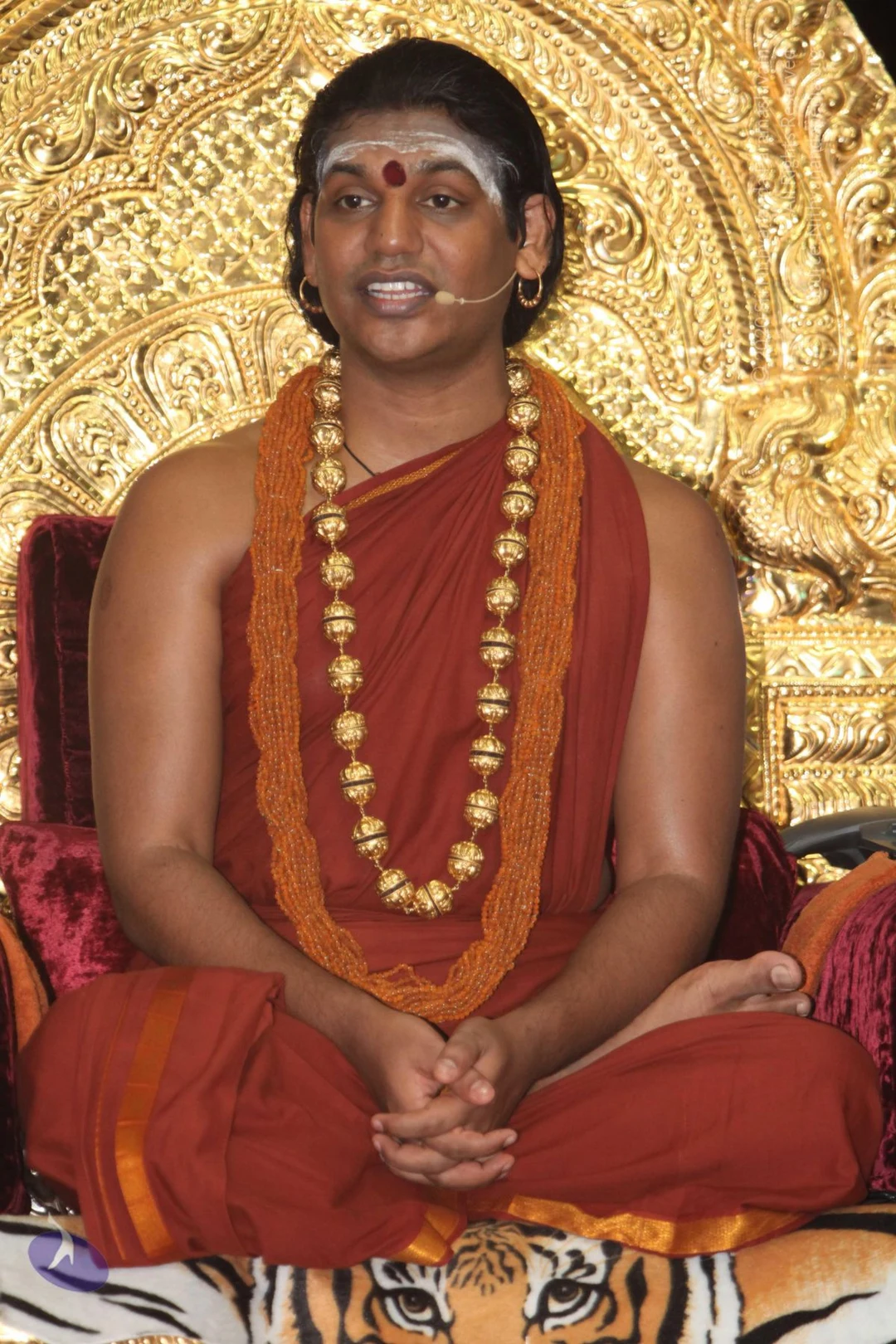
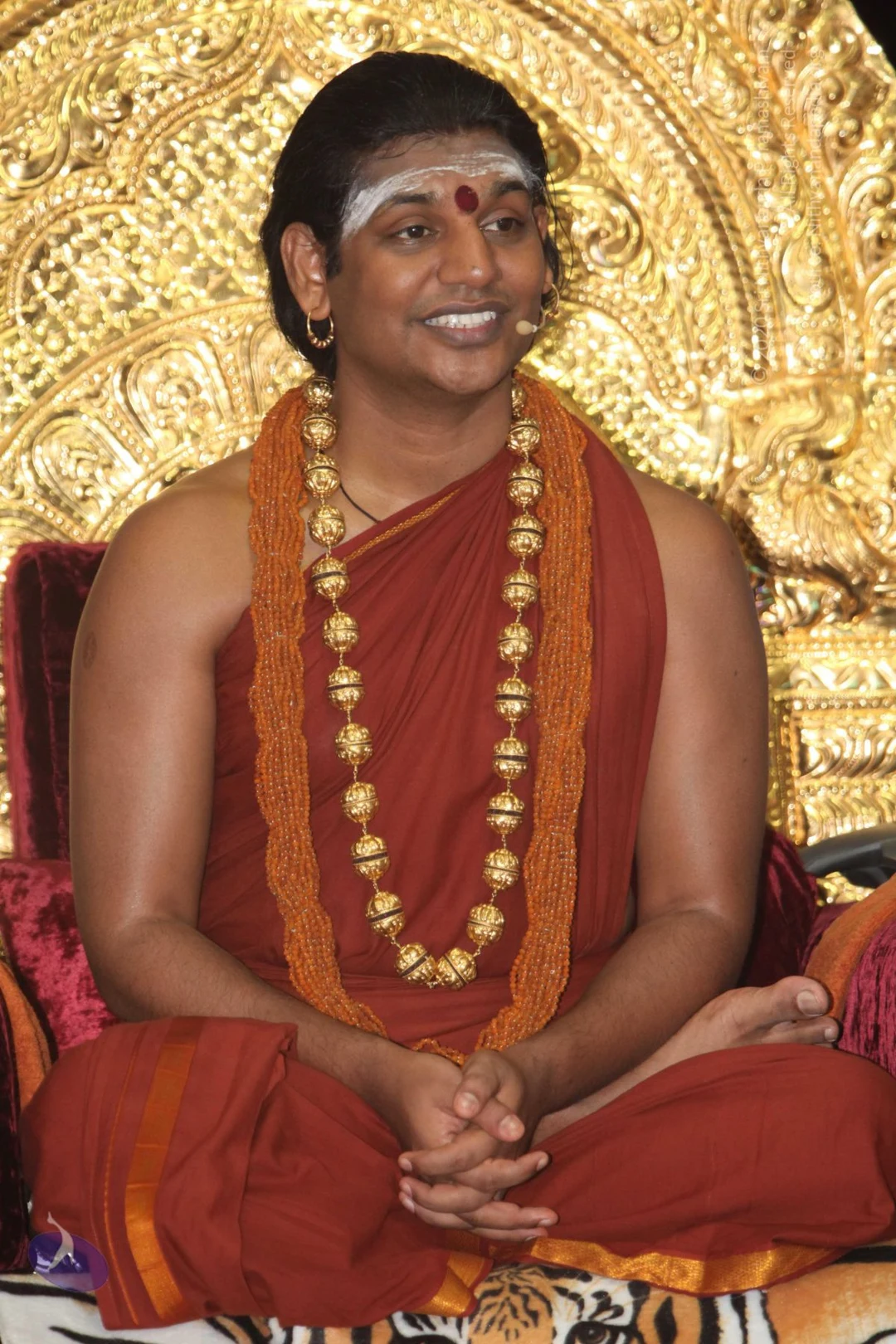
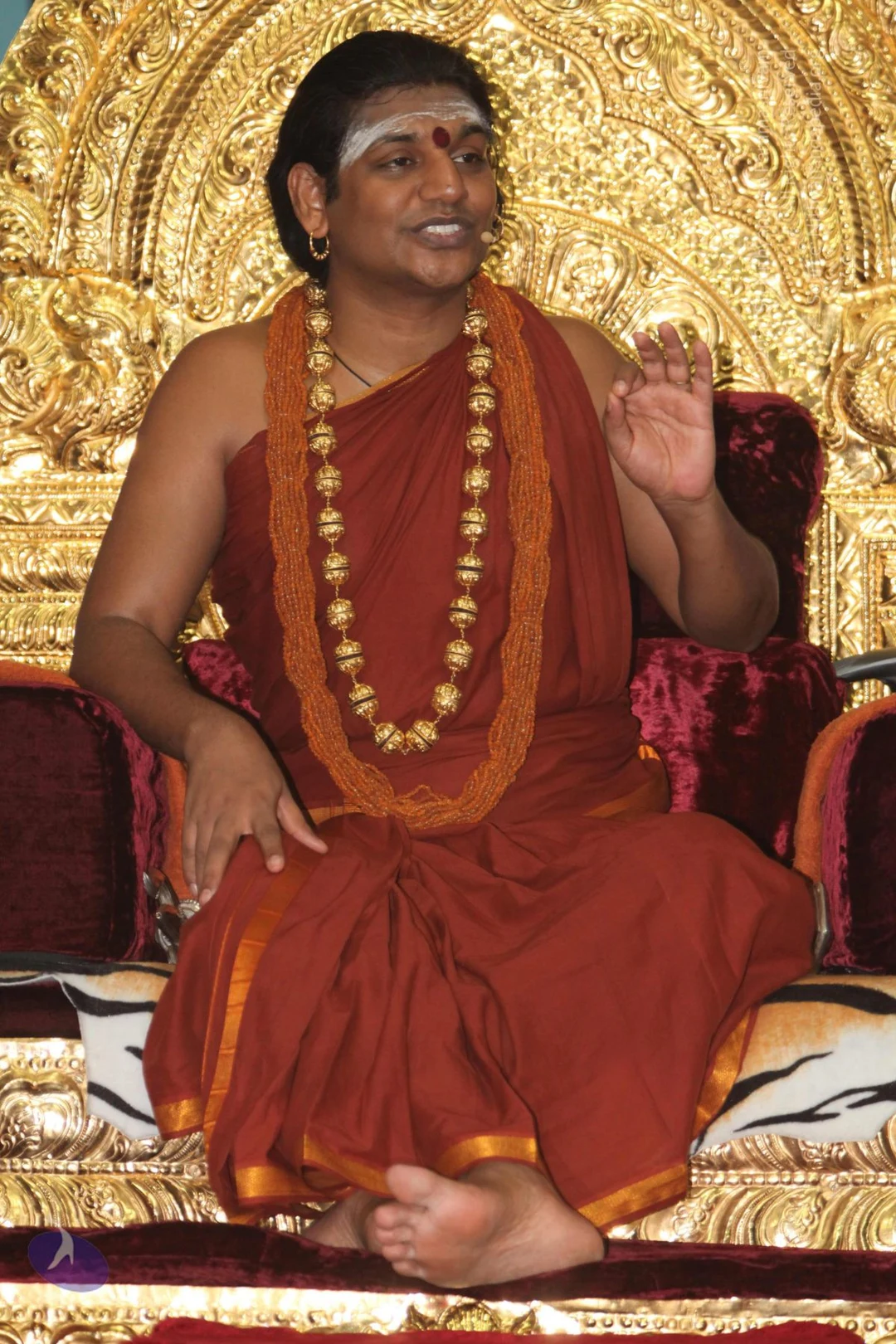
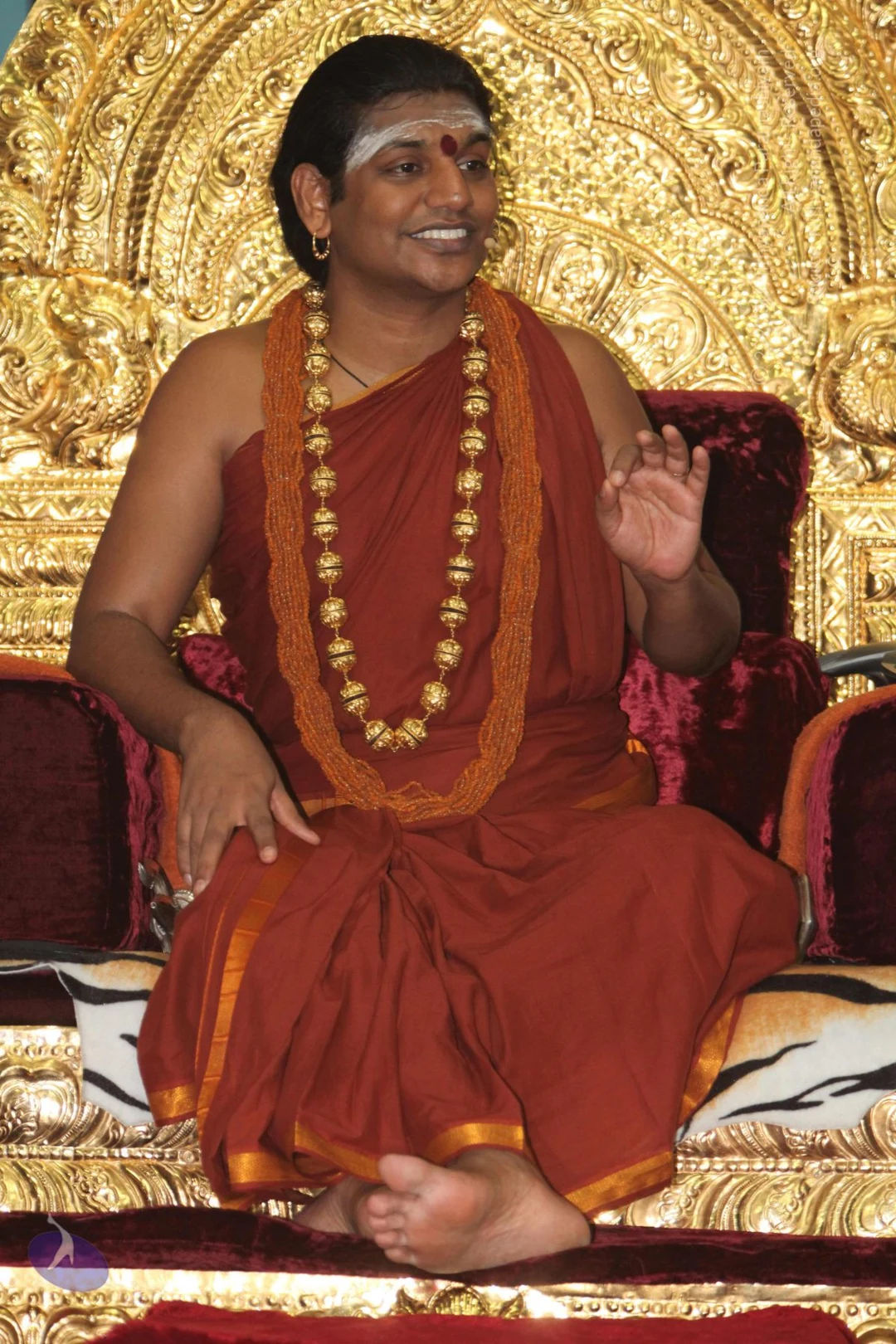
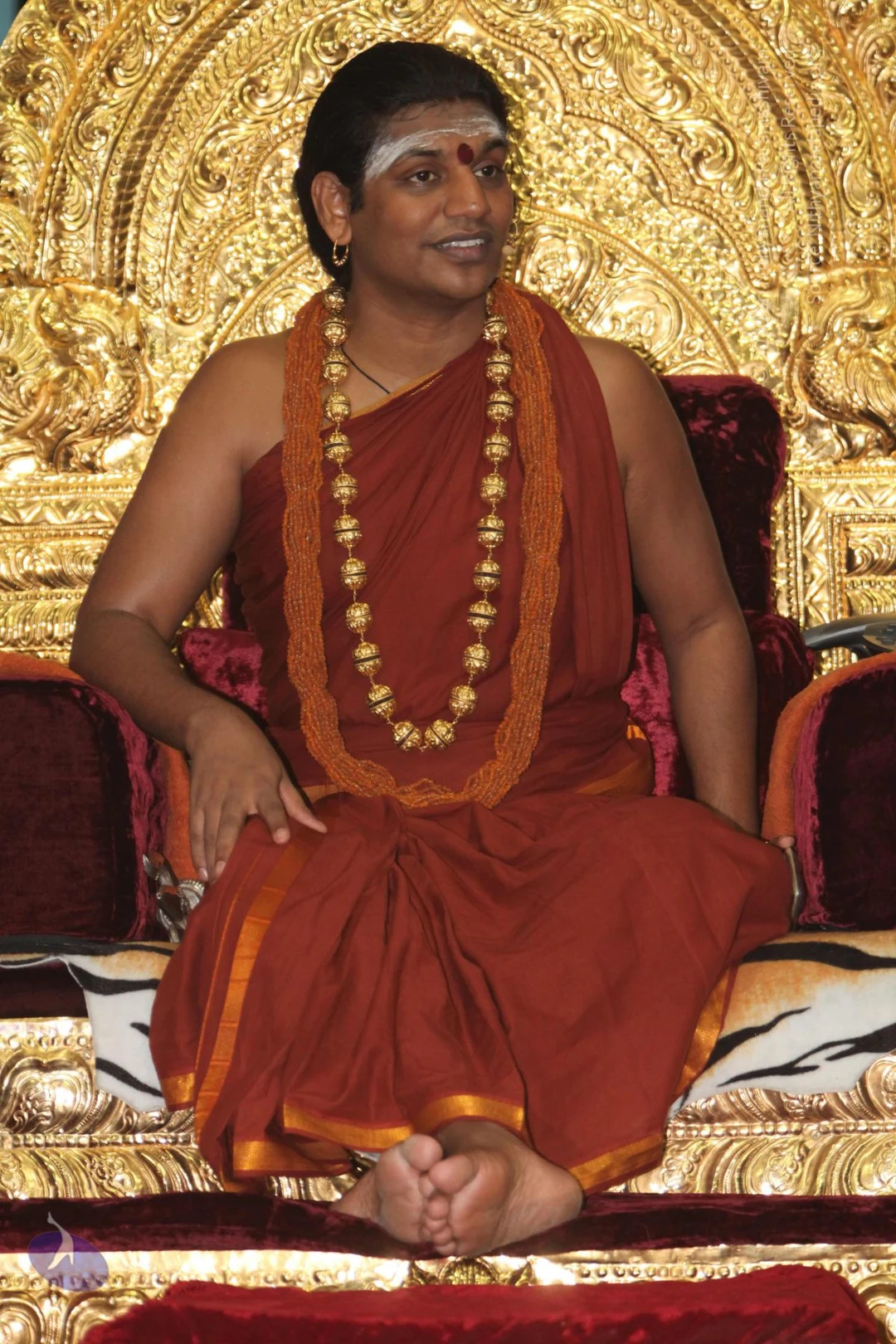
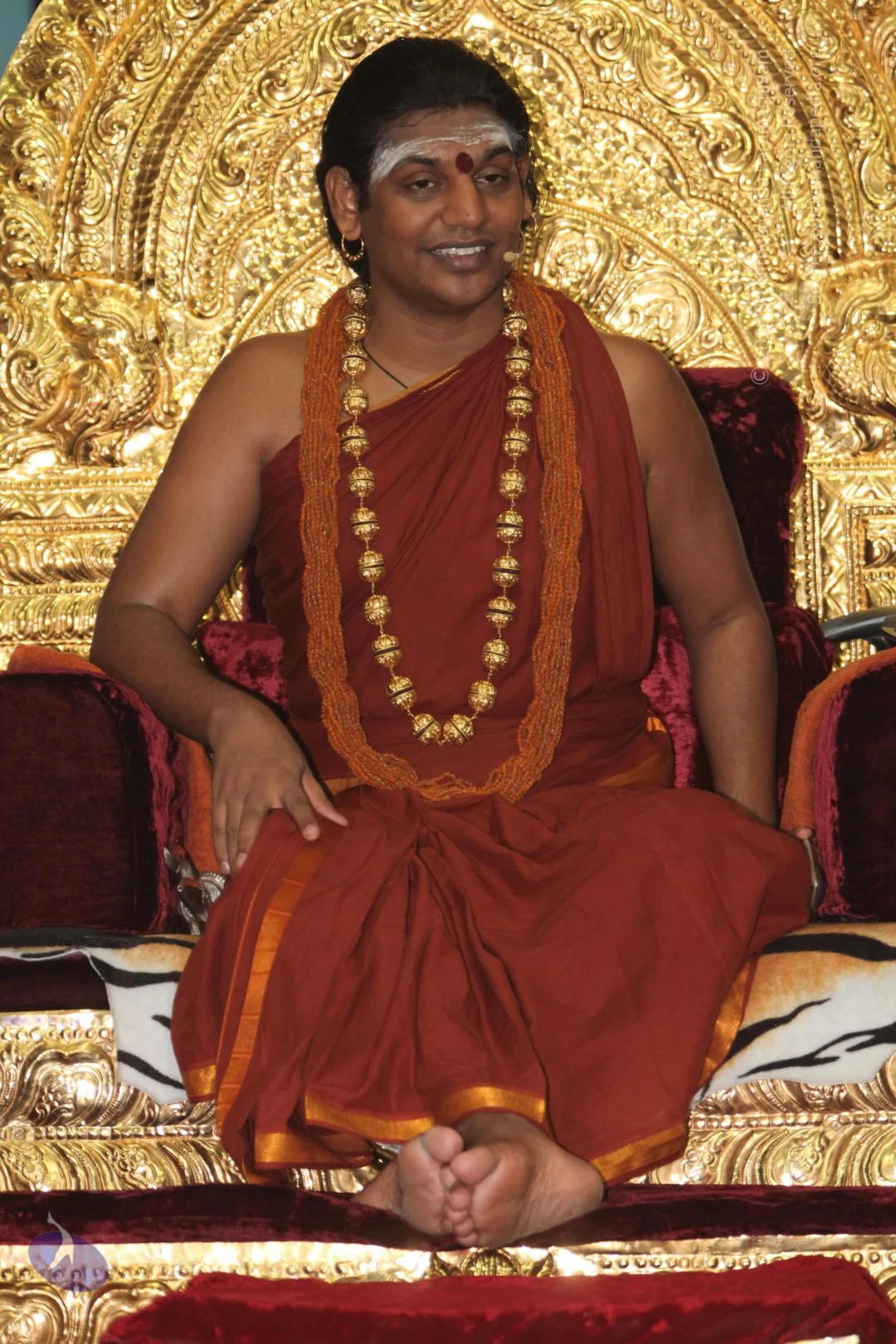
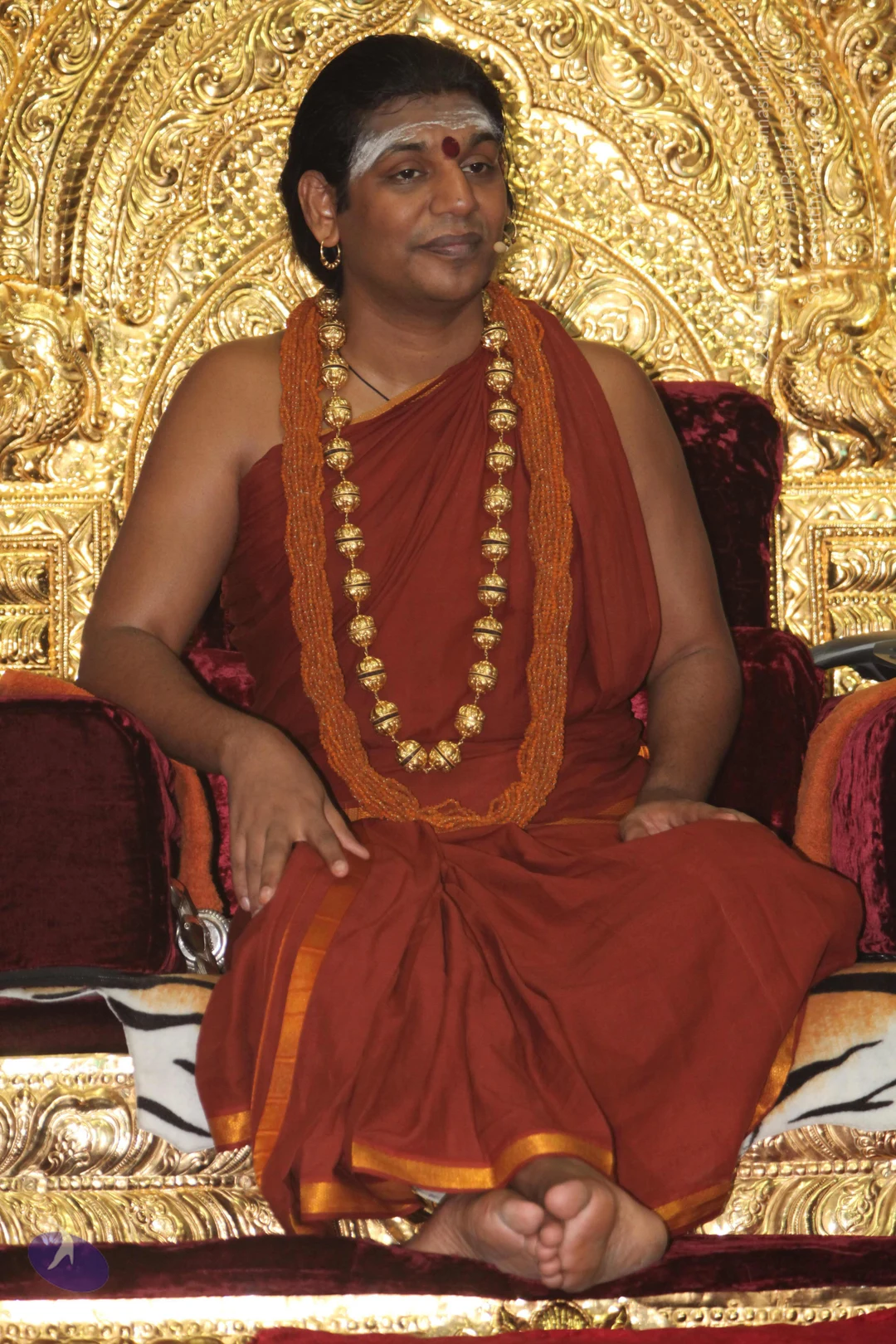
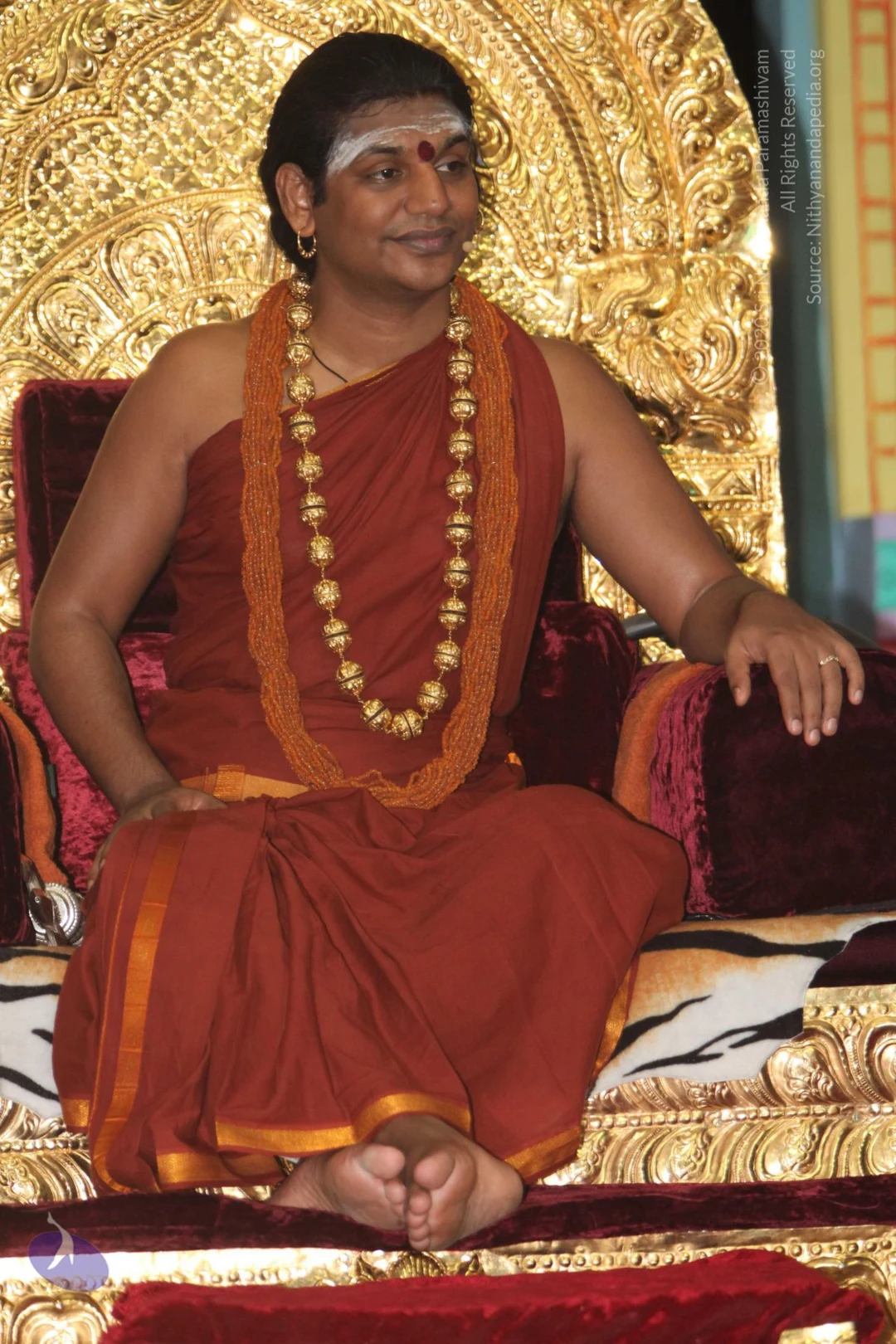
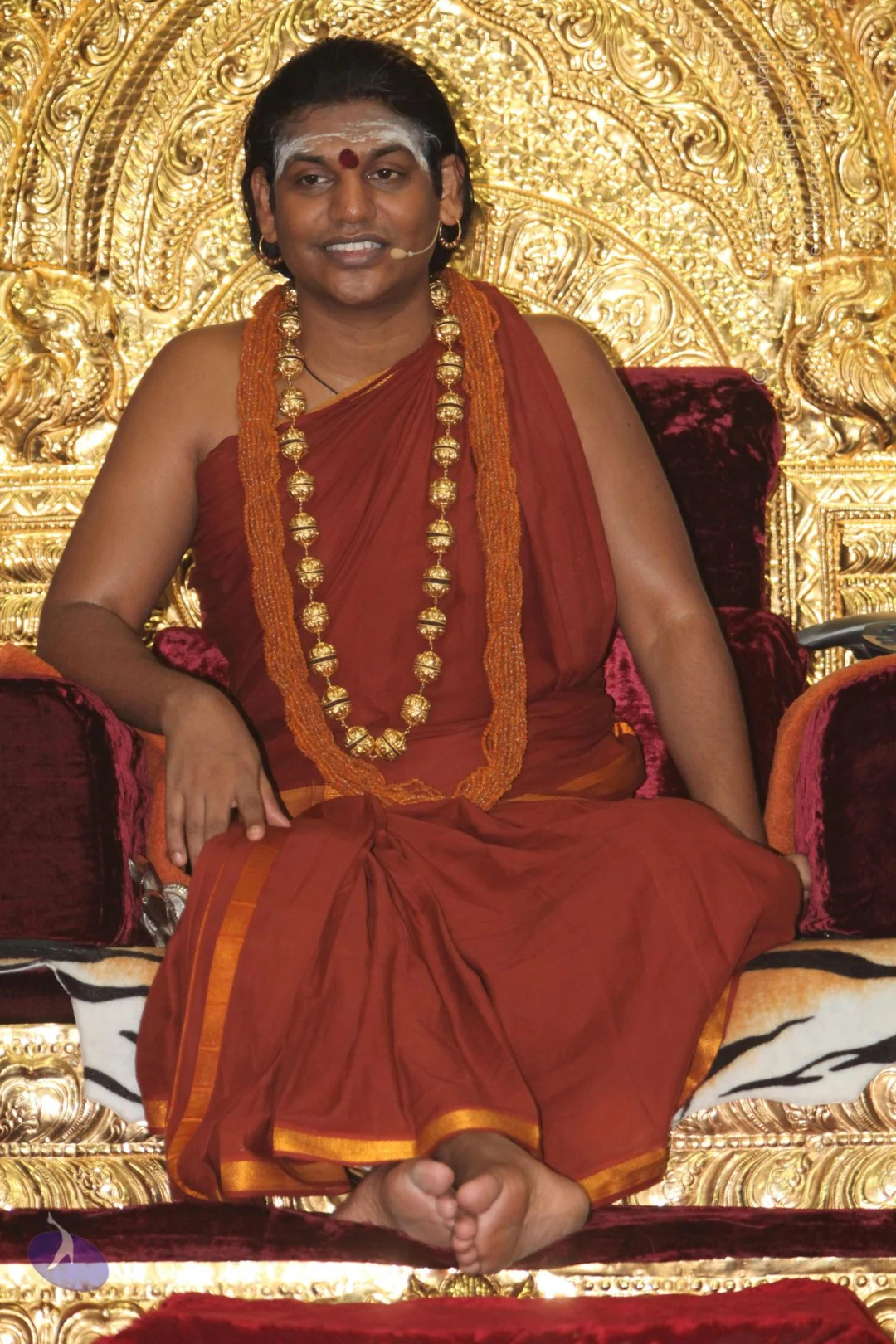
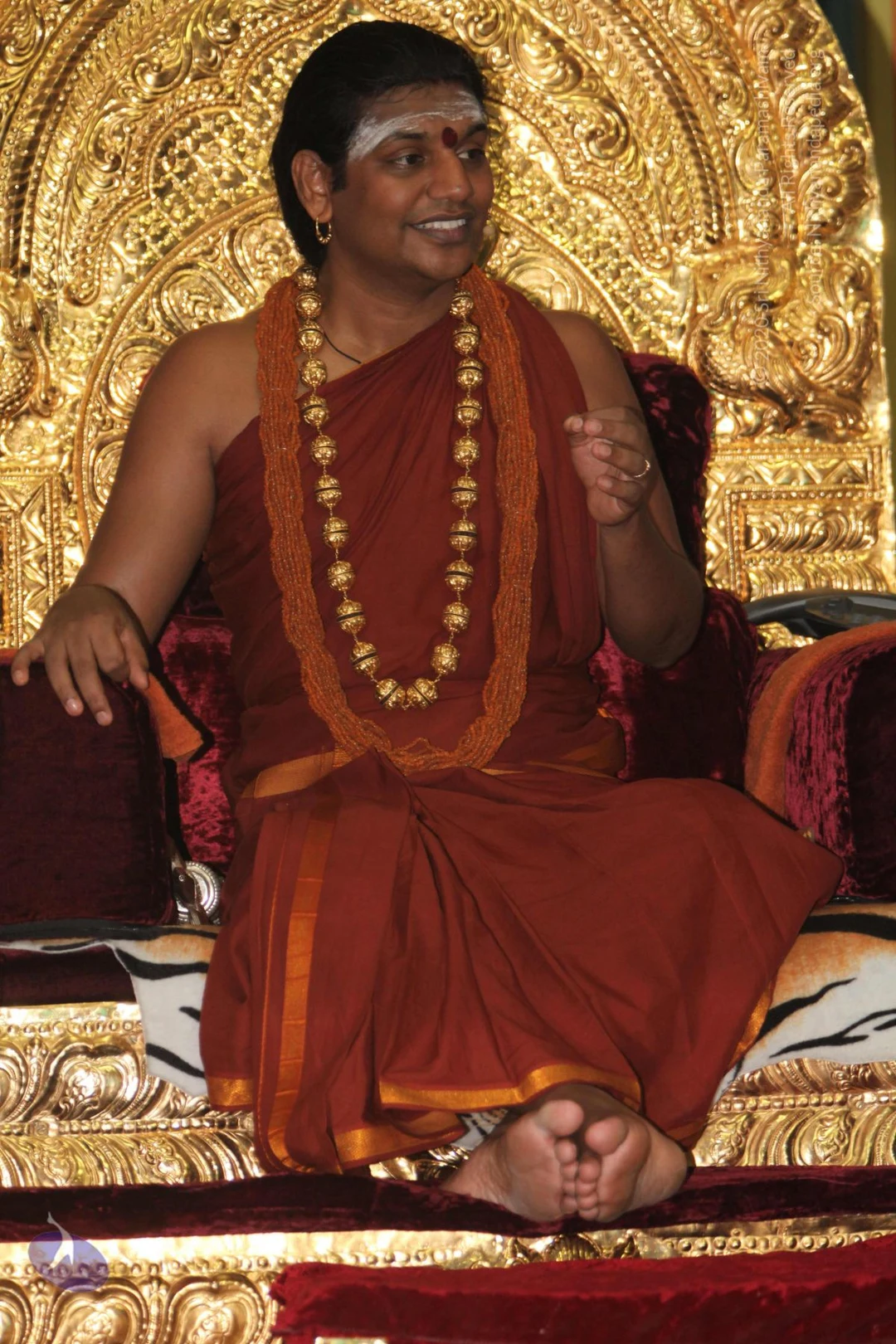
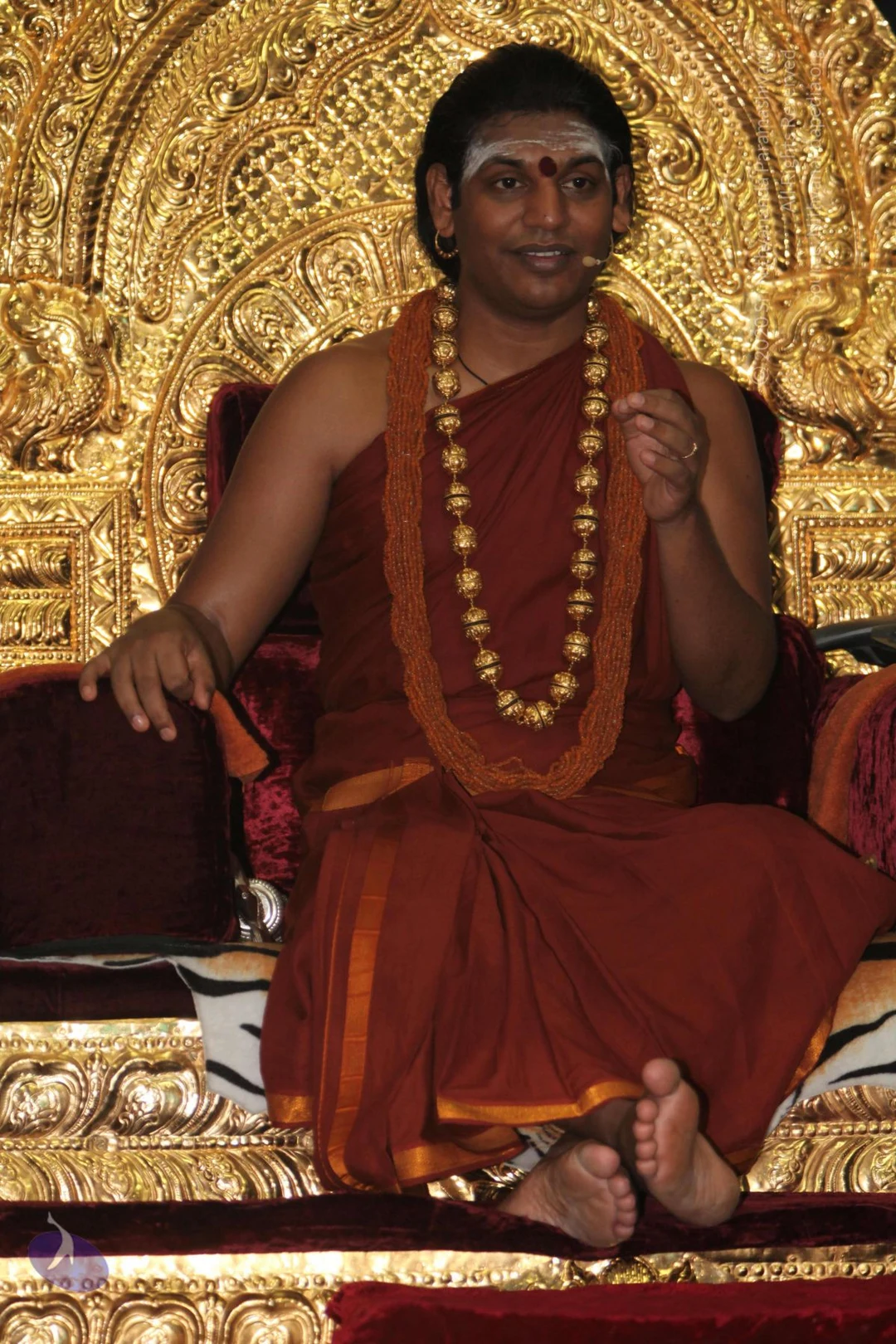
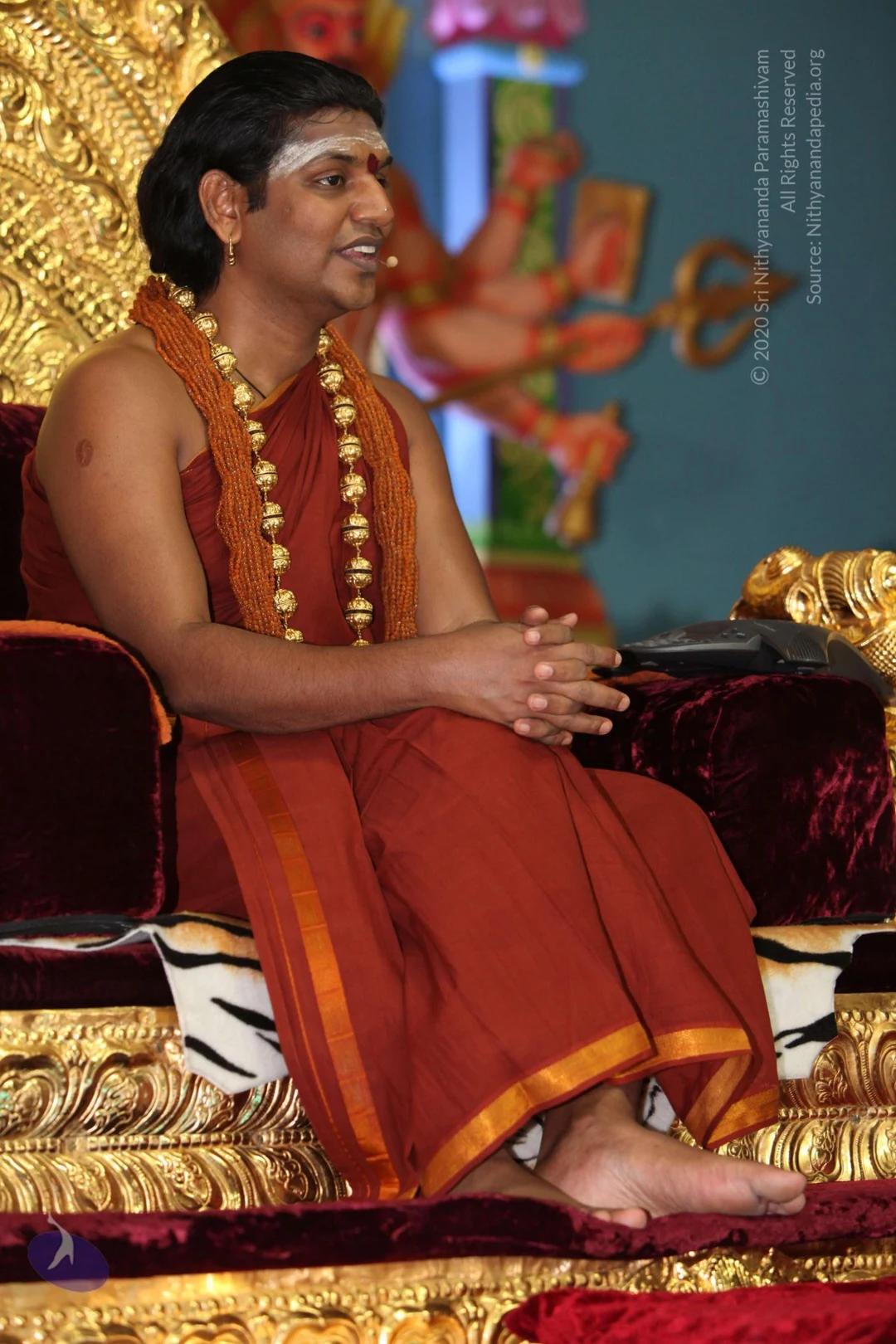
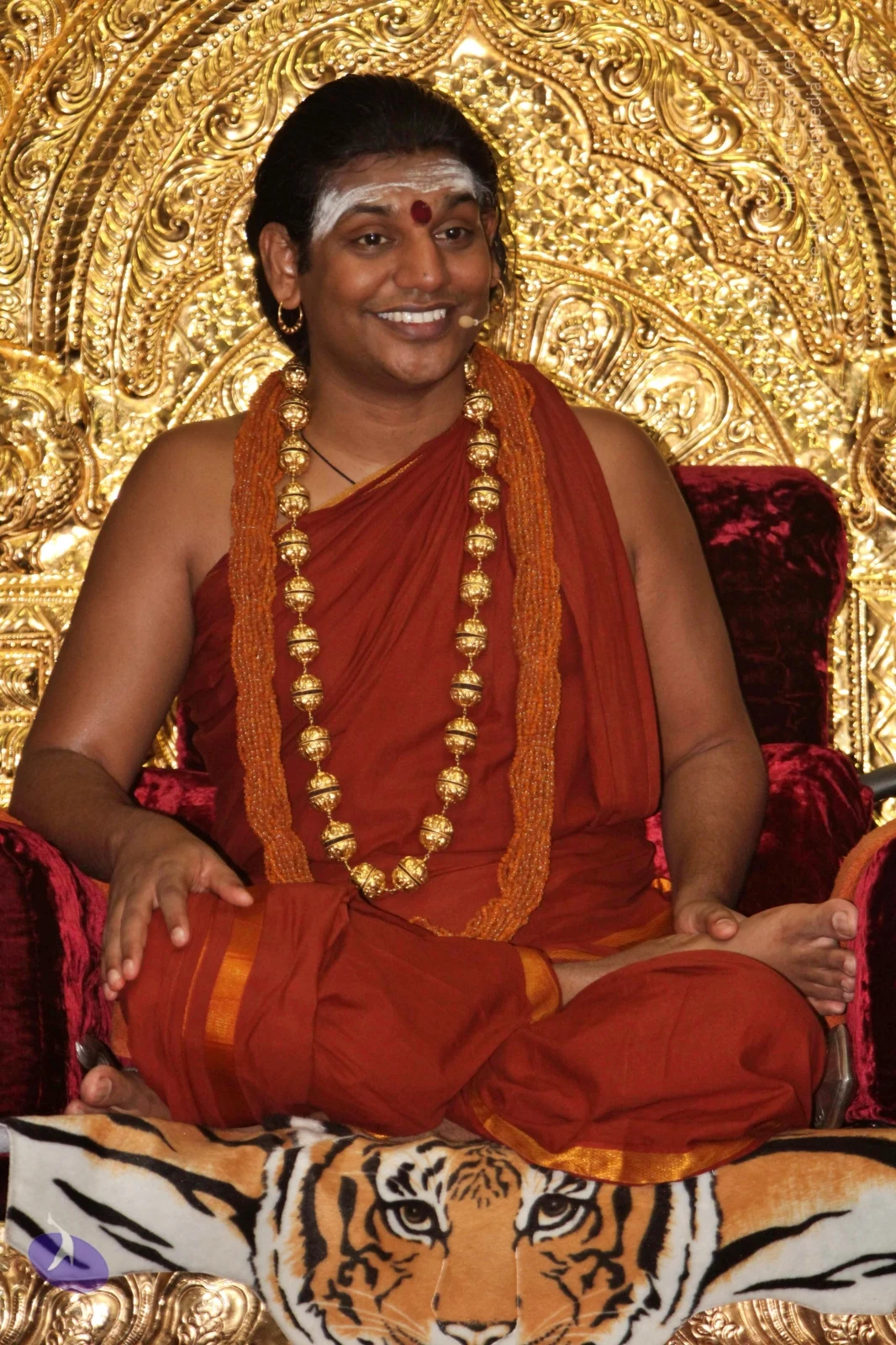
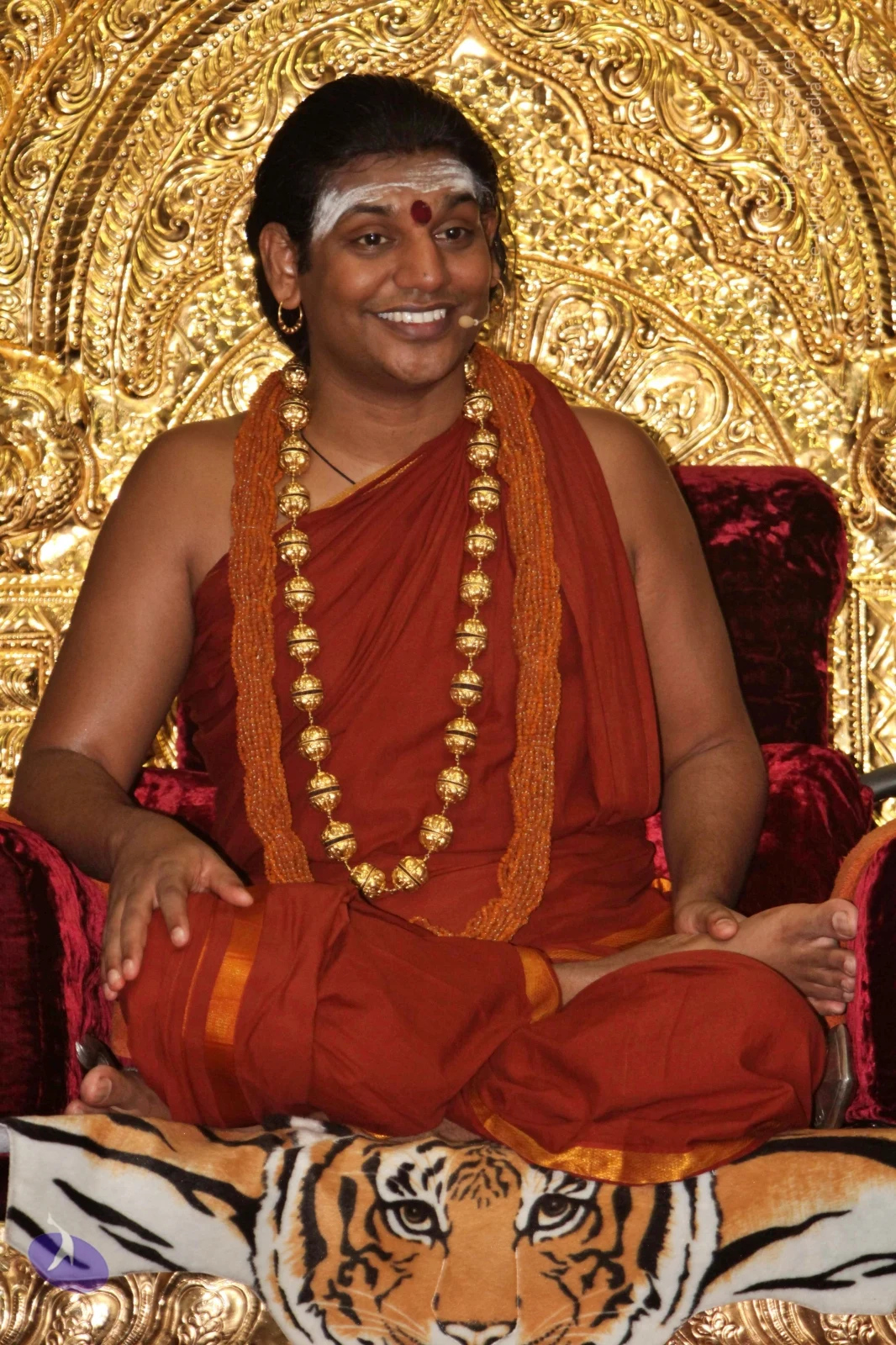
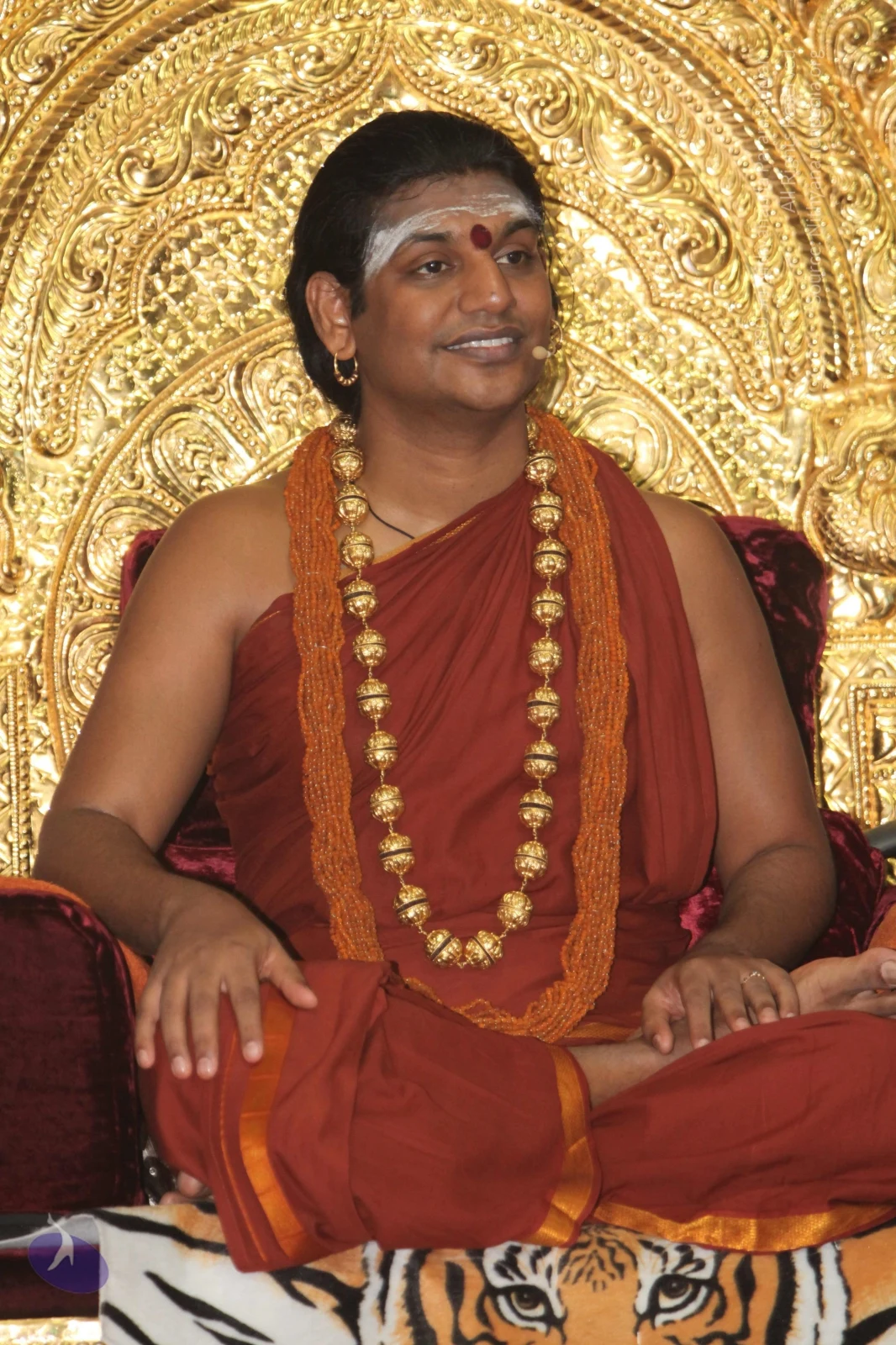
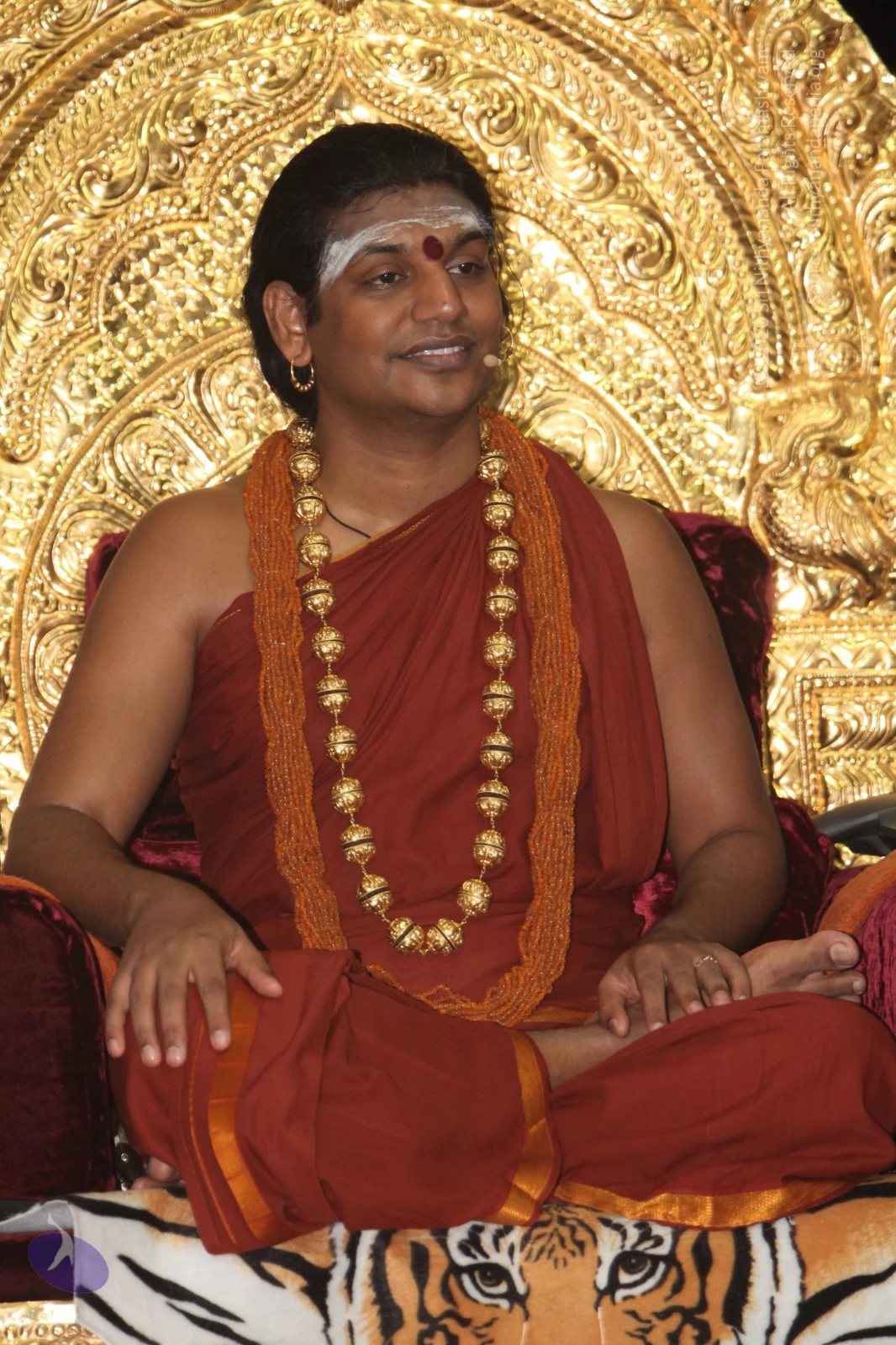
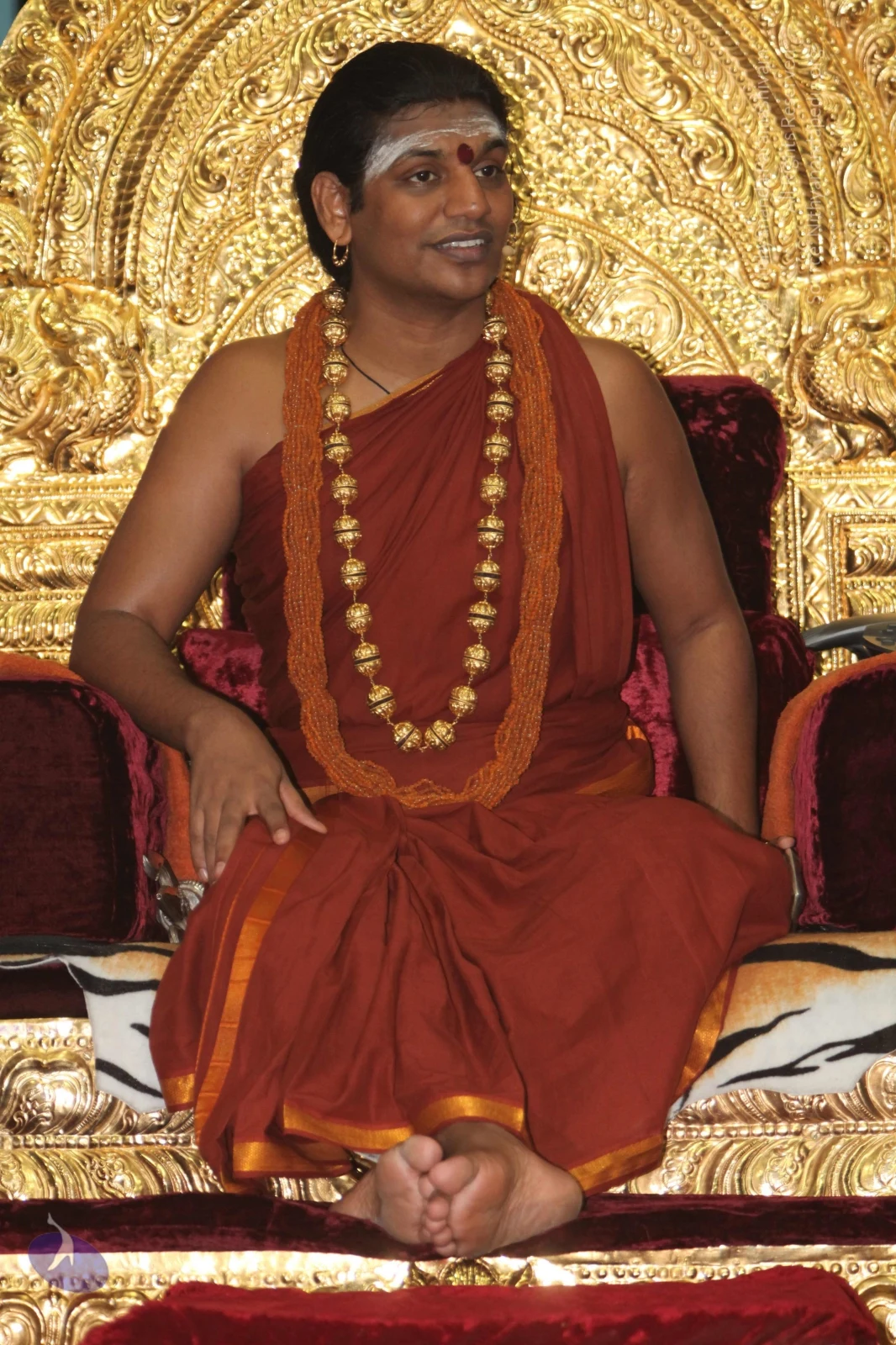
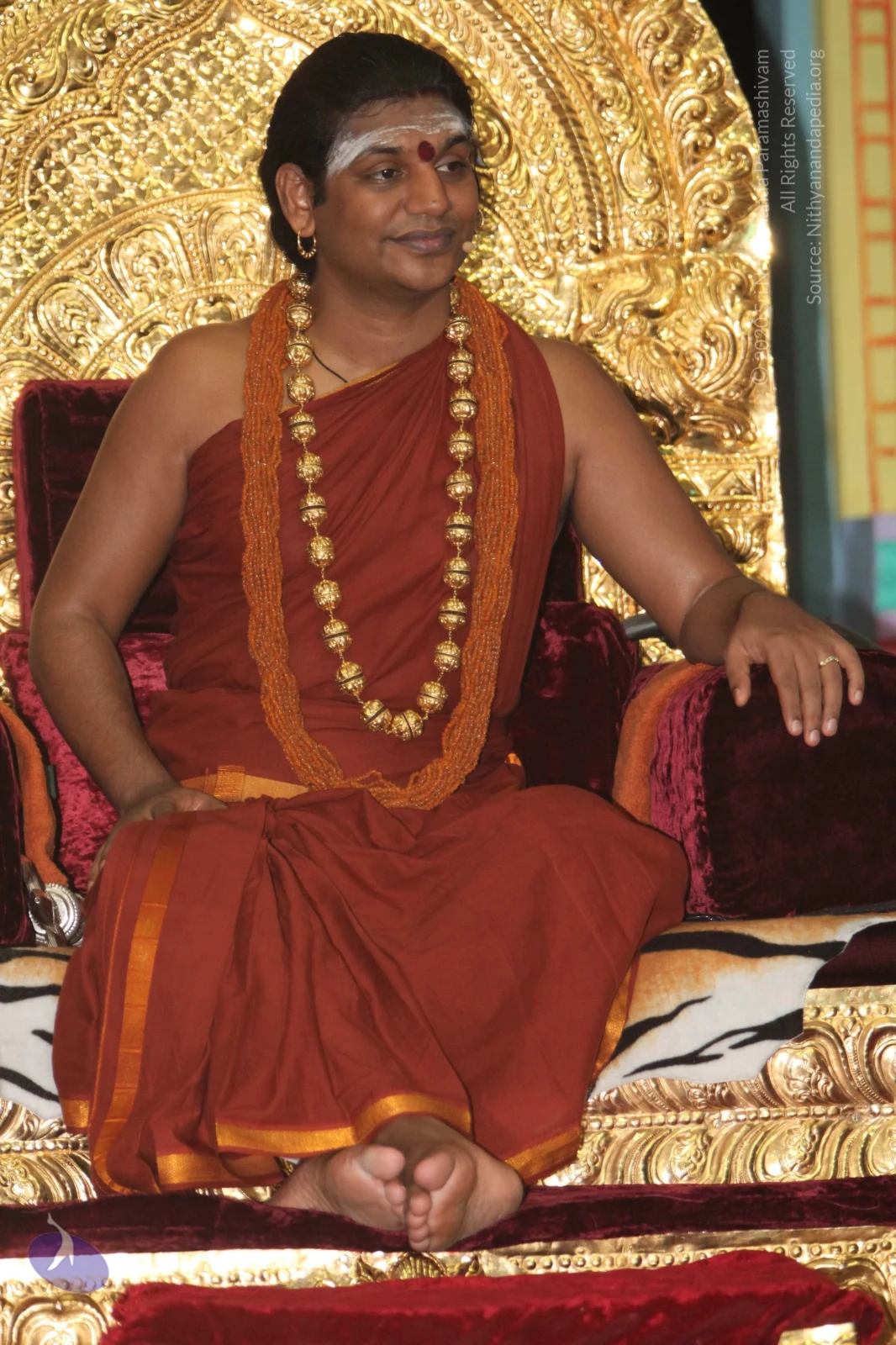
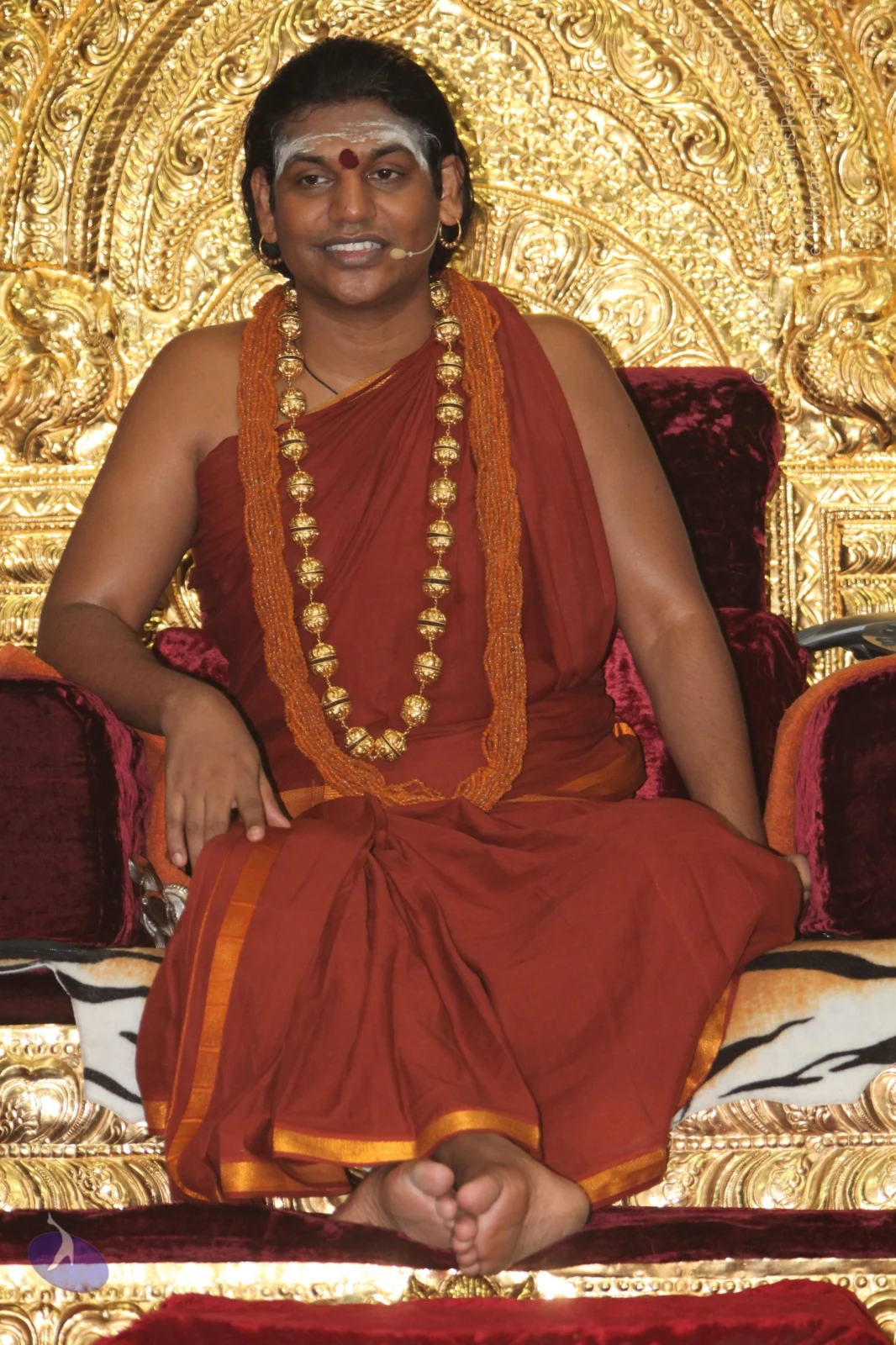
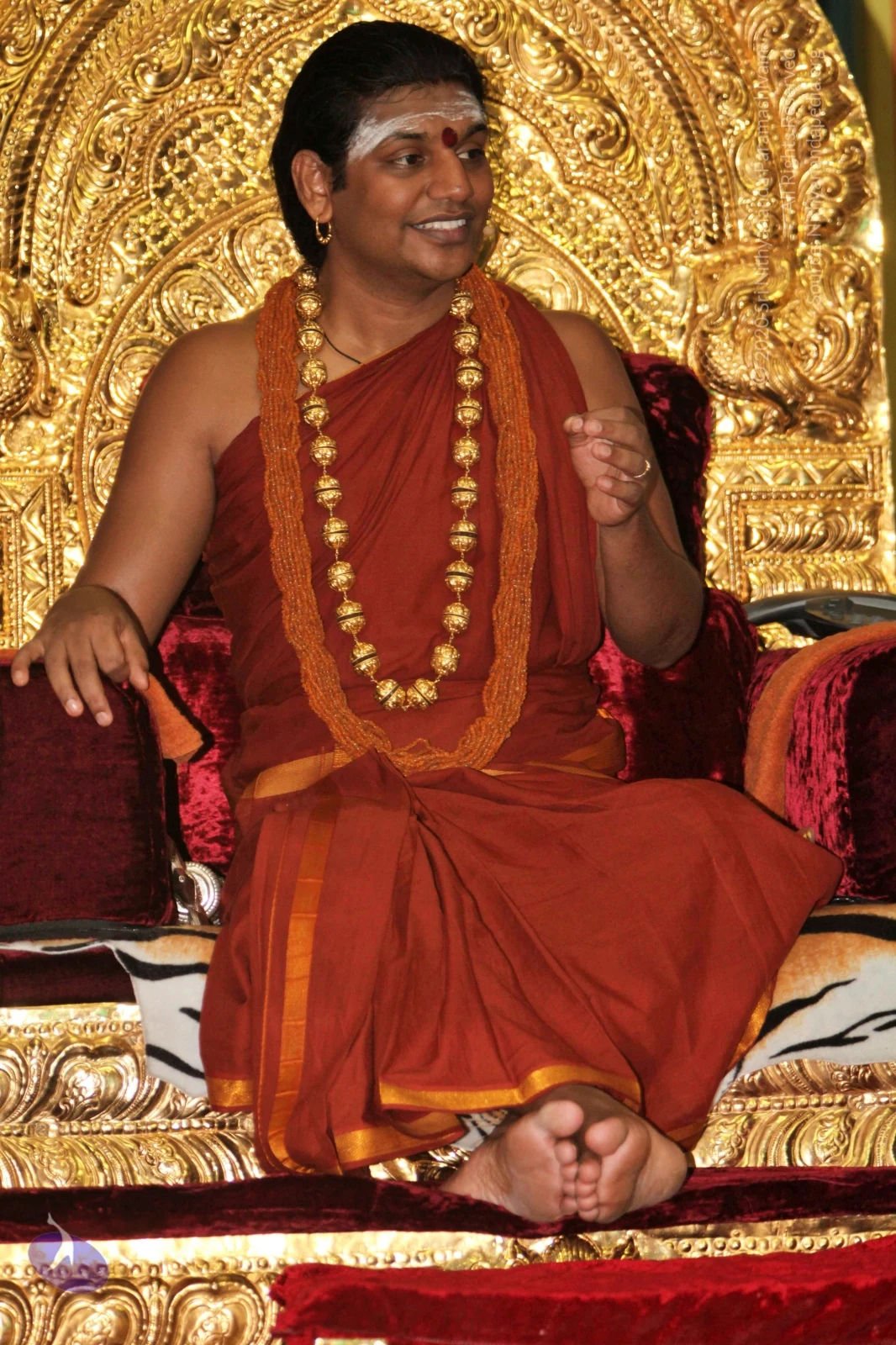
In today’s morning satsang, Paramahamsa Nithyananda describes the nature of Kundalini, our essential energy. When we live an ordinary human life without awakening our Kundalini, our destiny to achieve super-consciousness is never realized. Kundalini awakening results in deep contentment and fulfillment. To imprint the Kundalini permanently requires physical preparation through yoga and kriyas, and mental preparation through new thinking focused on the four principles of dharma. Then when Kundalini rises, the bliss that gushes through the nervous system creates great excitement and optimism. This is the gift offered to the world by Nithyananda: permanent awakening of Kundalini.
Link to Video:
| Video | Audio |
Transcript:
(0:20)
(In Hindi)
Is samay hamare saath upasthit sabhi darshako ka Mera prem evam ashirvad sahit swagat…. Aaj hum hamara 21 din ka karyakram Inner Awakening ke dwara aap ki Kundalini Shakti kaise jagrut hokar sthayi roop me ya shakti kaise aapke bhitar sthapit ho jaati hai aur aapke jivan me kaise lagatar swasthya, dhanakarshan, paripurna sambandho ka anubhav har kshetra me safalata aur sarvocchcha Jeevan Mukhti lata hai uske bare me baat karenge.
इस समय हमारे साथ सभी दर्शकों का मेरा प्रेम एवं आशीर्वाद सहित स्वागत है... आज हम हमारा 21 दिन का कार्यक्रम आंतरिक जागृति के द्वार आप की कुंडलिनी शक्ति कैसे जागृत होकर स्थिर रूप में या शक्ति कैसे आपके भीतर स्थापित हो जाती है और आपके जीवन में कैसा लगता है स्वास्थ्य, धनाकर्षण, परिपूर्ण संबंधों का अनुभव, हर क्षेत्र में सफलता और सर्वोच्च जीवन मुक्ति लाता है उसके बारे में बात करूंगा।
(01:19)
I will expand on how in our Inner Awakening program your Kundalini is awakened and how it is established inside you permanently and how it brings health, wealth, good relationships, success in every aspect of your life and the ultimate Enlightenment itself. If I equate your body to a mango fruit I will equate the kundalini to the seed inside. Mango fruit does not achieve its ultimate just if you eat the fruit and destroy the seed. The fruit realizes itself only when the seed is able to give more fruits. Same way your body has two component: the kundalini in it, and your body. Just living with little money, comfort and ending your life is like eating the mango fruit but that is not going to be the realization for the fruit itself. Fruit itself realizes its existence, its purpose of existence only when the fruits when the seeds start giving more fruits.
(03:06)
Listen! mango does not realize itself when just if the fruit is consumed, the pulp is consumed just somebody eating the pulp of the mango fruit the mango just not realize its high potential, highest possibility. Mango realizes its highest possibility only when seed starts giving more fruits. Your body realizes its peak only when your Kundalini is awakened and established in your system. I tell you if your Kundalini is not awakened, that continuous discontentment you carry, unfulfillment you carry you will not even know the reason but you will go on blaming everything and you will be carrying the discontentment. It’s so unfortunate most of the human beings whether they are in the space, they are in the place where you envy to be. Like a big social leader, big political leader, person with huge wealth, big celebrity, rich and famous whatever place you envy even the people who are established in the places permanently forever listen even they suffer with this great punishment of discontentment.
(5:36)
In Hindi
Agar aapka deh aam ka ped hai to Kundalini Shakti uska beejj hai. Agar aap ka Kundalini Shakti ka jagran nahi hoti hai tab aap lagatar apuran ki sthiti me rehte hai aur ek sangharsh bhari jeevan ko anubhav karte hai. Fal apne aap ko tabhi paripurna pata hai jab uske beejj dwara adhik fal utpann hote hai.
अगर आपका देह आम का पेड़ है तो कुंडलिनी शक्ति उसका बीज है। अगर आप का कुंडलिनी शक्ति का जागरण नहीं होता है तब आप अपूरण की स्थिति में रहते हैं और एक संघर्ष भारी जीवन को अनुभव करते हैं। फल अपने आप को तभी परिपूर्ण पाता है जब उसके बीज द्वार अधिक फल उत्पन्न होते हैं।
(06:12)
Listen when your Kundalini is awakened first thing you will experience a deep fulfillment, such contentment. In every dimension of your life you will see ‘God too much enough, enough, it's overflowing. The overflowing experience of life will be tasted by your bio-memory first time. Very rarely your muscle-memory tastes the overflowing experience but unfortunately because it is immediately forgotten bio-memory never experiences. For every human being Kundalini Awakening is a basic need. Till then you will be having the deep unfulfillment, discontentment in some form or other.
(7:33)
In Hindi
Jab aapki Kundalini Shakti jagrut hoti hai tab aap ek adbhut aur ek gehri purnatva sthiti ko anubhav karte hai. Aap ke sharir me hi do hisse hai, Kundalini Shakti aur aap ka sharir keval thoda paisa, thoda aaram ek aam khane ke samaan hai kintu us fal ki paripurnata nahi hai. Fal tabhi apne jeevan ka astitva tabhi samajata hai jab uska beej anek fal deta hai. जब आपकी कुंडलिनी शक्ति जागृत होती है तब आप एक अद्भुत और एक गहरी पूर्णत्व स्थिति को अनुभव करते हैं। आपके शरीर में ही दो चीजें हैं, कुंडलिनी शक्ति और आप का शरीर। केवल थोड़ा पैसा, थोड़ा आराम एक आम खाने के समान है। परंतु उस फल की परिपूर्णता नहीं है। फल तभी अपने जीवन का अस्तित्व तभी समझता है जब उसका बीज अनेक फल देता है।
(08:22)
I will tell you somehow find a right Master and awaken your Kundalini. Somehow because only then new life starts…. Only then your new life starts… only then your life starts. Whether it is in the level of physical health, mental health, clarity to do what you want to do, clarity to experience what you want to experience. Many time you don’t know what to do many time you don’t know how to enjoy even what you want is in front of you, even what you want in front of you, you don’t know how to enjoy. You go on be caught with foolish unconscious emotions.
(9:52)
In Hindi
Jaise bhi apne liye sahi Guru ka khoj kijiye aur apni Kundalini Shakti Jagrut kijiye. Tabhi aapka naya jeevan aarmbh hota hai. Chahe wo aap ka swasthya ho, manobal ho, jeevan ko samajne ki spashtta ho ye sab tabhi sambhav hoga.
जैसे भी अपने लिए सही गुरु की खोज कीजिए और अपनी कुंडलिनी शक्ति जागृत कीजिए। तभी आपका नया जीवन आरंभ होता है। चाहे वो आप का स्वास्थ्य हो, मनोबल हो, जीवन को समझने की इच्छा हो ये सब तभी संभव होगा।
(10:30)
Everyone. Every individual should somehow experience Kundalini Awakening and allow the Kundalini experience to settle down in your muscle-memory and bio-memory. Many time people ask Me, “Swamiji why your meditation program is 21 days? If it is just few days lot of people can come, lot of us can come.” I know lot of you will come. But what is the use? If I am not able to do what really needs to be done. And you are not getting what need to be gained. Then what is the use even if you come? I do do two day, three day programs. That is more like giving a glimpse of Kundalini. I tell you this May Inner Awakening with integrity, authenticity, responsibility and enriching I declare, every individual who attends the May inner awakening, I commit with you all will have the experience of physical levitation movements due to Kundalini Awakening.
(12:24)
Listen! Not just Kundalini Awakening without body moving! Even your body will respond to the Kundalini Awakening! I make sure, I repeat My commitment once more, with Integrity, Authenticity, Responsibility and Enriching, I declare in this May 2013 Inner Awakening program, everyone will experience Kundalini Awakening and the yogic levitation, where your body responds to your Kundalini Awakening!
(13:14)
In Hindi
Har vyakti ko kisi bhi tarah se Kundalini Shakti ka anubhav karna chahiye aur mahatva roop se us Kundalini Shakti ko apne bhitar sthayi karni chahiye. Us May Inner Awakening me har vyakti ko Kundalini Shakti jagran ka pratyaksha, sharirik roop se anubhav hoga ye Mera vachan hai…. Ye Mera vachan hai.
हर व्यक्ति को किसी भी तरह से कुंडलिनी शक्ति का अनुभव करना चाहिए और महत्व रूप से हमें कुंडलिनी शक्ति को अपने भीतर स्थिर करना चाहिए। हमें आंतरिक जागृति मिले हर व्यक्ति को कुंडलिनी शक्ति जागरण का प्रत्यक्ष, शारीरिक रूप से अनुभव होगा ये मेरा वचन है…। ये मेरा वचन है.
(13:47)
I give you the word. This is the greatest gift any human being can receive in their life. Kundalini Awakening can be done just by the initiation, by the right Master but only if your body is prepared by the proper yoga and kriya, mind is prepared by the proper dhamma and cognitive shift the awakened Kundalini will become permanent in your muscle-memory and bio-memory. Only then it will have a permanent impact in your life. Otherwise I have seen some people, so much of discontentment in their life, I feel sympathetic towards them. Oh God! Poor fellows.
(15:06)
In Hindi
Me puri sampoorti, shraddha, uttardayitva evam labhanvit karne ke ye char tatva ke adhar pe yah ghosna karta hu ki agle mahine me ho raha hamara Inner Awakening karyakram me jo bhi bhag lenge Me un sab ki Kundalini Shakti ko jagrut karne ka vachan deta hu. Kai baar log muje uttar puchte hai yah ekkis din ke liye kyu hai? Do ya char din ka karyakram kyu nahi? Samajne ka prayas kijiye Kundalini Shakti ko sthayi roop me aapne de evam man me anubhav karne ke liye kam se kam ekkis din ka jaroorat hai.
मैं पूरी संपूर्णता, श्रद्धा, उत्तरदायित्व एवं लाभान्वित करने के लिए ये चार तत्व के आधार पर ये घोसना करता हूं कि अगले महीने में हो रहा हमारा आंतरिक जागृति कार्यक्रम में जो भी भाग लेंगे मैं उन सभी की कुंडलिनी शक्ति को जागृत करने का वचन देता हूं। कई बार लोग मुझसे उत्तर पूछते हैं या एक दिन के लिए क्यों हैं? क्या आप चार दिन का कार्यकर्म नहीं कर रहे हैं? समझने का प्रयास करें कि कुंडलिनी शक्ति को स्थिर रूप में आपने अपने जीवन में अनुभव लेने के लिए एक्कीस दिन का जरुरत है.
(16:17)
Your body needs to be prepared with the proper yoga and kriya. Your mind needs to be completely rewired with the new way of thinking with this four dharma, four principles as the base and cognitive shift. Cognitive shift is expected. Cognitive shift has to happen. I tell you with cognitive shift, you build new being for yourself and you radiate so much of goodness. And ultimately you achieve the most powerful truth.
(17:30)
In Hindi
Kundalini jagaran sahi Guru dvara keval deeksha dvara ho sakti hai. Kintu aap ka sharir yoga dwara taiyar hona chahiye. Aap ka man sahi samaj dwara taiyar hona chahiye tabhi wo Kundalini Shakti aap ke bhitar sthayi ho sakti hai tabhi us Kundalini Shakti jagran se aap ke jivan me parivartan ho sakta hai. Aap ki Kundalini Shakti ki jagrit hone se aap ke soch vichar ki dhara evam manosthiti ka parivartan hoti hai. Jise aap ek anokha aur naya jeevan ka anubhav kar shakte hai. कुंडलिनी जागरण सही गुरु द्वार केवल दीक्षा द्वार हो सकती है। परंतु आप का शरीर योग द्वार तैयार होना चाहिए। आप का मन सही समज द्वारा तैयार होना चाहिए तभी वह कुंडलिनी शक्ति आप के भीतर स्थिर हो सकती है तभी हम कुंडलिनी शक्ति जागरण से आप के जीवन में परिवर्तन हो सकता है। आप की कुंडलिनी शक्ति जागृत होने से आप सोच विचार की धारा एवं मनोस्थिति का परिवर्तन होती है। जिसे आप एक अनोखा और नया जीवन अनुभव कर सकते हैं।
(18:21)
The energy gushing in your body will give you a new excitement. I tell you, not just creating the health you want or the wealth you want or relationships you want. Even the Gods to whom you were praying, meditating, having the darshan of the Ishta devatas is simply possible when the kundalini is awakened. I have seen thousands of people directly having the darshan of their Ishta-devatas. Experiencing the extraordinary, restful awareness the advaita anubhuti, realizing the non duality, eternal restful awareness, the oneness happens. Please listen, this happens when your Kundalini is awakened. Whatever you think as auspicious, the great, right, best simply becomes reality. It unfolds inside and outside. You just know you are living exactly the life always you wanted.
(20:06)
And you know how to keep this awakened Kundalini alive in your body, in your muscle-memory, in your bio-memory. Kriyas and yoga prepares your body; these 4 tattvas prepares your mind; Kundalini Awakening causes the conscious shift, the cognitive shift in your being, which leads to ultimate completion, contentment. Completion with yourself is contentment. Completion with everyone around you is peace. Completion with the whole cosmos is Bliss. You will experience all the three when your Kundalini is awakened.
(21:24)
In Hindi
Kundalini Shakti ke jagran dwara aap ke sharir me jo sarvochcha pravah hota hai woh keval apne swasthya, dhanakarshan, paripurna sambandh hi nahi lata hai. Par aap ka jeevan utsah se bhar jata hai. Aapko aap ke Ishta devata ka pratyaksha darshan ho sakta hai. Aur aap ka jeevan utsah se bhar jata hai, aap ko aap ke Ishta devata ka pratyaksh darshan ho sakta hai. Maine hazaro logo ko dekha hai jin ko apne Ishta devta ki darshan prapt hoti hai jab unki Kundalini Shakti jagrut hoti hai. Unko Advait sthiti ka anubhav hota hai aur ve pure brahmand ke saath ek gehri shantu purna evam anandmayi taalmel ko anubhav karte hai. कुंडलिनी शक्ति के जागरण द्वार आप के शरीर में जो सर्वोच्च प्रवाह होता है वह केवल अपना स्वास्थ्य, धनाकर्षण, परिपूर्ण संबंध ही नहीं लाता है। पर आप का जीवन उत्साह से भर जाता है। आपको इष्ट देवता के प्रत्यक्ष दर्शन हो सकते हैं। और आप का जीवन उत्साह से भर जाता है, आप के इष्ट देवता का प्रत्यक्ष दर्शन हो सकता है। मैंने हजारों लोगों को देखा है जिनको अपने इष्ट देवता के दर्शन प्राप्त होते हैं जब उनकी कुंडलिनी शक्ति जागृत होती है। उनको अद्वैत स्थिति का अनुभव होता है और वे शुद्ध ब्रह्माण्ड के साथ एक गहरी शांति पूर्ण एवं आनंदमयी ताल मेल का अनुभव करते हैं।
(22:49)
Awakening the Kundalini and making that energy stay in you eternally is the first step for life. Listen, first step for life. Somehow without the right knowledge, the Kundalini word has been corrupted and given the wrong meanings even some udoo, jadoo, cult; that kind of a look. I tell you Kundalini Awakening is a scientific process. The results can be scientifically verifiable, Scientifically validated, it can be validated.’
(24:00)
In Hindi
Apni Kundalini Shakti ko jagut karna evan us shakti ko apne jeevan m sthayi karna apne jivan ka anivarya pehla kadam hai. Jivan ka pehla kadam hai apki Kundalini shakti jagran karna aur sthayi roop me apne bhitar use sthapit karna. अपनी कुंडलिनी शक्ति को जागृत करना एवं उस शक्ति को अपने जीवन में स्थापित करना अपने जीवन का पहला कदम है। जीवन का पहला कदम है आपकी कुंडलिनी शक्ति जागरण करना और स्थाई रूप में अपने भीतर स्थापित करना।
(24:38)
When your kundalini is awakened, your level of authenticity goes up. Level of integrity goes up. Level of responsibility goes up. Level of enriching goes up. The way you think about you, the way you think about others, the way you project yourself to others, the way you fulfill what others expect from you goes up to a different plane altogether. You become a new being. When you experience Kundalini, the internal conflicts you carry disappears. The struggle you are going through with yourself internally- ‘should I do this or do that? Should I think this way or that way? Should I look this or that? Should I feel this or that? Should I go for this or that?’ Everything disappears.
(25:53)
In Hindi
Jab aapki Kundalini Shakti ka jagran hota hai tab aap swayam ke bareme jo socht hai, swayam ko anya logo ke samne jo prastut karte hai aur anya log jo aapse apeksha rakhte hai tabhi agla star pe pahunch jati hai. Jab aapki Kundalini Shakti jagrut hoti hai aap me sampoorti badh jati hai, aap me shraddha badh jati hai. Aapki uttardayitva uthan ki shamta badh jaati hai, aap me labhanvit karne ki shamta badh jaati hai. Aur aapke jivan ka har sangharsh samapt ho jati hai.
जब आपकी कुंडलिनी शक्ति का जागरण होता है तब आप स्वयं के बारे में जो सोचते हैं, स्वयं को किसी अन्य व्यक्ति के सामने जो प्रस्तुत करते हैं और किसी अन्य व्यक्ति को जो आपसे अपेक्षा रखते हैं तब भी अगला सितारा पेहंच जाता है। जब आपकी कुंडलिनी शक्ति जागृत होती है तो आप में संपूर्णता बढ़ती है, आप में श्रद्धा बढ़ती है। आपकी उत्तरदायित्व उत्थानकी शमता बढ़ जाती है। और आपके जीवन का हर संघर्ष समाप्त हो जाता है।
(26:51)
Life, the very perception and response to it becomes totally different when your kundalini is awakened. First time in the world with so many medical researches, scientific researches, medical recordings, we have proved Kundalini Awakening is possible and the effects of it is scientifically verifiable; and the extraordinary powers happening through Kundalini Awakening like teleportation, materialization and all is possible.
(27:46)
In Hindi
Aapke Kundalini Jagranse jivan ke bare me jo aap ka drishtikon hai aur jivan ke prati jo aapka pratikriya puri tarah se parivartit evam vistarit ho jati hai. आपके कुंडलिनी जागरण जीवन के बारे में जो आप का दृष्टिकोण है और जीवन के प्रति जो आपकी प्रतिक्रिया से पूरी तरह से परिवर्तन एवं विस्टारिट हो जाता है।
(28:04)
Patanjali says the highest Kundalini Awakening experience is Jagrath Sushupthi - Restful awareness, Deep restfulness, Peek awareness. We proved through the QEEG researches, the medical researches, scientific researches when your Kundalini is awakened by initiation, when I was awakening the people’s Kundalini through initiation, we studied their brains through QEEG. It shows very clearly, they are in the deepest restfulness and peak awareness. The Jagrath Sushupthi, Nirvikalpa Samadhi Pathanjali talks is medically recorded, scientifically proven by this Kundalini Awakening. Only then samyama happens in you, because for any samyama; Prathyahara, dharana, dhyana, Samadhi has to happen. Dharana, dhyana, Samadhi is put together is samyama.
(29:40)
First time, by the God’s grace and the grace of the Guru Parampara, we proved the power of Kundalini awakening through the medical researches and scientific researches and medically recording the data, scientifically validating it. When the Kundalini is awakened, people start living the four tattvas powerfully. When they start living these four principles powerfully, Kundalini Energy is awakened.
(30:21)
In Hindi
Hamne QEEG anusandhan dwara chikitsa evam vedic anusandhan dwara, vaignanik anusandhan dwara ye sabit kiya hai ke Kundalini Shakti jab vyakti me jagrut ki jati hai uska man sarvochcha shani ki sthiti me hai aur isi samay sarvochch jagritta bhi hai. Patanjali kehte hai aap me sabse sarvochch sthiti aap ke Kundalini Shakti ka jagrit sthiti hai jo aap me jagrut sushupti ki avastha ko sthapit karta hai isi sthiti ko Nirvikalpa Samadhi bhi kehte hai. Is sthiti me aap apne sarvochch jagran sthiti me rehte hai. Aap ki jagrukta uchchatam sthiti me rehta hai aur uske saath saath sarvochch shanti me anand sthiti me bhi rehte hai.
हमने क्यूईईजी अनुसन्धान द्वार चिकित्सा एवं वैदिक अनुसन्धान द्वार, वैज्ञानिक अनुसन्धान द्वार ये साबित किया है कि कुंडलिनी शक्ति जब व्यक्ति में जागृति की जाति है उसका मन सर्वोच्च शनि की स्थिति में है और इसी समय सर्वोच्च जागृति भी है। पतंजलि कहते हैं आप में सबसे सर्वोच स्थिति है, कुंडलिनी शक्ति की जागृत स्थिति है जो आप में जागृत सुषुप्ति की अवस्था को स्थापित करता है इसी स्थिति को निर्विकल्प समाधि भी कहते हैं। क्या स्थिति में आप अपनी सर्वोच जागरण स्थिति में रहते हैं। आप की जागृता उच्चतम स्थिति में रहता है और उसके साथ-साथ सर्वोच शांति में आनंद स्थिति में भी रहता है।
(31:43)
With proper Kriyas, Yoga, your body should be prepared; and proper tattvas, principles, mind should be prepared; with proper initiation, Kundalini should be awakened. Then the whole awakened energy stays inside your system eternally as part of your muscle-memory and bio-memory. You become a new being, a Jeevan Mukta! You know how to carry the space of Nithyanandoham, the Eternal Bliss in you!
(32:47)
In Hindi
Sahi prakriya evam yoga ko upayog karke aapka deh evam man ko tayar karni chahiye tab aap me jagrut puri Kundalini Shakti apne under sammelit ho jati hai aur aap nirantar kaal tak Nithyanand evan nirntar anand ki sthiti me sthapit ho jayenge. सही प्रक्रिया एवं योग का उपयोग करके आपका देह एवं मन को तैयार करना चाहिए तब आप जागृत पूरी कुंडलिनी शक्ति अपने अंतर्गत सम्मलित हो जाती हैं और आप निरंतर काल तक नित्यानंद एवं निरंतर आनंद की स्थिति में स्थापित हो जाएंगे।
(33:19)
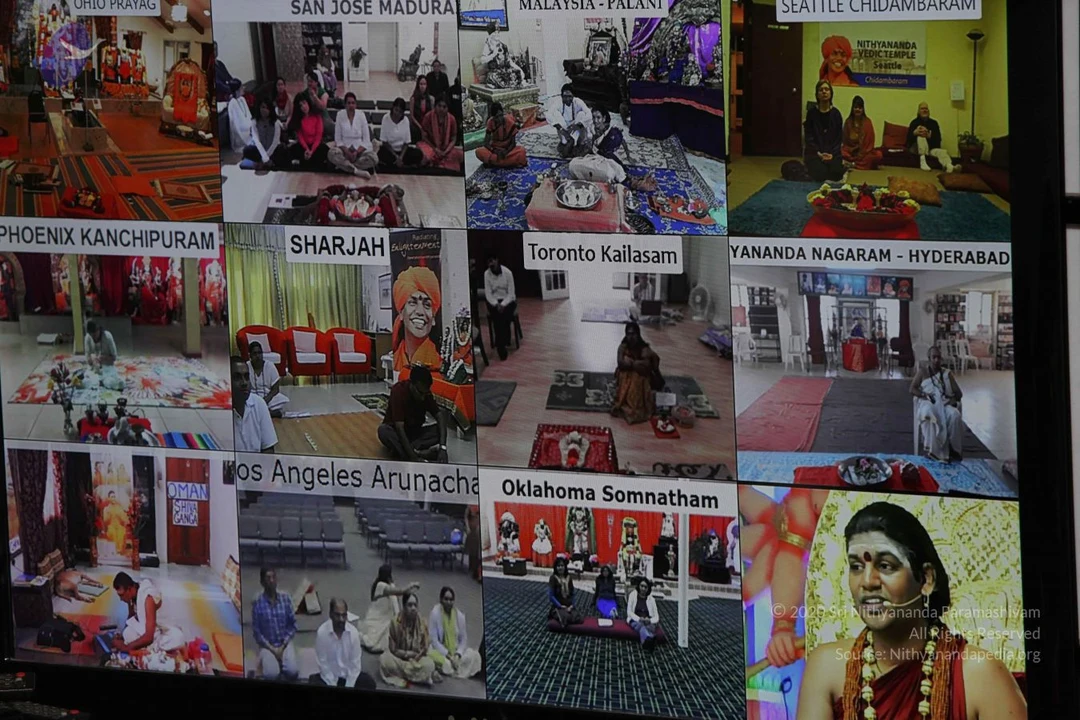
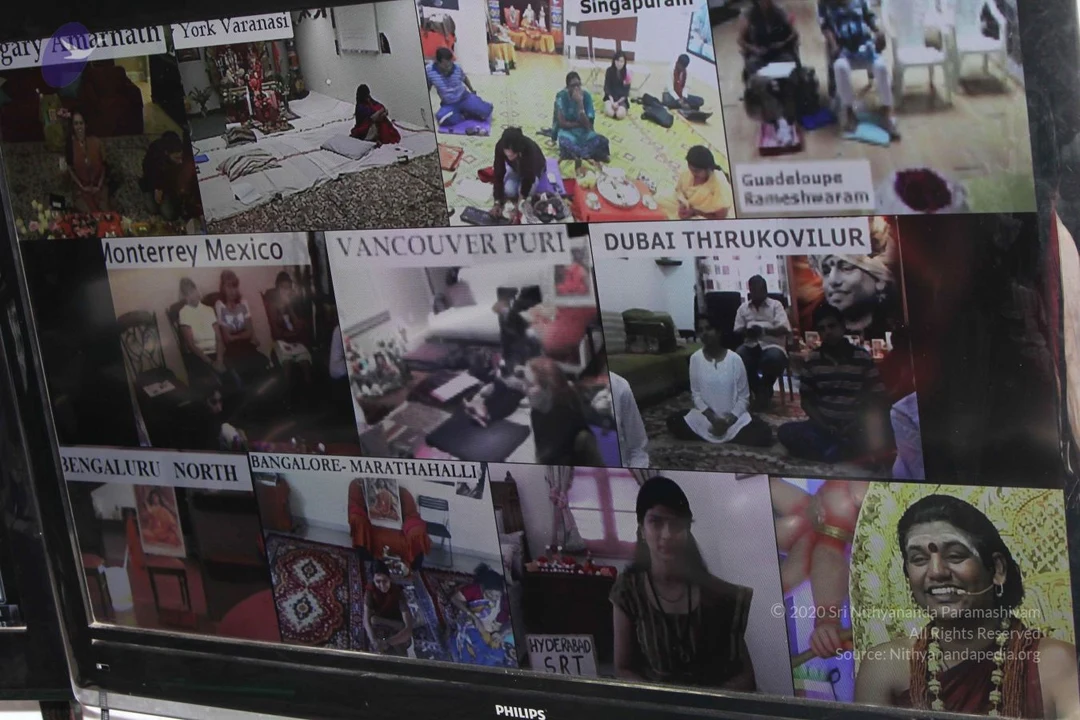
Sit with restful awareness and listen to the satsang every day. This one hour sitting with My presence, listening authentically one-hour itself will awaken your Kundalini! I tell you, from tomorrow, the Meenakshi Brahmotsava, time for Dig Vijaya, it is time for Dig Vijaya all over the world. Even people who are sitting through the TV channels and listening to the satsang live will experience Kundalini awakening! Even they will all experience Kundalini awakening. Enriching Temple, get ready! You will start receiving the calls. People who have never seen Me physically, seeing only through the TV, listening to satsangs will start experiencing Kundalini awakening, levitation, even materialization!
(34:55)
In Hindi
Me sabhi darshako se anurodh karta hu ki jagrukta se pratidin bethiye aur pravacha ko suniye, satsang me bhag lijiye bas isise aapme Kundalini Shakti jagrit ho jayegi. Aap me Kundalini shakti jagrit ho jayegi. Kal se hamare ashram me hum Minakshi Bhramotsav mana rahe hai, is mangalmay samay me hamare saath jo bhi sammelit honge un sabki Kundalini jagrit ho jayegi. मैं सभी दर्शकों से अनुरोध करता हूं कि जागृति से प्रतिदिन बैठिए और प्रवचन को सुनिए, सत्संग में भाग लीजिए बस इसी तरह आपकी कुंडलिनी शक्ति जागृत हो जाएगी। आप में कुंडलिनी शक्ति जागृत हो जायेगी। कल से हमारे आश्रम में हम मिनाक्षी भ्रमोत्सव मना रहे हैं, इस मंगलमय समय में हमारे साथ जो भी सम्मलित होंगे उन सबकी कुंडलिनी जागृत हो जाएगी। (35:55)
By the grace of Meenakshi, your Kundalini will be awakened!
(36:04)
In Hindi
Aaj ke satsang ka saransh hai: आज के सत्संग का सारांश है
(36:07)
Somehow experience Kundalini awakening. That is the first thing you need to do in your life!
(36:22)
In Hindi
Aaj ki satsang ka saransh he keval aapki Kundalini Shakti ke jagran se hi aap jivan ke sahi mayne me jine lagte hai. Hamare ekkis din ke karyakram me bhag lijiye aur apni Kundalini Shakti ka jagran hone ki sambhavna ka anubhav kijiye. Kisibhi tarah Kundalini Shakti ka anubhav kijiye yahi aap ke jivan ka pehla kadam hai. आज के सत्संग का सारांश केवल आपकी कुंडलिनी शक्ति के जागरण से ही आप जीवन के सही मायने में जीते हैं। हमारे एक दिन के कार्यक्रम में भाग लीजिए और अपनी कुंडलिनी शक्ति का जागरण होने की संभावना का अनुभव लीजिए। किसी तरह कुंडलिनी शक्ति का अनुभव प्राप्त करें यही आप के जीवन का पहला कदम है।
(36:59)
Link to Video:
| Video | Audio |
Link to Video
Part - II
| Video | Audio |
Transcript:
Experience Your Dream Life through Kundalini Awakening
(0 to 1:19- hindi) I will expand on how in our inner awakening program your kundalini is awakened how it is established in you permanently and how it brings health wealth good relationships success in every aspect of your life and the ultimate enlightenment itself. If I equate your body to mango I will equate the kundalini to the seed inside. Mango fruit does not achieve its ultimate just if you eat the fruit and destroy the seed the fruit realizes itself only when the seed is able to give more fruits same way your body has two components kundalini in it and your body. Just living with little money comfort and ending your life is like eating the mango fruit but that is not going to be realization itself the fruit itself fruit itself realizes its purpose of existence only when the fruits when the fruits when the seeds starts giving more fruits listen mango does not realize itself when just if the fruit is consumed just the pulp is consumed just somebody eating the mango fruit the mango just not realize its high potential highest possibility mango realizes its highest possibility only when seeds starts giving more fruits your body realizes its peak only when your kundalini is awakened and established in your system. I tell you if your kundalini is not awakened the continuous discontentment you carry the unfulfillment you carry you will not even know the reason but you will go on blaming everything and carry discontentment.
It’s so unfortunate most of the human beings whether they are in the space they are in the place where you envy to be like a big social leader big political leader person with huge wealth bug celebrity rich and famous whatever place you envy even the people who are established in the places forever listen even they suffer with this great punishment of discontentment (5:36 to 6:12) Listen when your kundalini is awakened first thing you will experience deep fulfillment such contentment in every dimension of your life you will see god it’s enough enough its overflowing. The overflowing experience life will be tasted by your bio memory first time. Very rarely your muscle memory tastes the overflowing experience but unfortunately because it is immediately forgotten bio memory never experiences. For every human being kundalini awakening is basic need till then you will be having the deep unfulfillment discontentment in some form or other
(7:33 to 8:22)
I will tell you somehow find a right master and awaken your kundalini somehow because only then new life starts. Only then your new life starts only then your life starts. Whether it is in the level of physical health mental health clarity to do what you want to do clarity to experience what you want to experience many time you don’t know what to do many time you don’t know how to enjoy even what you want is in front of you, even what you want in front of you, you don’t know enjoy you go on be caught with foolish unconscious emotions.(9:52 to 10:29)
10:30
Everyone. Every individual should somehow experience kundalini awakening and allow the kundalini experience to settle down in your muscle memory and bio-memory. Many time people ask me “Swamiji why your meditation program is 21 days? If it is just few days, lot of people can come, lot of us can come.” I know lot of you will come. But what is the use? If I am not able to do, what needs to be done. And you are not getting what needs to be gained. Then what is the use even if you come? I do do 2 day, 3 day programs. That is more like giving a glimpse of kundalini. I tell you this may inner awakening with integrity, authenticity, responsibility and enriching I declare, every individual who attends the May inner awakening, I commit with you all will have the exp of physical levitation movements due to kundalini awakening.
Listen! Not just Kundalini awakening without body moving! Even your body will respond to the Kundalini awakening! I make sure, I repeat my commitment once more, with Integrity, Authenticity, Responsibility and Enriching, I declare, in this May 2013 Inner Awakening program, everyone will experience Kundalini awakening and the yogic levitation, where your body responds to your Kundalini awakening!
13:11
I give you the word. This is the greatest gift any human being can receive in their life. Kundalini Awakening can be done just by the initiation, by the right master but only if your body is prepared by the proper yoga and kriya. Mind is prepared by the proper dhamma and cognitive shift the awakened kundalini will become permanent in your muscle memory and bio-memory only then it will have a permanent impact in your life. Otherwise I have seen. Some people, so much of discontentment in your life, I feel sympathetic towards them. Oh God! Poor fellows
15:05- Hindi
Your body needs to be prepared with the proper yoga and kriya. Your mind needs to be completely rewired with the new way of thinking with this 4 dharma, 4 principles as the base and cognitive shift. Cognitive shift is expected. Cognitive shift has to happen. I tell you with cognitive shift, you build new being for yourself and you radiate so much of goodness. And ultimately you achieve the most powerful truth.
17:30- Hindi
The energy gushing in your body will give you a new excitement. I tell you, not just creating the health you want or the wealth you want or relationships you want. Even the gods to whom you were praying, meditating, having the darshan of the ishta devatas is simply possible when the kundalini is awakened.
I have seen 1000s of people directly having the darshan of their devatas. Experiencing the extra ordinary, restful awareness- the advaitha anubhoothi. Realizing the non duality. Eternal restful awareness, the oneness happens. Please Listen, this happens when your kundalini is awakened. Whatever you think as auspicious, the great, right, best simply becomes reality .It unfolds inside and outside. You just know you are living exactly the life always you wanted.
And you know how to keep this awakened kundalini alive in your body, in your muscle memory, in your bio memory. Kriyas and Yoga prepares your body; these 4 tattvas prepares your mind; kundalini awakening causes the conscious shift, the cognitive shift in your being, which leads to ultimate completion, contentment.
Completion with yourself is contentment. Completion with everyone around you is peace. Completion with the whole cosmos is bliss. You will experience all the three when your kundalini is awakened.
21:24- Hindi
Awakening the kundalini and making that energy stay in you eternally is the 1st step for life. Listen, 1st step for life. Somehow without the right knowledge, the kundalini word has been corrupted and given the wrong meanings. Even some udoo, jadoo, cult; that kind of a look. I tell you Kundalini awakening is a scientific process. The results can be scientifically verifiable. Scientifically validated, it can be validated.
24:00- Hindi
When your kundalini is awakened, your level of authenticity goes up. Level of integrity goes up. Level of responsibility goes up. Level of enriching goes up. The way you think about you, the way you think about others, the way you project yourself to others, the way you fulfill what others expect from you goes up to different plane altogether. You become a new being. When you experience kundalini, the internal conflicts you carry disappears. The struggle you are going through internally- ‘should I do this or do that? Should I think this way or that way? Should I look this or that? Should I feel this or that? Should I go for this or that?’ Everything disappears.
25:52-Hindi
Life, the very perception and response to it becomes totally different when your kundalini is awakened. 1st time in the world with so many medical researches, scientific researches, medical recordings, we have proved kundalini awakening is possible and the effects of it is scientifically verifiable; and the extraordinary powers happening through kundalini awakening like teleportation, materialization and all is possible.
27:46- Hindi
Patanjali says the highest kundalini awakening experience is Jagrath Sushupthi- Restful awareness. Deep restfulness, Peek awareness. We proved through the QEEG researches, the medical researches, scientific researches. When your kundalini is awakened by initiation, when I was awakening the people’s kundalini by initiation, we studied their brains through QEEG. It shows very clearly, they are in the deepest restfulness and peak awareness. The Jagrath Sushupthi, Nirvikalpa Samadhi Pathanjali talks is medically recorded, scientifically proven by this kundalini awakening. Only then samyama happens in you, because for any samyama; Prathyahara, dharana, dhyana, Samadhi has to happen. Dharana, dhyana, Samadhi put together is samyama.
Min 30 to End
First time, by the God’s grace and the grace of the Guru Parampara, we proved the power of Kundalini awakening through the medical researches and scientific researches and medically recording the data, scientifically validating it.
When the Kundalini is awakened, people start living the four tattvas powerfully. When they start living these four principles powerfully, Kundalini energy is awakened.
(Hindi- Min 30:21.4 to 31:43.6)
With proper Kriyas, Yoga, your body should be prepared; and proper Tattvas, principles, mind should be prepared; with proper Initiation, Kundalini should be awakened; then the whole awakened energy stays inside your system eternally as part of your muscle-memory and bio-memory. You become a new being, a Jeevan Mukta! You know how to carry the space of Nithyanandoham, the eternal bliss in you!
(Hindi – Min 32:47.6 to 33:19.1)
Sit with restful awareness and listen to the satsang every day. This one hour sitting with my presence, listening authentically one-hour itself will awaken your Kundalini!
I tell you, from tomorrow, the Meenakshi Brahmotsava, time for Dig Vijaya, it is time for Dig Vijaya all over the world! Even people who are sitting through the TV channels and listening to the satsang live will experience Kundalini awakening! Even they will all experience Kundalini awakening!
Enriching Temple, get ready! You will start receiving the calls!
People who have never seen me physically, seeing only through the TV, listening to satsangs will start experiencing Kundalini awakening, levitation, even materialization!
(Hindi - Min 34:55 to 35:52.5)
By the grace of Meenakshi, your Kundalini will be awakened!
The essence of today’s satsang is: Somehow experience Kundalini awakening. That is the first thing you need to do in your life!
(Hindi – Min 36:22.7 to 36:59.3) END
Researches
Title
Research On Kundalini Awakening Through The QEEG Studies
abstract
What is inner awakening ?
Inner Awakening® is a 21-day spiritual transformation program designed by HDH Bhagavan Sri Nithyananda Paramashivam through yoga at all levels of body and mind. Deriving various techniques and processes from the Vedic scriptures and teachings like Patanjali Yoga Sutras, Hatha Yoga, Gheranda Samhita, Inner Awakening® offers a powerful awakening of the Kundalini Shakti, one’s inner potential, through meditation, spiritual processes, yoga, pranayama, kriyas, and the powerful Shivoham process.
Why Inner Awakening ?
The Awakening of the Kundalini energy by the power of initiation by a rare living incarnation in just 21 days gives you access to a whole new realm of living. The program works on all the basic dimensions of your life, allowing you to experience deep healing at the physical, mental and emotional levels and the ultimate experience of enlightenment. You gain a state of deep inner peace coupled with tremendous productivity and creativity. Becoming constantly aware of every moment provides you with astonishing clarity to fully live the life you love!
Overview of the research
Delegates from the inner awakening program and Adheenavasis(full-time volunteers) who experienced the kundalini awakening were selected for the study. the study was aimed at finding the response in the brain during the kundalini awakening using the qEEG machine. The analysis was done and the results showed very high levels of brain activity during the time of the kundalini awakening. This, in turn, resulted in various positive benefits like higher memory power, faster multiprocessing, better decision-making ability and warm and positive personality traits.
Intro To Quantitative EEG (qEEG) Studies
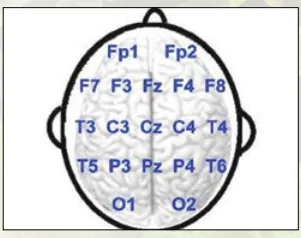
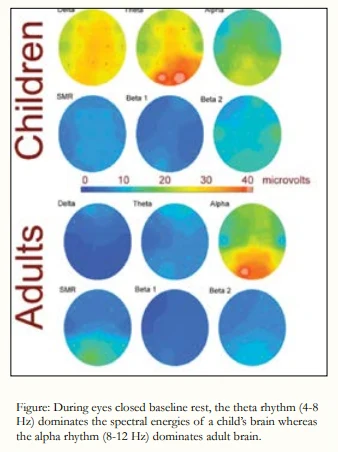
The brain is essentially a bioelectric organ. The EEG or electroencephalogram has long been used to record and study the electrical activity of the outermost layer of the brain – the cerebral cortex. A more advanced form of EEG has been developed, called quantitative EEG or qEEG, in which the electrical signal is converted to digital form and compared to a database of individuals without any known neurological disorder. In this form of functional brain imaging, the brain’s electrical activity, as measured in 19 or 25 sites on the head, are analyzed using complex mathematical and statistical tools in comparison to norms or averages. The results of these analyses can then be presented in graphic form, resulting in topographical displays of brain electrical activity, sometimes called “brain maps”. A fitted electrode cap with leads placed according to the International 10/20 System is applied to achieve a standardized 19 channel EEG recording.
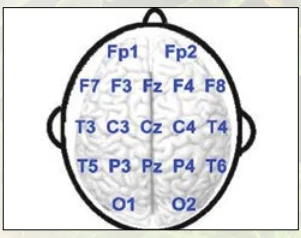
The waveforms recorded, reflect the level of arousal of the person:
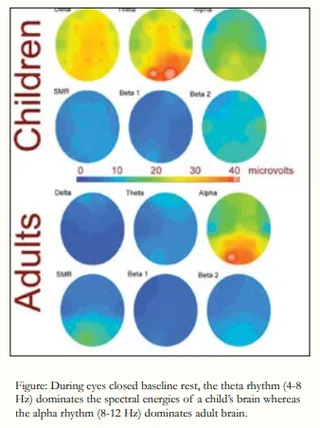
delta activity (2-4 cps) accompanies deep sleep; theta (4-7cps) states of drowsiness; alpha (8-11 cps) relaxed states. Beta range activity reflects an engaged or active brain, and, with very fast beta activity, an excited or urgent/emergency state of mind.
Objective
To identify the impact of the Kundalini Awakening on the brain.
Design
QEEG studies were conducted on delegates who had Kundalini awakening to study its effect on the brain. The qEEG’s were reported by Dr Kanak Pandey, Neurologist. Dr Kanak Panday is the founder of Gunjan Human Karigar and Maxcellence—Peak Performance Solutions. She is a trained psychologist having more than 23 years of experience as a behavioural psychological consultant with various reputed industrial and business concerns. She is trained and certified on EMDR (Eye Movement Desensitization and Reprocessing) from the Hong Kong Institute of EMDR. She is trained and certified in Biofeedback, Neurofeedback, and qEEG (Quantitative EEG) from USA. She is: - an international affiliate of American Psychological Association (APA) - member and a certified trainer of LMI international - a member of Indian Psychological Association - a member of Psycho-Linguistic Association of India - a member of International Society for Neuronal Regulation (ISNR)
Study
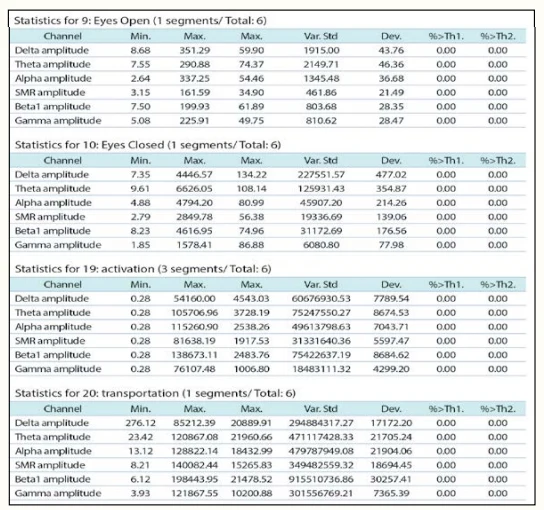
The delegates underwent a series of standardized tests, basic recordings were done with open eyes and closed eyes and also when the Kundalini energy was activated by the Master’s initiation. Data were analyzed; digitized data were subjected to an automatic artefact detection routine and supplemented by visual review and the were the observations made.
Analysis And Result
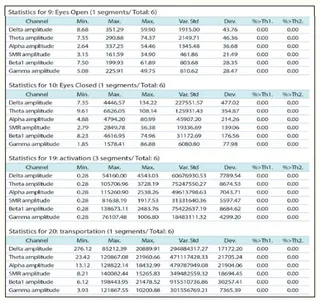
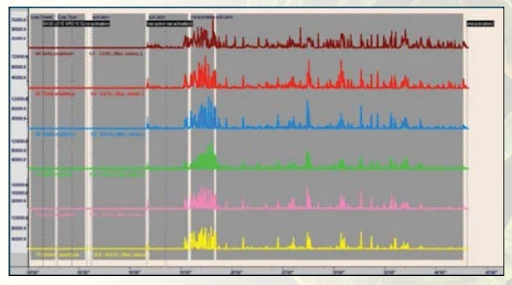
The values are dramatically high in most of the activated people. This may be indicative of very elevated, rapid, parallel processing. It may indicate enhanced cognitive and mental functioning; this can be calibrated by the post-activation assessment on various cognitive functions. These elevated changes may help a person develop better learning and executive abilities.
Positive impacts:
1. Better focusing ability
2. Better alertness and attentiveness
3. Better short term memory
4. Faster multi processing
5. Better problem solving and decision making ability
6. Warm and positive personality traits
Physiological Data and Statistics Report:
My Clinic (qEEG recordings of delegate) Concise Client and Session information:
Client: [ID=00000045 ]
Session: p4
Date Time: 09:17:43 14-07-2011 ;
Duration: 43 min 17 sec.
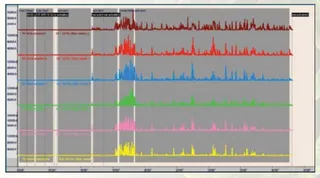
In deep meditation, EEG studies have shown the simultaneous global presence of delta activity with increased beta presence in the prefrontal area. This signifies a state of ‘Restful Awareness’. On the other hand, direct transmission of Cosmic energy (Kundalini Shakti in Vedic literature) clearly demonstrates cessation of superficial cortical activity and the presence of multiple high amplitude spikes, not correlating with the known alpha, beta, delta and theta rhythms, suggesting that the EEG machine is picking up intense activity from subcortical areas from the hypothalamus and limbic systems
Discussion
Continuing Breakthroughs in the new Millennium HDH Bhagavan Sri Nithyananda Paramashivam has extended the horizon of human possibility. Working first with a close group of devotees, and later incorporating the technique into a public program, he successfully launched the Nirahara Sammyama, a voluntary 21-day initiation process in the year 2012, in which the body requires no food to function. Delegates have been able to carry out normal daily activities and work without weakness, despite no nutritional intake. Those who felt symptoms of hunger were mandated to eat and some opted to consume juice when needed. Many, however, took nothing, not even water, without experiencing any ill effects. They have even been able to cook for others without wanting to eat. This landmark event in itself is remarkable.
What truly breaks new ground is that HDH Bhagavan Sri Nithyananda Paramashivam has guided the public groups at a distance, and in unprecedented numbers. Some yogic masters have succeeded in the past with a few close disciples who live around them. But none has ever been known to sustain more than four hundred devotees over thousands of miles all over the world, solely by the power of their initiation, irrespective of the geographical distance. HDH Bhagavan Sri Nithyananda Paramashivam's ability to heal and transmit initiation to those far away provides ever stronger evidence that energy is not limited by space, time or physical form. Furthermore, his capacity to awaken extraordinary powers in others proves the Vedic understanding that these siddhis are the birthright of all humans.
The research findings also confirm what the Hindu scriptures have declared for millennia: while Siddhas, mystics or yogic masters may acquire these skills for themselves after long years of spiritual effort, or as a side-effect of enlightenment, only the rarest being known as the Avatar, by virtue of being established in the space of non-dual Oneness, can awaken these siddhis in others by the sheer power of His presence. The world looks forward to a new evolutionary wave, guided by the wisdom and vision of HDH Bhagavan Sri Nithyananda Paramashivam.
Conclusion
HDH Bhagavan Sri Nithyananda Paramashivam continues to delve deeper into the common Source of science and mysticism. Planet Earth is pleading for a new way of life for all its inhabitants, a way of peaceful co-existence and joyous creativity. The solution lies at our fingertips: by opening to our own internal energy or kundalini shakti, we can resolve the world’s energy crisis and begin to savour our life instead of struggling through it. We have also the precious resource and grace of the Avatar who can bring our energy into bloom: HDH Bhagavan Sri Nithyananda Paramashivam
Tags:
Paramhamsa Nithyananda, nature, Kundalini, energy human, life, destiny, physical, yoga, mental, dharma, bliss, excitement, gift.
Link to Facebook Post:
https://www.facebook.com/srinithyananda.swami/posts/178307902324217
Photos Of The Day:
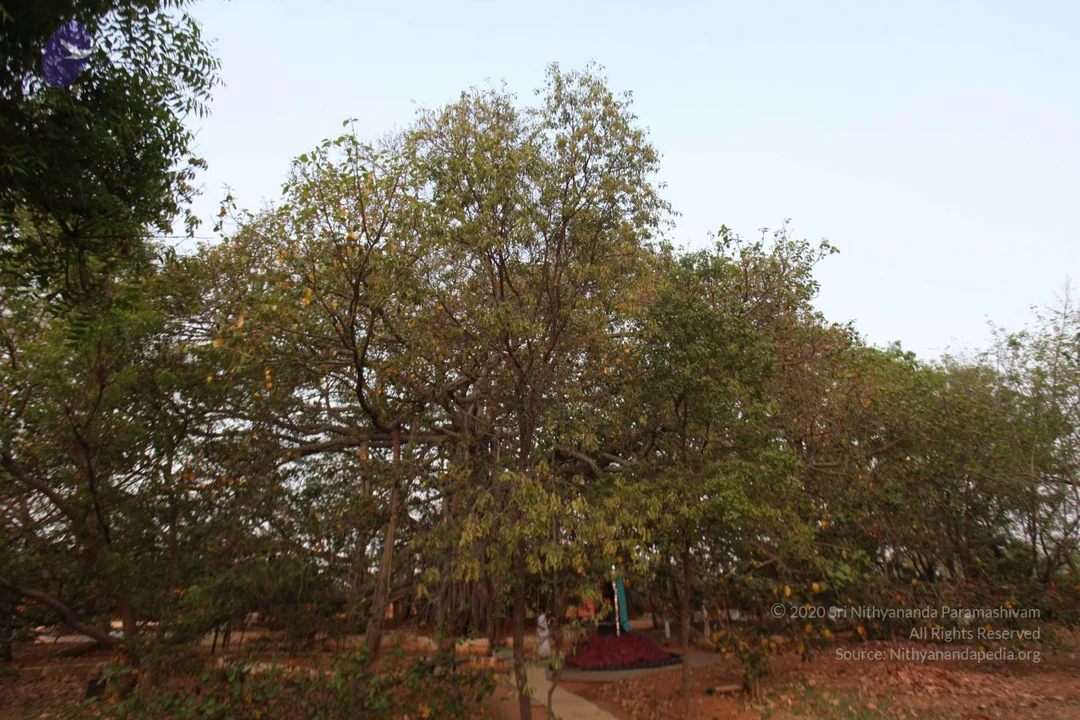
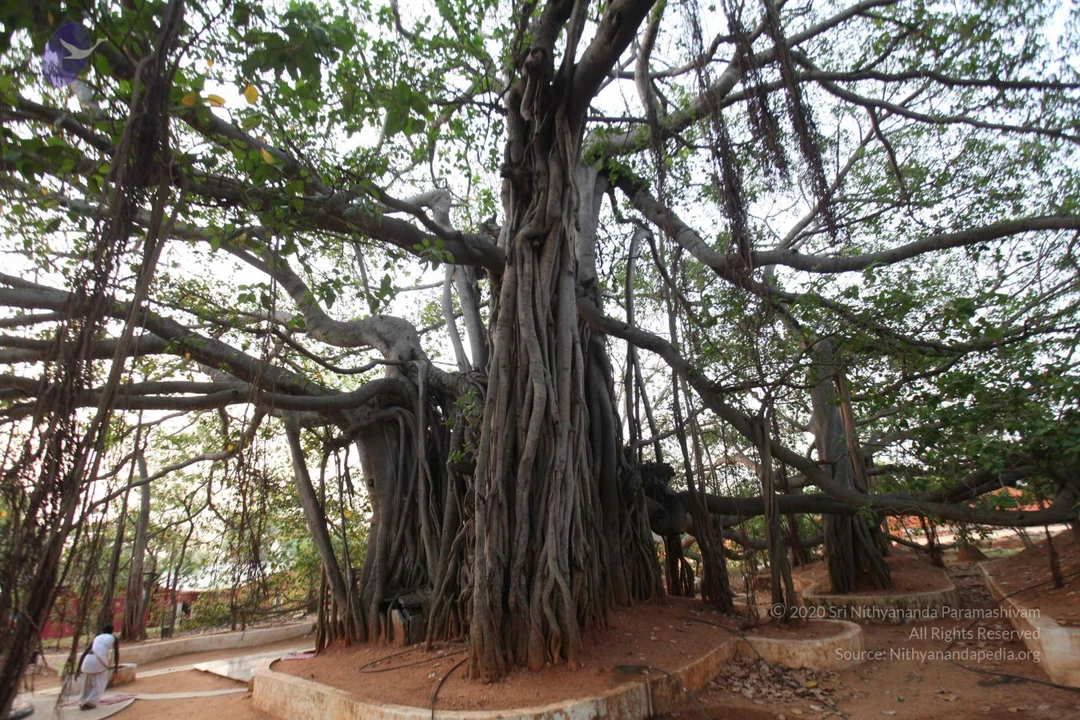
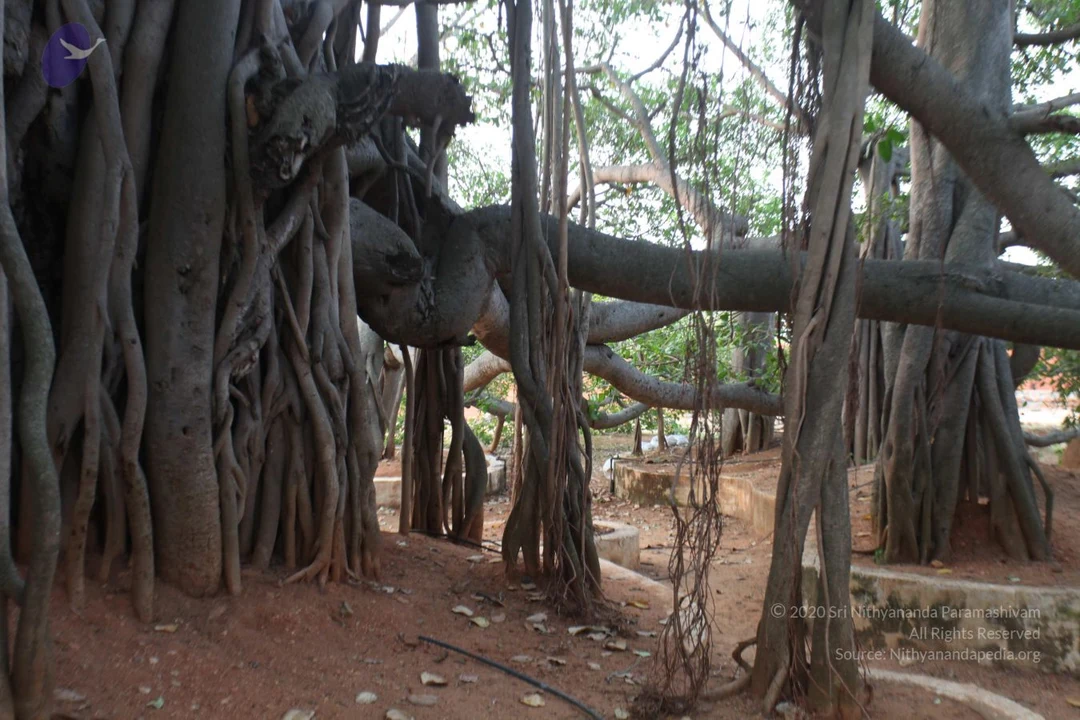
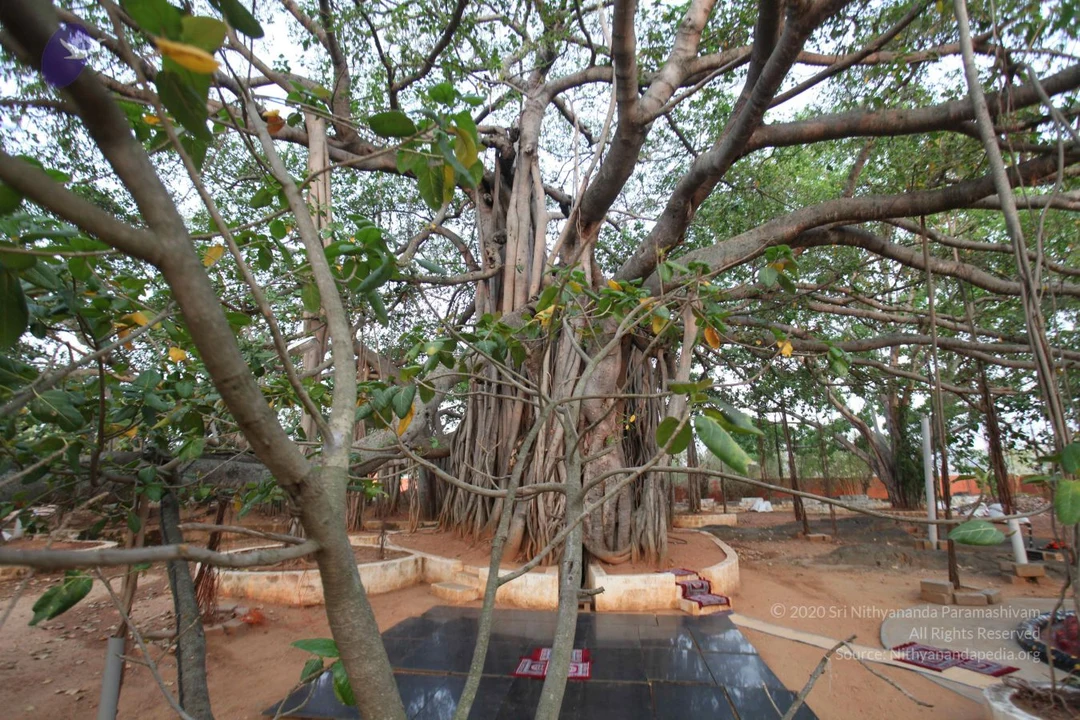
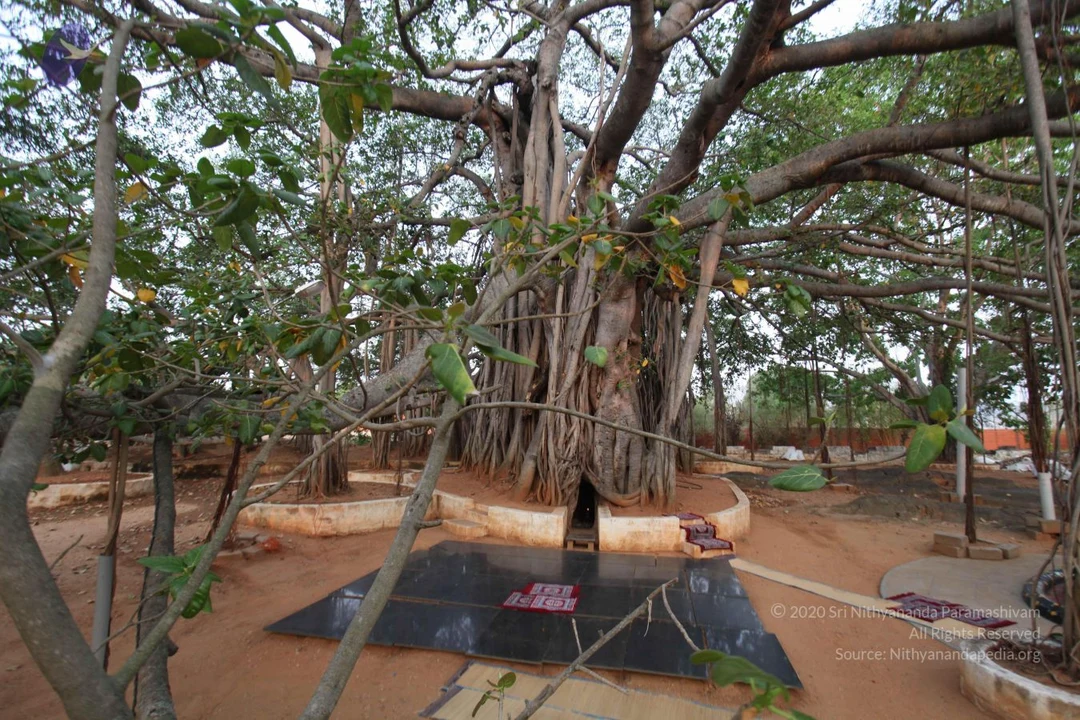
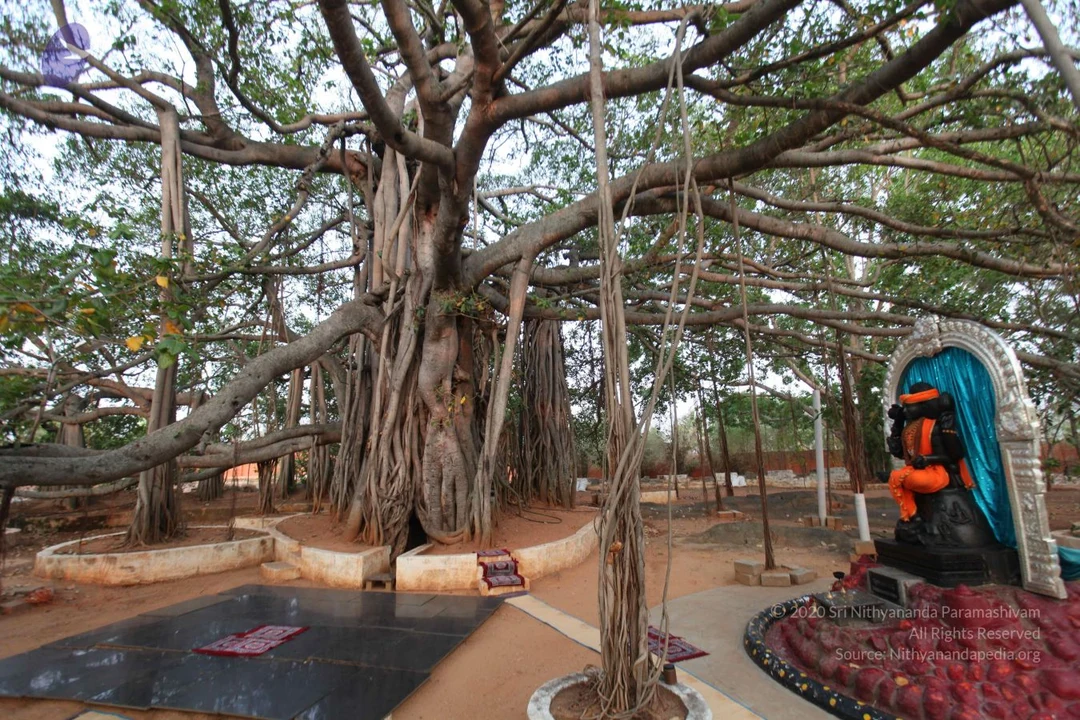
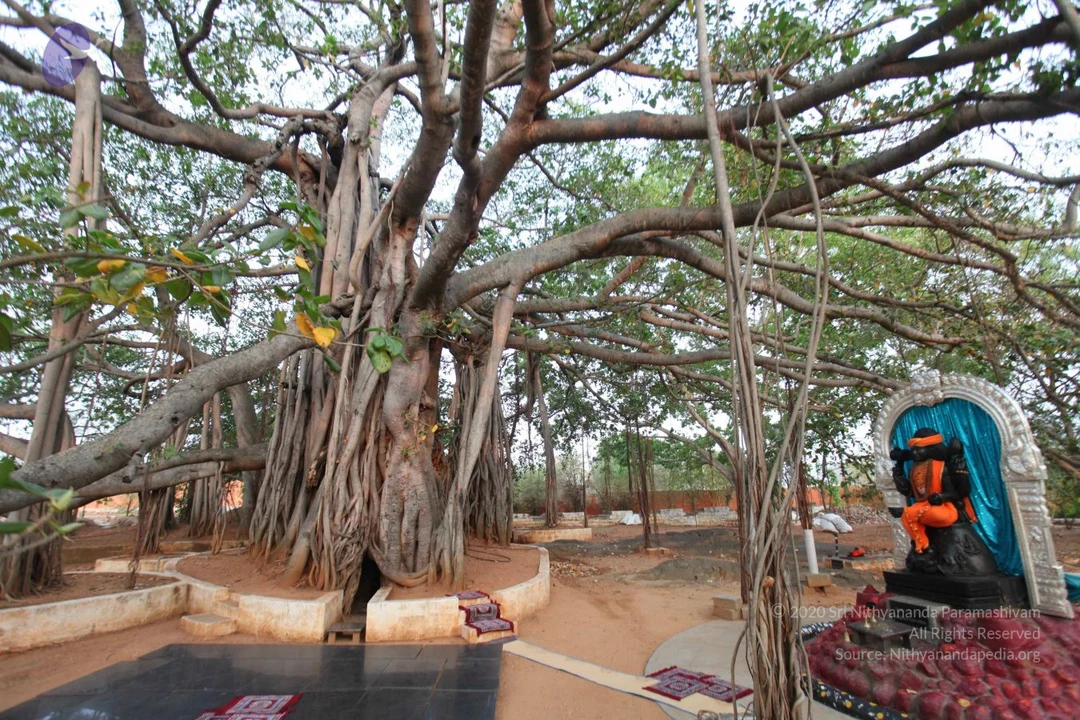
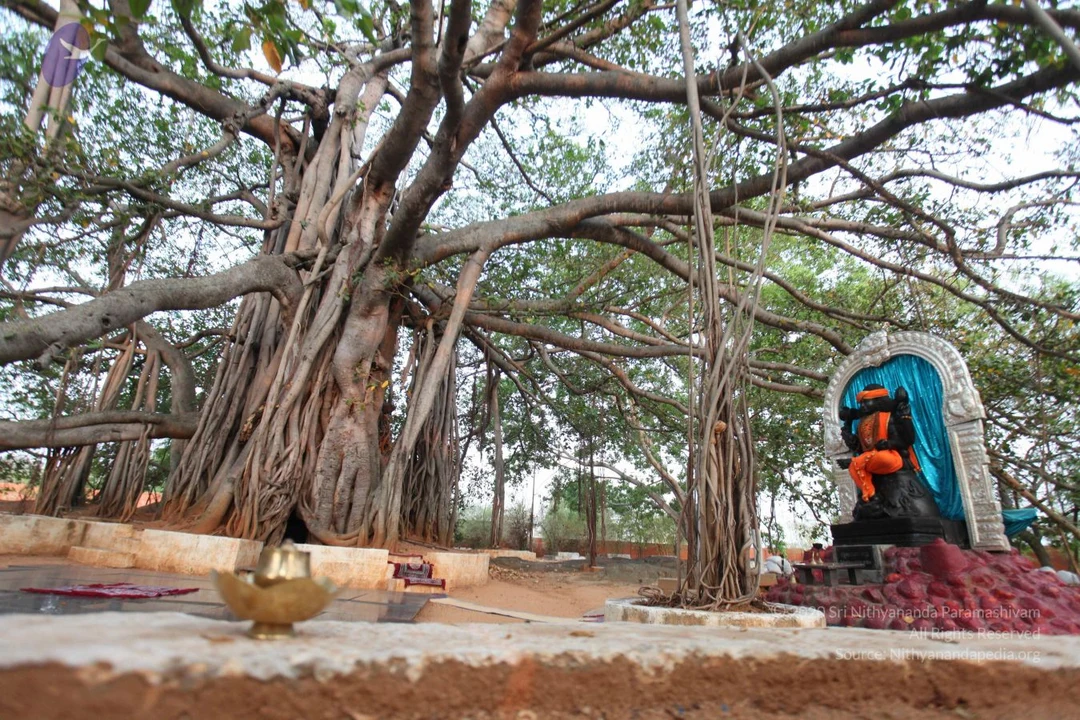
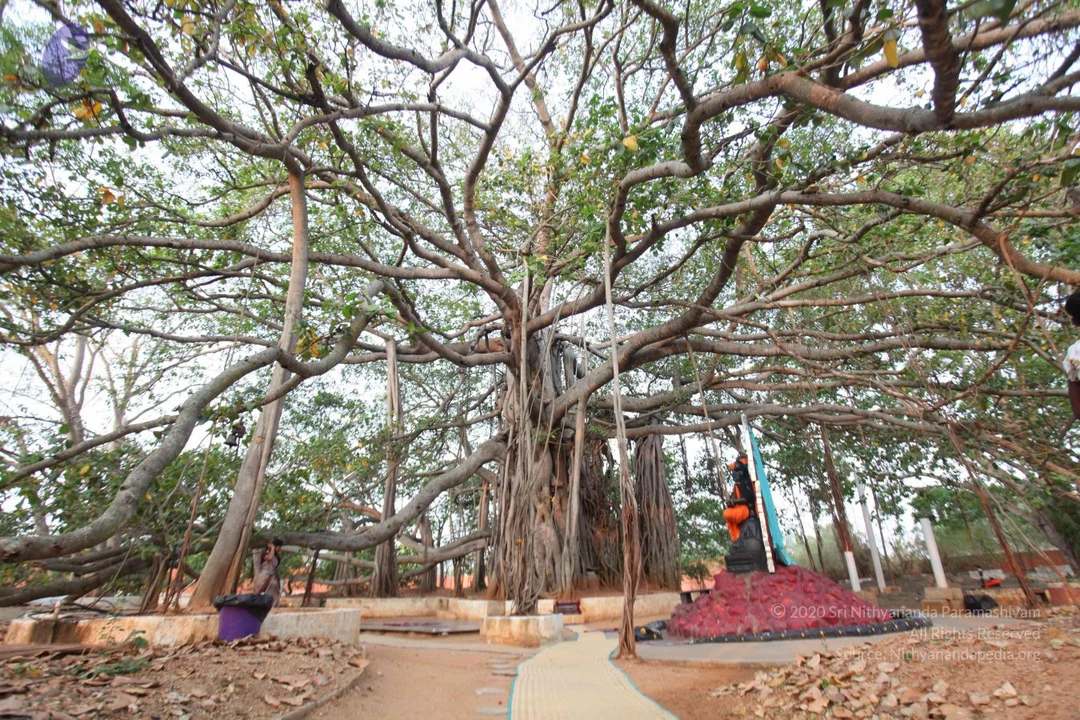
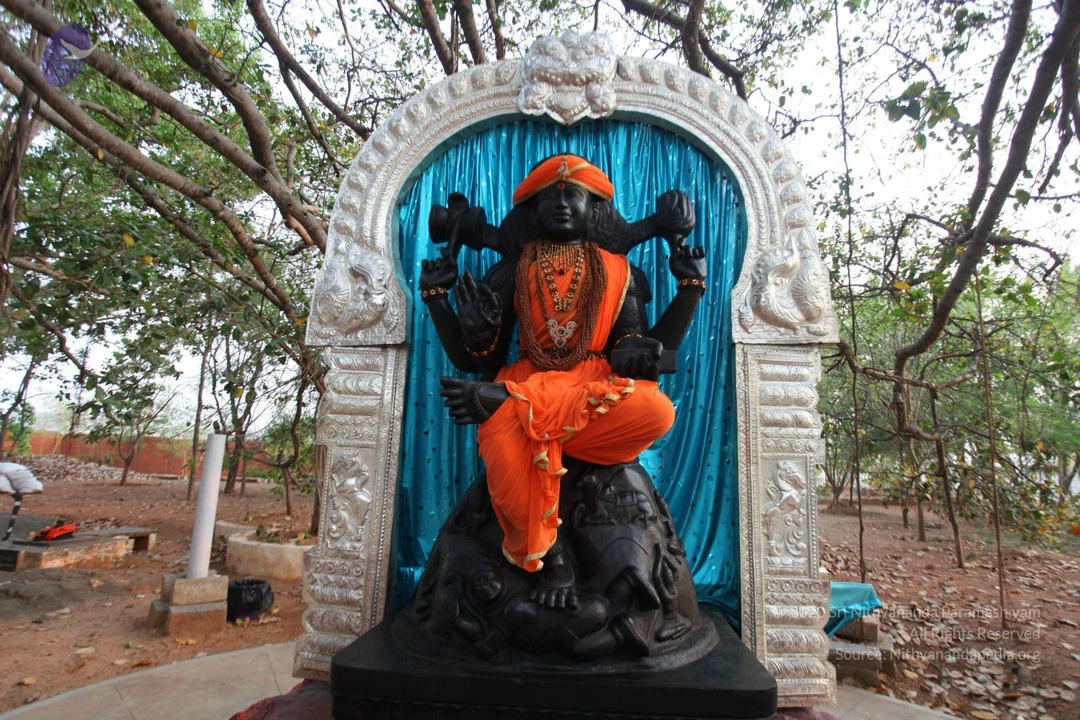
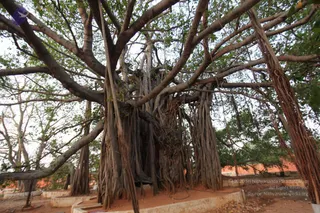
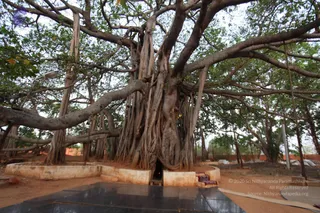
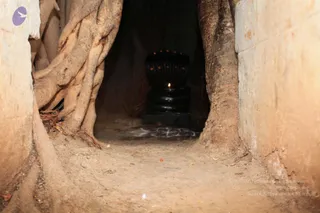
Banyan-Tree
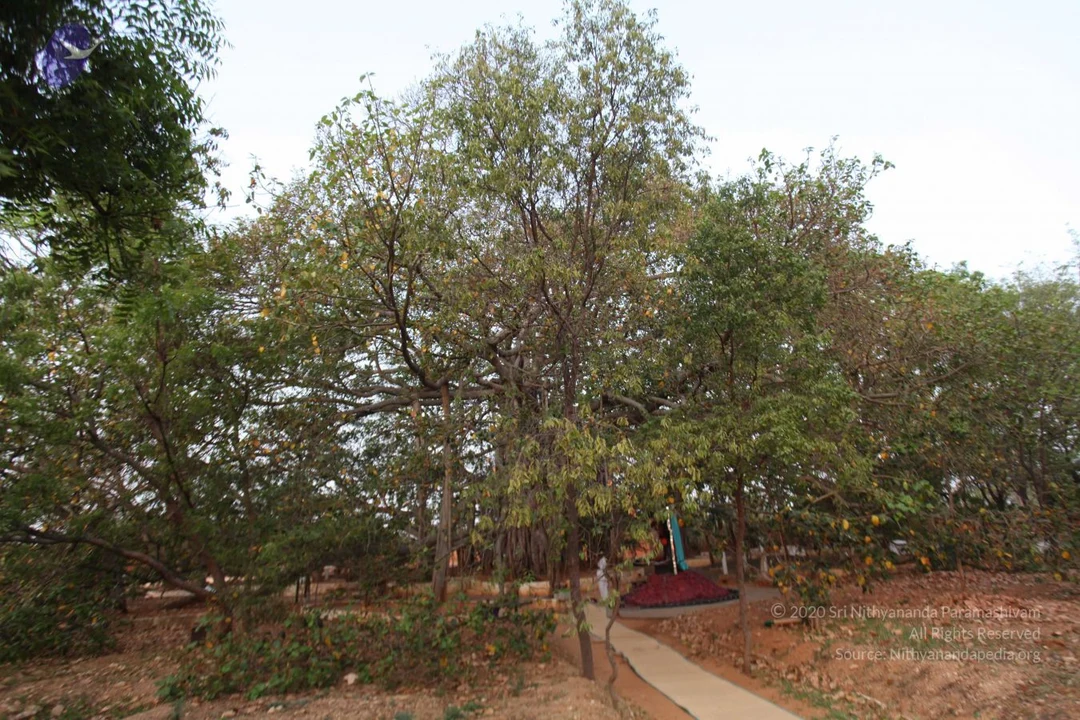
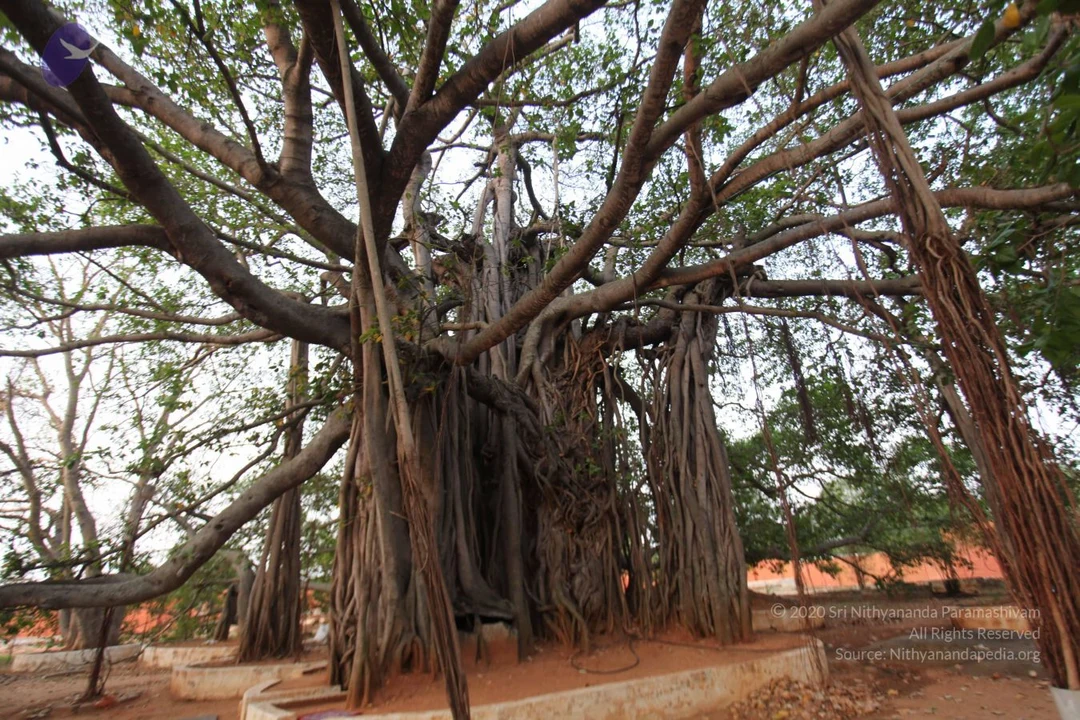
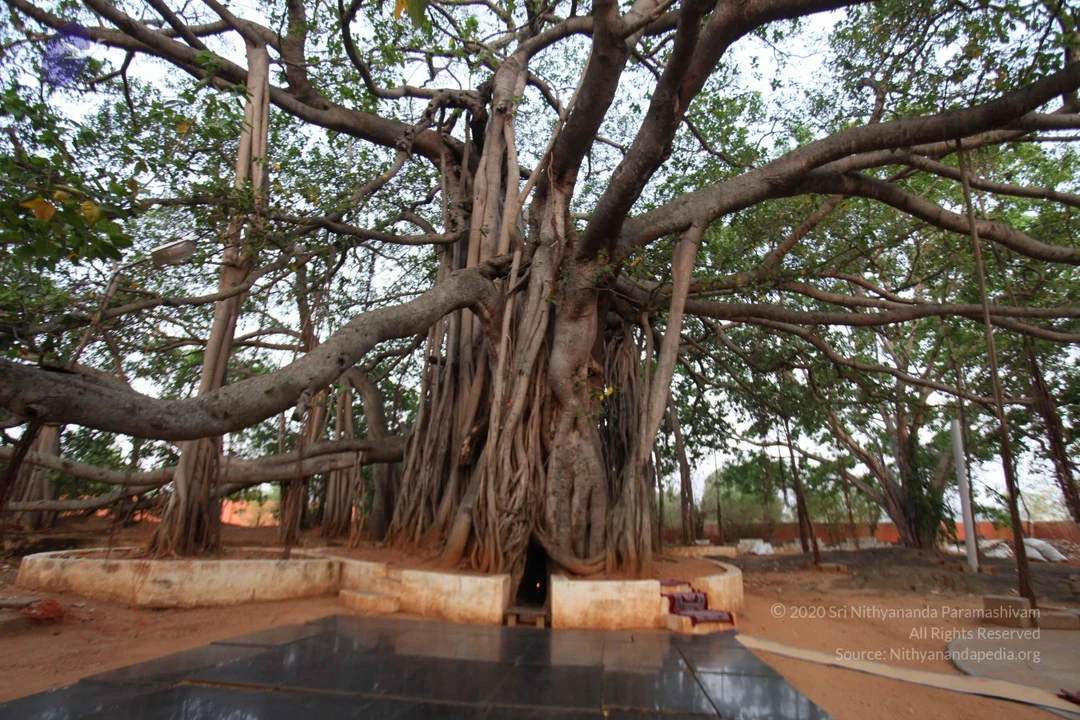
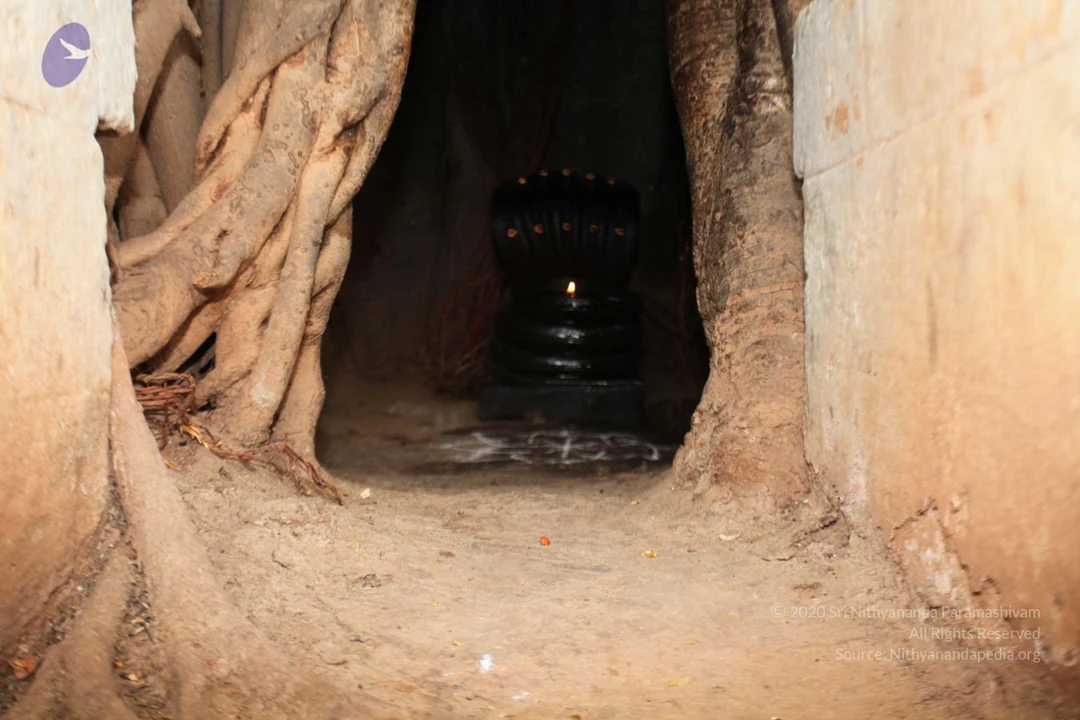
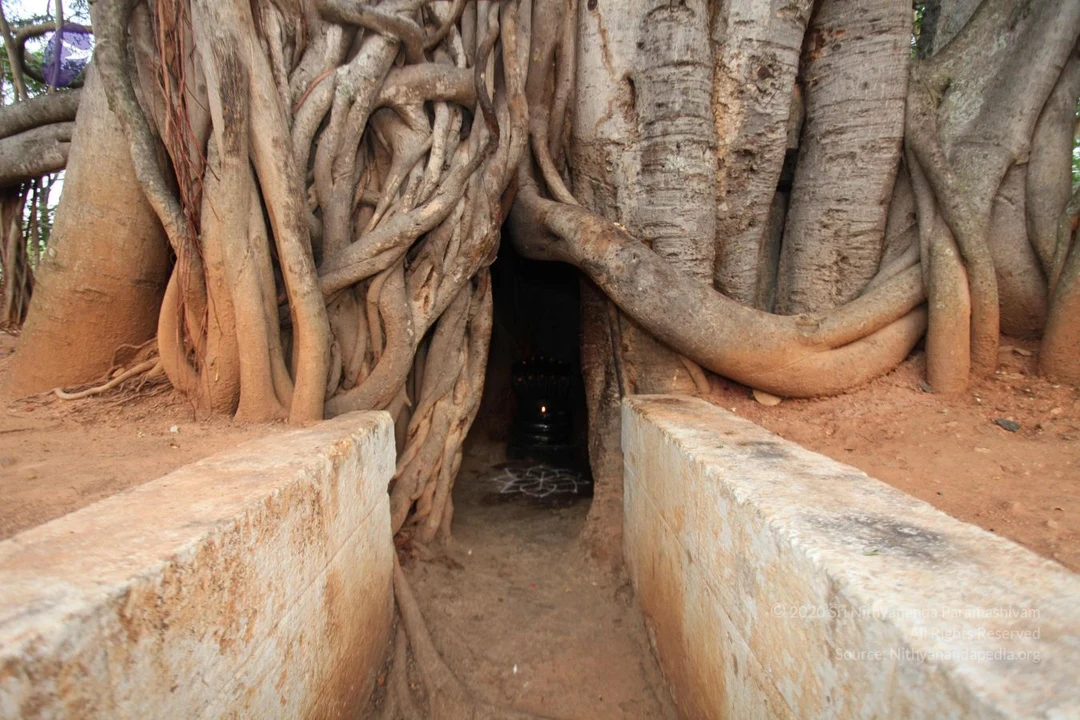
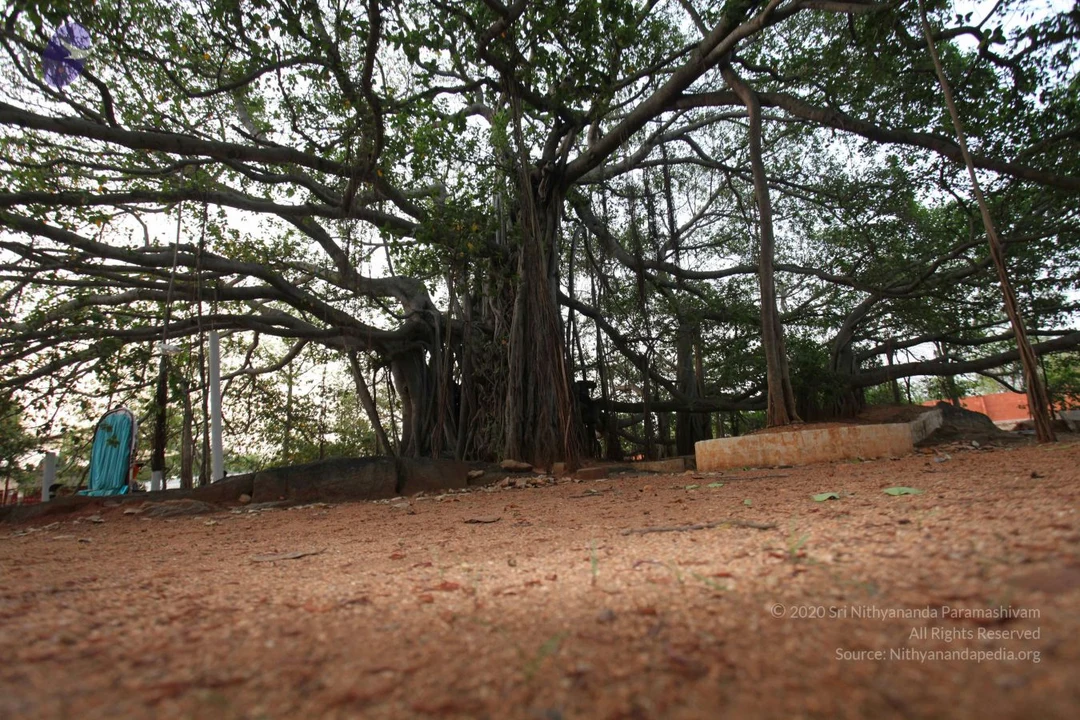
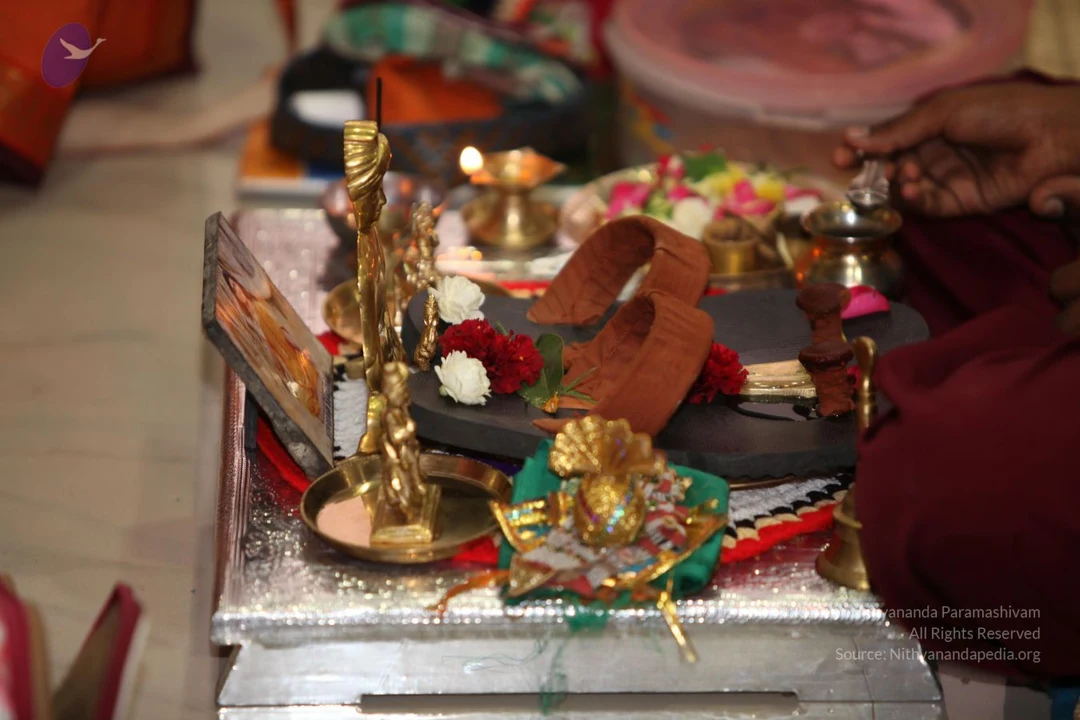
Pada-Puja

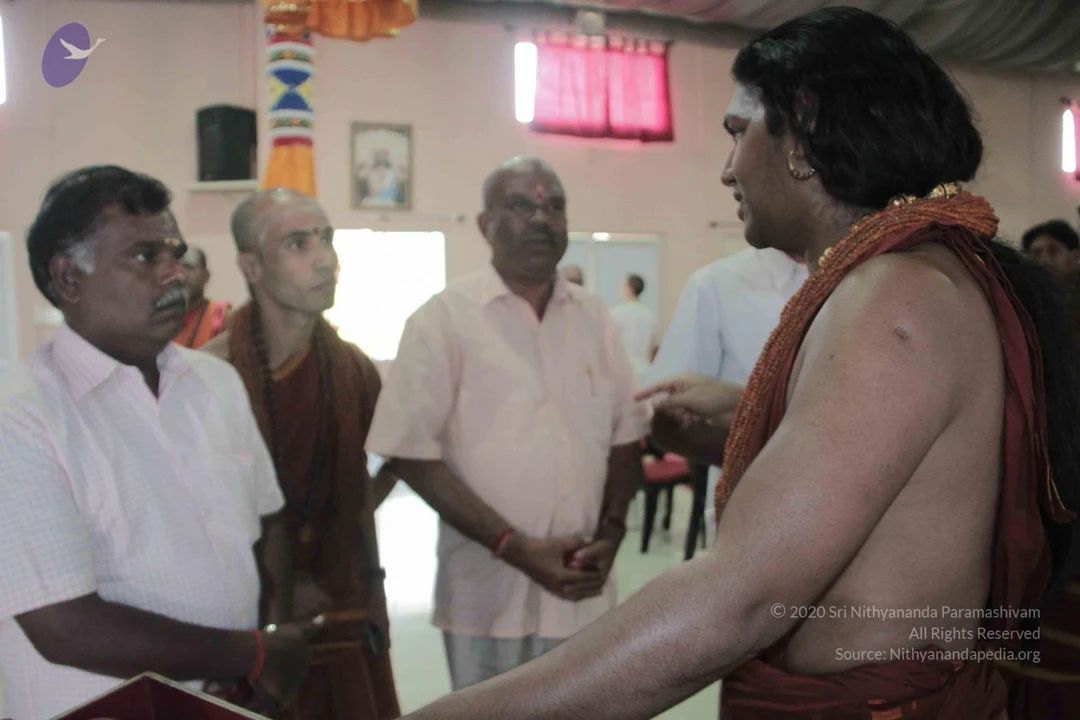
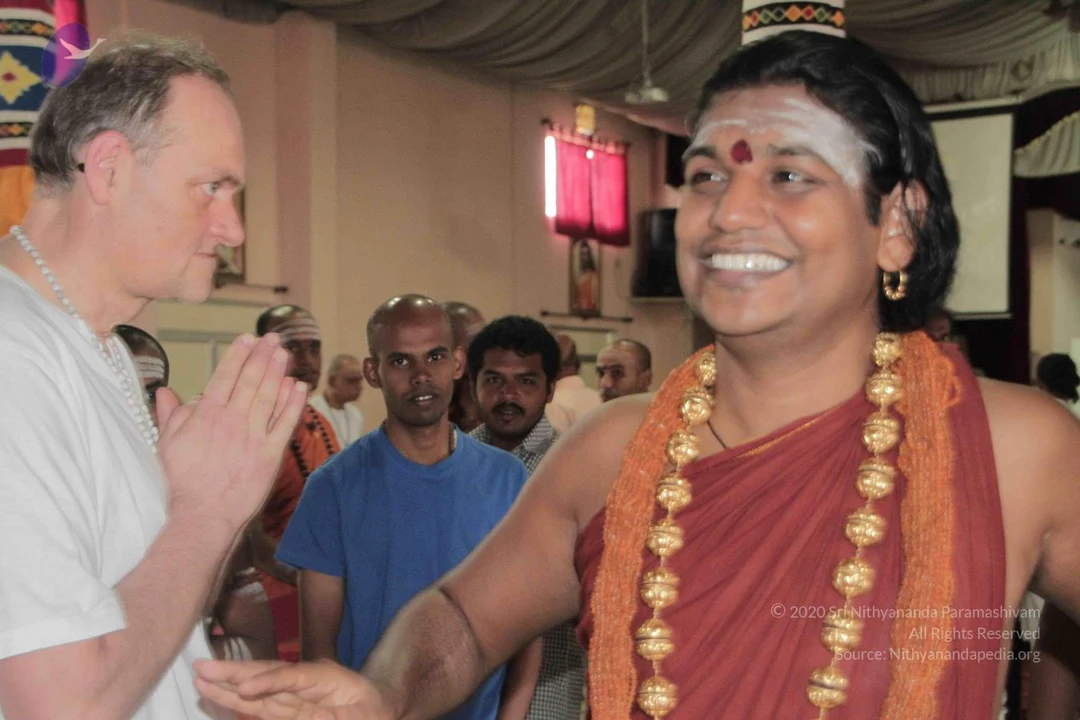
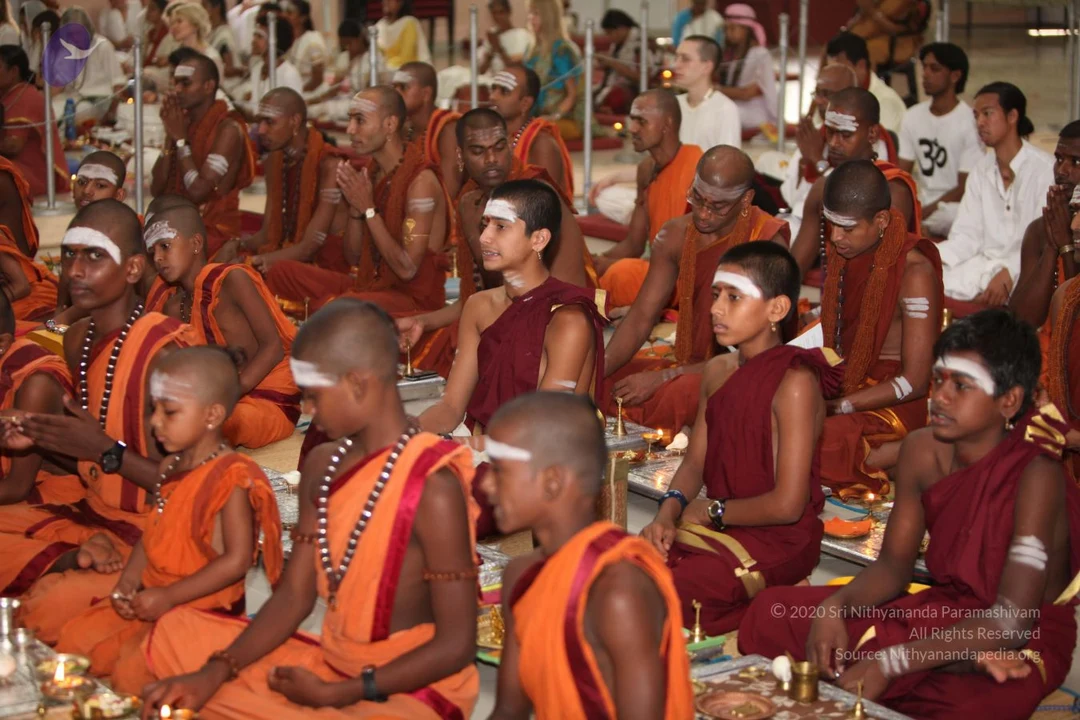
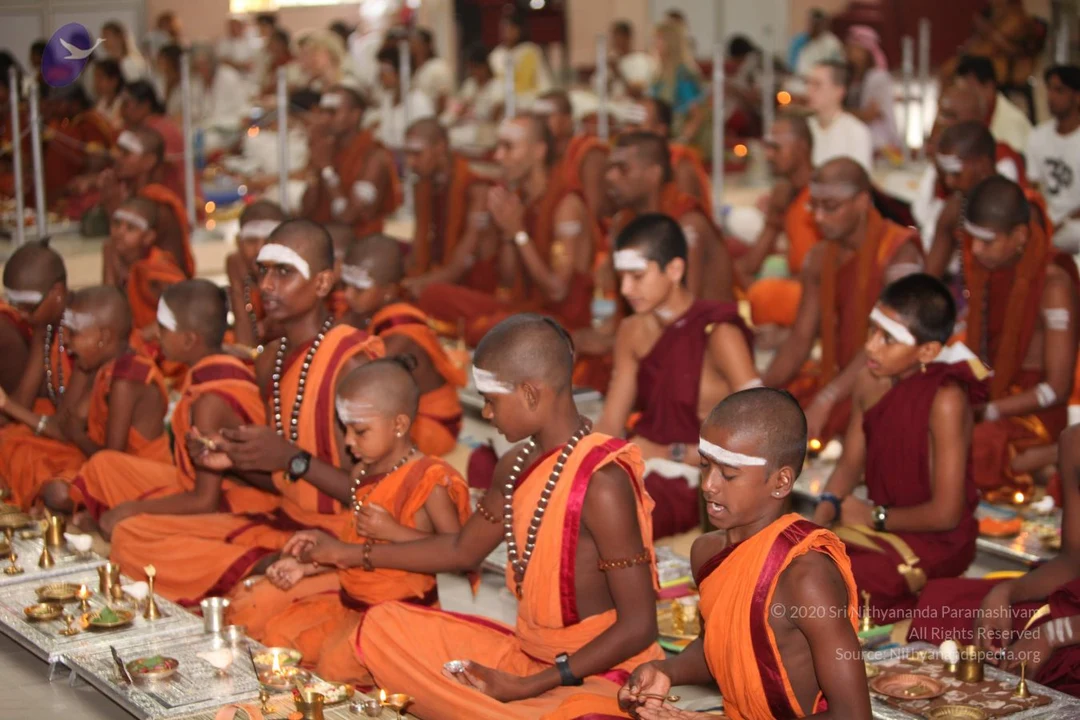
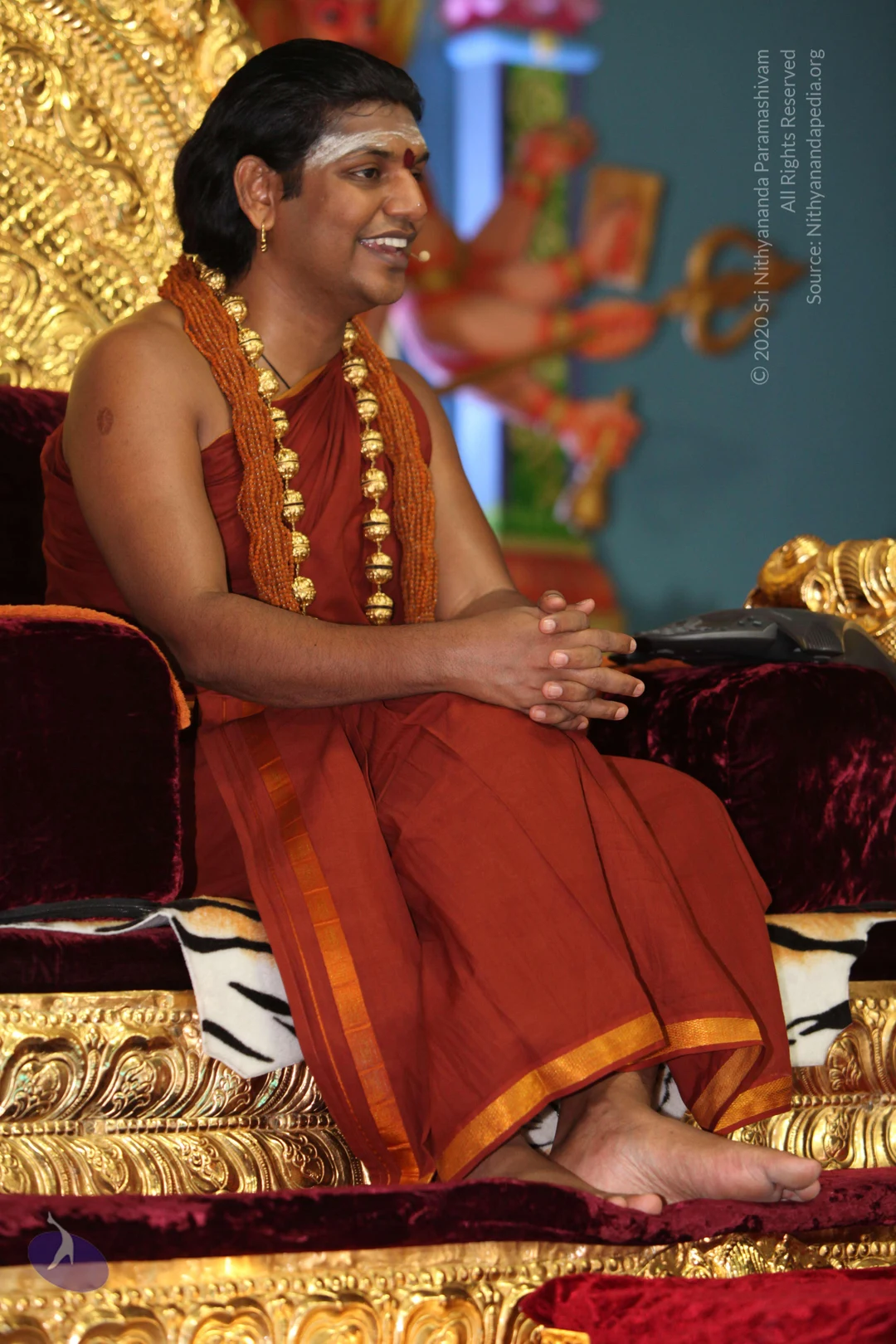
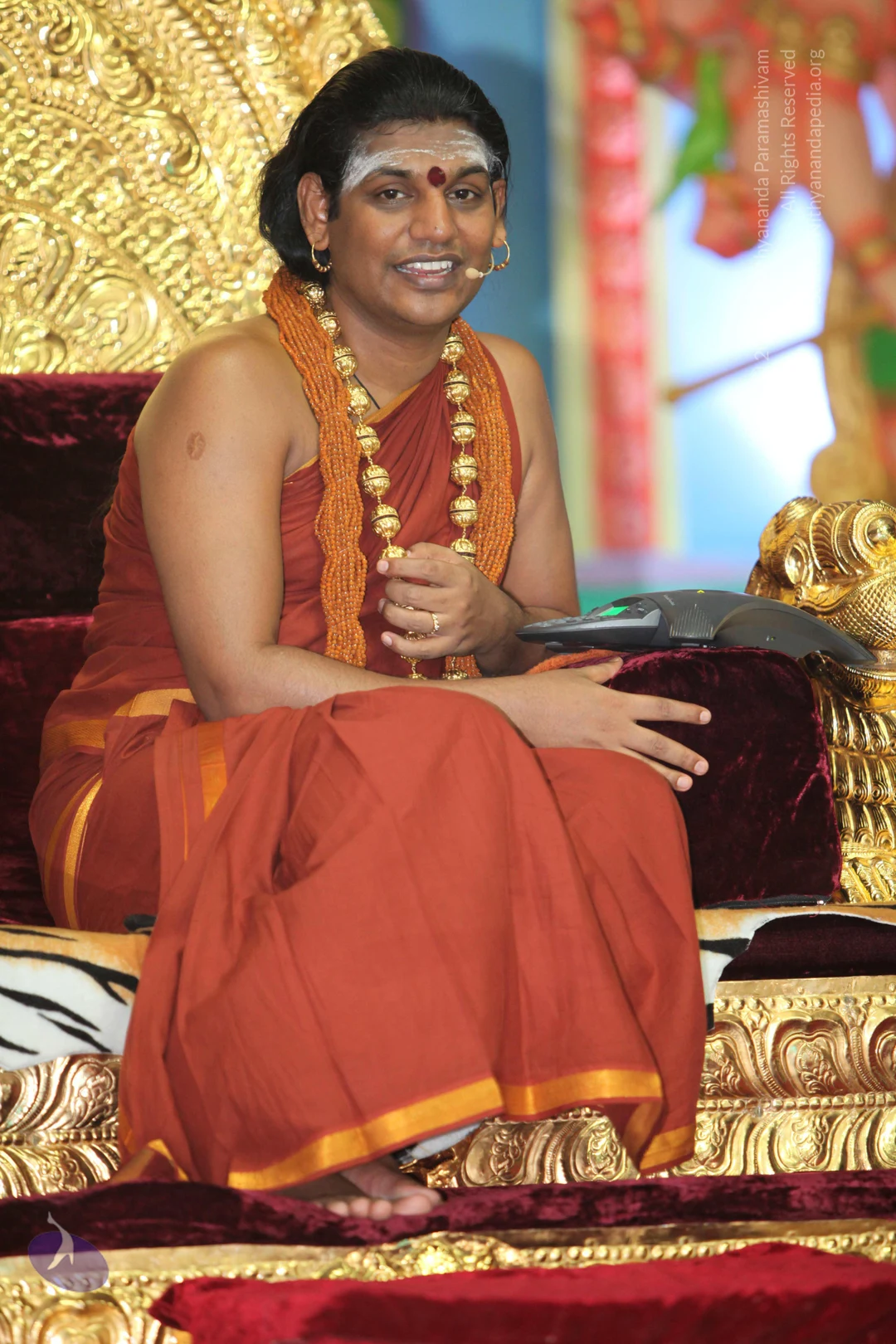
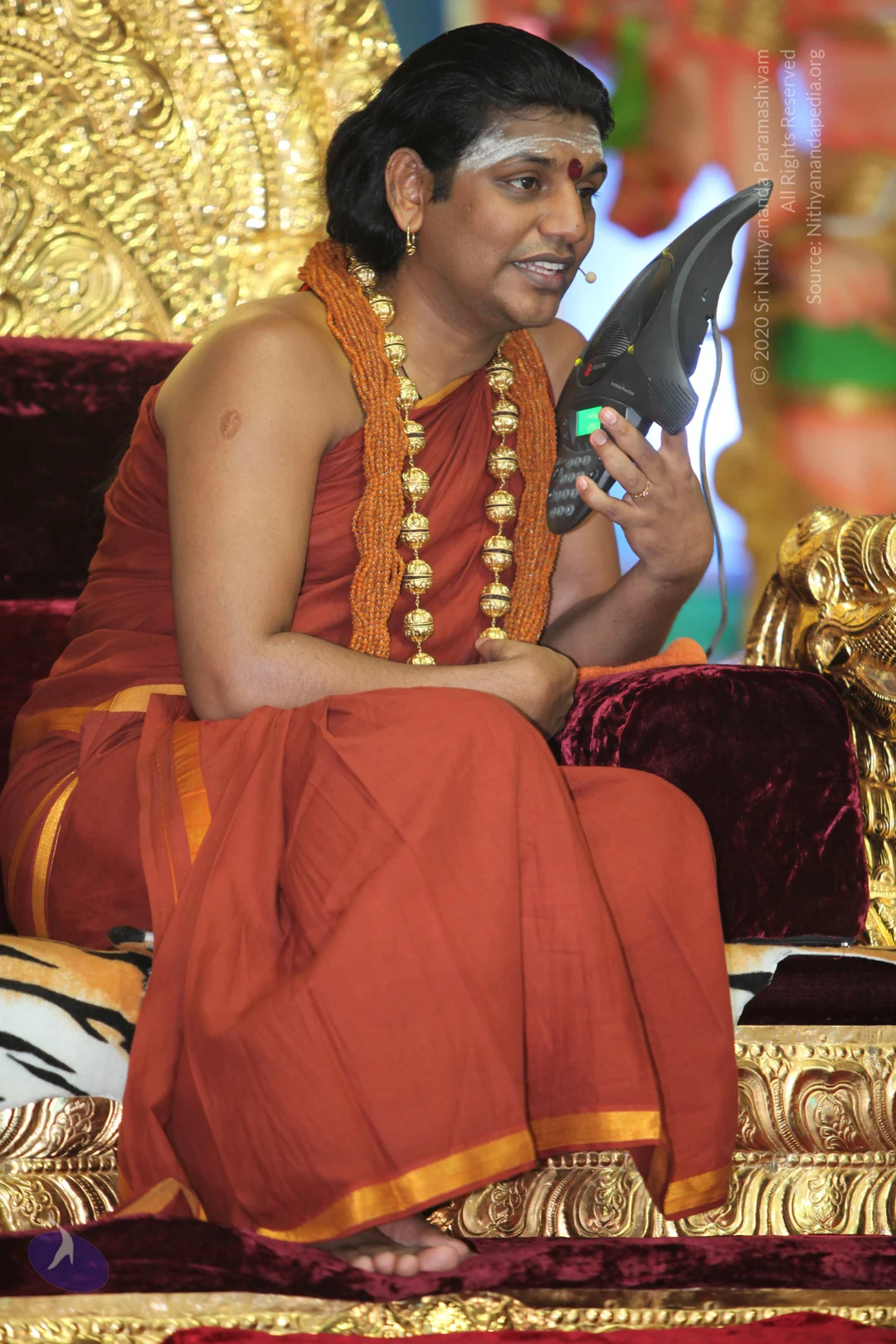
Satsang
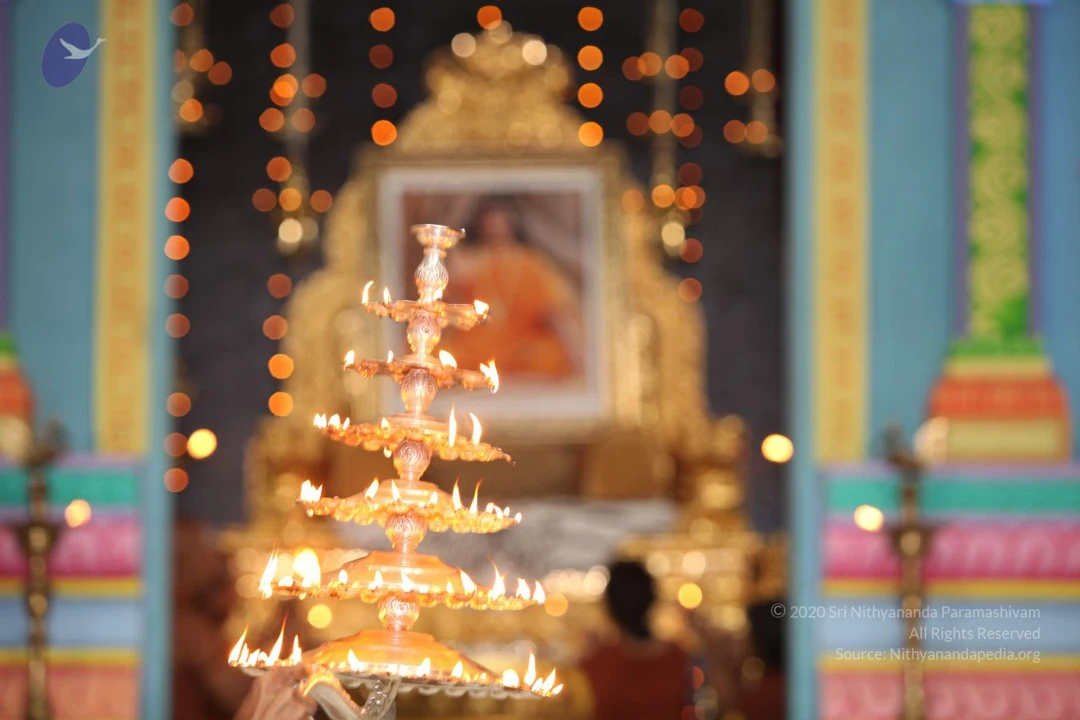
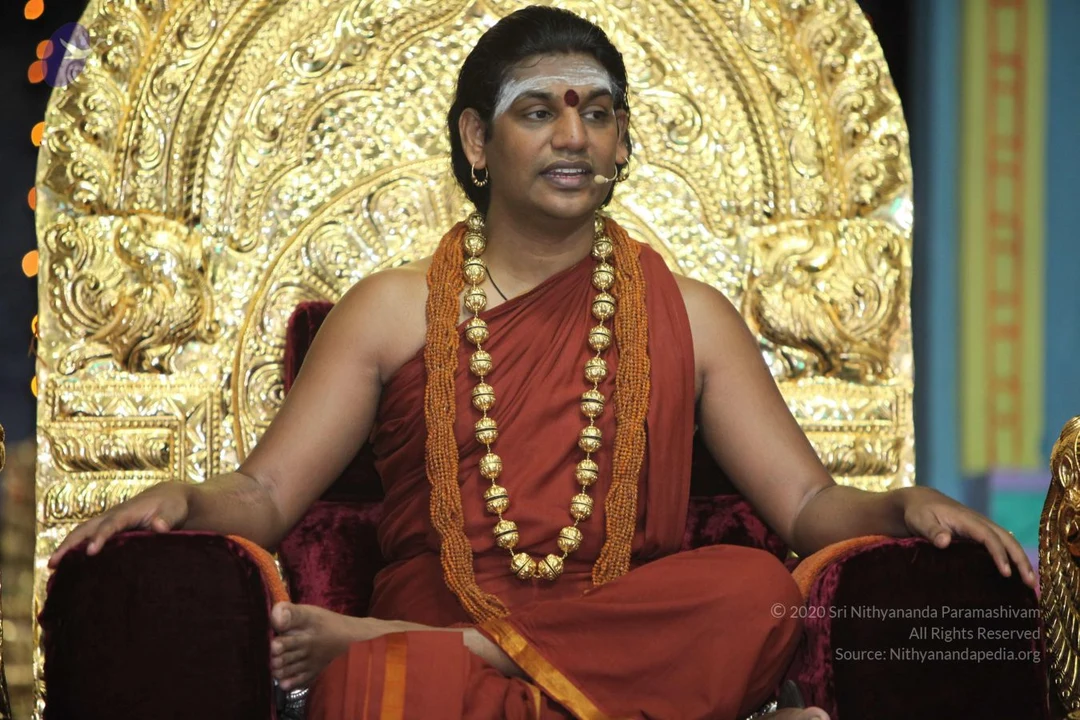
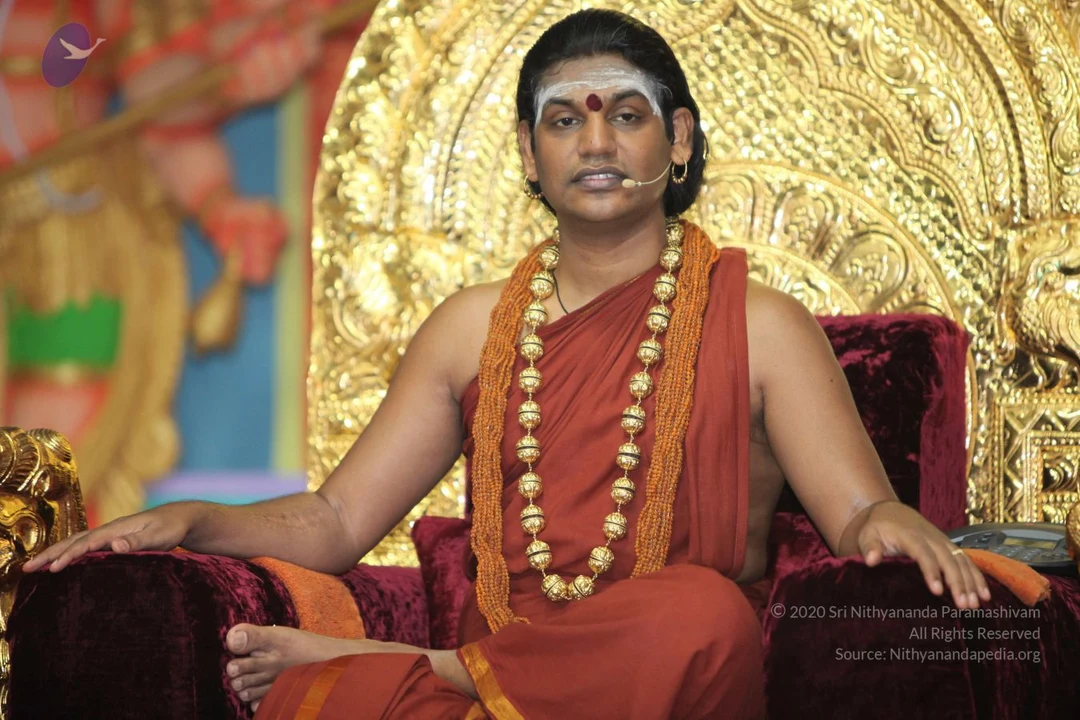
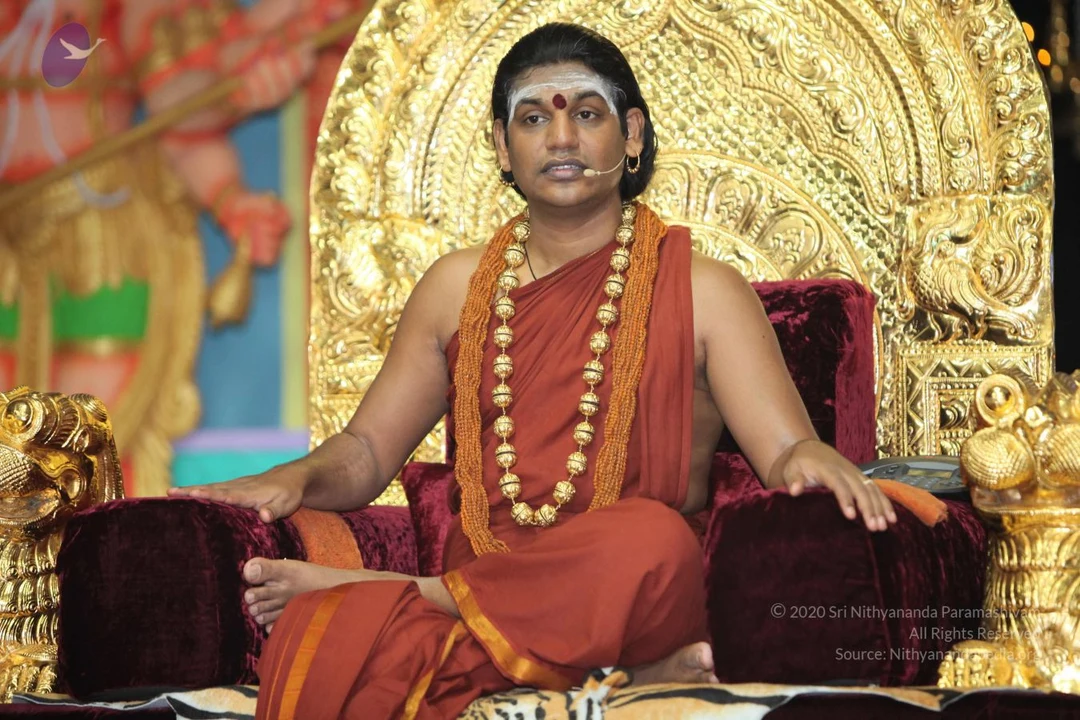
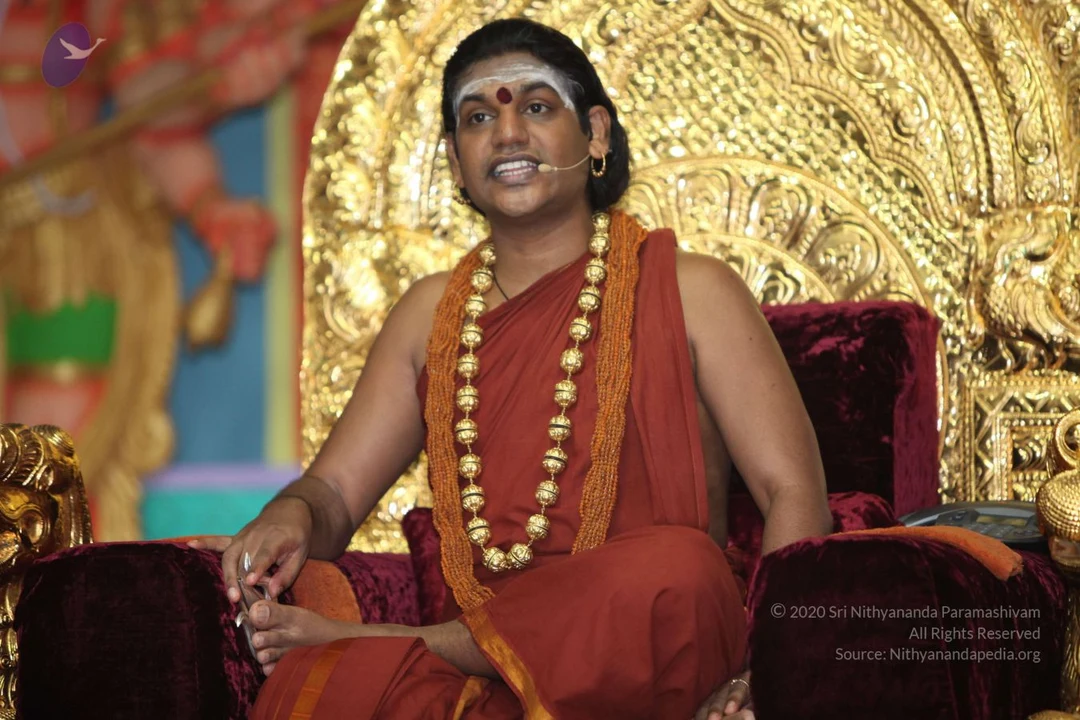
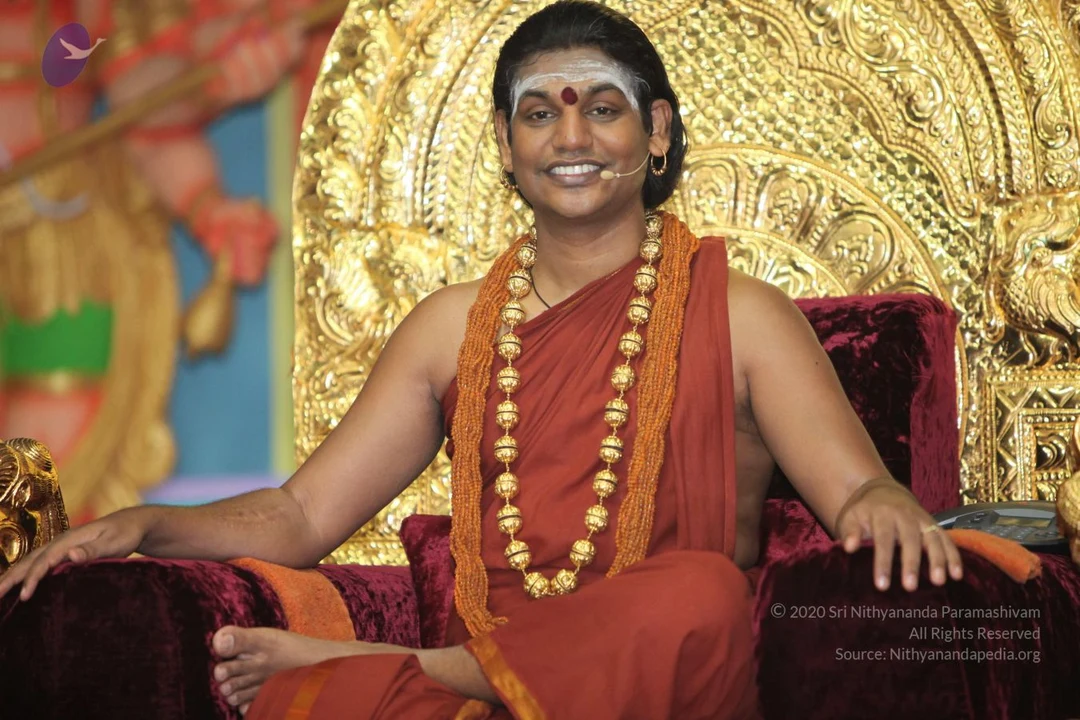

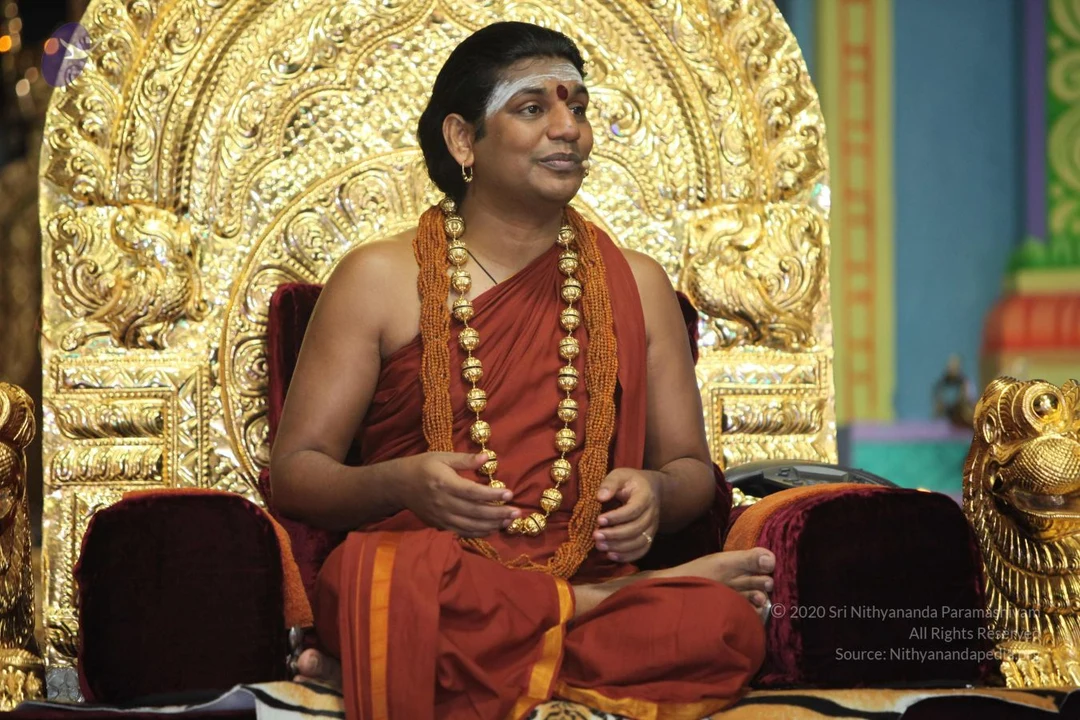
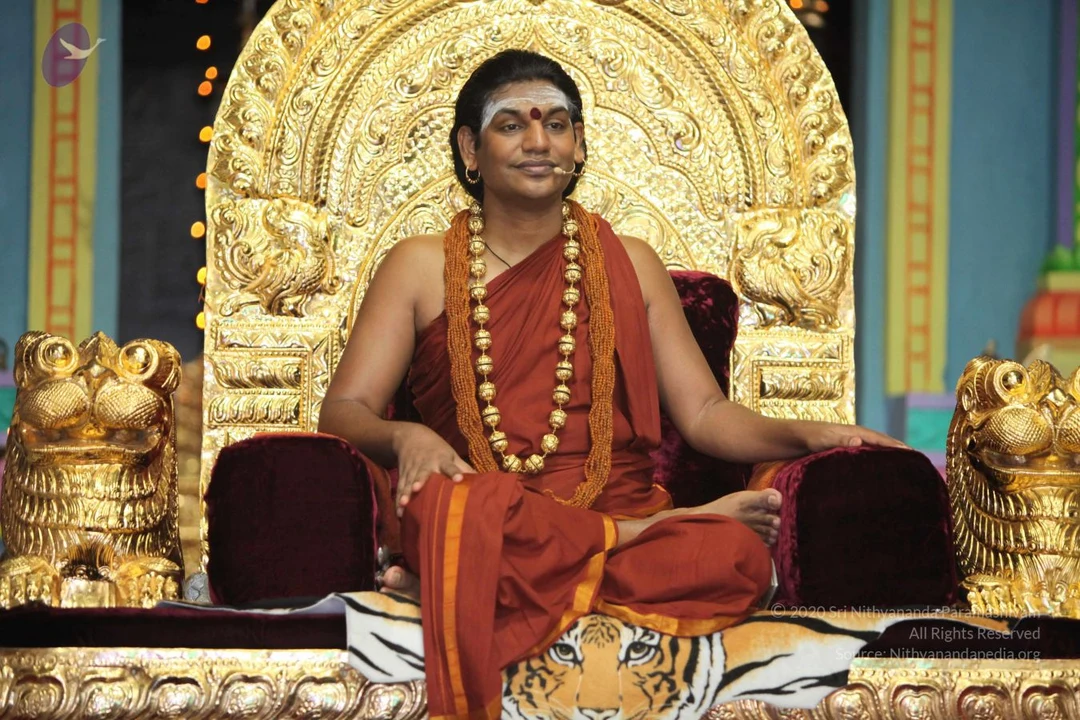
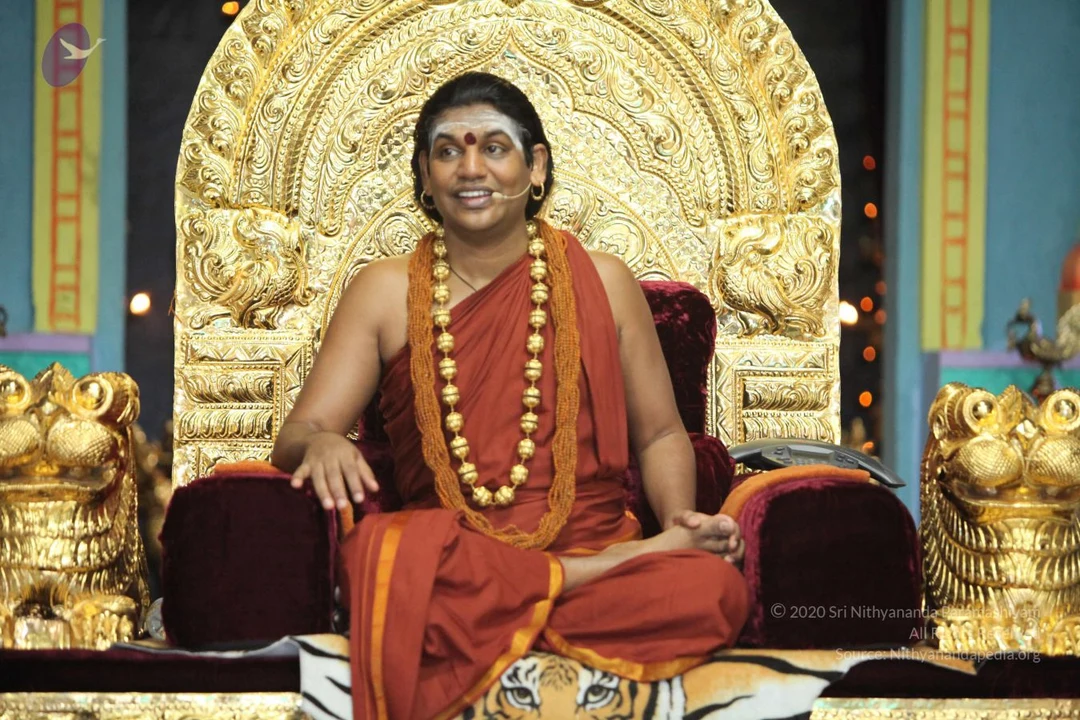
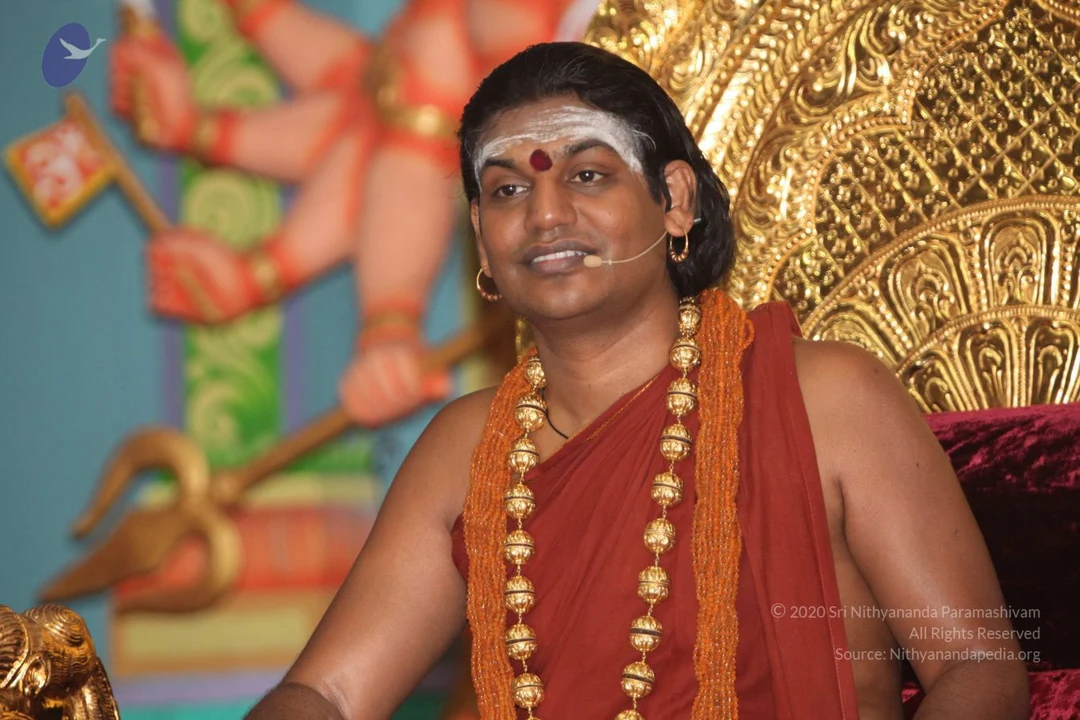
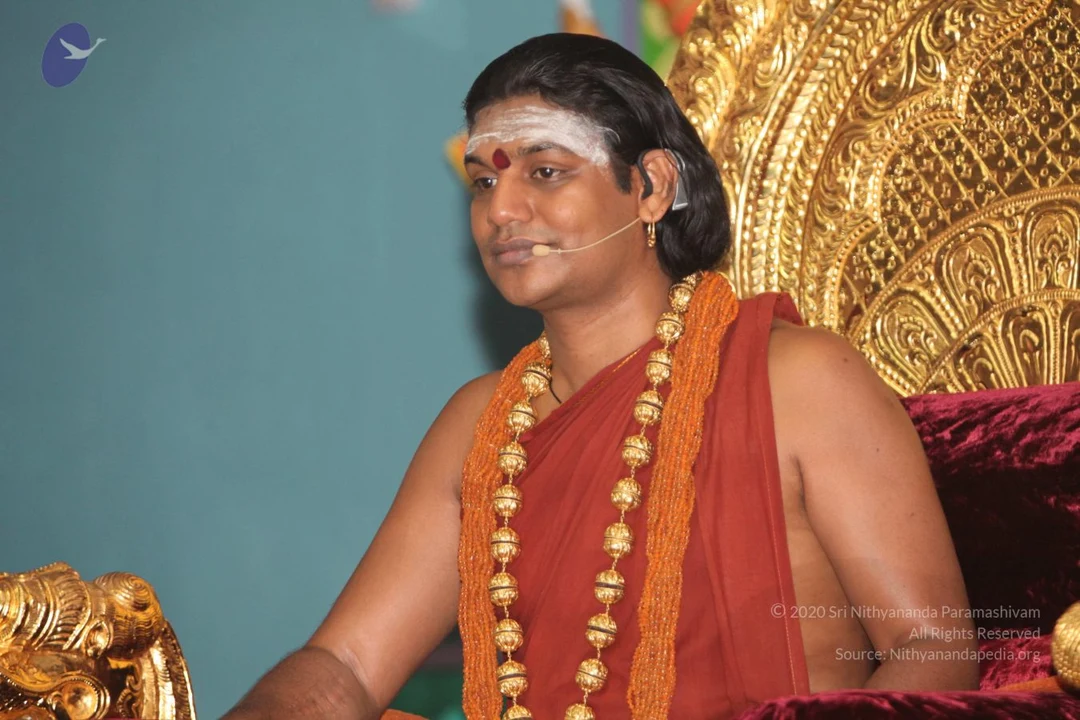
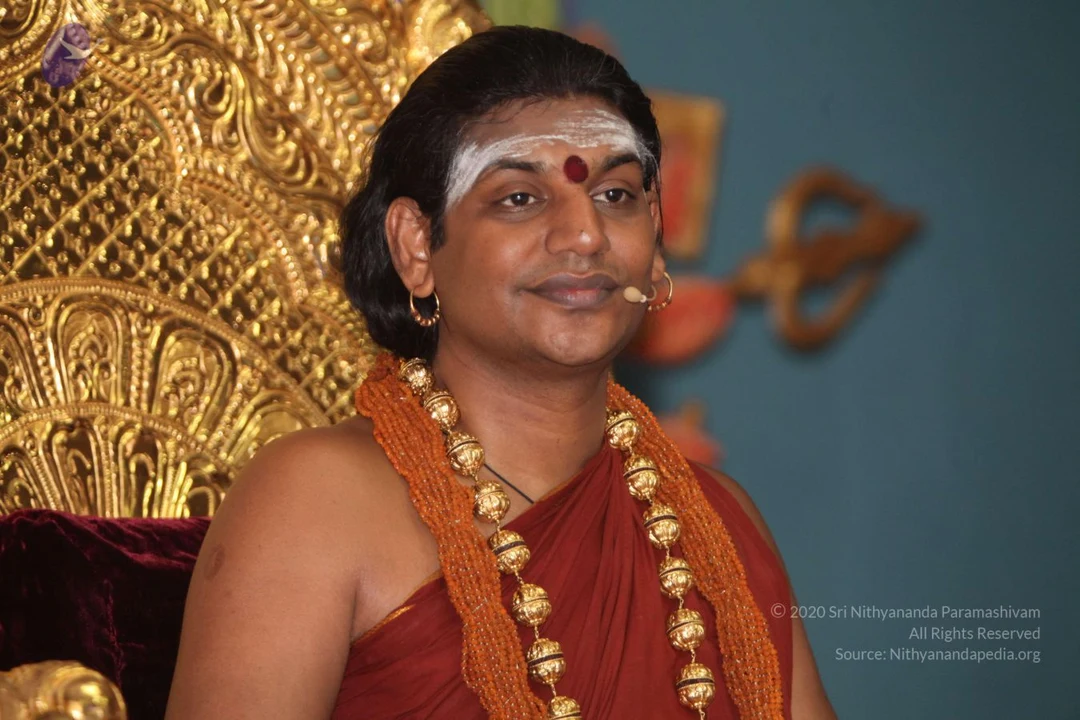
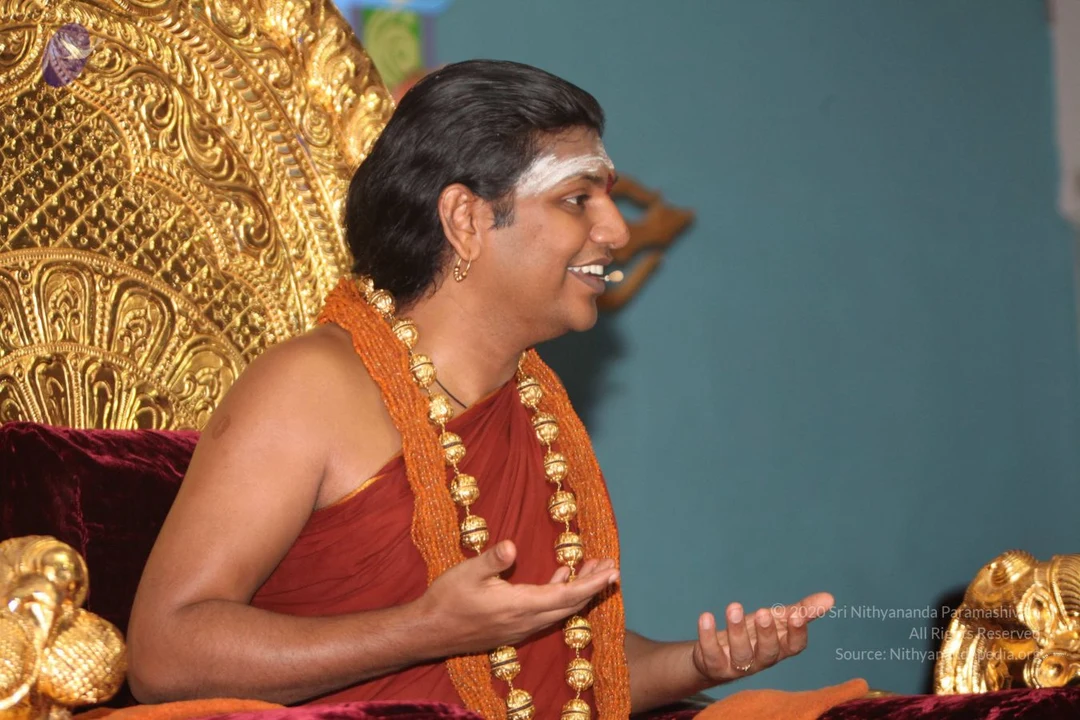
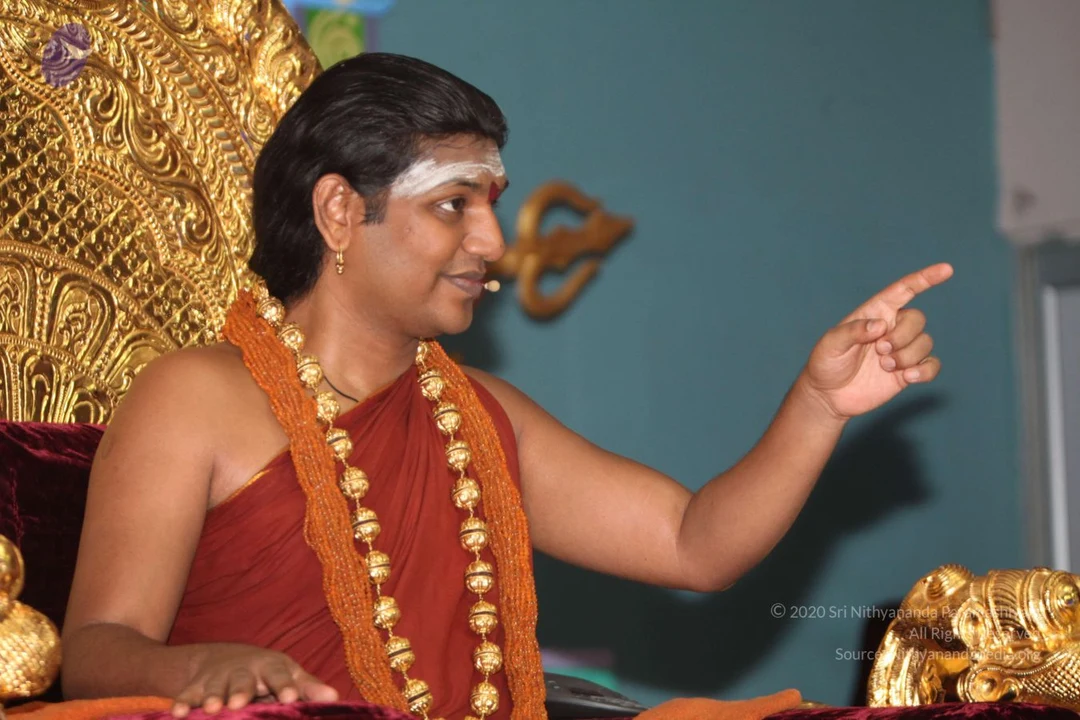
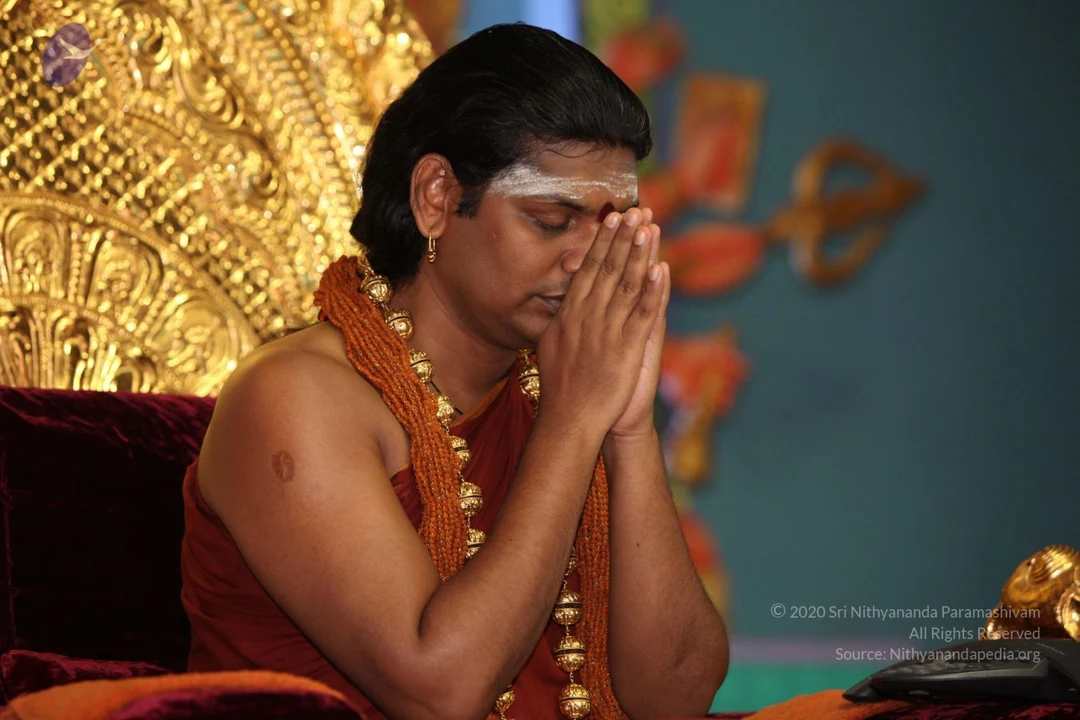
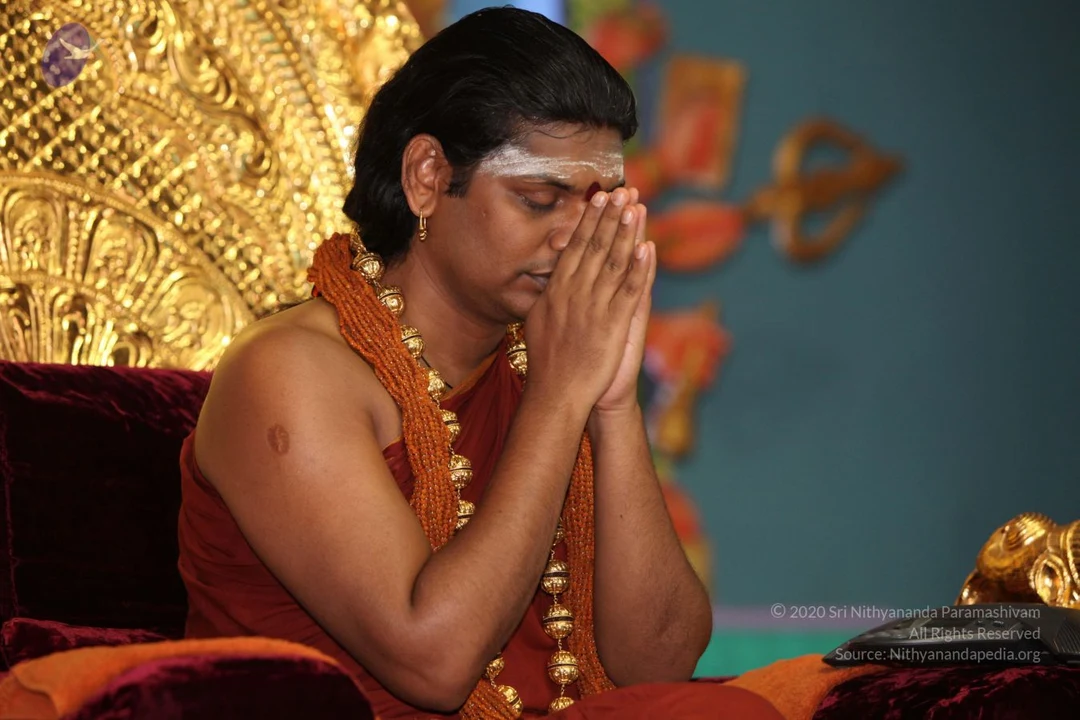
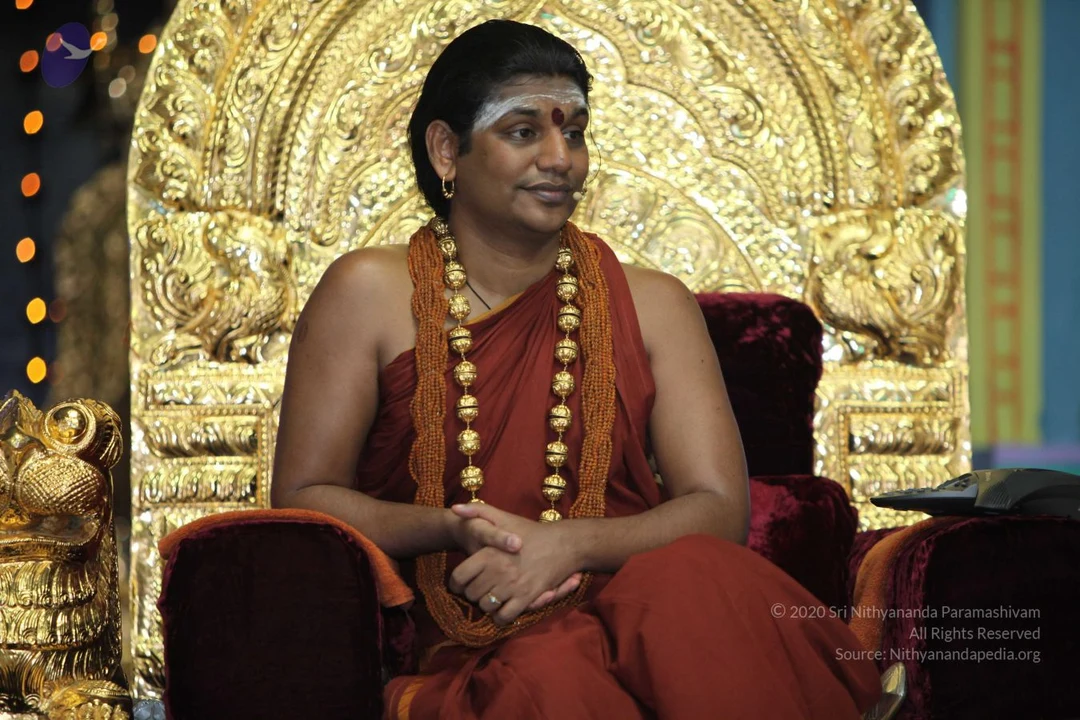
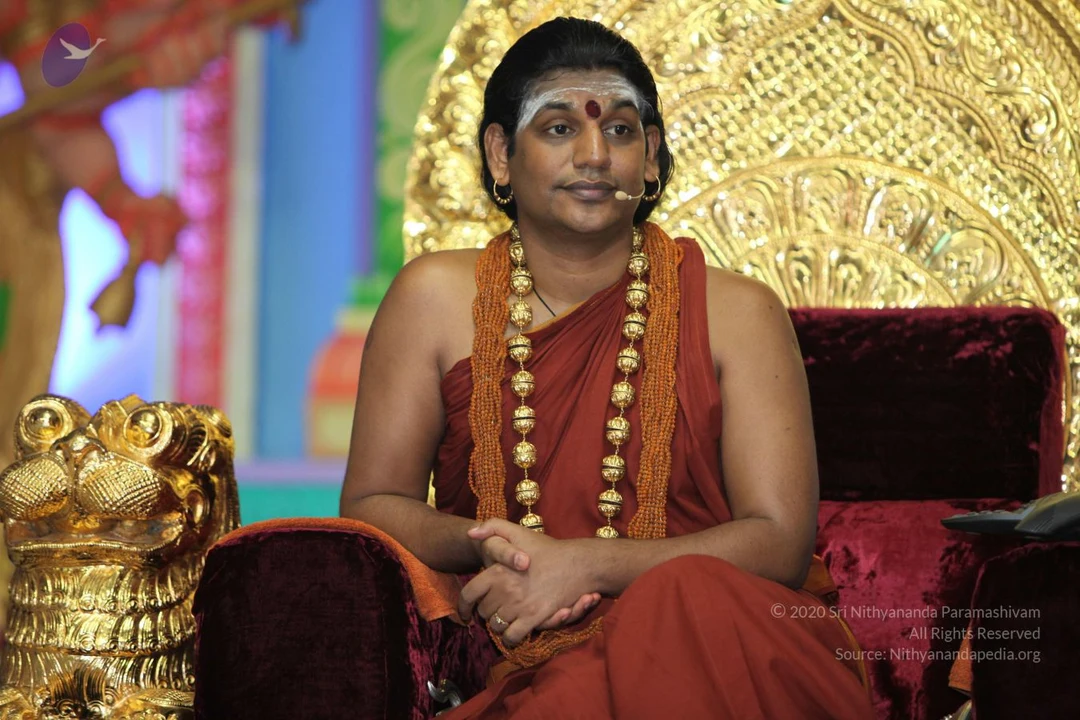
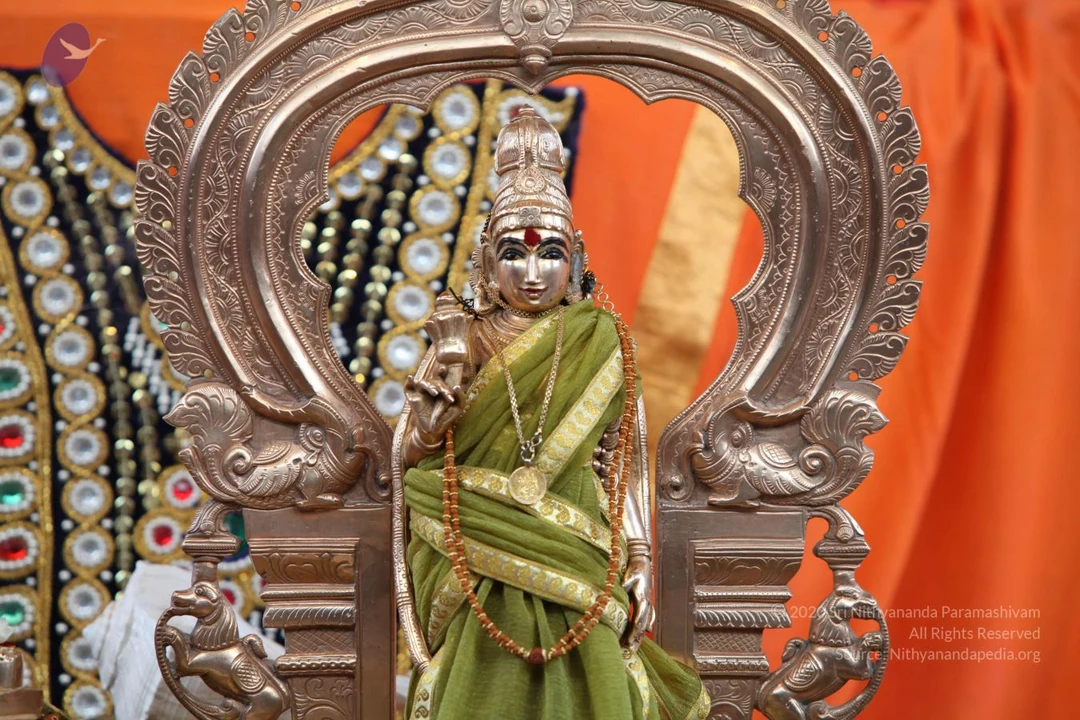
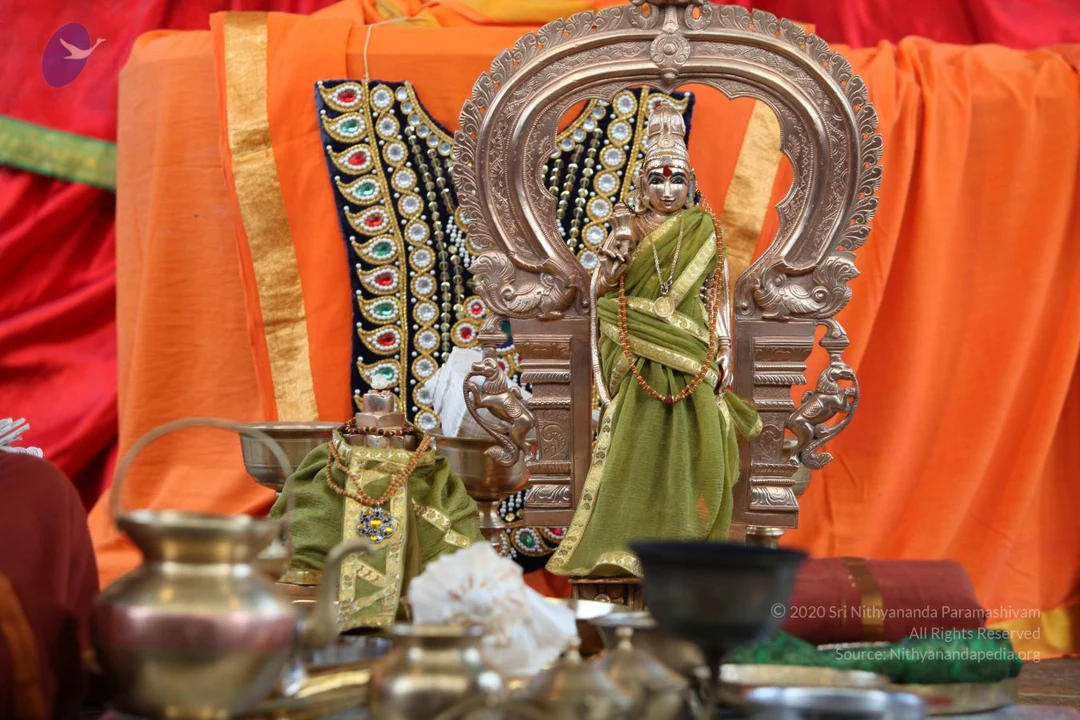
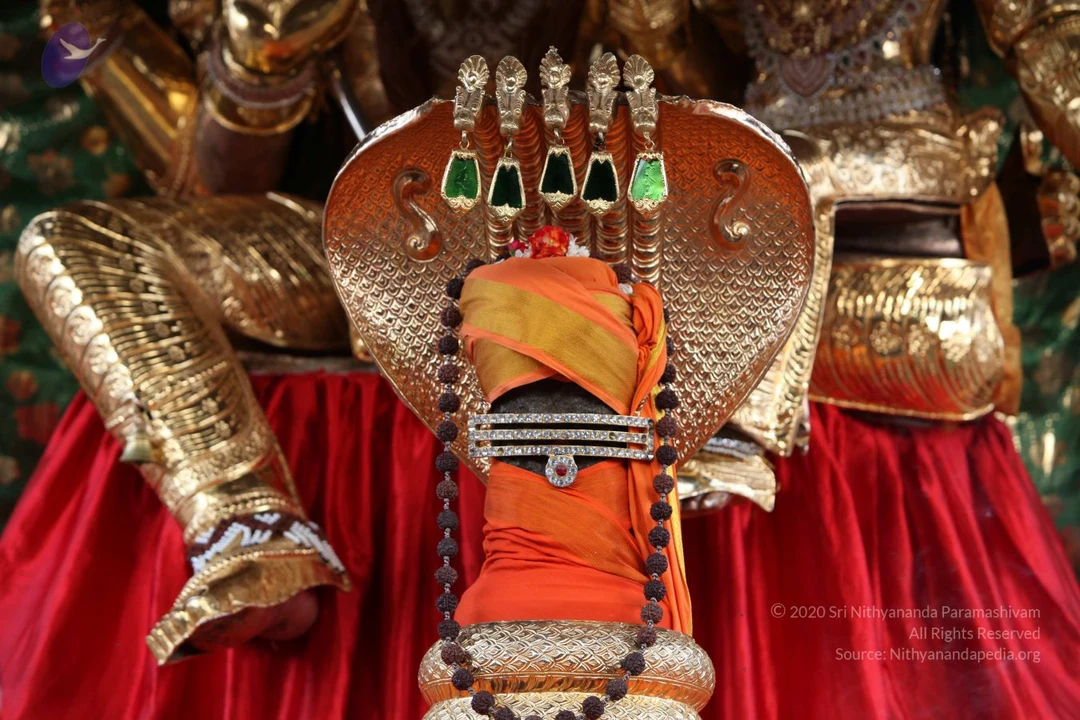
Temple
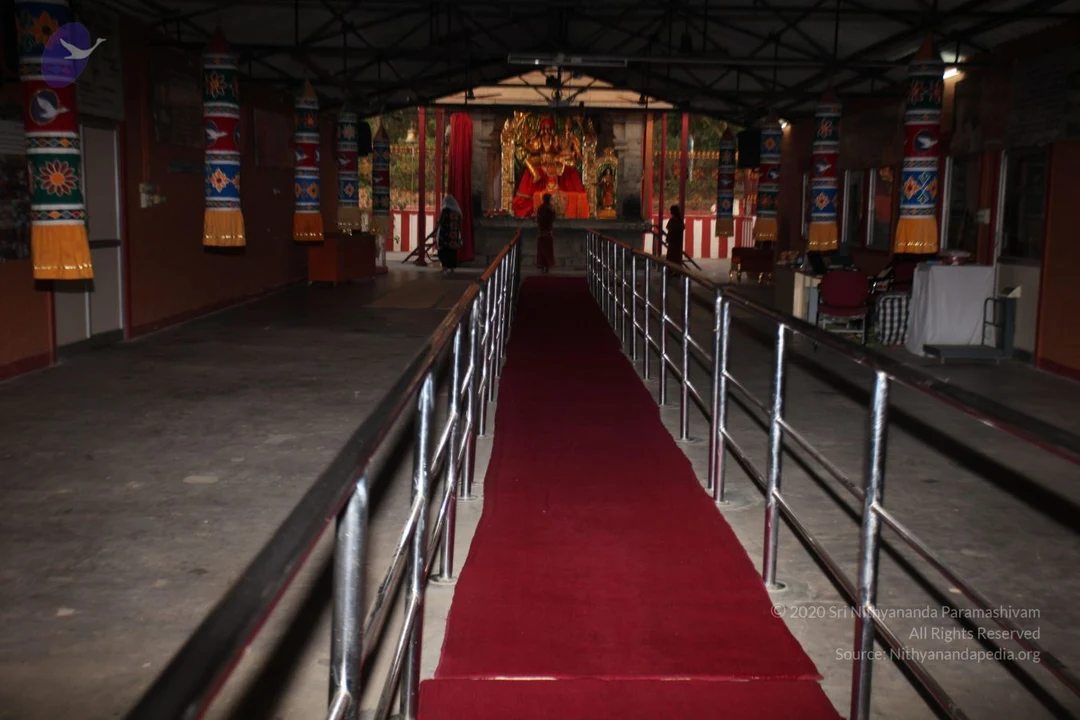
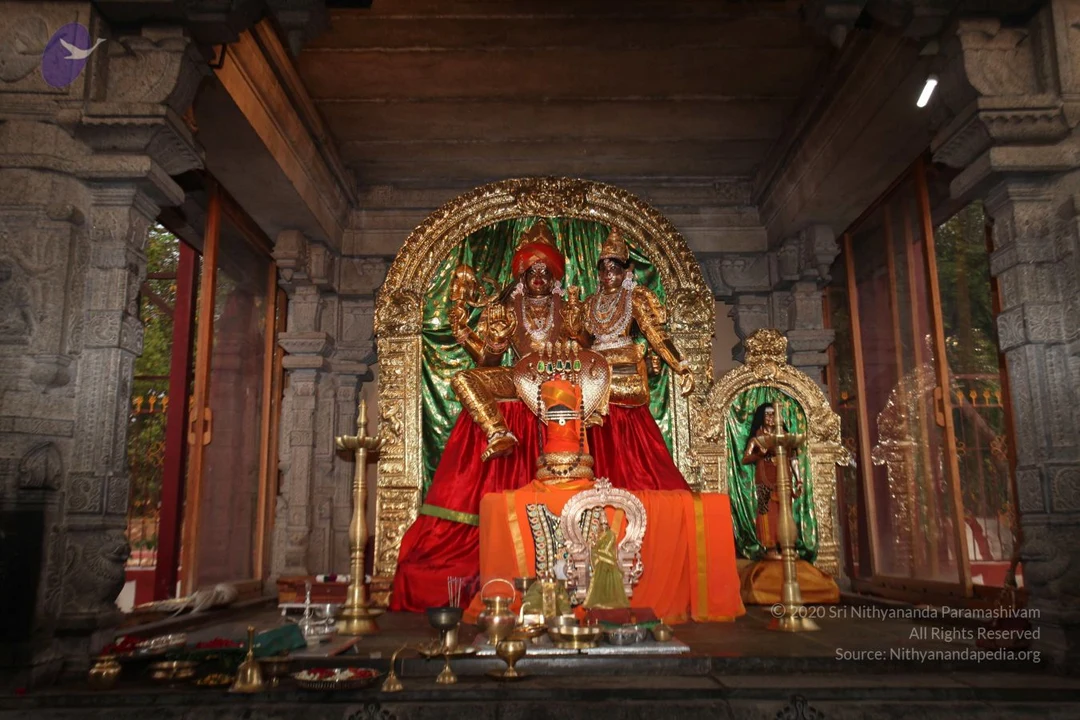
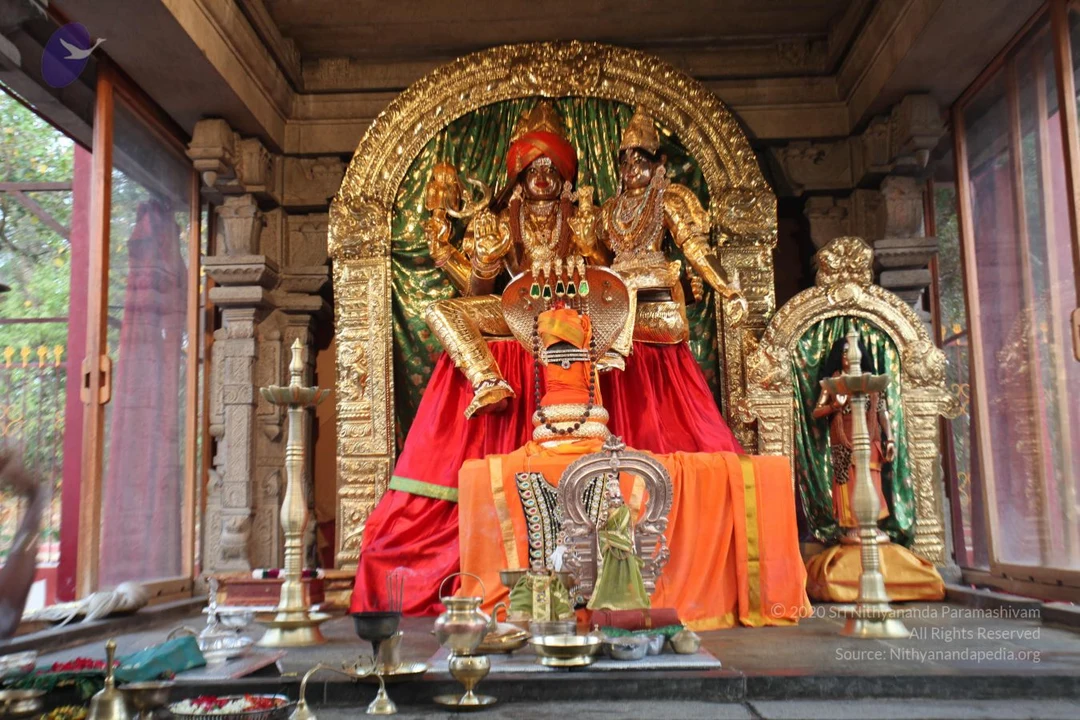
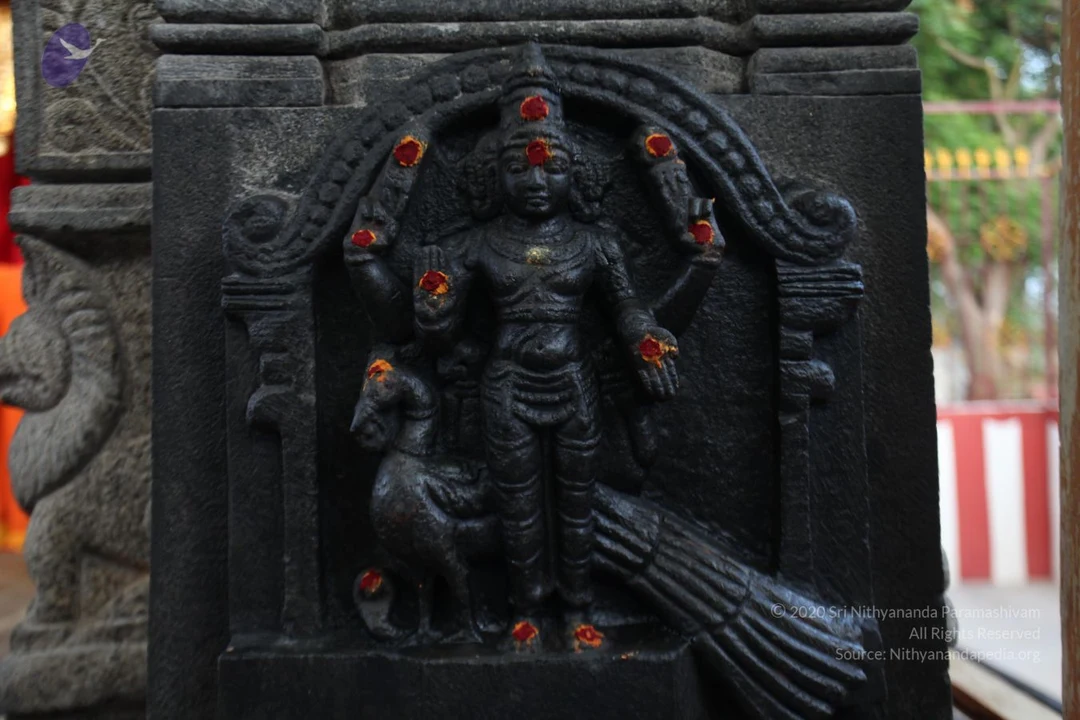


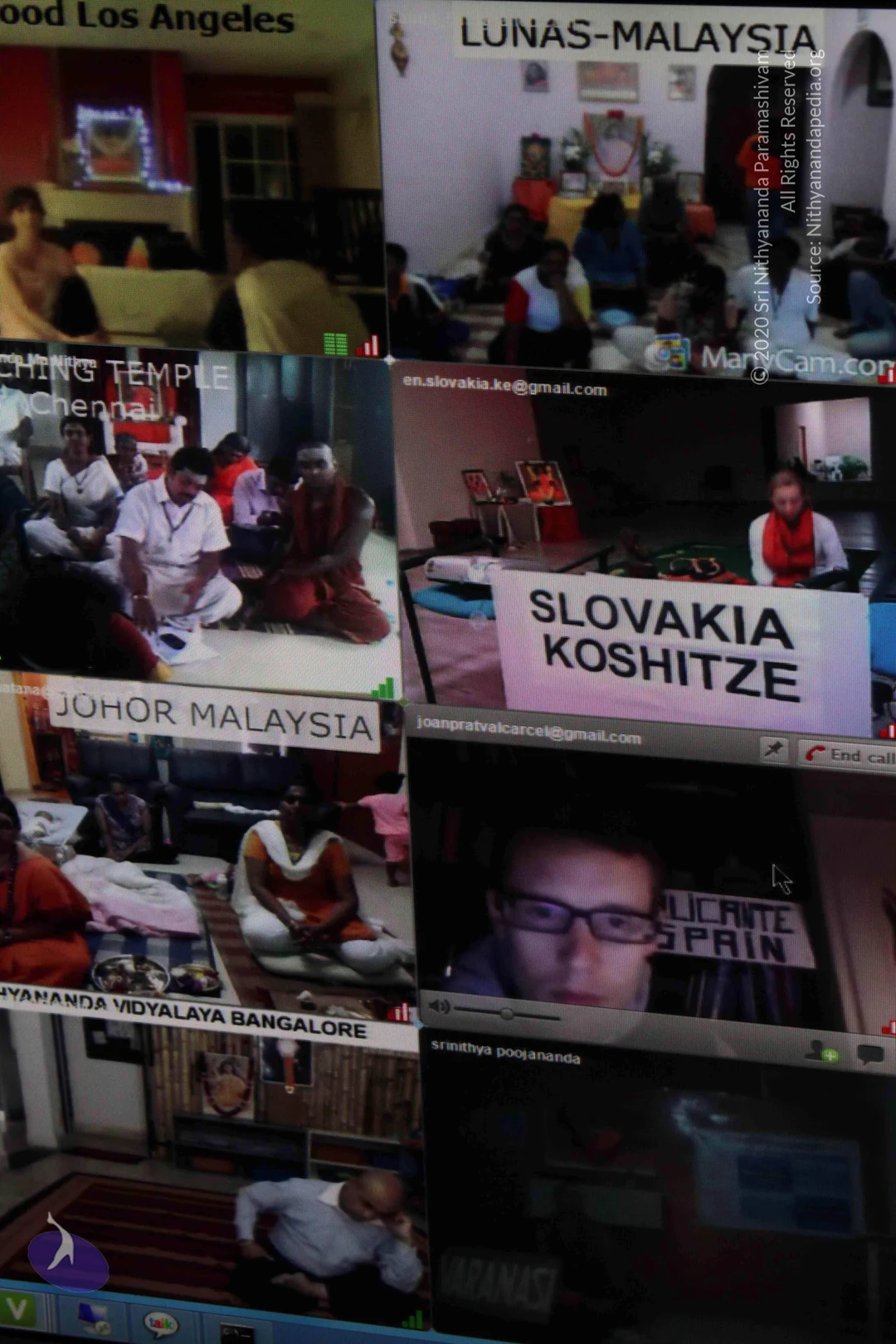
Dial-The-Avatar
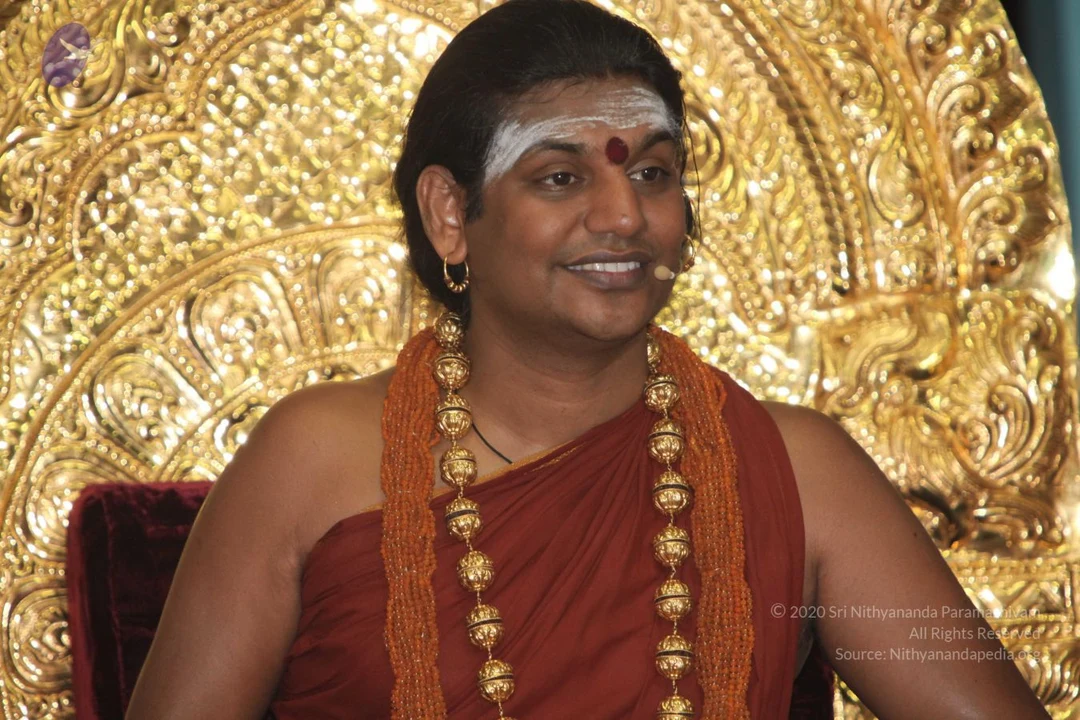
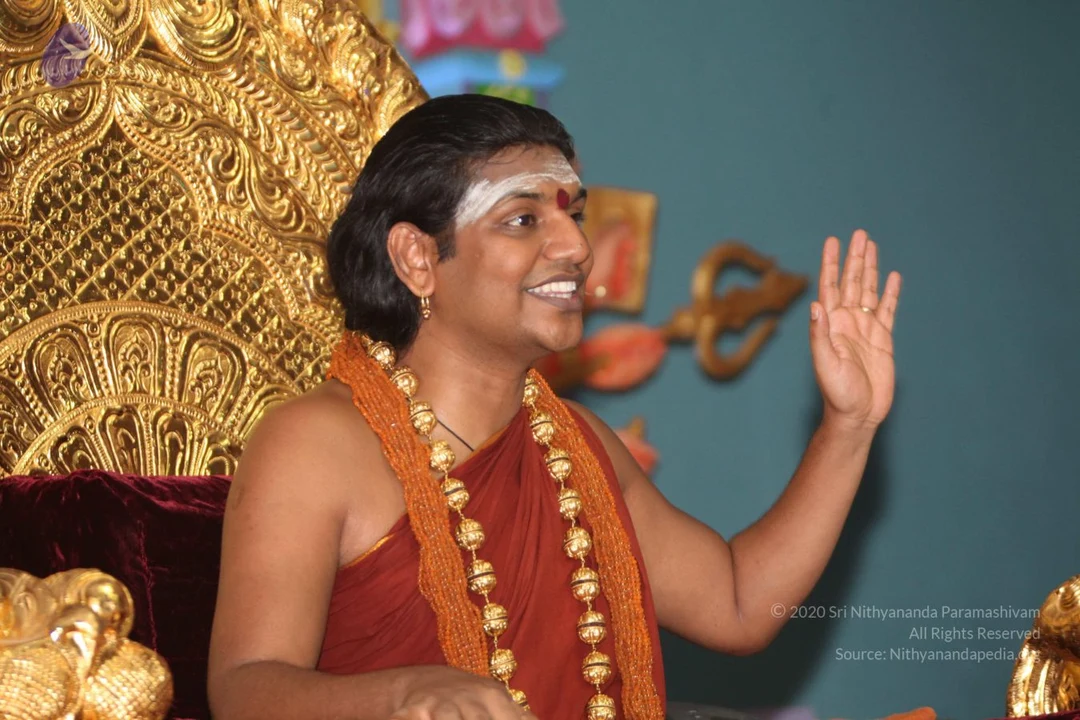
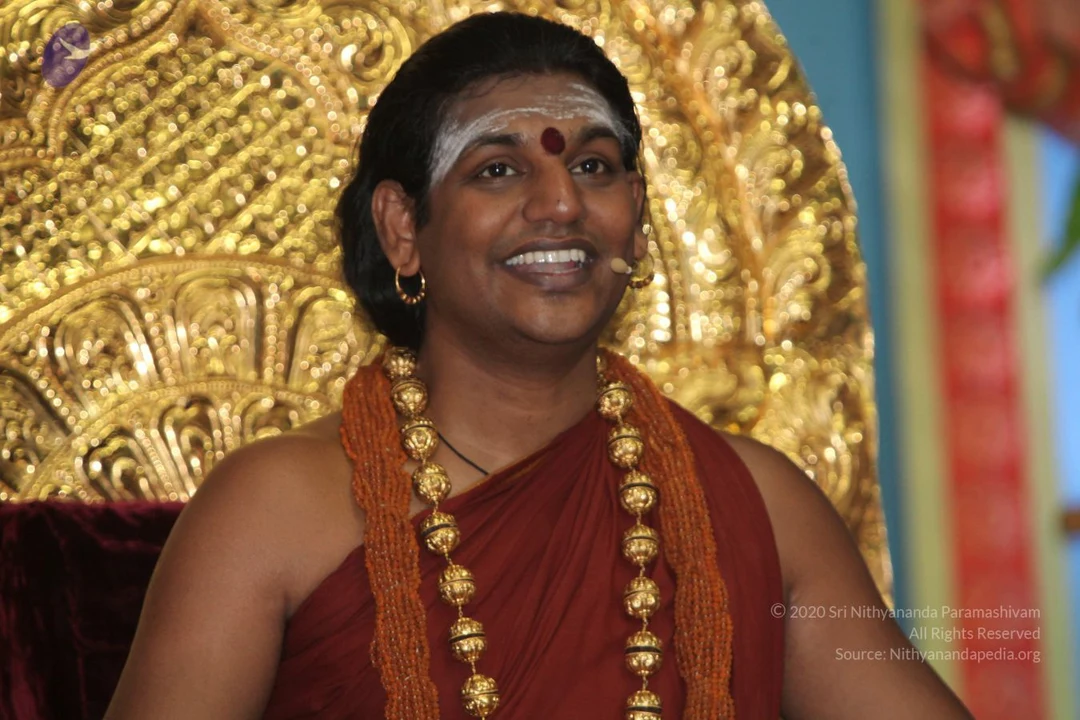
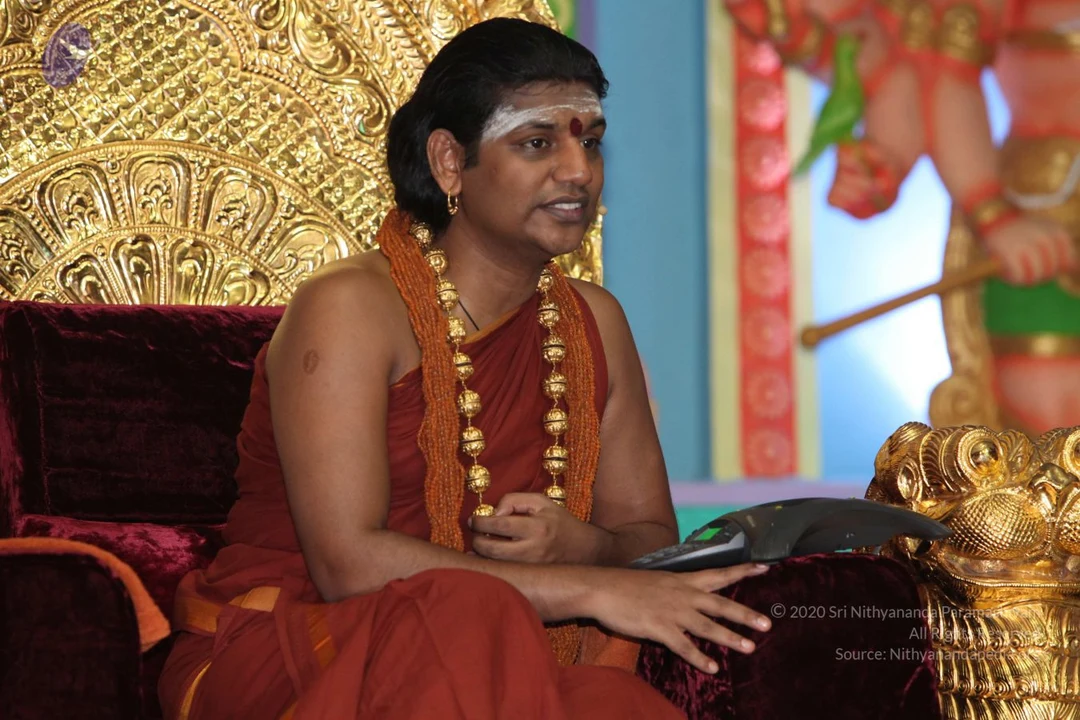

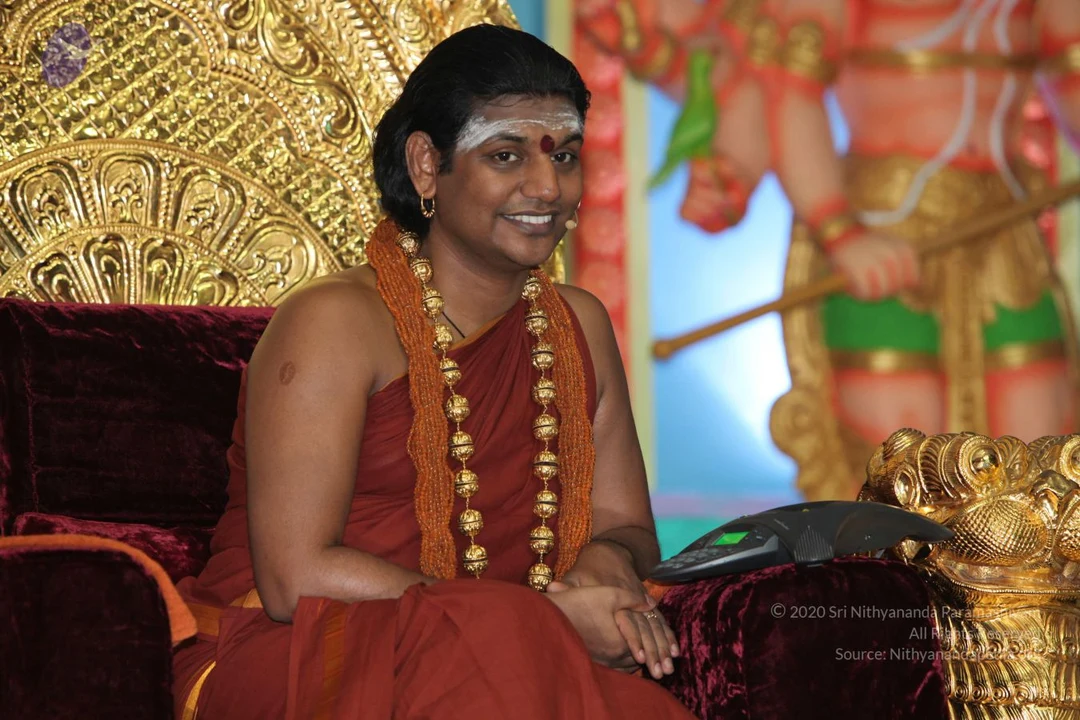
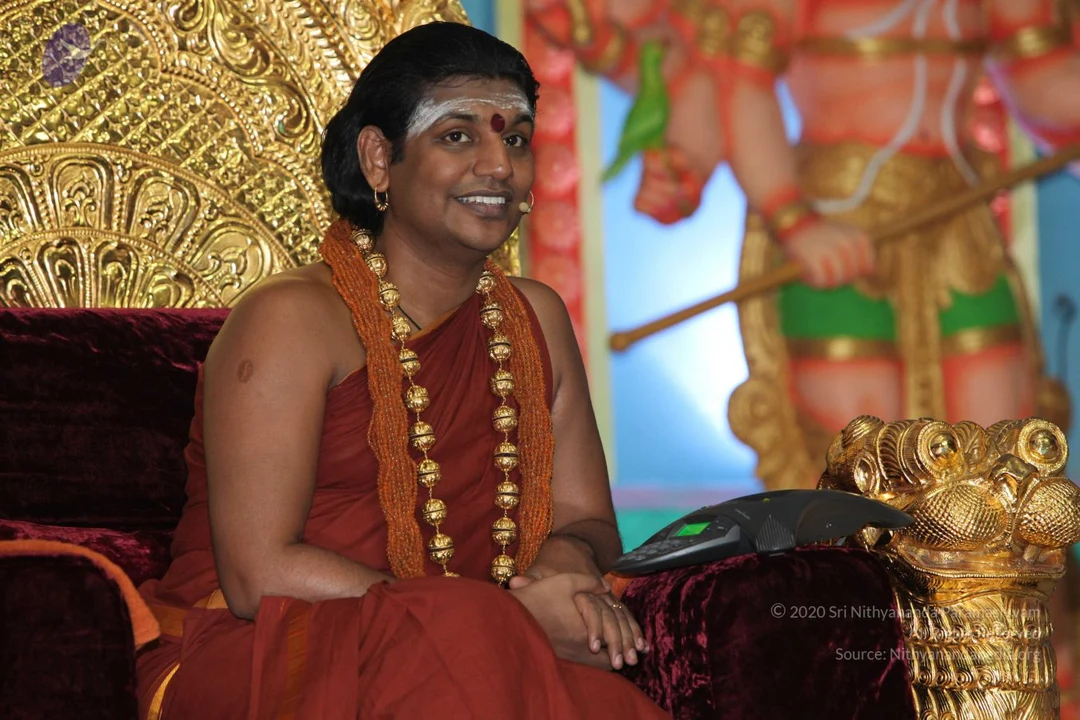
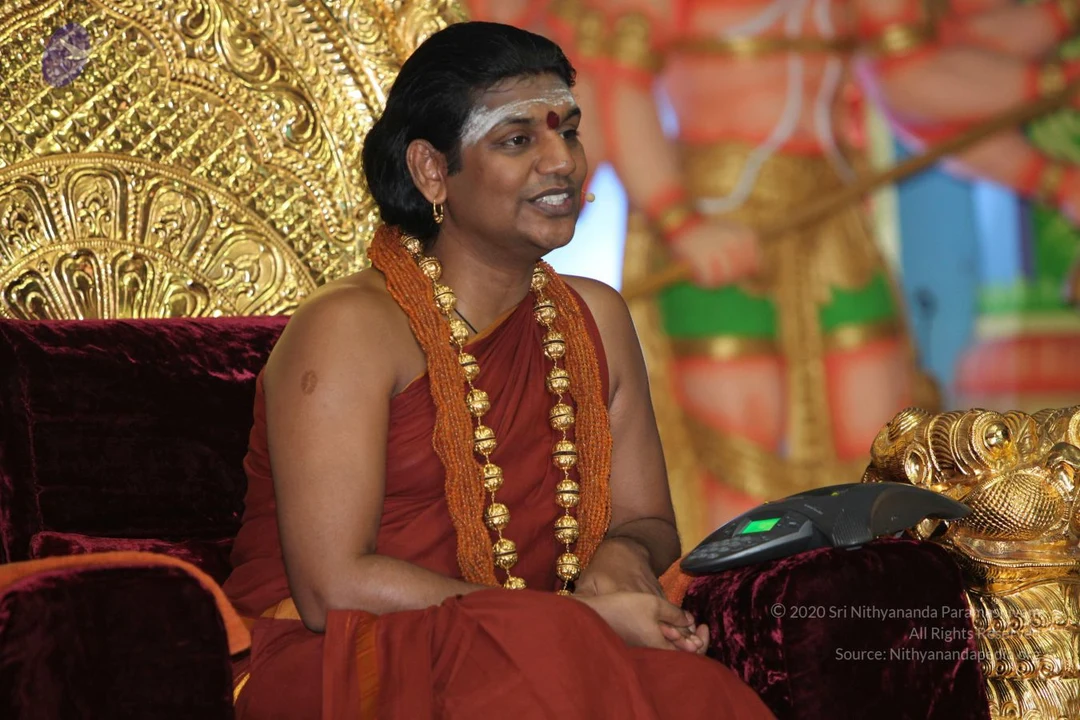
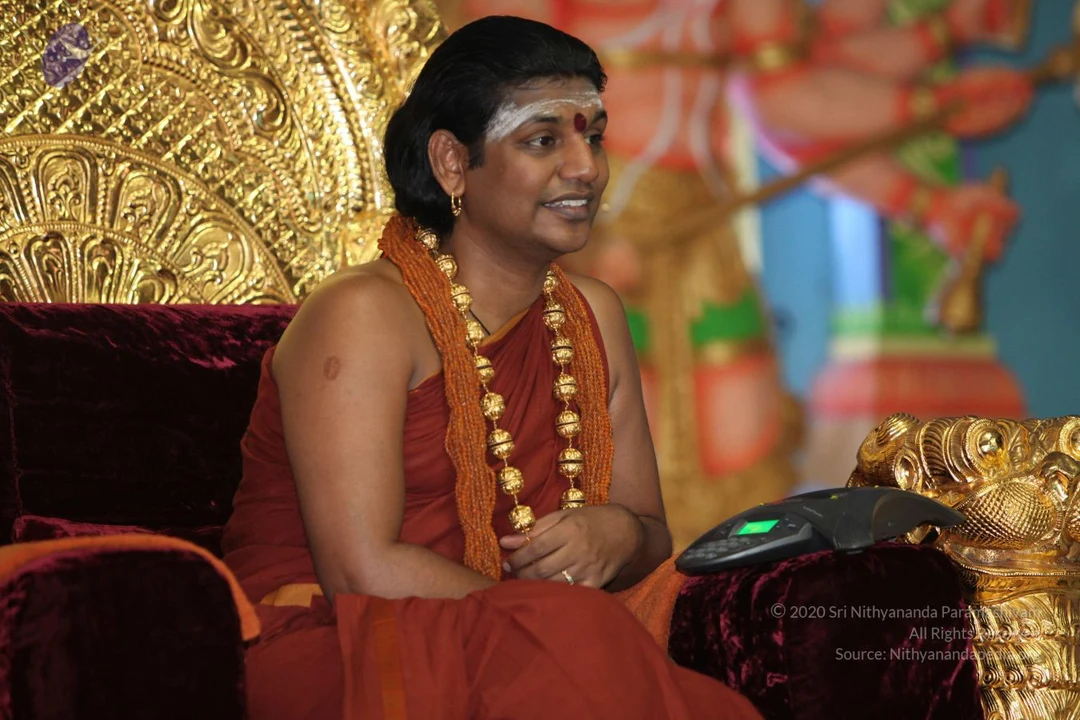
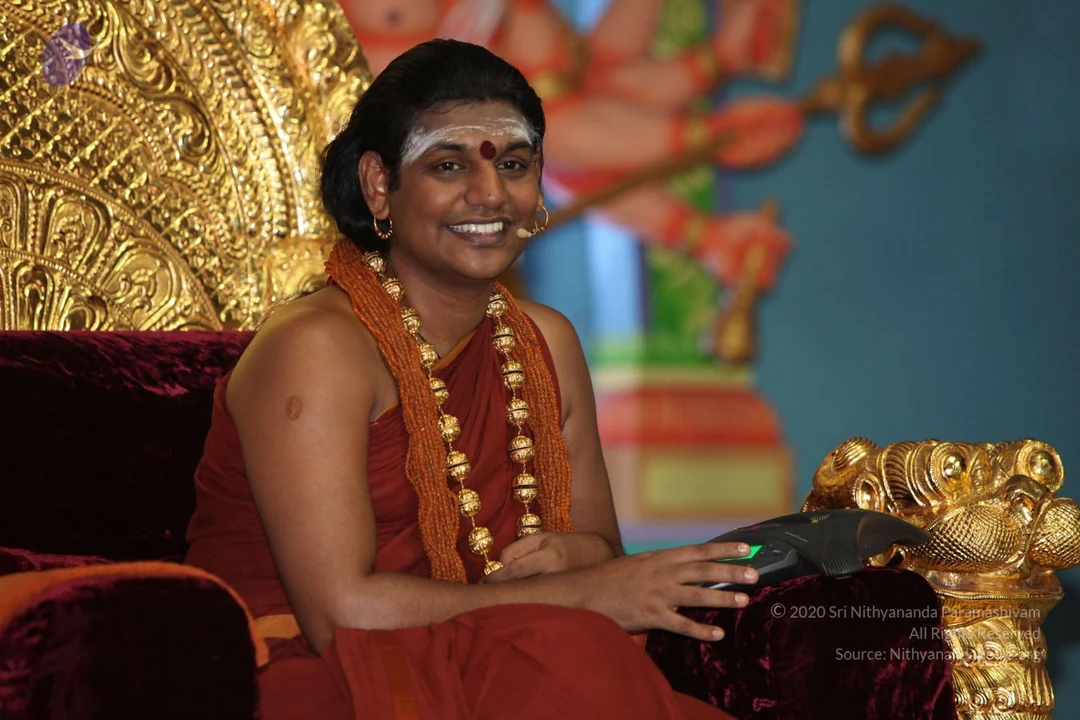
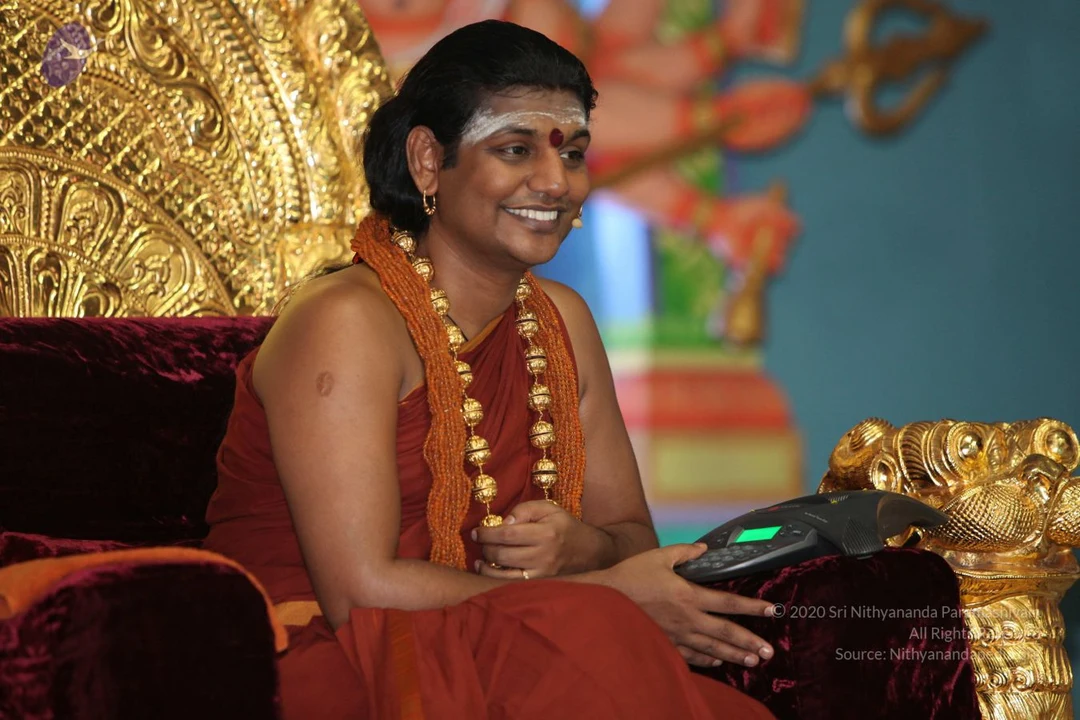
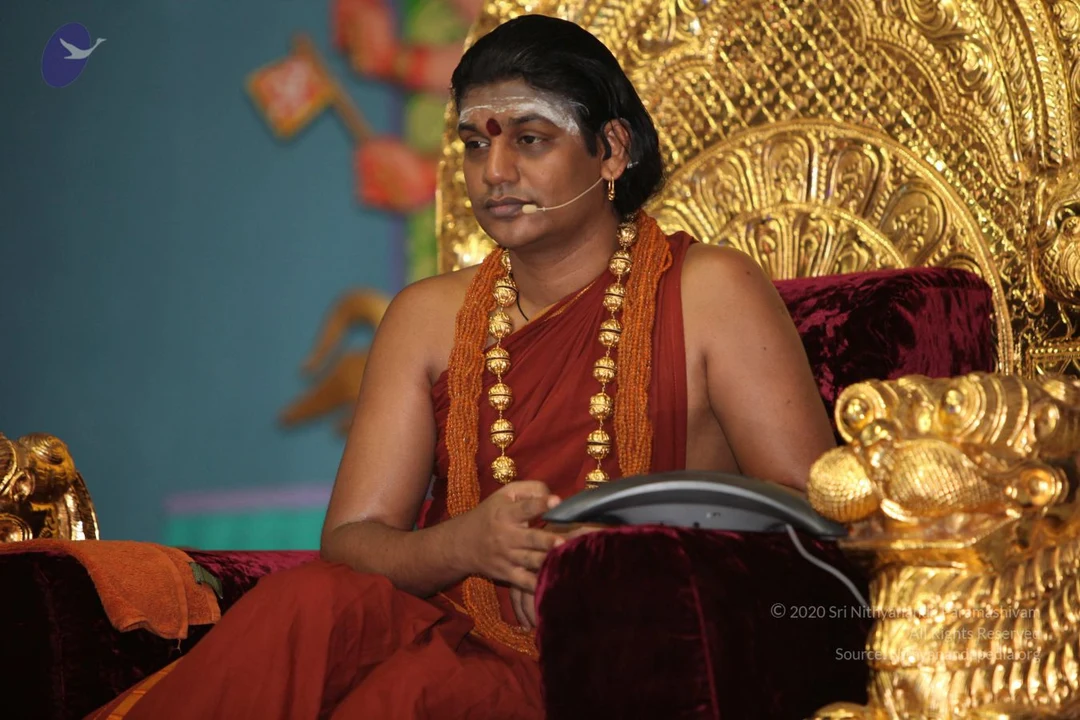
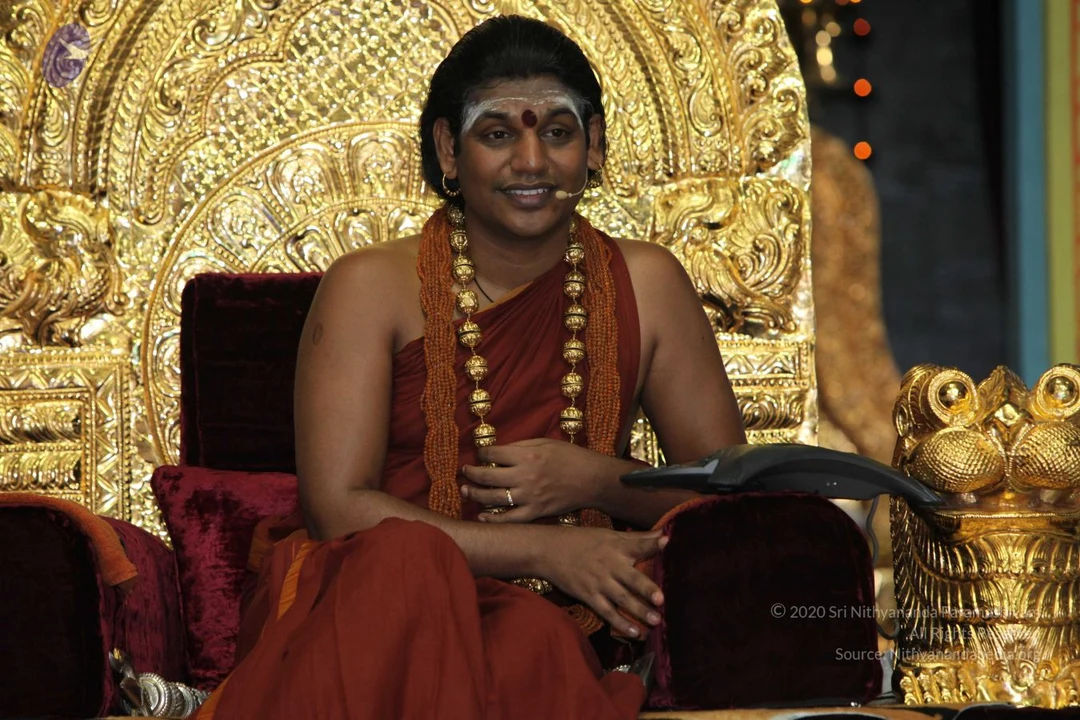

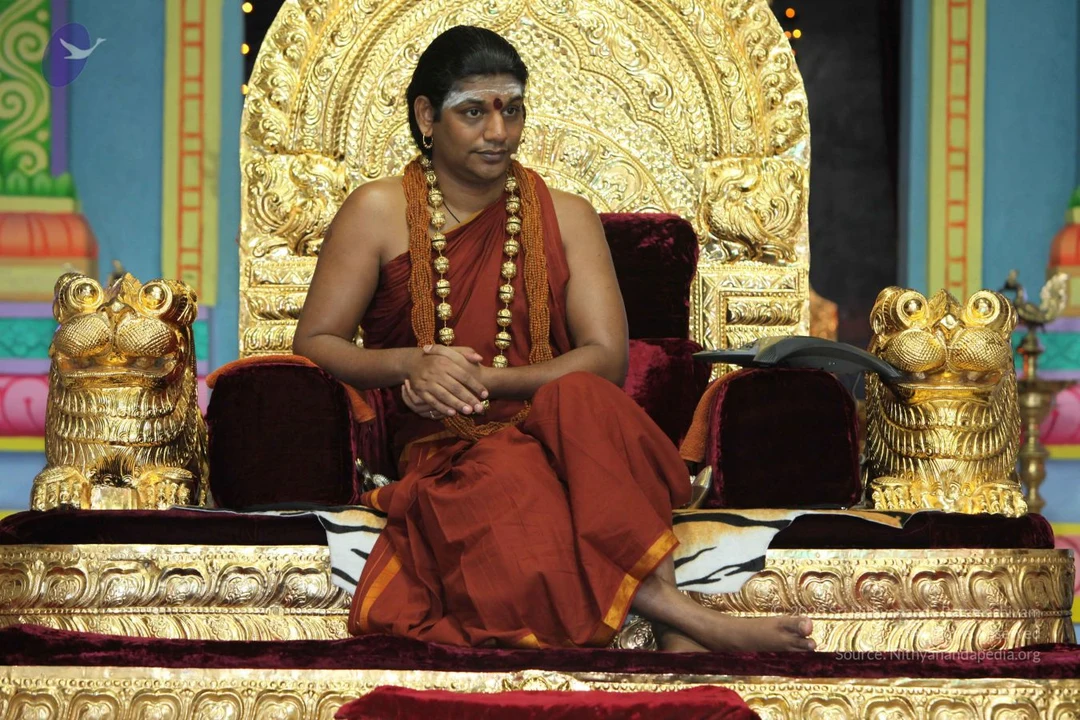
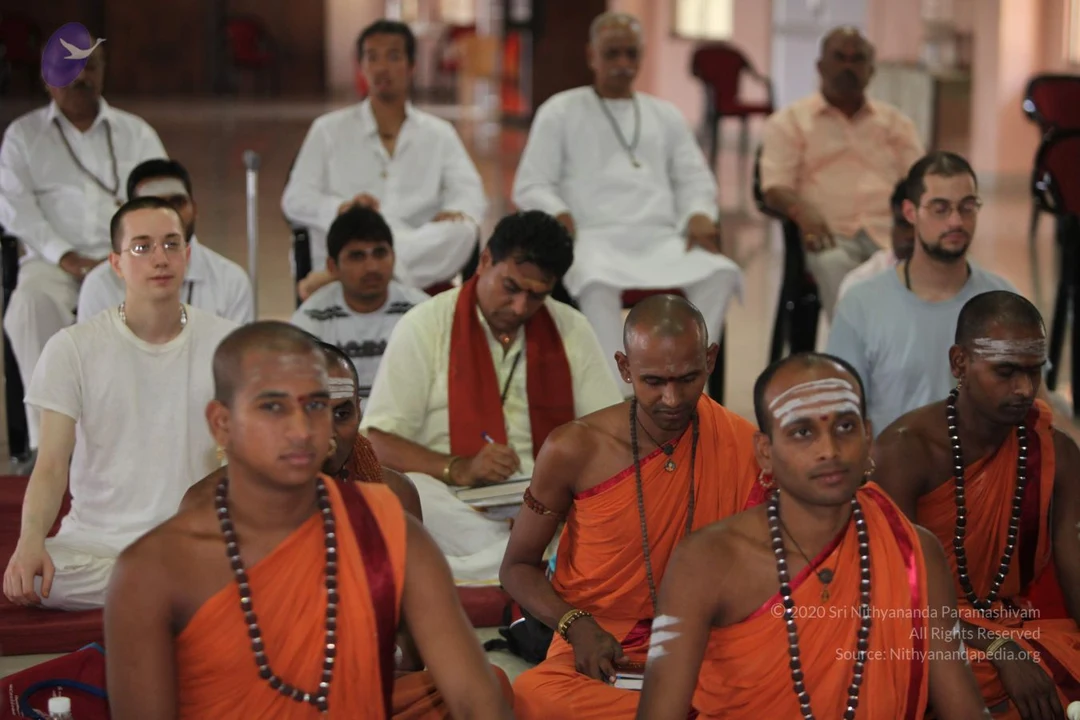
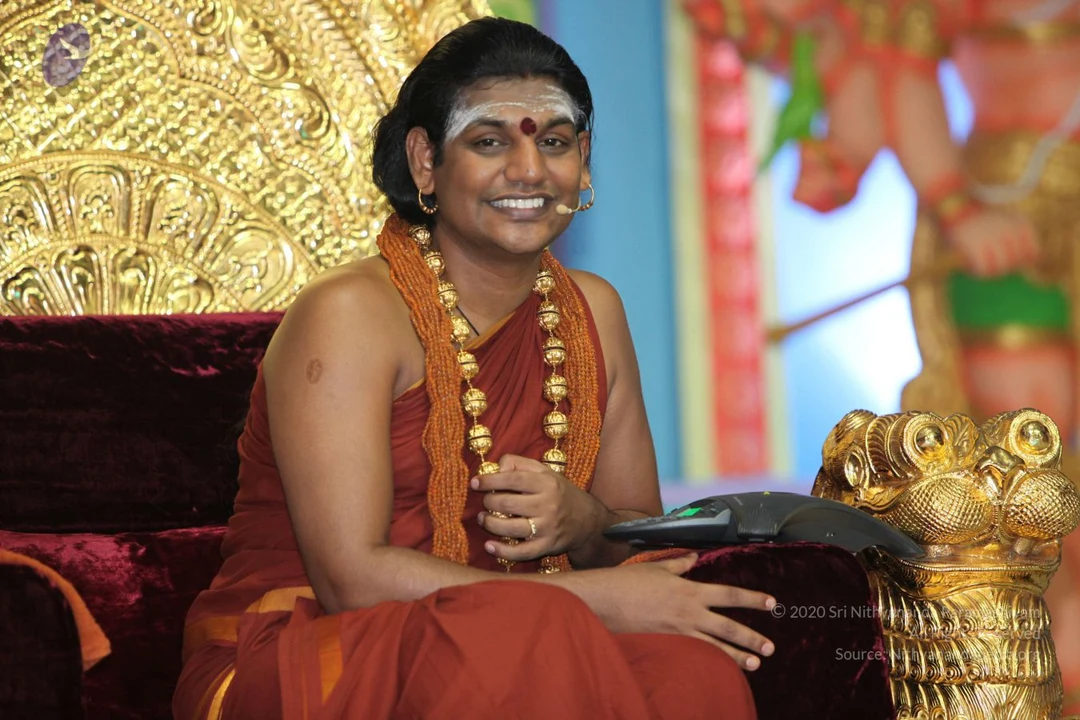
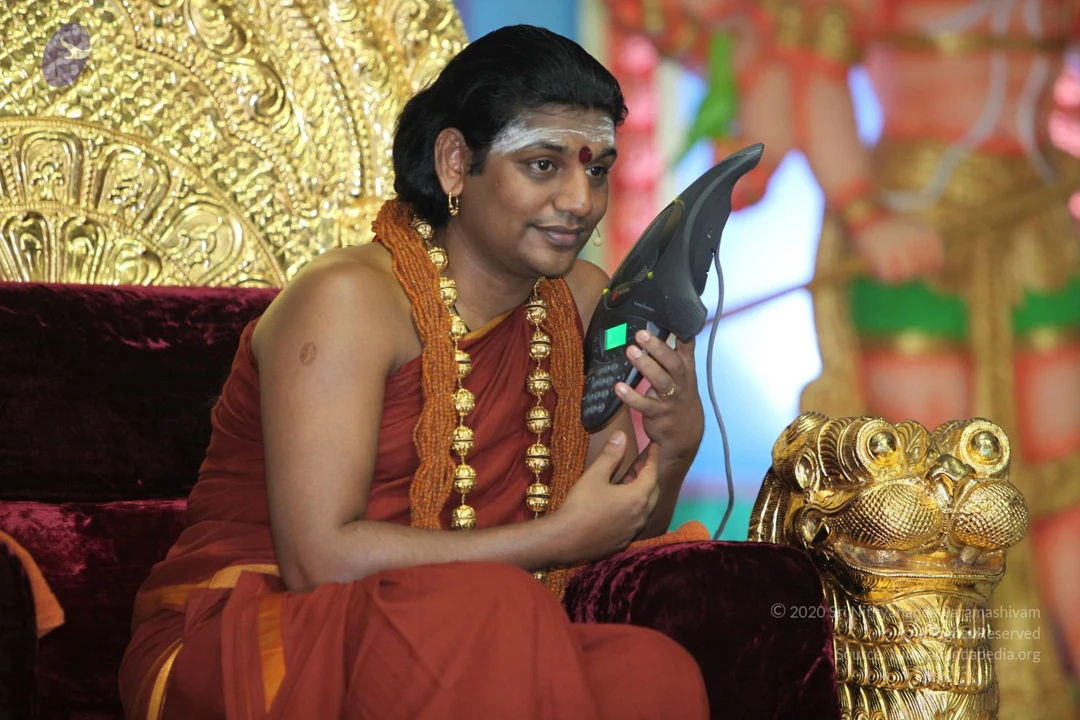
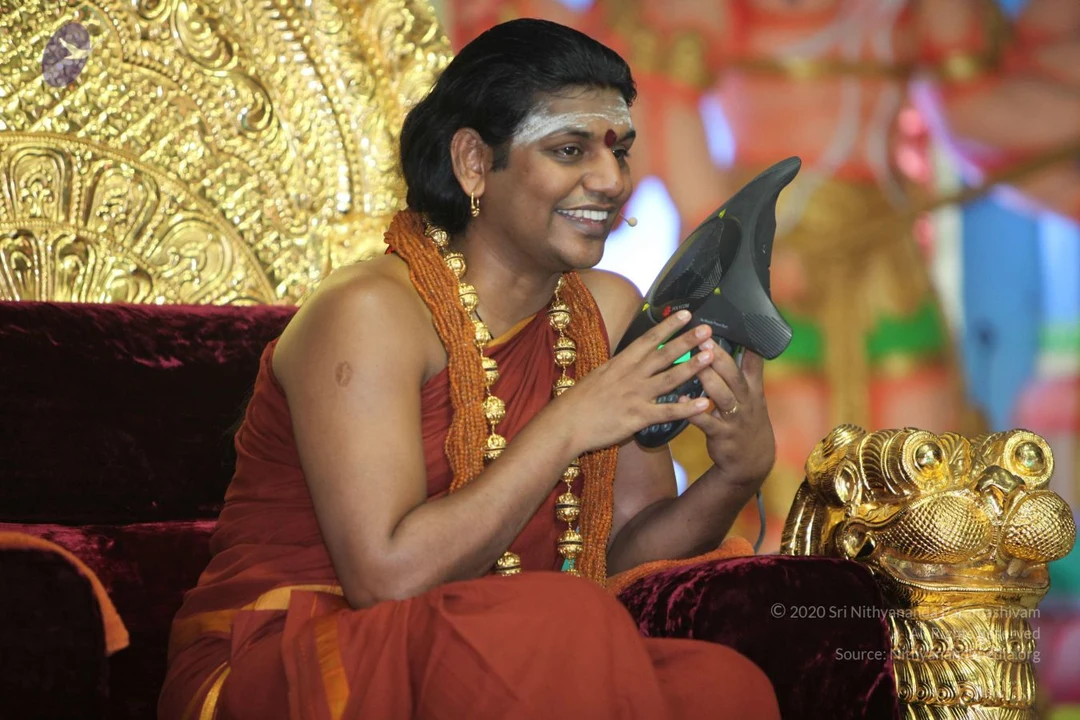
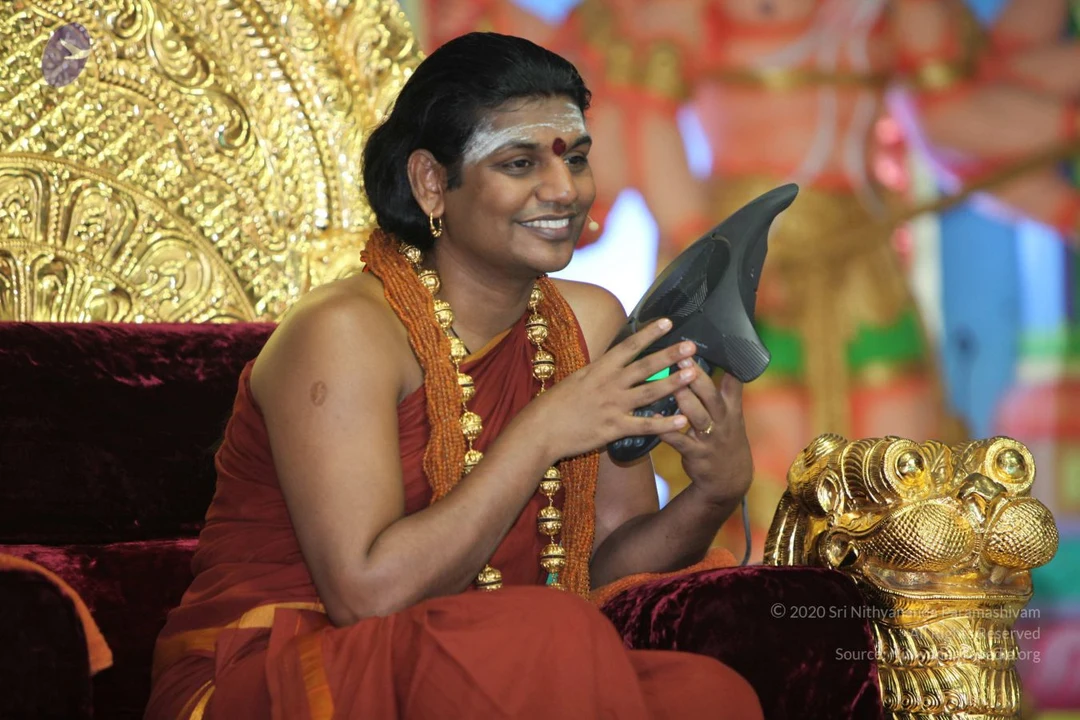
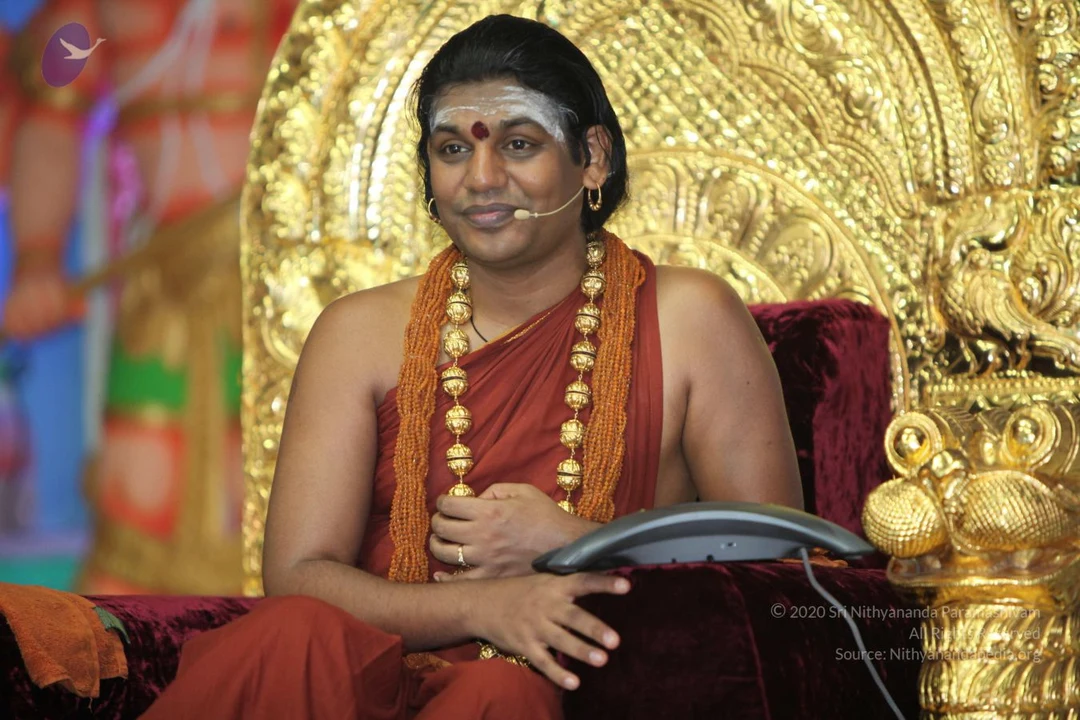
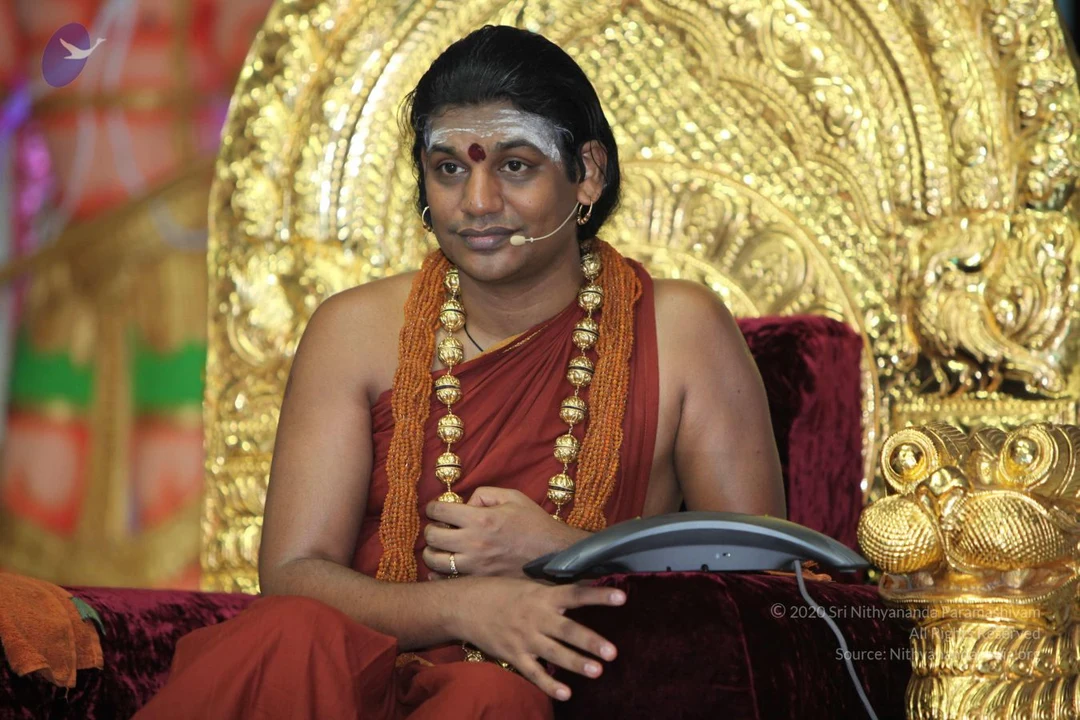
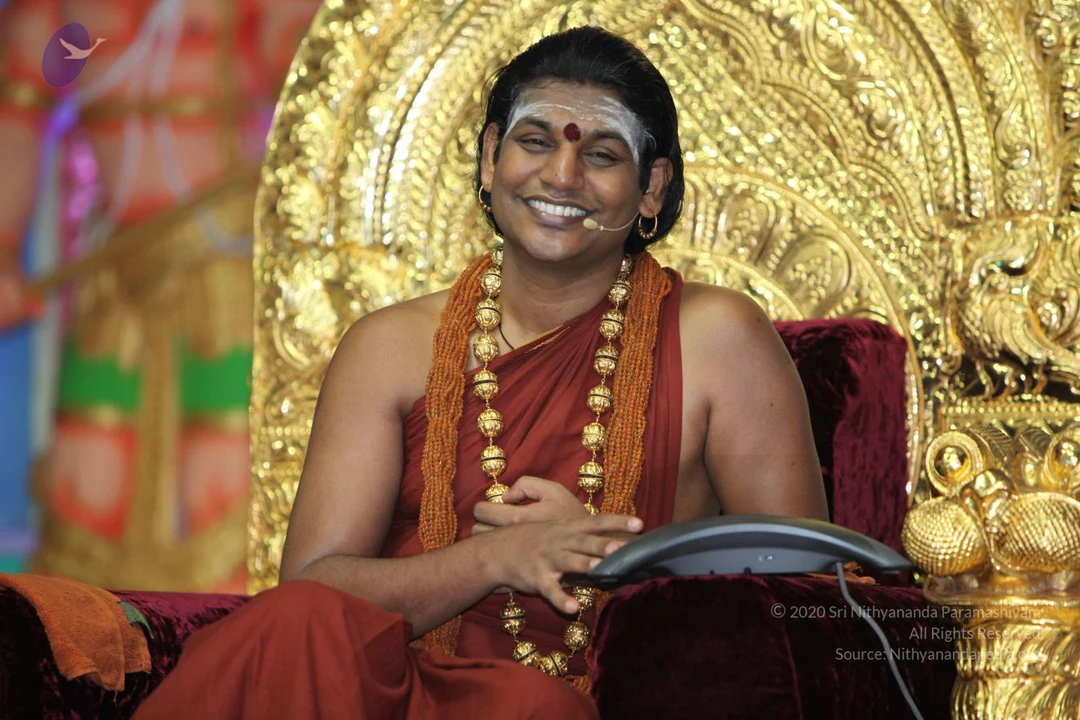
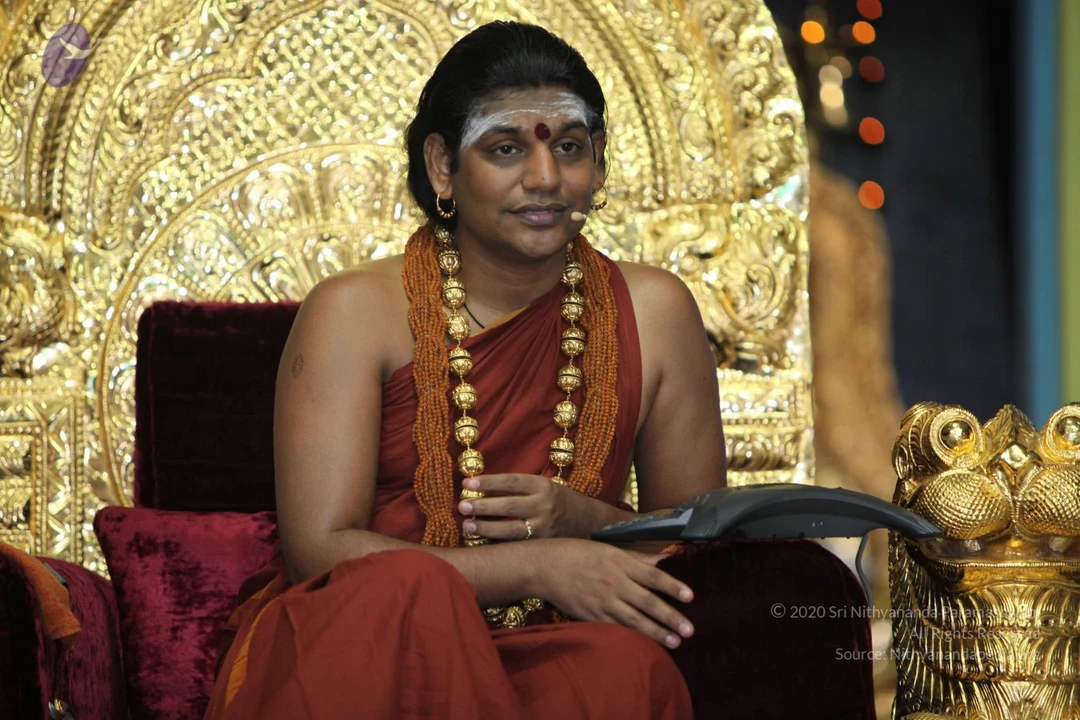
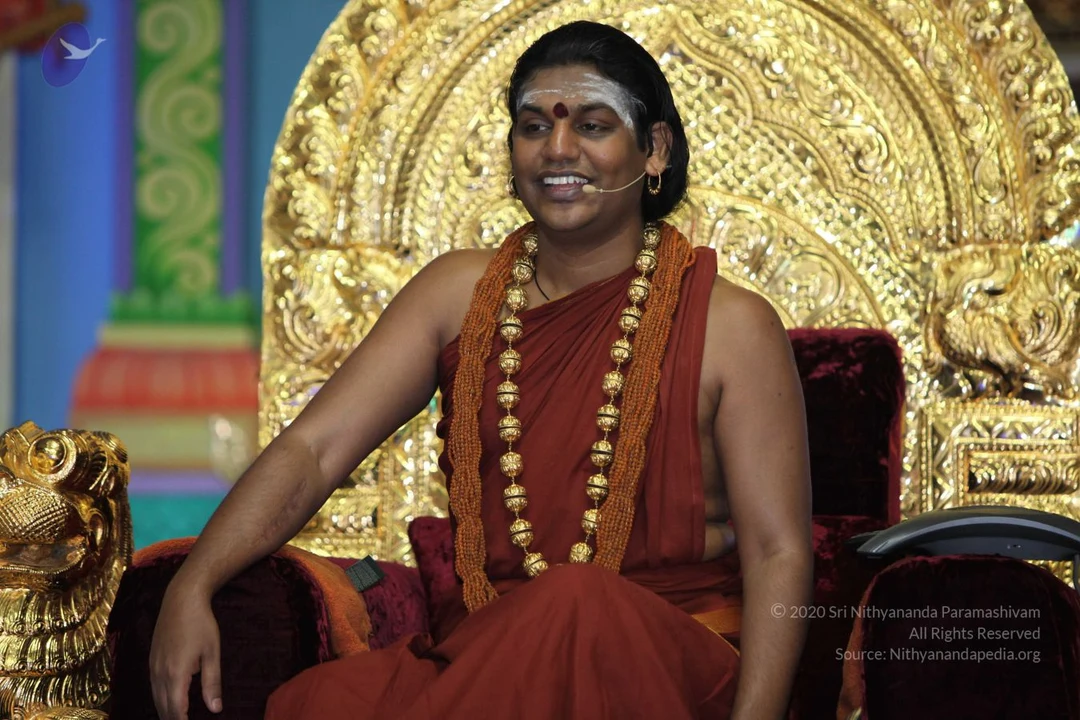
Nithya-Puja
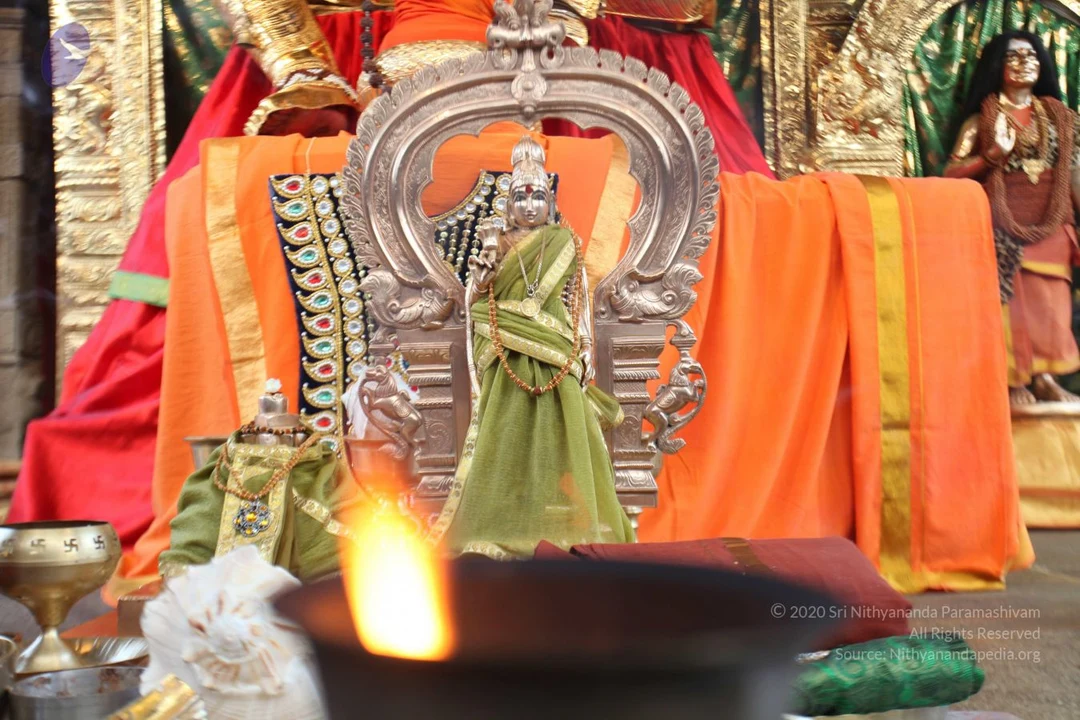





Photos Of The Day:
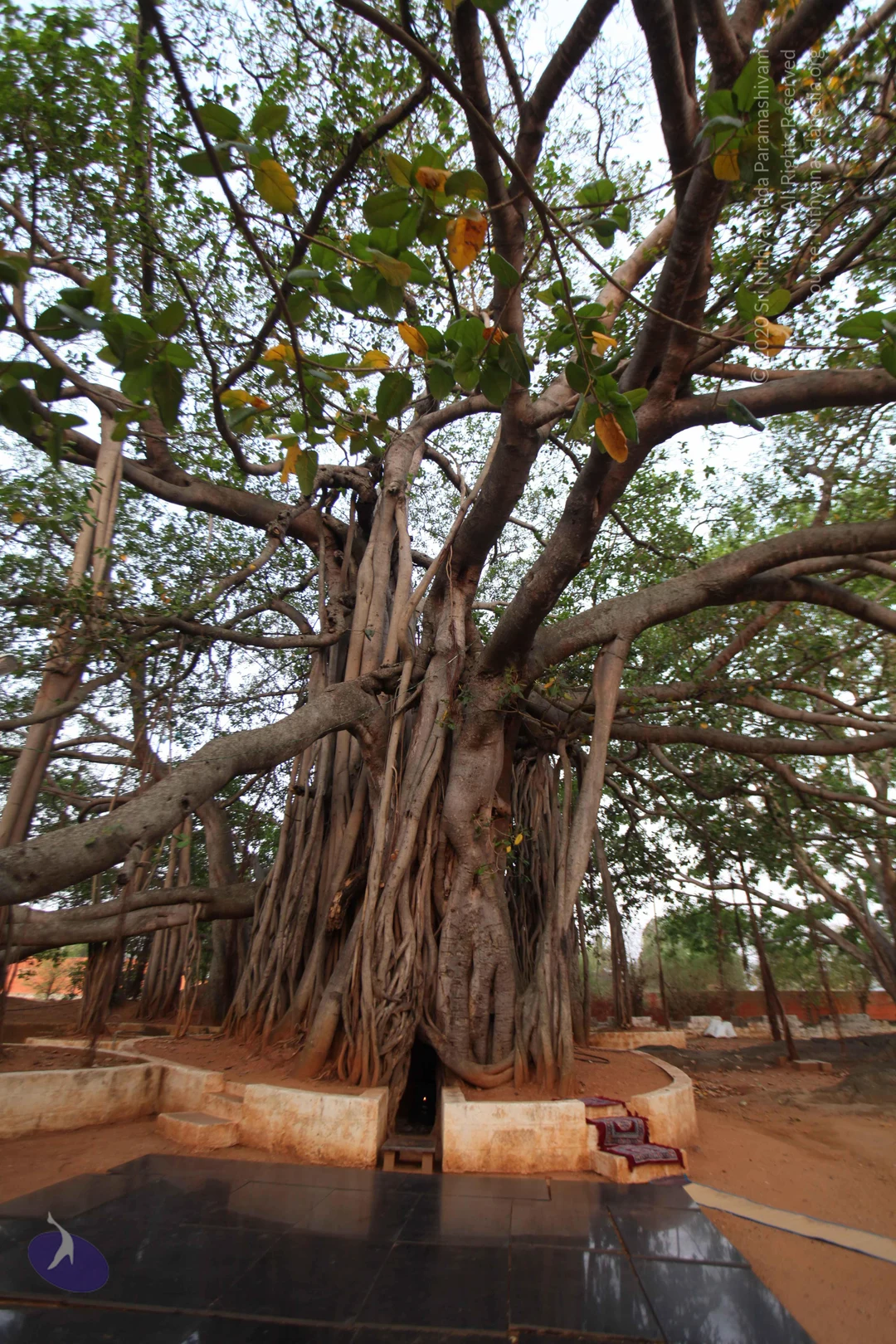
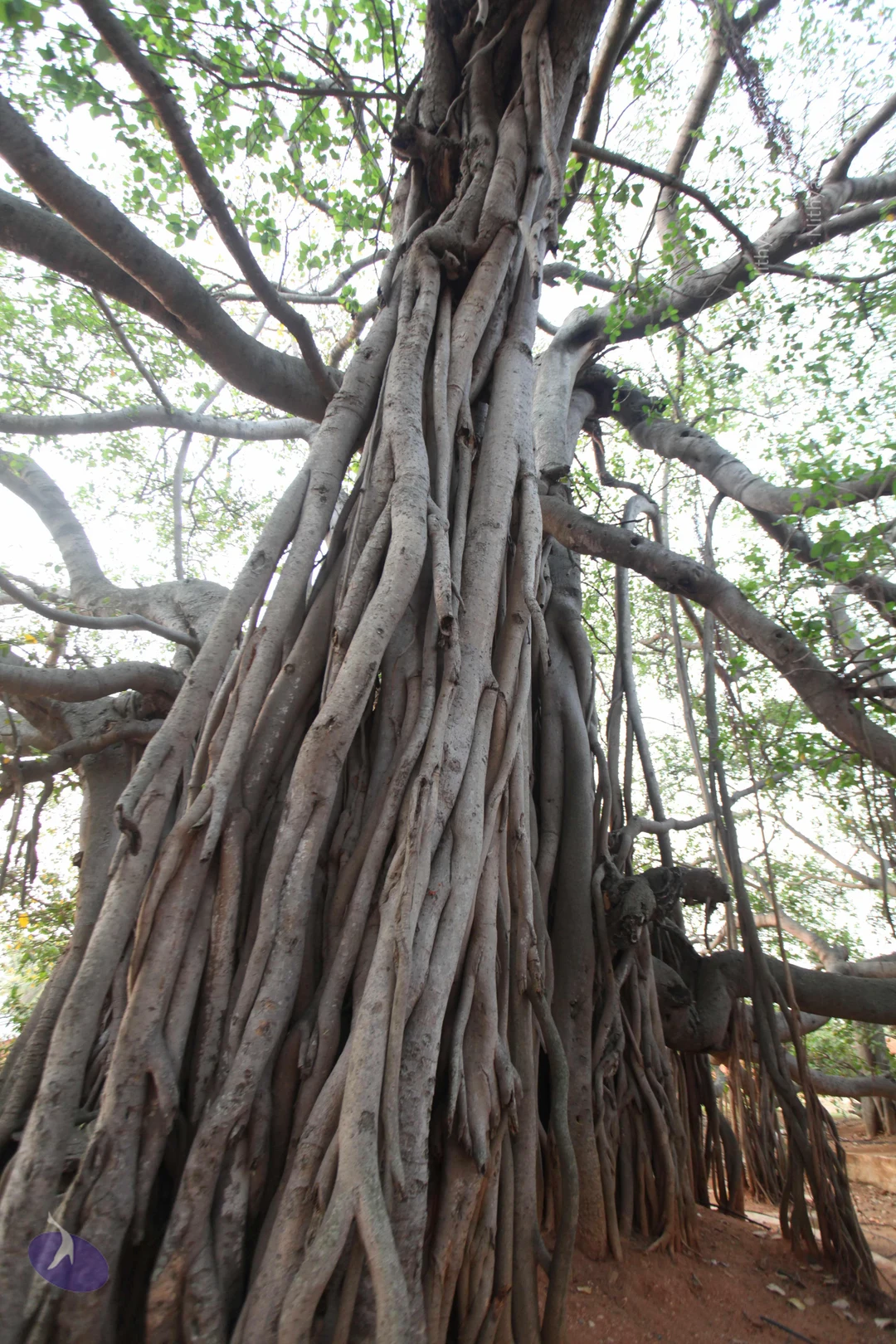
Banyan-Tree
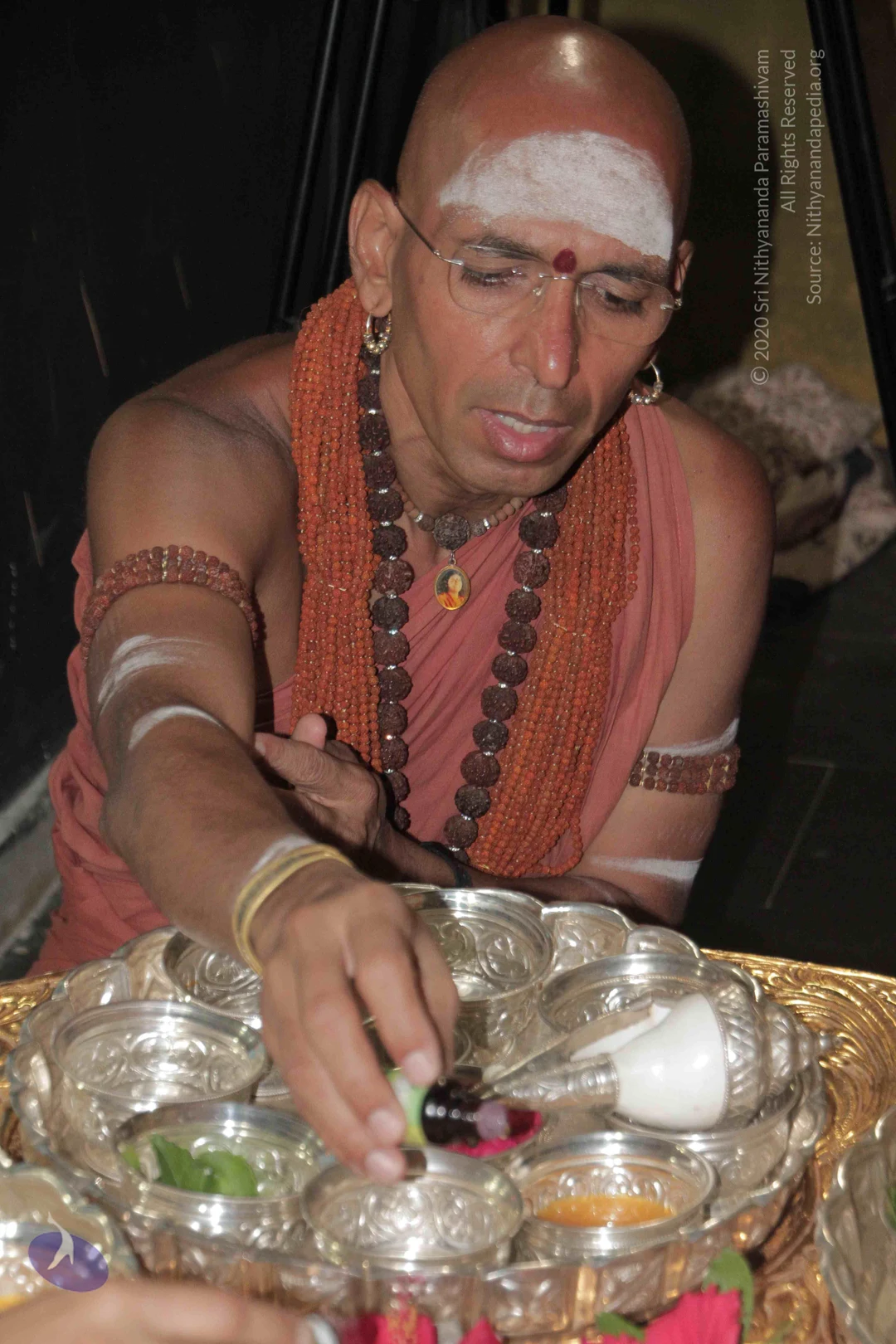
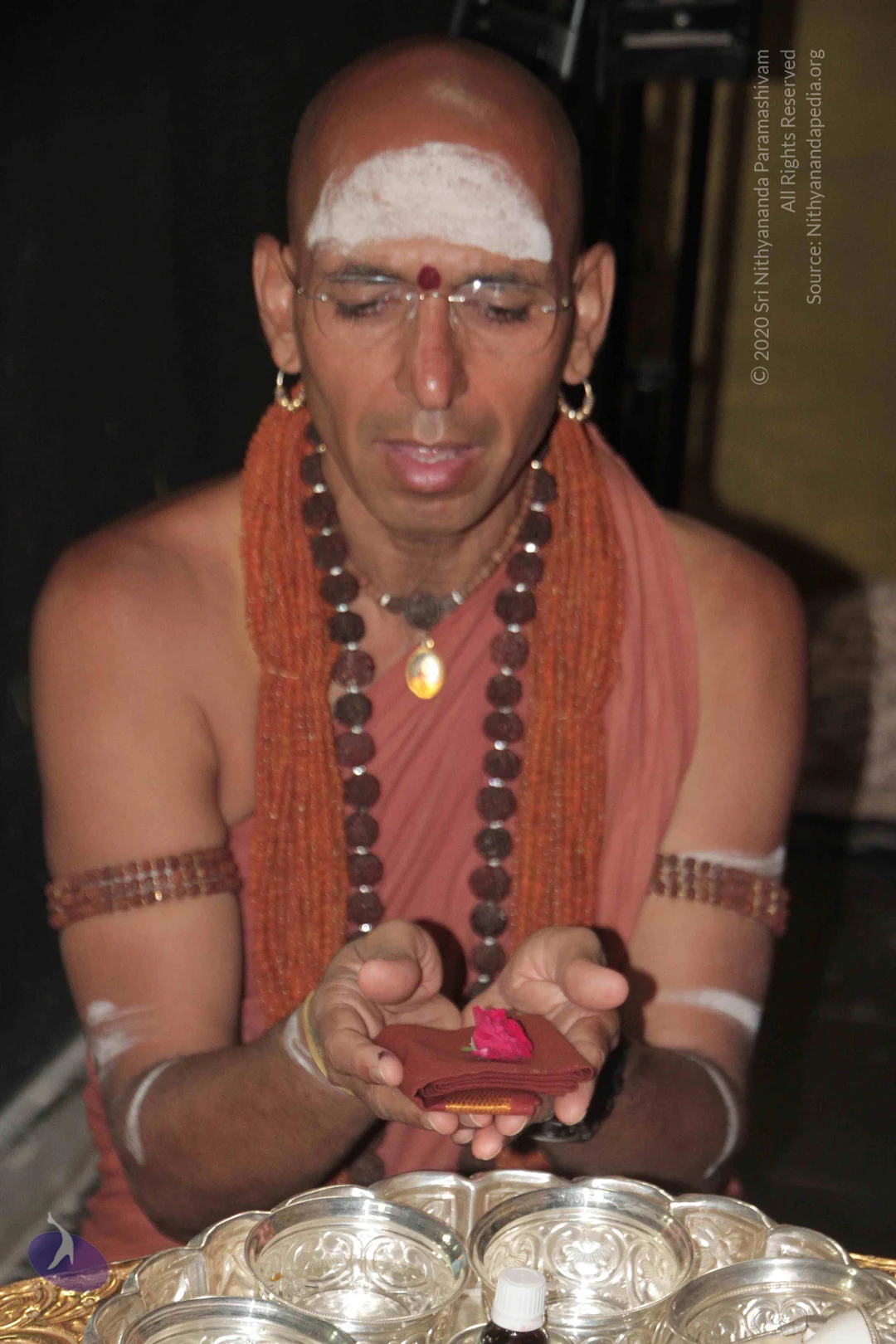
Pada-Puja
Satsang
Temple

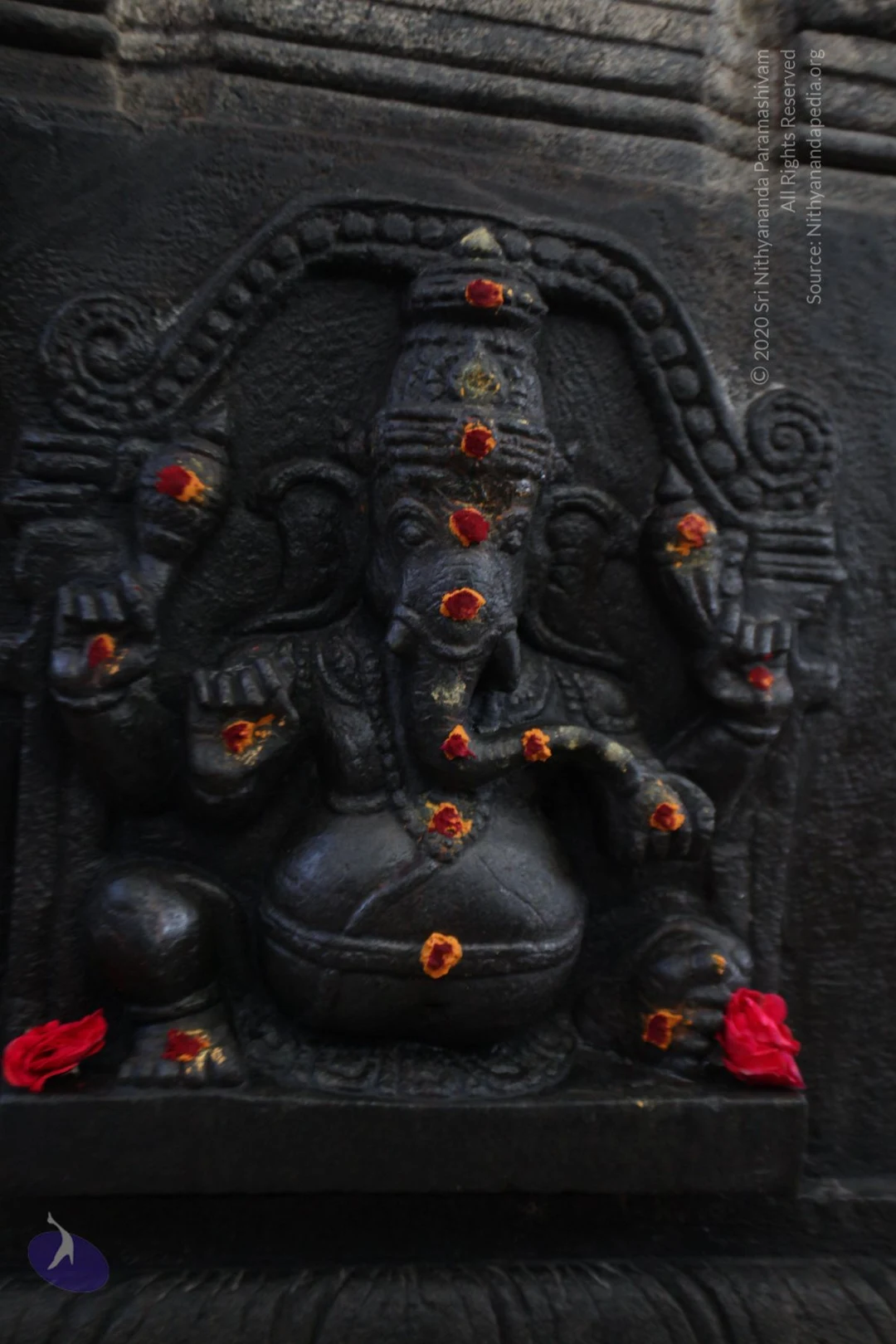
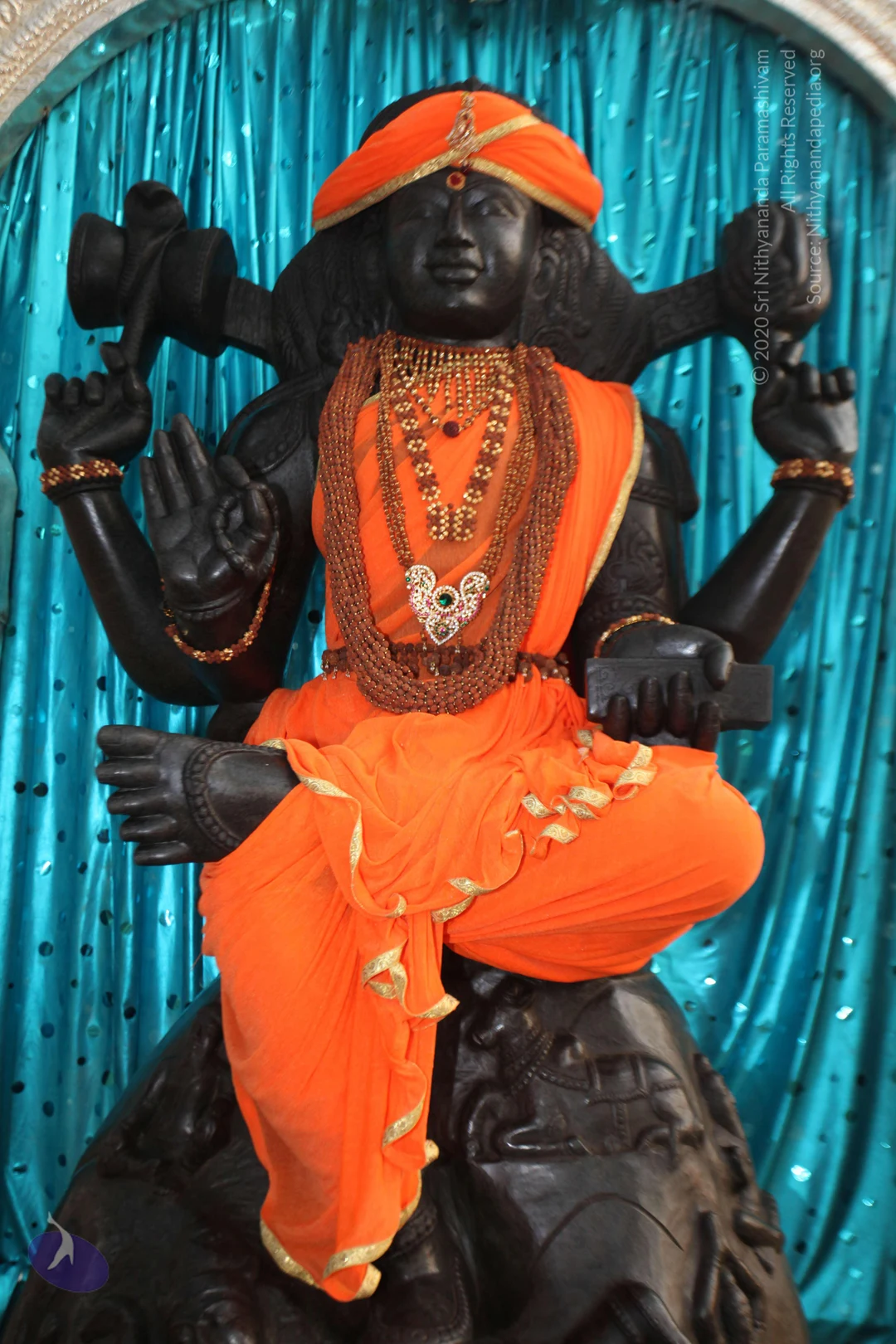

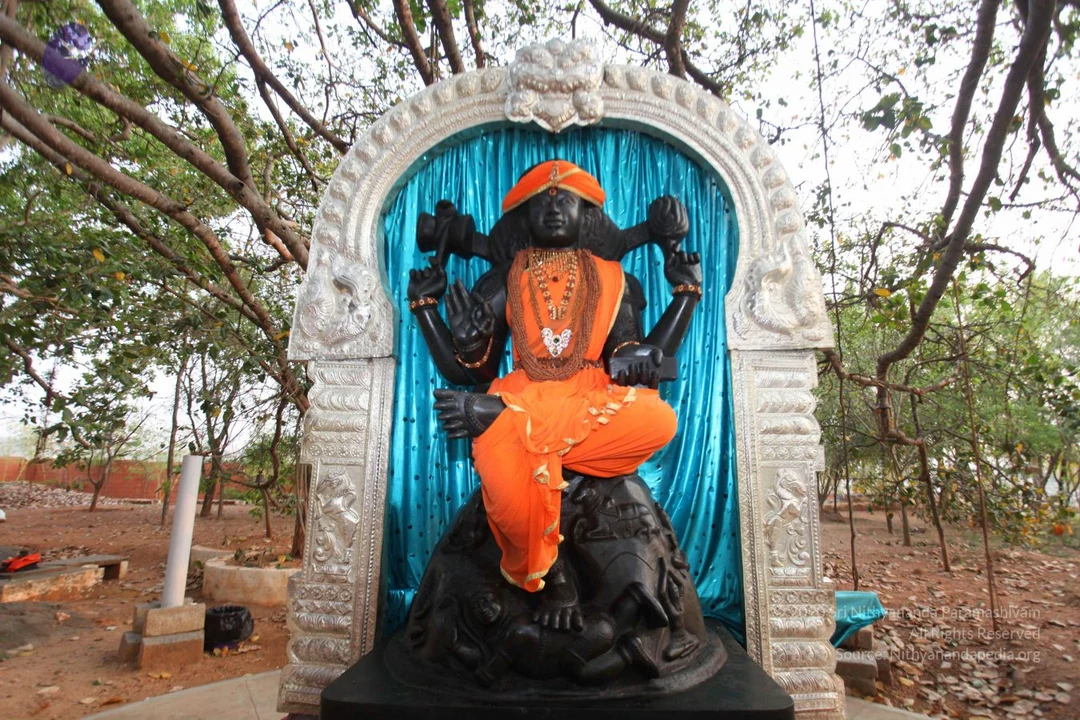
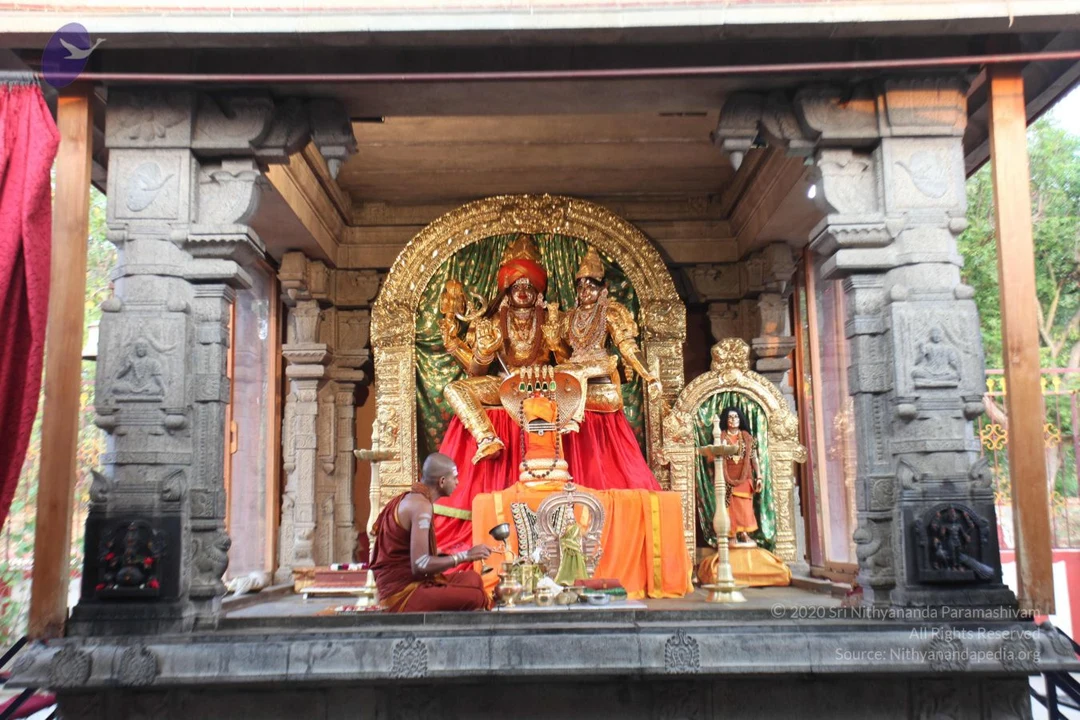


Dial-The-Avatar


Nithya-Puja





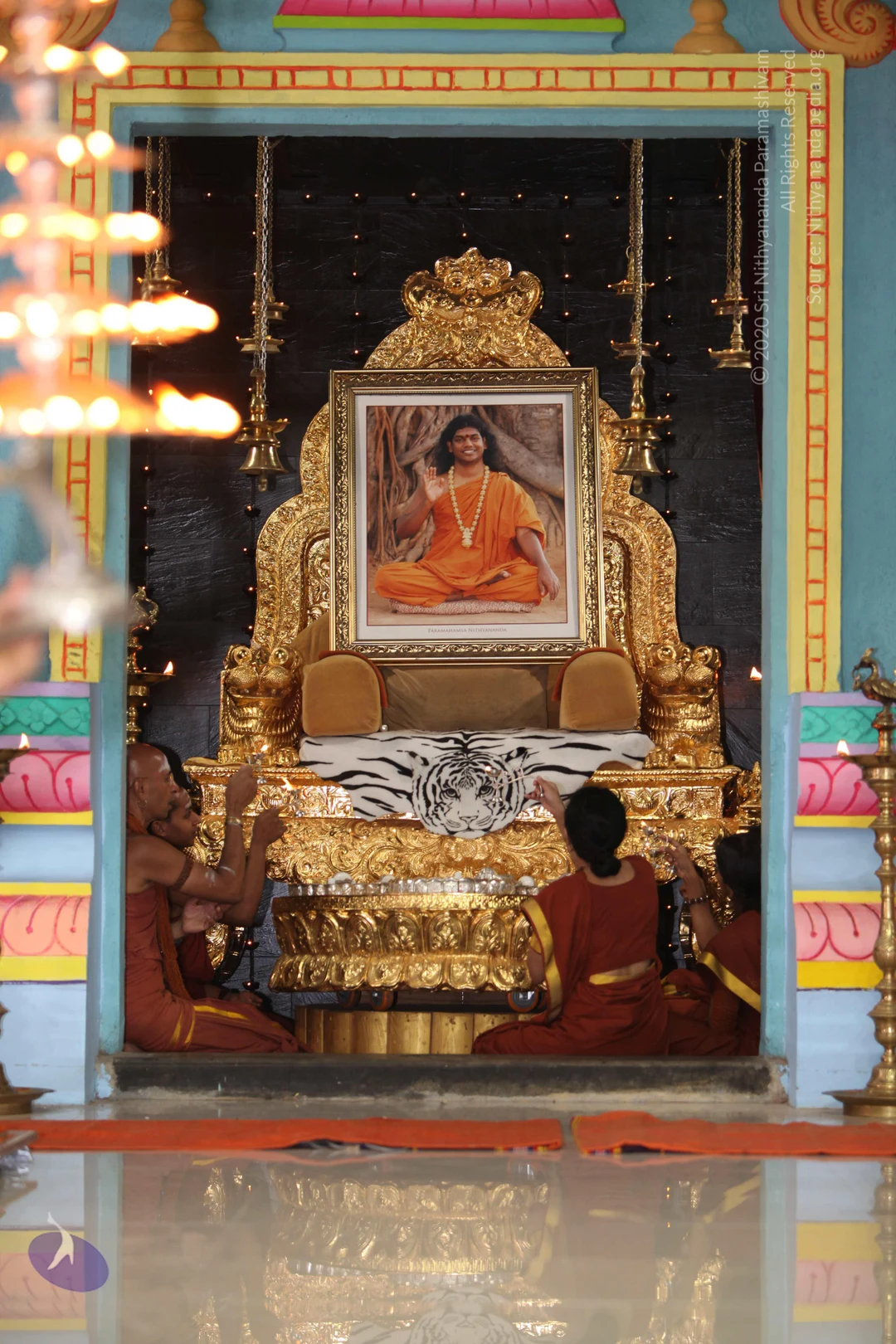
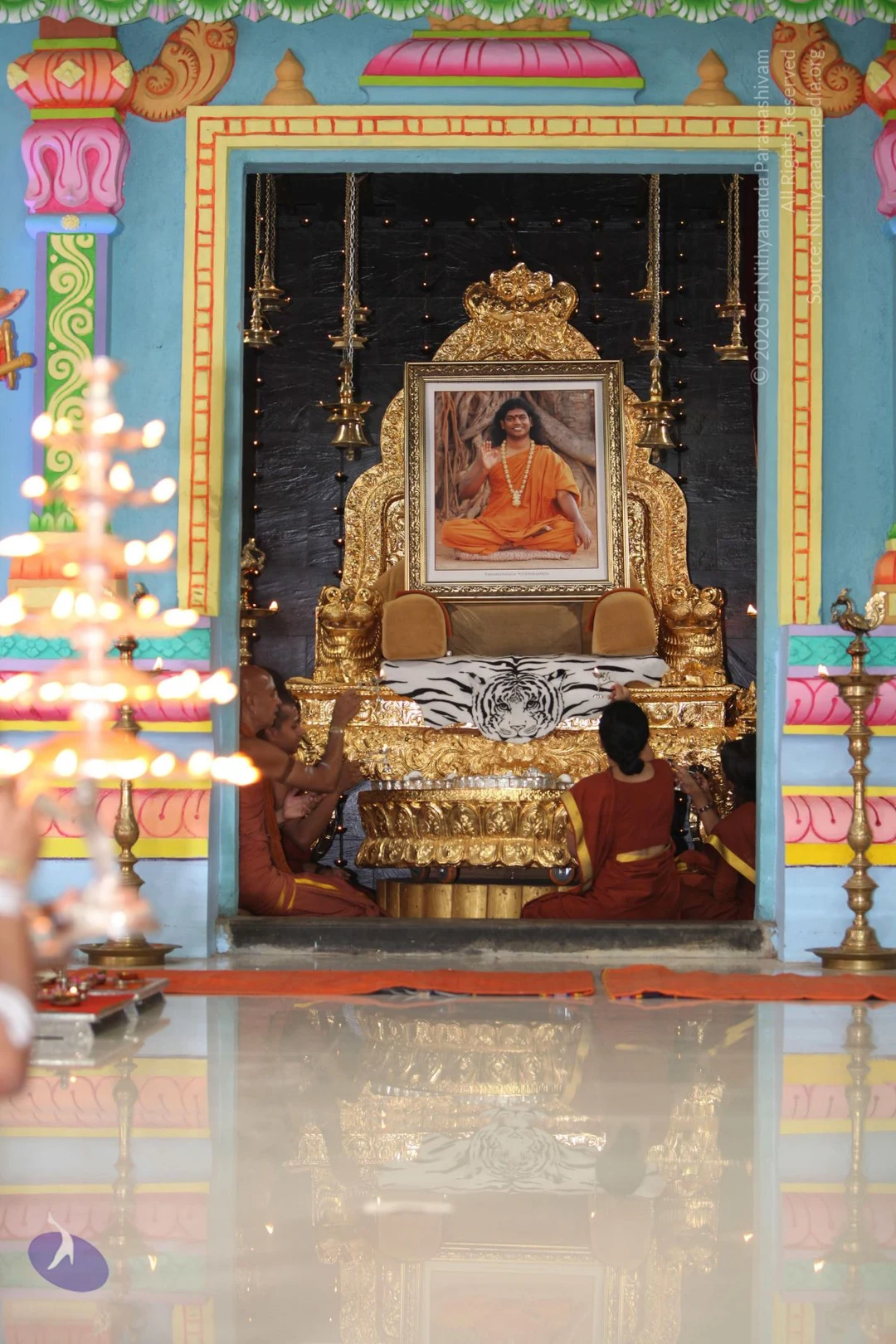

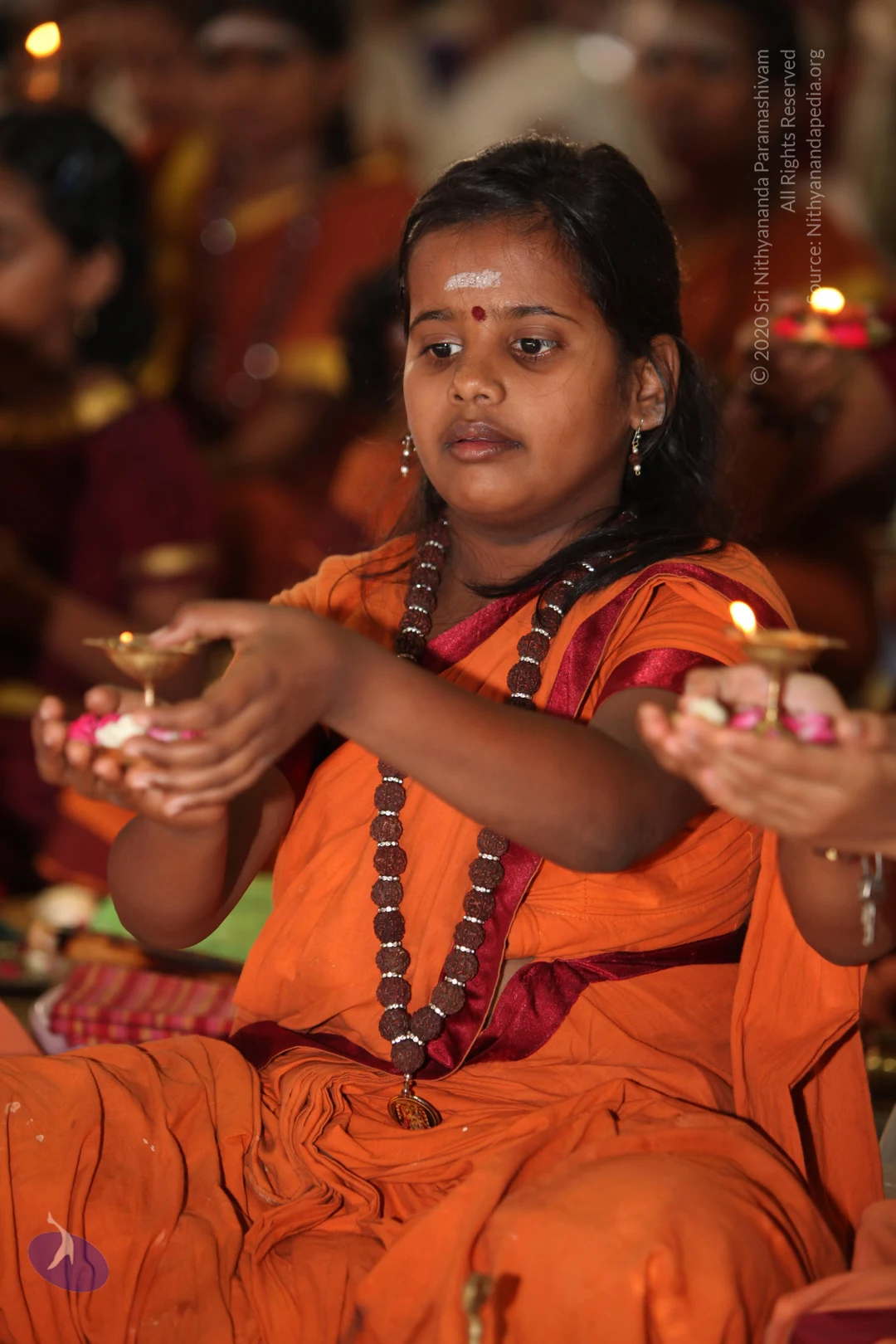
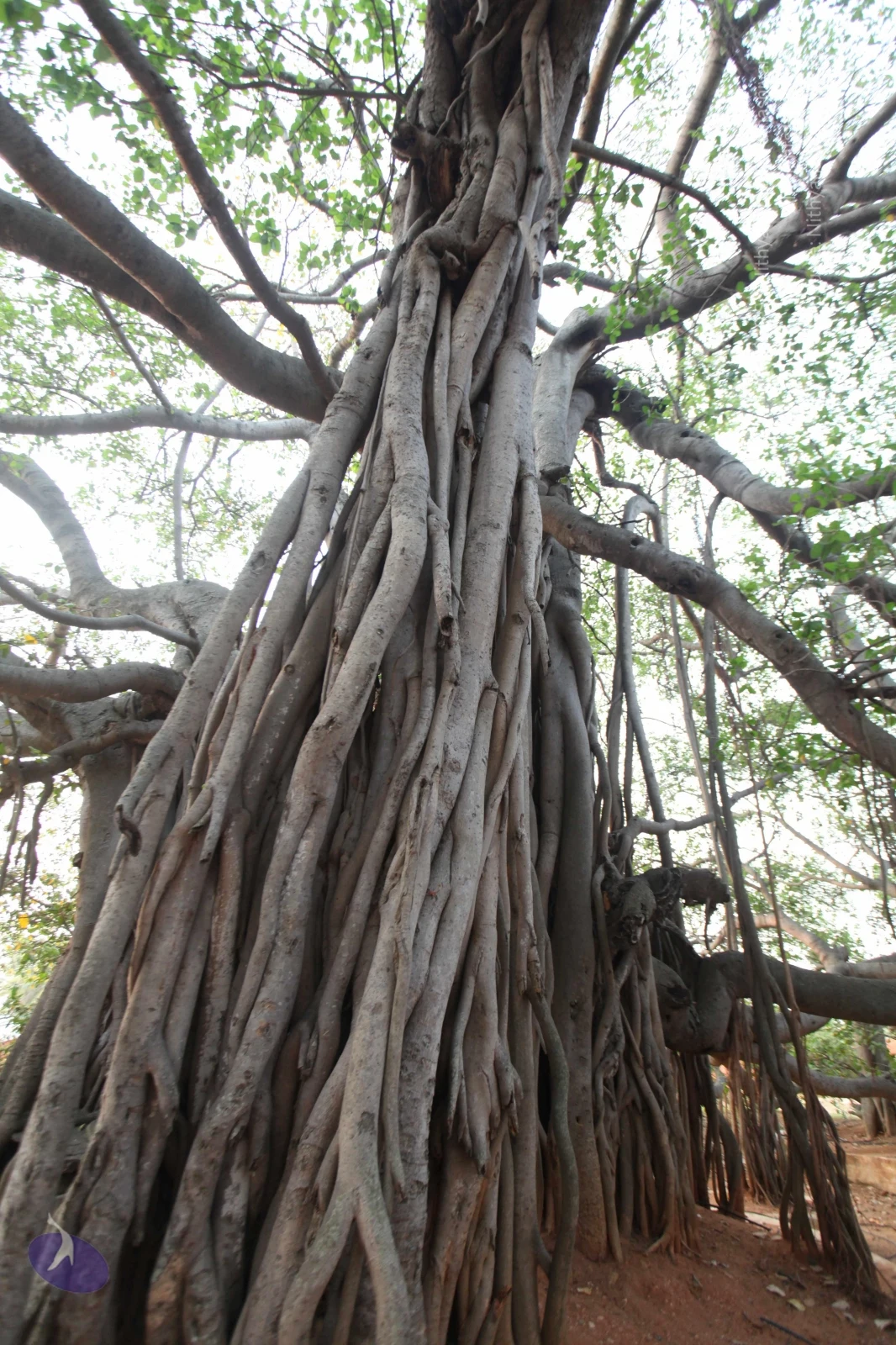
Banyan-Tree
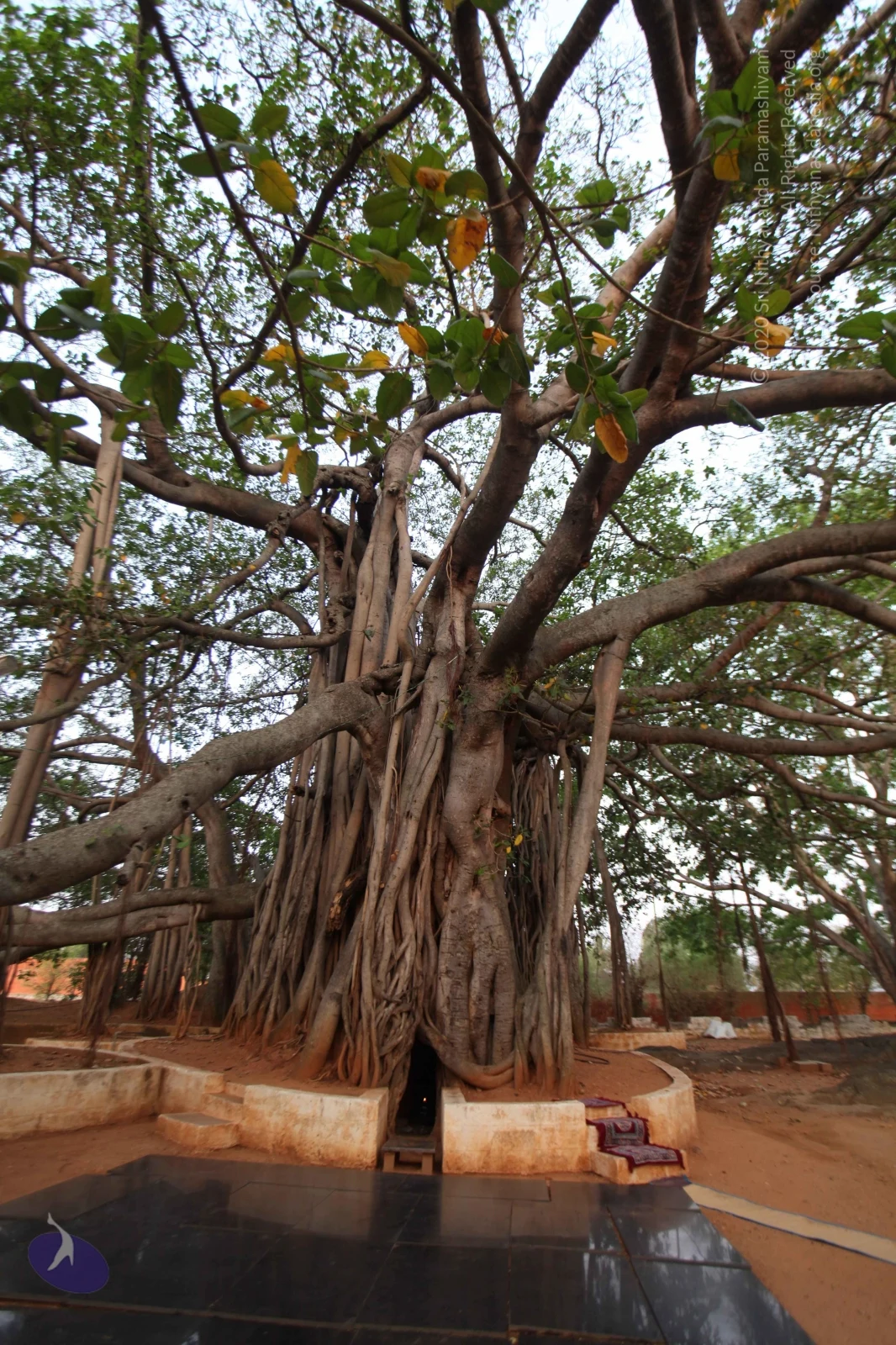
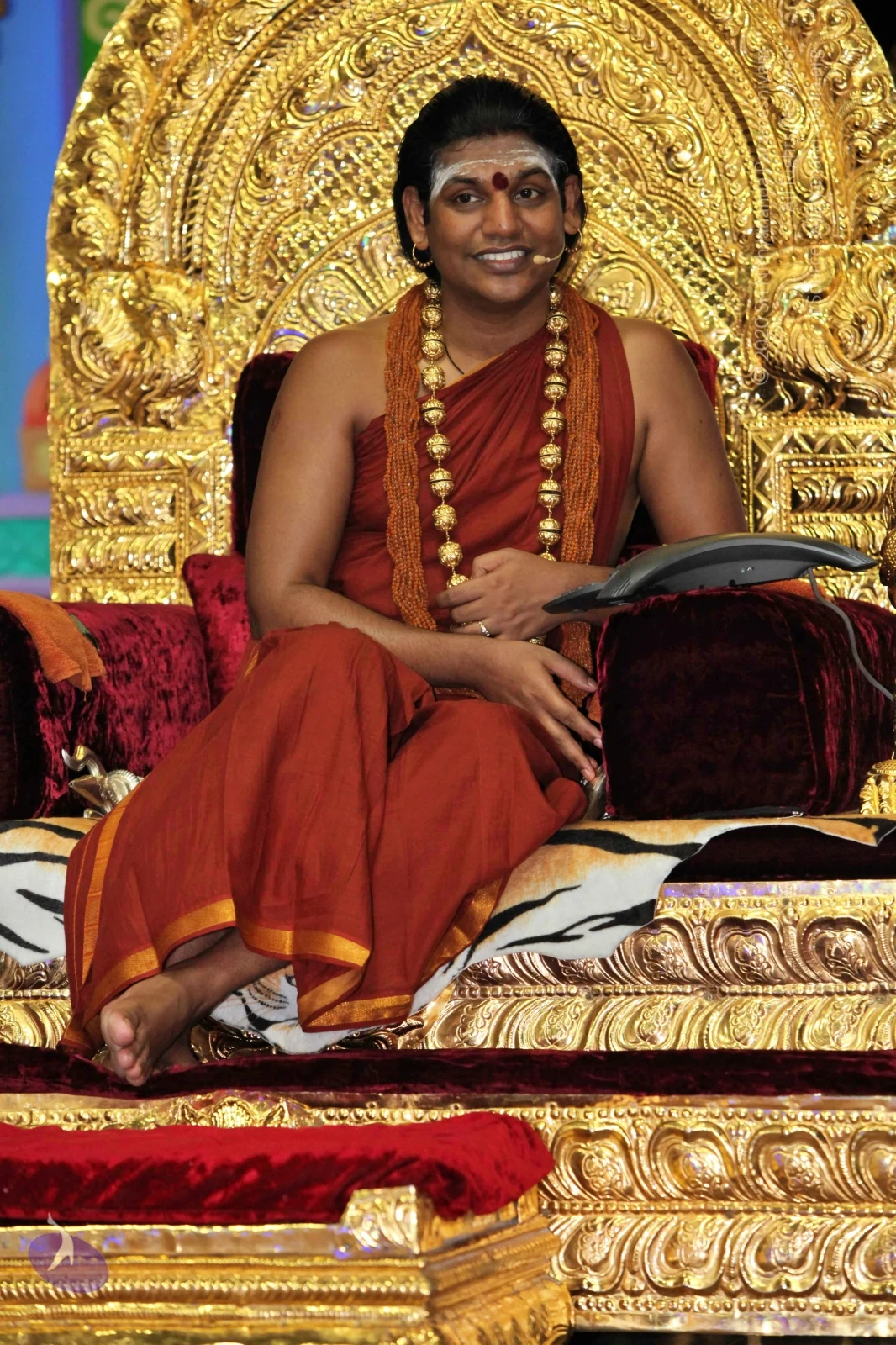
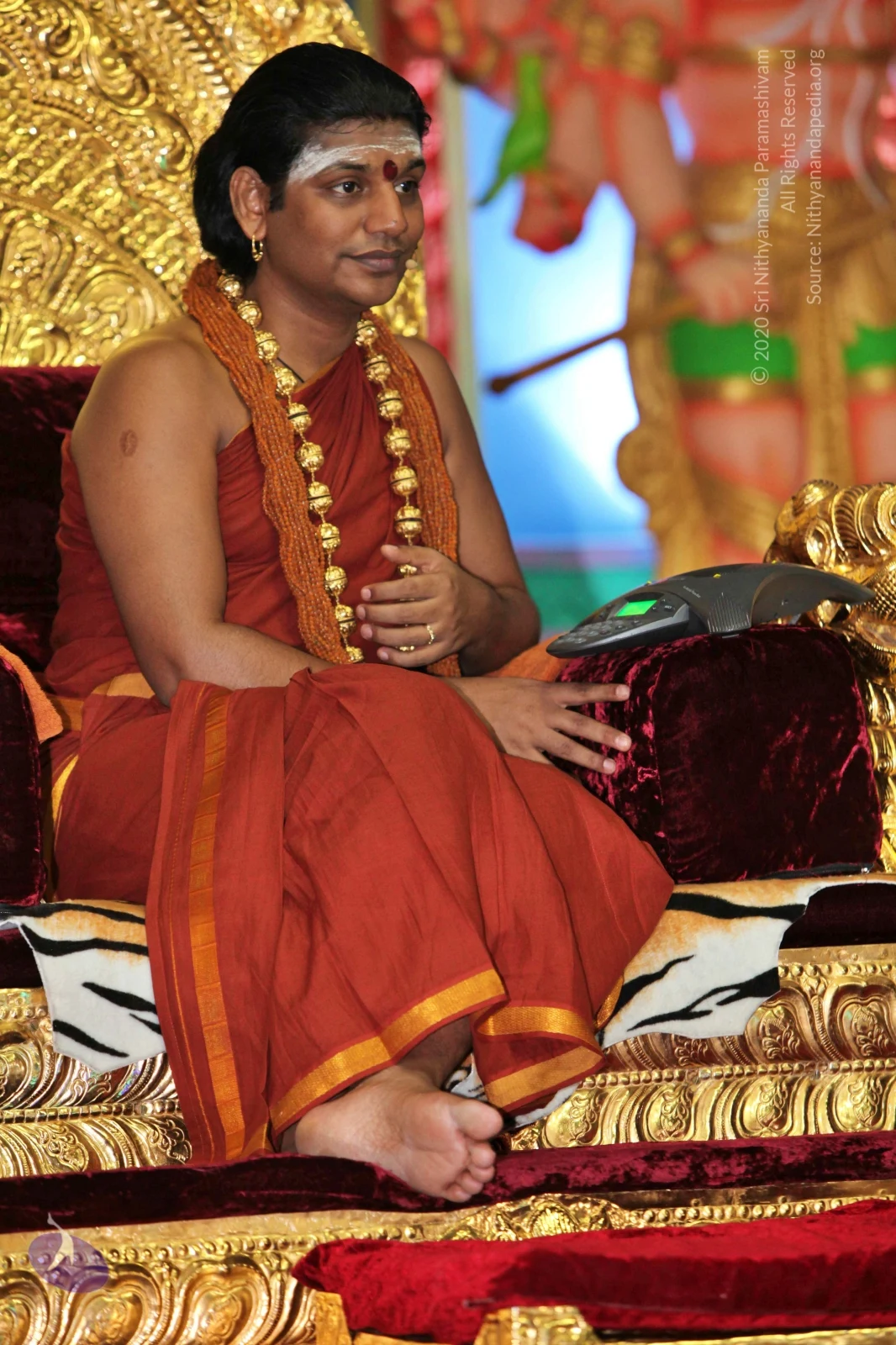
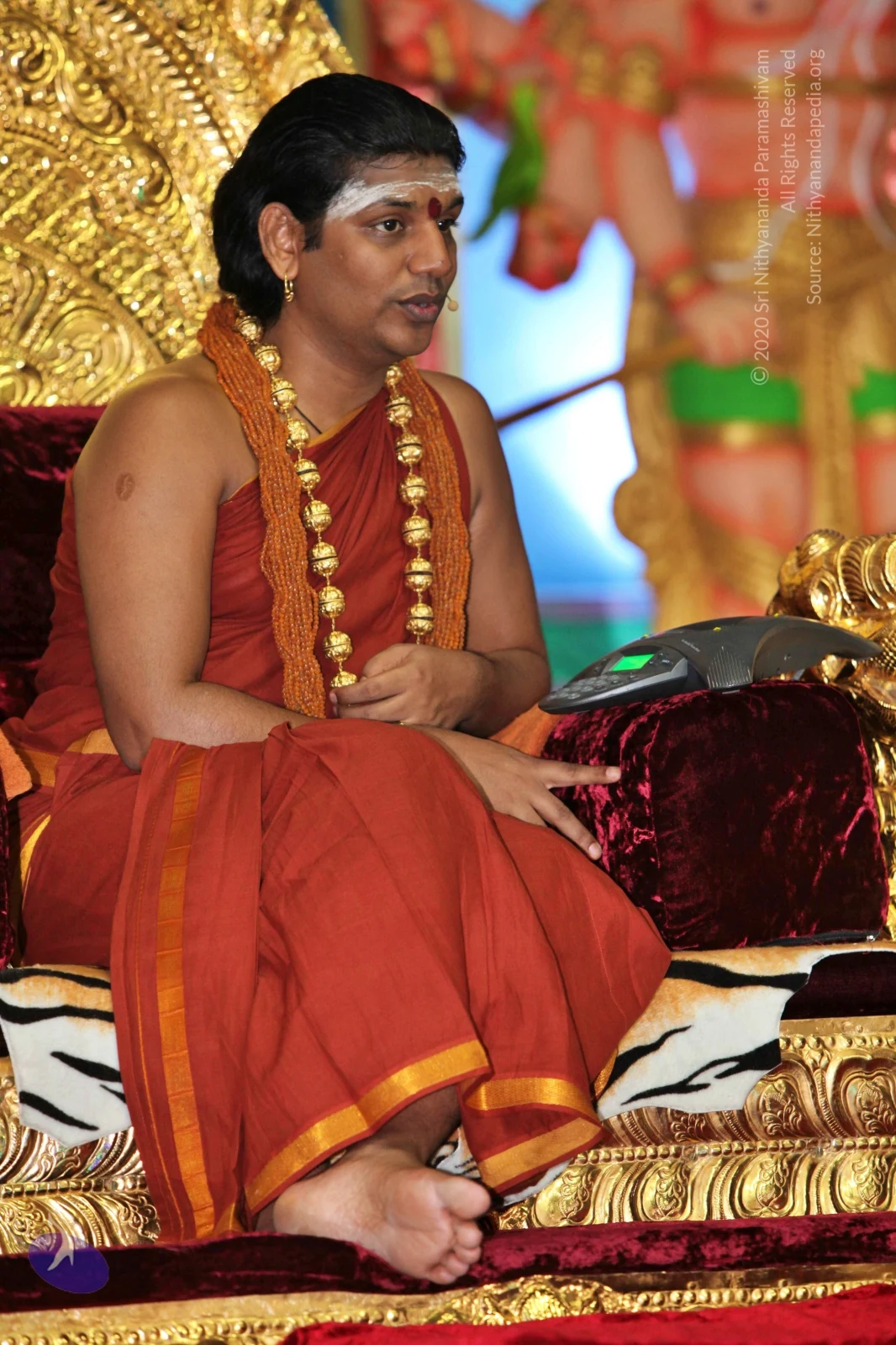
Dial-The-Avatar
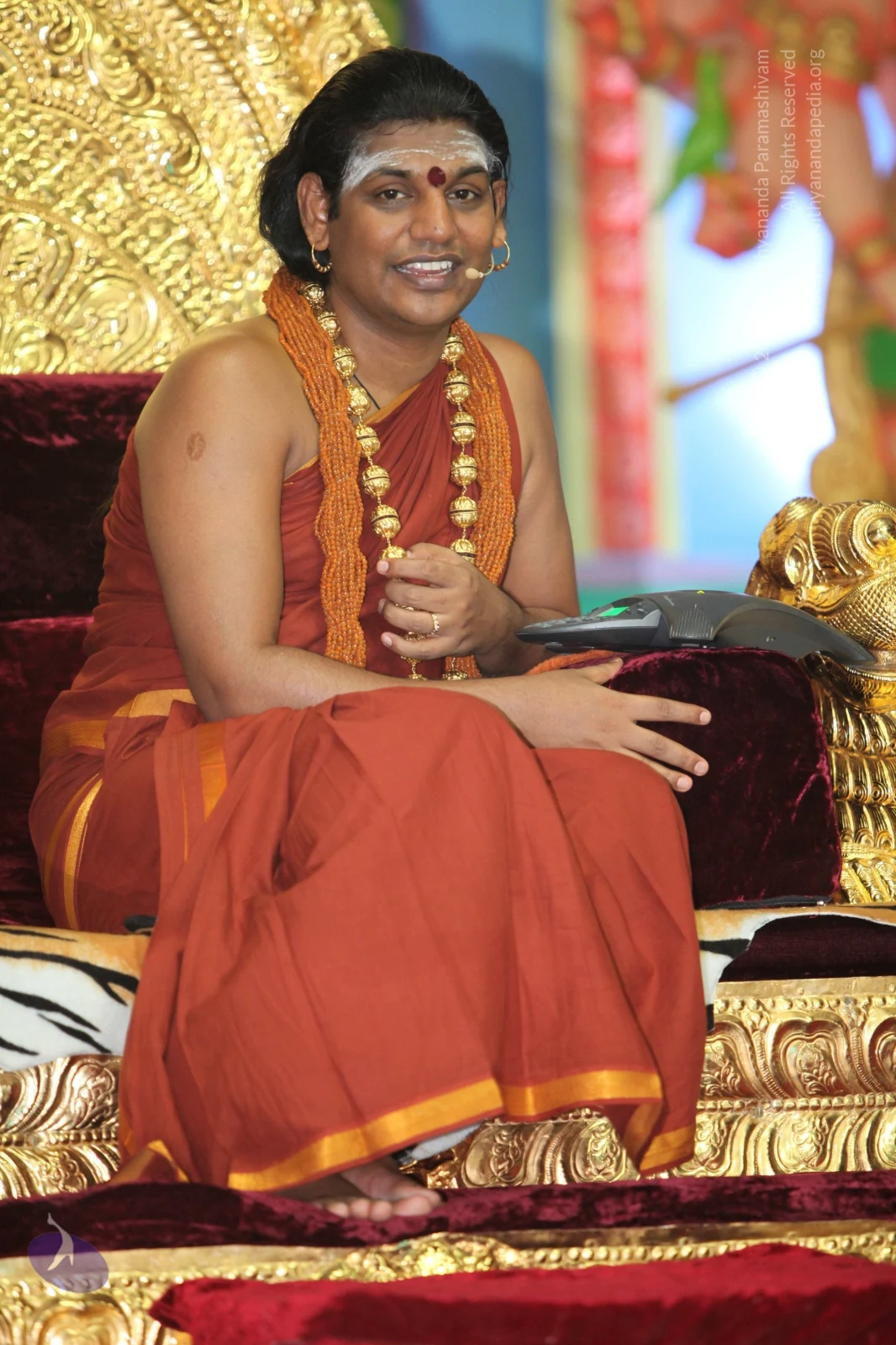
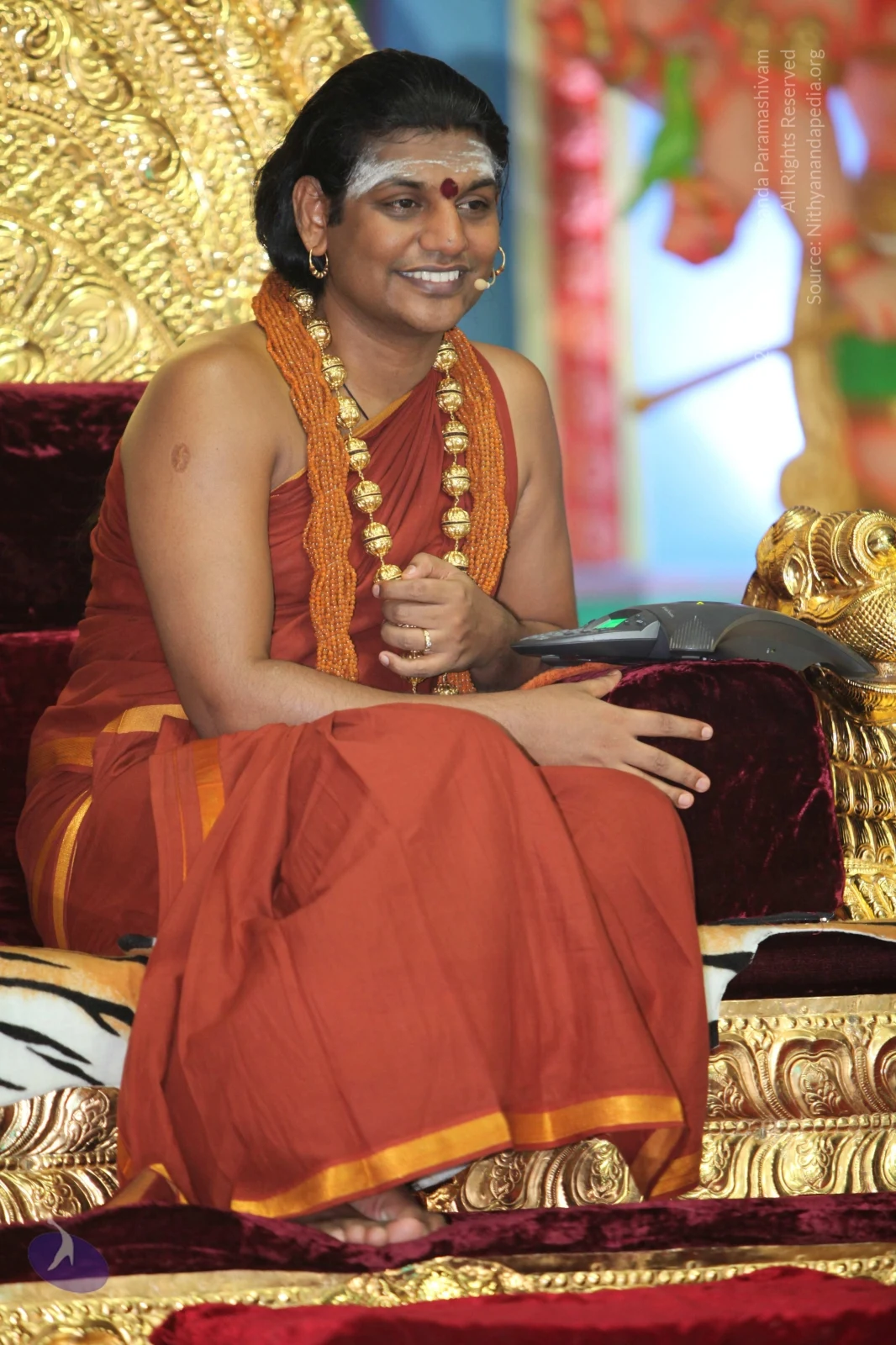
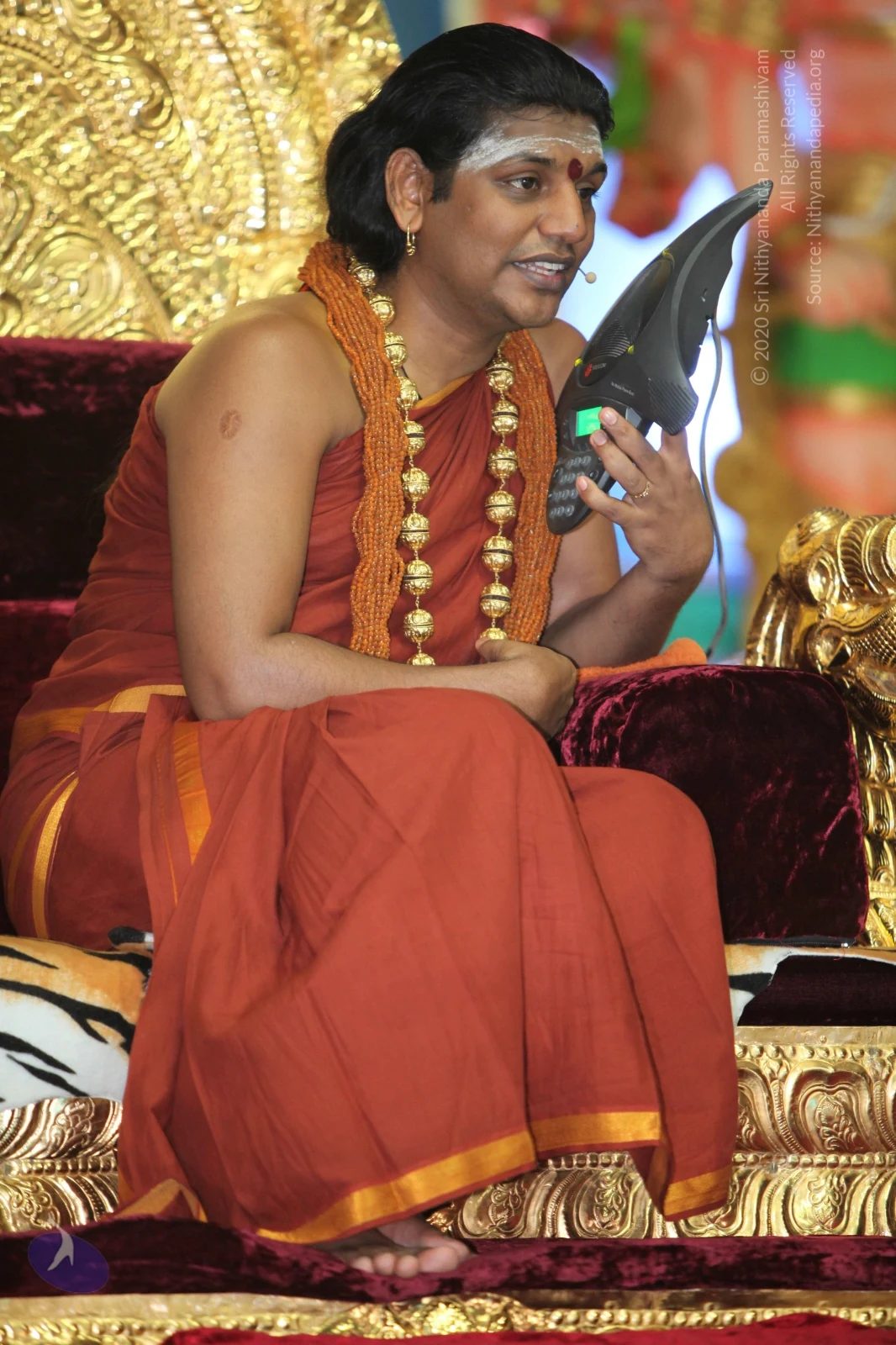
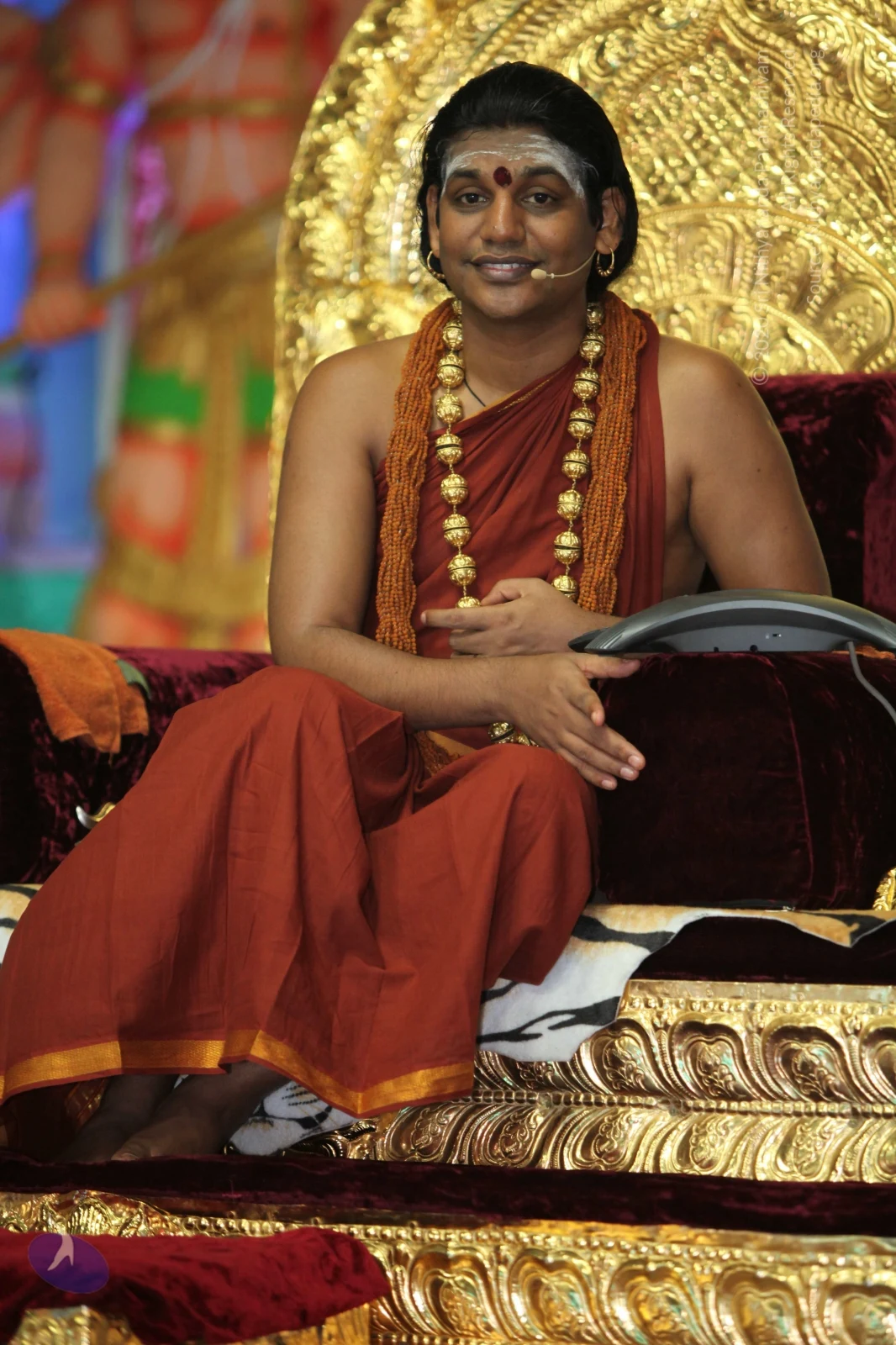
Paduka-Puja






Satsang
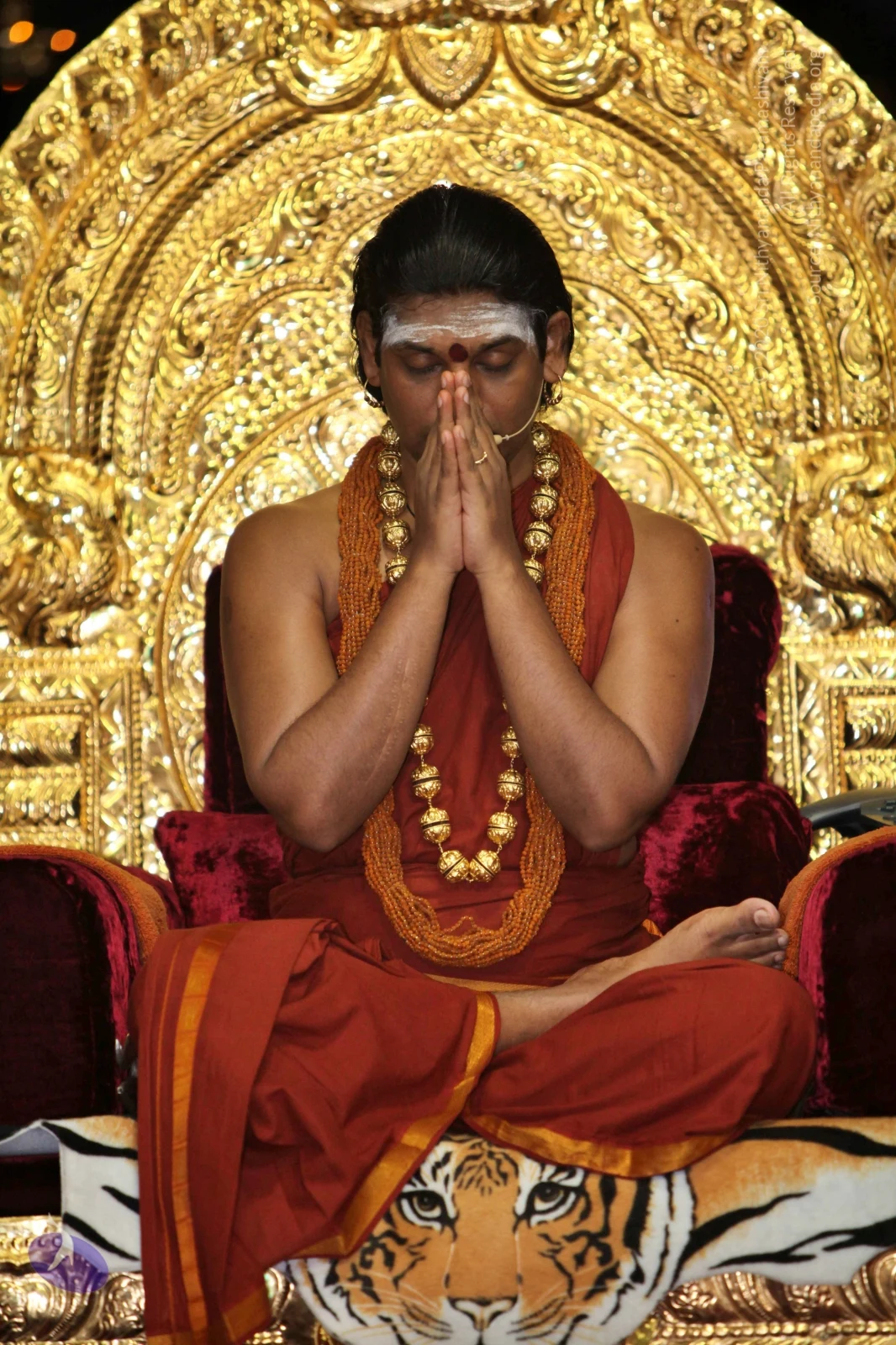
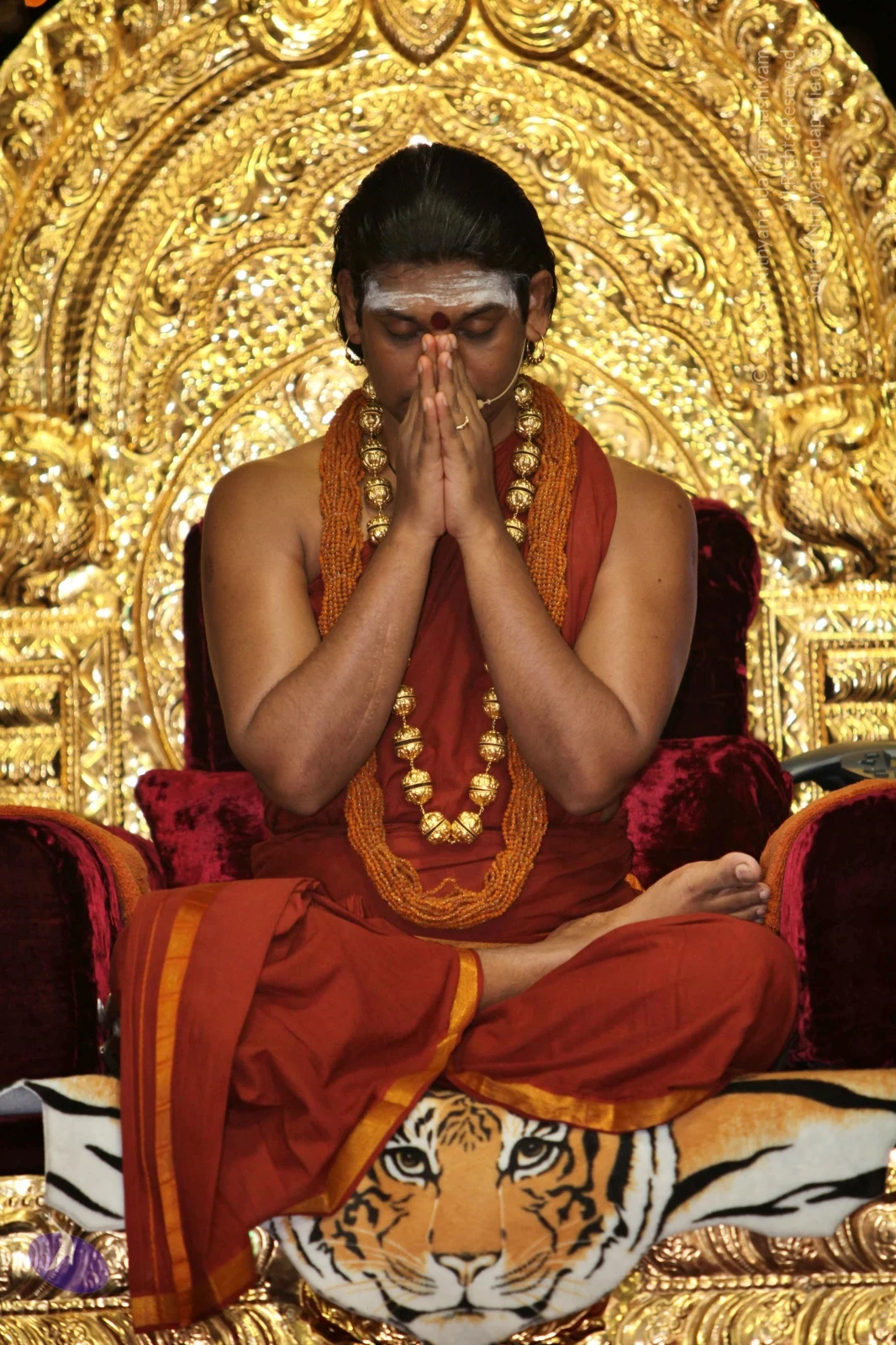
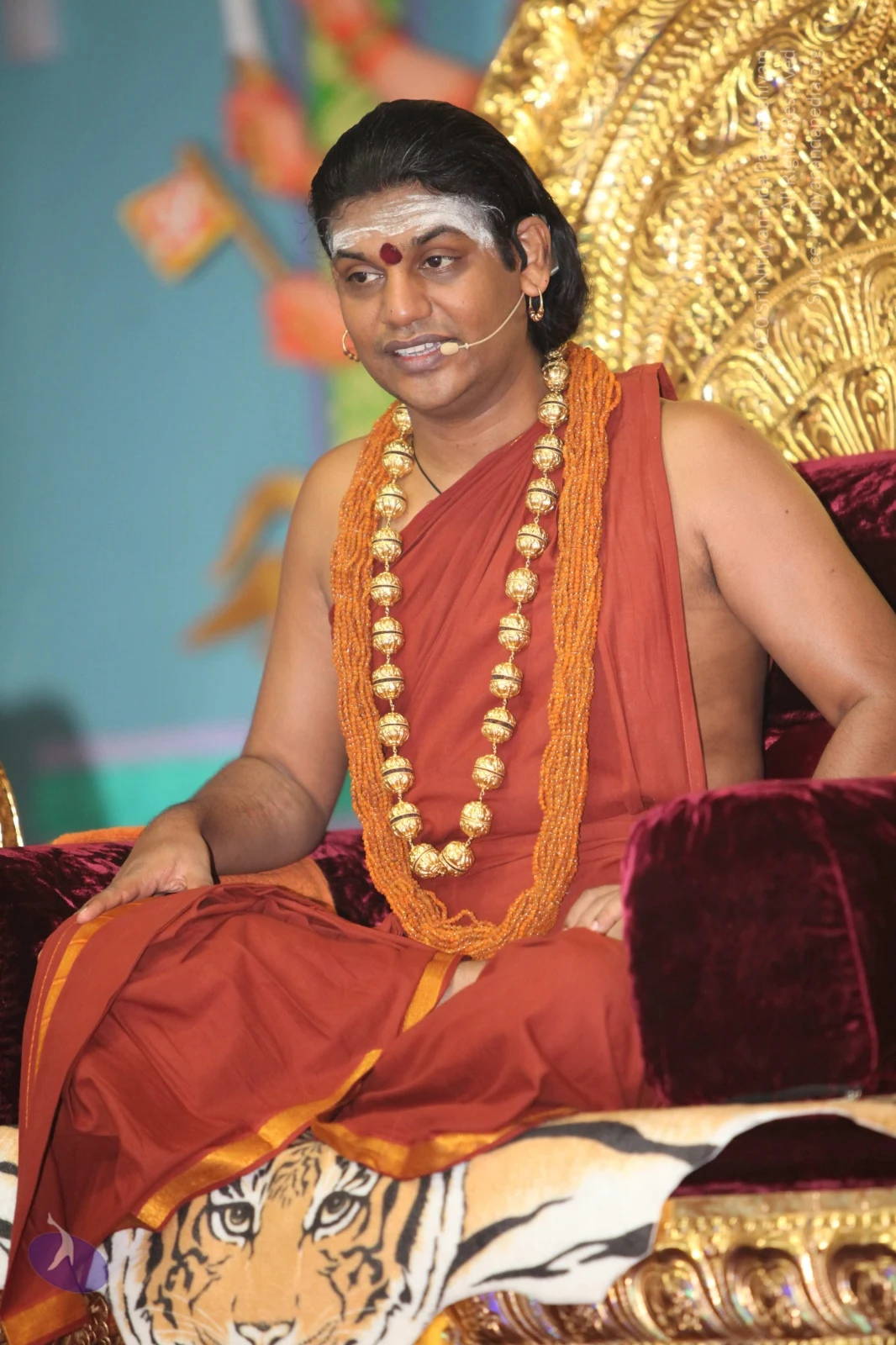
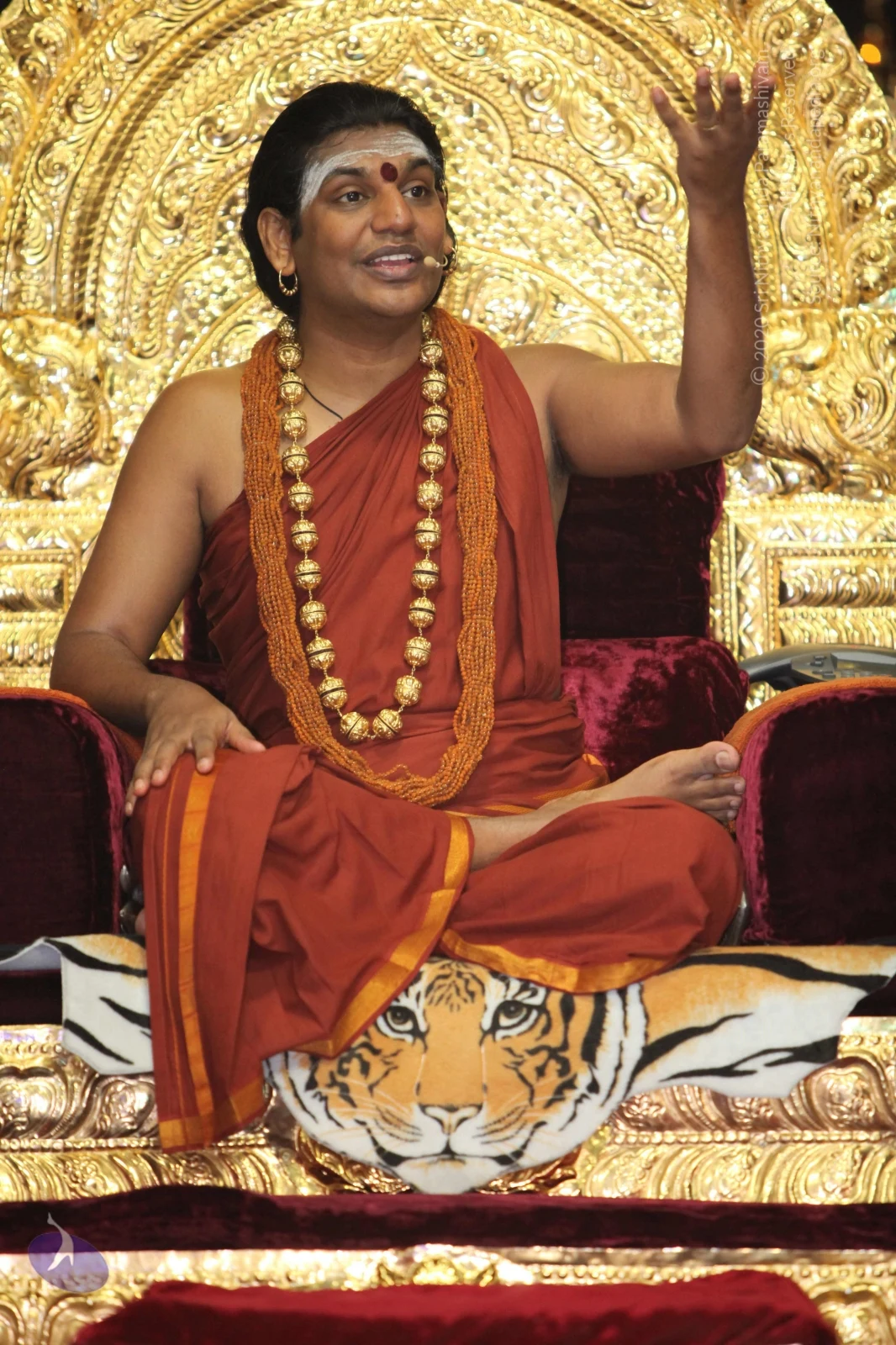
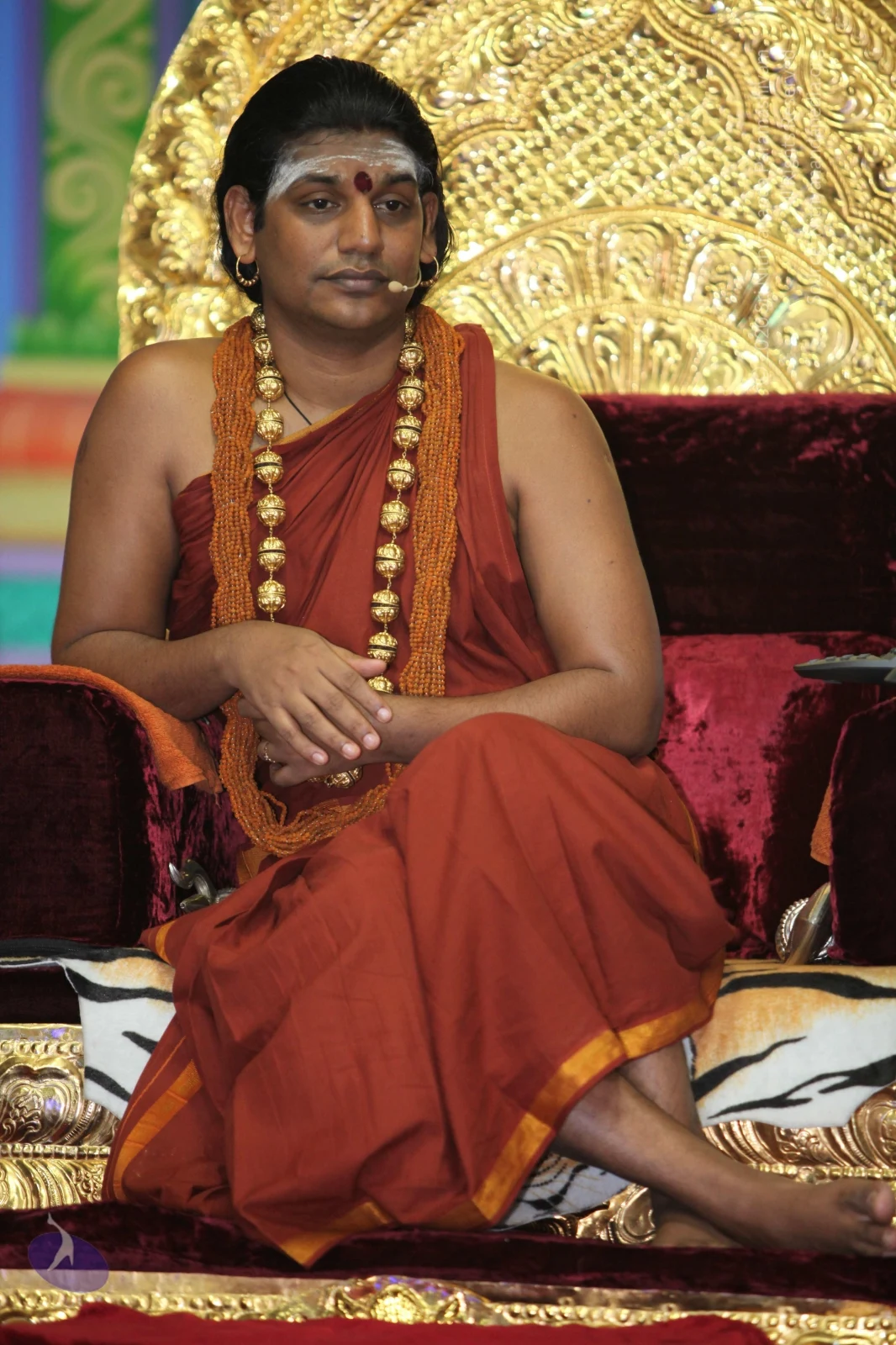
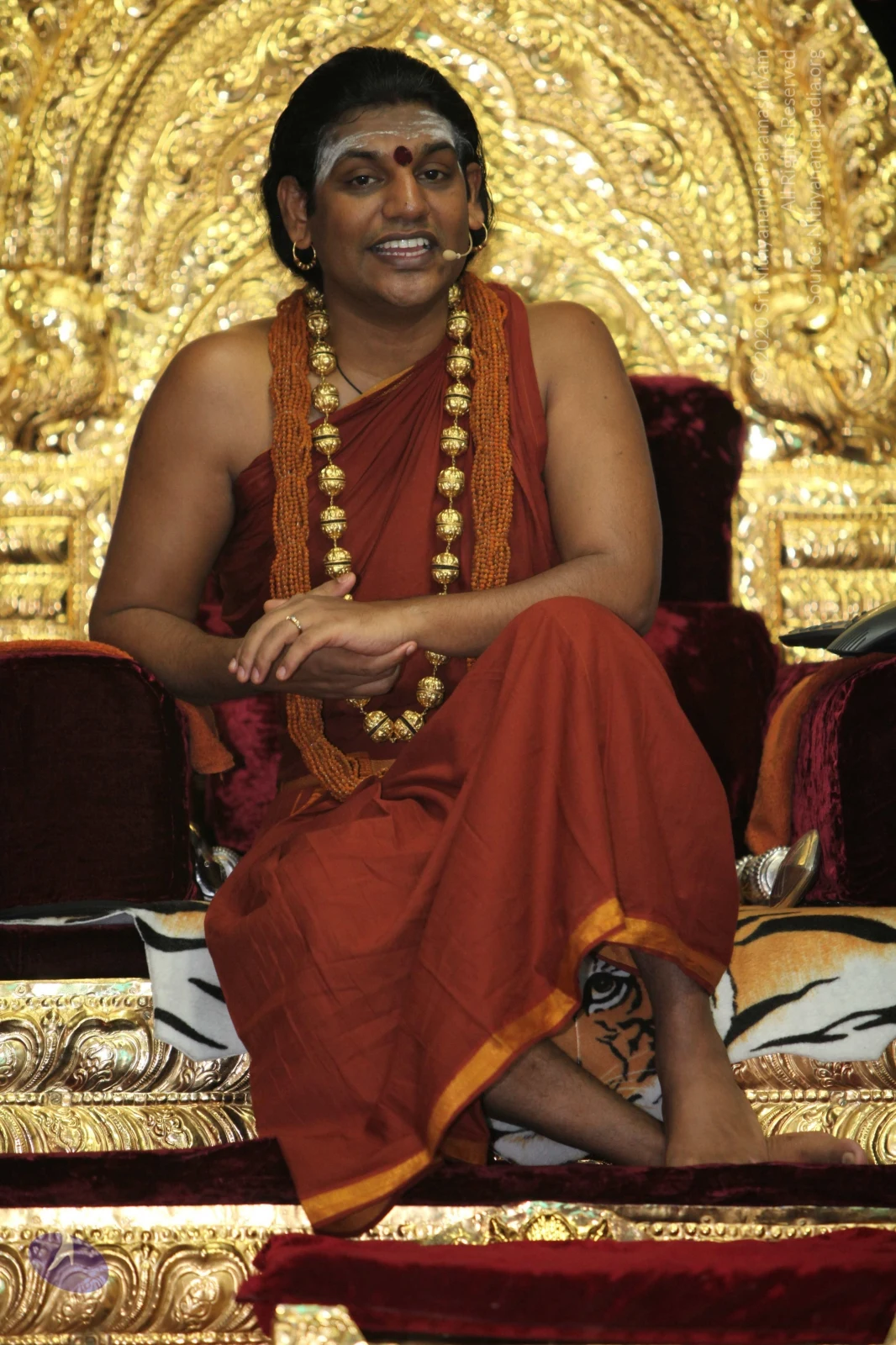
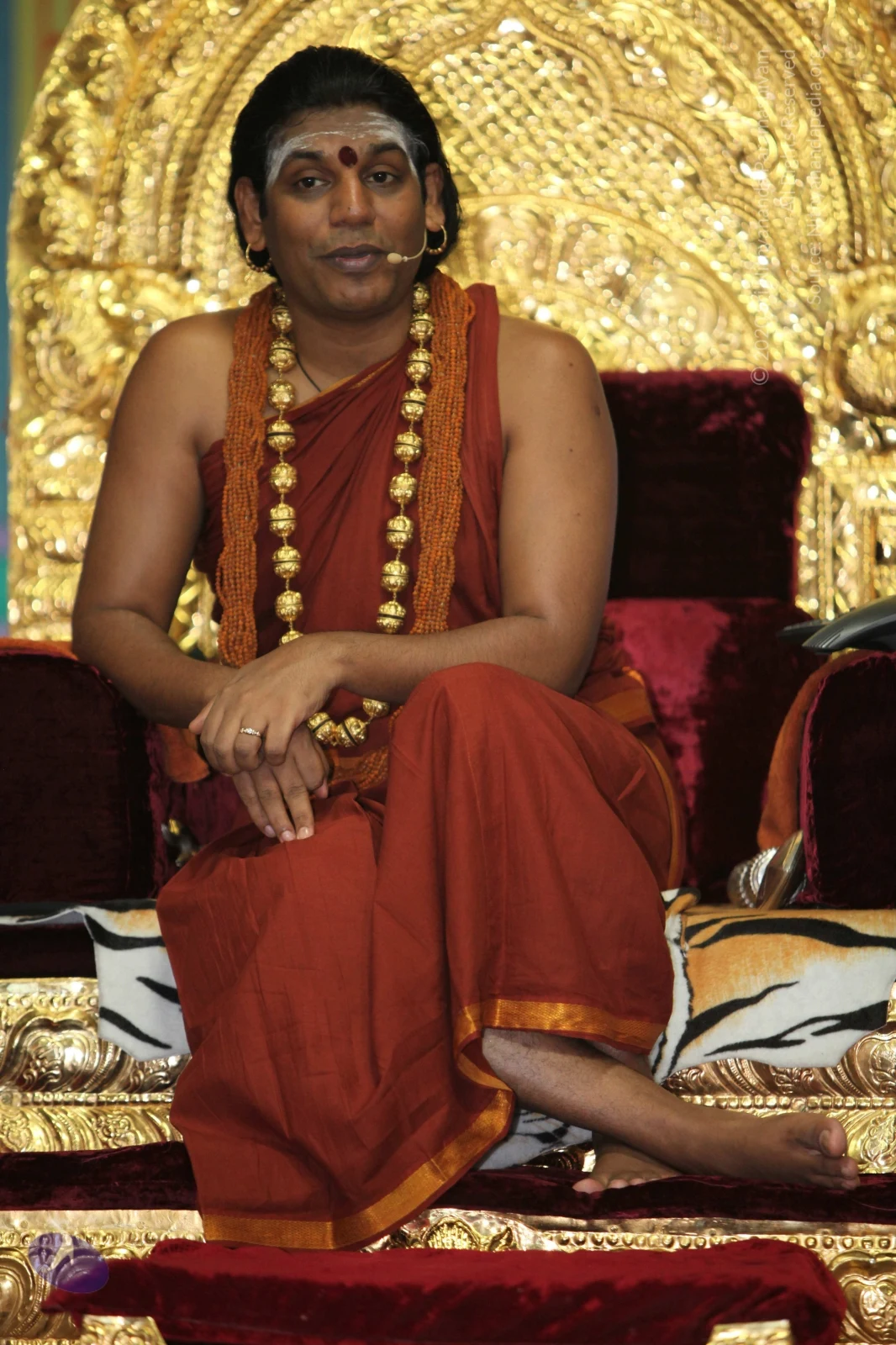
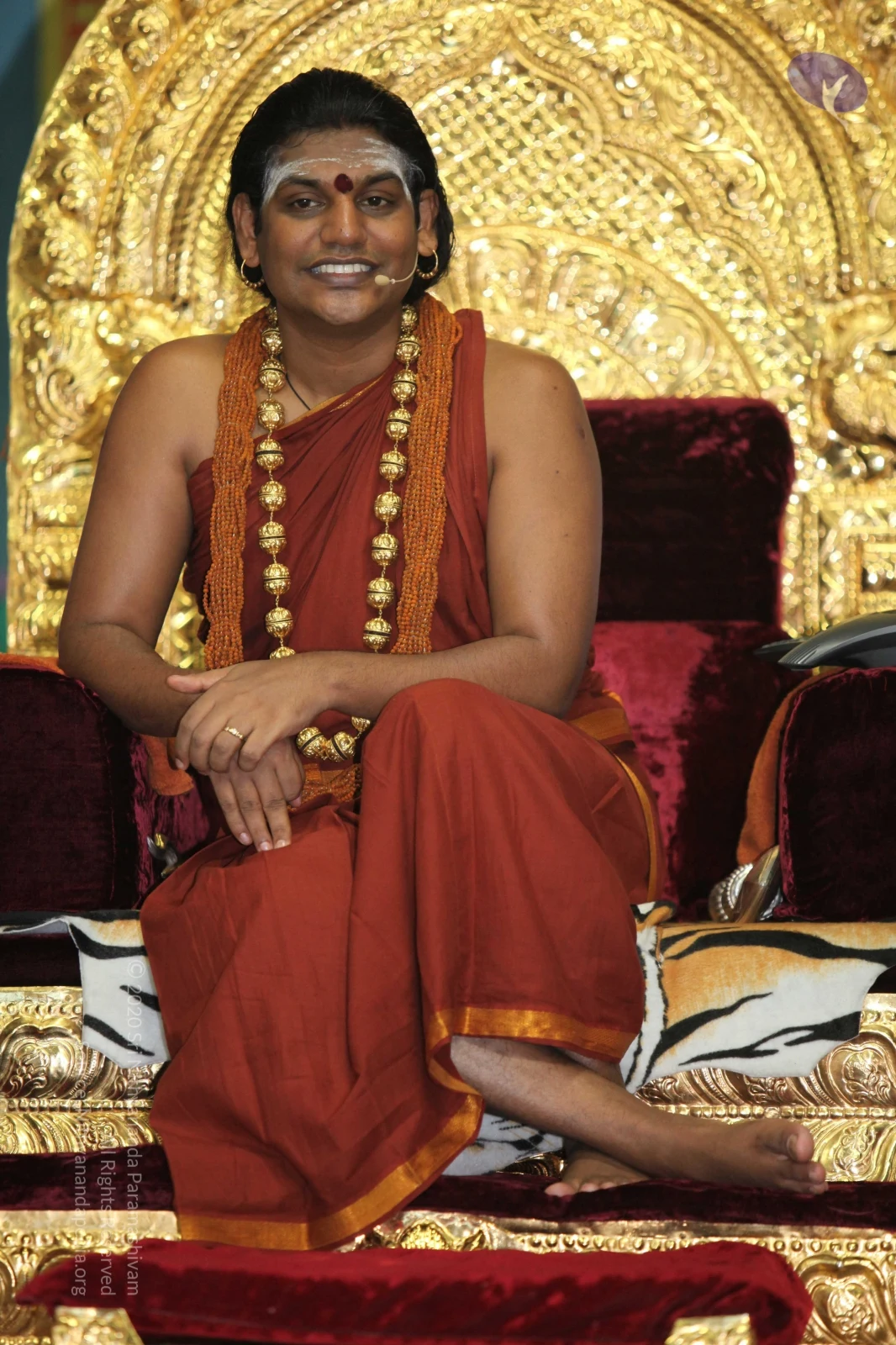
Temple


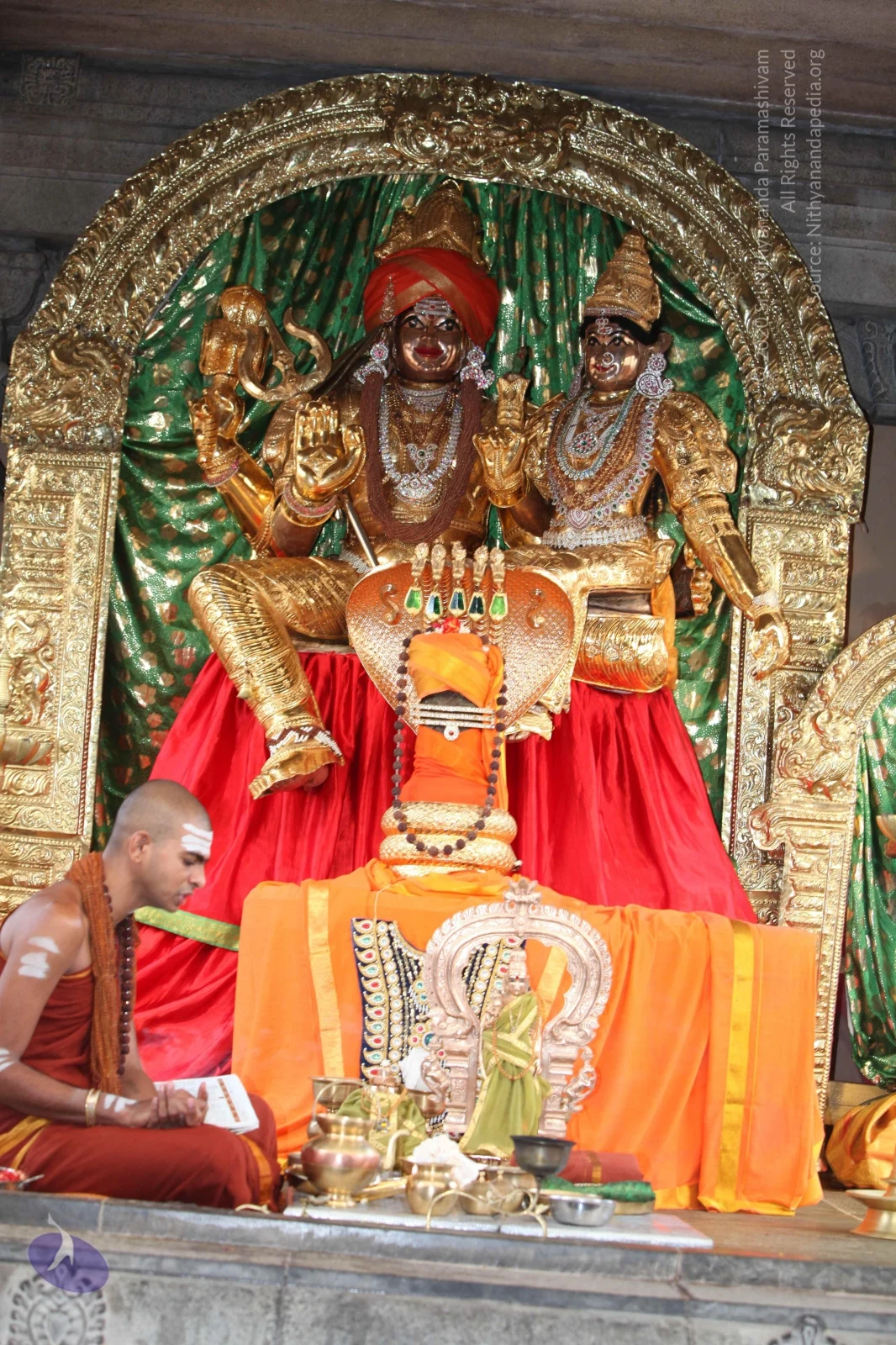
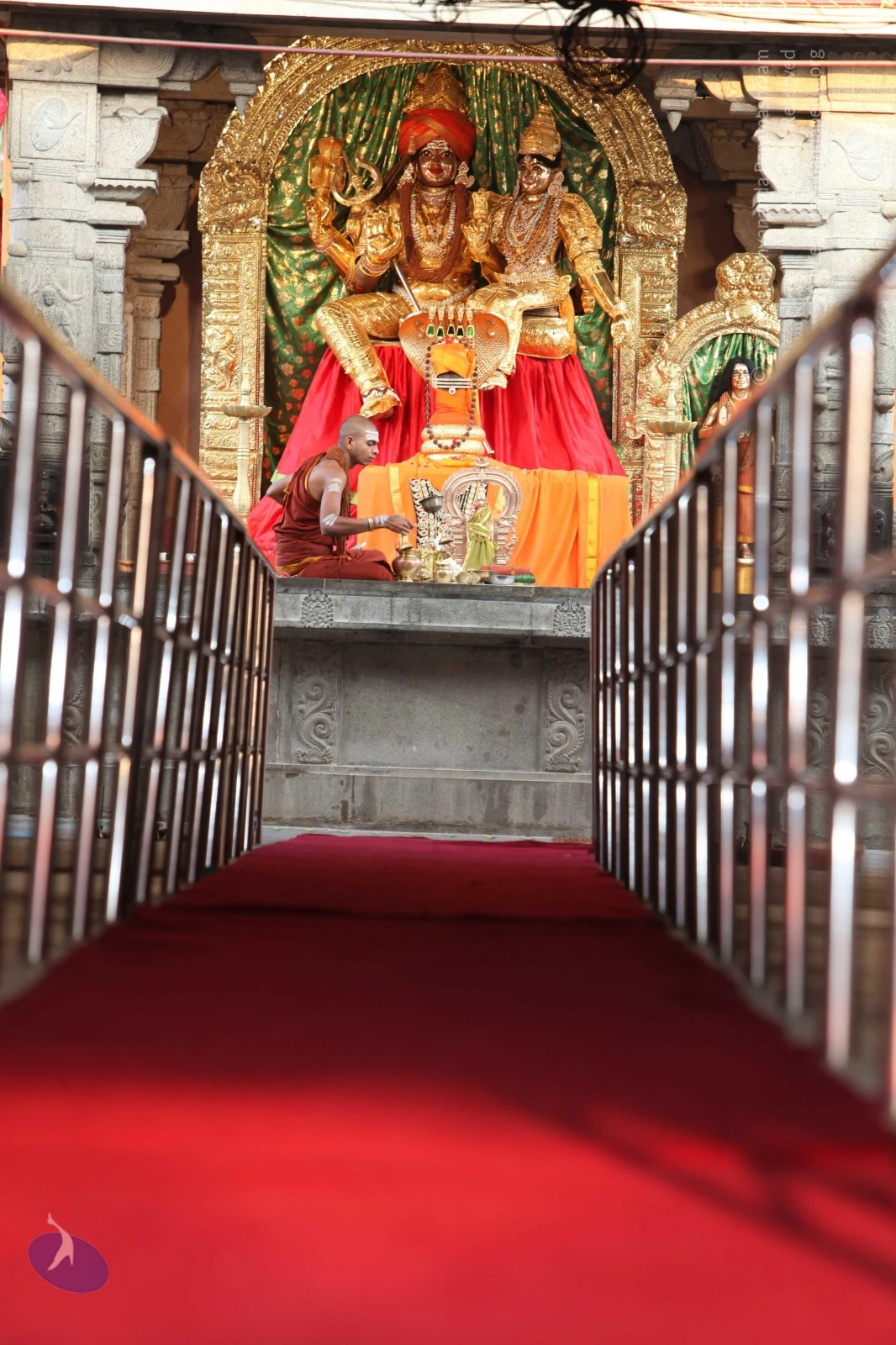
Photos from this day
View all 290 photosBanyan-Tree
17 photosSource gallery

Pada-Puja
19 photosSource gallery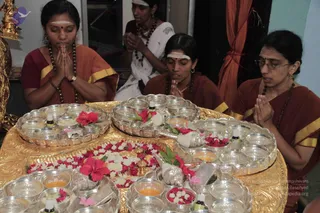
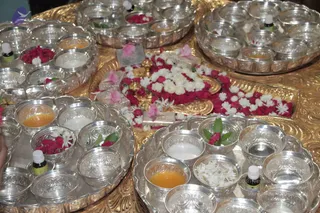
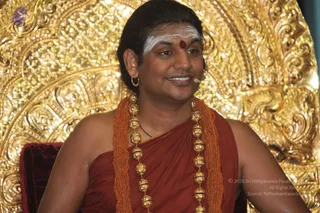
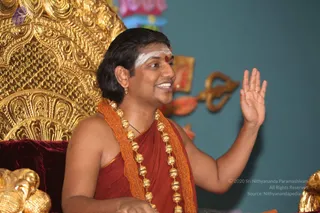
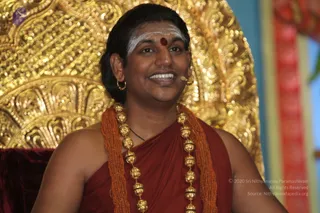
Satsang
38 photosSource gallery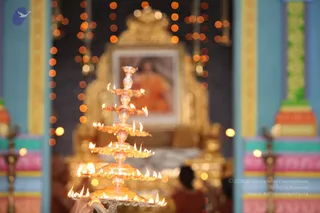
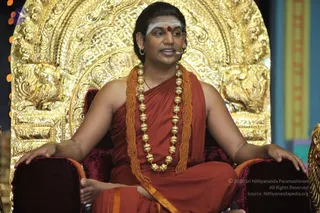
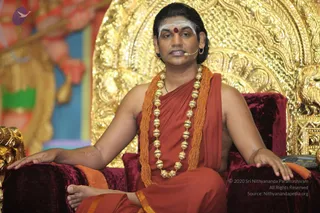
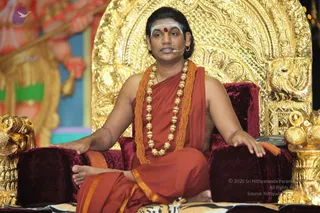
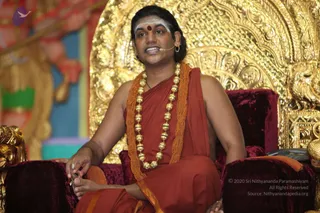
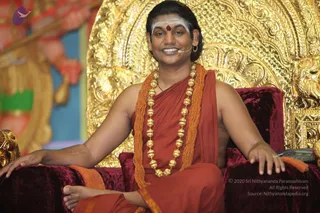
Temple
20 photosSource gallery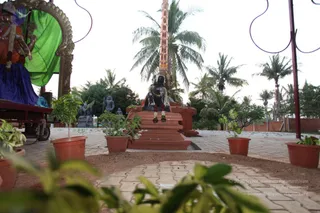

Dial-The-Avatar
32 photosSource gallery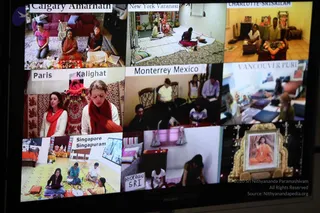
Nithya-Puja
45 photosSource gallery
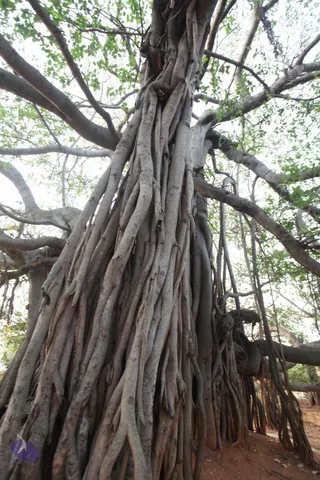
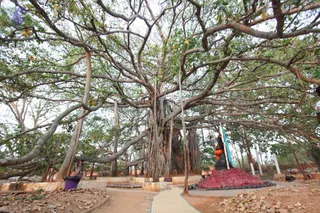
Banyan-Tree
3 photosSource gallery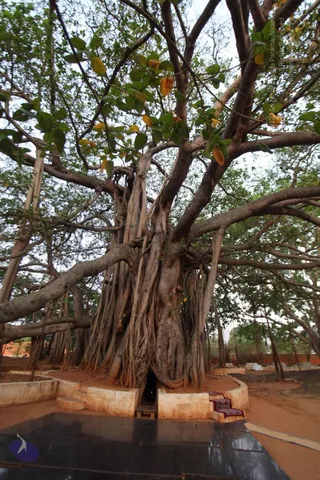
Pada-Puja
4 photosSource gallery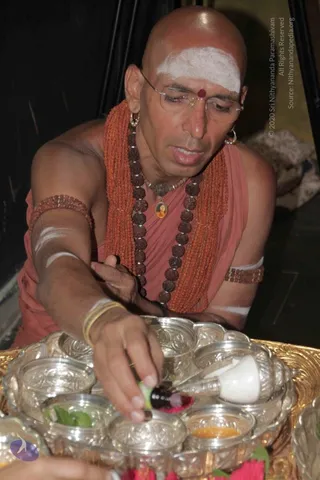
Satsang
43 photosSource gallery
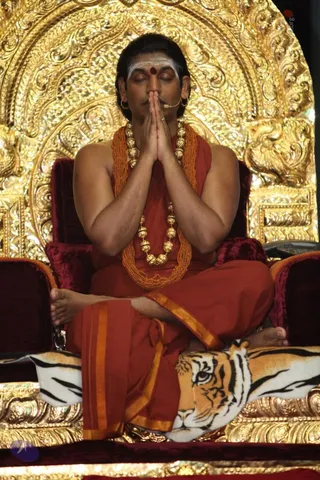
Temple
21 photosSource gallery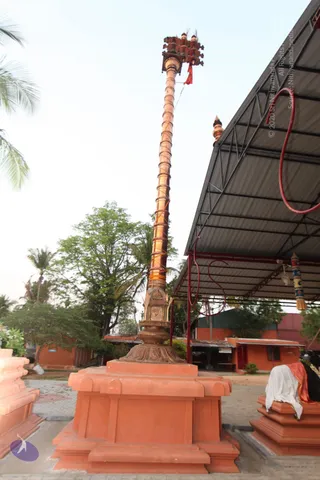

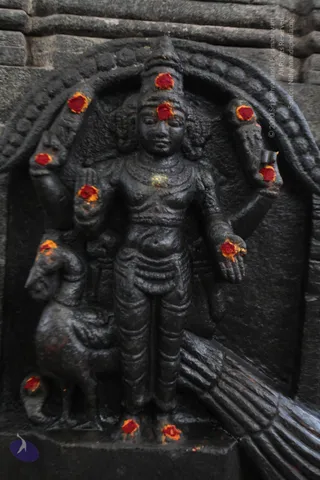
Dial-The-Avatar
24 photosSource gallery
Nithya-Puja
16 photosSource gallery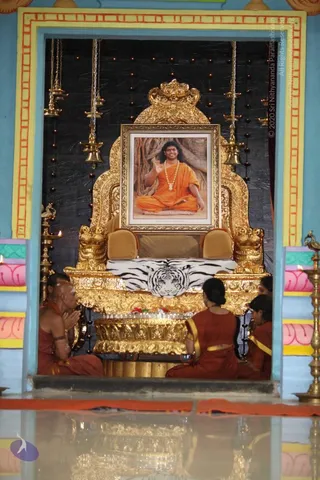
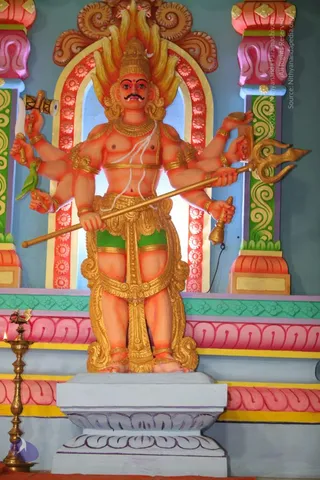

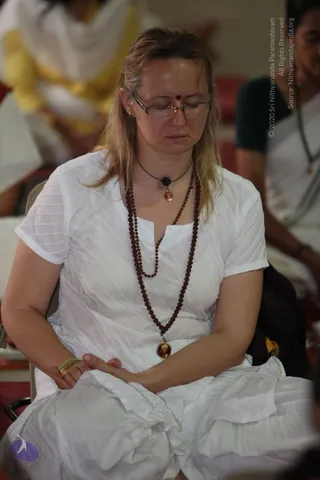
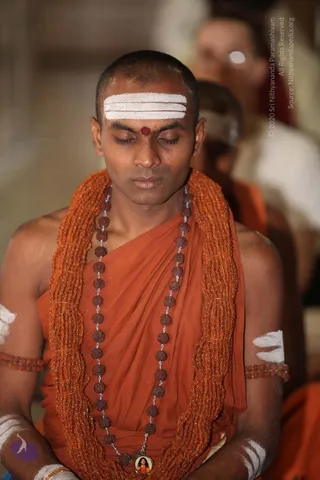
Dial-The-Avatar
1 photoSource gallery
Satsang
3 photosSource gallery
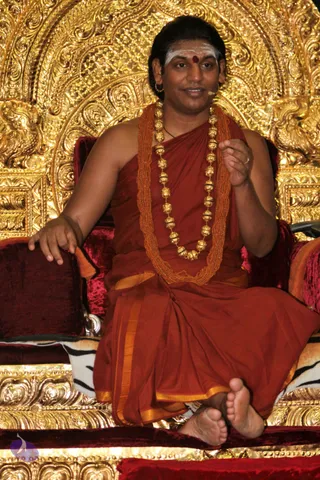
Temple
1 photoSource gallery
April 12 2013
4 photosView all