Thursday
11 April 2013
Enrich Others and Life Enriches You
- Dated photos
- 121
- Source pages
- 1
- Media
- 4

April 11 2013
Original wiki pageTitle
Enrich Others and Life Enriches You
Description
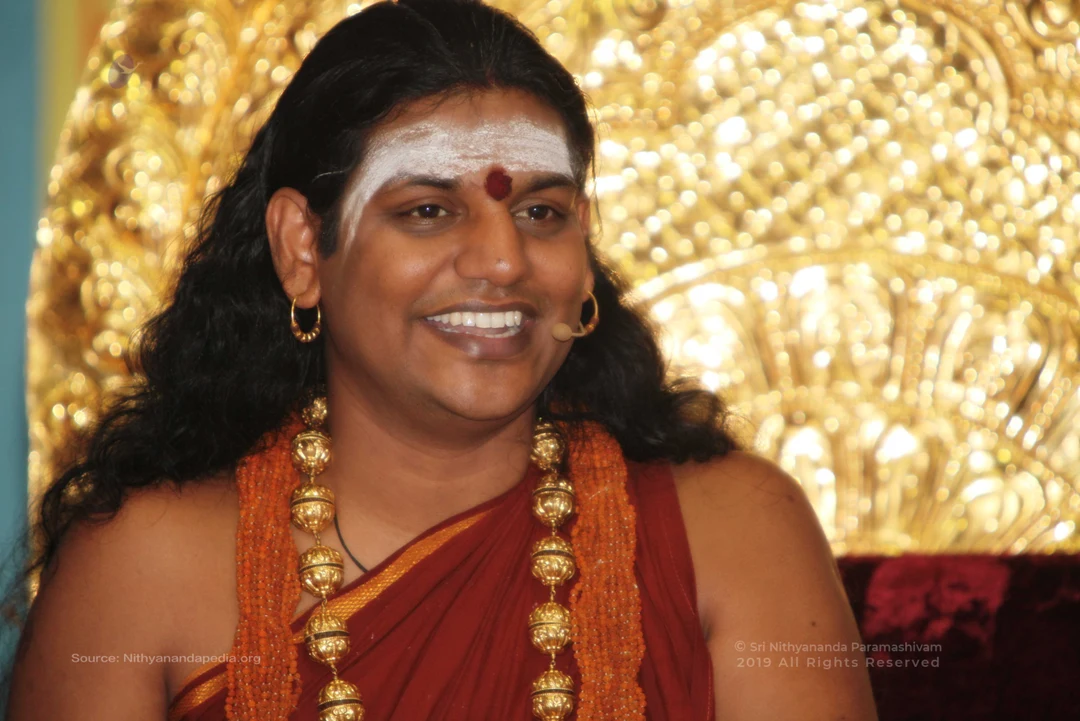
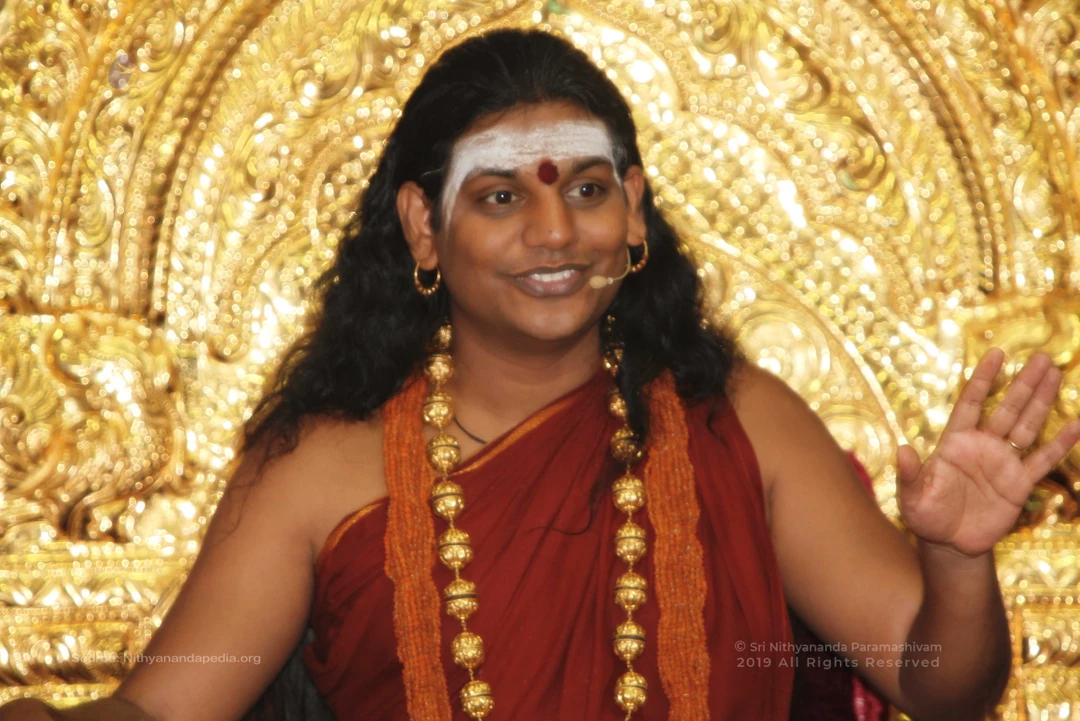
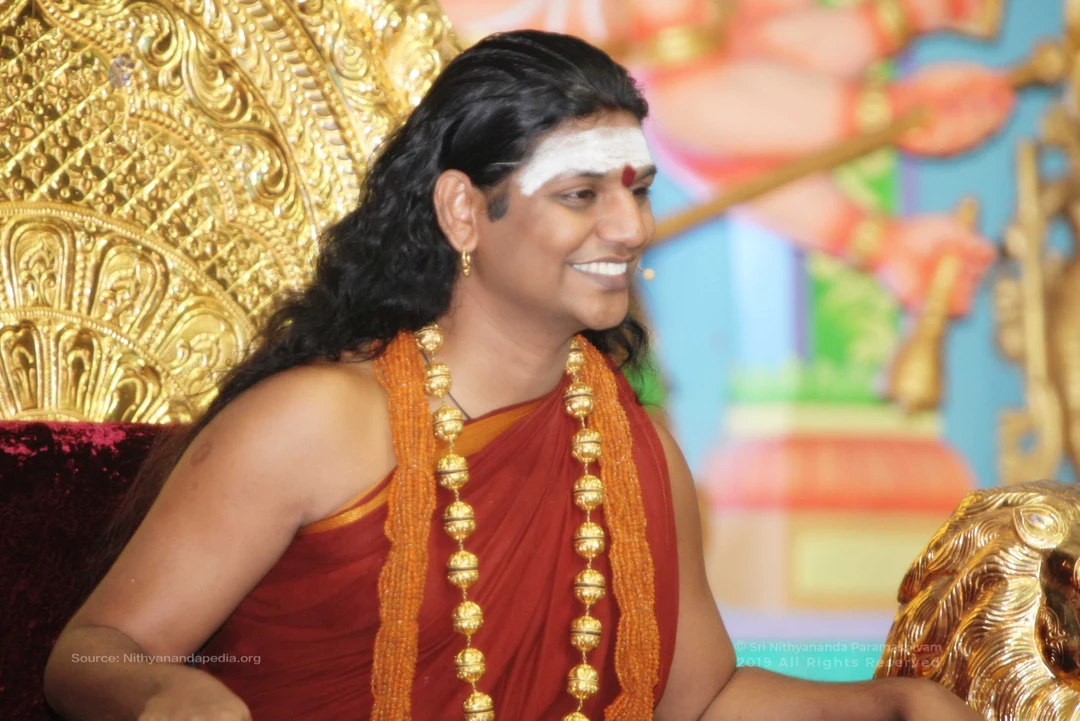
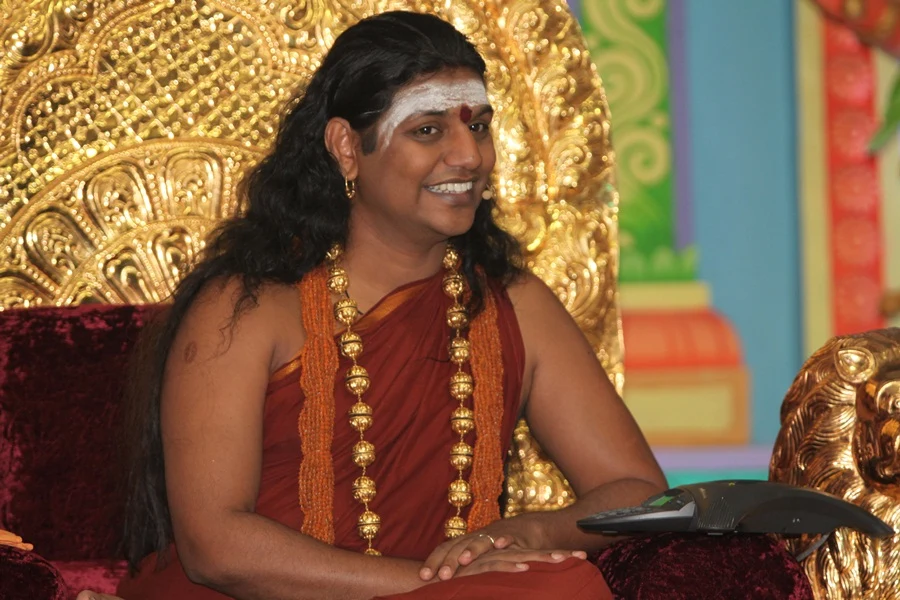
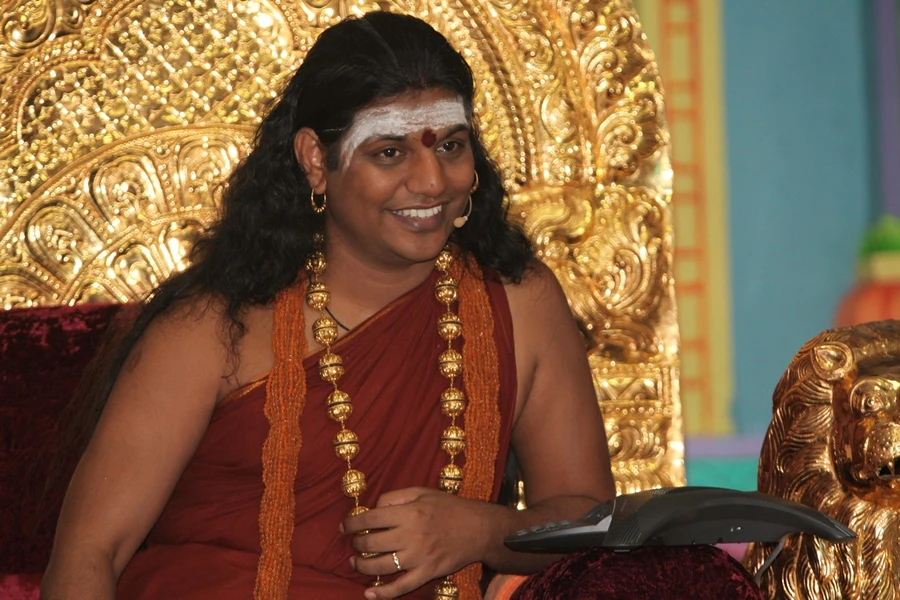
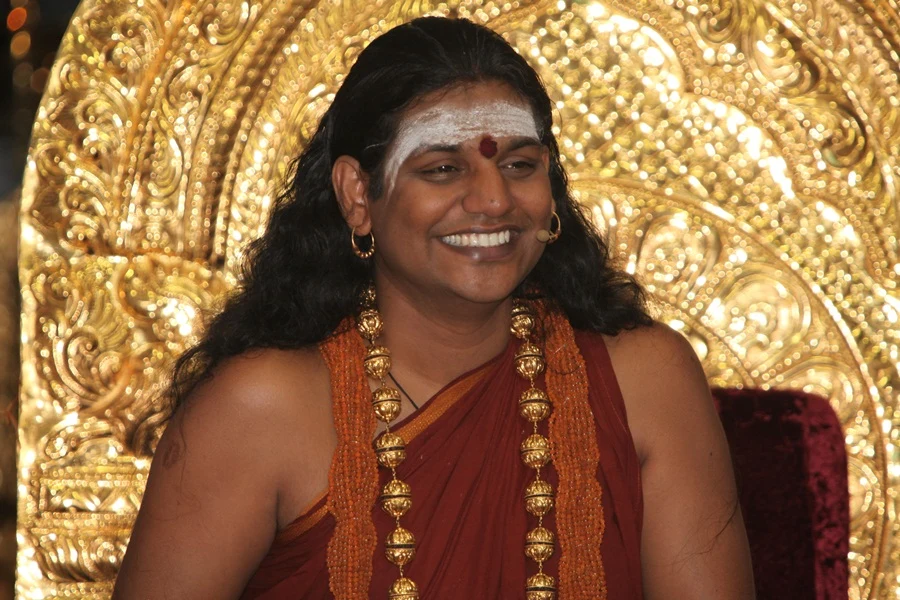
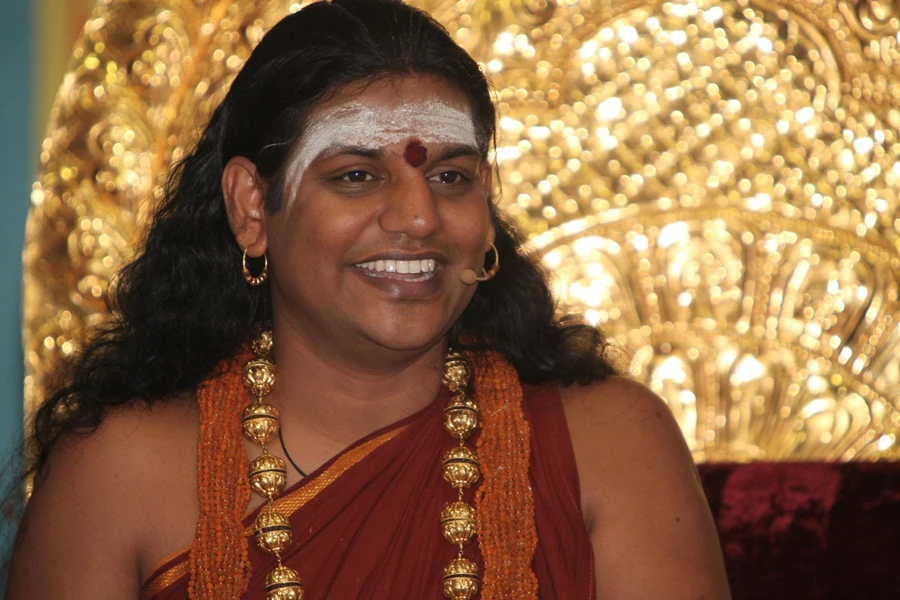
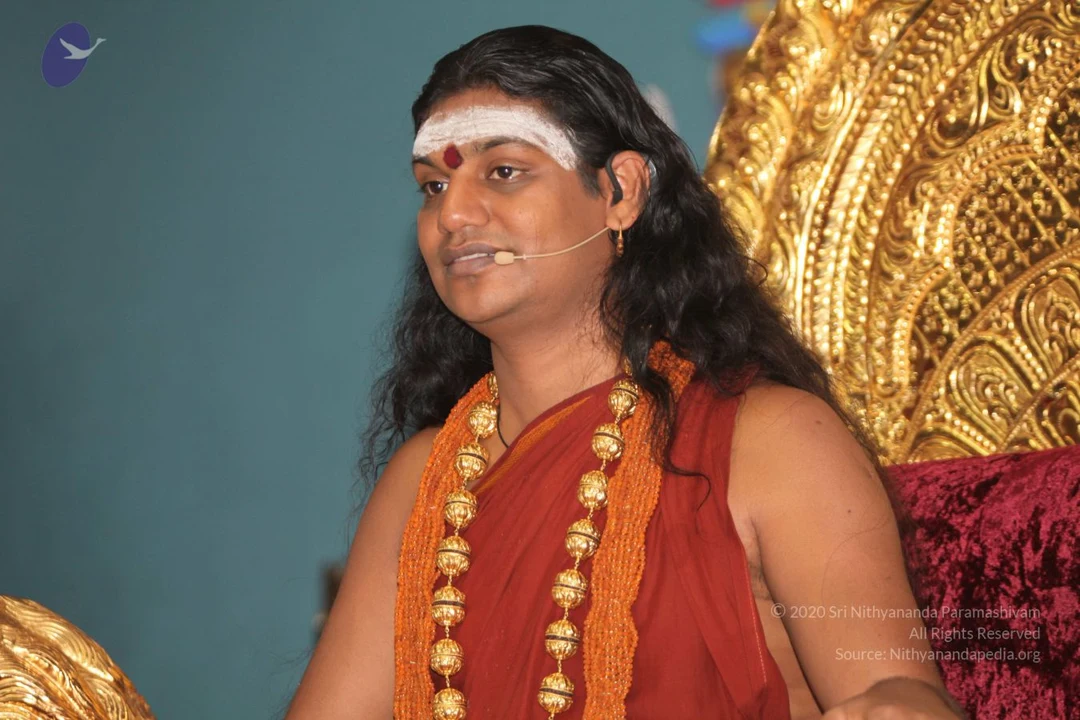
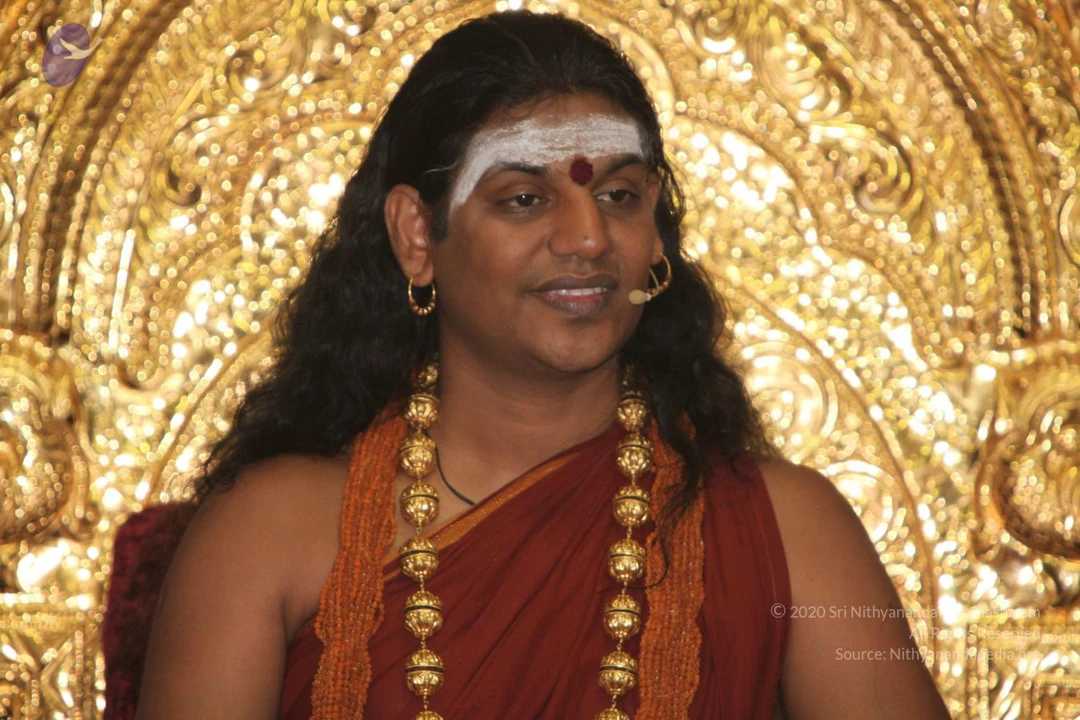
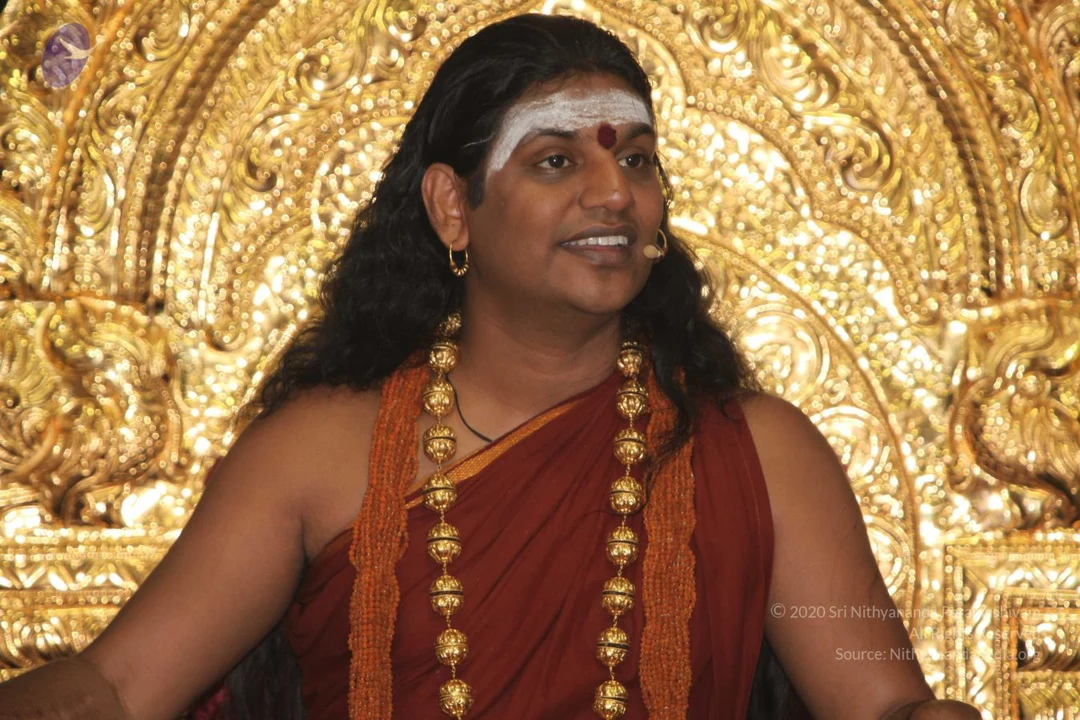
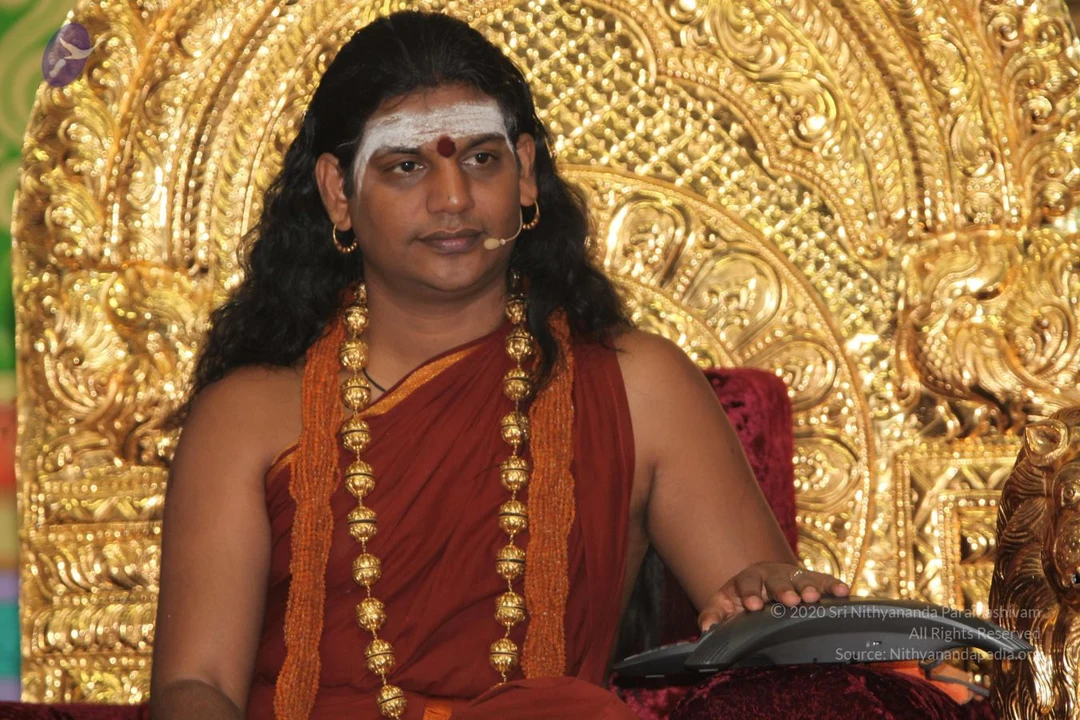
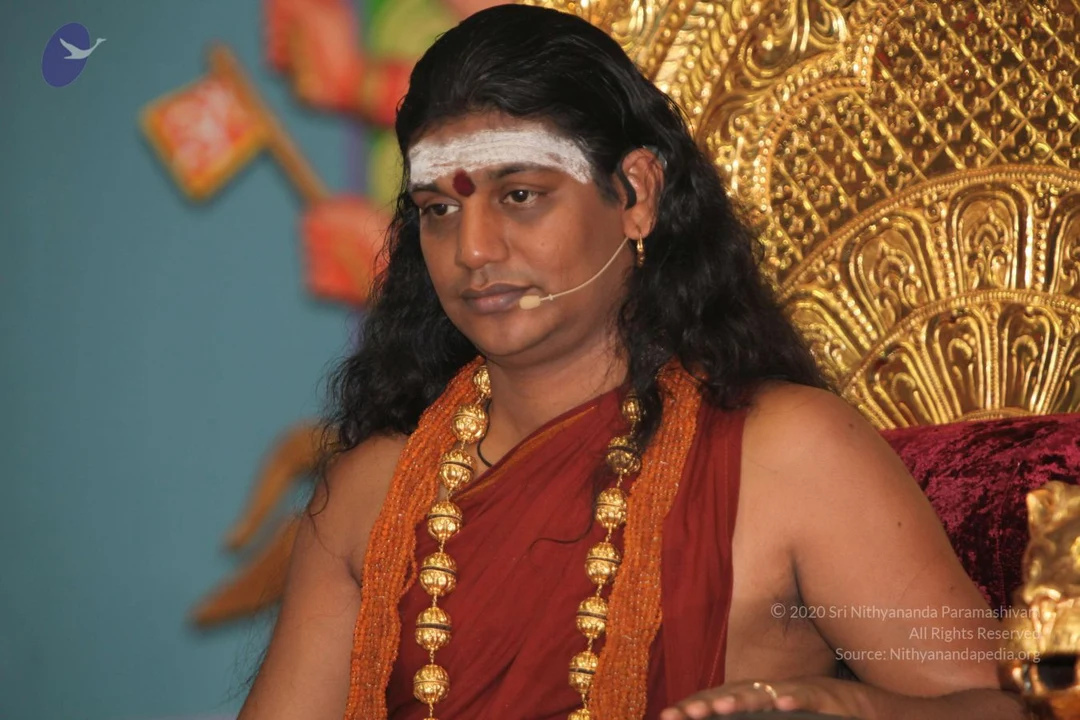
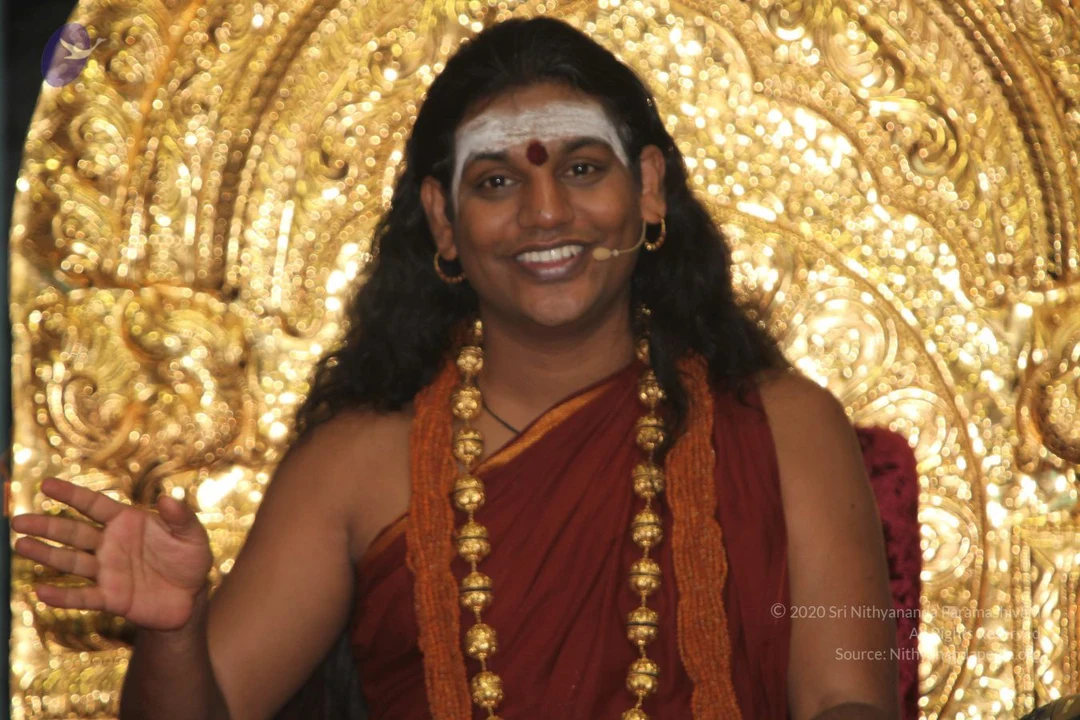
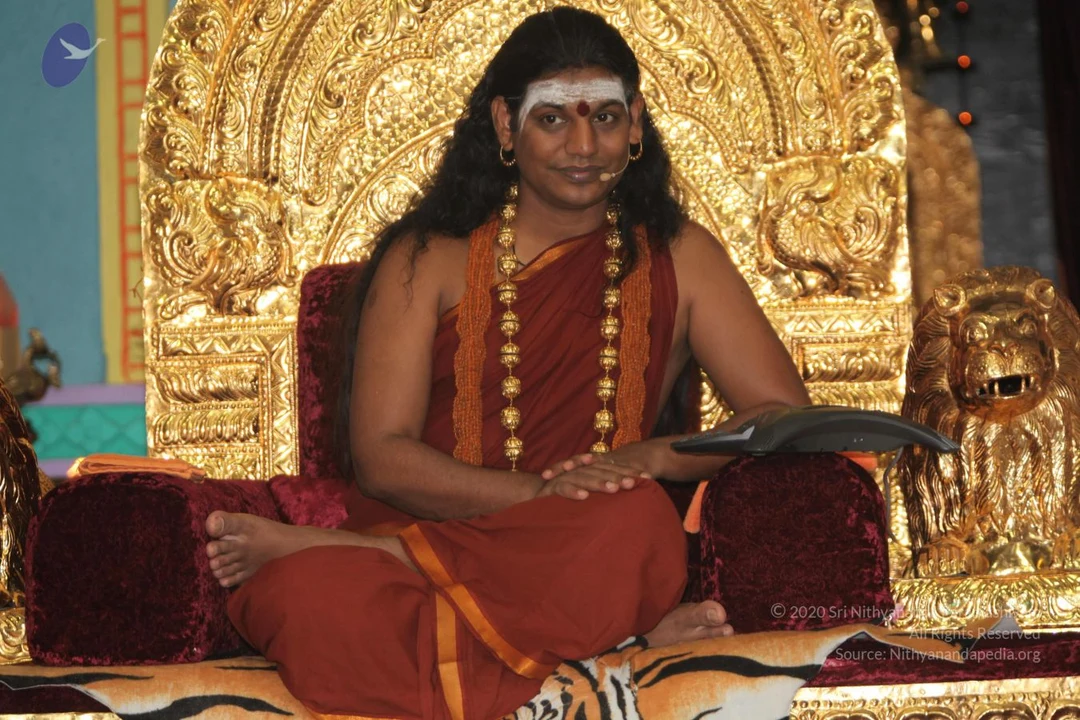
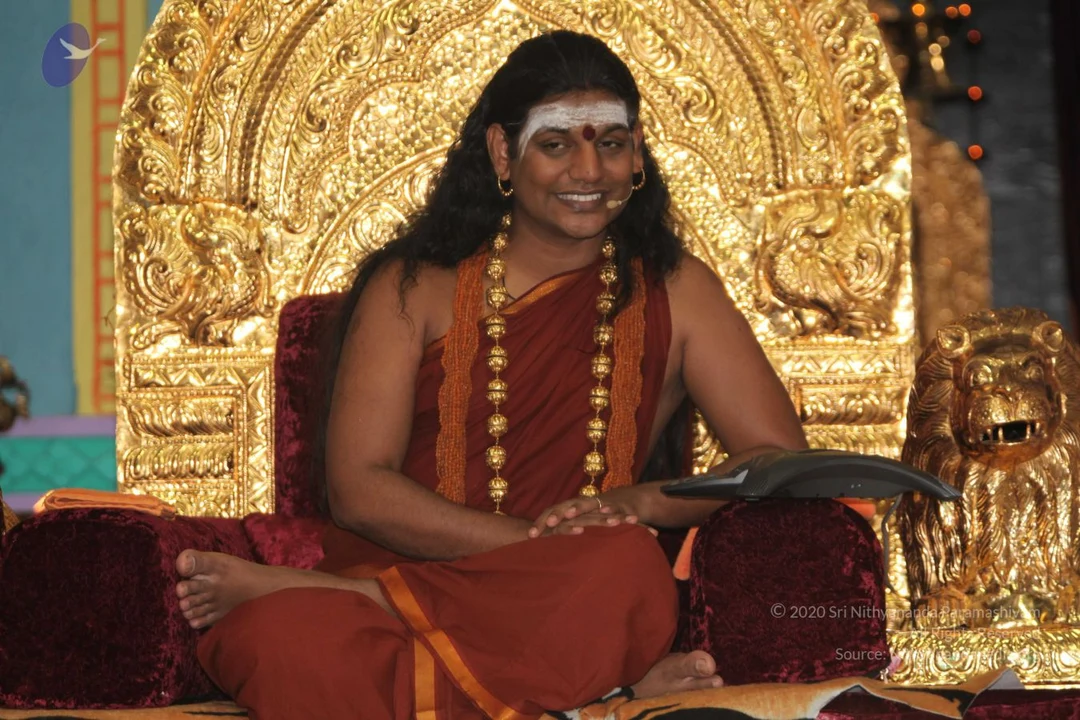
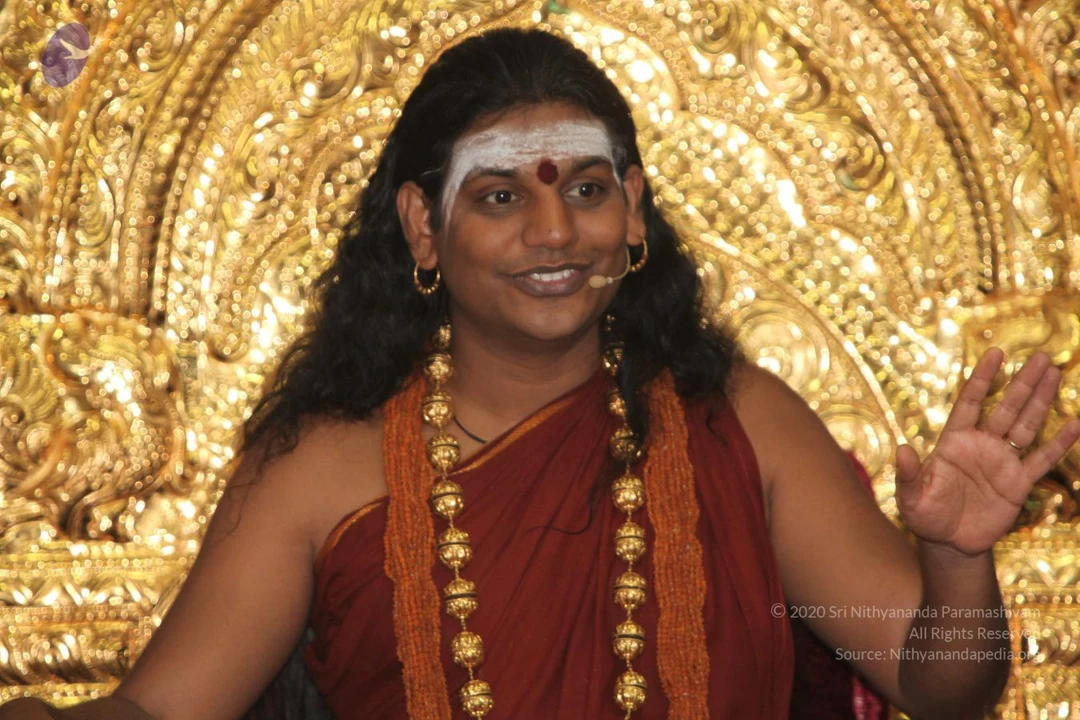
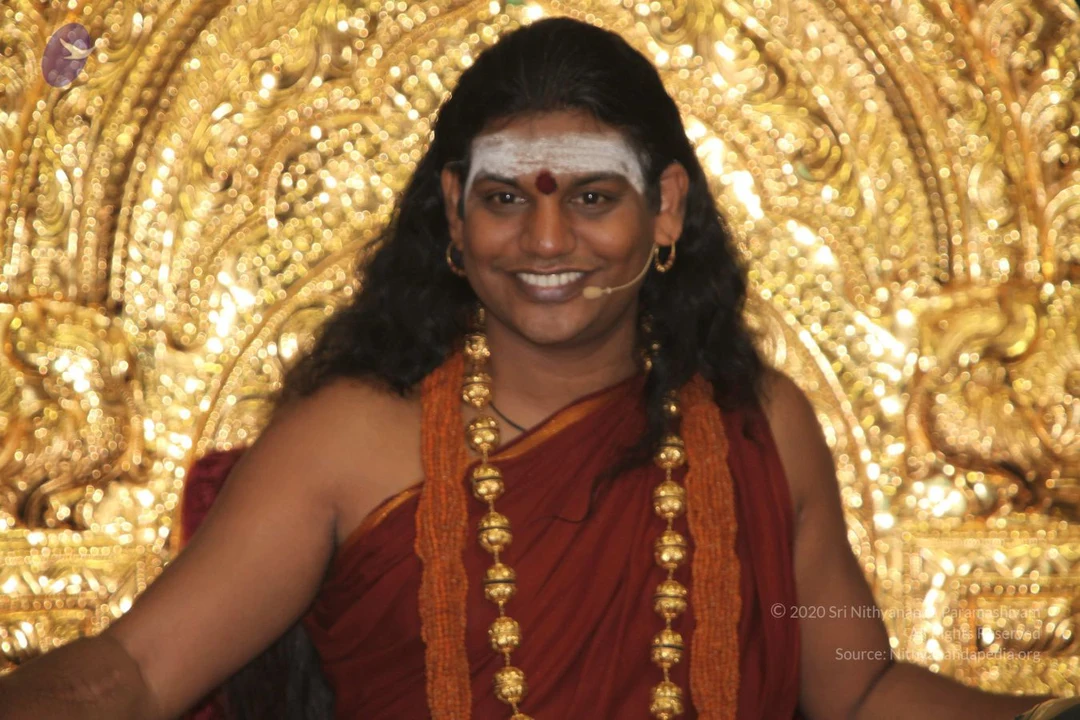
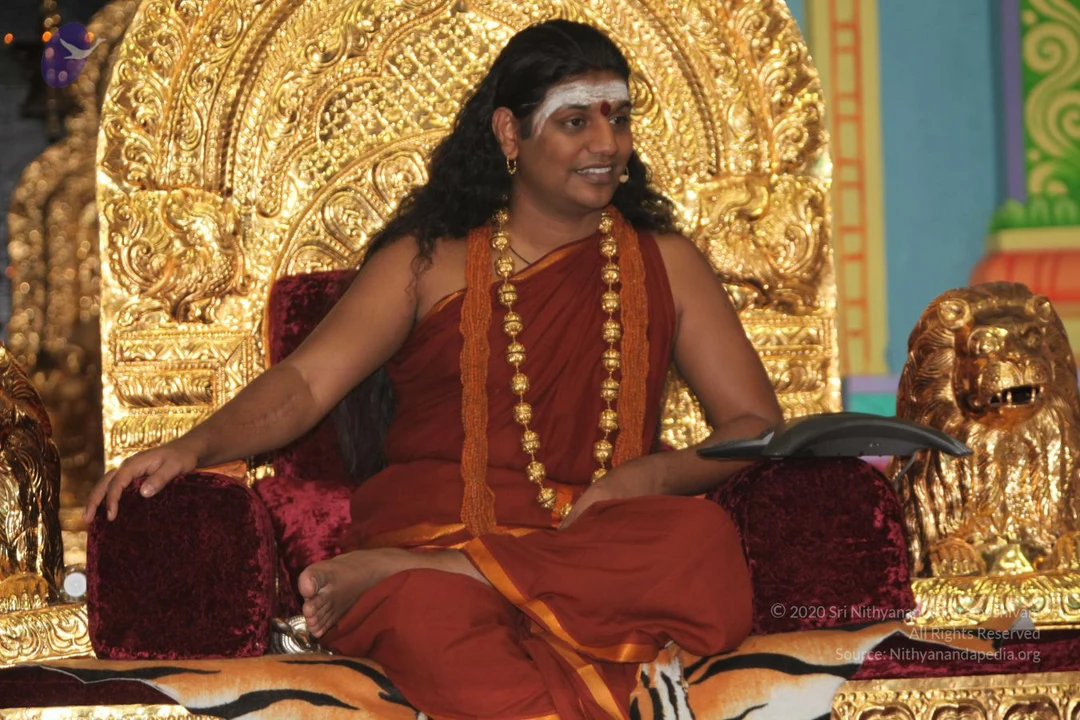
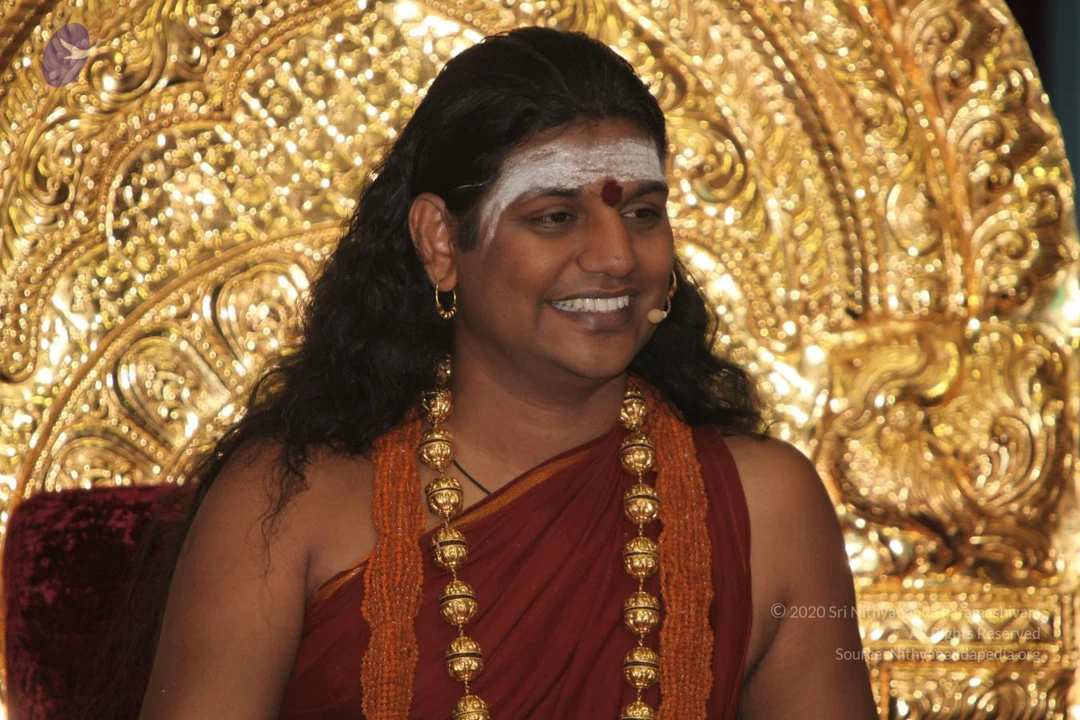
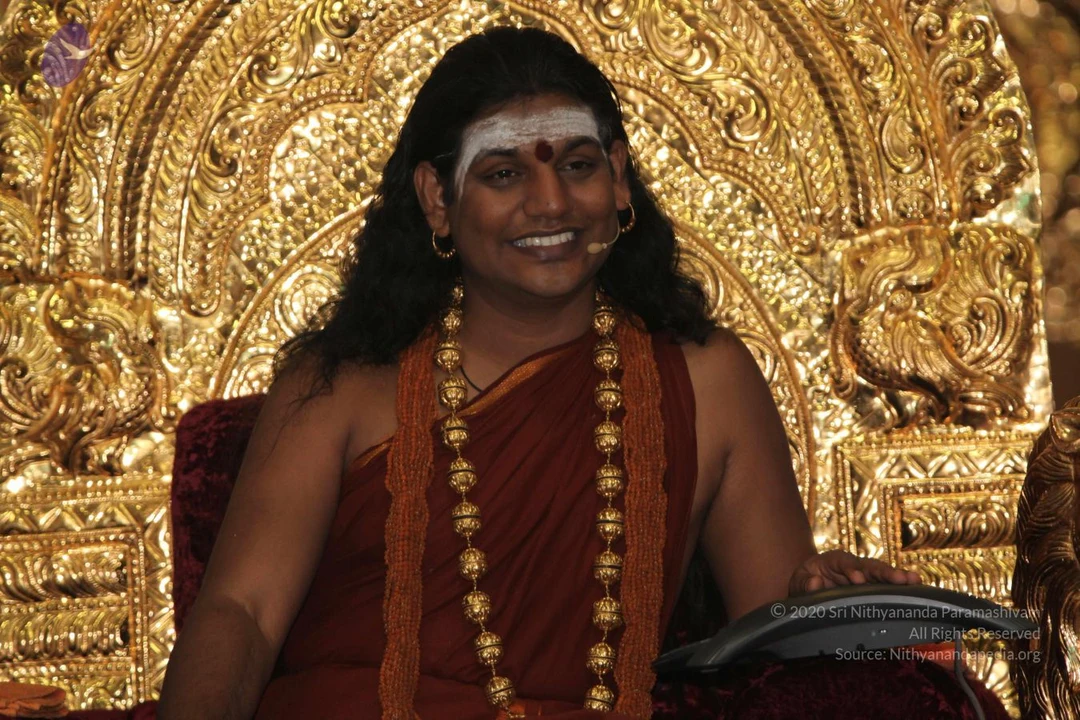
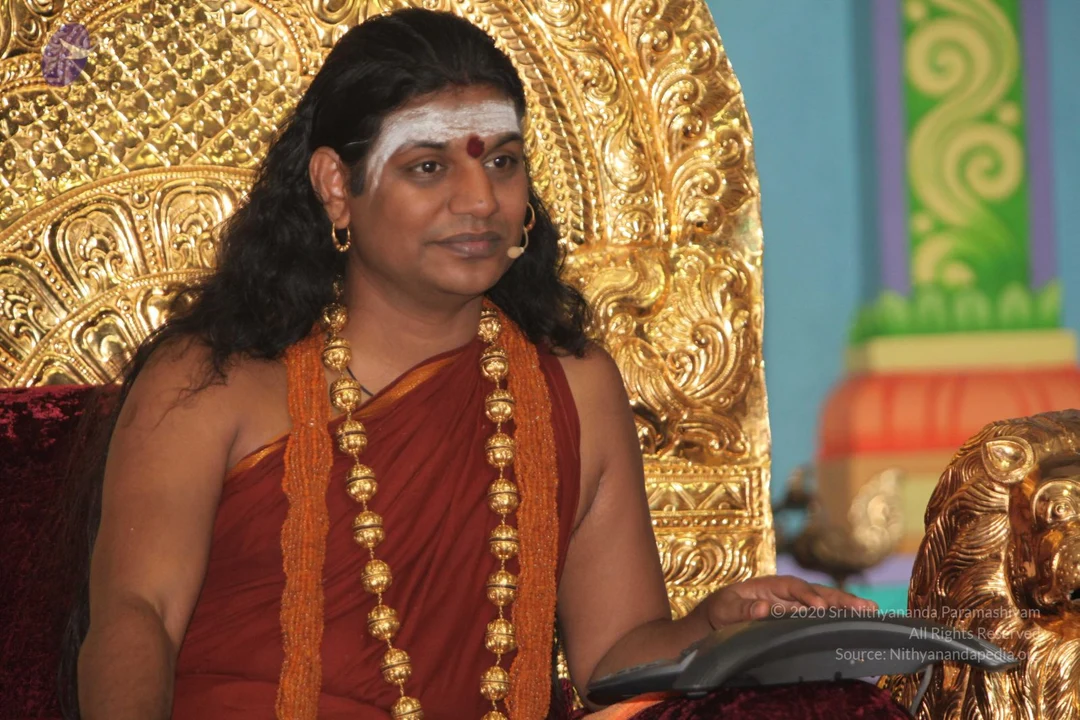
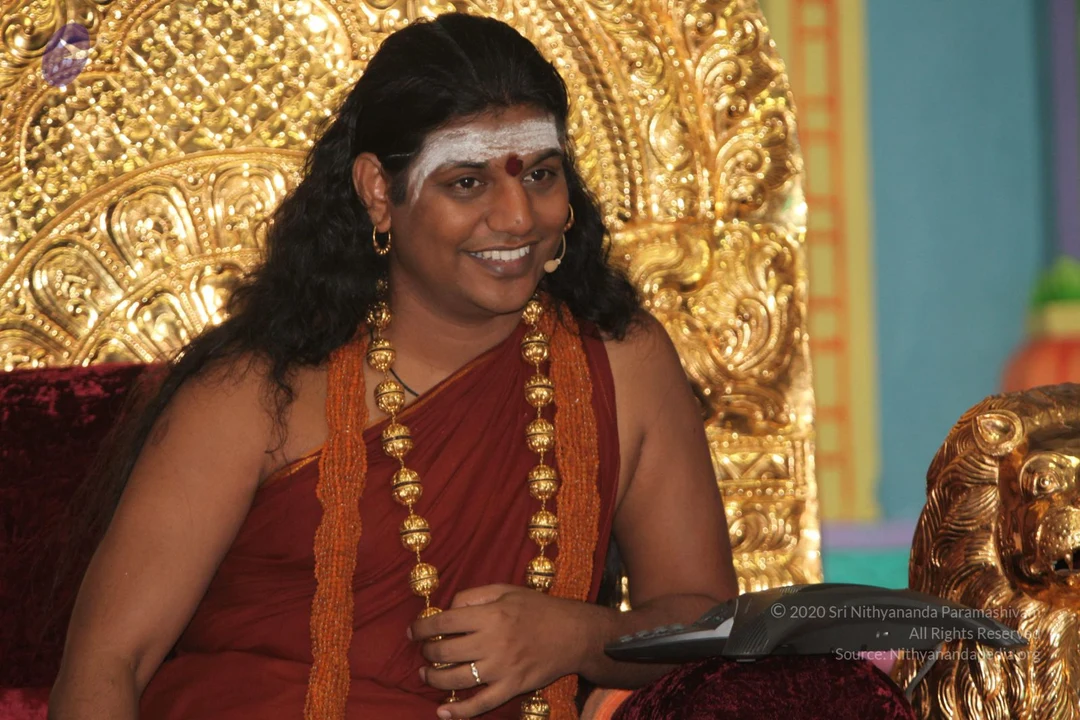
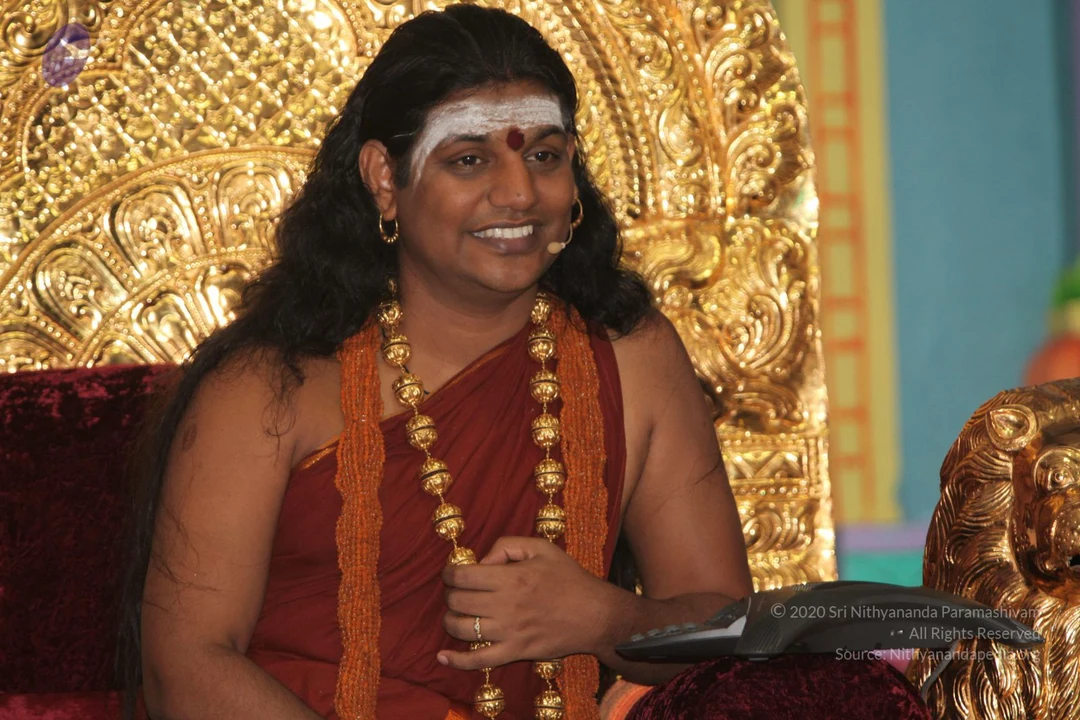
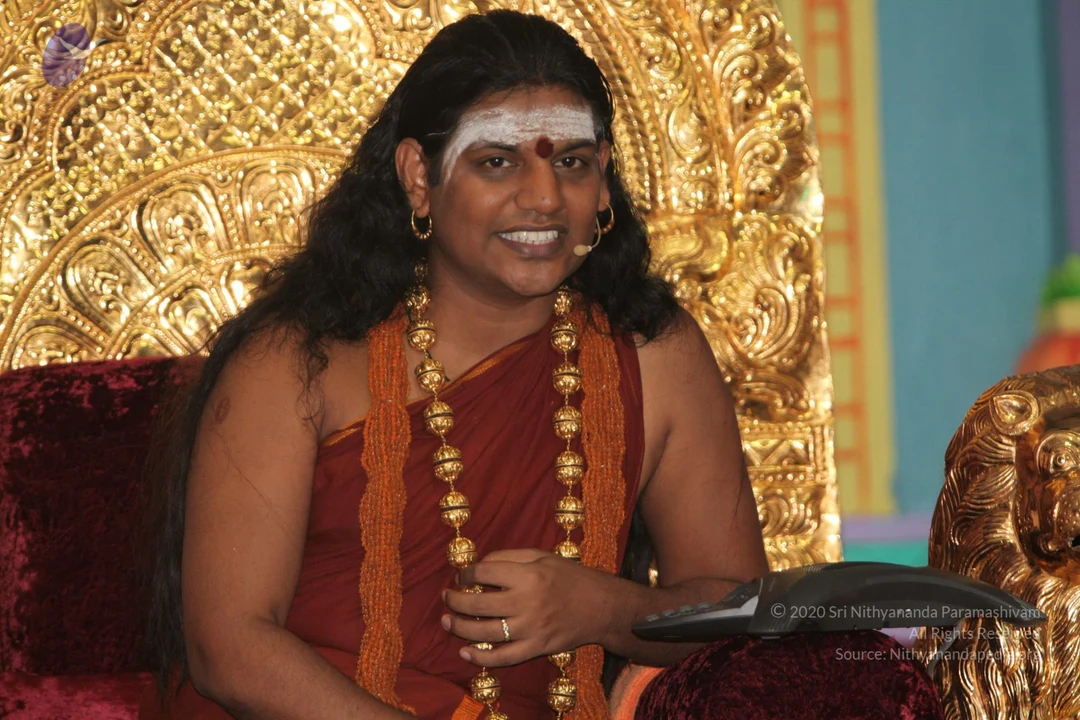
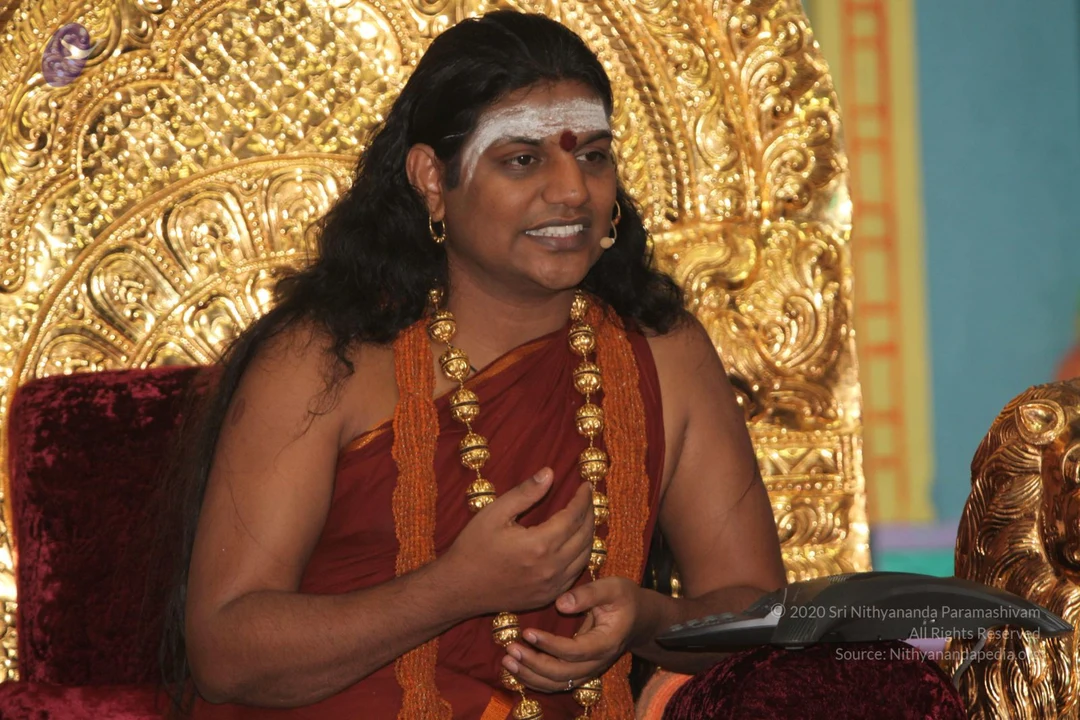
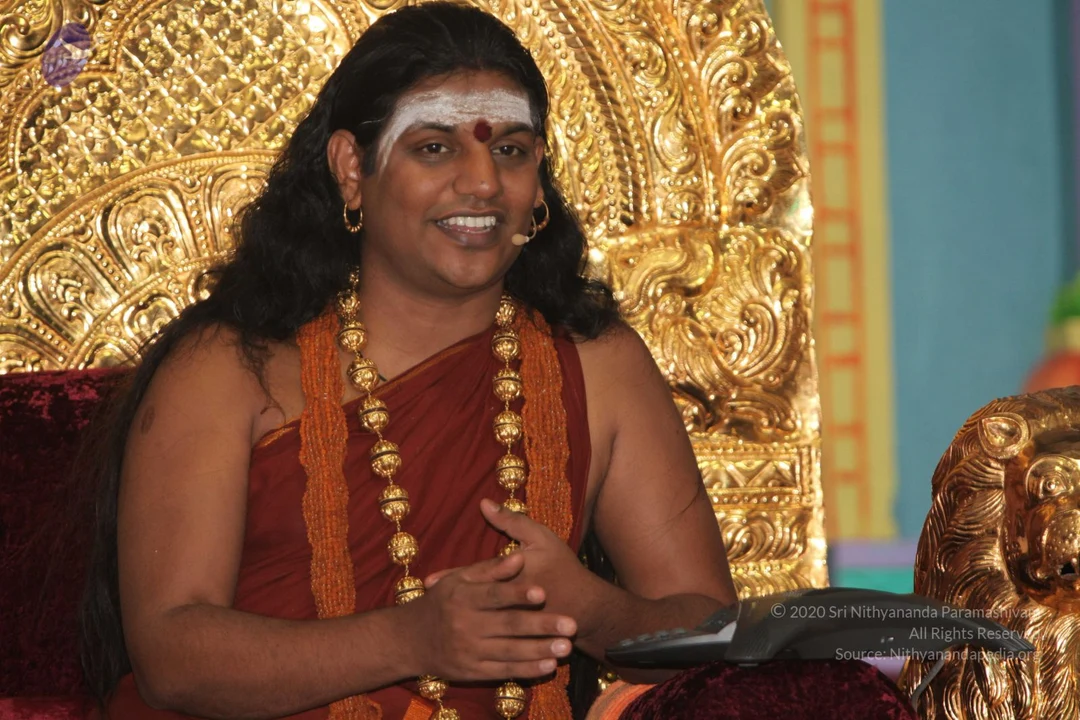
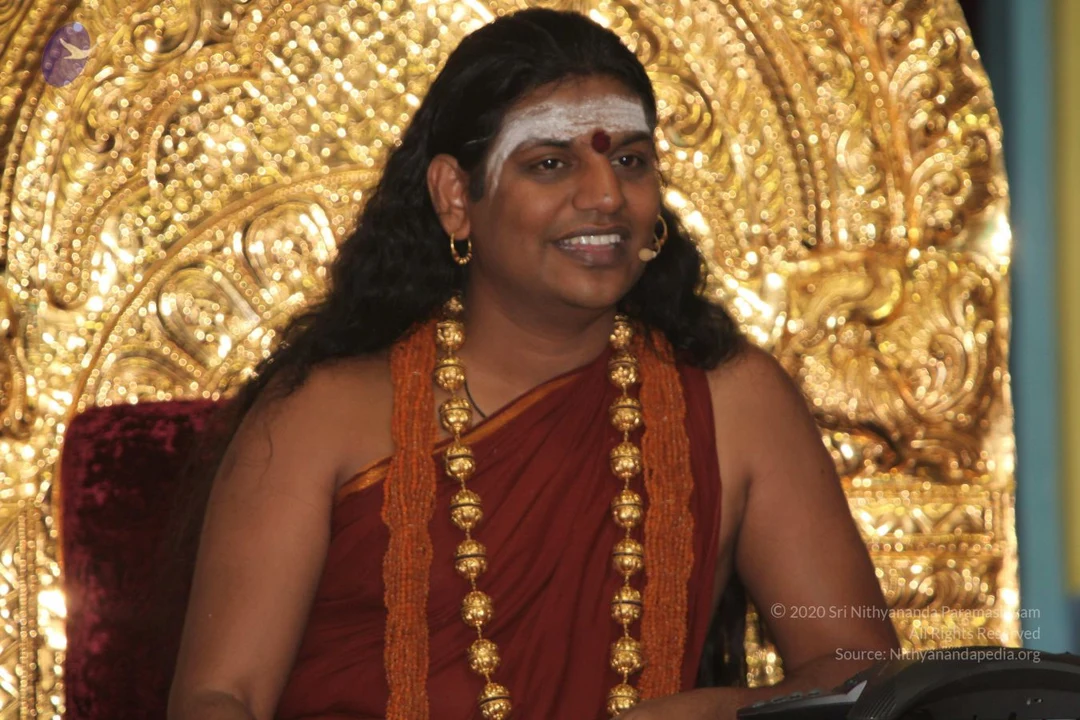
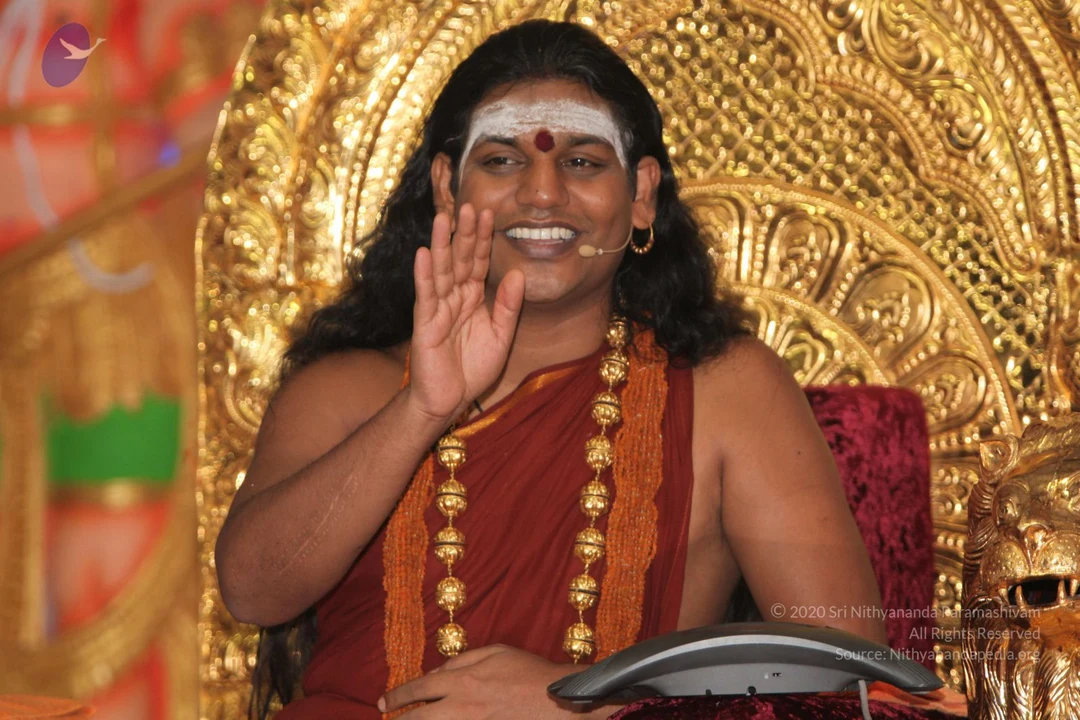
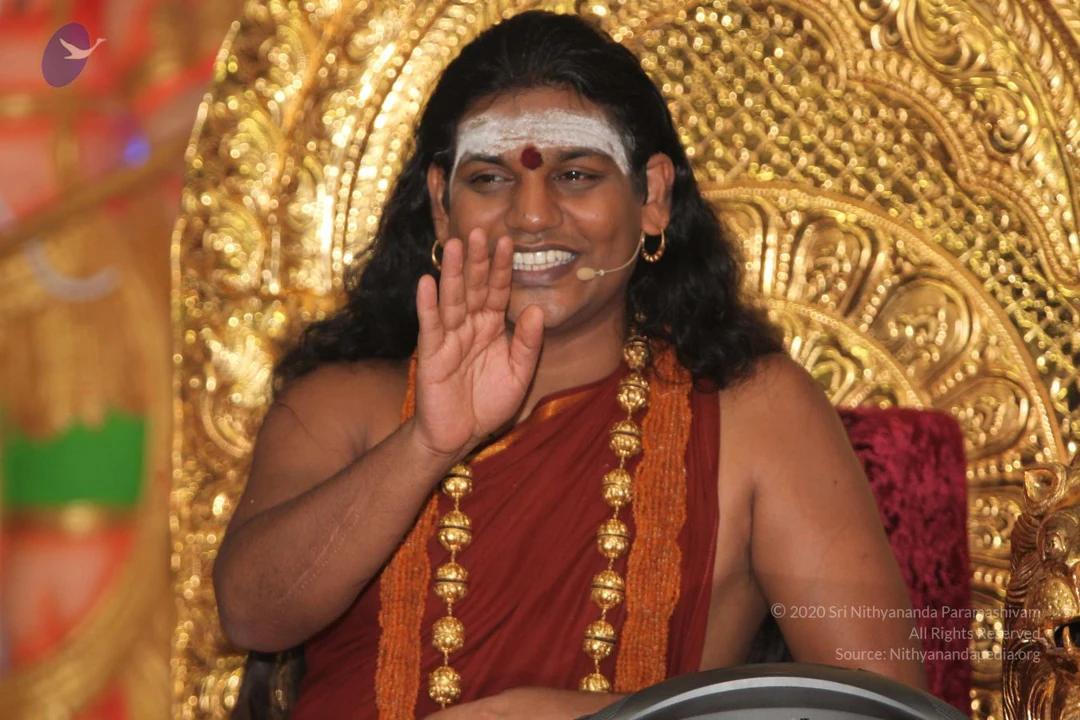
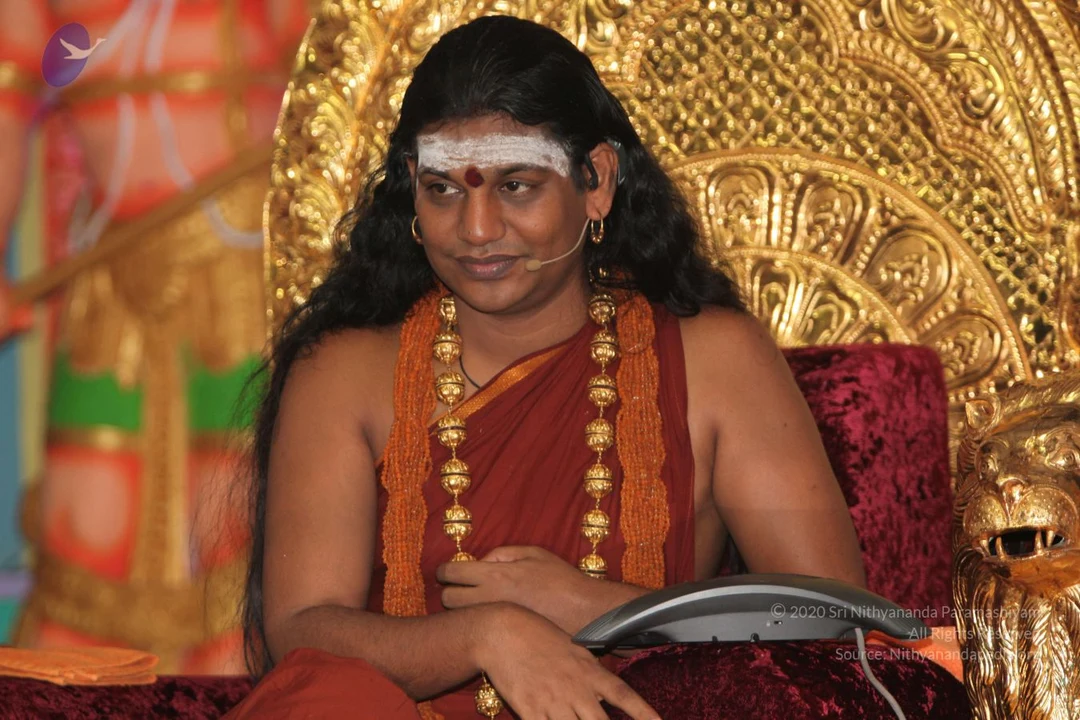
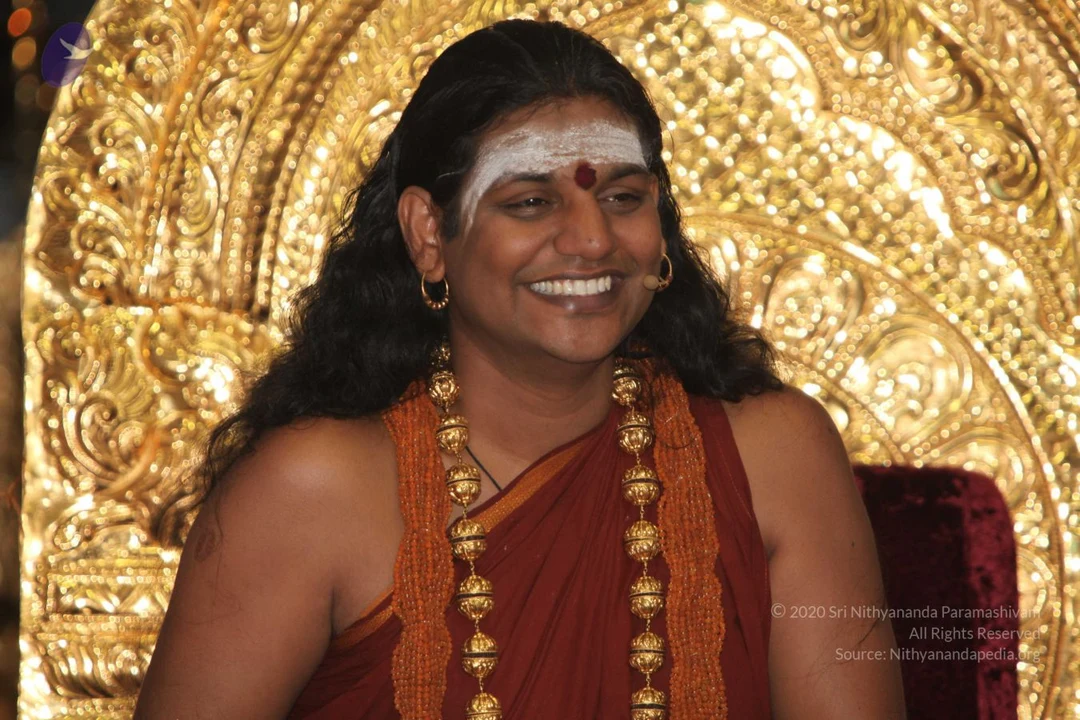
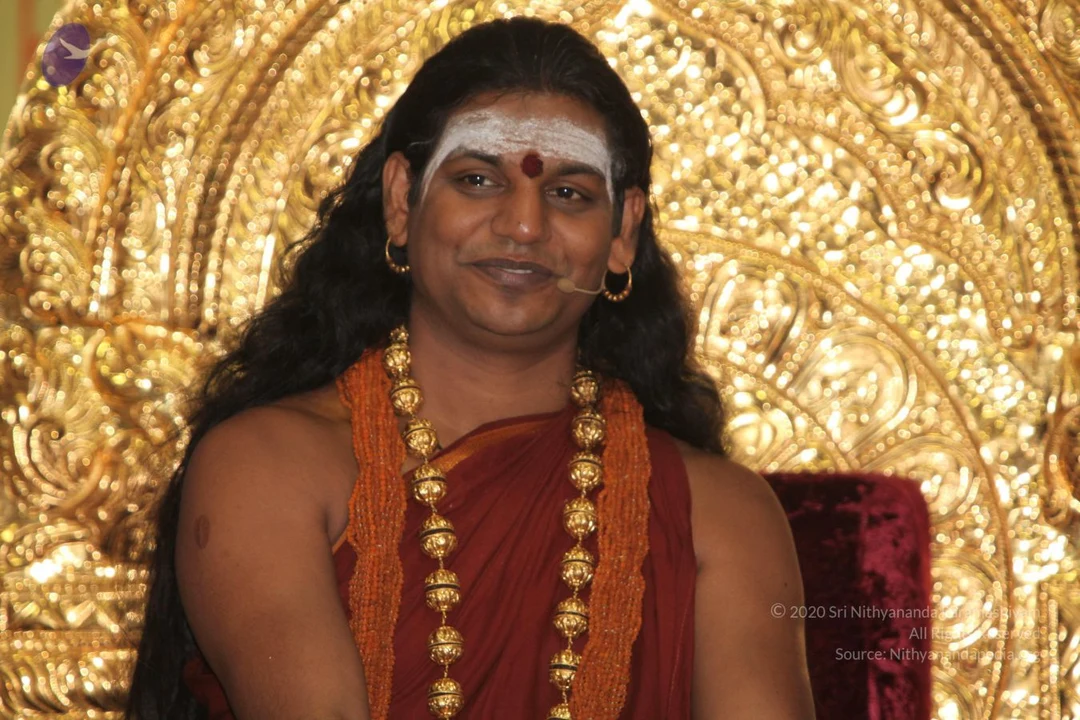
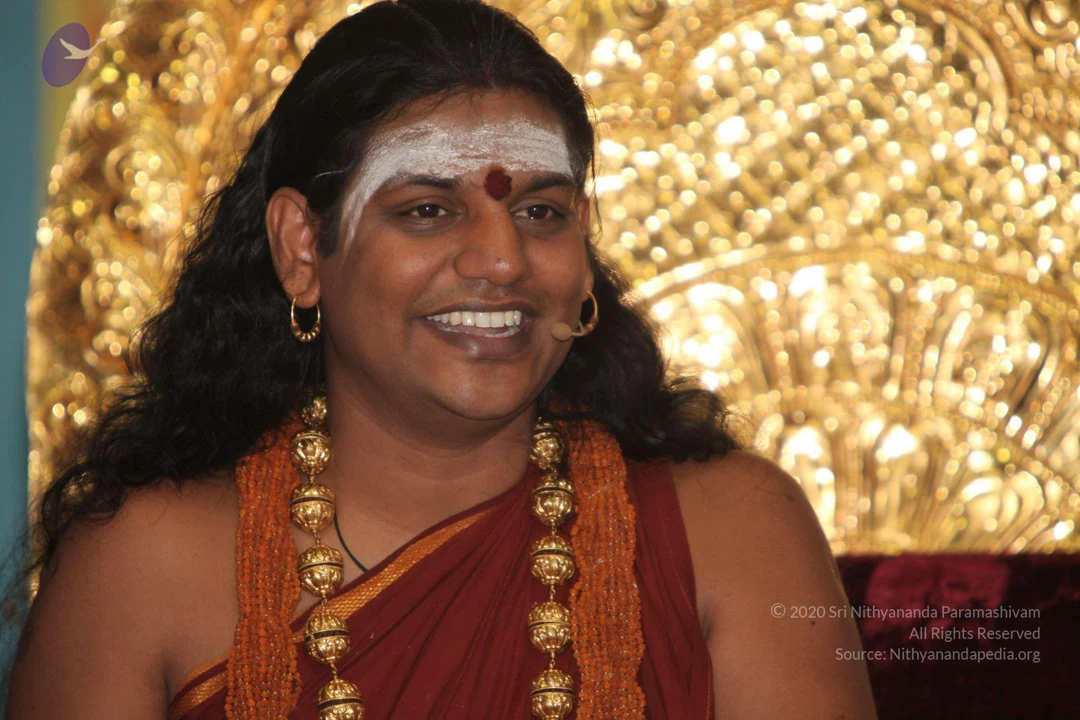
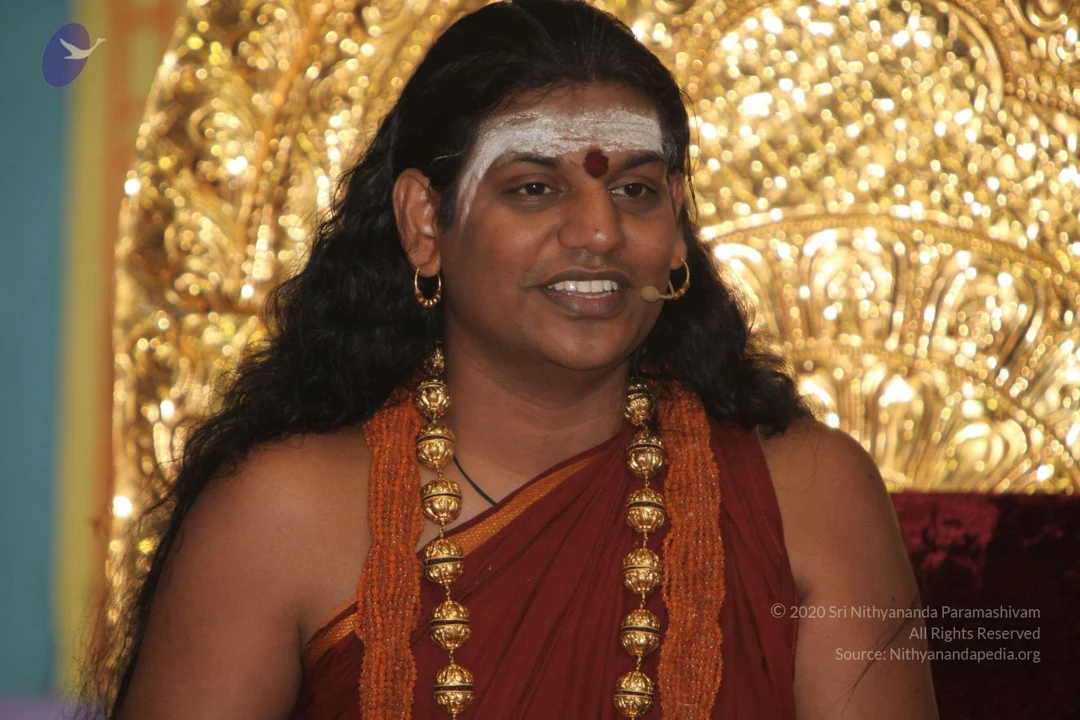
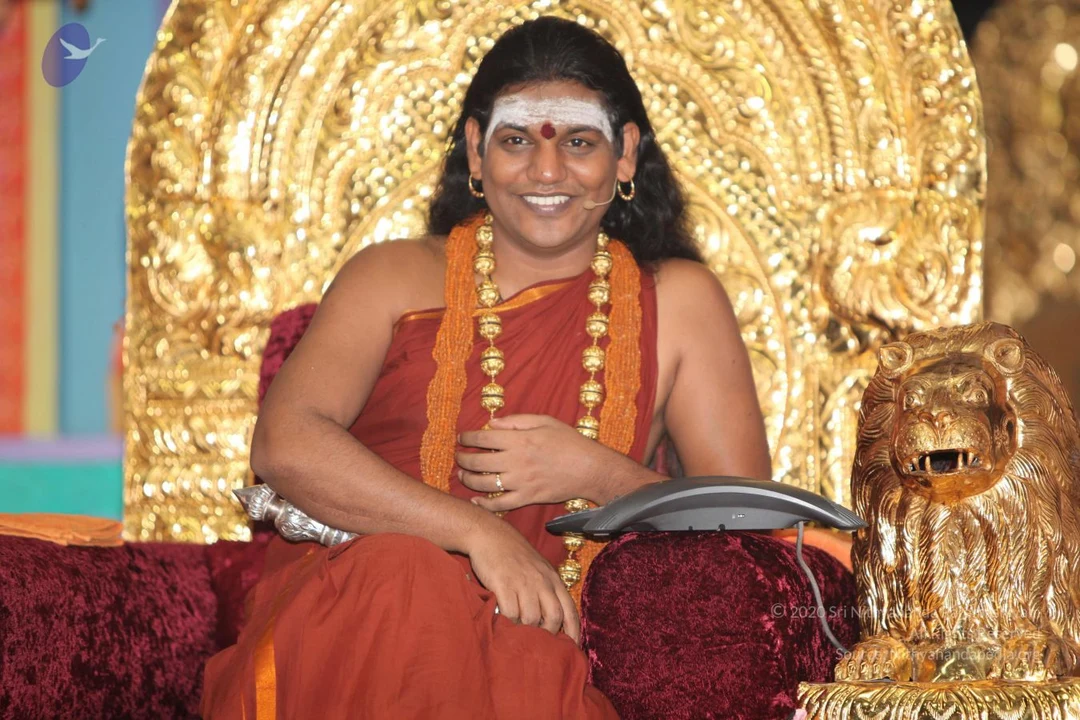
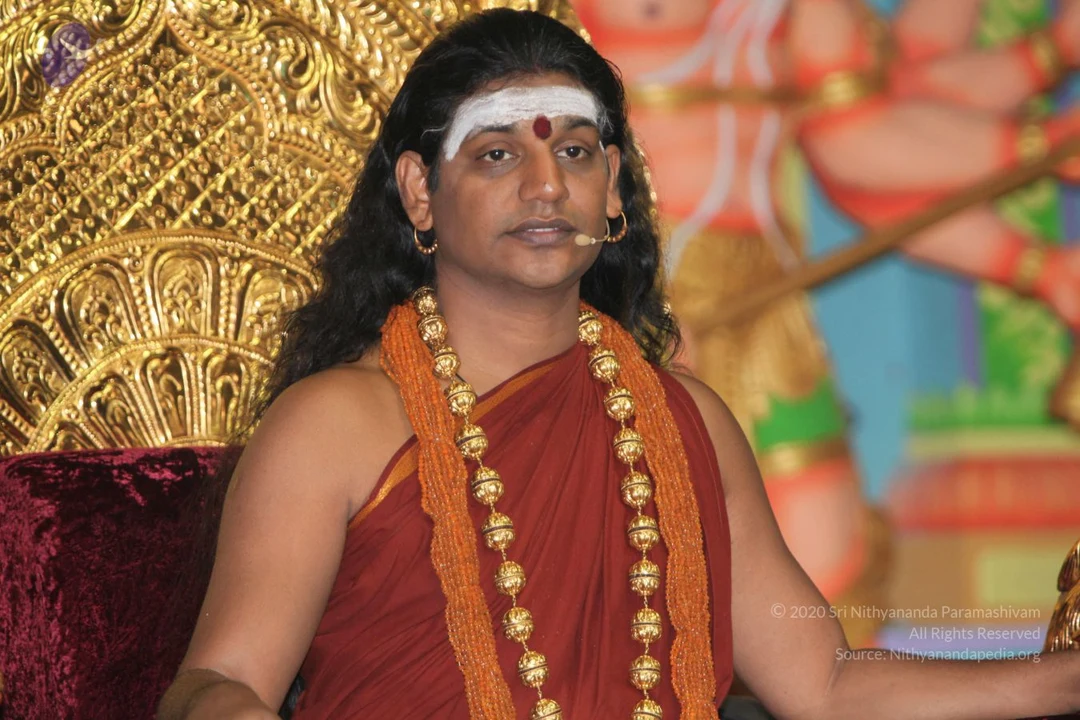
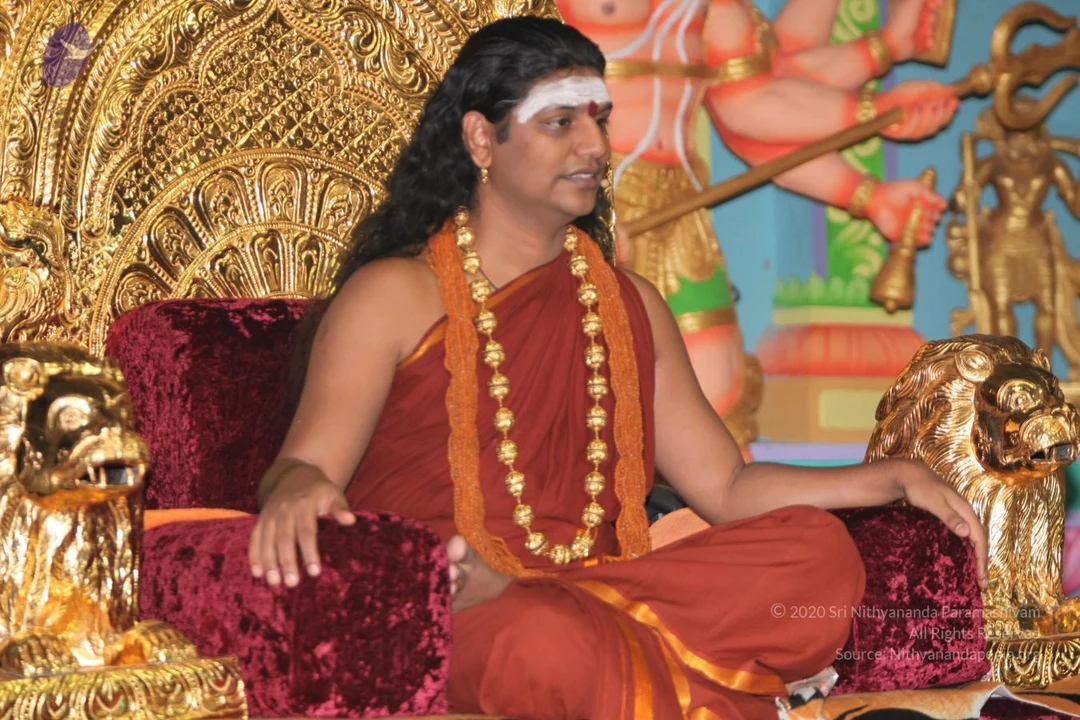
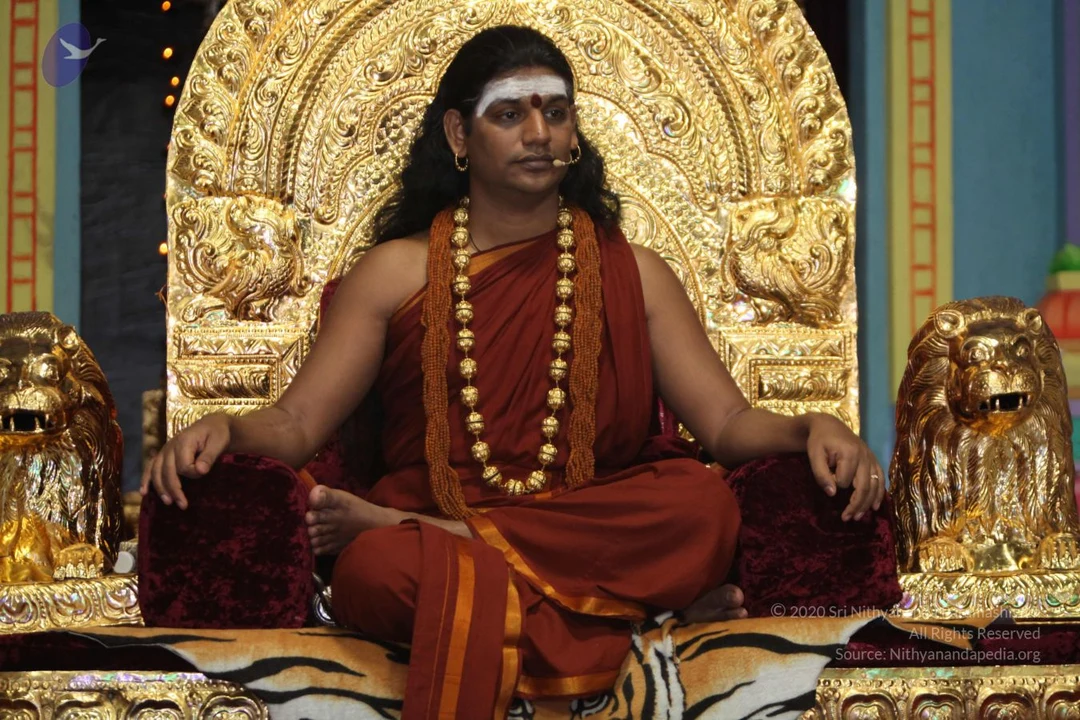
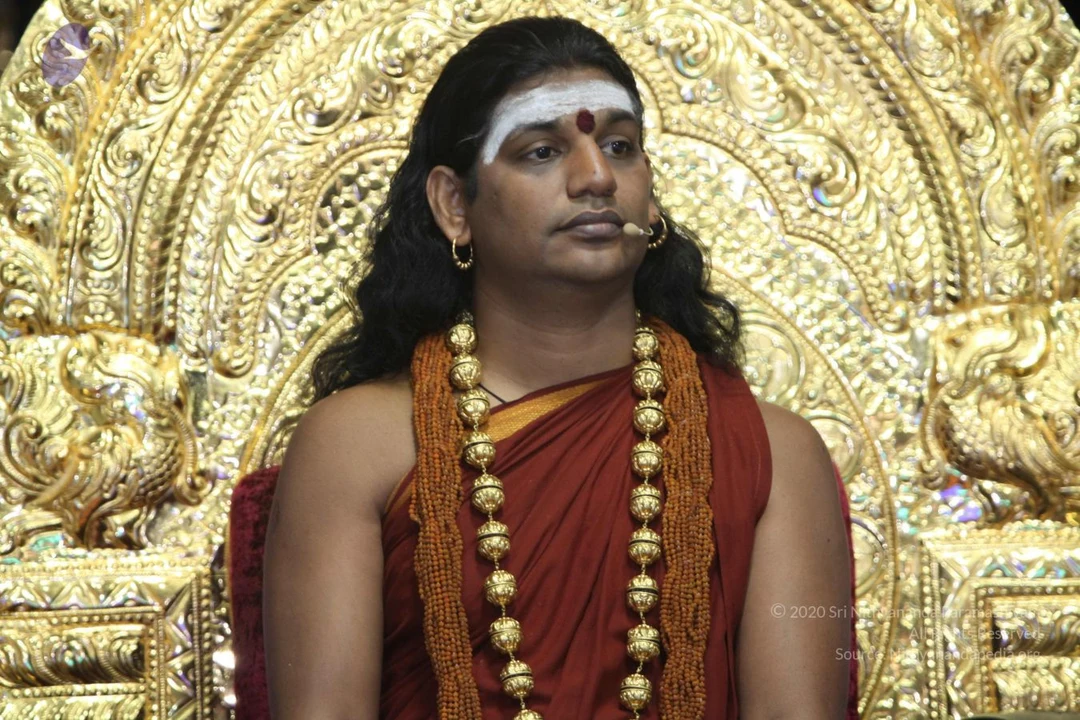
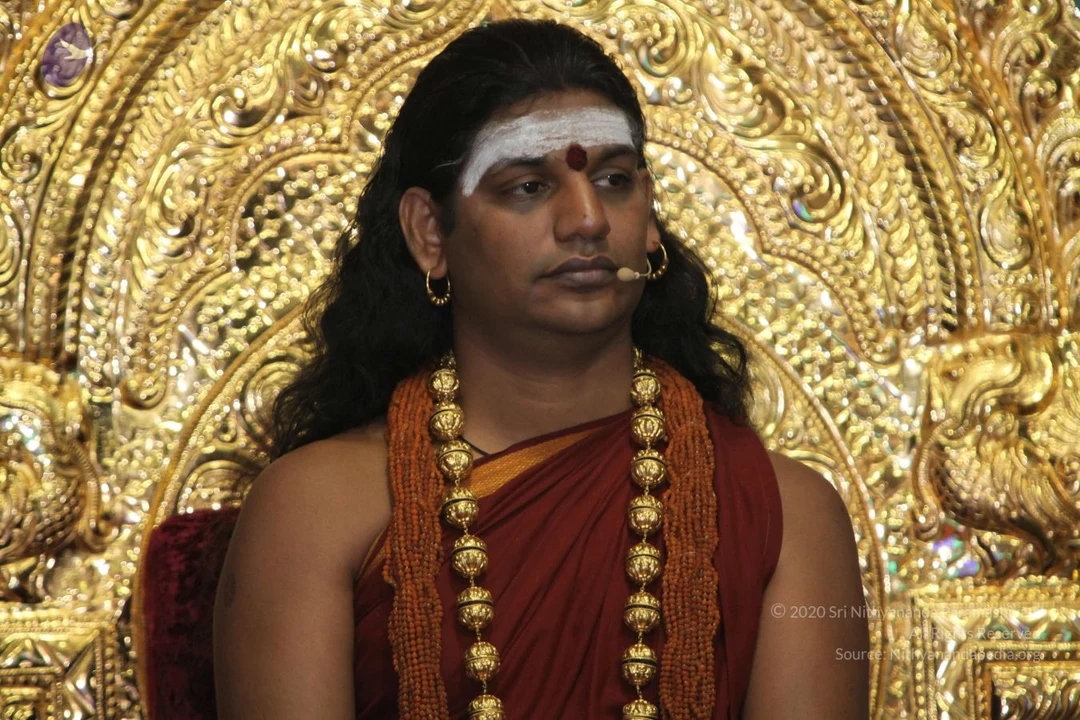
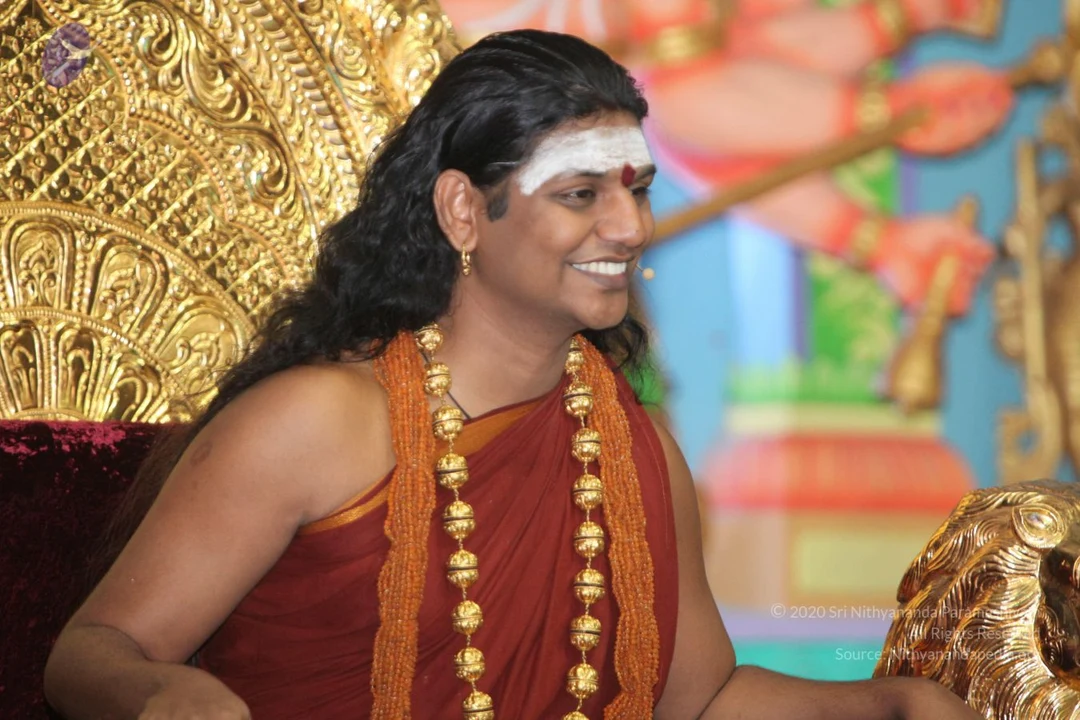
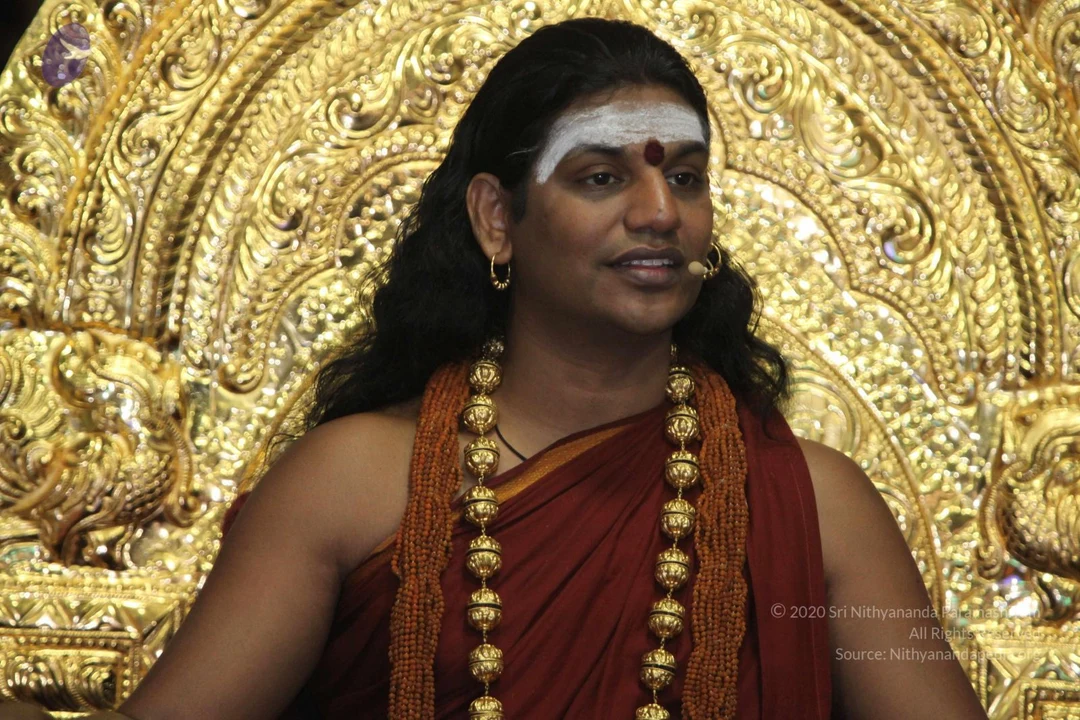
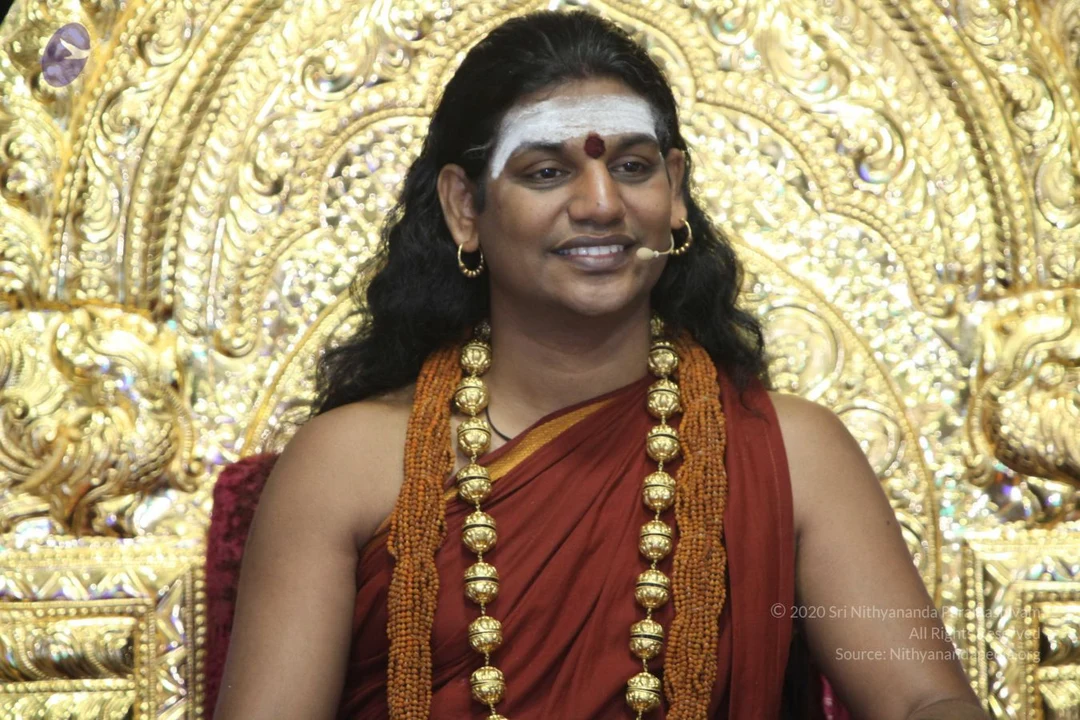
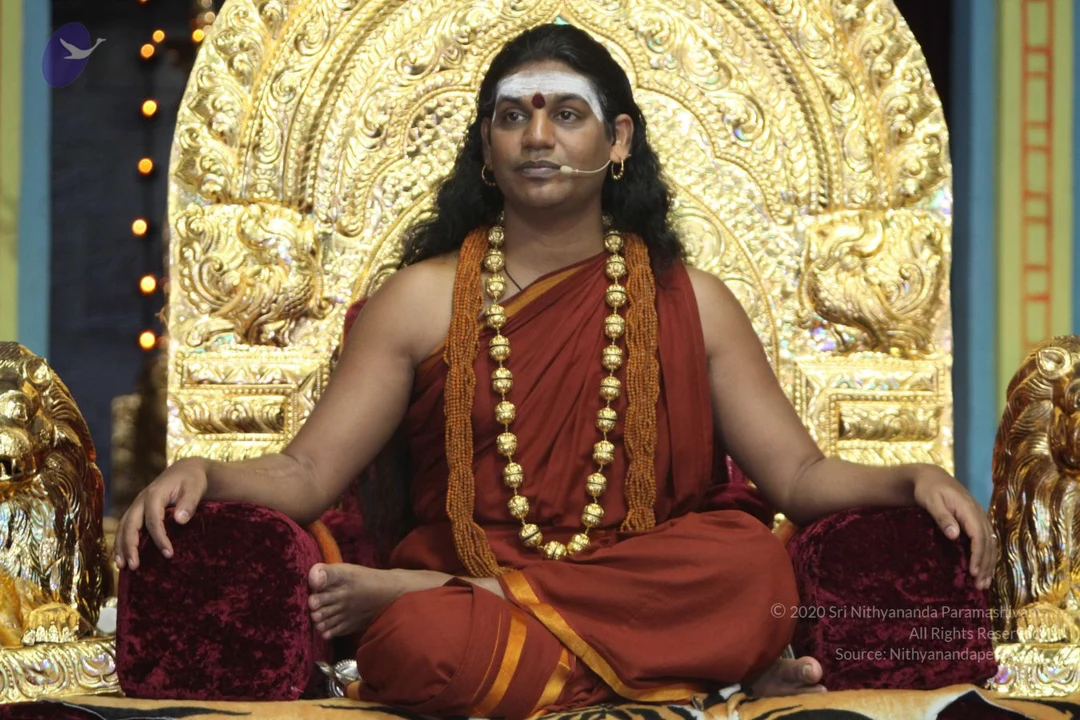
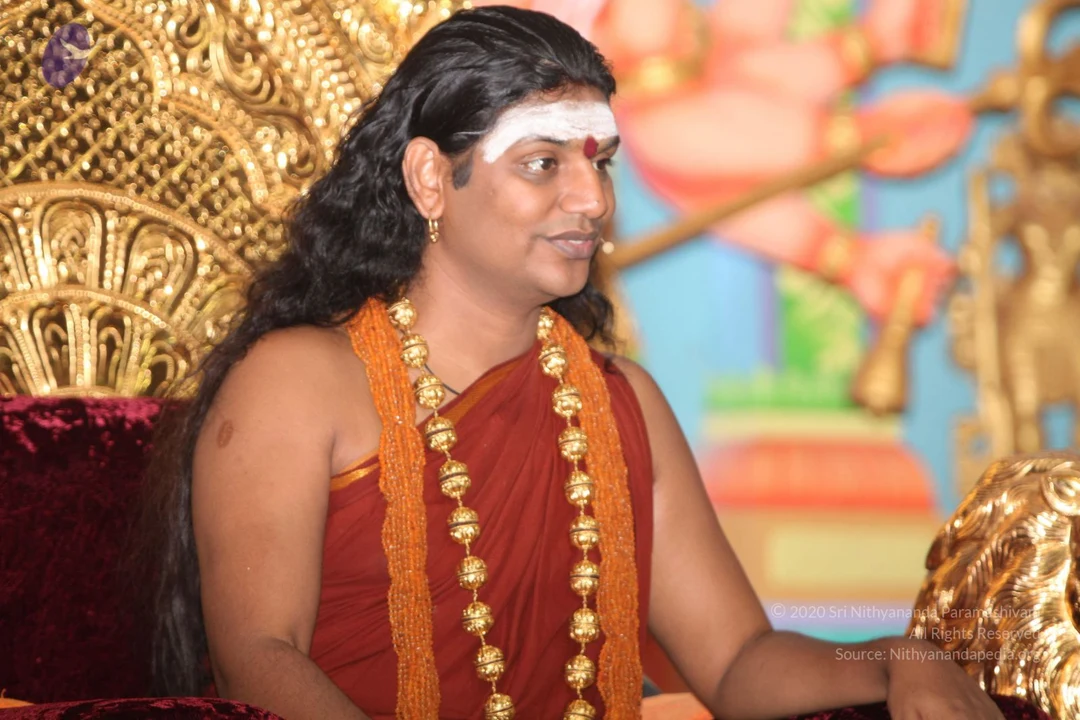
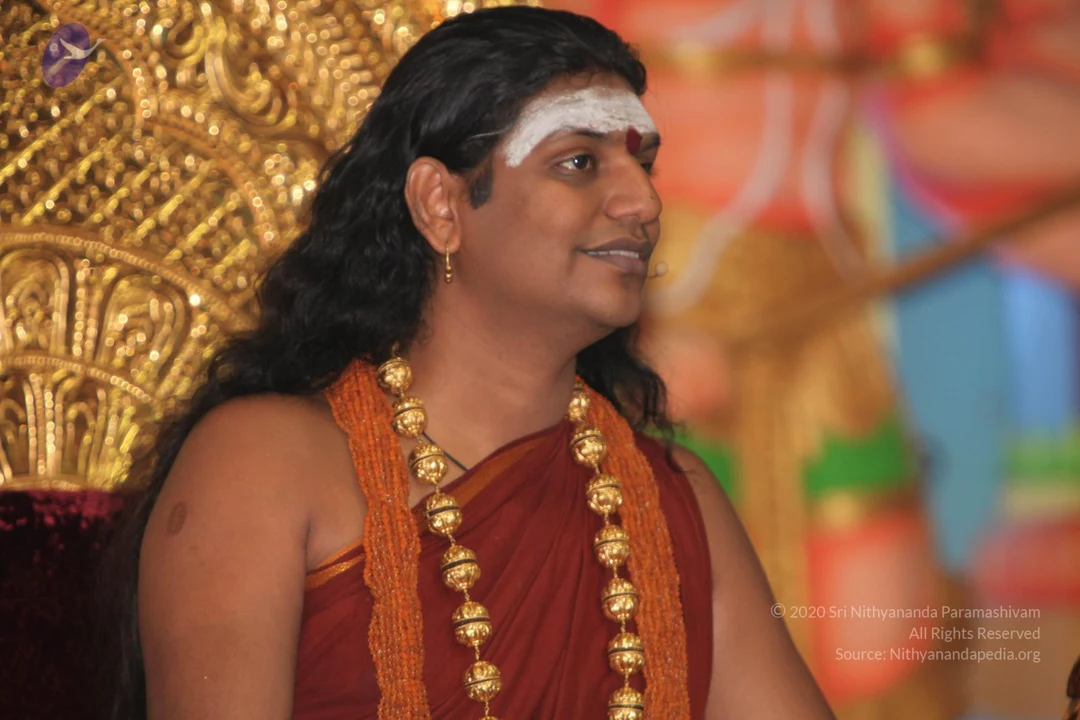
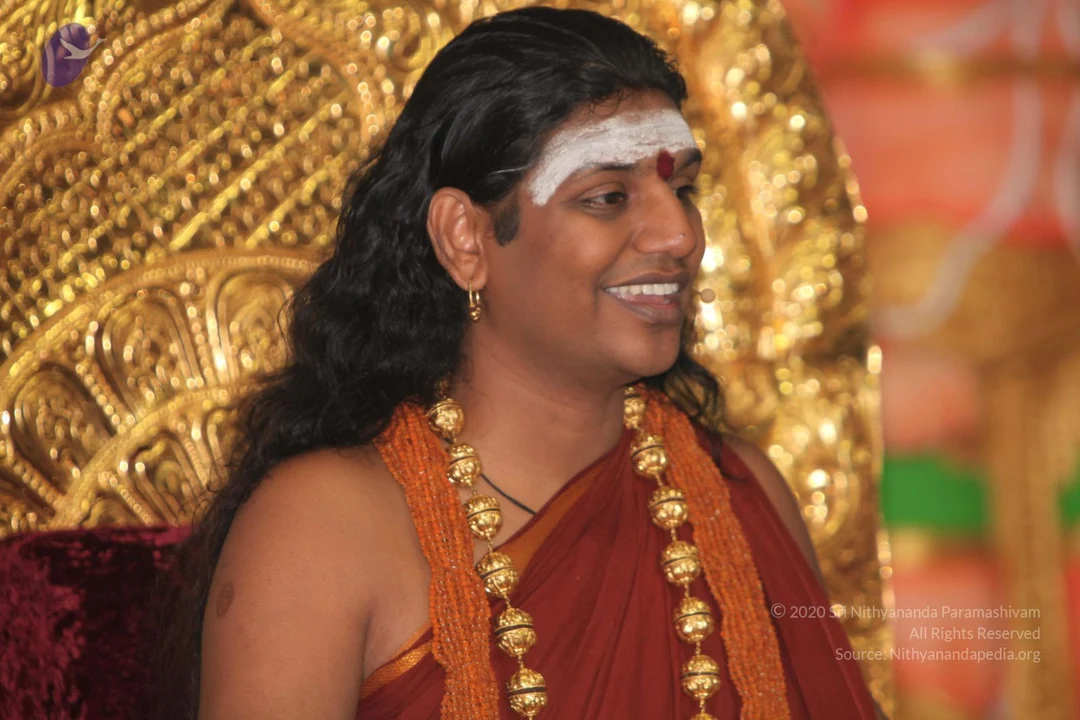
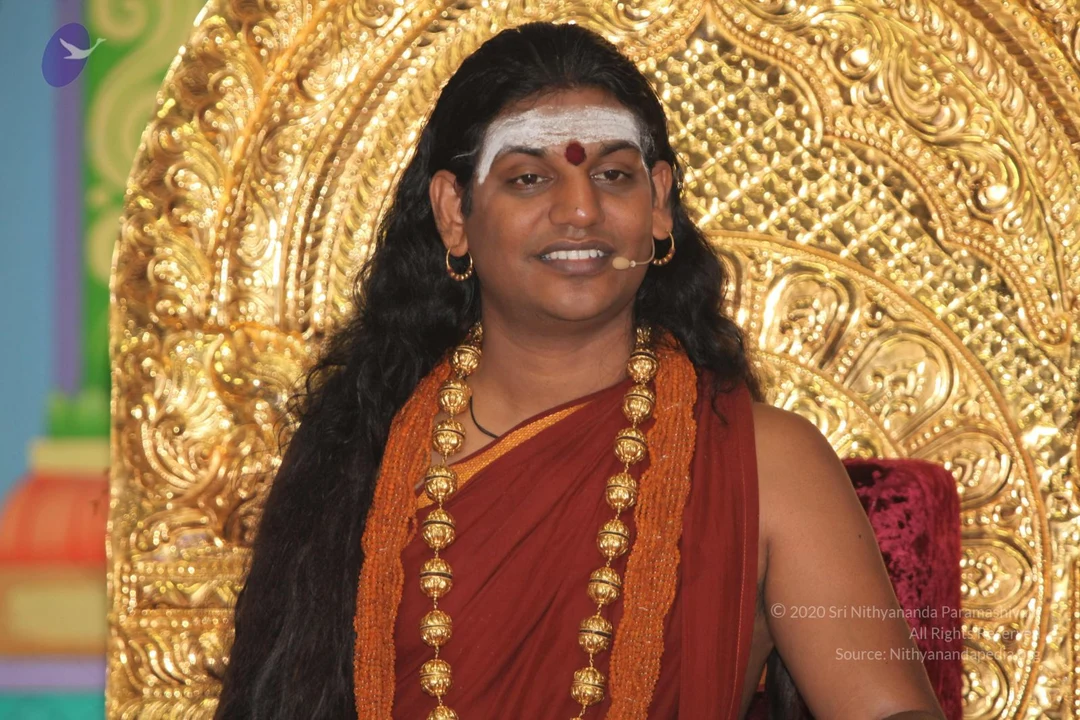
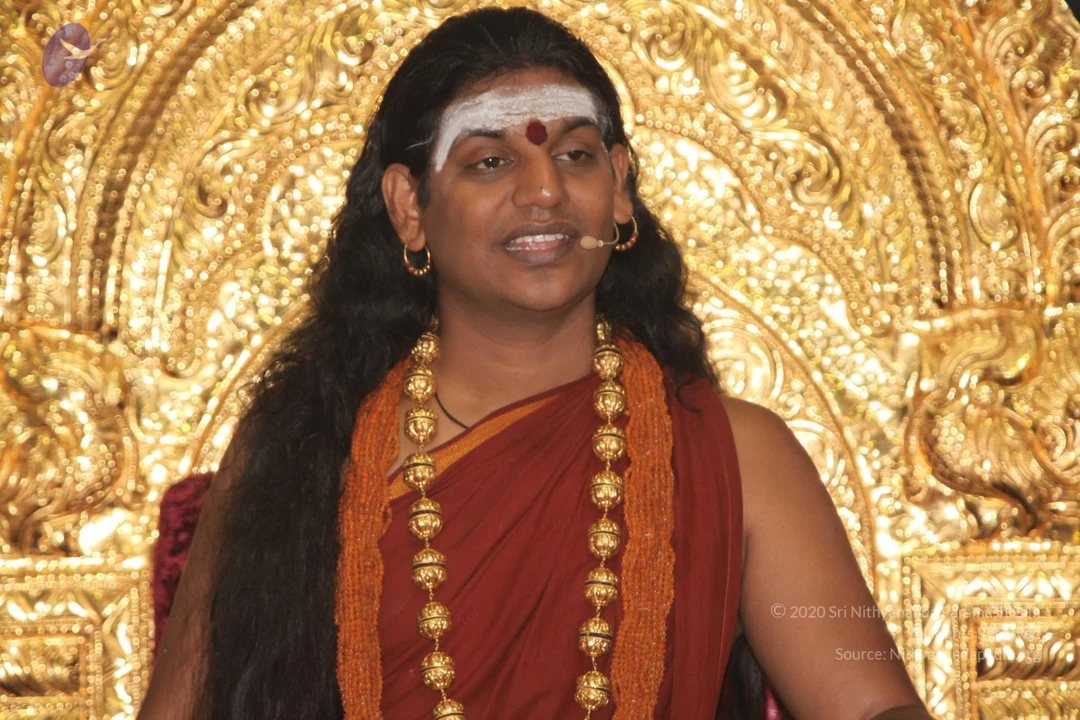
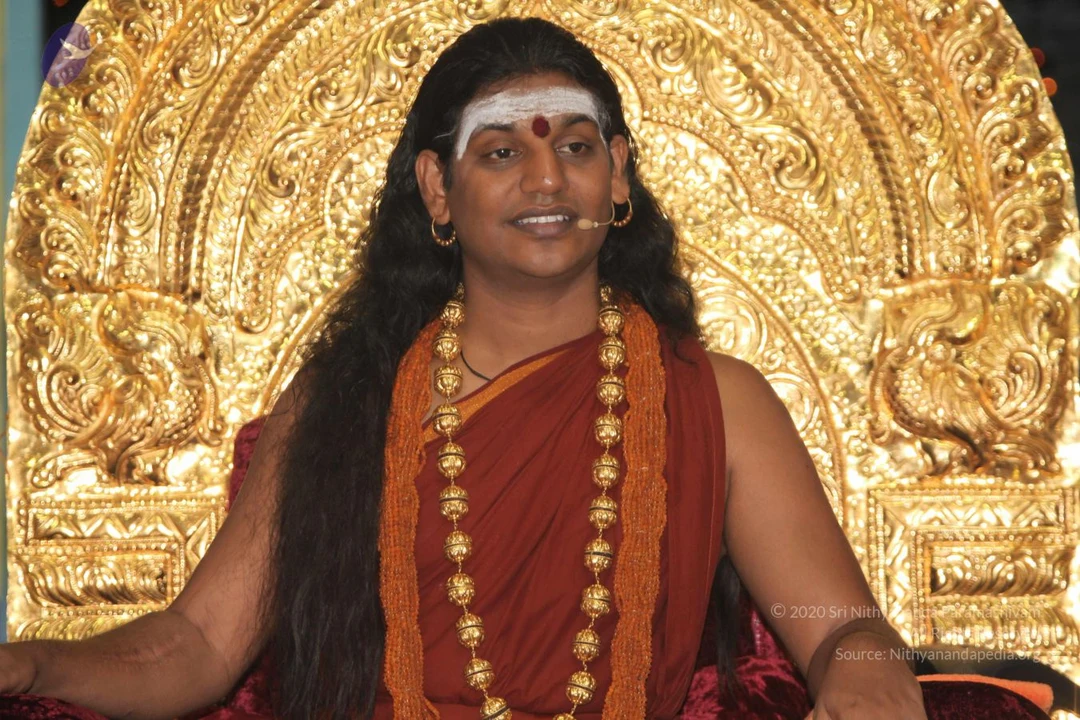
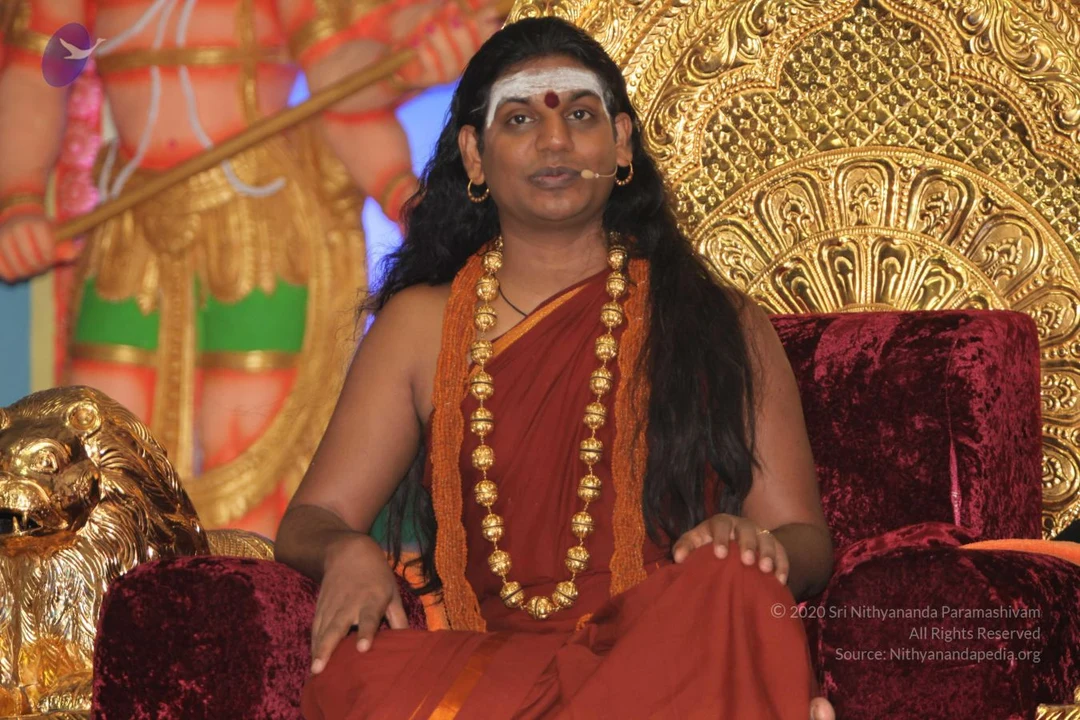
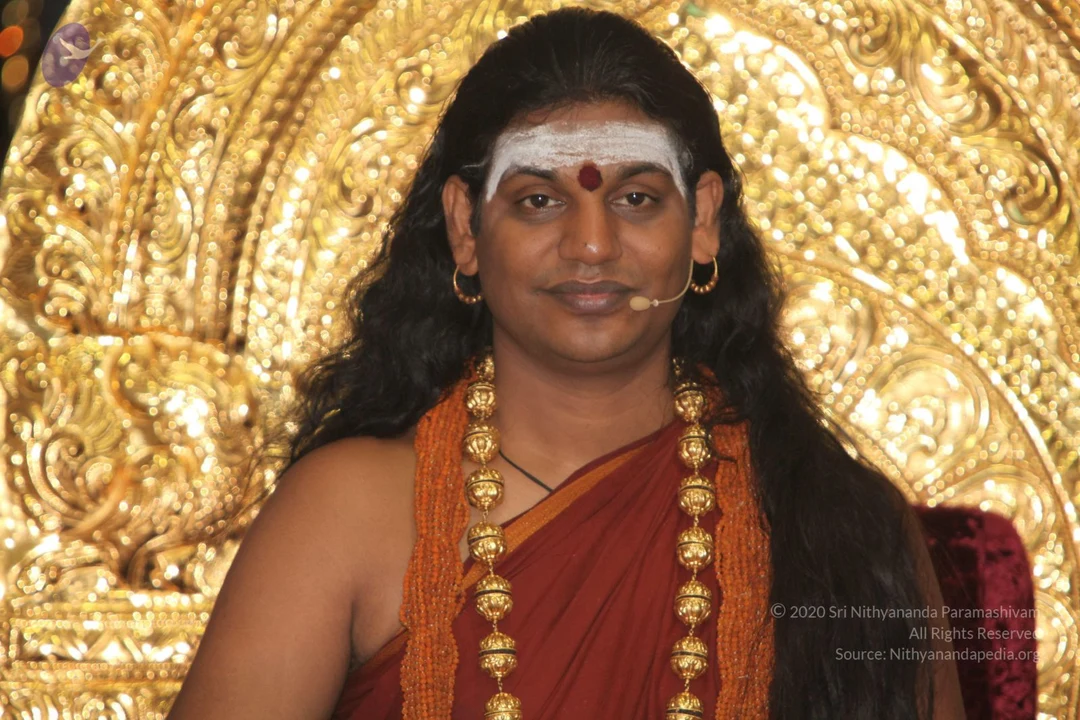
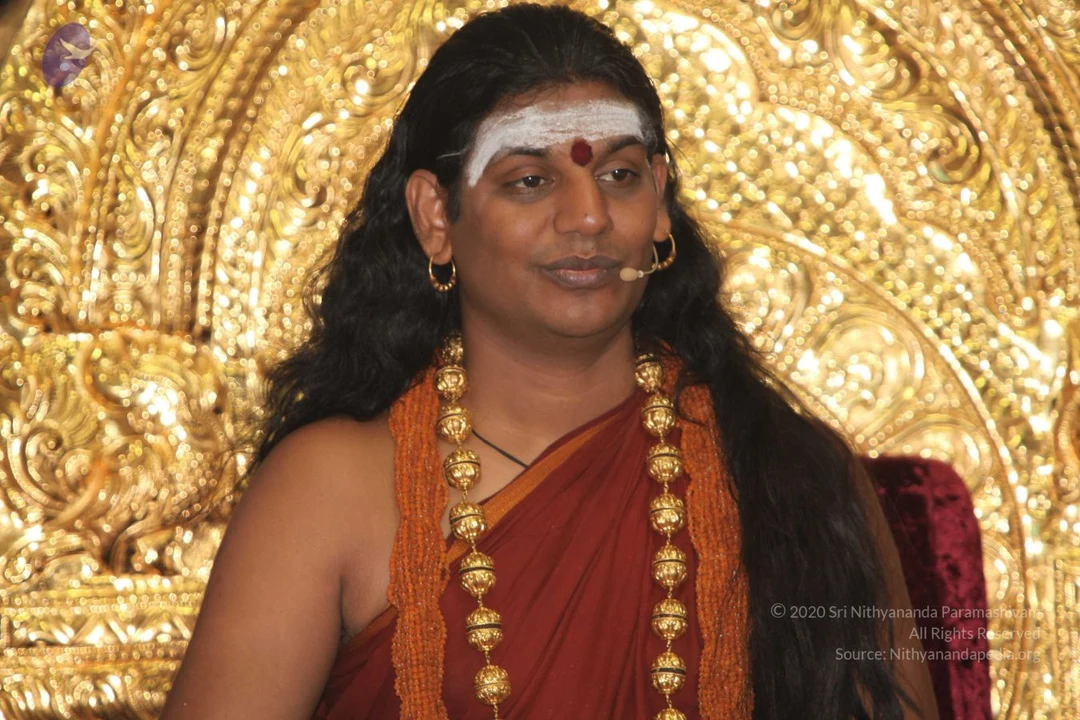
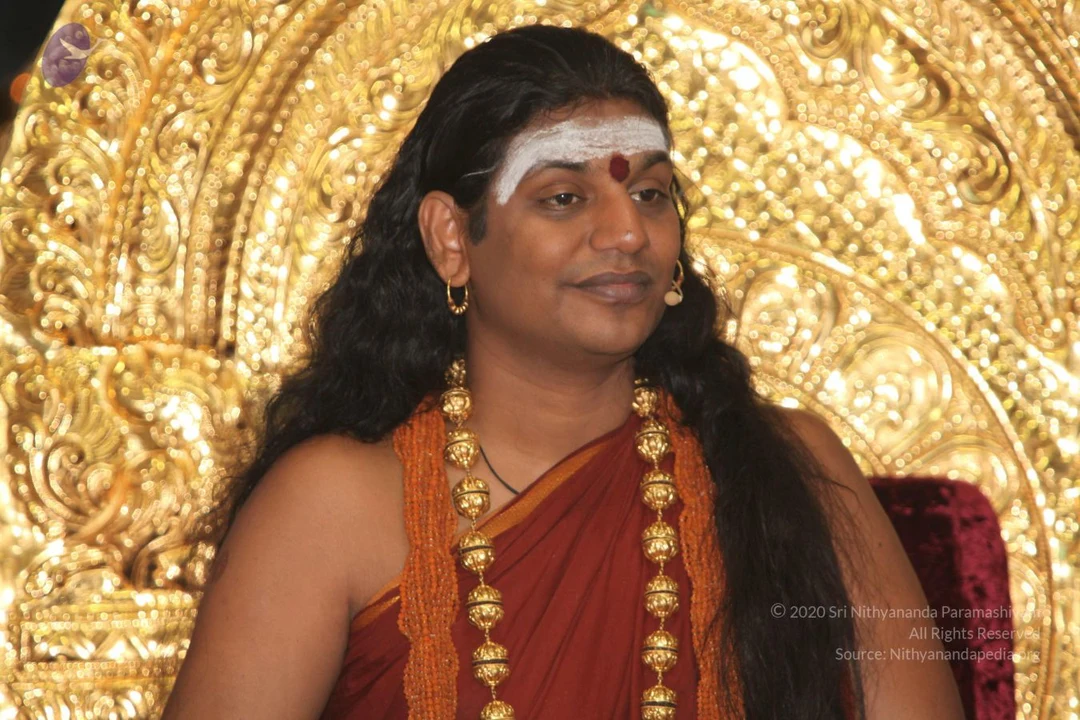
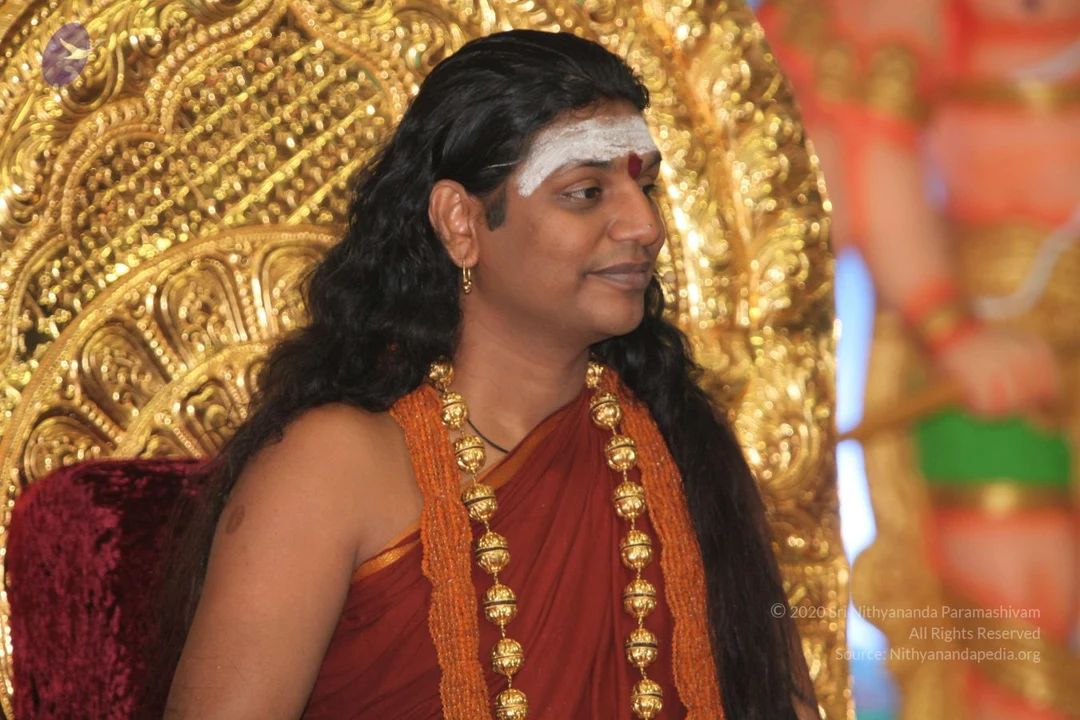
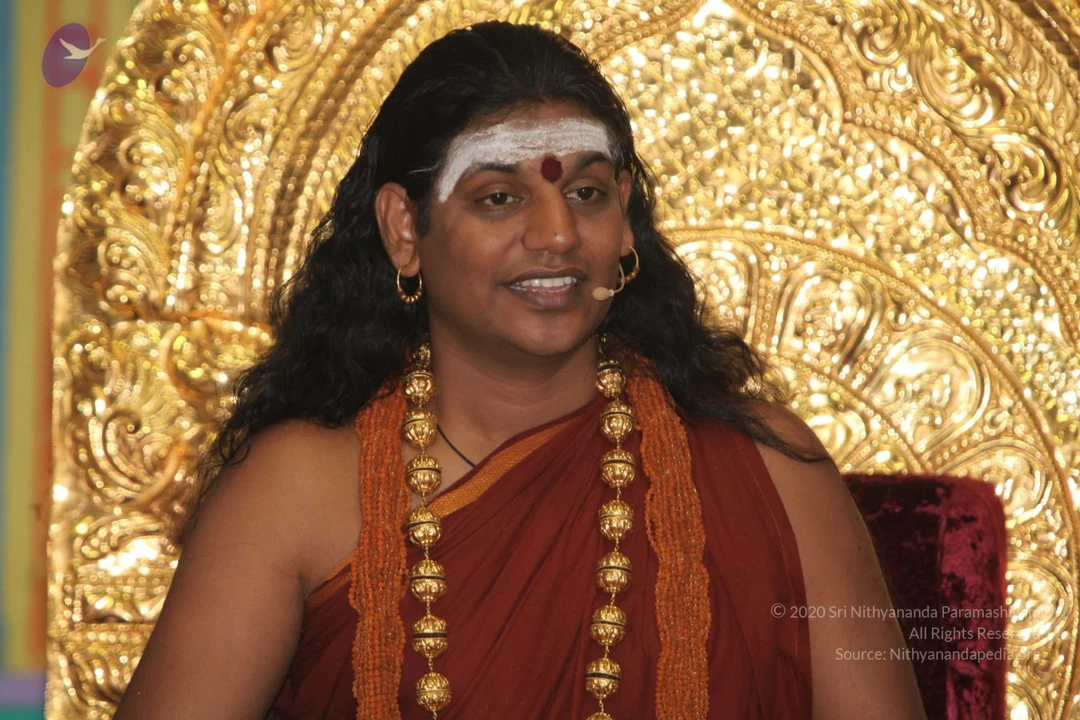
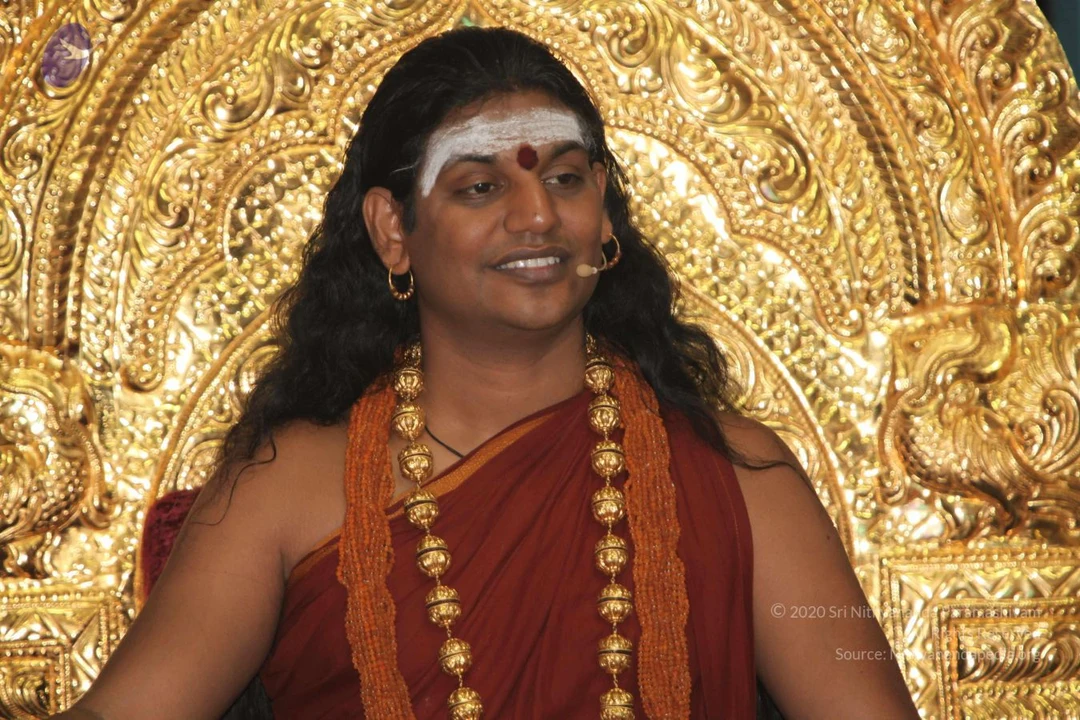
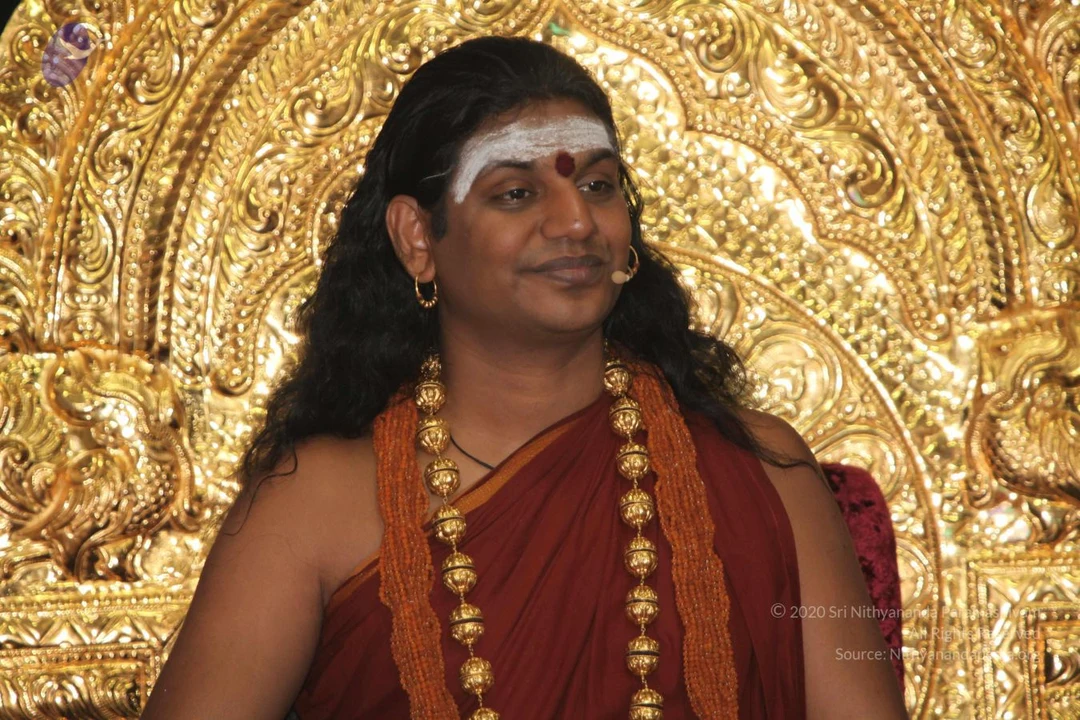
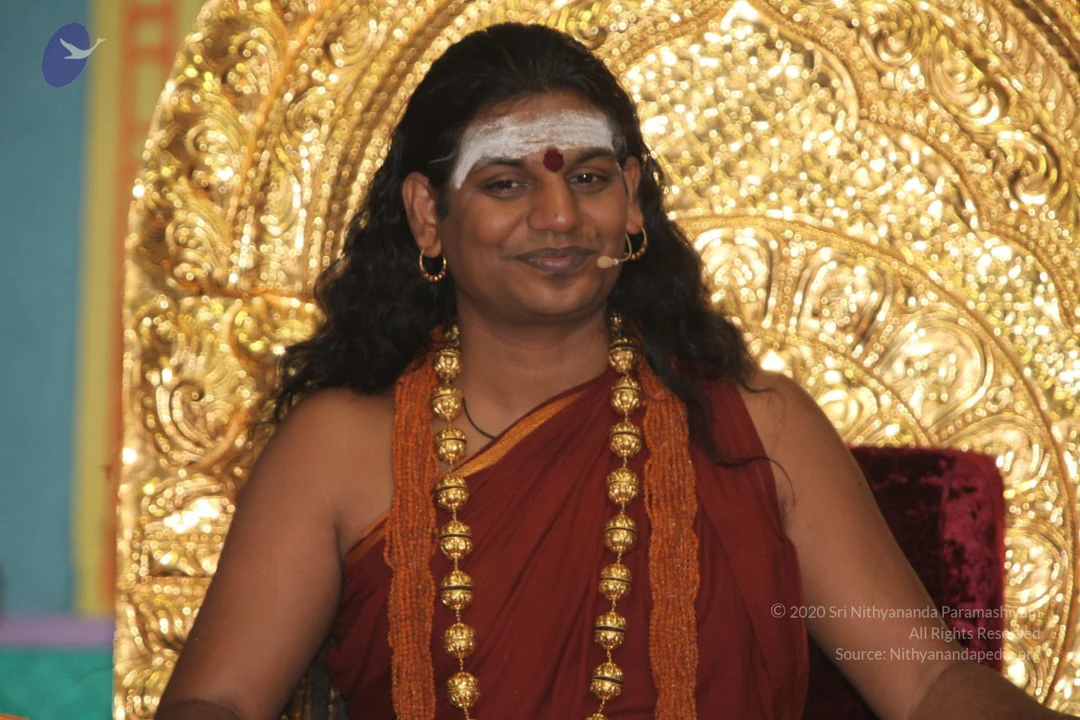
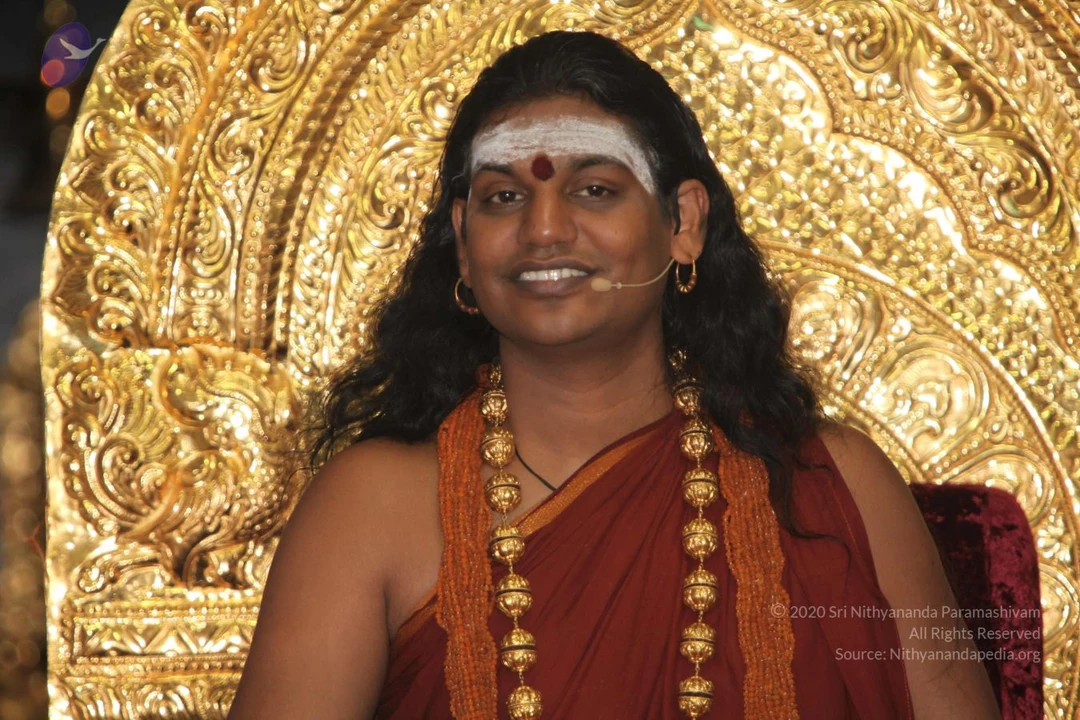
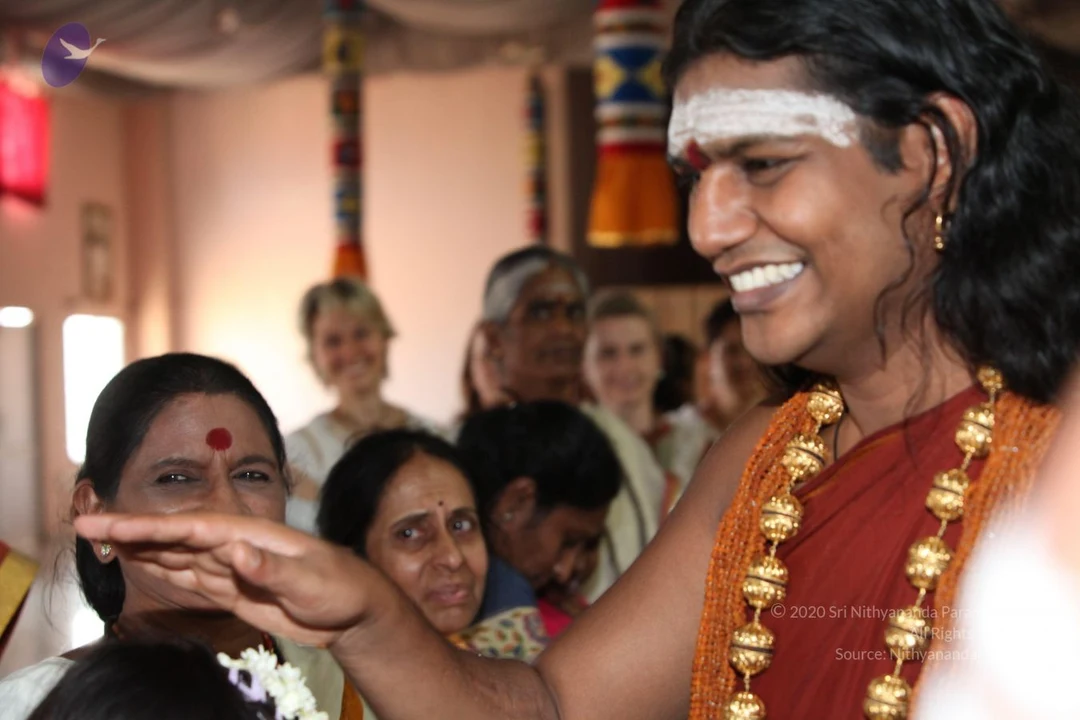
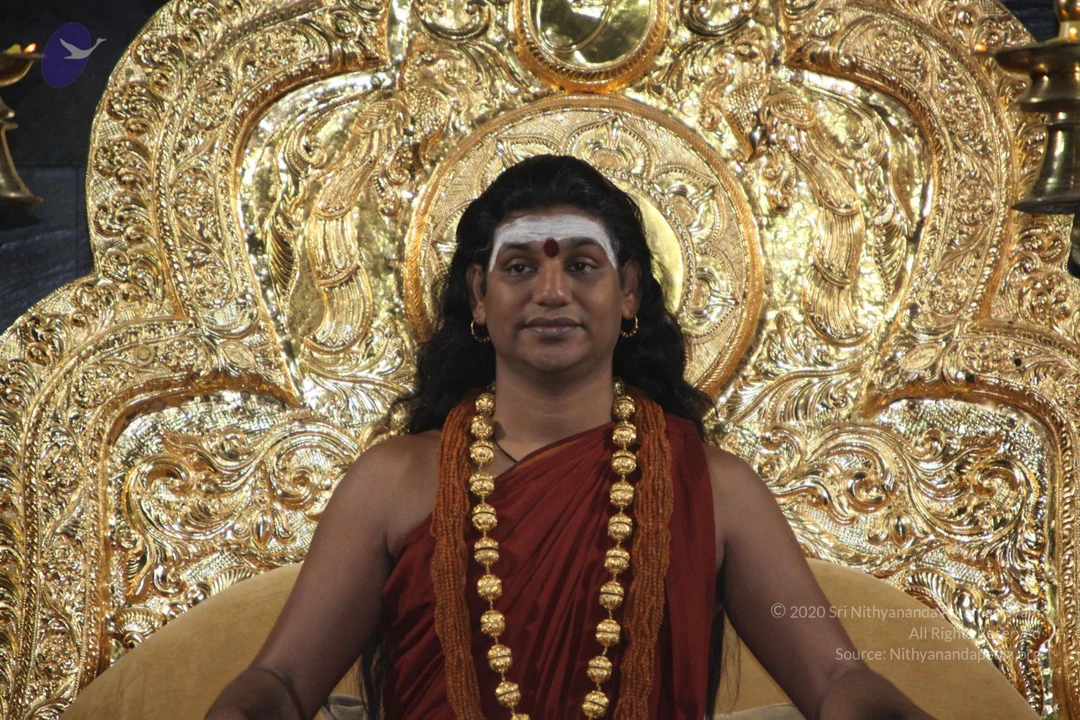
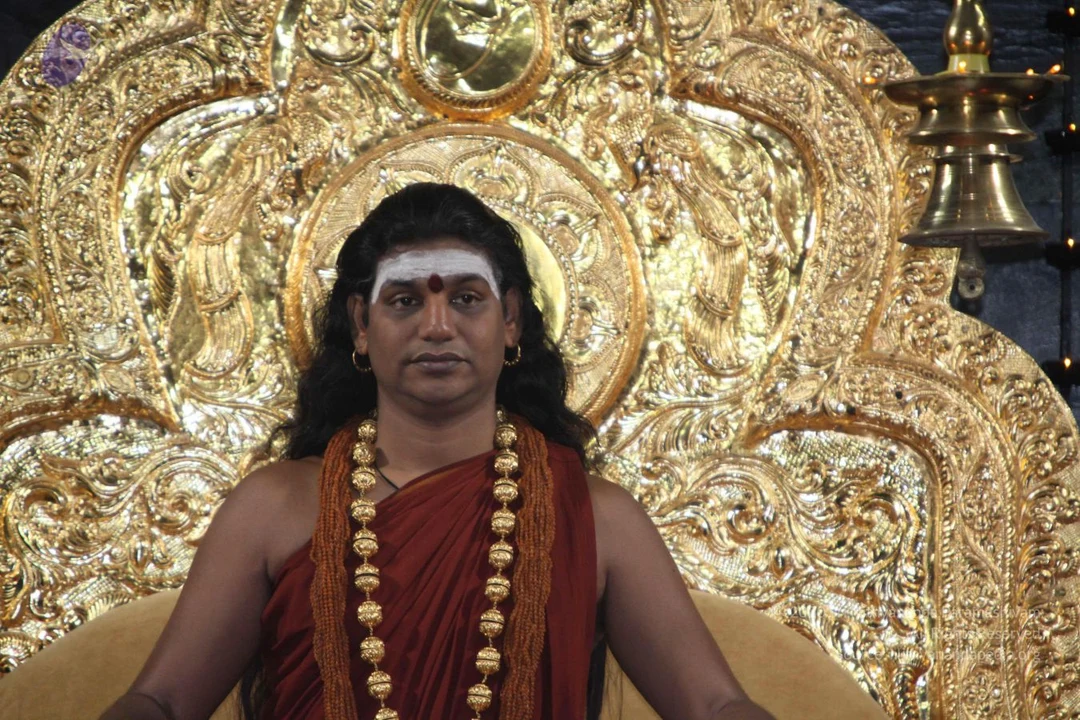
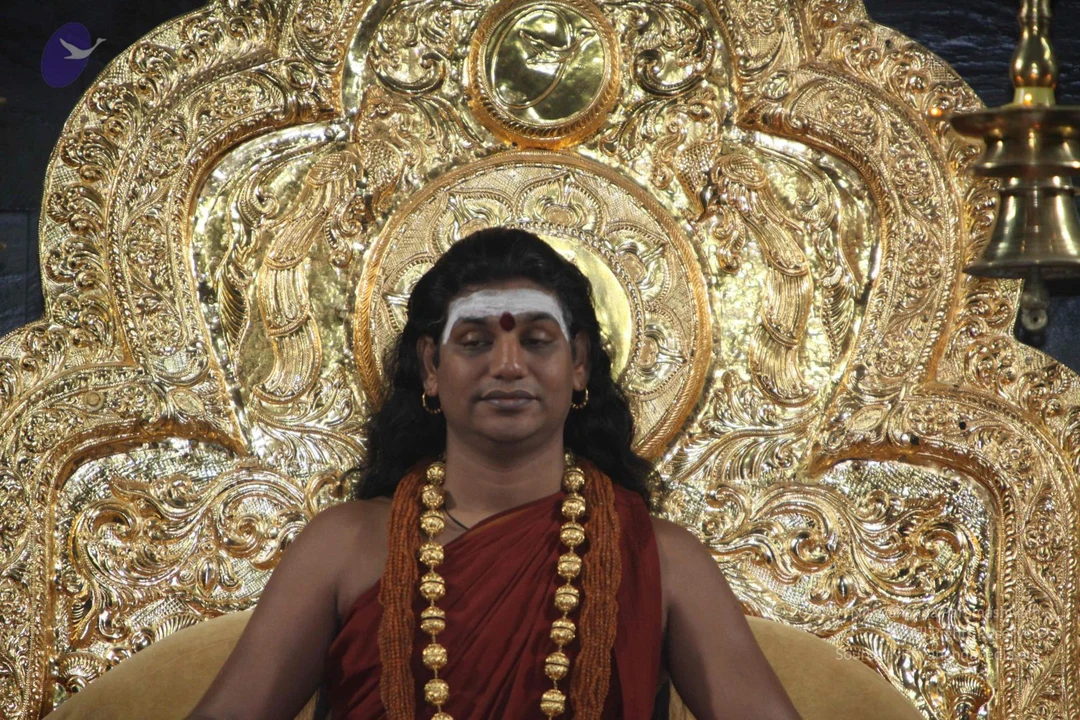
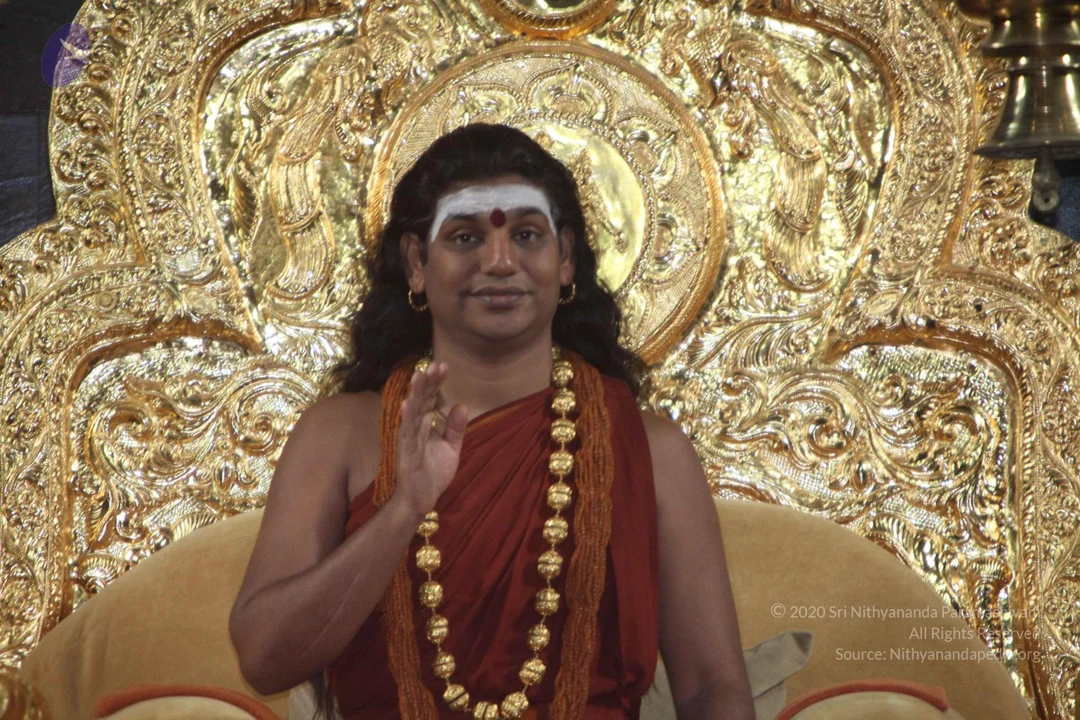
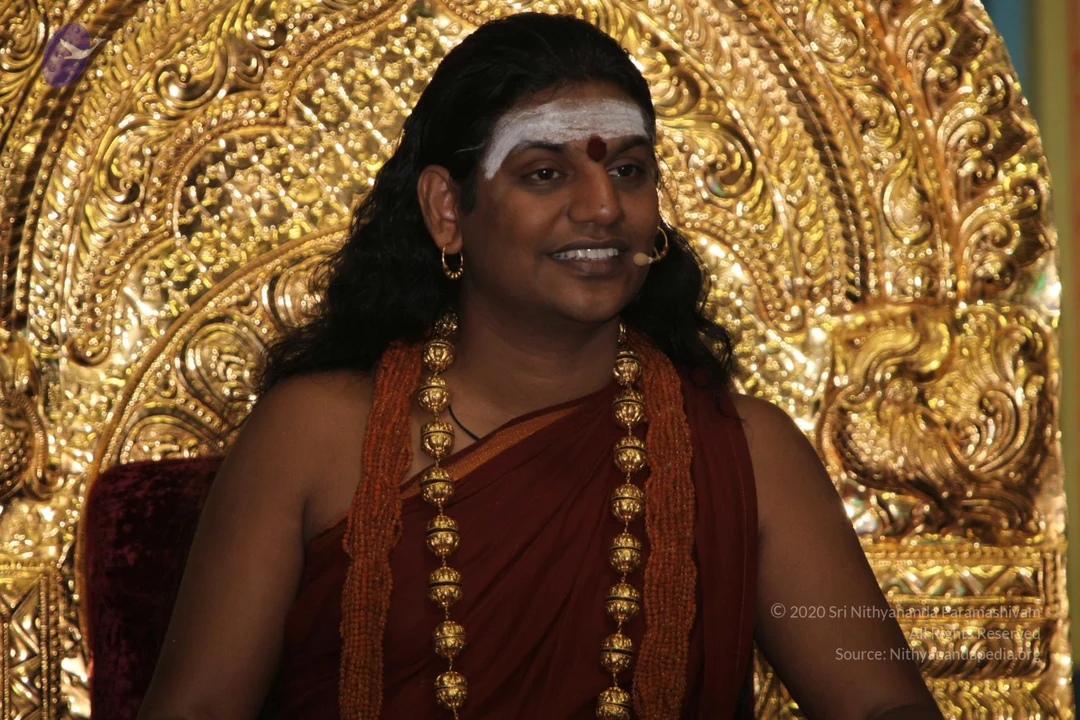
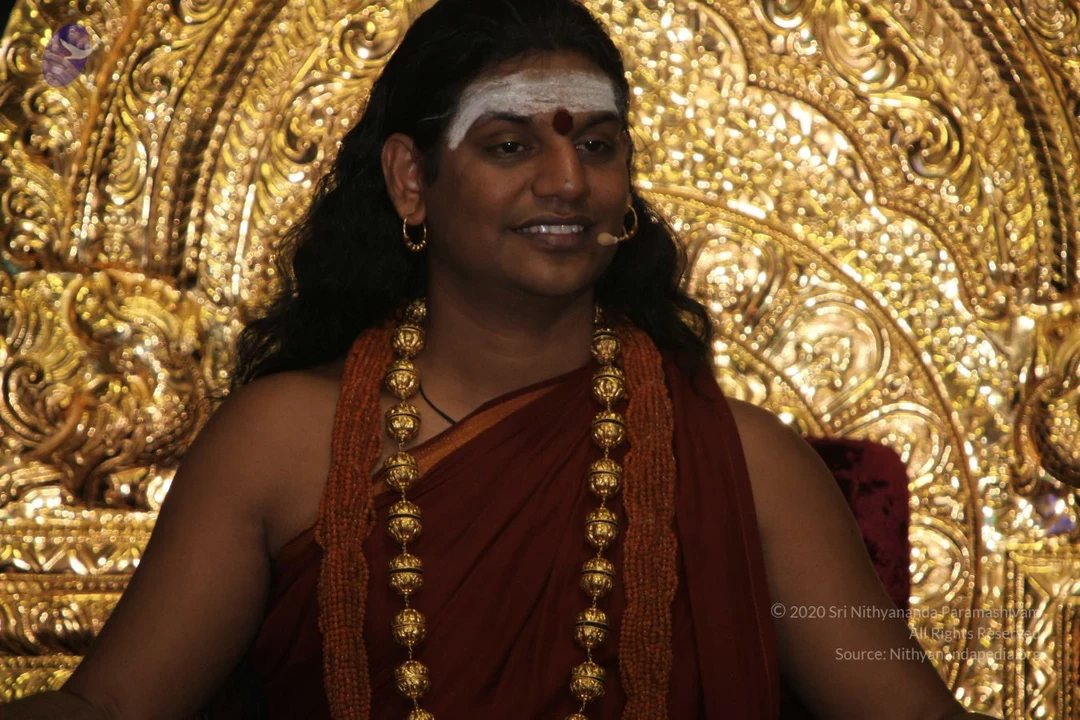
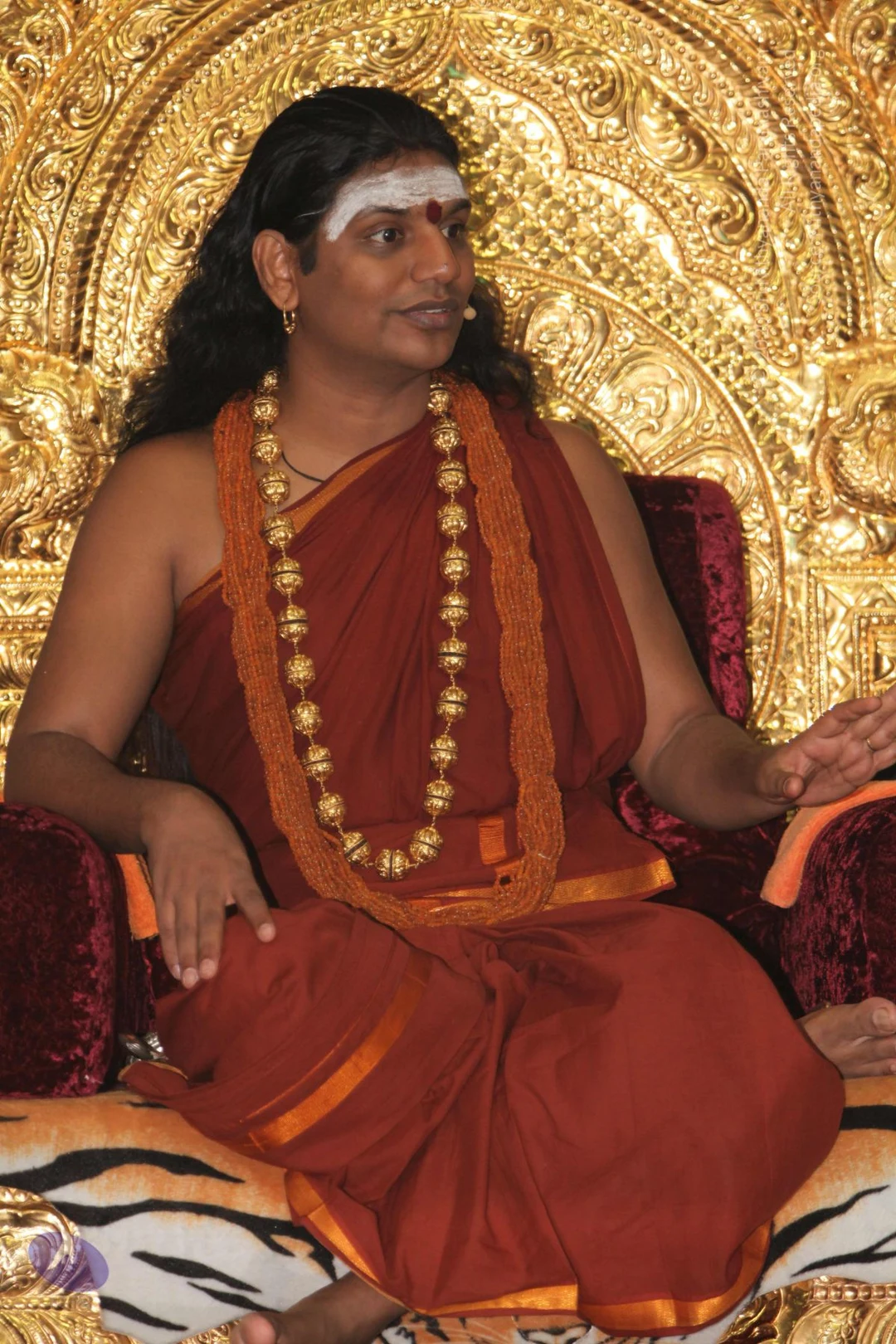
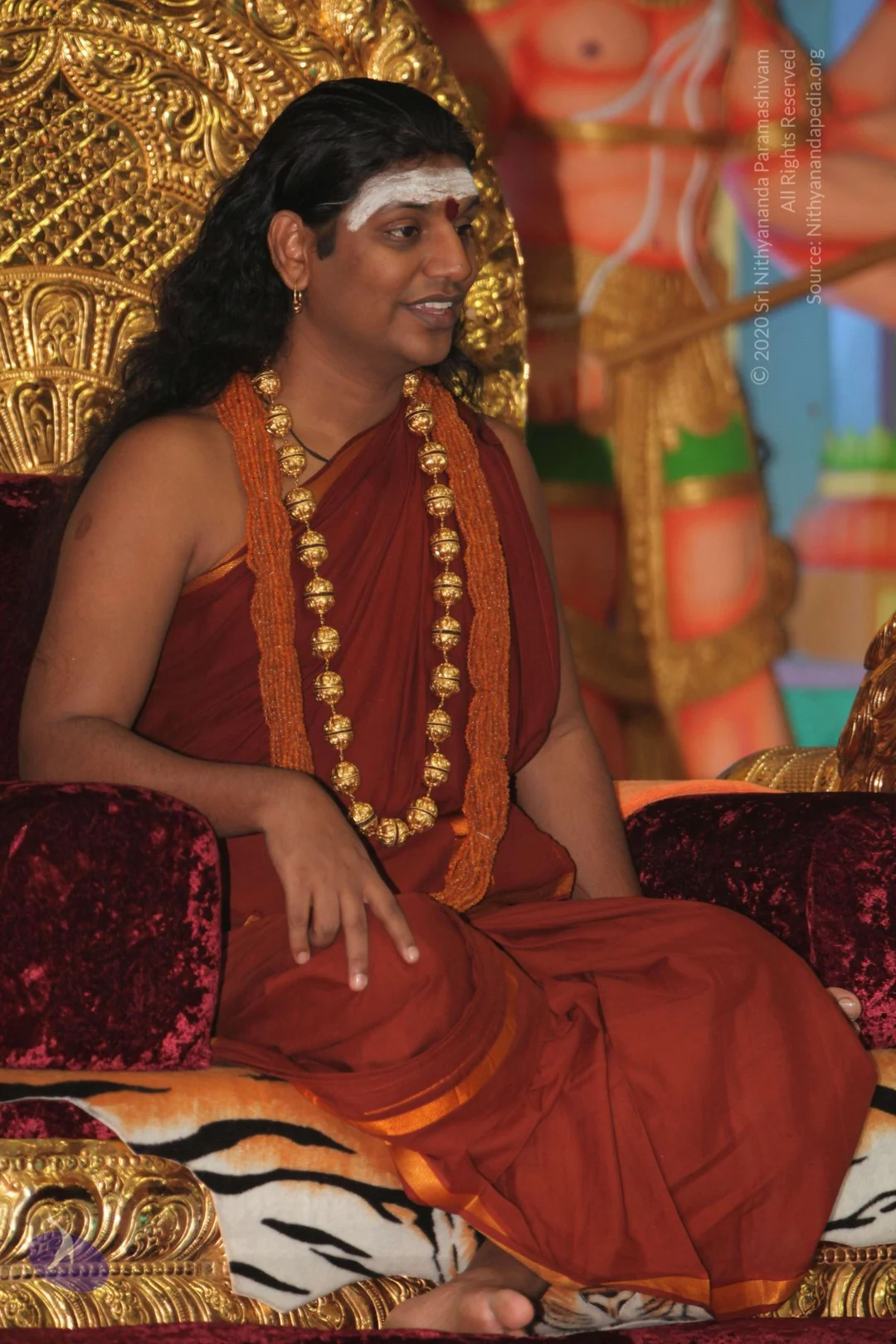
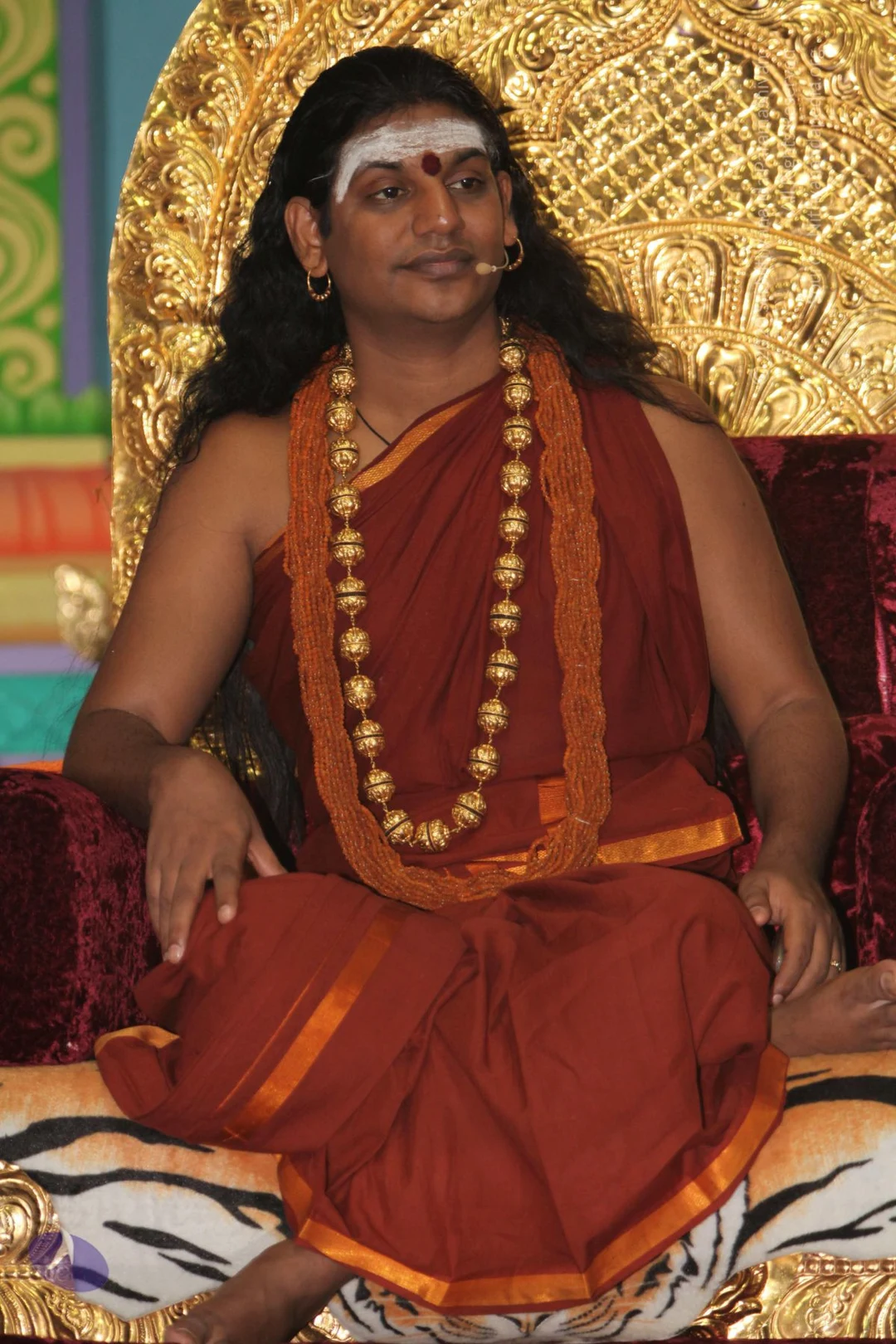
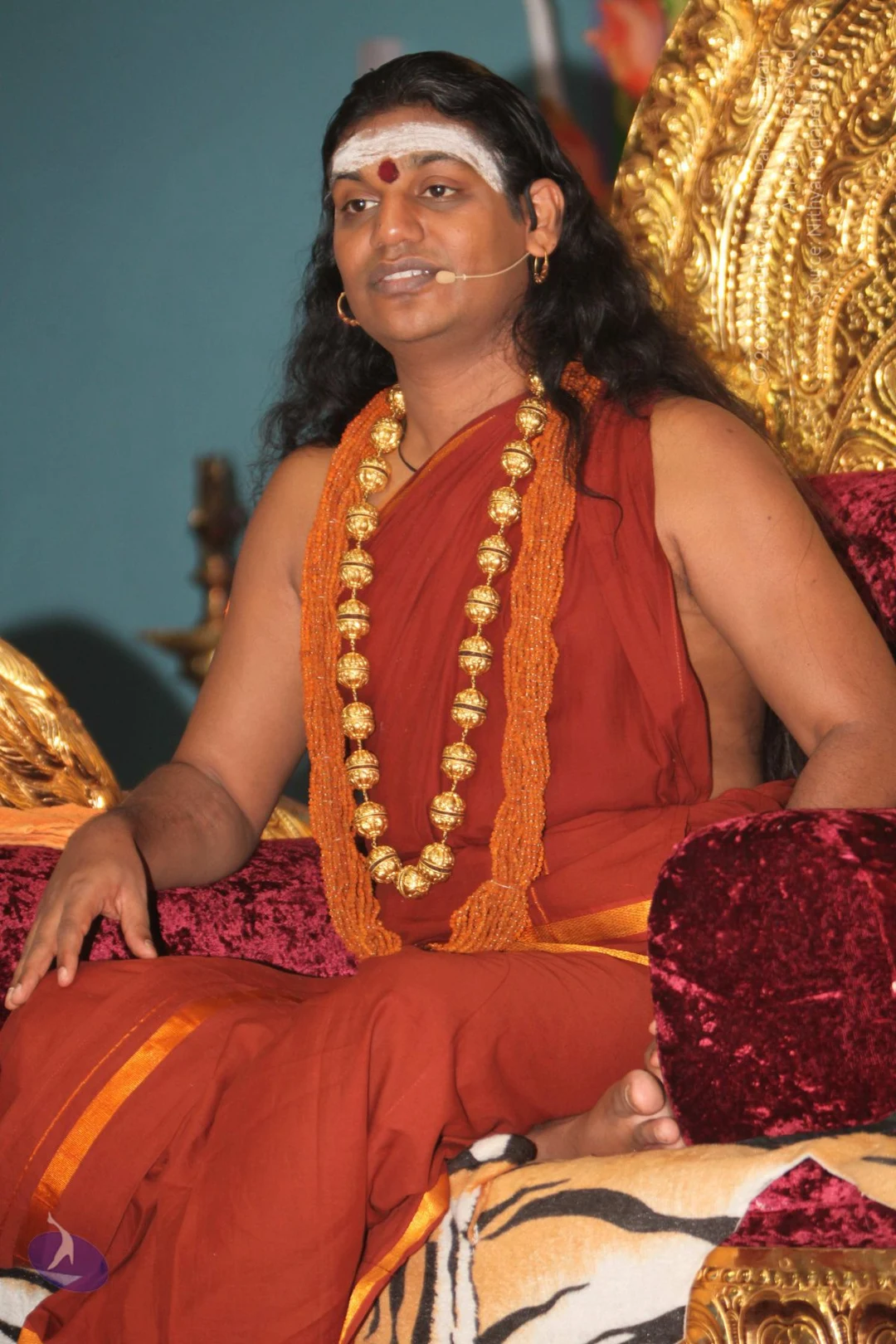
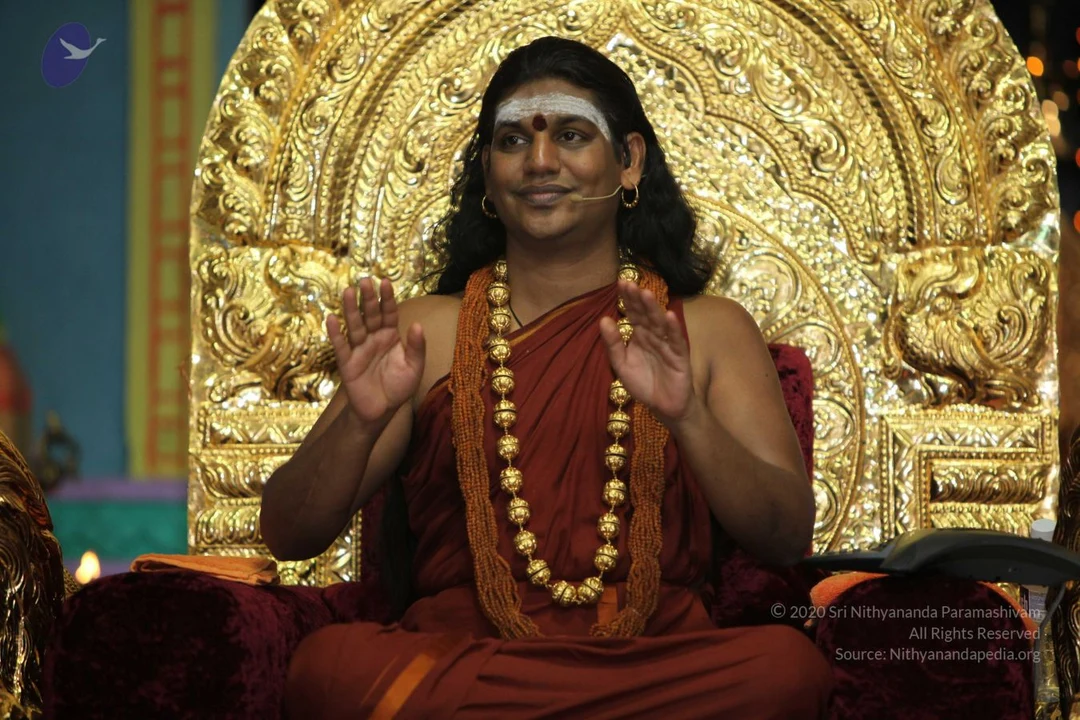
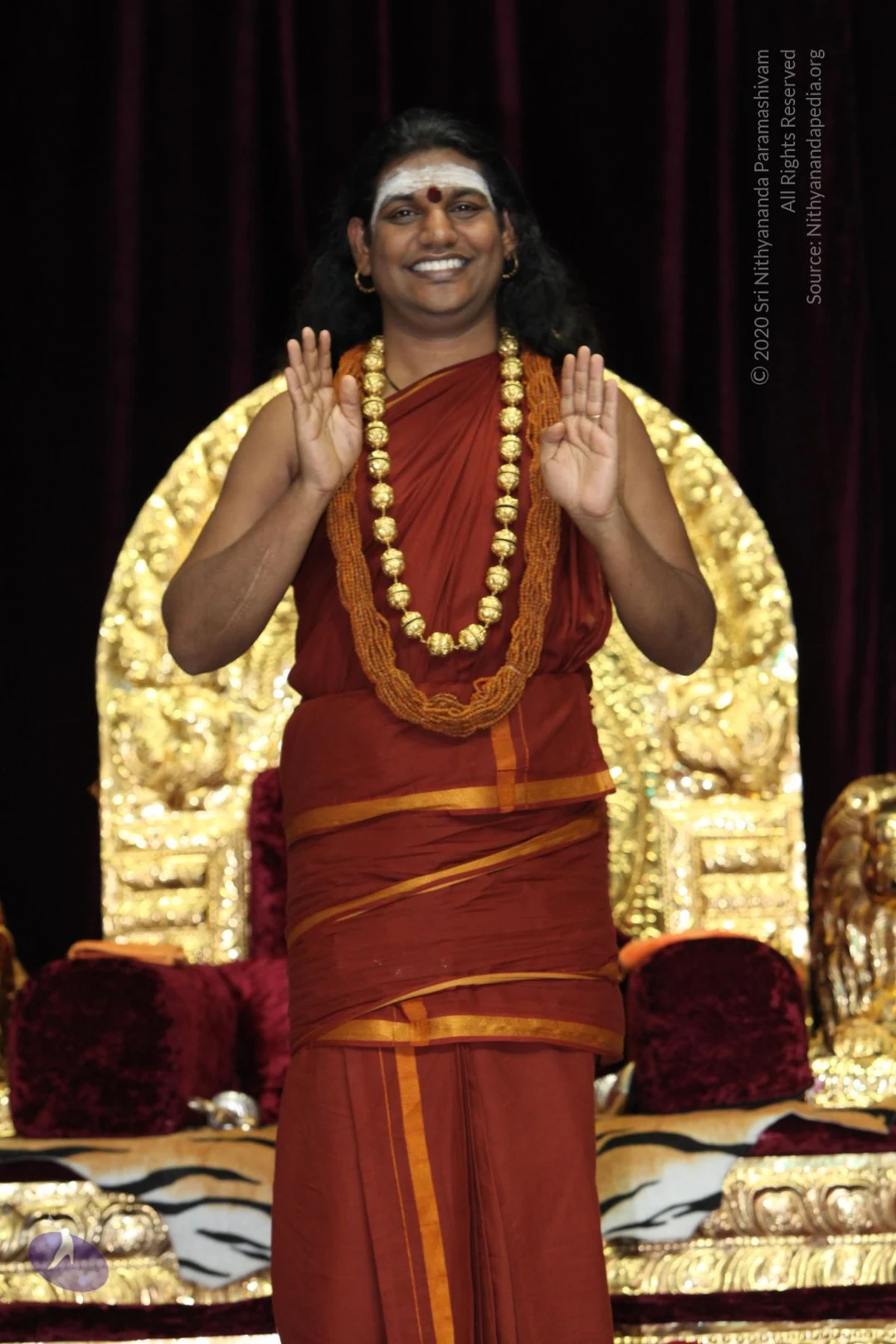
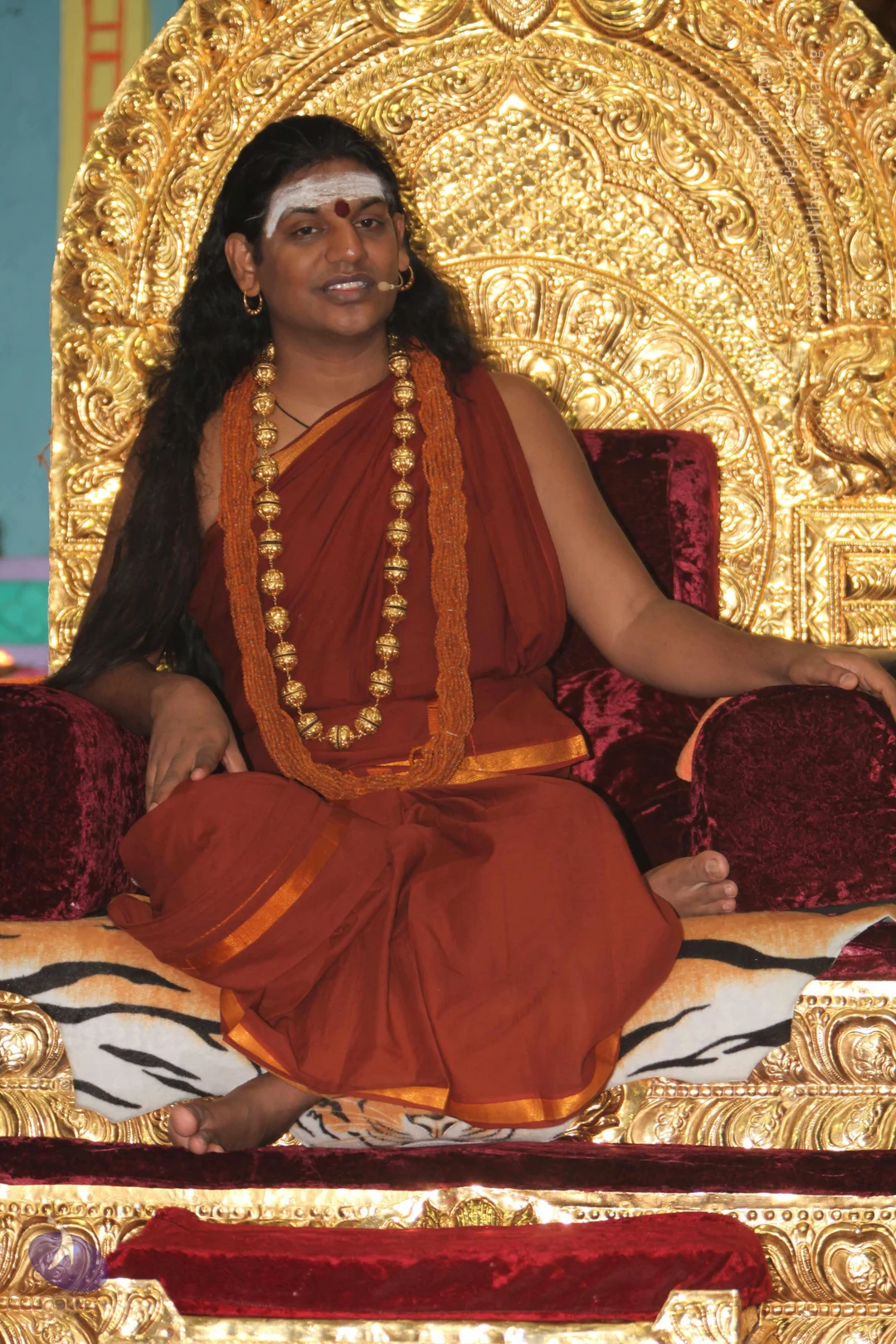
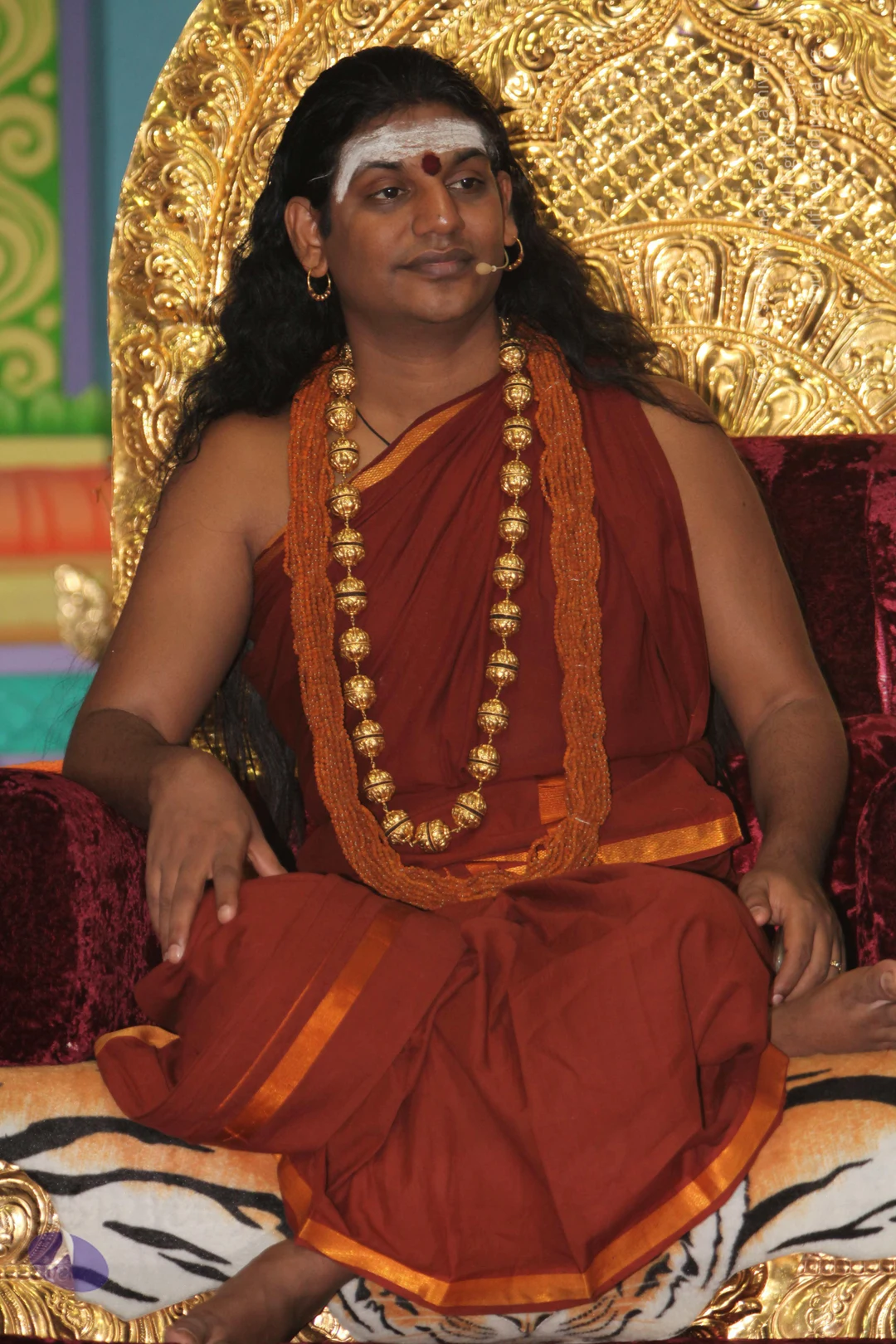
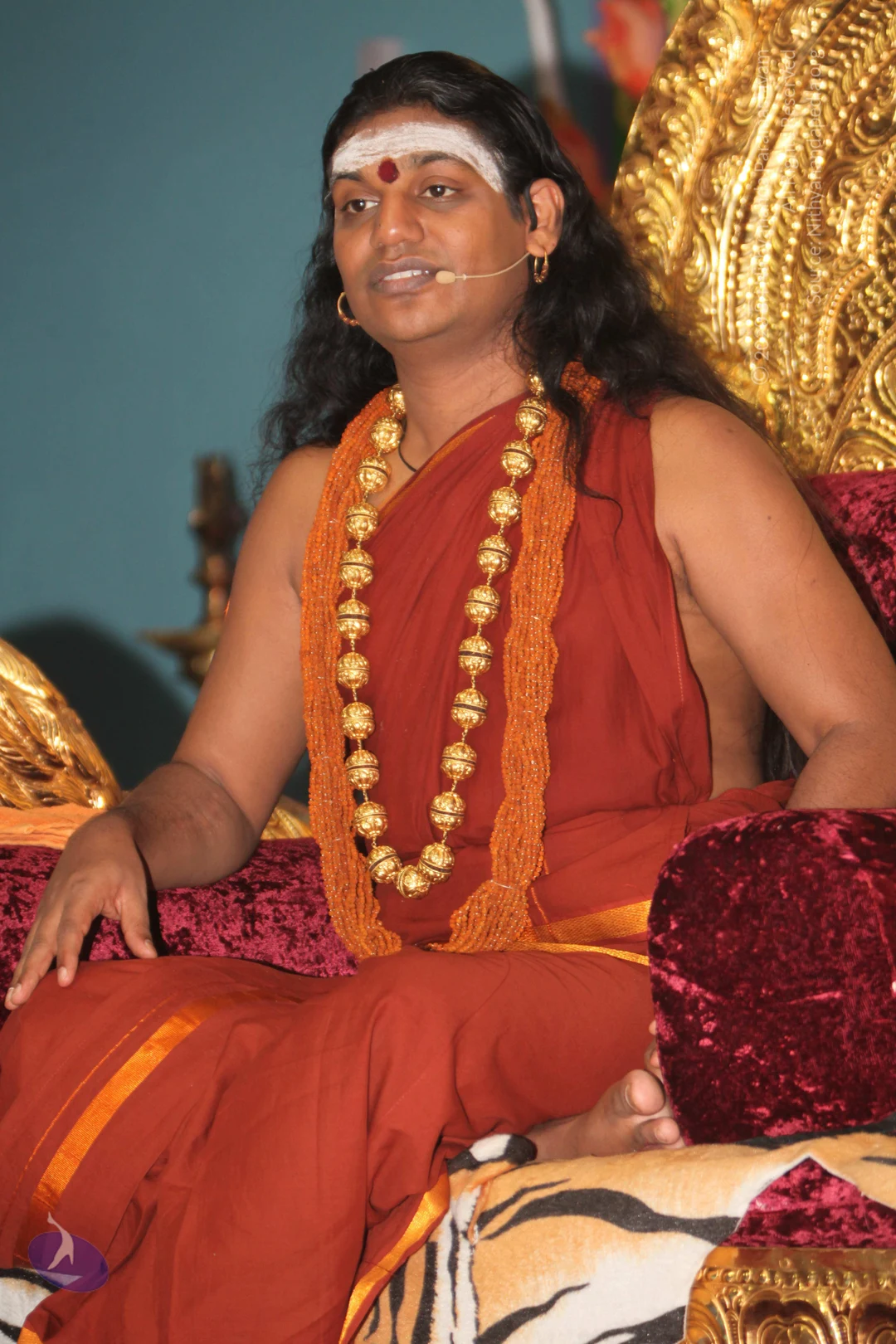
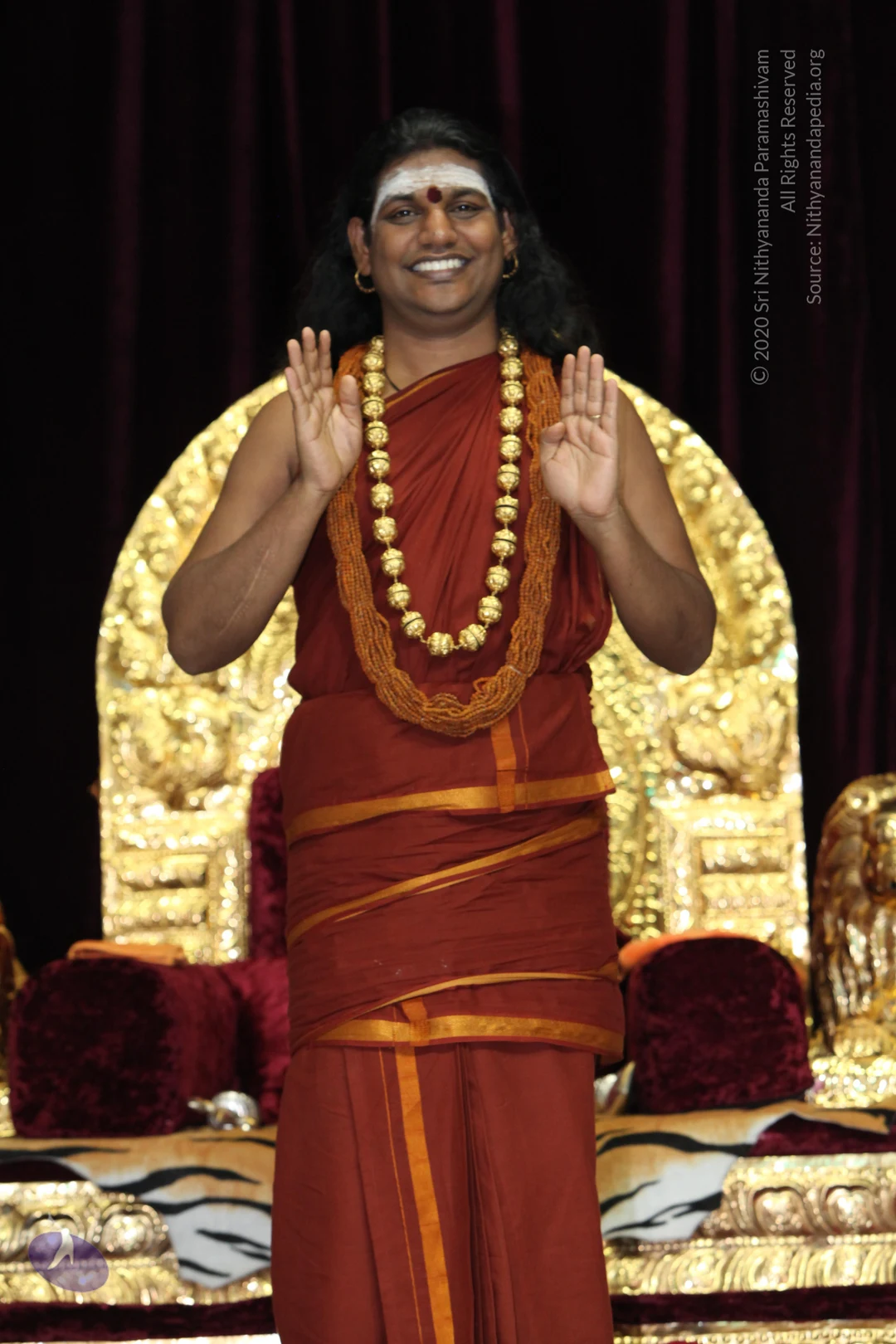
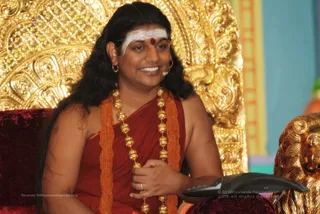
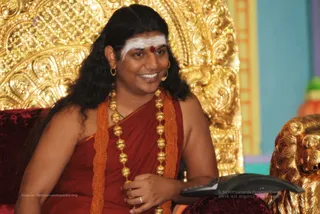
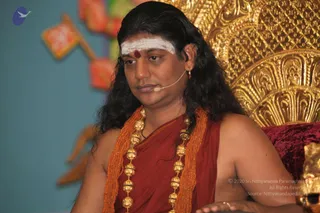
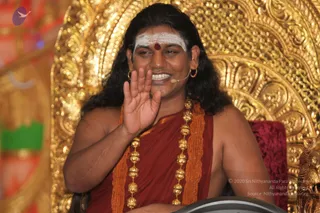
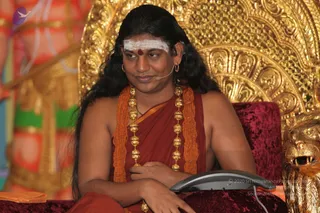
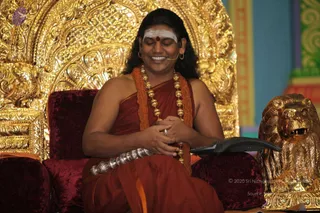
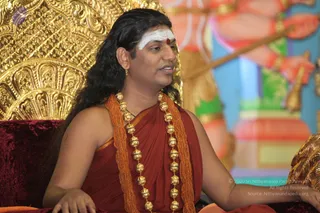
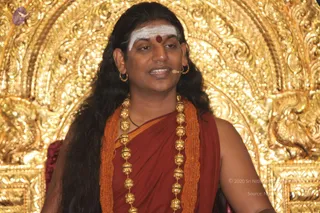
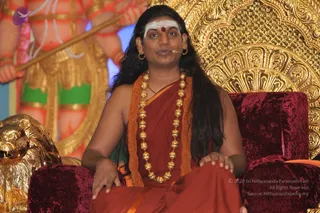
In today’s morning satsang, Paramahamsa Nithyananda describes the concept of enriching others. When we take responsibility for everything, we expand ourselves to meet all demands and expectations of others, and their lives become richer from exposure to our presence. Life takes place through interaction with others, not in isolated meditation. If we experience higher consciousness when we are alone, but collapse when faced with other human beings, we have not achieved any lasting transformation. Once we can hold the frequency of responsibility for others no matter what their attitude, we have found the state of enriching. We are flooded with cosmic energy, and much of our past karmas are burned away.
Link to Video
Part -I
| Video | Audio |
Transcript
(00:19)
Nithyanandeshwara Samarambham Nithyanandeshwari Madhyamam | Asmad Acharya Paryantam Vande Guru Paramparaam ||
(00:47)
Is samay hamare saath upastith huye sabhi darshako aur bhaktako ka prem aevam aashirvadh saahith svagaath karta hoon. Aaj sabse pehale Maharashtra ke sabhi bhakthako ko gudi padva ki hardik subhechchha. Gudi padva ki tyohaar chaithra maas ka pehle din manaye jaathi hey chaithra navarathri ki aarambh ko lekar aaj ke din gatassthapana hothi hey. Sanskrit bhasha me padwa ka arth hai chandrama ke ujjvall roop is pavithra thyagoor ka tyohar ke avasar pe sabko mera hardik bathhaye aeivam ashirvaad. इस समय हमारे साथ उपस्तिथ हुए सभी दर्शको और भक्तों का प्रेम एवं आशीर्वाद सहित स्वागत करता हूं। आज सबसे पहले महाराष्ट्र के सभी भक्तों को गुड़ी पड़वा की हार्दिक शुभेच्छा। गुड़ी पड़वा की त्यौहार चैत्र मास का पहले दिन मनाये जाती है, चैत्र नवरात्रि की शुरूआत को लेकर आज के दिन गतस्थापना होती है। संस्कृत भाषा में पड़वा का अर्थ हे चंद्रमा के उज्ज्वल रूप इस पवित्र त्योहार का त्योहार के अवसर पे सबको मेरा हार्दिक बधाई एवं आशीर्वाद।
(01:53)
Today is also Ugadi. My blessings to all the devotees from Karnataka, and devotees from Andhra, and the people of Karnataka, and the people of Andhra. Let this year be auspicious for all of us. Blessings! This year is the Year of Victory – VIJAYA. It will be…. victory for us in all forms. Today, I will expand on the fourth principle of life – ENRICHING – how it transforms the reality of your life.
(02:45)
Aaj ke satsang me hum jeevan ke chothe tatva labanvith karna kaise aapke jeeevan ke vasthavikta ko parivarth karte hai uske bare me baat karenge. आज के सत्संग में हम जीवन के चोथै तत्व लाभन्वित करना चाहते हैं, क्योंकि आपके जीवन की स्थिरता को परिवर्त करते हैं उसके बारे में हम बात करेंगे।
(03:05)
First, I will define “Enriching” once again: ENRICHING is you taking responsibility with Integrity and Authenticity that you are committed to continuously enriching, which is expanding yourself and life in and around you.
(03:29)
Pehle labhanvit karne ki paribasha punah suniye. Labhanvit karne ka arth hey aap sampoorthi aevam shraddha ka utthardayitva lete hey ke aap lagataar svayam ko andhar aevam bahar ke jeevan ko lagataar labanvit karne ke liye prathibadh ho. पहले लाभानवित करने की परिभाषा पुन: सुनिये. लाभानवित करने का अर्थ हे आप संपूर्ण एवं श्रद्धा का उत्तरदायित्व लेते हैं हे के आप स्वयं को अंदर एवं बहार के जीवन को लगाते हैं लाभानवित करने के लिए प्रतिबध हो।
(04:00)
Enriching you and others transforms your reality. Labhanvit karna ka shabdh shabdh hi labhanvith karti hey.
(04:27)
Always, people feel….., I have seen many of the disciples, seekers come and tell Me, “Swamiji, from now we will start living with Integrity, Authenticity, Responsibility, and build our future as we want, but what about all the mess-up we have done in the past? All the mess-ups we have done in the past, what about that? How to get rid of that karma?” I tell you, enriching you and others, you take one step more than Responsibility. That alone can burn the past lack of integrity, inauthenticity and irresponsibility. What is Enriching? One step further, going one step further Integrity, Authenticity and Responsibility. Please understand Enriching is taking responsibility for everyone, taking responsibility to remove everyone’s inauthenticity, everyone’s lack of Integrity. When you serve the country, country serves you. When you serve somebody, that person serves you. When you enrich Cosmos is so happy with you, the whole universe serves you. Enriching you and others alone can transform the reality of your life.
(06:28)
Keval svayaam ko evam anya logon ko labaanvith karne say he aap apne jeevan ka vasthaviktha ko roopantrik kar sakthe hey. केवल स्वयं को एवं अन्य लोगों को लाभांवित करने से ही आप अपने जीवन की वास्तविकता को रूपांतरित कर सकते हैं।
(06:43)
Enriching is taking the responsibility for everyone. Labhanvith karne ka arth hai ki aap sabke liye uttardayitva lete hai. लाभान्वित करने का अर्थ है कि आप सबके लिए उत्तरदायित्व लेते हैं।
I tell you from My own experience, just because I decided to enrich, all the religious persecution, the attack done against Me, has become powerless. It lost its power!
(07:25)
Svayaam ko aur doosro ko labaanvith karna utthardayithva lene se ek gatam adheek hai bas vahi aap jeevan ko parivartith kar sakthe hai. Aap ateet ki asampoorthi ashraddha zimmedari sabhi ko bhasma kar sakti hai. स्वयम को और दूसरो को लाभान्वित करना उत्तरदायित्व लेने से एक गतम् अधिक है बस वही आप जीवन को परिवर्तन कर सकते हैं। आप अतीत की संपूर्ण अश्रद्धा की जिम्मेदारी सभी को भस्म कर सकते हैं।
(07:50)
Constantly people ask Me, especially the spiritual seekers, they ask Me, “Swamiji, we understand we should practice Integrity, Authenticity, even Responsibility. But why should we enrich others?” Please listen! For you, life happens with others. You are not living in a forest, inside a deep, dark cave where nobody is there! Your life is all in you, for you, by you. No one knows you, you don’t know anybody, if you are living like that, then you don’t need to wonder or think, worry about enriching. But your life is not like that, where you are involved with hundreds of people and hundreds of people are involved with your life. Sometime thousands are involved, if you are a public figure, millions are involved. When your life is involved with so many people and so many people’s lives are involved with you, if you want any transformation in your life, I tell you, you have to work and transforming others’ life also.
(09:37)
Otherwise you may do continuously meditation for days, months, raise yourself to a very high level of joy and bliss. The moment you come back to your house, in ten minutes, your spouse can bring you down. Ten minutes is more than enough. One look, one word, you are down. Or even one phone call, you can be down. Only with enriching, LISTEN, only with enriching, your life can go through any transformation. Only with enriching, any transformation is possible. Without enriching, nothing is possible. I tell you from My own experience.
(11:04)
Me swayam ke anubhav se keha raha hoon, keval mere vishwa ko laabanvith karne ka nirnay se hi mere upar kiye hua adhaarmic athya chaar Shakti heen hogaya hai. Kai baar log mujhse puchte hai, mein doosron ko labhaanvith kaun karoon. Listen carefully. Dhyan dijiye. Aap koyi jungle mein nahi jee rahe hai. Aap ka jeevan lagaatar anya logoan se judha hua hai. Isiliye anya logoan ko laabhanvit karna bahut avaskyak hai. मैं स्वयं के अनुभव से कह रहा हूं, केवल मेरे विश्व को लाभ उठाने का निर्णय से ही मेरे ऊपर कीये हुआ अधार्मिक अत्याचार शक्ति हीन हो गया है। काई बार लोग मुझसे पूछते हैं, मैं दूसरों को लाभानवित क्यों करूं। ध्यान से सुनो। ध्यान दीजिए. आप कोई जंगल में नहीं जी रहे हैं। आप का जीवन लगता है अन्य लोगों से जुड़ा हुआ है। इसिलिये अन्य लोगों को लाभान्वित करना बहुत ज़रूरी है।
(11:58)
When many people are involved in your life and your life is involved with many people, enriching is important, necessary for any transformation. Listen! If you want to be wealthy, have the company of wealthy people or people in your company, make them wealthy. If you want to be healthy, be in the company of healthy people or make the people in your company healthy. If you want to be spiritual, listen have the company of spiritual people or the people who are in your company, make them spiritual. There is no other way, as by nature your mind is programmed to go out. Like Krishna says, ‘By nature your senses are programmed to go out!’ You are programmed to go out. Going out can only be in two way: Either enrich, or swindle. Surely, swindling others is not going to transform you. Only enriching others is going to transform you.
(13:50)
Agar aap dhanwan banana chahte hai, tab dhanwaan logon ke sang rahiye. Agar aap Shaktishaali banna chahte hai to shaktishaali logon se sangh rahiye. Agar aap Adhyatmik banna chahte hai to adhyatmik logon ke sangh rahiye. अगर आप धनवान बनाना चाहते हैं, तब धनवान लोगों के साथ रहिए। अगर आप शक्तिशाली बनाना चाहते हैं तो शक्तिशाली लोगों से मिलें। अगर आप आध्यात्मिक बनना चाहते हैं तो आध्यात्मिक लोगों के साथ रहिए।
(14:24)
For any big achievement, you have to have the company of that people. Swabhavik roop se aap ka man bahar jaane ke liye banaya gaya hai. स्वाभाविक रूप से आप का मन बहार जाने के लिए बनाया गया है
Only when all those dimensions of you, the commitments of you are complete, honored, you can experience fulfillment, you can experience restful awareness. Intranalyze, continuously intranalyze whatever I am saying. To experience the reality of your choice in your life, you should first transform and enrich the reality of others around you.
(15:45)
Aap ke jeevan me apne man chaha vaatavika ko anubhav karne keliye pahale aap apne kareeb anya logoan ki vastavikta to roopantarith aivam laabhanvith kijiye. आप के जीवन में अपने मन चाहा वास्तविकता को अनुभव करने के लिए पहले आप अपने करीब अन्य लोगों की वास्तविकता को रूपान्तरित एवं लाभान्वित कीजिए।
(16:06)
Only when people around you are living with the highest Integrity and Authenticity, you will be experiencing the complete Integrity and Authenticity. Only when people around you live with Responsibility, you will start enjoying the power of Responsibility. Till then, you are only in the practicing mode. Listen! As long as people around you don’t practice Integrity, Authenticity, Responsibility, you are only struggling, you will only be struggling and practicing, because constantly your mind will tell, ‘I am so integrated, but others don’t reciprocate it. I am so responsible, but others don’t reciprocate it.’ So, any day it can be… your responsibility can be broken, integrity can be broken, authenticity can be broken. But if you have enriched and others also are living the Integrity and Authenticity. Integrity becomes reality in your life when everyone around you is living it. Authenticity becomes satya, reality in your life, when everybody around you starts living it. You will start enjoying Responsibility when everyone around you. You are the totality of many dimensions you are living. Only when all those dimensions, commitments are complete, honored, you can experience fulfillment, you can experience restful awareness.
(18:06)
Aaap parinaamo ki smagratha hai keval aap un saabhi parimaano ko poorna karte hai. Aap ke vachan, aapki paribadhta to poorna karte hai. Tabhi aaap purnatva ka anubhav kar sakte hai. Tabhi aap sahi sache jagruta ka anubhav kar sakte hai. Keval jab aap ke aaspas jo log hai, ve uchatam sampoorthi aivam, shraddha ki stithi me hote hai tabhi aap purnatva se sampoorthi aivam shardha ka anubha kar sakte hai. आप परिणमो की स्मग्रथा है केवल आप उन सभी परिणमो को पूर्ण करते हैं। आप के वचन, आपका परिचय तो पूर्ण करते हैं। तभी आप पूर्णत्व का अनुभव प्राप्त कर सकते हैं। तभी आप सच्चे जागृति का अनुभव ले सकते हैं। केवल जब आप के आस-पास जो लोग हैं, वे उच्चतम संपूर्ण एवम, श्रद्धा की स्थिति में होते हैं तभी आप पूर्णत्व से संपूर्ण एवं श्रद्धा का अनुभव कर सकते हैं।
(19:00)
When you want to work with your life and transform your life, you have to work with others’ lives also. Enriching means taking responsibility for everyone. I tell you, when you take responsibility for others’, extraordinary powers start flowing through you. When you start enriching others, the whole Cosmos start expressing through you. Whenever you enrich others, the energy flow through you is Cosmic energy. If you want to taste, experience Cosmic energy, just start enriching others now-today. The excitement you feel, the freshness you feel, the readiness happen in you, the joy happen in you, the inspiration happen in you is Cosmic energy; Pure Cosmic Energy. Your past karmas are burnt when you enrich others. When you enrich others to live integrity, authenticity, and responsibility; simply your past karmas are burnt.
(20:26)
I have a story: (In Hindi)
Ek sardar apne marriage certificate ko ek ghante se dekh raha thha. Biwi boli, “Tusi ini der se ki dekh rahe ho?” Sardar ne kaha, “Expiry date dhoondh raha hu.”
एक सरदार अपने विवाह प्रमाणपत्र को एक घंटे से देख रहा था। बीवी बोली, “तुसी इनि डेर से कि देख रहे हो?” सरदार ने कहा, "एक्सपायरी डेट ढूंढ रहा हूं।"
Listen, your marriage stability depends on the stability of your spouse. You cannot be complete in your marriage. Only if you are stable, you are integrated, your spouse is not integrated, your marriage cannot be a successful marriage. In every step of your life, you will be successful with others participating in it. Only when you enrich others, aap ki shaadi aapke jivan sathi ki sthirta pe adharit hai.
(21:41)
One story, a 20 year boy comes to his father confesses to him saying that I am in love with our neighbor girl. I am proposing to her and I wanted to marry her. Father immediately collapses on the sofa and says, “No, you can't do that. She is your half sister.” The guy is completely disturbed. Anyhow, obeys the father comes back next month with next proposal saying the opposite house girl is in love and he is already proposed to her, he wants to marry. Again father collapses and says, “No, my son sorry, she is also your step sister.” He begs don’t tell your mom. But it is too much. Third time again he comes back and same thing is repeated. Now it is too much he is not able to handle, he rushes to his mom and cries, see what your husband has done whatever my dad has done. Any woman I propose, he says she is your sister. What can I do? Whom will I marry. Mother says, “Don’t worry son. Among the three you can marry any one because he is not your father.”
(23:45)
Understand sometime the lack of integrity of people who live around you cost too much to you. So, any completion, any fulfillment, any success is possible only if people around you are also living with integrity, authenticity, fulfillment and completion and responsibility. Without they living integrity, authenticity, responsibility and enriching you can't. Listen, without the people around you living in integrity, authenticity and responsibility and enriching you can't achieve completion in integrity, authenticity and responsibility. So, enriching is one of the important spiritual vow. In a way when you enrich others, in few days it comes back to you as more enrichment. Enriching others raises your understanding about tattvas. Finally comes back to you as higher enrichment.
(25:31)
Jab aap dussronk ka uttaradayitwa ko uthathe hai ab aap me asaadharan shakthi prakashith hothe hai. Yadi aap brahmanda ki shakthi ka anubhav karna chahte hai bus aaj se dusroko labhanvit karna arambh keejiye. Jab aap dusronko shraddha, sampoorthi, uttardayitva ke sath labhanvith karte hai aap ke ateet ka karama bhasma ho jate hai. Aap ke aas paas ke sabhi log uthardayithwa utathe hai, thabhi aap uthardayatwa utahne ka anand le sakthe hai. जब आप दूसरों का उत्तरदायित्व को उठाते हैं तो अब आप में असाधारण शक्ति प्रकाशित हो जाती है। यदि आप ब्रह्माण्ड की शक्ति का अनुभव करना चाहते हैं तो बस आज से दुसरोको लाभन्वित करना आरंभ करें। जब आप दुसरोको श्रद्धा, संपूर्णता, उत्तरदायित्व के साथ लाभानवित करते हैं तो आप अतीत का कर्म भस्म हो जाते हैं। आप के आस-पास के सभी लोग उतरदायित्व उठाथे हैं, तभी आप उतरदायित्व उठायें का आनंद ले सकते हैं।
Ek bees saal ka ladka apne pitha ke paas jata hai aur kehta hai, main ek ladki se prem kartha hoon; Pitha ne moorchith hokar kaha, “Nahi, wah ladki nahi, tumhari behan hai.” Kuch dino ke baad, ladka phirse aata hai aur doosra ladki ke bare me batata hai. Pita phir se kahta hai, “Nahi yeh ladki bhi tumhari behan hai.” Kuch dino ke baad ladke badi vyakul ke saath apne maa ke paas jata hai aur ye baath batata hai, Ma kahti, “na dukhi ho na beta, un theeno mein kisi ladki se vivah kar sakte ho, kyunki tumhara pita koi aur hai.” एक बीस साल का लड़का अपने पिता के पास जाता है और कहता है, मैं एक लड़की से प्रेम करता हूं; पीठा ने मूर्छित होकर कहा, "नहीं, वह लड़की नहीं, तुम्हारी बहन है।" कुछ दिनों के बाद, लड़का फिर से आता है और दूसरी लड़की के बारे में बताता है। पिता फिर से कहता है, "नहीं ये लड़की भी तुम्हारी बहन है।" कुछ दिनों के बाद लड़के बड़ी व्याकुलता के साथ अपनी माँ के पास जाता है और ये बात बताता है, माँ कहती है, “ना दुखी हो ना बेटा, उन दिनों में किसी लड़की से विवाह कर सकते हो, क्योंकि तुम्हारा पिता कोई और है।”
(28:14)
I think I need little more training to cut jokes in Hindi. I apologize, I will get trained. I will get trained to crack jokes in Hindi, because if you miss the punch line, you will be laughing at some other time. I can't afford it.
(28:34)
Jab aap ke aas paas log hai aap sampoorti me nahi rakthe aap bhi sampporthi avum poornatwa sthiti me nahi rah sakte he. जब आप के आस-पास लोग हैं तो आप संपूर्णता में नहीं रहते, आप भी संपूर्णता और पूर्णत्व स्थिति में नहीं रह सकते।
(28:52)
Understand life, your life is not just yours, whether you want it or not, understand or not, as long as others are involved in your life, you are involved in others’ life. So, decide enriching others' lives enriches your life. See all the people who enjoy the infrastructure of the society, only when they enrich other’s life society enriches them. When you don’t enrich other’s life, your life cannot be enriched. This is the essence of what I wanted to express today. All the Lotus TV viewers satsang will continue in Sadhana TV and Nithyananda TV. If you want to see the satsang continuously you can switch to Sadhana TV or Nithyananda TV. We will continue the satsang. In every step, every level, when you enrich others, life enriches you. When you enrich others, life enriches you.
(31.01)
(In Hindi) Aap ka jivan keval aap ka nahi hai, ye nirnay kijiye, doosro ko labhanvit karna aap ko labhanvit karta hai. Yadi aap doosro ko labhanvit nahi karenge, aap swayam bhi labhanvit nahi ho sakte hai. आप का जीवन केवल आप का नहीं है, ये निर्णय लीजिए, दूसरों को लाभन्वित करना आप को लाभन्वित करता है। यदि आप दूसरों को लाभान्वित नहीं करेंगे, तो आप स्वयं भी लाभन्वित नहीं हो सकते।
(31:28)
Continuously only when you decide to enrich, life flows through you. By enriching others, your own heart starts imbibing those truths. Listen, if you are struggling with some problem. You know the solution, your heart is not accepting. Start giving that solution to others, your heart will listen to it. I tell you; if you are struggling with some solution, you are not able to accept it, still the tug-of-war is going on in you. Give that solution to others, your heart will start living it. Listen, the practicing period if it ends in success, it is called practicing period. If it ends in failure, it is called hypocrisy. Otherwise, in quality…. See when while you practice, are you visualizing success in the end or you unconsciously are imagining failure in the end. If you are unconsciously constantly imagining failure in the end, it is hypocrisy. If you are clear about visualizing success in the end, If the end of the tunnel the light is seen, it is practice. End of the tunnel if the darkness is seen, it is hypocrisy.
(33:18)
Continuously enrich, enrich, enrich. When you enrich others, you will be enriched…. Because knowledge is such, only by enriching, you will expand. That is why in Hindu tradition we have a… this great truth as a faith. If one person becomes sanyasi, the seven generation is liberated. I tell you, from your family if anybody has become sanyasi, I can be guaranteed, especially if they are in the sampradaya of Nithyananda order; I maintain such a high level of purity of sanyas in our sampradaya. I guarantee, If one person in your family has become sanyasi, your seven generation is liberated. Because they create so much of punya, so much of goodness they create. Because in our sampradaya such high integrity, authenticity, responsibility and enriching is maintained. When you enrich others, not only you, everyone around you- all their karmas are also burnt.
(35:32)
(In Hindi) Jab aap dusro ko labhanvit karte hai, aap bhi labhanvit evam visarit hote hai. Aap ke aas pass ke anya log agar sampoorti, shraddha aur jimmedari se labhanvit kiye bina jee rahe hai to aap sampoorti, shradha, jimmedari or labhanvit karne me poornatva nahi payenge. Isi liye labhanvit karna ek bahut hi mahatvapurn vrat hai. Doosro ko labhanvit karne se swayam aap ka hriday un satyo ko apnata hai. Yadi aap koi samasya ke saath sangharsh ka anubhav kar rahe hai, aap hriday aap ki baat nahi sun raha hai to us samay us samasya ka samadhan doosro ko dijiye. Aap dekhenge ke aap ka hriday usi baat ko sunta hai, apnata hai. Hamare shastra kahte hai ki agar ek manav sanyasi manta hai, banta hai tab uske vansh me saat pedhi labhanvit ho jate hai. Hamare shastra kehte hai ki agar ek manav sanyasi banta hai tab uske vansh me saat pedhi labhanvit ho jaate hai. जब आप दूसरे को लाभन्वित करते हैं, तो आप भी लाभन्वित एवं विसारित होते हैं। आप के आस पास के अन्य लोग अगर संपूर्णता, श्रद्धा और जिम्मेदारी से लाभान्वित किए बिना जी रहे हैं तो आप संपूर्णता, श्रद्धा, जिम्मेदारी या जिम्मेदारी से लाभान्वित करने में पूर्णत्व नहीं पाएंगे। इसी के लिए लाभन्वित करना एक बहुत ही महत्वपूर्ण व्रत है।दुसरोको को लाभन्वित कर नेसे स्वयं आप का हृदय उन सत्योको अपनाता है।यदि आप कोई समस्या के साथ संघर्ष का अनुभव कर रहे हैं, तो आप हृदय आप की बात नहीं सुन रहे हैं तो हमें समय-समय पर समस्या का समाधान दूसरो को दीजिए। आप देखेंगे कि आप का हृदय उसी बात को सुनता है, अपनाता है। हमारे शास्त्र कहते हैं कि अगर एक मानव संन्यासी मानता है, बनता है तब उसके वंश में सात पीढ़ी लाभन्वित हो जाते हैं। हमारे शास्त्र कहते हैं कि अगर एक मानव संन्यासी बनता है तब उसके वंश में सात पीढ़ी लाभन्वित हो जाते हैं।
(37:42)
Enriching others is the best way to use your human life. I tell you life is a failure if you think in your old age you should have done all this when you were young. In your old age if you think you should have done something which you have not done when you were young, life is a failure. I tell you enriching others is the only way you will not feel your life is failure when you are old. That is the only way you will feel your life is a success. The essence of today’s satsang is continuously enrich others.
(38:37) (In Hindi)
Doosro ko labhanvit karna hi aap ke jivan ka sarvochch, sarvottam upyog hai. Aaj ki sasang ka saransh hai aap ka jivan evam vastavikta swayam aur anya logo ke jivan ka mishran hai. Isi liye lagatar swayam ke saath saath anya logo ke jivan ko bhi labhanvit karte hai. Keval yahi ek marg hai jise aap apne jivan me koi bhi vastavikta ka srujan karke uska anubhav kar sakte hai. दूसरो को लाभन्वित करना ही आप के जीवन का सर्वौच, सर्वोत्तम उपाय है।आज का सत्संग का सारांश है आप का जीवन एवं वास्तविकता स्वयं और अन्य लोगों के जीवन का मिश्रण है। इसी के लिए लगतार स्वयं के साथ-साथ अन्य लोगों के जीवन को लाभान्वित करते हैं। केवल यही एक मार्ग है जिसे आप अपने जीवन में कोई भी विकास का सृजन करके उसका अनुभव करा सकते हैं।
(39:18)
Link to Video:
Part - II
| Video | Audio |
Photos




















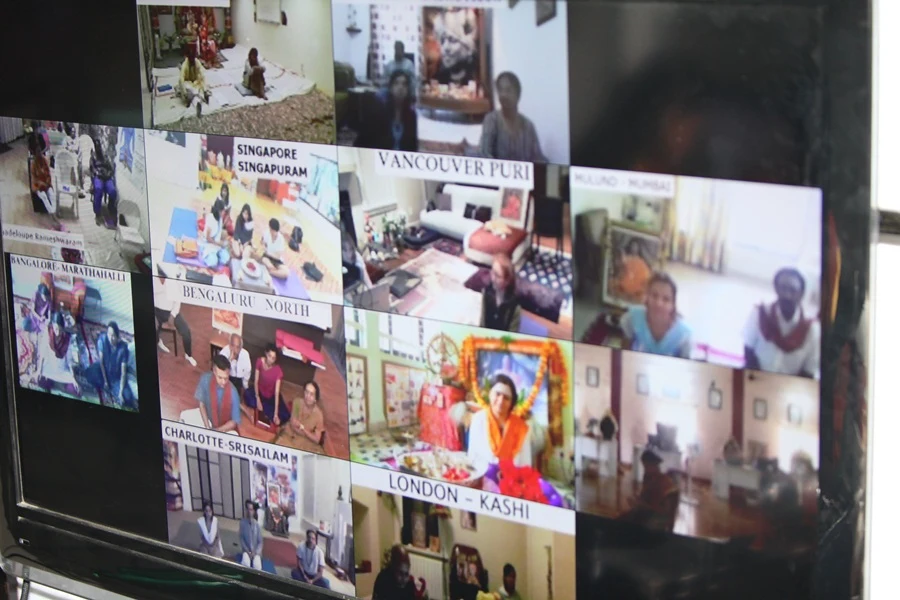
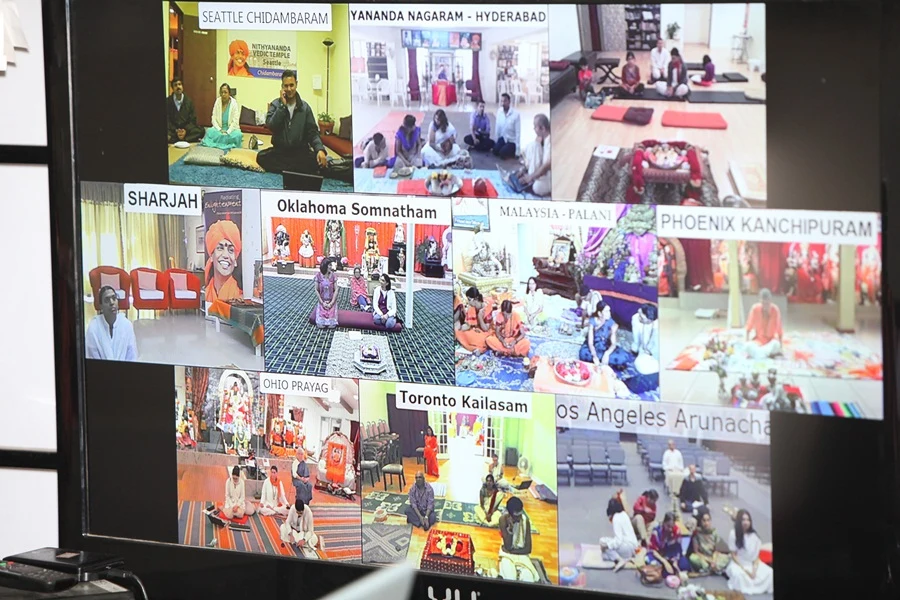
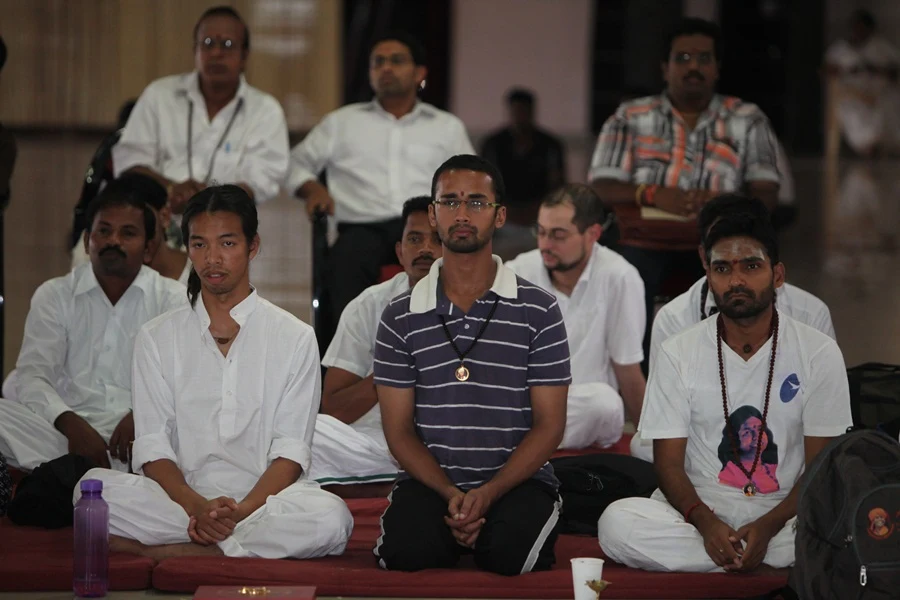
Link to Facebook
https://www.facebook.com/srinithyananda.swami/posts/174986655989675
Tags:
Paramahamsa Nithyananda, enriching, expectation, life, meditation, experience, consciousness, human being, transformation, frequency, responsibility, attitude, cosmic energy, karma.
Photos Of The Day:
Dial-the-Avatar













Satsang








Nithya-Puja










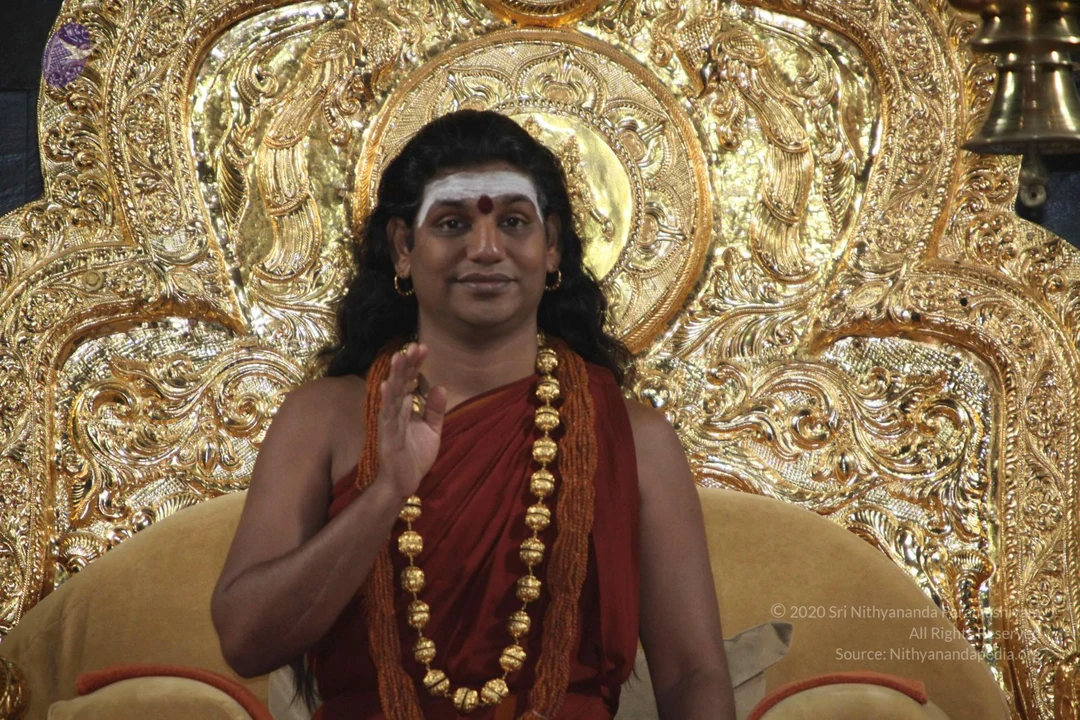
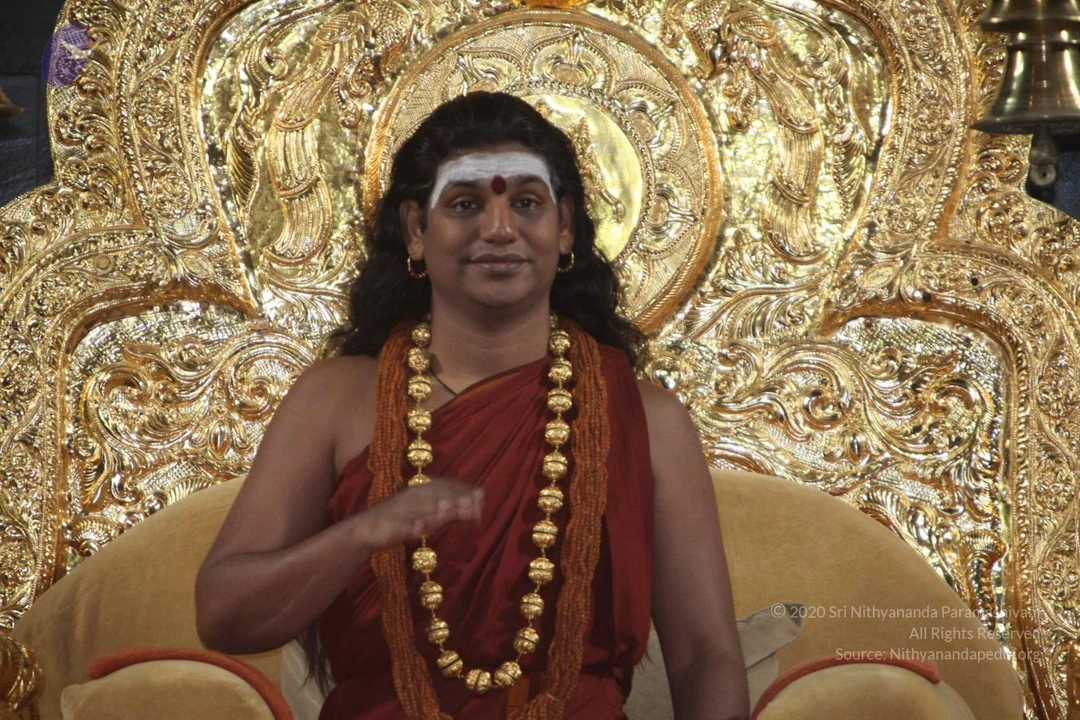
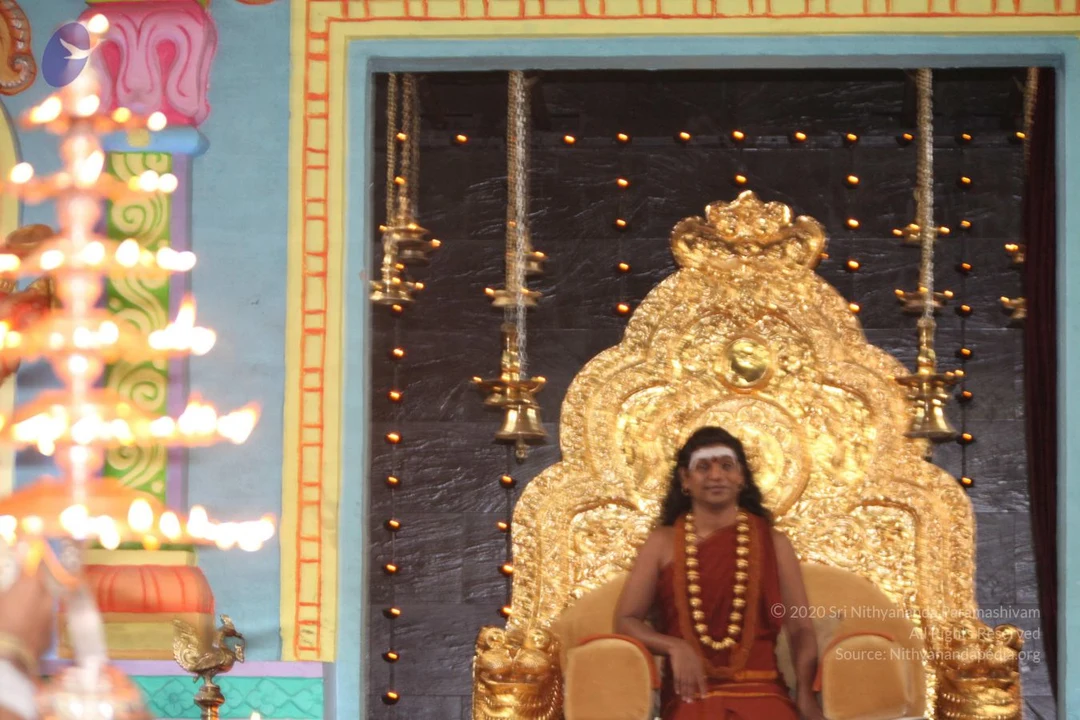
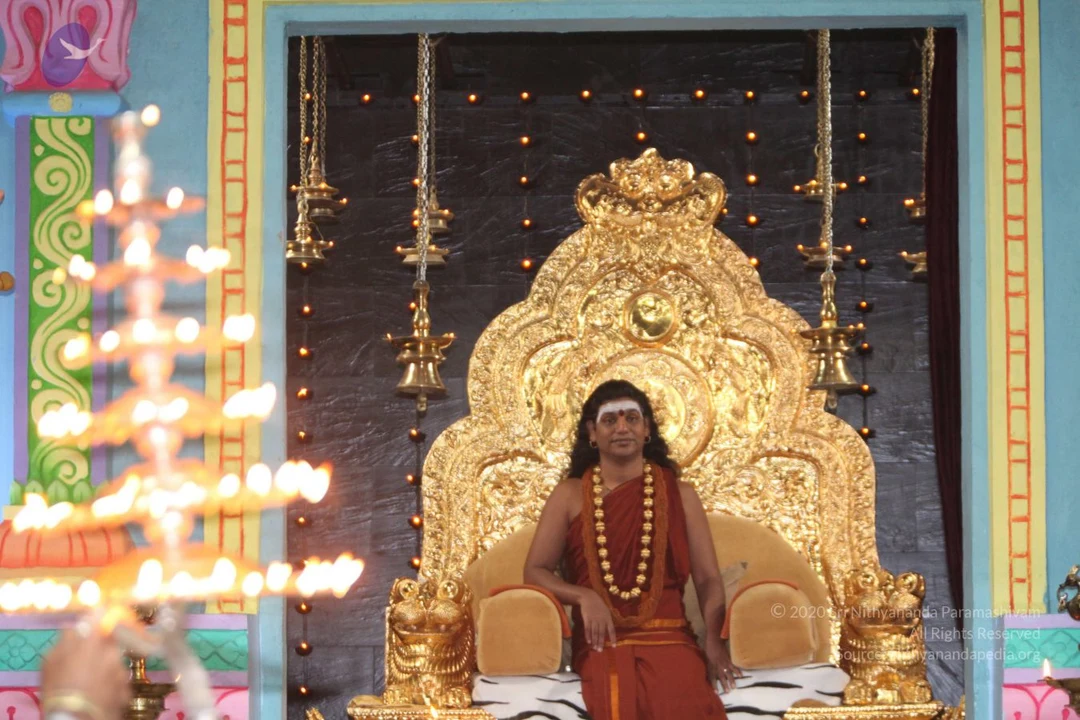


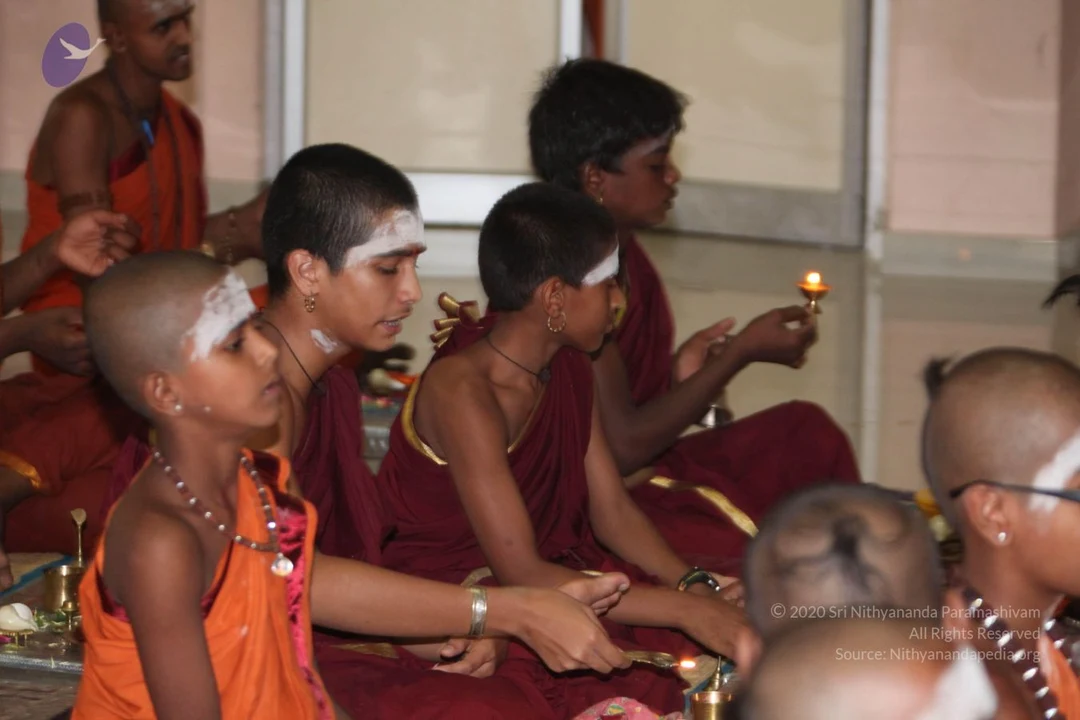





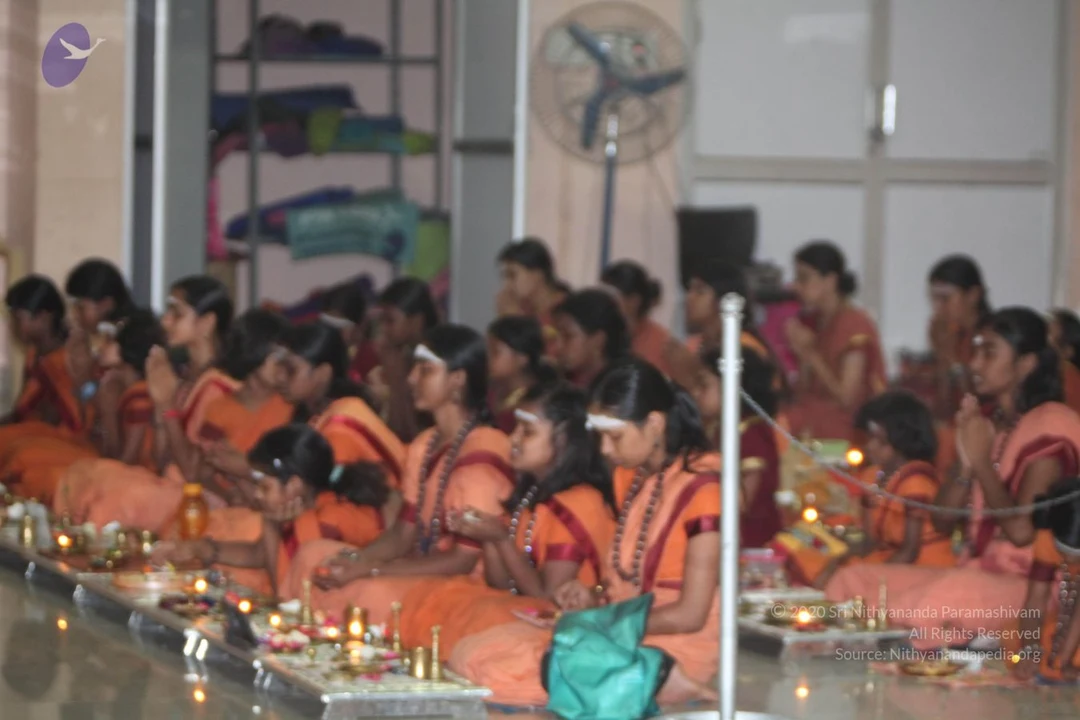

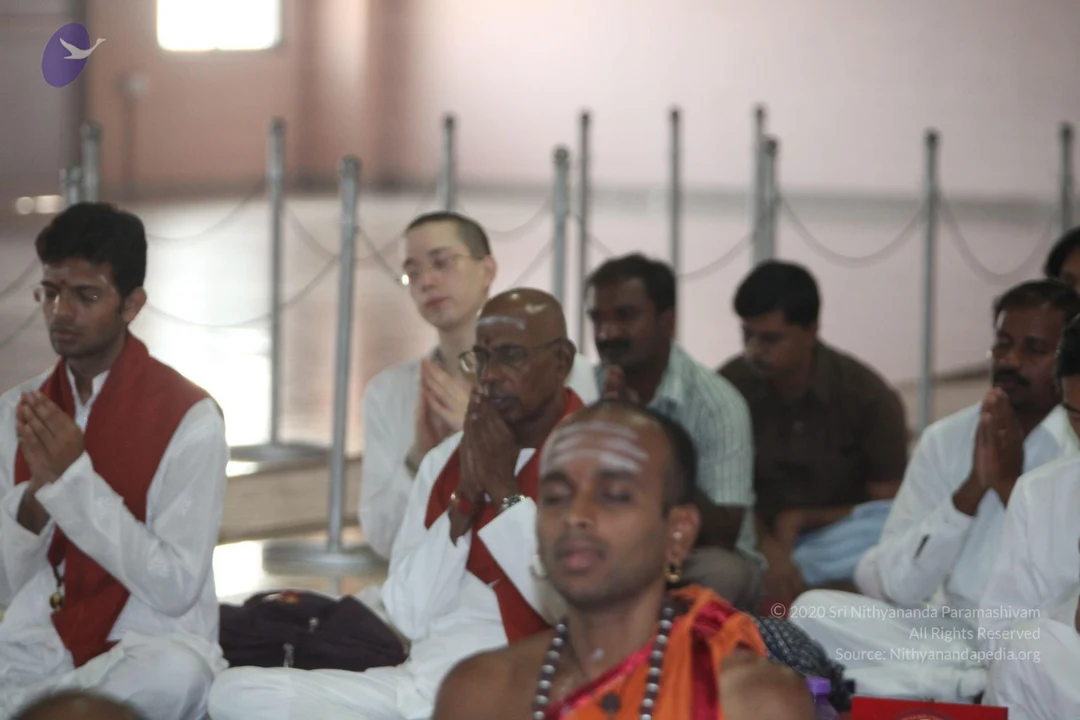
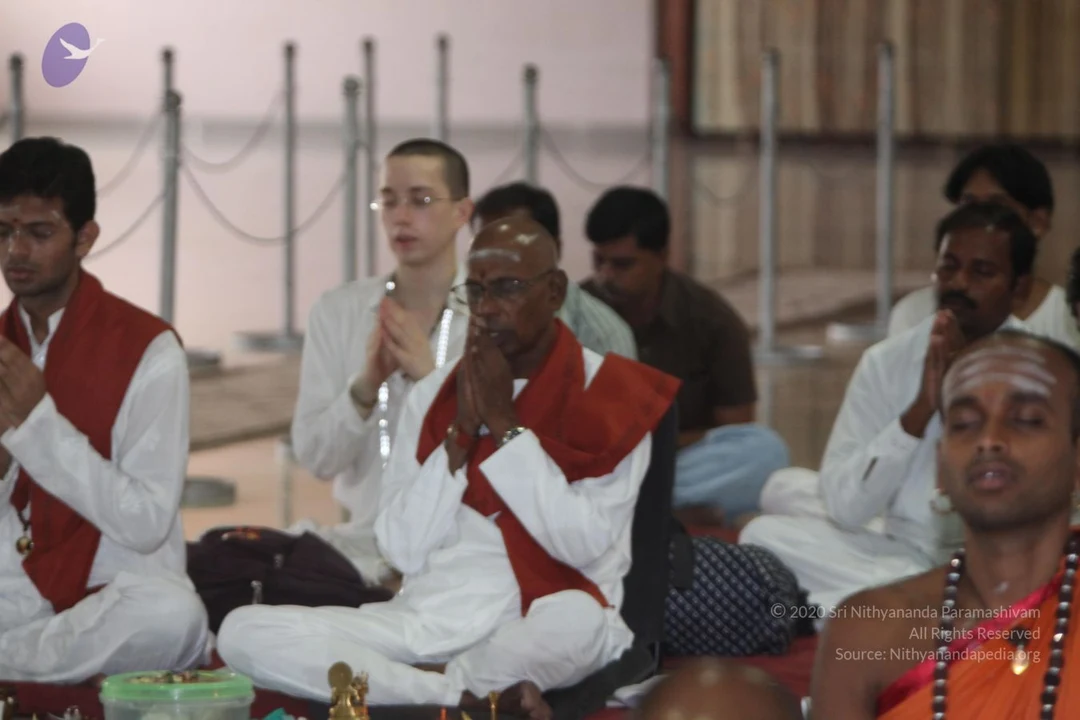

Temple

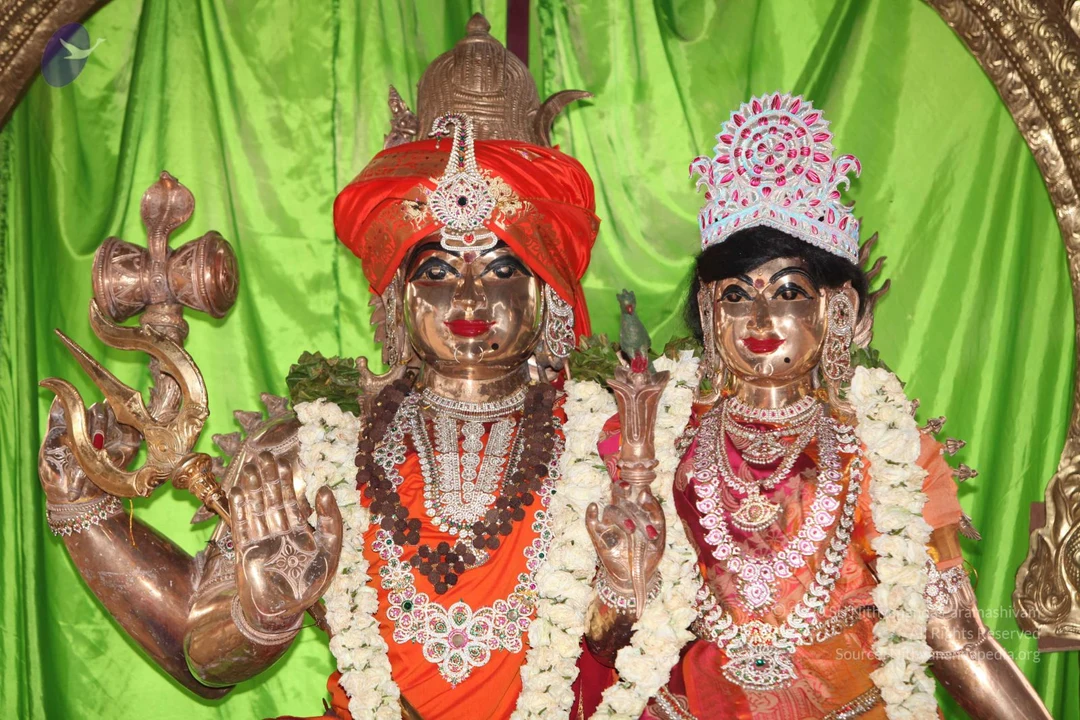

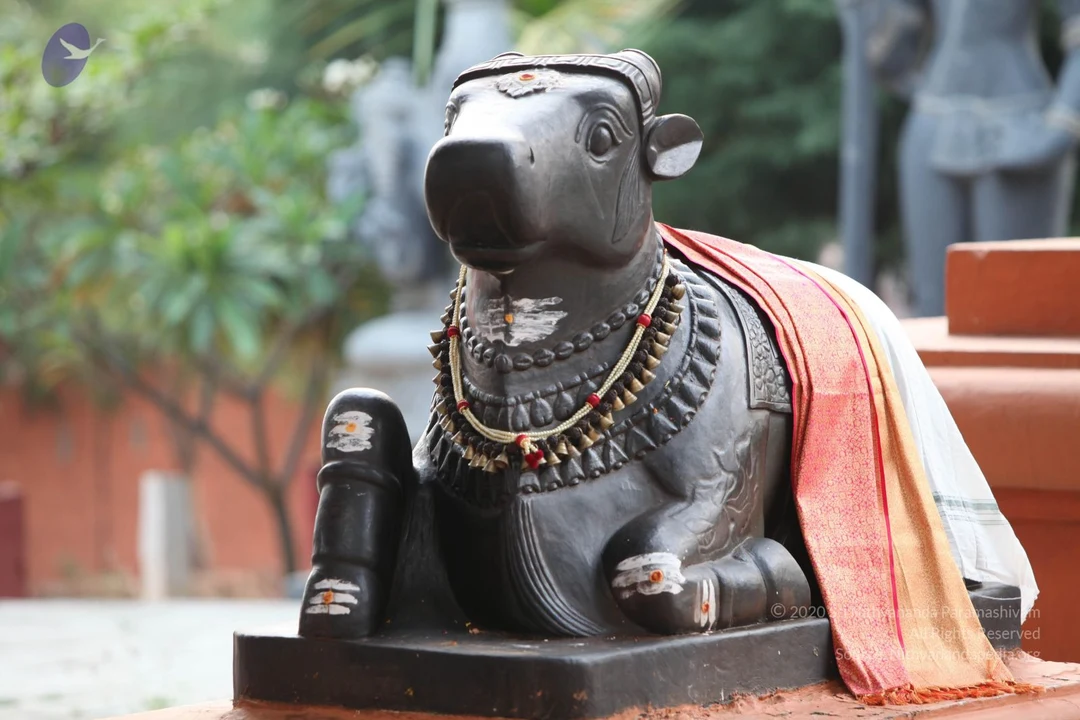
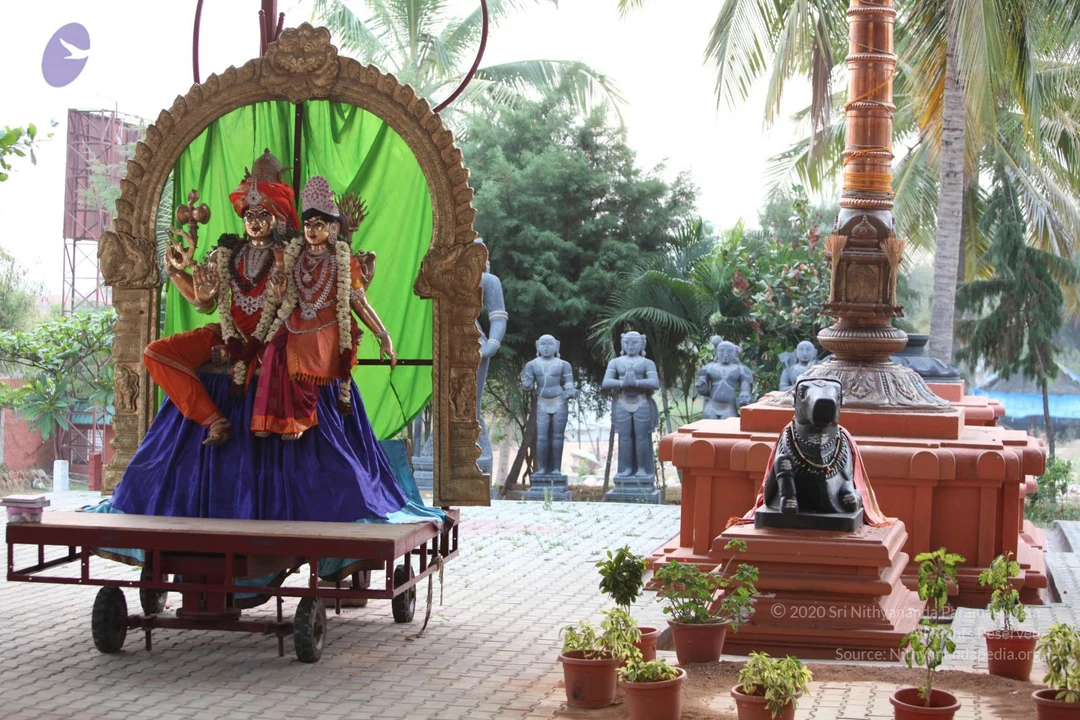
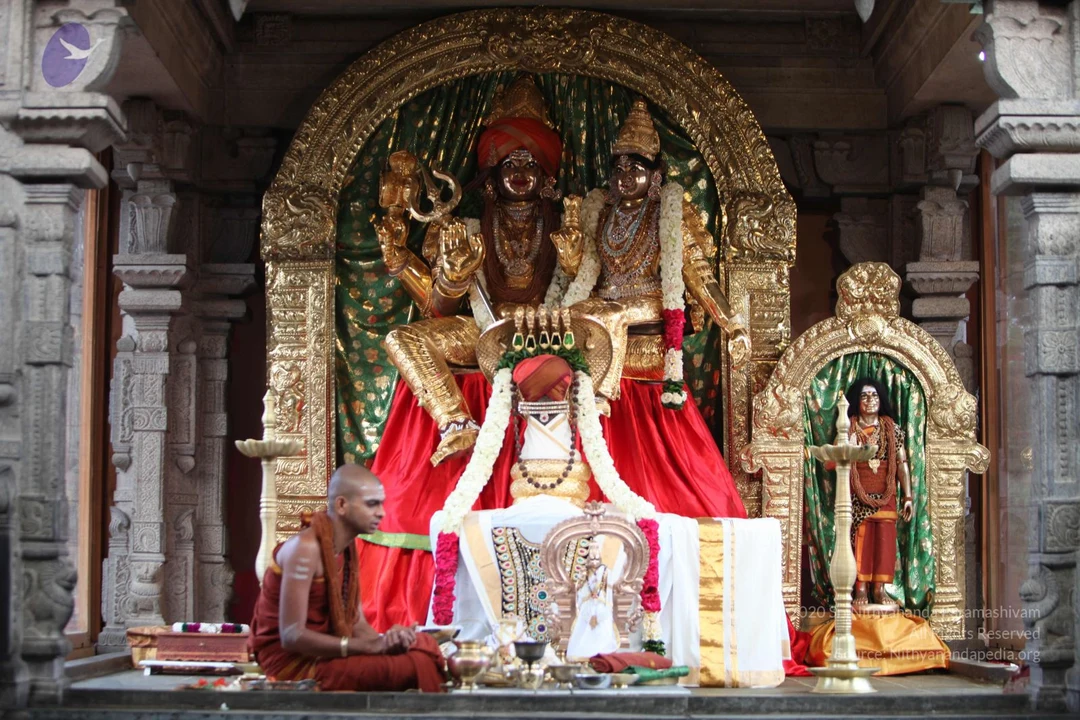

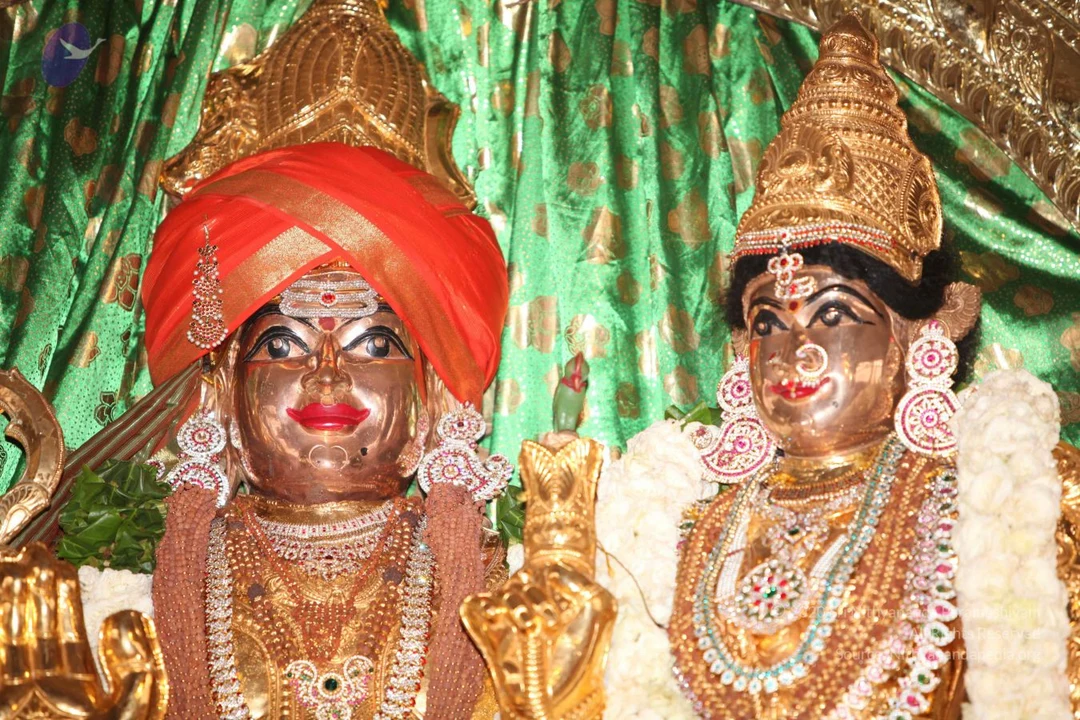
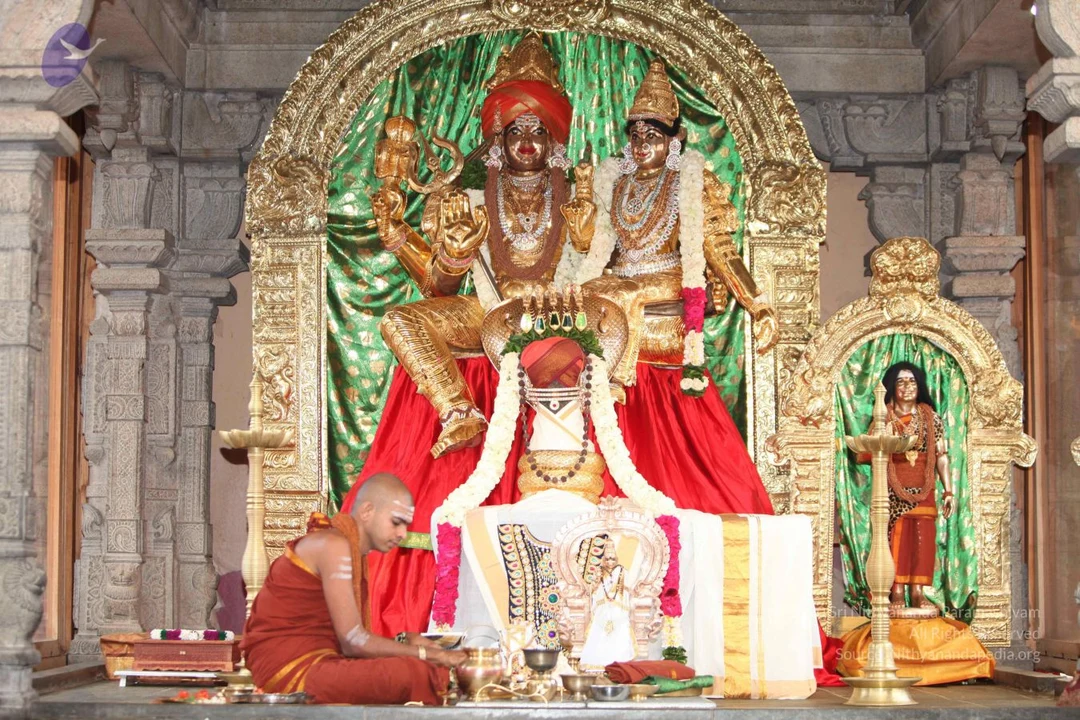
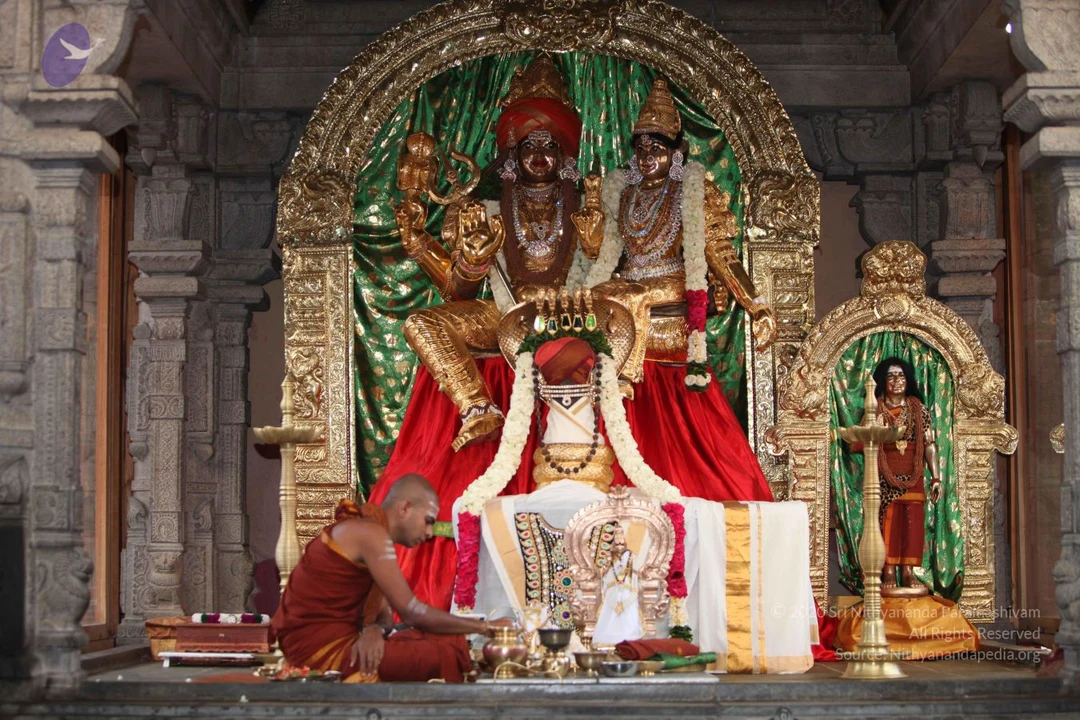
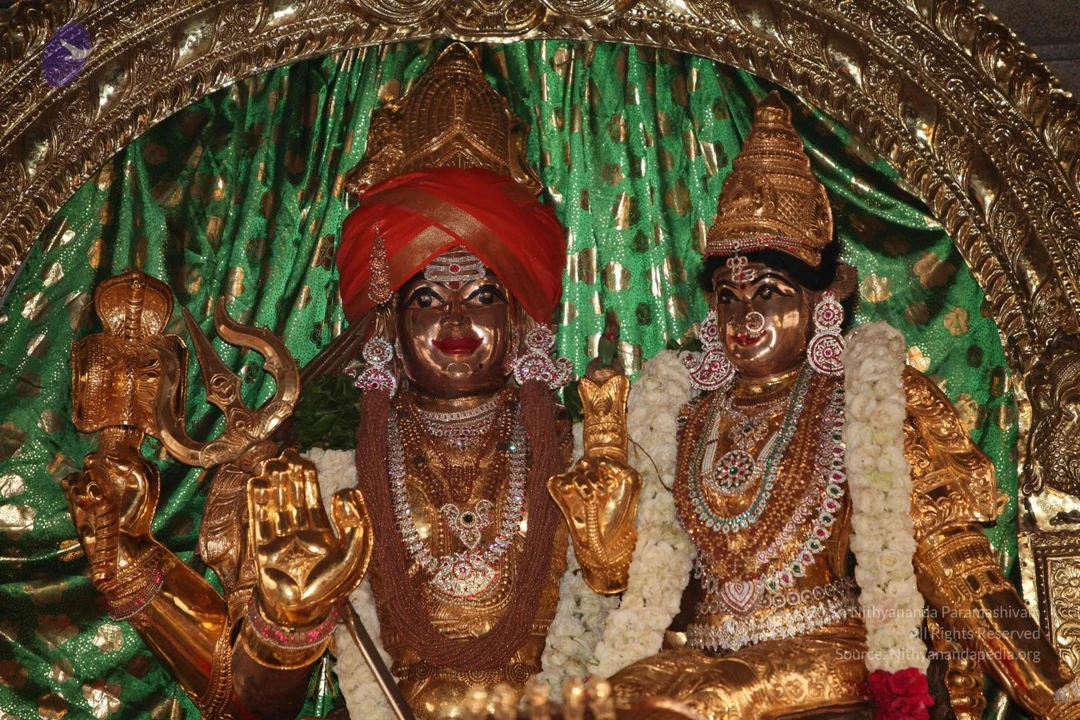
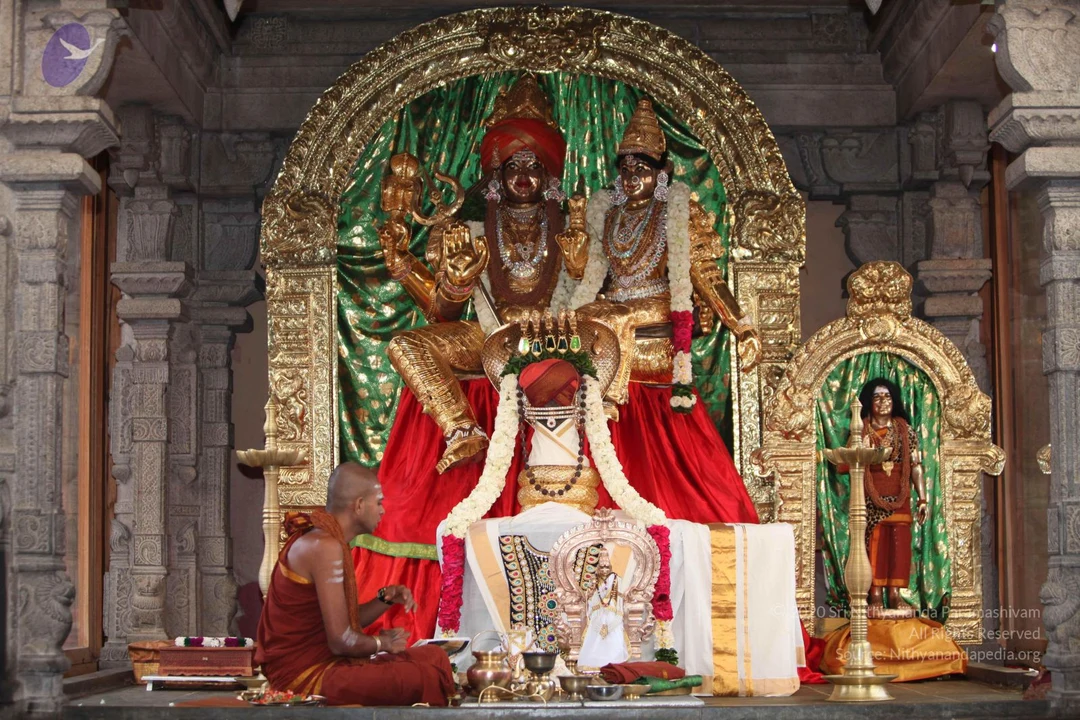
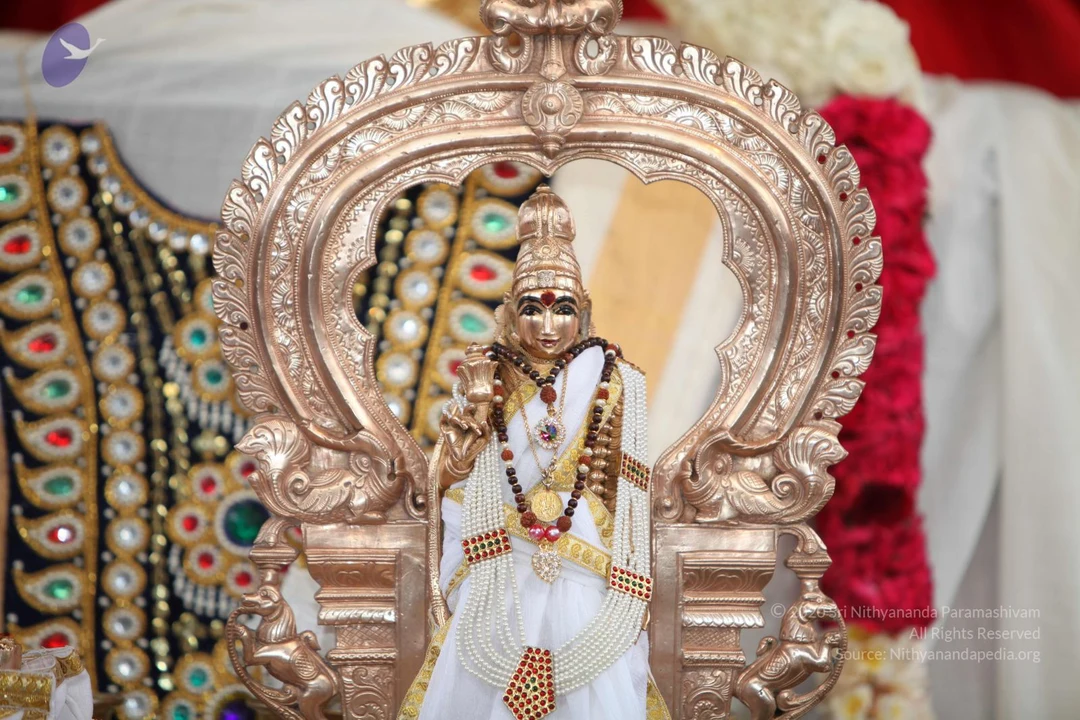
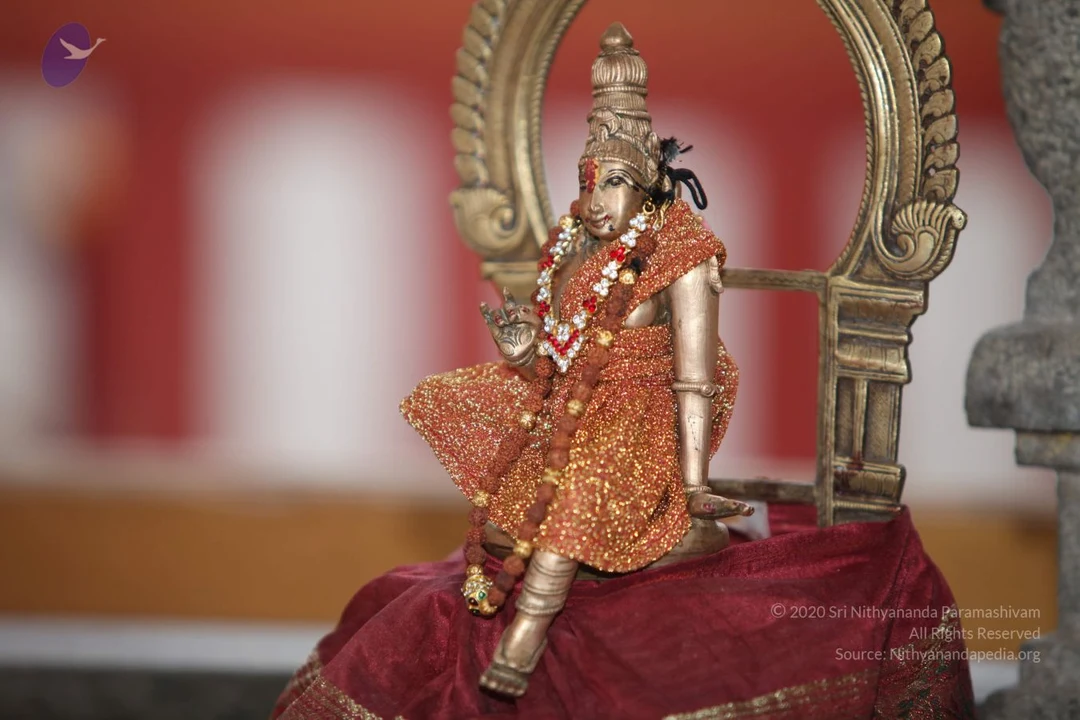
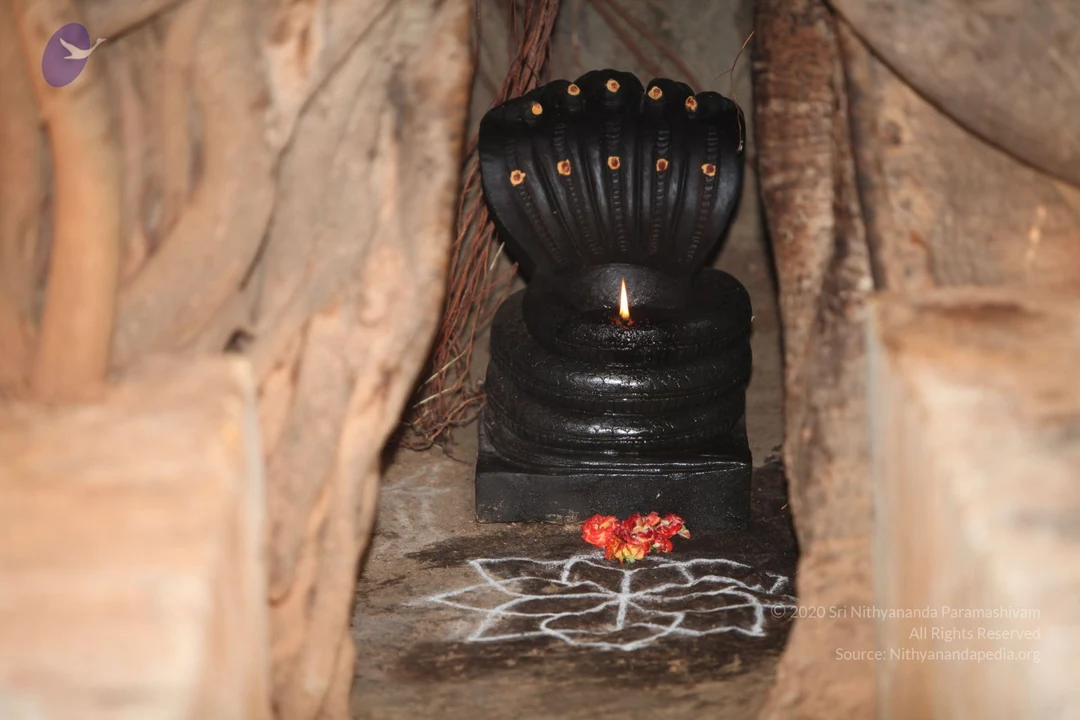
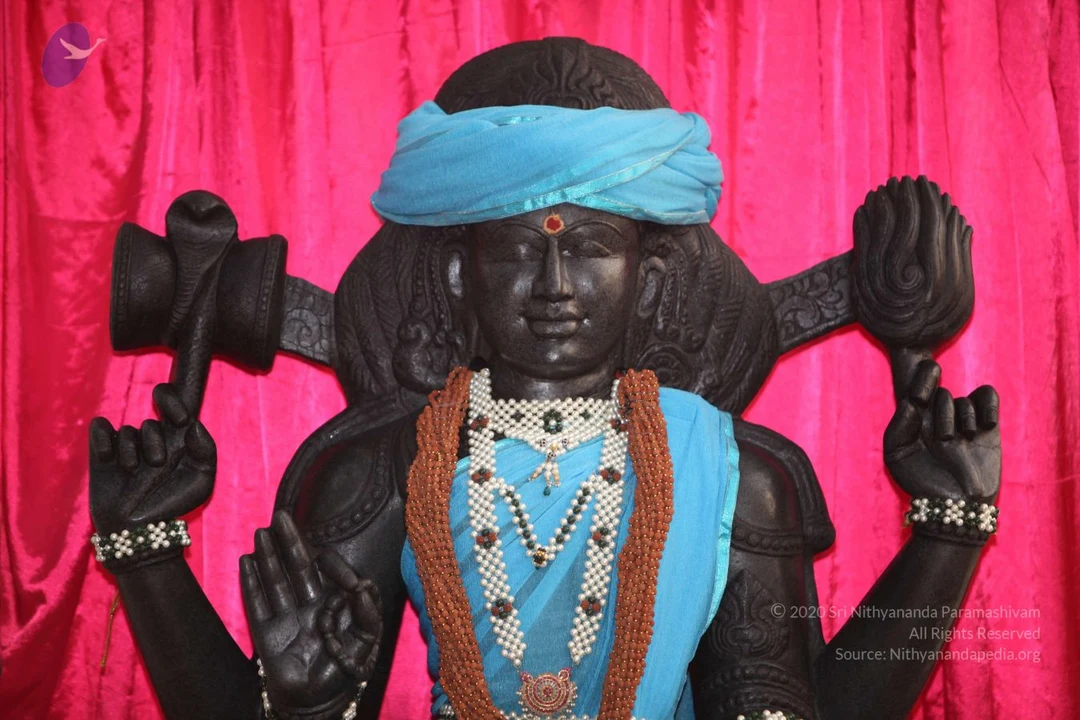
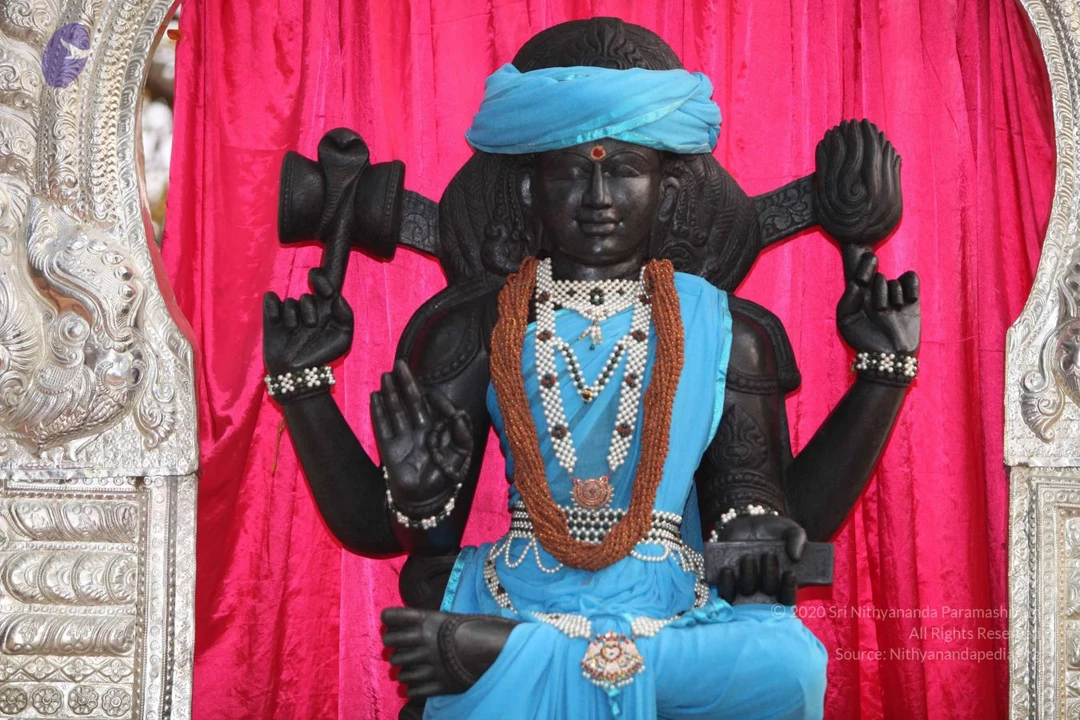
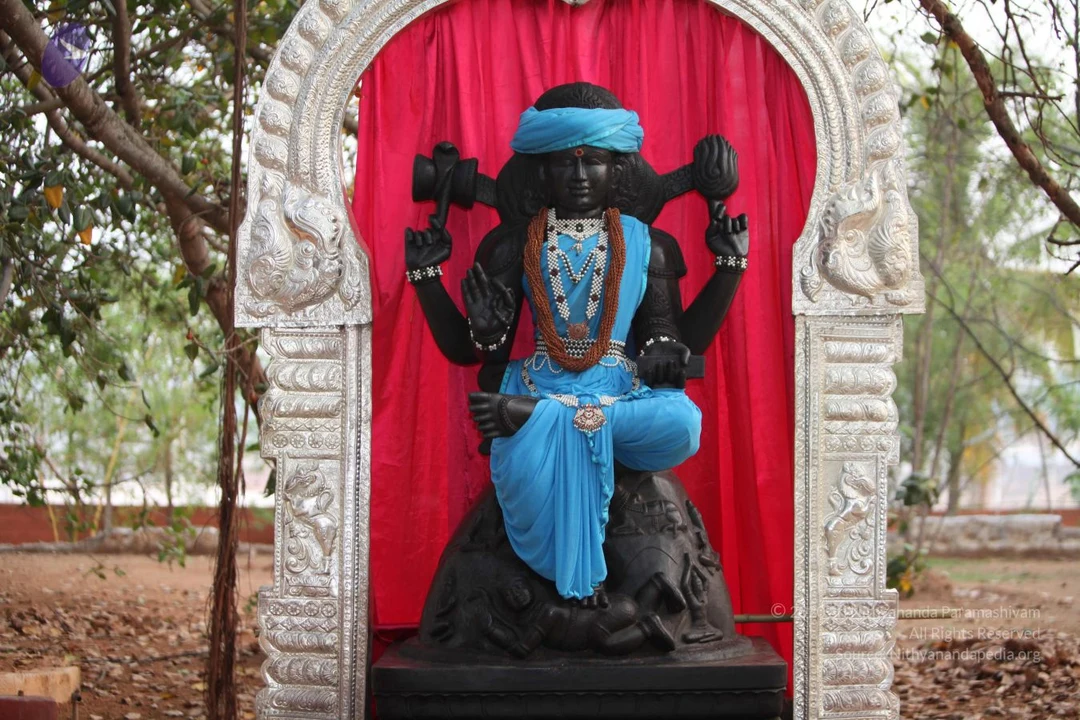

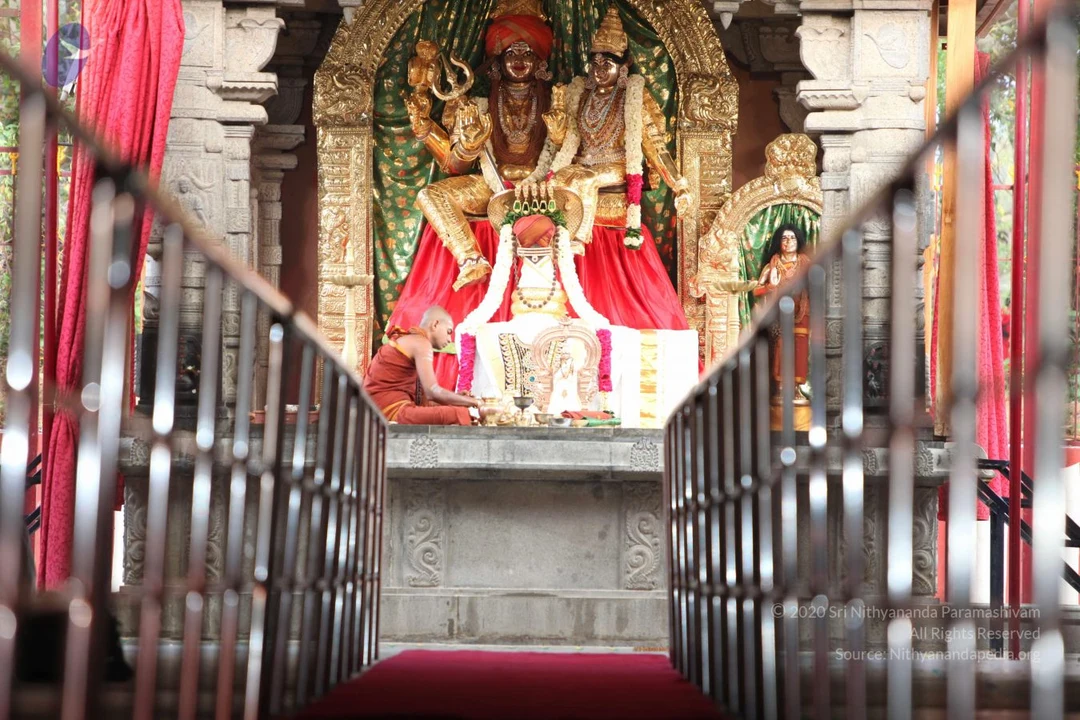

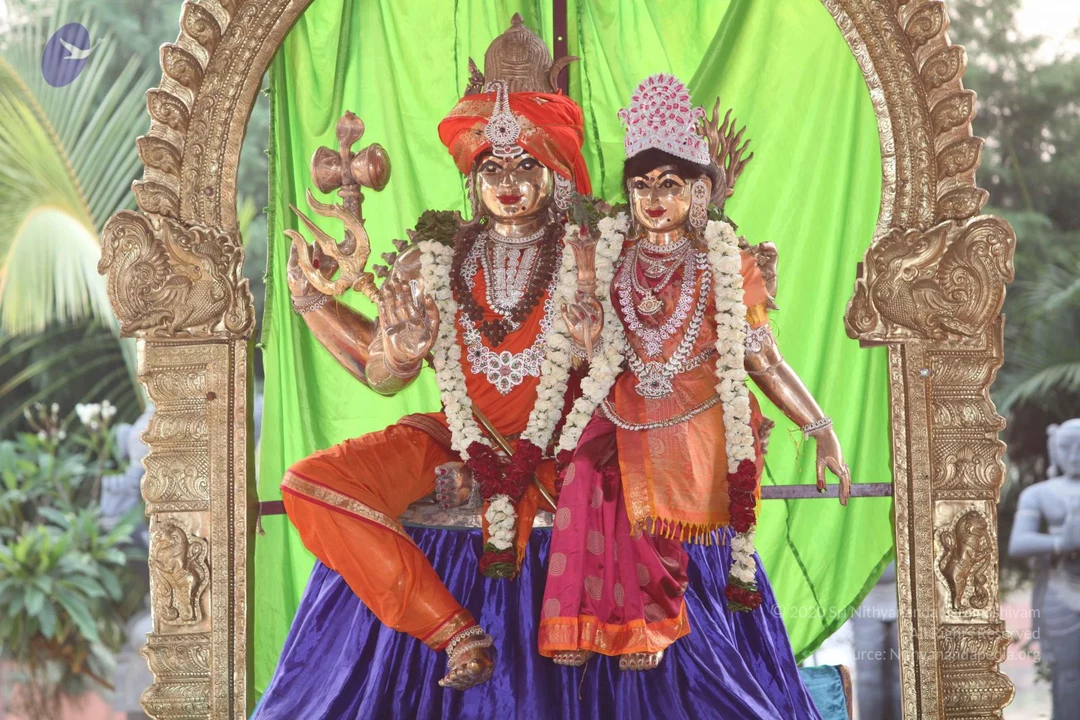
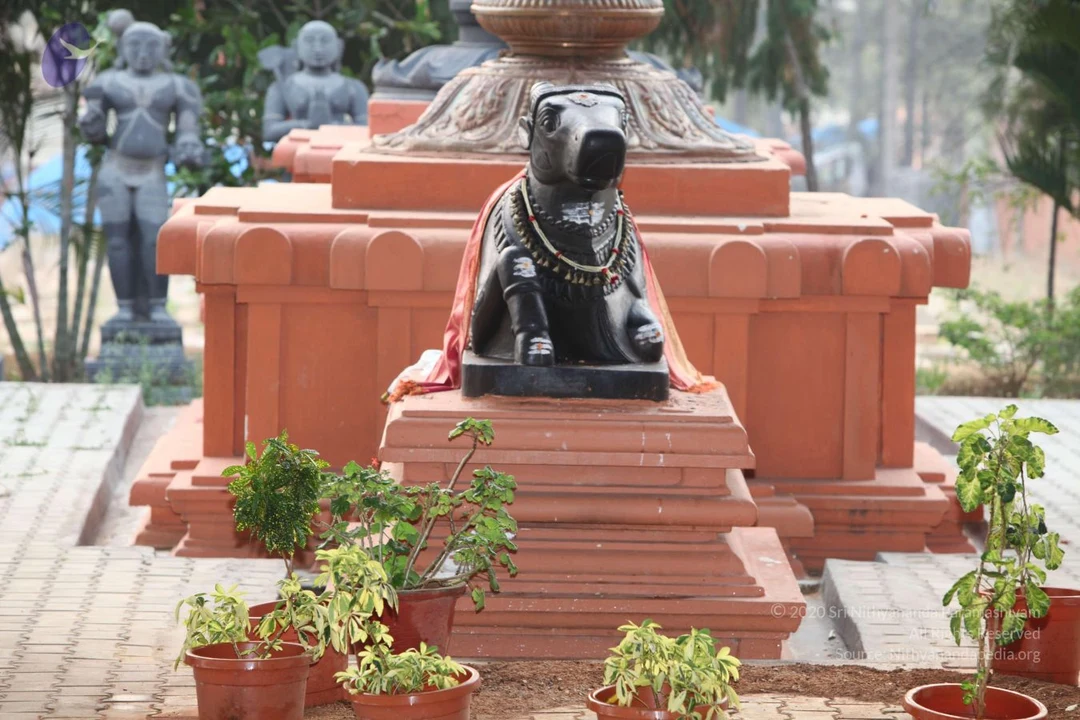
Photos Of The Day:
Dial-the-Avatar


Satsang














































Nithya-Puja









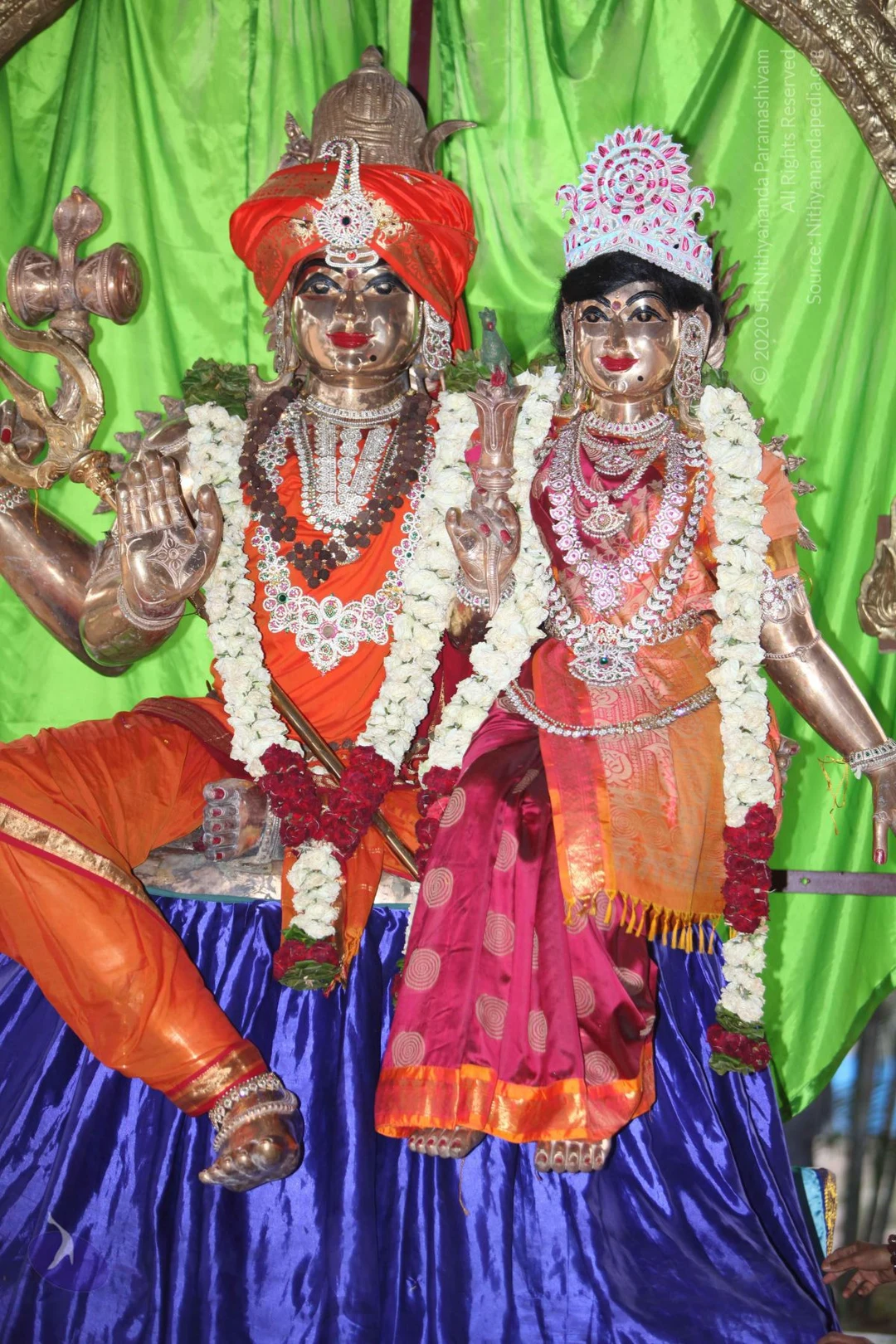
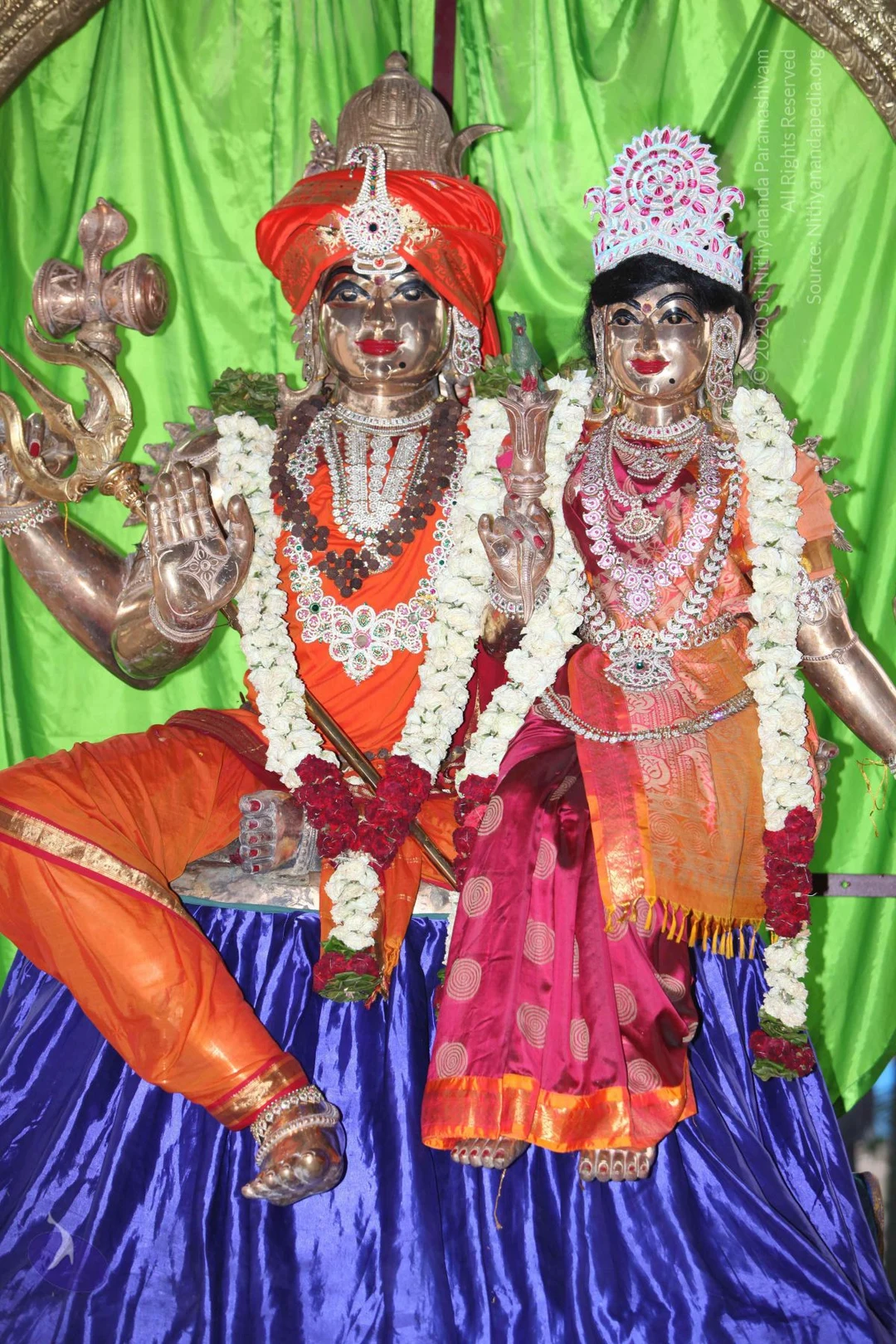
Temple
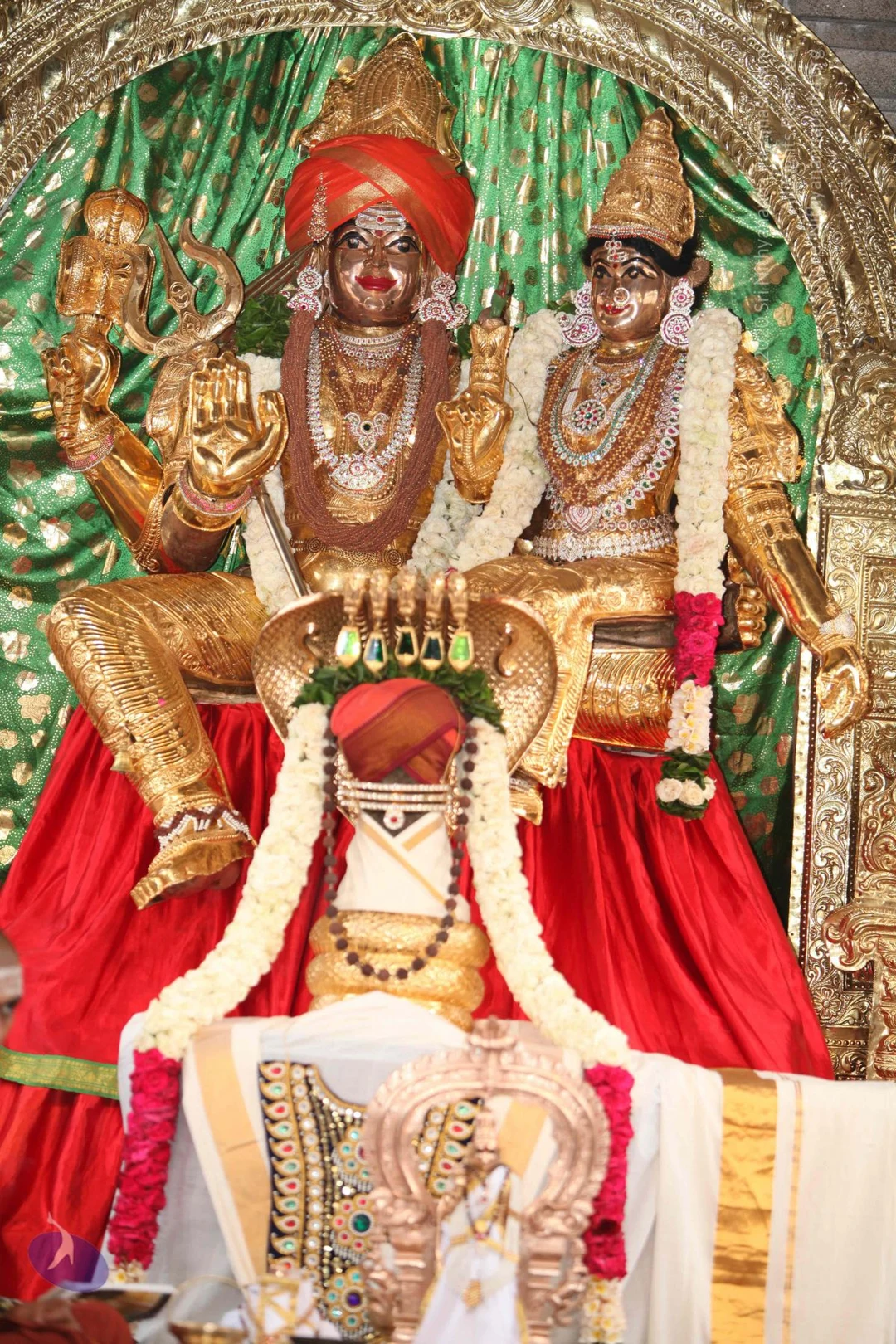
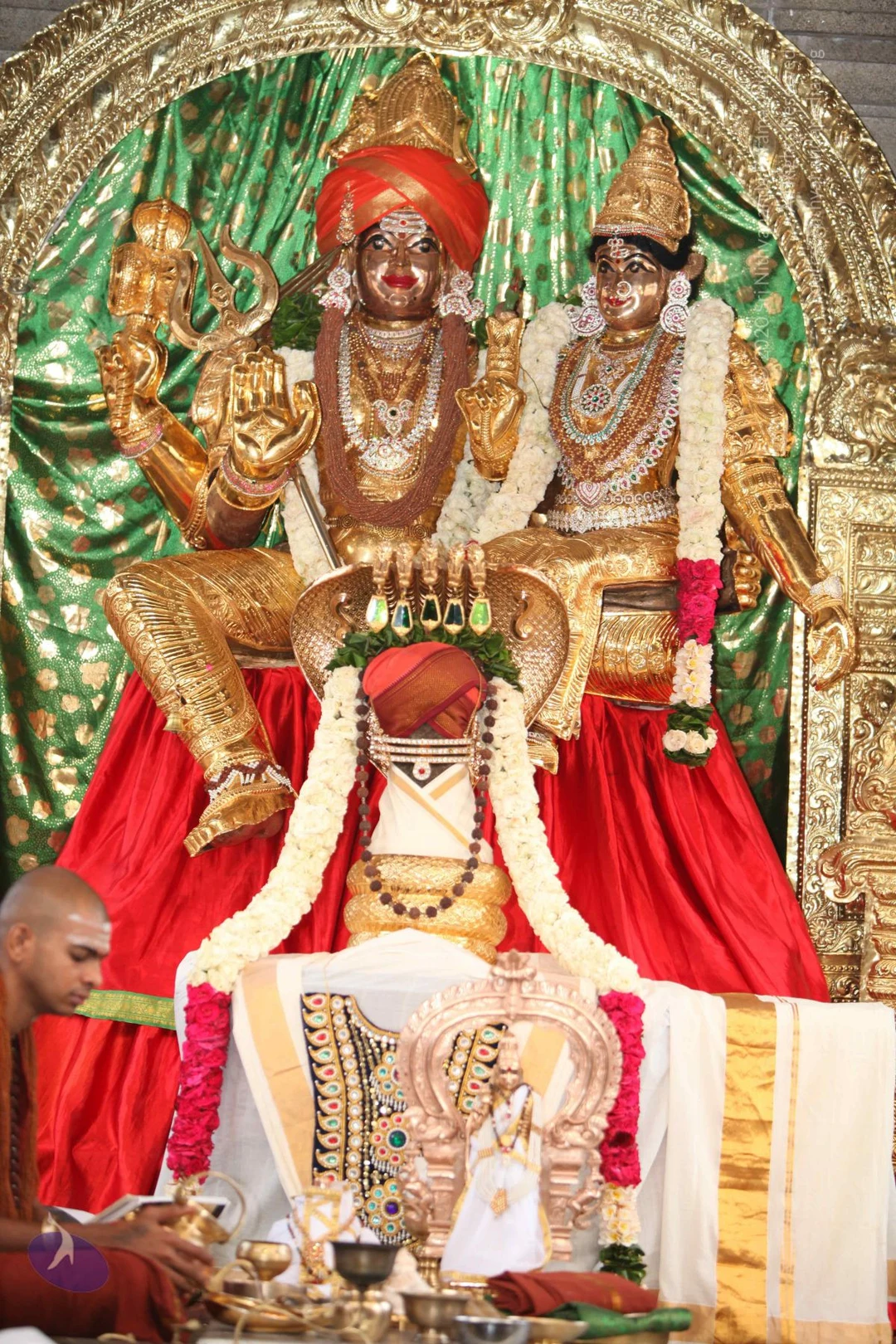


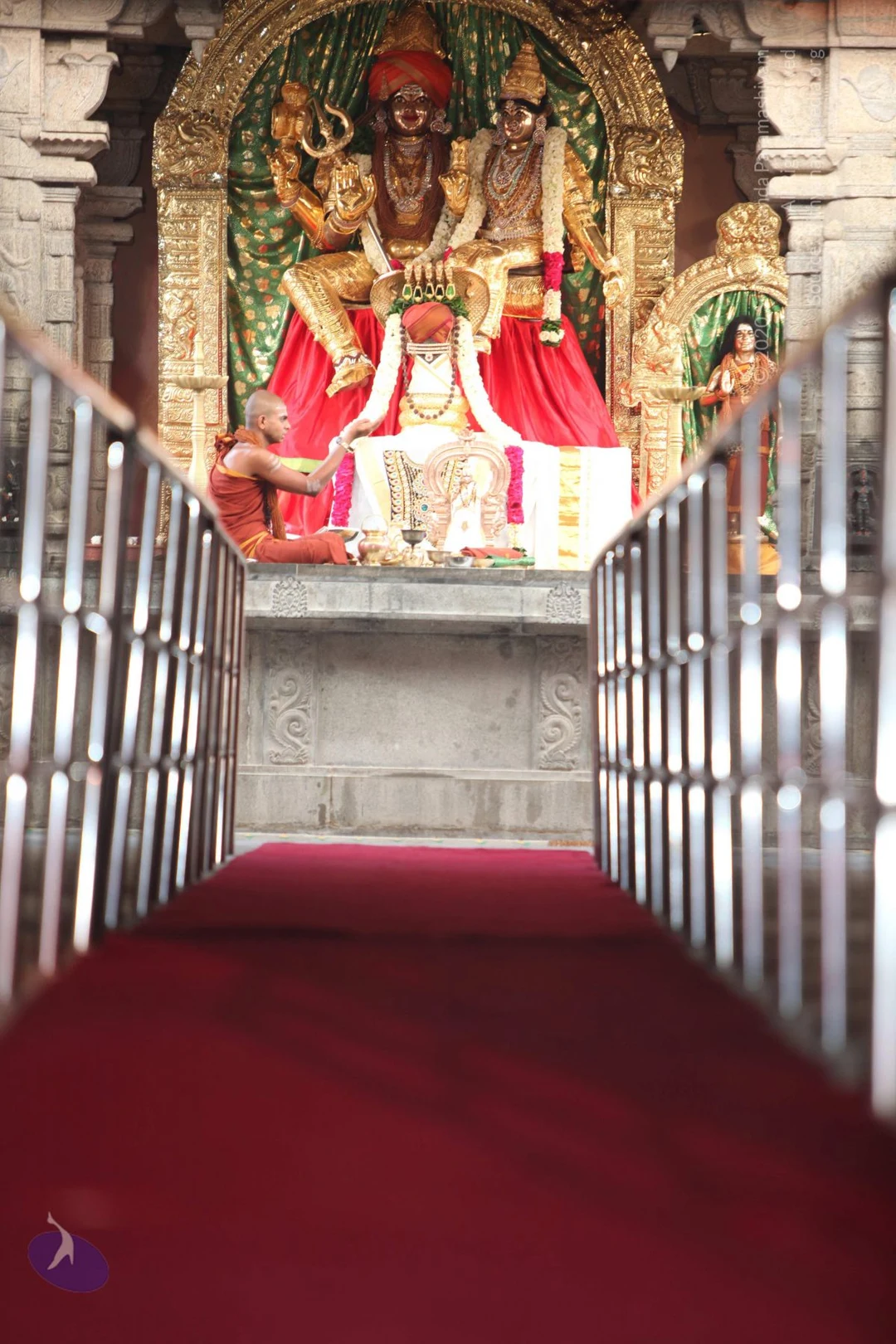
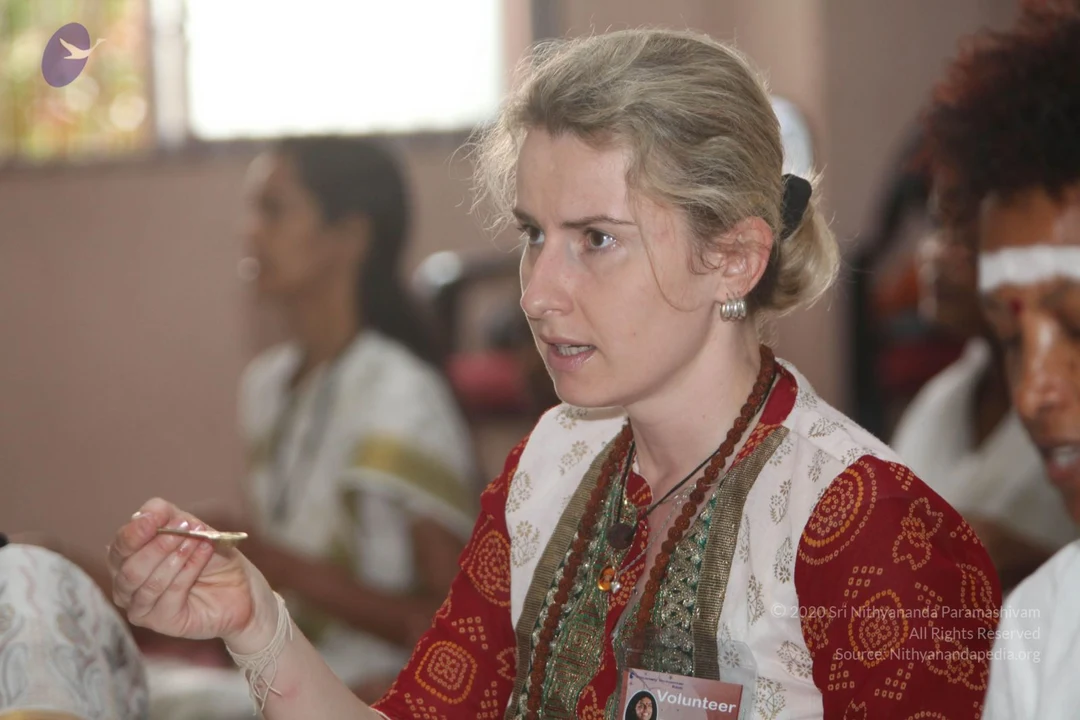
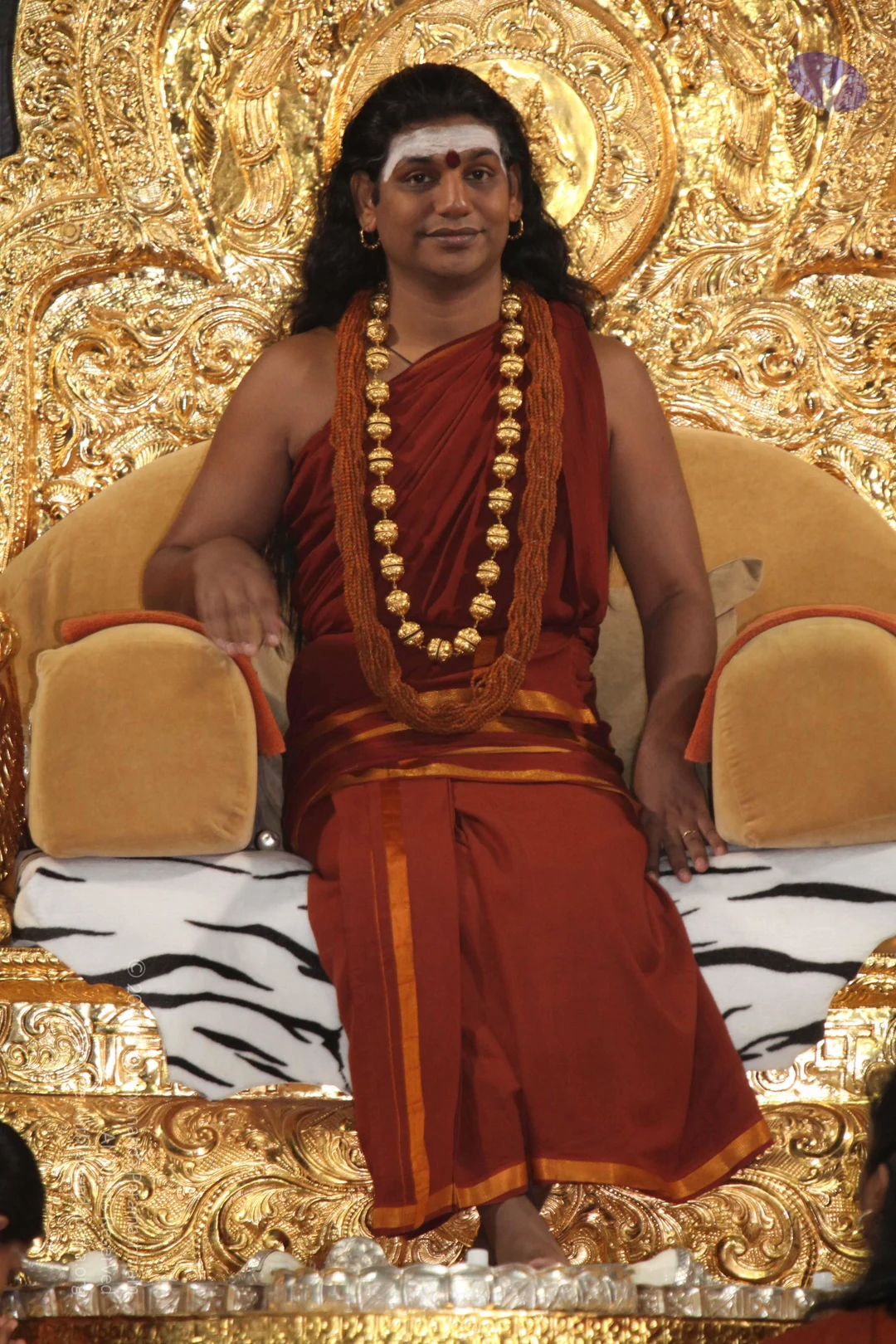
Satsang
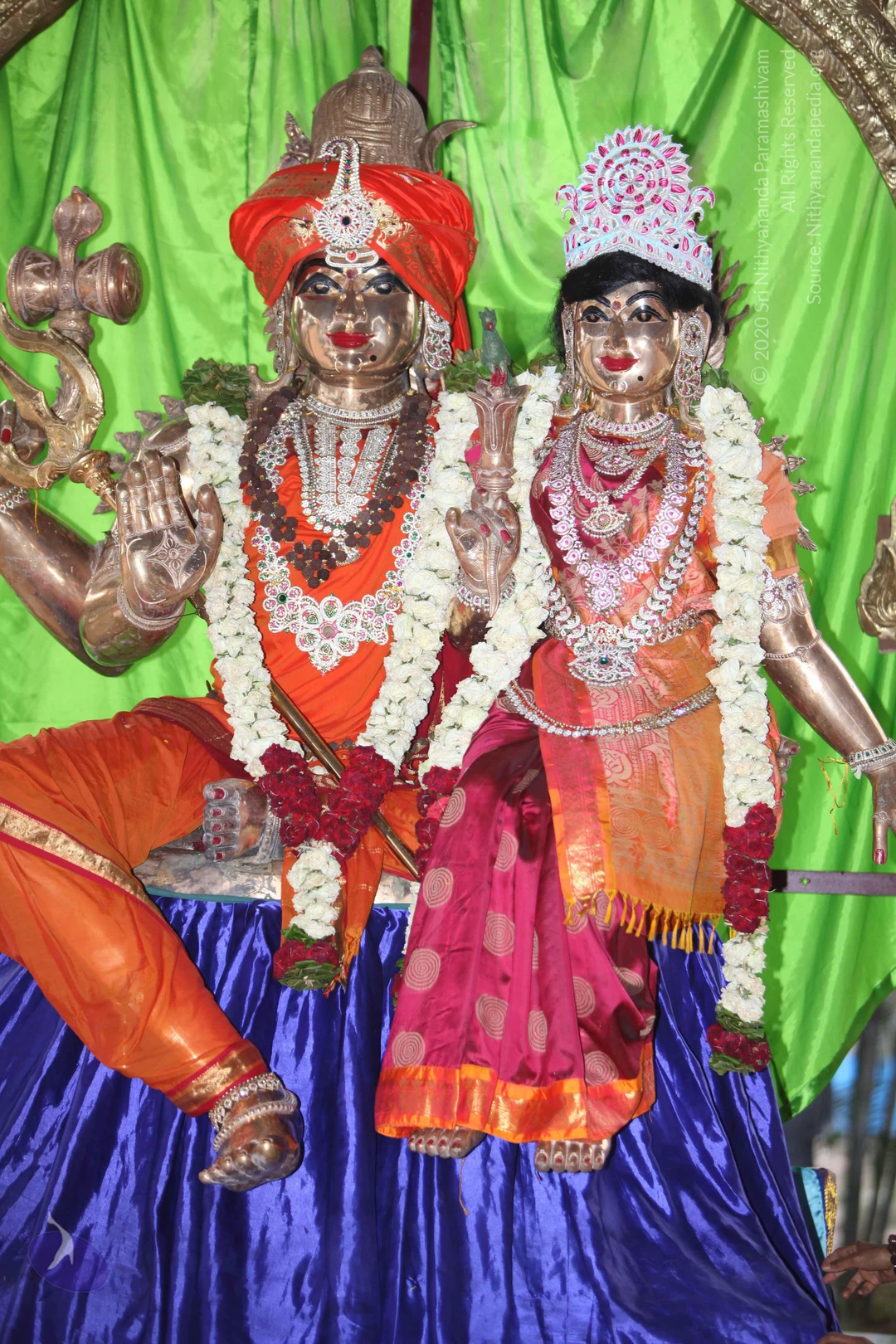
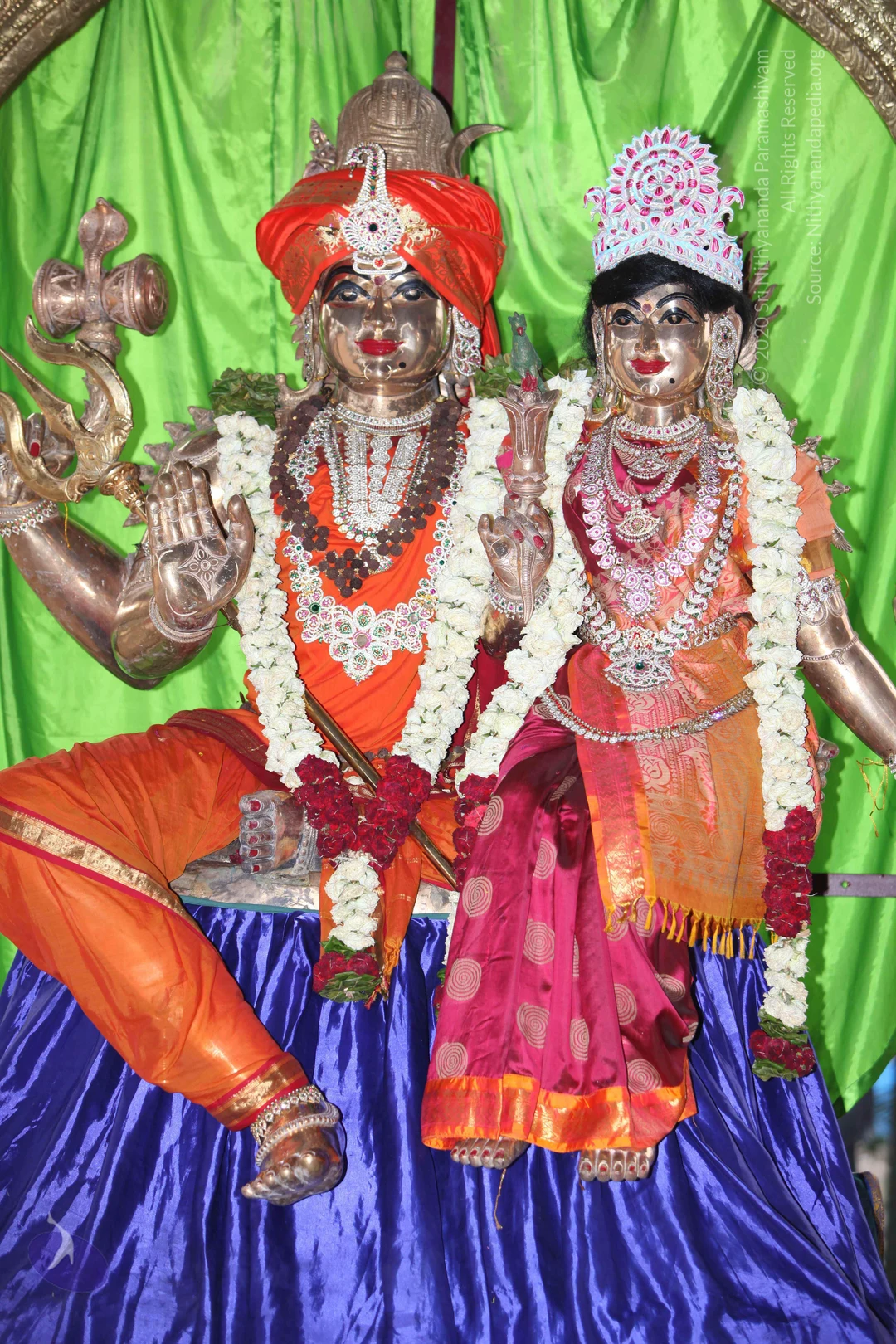
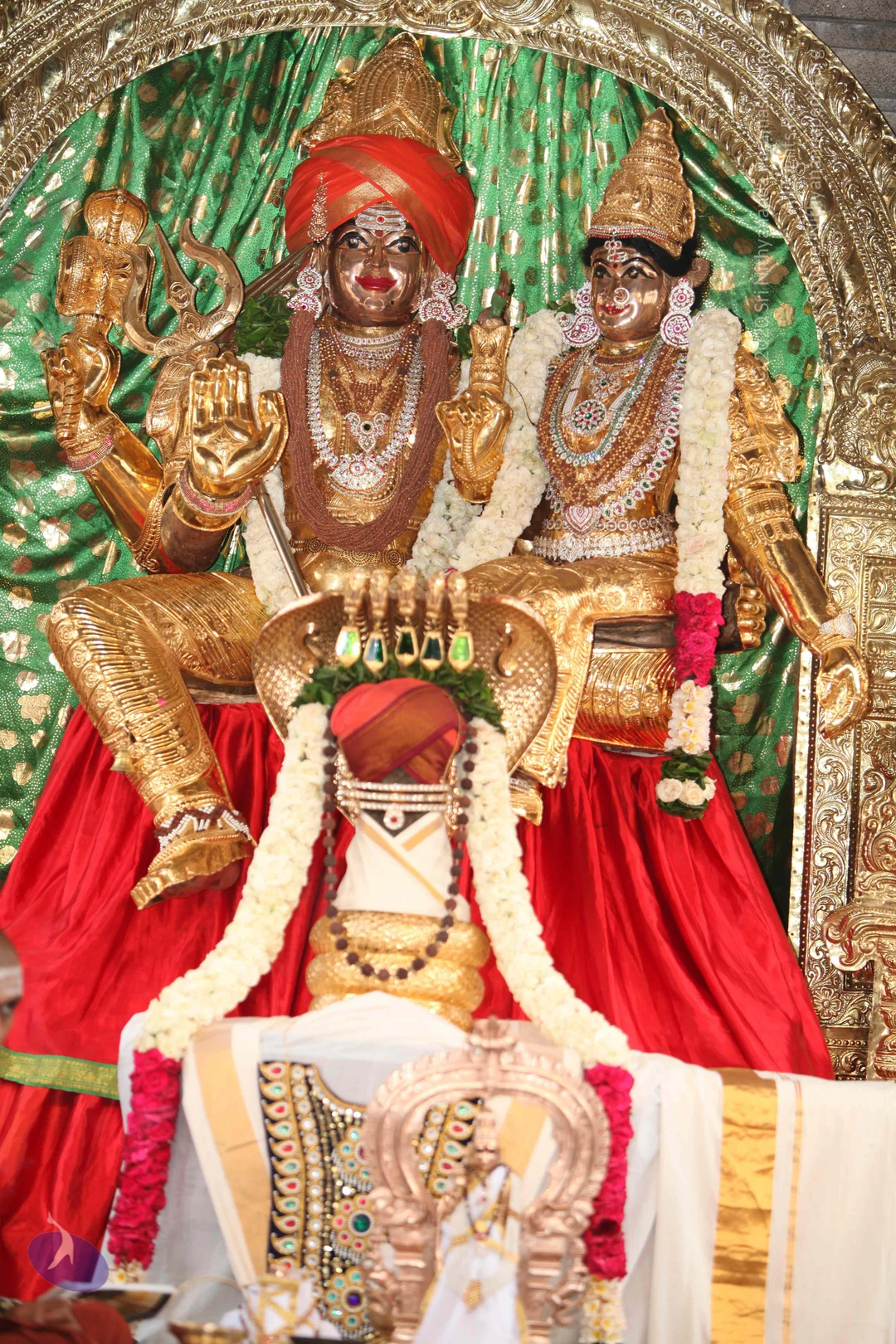
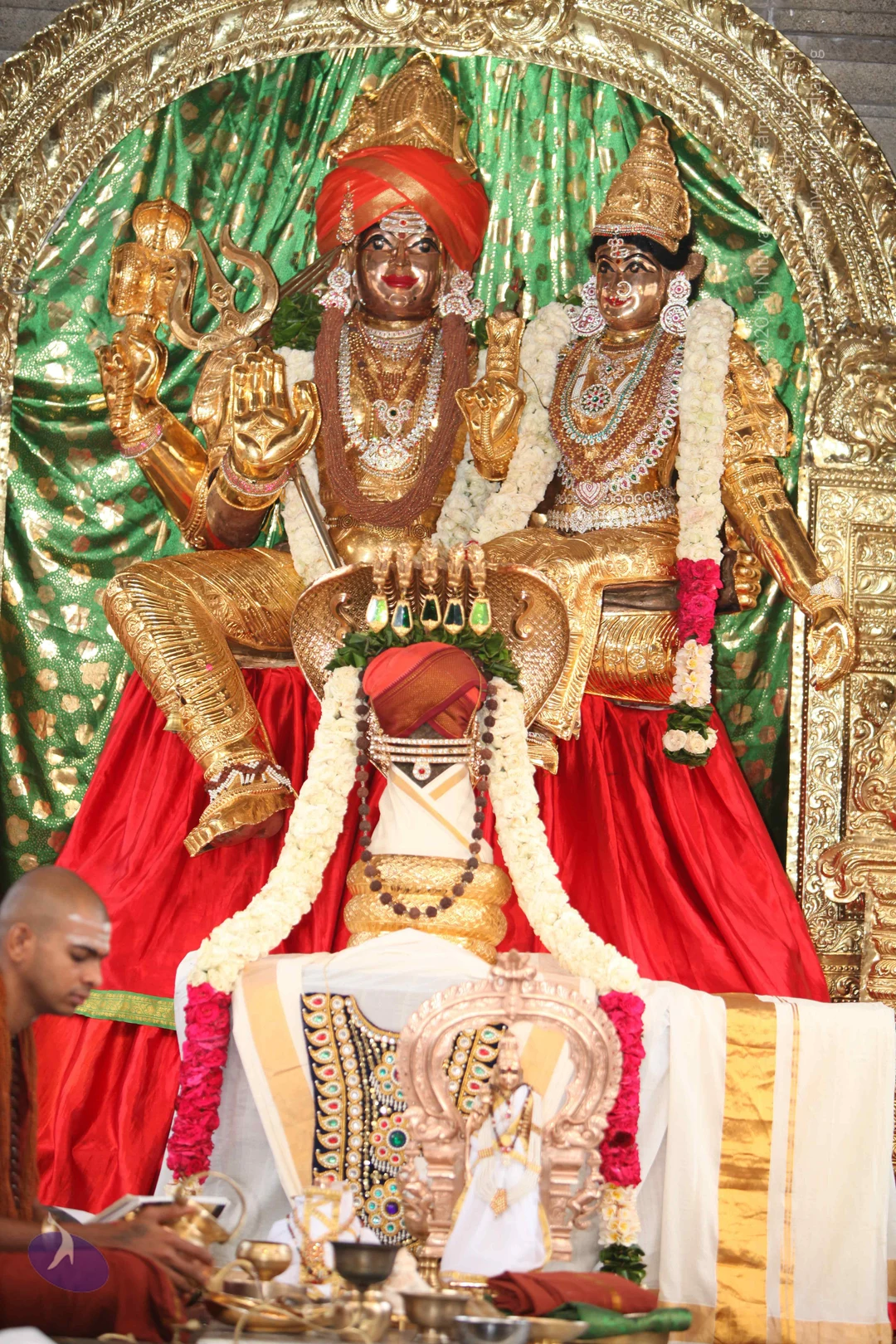



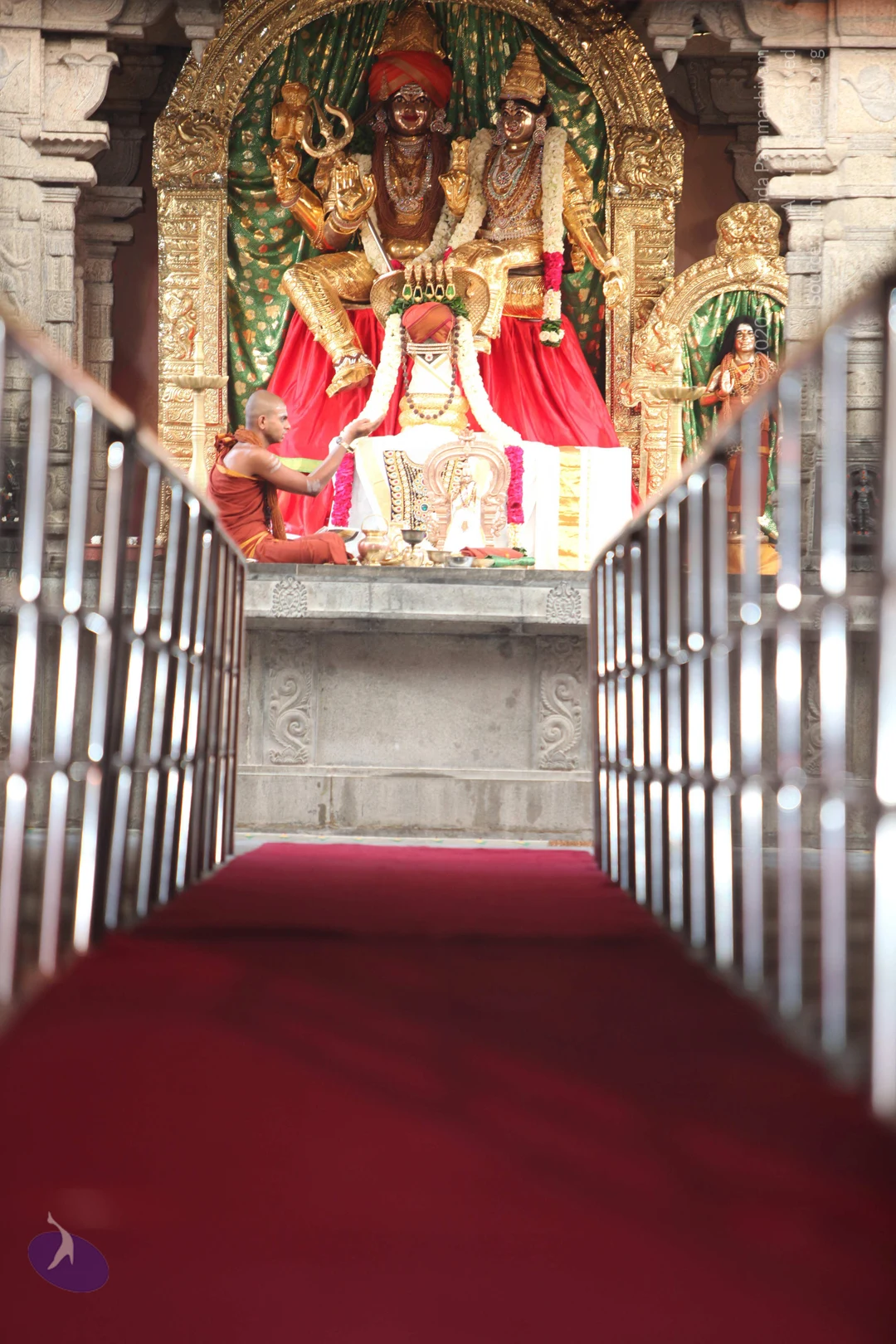





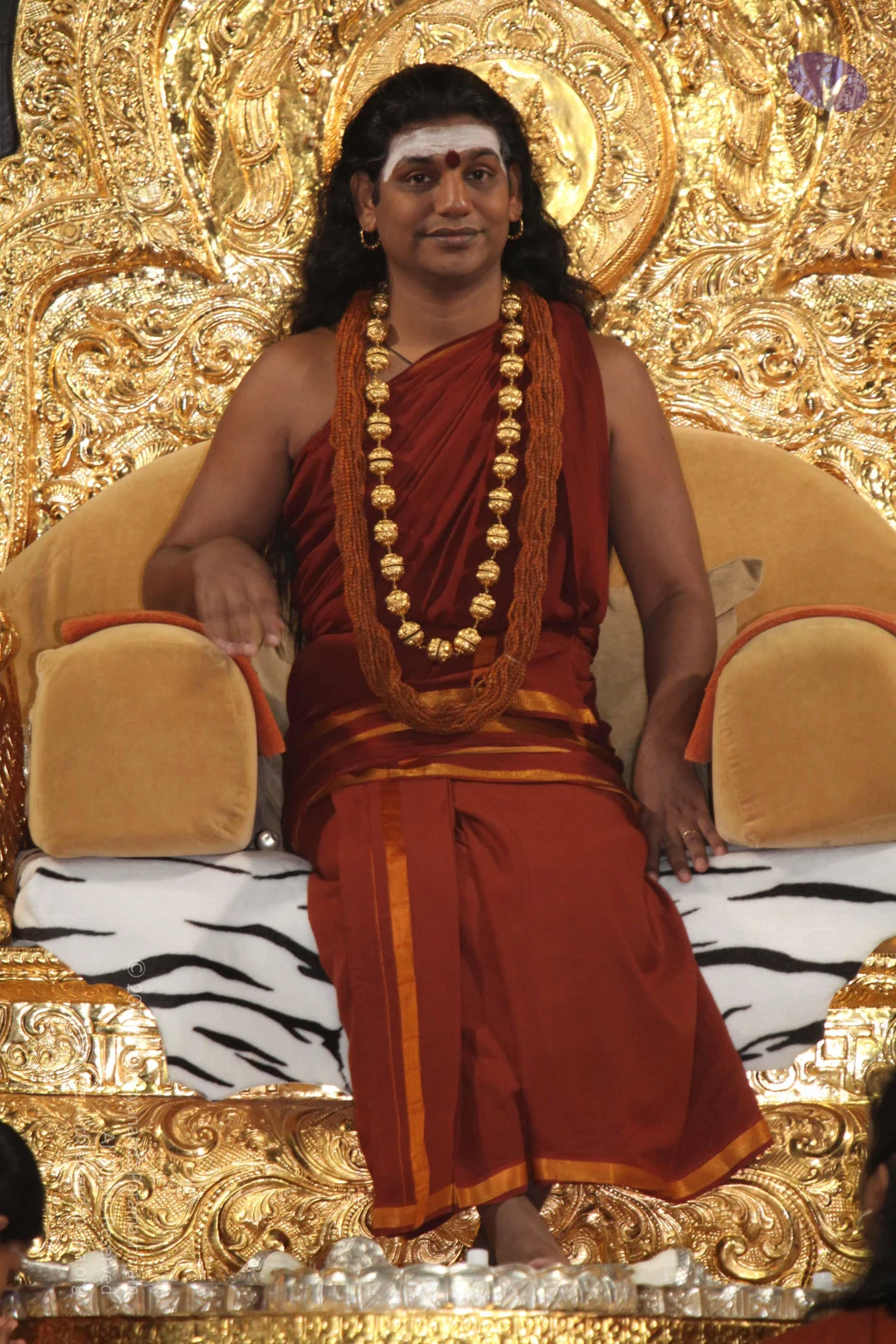












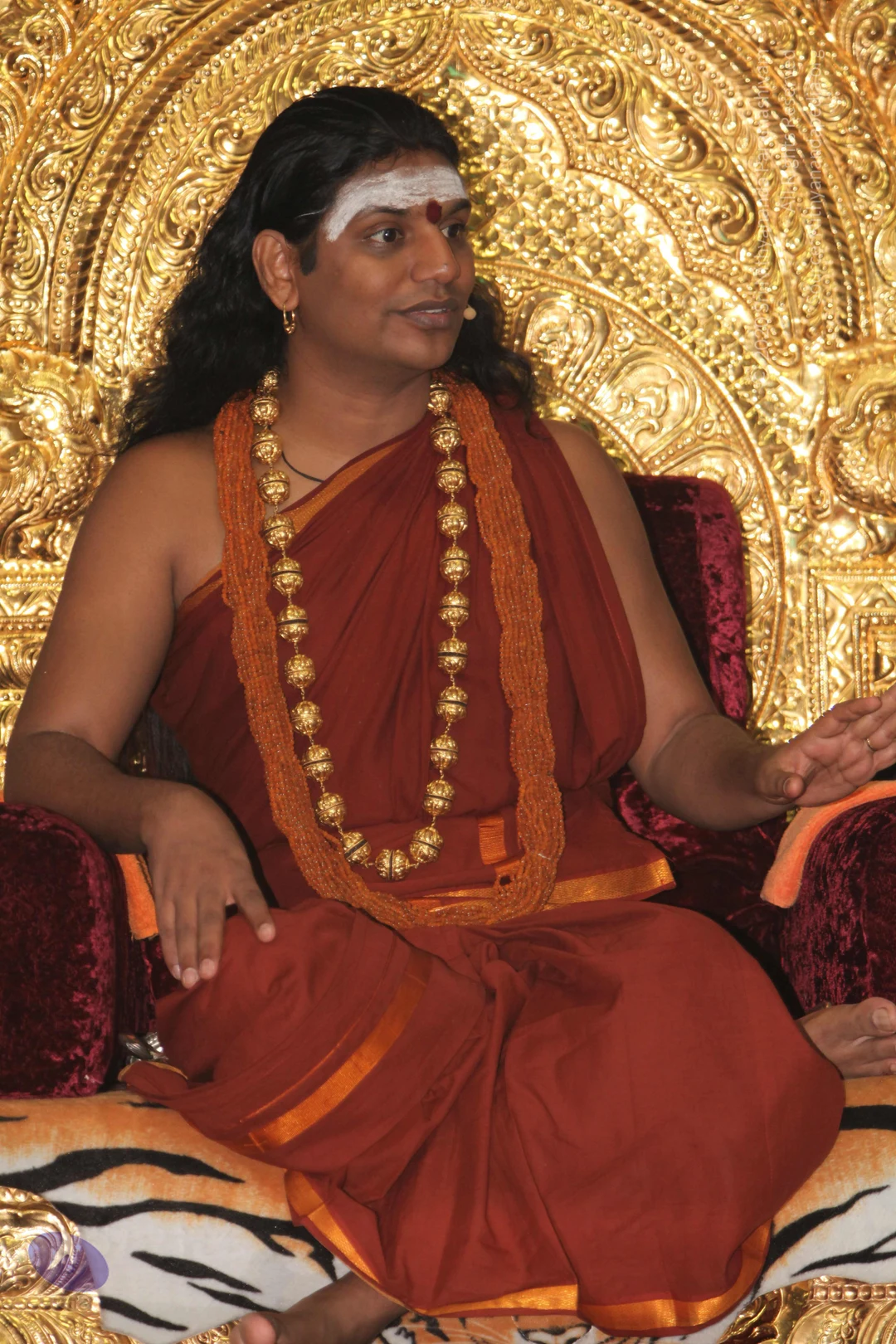


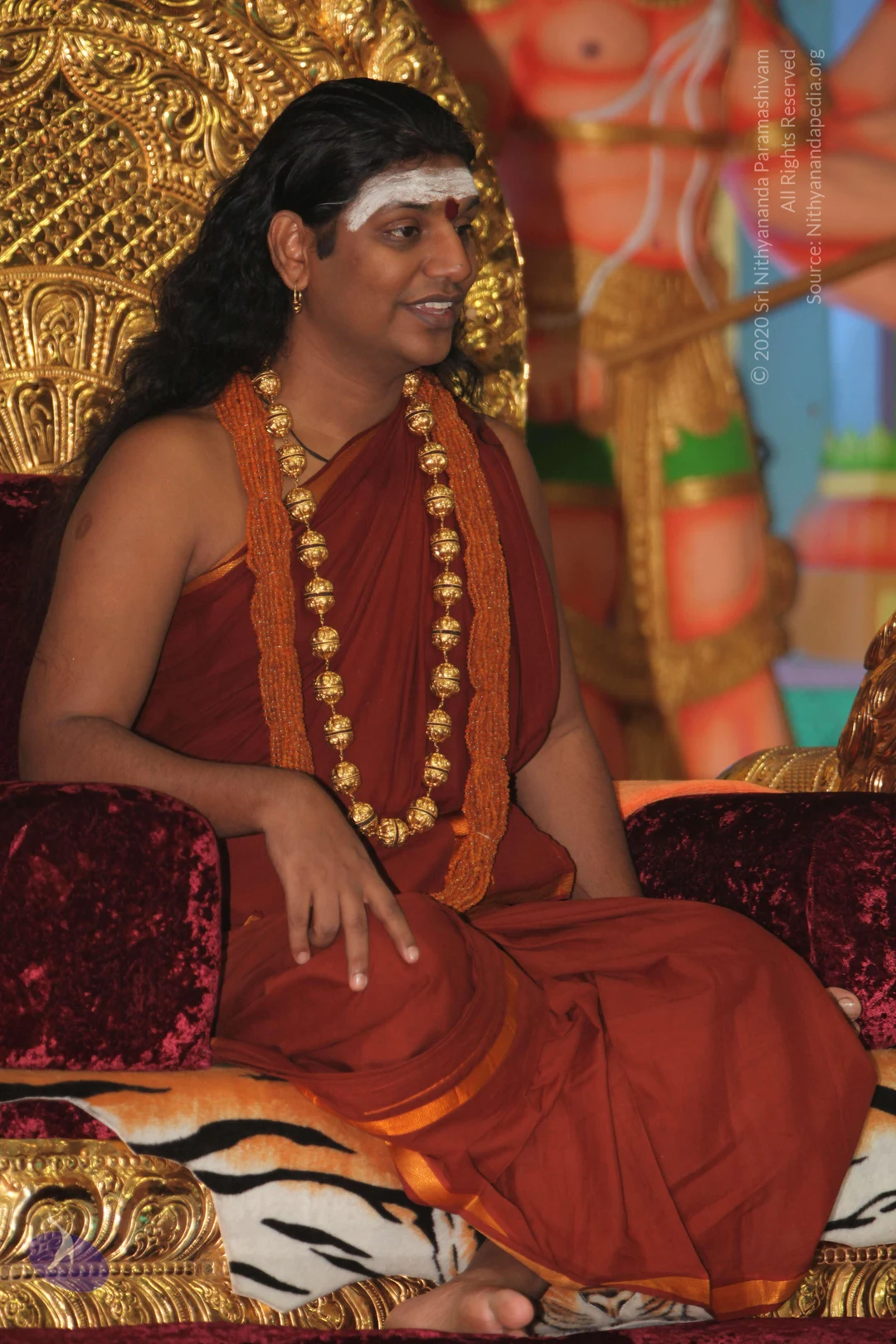
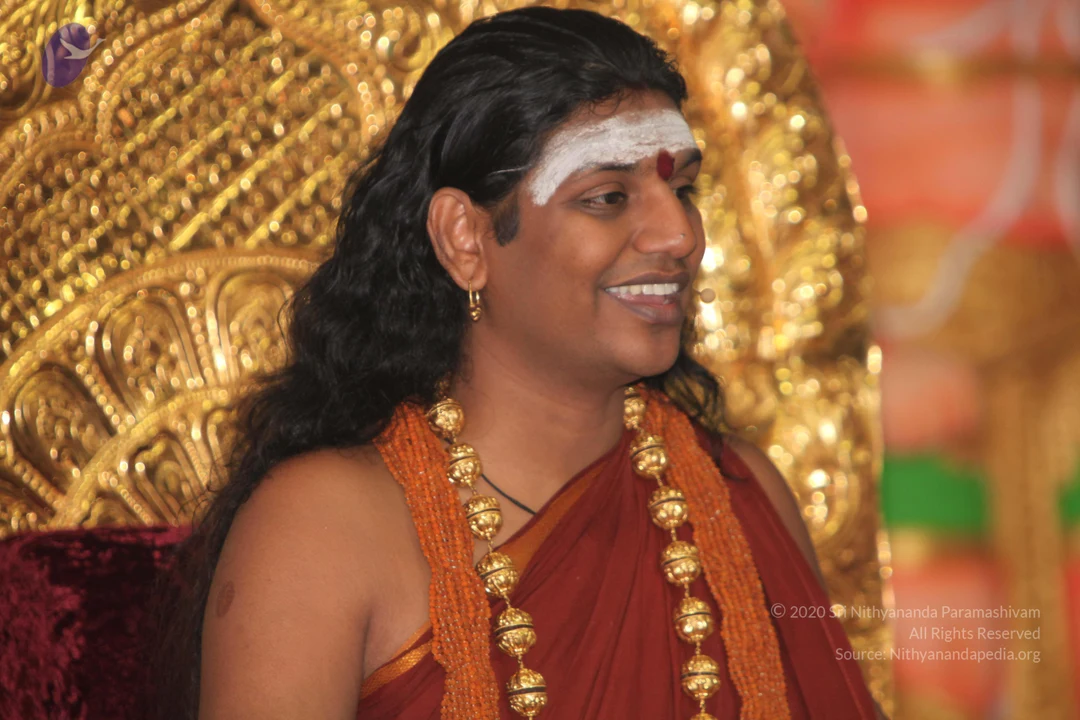

























Photos from this day
View all 121 photosPhotos
14 photosSource gallery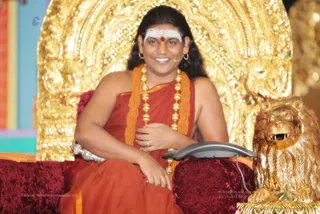


Photos
11 photosSource gallery

Photos
4 photosSource gallery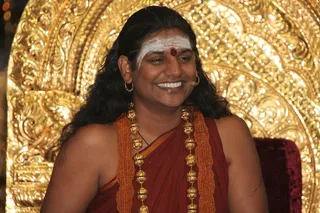

Dial-the-Avatar
5 photosSource gallery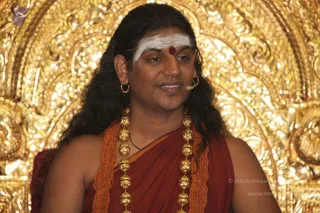
Satsang
6 photosSource gallery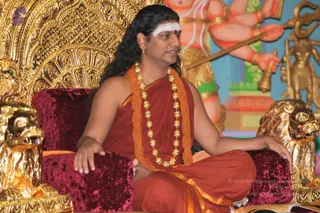
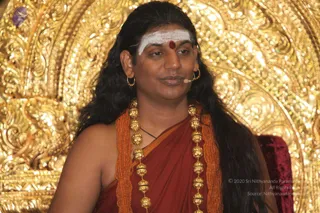
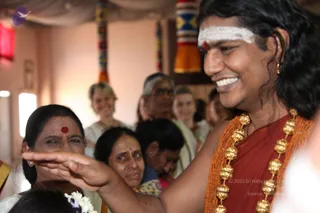
Nithya-Puja
4 photosSource gallery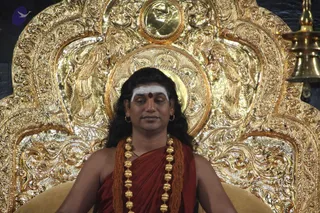
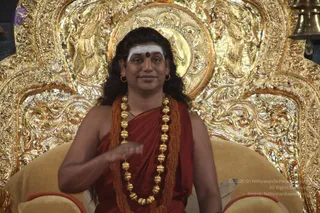

Temple
2 photosSource gallery
Dial-the-Avatar
2 photosSource gallery

Satsang
52 photosSource gallery




Nithya-Puja
11 photosSource gallery




Temple
7 photosSource gallery

Satsang
3 photosSource gallery