Friday
10 July 2015
Healing the Body Pain, Inner Awakening
- Dated photos
- 428
- Source pages
- 1
- Media
- 14

July 10 2015
Original wiki pageTitle
Healing the Body Pain, Inner Awakening
Description
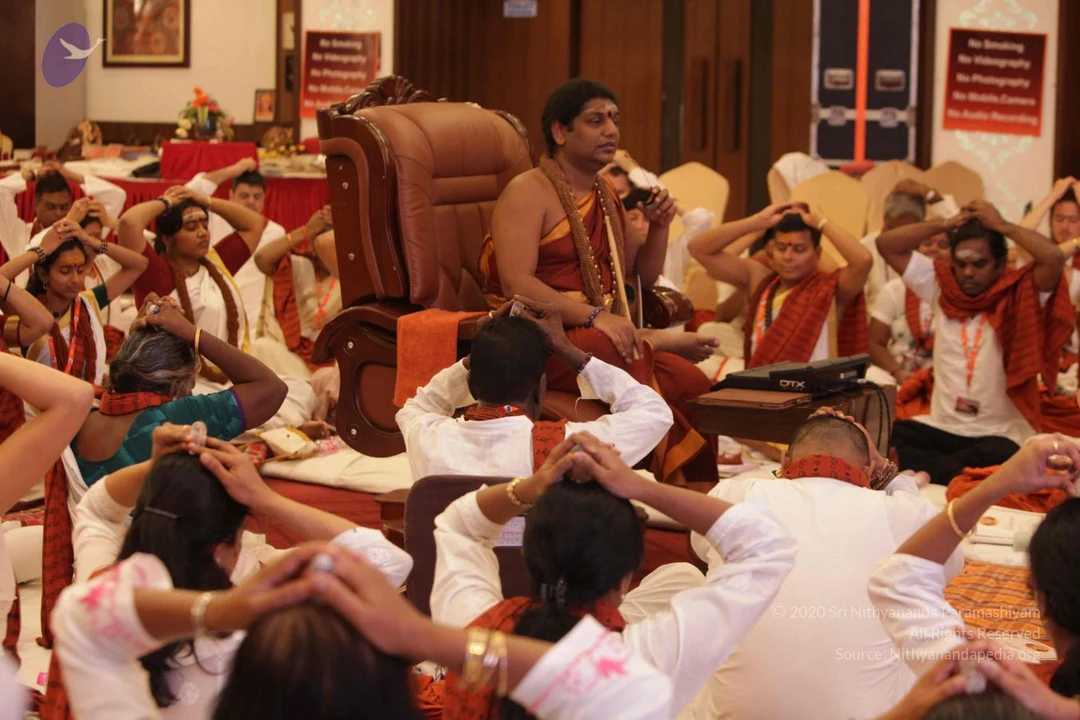
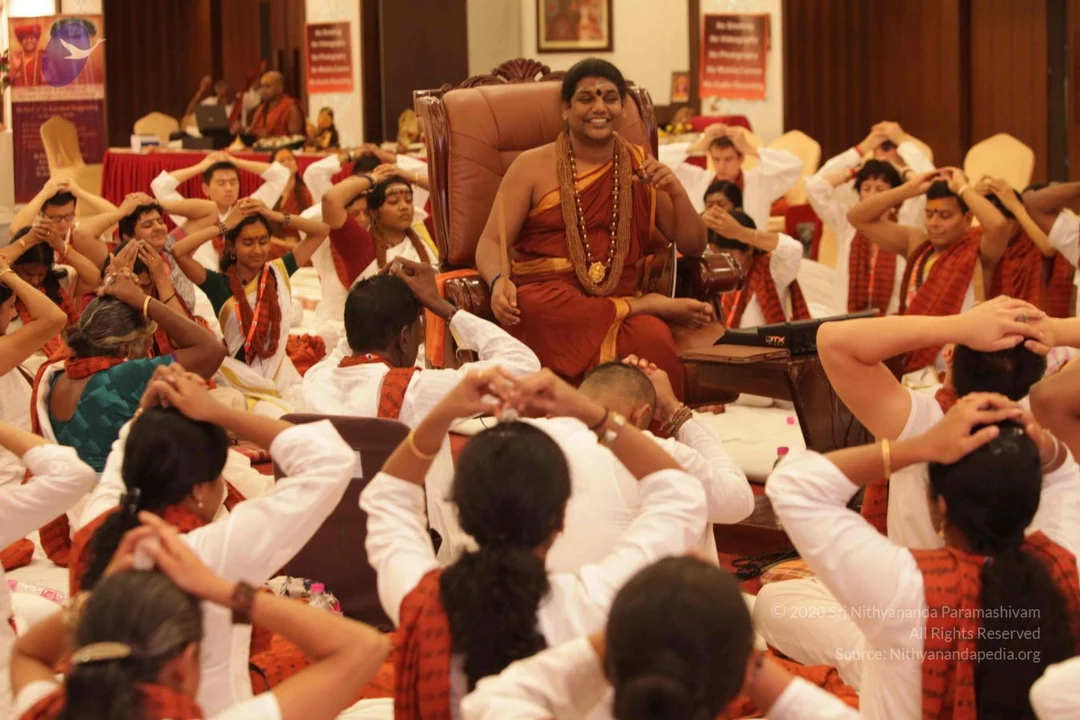
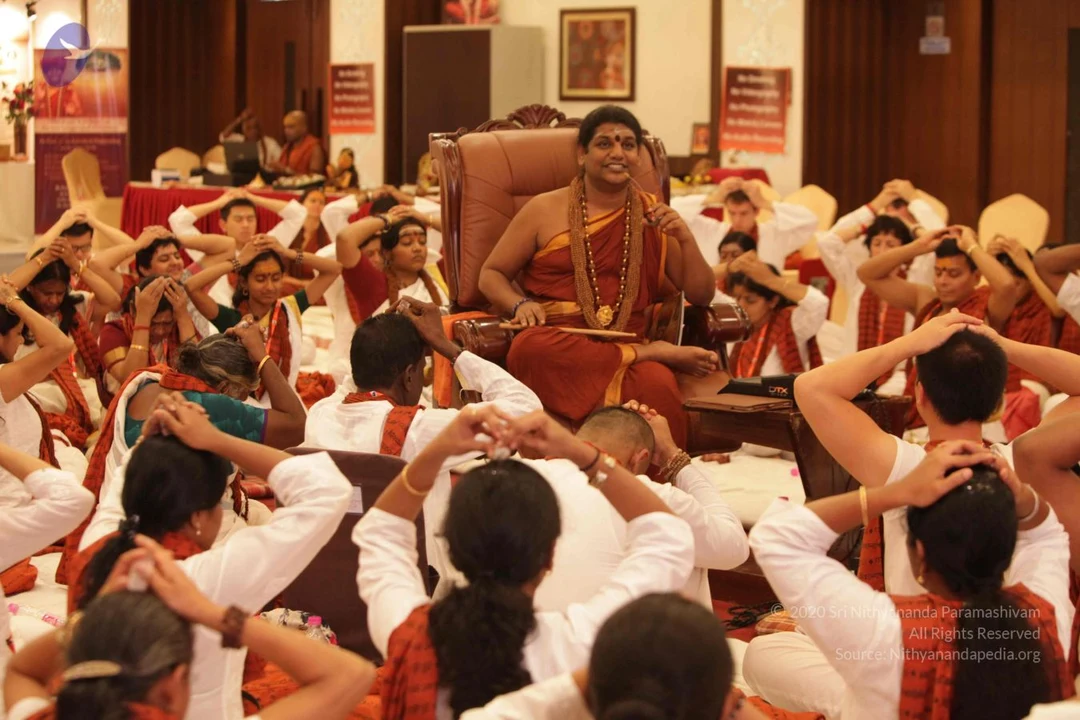
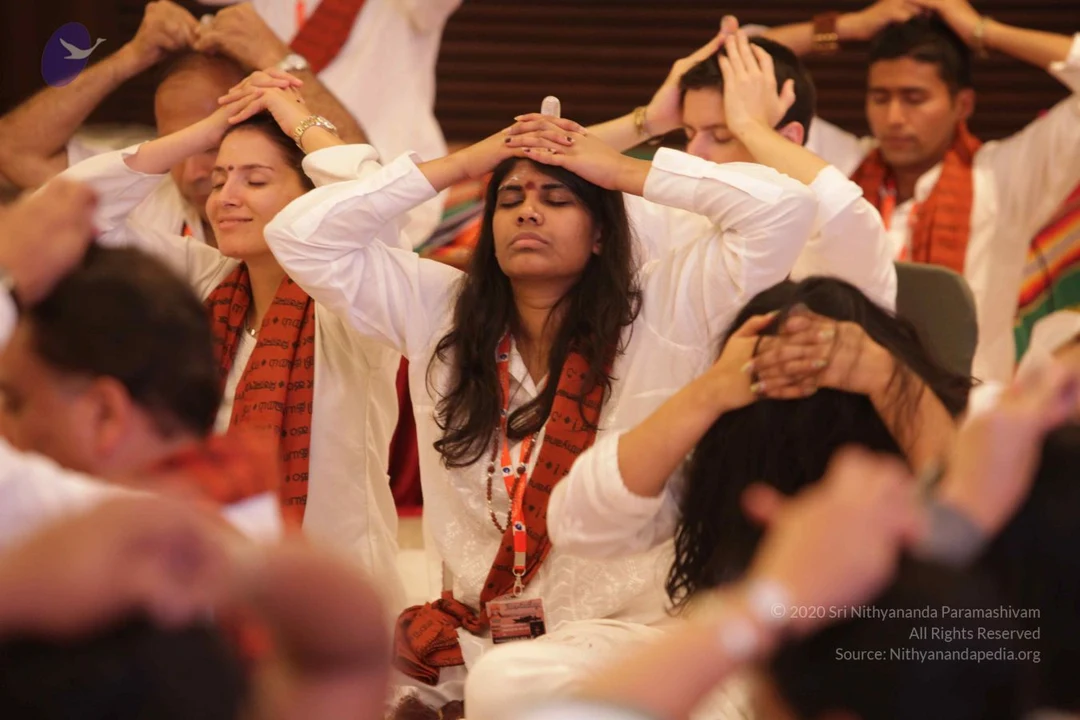
In this session, various complicated body pain questions asked by the participants are attended with care, answered and healed completely with compassion by His Divine Holiness Bhagawan Sri Nithyananda Paramashivam
Link to Video:
Link to Audio
Healing-the-Body-Pain-Inner-Awakening
Title:
Lion and Cub Story
Link to Video:
Title
Make Decisions in Joy || IA || 10 July 2015
Description
Name Of The Convention : Inner Awakening Session on: Make Decisions in Joy Date 10 July 2015 Venue : Varanasi, Uttar Pradesh, India
In this video, the Supreme Pontiff of Hinduism HDH #Nithyananda answers questions from the delegates of Inner Awakening about perpetual completion, and explain why it is important to make all decisions when you are joyous. His Divine Holiness explains that when decisions are made in a state of joy, it brings only happiness.
The Supreme Pontiff of Hinduism Jagatguru Mahasannidhanam His Divine Holiness Nithyananda Paramashivam (HDH) is the reviver of #KAILASA - the ancient enlightened civilization and the great cosmic borderless Hindu nation. Revered as the incarnation of Paramashiva - the primordial Hindu Divinity, HDH has a following of 2 billion Hindus worldwide with de facto spiritual embassies in over 150 countries. He has worked untiringly for over 26 years for the revival of Kailasa, for global peace and to give super conscious breakthrough to humanity. He has survived the worst persecution of multiple assassination attempts on person and on character by anti-Hindu elements. He is collecting, organising, preserving, time capsuling, decoding, spreading and reviving 20 Million source books of Hinduism and the 64 sacred arts & sciences like Ayurveda, music, dance, sculpting, astrology, vastu and much more. Close to 20,000 hours of HDH’s timeless talks have been recorded till date (Sep 2020), which are a treasure trove of powerful cognitions to solve individual and global problems of any kind.
Link to Video:
Title:
Nithyananda Times, 10th July 2015
Link to Video:
Title:
Naciketa, The First Ideal Child Hero For Humanity
Link to Video:
Link to Audio
Naciketa, The First Ideal Child Hero For Humanity
Description:
"Live from Varanasi, Nithya Satsang (10July2015) on Kathopanishad, the book of Dead & Death for humanity, Paramahamsa Nithyananda outlines the amazing true character of Naciketa, the first ever ideal child hero for humanity, who became the source of enlightenment for millions to come. Under age 7, Naciketa is the power of ferocious innocence and fearlessness, who was possessed by Authenticity, 'Shraddha Aviveśa'. Ability to live, holding on to what you understand as truth, there Naciketa stands as hero. Knowing his source of life depended on his father, the king Vajashravas, Naciketa reminds his father, gently without hurting him or throwing any tantrum about his inauthenticity of gifting useless items, like a garage sale, and calling it charity! Naciketa, with the non-violent authority of his authencity, stared into his father and ""stayed"" with what he felt was TRUTH. The real hero for India is Naciketa and every Gurukul at the Nithyananda ashrams will have Naciketa's statues reminding what an exordinary boy he IS who became immortal. Today's topic for Vakyartha Sadas, the explorations into Truth is – Naciketa, is he throwing tantrum or is he behaving authentically? What is throwing tantrum? What is behaving authentically? Watch, Share and Subscribe to our channel to be notified of the next upload click http://www.youtube.com/subscription_center?add_user=lifeblissfoundation to subscribe. visit: http://www.nithyananda.org http://www.nithyananda.tv http://www.innerawakening.org https://www.youtube.com/user/LifeBlissFoundation https://twitter.com/SriNithyananda https://www.facebook.com/ParamahamsaNithyananda https://plus.google.com/104086565286265959836/posts
Tags:
Paramahamsa Nithyananda, Naciketa, Nachiketa, Katha Upanishad, Kathopanishad, Vajashravas, Authenticity, Shraddha, Kalabhairava, Gurukul, Child Hero, Child Prodigy, Book of Dead, Book of Death, Ideal Child, Upanishad, Living Advaita, Next Generation
Transcript:
nithyānandeśvara samārambhām
nithyānandeśvari madhyamām |
asmat āchārya paryantām
vande Guru paramparām ||
I welcome all of you with my love and respects. I welcome all the devotees, disciples, samajees, satsanghis, kotharis, mahants, thanedars, owners of Sarvajnapeetha, everyone sitting with us all over the world through Nithyananda TV, Sadhana TV, two way conferencing, Arra TV, many more channels. I welcome all of you with my love and respects.
Singapore Aadhenam, Hyderabad Guptakashi, Indrani New Jersey, Wallington UK, Hong Kong, Trinadad Tabago, Houston Aadhenam, Los Angeles Sherman Oaks, Mary tell your son, I accepted his offering, his art work. Nithyananda Nagara Bidadi. Florida, Dubai Aadhenam, Hyderabad Aadhenam, Oklahoma Aadhenam, Toronto Aadhenam, Vancouver Aadhenam, kuala Lumpur Aadhenam, St Louis Aadhenam, Los Angeles Aadhenam, Oman Aadhenam, Seattle Aadhenam, Guadalupe Aadhenam, Pheonix Aadhenam, St Louis Aadhenam, Australia, Melborne Aadhenam, Dubai Aadhenam, Doncaster UK, Hong Kong and some more cities are joining. I welcome all of you. Houston Aadhenam. I welcome all of you with my love and respects.
Today I will try to introduce Naciketa, the hero of Kathopanishad. It is so strange, king, educated, knows everything, has people, wealth everything under his control ends up being stupid. And a kid, his own kid, not even finishing his schooling, less than 7 years old kid, supposed to be nobody, neither having money nor having people, nothing under his control, ends up being a hero. Strange are the drama of the Cosmos. So the underlying truth, what our society or country respect may be totally different from what Cosmos expects or what Cosmos respect.
Please listen, Naciketa, kid, kid means real kid, not portrayed as kid real kid, he became the source of enlightenment for billions to come in the future. Please understand, Kathopanishad is the Hindu Book of Dead and death.
If you have read Tibetan Book of Dead, you will understand, every idea represented in that book is from this book. This is the Source book, anywhere, any research, any understanding, any intuition, any sacred secret, any revelation about death, it is from this source, and many conclusion, humanity is yet to arrive is already revealed in this book. It is THE book.
I don’t even want to say Indian book of dead and death. THE BOOK OF DEAD AND DEATH. This is THE Book of Dead and Death. Naciketa, what a character! Understand, first time, the power of innocence is so beautifully described in the authenticity of Naciketa. Innocence is not ignorance. Innocence means staying with the simple truth till the end. Innocence means learning to manipulate them as per your vested interest. Vajashravas learned all the truth, but unfortunately started thinking how to manipulate it for his vested interest.
Innocence, staying with the truth, staying with the simple straightforward truth forever. The ability to stay is authenticity. Please understand, truth are never complicated, but the ability to stay, establish yourself in that truth that is the real thing that need to be achieved. Naciketa, I can just repeat this name, any number of millions of times for the strength he demonstrated. That is why I have dedicated one section of my Gurukul to, in honor of Naciketa. In our Gurukul, still one section of students, one sect, one group of students are addressed as Naciketa section. He is the ideal of Indian kid. Not any other stupid that Tom Tom, Jum Jum cartoon. Naciketa, what a character, in every street corner, we should have had Naciketa statues. And I have decided we will start having it in all Gurukuls.
What a character. Whether is true or imagination, even Imagining a kind of character, Naciketa’s quality, and I tell you, it is not imagination. It is real, it is true, he lived. And living, I am still awestruck by Naciketa because I have to introduce every dimension of him. I have to introduce his innocence, I have to introduce his fearlessness. Innocence when it becomes ferocious, only then it can be fearless. Understand, innocence can be easily bullied, manipulated if it is just powerless. Any vested interest can just bully you or digest you as part of that system. Extraordinary quality before entering into the society. The ability to be ferocious about your innocence. Innocence and ability to stand with it, even the only source of your life, your dad, your king, everybody in one person is denying you.
(10.42 mins)
Listen, most abused children are those, father himself becomes teacher, king or multiple role. If father himself is playing multiple role, those kids really become the kids who are most abused because they don’t have somebody else with whom they can vent out. If they develop completion with him in the role of the father, they carry that incompletion, if they develop incompletion with him when he does the job of the father, they carry the incompletion in the role of the teacher. There also they feel suffocated. Especially when your father is the king, that is the worst punishment for you; because you will develop every dimension he carries and you will simply be crushed because he is the only source of everything for you. Whether it is food, or knowledge, or moral support, or strength, or protection and what not; Annadaataa, Jnanadaataa, what not. Here for Naciketa, I don’t know, actually we don’t even know his mother’s name. It’s not mentioned anywhere in the Upanishad. All great successful books talk less about the author, more about the theme of the book. This trend was set by the Vedic literature, Upanishads. The theme occupies the book so much, they did not even spend two or three words to introduce Naciketa’s mother. We don’t know, how many queens Vajashravas had. Which queen’s son is Naciketa. So whatever we know based on that we can safely assume father is the only source. Whether it is a food or feeling protected or love or education because he has not yet gone to school. Till now whatever he is learning only is from his father’s lap. Means: father is literally source of every fulfillment, physical nourishment, mental fulfillment, psychological fulfillment and what not.
Even in front of that only source of all fulfillment, listen, listen, your source of all fulfillments is your source of life. Even in front of his source of life, he is able to STAND UP uncompromisingly for the truth; he understood for his innocence ferociously. Hindus missed one thing, they carried innocence but forgot innocence needs to be clubbed with ferociousness. That is why, the other elements were able to terrorize them. Vested interest was able to bully them. Even in front of the only source of life, his father, he is able to stand up and stared at his eyes and stick to his ground.
What a power of innocence! Actually, he, able to stare at the eyes of death, only makes him a second hero. He, able to stare at the source of life, makes him first her. Understand, ability to stare at the death is not something big because you are dead, gone once for all. But the ability to LIVE holding on to what you understand as truth, there, there Naciketa stands as hero. I tell you, tons of people come and tell me. “Swamiji, I am ready to die for you” I tell them, “No, learn to live for me.” I don’t want people to die for me, I am not running a Manikarnika crematorium. Your death is not source of myLlife. If you live what I am teaching, that is source of my life. That is the joy of my life. if I am running a Manikarnika crematorium, okay, every dead body 500 rupees, come on. I am not running Manikarnika crematorium to encourage you to die for me.
Listen, living for me! Here, Naciketa, staring at the eyes of the source of his life. Understand, if you only know staring at the eye, you are stupid rebel. For anything and everything saying, “no, no,” tantrum throwing kid. Naciketa is not that. Naciketa is not that! Everyone is carrying that tantrum throwing kid inside and thinks whatever that kid is throwing tantrum, he is a hero (spitting noise). Stupidity! Stupidity covered by stupidity, covered by stupidity is thinking – throwing throwing tantrum is heroism, no. Here Naciketa is not throwing tantrum.
See the whole Upanishadic story, no where he is hurt. Father, king, Annadaata, who is the source of his food, life, protection, political head, who is his all his source, he is saying, “I am giving you unto death, I am giving you unto death,” and he is not hurt. He is not depressed. The next line, Upanishad puts such a extraordinary poetry – śradhā-viveca
Authenticity fills Naciketa possessed by authenticity. I will just give the brief outline of the story. Naciketa’s father, out of his greed, instead of doing the real charity to have the heaven and highest pleasures. Let me correct myself, heaven which you read in the western literature is not the Svarga mentioned in the eastern literature. Svarga is different, heaven is different; because no other word I am using the word ‘heaven’. English only has that word, so I am using that word, heaven.
Svarga means completion within oneself. Sva-arga – Svarga means settled within oneself. Settled within the Source of oneself. When his father, Naciketa’s father, Vajashravas is doing the mistake of not being responsible, doing responsible charity, just trying to throwing away all the unnecessary things in the name of charity, cleaning the garage is what he is calling as charity. Cleaning the garage and throwing away all the unnecessary items is not charity.
Please understand, instead of throwing, giving it to somebody for whom it is useful, is good, but don’t call it as – charity. It can be charitable act but not charity itself. Literally Vajashravas is doing garage cleaning. A large country must be having large unused or unmaintainable items. So whatever he is not able to maintain, he is just disposing them off in the name of charity so that somebody else will maintain. When Naciketa saw this, he did not keep quiet. Most of us will keep quiet because of our vested interest are more important than the inauthenticity going on in front of your eyes and he goes and questions his own father. Not directly, because he is not tantrum throwing child. He is not hurting the father and he cannot be hurt. Understand, be very clear, when you don’t hurt the world, the world cannot hurt you. It’s a law of life. When people try to hurt me, all my disciples are perturbed shocked. I said – don’t worry, I have never hurt the world, and the world cannot hurt me. World has no power to hurt me, because I have never hurt the world. I tell you, only when you hurt, you give them the right to hurt you.
Only when you criticize, you give them the right to criticize you back. The greatest protection, Kalabhairava Raksha, I am giving you: never hurt others, that is the greatest protection. Because as law of life, when you don’t hurt others, you can’t be hurt, no power can hurt you. I tell you, it is a commitment from Kalabhairava.
(22.41 mins)
This kid, less than 7-year-old kid, without any vested interest, standing up and staring into the eyes of his father, who is only source of his life, and without hurting him. He is not hurting him. He is not straight away fighting with the father. “Aye, what are you doing? You are doing wrong!” No, he very gently trying to remind him. Please understand, Anja chakra, the third eye is the place of your ego, any strong way of telling, your ego will only flare up, it will never listen. It will only say, “ahun!” The beauty of innocence, Naciketa. Actually, you can’t perfect his action and reaction described in Upanishad. Such beautiful action and reaction! I really want to make a serial out of this Upanishad because, the child need to be shown for you to catch what Naciketa has gone through and how he responded. You need to see visually, only then you will understand what power of ferocious innocence. Innocence extraordinary. He goes and asks his father, “Dad, to whom are you going to give me?” — because he is trying to remind the original vākya, the verse, truth, instructions of the Vedas to his father, the original verse in the Vedas. The original instruction of the Yajna, all the best thing you have, all the best things you love in your life, you have to give away, and please understand, really, really, really Vajashravas loved Naciketa. Understand, anybody who wants heaven will have deep love for his next generation because only through this way, he is trying to continue to live after death.
Understand, Vajashravas maybe a good or bad person in any field. In some fields, he may be good, in some fields, he may be bad, but I can never doubt or suspect his love for Naciketa because anybody who has an insecurity about life will have a deep love for the kid and next generation, it’s a law of life. Heaven itself is just your effort for extension and the kid, son or daughter is physical extension of you. That is why, whatever you cannot fulfill, whatever you did not, you could not, you try to fulfill thorough your son and the daughter and the grandkids. Naciketa is gently reminding the father, “you are suppose to give away all the things you love and best things you think you have.”
Understand, the description is so beautiful, whatever society thinks is best which you are having, whatever you think the best you are having, both should be given away. He is trying to remind the original verse to his father without throwing tantrum or having that feeling that I am holier than you – śraddhyā deyam – Taittiriya Upanishad, Shiksha Valli (11) puts it beautifully – whenever you give, give with authenticity. Give with tremendous good words, love. Give before even your second thought intervenes and makes you poor and insecure. Understand, this is the science of Giving. The moment your heart feels the joy and expansion wants to give, releases the thought current to give, your Svadhisthana [chakra], insecurities jumps up and, “umh umh…umh....what will happen to me?” Before that jumps up and tells you, “you are insecure, what will happen.. your securities.” Before your Svadhisthana jumps in front of Anāhata [heart chakra], stretch your hand and give it. Finish it off. śraddhayā deyam – understand, inauthenticity is so powerless, even a gentle reminder, makes it itself feel powerless. Vajashravas is shivering in front of his own son. He must have become very old, calculative, tired, powerless, insecure, because of all these, cunning. See the stupidity of the inauthenticity. It never catches the mathematics of life. The mathematics of the macrocosm is never understood by inauthenticity. Vajashravas, who loves the extension in heaven and in earth., extension in heaven, extension in earth is the your son and the daughter and the progeny; who loves such much for which he is doing all havan [fire sacrifice], charity, everything. He goes crazy and literally commit suicide by uttering the word, “ I give you unto Death.” This is what he utters to Naciketa. The beauty is – you cannot kill innocence, truth. You can try to put the truth into death, but it will survive and come back as immortal. The whole story, highest possible description, I don’t think any storywriter could have imagine the character more than Naciketa.
People tell me, thinking that they are abusing Vyasa, they tell me, “Ah, it’s all Vyasa’s imagination, this whole Mahabharata and everything, it’s all Vyasa’s imagination.”
I tell them, “Fool, if you say it is his imagination, don’t think you are abusing Vyasa, you are giving him the best possible credit.” Please understand, if it is really happened and he recorded, he is only a person recording the history. If it is his imagination, I will just bow down to him – he is God, nobody else other than God can imagine the characters of Mahabharat and put it so beautifully. He must have been the storywriter of the Cosmos, not just one scriptwriter for a movie or a show. Vyasa, of course, the story really happened. Vyasa is Bhagavan Himself, for the kind of a integrity and authenticity He maintained. Even the character of Naciketa, you can’t portrayed, you can’t better it. He is not throwing tantrum. The child which throws tantrum will not bother to hurt others, it is filled with he, he, and he and his vested interest. Naciketa is not tantrum throwing child; he is authenticity personified. Authentically authentic. Authority of the authenticity! What a power! What a power! He is able to stare into his father’s eyes who is source of his life. Everything he knows as he and his future, is at stake by staring into the eyes of his father. But he decides, because he is not interested in hurting his father, he is interested in raising him to the level of authenticity. He is only interested in supporting him.
(34.36 mins)
Authenticity never hurts others. It makes you authoritative but non-violent. A non-violent authority. Authenticity makes you authority but non-violent. Non-violent authority very paradoxical because authority is always connected with power over others but when you have power over you, the power over others, never hurts others.
What a kid! I will continue to introduce Naciketa, I don’t know how many more days. I am going to introduce him, introduce every dimension. Every word he utters, every action he did, every smile he showed. Every moment of the courage he demonstrated. I will spend little time and direct a serial on Upanishads; because what he demonstrated should be shown visually not just the words, the garland of words are not enough respect for Naciketa. It should be demonstrated, that is the greatest honor we will be doing to him. By honoring him, we will make him the ideal for the next generation kids, the new generation kids. Naciketa, the only hope for new gen.
Today’s subject for Vakyartha Sadas for my Gurukul kids — Naciketa, is he throwing tantrum or is he behaving authentically? What is throwing tantrum? What is behaving authentically? My kids will do Vakyartha Sadas on this subject and all over the world, the subject for Vakyartha Sadas is same, Sangha contemplate, meditate on Naciketa. Shradhā-viveca, possessed by authenticity! Possessed by authenticity! I want to describe slide by slide the whole scene of this Upanishad. Slide by slide I have to describe, even then, my tongue will not feel that is has done its responsibility.
Naciketa, what a character! What a story, what an amazing context set for the greatest discourse delivered on Life and Death. Setting the context, god! I am proud that I had such forefathers, whose achievements are still not only not broken can never be broken. Go back to Upanishads, drink deep the juice of the knowledge and let that be pride for you. That will build your future. Build the future from this great, great source of knowledge and bliss.
For Naciketa his father is his teacher, because the Upanishad says very clearly, among the student, Naciketa contemplates, among his students, I stand first, means: he was studying also under Vajashravas. So his father is king and teacher, god! But he is able to stand up, the authority of the authenticity. I will continue to expand on Naciketa. I myself is in joy, when I remember Naciketa. To tell you honestly, literally overflowing with love when I remember the courage and authority he demonstrated. Wow, what a character, what a character! My ideal! I was fortunate enough to have an amazing person as my grandfather. I still remember, holding me in the shoulders, every pillar in Tiruvannamalai Temple, he will take me and explain the stories. Some of the great stories I heard from him, his own mouth is — Markandeya, the great Saint Kannappa, and Naciketa, Prahlad. I am going to honor all those stone pillars by replicating them in Bidadi temple; with one more statue of my grandfather carrying me on his shoulder and showing all these and explaining. Thanks to the time he spent on me explaining all these beautiful, beautiful ideals even before I entered the human society. What an amazing preparation he has done!
I will continue to expand on the great character, Naciketa, and I will introduce him in few more satsangs. The power, the authority Naciketa radiated.
With this, I move to the next segment of the morning satsang. I bless you all: Let you all radiate with integrity, authenticity, responsibility, enriching, causing living advaita, the eternal bliss, Nithyananda. Thank you. Be blissful.
Title
Perpetual Completion is Priority! || Part 1 || IA || 10 July 2015
Description
Name Of The Convention : Inner Awakening Title: Perpetual Completion is Priority! Part 1 Date 10 July 2015 Venue : Varanasi, Uttar Pradesh, India
In this video, the Supreme Pontiff of Hinduism HDH #Nithyananda speaks to the delegates of Inner Awakening about perpetual completion, and what it means to be complete with your patterns and insecurities. His Divine Holiness answers questions from the delegates in this video, and reiterates the importance of remaining in a state of completion.
The Supreme Pontiff of Hinduism Jagatguru Mahasannidhanam His Divine Holiness Nithyananda Paramashivam (HDH) is the reviver of #KAILASA - the ancient enlightened civilization and the great cosmic borderless Hindu nation. Revered as the incarnation of Paramashiva - the primordial Hindu Divinity, HDH has a following of 2 billion Hindus worldwide with de facto spiritual embassies in over 150 countries. He has worked untiringly for over 26 years for the revival of Kailasa, for global peace and to give super conscious breakthrough to humanity. He has survived the worst persecution of multiple assassination attempts on person and on character by anti-Hindu elements. He is collecting, organising, preserving, time capsuling, decoding, spreading and reviving 20 Million source books of Hinduism and the 64 sacred arts & sciences like Ayurveda, music, dance, sculpting, astrology, vastu and much more. Close to 20,000 hours of HDH’s timeless talks have been recorded till date (Sep 2020), which are a treasure trove of powerful cognitions to solve individual and global problems of any kind.
Link to Video:
Title
Perpetual Completion is Priority! || Part 2 || IA || 10 July 2015
Description
Name Of The Convention : Inner Awakening Title: Perpetual Completion is Priority! Part 2 Date 10 July 2015 Venue : Varanasi, Uttar Pradesh, India
In this video, the Supreme Pontiff of Hinduism HDH #Nithyananda speaks to the delegates of Inner Awakening about perpetual completion, and what it means to be complete with your patterns and insecurities. His Divine Holiness answers questions from the delegates in this video, and reiterates the importance of remaining in a state of completion.
The Supreme Pontiff of Hinduism Jagatguru Mahasannidhanam His Divine Holiness Nithyananda Paramashivam (HDH) is the reviver of #KAILASA - the ancient enlightened civilization and the great cosmic borderless Hindu nation. Revered as the incarnation of Paramashiva - the primordial Hindu Divinity, HDH has a following of 2 billion Hindus worldwide with de facto spiritual embassies in over 150 countries. He has worked untiringly for over 26 years for the revival of Kailasa, for global peace and to give super conscious breakthrough to humanity. He has survived the worst persecution of multiple assassination attempts on person and on character by anti-Hindu elements. He is collecting, organising, preserving, time capsuling, decoding, spreading and reviving 20 Million source books of Hinduism and the 64 sacred arts & sciences like Ayurveda, music, dance, sculpting, astrology, vastu and much more. Close to 20,000 hours of HDH’s timeless talks have been recorded till date (Sep 2020), which are a treasure trove of powerful cognitions to solve individual and global problems of any kind.
Link to Video:
Title
Perpetual Completion is Priority! || Part 3 || IA || 10 July 2015
Description
Name Of The Convention : Inner Awakening Title: Perpetual Completion is Priority! Part 3 Date 10 July 2015 Venue : Varanasi, Uttar Pradesh, India
In this video, the Supreme Pontiff of Hinduism HDH #Nithyananda speaks to the delegates of Inner Awakening about perpetual completion, and what it means to be complete with your patterns and insecurities. His Divine Holiness answers questions from the delegates in this video, and reiterates the importance of remaining in a state of completion.
The Supreme Pontiff of Hinduism Jagatguru Mahasannidhanam His Divine Holiness Nithyananda Paramashivam (HDH) is the reviver of #KAILASA - the ancient enlightened civilization and the great cosmic borderless Hindu nation. Revered as the incarnation of Paramashiva - the primordial Hindu Divinity, HDH has a following of 2 billion Hindus worldwide with de facto spiritual embassies in over 150 countries. He has worked untiringly for over 26 years for the revival of Kailasa, for global peace and to give super conscious breakthrough to humanity. He has survived the worst persecution of multiple assassination attempts on person and on character by anti-Hindu elements. He is collecting, organising, preserving, time capsuling, decoding, spreading and reviving 20 Million source books of Hinduism and the 64 sacred arts & sciences like Ayurveda, music, dance, sculpting, astrology, vastu and much more. Close to 20,000 hours of HDH’s timeless talks have been recorded till date (Sep 2020), which are a treasure trove of powerful cognitions to solve individual and global problems of any kind.
Link to Video:
Title
The Root of Completion || IA || 10 July 2015
Description
Name Of The Convention : Inner Awakening Title : The Root of Completion Date 10 July 2015 Venue : Varanasi, Uttar Pradesh, India
In this video, the Supreme Pontiff of Hinduism HDH #Nithyananda answers questions from the delegates of Inner Awakening about perpetual completion, and what it means to be complete with your patterns and insecurities. His Divine Holiness speaks about root patterns and helps explain to the delegates how this process of perpetual completion can help them move past any incompletions.
The Supreme Pontiff of Hinduism Jagatguru Mahasannidhanam His Divine Holiness Nithyananda Paramashivam (HDH) is the reviver of #KAILASA - the ancient enlightened civilization and the great cosmic borderless Hindu nation. Revered as the incarnation of Paramashiva - the primordial Hindu Divinity, HDH has a following of 2 billion Hindus worldwide with de facto spiritual embassies in over 150 countries. He has worked untiringly for over 26 years for the revival of Kailasa, for global peace and to give super conscious breakthrough to humanity. He has survived the worst persecution of multiple assassination attempts on person and on character by anti-Hindu elements. He is collecting, organising, preserving, time capsuling, decoding, spreading and reviving 20 Million source books of Hinduism and the 64 sacred arts & sciences like Ayurveda, music, dance, sculpting, astrology, vastu and much more. Close to 20,000 hours of HDH’s timeless talks have been recorded till date (Sep 2020), which are a treasure trove of powerful cognitions to solve individual and global problems of any kind.
Link to Video:
Title
Awaken to Yourself! || Inner Awakening || 10 July 2015
Description
Name Of The Convention : Inner Awakening Session on: Awaken to Yourself! Date : 10 July 2015 Venue : Varanasi, Uttar Pradesh, India
In this video, the Supreme Pontiff of Hinduism HDH #Nithyananda Paramashivam answers some questions from the delegates of the Inner Awakening convention in 2015. His Divine Holiness speaks about the difference between doubt and suspicion, and the power of intra-analysing. We also hear of a wonderful experience shared by a delegate who explains how finding compassion for themselves has helped them greatly.
The Supreme Pontiff of Hinduism Jagatguru Mahasannidhanam His Divine Holiness Nithyananda Paramashivam (HDH) is the reviver of #KAILASA - the ancient enlightened civilization and the great cosmic borderless Hindu nation. Revered as the incarnation of Paramashiva - the primordial Hindu Divinity, HDH has a following of 2 billion Hindus worldwide with de facto spiritual embassies in over 150 countries. He has worked untiringly for over 26 years for the revival of Kailasa, for global peace and to give super conscious breakthrough to humanity. He has survived the worst persecution of multiple assassination attempts on person and on character by anti-Hindu elements. He is collecting, organising, preserving, time capsuling, decoding, spreading and reviving 20 Million source books of Hinduism and the 64 sacred arts & sciences like Ayurveda, music, dance, sculpting, astrology, vastu and much more. Close to 20,000 hours of HDH’s timeless talks have been recorded till date (Sep 2020), which are a treasure trove of powerful cognitions to solve individual and global problems of any kind.
Link to Video:
Title
See Your Possibilities! || Inner Awakening || 10 July 2015
Description
Name Of The Convention : Inner Awakening Session on: See Your Possibilities! Date : 10 July 2015 Venue : Varanasi, Uttar Pradesh, India
In this video, the Supreme Pontiff of Hinduism HDH #Nithyananda Paramashivam answers some questions from the delegates of the Inner Awakening convention in 2015.
His Divine Holiness explains how being in a state of gratitude moves your being to the ‘virtuous circle’ and we hear some sharings from the delegates about their life experiences and understandings.
The Supreme Pontiff of Hinduism Jagatguru Mahasannidhanam His Divine Holiness Nithyananda Paramashivam (HDH) is the reviver of #KAILASA - the ancient enlightened civilization and the great cosmic borderless Hindu nation. Revered as the incarnation of Paramashiva - the primordial Hindu Divinity, HDH has a following of 2 billion Hindus worldwide with de facto spiritual embassies in over 150 countries. He has worked untiringly for over 26 years for the revival of Kailasa, for global peace and to give super conscious breakthrough to humanity. He has survived the worst persecution of multiple assassination attempts on person and on character by anti-Hindu elements. He is collecting, organising, preserving, time capsuling, decoding, spreading and reviving 20 Million source books of Hinduism and the 64 sacred arts & sciences like Ayurveda, music, dance, sculpting, astrology, vastu and much more. Close to 20,000 hours of HDH’s timeless talks have been recorded till date (Sep 2020), which are a treasure trove of powerful cognitions to solve individual and global problems of any kind.
Link to Video:
Title
Reinvent Yourself! || Inner Awakening || 10 July 2015
Description
Name Of The Convention : Inner Awakening Session on: Reinvent Yourself! Date : 10 July 2015 Venue : Varanasi, Uttar Pradesh, India
In this video, the Supreme Pontiff of Hinduism HDH #Nithyananda Paramashivam answers some questions from the delegates of the Inner Awakening convention in 2015. We hear about how His Divine Holiness has curated a space dedicated to allowing you to embrace your possibilities and completely reinvent yourself!
The Supreme Pontiff of Hinduism Jagatguru Mahasannidhanam His Divine Holiness Nithyananda Paramashivam (HDH) is the reviver of #KAILASA - the ancient enlightened civilization and the great cosmic borderless Hindu nation. Revered as the incarnation of Paramashiva - the primordial Hindu Divinity, HDH has a following of 2 billion Hindus worldwide with de facto spiritual embassies in over 150 countries. He has worked untiringly for over 26 years for the revival of Kailasa, for global peace and to give super conscious breakthrough to humanity. He has survived the worst persecution of multiple assassination attempts on person and on character by anti-Hindu elements. He is collecting, organising, preserving, time capsuling, decoding, spreading and reviving 20 Million source books of Hinduism and the 64 sacred arts & sciences like Ayurveda, music, dance, sculpting, astrology, vastu and much more. Close to 20,000 hours of HDH’s timeless talks have been recorded till date (Sep 2020), which are a treasure trove of powerful cognitions to solve individual and global problems of any kind.
Link to Video:
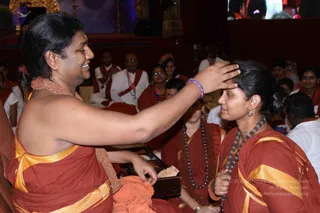
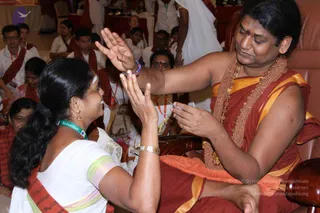
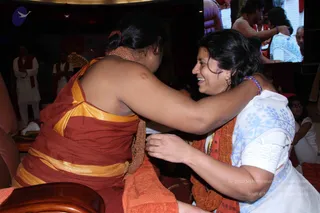
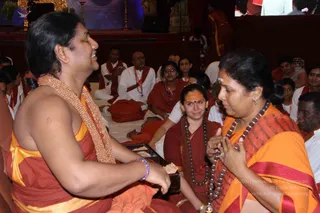
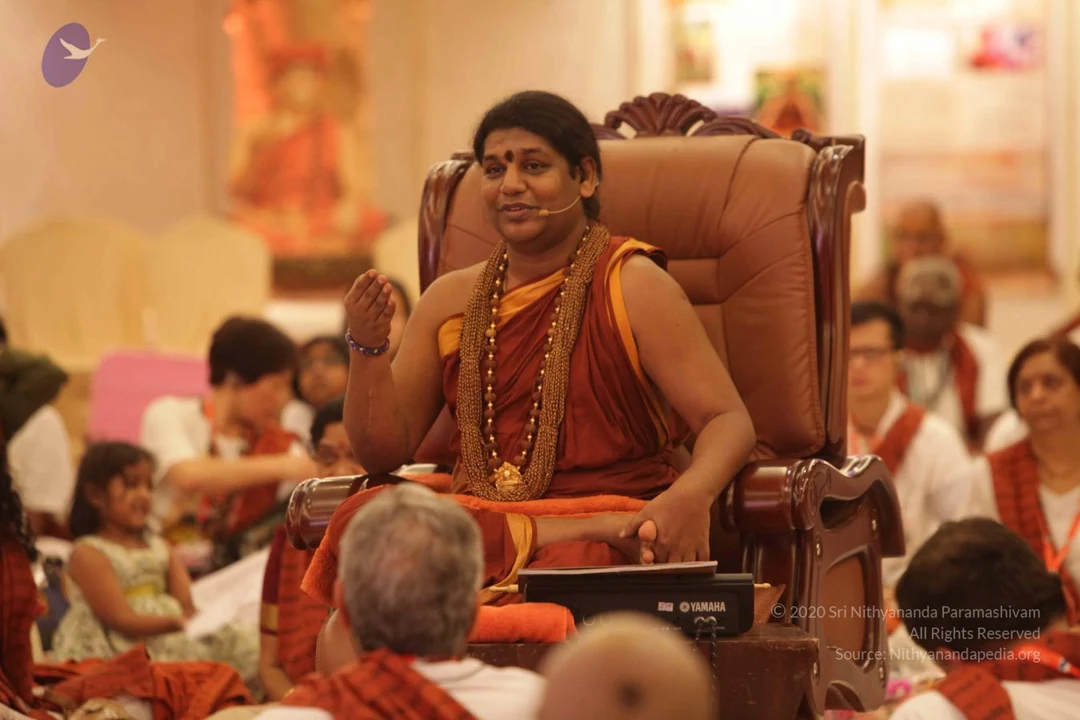
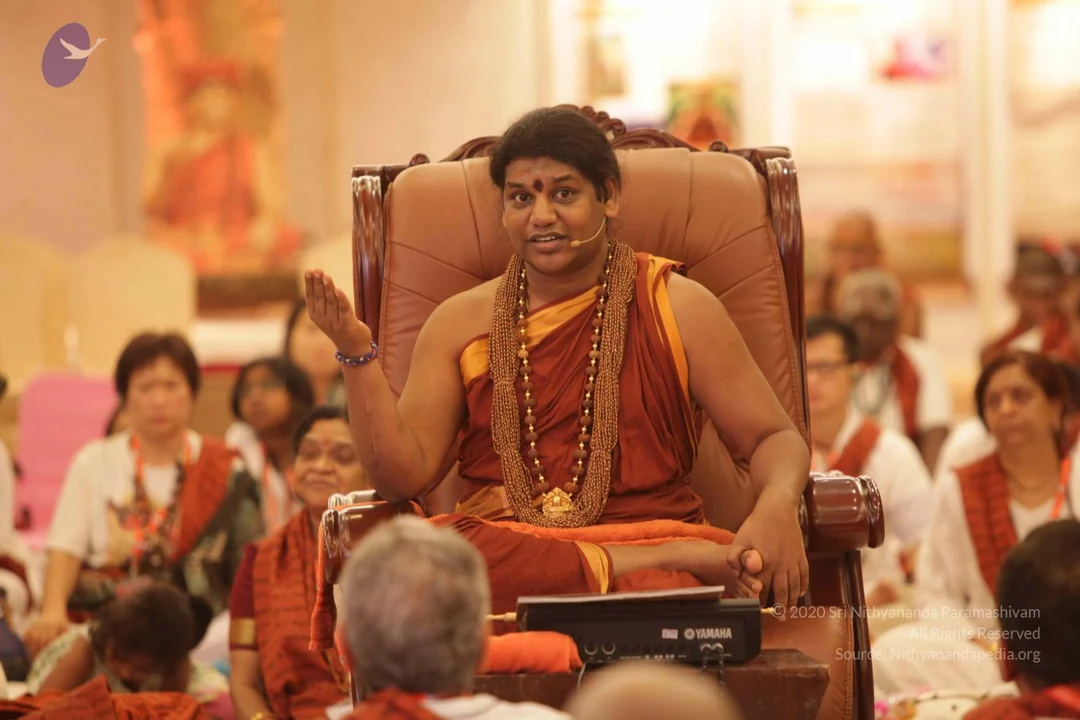
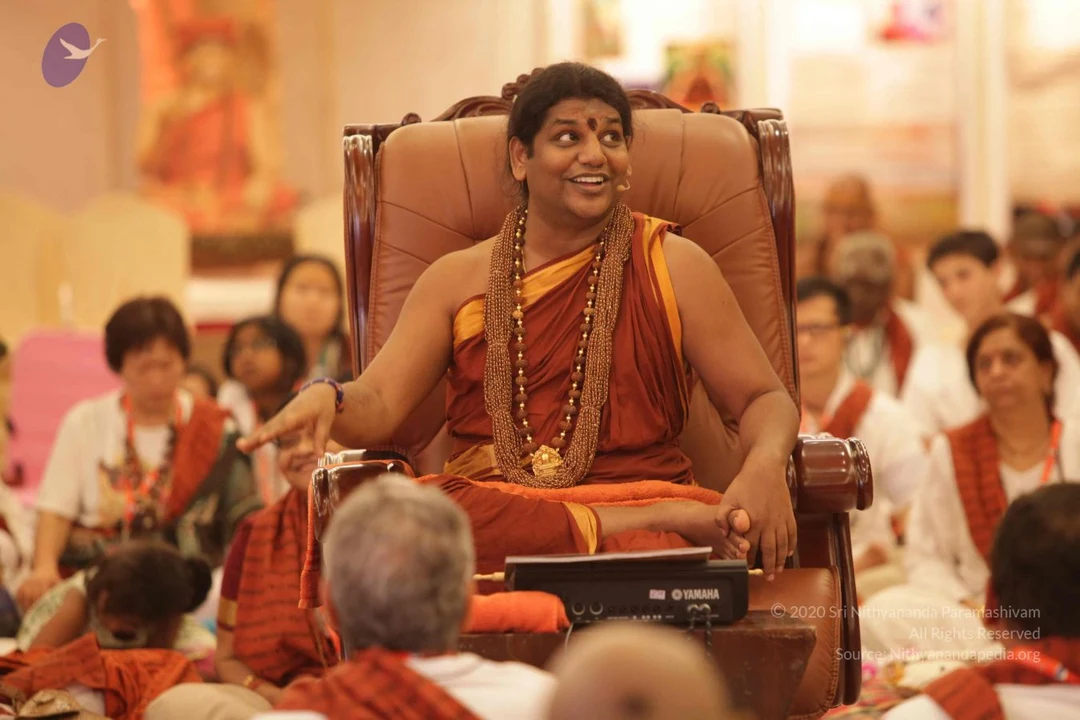
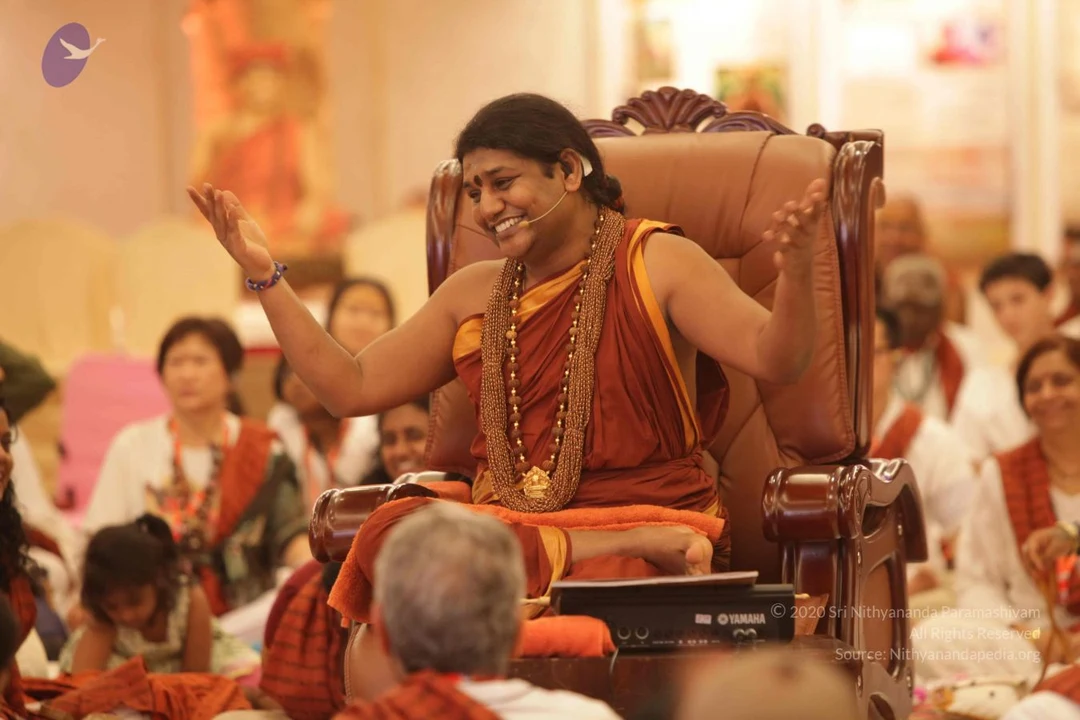
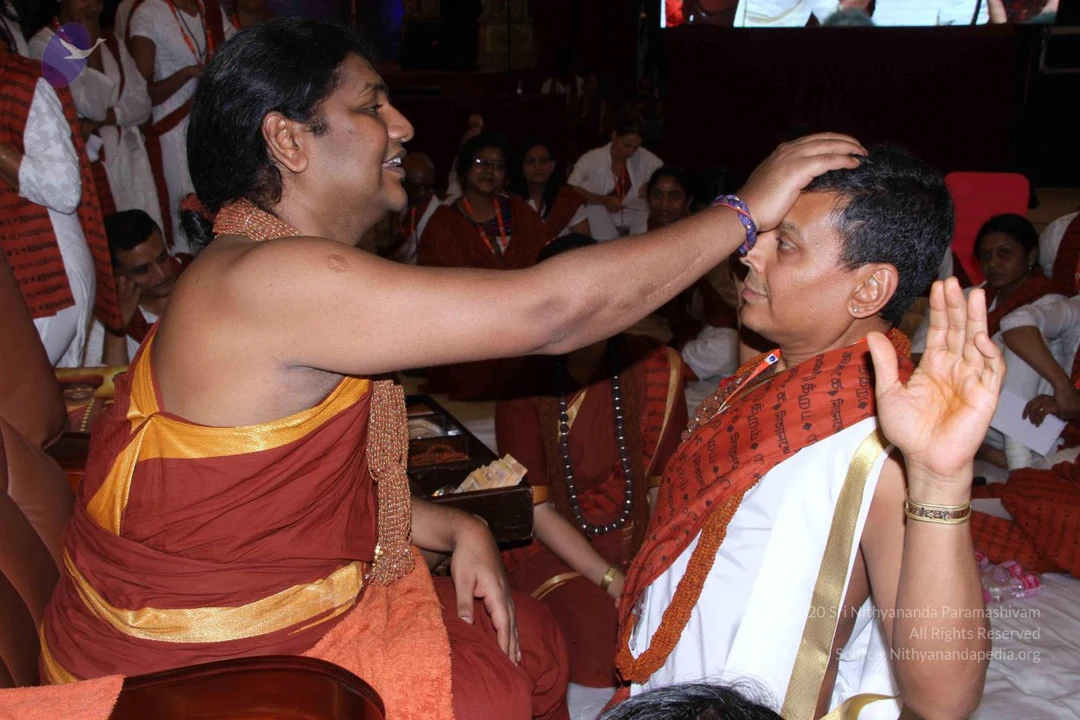
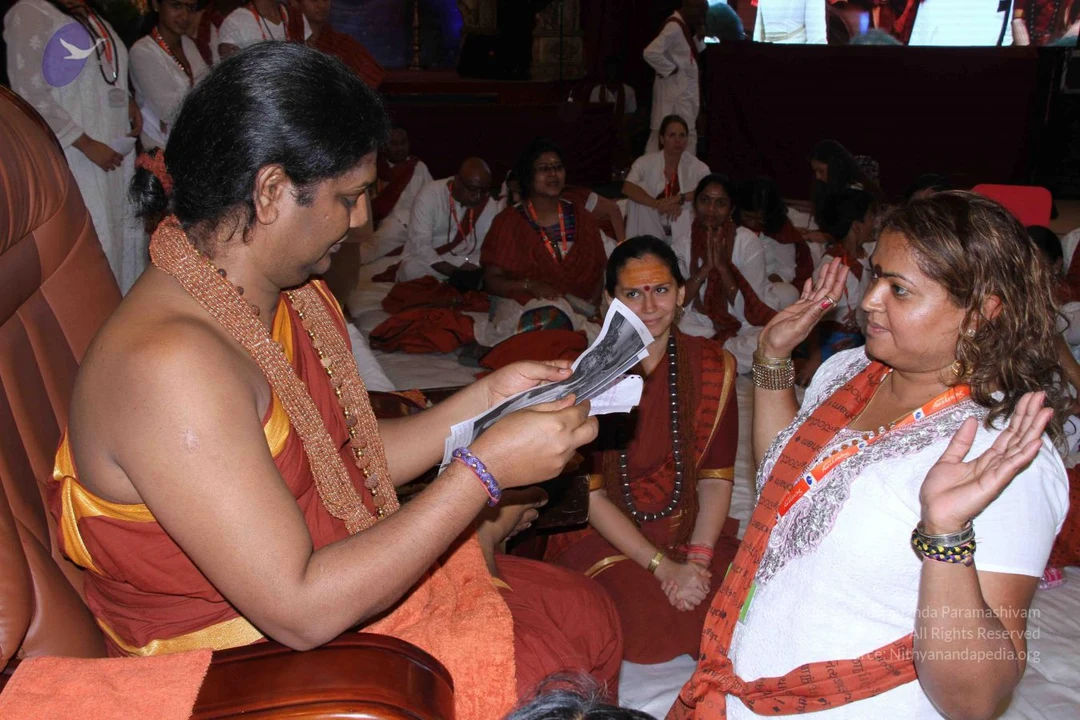
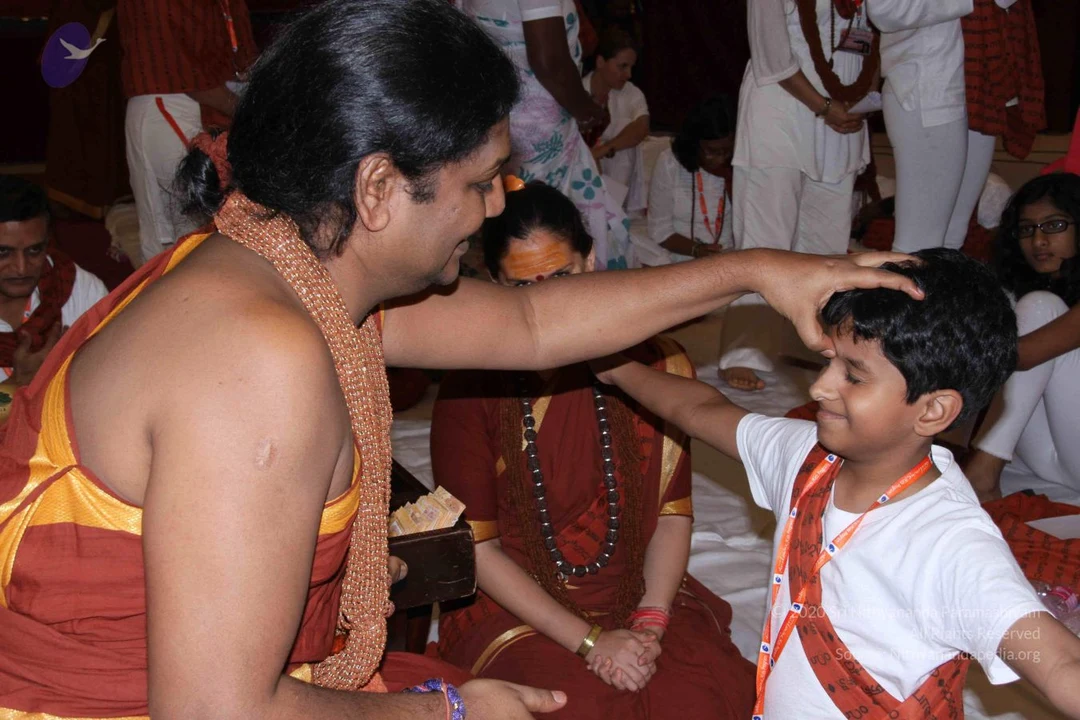
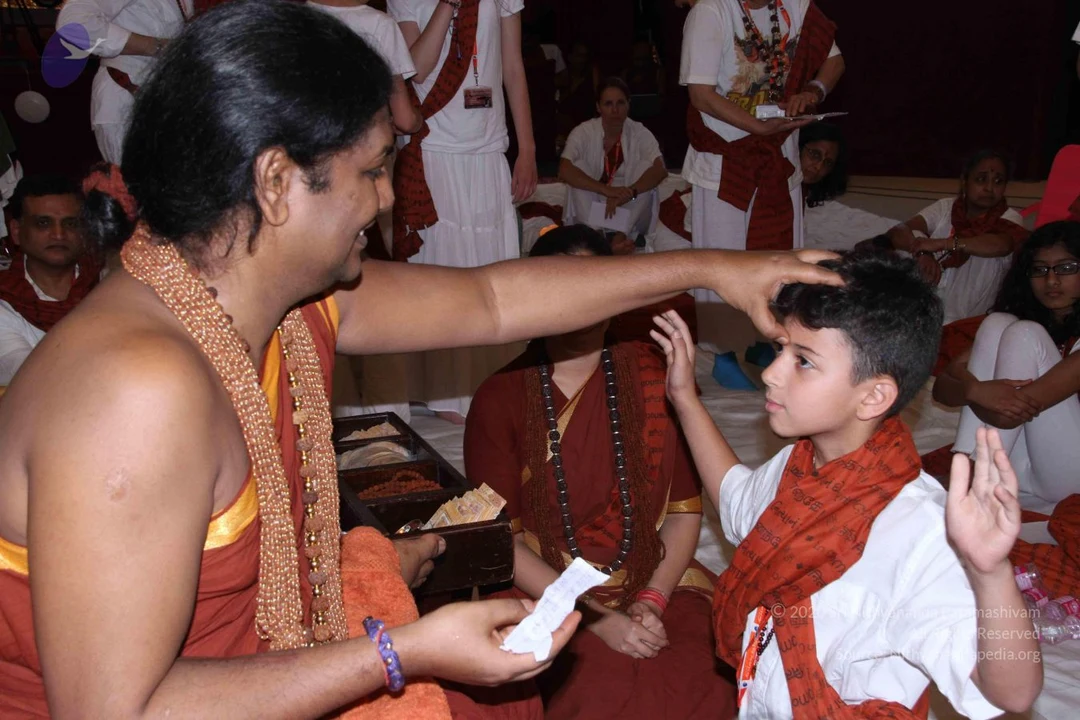
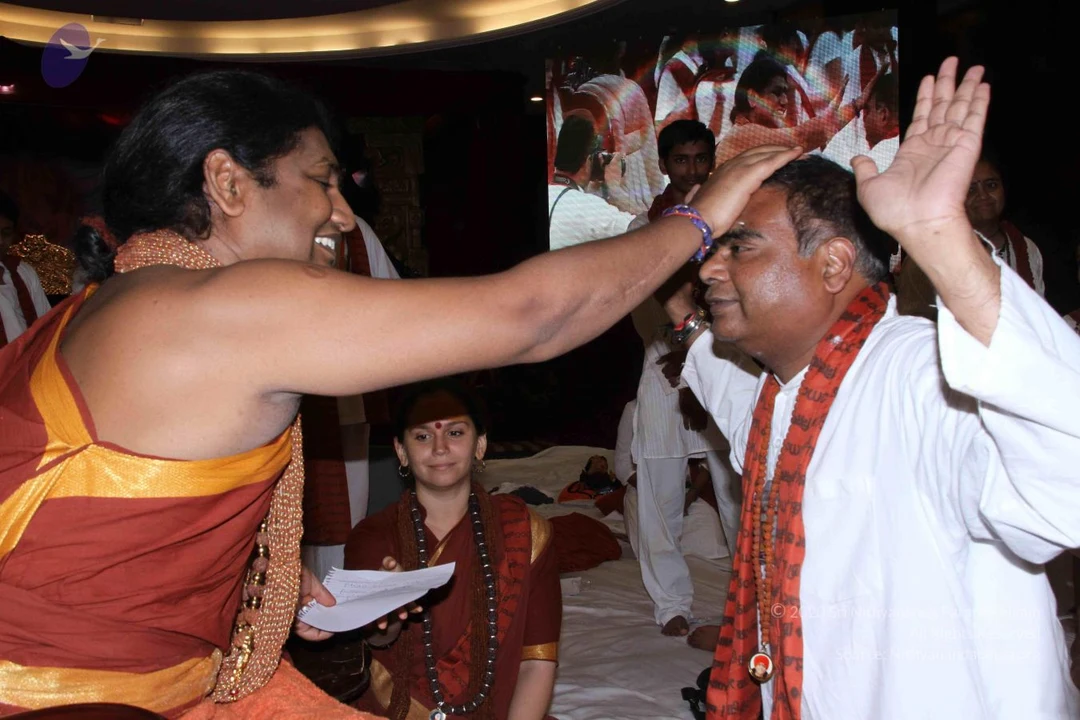
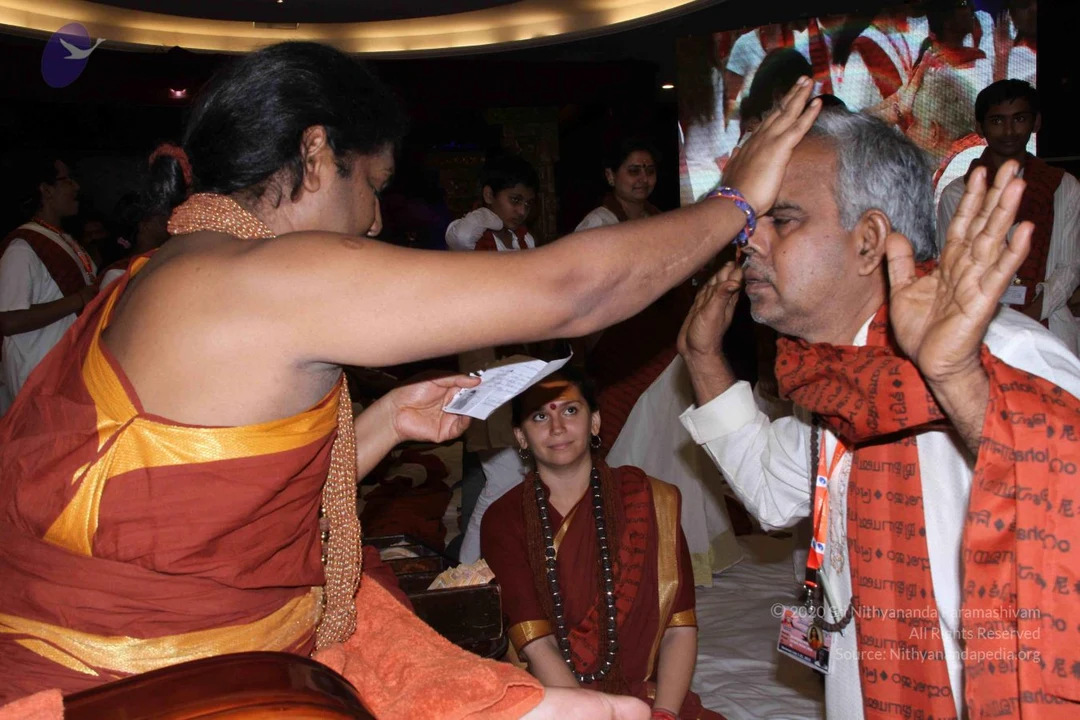
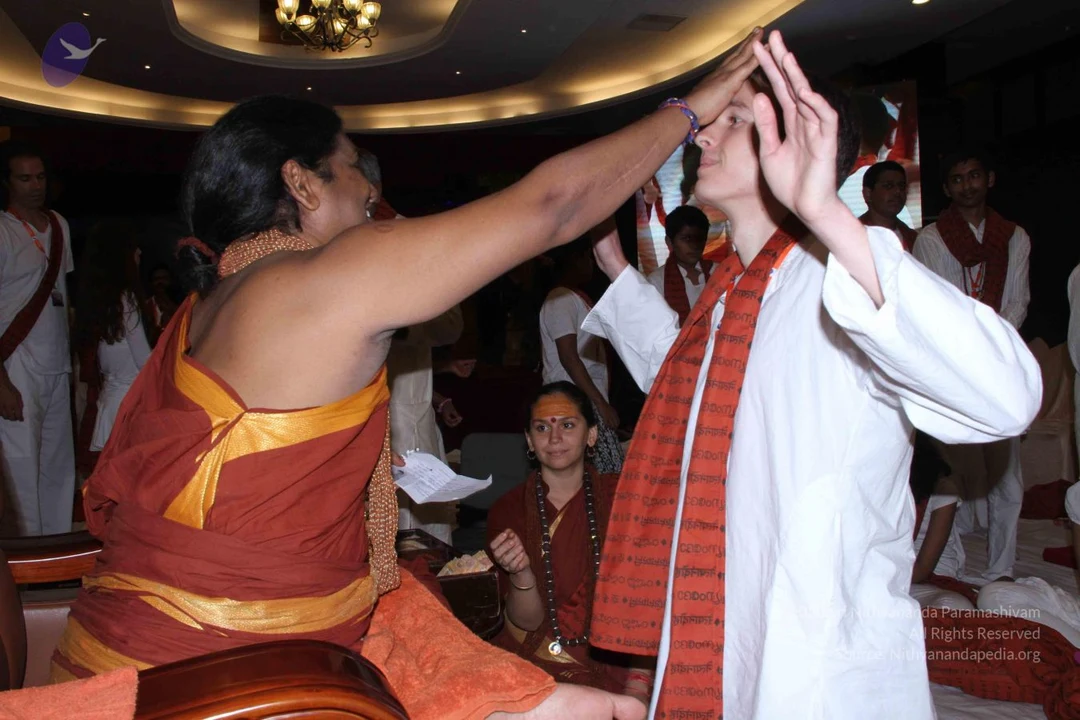
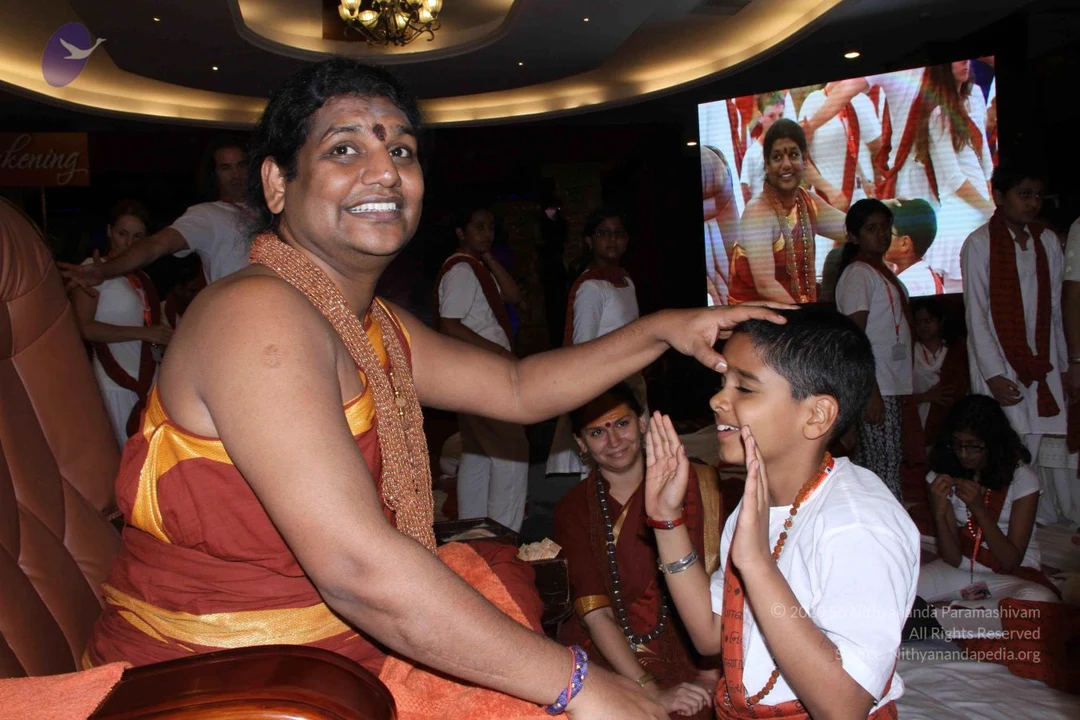
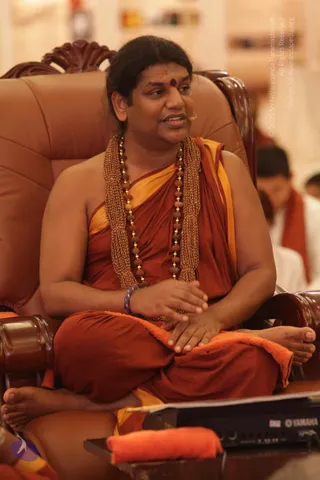
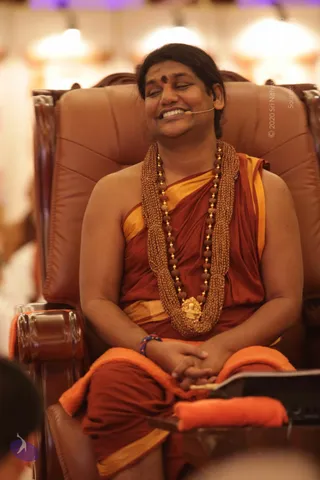
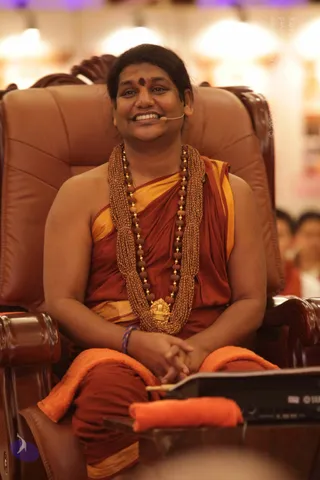
Photos Of The Day:
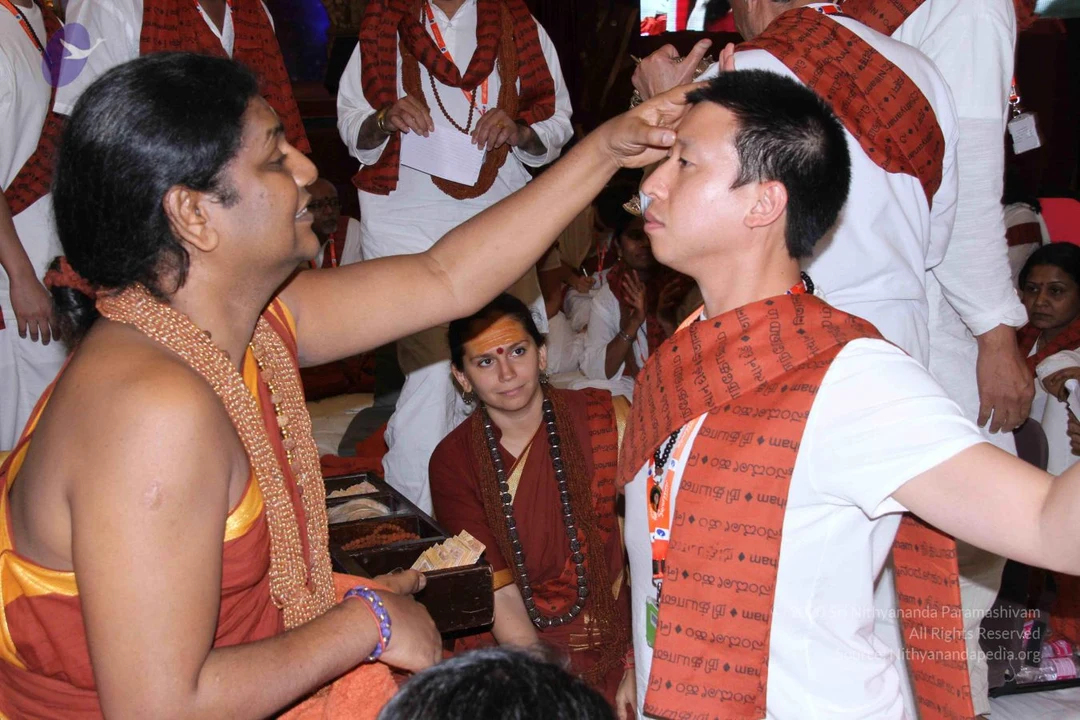
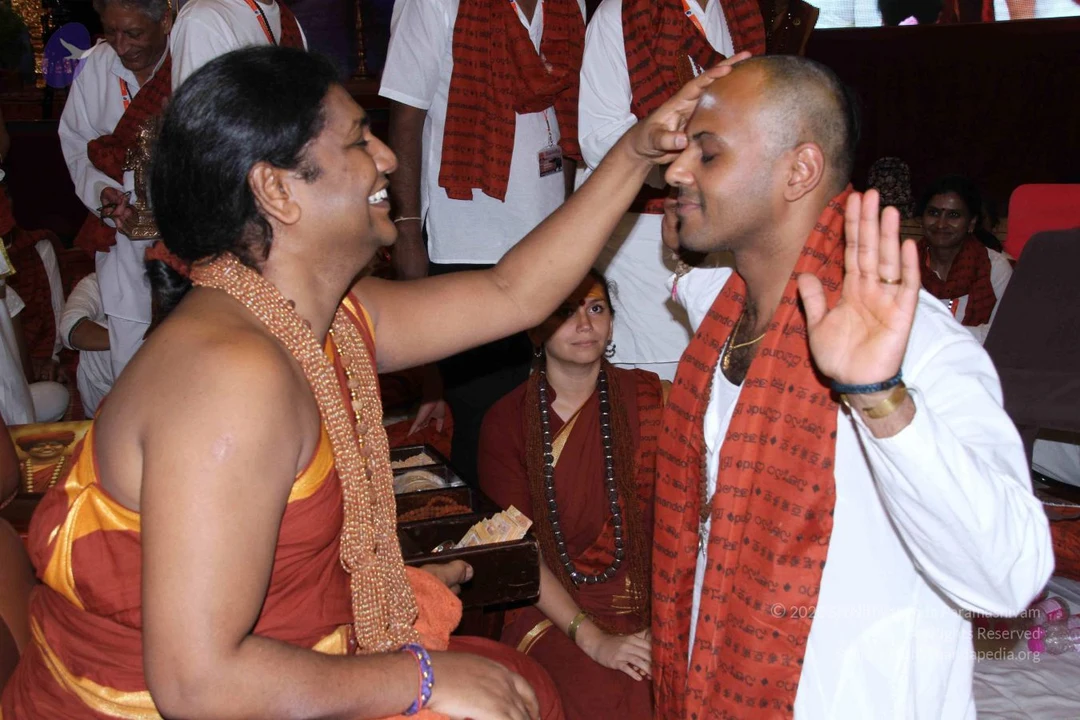
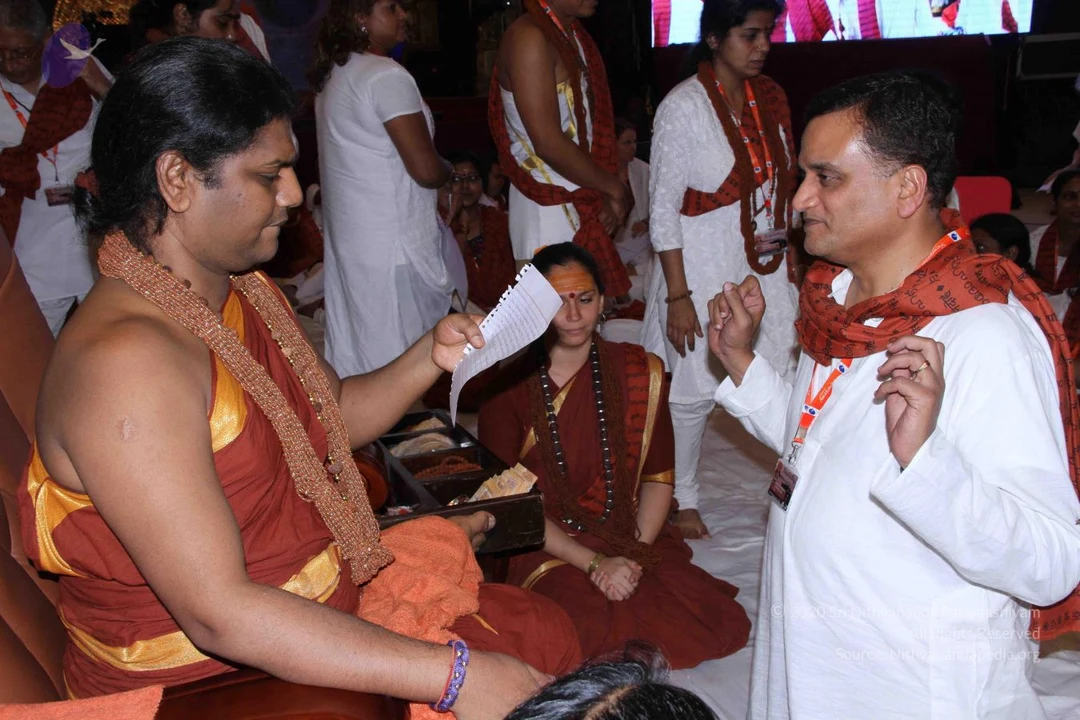
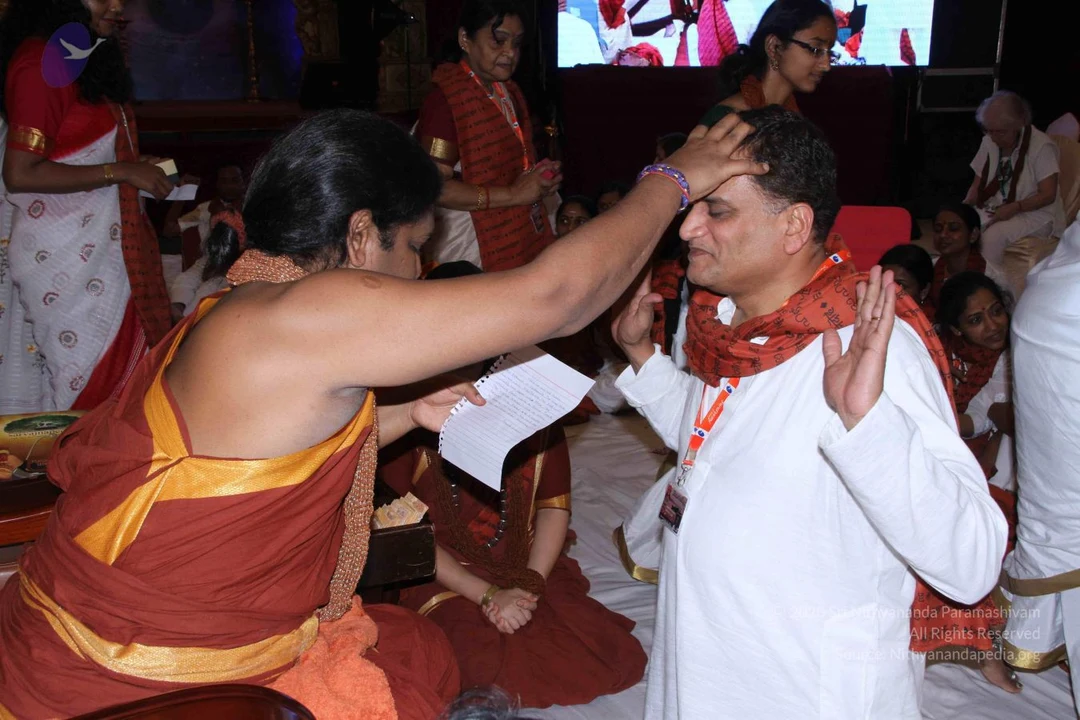
Q and A session
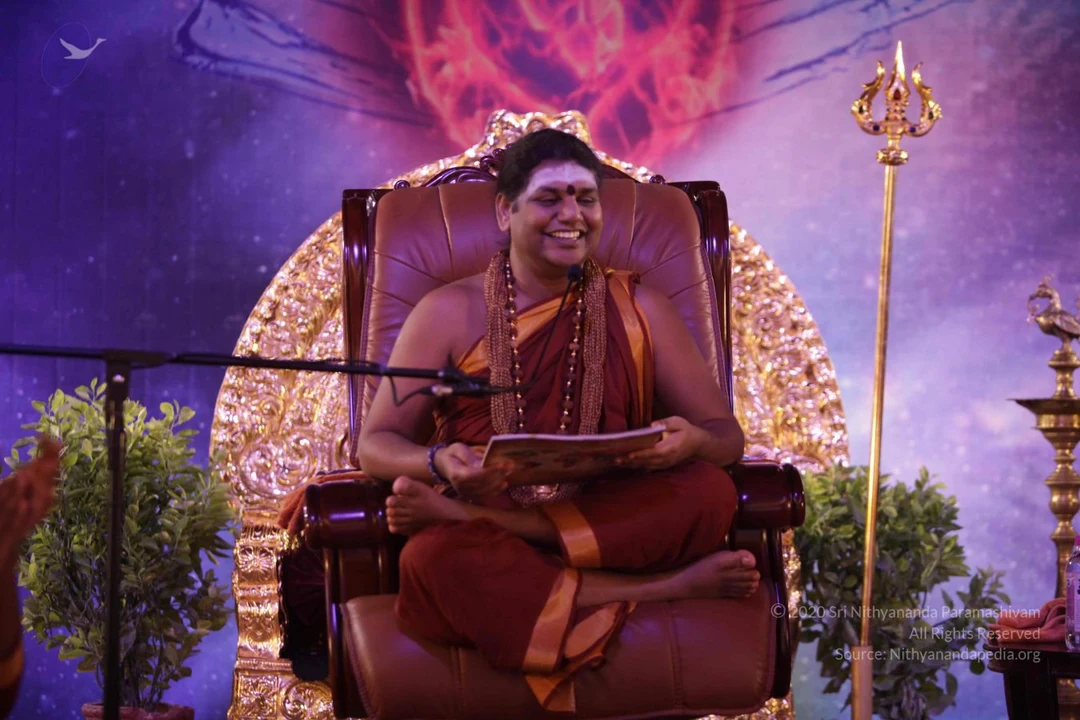
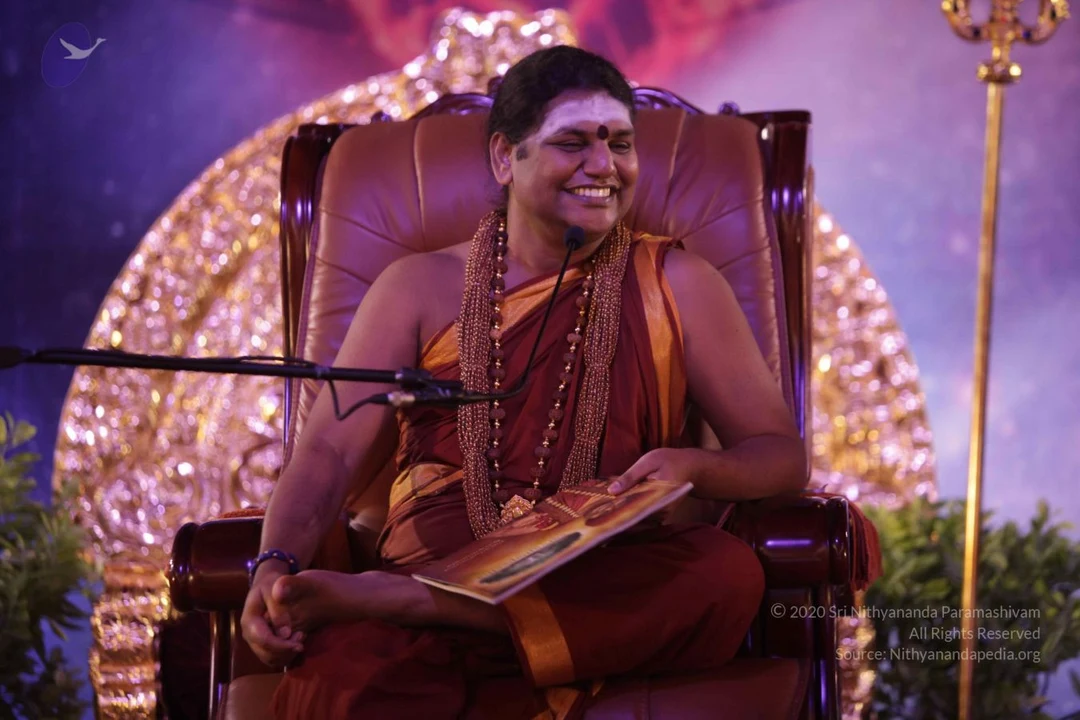

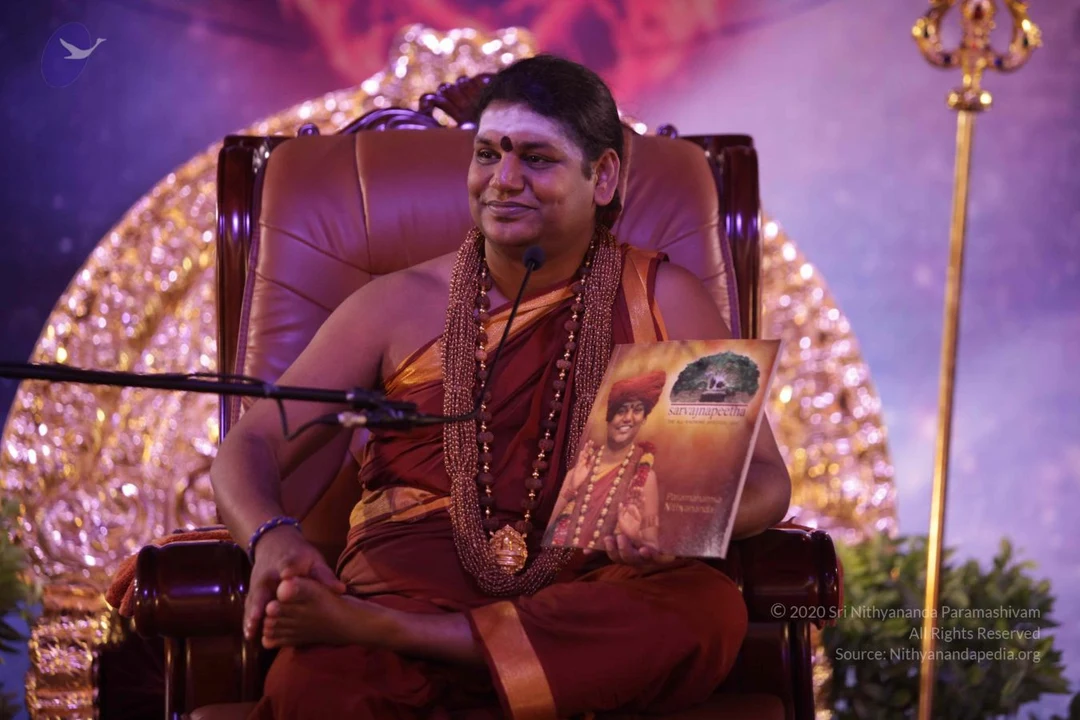
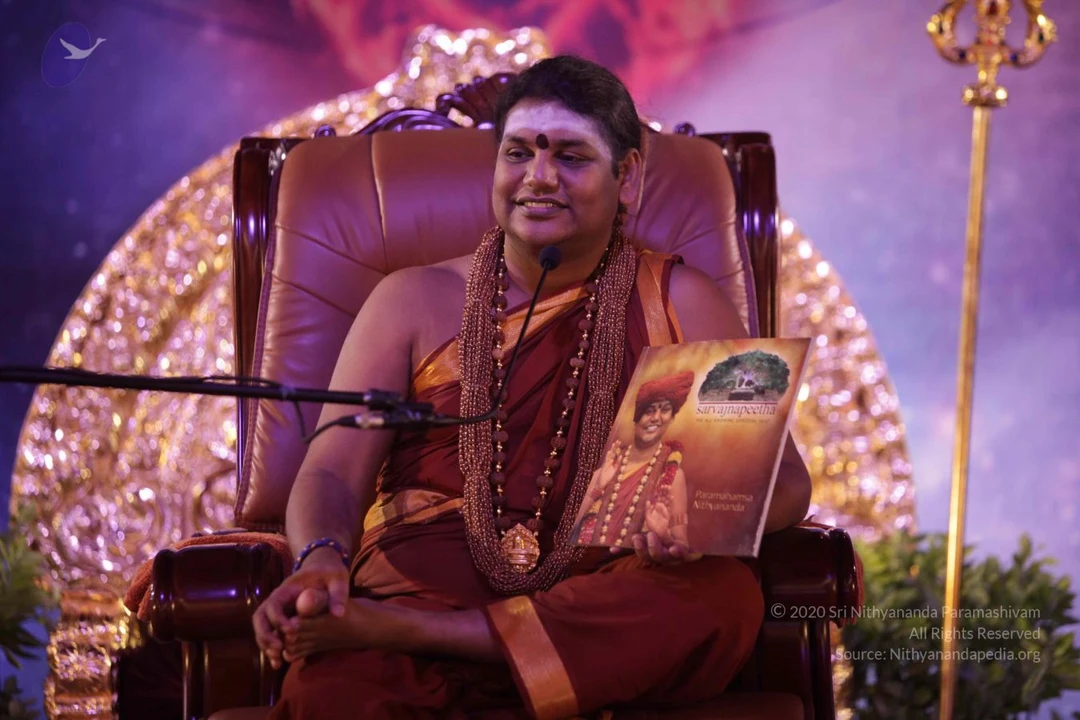
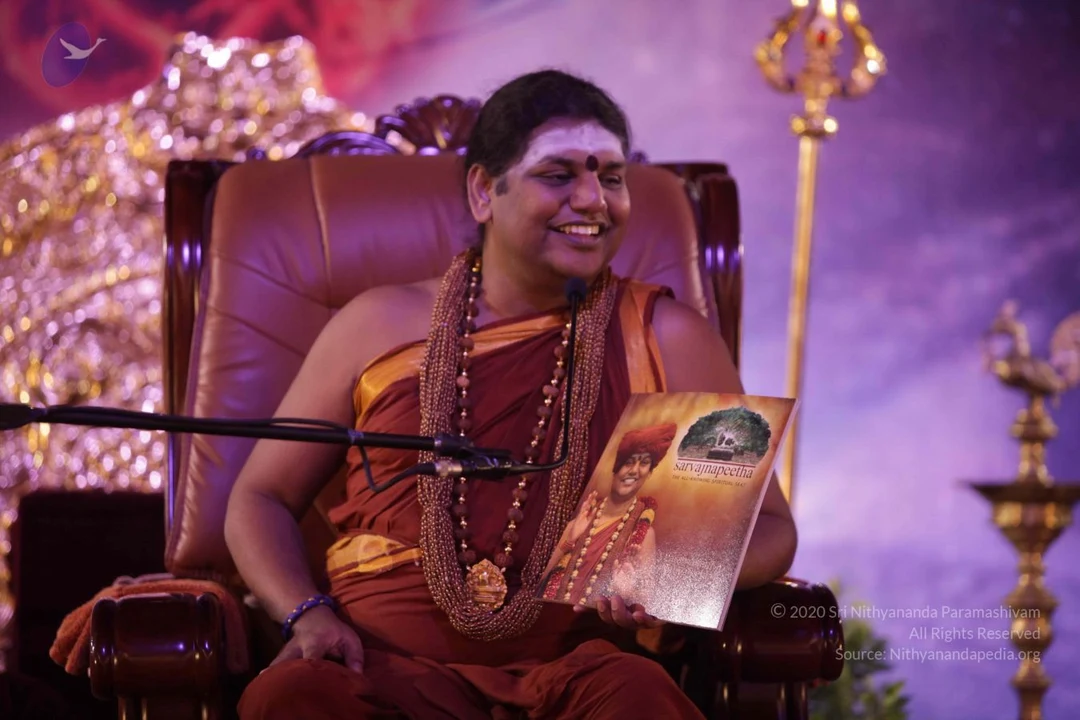
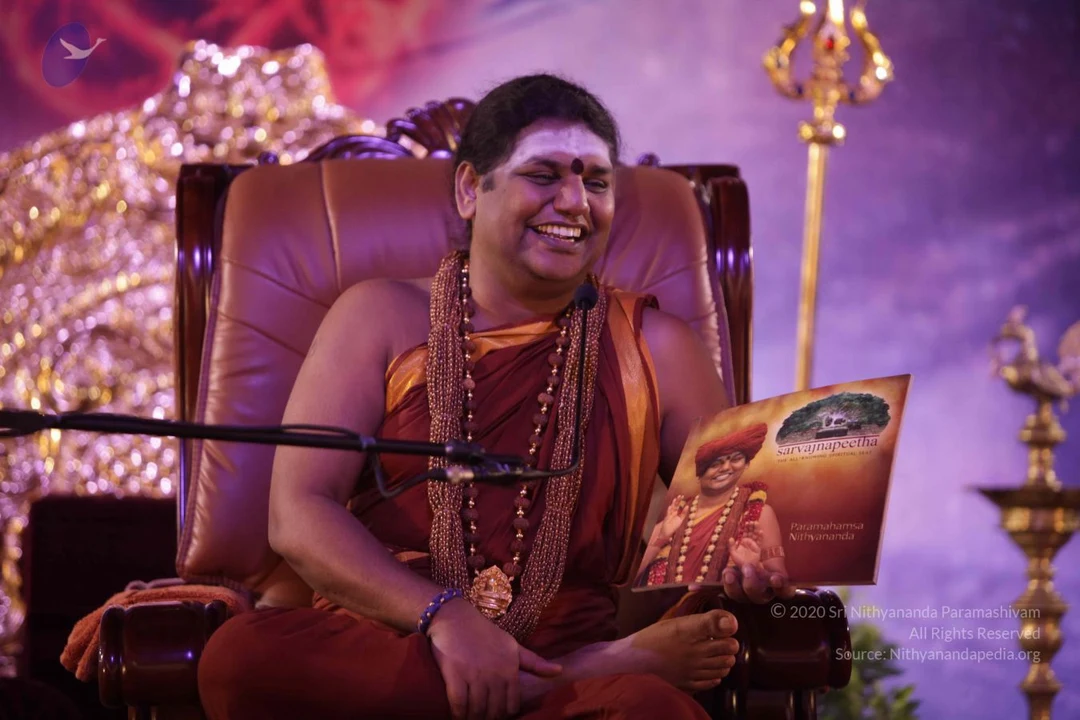
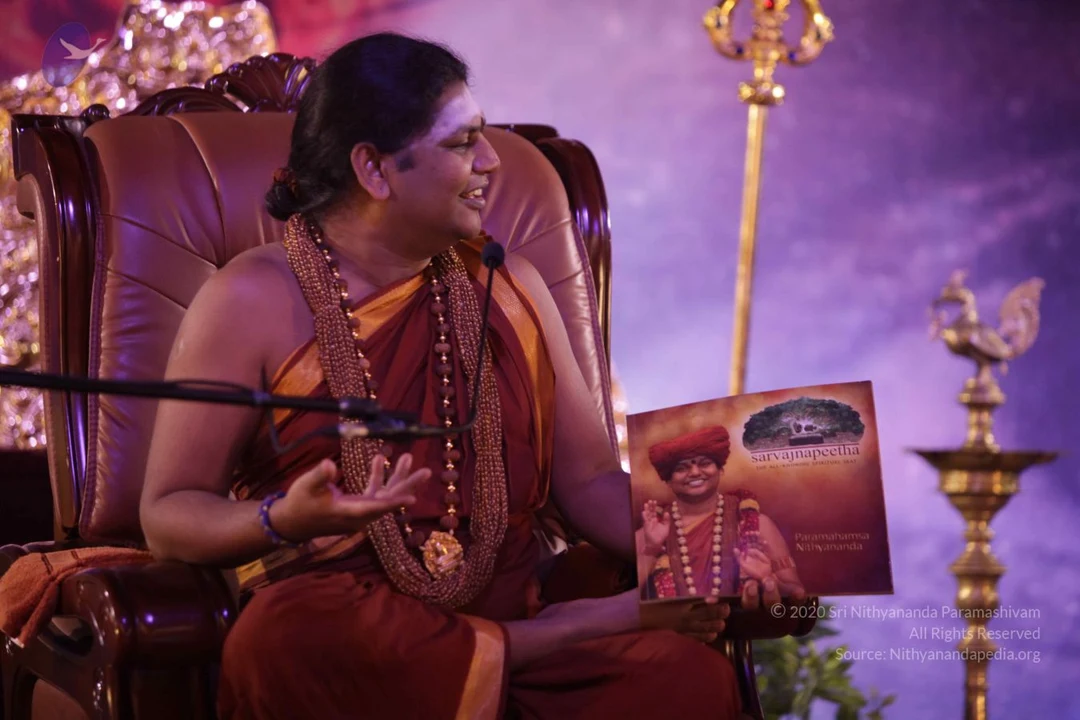
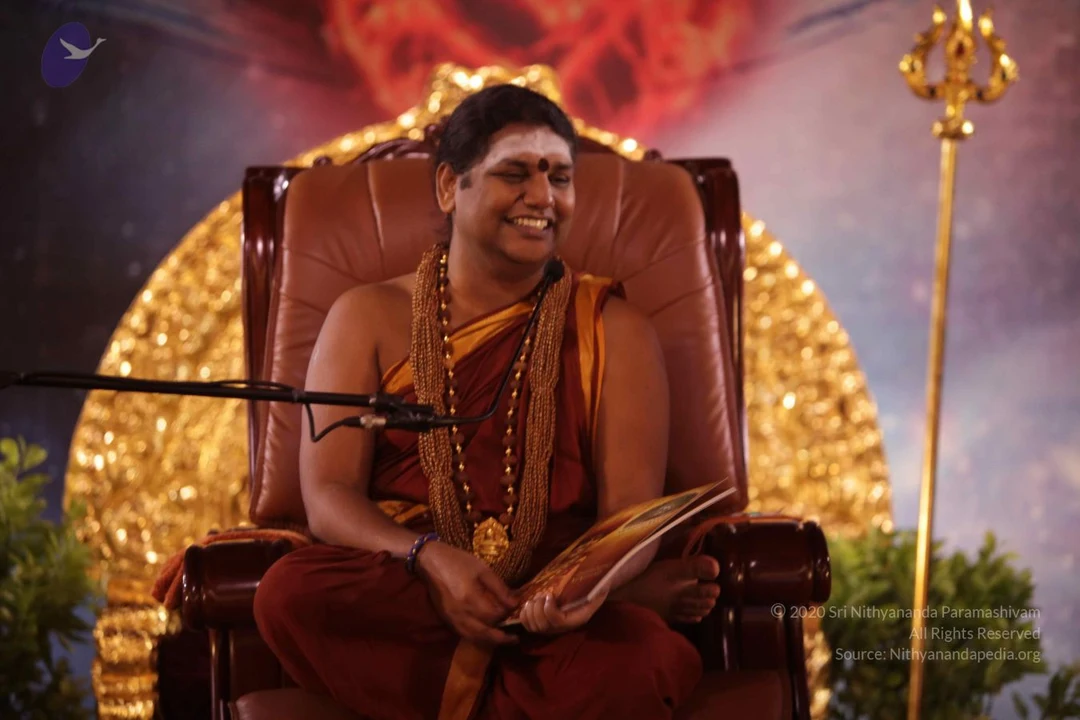
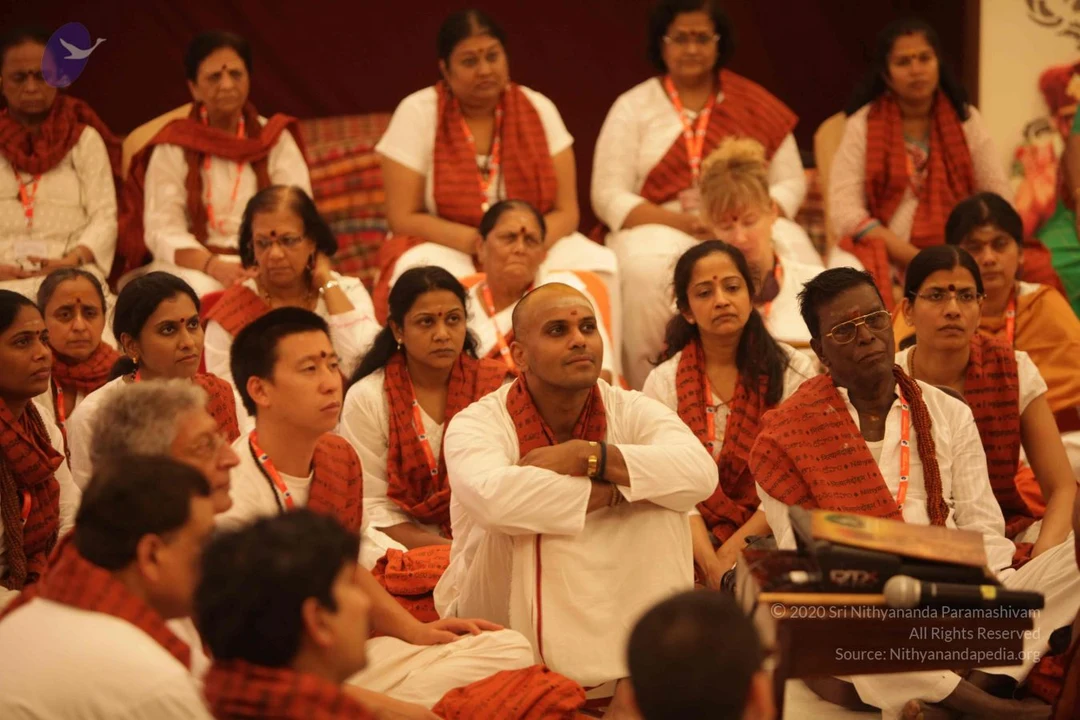
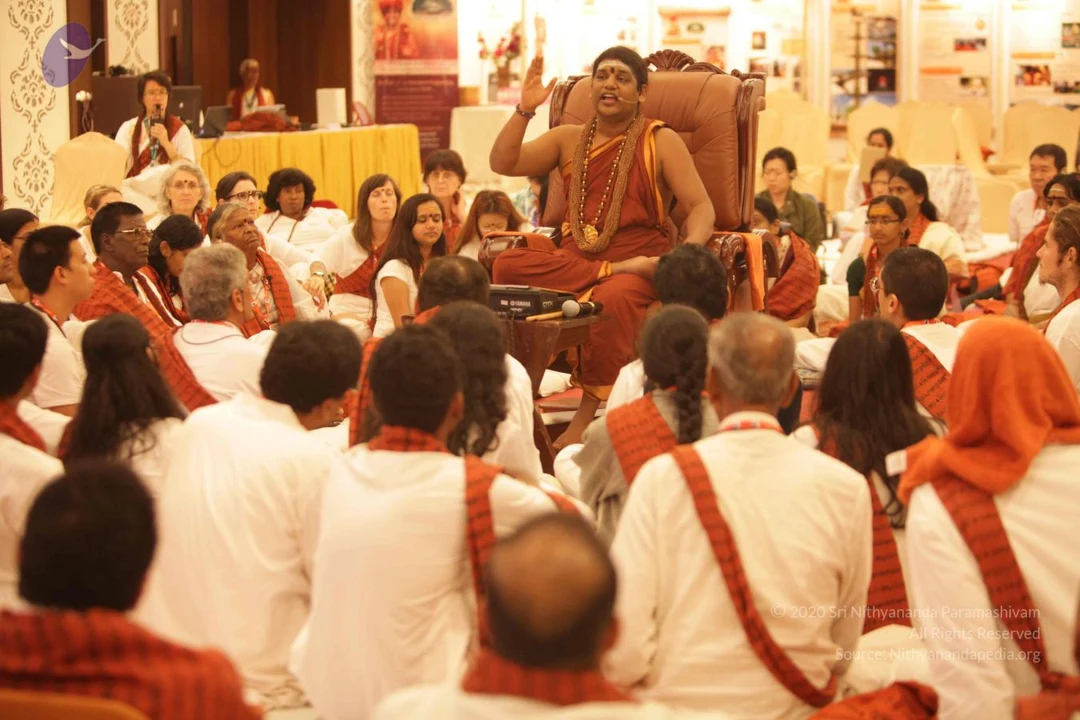
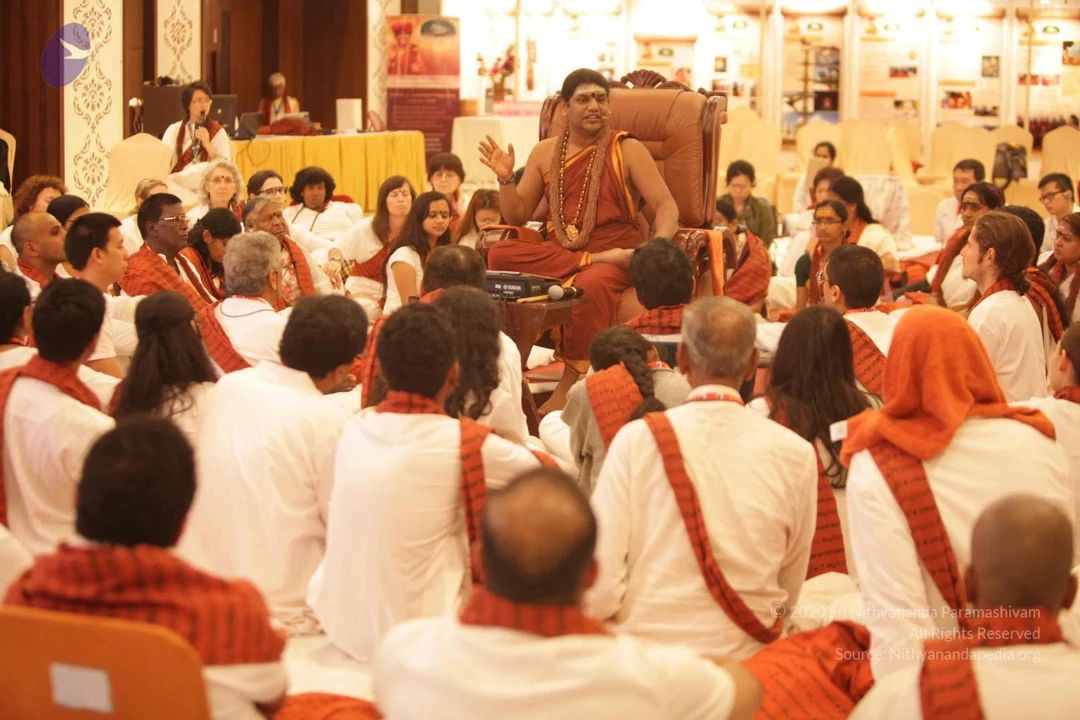
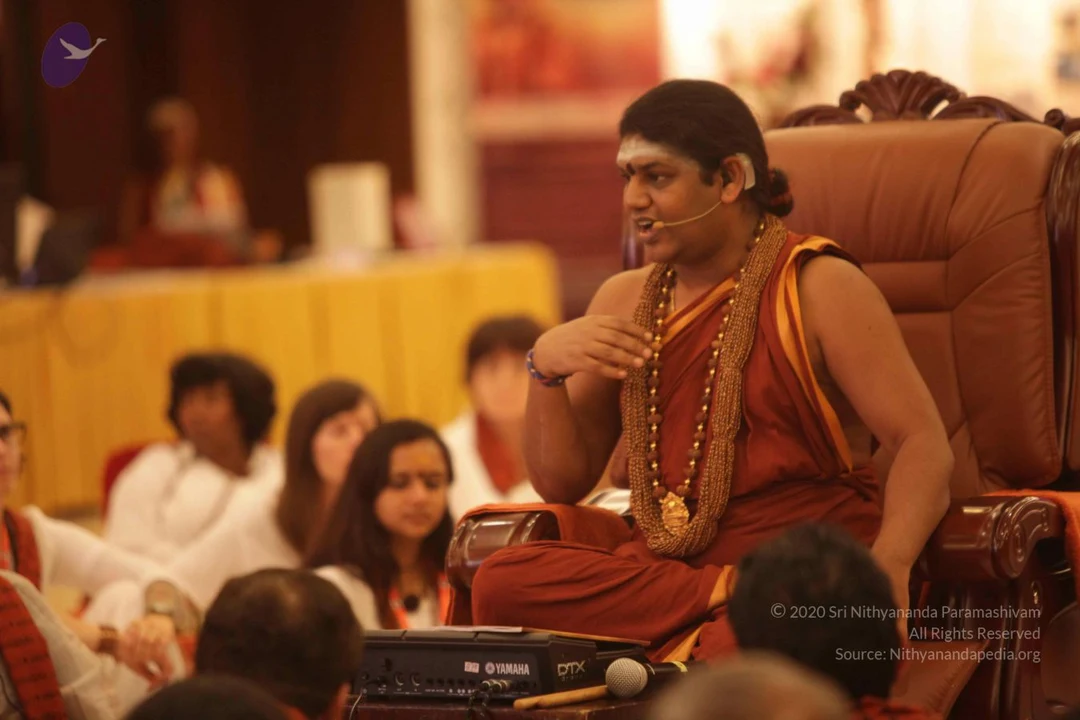
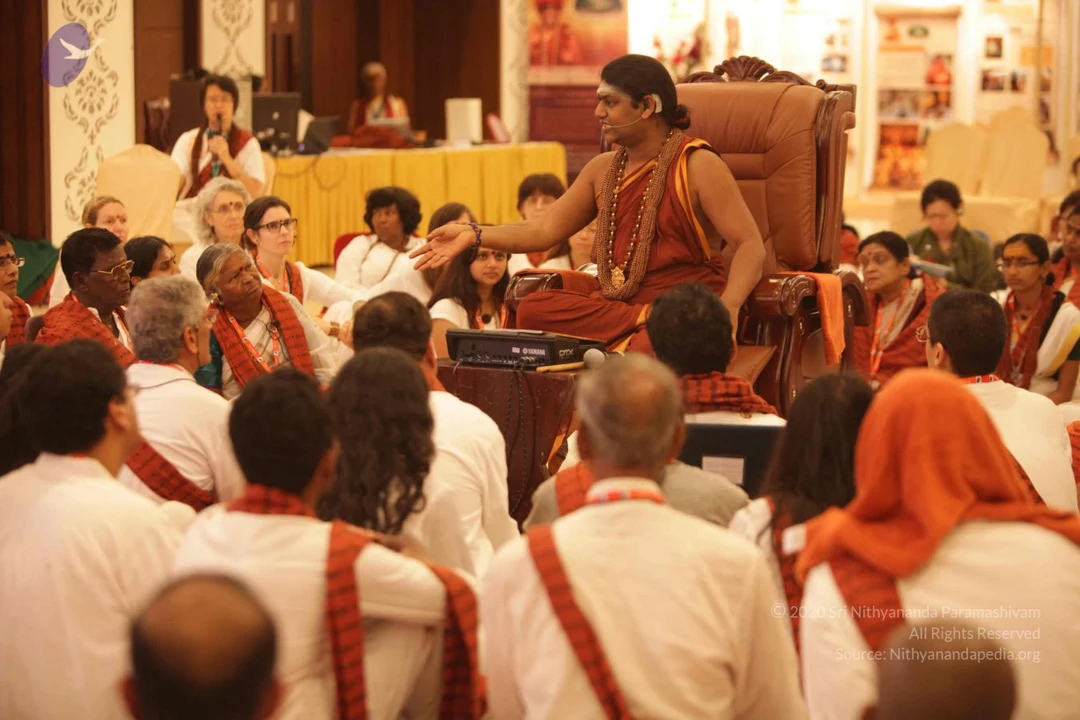
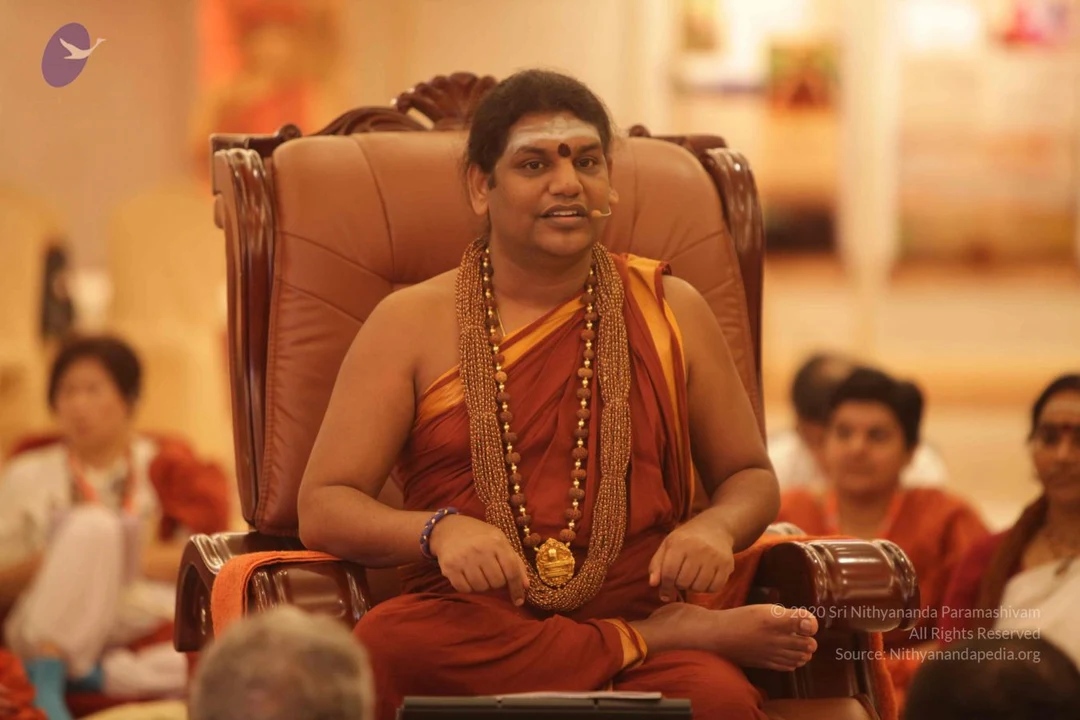
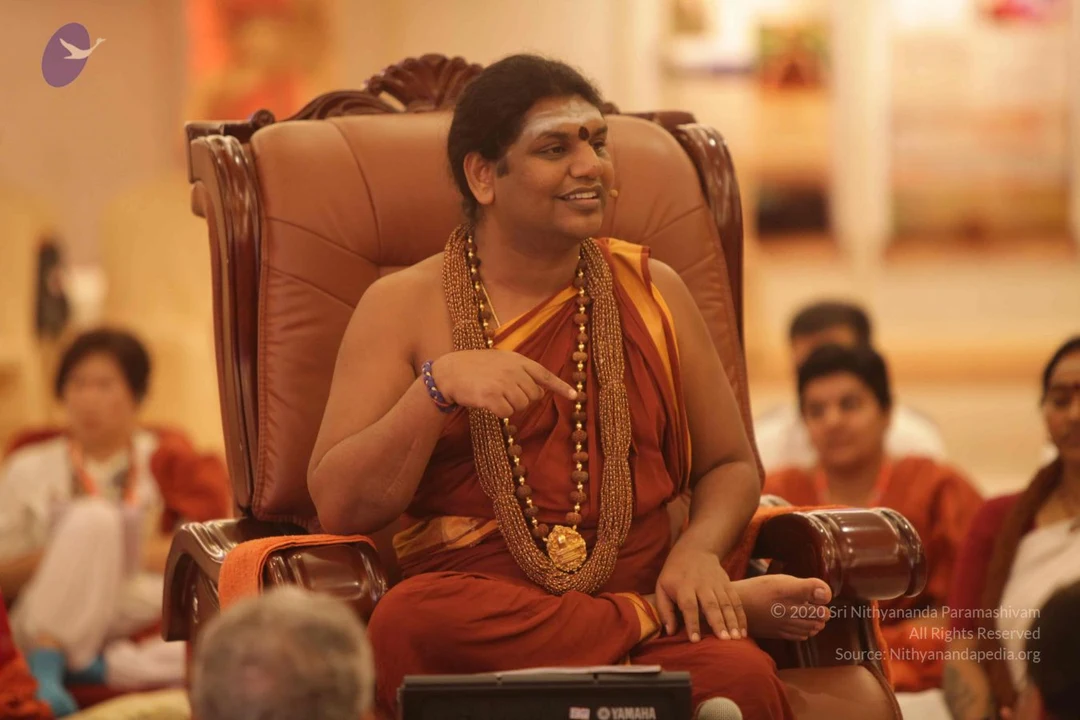
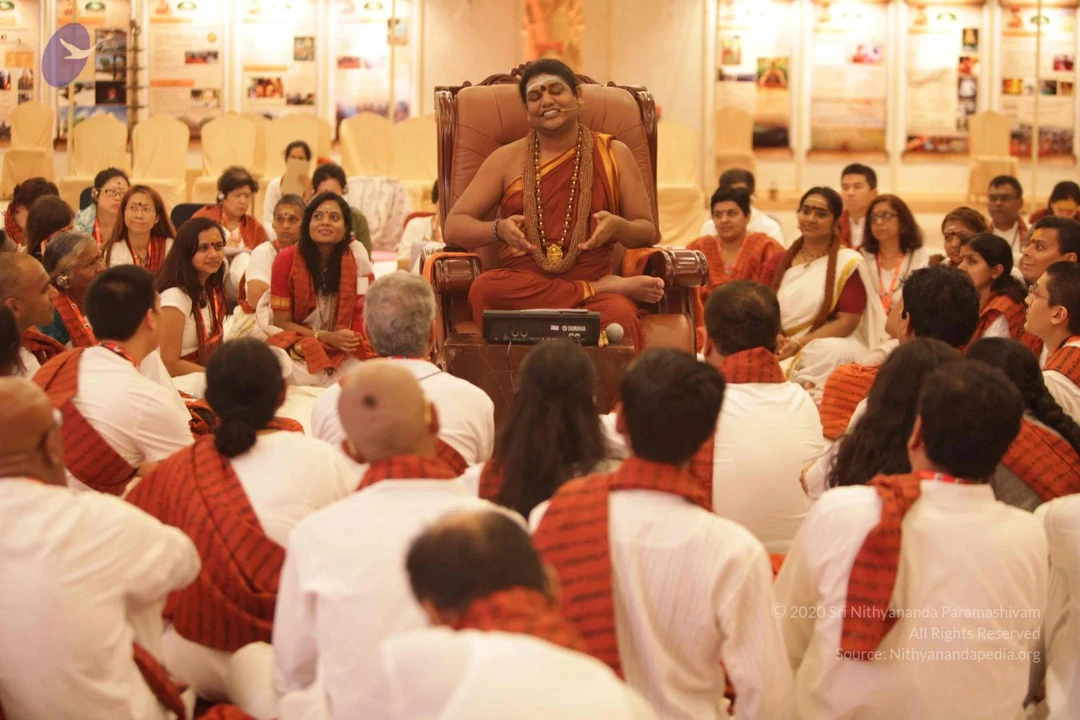
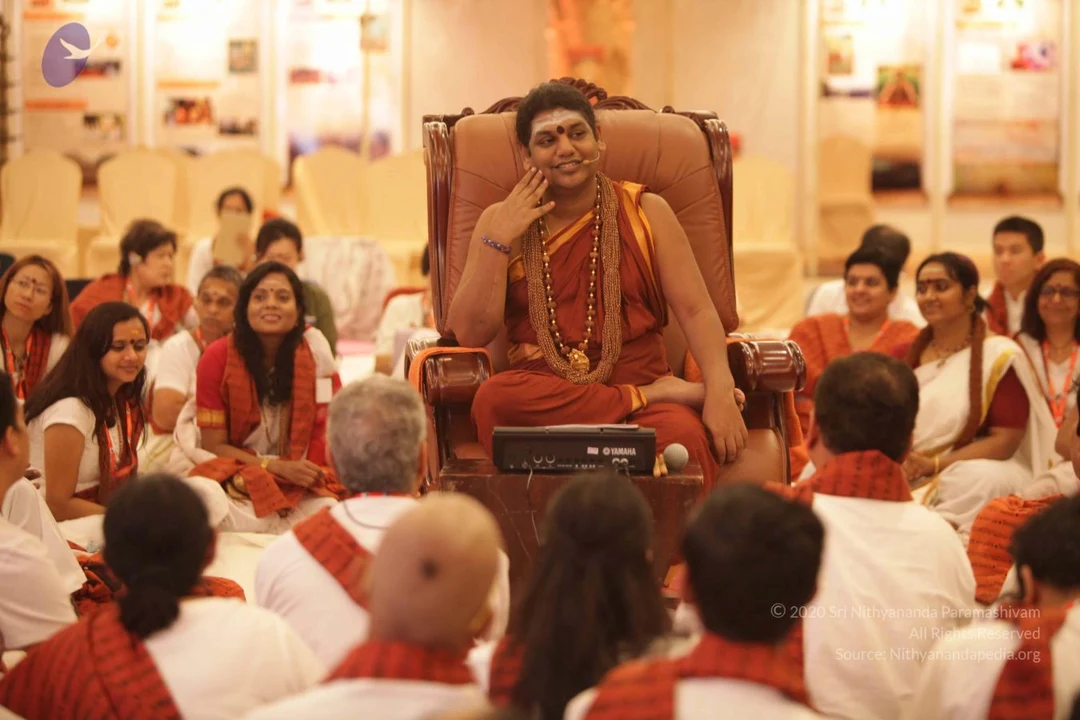
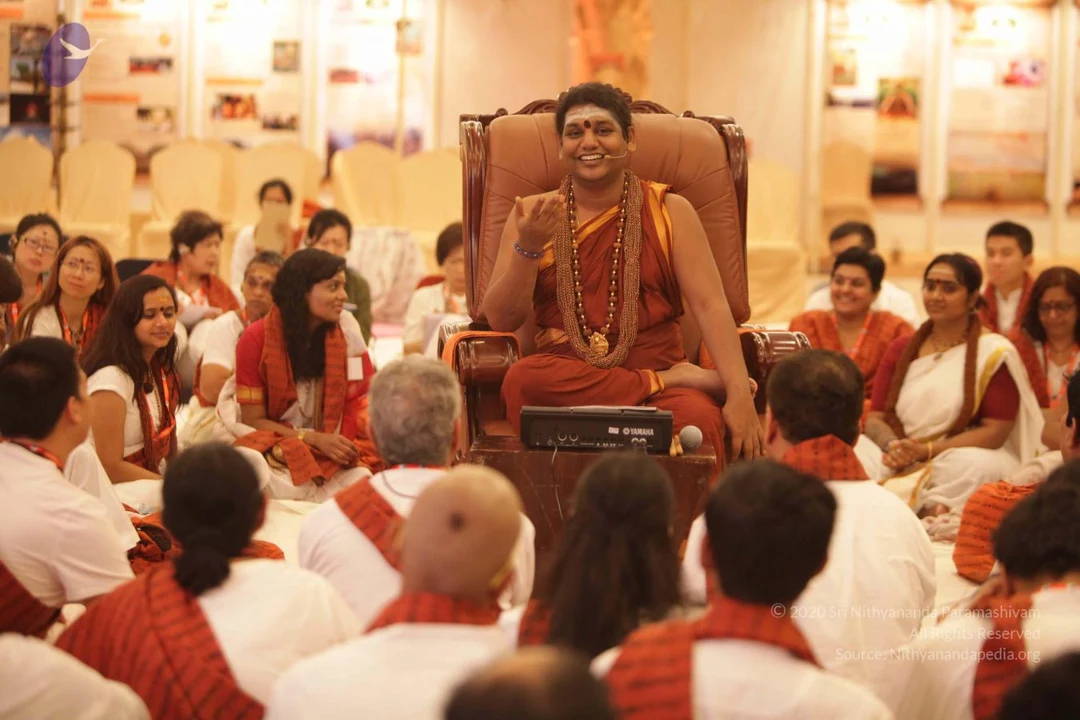
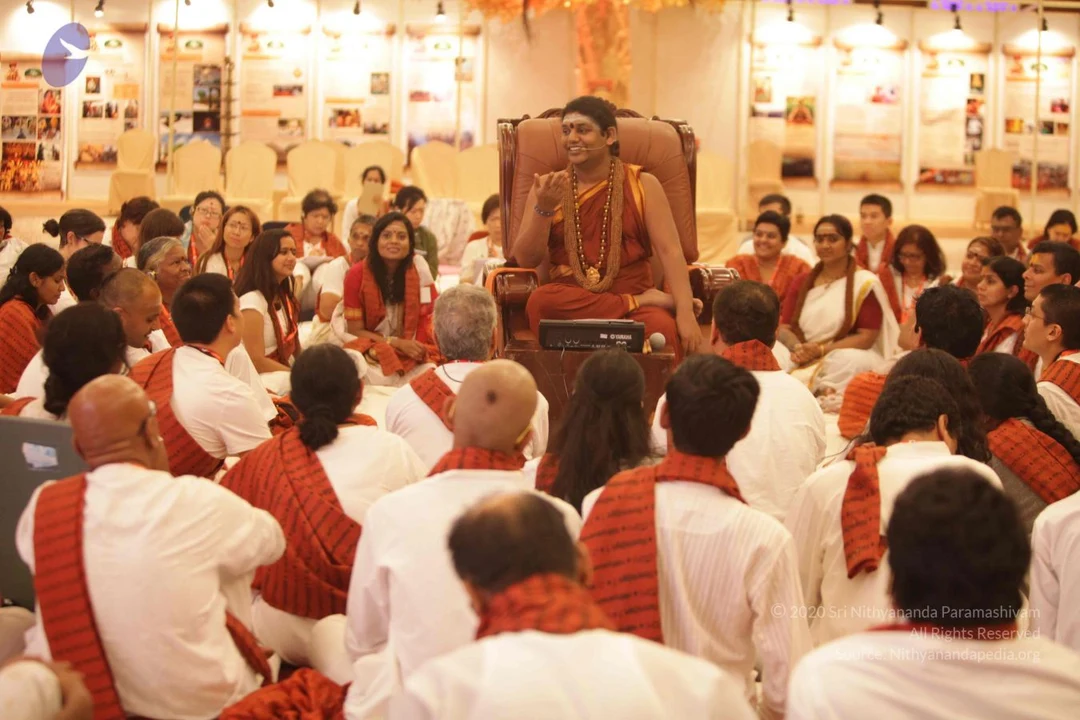
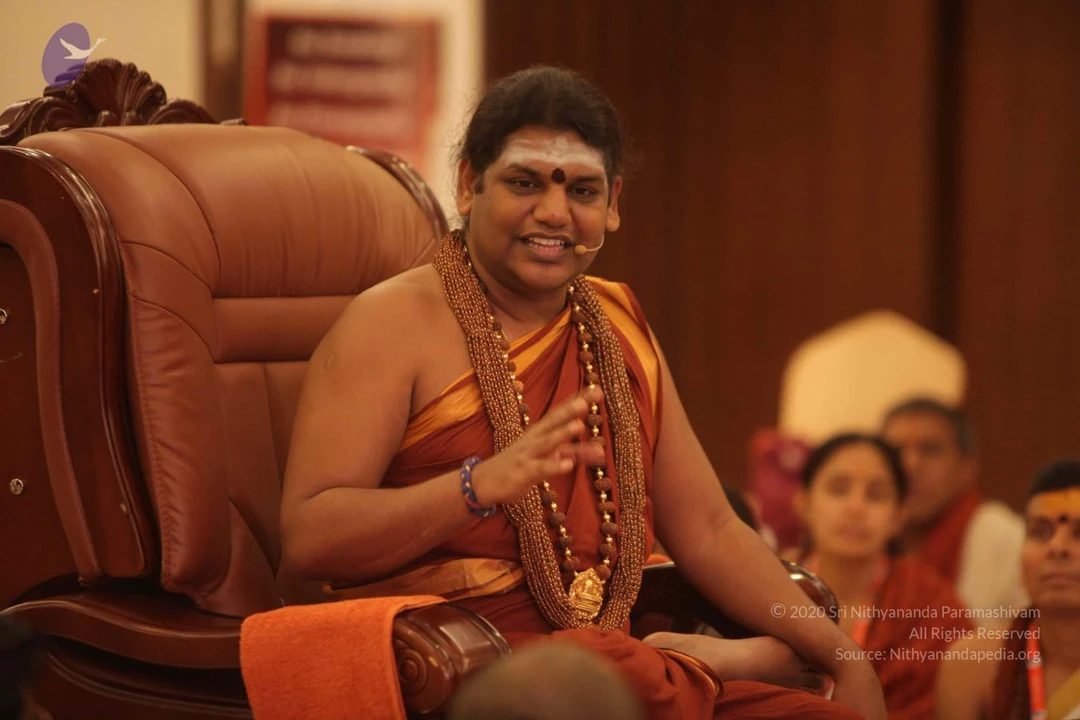
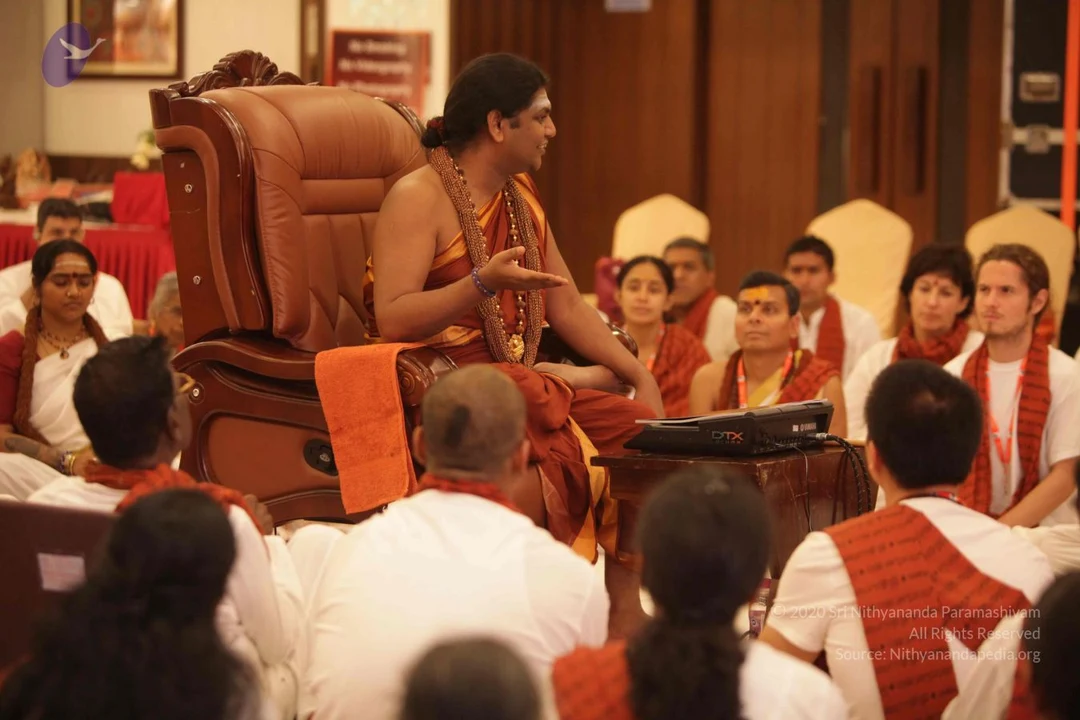
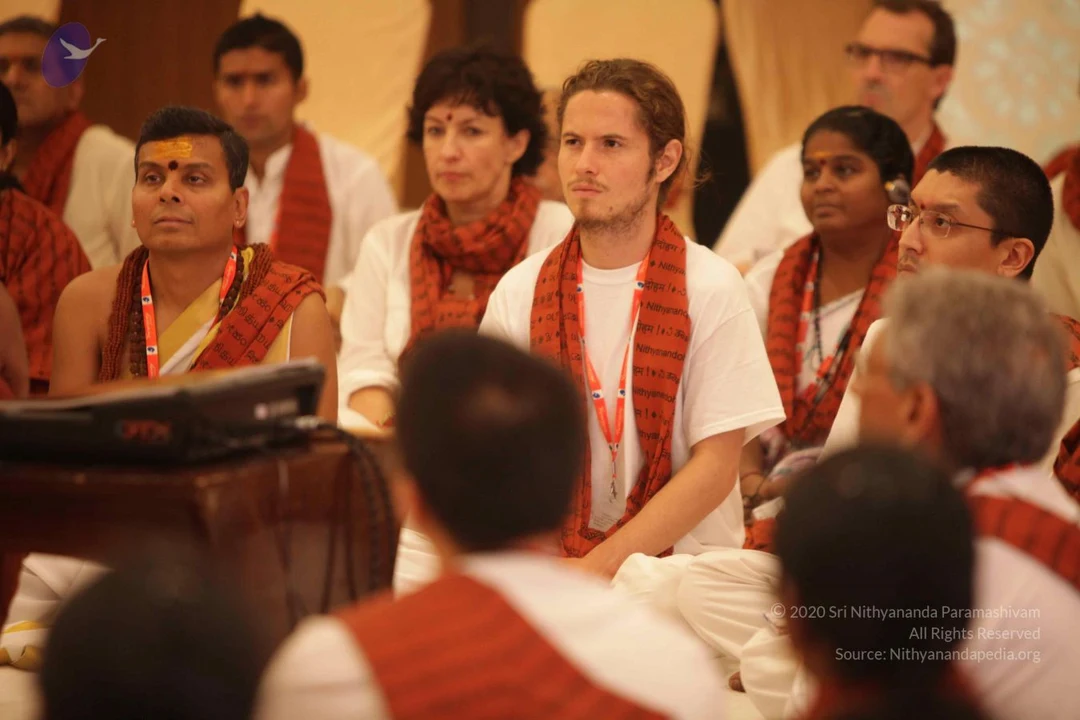
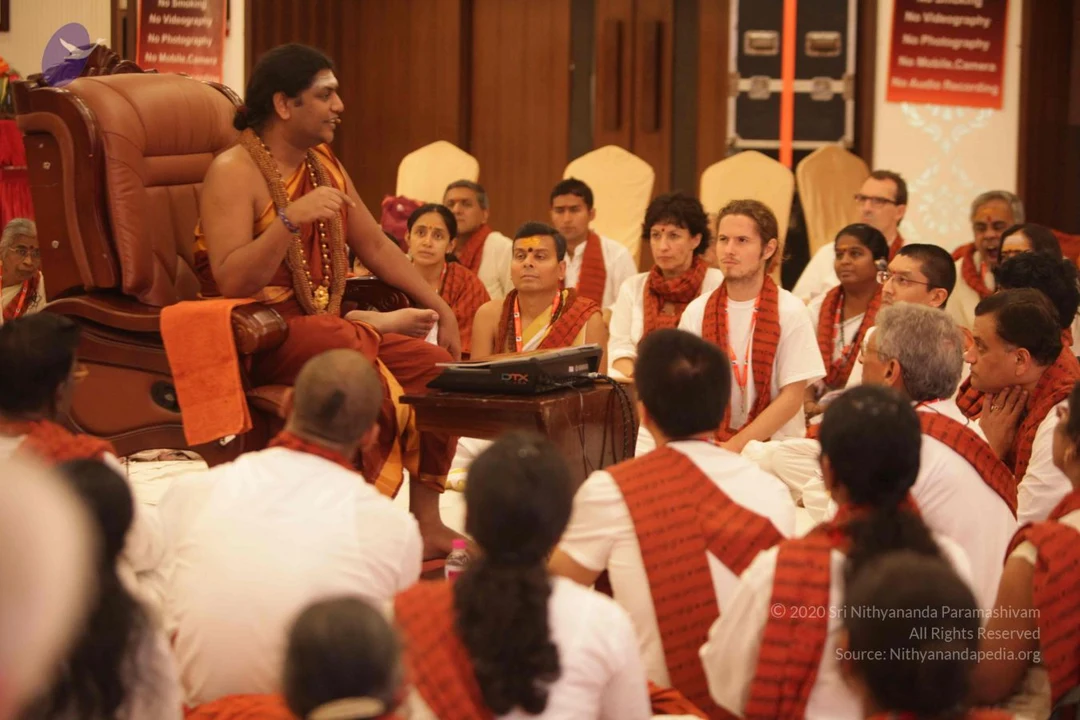
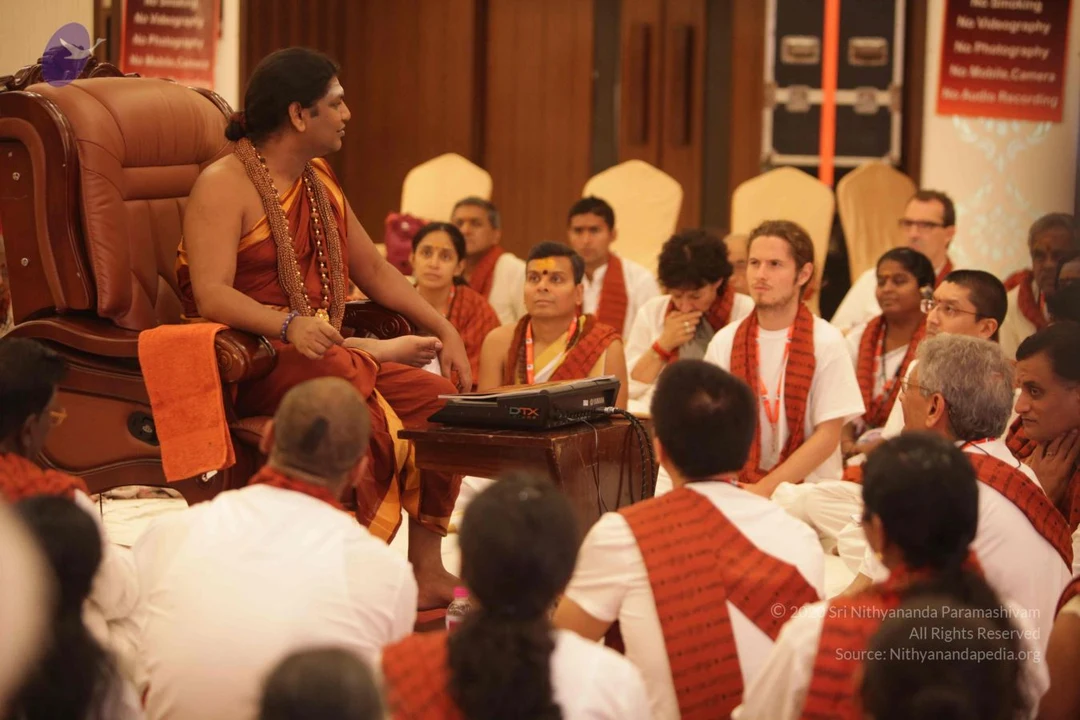
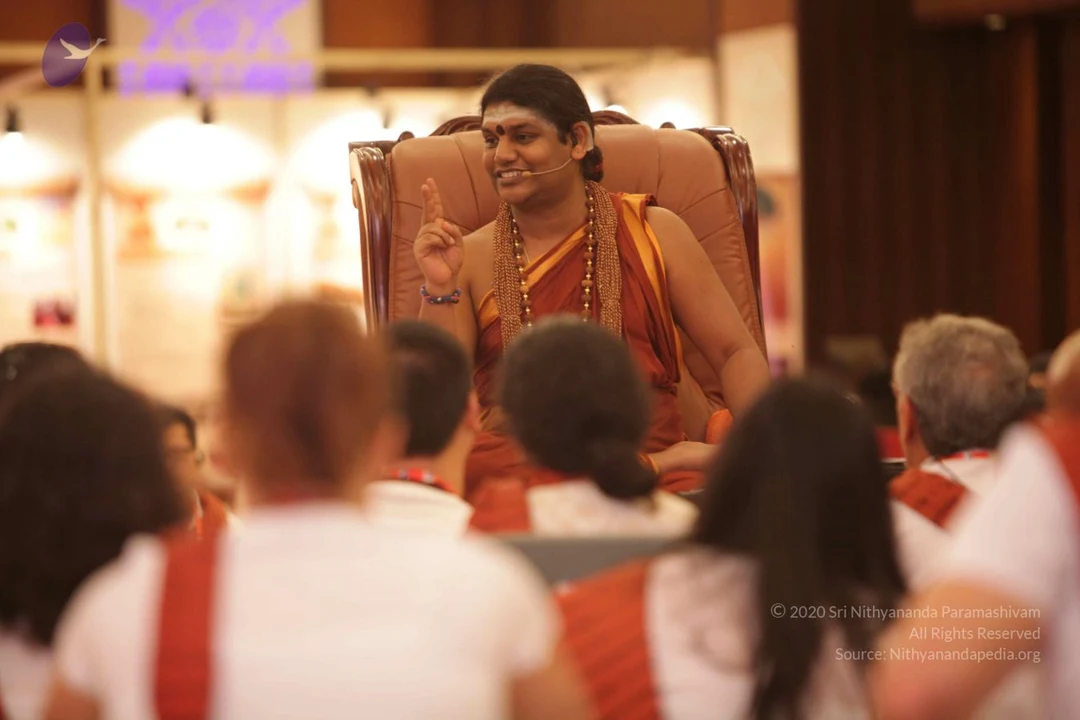
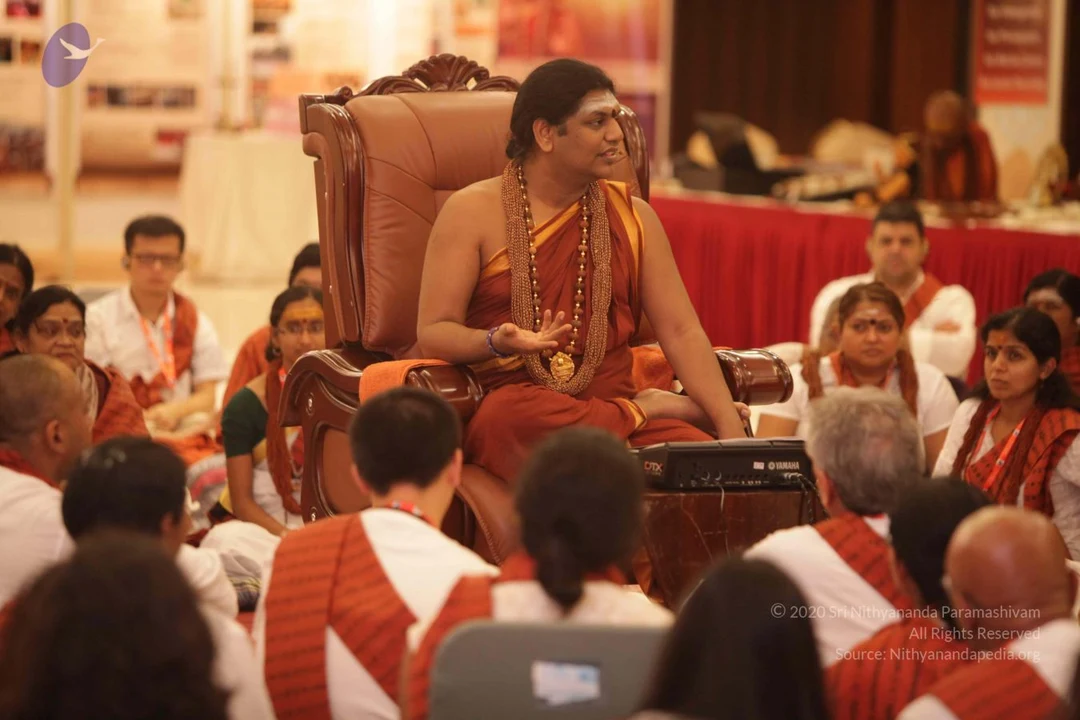
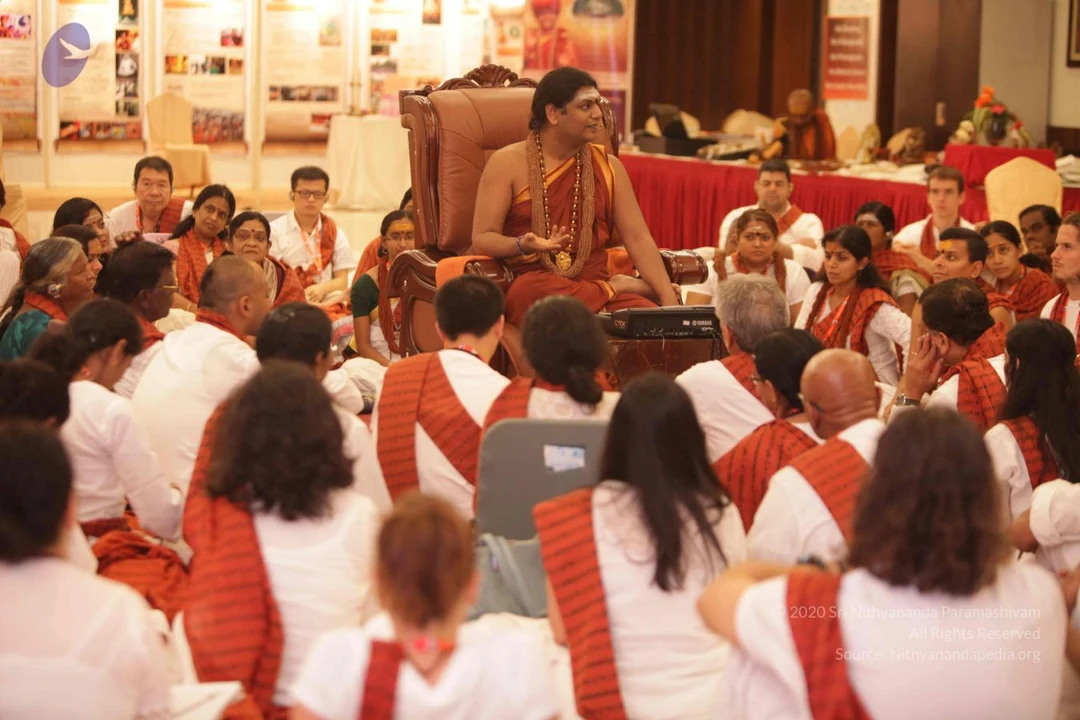
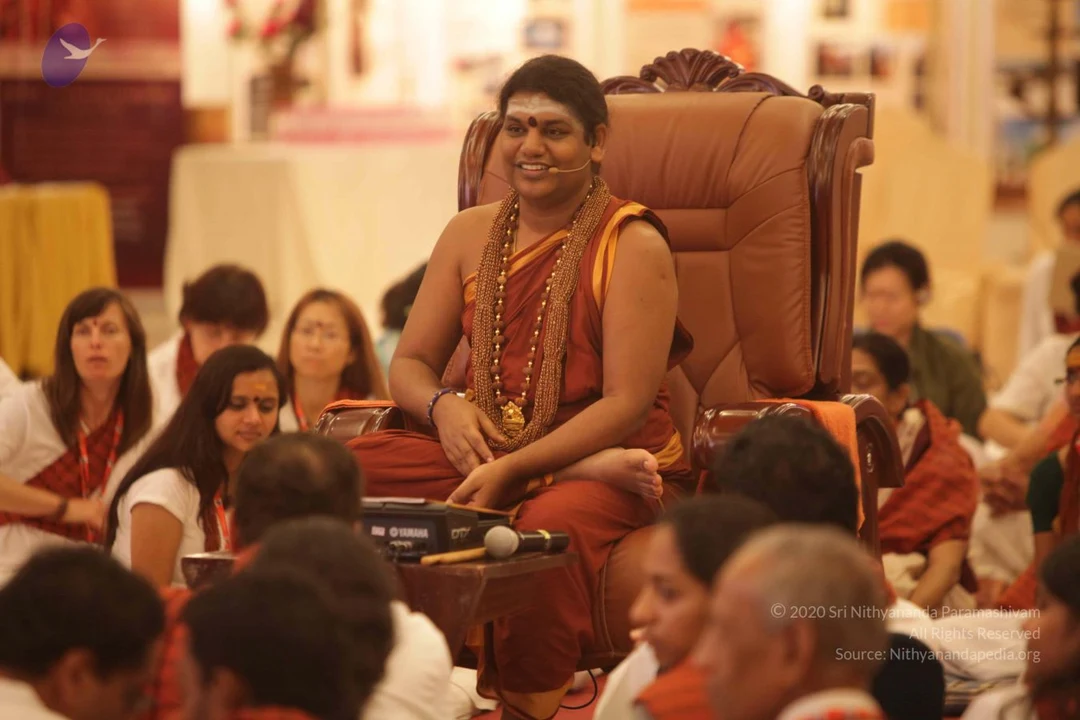
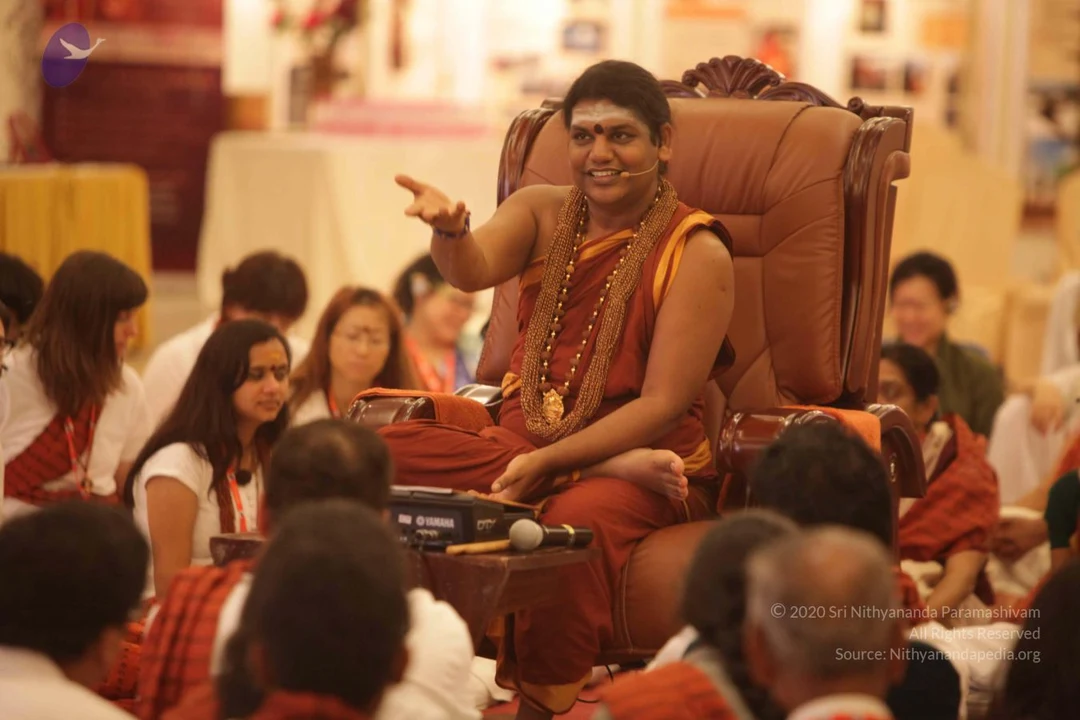
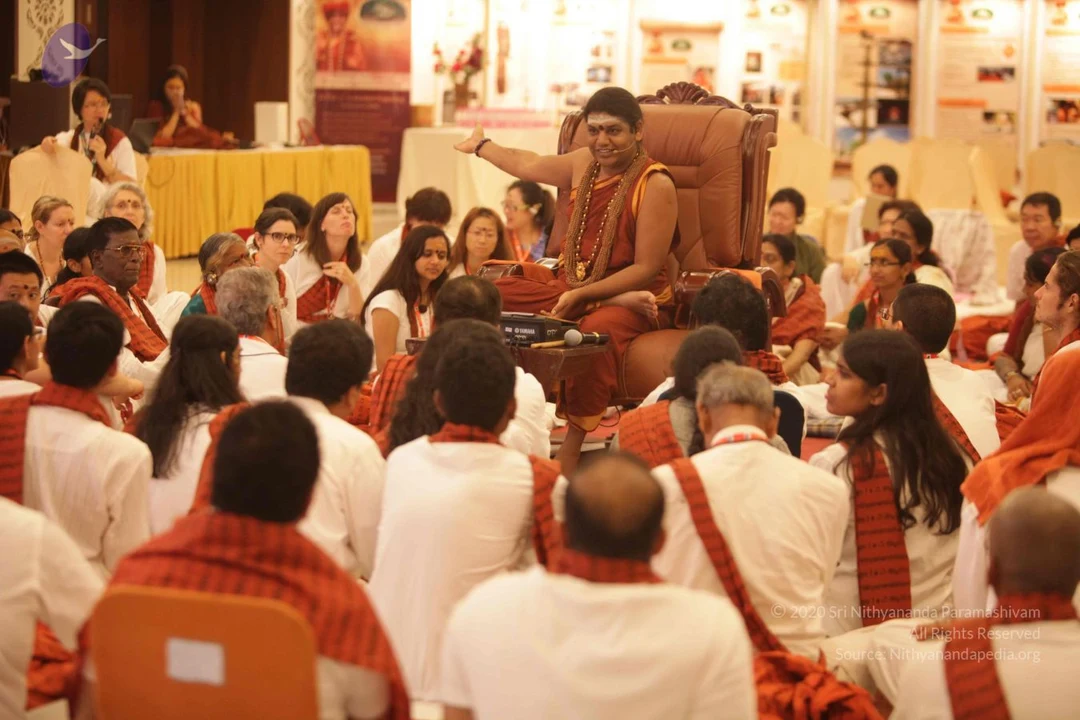
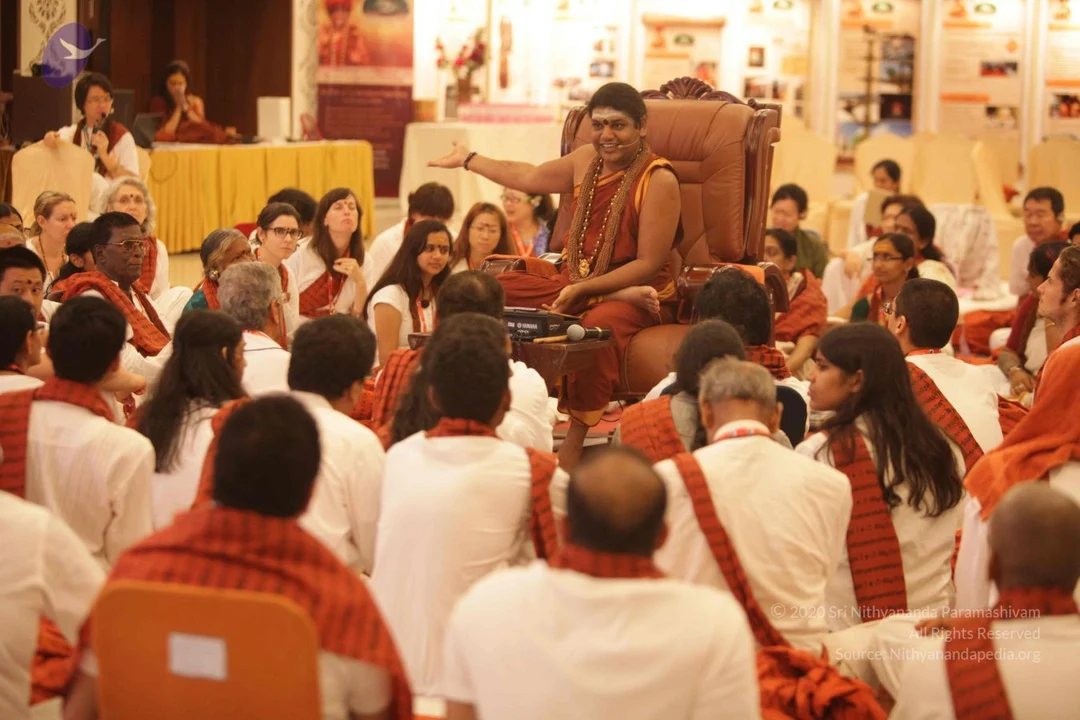
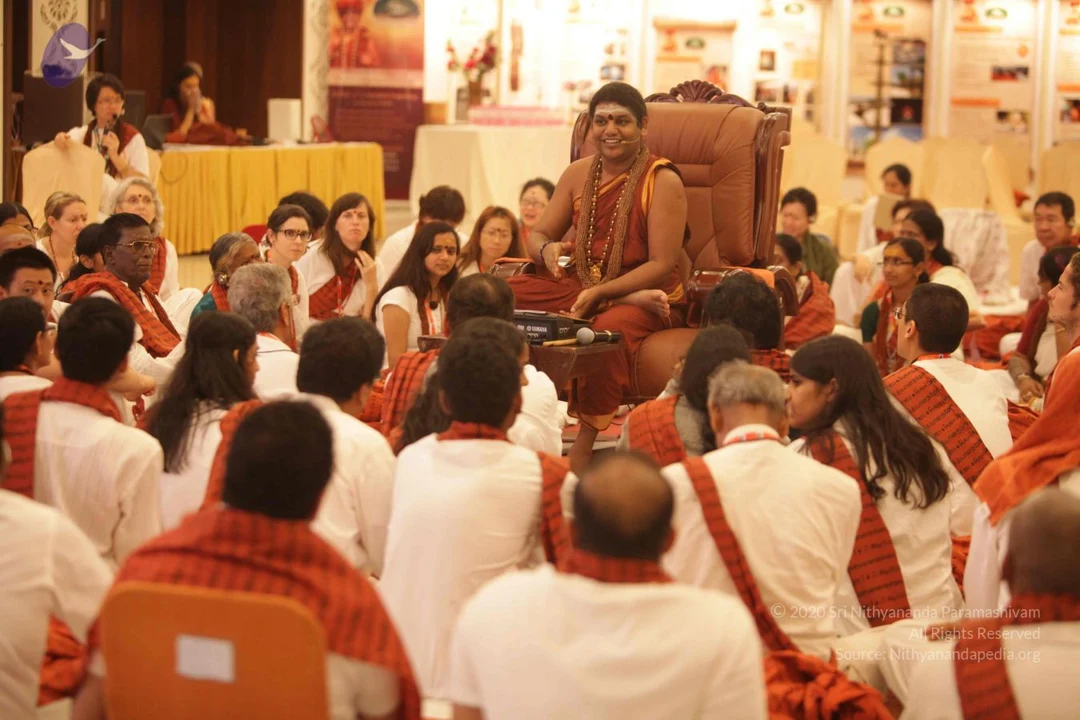
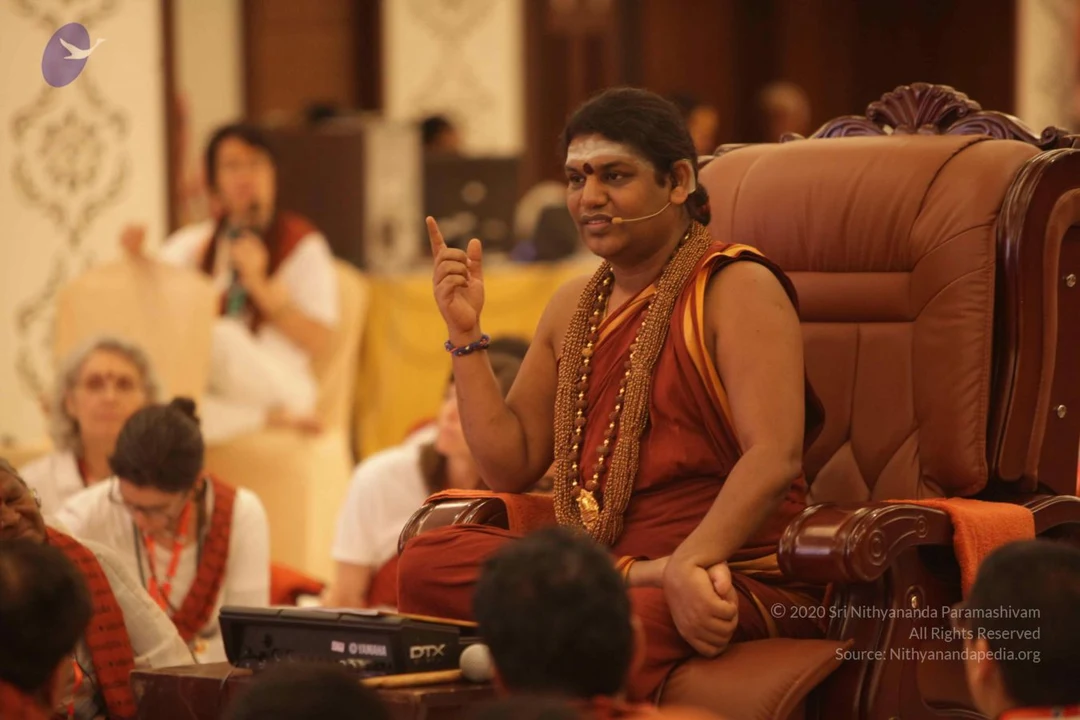
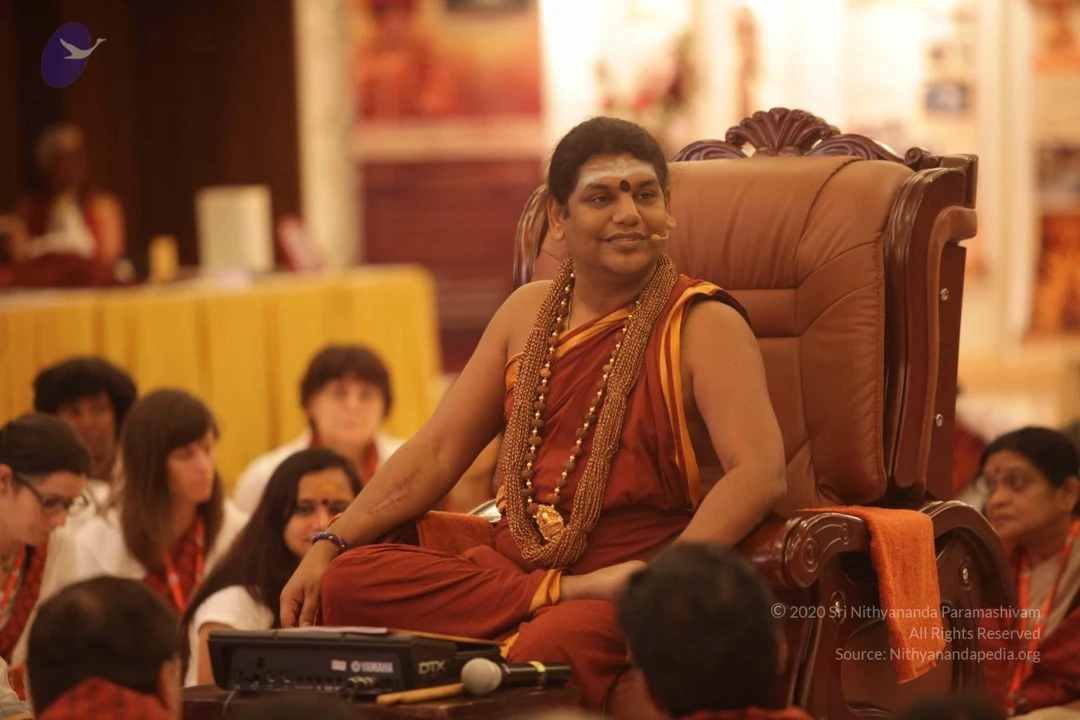
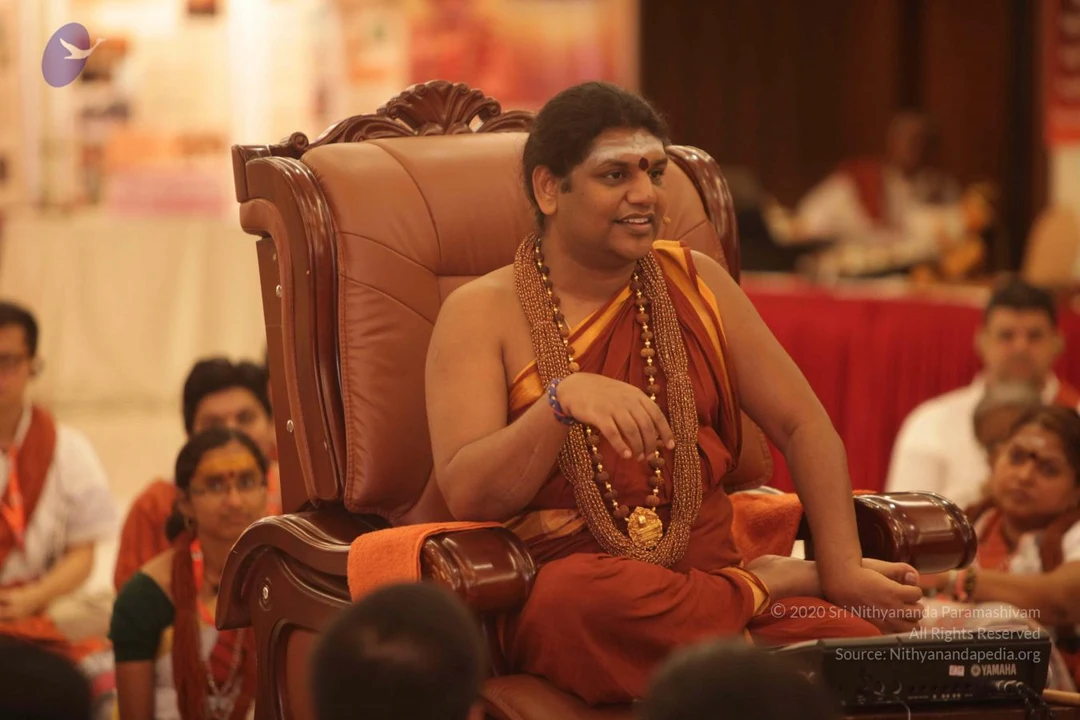
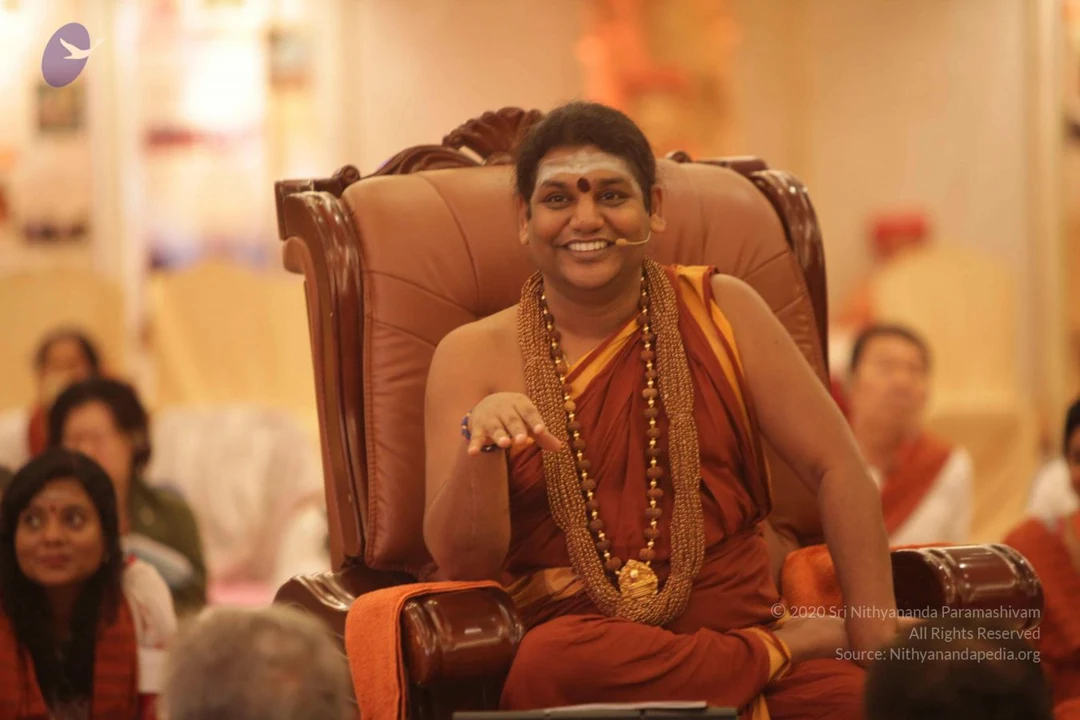
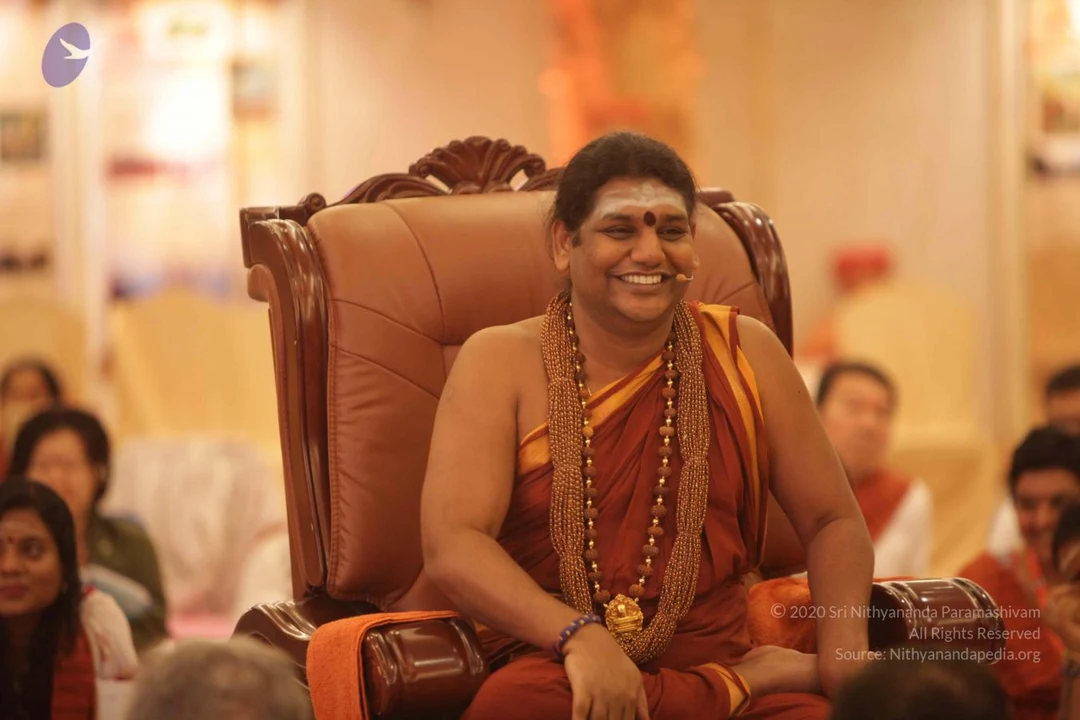
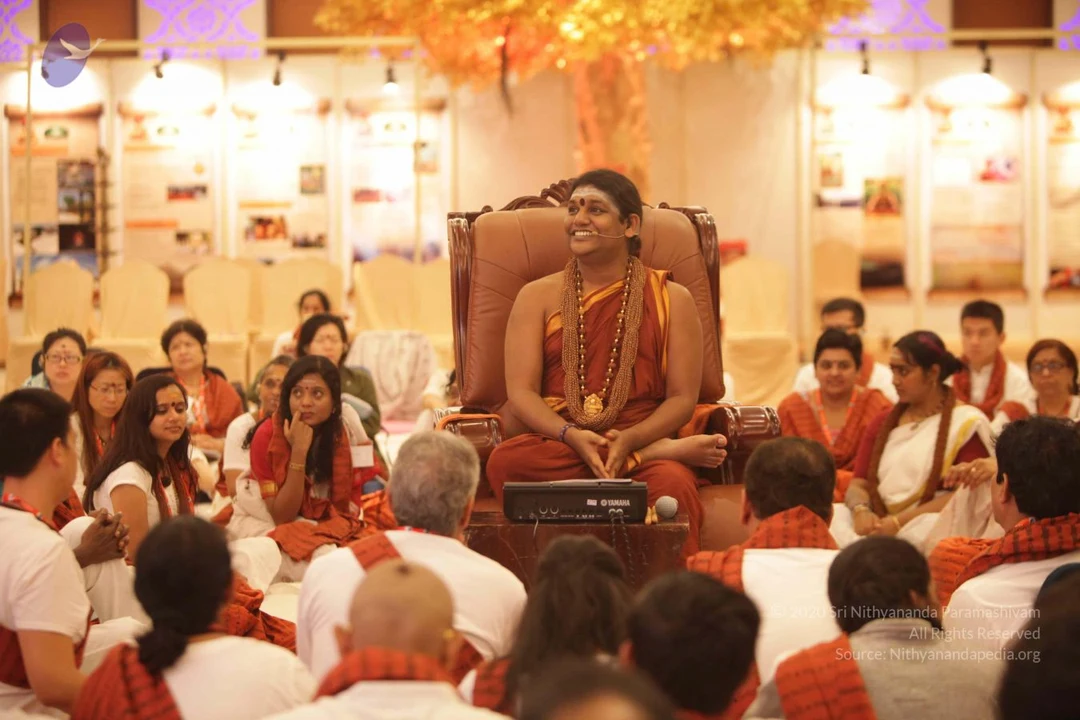
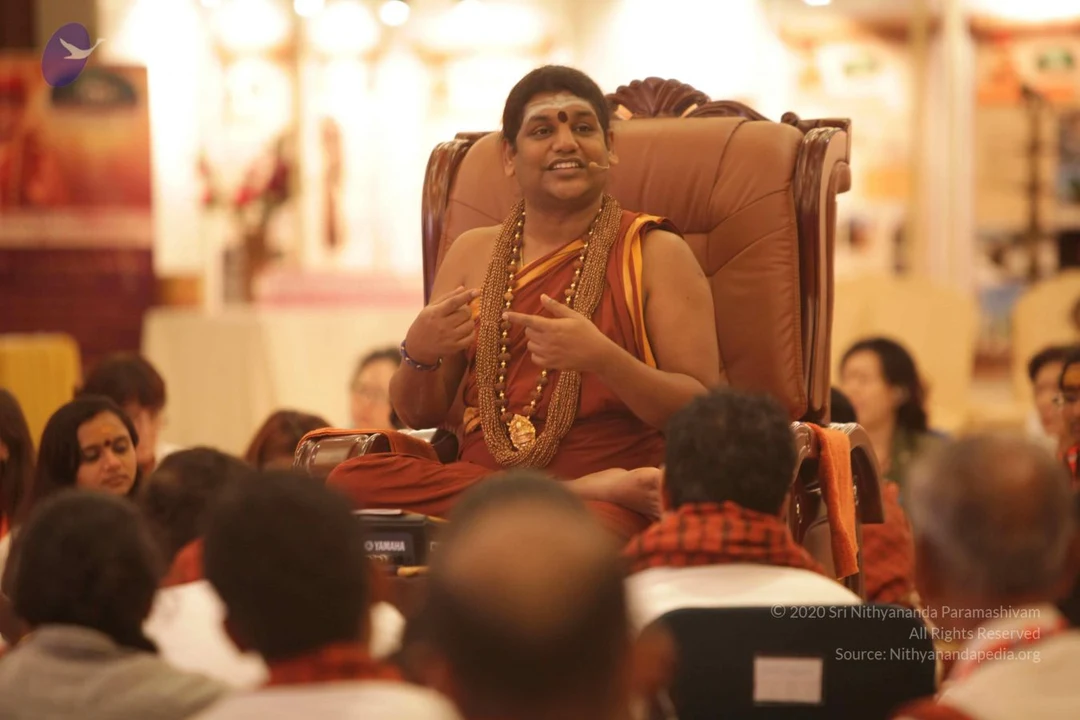
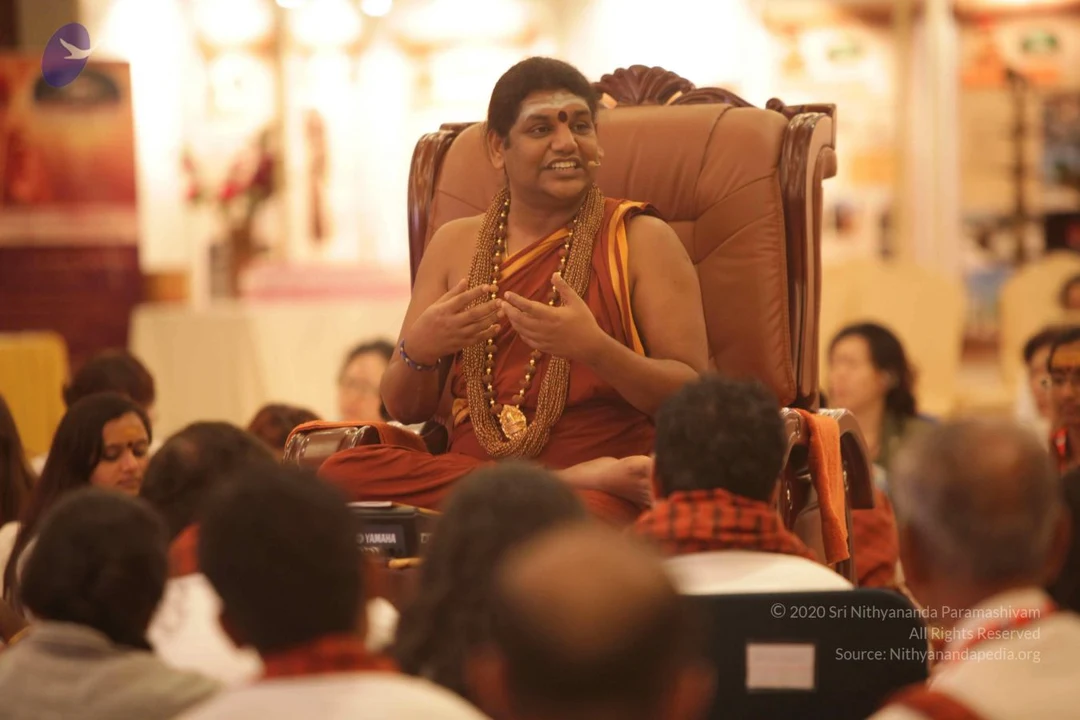
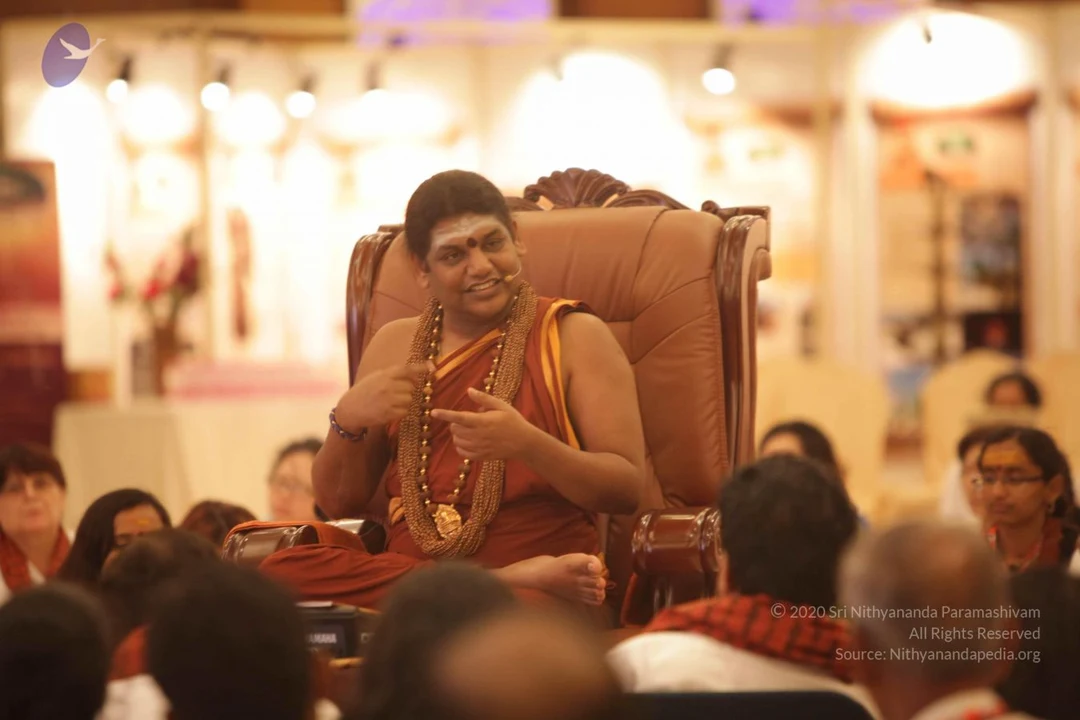
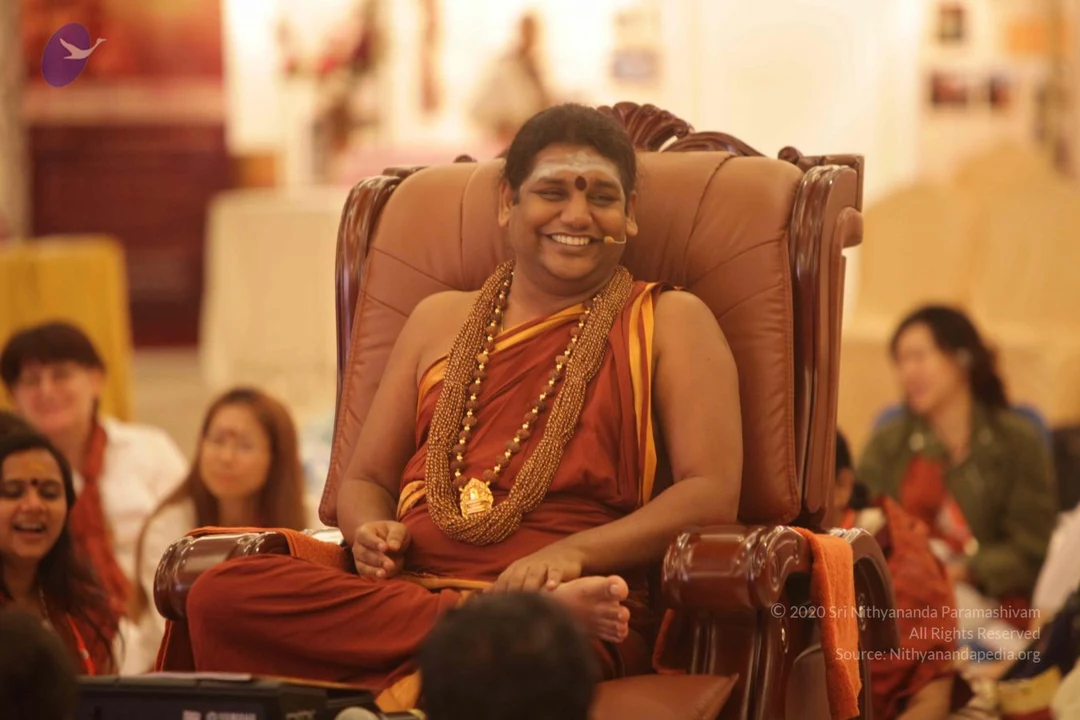
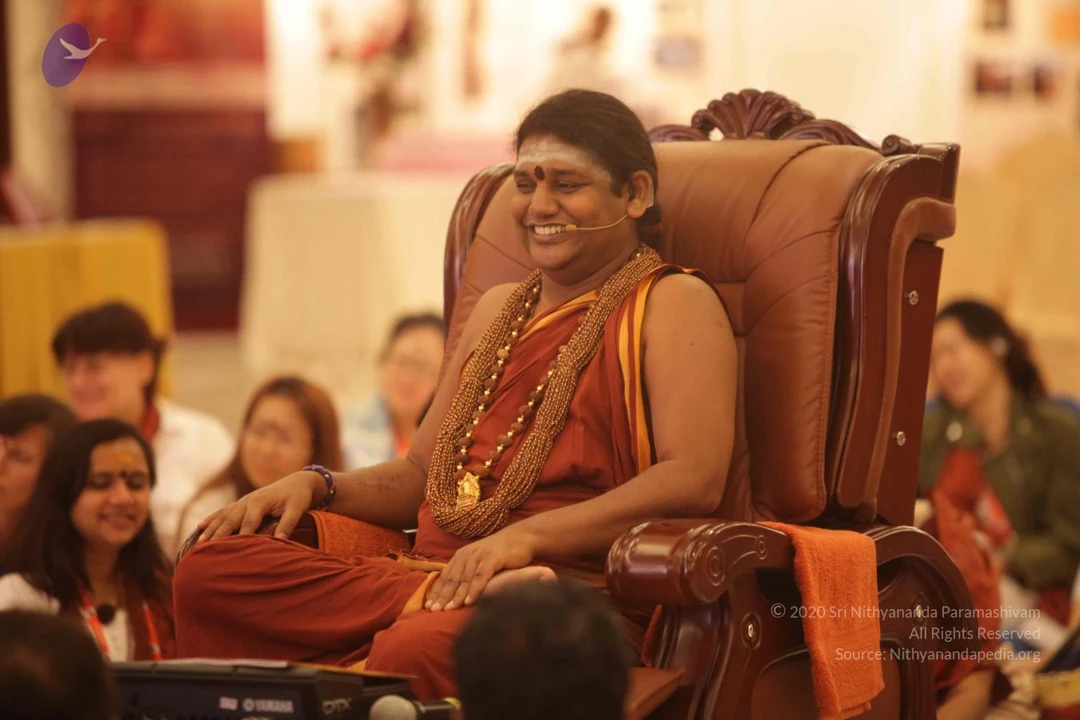
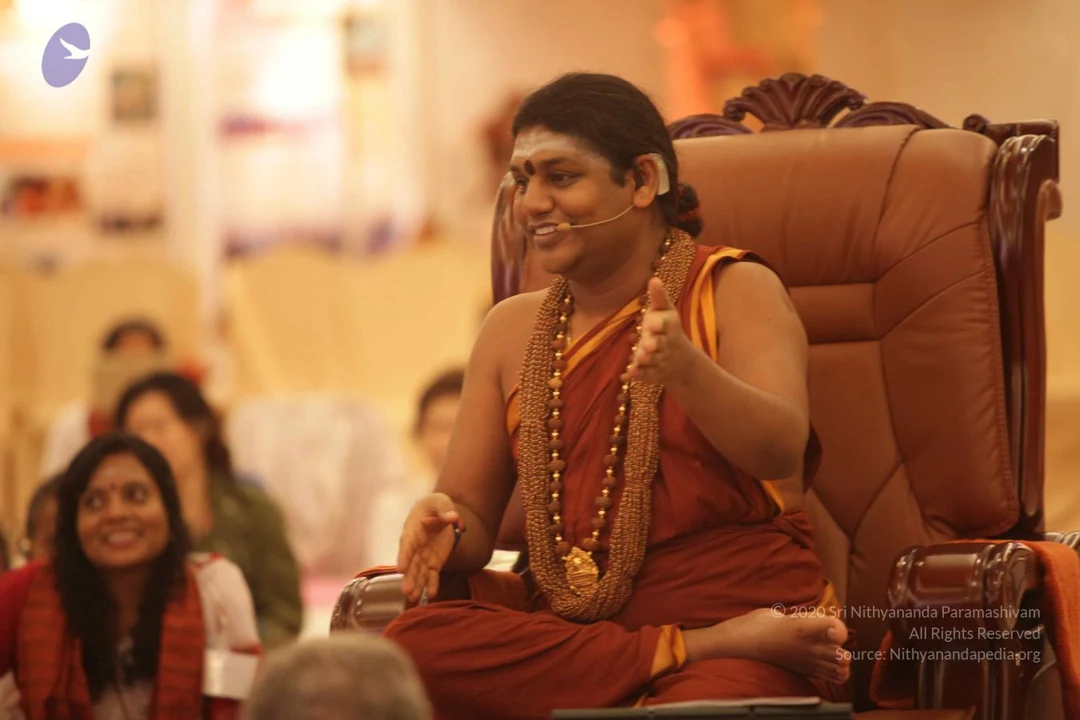
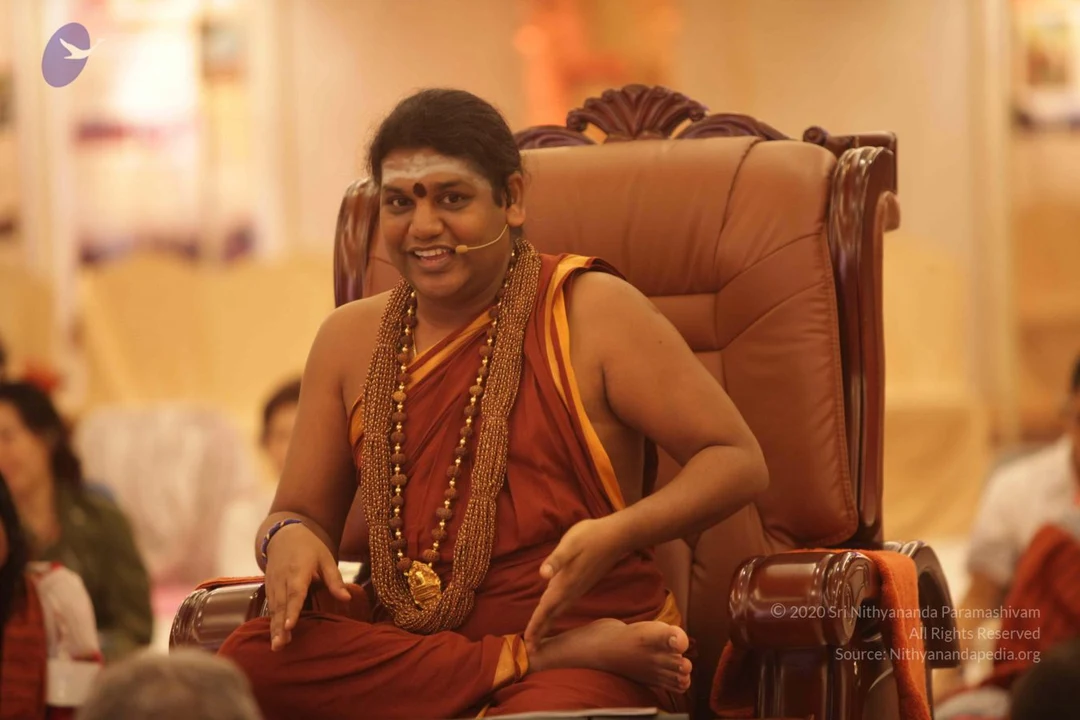
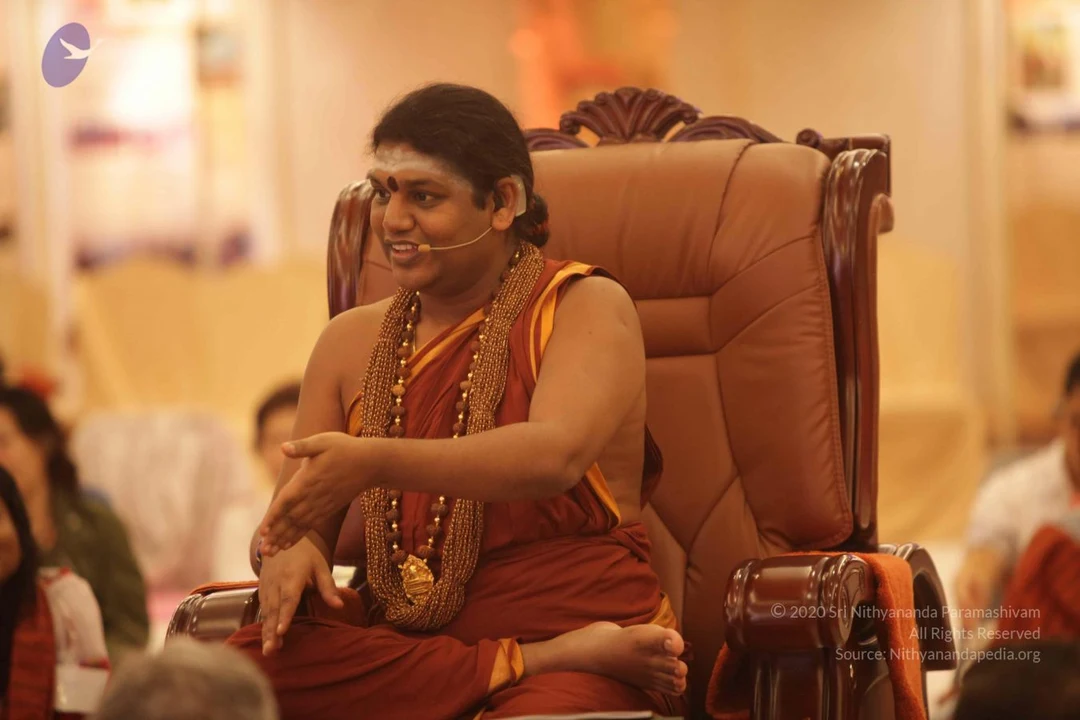
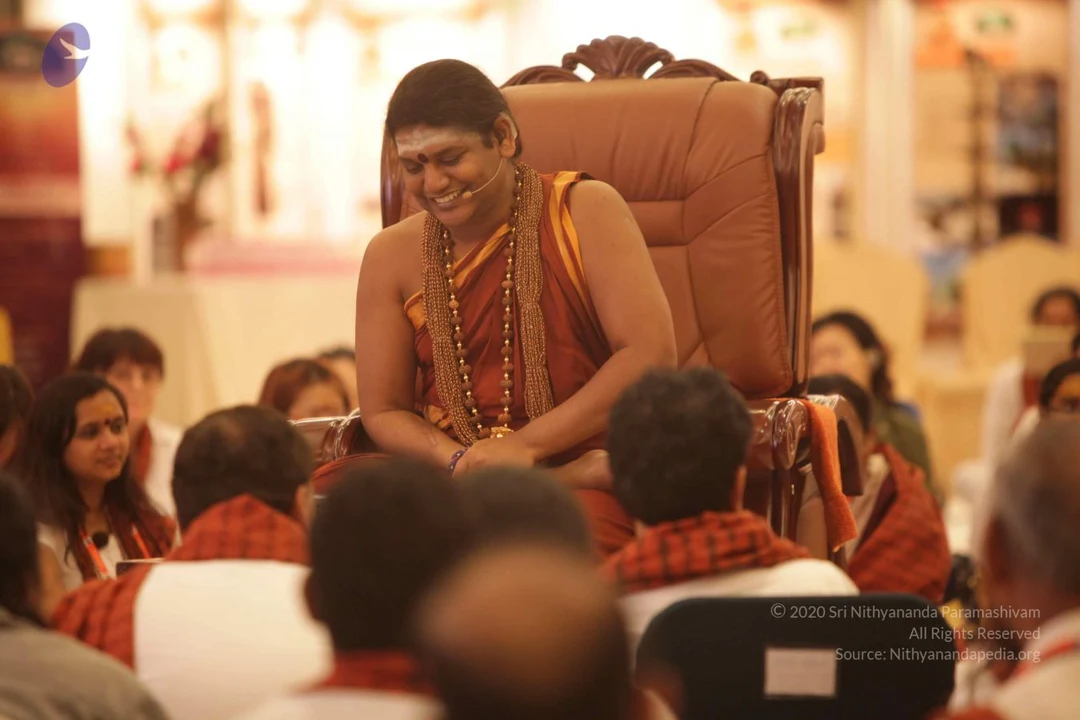
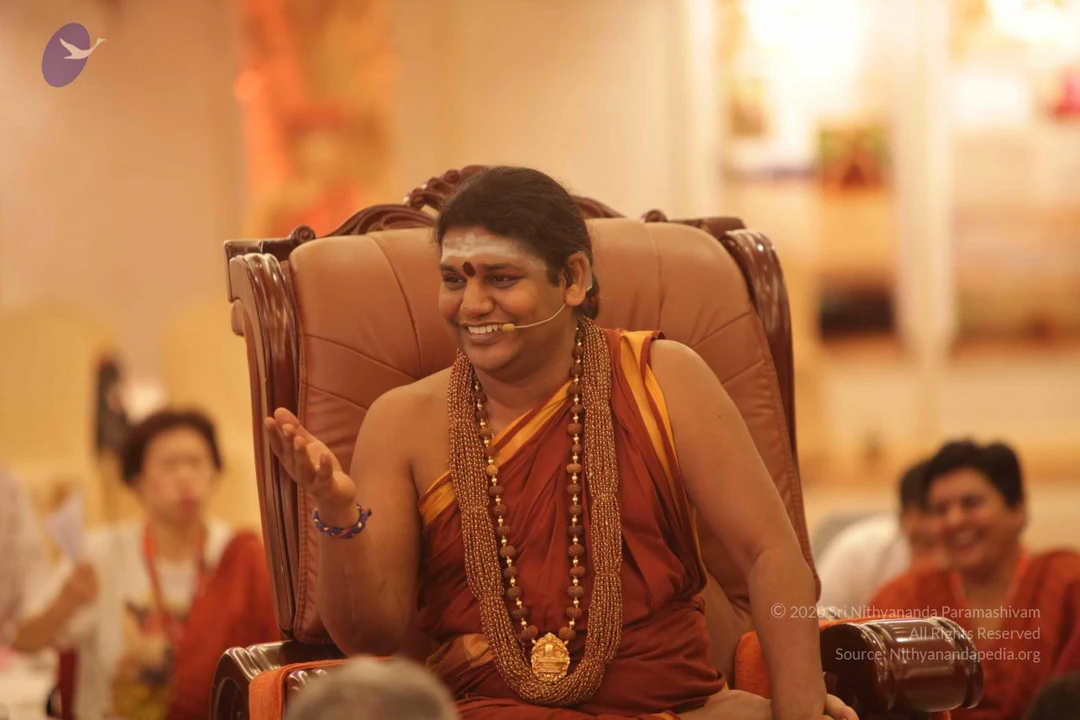
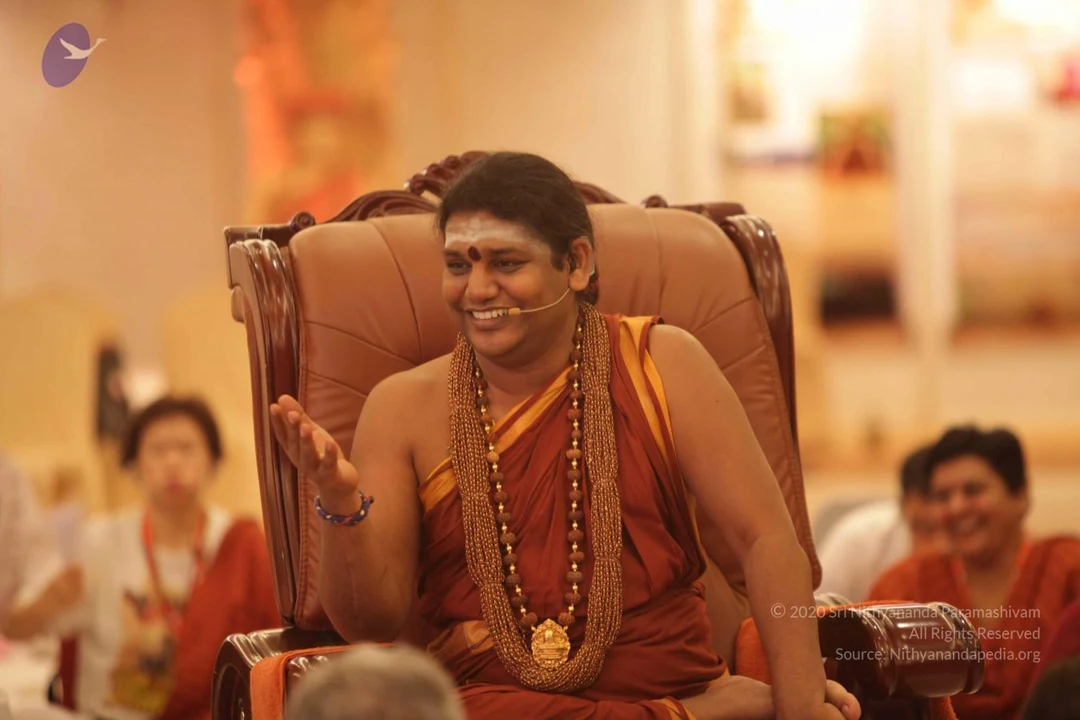
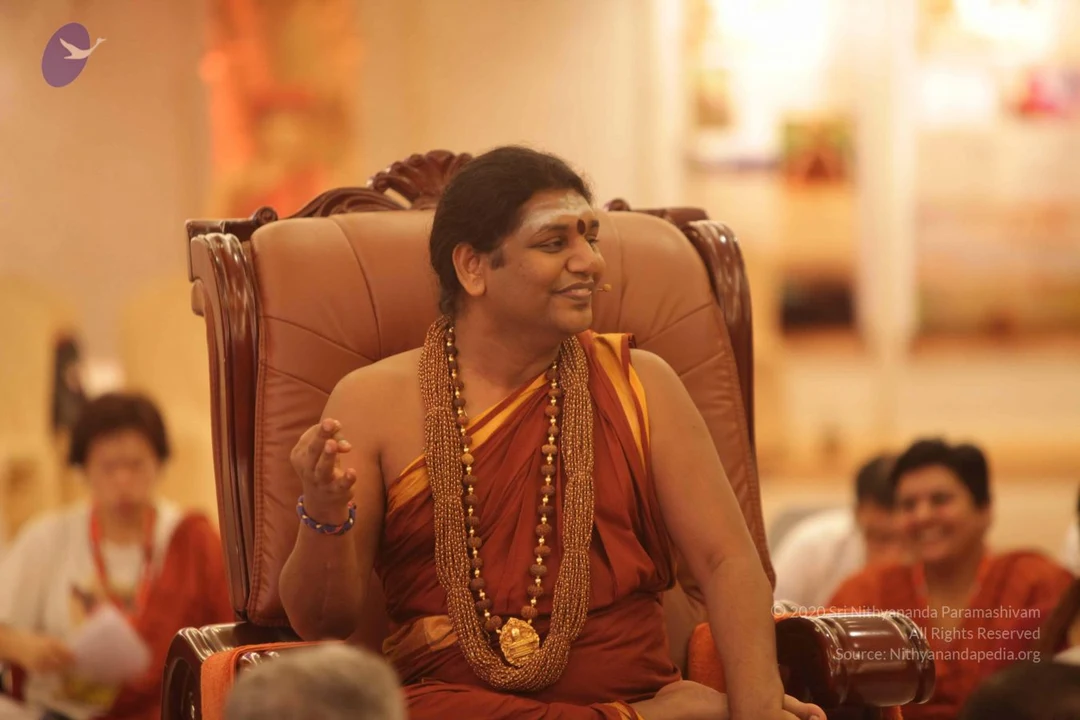
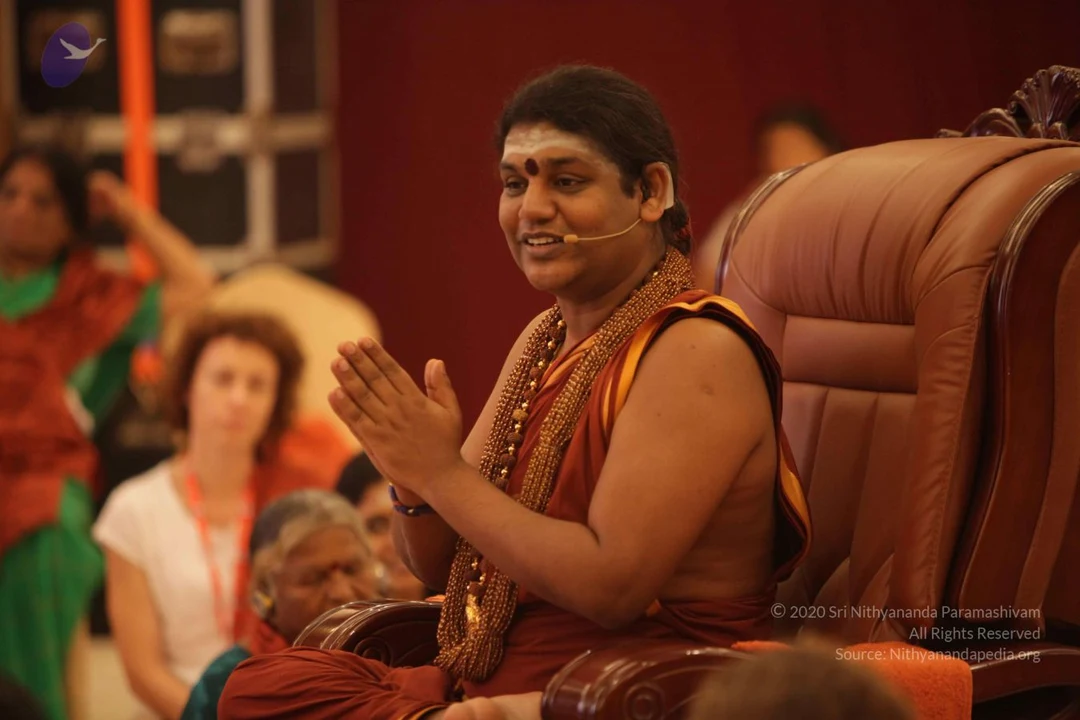
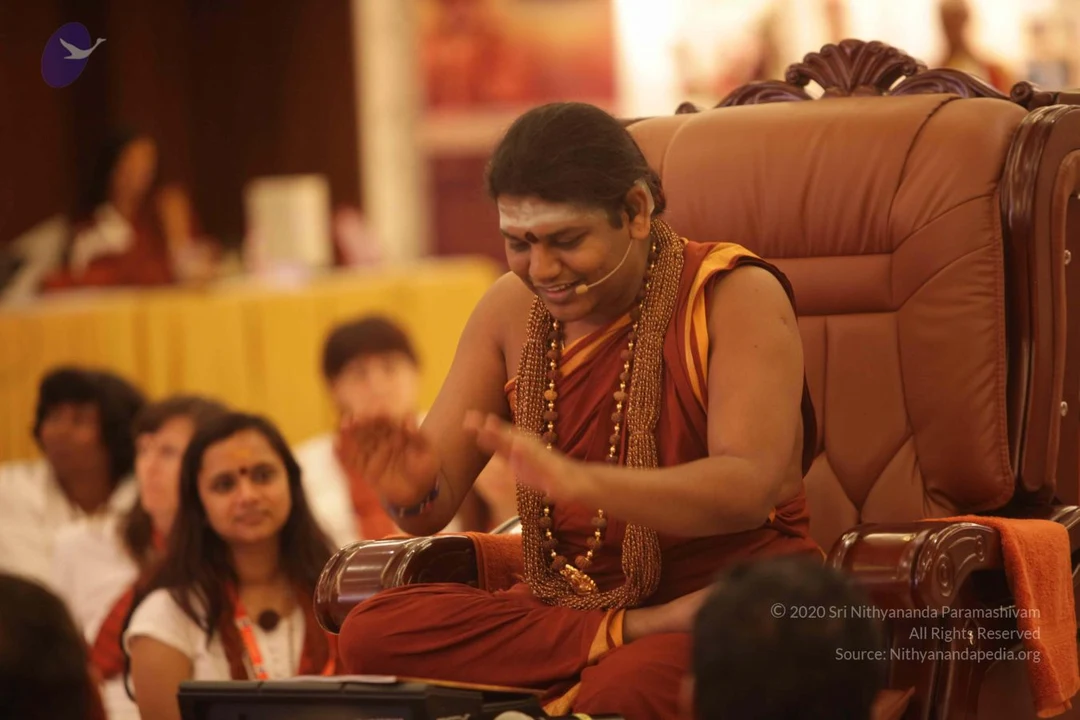
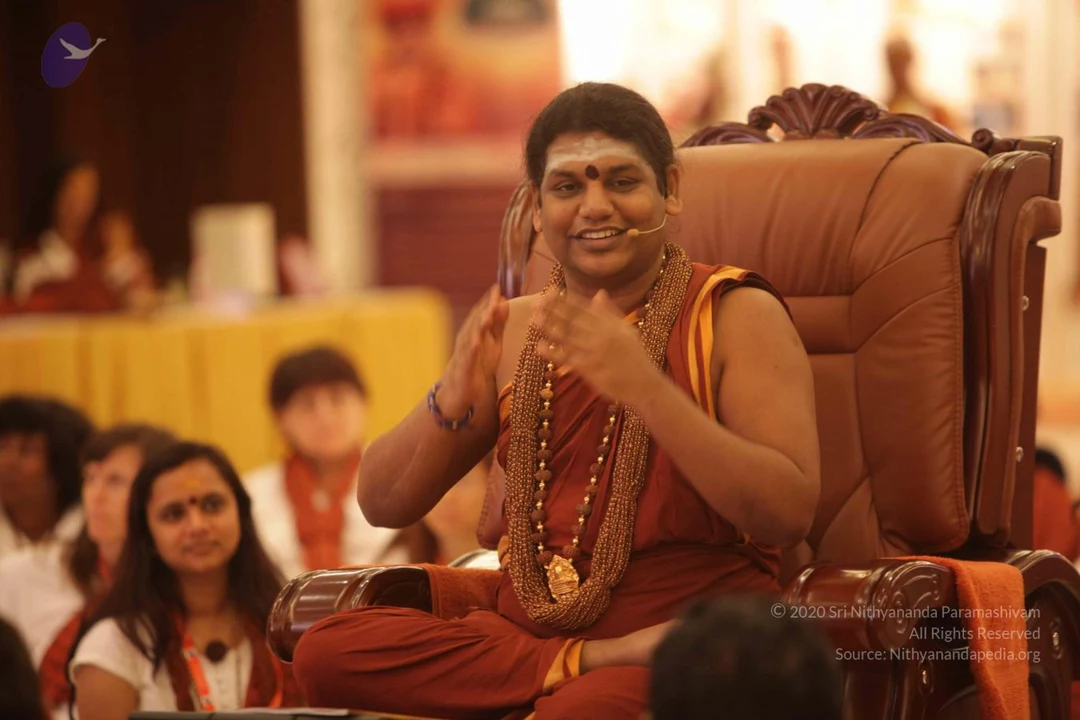
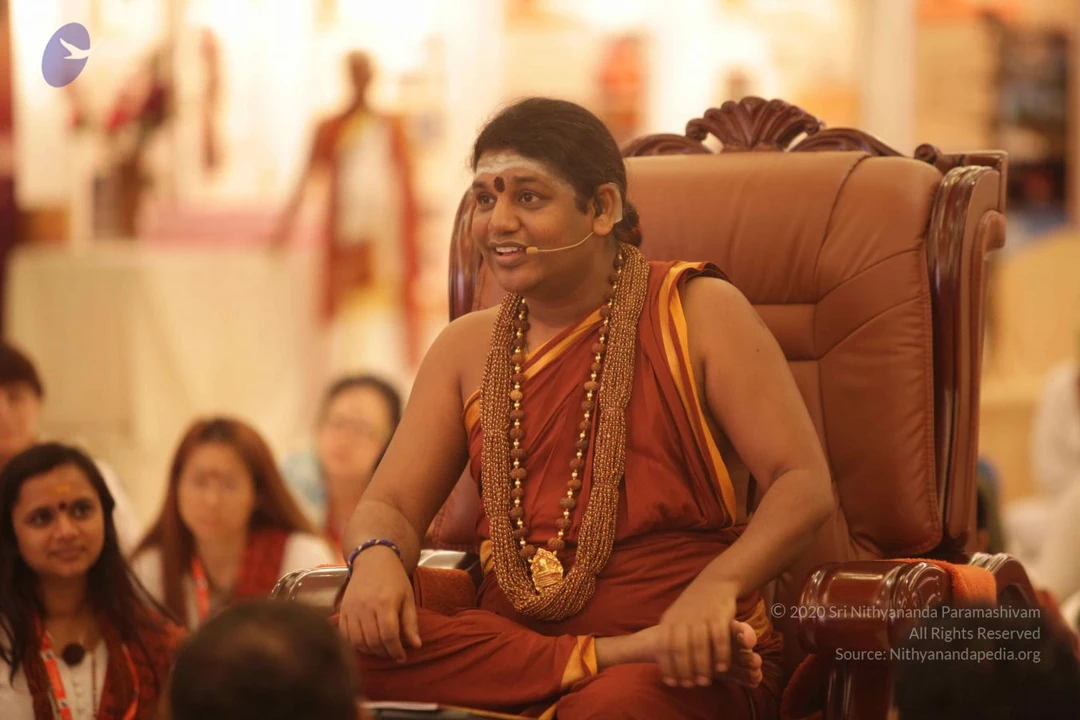
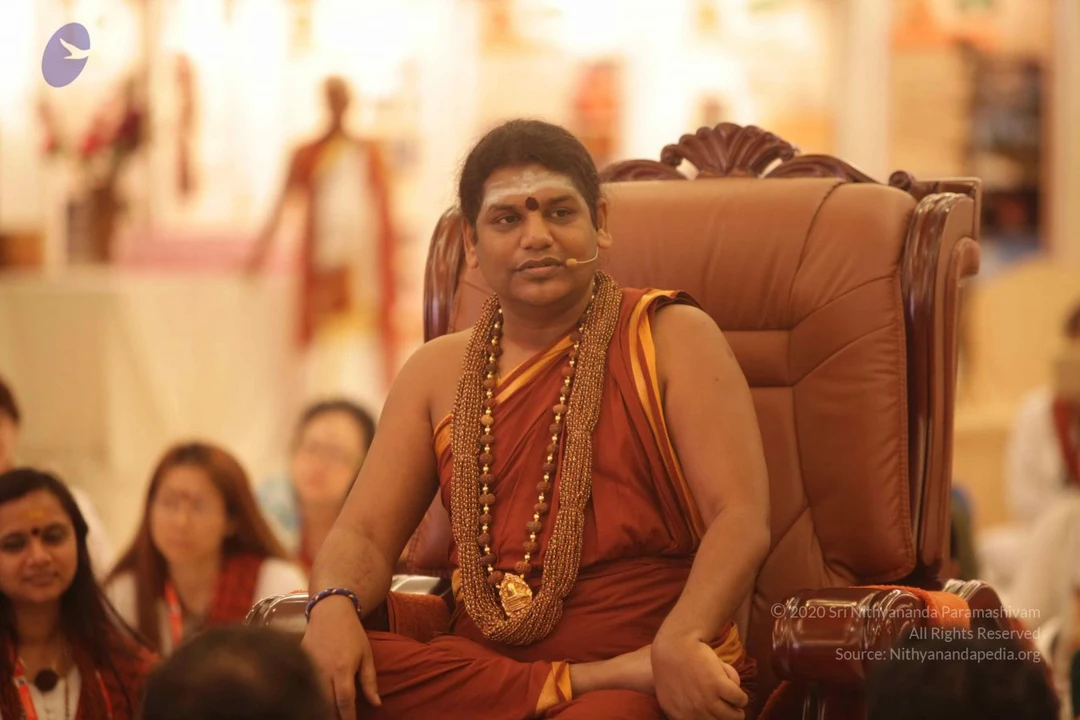
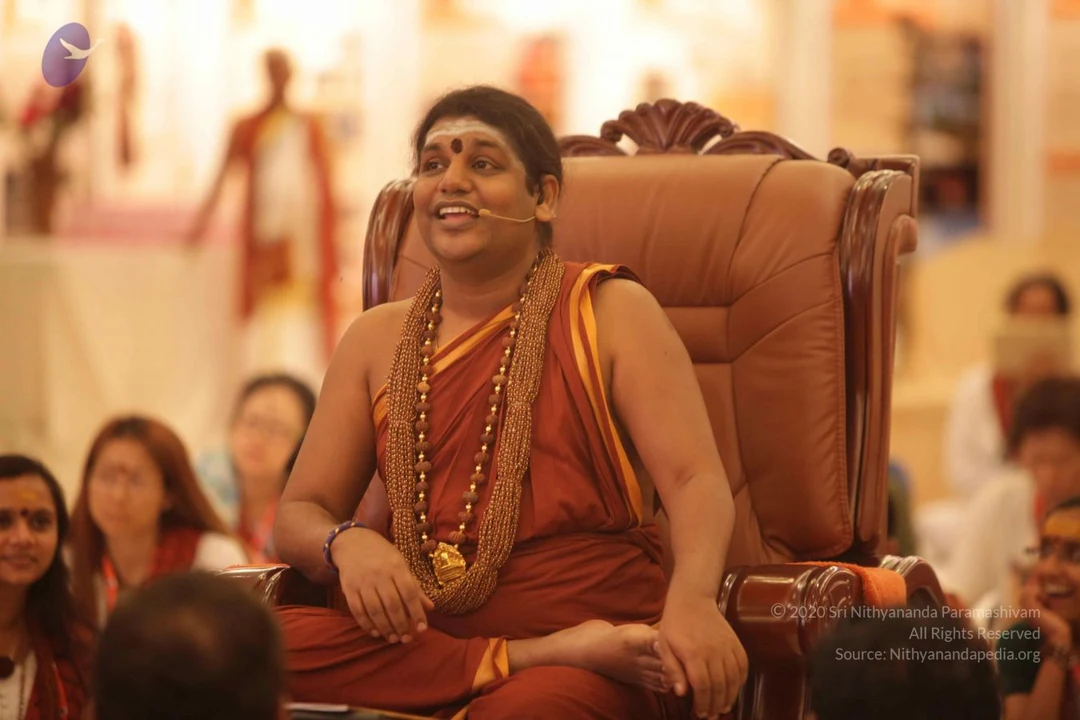
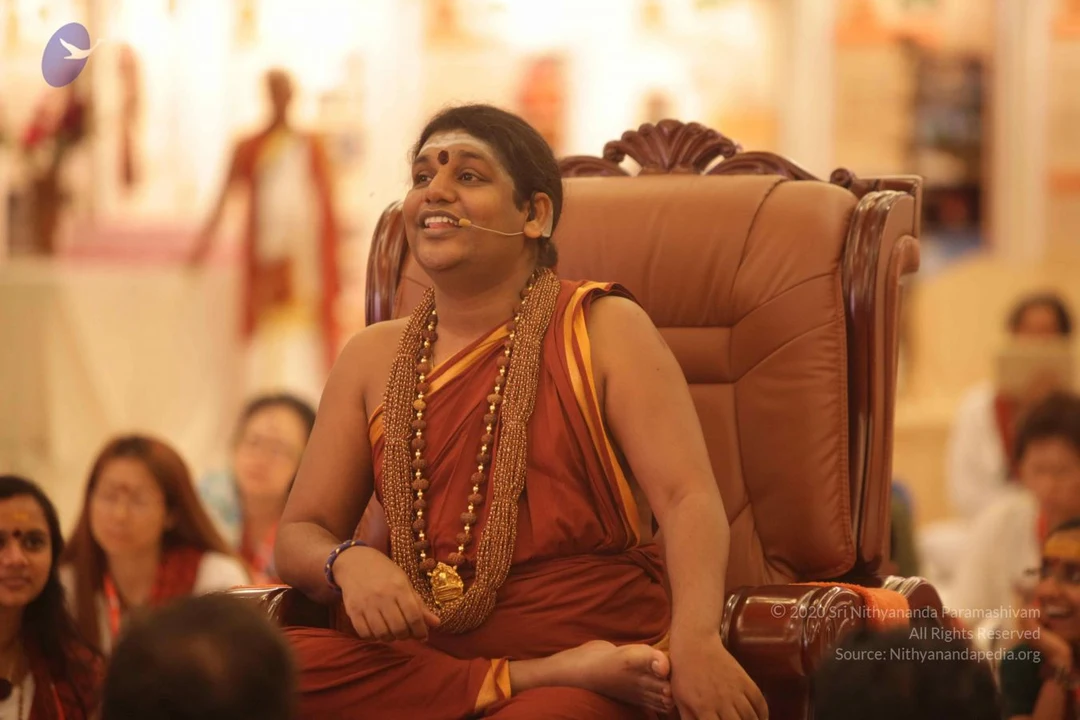
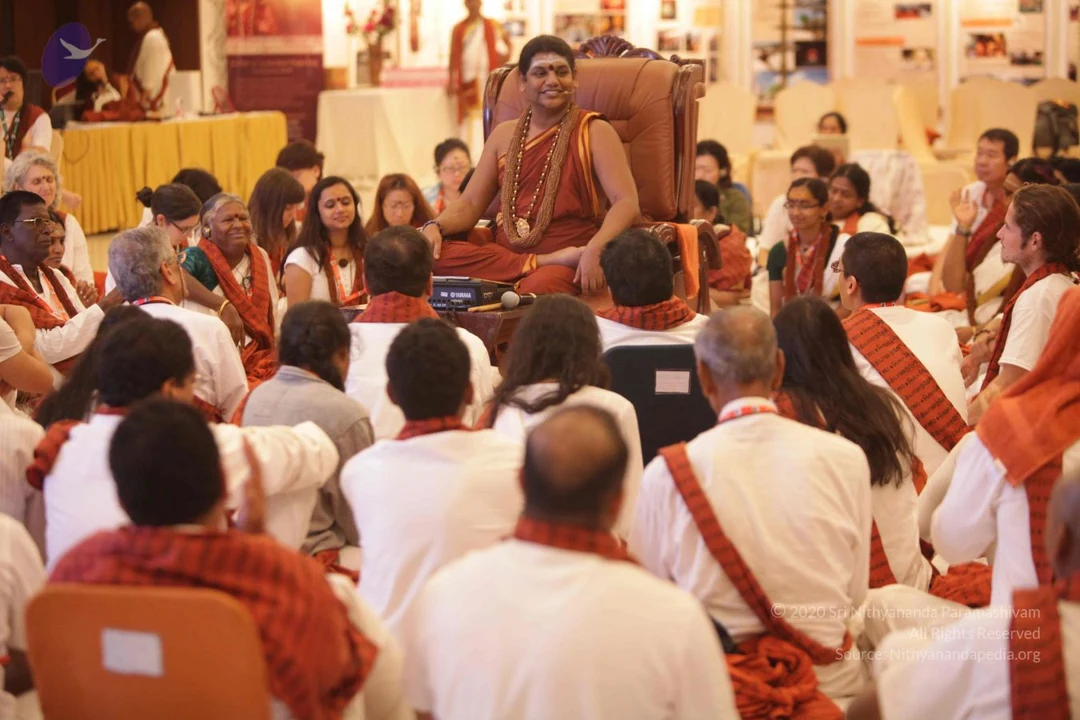
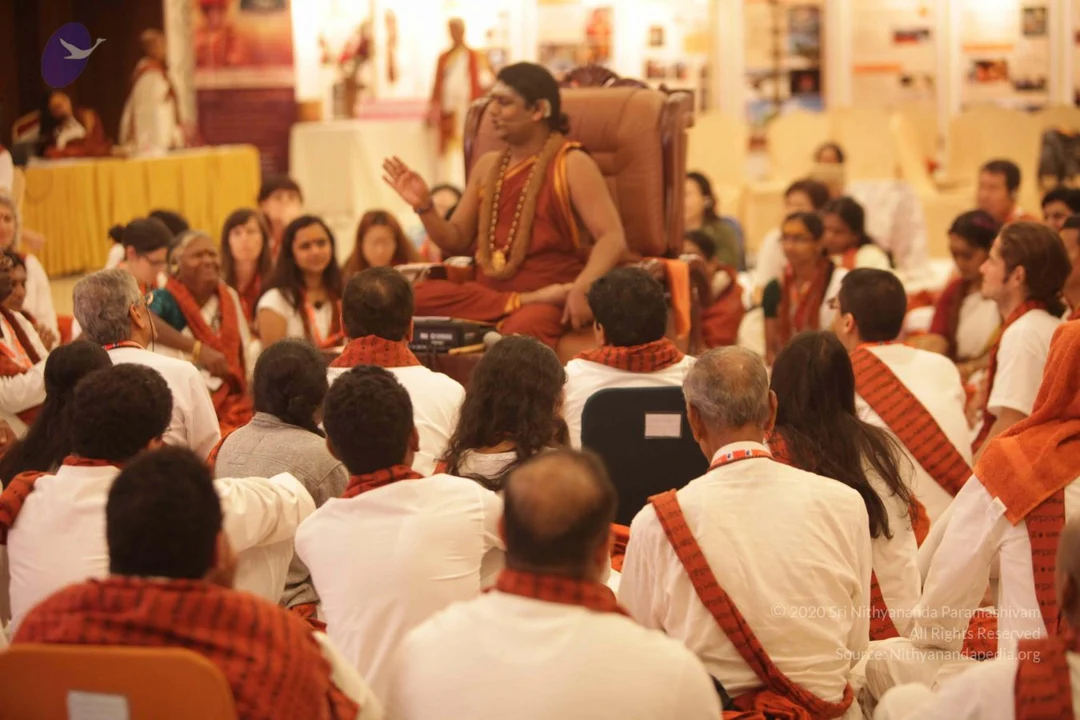
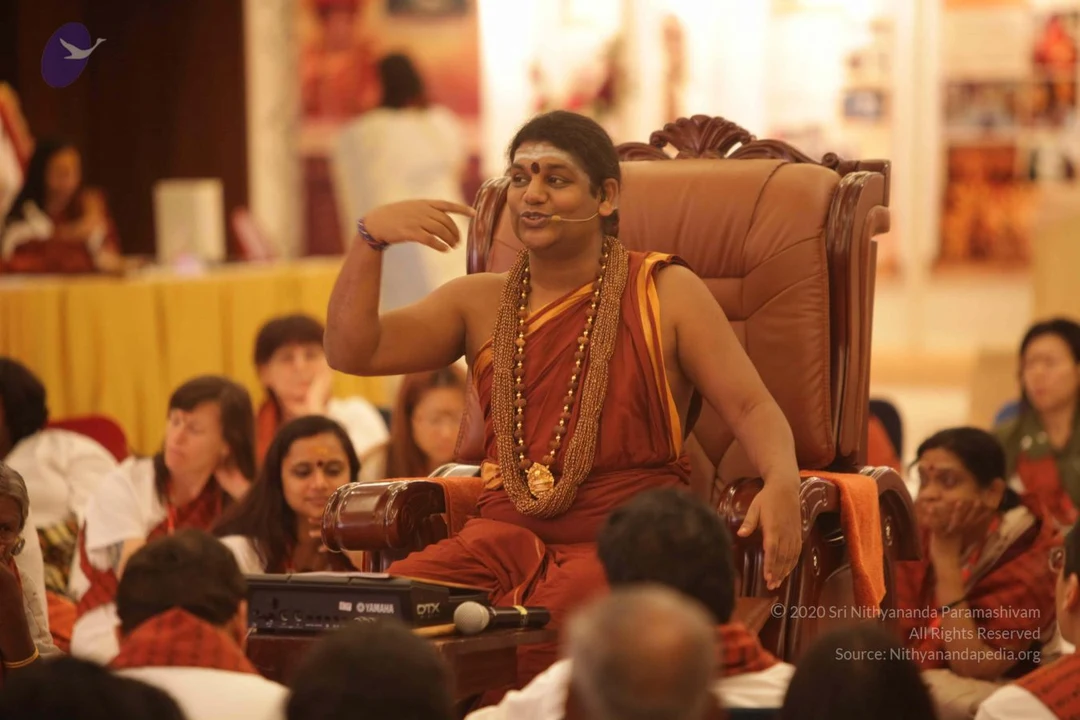
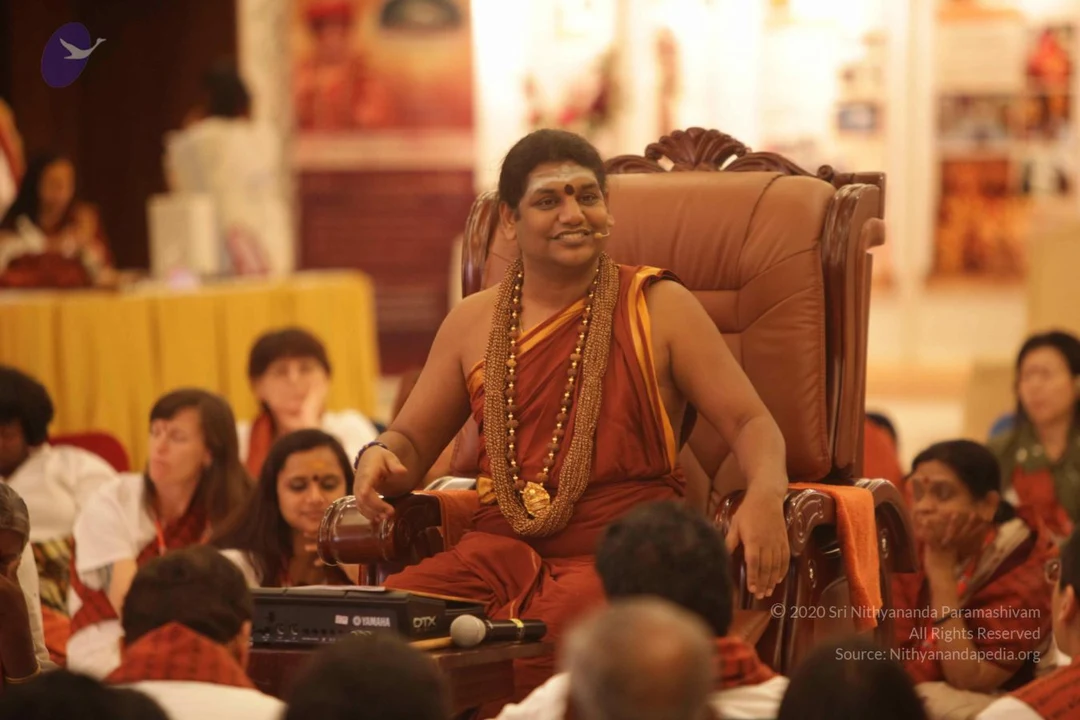
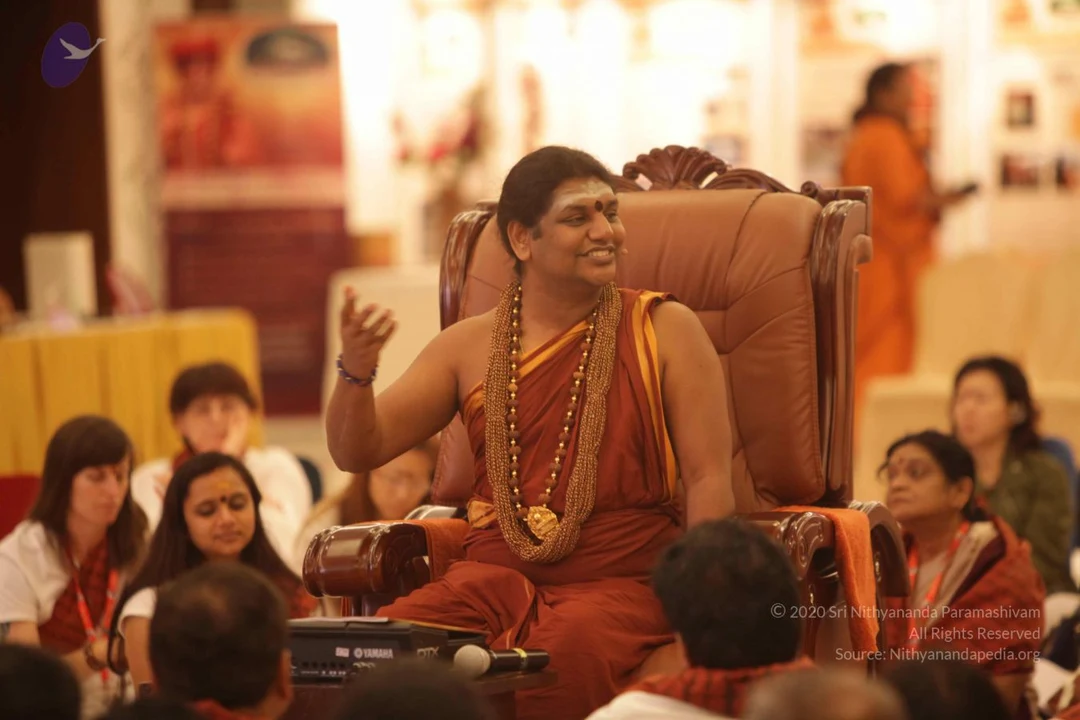
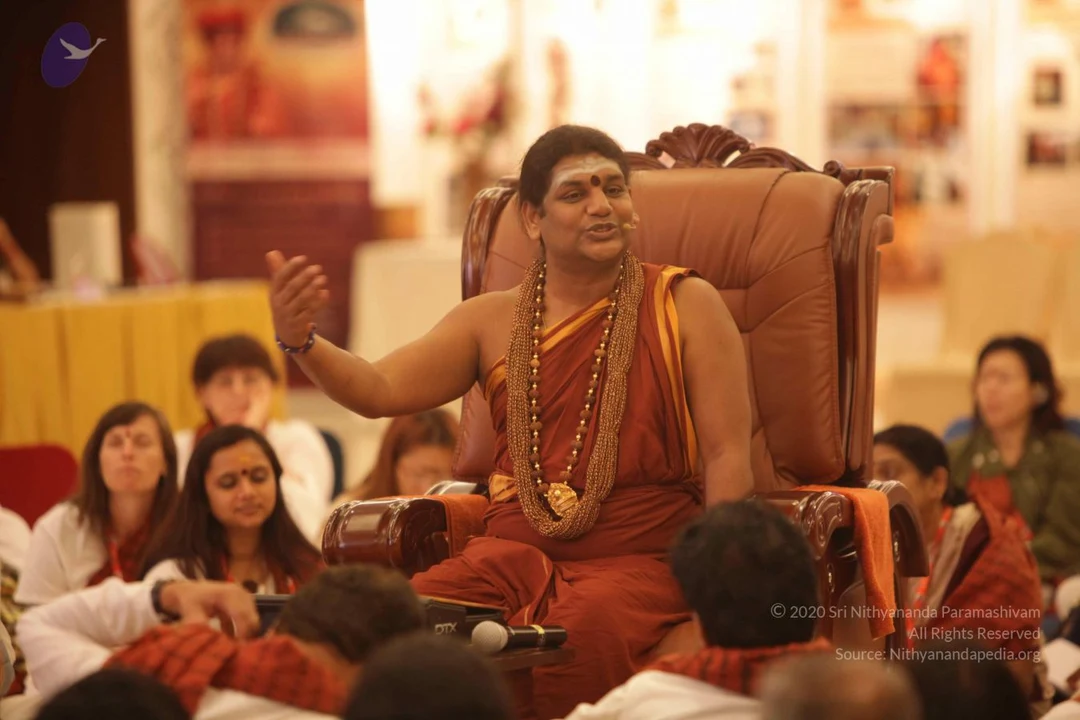
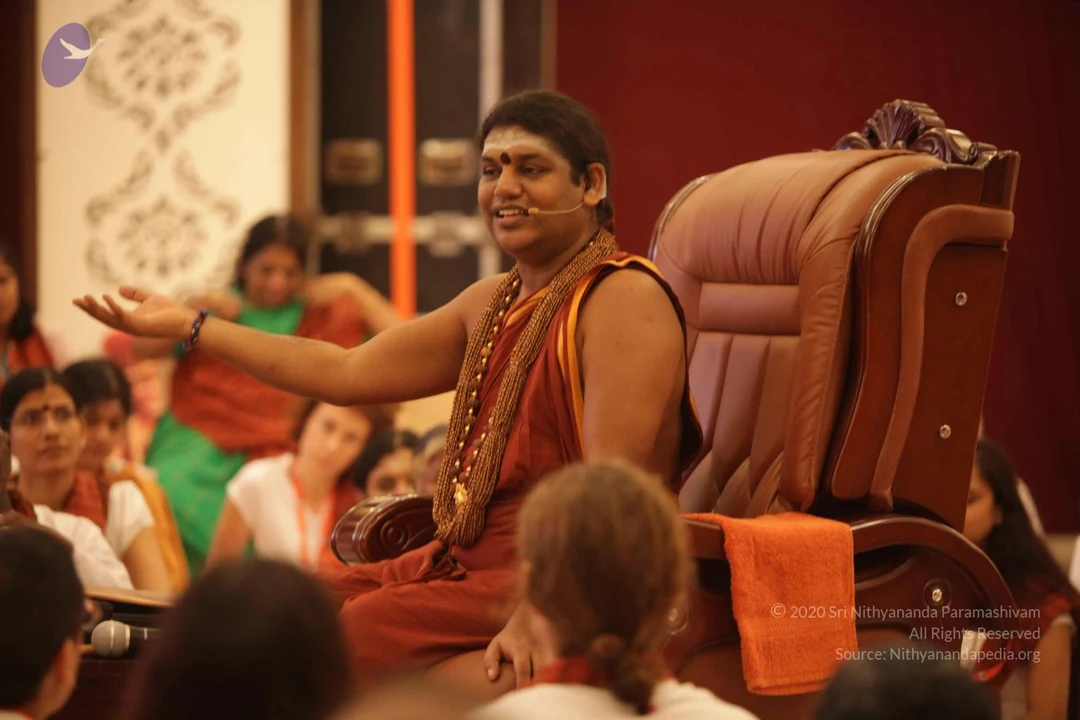
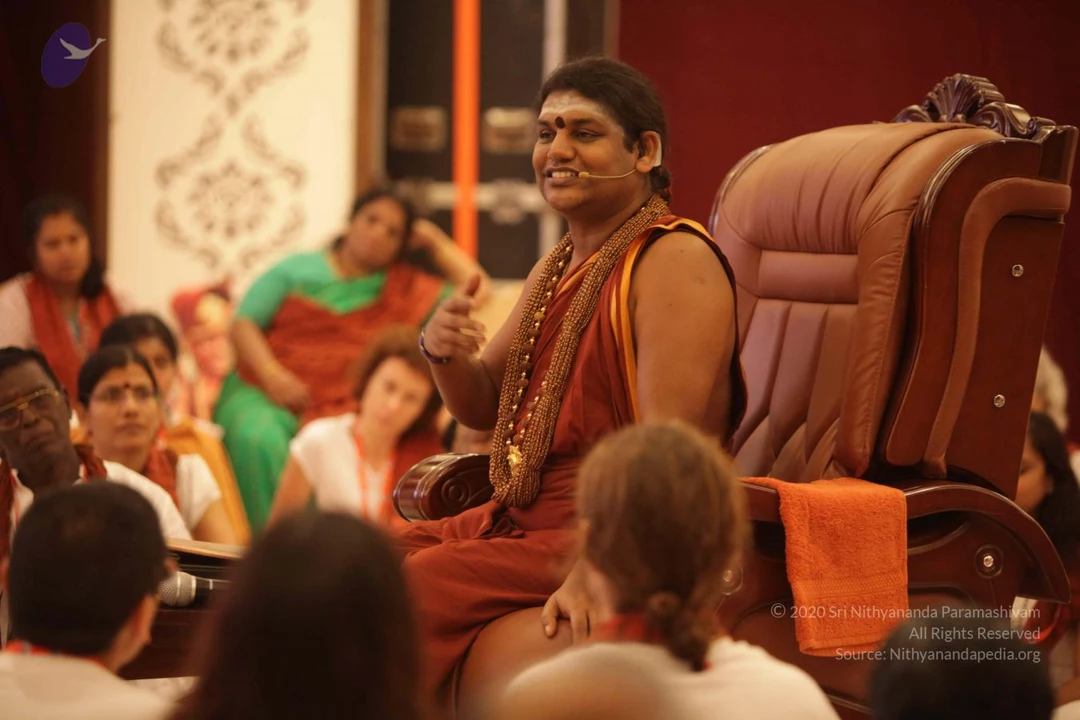
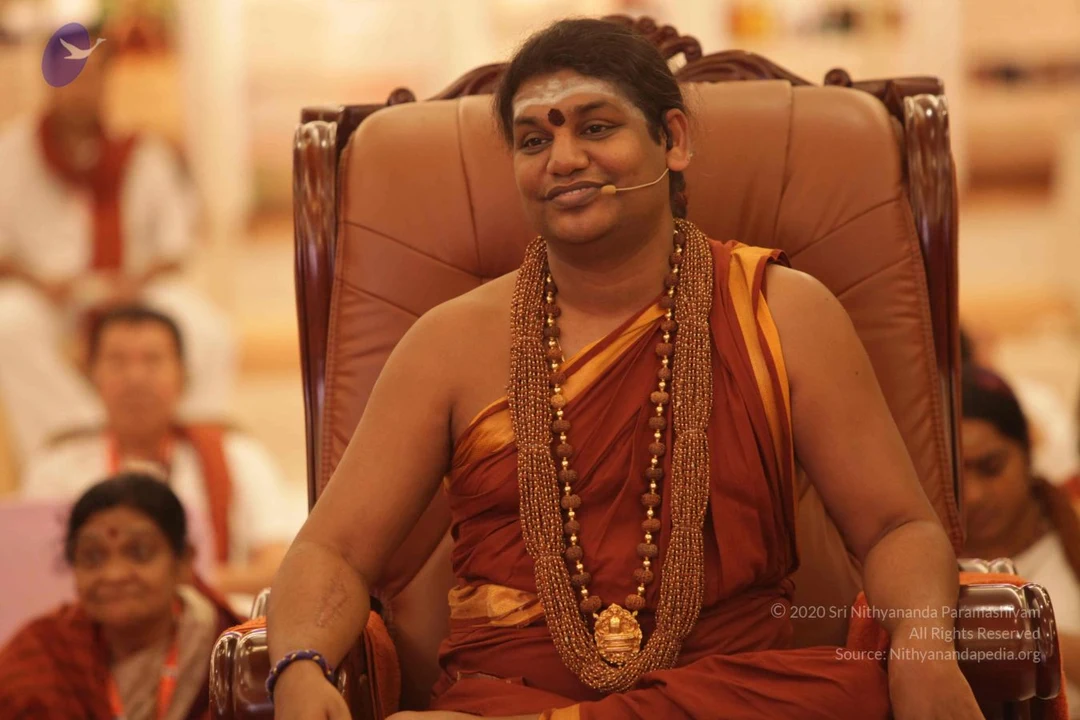
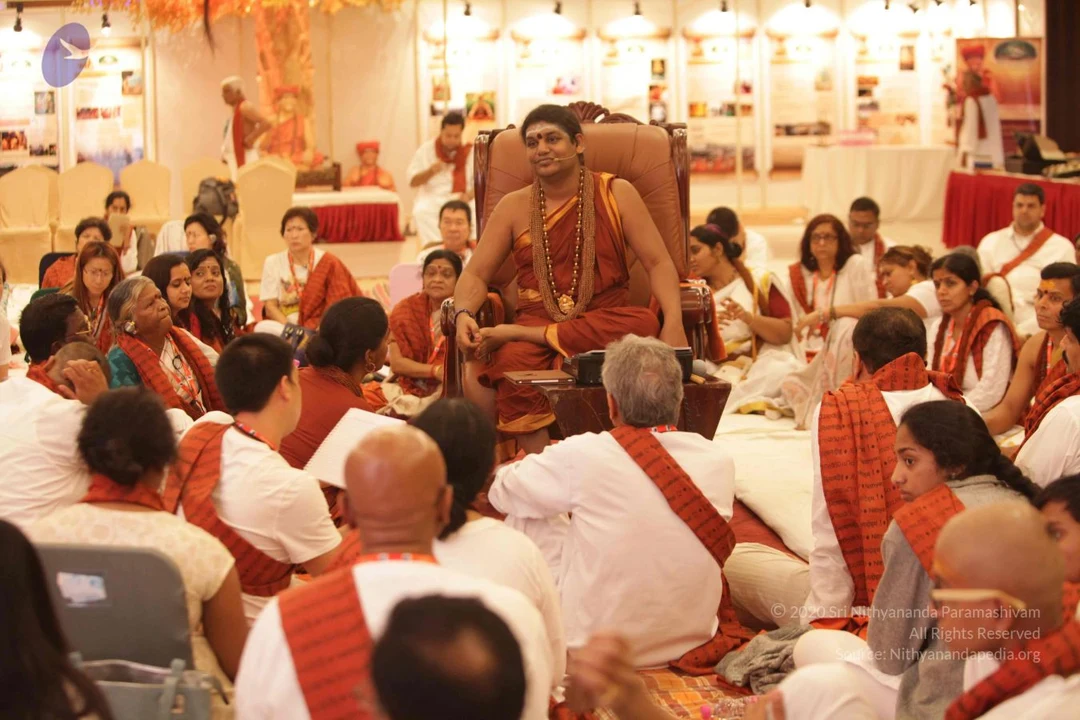
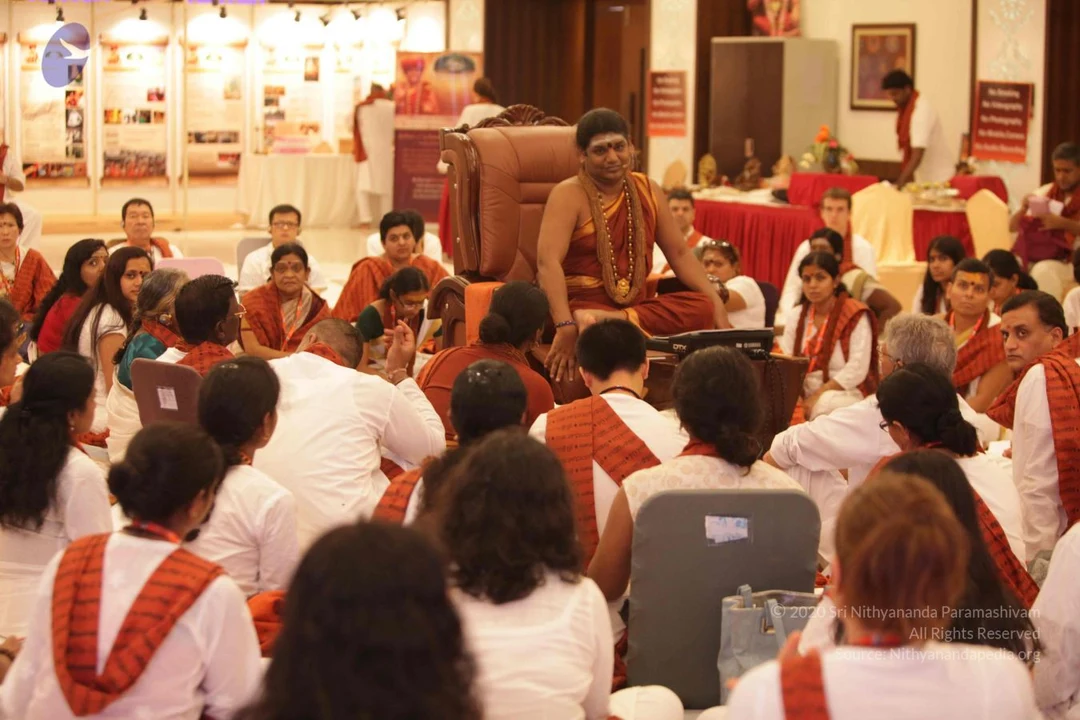
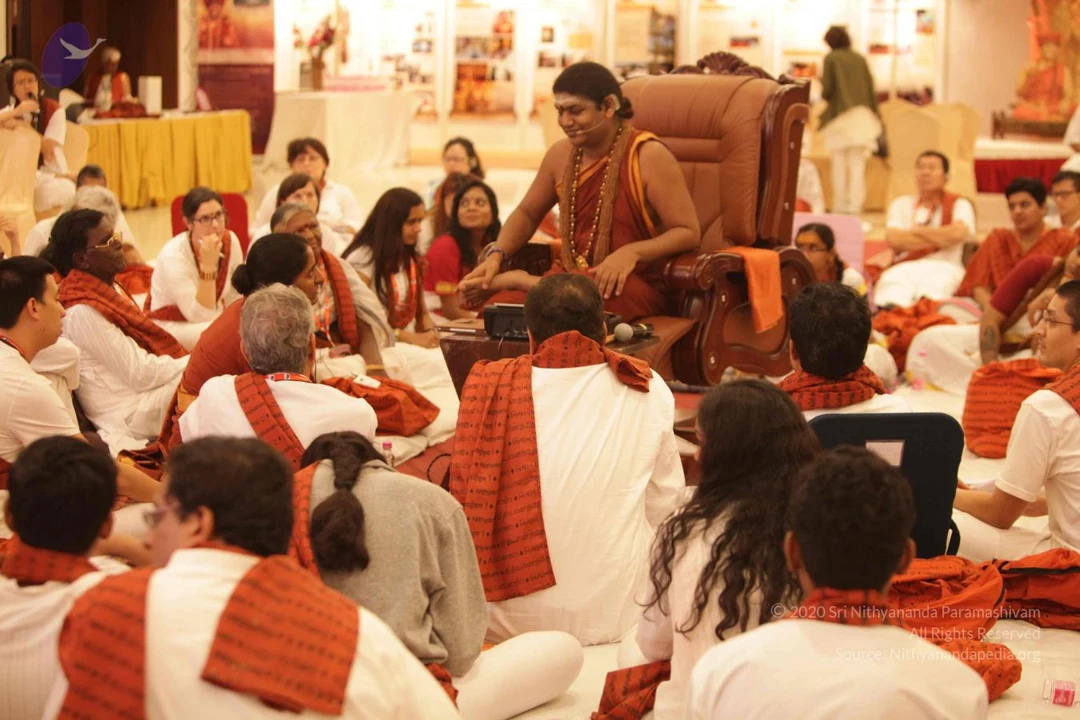
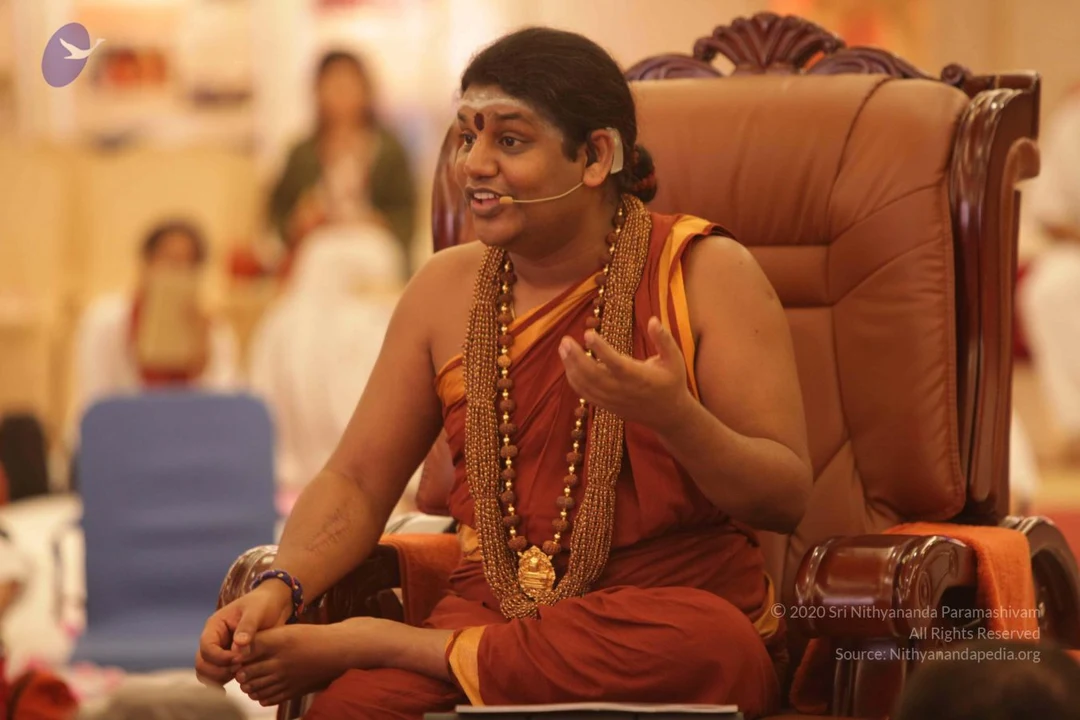

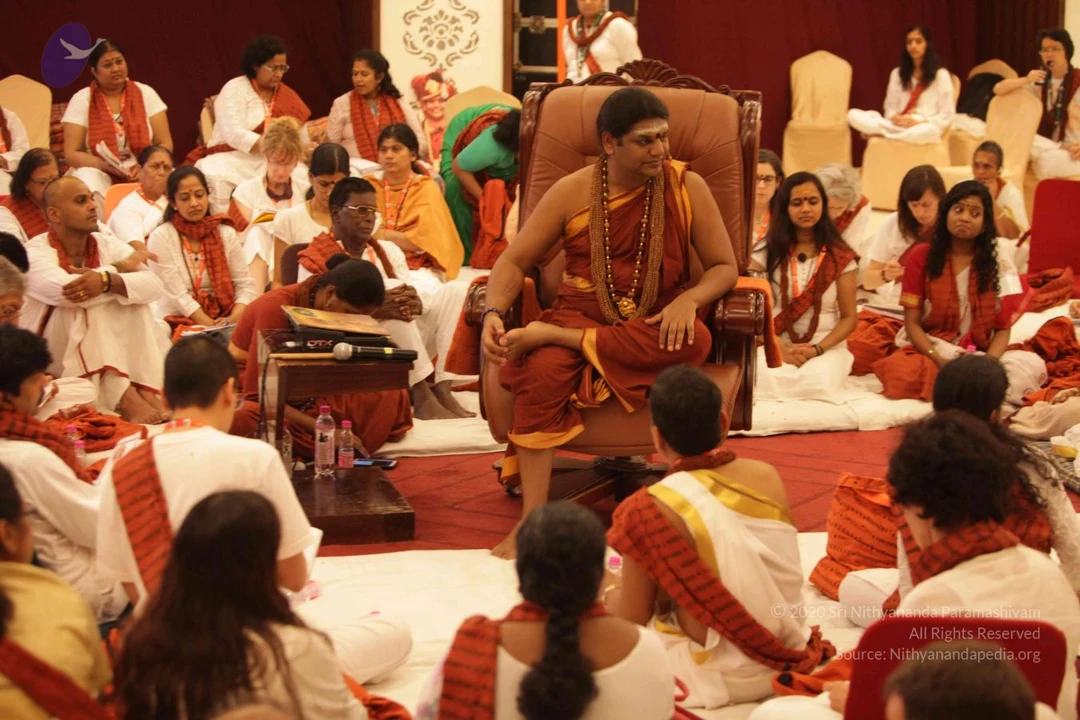
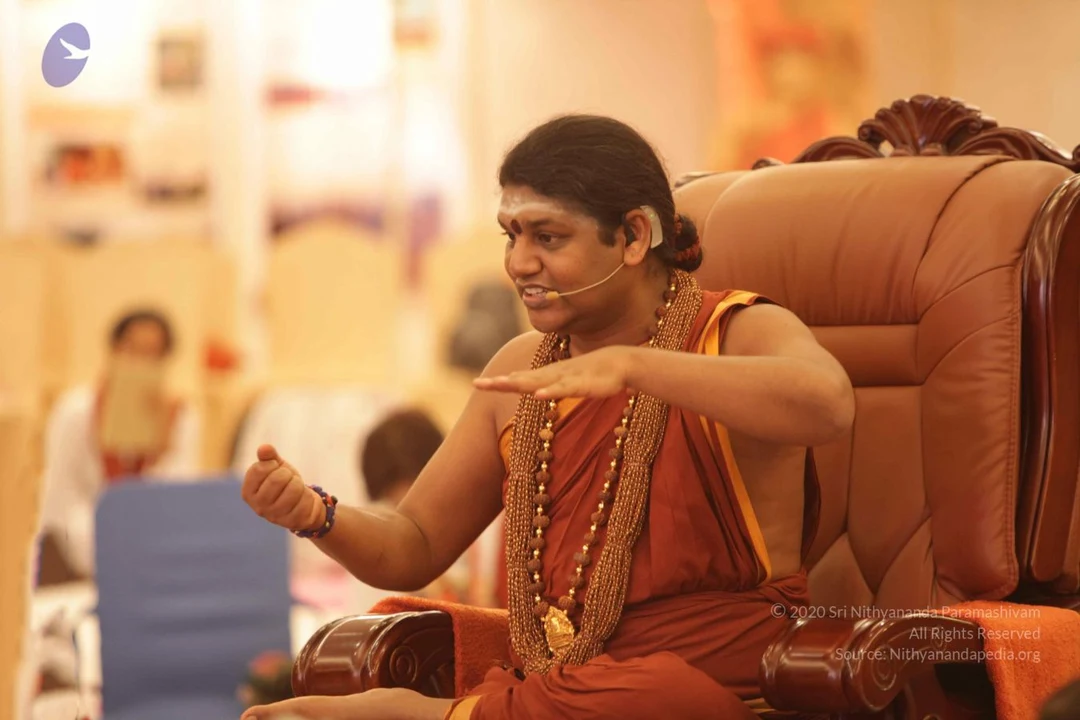
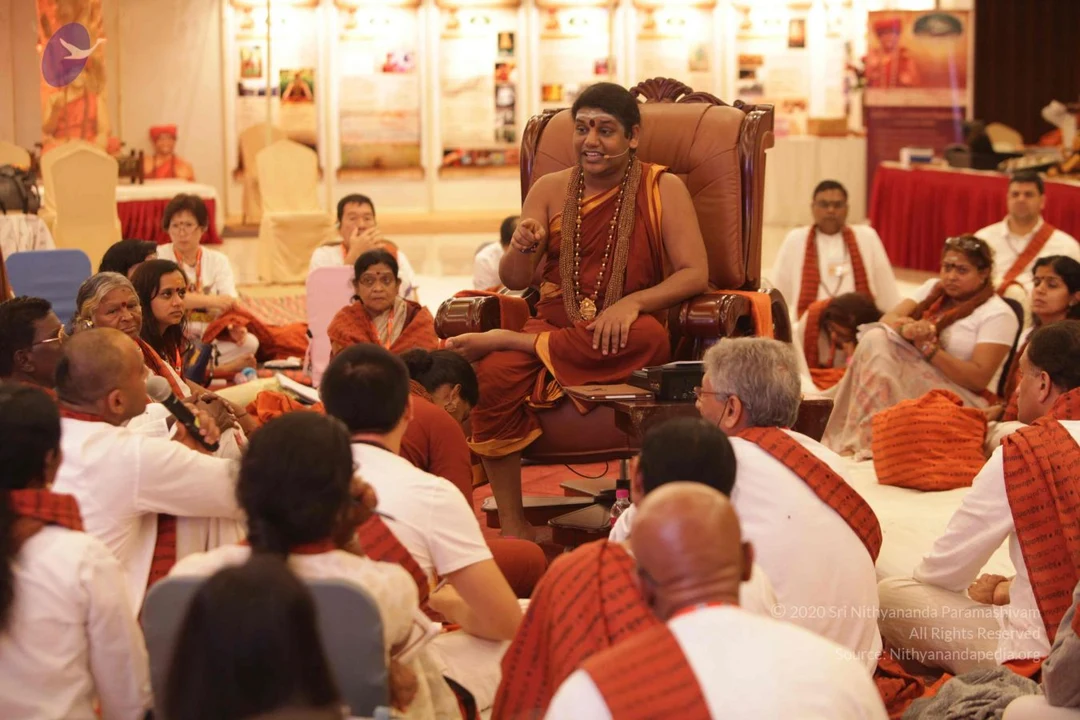

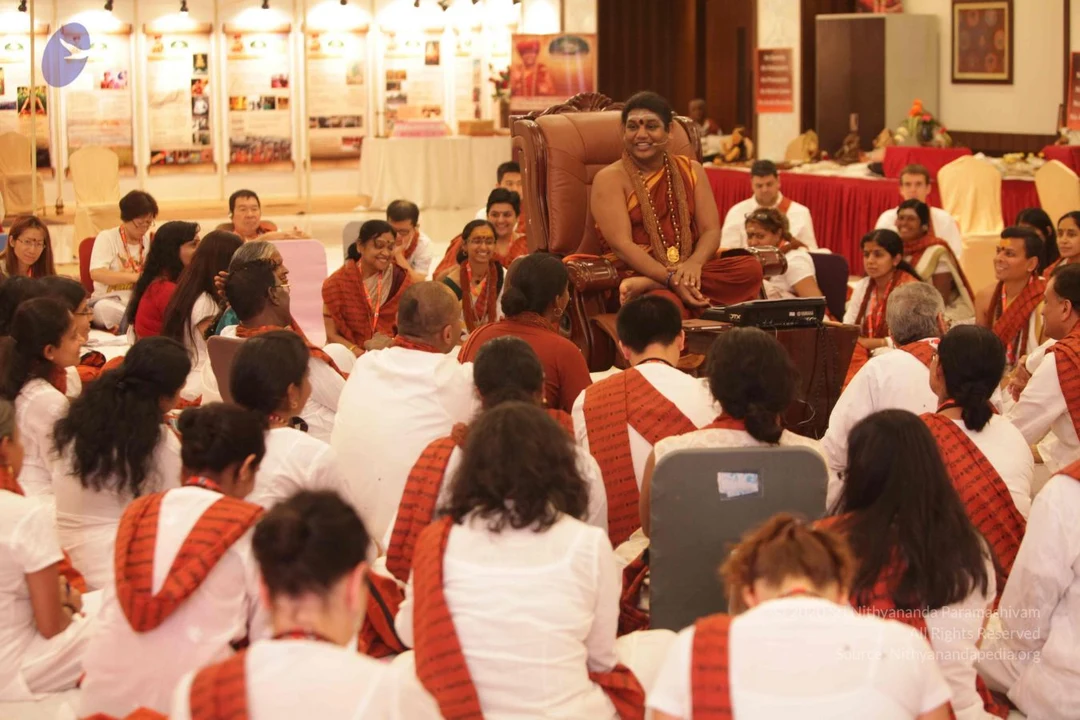
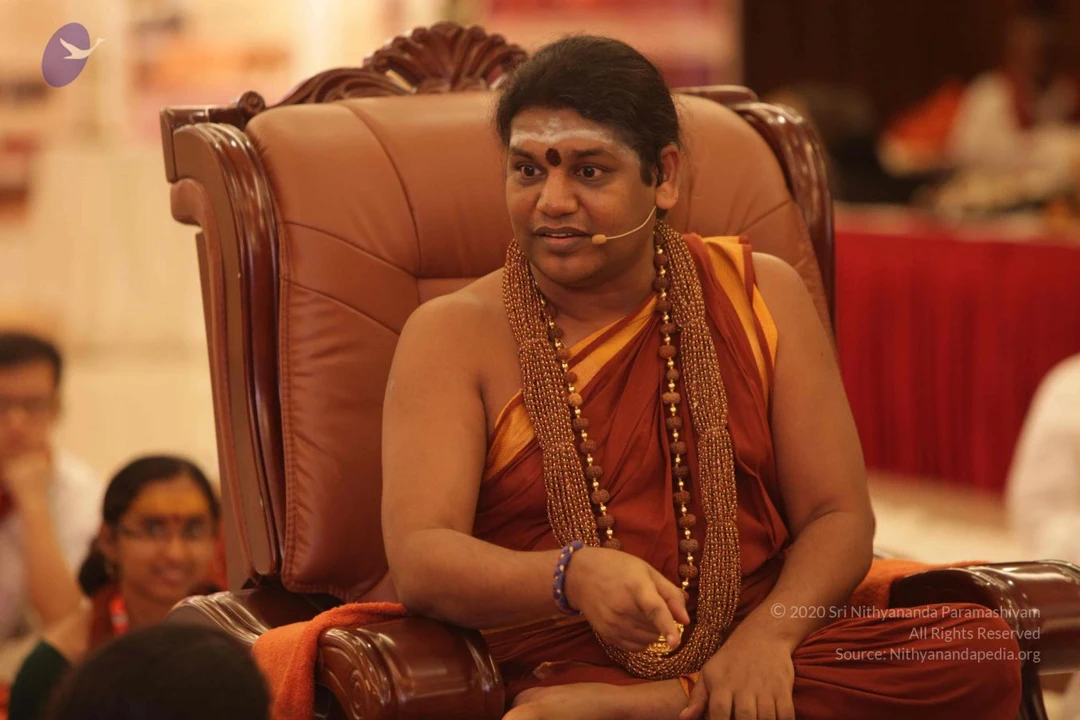
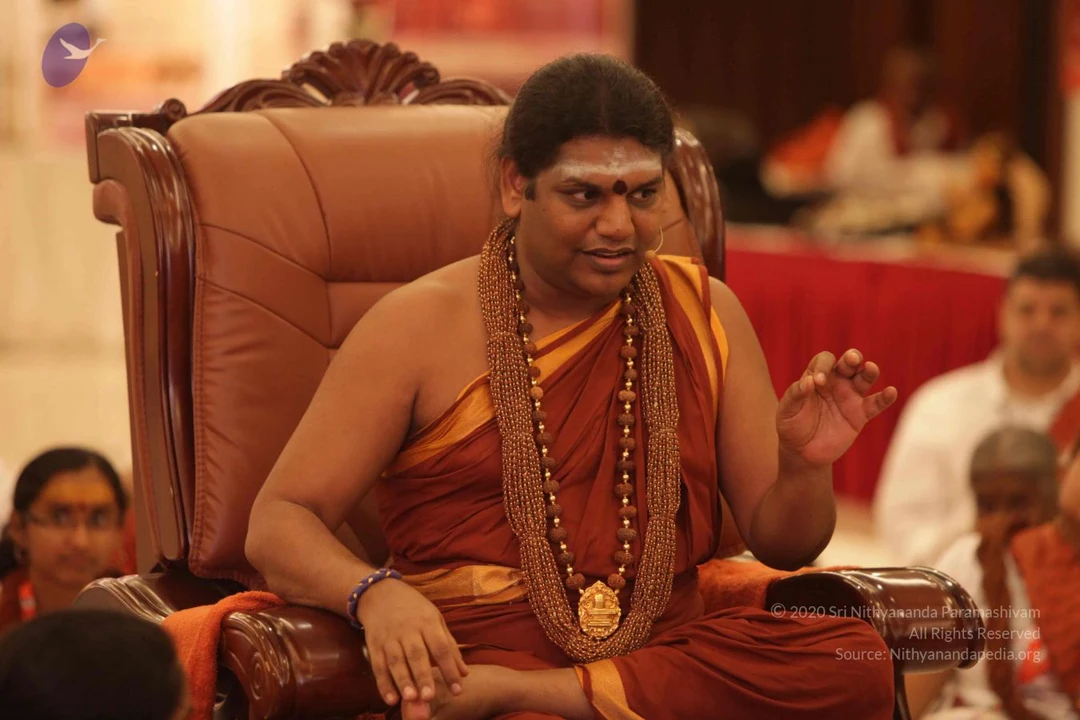
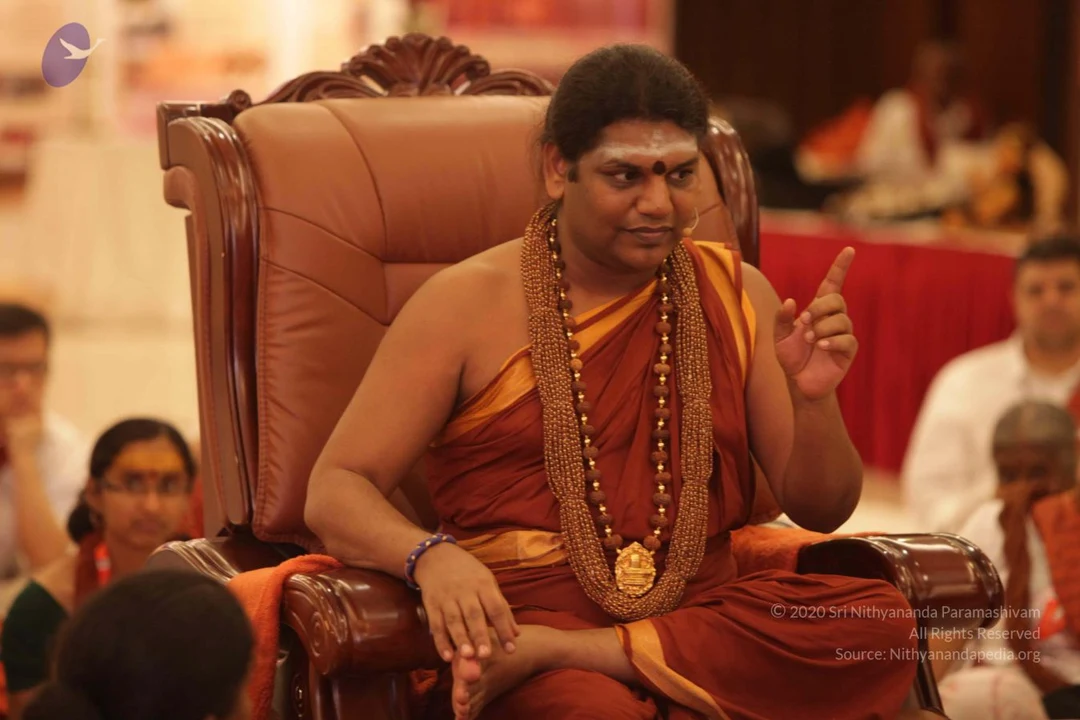
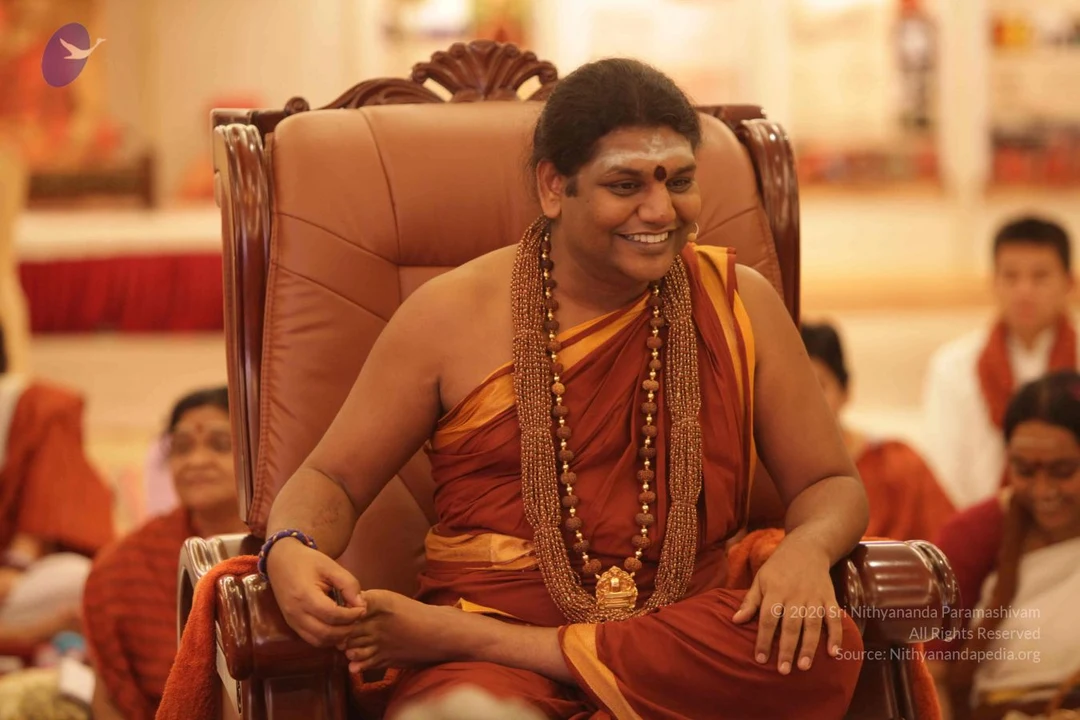
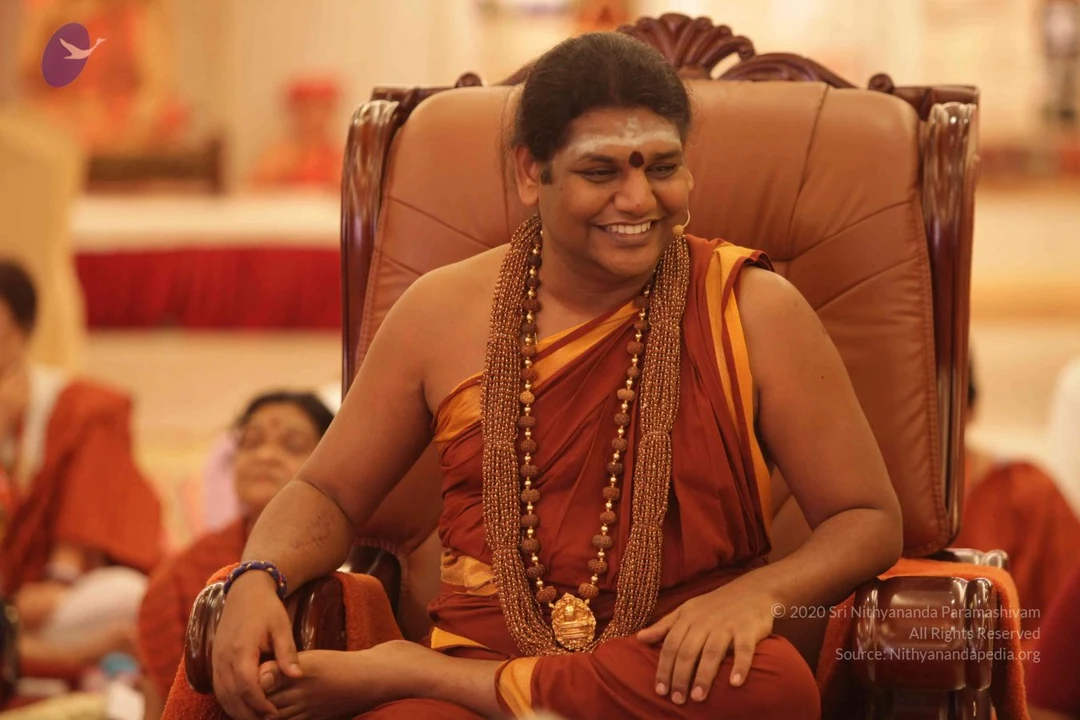
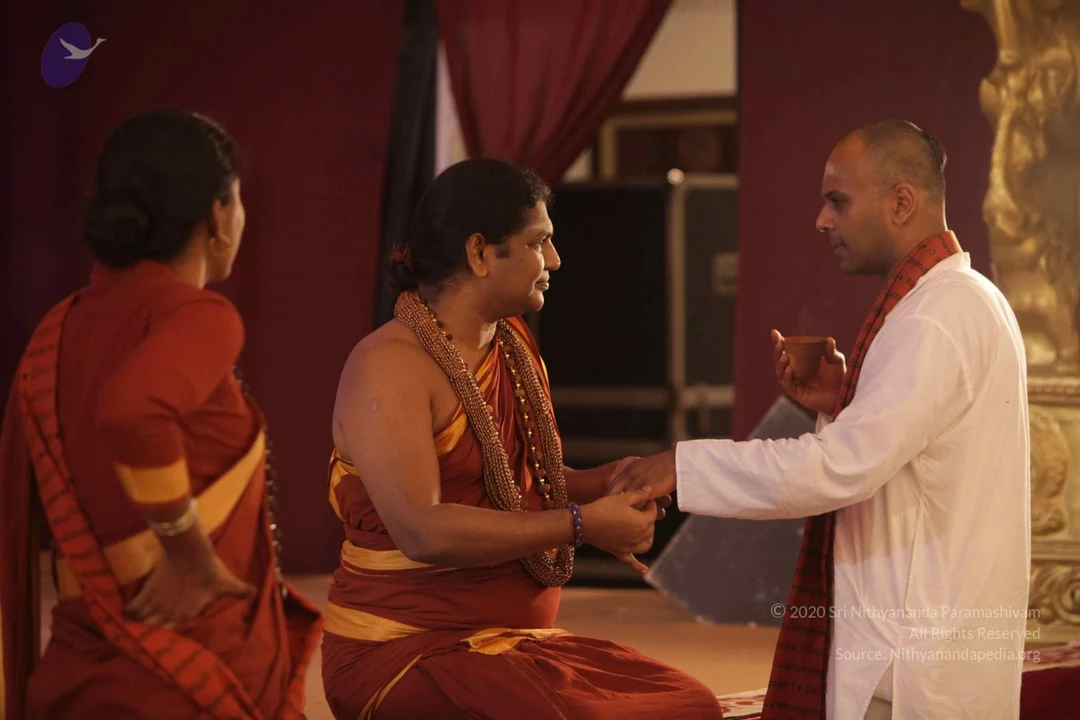
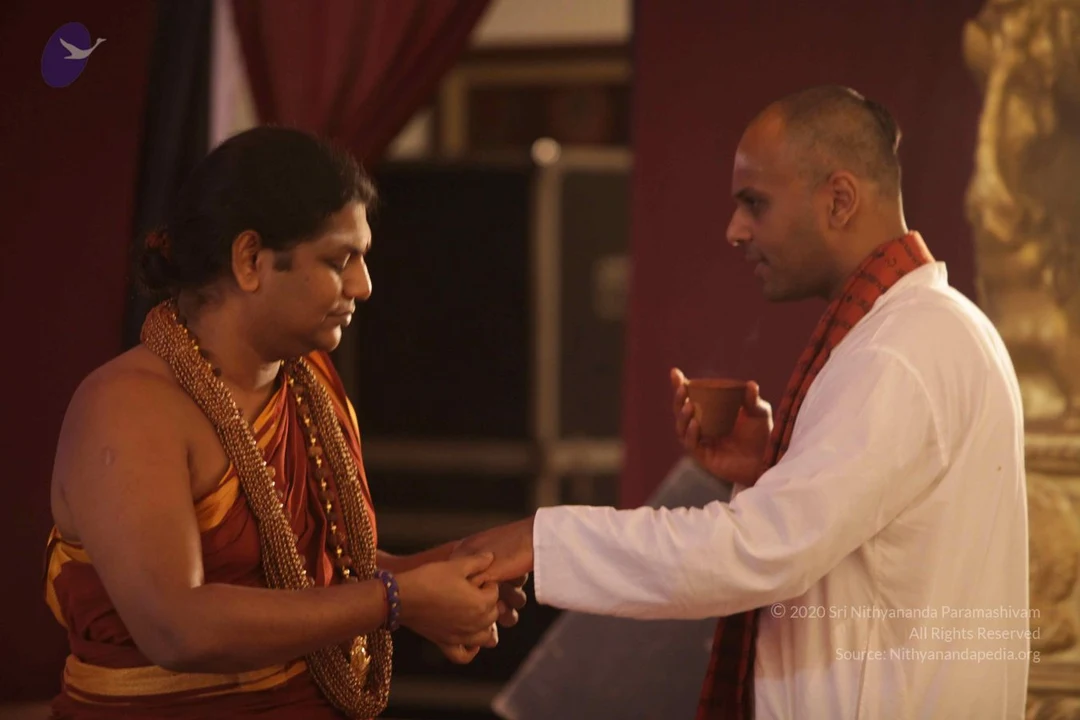
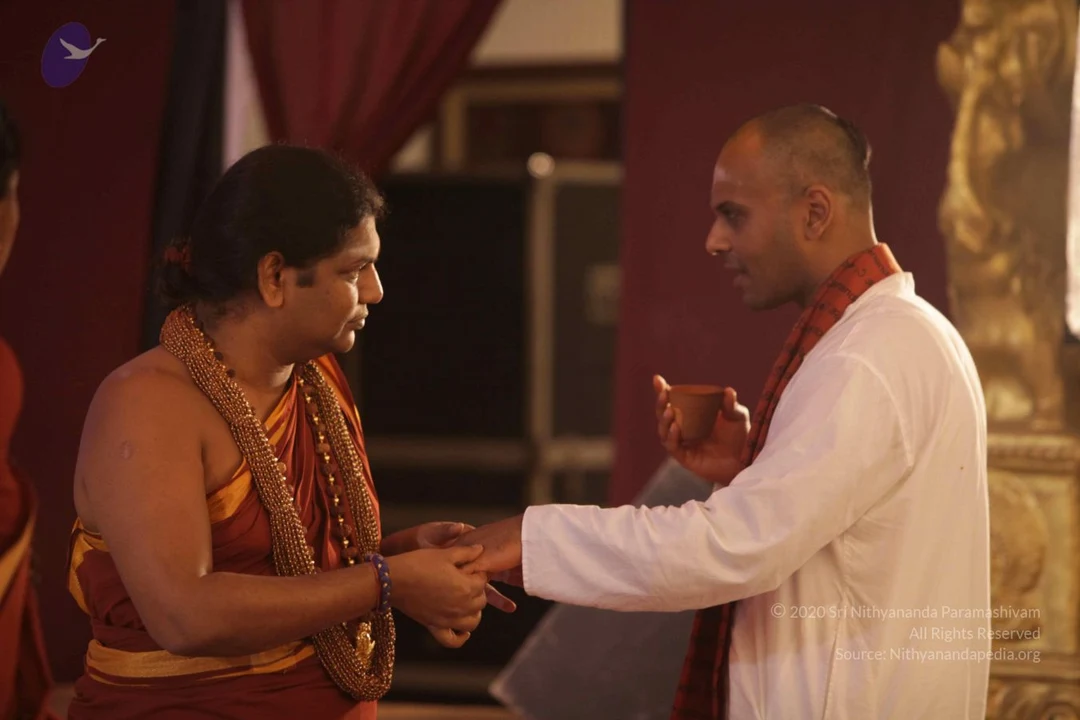
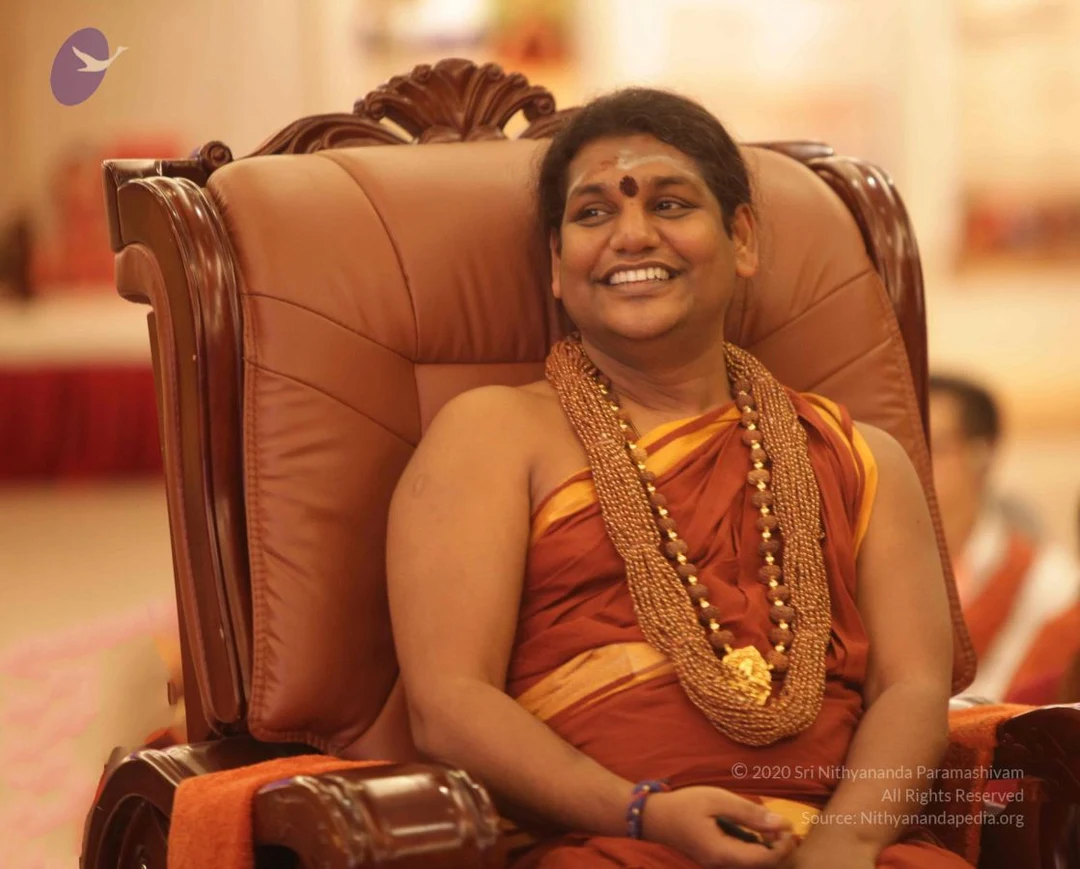
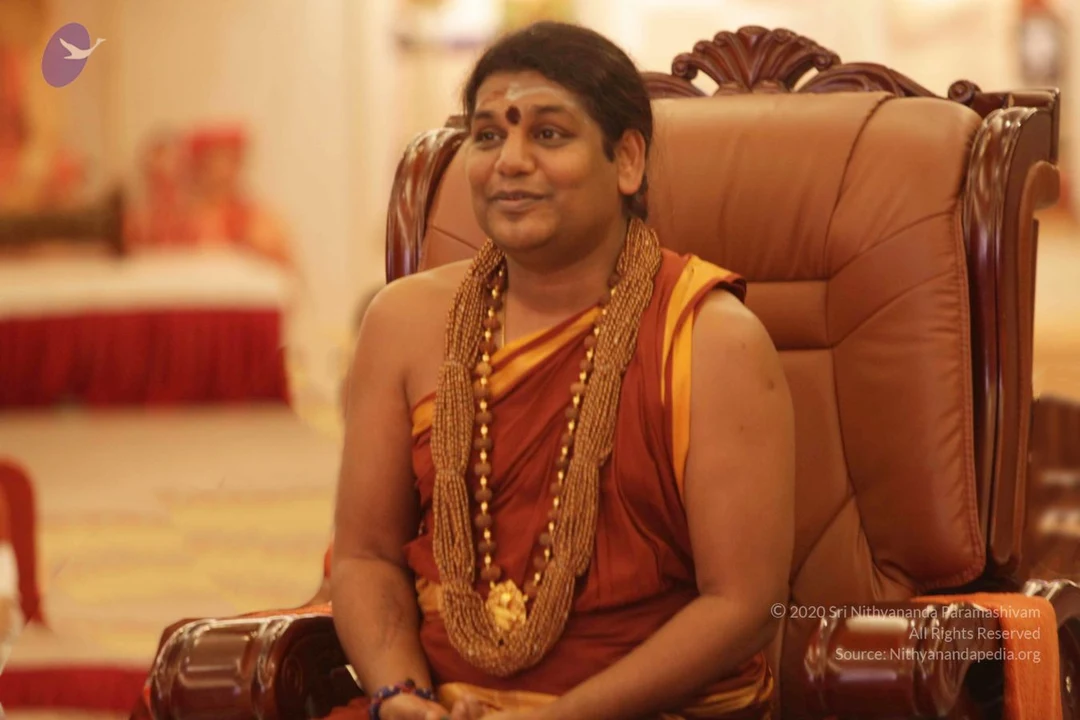
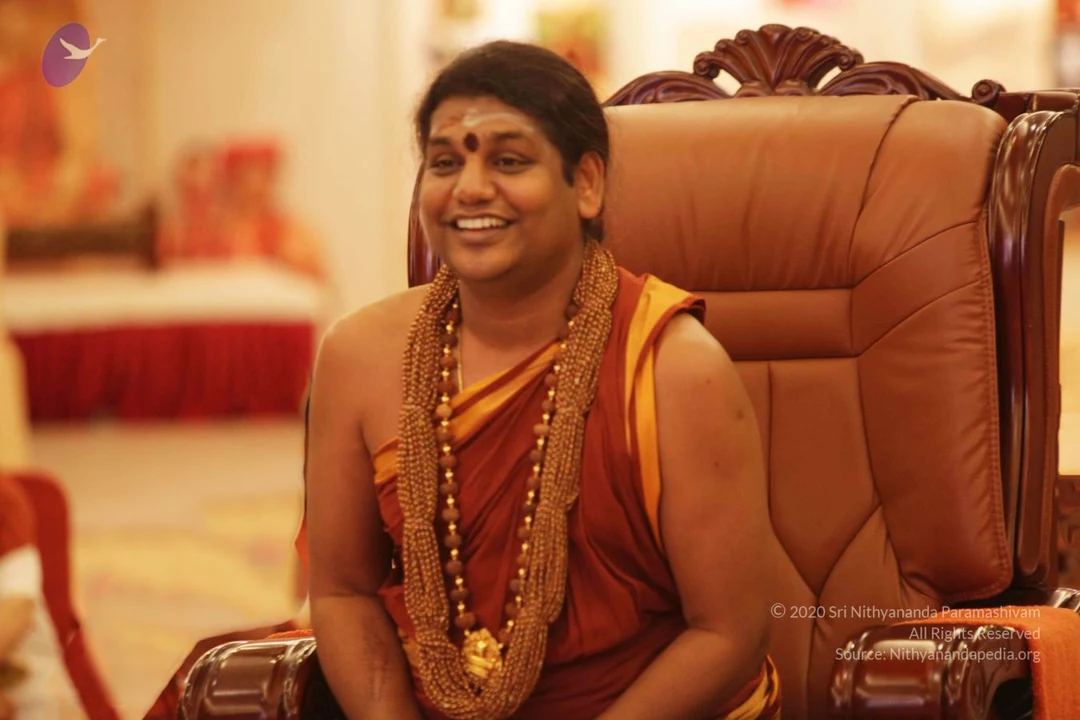
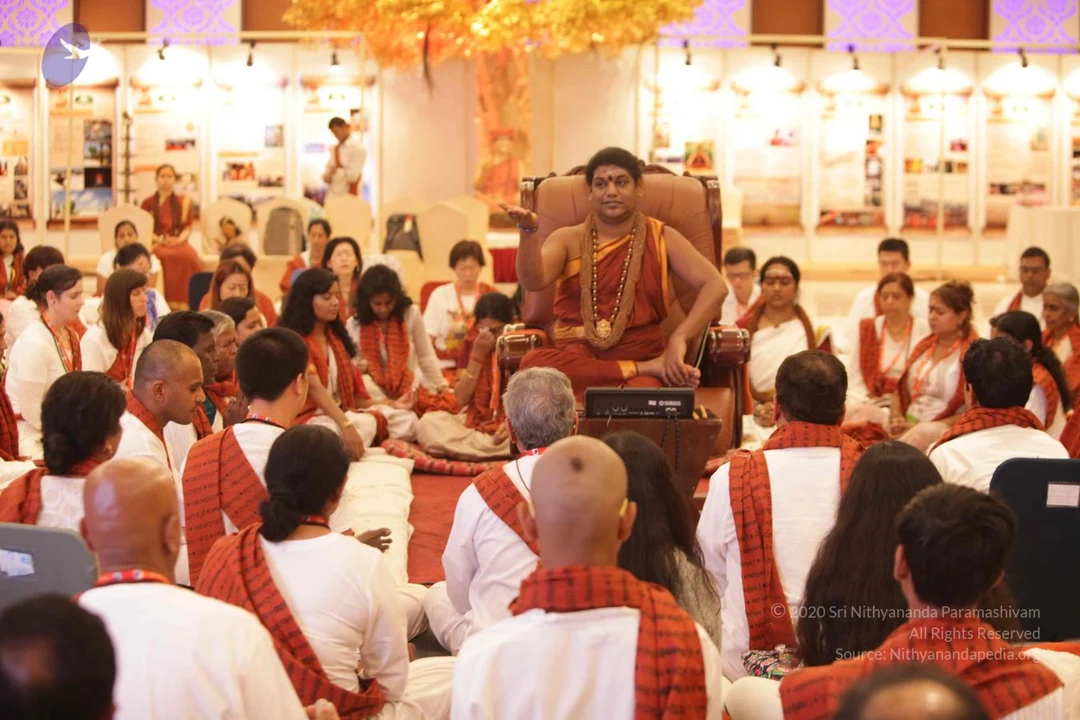
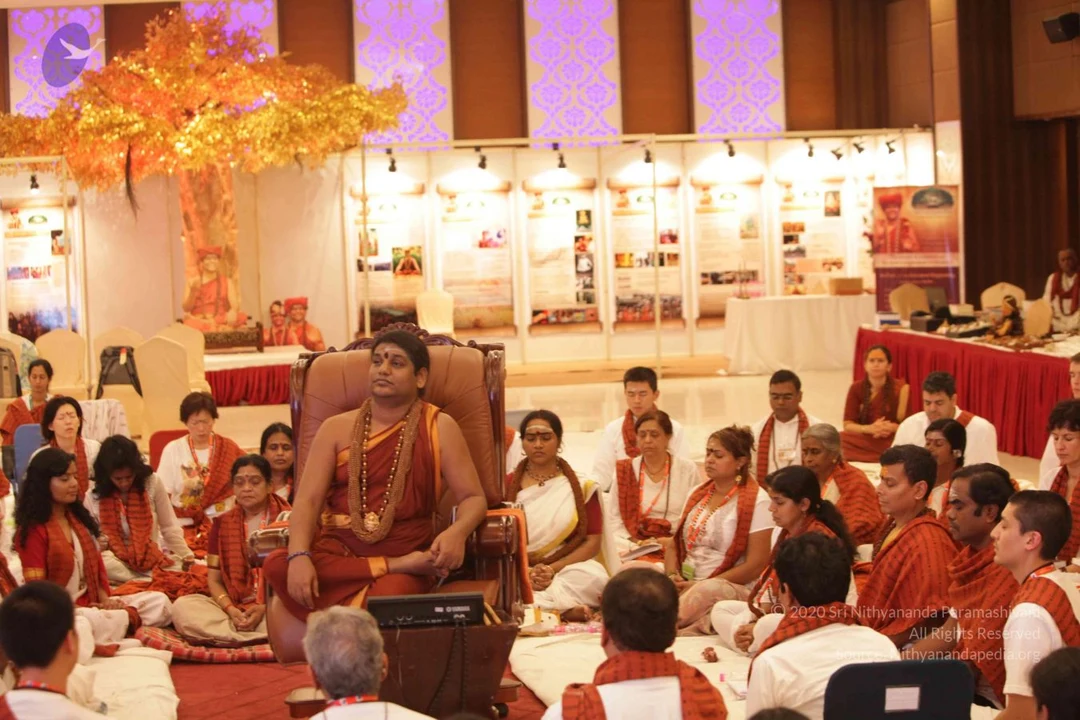
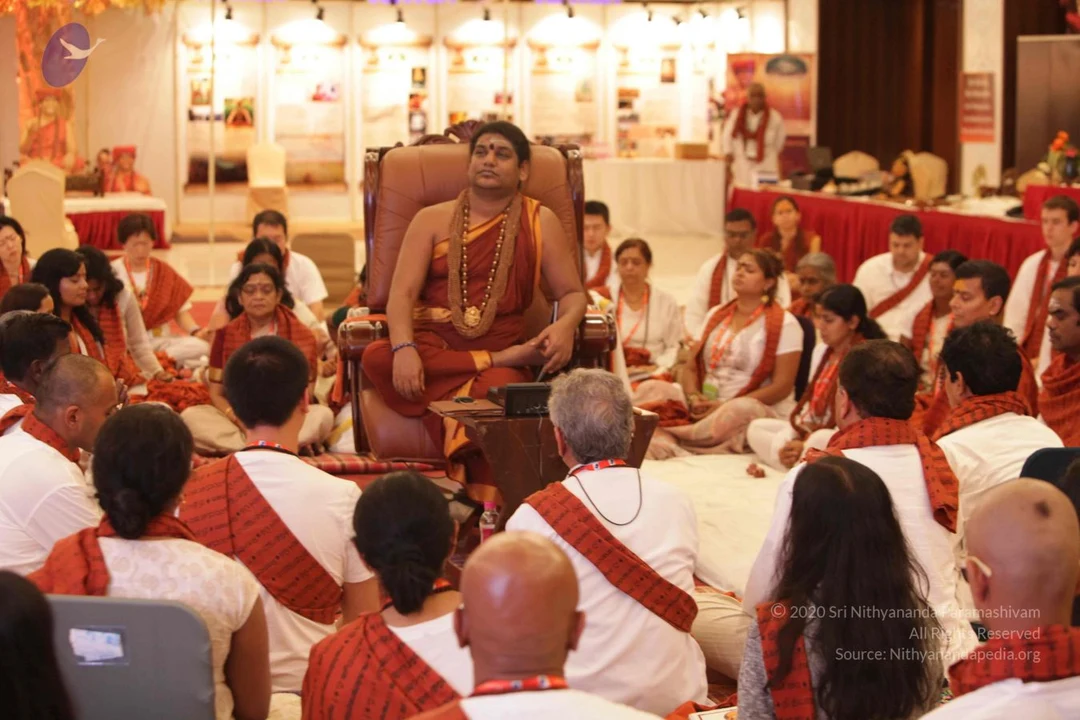

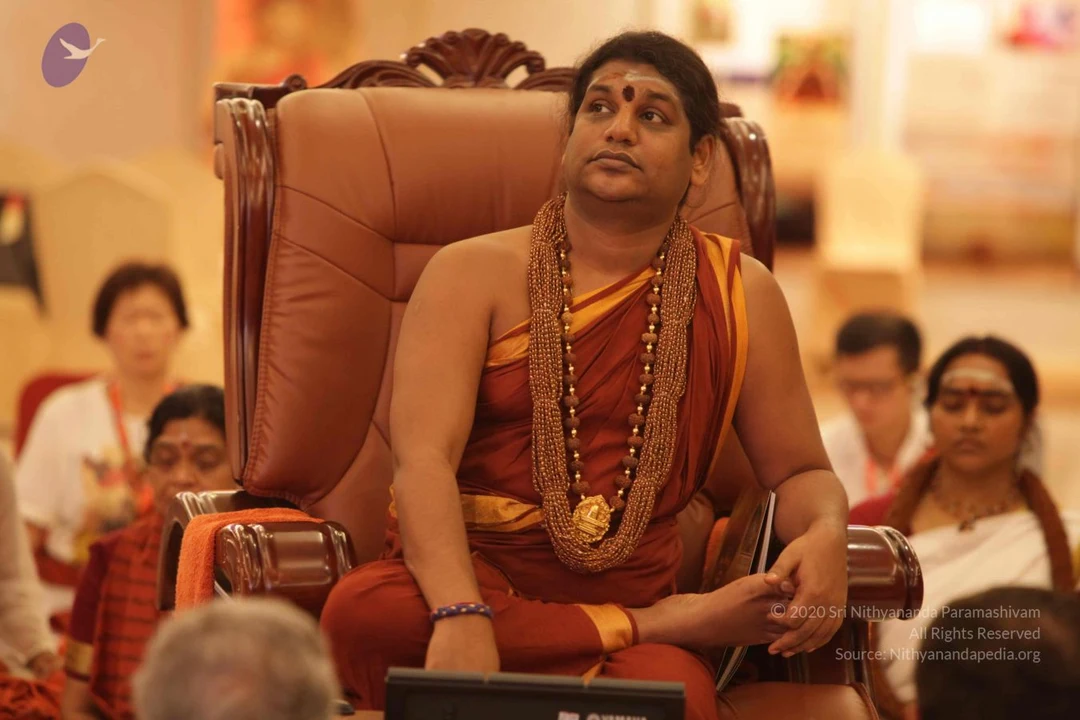
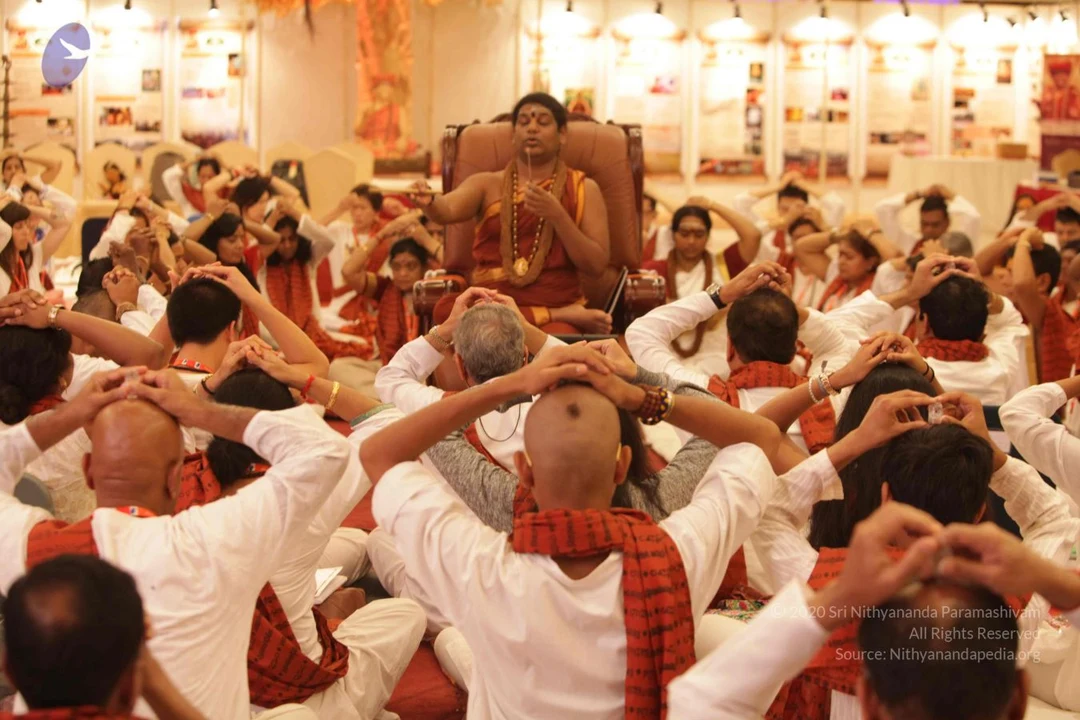
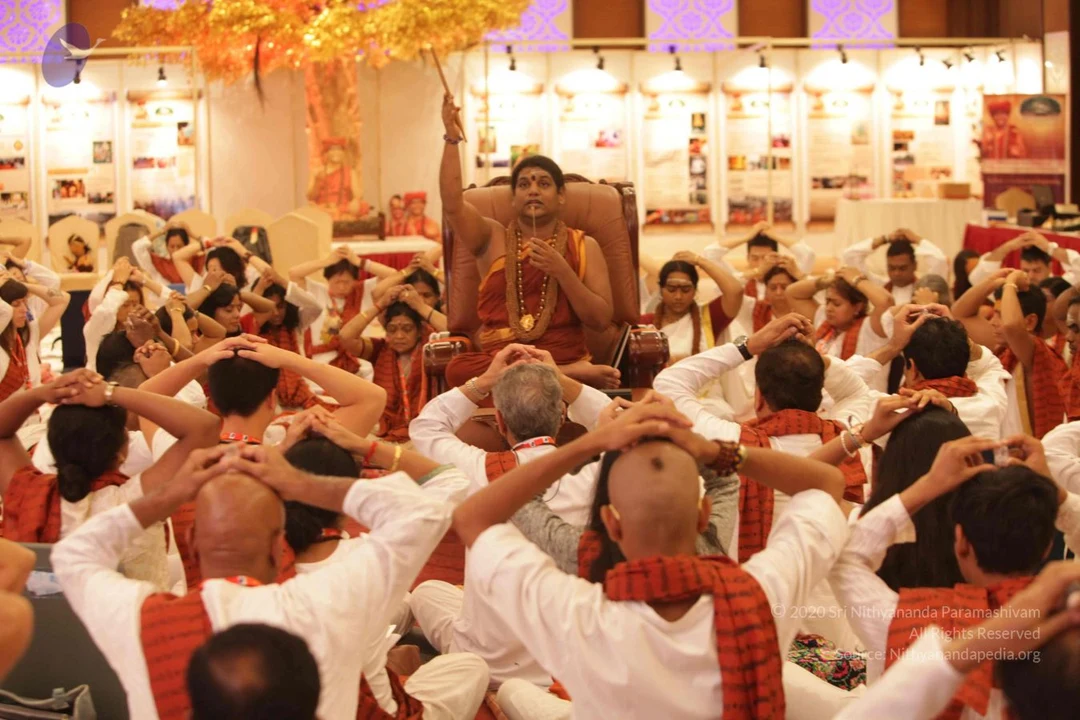
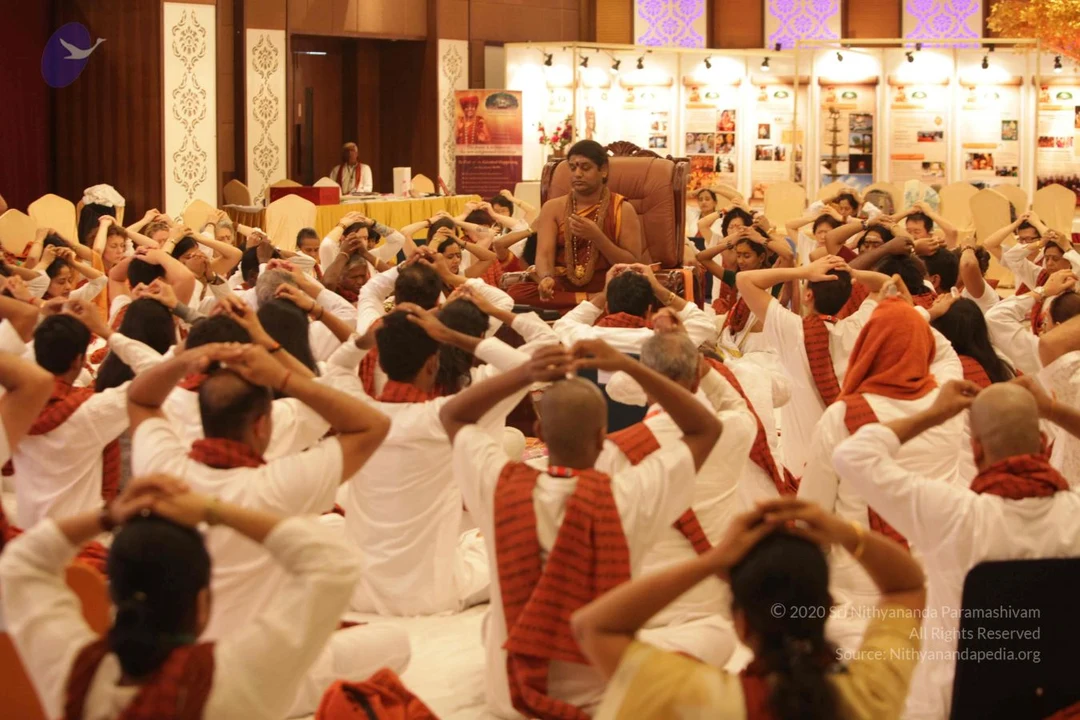
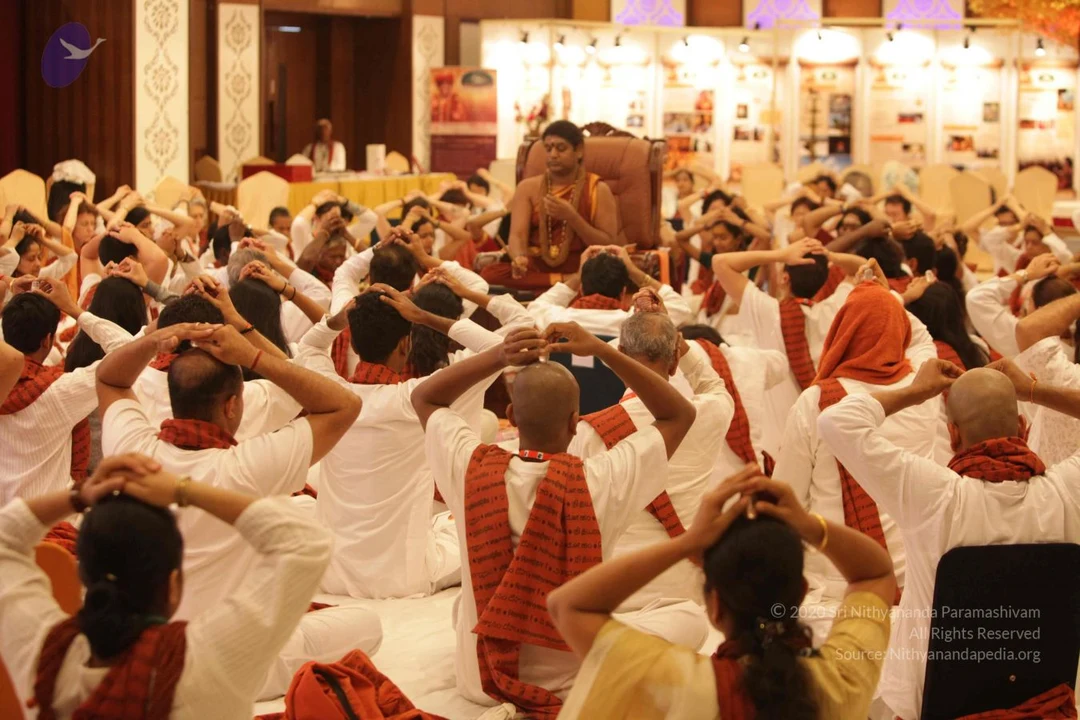
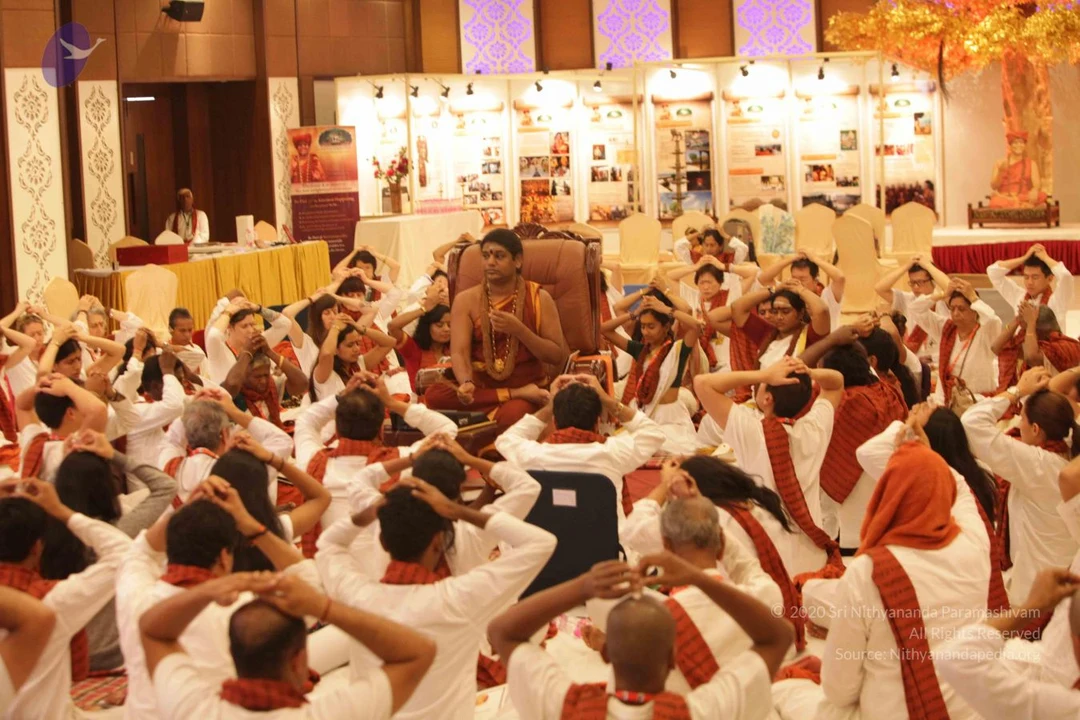
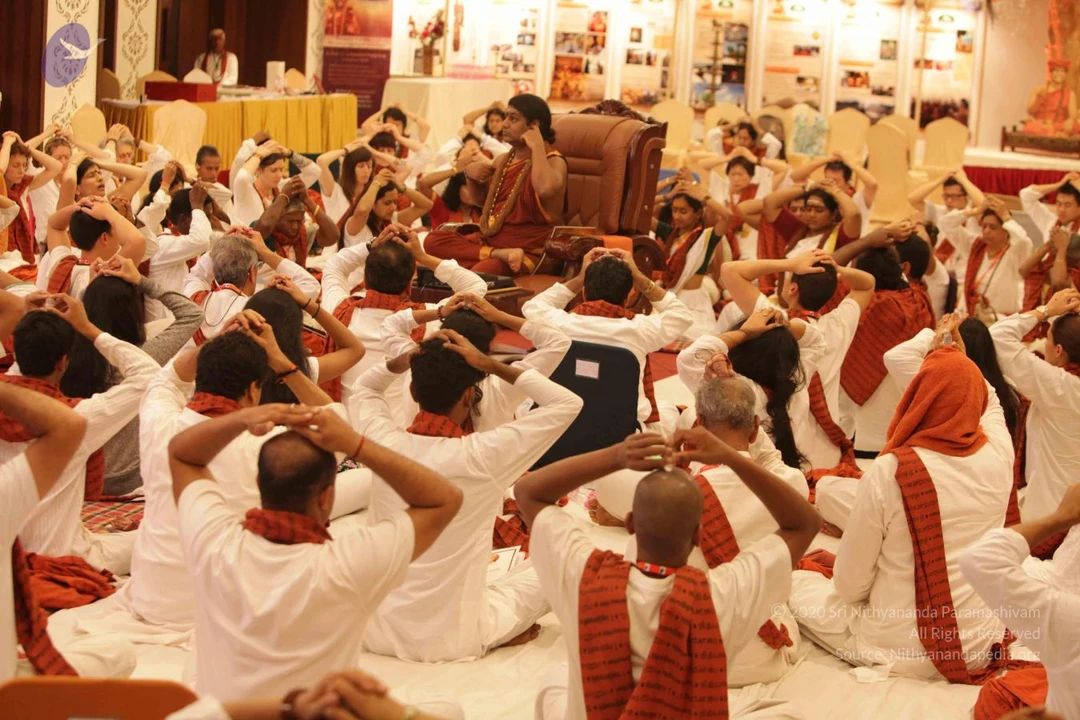
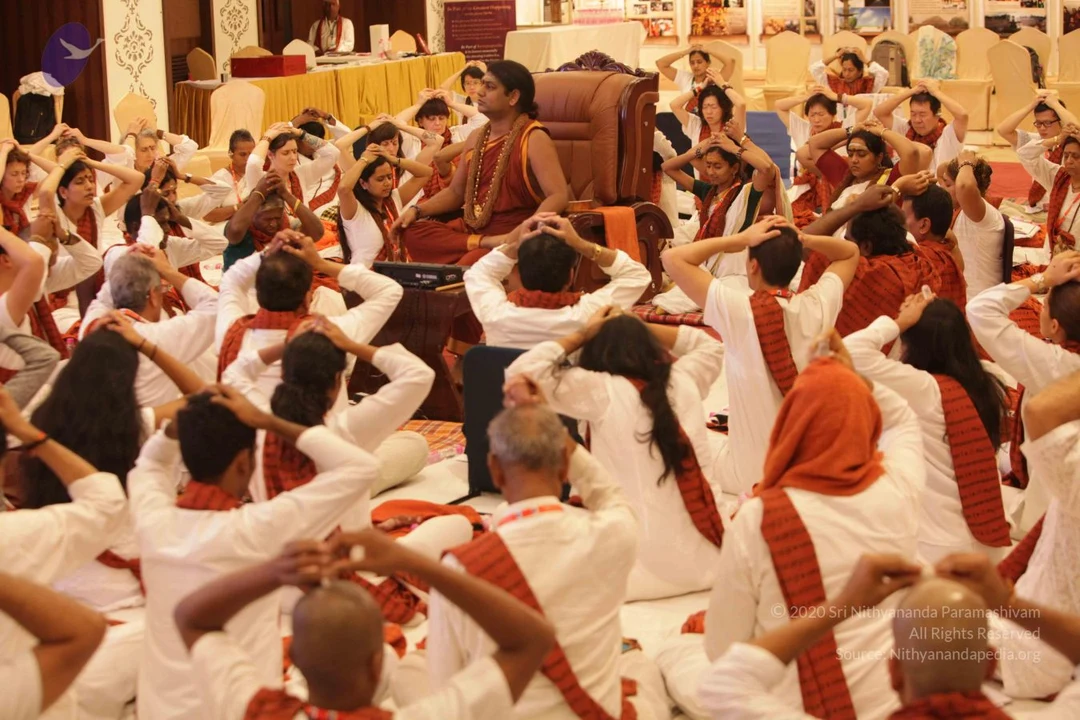
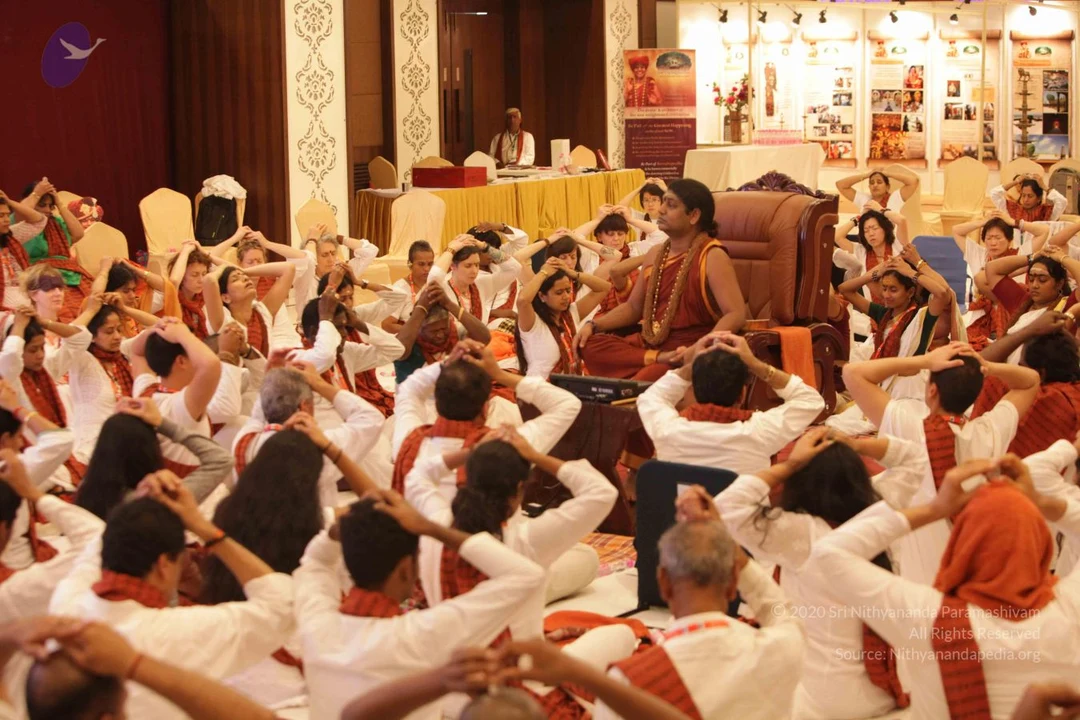
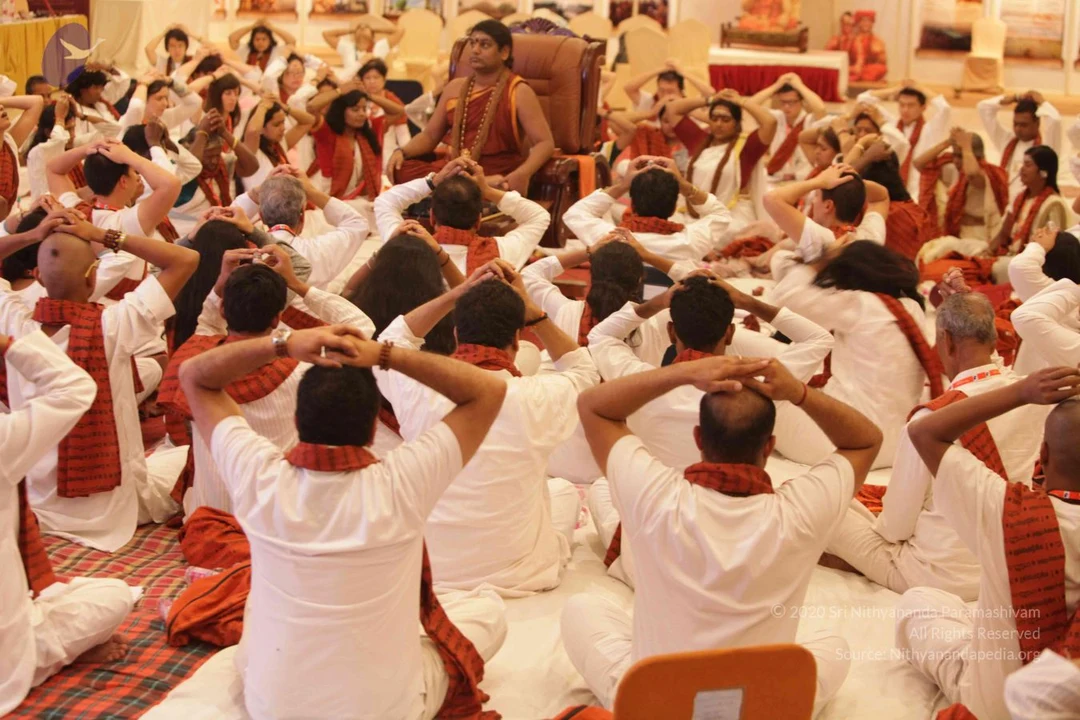

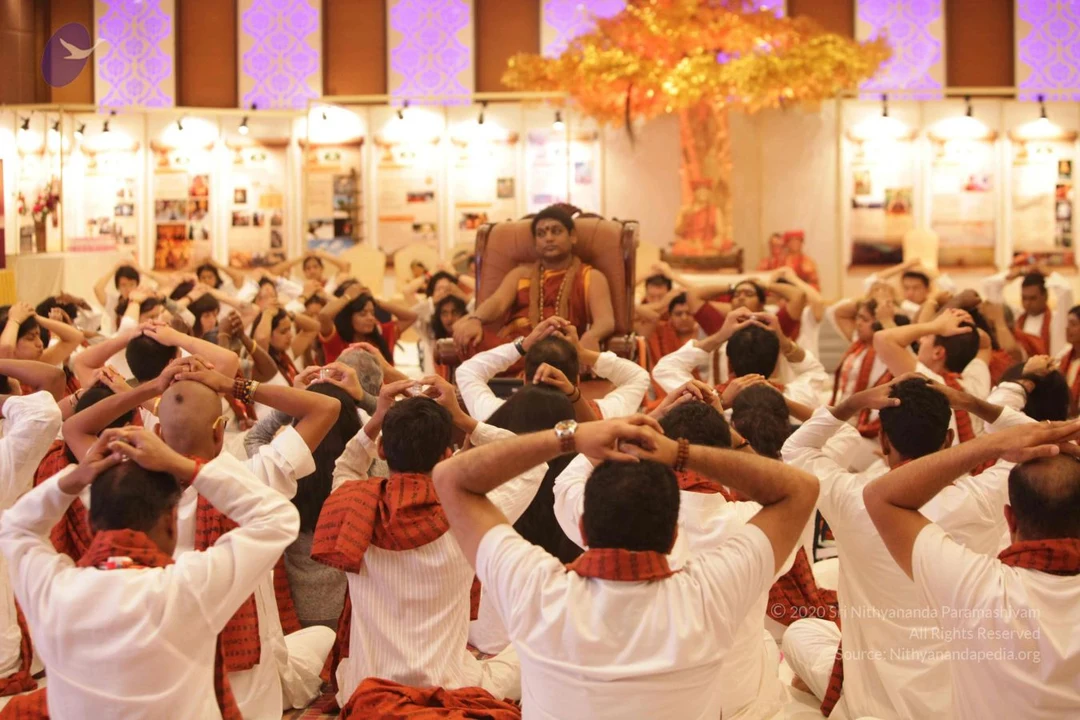
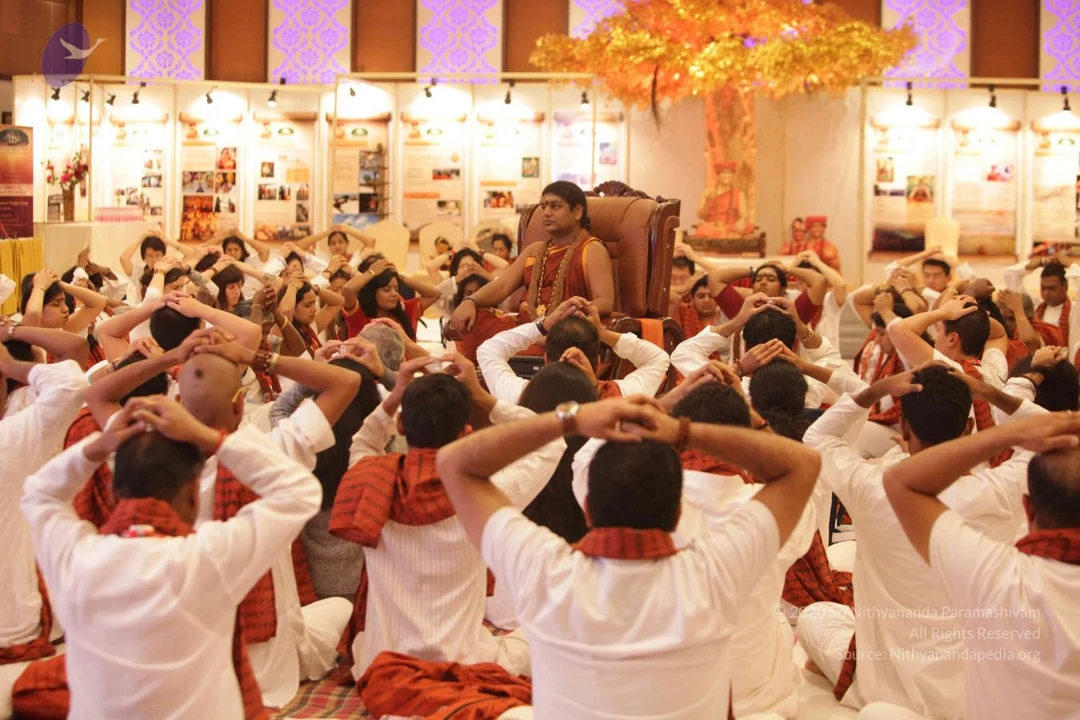
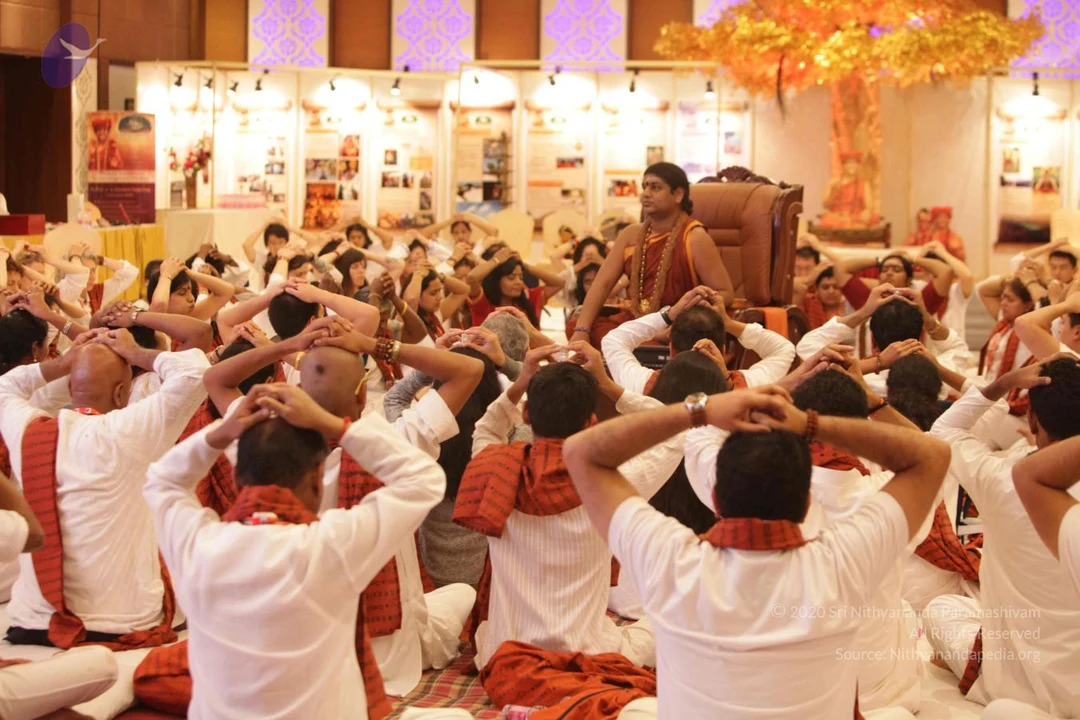
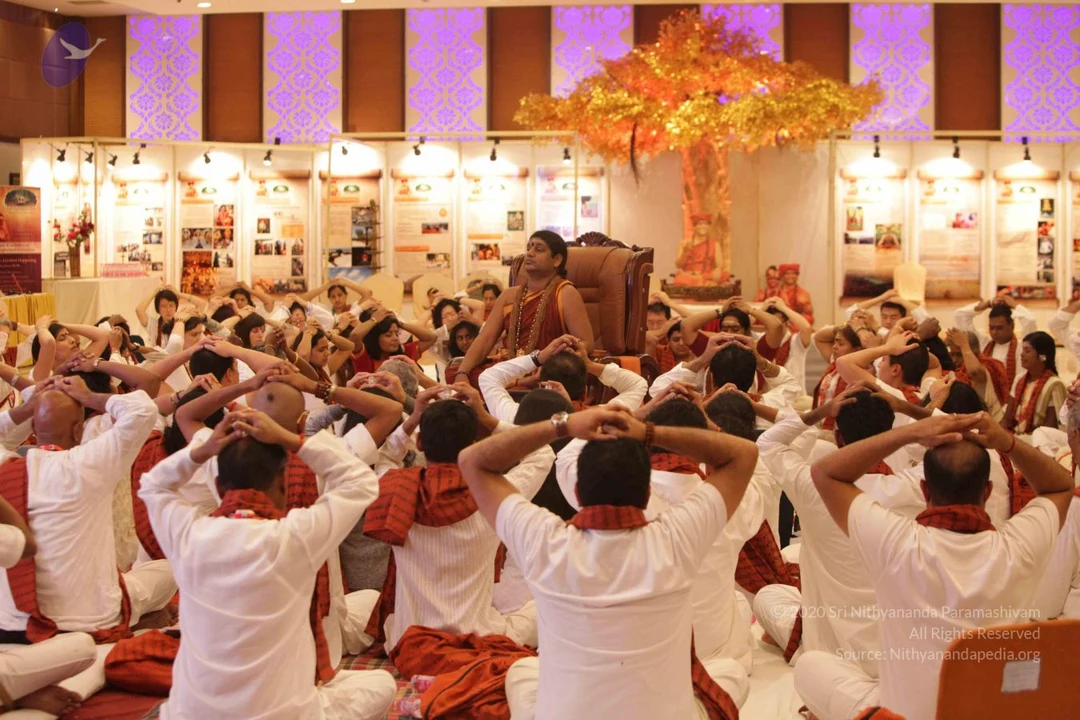
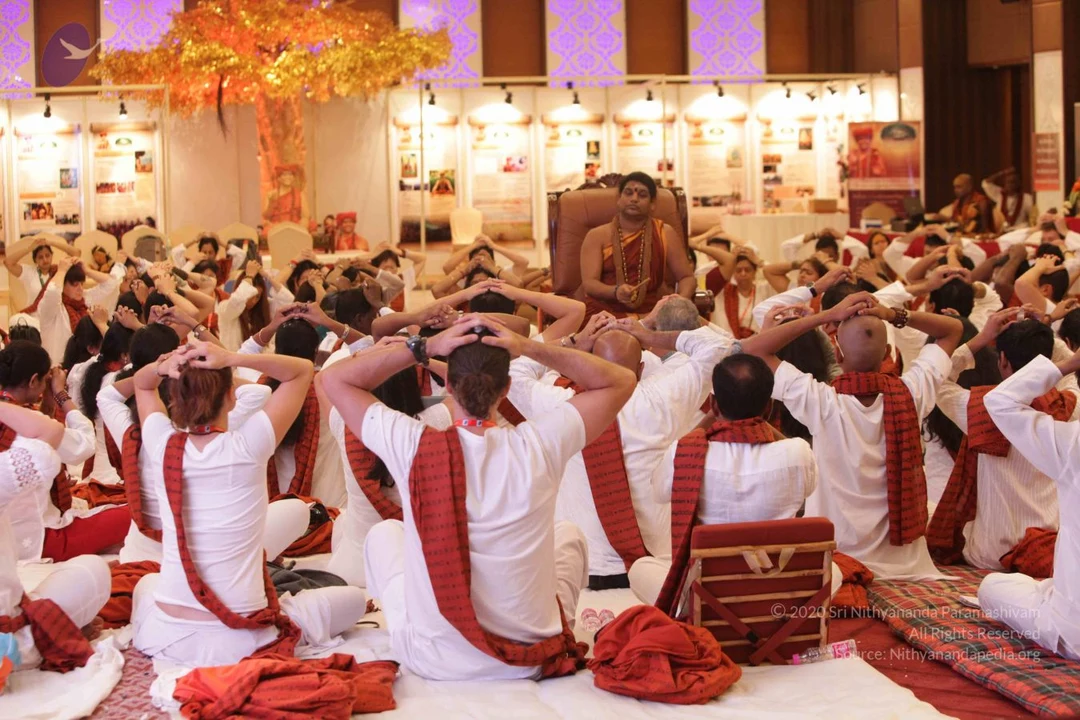
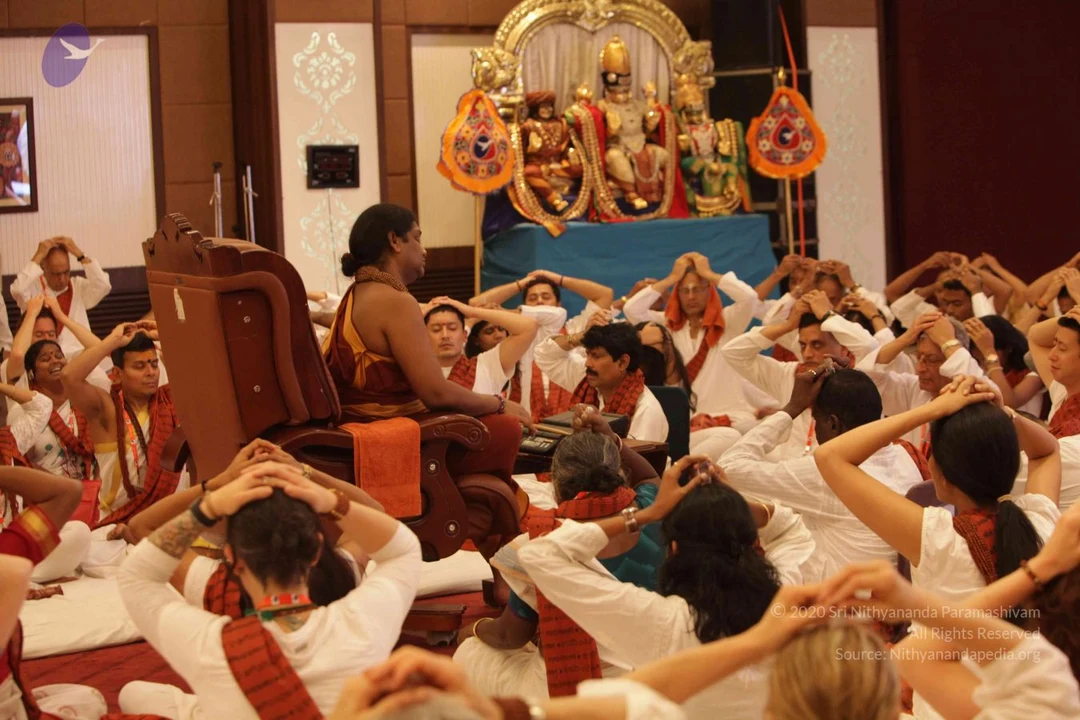
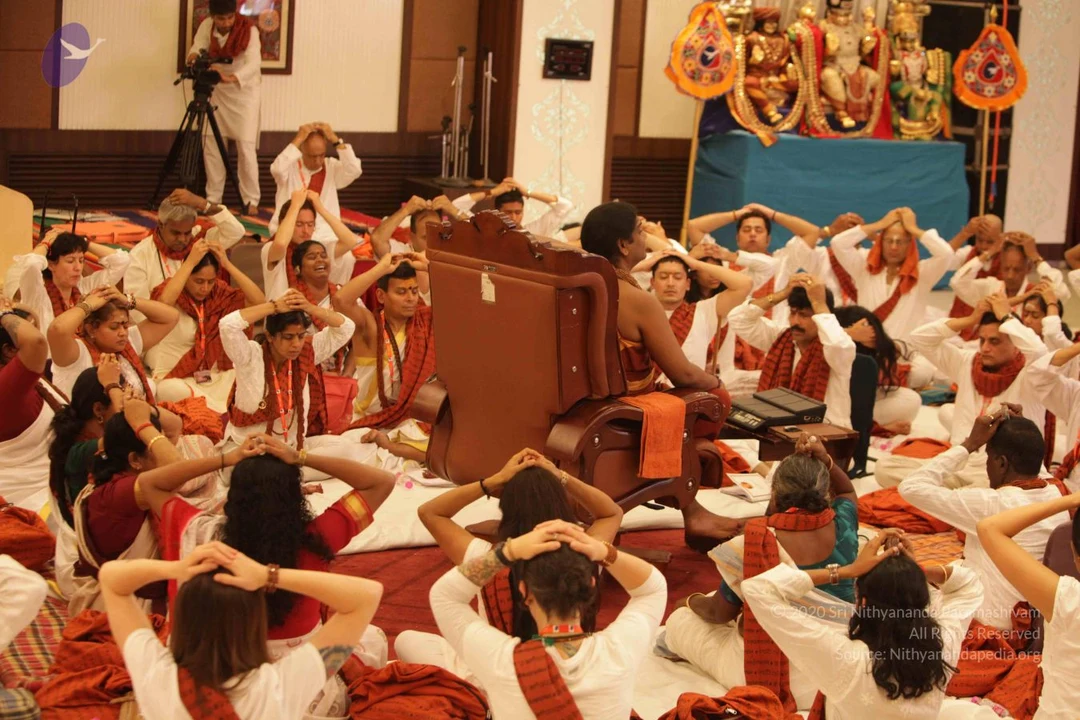
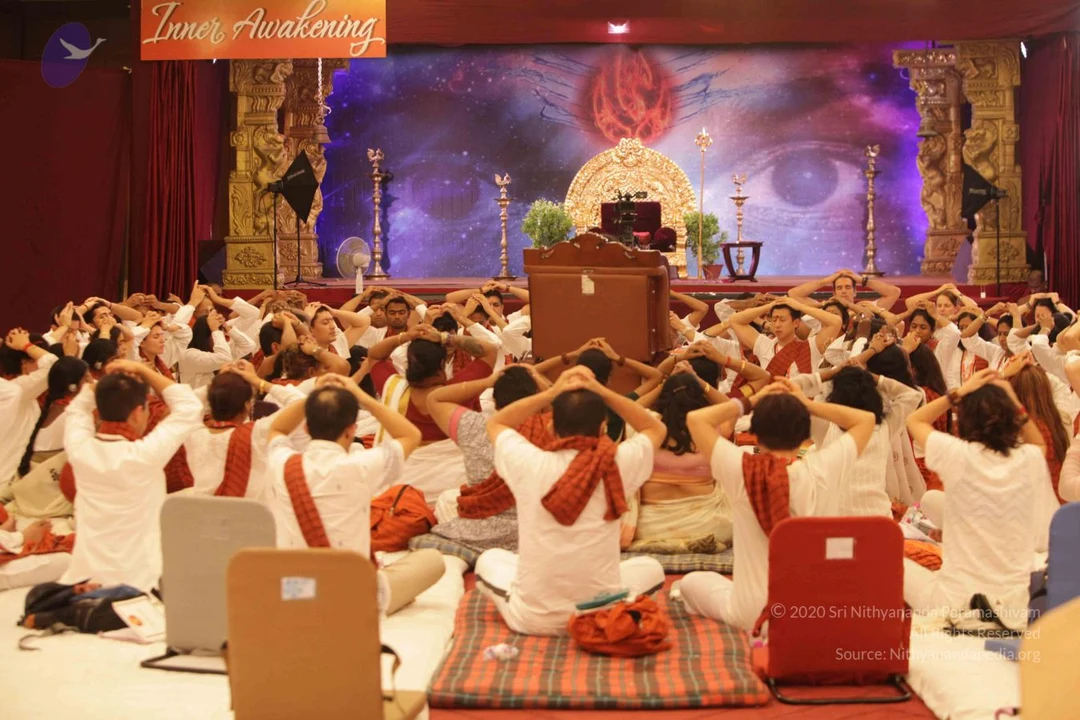
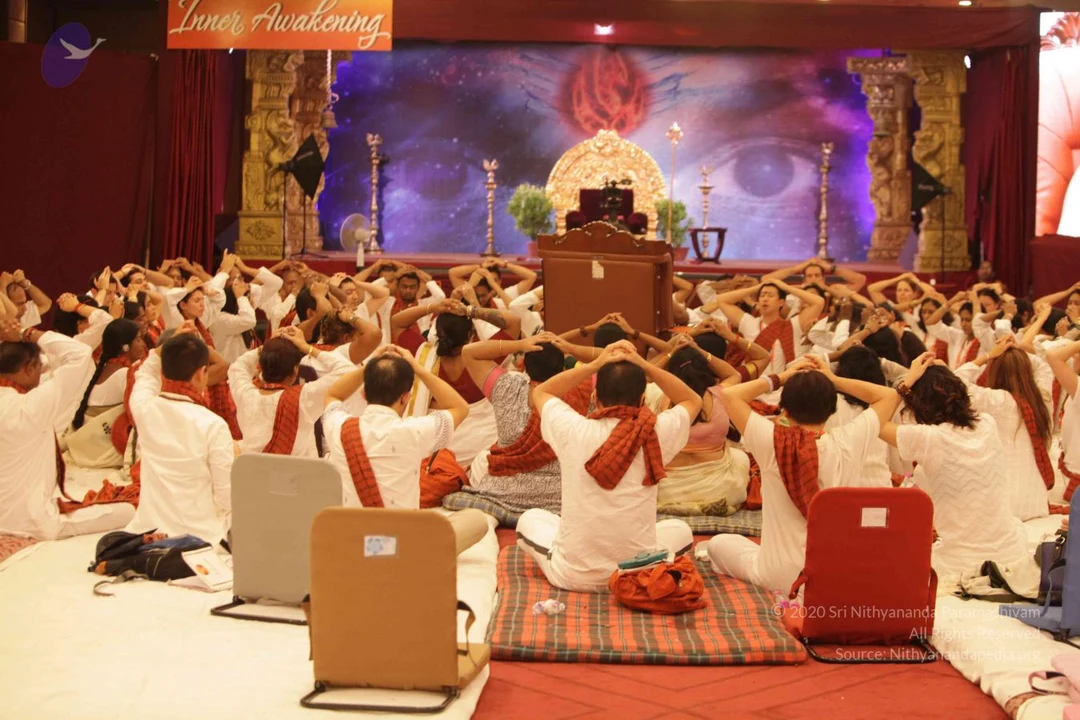
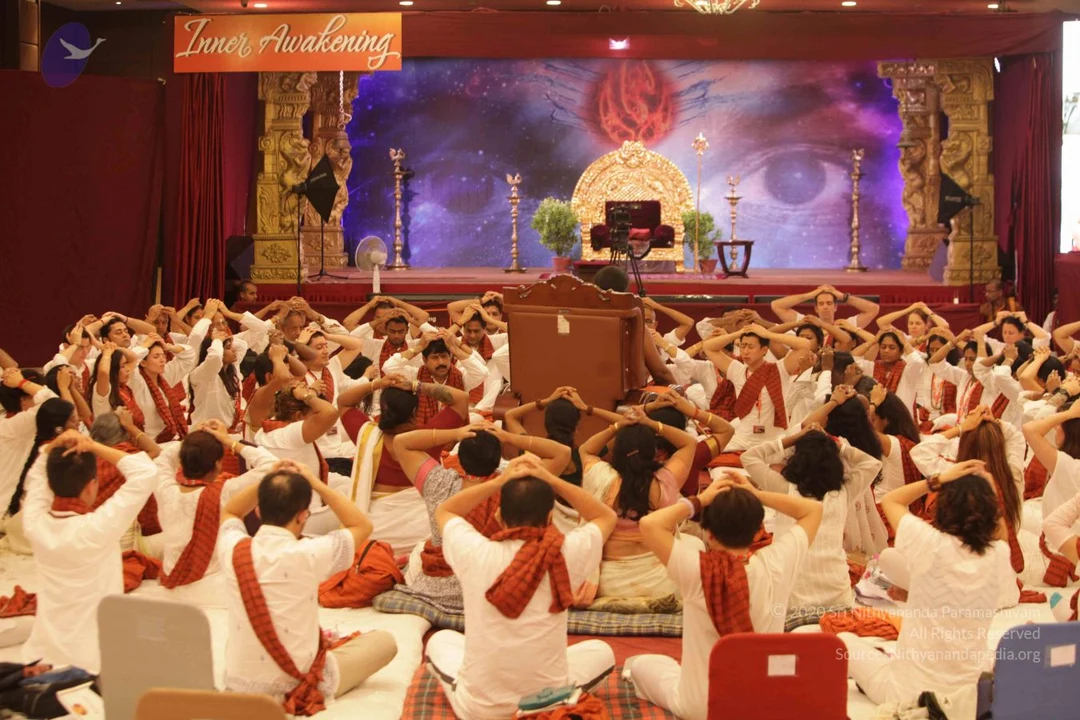
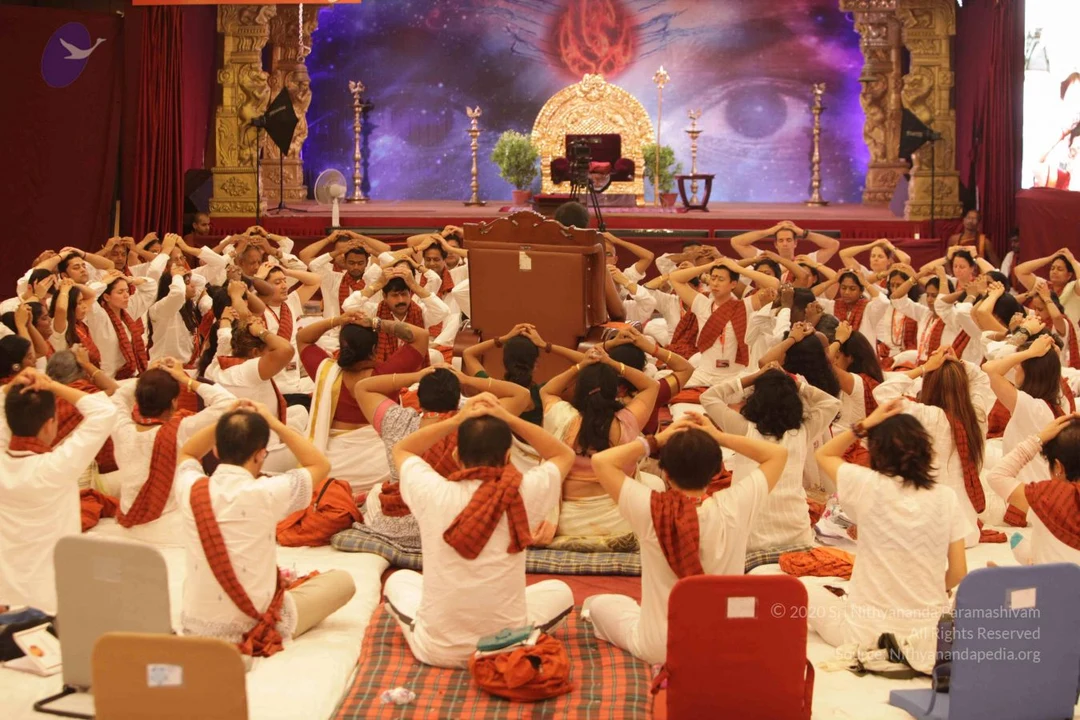
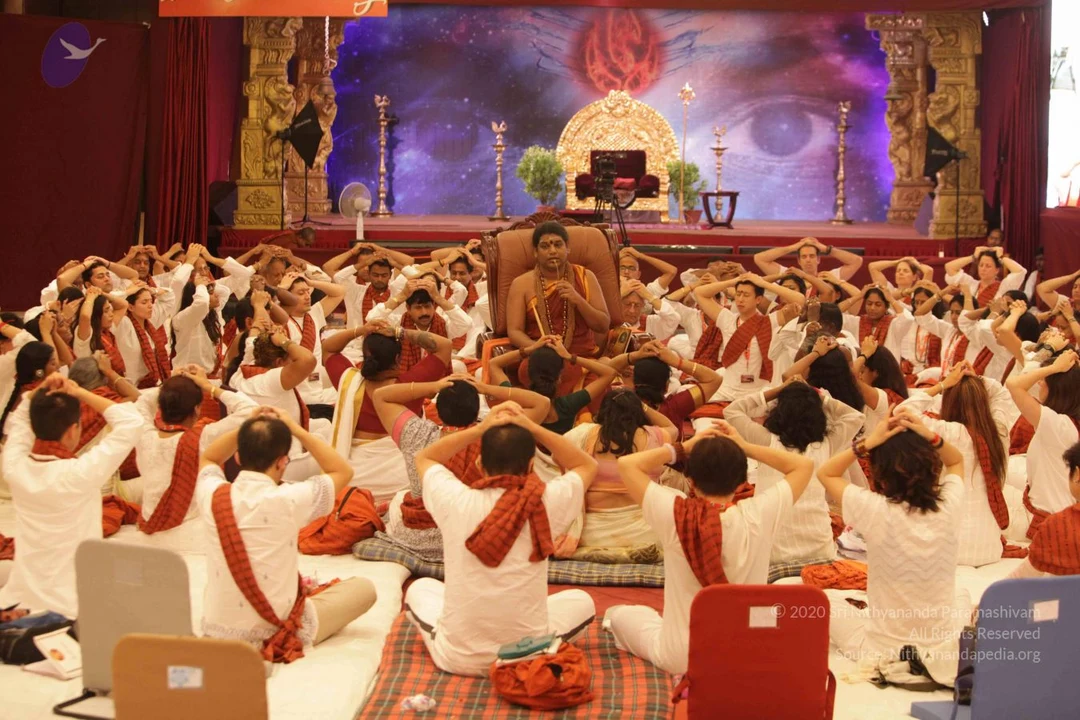
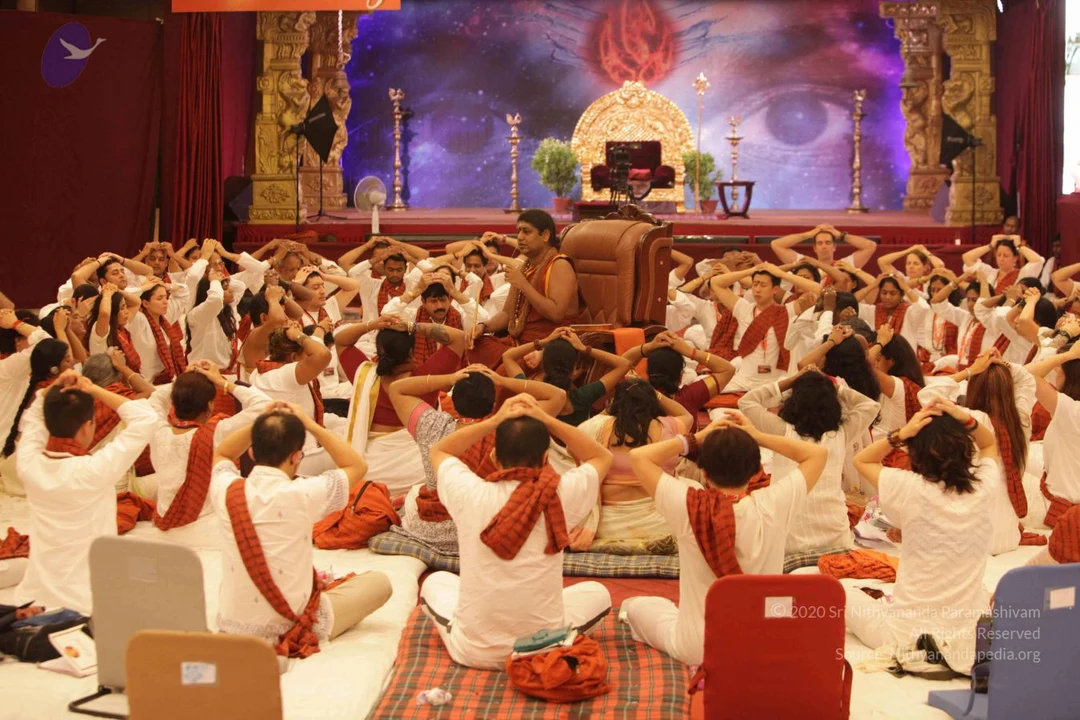
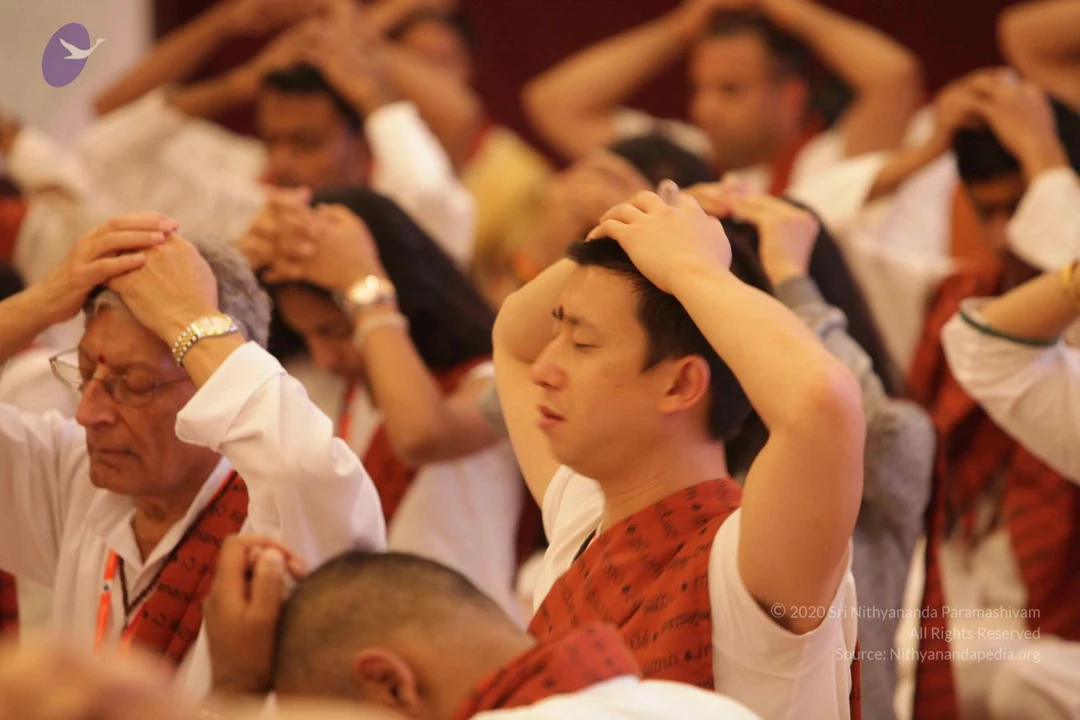
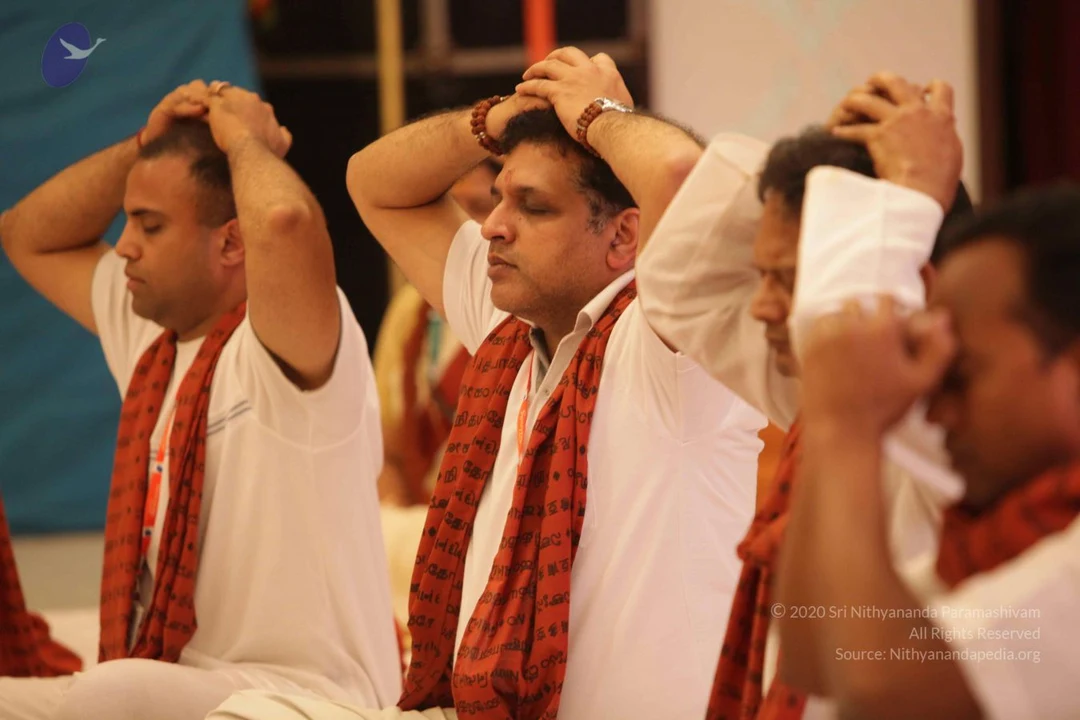
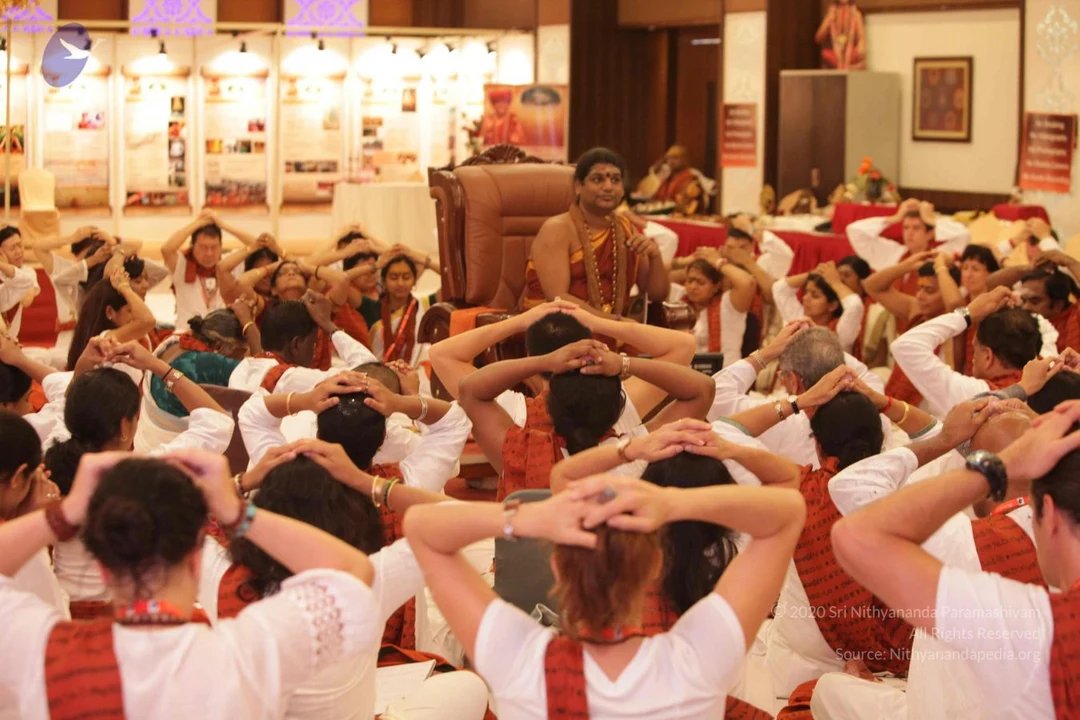
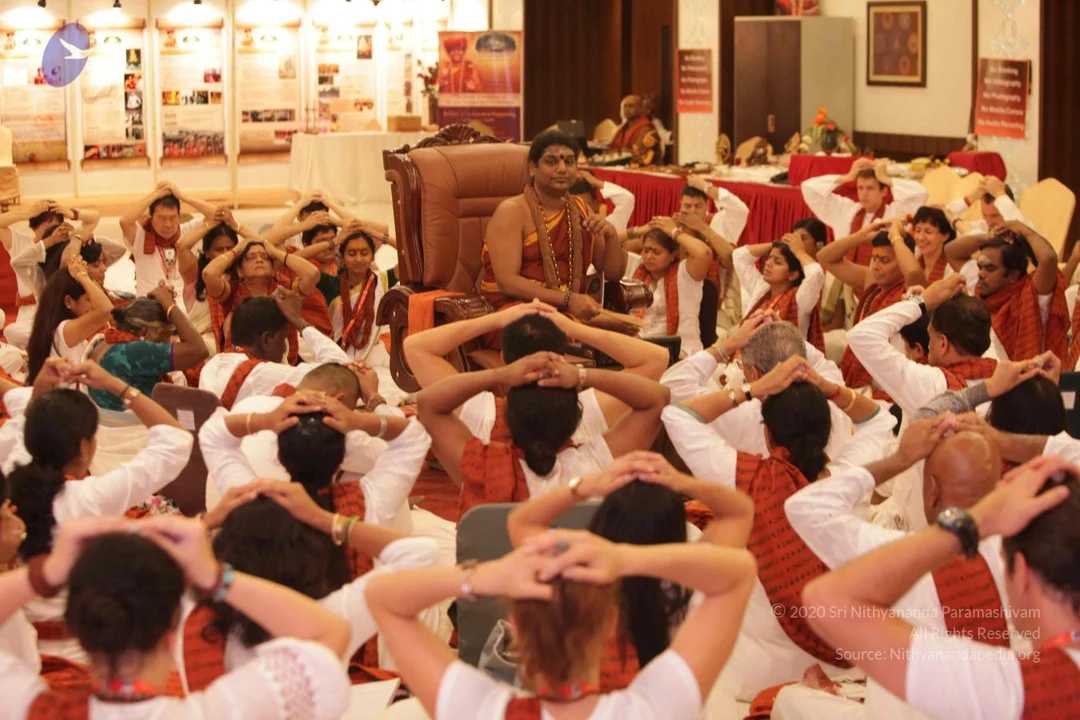
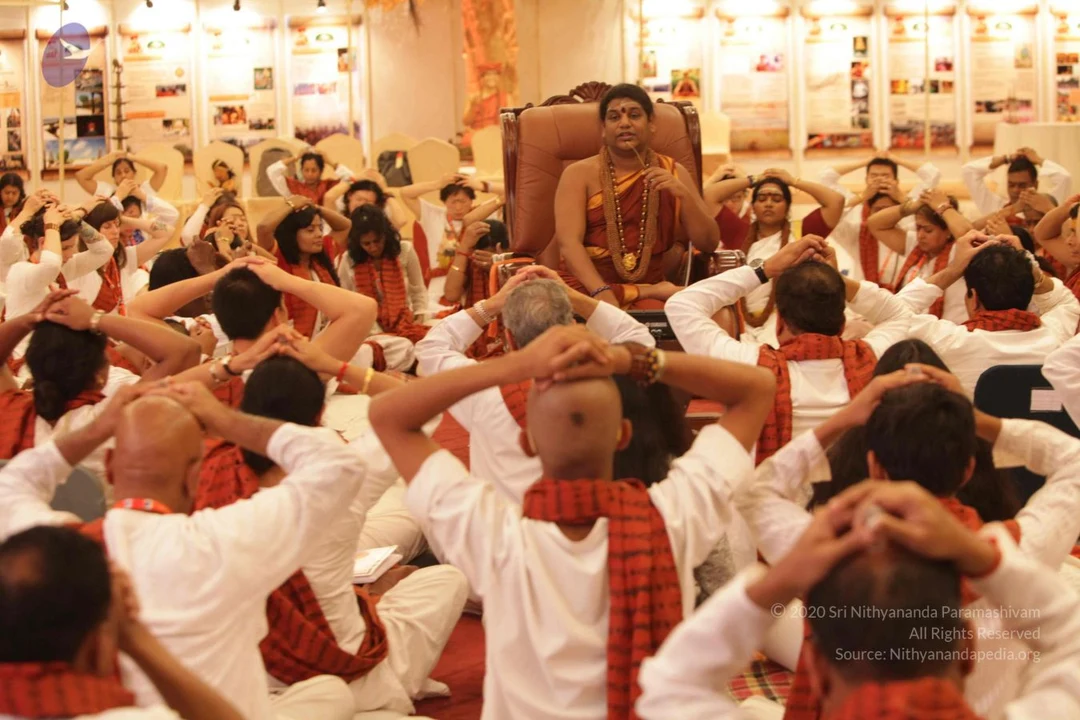
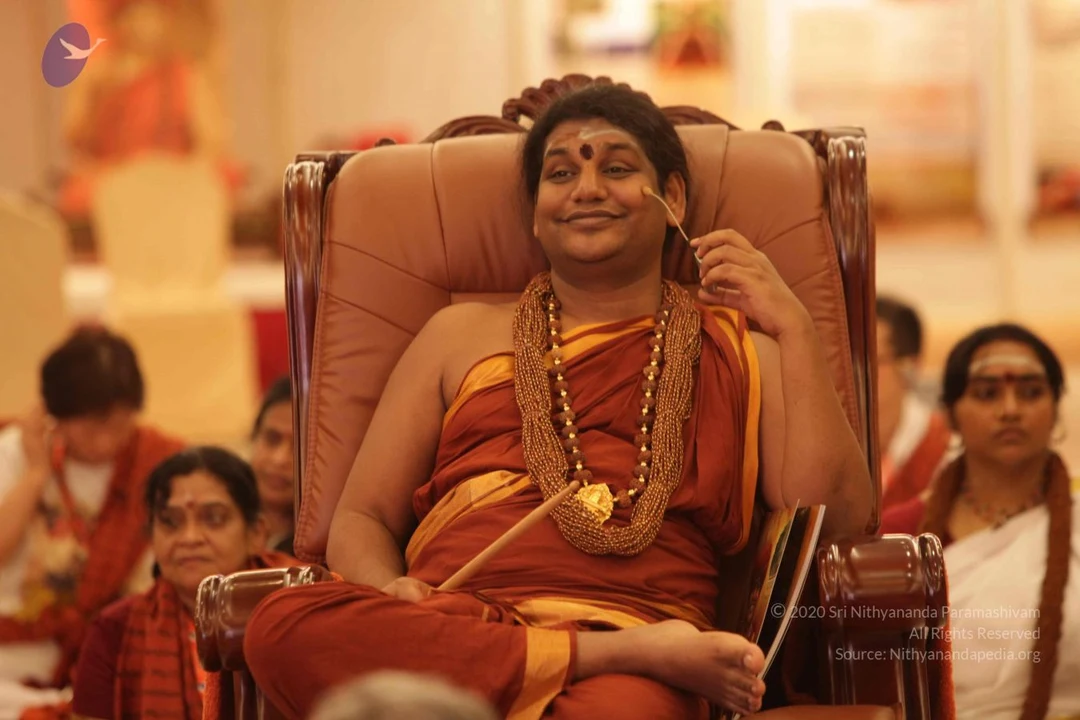
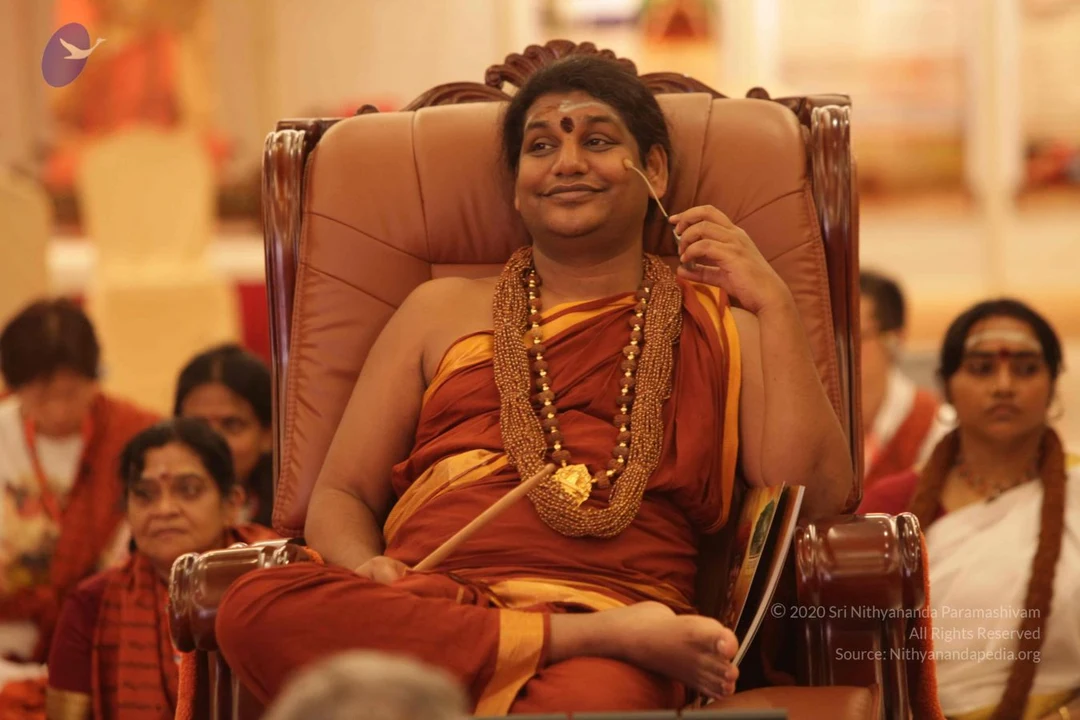
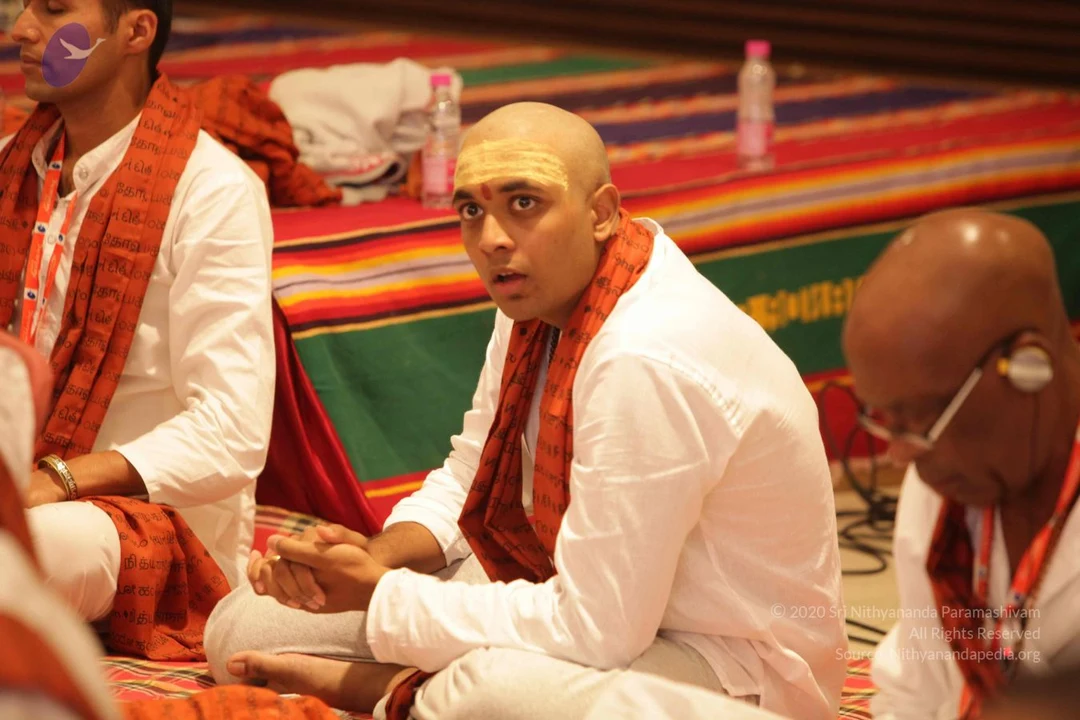
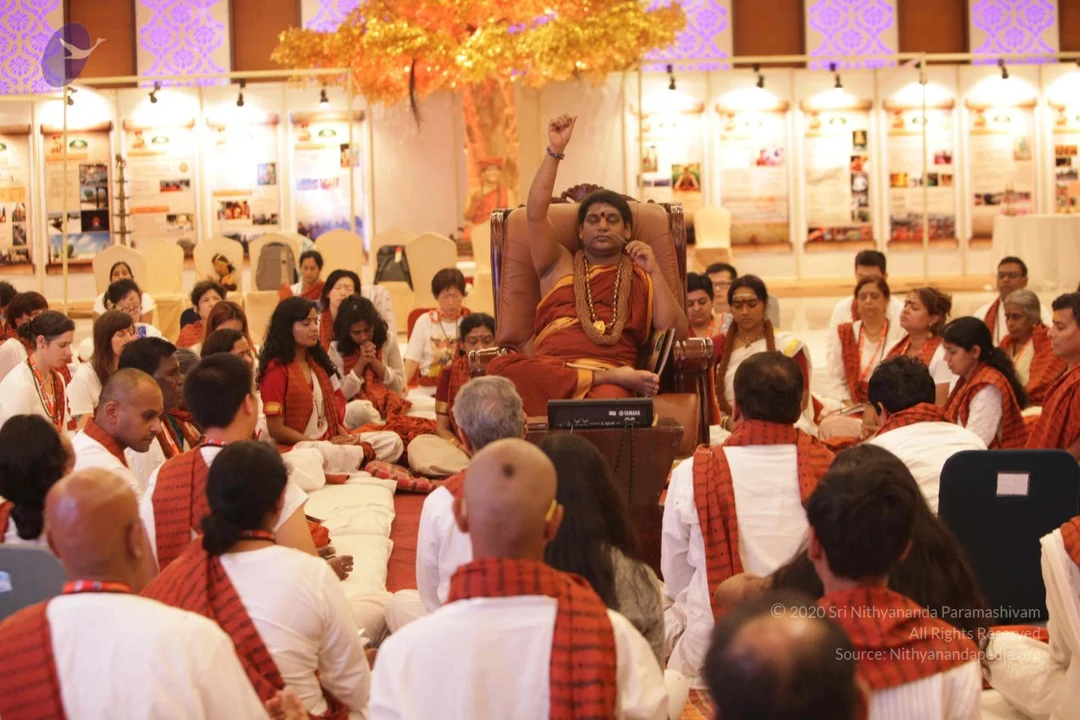
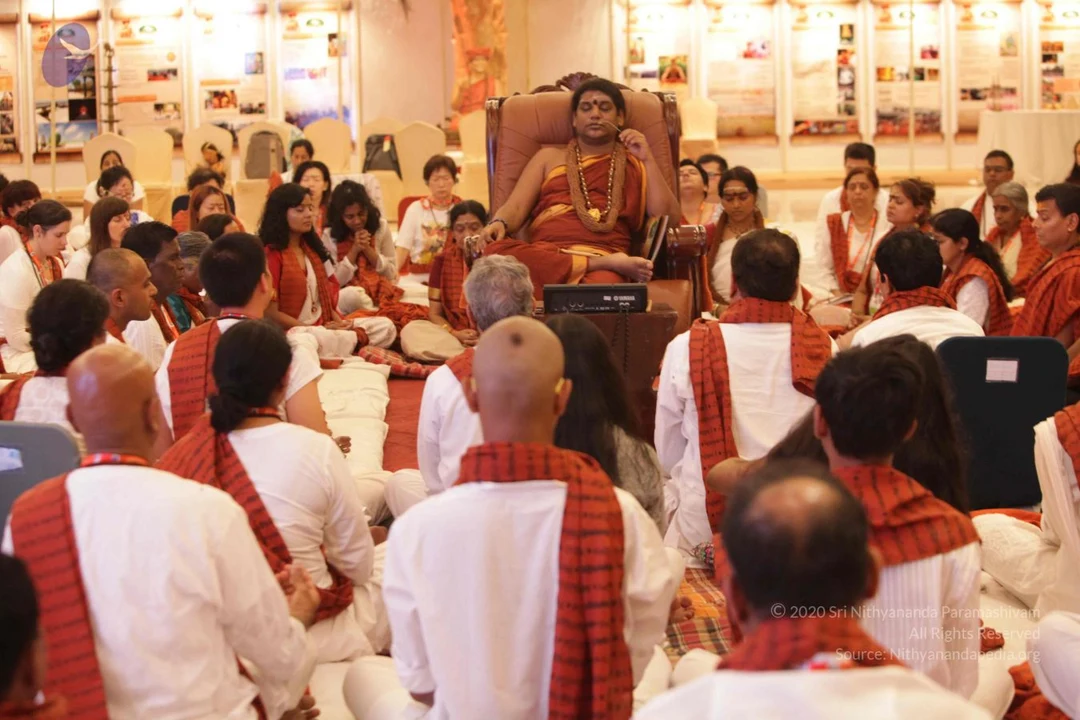
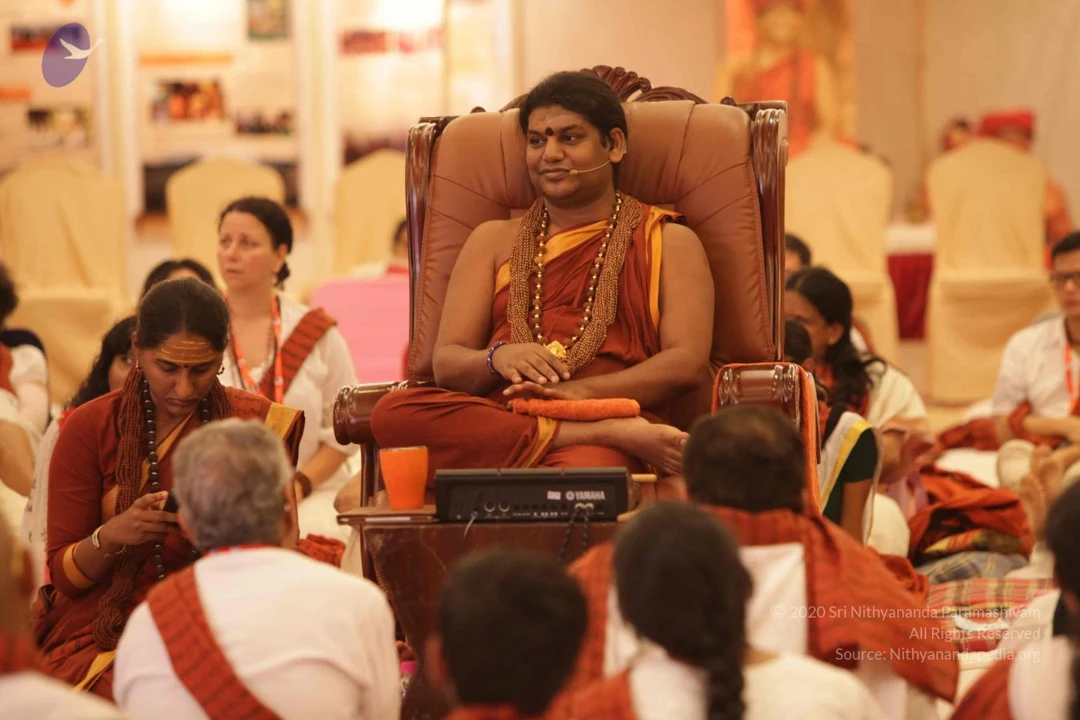
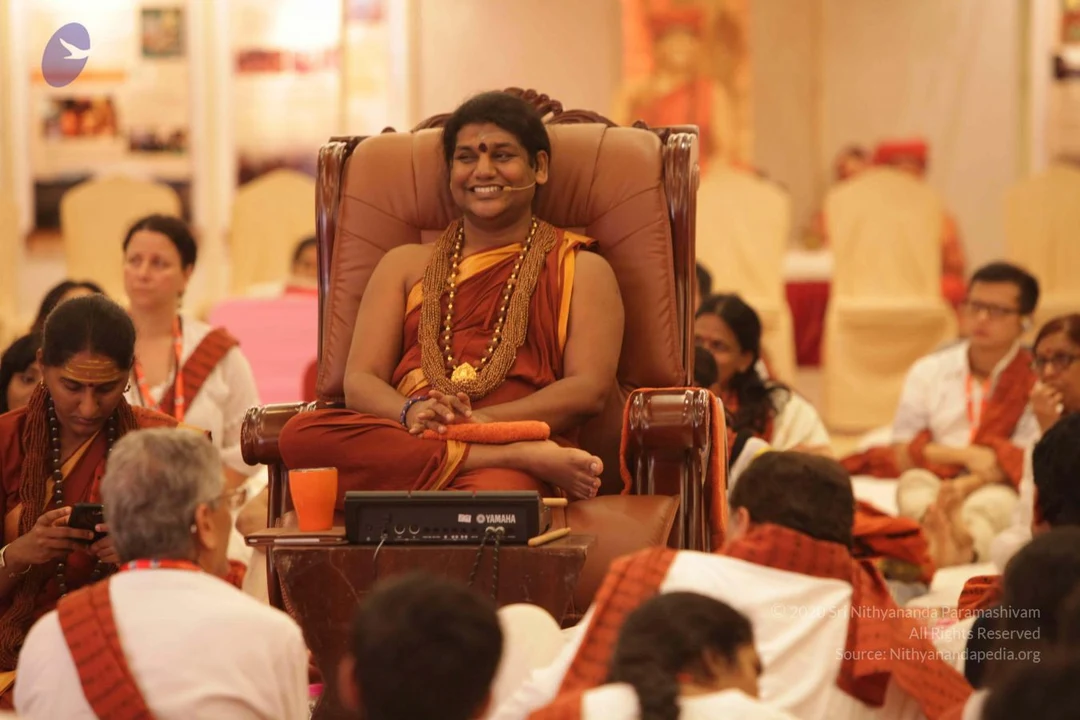
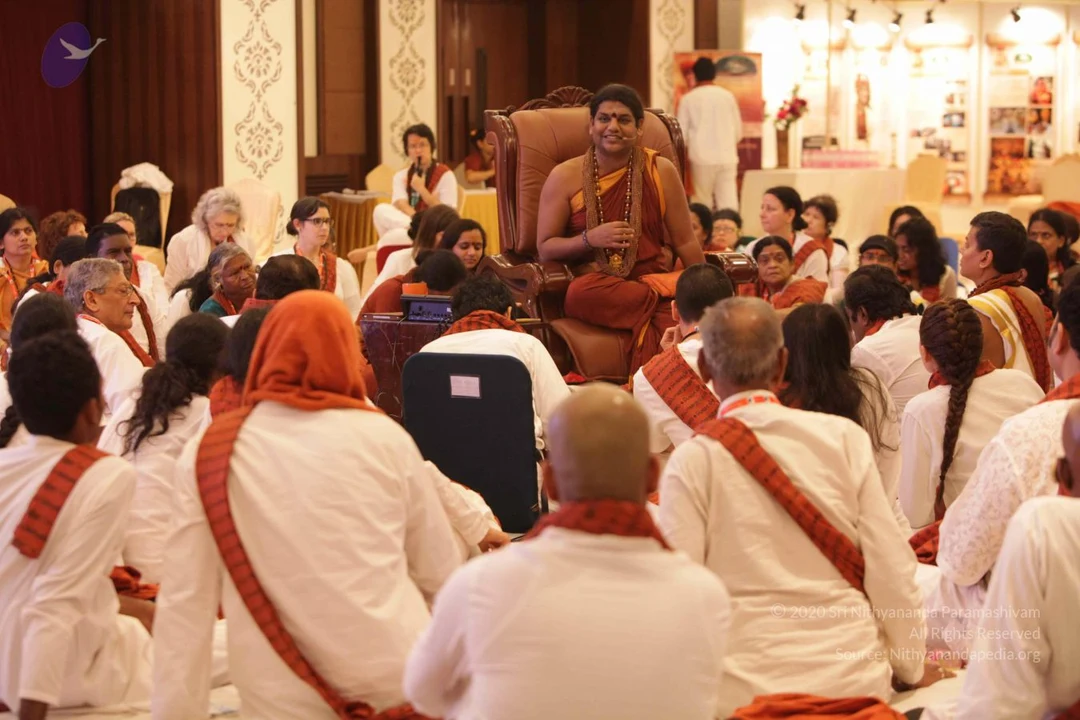
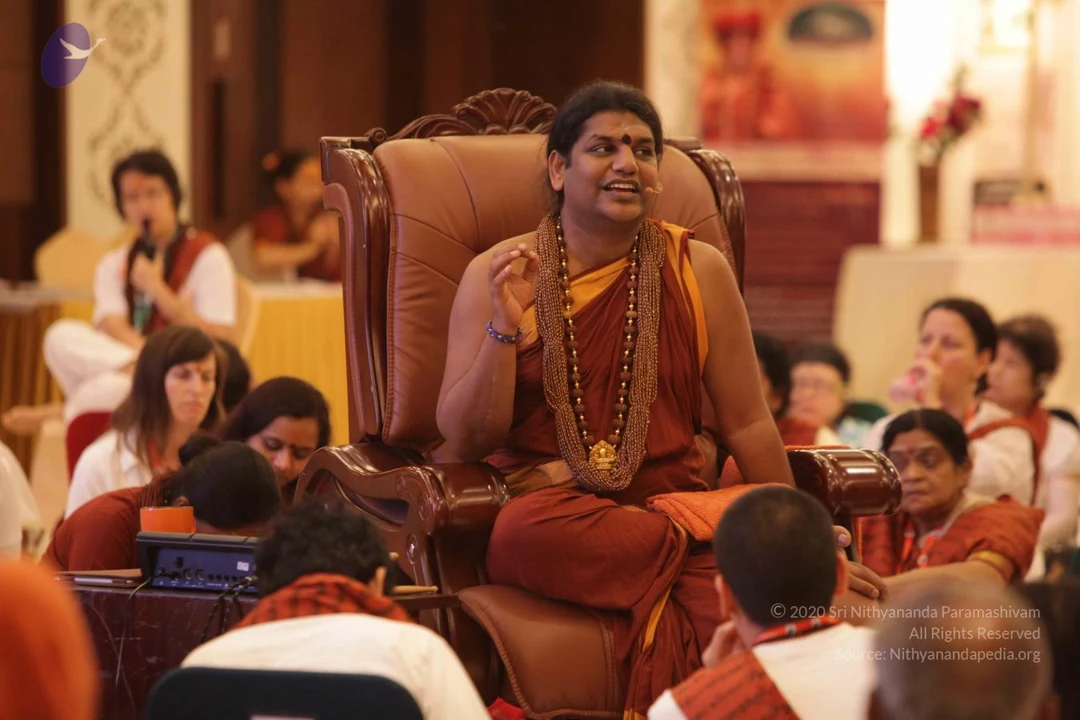
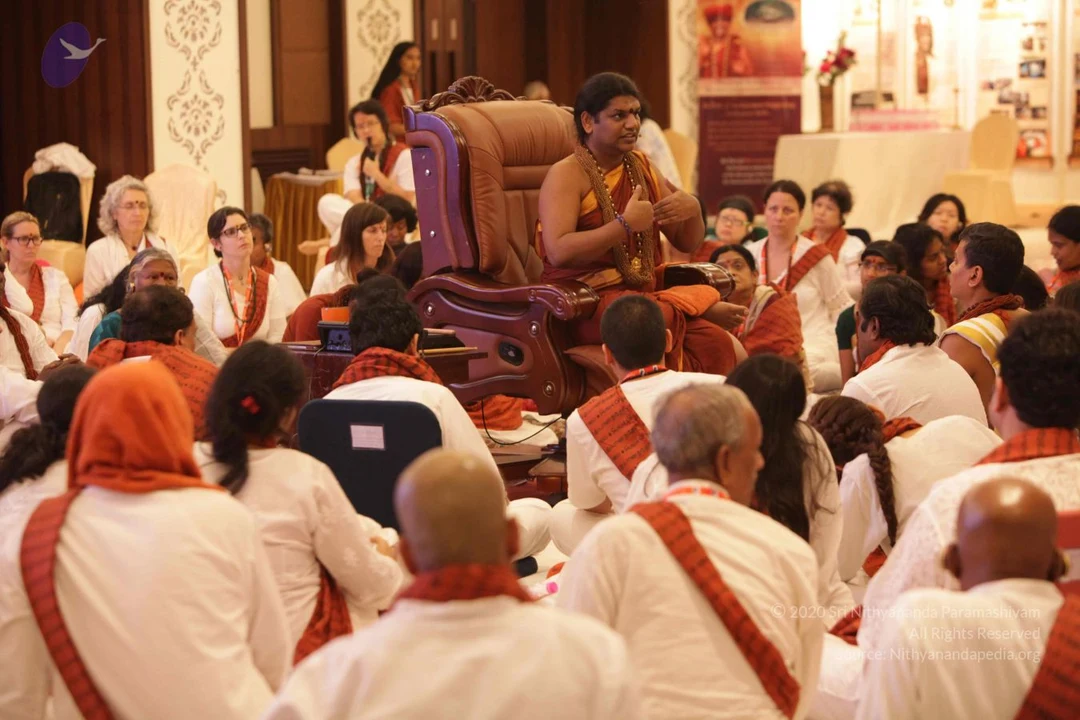
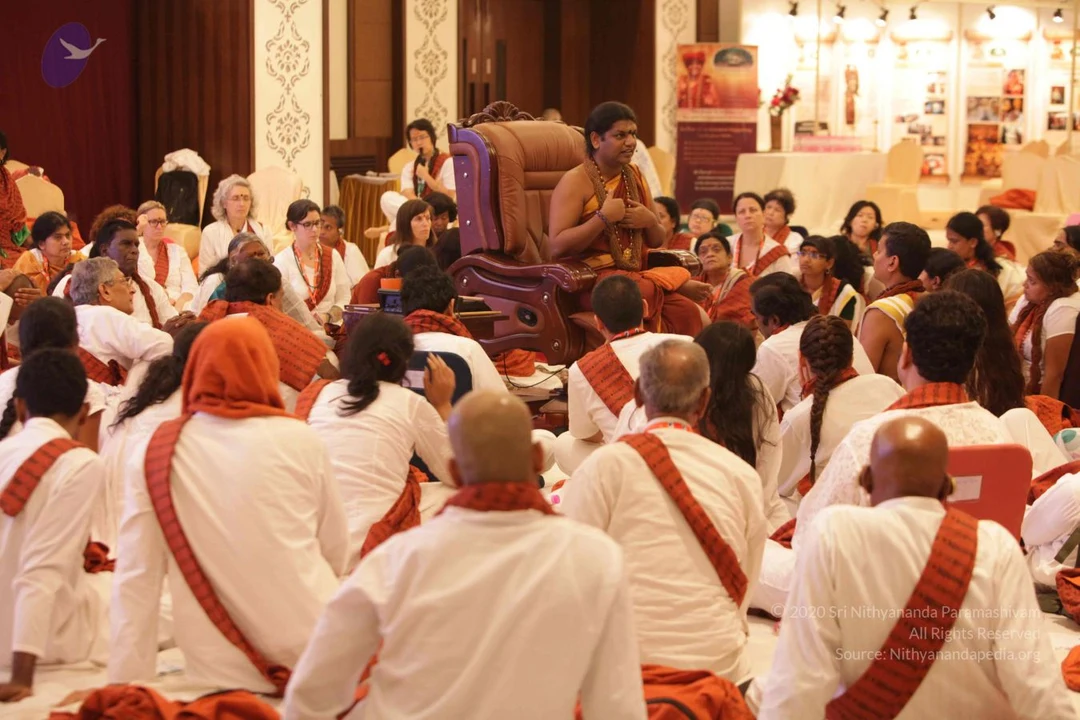
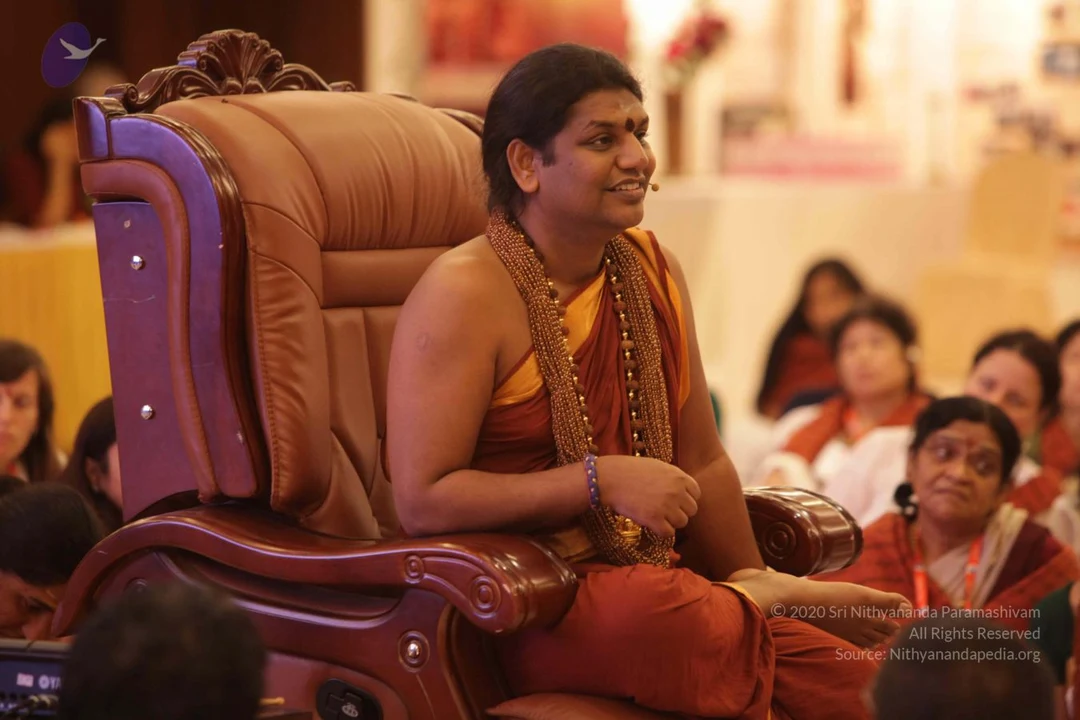
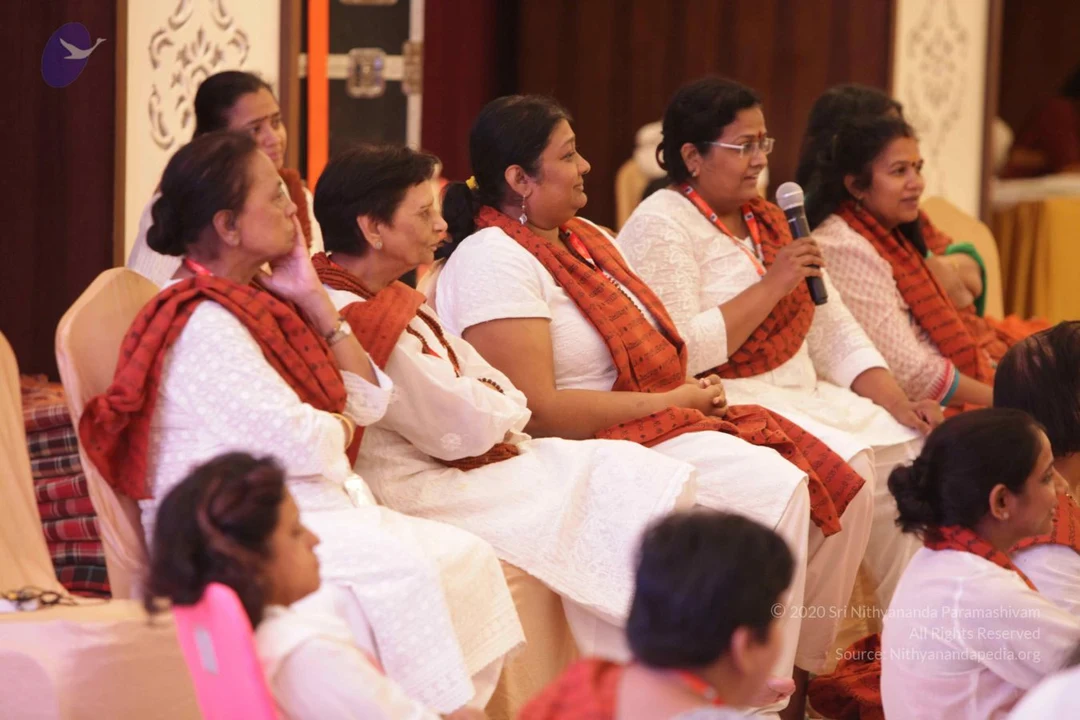
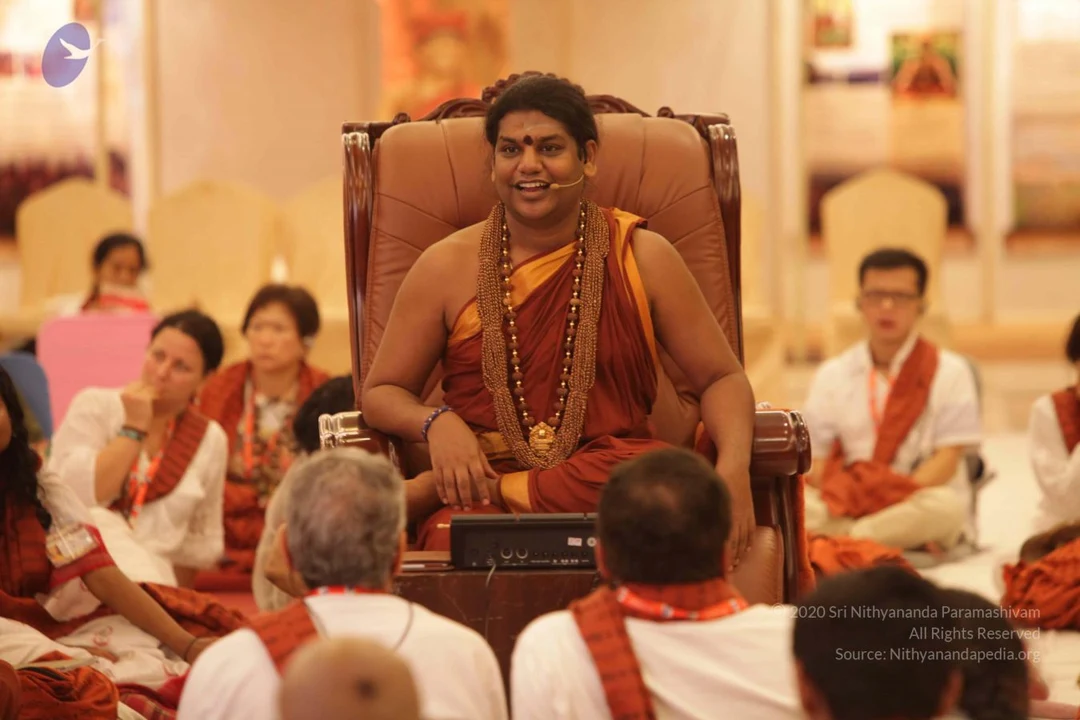
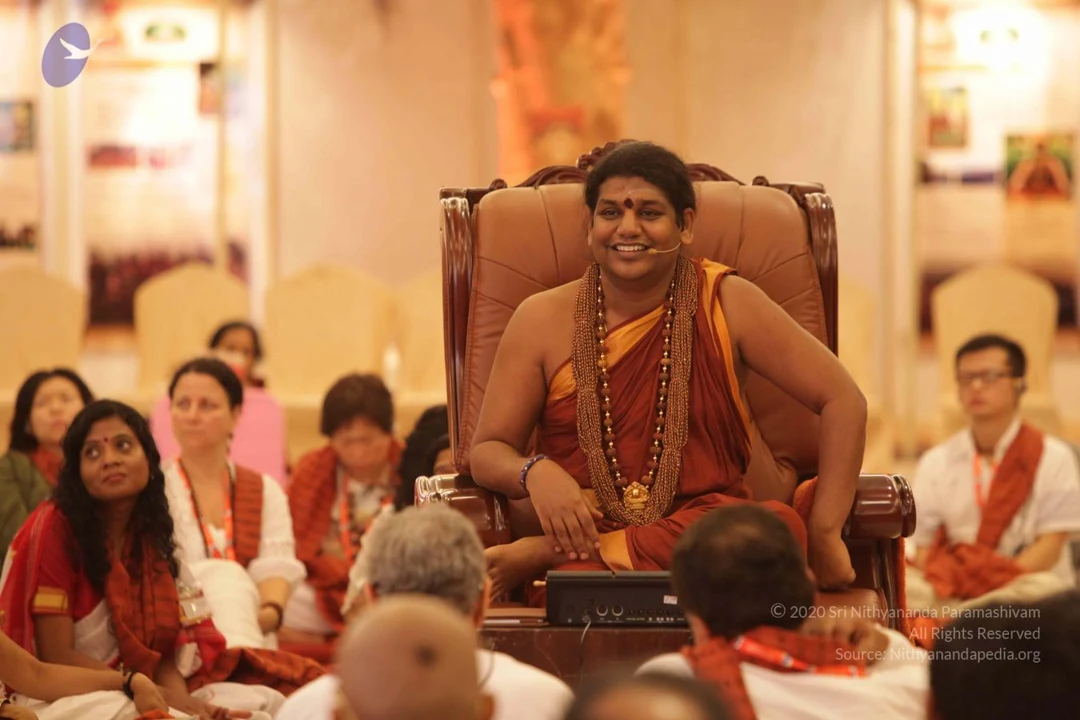
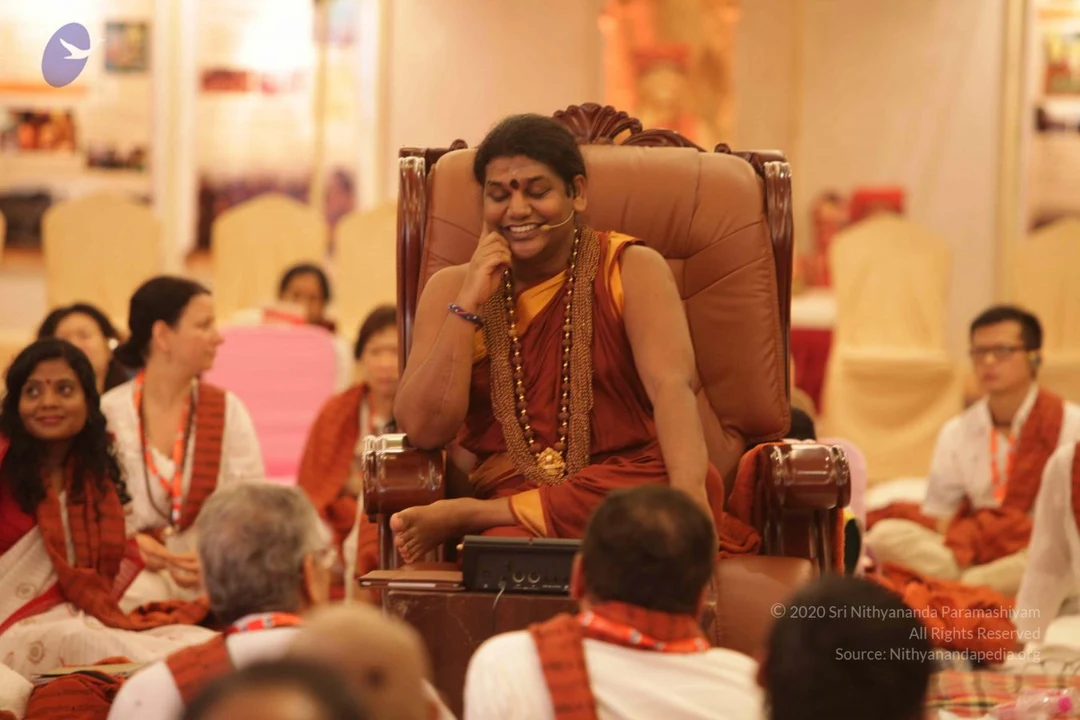
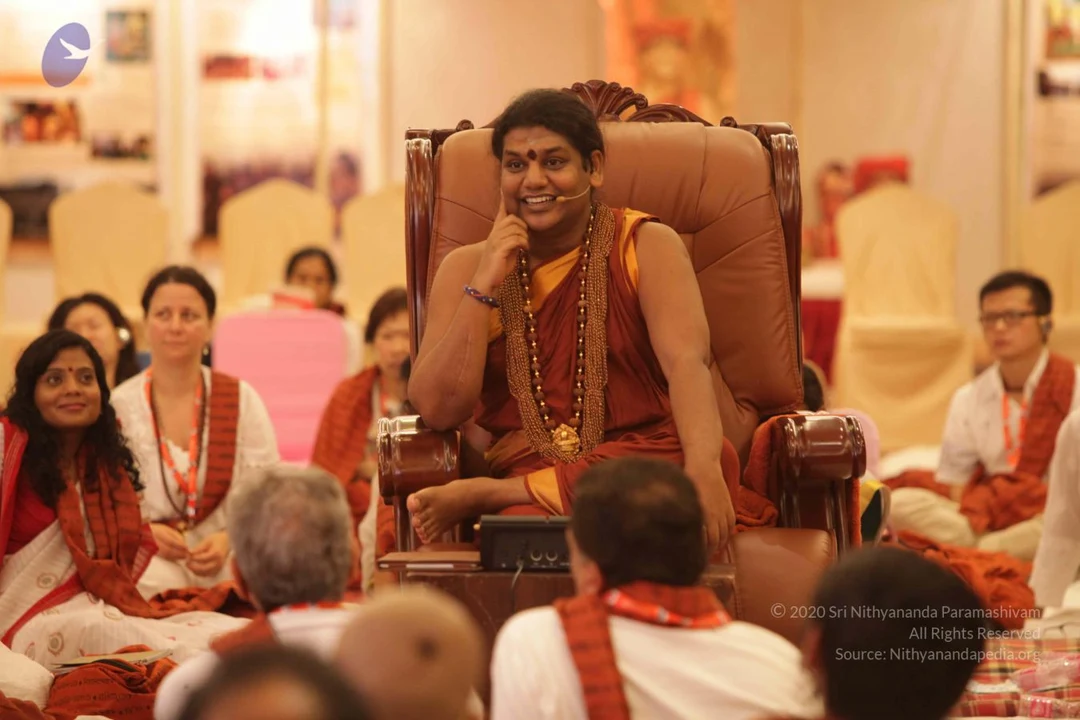
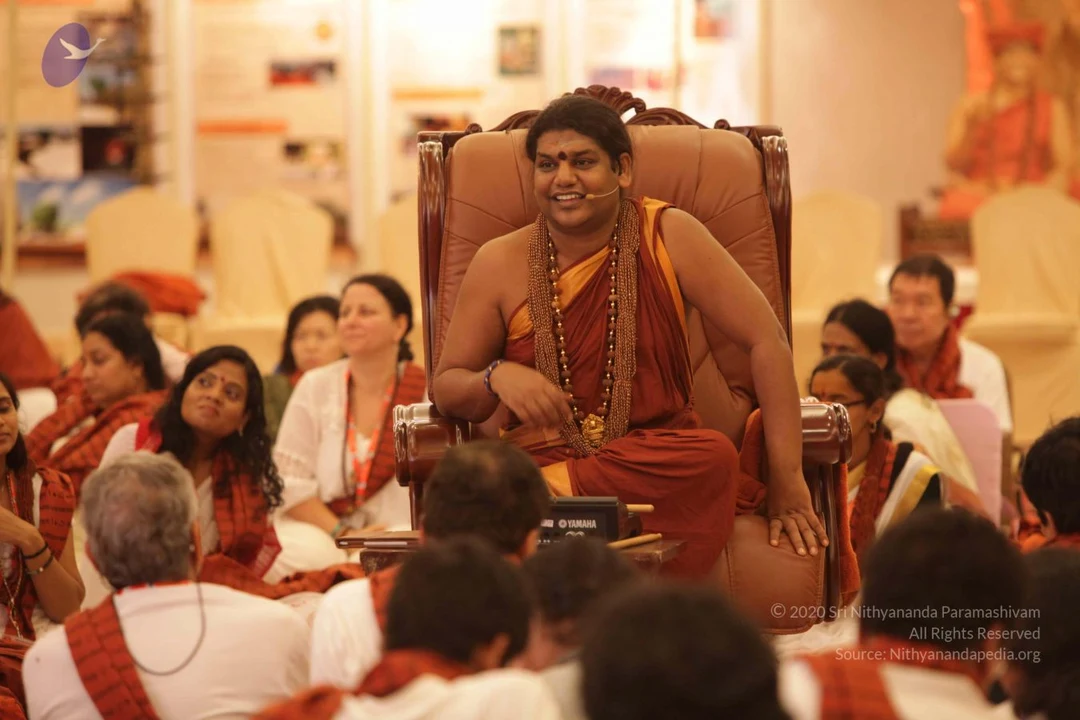
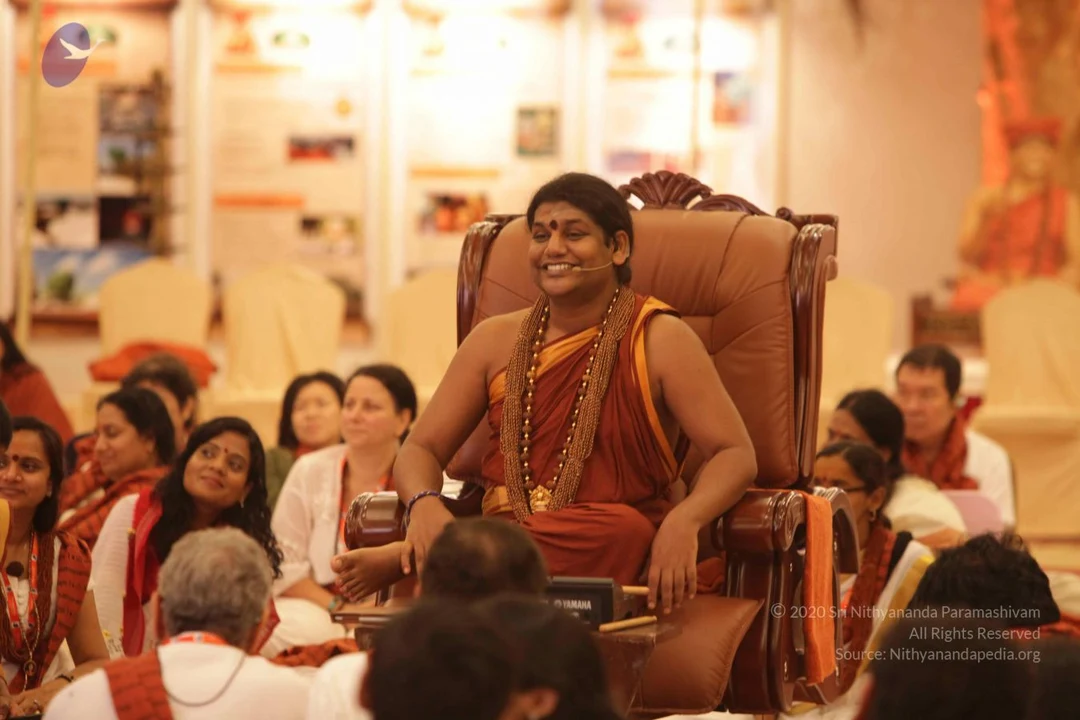
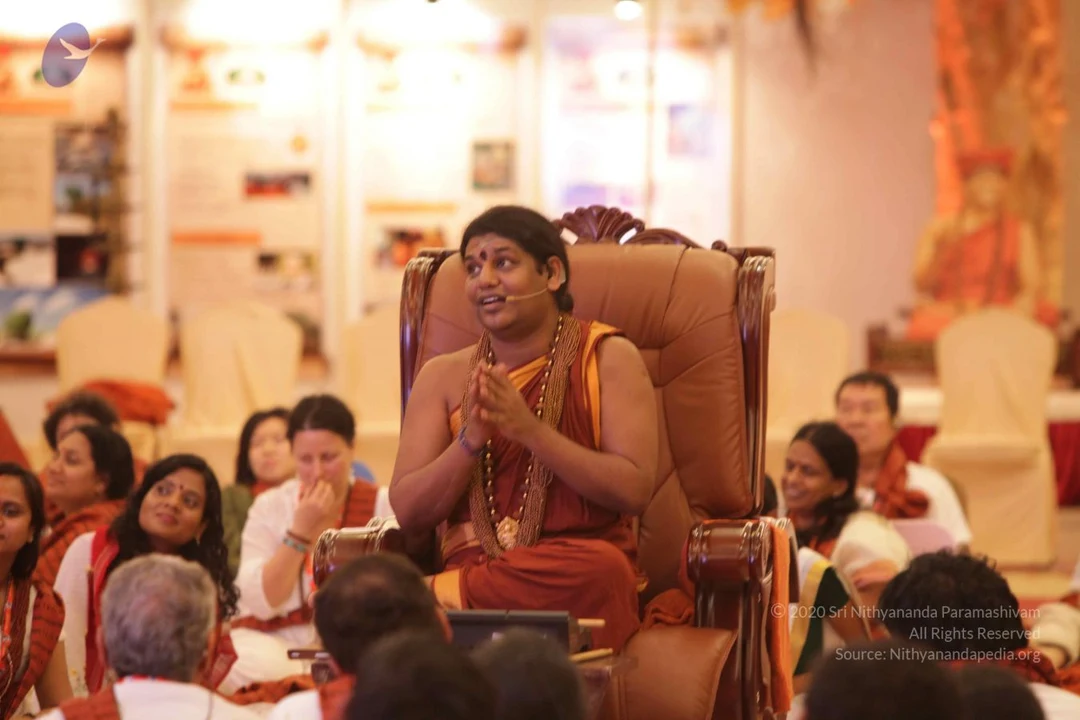
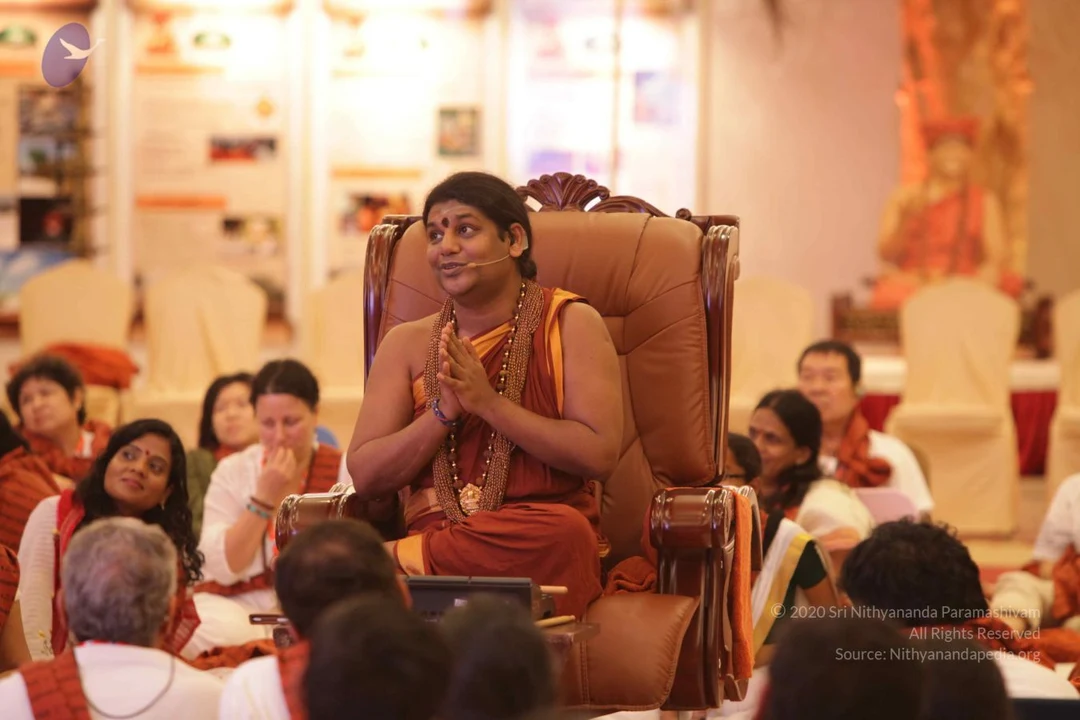
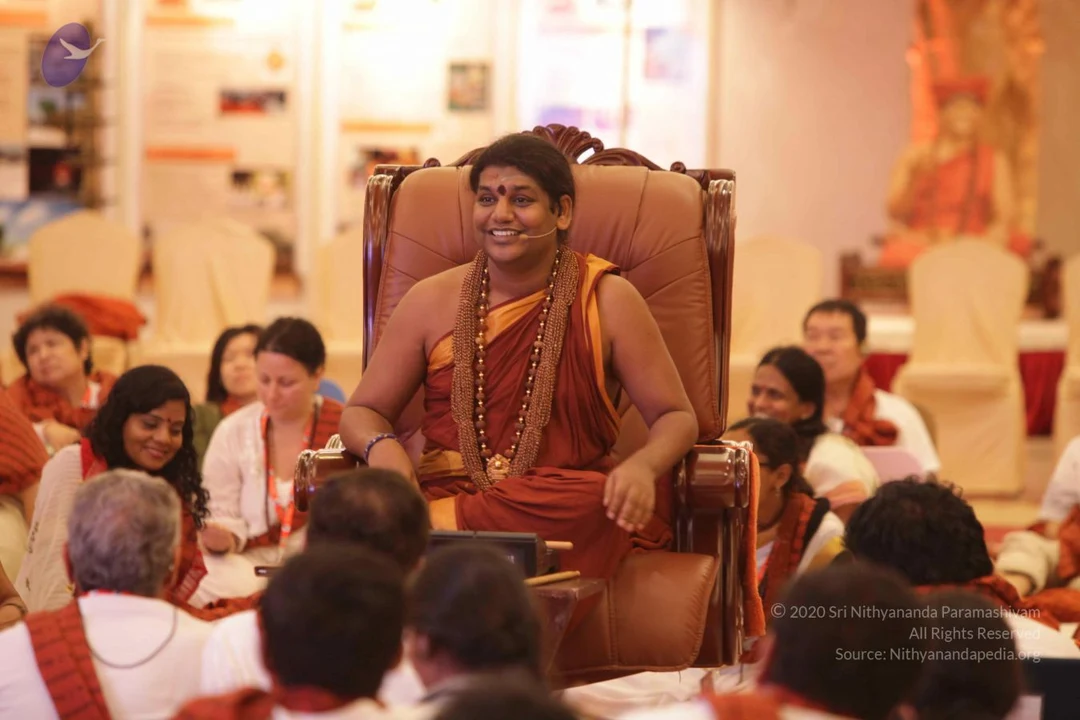
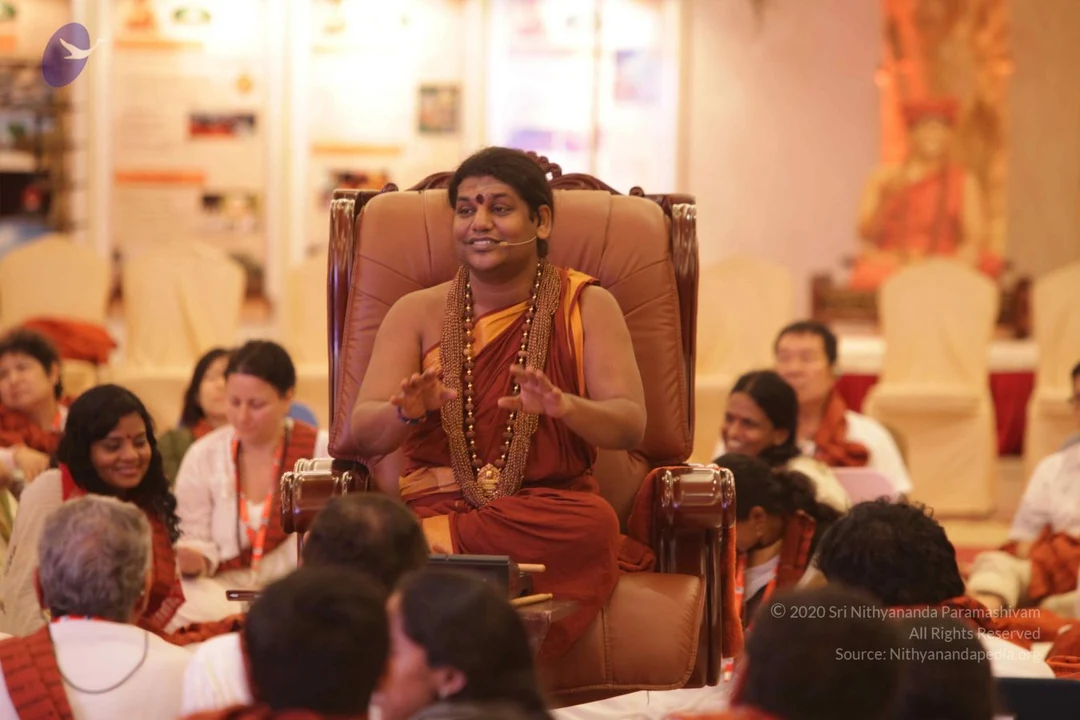
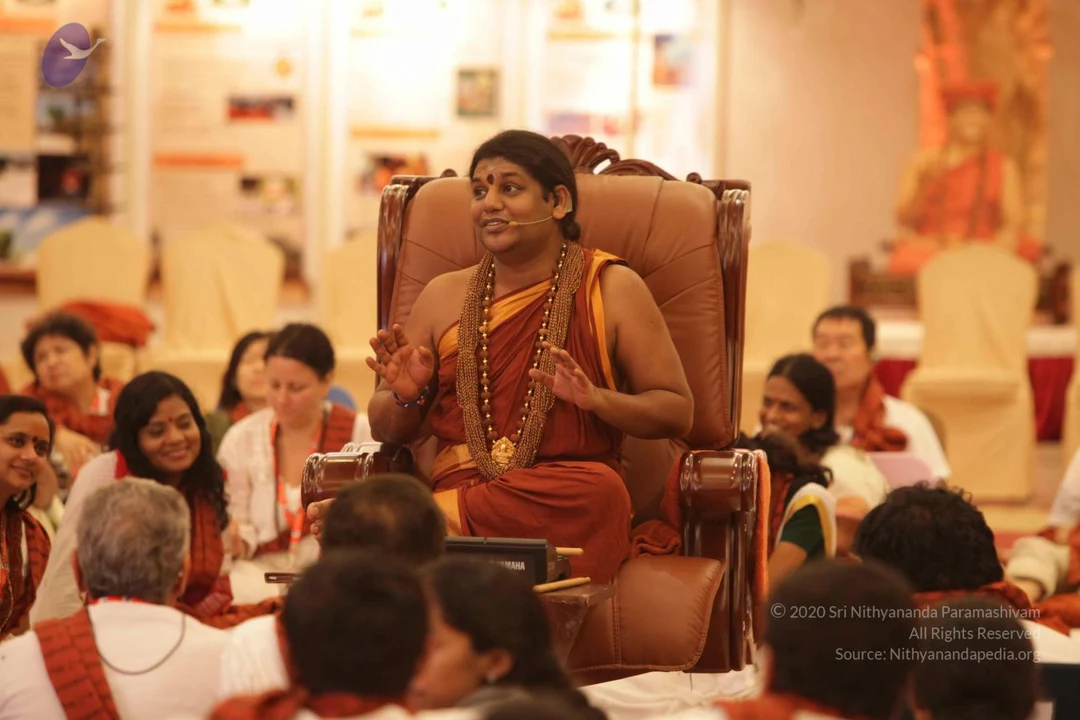
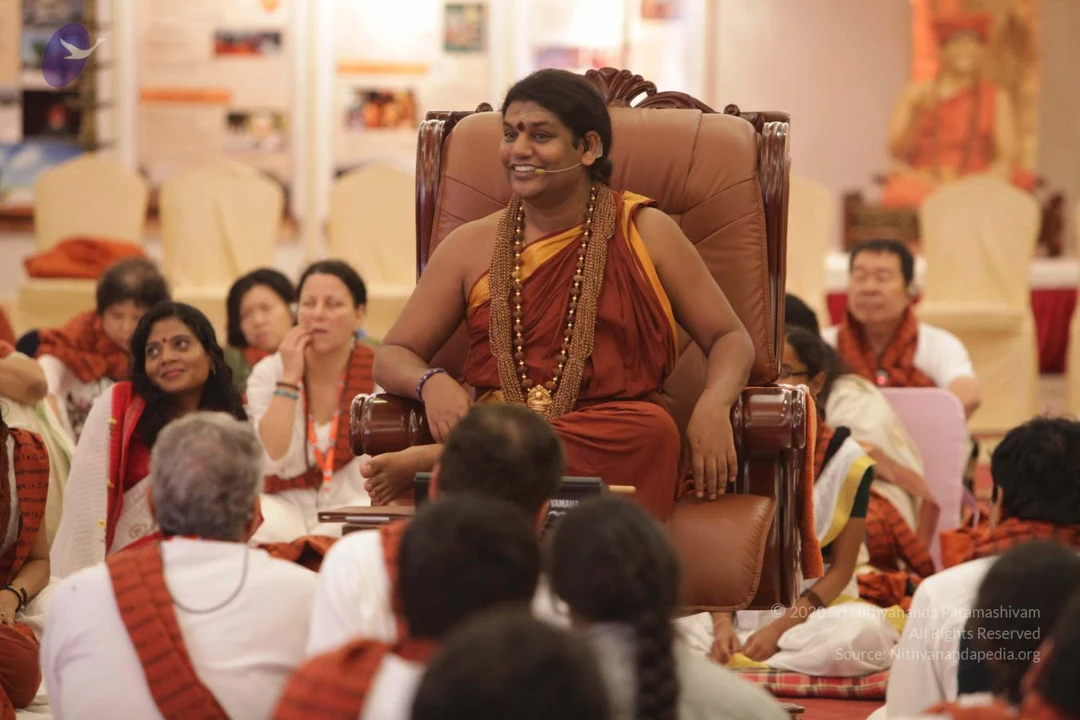
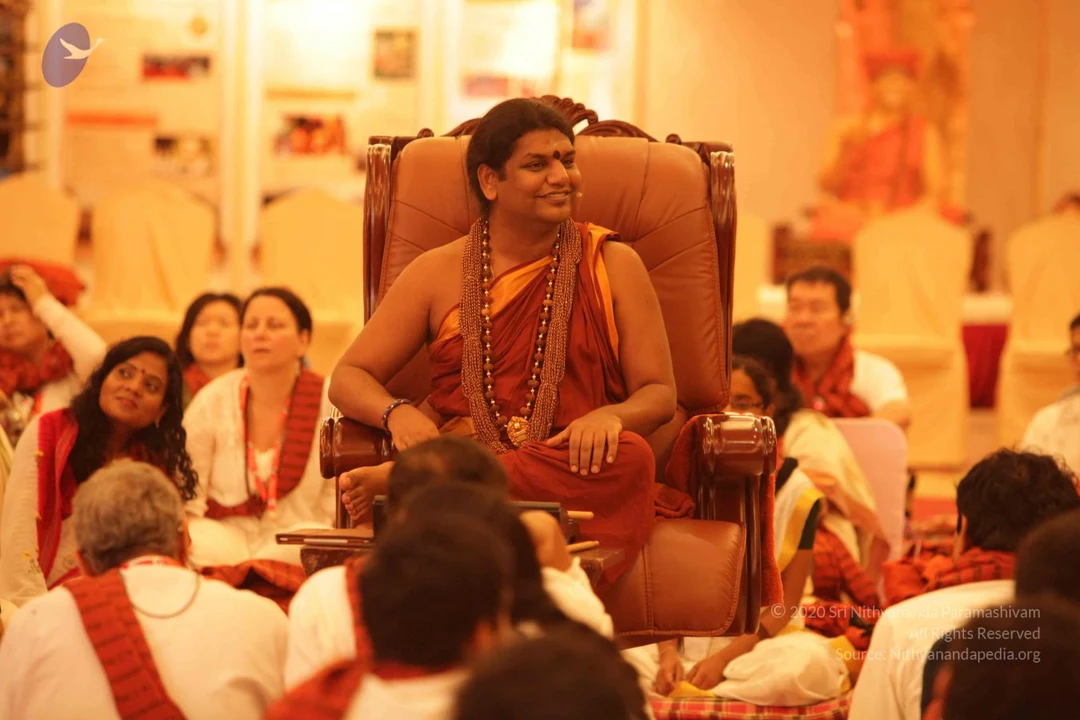
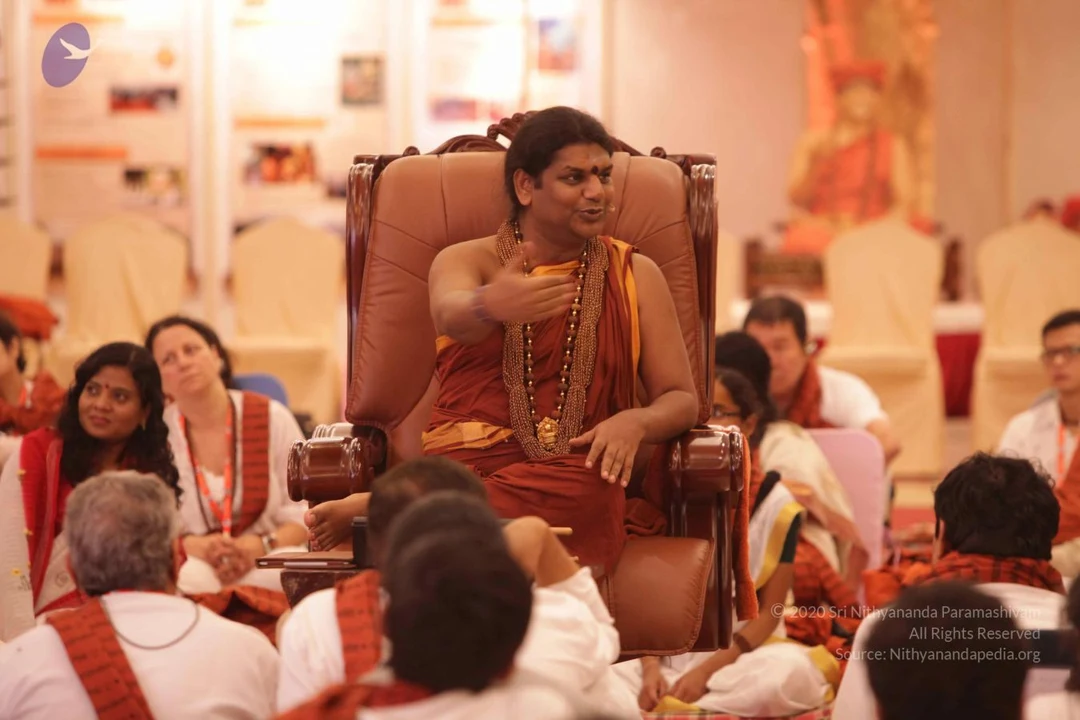
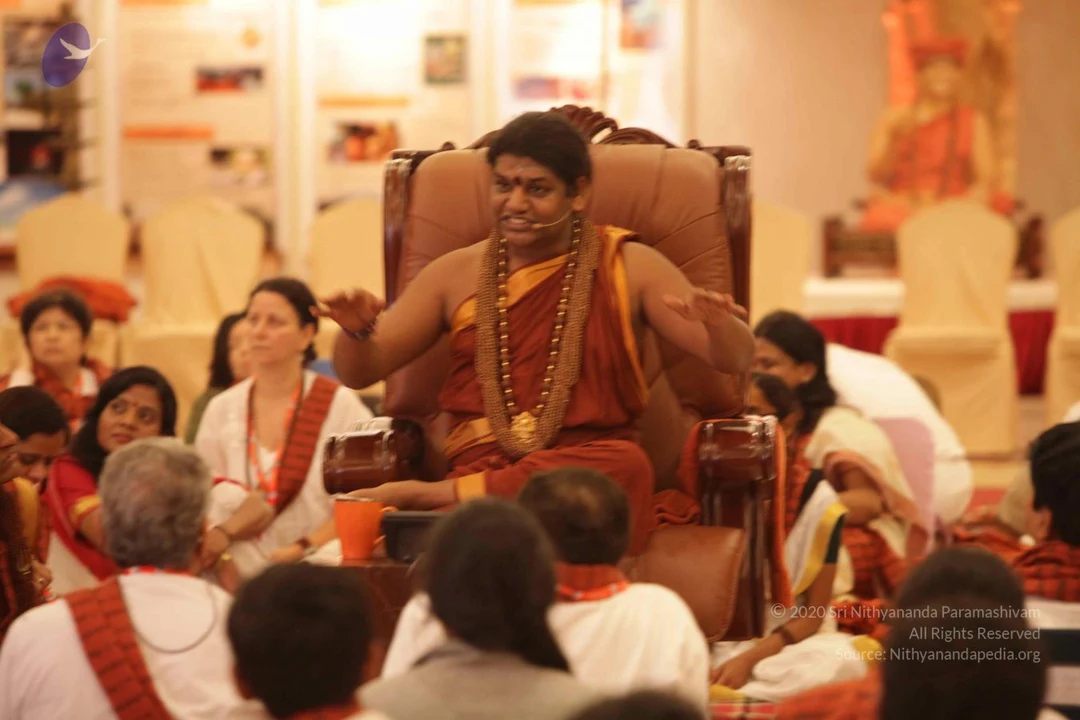
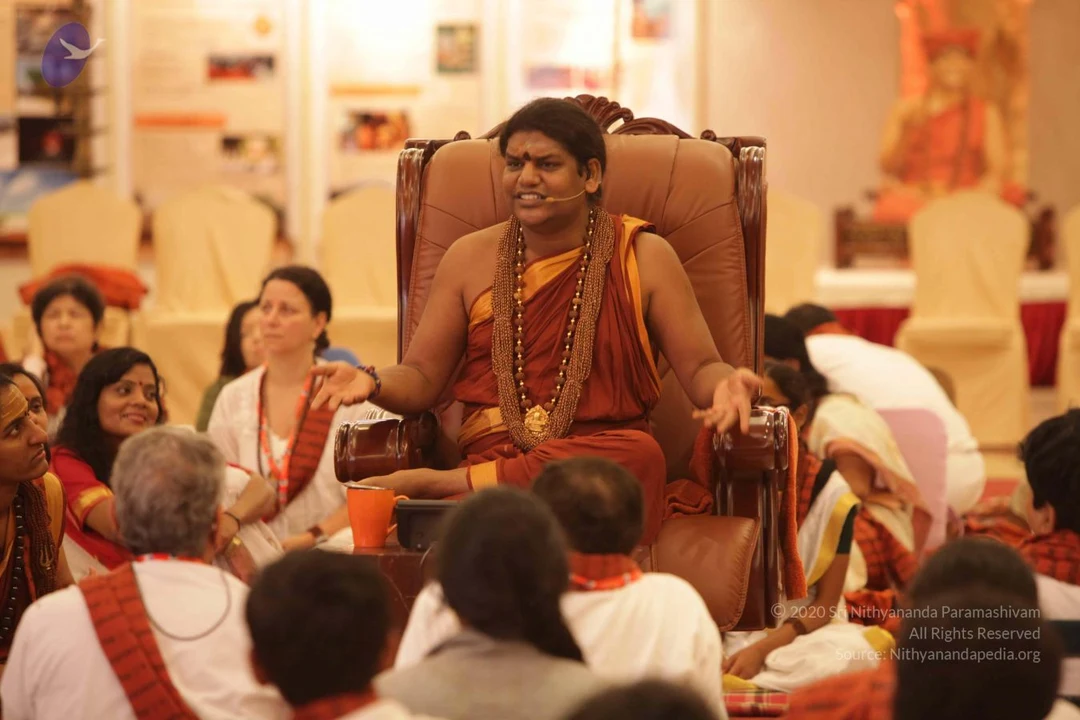
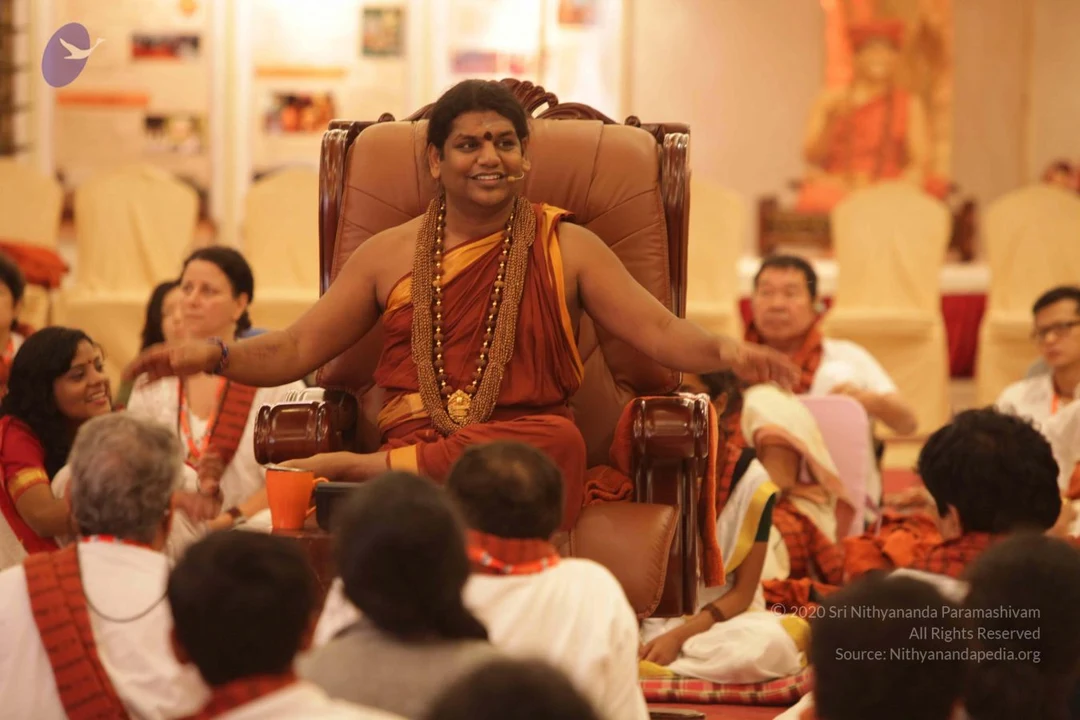
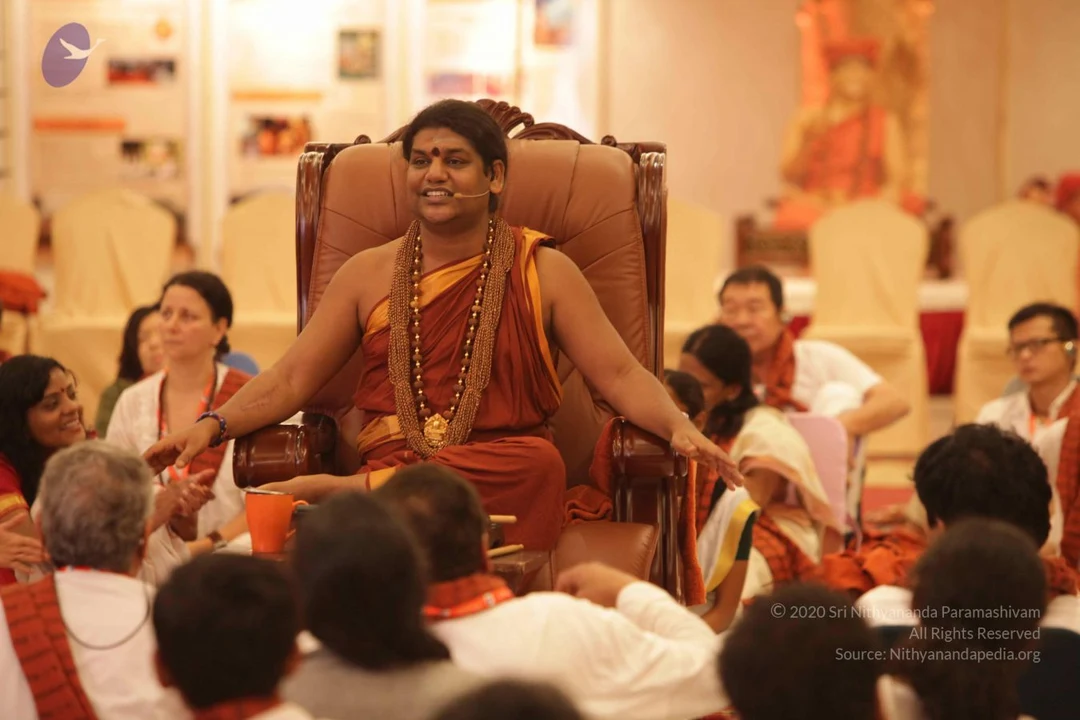
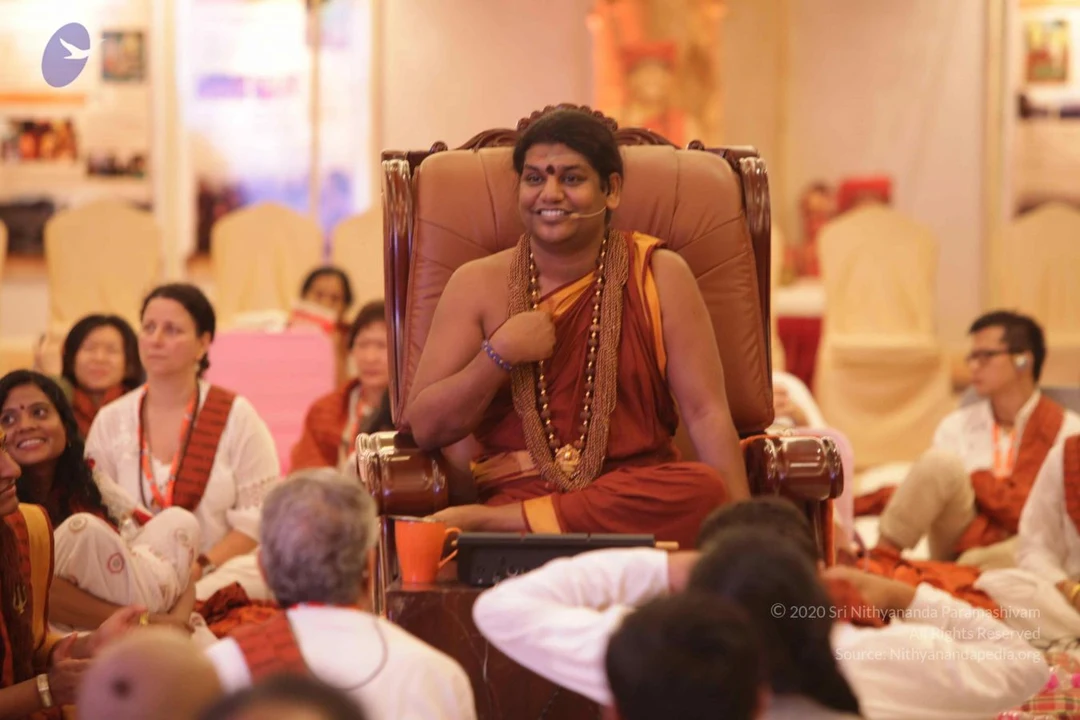
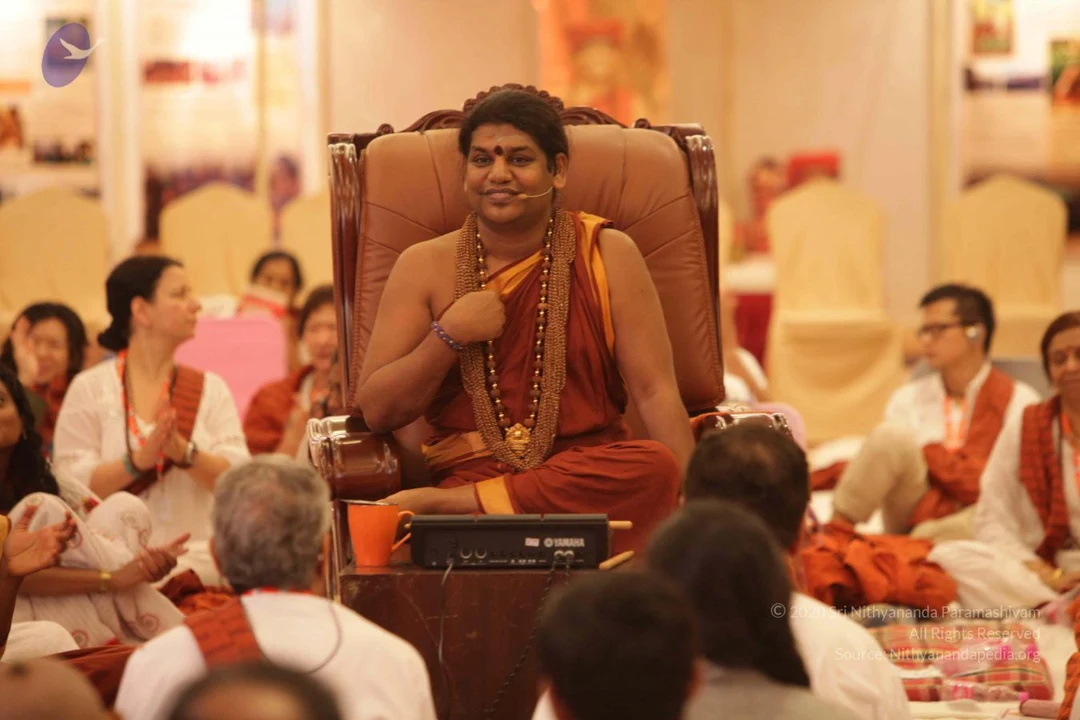
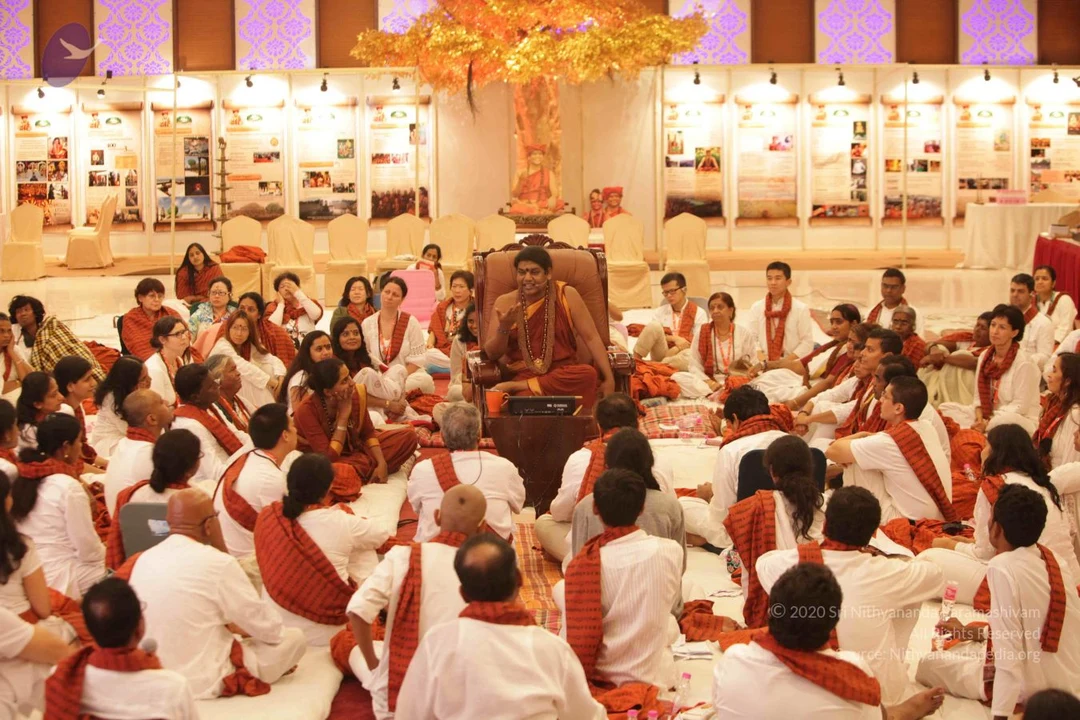
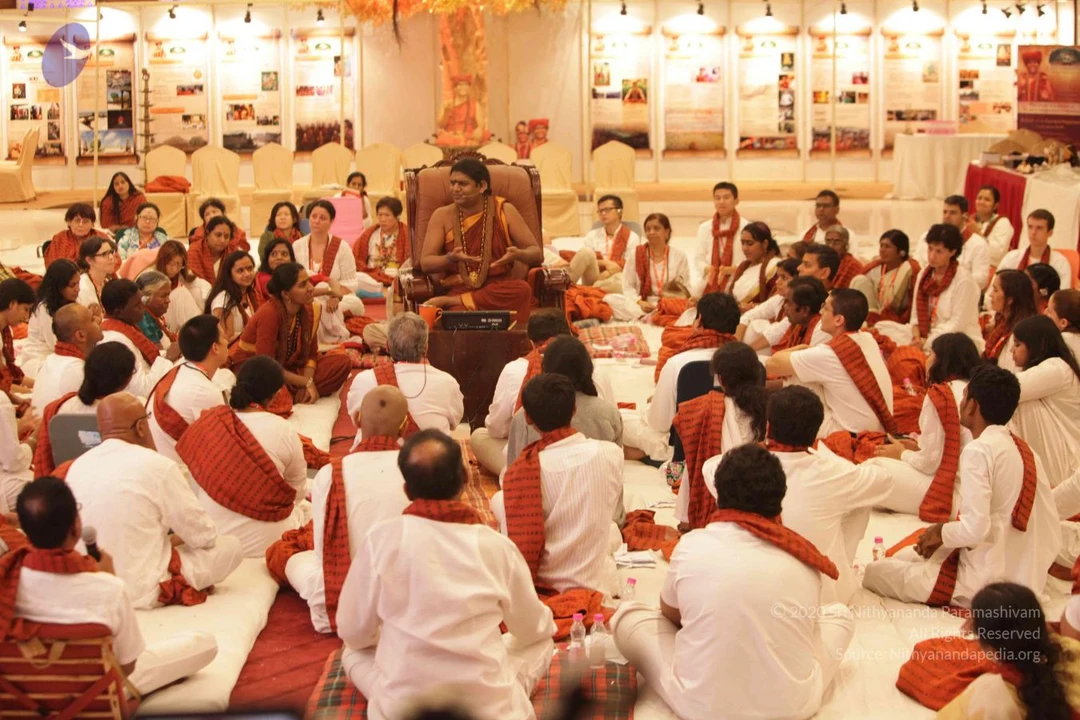
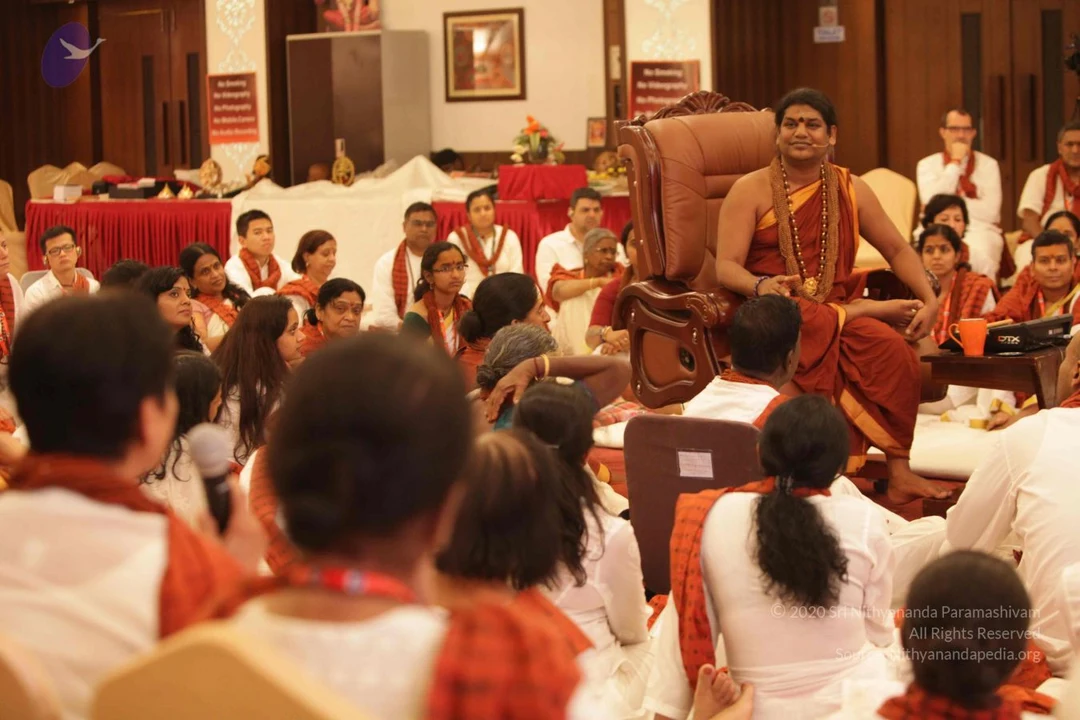
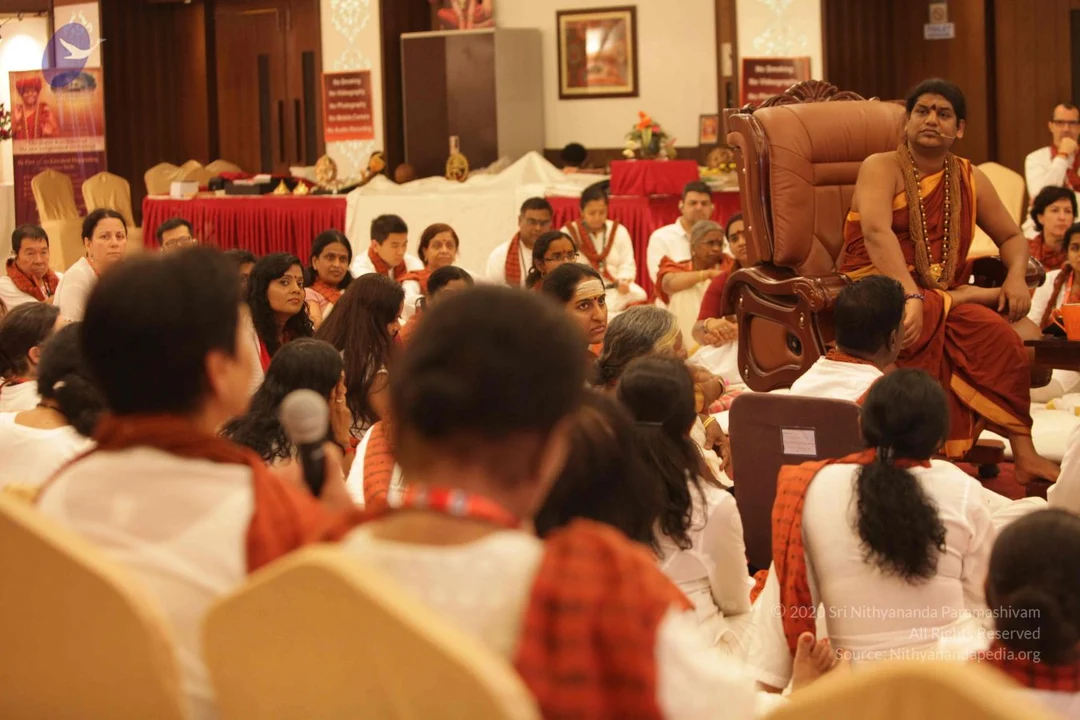
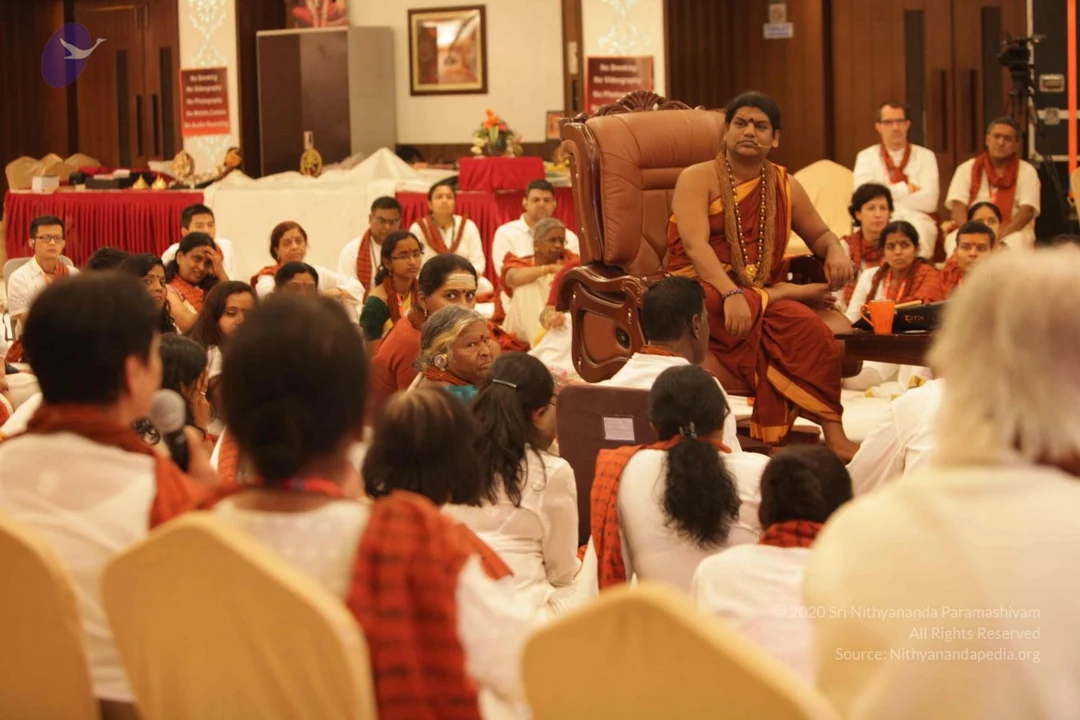
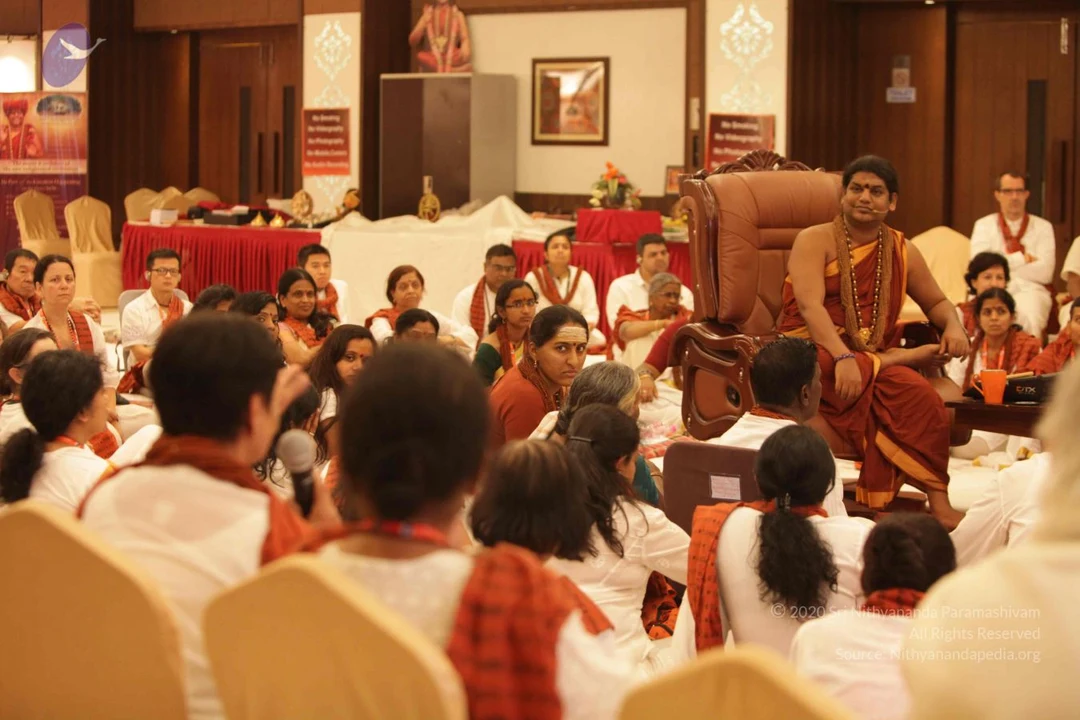
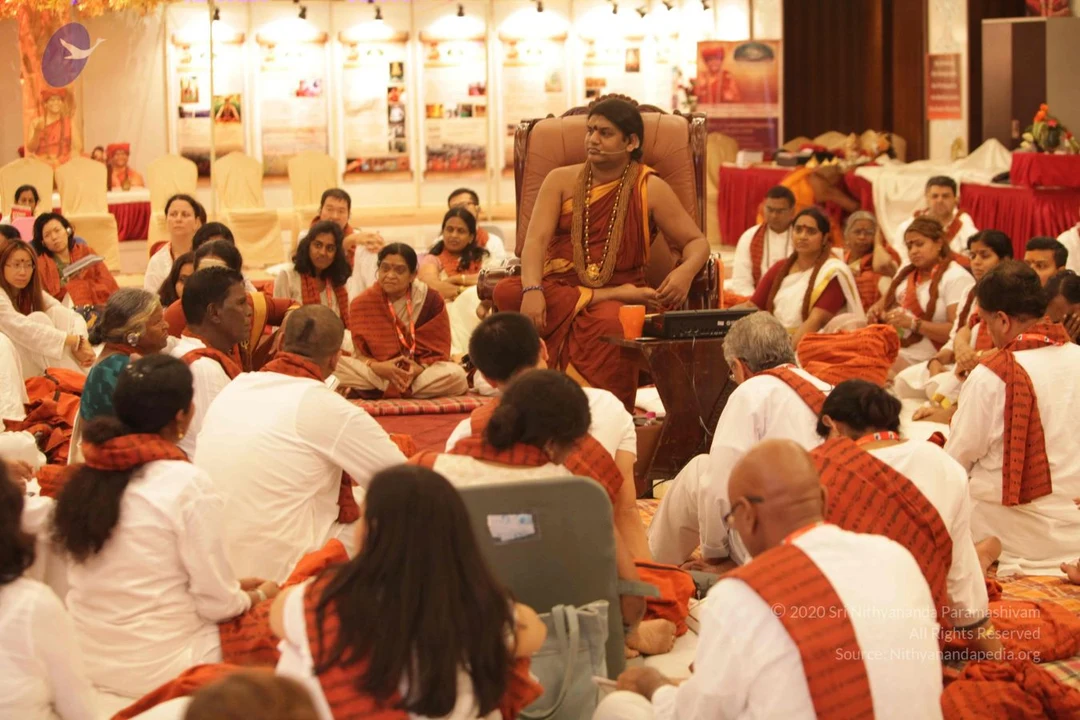
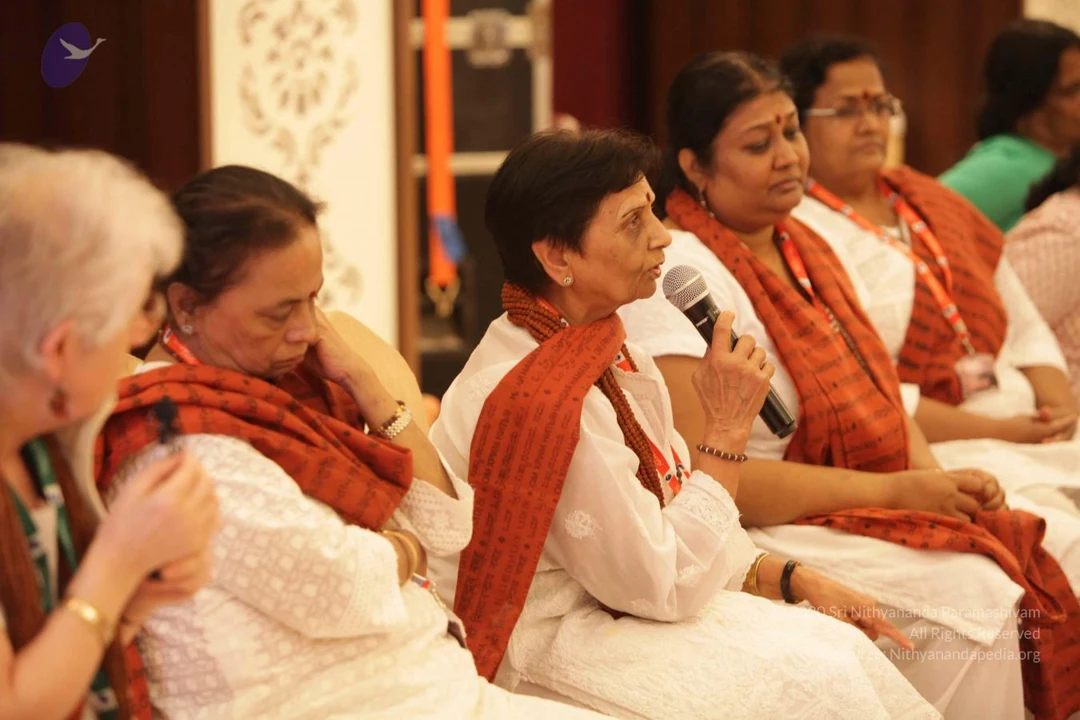
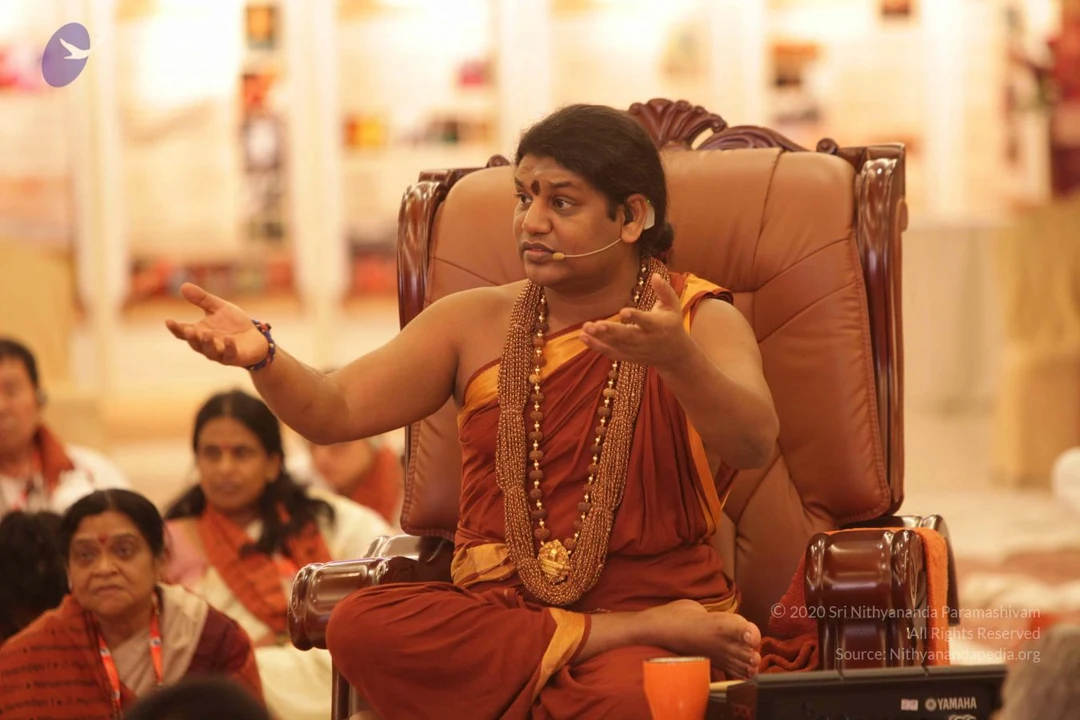
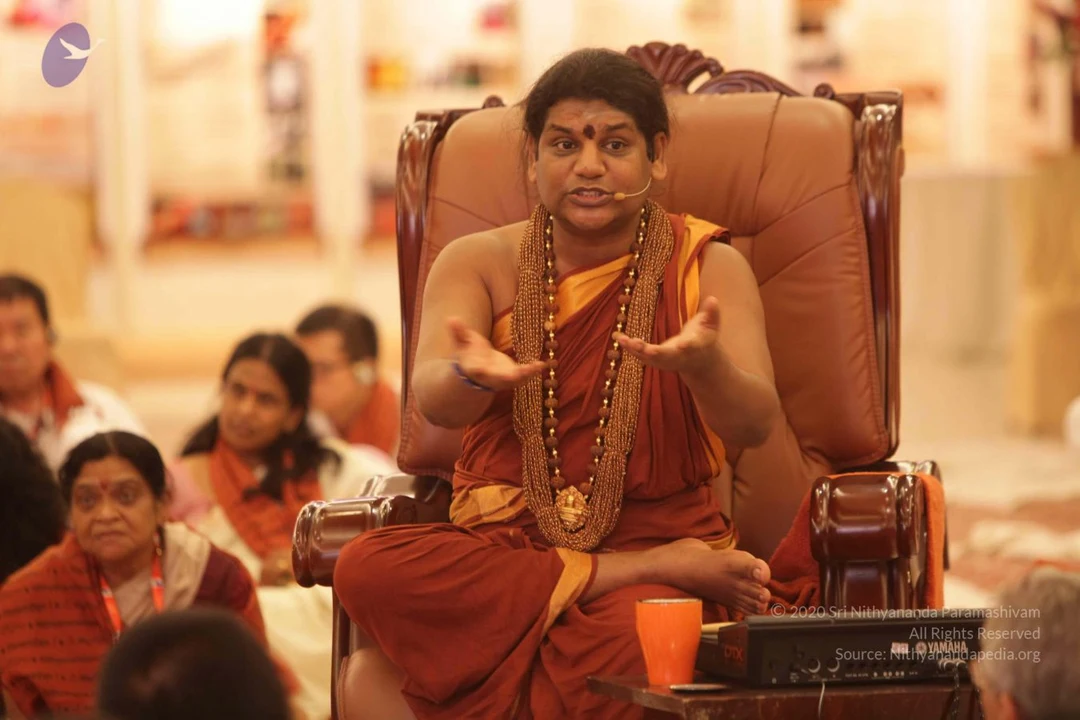
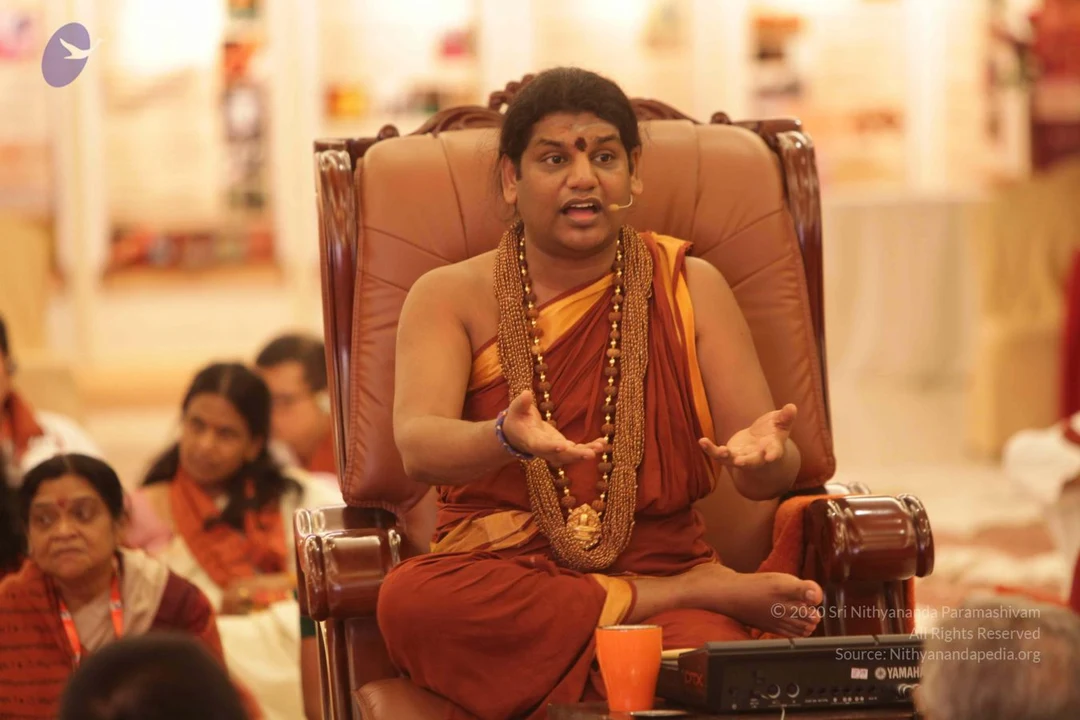
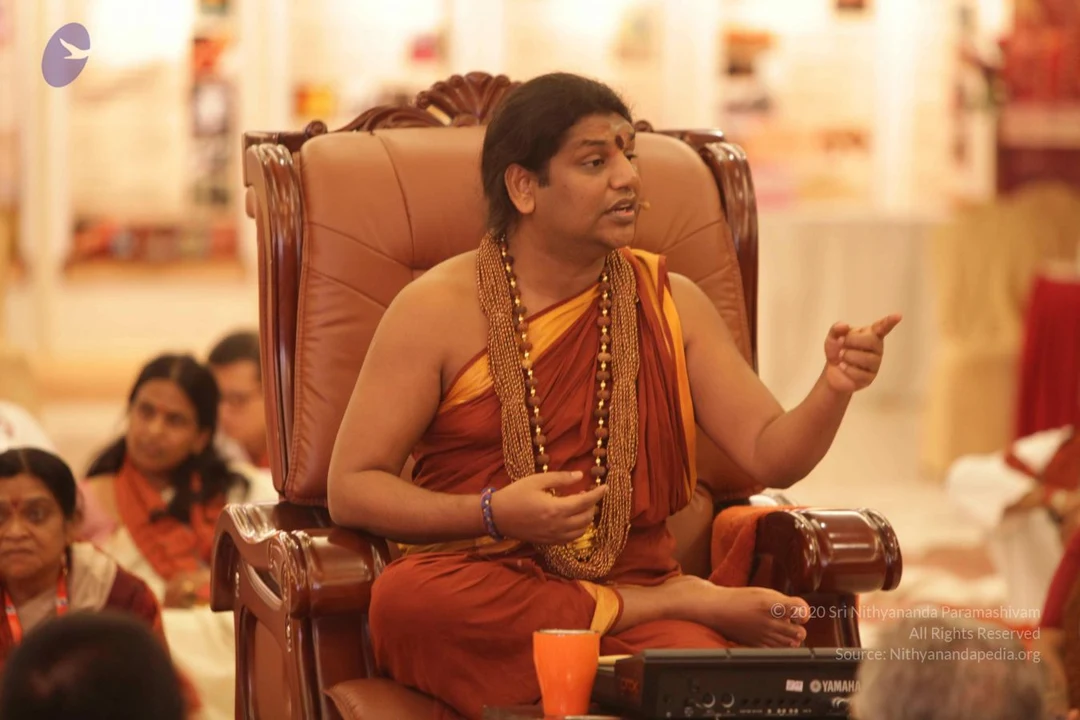
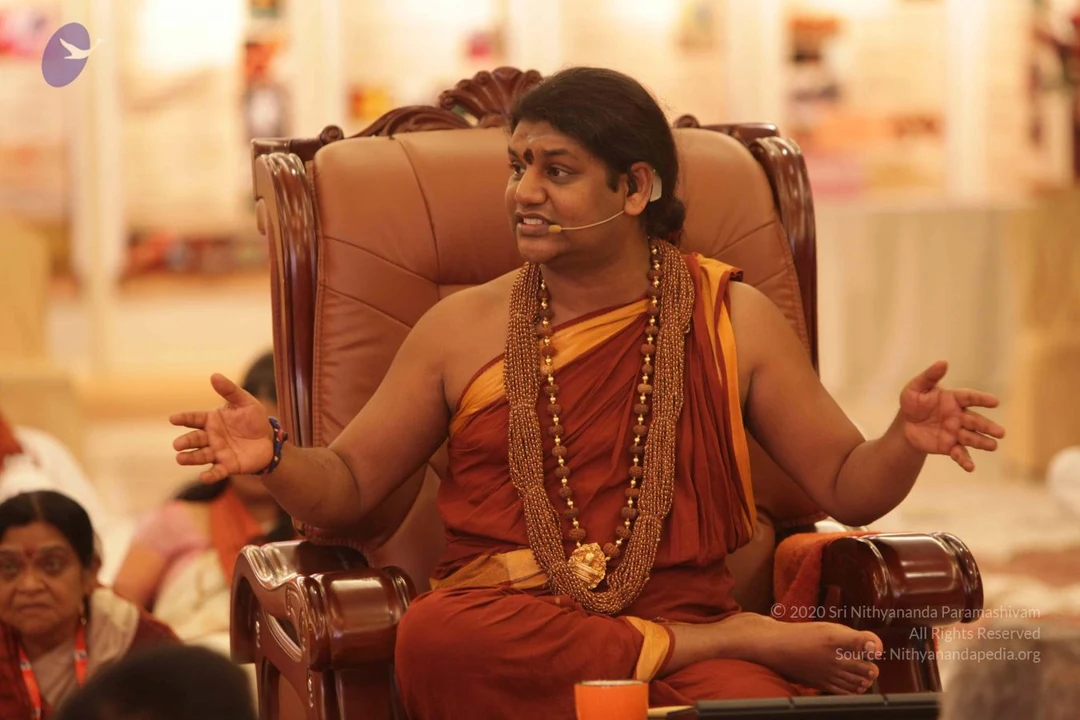
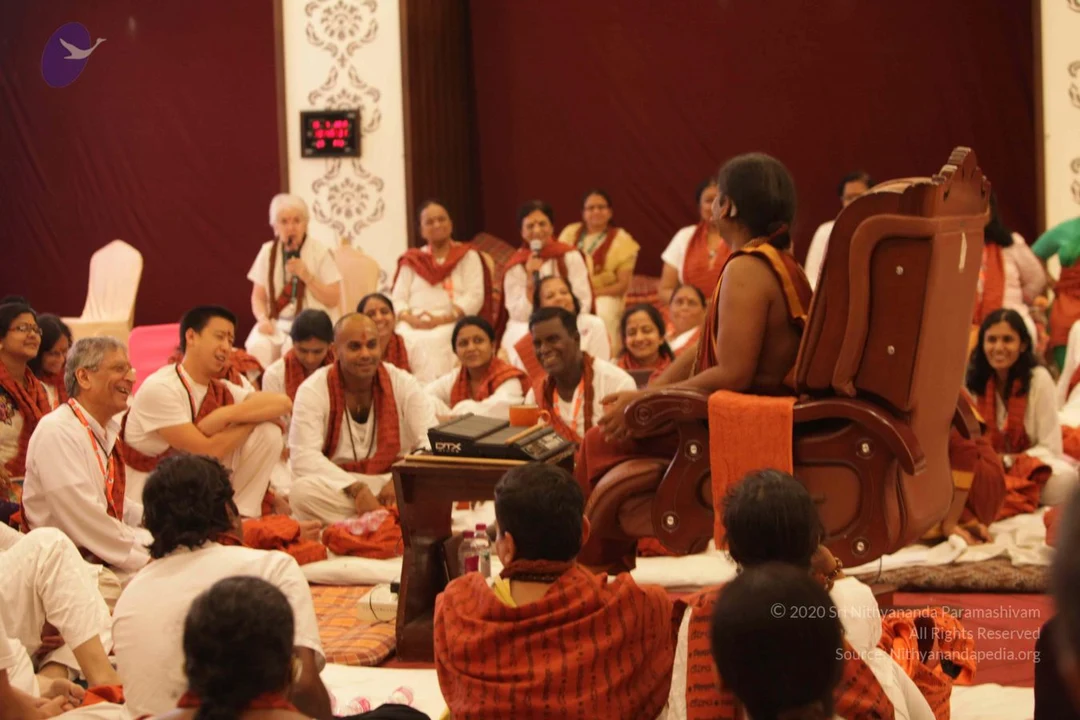
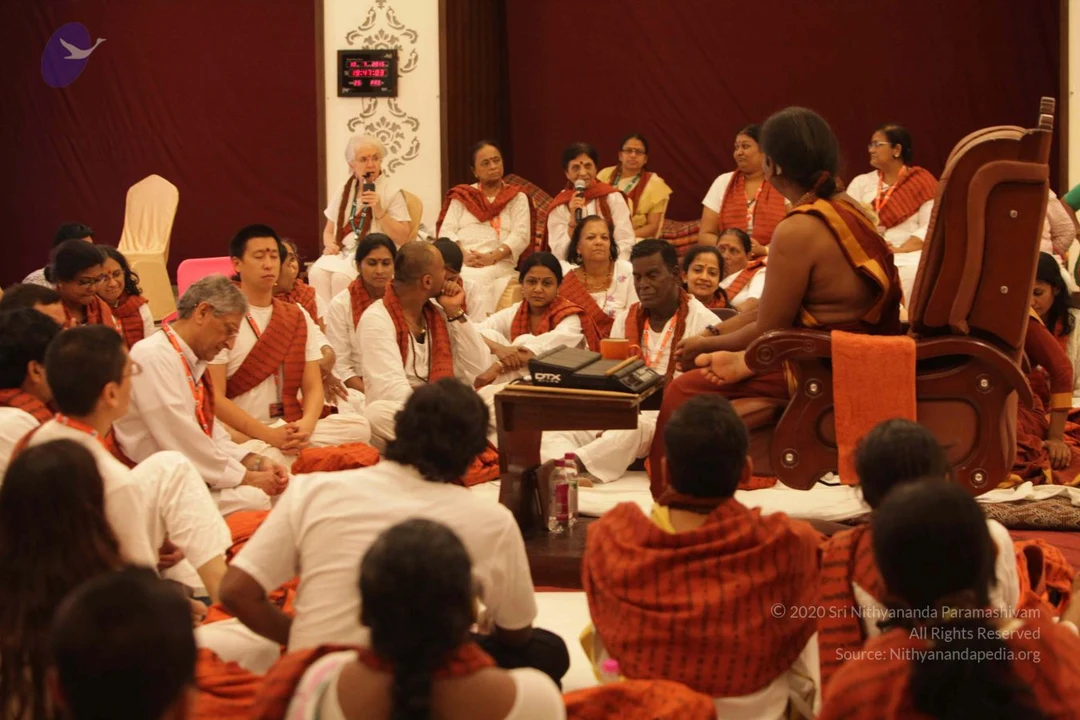
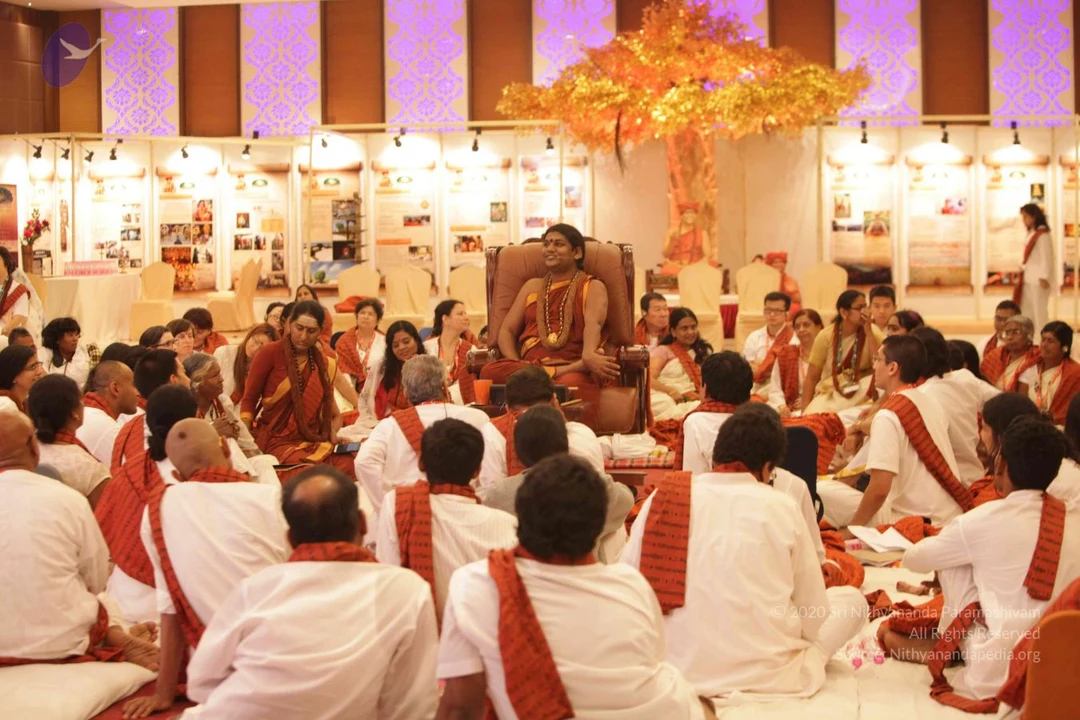
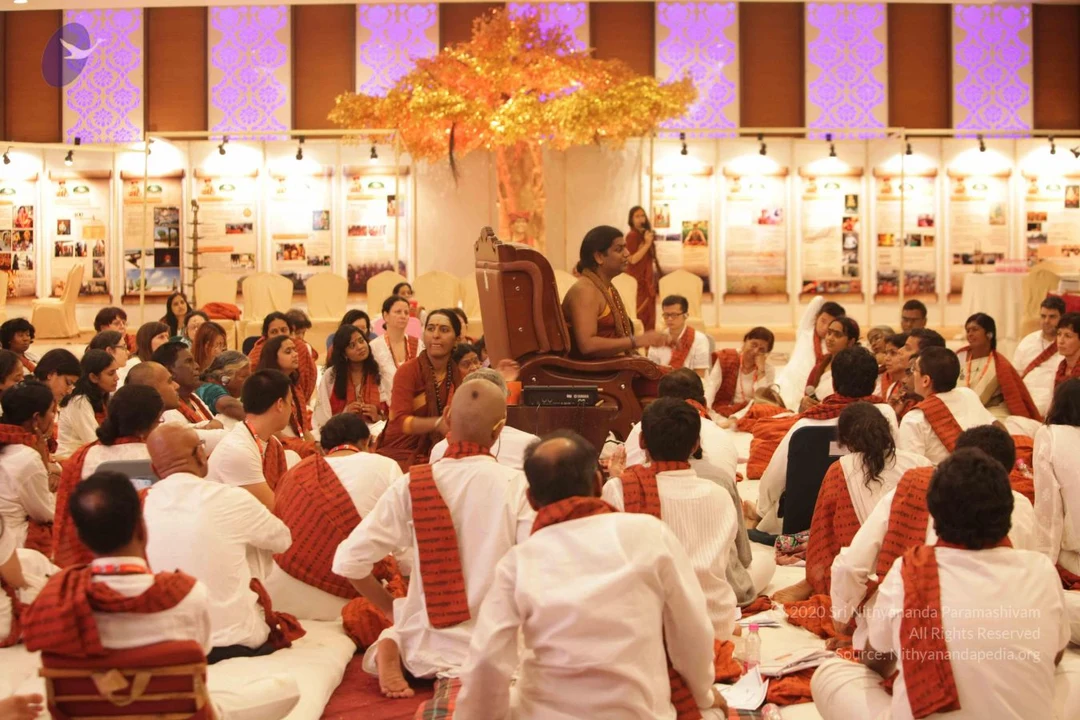
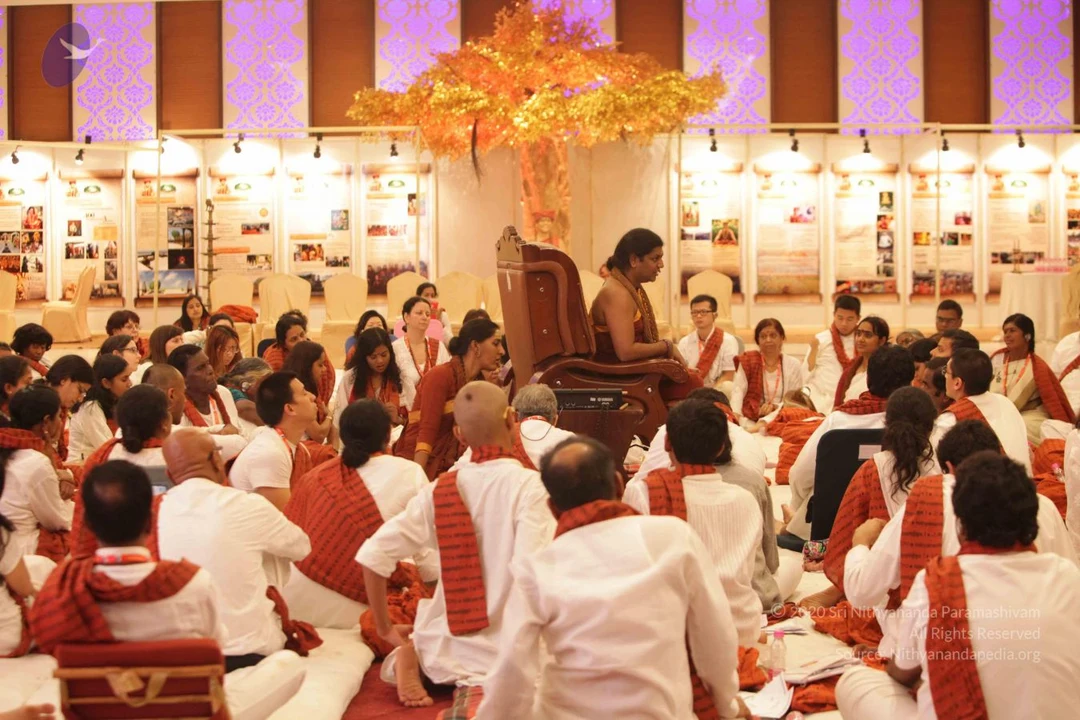
lion story-darshan
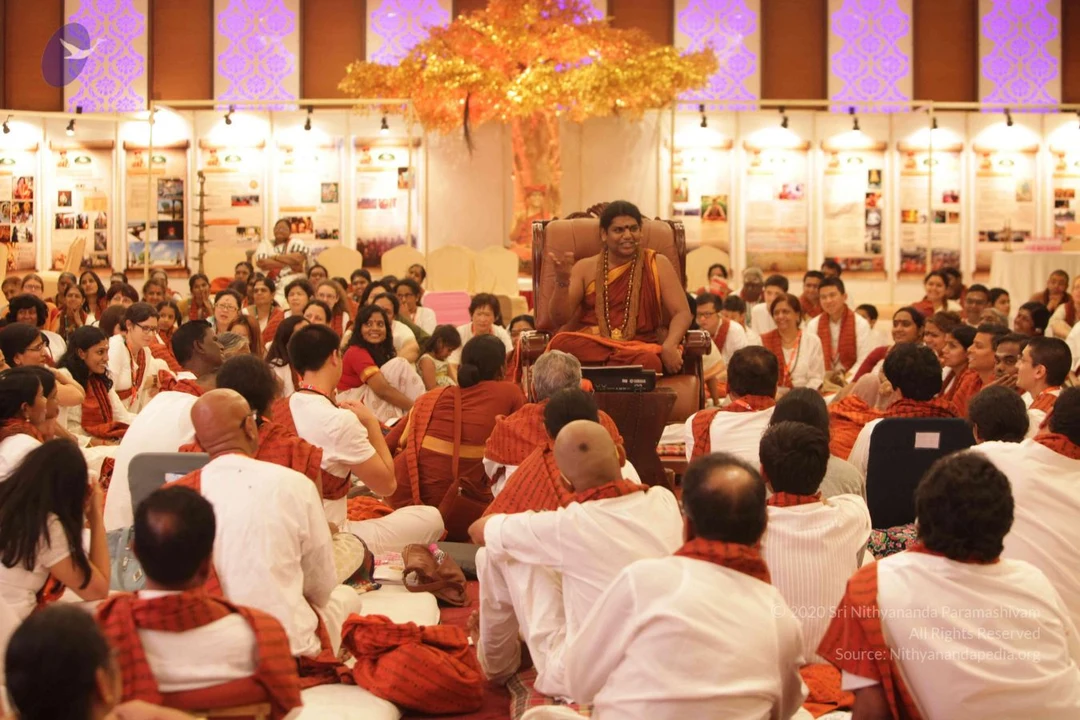

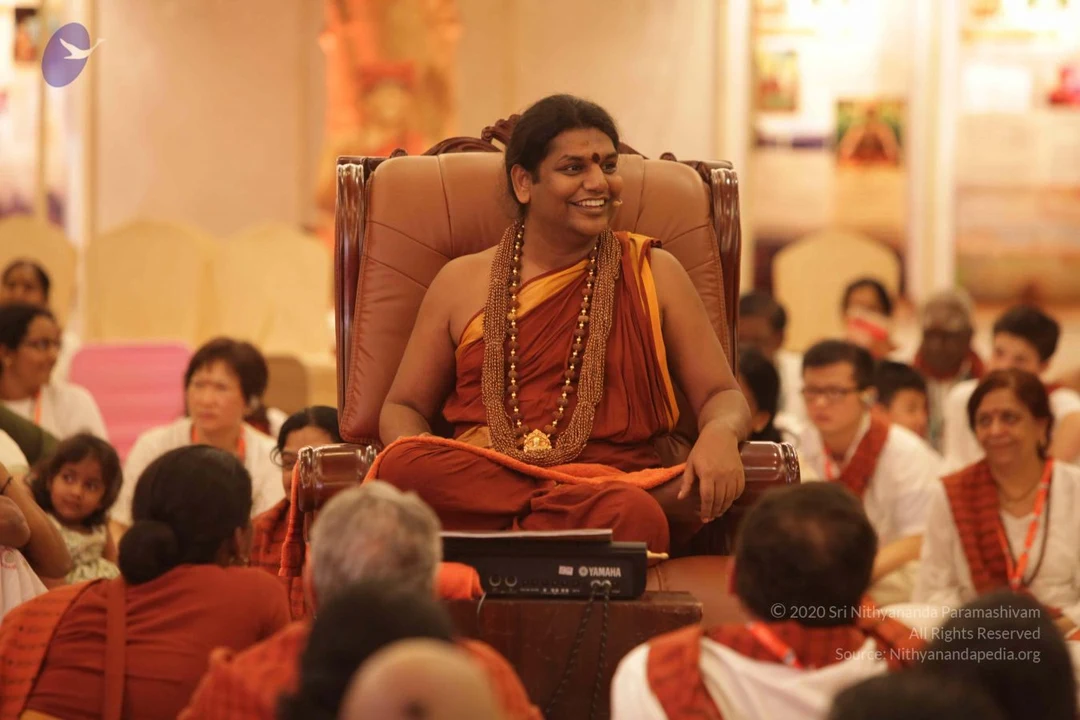
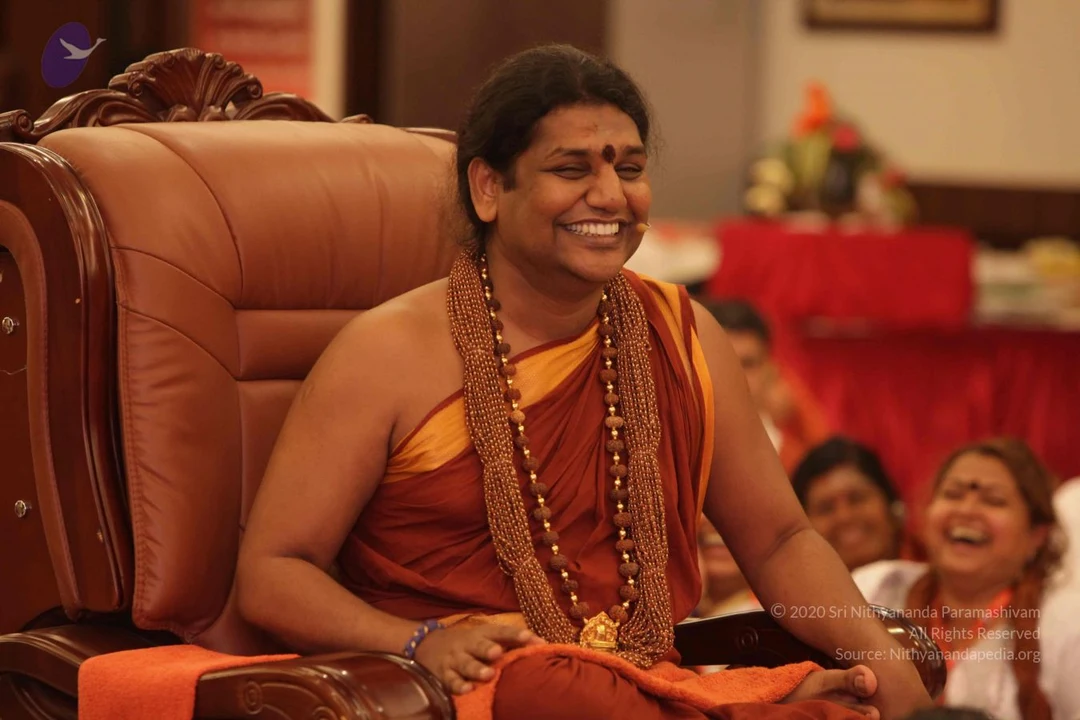
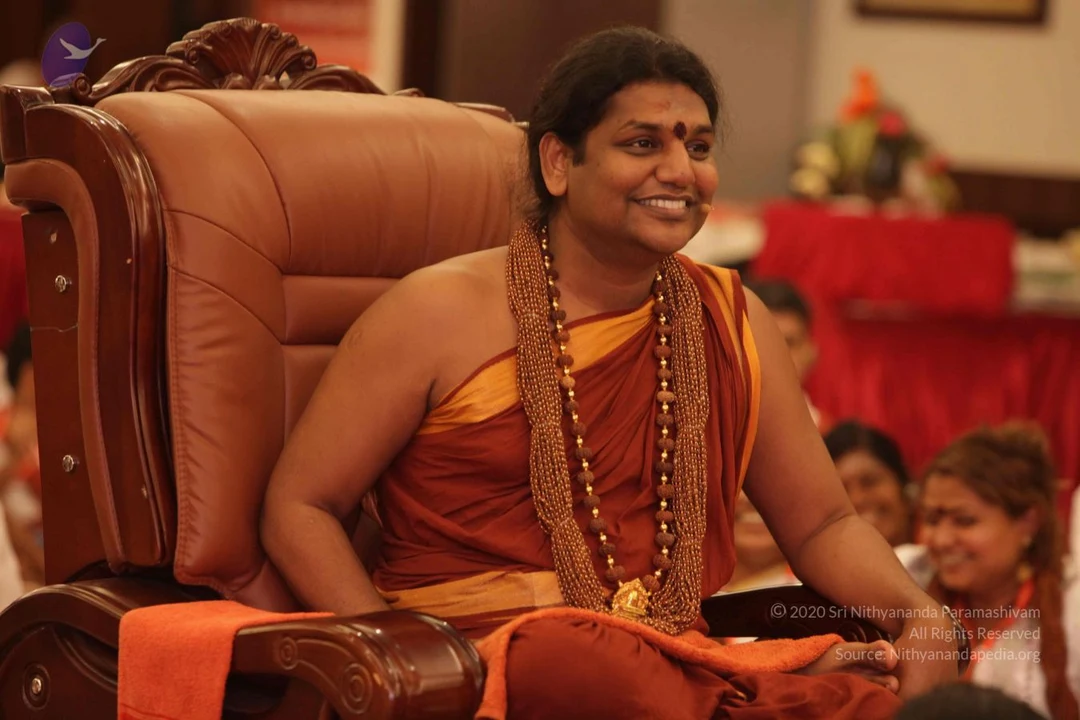
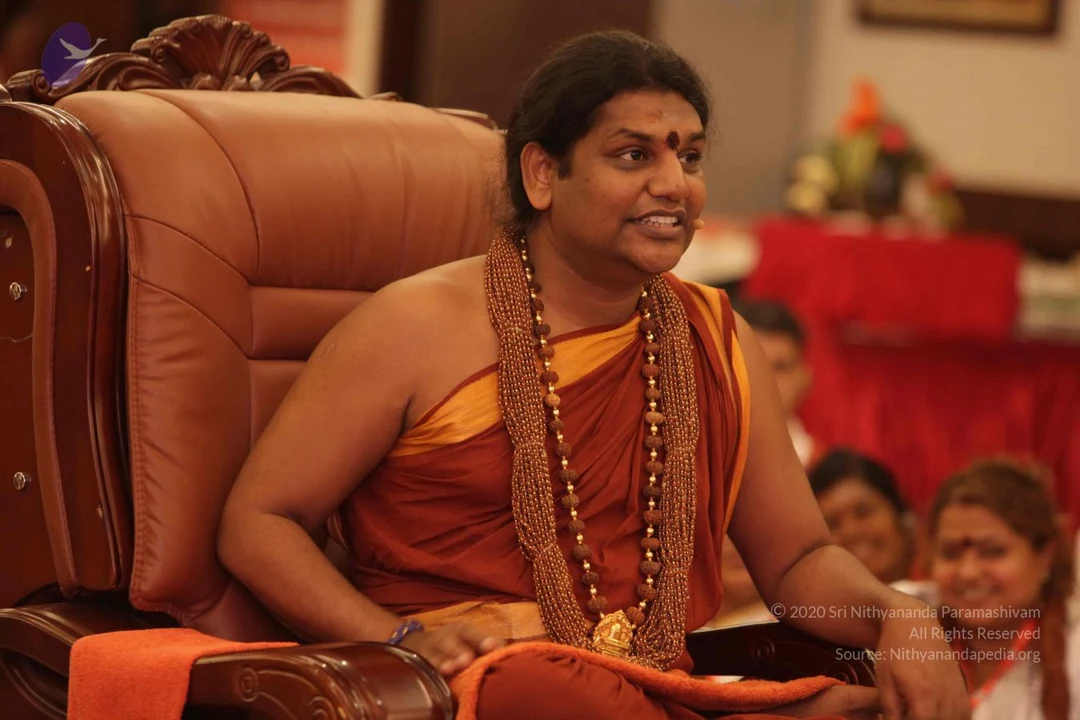
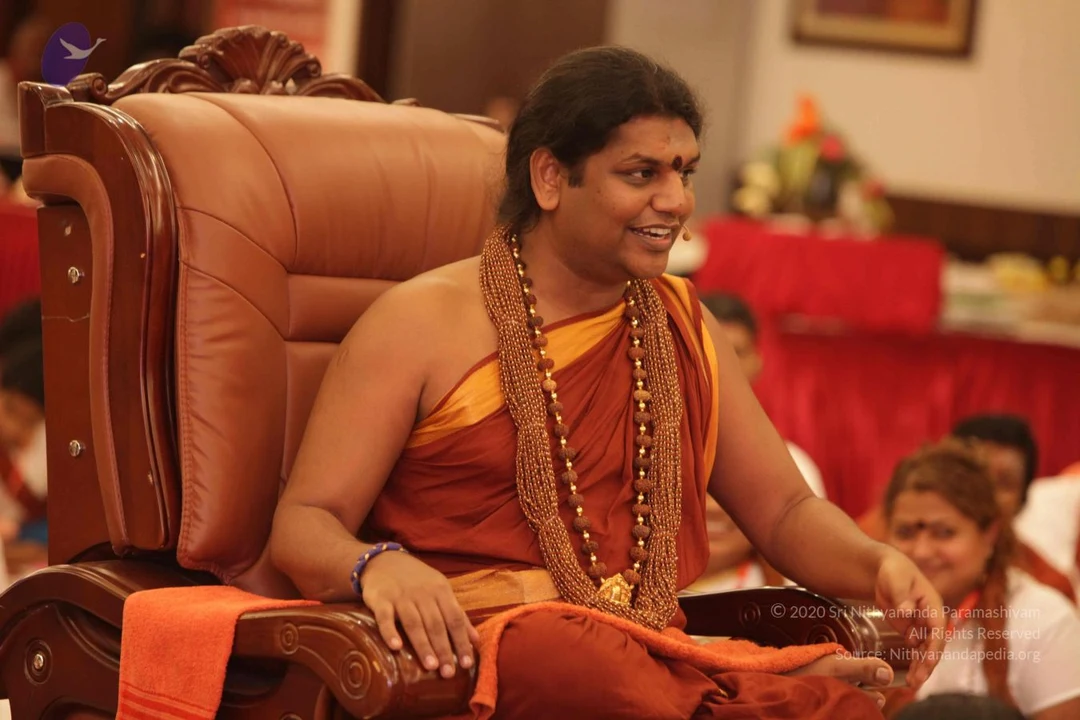
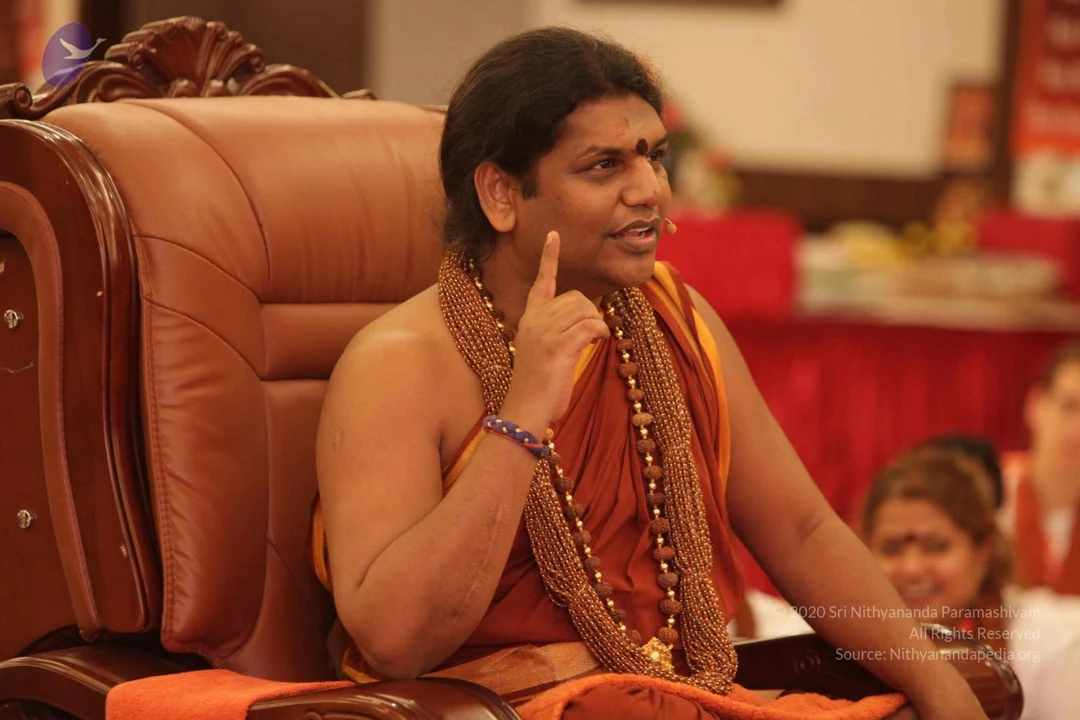
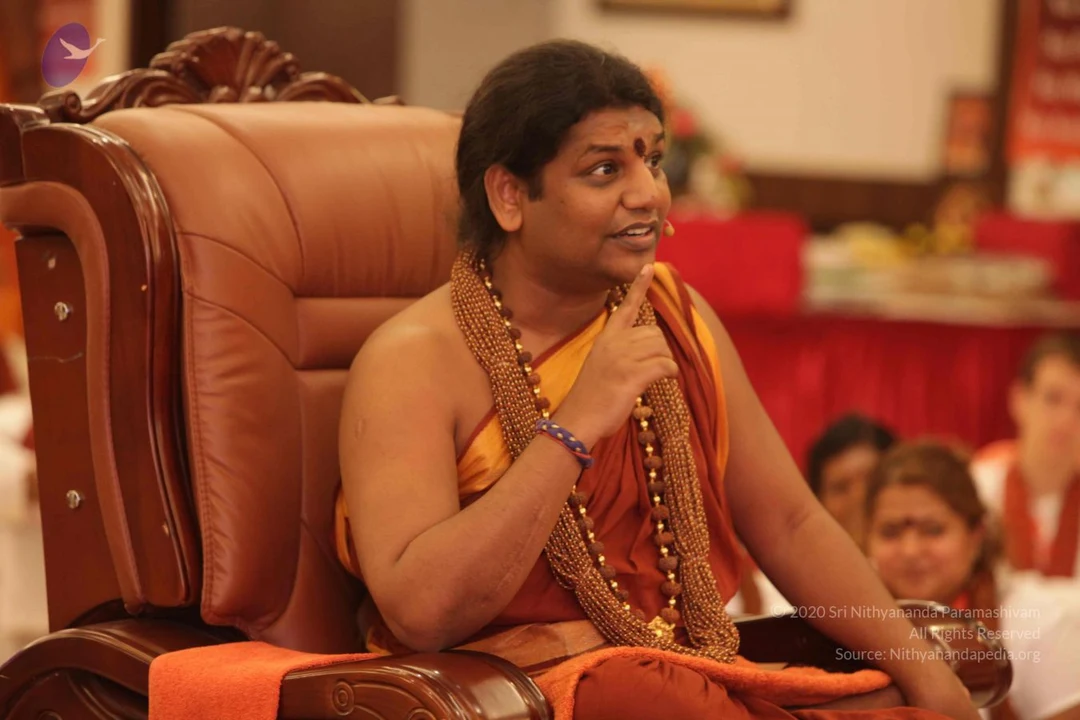
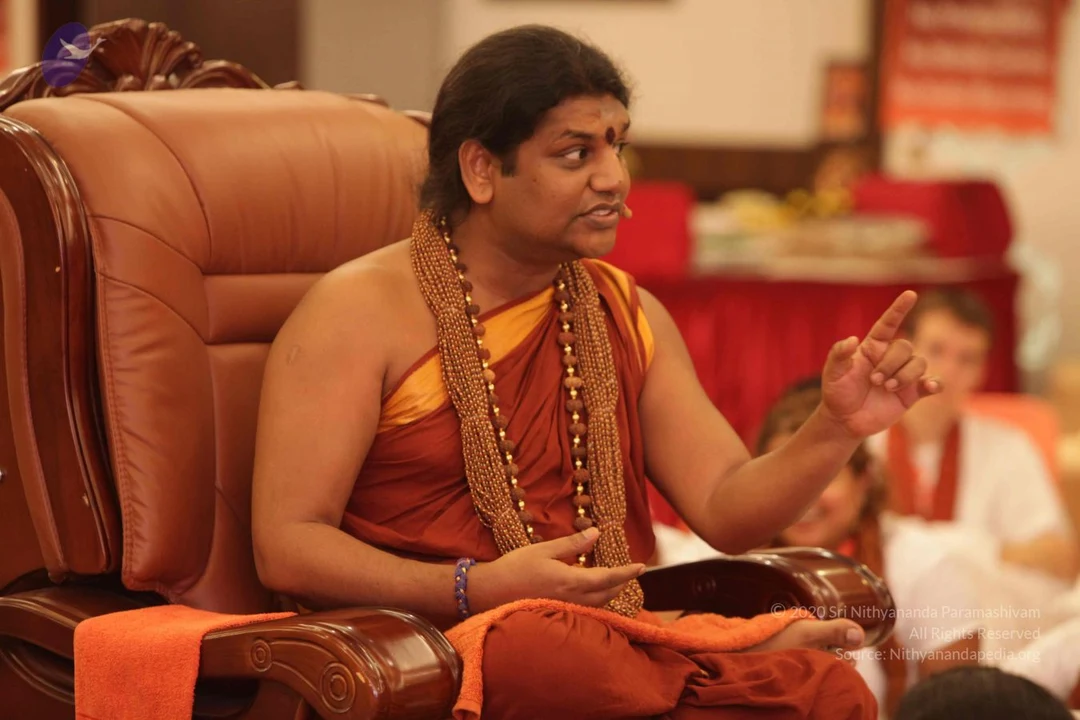
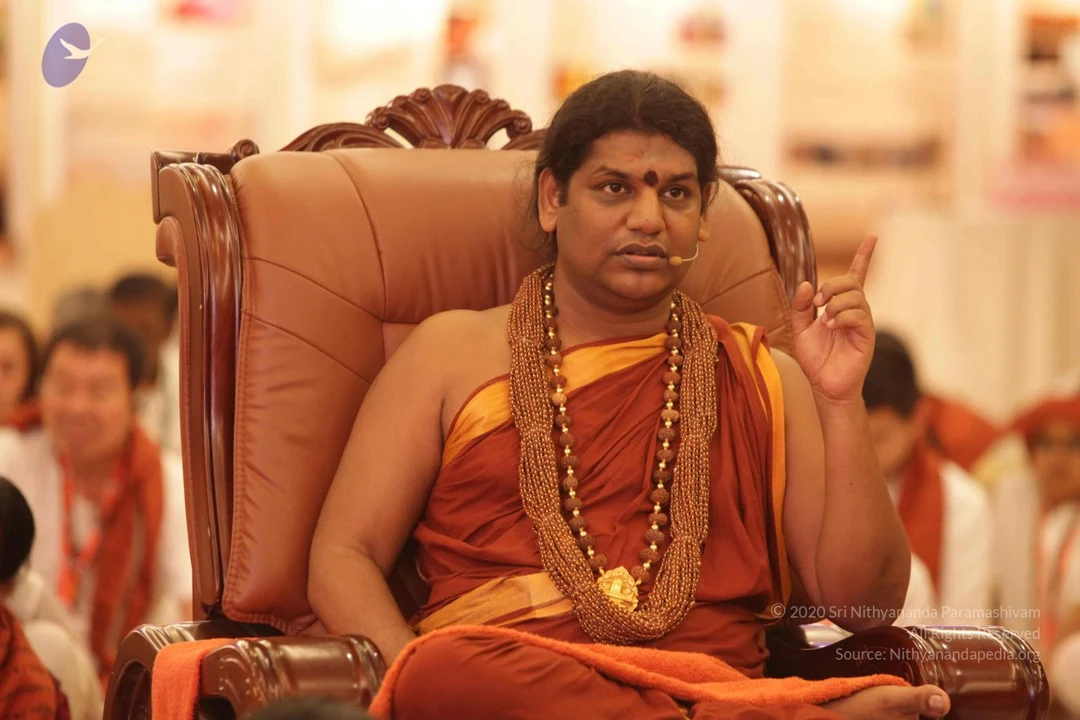
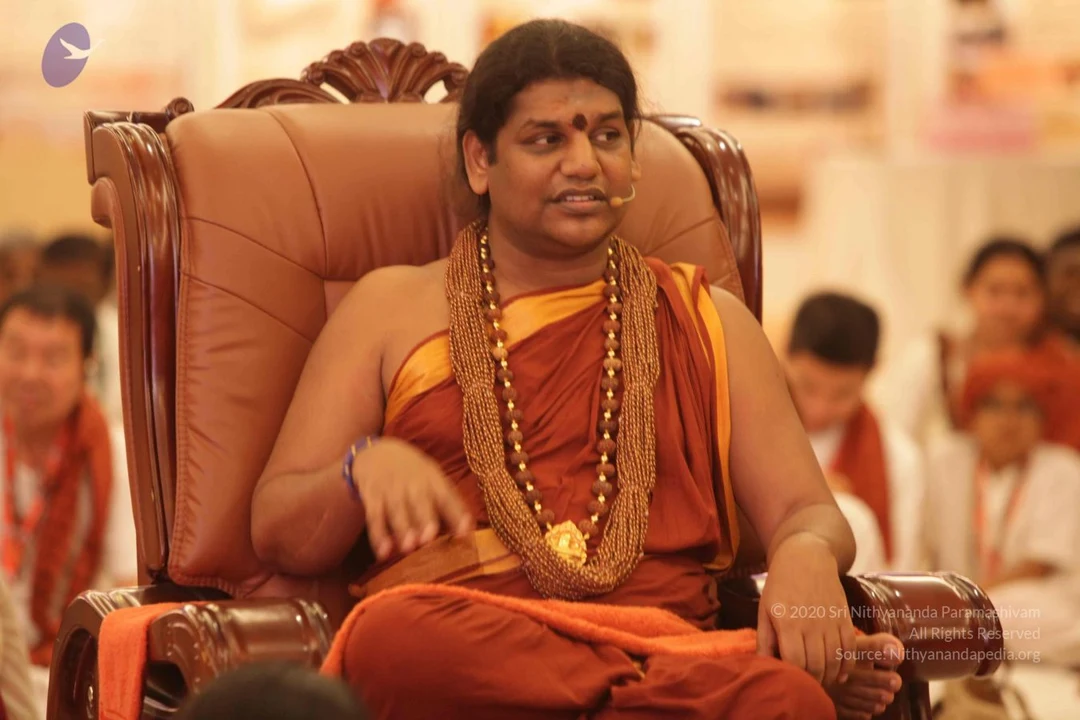
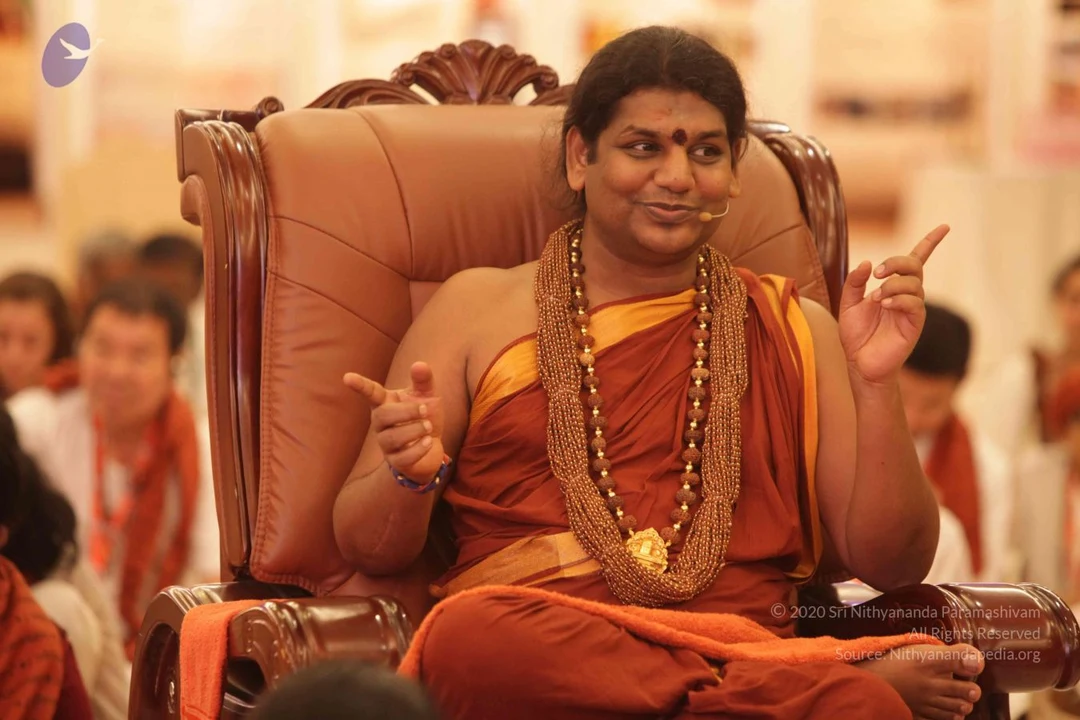
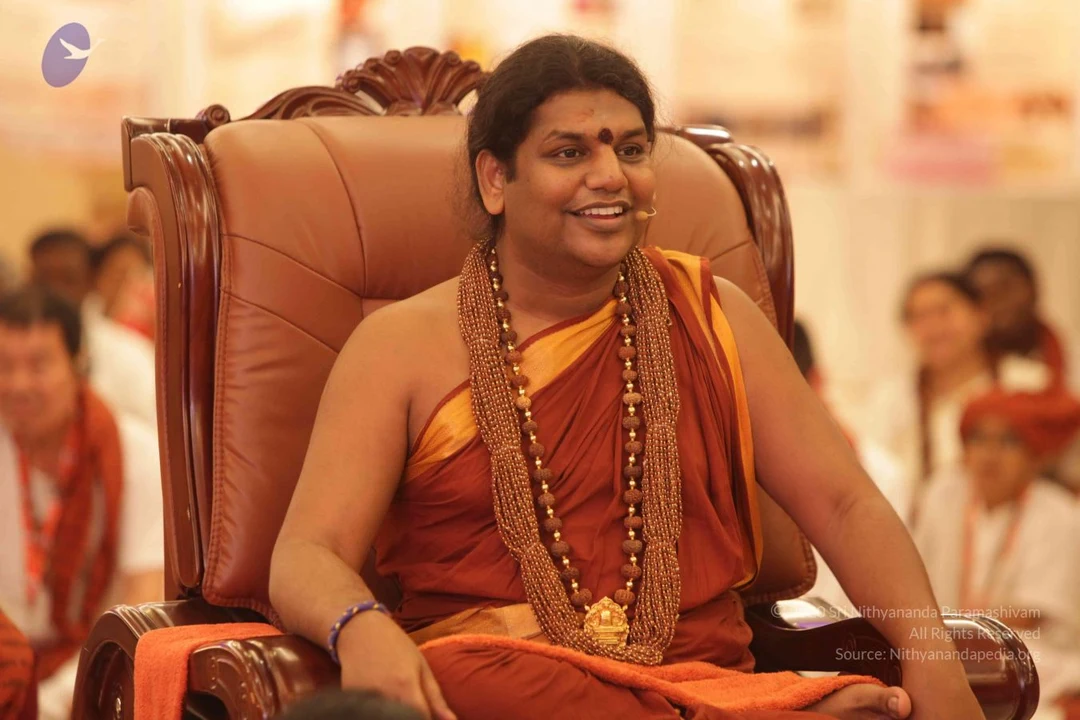
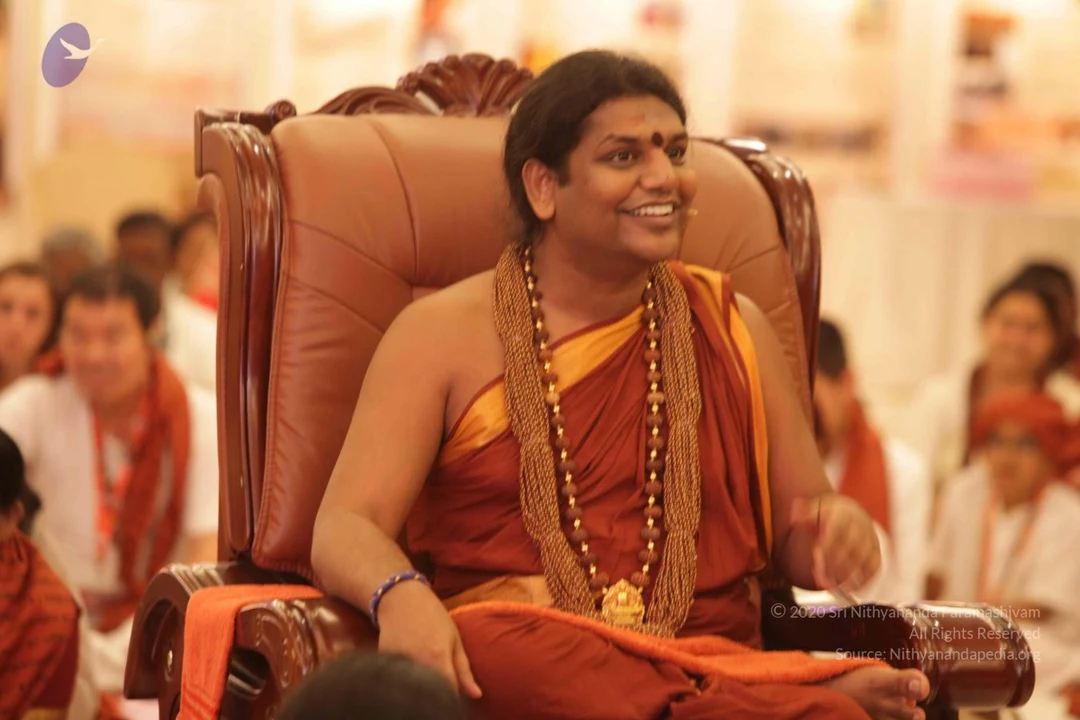
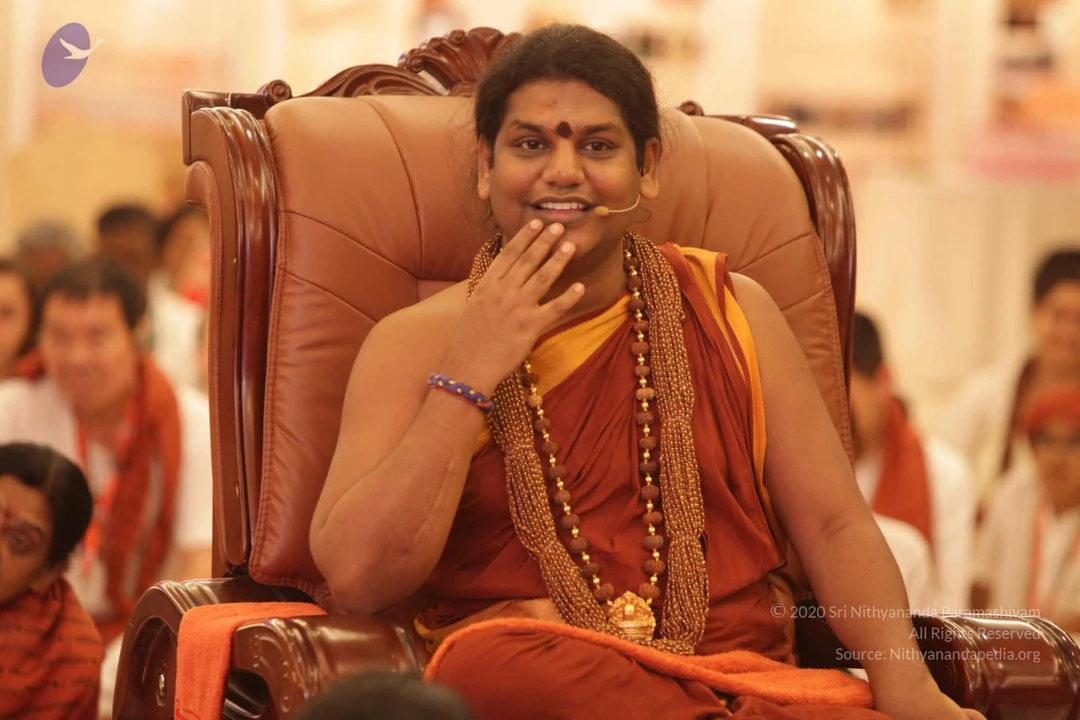
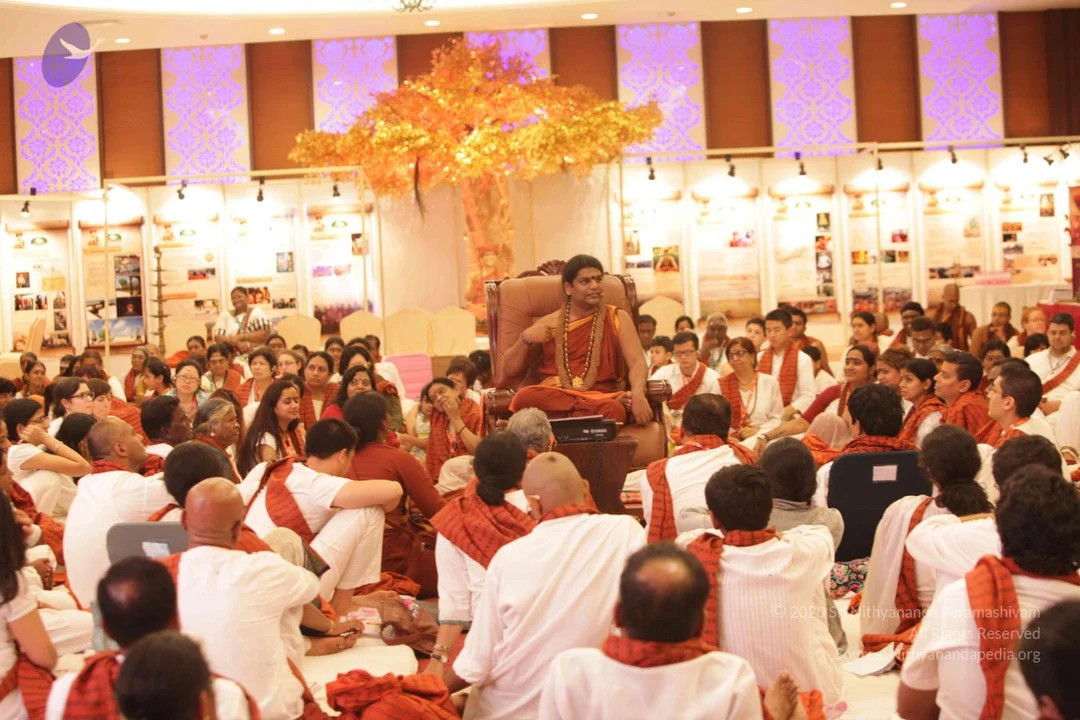
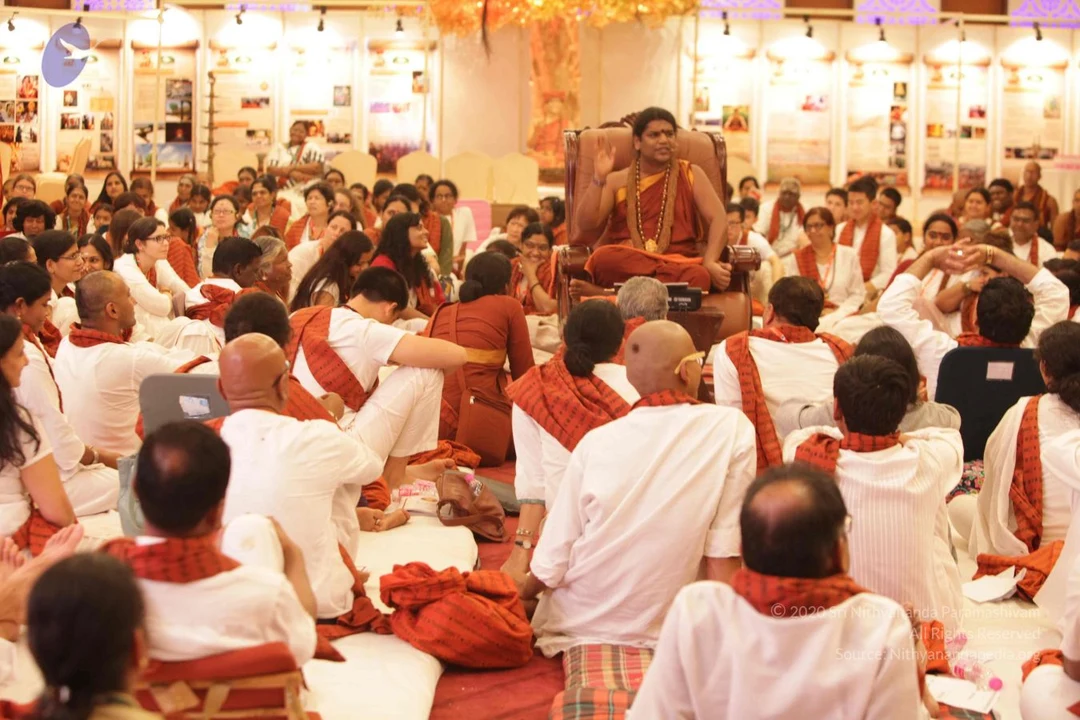
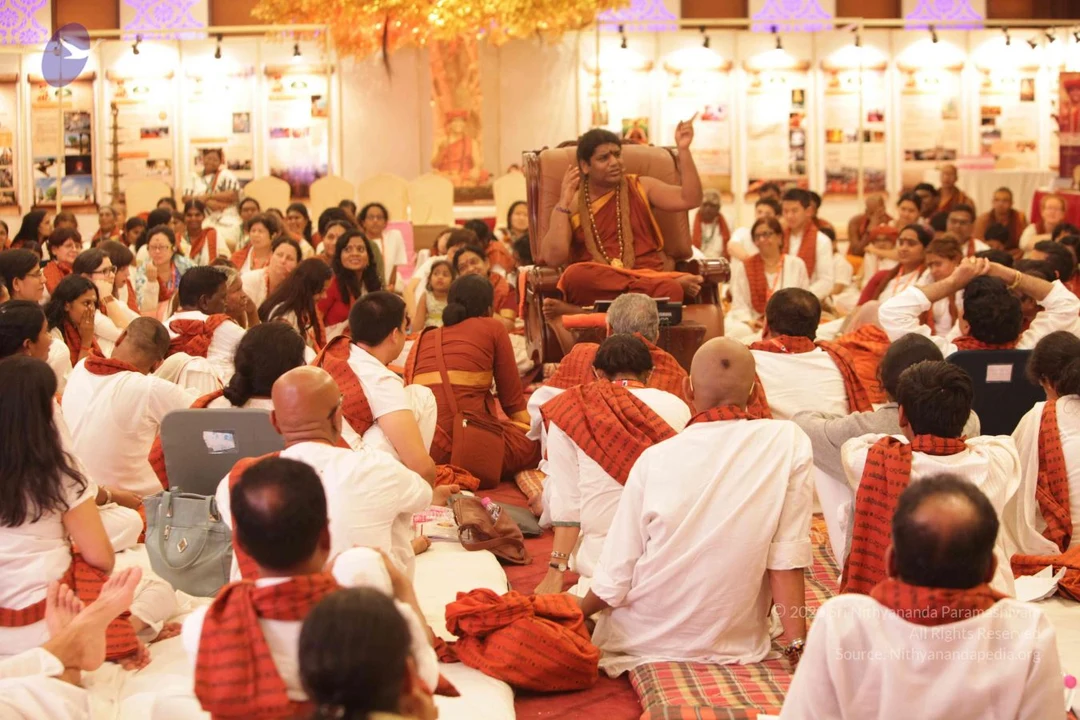
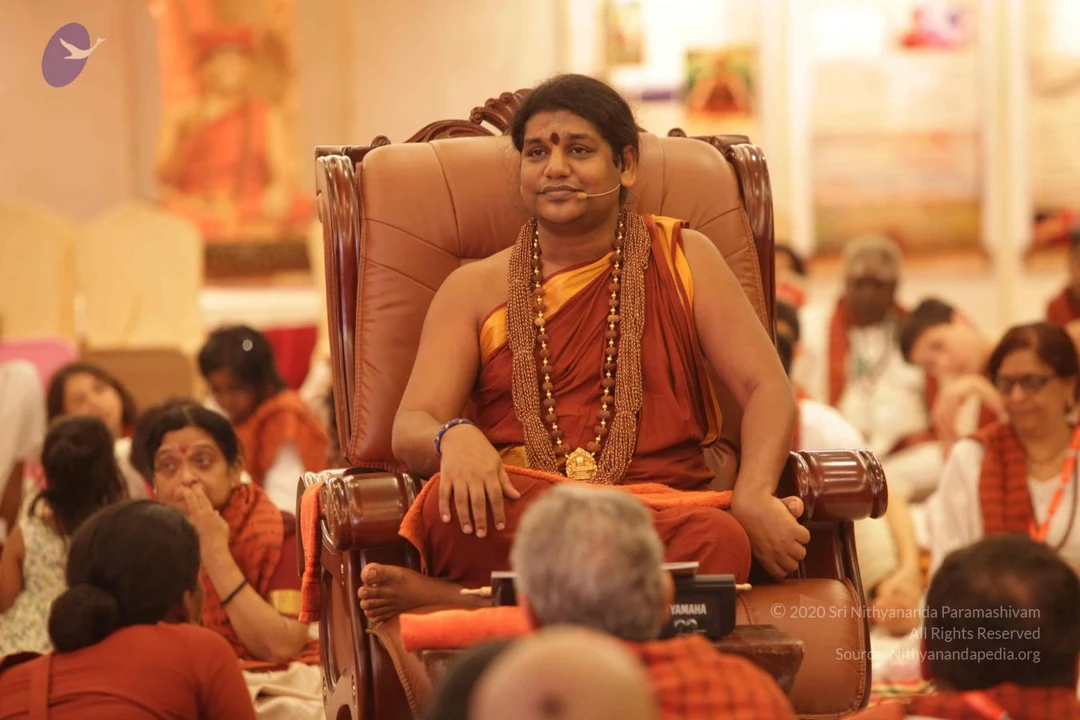
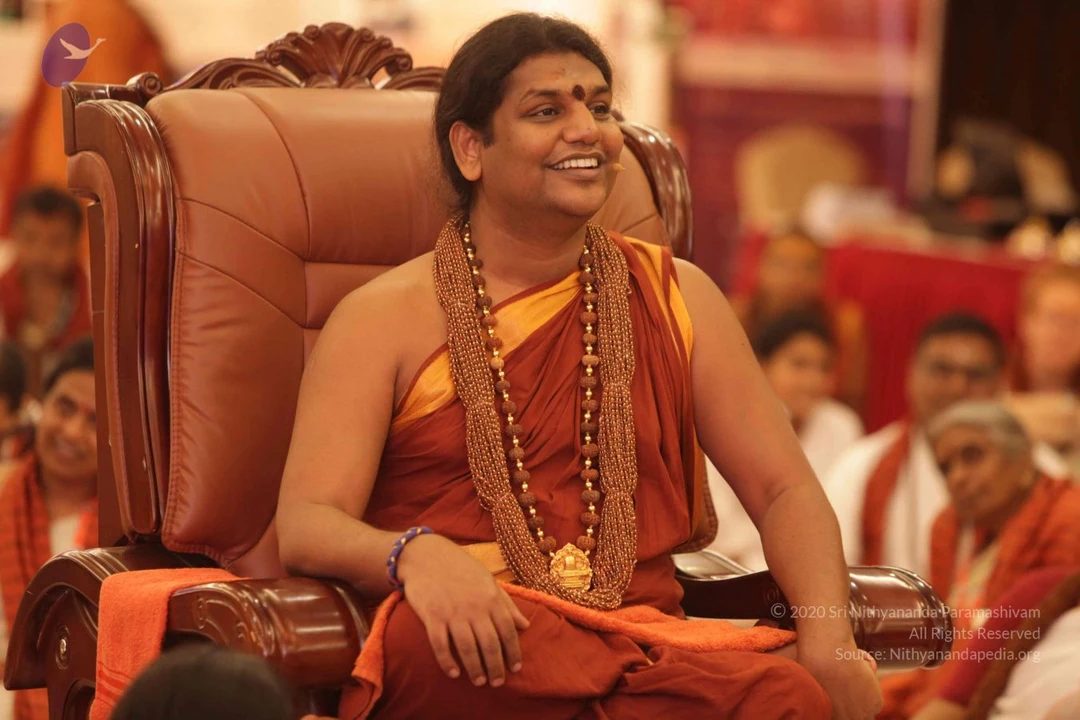
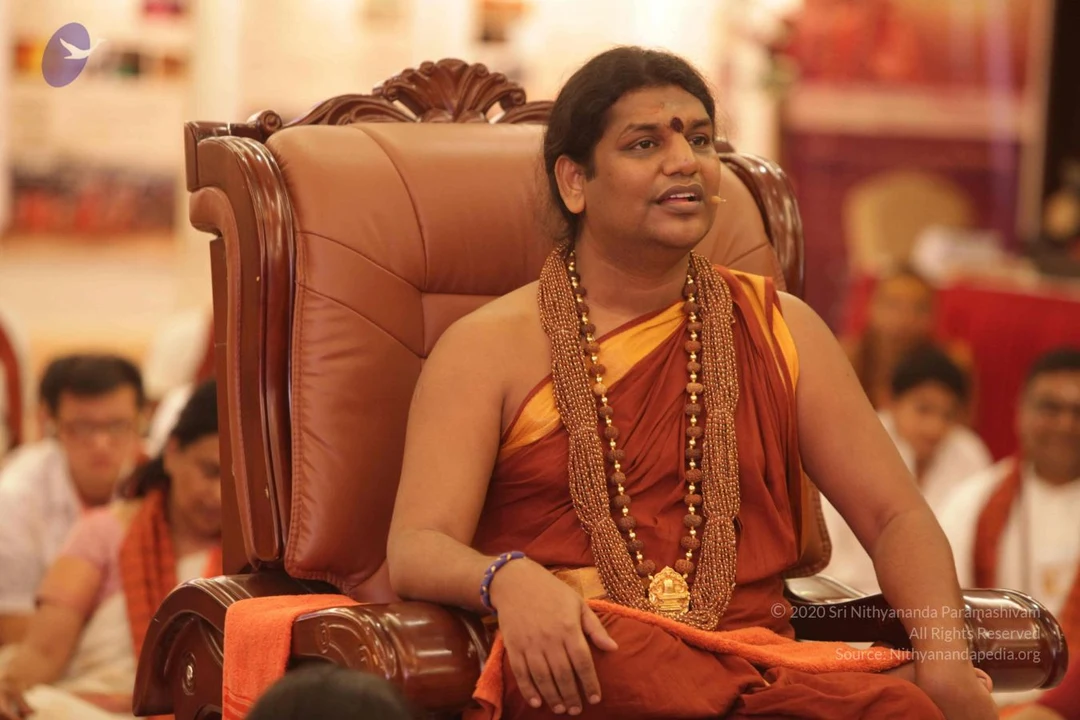
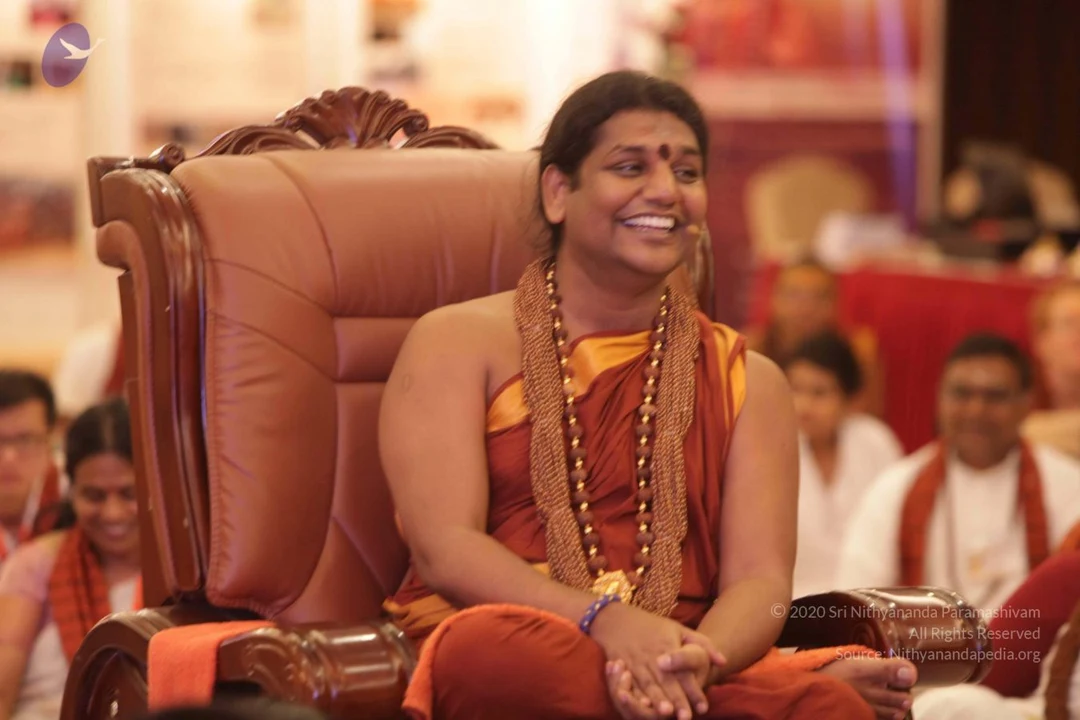
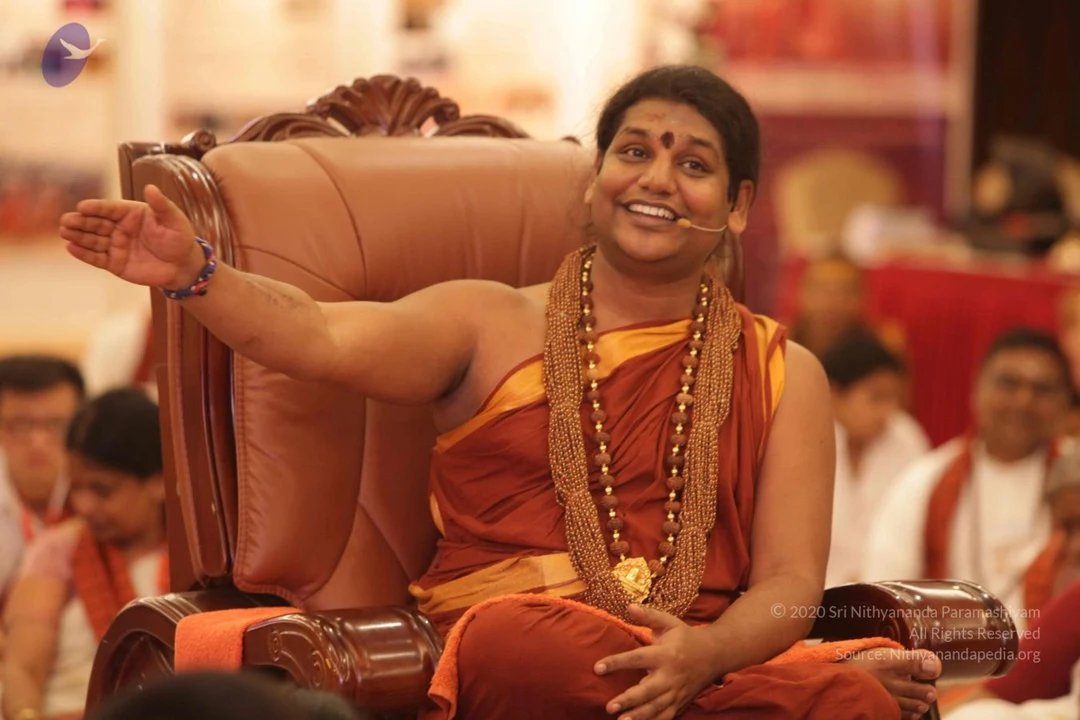
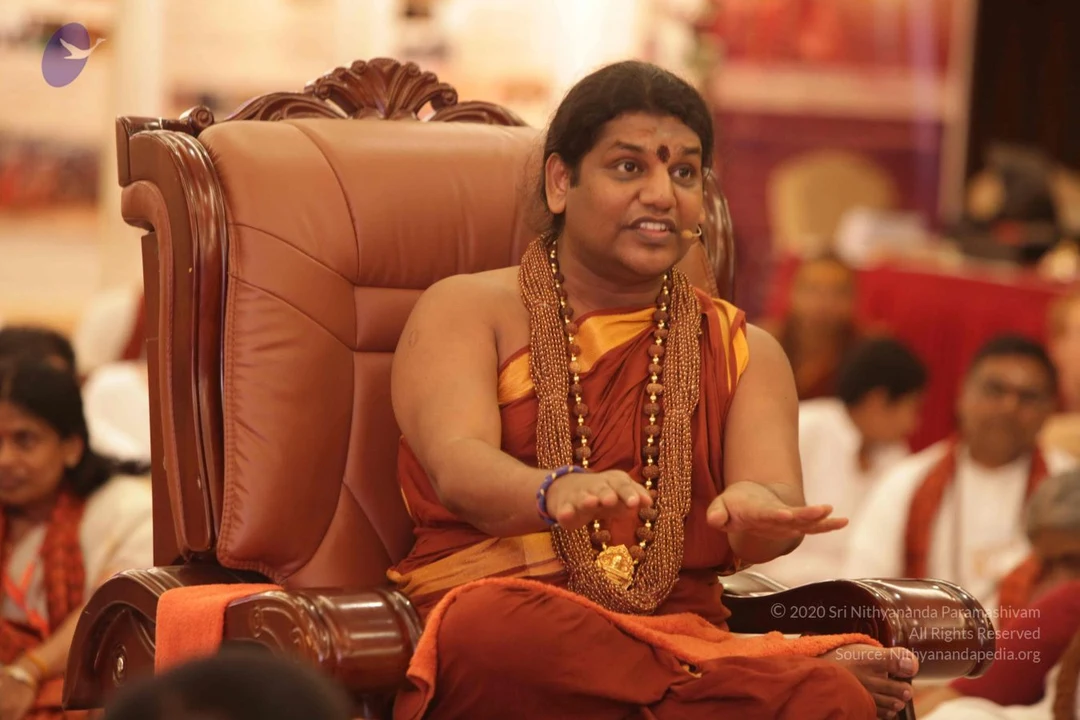
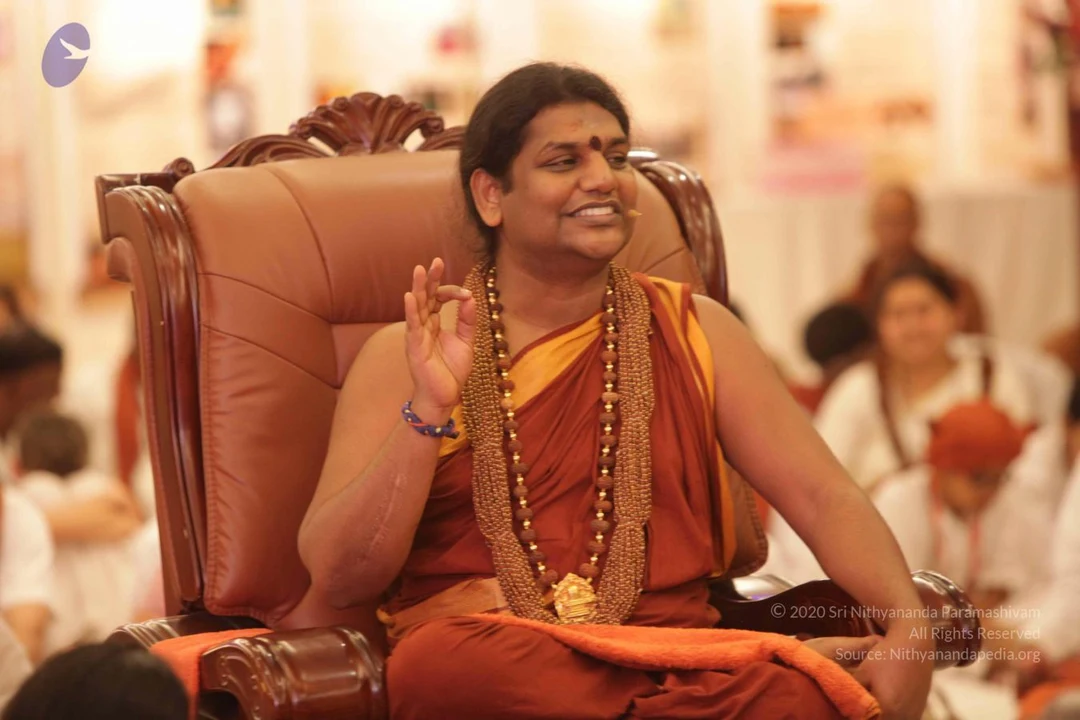
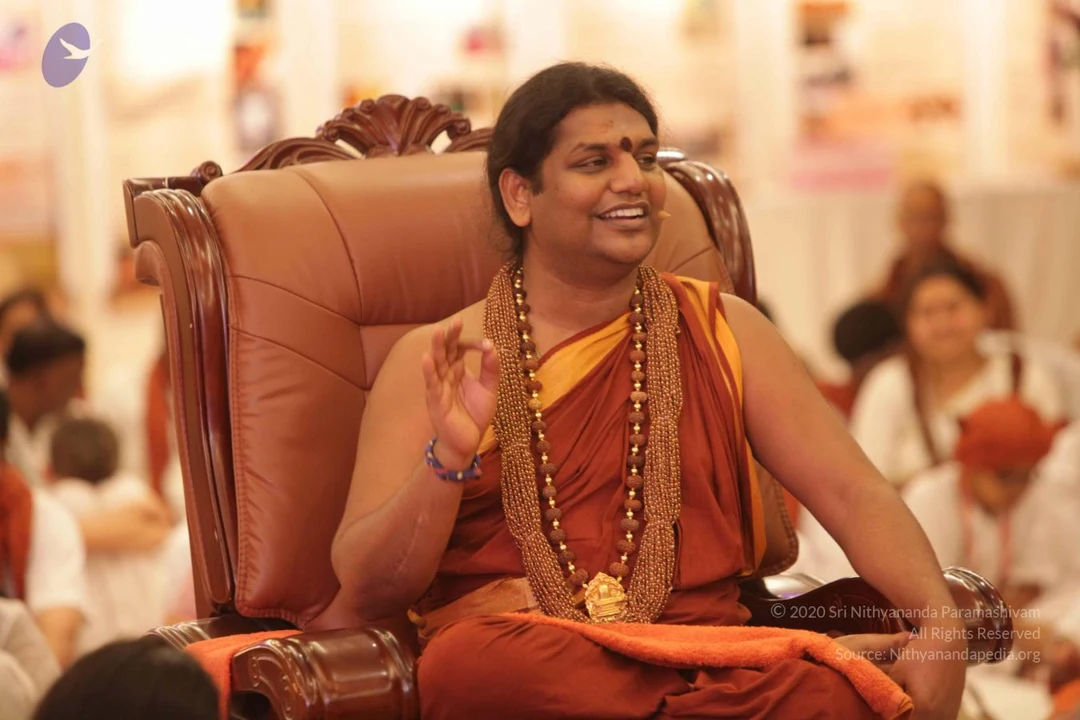
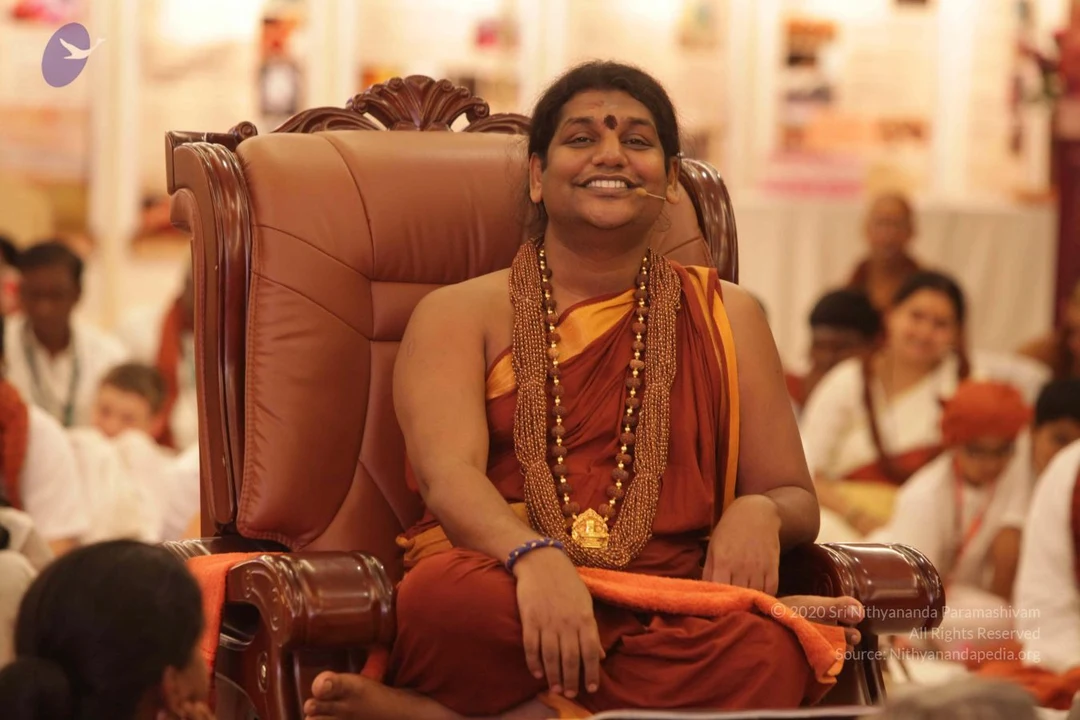
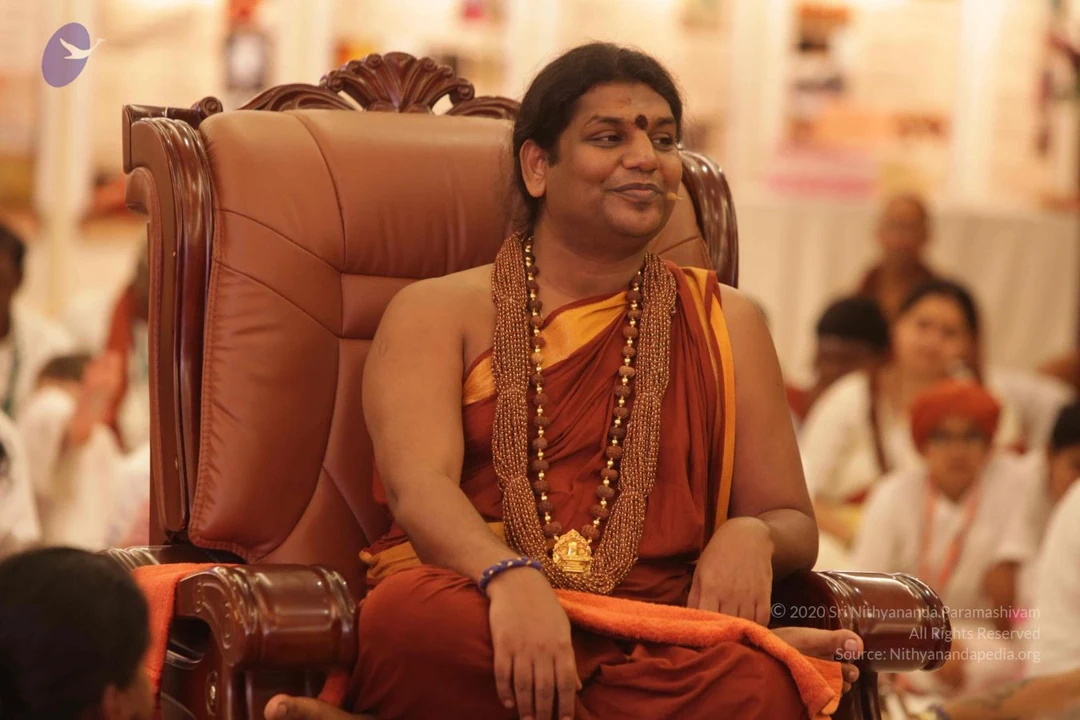
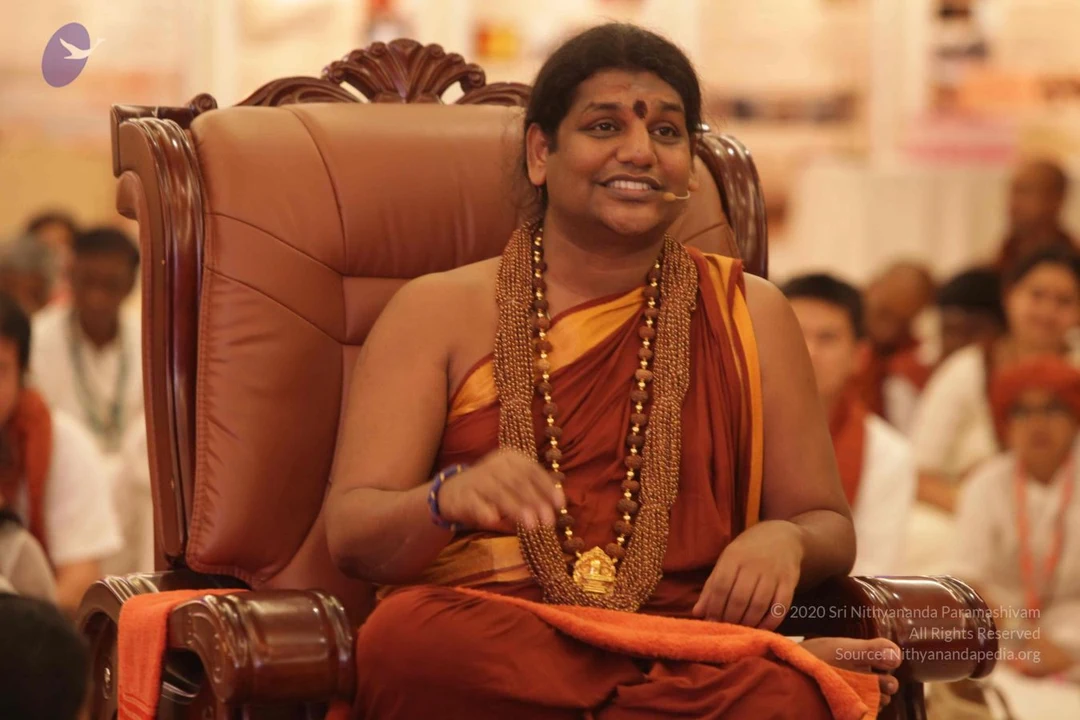
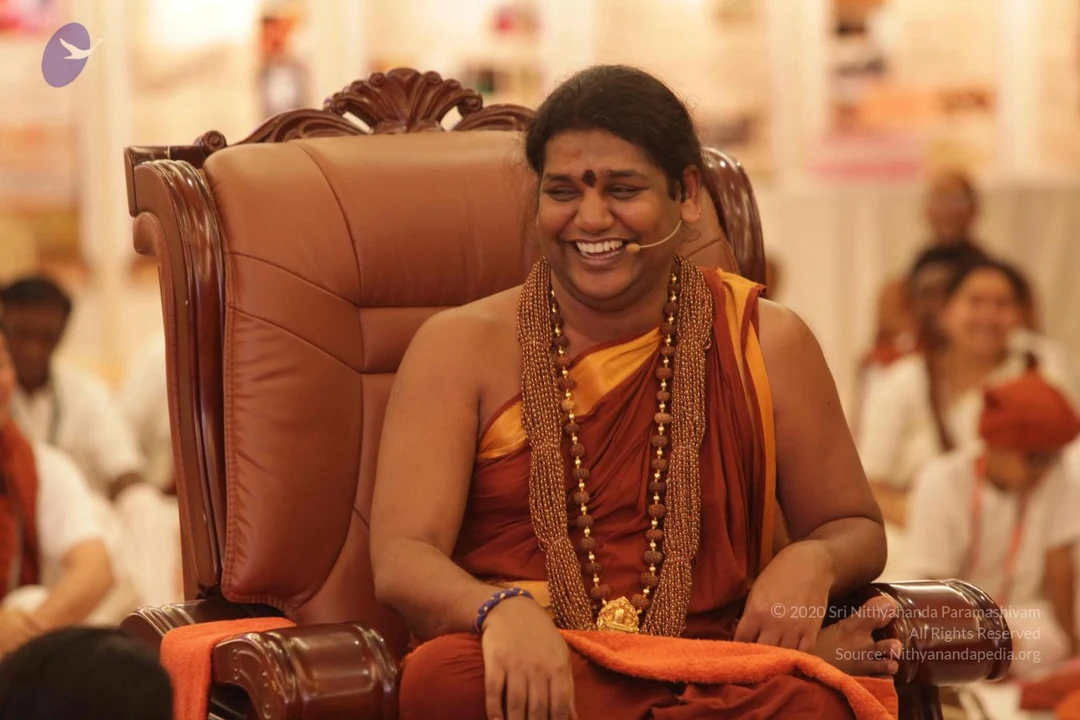
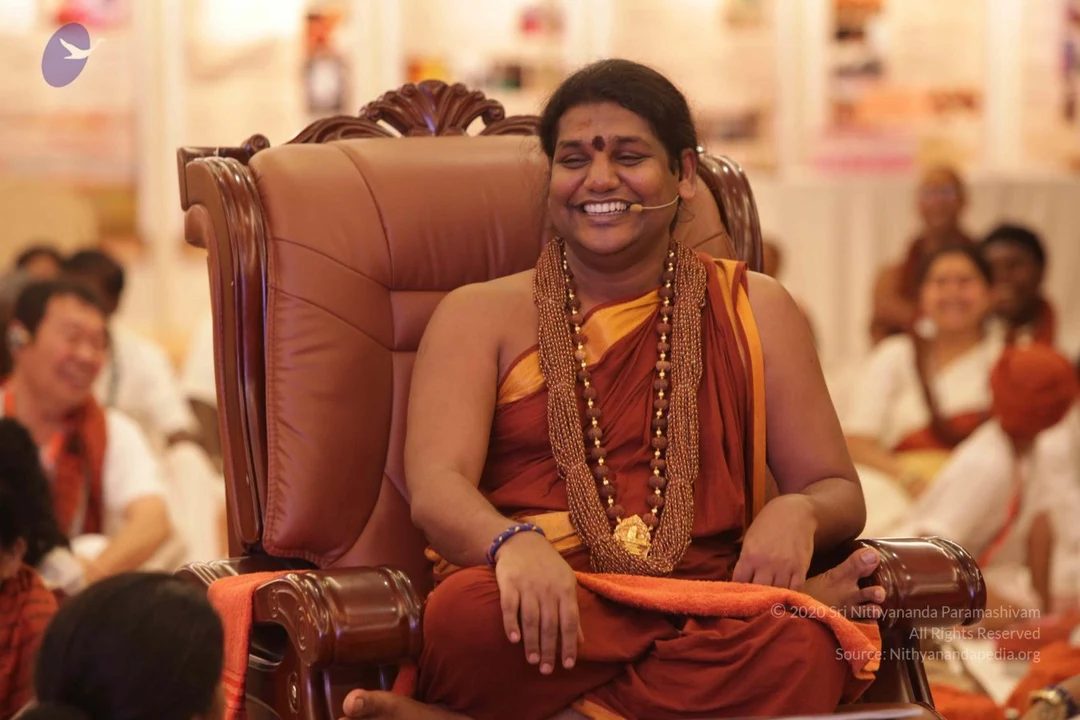
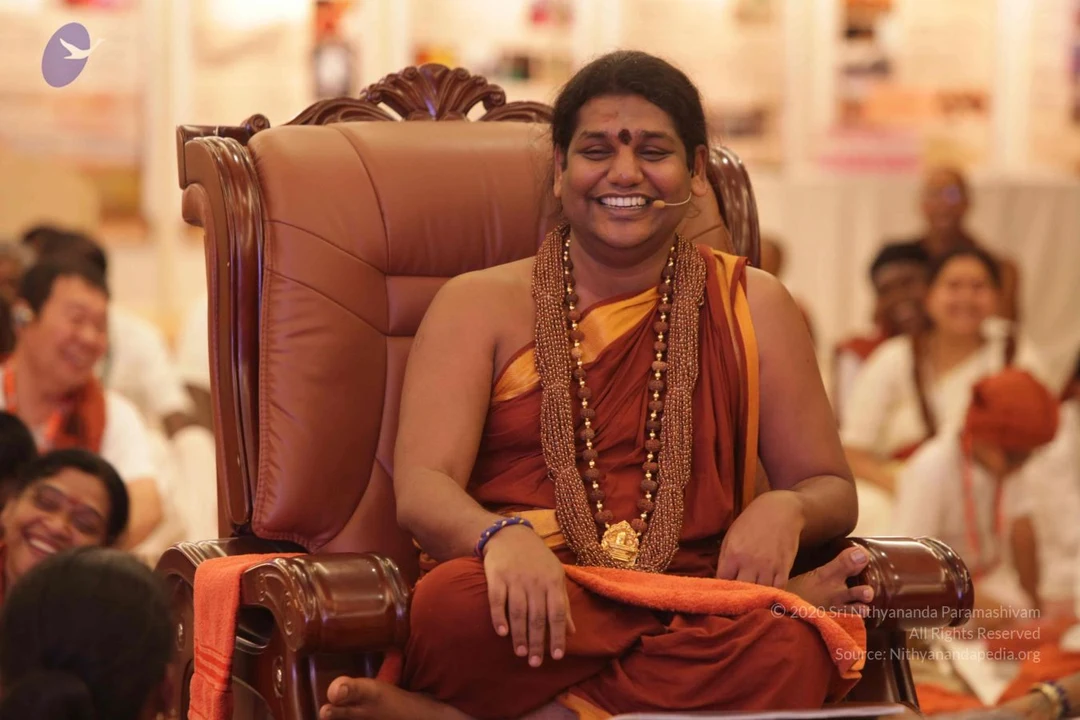
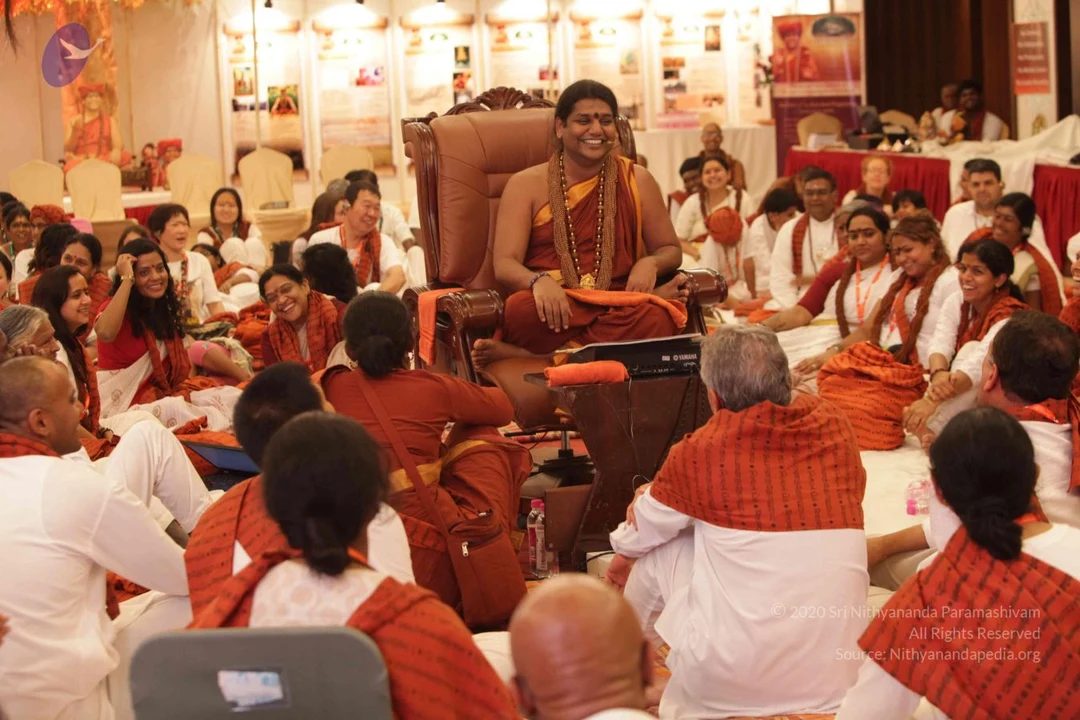
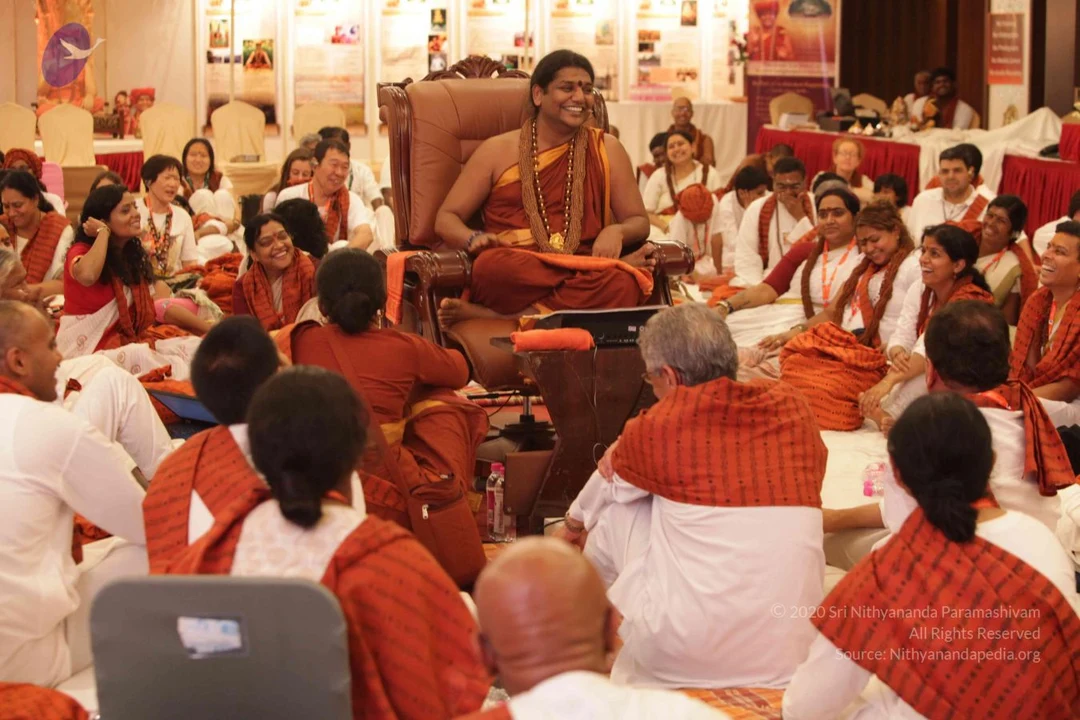
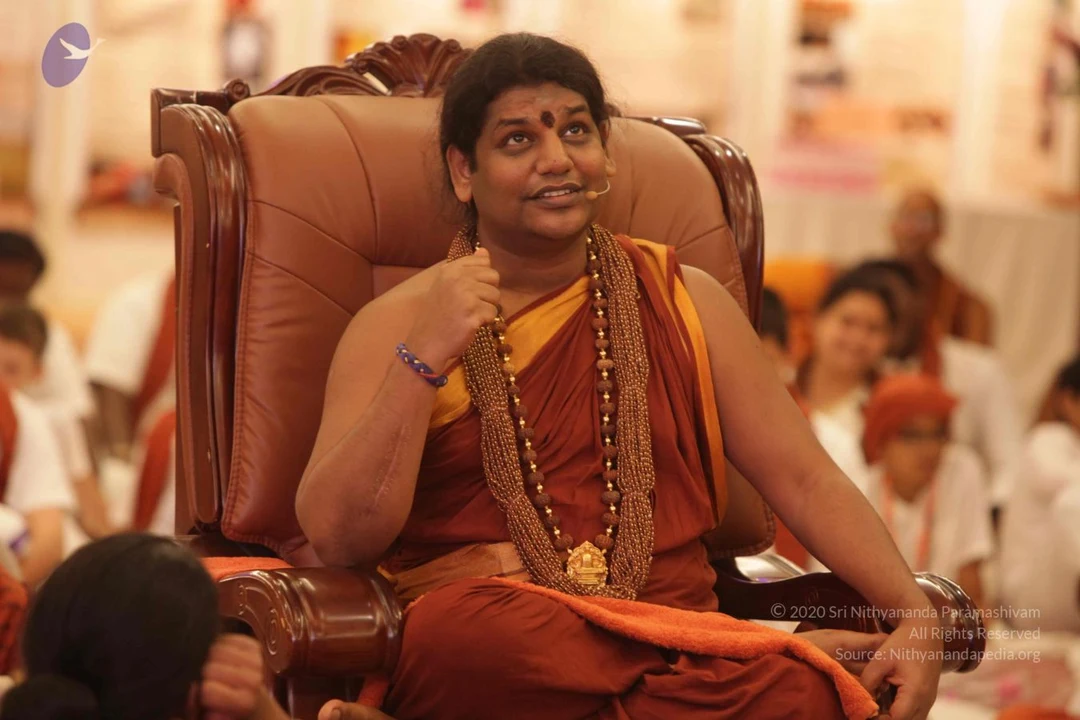
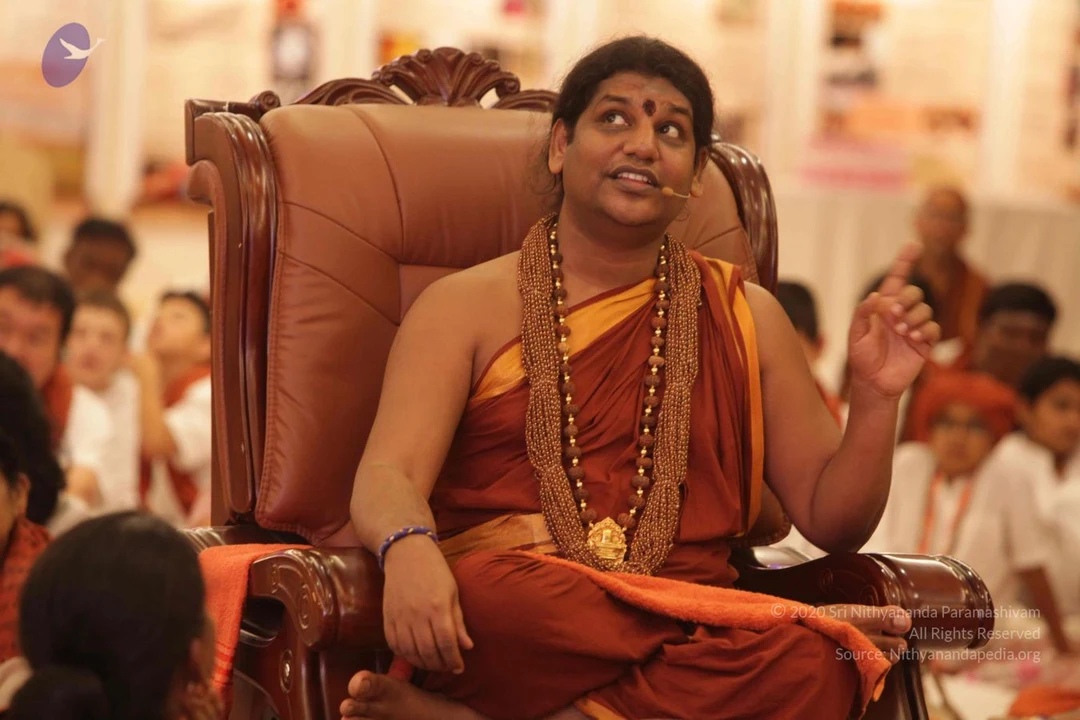
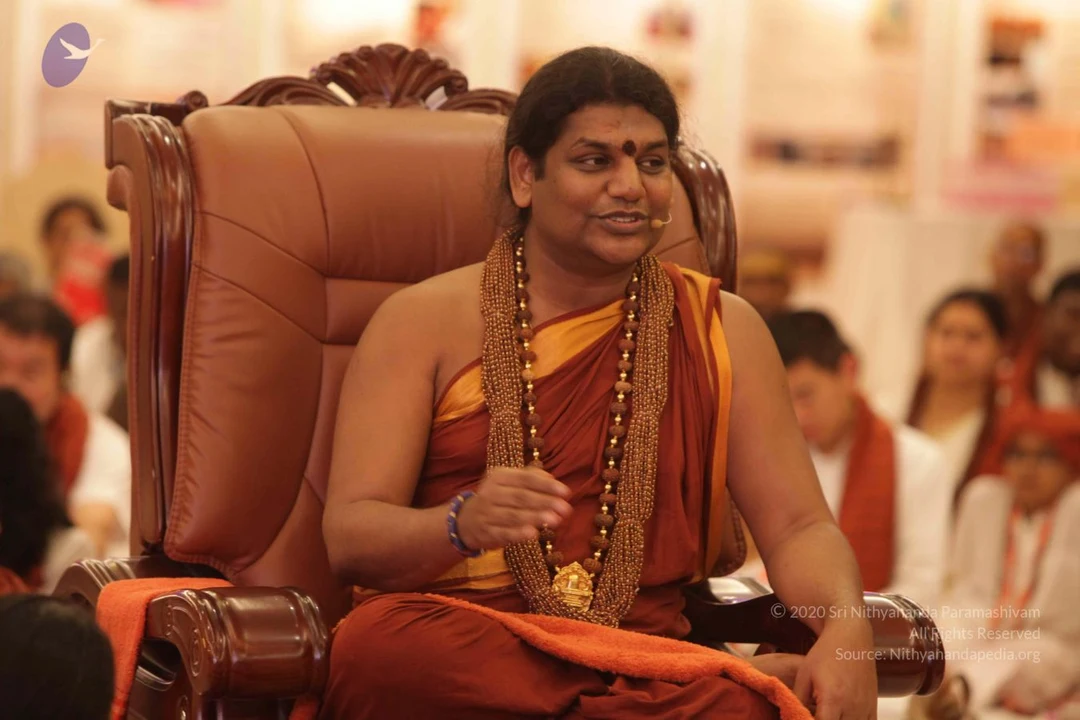
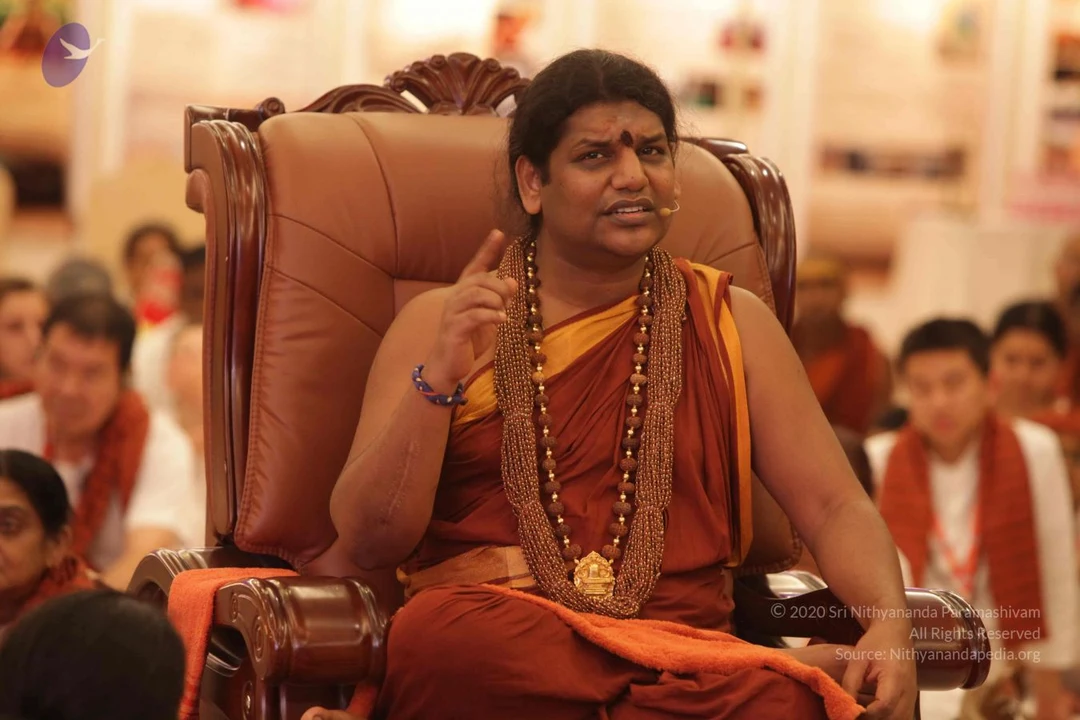
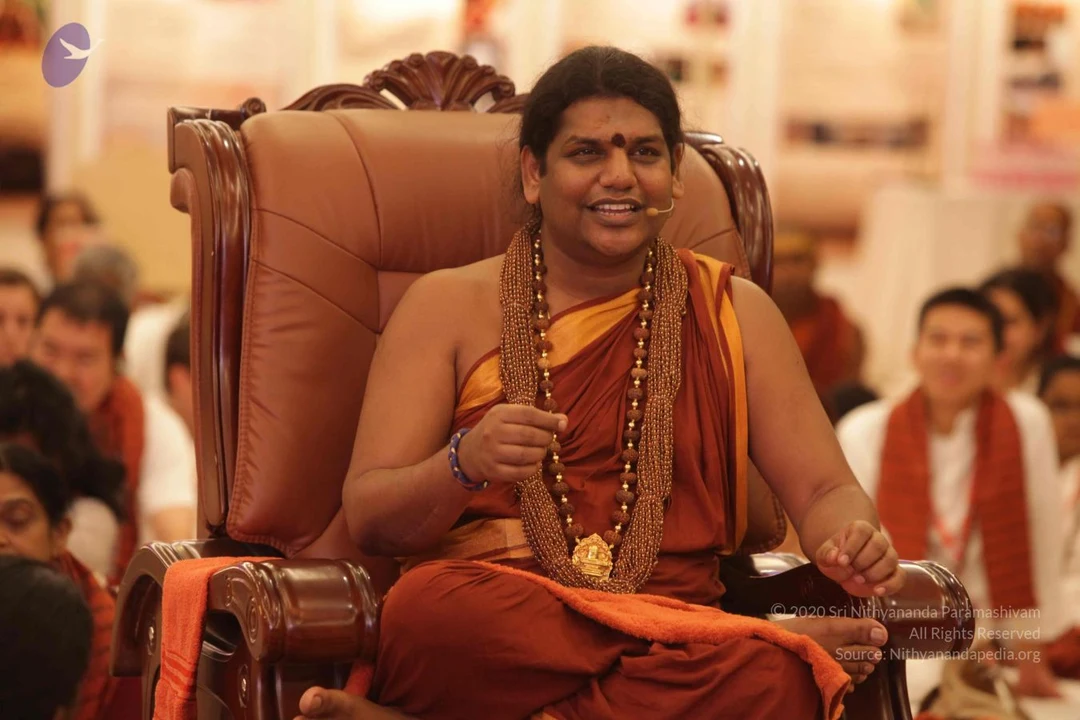
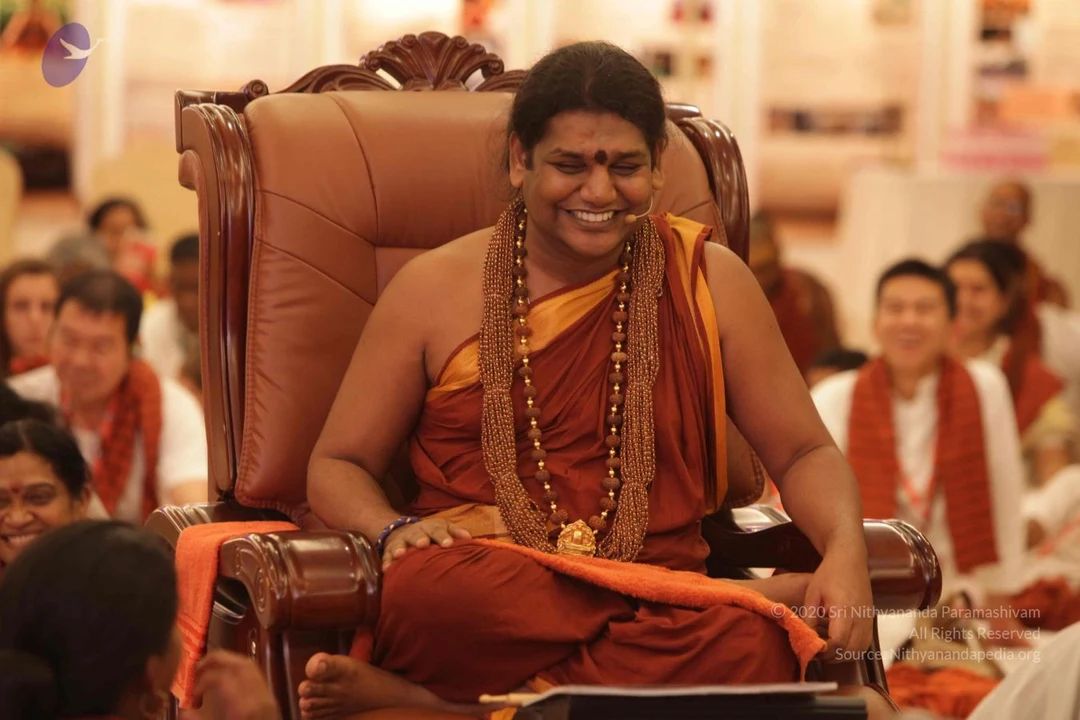
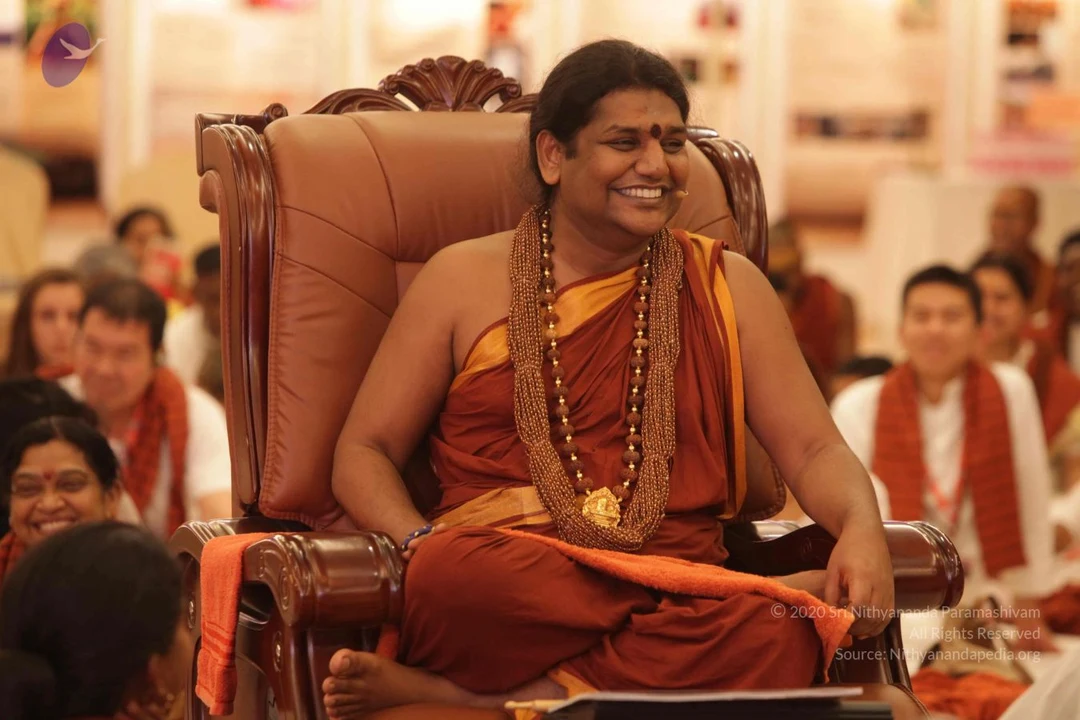
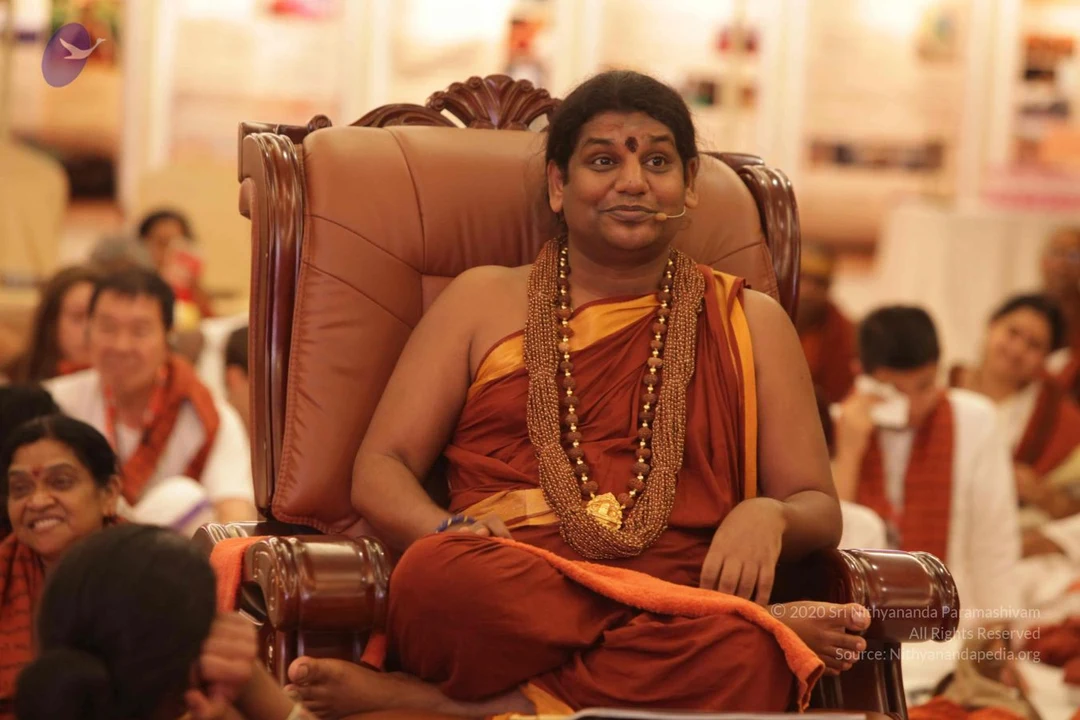
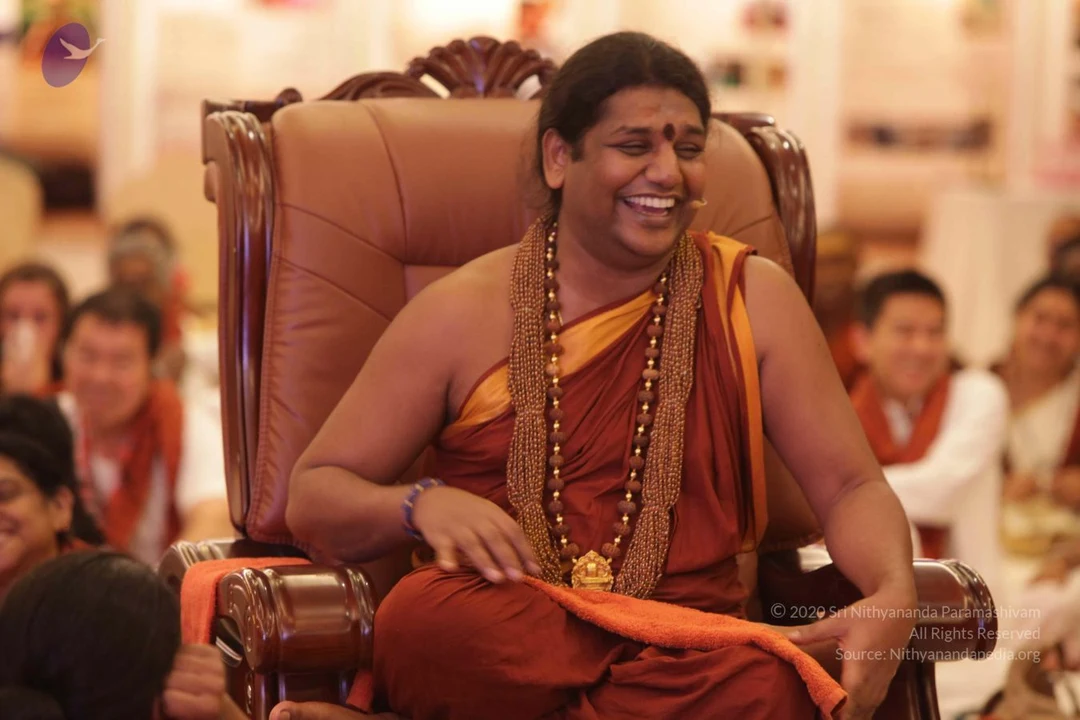
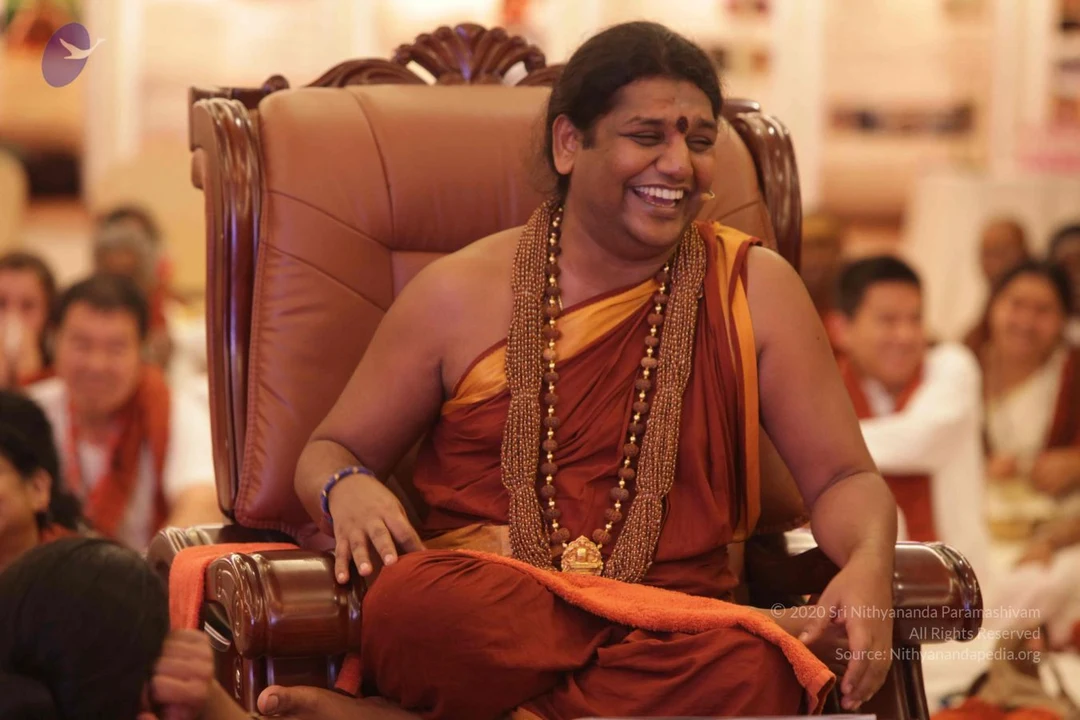
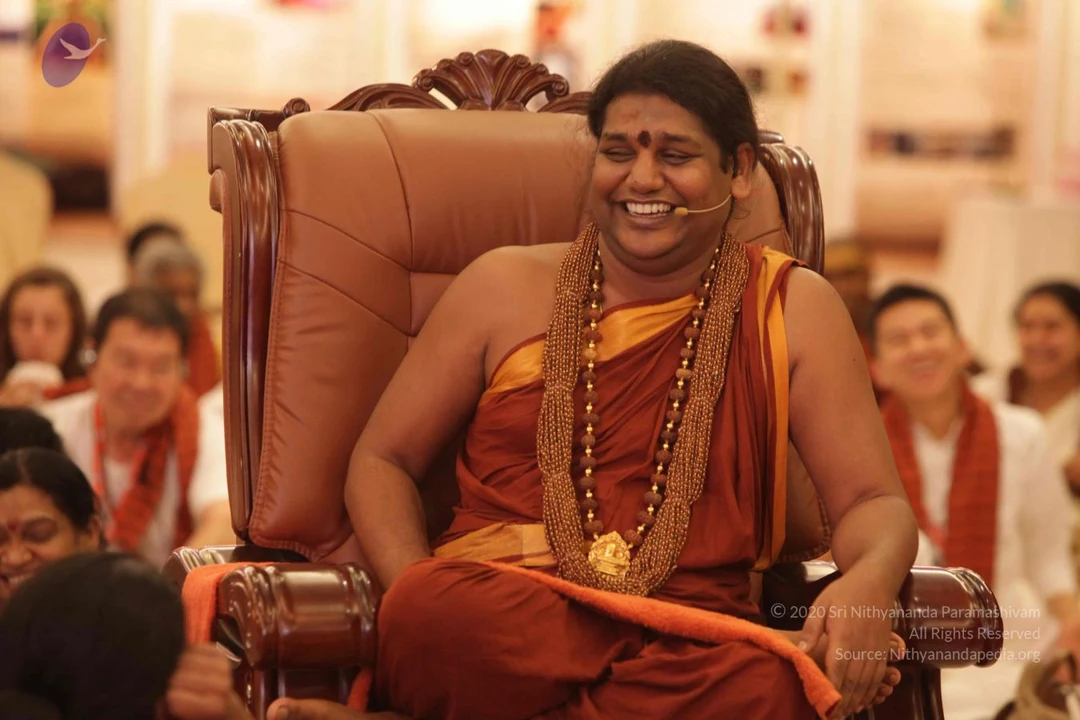
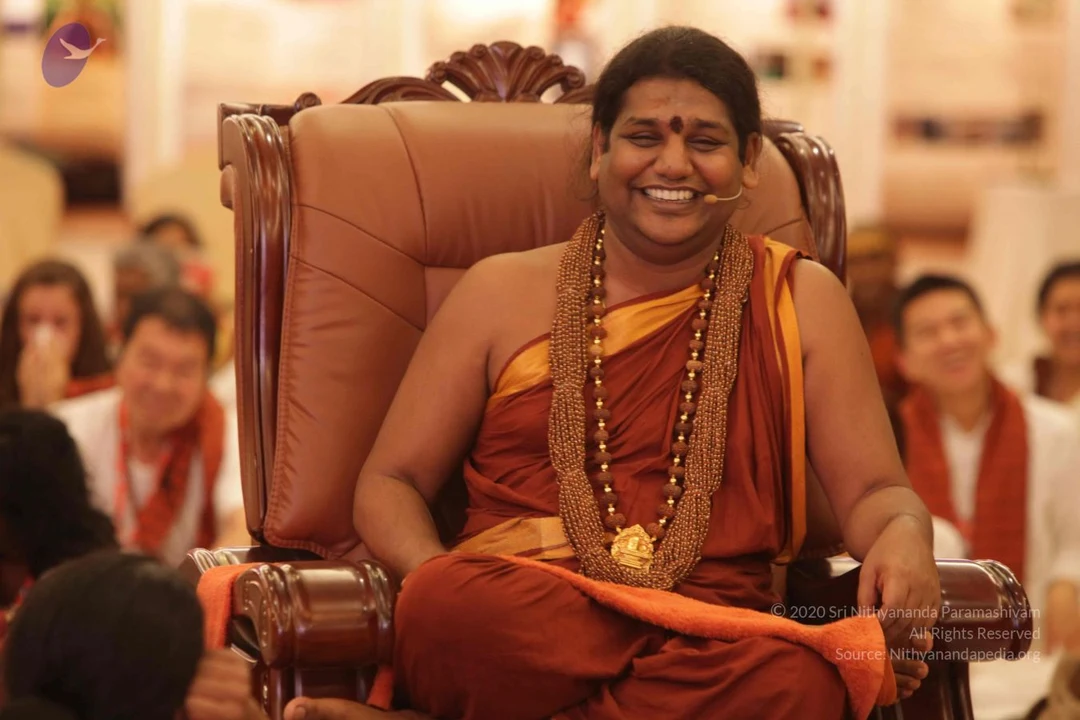
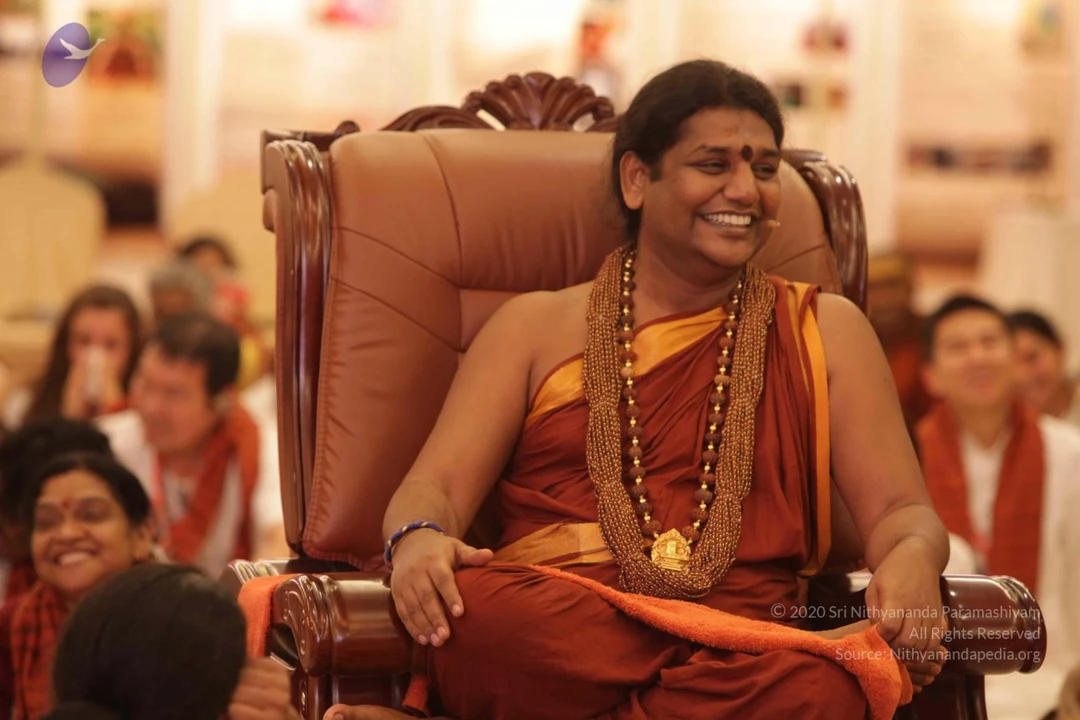
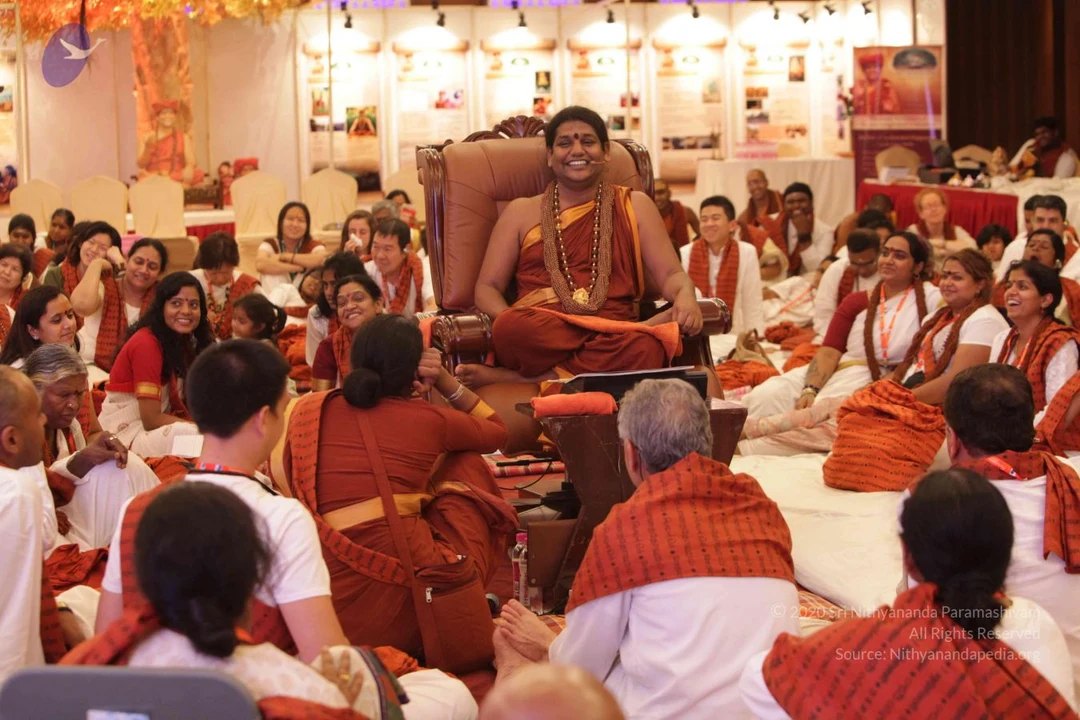
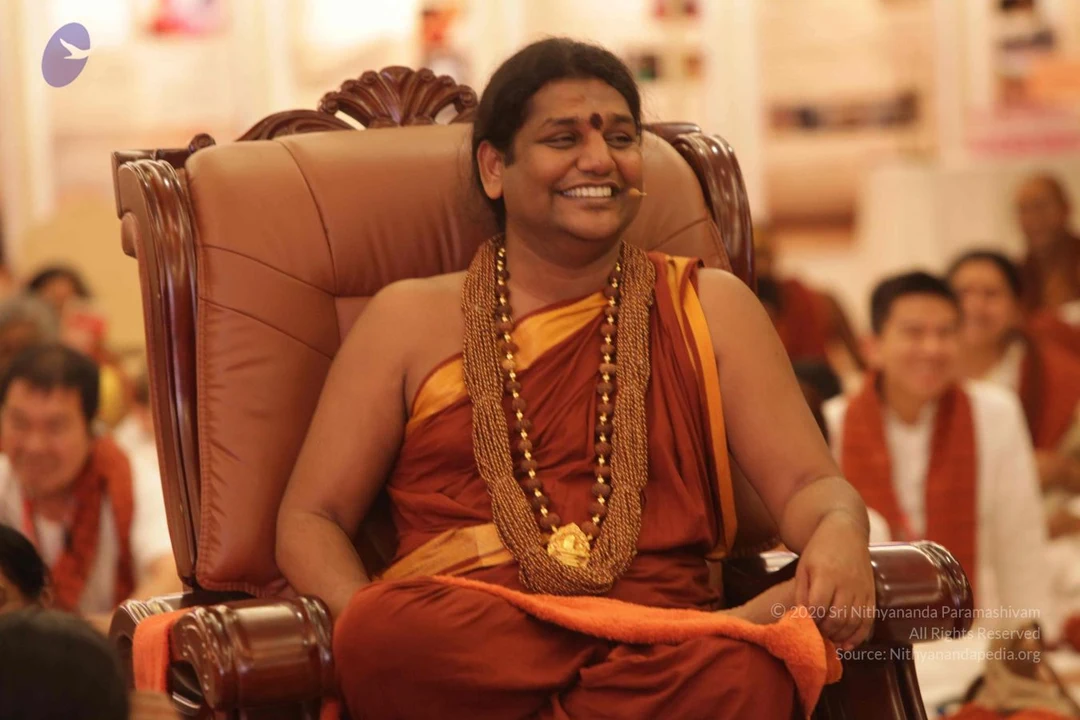
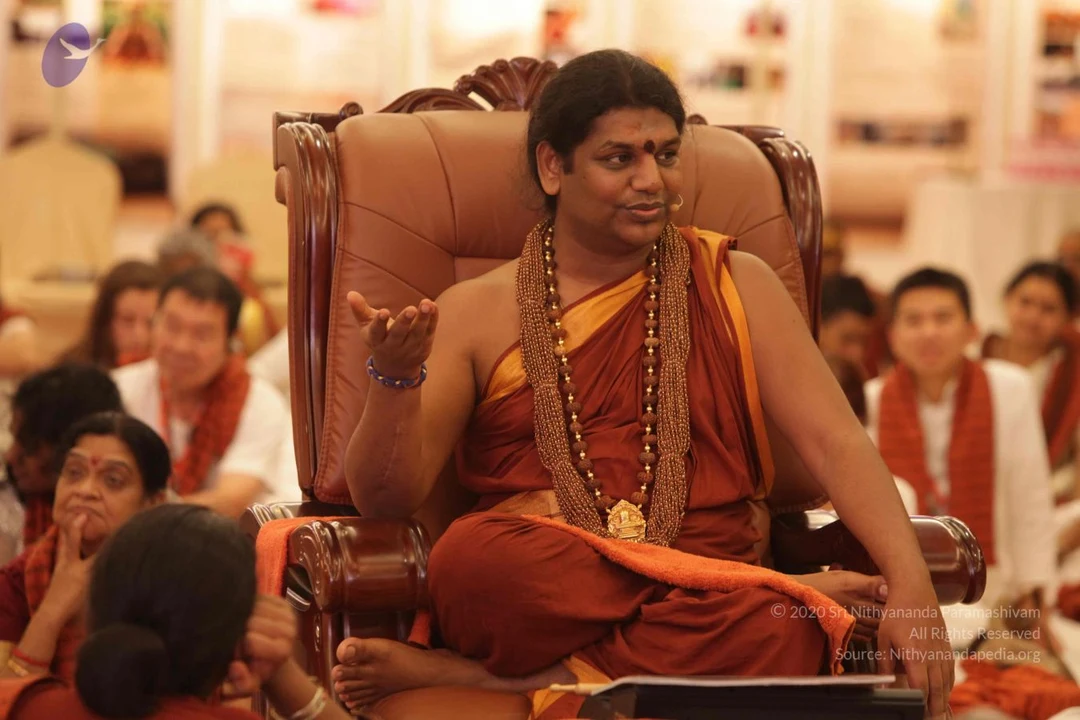
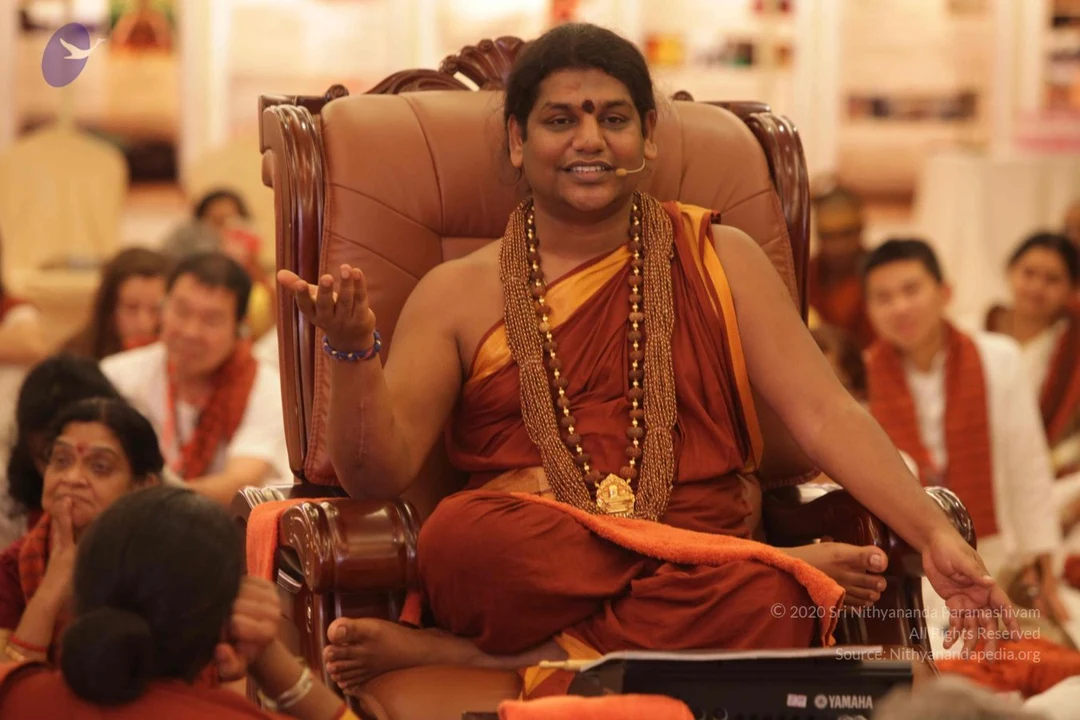
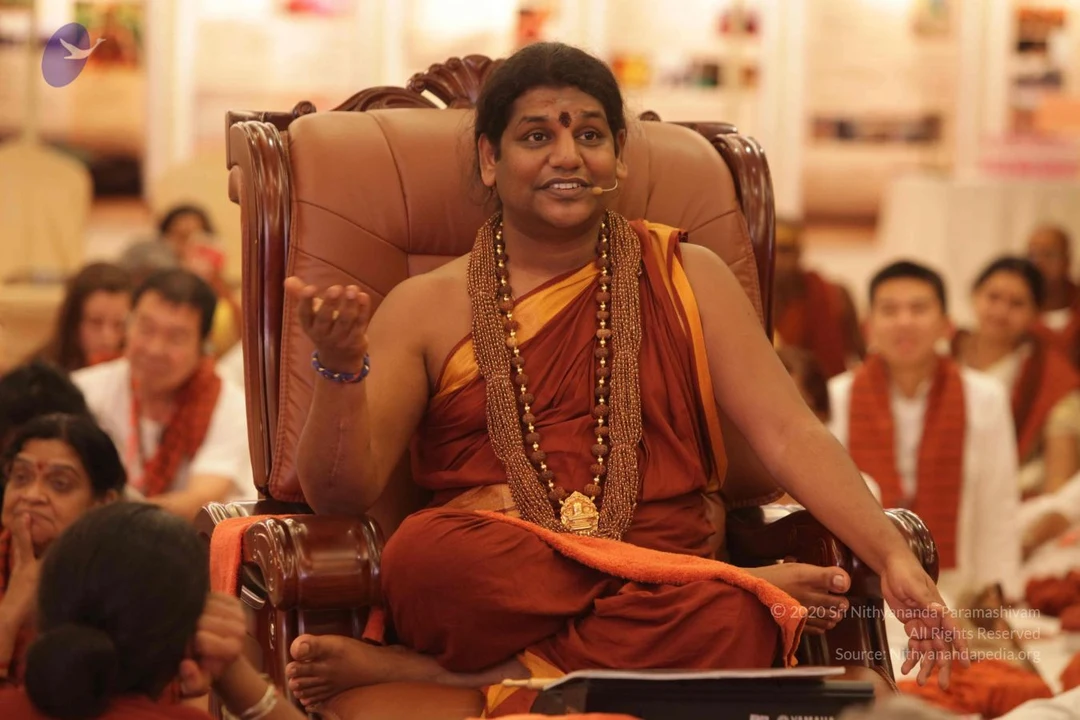
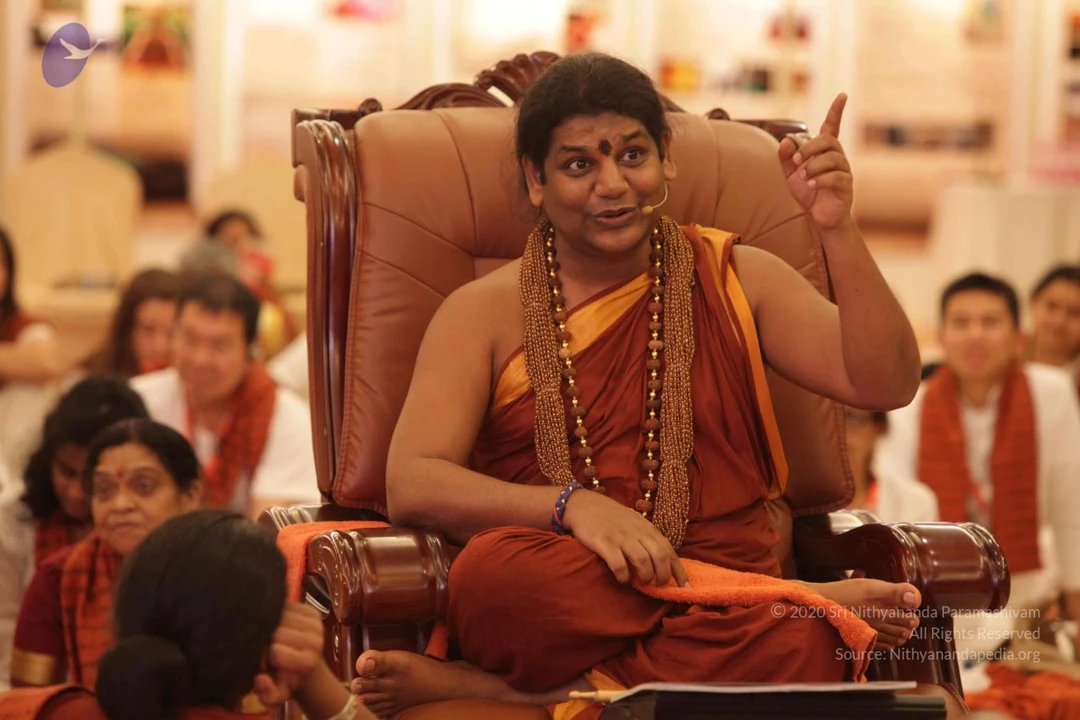
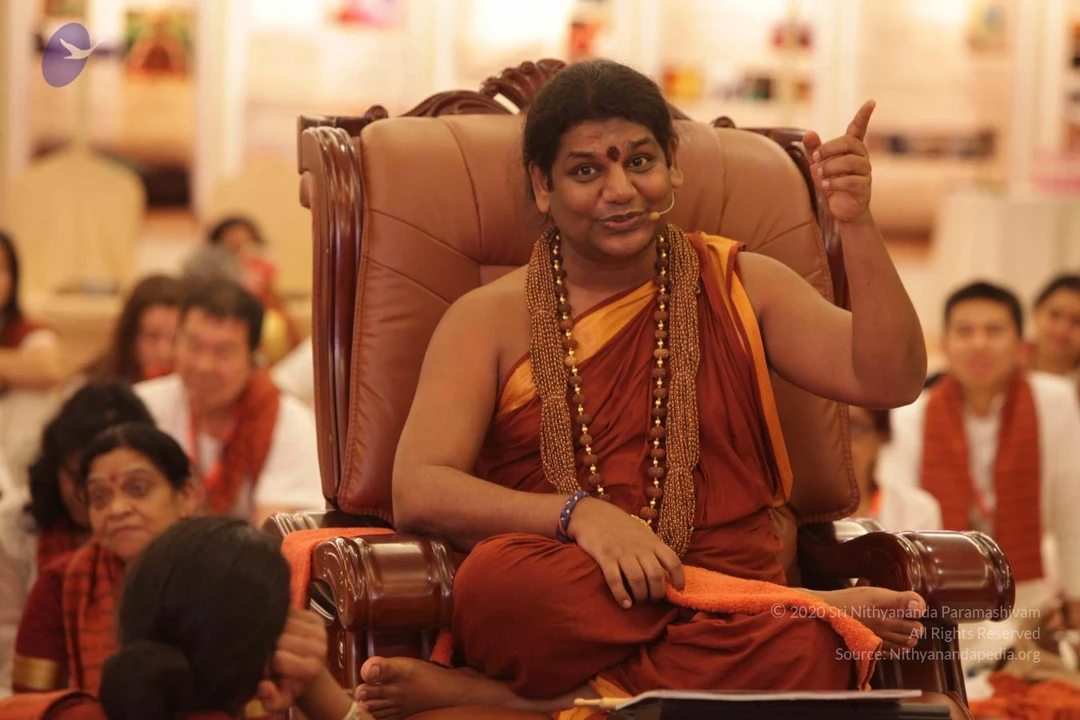
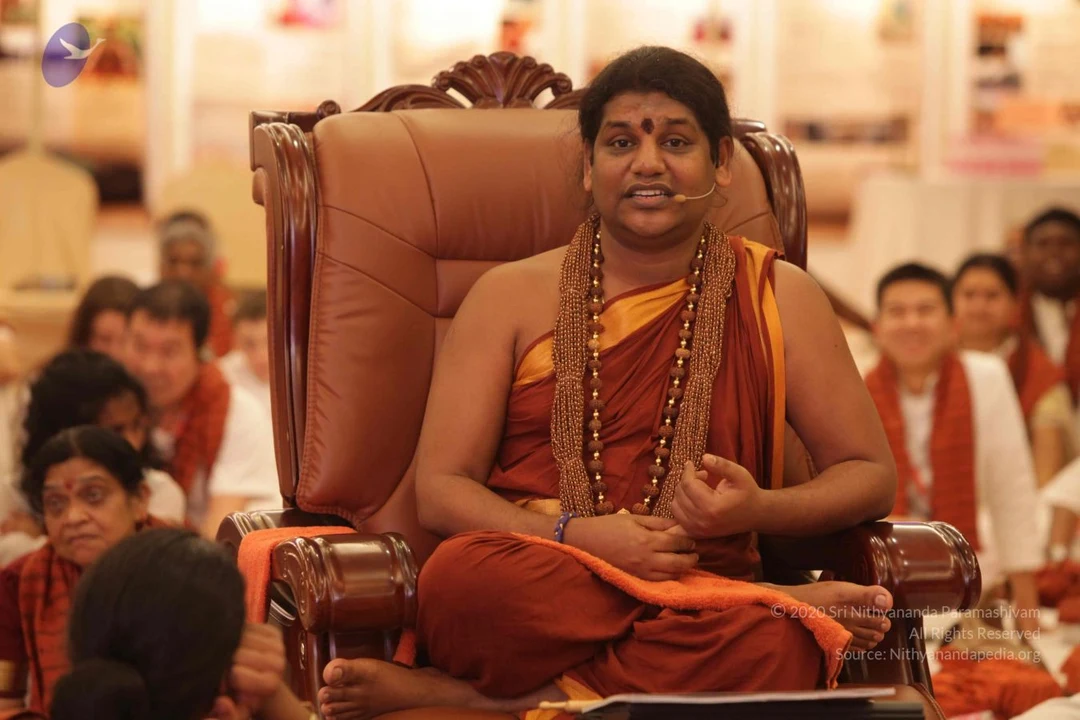
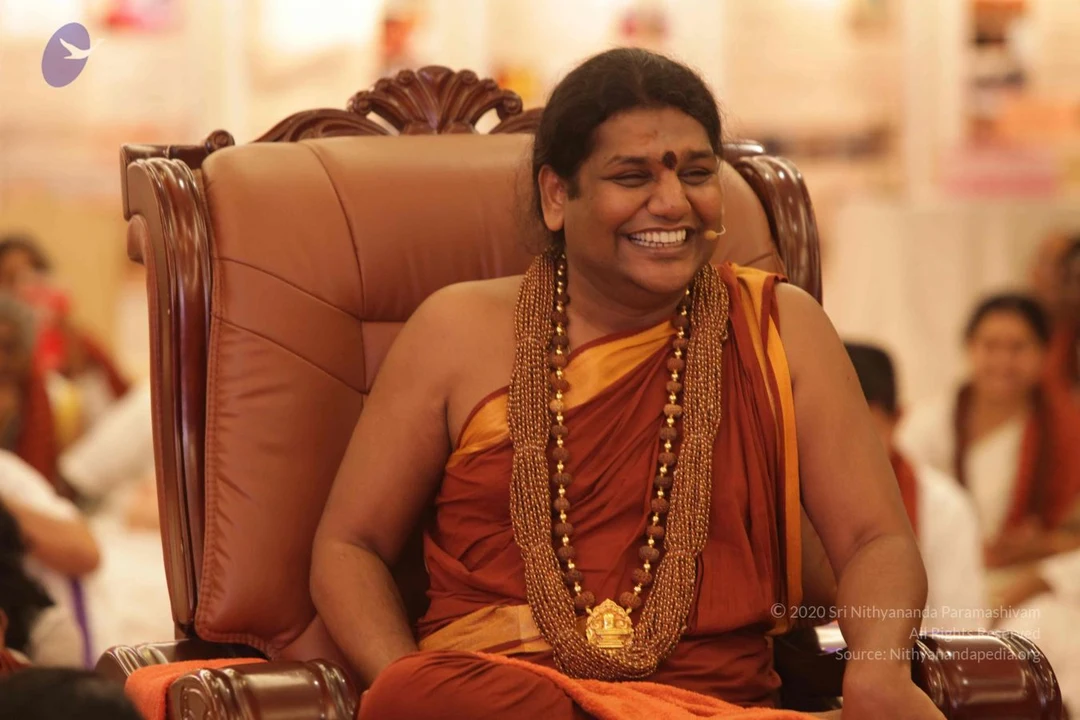
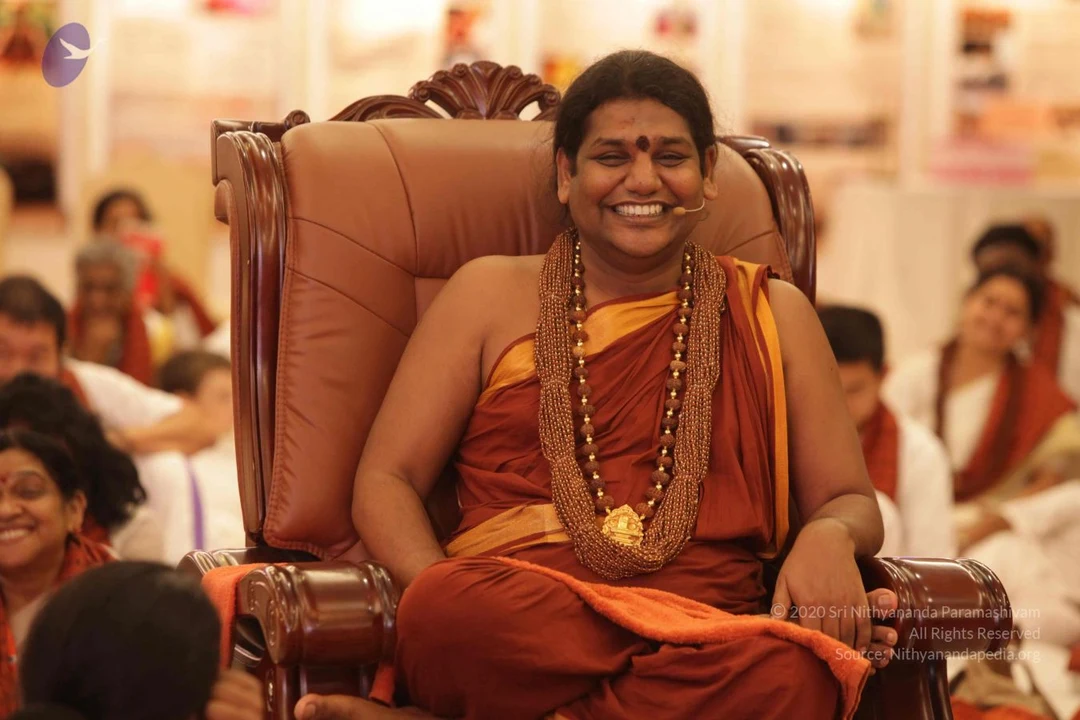
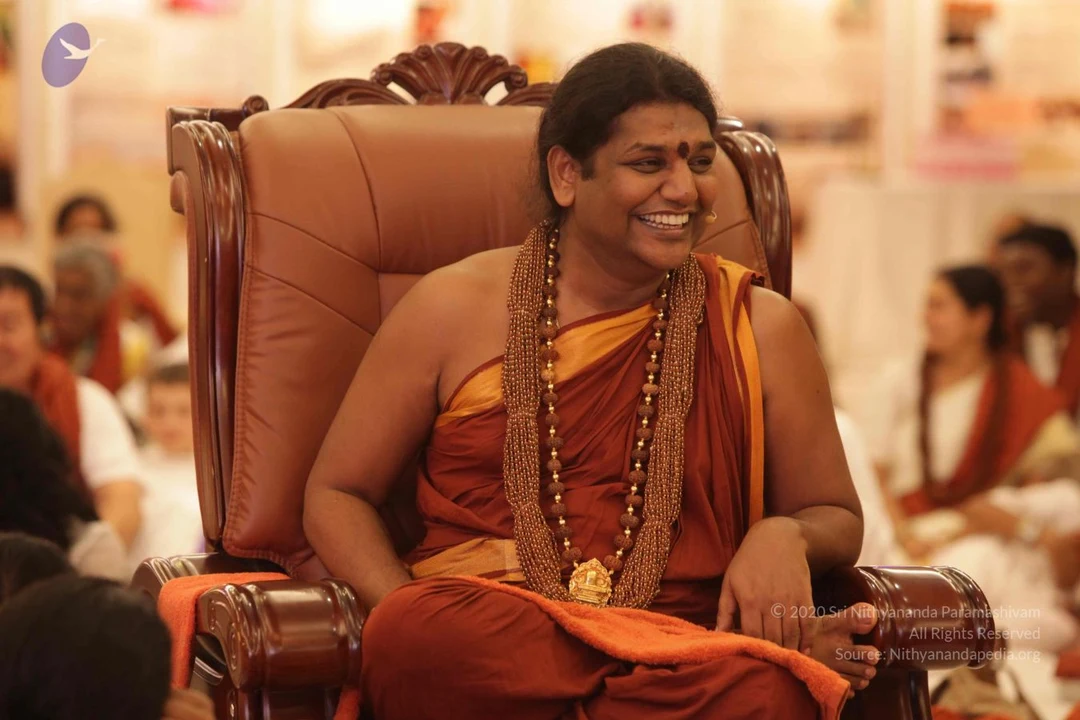
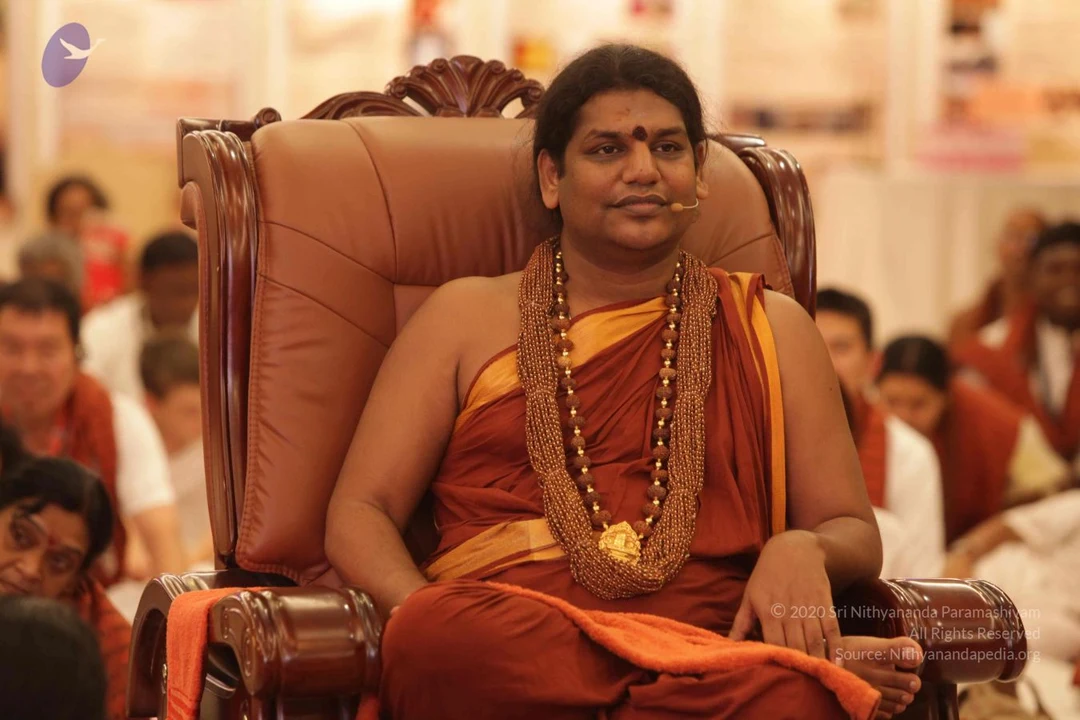
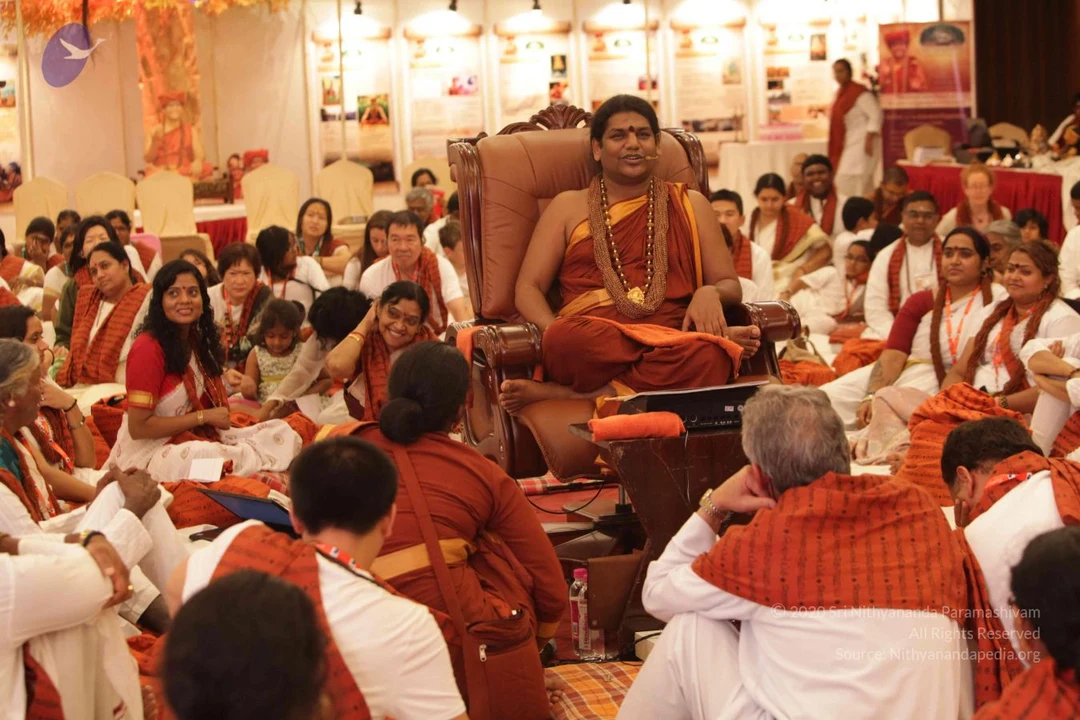
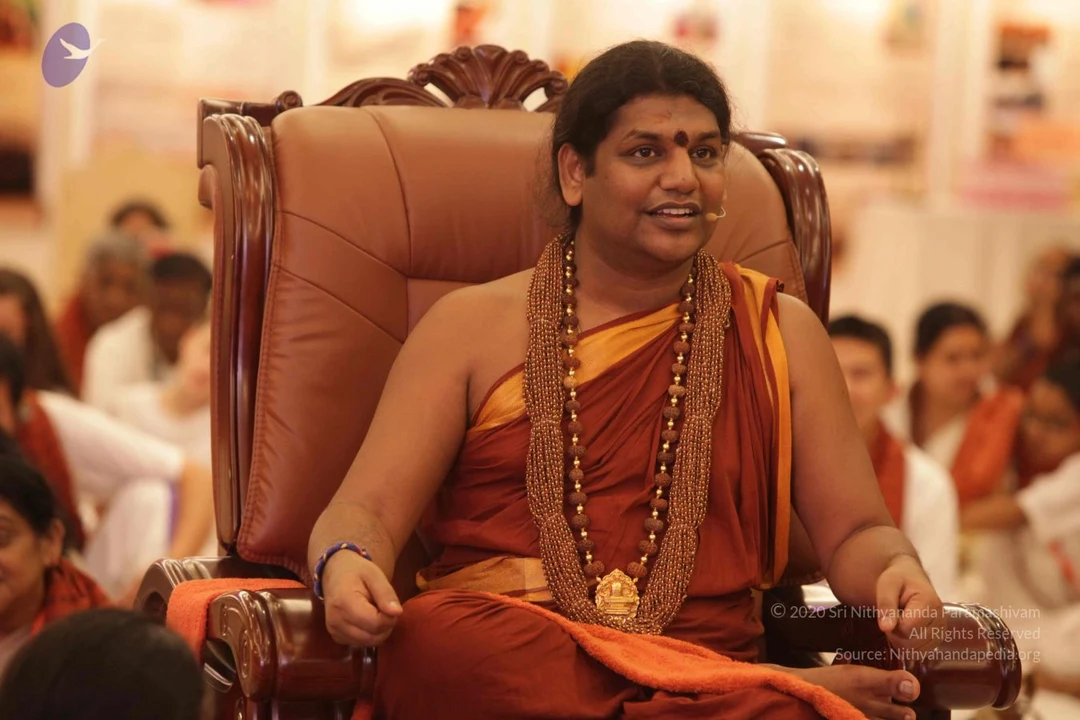
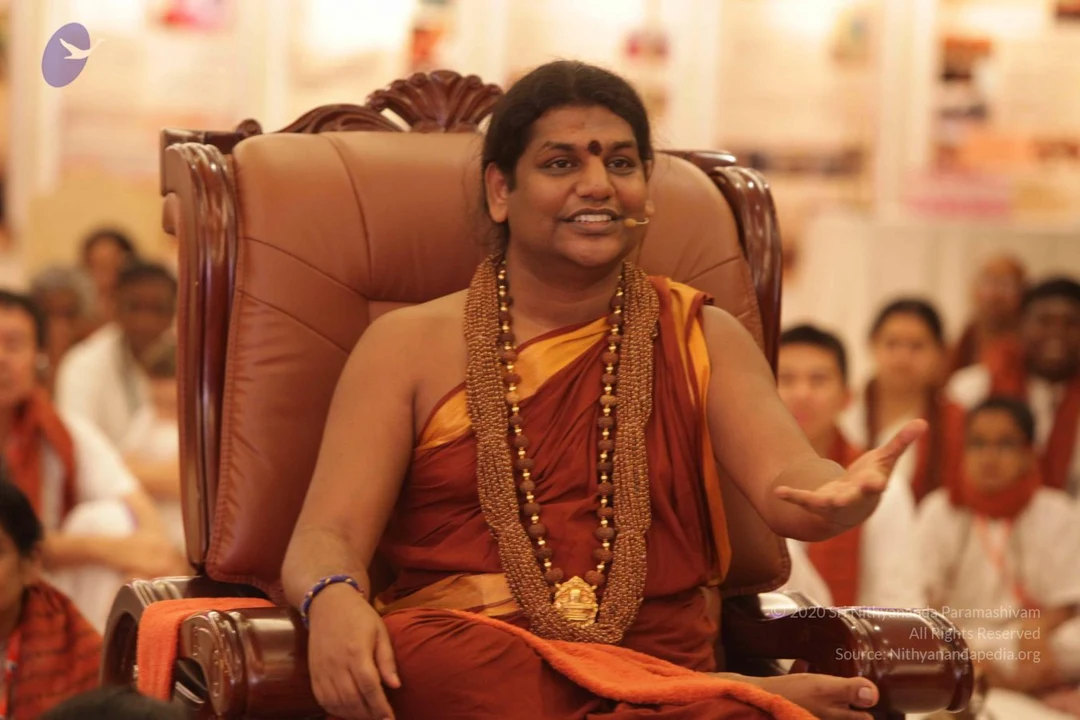
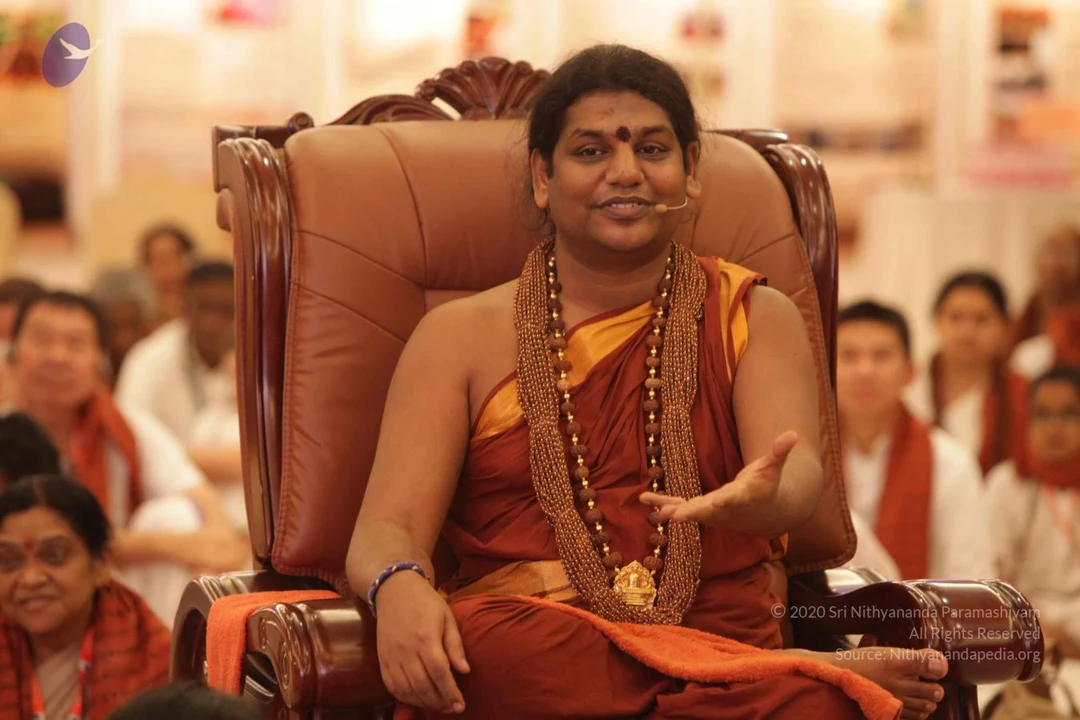
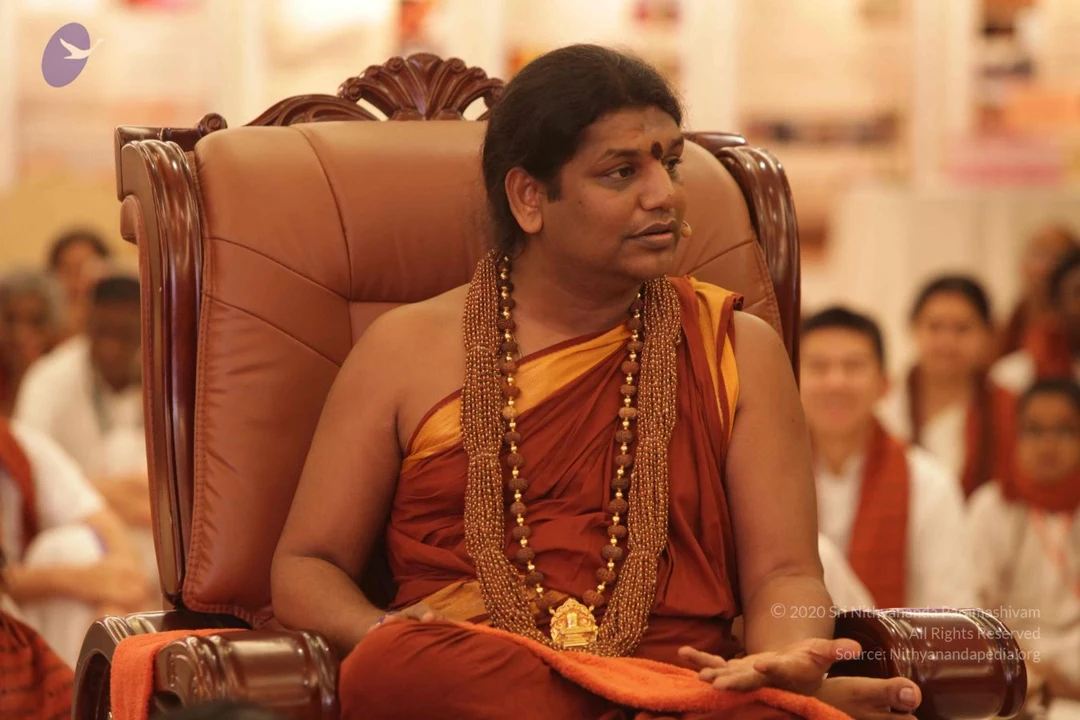
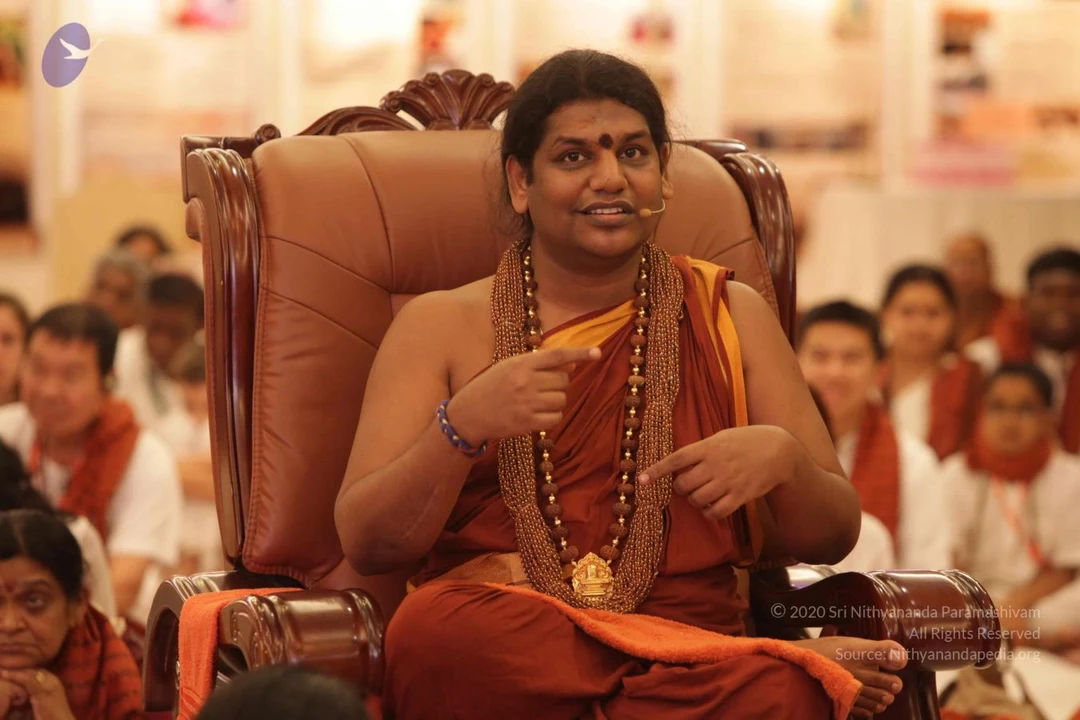
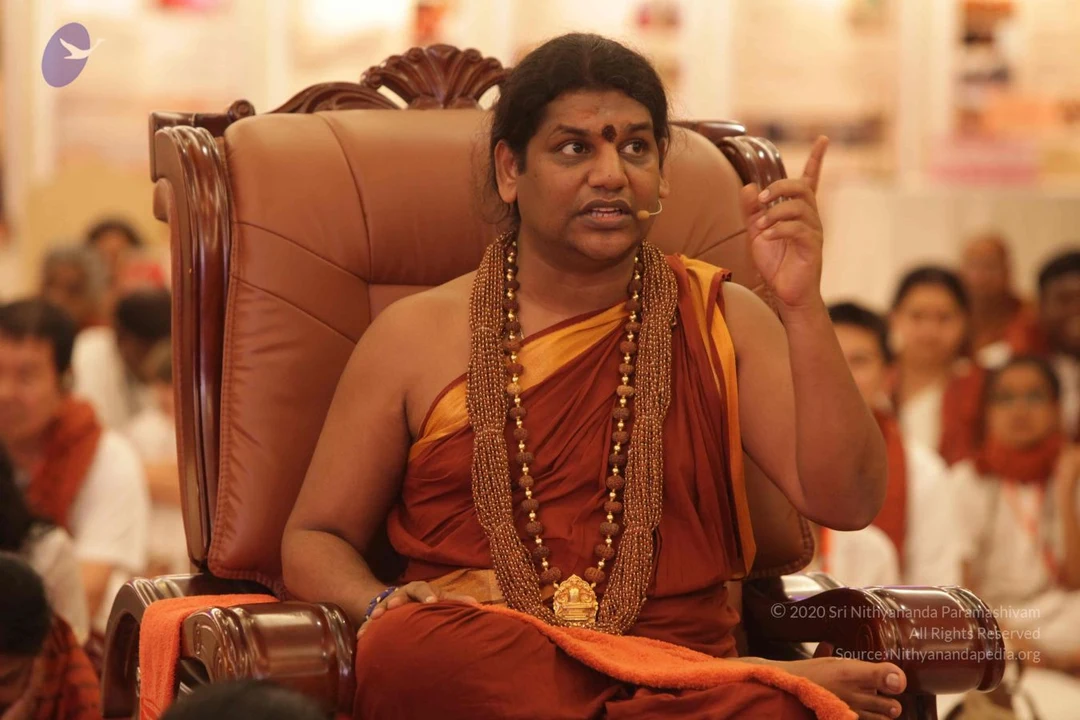
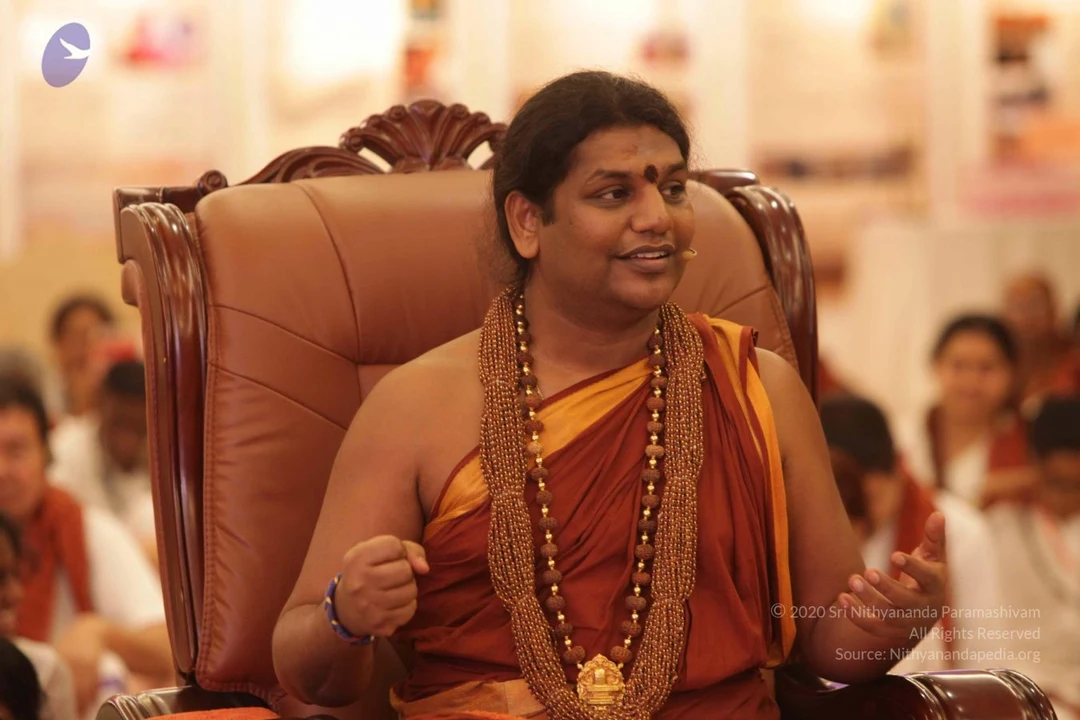
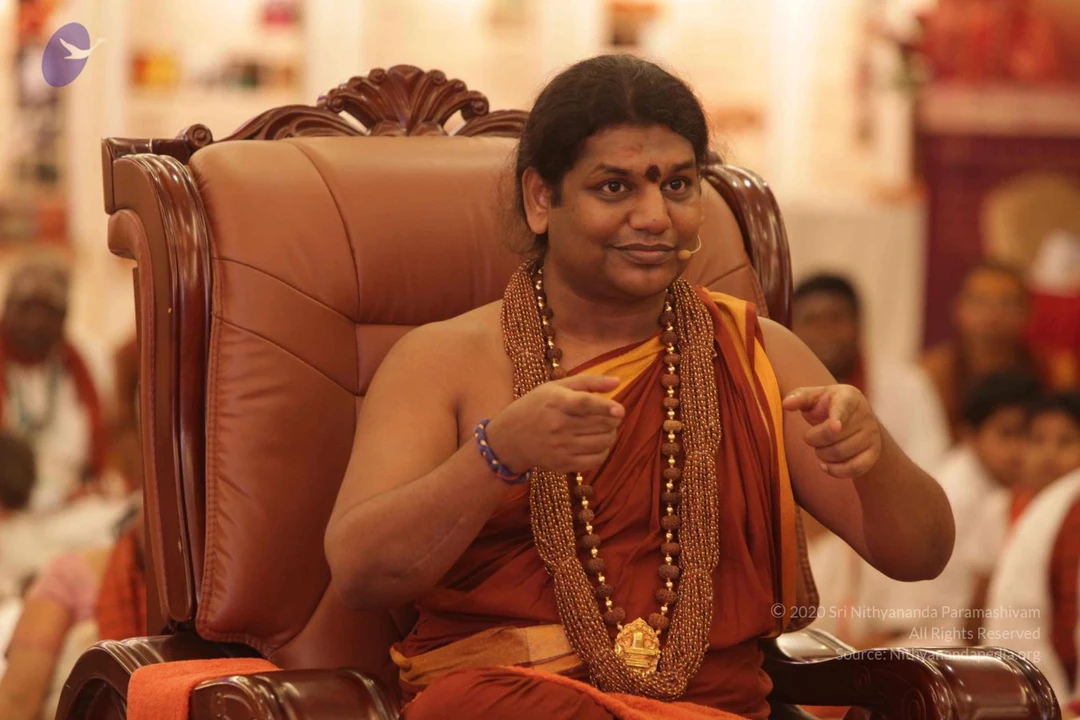
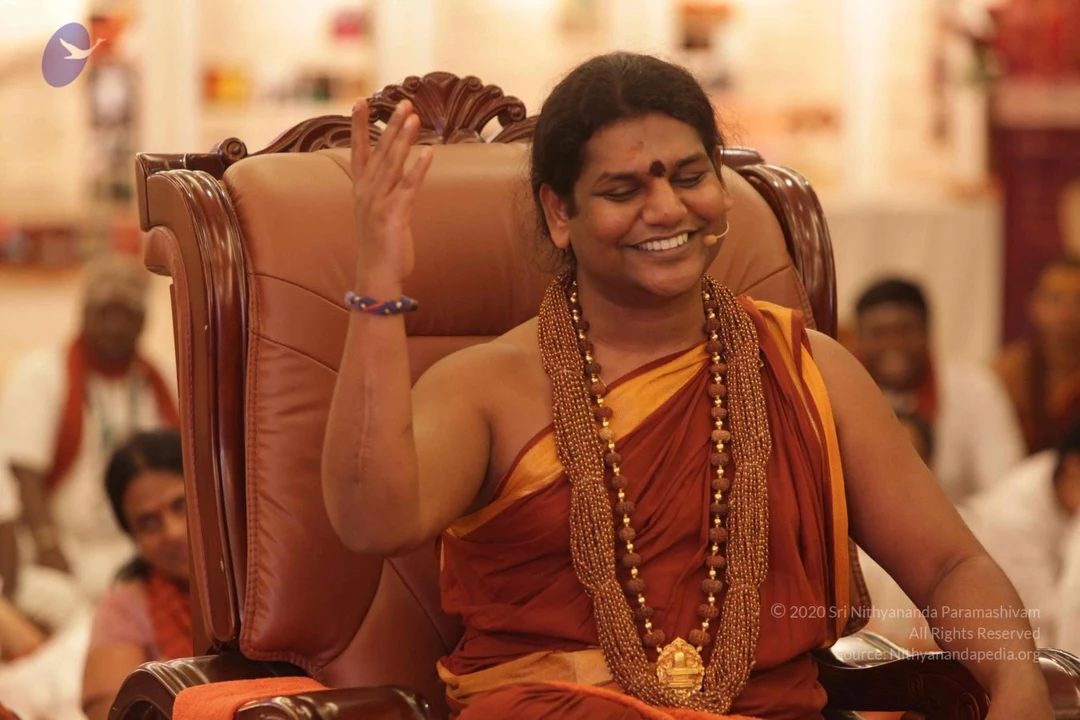

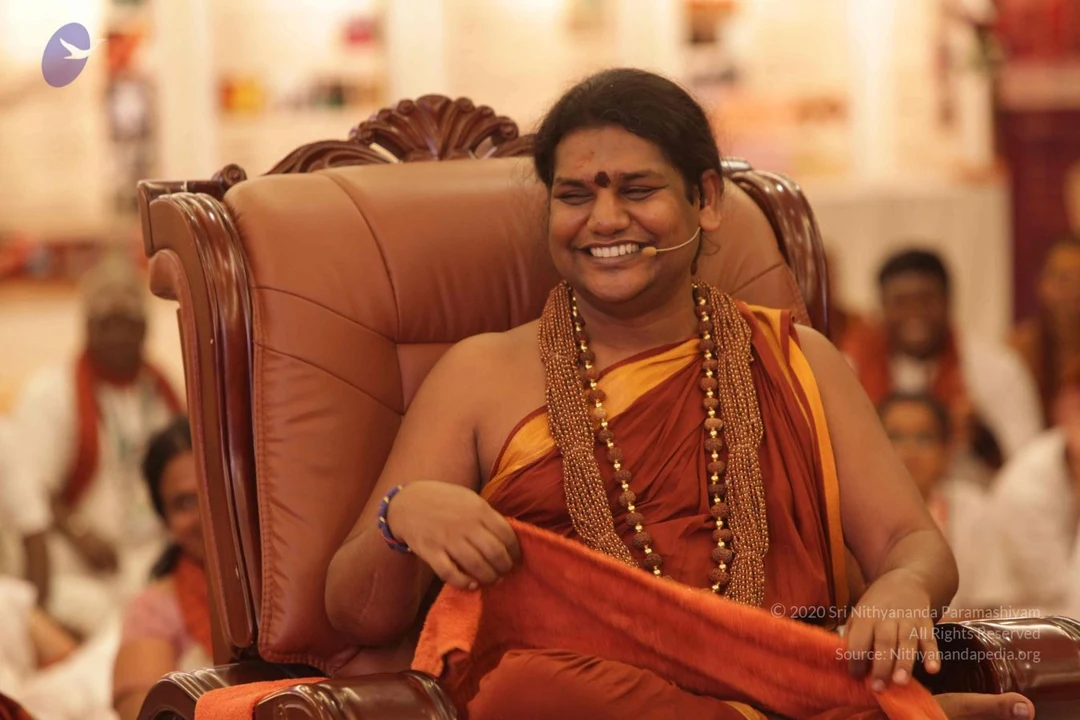
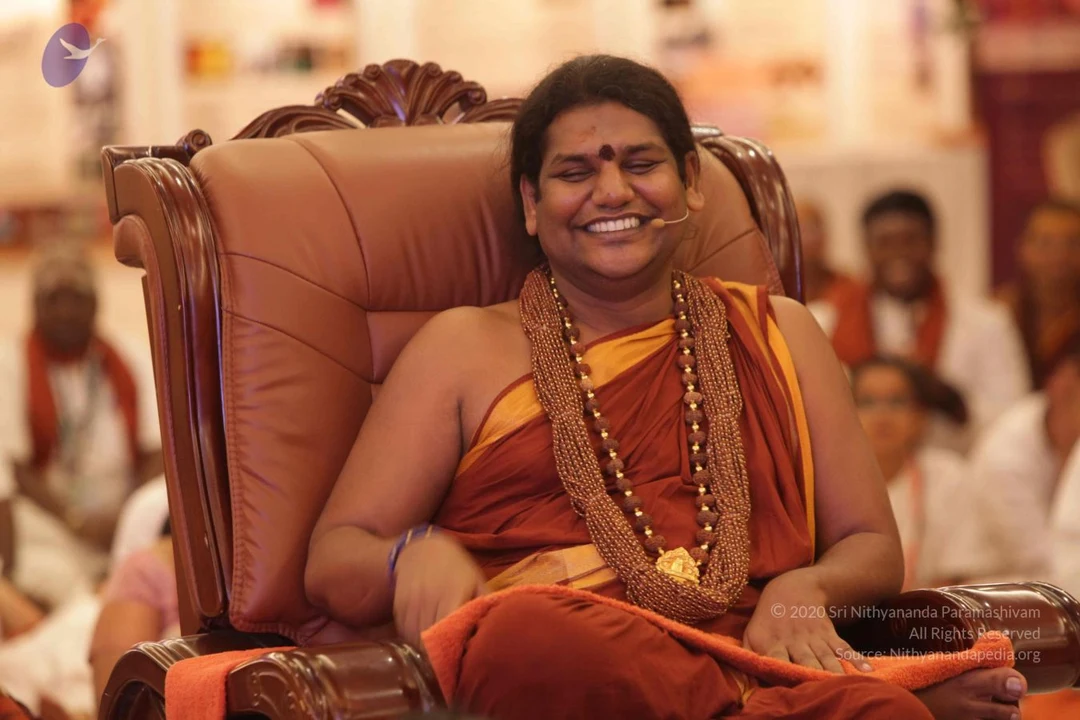
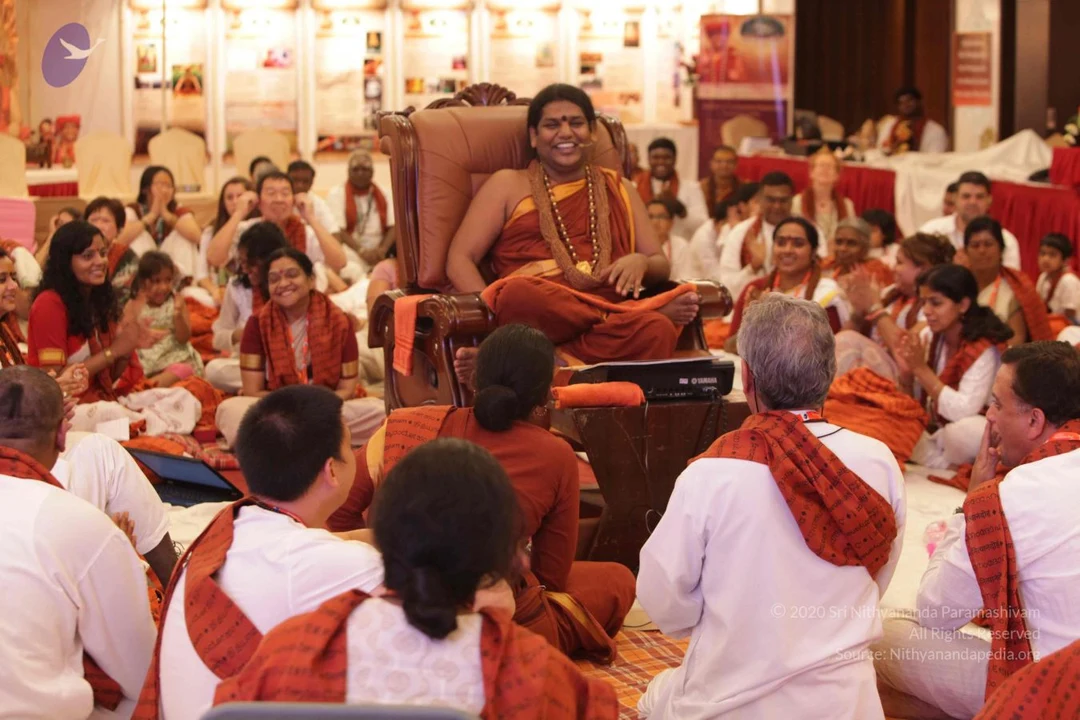
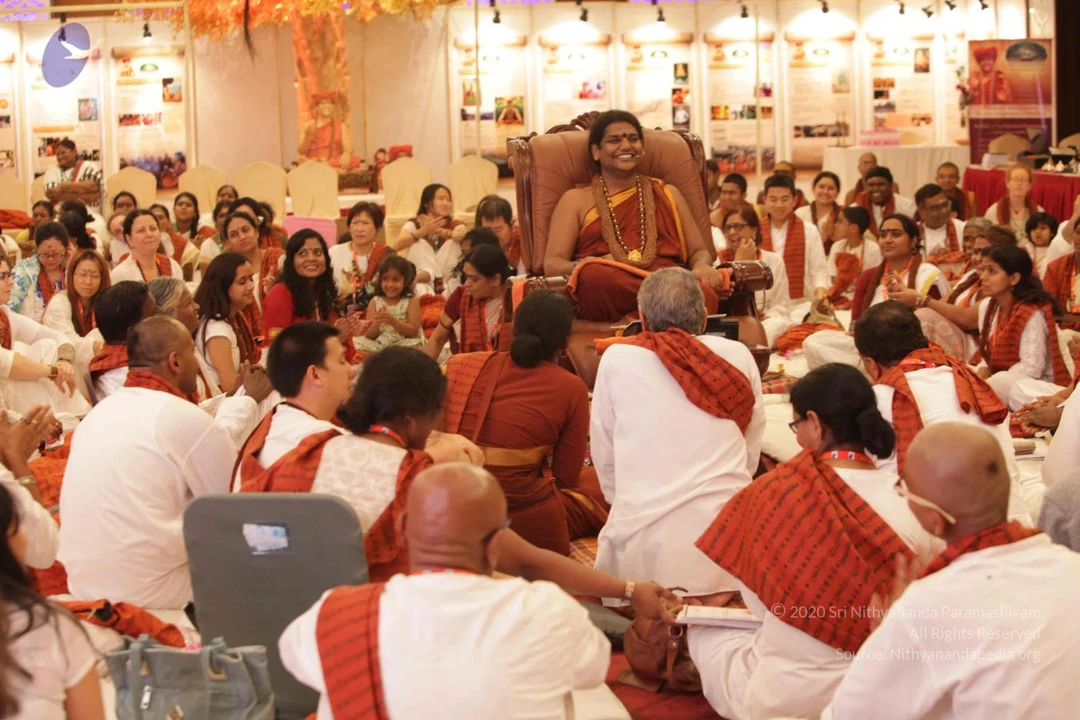
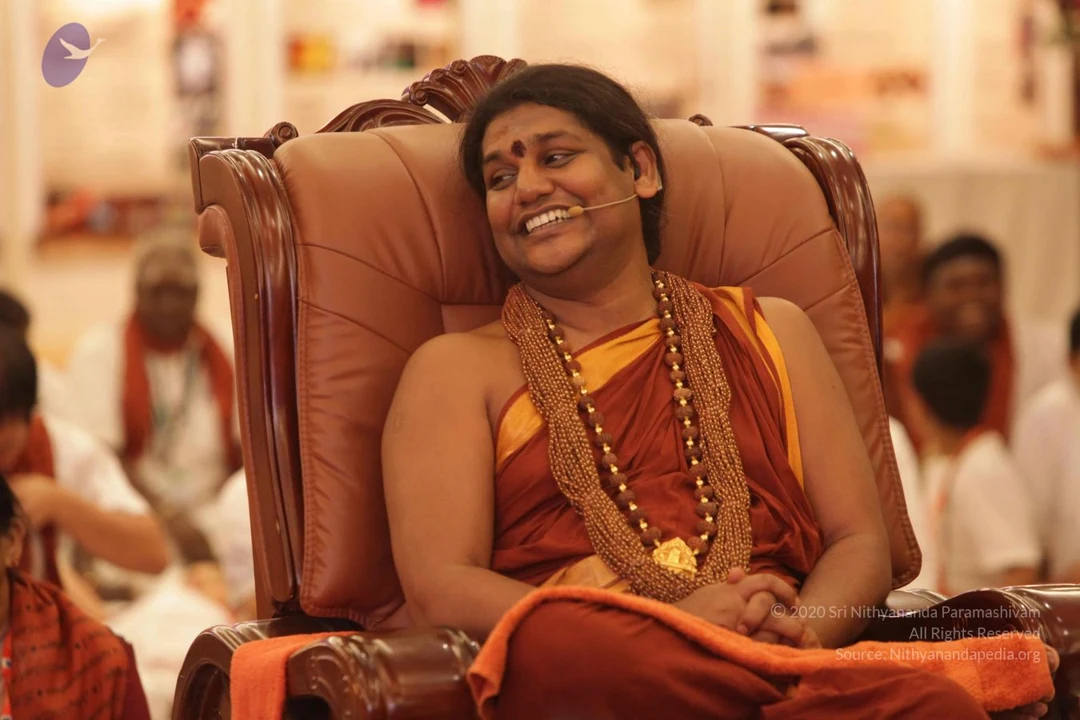
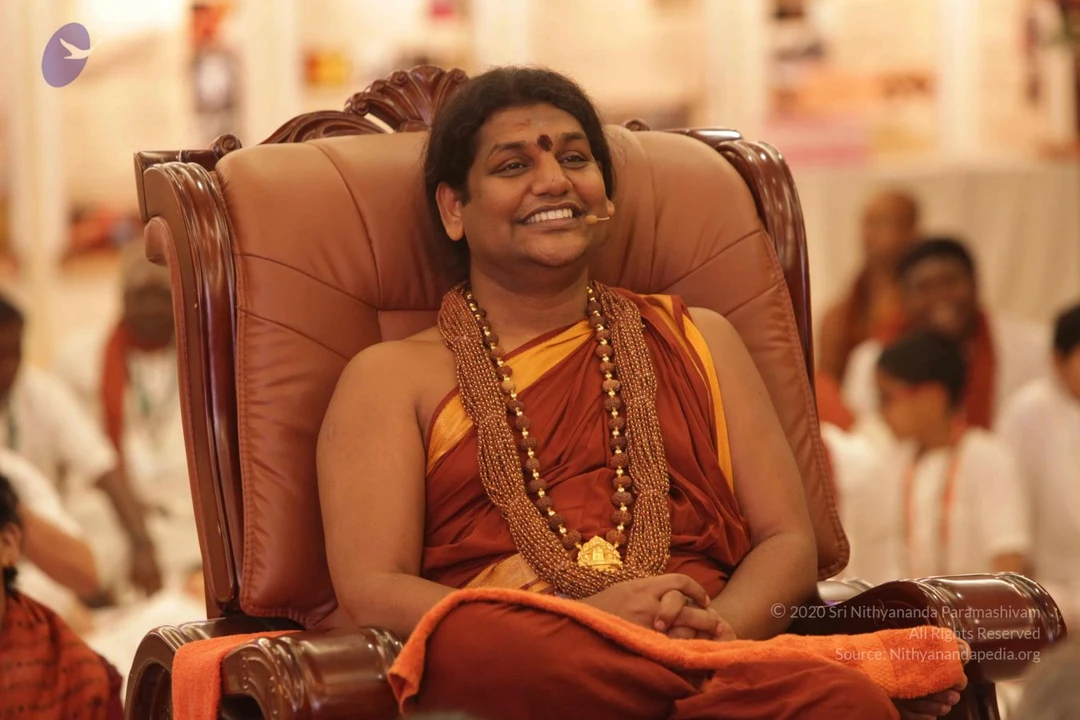
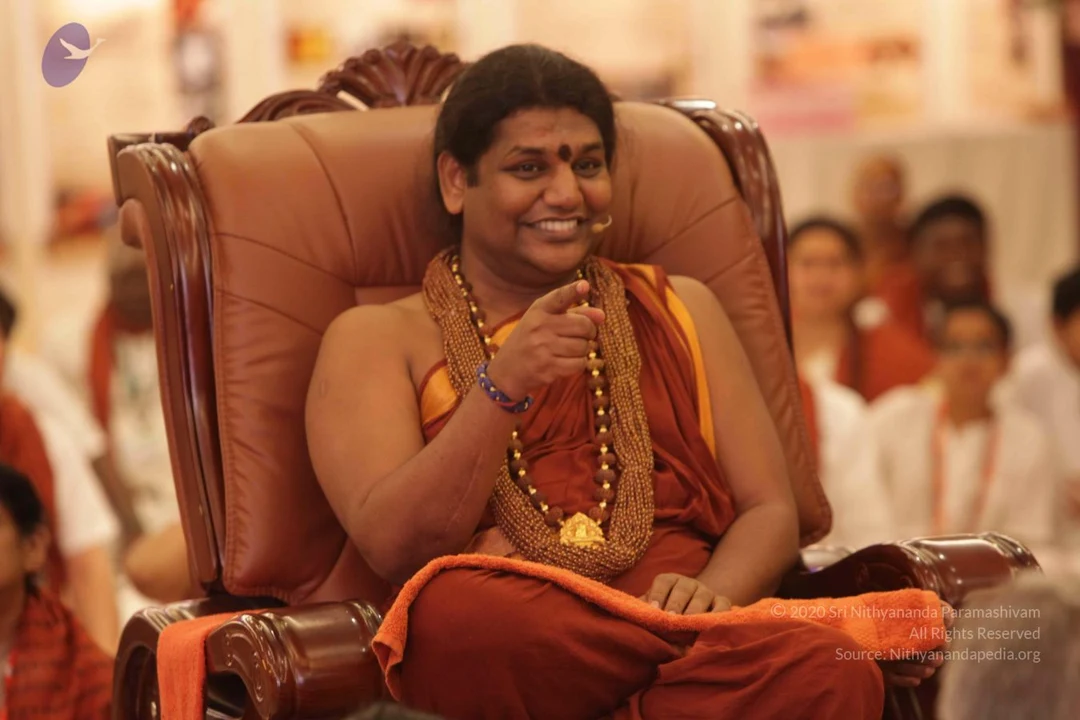
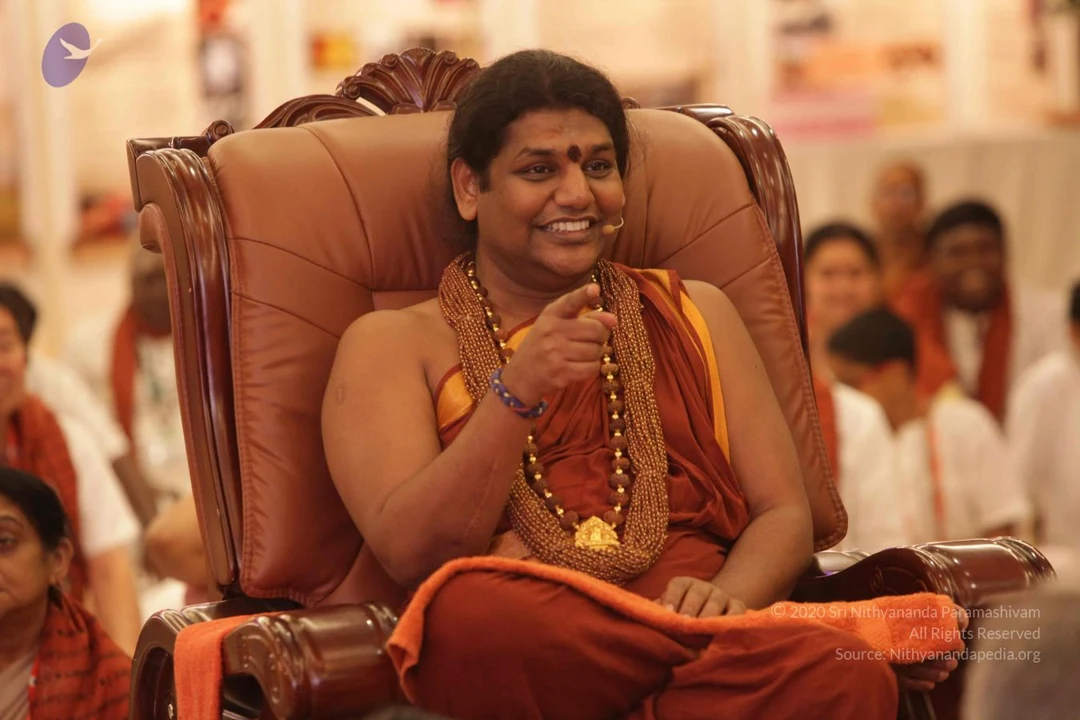
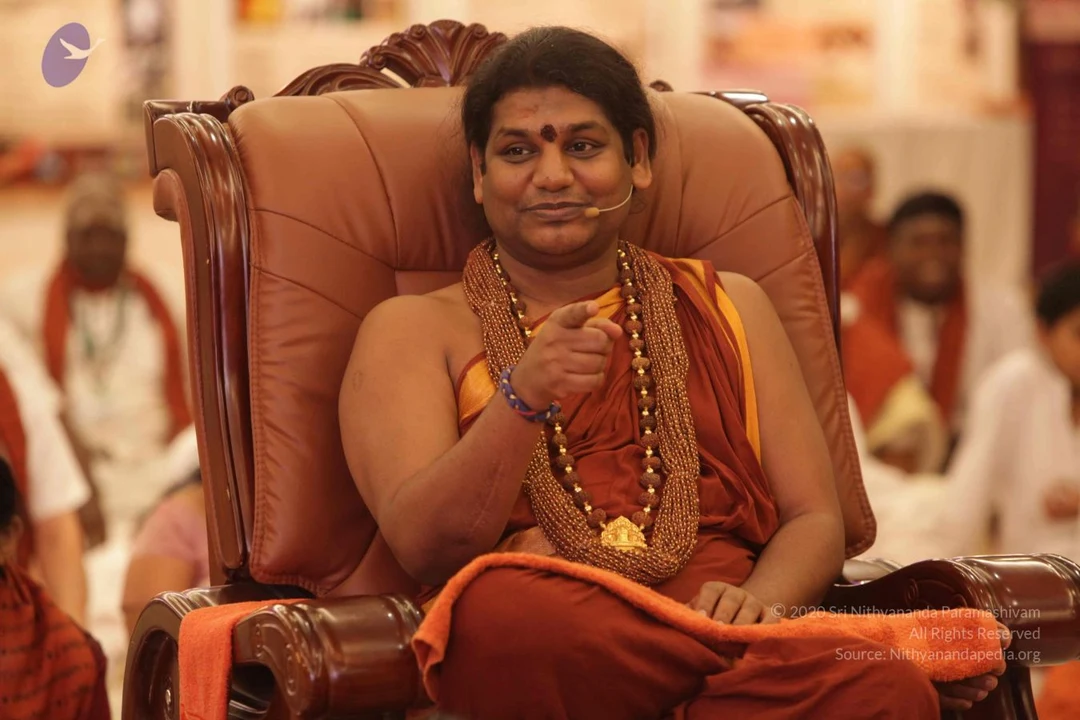
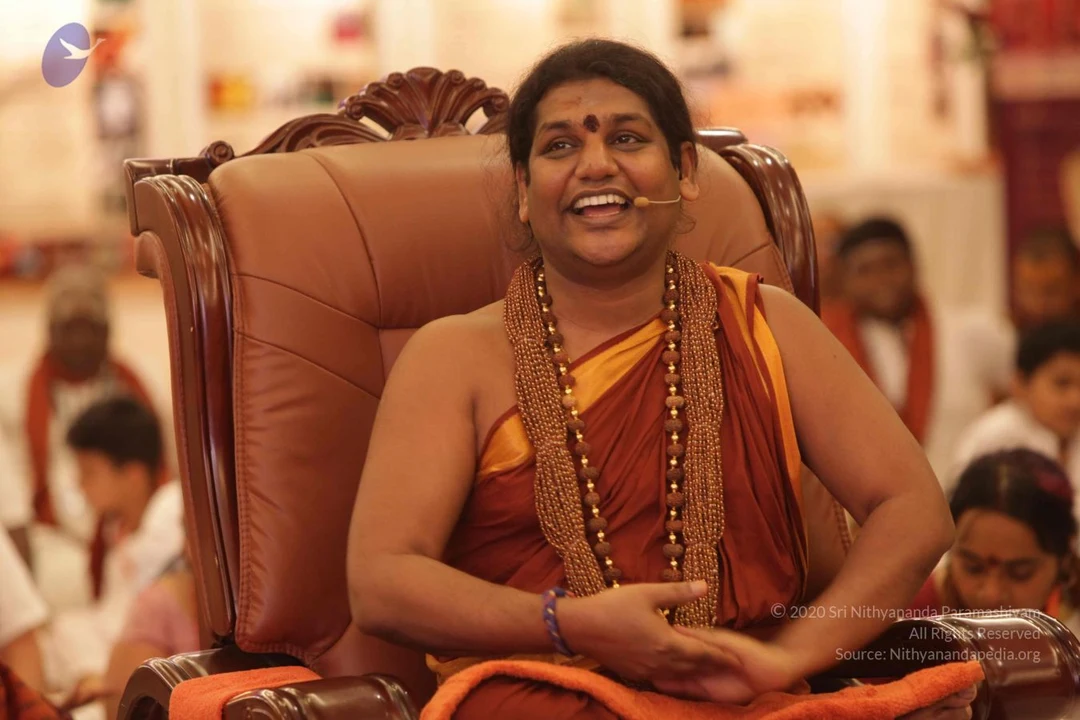
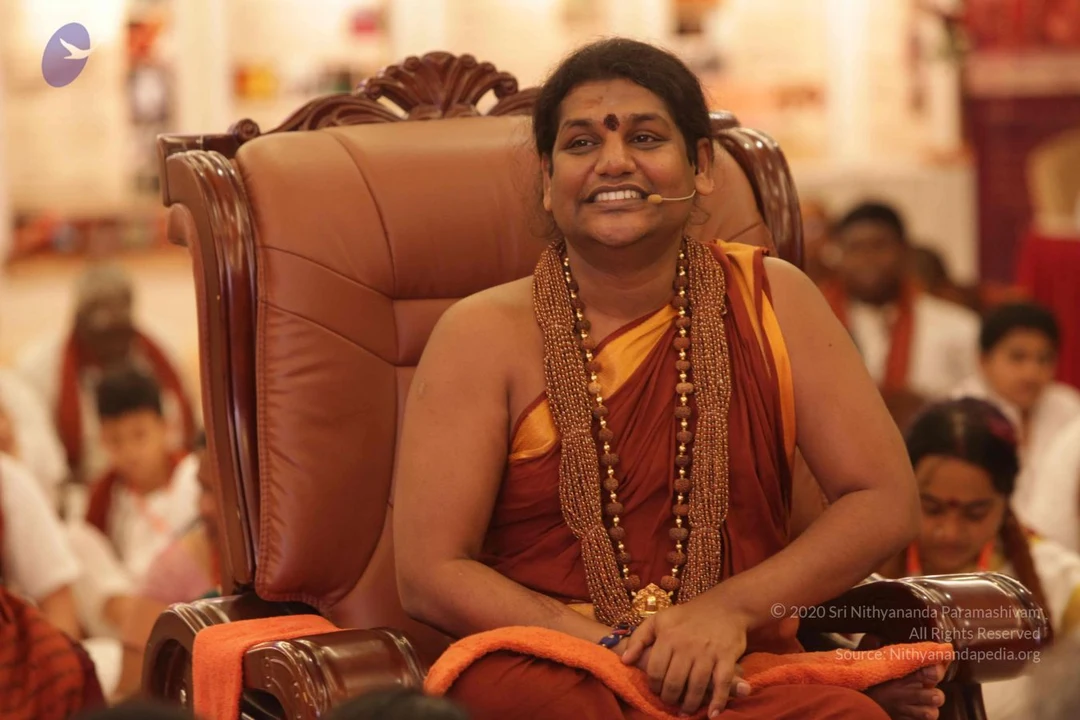
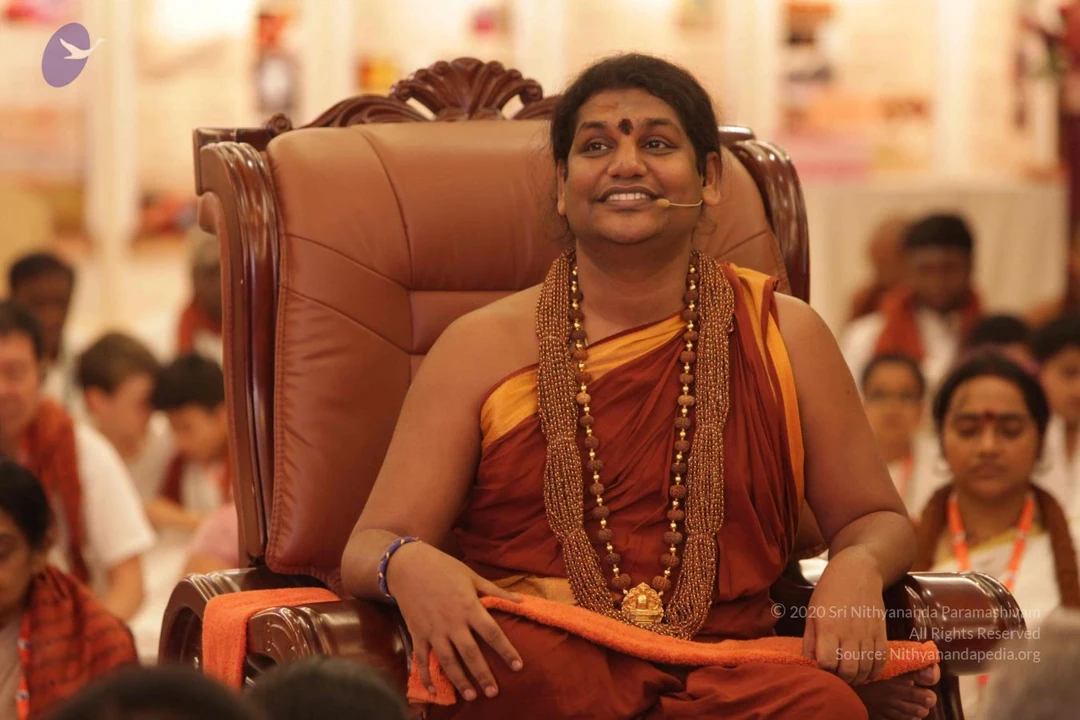
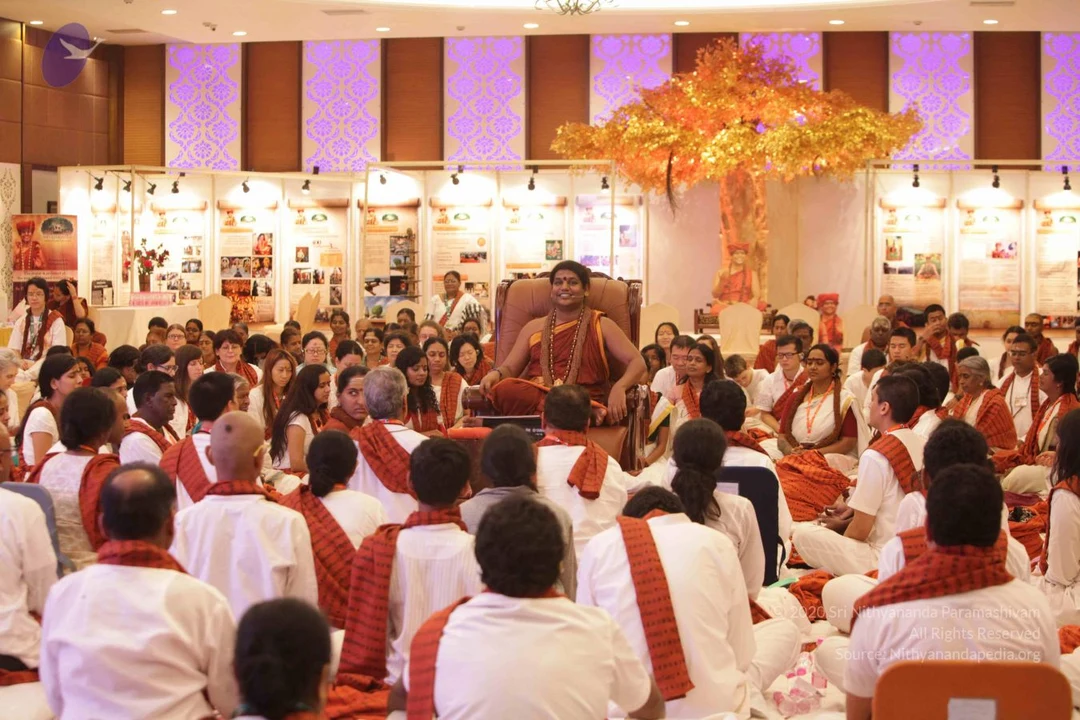
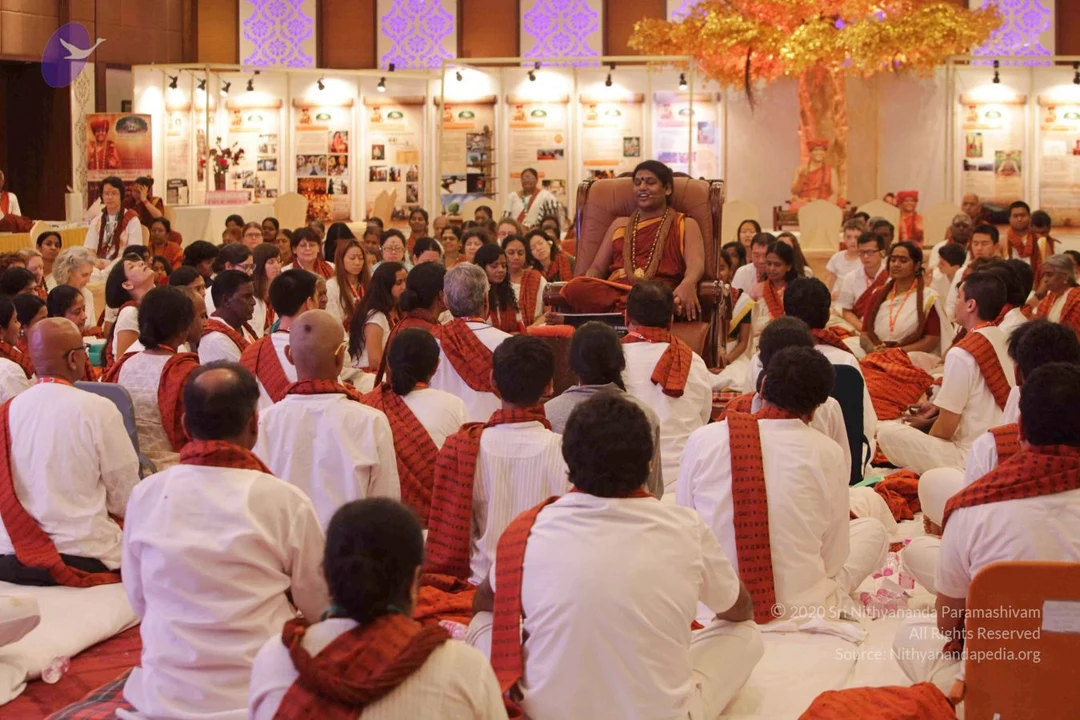
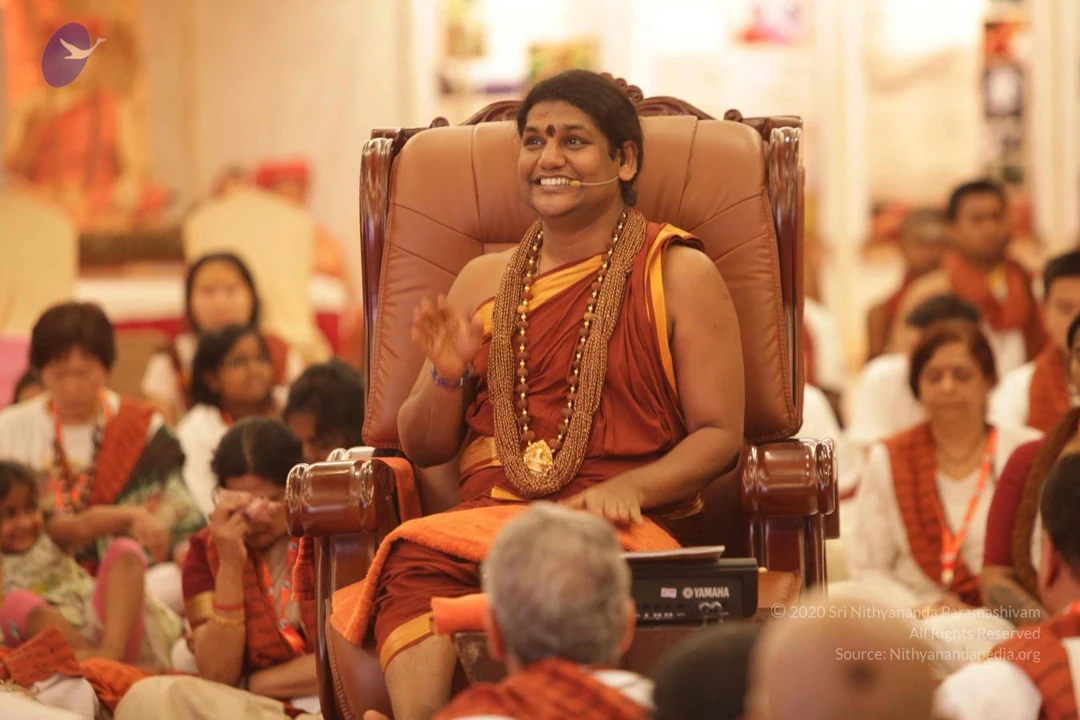
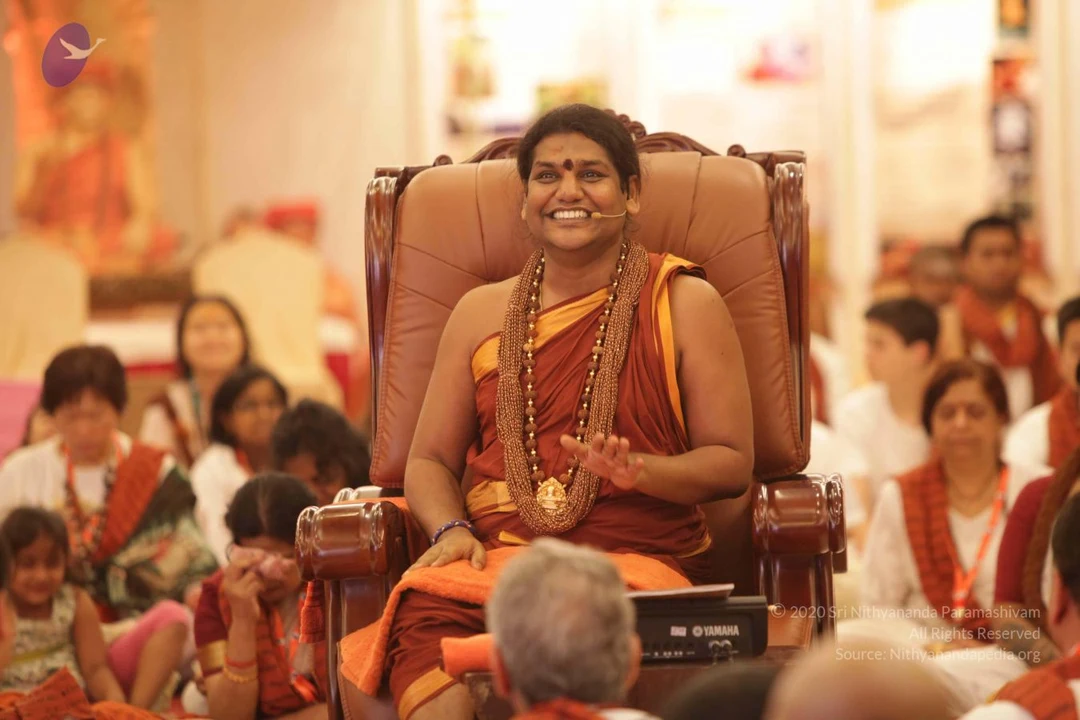
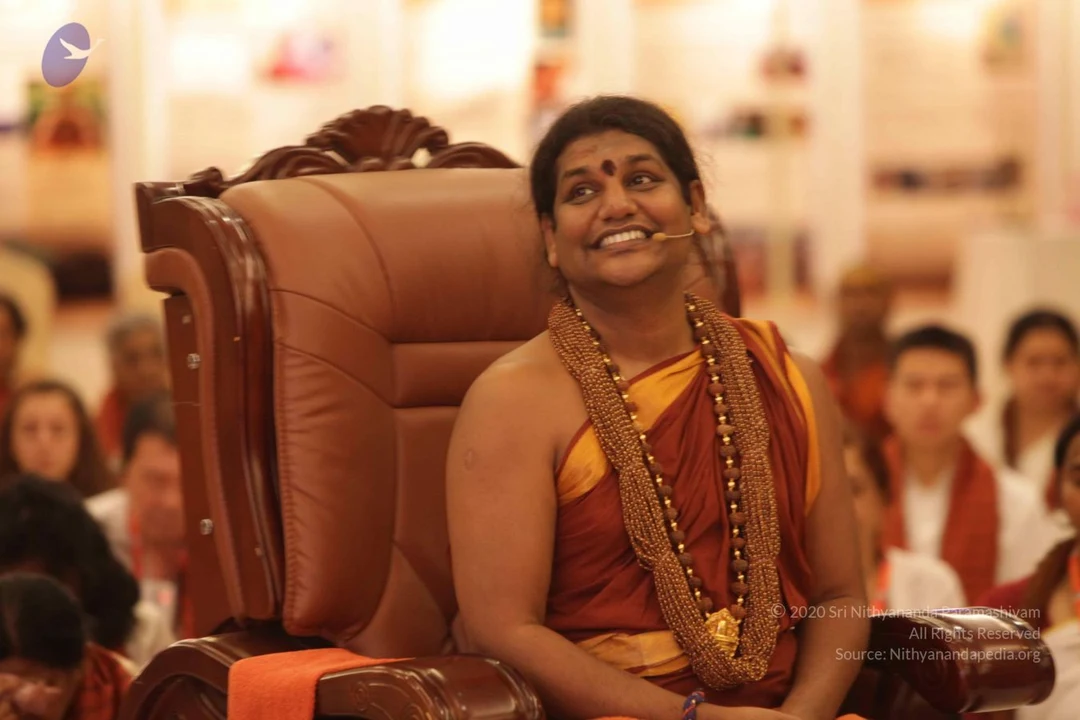
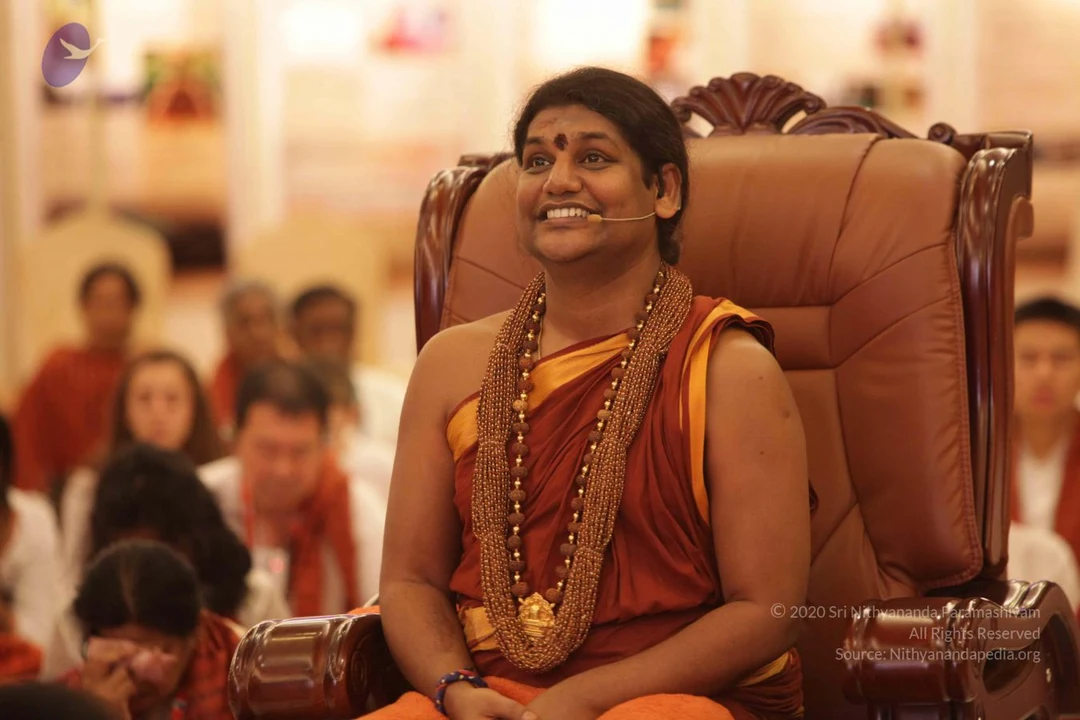
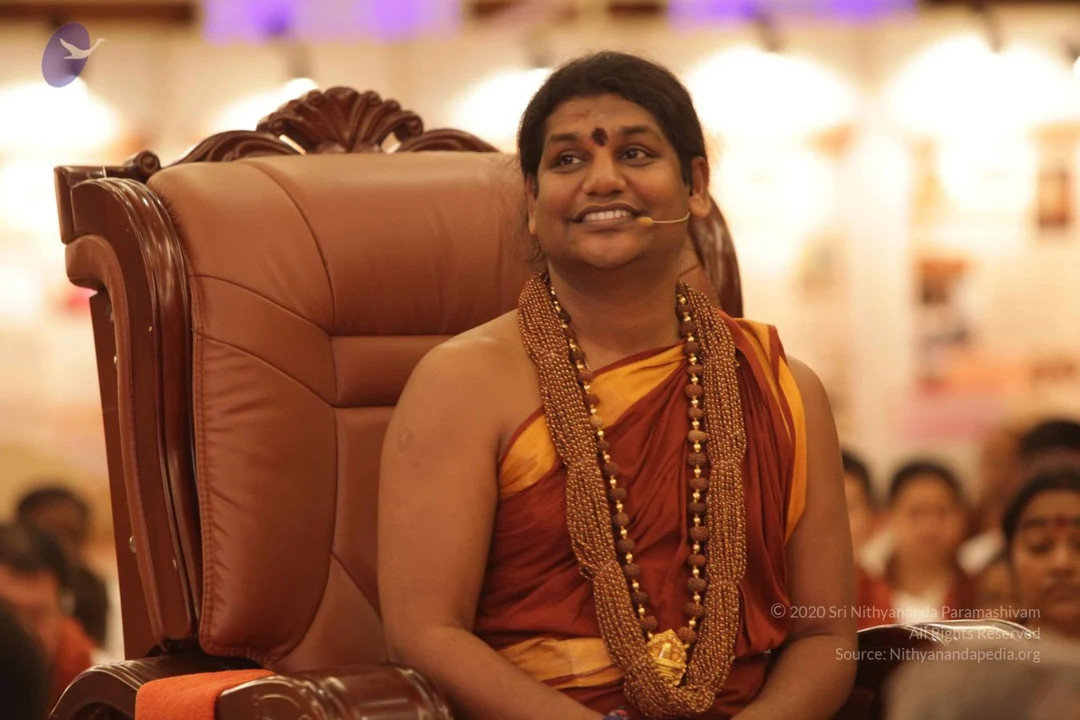
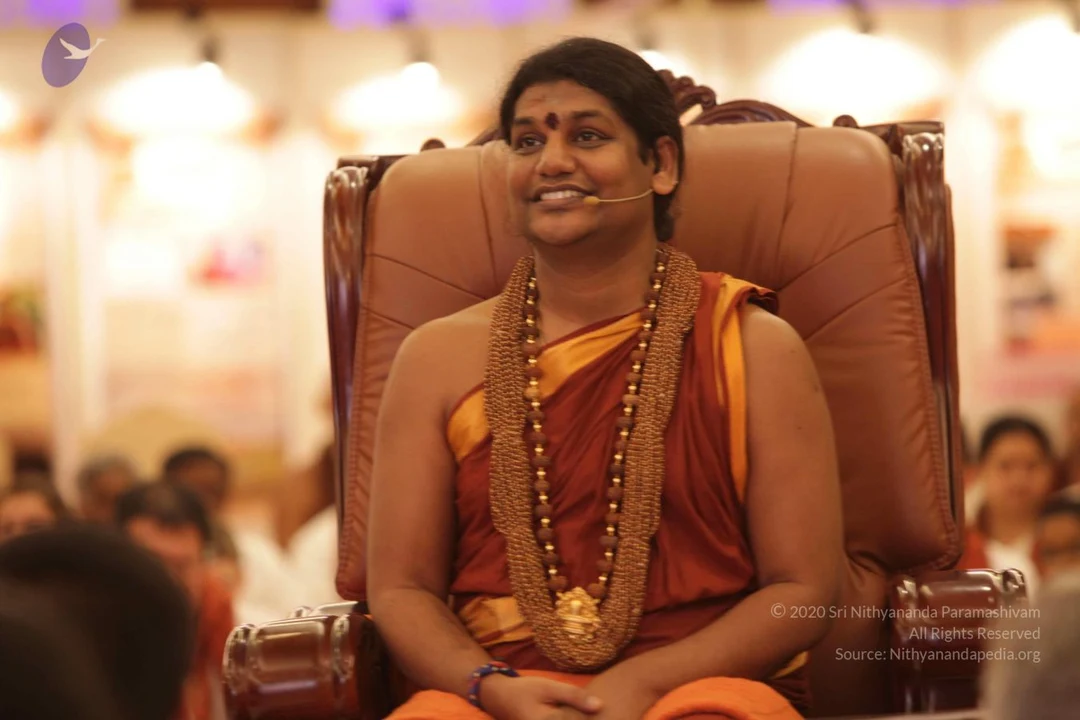
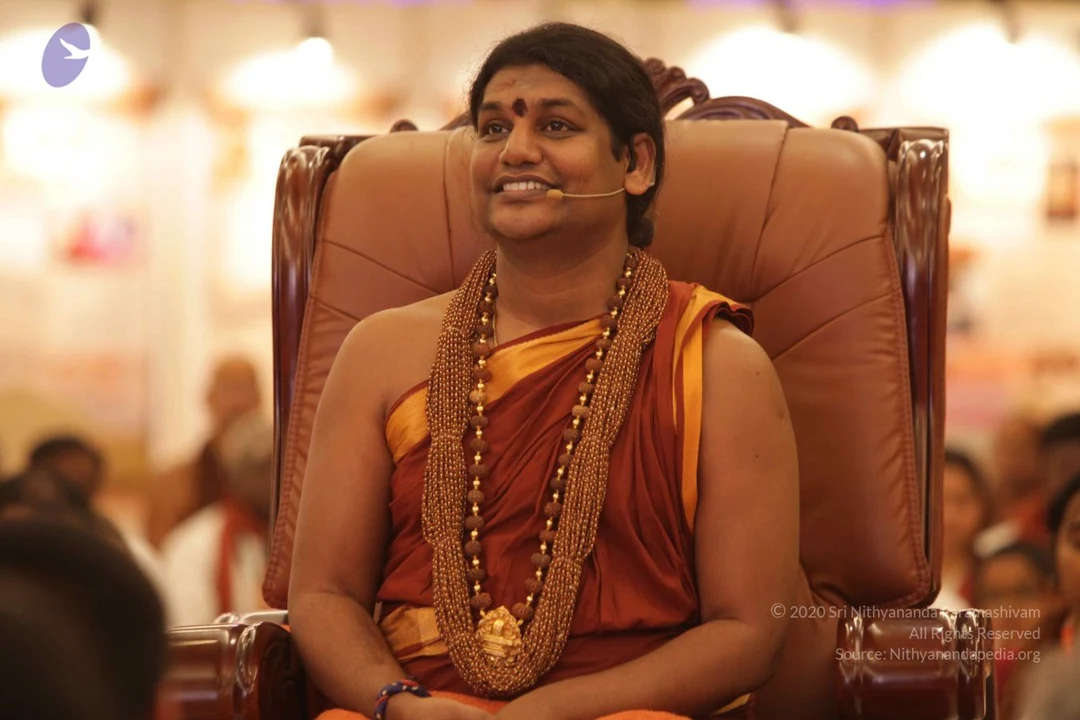
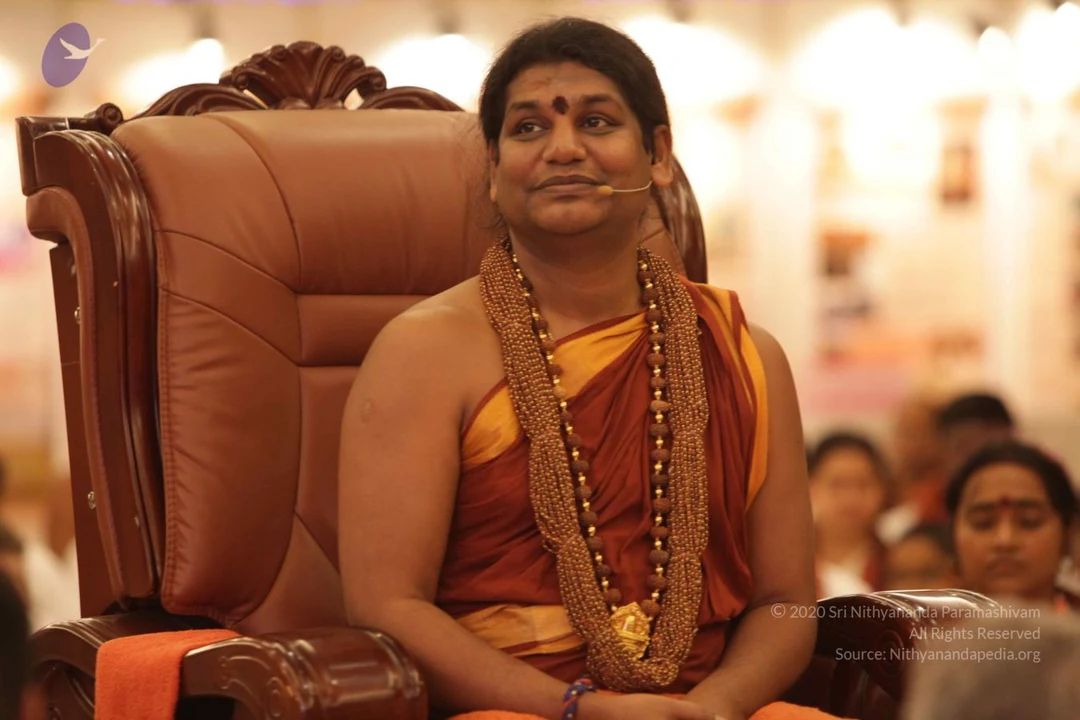
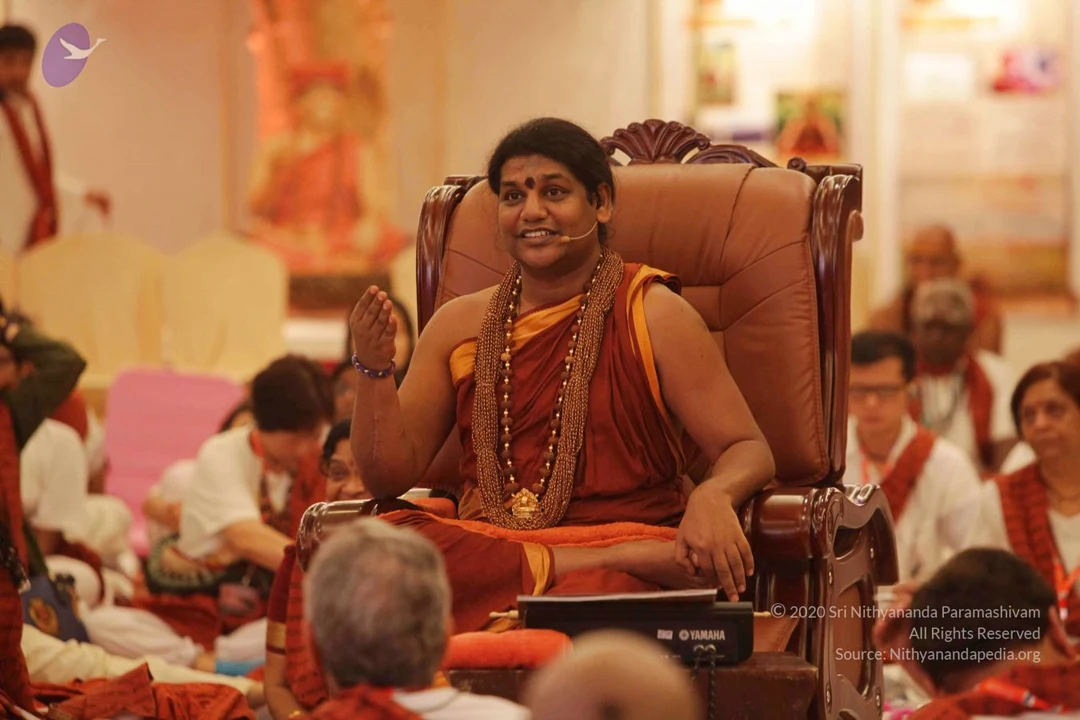
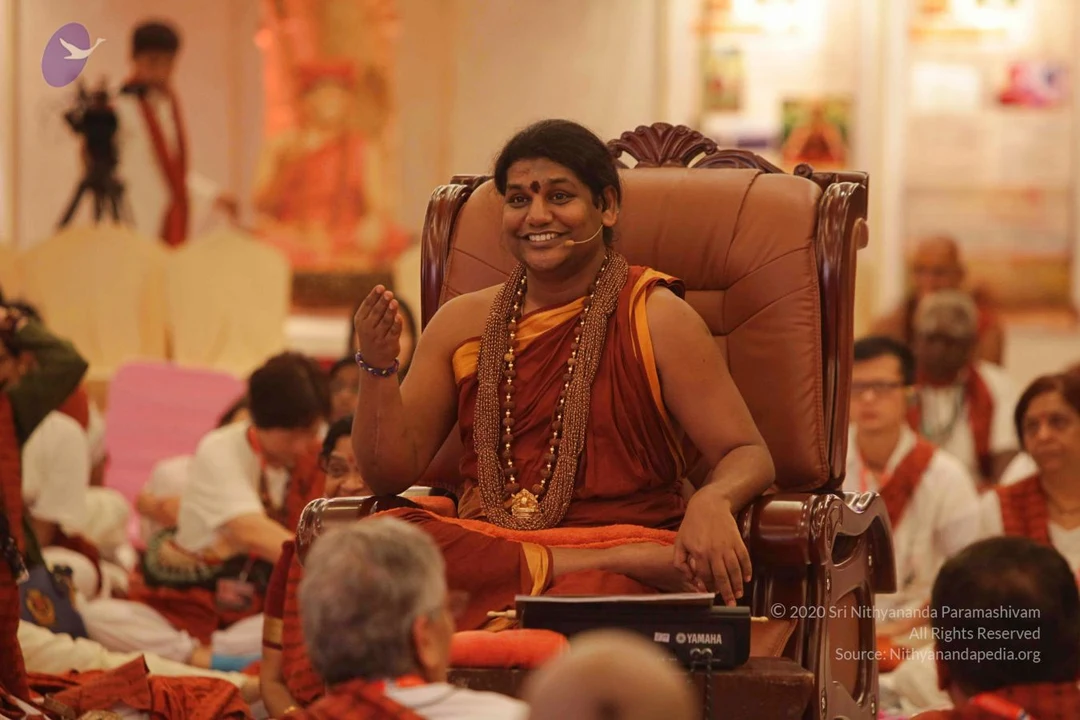

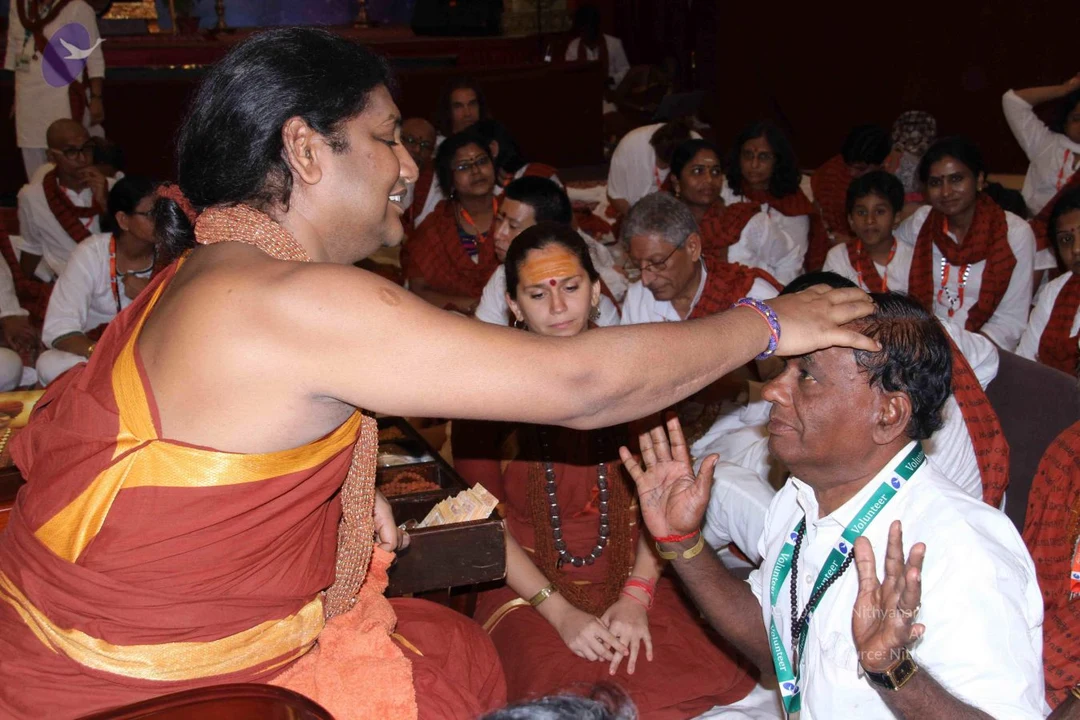
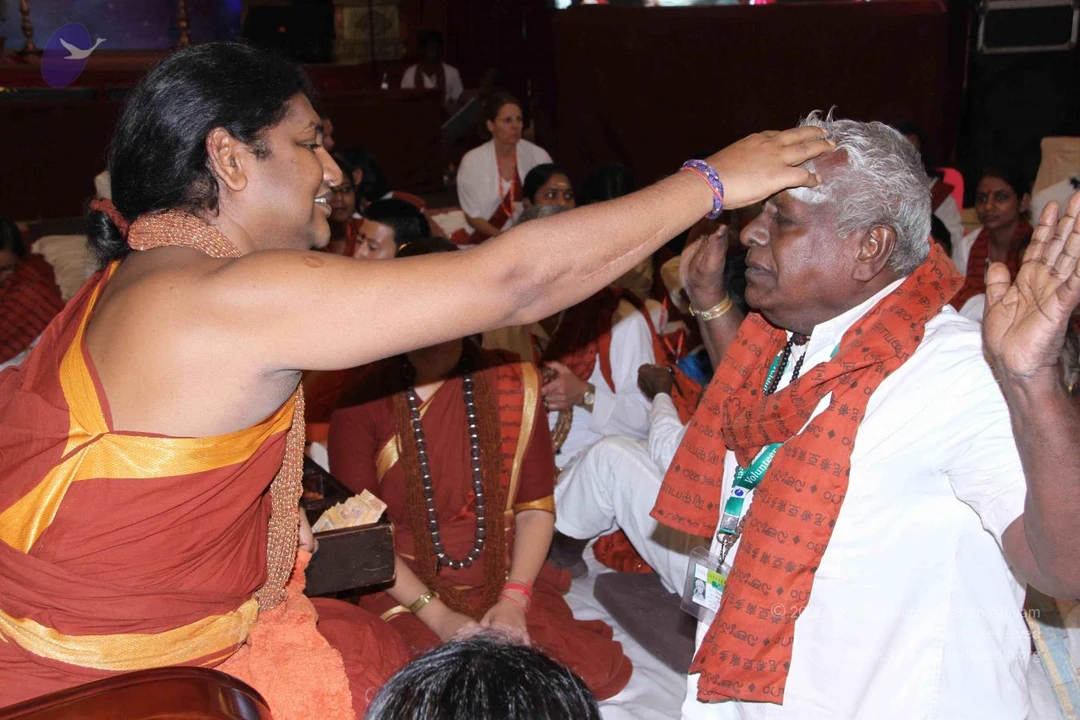
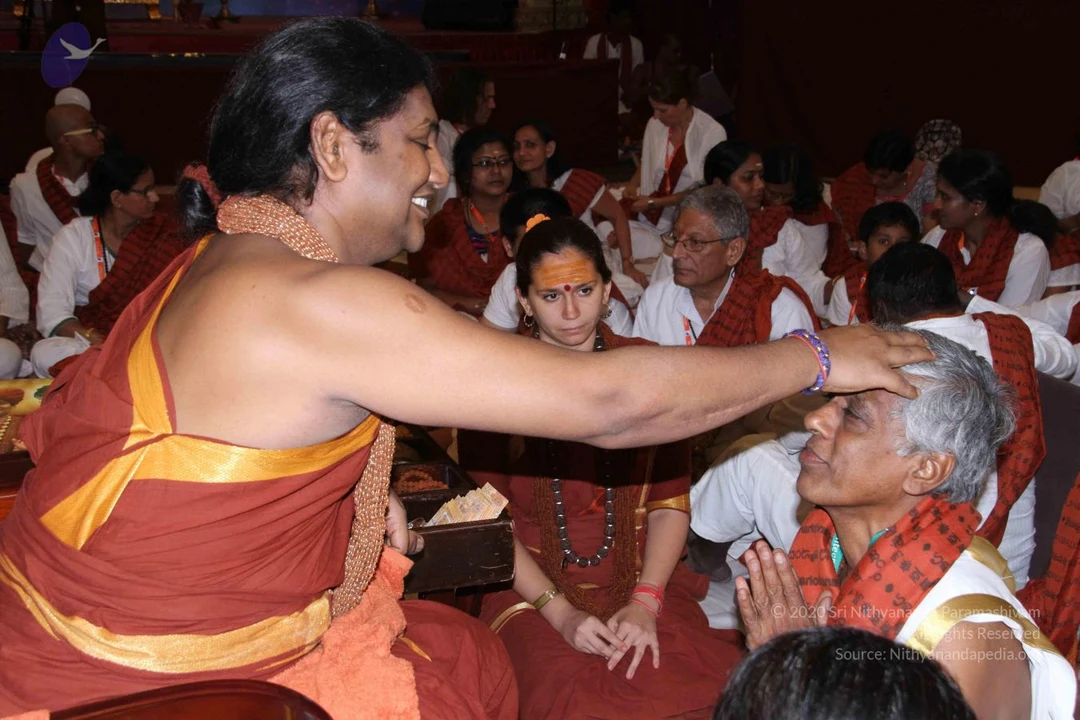
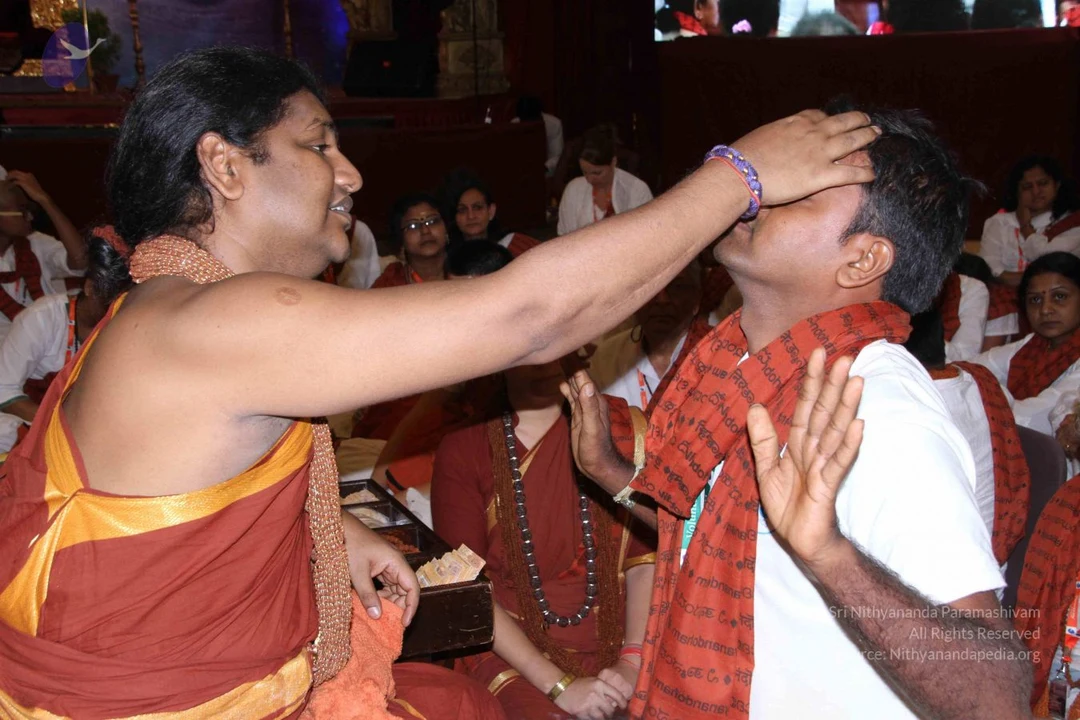
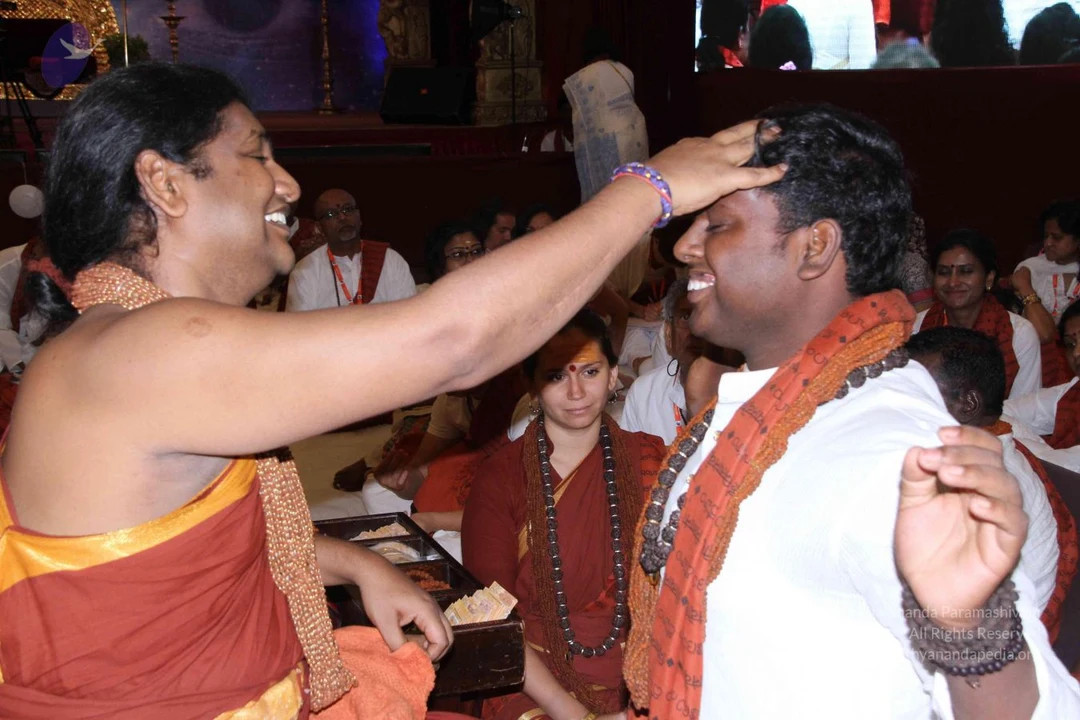
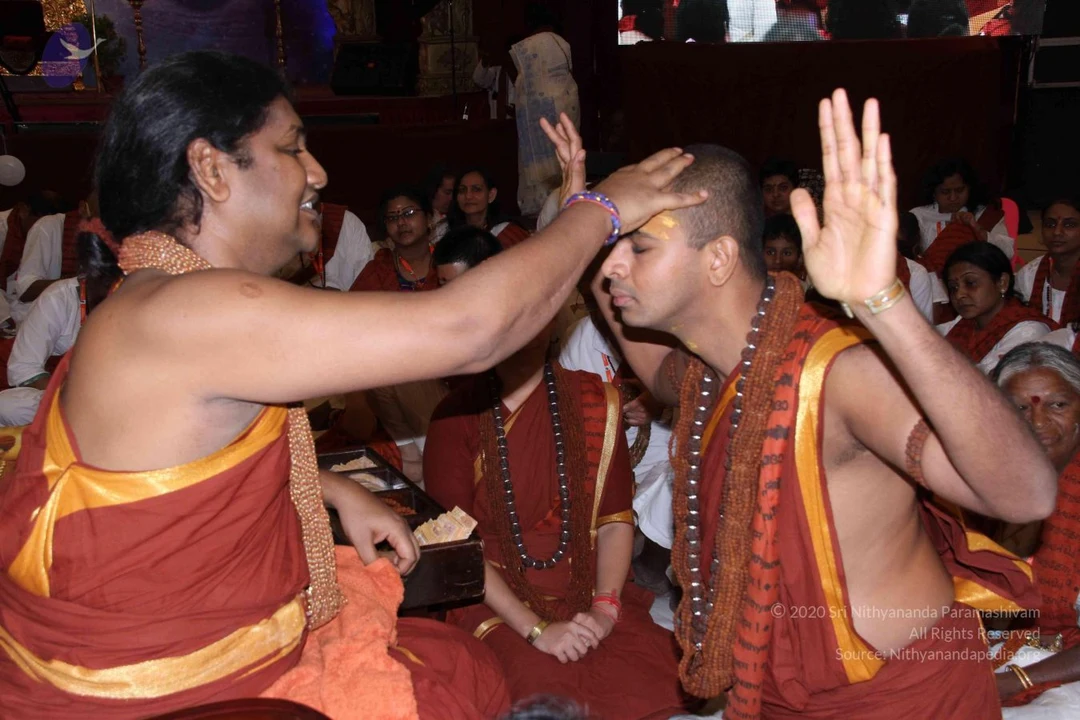
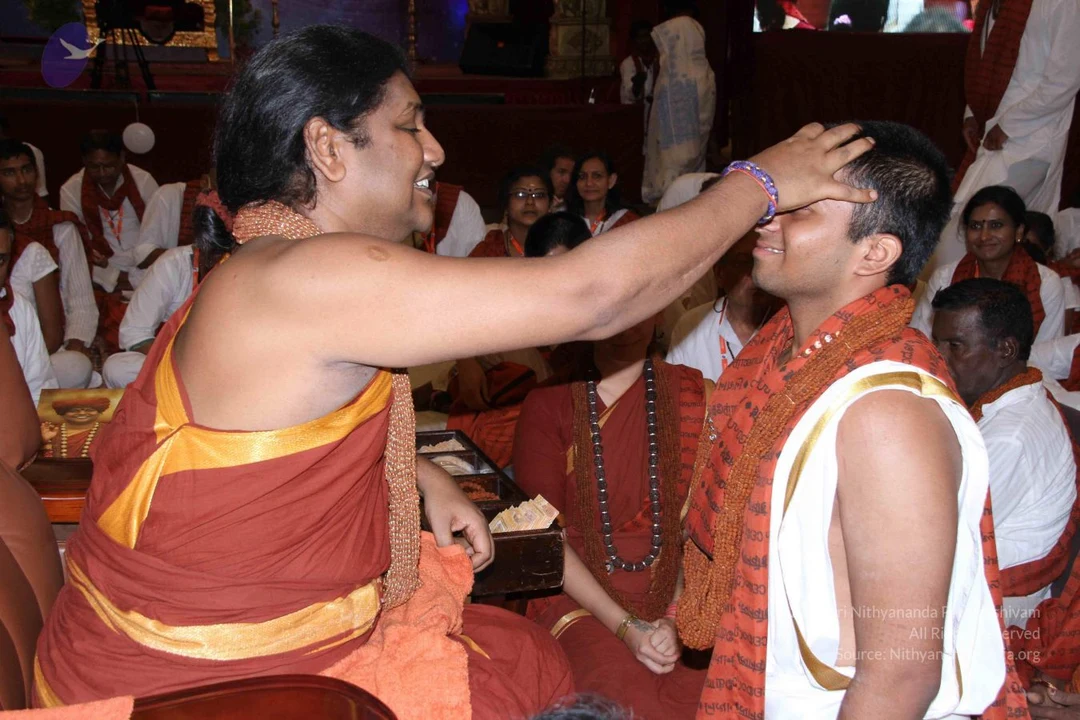
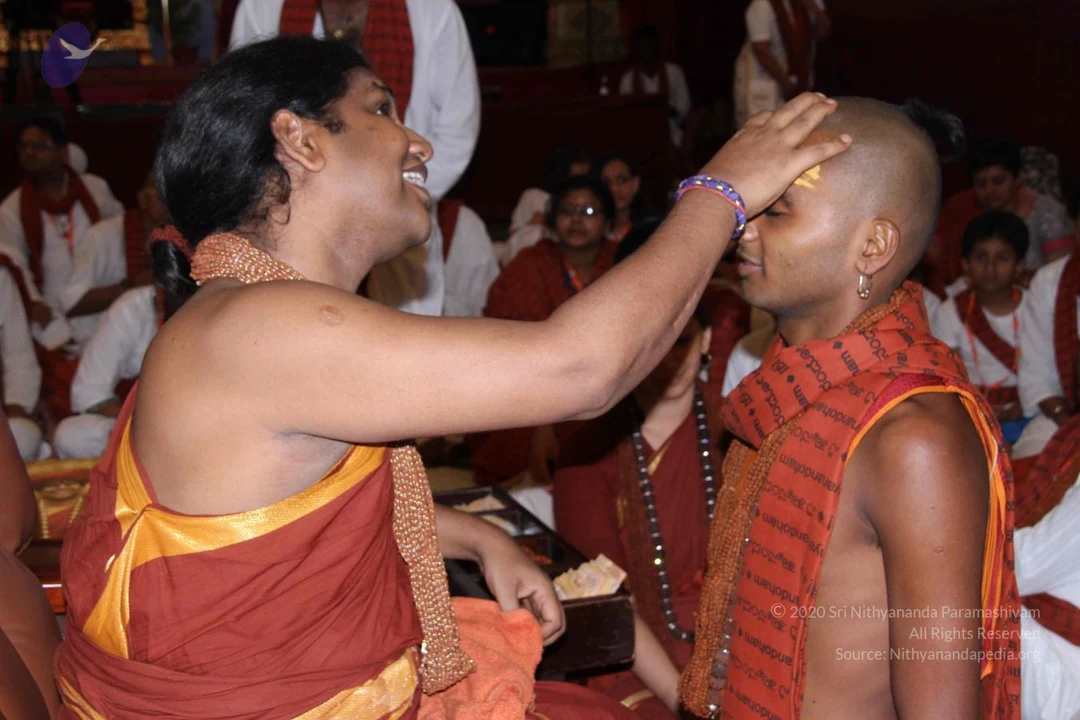
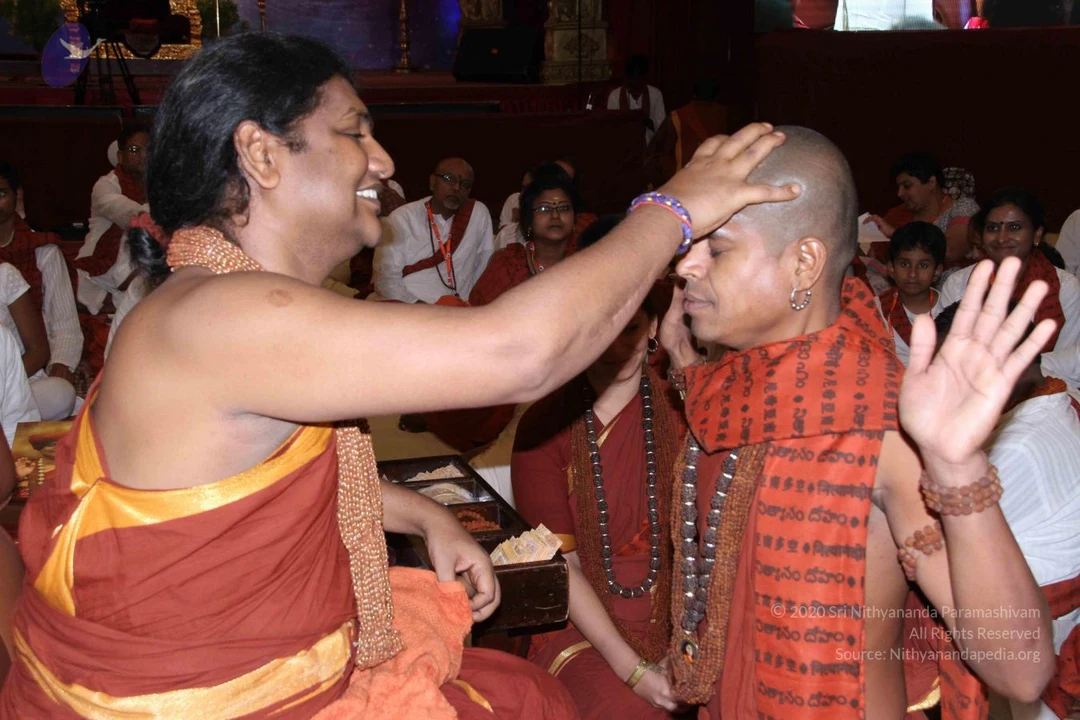
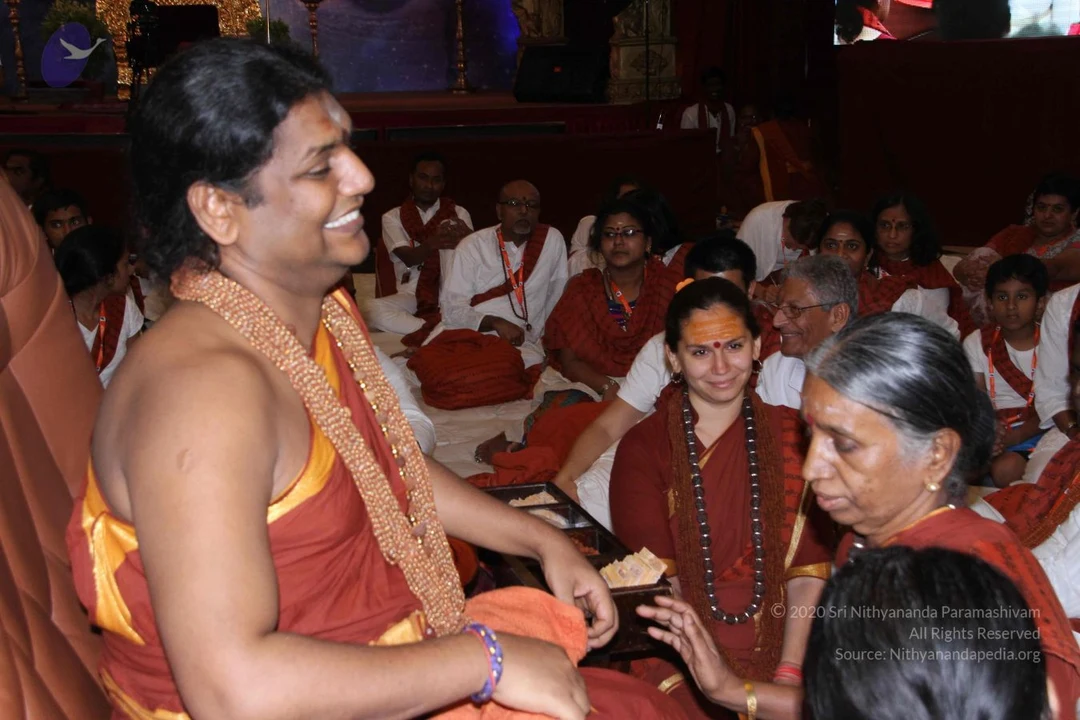
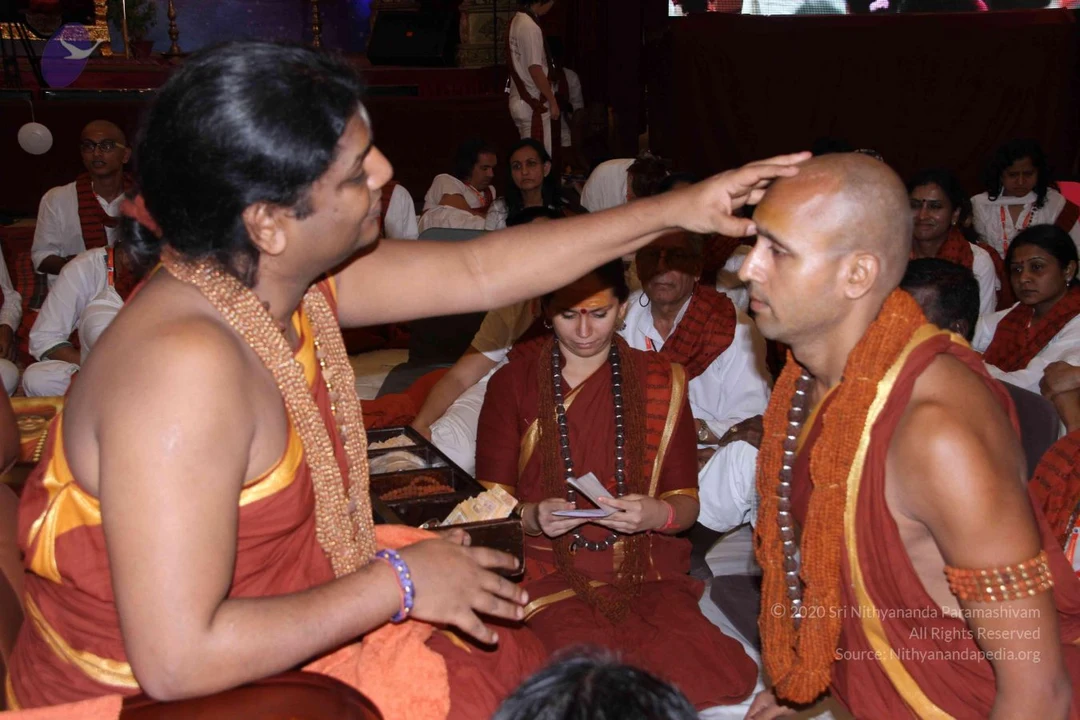
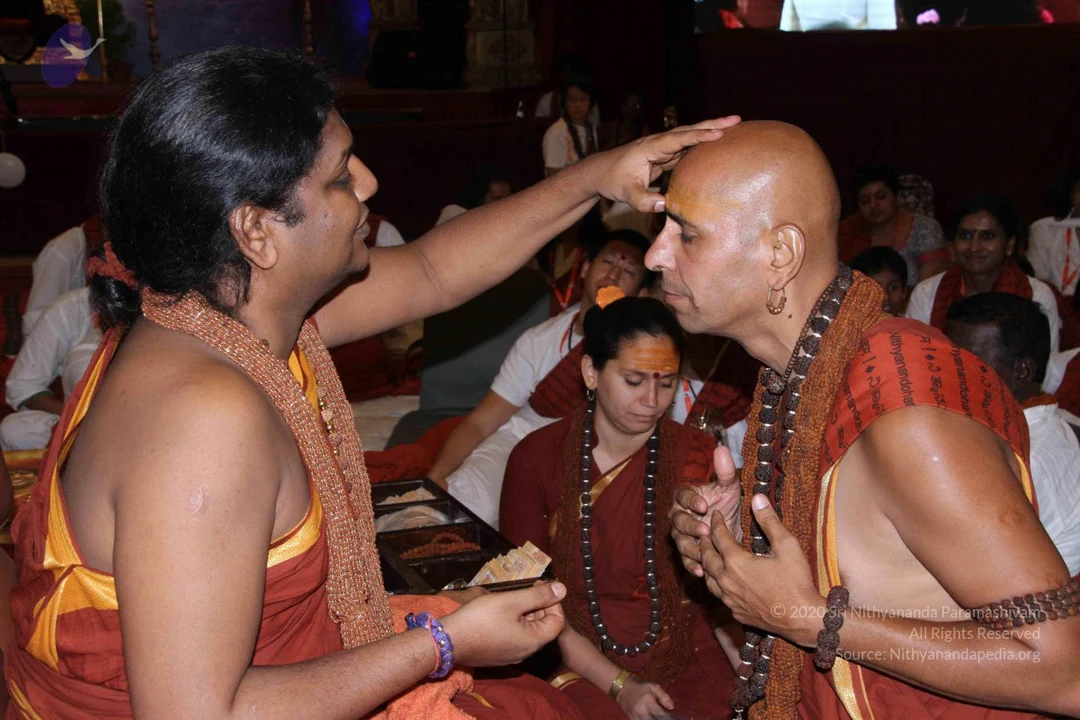
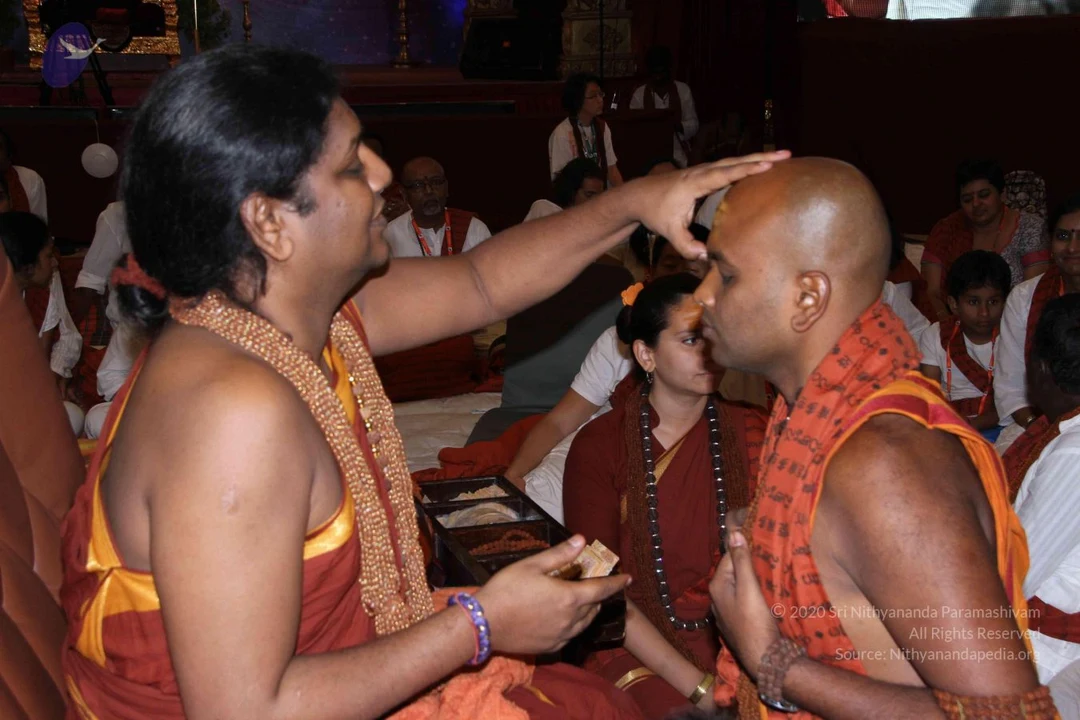
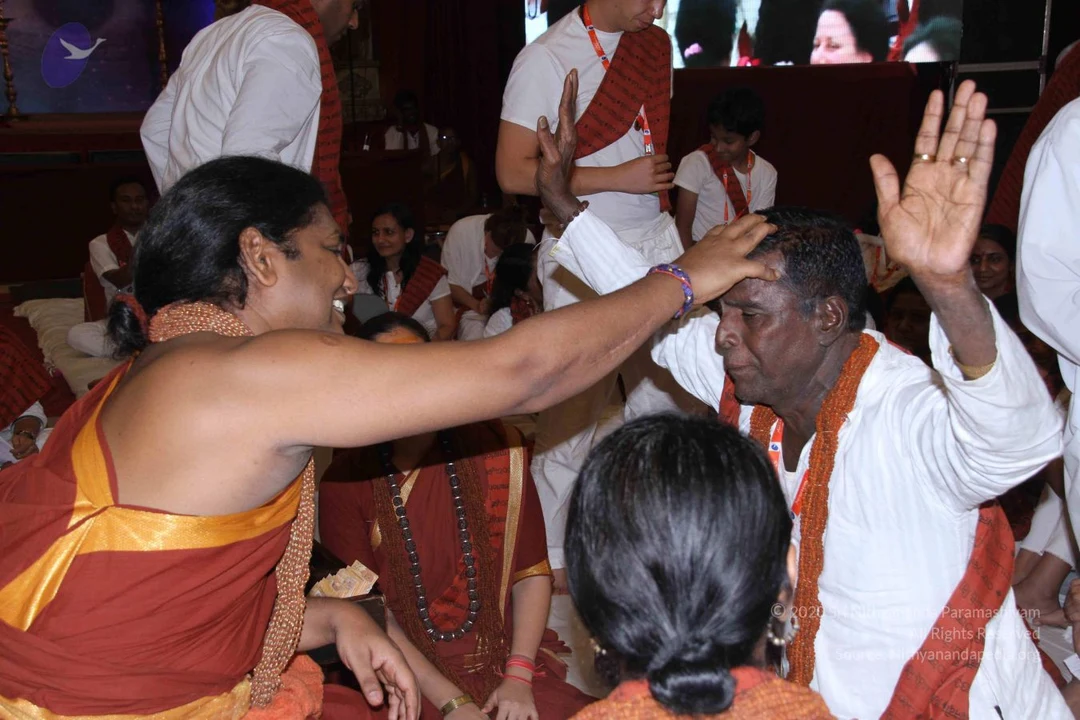
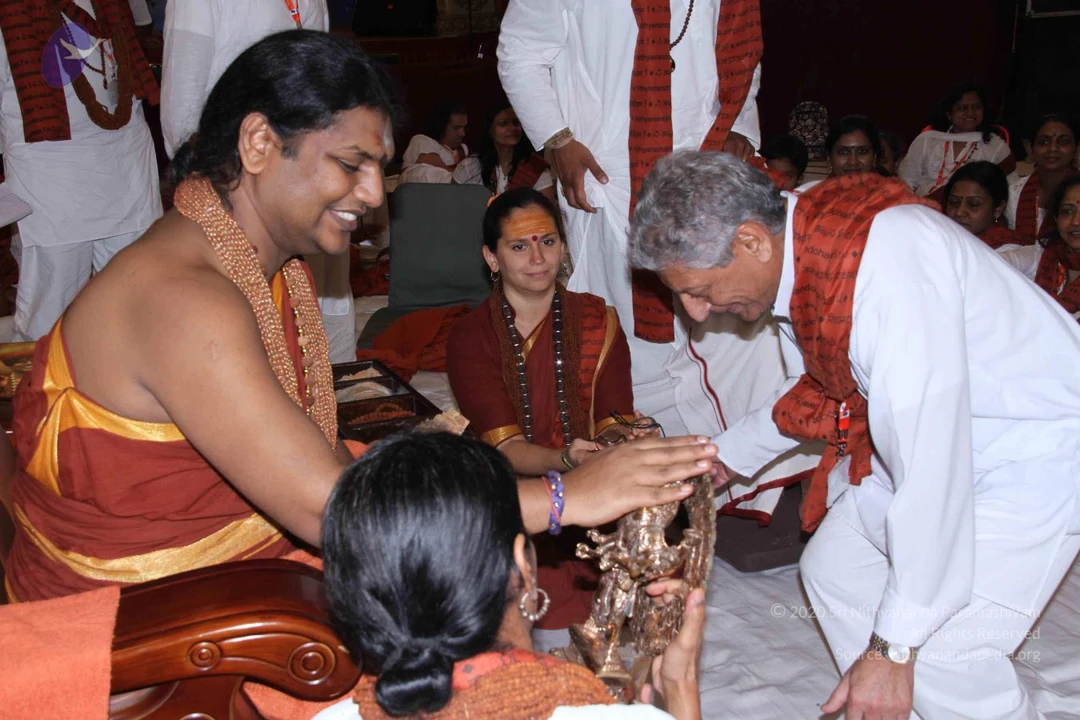
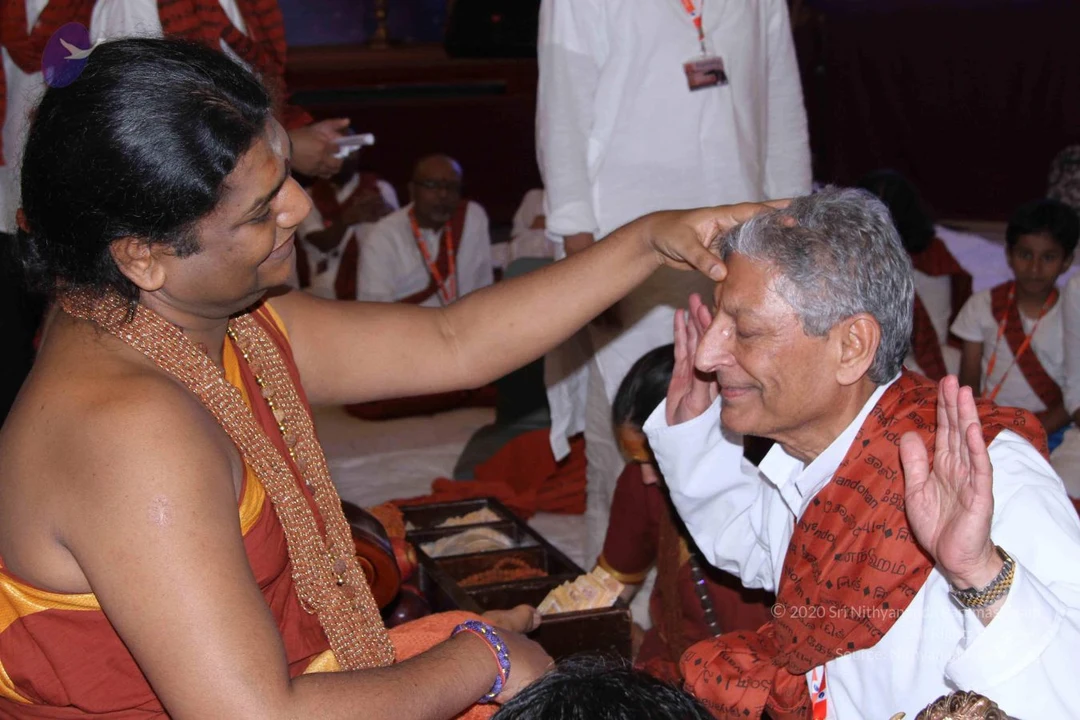
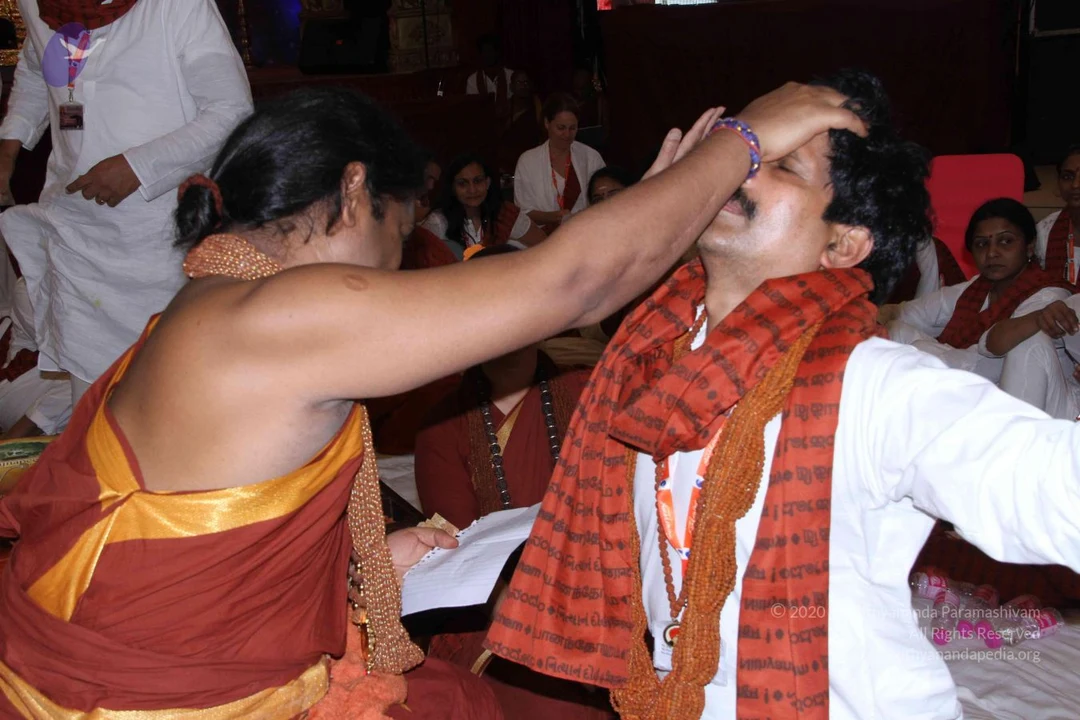
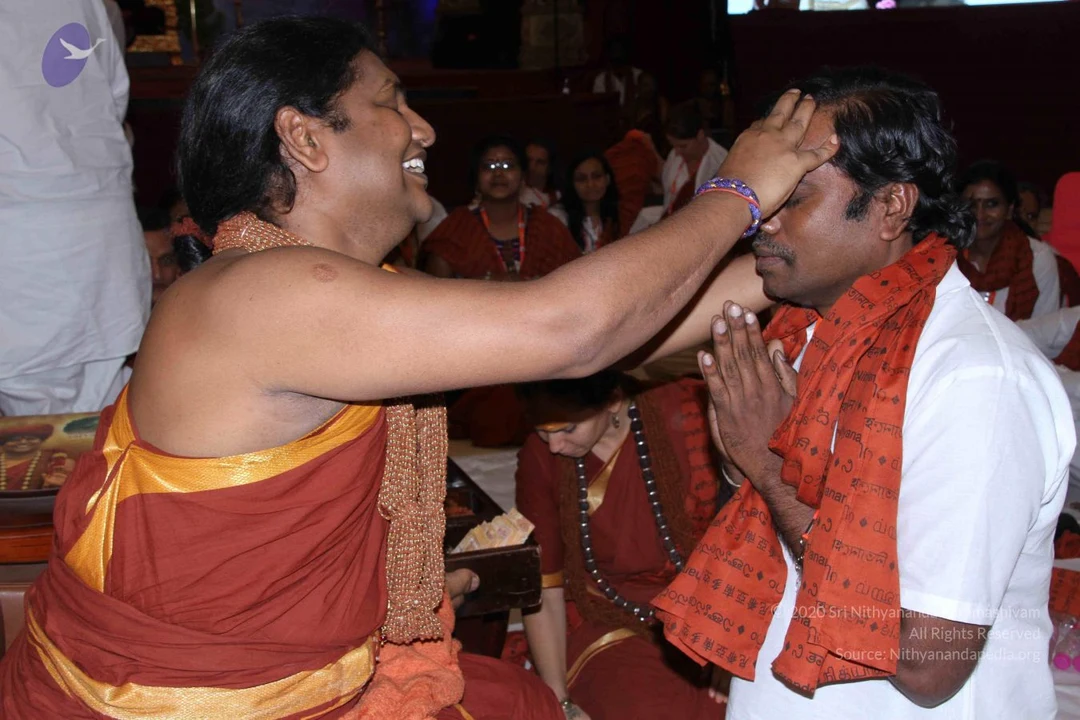
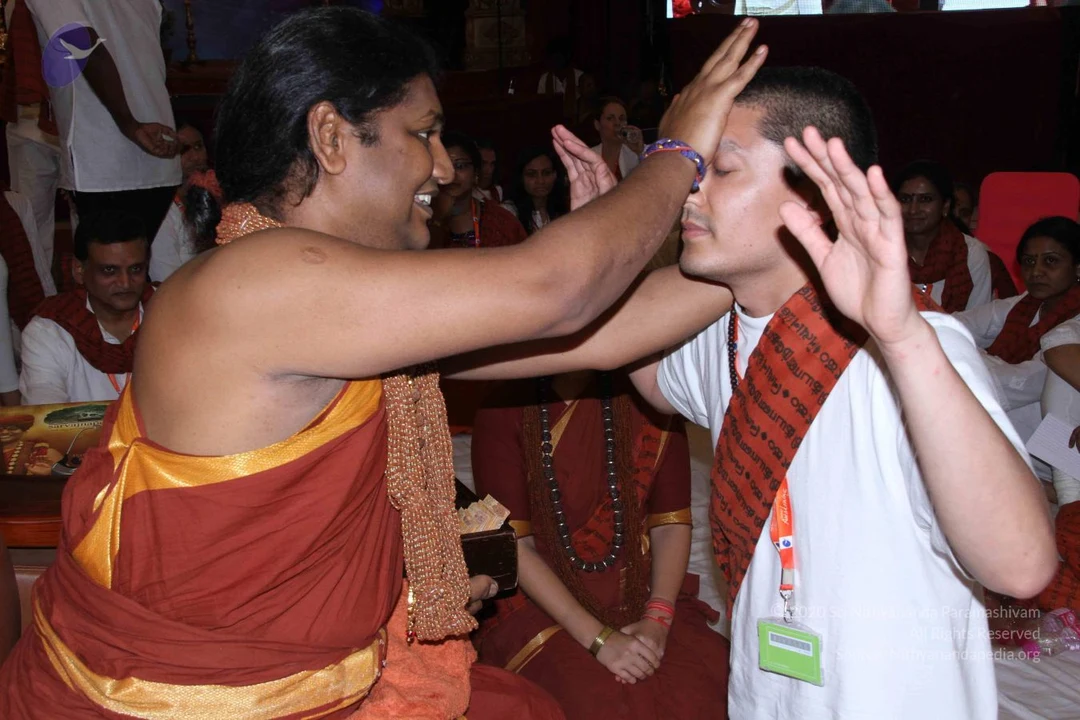
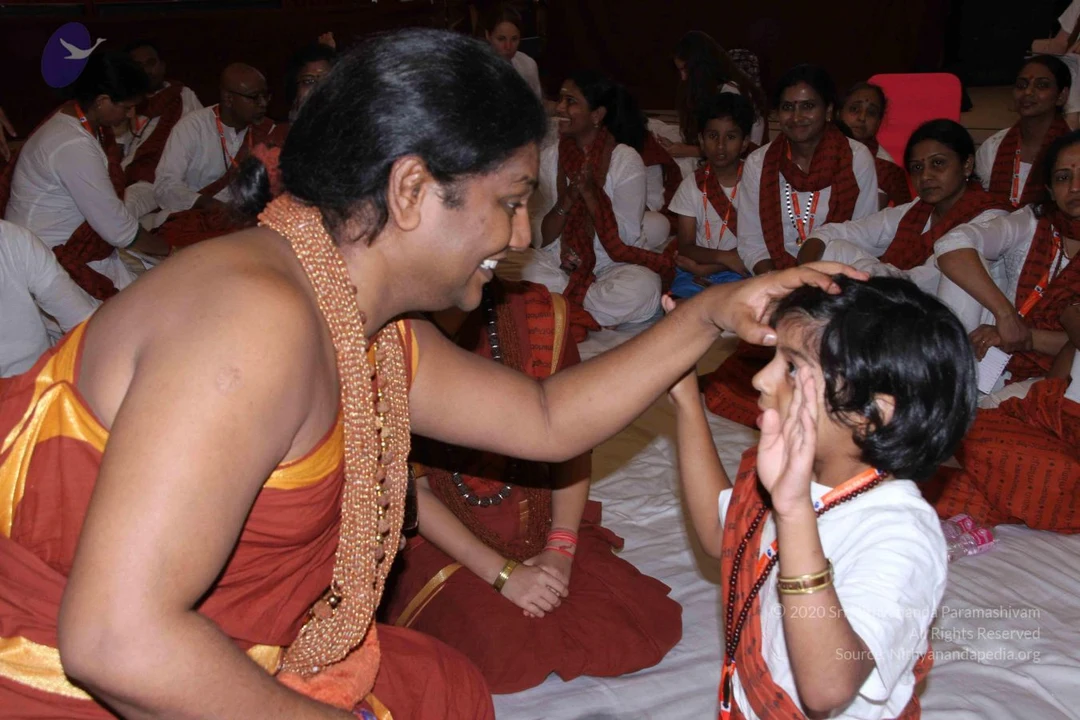
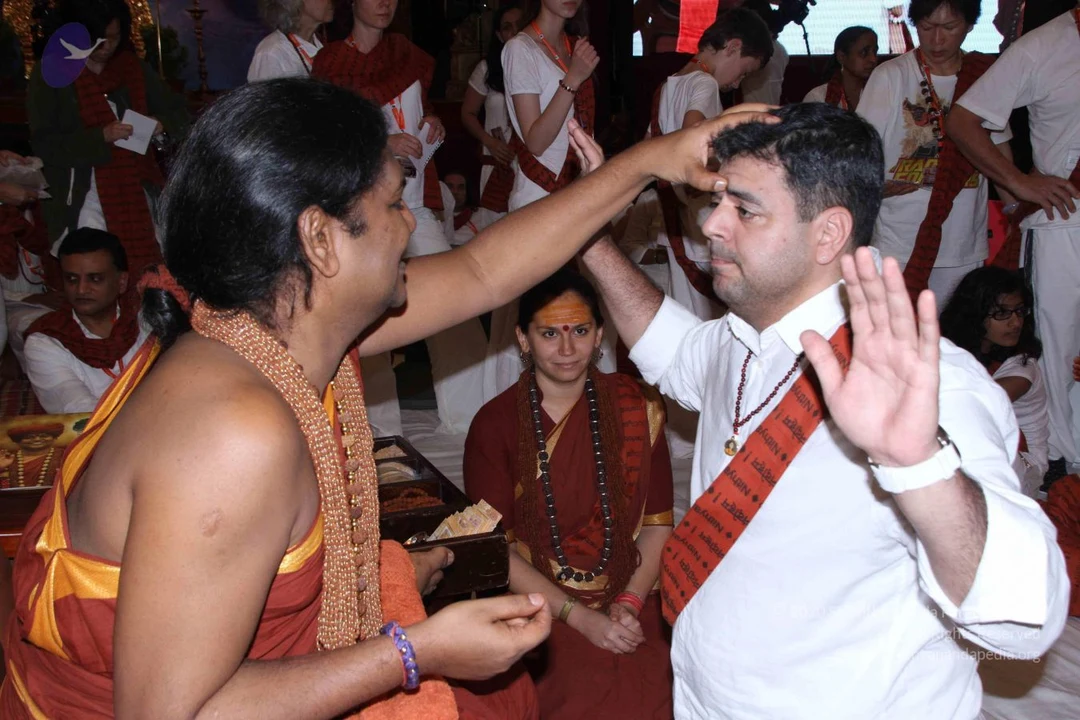
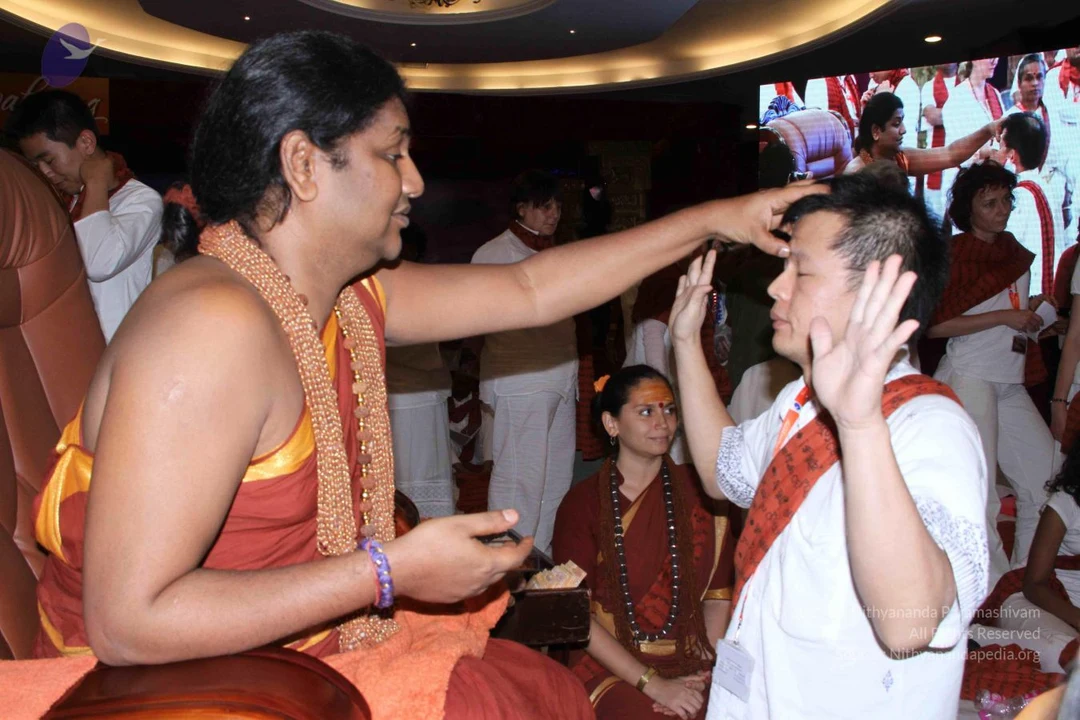
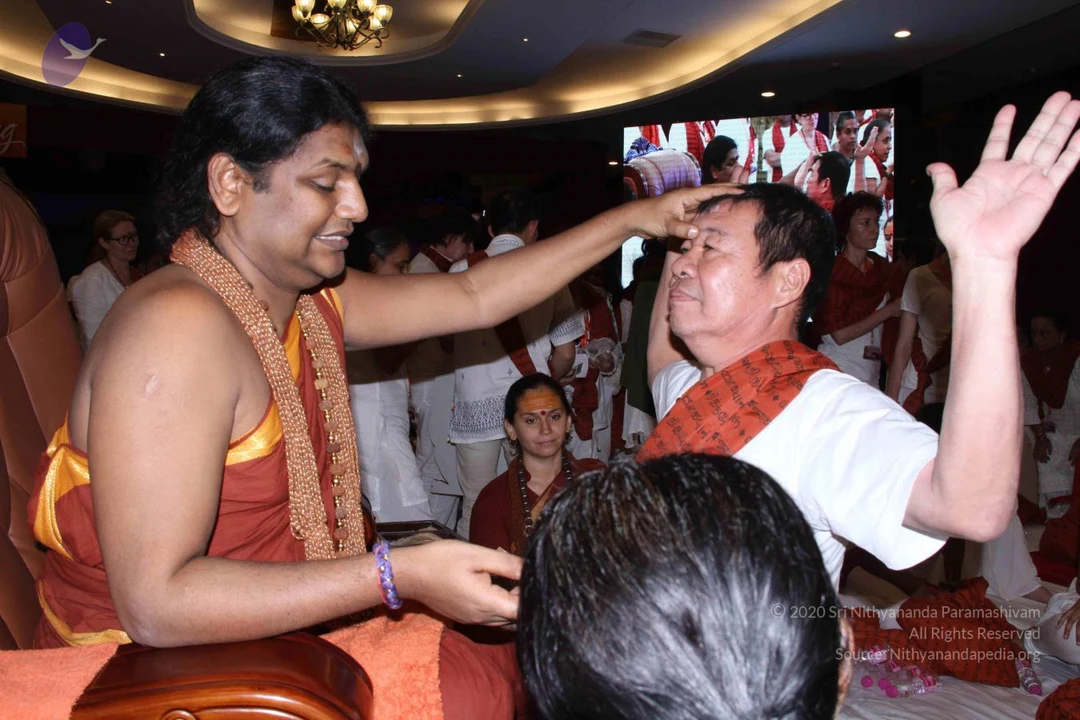
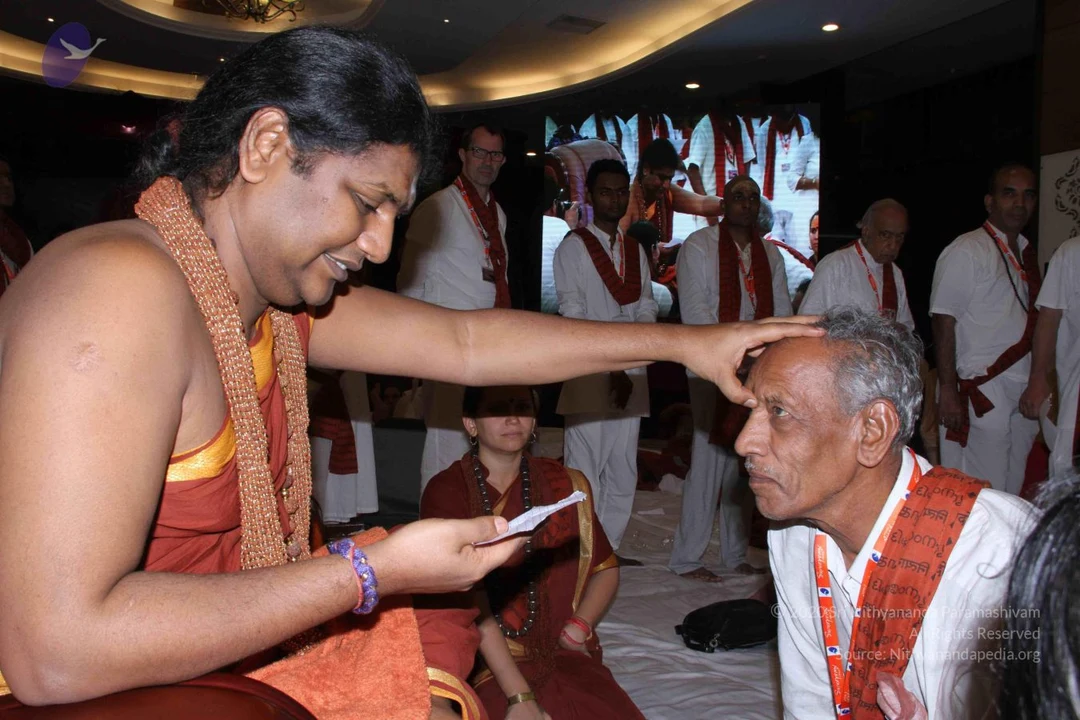
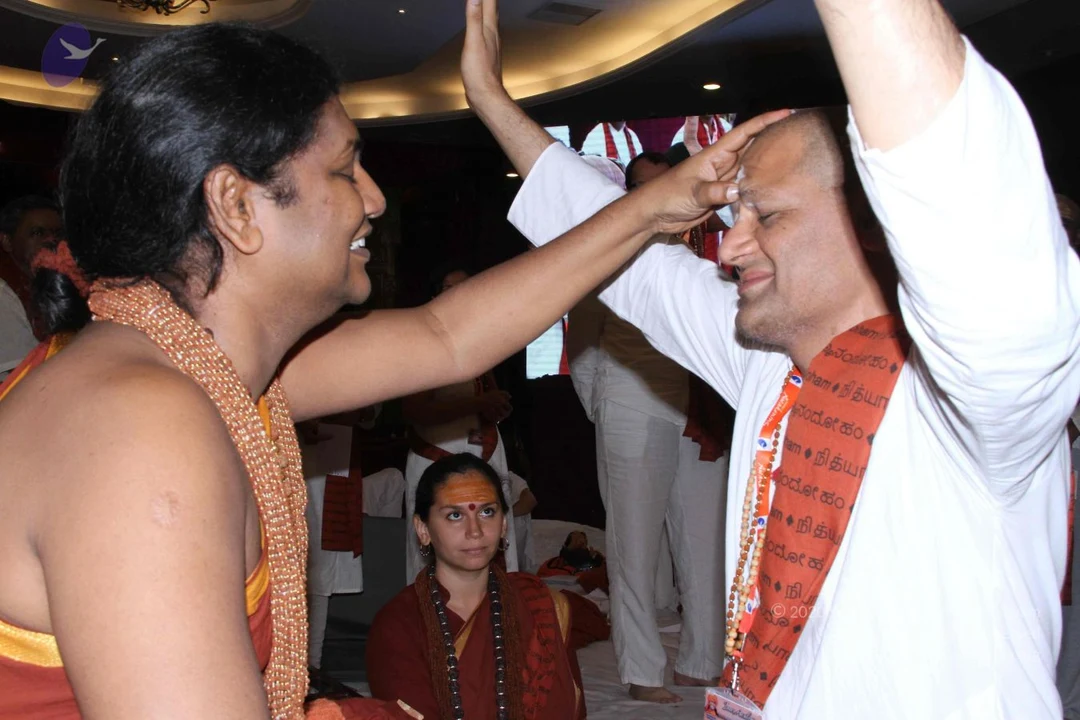
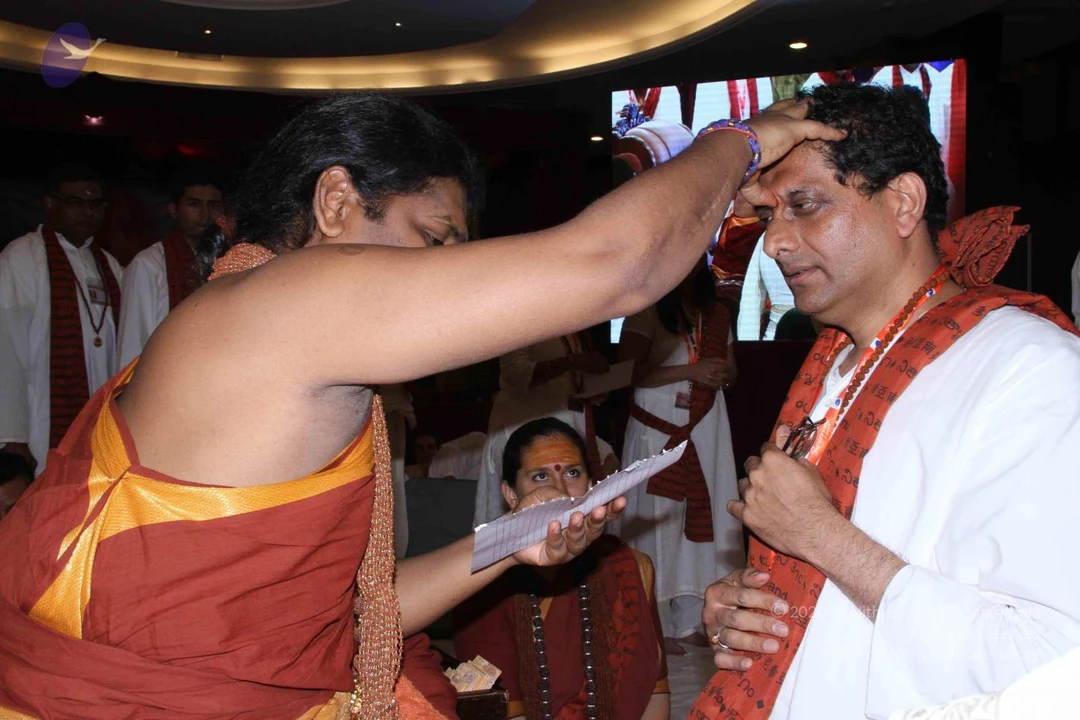
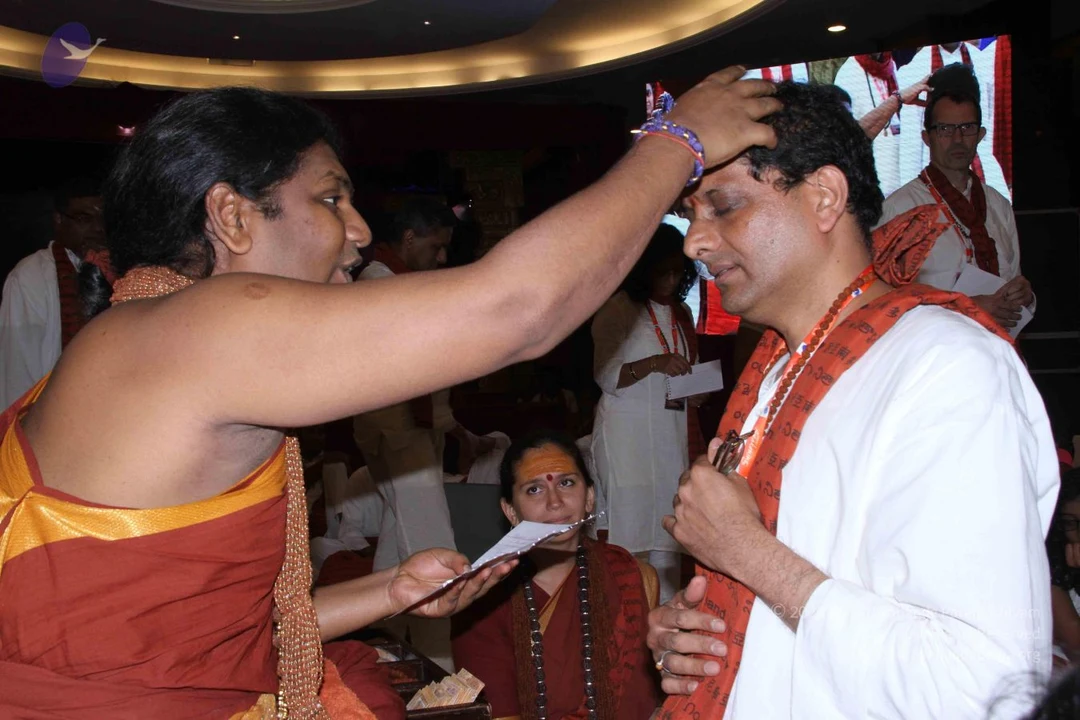
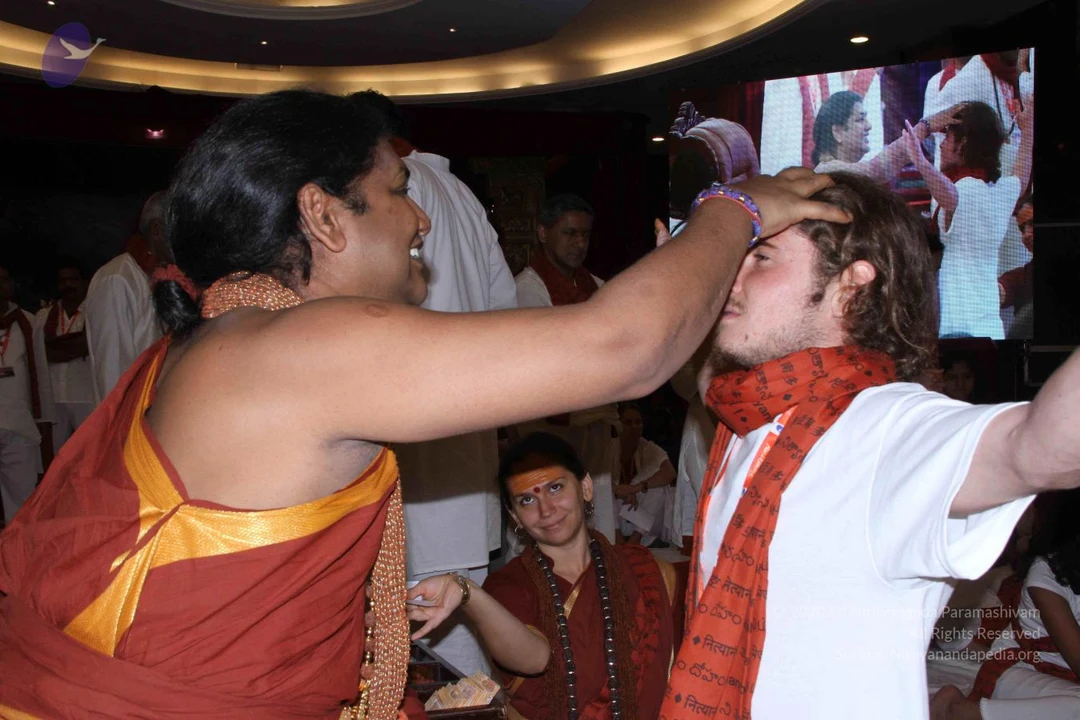
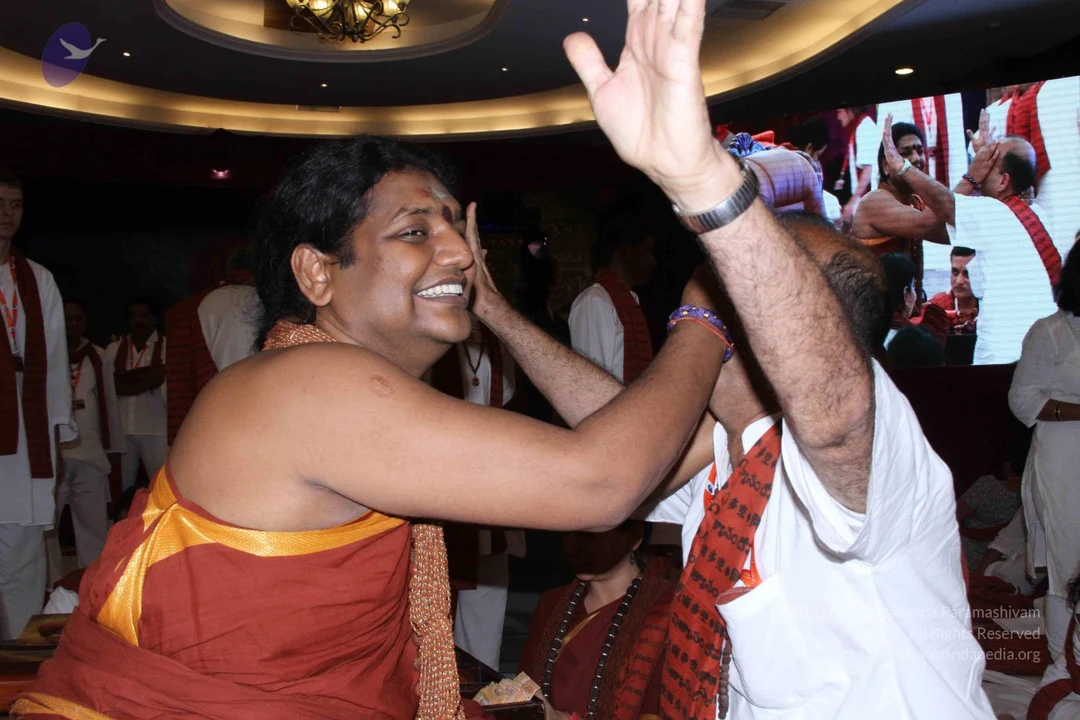
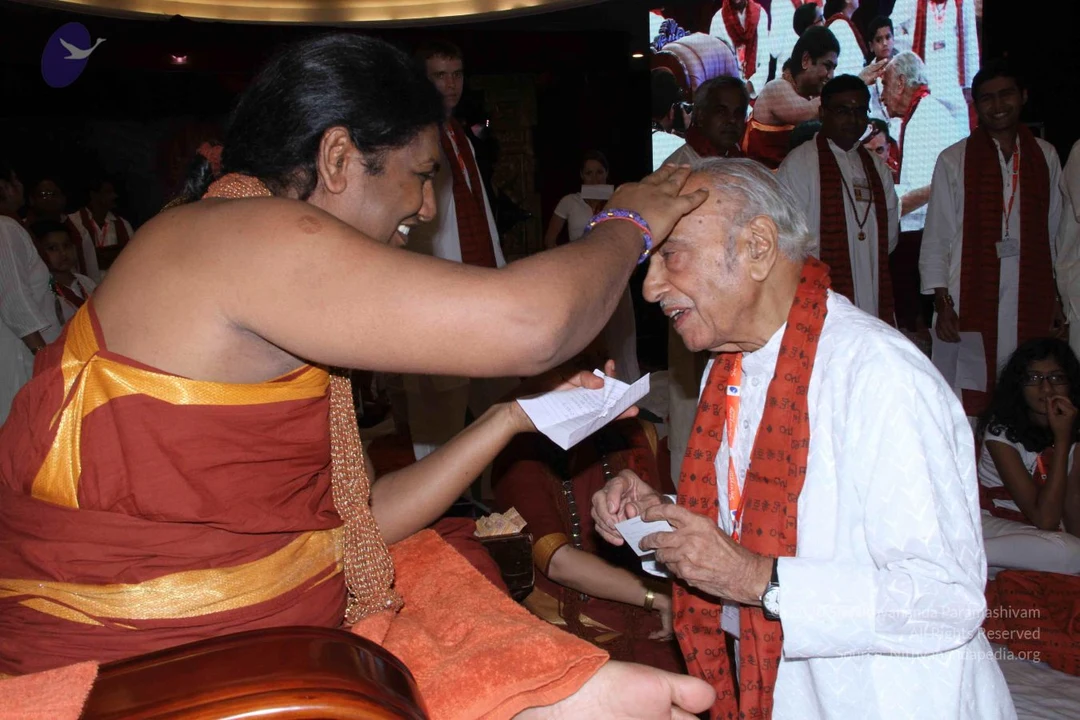
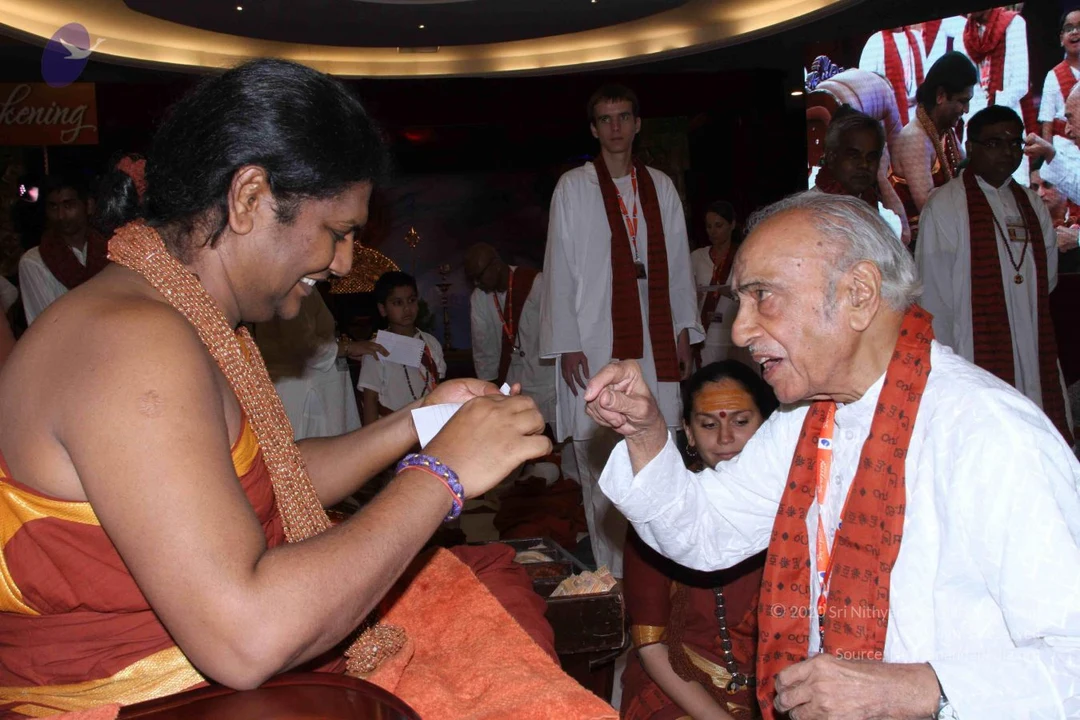
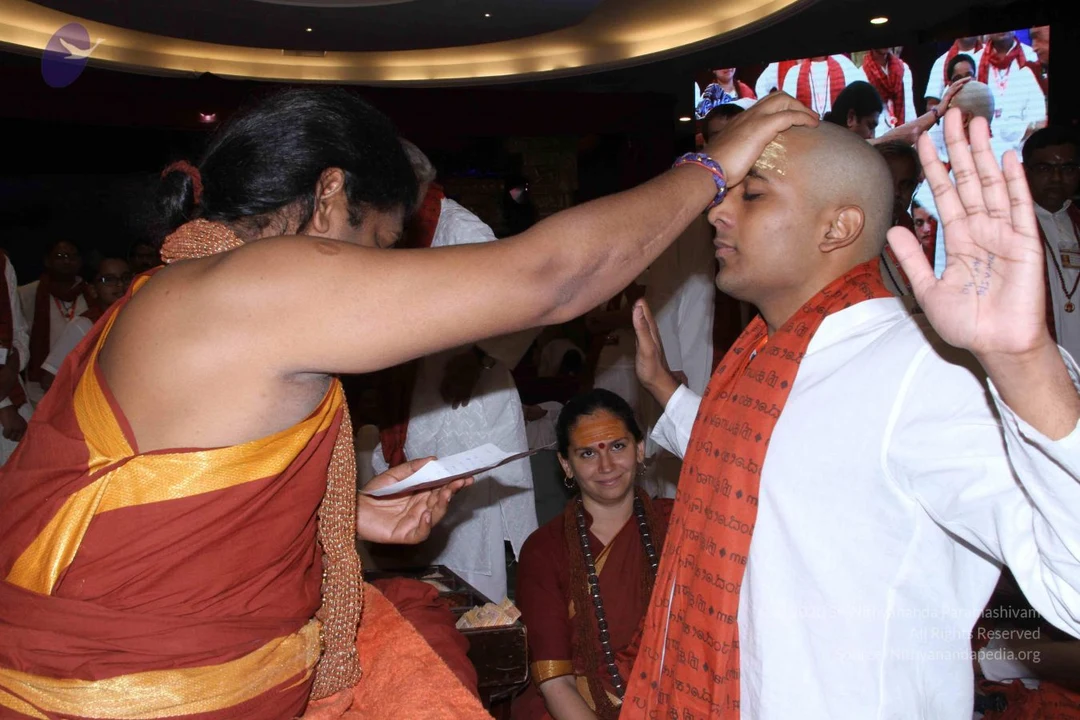
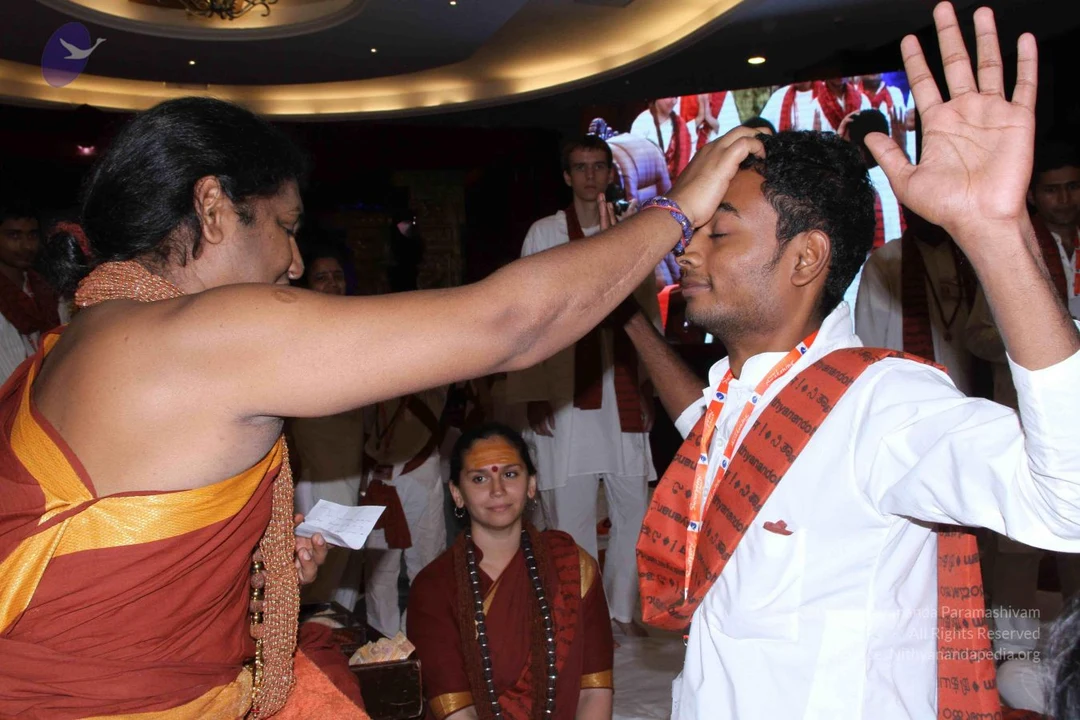
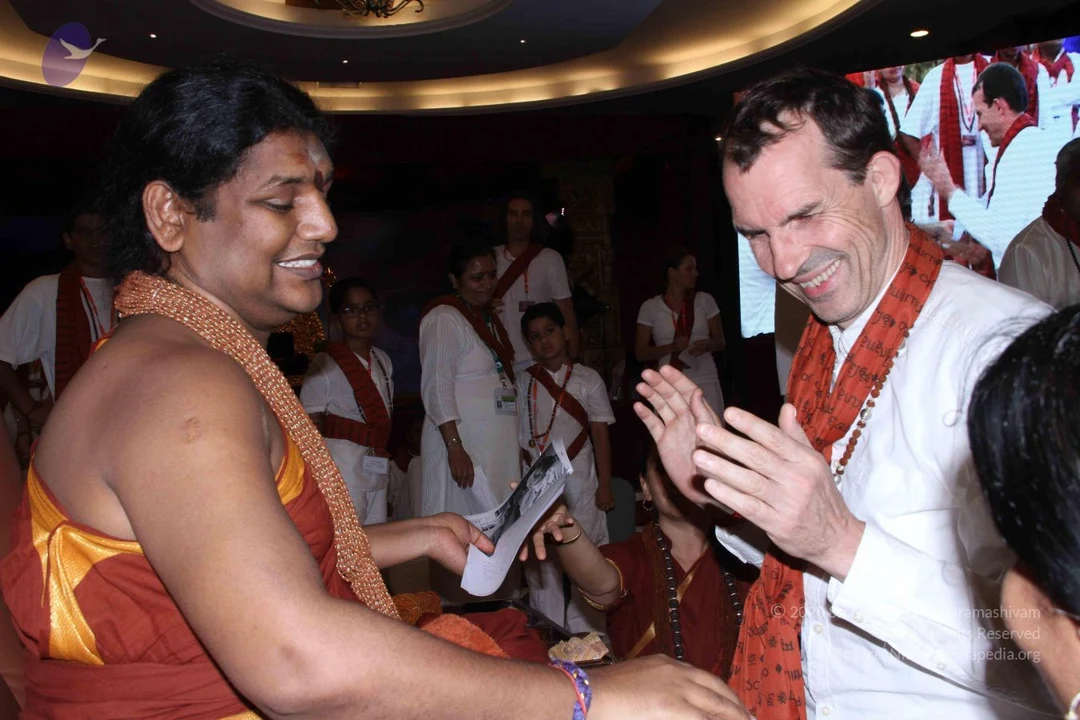
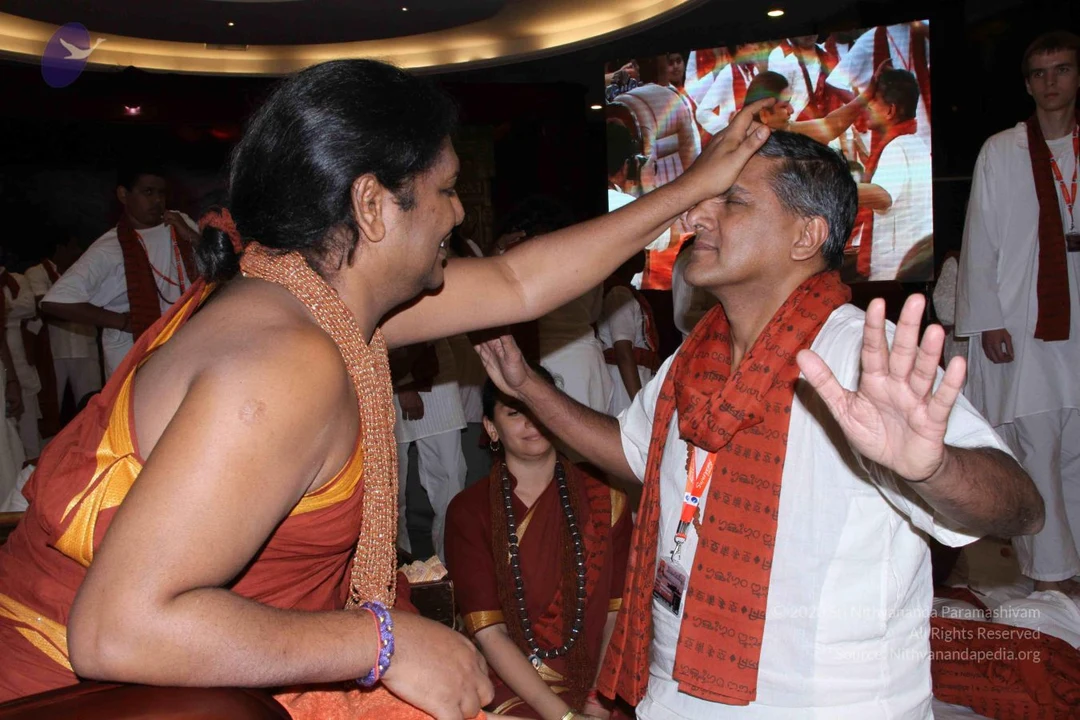
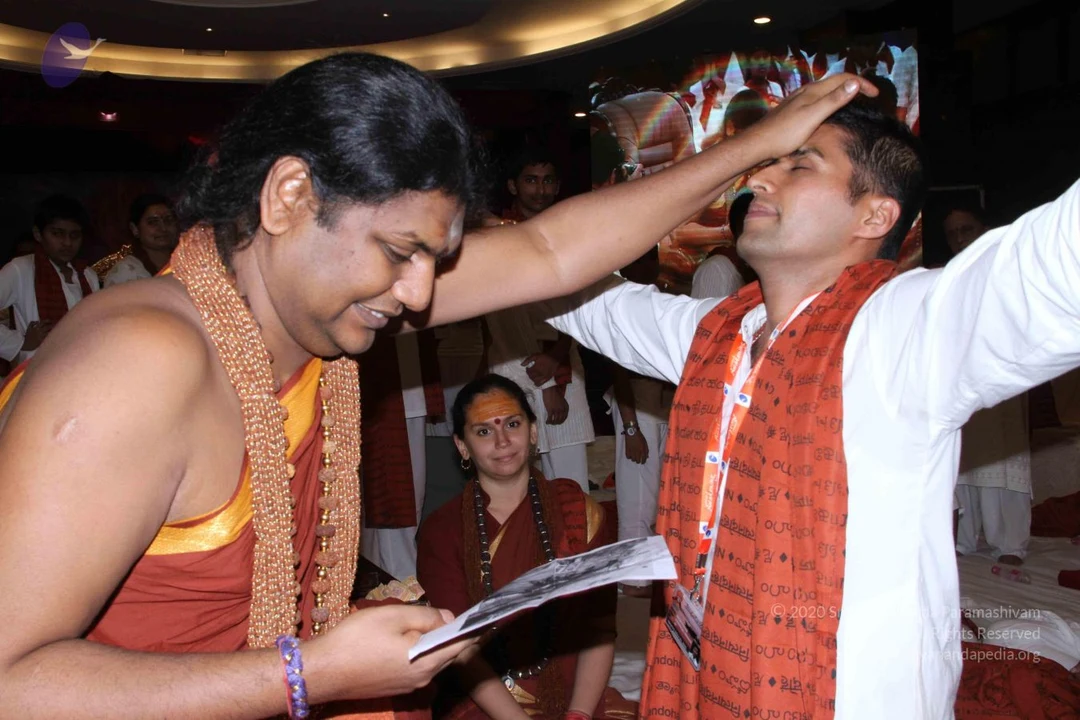
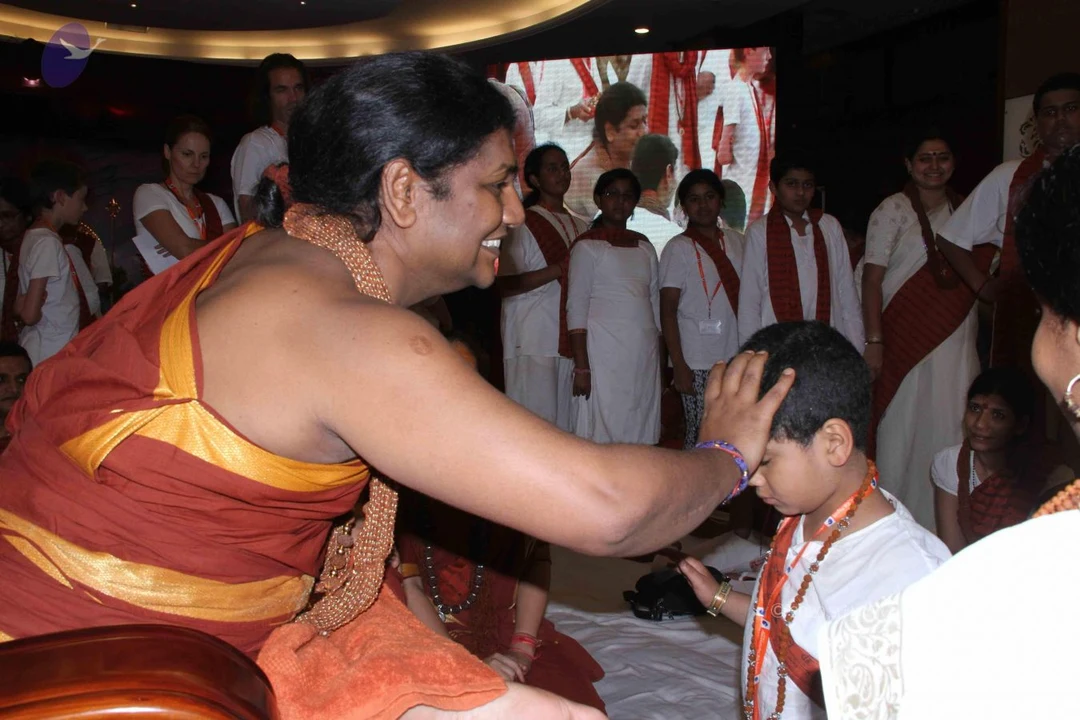
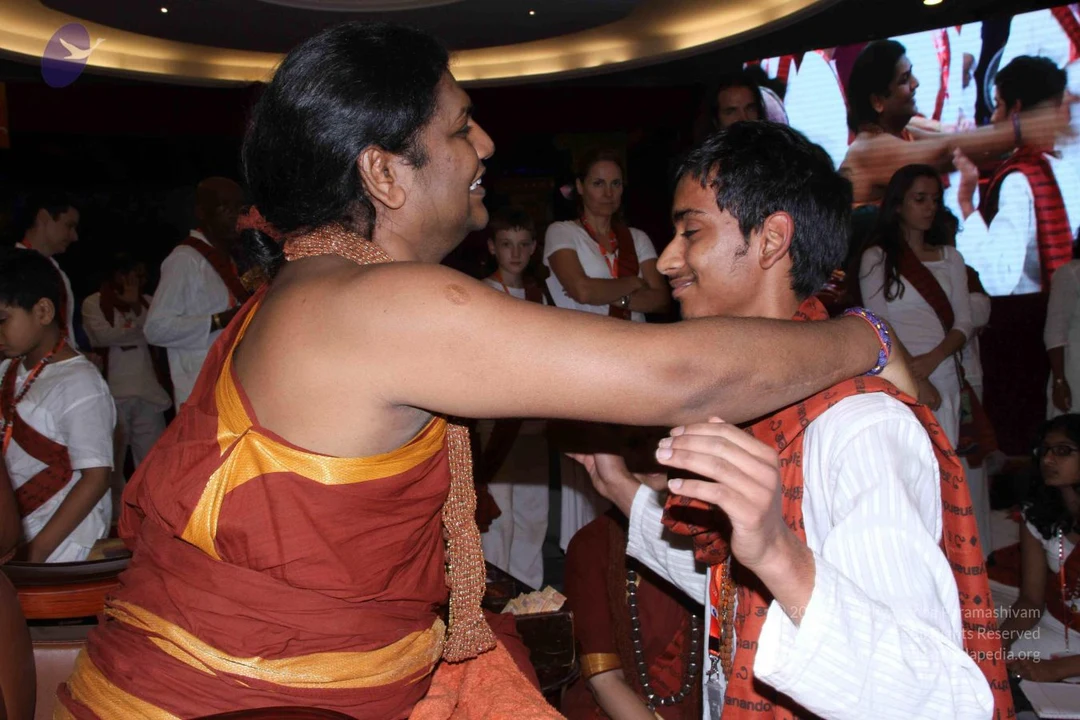
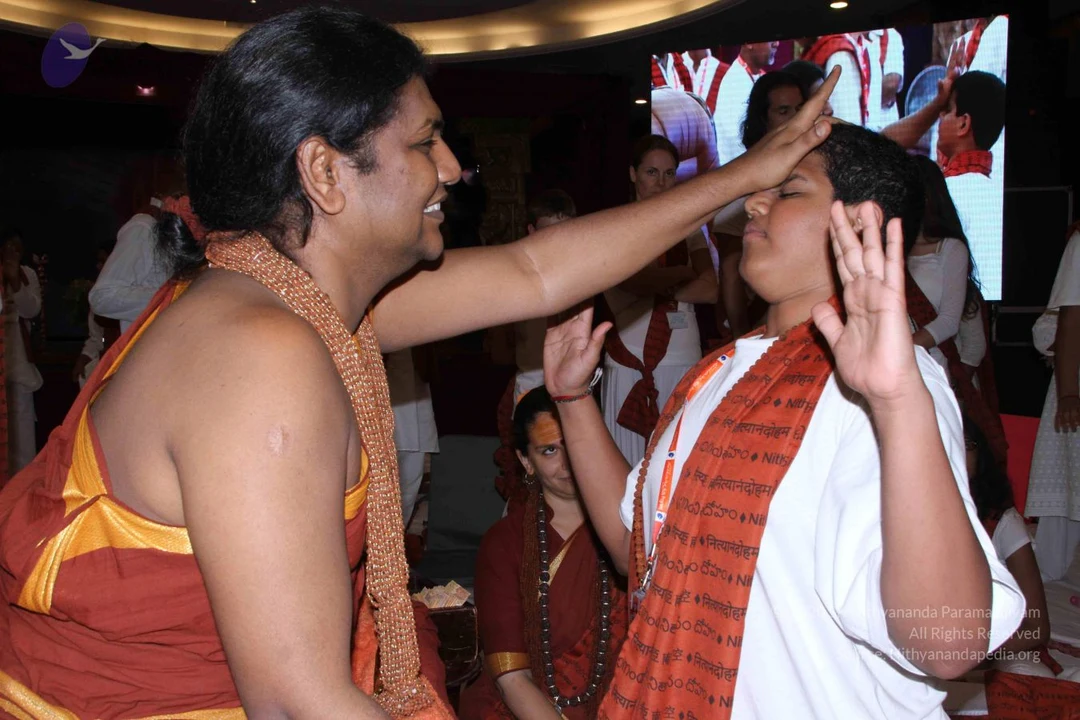
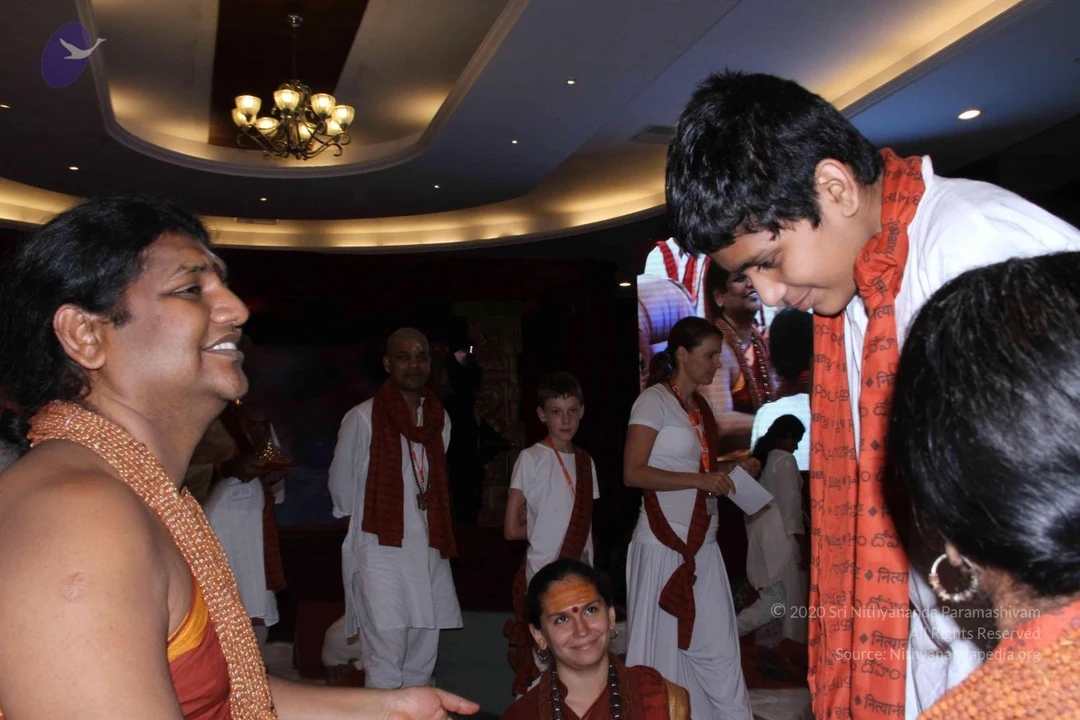

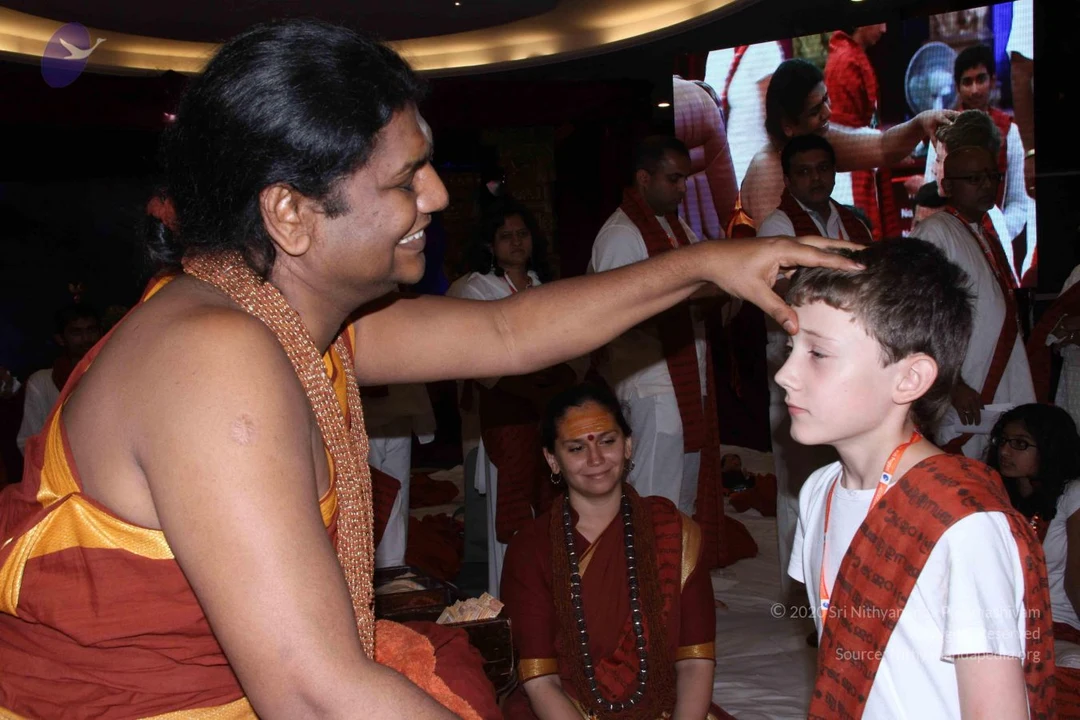
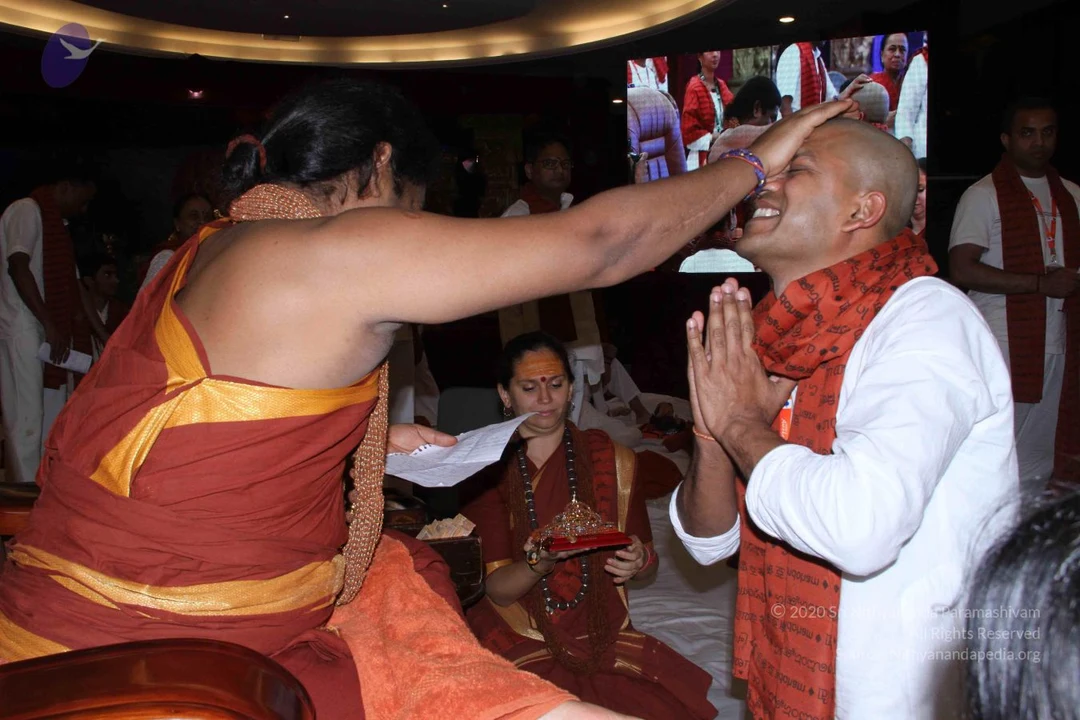
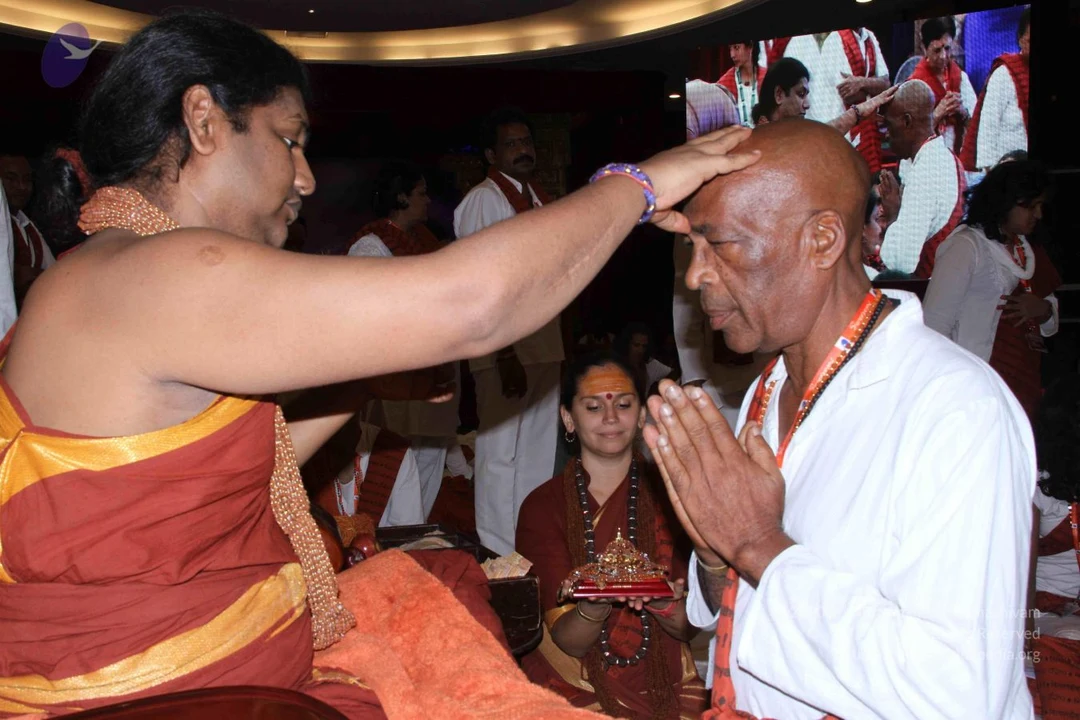
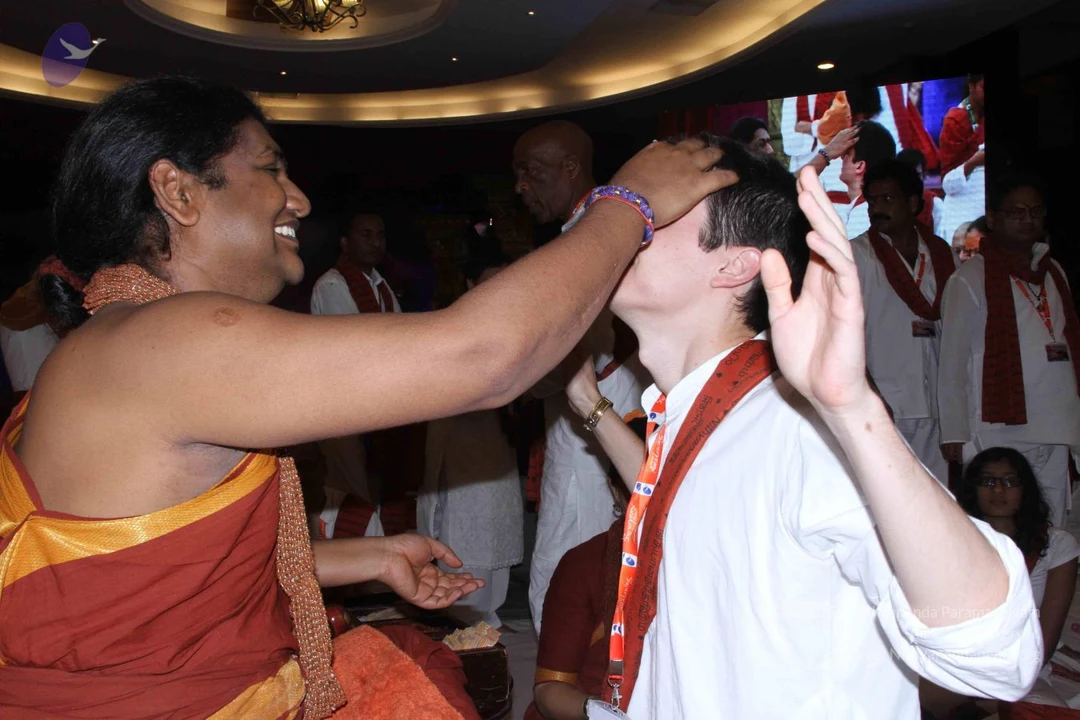
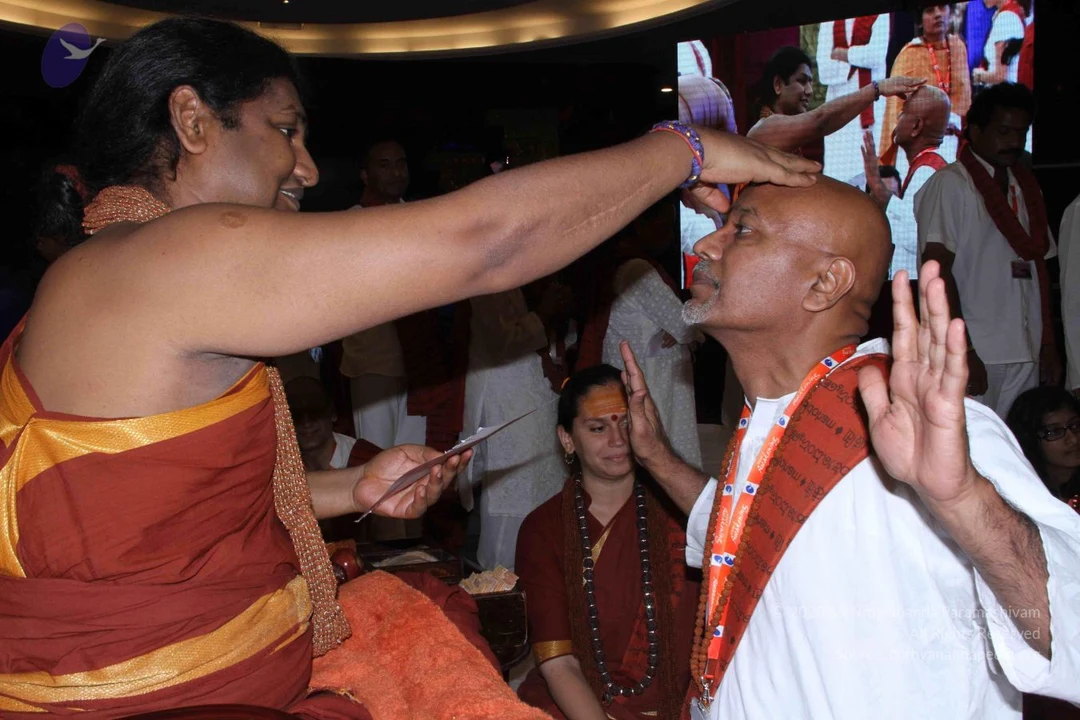
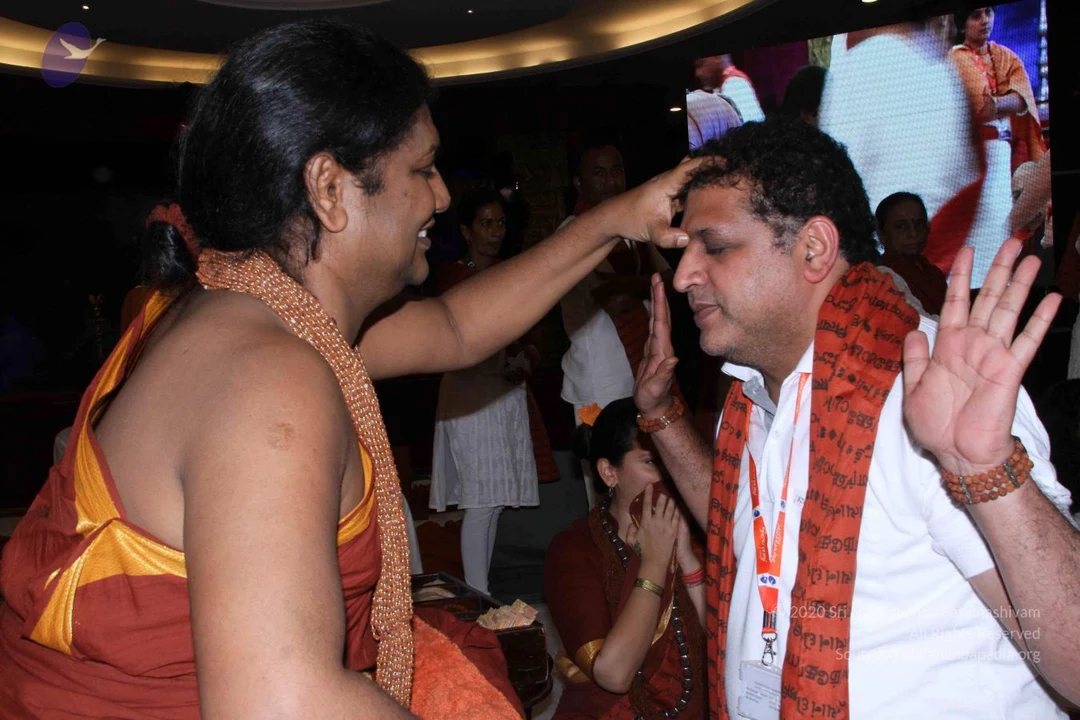
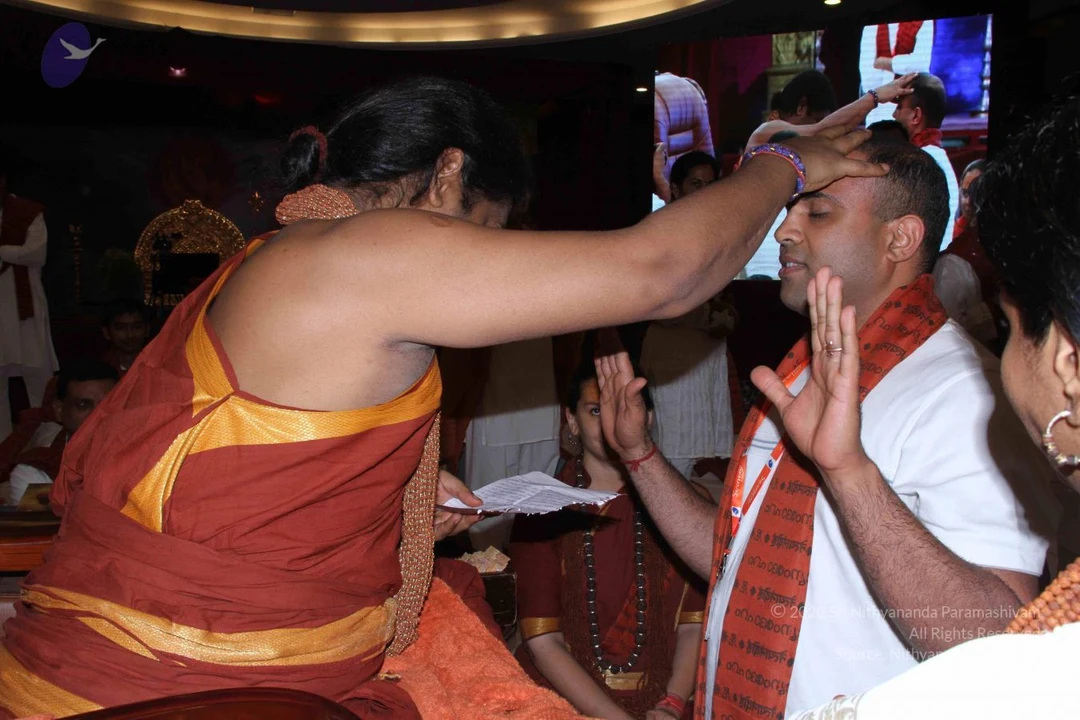
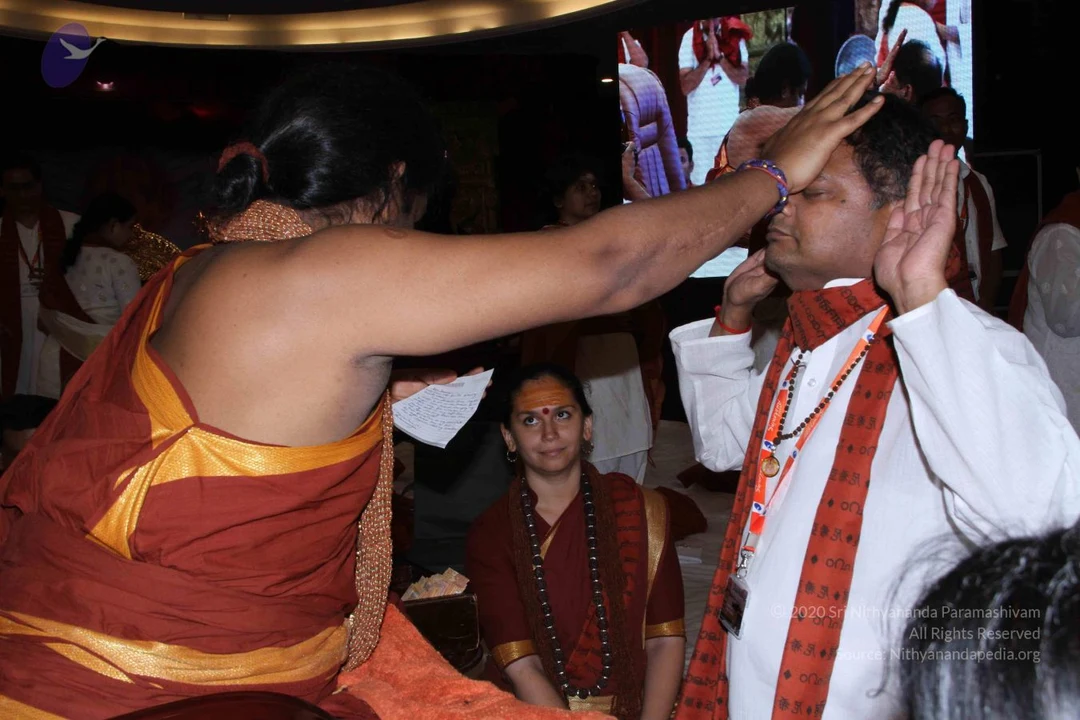
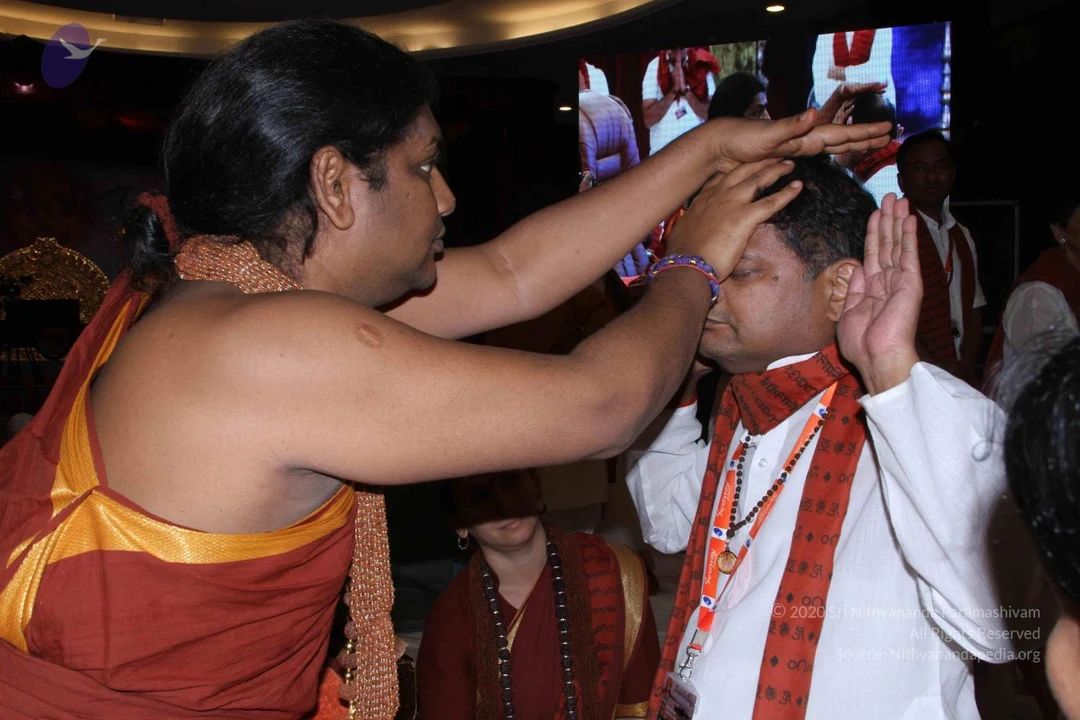
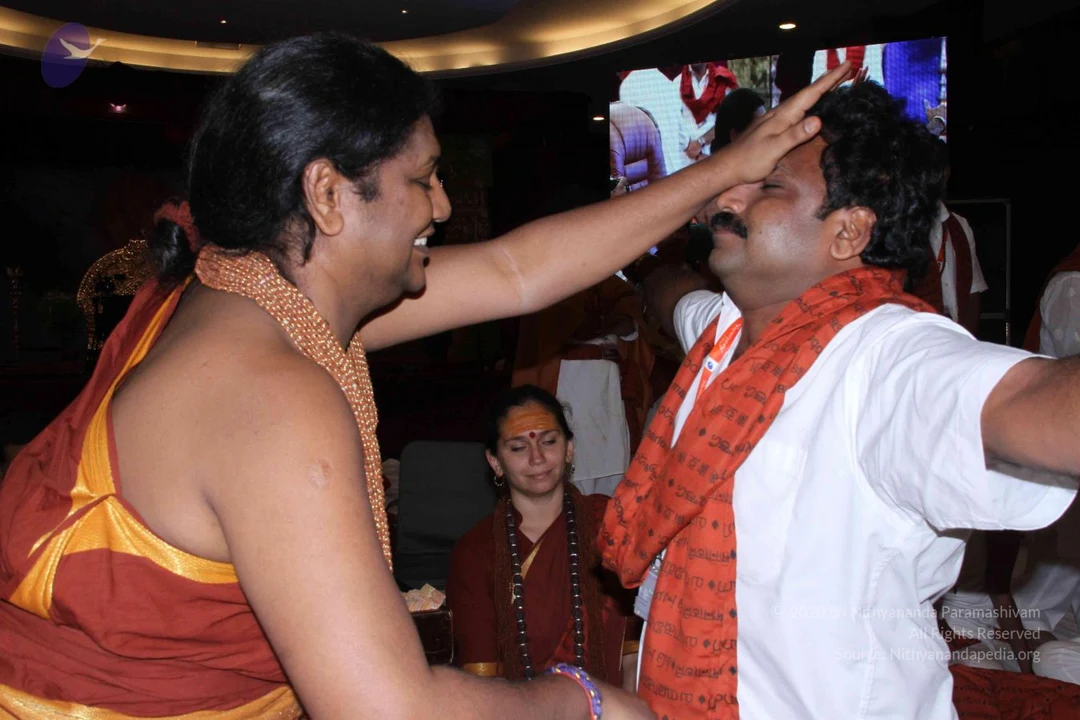
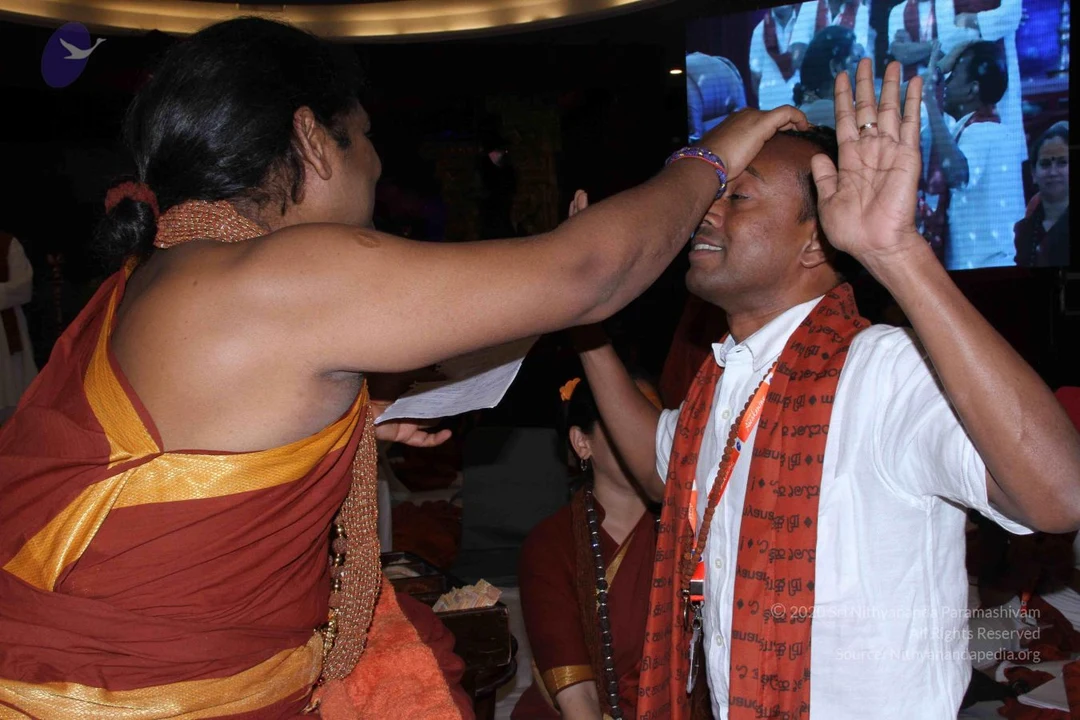
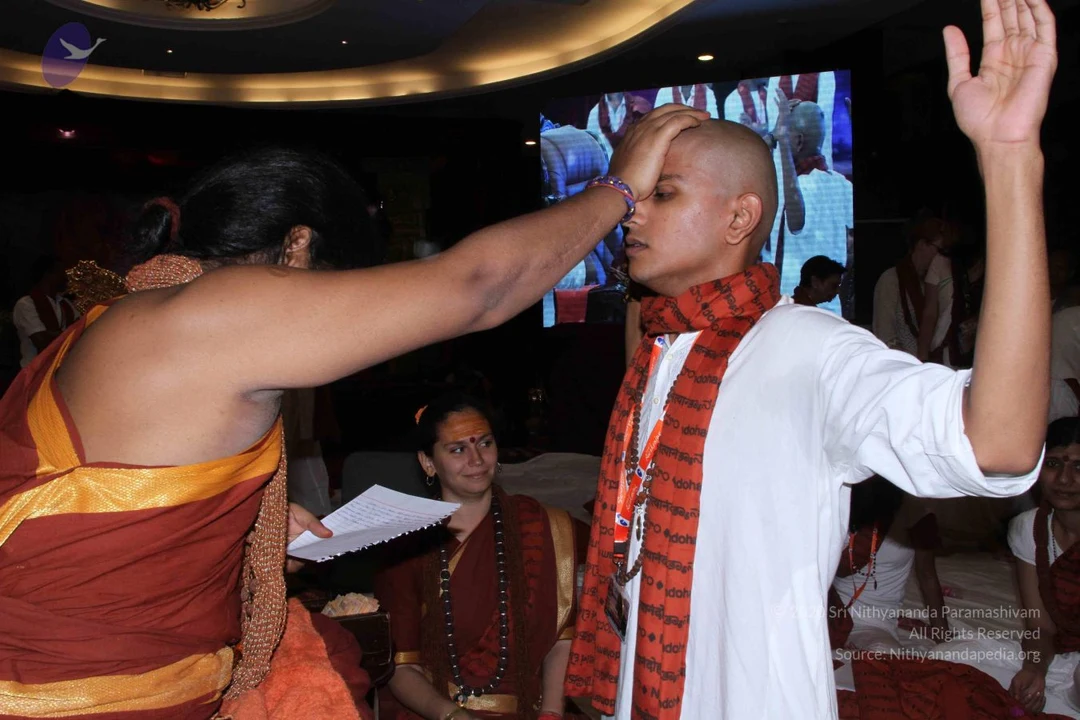
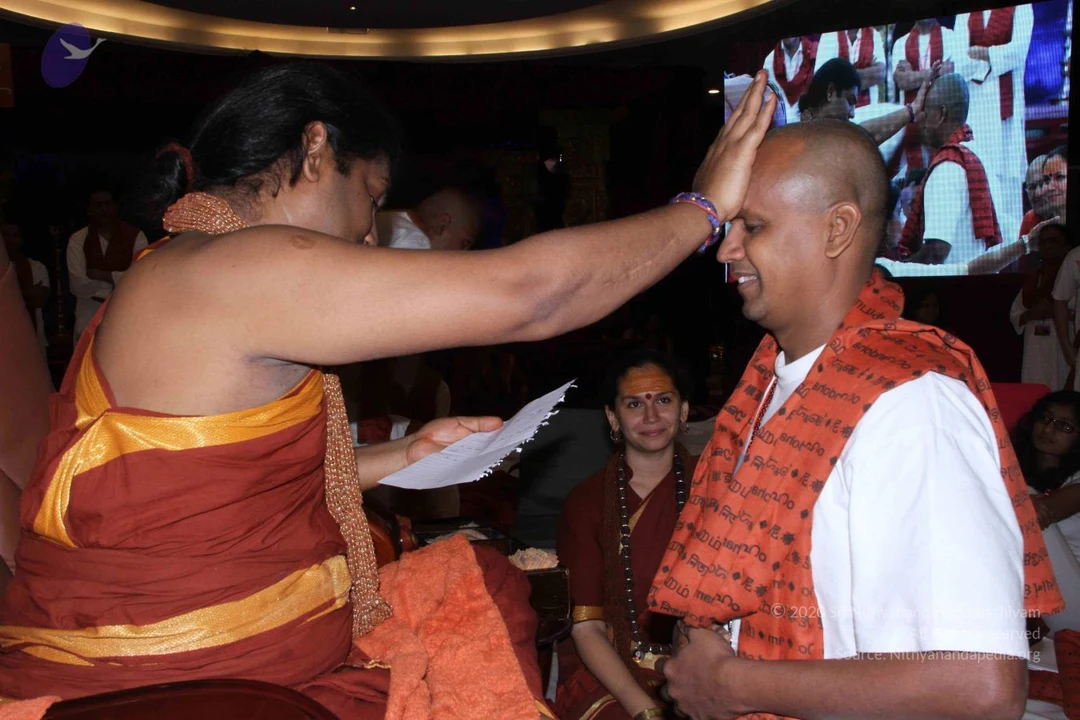
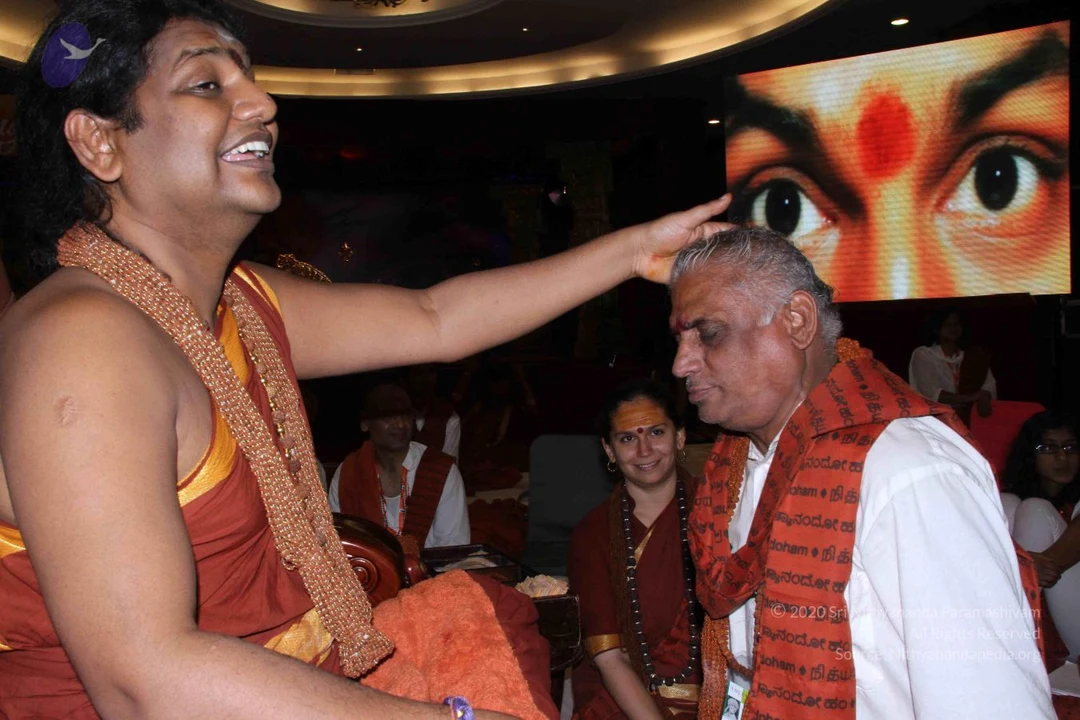
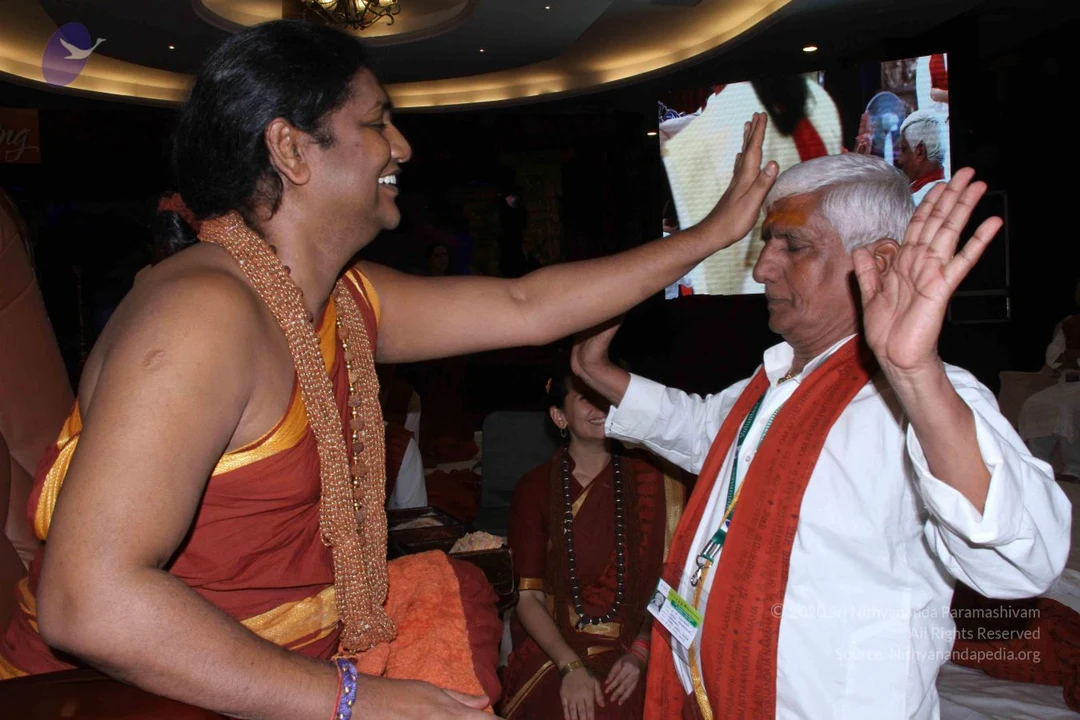
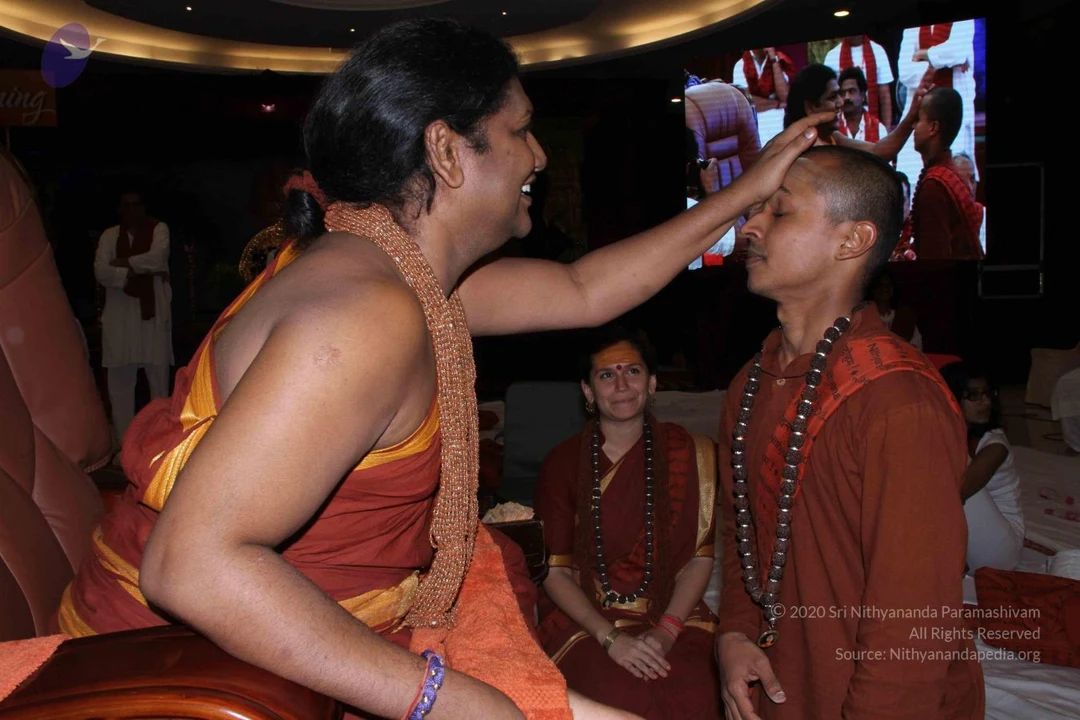
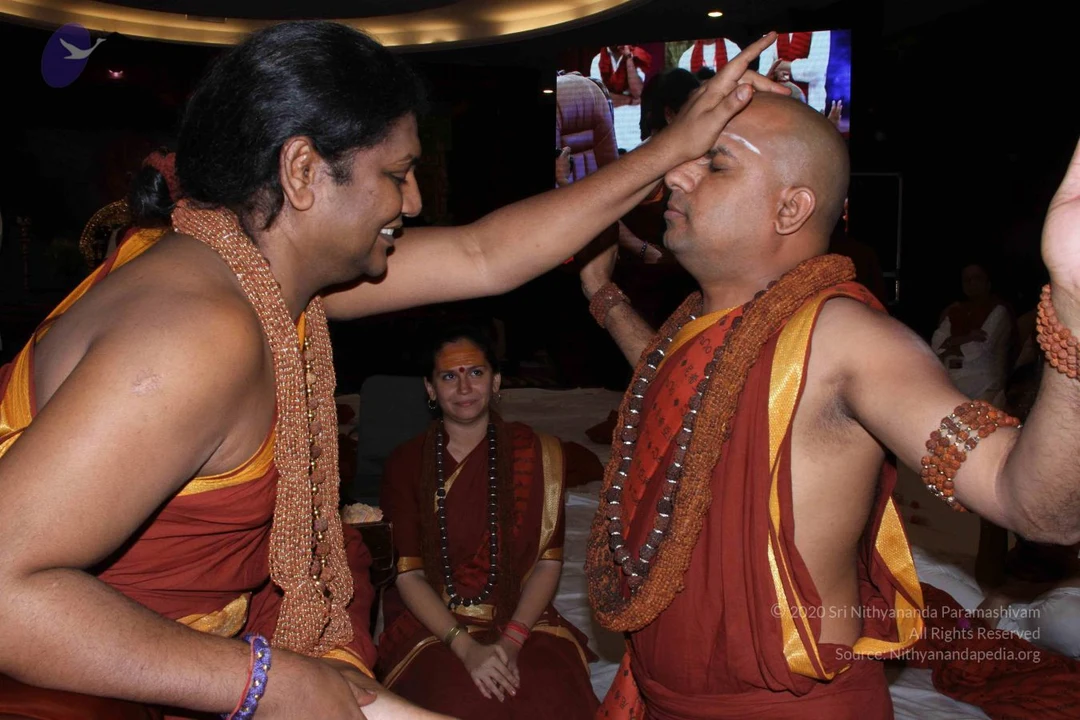
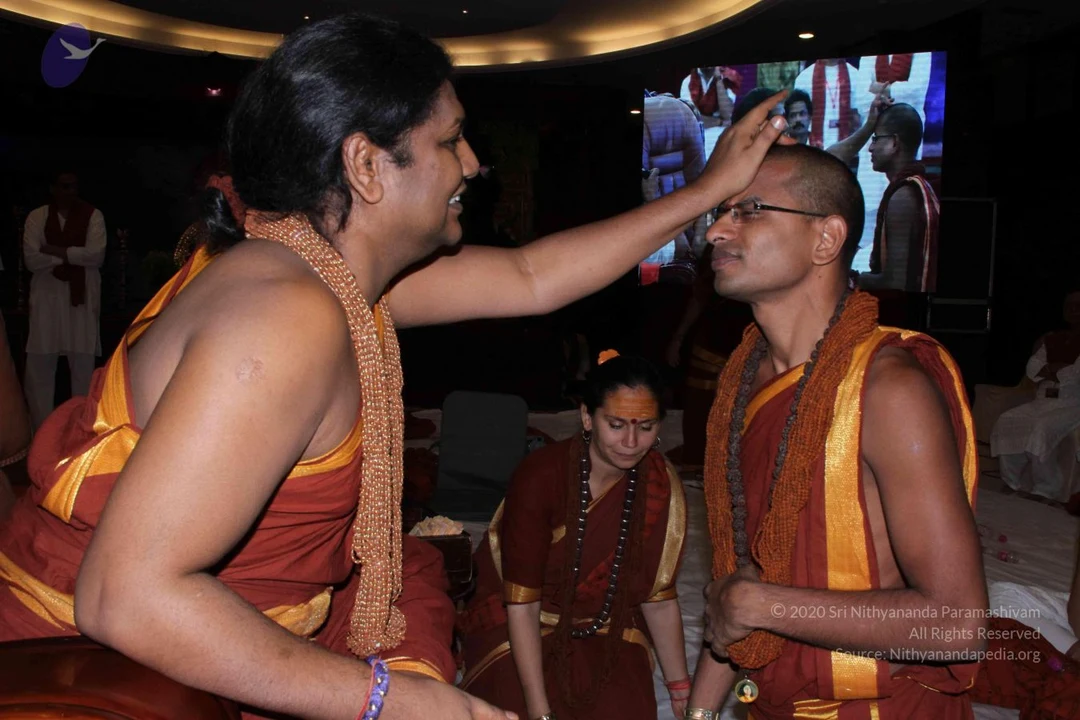
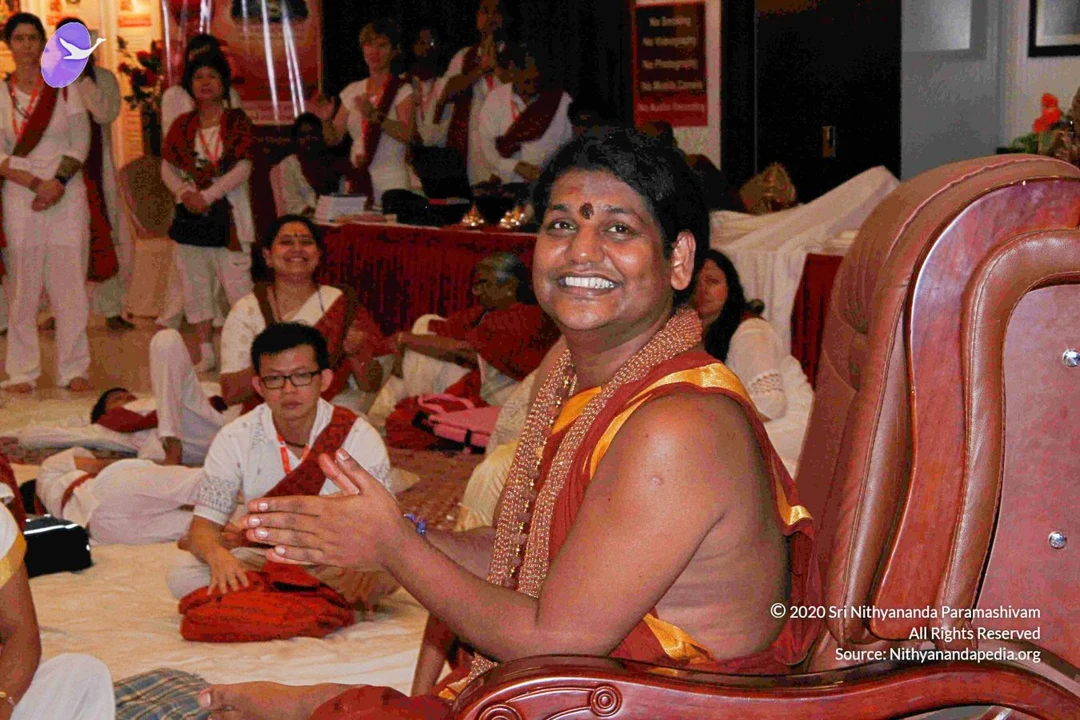
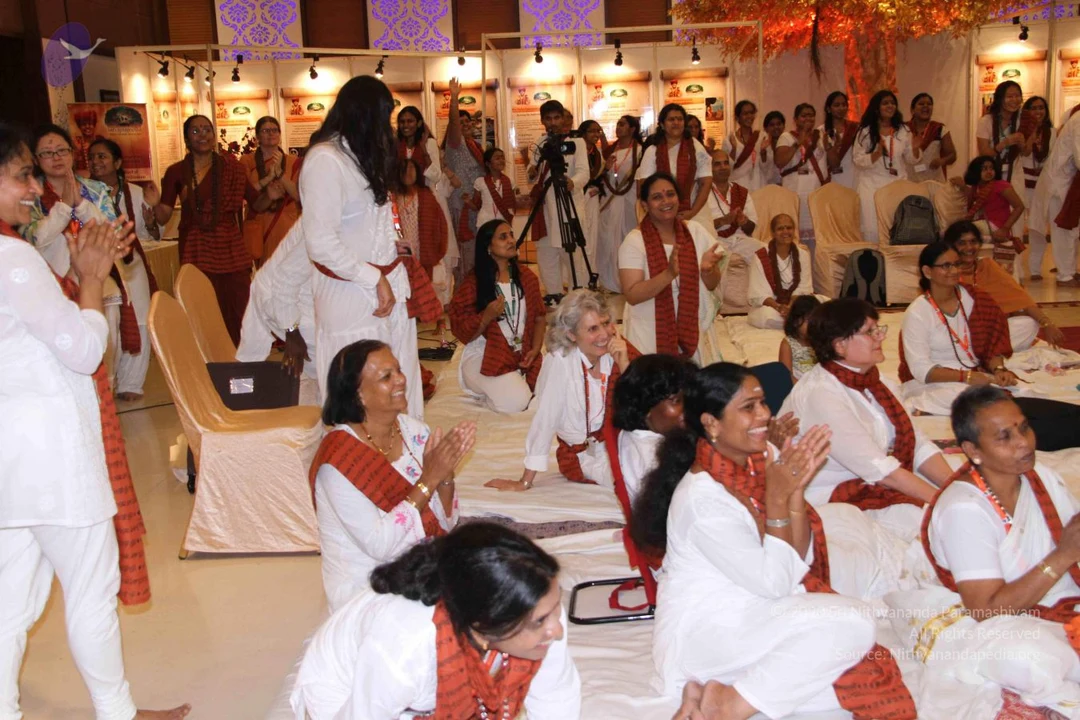
Photos Of The Day:
FB-Photos-of-the-Day
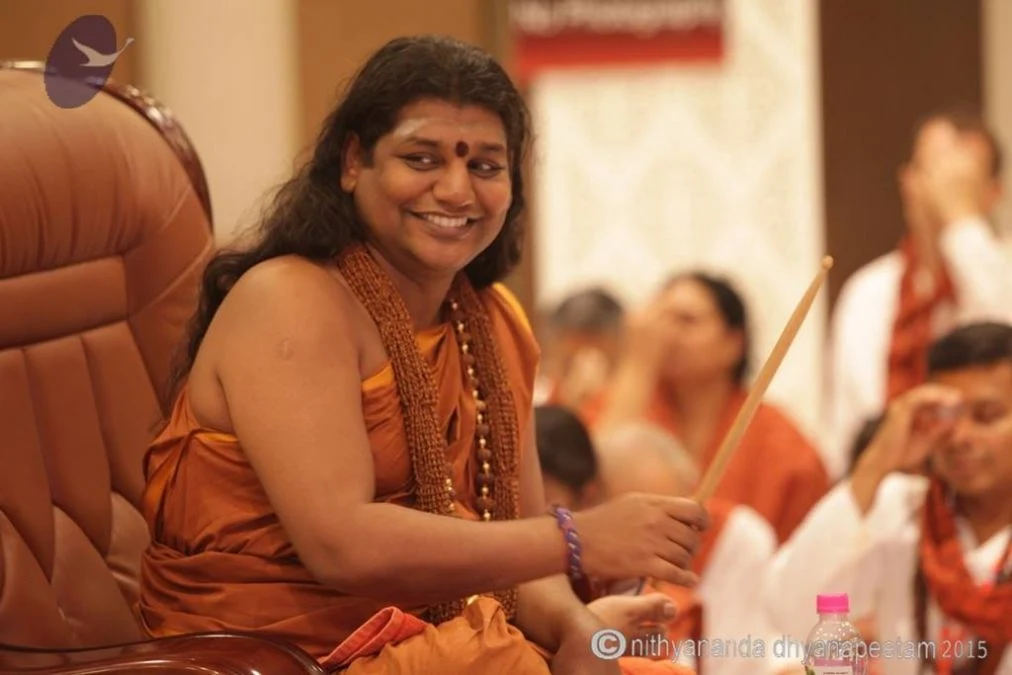
Photos Of The Day:
Morning-Satsang-&-Kalpataru-Darshan
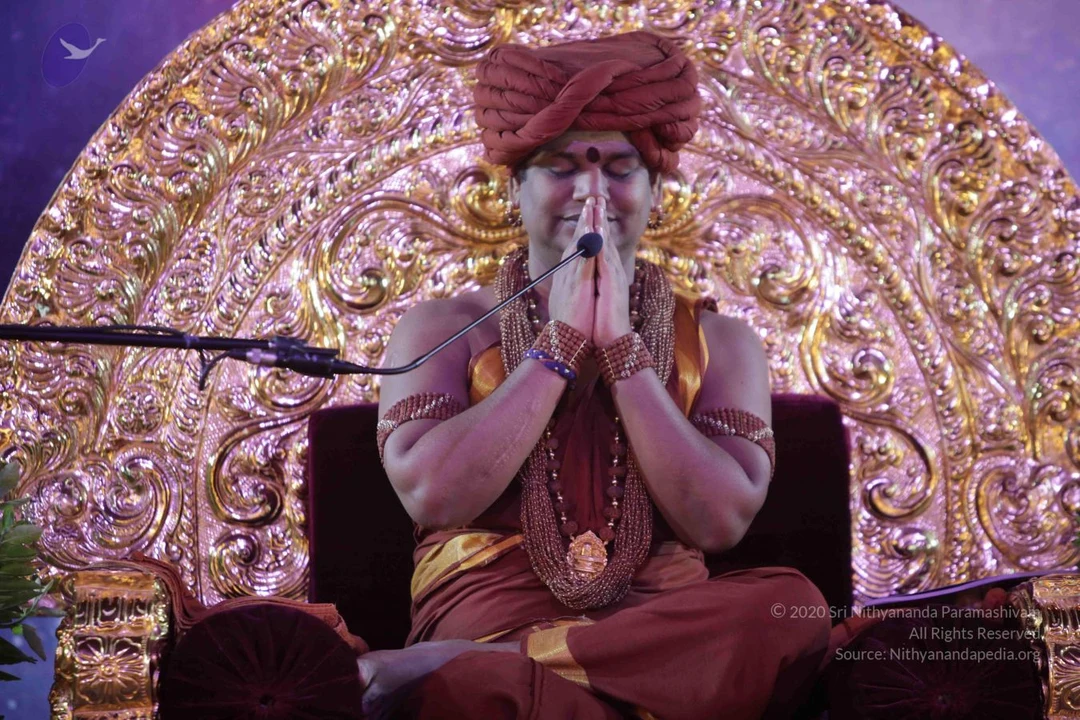
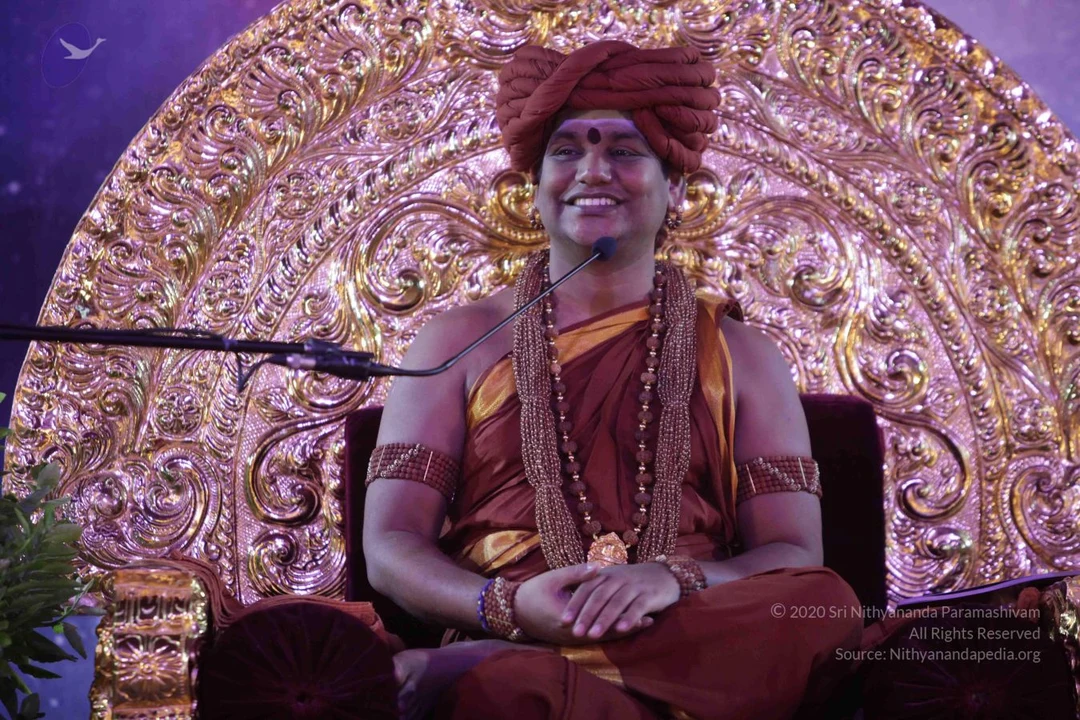
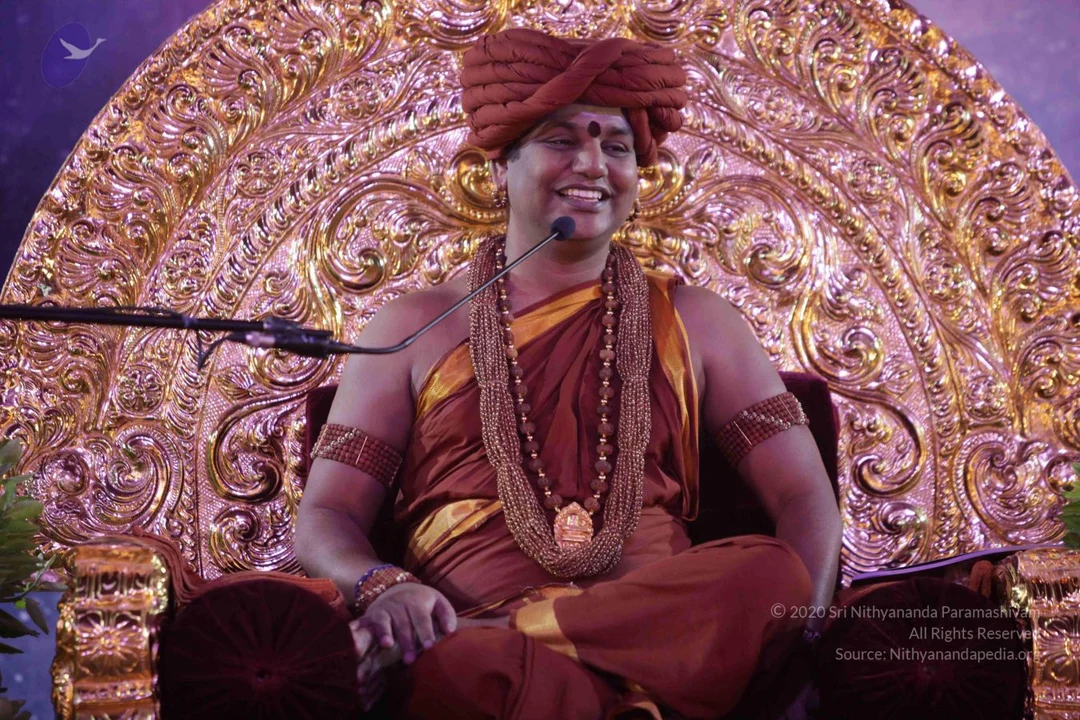
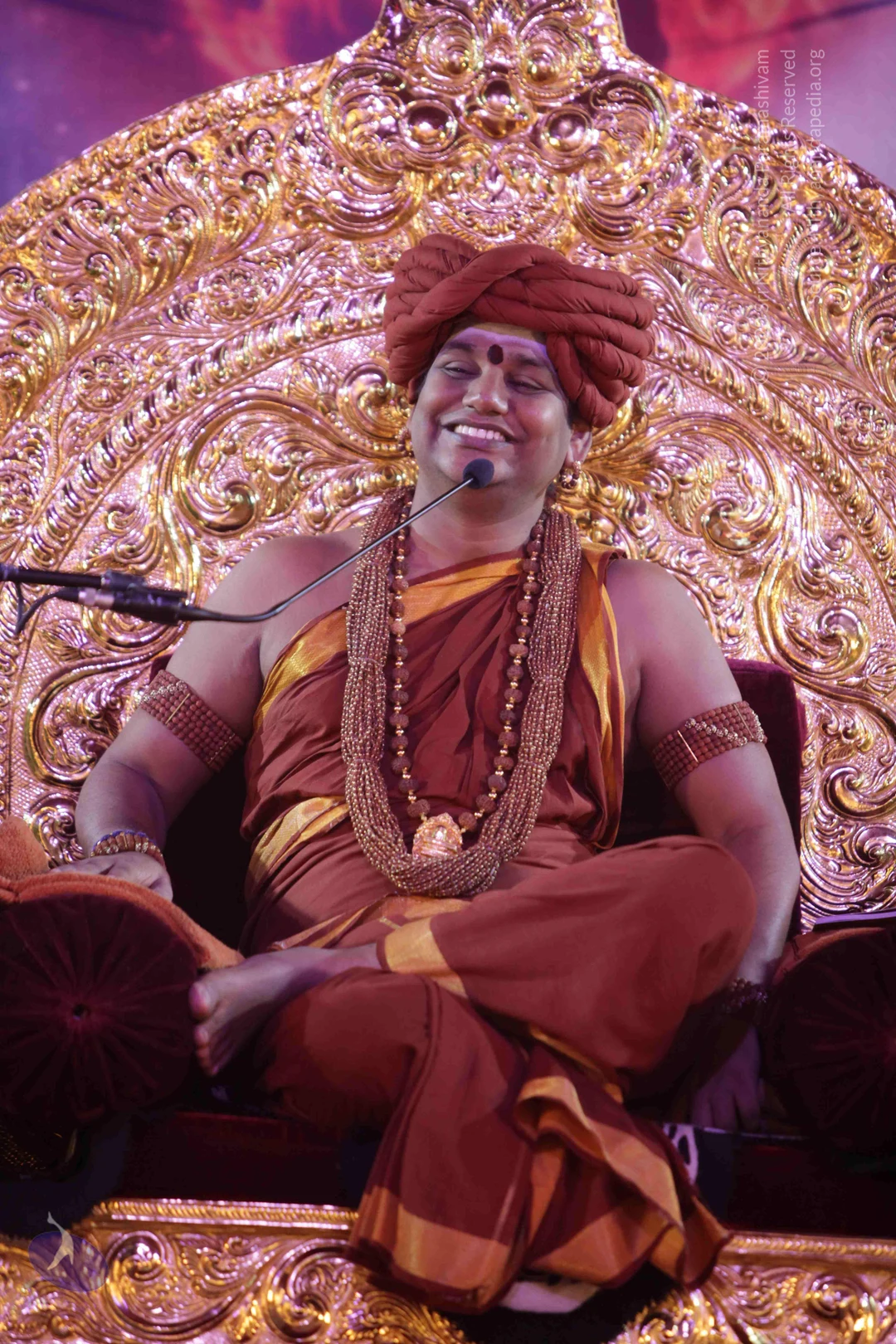
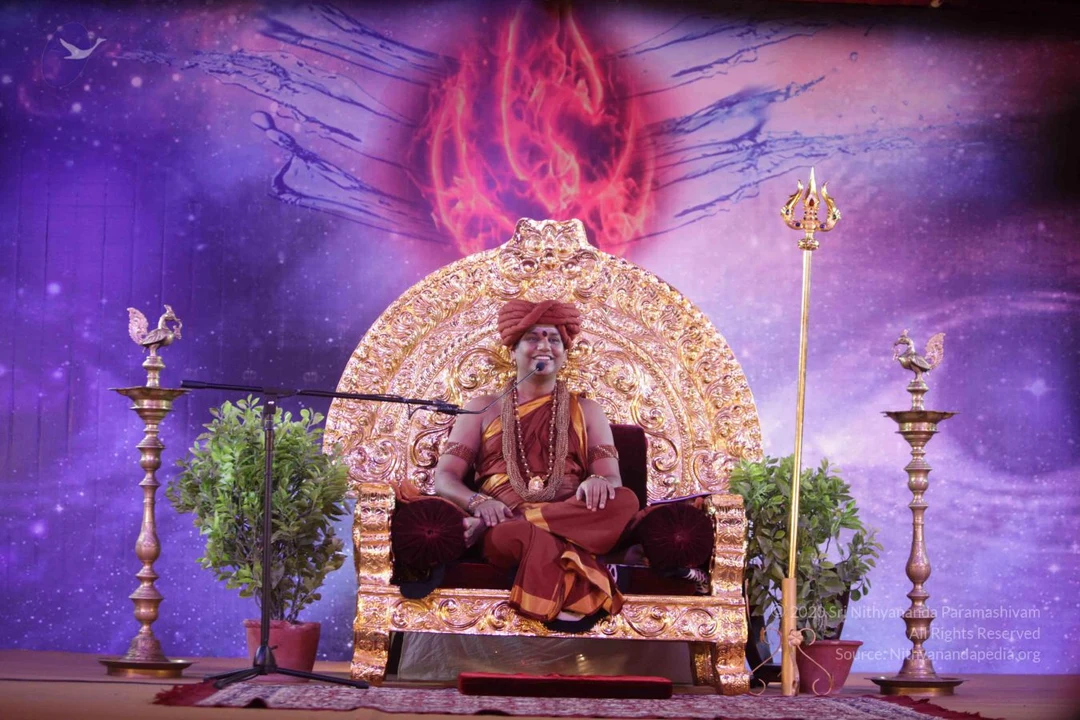
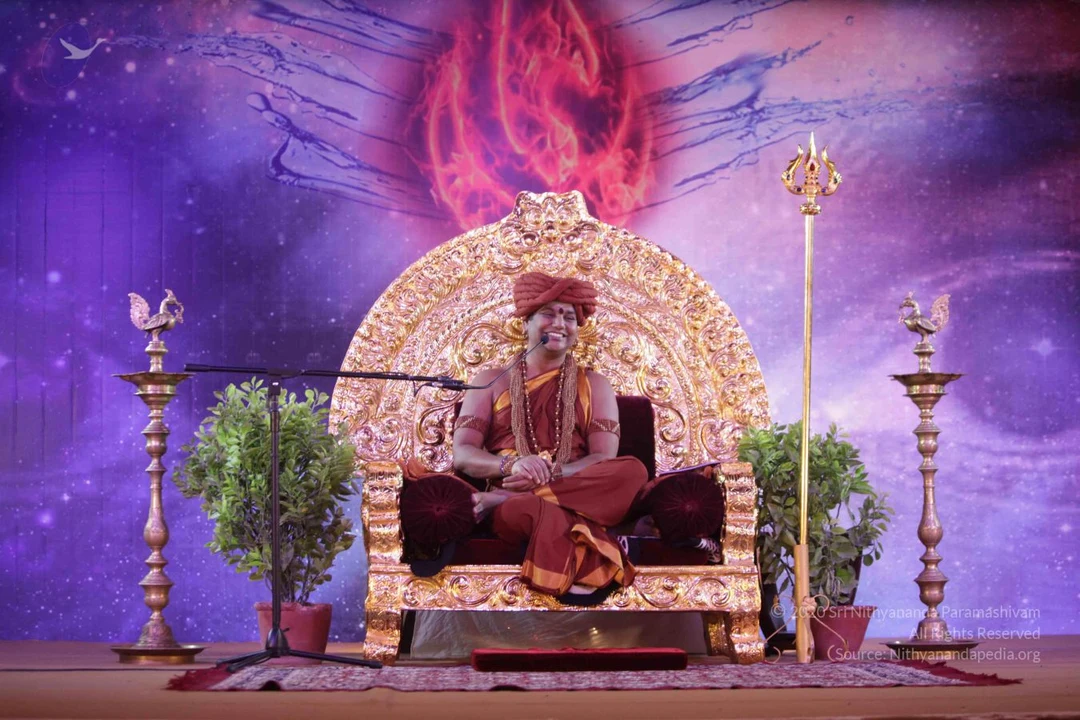
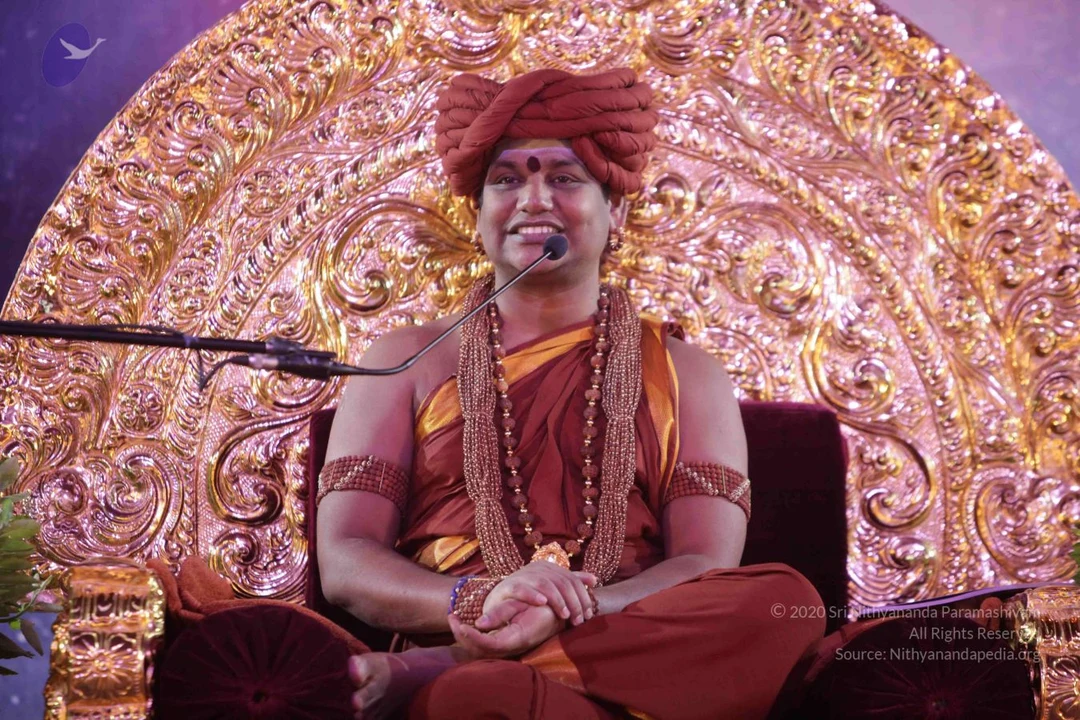
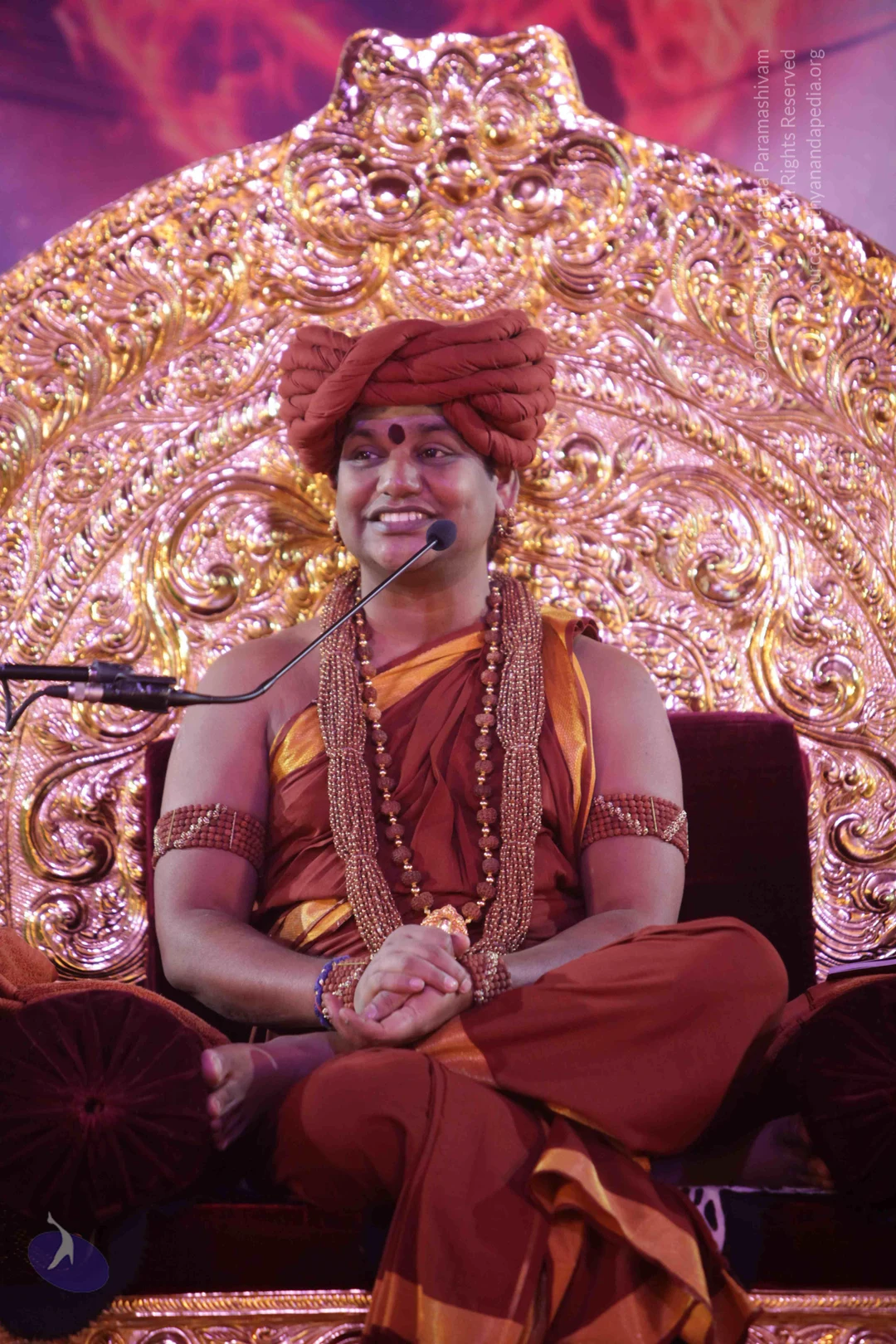
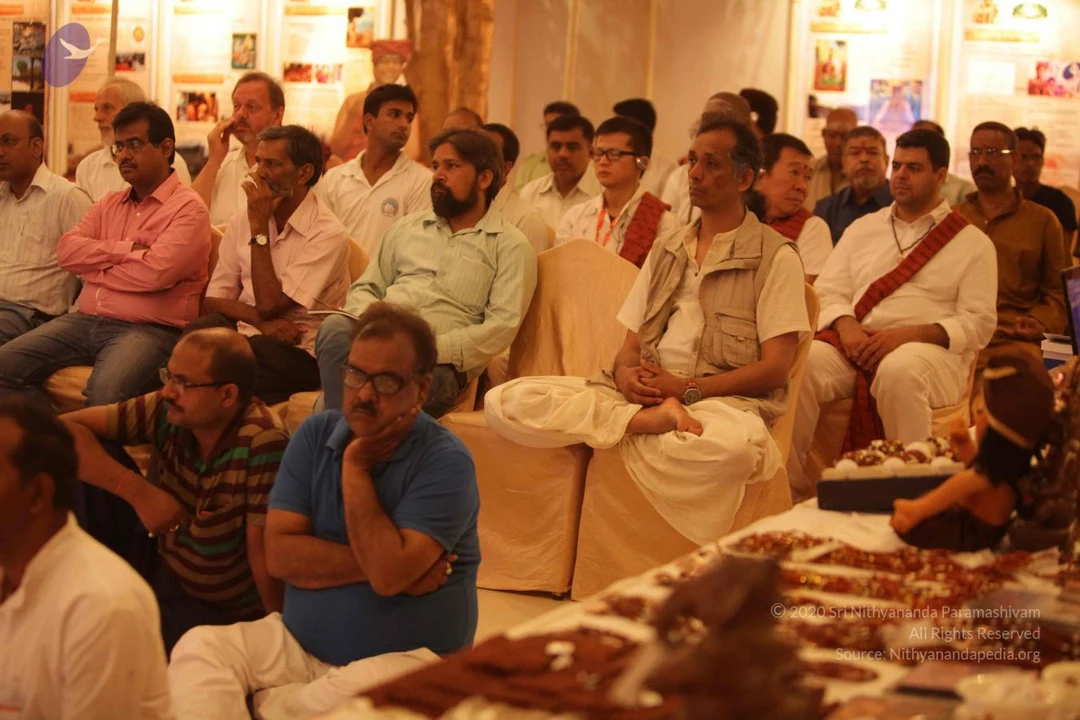
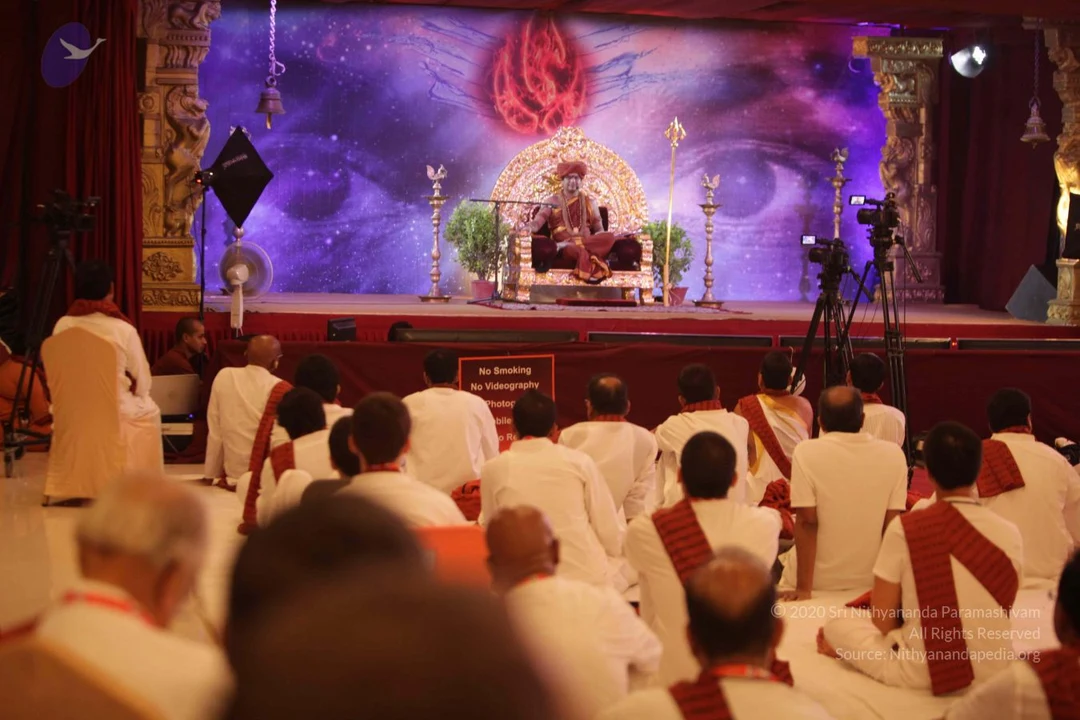
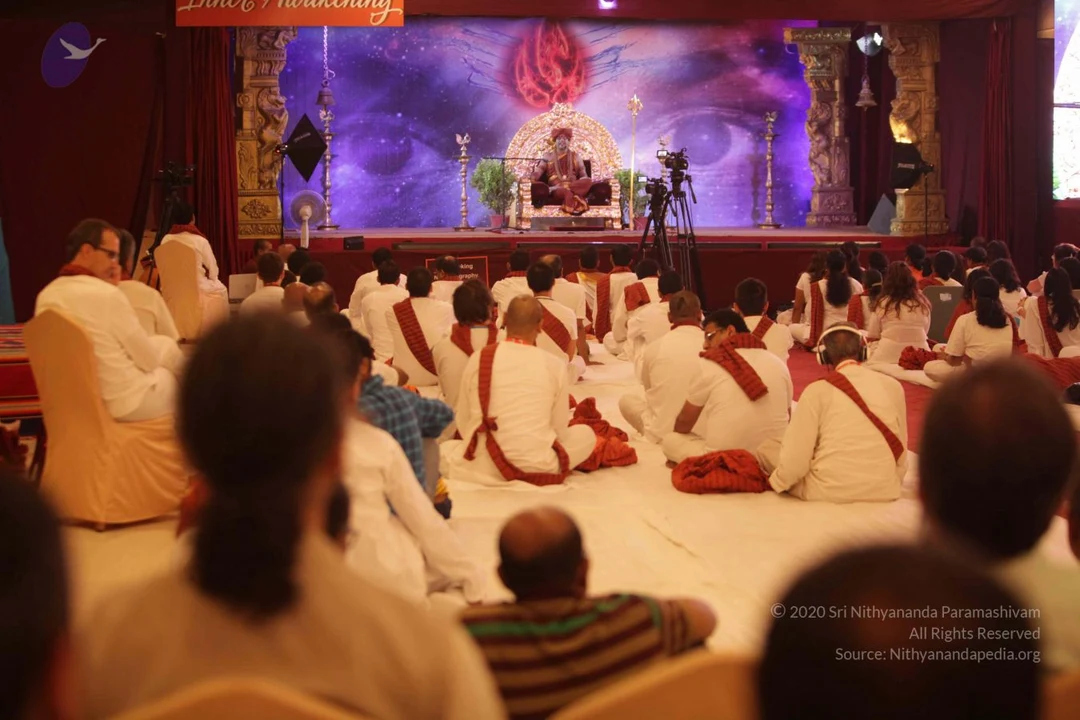
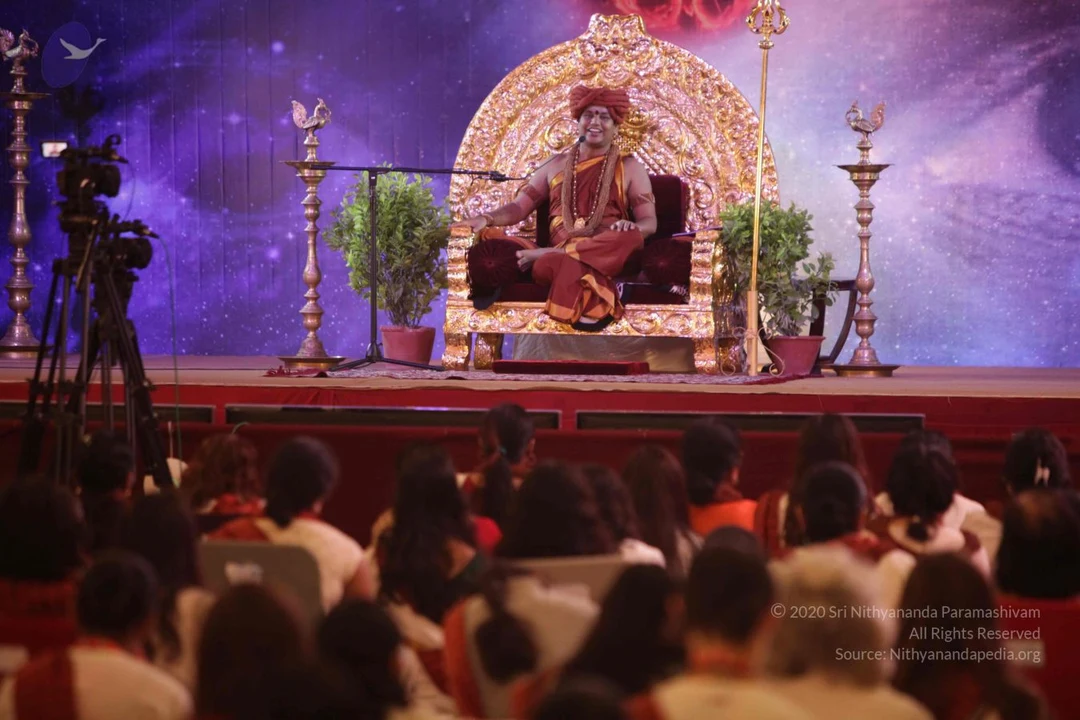
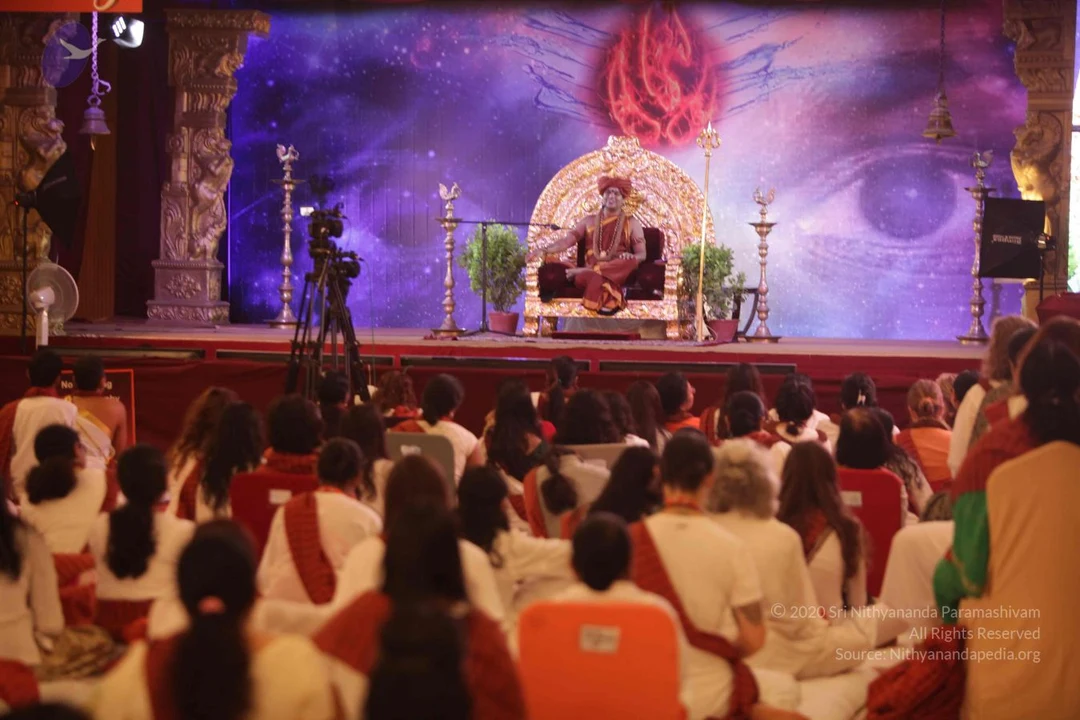
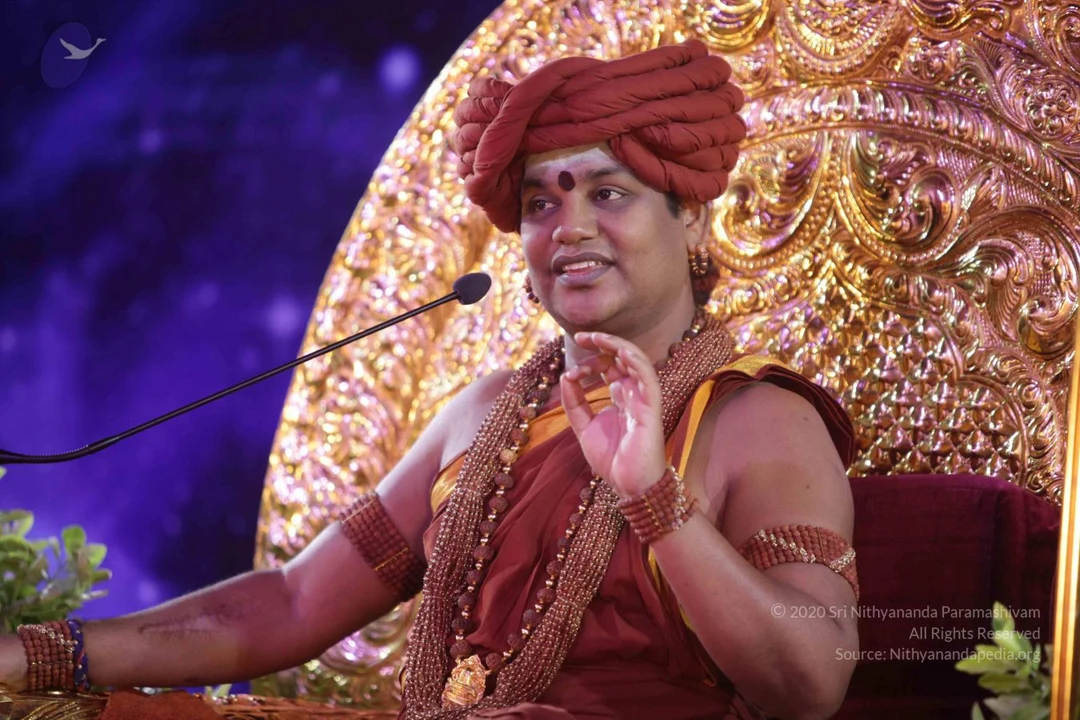
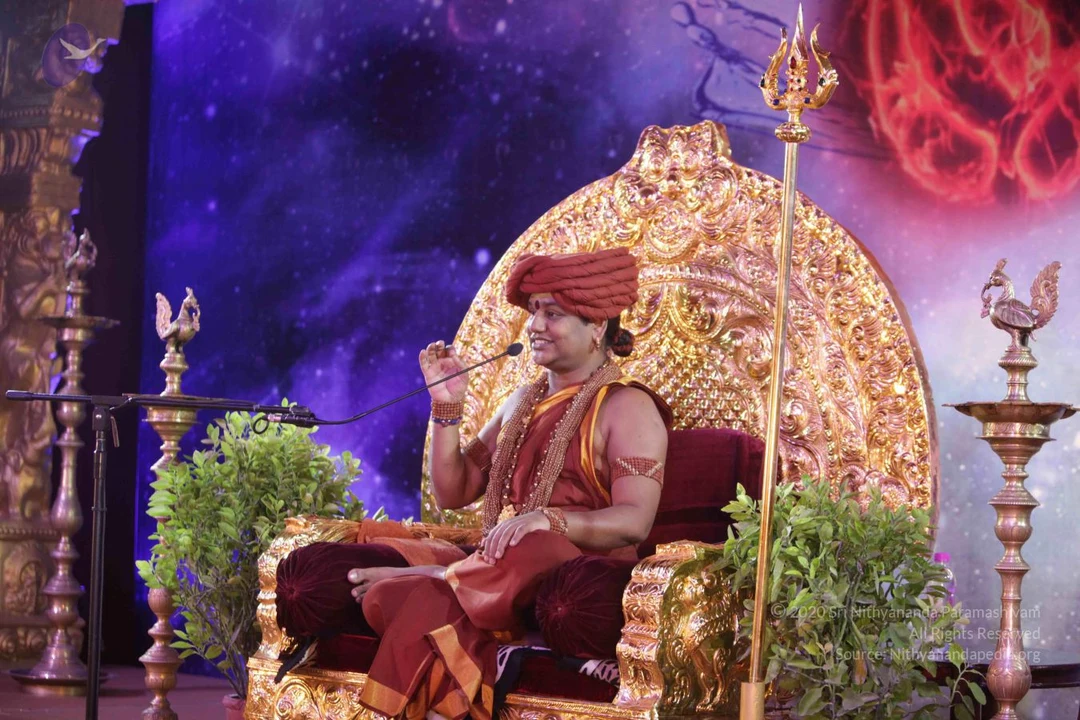
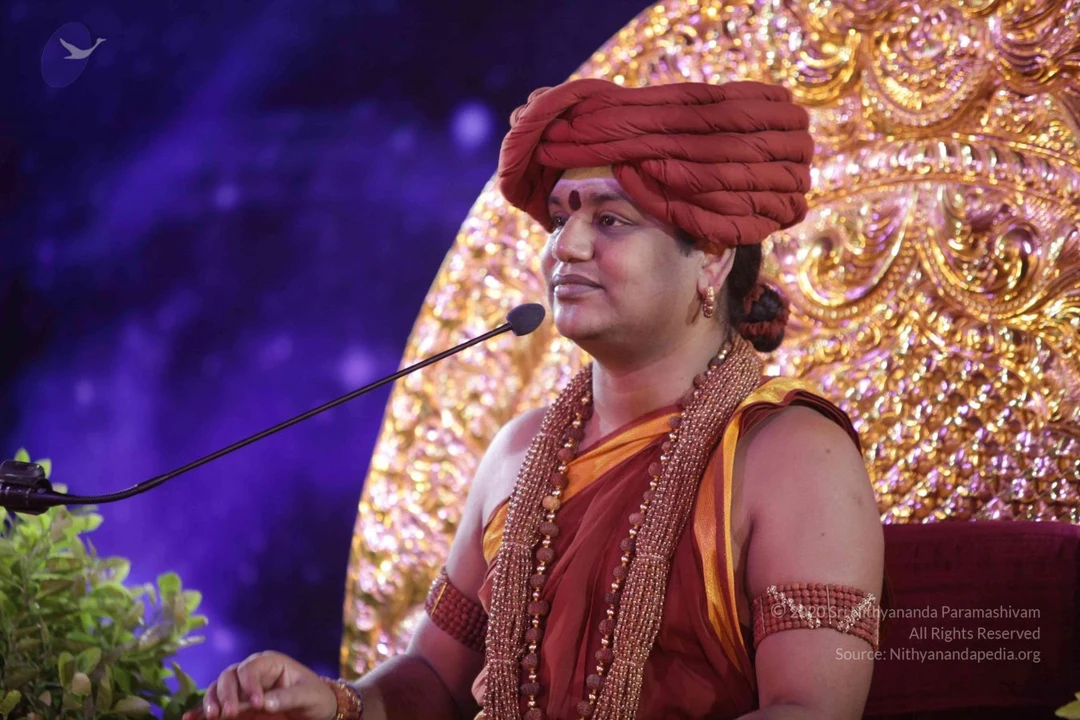
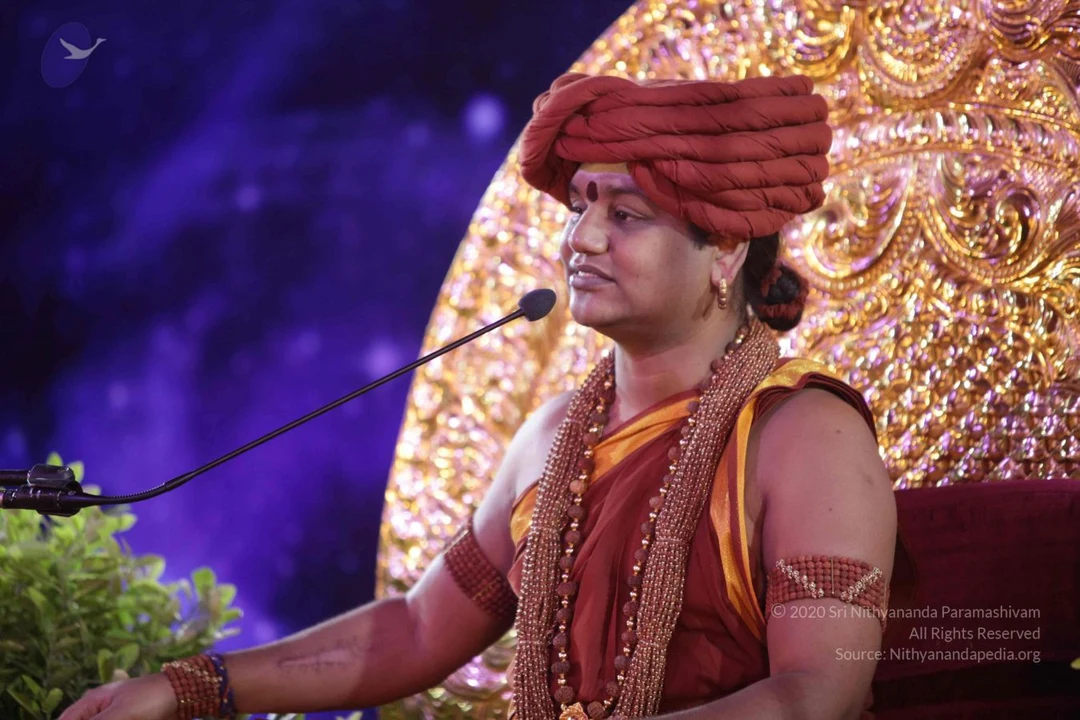
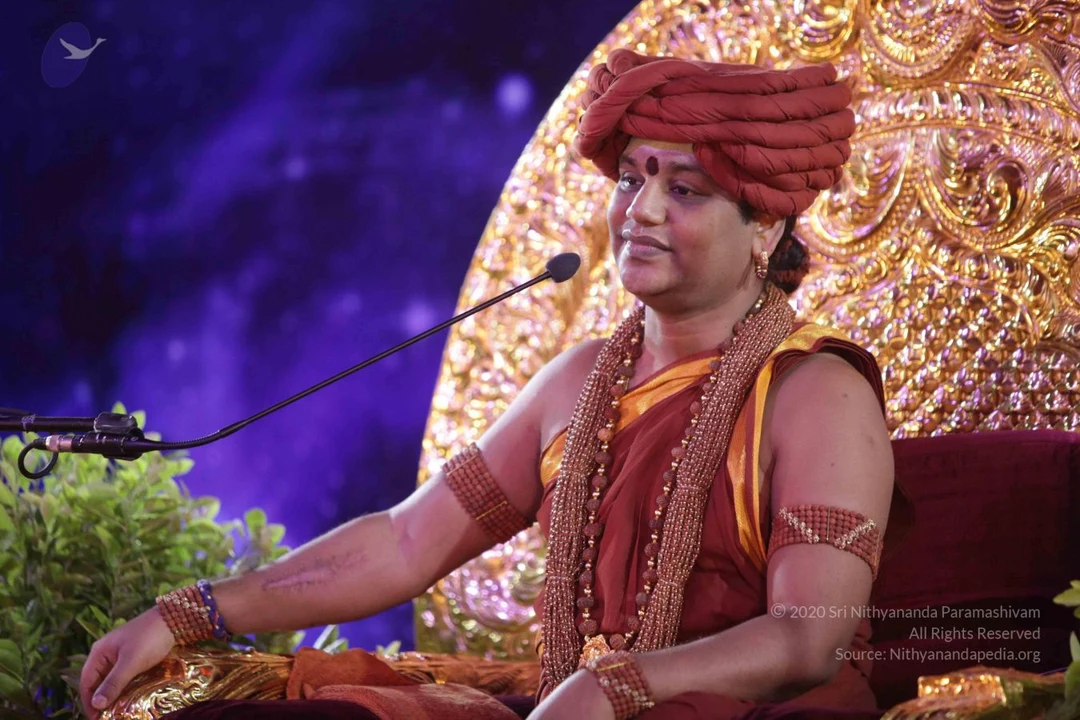
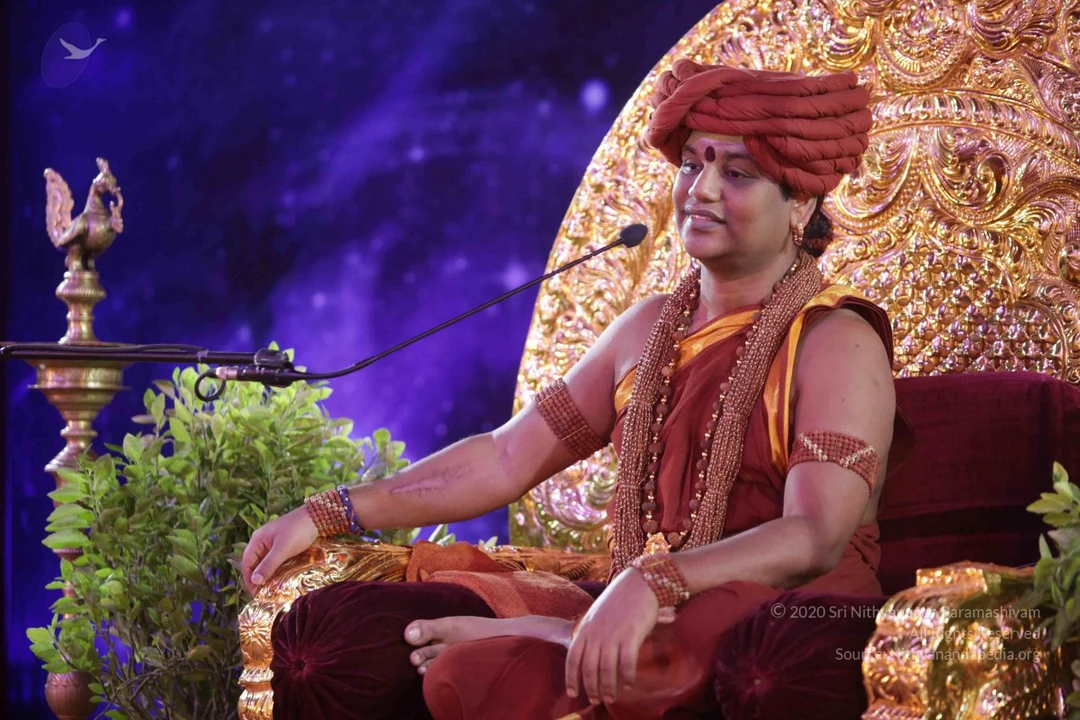
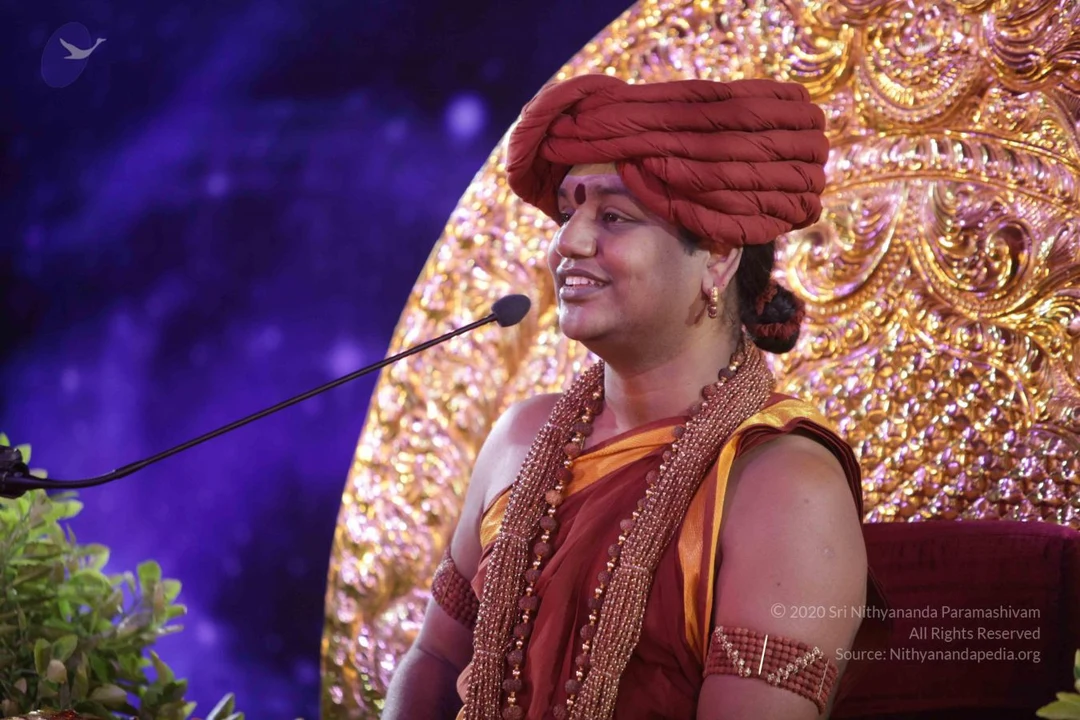
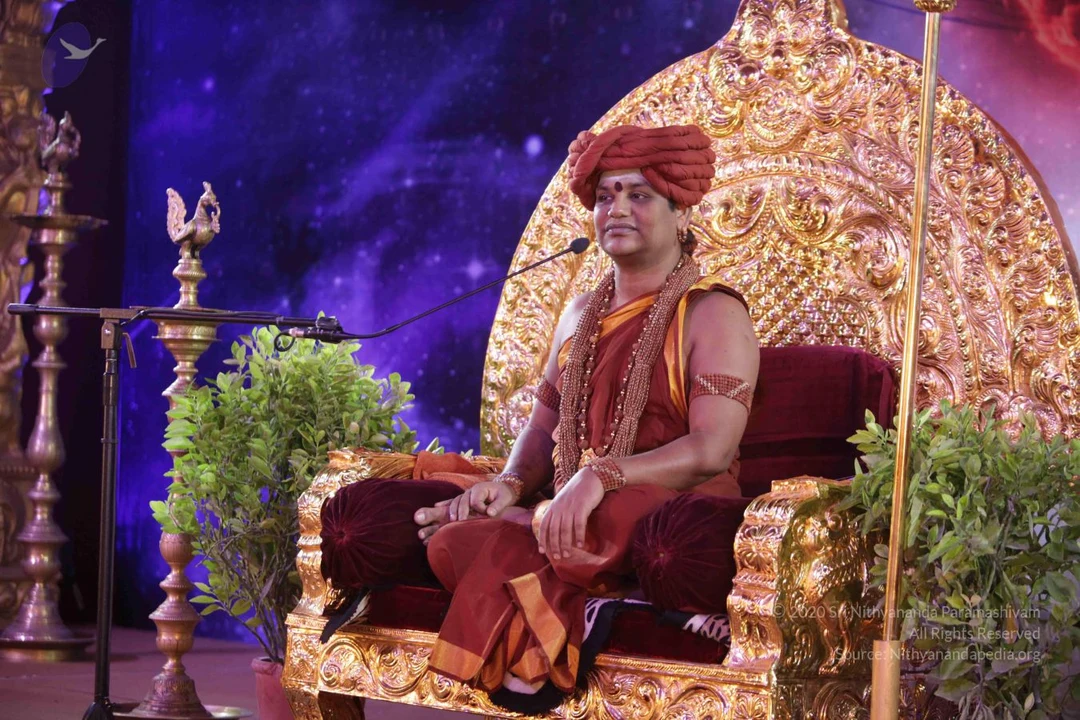
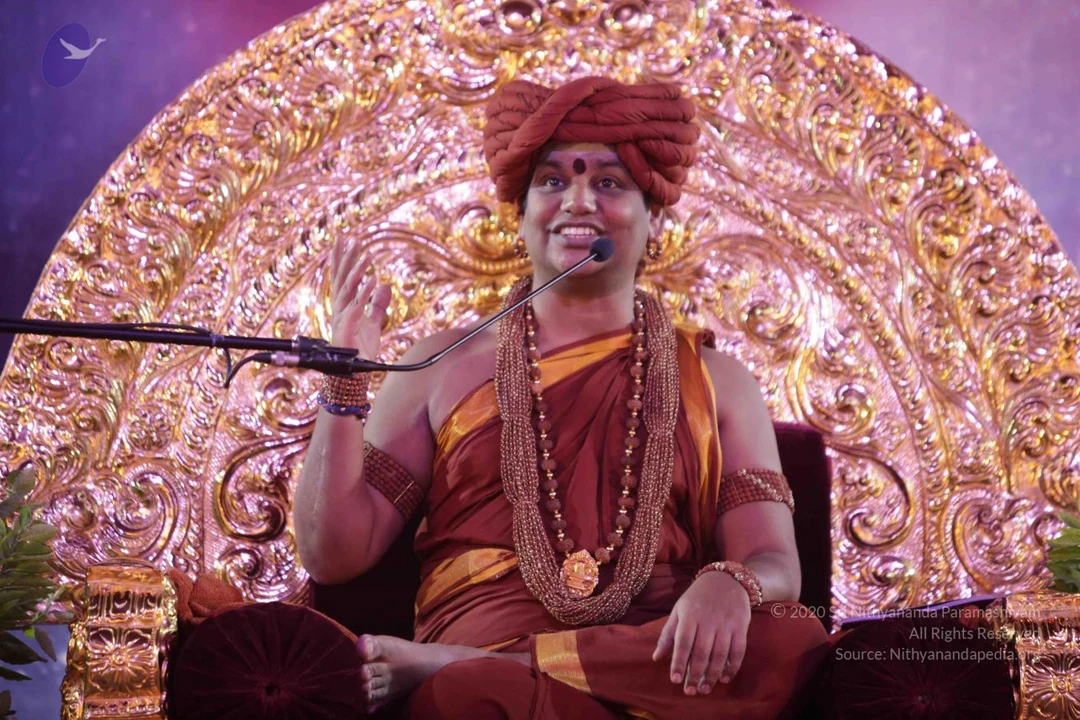
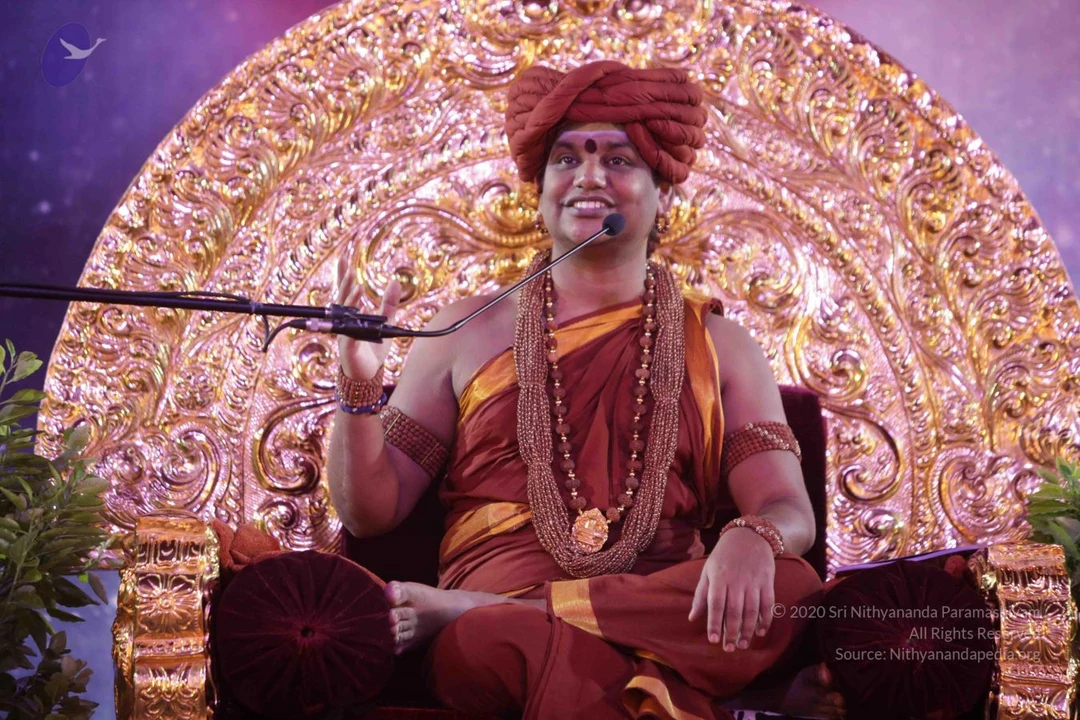
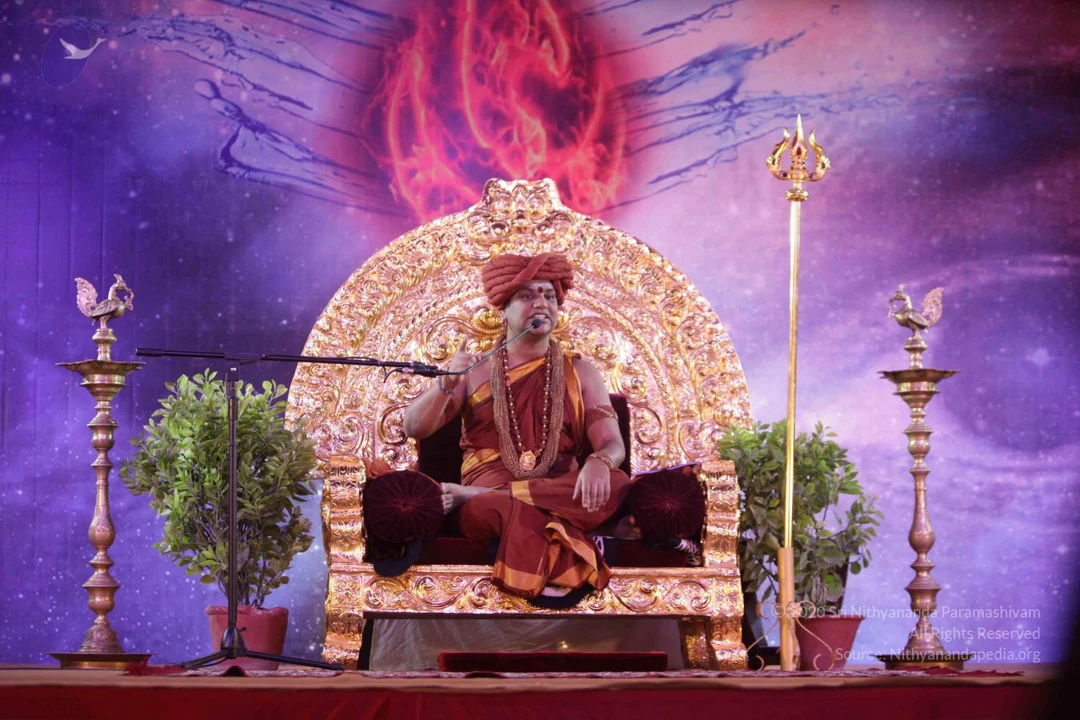
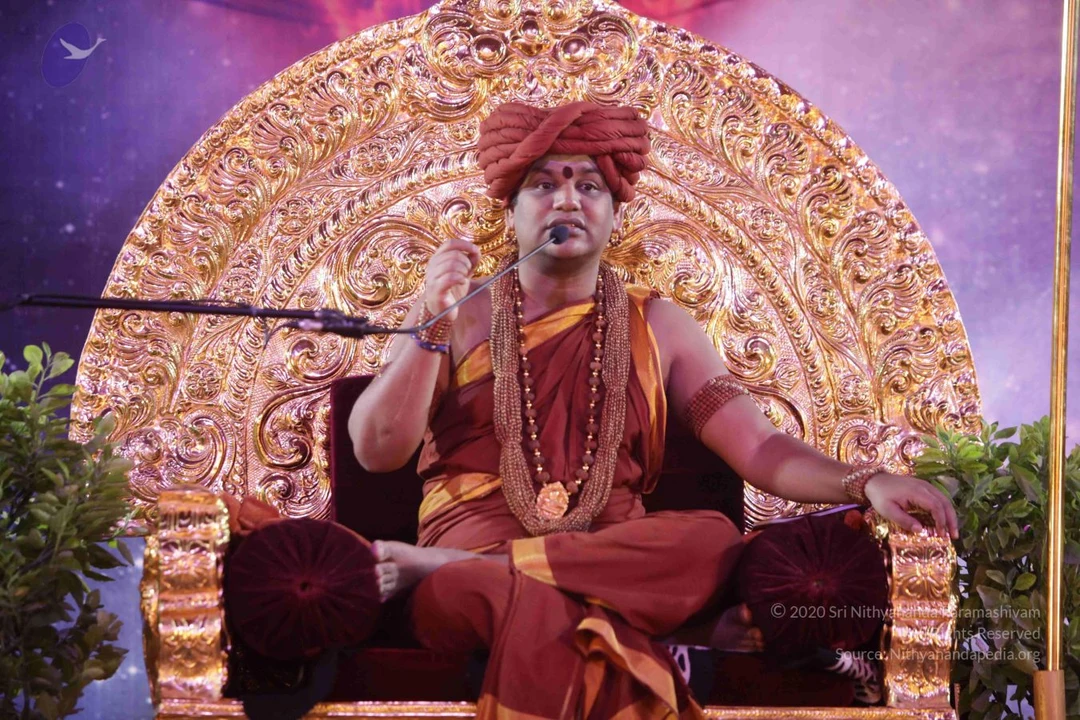
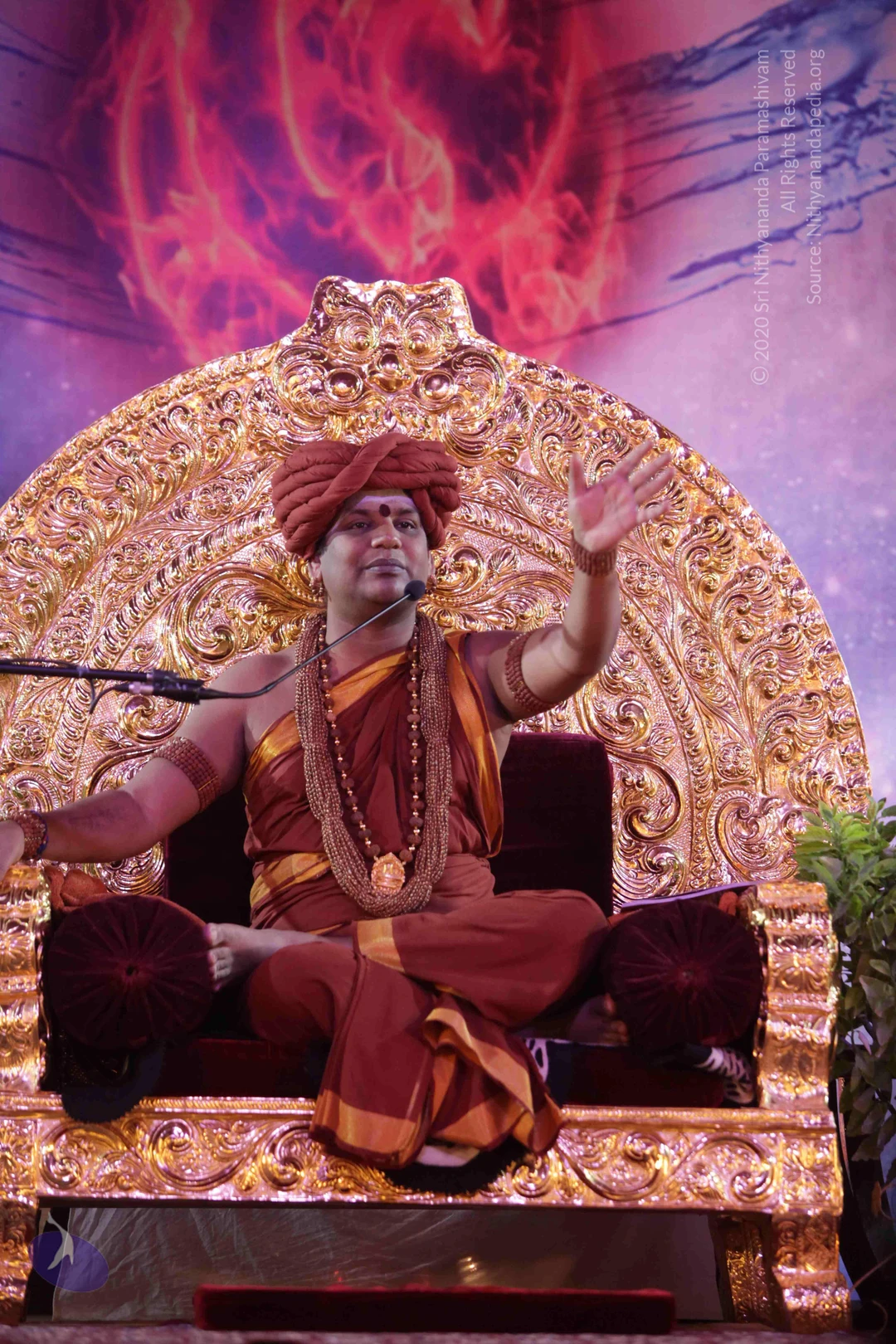
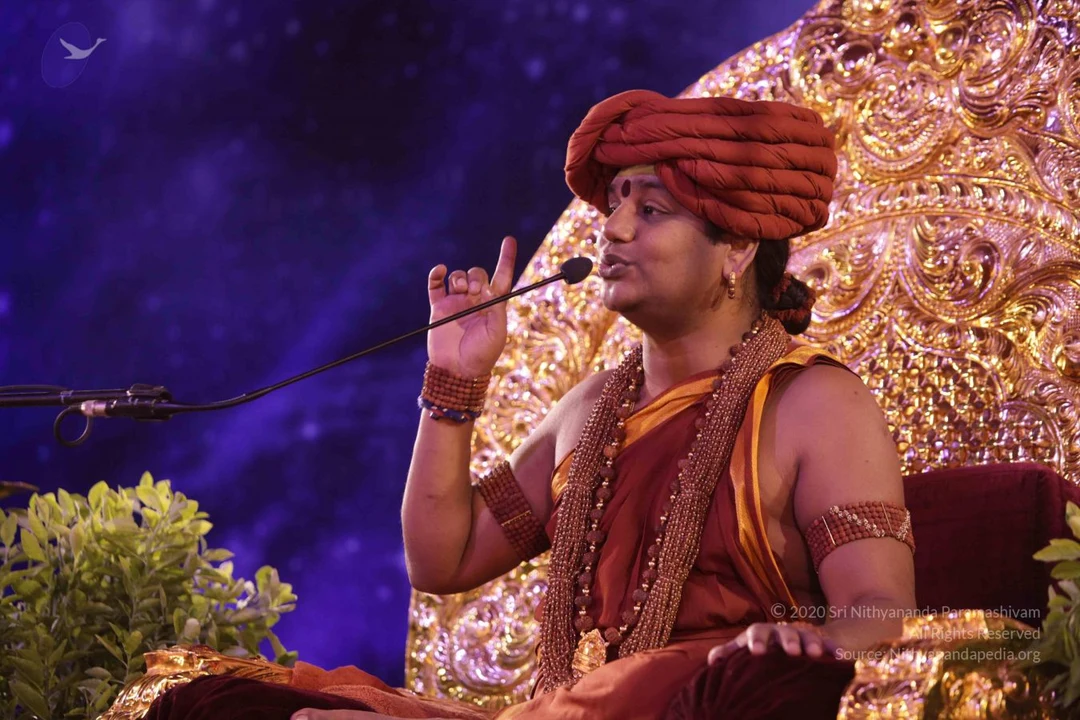
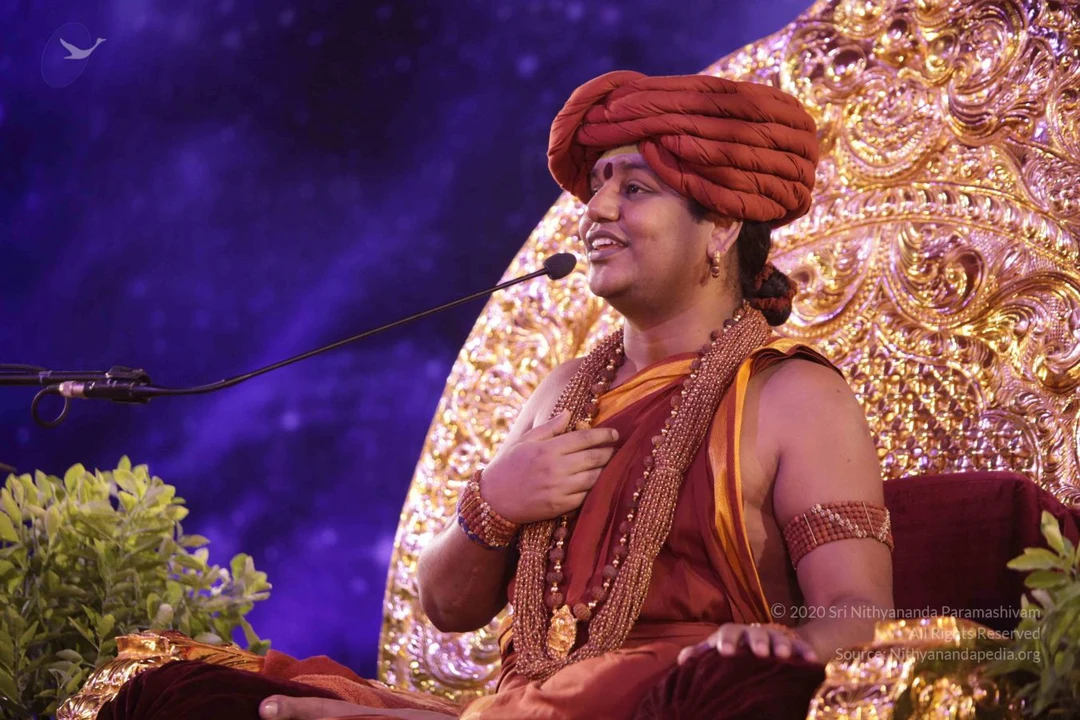

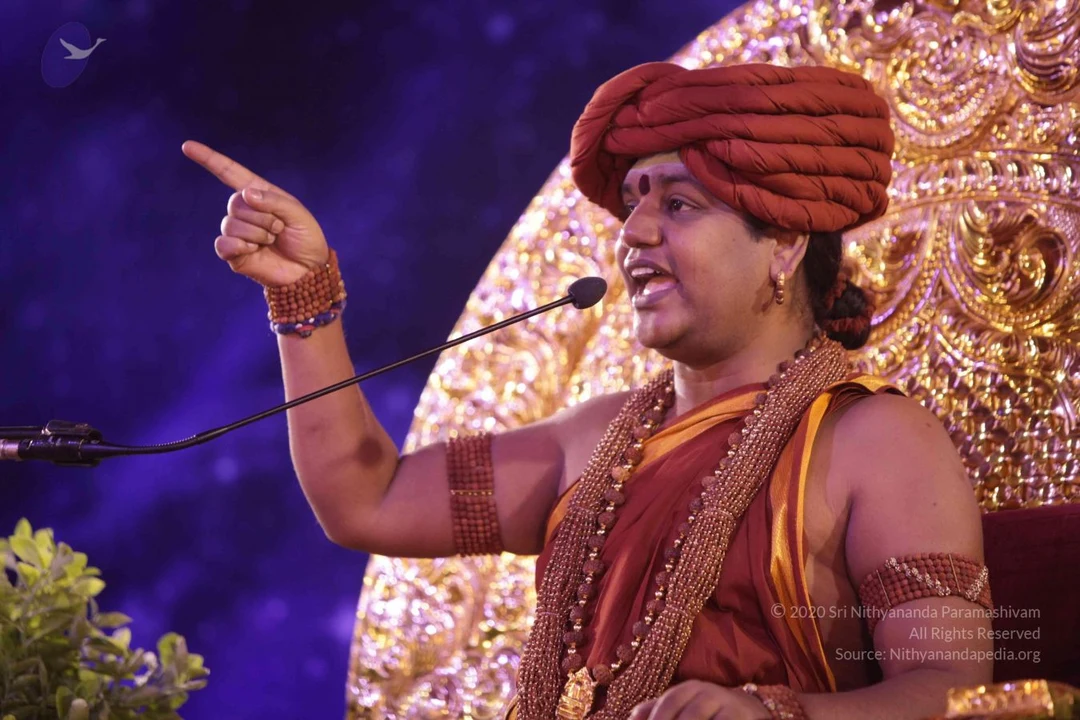
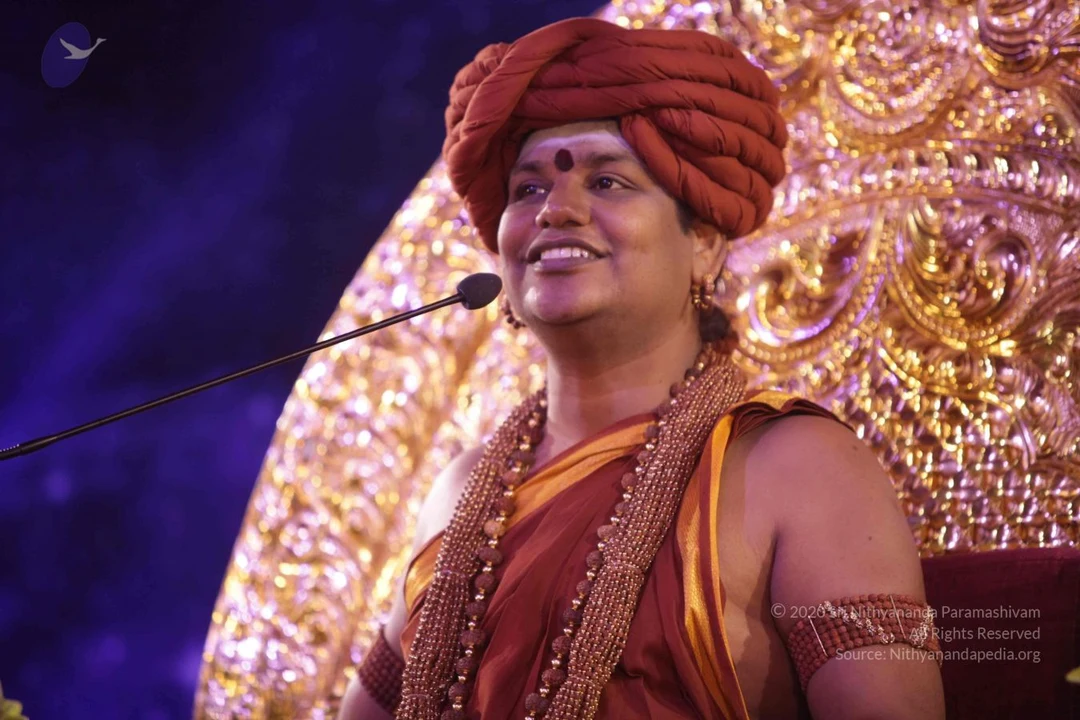
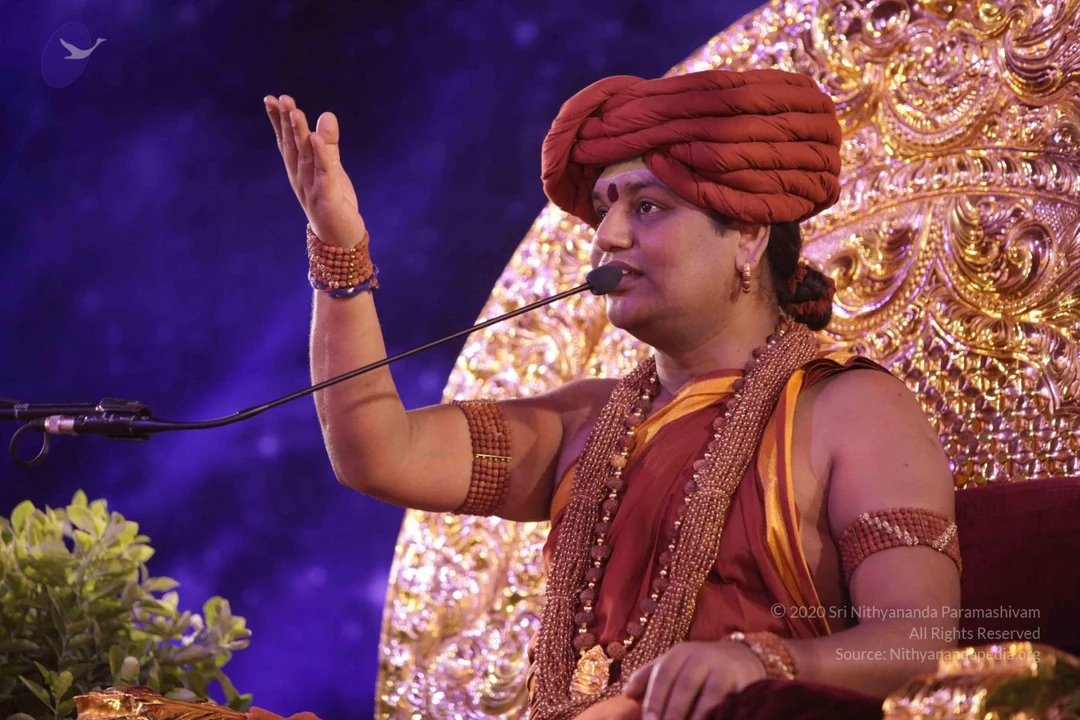
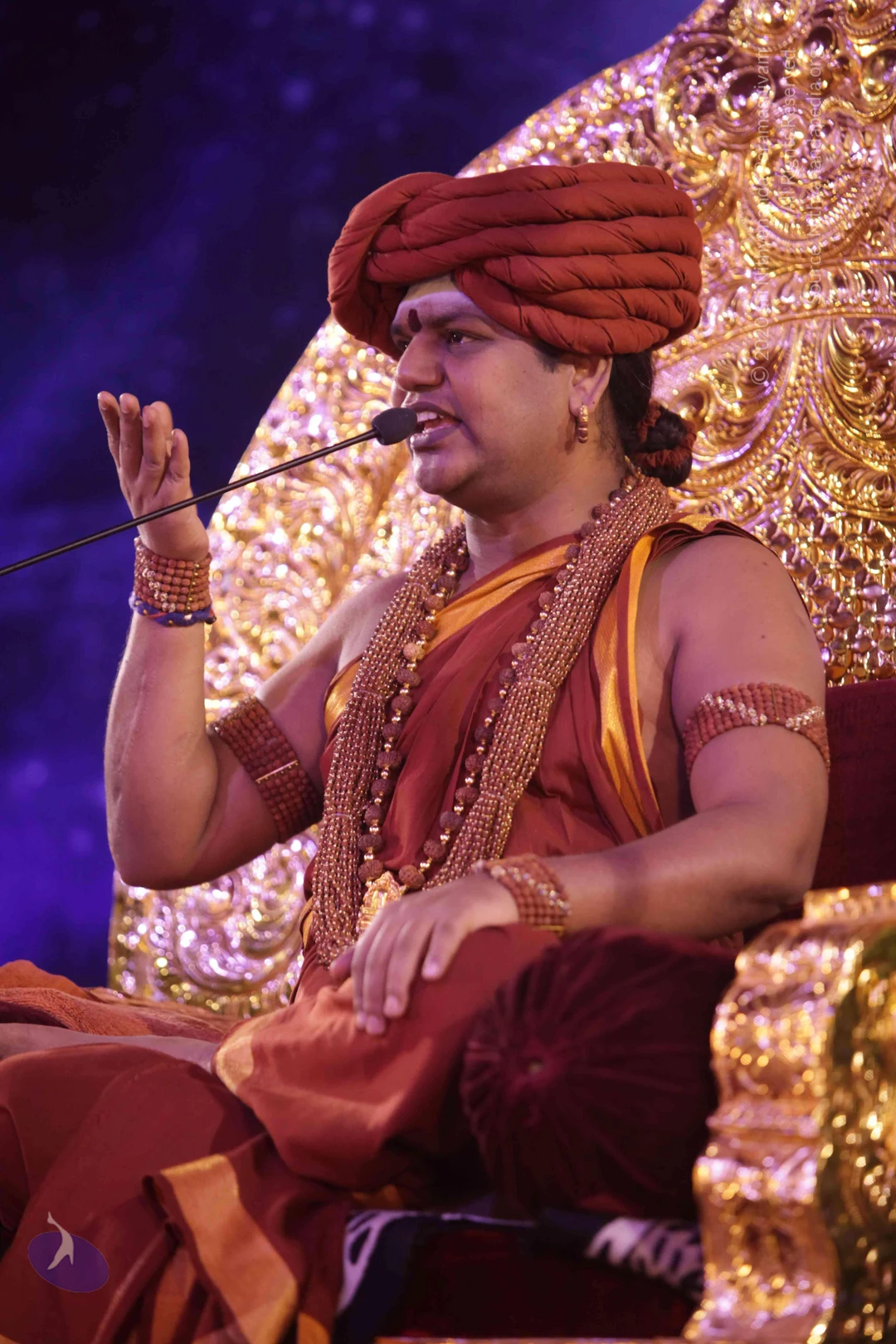
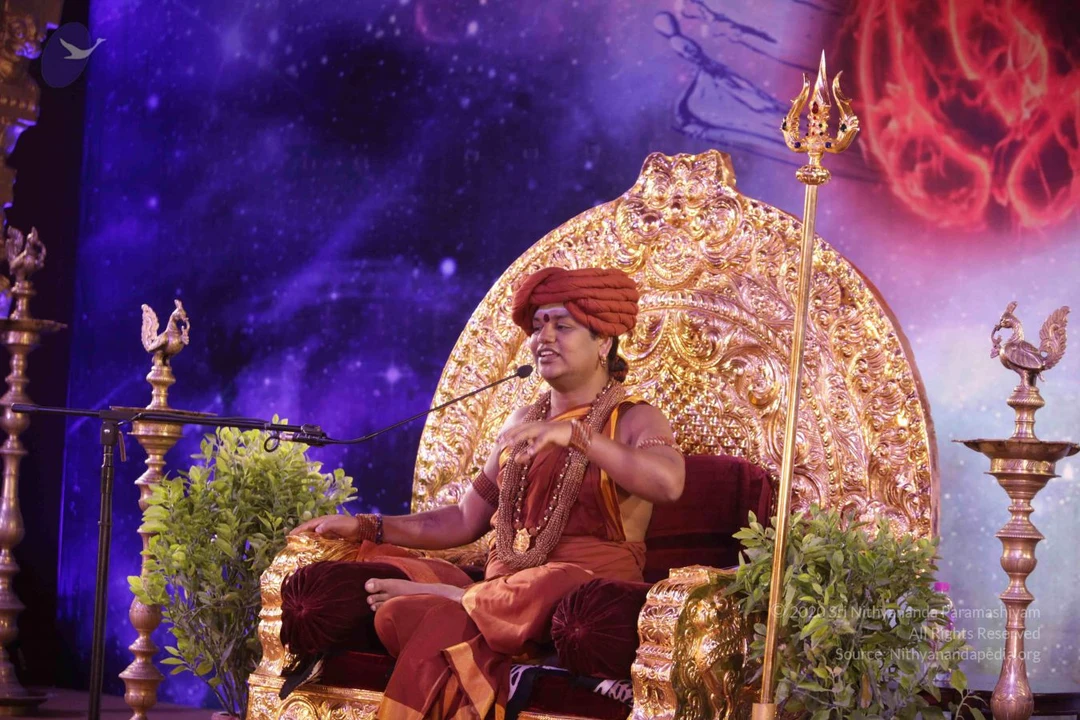
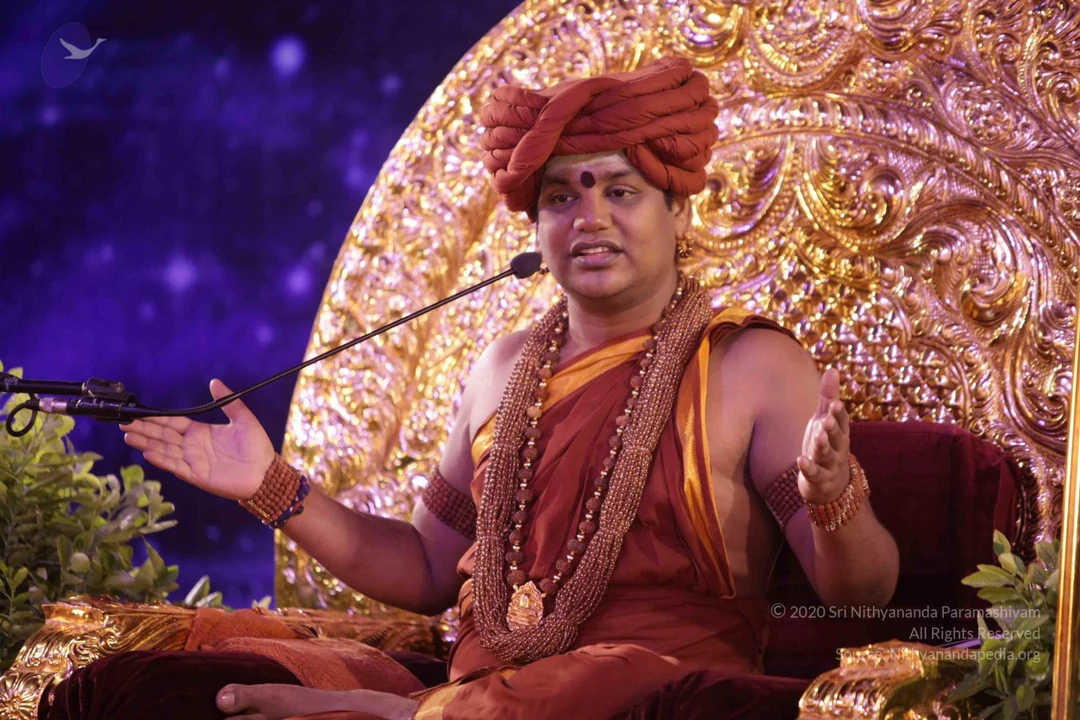
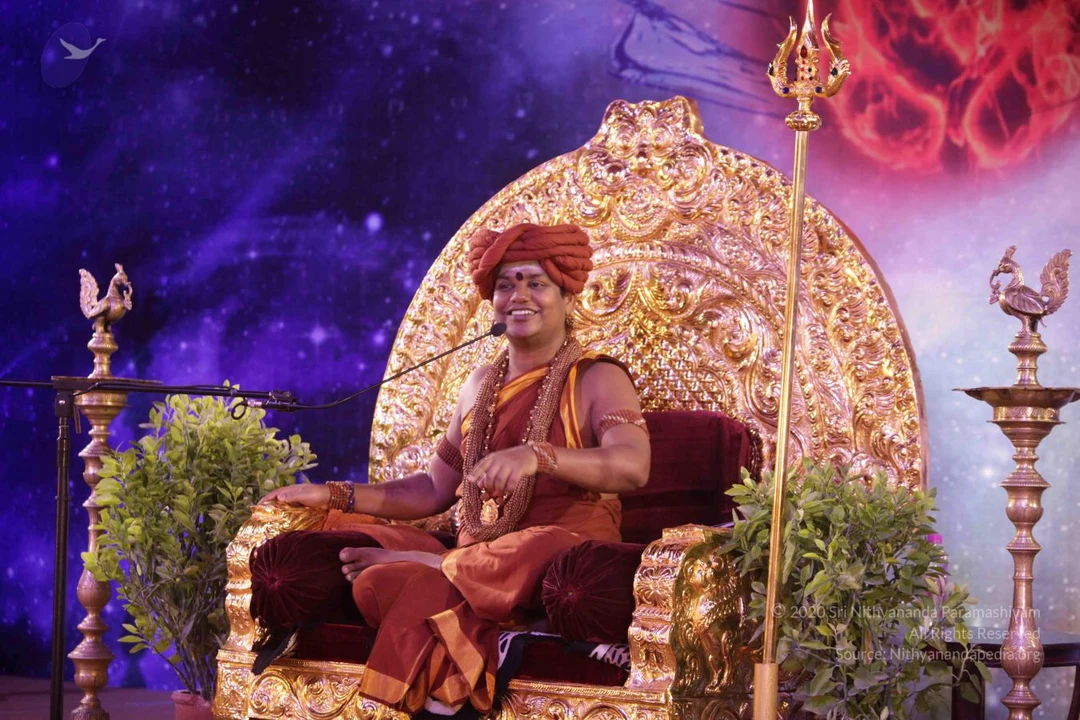
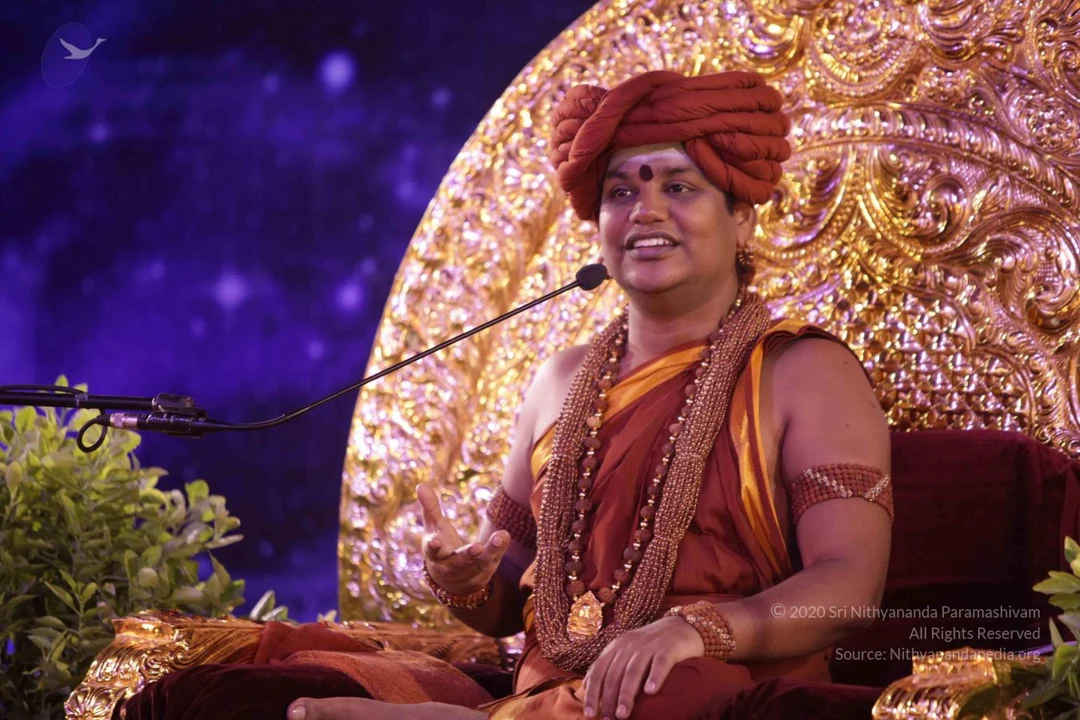
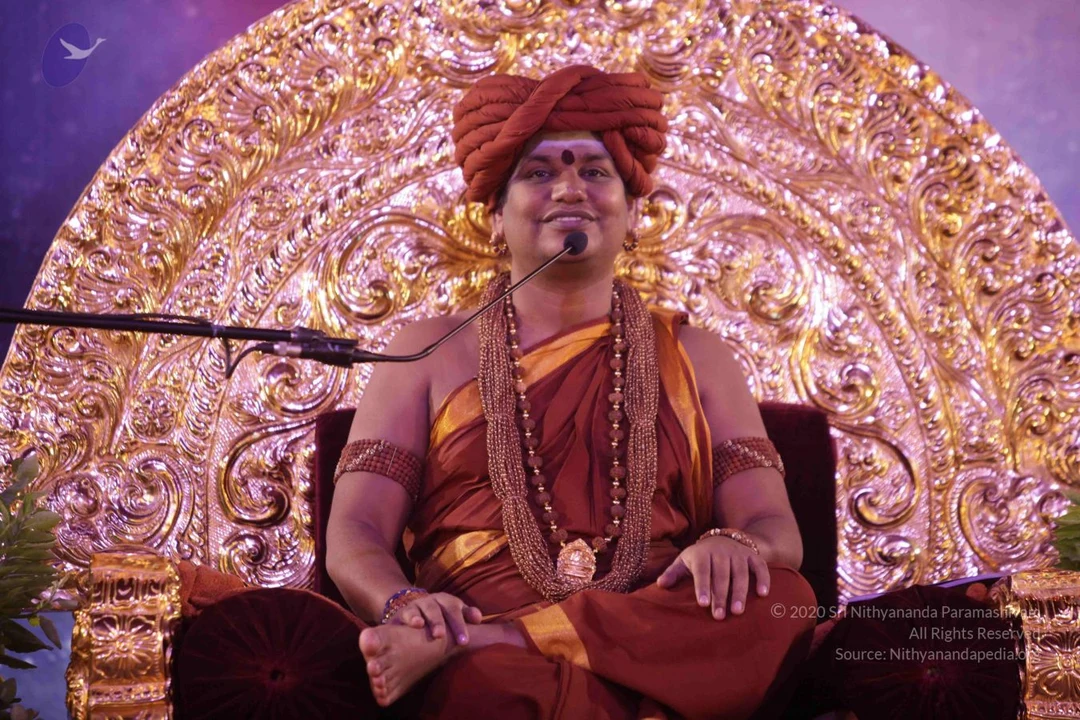
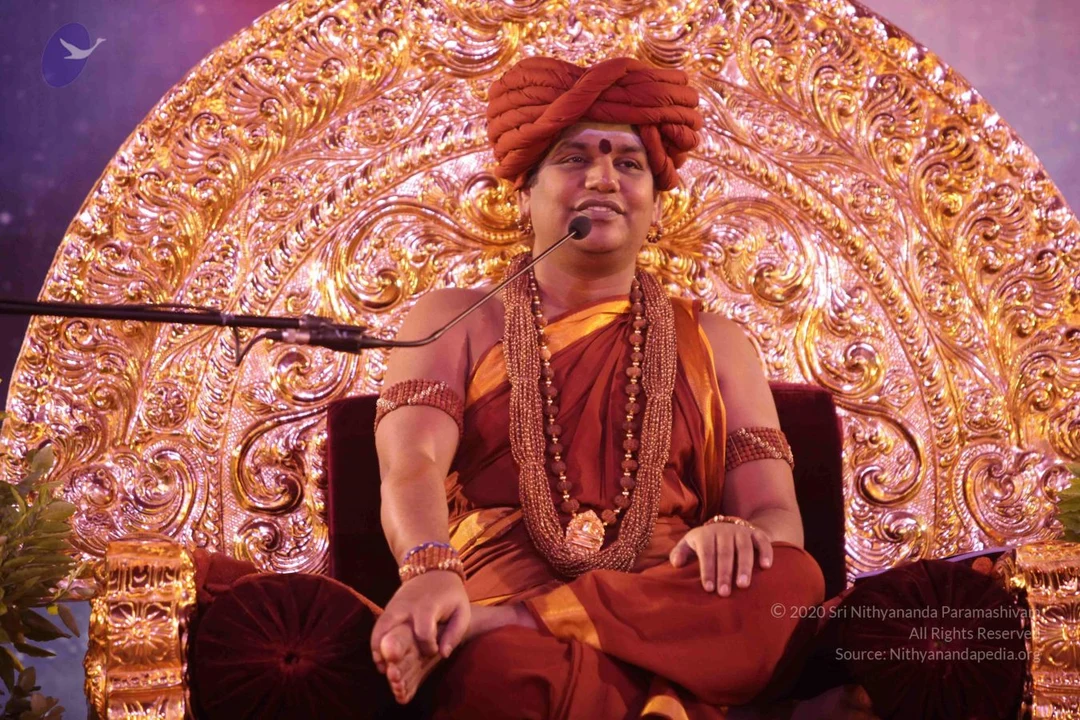
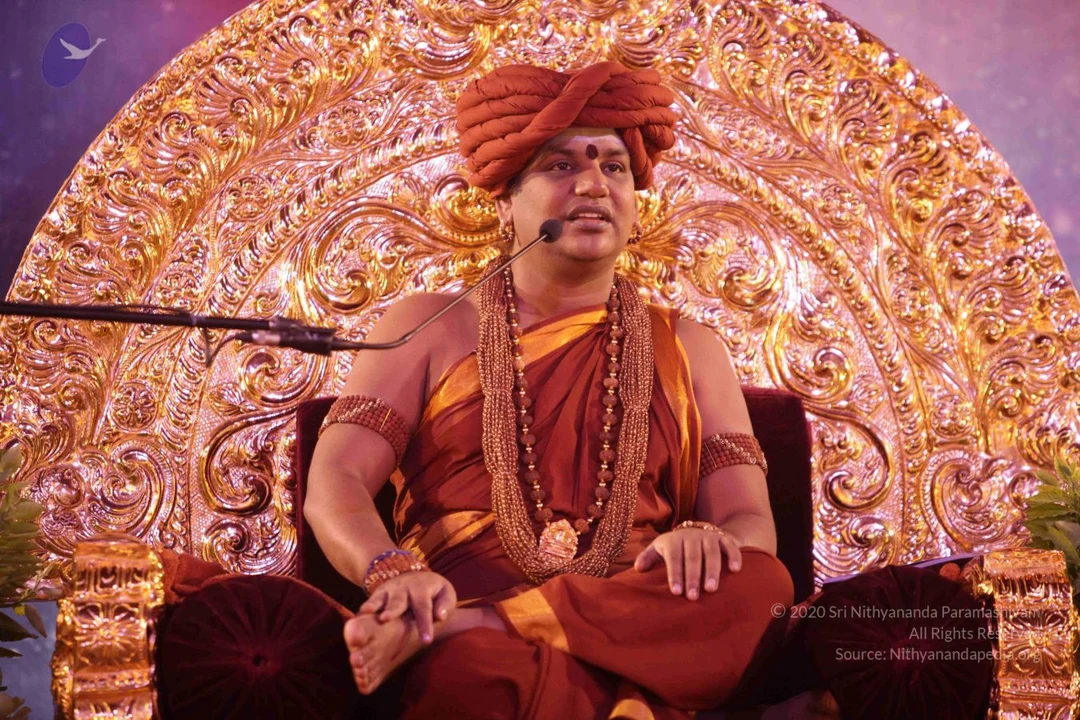
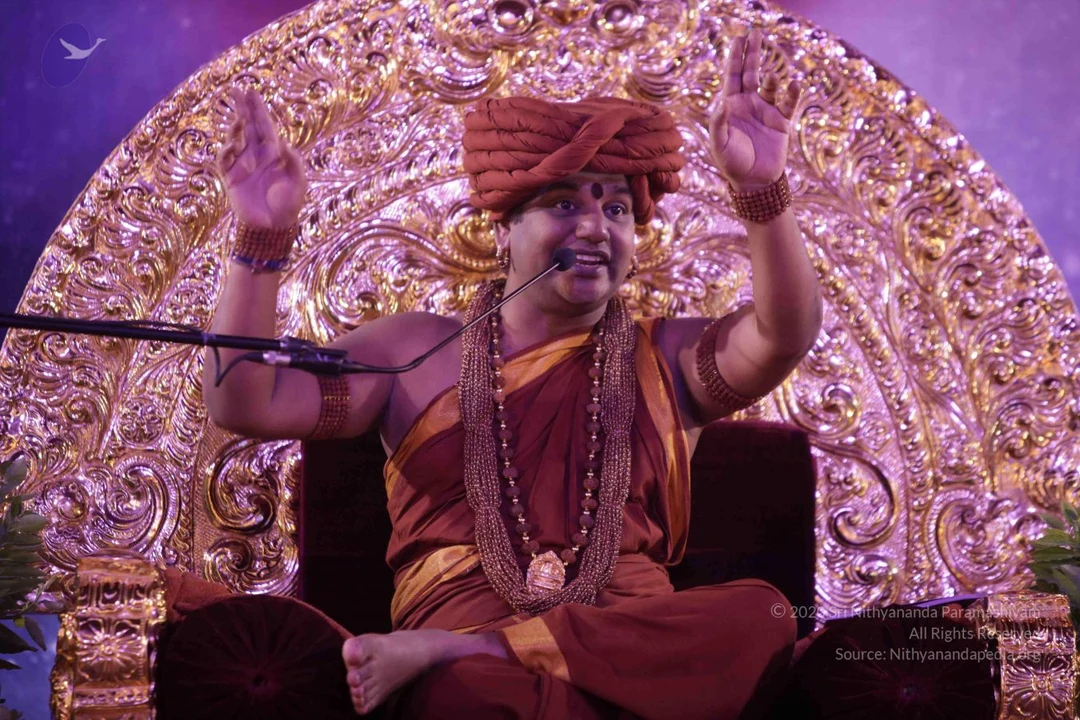
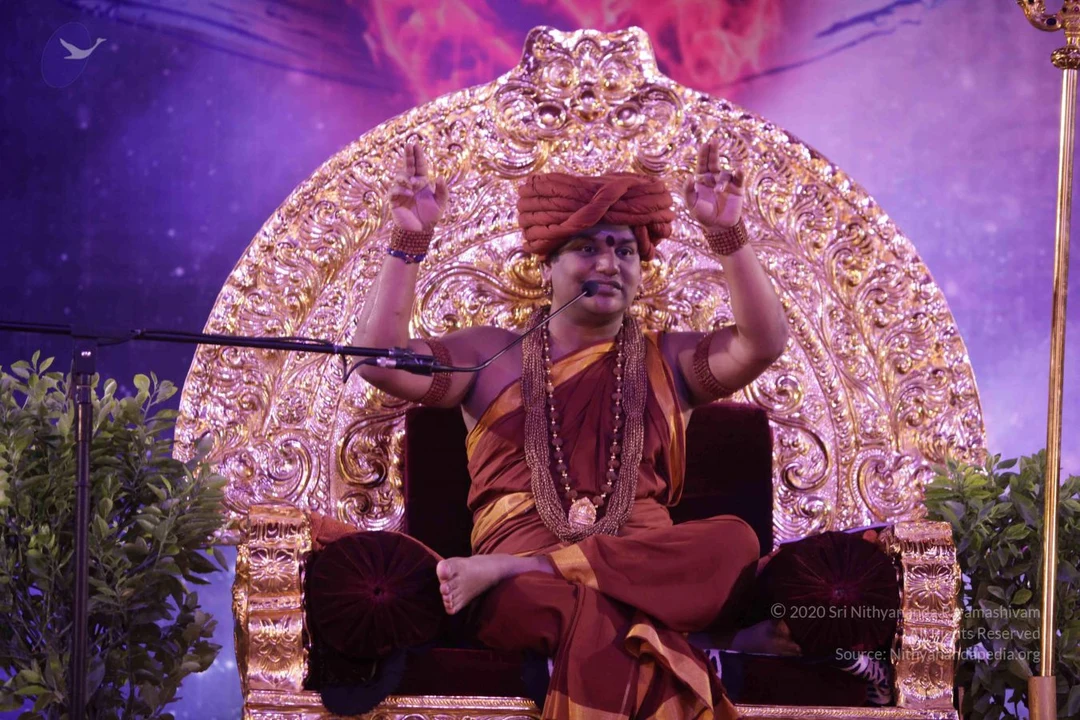
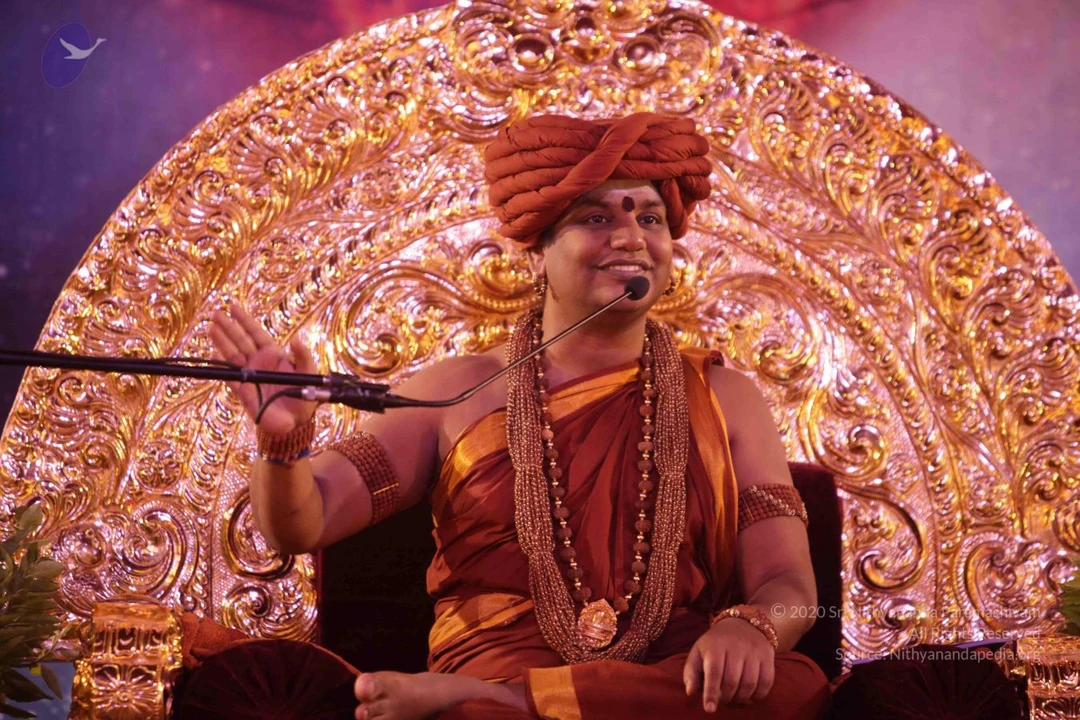
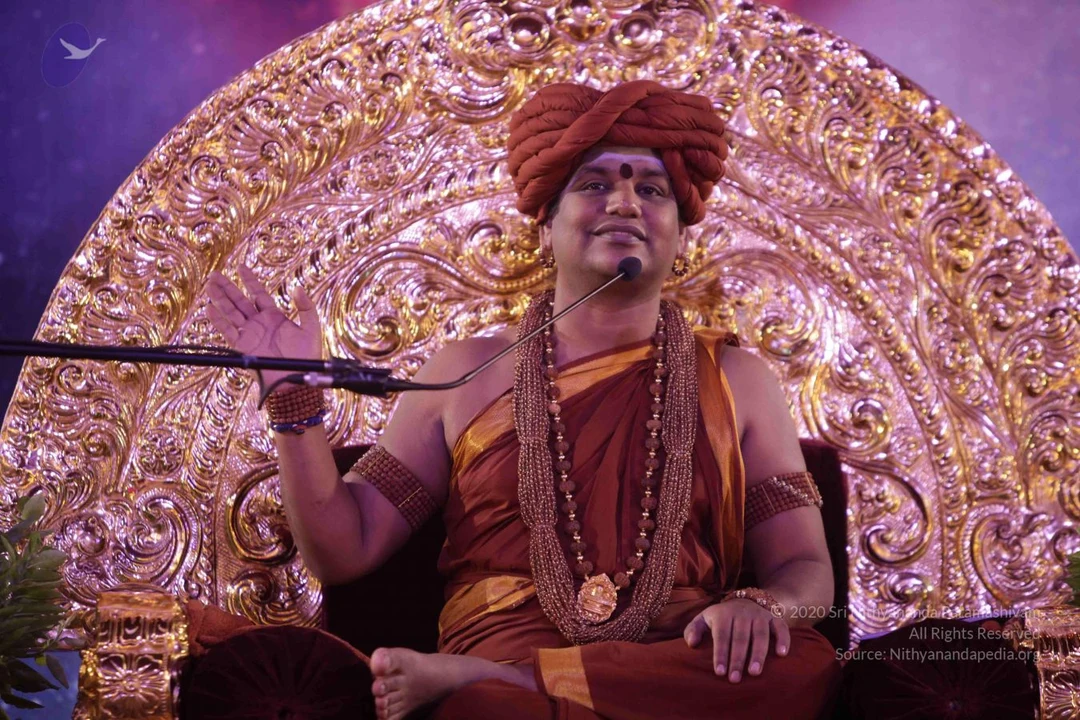
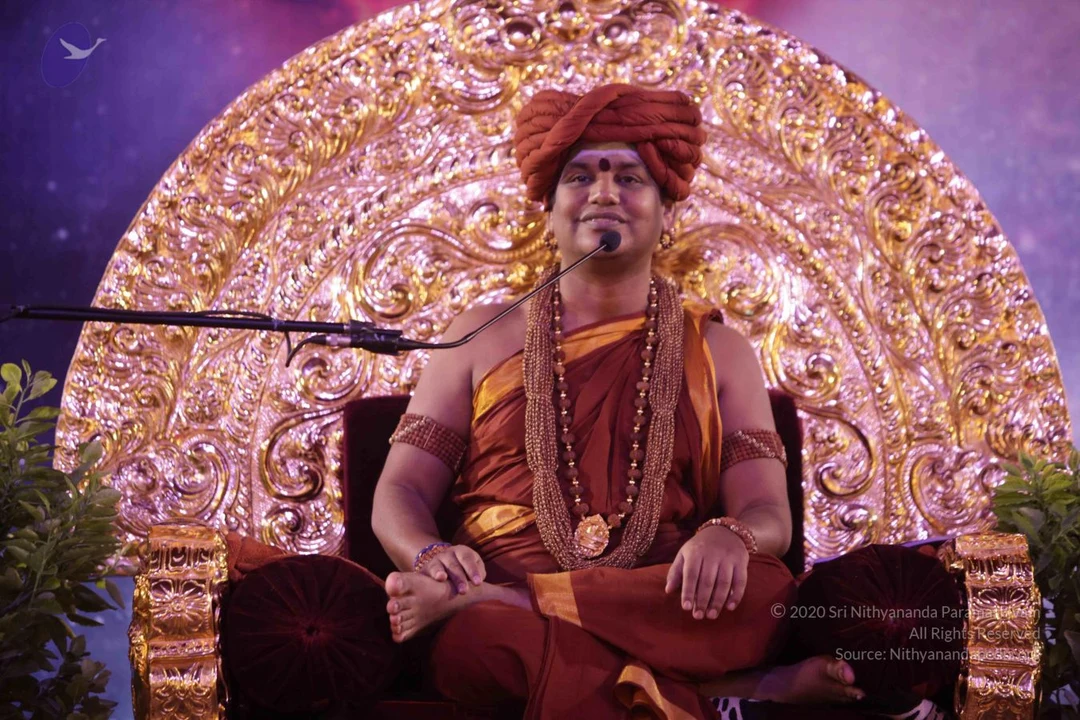
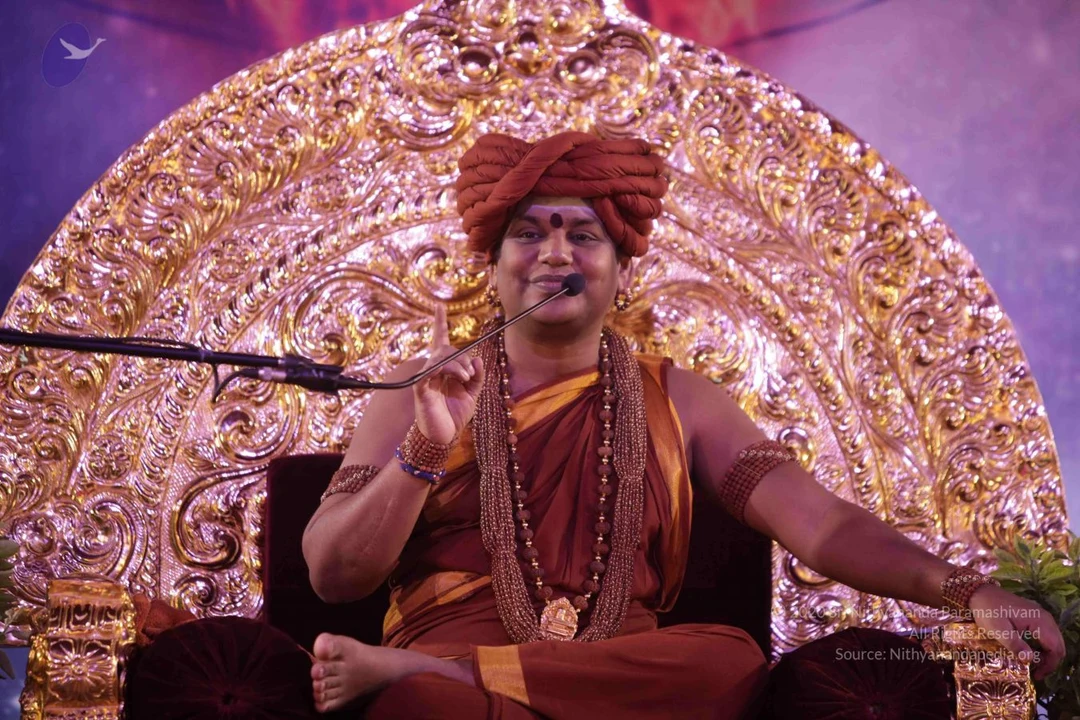
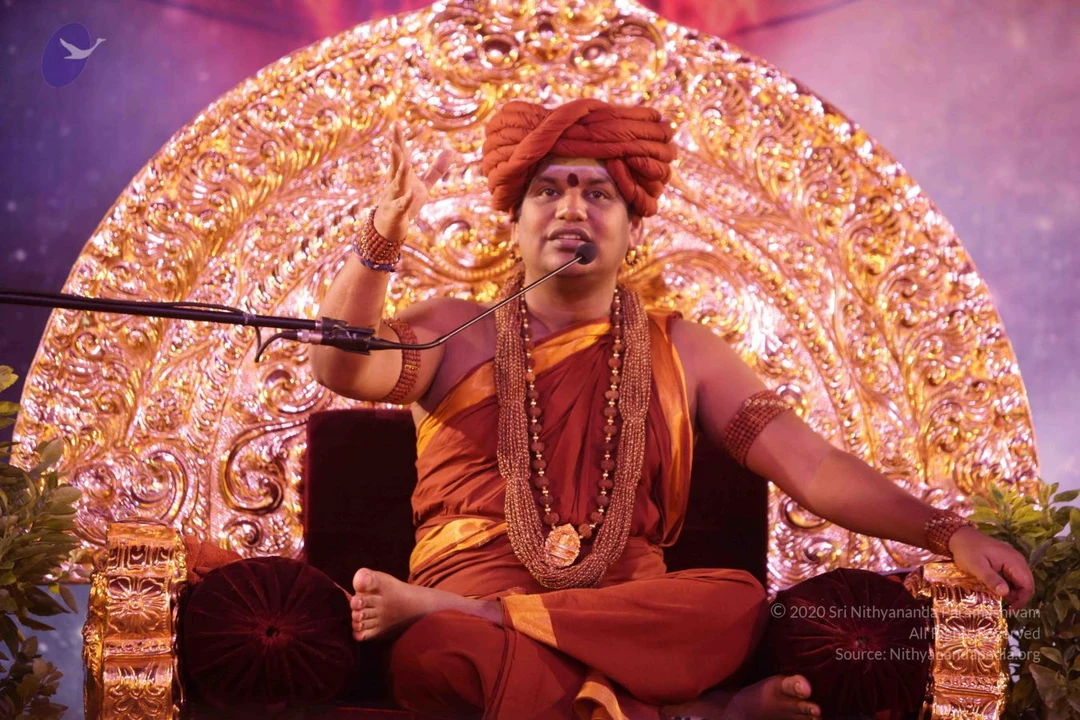

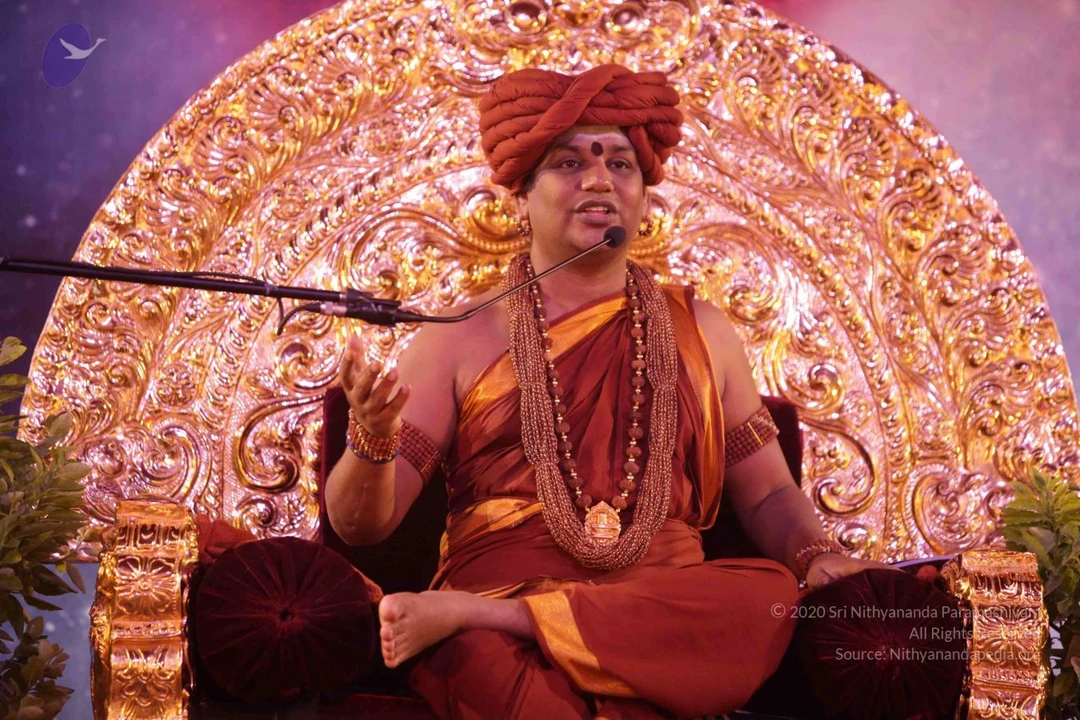
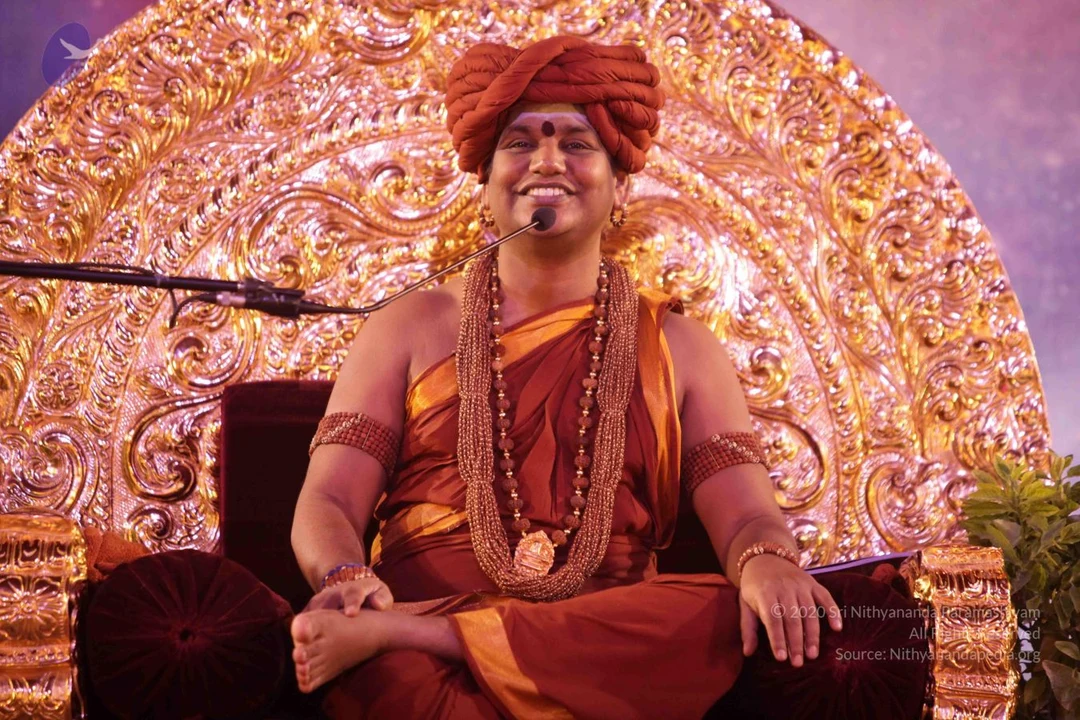
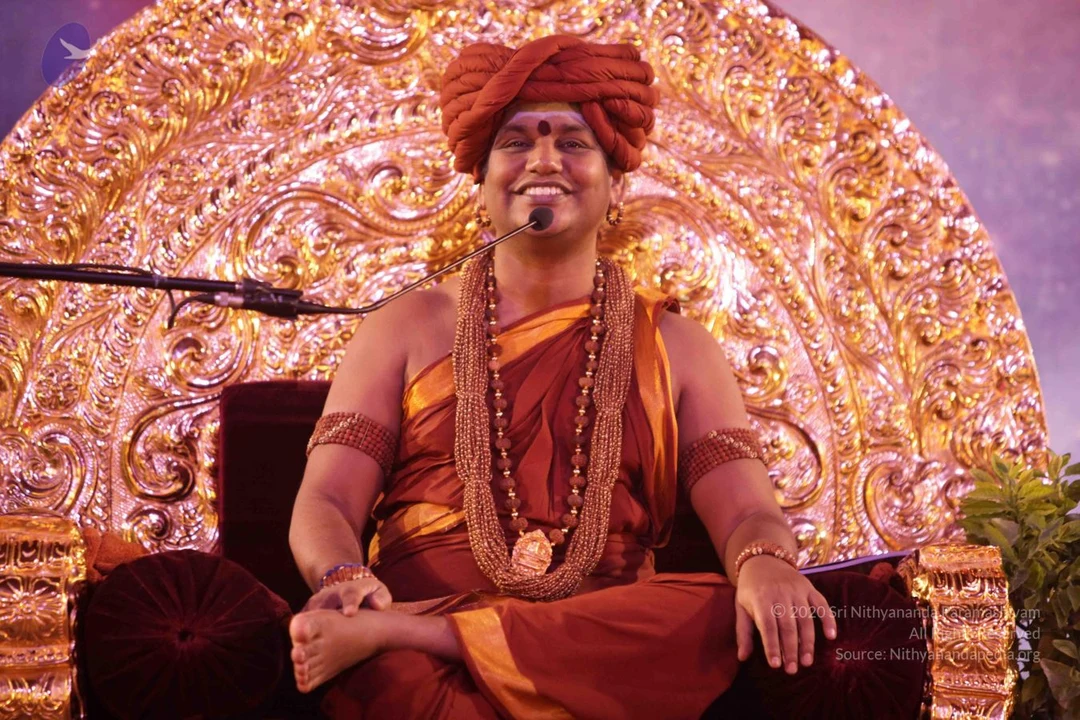
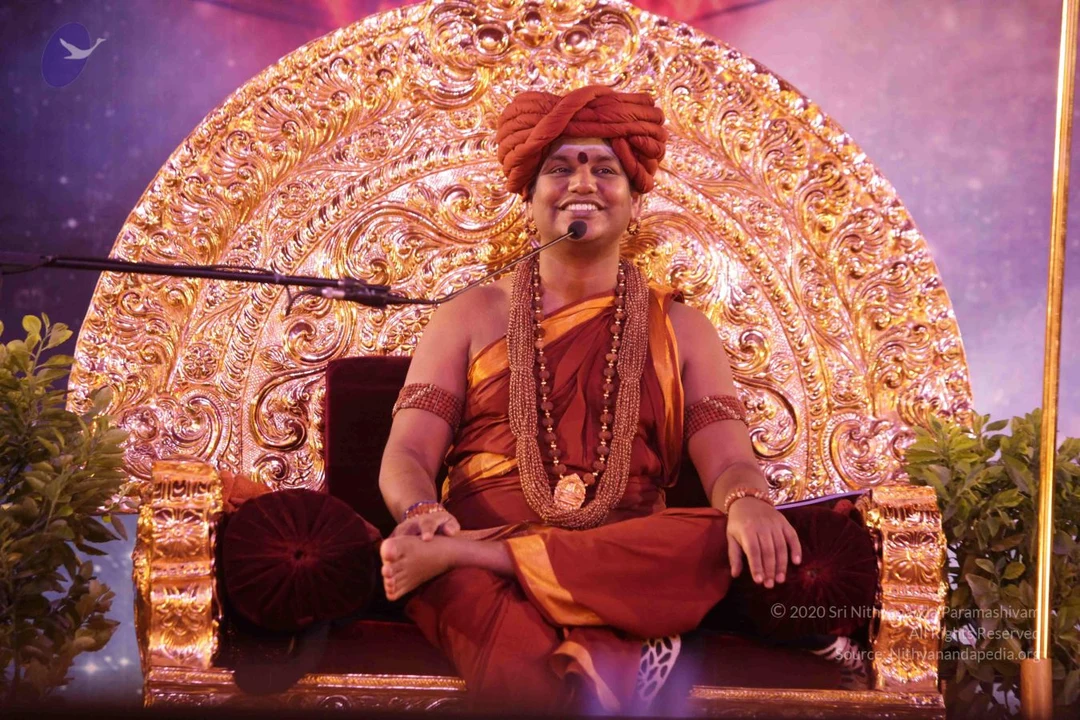
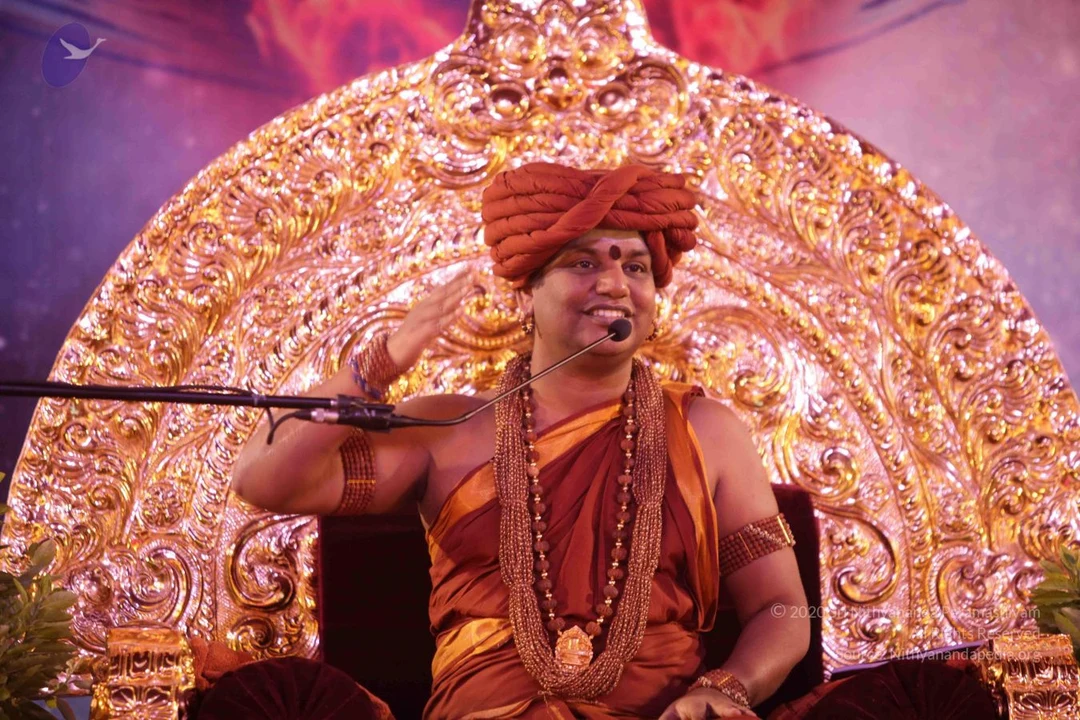
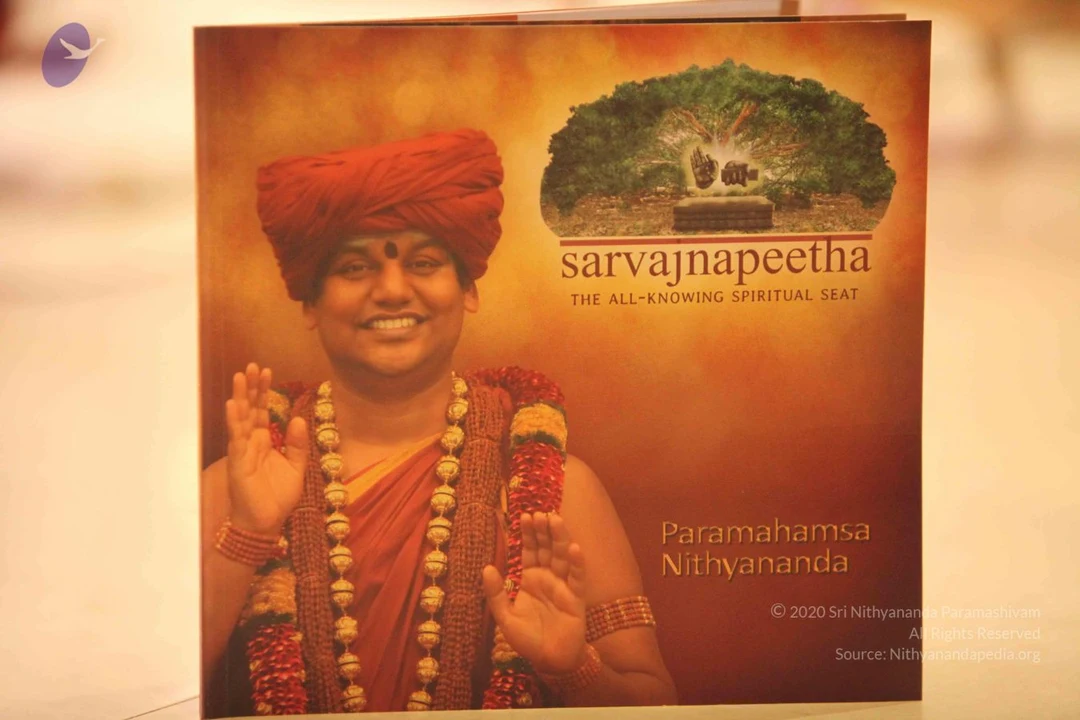

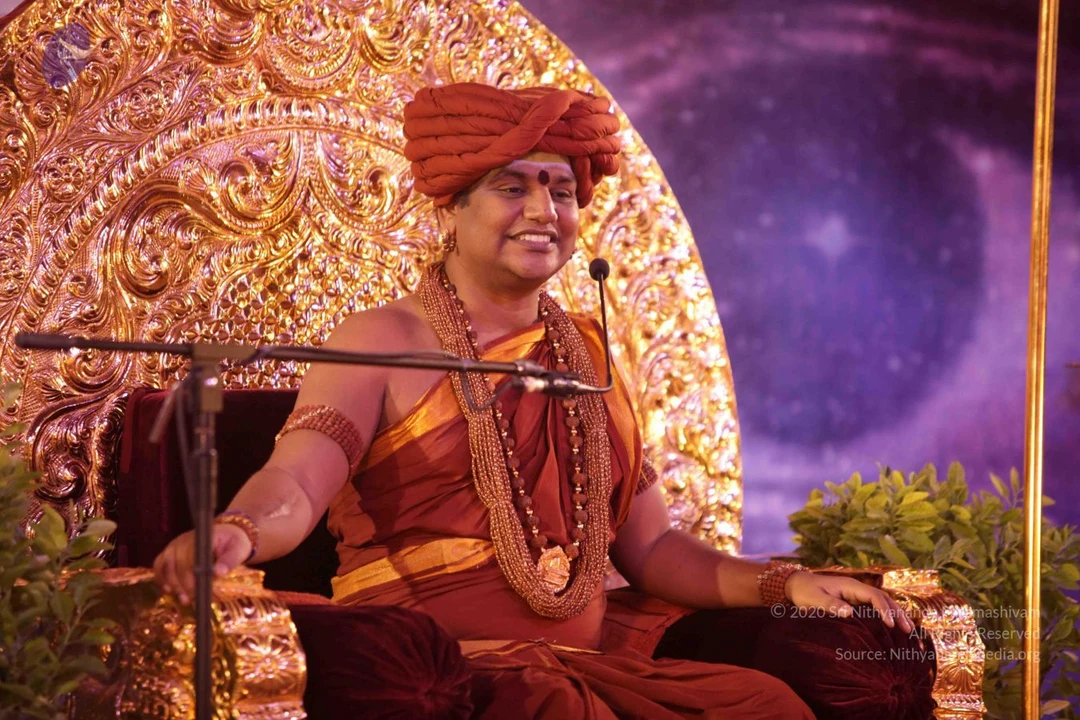
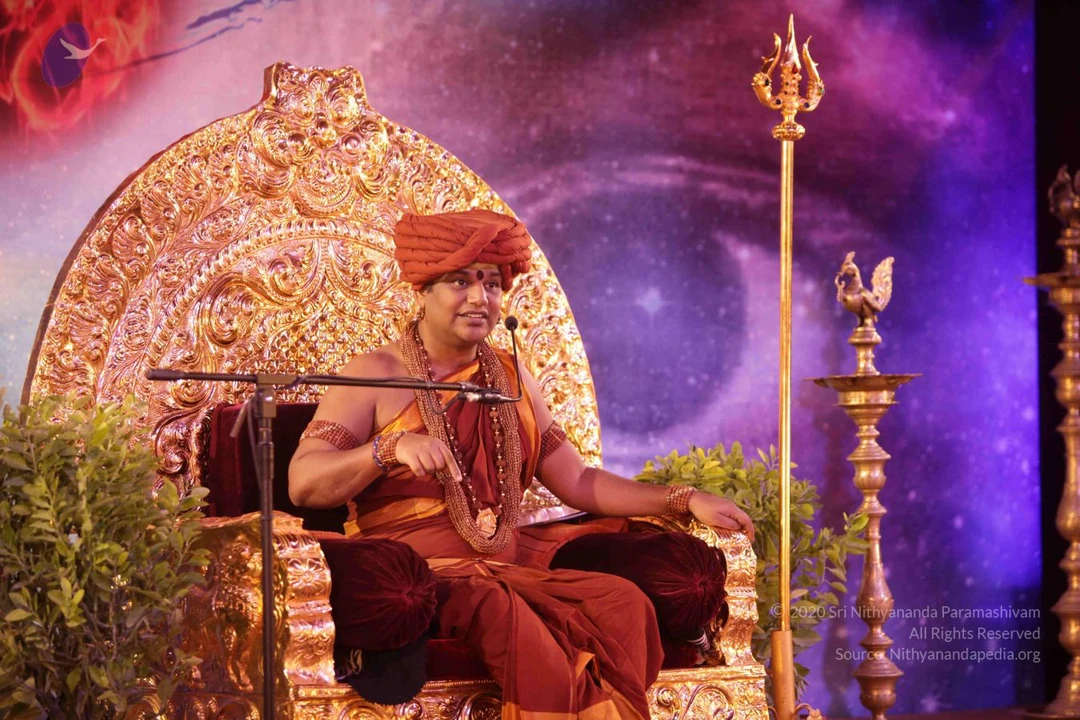
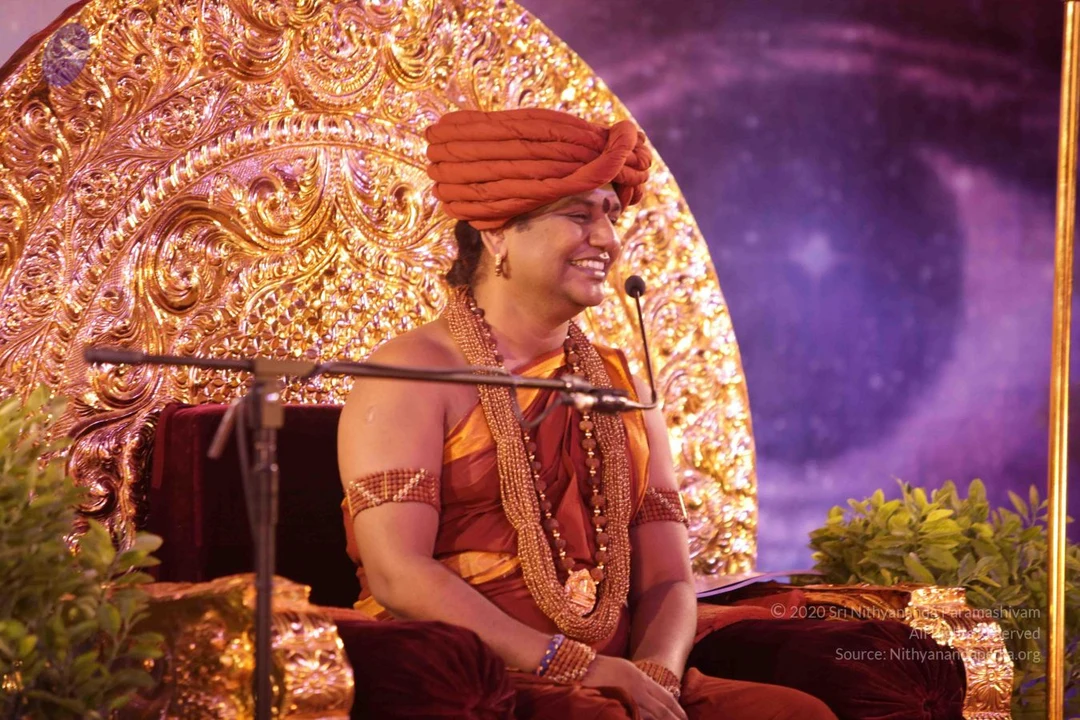
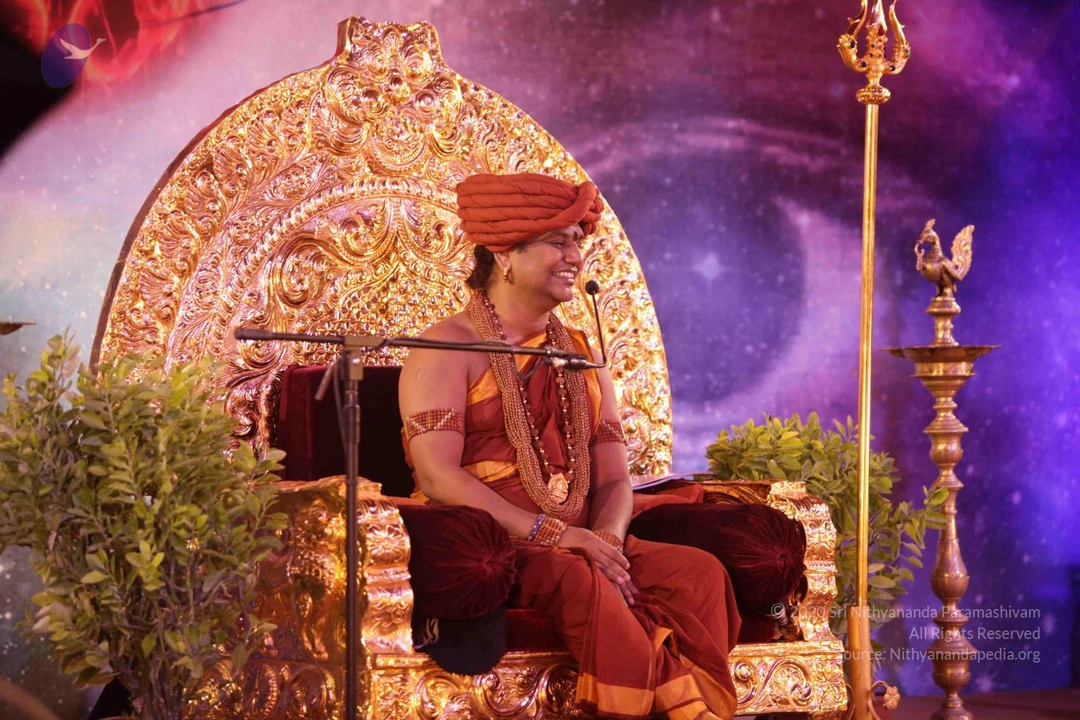
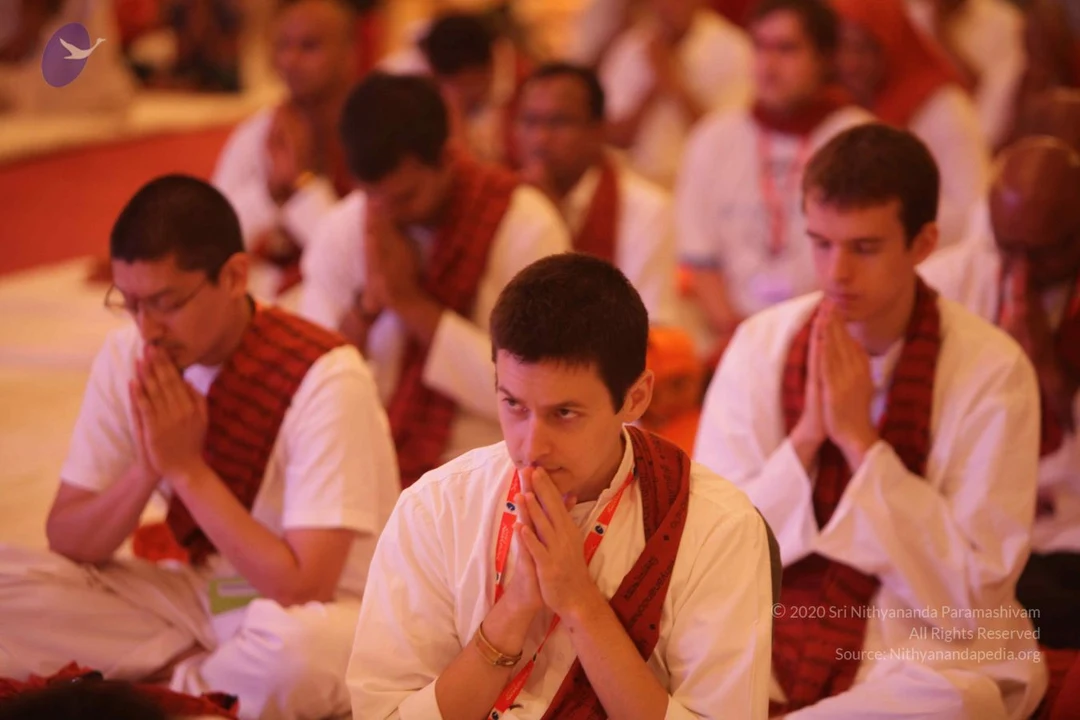
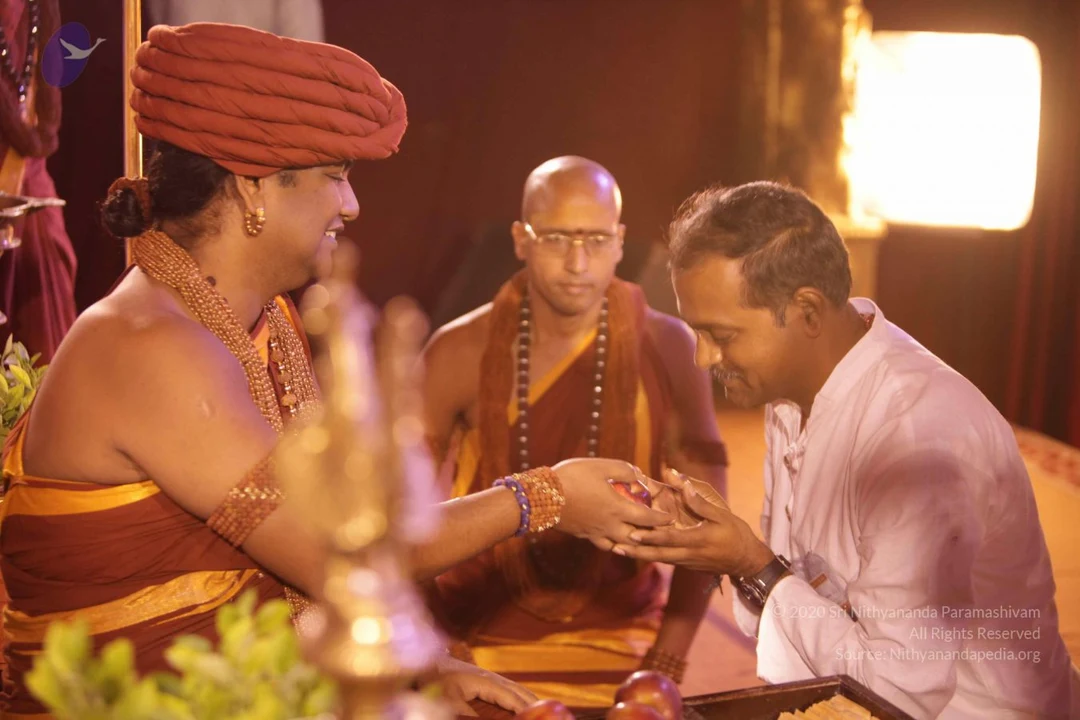
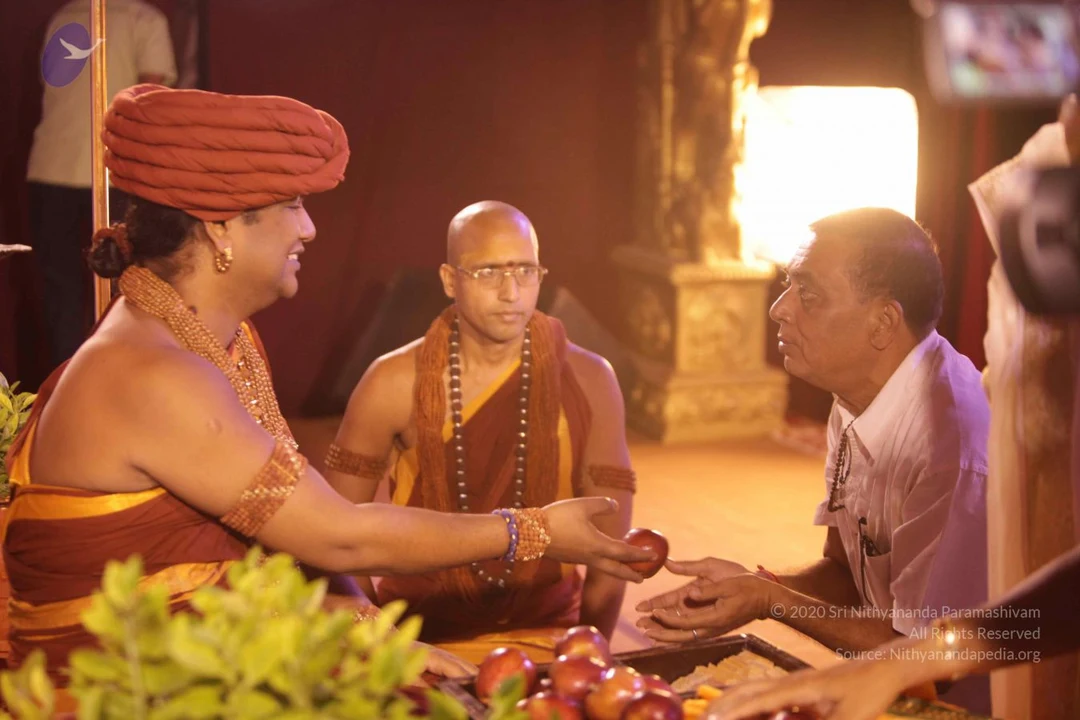
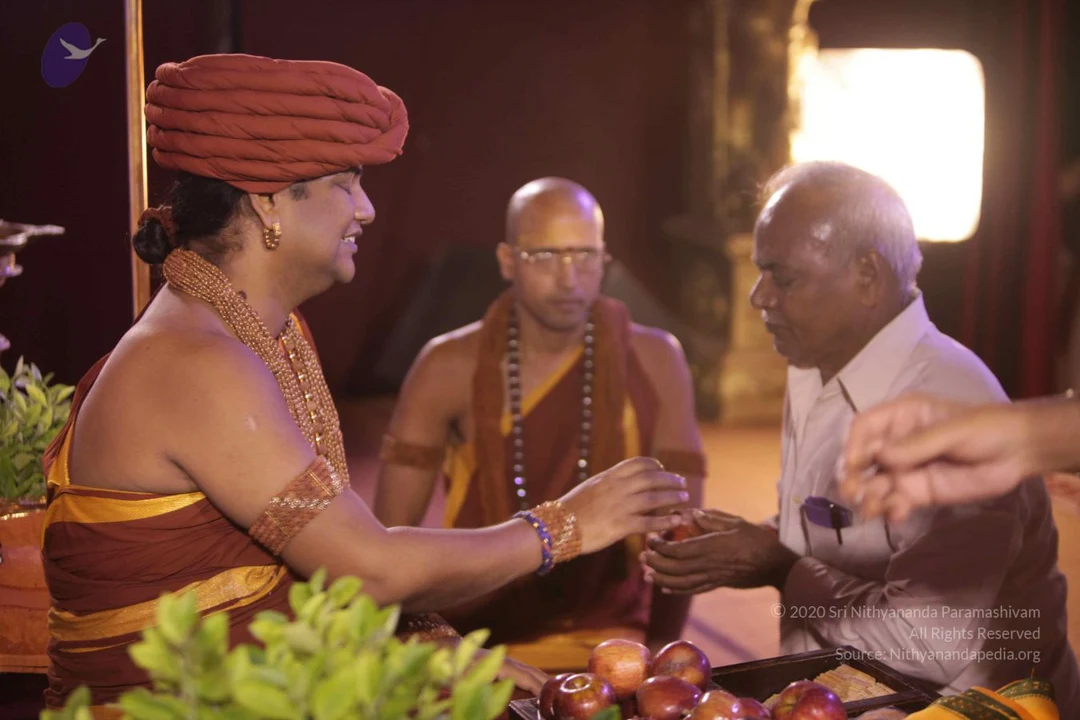
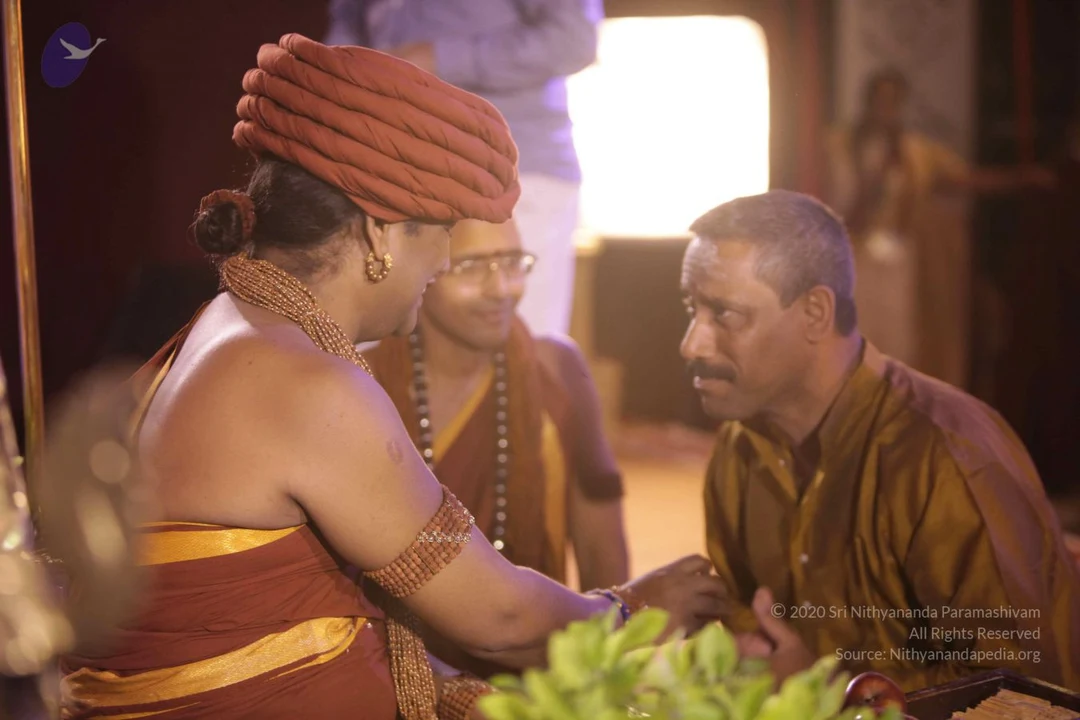
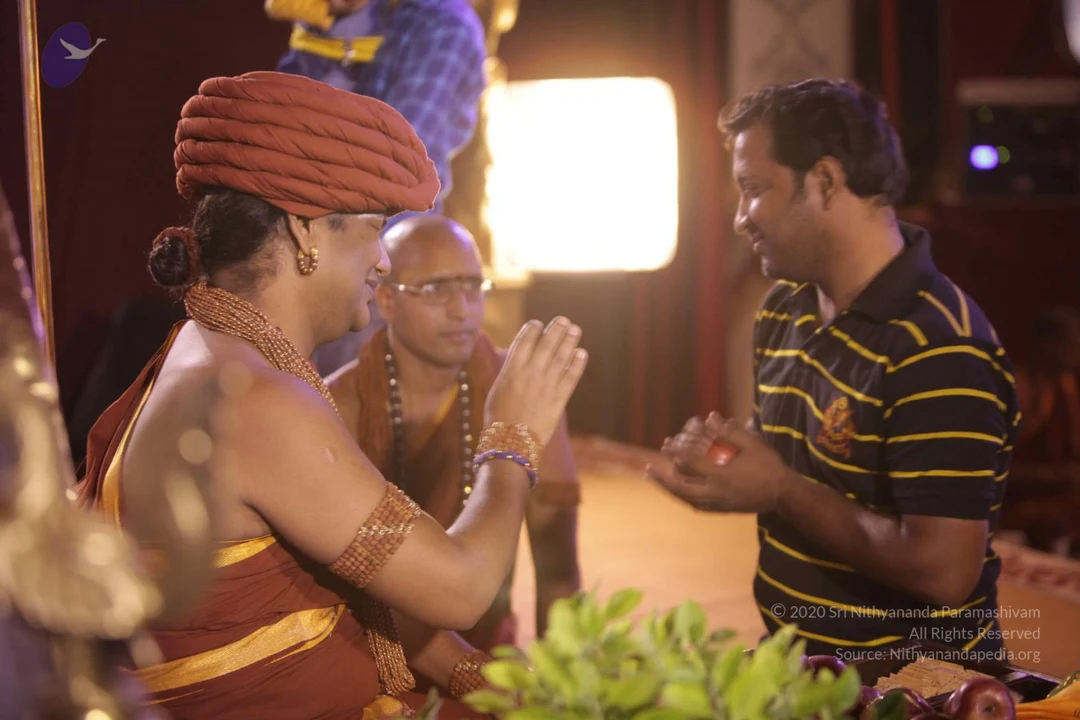
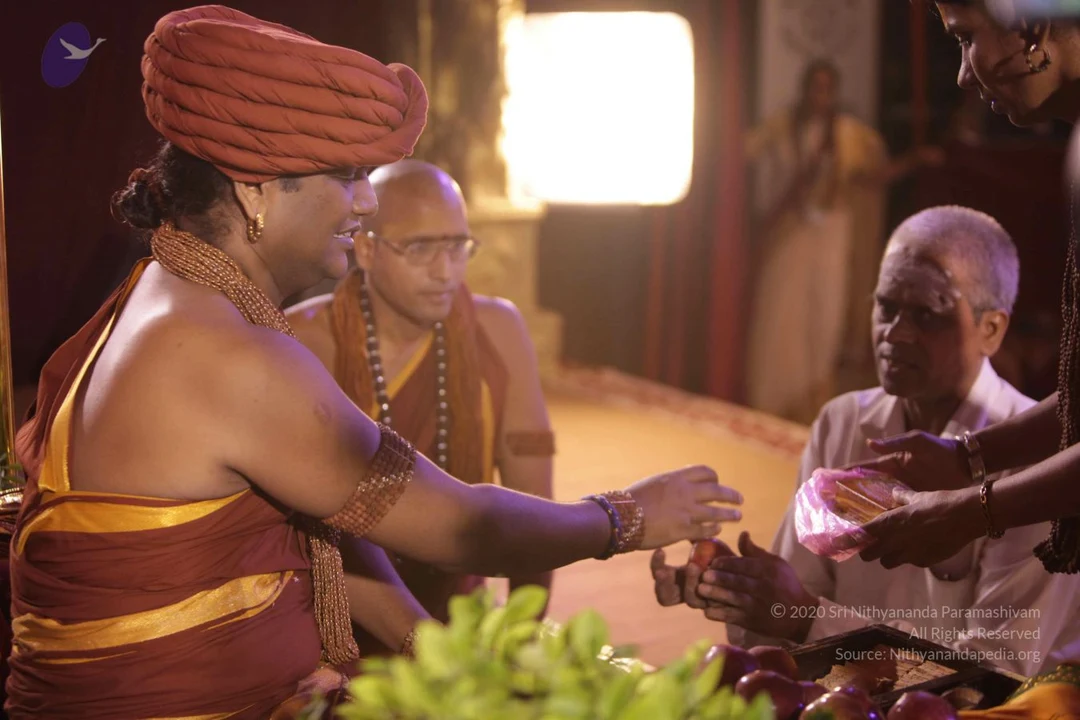
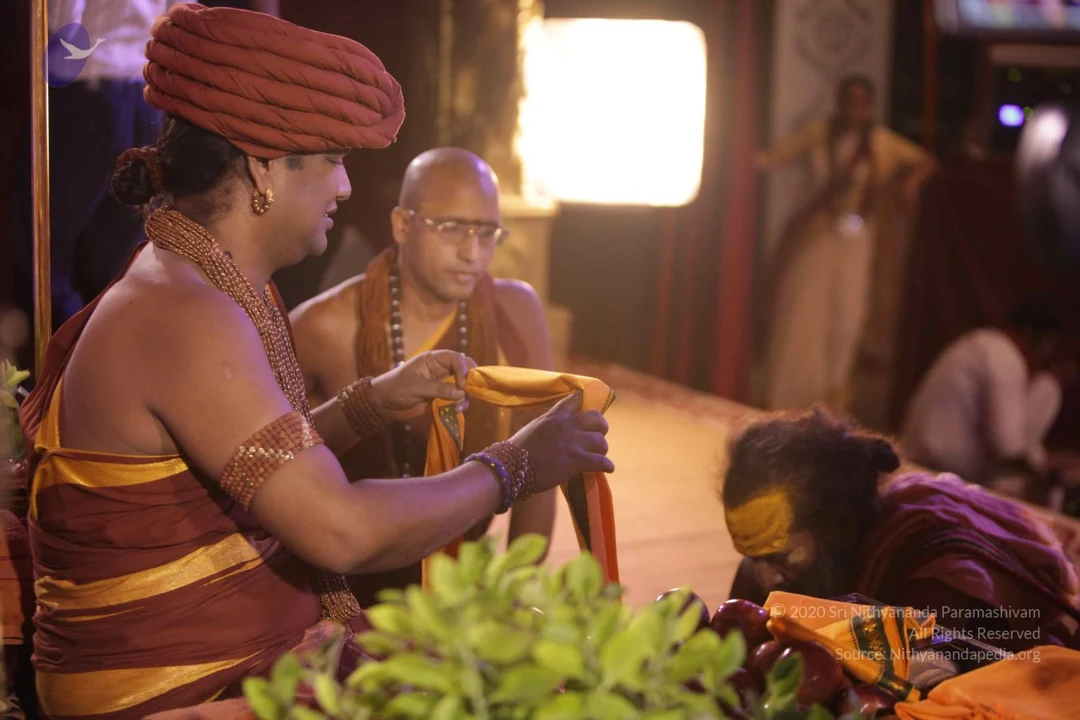
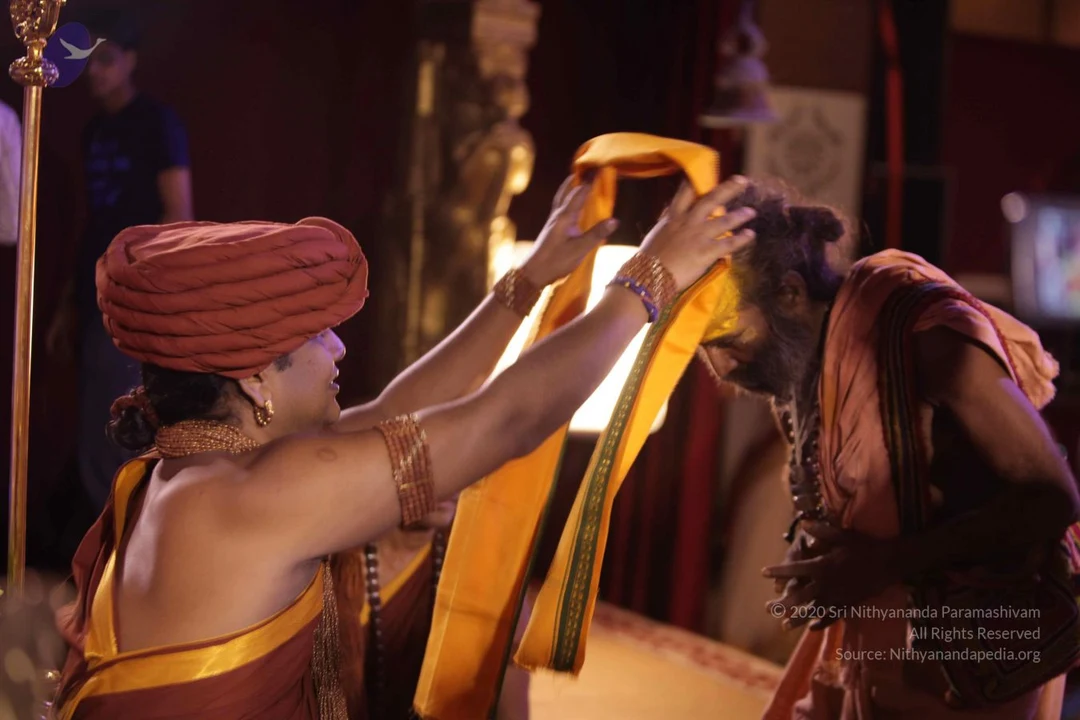
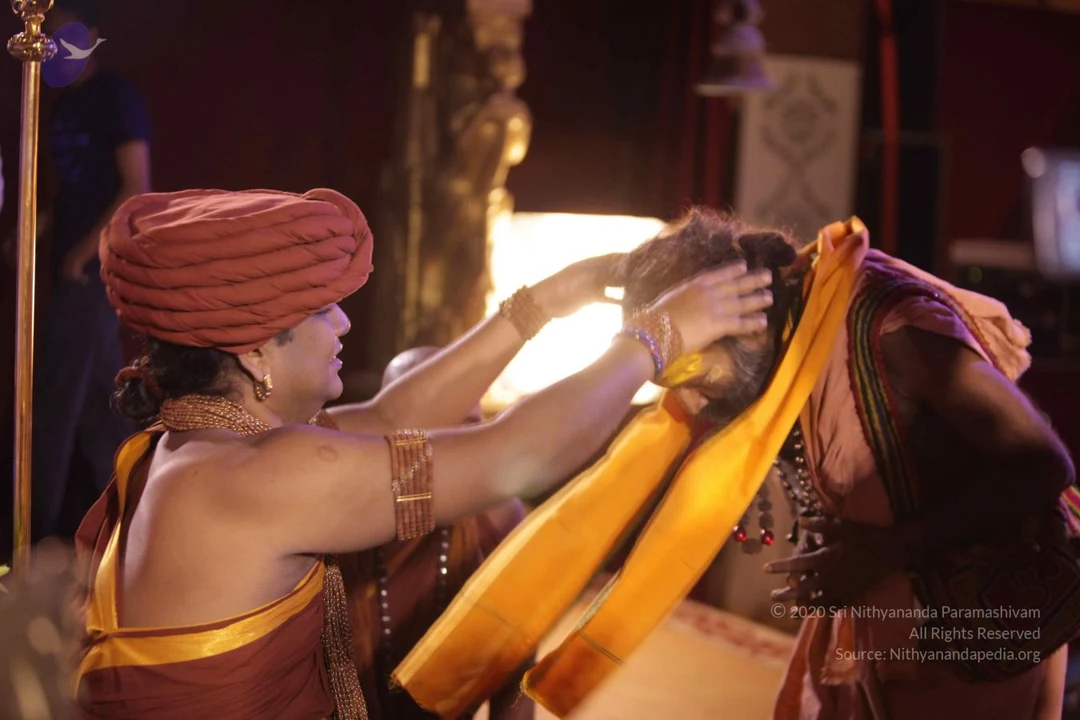
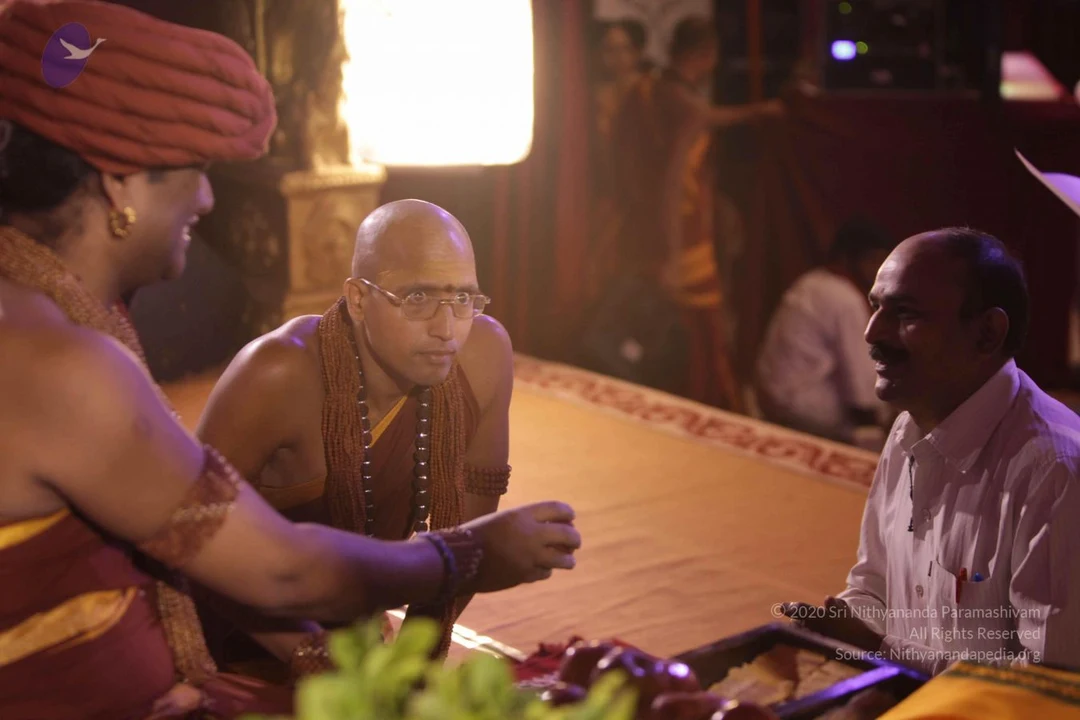

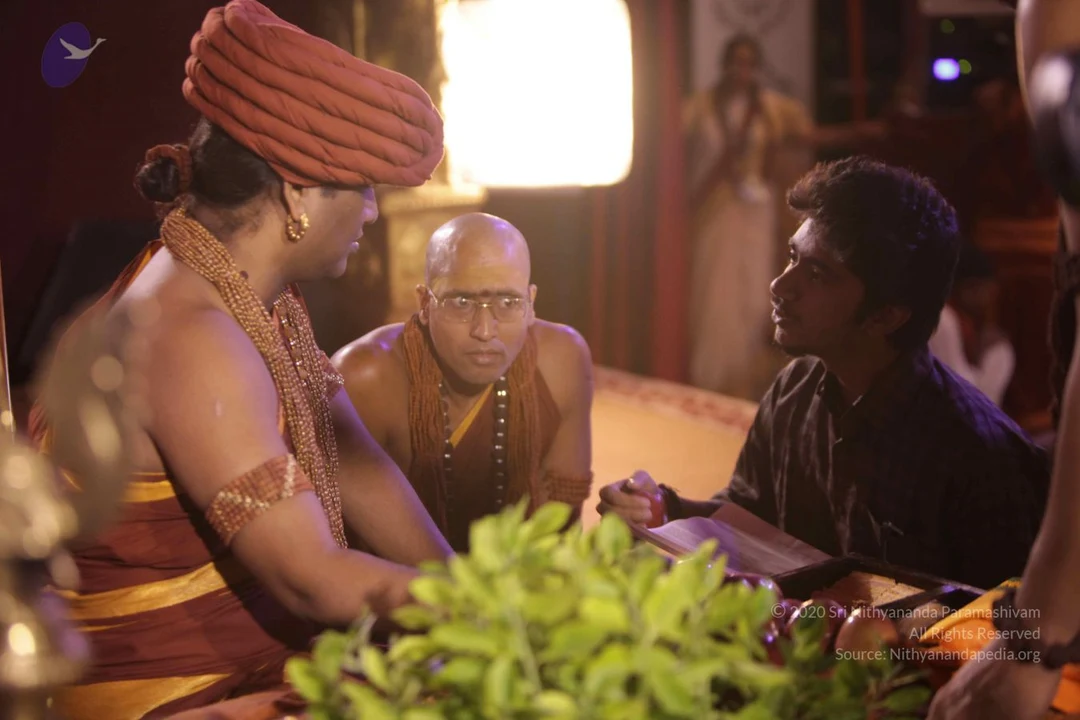
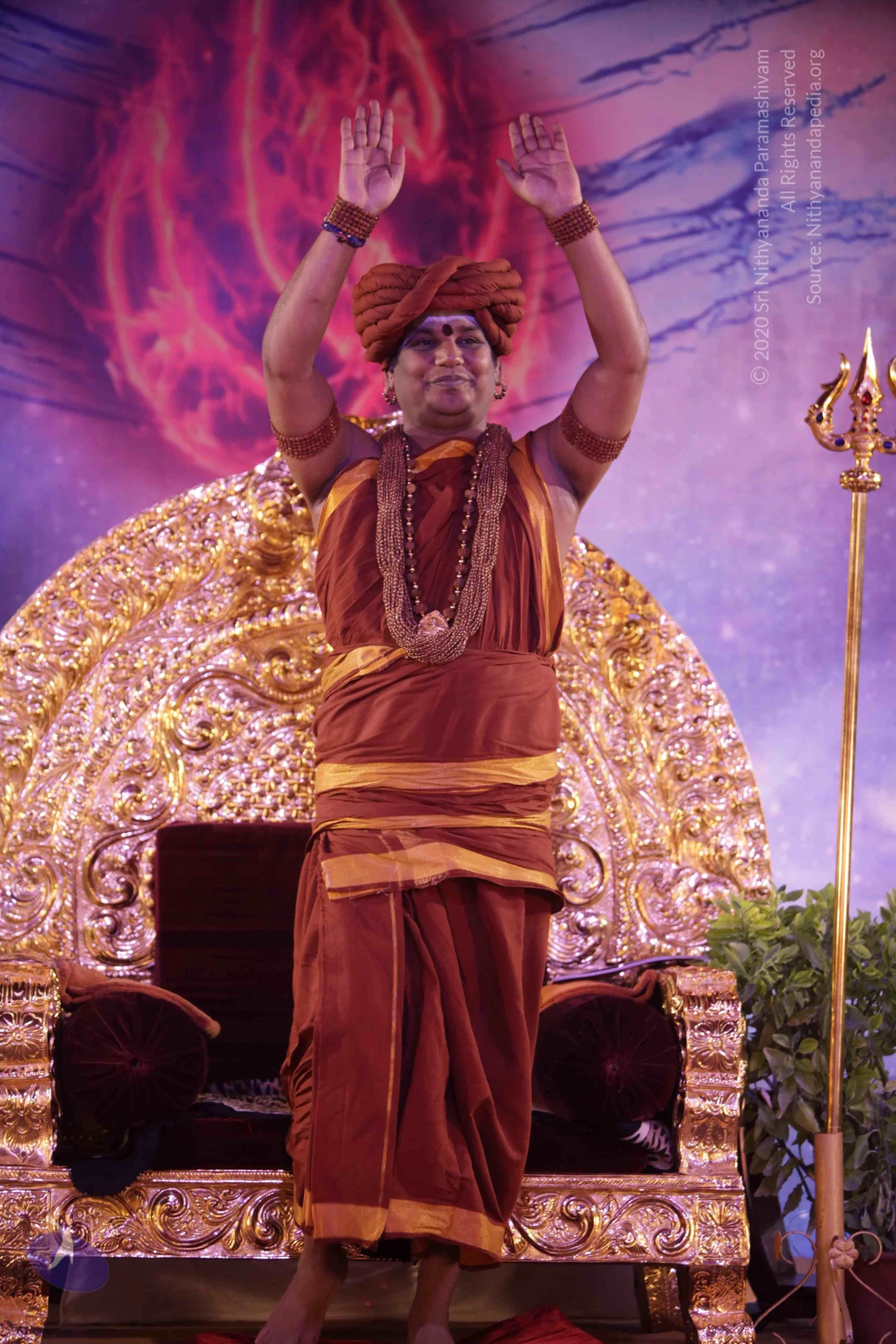
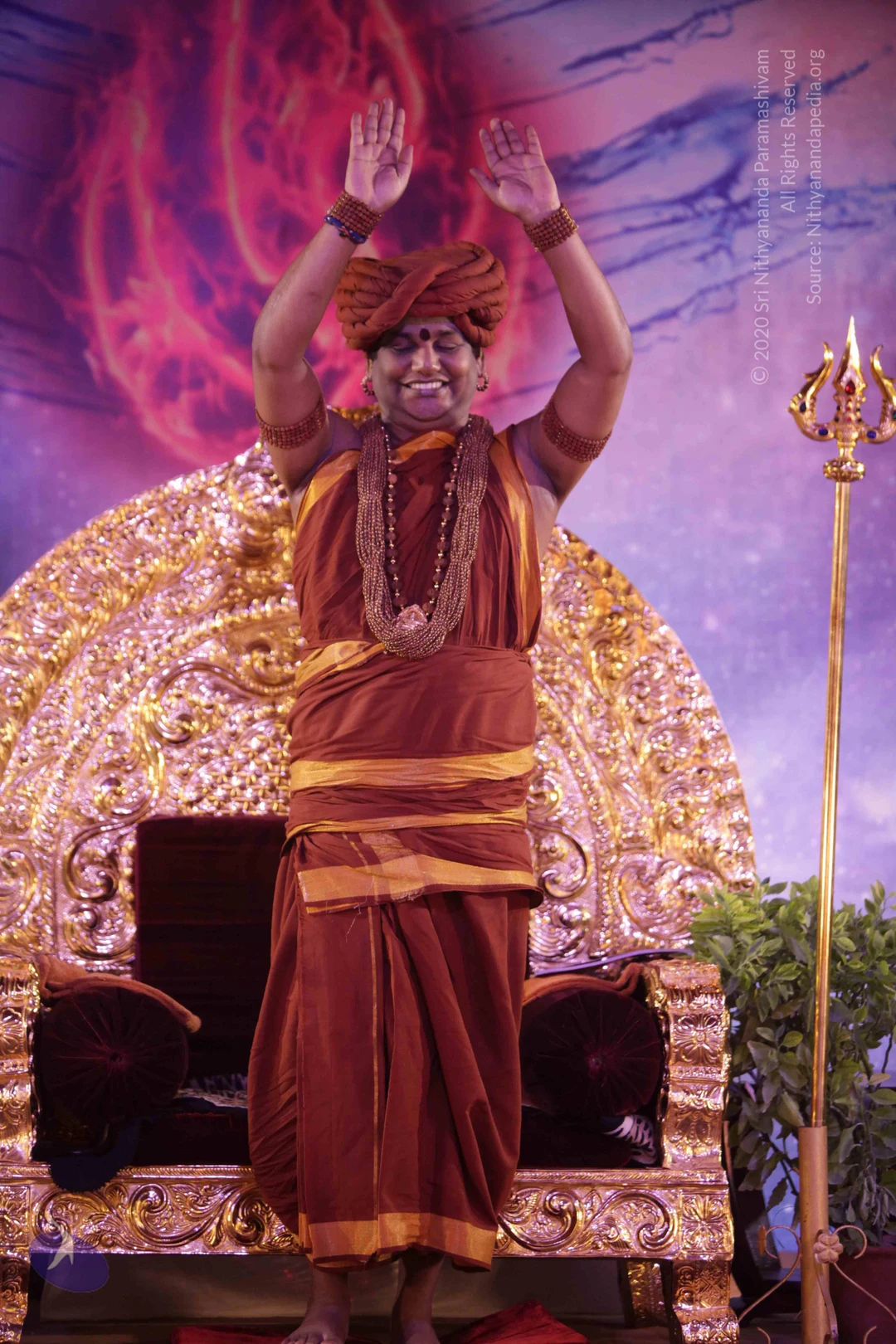
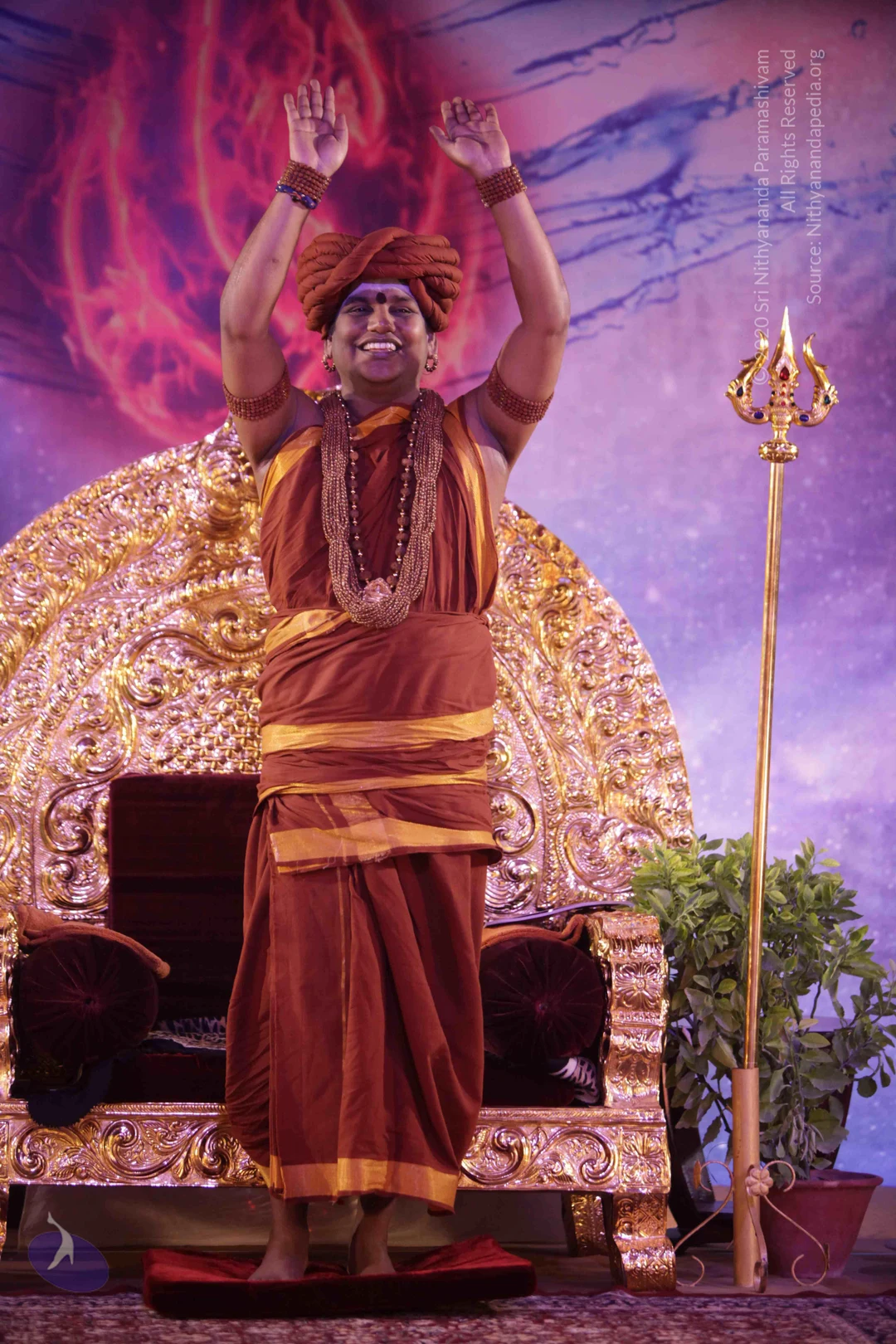
Lion-Story
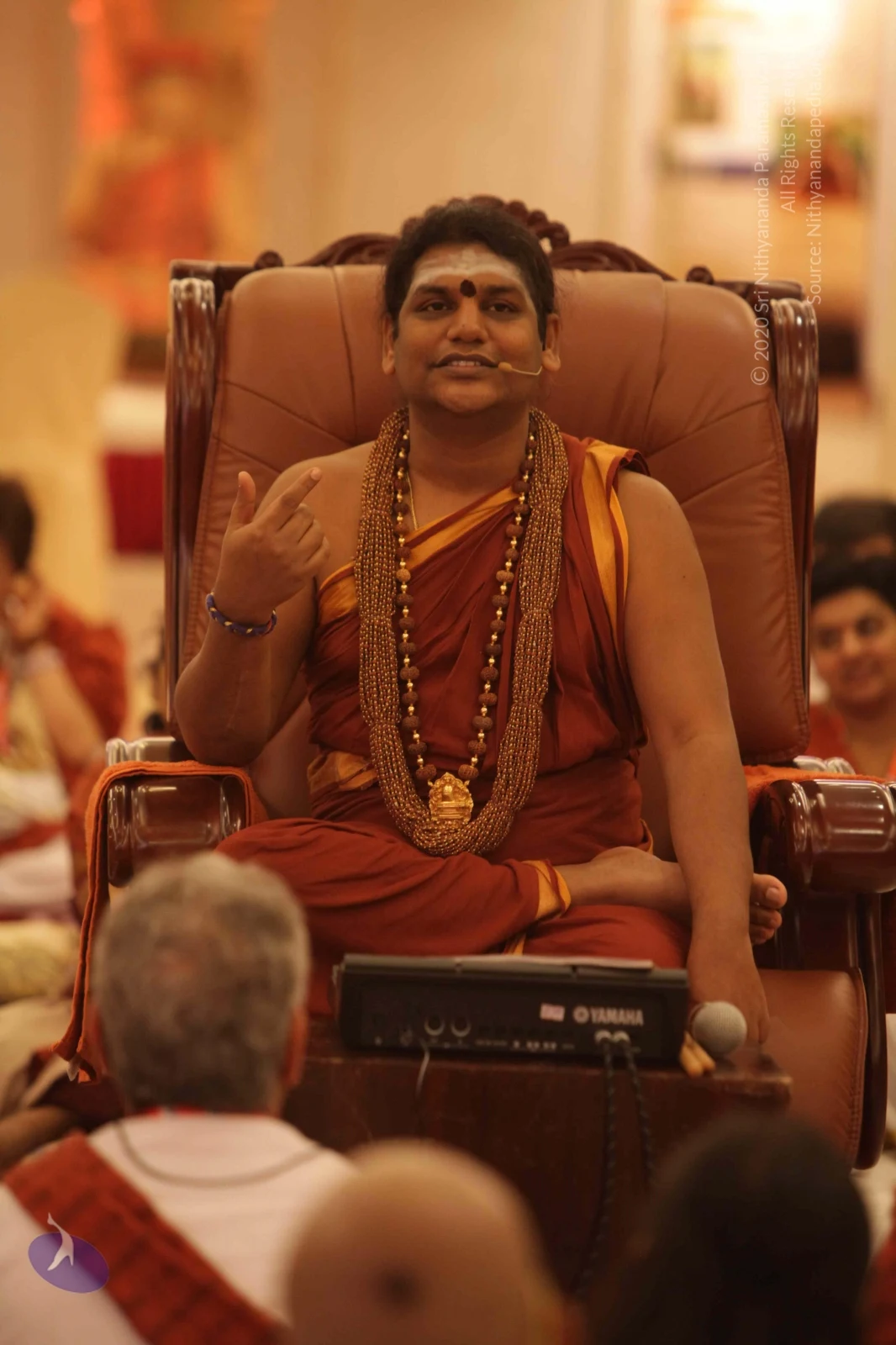
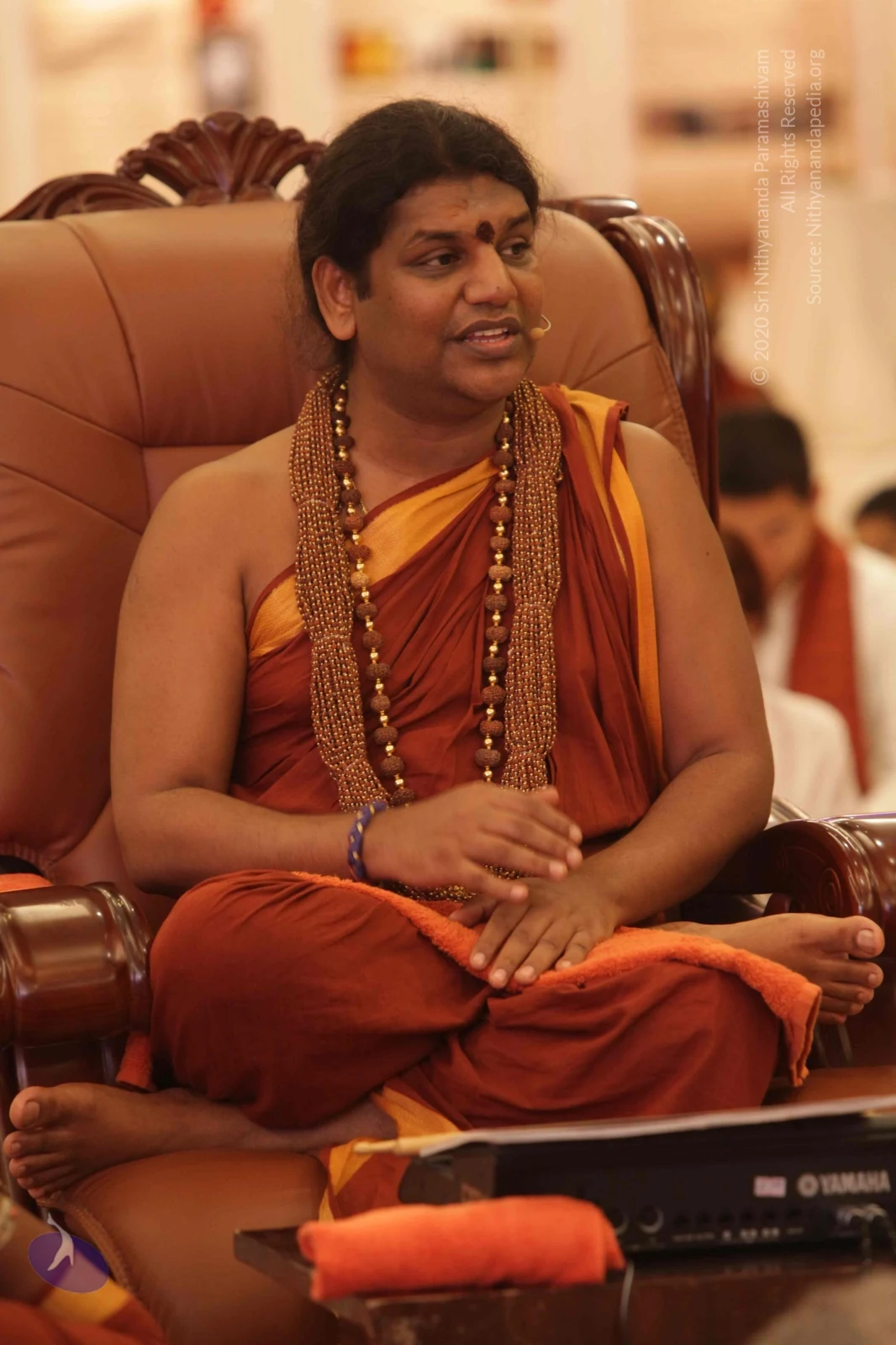
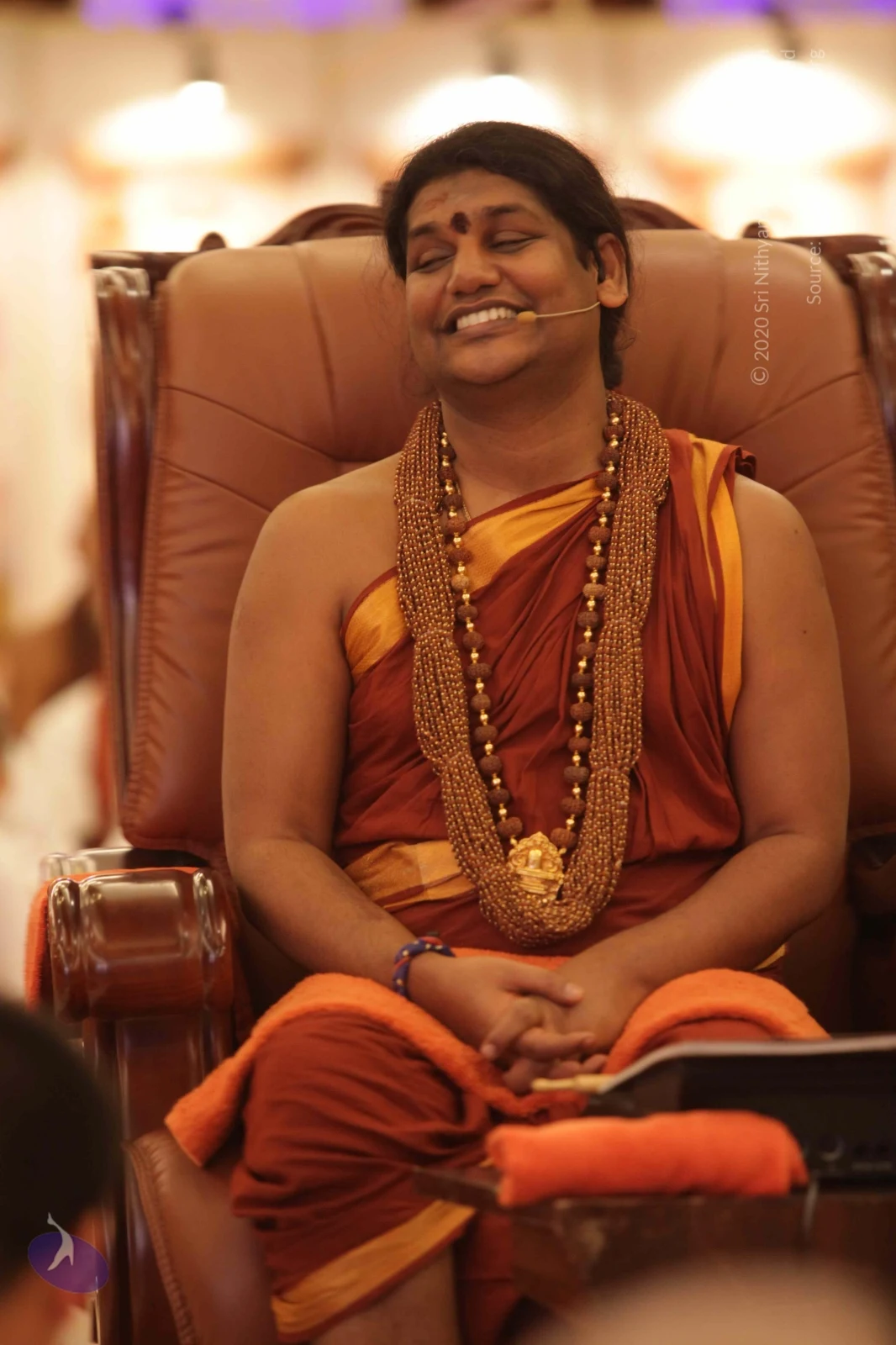
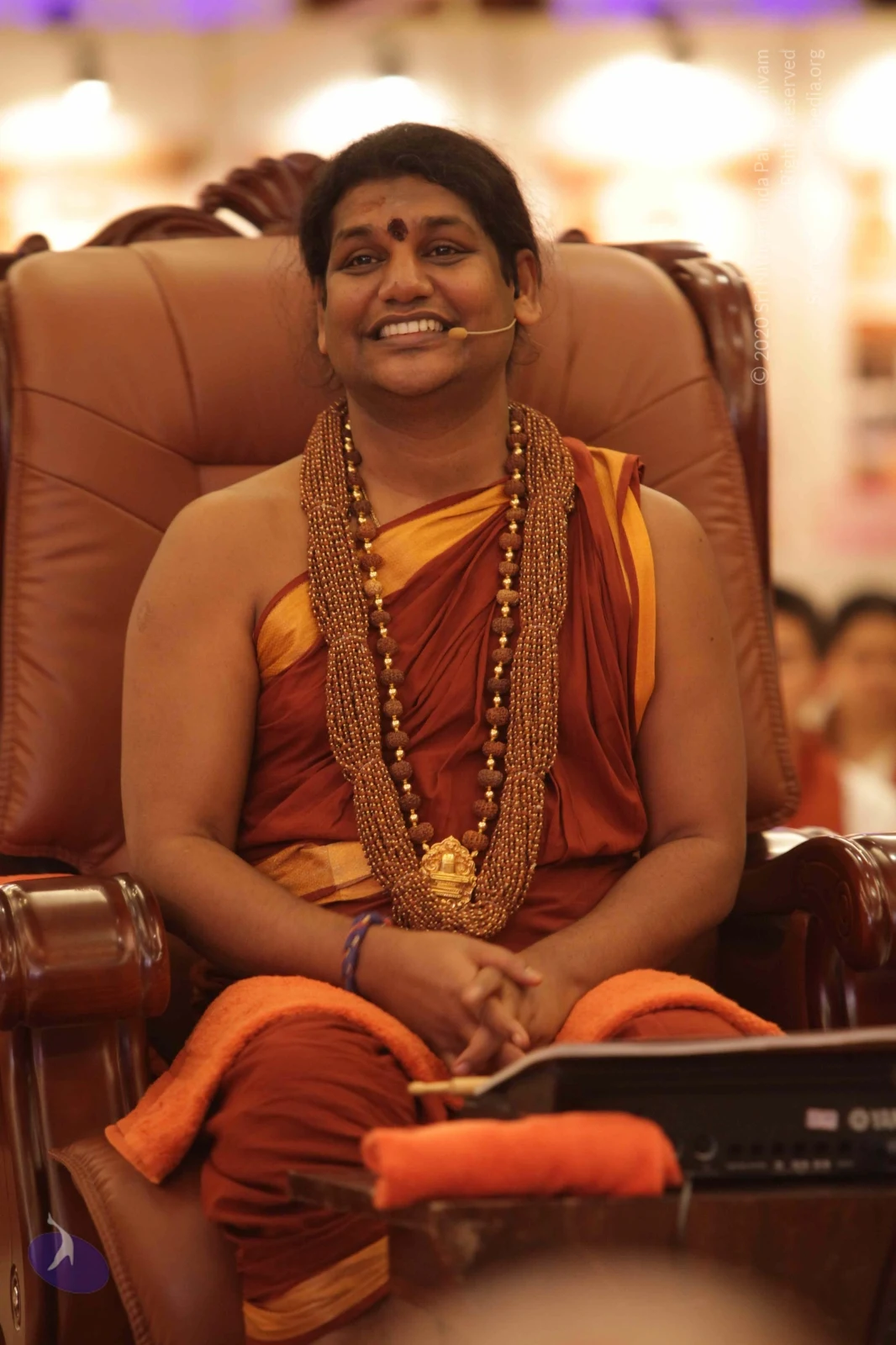
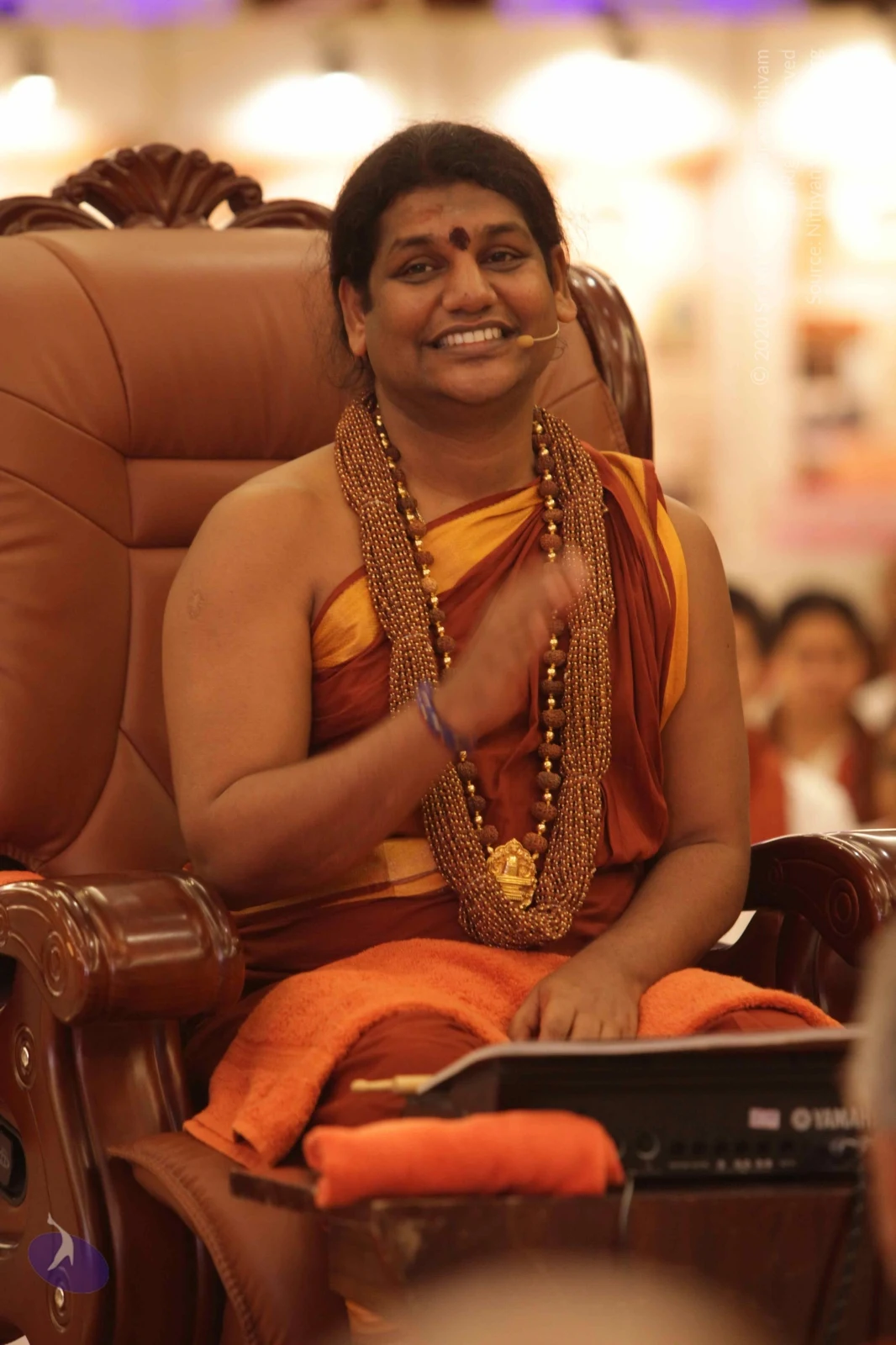
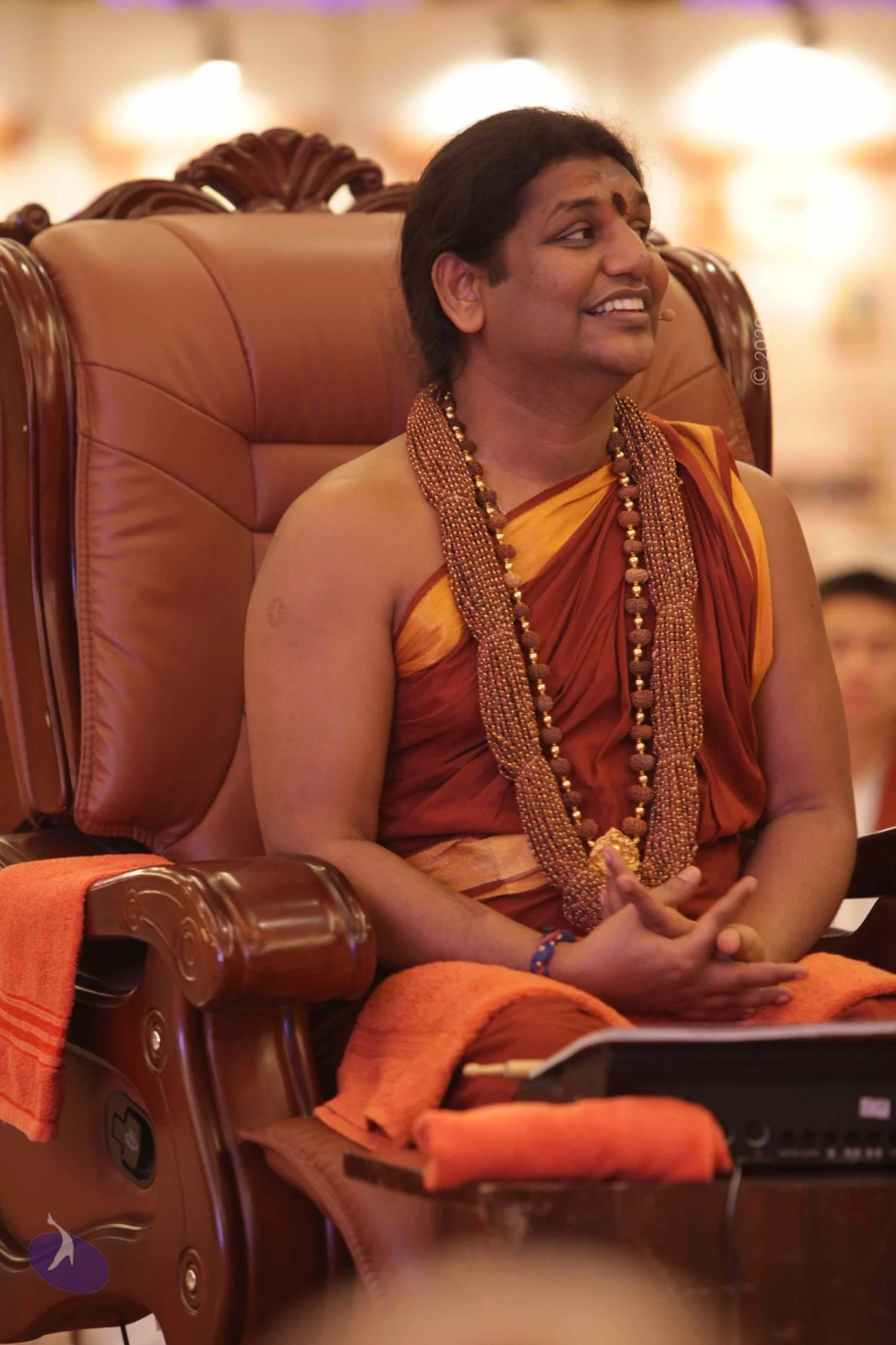
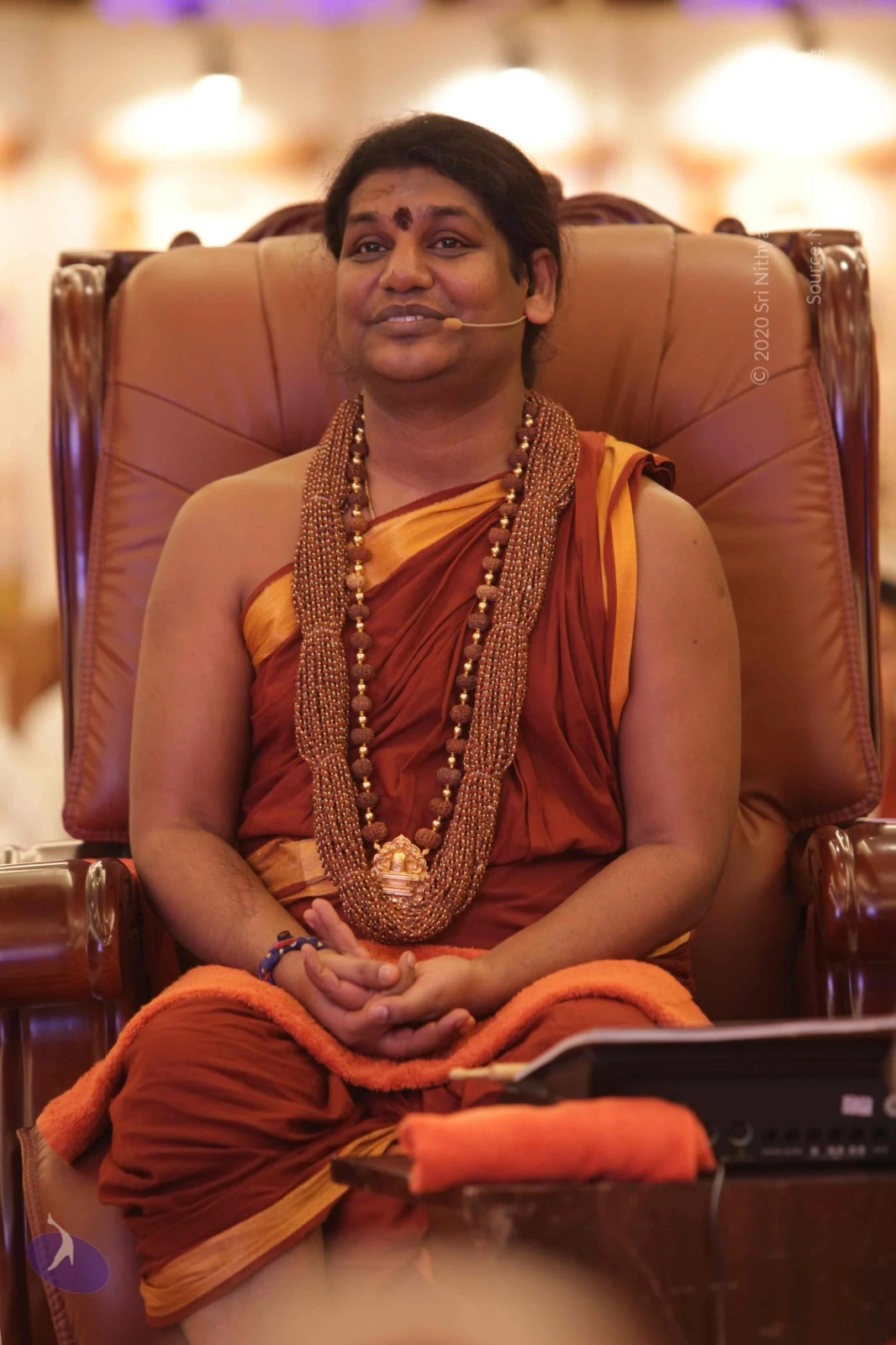
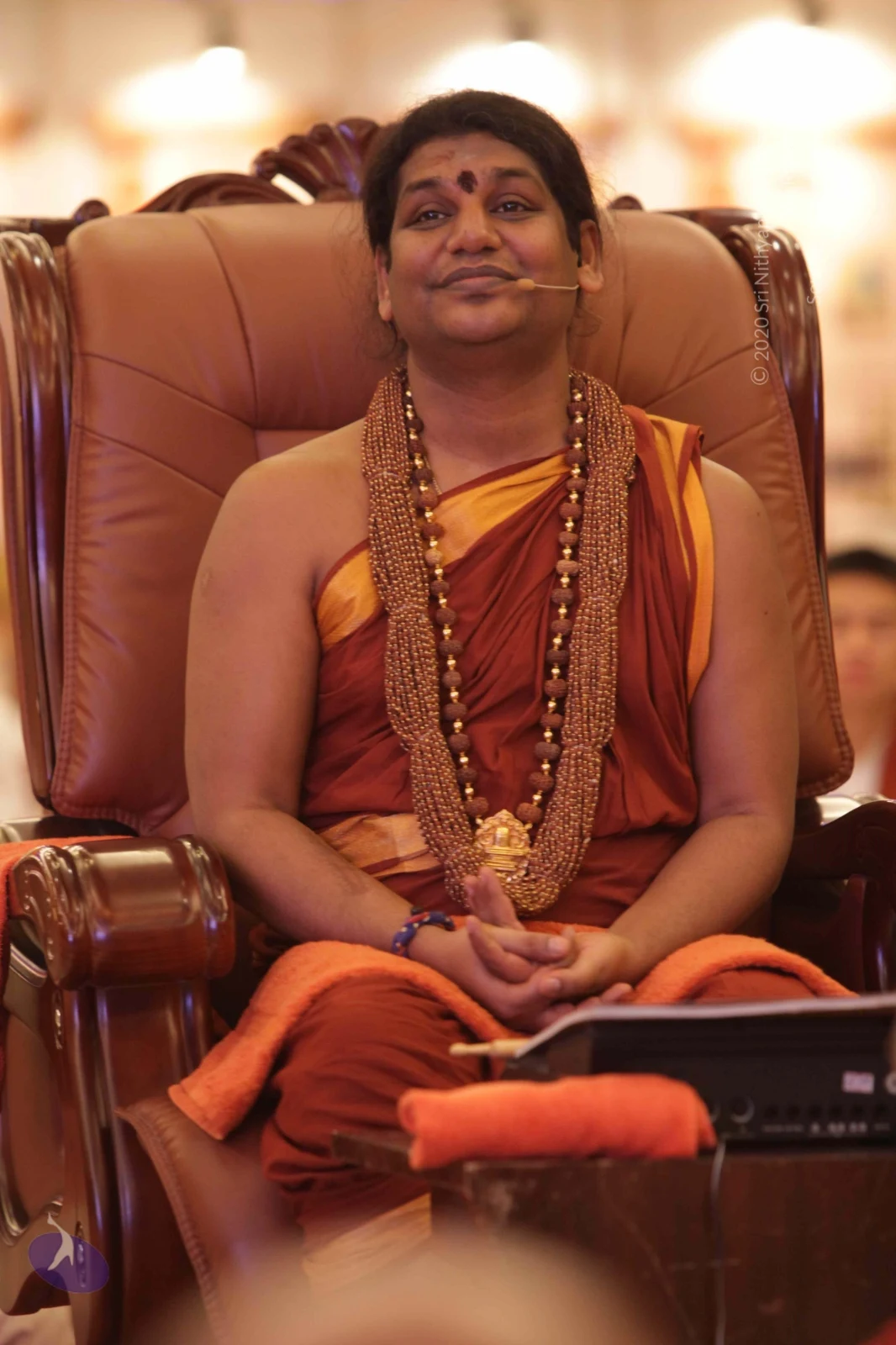
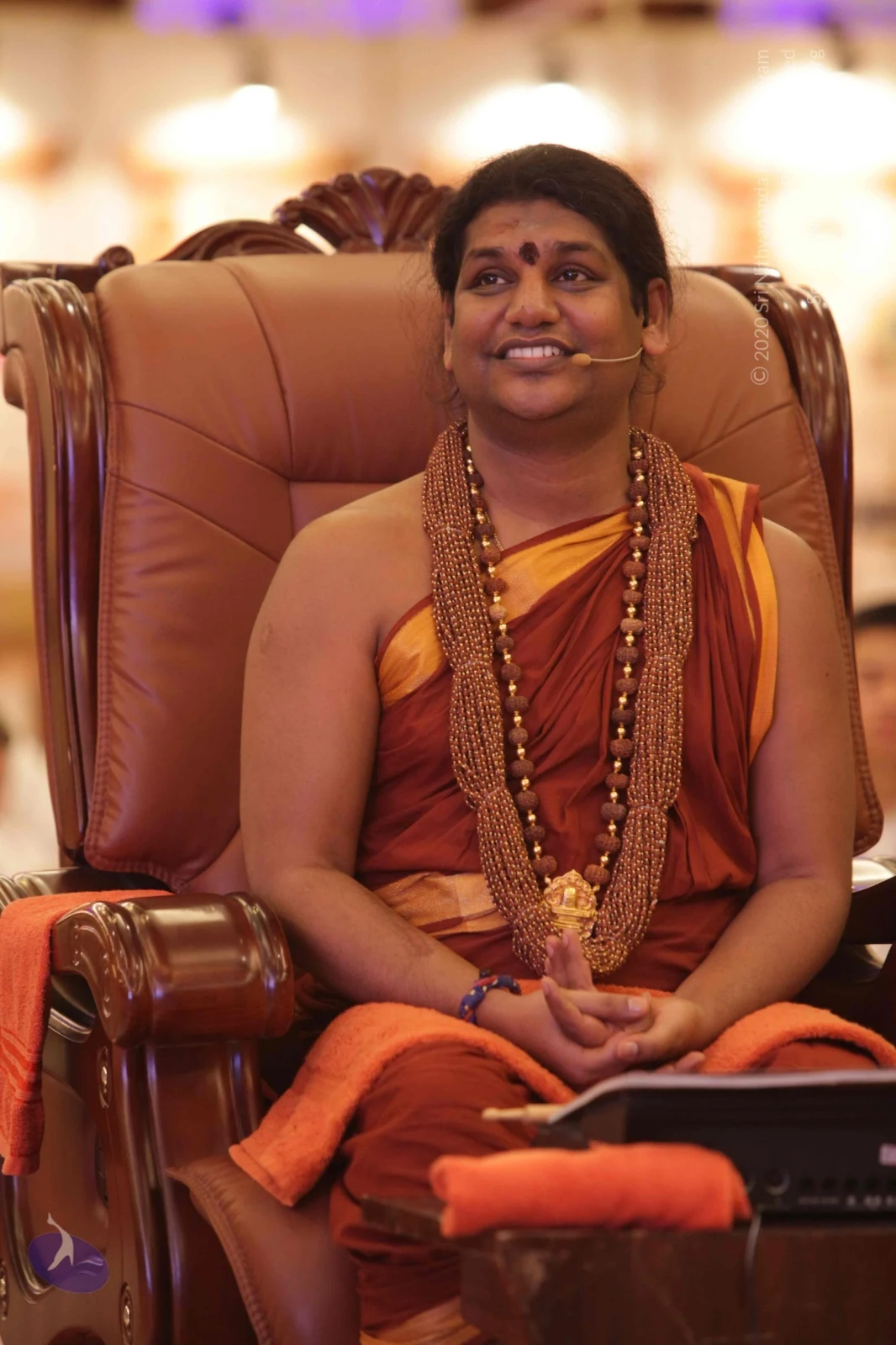
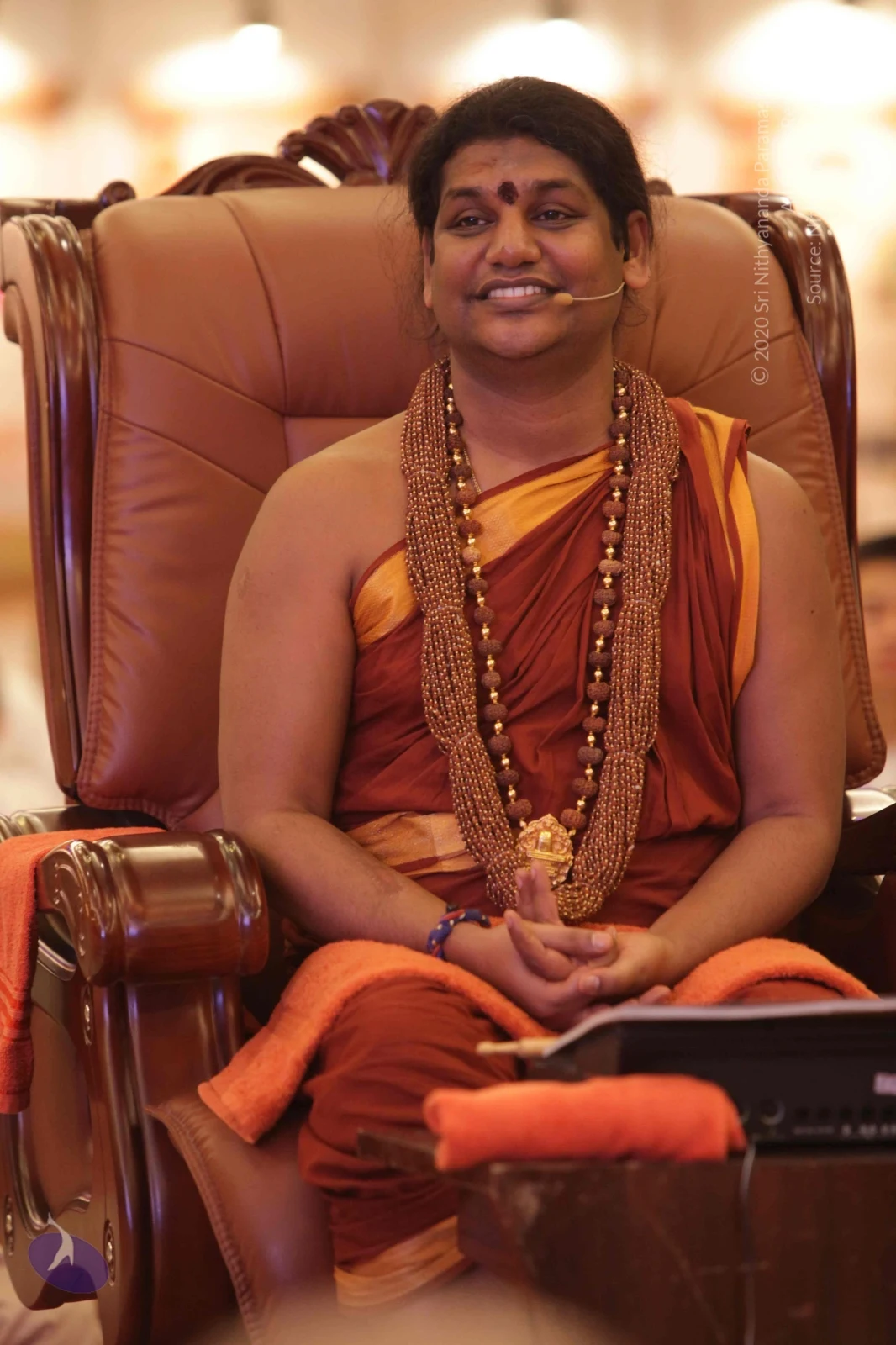
Link to Facebook Page
https://www.facebook.com/ParamahamsaNithyananda/photos/a.321615927926264/862993500455168/?type=3
Photos from this day
View all 428 photosQ and A session
172 photosSource gallery
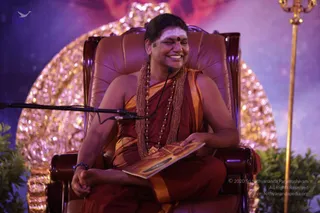
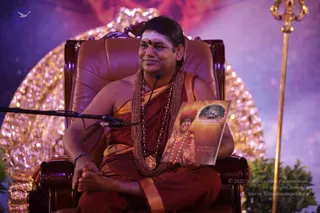
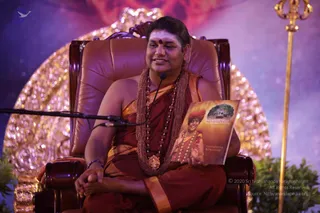
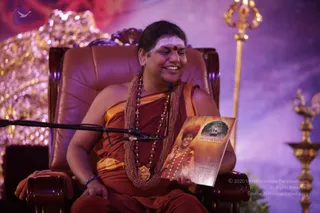
lion story-darshan
169 photosSource gallery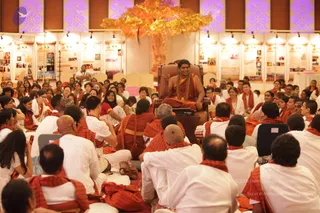
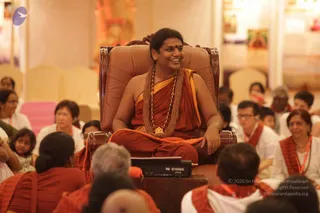
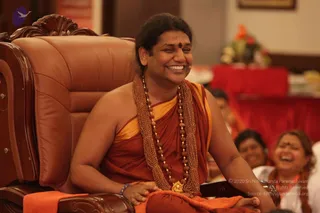
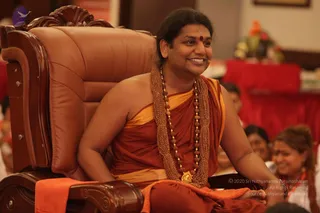
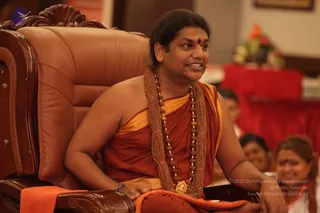
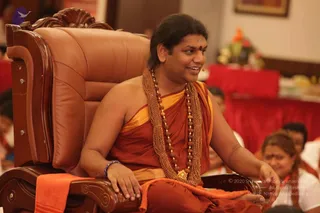
FB-Photos-of-the-Day
1 photoSource gallery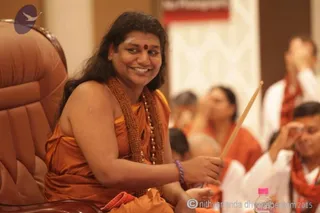
Morning-Satsang-&-Kalpataru-Darshan
70 photosSource gallery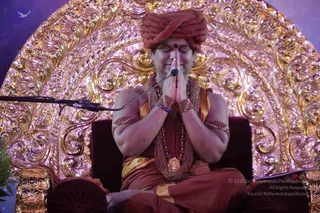
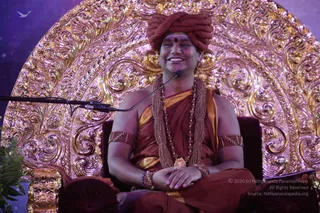

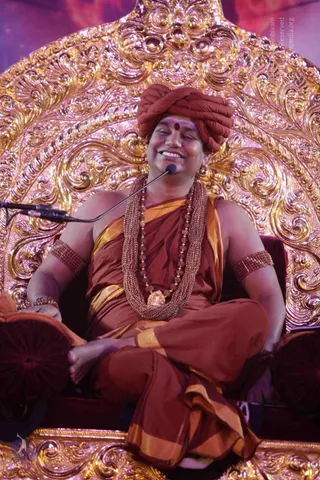
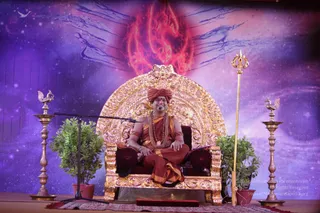
Lion-Story
10 photosSource gallery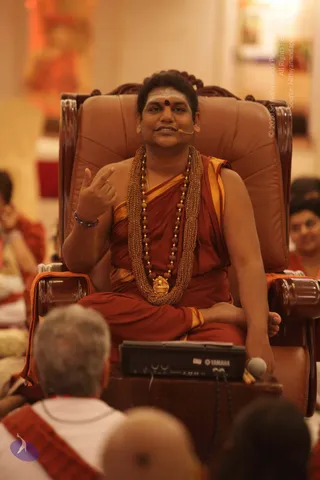
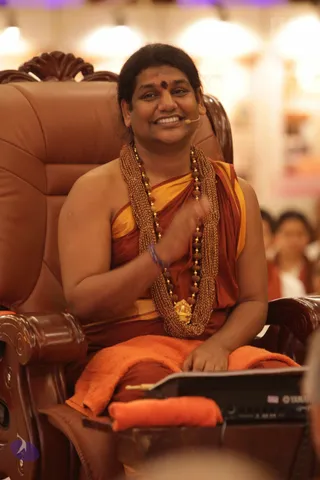
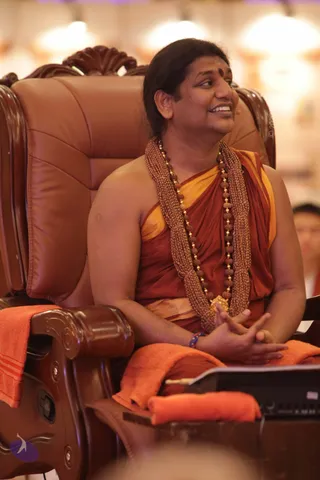
July 10th 2015
6 photosView all