Sunday
10 July 2016
Pure Questioning Without Assumptions
- Dated photos
- 162
- Source pages
- 1
- Media
- 2
July 10 2016
Original wiki pageTitle:
Pure Questioning Without Assumptions
Description:
Hindus have the privilege of multiple lives and a long life which others don't have. Whatever you believe, you manifest it as reality. If you are born as Hindu and believe you have multiple lives you are blessed. You HAVE multiple lives in front of you. Because only what you believe in, you will manifest in the cosmos. If you are made to believe from your young age that you have multiple lives, thank your parents, Gurus and everything. We will question that belief also. If you question that belief also, you will come to the understanding that I am sharing with you now. Soon through scientific research I will established this fact. If you born and brought up in a place where multiple lives is thought as a possibility, your DNA changes to have much higher possibility.
All Sampradayas of Hinduism agree on this truth of multiple lives. I went into Samadhi and started scanning: Who gets multiple lives? In further Satsangs, I will explain in a detailed way how your belief affects you till you come to pure questioning. The belief system should be such that it encourages you for pure questioning while keeping you as a virgin to face pure questioning. That is the greatest thing that can happen to a conscious being.
Paramahamsa Nithyananda Upanishads Demystified, Keno Upanishad Verse 1 Varanasi, 10 July 2016
Link to Video:
| Video | Audio |
Transcript:
nithyānandeśvara samārambhām nithyānandeśvari madhyamām | asmat āchārya paryantām vande guru paramparām ||
I welcome all of you with my love and respects.
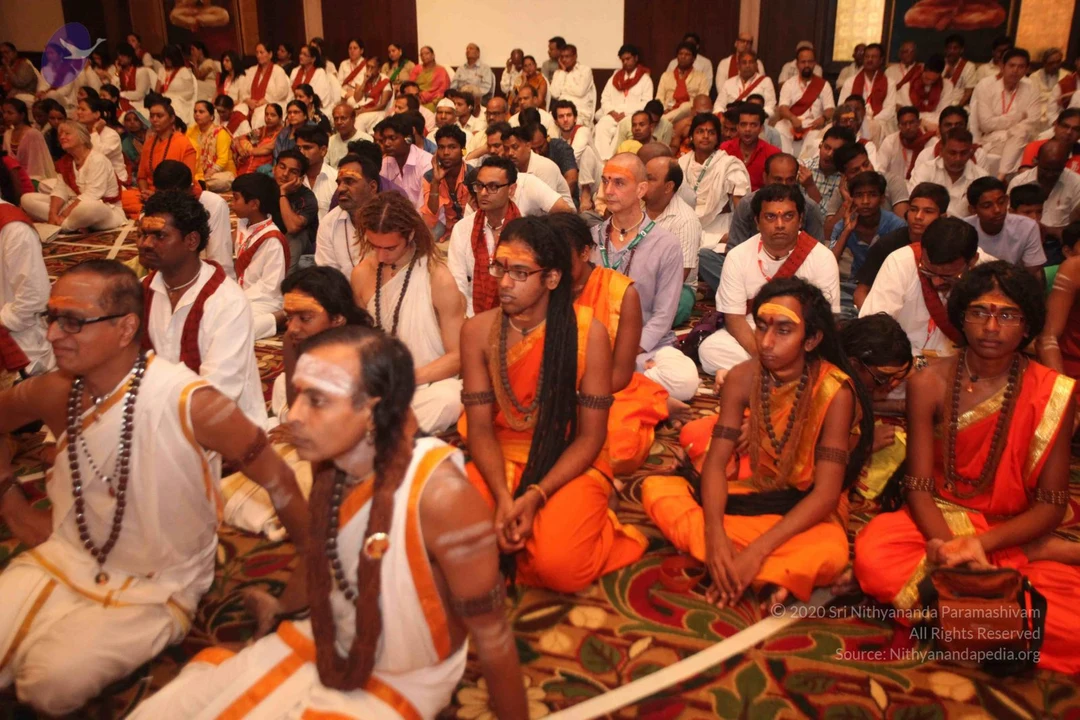
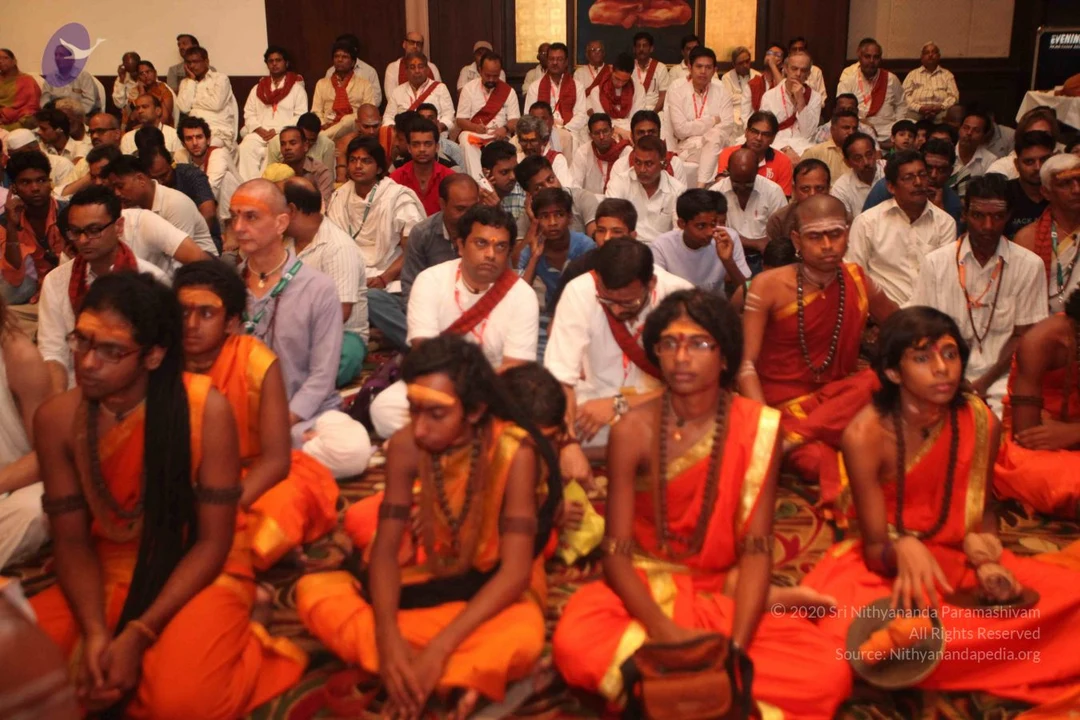
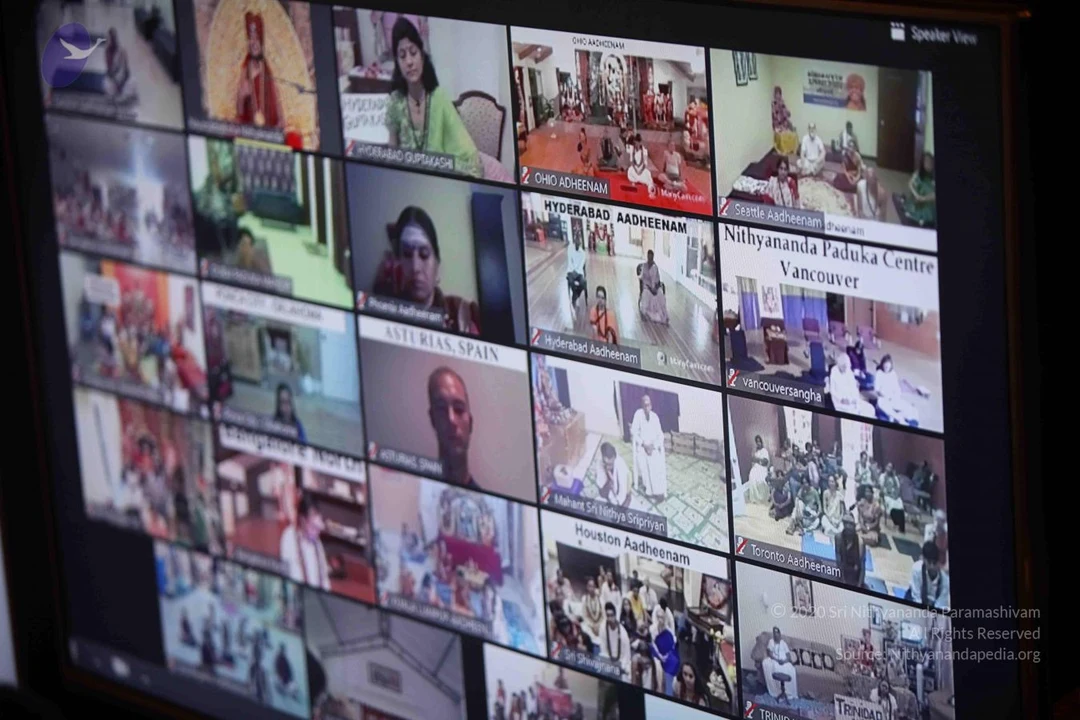
I welcome all the Devotees, Disciples, Visitors, Sarvajnapeetha Yajamans, Samaajis, Satsanghis, Youtube Subscribers, everyone, sitting with us in Varanasi Nithyananda Sabha.
I welcome all of you with my love and respects.
(1:27)
I’ll expand on the first verse of Keno Upanishad. Each Upanishad enriches you, enlightens you, with certain thought current. Ishavasya Upanishad enriches you with amazing conclusions. See if you do all the Seeking, spiritual practice, analysis, developing and understanding, manifesting powers, Oneness, manifesting experiences. When you do all that, conclusions you arrive, is beautifully described in Ishavasya Upanishad. If you just read the Ishavasya Upanishad and make it as part of your cognition, you are done. You are done for life or I can say lifes. Nothing more. Nothing more need to be done. You are a Jeevan Mukta. Unfortunately human beings are not that simple. When the conclusions are given you ask for the methods. When methods are given, you feel bored to follow. When conclusions are given, you ask for the methods. When methods are given you feel the path is too long to follow. It is like when you are young, you think all this is needed only in the old age.
(3:44)
I’ve seen especially today Indian youth, thinks spirituality is for the people who have become old. Understand. When you become old, not only your external situations, even your inner space will not be in your control. You won’t be able to handle yourself. So, that is the time you will practice spirituality! You would have built unbreakable patterns, incompletable patterns. Patterns which can’t be solved. Diseases which can’t be dissolved. So with that broken body and broken mind and powerless being, you are going to live spirituality! Whom are you cheating? At least decide clearly, you have decided not live spiritual life. Let’s make it clear. Let’s make it clear for ourselves. I have seen the people who postponed spirituality for old age, feeling their life is utter failure, bitter failure. Array, if you are not able to do, when your blood is hot, when you are young, when you have a strength in your inner space, when you have the ability to visualise or reinvent yourself. People say,” Oh,Upanishads, Bhagavad Gita, when I become old I’ll read.” When you become old, all these I should have done when I was young. Whenever conclusions are given, you ask for a method. When method is given, you feel,” Oh, too long, can you give the jist?” When methods are given, you ask for the jist, when conclusions are given, you ask for the method.
(6:46)
It’s a human mind. Ishavasya Upanishad gave all the conclusions. “Isavasyam idam sarvam yat kim ca jagatyam jagat tena tyaktena bhunjitha, ma gridhah kasyasvid dhanam.” All conclusions. “Isavasyam idam sarvam” - the conclusion about the Universe. The life image you need to have. “Isavasyam idam sarvam yat kim ca jagatyam jagat tena tyaktena bhunjitha, ma gridhah kasyasvid dhanam” Means the second statement is the conclusion, the relationship you need to have with the Universe. Everything is part of you, be part of it. Not having a individual I and Mine, celebrate the Whole. The whole Ishavasya Upanishad if you see - conclusions. That’s all. Conclusions. If you just pick up the conclusions declared by Ishavasya Upanishad and start living, cognizing. You are done. Nothing more need to be done. You are a Jeevan Mukta. But you don’t do it with that simplicity. In that simple way. You ask for a method, “ How? How everything is God? How?” Then comes the answer from Upanishad, the Keno Upanishad. Keno Upanishad is a powerful thought current. I should say,’thought currents’, because few more are presented in this. Powerful thought currents. The first though current presented in Keno Upanishad is Seeking. keneṣitaṃ preṣitaṃ manaḥ kena prāṇaḥ prathamaḥ praiti yuktaḥ | keneṣitāṃ vācamimāṃ vadanti cakṣuḥ śrotraṃ ka u devo yunakti || (10:02)
By whom Willed and caused does the mind go towards its object - what a question. Just by the strength of the question, you know the person who is in front of you is a Seeker or Poker or just a empty Cooker. By whom - keneṣitaṃ preṣitaṃ manaḥ kena prāṇaḥ prathamaḥ praiti yuktaḥ | keneṣitāṃ vācamimāṃ vadanti cakṣuḥ śrotraṃ ka u devo yunakti || By whom Willed and caused does the mind go towards its object. By whom directed and united with which does the first vital life energy the chief cause, comes forth towards its activities, at whose WILL does this speech gets activated and speak, enlivened and directed by what luminous divine power indeed do the eyes and the ears engage in their functions. Understand. The moment you remember you, what all you perceive as part of you, start questioning them. Start questioning them. Questioning. Putting questions about those basic things. Putting questions about those basic things is Seeking. Don’t assume anything. Understand. The more and more you assume, more and more it shows your ignorance. People who ask answer for their questions are fools. People who understand when I question their answers are the most intelligent beings. Understand. I do two things when people come with question. Sometime I give answers to their questions, sometime I question their answers. When you put a question, you have certain answers in that question. You have certain conclusions. Based on those conclusions you put the questions. I question those conclusions. I question those answers you have. Understand. I am defining Seeking. Seeking is having questions without any assumptions as foundation. Non-assumption questions, non-assuming questions is Seeking.
(14:07)
When you have questions without any assumptions as foundation, you are asking basic questions. Listen. This should become syllabus in our Gurukuls, teaching enriching, enquiring, teaching Seeking. Question without having assumptions means every assumptions need to be questioned. Every assumption need to be questioned. Question without assumptions is Seeking. In any field…..See the whole Indian philosophy….please understand. The whole Indian philosophy, I’ll give you the jist. A specific methodology of questioning, specific fool proof methodology of investigating, a specific fool proof methodology of acid washing the discoveries, a specific fool proof methodology of reinventing yourself based on the pure discoveries you made. That’s all the whole Indian philosophy. Just these four set of thought currents. If you apply these on economy, that is Vedic economy. If you apply this on architecture, Indian architecture. If you apply this on logic, Indian logic. If you apply this on anything, any field, you will get the Indian thought current developed in that field. Listen carefully. All the Darshanas, the great Indian (???17:12???), Purva Mimamsa, Uttar Mimamsa, Nayaya, Vaiseshika, Sankhaya, Yoga, Nastikhya, Baudha, all the great Vedic (???17:46???)not philosophy (???17:49???) because philosophy means thinking structure. (???17:57???) means experiential reality thought construct. That is exactly the translation of the word,’darshana’, experiential reality thought construct. In Vedic tradition there were many experiential reality thought construct. Nayayika, Nayaya, Vaiseshika, Sankhya, Yoga, Purva Mimamsa, Uttar Mimamsa. And then Avedica thought currents - Nasthikya, Baudha….In Baudha 3, 4 more and Jaina, all these thought currents. I give you the DNA of all these thought currents. All these (???19:00???) A unique assumption-less enquiry. I tell you if you just adopt these four in your life, you got the essence of Vedas. Essence of Upanishads. Essence of Puranas in your life. Just these four. First in that four is assumption-less questioning. Understand. This will really help you in your everyday life. Any problem you have in front of you, sit with it and have assumption-less questioning.
(19:56)
See when you assume something and start putting the questions, you do not want to touch the vested interest part of you, like a…..you already got married, have a kid, built a house, now you want to question the source of your suffering and you do not want to question your past acts. You already invested all your money buying a big house in Mumbai. Now you suddenly feel your are empty and you go on questioning about,” why I am poor? I worked 10 years, why I am still poor.” Why, means you put all the wealth you earned in a huge bungalow. You do not want to question whether that decision is fulfilling you or not. No! Understand. I can you 100 examples. If you are afraid that your questions may shake some of the foundations of your life, fundamental decisions you took, the energy you invested, some of the fundamental place and space where you have put yourself. If you feel that zone is going to be touched, you never allow unassuming questioning. Non-assumption questioning. That is why Seeking has to start much early when you are a kid, Seeking should start because you have not invested anything. You have not invested yourself in anything. You are ready for Pure Questioning. Understand. Young are those who are ready for un-assumption questioning of their life. Young are those who are ready for questioning without assumptions.
(23:27)
If you can question yourself without assumptions, you are young.With multiple assumptions your question is not Seeking, it is just trying to find consolation, support, for what you are doing. “No don’t touch all this, leave it. Answer only this.” Means what? You are expecting me to tell, “ Oh my dear, don’t worry. You are not suffering because of you. You are suffering because of everyone else around you, making hell for you. You are surrounded by demons and devils. Anybody else in your place would have committed suicide. At least you survived and withstood and waged this war. What a great personality you are.” You ….you think I’ll tell all this. If you imagine you are going to get this answer from me, you are a fool. If you get this answer from me, you are cheated. Understand. If you think you will get this answer from me, you are a fool. And if you actually got this answer from me at some situation, you are cheated. Be informed upfront. Un-assumption questioning of anything. Questioning without conclusions…...questioning very basics. Enquiry into basics. Investigation into basics. I have not seen a more Pure Question than this verse in every thought current, I have come across in the Universe. Please understand. I read, studied, thoroughly multiple thought currents, philosophies and (???26:44???) created by human beings and gifted by Gods and Goddesses. No other thought current is such a Pure Questioning. Every question will have some assumption. Here, the Pure Questioning, even if you ask the question,” Who am I?”, there is an assumption that you exist.
(27:15)
Even the question,” Who am I”, has some assumption in this - keneṣitaṃ preṣitaṃ manaḥ kena prāṇaḥ prathamaḥ praiti yuktaḥ | keneṣitāṃ vācamimāṃ vadanti cakṣuḥ śrotraṃ ka u devo yunakti || The whole verse - no assumption. When you wake up and start seeing, perceiving, experiencing, who you are and whatever you perceive, questioning everything. This verse actually is the antidote for root pattern. You have a possibility, whenever you become aware of you, either root pattern will start or this verse will start. If you decide to go for the assumptions -root, root patterns will start. If you decide to question the root, this thought current will start in you. He asked, “By whom Willed and caused does the mind go towards its object. By whom directed and united with which does the first vital life energy the chief cause, comes forth towards its activities, at whose WILL does this speech get activated.” When you first become aware of you, what all starts functioning or what all you perceive, questioning that very perception. Even the question,” Who am I”, is 99% Pure Questioning, not 100% Pure Questioning. This thought current is a 100% Pure Questioning. Brahmana is a person who experiences Pure Questioning, who does not question the wealth and question everything else is Vaishiya. Who does not question the authority of power and questions everything else is Kshatriya. Who never develops any un-assuming Pure Questioning, dies spending his whole life taking order from others - Shudra. Understand. The Pure Questioning….any field you do acid wash with the Pure Questioning, you will become a leader in that field.
(30:46)
Assumptions are vomit of your elders. Listen. Assumptions are vomit from the elders. Any field, even if there are right conclusions, you come to the conclusion by questioning. The Pure Questioning is Consciousness. Pure Questioning is Success. Pure Questioning is Energy. In any form, in any form I tell you. If your thinking can be washed with the acid called Pure Questioning, you will be successful in anything. Whether you want to be a doctor, engineer, lawyer, architect, realtor, builder, bulldozer, politicians and celebrity, social leader, whatever you want to be. Adopt Pure Questioning. Wash yourself with acid of Pure Questioning, Pure Questioning! Without assumptions is God himself. Actually through all my programs I only teach Pure Questioning. Completion is nothing but destroying all your conclusions and assumptions. Taking you to the source and leaving you there as it is. Teaching you to stand without conclusions is Completions. Teaching you to face everything without conclusion is Completion. I demolish all your conclusions. Leave you in a space of Pure conclusion. Means where there is no conclusion. Where you stand without any conclusion. In the Pure Questioning, without any conclusion, if you stand powerfully you will live enlightened life. When you feel powerless about standing with Pure Questioning without conclusion, you start eating other’s vomit, which is incompletions. Don’t eat other’s vomit. And I am also using a decent word. Then what is the real word? You all know. Don’t eat other’s dash-dash. When you are powerless to stand with your original Pure Questioning, you decide to eat other’s dash-dash-dash. That becomes incompletion in you. My whole work is nothing but demolishing all the conclusions you came, by eating other’s dash-dash and bringing back to your Pure Questioning, original questioning and empowering you to stand with that Pure Questioning is Completion and life of Completion.
(36:05)
When you are a 100% question mark, you get the 100% answer, which is Universe. It is not coincidence. All the old Indian keys were in the form of question mark. All the old Indian door keys, if you see….it will be in the form of question mark. They are teaching- question. Pure Question is the key to open all doors. Pure Question is the key to open all the doors. Let me put this as instructions now itself. In all our Sangha, the key should be only in the shape of question mark, to remind all of you again and again. The Pure Question mark is only the key to open all doors. Acid wash all your assumptions. Not even,”Who am I.” Upanishad here is not even assuming that you exist. It questions anything perceived without even assuming, all this is supposed to be one. That is why I am saying, even the question,”Who am I,” is 99.9% Pure not 100%. Because the,’I’, is assumed and presumed there, which is not there. Tulsi, Kabir, Kinnaram, Trailanga Swami, some of the great spiritual giants. When I see their basic thought currents…..all the names I uttered now are great Saints from Varanasi. Tulsi, Kabir, Kinnaram, Trailanga Swami…...all their teachings I see the core is Pure Questioning. Even Tulsi’s Ram bhakti starts from Pure Questioning, not from the assumptions. keneṣitaṃ preṣitaṃ manaḥ kena prāṇaḥ prathamaḥ praiti yuktaḥ | keneṣitāṃ vācamimāṃ vadanti cakṣuḥ śrotraṃ ka u devo yunakti || When a Being starts perceiving himself, becoming aware of himself…..whenever I give a small break, understand it’s a wake up call for somebody. If you want to know for whom it is wakeup call, some people will just wake up and look around others. The call is for them.
(40:53)
Now too many people are thinking the call is for them only. Good. Listen, Listen carefully. When a Being starts perceiving, what that Being perceives,” By whom willed does the mind go towards its objects.” What is happening in me? By whom directed and united with which does the first vital life energy the chief cause, comes forth towards its activities. The assumption-less basic questions. Assumption-less basic question. Assumption-less basis. Whichever zone of your life you feel is not complete, whichever zone of your life you feel is not complete, sit with this Pure assumption-less questioning. Today there should be Vaakhyaartha Sadas all over the world in our Sangha,” What is Pure Questioning?” Restart the Vaakhyaartha Sadas on the social media, on the Youtube, Facebook, Twitter. Let’s have a page Vaakhyaartha Sadas in Twitter and Facebook also. Today subject is,” Pure Questioning without assumptions”, and I tell you one more thing, if you can discover some of the assumptions even in this question - question it! If you think this verse also has some assumption, question that. Nothing wrong. The spirit of Pure Questioning, even Atheism is okay, if you have come to that conclusion by the Pure Questioning, I tell you, the only greatness of human beings is your brain is developed with a subtle grooves and faculties, through which you can experience Pure Questioning. Today’s Vaakhyaartha Sadas should be about Pure Questions. Entertain this thought current of questioning without assumptions. Every zone in your life you have problems, complications, difficulties, incompletions. In all those zones try to apply this Pure Questioning. You want to become a politician. You are not successful, then start the Pure Questioning,” What is politics?” Without assuming from other’s answers. You try to question.
(46:41)
“Why do I want to become politician?” Let you be very clear. You will tell the reasons for somebody else, maybe the way you felt or maybe in a different way. If you have….if you tell exactly the way you discovered the answers to others, you are not going to become politician, that is different. But at least, you should know why you want to become one. If you want to become an engineer, ask why you want to become one. If you want to become a doctor, ask why you want to become one. Understand. Doctors making money is not wrong, but becoming doctor only to make money is something seriously wrong. Doctors making money is not wrong. They have to run their life. Becoming doctor only to make money is something seriously wrong. So the Pure Questioning will give you lot of clarity about life. And it will also show you, where all you have put your interest and energy. The zones you don’t want to question are the source for all your problems. There are some zones you don’t want to question. You don’t want your question to turn towards that. “No, no, no, don’t touch that. Don’t touch that. Give that discount for it.” The zones which you protect, by not questioning are the reasons for your loss and failure. Pure Questioning will awaken your Third Eye. Pure Questioning will make manifest Oneness within you. Pure Questioning will make Sadāshiva manifest in you. Pure Questioning will make anything you want as reality. Pure Questioning is the best way to manifest all the best things in your life. So essence of today’s Satsang - Pure Questioning. Question everything with which you have difficulty. Even if you have settled comfortably with it - question. Sometime people ask,” I am 94. I already lived 74 years with my wife. Do you want me to question my marriage?” I’ll say,” Yes.” At least next janma you can decide. Understand. Hindus have the great privilege of multiple life and long time, which others don’t have.
(50:17)
Listen carefully. Listen carefully these words. Whatever you believe you manifest as reality. If you are born into Hindu tradition and made to believe you have multiple life, you are blessed. You have multiple lifes in front of you. People ask me,”Ugh, then multiple life is not for everyone?” No! Because what you believe only you will manifest in the Cosmos. If you believe….if you are made to believe from the young age that you have multiple life, thank all your parents, Gurus, everyone. We will question that belief also. If you question that belief also you will come to the understanding which I am sharing with you now. I was scanning, scanning, trying to analyse, finally I realised, from the young age if you are taught,’you have multiple life’, your whole system goes and settles in that groove of the Cosmos, where you manifest multiple lives and you can take many lifes and do completion and achieve enlightenment. If you are taught,’you have only one life’, you are doomed. You only have one life. Forget about it. Because that is what you’ll be believing, the moment you leave the body. That is the way you’ll start manifesting. Even if there are multiple lifes, you start saying,” No, no, no, I am not interested.” And you will put your head on the pillow...you will bury your head on the pillow and say,”No”, to the Cosmos. Show your back to the Cosmos. Soon through scientific researches, I’ll establish this fact,” If you are born and brought up in a tradition, where multiple life is a thought current, your DNA has multiple possibility. It is highly developed. It develops to a much higher frequency than the traditions which makes you believe,’only one life’. Soon I’ll establish through scientific discoveries. Very recently maybe as recent as, 1 or 2 months before I realised this part of Sadāshiva’s declaration in Agamas about the multiple life and single life. All Sampradayas of Hinduism agrees on this one truth of multiple life. I was actually collecting some of the common truths all Hindu Sampradayas agree. In that I found,’AUM’, as one. This….giving the ultimate authority to AUM. AUM as a supreme symbol. That is one and one more thing I found is this multiple life truths. Then I went into Samadhi and started scanning,’Who gets multiple life?’ Whether you believe or not - do you get it?, or does your conclusions come to any active role? Does it impact? All that I was analysing. Maybe in further Satsangs, I’ll explain detailed way - How your belief affects till you come to Pure Questioning? The beliefs system given to you, should be such, it should be constantly leading you to Pure Questioning and even till the Pure Questioning, it should not be damaging your inner space forever, that you’ll never be able to have Pure Questioning. So the beliefs system should be such, encouraging you for Pure Questioning and keeping you as a virgin for Pure Questioning, without destroying you.
(56:43)
I feel blessed, born into the Hindu tradition where my...even my belief system kept me for Pure Questioning and kept me as a virgin to face Pure Questioning. That is the greatest thing happening to a Conscious Being. Today Vaakhyaartha Sadas should happen all over the world on Pure Questioning. Guru, Linga and Sangha and all these three. Understand. The whole Sangha should take note of this wherever we presented Buddha, Dhamma, Sangha- remove that. It should be replaced with these three - Guru, Linga, Sangha. This is direct Sadāshiva’s instruction. Buddha, Dhamma, Sangha is Buddha’s development. Let’s not be carried away by those modern developments. Just 2500 years before somebody developed something, why should we follow that. Let’s get back to the original source. Guru, Linga, Sangha. Guru is the live current, realisation. Makes you realise. Makes you experience reality. Linga is the symbol of the whole heritage. Sadāshiva is experiences, his powers, everything. Sangha is the community where you enrich, cause, support each other till you experience the whole realisation. Question even Guru, Linga, Sangha with a Pure Questioning. Question everything with this Pure Questioning. Start with You. Start with You. All my meditation programs are nothing but helping you to do Pure Questioning. Acharyas are those who help people to get into the space of Pure Questioning. Even the Shiva Acharya training which will be happening from Guru Poornima, a 10 days examination, actually the training has already started. We will be having the examination July 20th to 29th. I welcome as many of you as possible. Take the training and take the examination. Become ordained Shiva Acharyas. Awakening Pure Questioning in people. Pure Questioning in people. Today, the whole thought current, discussions, the Vaakhyaartha Sadas, everything should be about Pure Questioning.
So I bless you all, let you all radiate with Integrity, Authenticity, Responsibility, Enriching, Causing, Living Shuddhadvaitam Shaivam, the Eternal Bliss - Nithyananda.
Thankyou. Be Blissful.
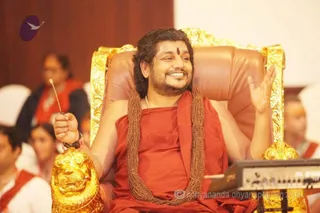
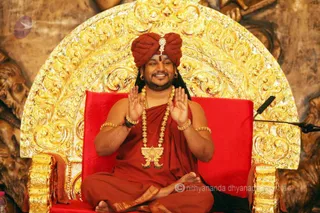
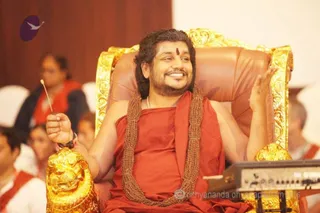
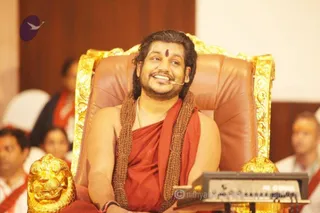
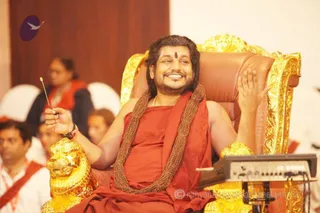
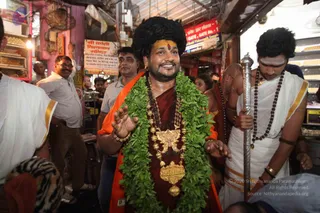
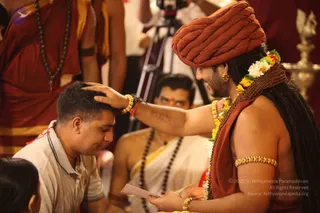
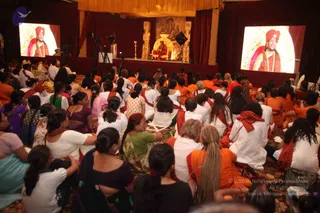
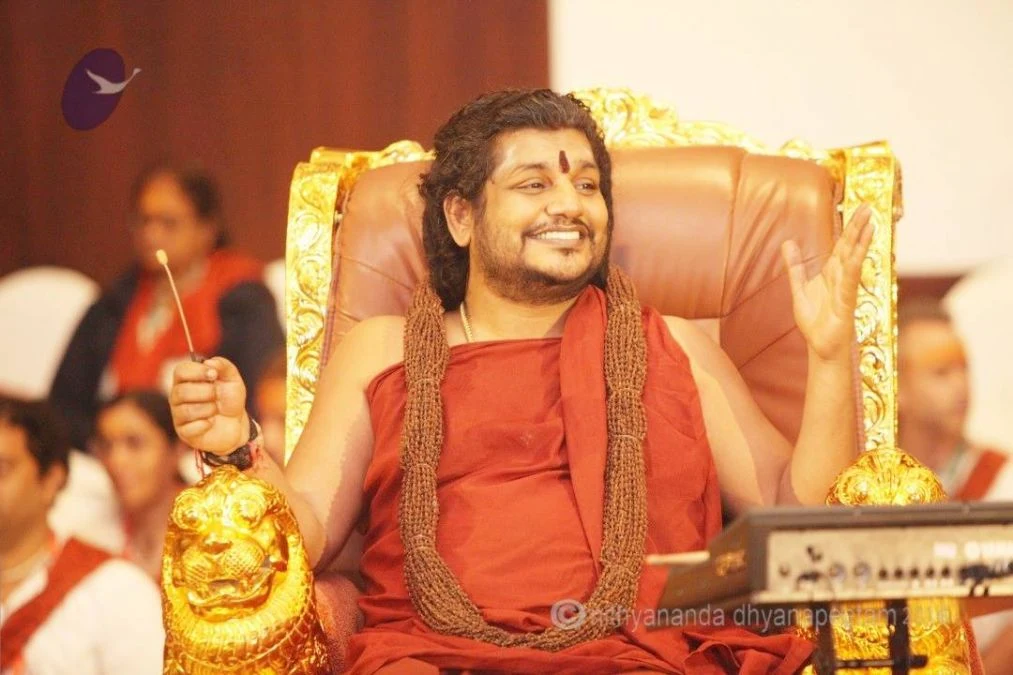
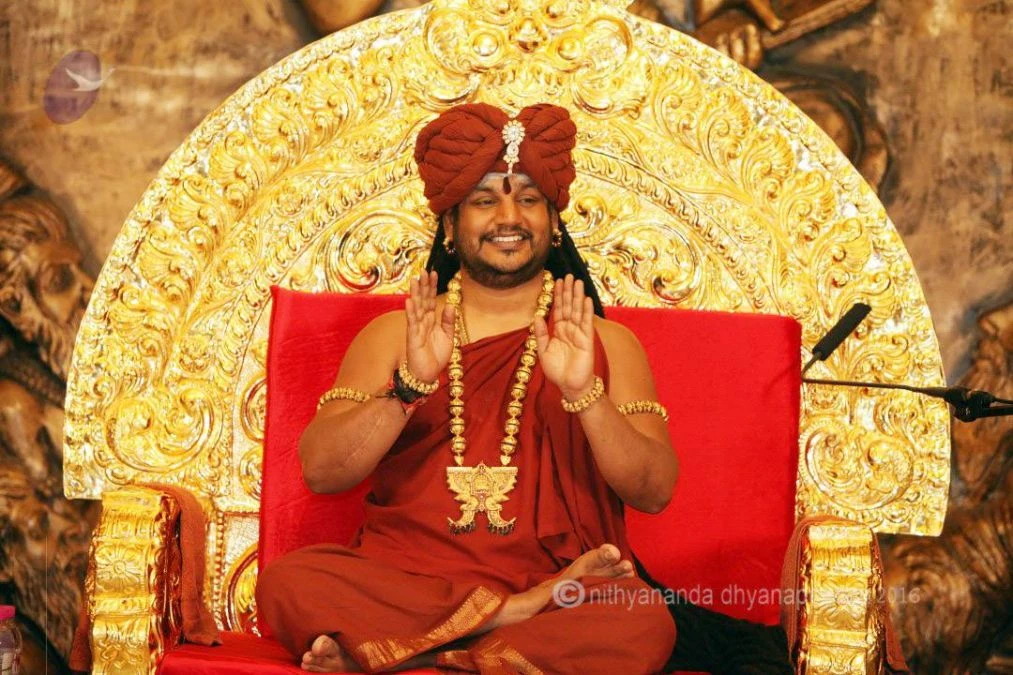
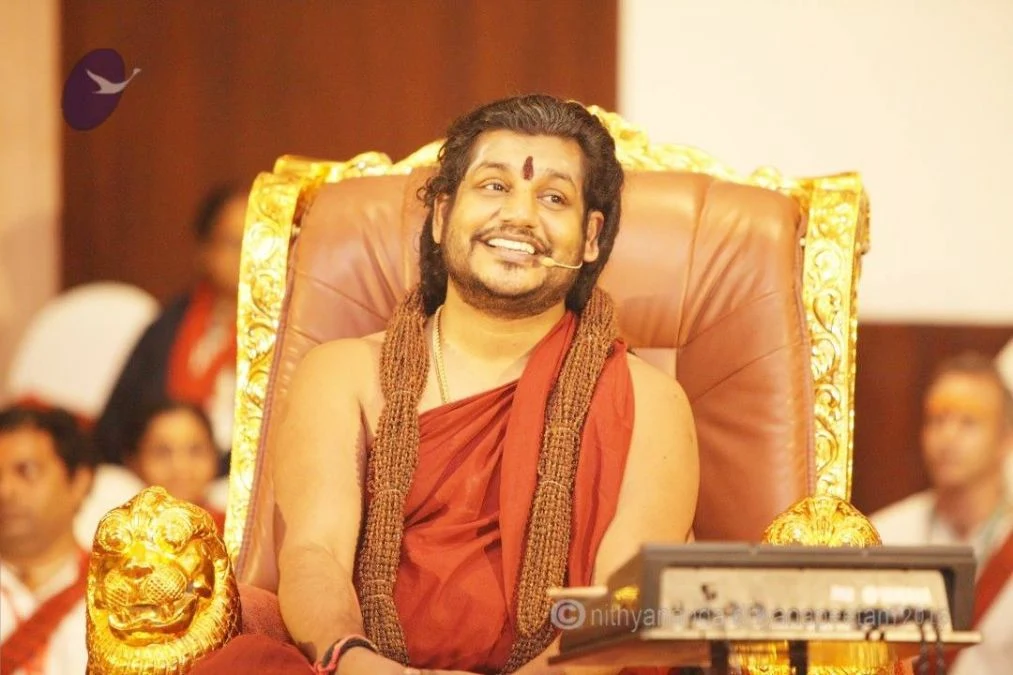
Photos From The Day:
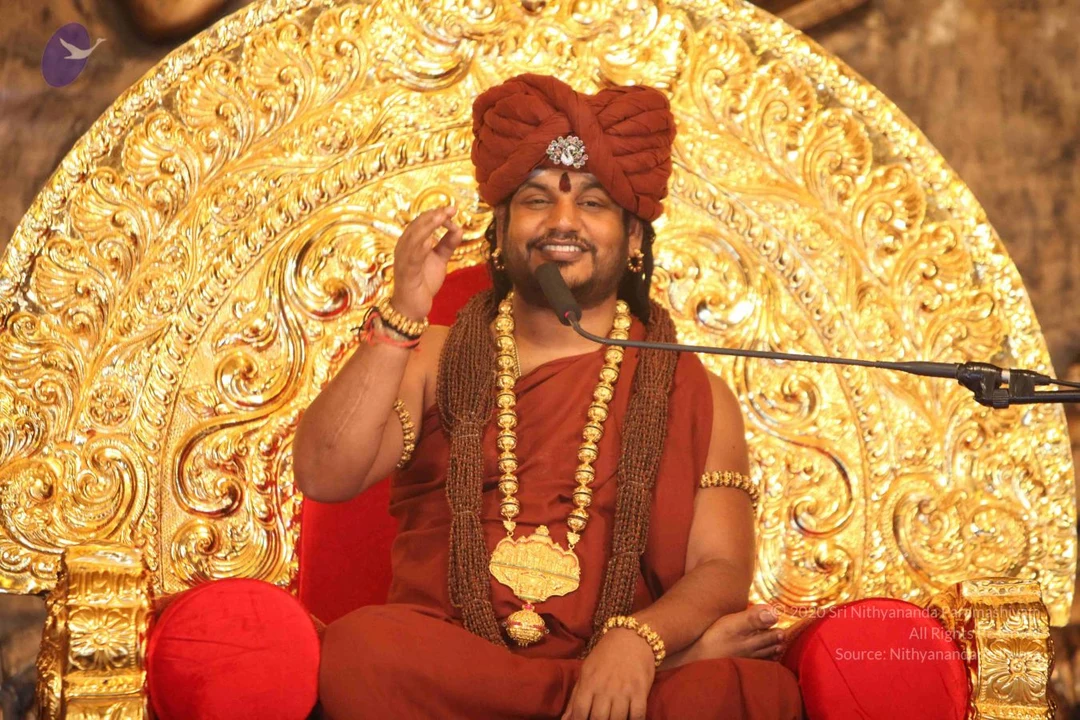
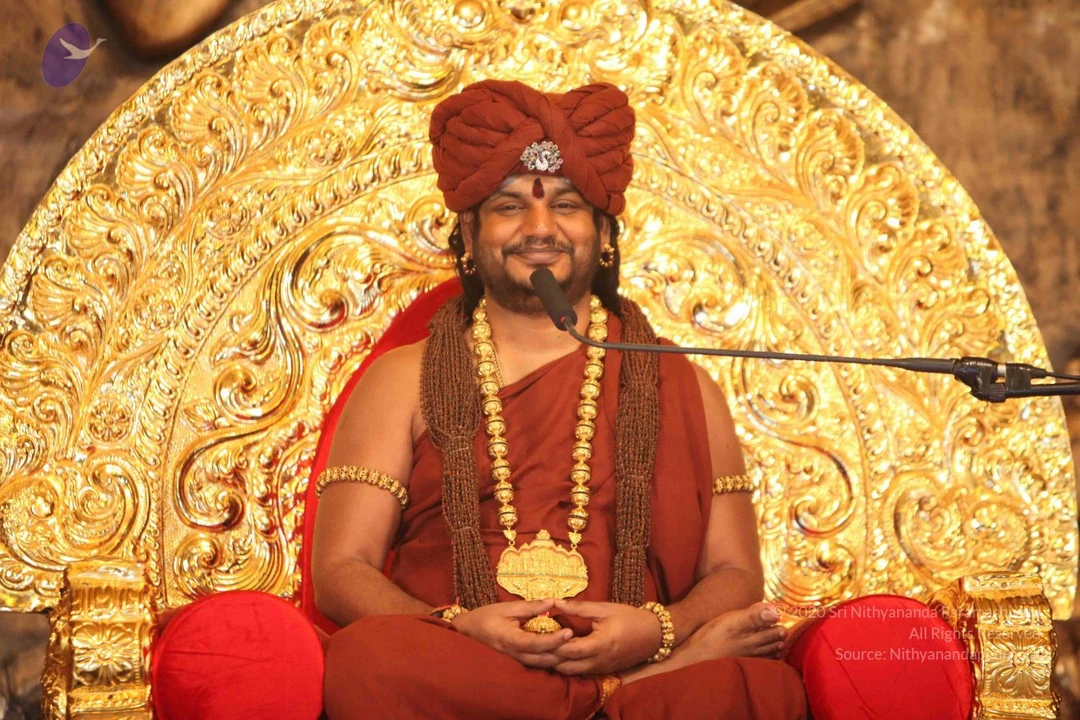
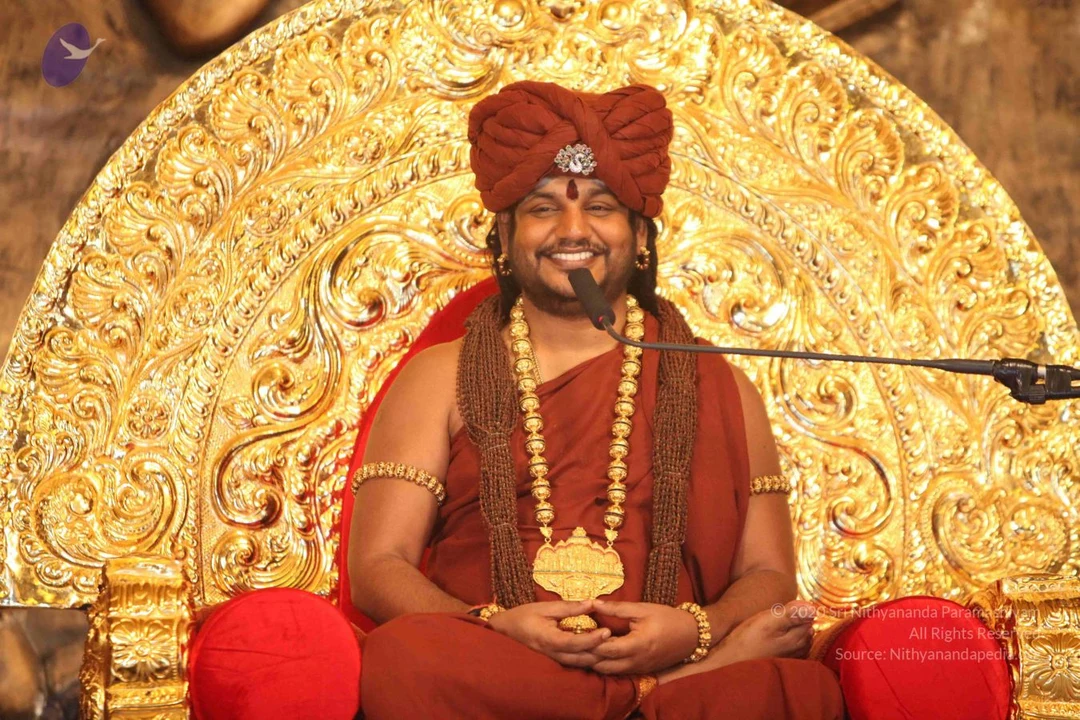
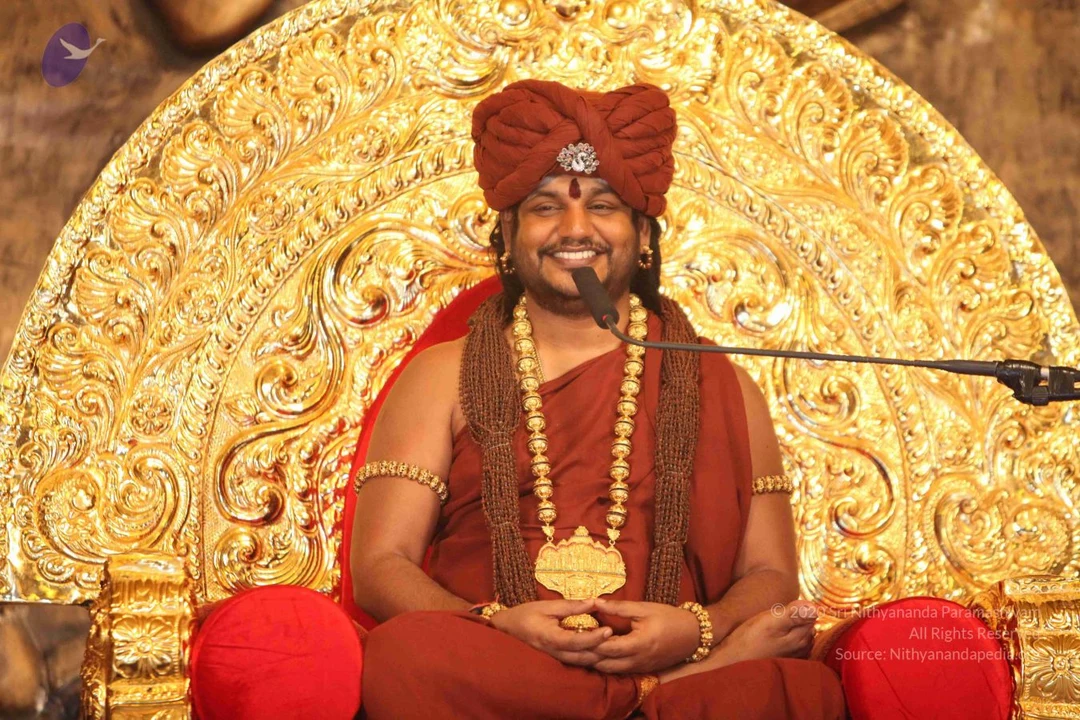
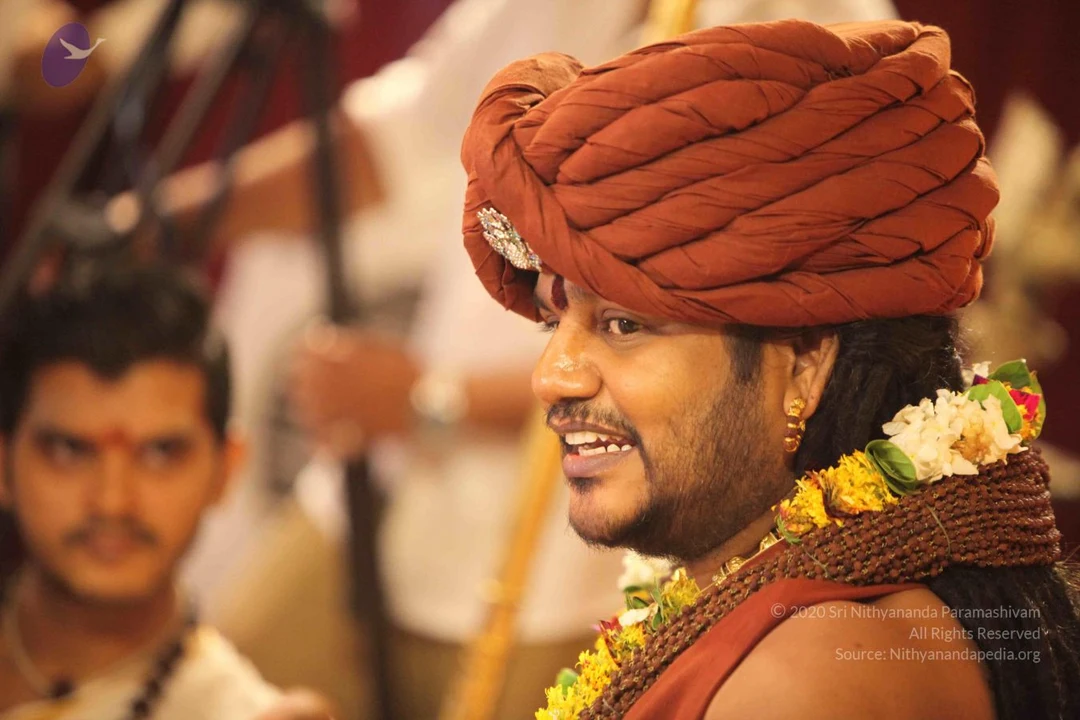
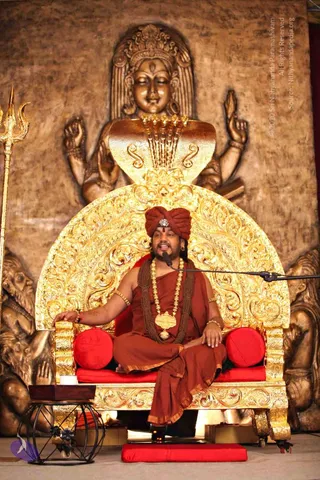
Nithya Satsang
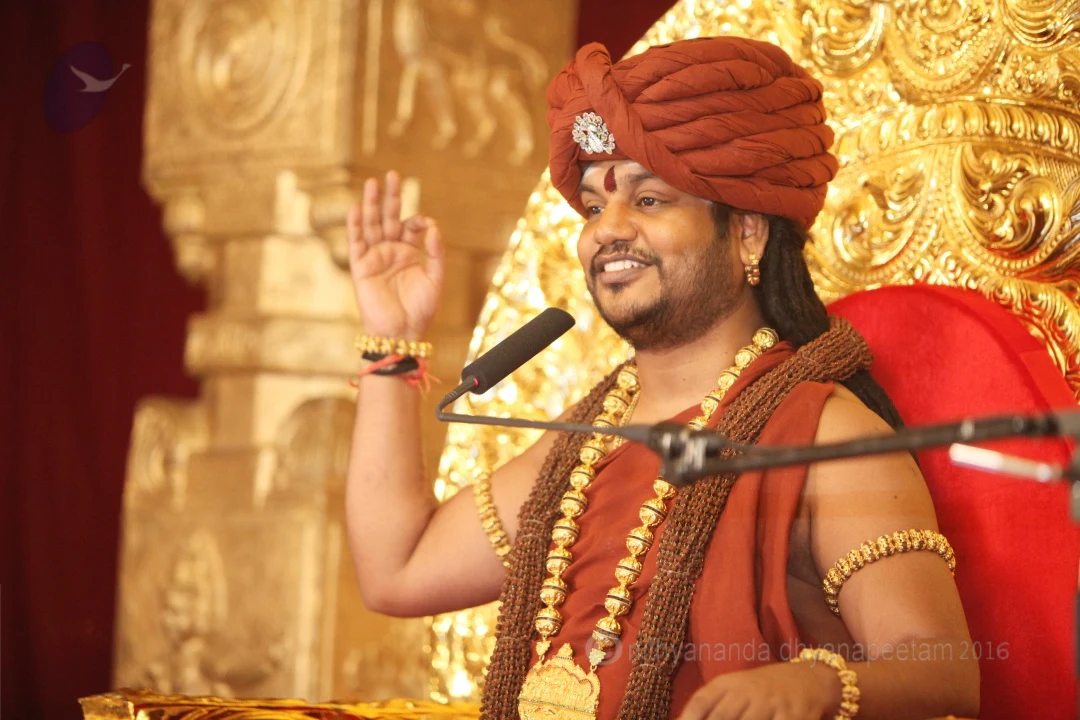
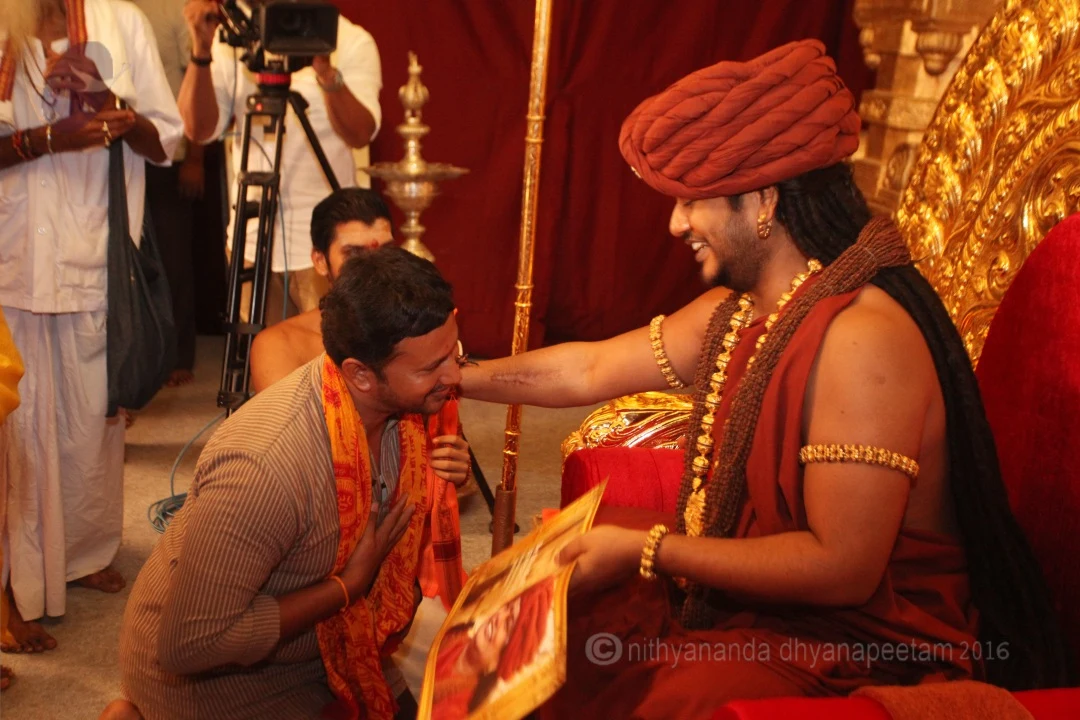
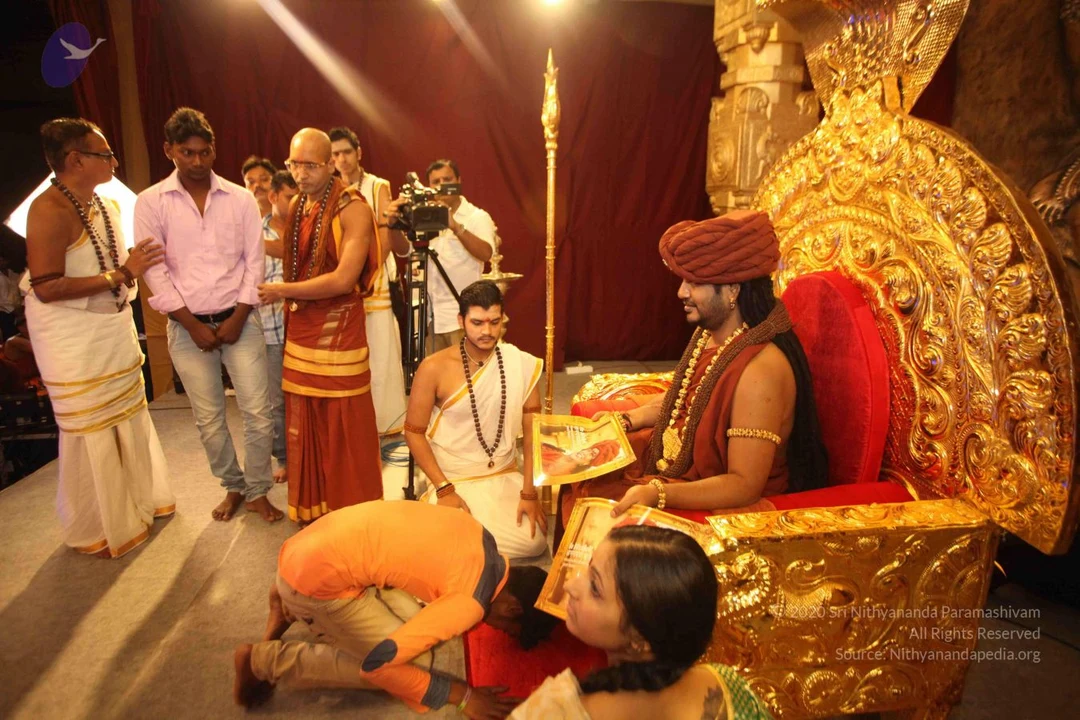
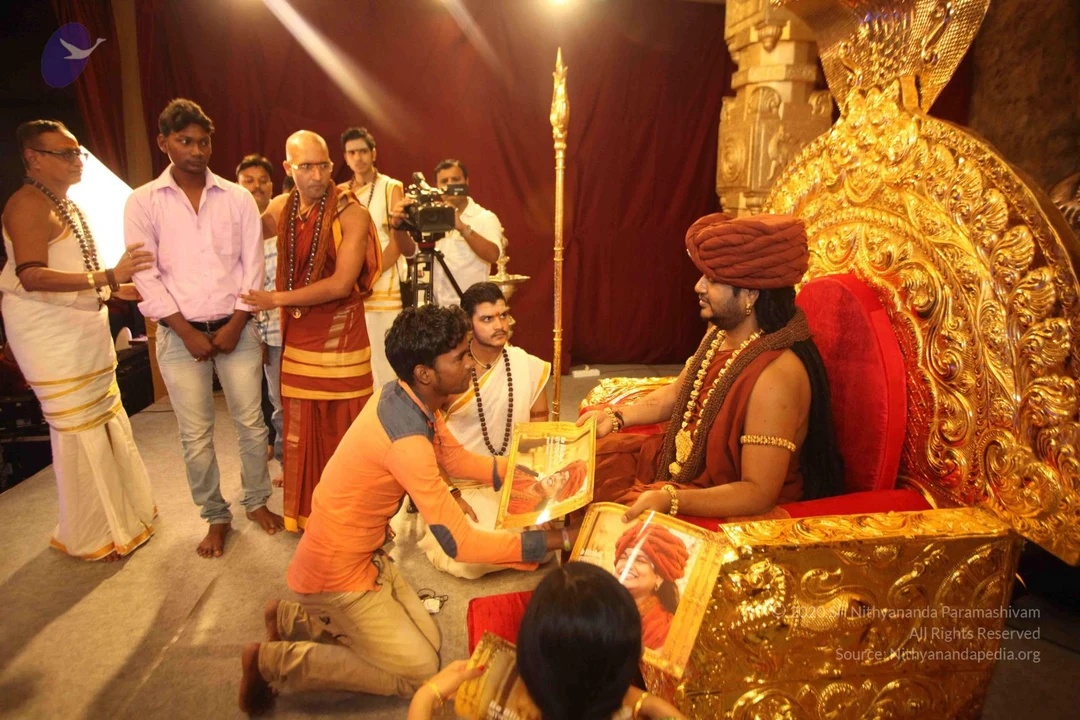
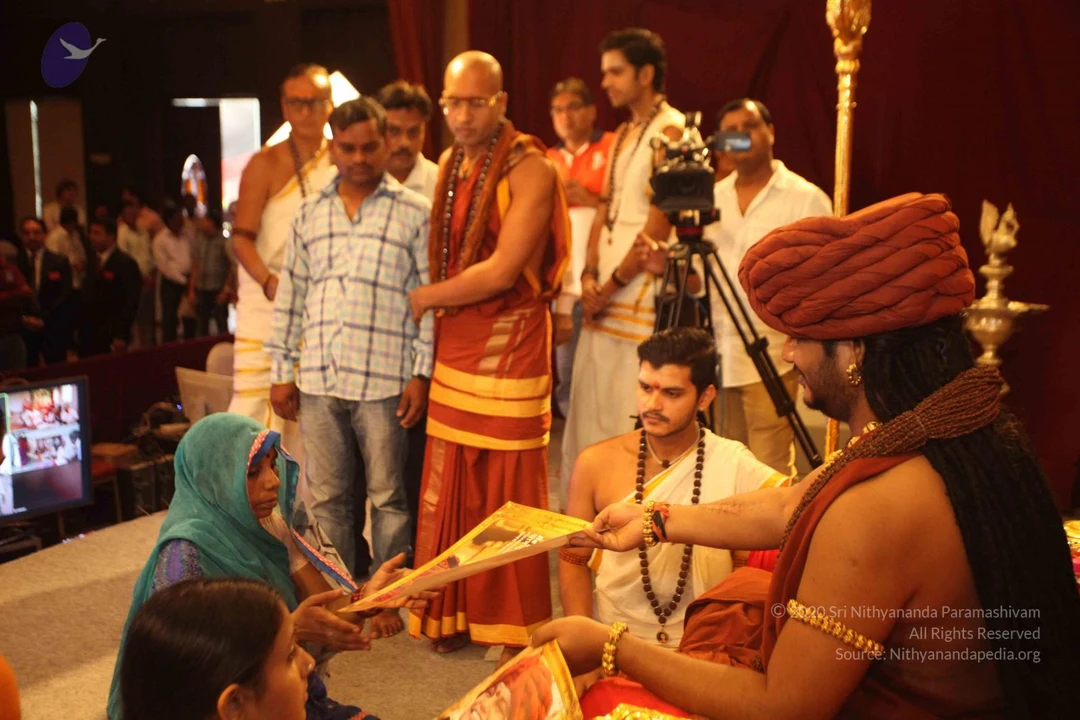
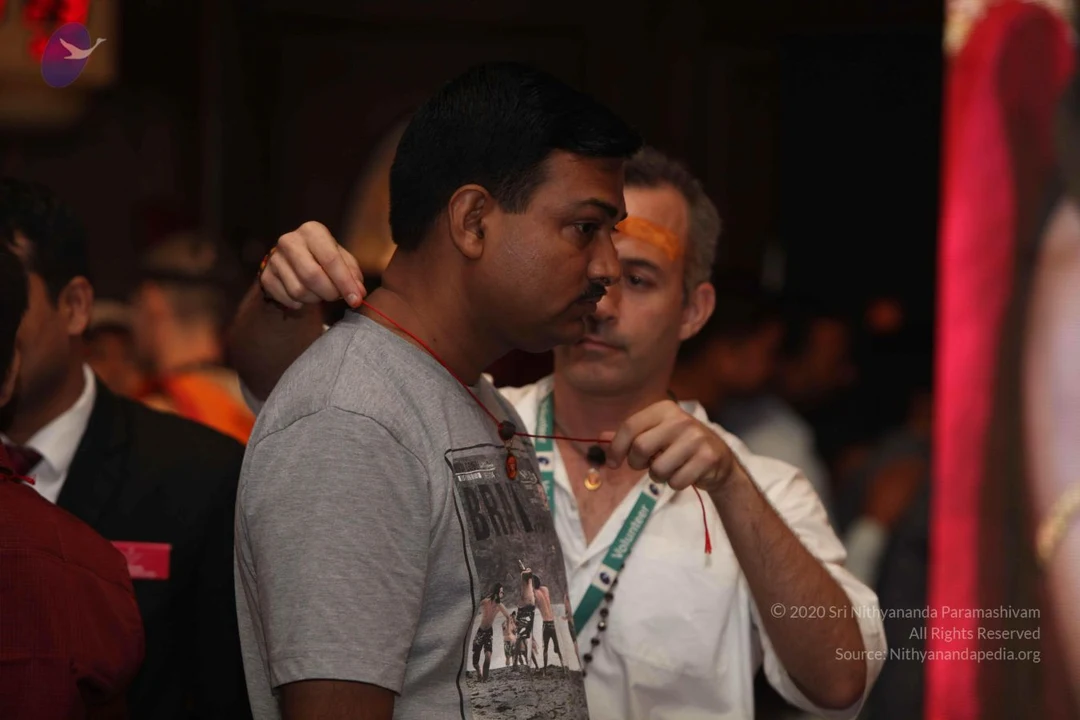
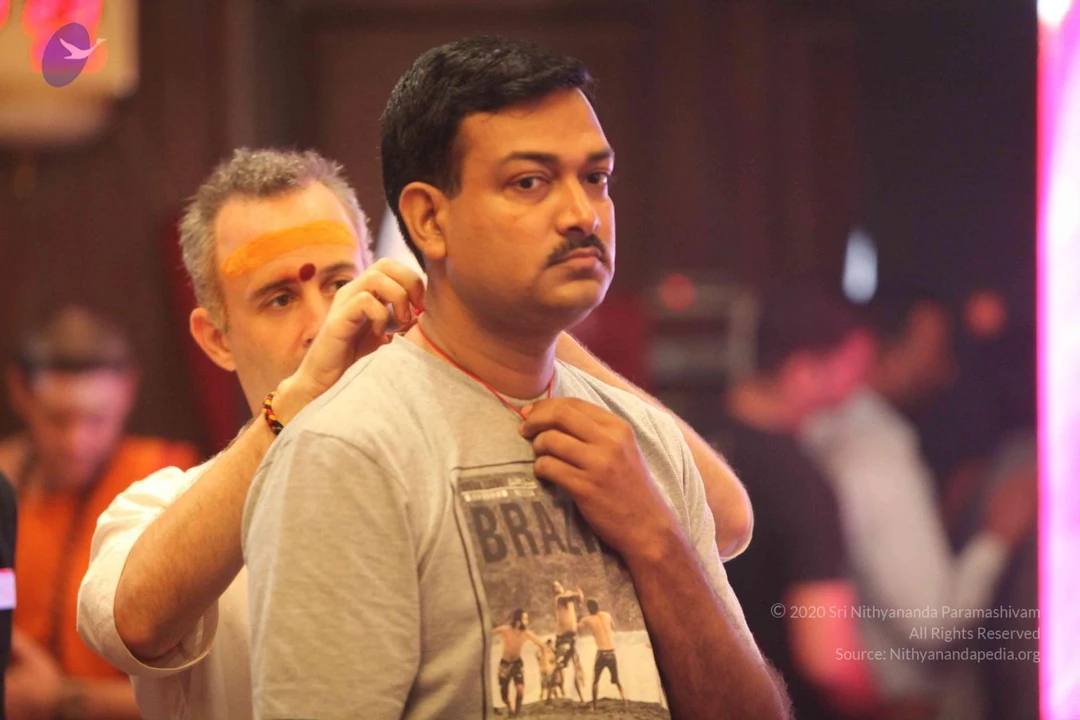
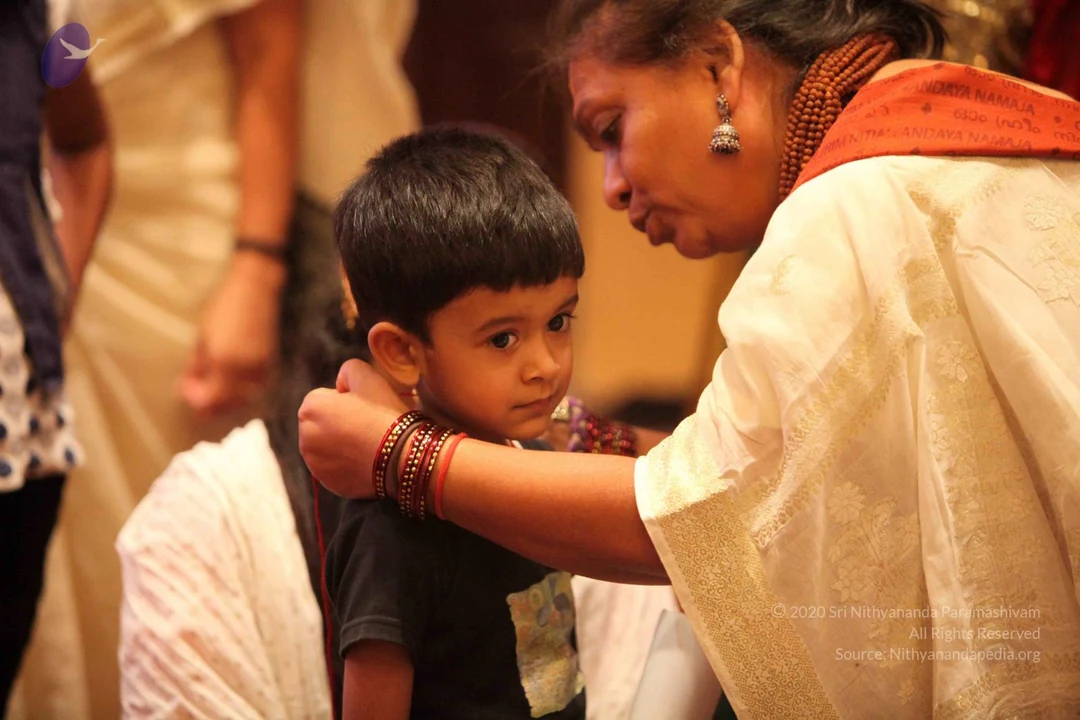
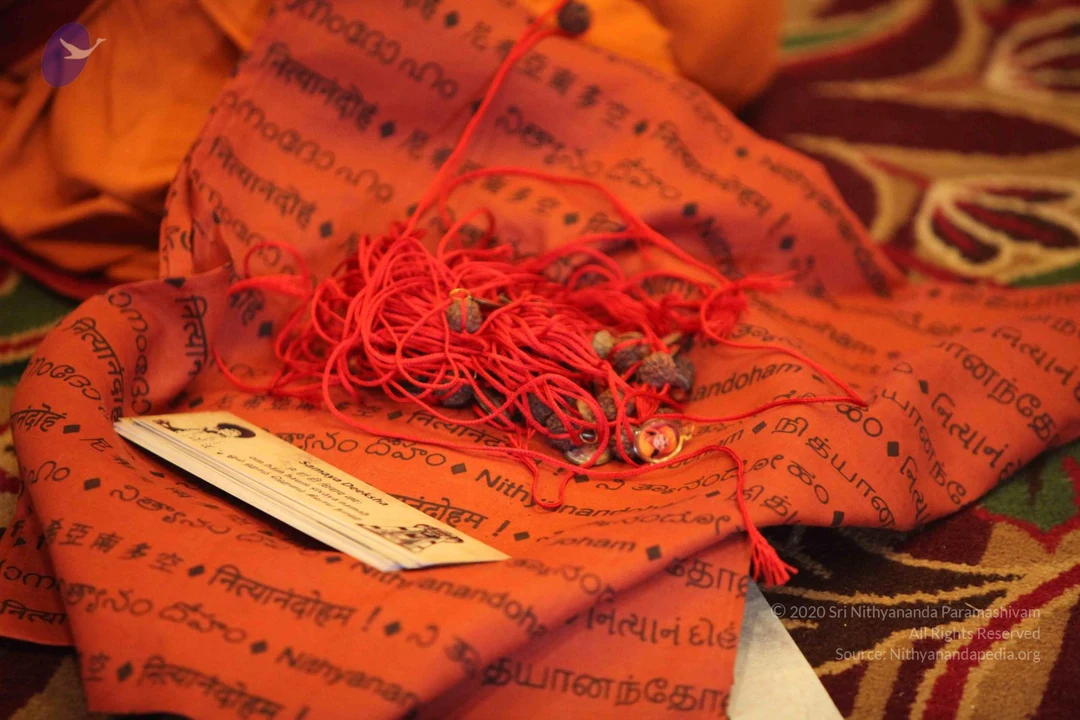
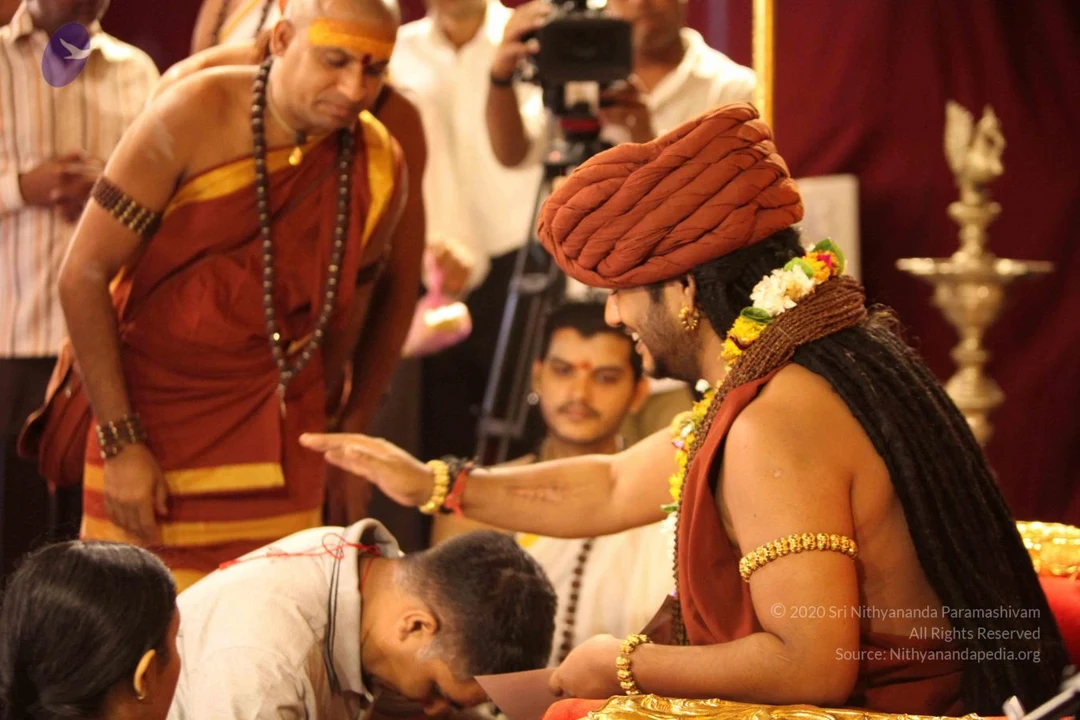
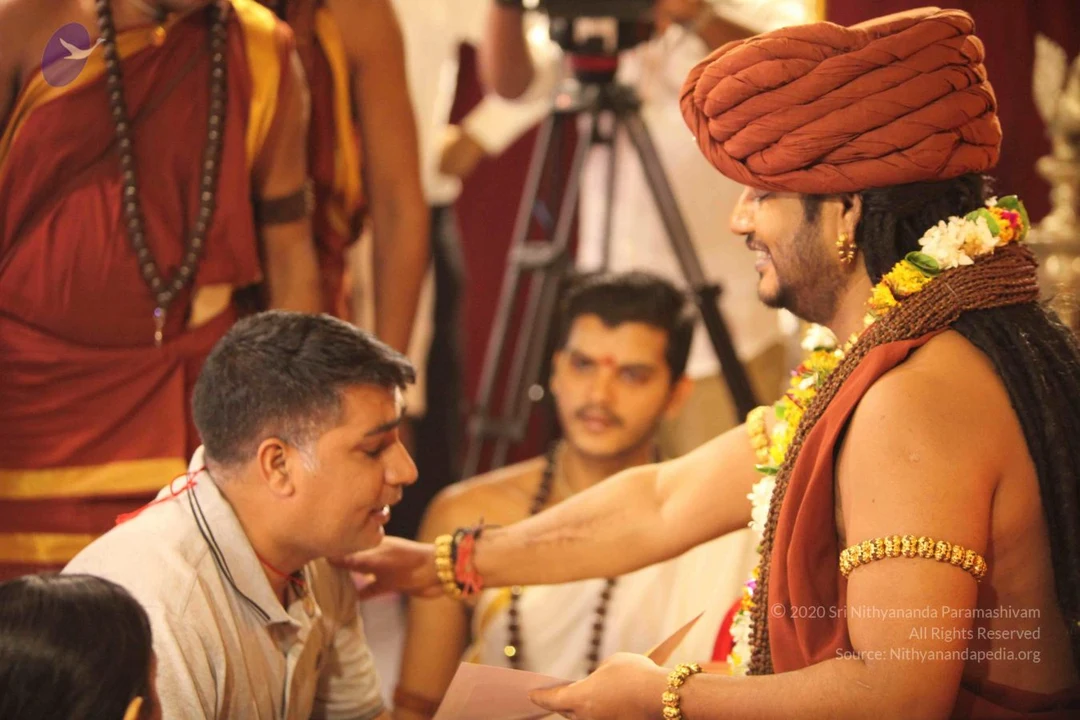
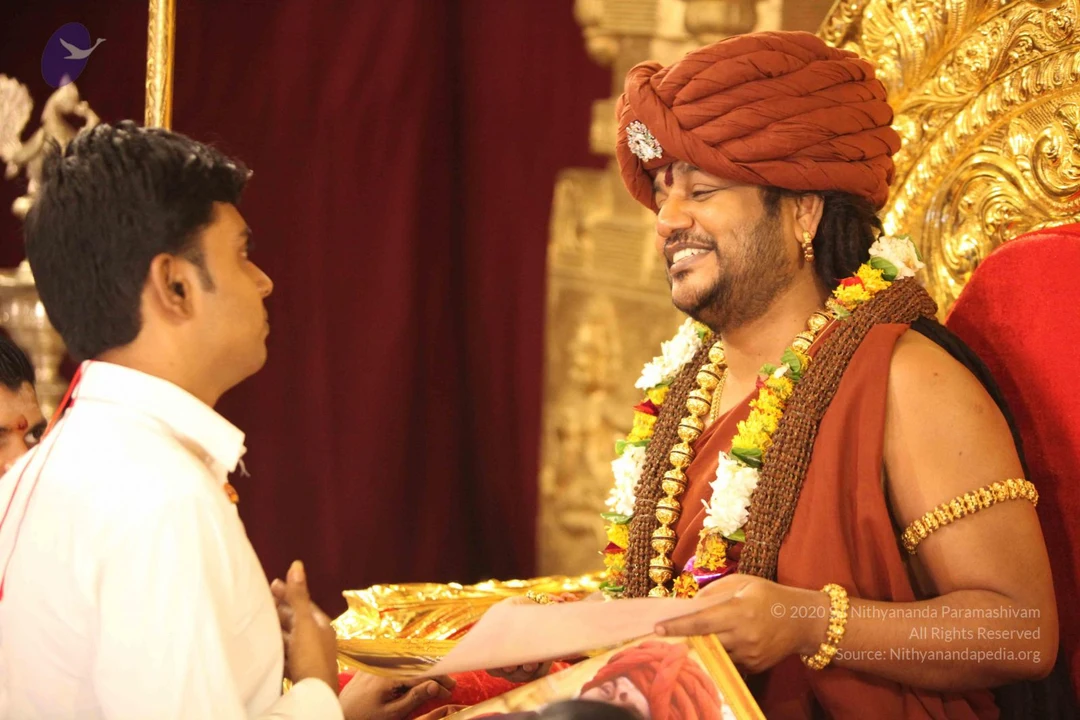
Guru Mantra Deeksha
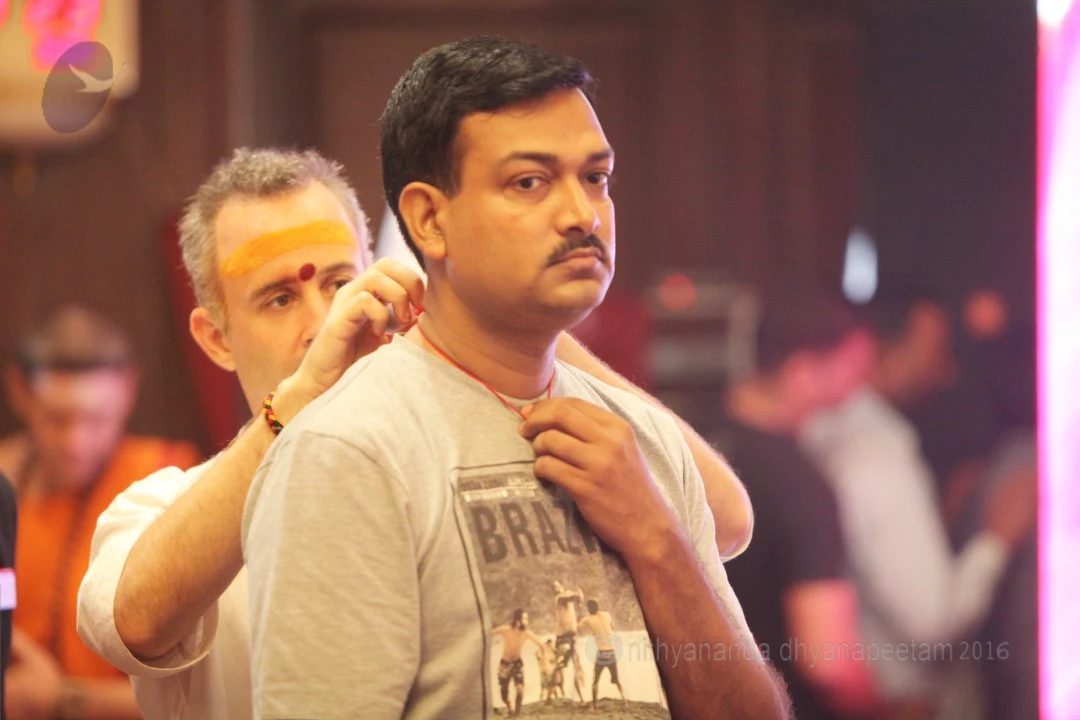
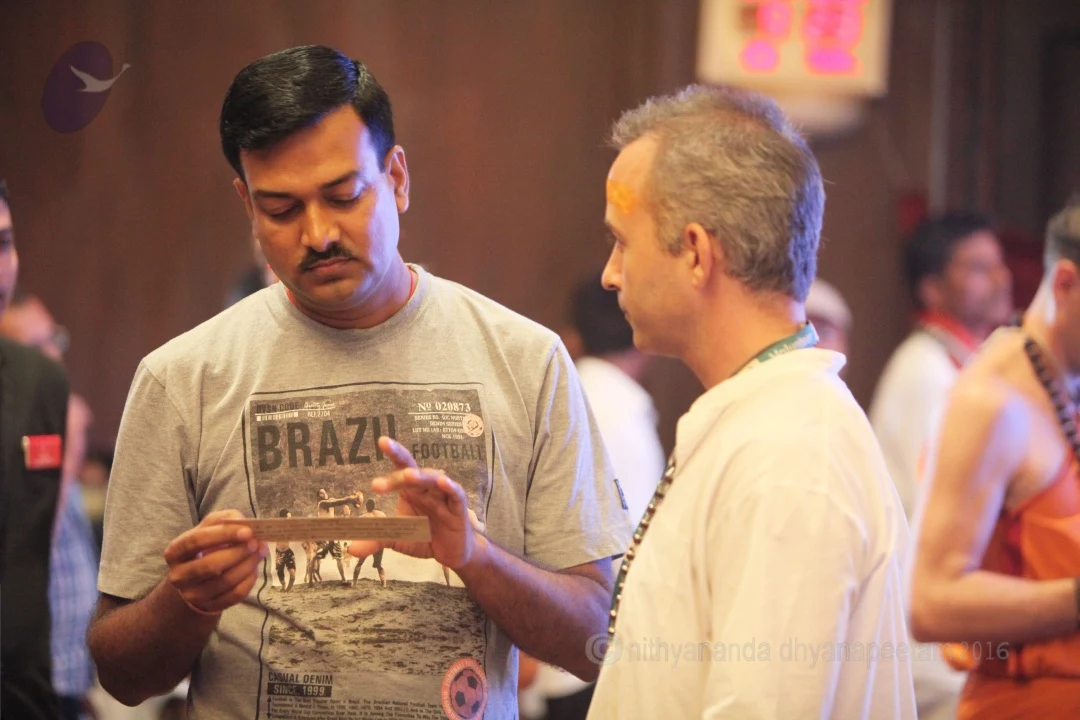
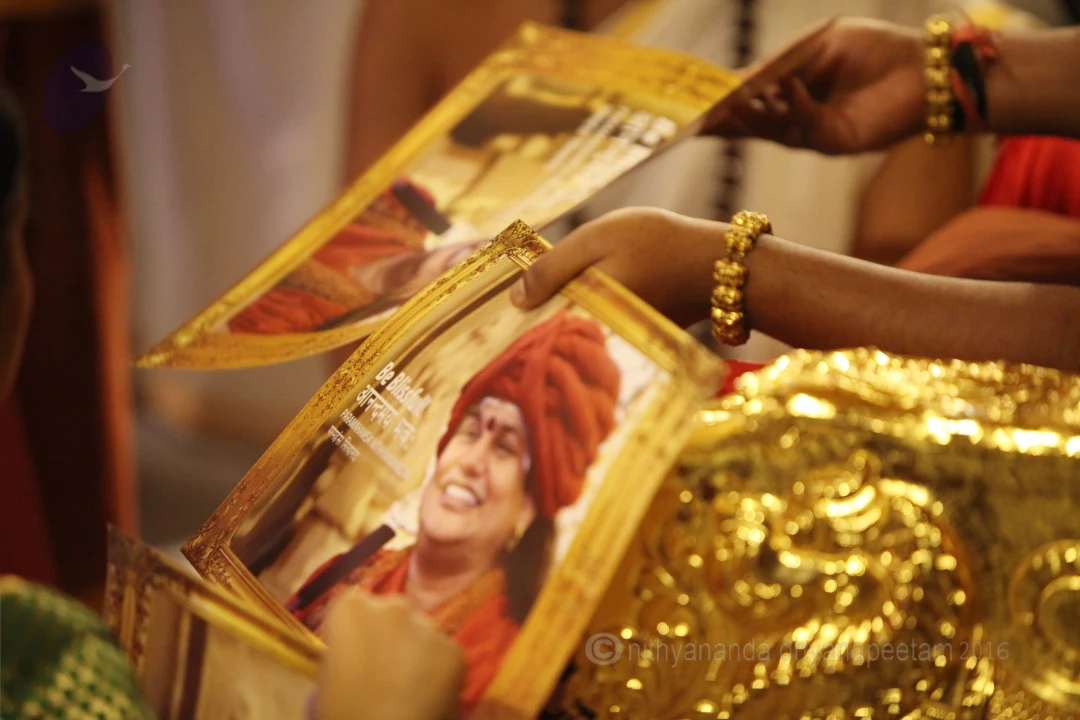
Kalpataru Darshan
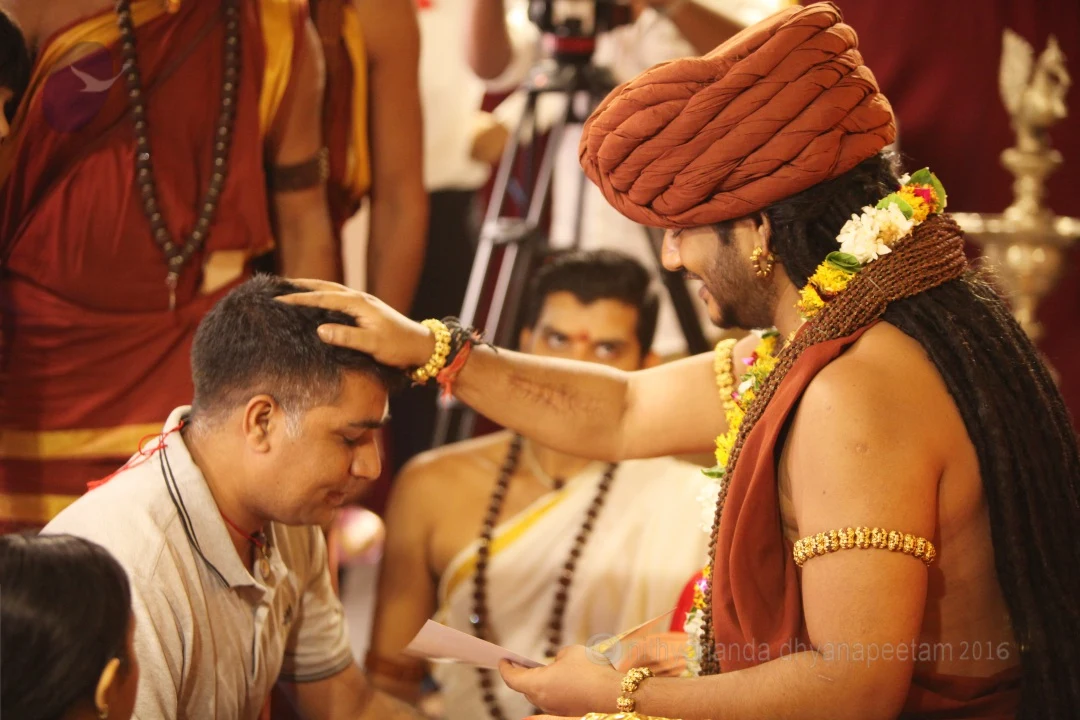
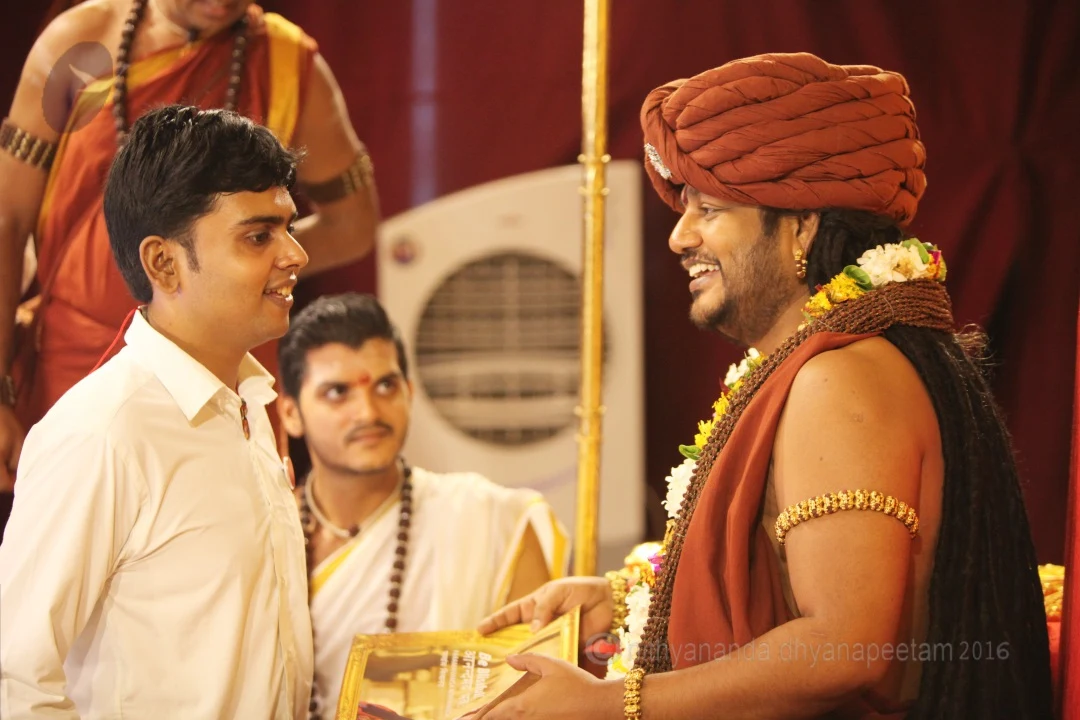
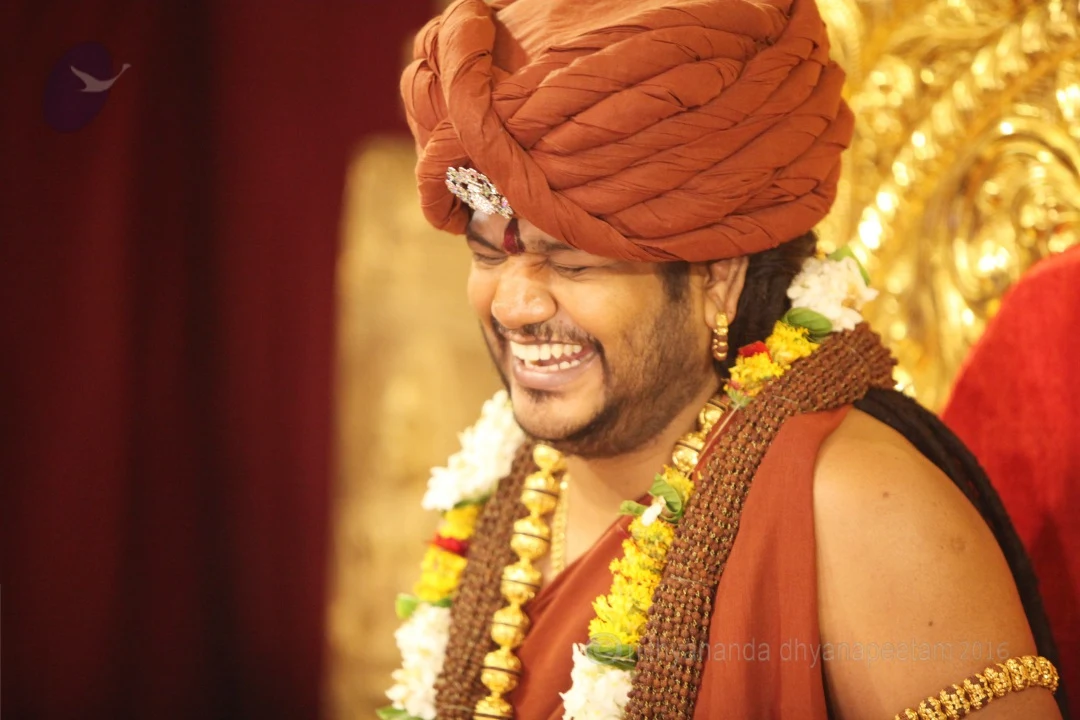
Link to Facebook Page:
https://www.facebook.com/ParamahamsaNithyananda/photos/a.321615927926264/1074981402589709
Photos Of The Day:
Nithya-Satsang
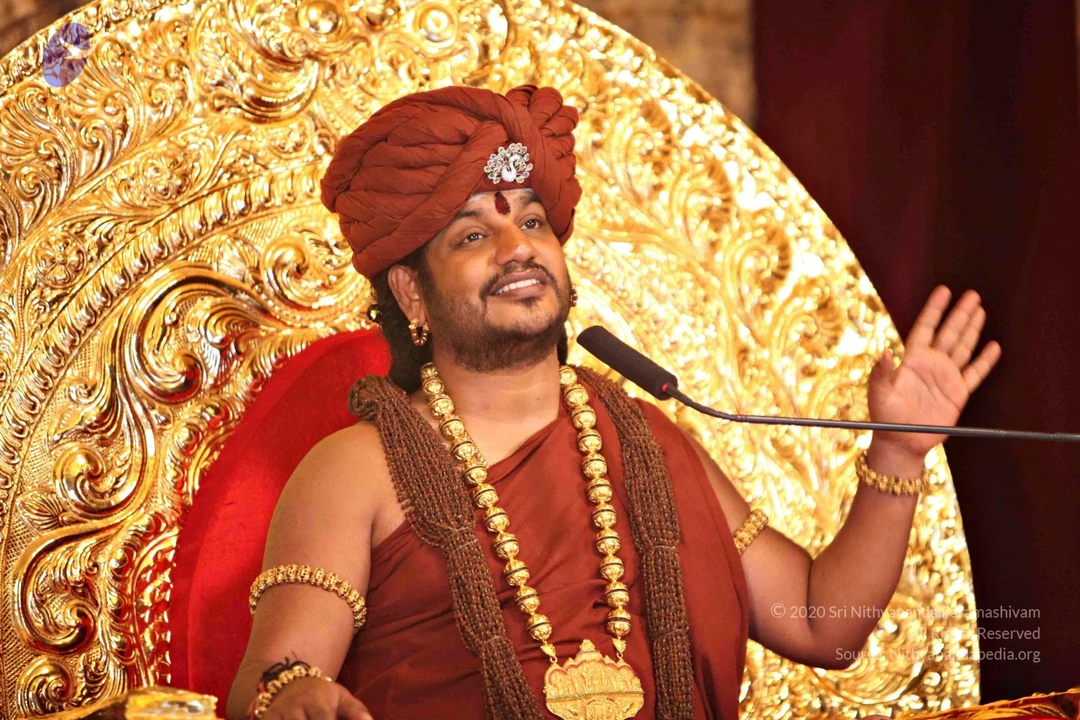
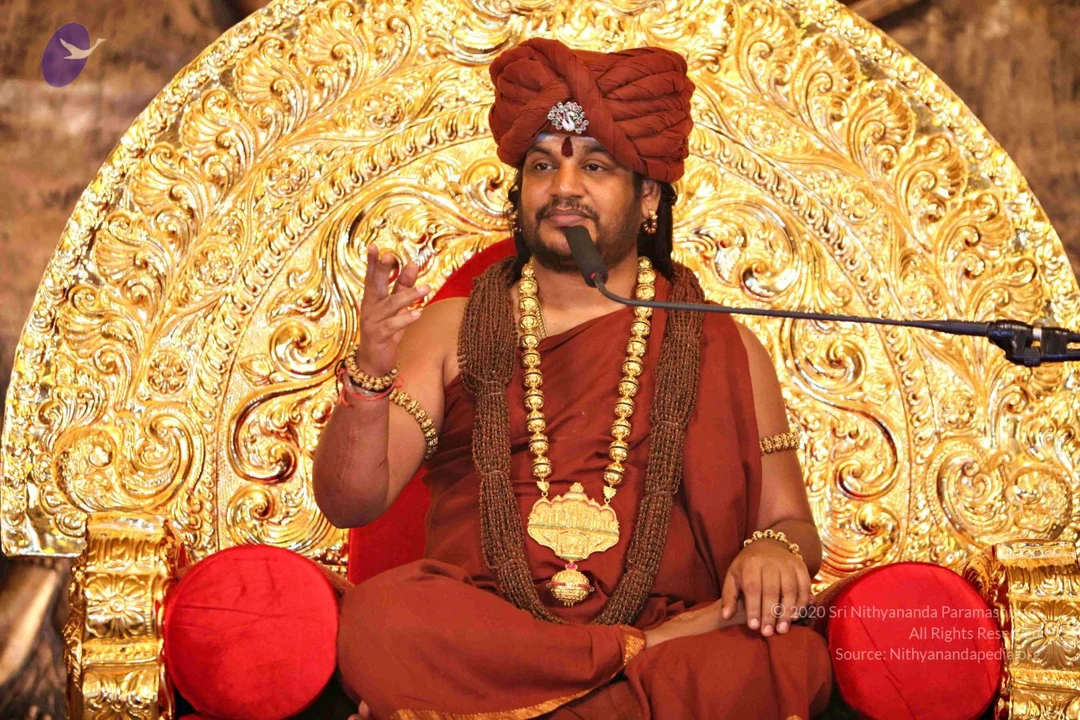
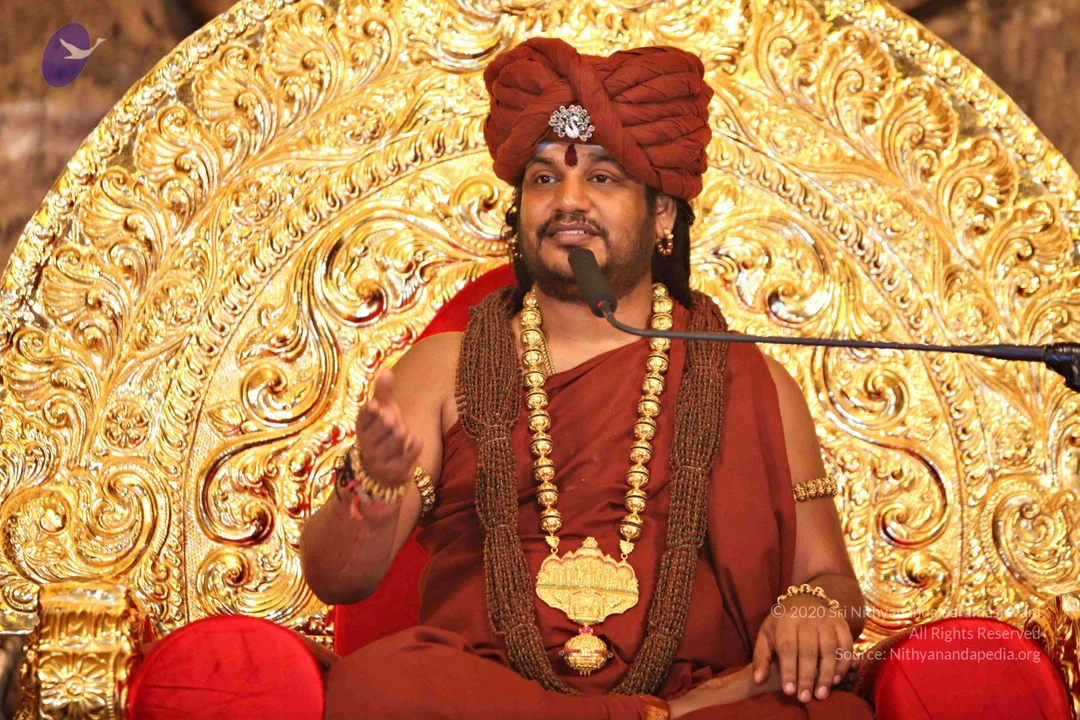
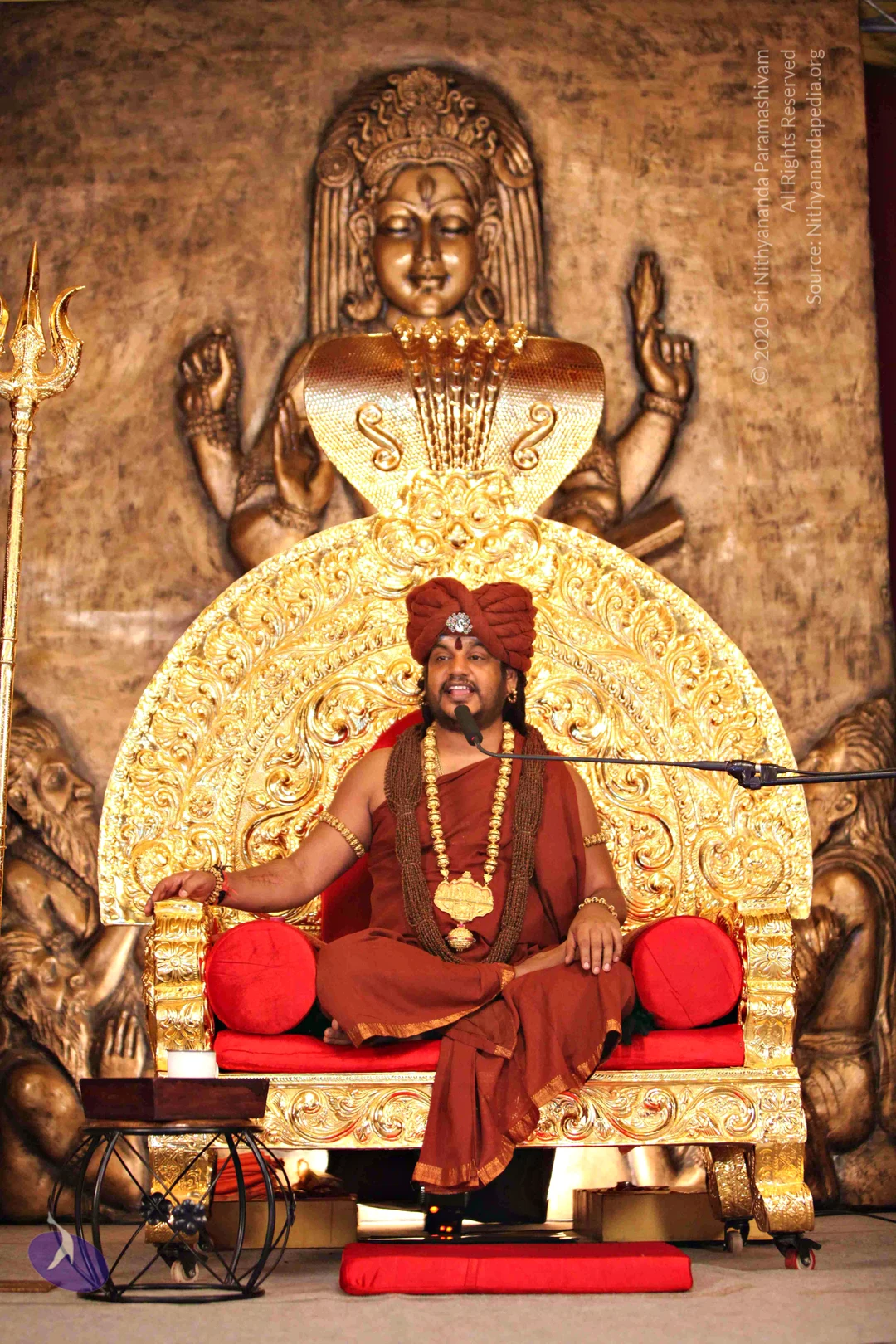
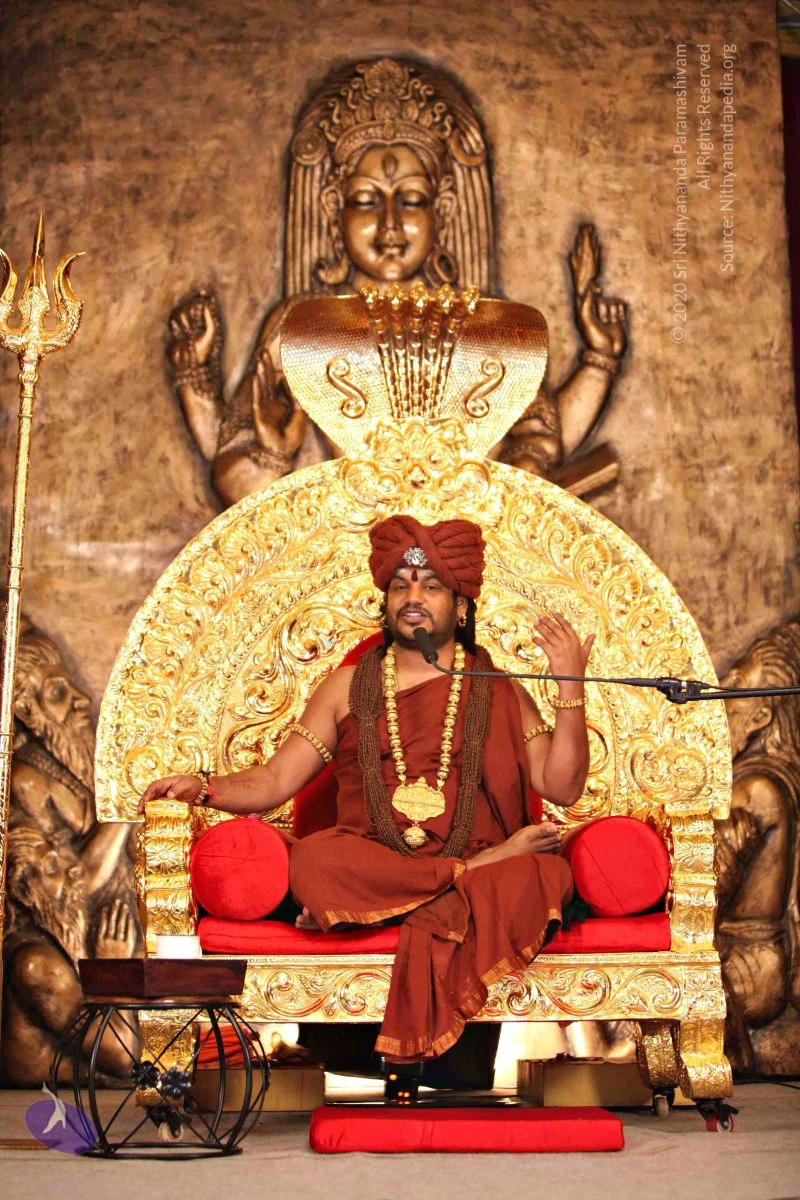
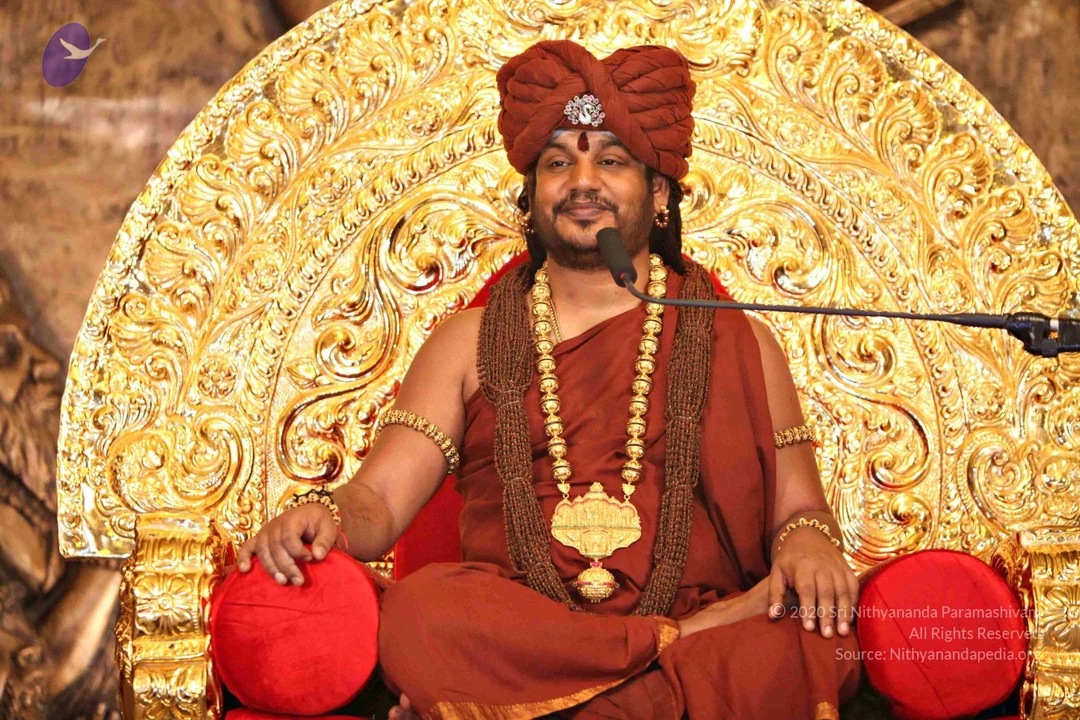
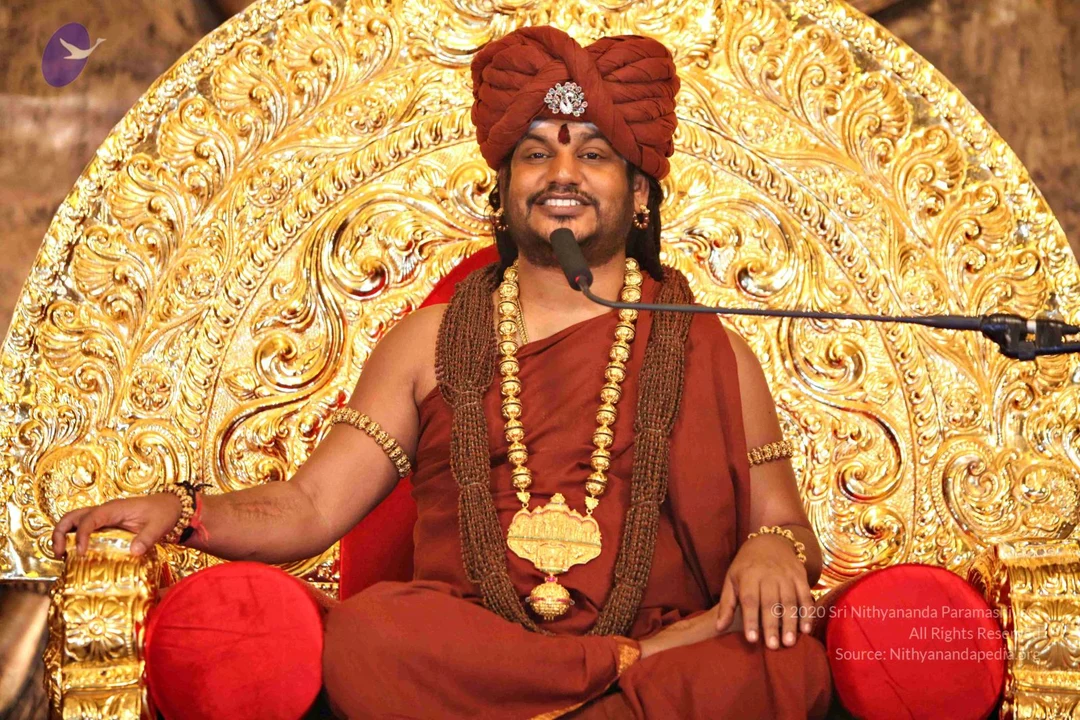
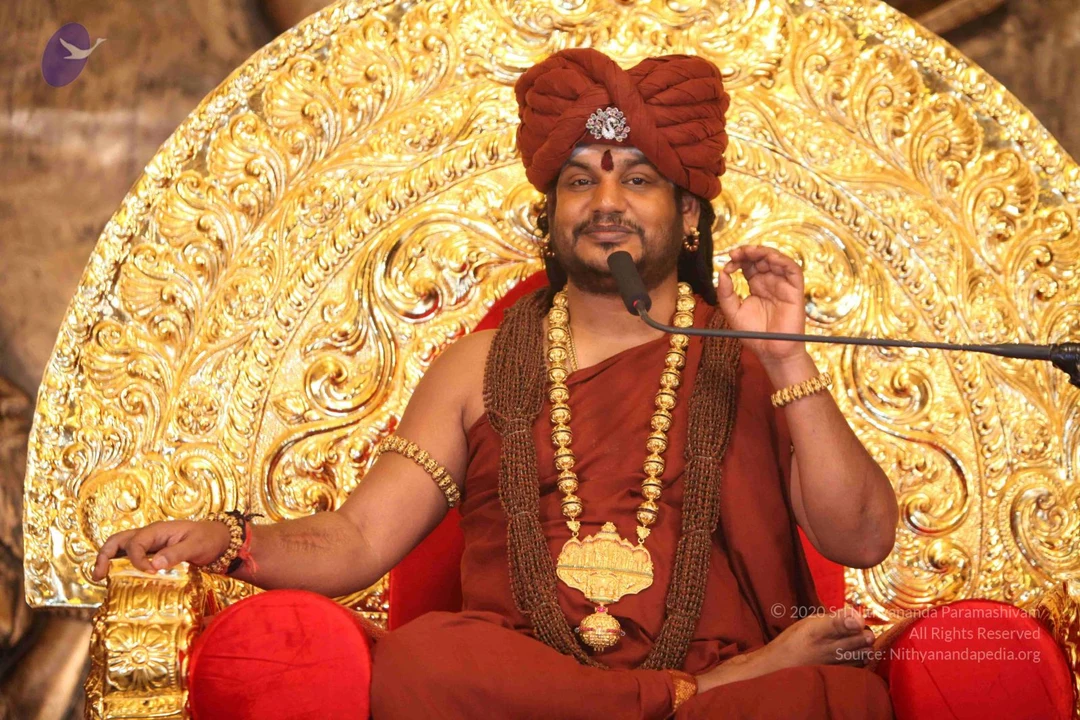
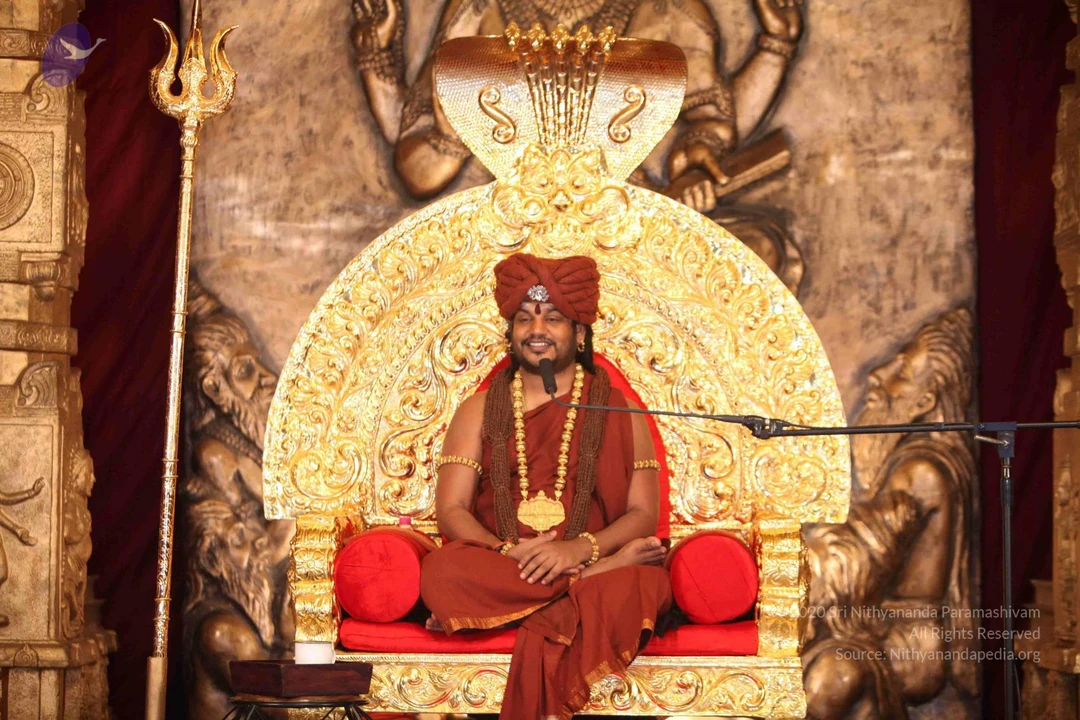
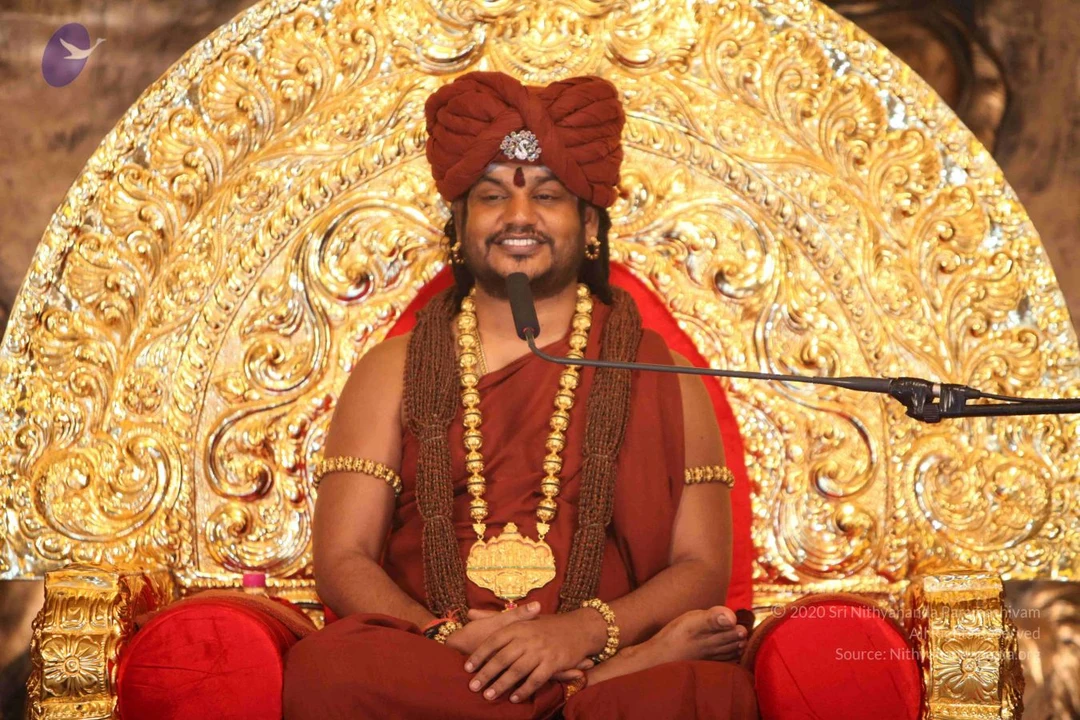
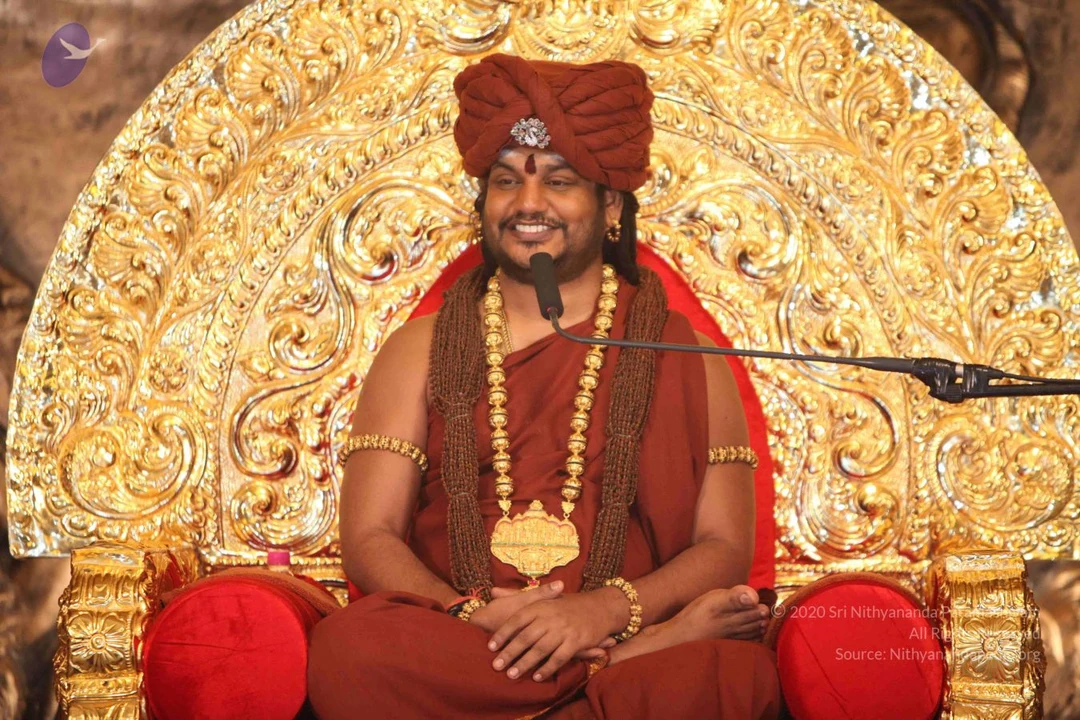
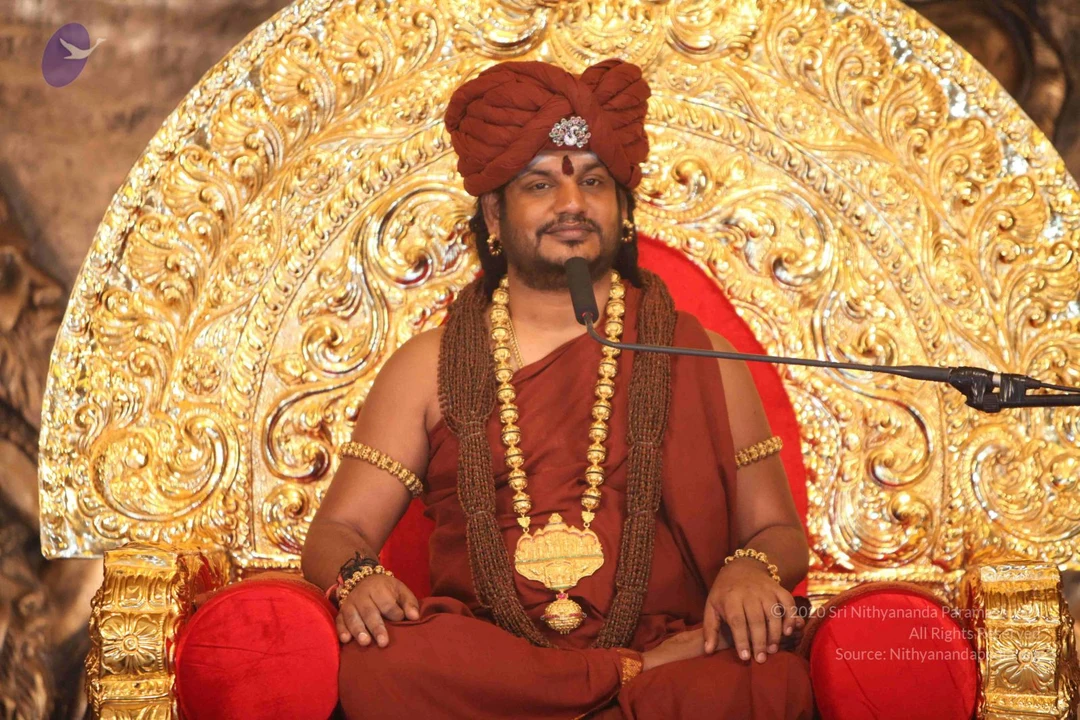
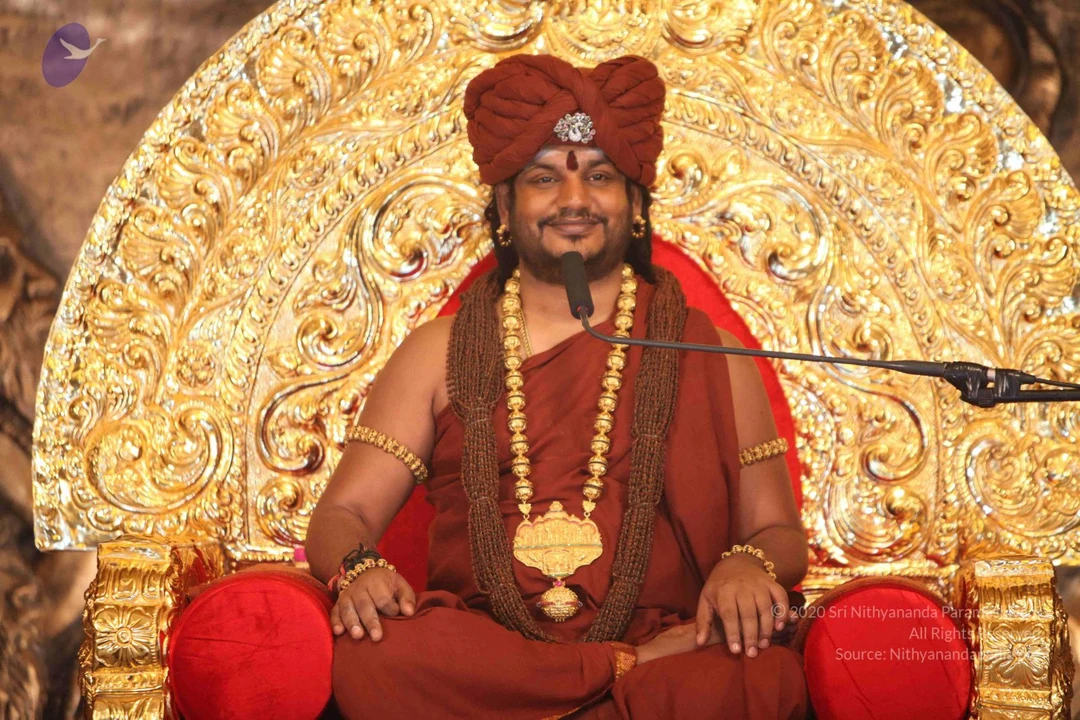

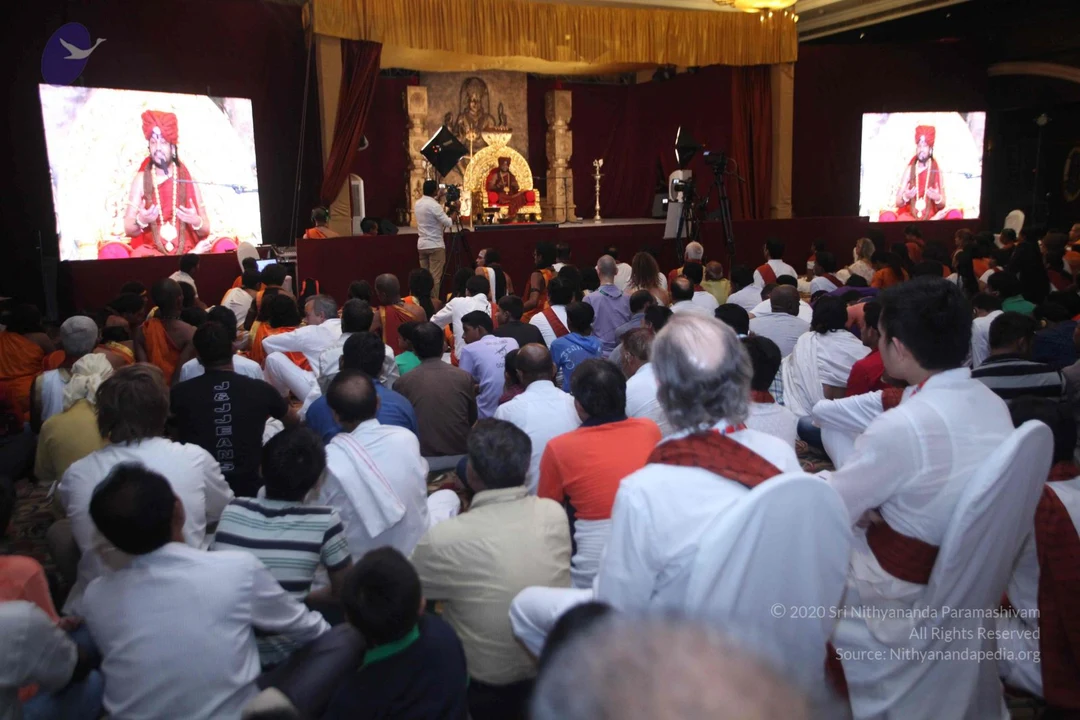

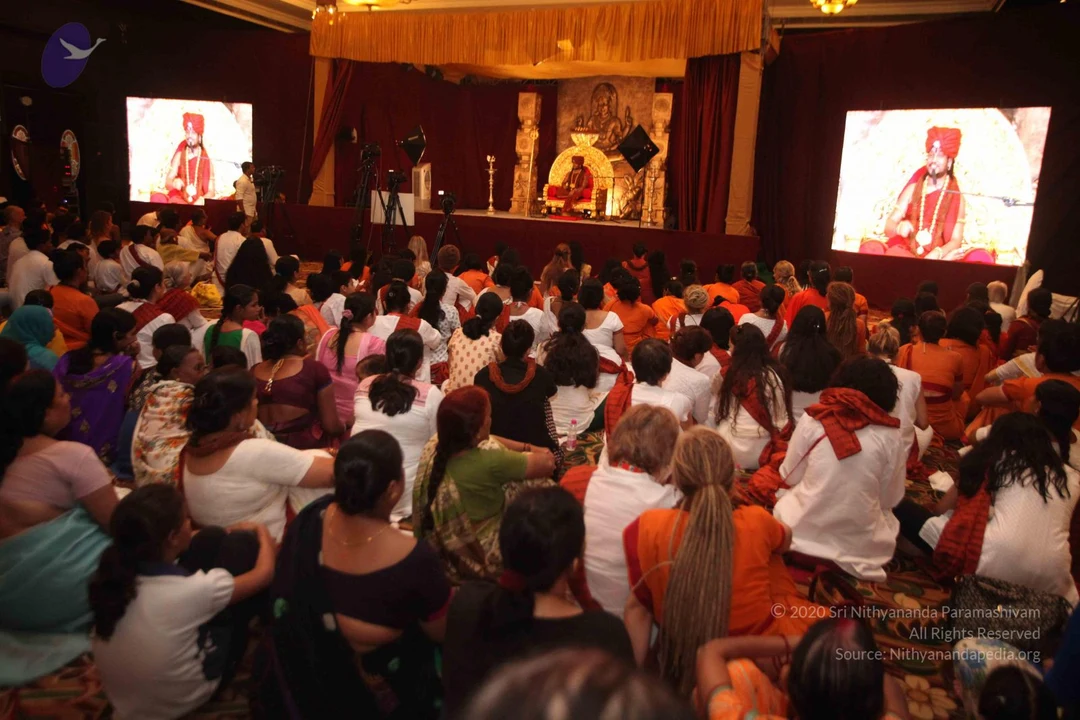
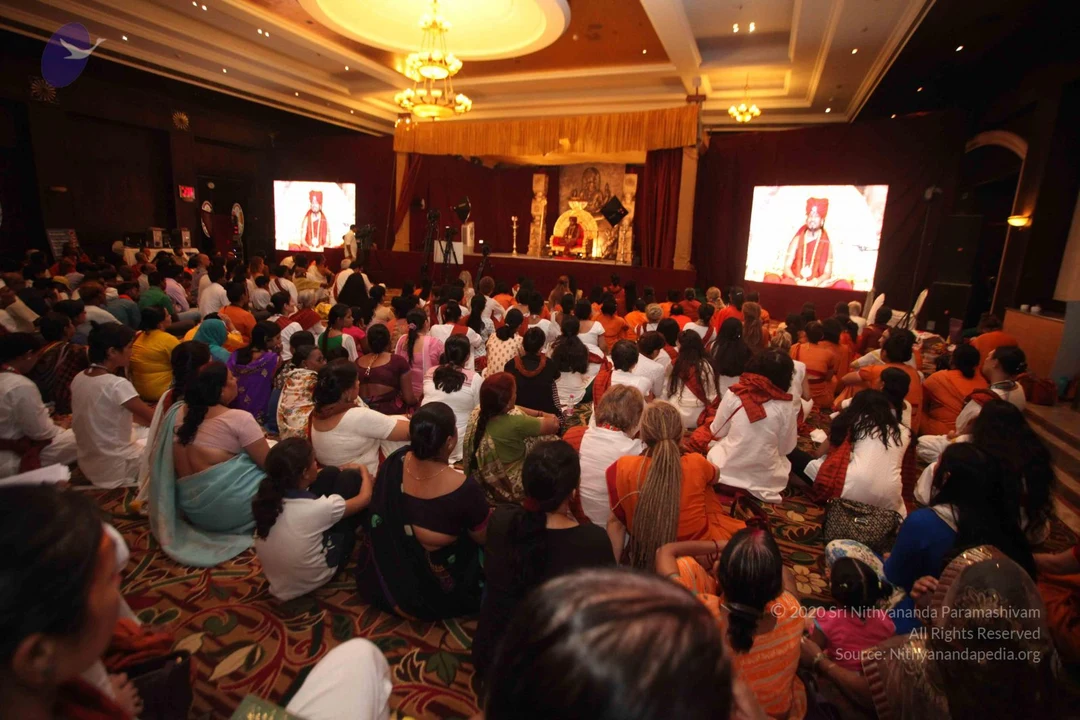
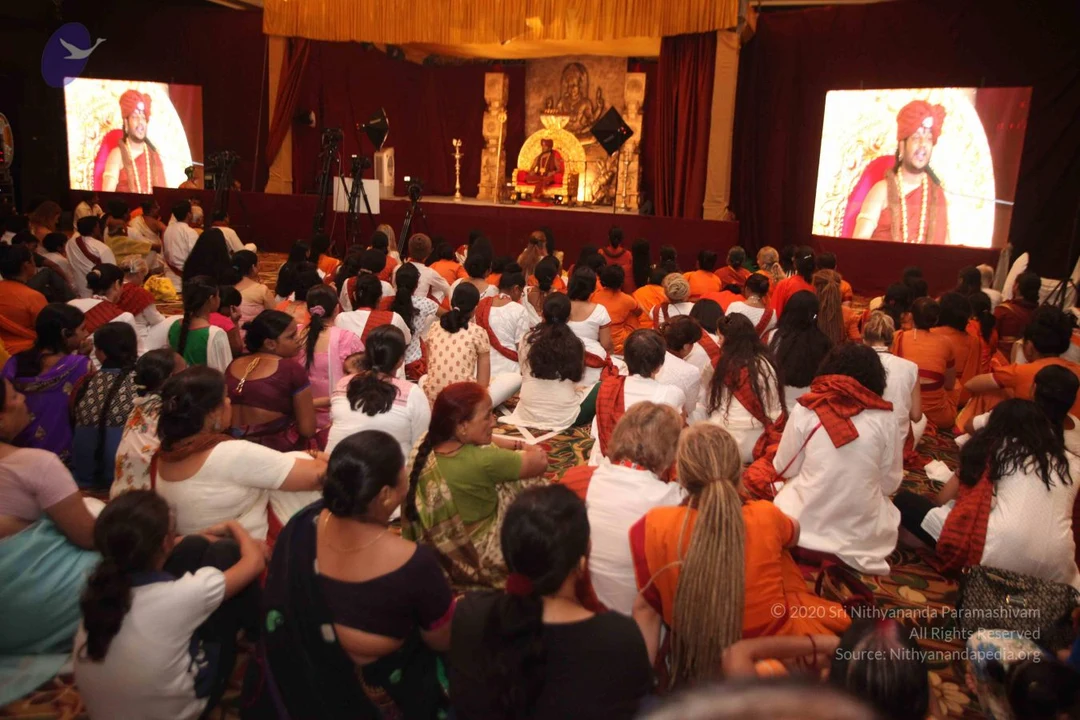
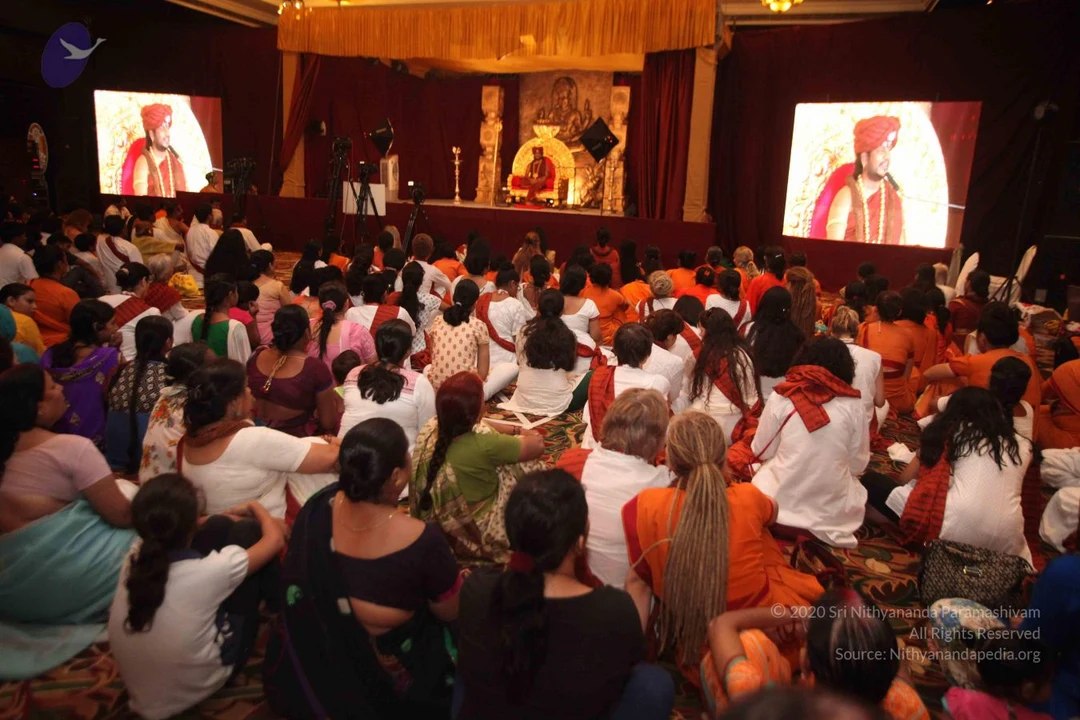
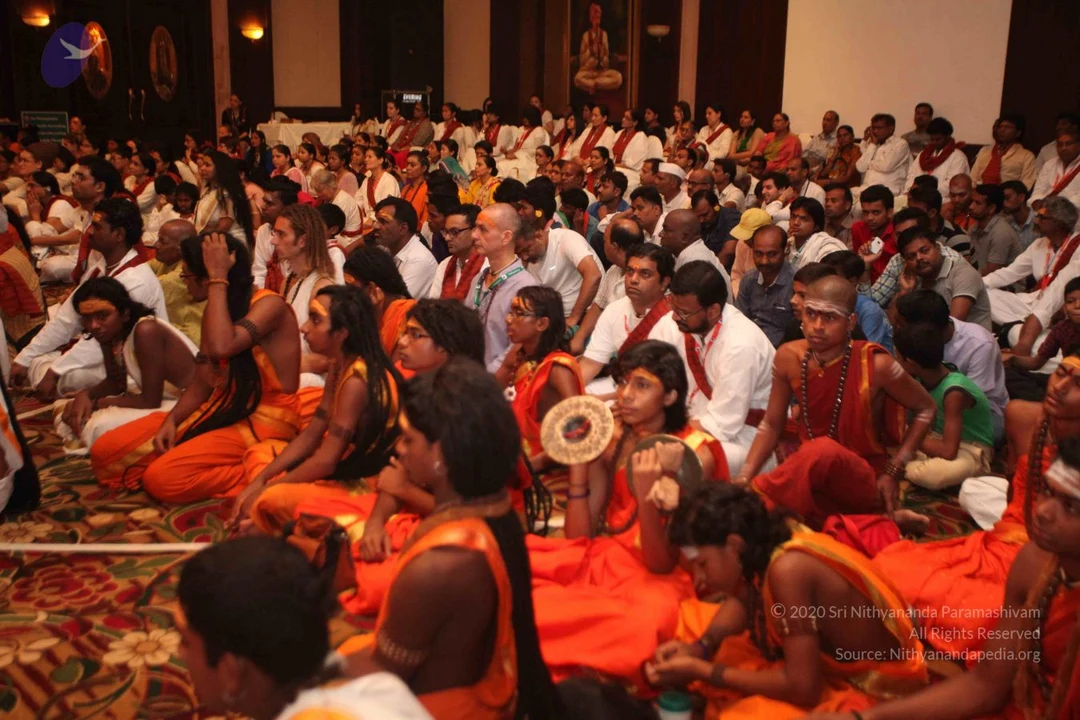
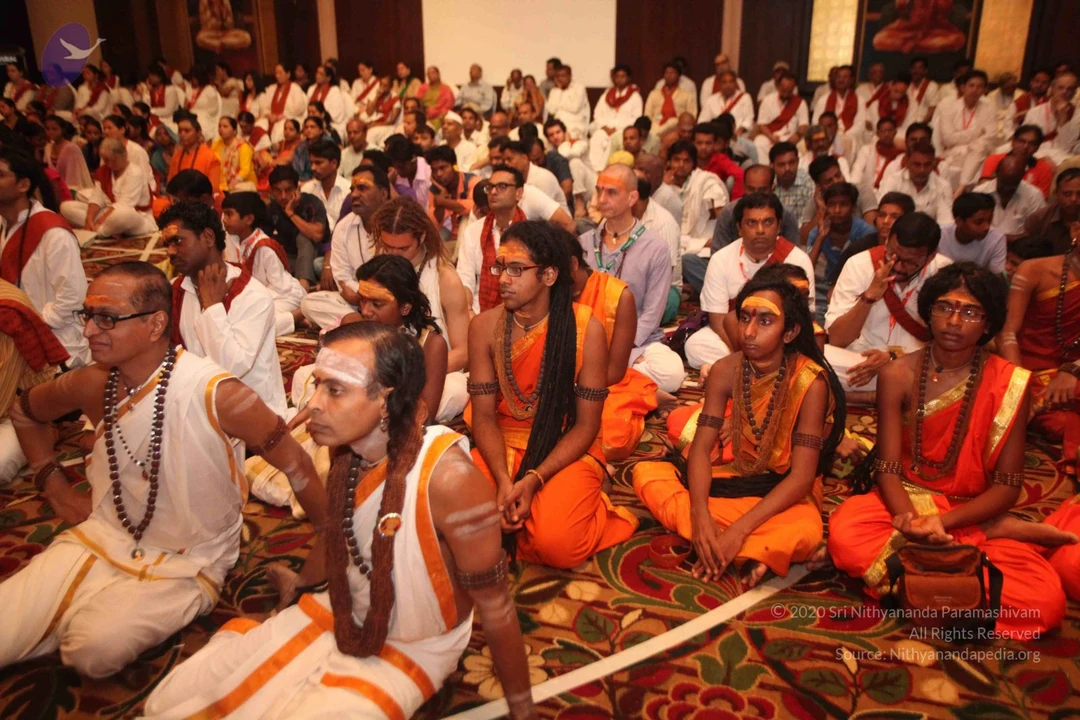
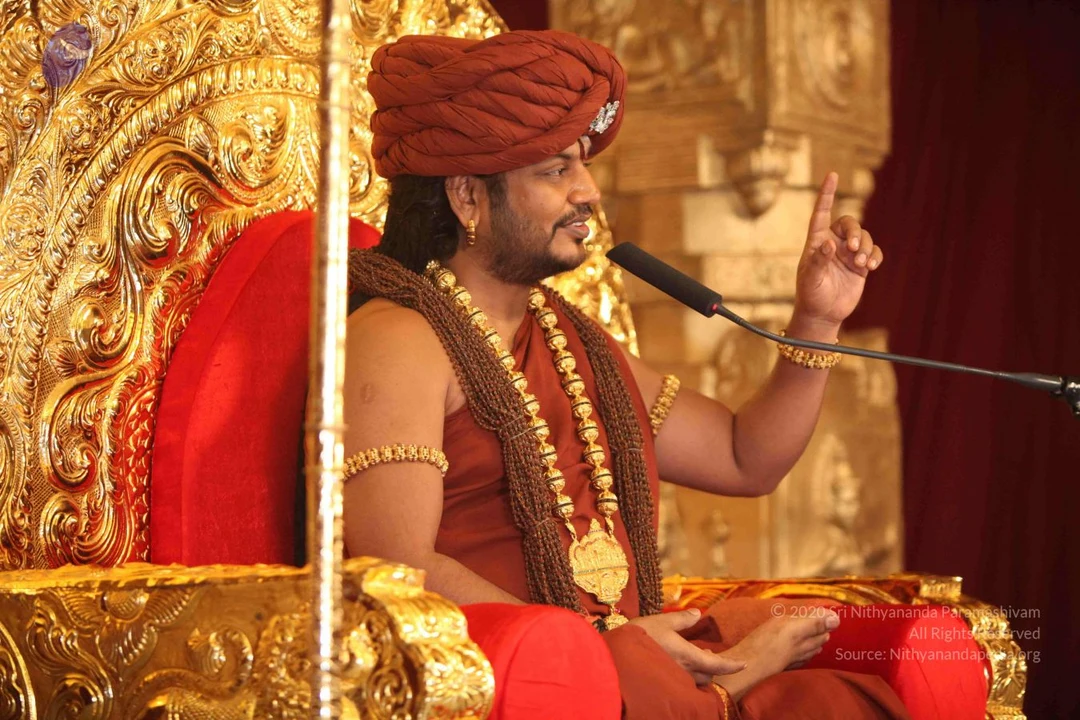
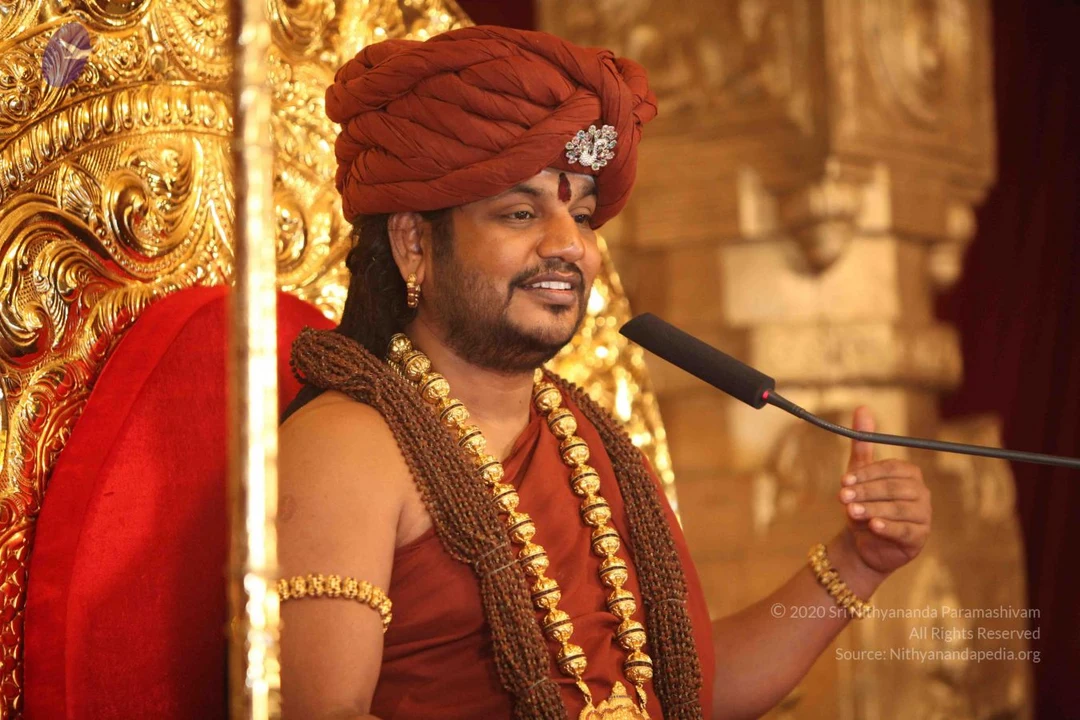
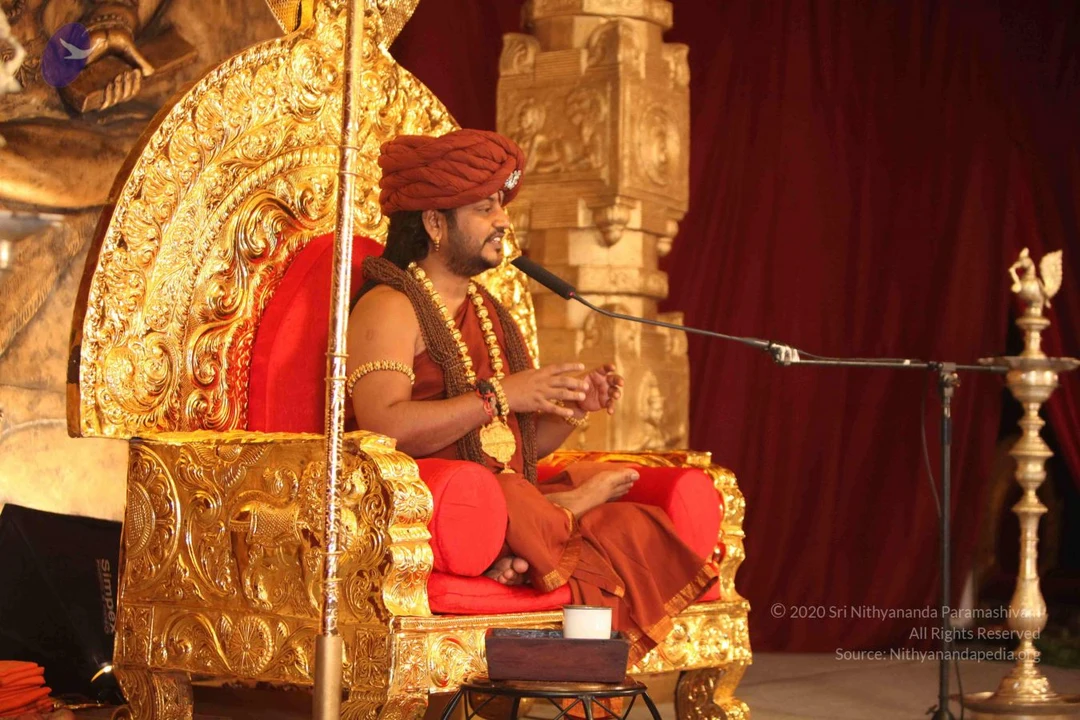
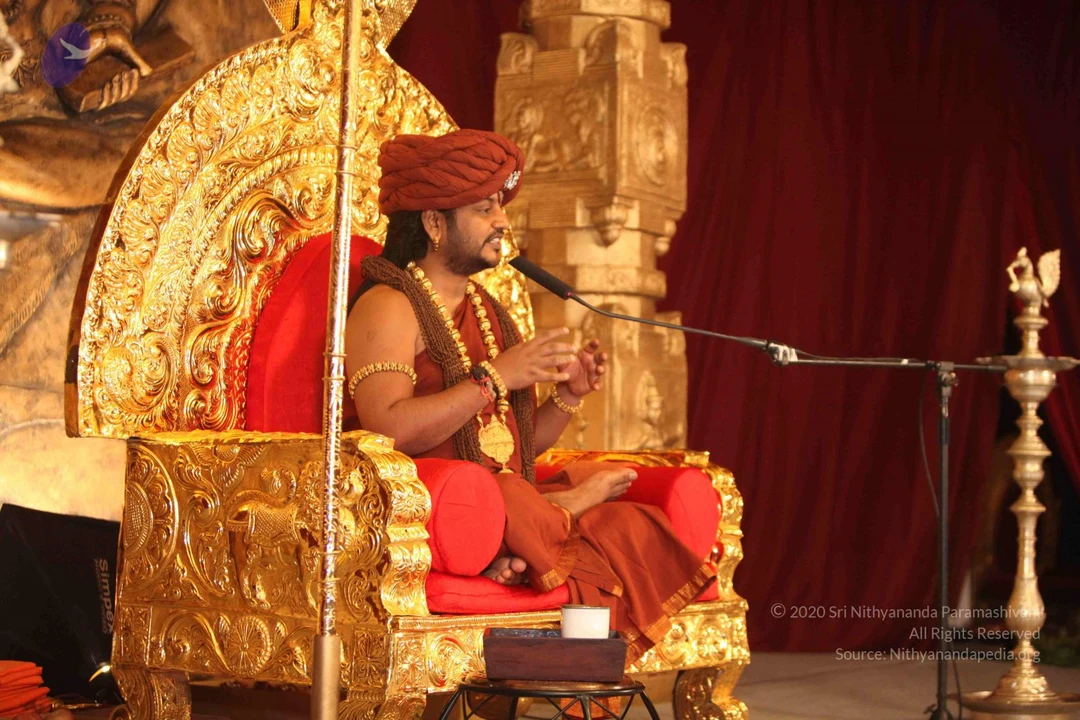
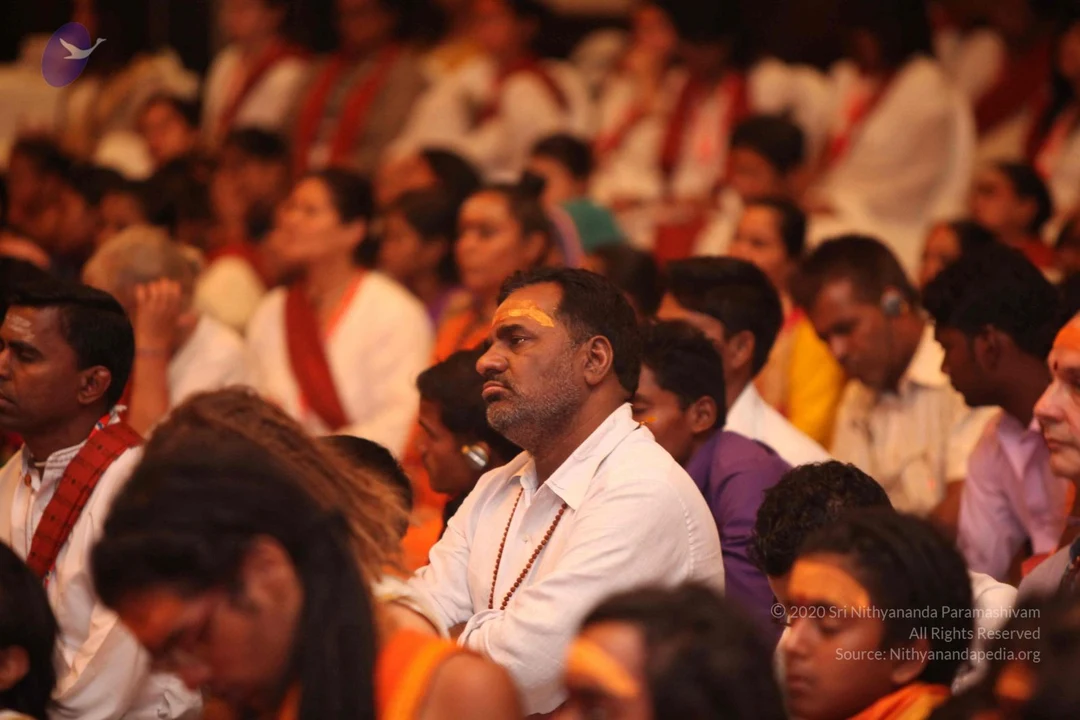
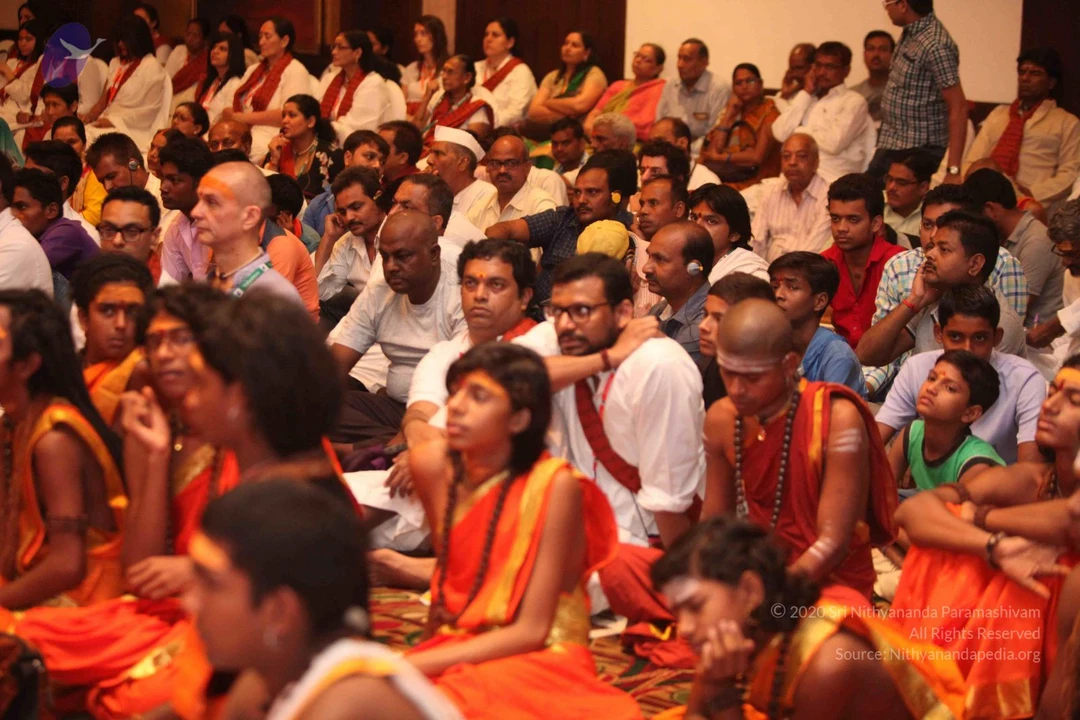
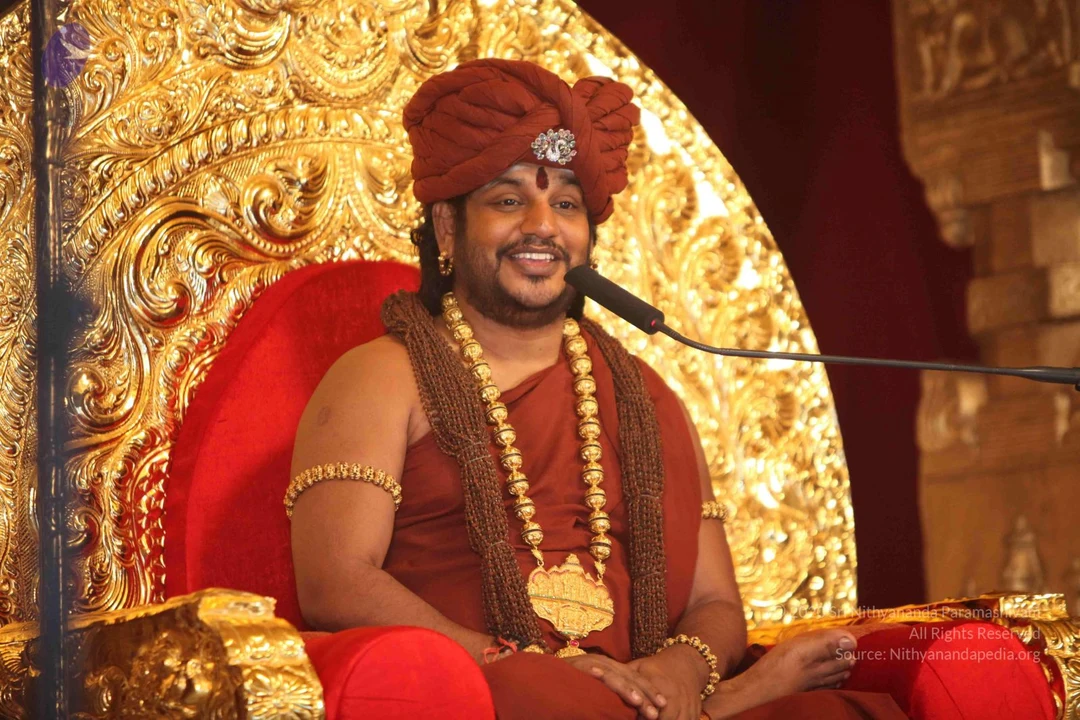
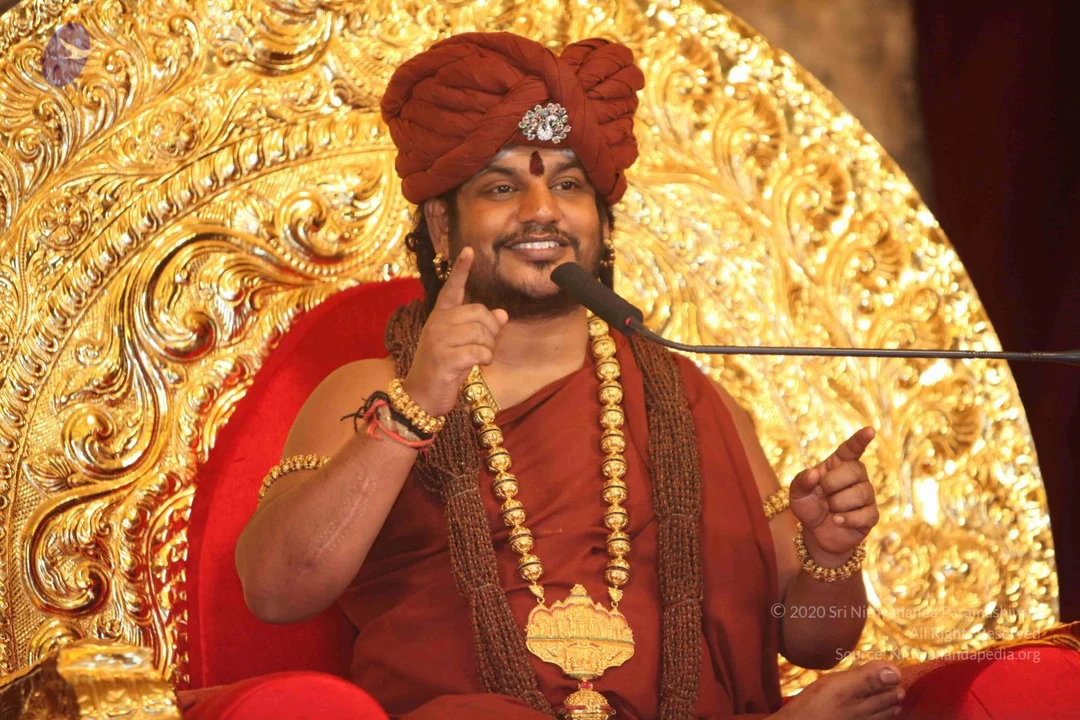
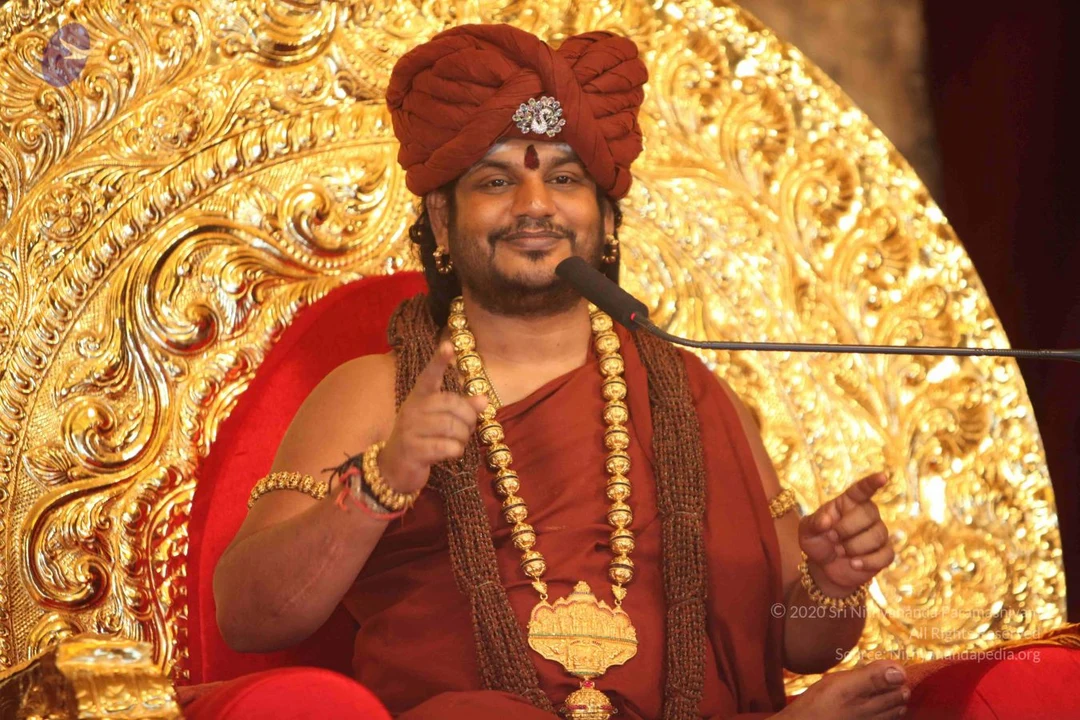
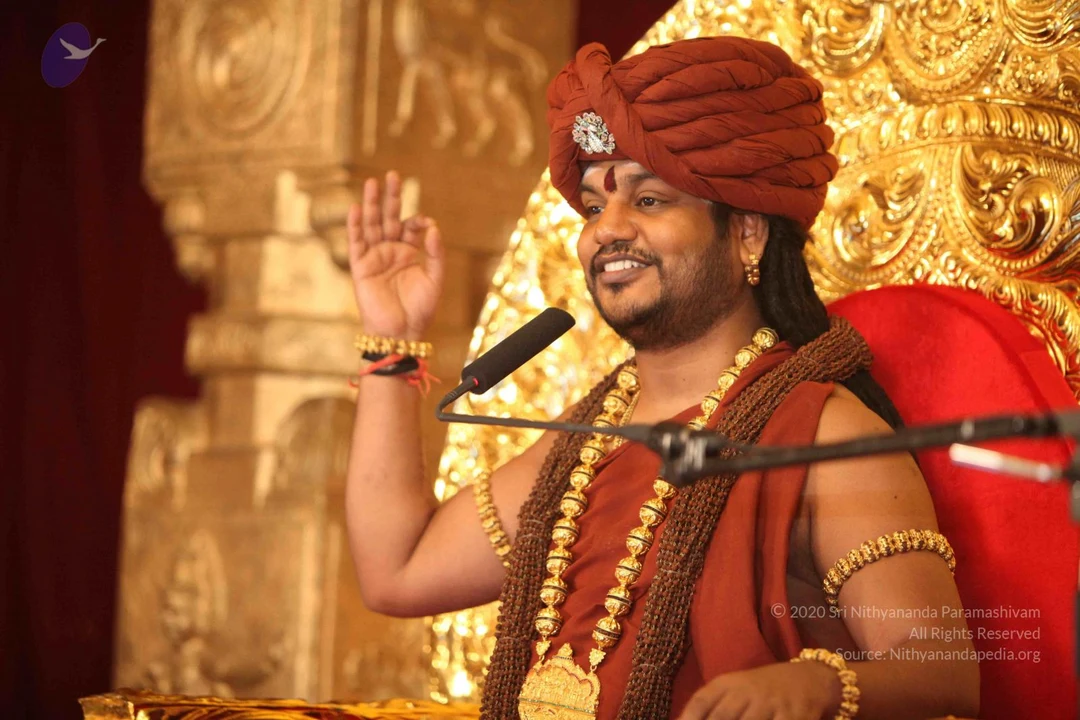
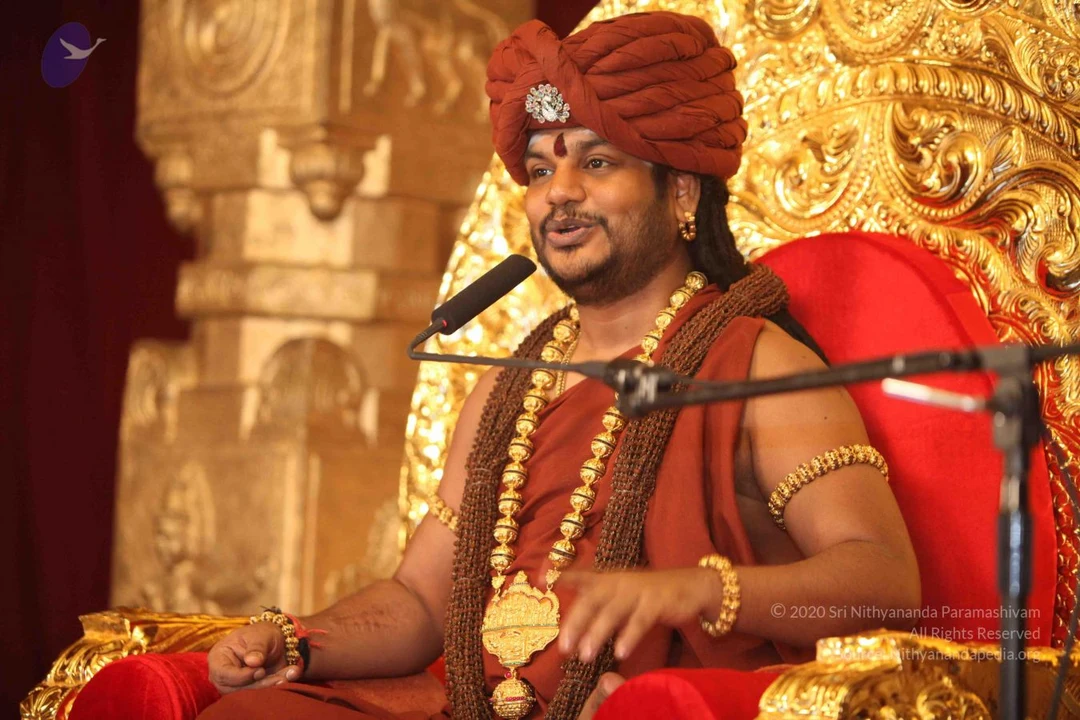
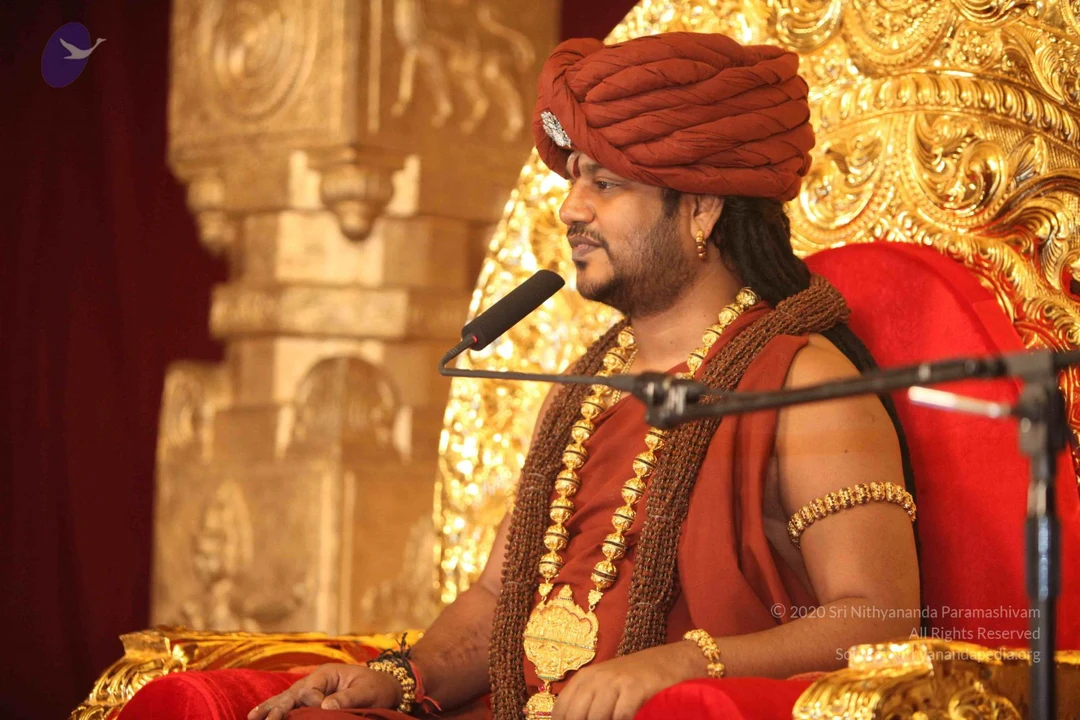
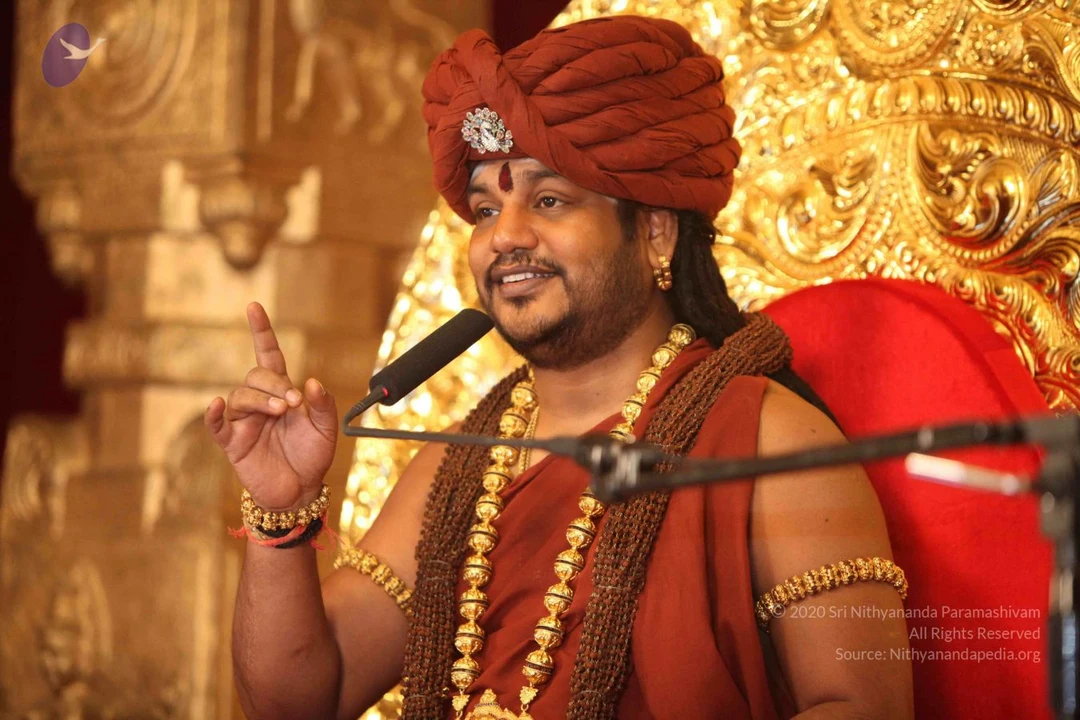
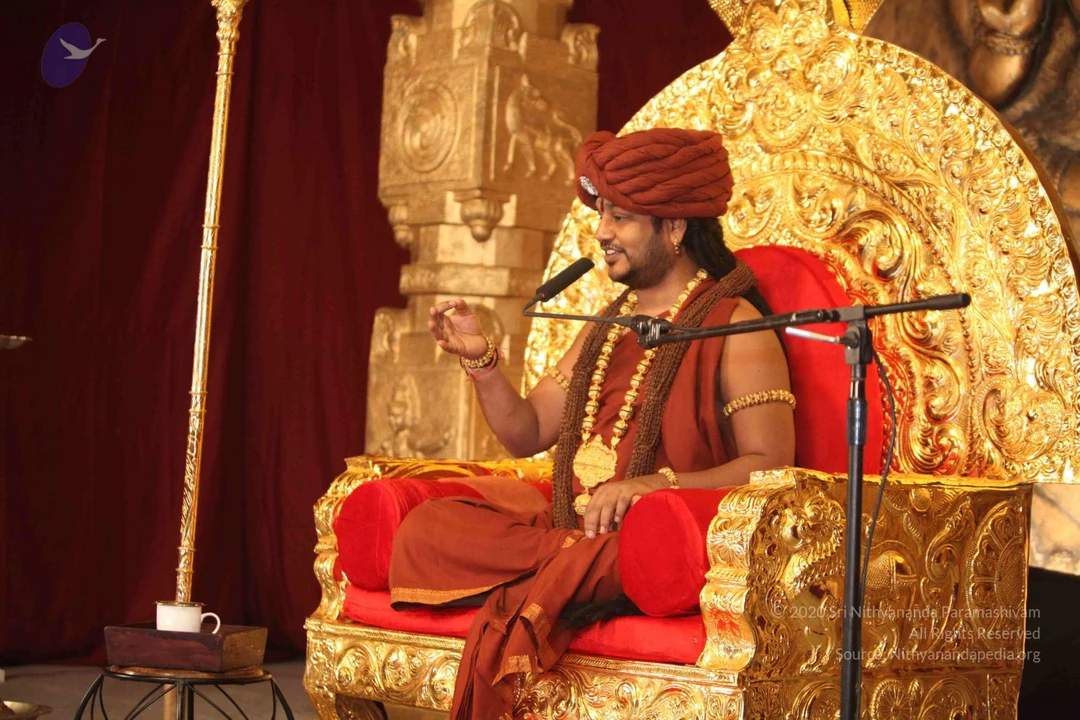
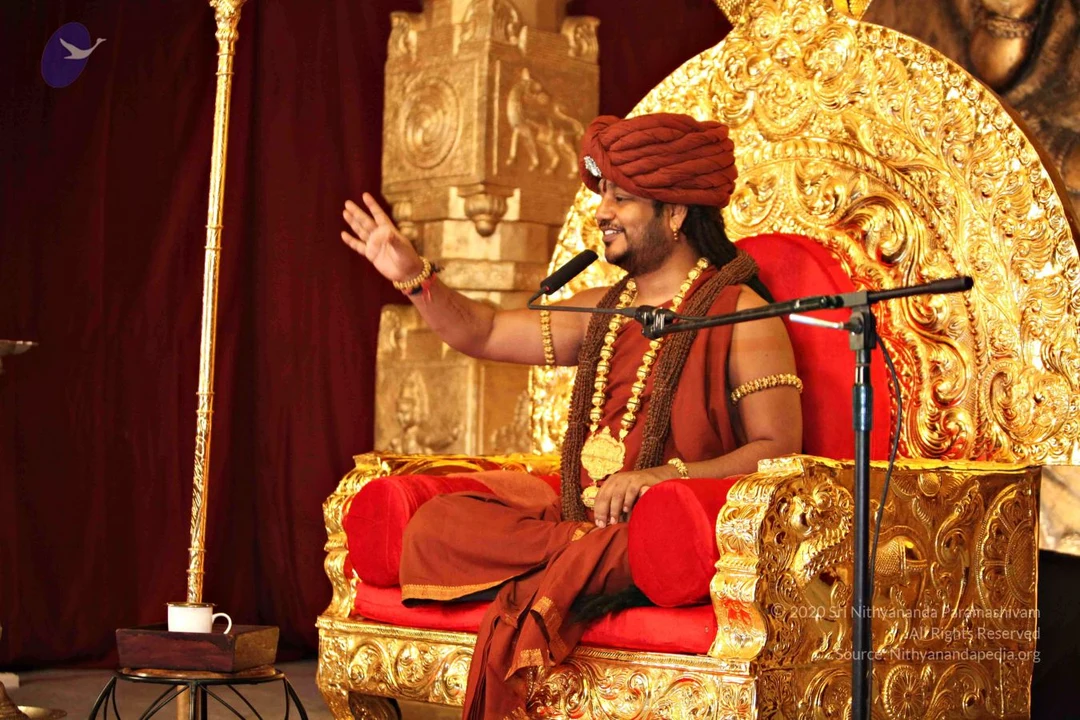
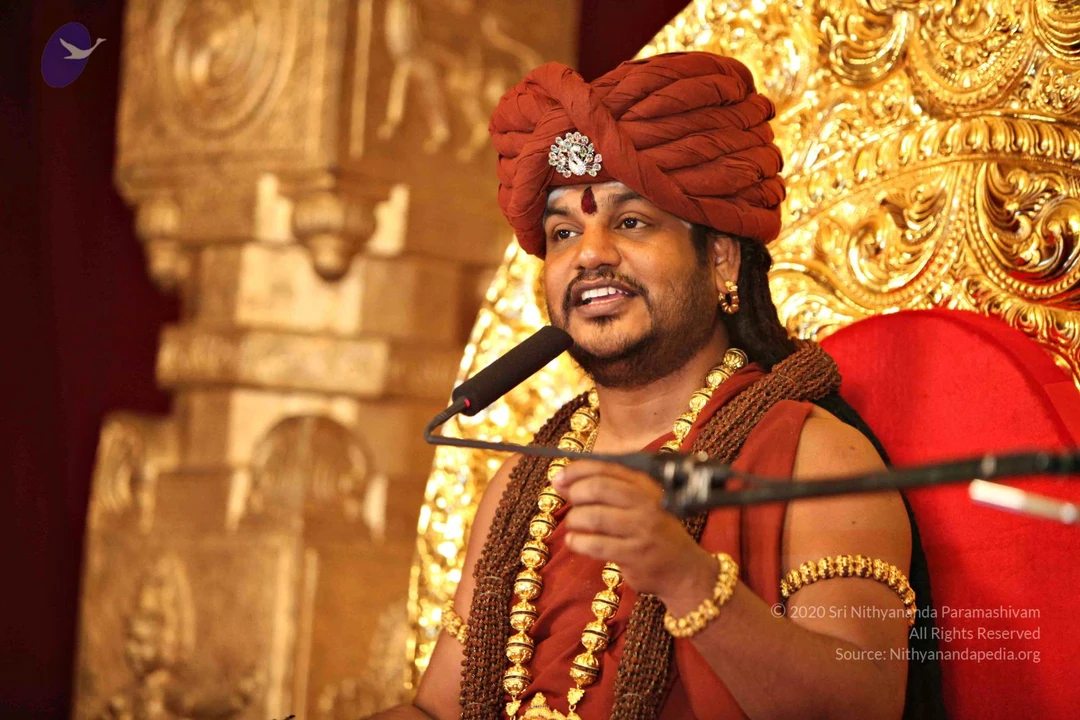
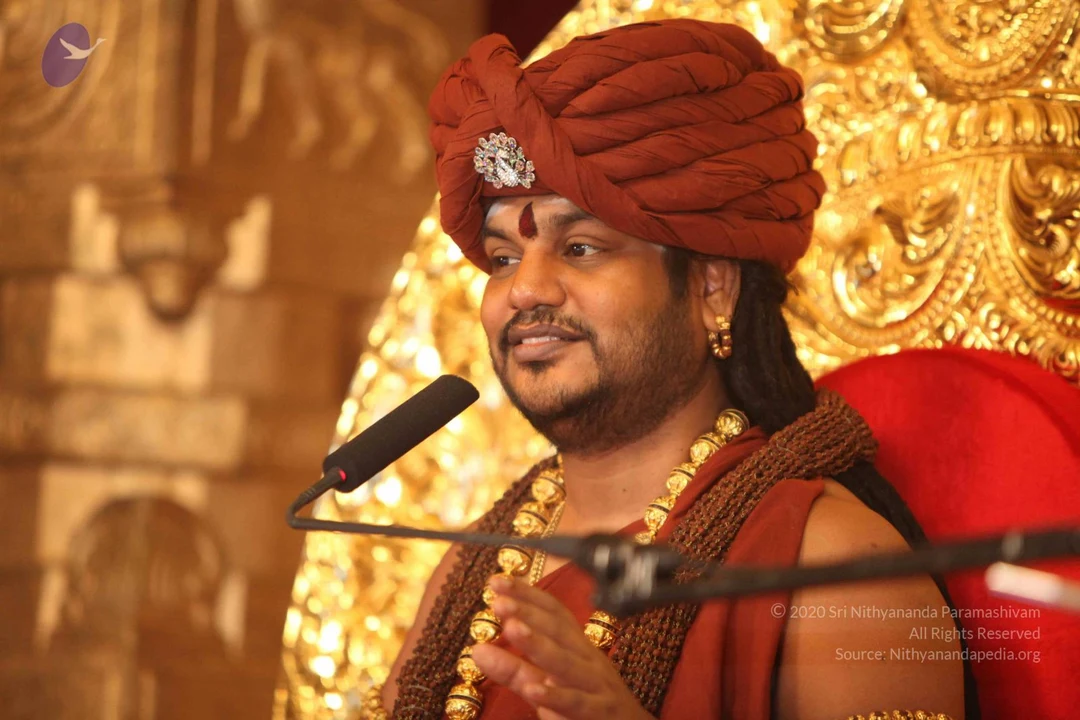
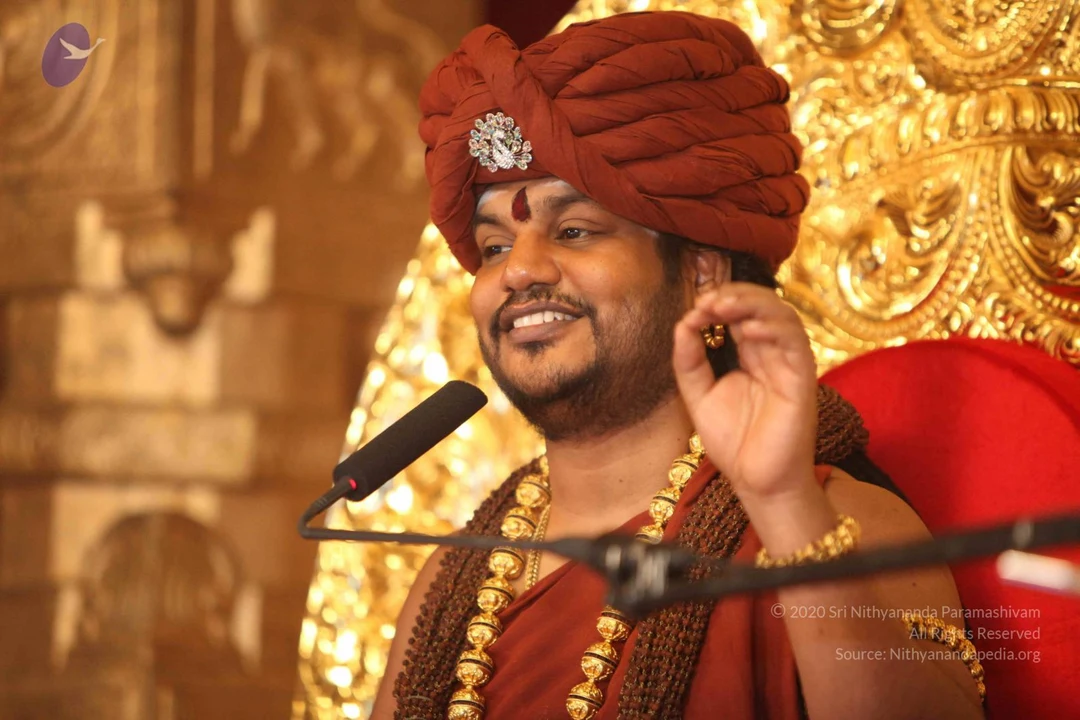
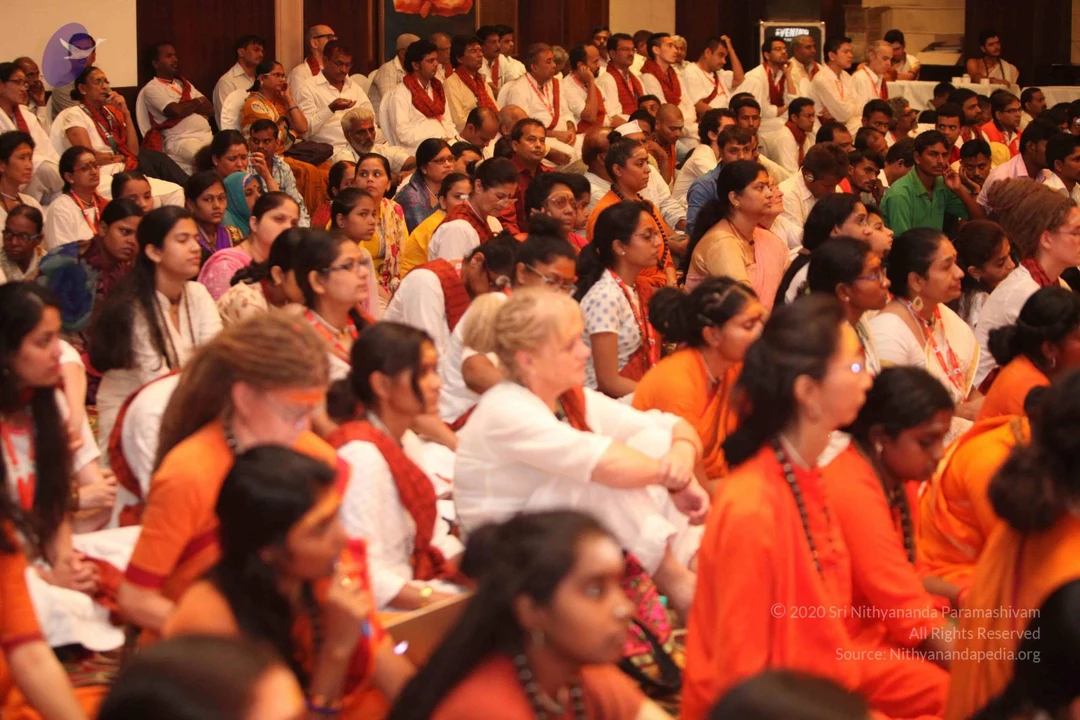
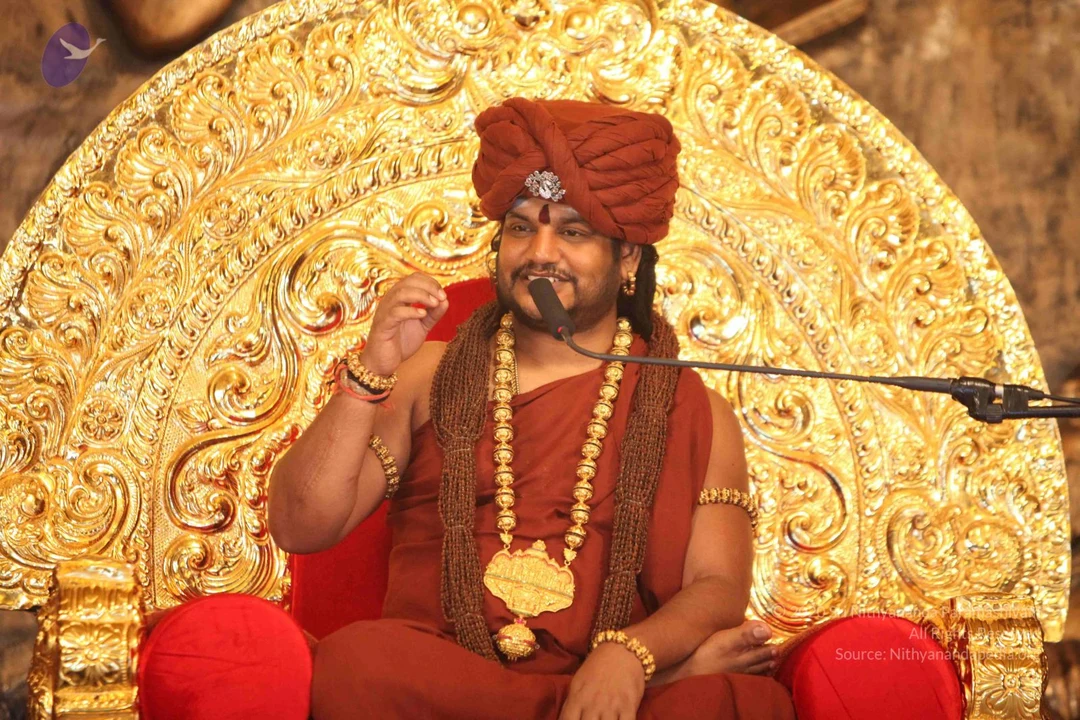
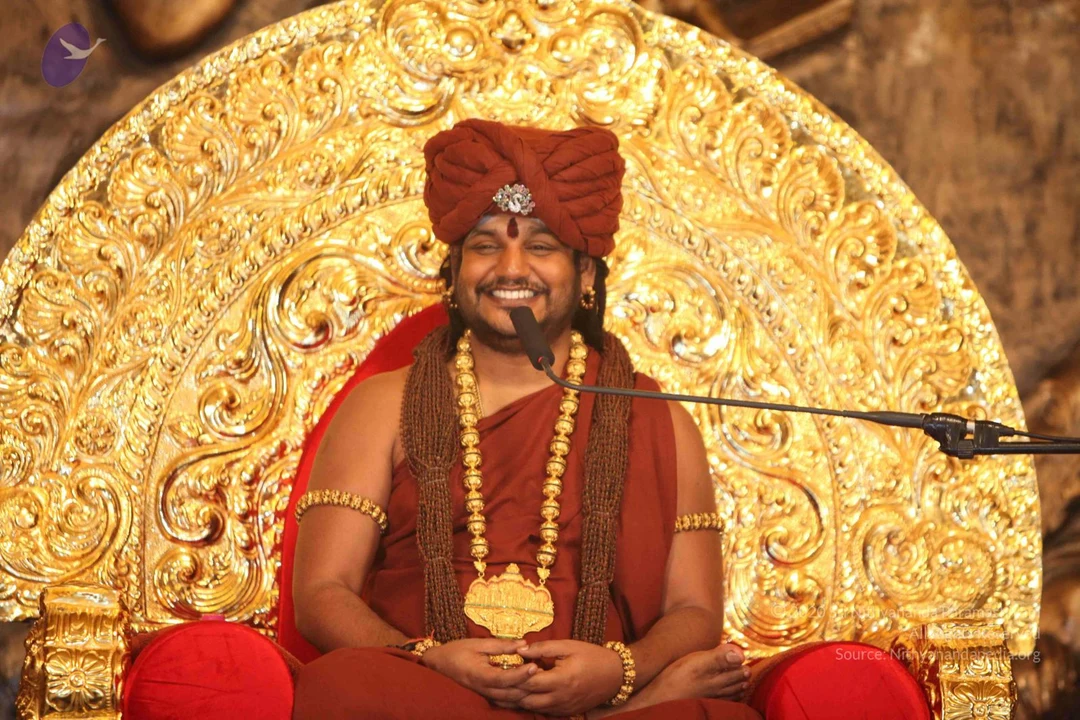
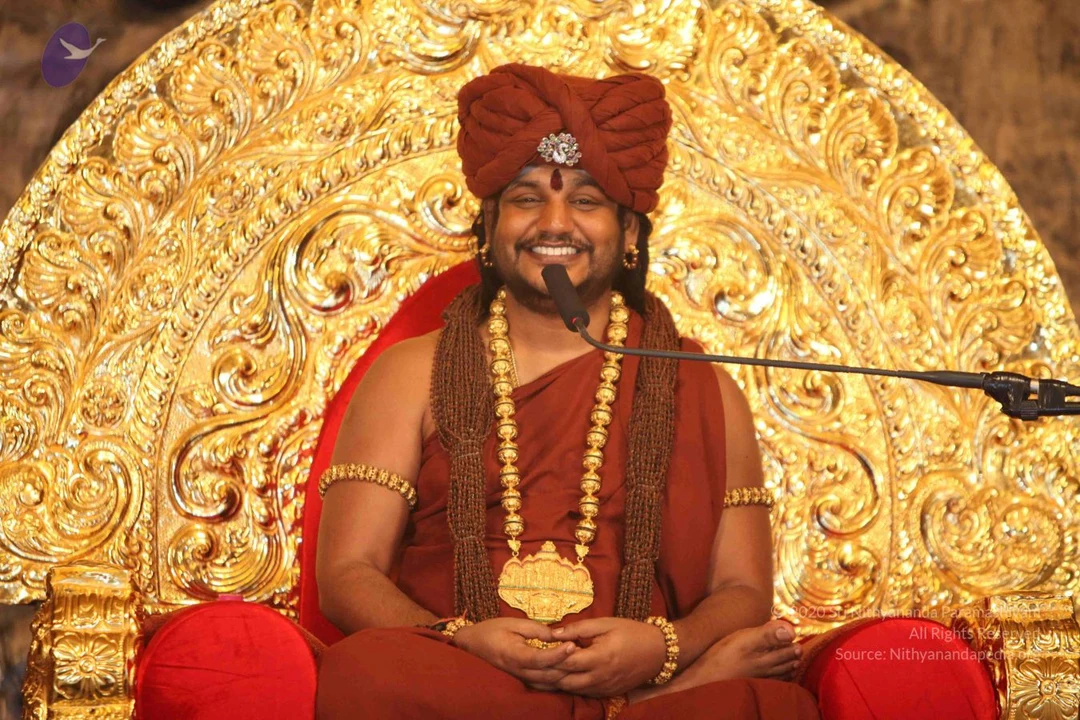

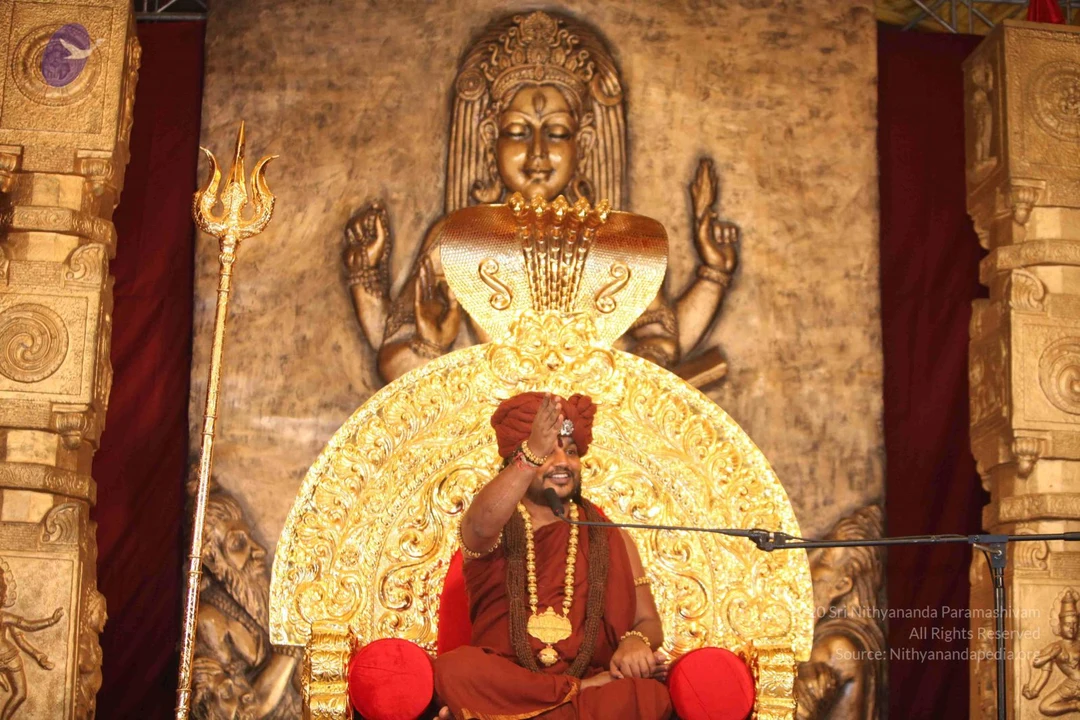
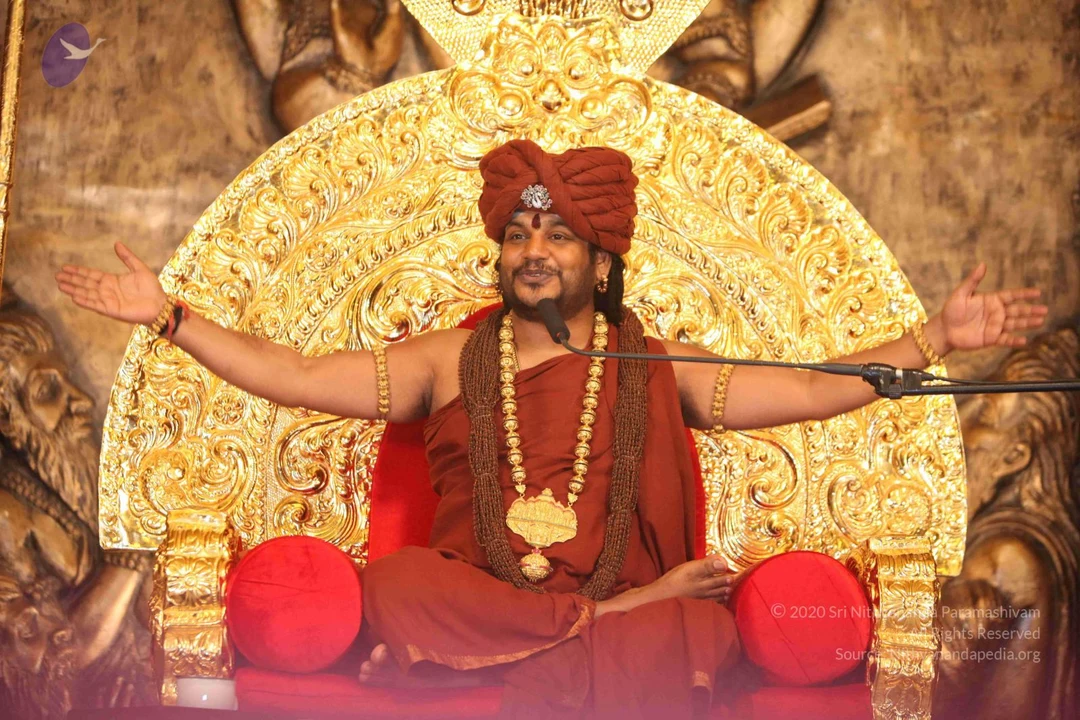
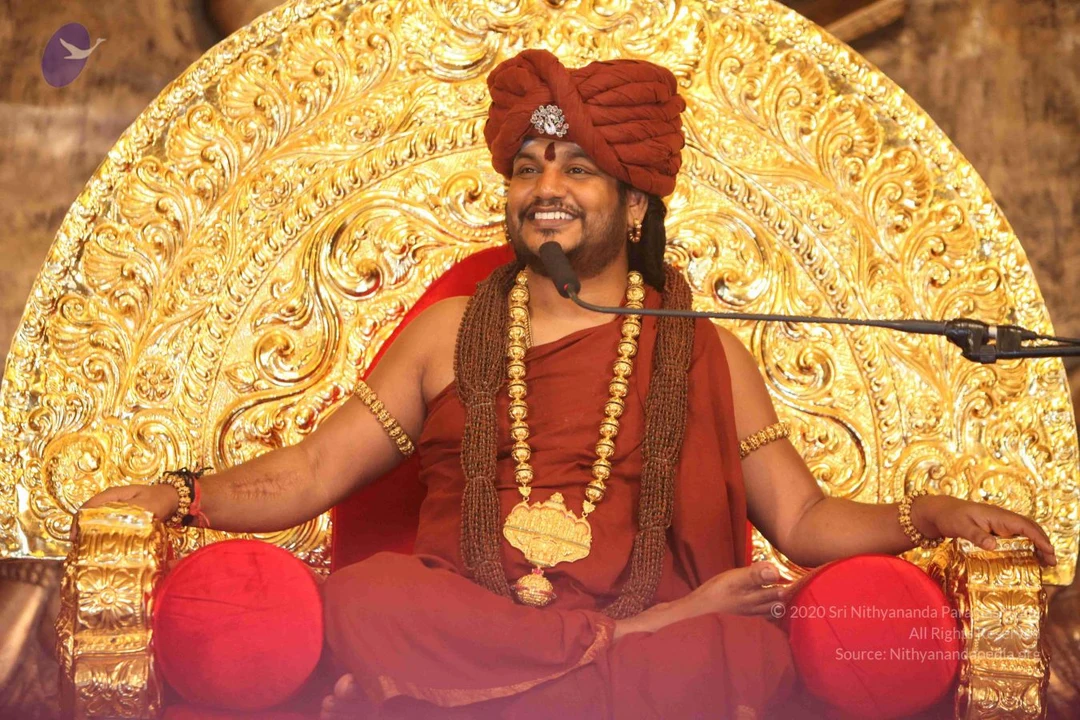
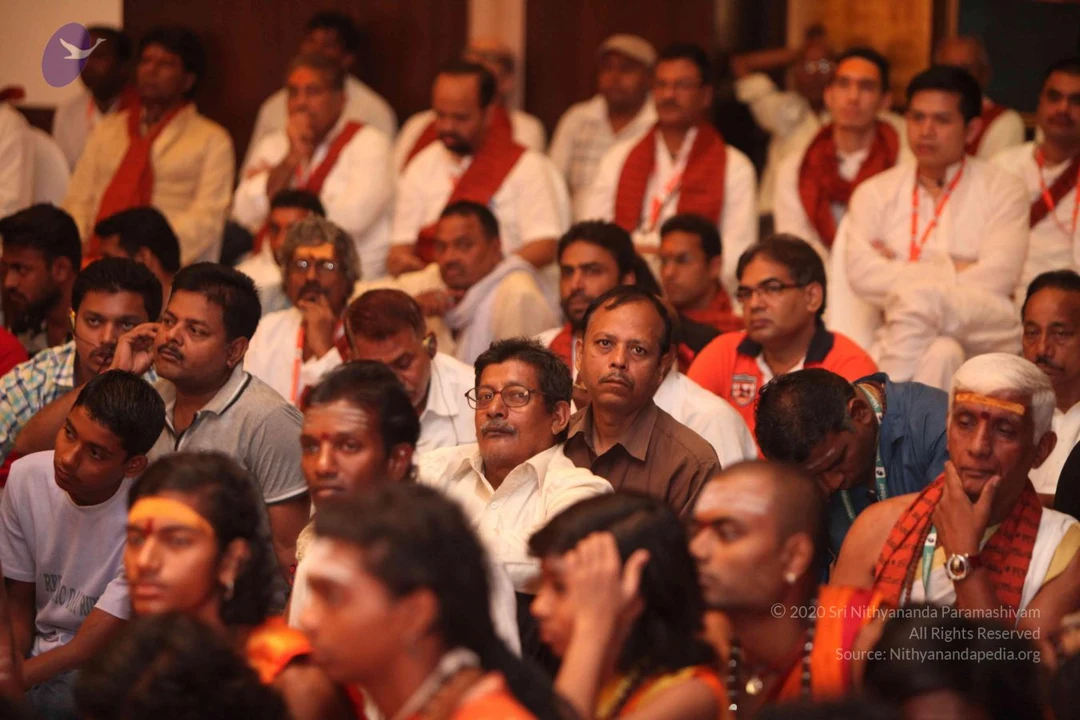
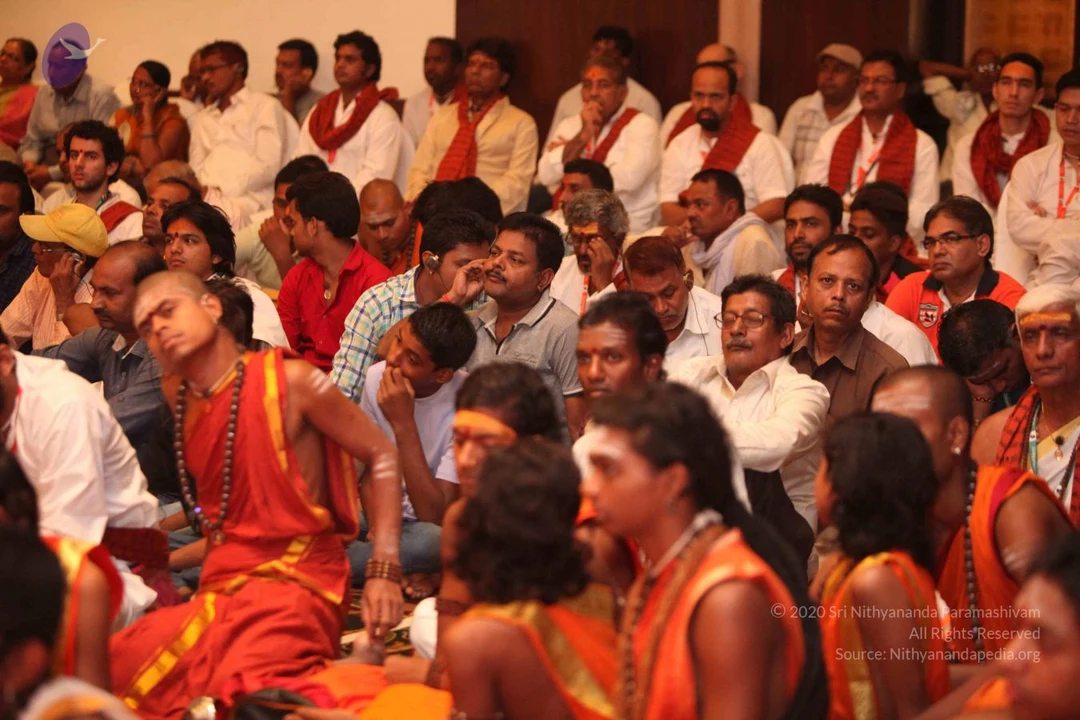
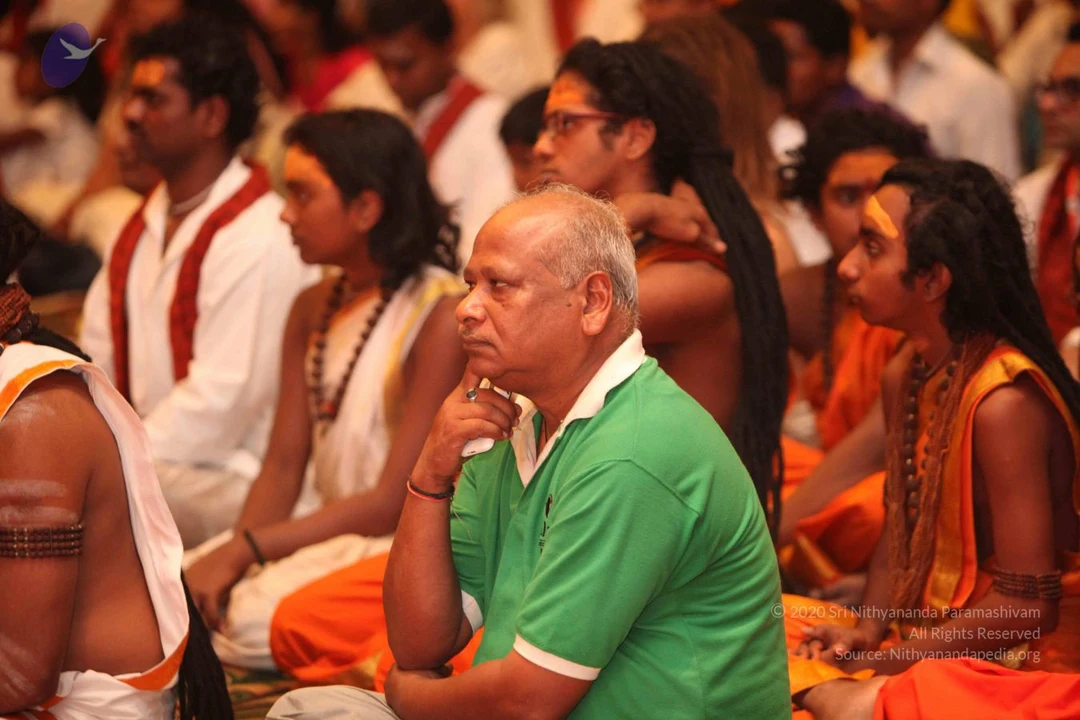
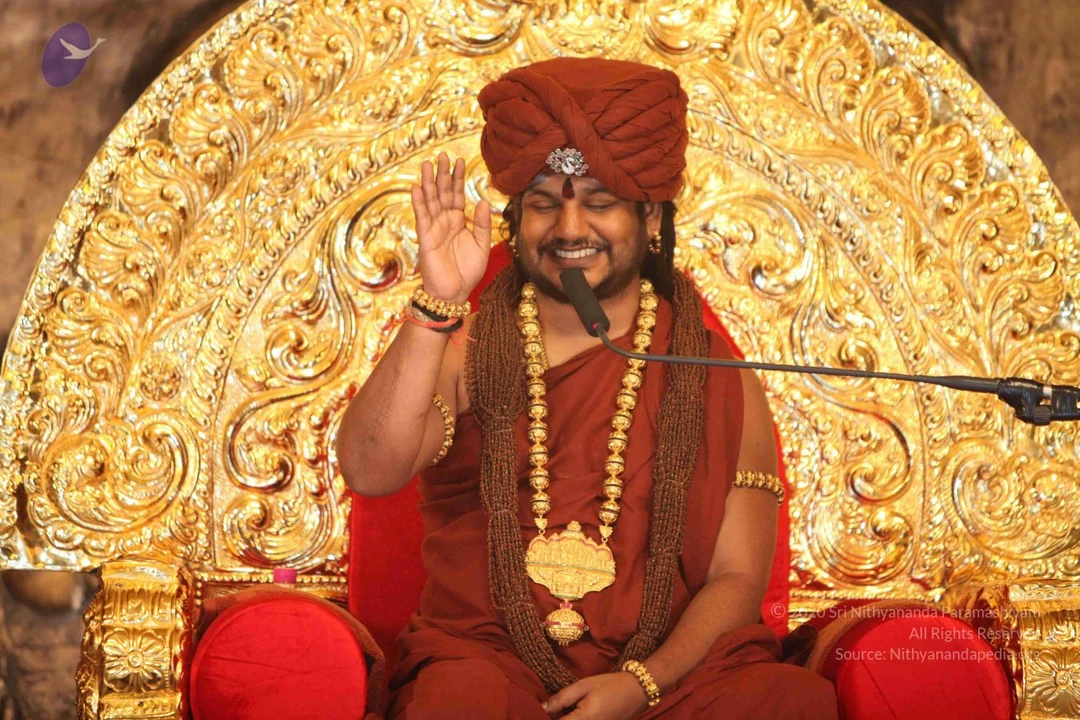
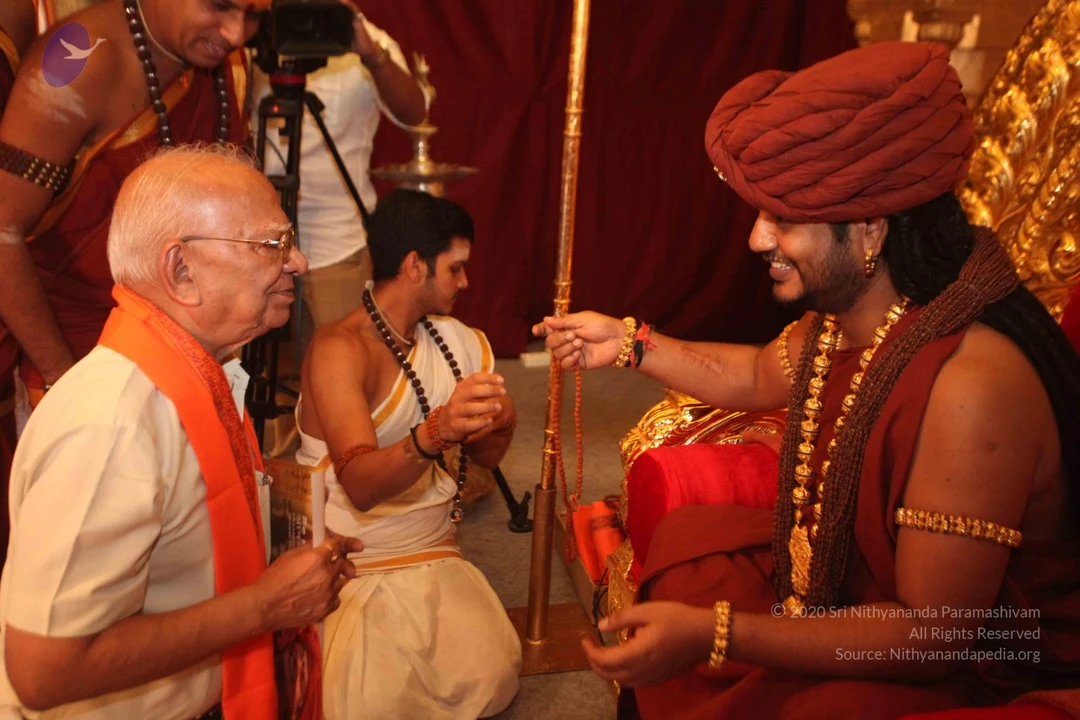
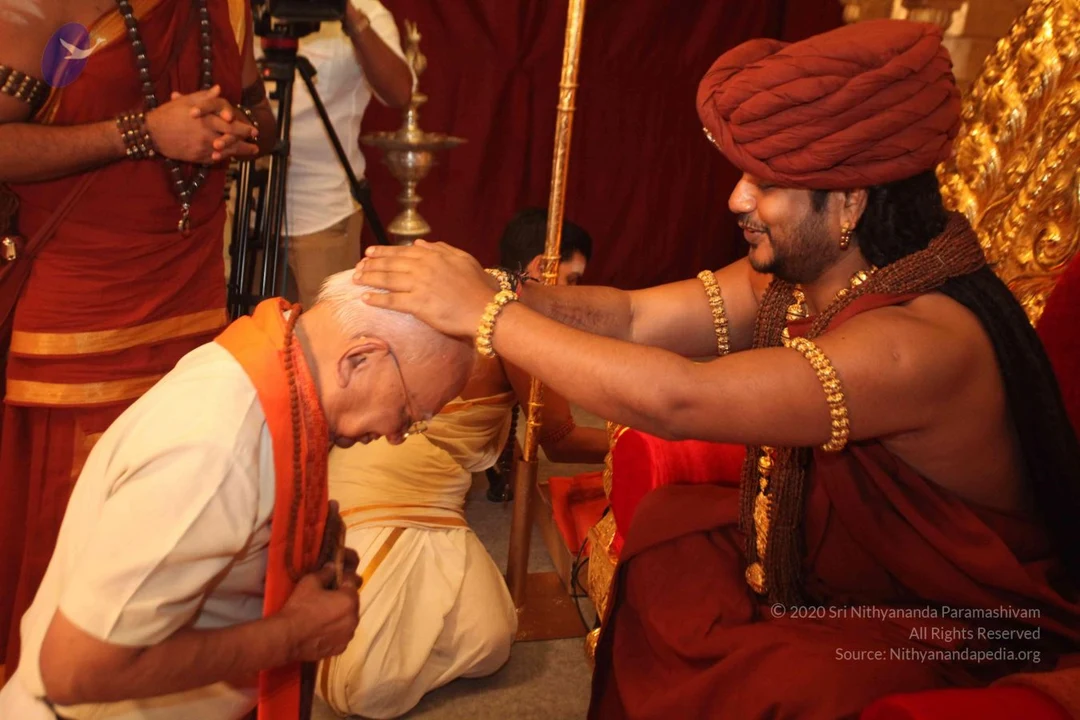
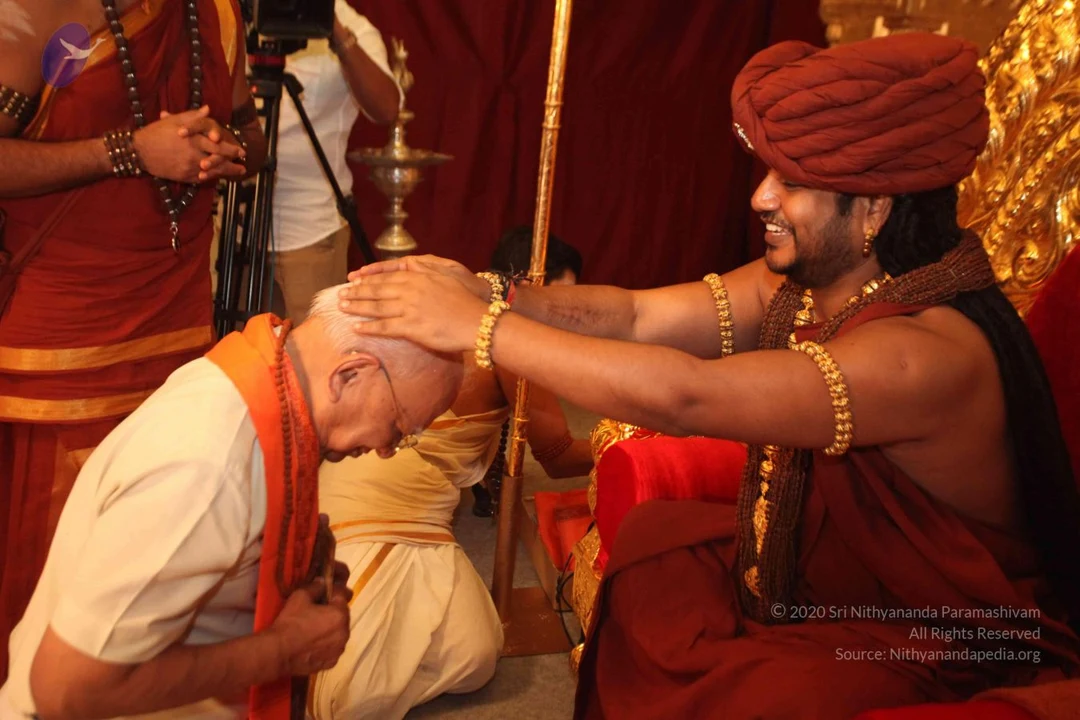
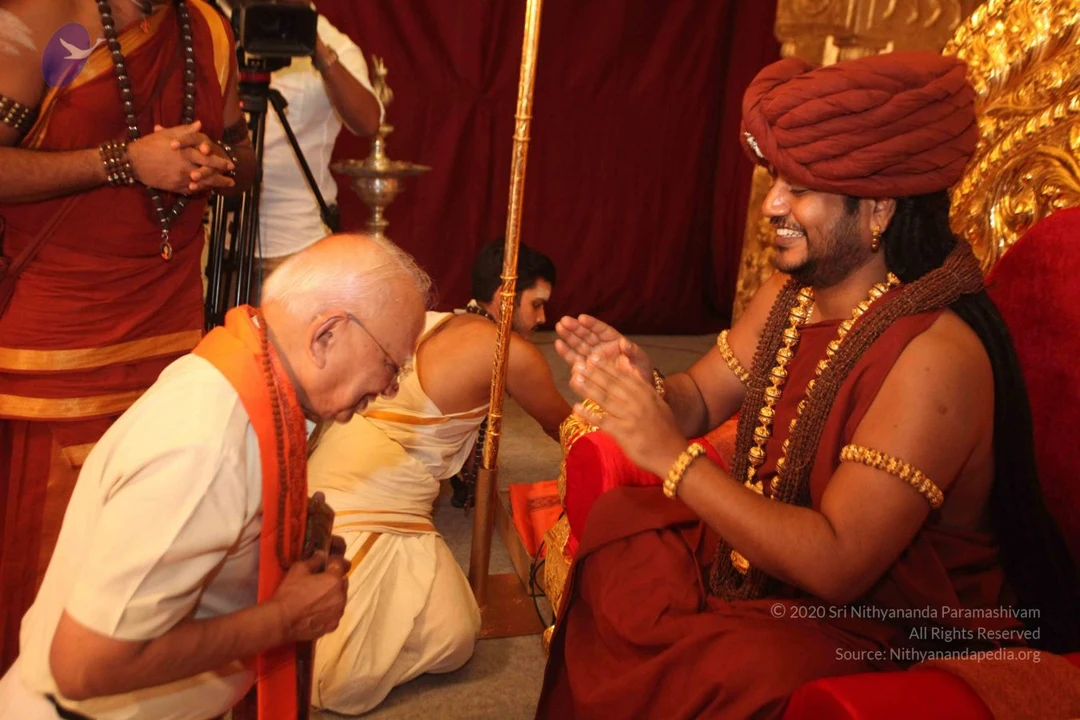
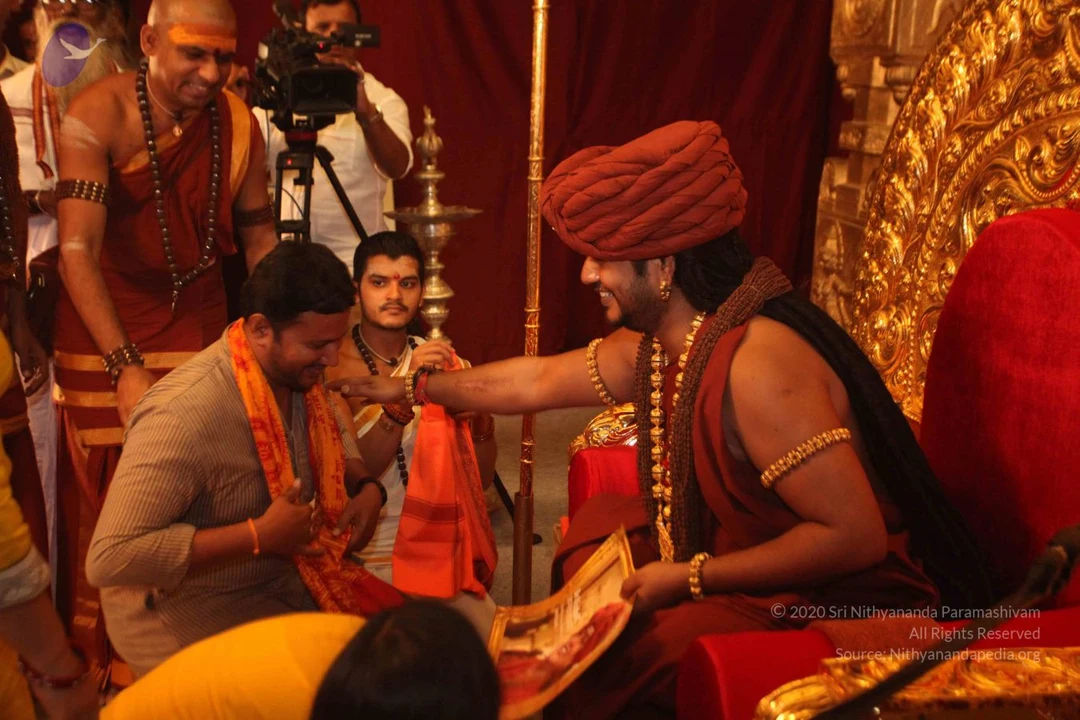
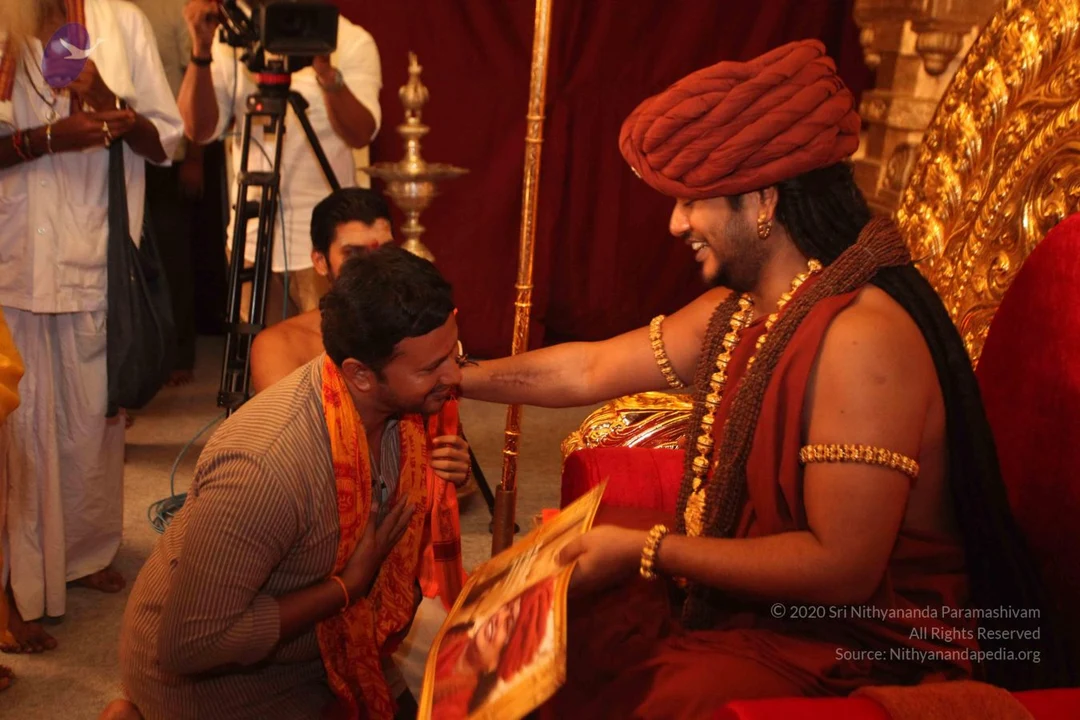
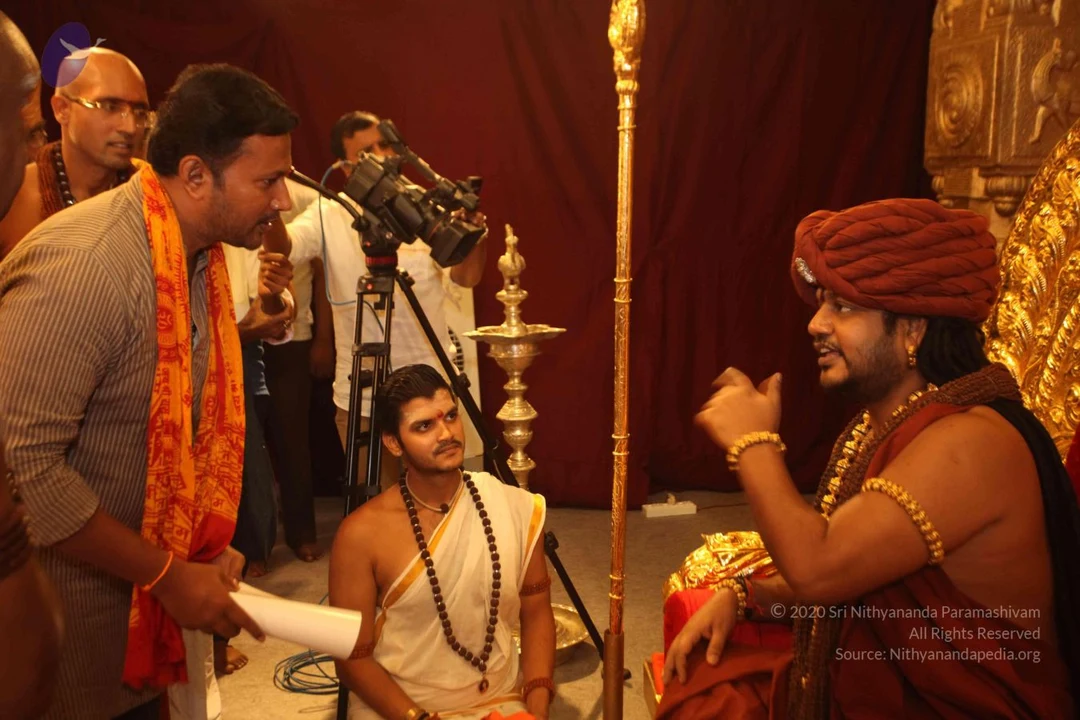
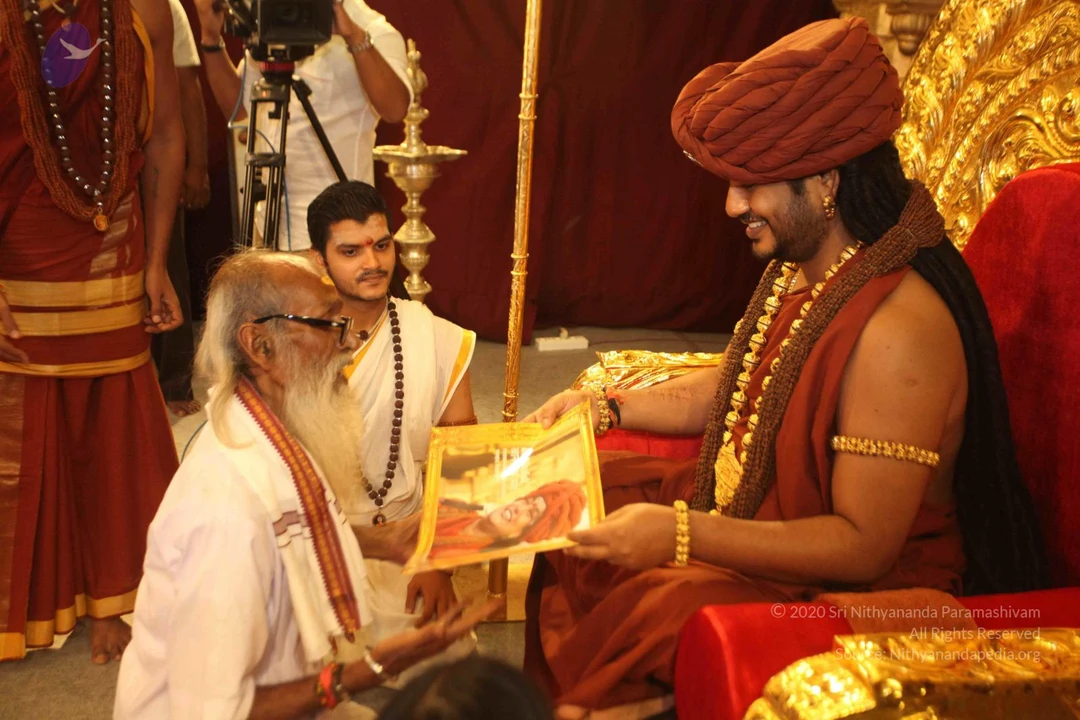
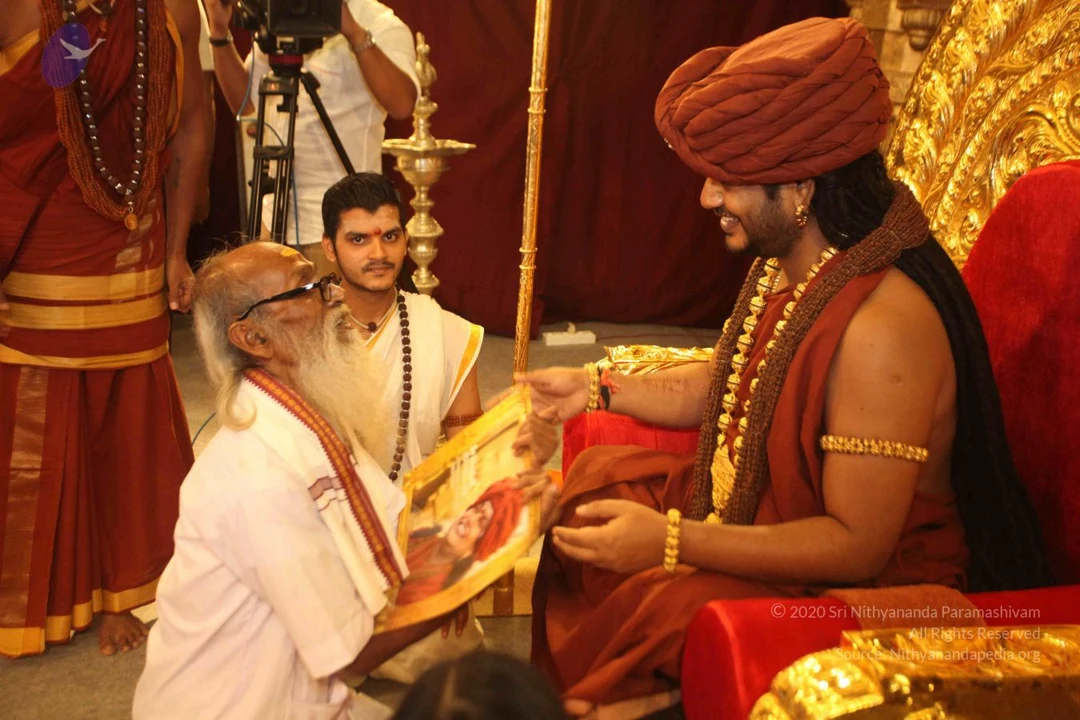
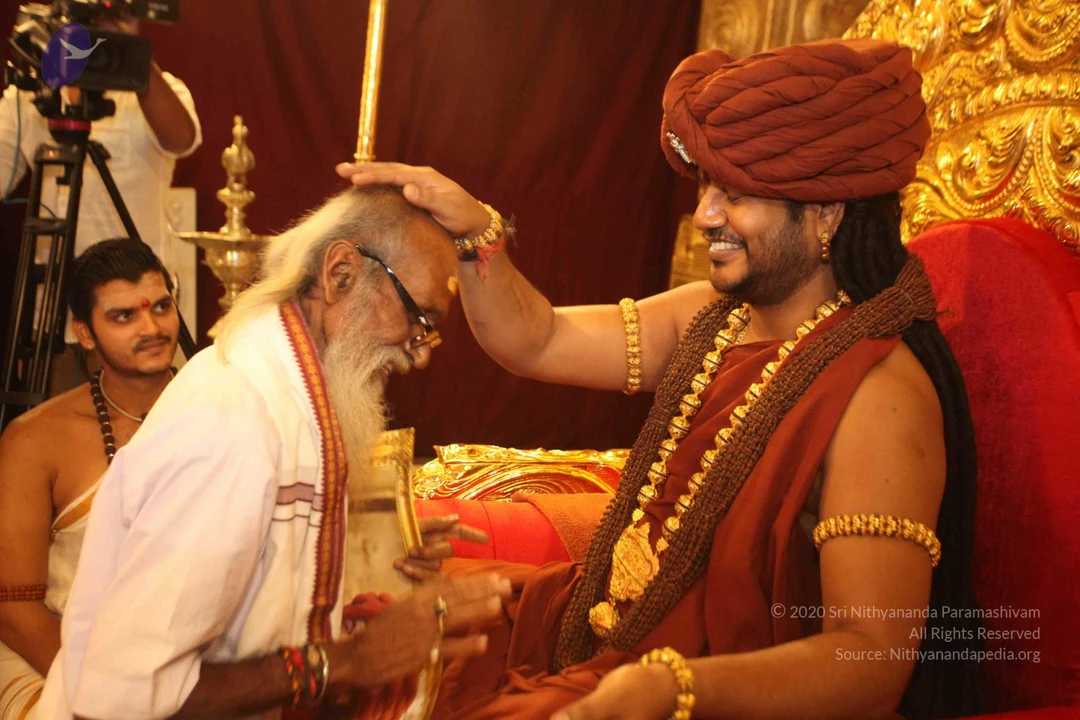
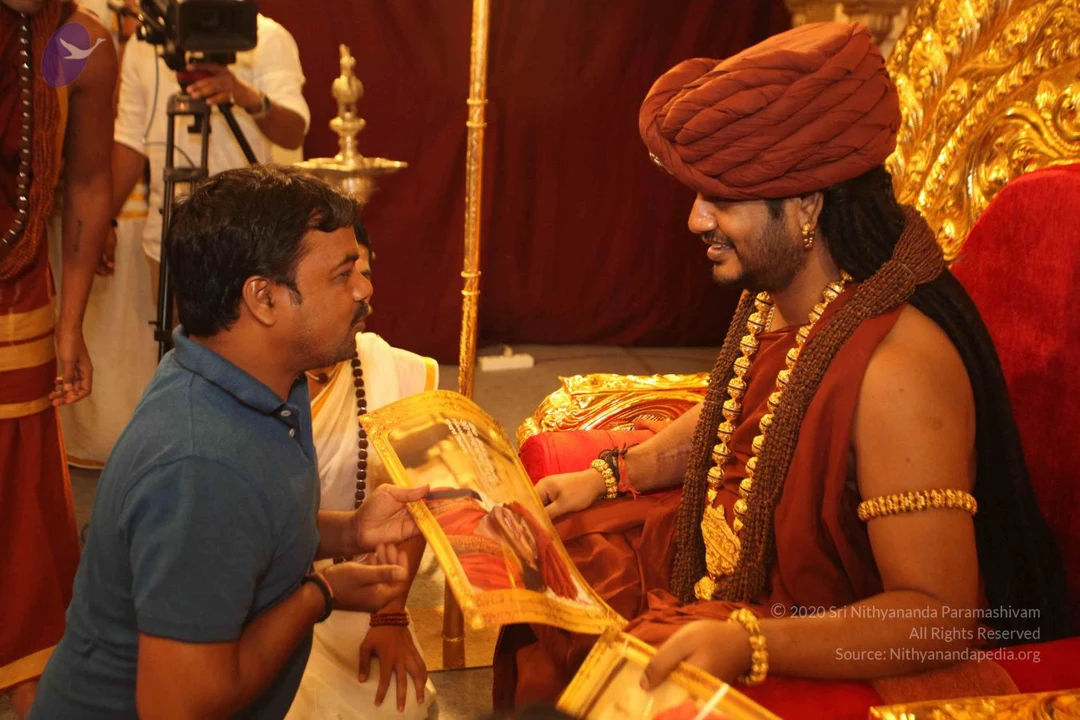
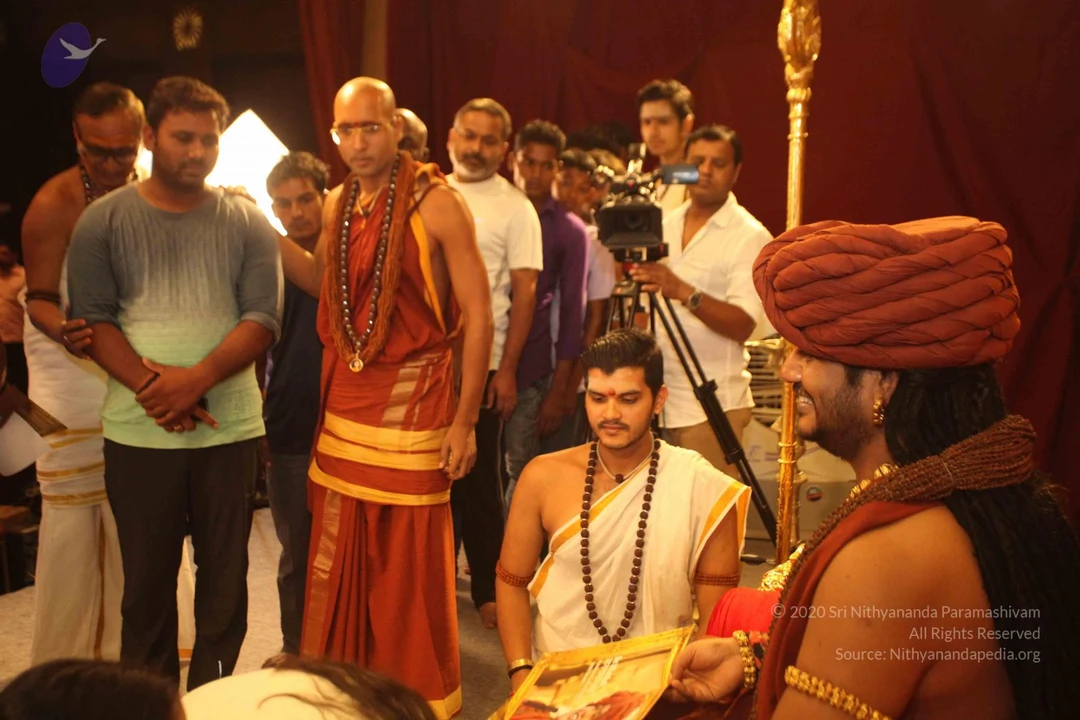
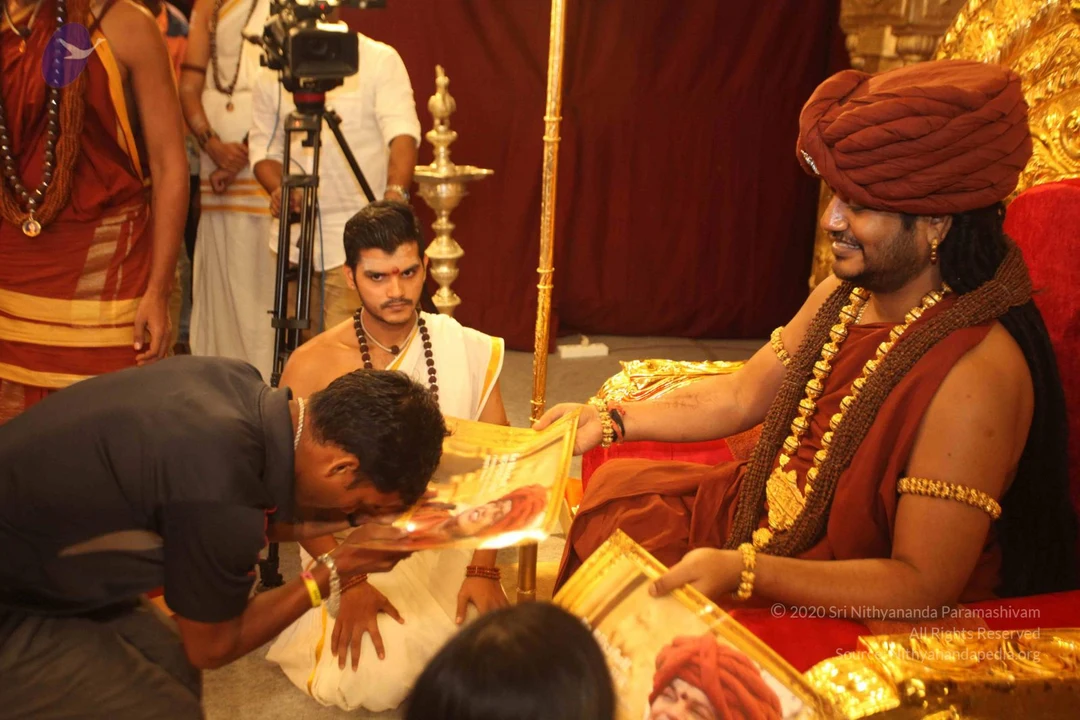
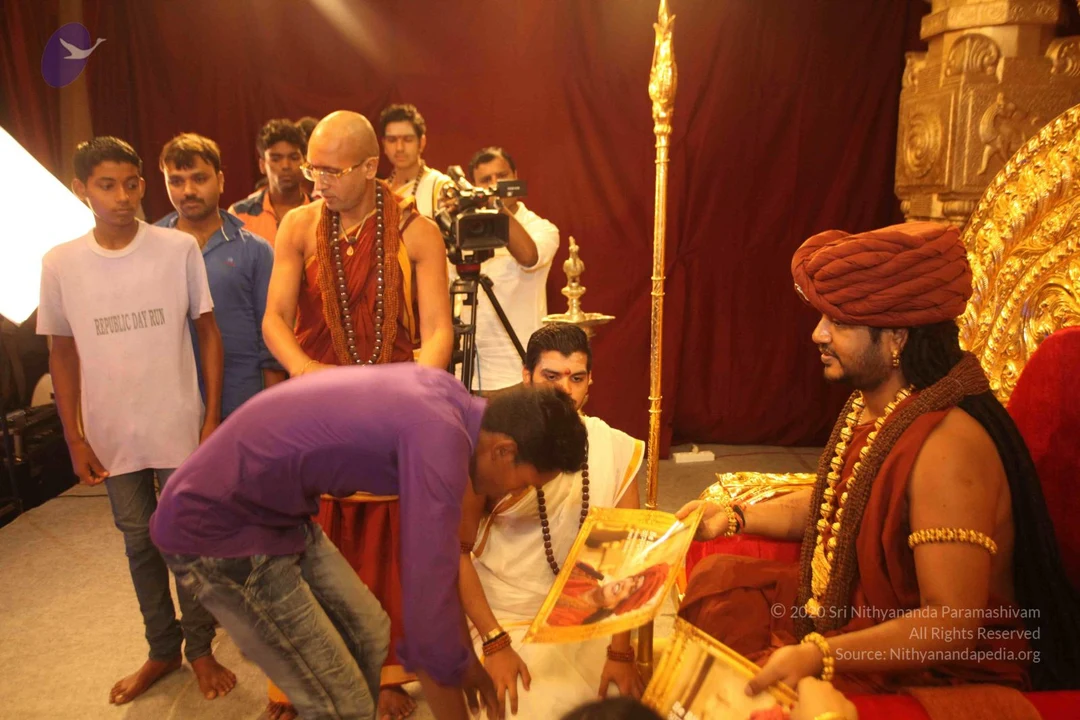
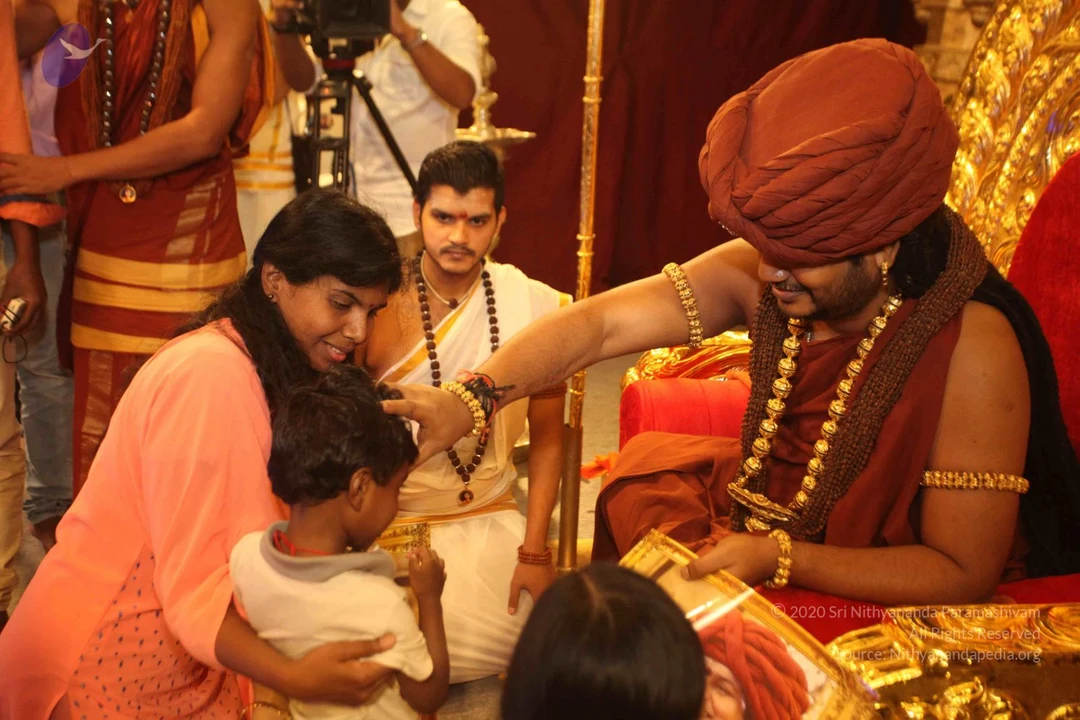
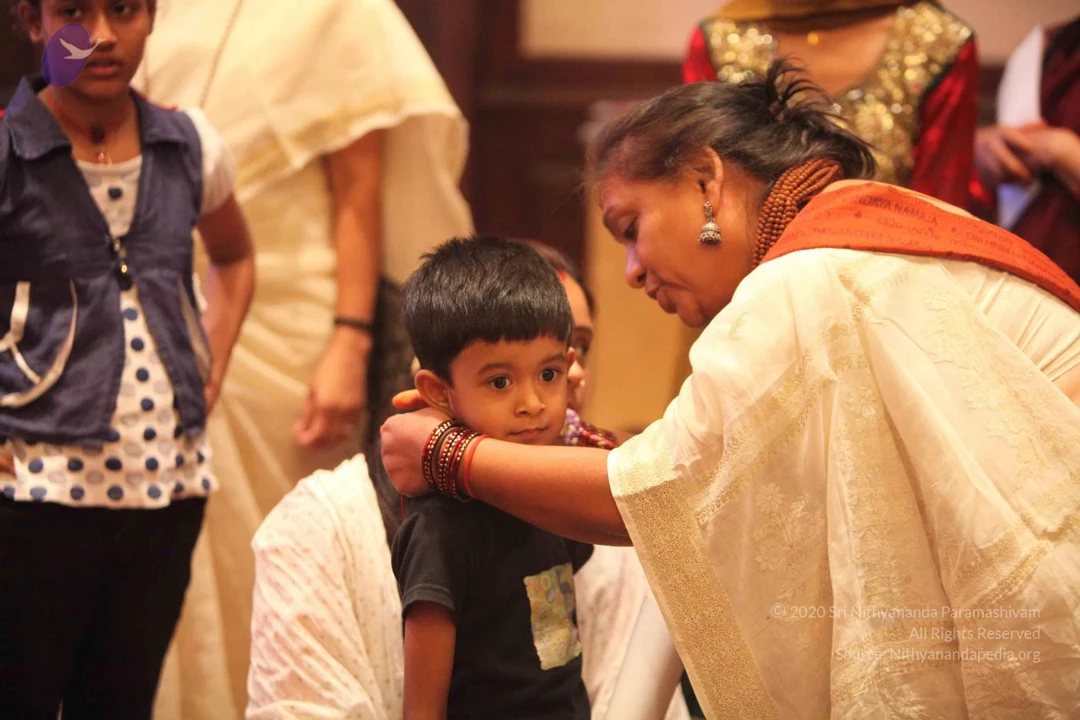
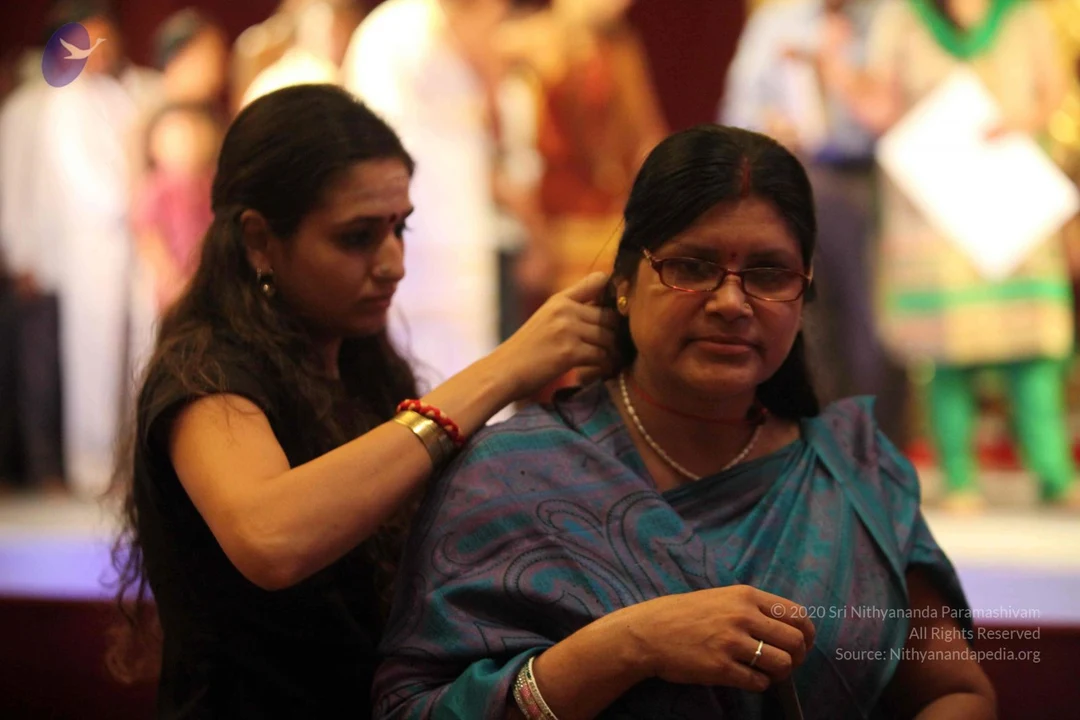
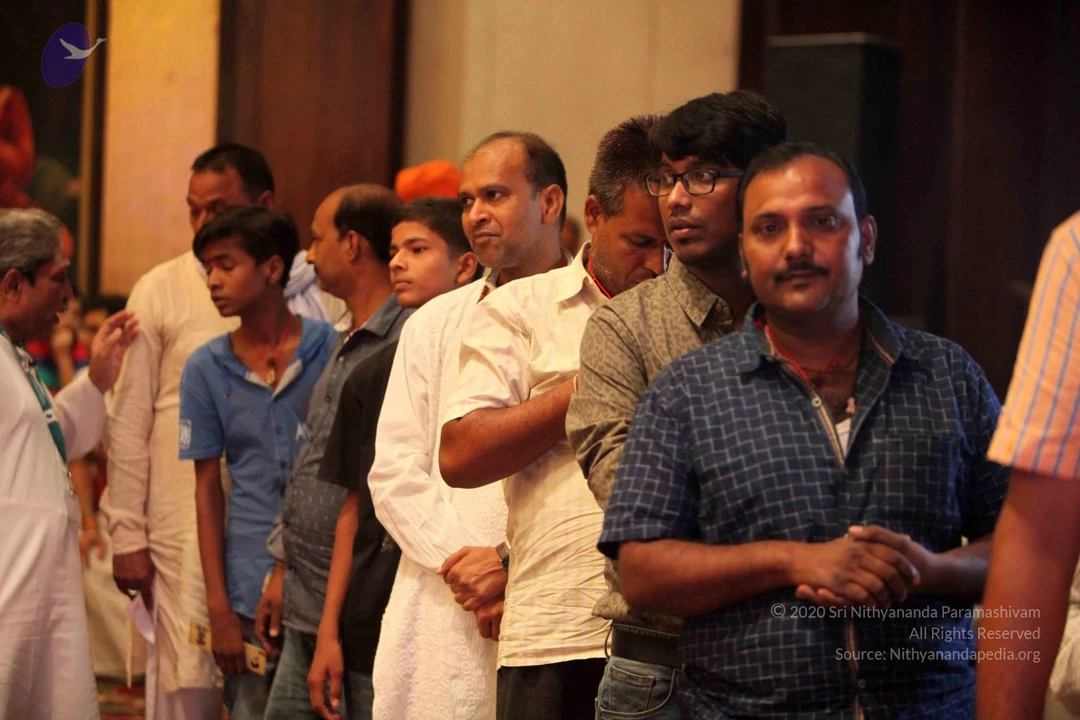
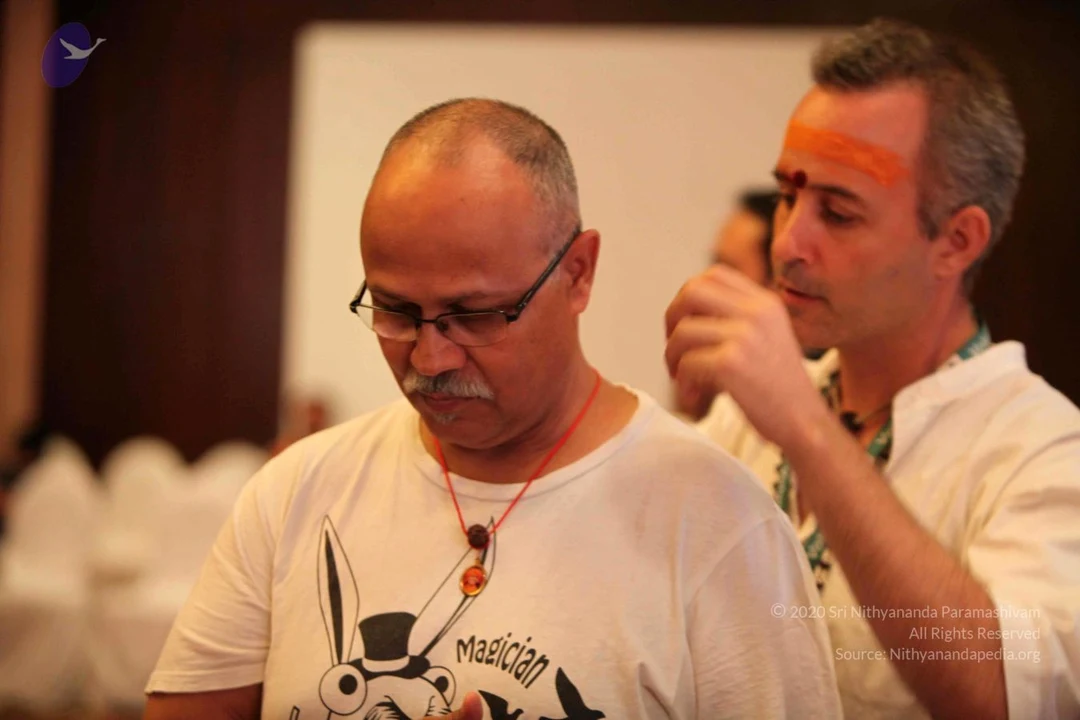
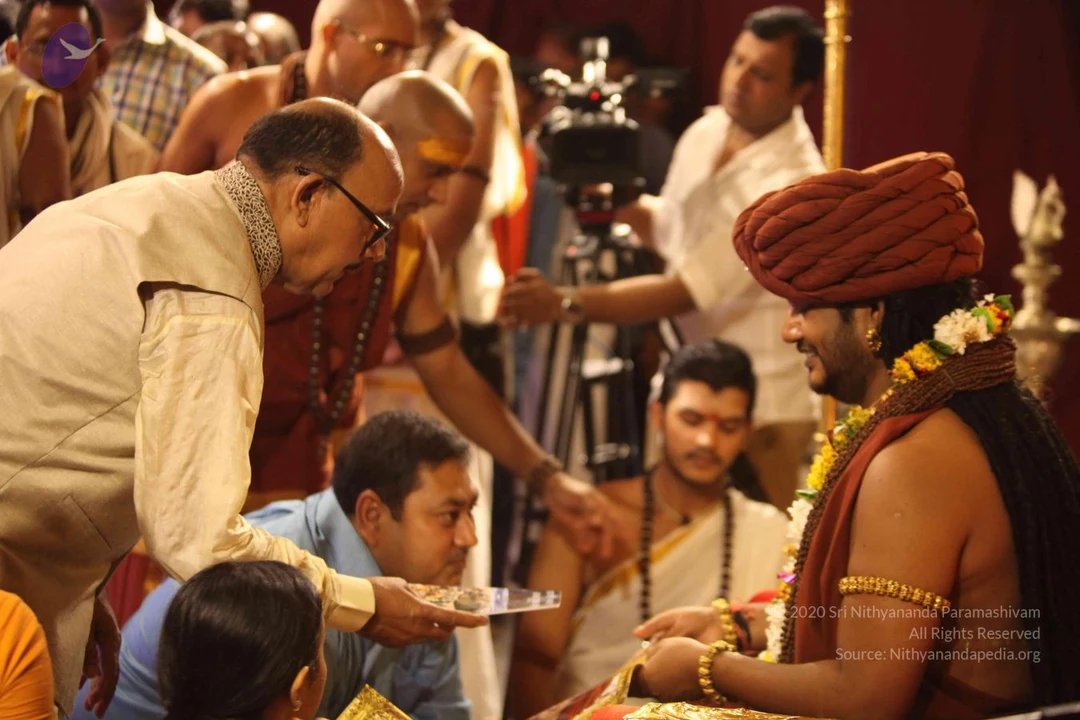
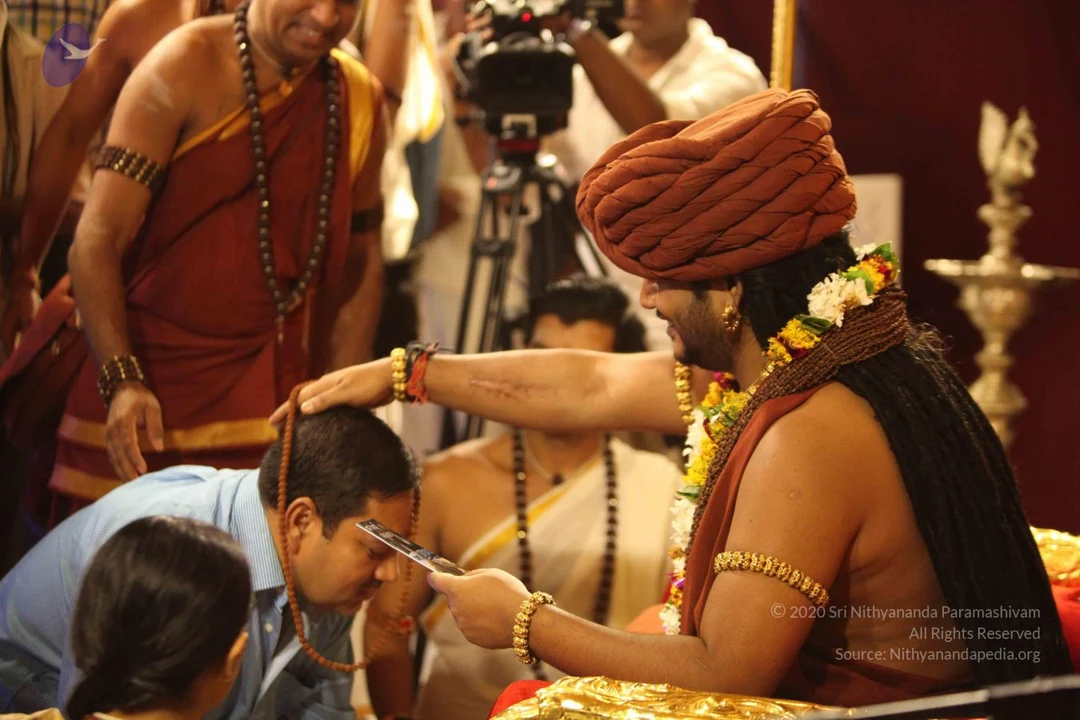
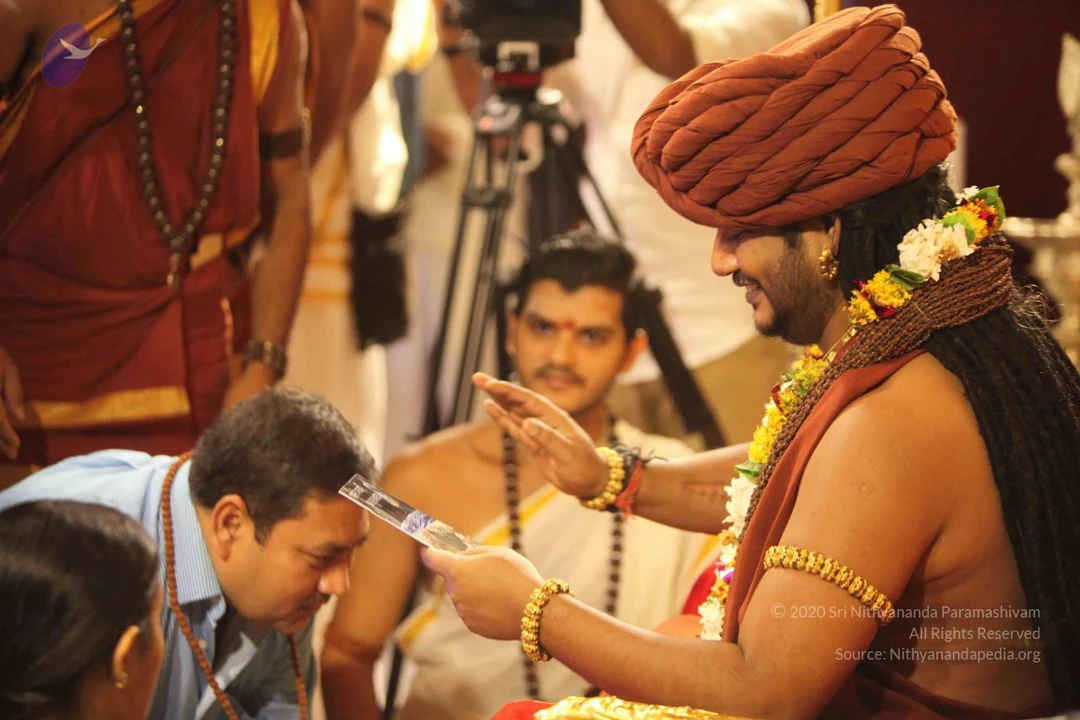
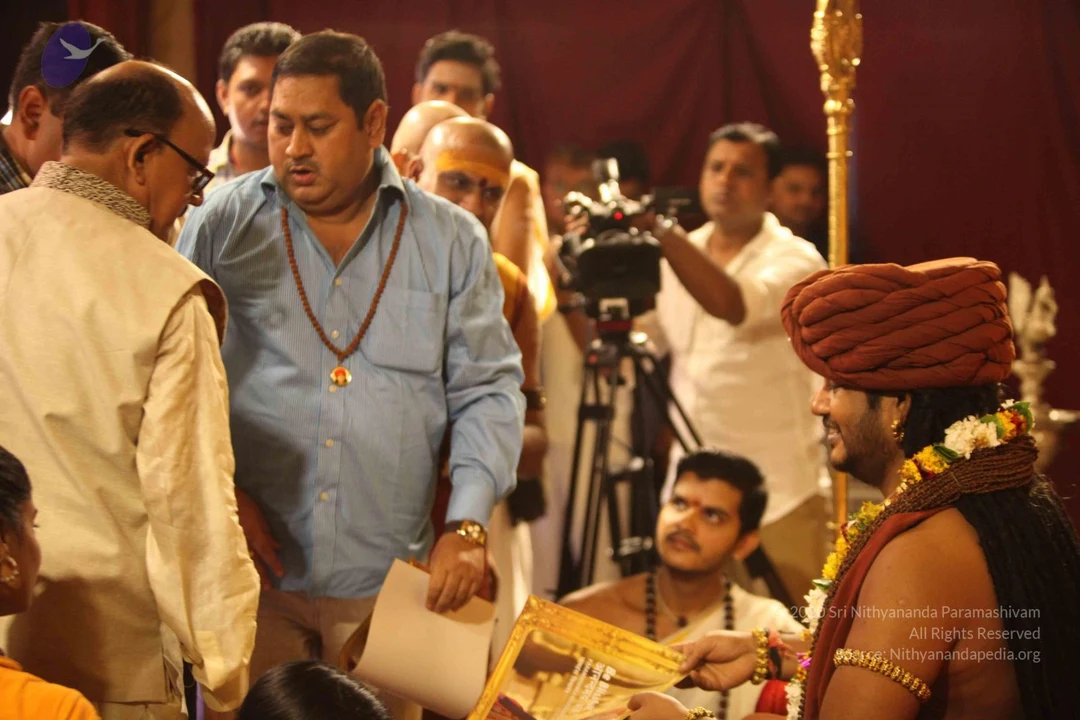
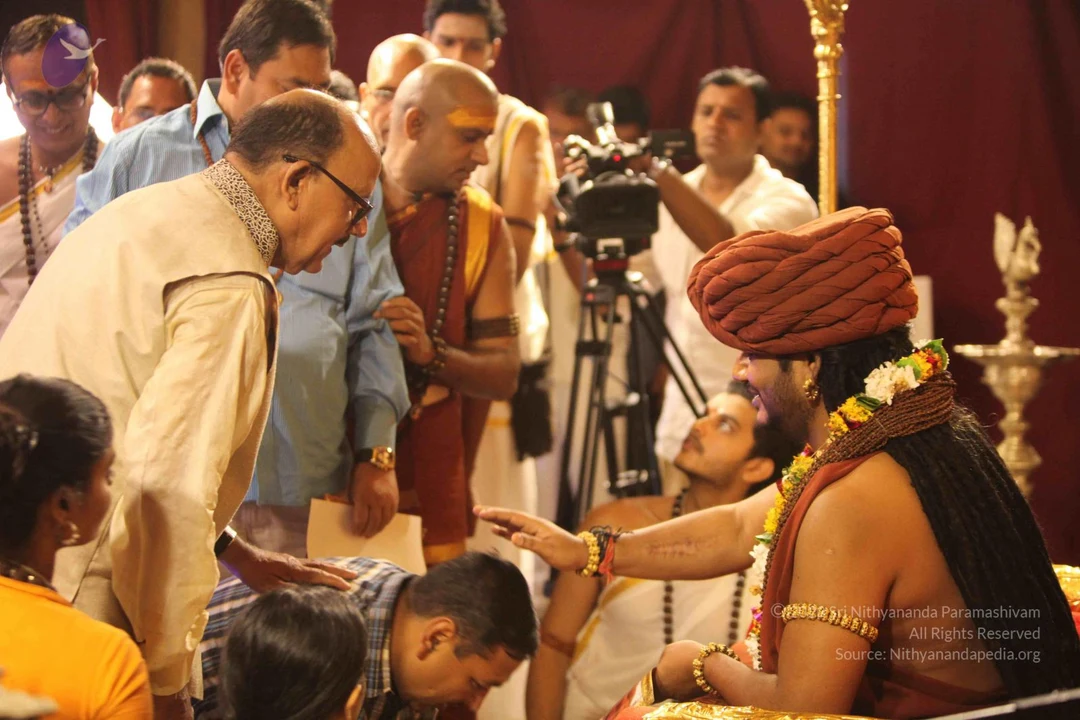
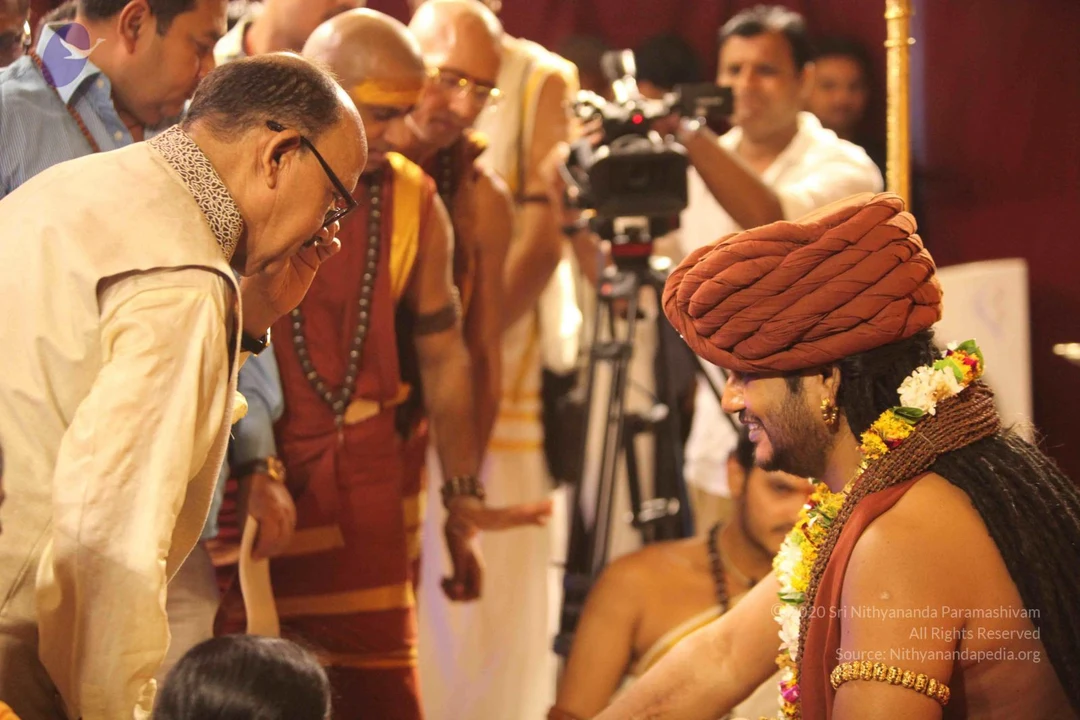
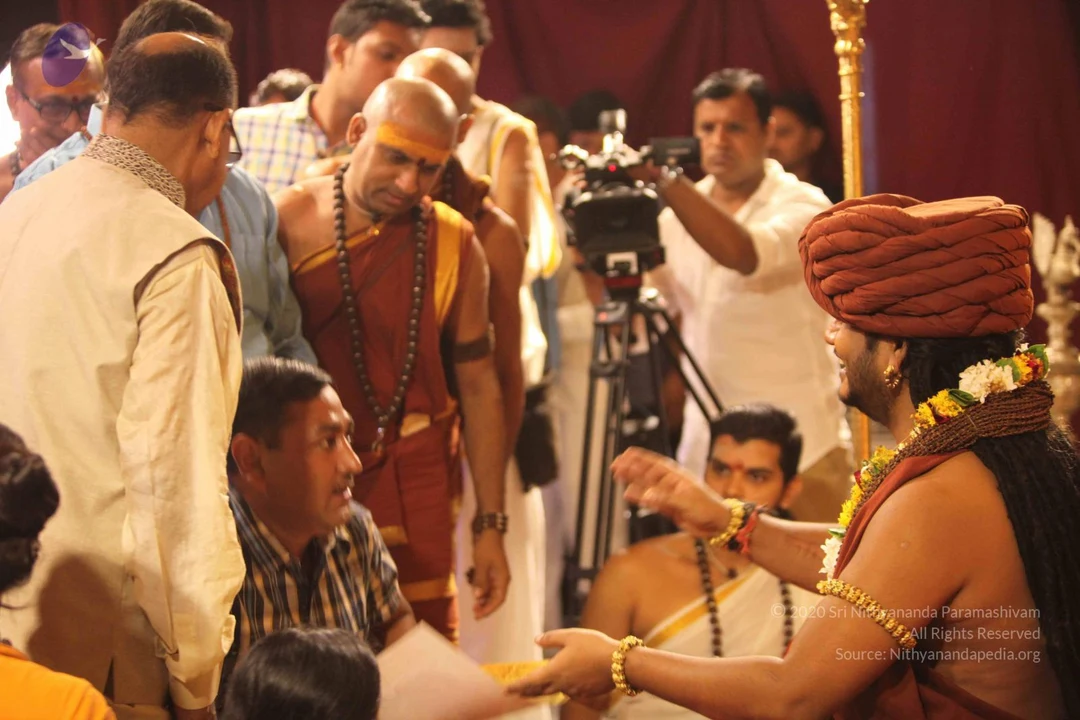
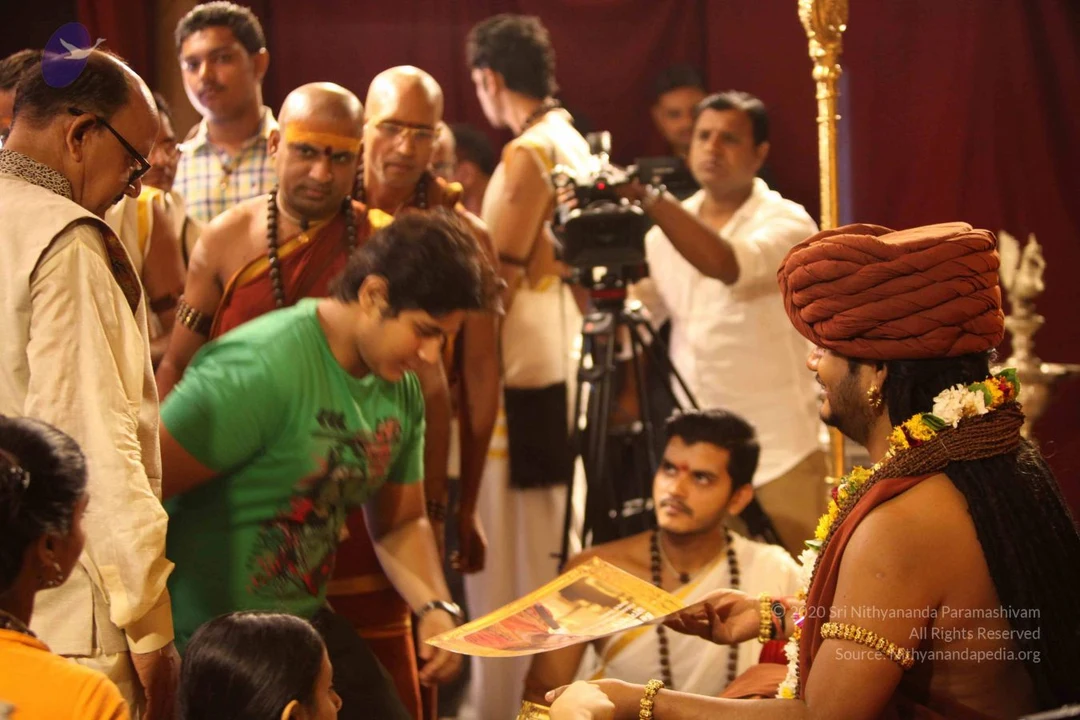
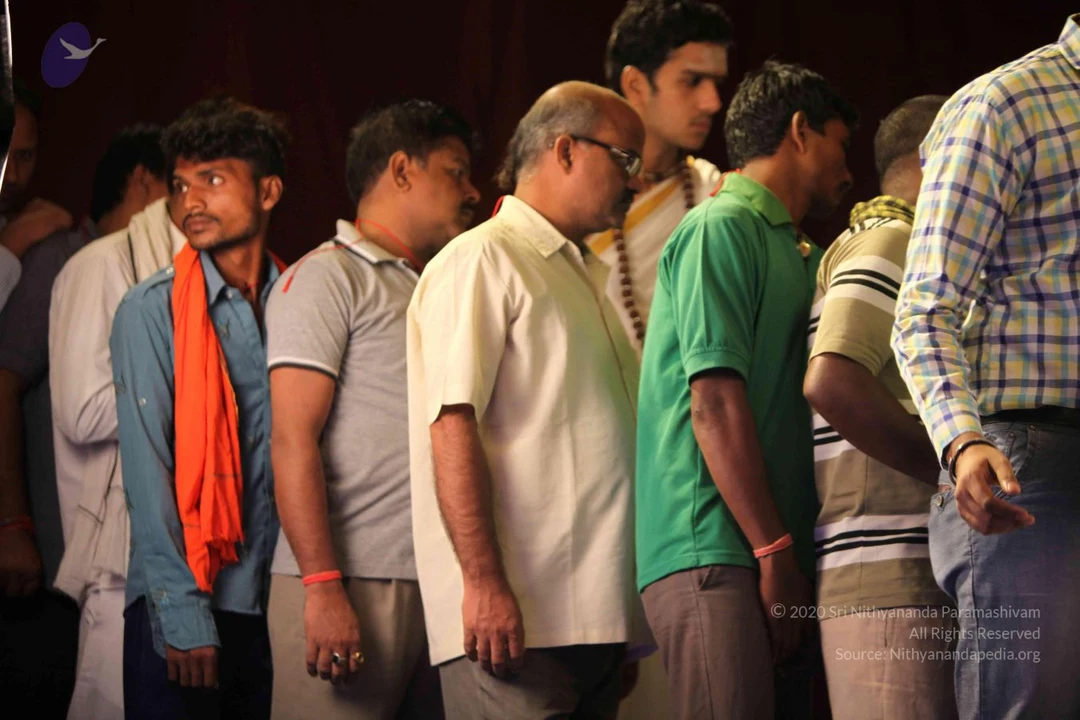
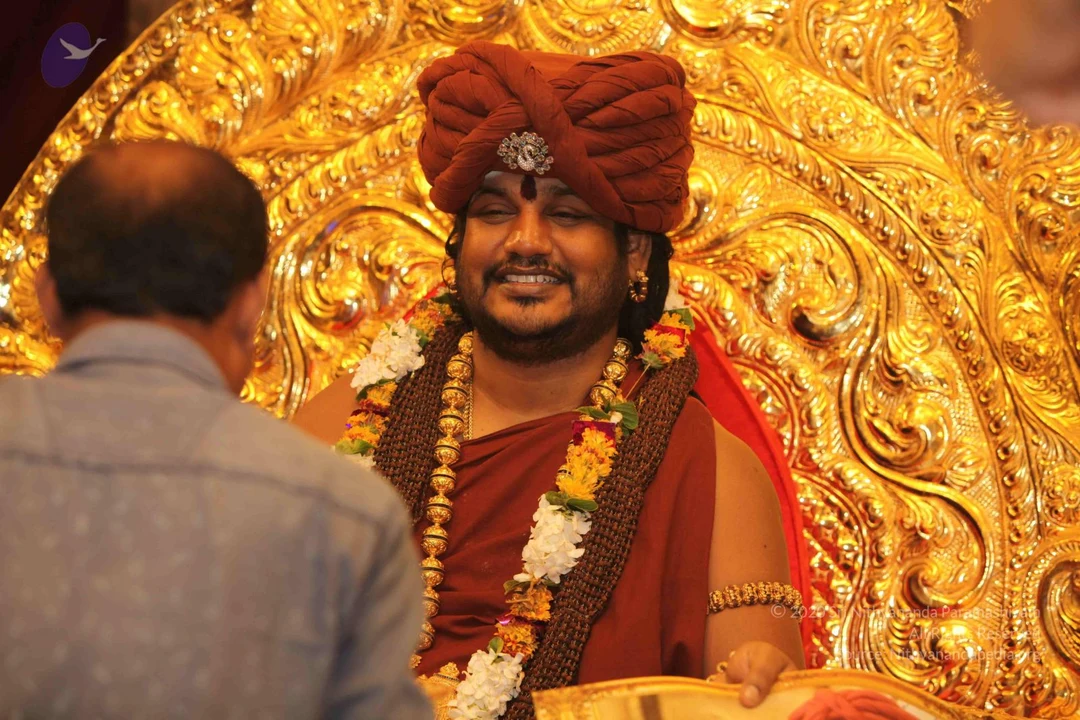
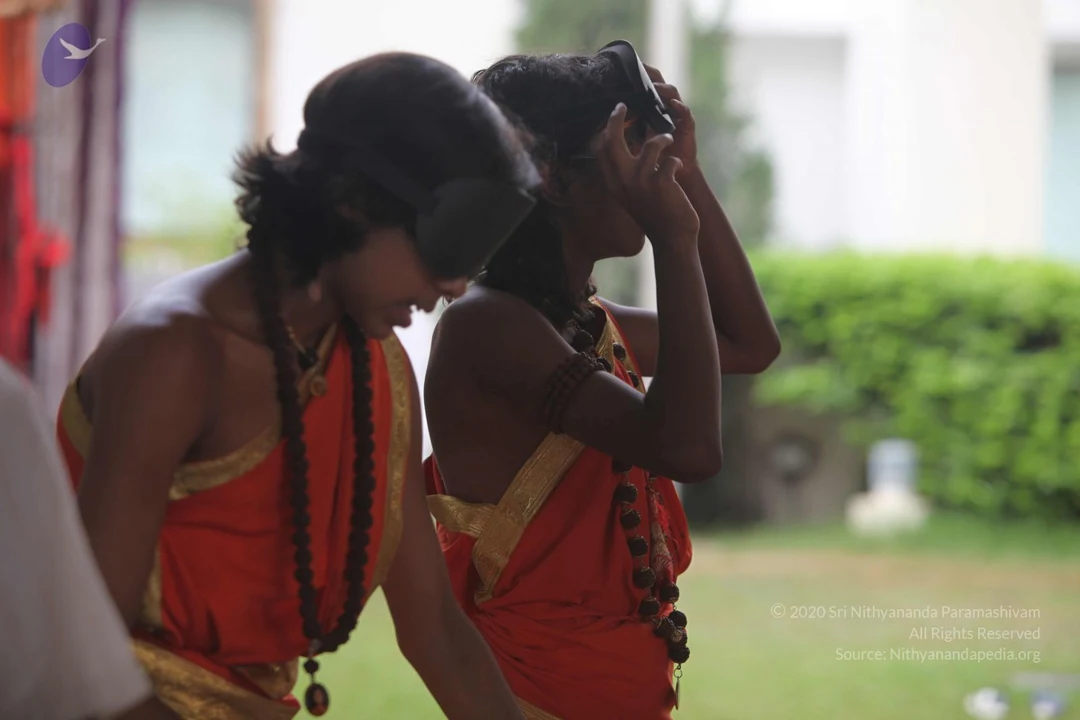
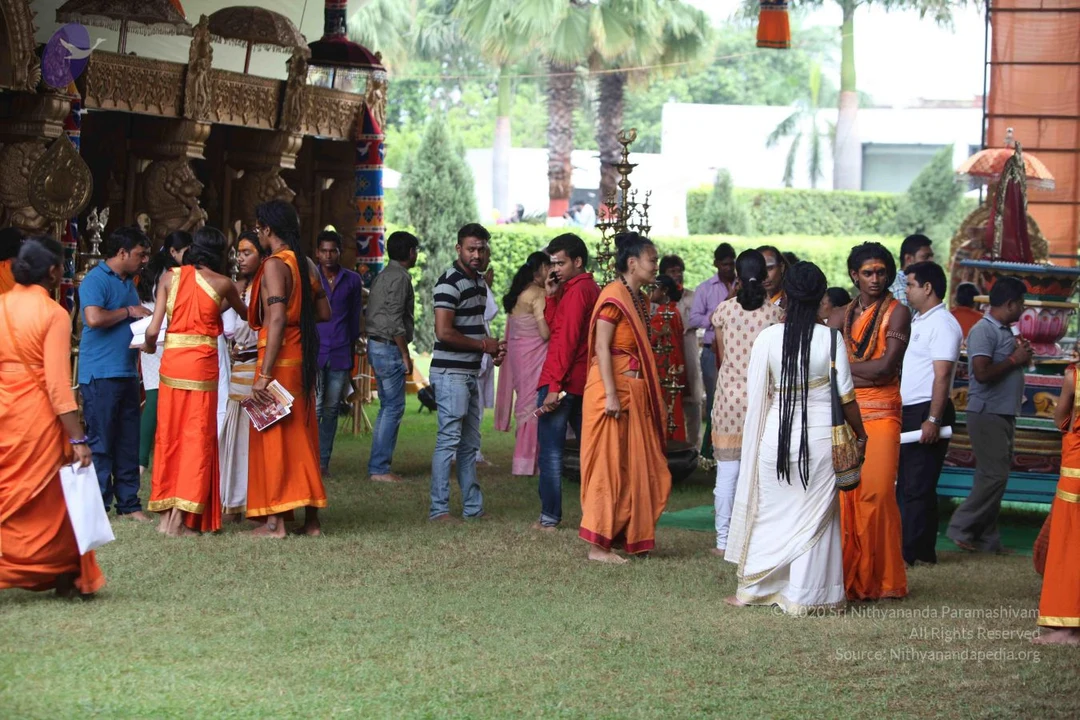


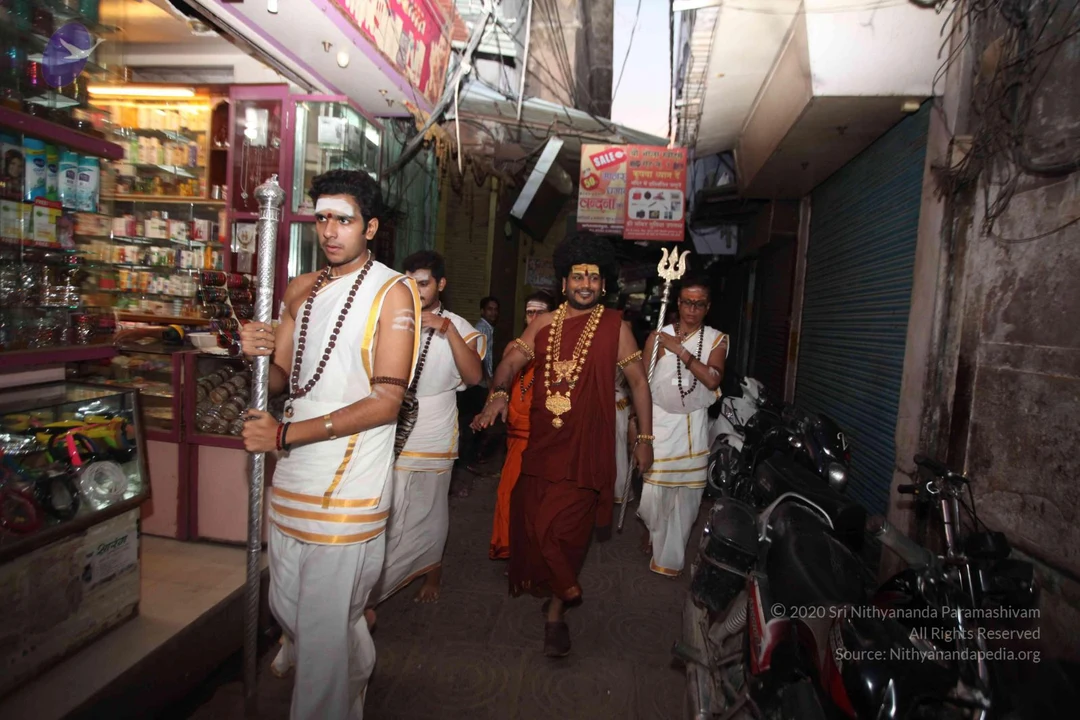
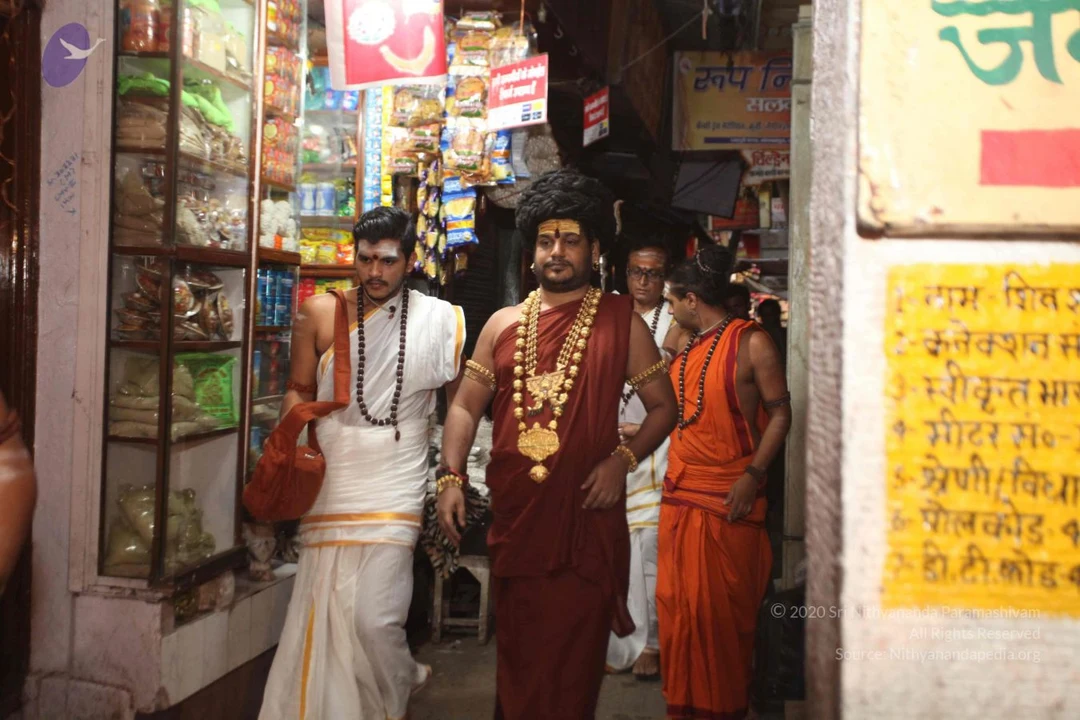
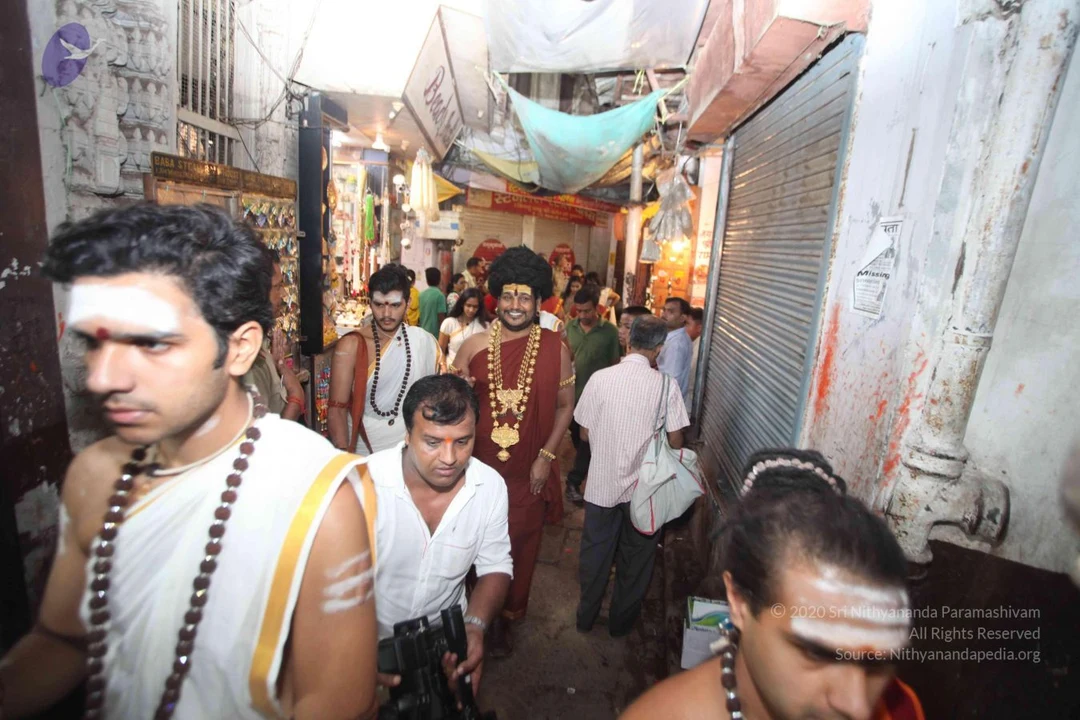
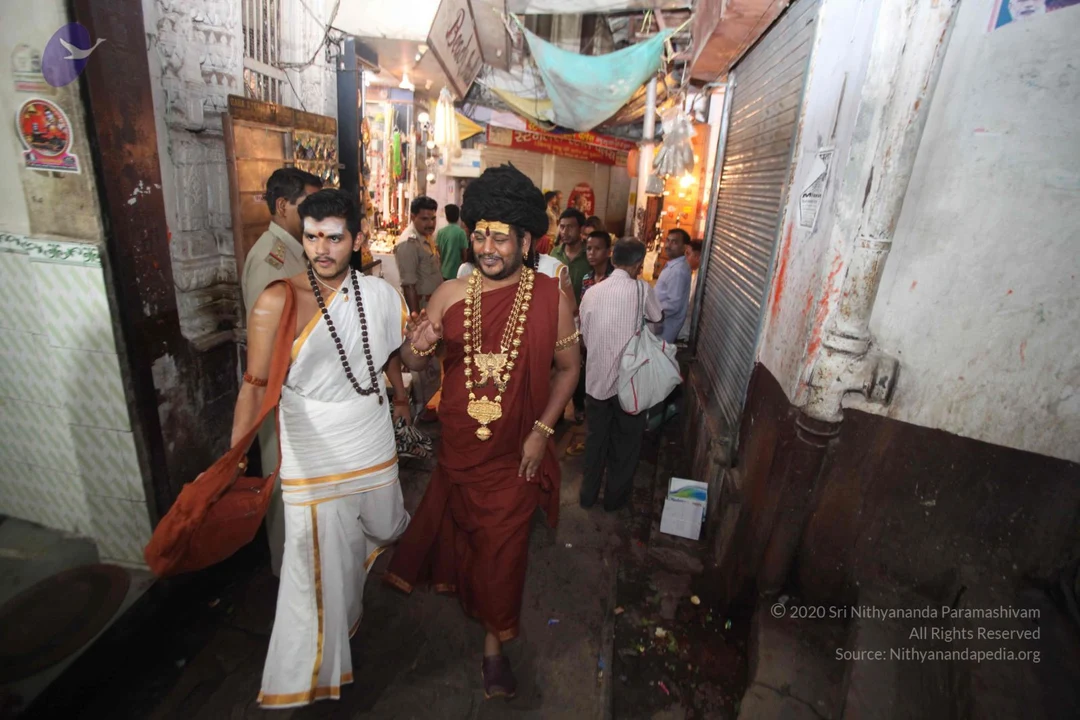
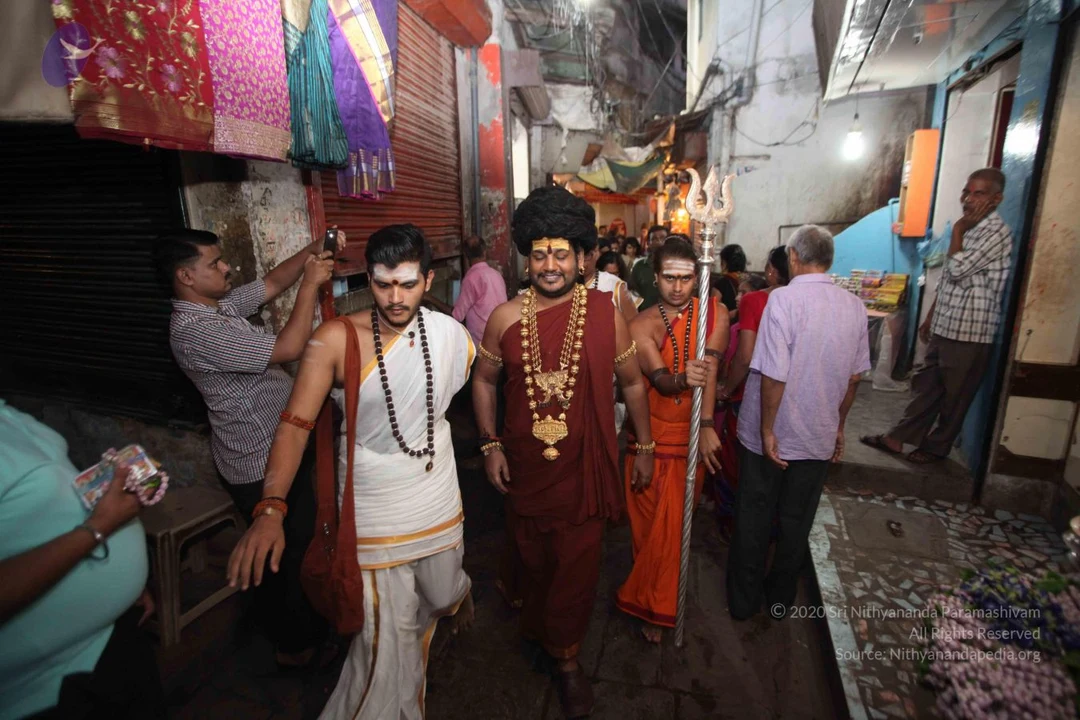
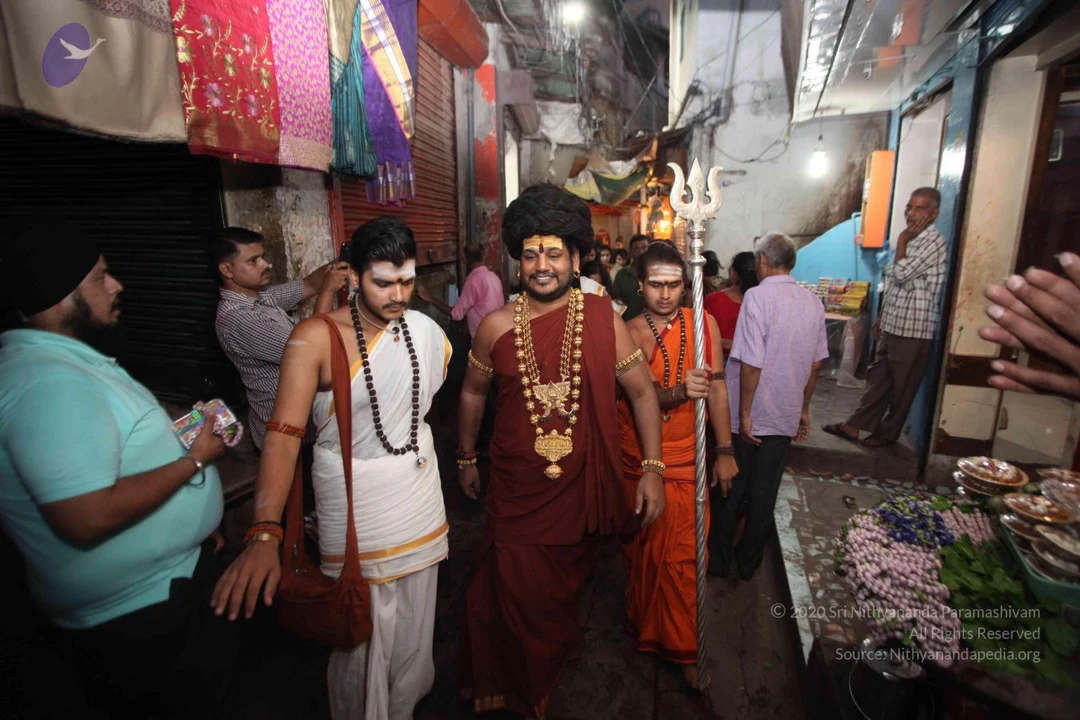
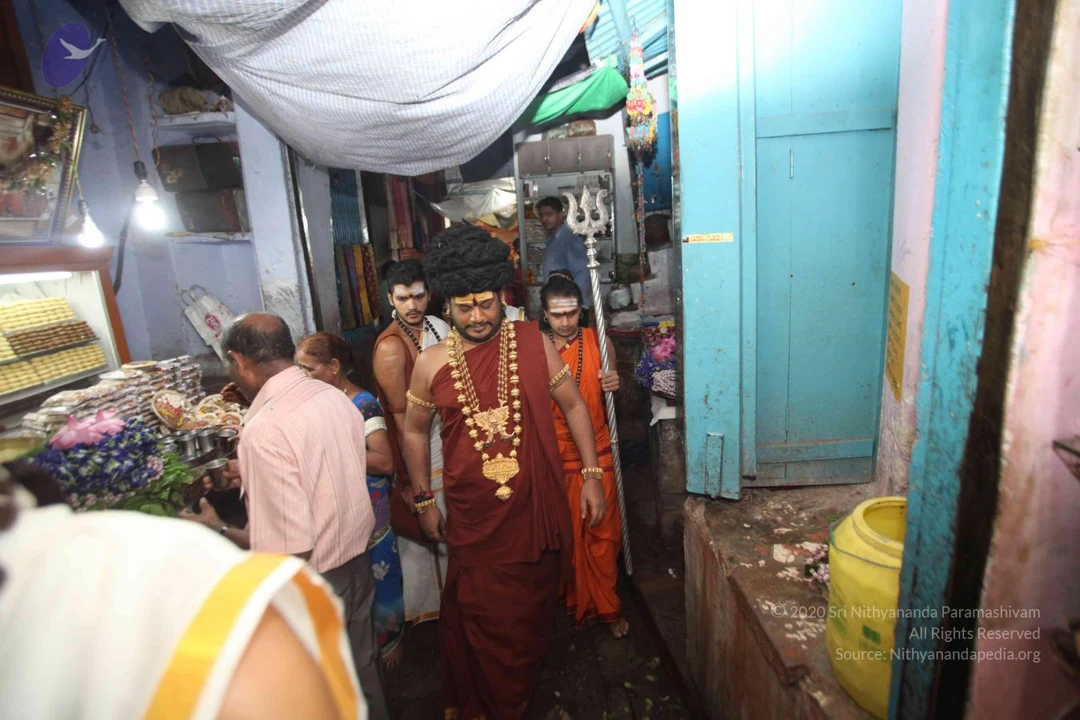
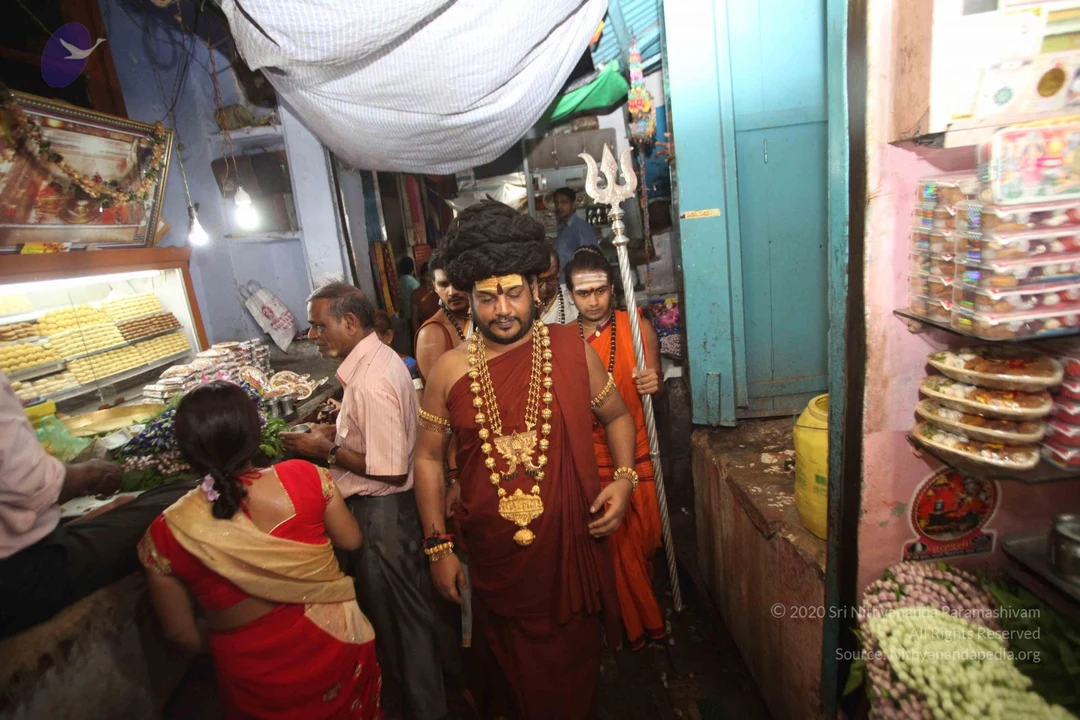
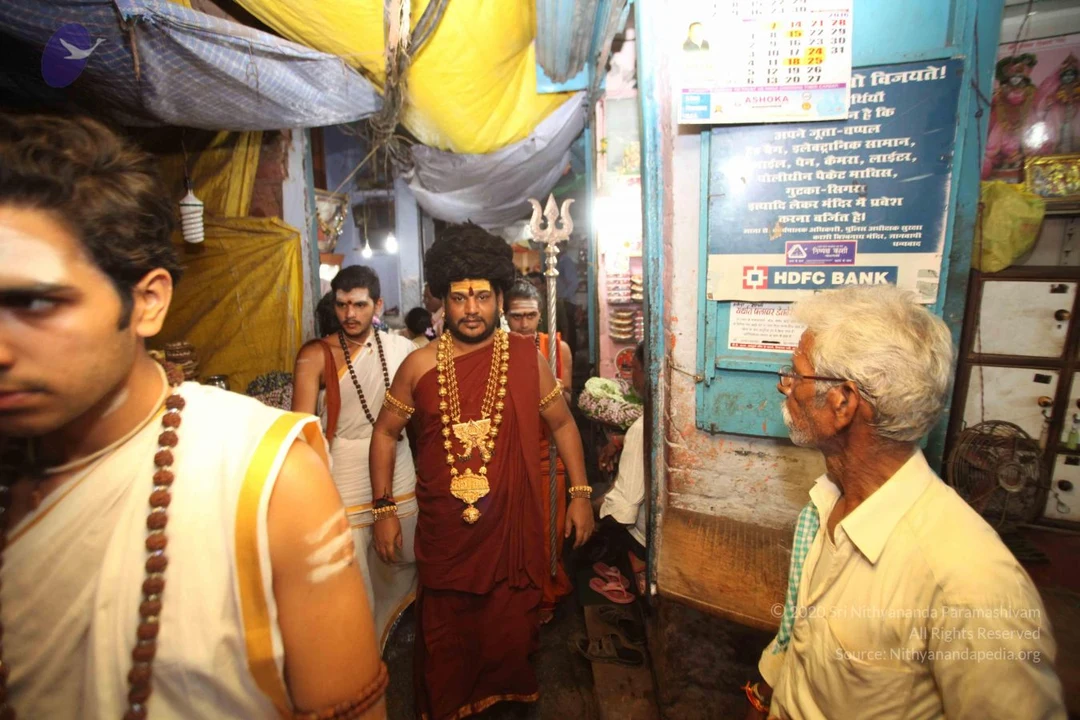
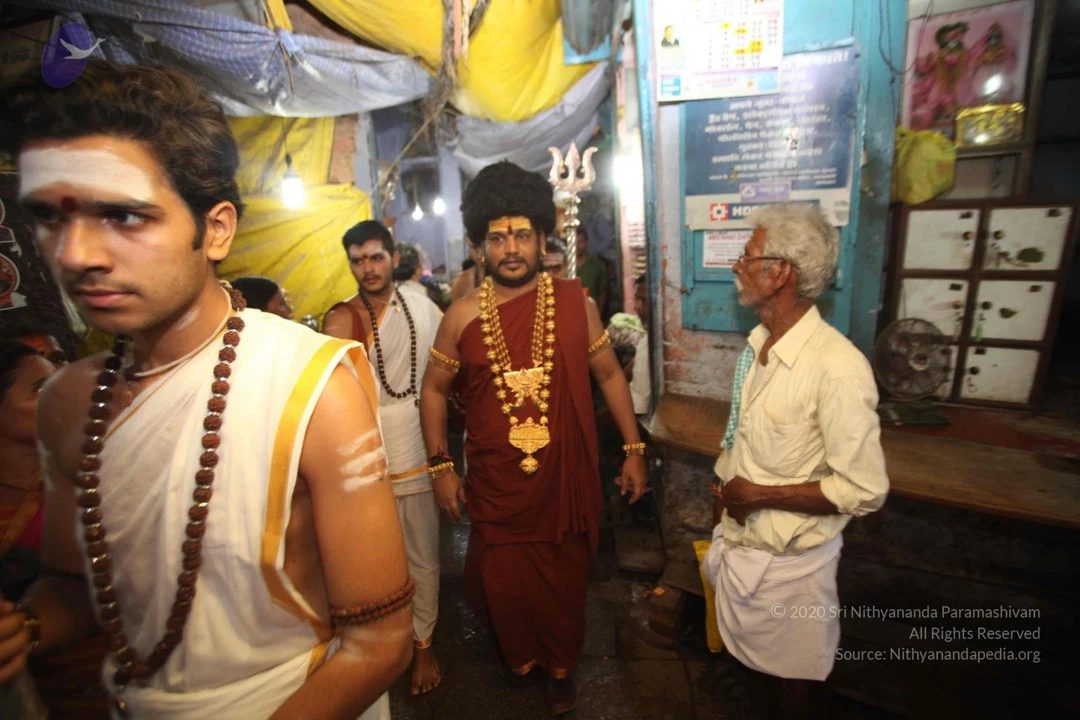
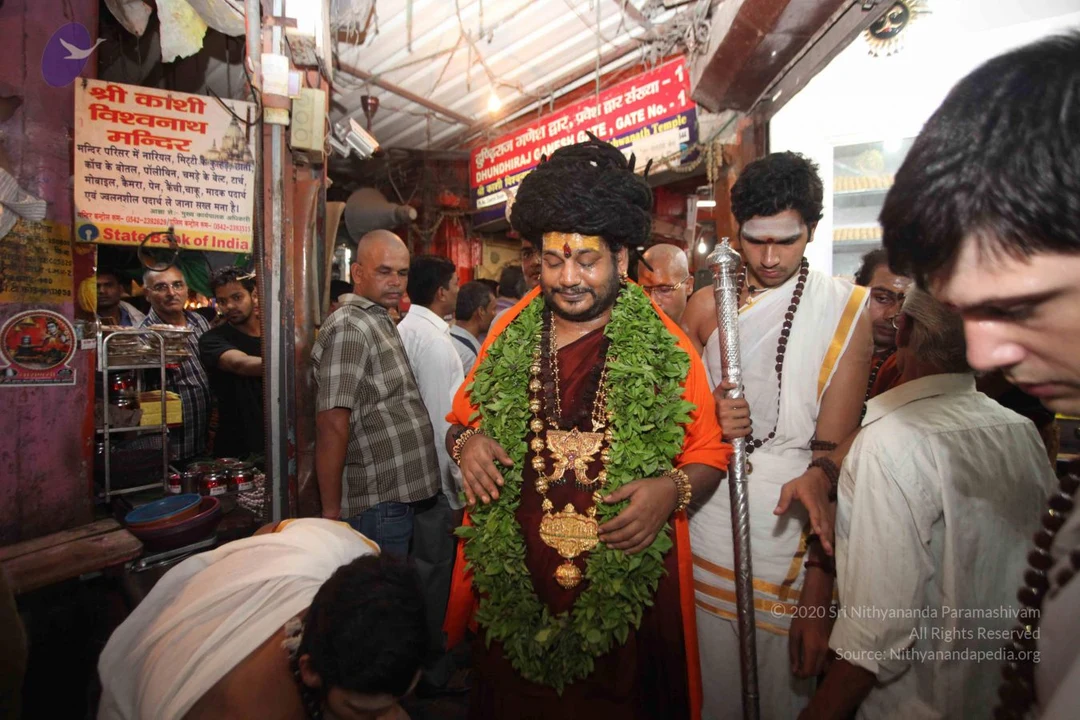
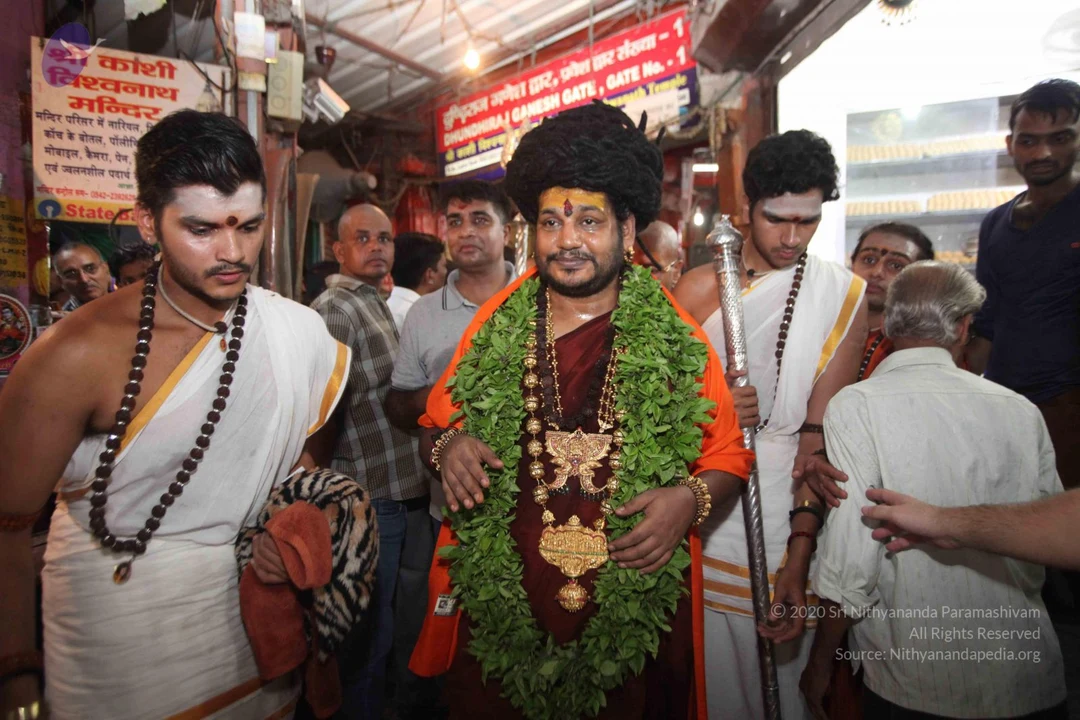
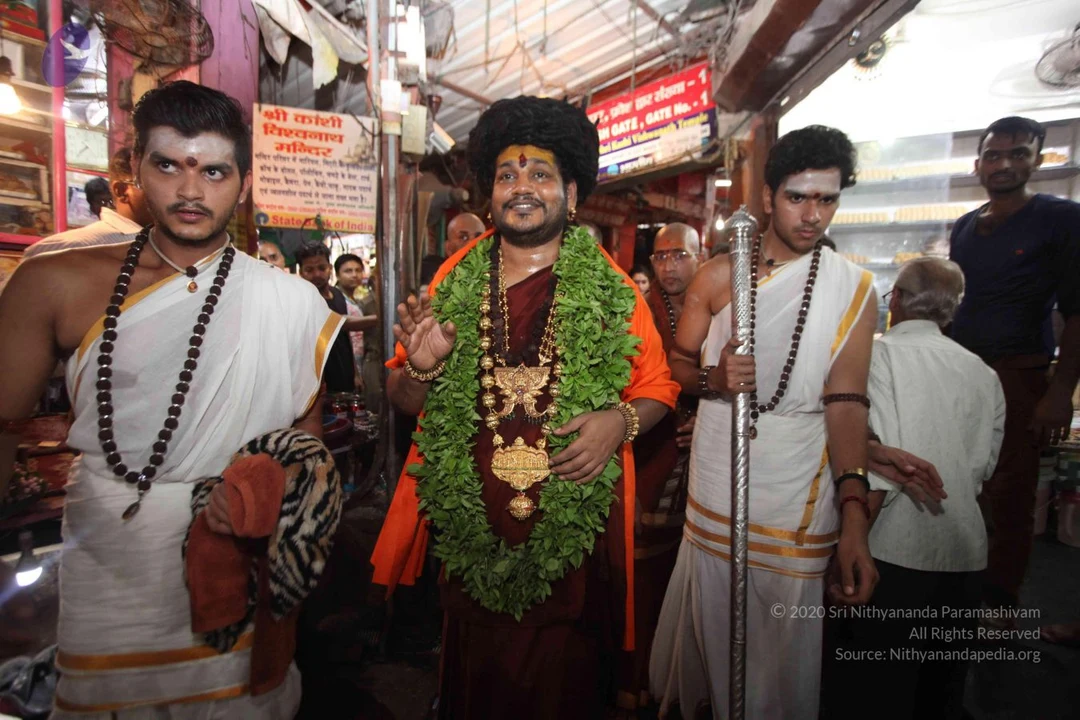
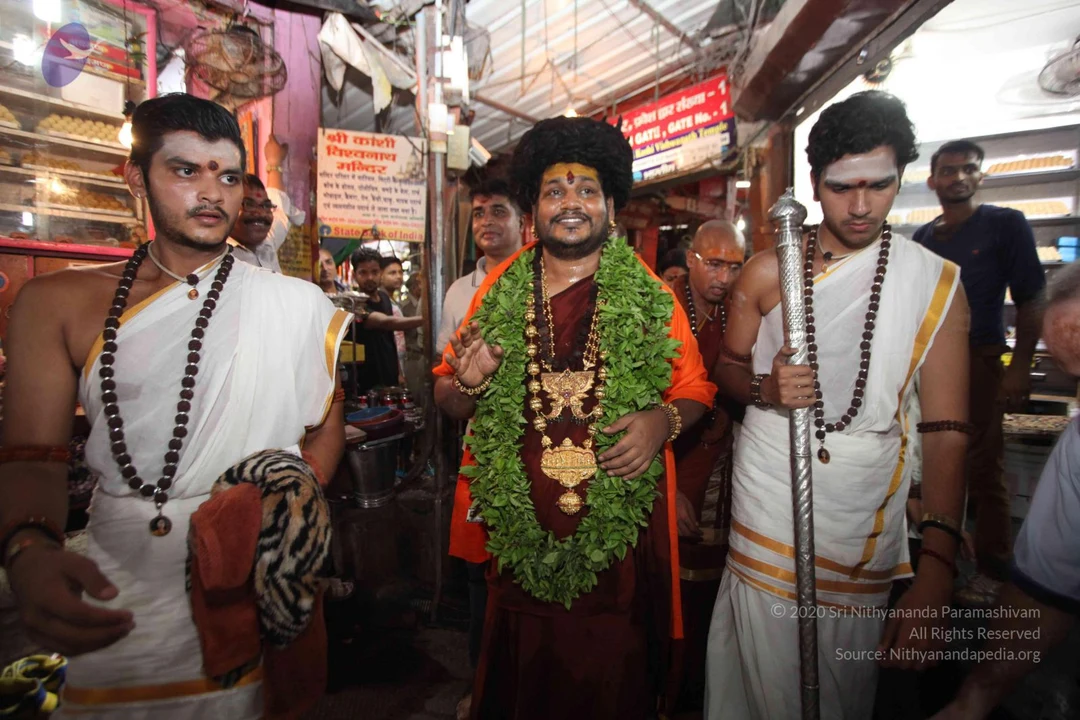
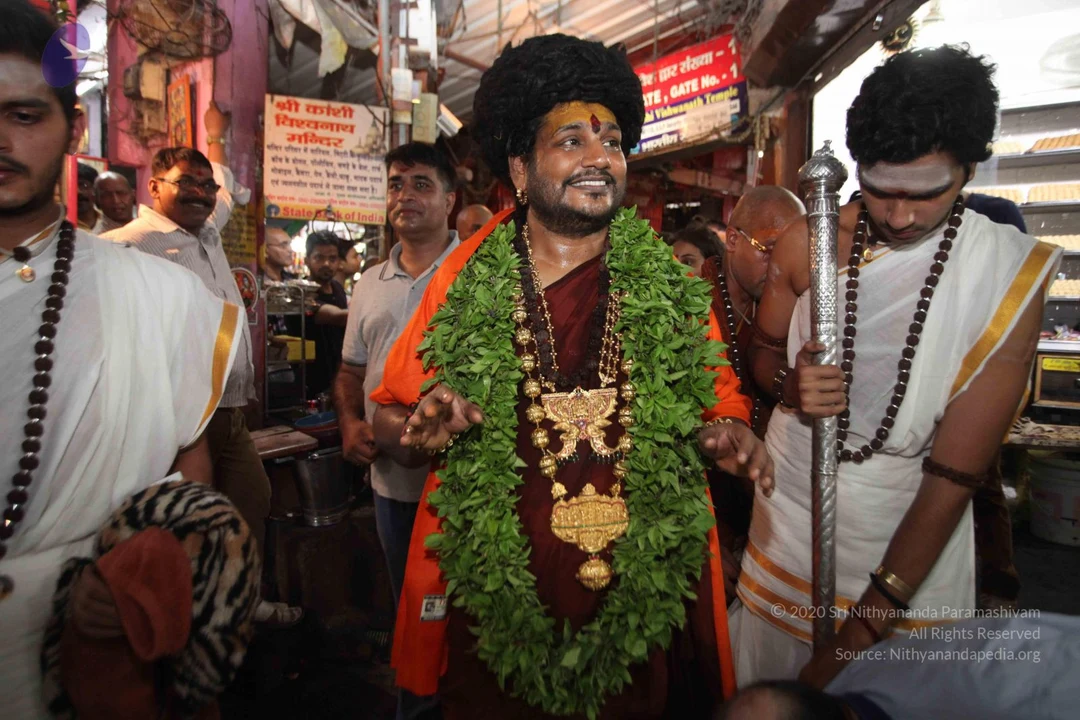
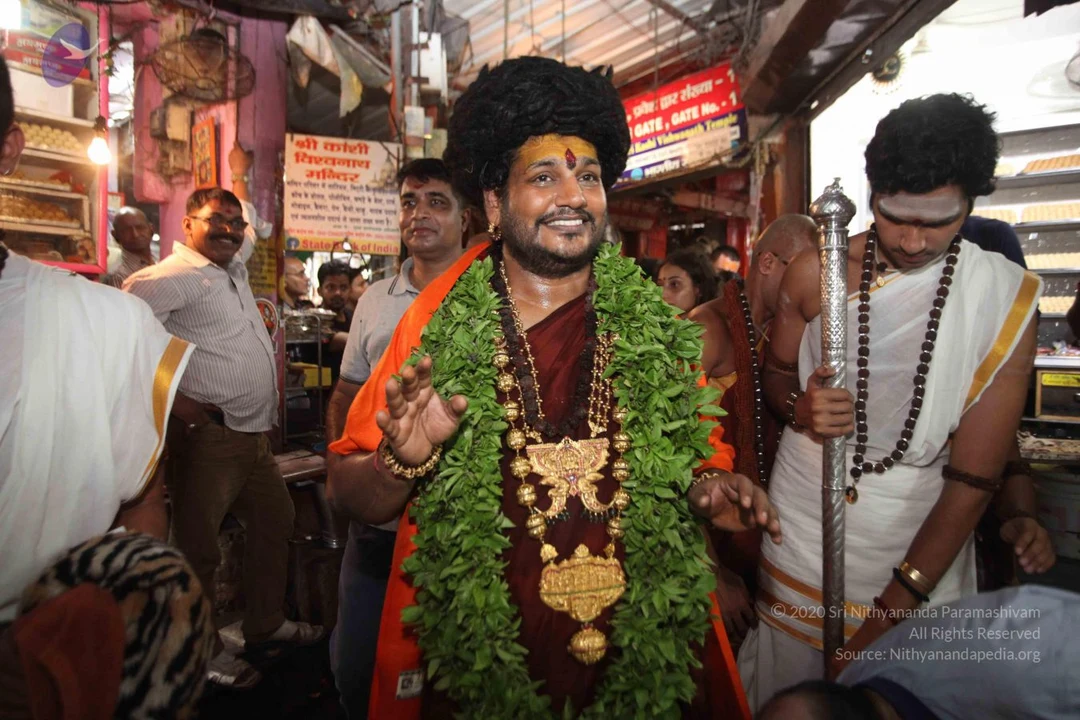
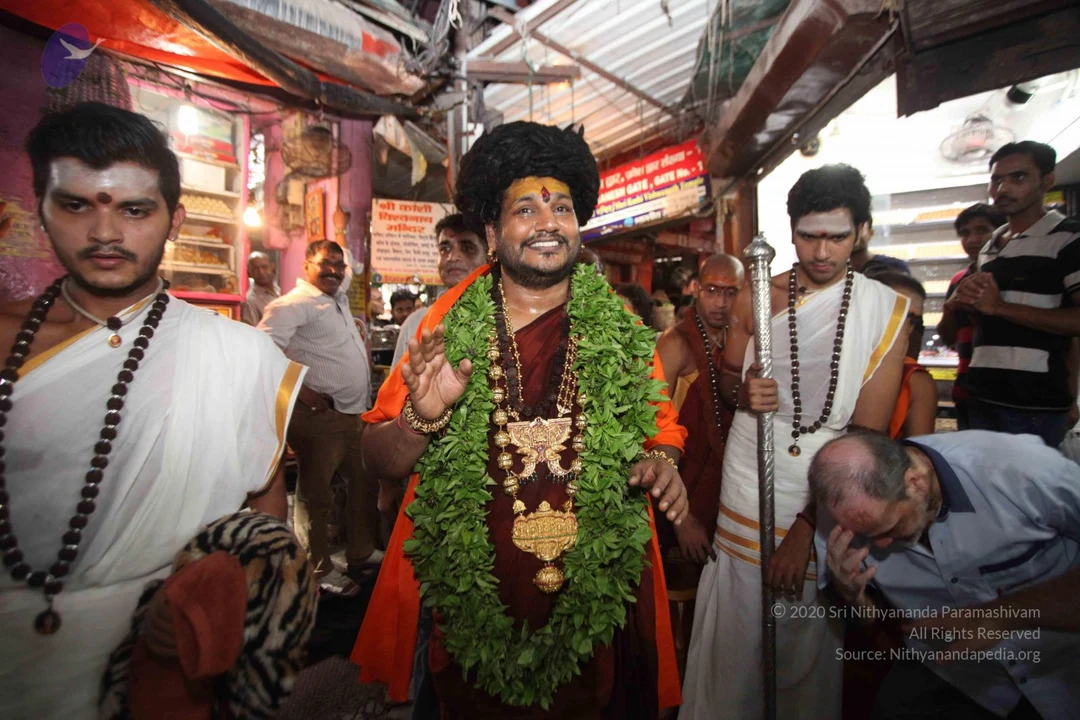
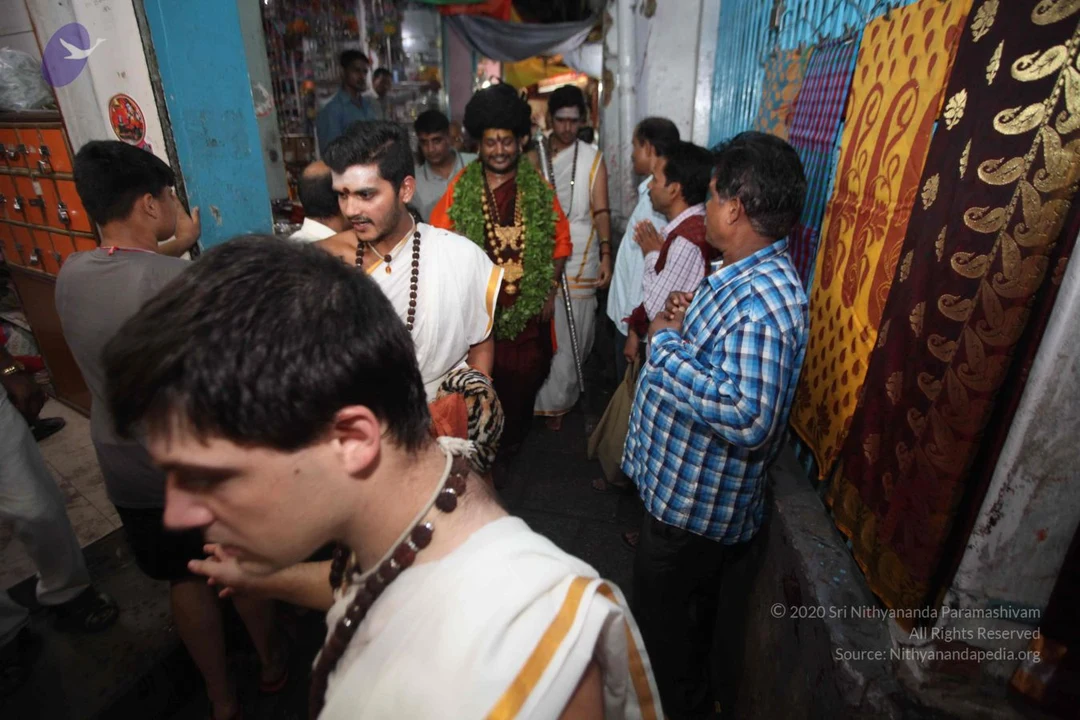
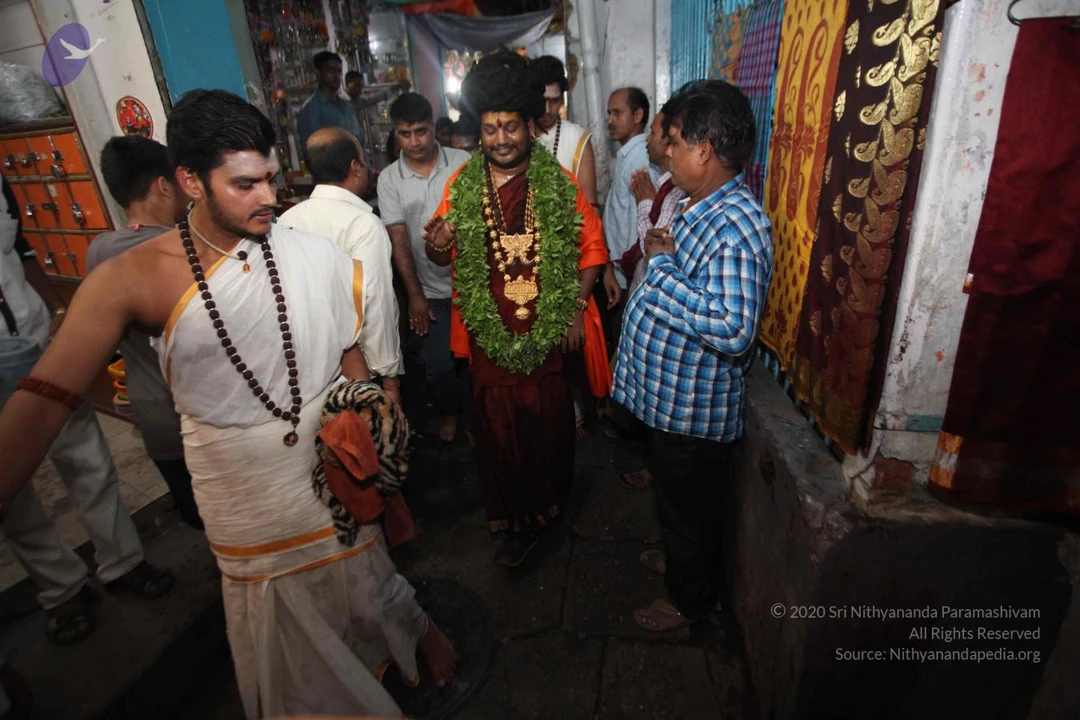
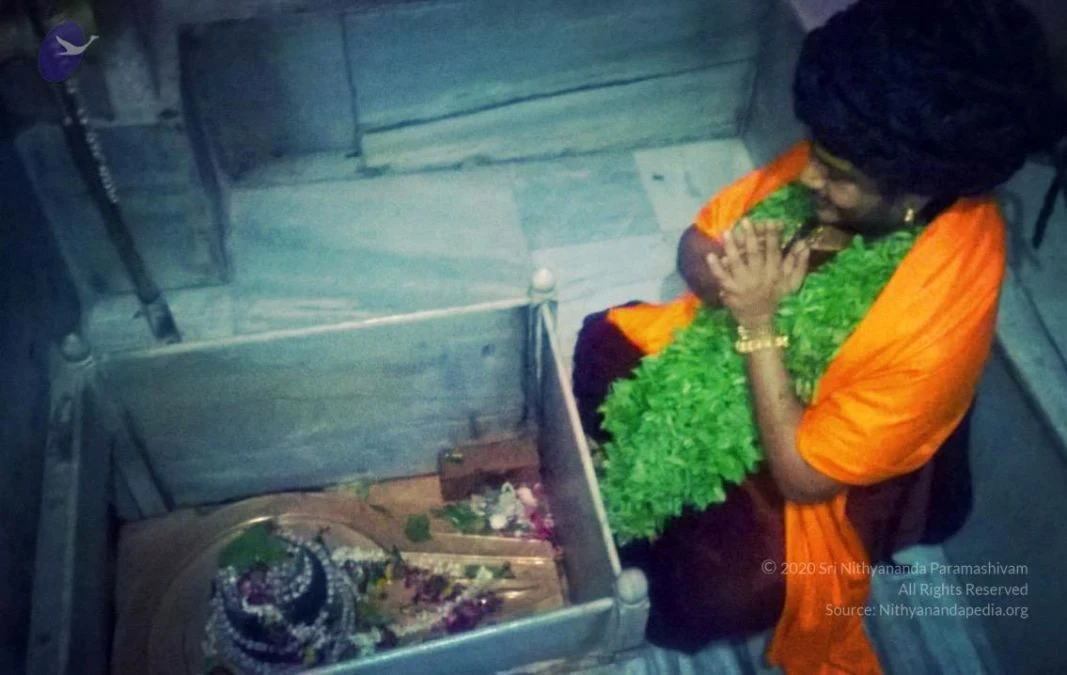
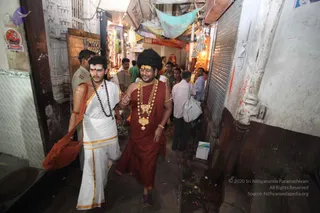
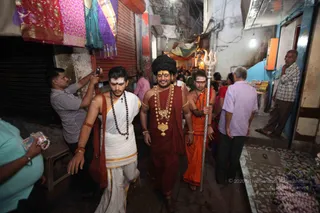
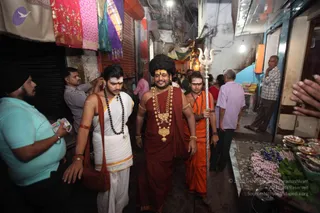
Temple-Visit
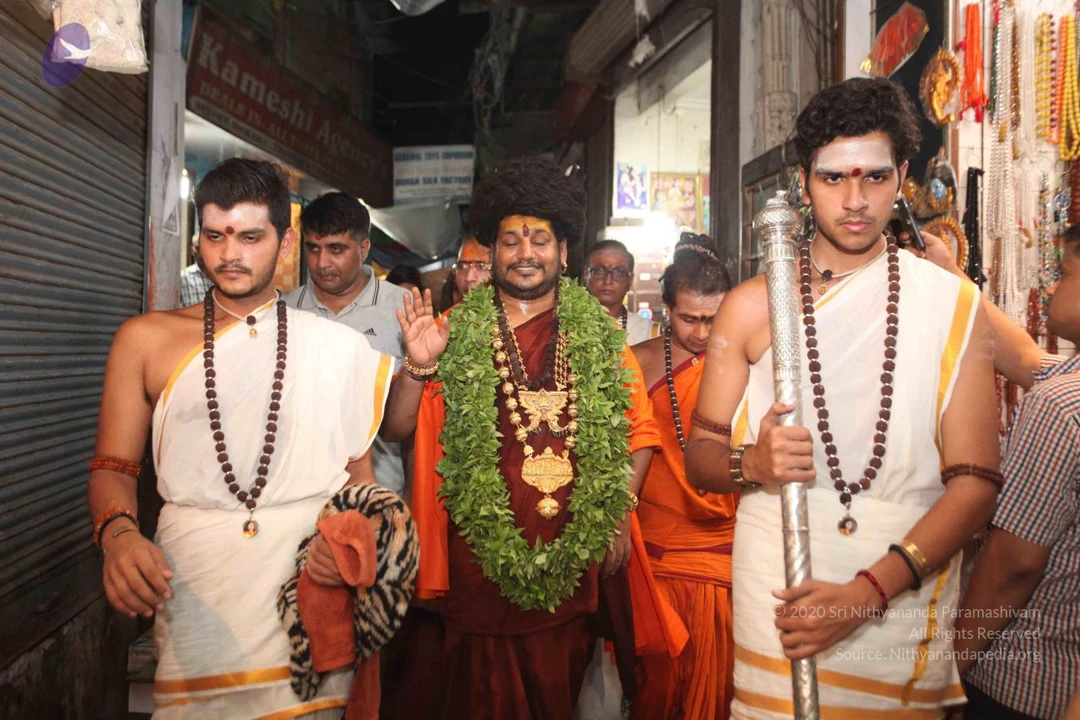
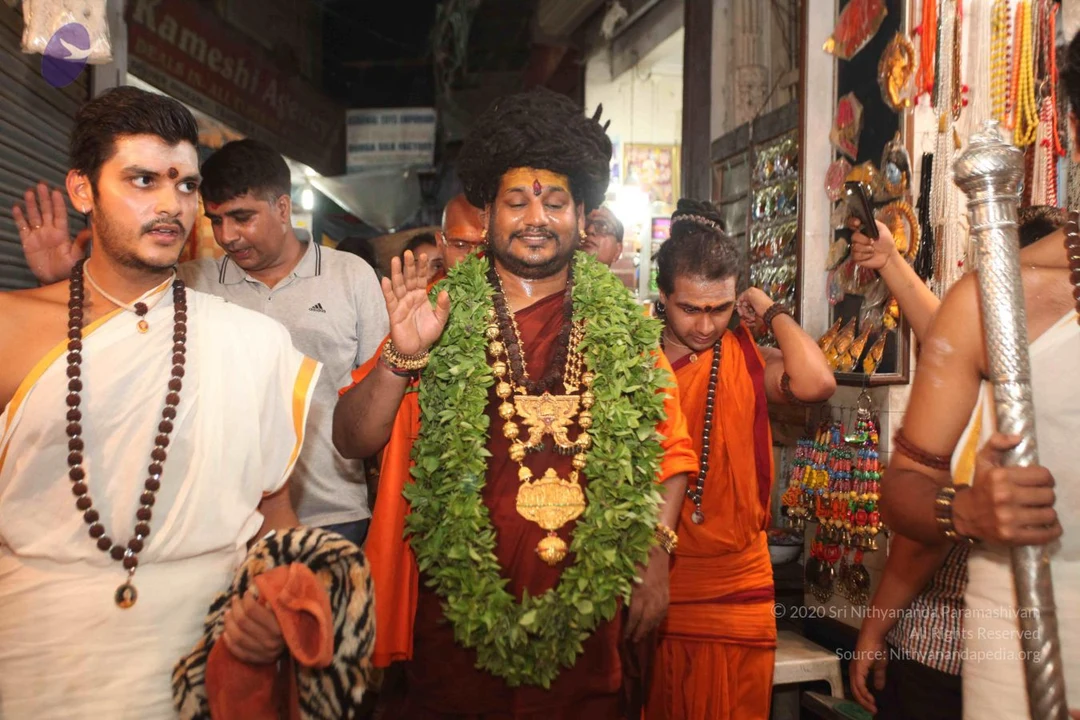
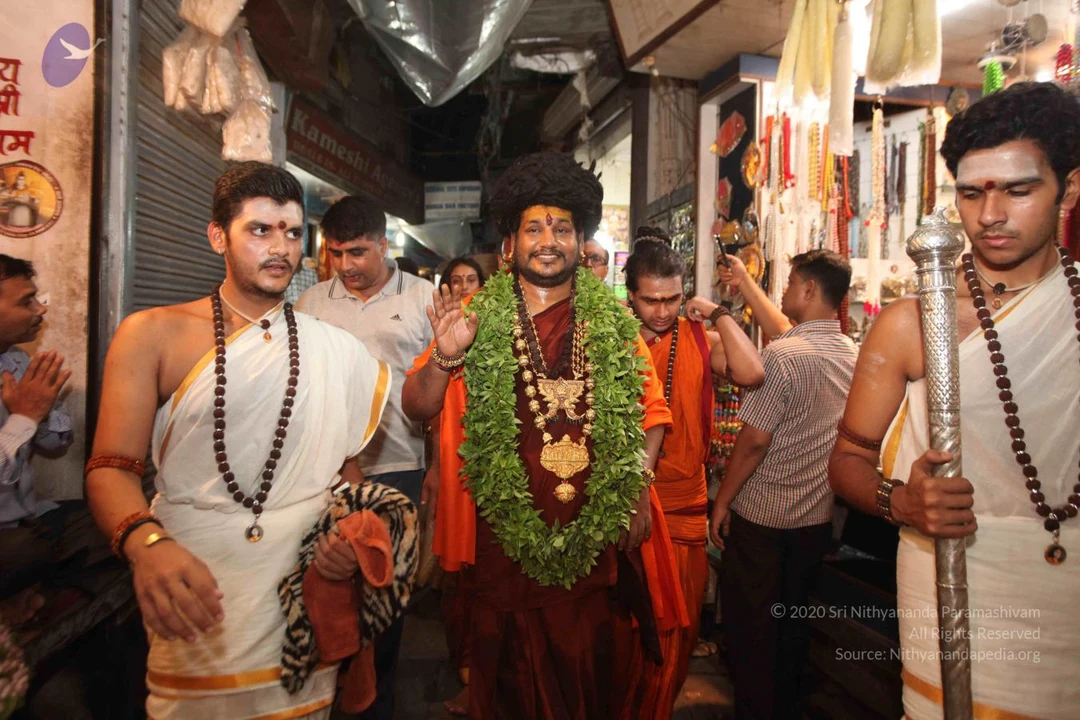
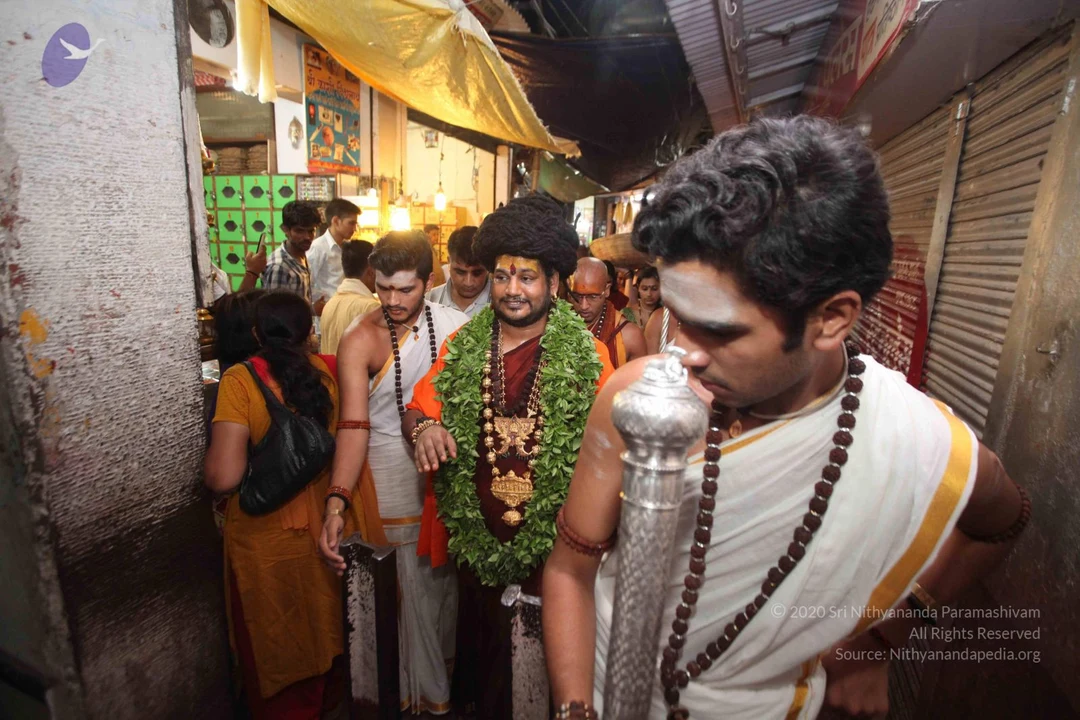
Photos Of The Day:
FB-Photos-of-the-Day
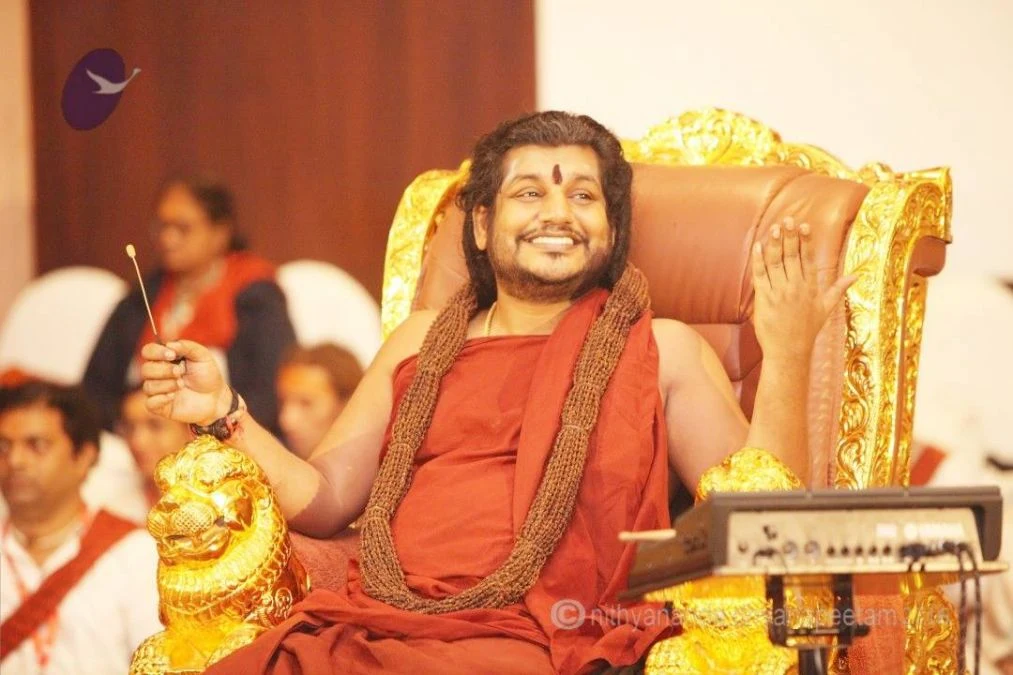
Photos from this day
View all 162 photosNithya Satsang
1 photoSource gallery
Guru Mantra Deeksha
1 photoSource gallery
Kalpataru Darshan
1 photoSource gallery
Nithya-Satsang
119 photosSource gallery
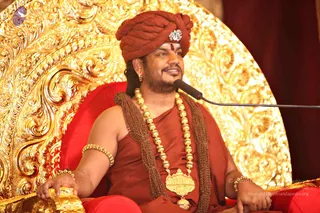
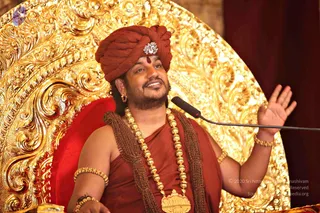
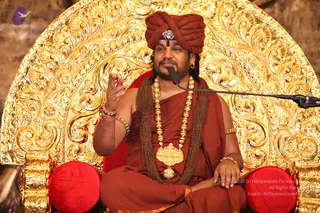
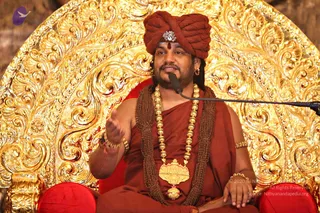
Temple-Visit
35 photosSource gallery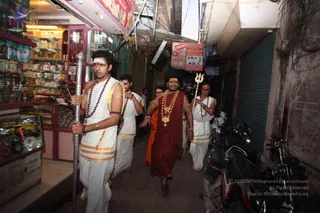
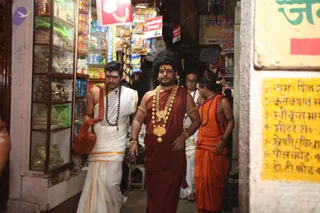
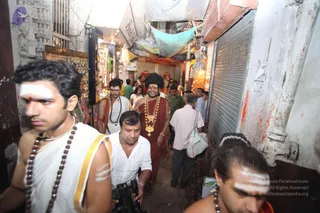
FB-Photos-of-the-Day
5 photosSource gallery