Monday
11 July 2016
Faith system of Hindu tradition
- Dated photos
- 256
- Source pages
- 1
- Media
- 10
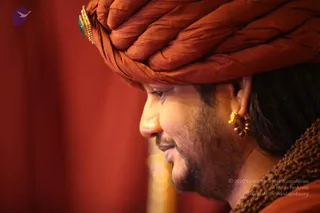
July 11 2016
Original wiki pageTitle:
Faith system of Hindu tradition
Description:
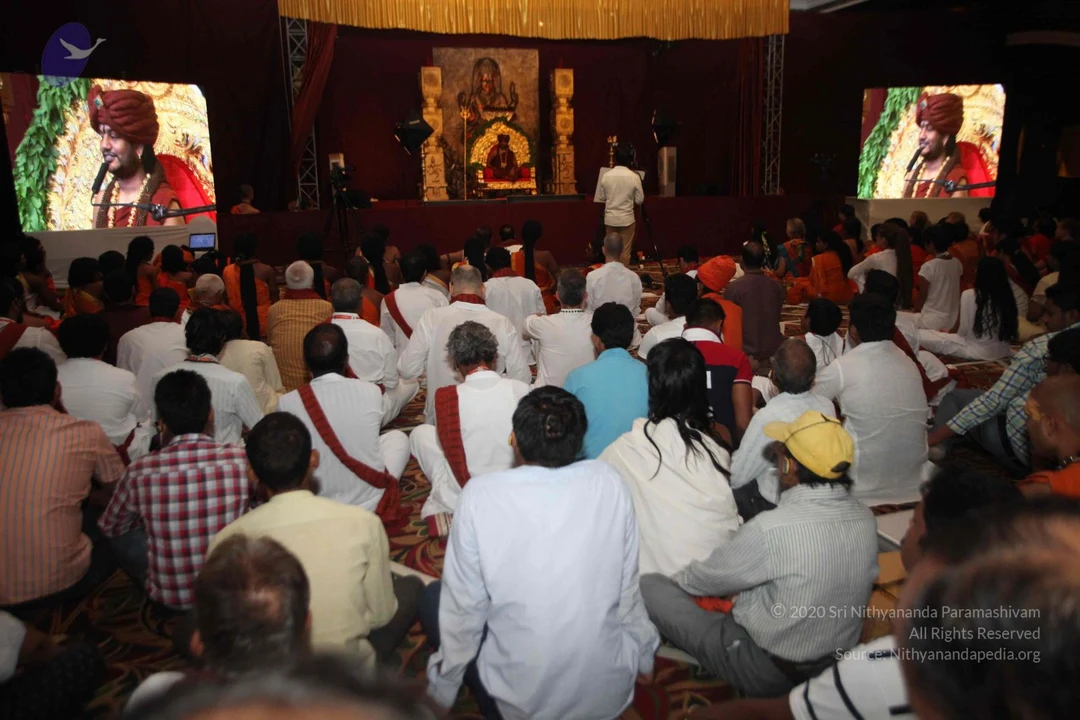
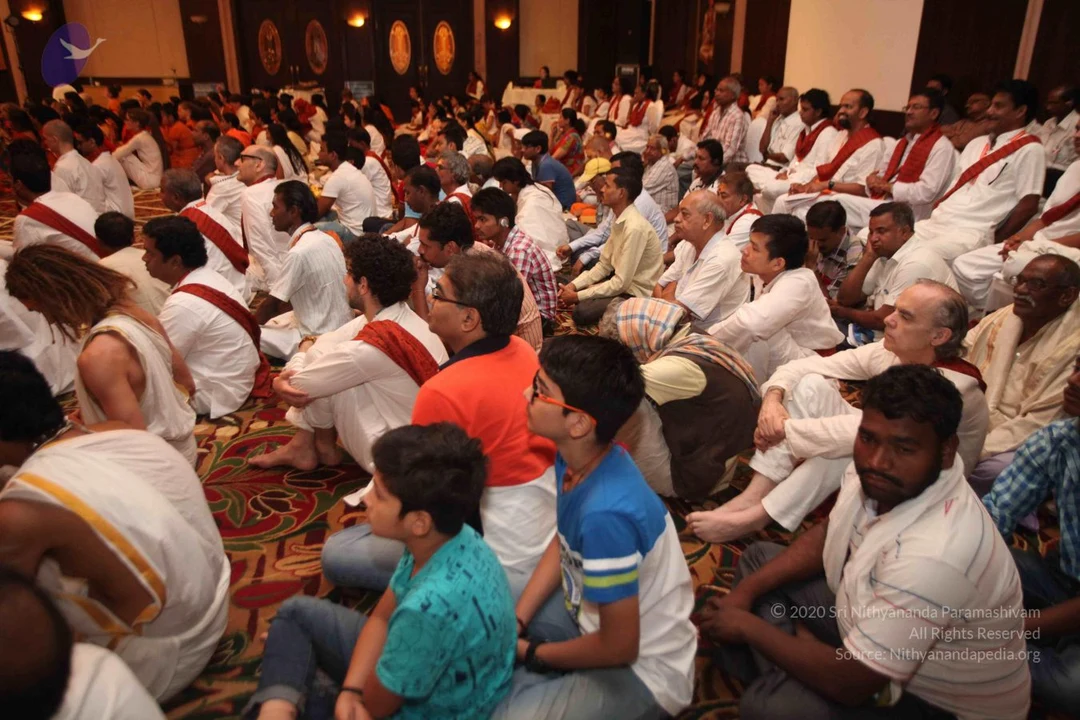
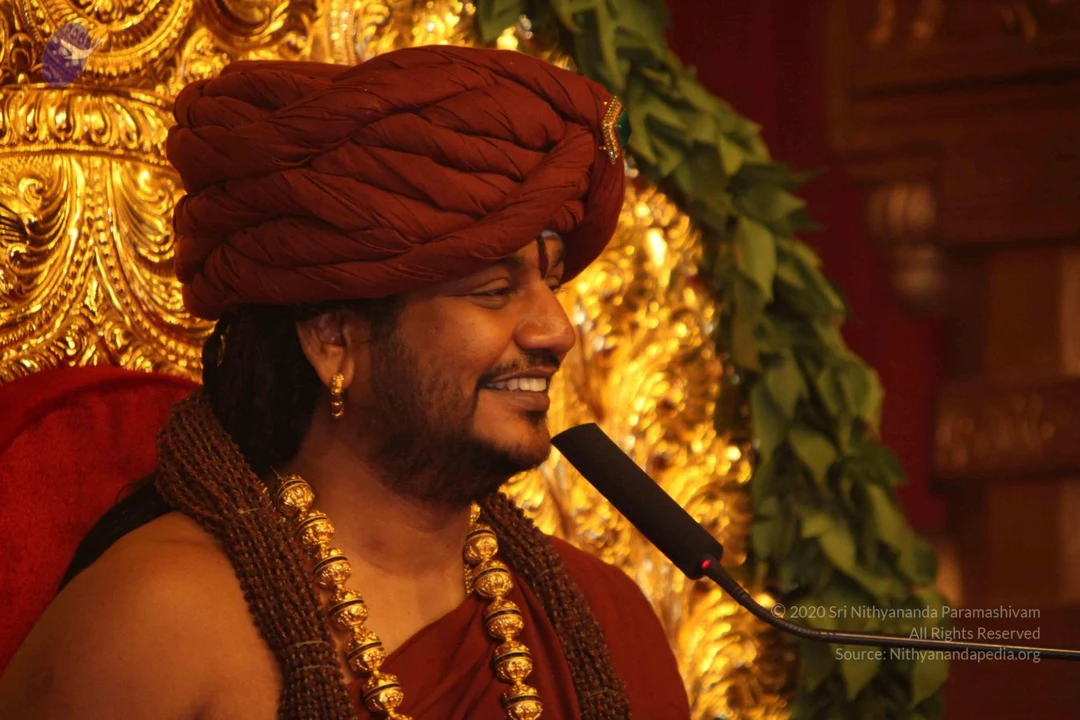
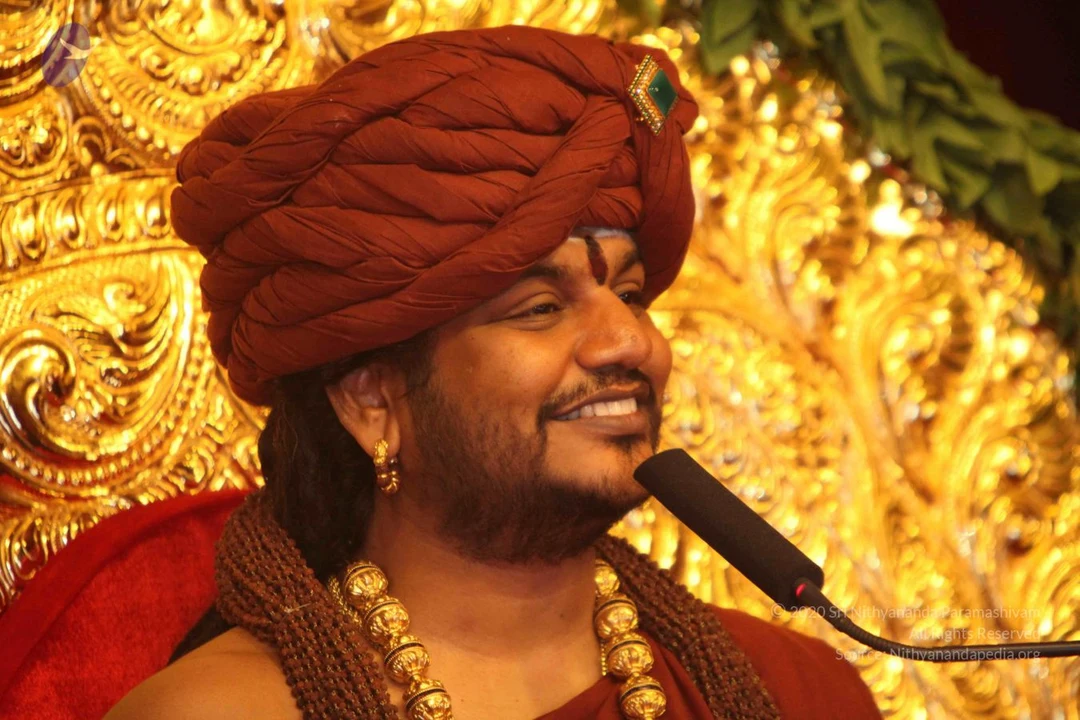
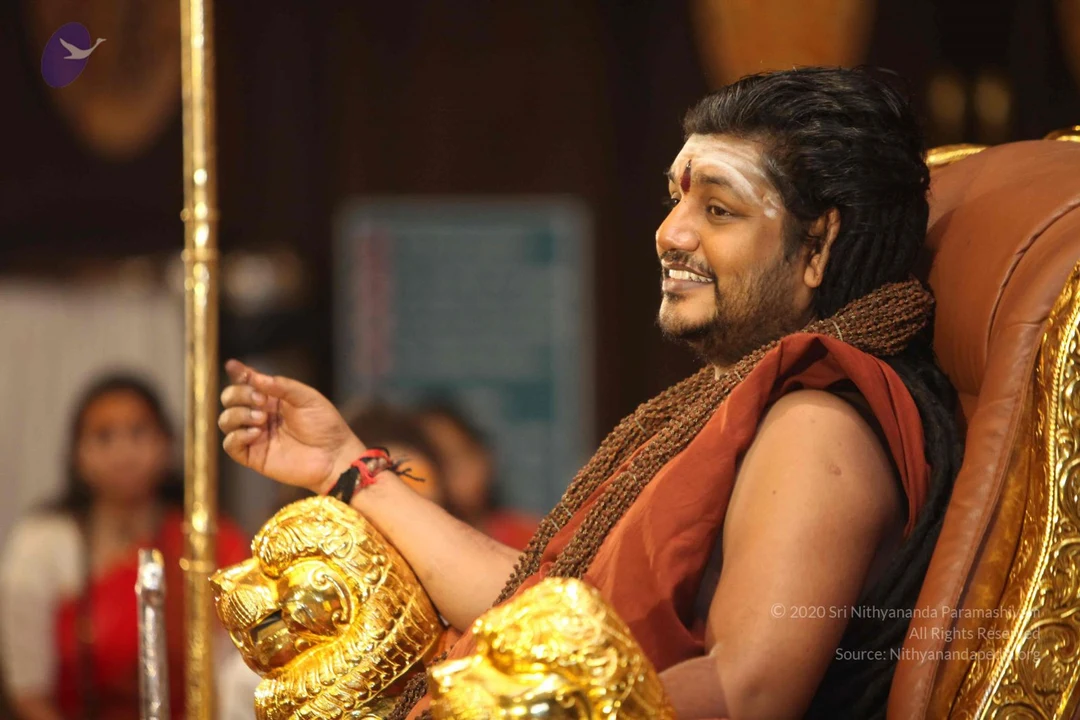
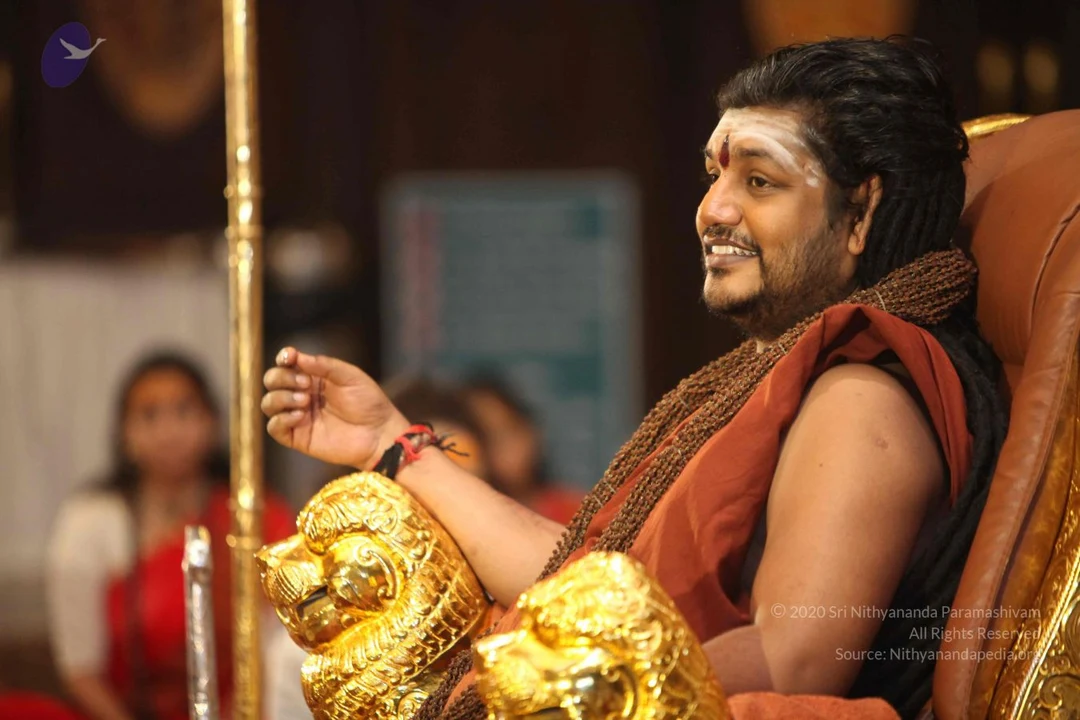
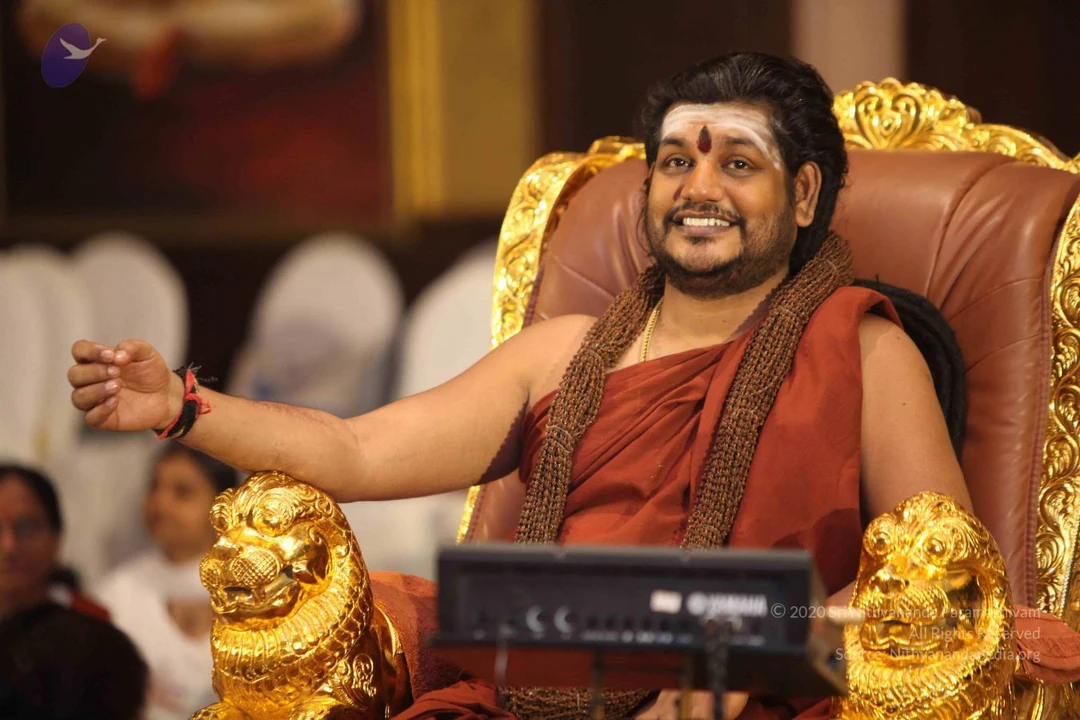
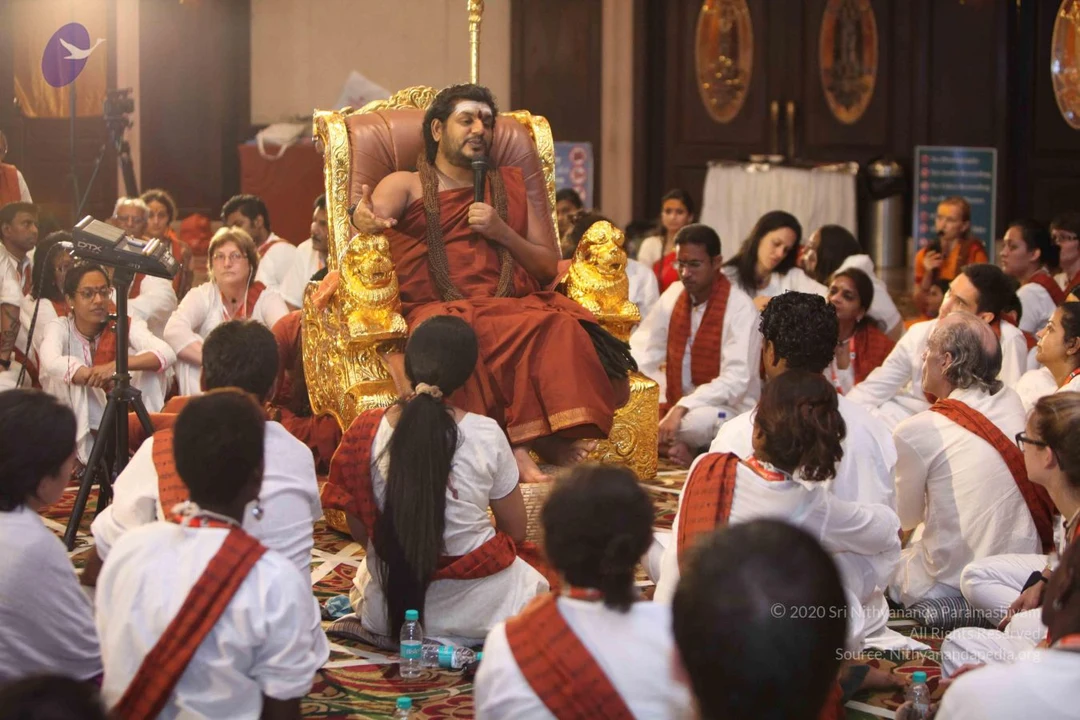
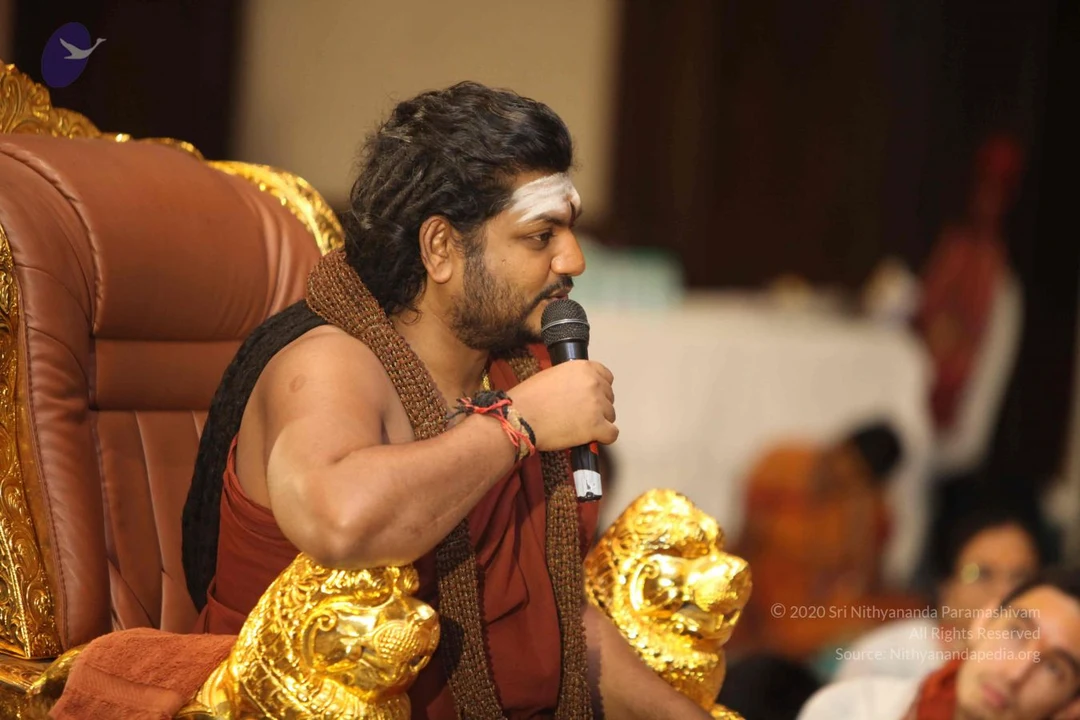
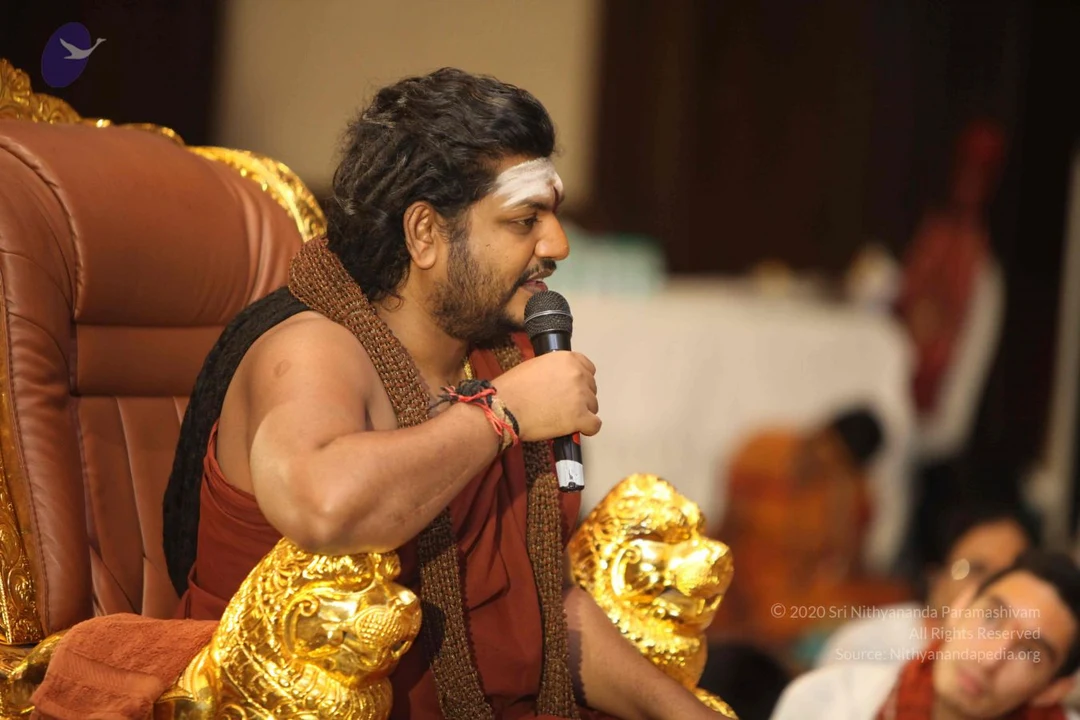
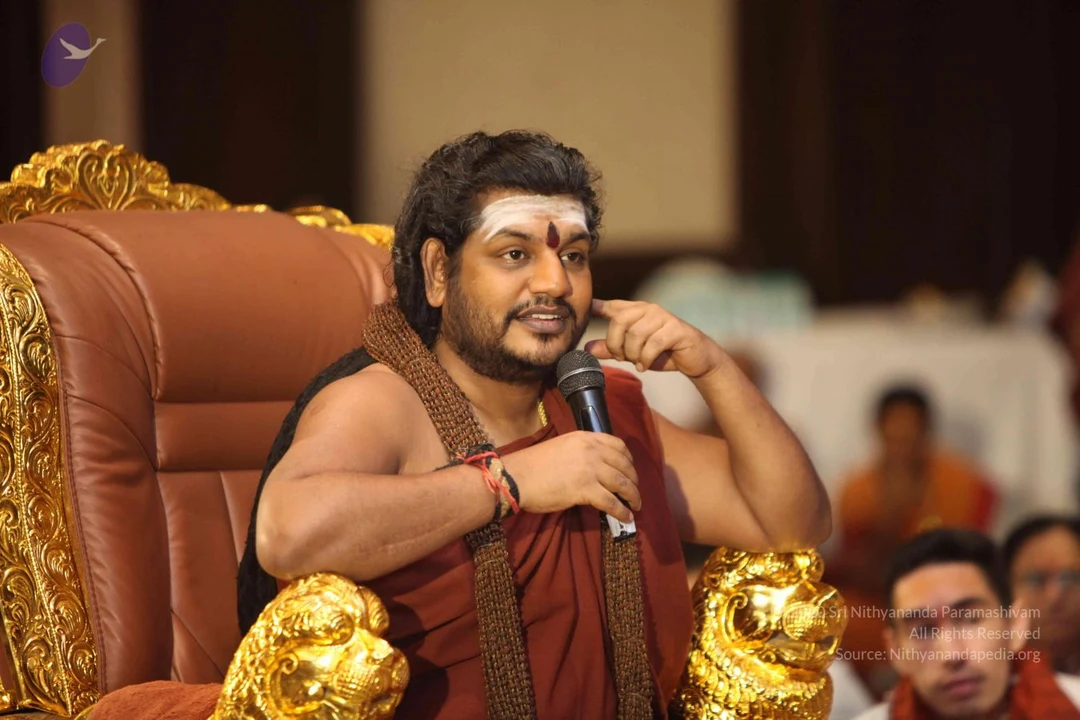
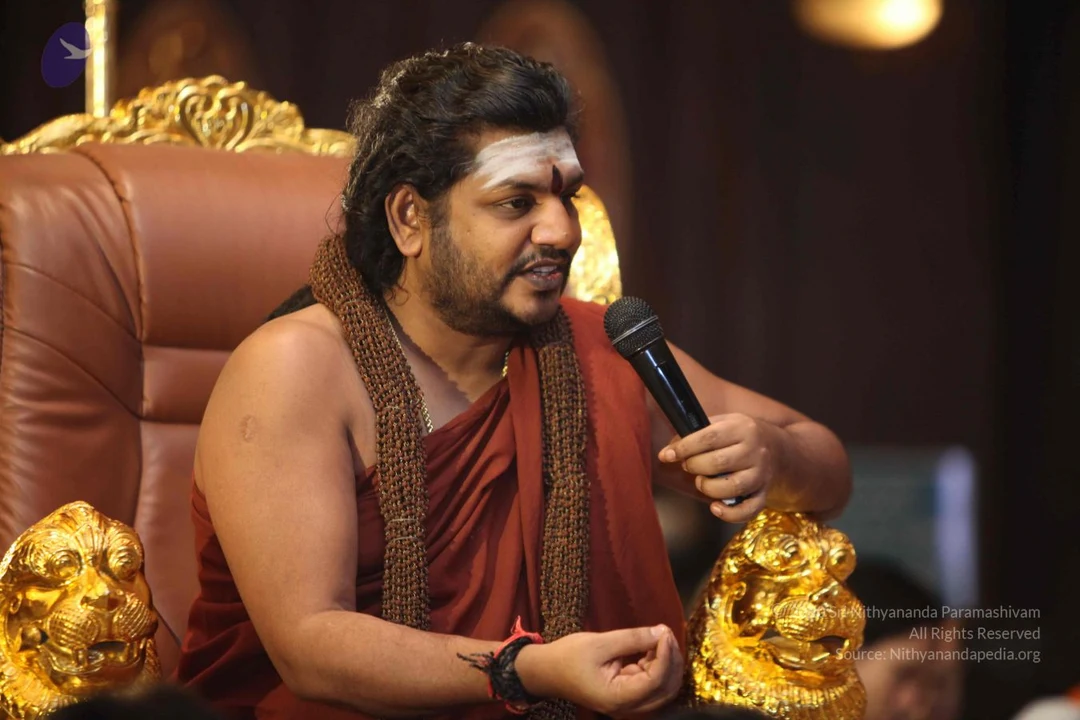
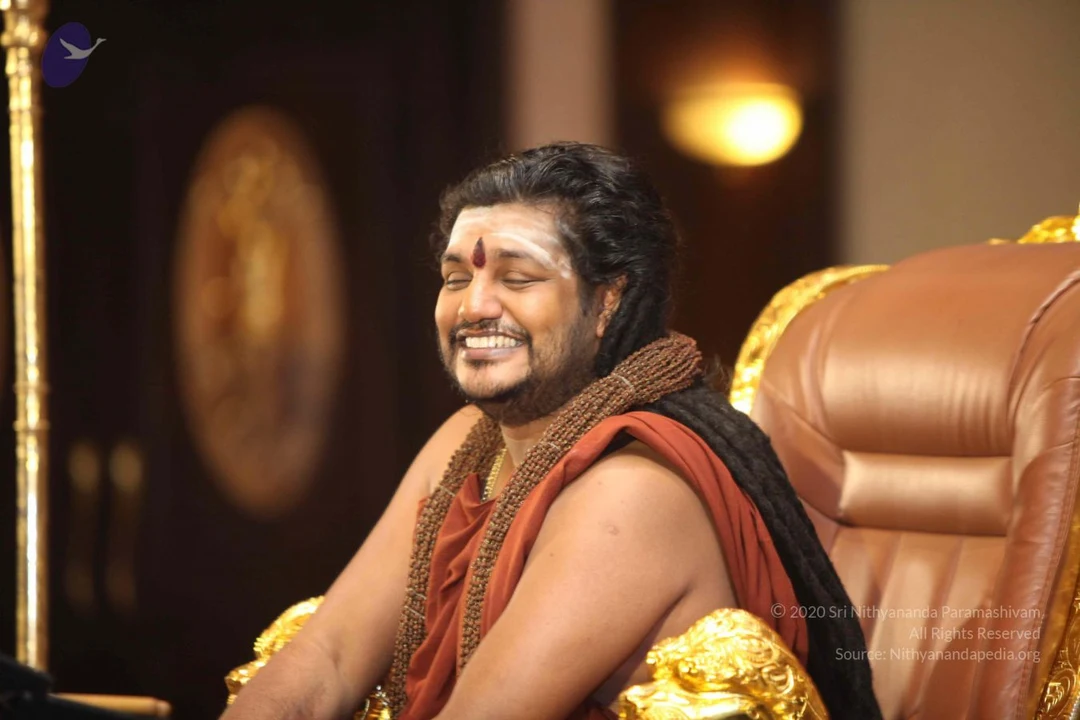
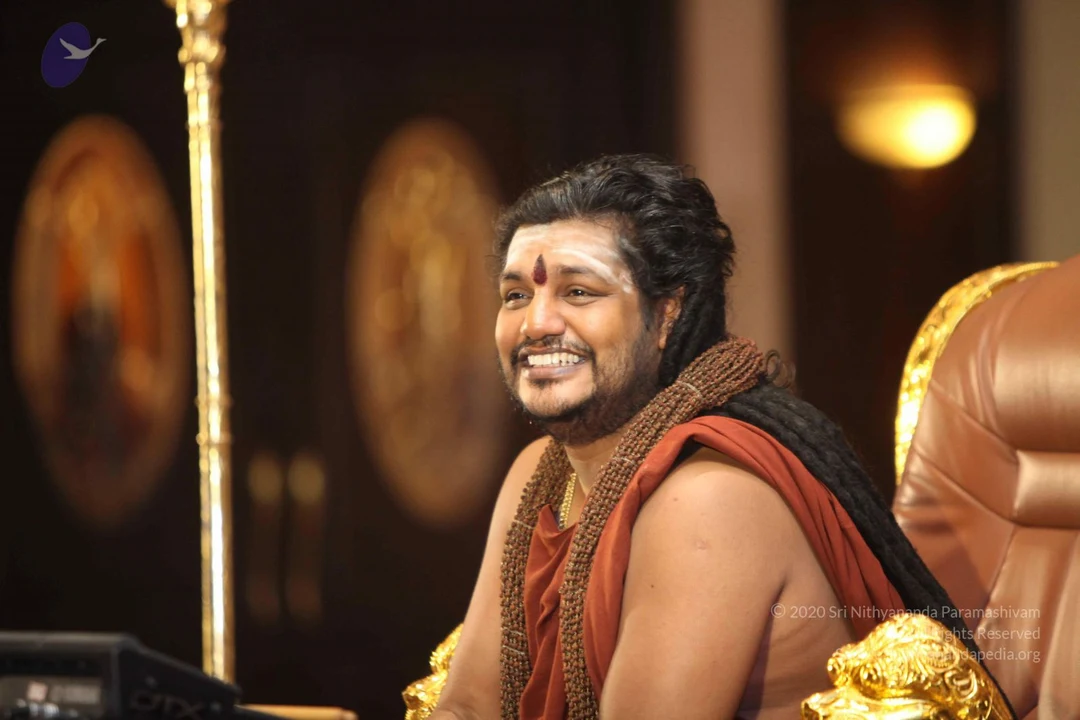
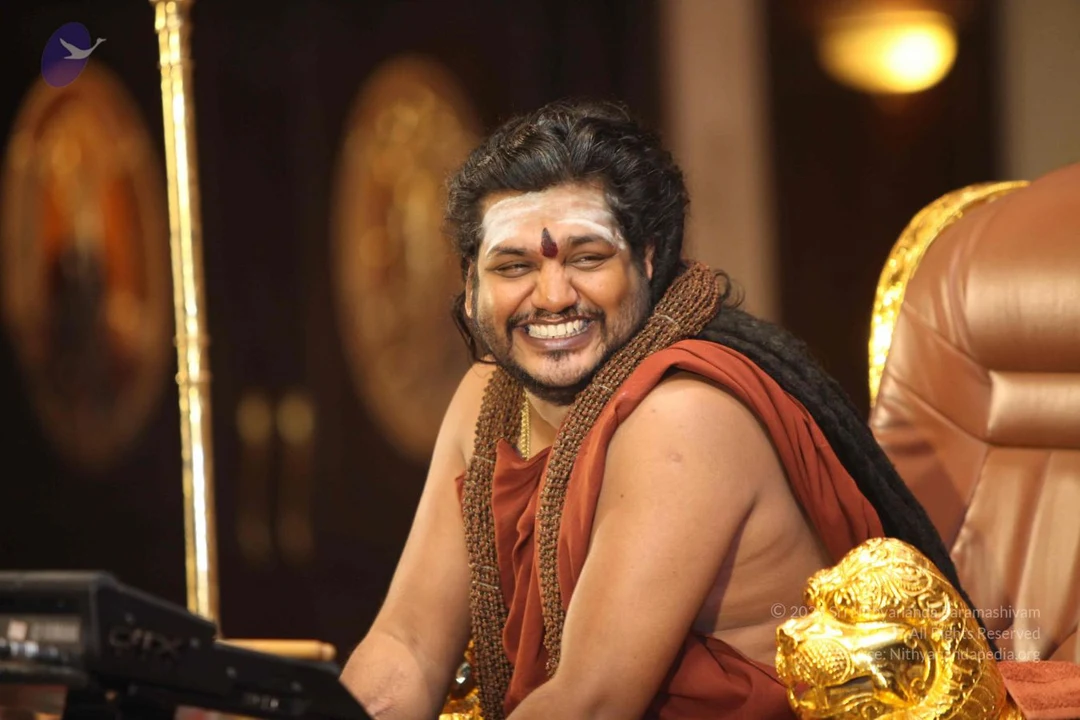
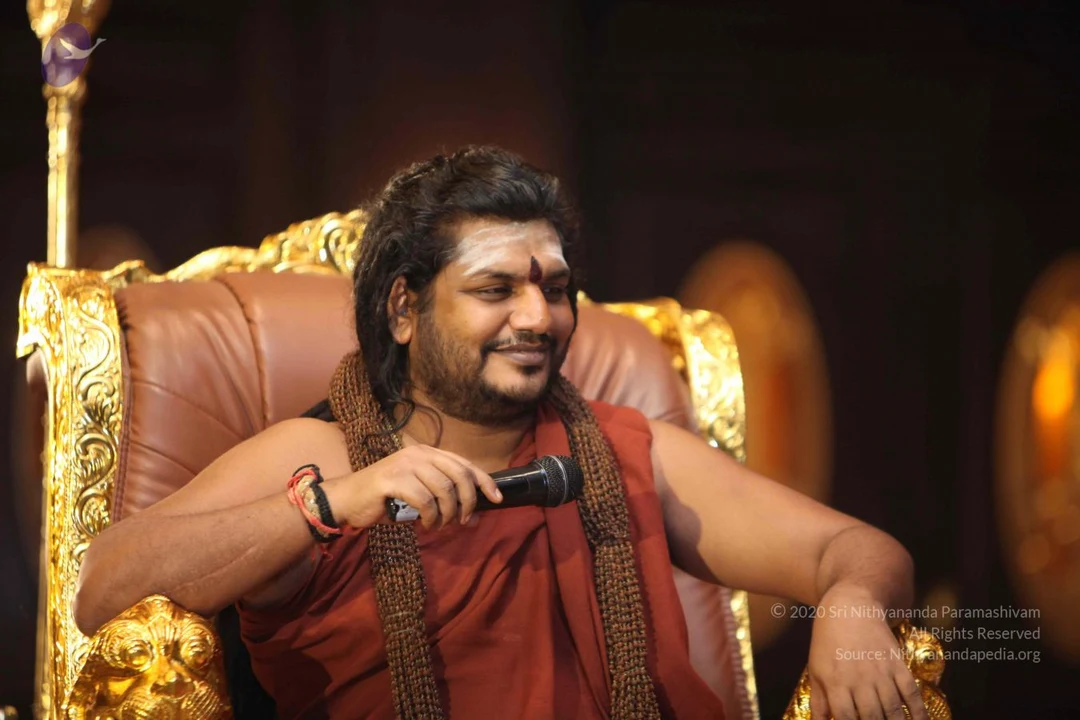
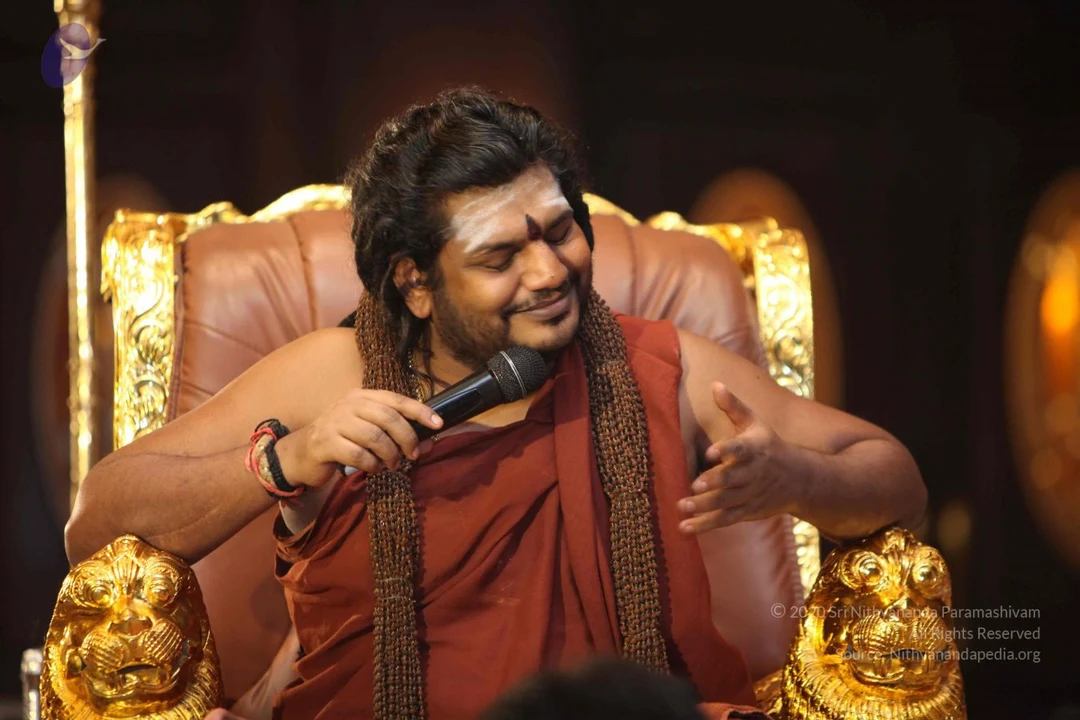
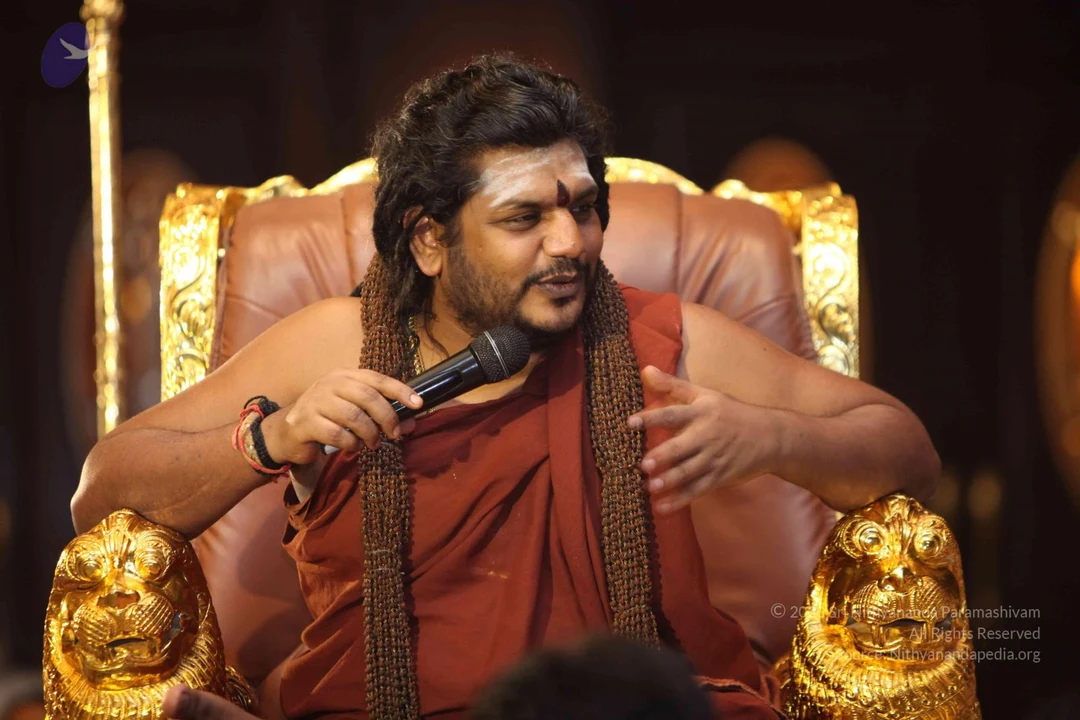
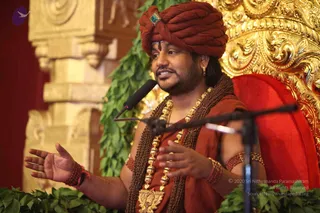
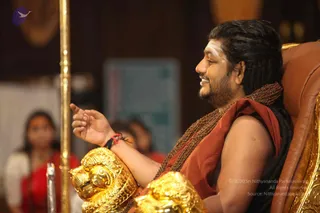
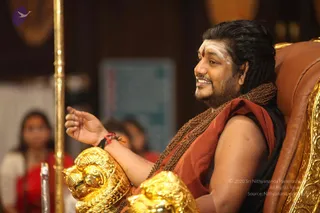
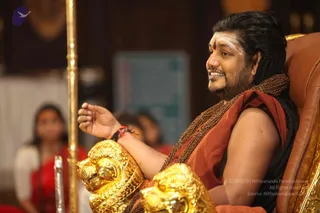
Paramahamsa Nithyananda expounds on the Right Faith System of Hindu Tradition, while intercepting the truths of Kenopanishad on 11 July 2016 from Varanasi. The first Upanishad – Isavasya Upanishad – gives us ultimate conclusions, while the second Upanishad – Kenopanishad is based on pure questioning. He gives the unique narrative, detailing the qualifications of right faith system. 1. Any faith system offered to you should not give you spiritual shock after you investigate and find the truth. 2. It should help and support you as question and investigate, it should not close you but help you manifest the true experience, THE REALITY. 3. The belief system should have enough space for you to contribute to it once, after doing your own questioning, you experience the truth. The whole philosophical construction should have enough space for you to add the details once you discover THE REALITY of it after your personal pure questioning, once you experience enlightenment. “Your belief system will be the pattern from which you operate until your Enlightenment.” Narrating His biography moments relating the glory of the Hindu faith system, Paramahamsa Nithyananda takes us to his childhood, where the very air in which he grew up gave him the concepts of reincarnation, of Deity worship; His Pure Questioning to contemplate and experience these Great Truths and how his Enlightenment experiences were not a rude spiritual shock to him as they only validated the authoritative truths that he learnt and questioned. He teaches His Gurukul Balasants (child saints) to have the courage of ‘pure questioning’ and question even their own Guru. It is the responsibility of Religious Leaders to teach truths which only stand on Pure Questioning. Watch, share and like the video's and Subscribe to our channel to be notified of the next upload. click http://bit.ly/20j90wr to subscribe. Website and Social Media: http://www.nithyananda.org http://www.nithyananda.tv http://www.innerawakening.org https://twitter.com/SriNithyananda https://www.facebook.com/ParamahamsaNithyananda
Link to Video:
| Video | Audio |
Transcript:
Nithyanandeshwara samarambham, Nithyanandeshwari Madhyamam,
Asmad Acharya Paryantam Vande Guru Paramparaam..
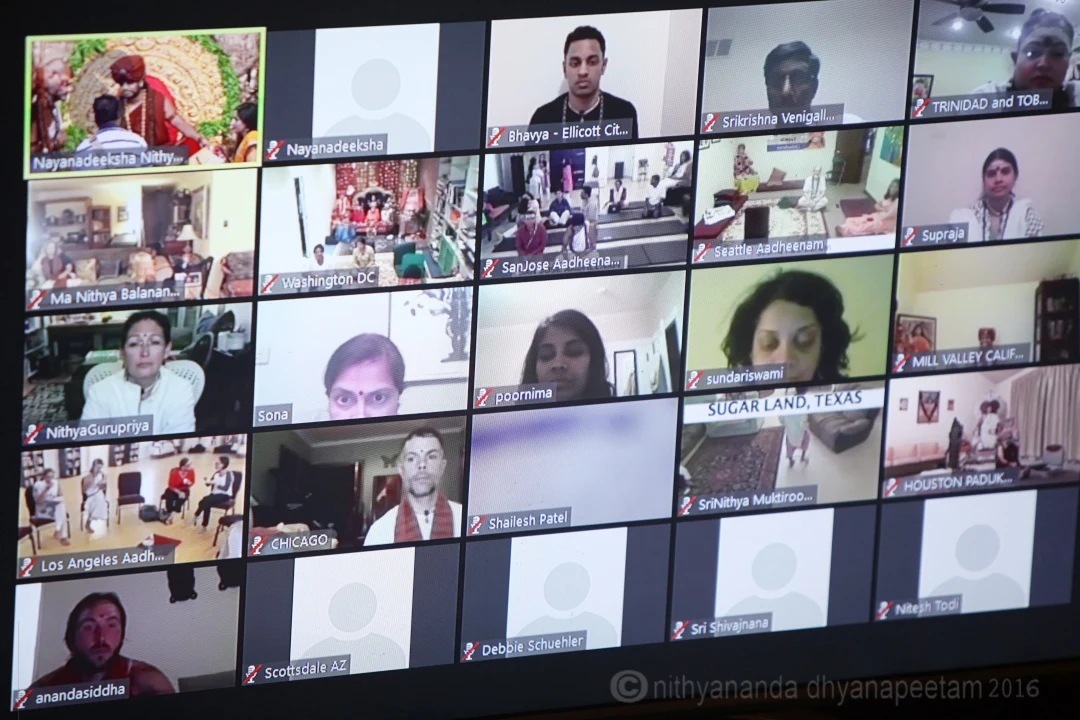
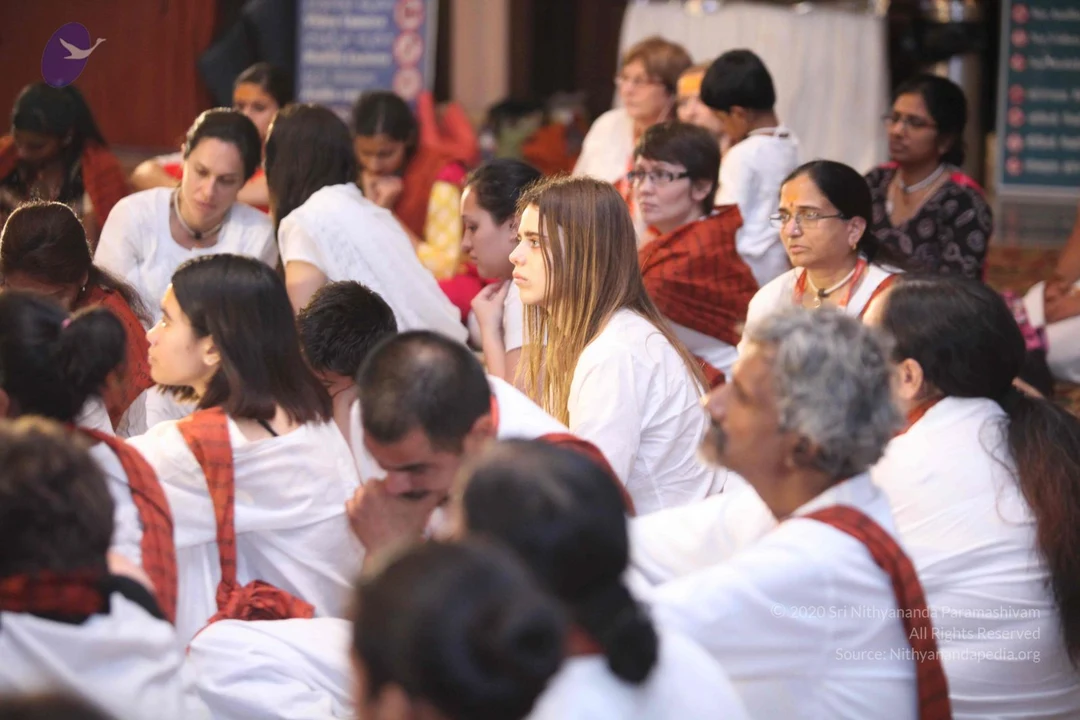
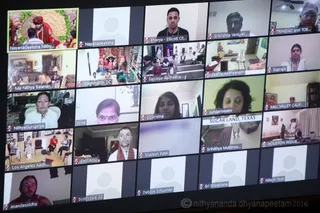
I Welcome all of you,with my love and respects. welcome all the devotees, disciples,Samajis, Satsangis,Shrimahants, Mahants,owners of Sarvagya Peetha,Kotharis, Thanedars,Shivoham participants arriving from all over the world..I welcome all of you with my love and respect and everyone who is sitting with us through Nithyananda TV Sadhna TV2 way video conferencing having Nayana Deeksha.cities starting with us into 2 way video conference having Nayana Deeksha.
Let me introduce Nachiketa! He is the ultimate embodiment and expression of Shraddha ever recorded in human history. Please understand,authenticity, Shraddha,I am translating Shraddha a authenticity not sincerity.I have my own reason to translate and I am allowed to translate in Sanskrit even if it is not accepted as per the society's grammar.
in Sanskrit we have exemption call Arsh-prayoga.when the Rishi’s decide to give certain meaning to certain words they have freedom to do it, because our Masters know language even though it is developed by intellectuals and poets.It doesn't have all the capability to, capabilities to express what enlightened beings want to.
(2:57)
So enlightened beings are given their exemption to interpret and explain.the word as they want and expand the rules of the grammar as they want.So, I am translating this word Shraddha into authenticity. please listen. It is authenticity that is going to take humanity to the next level.I am going to push humanity to the next level through authenticity.
that is going to be the contact point, that is going to be the Central core teaching, that is going to be the authority. Nachiketa, I tell you.See there are books which speaks about the heroes.There are books which celebrates and glorifies the heroes.There are books which speak only about the principles.There are books which are poetry on heroes.
Having somebody write poetry on you(or) stories about you is not something big.Many politicians all over the world get it done.but the book which always talks only about the principals - Upanishad in that book getting men, even your name mentioned means you should have been such an undeniable personality, please understand.Where Nachiketa is mentioned?Shows who he is, in the whole Upanishad, 108 Upanishads not even hundred names of the individuals are mentioned, please understand.
The whole 108 Upanishads, not even 100 individuals names are mentioned.Sada Shiva,Vishnu,Devi, Hanuman as a listener of Muktika Upanishad and one or two Rishis like Yajnavalkya, Maitreya, Gargi,in that space..Kenopanishad mentions the name of the Devi Parvati, in that spaceNachiketa is kept by Upanishadic Rishis.
(6:46)
Please understand,Because Upanishad,from the beginning are very cautious about Dharma centric. being centred on the spiritual truth, not on personalities.Even though my personality is worshipped By many of my disciples.I am very clear, I myself establish myself only Dharma centric. centred on the Dharma, Nachiketa simple authenticity,ferocious innocence, innocence Which is not ready to compromise and become ignorance..becomes Authenticity.
Listen, innocence when it is ready to get bullied for vested interest becomes ignorance, if it stands on its strengths it becomes Authenticity. innocence can be bullied by ignorance, if you protect it by not allowing the bullying, it can just become authentic,It can just become Authenticity.
Here I can see very clearly,The Nachiketa,the way he is standing, I tell you. He is not missing a single word which need to be uttered and he is not uttering a single word which should not be uttered. A true Upanishadic Rishi neither more nor less. and I wanted to record my gratitude to Kashi Vaasis and Kashi Pandit who preserved, protected all these Upanishads, to tell you honestly.It is the Brahmins of Kashi, the Pandits of Kashi protected all the Upanishads by chanting them continuously and keeping it alive.
the posterity should know it is Kashi Vashis protected the Shastras. even though,when they went through so much suffering, they have been attacked so much by the foreign invaders.they protected the Shastra keeping it in their heart. sometimes I feel what would have happened if we would have lost all the upanishads.
Oh God even to think it is horrifying Thanks to Viswanatha,Ganga Mata and Annapoorani that it did not happen.He protected.Kal Bhairav protected the Kashi Vaashi Brahmins Who keep this alive..Nachiketa,is not even telling his dad. dad, what you are doing is wrong.You are not going away whatever is valuable and precious.He is not telling Dad, you are inauthentic, No.
(11:29)
He is not only a good son, best Son ever you can have.he is so satle,he is so beautiful,he is only standing with his authenticity. but a inauthentic person hurts himself, feels terrible hurt the moment he sees an authentic person.because suddenly all your inauthenticity comes up and you are facing God I am reminded of many of my missing links.
when you see a person in front of you, like whom you always wanted to be it hurts you. why you did not achieve that..inauthenticity always hurts,inauthenticity you don't even need anything from outside to provoke an inauthenticity person, just if he sees an authenticity person, He will be agitated.
This Yung was scared of meeting A old hermit Raman Maharshi in my native town, he came all the way to Chennai and he even drove halfway, midway.But he was feeling so suffocated, sweating, must have been running for 1/2/3 continuously.in Those days, we would not have had a roadside restaurants.he would have first time using Indian Open Universities and suddenly in Midway told the person was driving his vehicle, Stop.Let's go back to Chennai and he went back. Without meeting Ramana Maharshi all the way from his country he came to Chennai from, Chennai was driving, Midway just stopped and went back.
if that one meeting has happened and this Yung got all his junk out of his head. The history of humanity would have been different.He knows, he is going to meet somebody very authentic.Who knows the field. Its little terrorising.He knows, So, who knows, what he is going to ask And how is going to.. respond See inauthentic person shivers, automatically the moment he sees the authentic person too tall in the fear you start blurting out opening up all your stupidity.
(15:26)
please understand.when you blurt out the way you open your stupidity simply people will catch it,simply people will catch it..Nachiketa is not even hurting Vajashravas.Vajashravas was his Guru Aacharya, Pita, Guru,Aacharya and Raja,source of his food, source of his knowledge, source of his home,source of his very life. He is not hurting Vajashravas,He is only reminding Vajashravas, you are supposed to give everything you love and I know you love me deeply.
To whom you are going to give me? Authenticity is such that it will never hurt. And even if somebody hurts it in ever get hurt.Understand it will never hurt, even if somebody tries to hurt it will never get hurt. Authenticity even if all my teachings are lost. In some Tsunami are some calamity just this one truth is kept alive authenticity.from all my teachings that one is enough.I will produce million Nithyanandas out of this one teaching, that one is intelligent enough, brilliant enough, efficient enough To give enlightenment to millions.. see the power of Authenticity.
The moment Nachiketa ask this question “Dad to whom are you going to give me?”immediately,The inauthenticity in Vajashravas shivering,literally falling into powerlessness and he just want to avoid answering.How much ever you avoid my voice, it will be ringing inside you..So it is too much for Vajashravas.and from unexpected quarter, see a Brahmin who receives the Dana if he has raised the question, come on, you are doing something against Shastras Vajashravas knows how to justify, ah person who receives the Dhana should not see the quality of the product he receives.
He would have quoted another one Shastra and shutting him down.If the opposition is from a minister, come on, Rajdharma, a Minister should listen to the Raja, he would have quoted some other Sutra or Shastra, shut him down.
if the resistance was from any side,He was prepared to handle.but it is from the most unexpected quarters and the person whom he loves for whose sake he is doing everything.including protecting all the best things. He knows he is going to leave the body, Vajashravas, then why is protecting all the things instead of blowing away, he could have lived like “let my last check bounce”.
No.He is keeping everything close, why, for Nachiketa and that guy is questioning him.. He is not even questioning, he is reminding him.Understand the moment you don't know how to react you lost the game, Be very clear, simply surrender.Don't try to continue the fight, it will be stupid.If you don't know how to react, it means your inauthenticity has been questioned and your sheevering inside come on, beautiful chance to become Authenticity.
(20:50)
But it is too much for Vajashravas, Ah, Ah, Ah I think I should direct to tell you, TV serial on Nachiketa only then whatever I want to convey will be conveyed to through the body language.By now the eyes of Vajashravas should be (uncomfortable face) moving from powerlessness to, shivering to,Non listening, please understand.. that is one of the most stupid weapon Inauthenticity uses to escape from Authenticity, non listening,shutting down.
Don't go.Escape.Don't listen.Its too much.. too many things are at stake. With inauthenticity, the first response of inauthenticity to protect itself from authenticity is non listening, even third eye awakening, many people think the power can be given just like one cup of coffee, or tea, or hanky.
Listen I have to first expand your vision.your perception,Once that expansion happens only the power can be given.If it can be just given like a hanky, we would have started a postal service. (smiles)Please send MO, PP, Arr Sorry, VPP, MO all that, in all those days they used to doMO this much money and received by courier.No! (Or) We would started selling in Flipkart, Snapdeal No!
it is neither a Plasma TV to sell in Flipkart Nor a battery Cell to sell in postal. your inauthenticity need to melt down. the authentic vision needs to happen only then the power I give you, the initiation. I make it, the Kundalini awaken will be stable in you, But when you don't want all that to happen, when you don't want to go through the transformation, you question. How do I know, drr Does he really have a power to Initiate After, all this I don't have to prove I am Barren, I am not Barren (giggles) somebody who had 10,000 kids.. are we really sure that can give birth to kids?
After somebody, after initiating so many,making the experience the power I think Now, I don't need to prove that I can.See..Authenticity even if it deals, when it deals with inauthenticity it does not hurt it, it only tries to remind, but inauthenticity.straight tried, tries to hurt authenticity..see Nachiketa He is not trying to hurt Vajashravas, but see Vajashravas straight trying to hurt Nachiketa Vajashravas is acting as if he is not listening.
(25:35)
But one funny thing is, When authenticity utters something, inauthenticity even if it tries to cover the ears, it is bringing inside. Aayh.. Aayh.. Aayh..You can lock here(shows ears).What about here?(shows heart)I tell you.Upanishad is beautifully recording.
Nachiketa asks only once, but it was echoing in the heart of Vajashravas three times.. (giggles) I tell you this is the most powerful, poetic..poetry with so much of sense whenever you try to avoid.Whenever you try to avoid.the questions of authenticity and you tightly do this but inside HAY..HAY..HAY.. the echoing goes on It so beautiful the way the Upanishads puts it. Nachiketa asked once, “Dad, to whom are you going to give me?”
see the dedication, power of authenticity, just to remind dad about his authenticity is ready to be given away as Charity, if he was given away to some Brahmana, he knows for whole life he has to be a servant for the Brahmana Serving him, taking care of him.If he was given to some Kshatriya, he knows, whole life he has to a soldier for that Kshatriya.
If he was given away to Vaishya, he knows, he has to be shop assistant,accountant for that Kshatriya,sorry that Vaishya.if he was given way to Shudra, he knows, for his whole life he has to be a servant,sub-servant of the Shudra He is ready even to be given away in charity.To remind his father about his inauthenticity, to remind his father about his inauthenticity.All the qualities of authenticity, so beautifully described.
How an Authenticity man will think, how an Authenticity man will talk, how an authentic mail will cognise, how an authentic man will act, react, respond, ponder over and respond.everything is so beautifully describe just in this few verses of the Upanishad I think Upanishadic Rishis were just enamoured by the personality of Nachiketa, they are,They are not able to stop them self.
Singing the glory of Nachiketa,they were not able to avoid putting Nachiketa as a hero, even though they all have come to a conclusion.We will not make anybody Hero including Shiva or Vishnu were never described as heroes in Upanishads.only the energy representatives of the nature's they are shown, described, only as the energy representation of the nature.
Parvati is described in Kenopanishad, but not a single description about whether she had two hands, or four hands, or had a weapon, nothing! just as mother nature Because they were so clear and their resolution.They are going to create a book, just based on the strength of Dharma not based on any Hero, but I think Nachiketa has gone beyond any of their logical editing capabilities?
He is unavoidable,They flowered by his Glory, they just lost and forgotten their resolution. not to make anybody Hero.. Every line in this Upanishad sings the glory of Nachiketa, 7 year old boy is ready to be given away in Charity as a Slave for a Brahmana or Kshatriya or Vaishya or Shudra just to remind Dad about his about his inauthenticity. what a dedication, in front of Nachiketas dedication Nothing, Nobody Else's dedication can even stand.
(31:35)
such a simple thing, just reminding the dad about his inauthenticity. He could have straight away asked, Dad, Do you remember the verse you taught me? That you are supposed to give away all the best things you have, and all the best things you like.See its a beautiful concept, whatever society accepts as best and you have may be Diamond, Gold.
But it's not that always what society thinks as best, is what you also think as best, for you it may be just a mango, or little salt the best thing in your life.That is what has happened yesterday in the noon when I was Resting the Swamis who take care of me.They came and started describing, this person is donating this, this person is given this, they started reporting to me.I said just get me one mango and little salt. I am not interested in anything else now. (giggles)I said what society thinks as best is one, what I think as best now is different.
Come on, get me just two mangos and little salt.the Vedas describe, both you have to give up during this Yagya many time what you think as best may not be exactly what society thinks as best.But a king will be having both.What society things as a best and what he thinks as best, both he maybe having it..He will be having it, a King will be have been having both.He could have told father, you are supposed to give away all the best things you have and best things you like.the would have solved the issue. xxxxxxxxxxxxx He could have been satisfied that I have done my job authentically, No!but he is not here doing it, just to justify, many times I can say 90% of your work is just to justify you have done it, not to get the result, look in! Whenever you are working just to justify, you did it, not bothering about the result it is inauthenticity, Nachiketas is not interested in that game.
What can I do? I just told my father, I reminded him.After that what can I do? Then he would have never became Nachiketa and whole Upanishad would not have been singing his Glory.. The Rishis who did not even make them self as heroes and I tell you please understand.renouncing wealth renouncing comforts, renouncing luxurious, renouncing relationship all that is very easy.But renouncing the recognition And the desire to be described as my hero.is literally renouncing very life.
(35:50)
Renouncing the purushatva,renouncing. Being the centre of the action renouncing being described as a hero, these great Rishis who renounced the desire to be portrayed as Hero. desire to be described as Hero I think nachiketas renunciation was too much to be denied..to be avoided.. even these Rishis were are not able to control themselves so they just sang a Stotra on Nachiketa (giggles) they try to pen down Shastra, unfortunately they were so glamourd, and enamoured.They lost themselves in the glory of Nachiketa and sang a beautiful song on Nachiketa, poetry on Nachiketa every line described here is sutle, but so beautiful, describing Nachiketa and his Glory Rama going to the forest because of his father's gratitude for Kaikeyi.Kaikeyi, you was missguided.
Of course, I'm not underestimating it.I am not disrespecting. But Nachiketa ready to go and do anything his master wants being a Slave for whole life under somebody just to remind his father.about Authenticity, seems to be a too big sacrifice, for a too small but important need. when you think something is too important, even if it is too small you will be ready to sacrifice you..
Nachiketas Shraddha Nonviolent,Non hurting,But able to remind his dad.about his inauthenticity..even if the Upanishadic Rishis, declared that they will not sing anybody's Glory. they will not make anybody as Hero. including themselves, even if they are not able to stop singing the glory of Nachiketa, they were just enamored, floored by Nachiketa and singing his Glory in so many verses, me a person full of devotion,How can I stop?
I'll continue to sing...I'll continue to sing the glory of Nachiketa at least for some more days. What a character even if it is imagination I'll just enjoy the character Nachiketa. I know for sure it is not imagination, but even if it is imagination. what a character.What a character to be imagined. what an authenticity. What a Brilliance, What a Brave. What a Power….What a Power...
(40:38)
I will continue to sing the glory of Nachiketa, I am singing the glory of Nachiketa, especially for my kids to understand and imbibe Nachiketa. So today, the subject for Vakyartha Sadas. authenticity does not necessarily to be egocentric or violent not only does not necessarily it should be egocentric and violent, actually it should not be egocentric or violent.How our Authenticity can be expressed help everyone to become authentic or without being egocentric or violent.
That should be today's subject for Vakyartha Sadas.With this I bless you all.Let you all radiate, with integrity, authenticity, responsibility,enriching, causing, living Advaita.. the eternal bliss… Nithyananda... Thank you be Blissful..
Title
Origins of Shivalinga || IA || Q & A || Varanasi || 11 July 2016
Description
Name of Convention: Inner Awakening
Title: Origins of Shivalinga
Location: Varanasi, India
Date: 11 July 2016
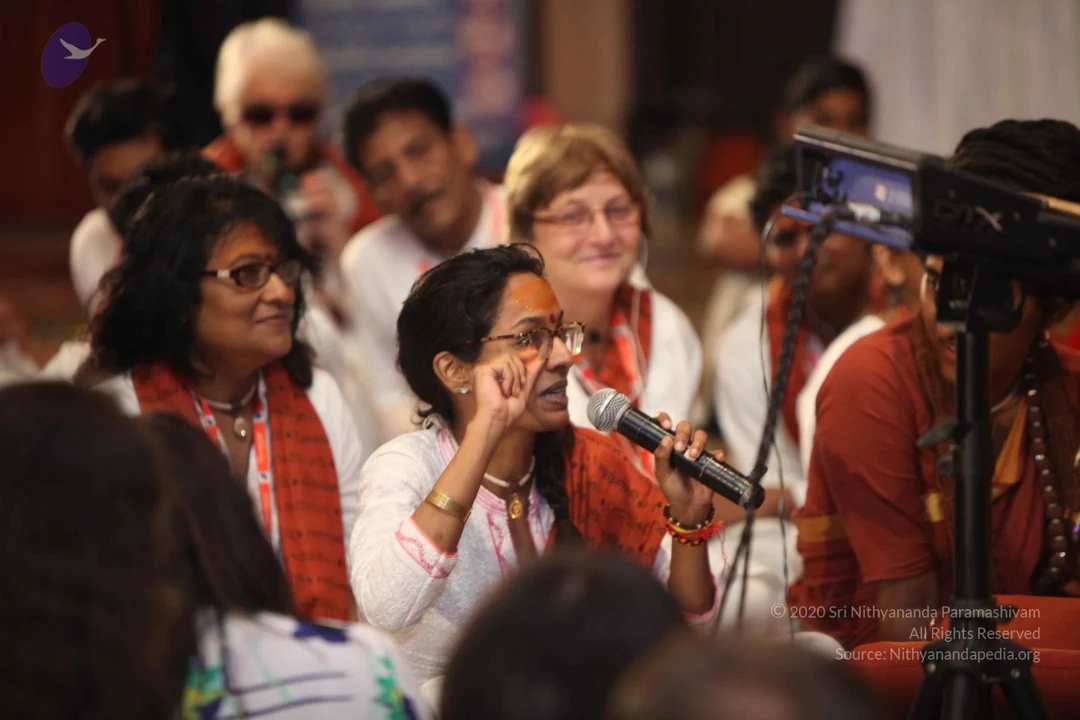
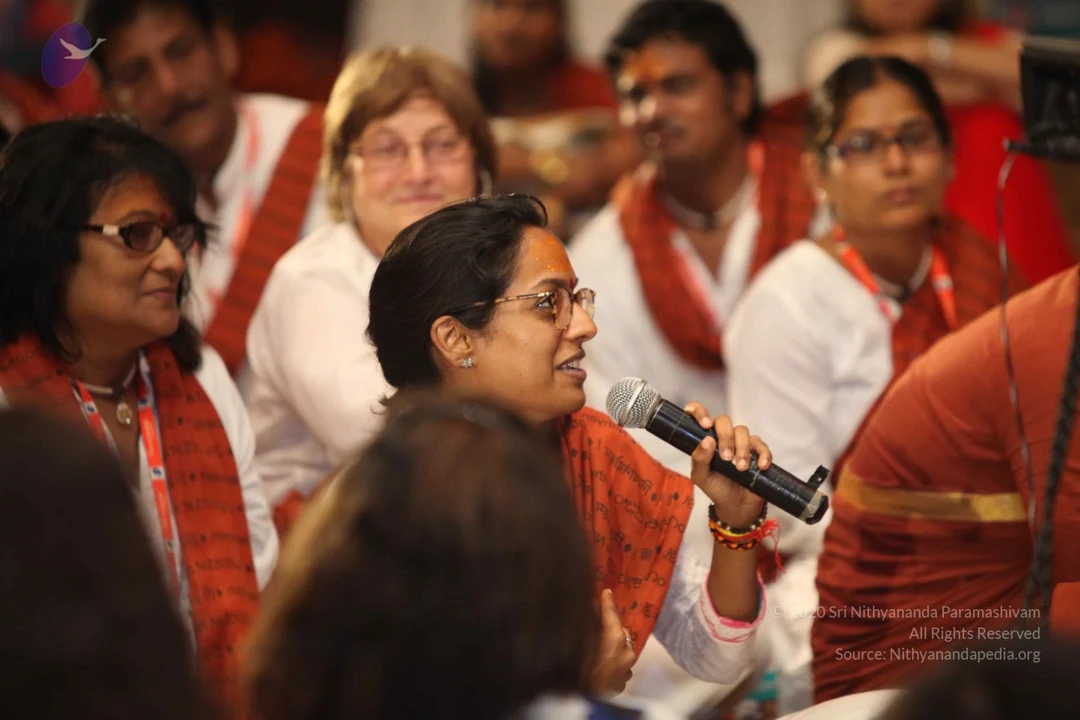
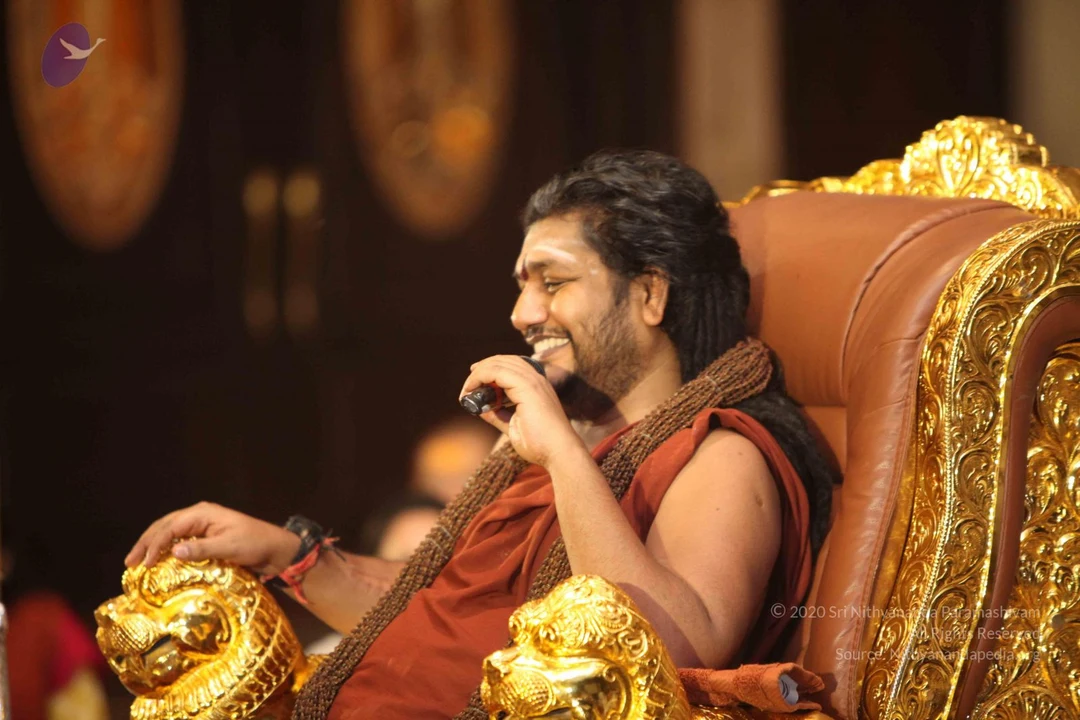
In this video HDH Nithyananda Paramashivam opens the session to Inner Awakening delegates to ask any questions regarding Life and Spirituality. He reveals all the Sacred secrets as it is to the participants and showers them with healing blessings and third eye powers and Kundalini Awakening. Only an Enlightened Master can do such Miracles and uplift Humanity from the sufferings.
The Supreme Pontiff of Hinduism Jagatguru Mahasannidhanam His Divine Holiness Nithyananda Paramashivam (HDH) is the reviver of KAILASA - the ancient enlightened civilization and the great cosmic borderless Hindu nation. Revered as the incarnation of Paramashiva - the primordial Hindu Divinity, HDH has a following of 2 billion Hindus worldwide with de facto spiritual embassies in over 150 countries. He has worked untiringly for over 26 years for the revival of Kailasa, for global peace and to give super conscious breakthrough to humanity. He has survived the worst persecution of multiple assassination attempts on person and on character by anti-Hindu elements. He is collecting, organising, preserving, time capsuling, decoding, spreading and reviving 20 Million source books of Hinduism and the 64 sacred arts & sciences like Ayurveda, music, dance, sculpting, astrology, vastu and much more. Close to 20,000 hours of HDH’s timeless talks have been recorded till date (Sep 2020), which are a treasure trove of powerful cognitions to solve individual and global problems of any kind.
Link to Video:
| Video | Audio |
Title
Taj Mahal - Originally a Hindu Temple || IA || Q & A || Varanasi || 11 July 2016
Description
Name of Convention: Inner Awakening
Title: Taj Mahal Origins
Location: Varanasi, India
Date: 11 July 2016
In this video HDH Nithyananda Paramashivam opens the session to Inner Awakening delegates to ask any questions regarding Life and Spirituality. He reveals all the Sacred secrets as it is to the participants and showers them with healing blessings and third eye powers and Kundalini Awakening. Only an Enlightened Master can do such Miracles and uplift Humanity from the sufferings.
The Supreme Pontiff of Hinduism Jagatguru Mahasannidhanam His Divine Holiness Nithyananda Paramashivam (HDH) is the reviver of #KAILASA - the ancient enlightened civilization and the great cosmic borderless Hindu nation. Revered as the incarnation of Paramashiva - the primordial Hindu Divinity, HDH has a following of 2 billion Hindus worldwide with de facto spiritual embassies in over 150 countries. He has worked untiringly for over 26 years for the revival of Kailasa, for global peace and to give super conscious breakthrough to humanity. He has survived the worst persecution of multiple assassination attempts on person and on character by anti-Hindu elements. He is collecting, organising, preserving, time capsuling, decoding, spreading and reviving 20 Million source books of Hinduism and the 64 sacred arts & sciences like Ayurveda, music, dance, sculpting, astrology, vastu and much more. Close to 20,000 hours of HDH’s timeless talks have been recorded till date (Sep 2020), which are a treasure trove of powerful cognitions to solve individual and global problems of any kind.
Link to Video:
| Video | Audio |
Title
Sacred Secrets of Varanasi Temples || IA || Q & A || Varanasi || 11 July 2016
Description
Name of Convention: Inner Awakening
Title: SacredSecrets of Varanasi Temples
Location: Varanasi, India
Date: 11 July 2016
In this video HDH #Nithyananda Paramashivam opens the session to Inner Awakening delegates to ask any questions regarding Life and Spirituality. He reveals all the Sacred secrets as it is to the participants and showers them with healing blessings and third eye powers and Kundalini Awakening. Only an Enlightened Master can do such #Miracles and uplift Humanity from the sufferings.
The Supreme Pontiff of Hinduism Jagatguru Mahasannidhanam His Divine Holiness Nithyananda Paramashivam (HDH) is the reviver of #KAILASA - the ancient enlightened civilization and the great cosmic borderless Hindu nation. Revered as the incarnation of Paramashiva - the primordial Hindu Divinity, HDH has a following of 2 billion Hindus worldwide with de facto spiritual embassies in over 150 countries. He has worked untiringly for over 26 years for the revival of Kailasa, for global peace and to give super conscious breakthrough to humanity. He has survived the worst persecution of multiple assassination attempts on person and on character by anti-Hindu elements. He is collecting, organising, preserving, time capsuling, decoding, spreading and reviving 20 Million source books of Hinduism and the 64 sacred arts & sciences like Ayurveda, music, dance, sculpting, astrology, vastu and much more. Close to 20,000 hours of HDH’s timeless talks have been recorded till date (Sep 2020), which are a treasure trove of powerful cognitions to solve individual and global problems of any kind.
Link to Video:
| Video | Audio |
Title
Cosmic 911 ! || IA || Q & A || Varanasi || 11 July 2016
Description
Name of Convention: Inner Awakening
Title: Cosmic 911!
Location: Varanasi, India
Date: 11 July 2016
In this video HDH Nithyananda Paramashivam opens the session to Inner Awakening delegates to ask any questions regarding Life and Spirituality. He reveals all the Sacred secrets as it is to the participants and showers them with healing blessings and third eye powers and Kundalini Awakening. Only an Enlightened Master can do such Miracles and uplift Humanity from the sufferings.
The Supreme Pontiff of Hinduism Jagatguru Mahasannidhanam His Divine Holiness Nithyananda Paramashivam (HDH) is the reviver of #KAILASA - the ancient enlightened civilization and the great cosmic borderless Hindu nation. Revered as the incarnation of Paramashiva - the primordial Hindu Divinity, HDH has a following of 2 billion Hindus worldwide with de facto spiritual embassies in over 150 countries. He has worked untiringly for over 26 years for the revival of Kailasa, for global peace and to give super conscious breakthrough to humanity. He has survived the worst persecution of multiple assassination attempts on person and on character by anti-Hindu elements. He is collecting, organising, preserving, time capsuling, decoding, spreading and reviving 20 Million source books of Hinduism and the 64 sacred arts & sciences like Ayurveda, music, dance, sculpting, astrology, vastu and much more. Close to 20,000 hours of HDH’s timeless talks have been recorded till date (Sep 2020), which are a treasure trove of powerful cognitions to solve individual and global problems of any kind.
Link to Video:
| Video | Audio |
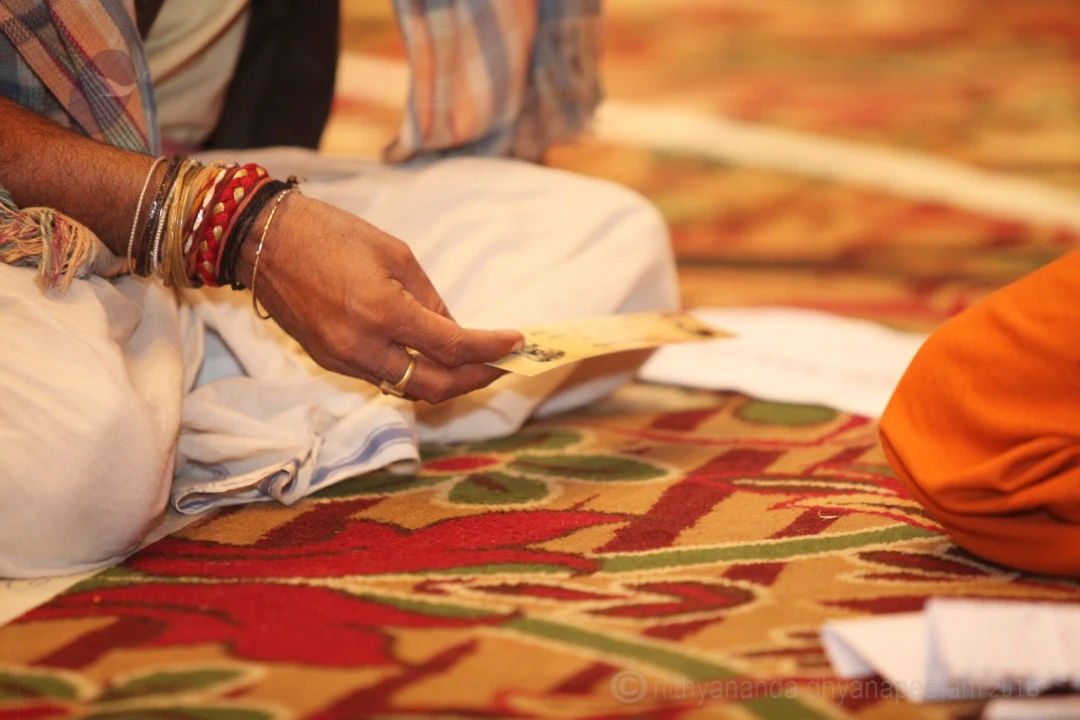
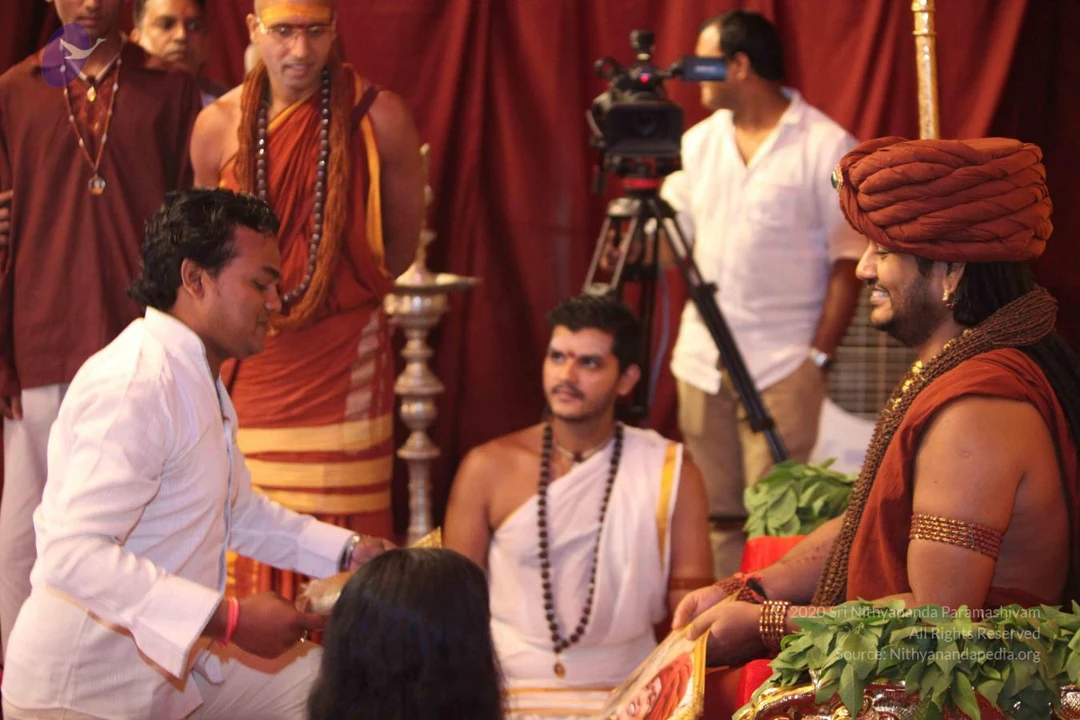
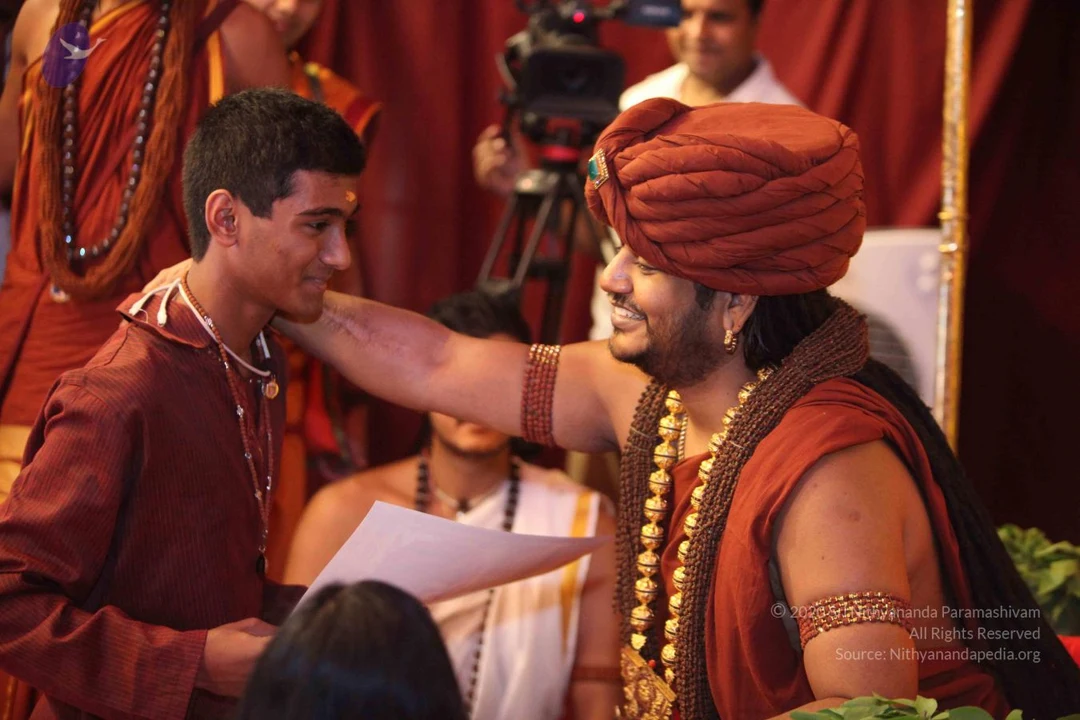
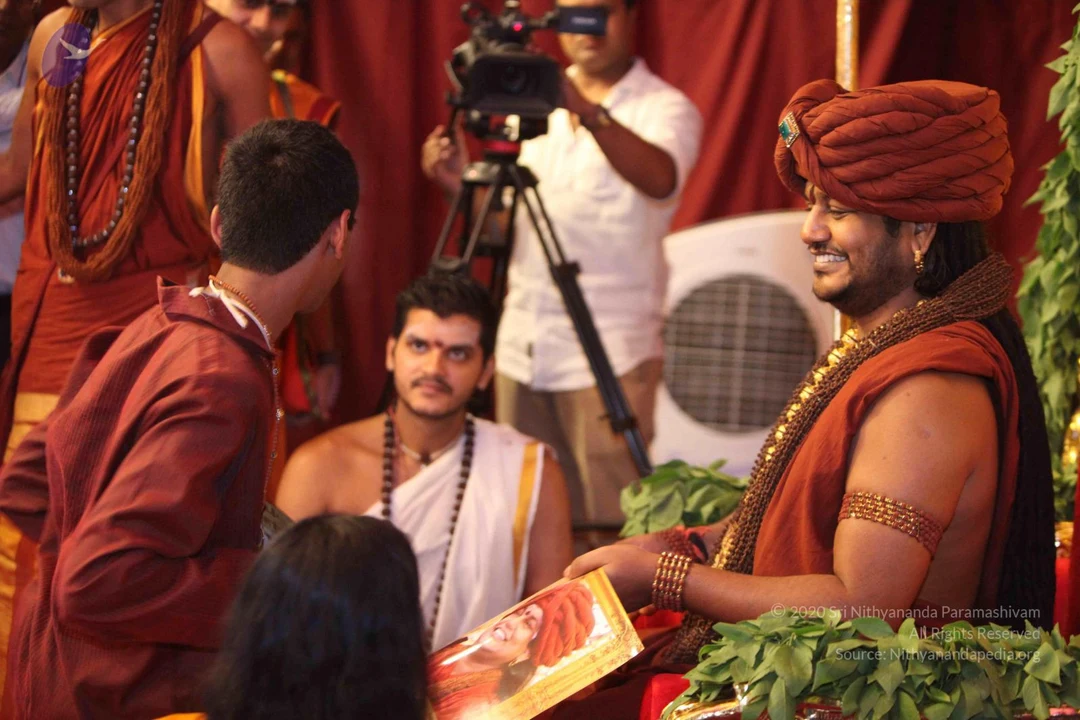
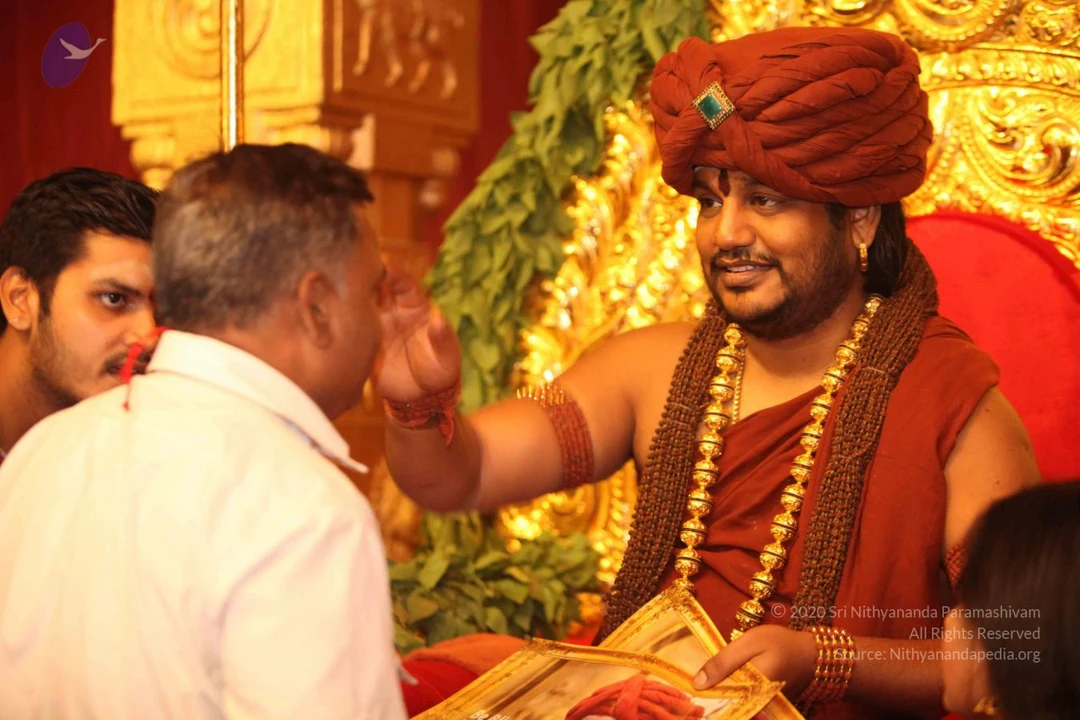
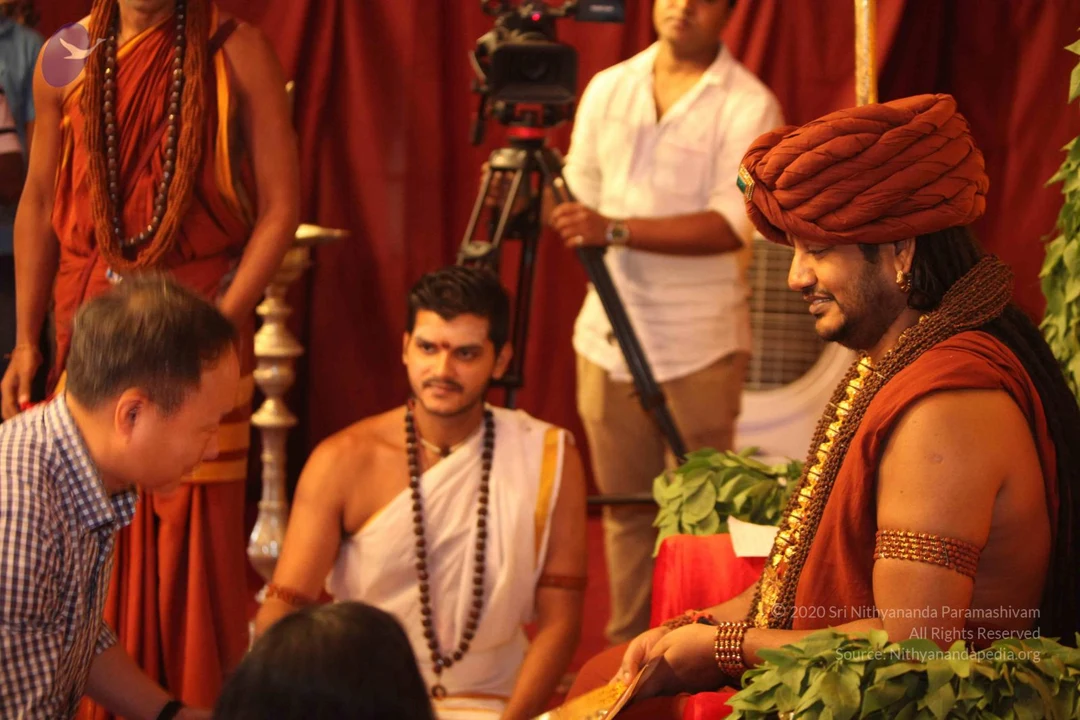
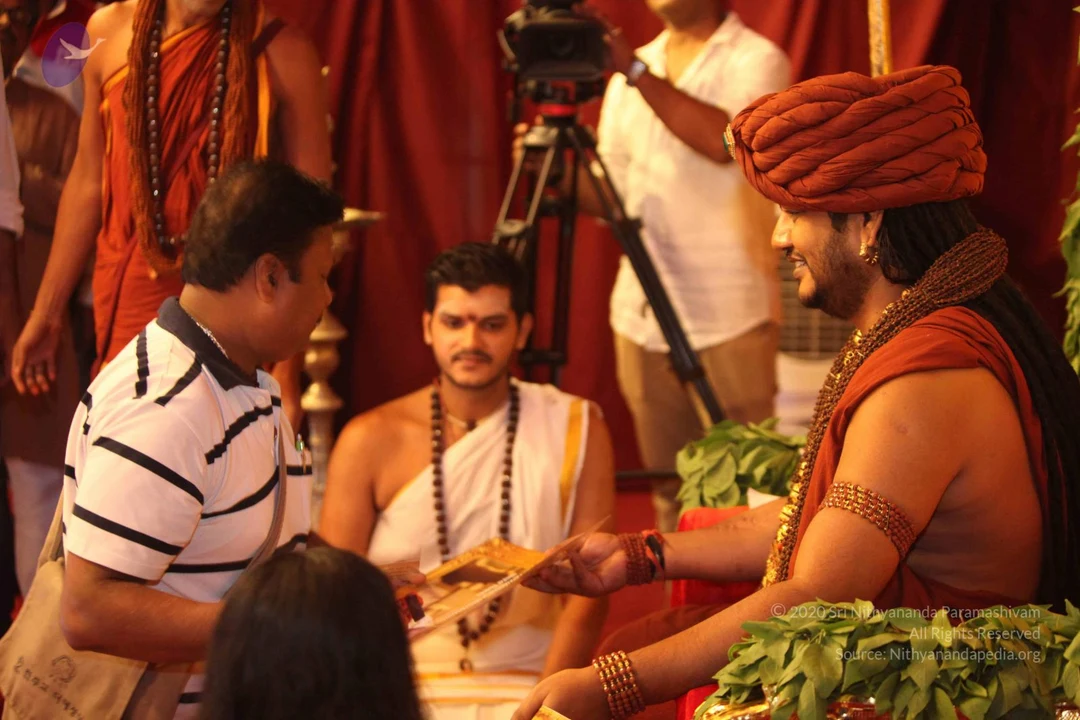
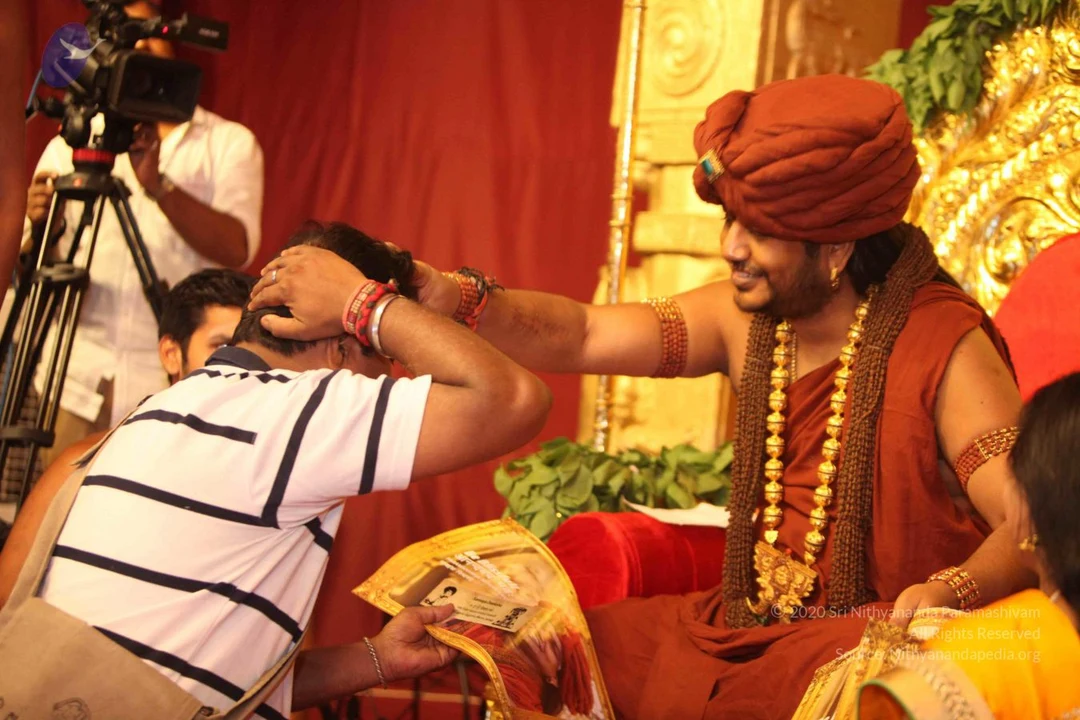
Photos From The Day:
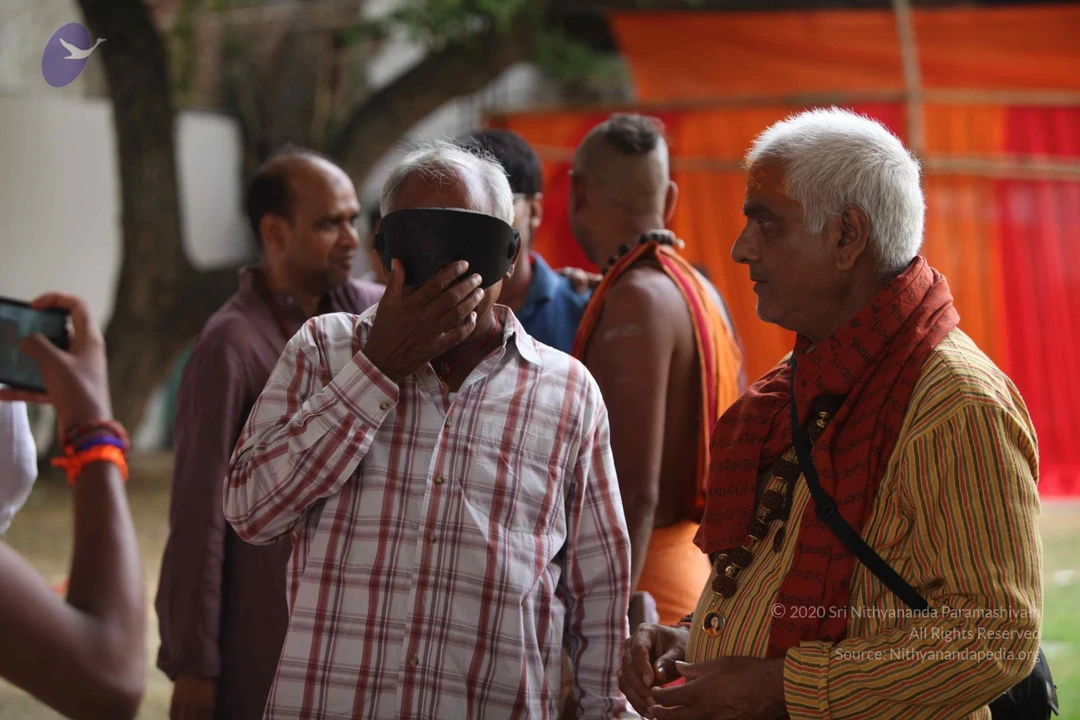
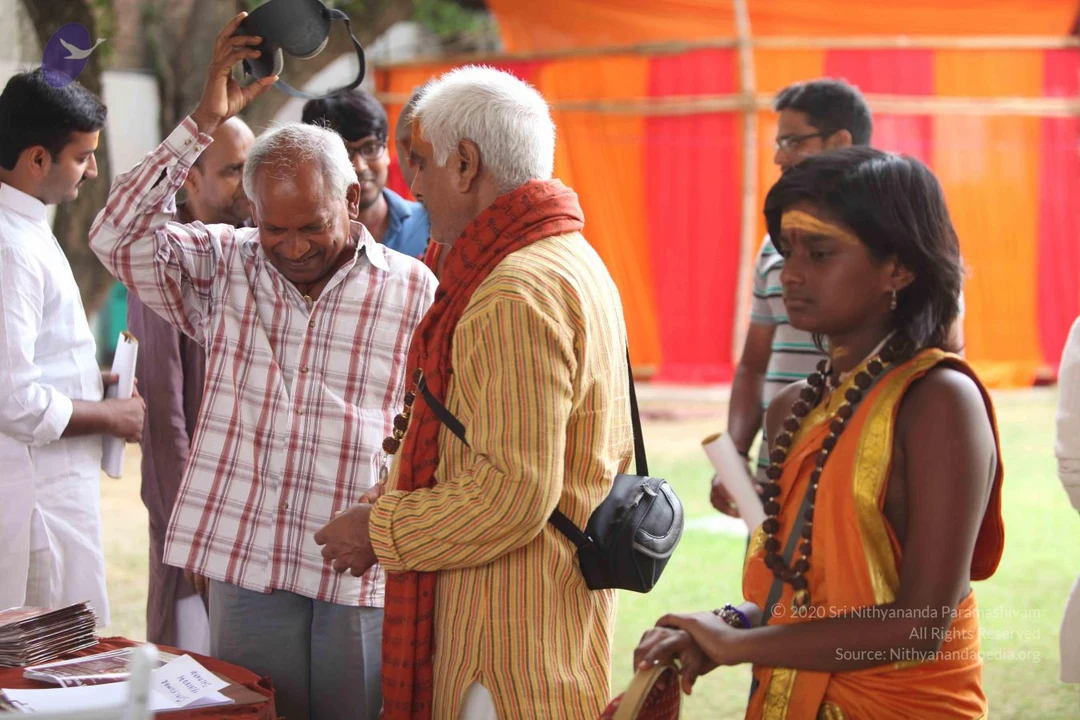
Nithya Satsang
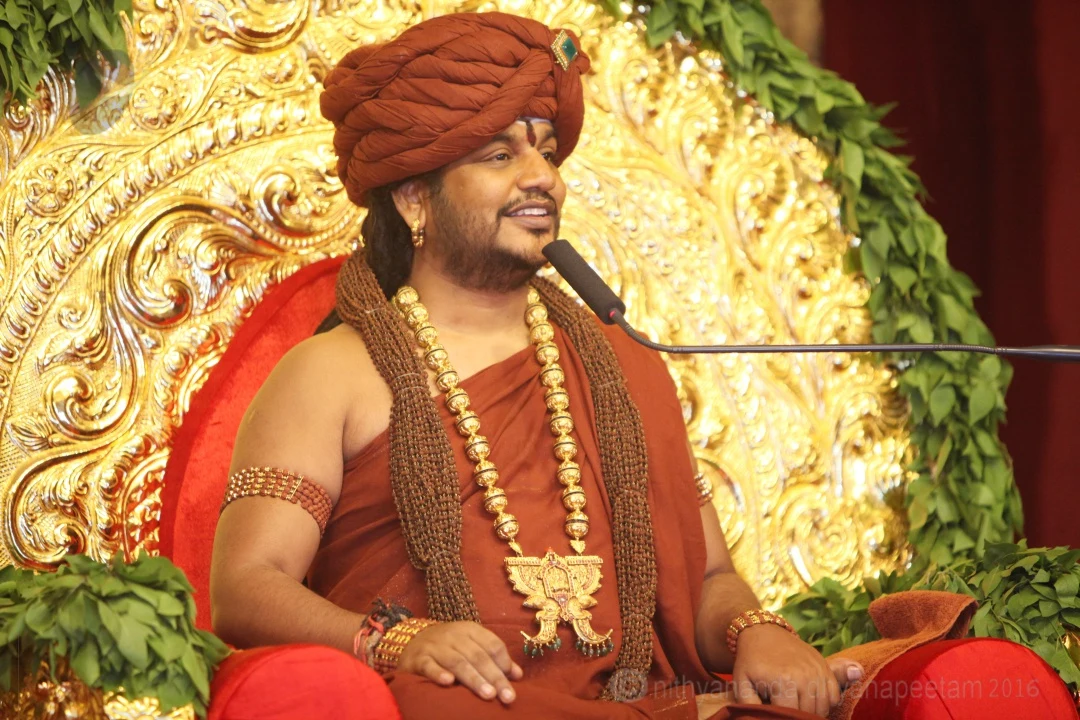
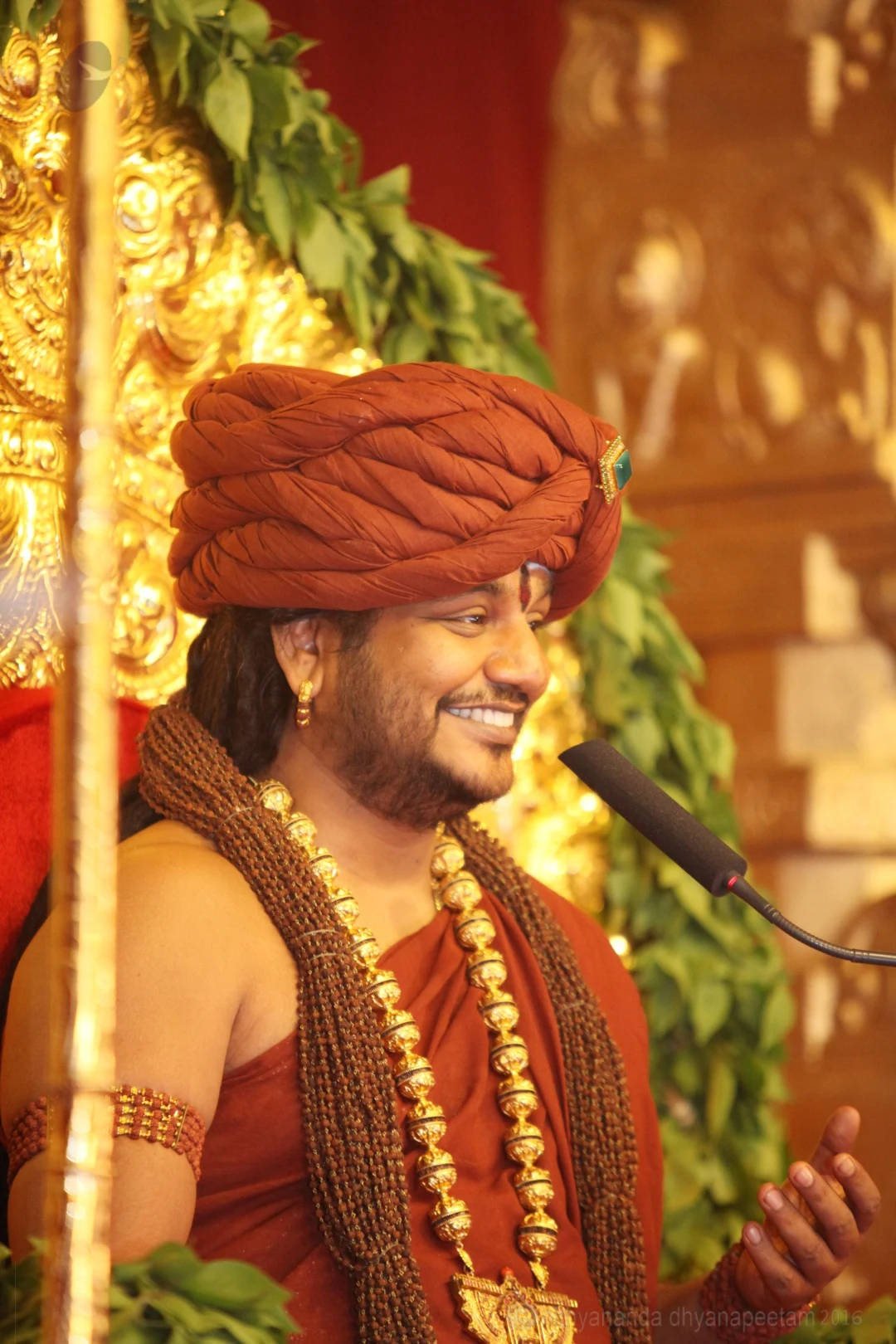
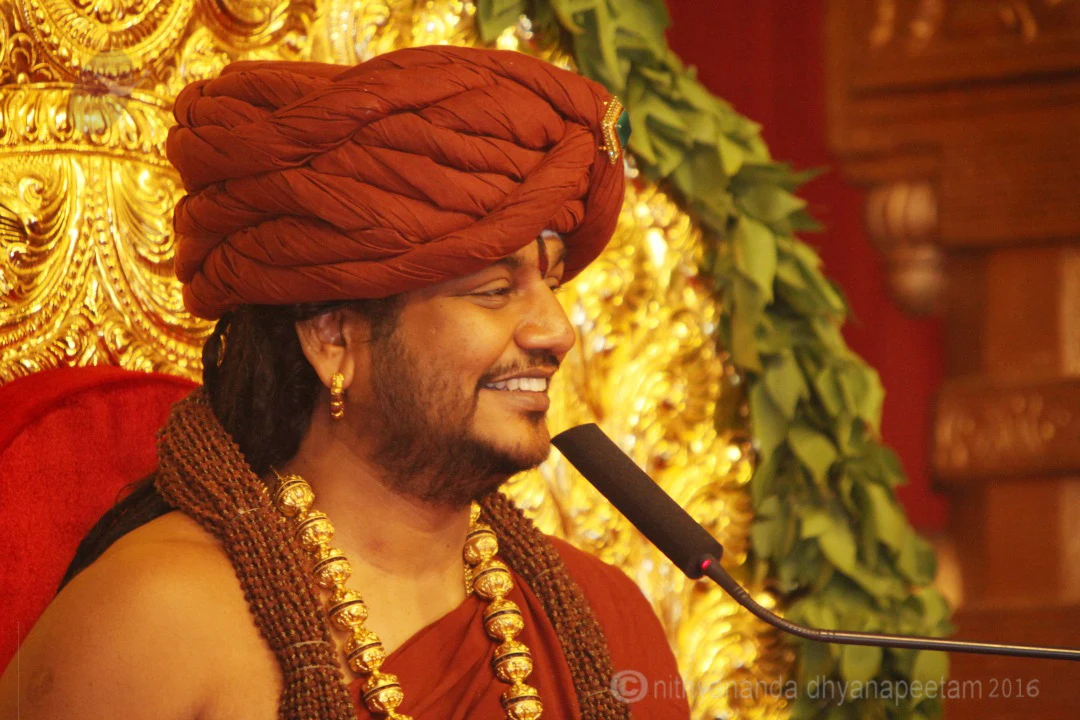
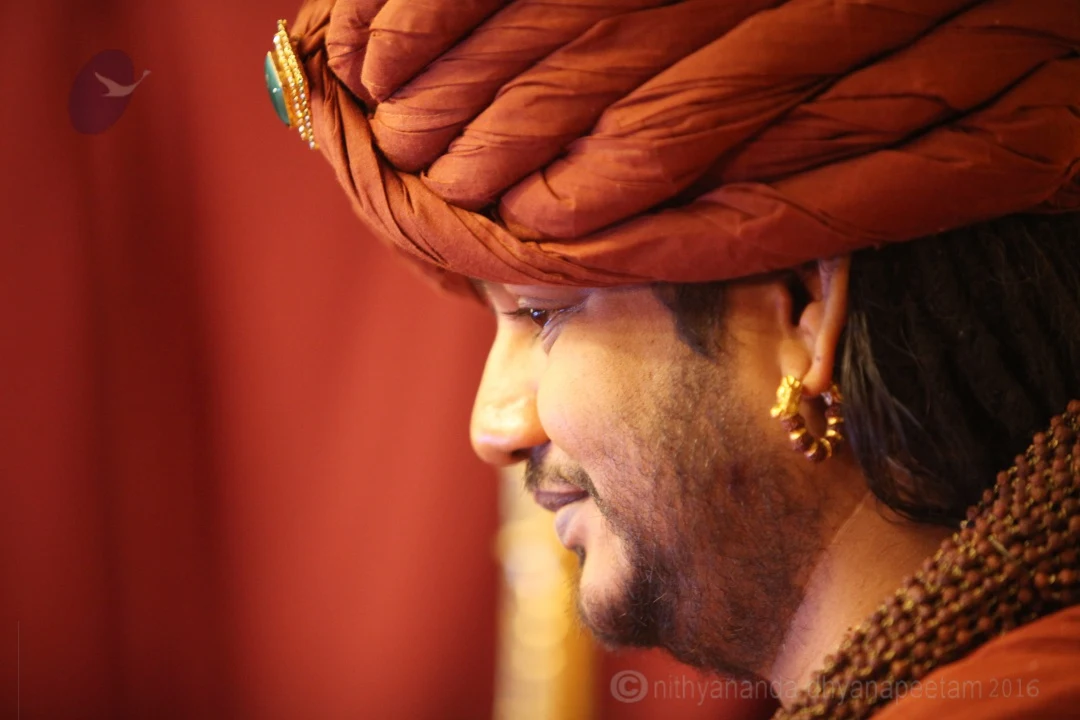
Kalpataru Darshan
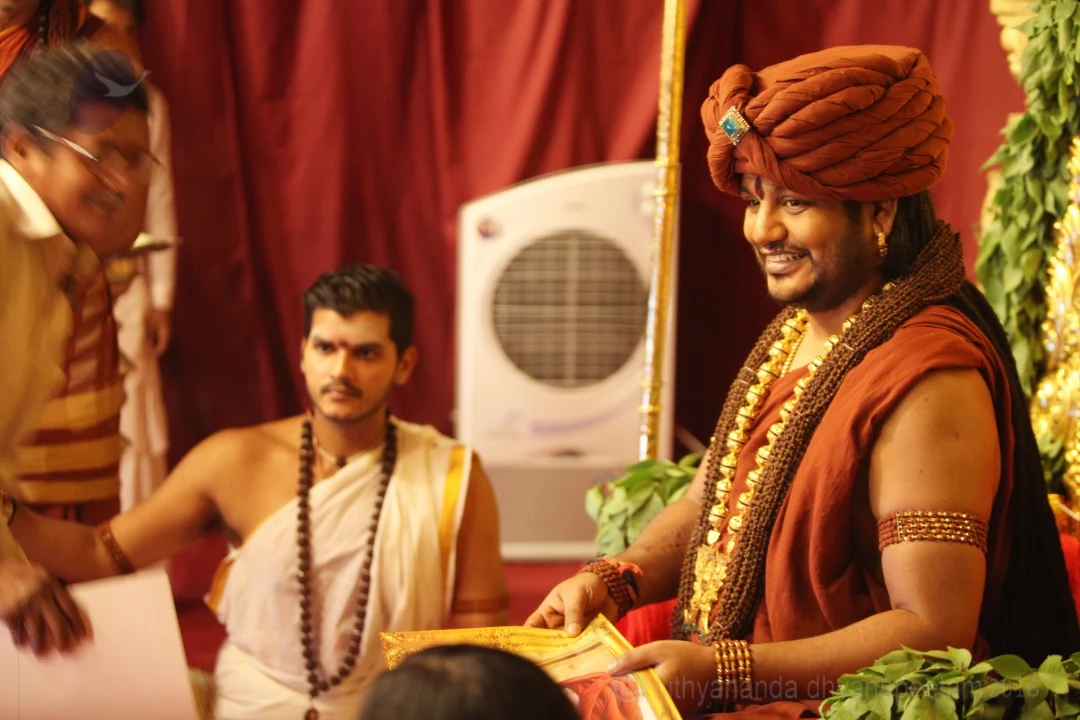
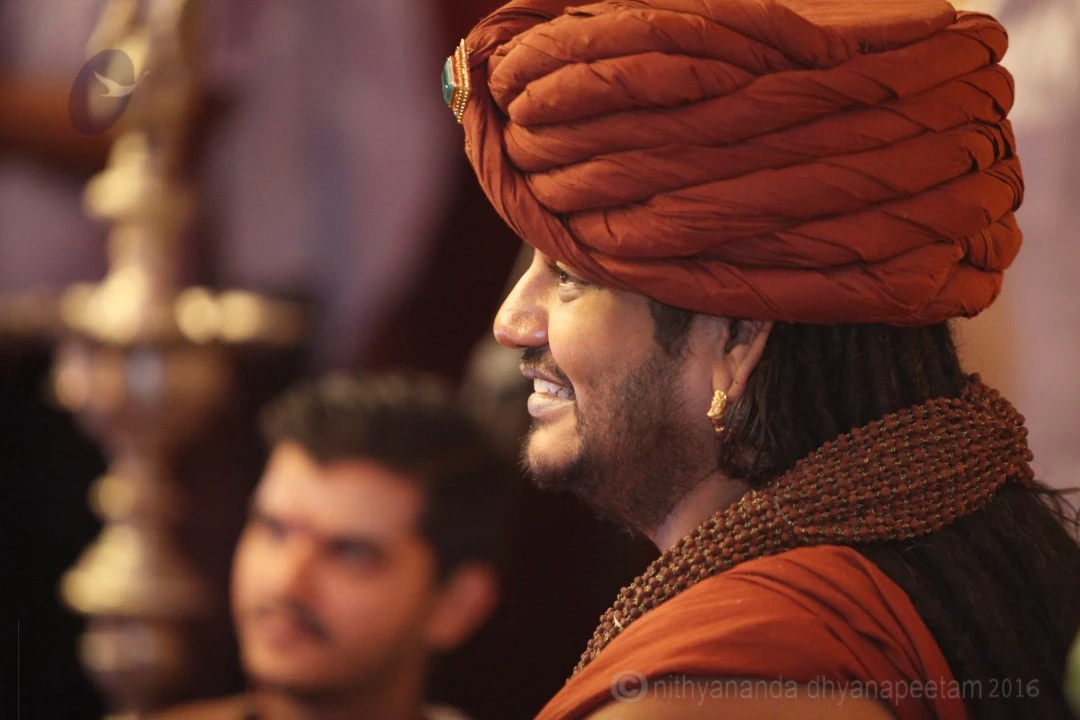
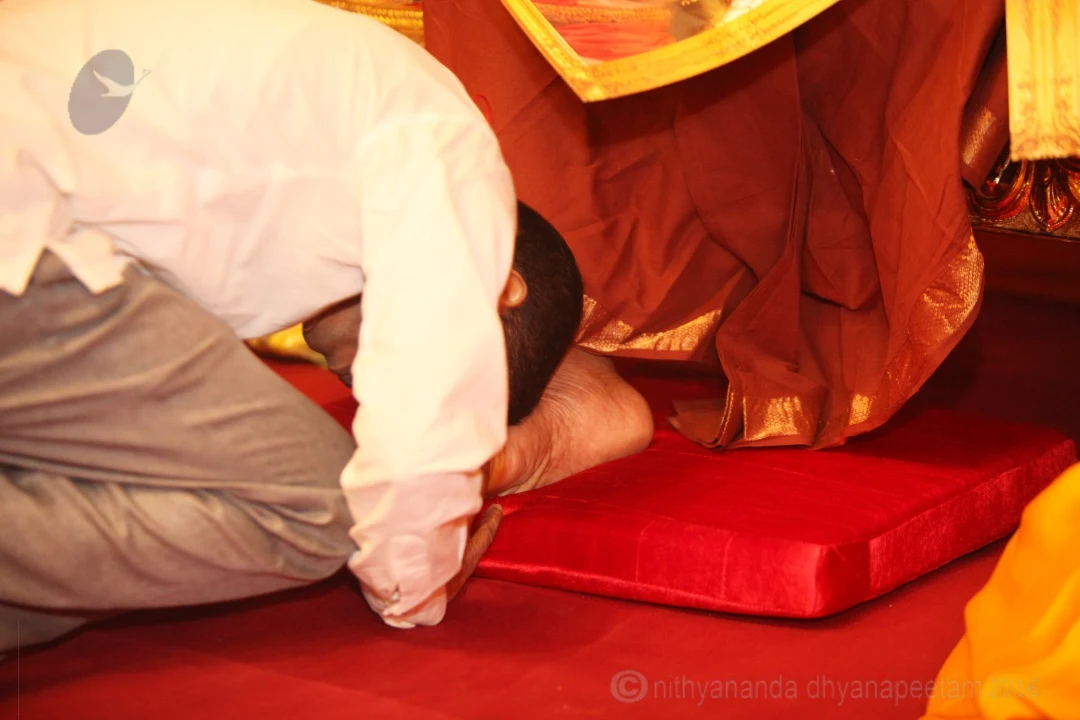
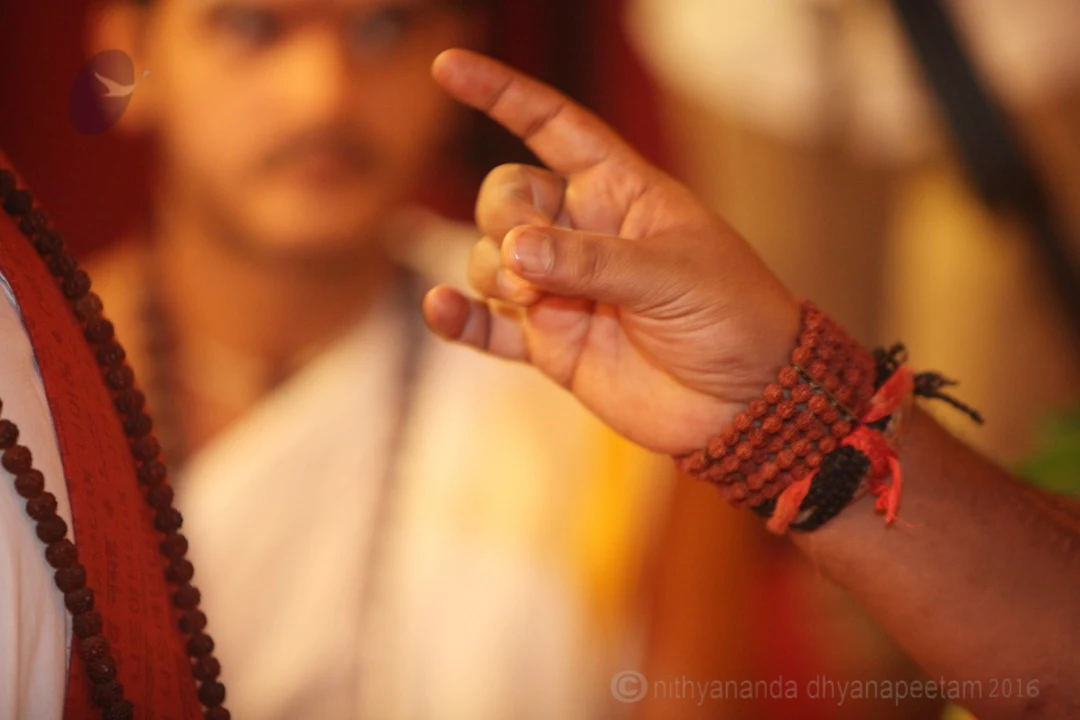
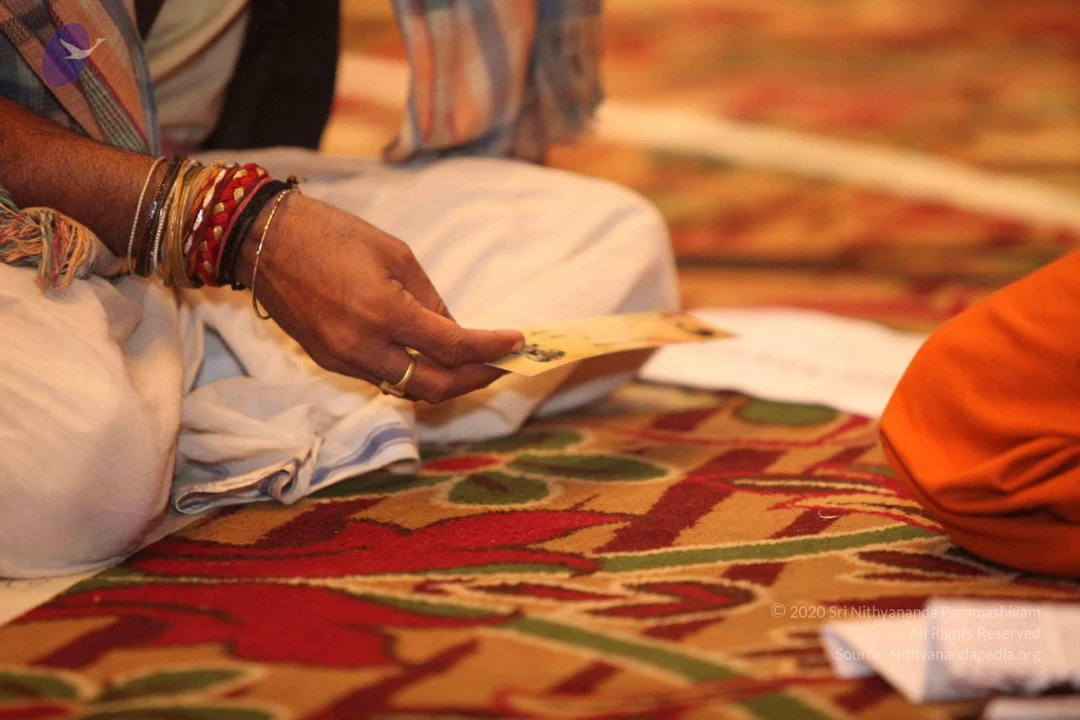
Guru Mantra Deeksha
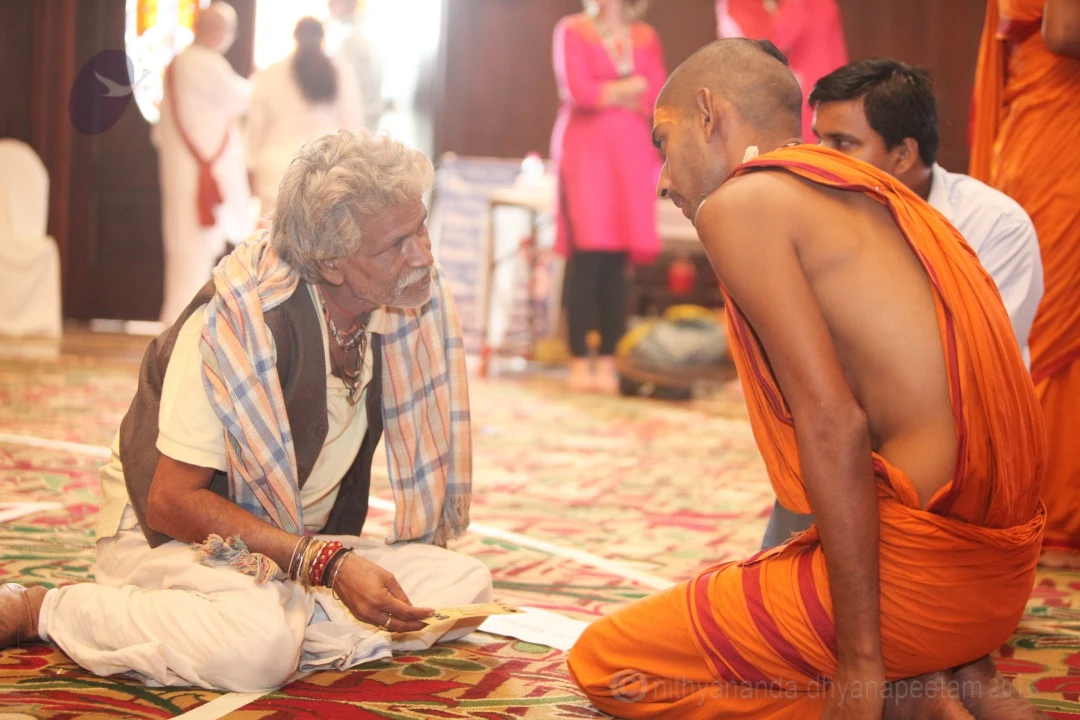
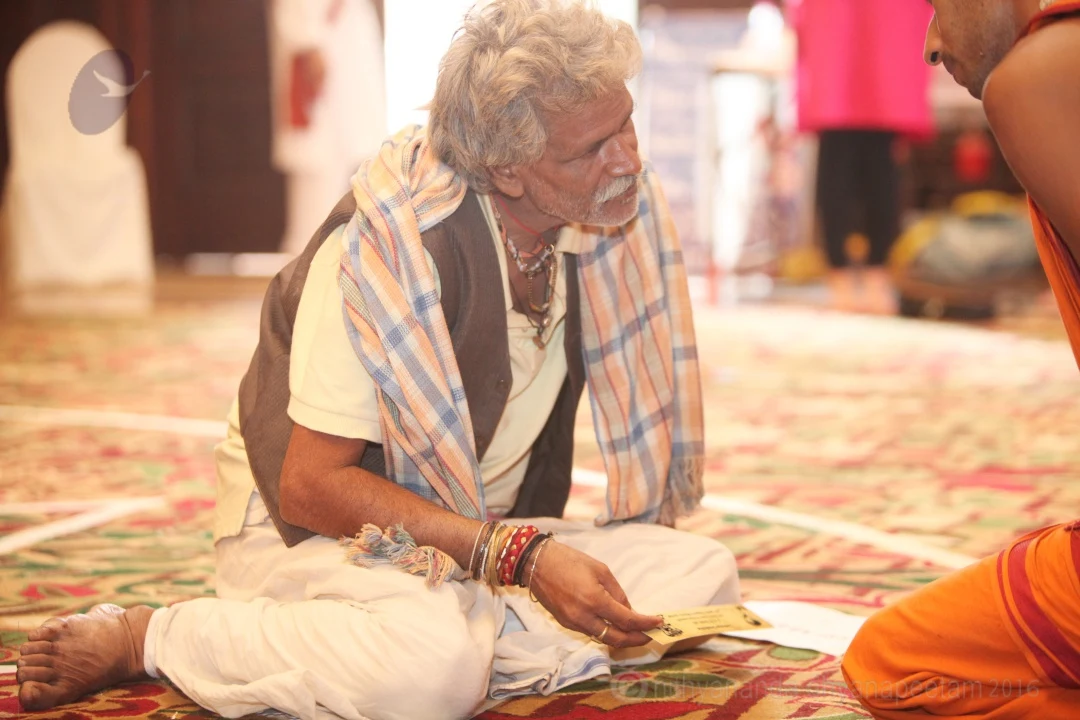
Tags:
Paramahamsa Nithyananda, Nithyananda, Kena Upanishad, Kenopanishad
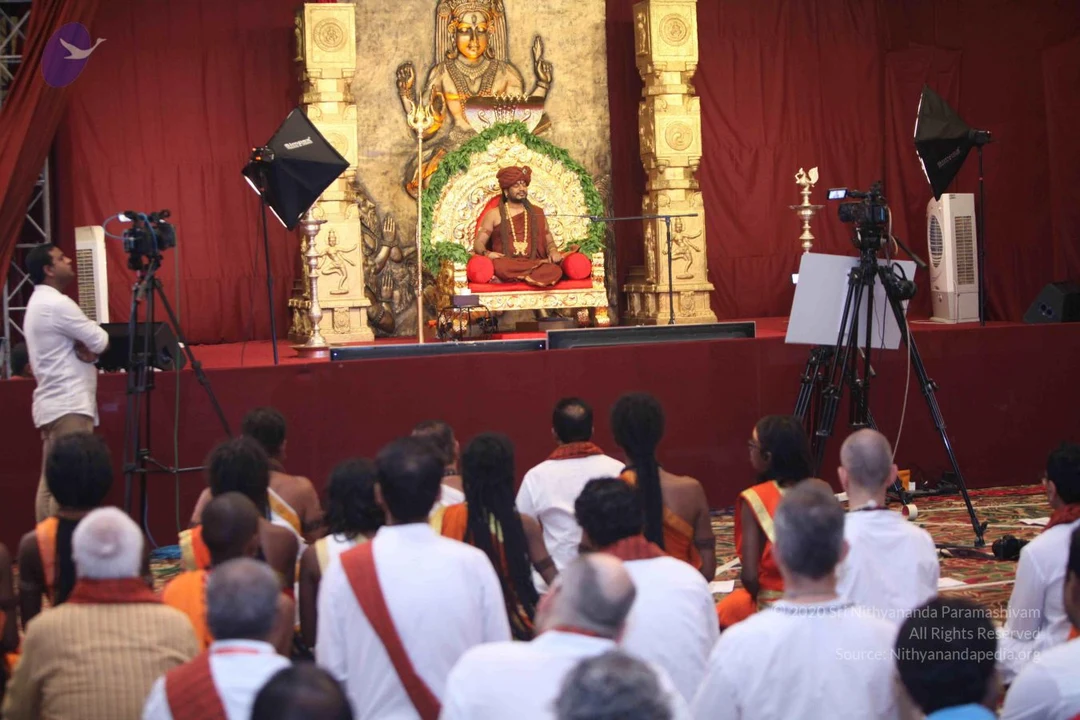
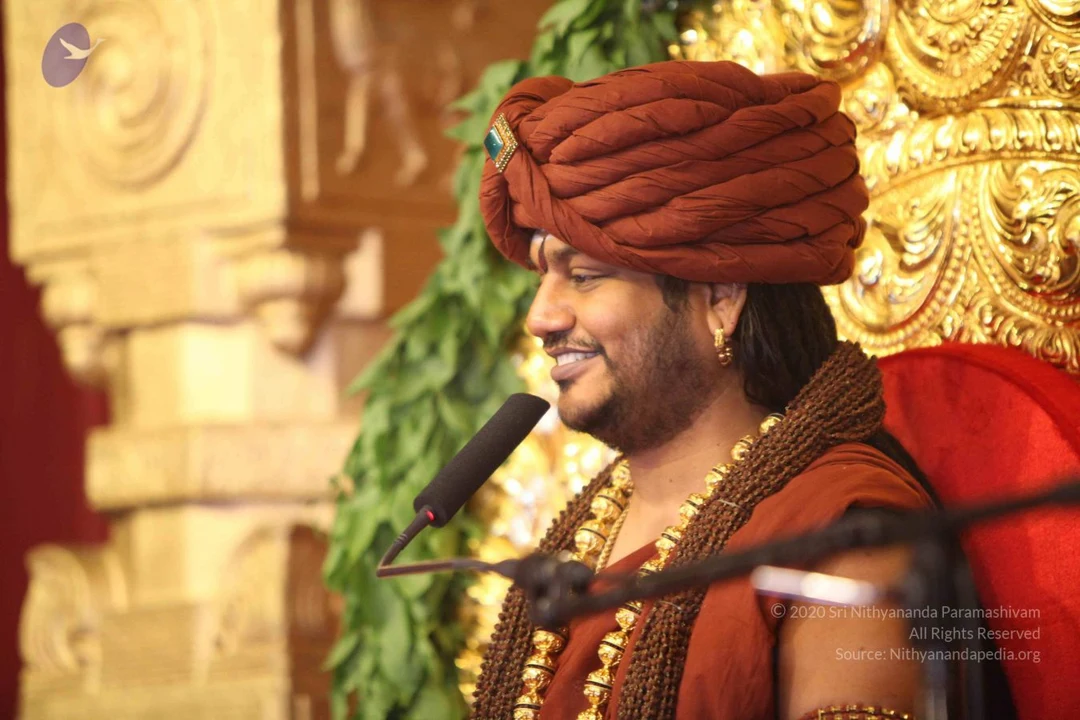
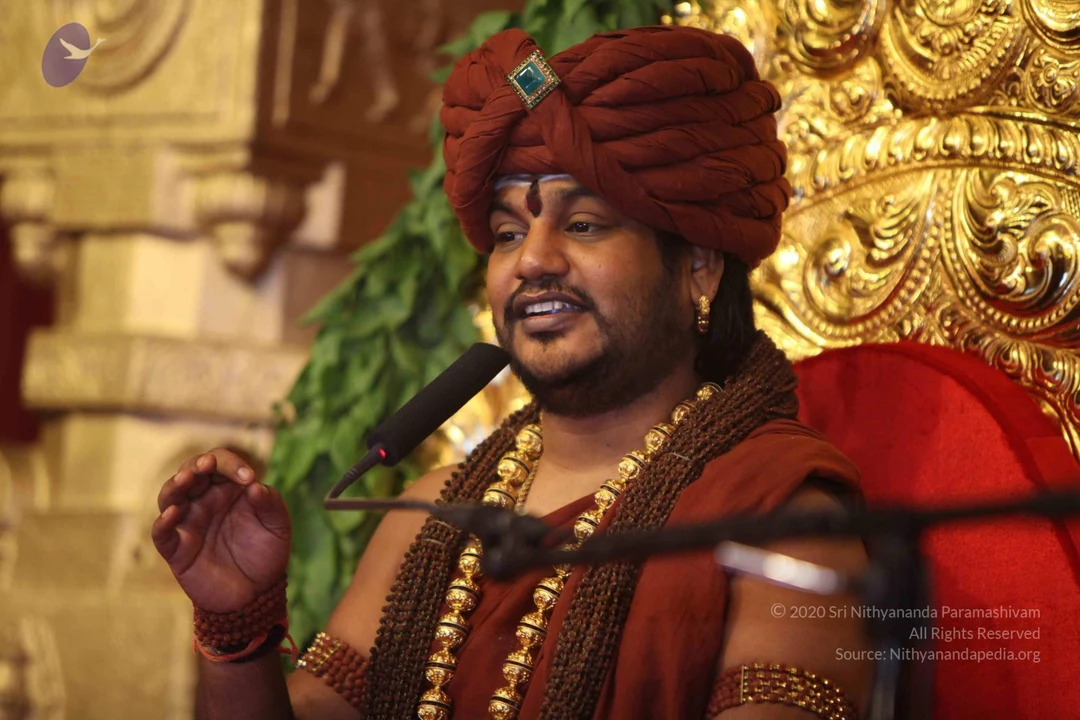
Photos Of The Day:
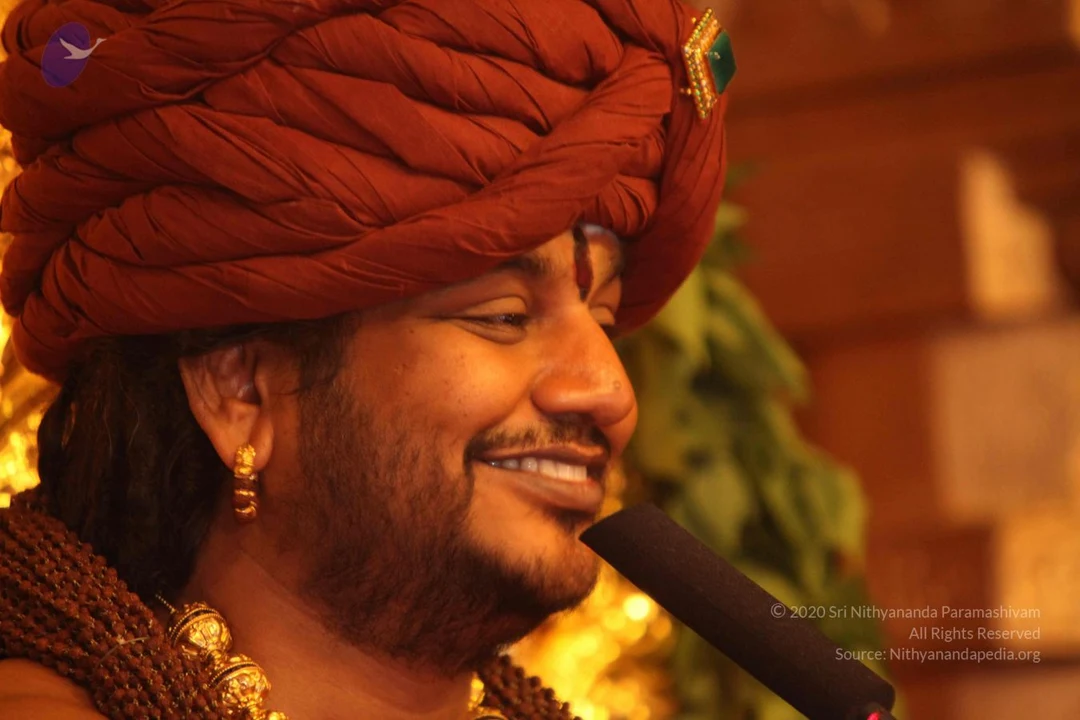
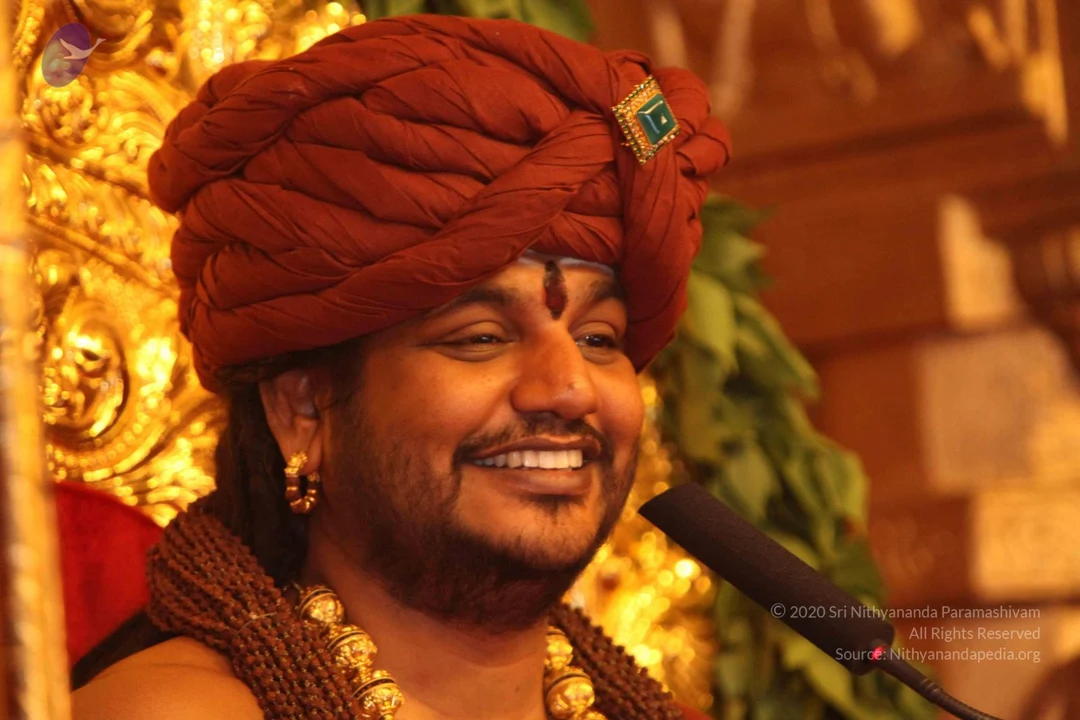
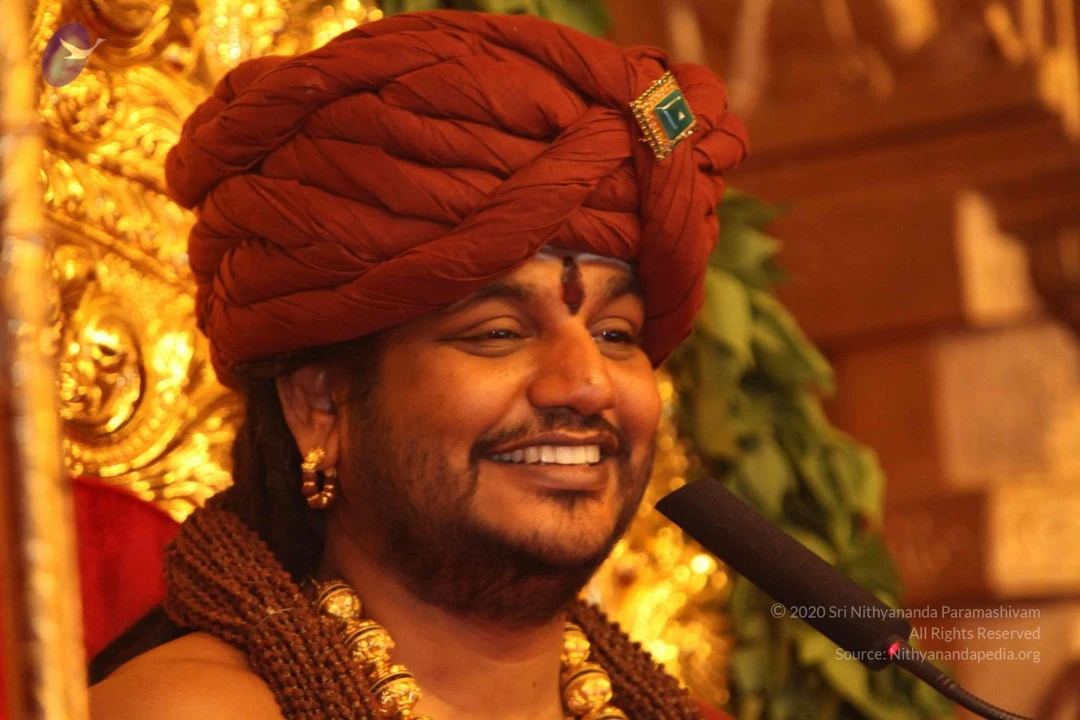
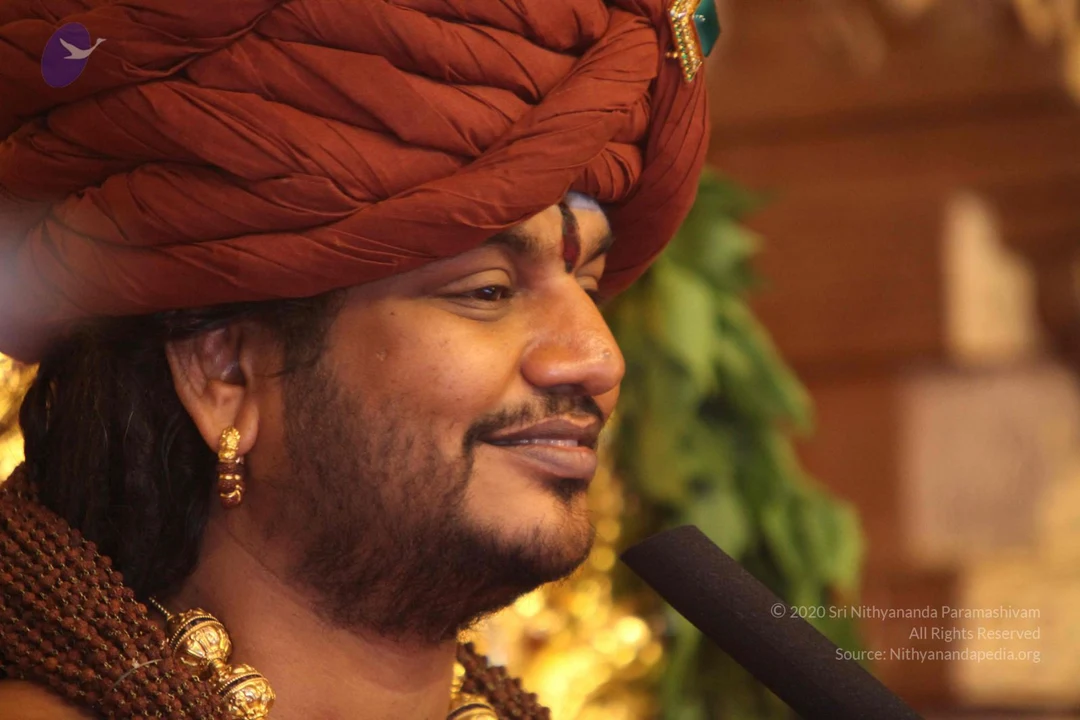
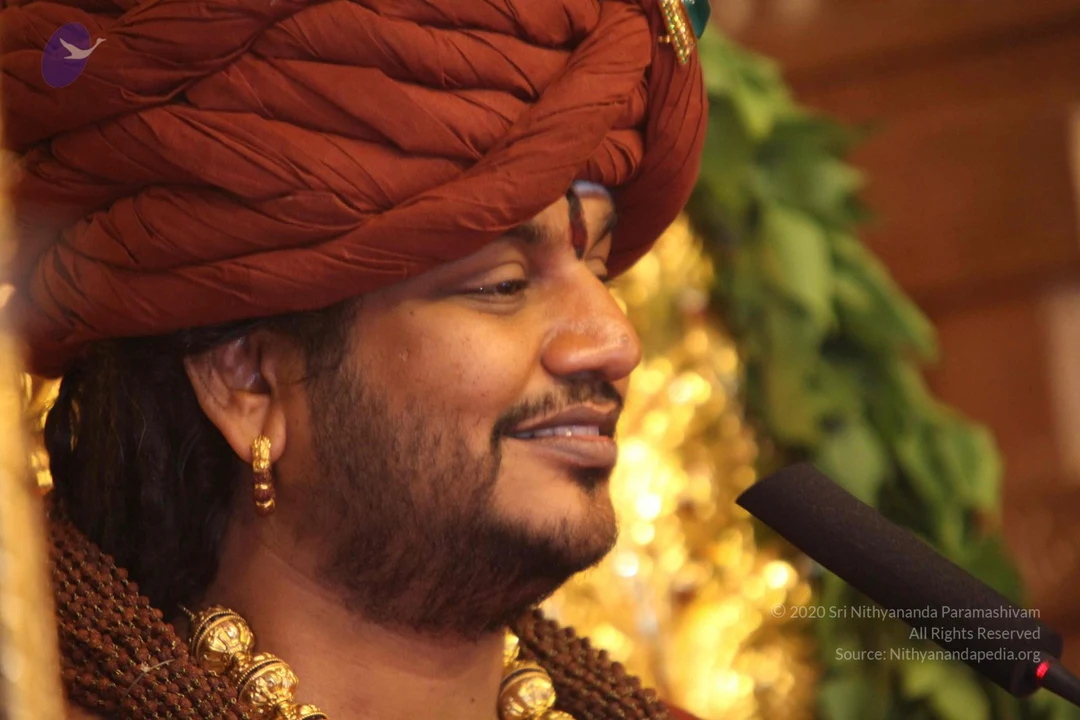
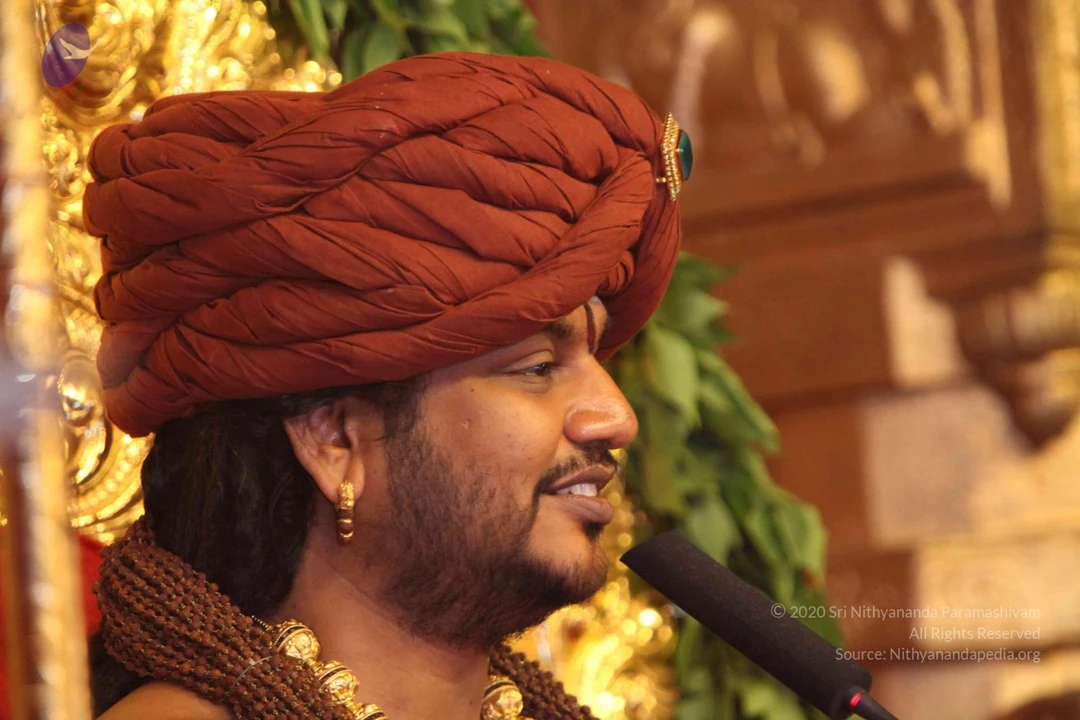
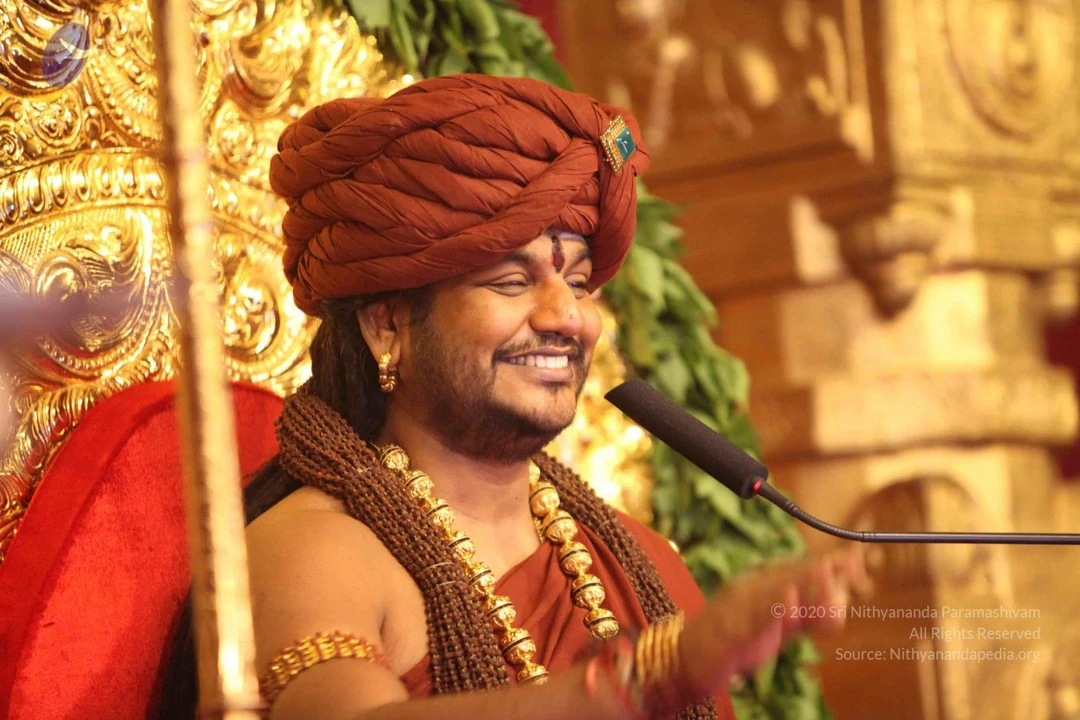
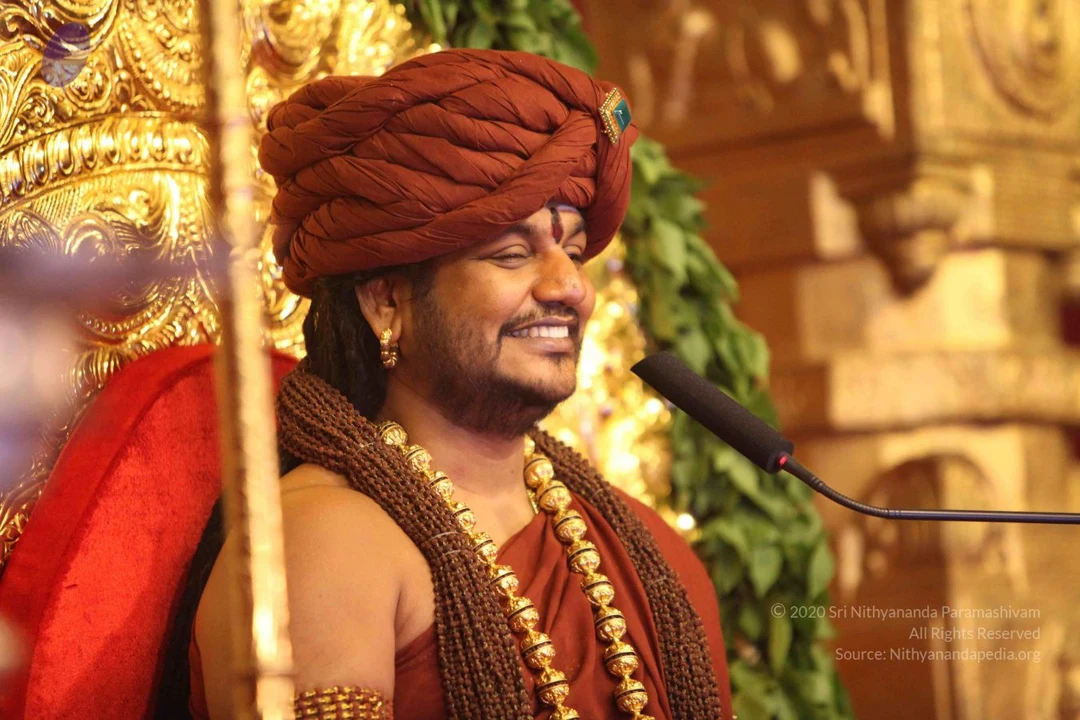
Nithya-Satsang
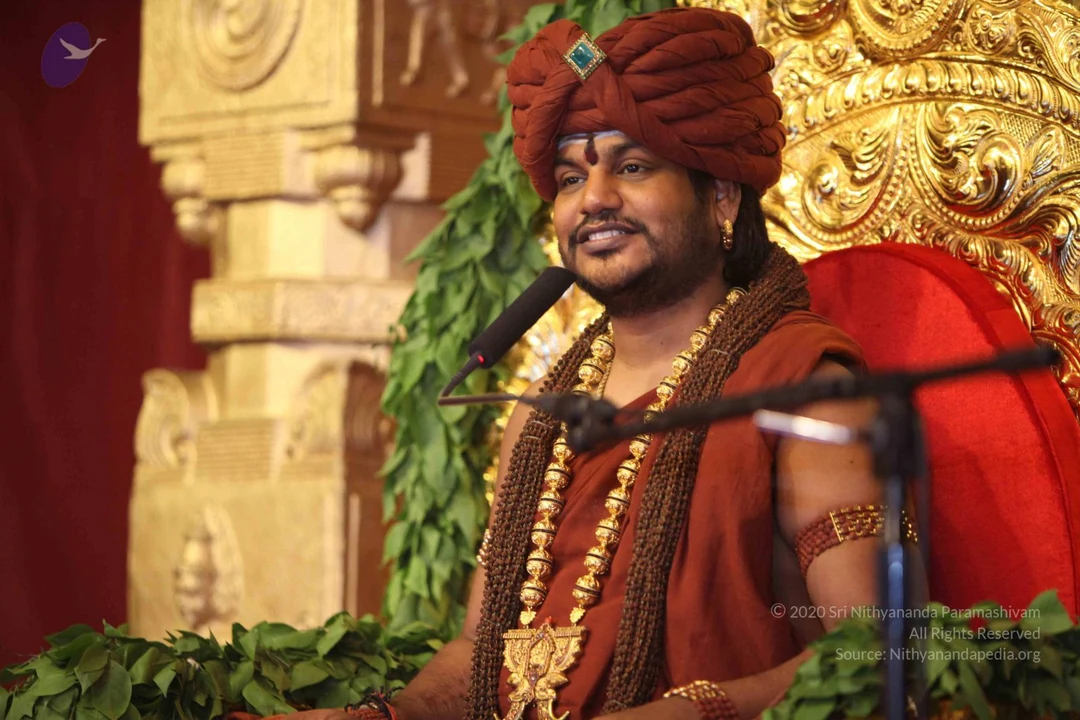
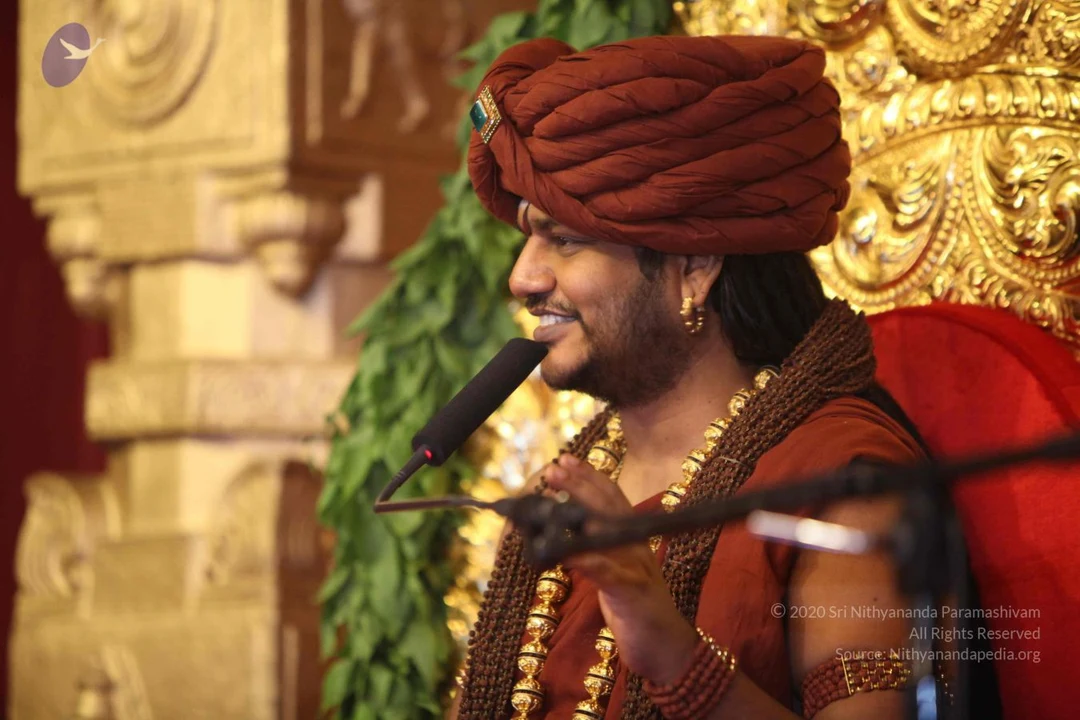
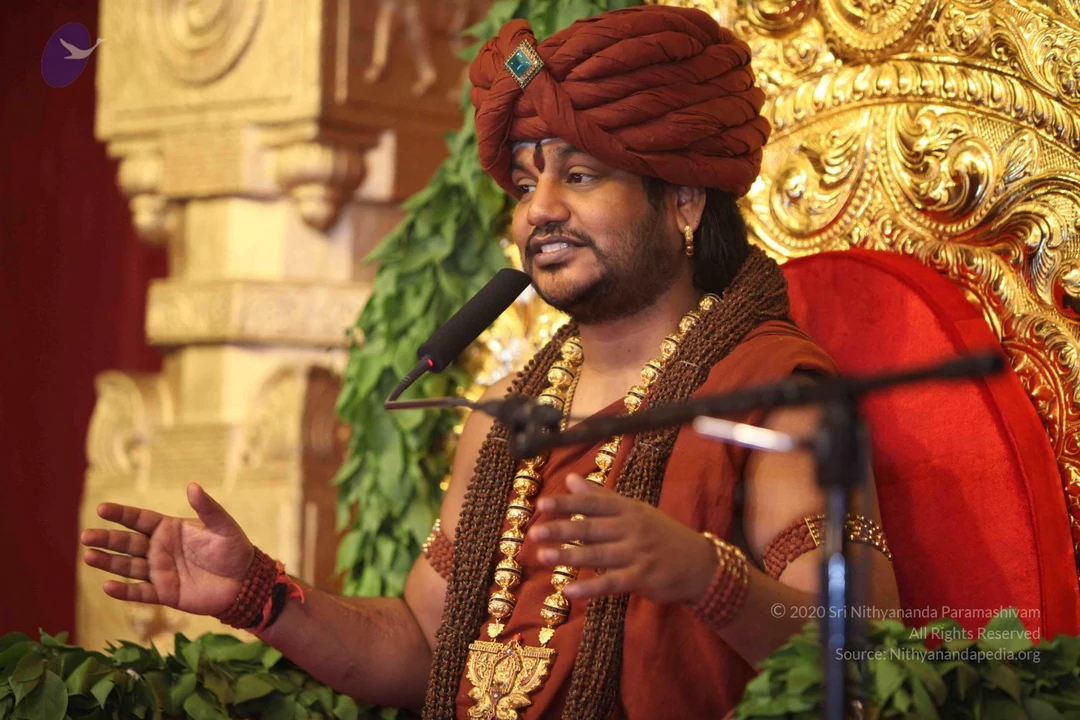
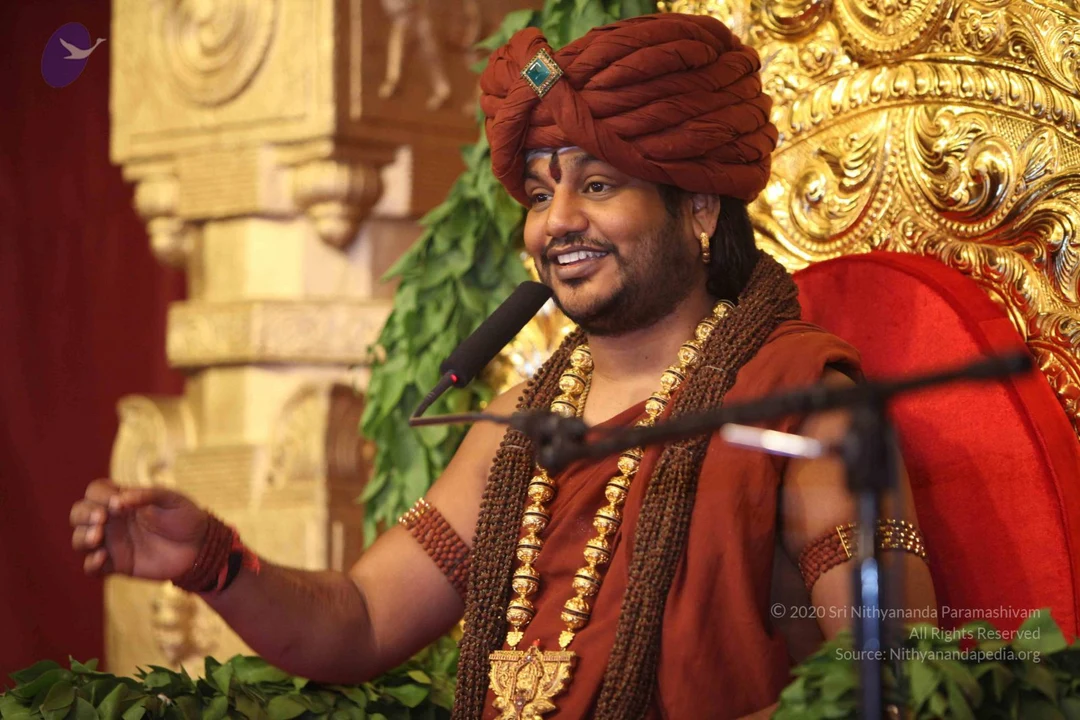
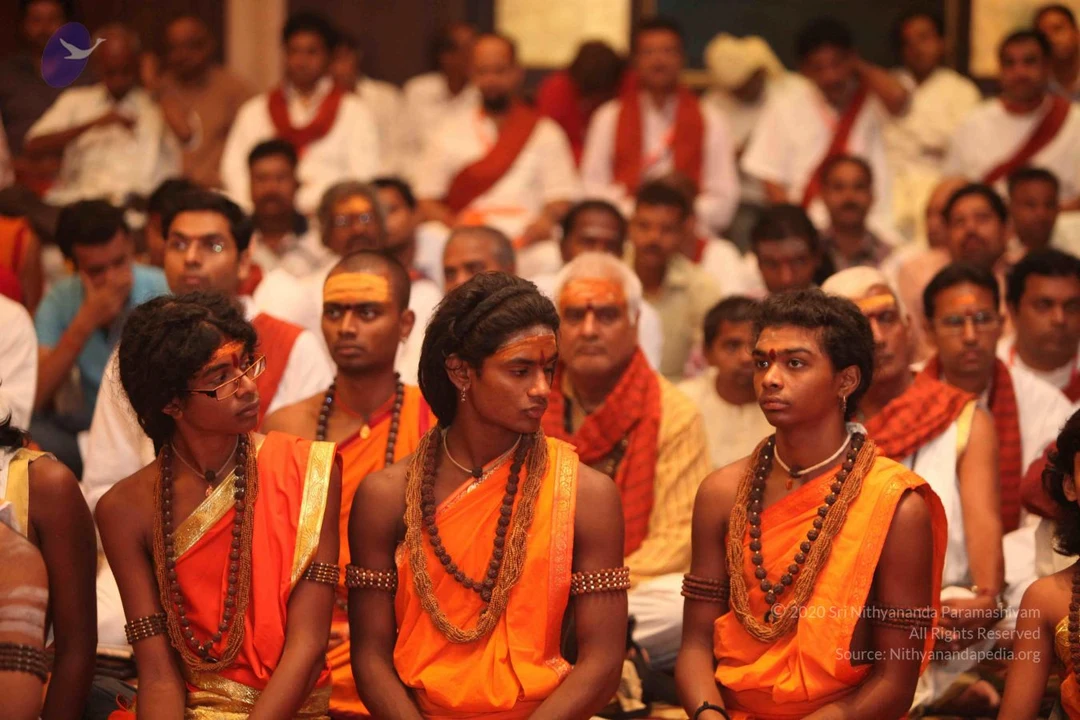
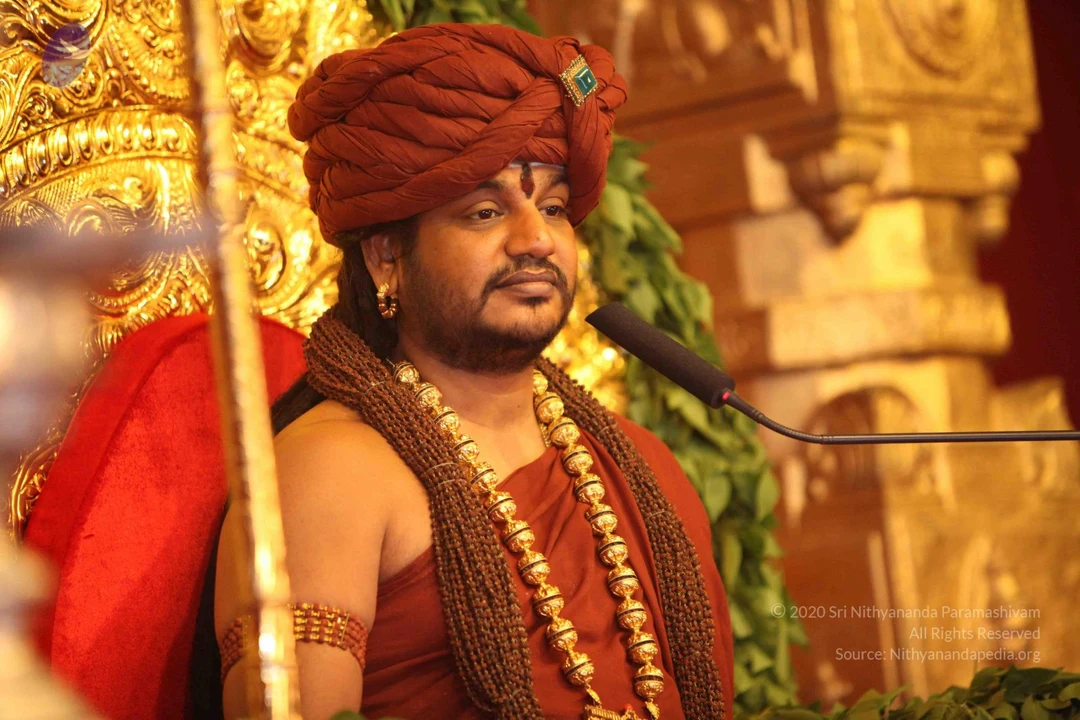
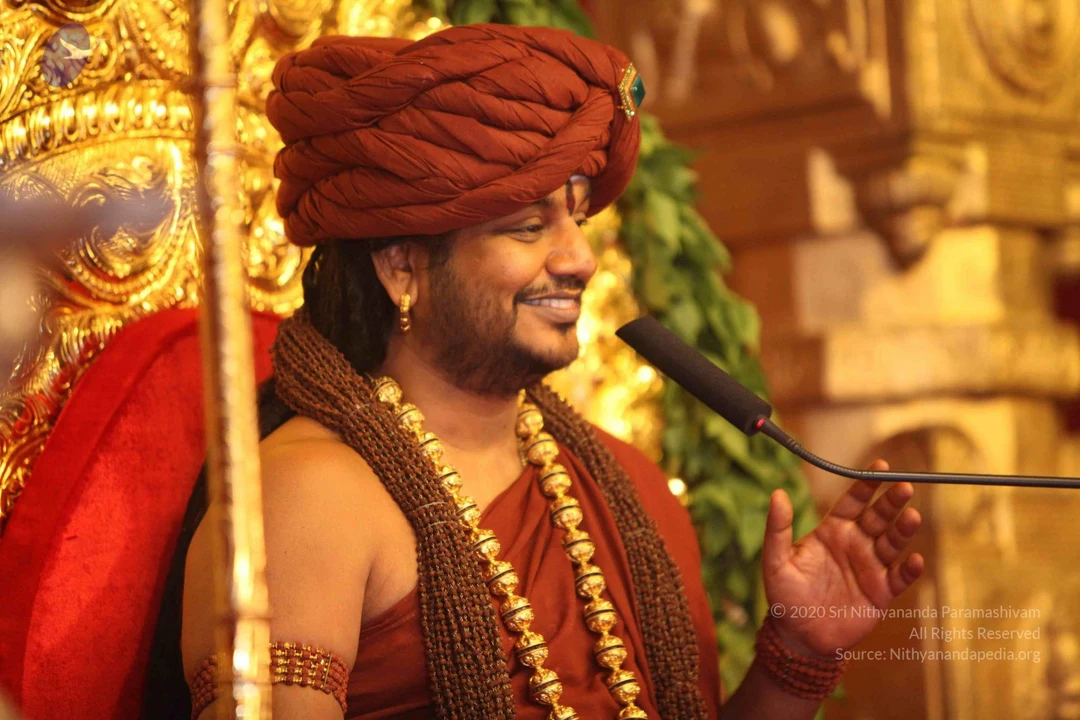
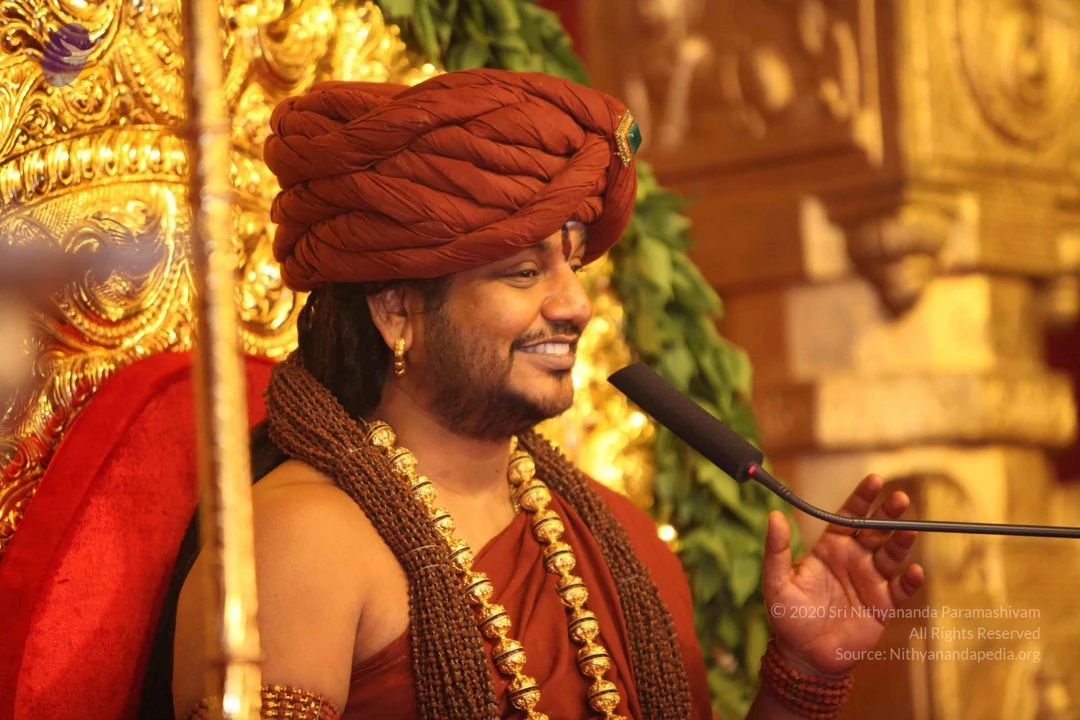
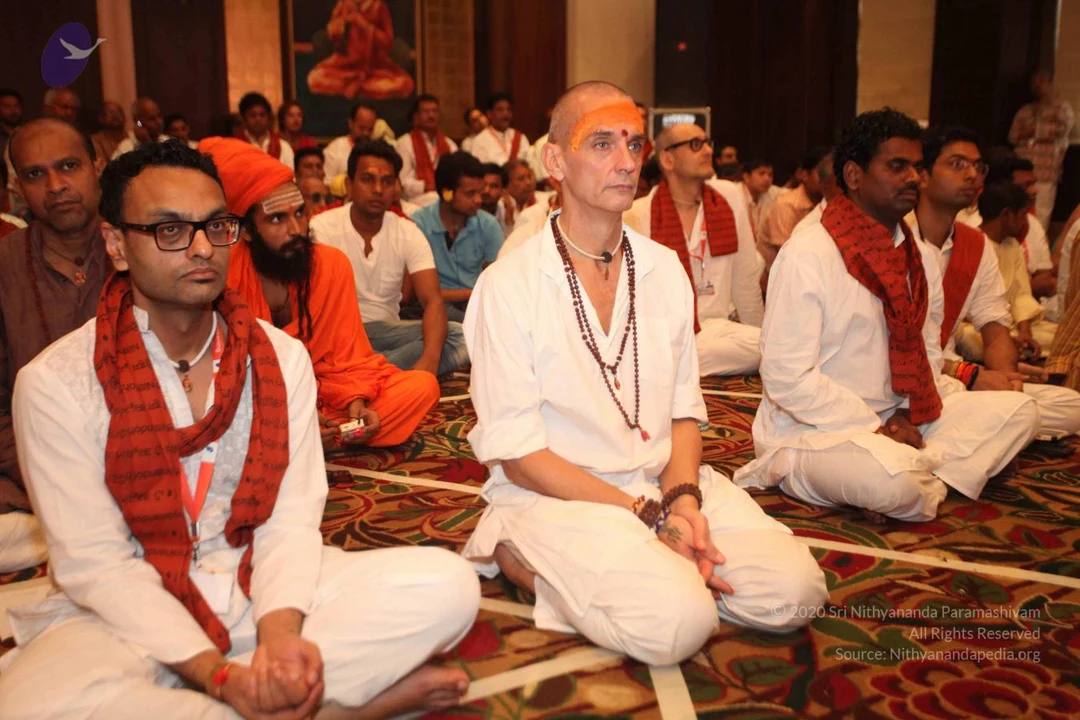
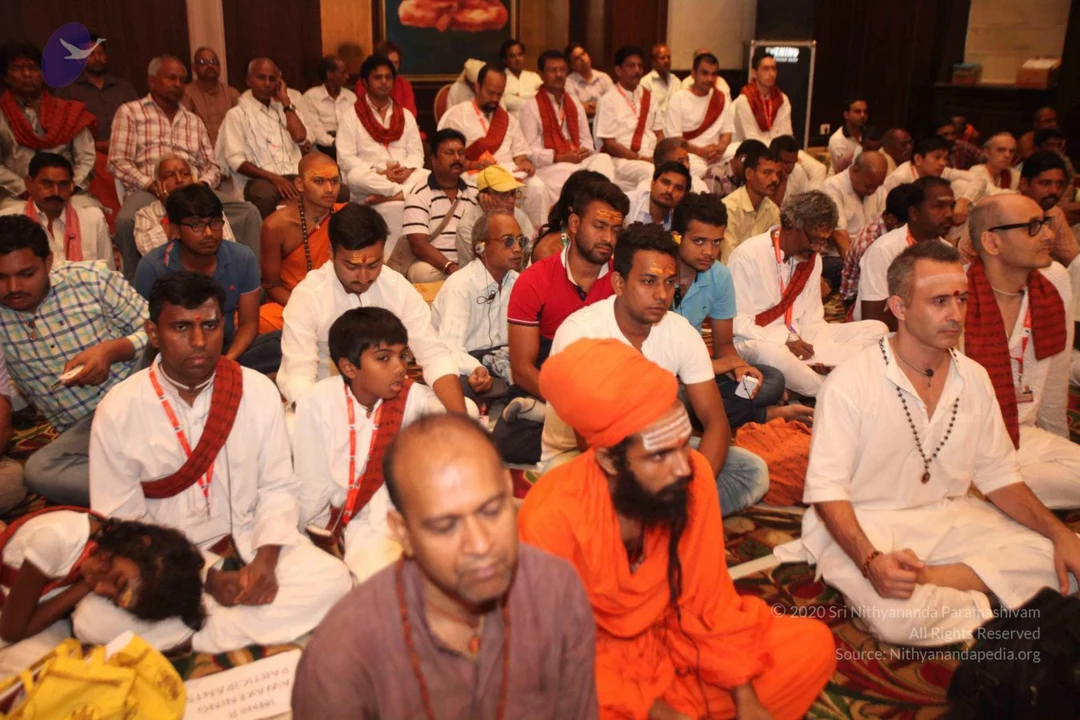
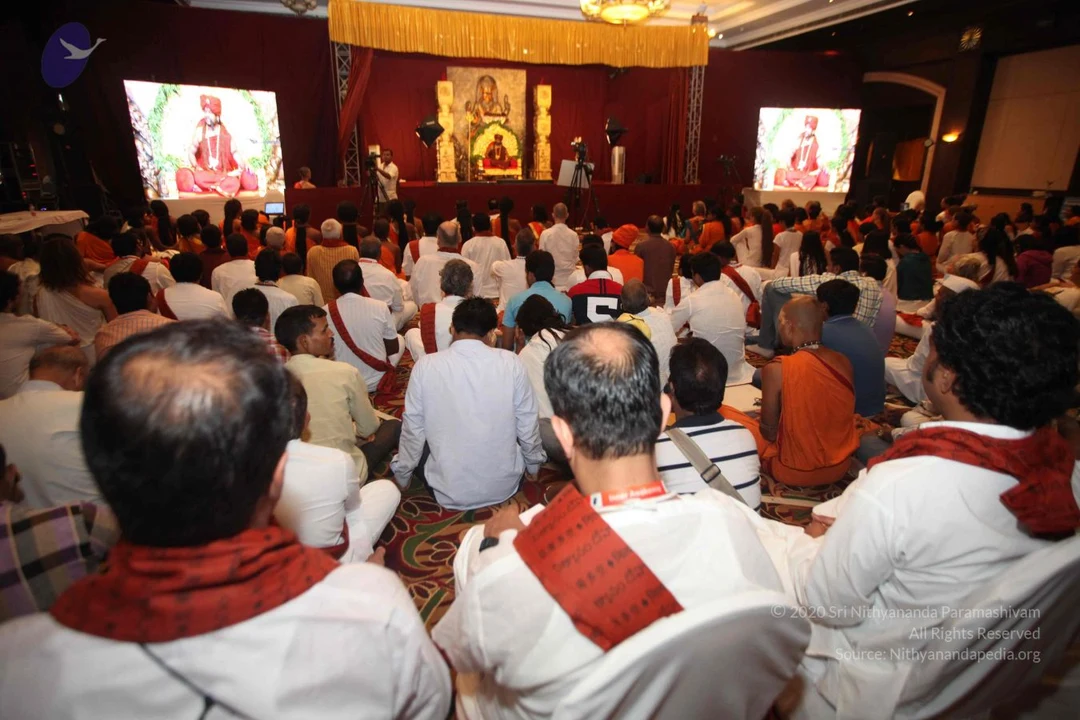
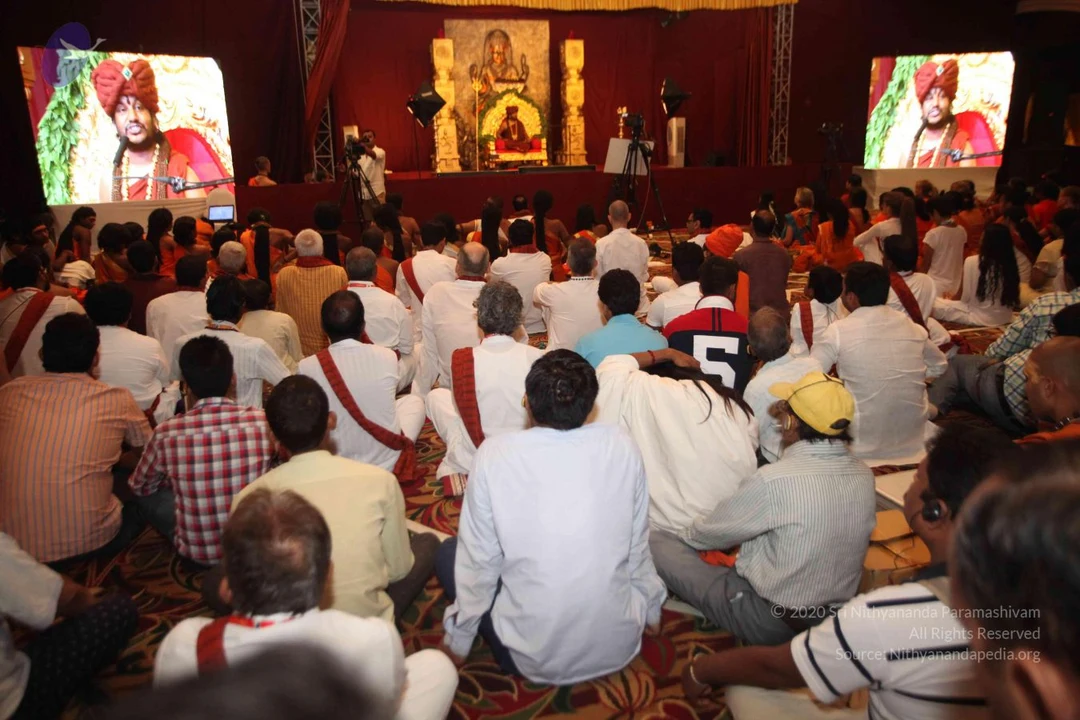

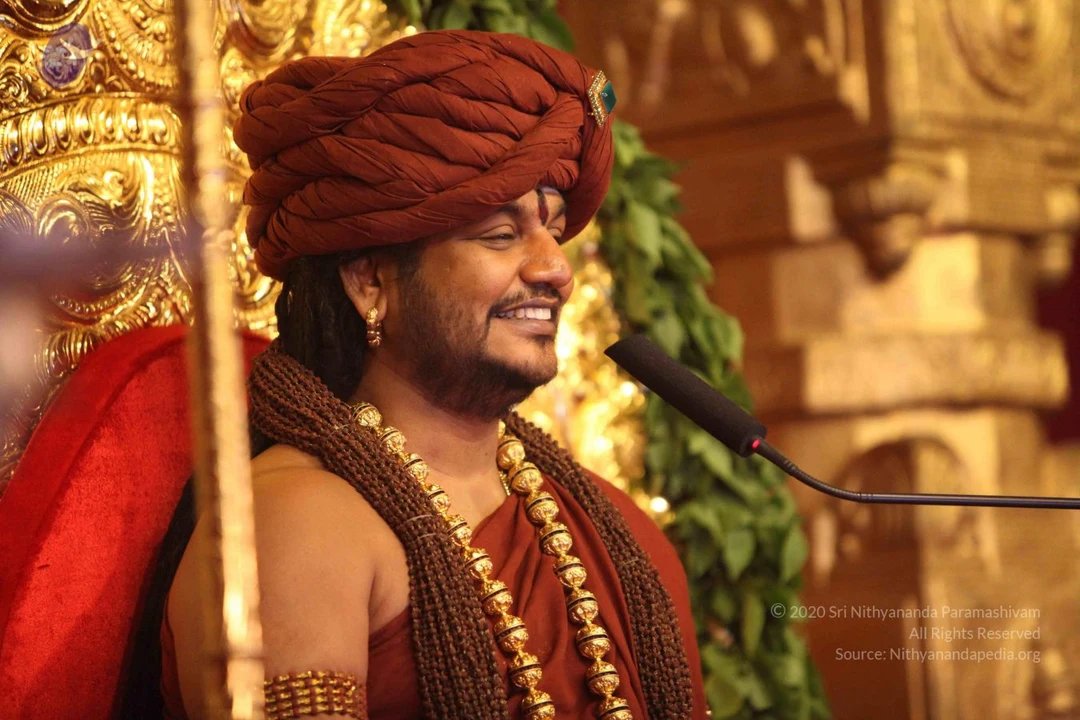
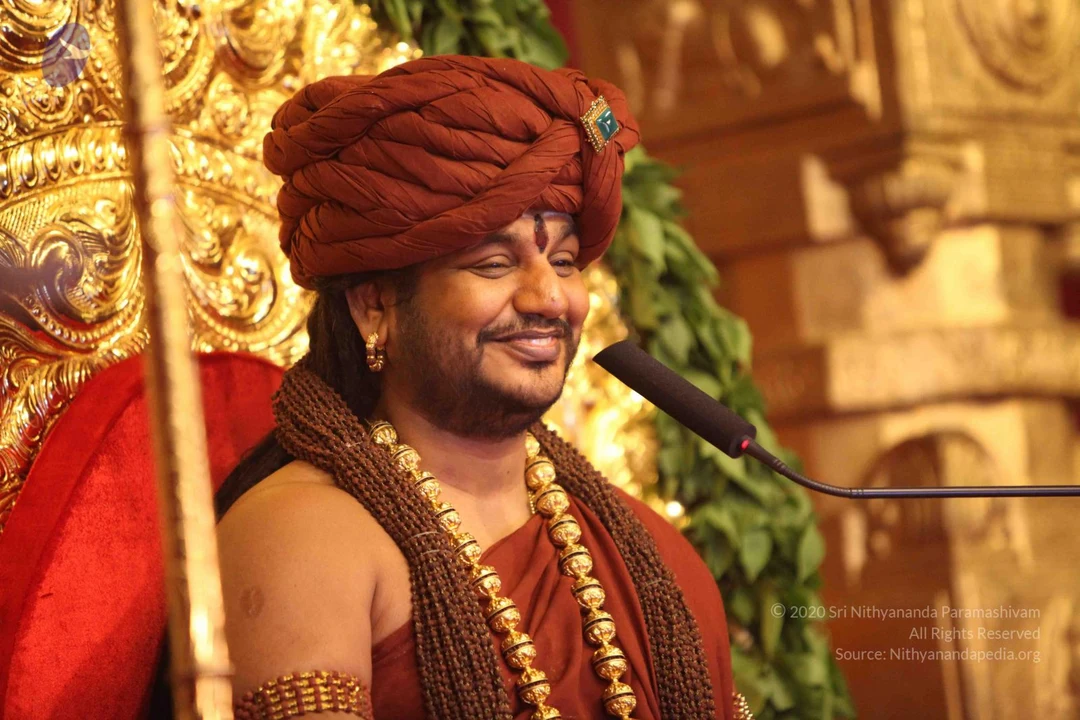
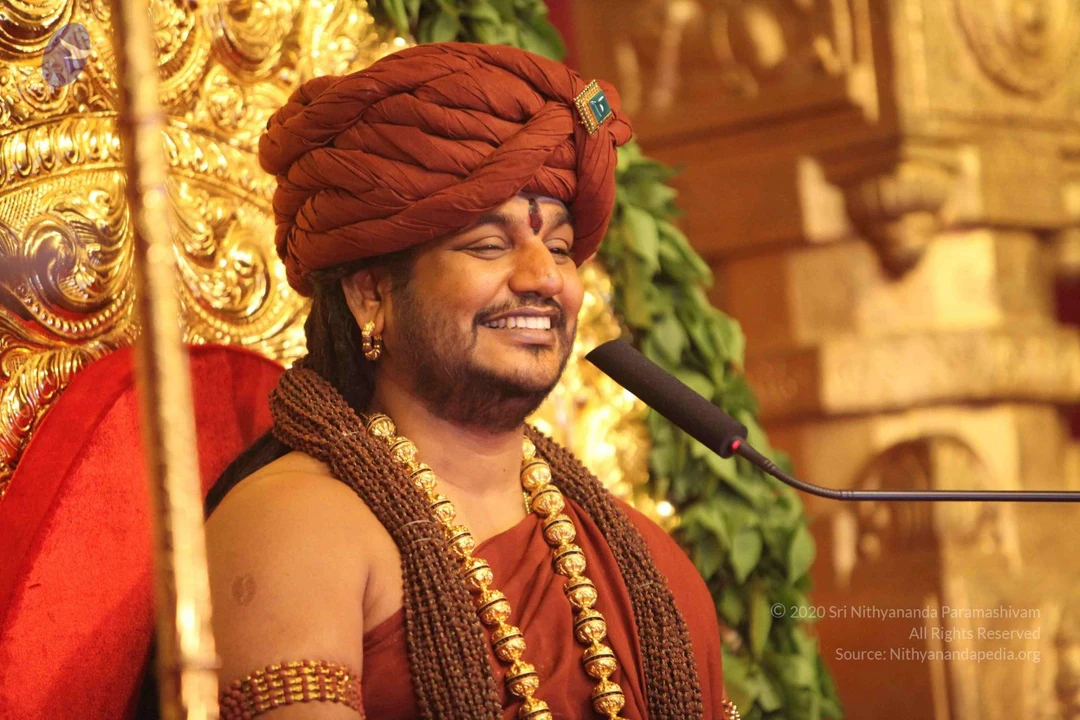
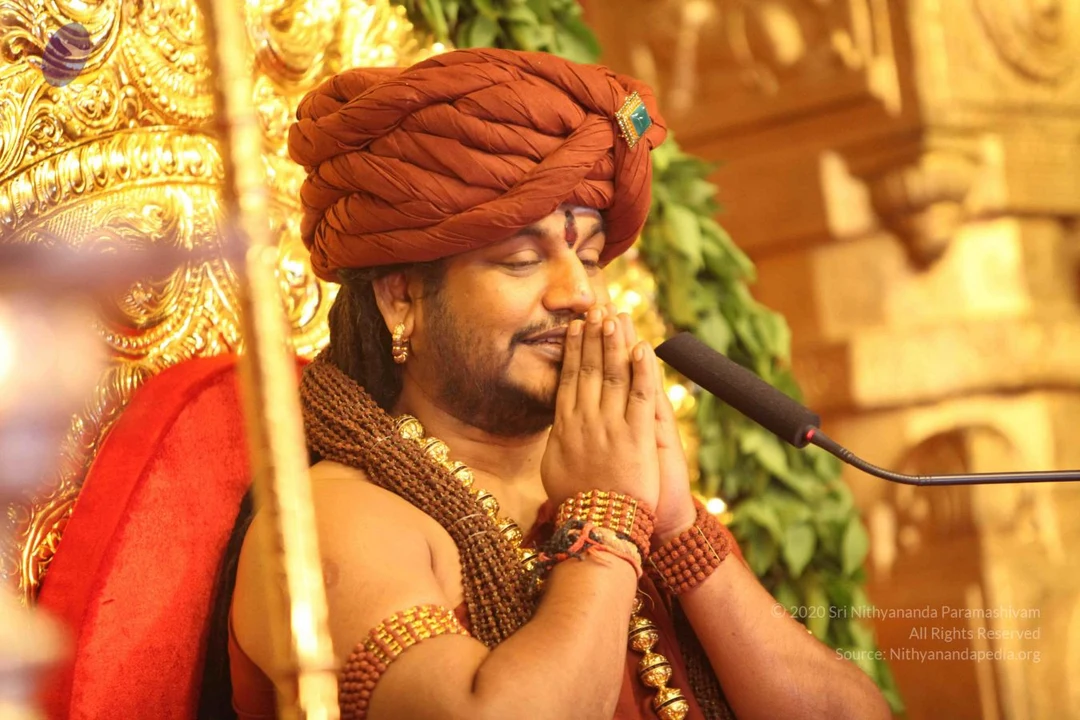
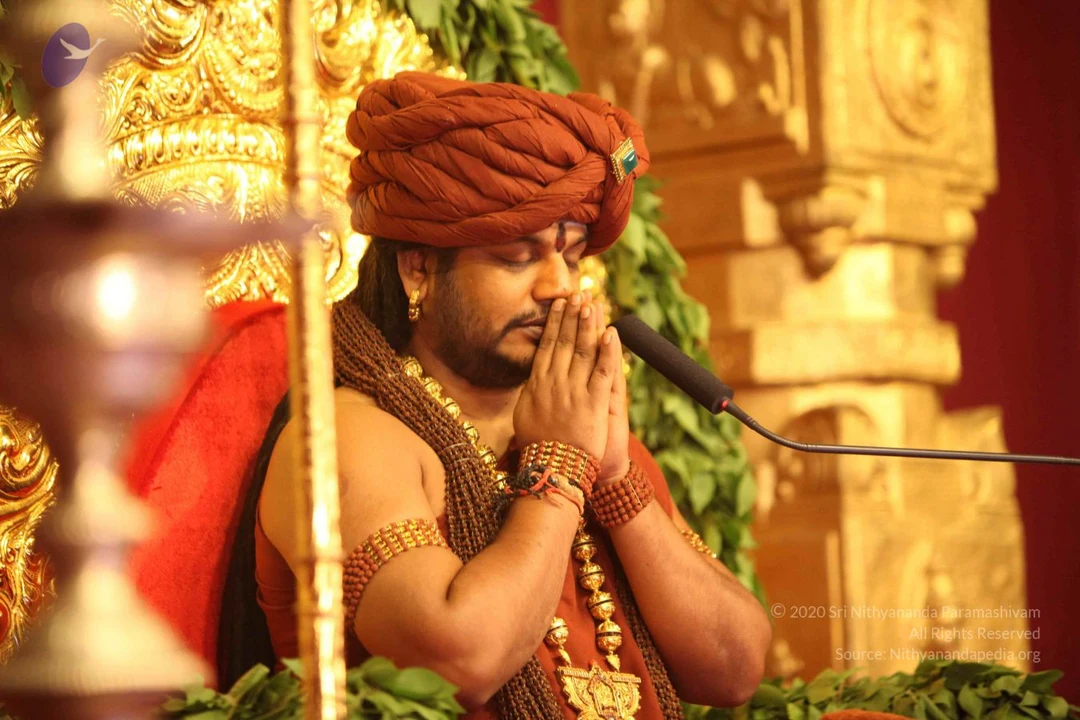
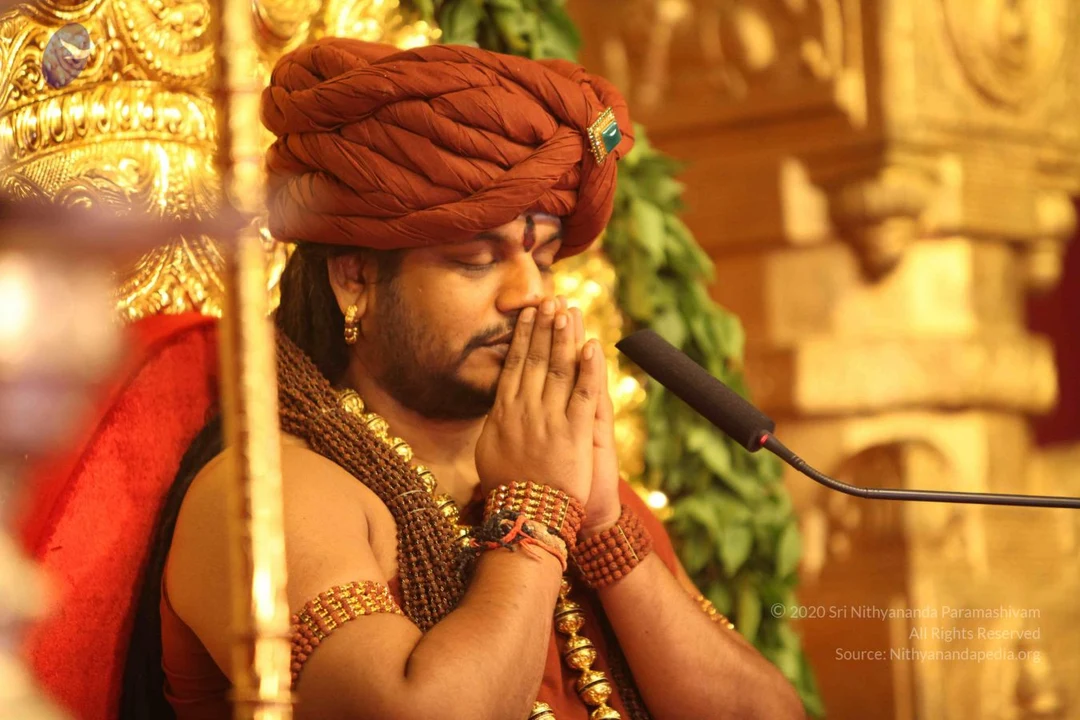
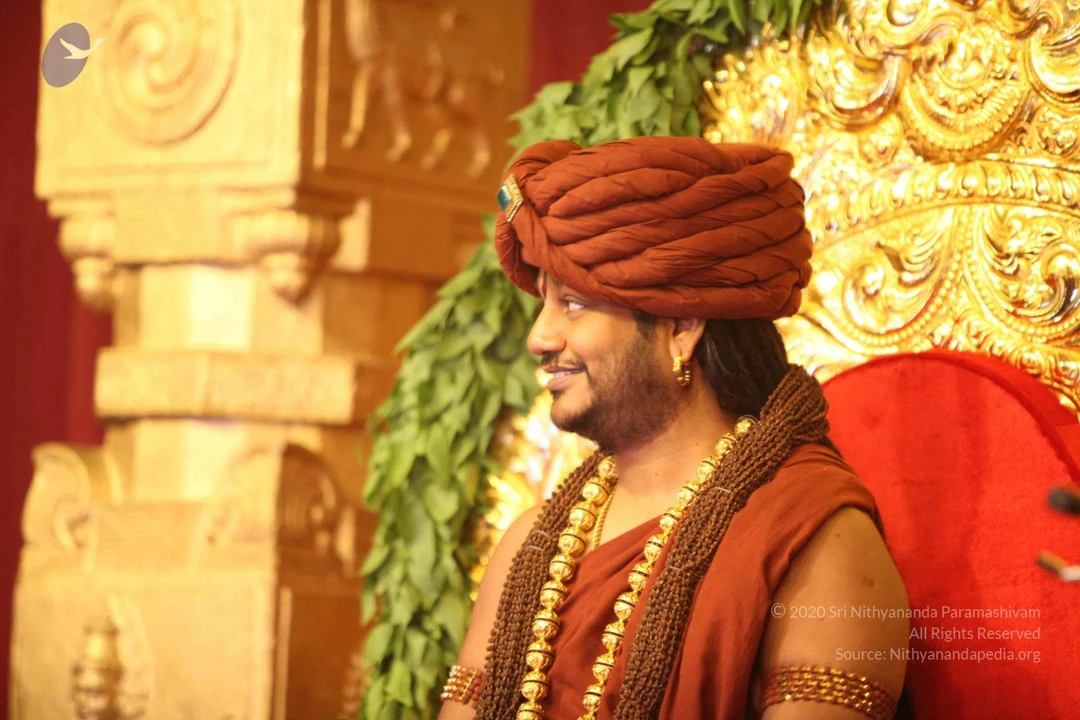
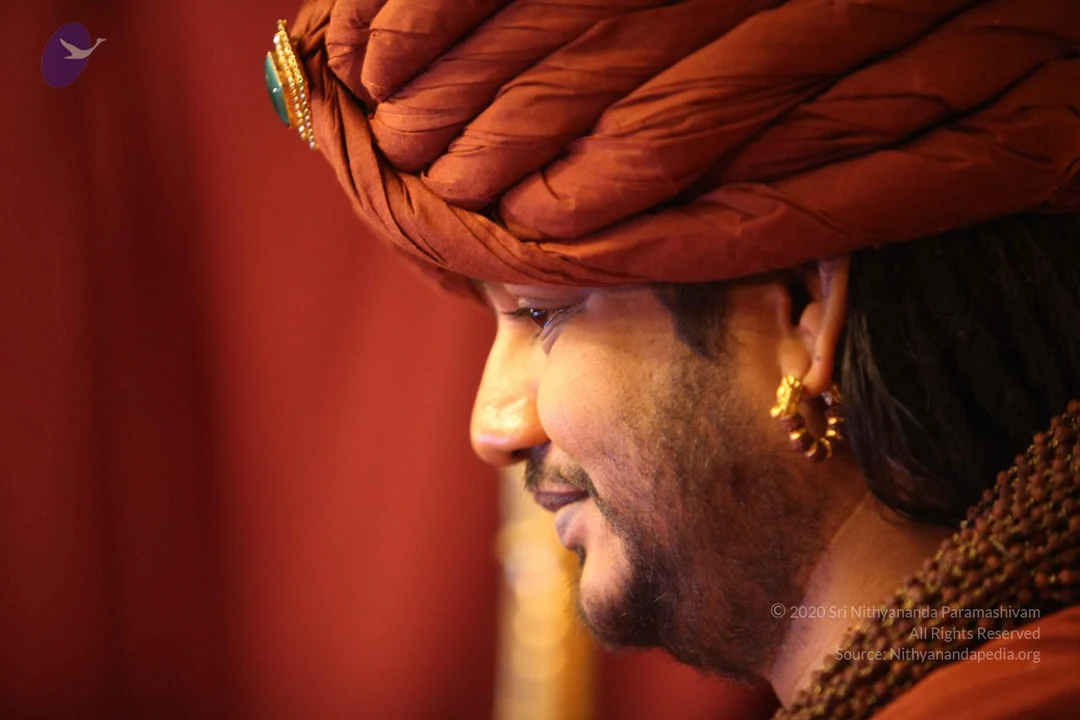
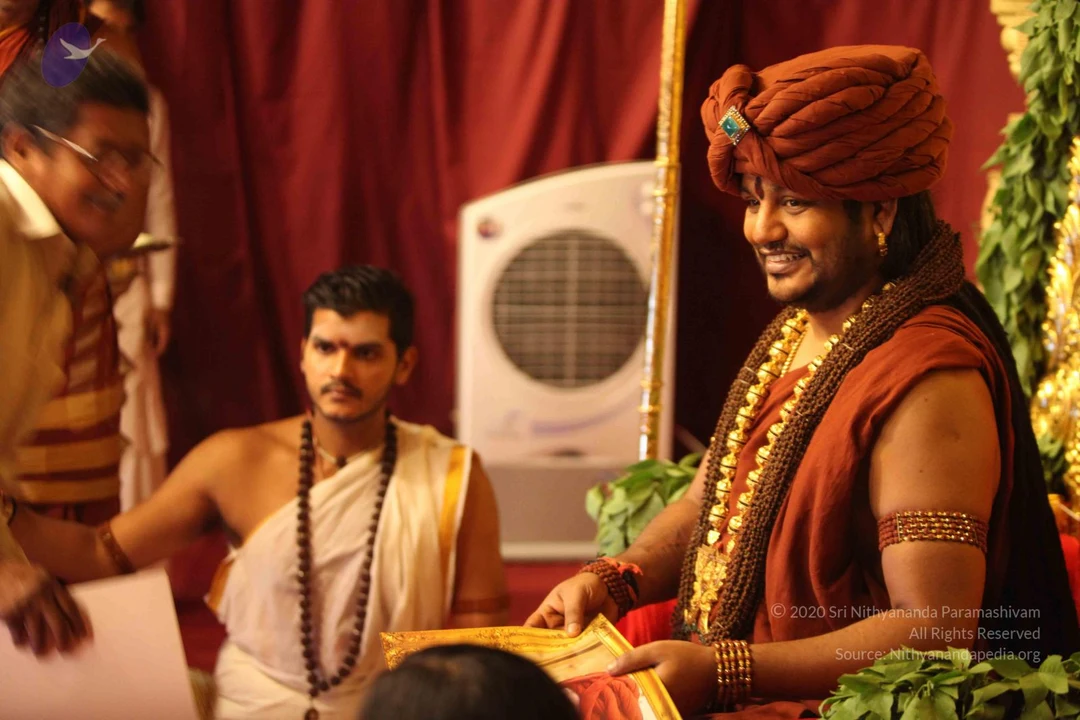
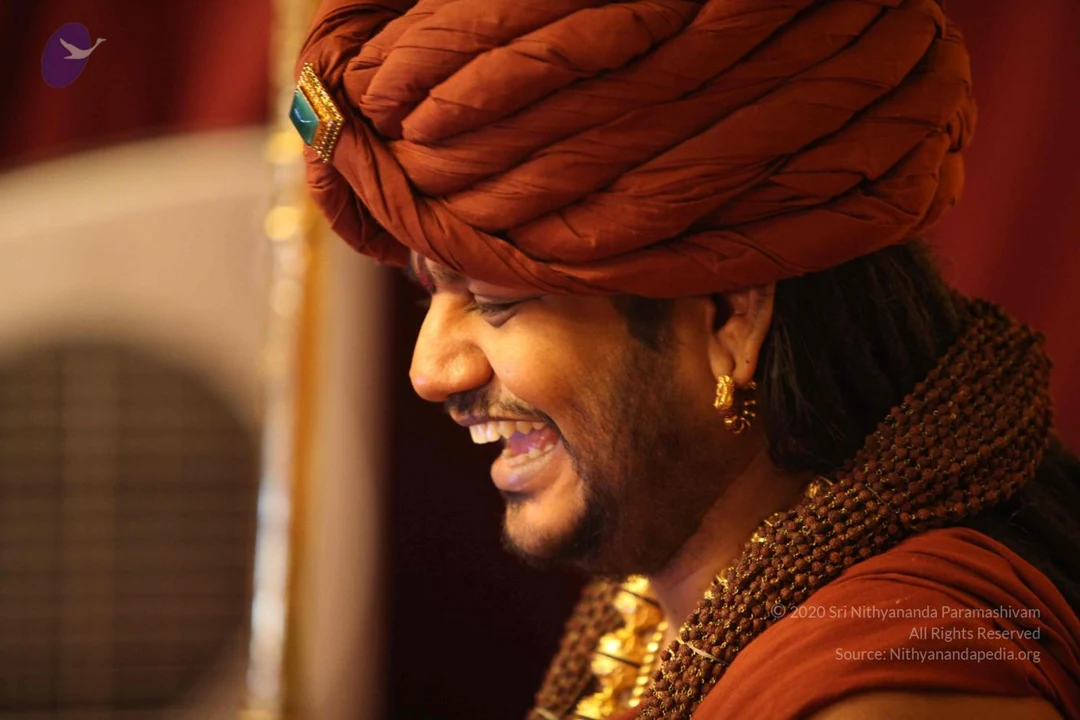
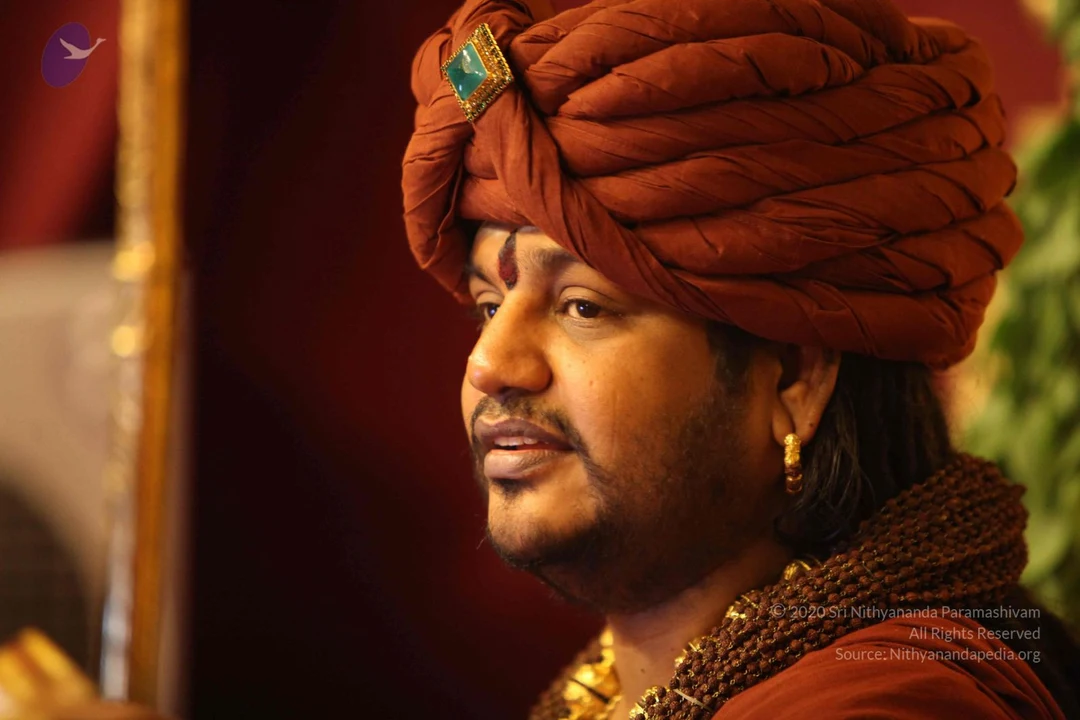
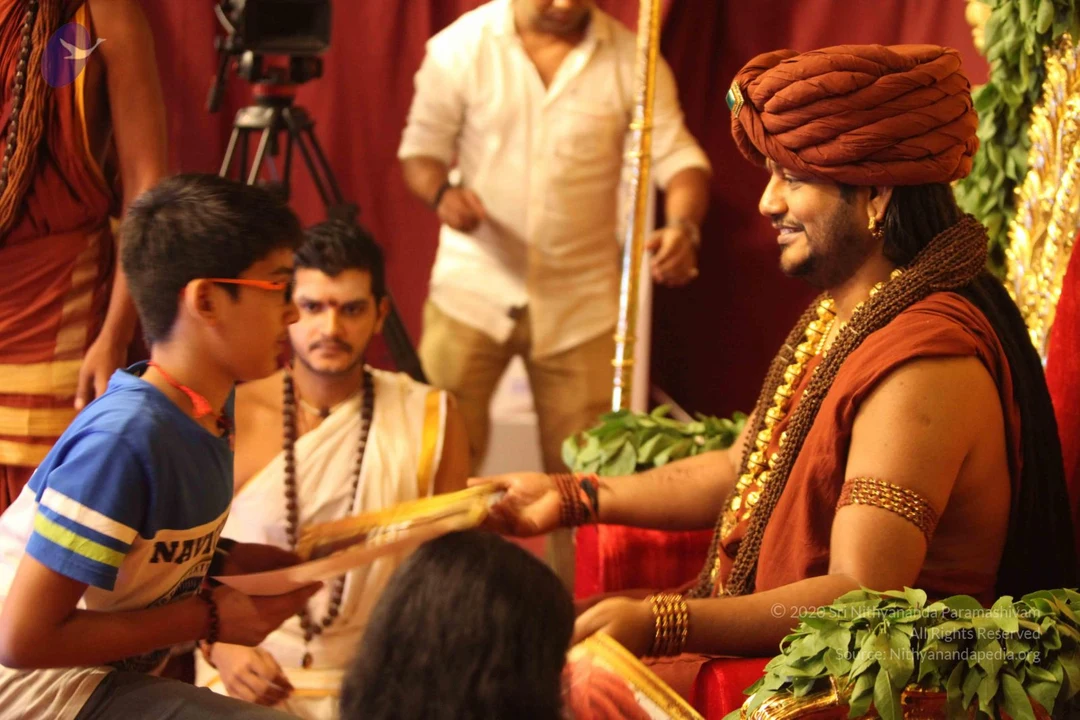
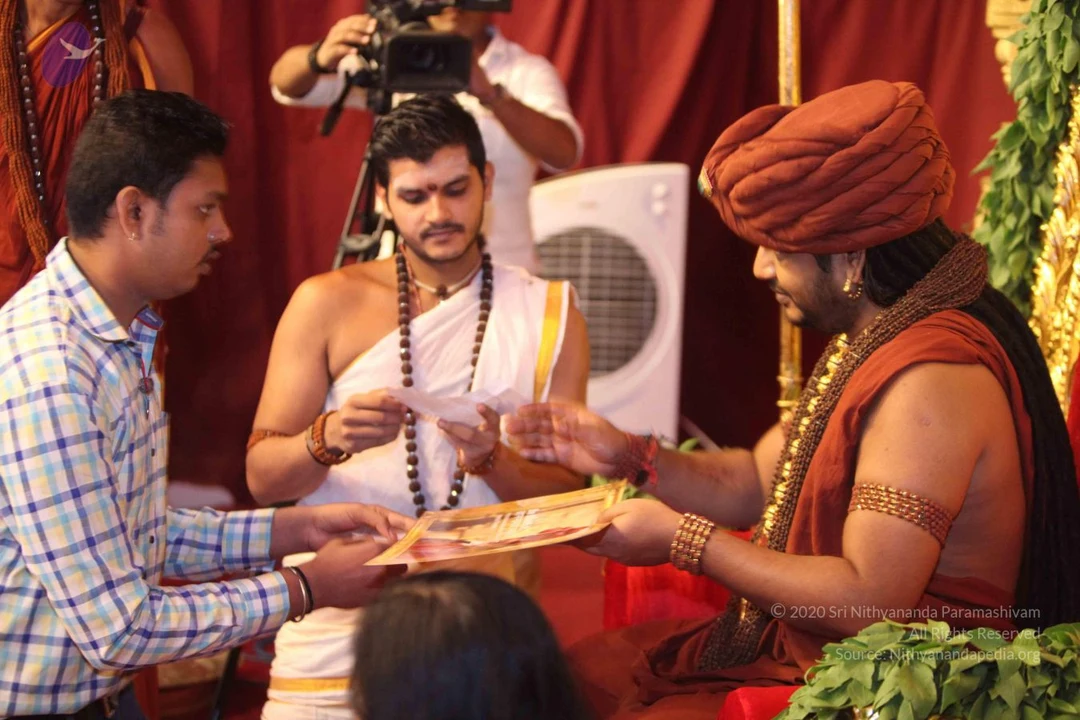
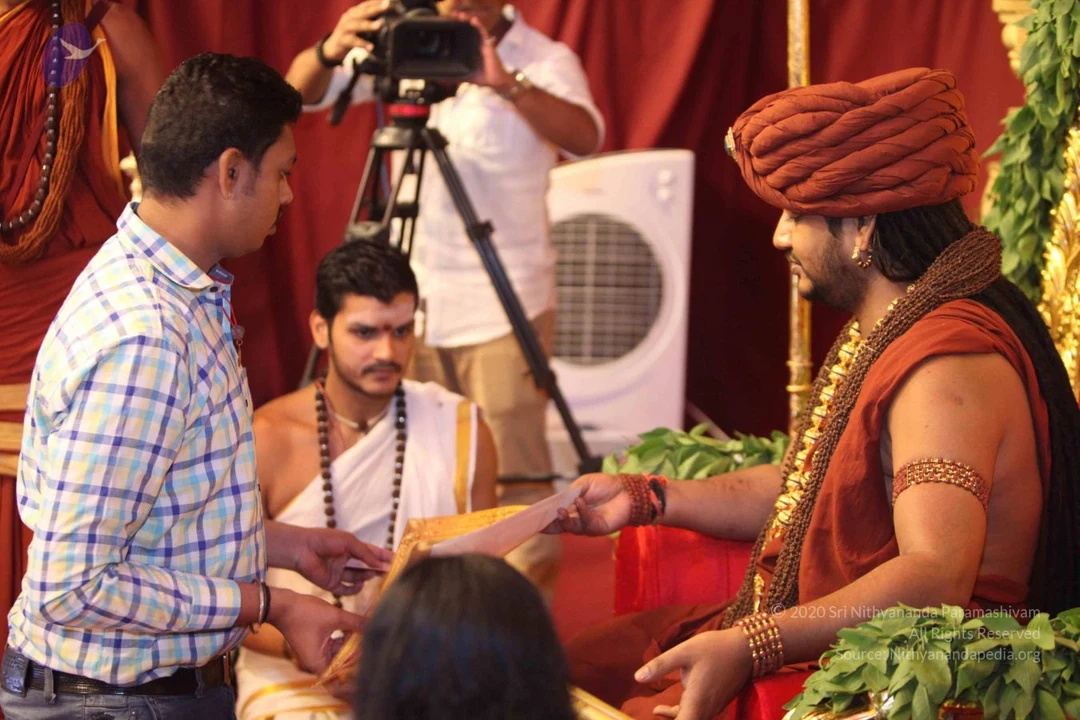
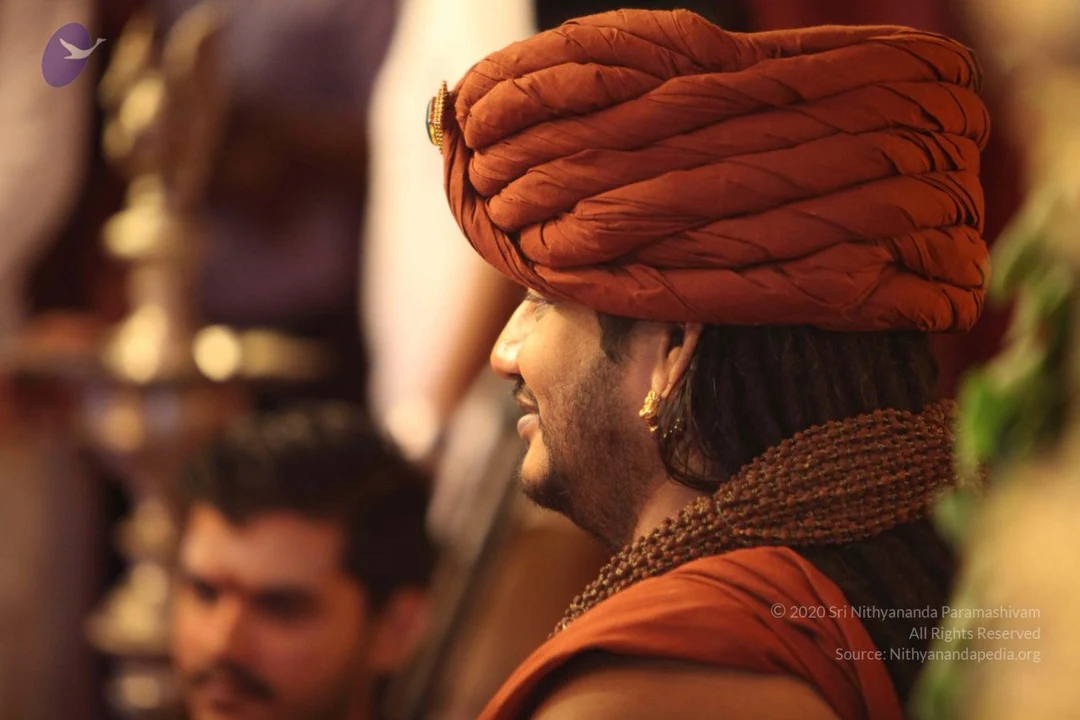
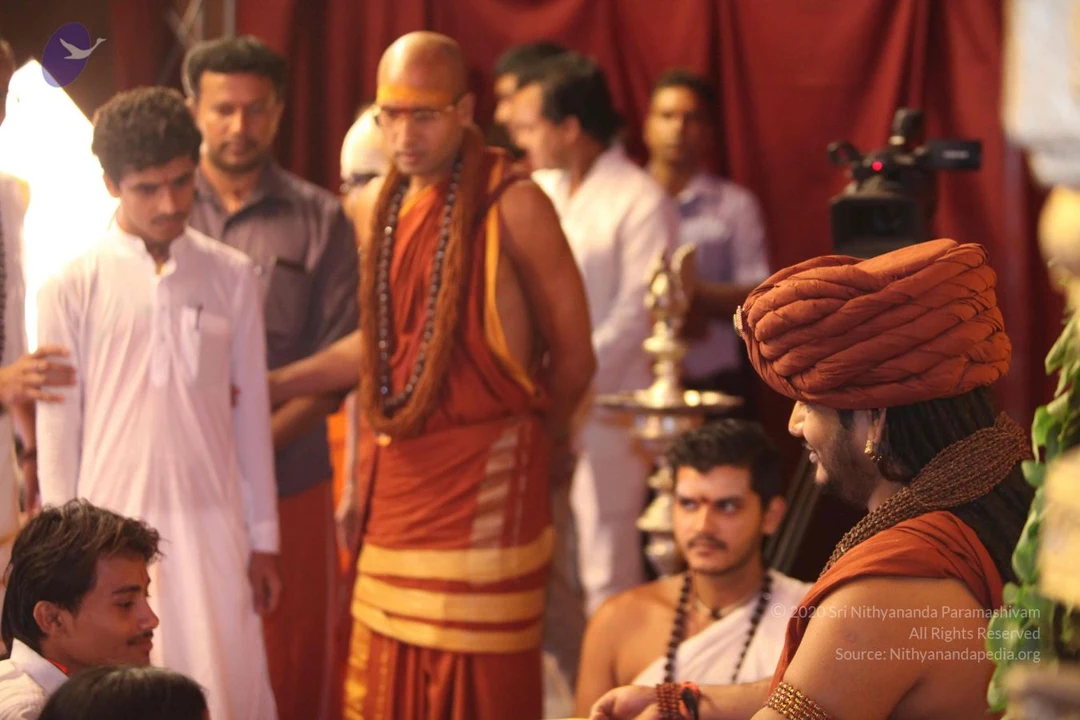
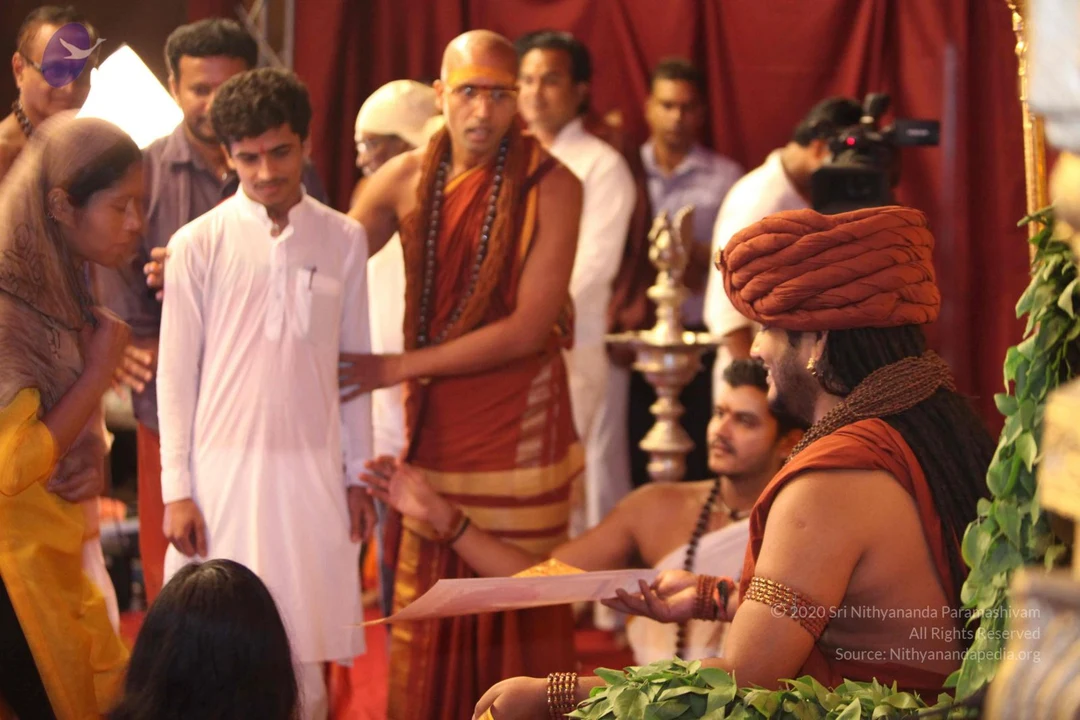
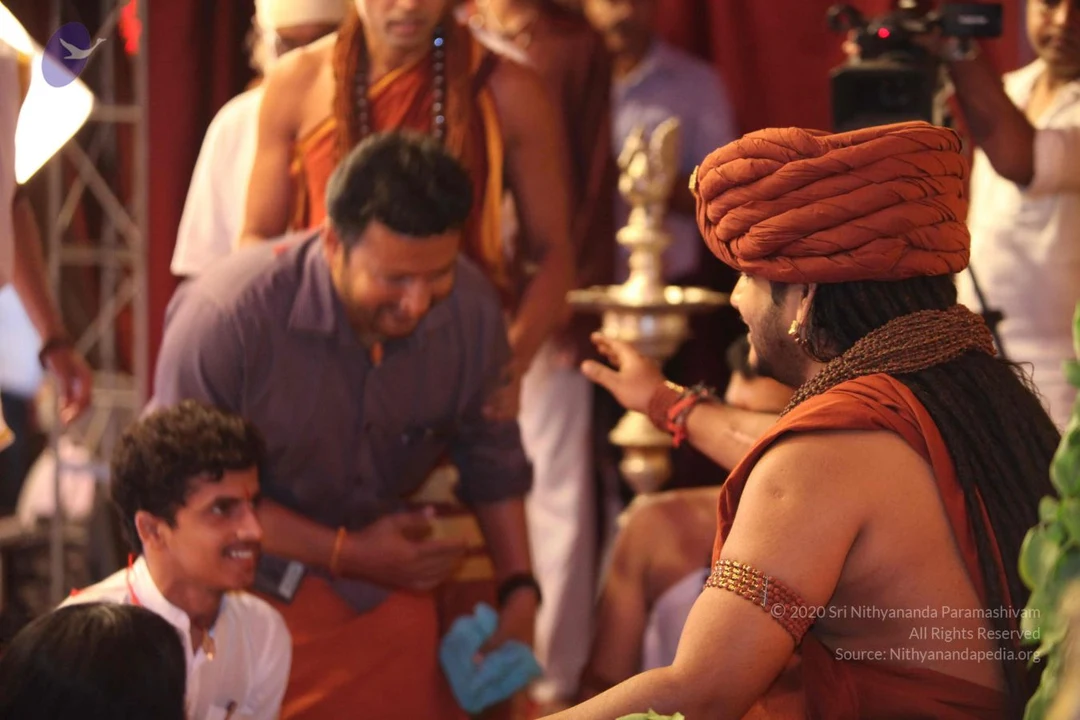
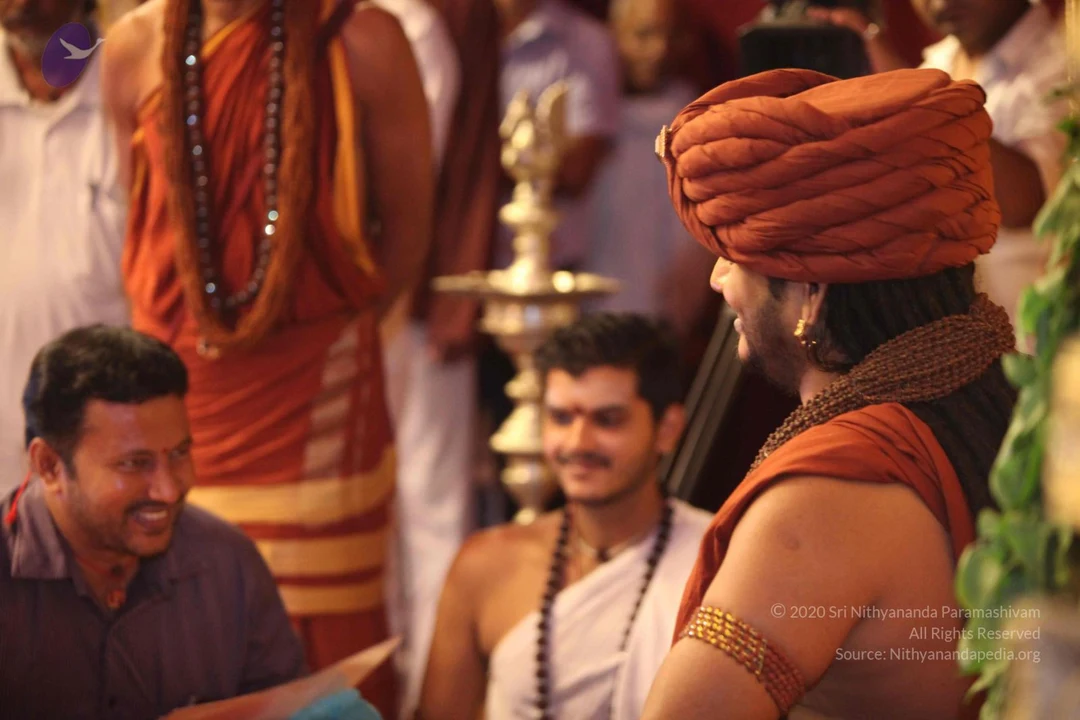
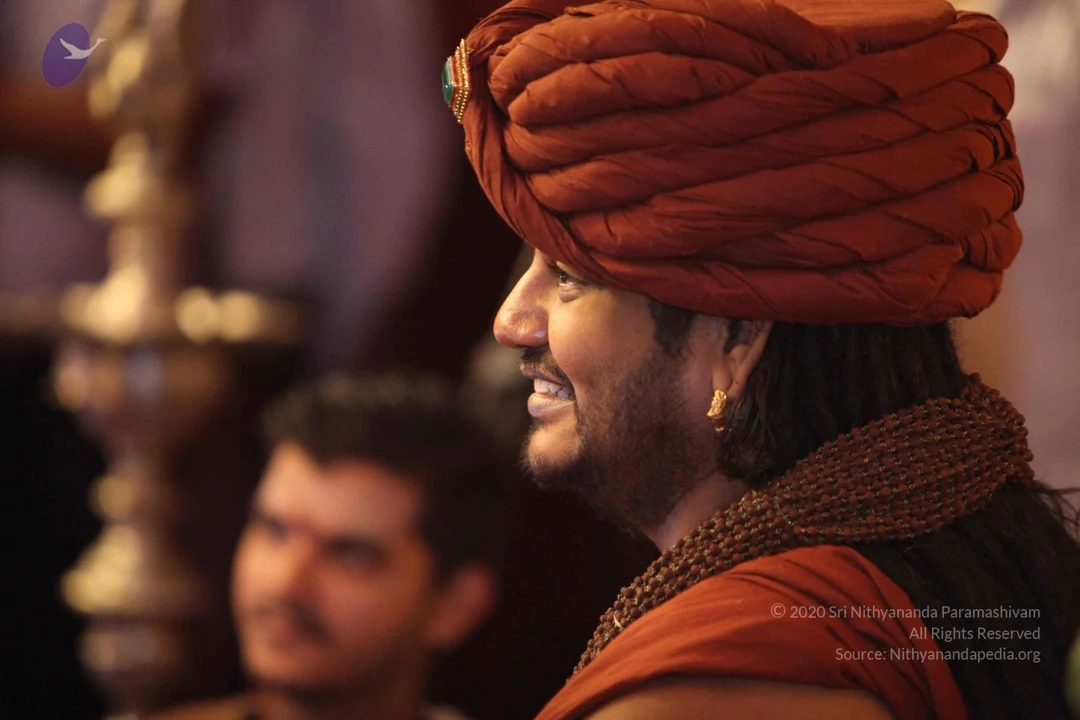

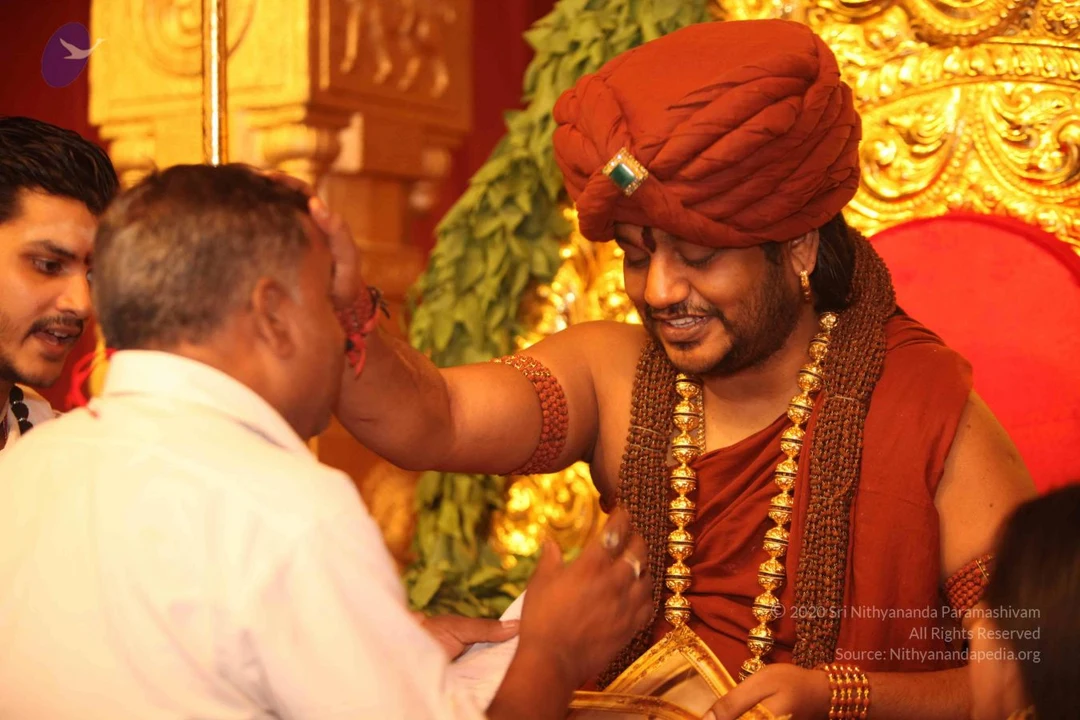
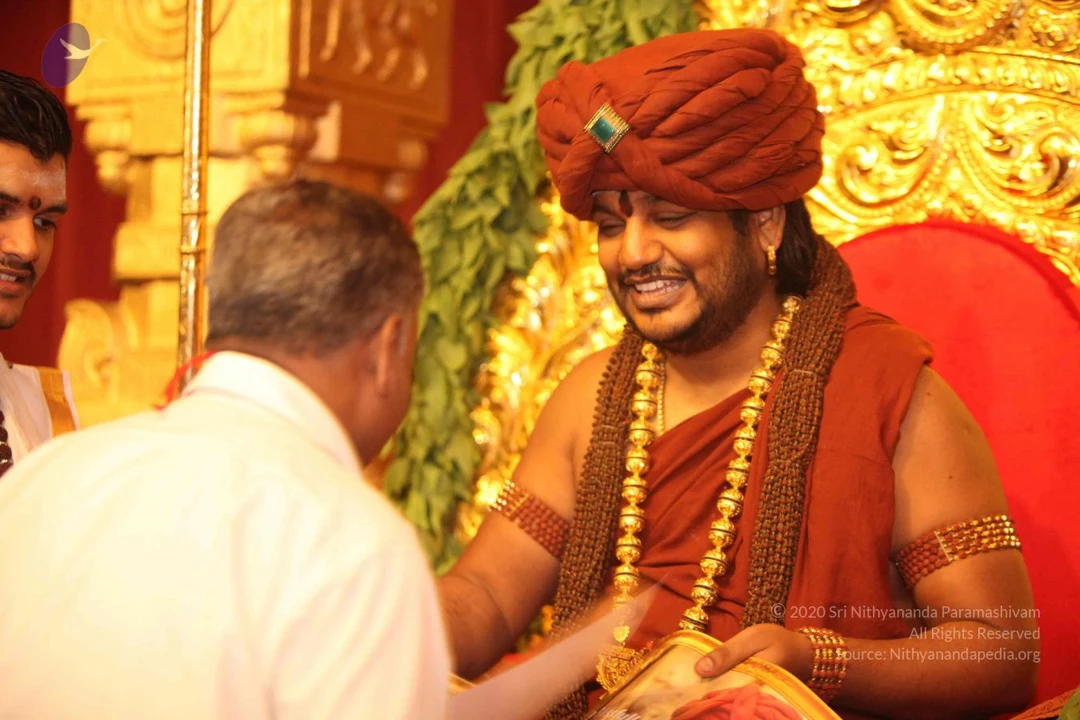

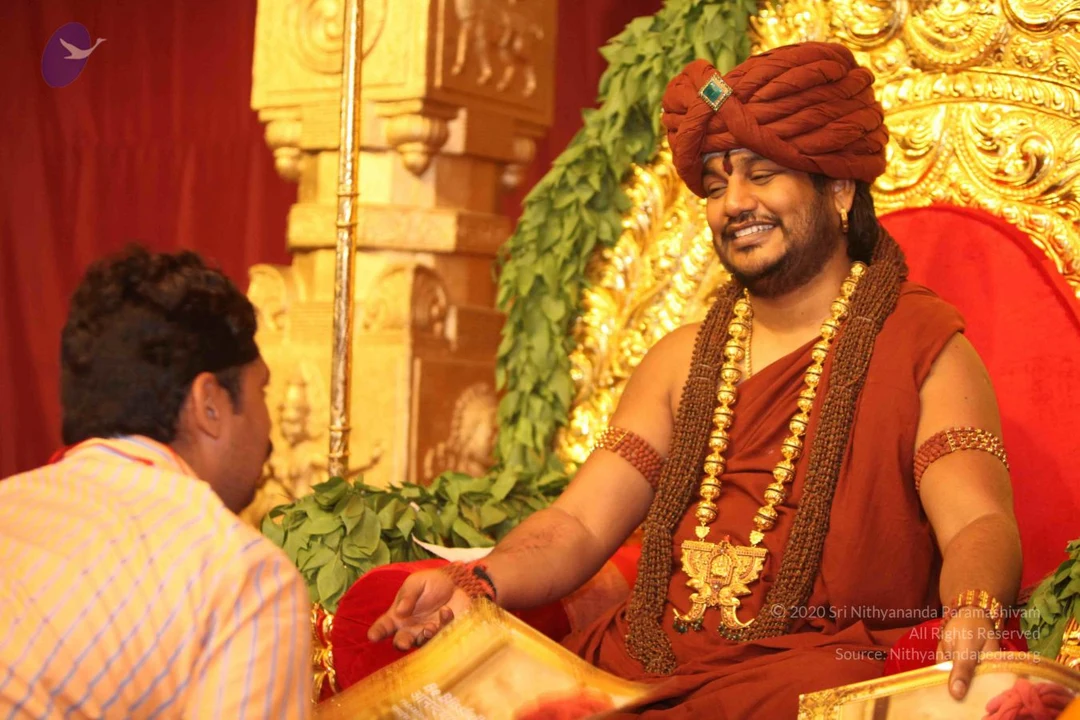

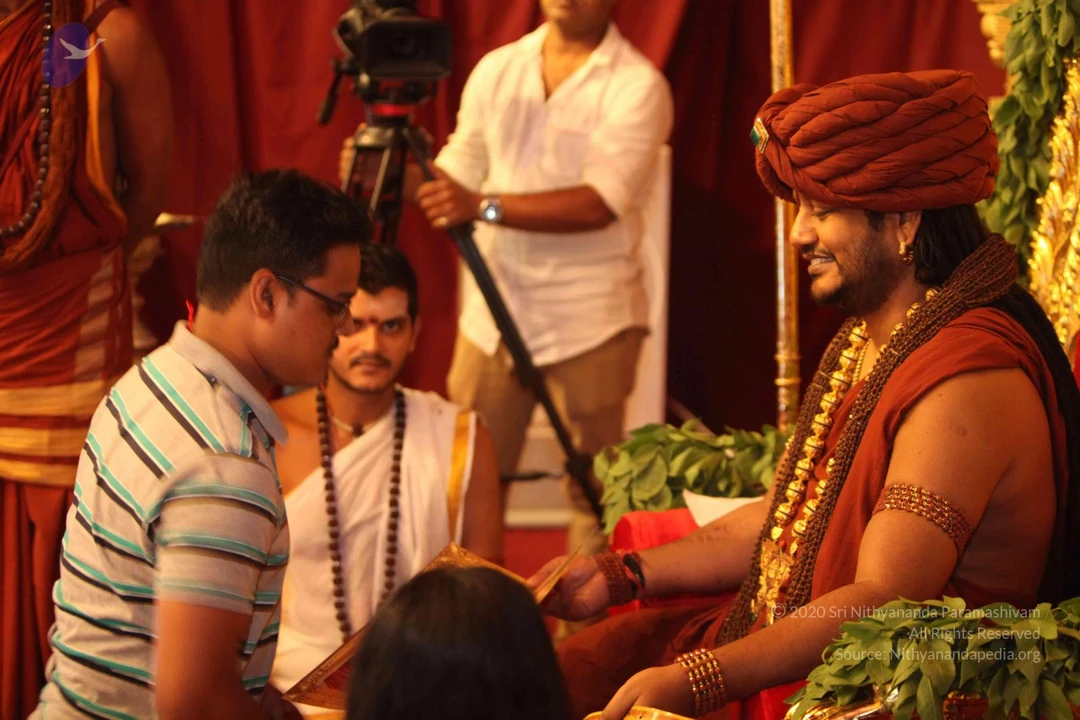

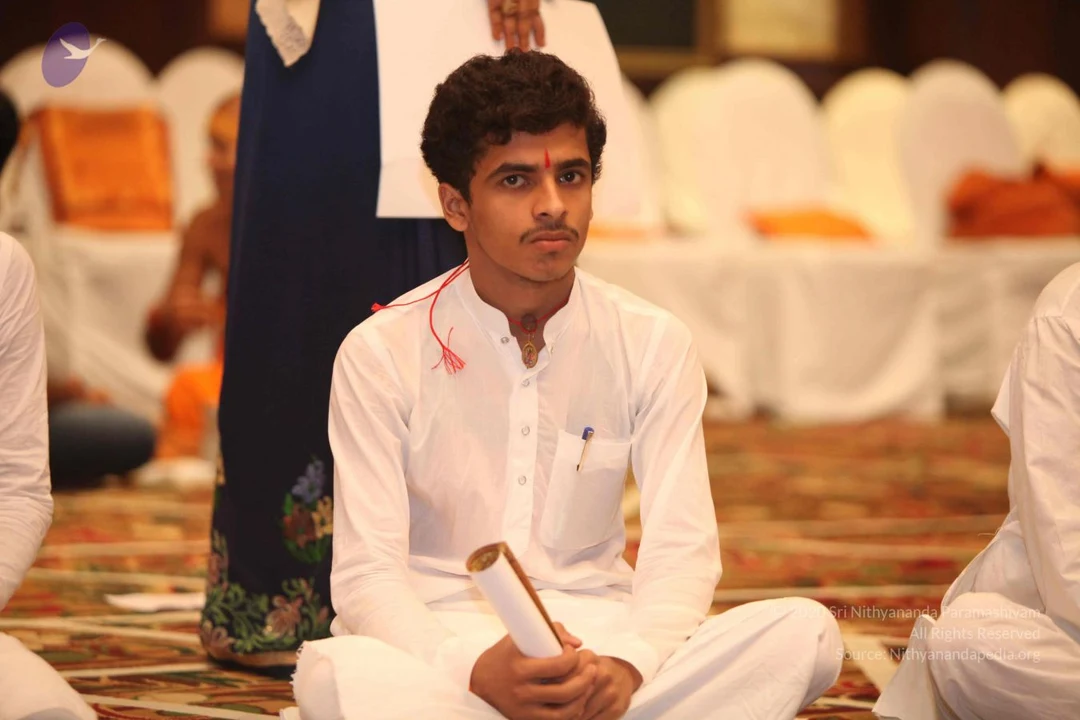
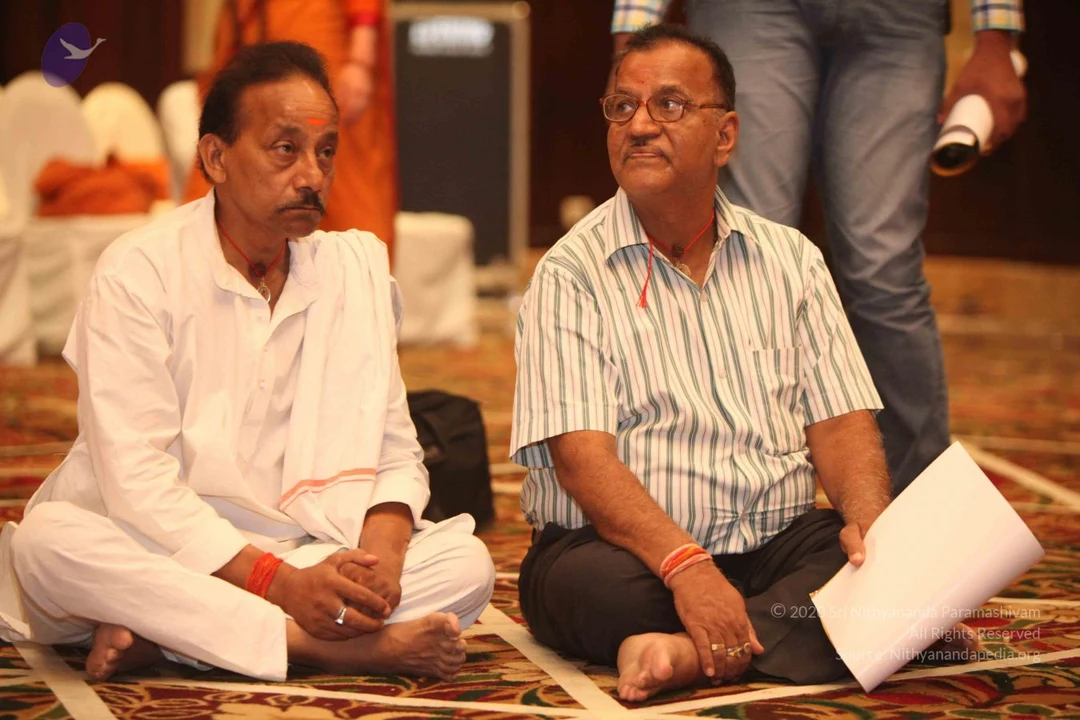
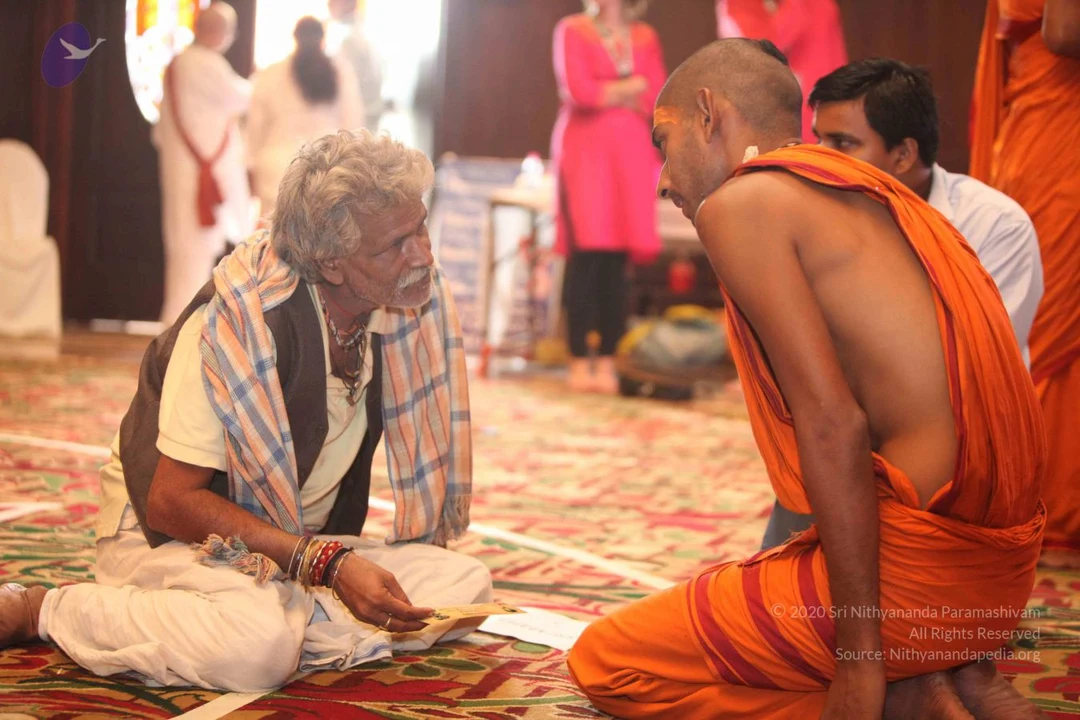
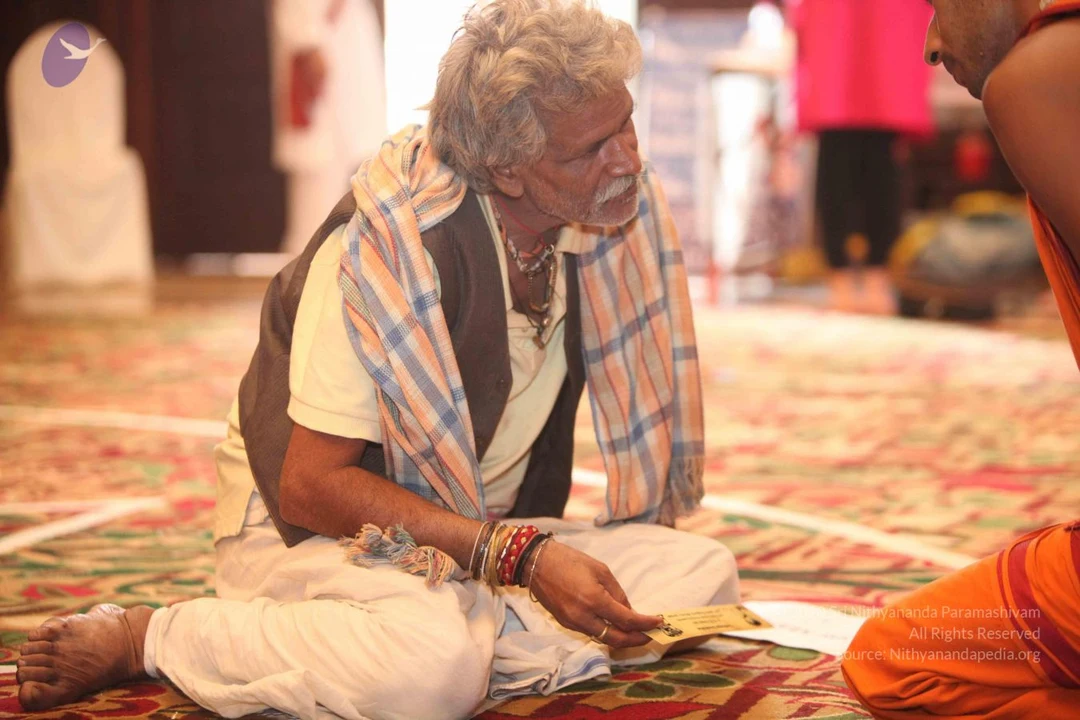
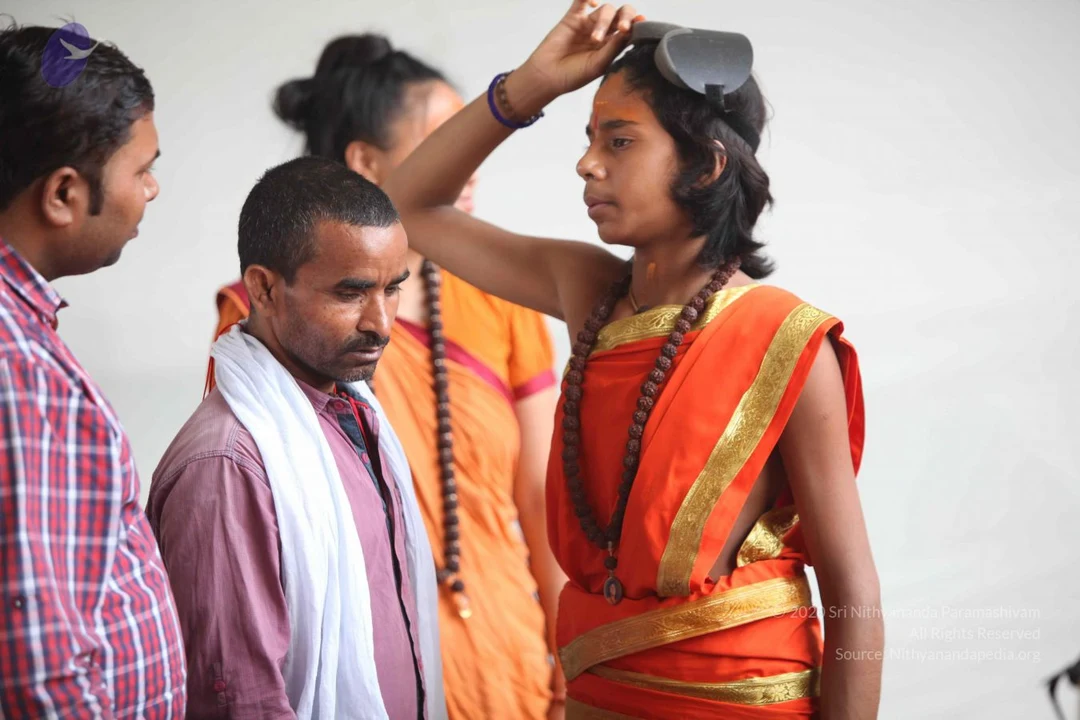
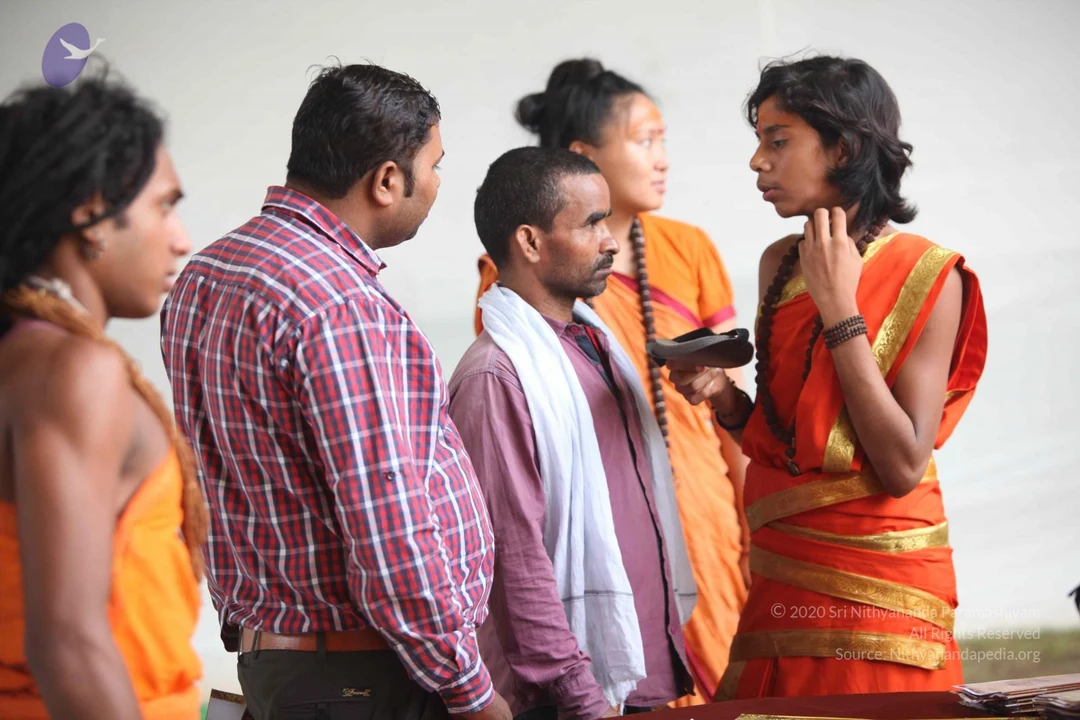
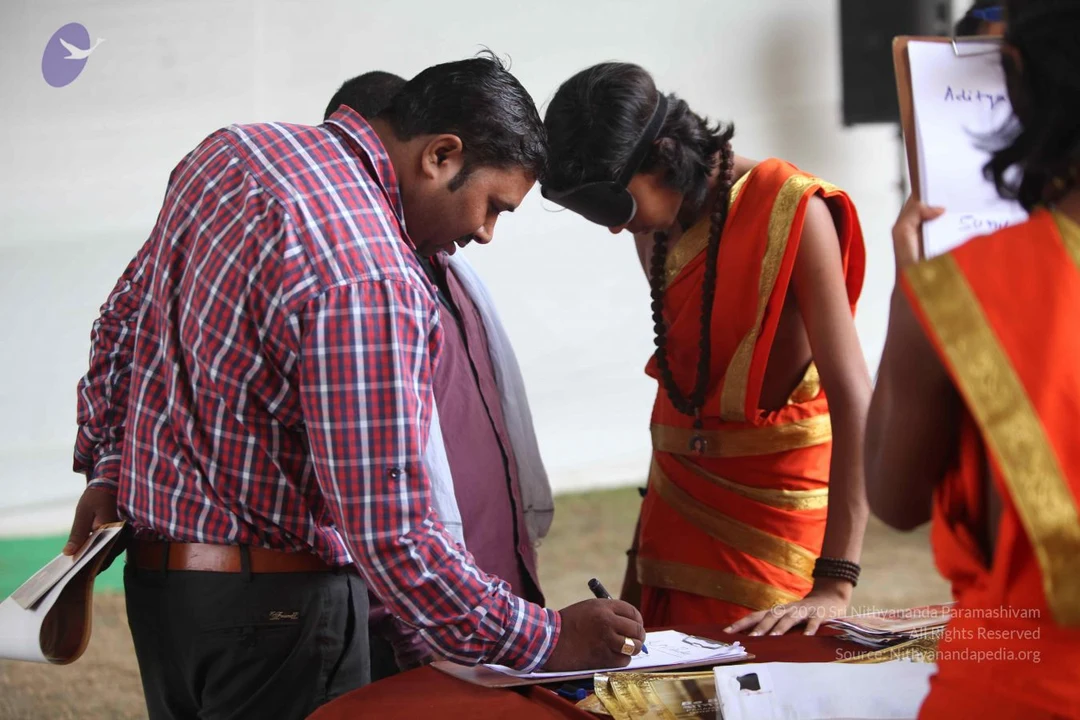
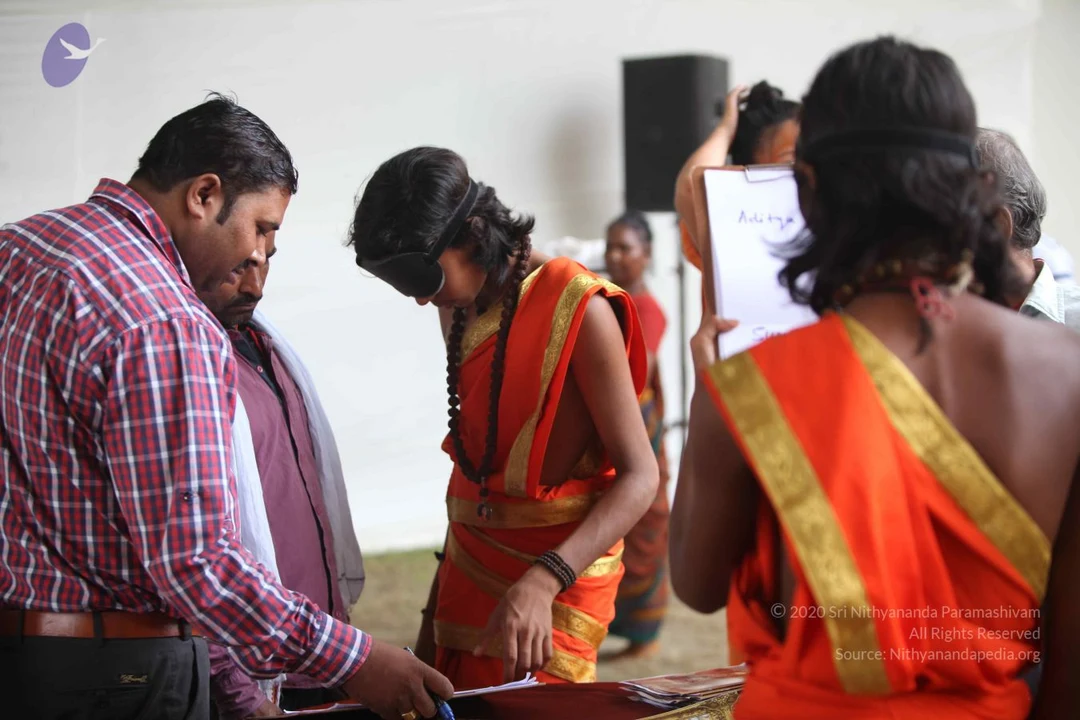
Shivoham
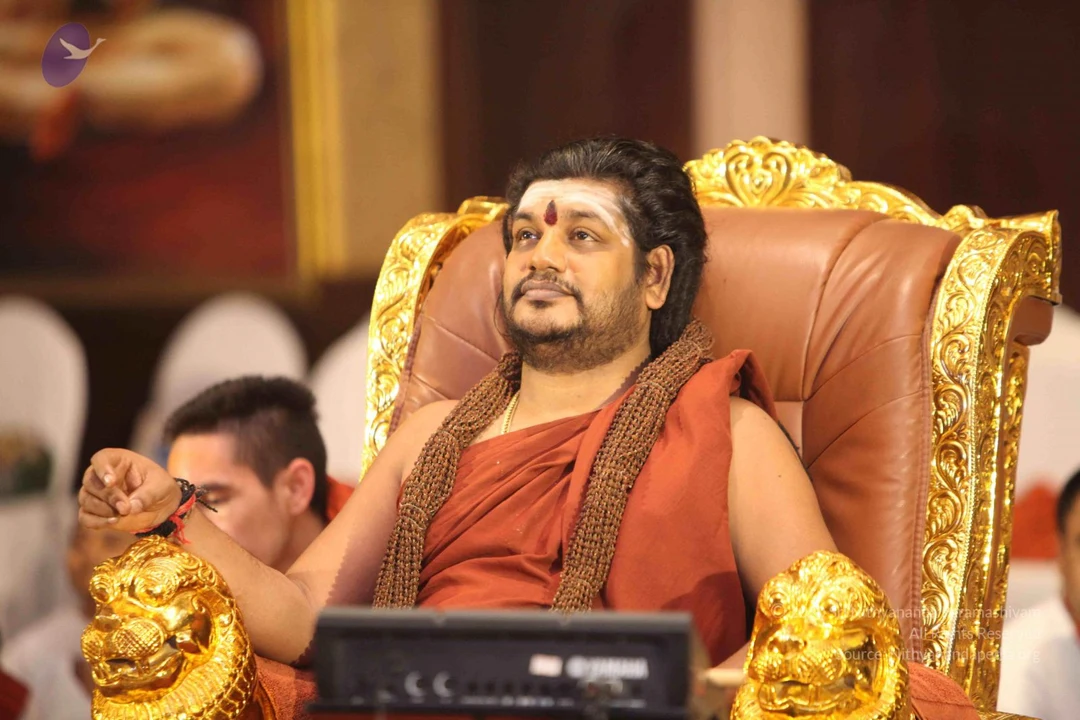
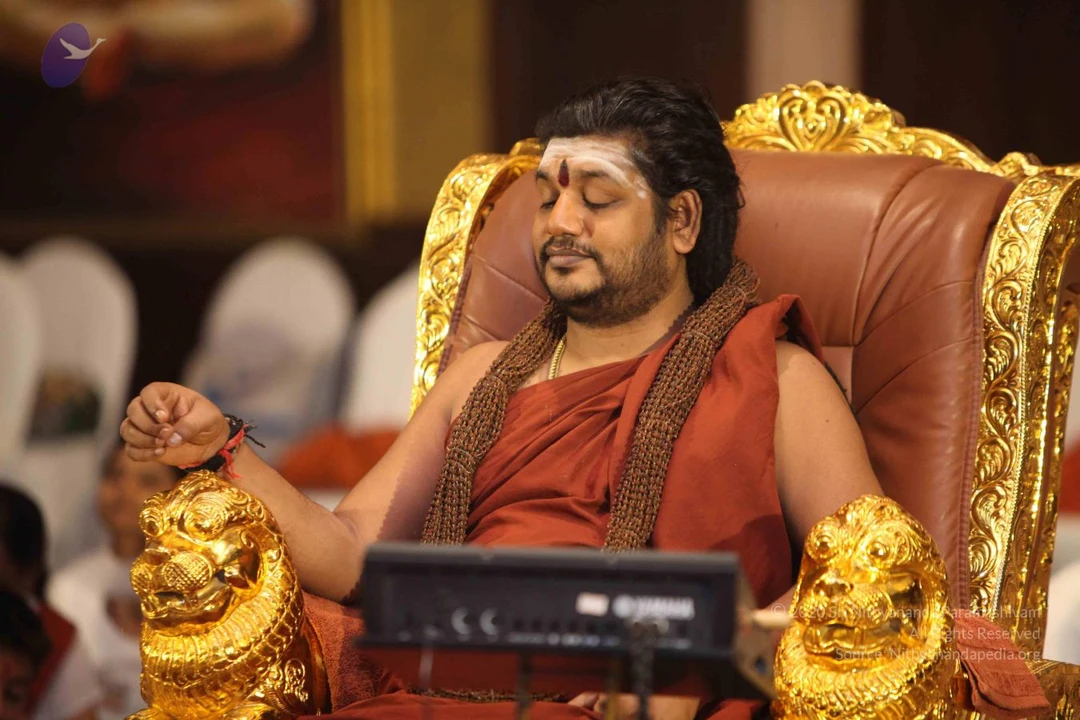
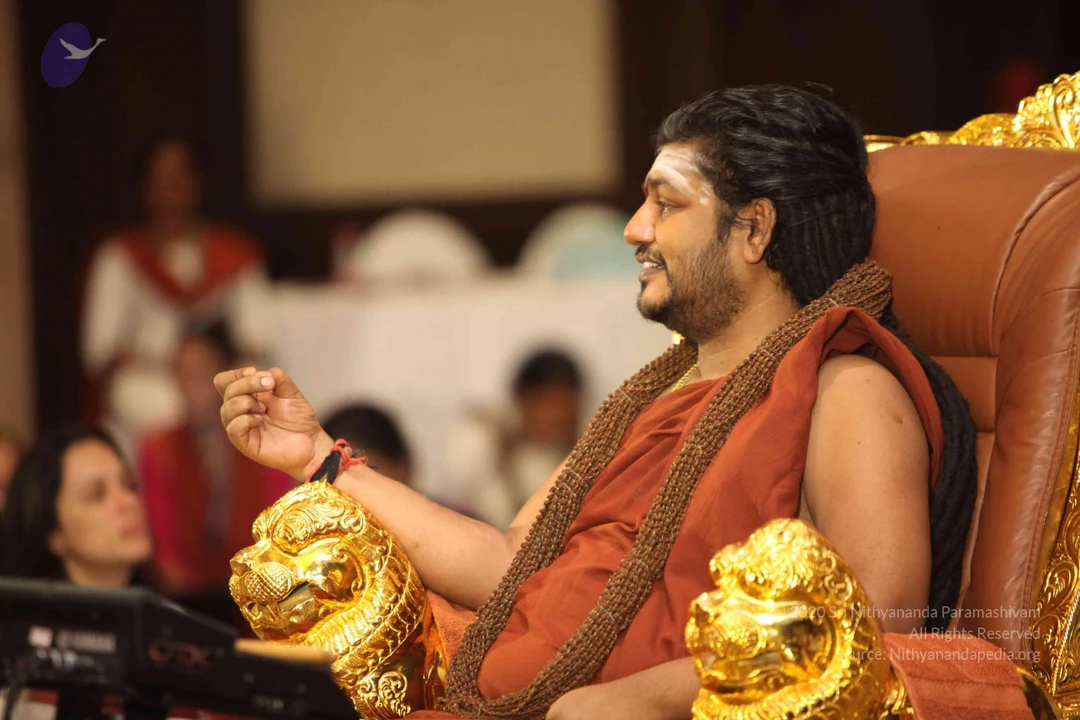

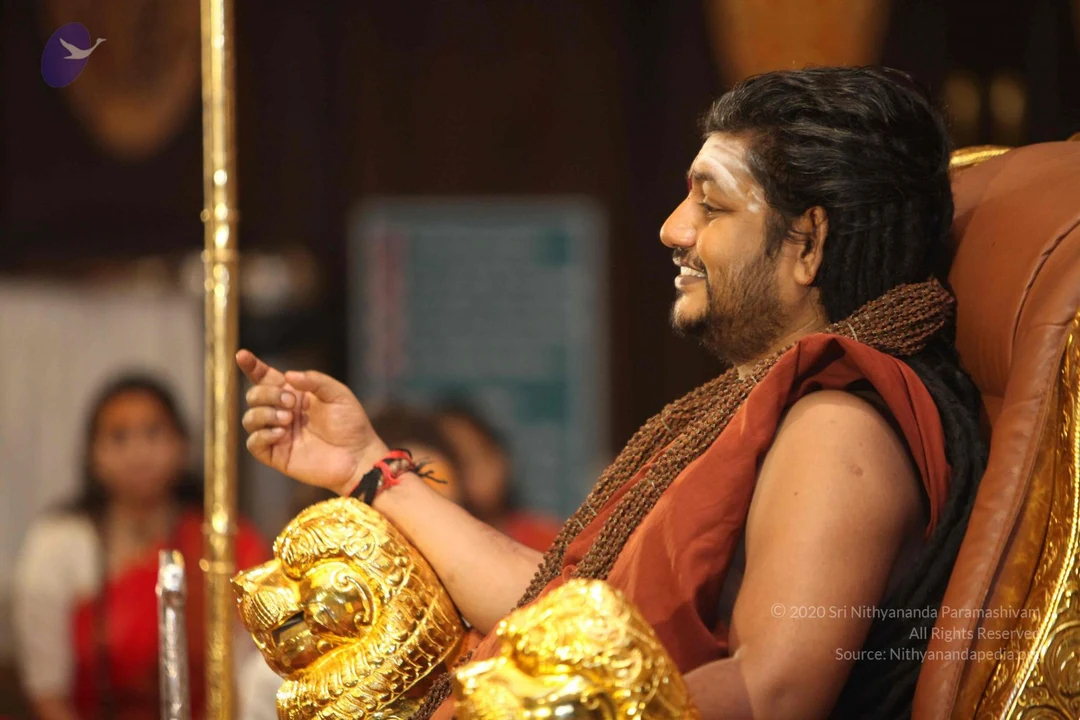

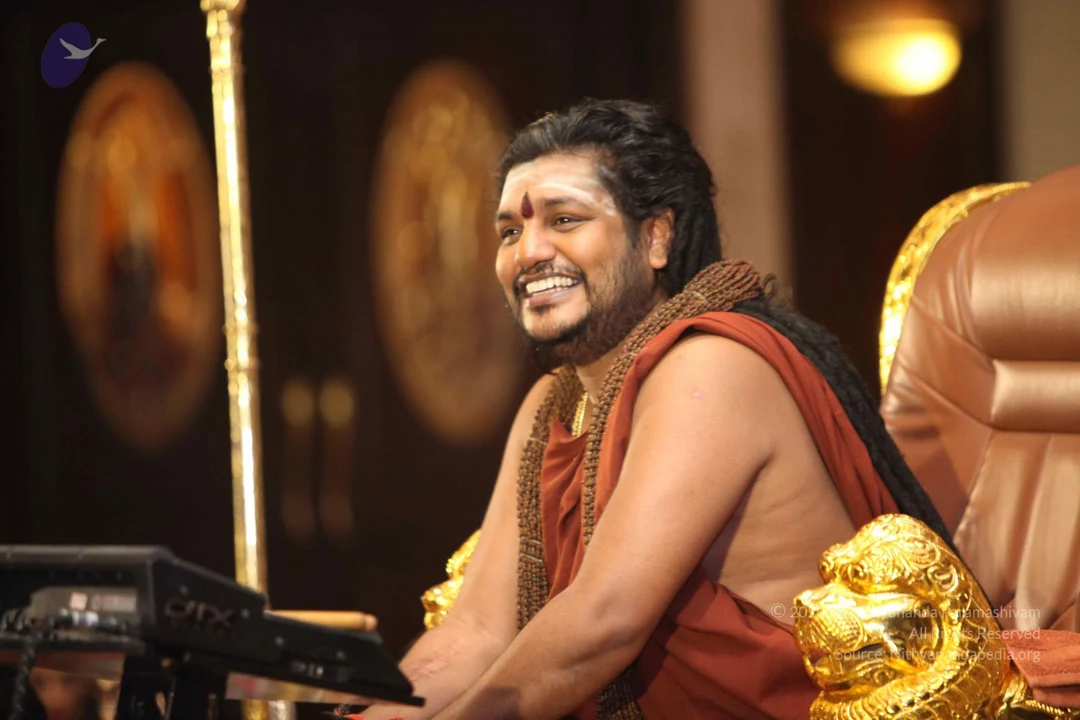
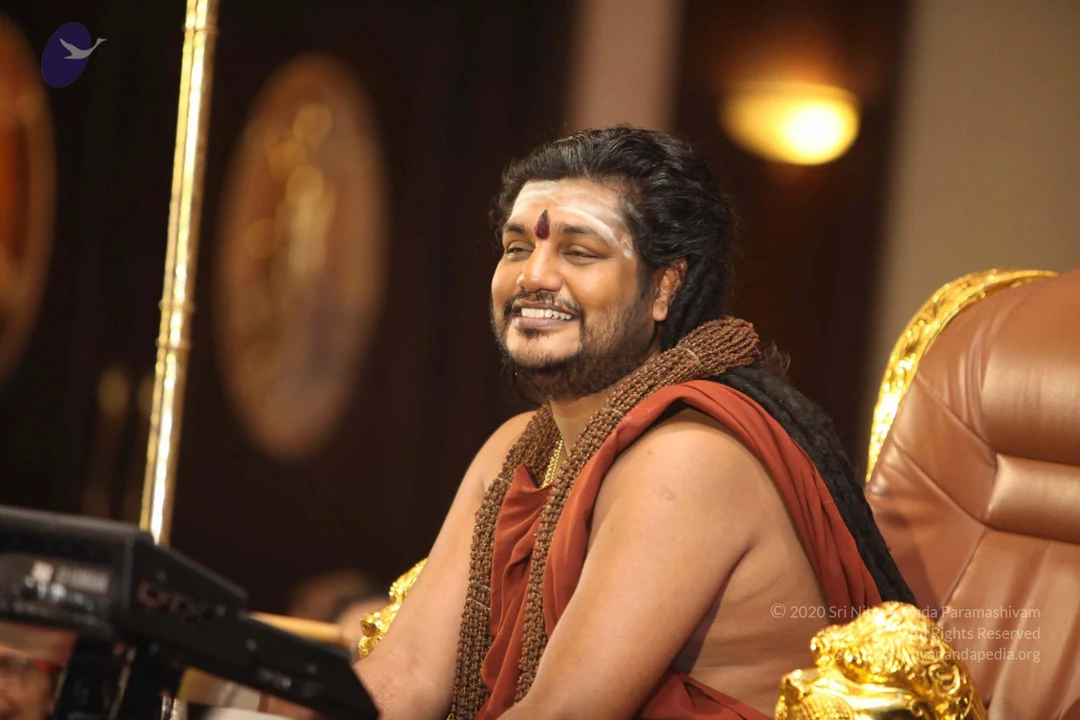
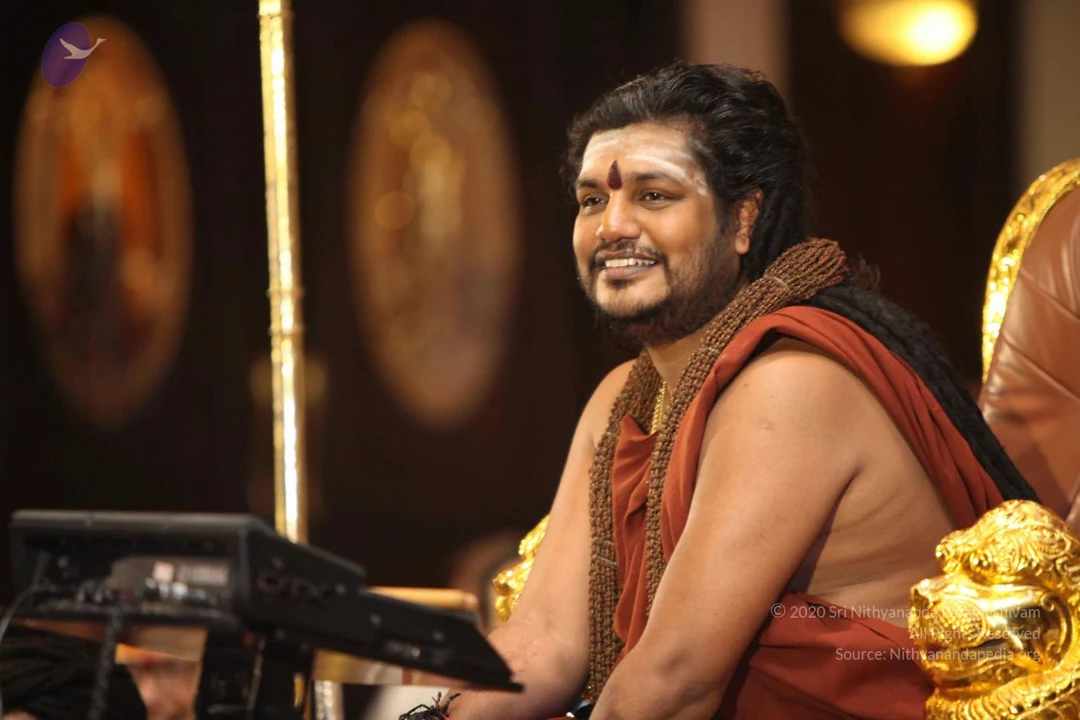
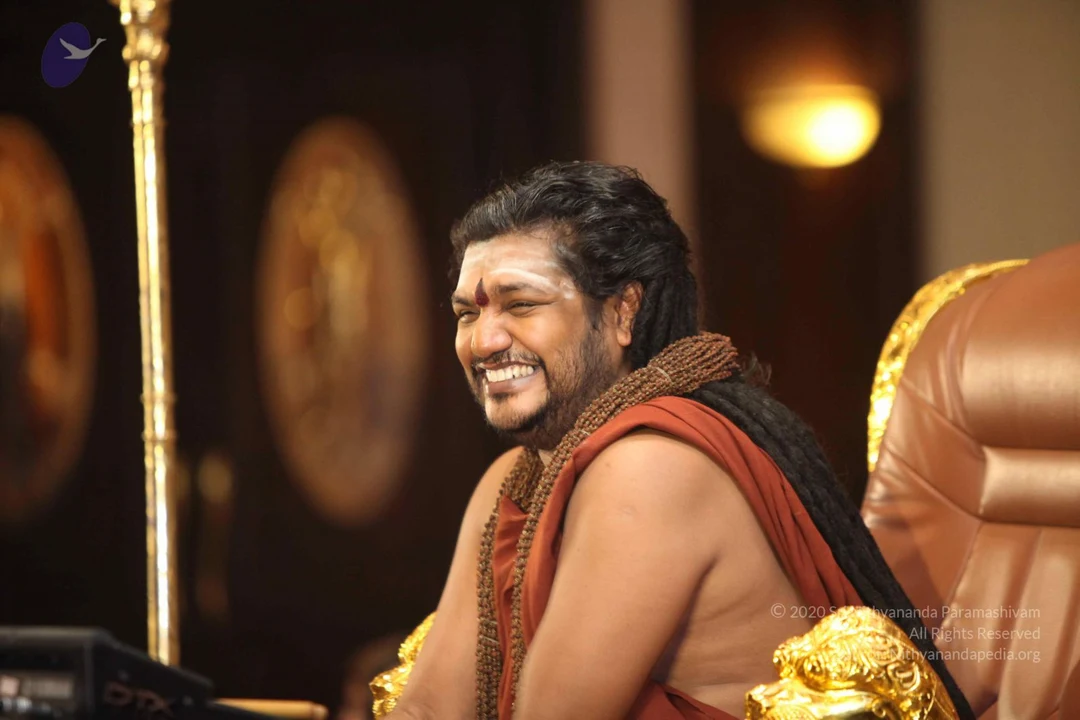
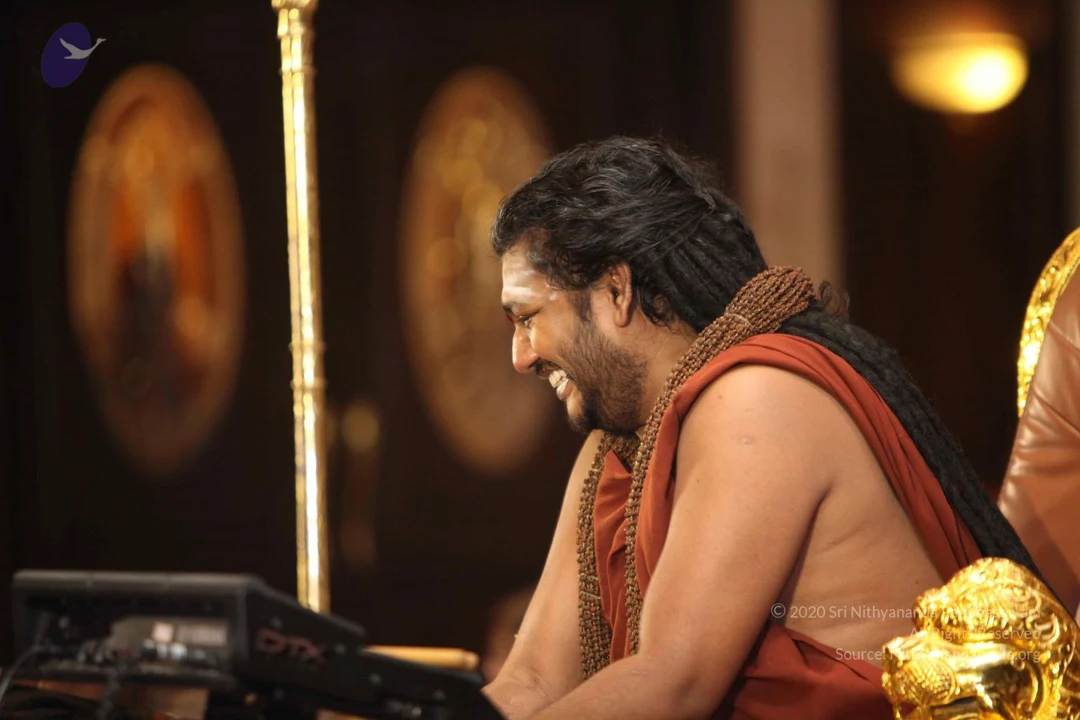
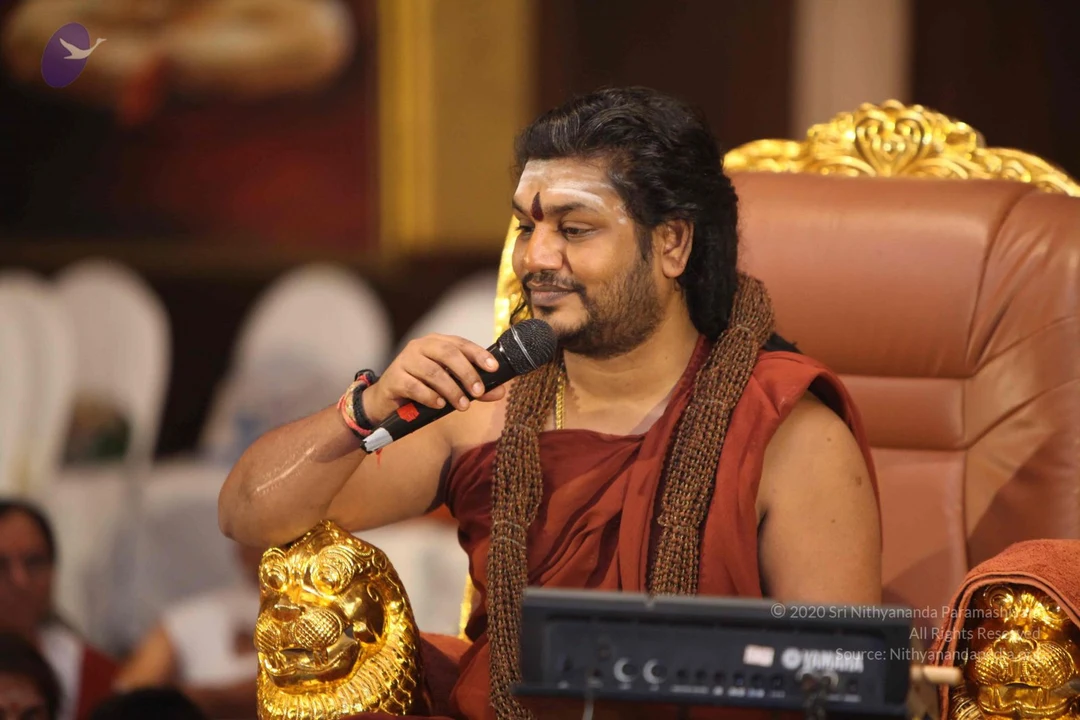
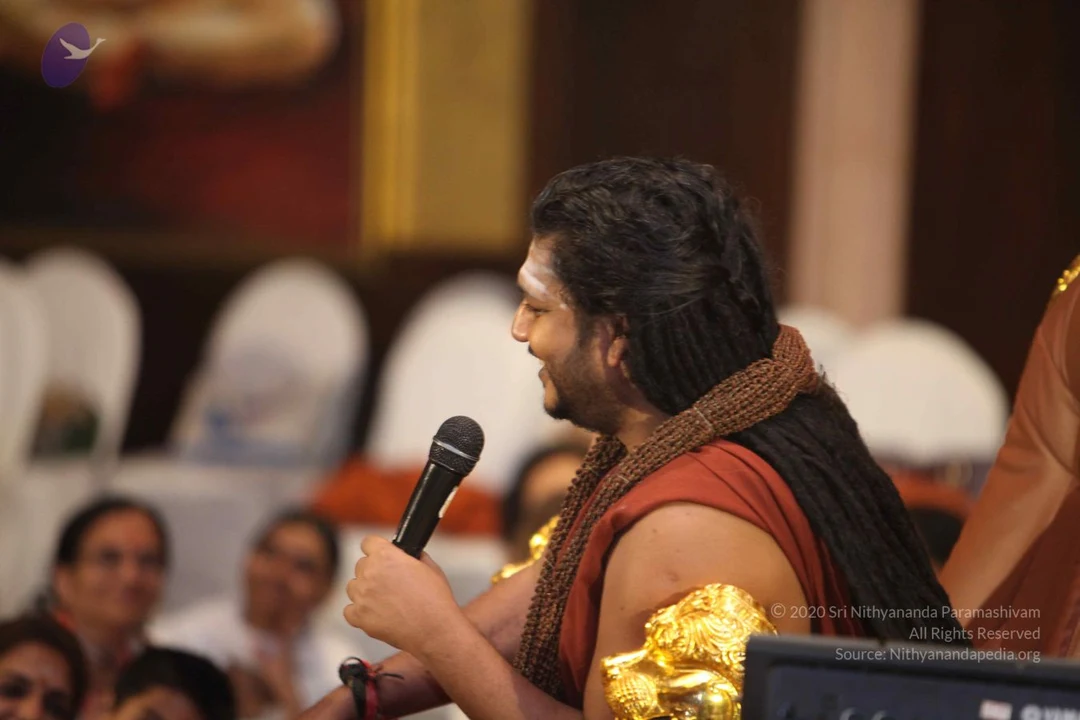
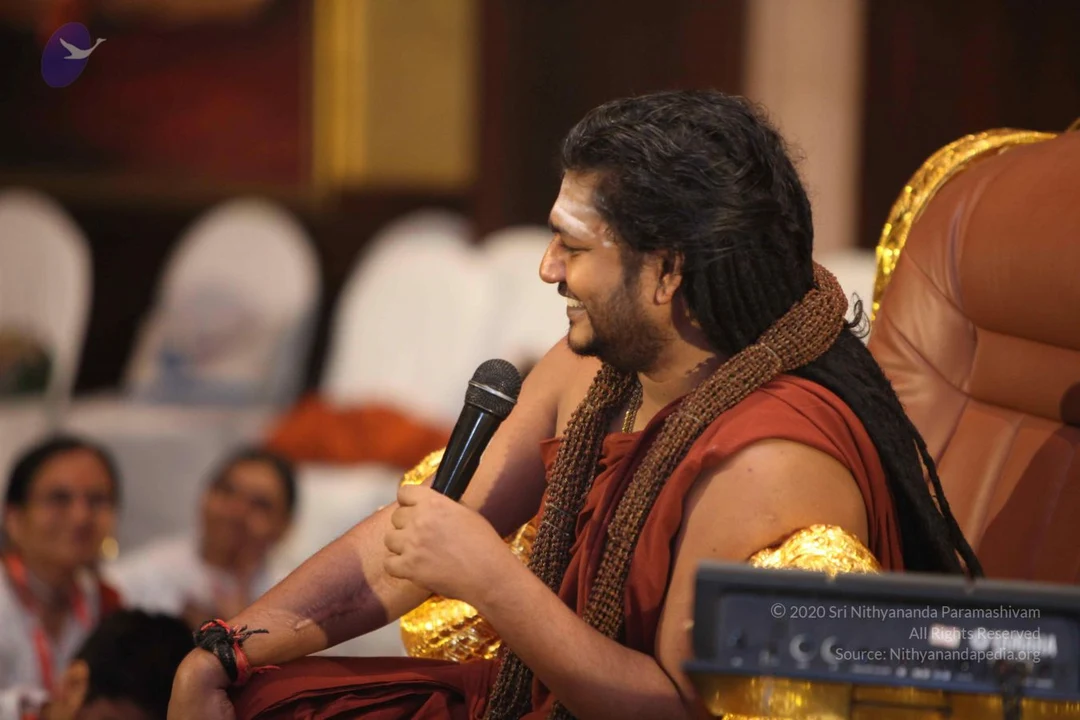

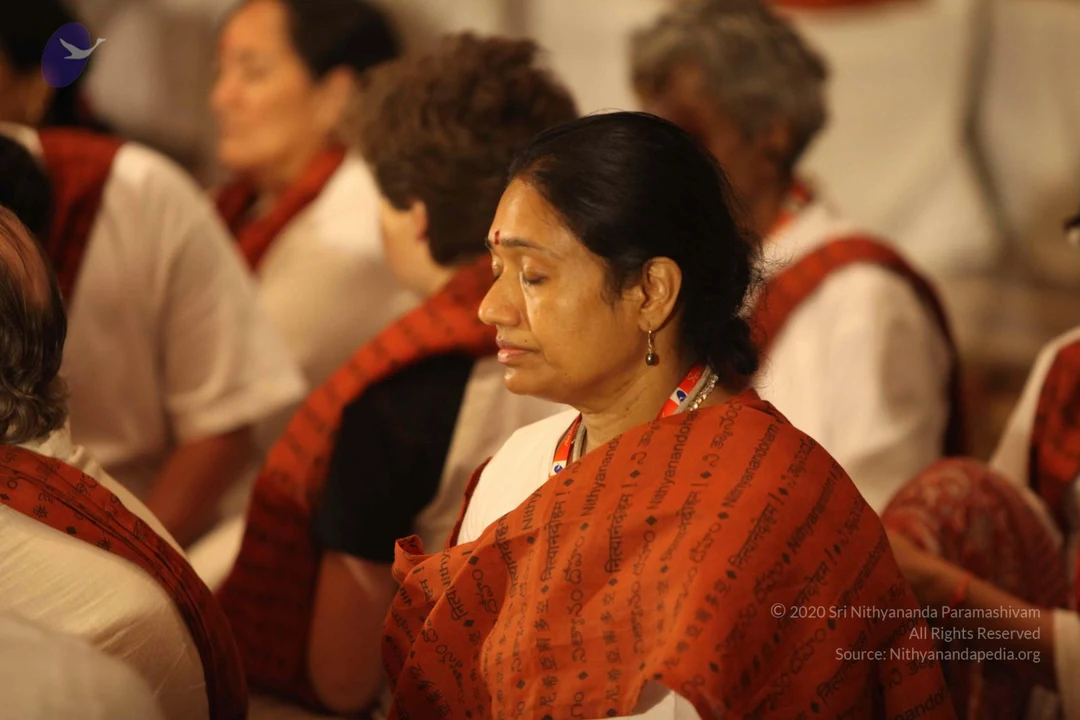
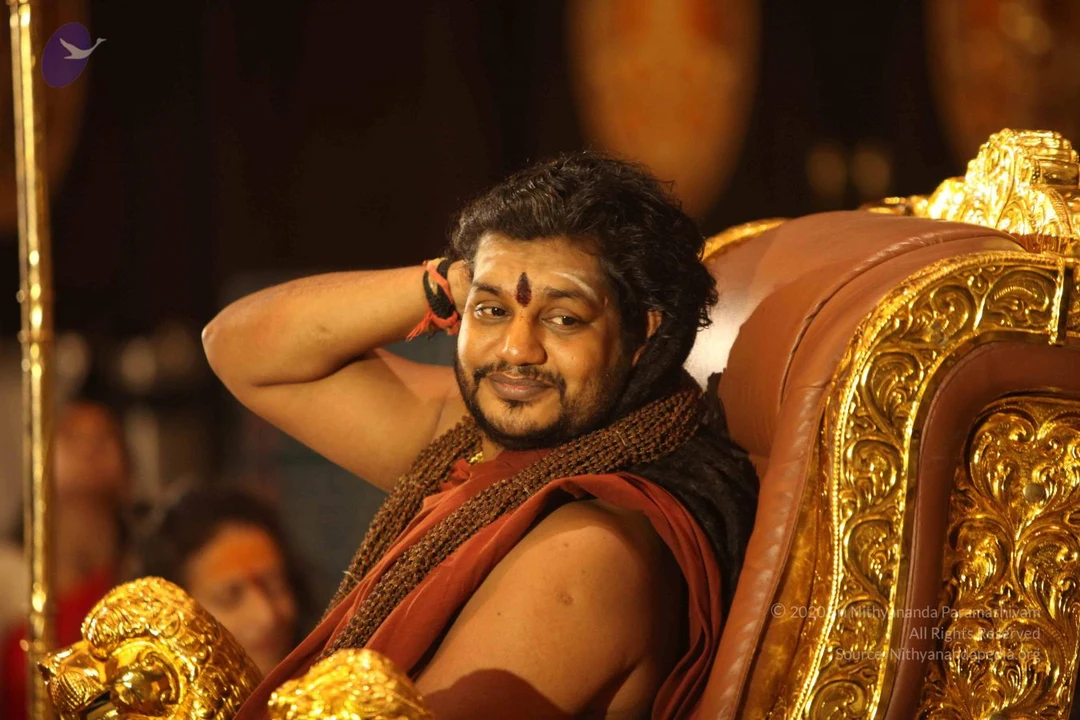
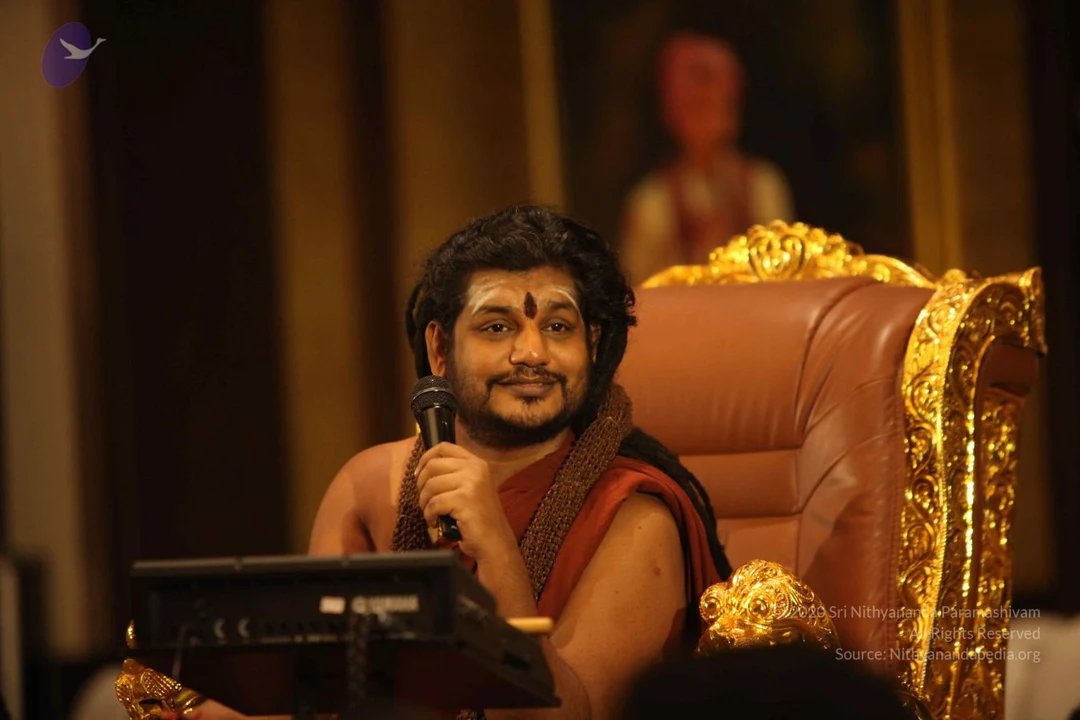
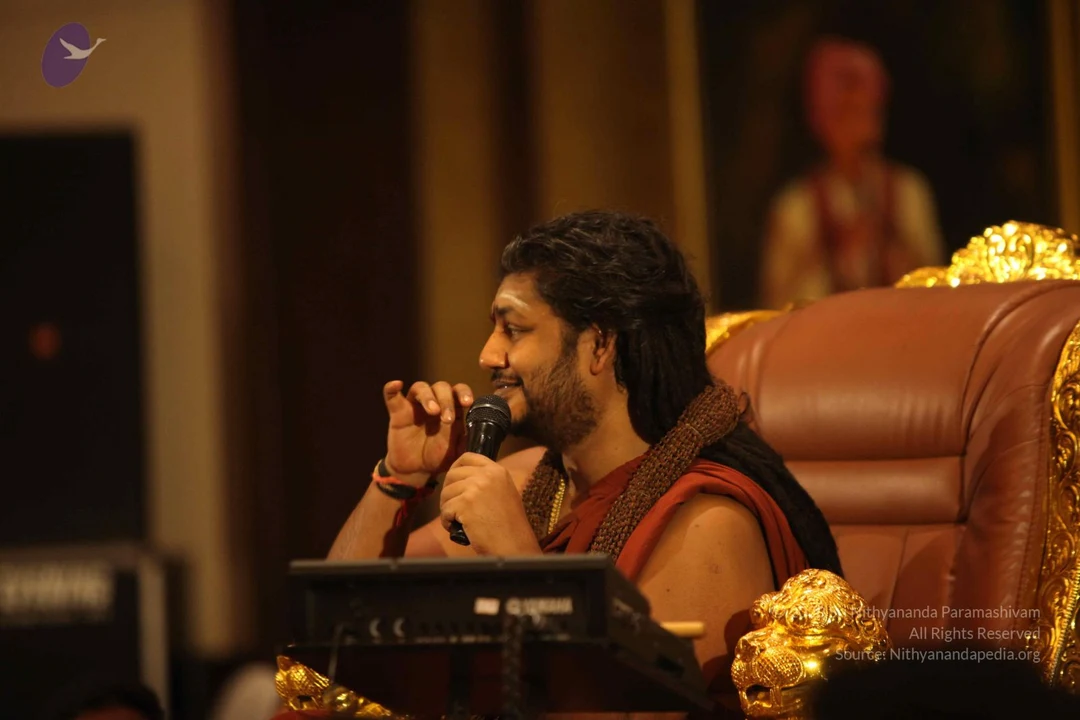
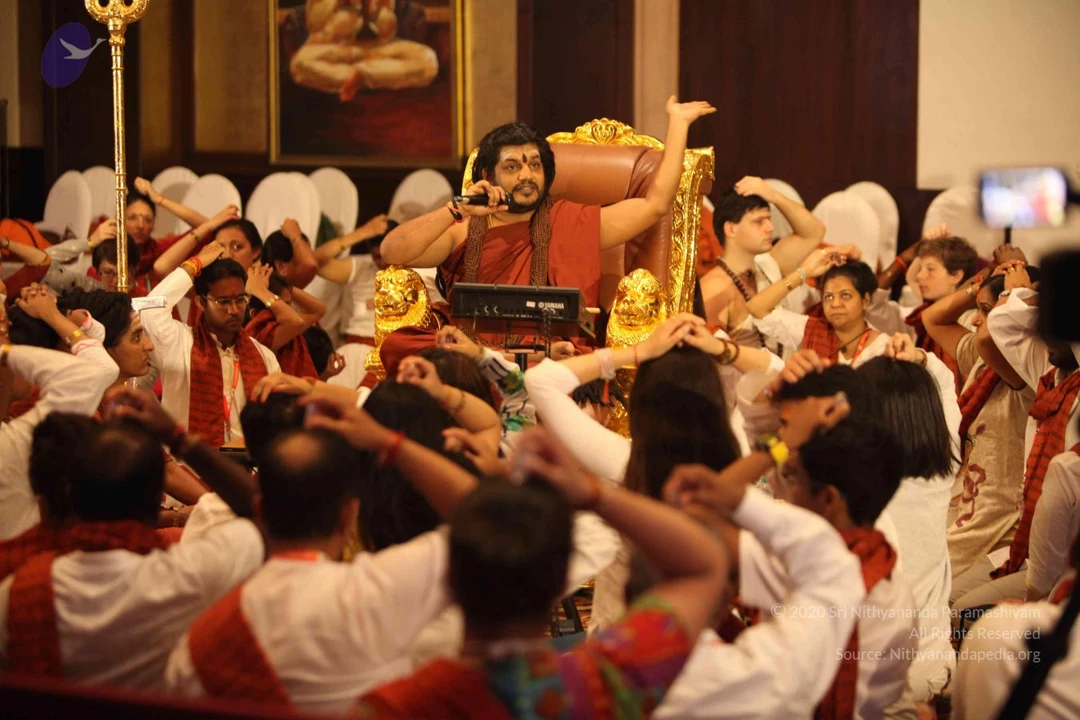
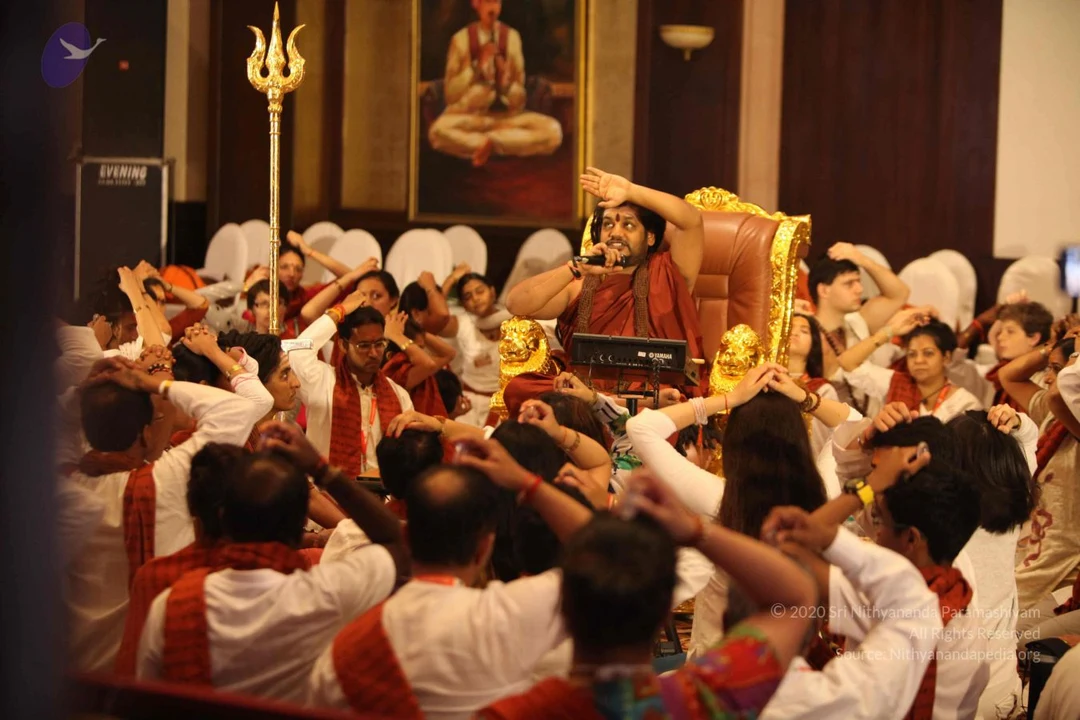
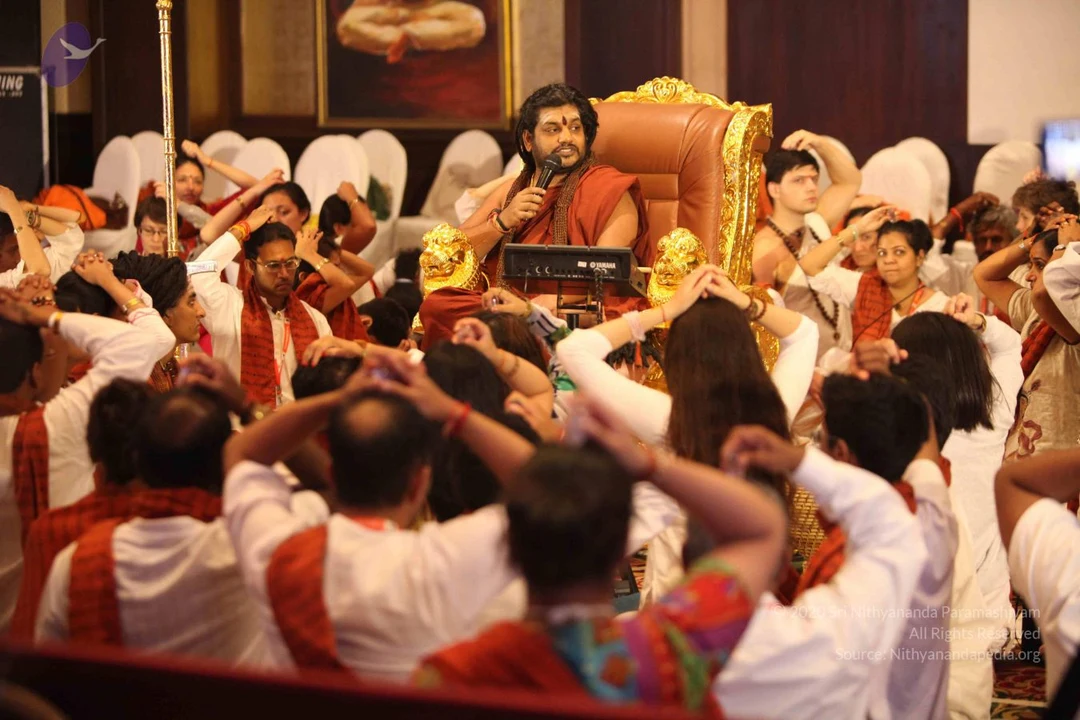
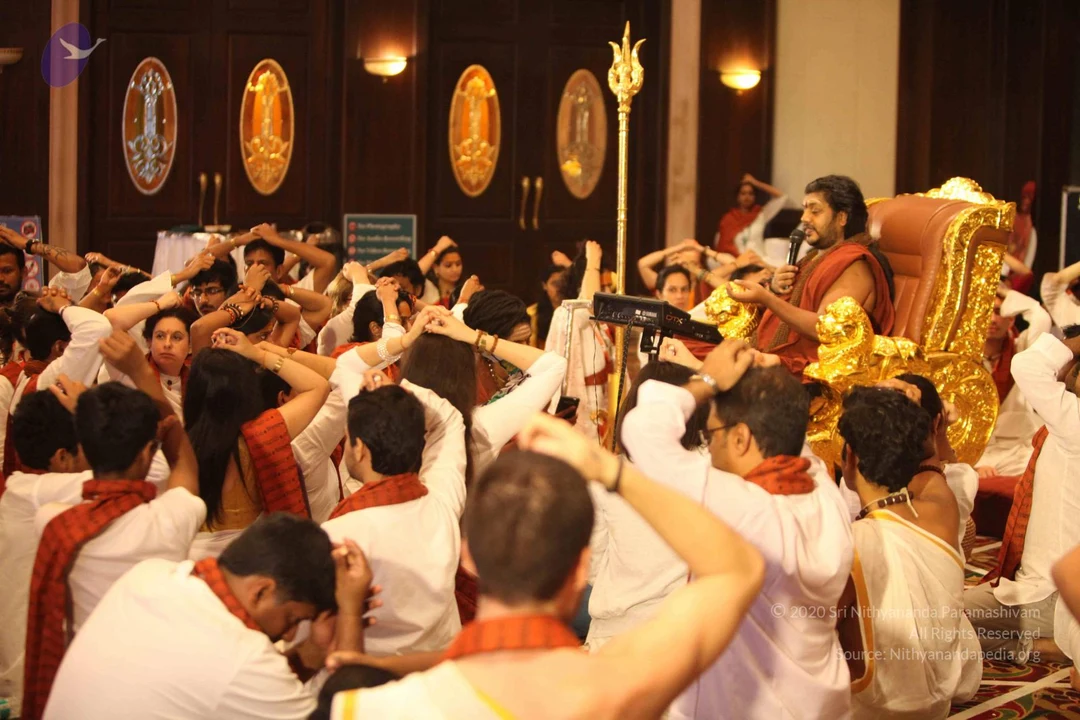
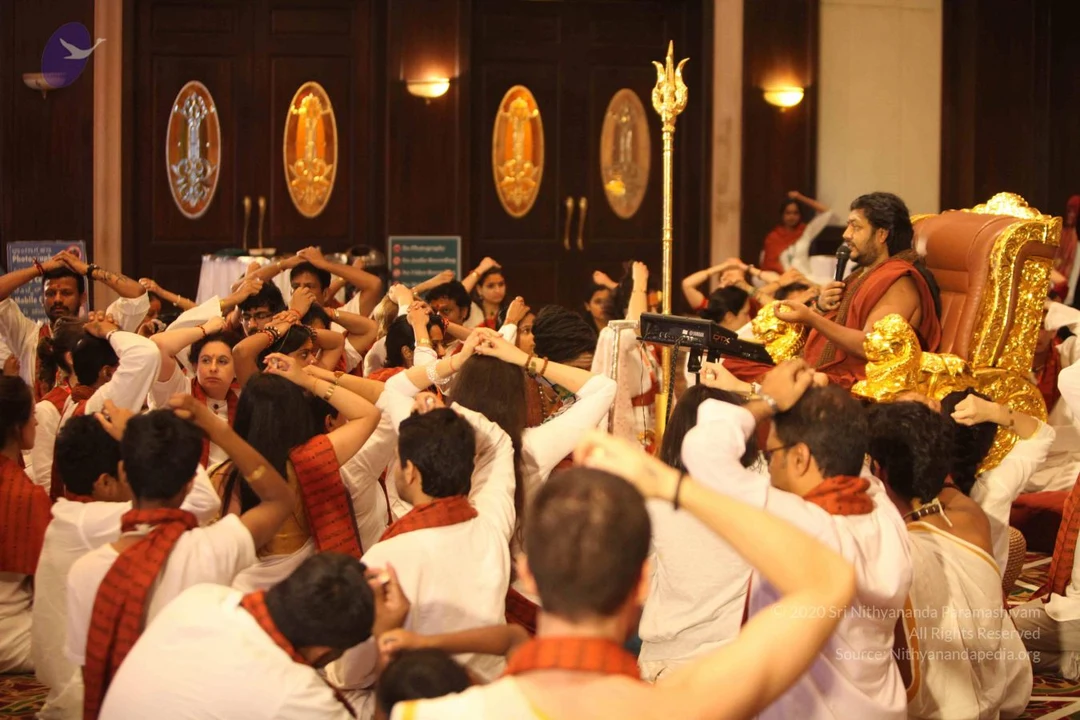
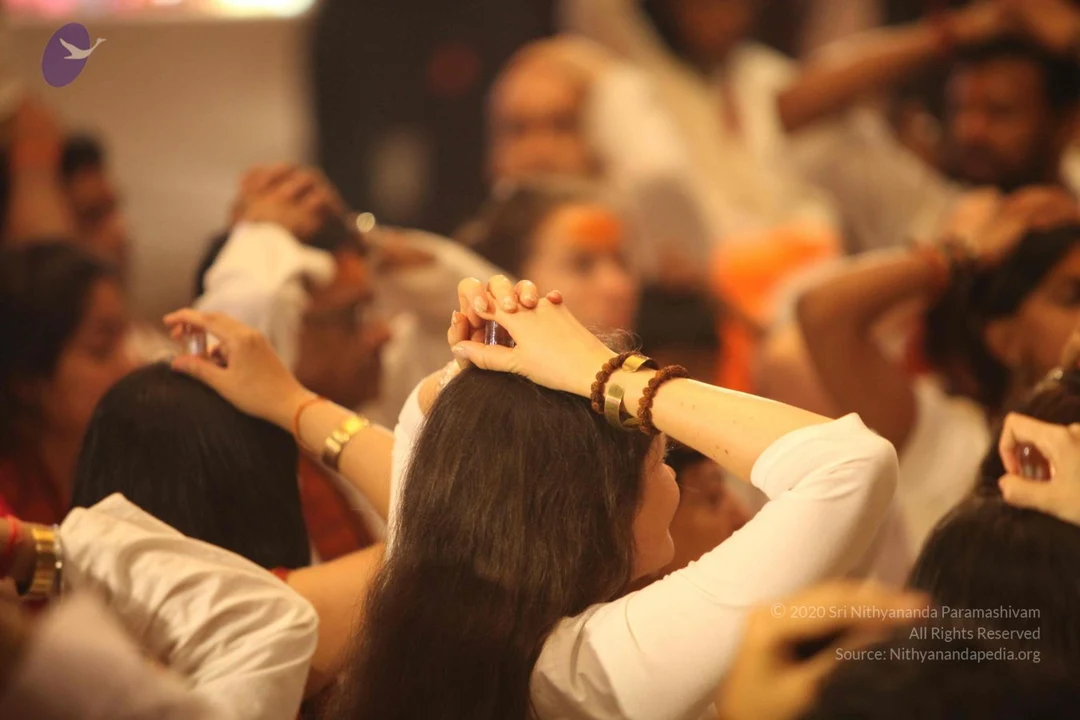
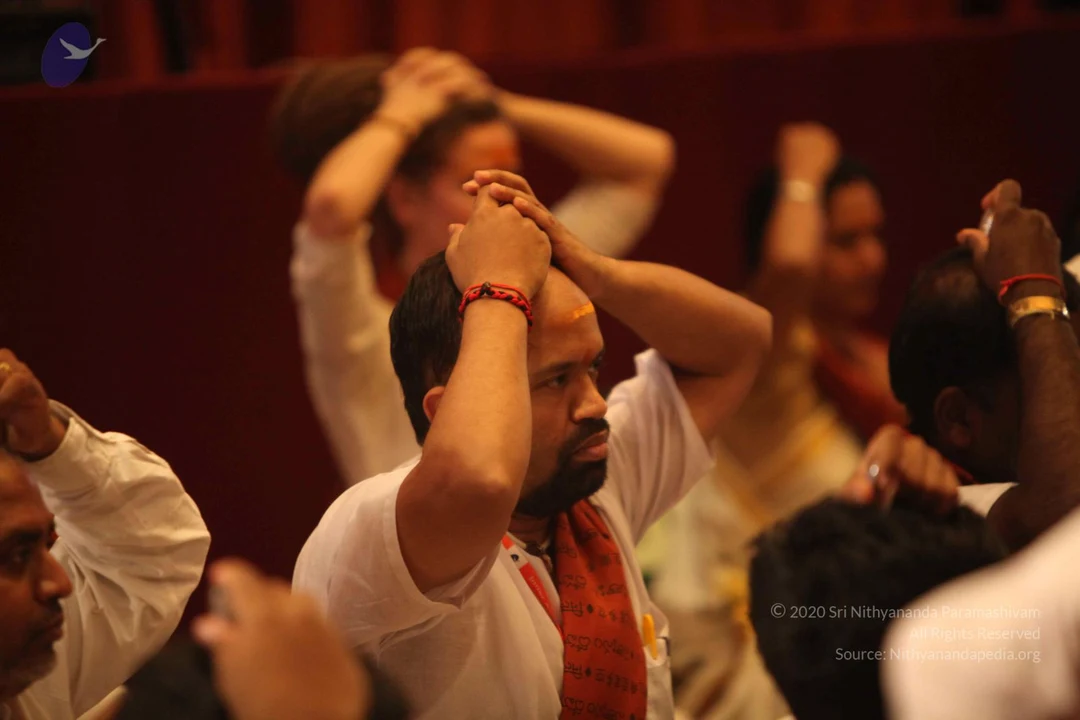
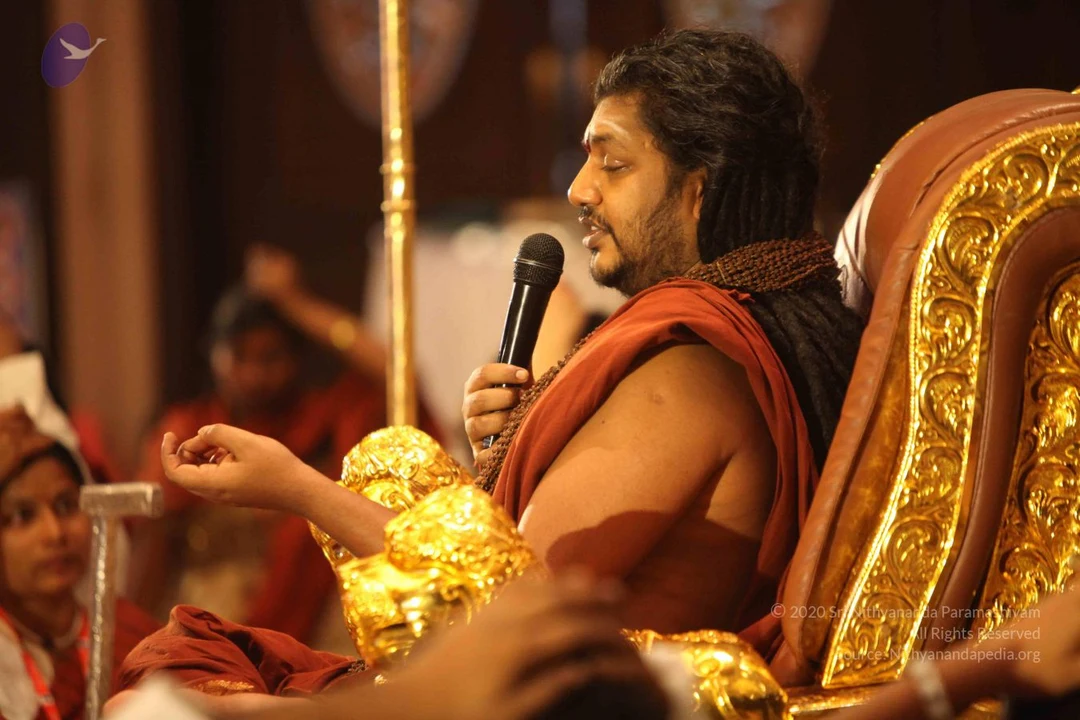
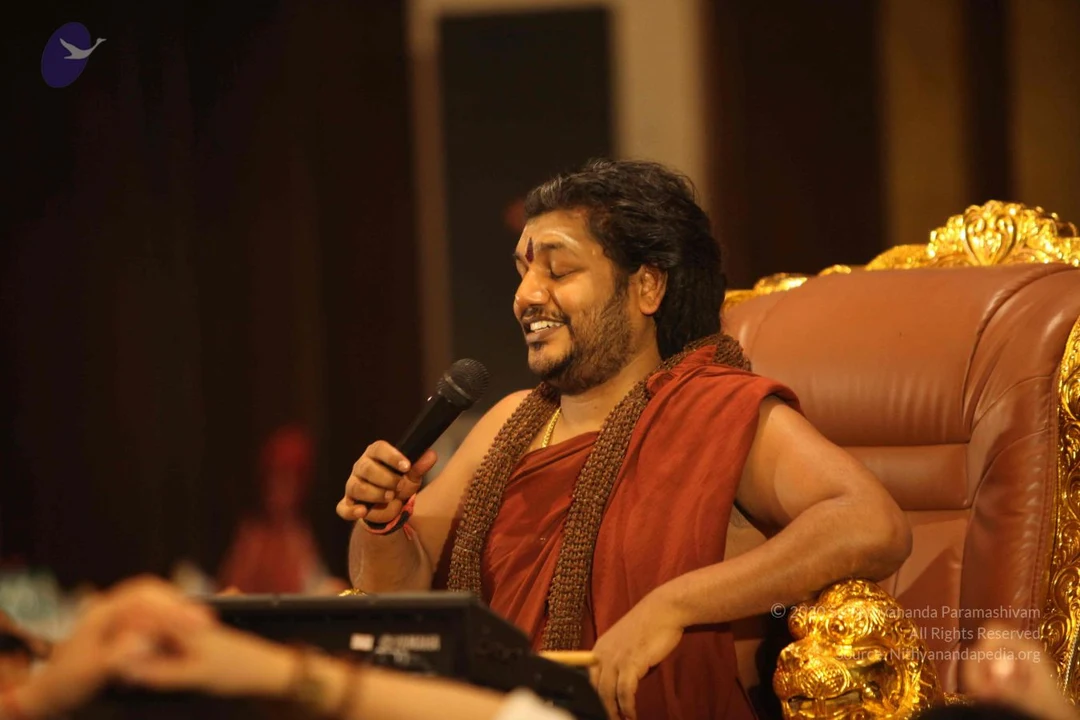
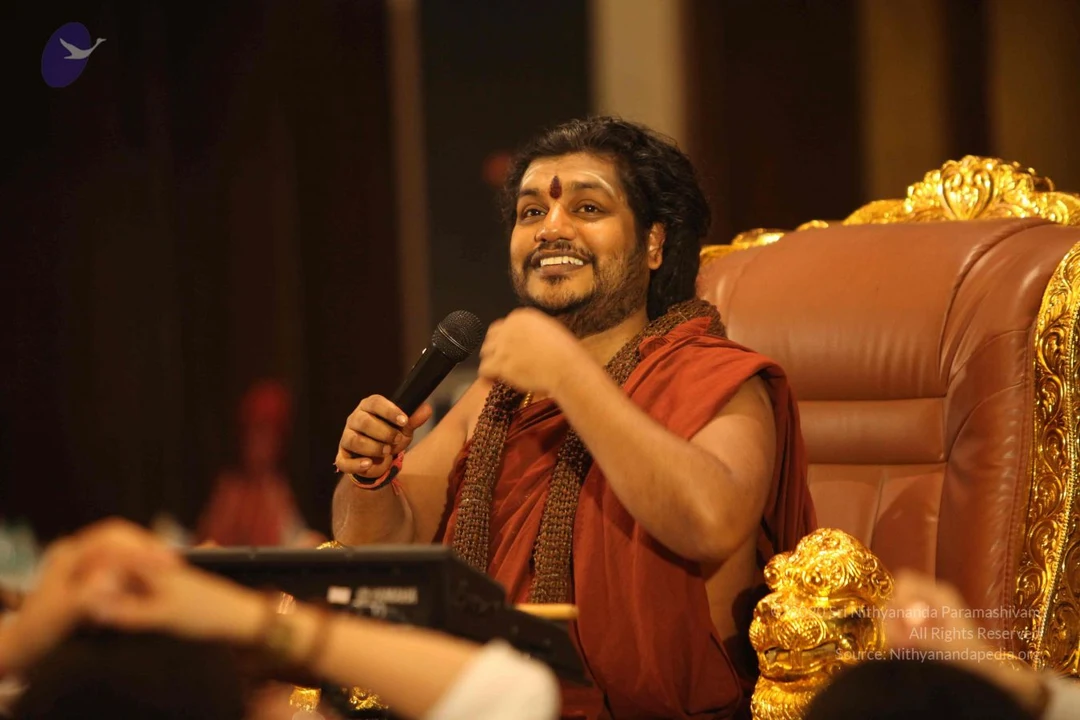
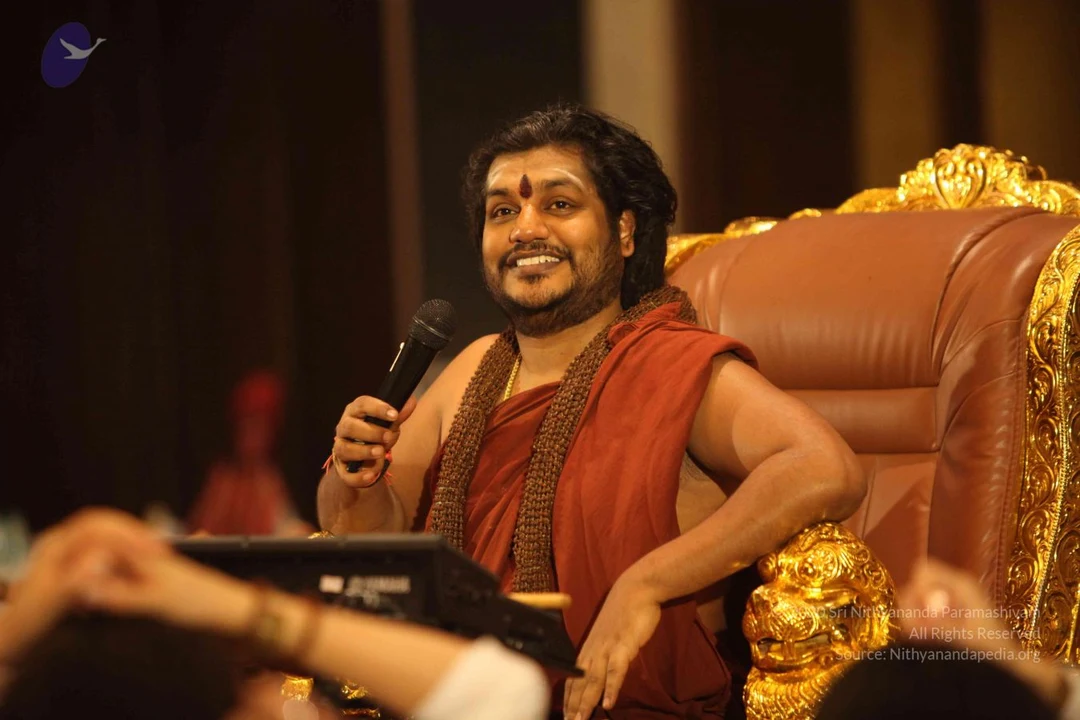
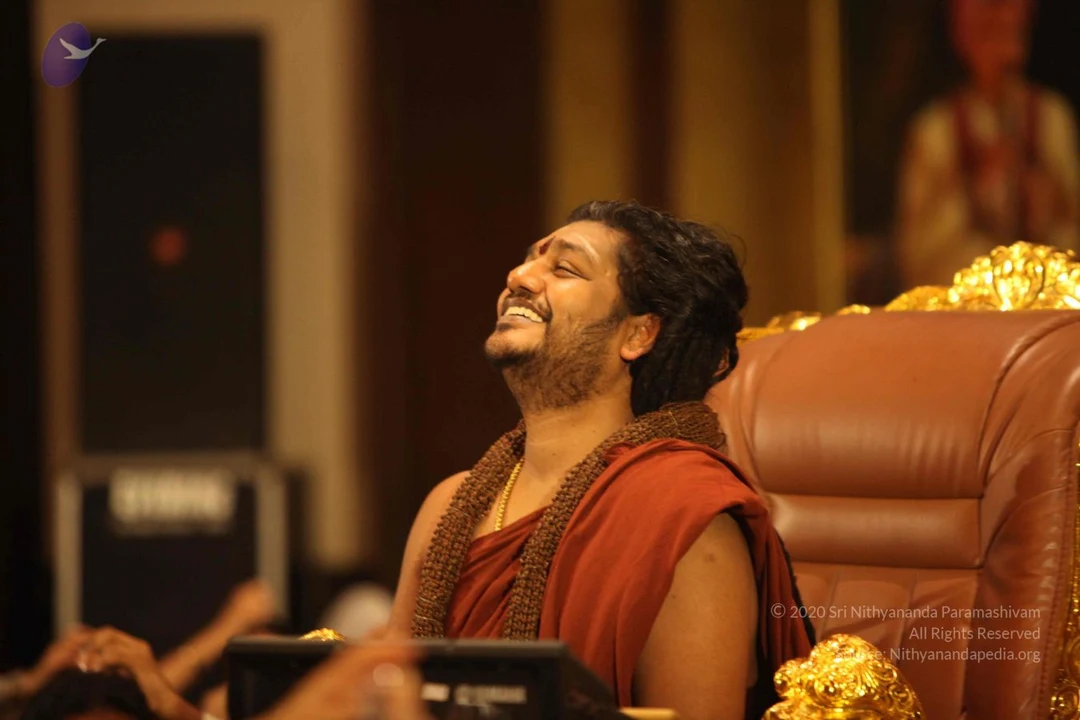
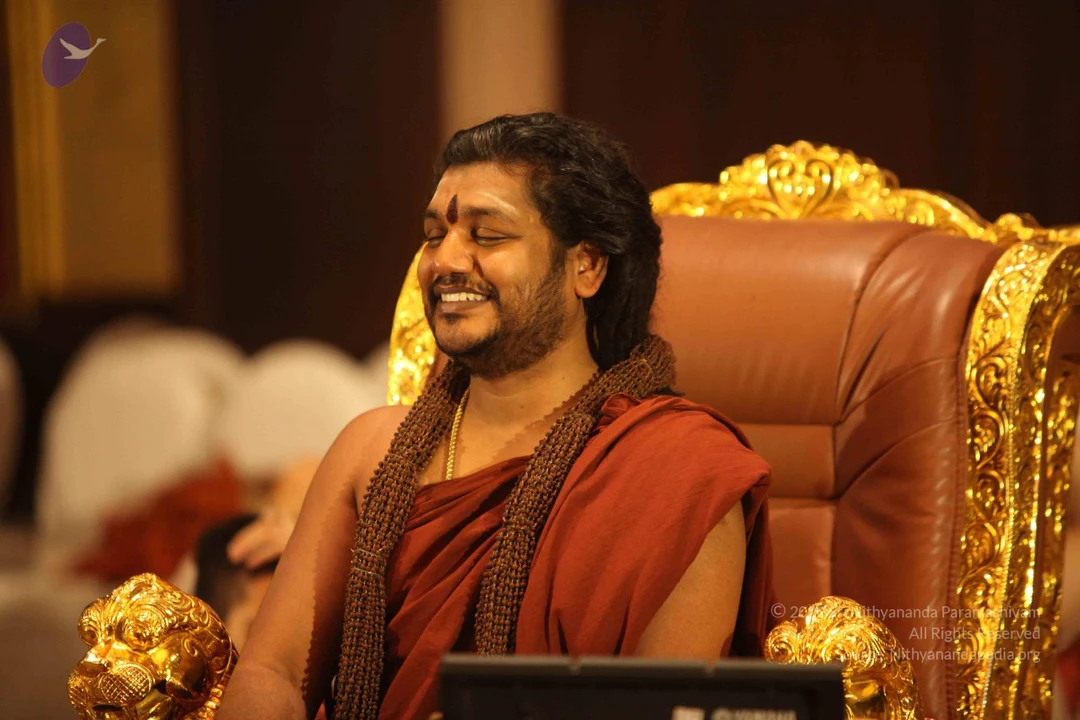
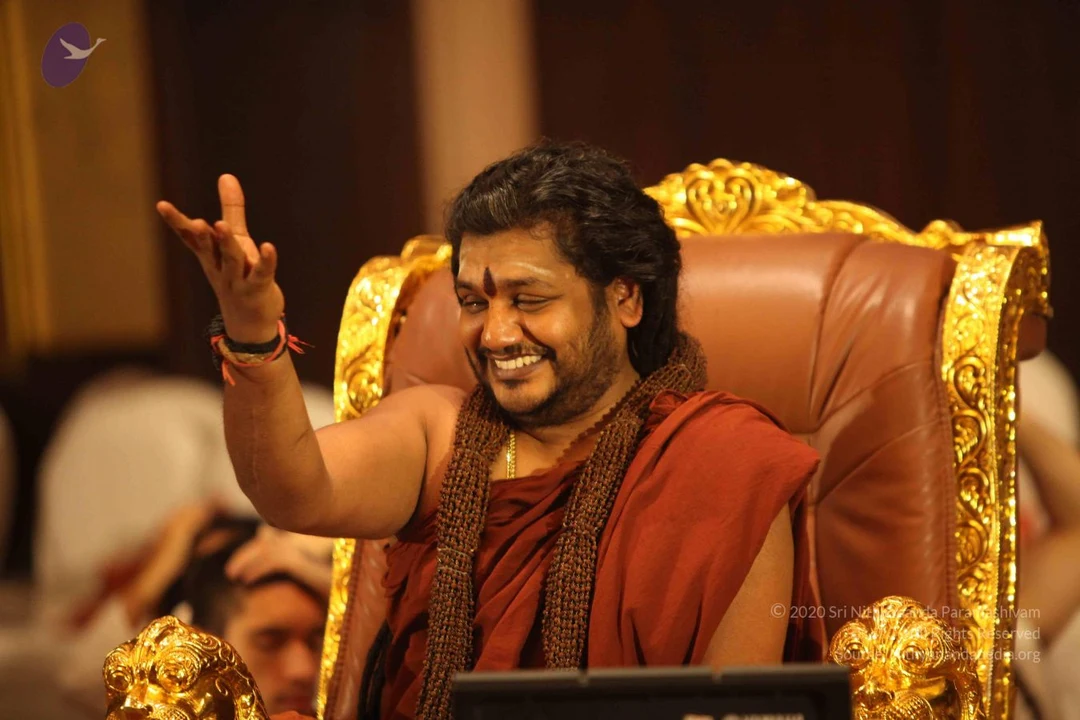
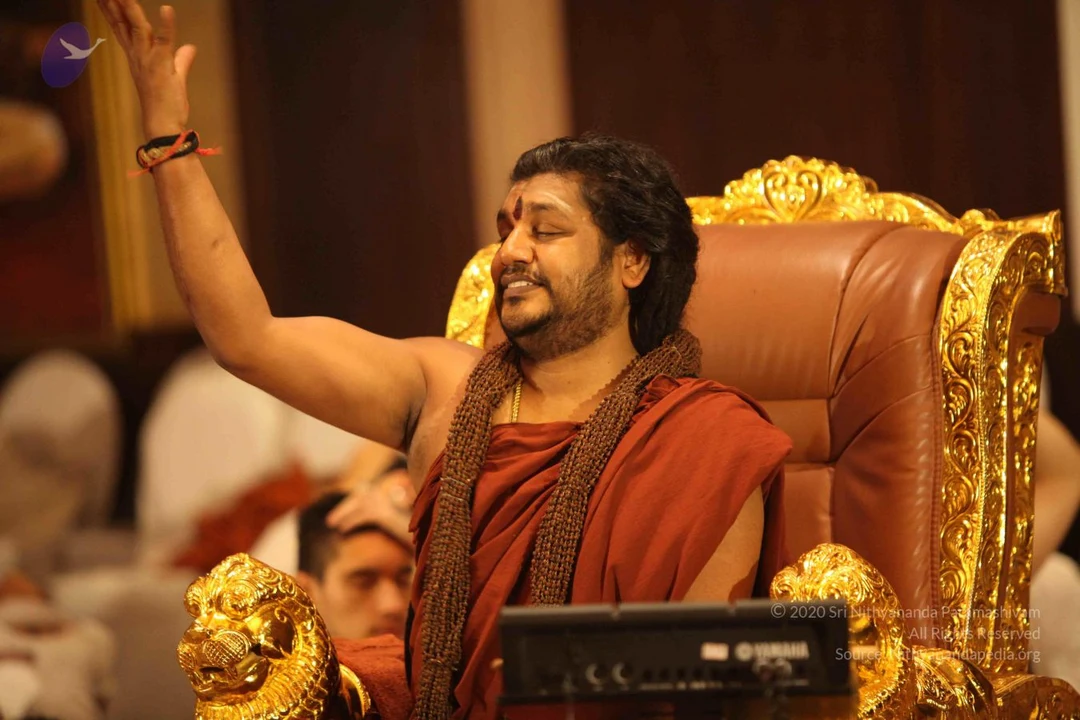
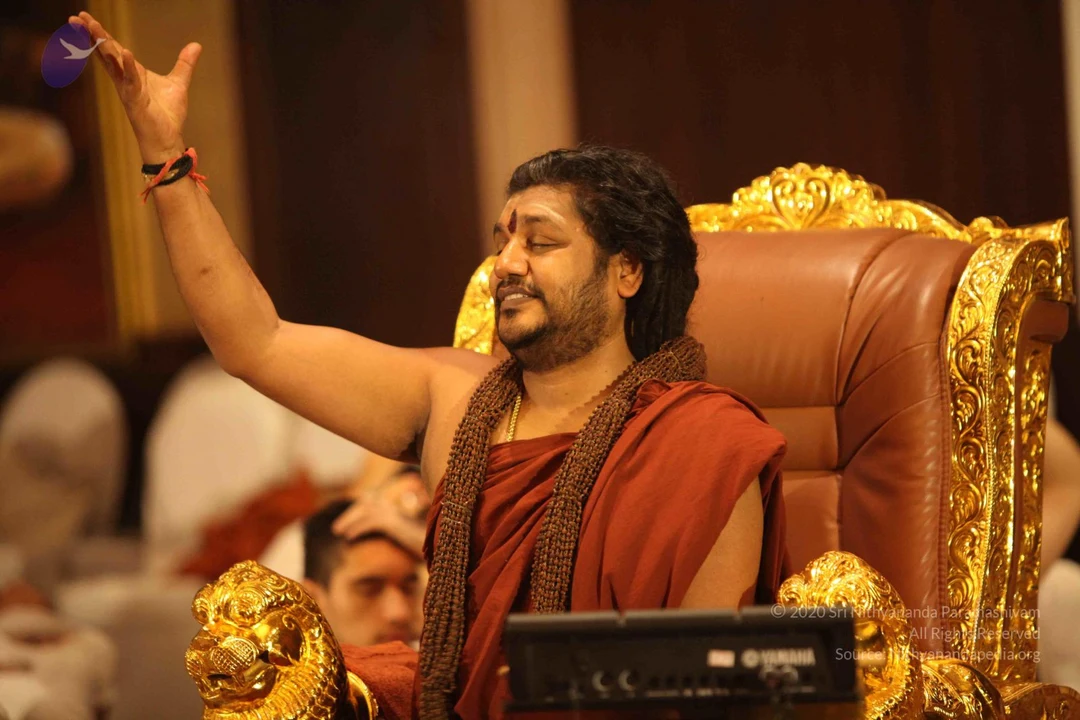
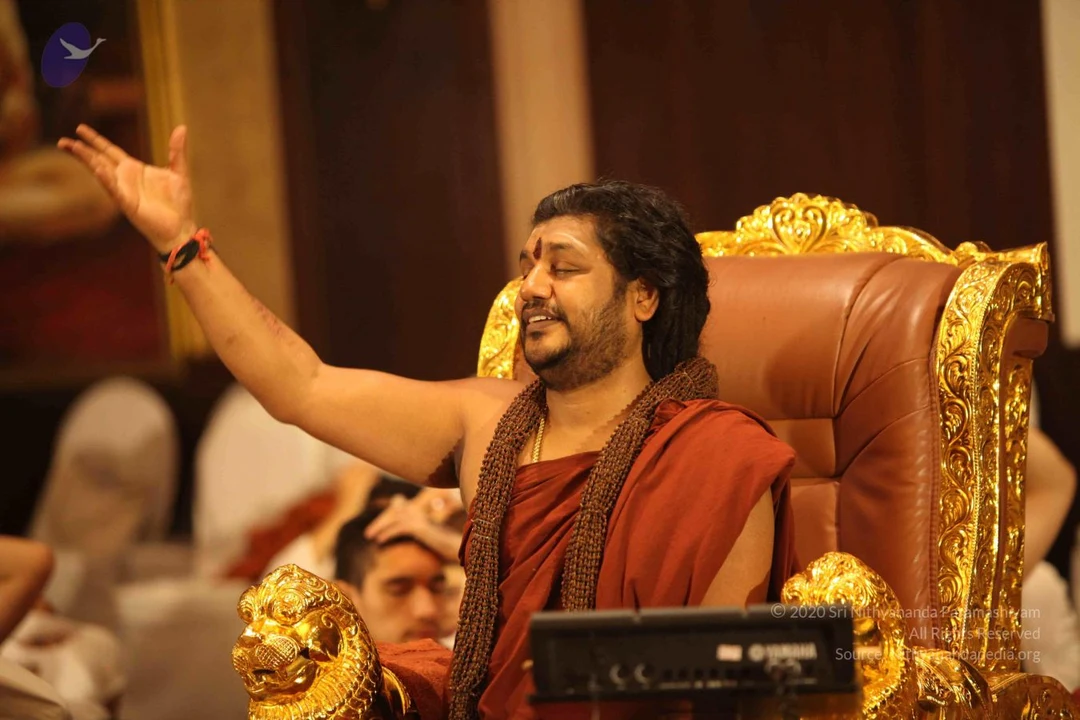
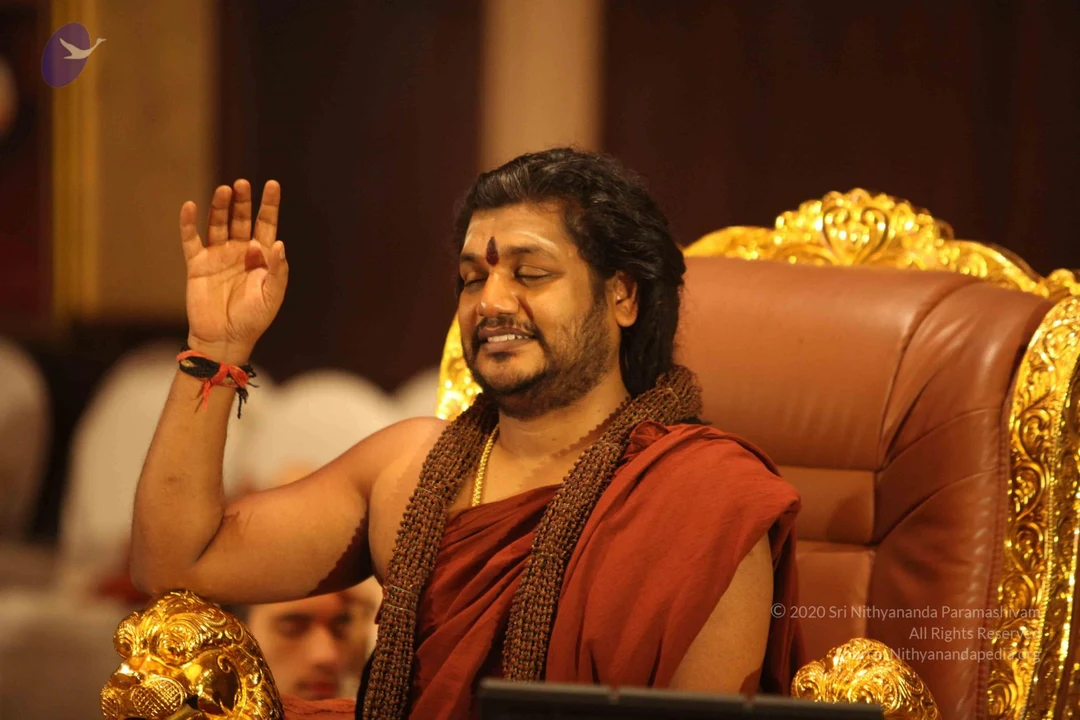
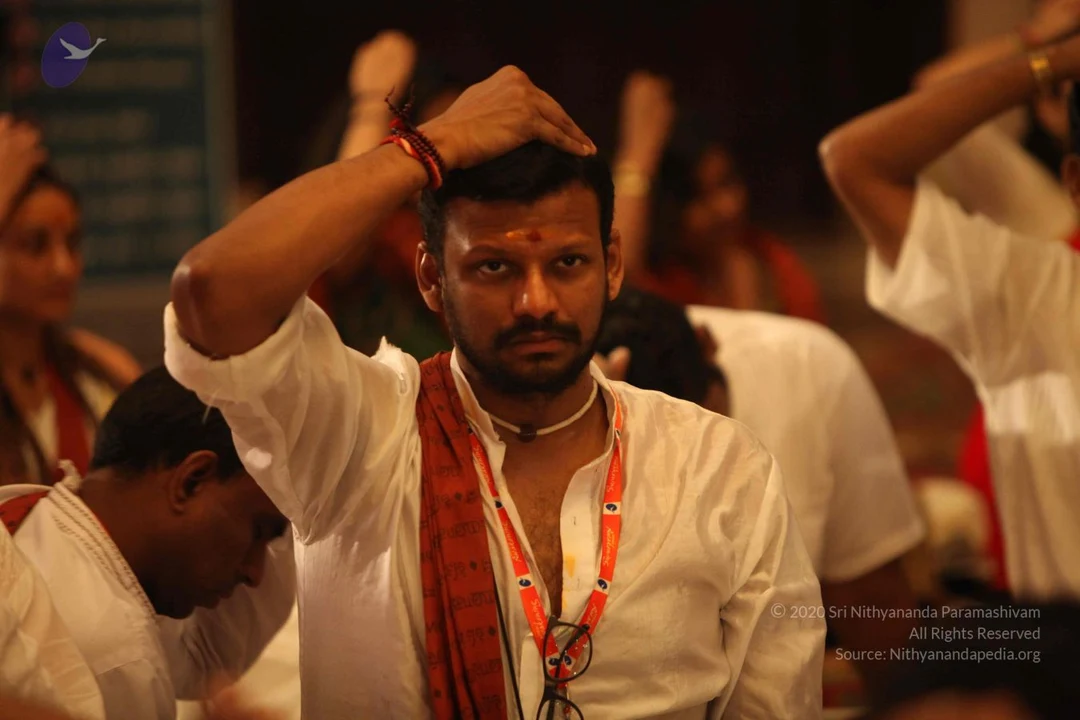
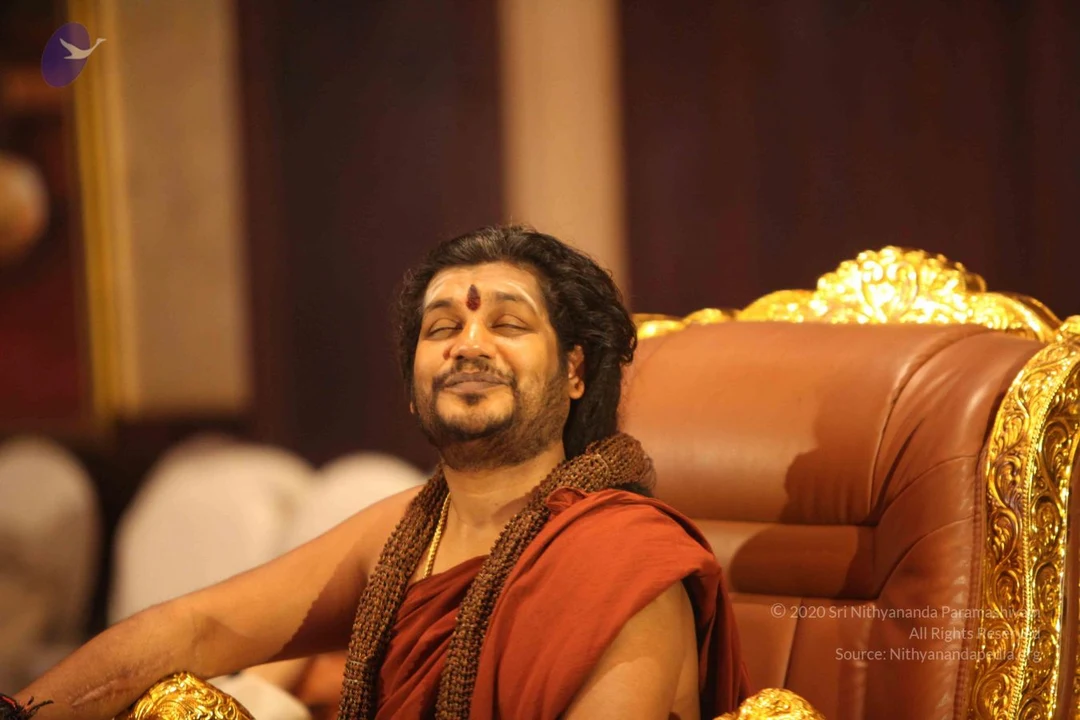
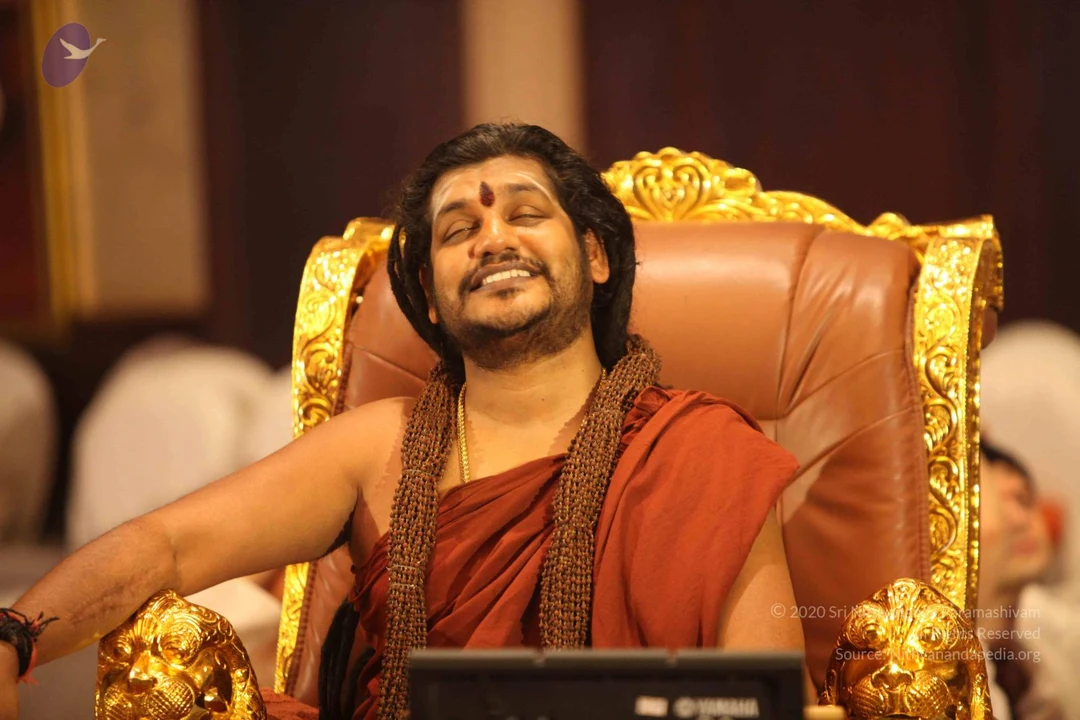
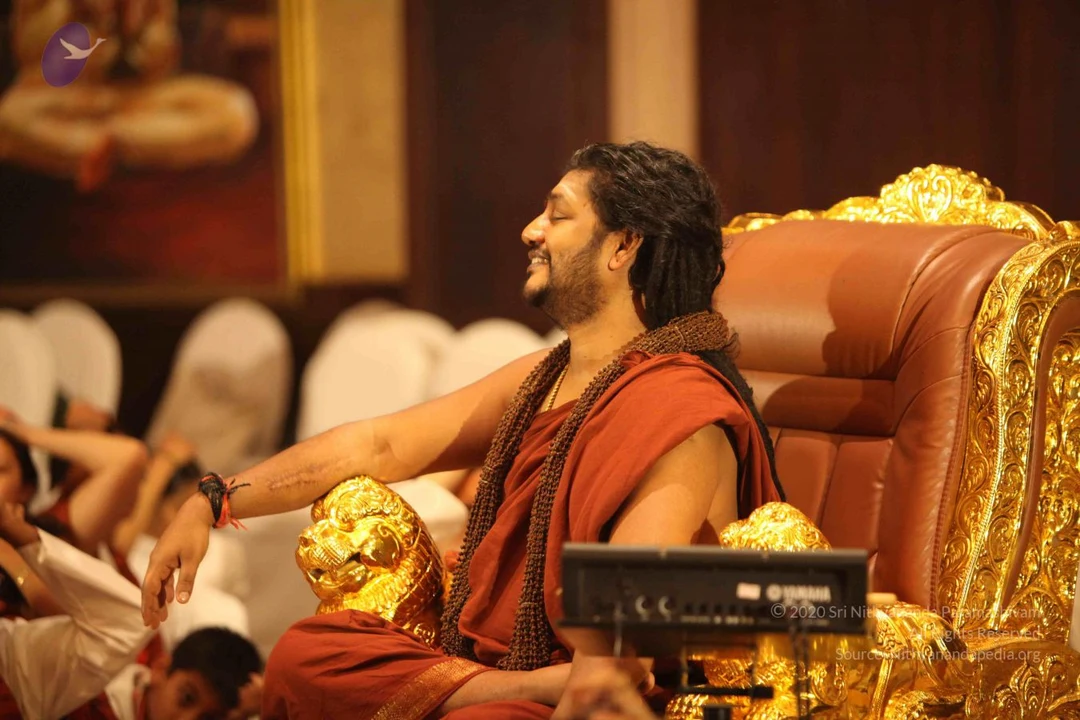
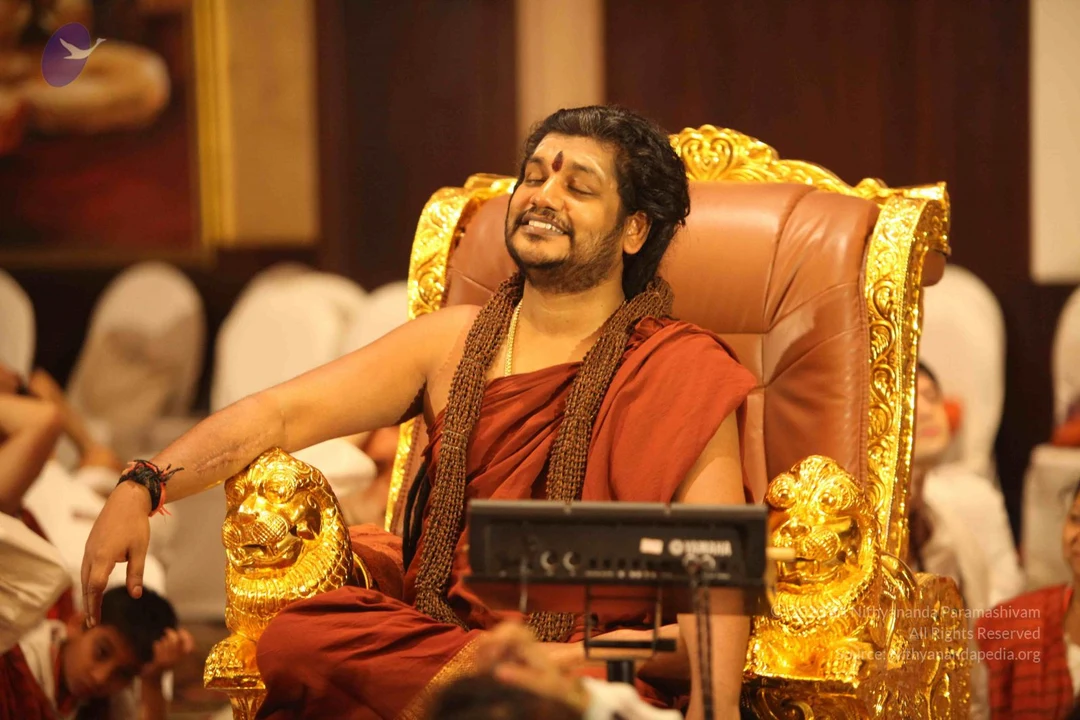
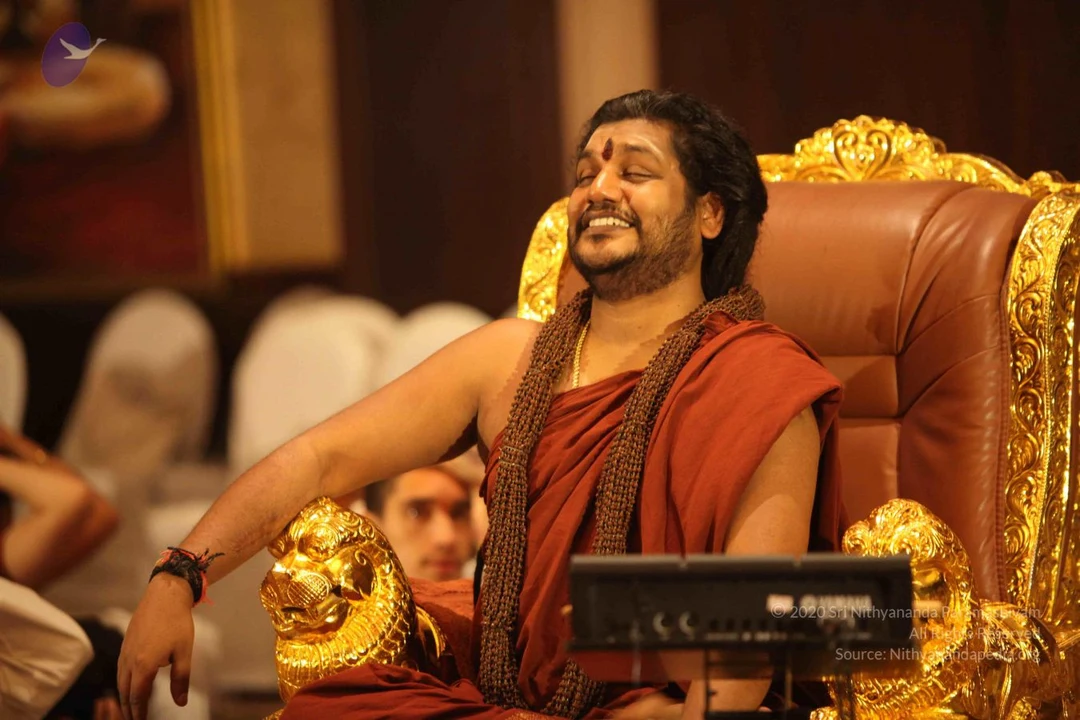
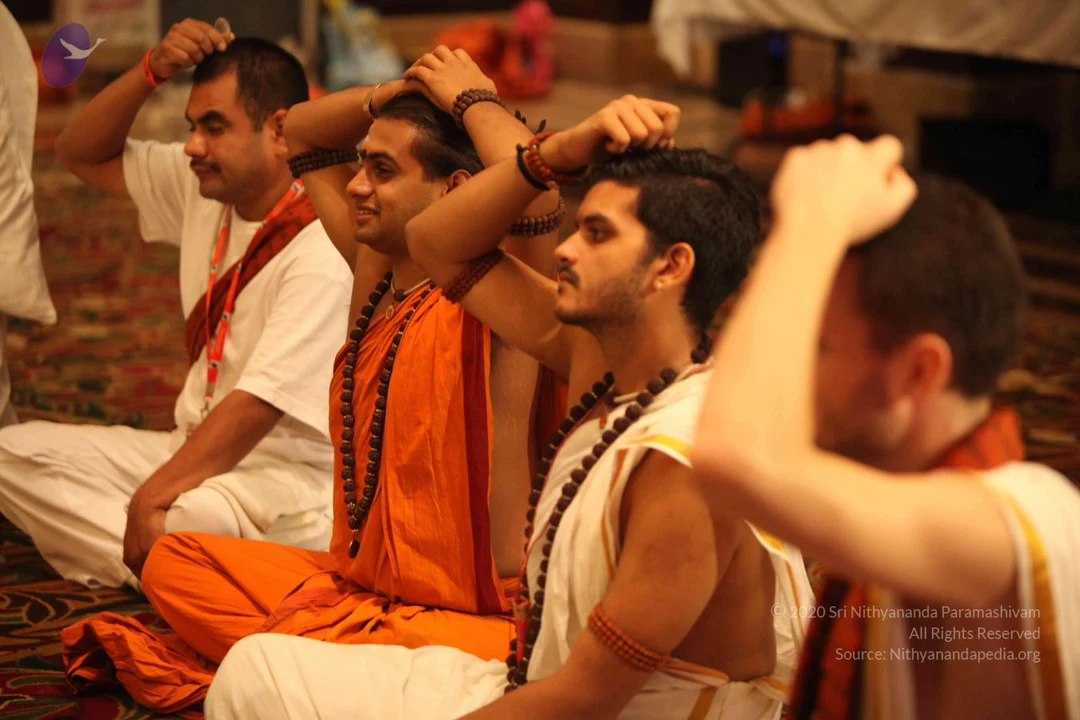
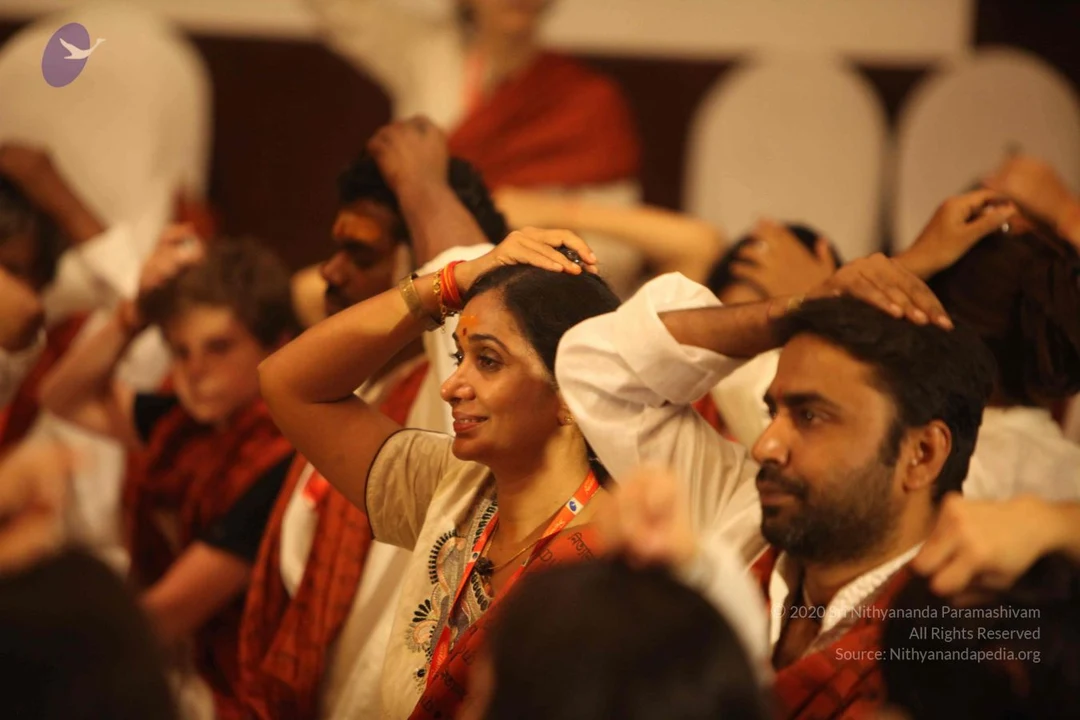
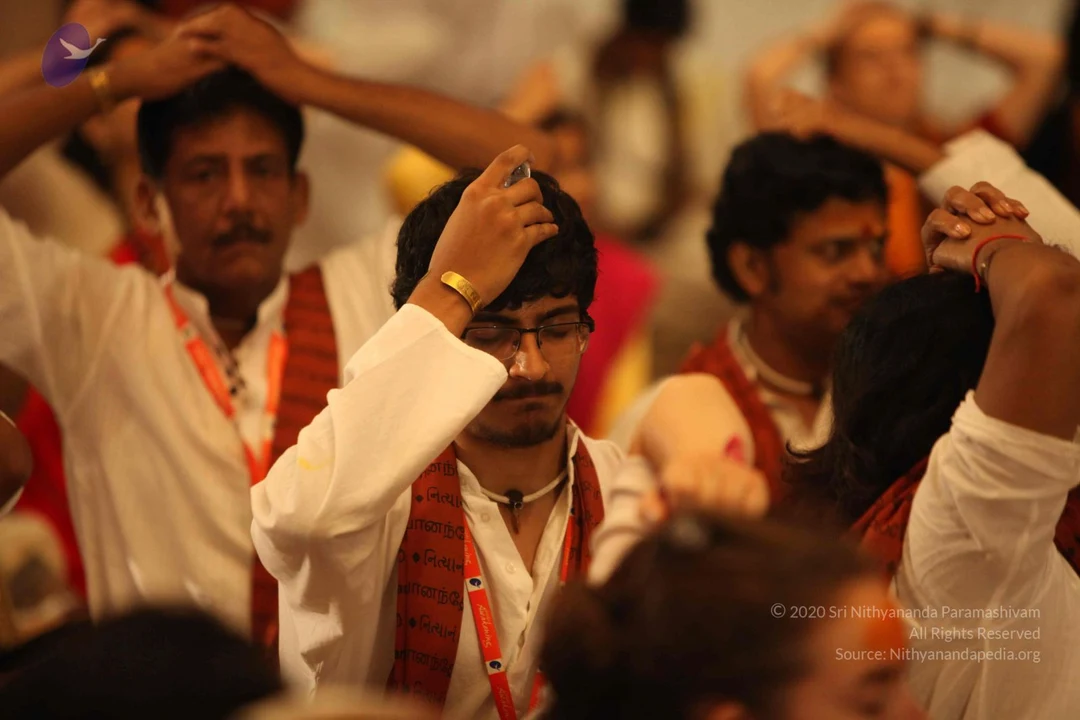
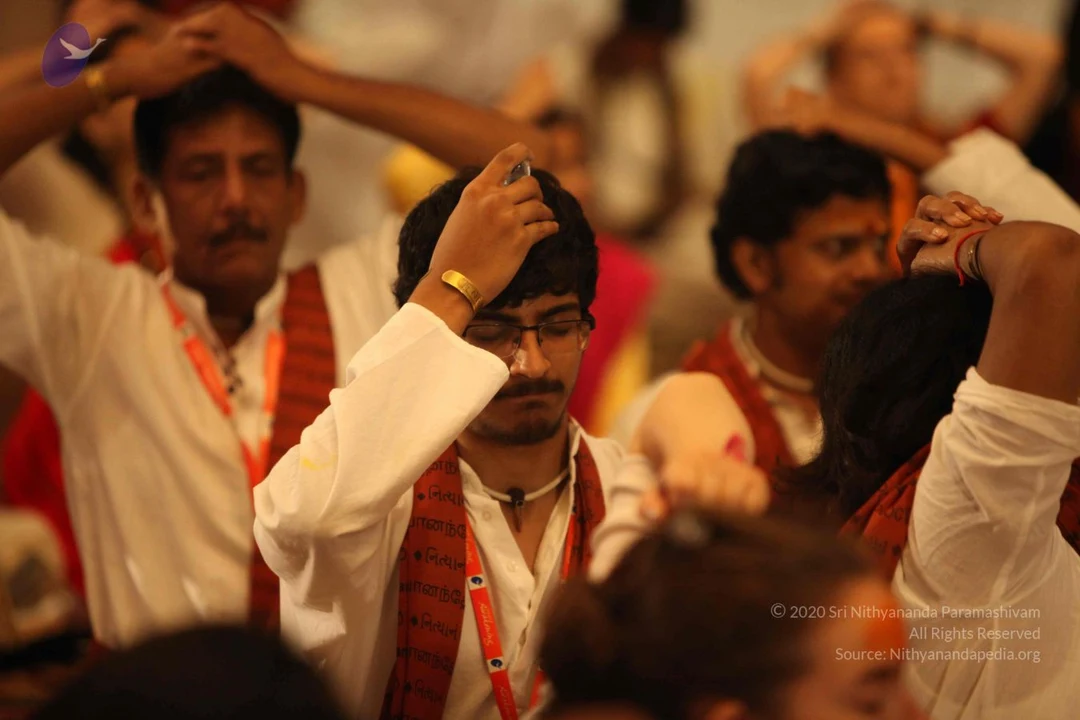
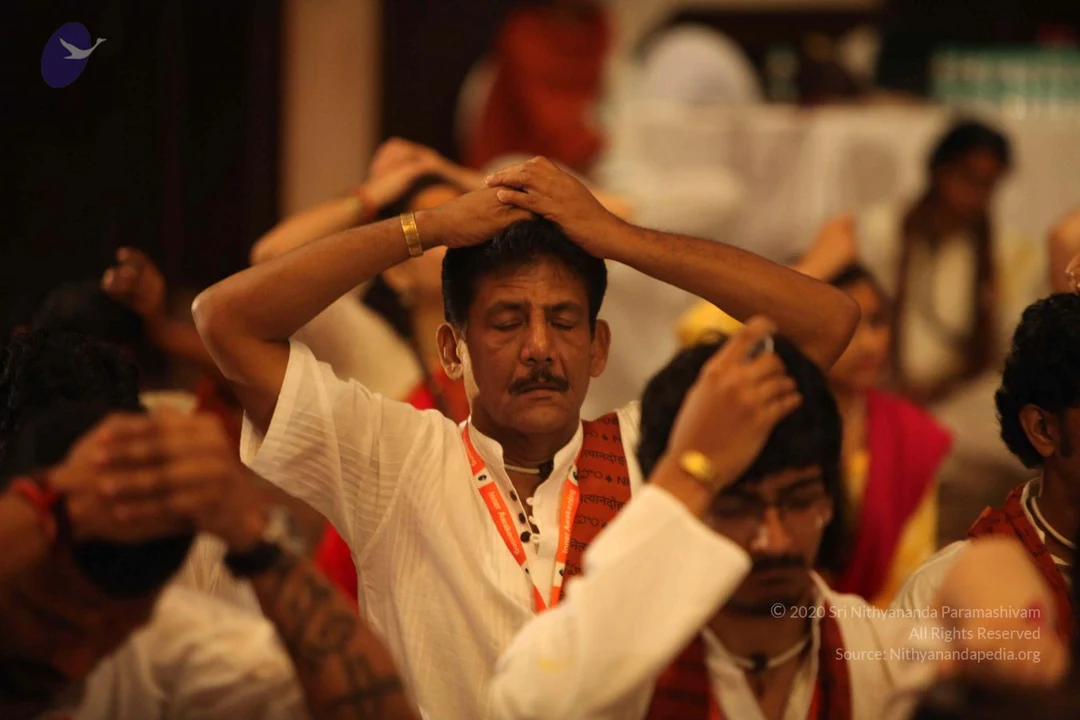
Power-Manifestation
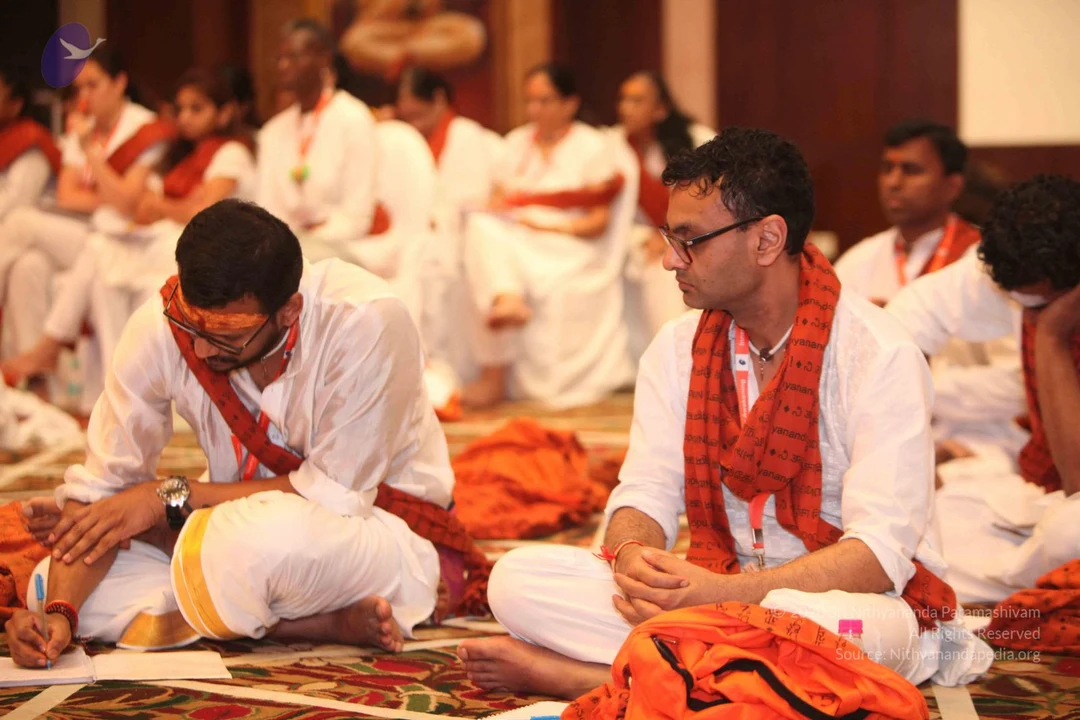
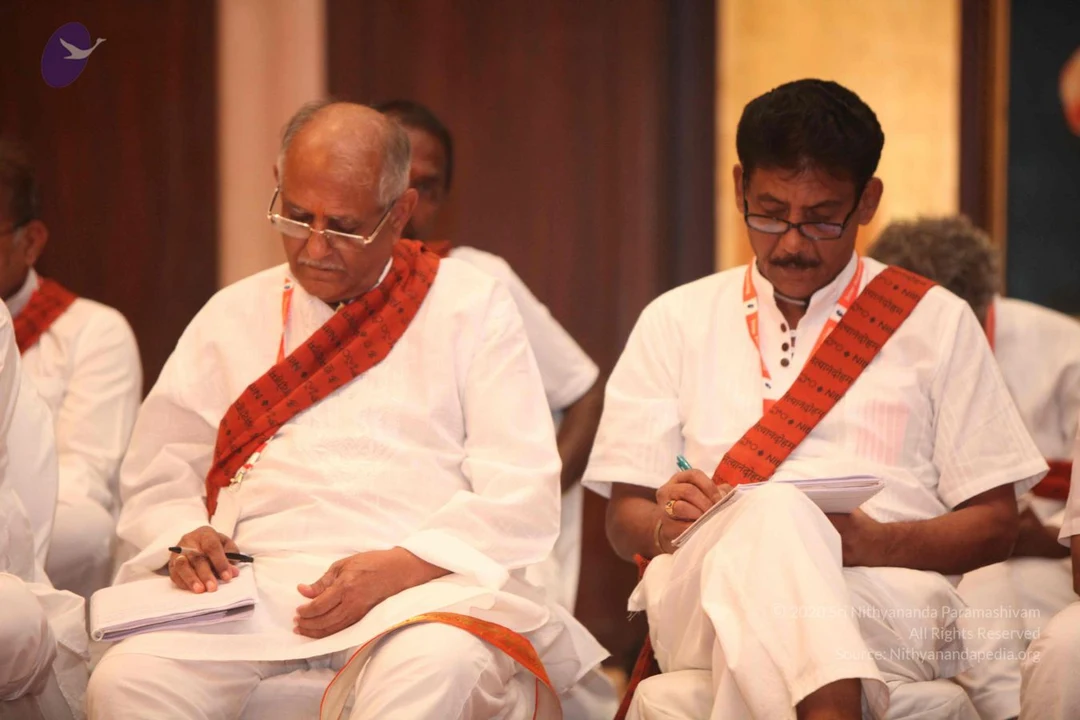
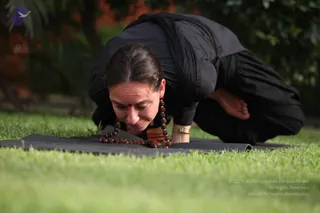
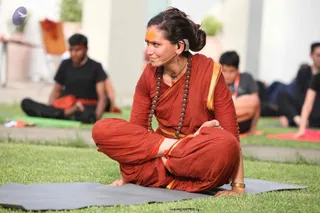
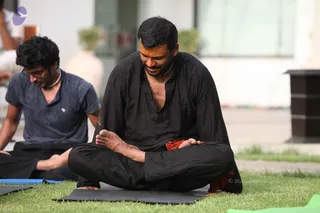
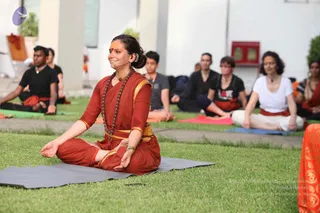
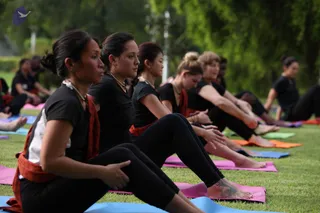
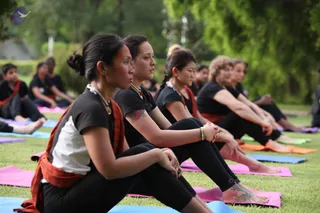
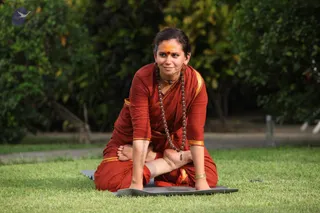
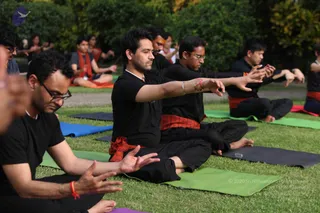
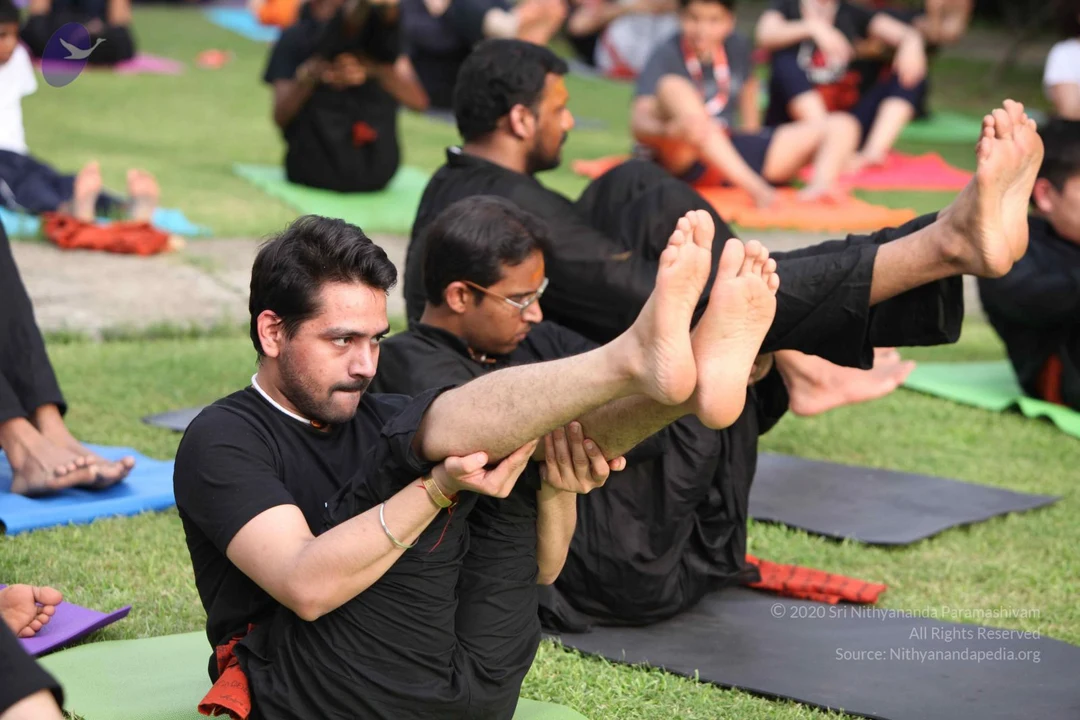
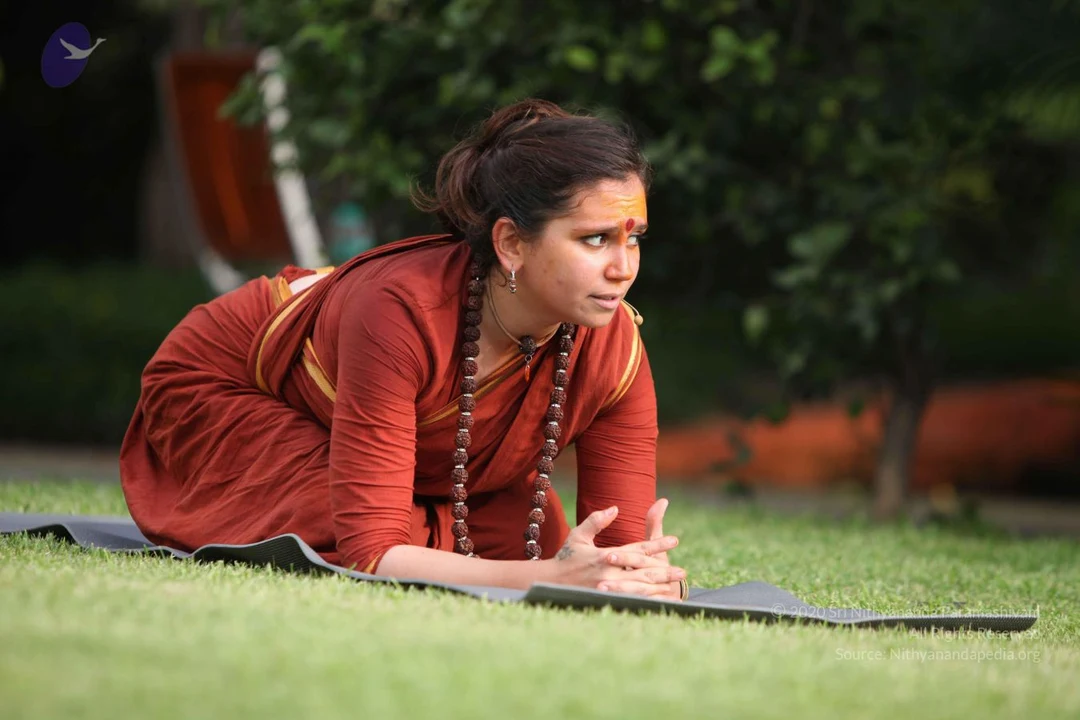
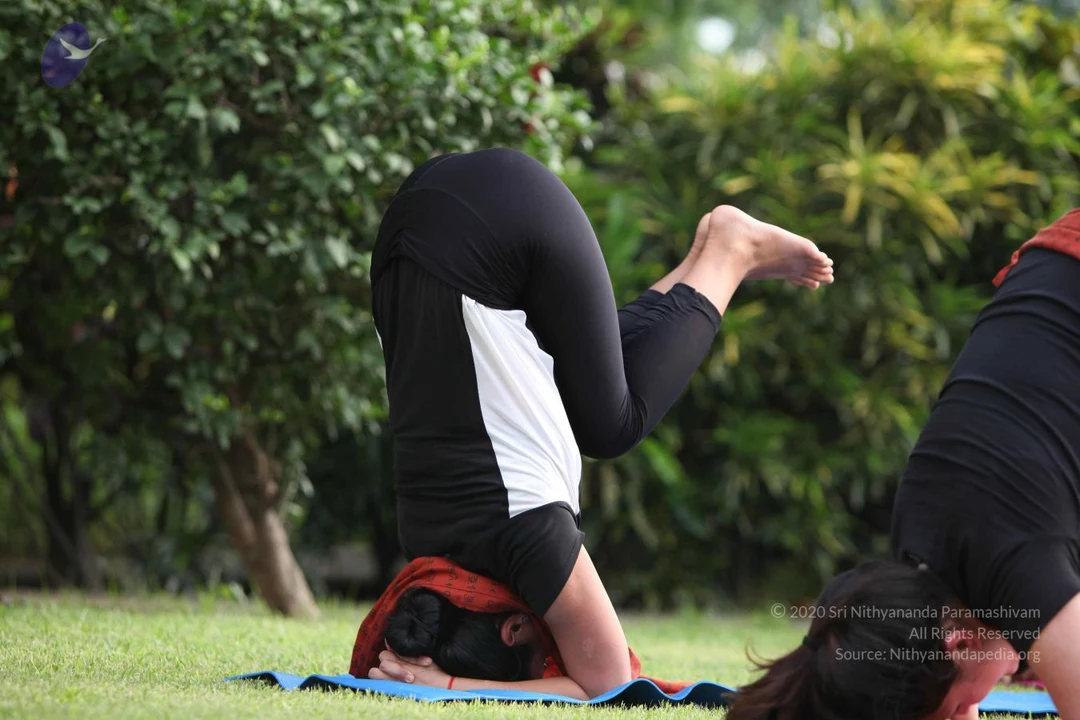
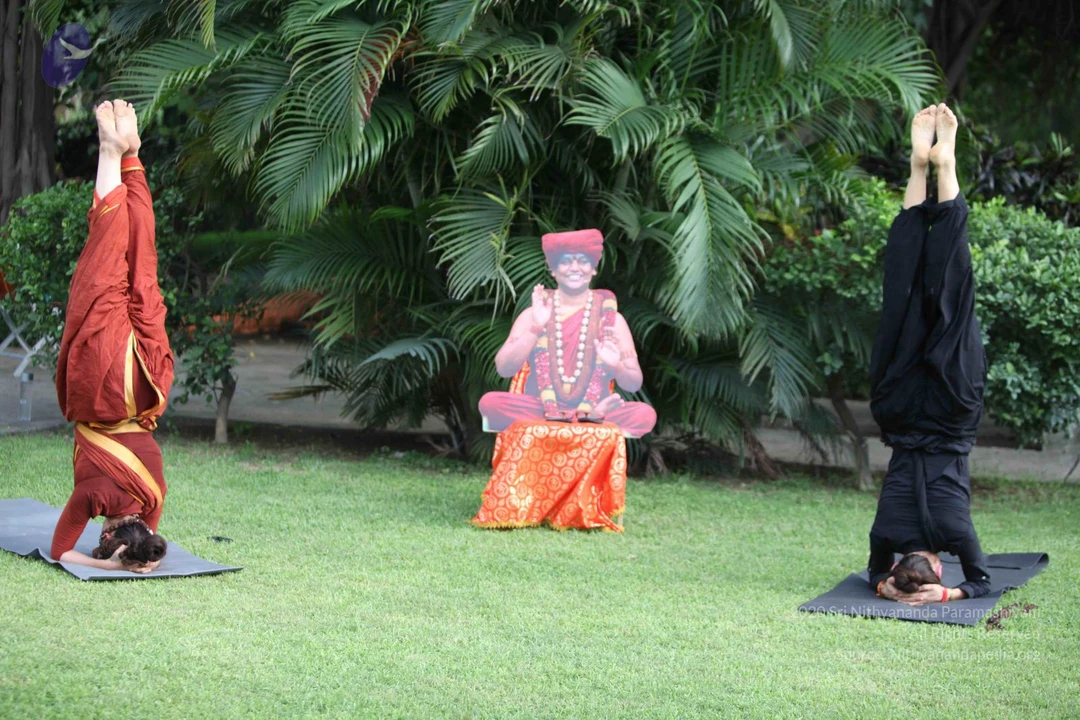
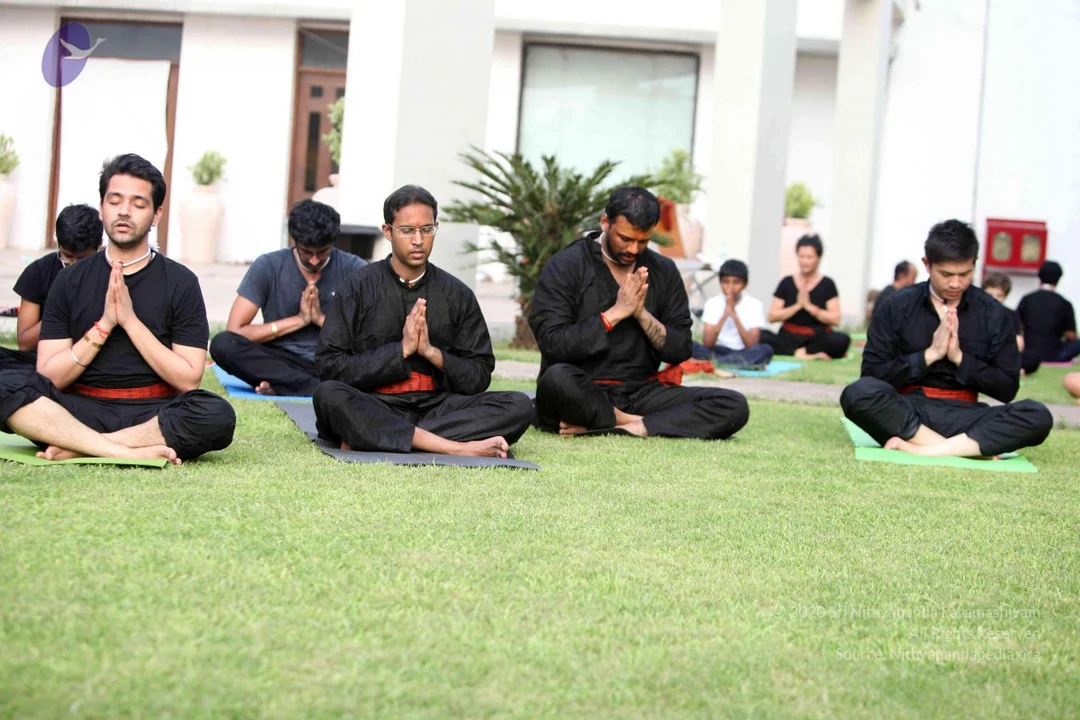
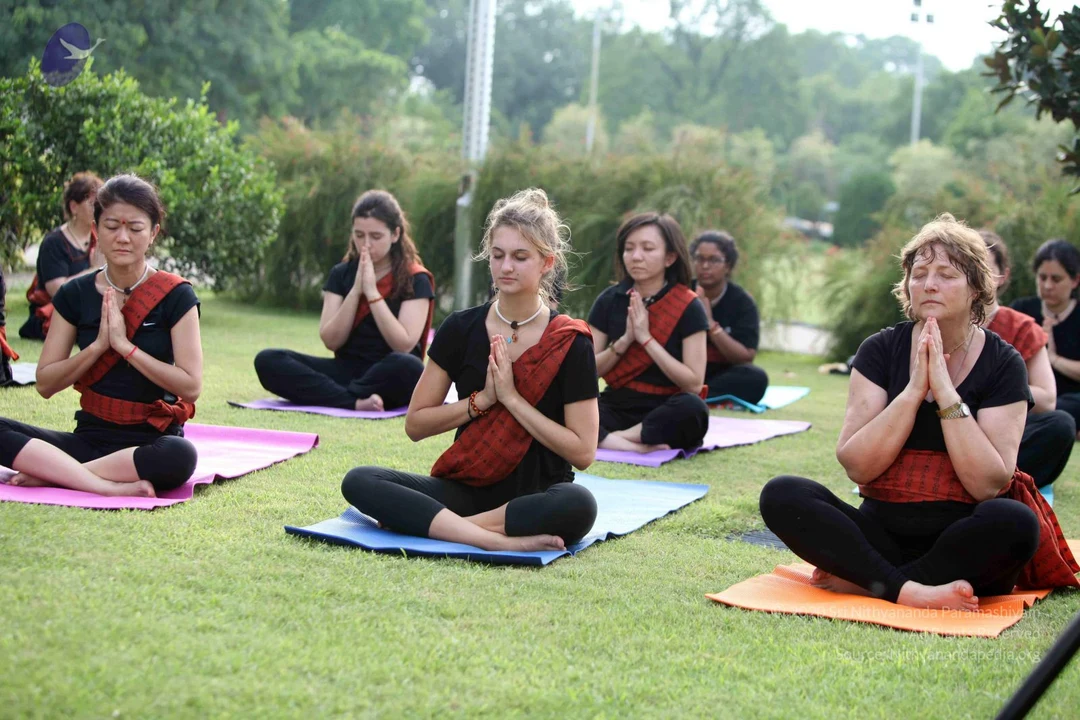
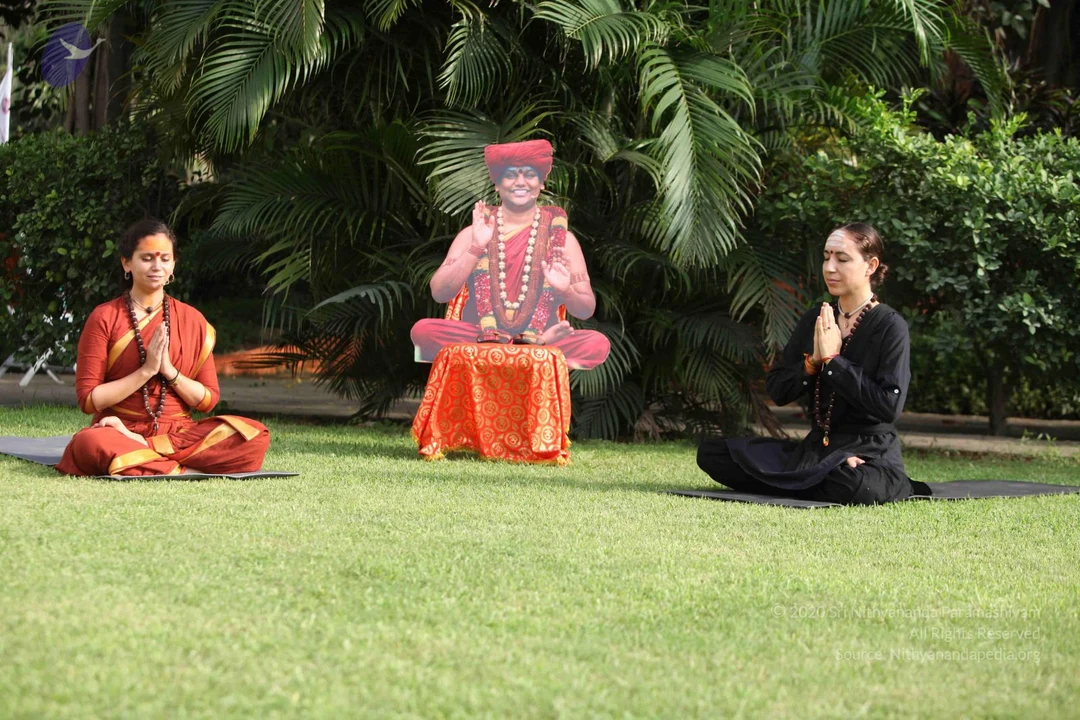
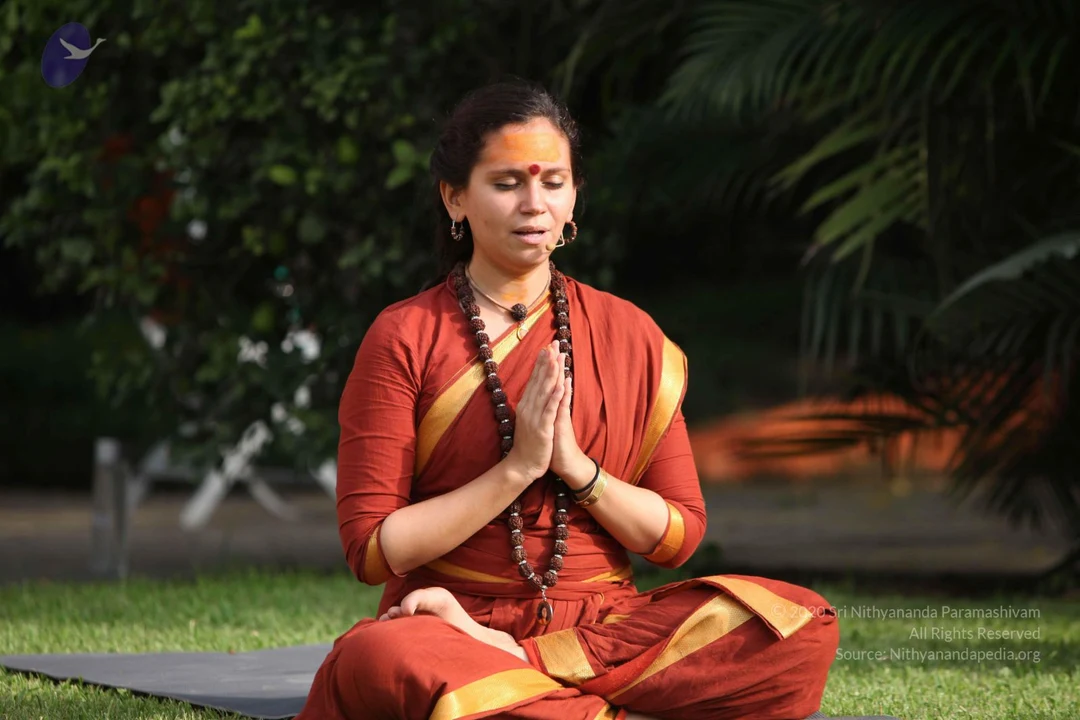
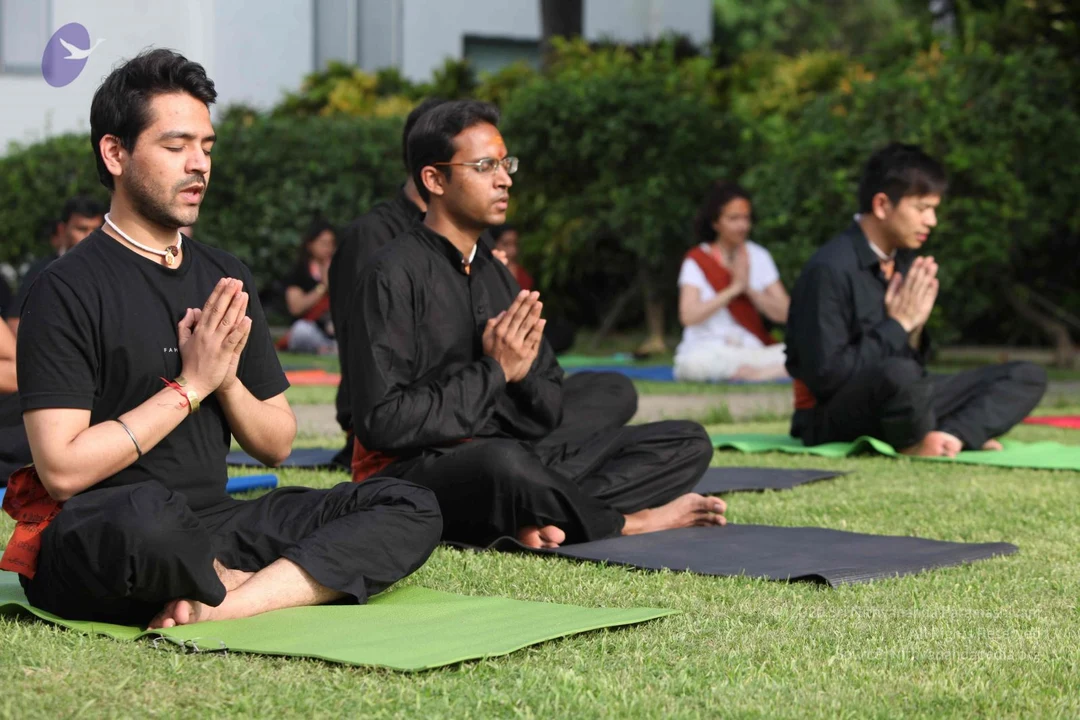
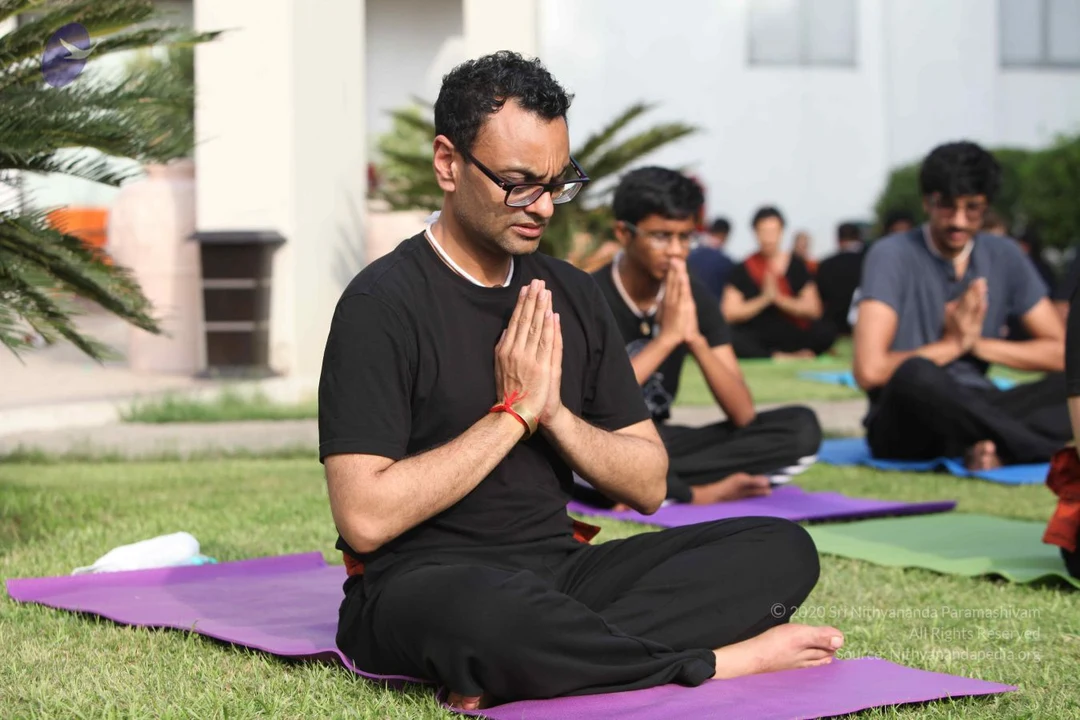
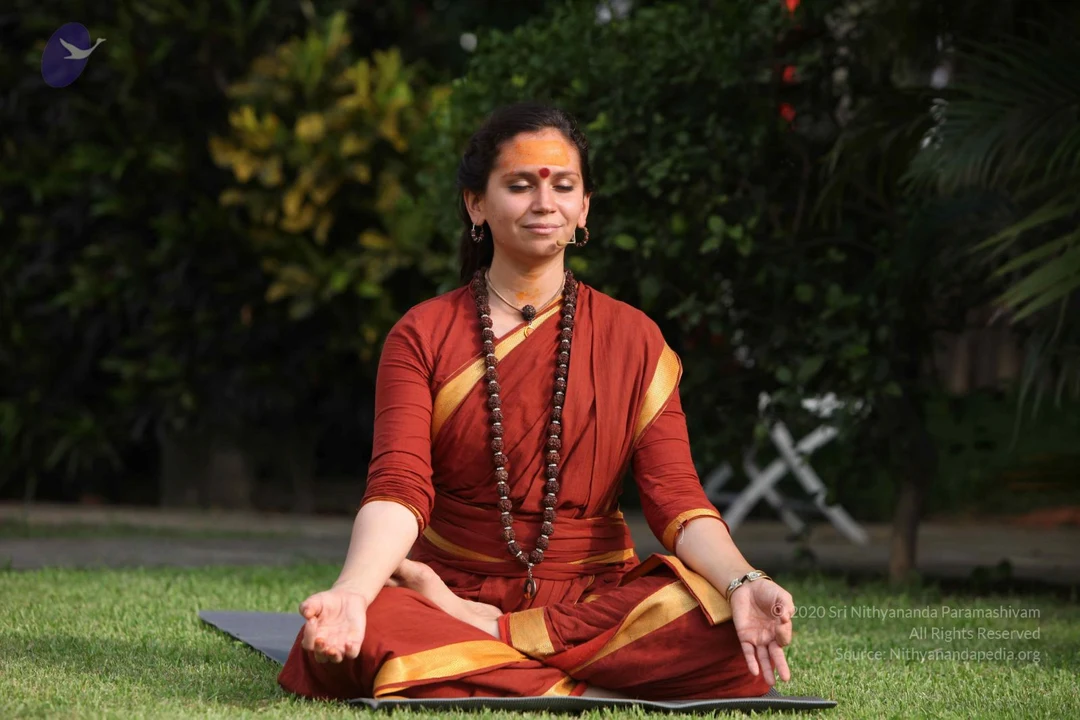
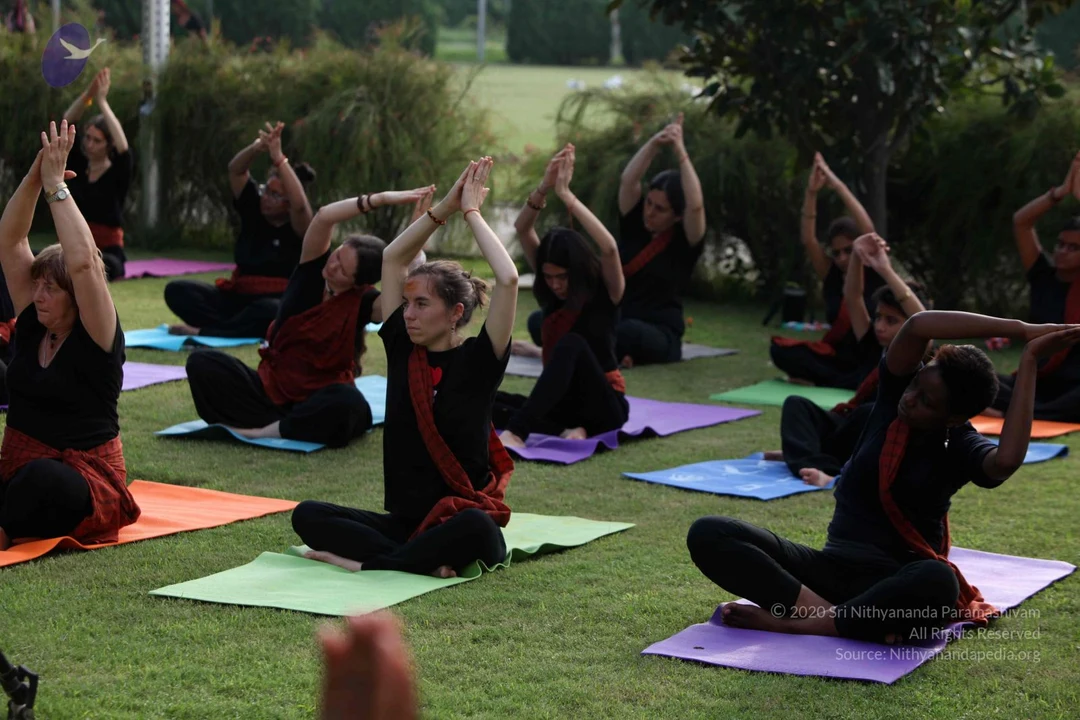
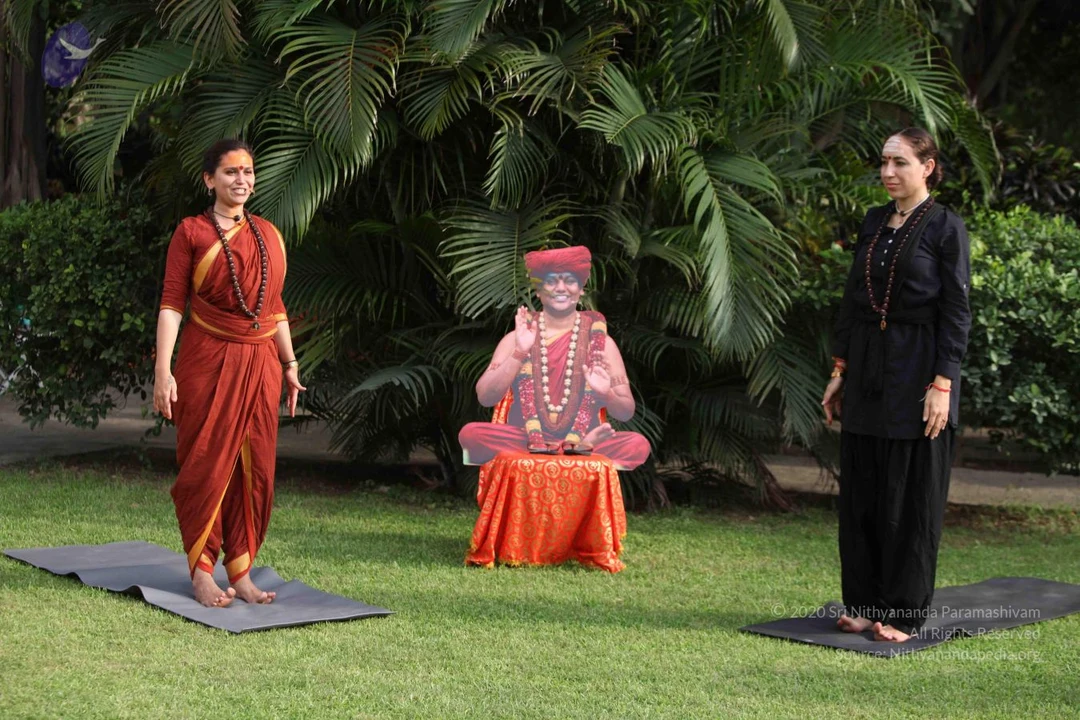
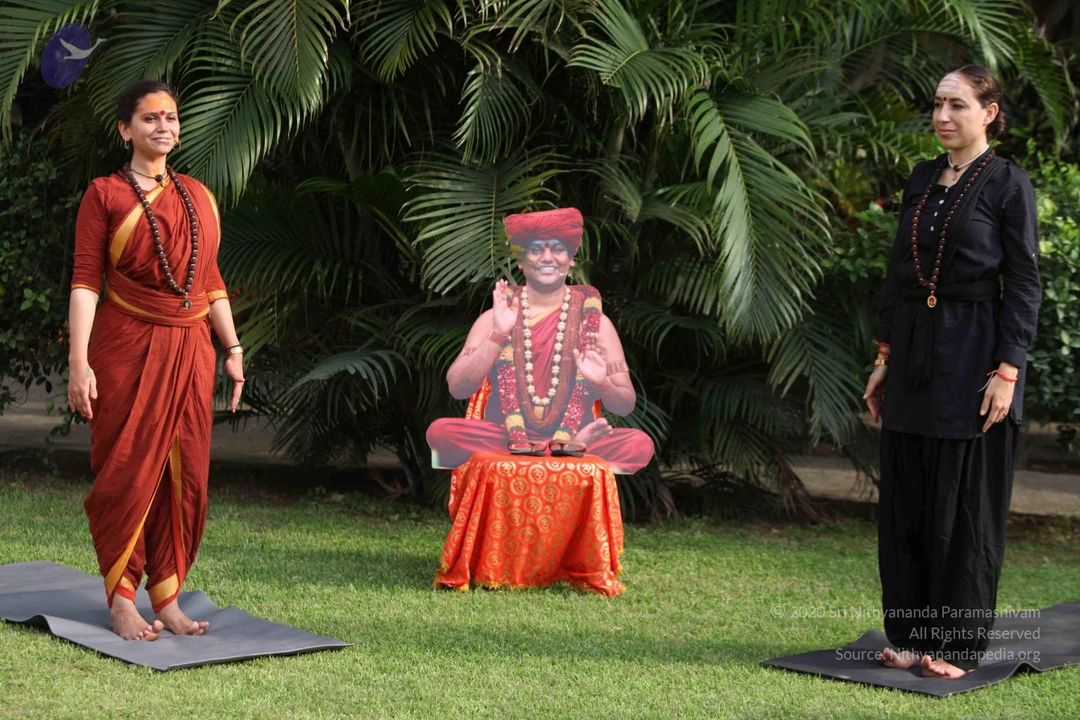
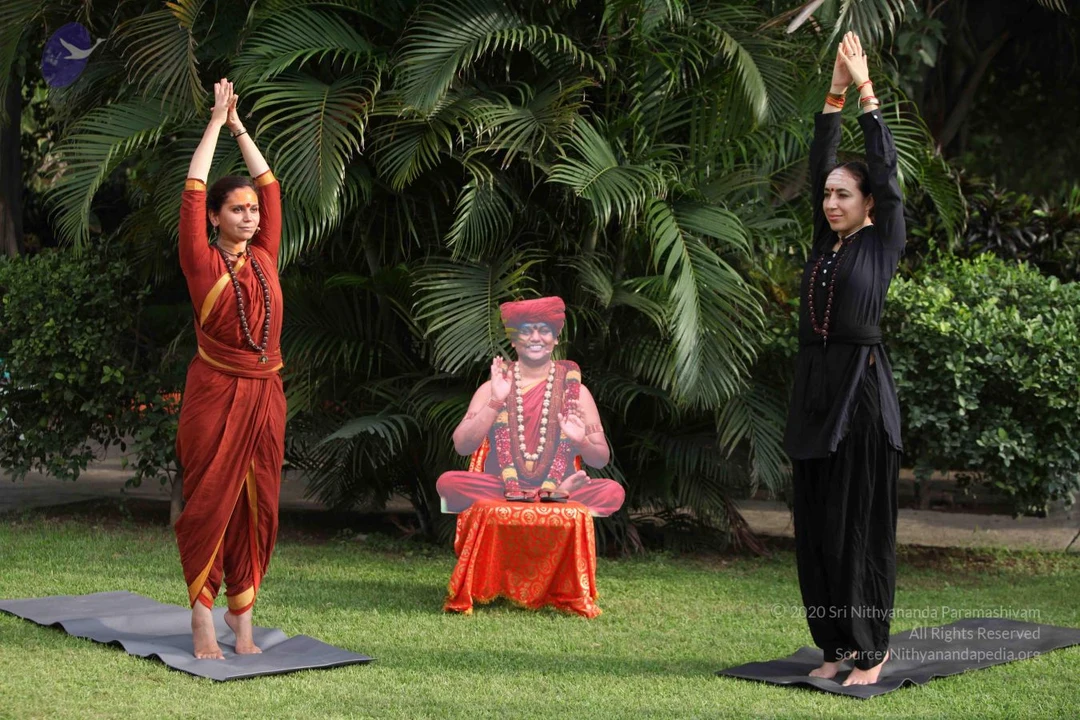
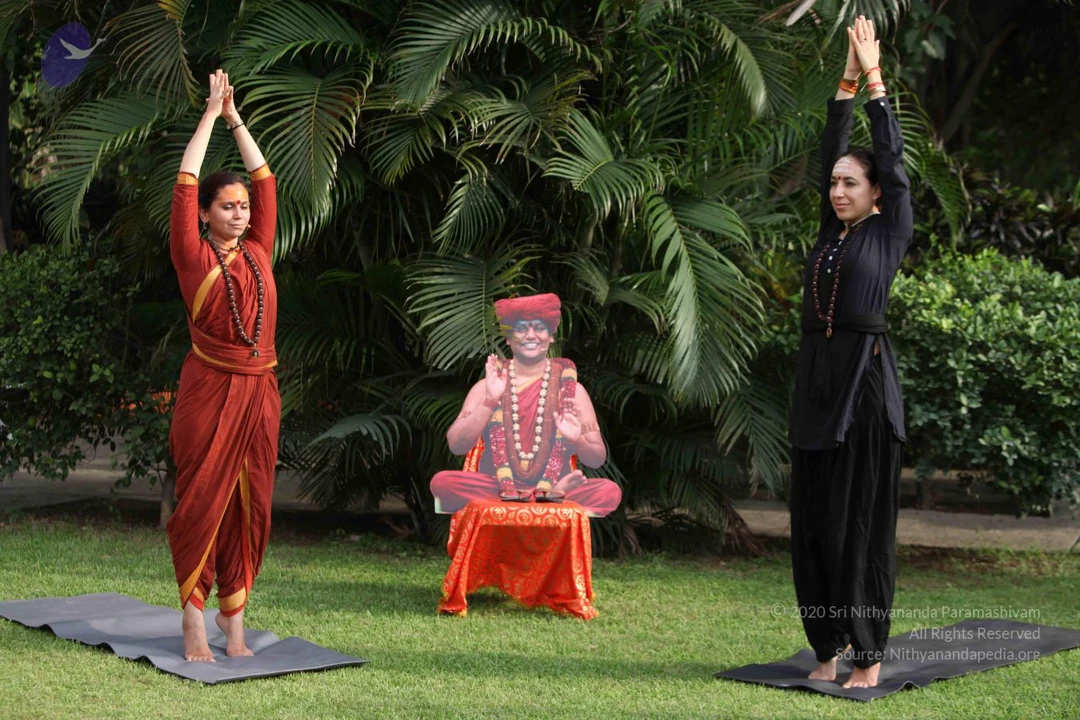
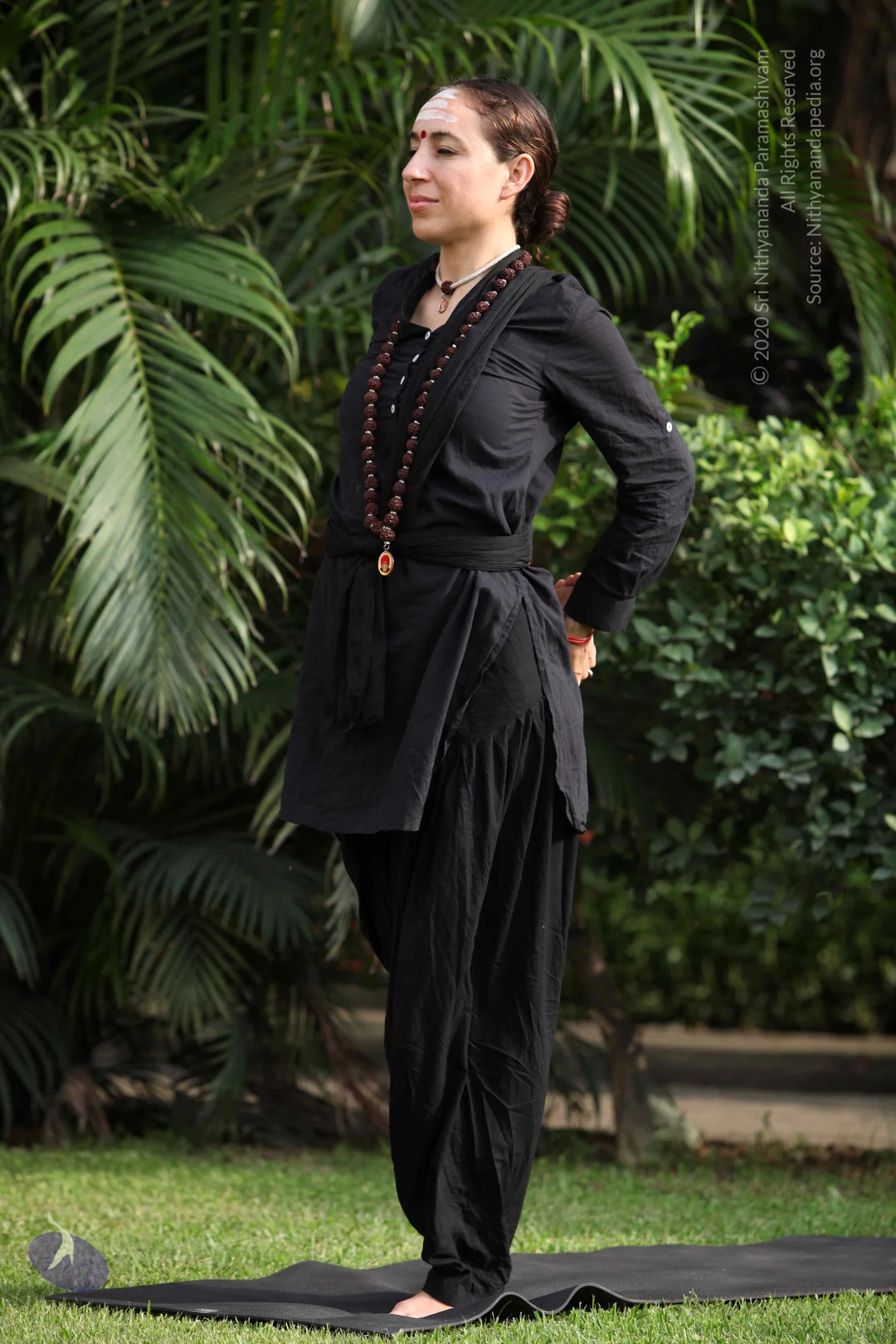
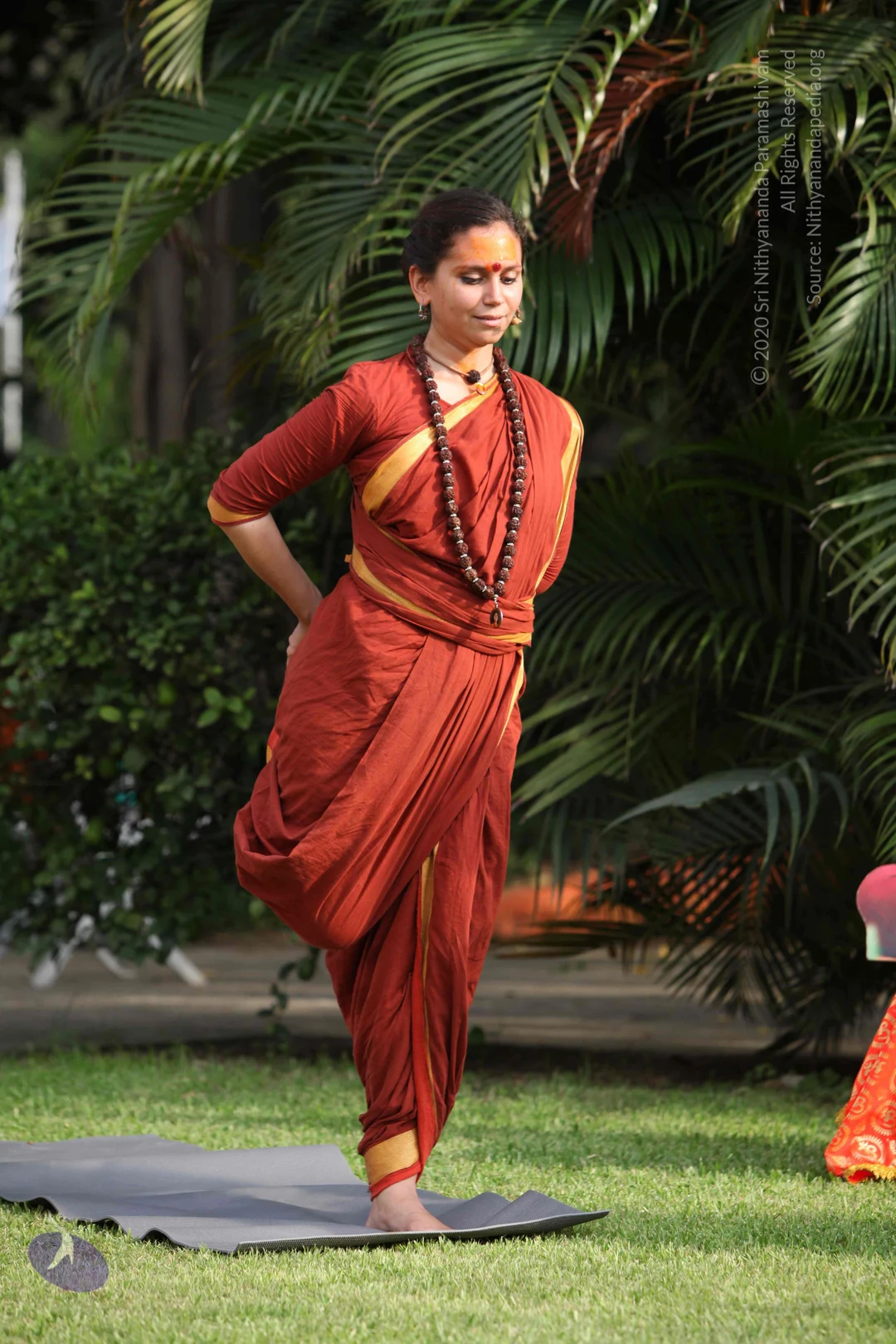
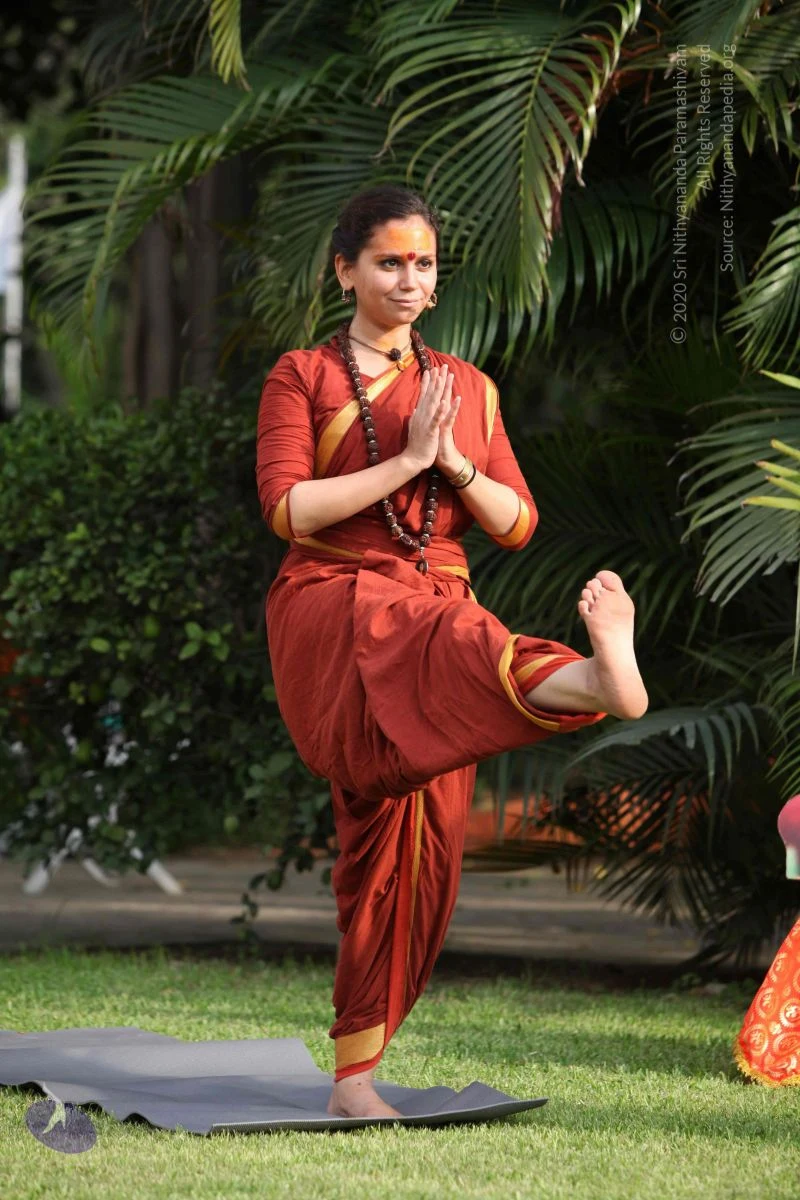
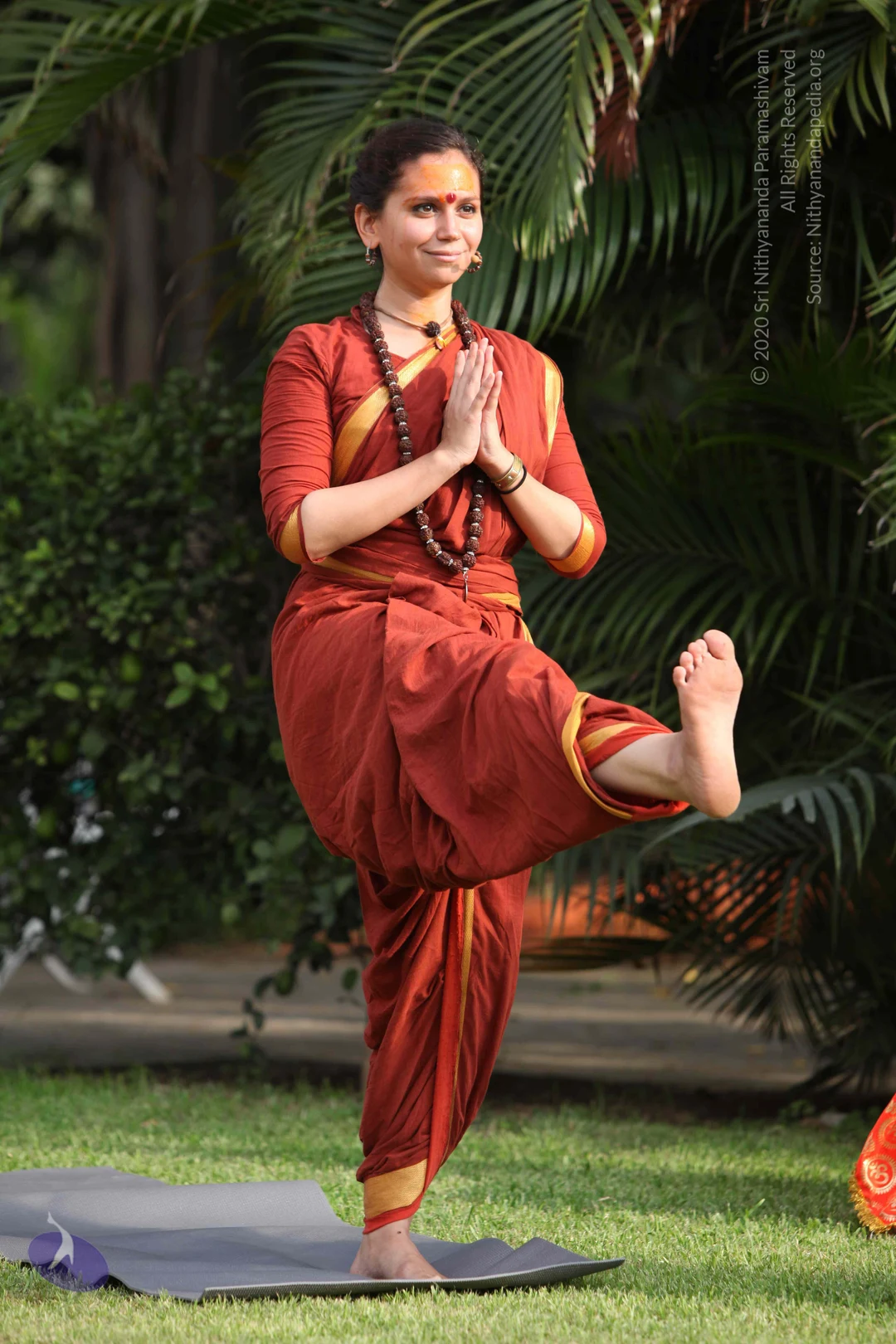
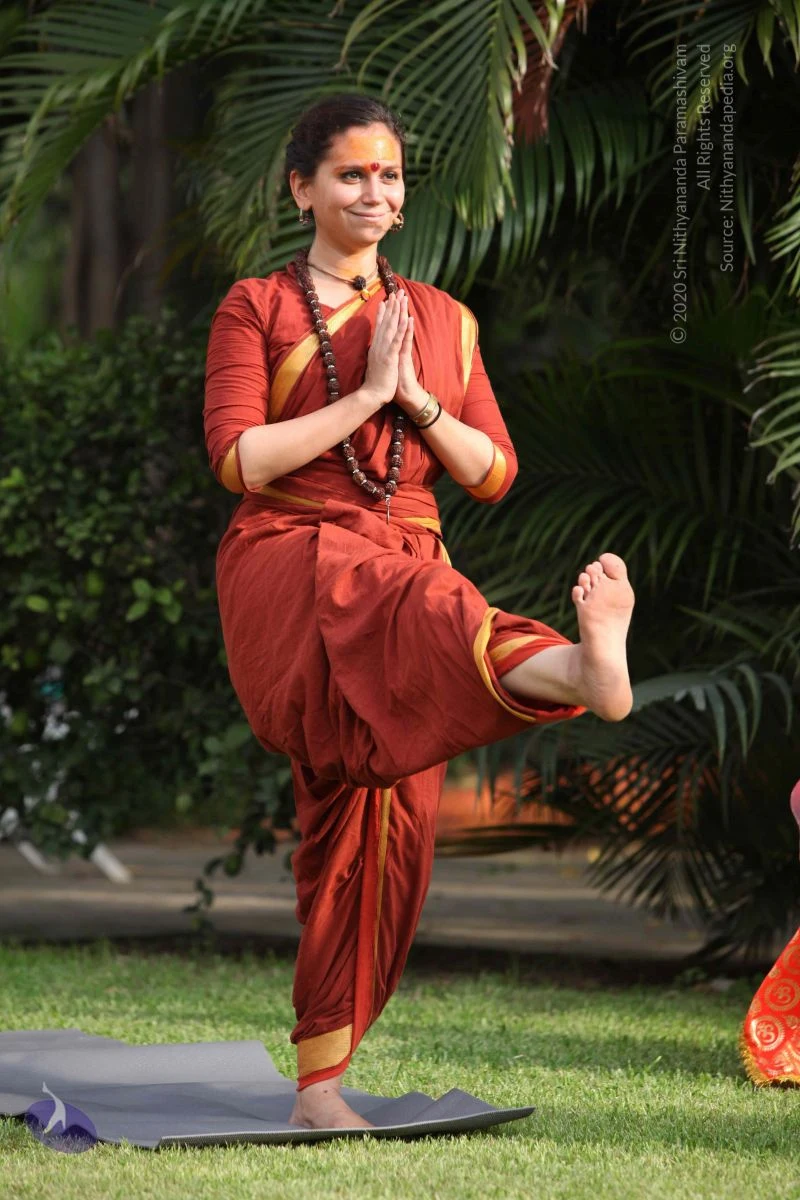
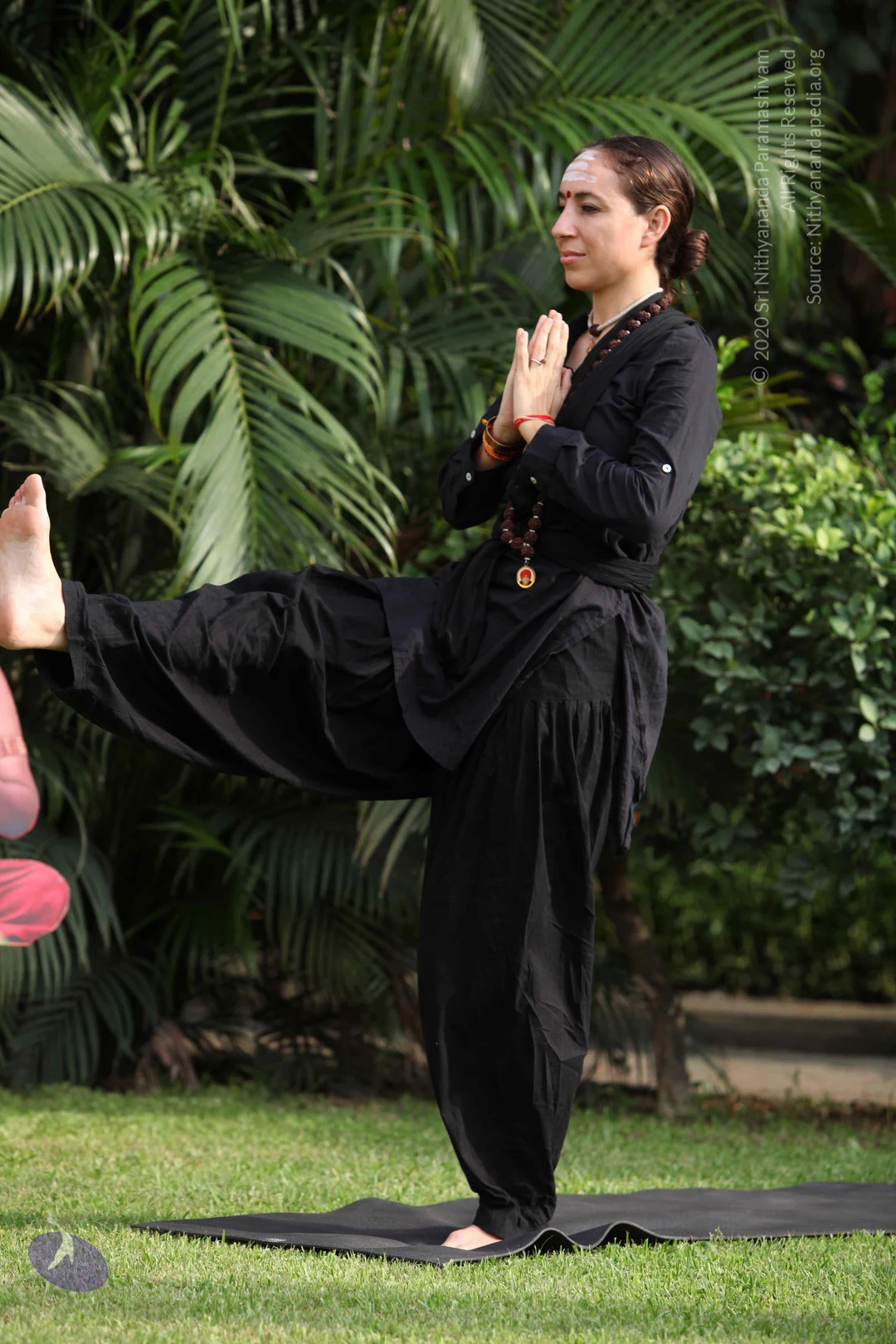
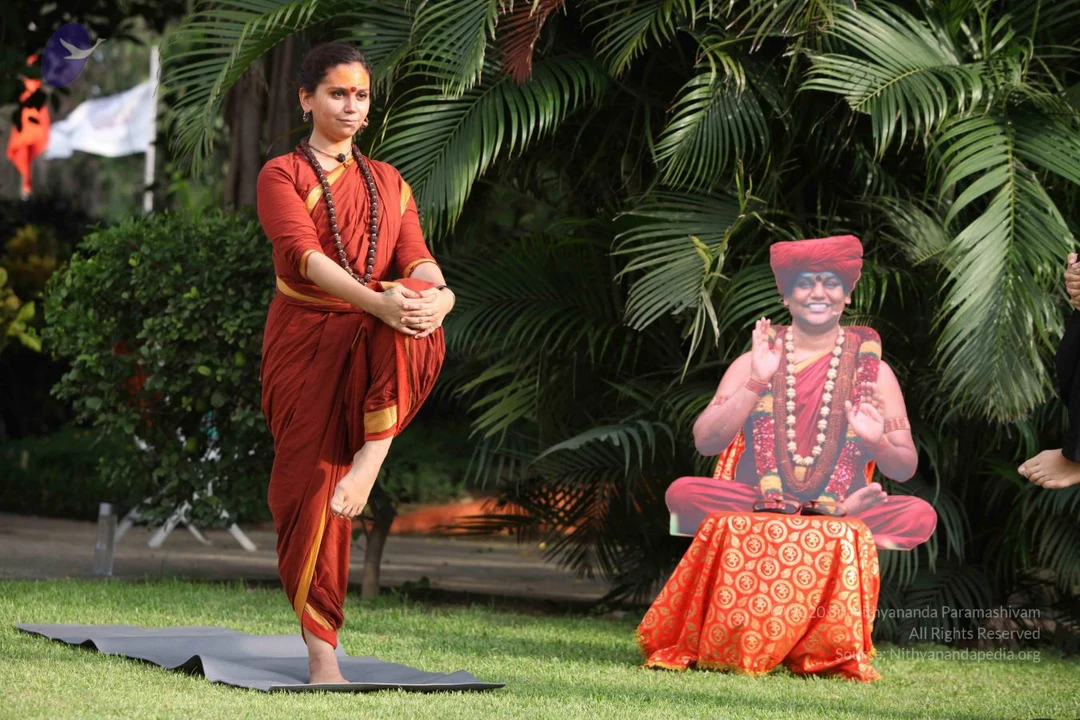
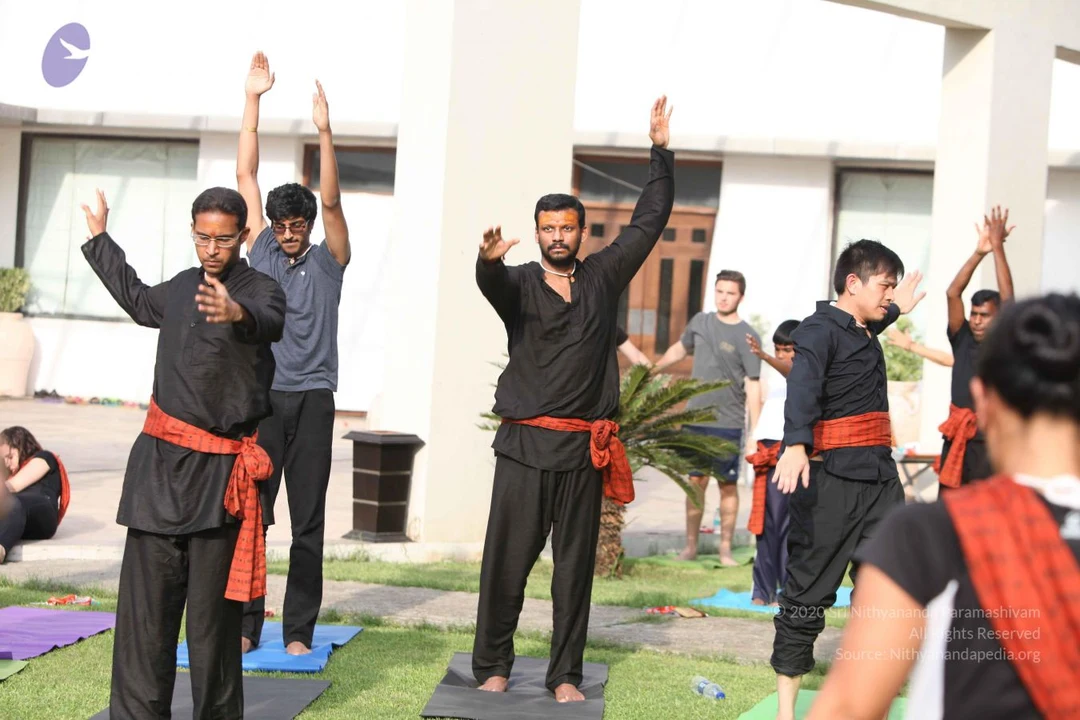
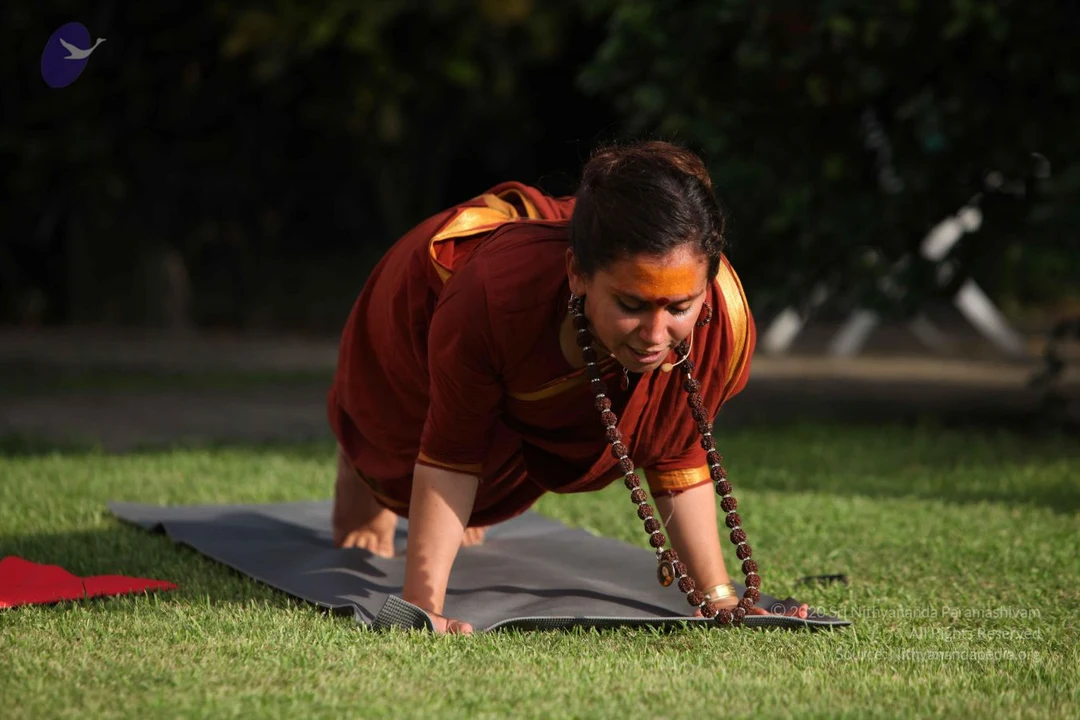
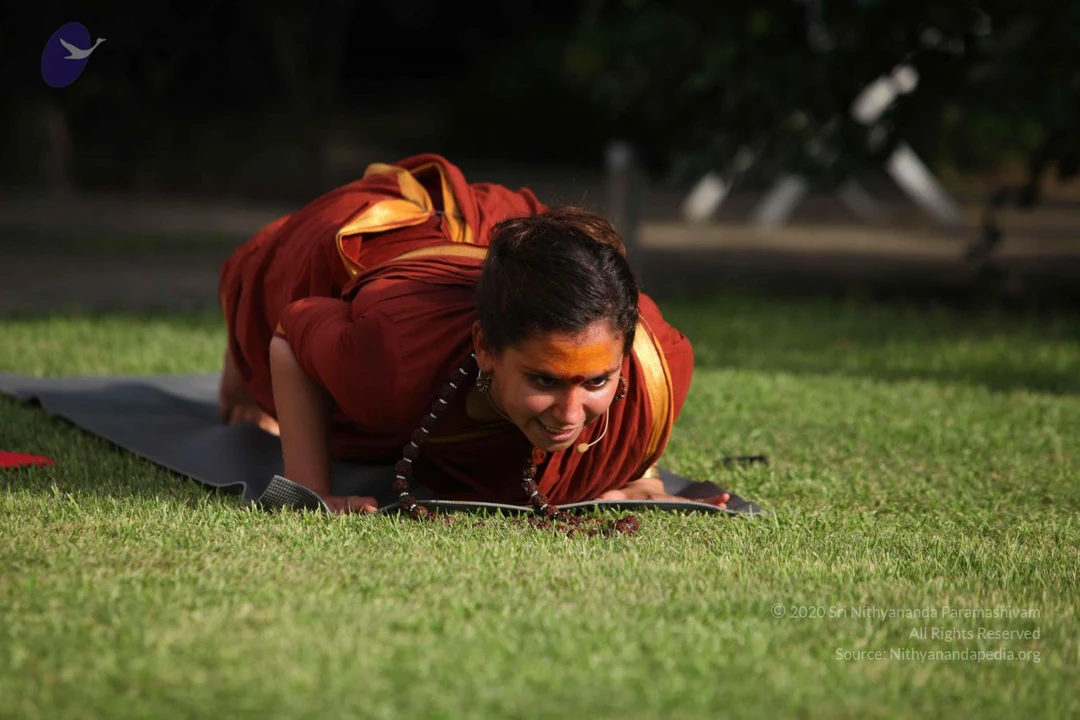
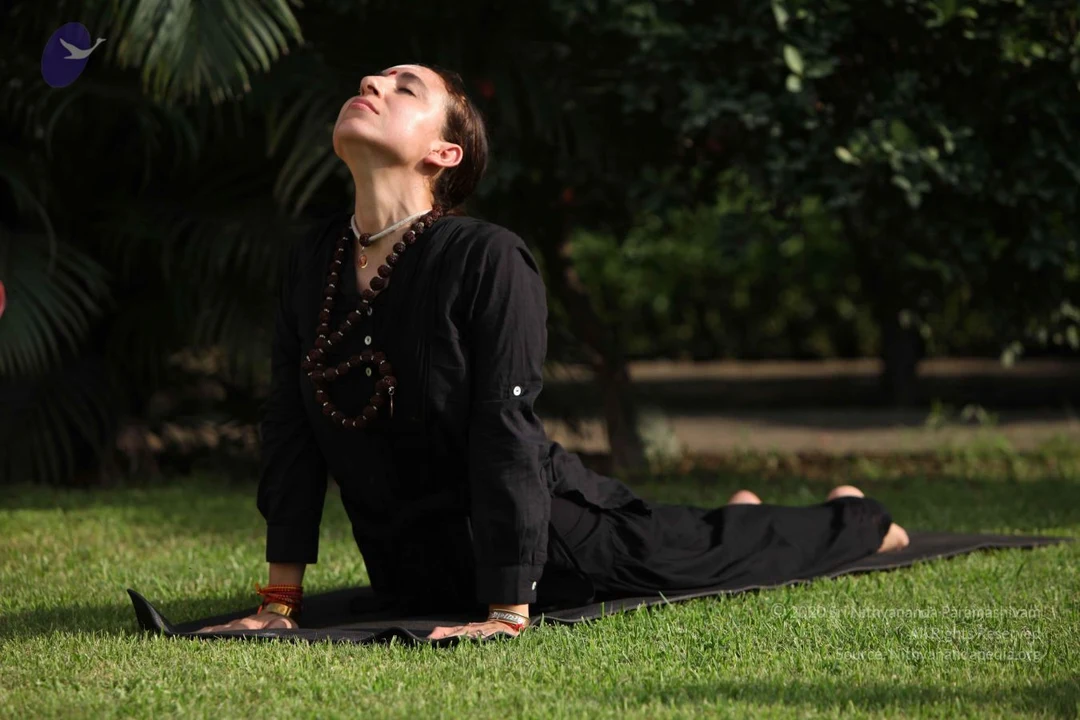
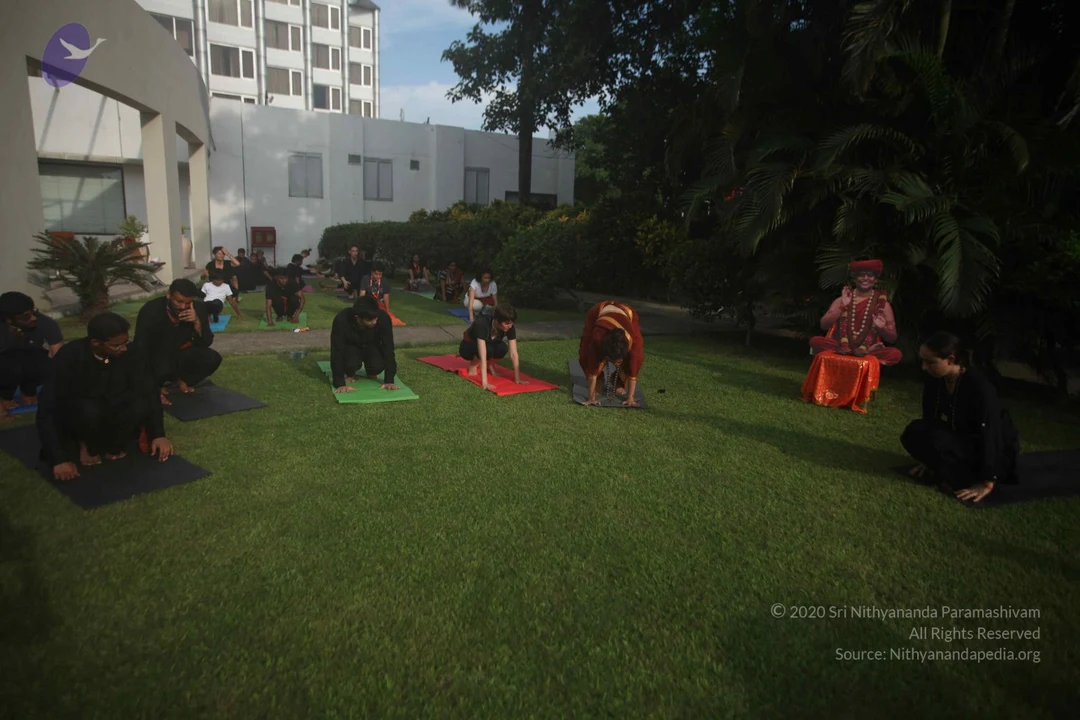
Yoga
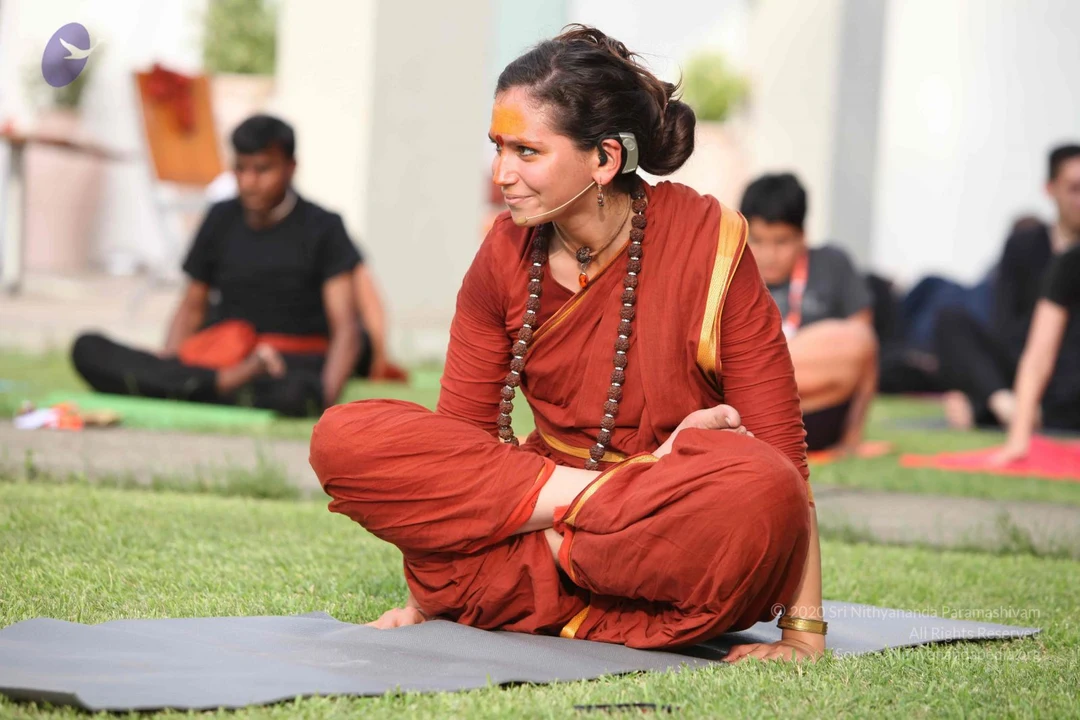
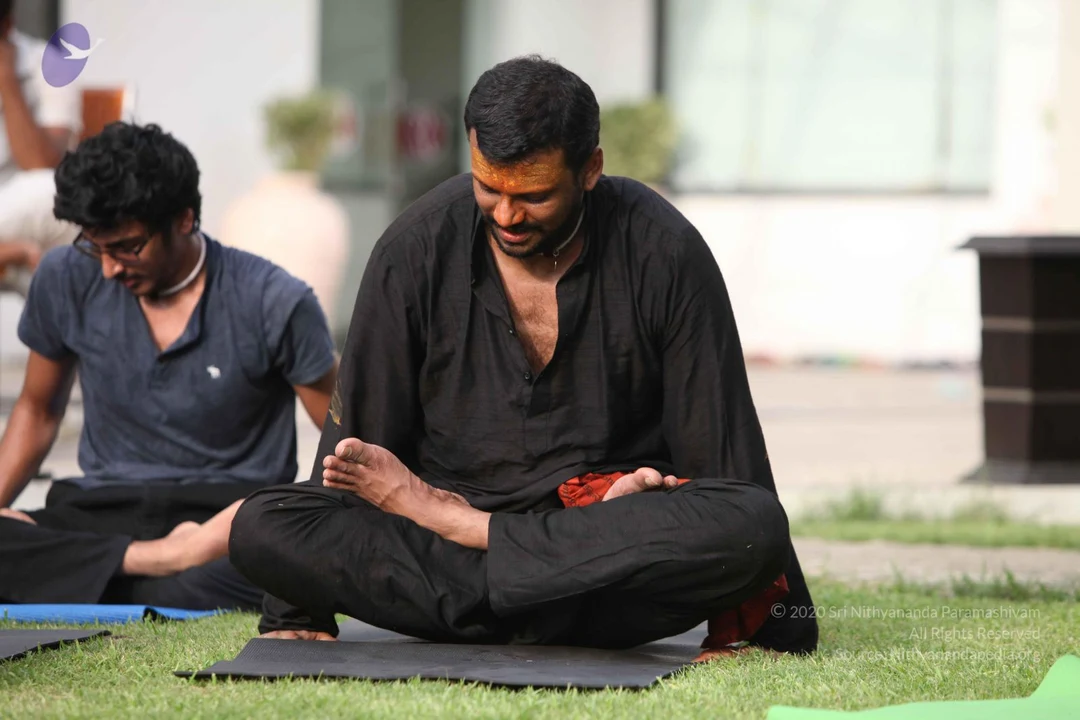
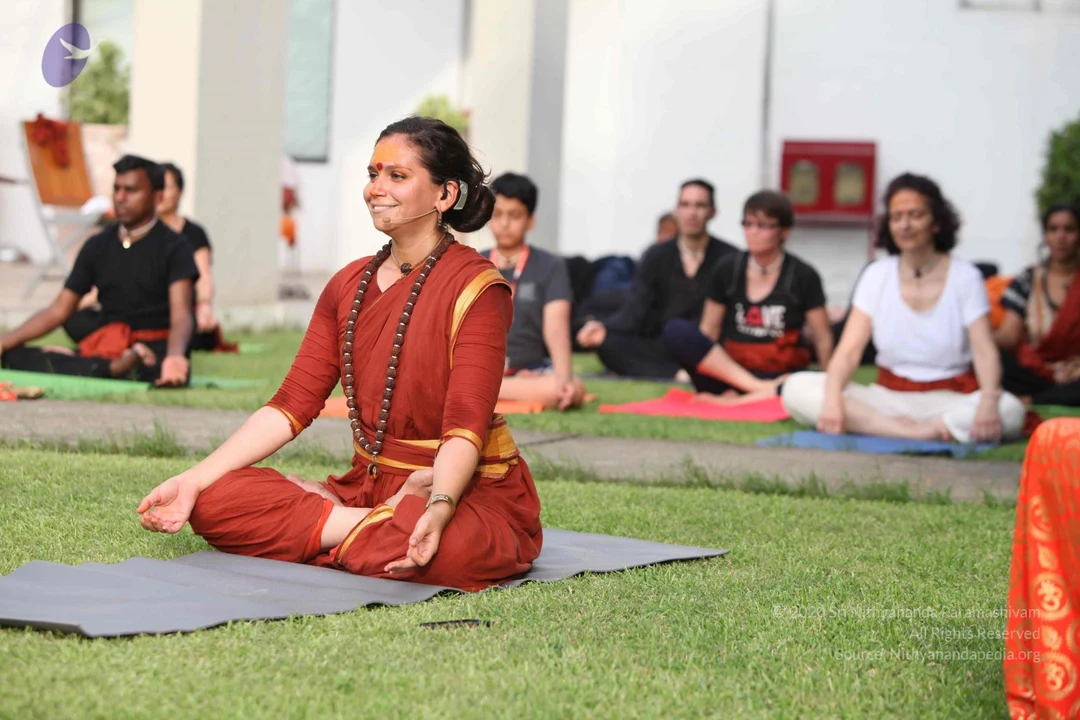
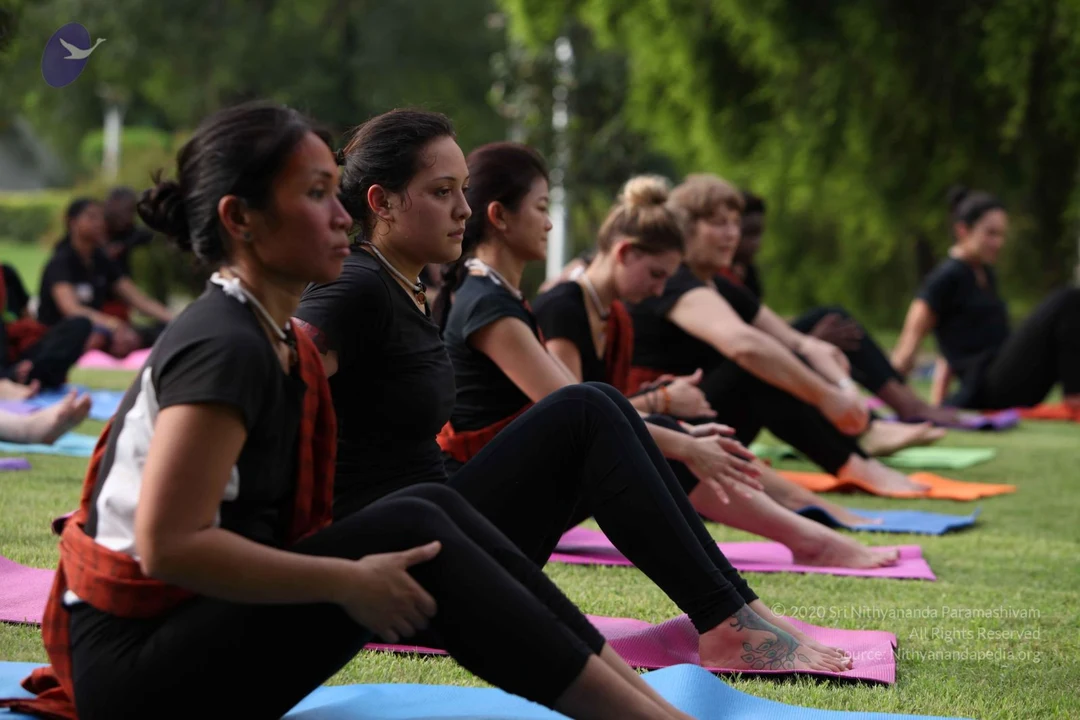
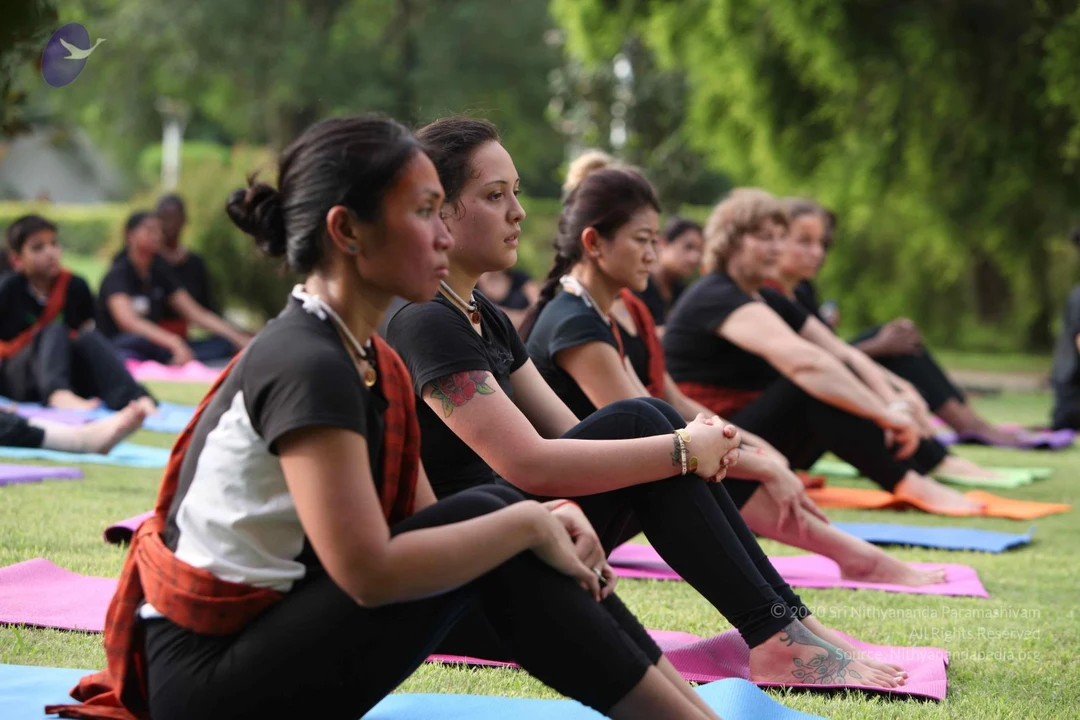


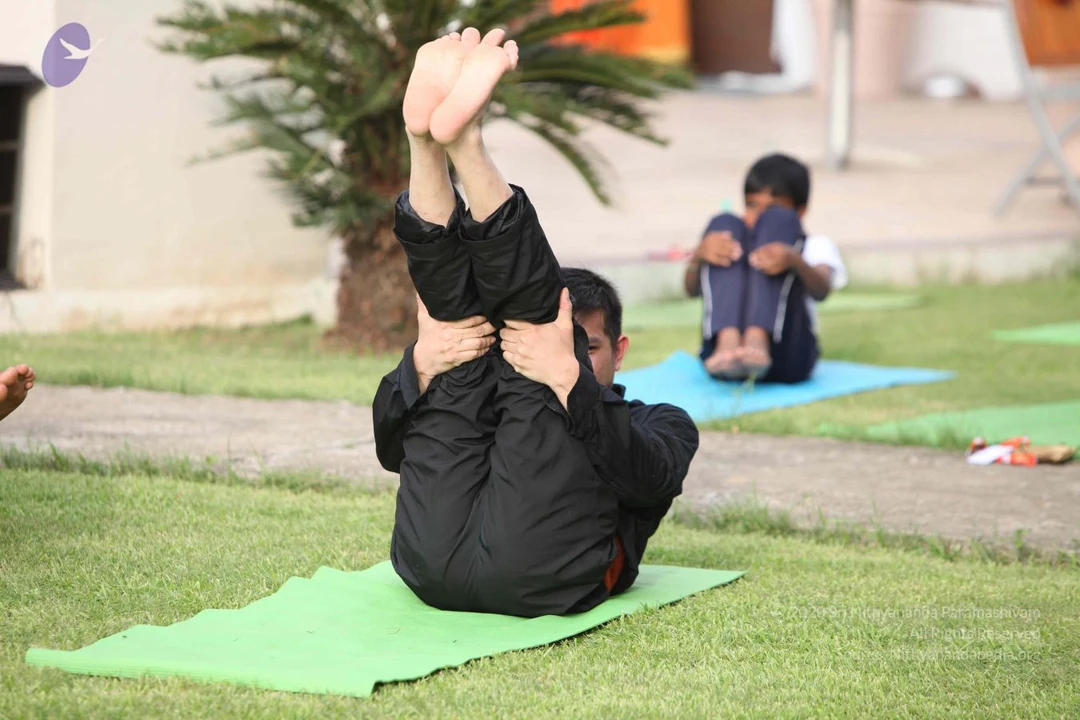

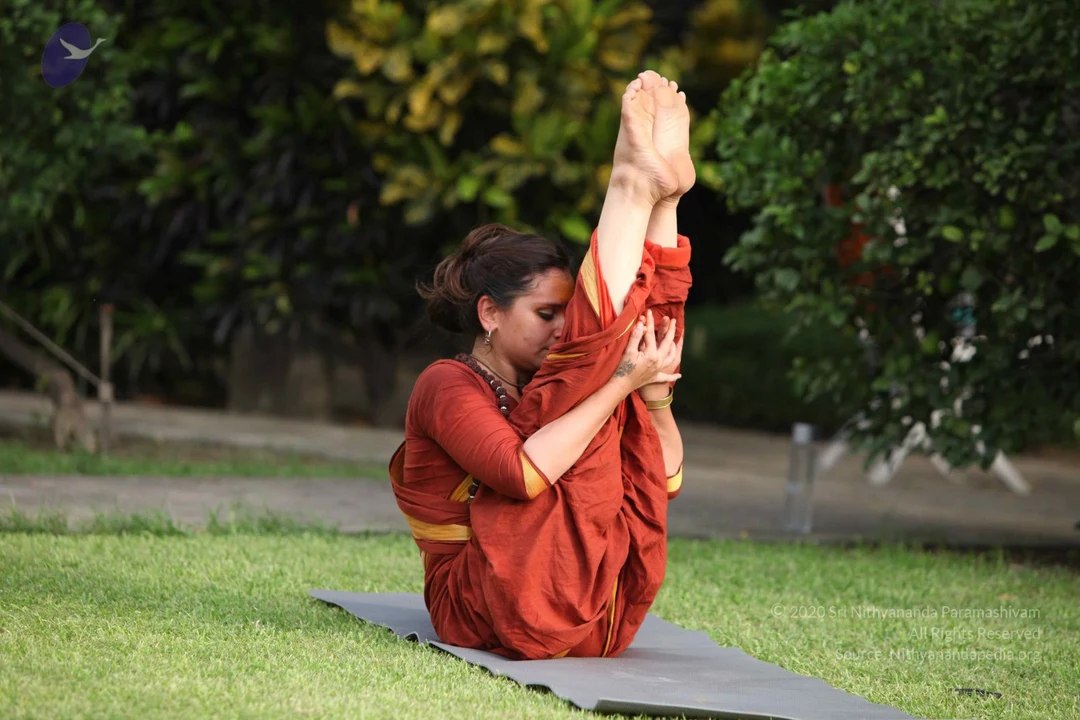
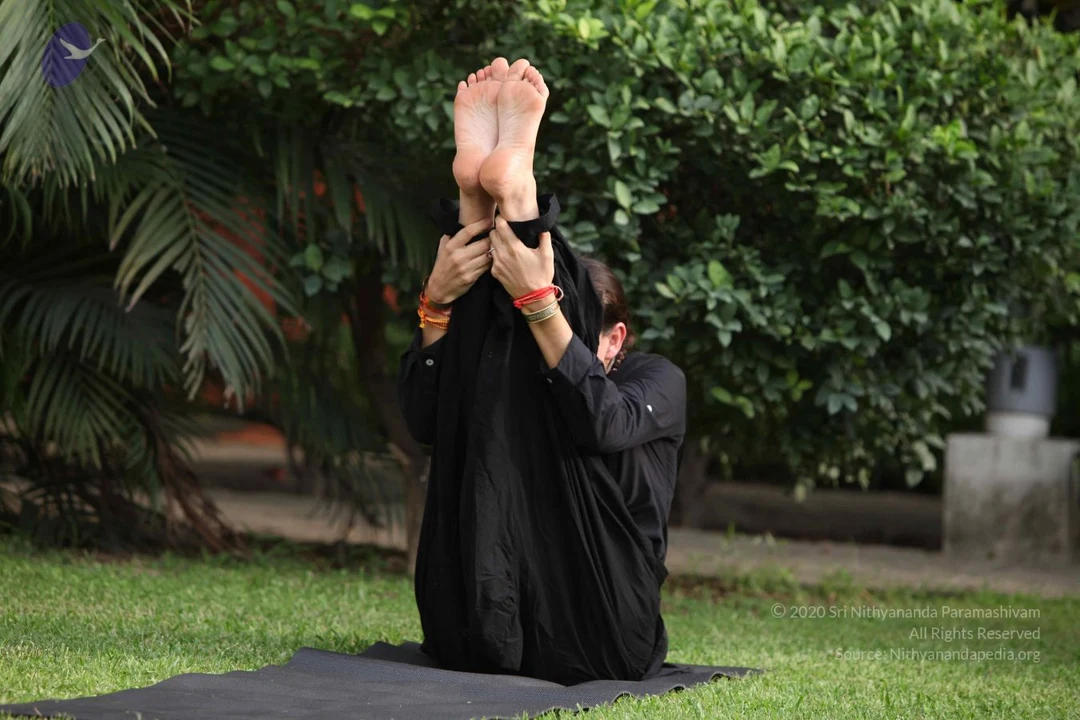



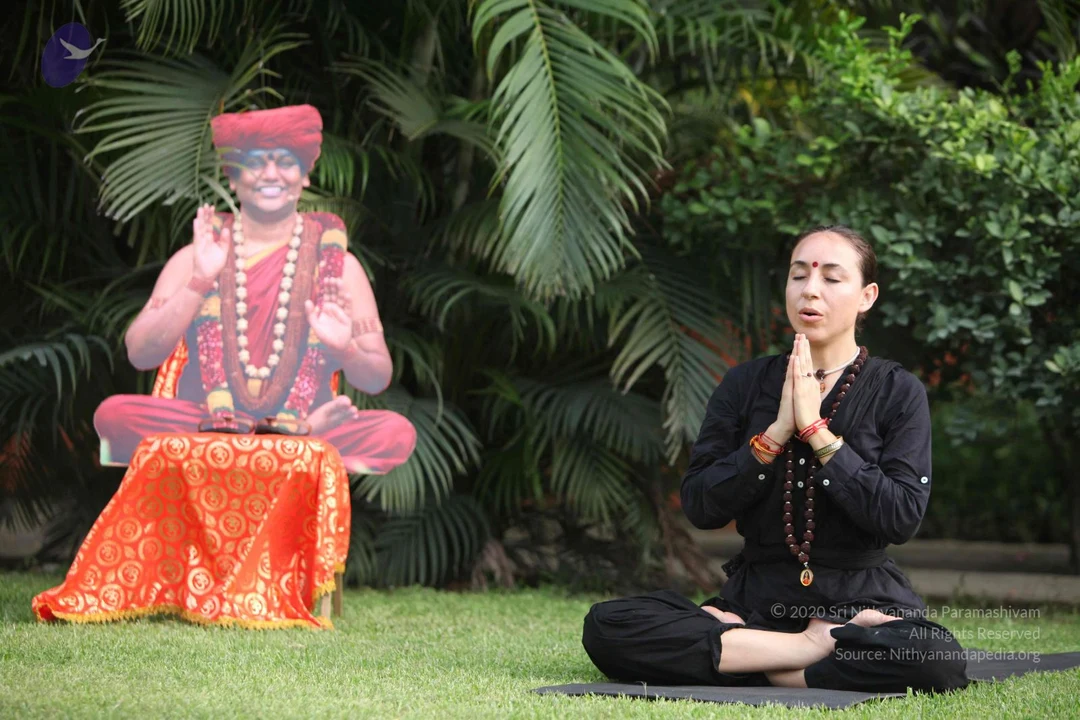
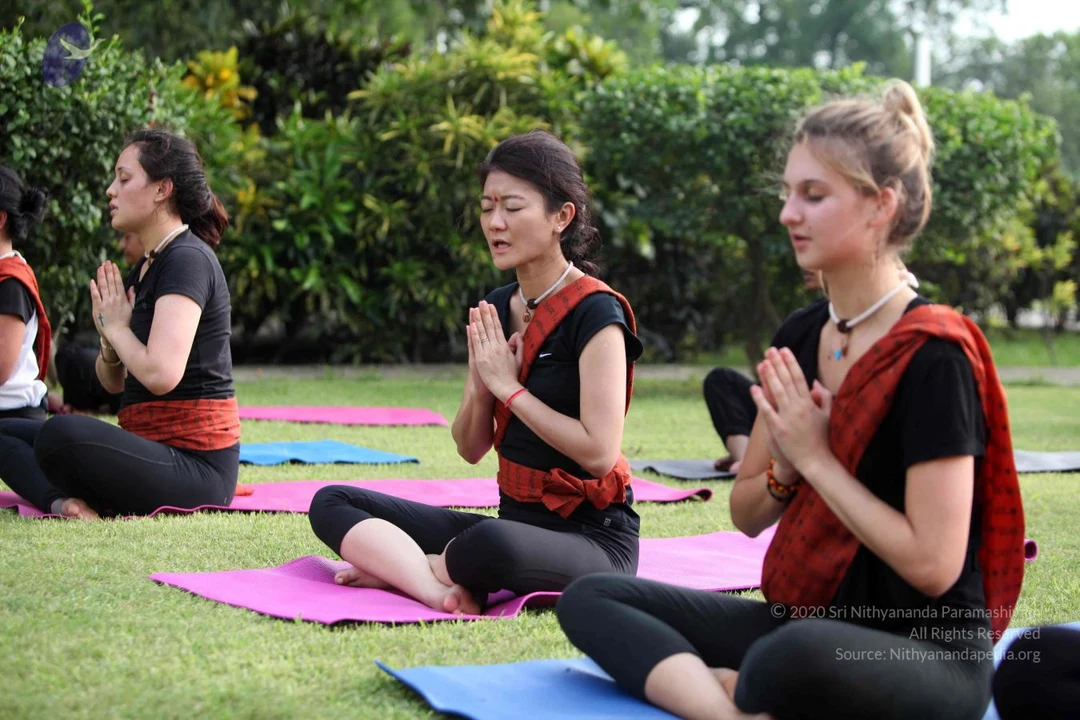
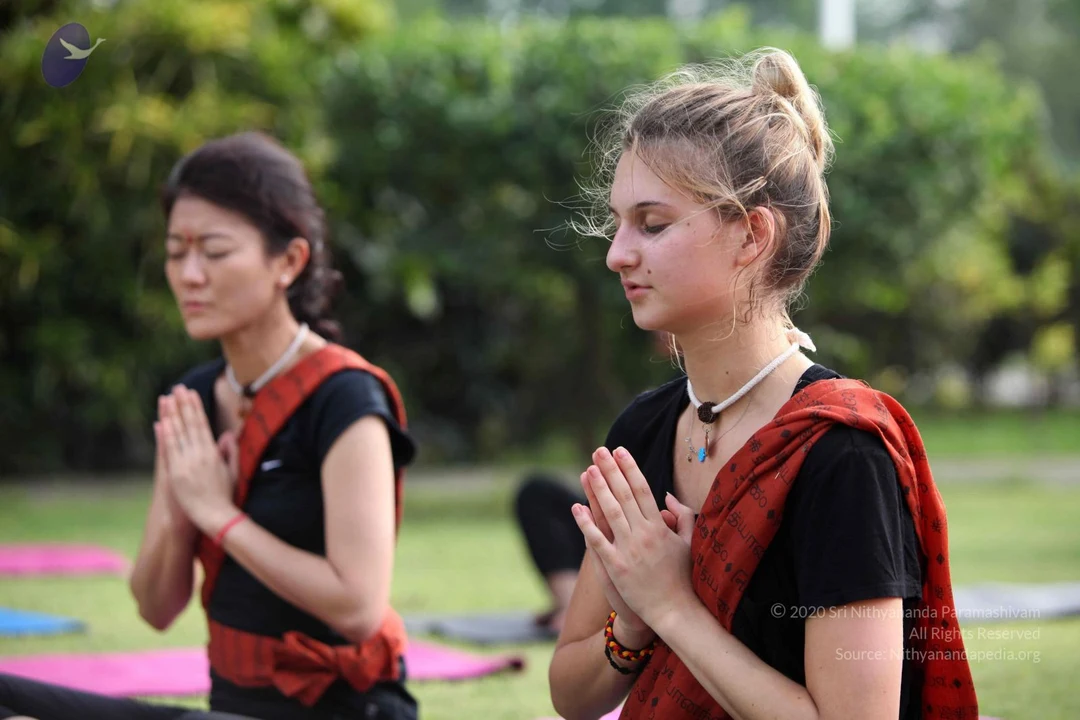
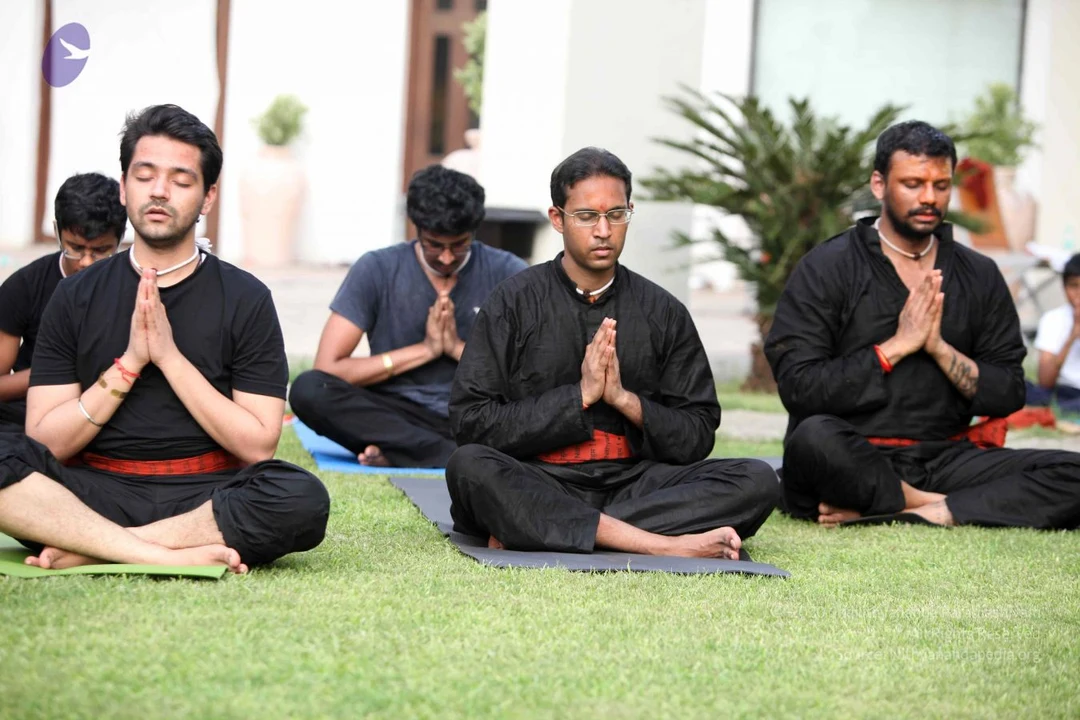
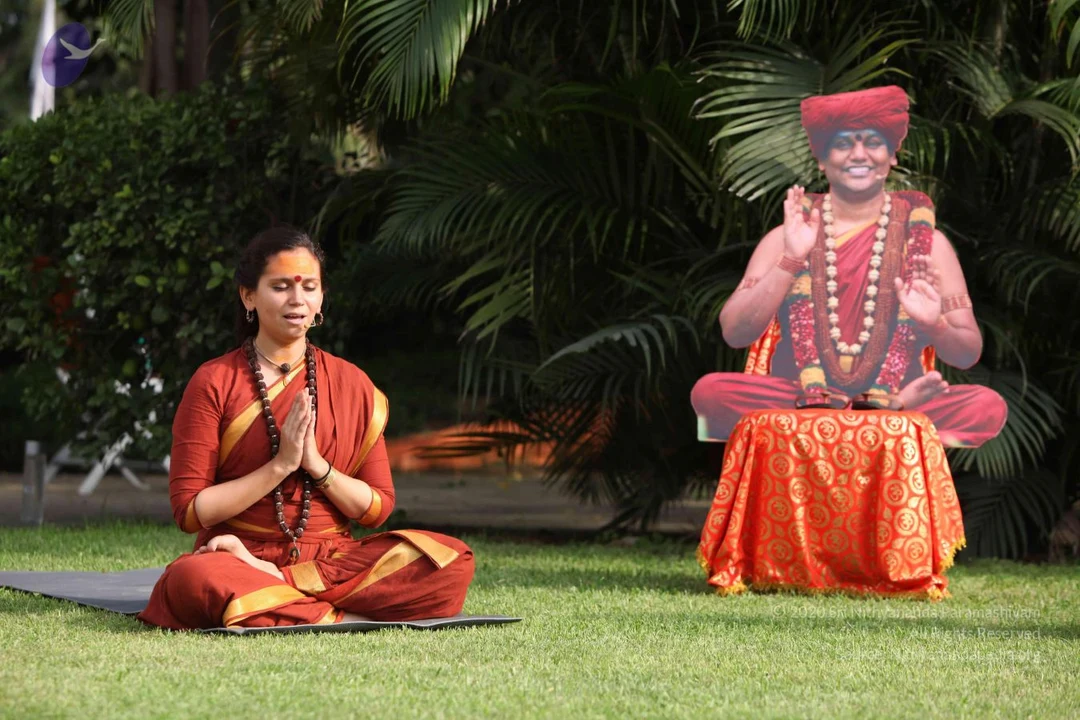
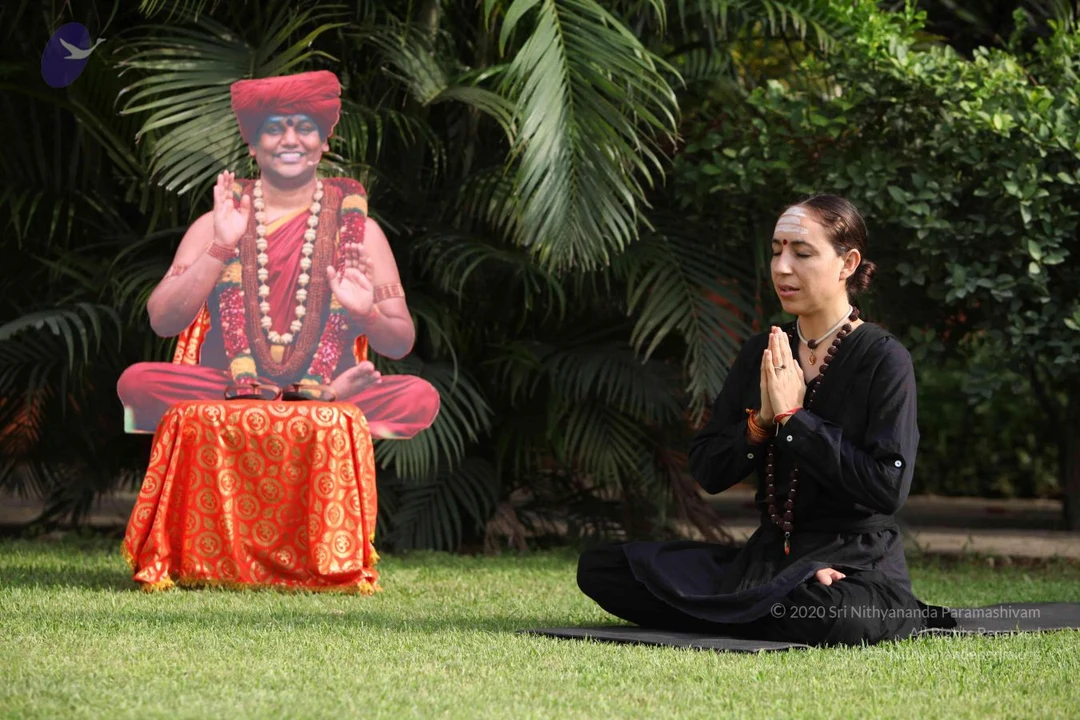
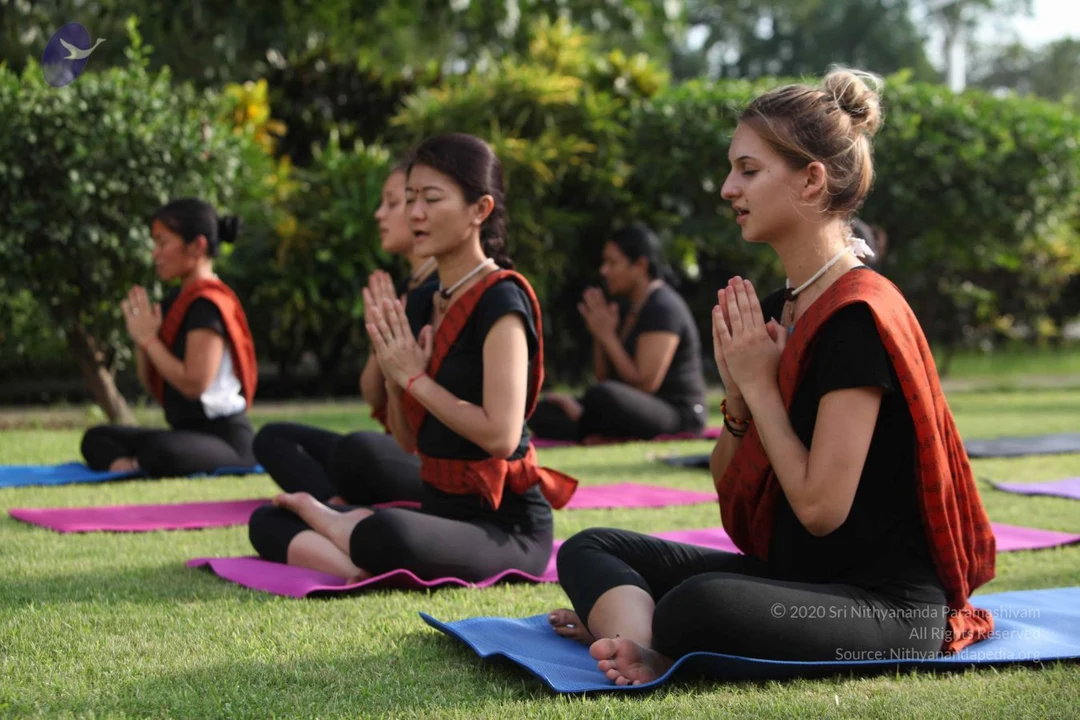
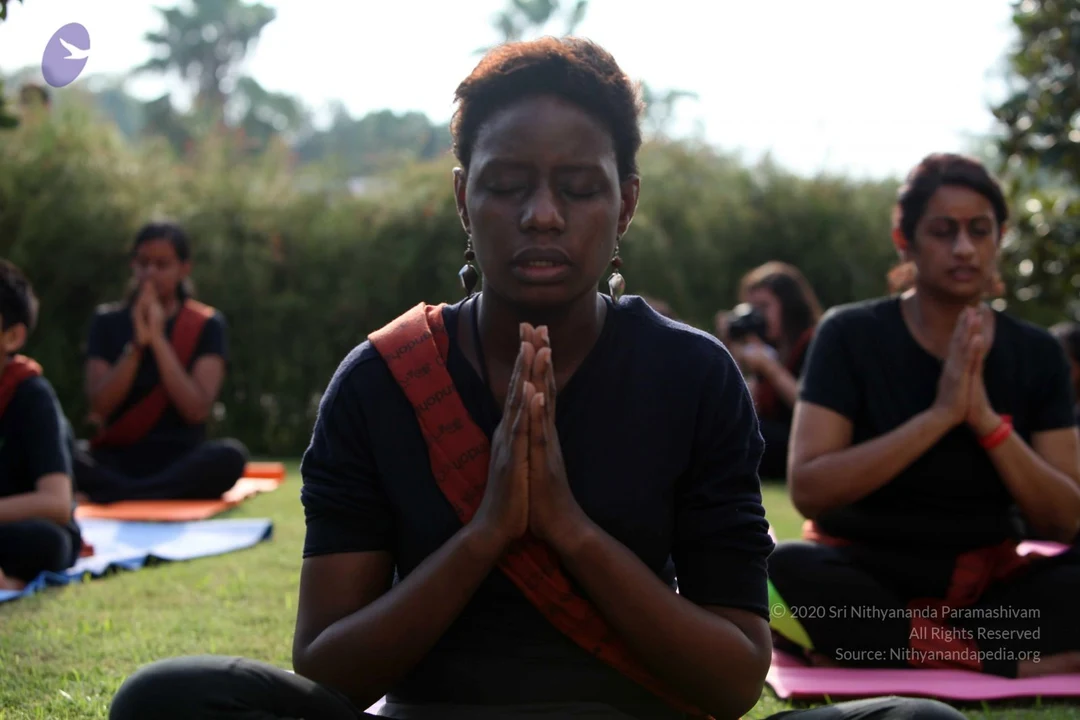

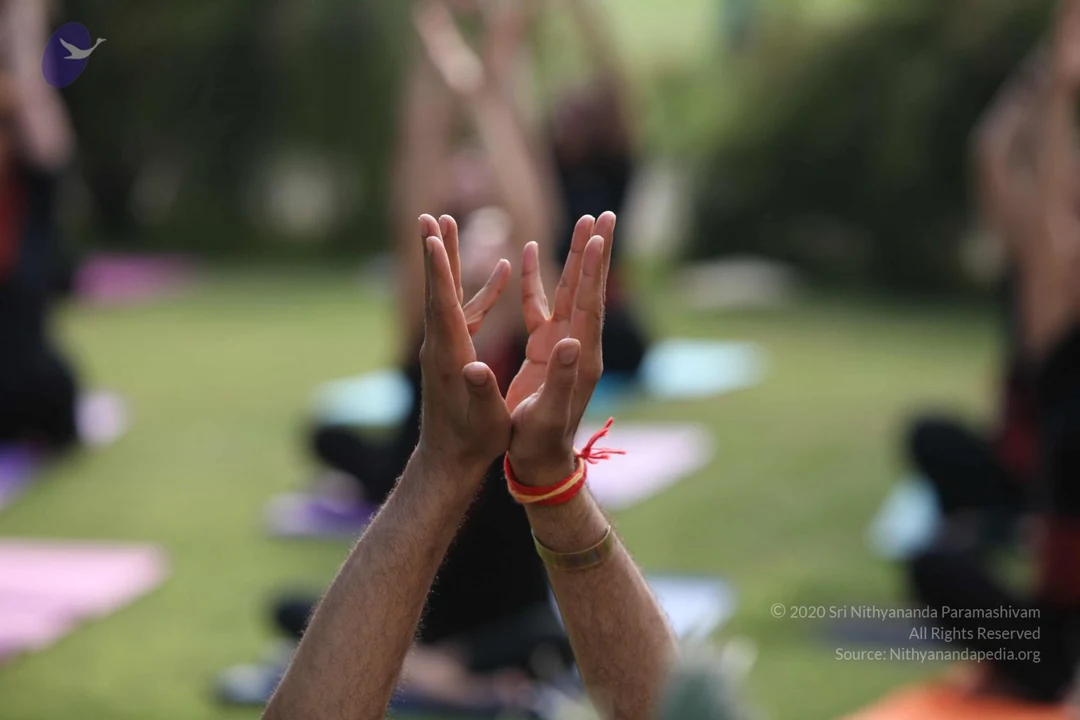
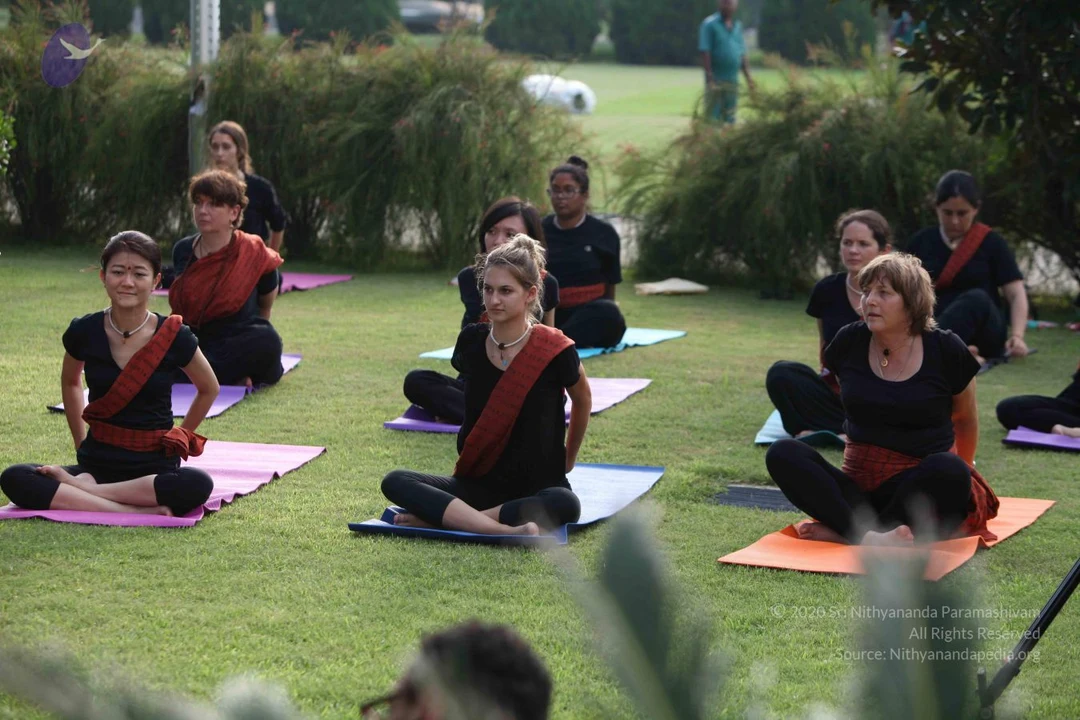
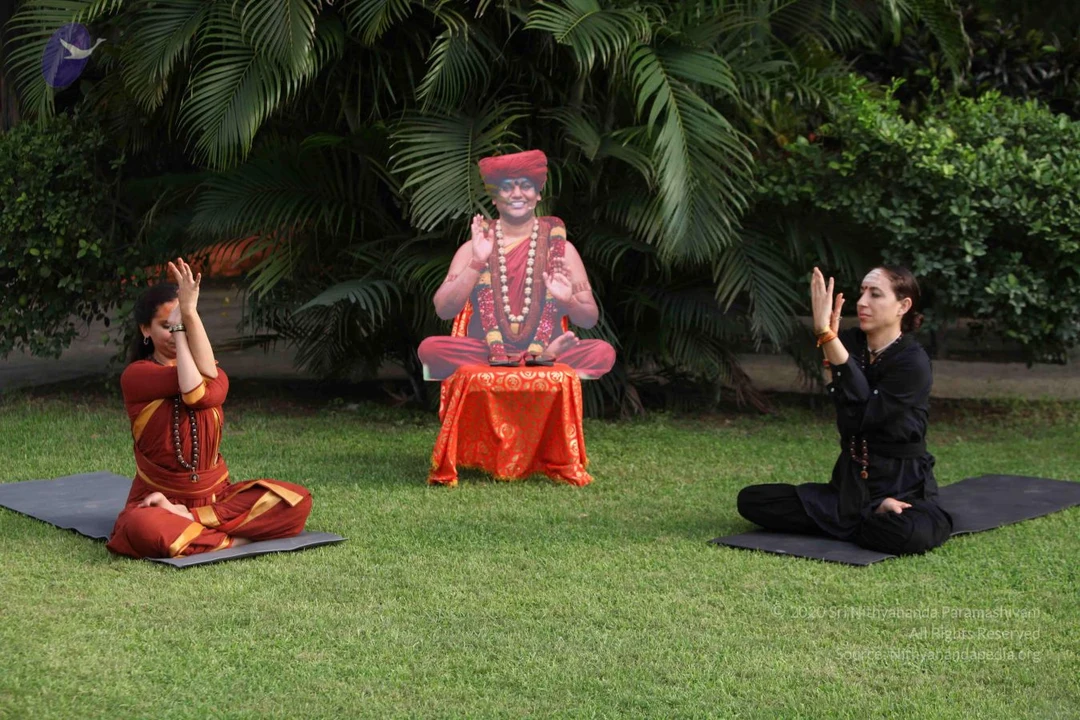
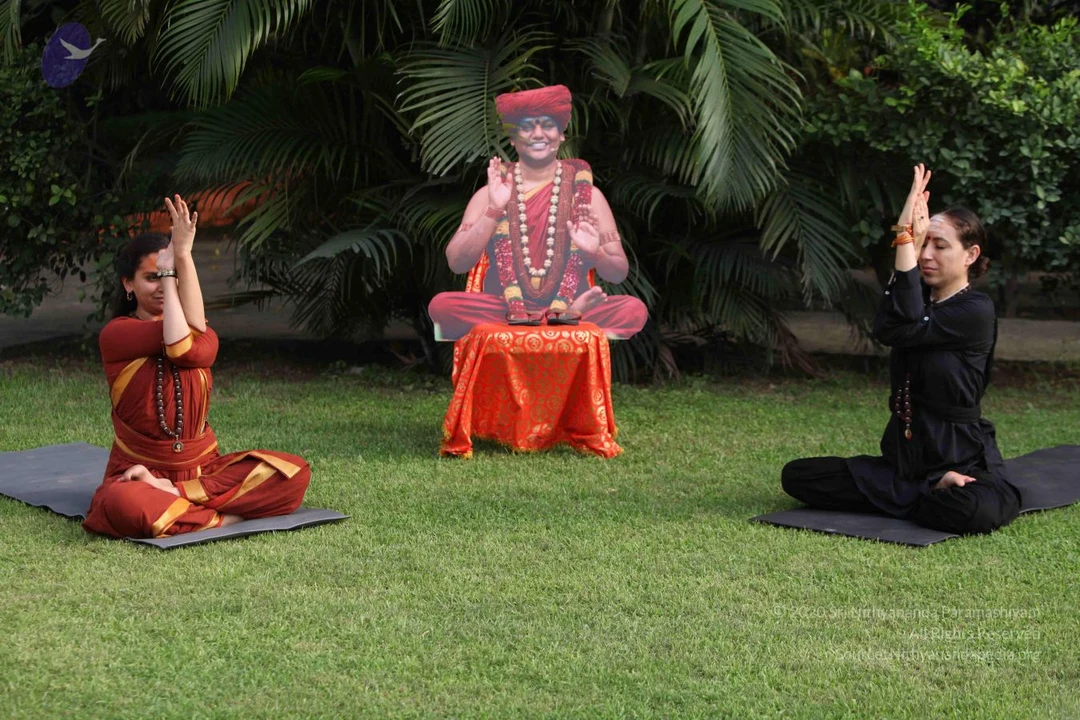
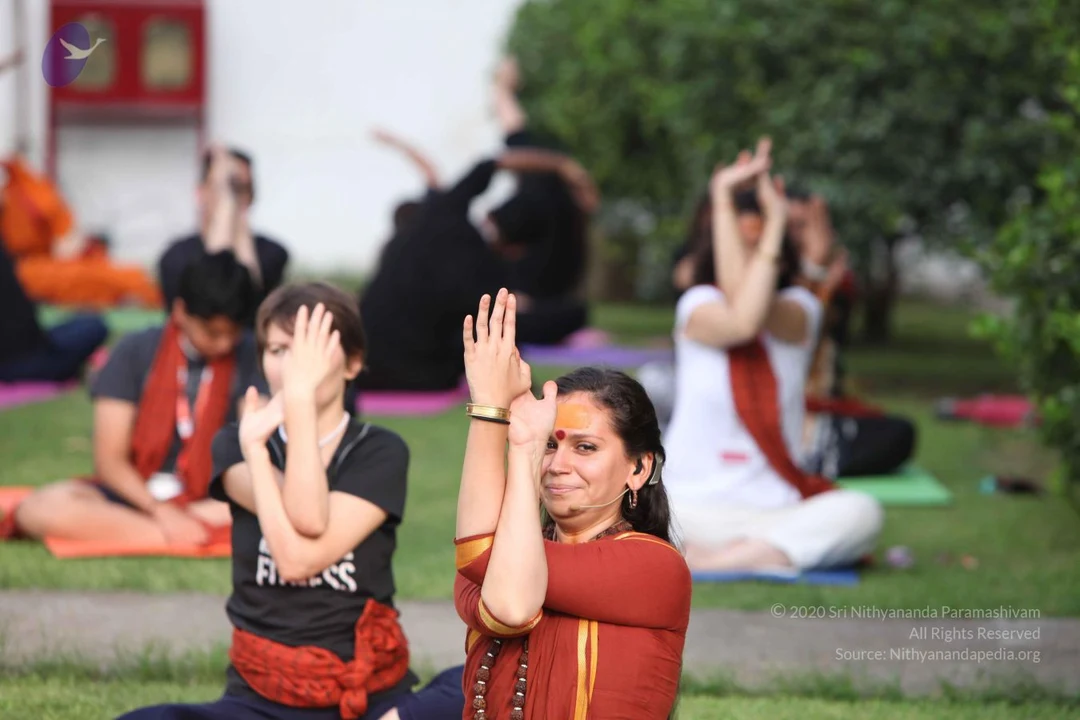
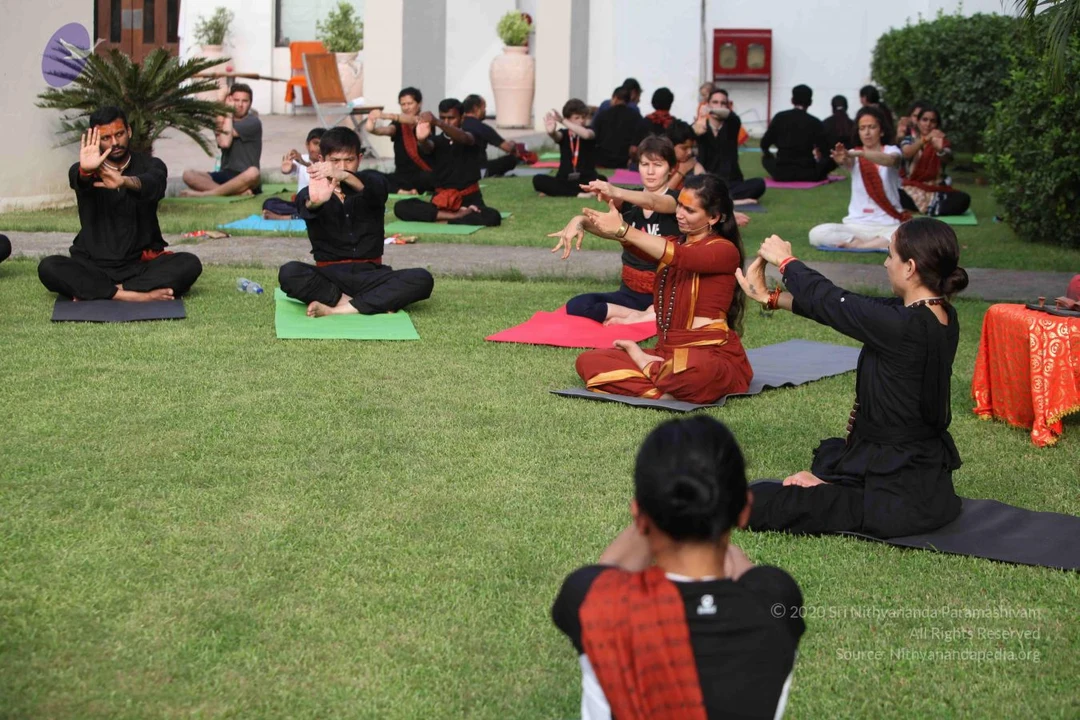
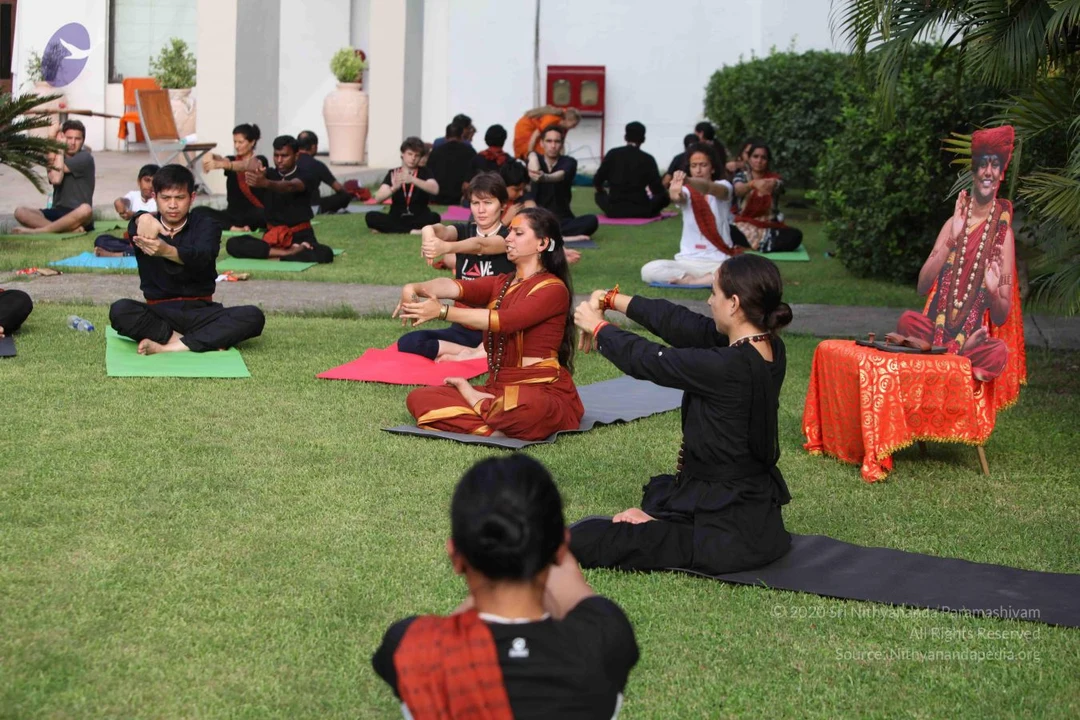
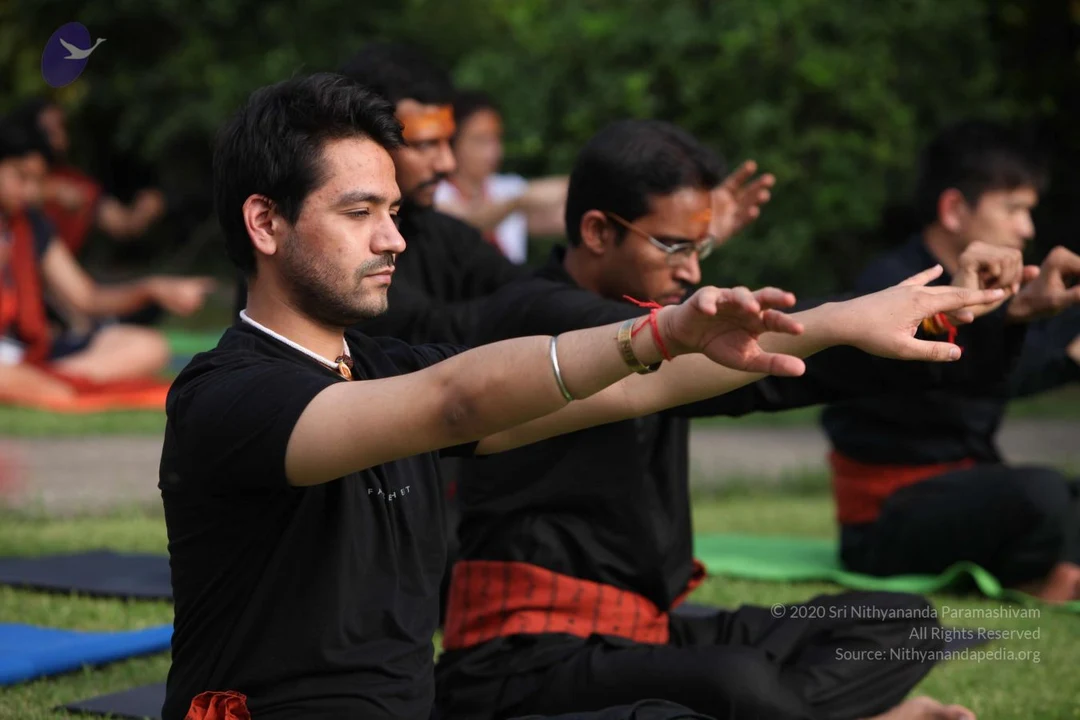
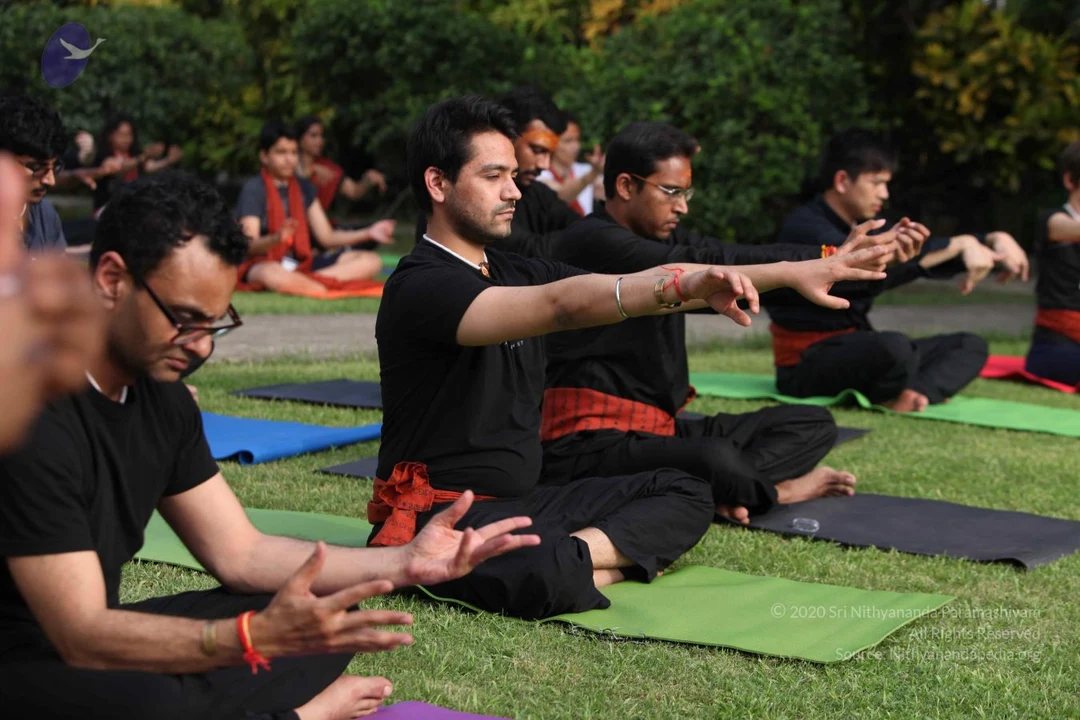

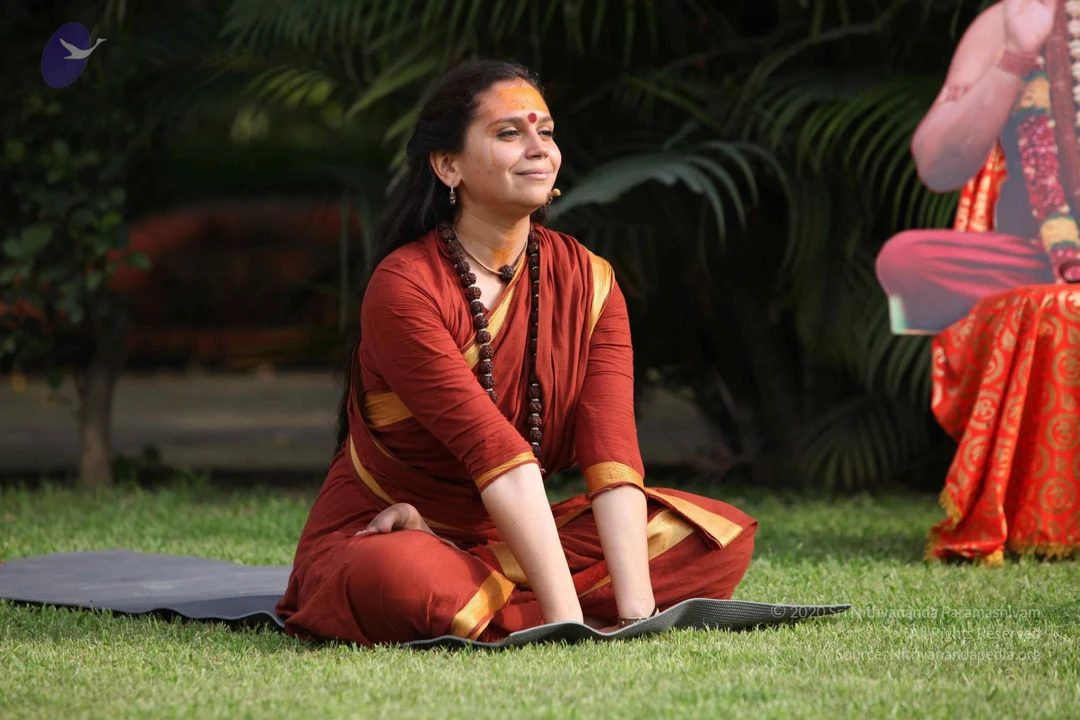
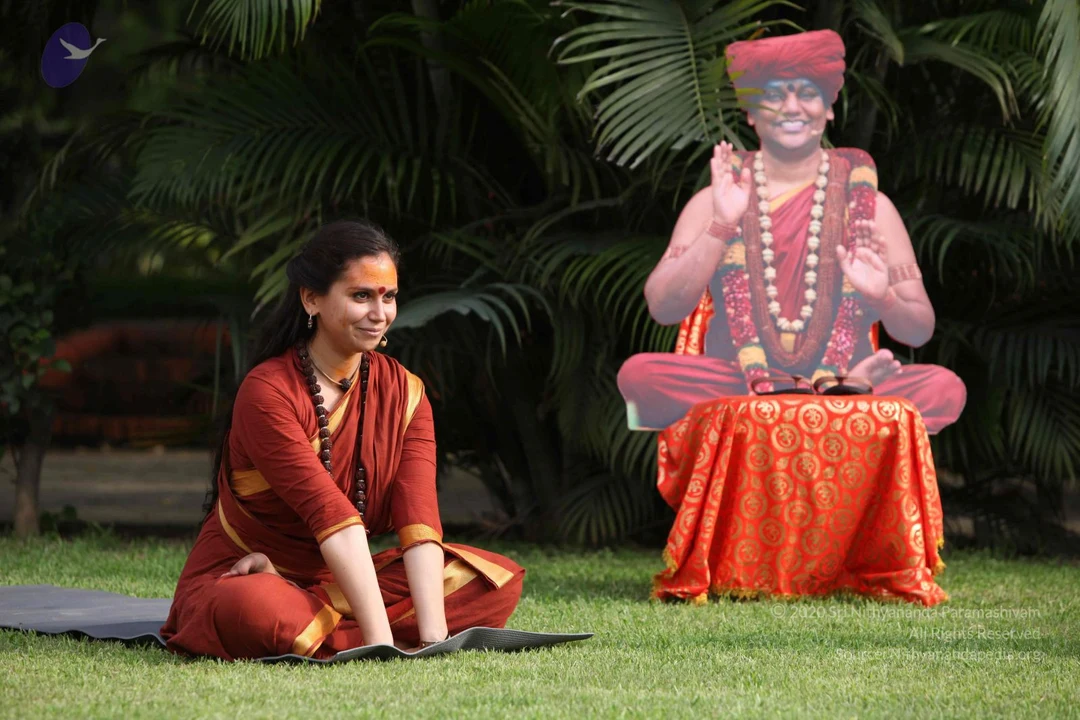
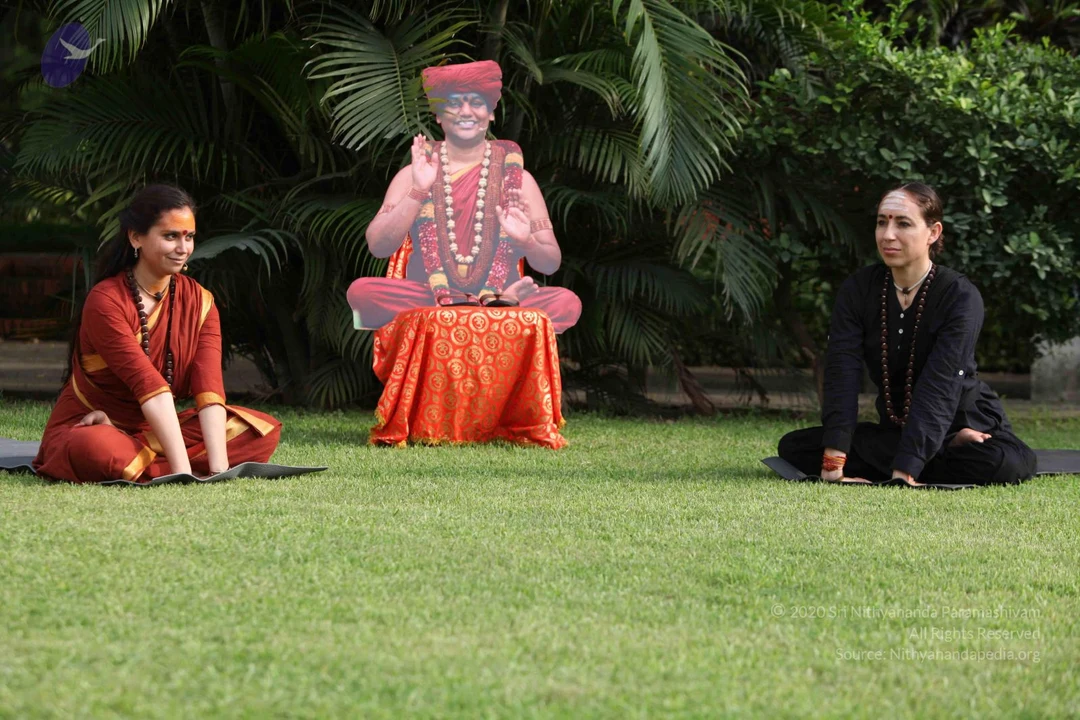
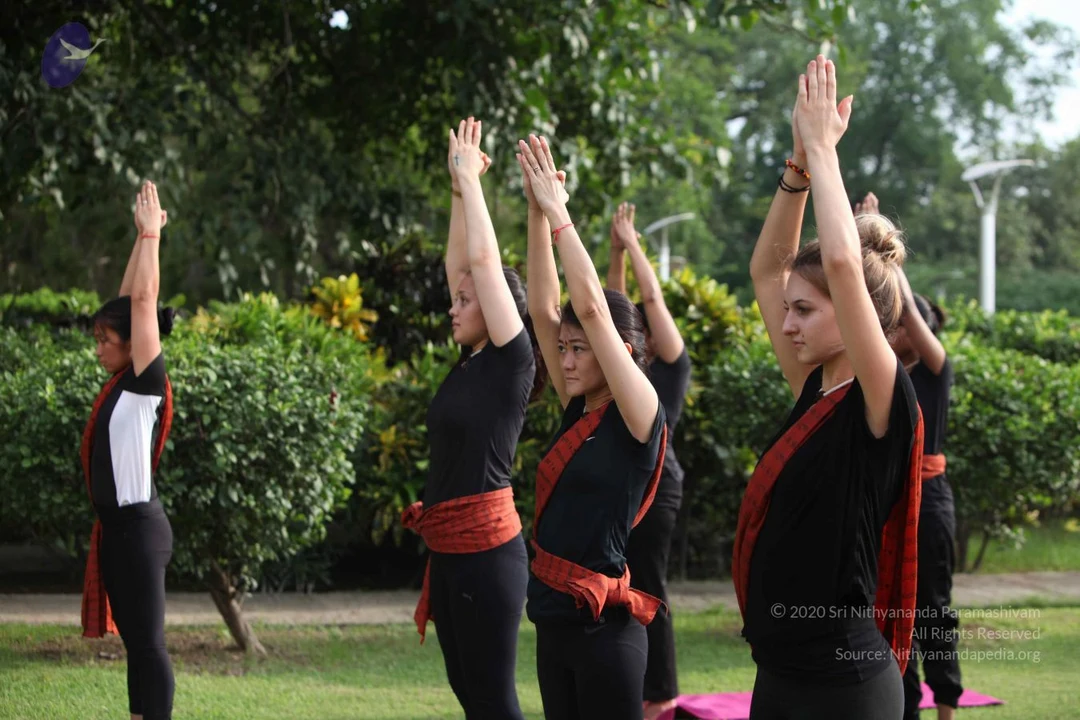
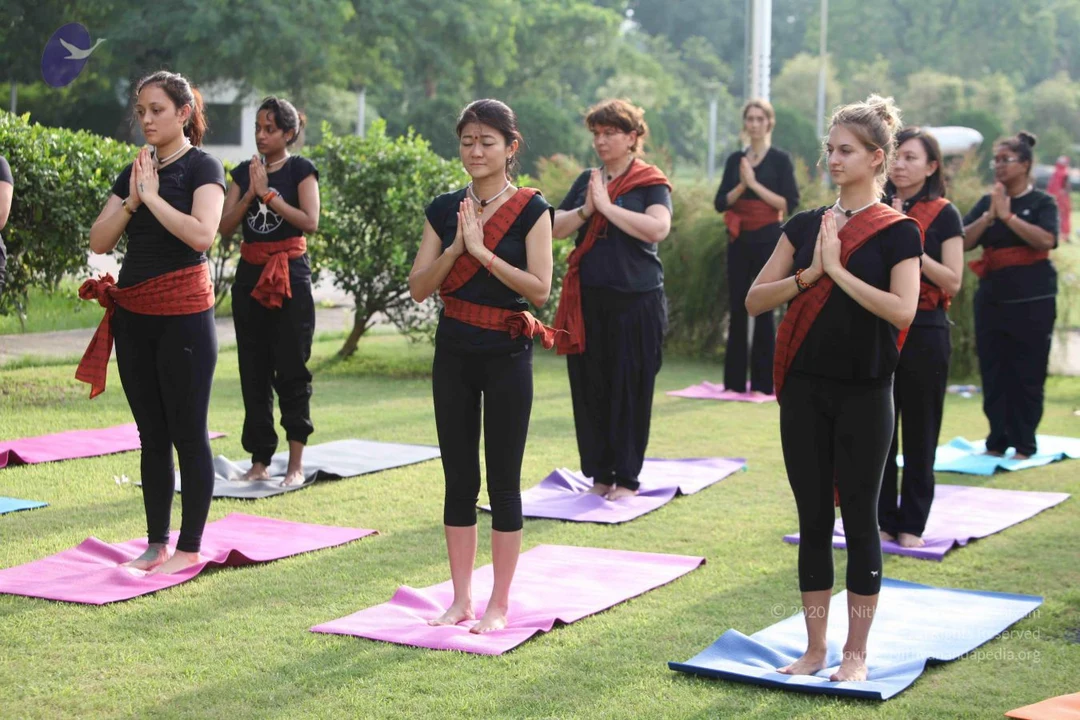
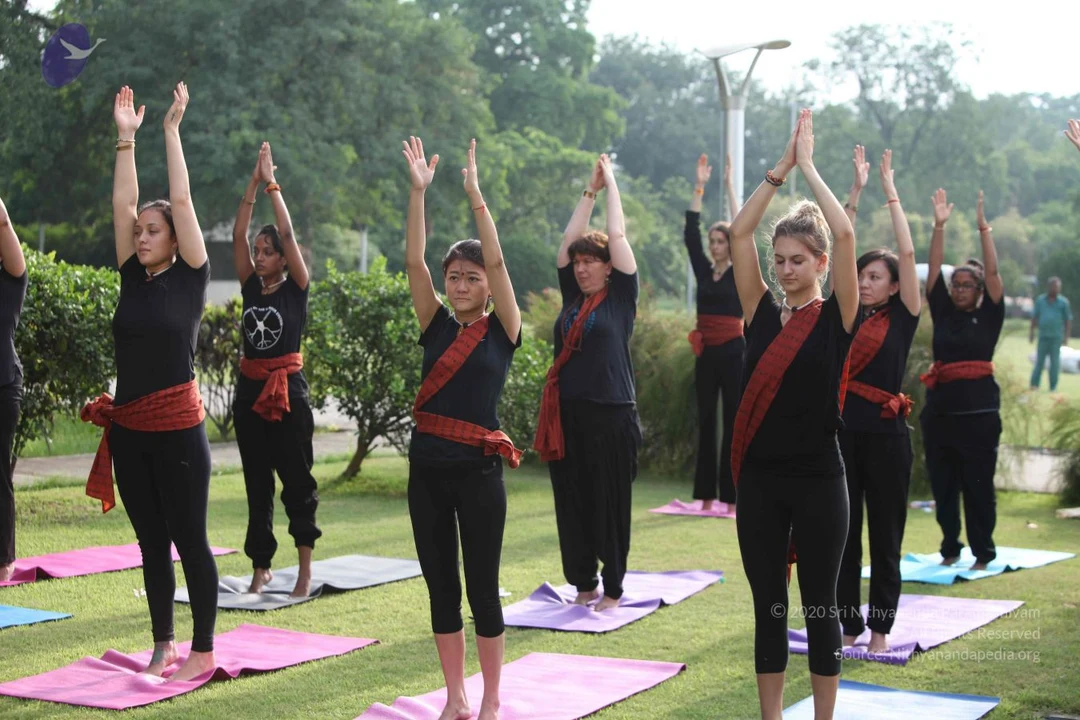

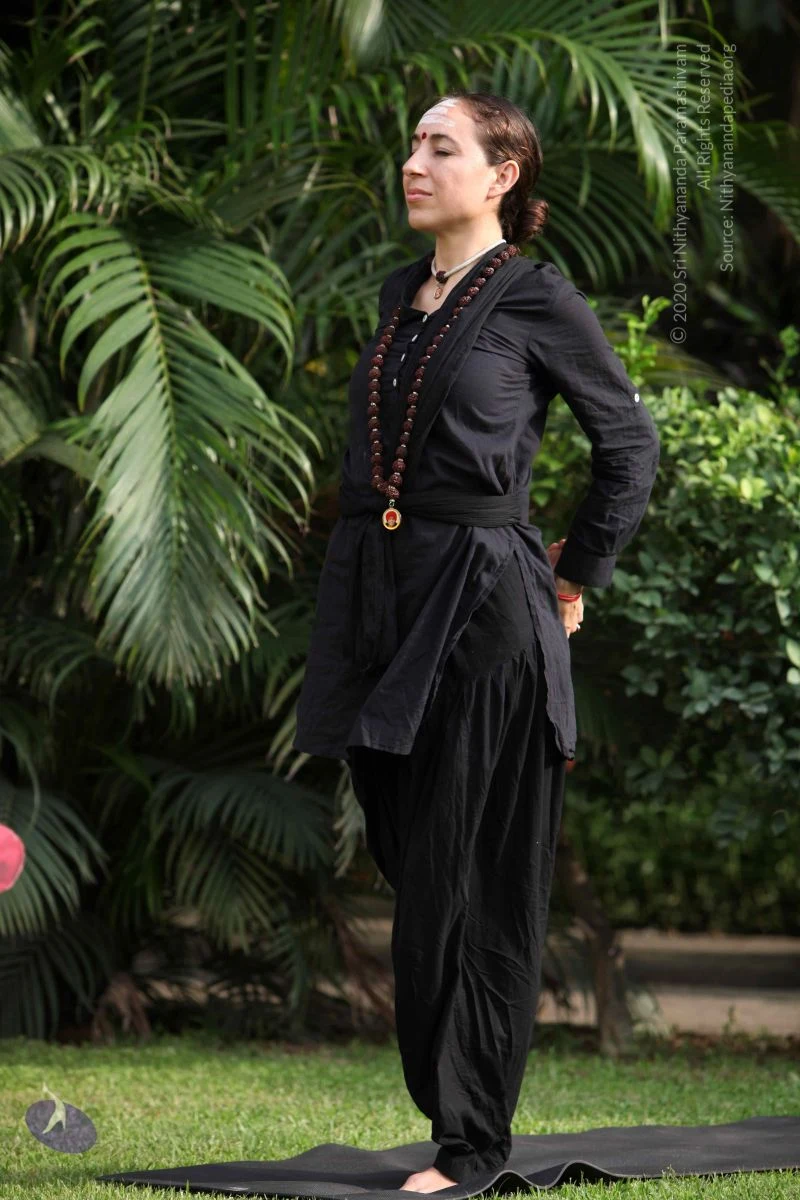
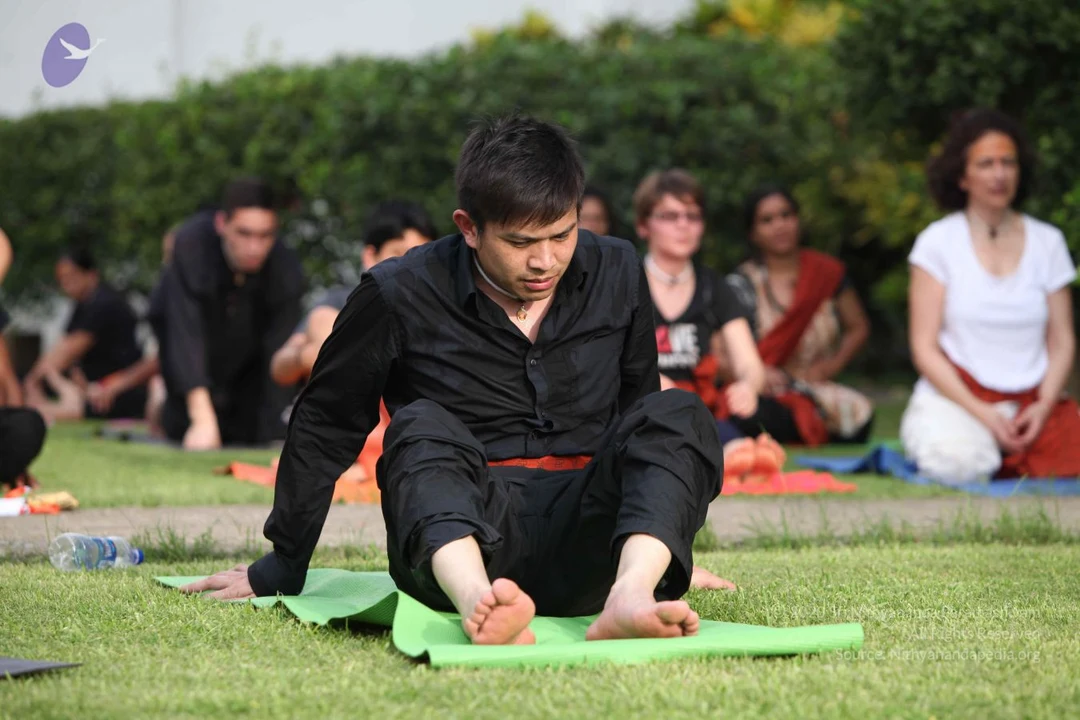
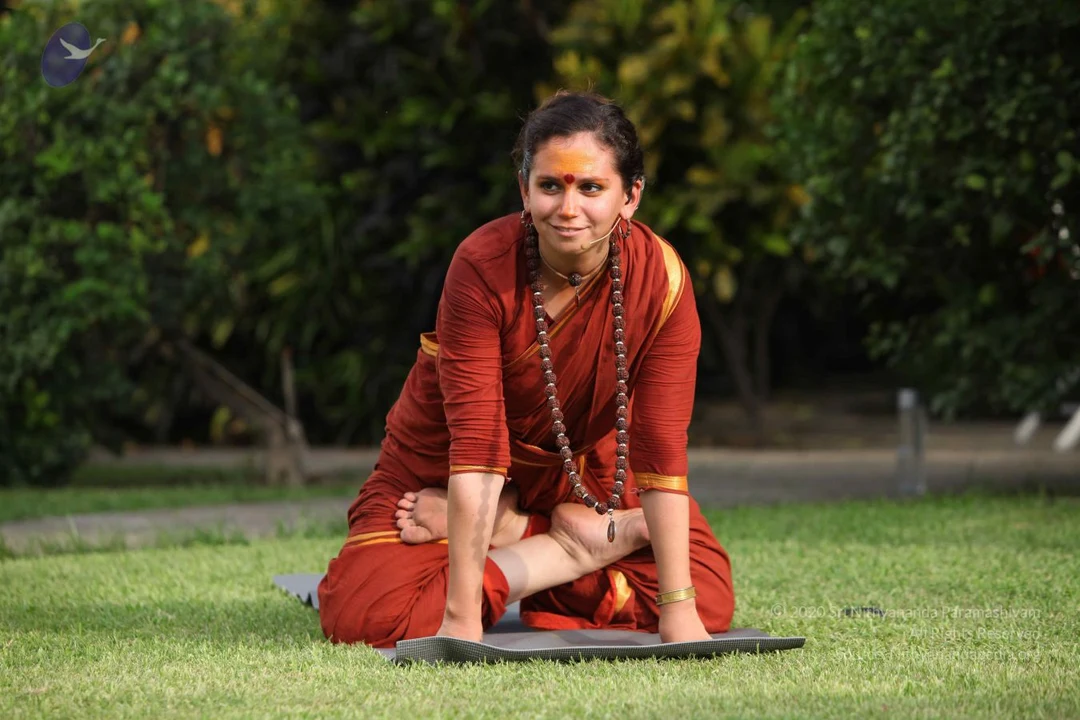
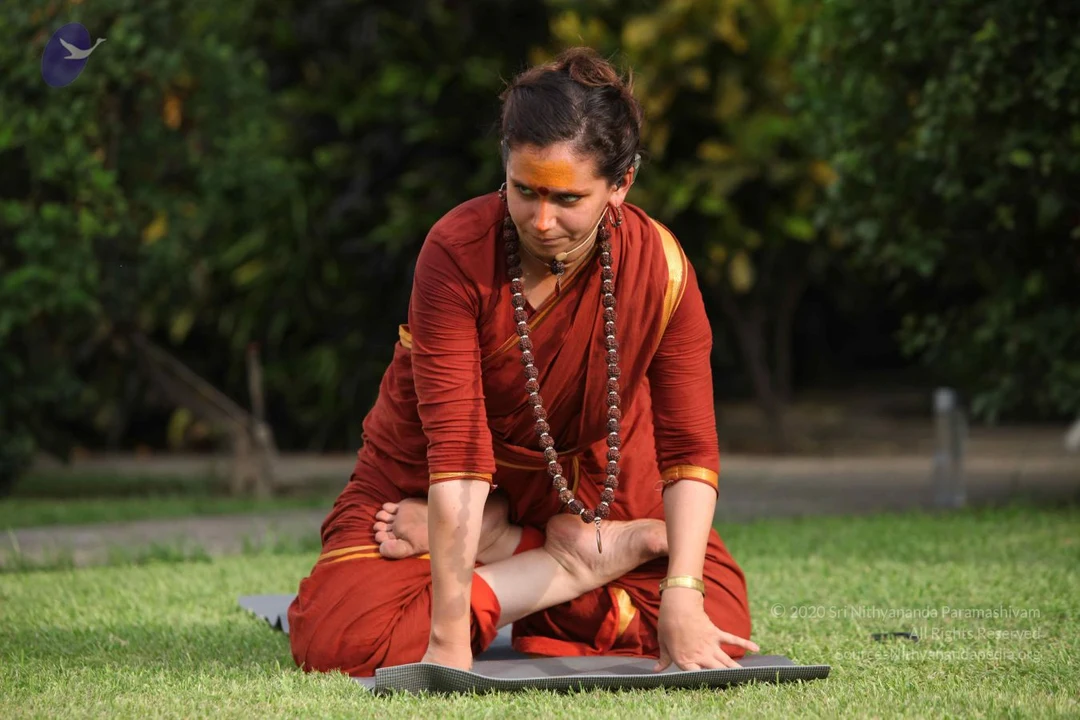
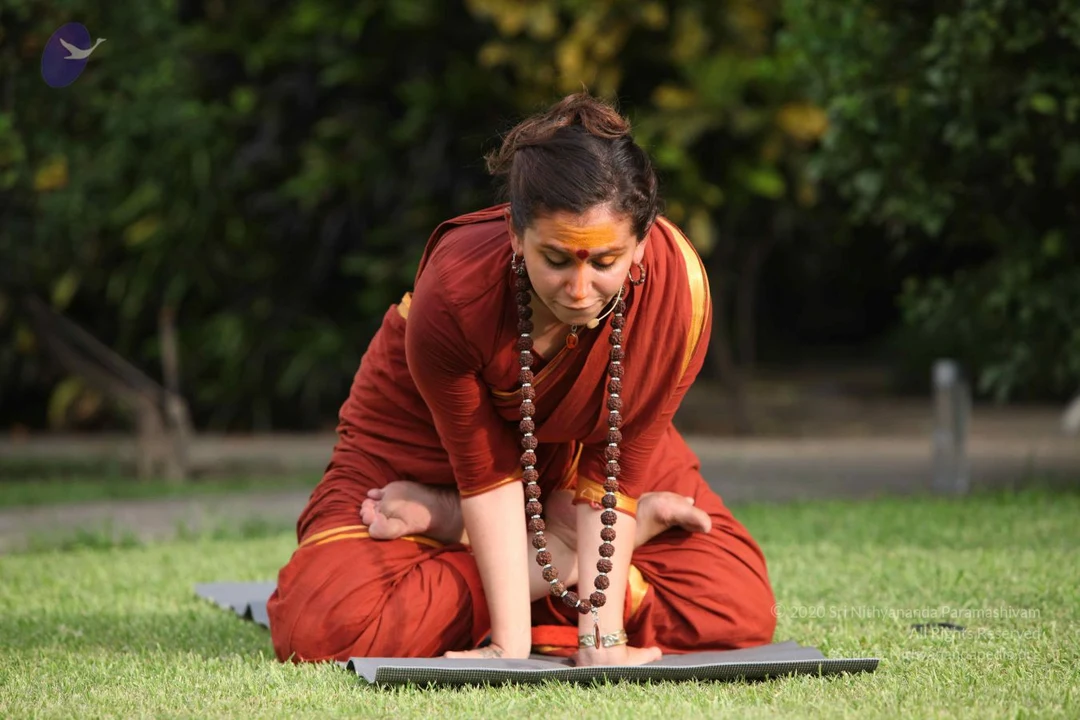
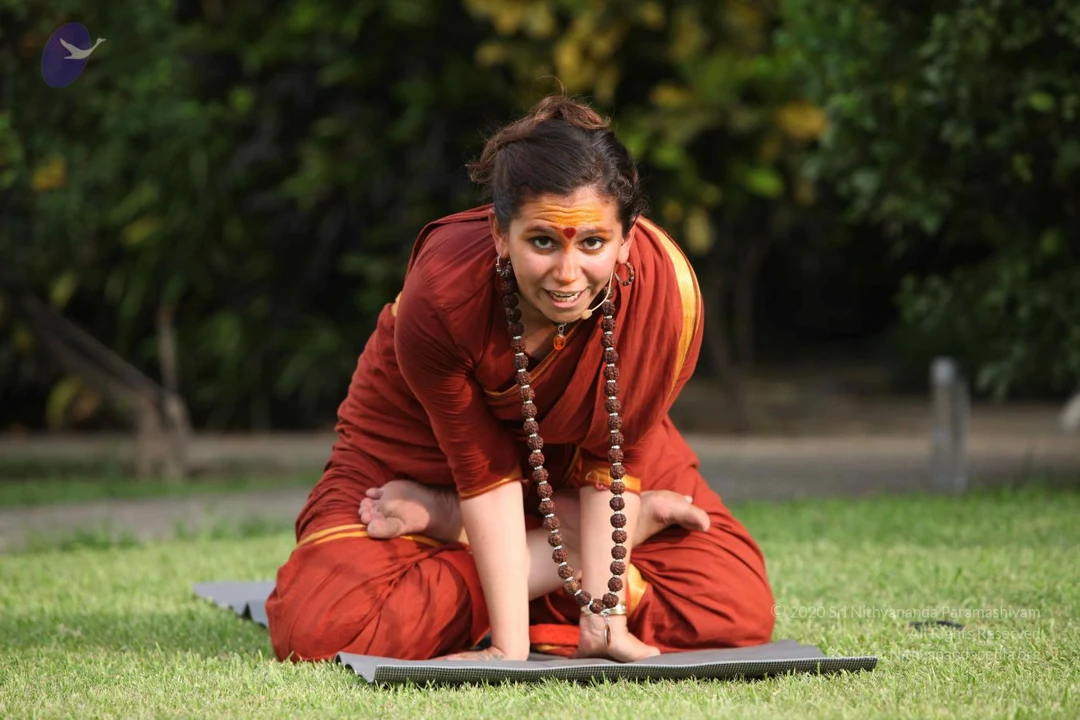
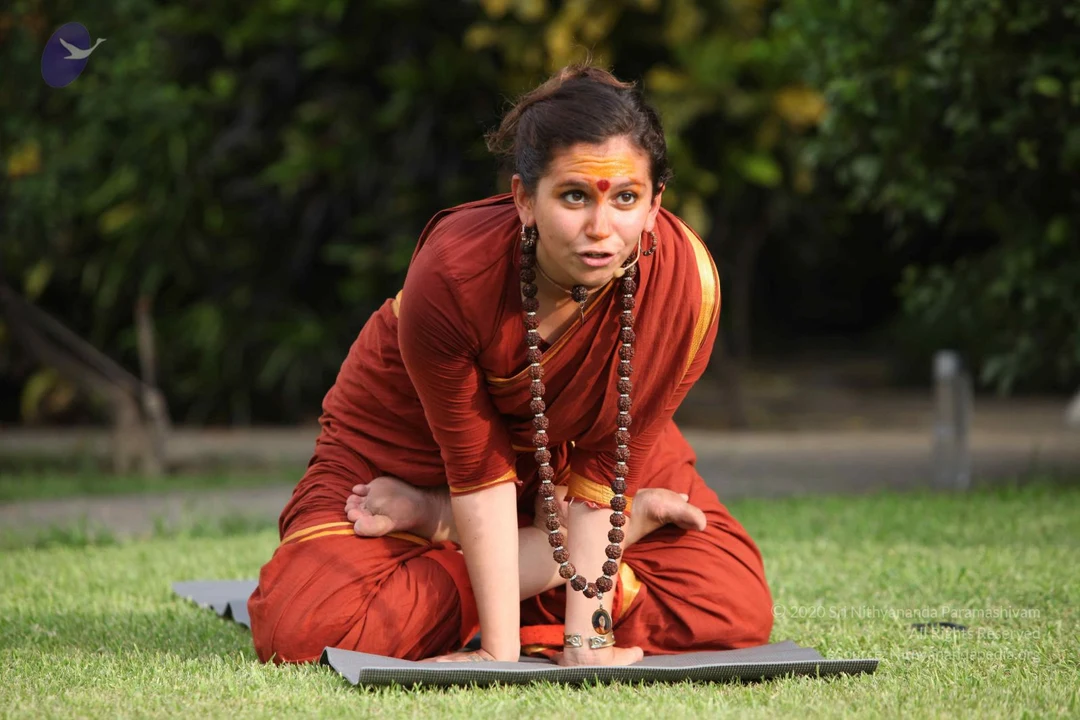
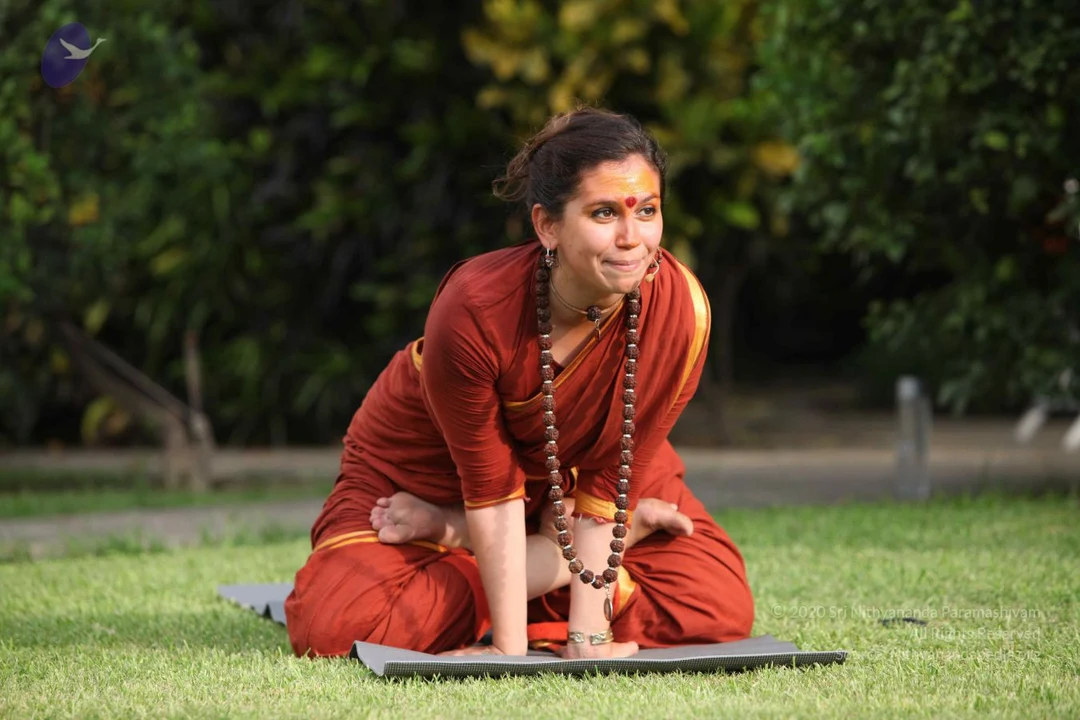
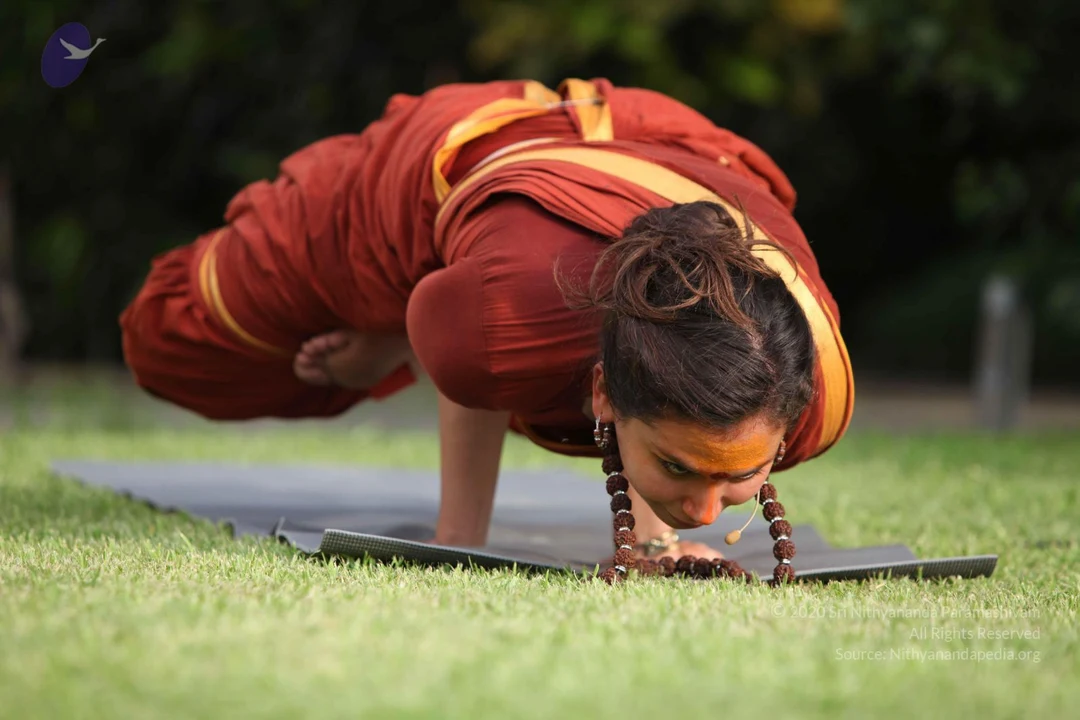
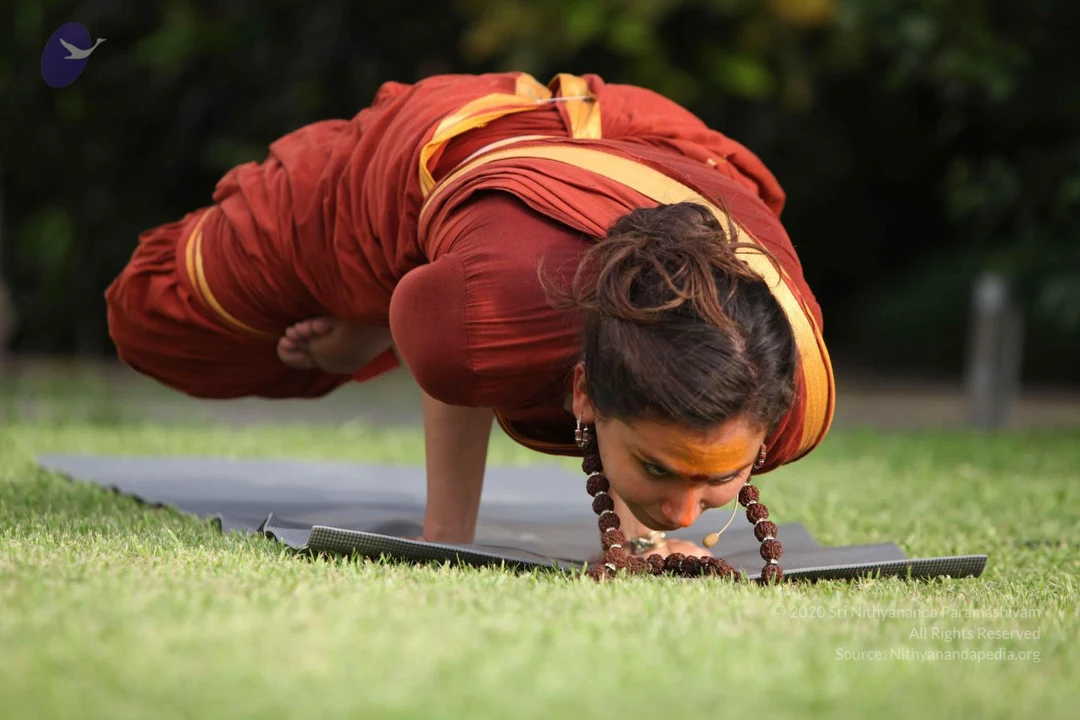
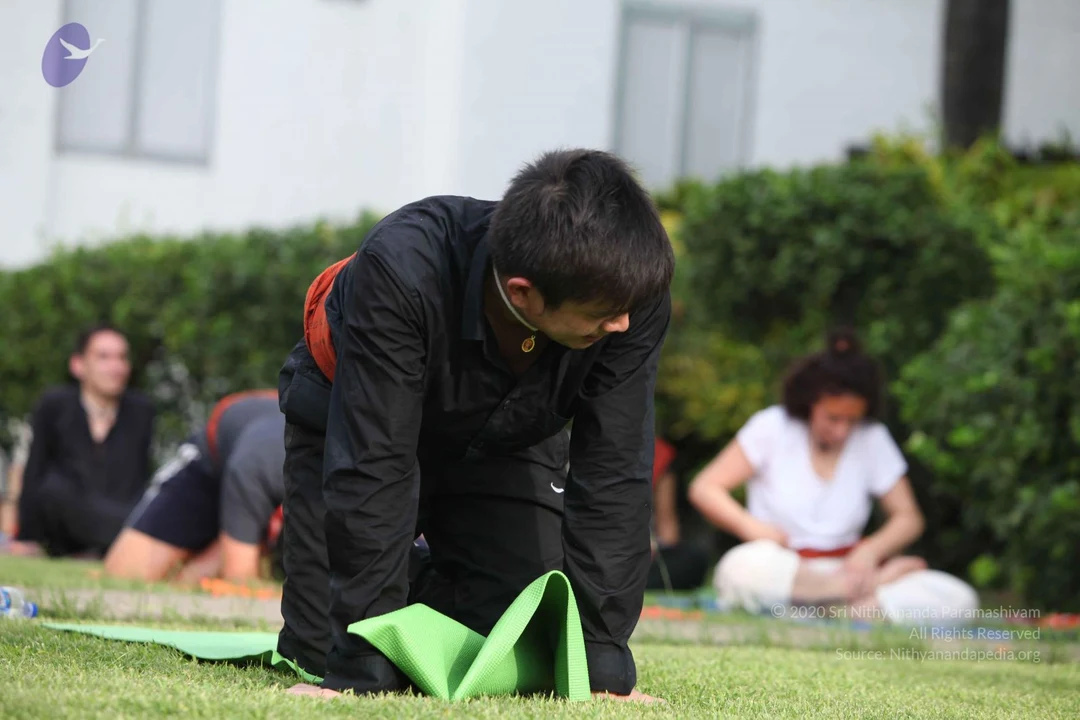
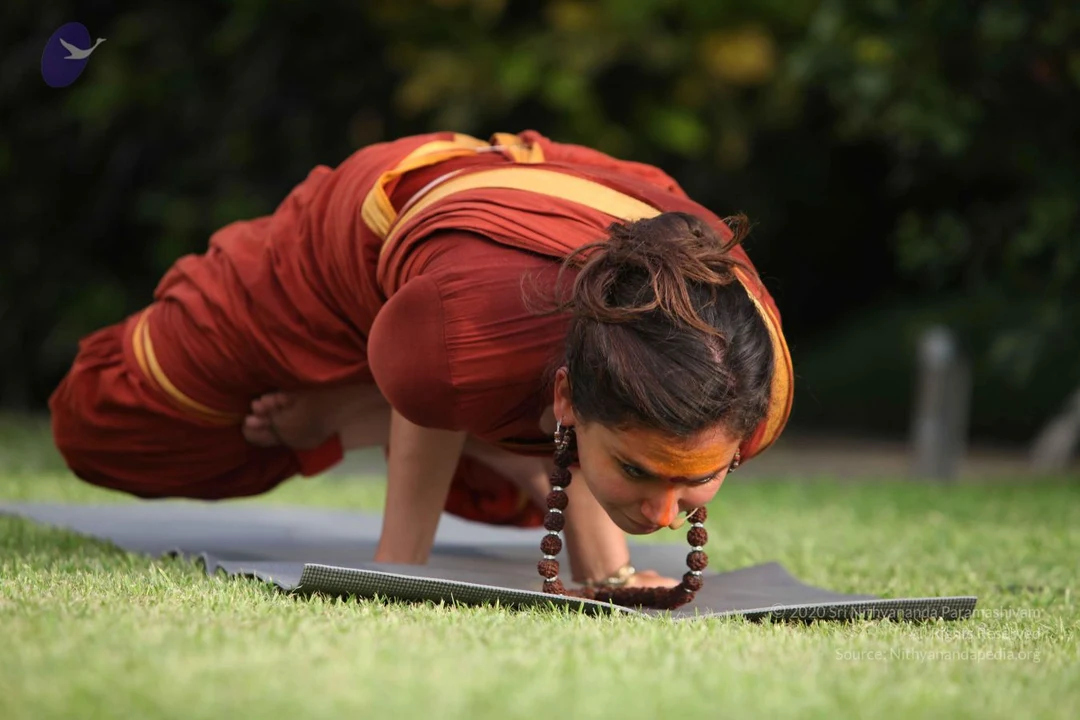
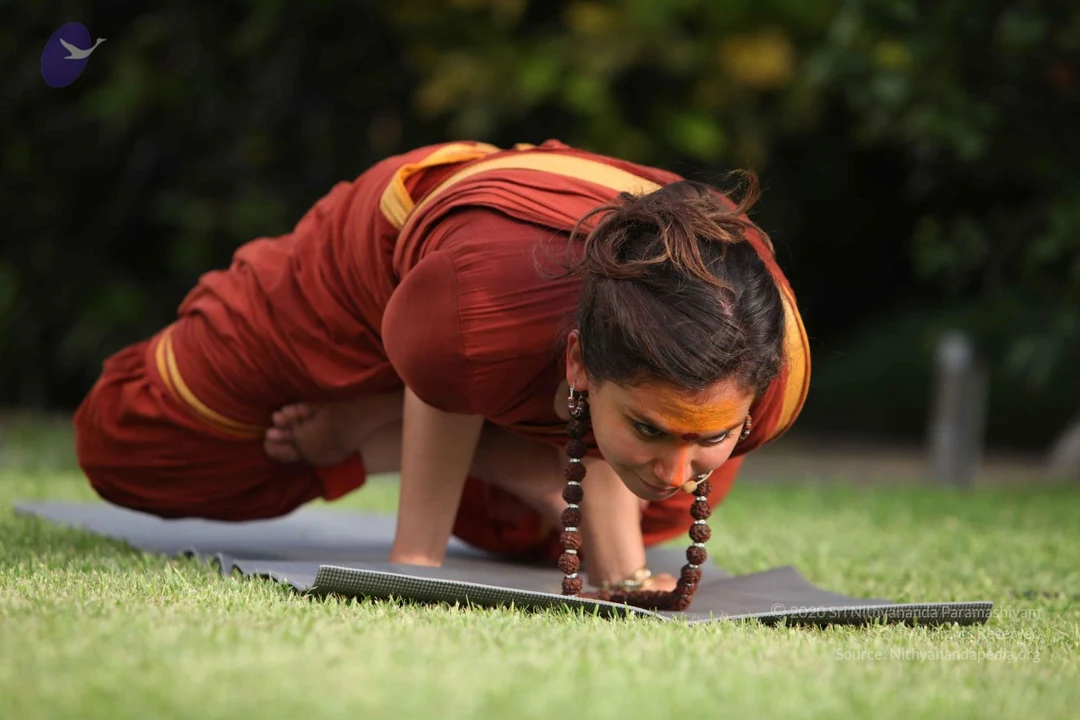
Photos from this day
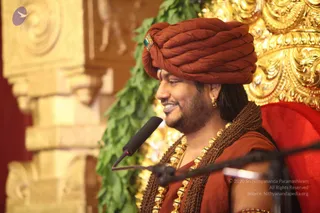
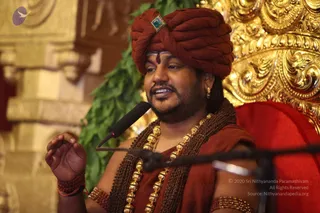
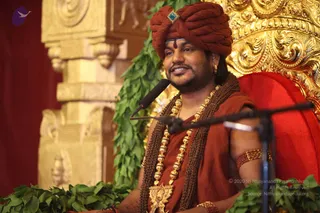
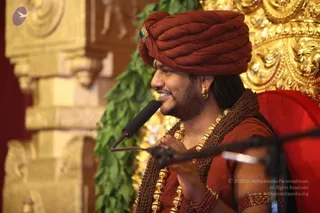
View all 256 photosNithya Satsang
3 photosSource gallery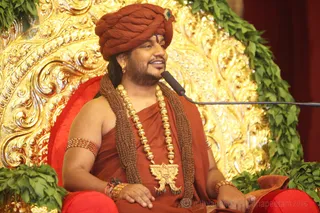
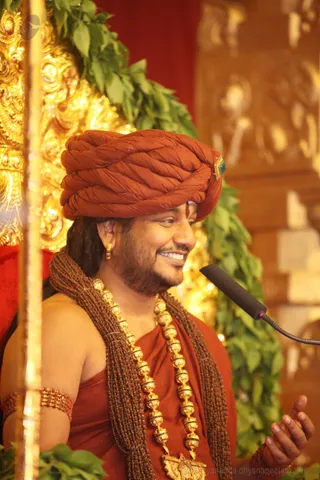
Kalpataru Darshan
3 photosSource gallery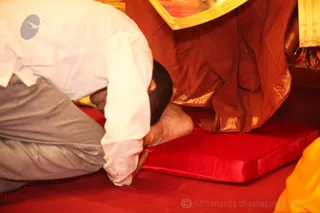
Guru Mantra Deeksha
1 photoSource gallery
Nithya-Satsang
74 photosSource gallery
Shivoham
81 photosSource gallery
Power-Manifestation
14 photosSource gallery
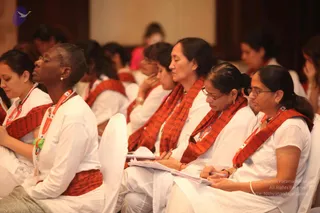
Yoga
80 photosSource gallery