Sunday
10 May 2015
Katha Upanishad, The First, Foremost Document About Death
- Dated photos
- 285
- Source pages
- 1
- Media
- 2
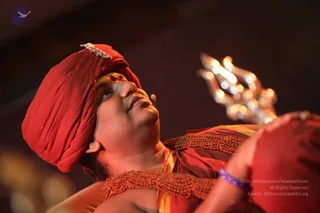
May 10 2015
Original wiki pageTitle
Katha Upanishad, The First, Foremost Document About Death
Description
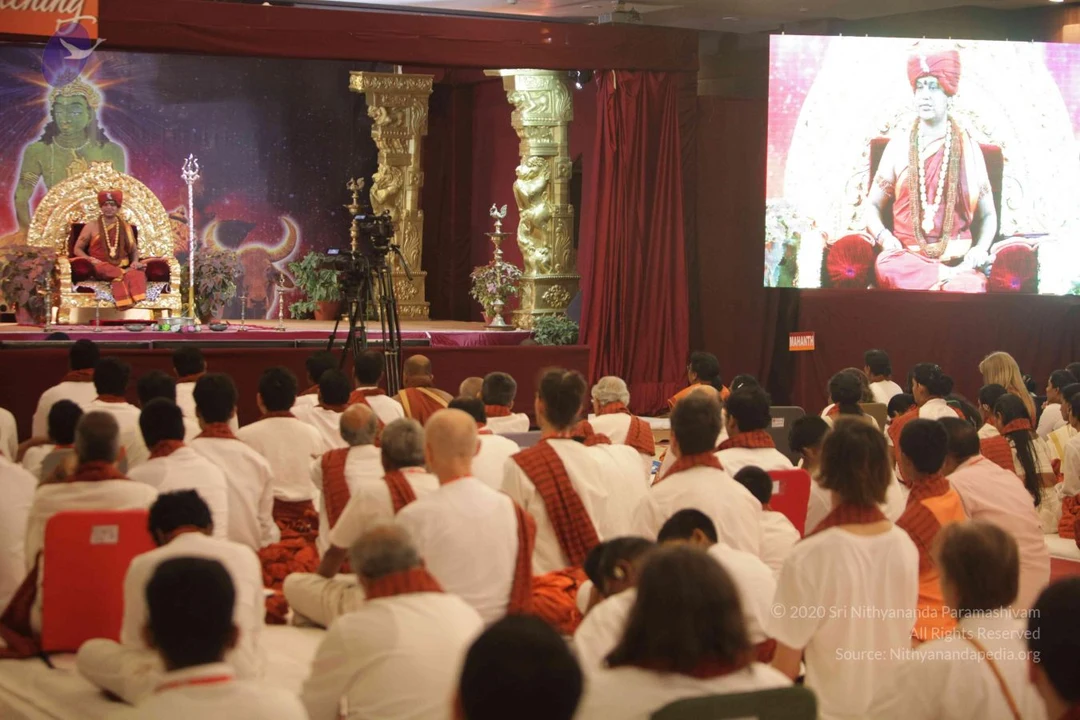
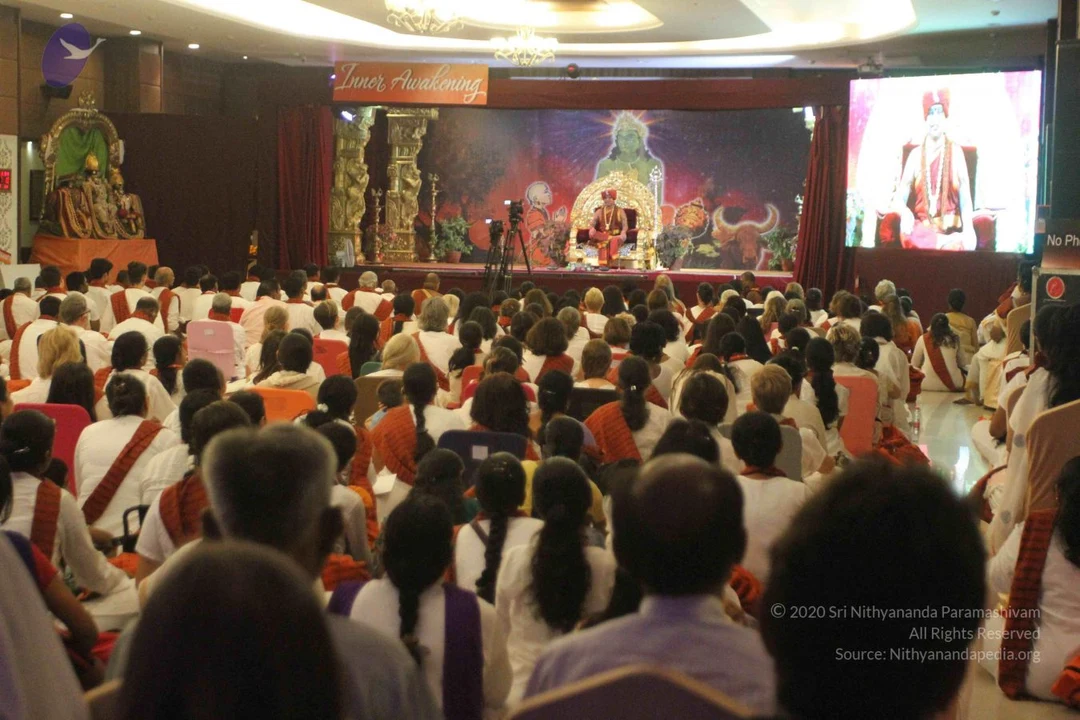
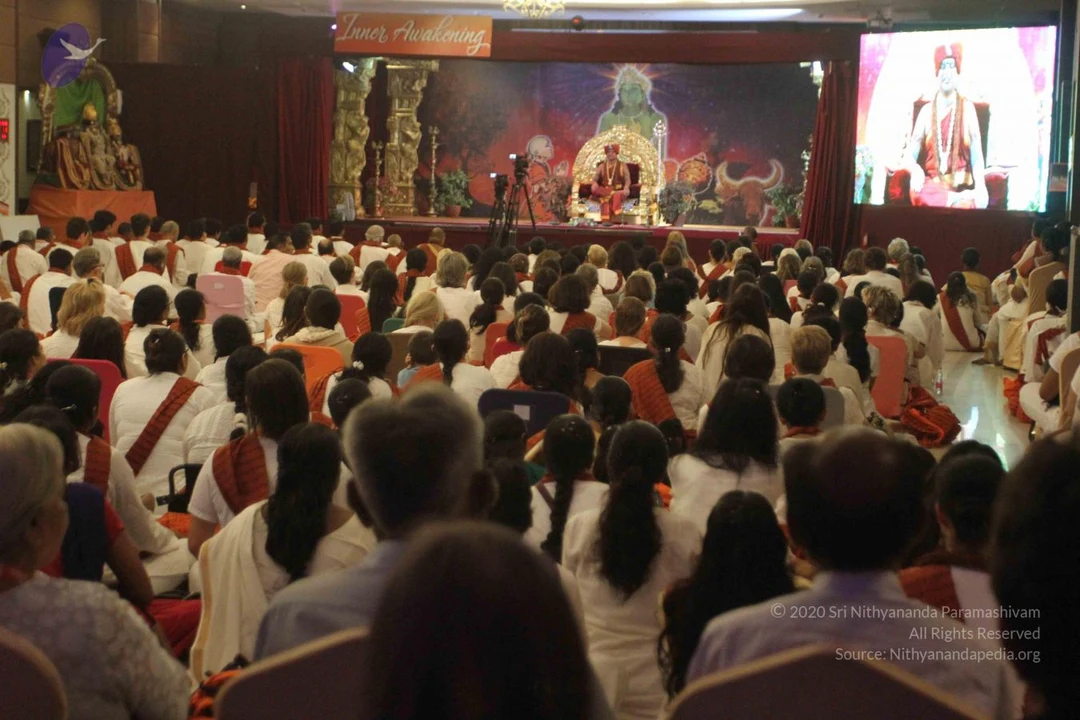
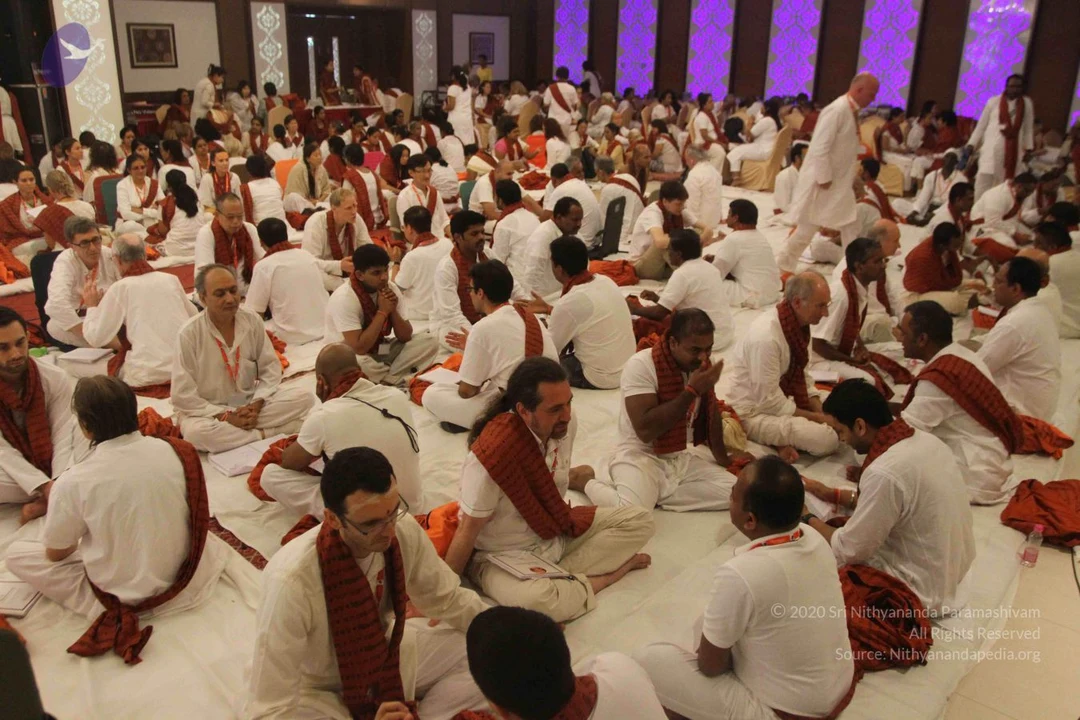
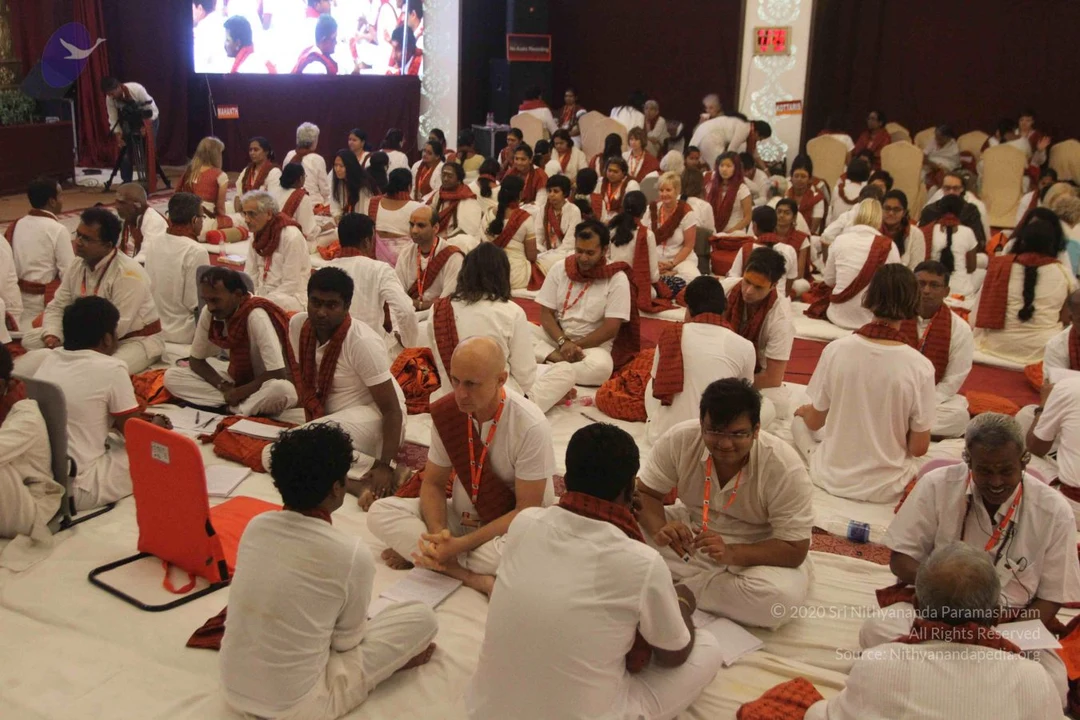
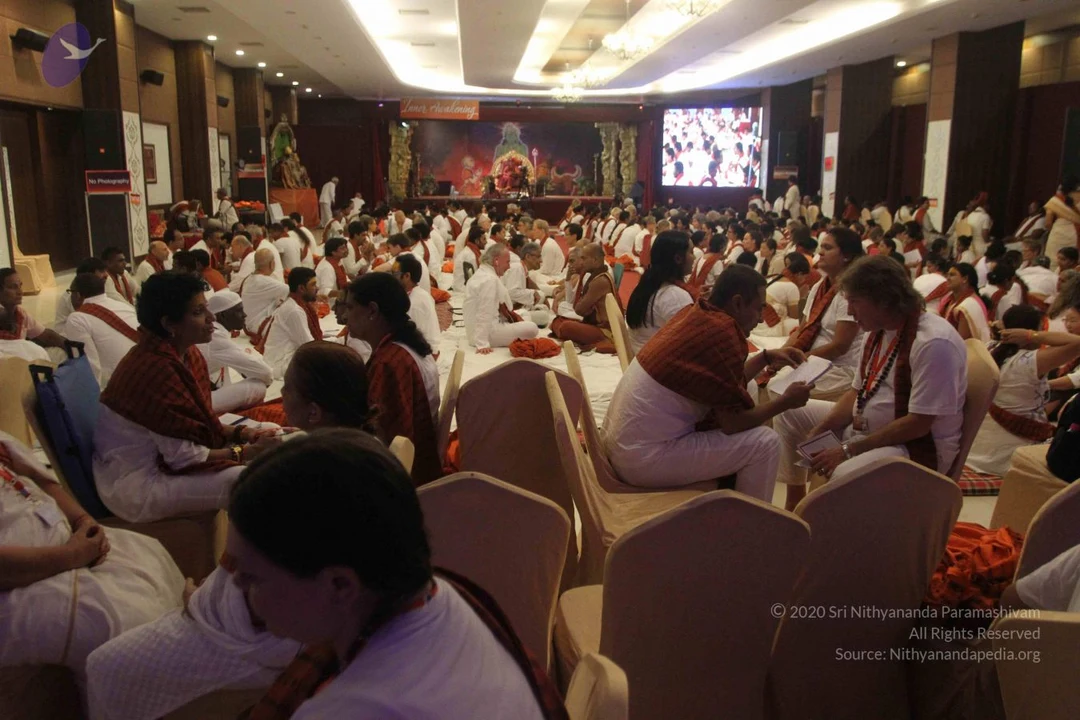
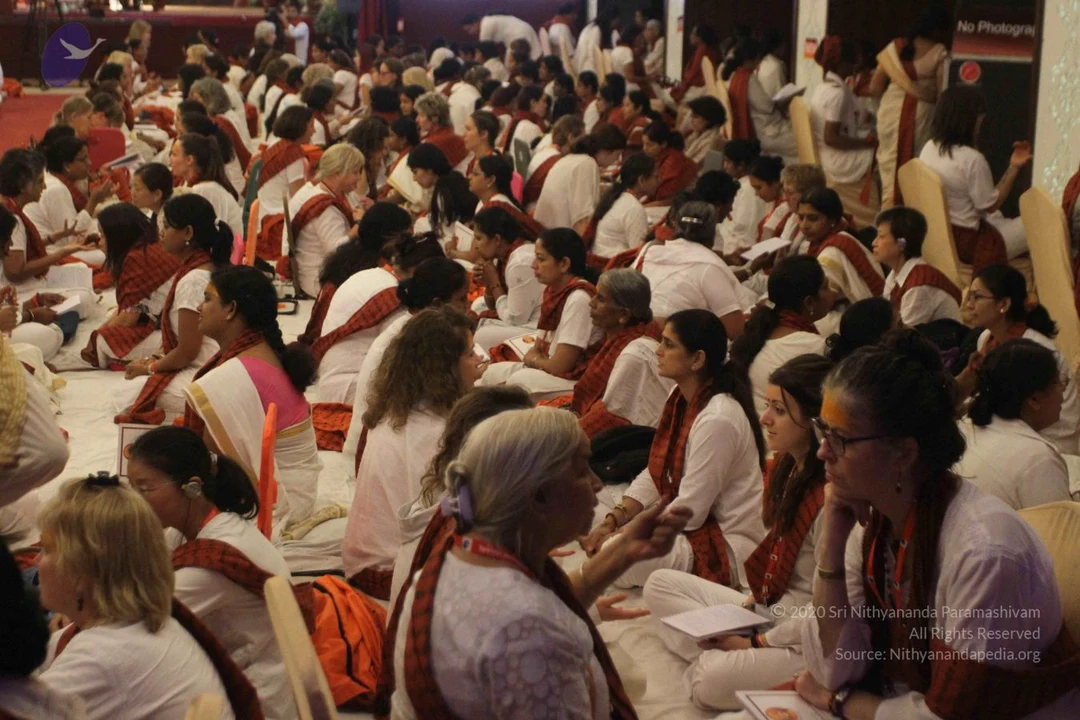
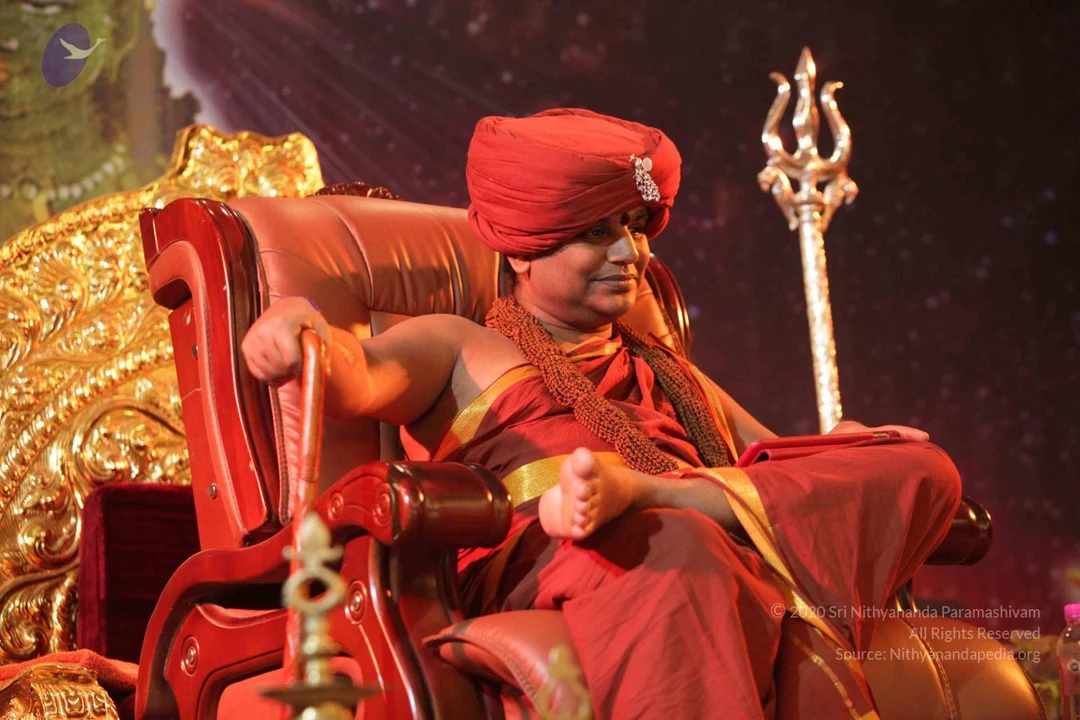
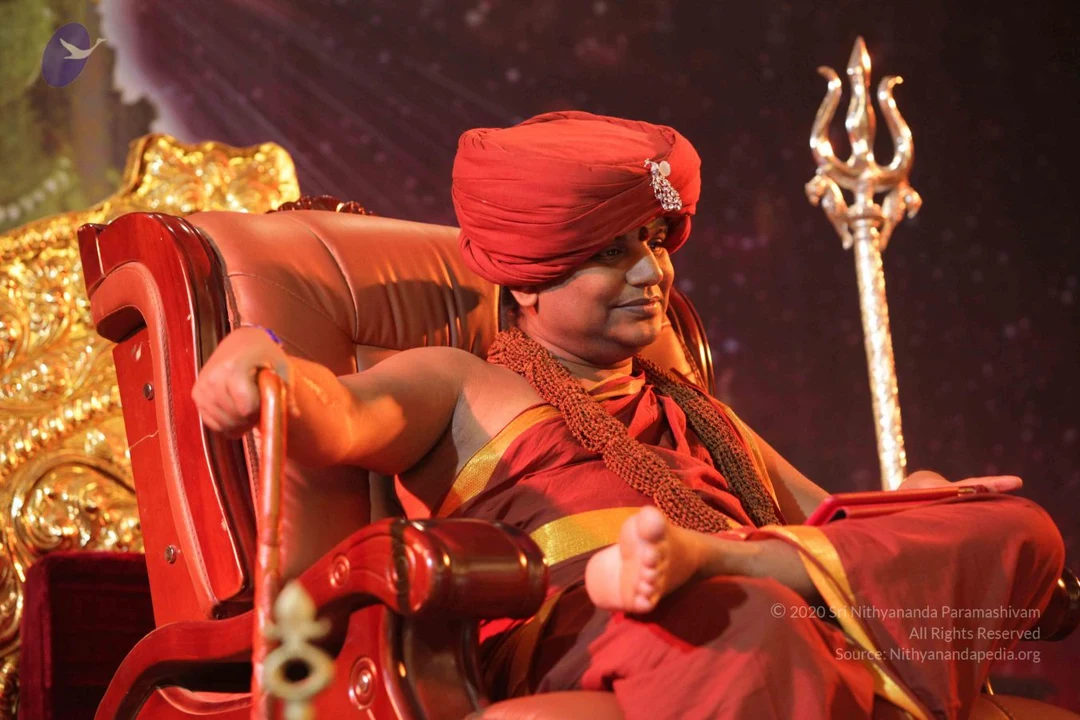
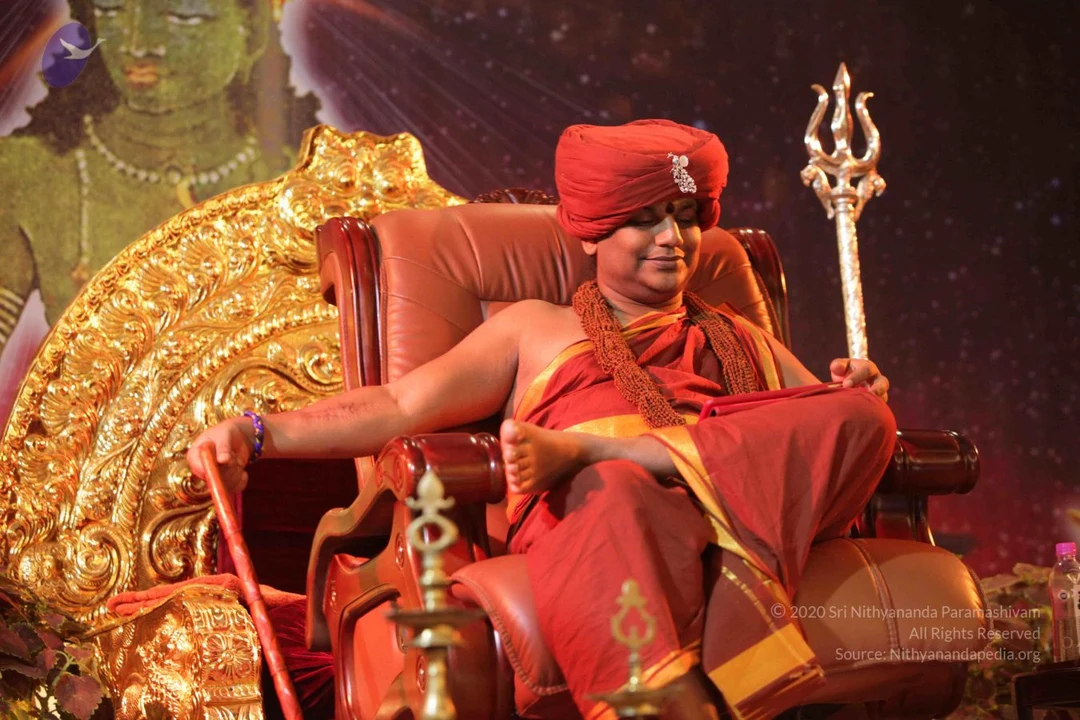
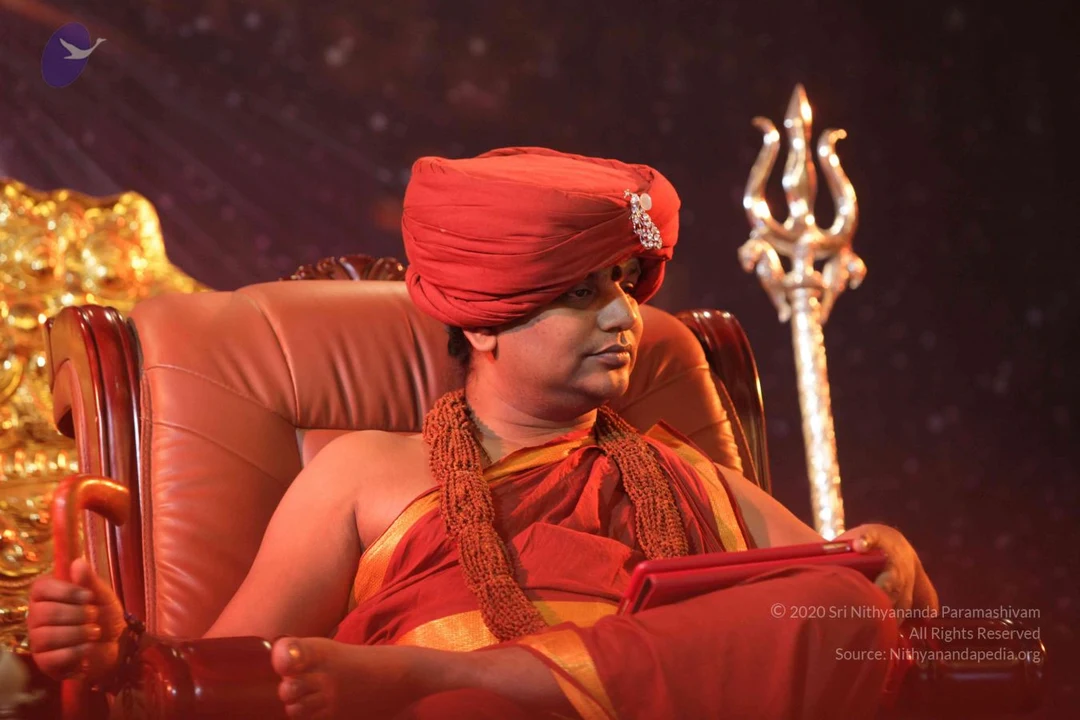
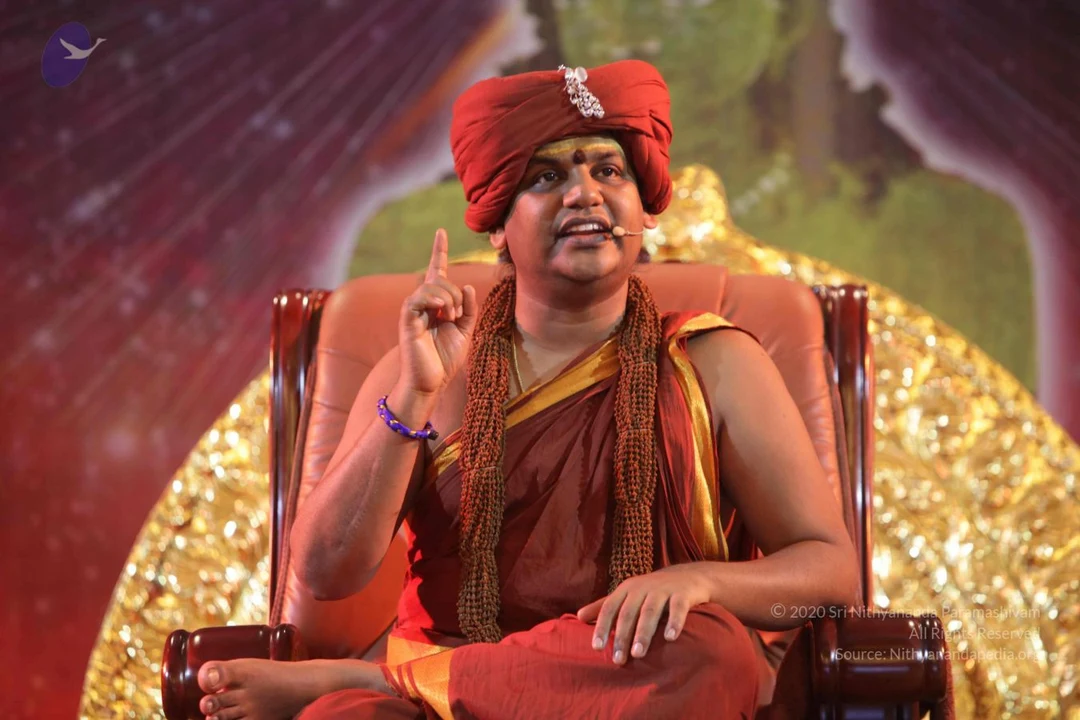
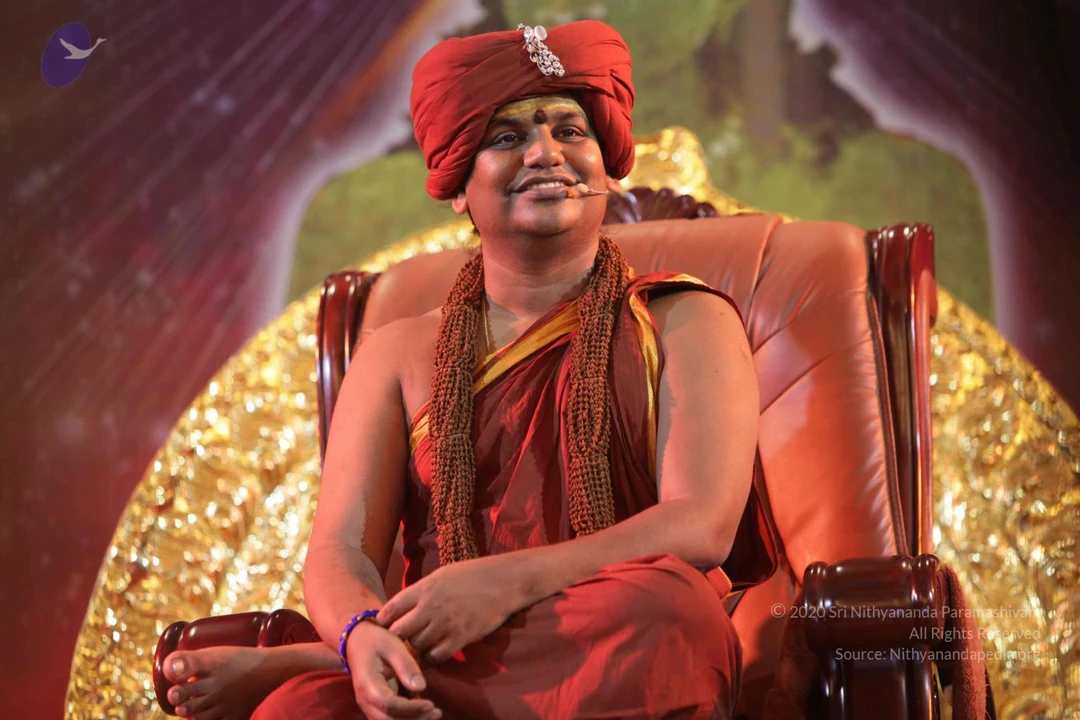
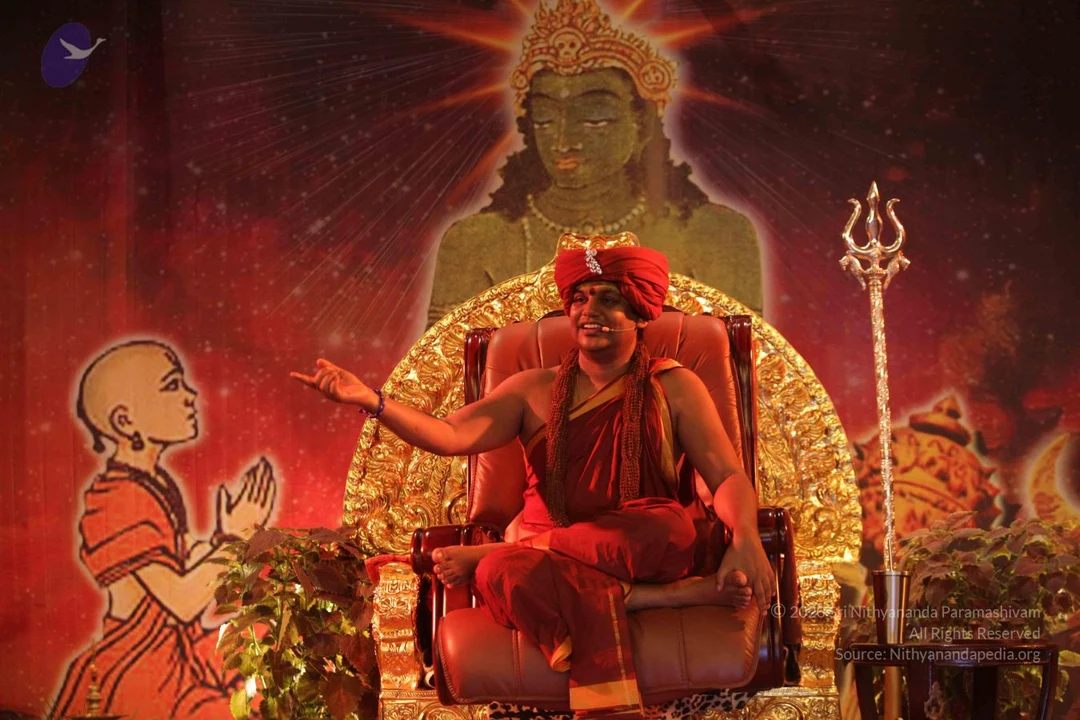
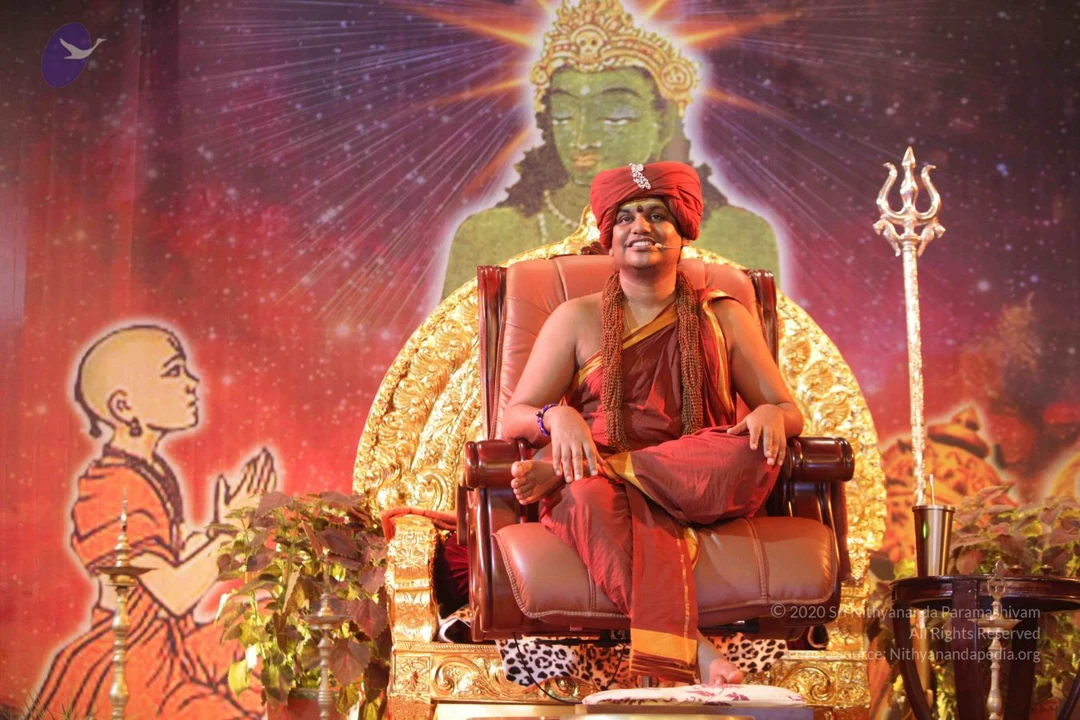
"Katha Upanishad revelations begin today by Paramahamsa Nithyananda from the land of Visvanatha, Shiva at Varanasi on 10May2015. Amidst the joy of being Shiva, at the Inner Awakening program, He invokes the presence of Mahadeva, Yama Dharma, the Lord of Death to reveal the naked truth as IT IS without any prepositions and suppositions, to let the whole Universe realise the Reality. With the Shanti Mantra, Peace Invocation, he introduces this third Upanishad as—the Vedic Book of Death not just the book of dead for those who follow the Vedic tradition, where Yama Dharma is the most compassionate Master to a small Brahmin boy, Naciketa. auṁ saha nāvavatu | saha nau bhunaktu | saha vīryam karvāvahai | tejasvi nāvadhītamastu mā vidviṣāvahai || auṁ śāntiḥ śāntiḥ śāntiḥ || Speaking from his own Death experience at Manikarnika Ghat, he authenticates the Truth of Kathopanishad, where Yama Dharma is the natural flow (yama) and natural law (dharma) of Existence. Stare into the eyes of Death, Dive into Death—He says, for that is the secret to receive Death as a compassionate teacher, God and not Its terrorised form when it comes at the time of death. By staring into His eyes, just like Buddha and Naciketa did, we will feel free, naked, Nirvana with Yama Dharma, the most mysterious and the most experienced, available power, who never lets the limelight fall on Him and yet continues to magically play in our lives. "
Link to Video
| Video | Audio |
Transcript
nithyānandeśvara samārambhām
nithyānandeśvari madhyamām |
asmat āchārya paryantām
vande Guru paramparām ||
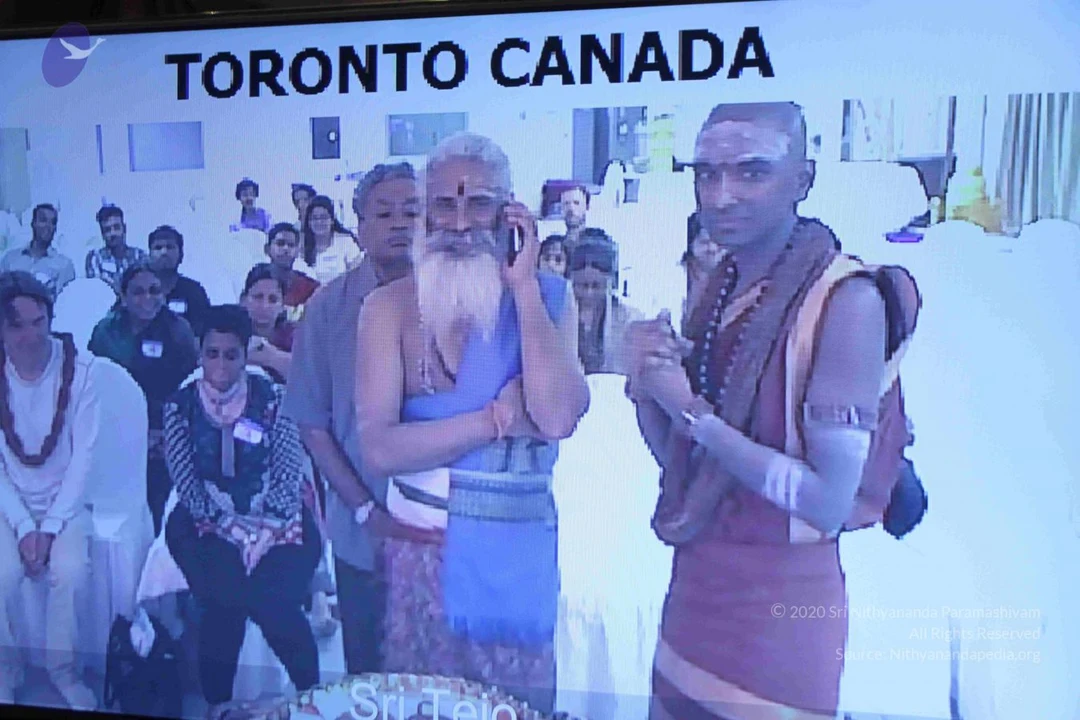
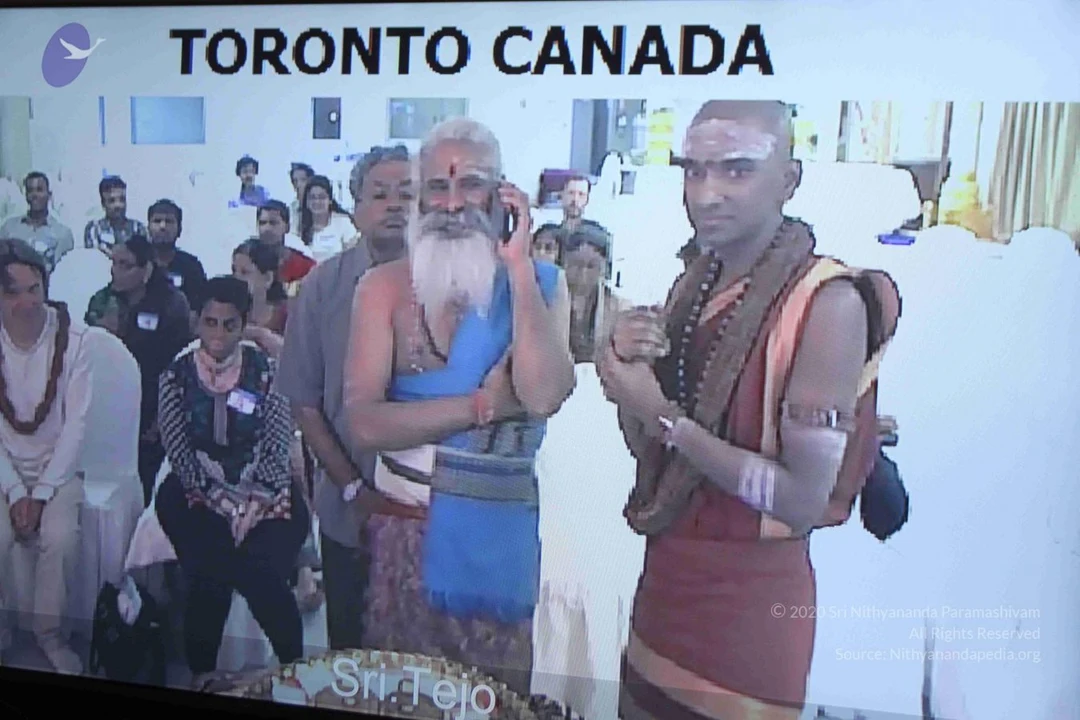
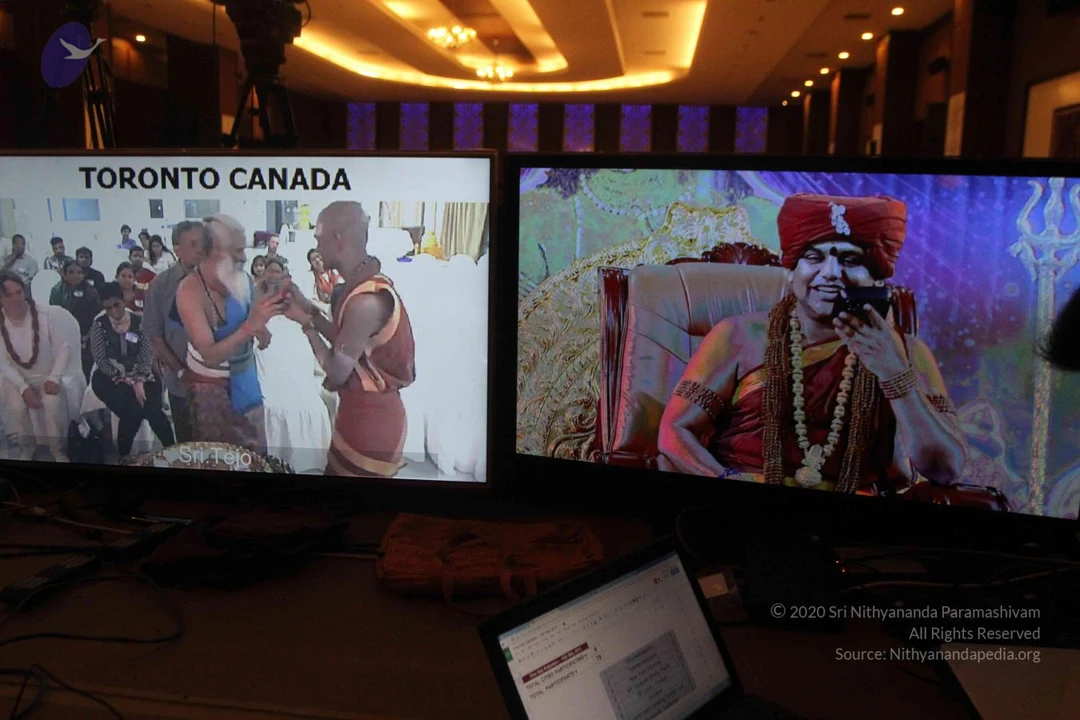
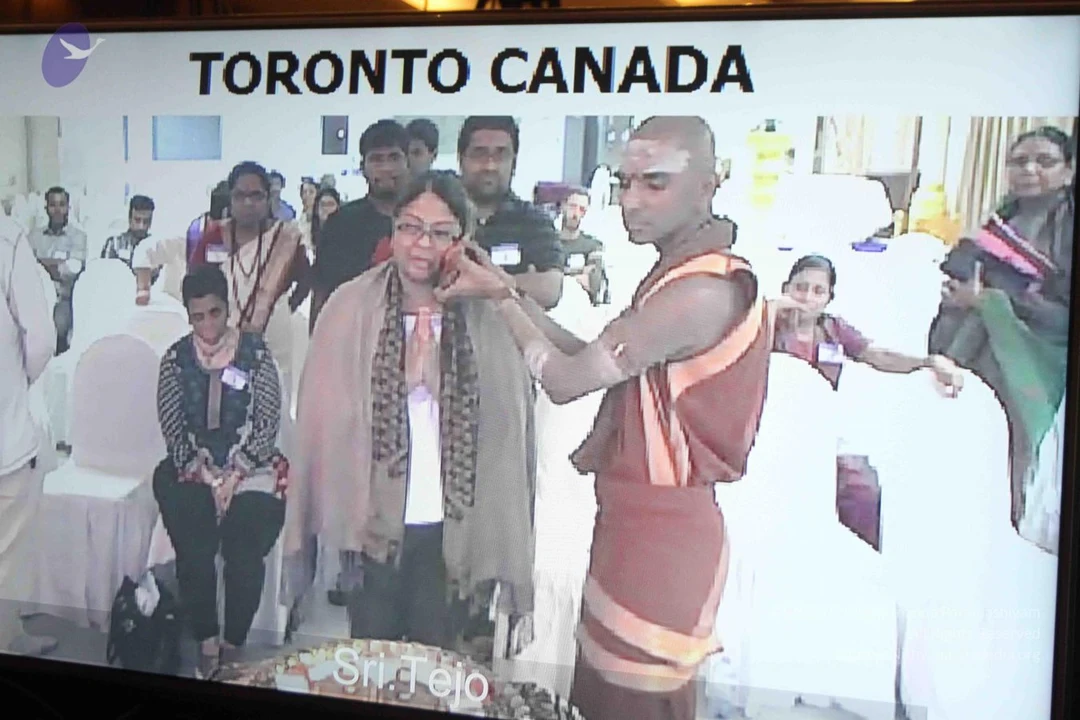
I welcome all the devotees, disciples, samajis, satsangis, SriMahants, Mahants, Thanedar, Kothari, visitors, viewers, participants, everyone sitting with us all over the world, through Nithyananda TV, Sadhana TV, Lotus TV, and two-way video conferencing having Nayana Deeksha, all the cities sitting with us having Nayana Deeksha in two- way video conferencing. Singapore Aadhenam, Houston Aadhenam, Bidadi Nithyananda Nagara, Charlotte Aadhenam, Bangalore North, New York Varanasi, Hosur Aadhenam, London Southwest, Hyderbad Aadhenam, Kaula Lumpur Aadhenam, Sury Center, Guadalupe Aadhenam, Toronto Aadhenam, Ohio Aadhenam, New Zealand Aadhenam, Hyderabad Gupta Kashi, Bogata, Columbia, China, Porto Ville, Toronto, Canada, San Jose Aadhenam, St. Louis Aadhenam, New Zealand, Wellington, New Zealand, Charlotte Aadhenam, London Southwest, and some more cities.
I welcome all of you with my love and respects.
As you all know I have to introduce the Kathopanishad today. Already the Shiva Bodha, the joy of being Shiva, the bliss of being Shiva is overflowing beyond this. And, among all this, now I will have to introduce Kathopanishad.
Kathopanishad in the land of Visvanatha, Kalabhairava. Kathopanishad is the last 8 sections of Taittiriya Samhita, Krishna Yajur Veda. It is 119 verses. When Sri Rama Chandra lists all the 108 Upanishads in Muktikopanishad to Hanuman, Rama lists this Upanishad as the third Upanishad.
The main subject of the Upanishad is DEATH. Even though I have spoken many times bits and pieces of this Upanishad, here and there I have quoted this Upanishad, I used this Upanishad to explain the truths, sacred secrets behind Death. In many of our programs, satsangs, but now formally, systematically I have to introduce this Upanishad. It looks tooo big. I am just wondering...It is like I have to chisel the whole mountain using a small chisel and hammer. Where will I start, how will I continue? It is just using my small words, now I will have to describe and introduce this whole Upanishad.
Please understand, I will try to introduce.
This Upanishad is not commandment of somebody who realized God, no! Even if you realized God, a little bit will be your Enlightenment experience, a little will be your brain masala. There is a possibility for corruption, misrepresentation, manipulation or missing it.
So, understand, but, this Upanishad is the direct, direct word from the being who is the Lord of Death. Understand, Lord of Death–this is directly from Him. This Upanishads are directly from Him, who is Lord of Death. Don’t even have a doubt about the authenticity of the Upanishads, especially this Upanishad. I am the witness for the authenticity of this Upanishad. And I experienced the sacred secret of this Upanishad in this very land, Varanasi.
It is the first and foremost document about Death, where Dharma Raja, Yama Dharma Raja;Yama means naturally flow of existence. Dharma means natural law of existence. Yama means natural flow of Existence. Dharma means natural law of Existence. Yama Dharma who is embodiment of natural flow and natural law. Understand, flow is spontaneous, law is systematic. He is Lord of both. That is why He is called Yama Dharma–natural flow of Existence, and natural law of Existence. How anything flows by its very nature, that is Yama. What is the law of the natural flow of Life, that is Dharma.
Lord of natural flow of Existence and natural law of Existence, Yama Dharma Raja directly speaks to a Brahmin kid, Naciketa, who is the hero of this Upanishad. And one of the greatest things, this Upanishad is kept alive by the Śaivaites. Understand, the subtle nuances and the communal feelings, Yama Dharma is a Śaivaite; he is beyond the jāti (community). Naciketa is a Brahmin. A Śaivaite teaching Brahmin is almost a Kalabhairava removing the head of Brahma; Veerabhadra removing the head of Daksha. But still the Upanishad survived beyond the subtle community fights which goes on for ages.
This Upanishad is taught by a person who is most mysterious and most available. Please understand, who is continuously experienced can never be mysterious; who is mysterious can never be experienced continuously, but he is the only one who is continuously available, perceived, but continues to remains as mystery, that is Death. Understand, who is continuously perceived
will never be a mystery, can never be a mystery, who is a great mystery can never be continuously perceived. Here is a greatest paradox–constantly available, perceived. Any moment, anywhere, anybody can perceive him. Anybody who perceives becomes ‘body’. Constantly experienced, perceived, especially in this great land. Largest cremation ground in the world is Manikarnika Ghat.
Please understand, largest in the world, not in India, in the world. Anything related to human numbers, if you are successful in India, it is the largest, because it is the largest population. That is why any movie star, any celebrity, any Guru, who has a large following in India can straight away use the word largest in the world. As far as anything related to human beings, human numbers, concerned, largest number of people visiting India, it is largest temple in the world, because no where in the world so many people are going to be visiting any temple. Anything related to human beings, human number, if it’s largest in India or just the world. Whether you are having the largest following in the Twitter, Facebook, you are a celebrity with the largest of fans, you are Guru with the largest number of disciples, you are political party with the largest number of numbers, whatever, whatever, whatever, if it is a human being, human number related issue, if it is largest in India, it is largest in the world, be very clear. There are few things special to India, the granite stonework. Largest granite building in India, is the largest granite building in the world, largest stone structure in the India is the largest stone structure in the world because no other country works on stone so much.
Lets come to the Kathopanishad. This land largest cremation ground, average 350 bodies are burnt everyday. On special days! I don’t know how they call ‘special days.’ Its goes even up to 500, who knows when that special day! Largest cremation ground! Here very casually while you are walking on the road, you can see 4 people carrying, if you see anything bigger than suitcase it is dead body. In Varanasi anything you see 4 people carrying or 2 people carrying a little bigger than suitcase, covered completely with a cloth, be very clear, it is a dead body. The other day I saw, they nicely unloaded near a tea shop, chai shop, and all of them, both of them are sipping a chai and that fellow is lying there, very comfortably both of them are sipping their chai, after the chai they religiously lift the body again, start walking.
Constantly happening, perceived, but still mystery, most mysterious. Even if you see so many dead bodies again and again and again, continuously, not just some unknown face, even the people who are so near and dear to you, who lived till yesterday with you till few hours before with you, whom you think you know thoroughly about them, even when they experience, It continues to remains as a mystery. Not only that, you are not even allowed to think, contemplate, question this mystery. By the time you have a third, fourth thought about the Death, something comes and diverts you, this is the greatest delusion of human beings.
These stupid fellows, went up all the way to Mars and trying to explore it, I am talking about the whole humanity—trying to analyze names, stars, galaxies, planets, but still not does not have knowledge is not even working sincerely to look into the direction of Death. Who is this guy who is constantly playing amidst us and never lets the focus light, limelight fall on him? He is the greatest magician, jadugar. Constantly playing amongst us, picking the people among us, and swallowing them, playing, running riot not only over our lives, even on our intellect; but still none of us are able to even look into Him. We have penetrated planets, we have penetrated stars, penetrating the galaxies, we have done so much, but still this guy who is constantly running around among us; who is constantly playing amidst us, not only remains mystery, He is not even letting any of us, look into His eyes. Those very few who dare to look into his eyes, who have decided not to get distracted and diverted by his magics and drama, those very few became Buddha and Shiva. All Buddha did is one thing, when he saw the death of somebody, He decided to look into the eyes of the Death—“Who are you? Till I know, I am not going to move out of it, this is my first priority.” But did you see the funny thing?
He had three questions – why old age, why sickness, why death? He found the solution, but still all the three remains in the world. Even now, there is old age, there is sickness, there is death! Then how do you say, he has discovered the solution? Maybe he found the solution for himself. It means: every one of you have to look into the eyes of the Death. Look into His eyes when He is staring at somebody else. Don’t wait to look into His eyes till He stares at you directly. When He is staring at somebody else, it is very easy to stare into his eyes. Yama Dharma was staring at the old man, so Buddha easily stares into His eyes. So jump into the Death, dive into the death to discover the secrets of Death, when he is staring at somebody else, don't wait until he comes to stare at you, that time you may not be able to stare back to him.
Fools are those waiting for Him to come and stare at you directly, than planning to stare back at him, no.
Stare into His eyes—demystify him, try to decode him, understand him when he staring any somebody else. Means: before he turns his eye into you, start staring at Him. If you start staring into Him first, then if he turns his eye towards you, that eye will be most compassionate. If you are waiting for him to stare at you, and then start staring, it will be terrorizing, understand. Who makes the first step? Are you going to stare at him first, or are you going to wait till he is coming to stare at you?
is staring, whether it is going to compassionate or terrorizing, is going to be decided based on who is first. Kaala is going to decide whether Kaala is going to be compassionate towards you or terrorizing you. Kaala is going to decide, whether he is going to be compassionate towards you or terrorizing towards you. Don’t wait. Don’t wait for him to stare at you first. It is foolishness to wait for him to stare at you than to look back, stare back. No!
Yama Dharma, the most compassionate teacher dimension of him is expressing in this Upanishad. You will be surprised, first ever recorded history, Yama Dharma is giving a boon, especially completely opposite to his profession—giving Life. Come on.
Actually I discovered this mind by working with so many people. I had a gold smith who as making jewels for all our deities. One sovereign gold that time was around 25,000 rupee, few years before, if you actually ask him for that discount of that 25,000 rupee, he will not say no at all, he will simply agree up for 50,000 rupee but if you ask him to reduce half gram of wastage, he will get agitated so much, he will all be worked up, stressed up, because he measures life based on the amount of gold, not based on money; so his logic does not come there at all. For him wealth is all amount the metal, precious metal, gold, that’s all. Person whose only life source is a goshala (cow shed), if you take away the money you accumulated, he won’t suffer so much, but if you take way even 2 liter milk, that’s it. He will pour 2 liter water from his eyes. Same way a farmer, just few bags of paddy or rice getting destroyed, over. He feels his life is destroyed.
With anything constantly deal with, you emotionally get attached to it and you feel the value of that much more than the regular society values, the sentimental value.
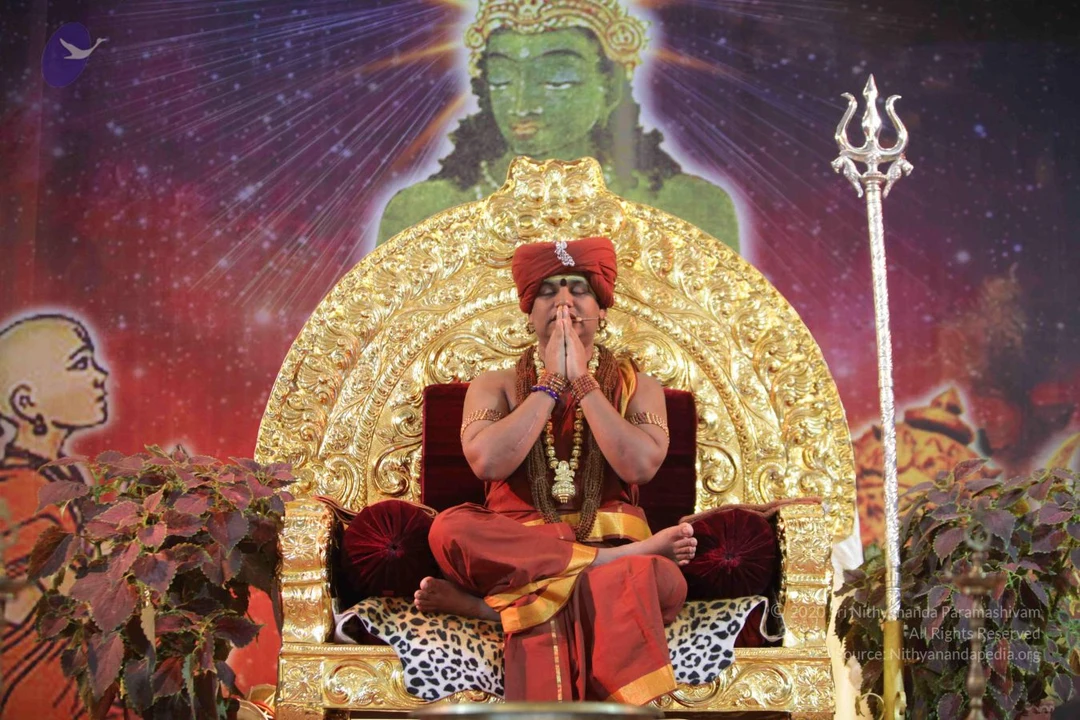
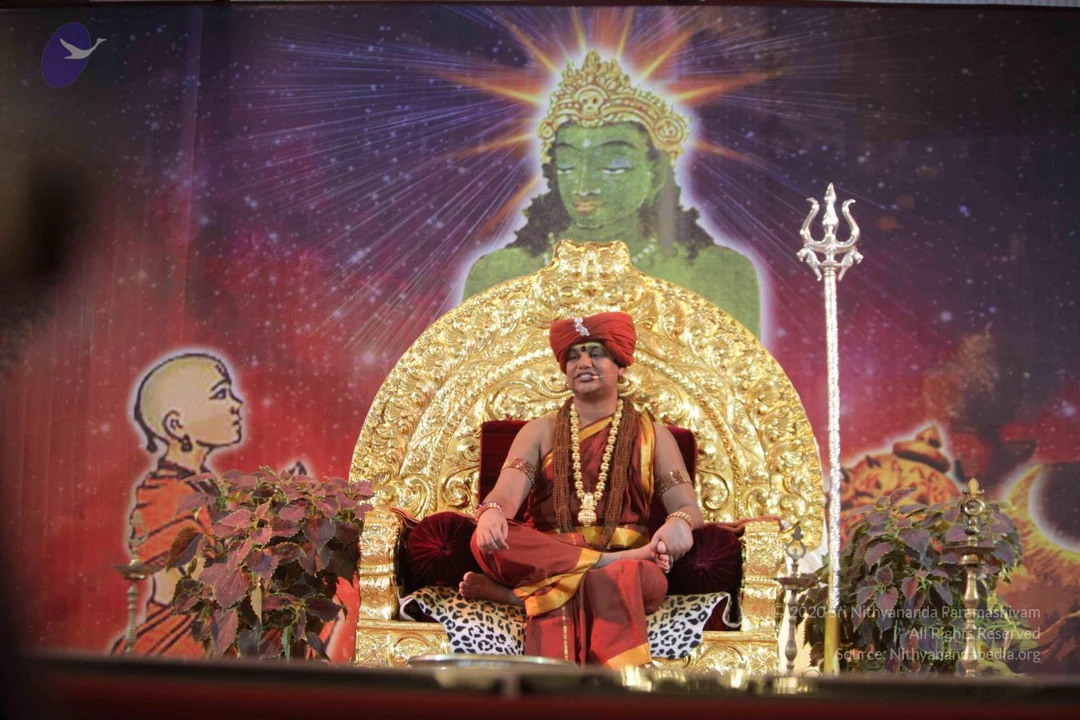
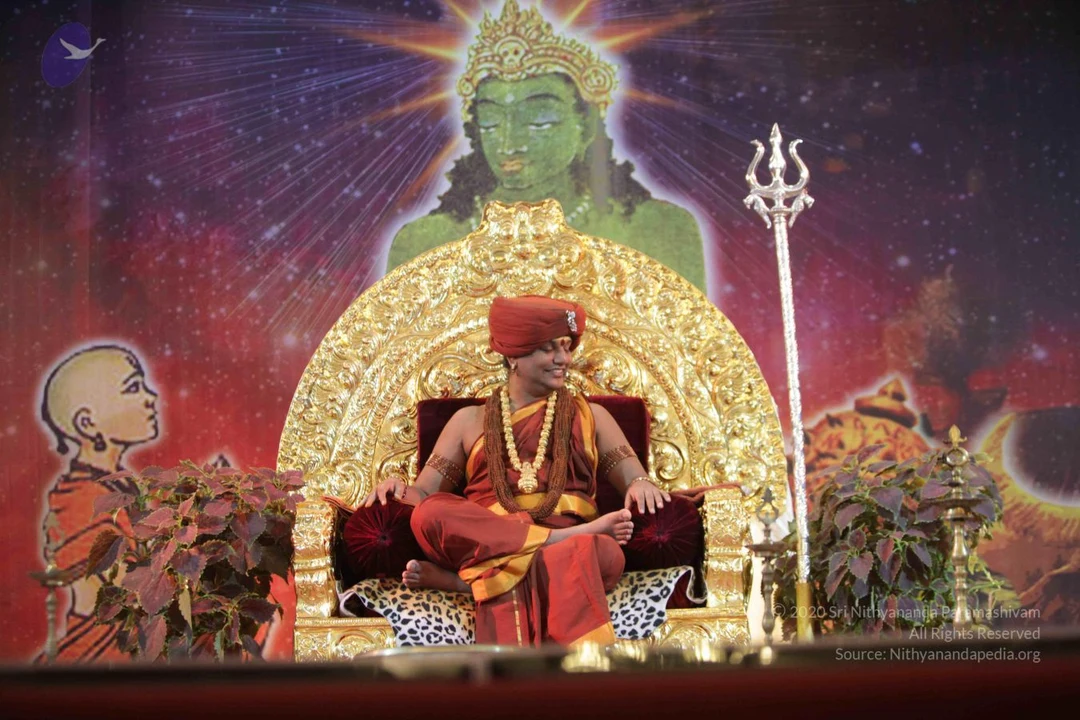
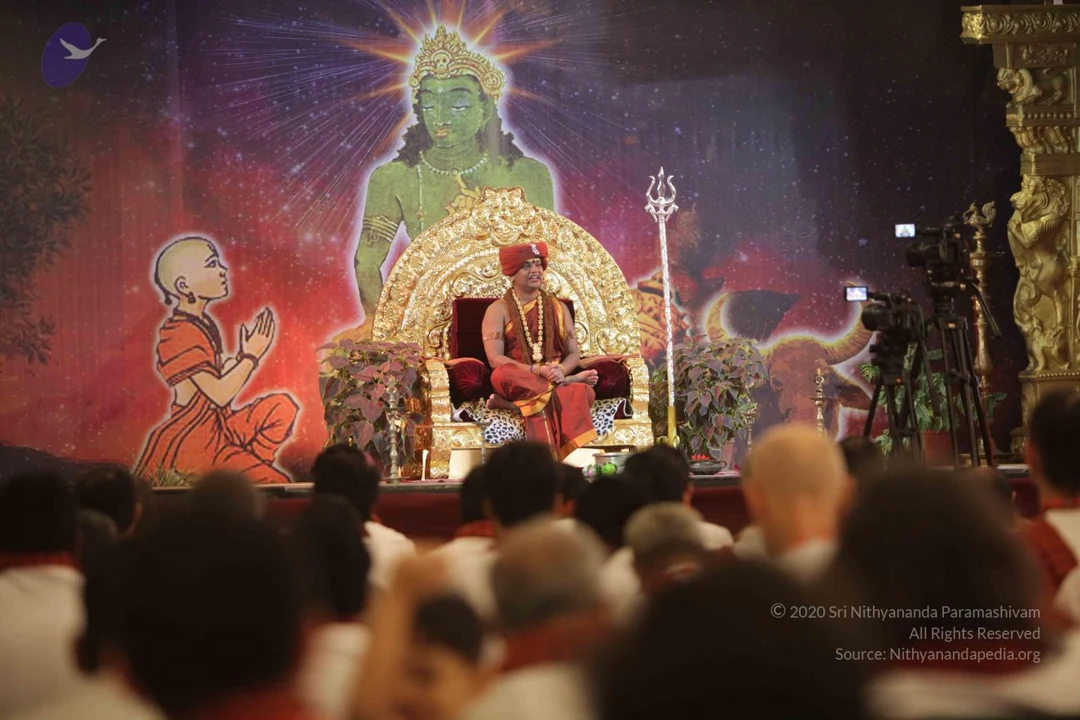
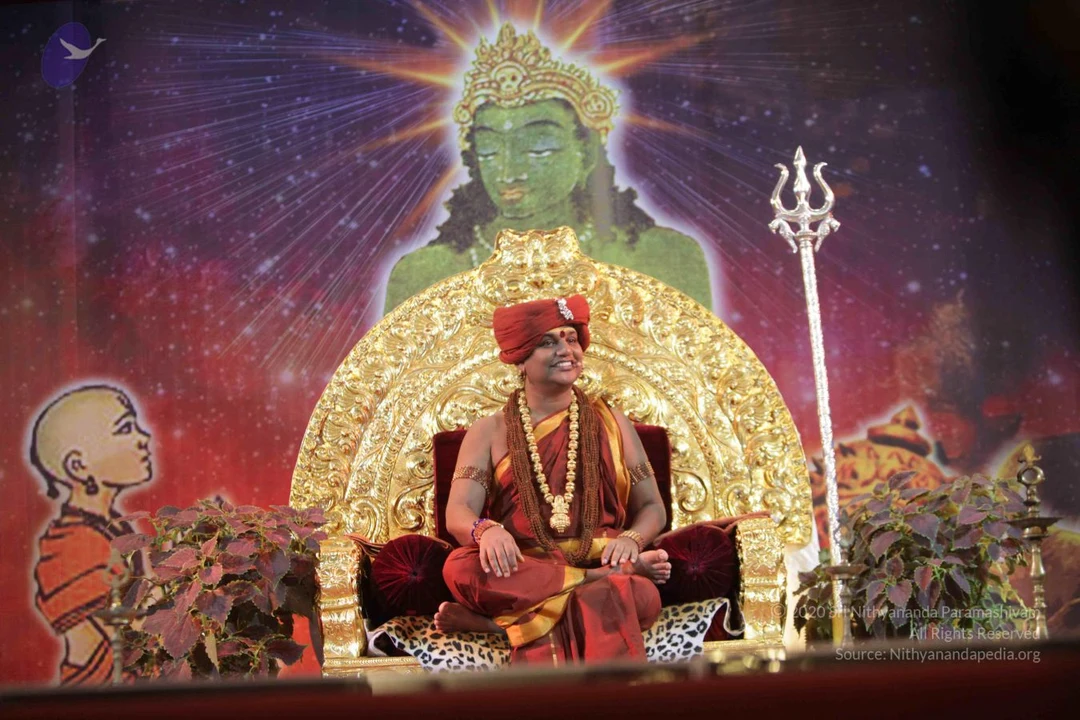
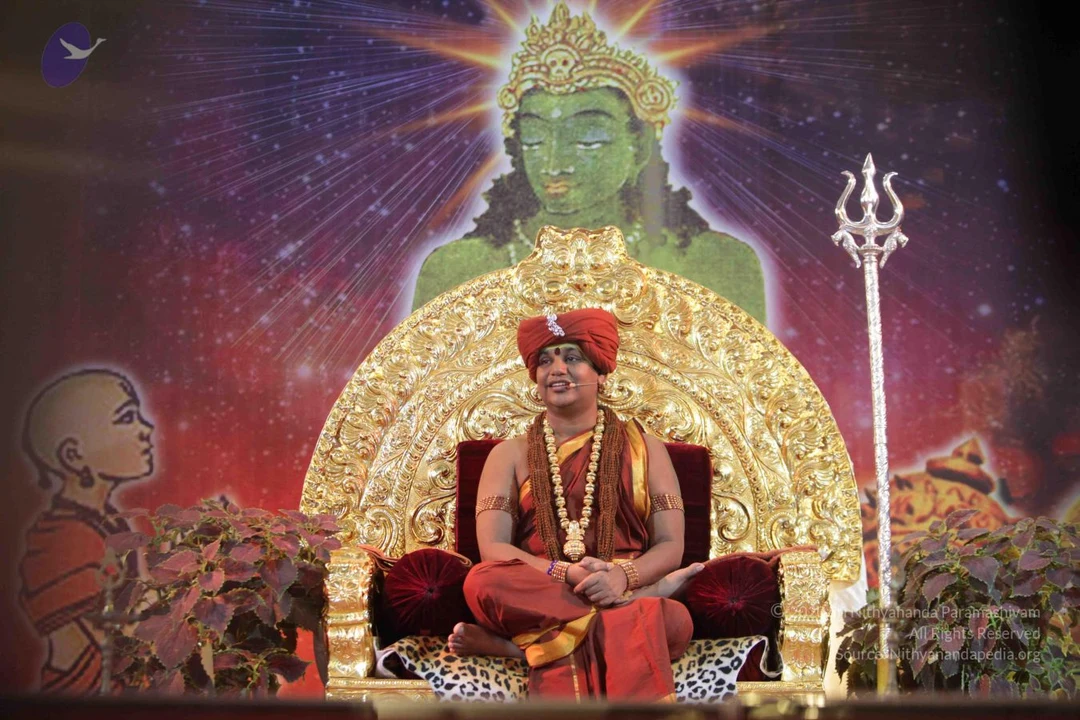
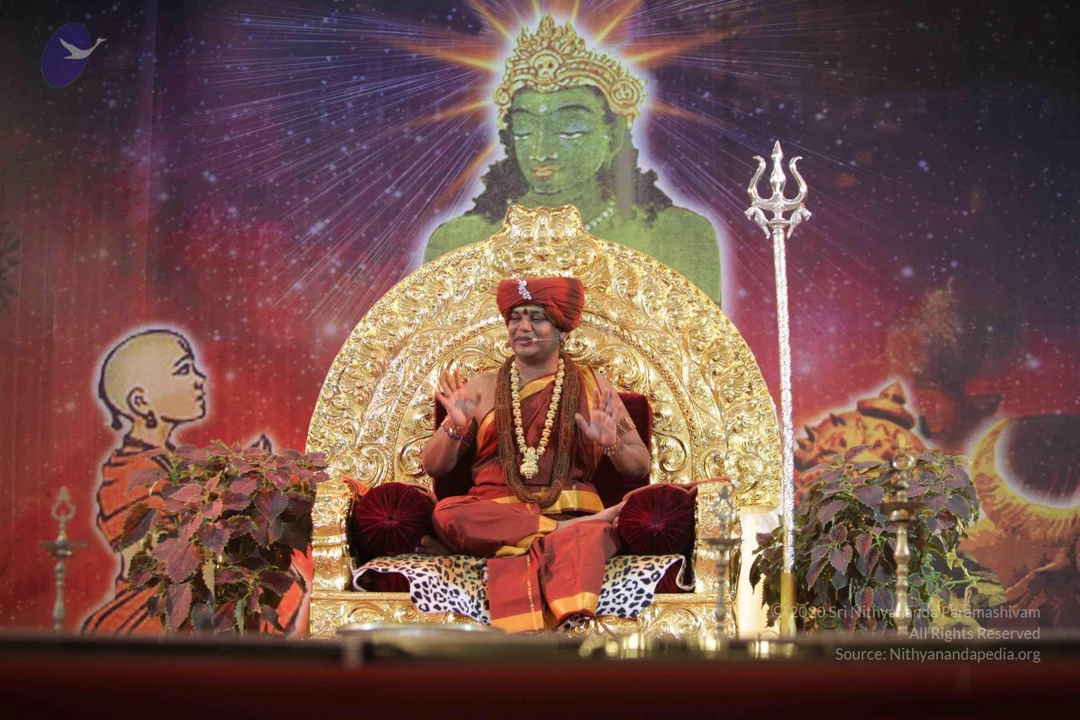
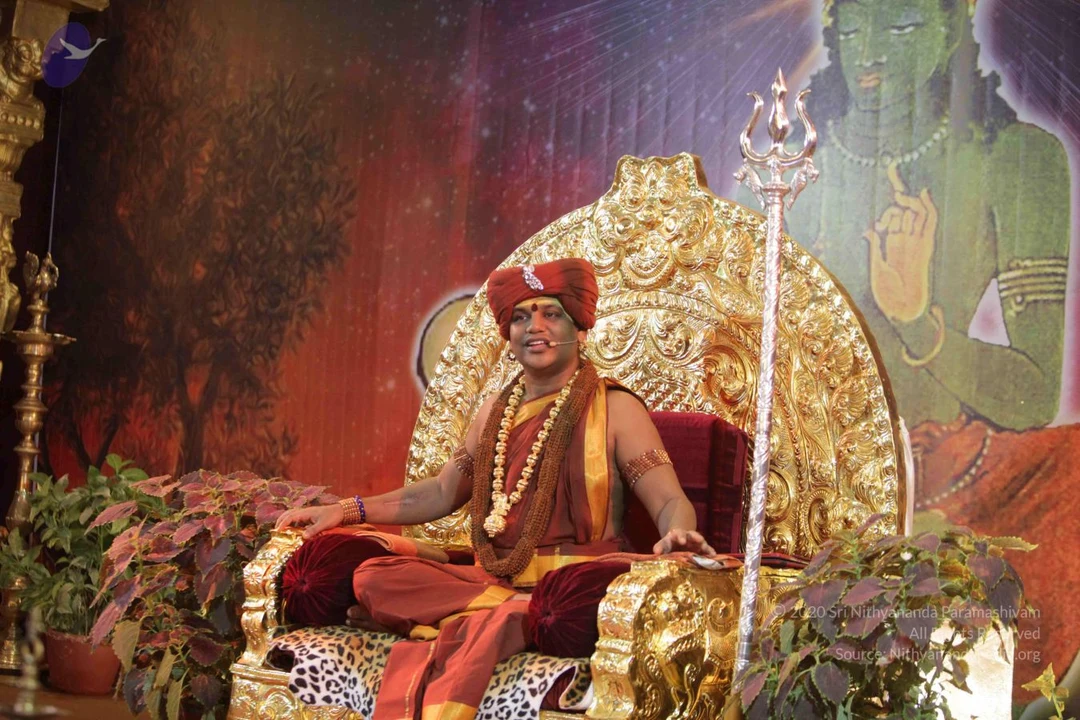
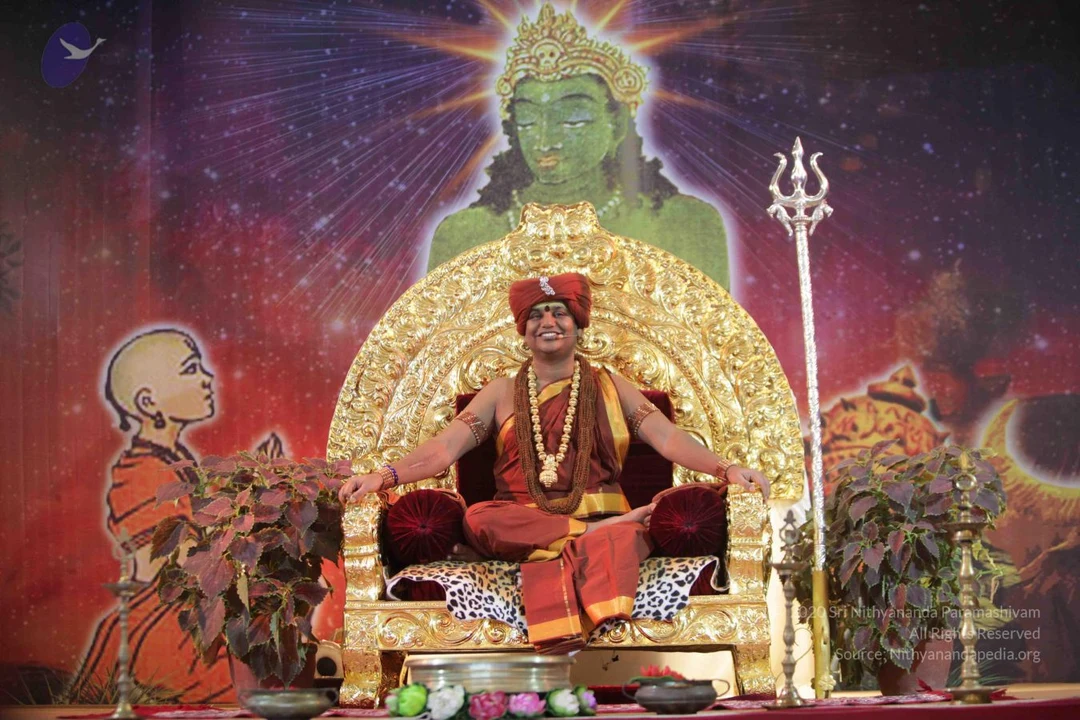
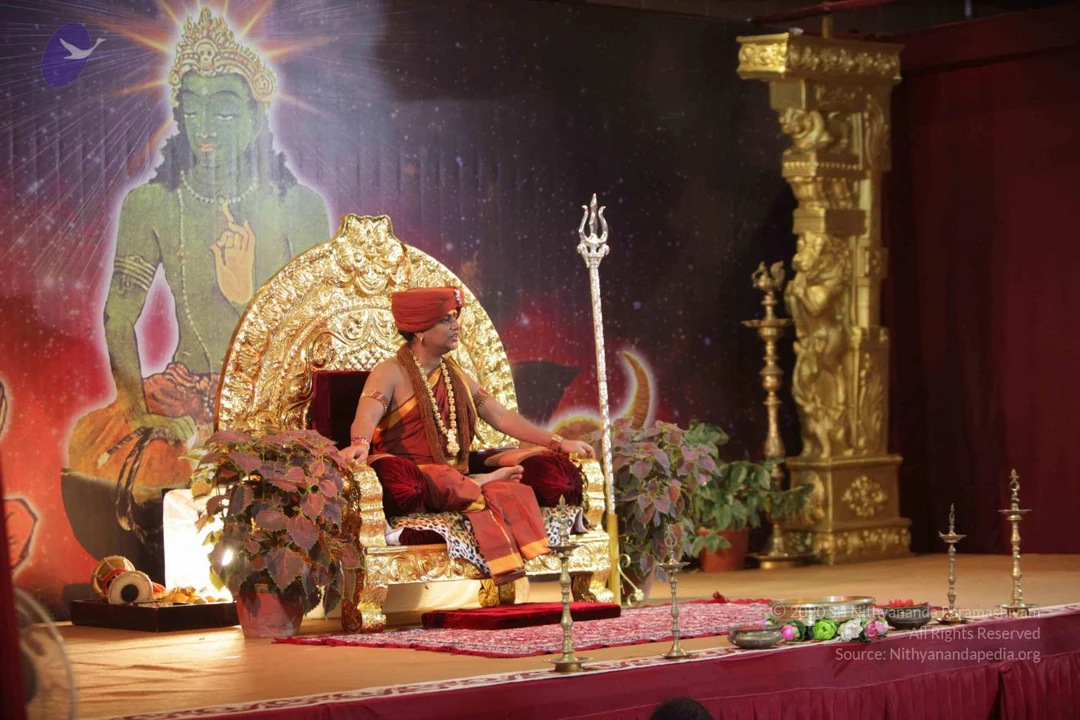
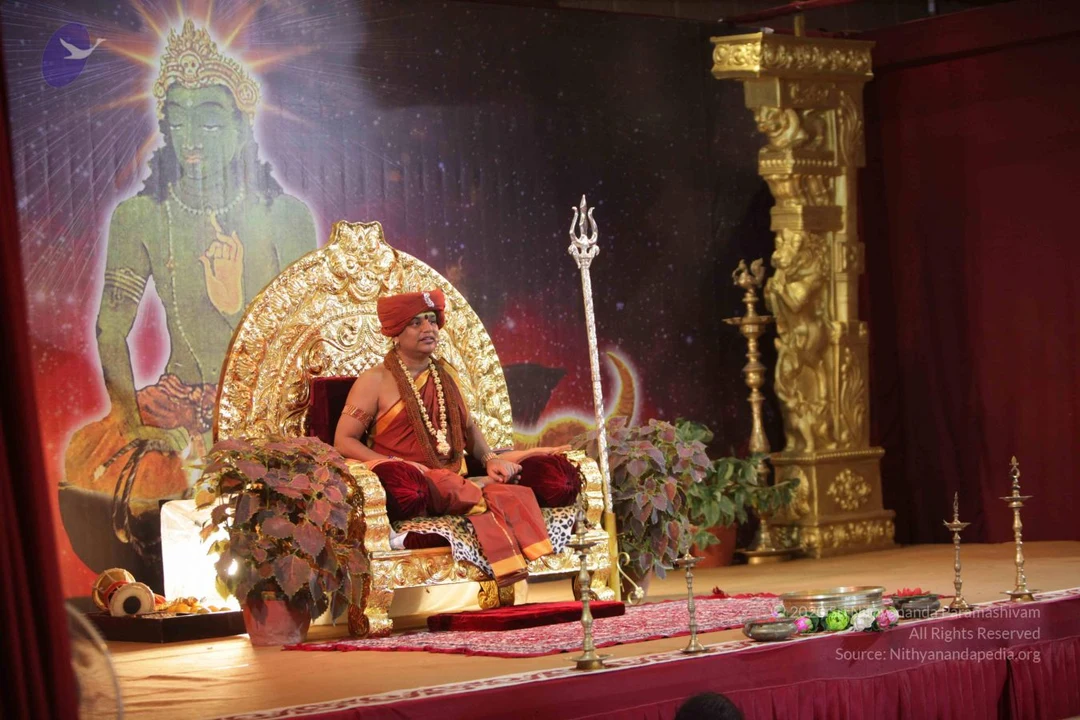
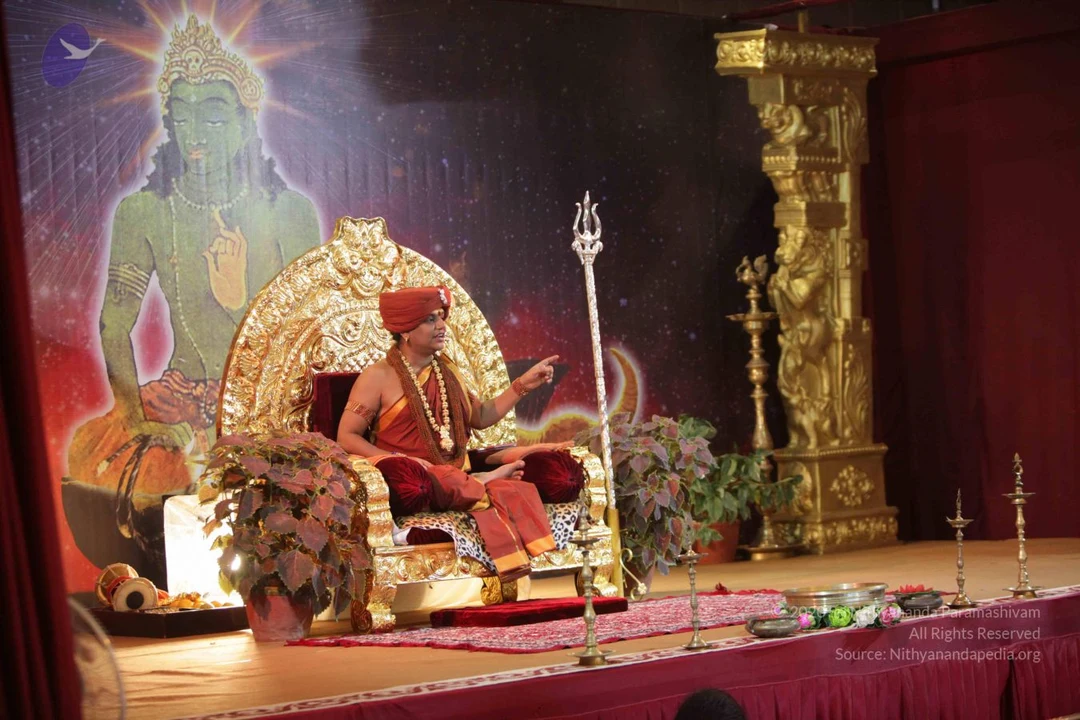
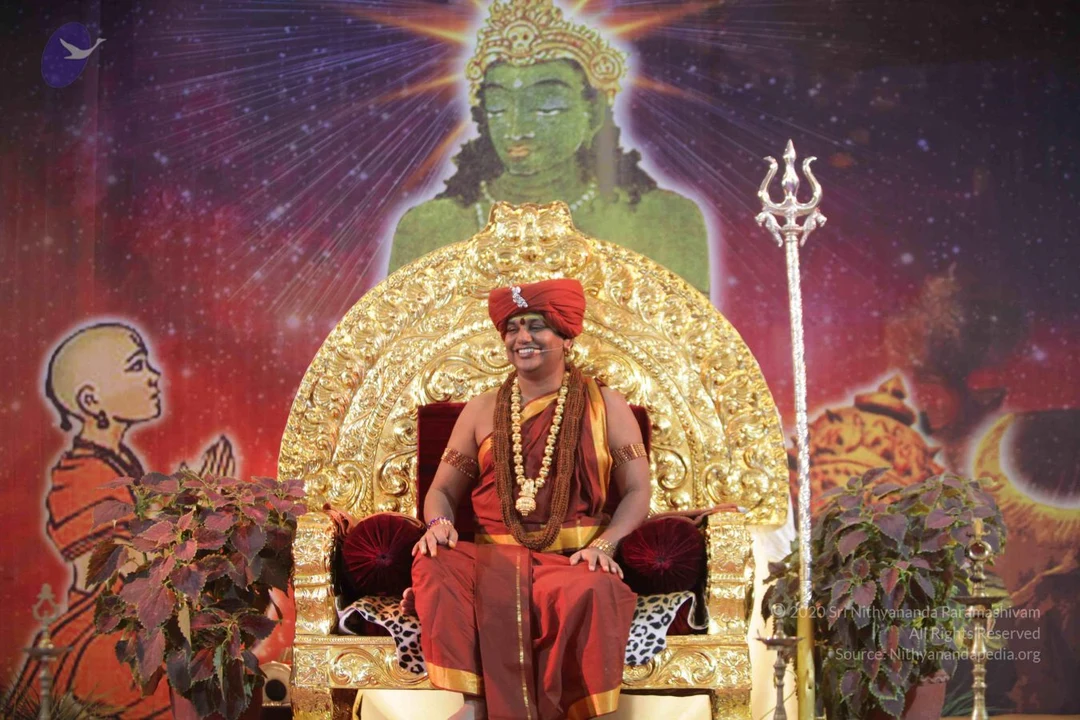
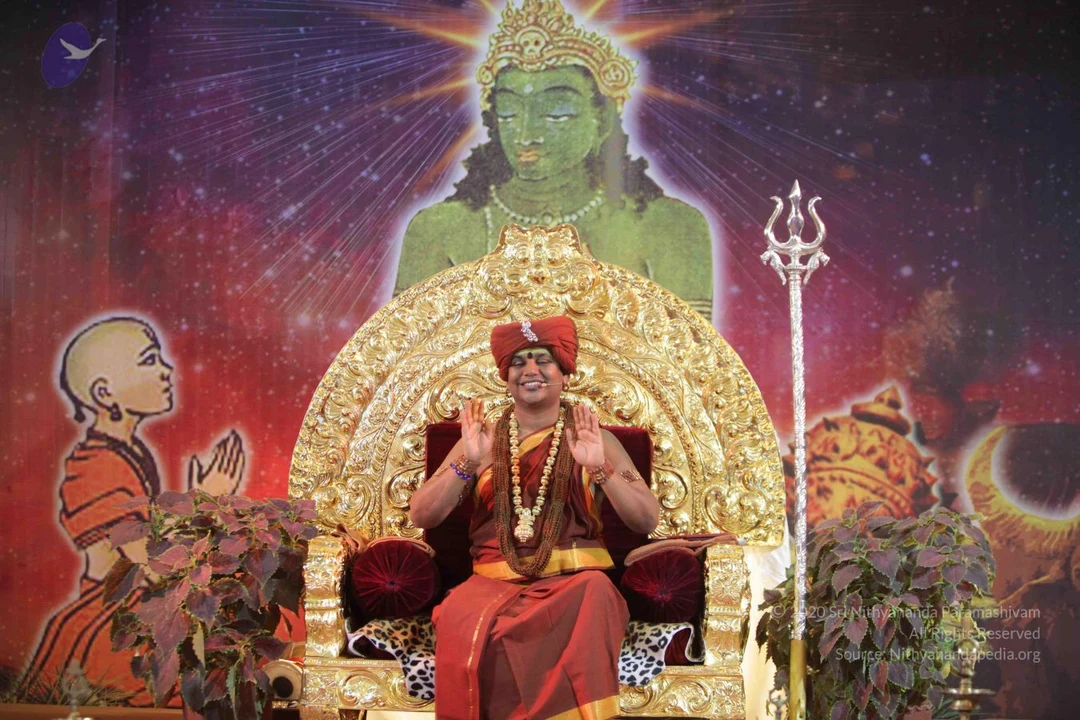
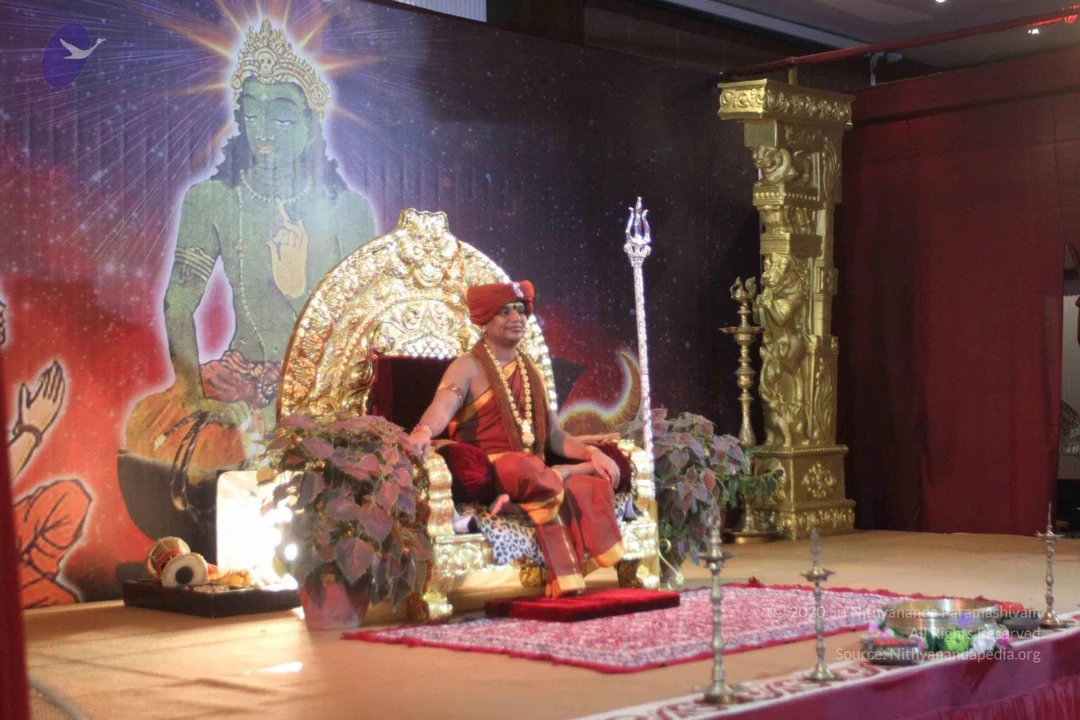
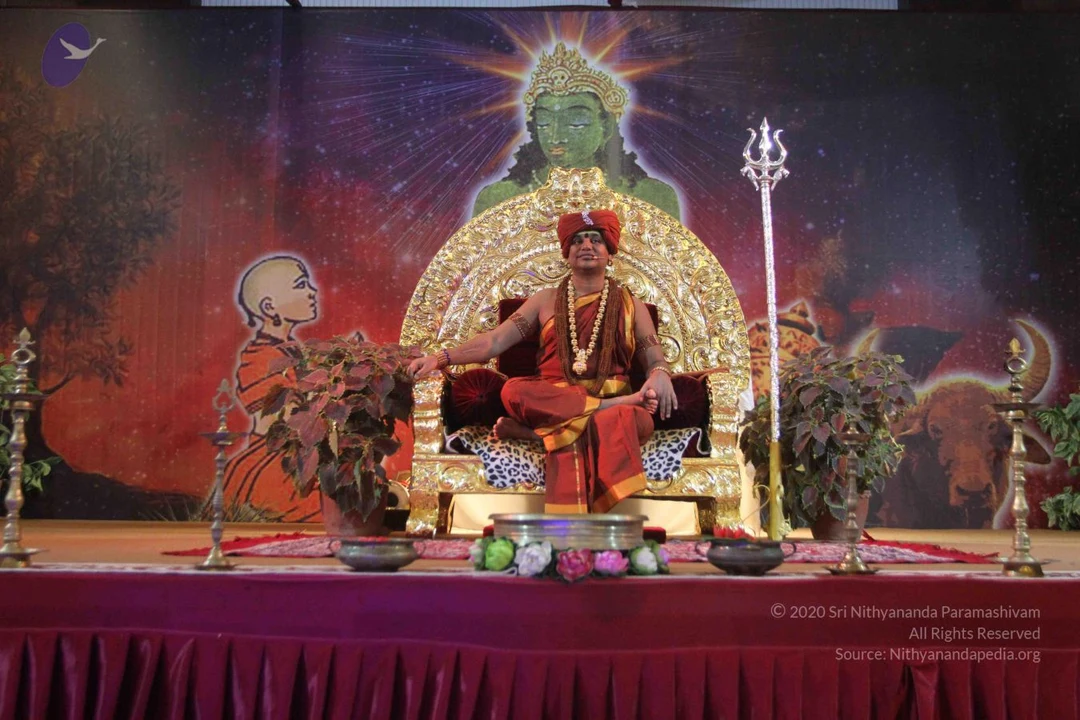
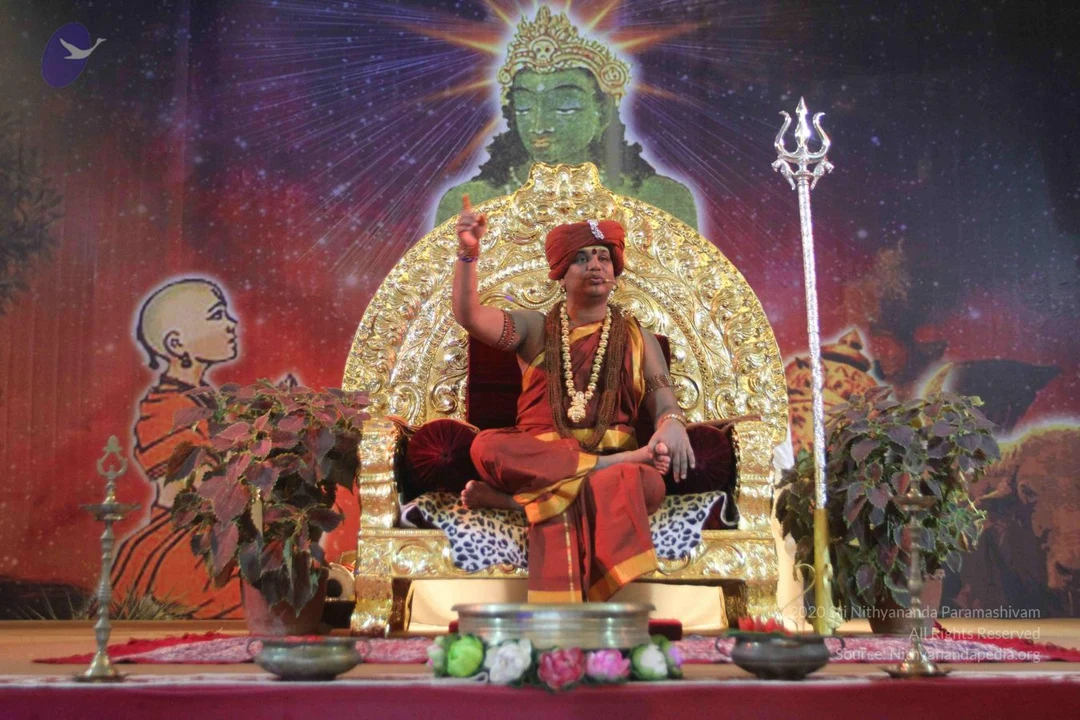
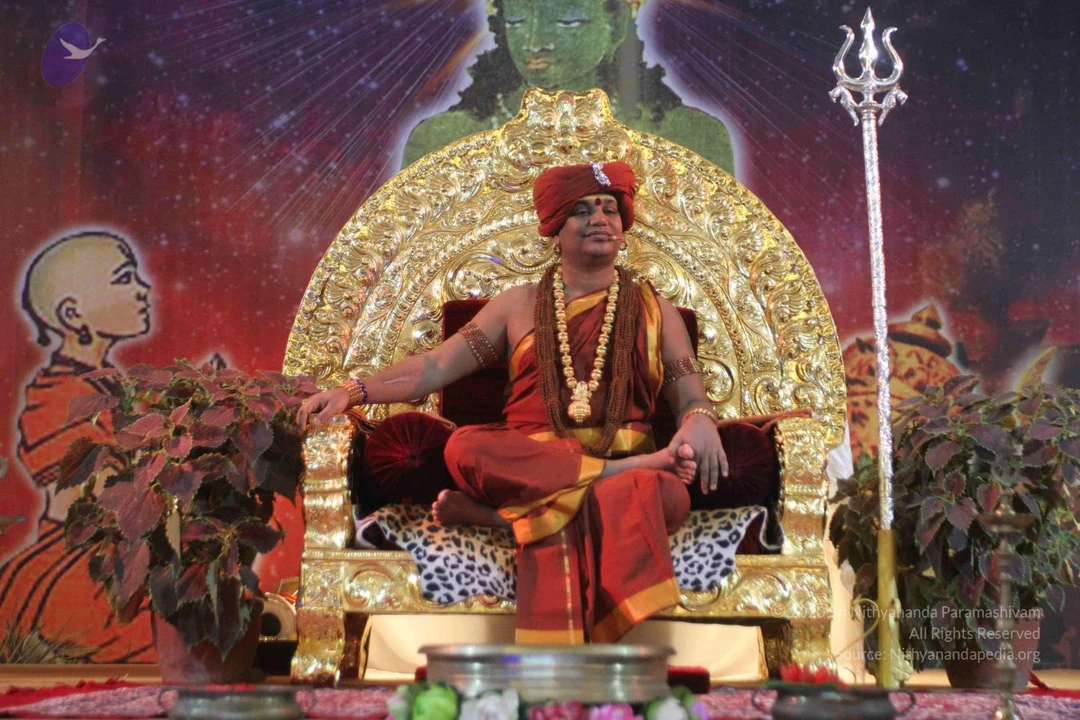
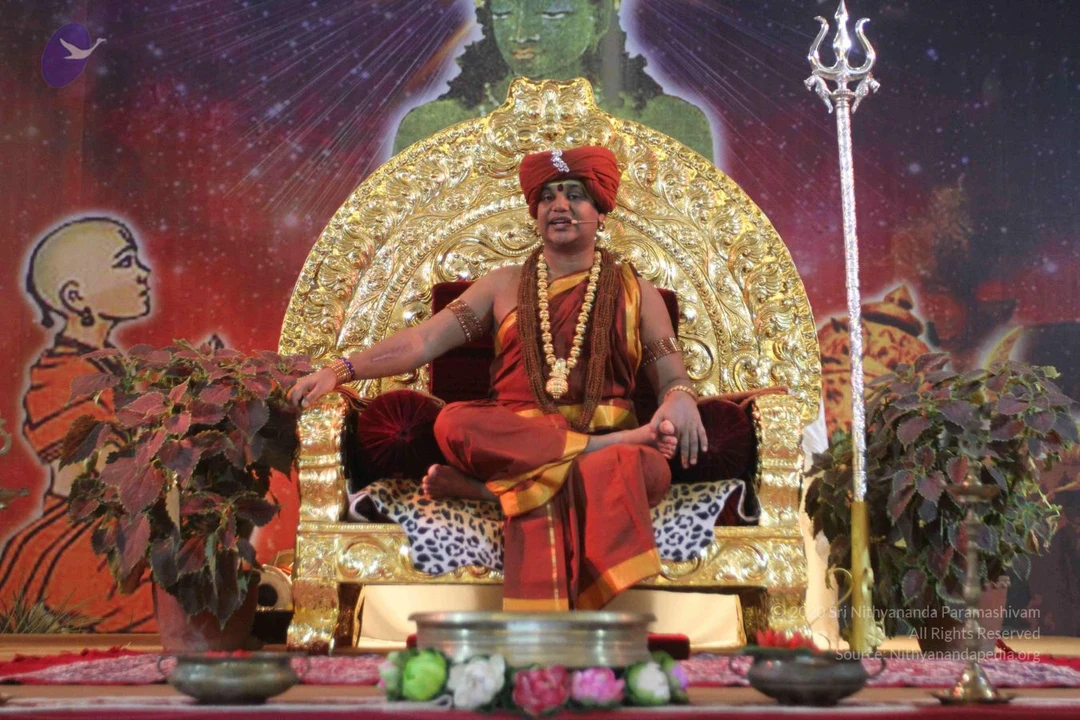
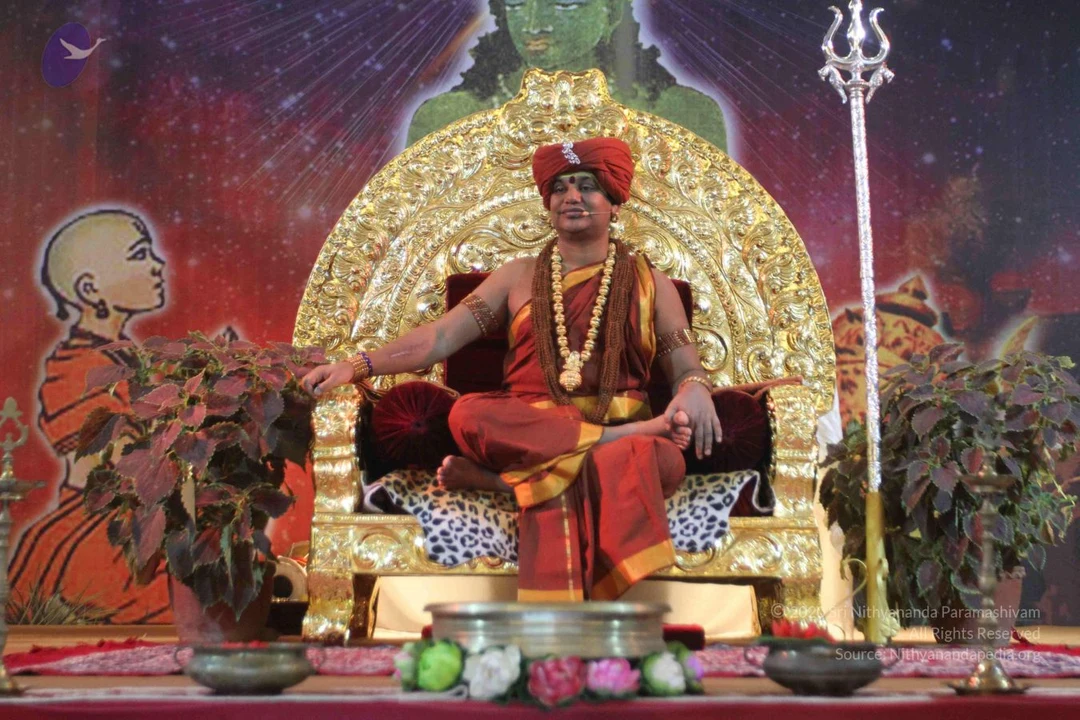
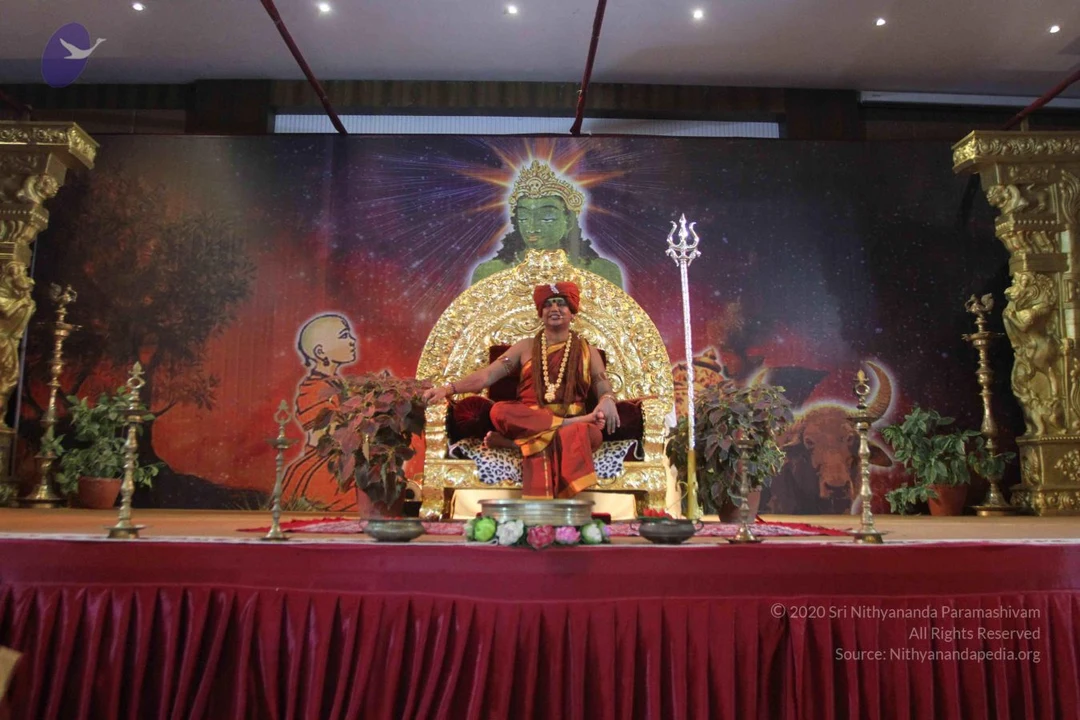
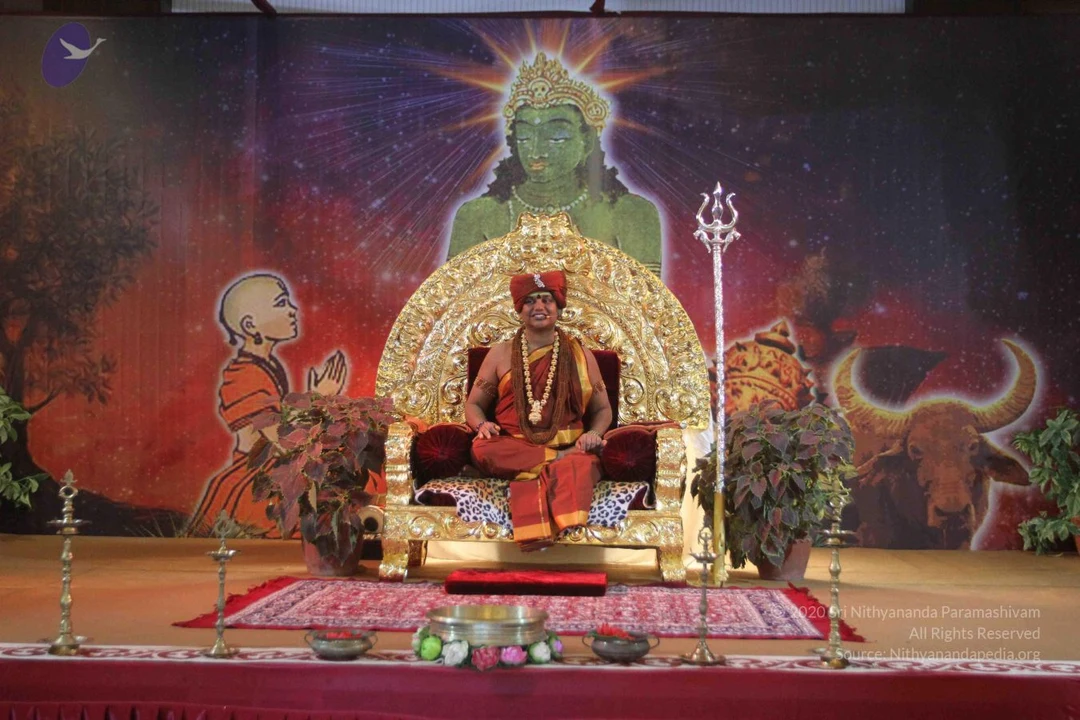
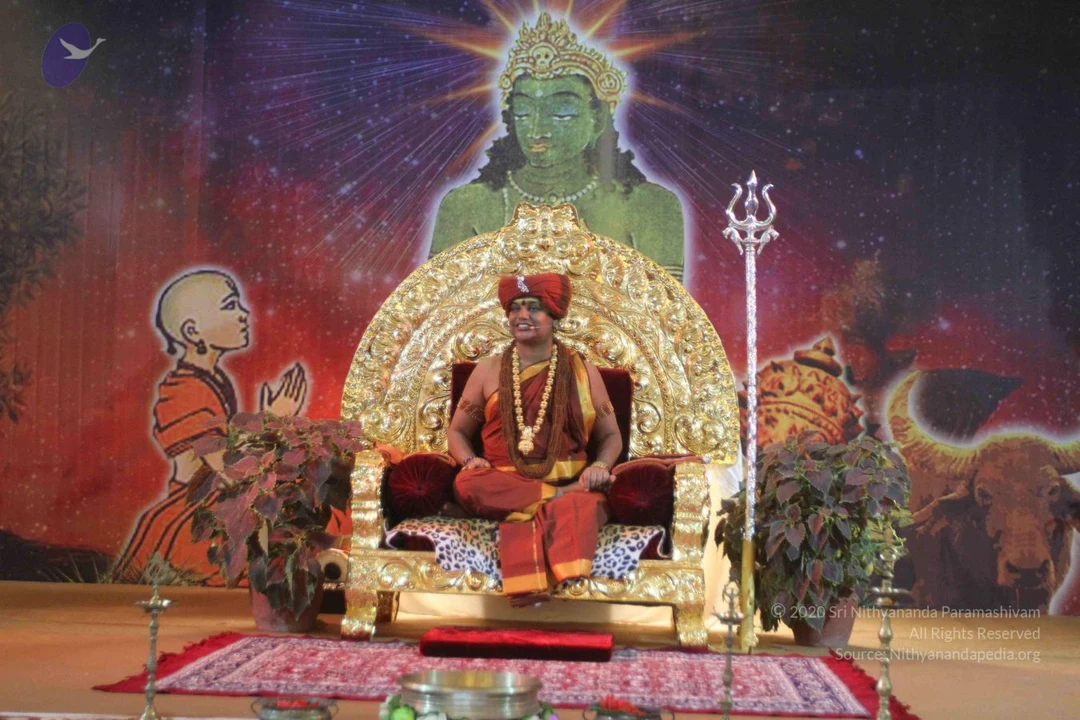
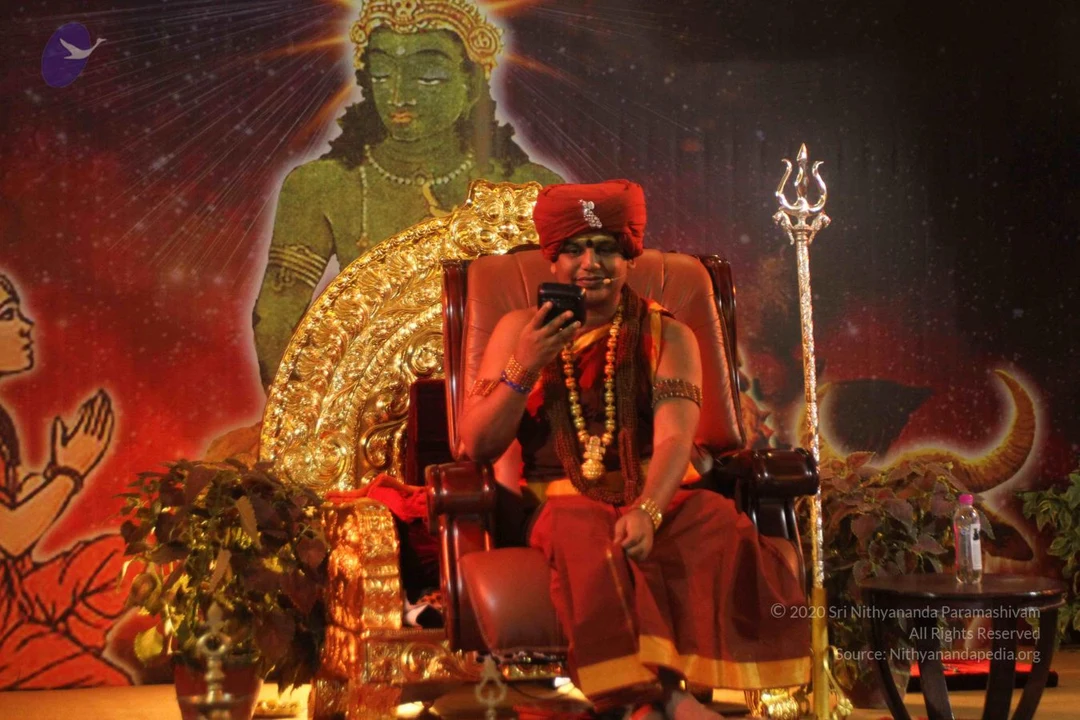
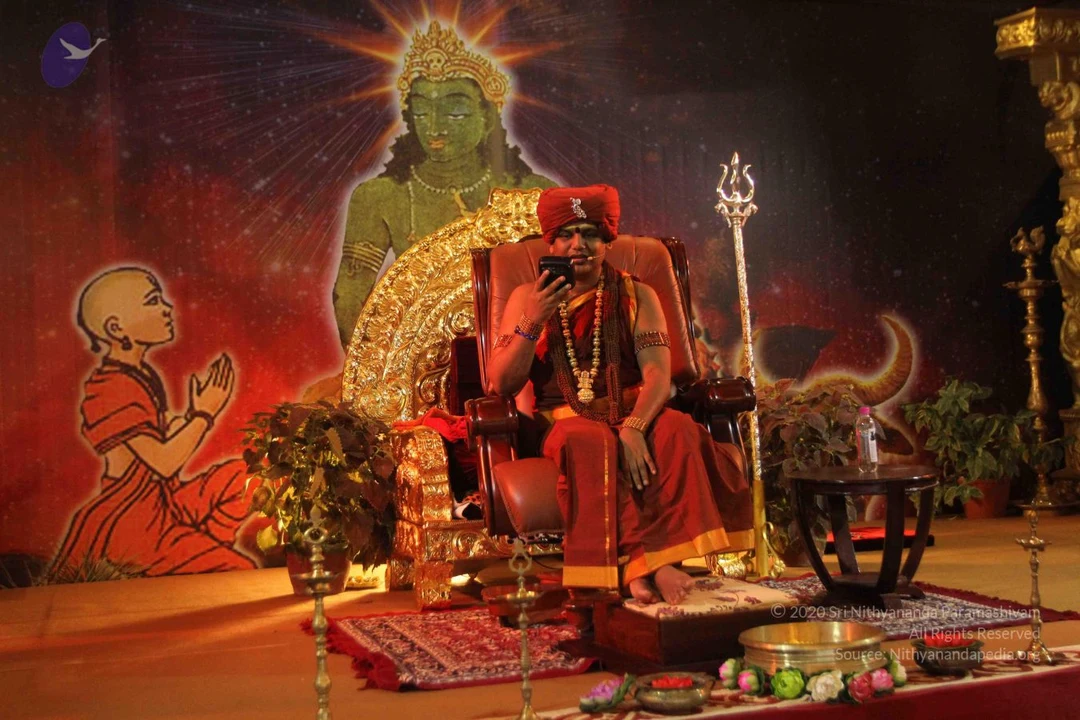
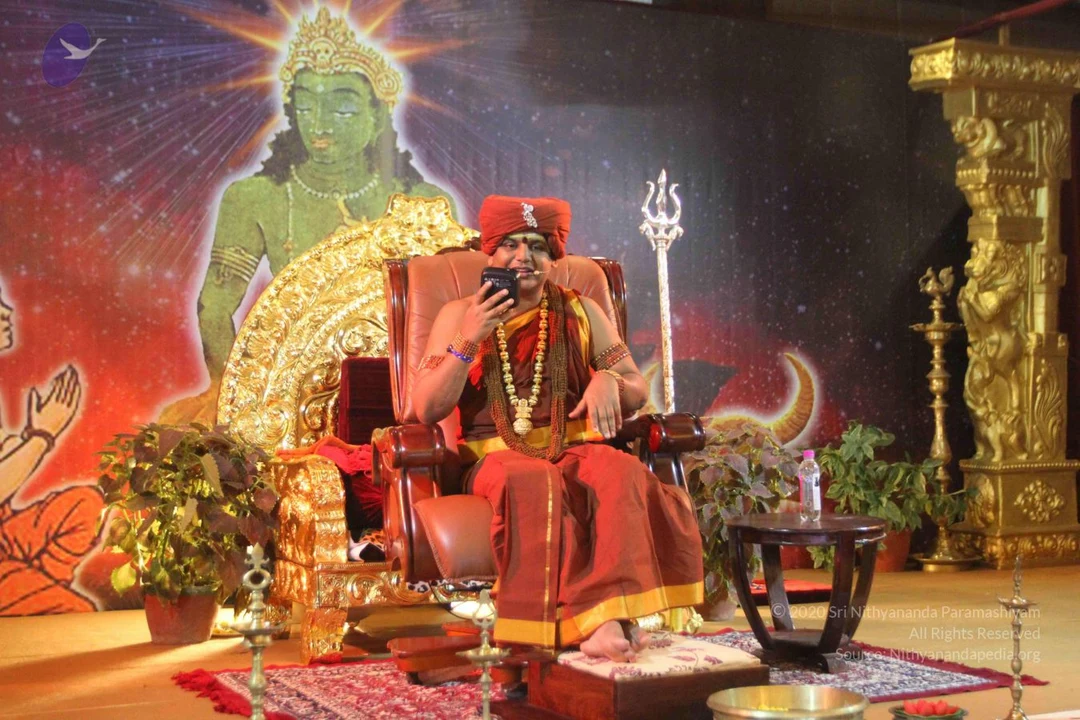
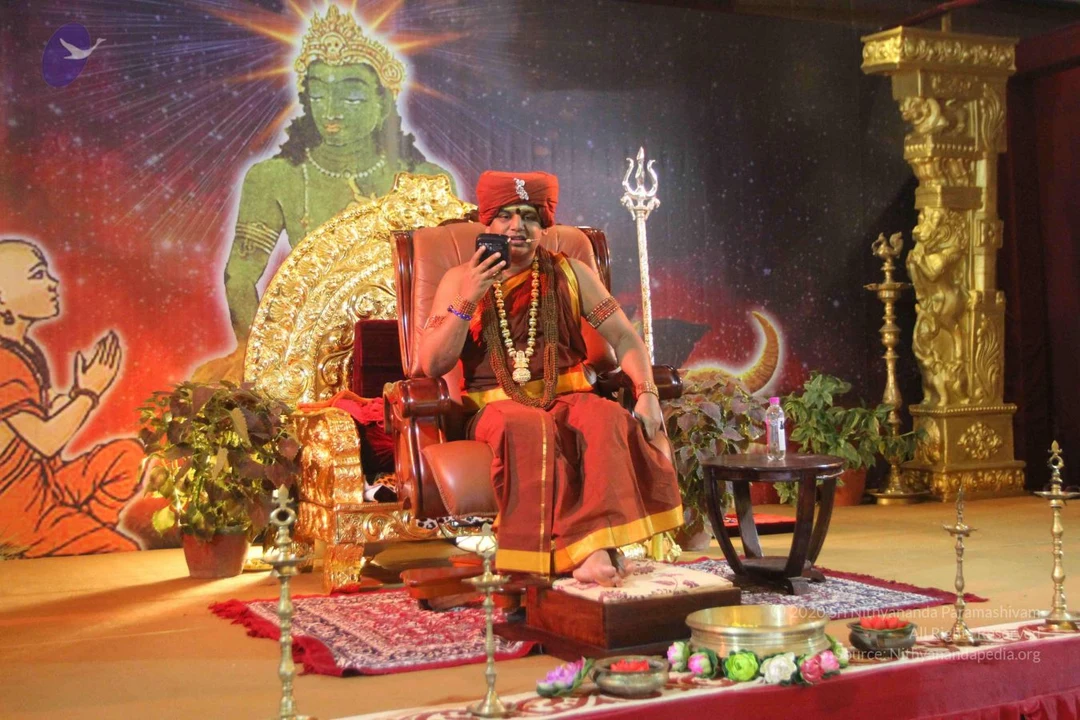
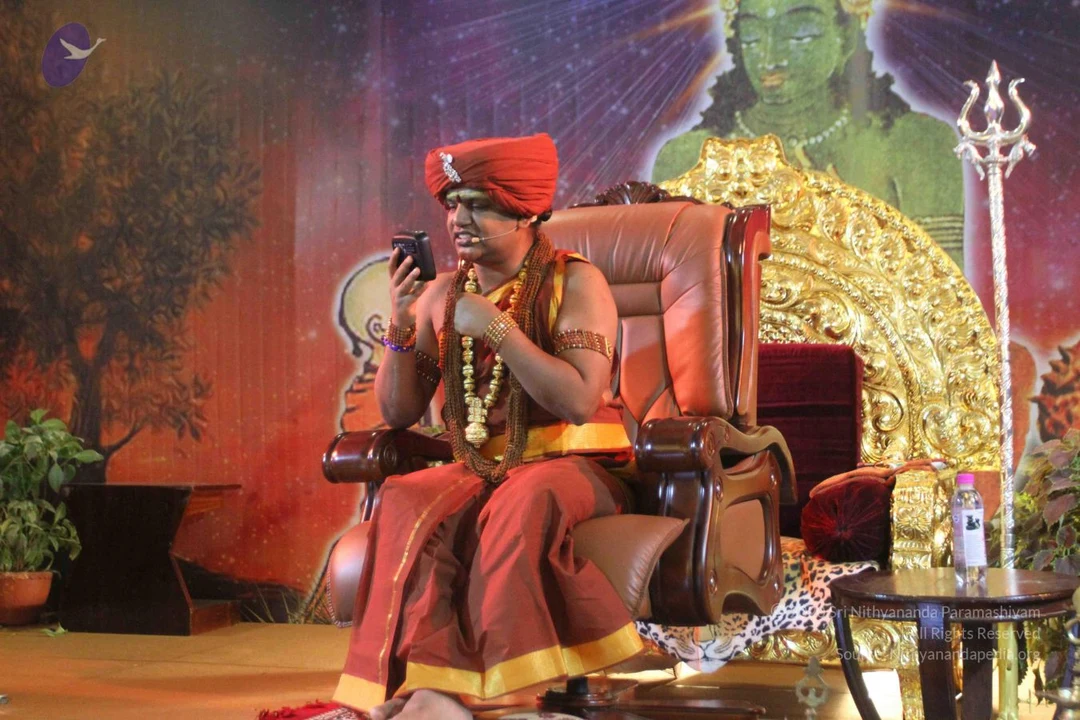
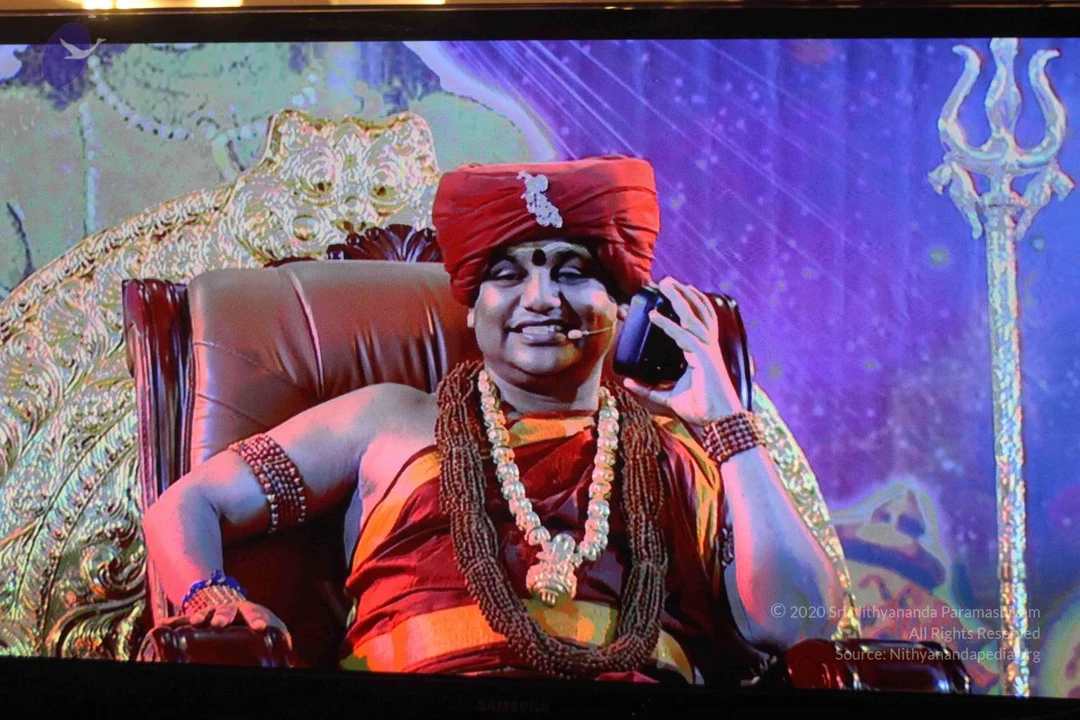
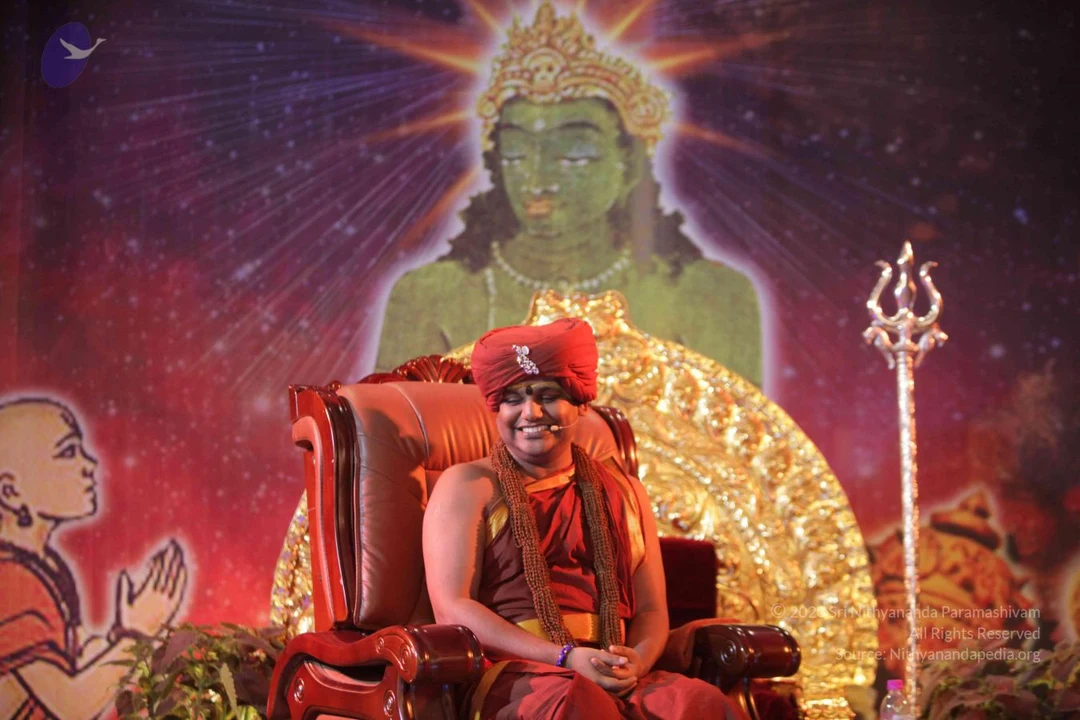
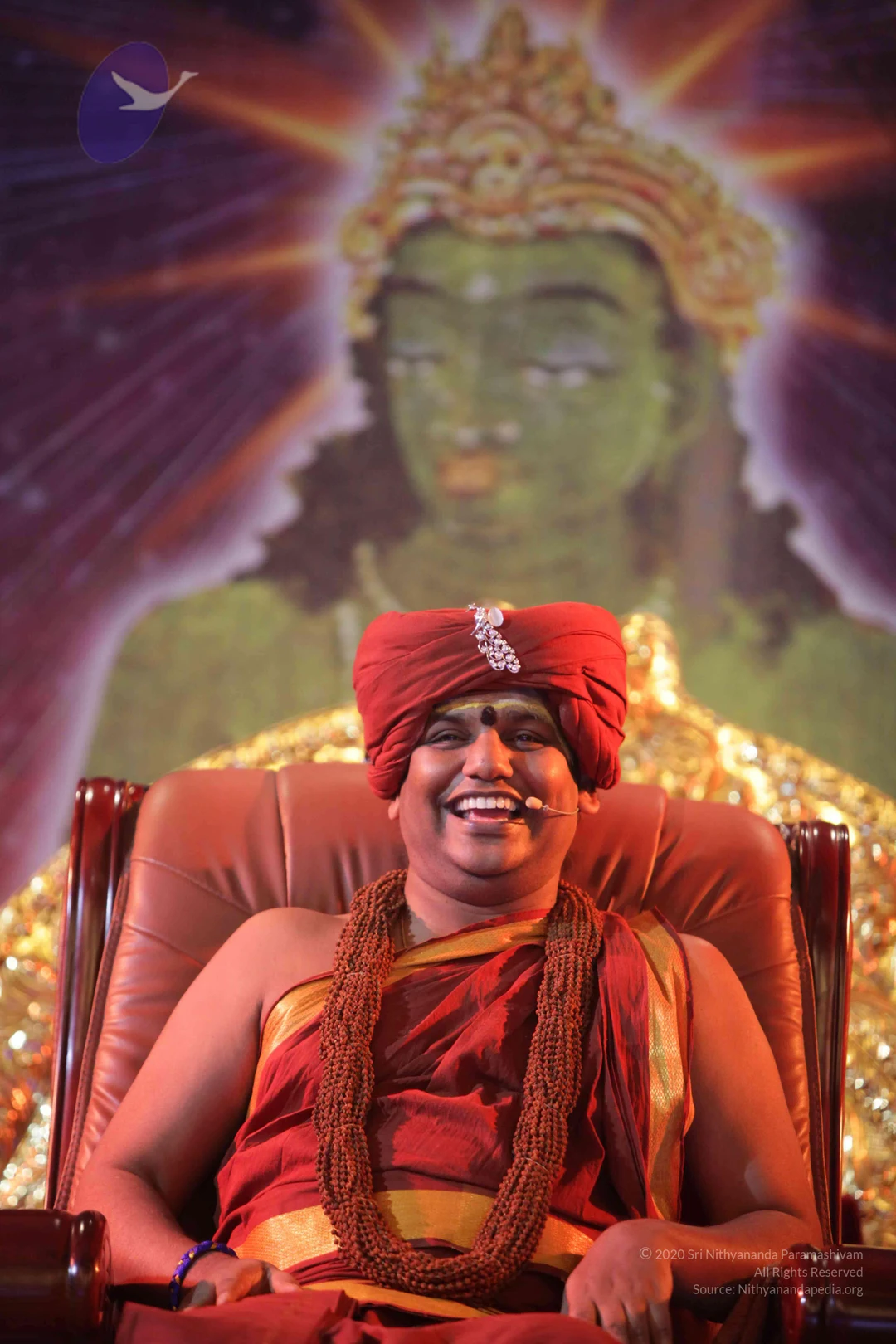
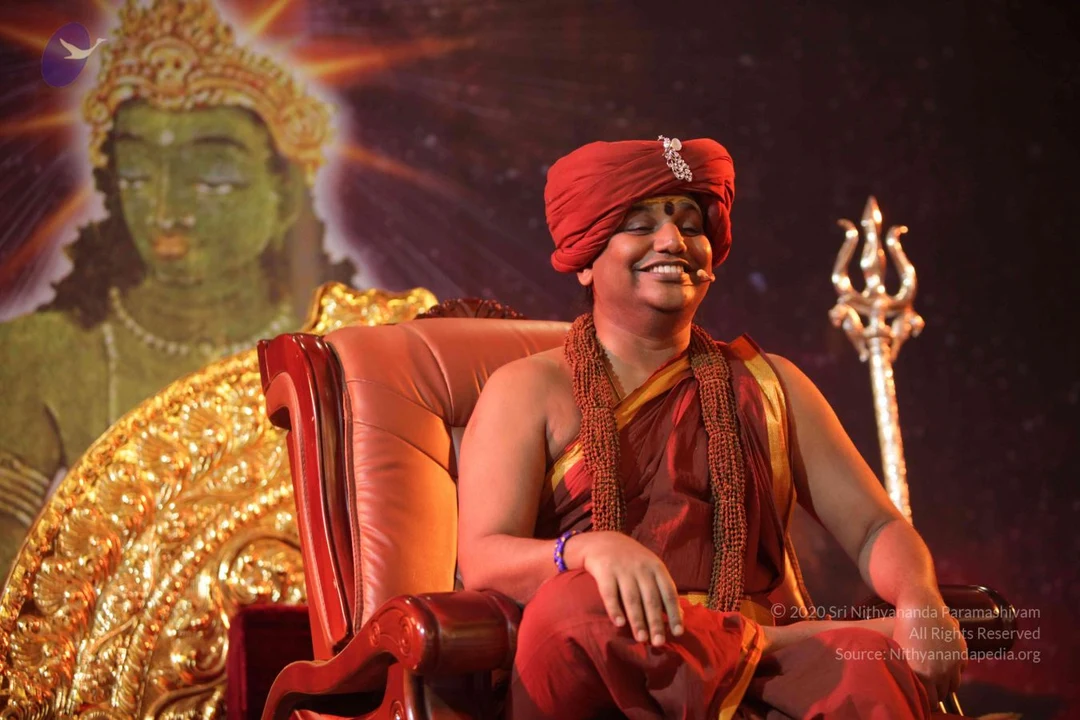
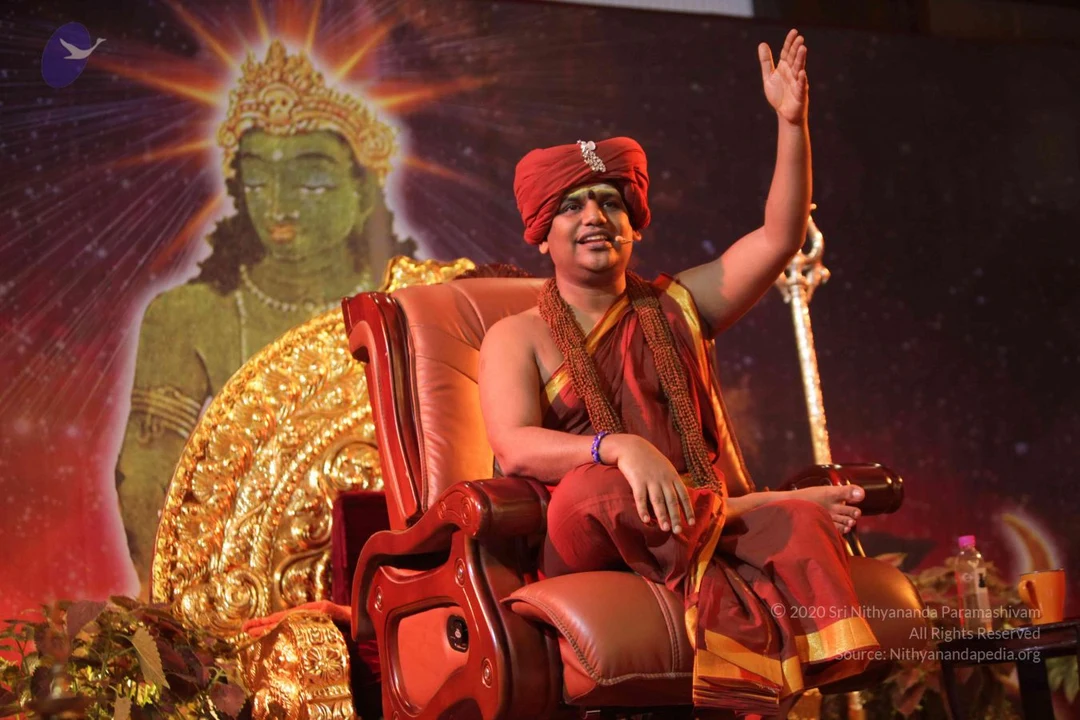
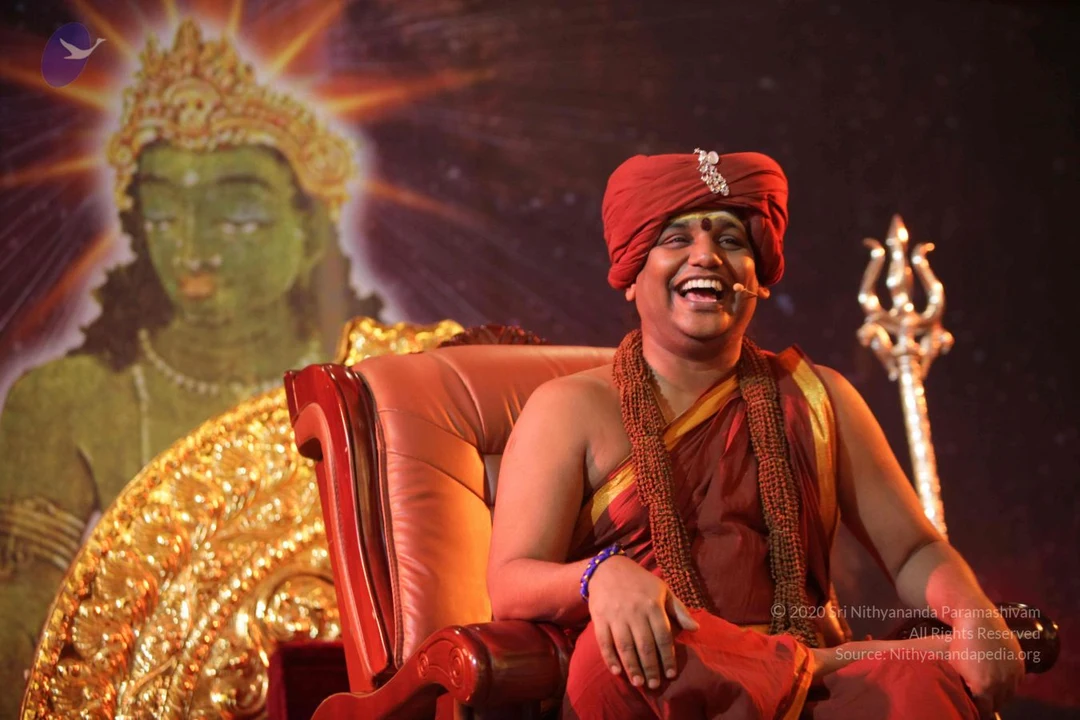
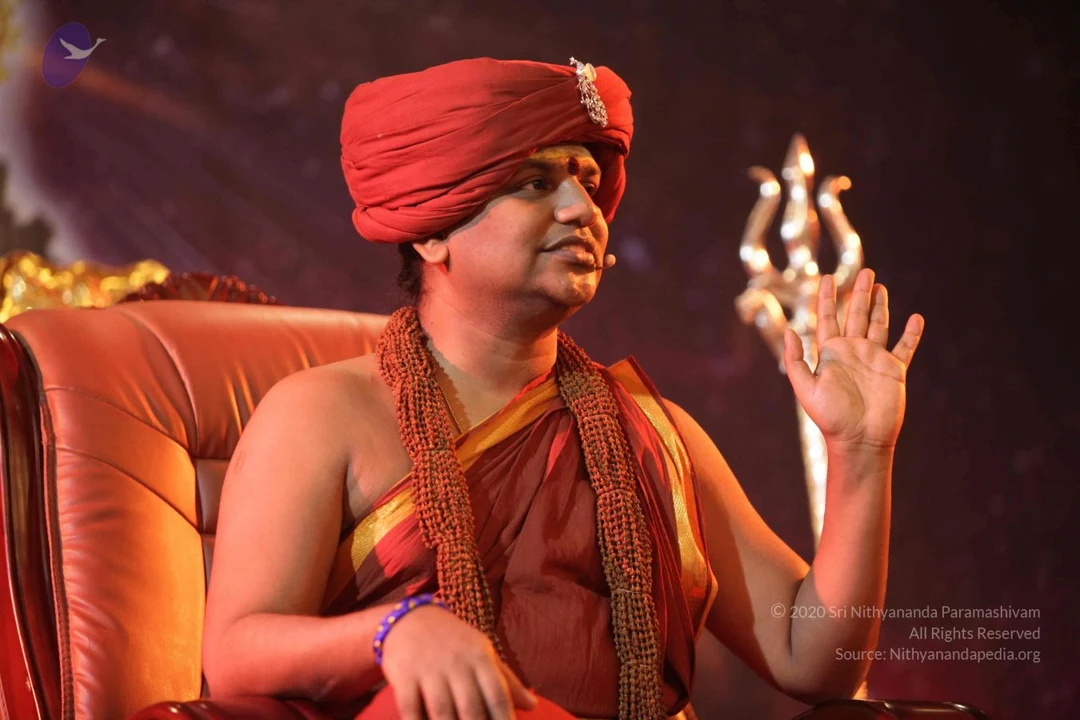
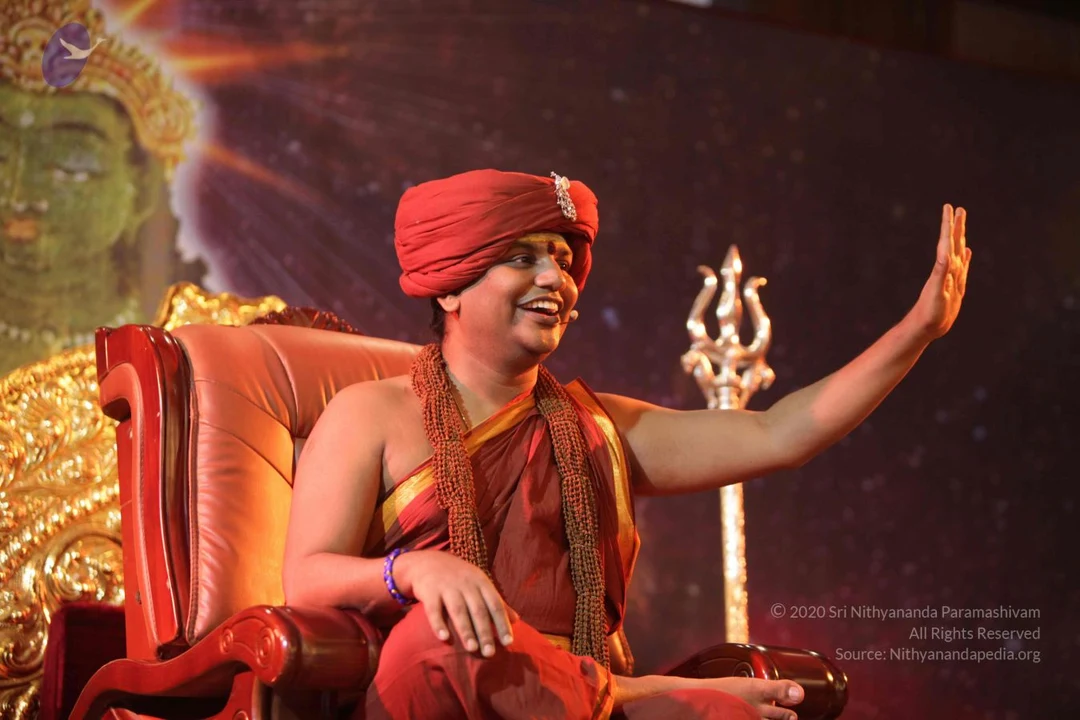
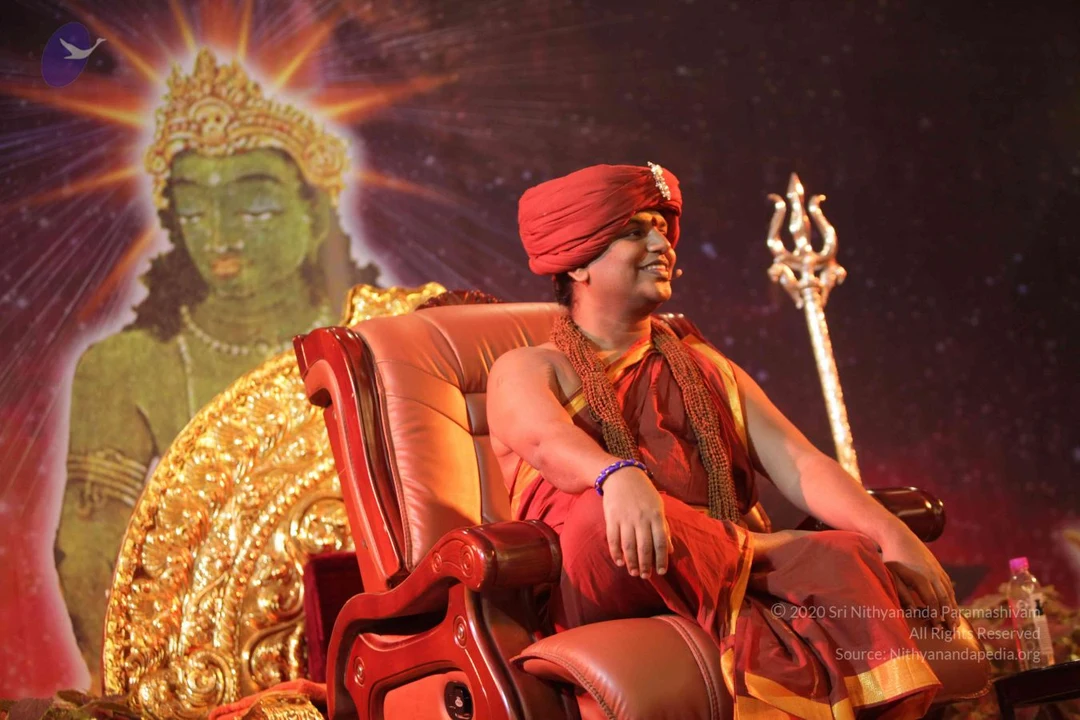
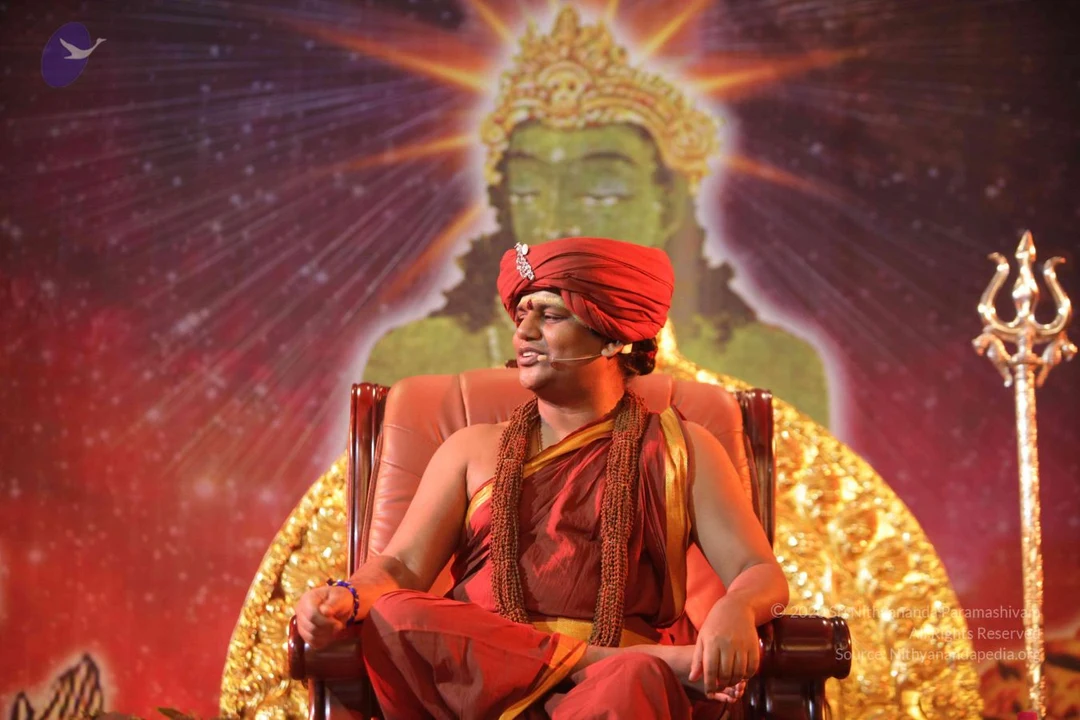
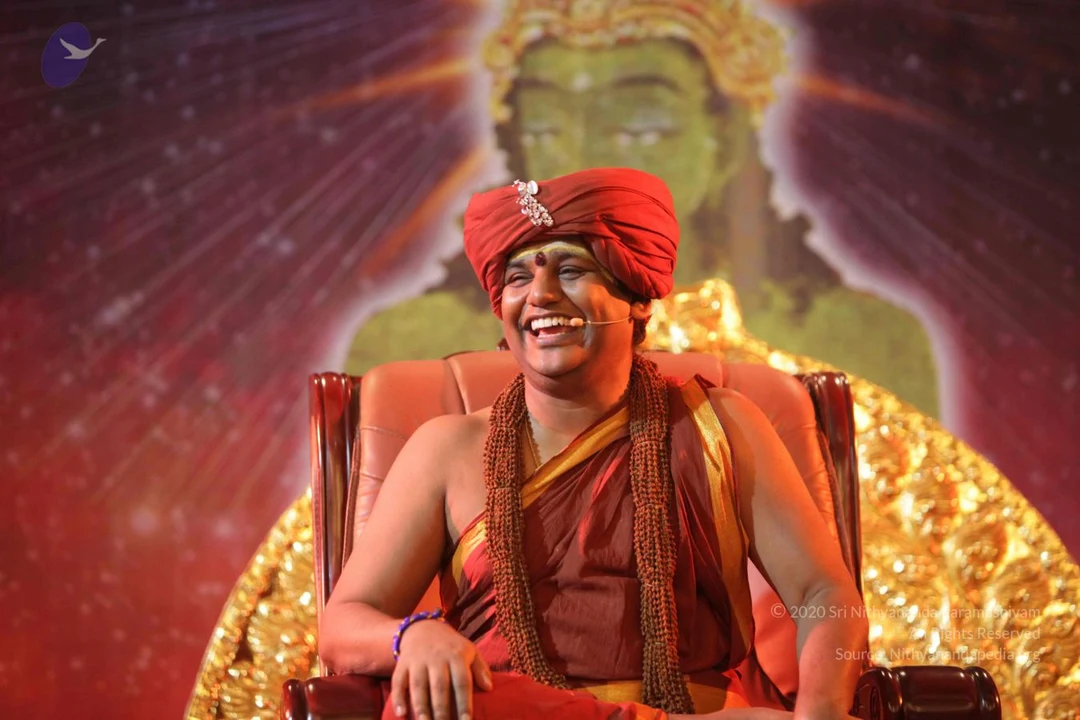
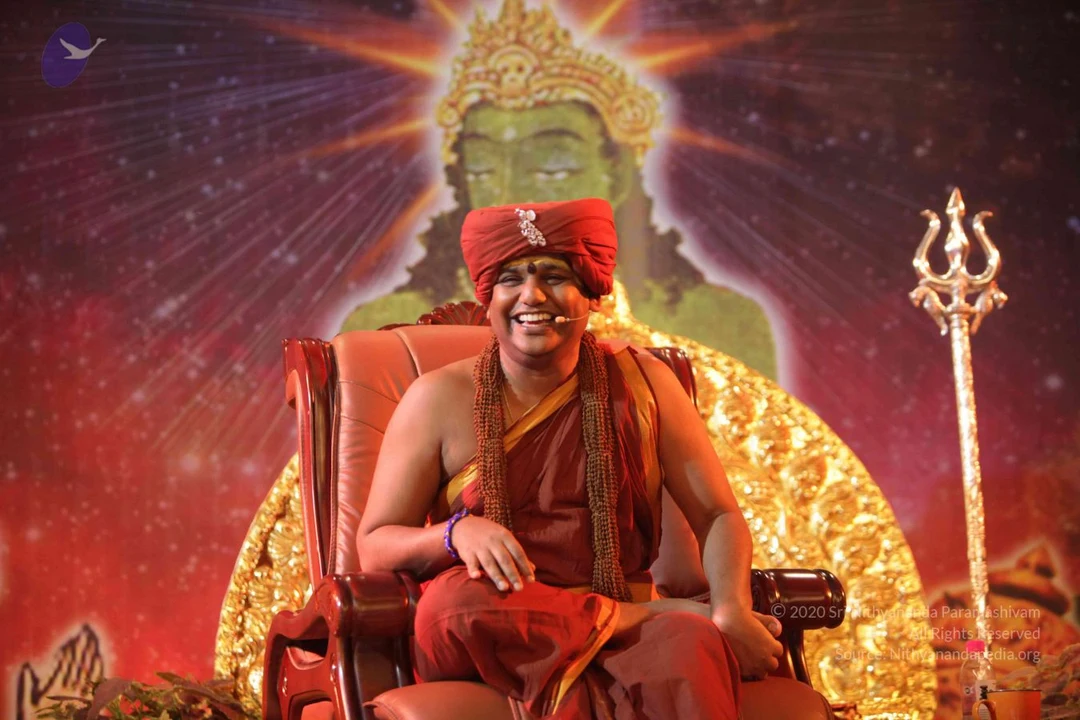
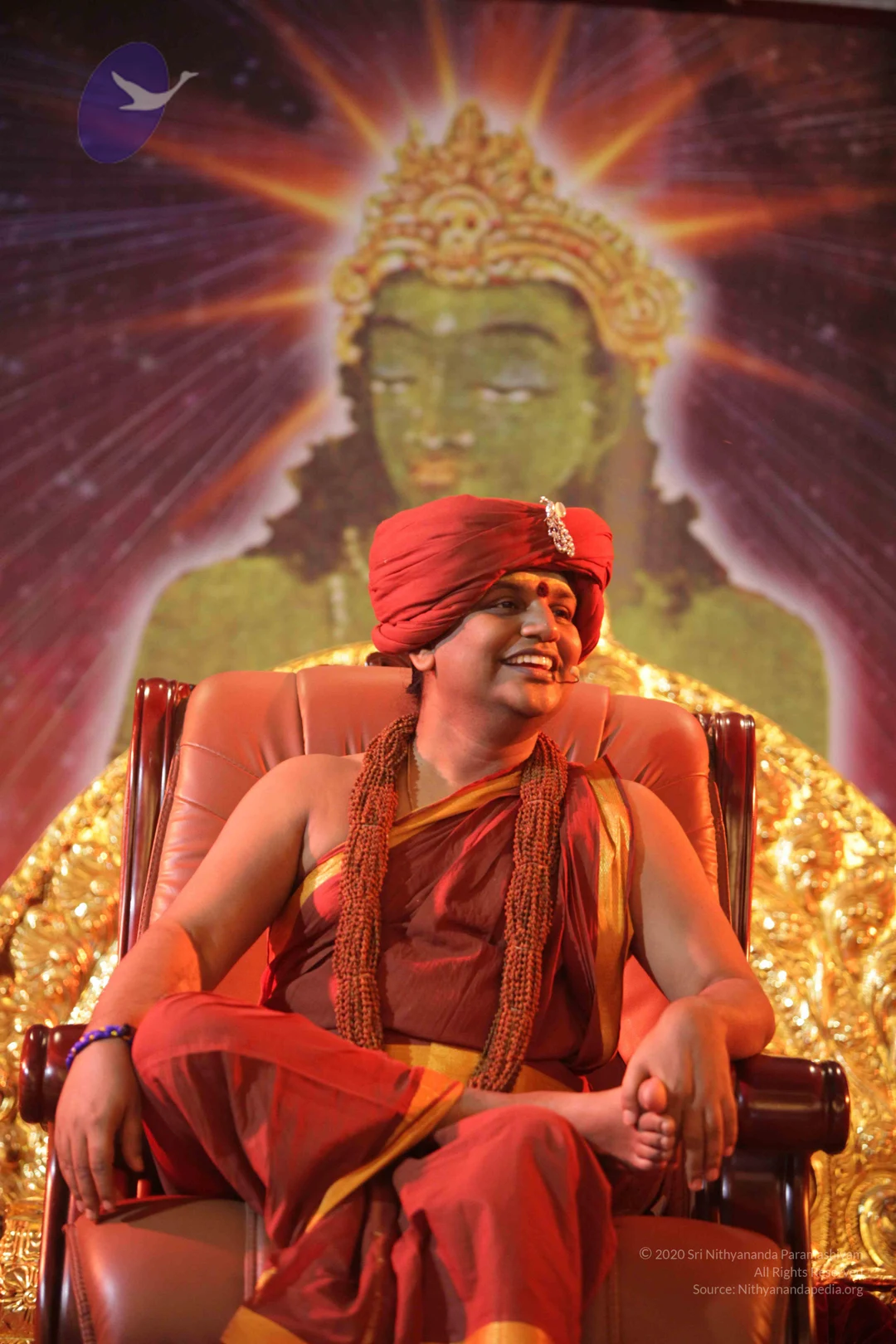
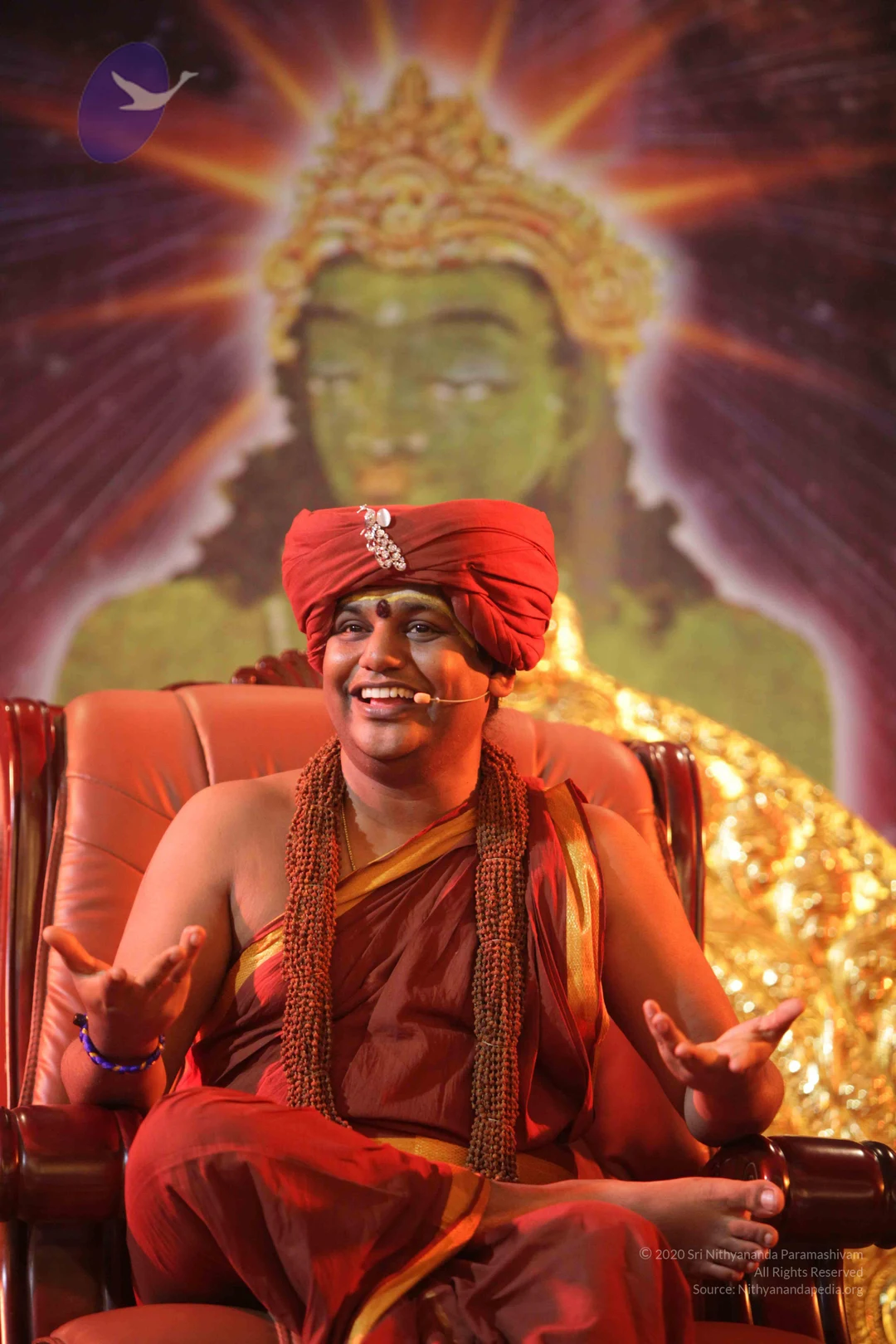
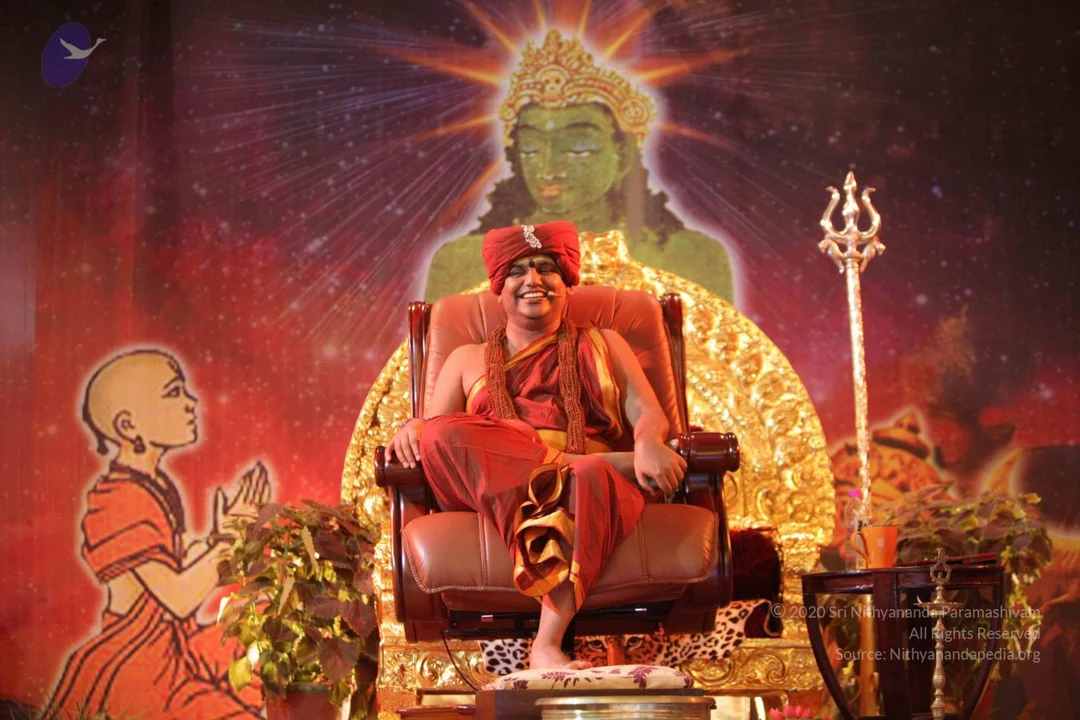
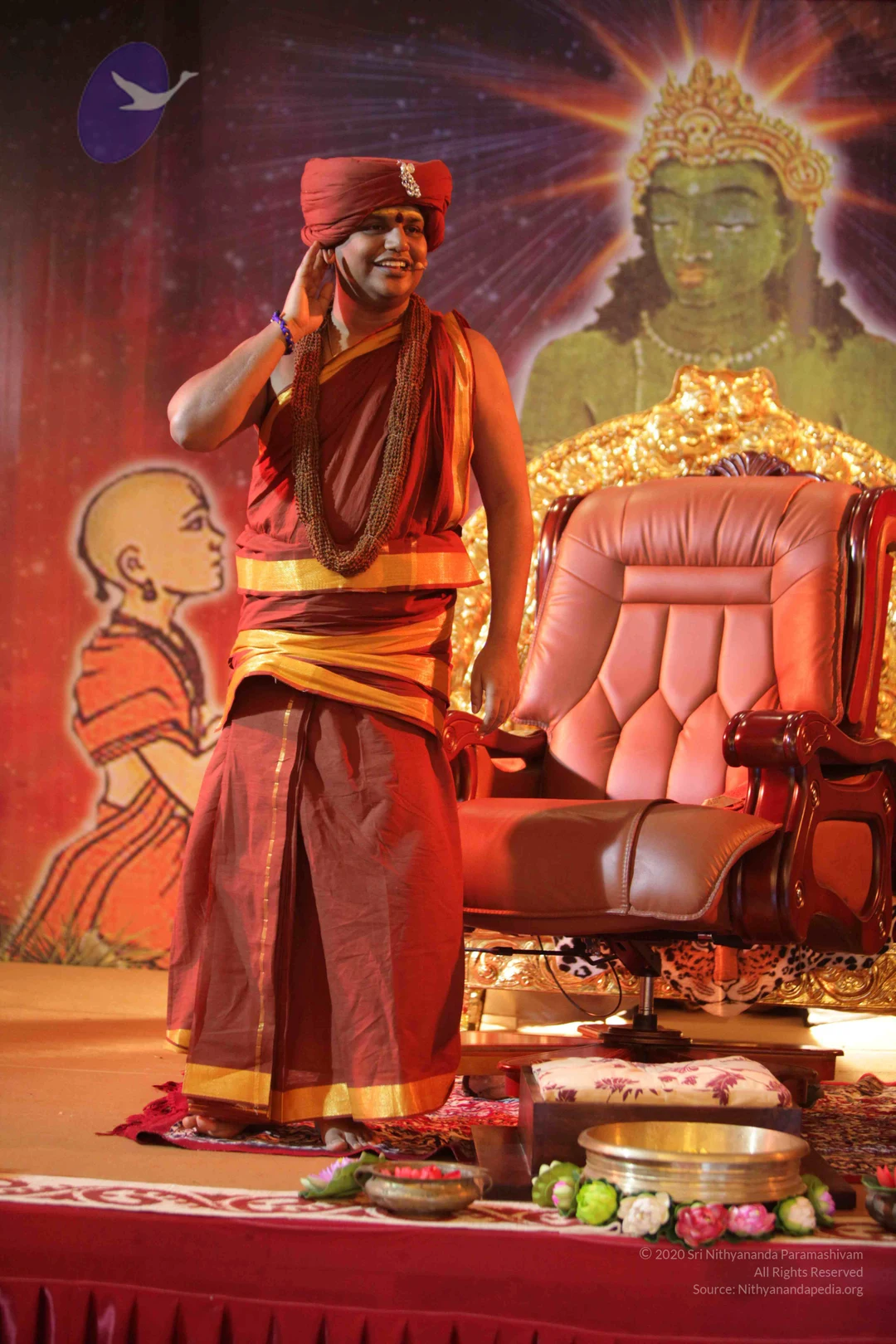
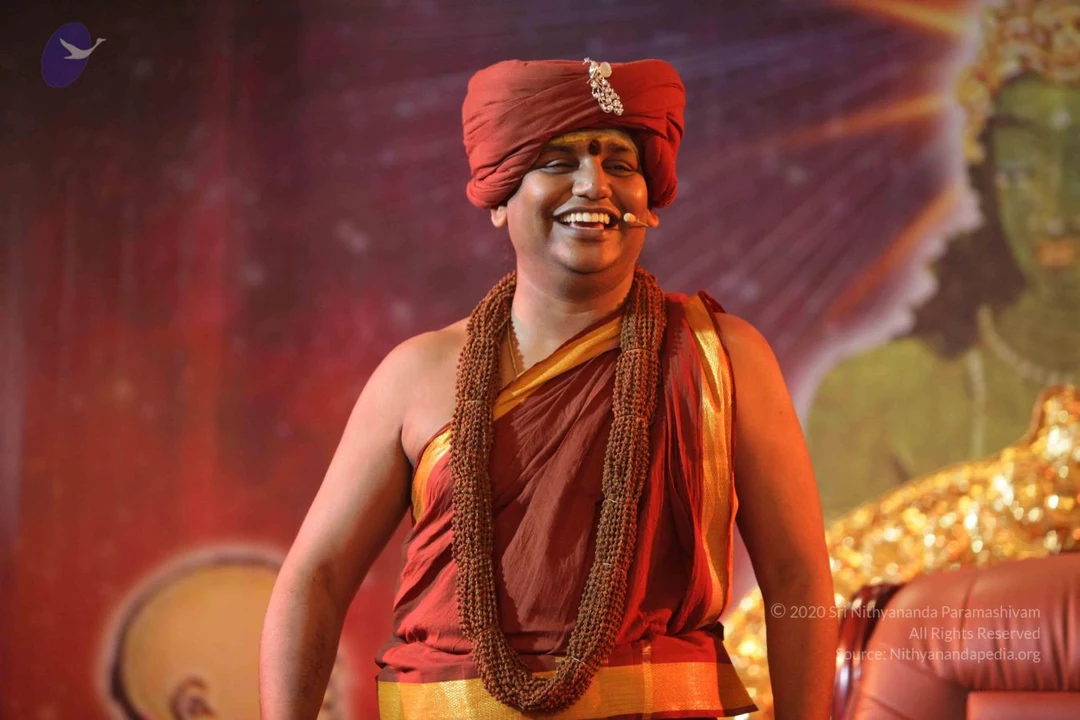
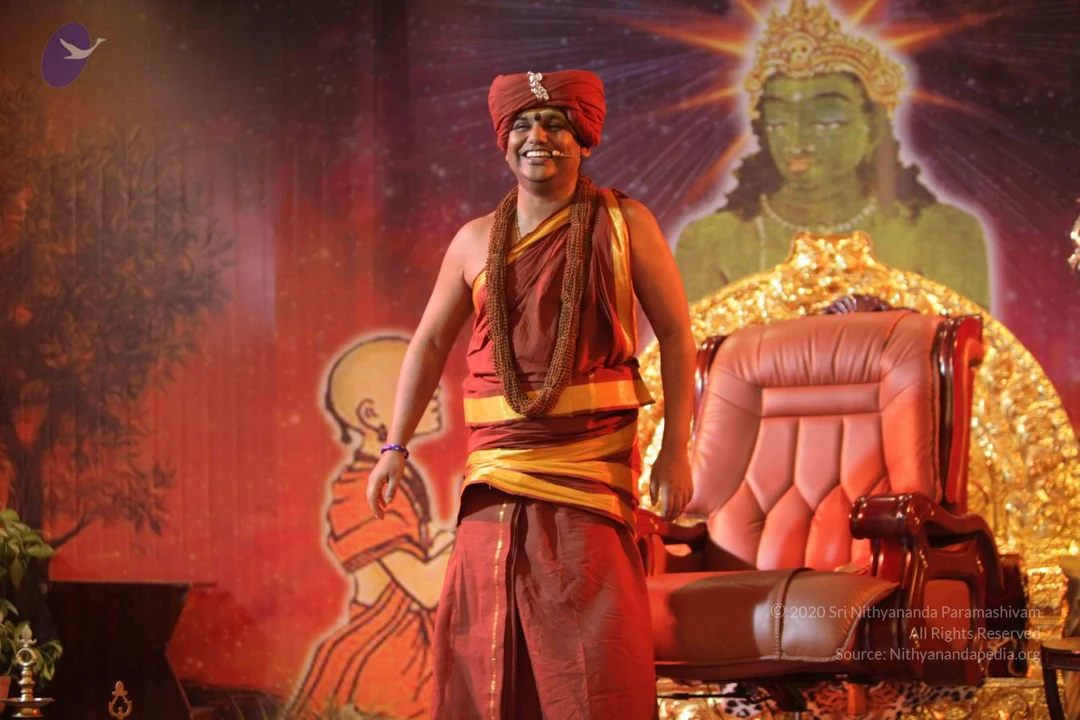
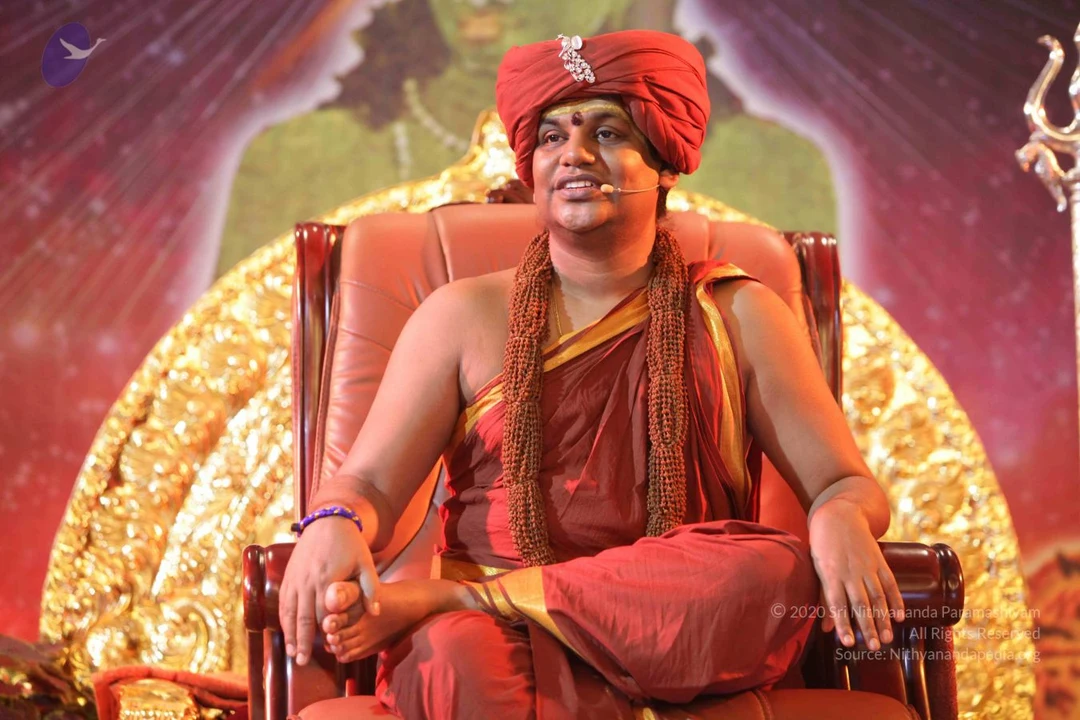
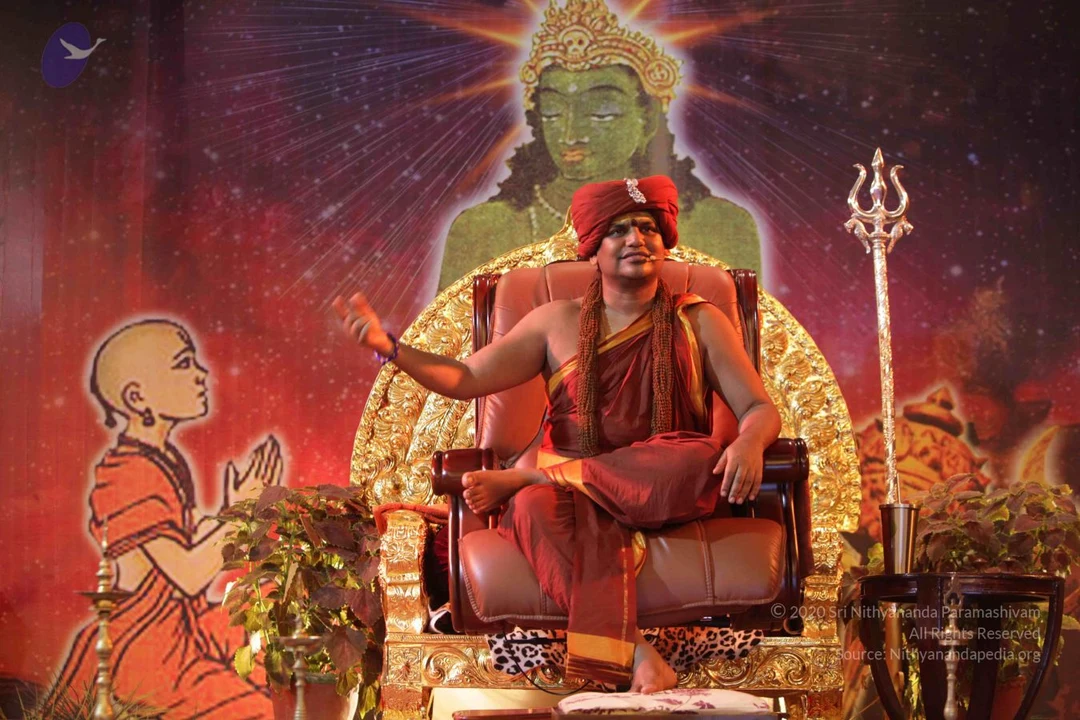
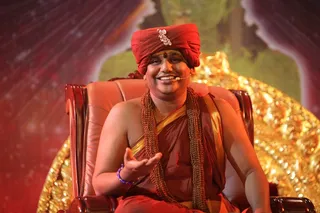
Here, Lord who always took, never gave—Lord of Death, only when his job was threatened, he has bent for Markandeya and for Savitri, there are such rare exemptions. But here, nobody is threatening him, threatening him, just out of compassion, He is giving the Life back to Naciketa. He is not a terrorizing figure. See, see him here (backdrop of stage), a loving compassionate teacher.
I think in the whole history of humanity, this is the only book where it is recorded, Naciketa is able to make Death respect him and this is the only time Death ever listened to somebody. I don’t think Yama Dharma has ears. Because if he has ears, if he starts listening, what will happen? Millions are constantly crying whenever he goes for job. If he has ears, what will happen, how will he able to do his job? No!
Uncompromising. Uncompromising. He is Lord of Yama, natural flow of Life and dharma, natural law of Life. Coming down as a teacher, as a compassionate God and blessing a Brahmin kid, its actually unknown dimension of Yama Dharma. This book is book of Death for Hindus and anybody who follows Vedic tradition. If you want to know about Death this is the book. It is not just book of dead, book of Death, Vedic Book of Death.
The beauty with Death is YOU have to look his eyes, nobody else can do it for you. It is a good news, and great news is, in this way you are utterly free. When you don’t have any bondage, commitment, assistance, support, you are free, you are completely free. Understand, first time you will feel utterly free, naked, Nirvana with Yama Dharma.
First time you will feel the liberation when you stare into His eyes. I tell you the secret—it is always easy to stare at somebody who is so powerful into His eyes, when He is looking at somebody else, staring at him. When you are staring at him, naturally his attention will be diverted to you, if you are already staring at him, and his attention gets aligned to you, it will only be compassionate.— and asking, “What? What do you want?” If you are waiting for him to come and stare at you, and then stare back at him, He will say—“shut up.”
When your time has not come, for Him to shut your eyes, decide to stare at him. When your time has not come, even he cannot shut your eyes. Understand the secret when your time, even he cannot shut your eyes, and don’t wait for your time to come, where he will be staring at you, if you try to stare back at him, he will say, ‘shut,’ because then decision is in his hand. I tell you, stare at anybody’s eyes, in 2 seconds you will understand, the beautiful, compassionate, the paśu like personality inside them. Whether it’s a death itself, if you know how to stare into into his eyes. You will discover, awaken the teacher, Master dimension of Death, of Death.
Maybe for this whole Inner Awakening, I will just be introducing Kathopanishad, because I have to introduce the author and his different dimension expressed in this Upanishad. I have to introduce the listener, and I have to introduce the context. This Upanishad has a beautiful story, which sets the context. I spoke so many number of times on this Upanishad, still the moment it sits on my tongue, it tastes so sweet, it tastes just much more than a nectar. Death becoming nectar, only in this Upanishad it can happen. Talking about Death can be so pleasant only in this Upanishad. Thinking about Death can be so pleasant only with Kathopanishad. Talking about Death can be so sweet only in Kathopanishad. Thinking about Death can be so pleasant only with Kathopanishad.
Kathopanishad. Even if you understand it intellectually, all the death fears will disappear. First quality, first quality for a Hindu is understanding the mystery of Death. First and foremost quality for a Hindu is understanding the mystery of Death. The first and foremost commandment for a Hindus! Listen, as an Incarnation as authority on Hinduism, I am giving this commandment, the first commandment, the foremost commandment for the Hindus is THOU SHALL NOT DIE! Thou shall not die! That is the first and foremost commandment for all the Hindus. Fools are those who die. Stupid are those who never thought about death while they are alive.
First and foremost commandment for Hindus—thou shall not die. Understand. Death beyond the frustrated poets’ descriptions, constipated philosophers, discrepancies, brain dead intellectuals ‘blah blahs’, beyond all this...the Lord of Death is directly taking the questions about Death from a small kid.
The story has lot of significance. He is able to explain it even for a small kids means, there is no propositions and suppositions. Understand, anything, which has become realization without prepositions and suppositions, that is the only Universal truth.
This modern day western mathematicians and stupid scientists, they develop so many stupid theories and formulas - constant, infinity, which has no value. Then what do you mean by this formula? Your theory, your formula has no value, because you insert somewhere one constant or infinity, which can’t be described. So these are all the so-called – appears like a truth with many prepositions and suppositions. But anything, which is Truth without prepositions and suppositions, are only Reality. Please understand, Katha Upanishad is Reality.
And I tell you, even in Vedic tradition if some prepositions and suppositions get added in course of time, Incarnations happen just to remove them. My only job, only purpose of this Incarnation is to remove all the preposition and suppositions that got added and loaded on Vedic tradition. Understand, no preposition and supposition is required for you realize the Truth described by Upanishads. It is Reality as IT IS. That is why a small kid is questioning, who doesn’t know and who doesn’t care about your prepositions and suppositions.
The only time ever in my life I got frightened and ran away is in front of one kid. I have to tell you this story. Never anything could make me run away. After my mission started, one devotee who was running a pre-kg and kindergarten school with all the respect, innocently invited me to come and bless the school, when I went I saw those kids are already happy and they are just playing among themselves and enjoying. I asked, “why did you want me to come and talk to them, they are already happy, what am I going to advise them or bless them? You better call those teachers who are already in sadness. I have a job with them, I will talk to them and I will help them and try to answer their questions.” But, she said “no, no, at least say a few words and bless them Swamiji.”
See most happy people are most unpredictable people, you need to know that and you don’t know what they will do and when they will do, and they are dangerous, you can’t handle them. So I tried my best to refuse, but she is not ready to budge. She is s real woman and that gives enough introduction and sets the context. Nothing more need to be told... and, finally the man who is doing Ranga Rajya all over the world, who can sit in any stage and collapse the people just by the twist of the tongue, make anybody realize anything just by the twist of the tongue, was wordless standing in front of those kids, because they do not understand any preposition, suppositions, understand, knowledge, the play of knowledge can be done only with the preposition and supposition. Experience does not need that, to transmit the experience you don’t need that. Here I am asked to speak, I can’t transmit the experience, because to transmit the experience, I need at least their yes, or the people who are responsible, giving birth to them their yes, so I don’t have that. I can play only to the level of knowledge.
So anyhow I stood in front of them and my mike, and they do not care about some Enlightened Being and incarnation, they are all sitting in a small, small team, playing with language no one understands, whether I speak or not, listen or not, no one understands that language.
One fellow was with his candy in his mouth, and the one was trying to drag that candy out of his mouth and put it into his mouth, and this one just gave the finger, and that fellow just started licking the finger leaving, forgetting about the candy, because he bother about candy, he just wants something to fill his mouth, that’s all, so this drama is going on, I am standing there, a great Vedantic Enlightened Incarnation! Just in 10-15 seconds, one small kid just moved towards me and started pulling my dhoti, that’s all! All Enlightenment, incarnationhood, Vedanta, I ran to the green room! In my life I never ran in that speed! No, that is the reality. See there is no preposition and supposition.
I tell you, even Yama was made naked by the questions of Naciketa. This kid only pulled my cloth. Naciketa pulled the very identity of Yama down. He has to stand naked in front of Naciketa because he did not get the green room. He was not able to escape into any green room. Without any preposition and supposition, if something can be analyzed and presented, that is Reality; that is reality.
Here, Yama Dharma, Lord of Death is standing naked without the covering of his inner image, outer image, others’ image and life image, just as he is. He removes all the prepositions and suppositions covering Death and brings the naked Truth, Reality as it is, out in this Upanishad. My mission, again, is removing all the prepositions and suppositions added, got loaded on Vedic tradition and bring the naked Truth as it is, and make you experience Reality. That is the reason, I chose, I decided to speak on Kathopanishad.
I invoke Kala KalaKala, Yama Dharma, Oh Mahadeva, speak through this body, mind, intellect, being, consciousness. Reveal what you want to reveal to the world, reveal yourself naked to the world, reveal yourself in Nirvāṇa to the world, and let the whole Universe, everyone realize the Reality.
auṁ saha nāvavatu | saha nau bhunaktu | saha vīryam karvāvahai |
tejasvi nāvadhītamastu mā vidviṣāvahai ||
auṁ śāntiḥ śāntiḥ śāntiḥ ||
By offering obeisance to Lord Yama Dharma, Lord of Death, invoking His blessings and compassionate teaching, spiritual presence, praying to Him to reveal the sacred secrets of Death to the Universe, through this body, mind, intellect, consciousness and being to the Universe.
I will move ahead. We will continue in further satsangs on Yama Dharma, will continue in further satsangs to reveal the sacred secrets, naked truths of Death and Reality to every one of us.
I bless you all. Let you all radiate integrity, authenticity, responsibility, enriching and causing Living Advaita, the Eternal Bliss, Nithyananda.
Thank you. Be blissful.
~ end of satsang ~
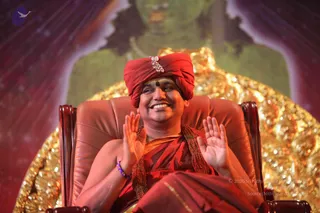
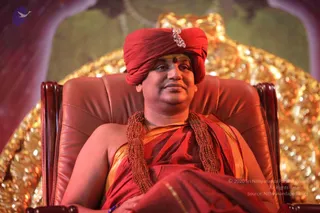
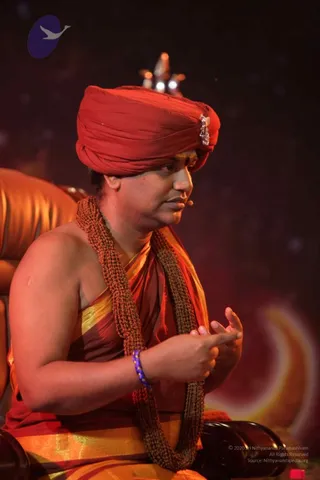
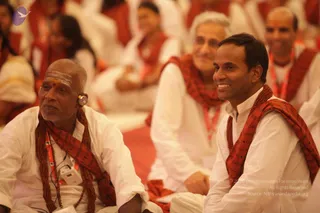
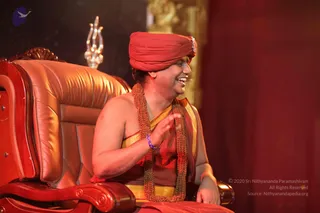
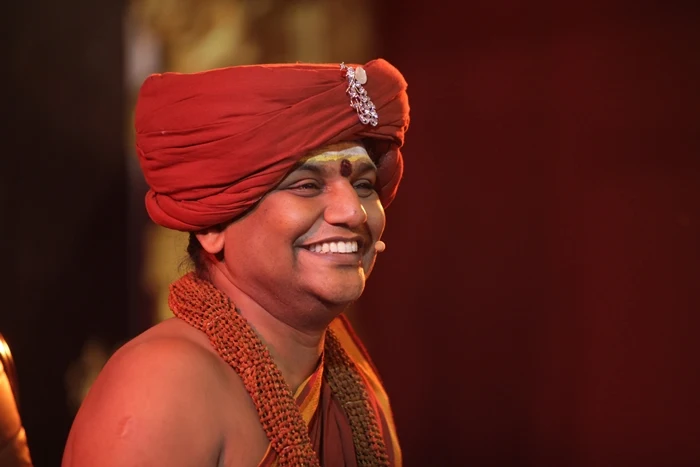
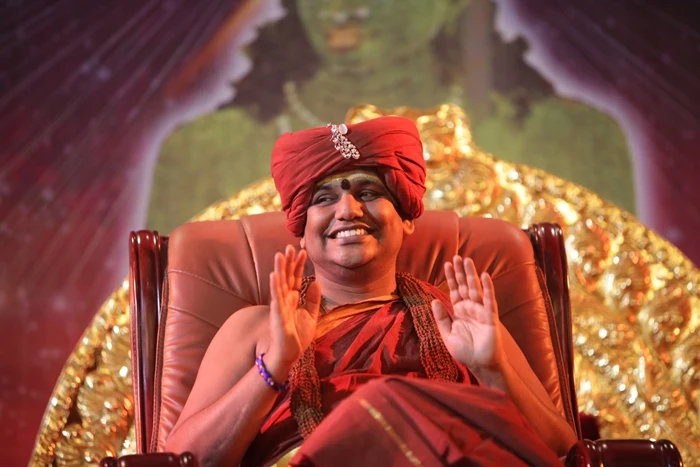
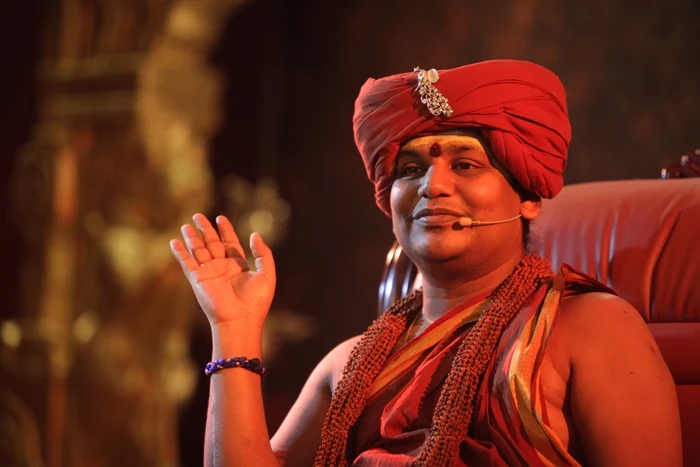
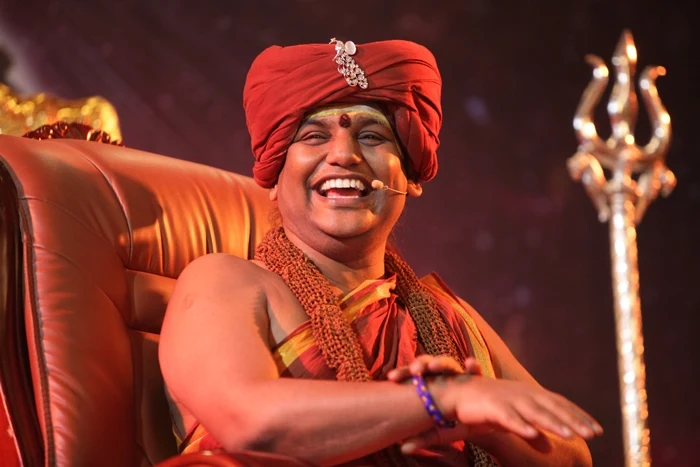
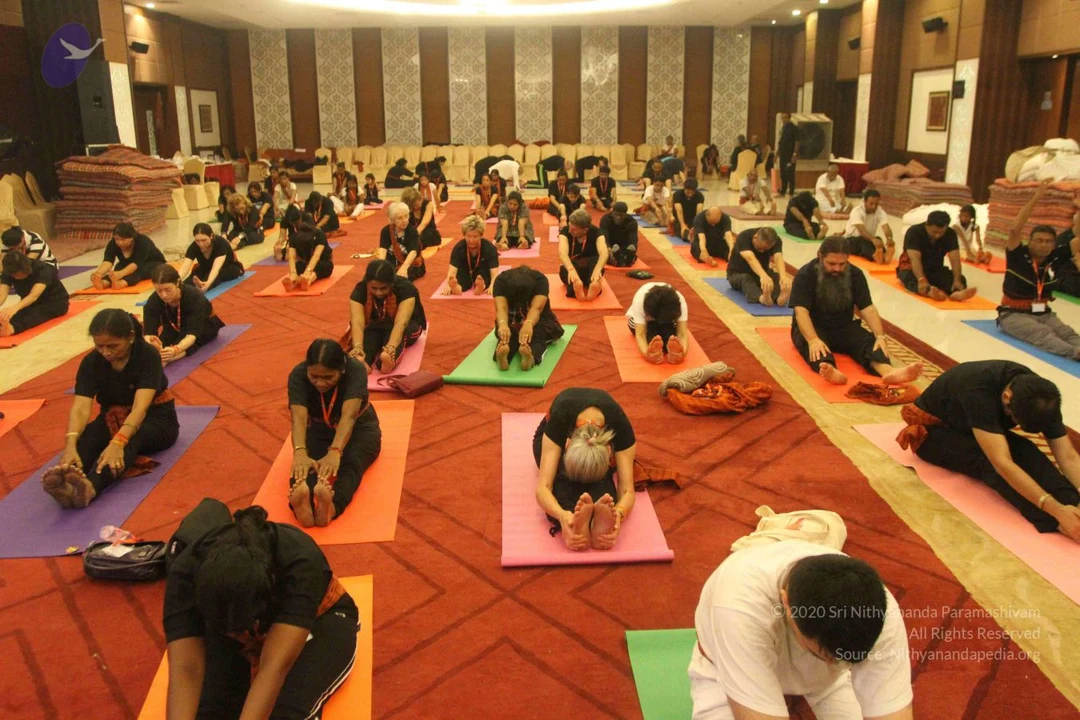
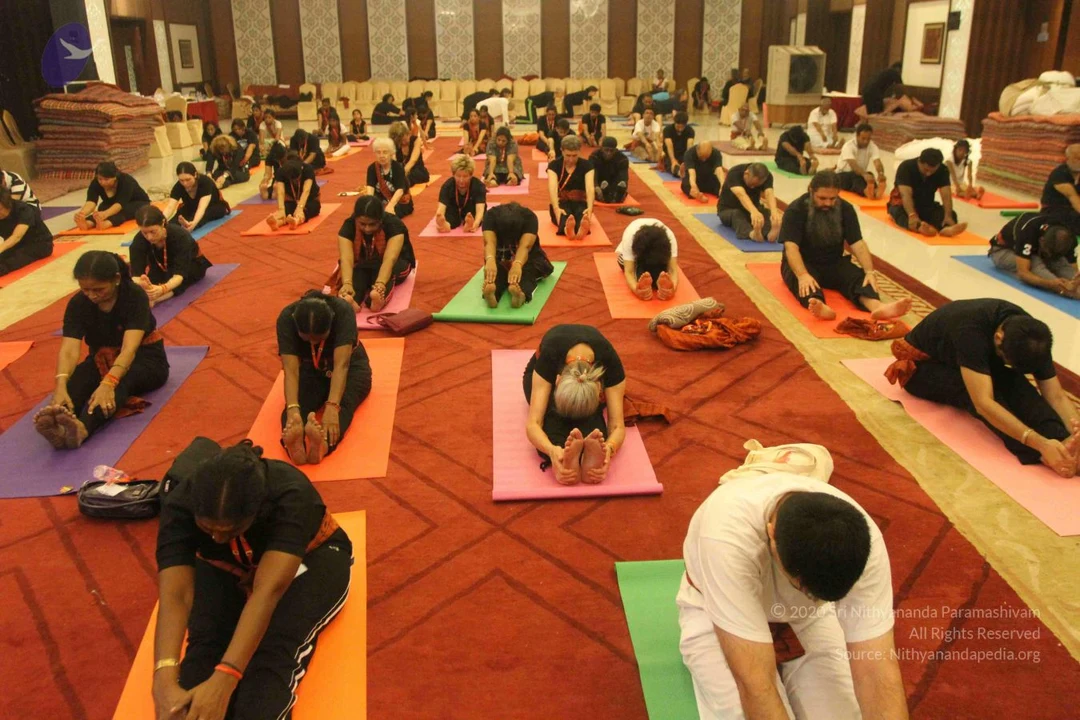
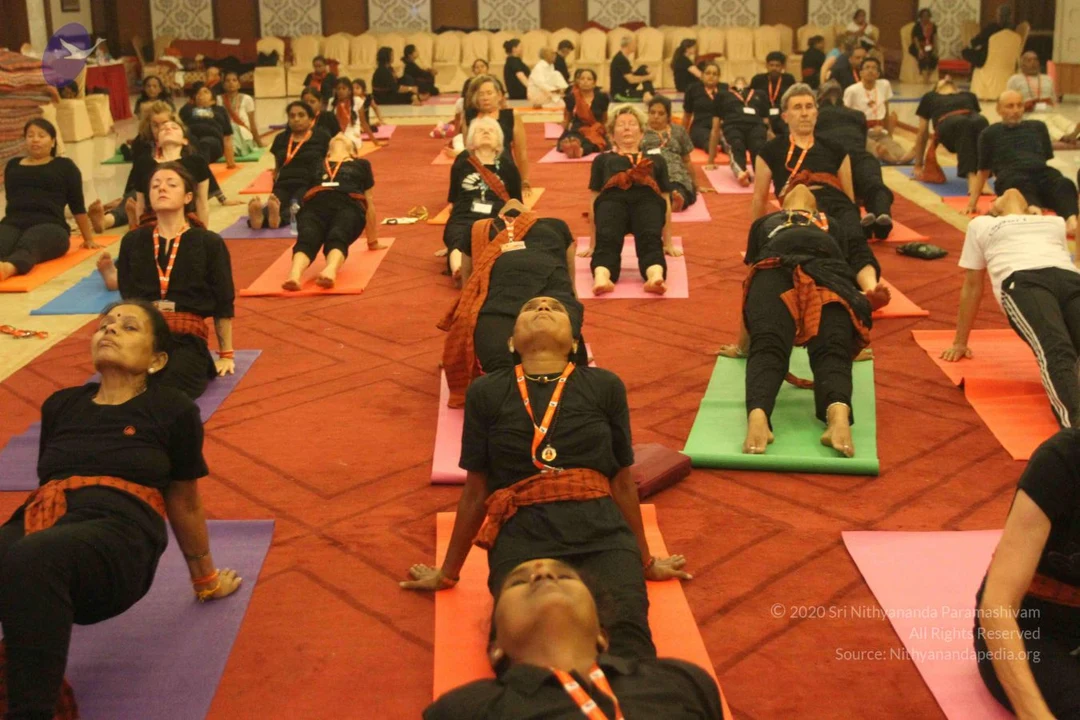
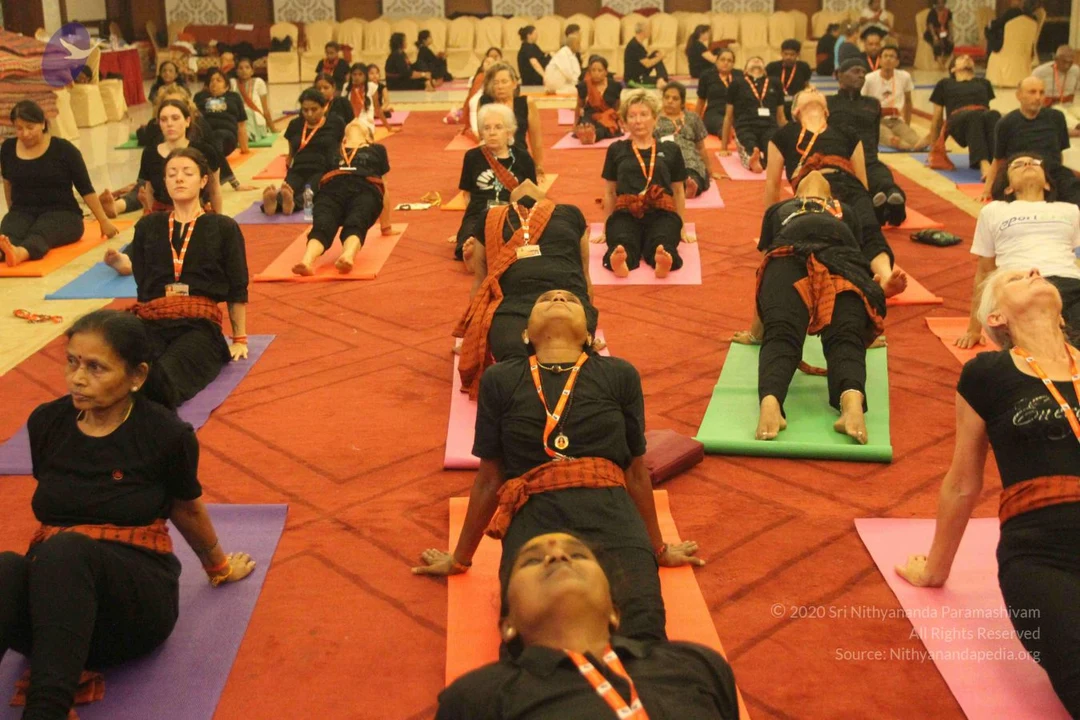
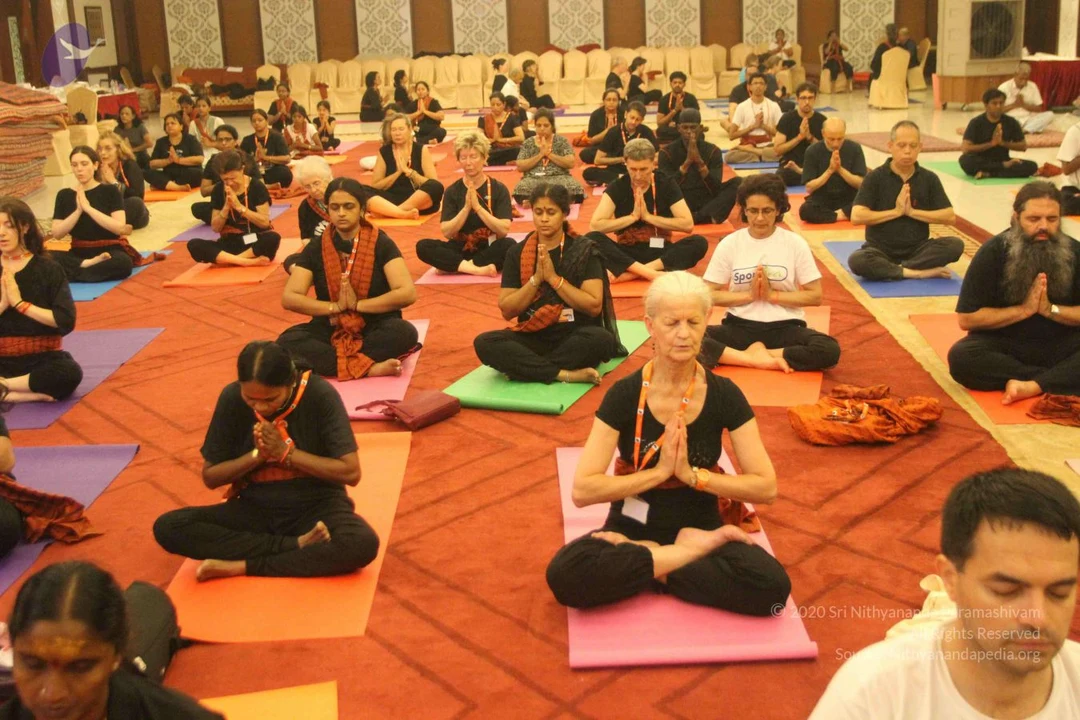
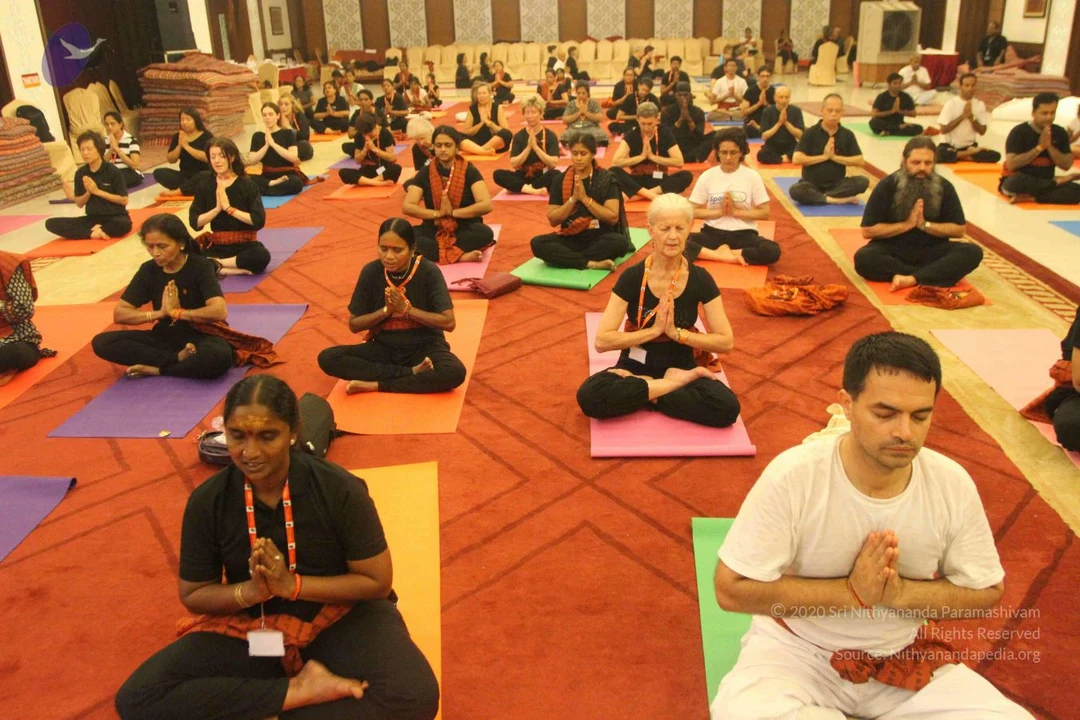
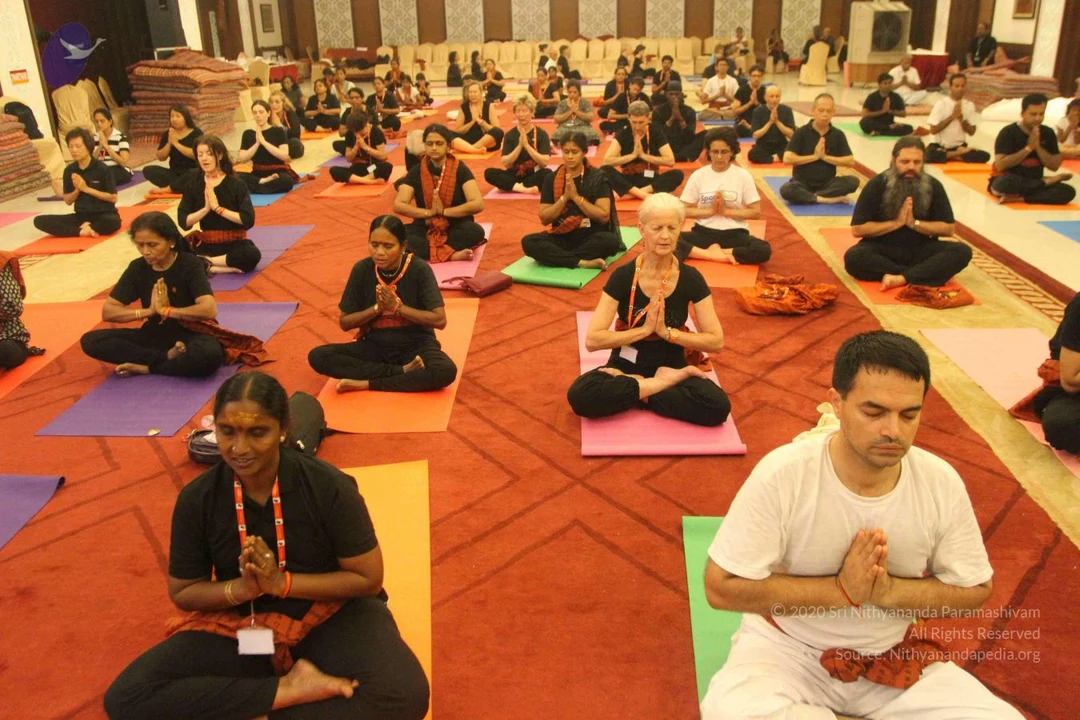
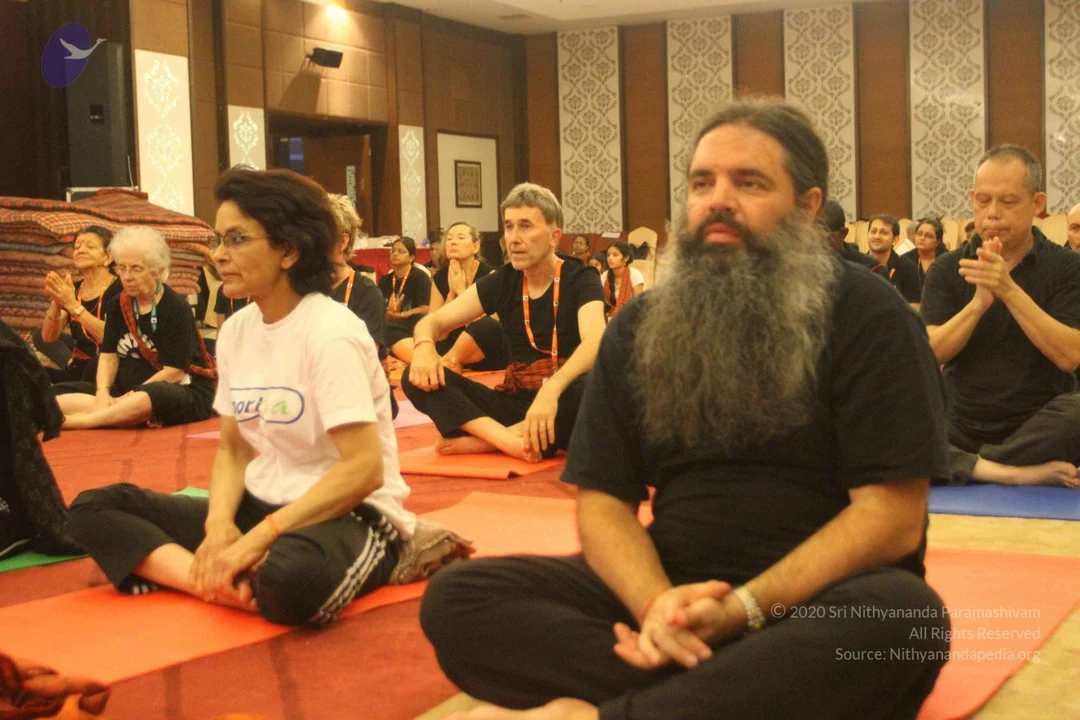
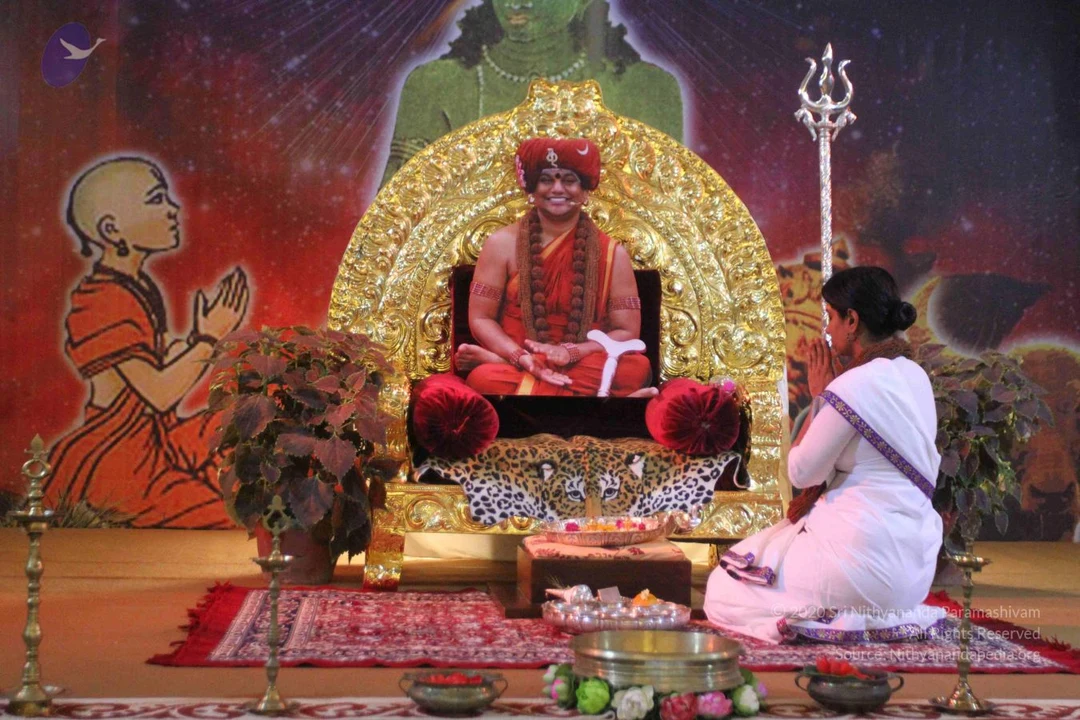
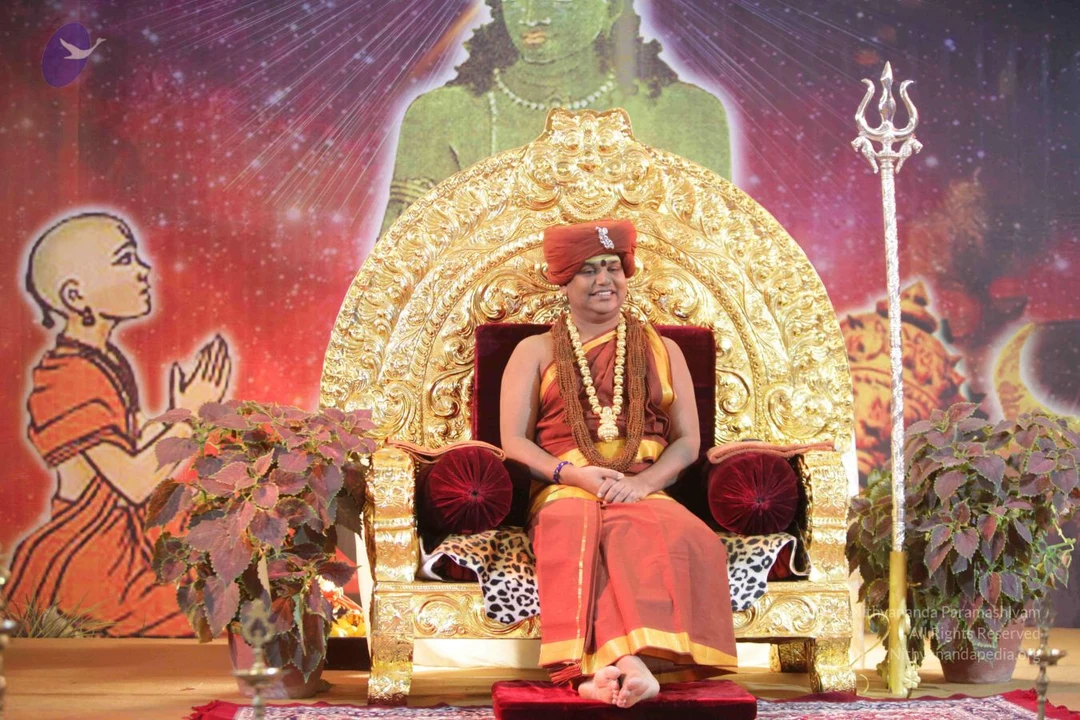
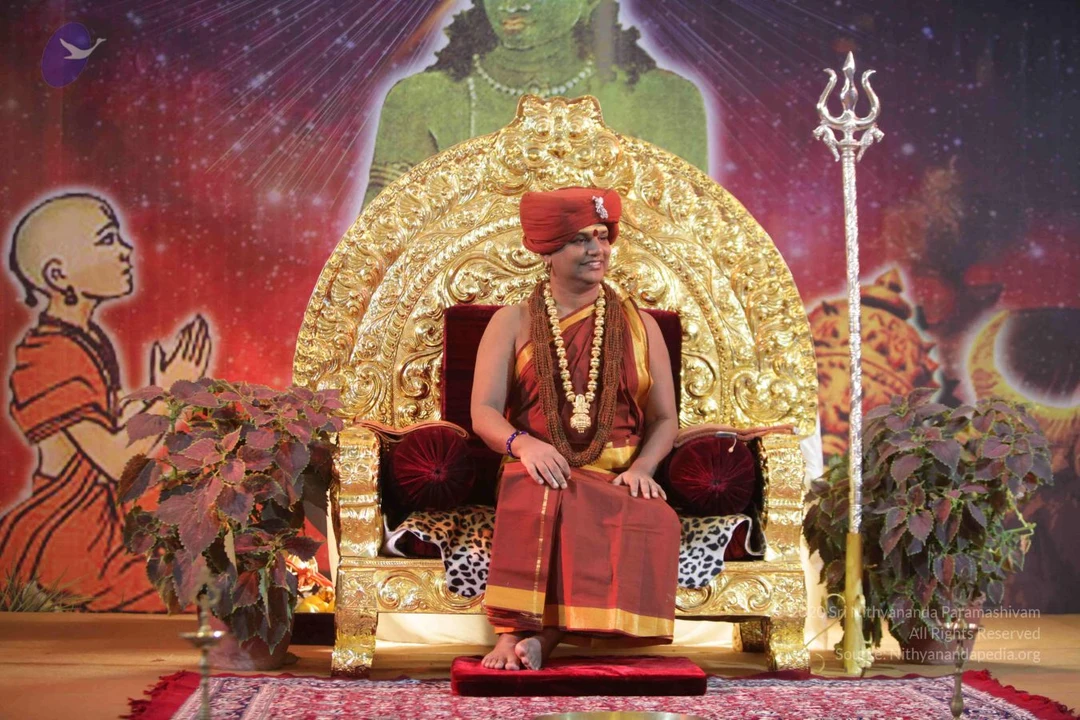
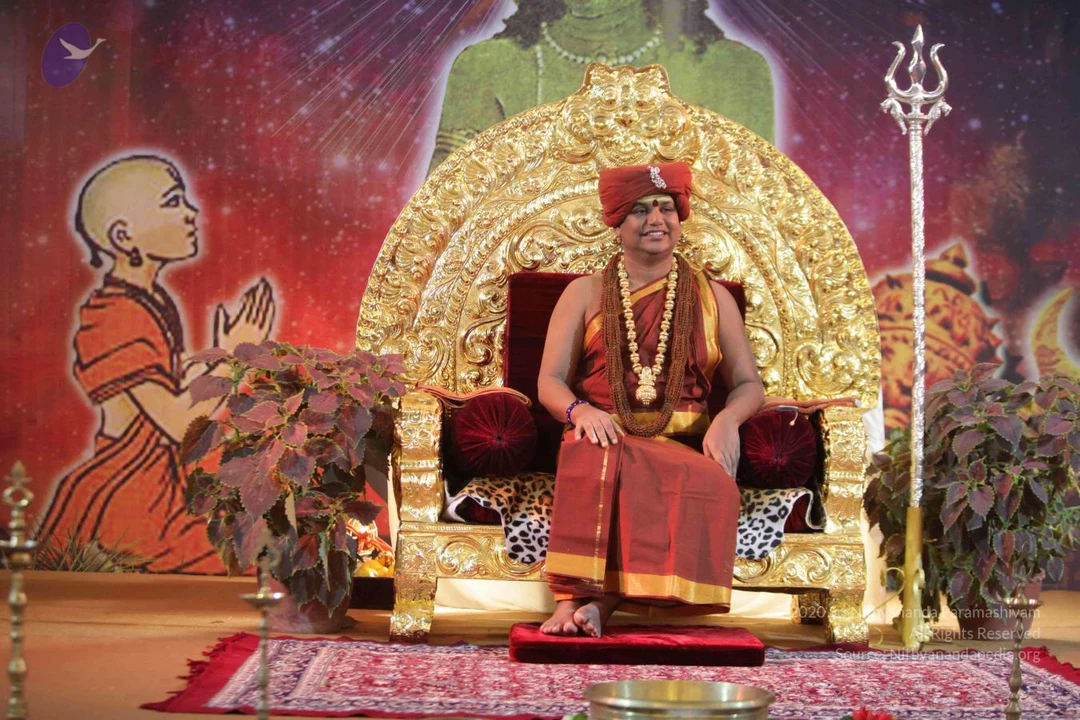
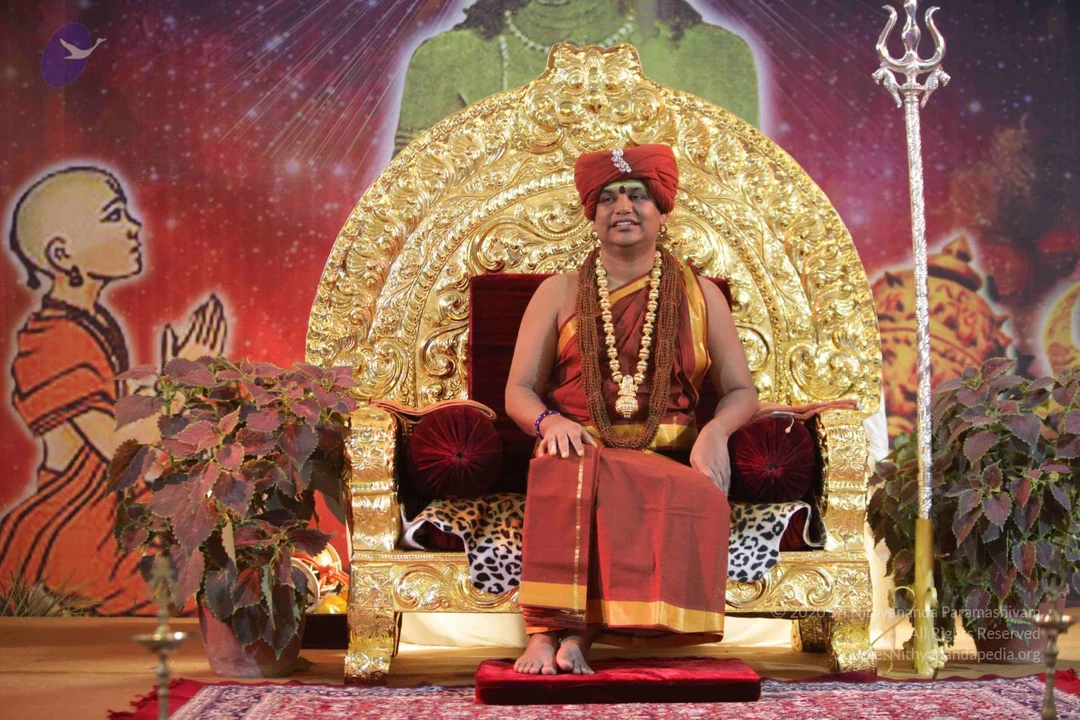
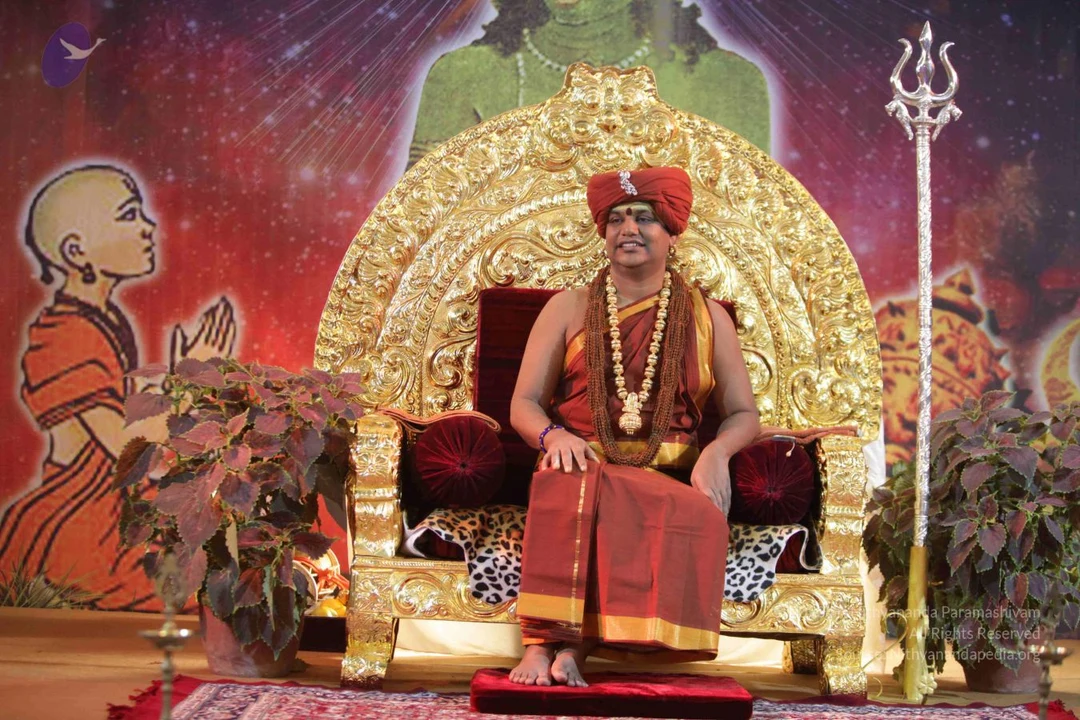
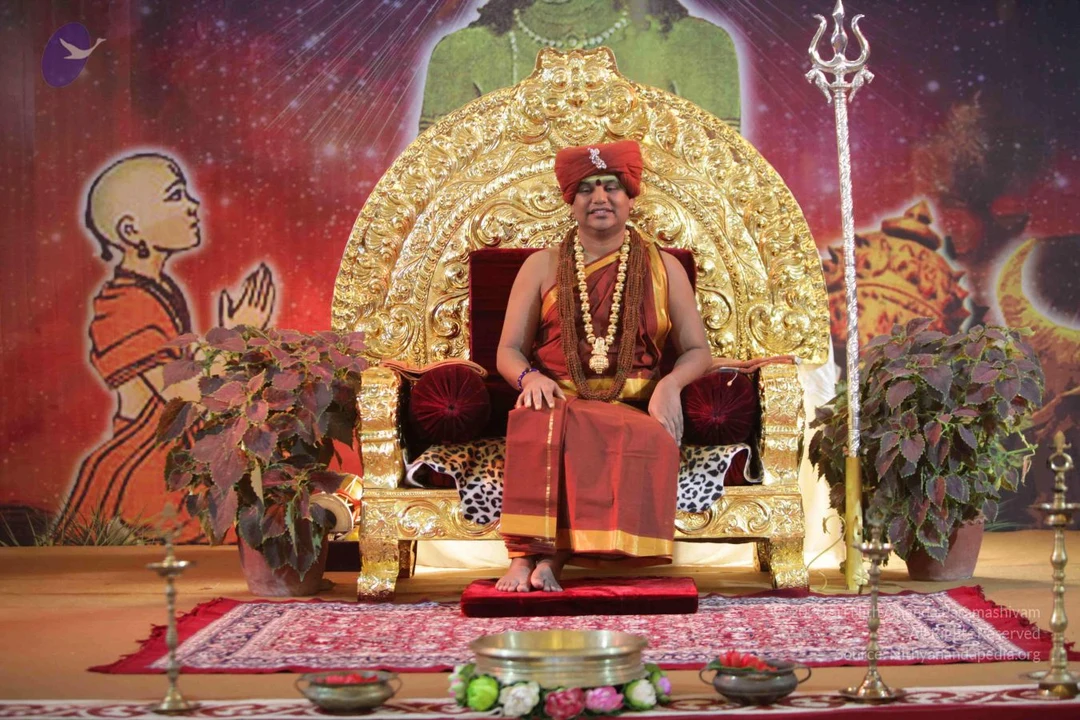
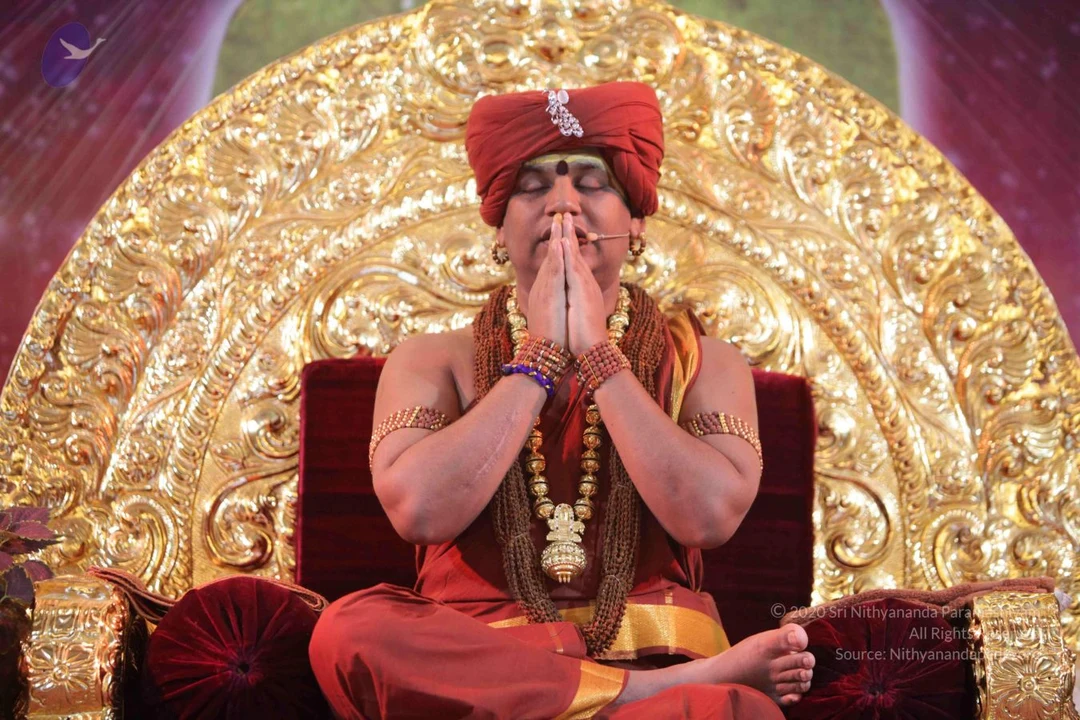
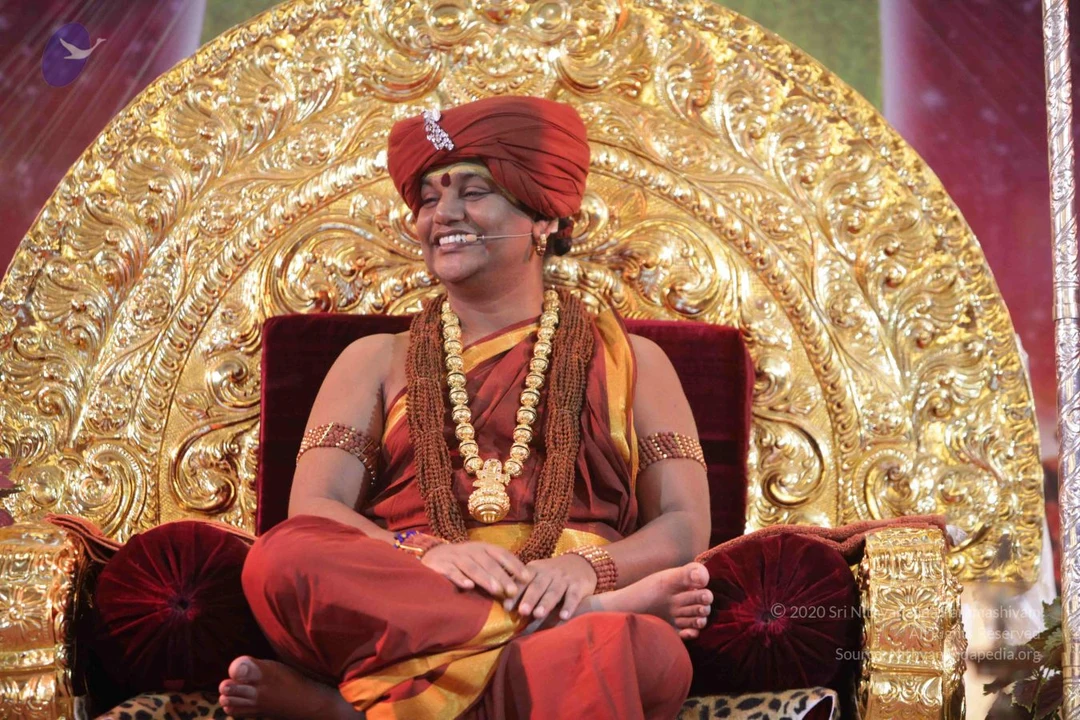
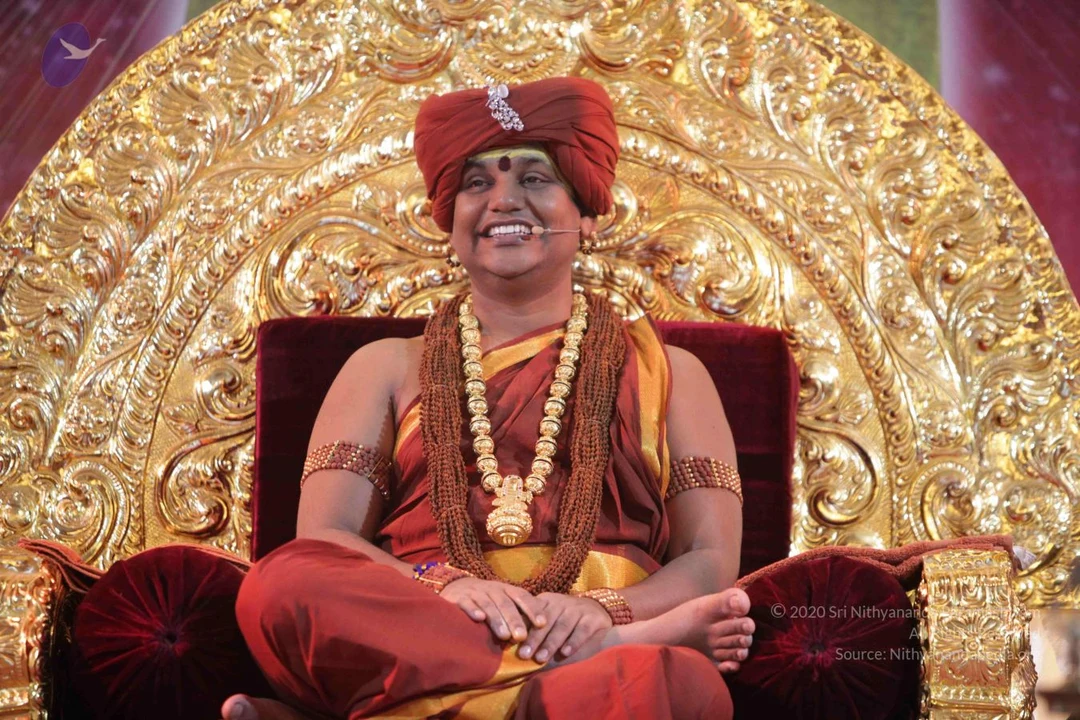
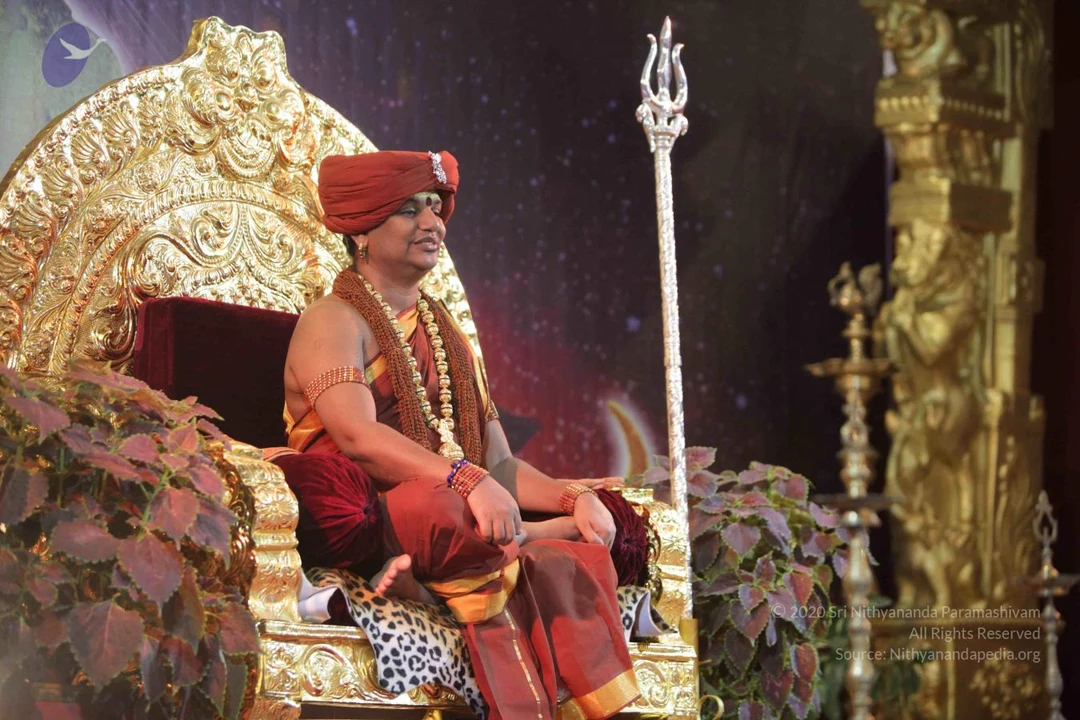
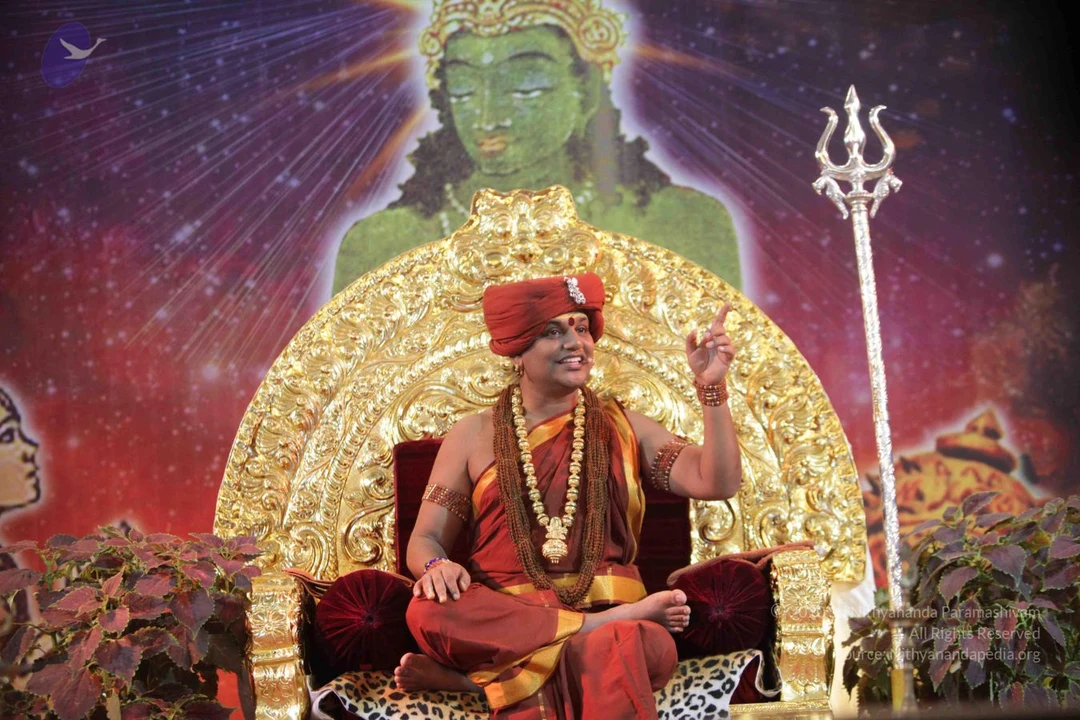
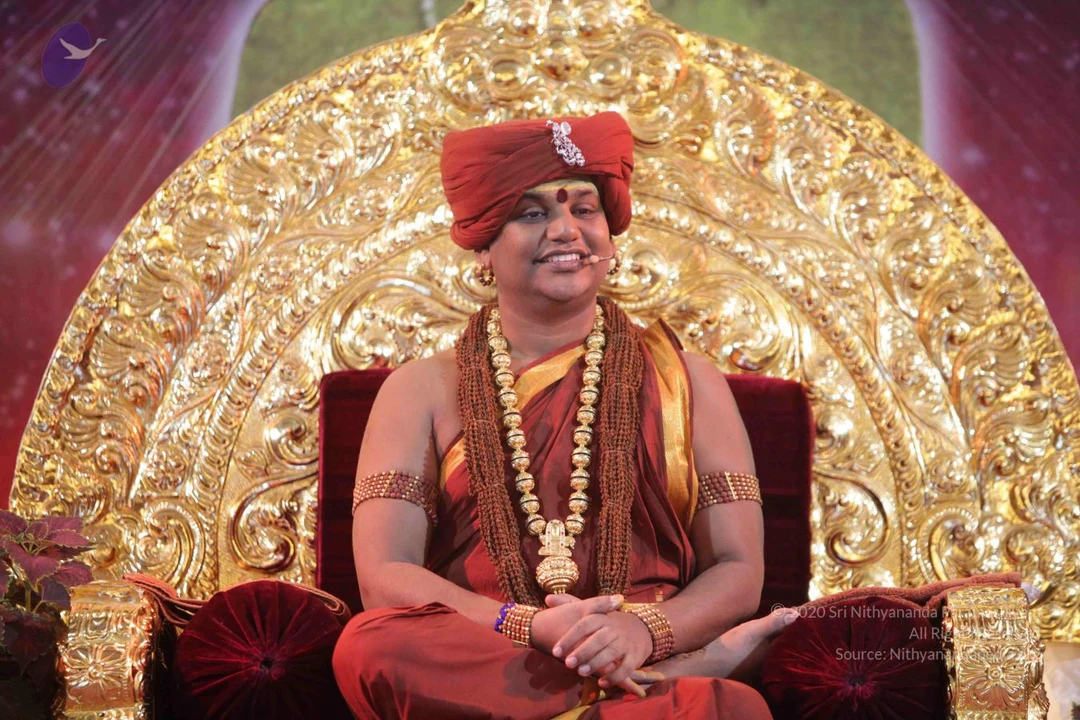
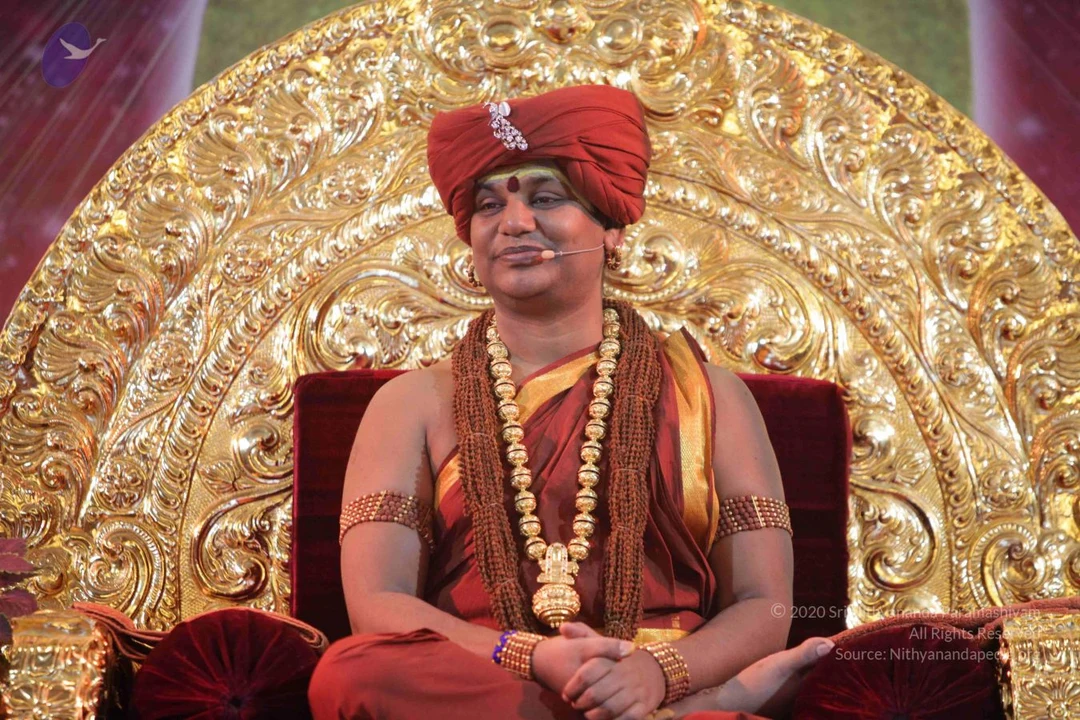
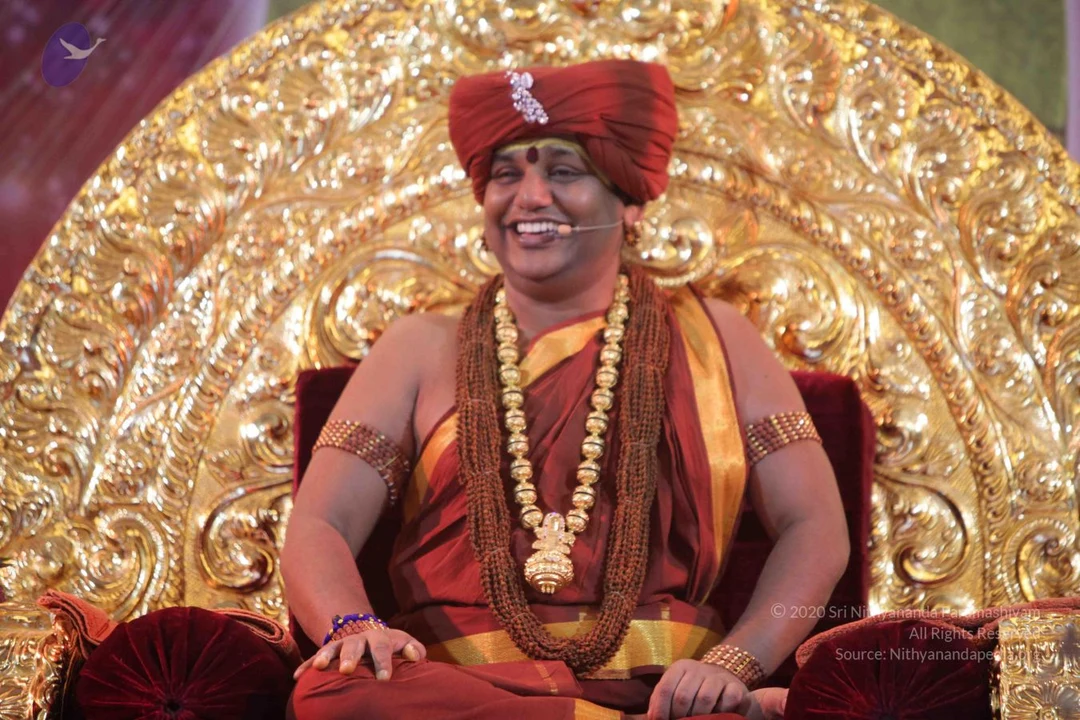
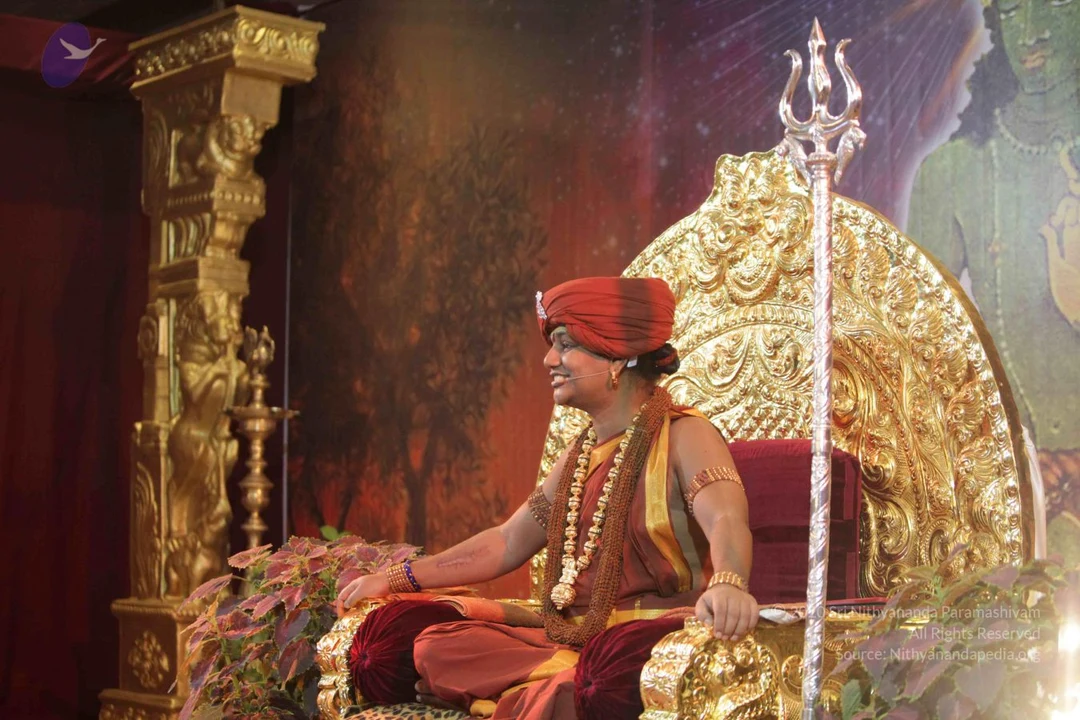
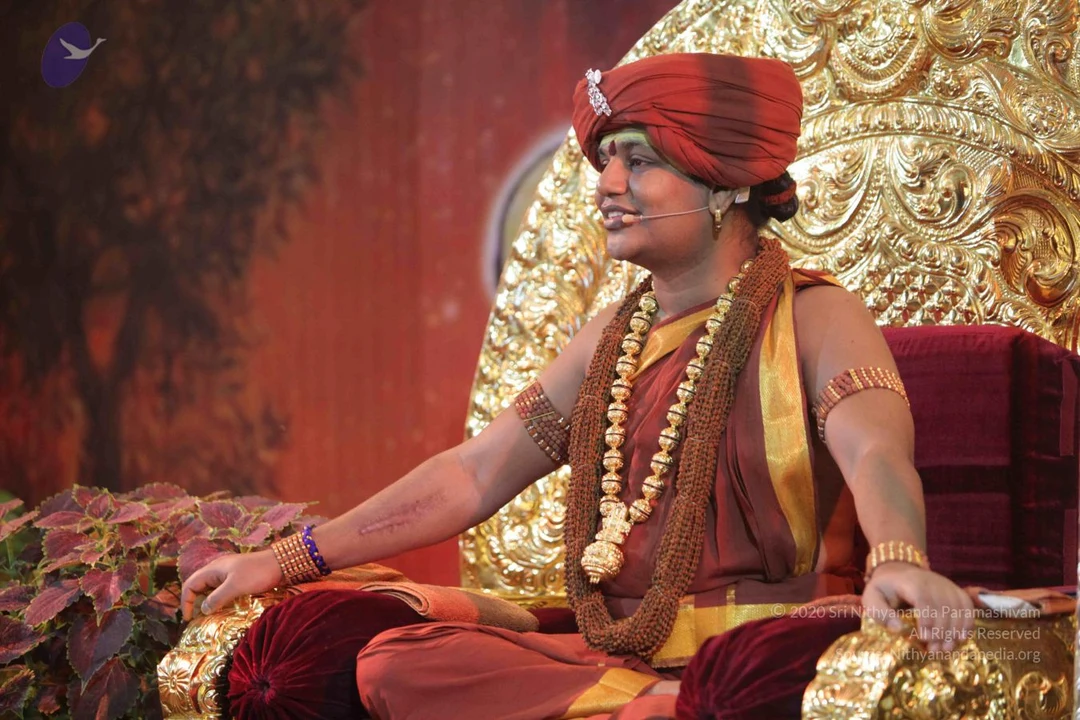
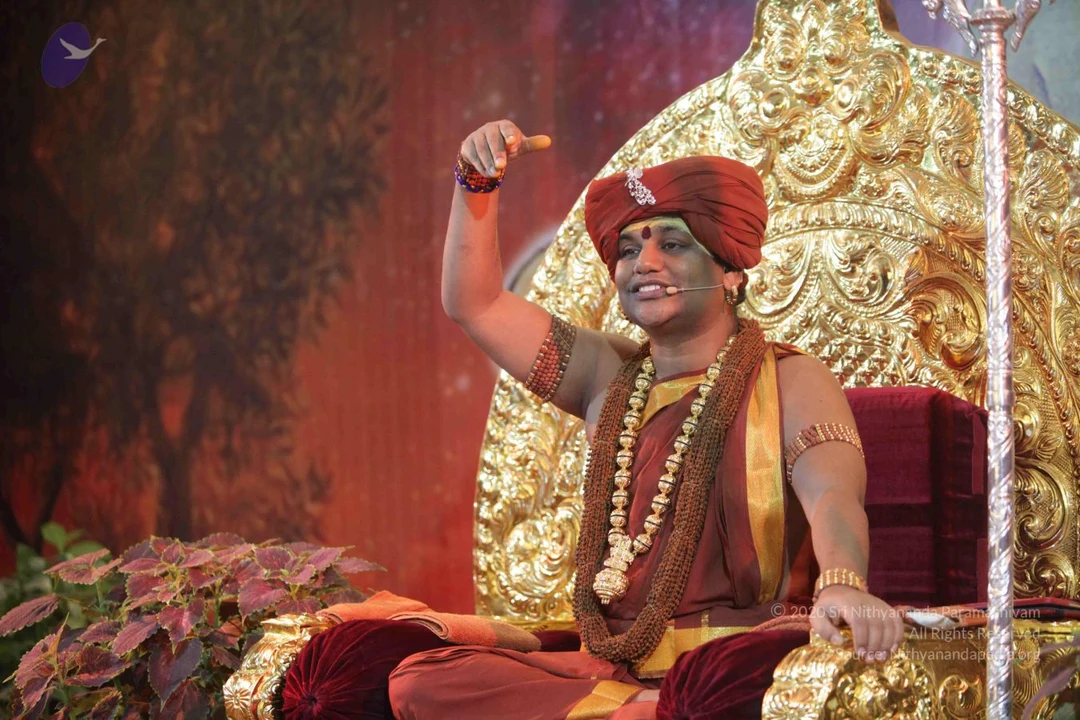
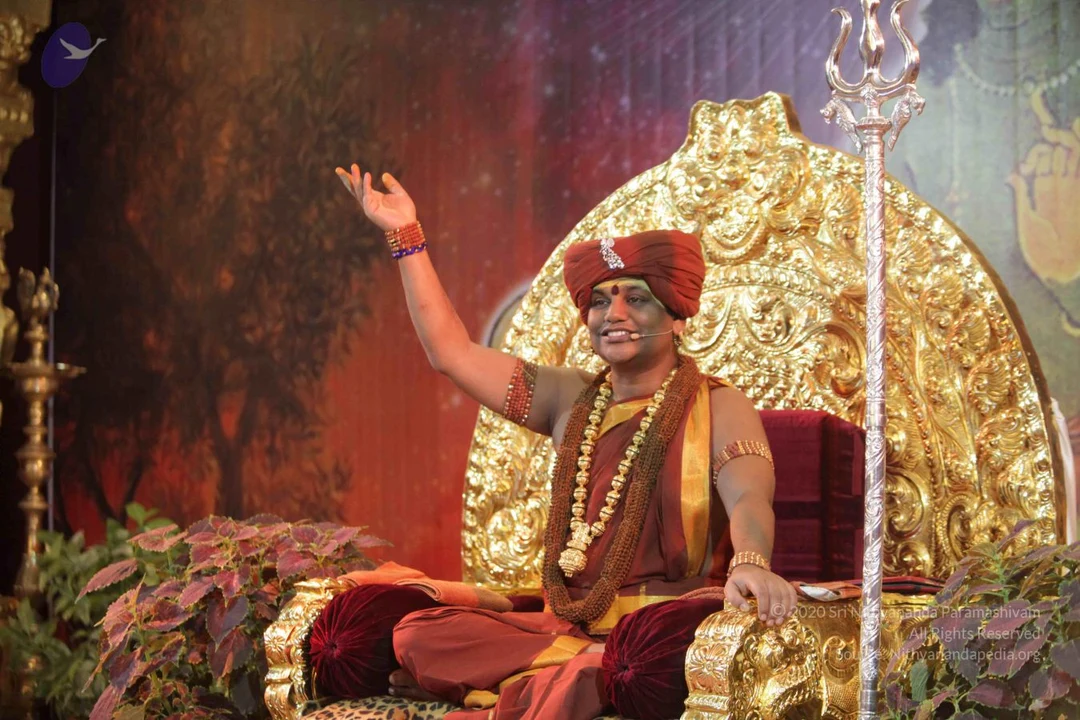
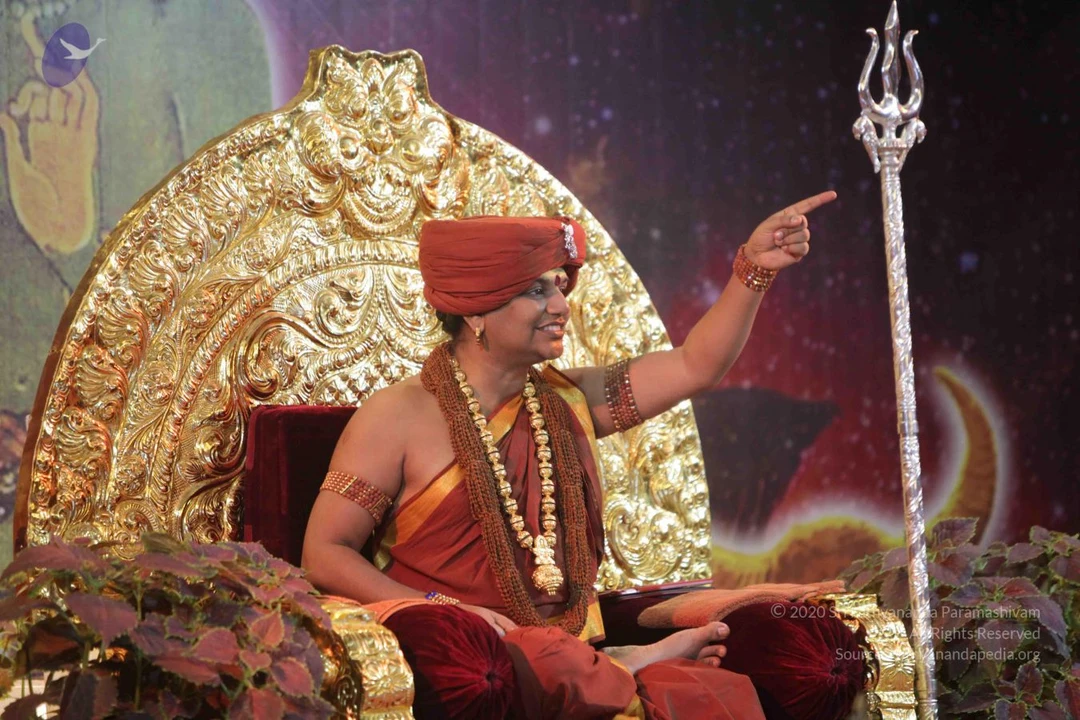
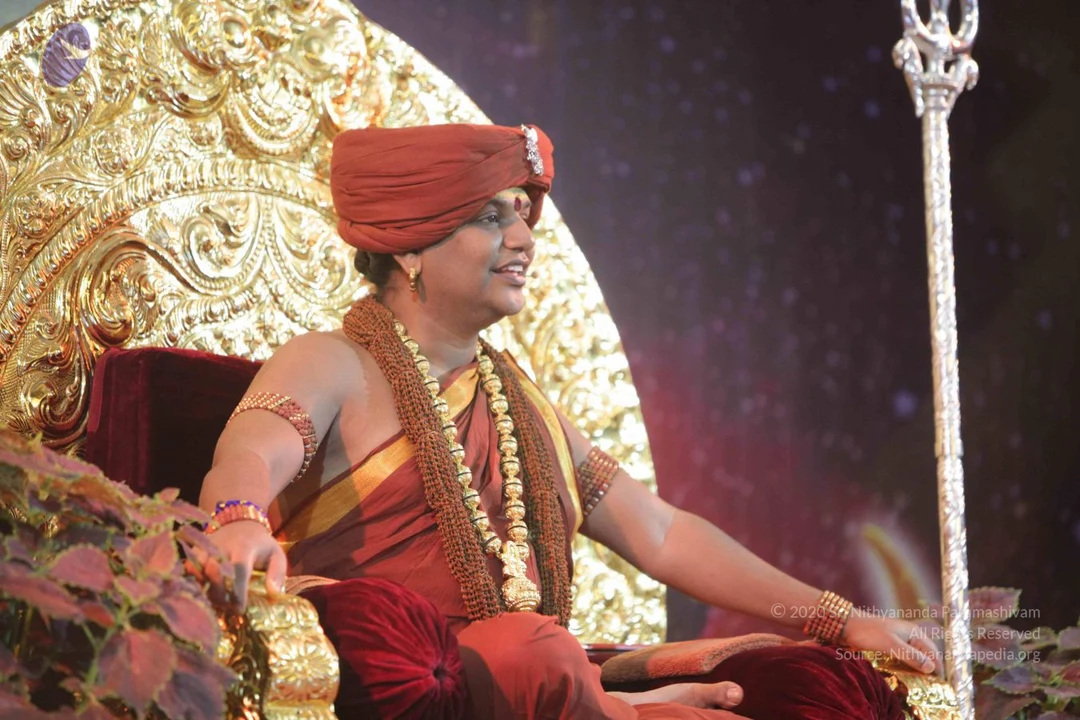
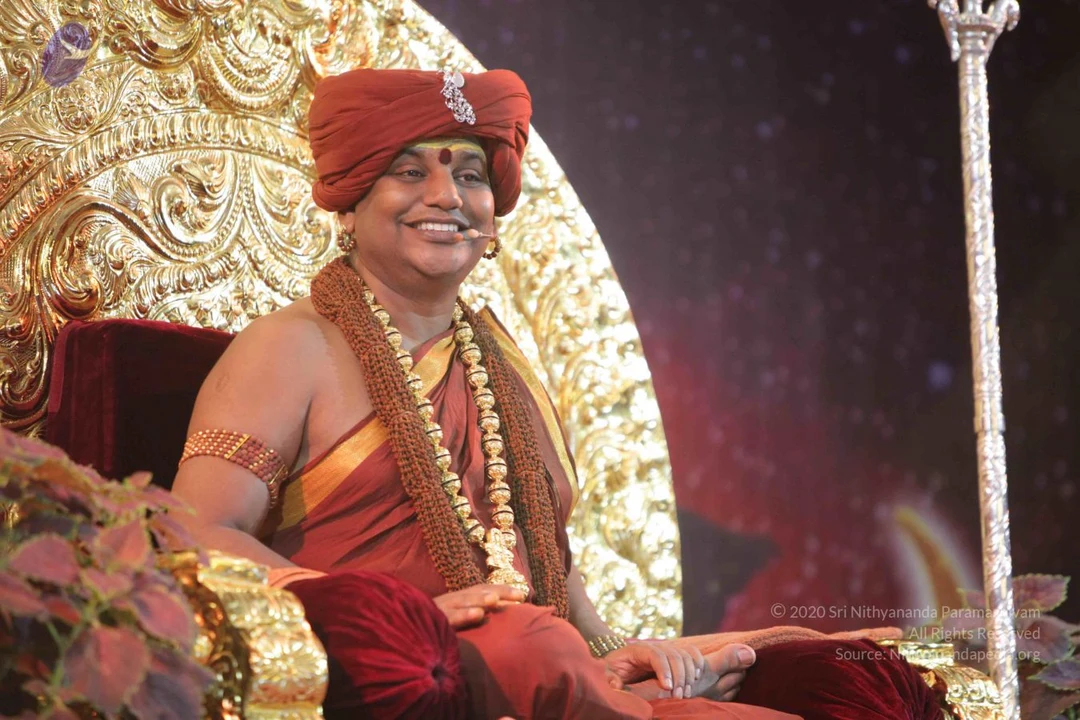
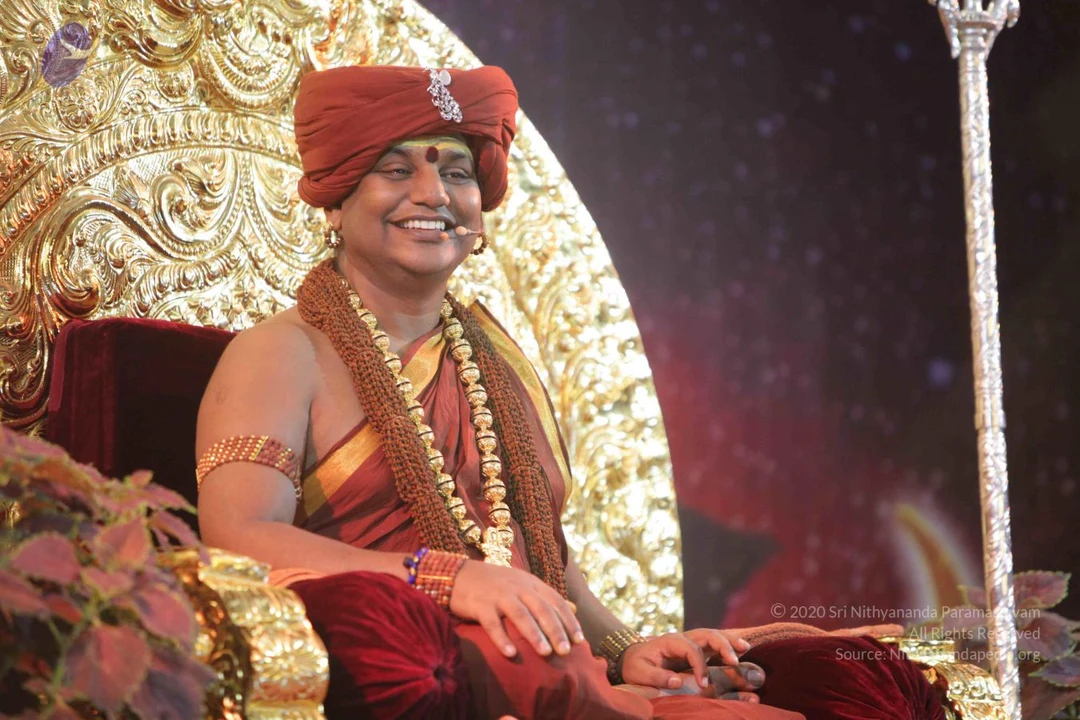
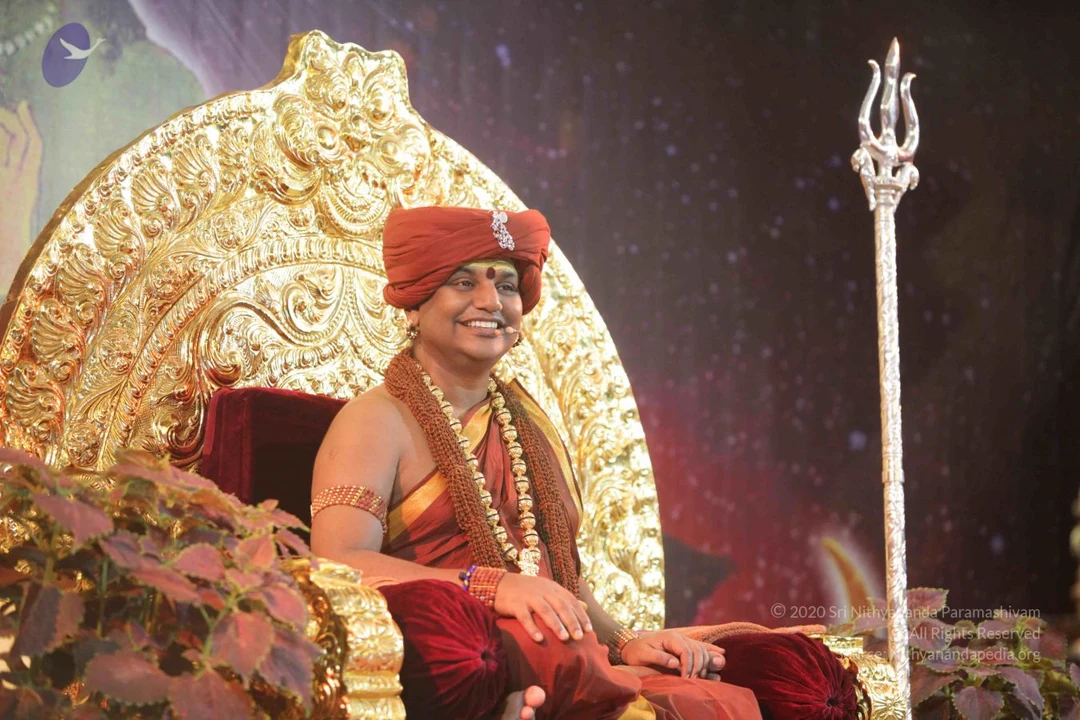
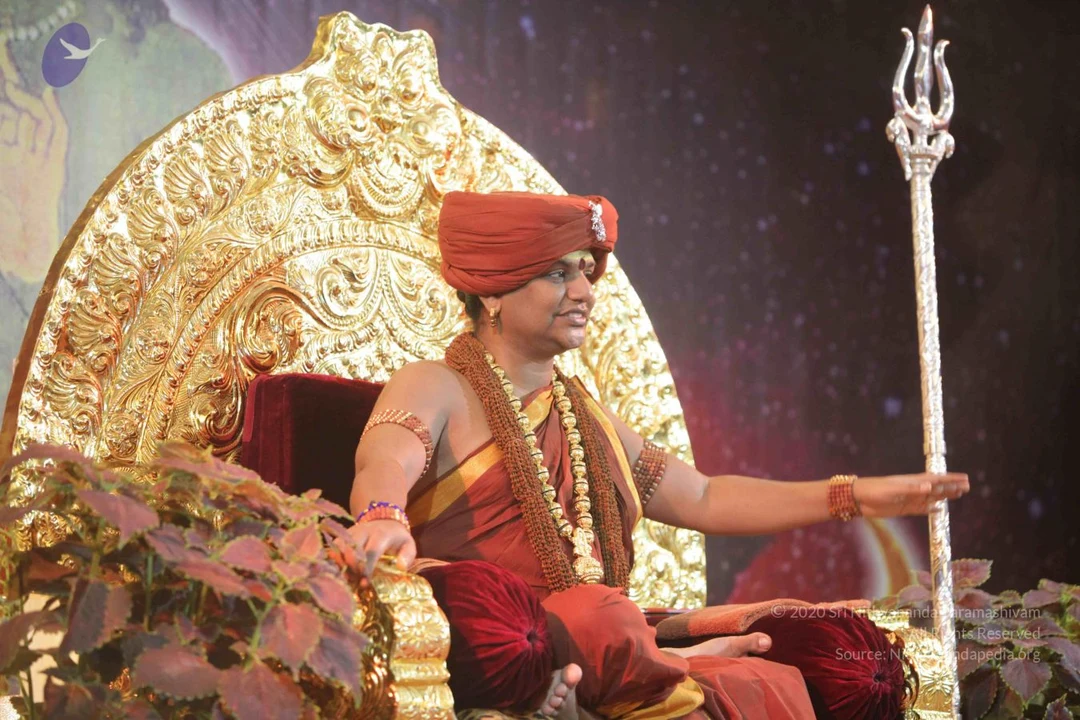
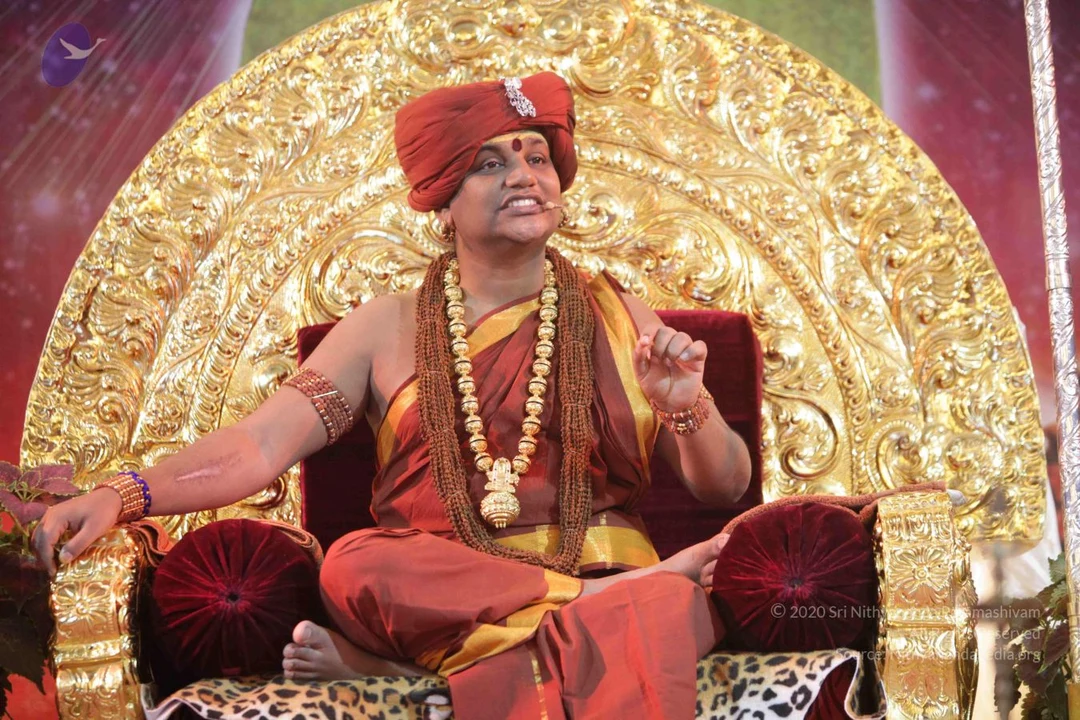
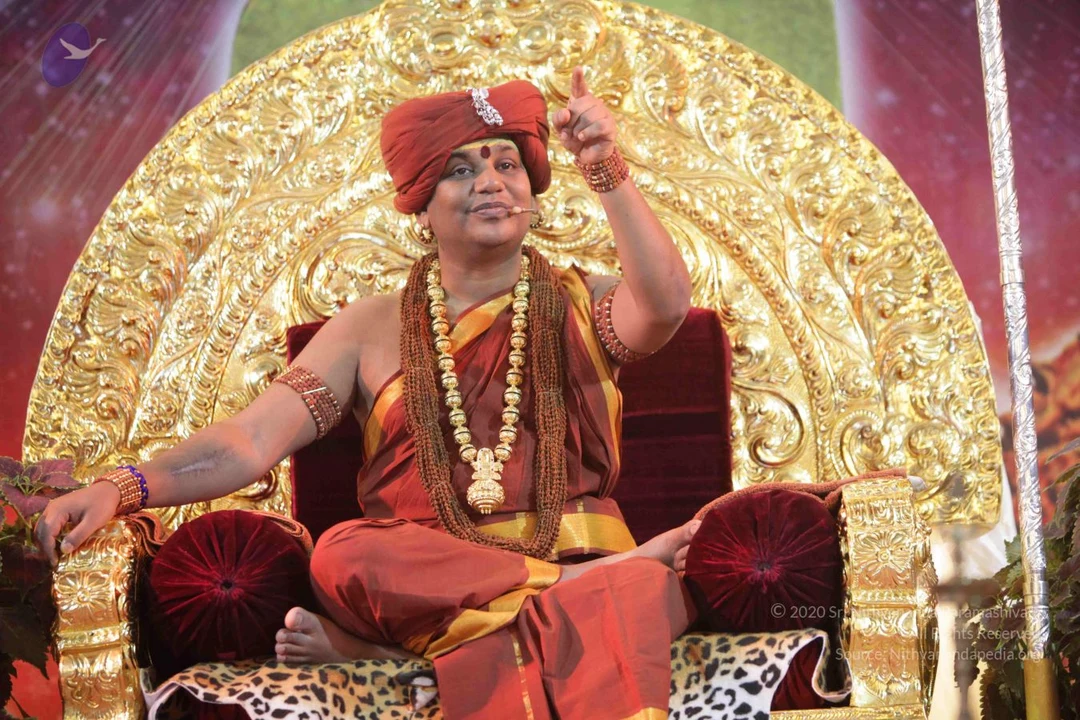
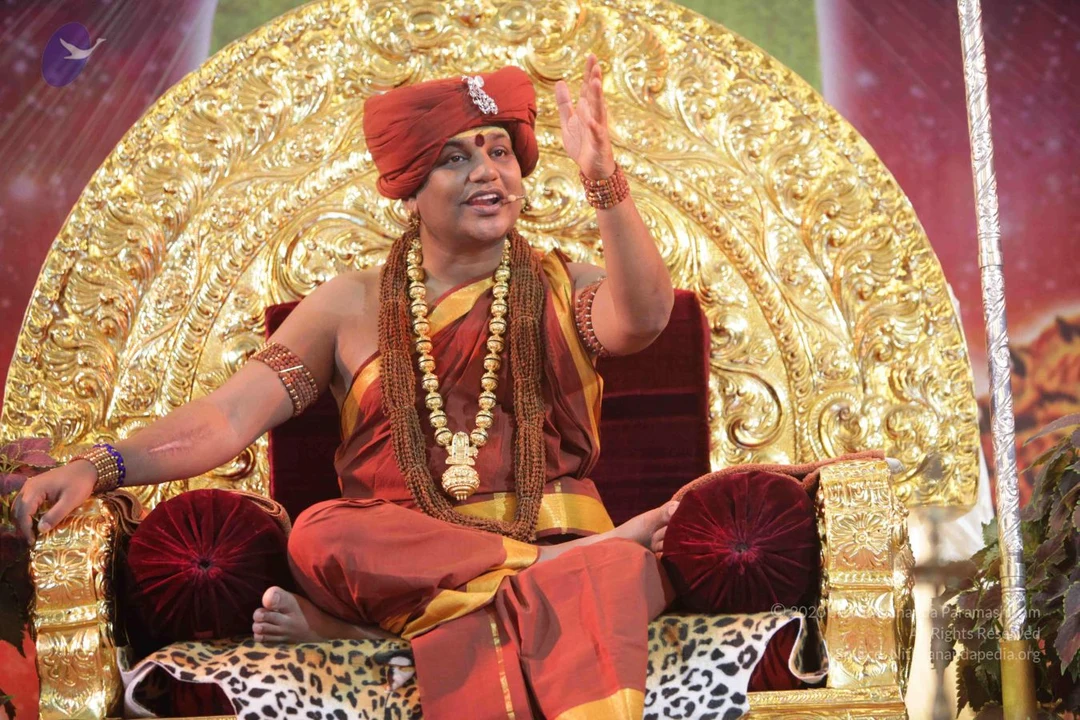
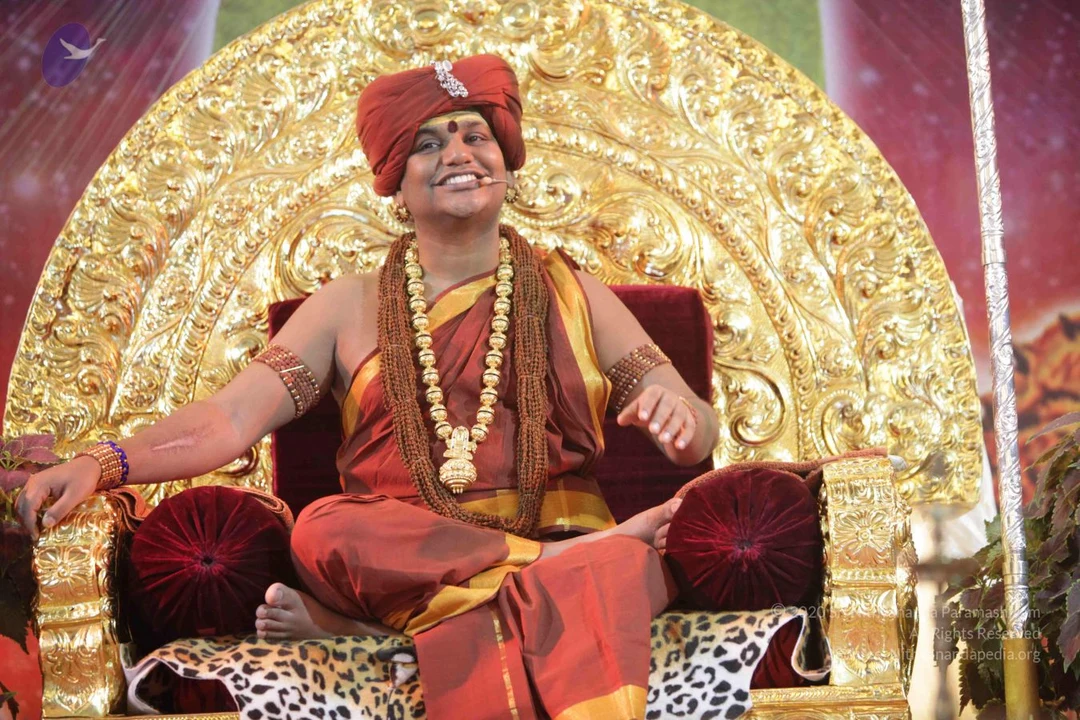
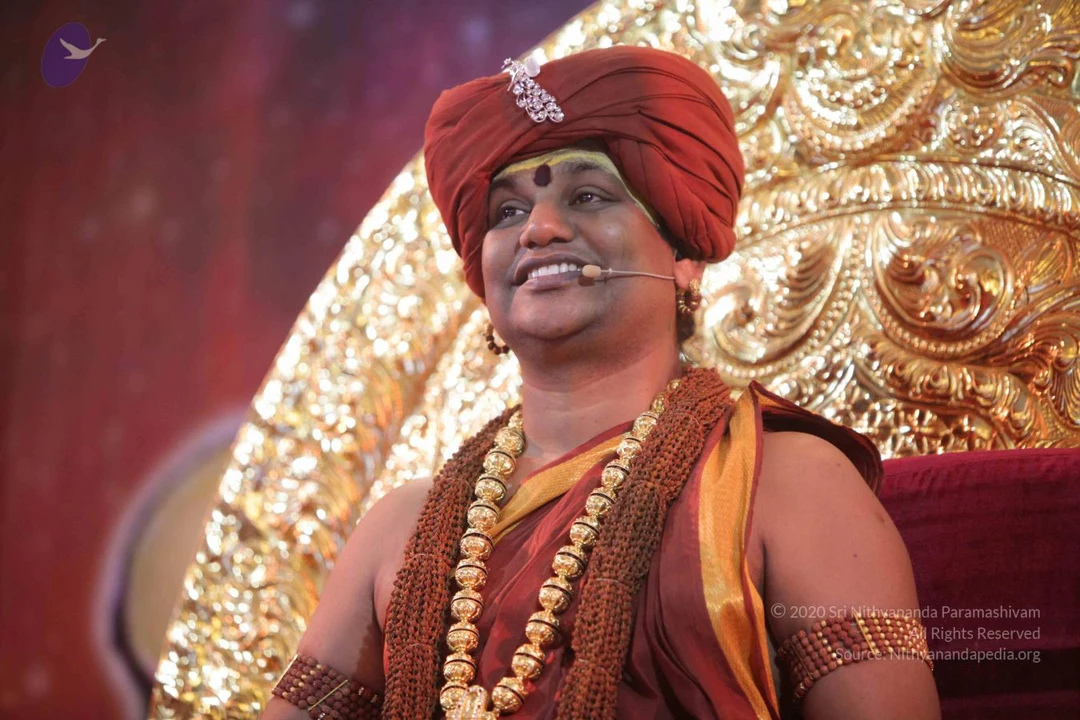
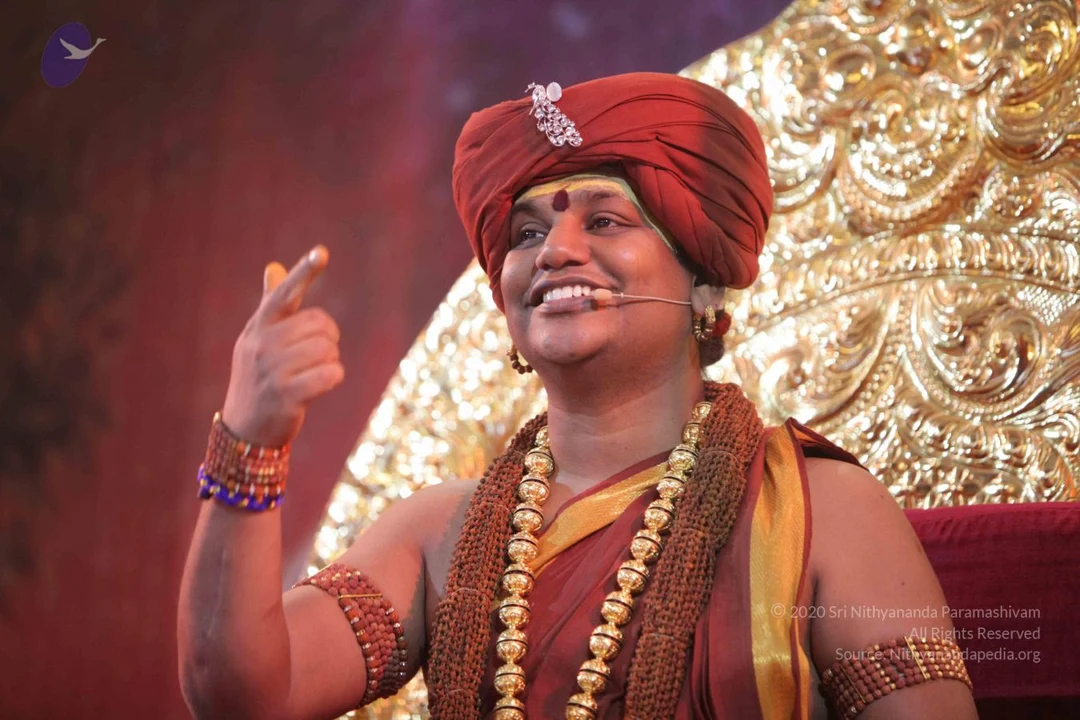
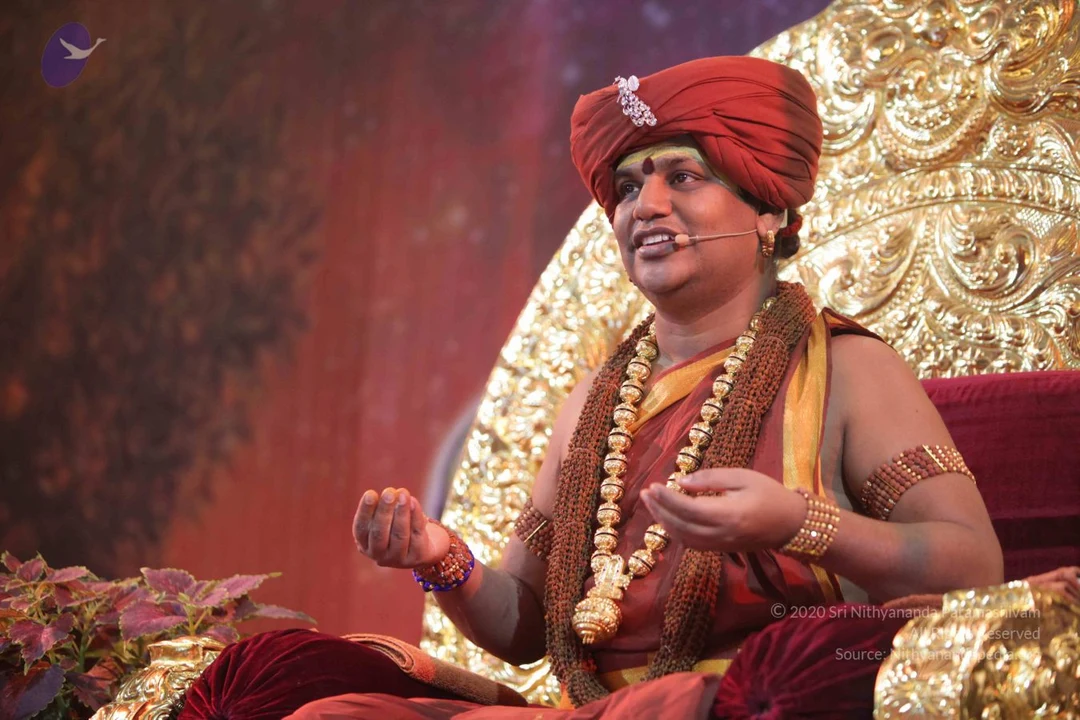
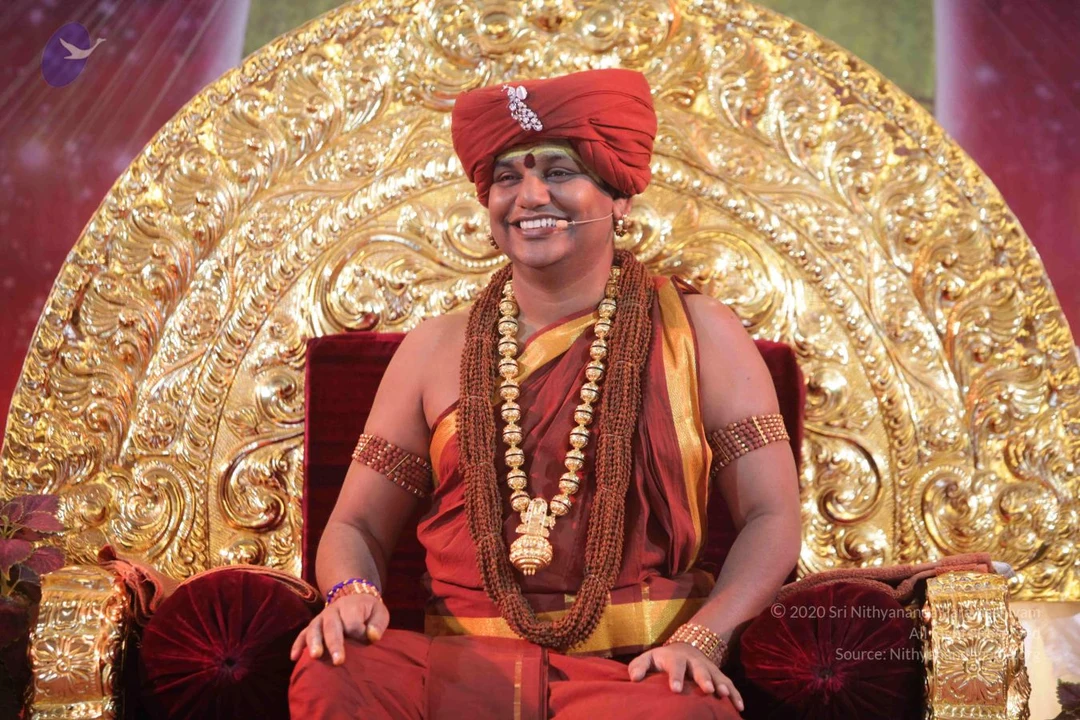
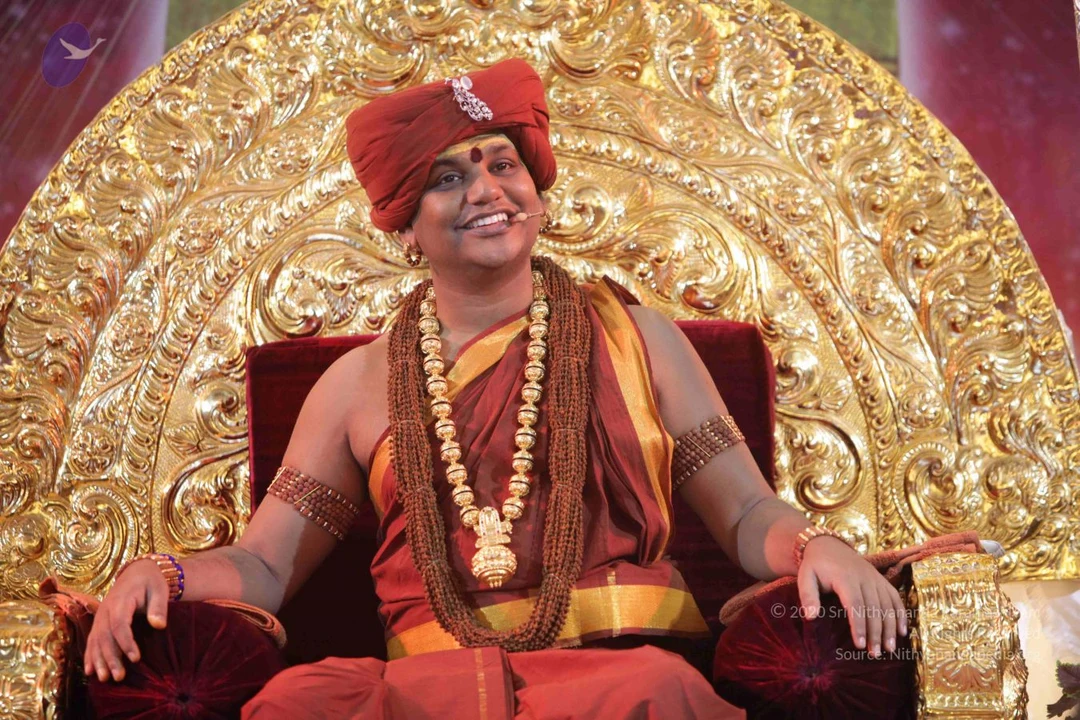
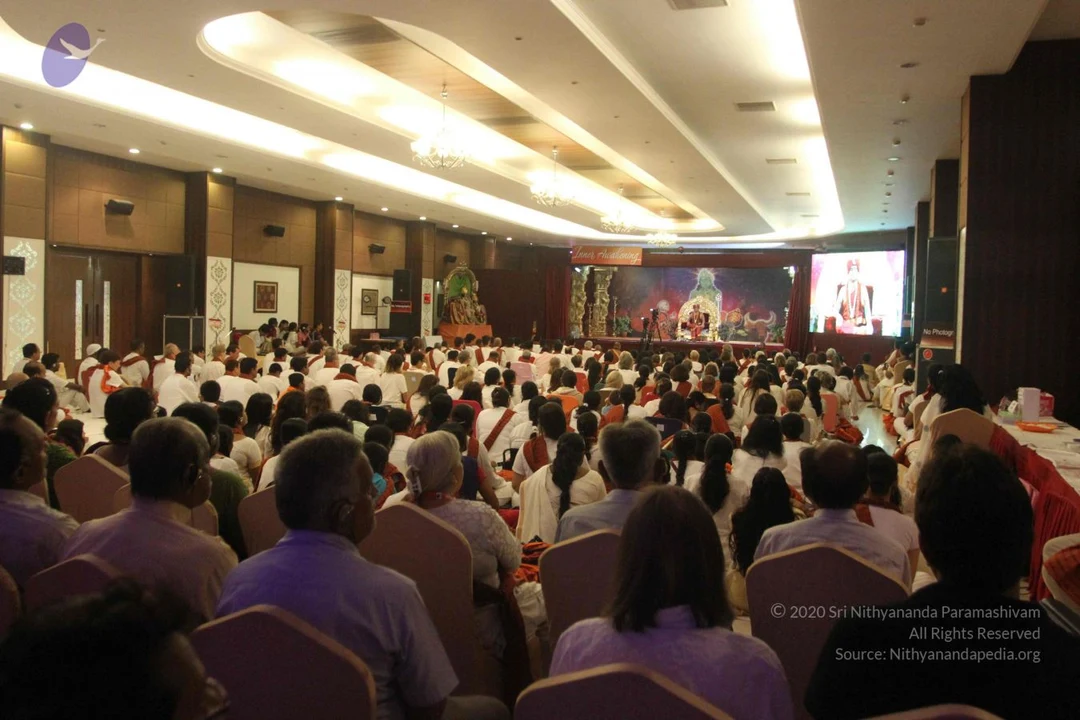
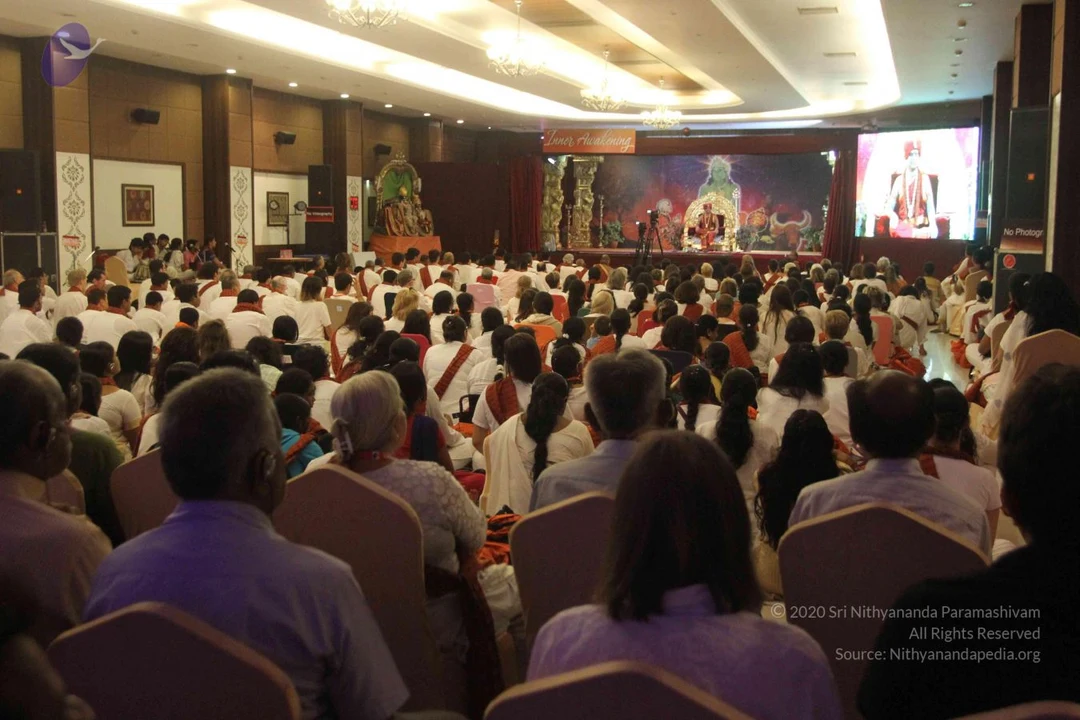
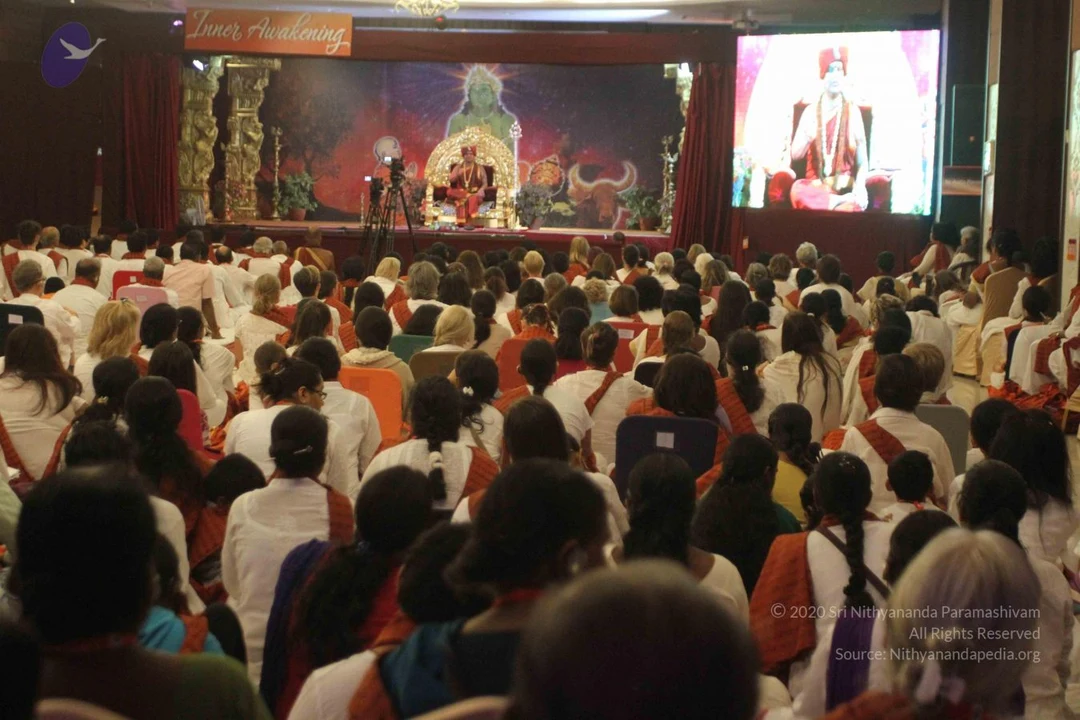
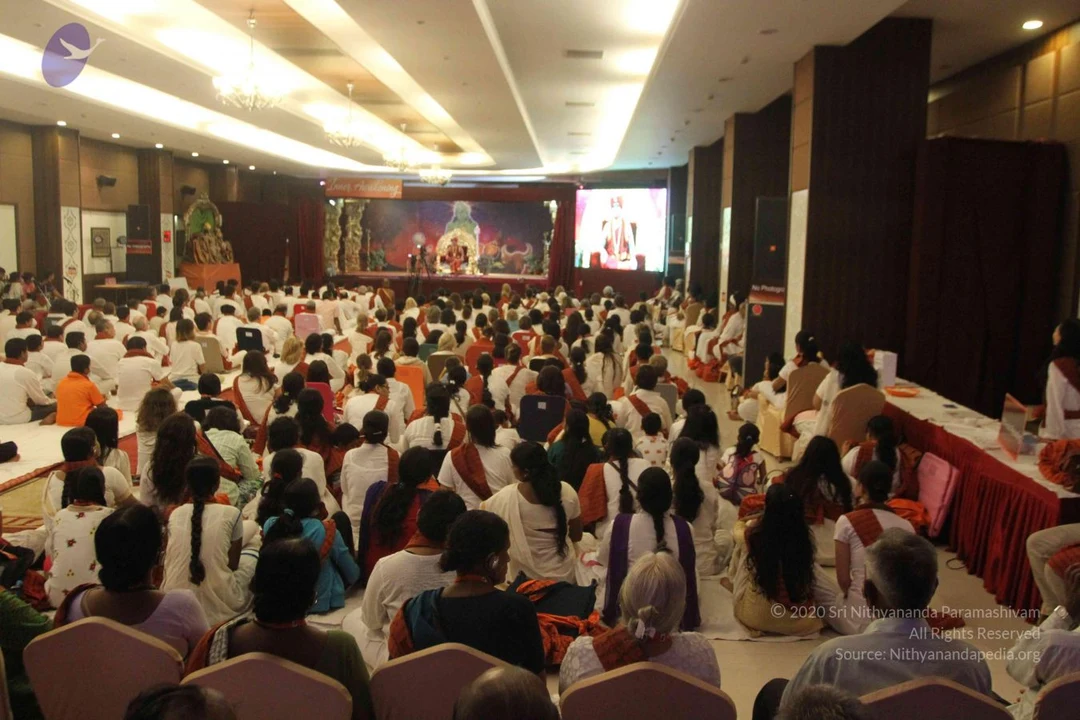
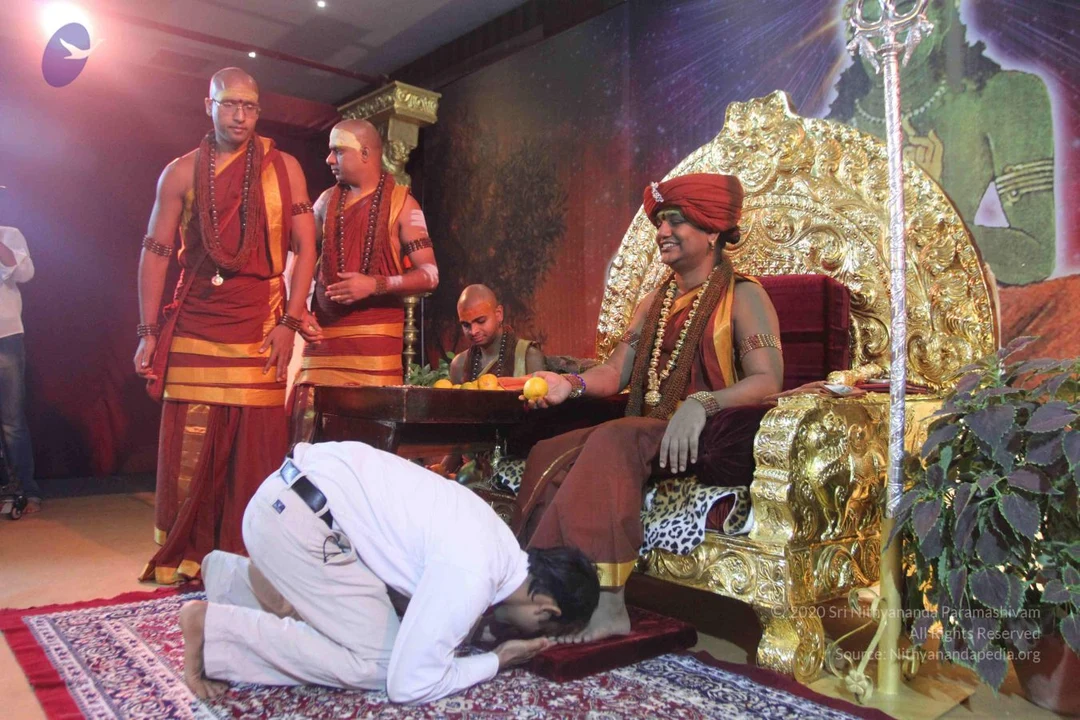
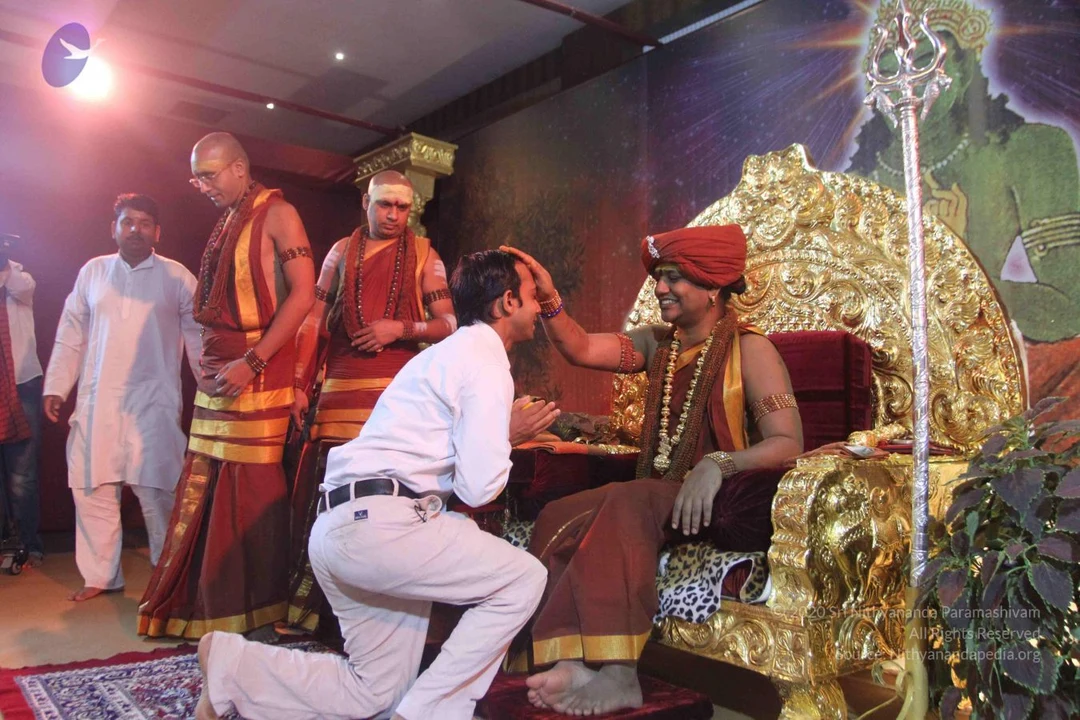
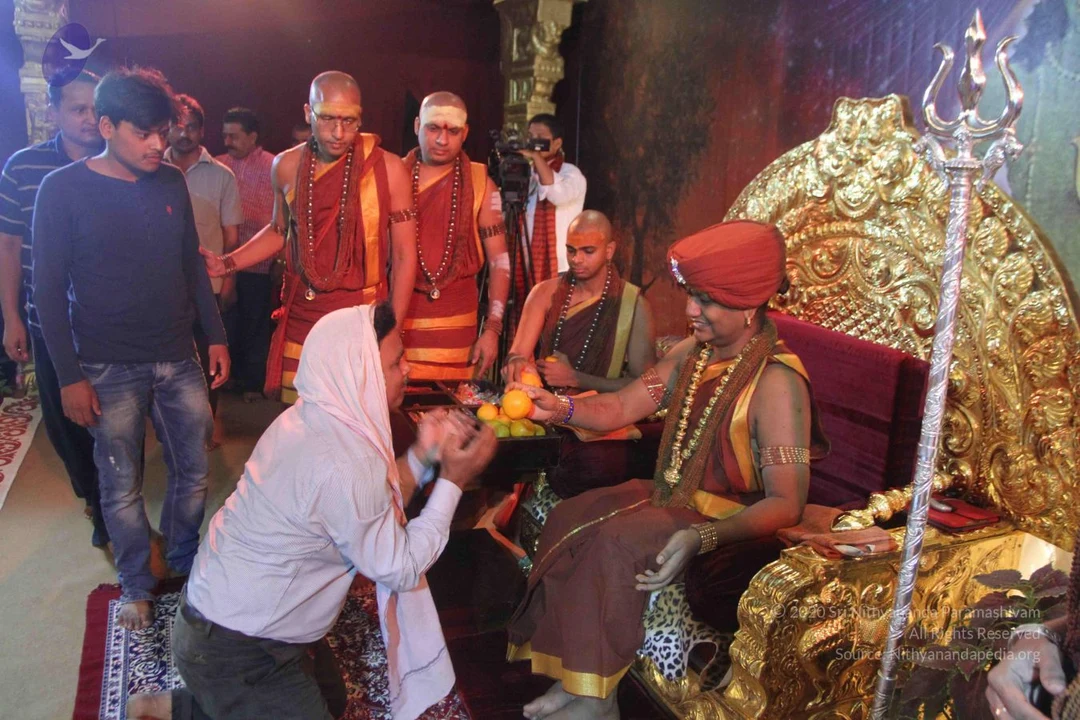
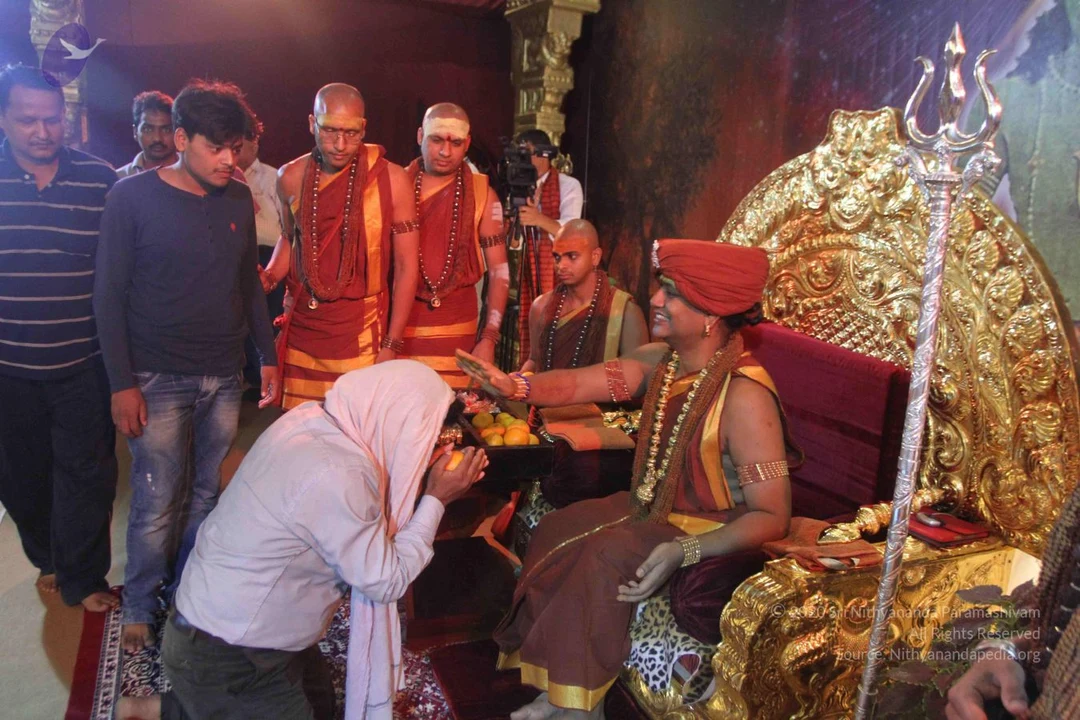
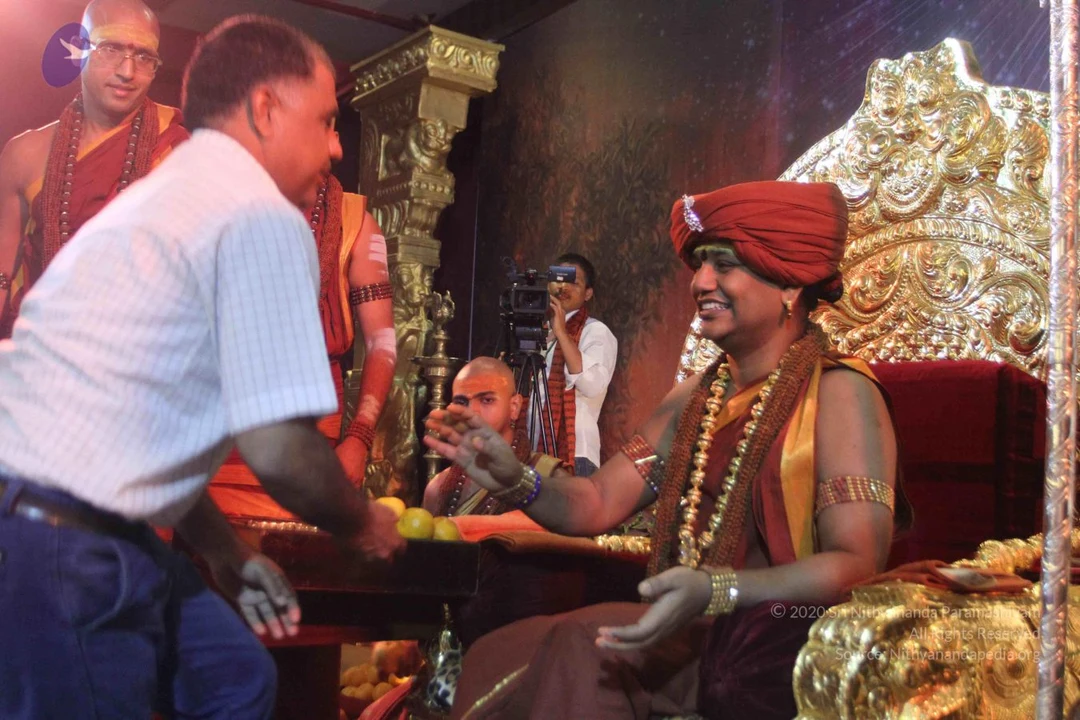
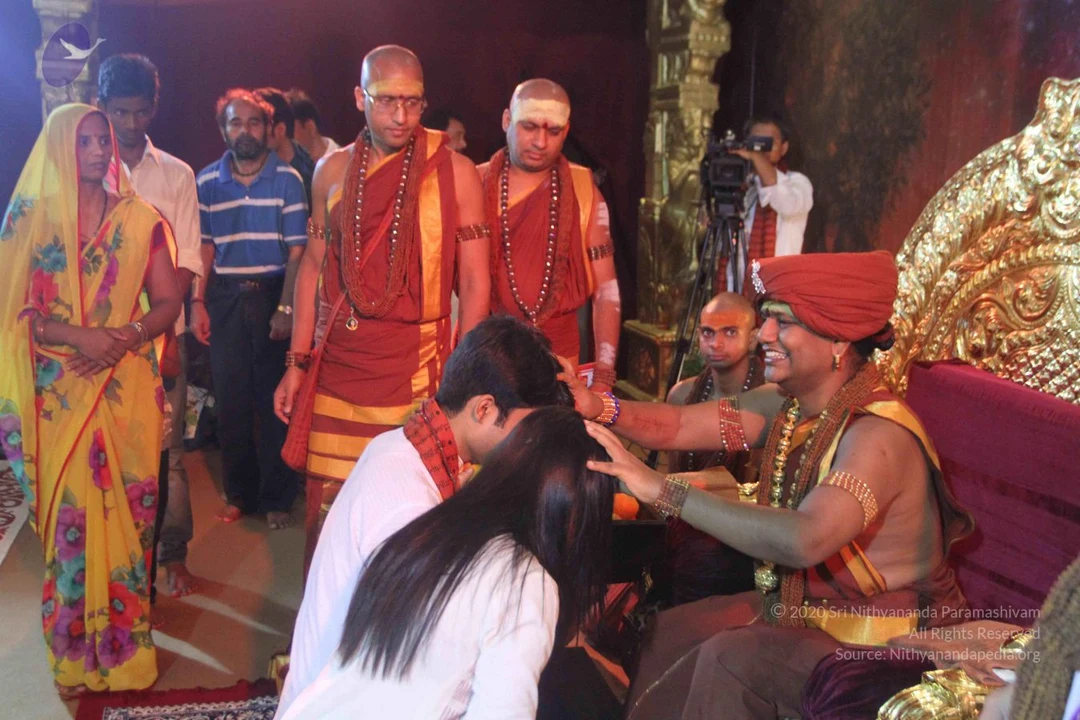
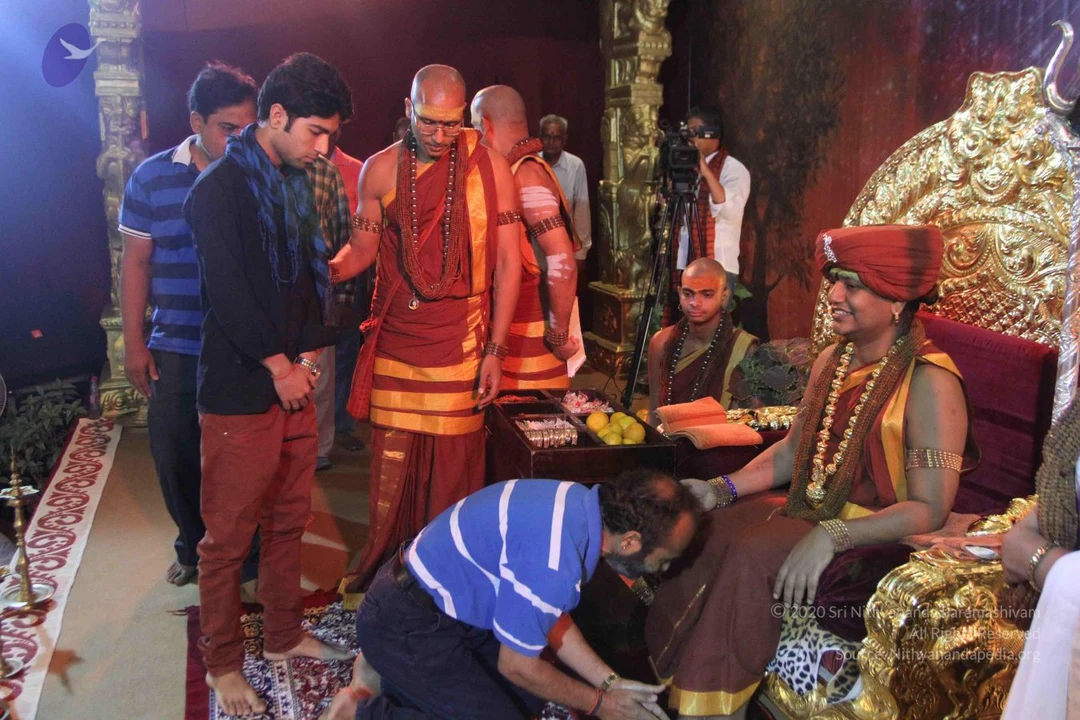
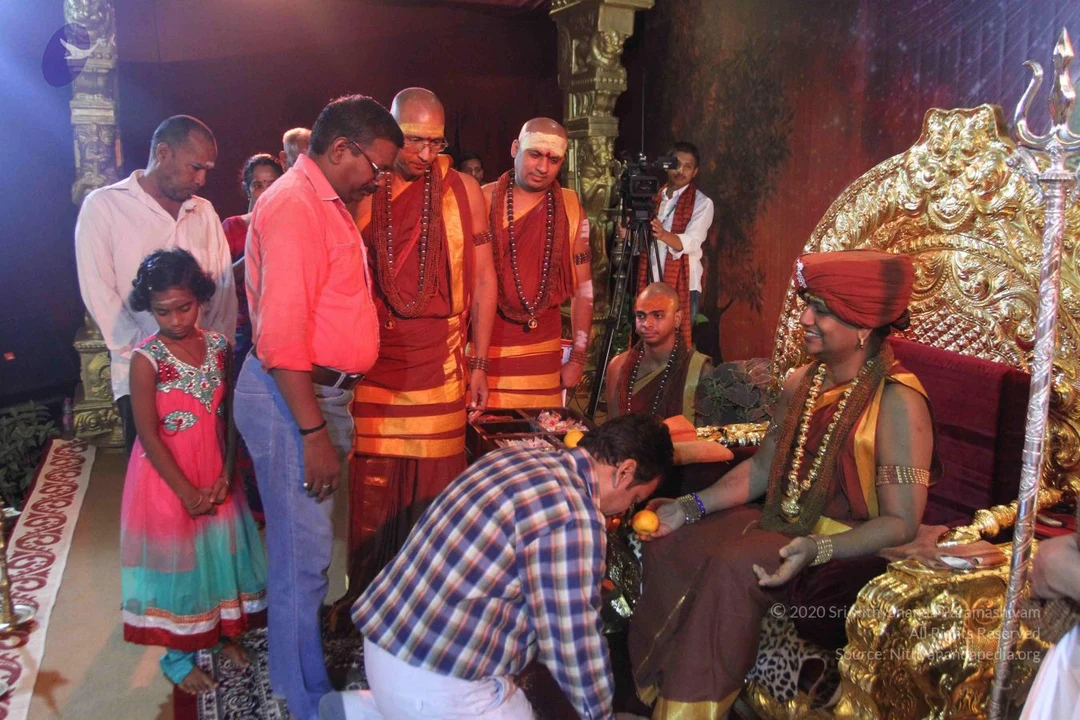
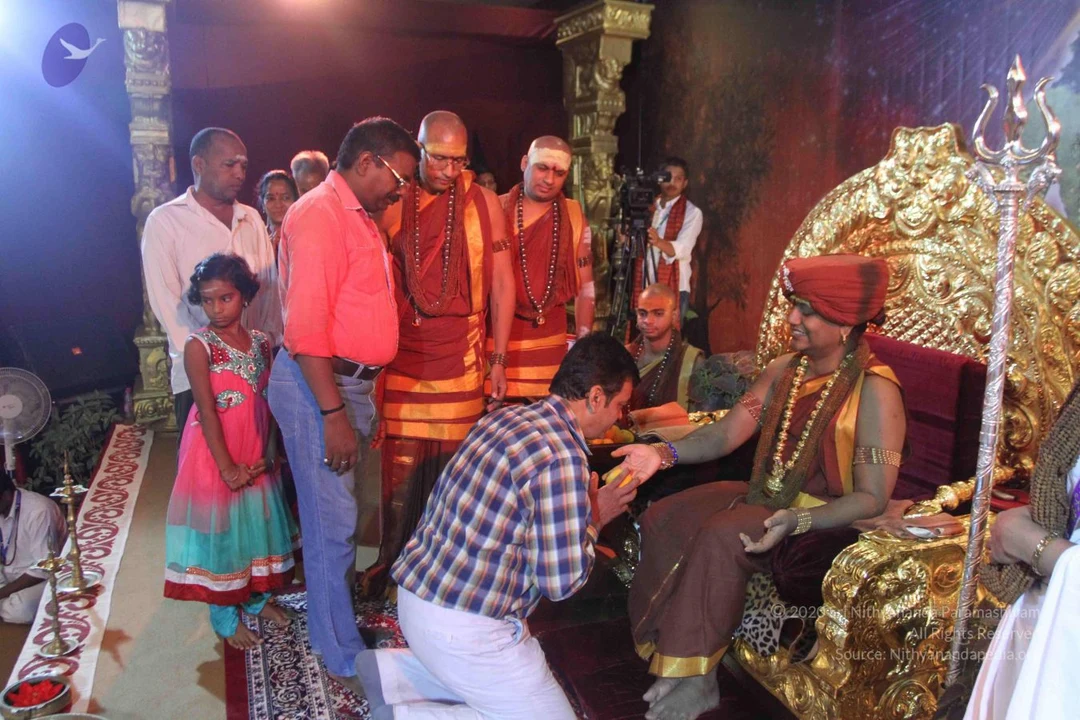
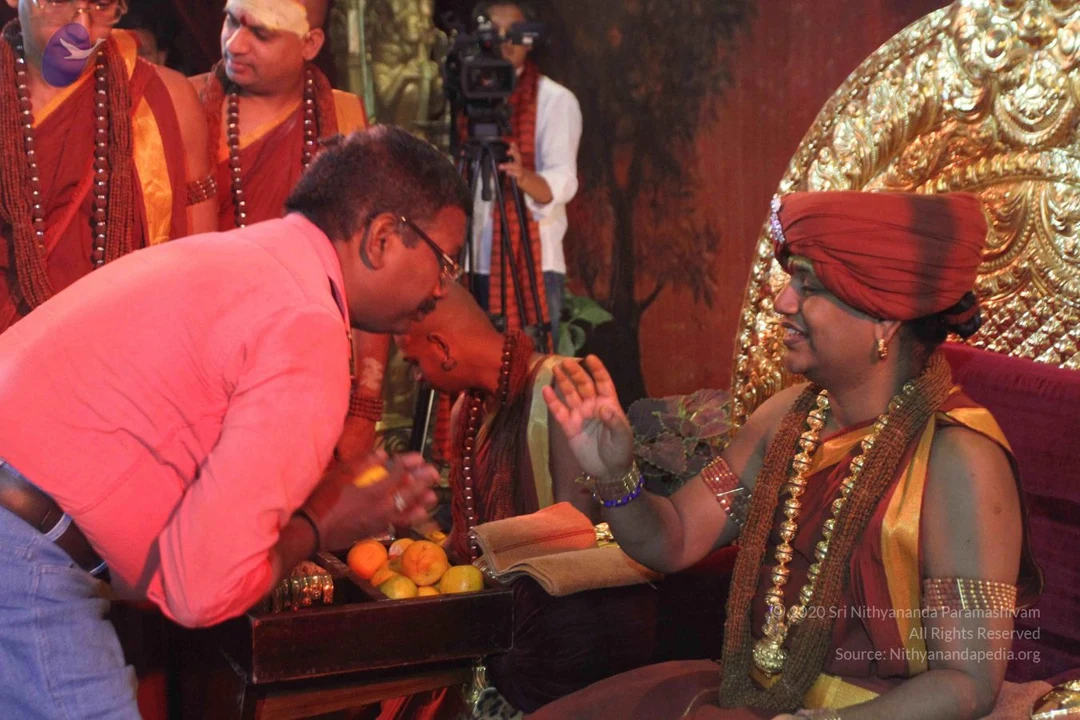
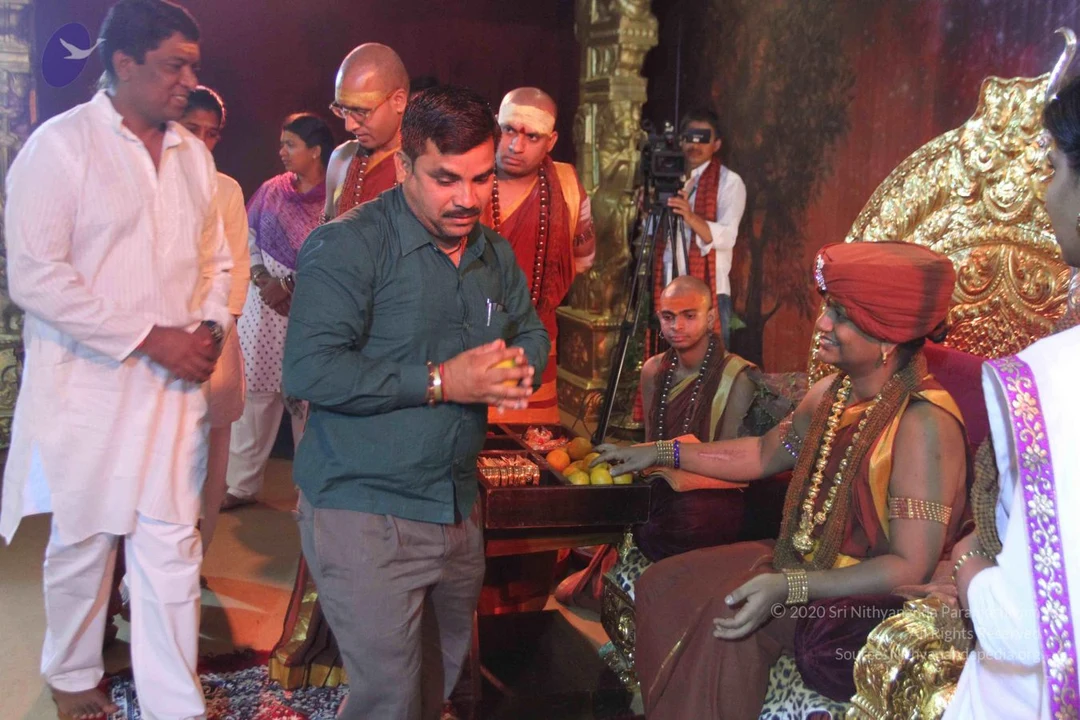
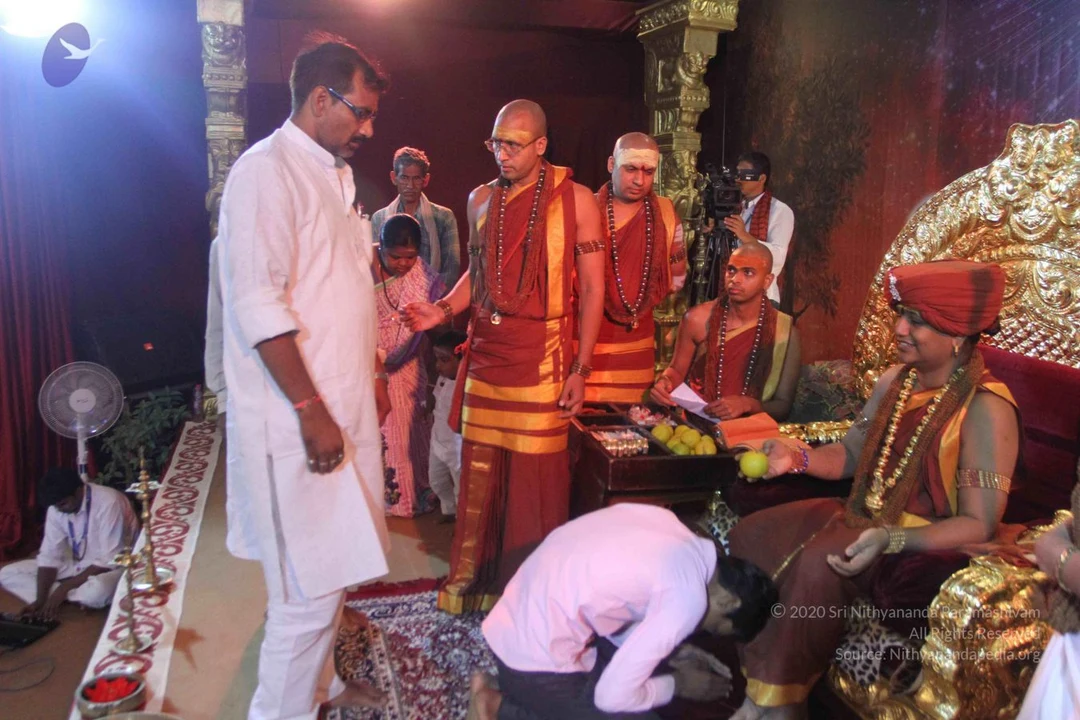
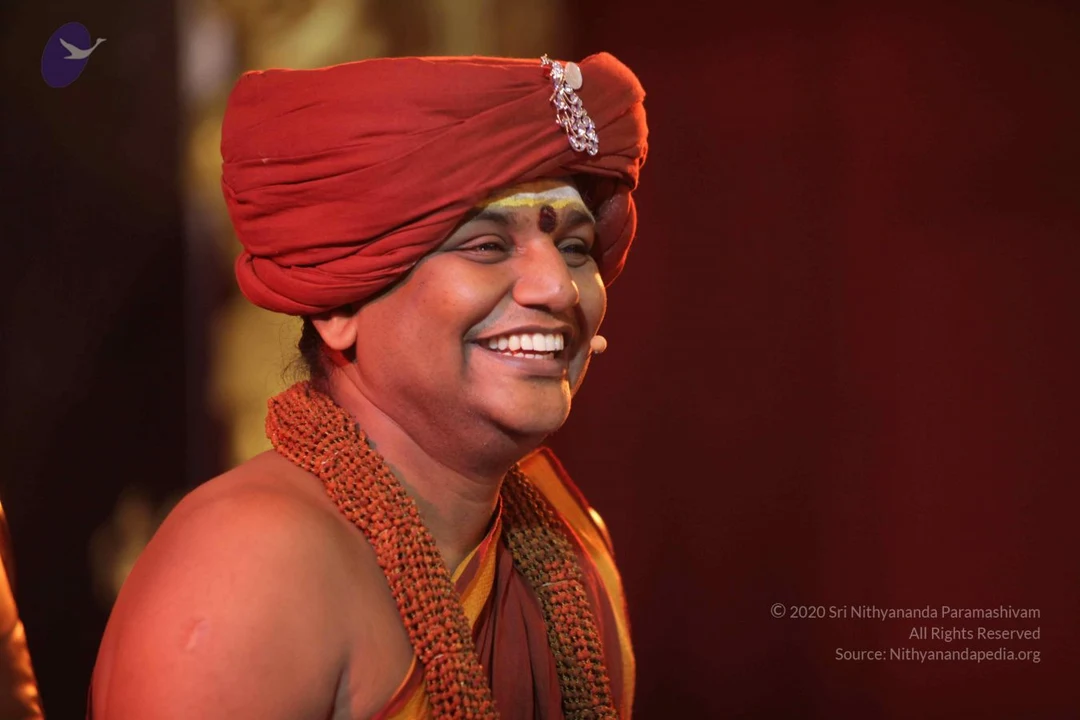
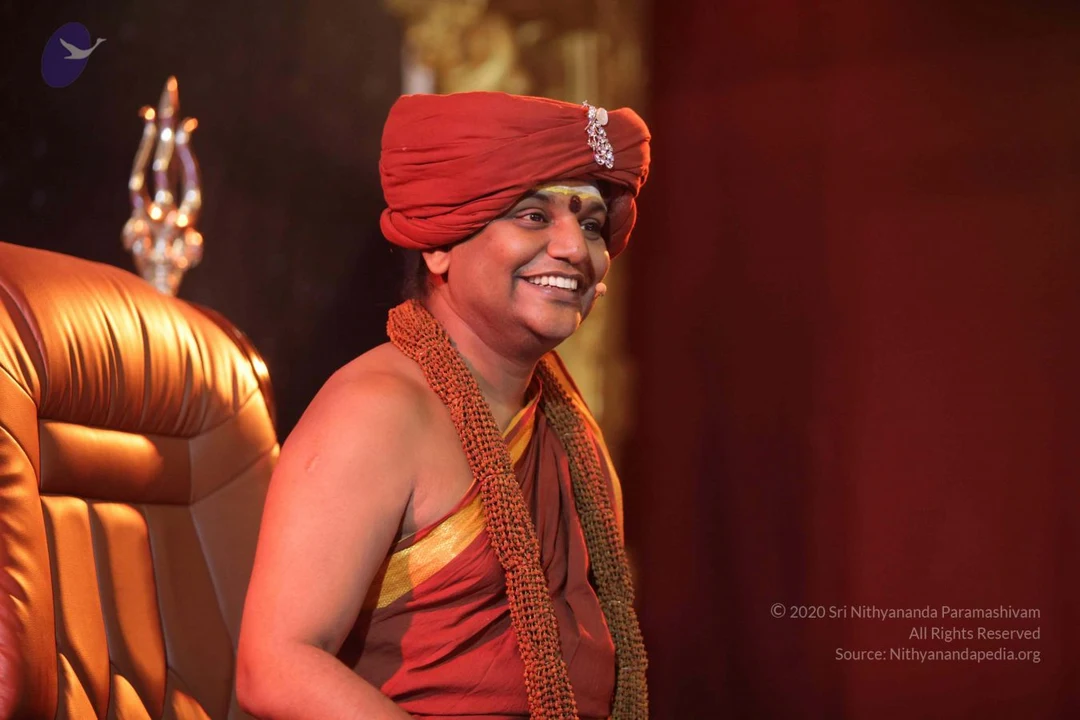
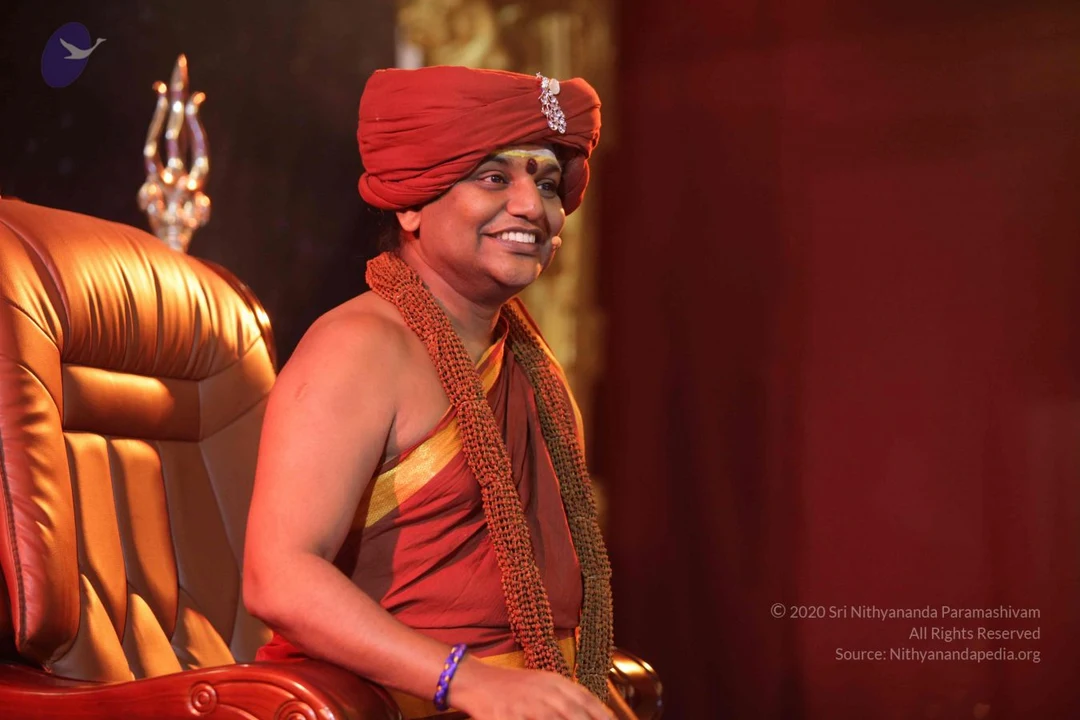
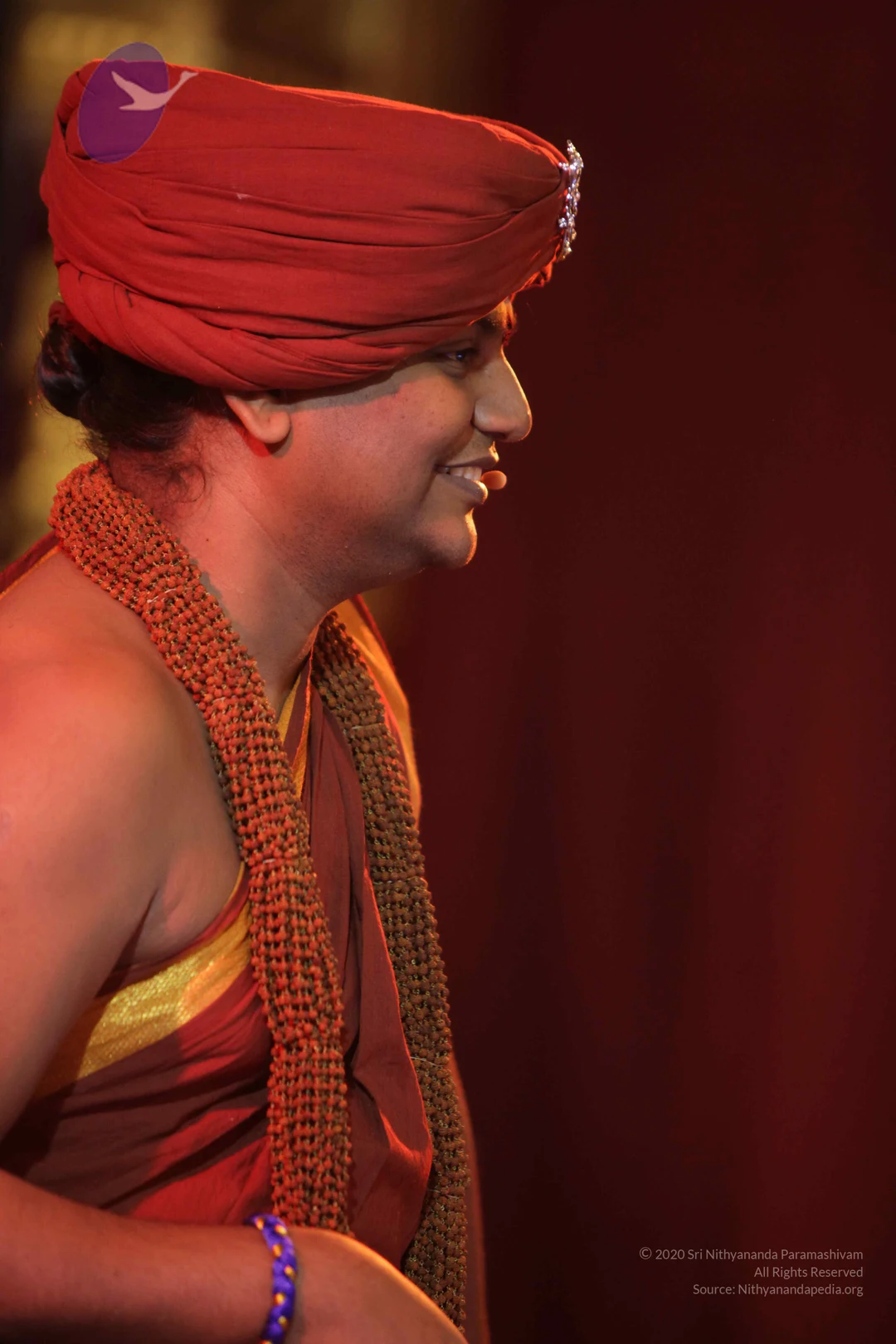
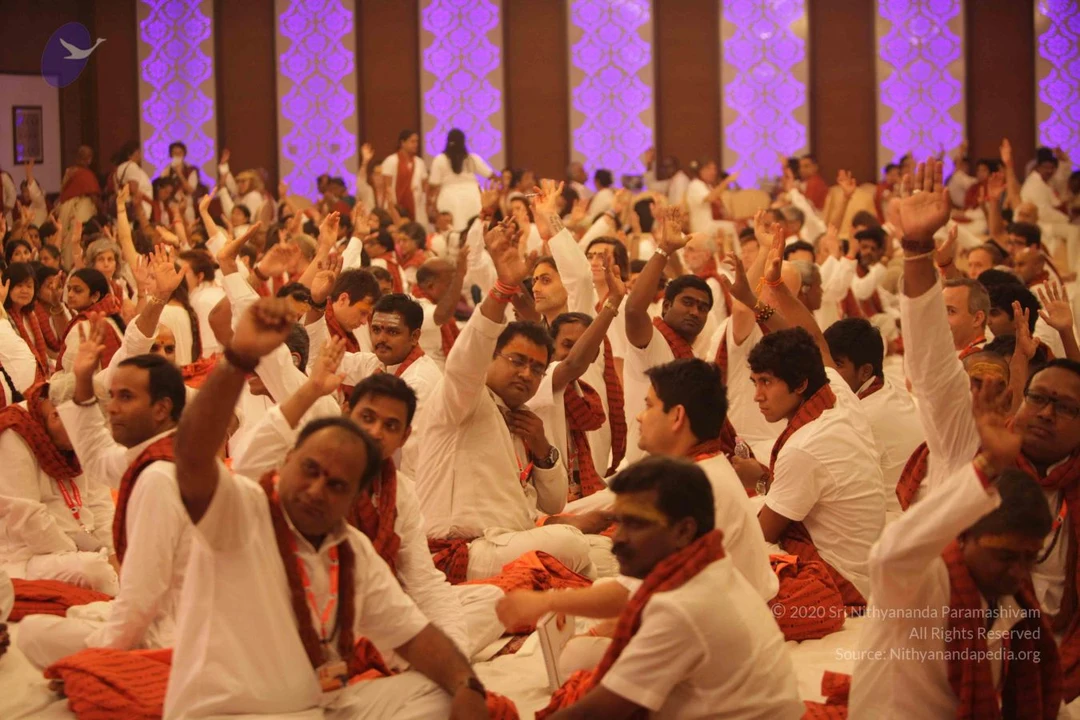
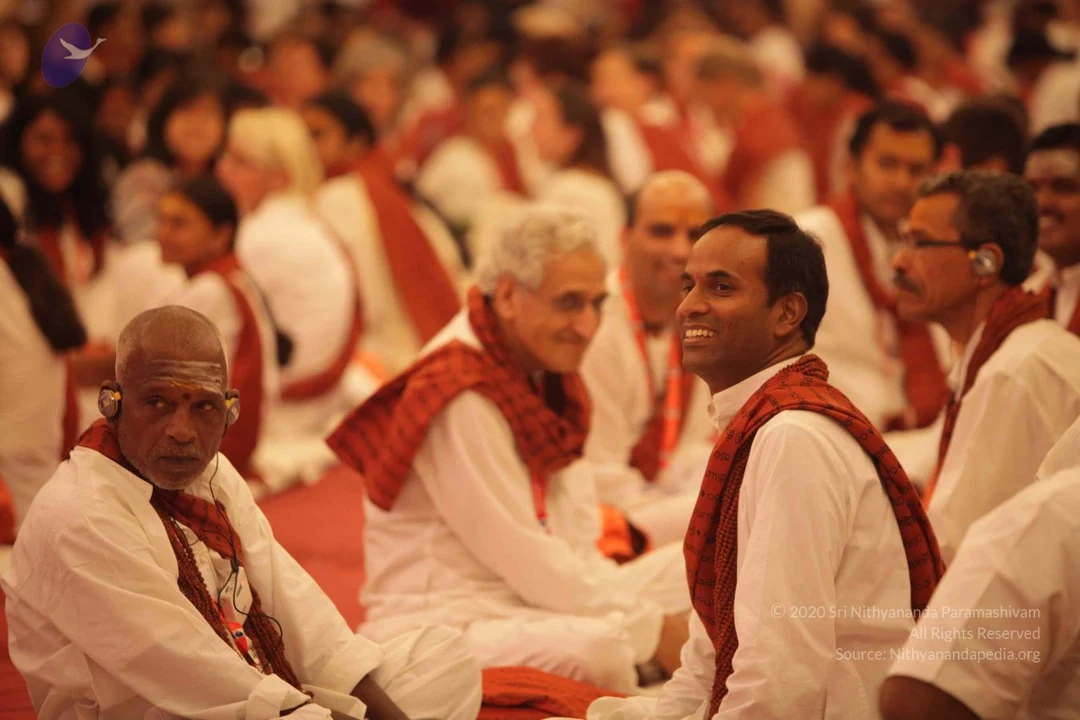
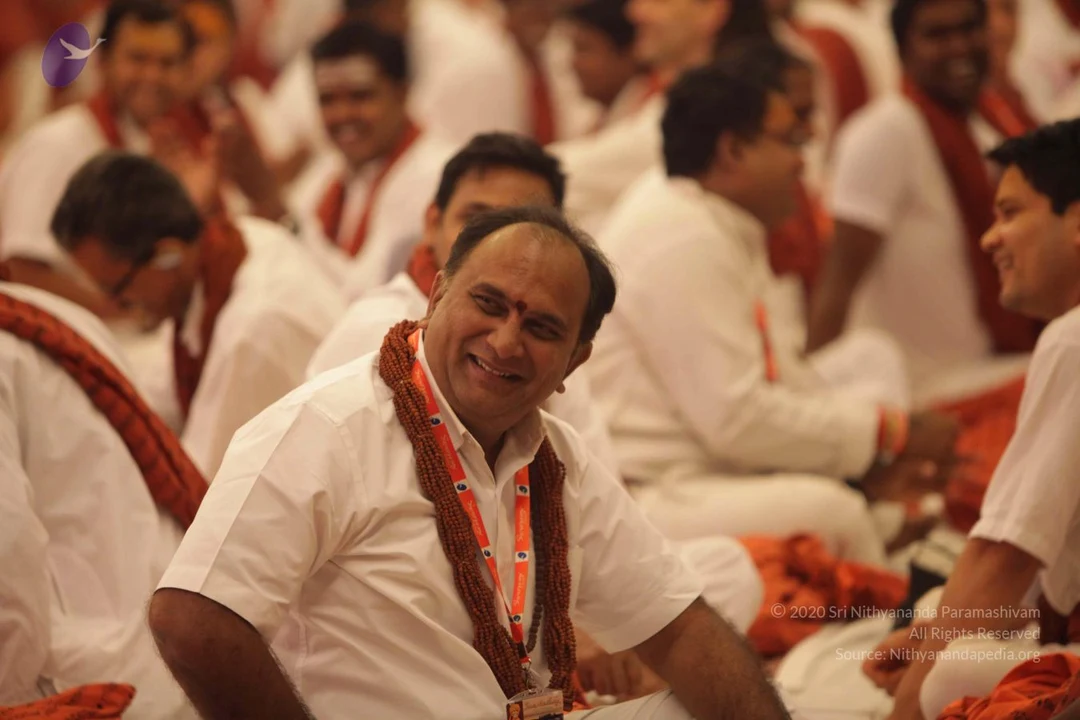
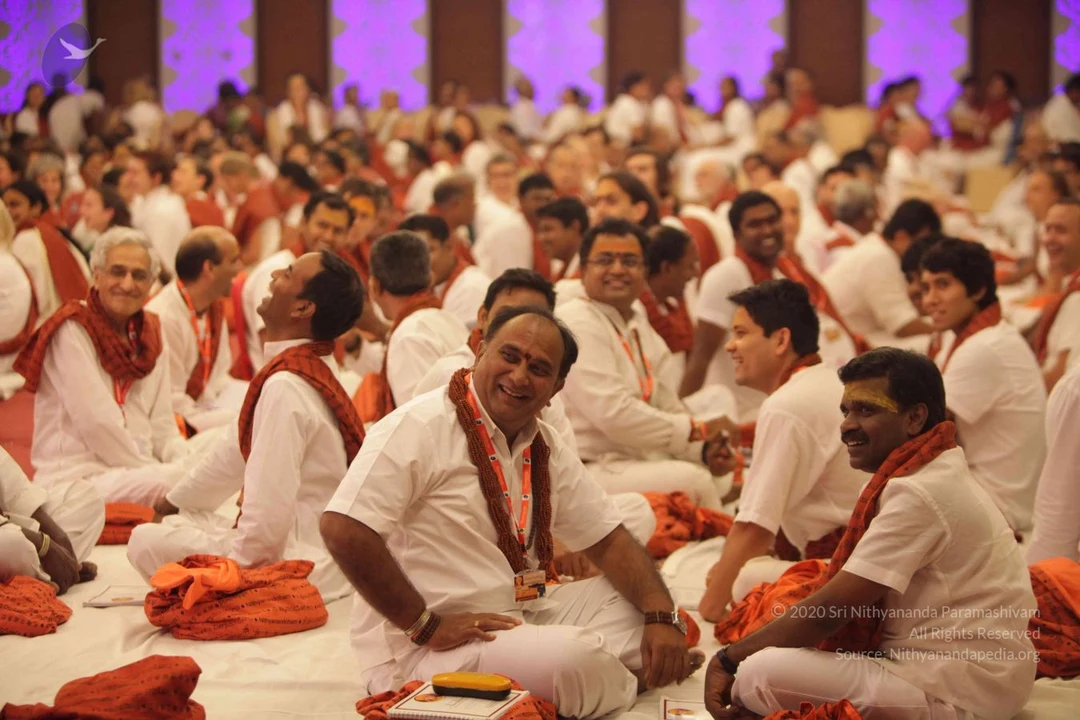
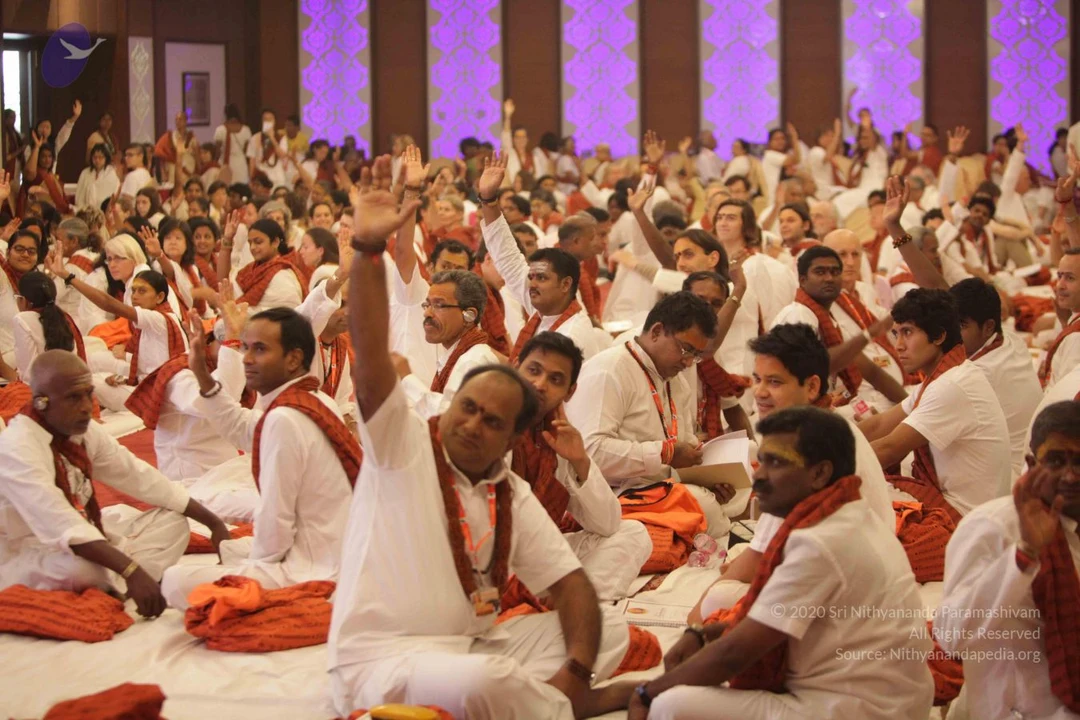
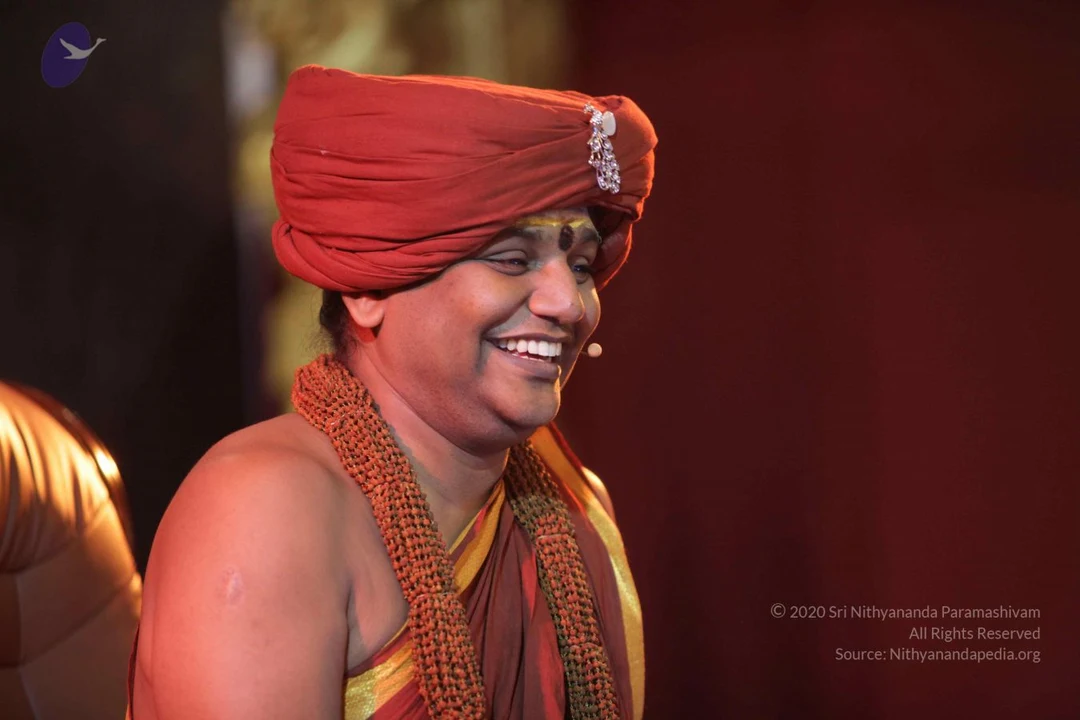
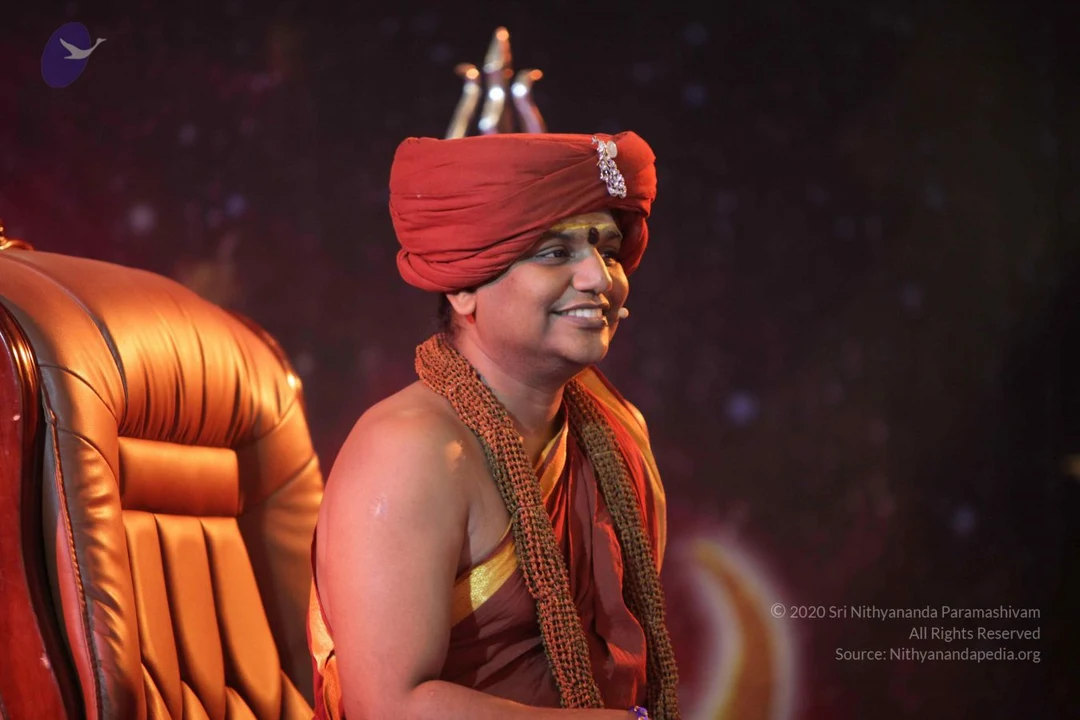
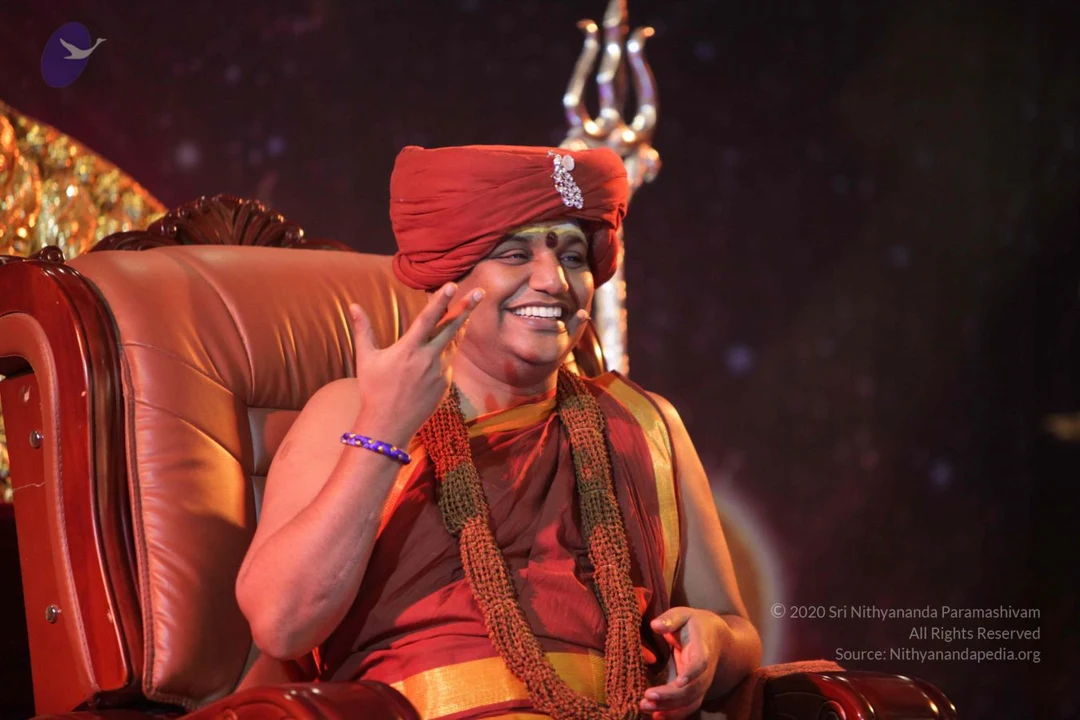
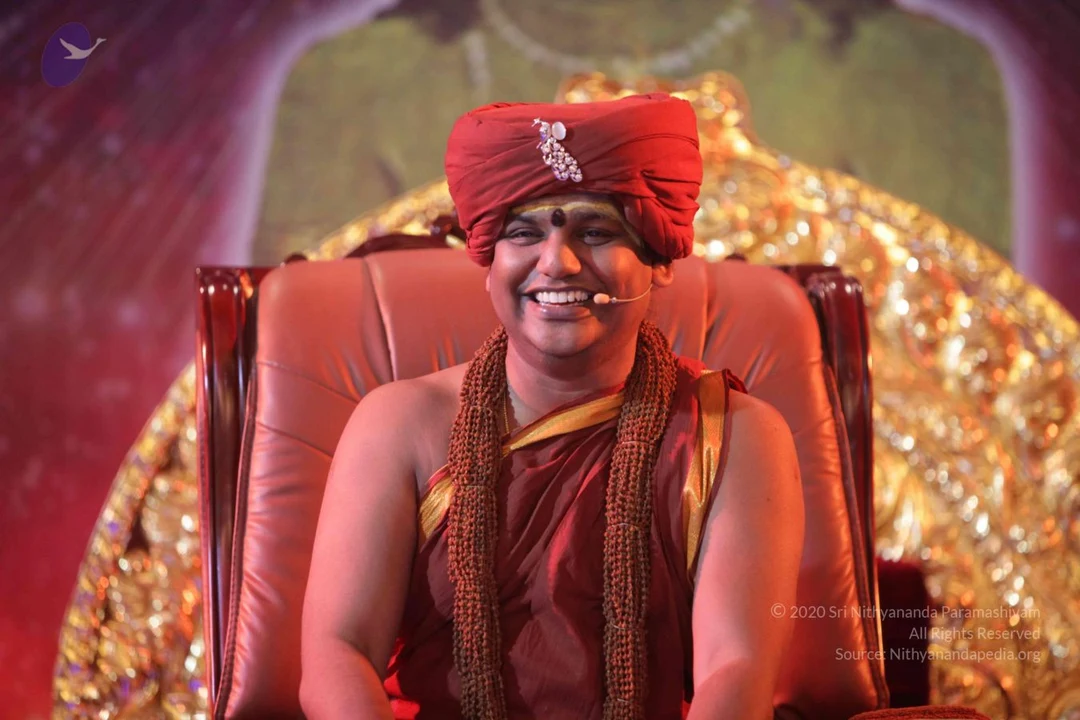
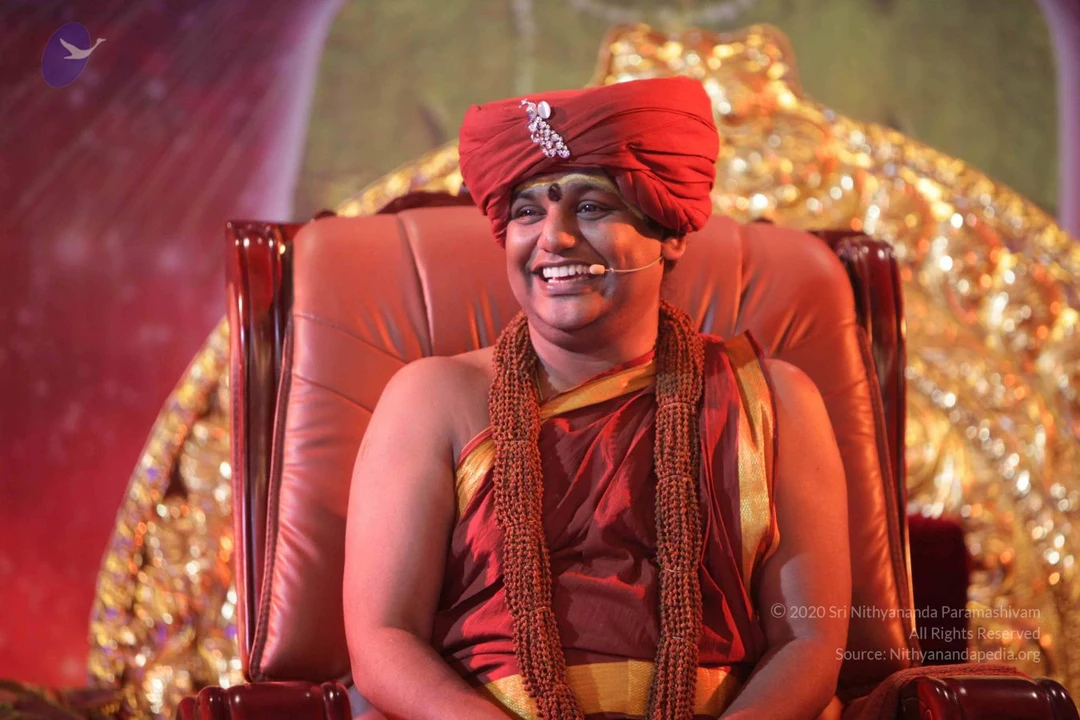
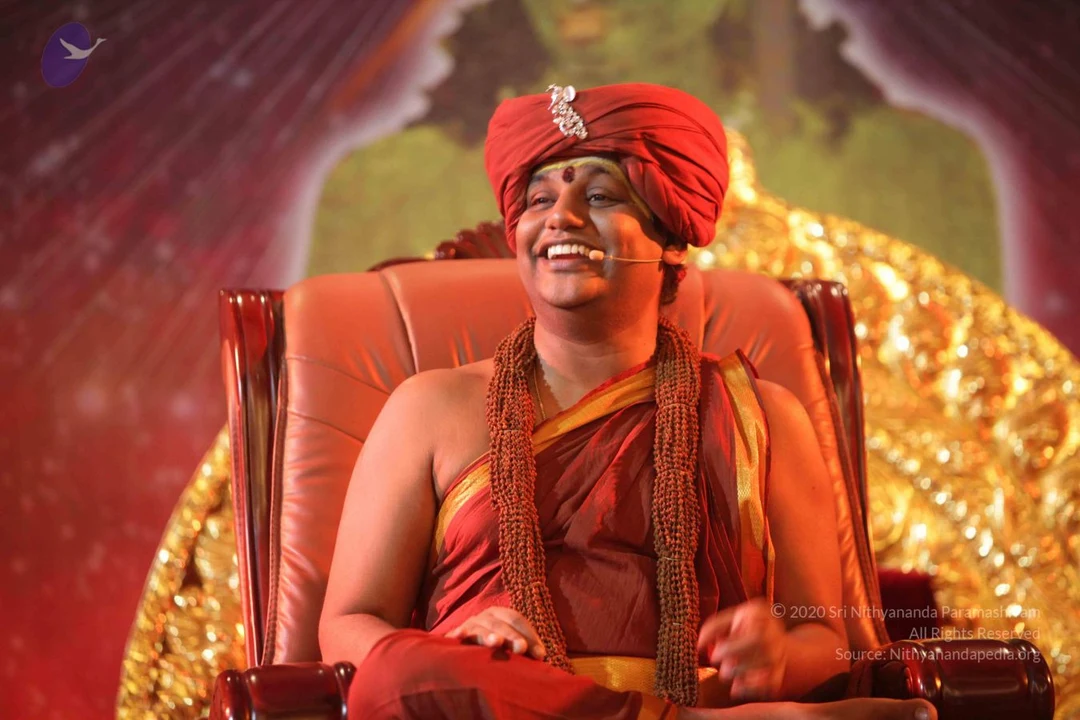
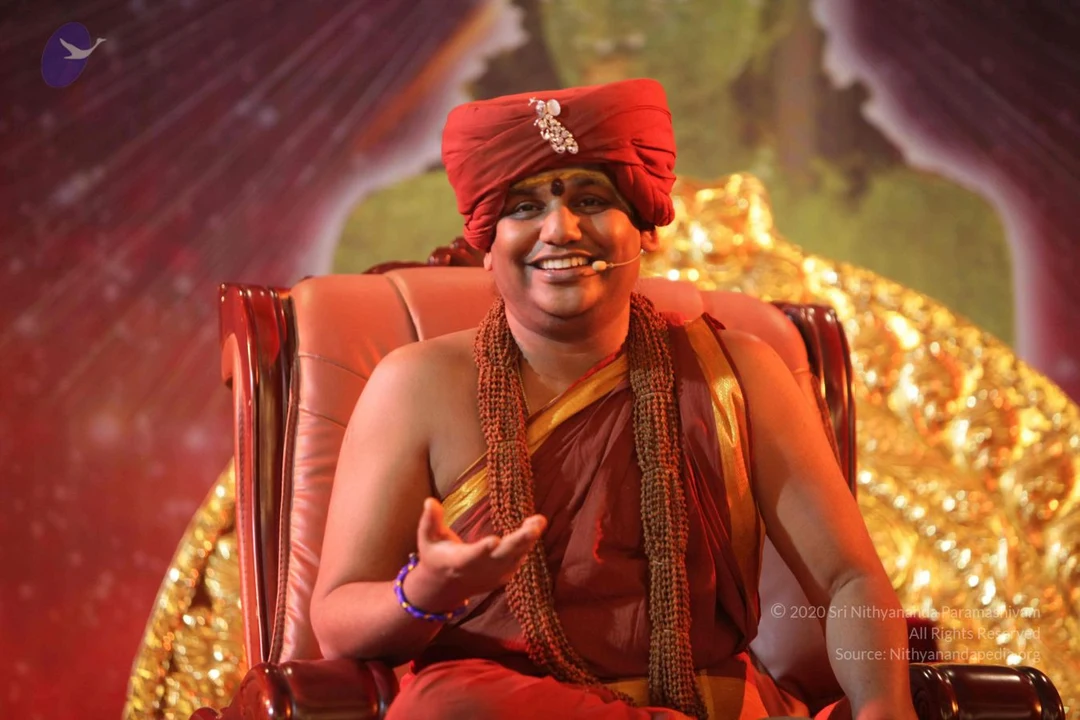
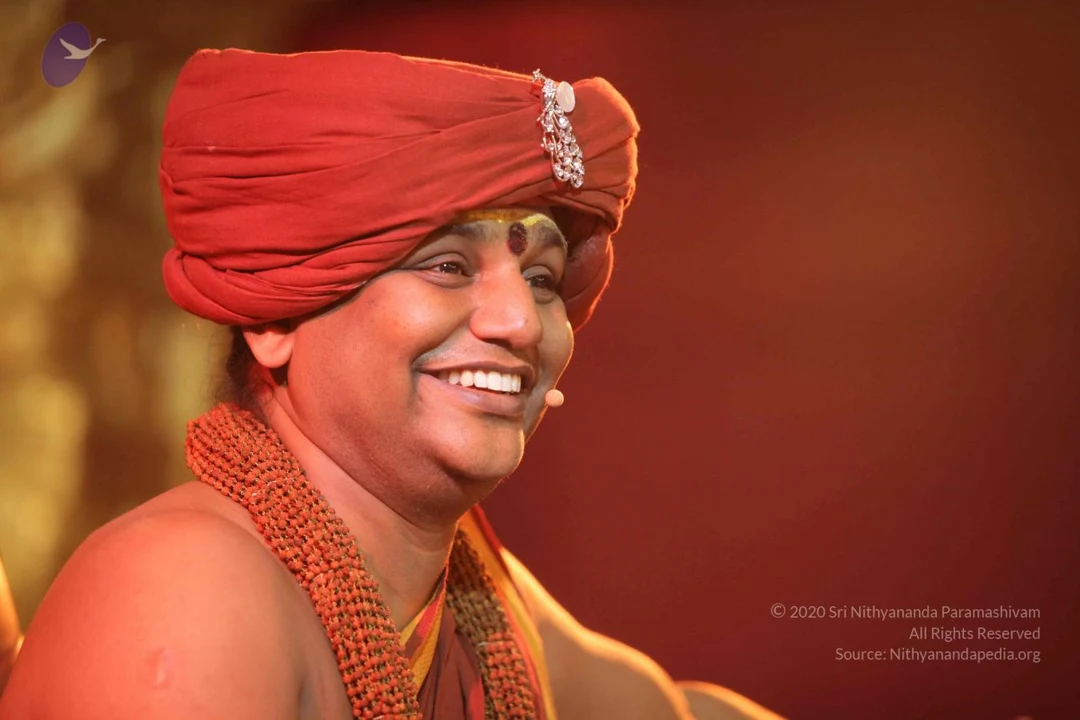
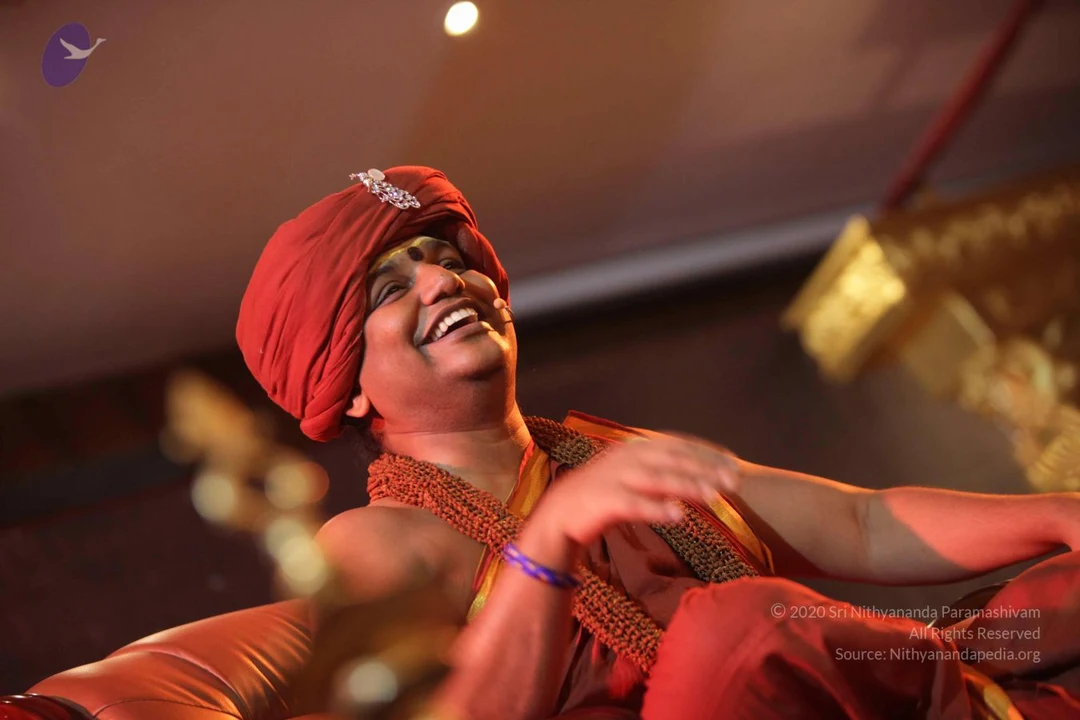
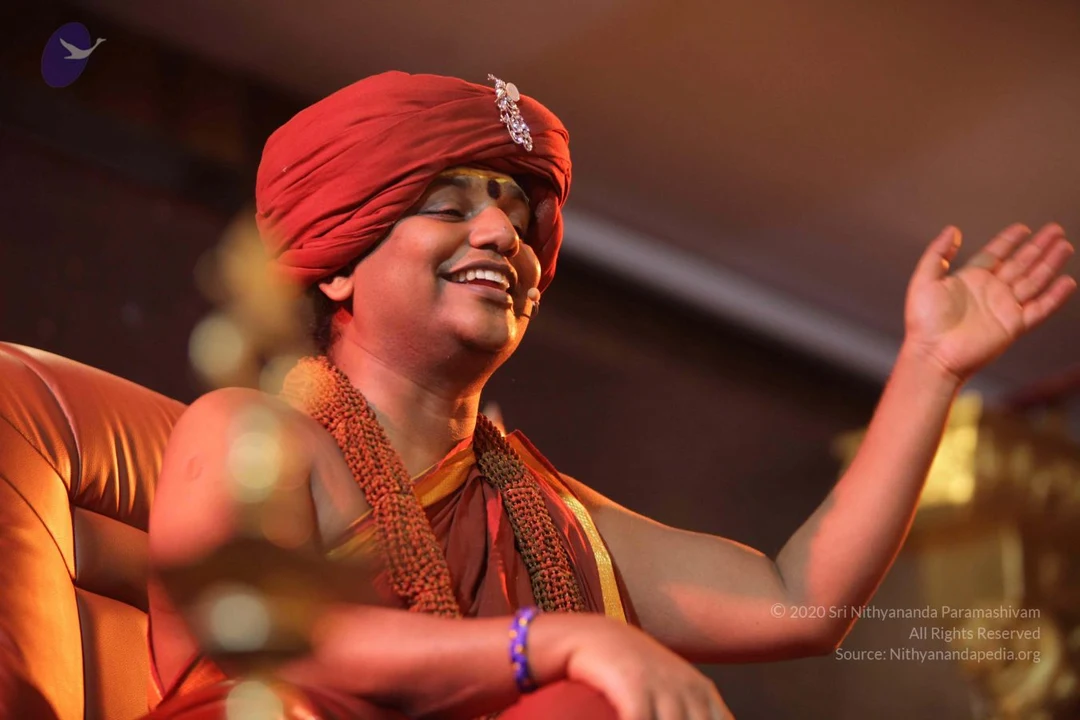
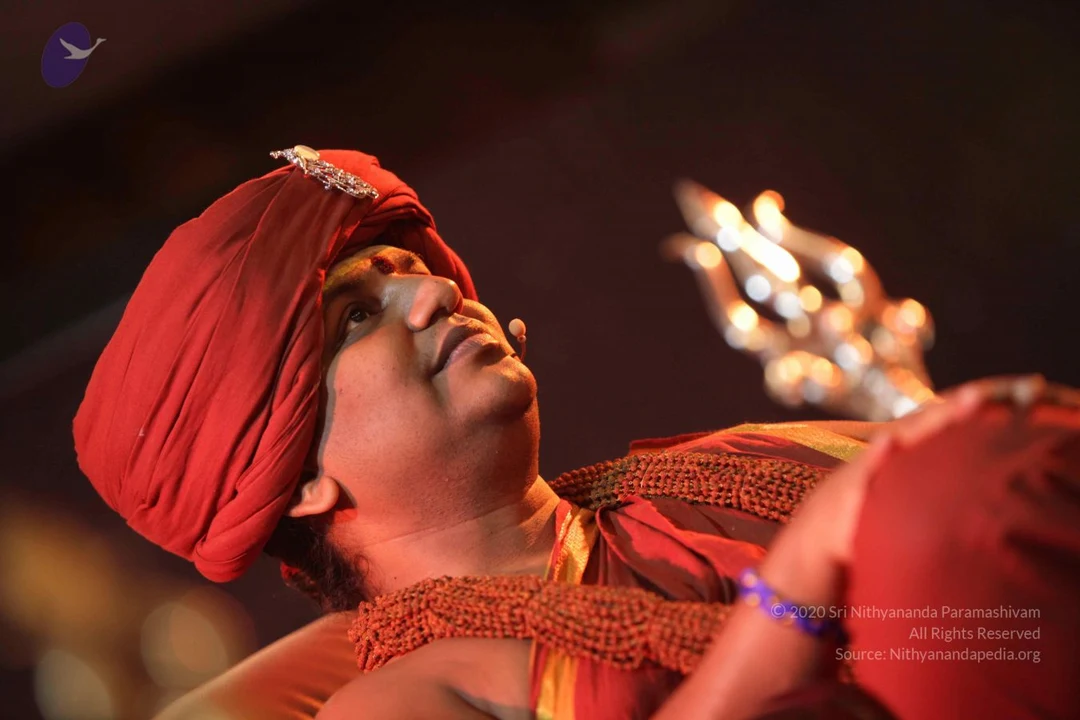
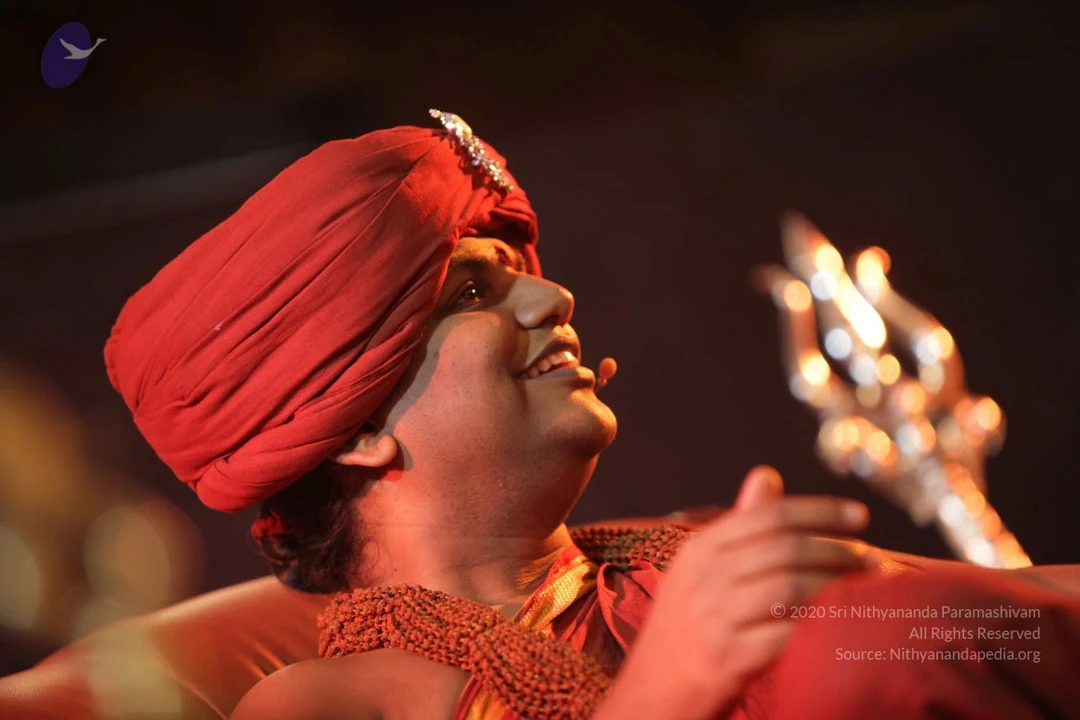
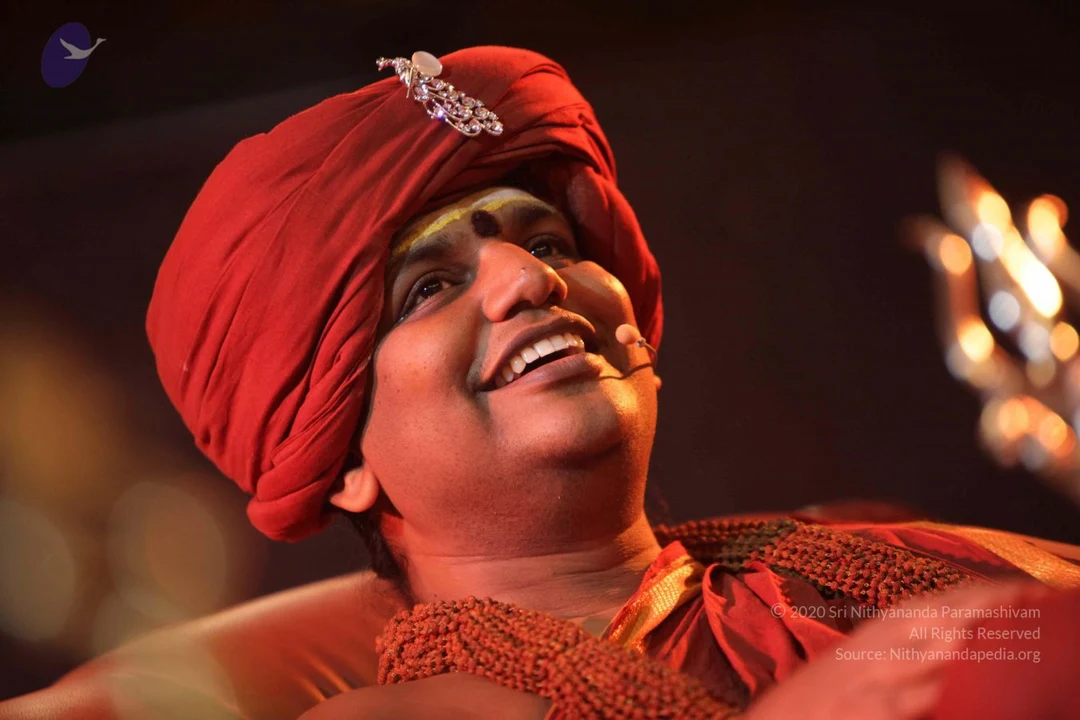
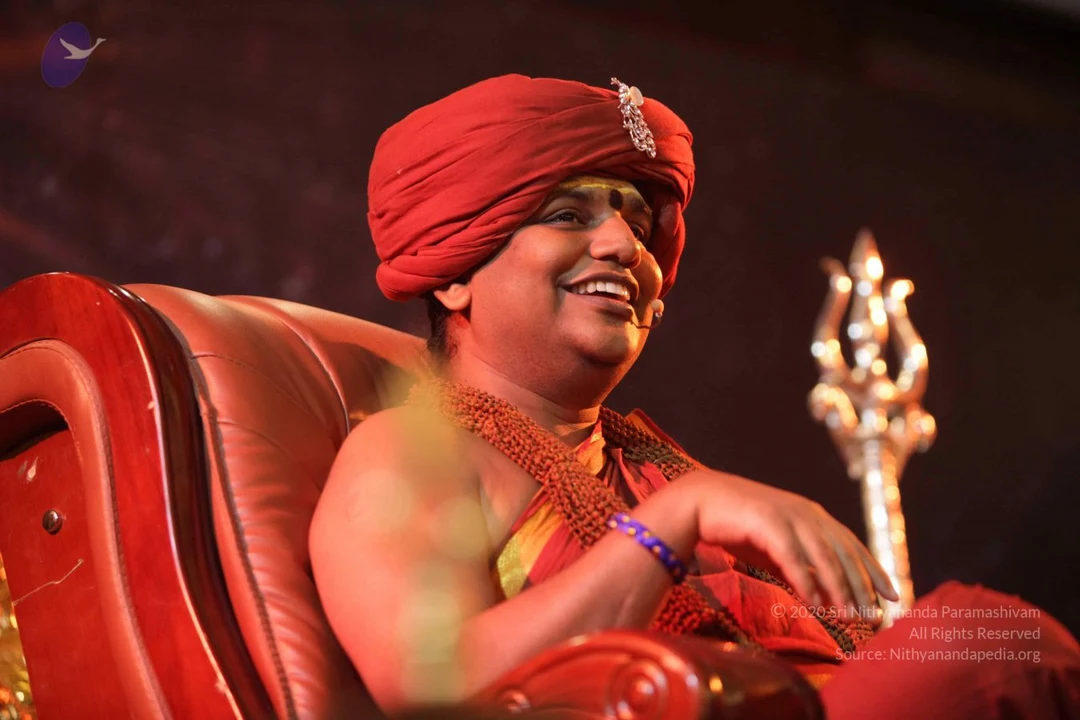
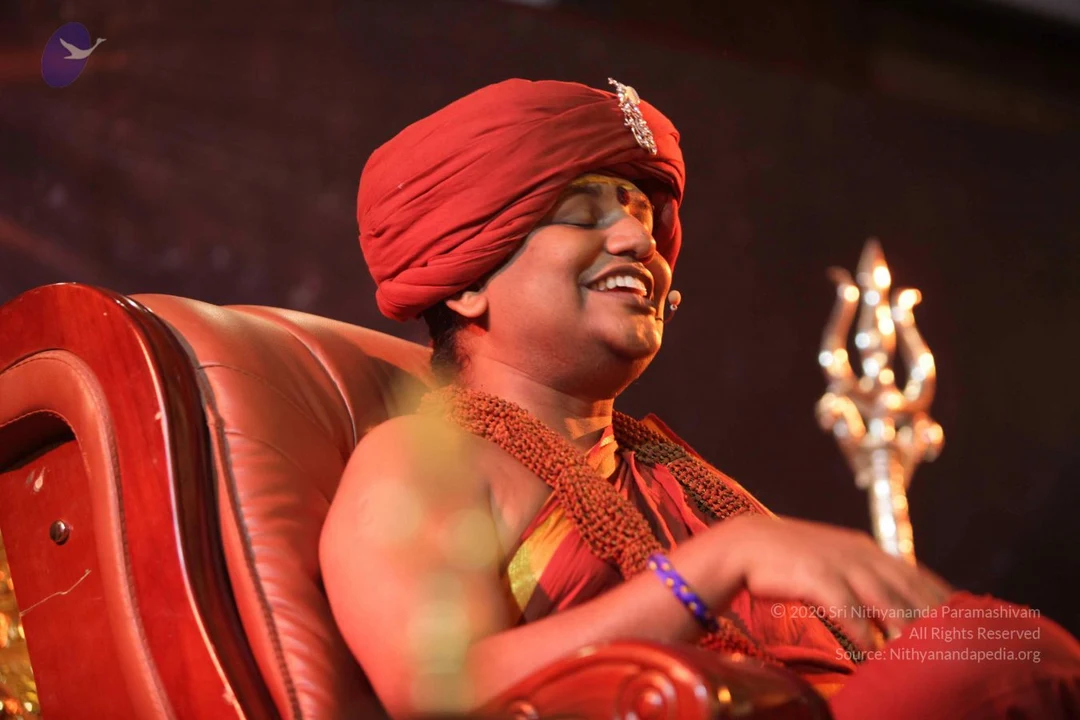
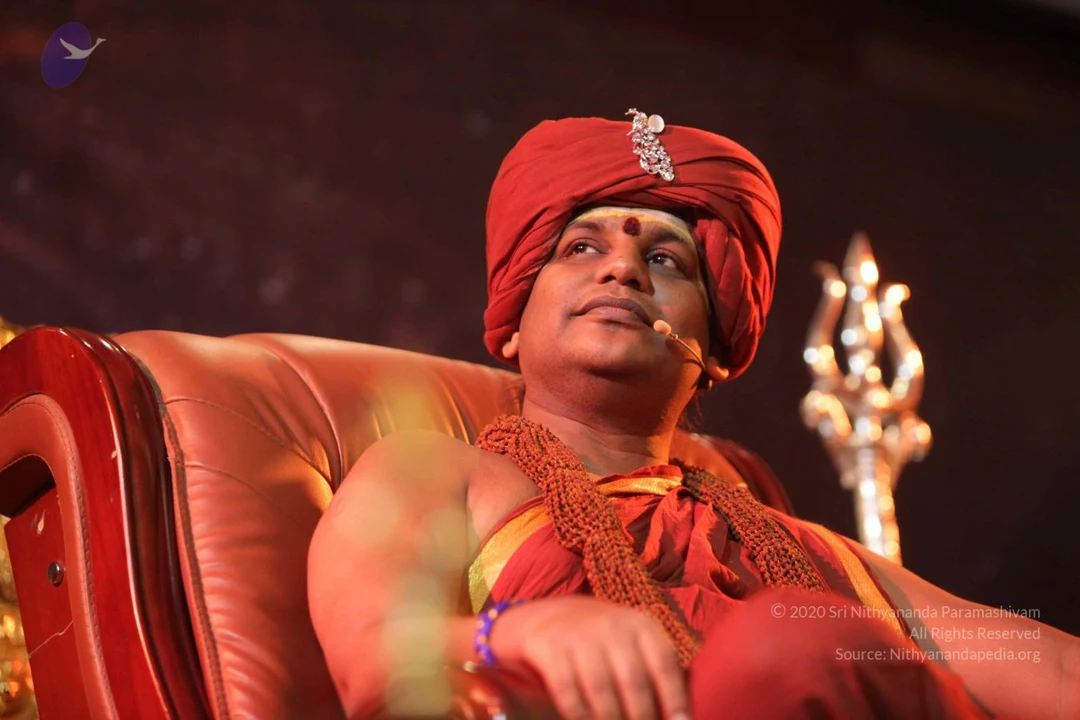
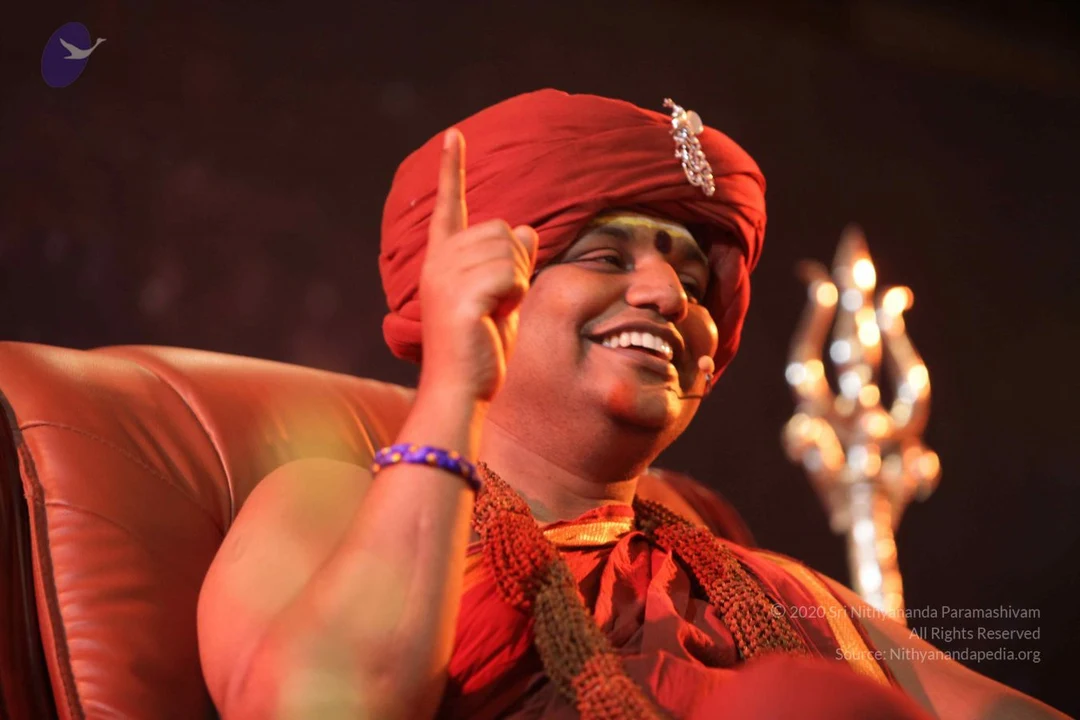
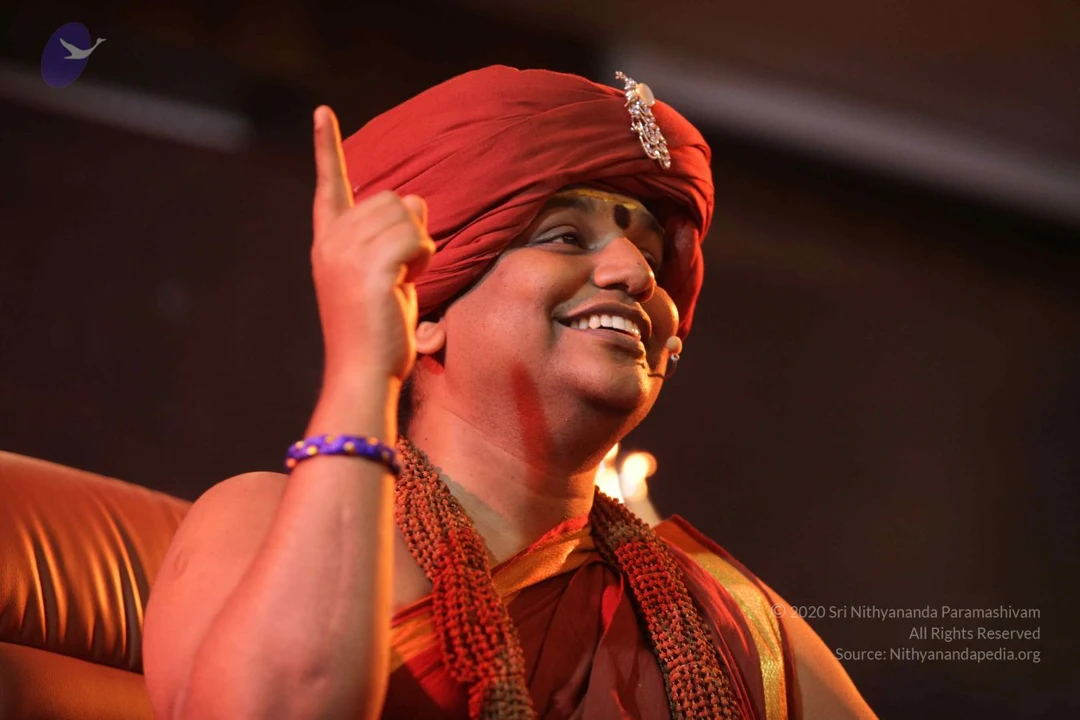
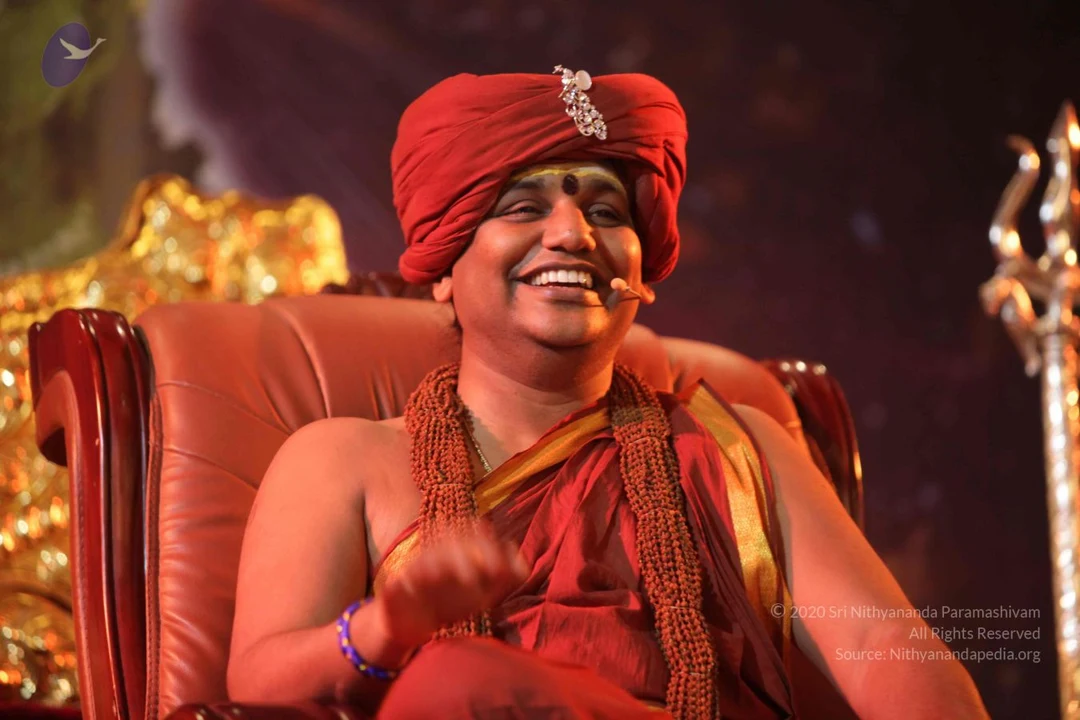
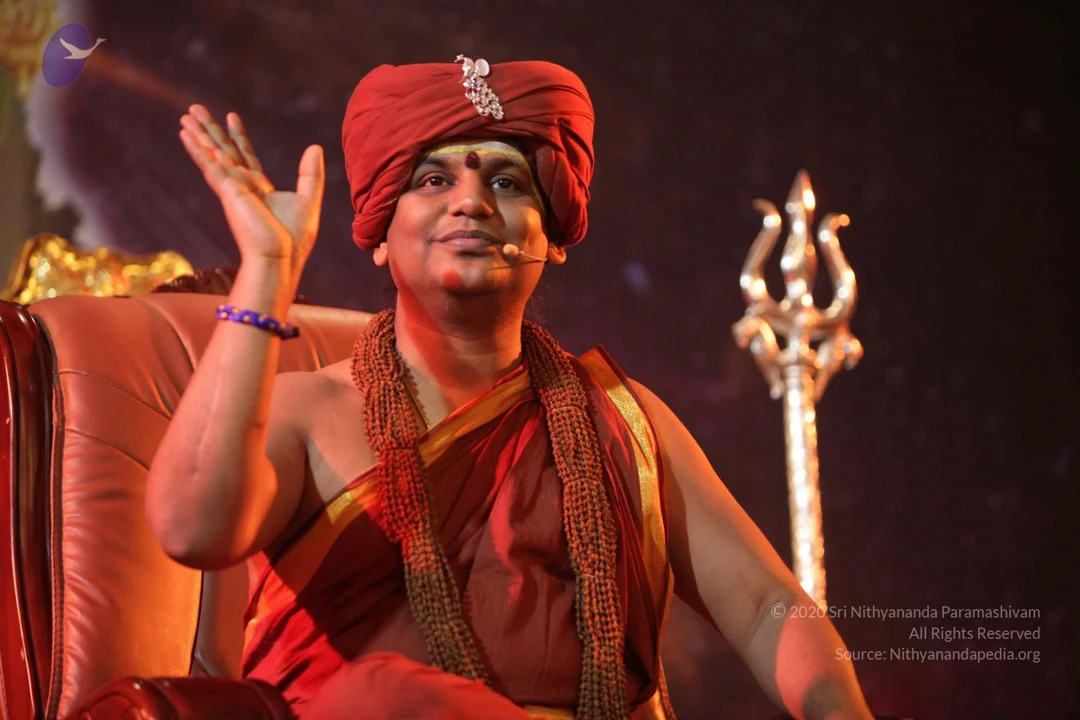
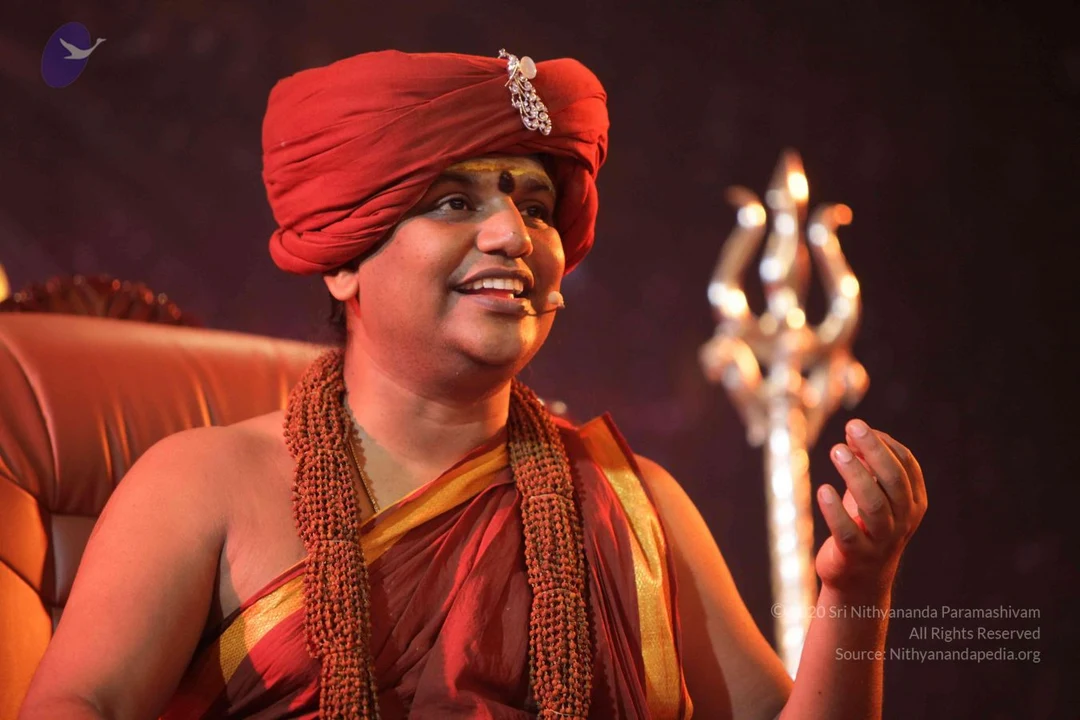
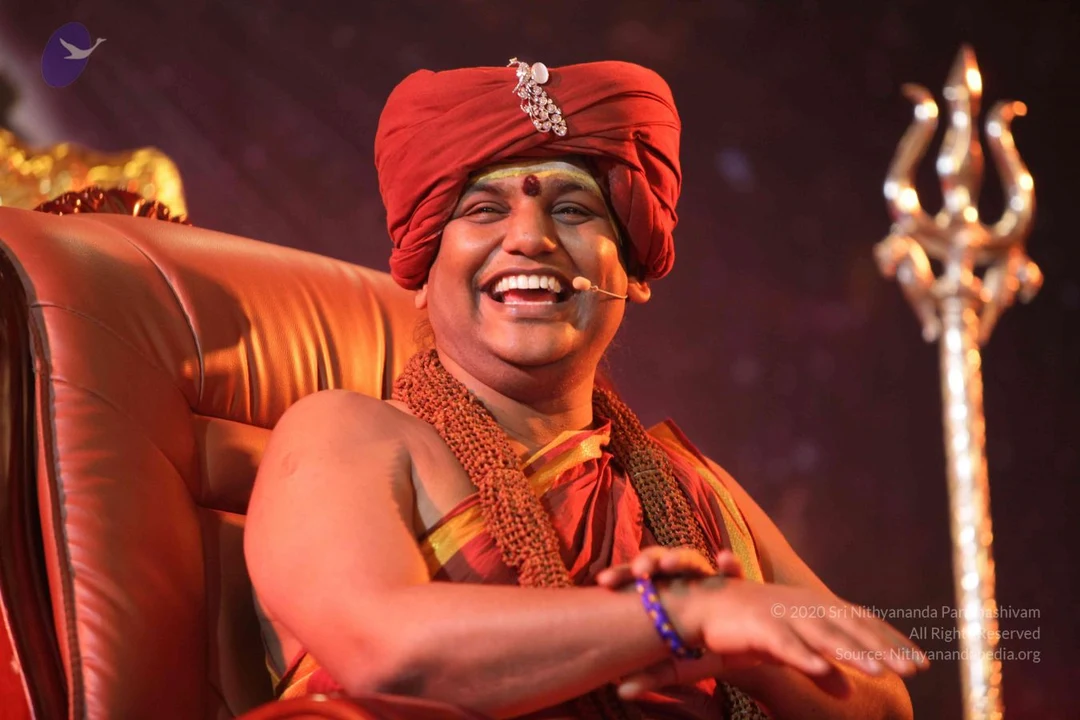
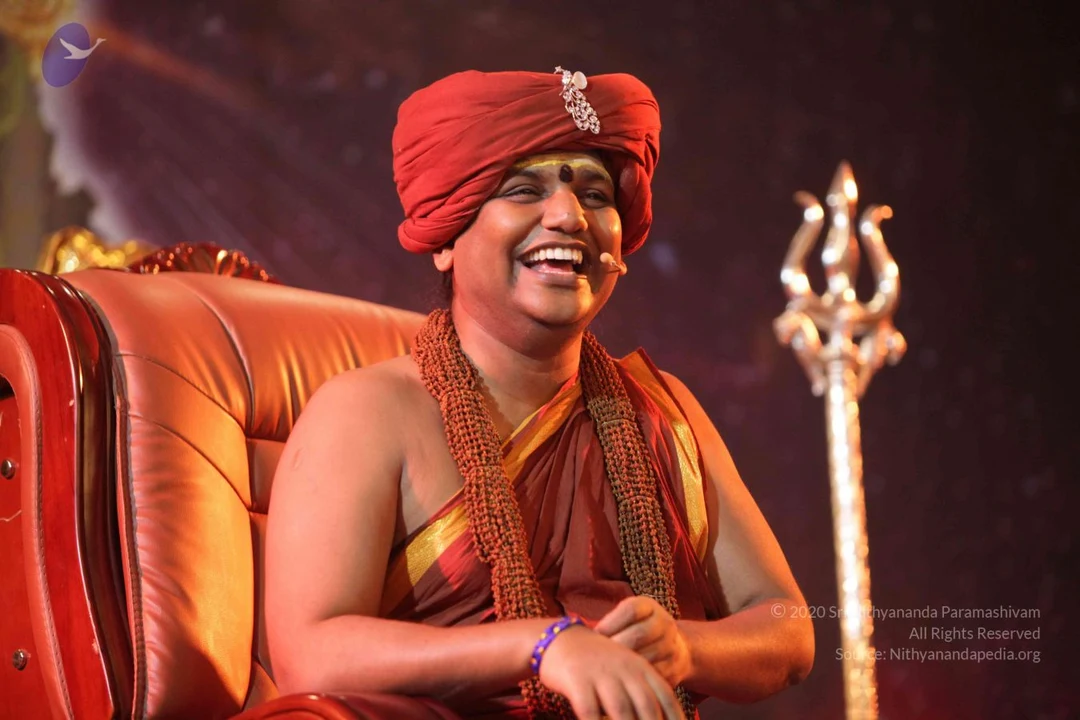
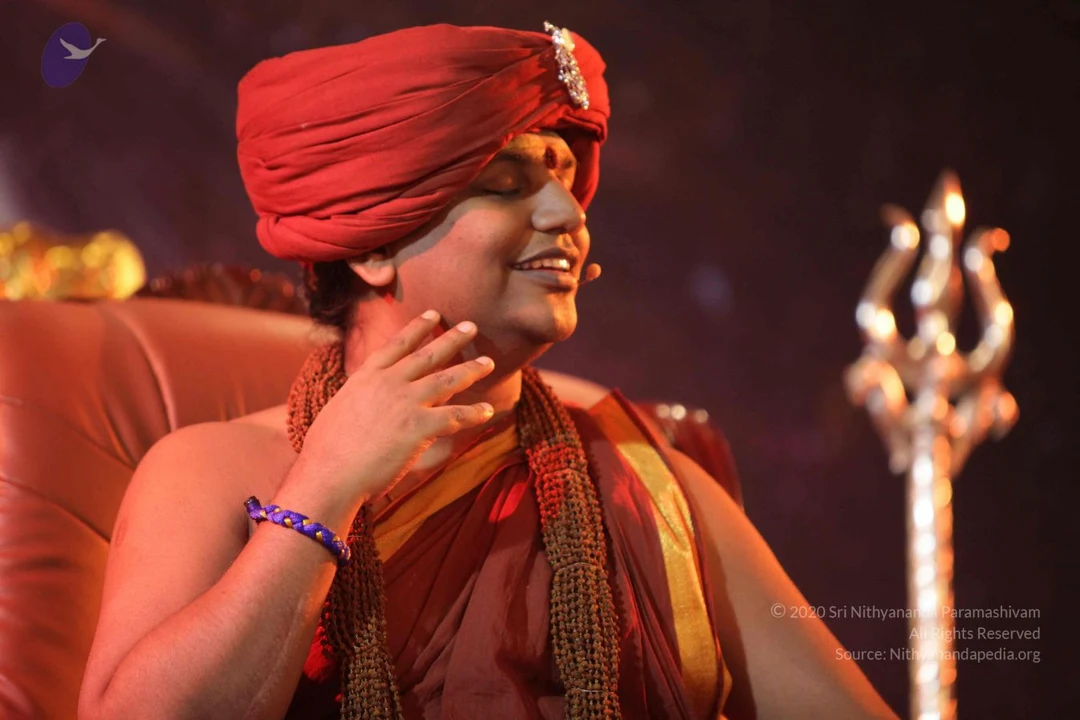
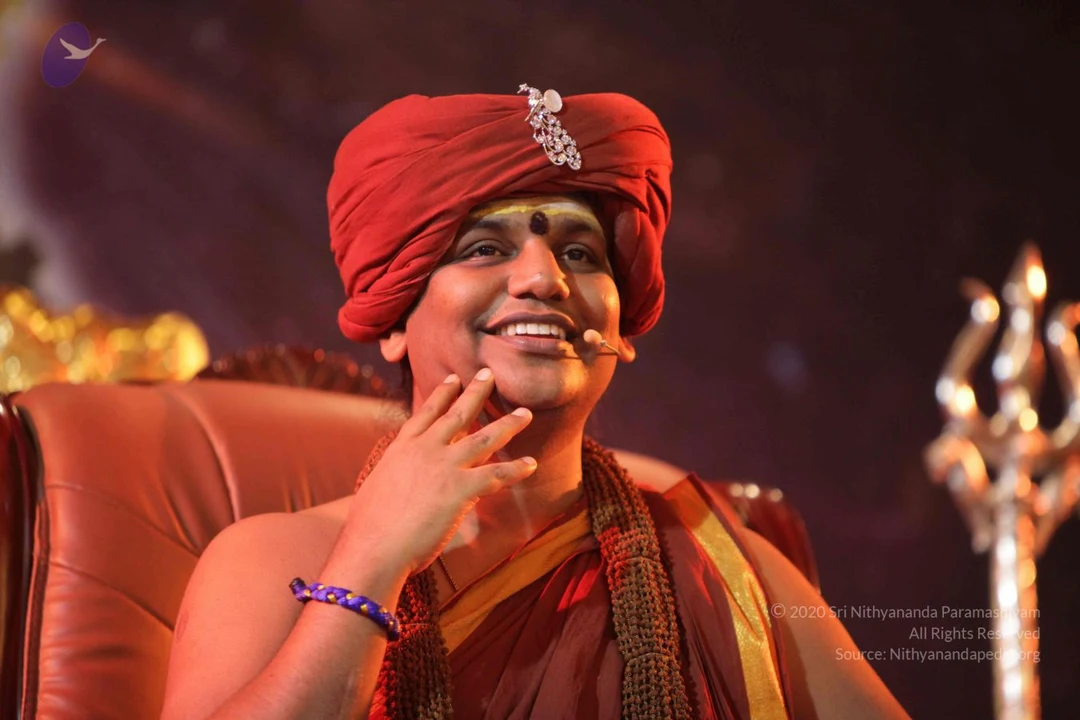
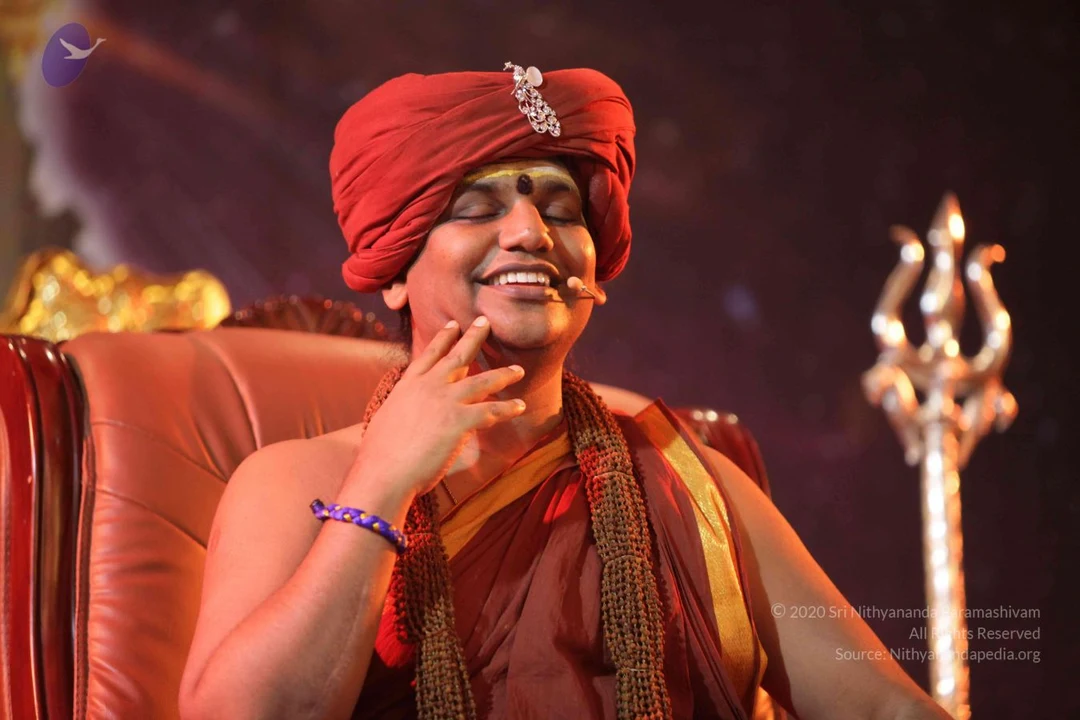
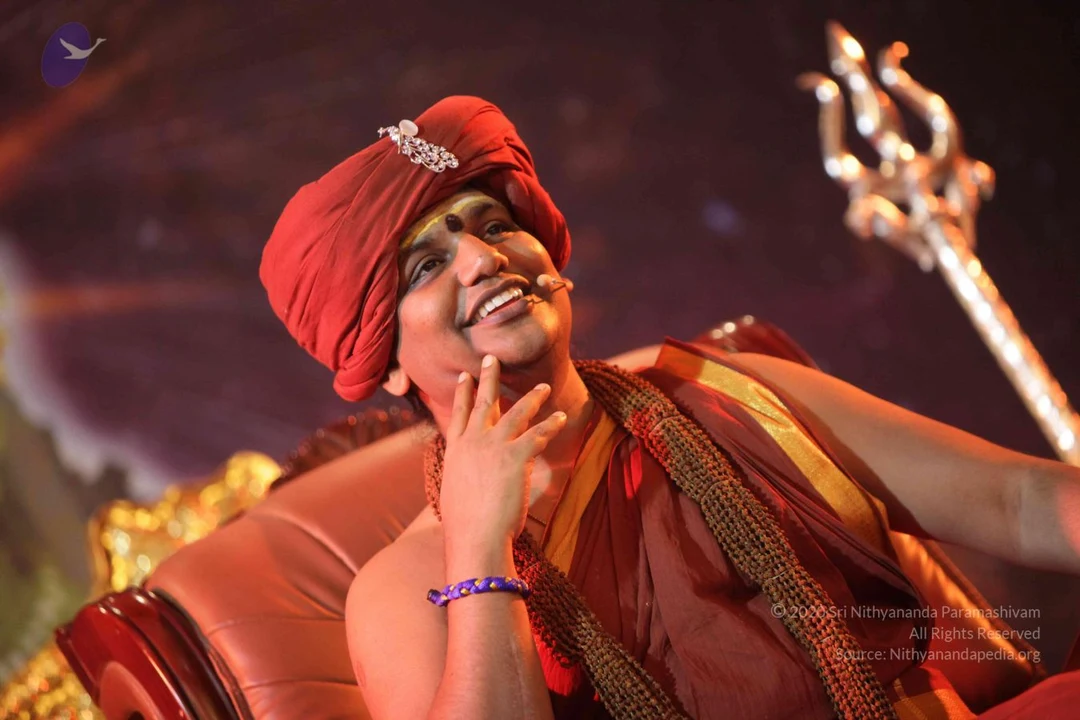
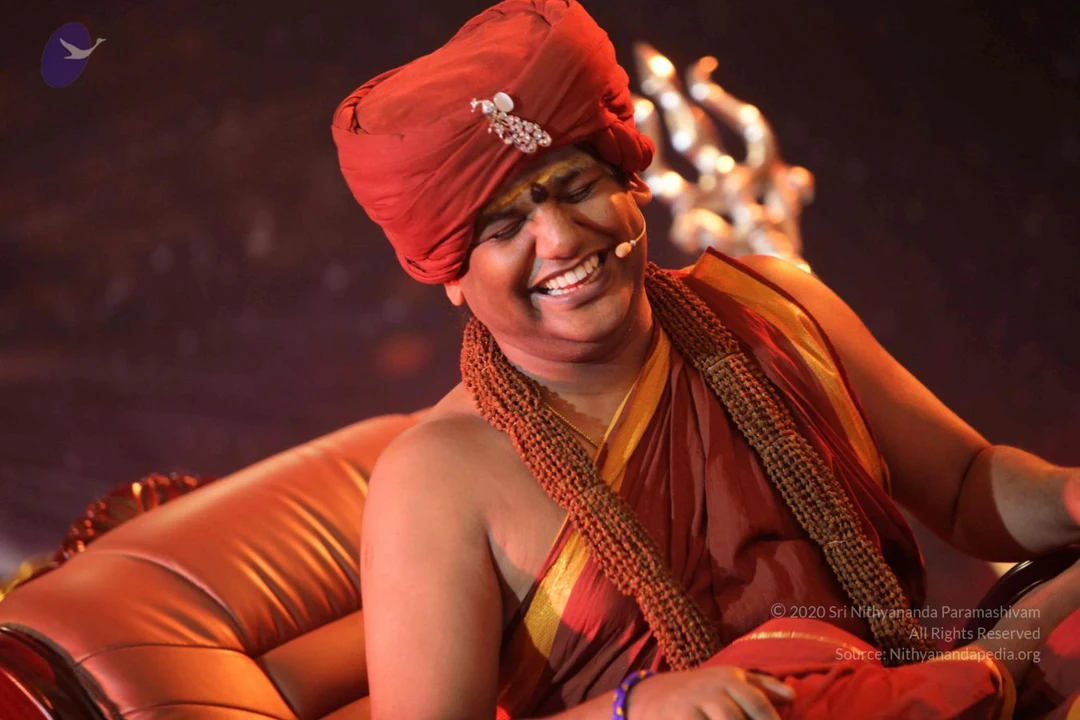
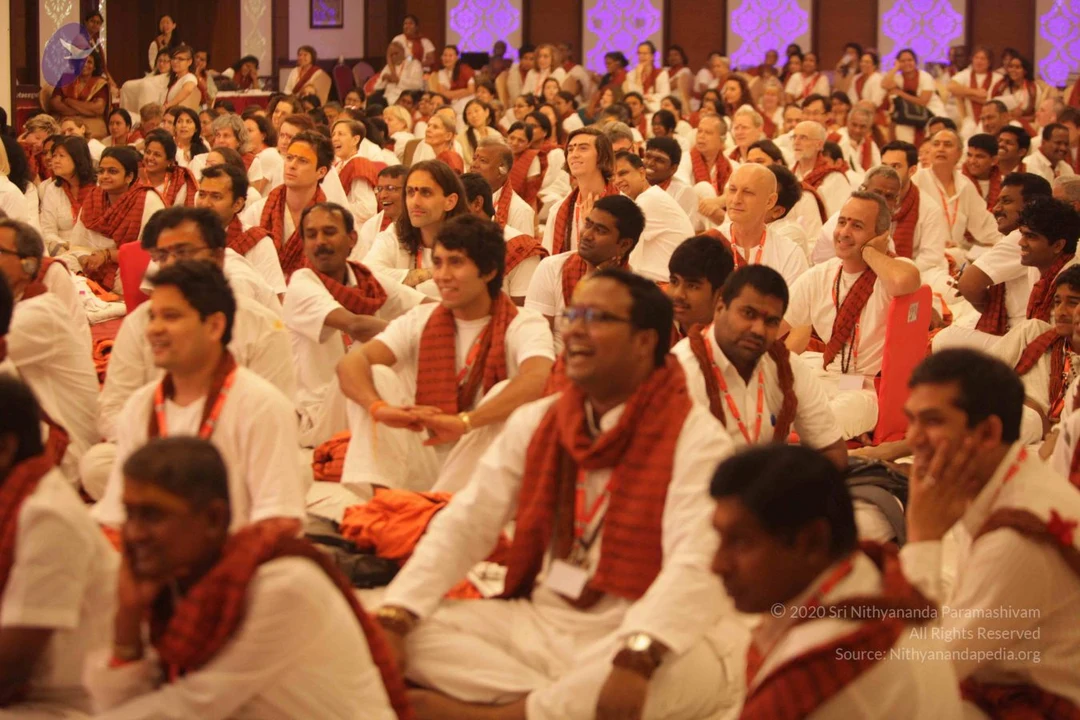
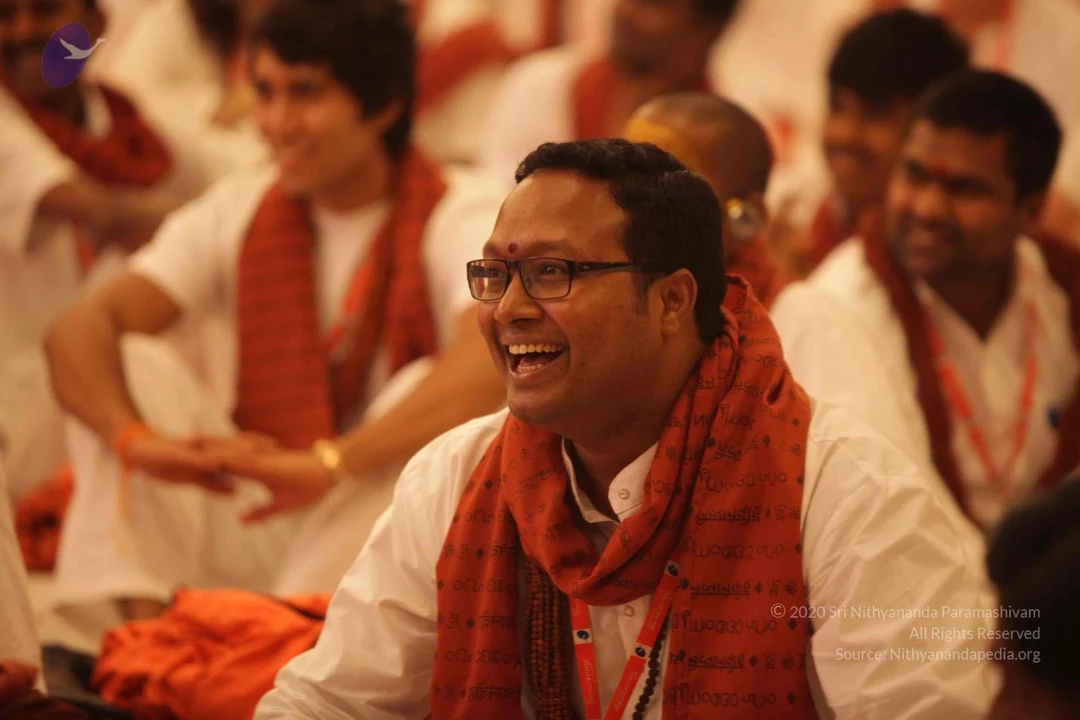
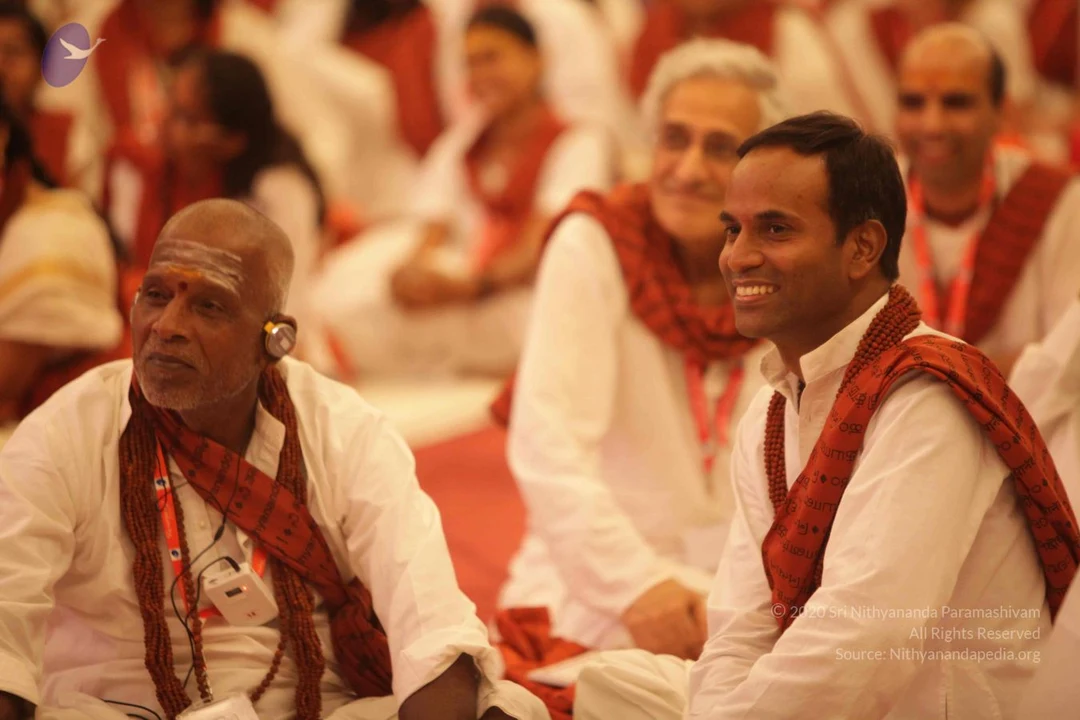
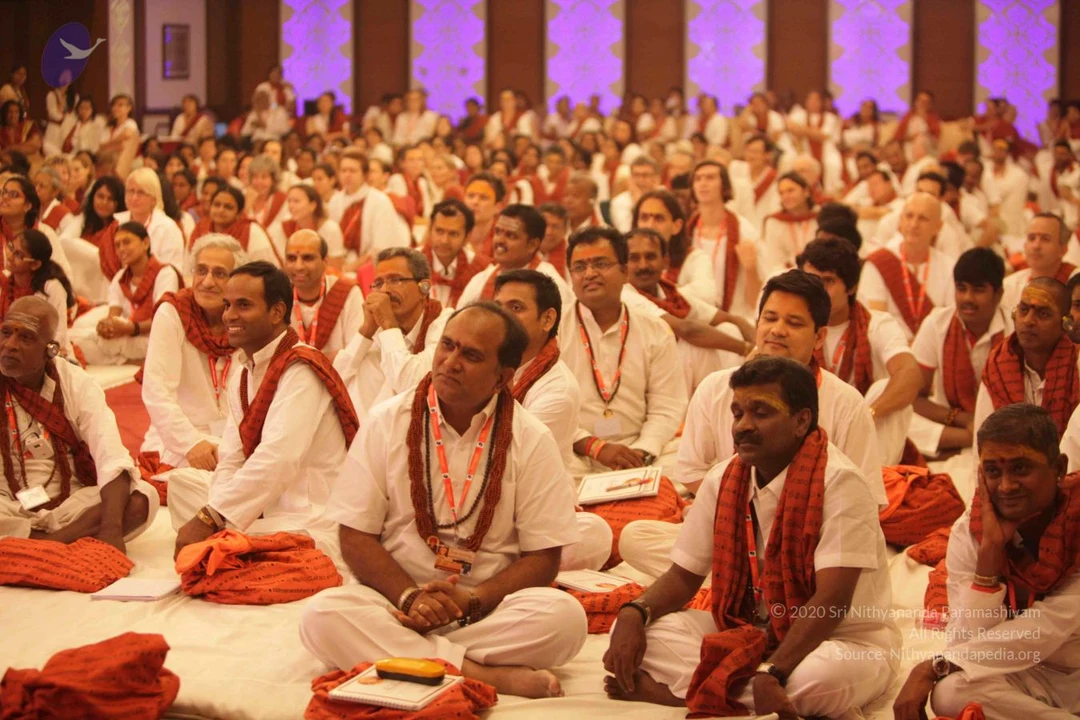
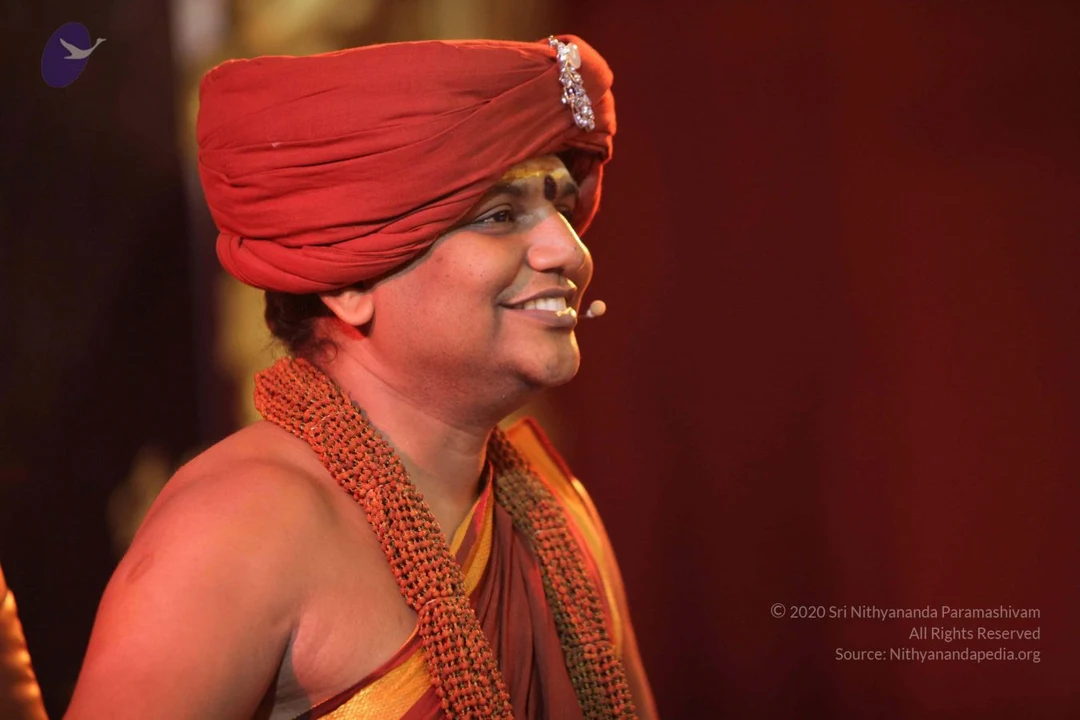
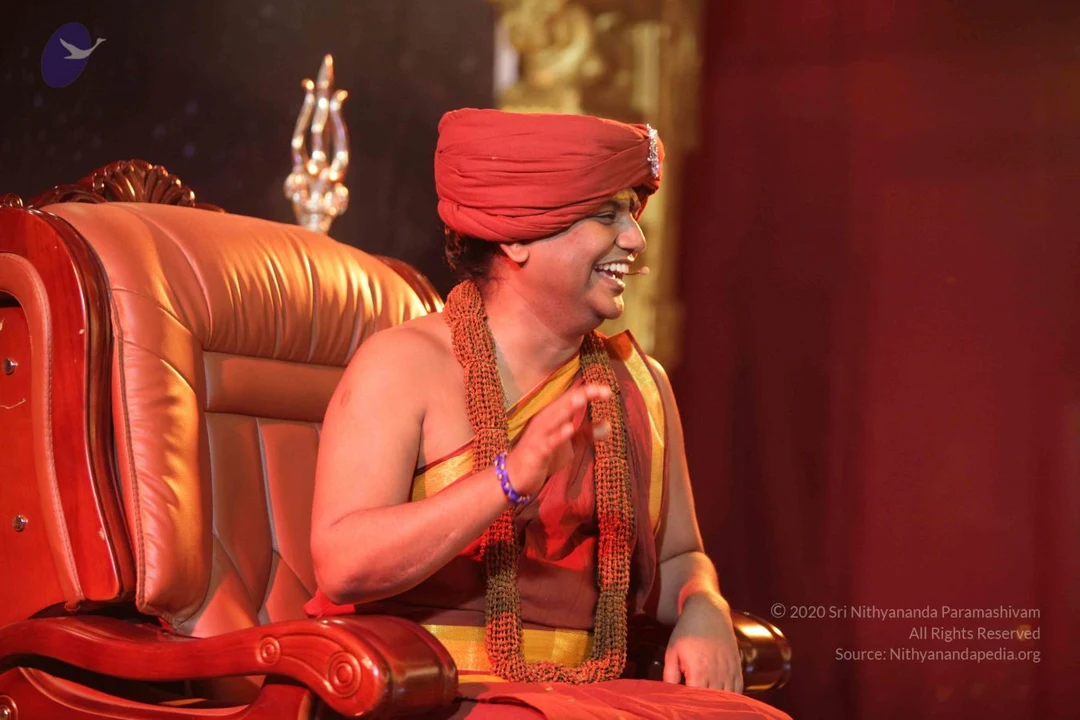
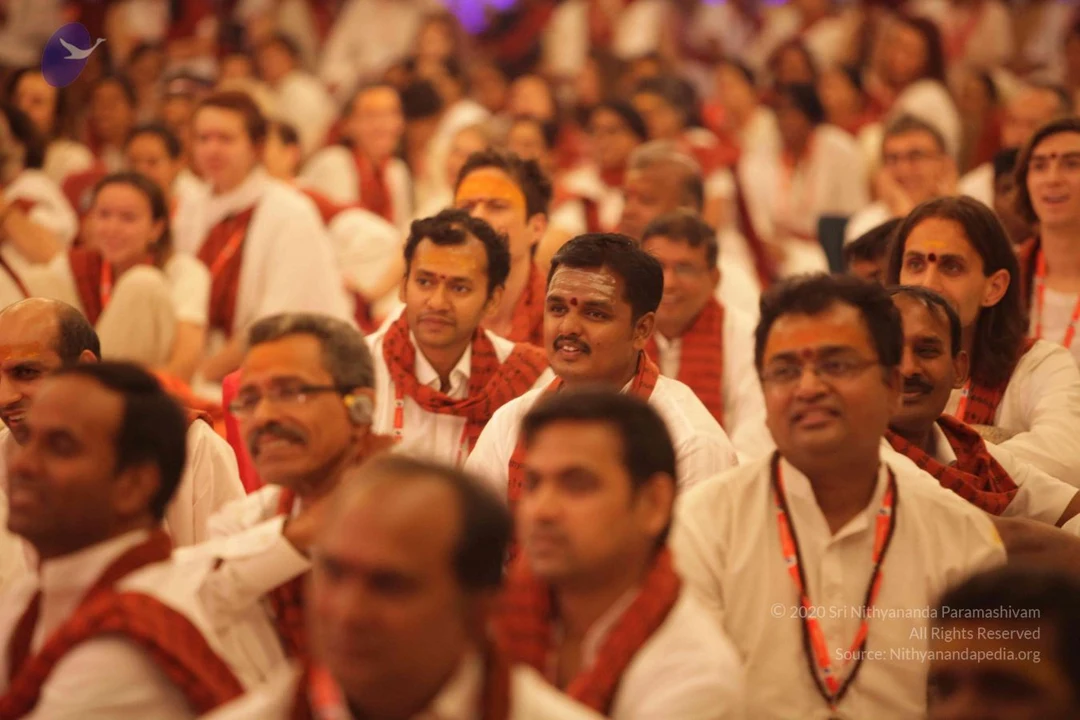
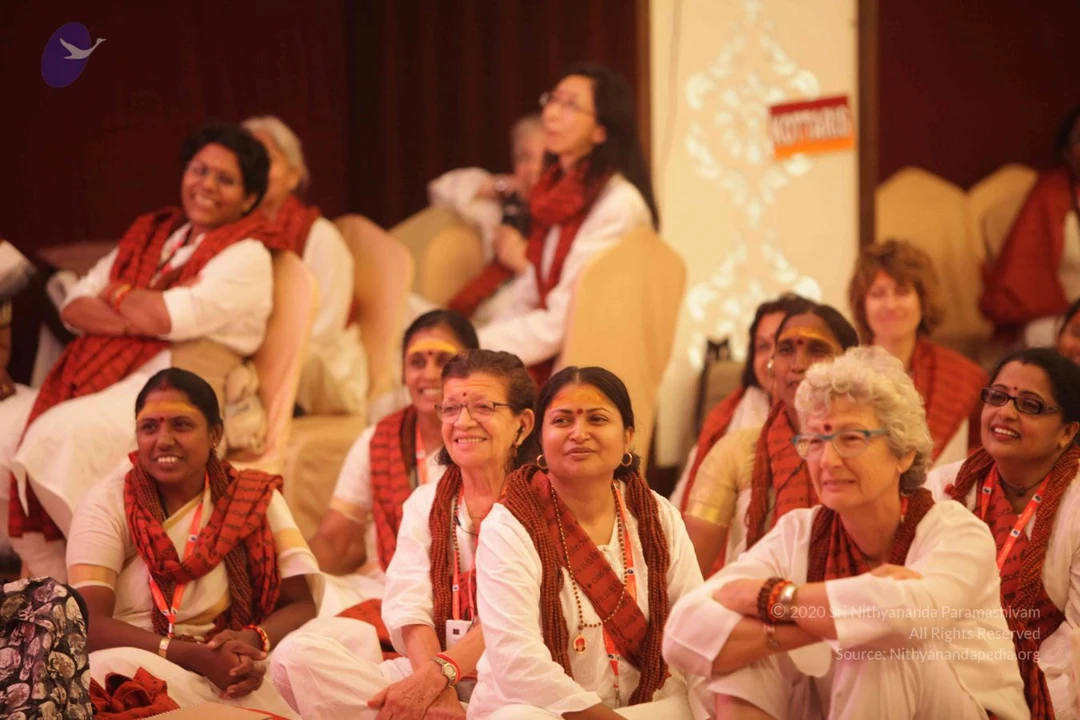
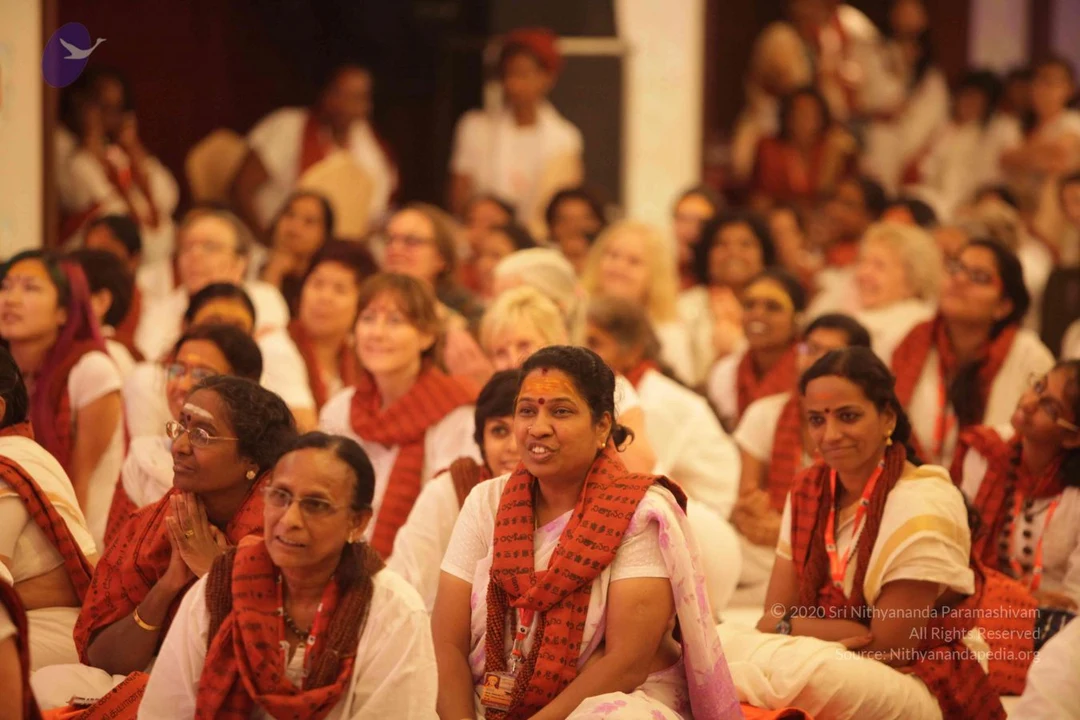
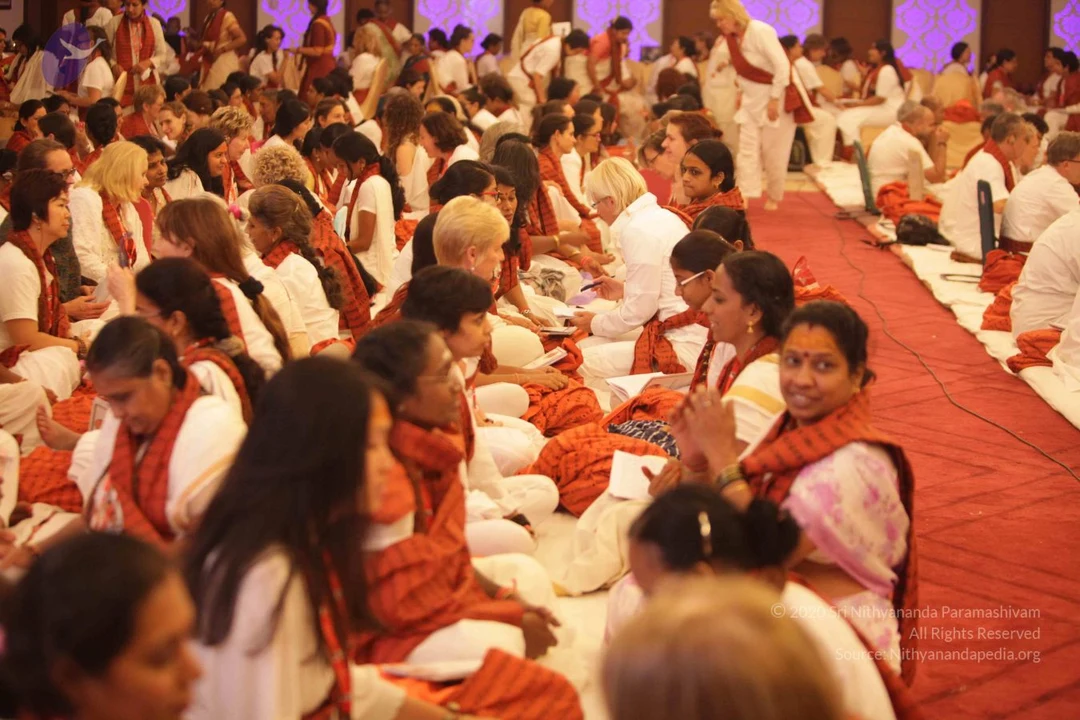
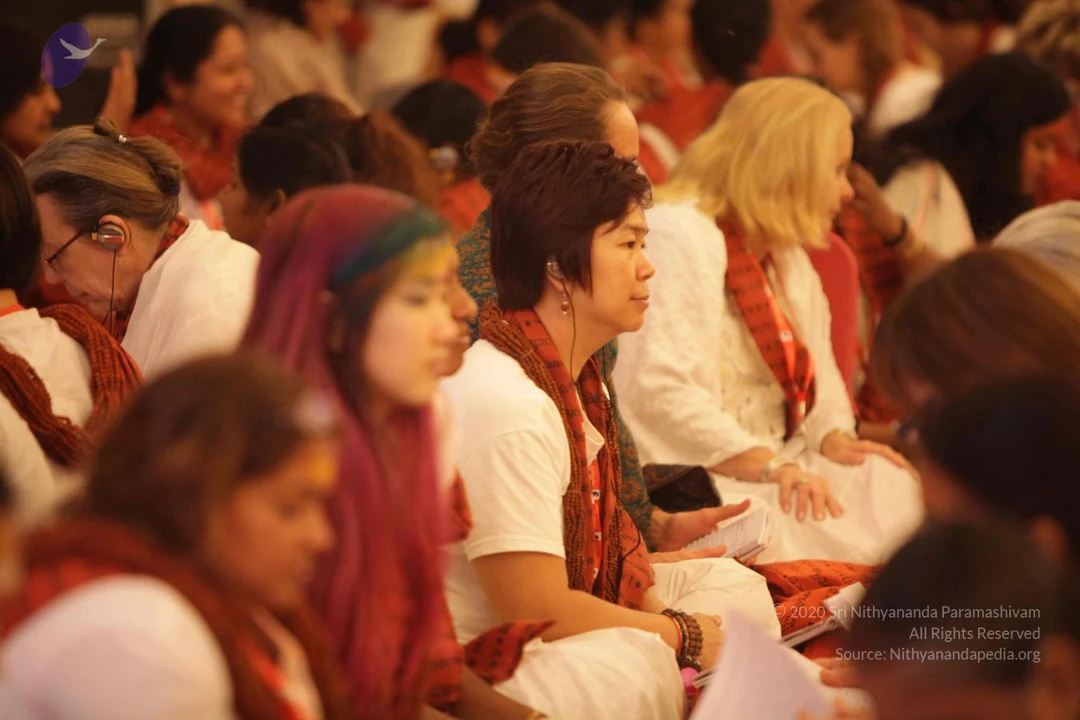
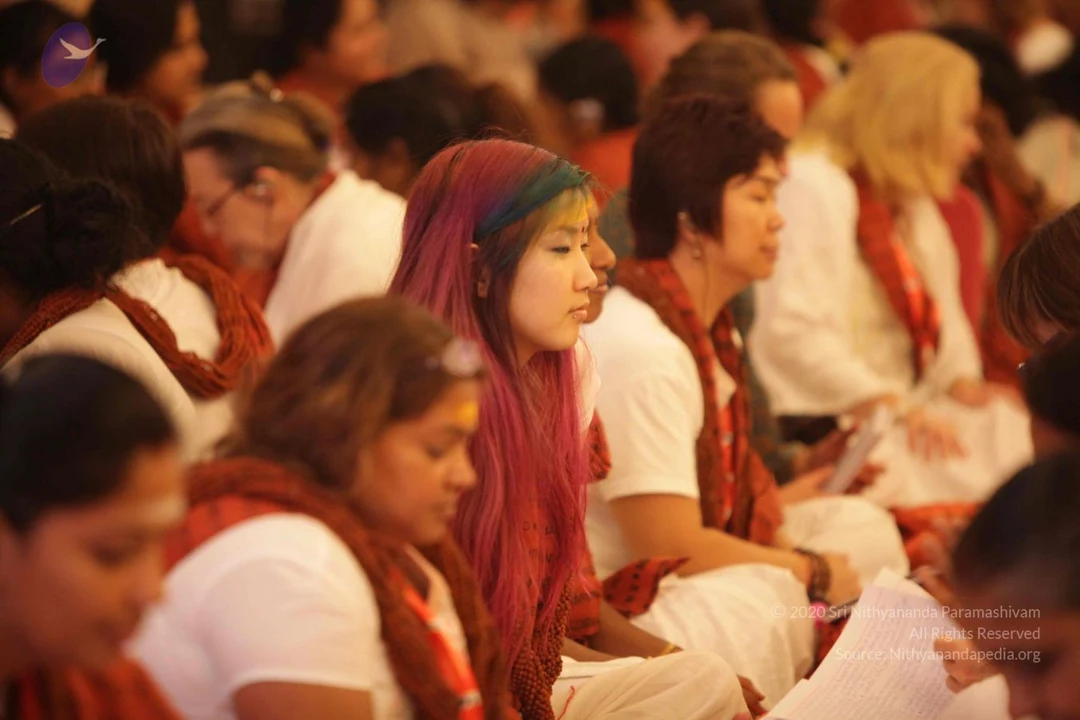
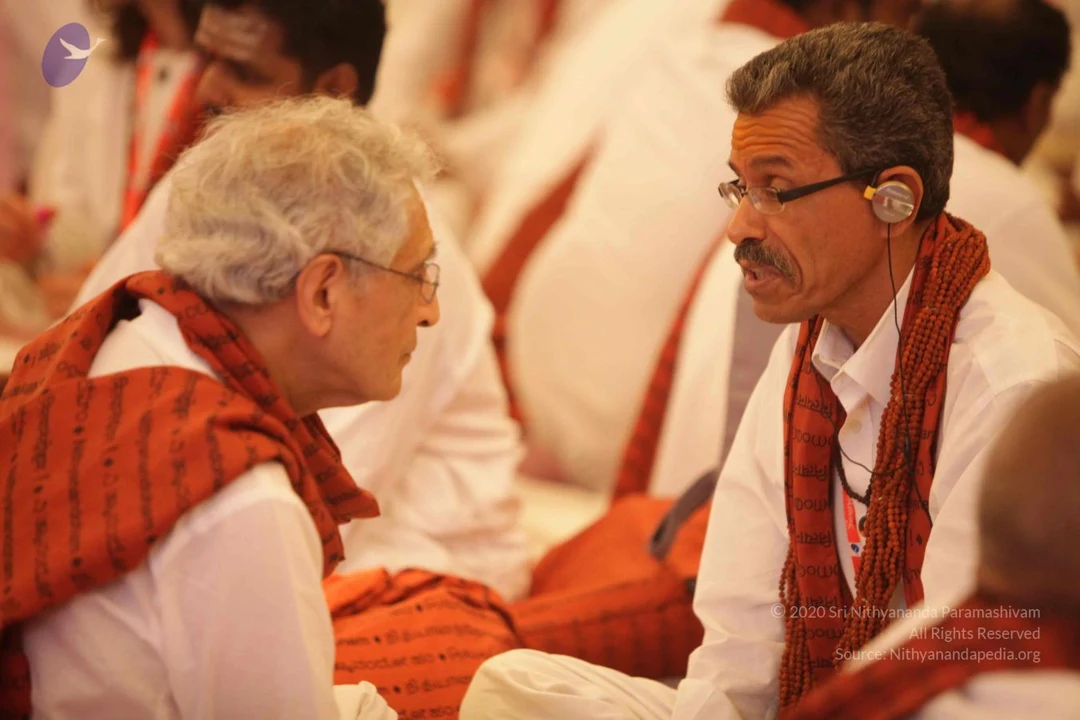
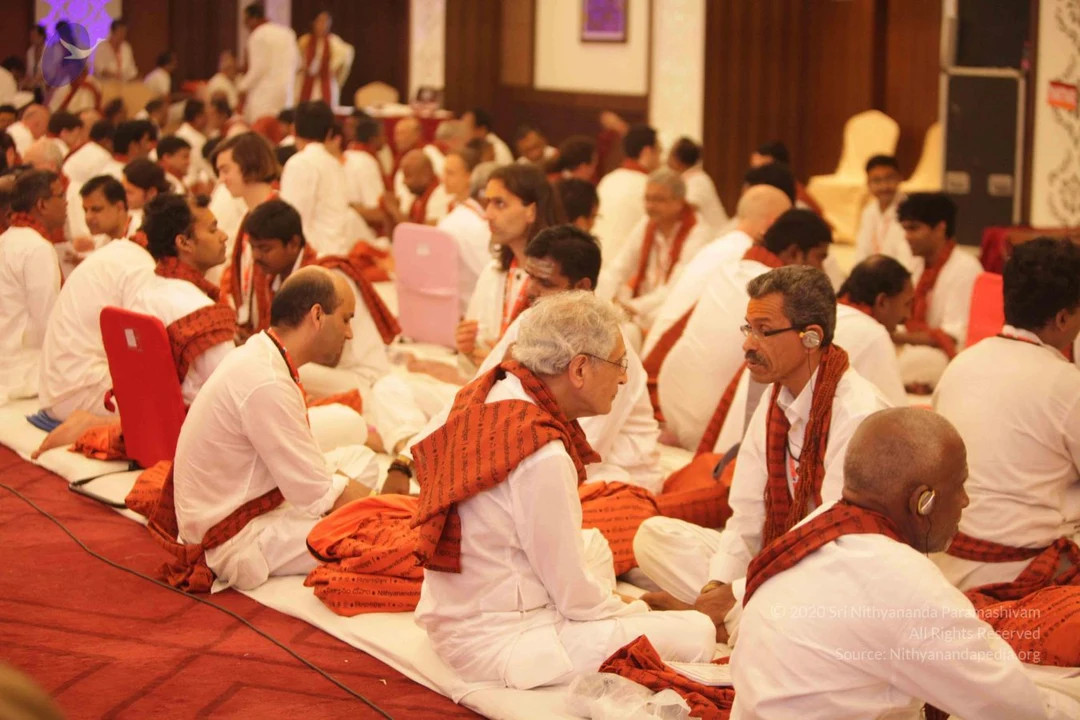
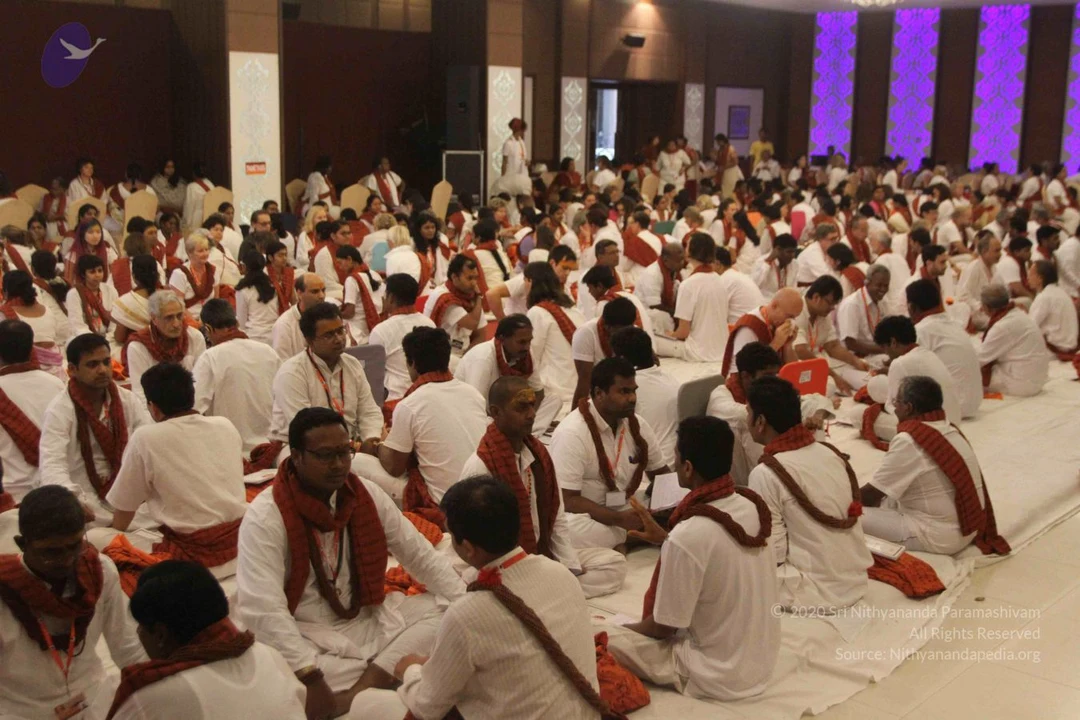
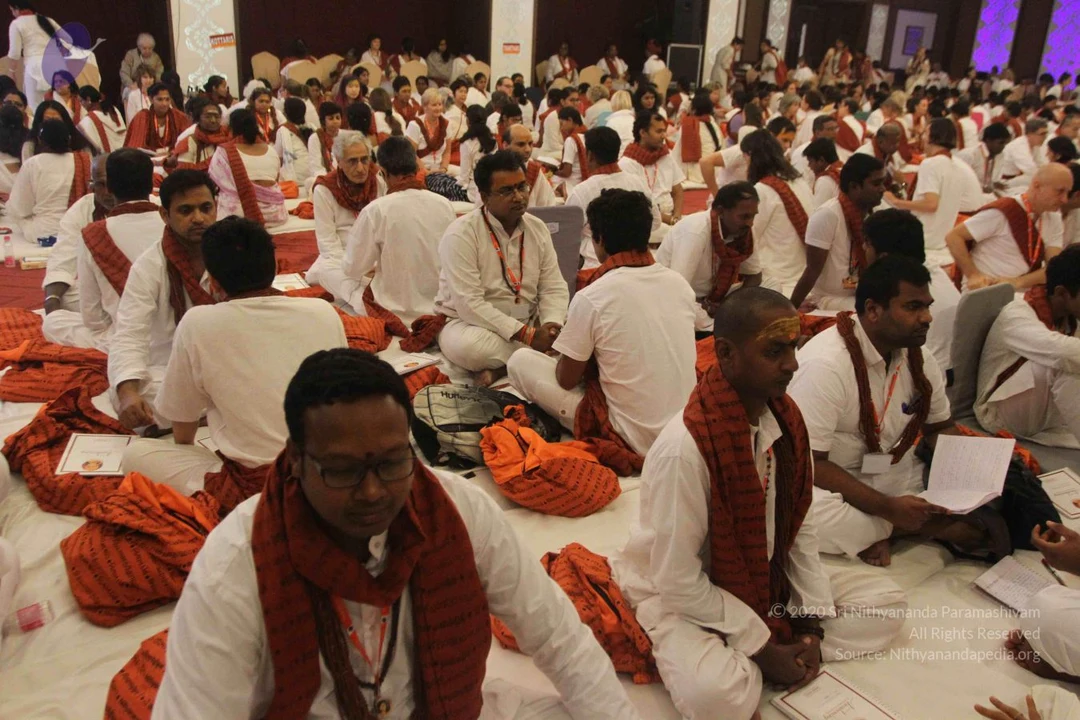
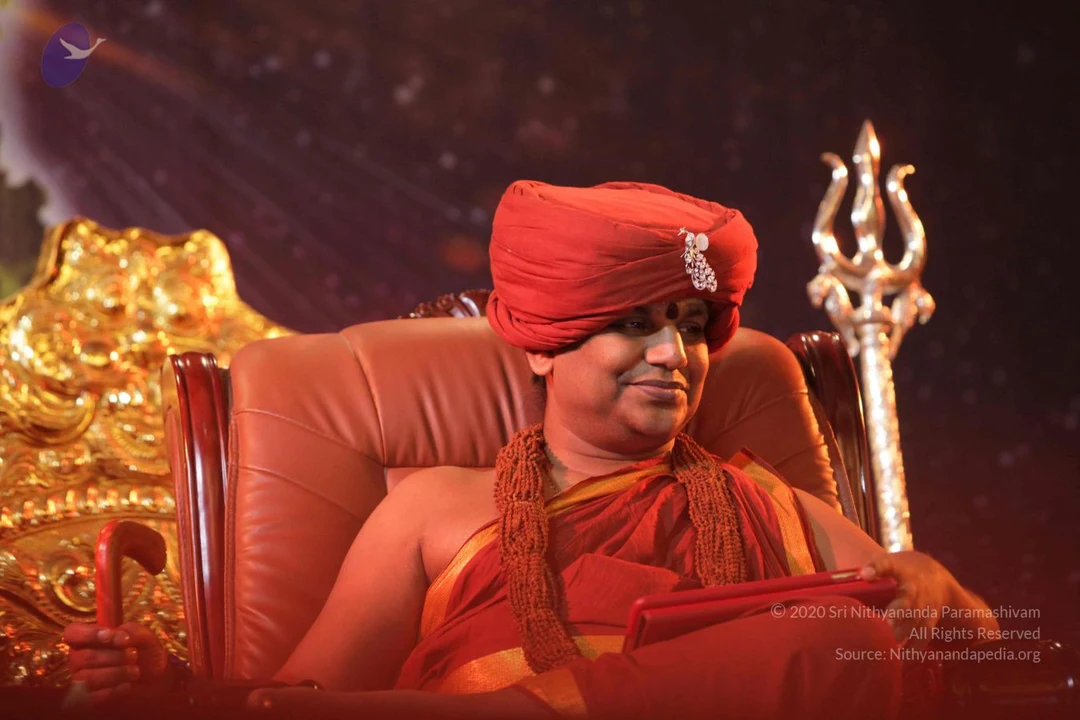
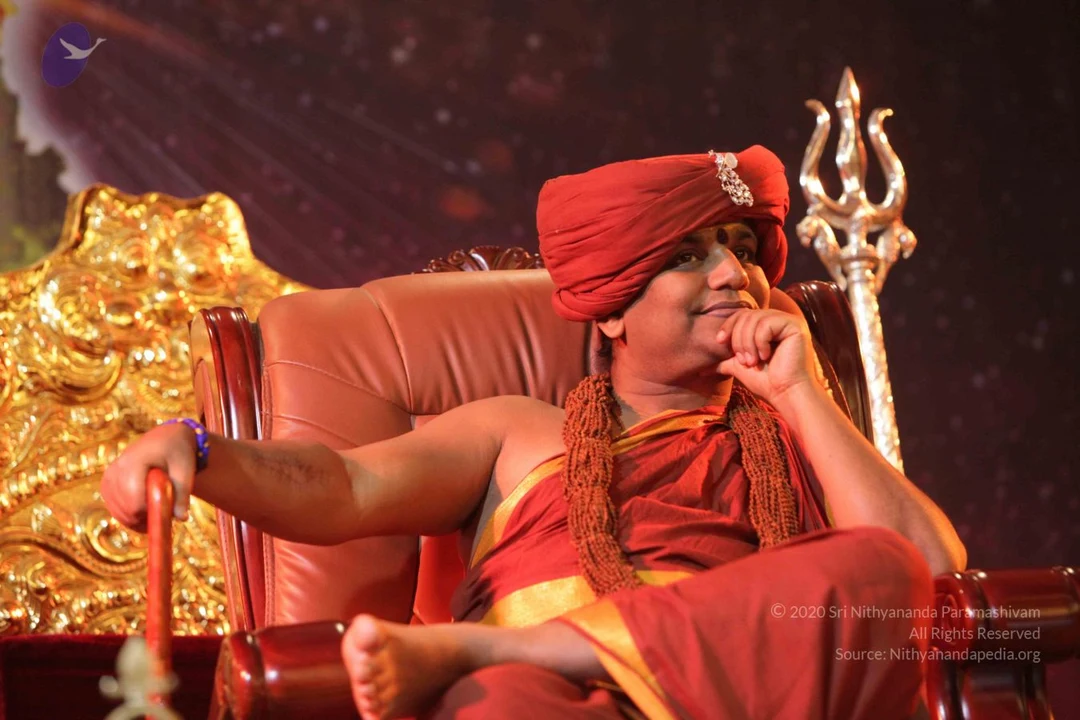
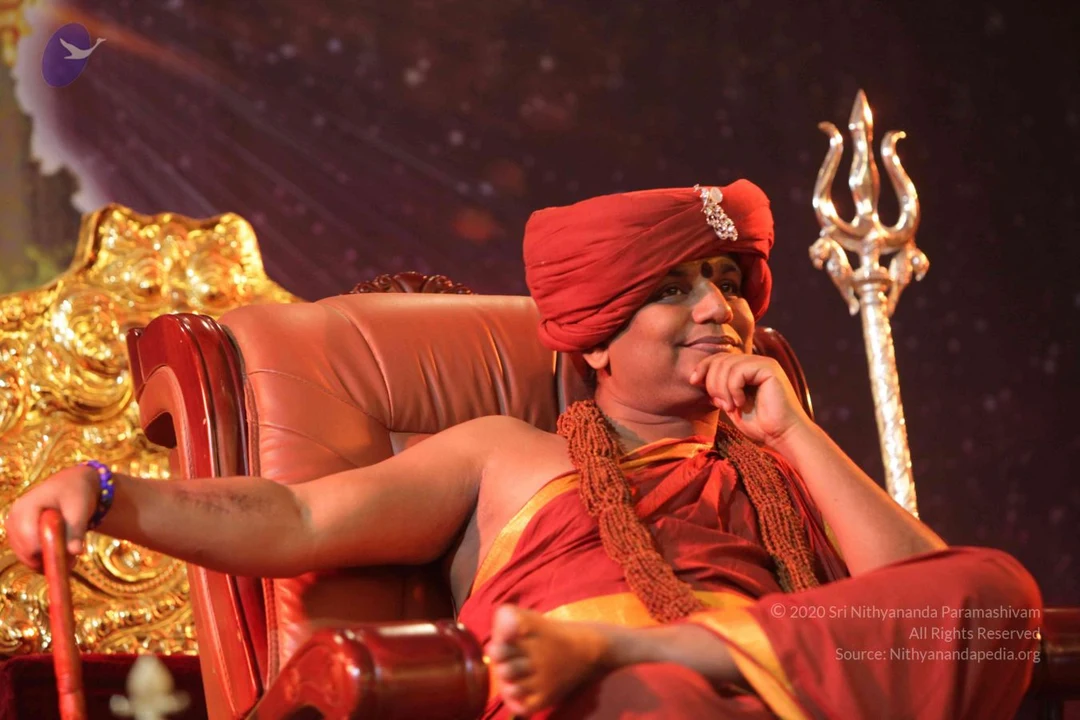
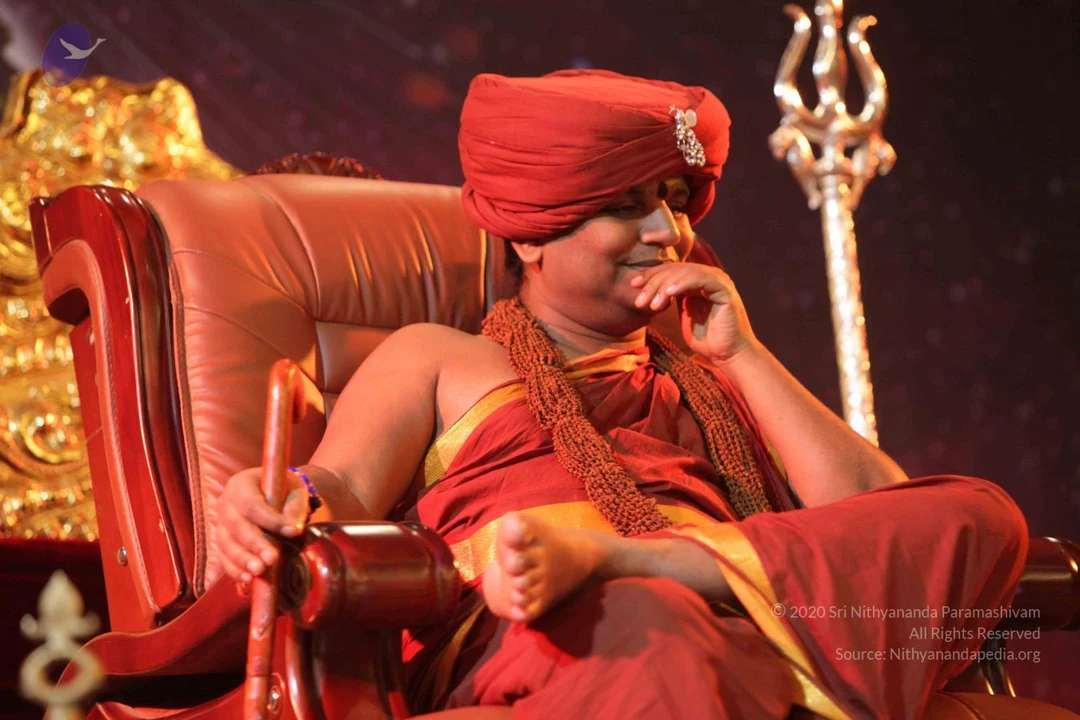
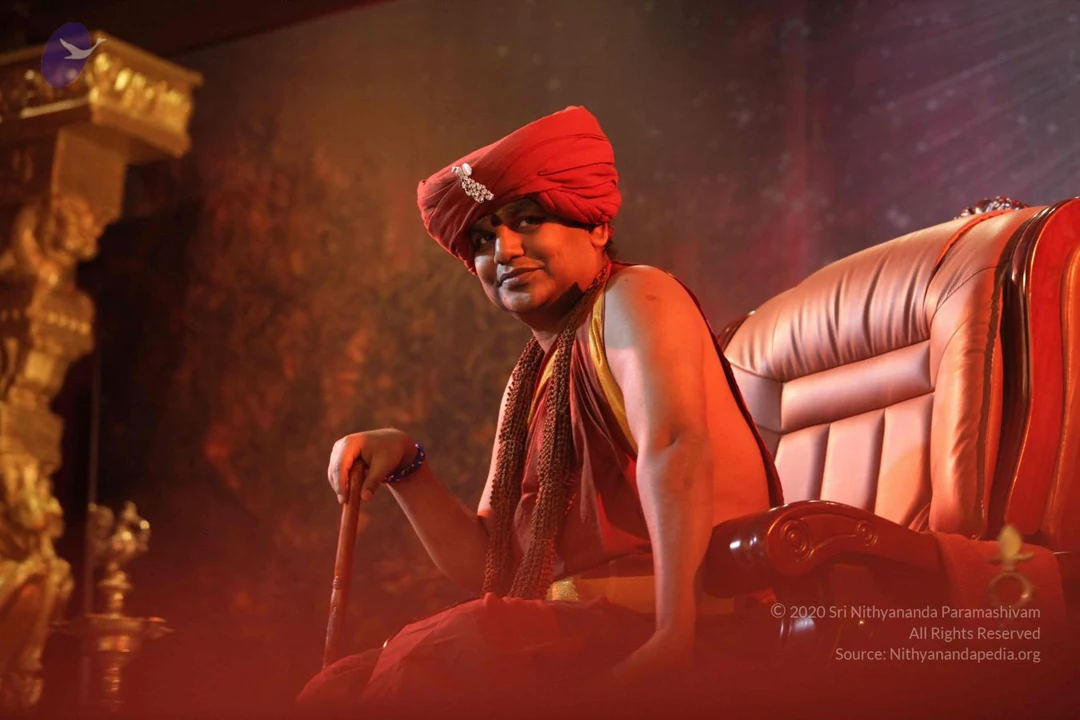
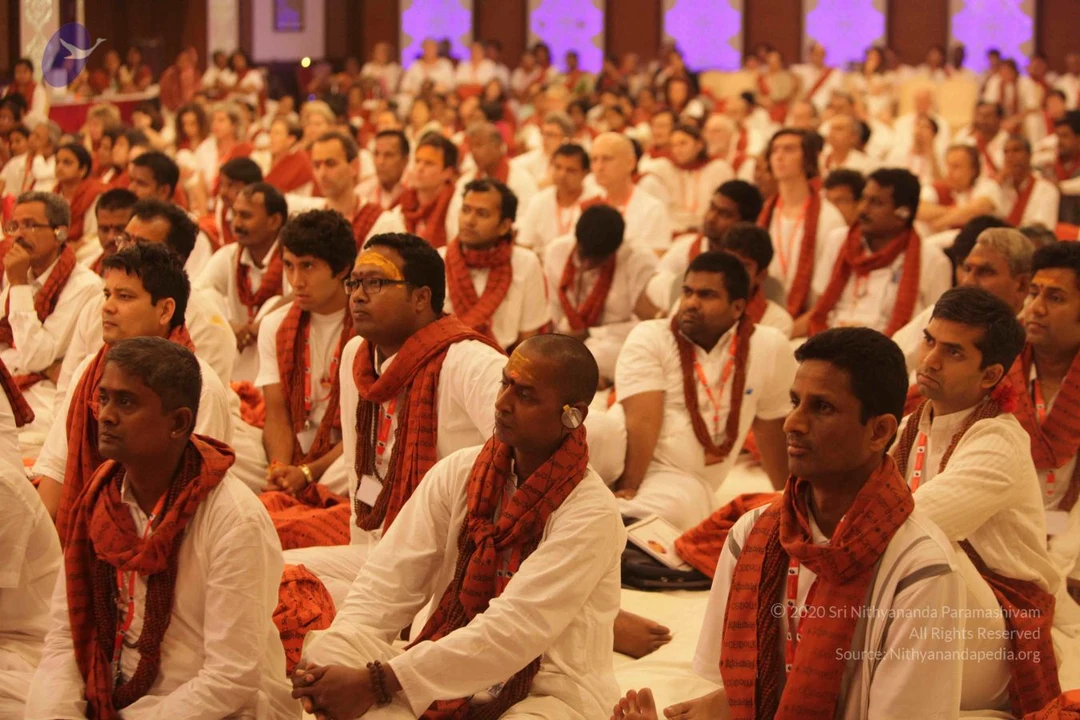
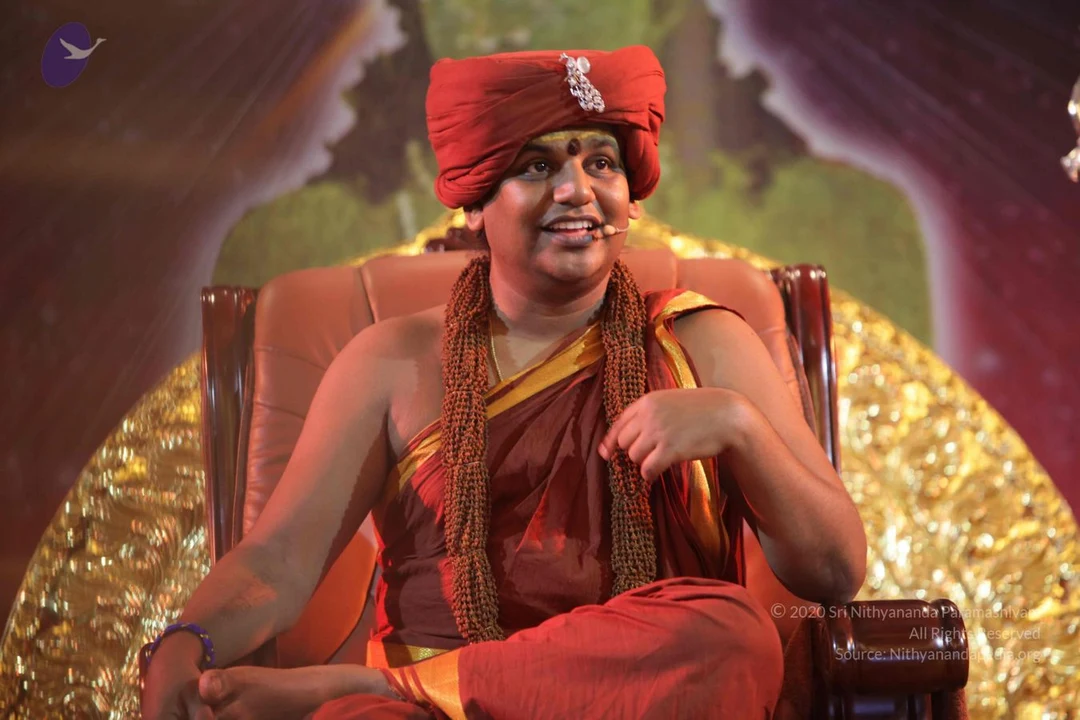
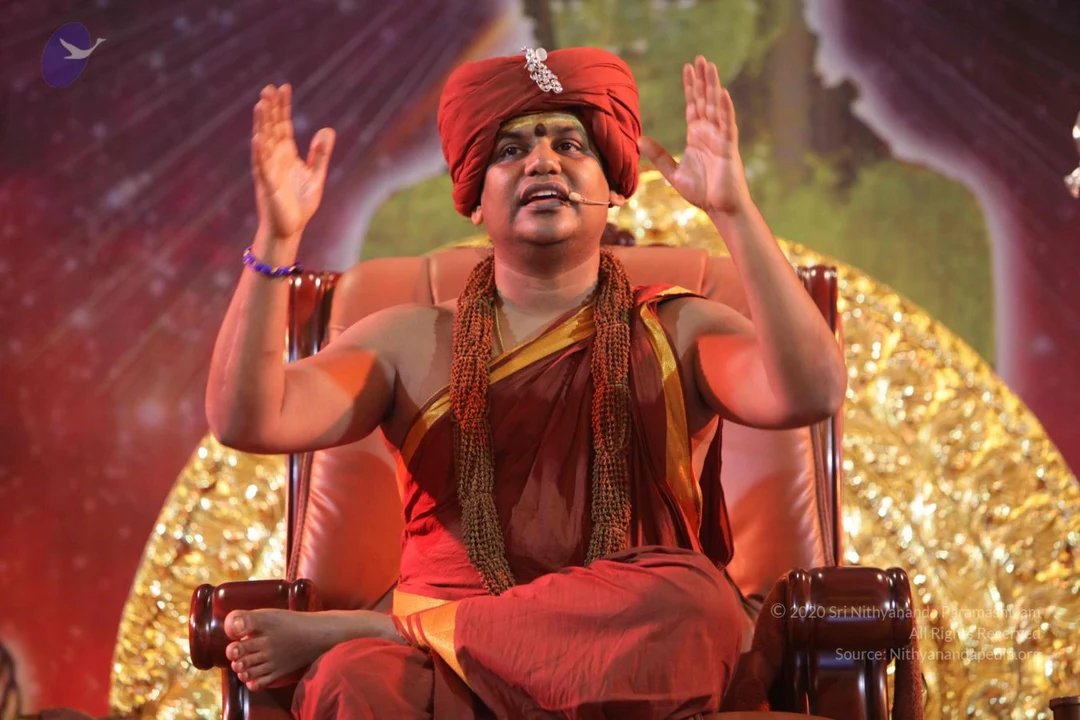
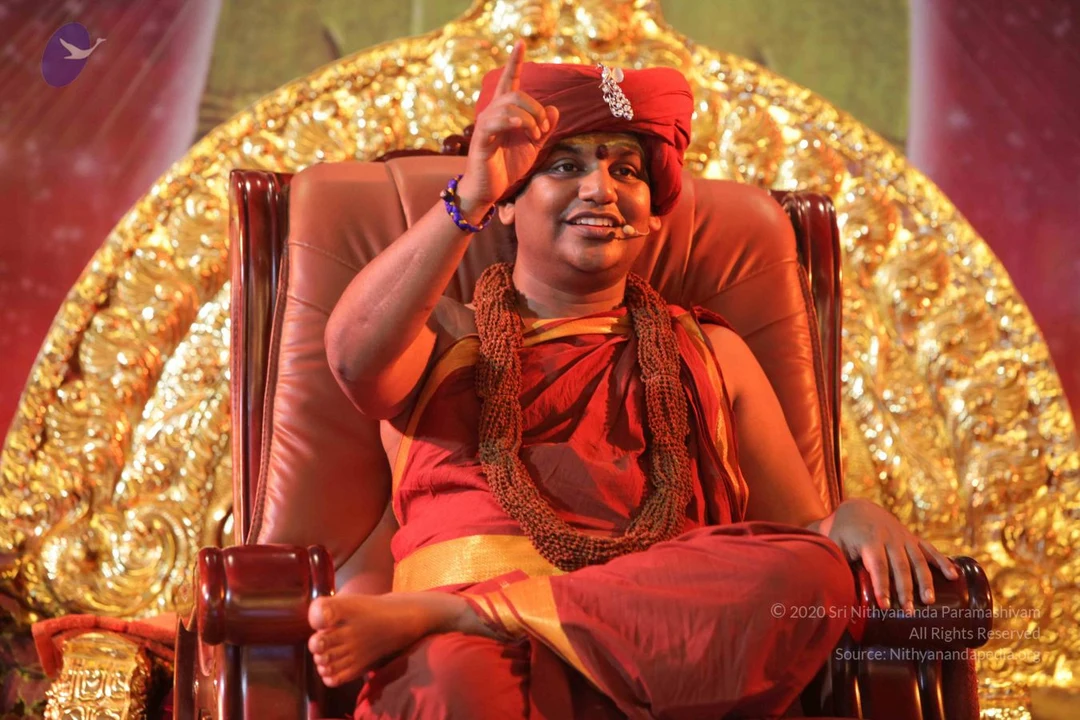
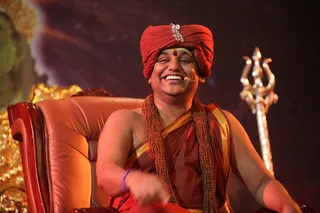
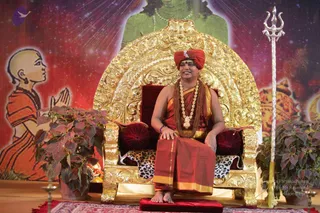
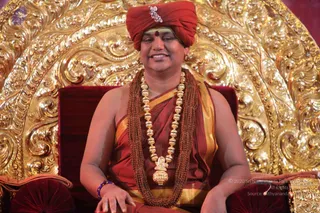
Photos From The Day
Tags
Paramahamsa Nithyananda, Varanasi, Shiva, Mahadeva, Kalabhairava, Veerabhadra, Inner Awakening, Shivoham, Katha Upanishad, Kathopanishad, Nachiketa, Lord of Death, Death, Mystery Of Death, Manikarnika Ghat, Book Of Death, Sri Rama, Hanuman, Shiva Bodha, Kala, Dharma, Yama, Shaivaite, Buddha, Nirvana
Photos Of The Day:
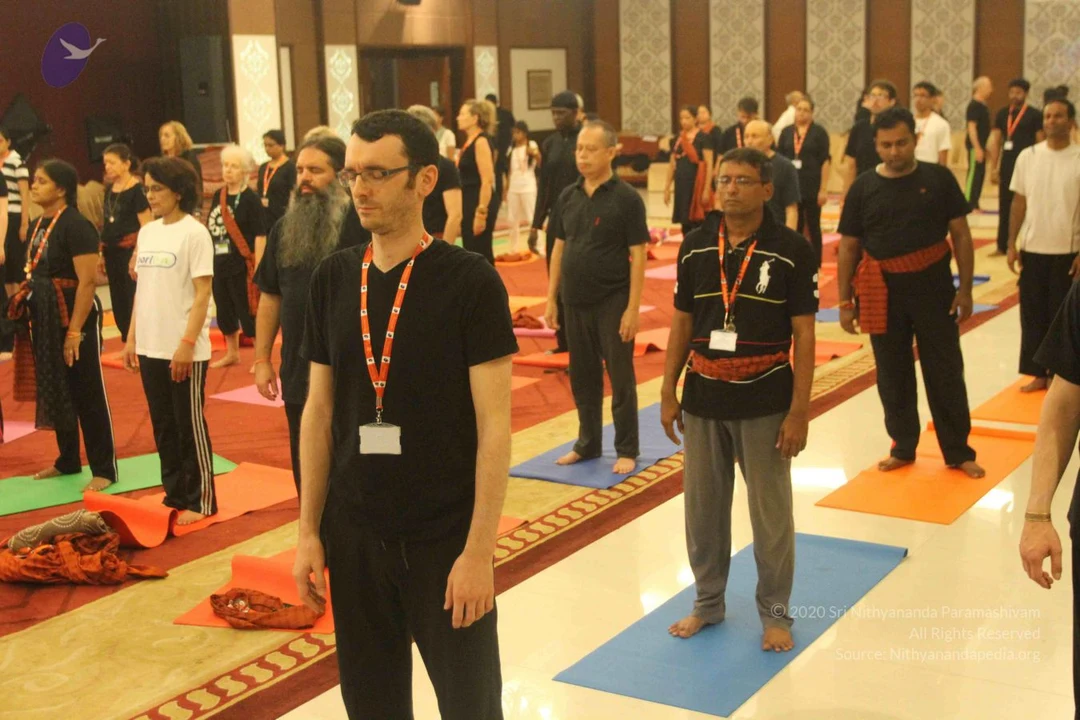
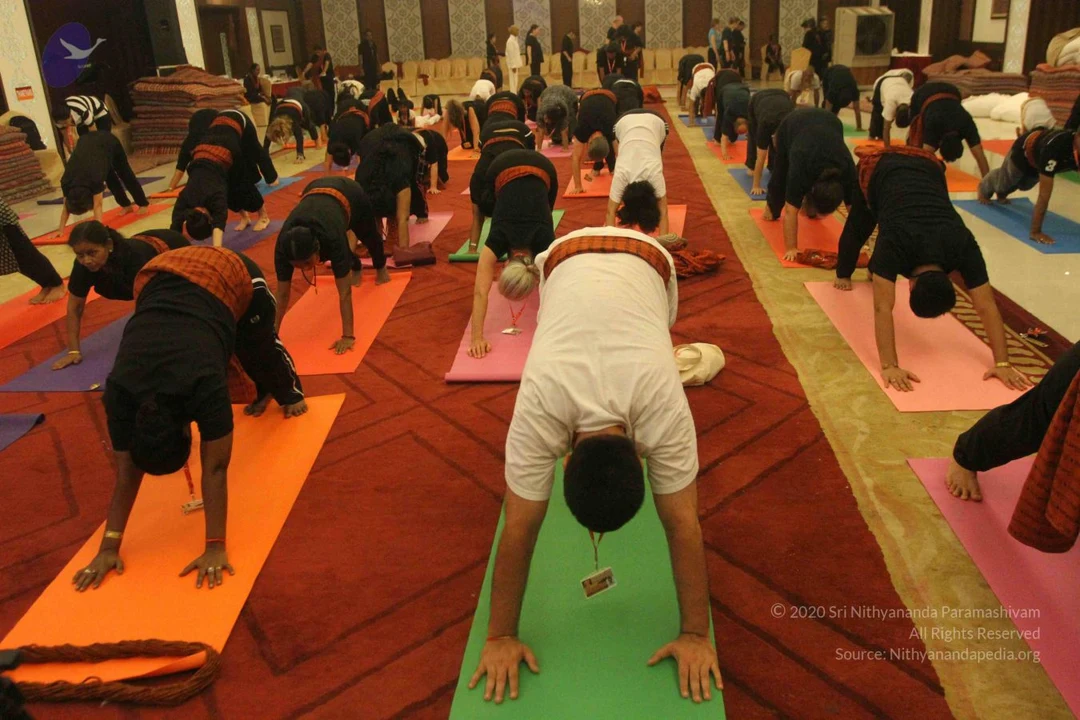
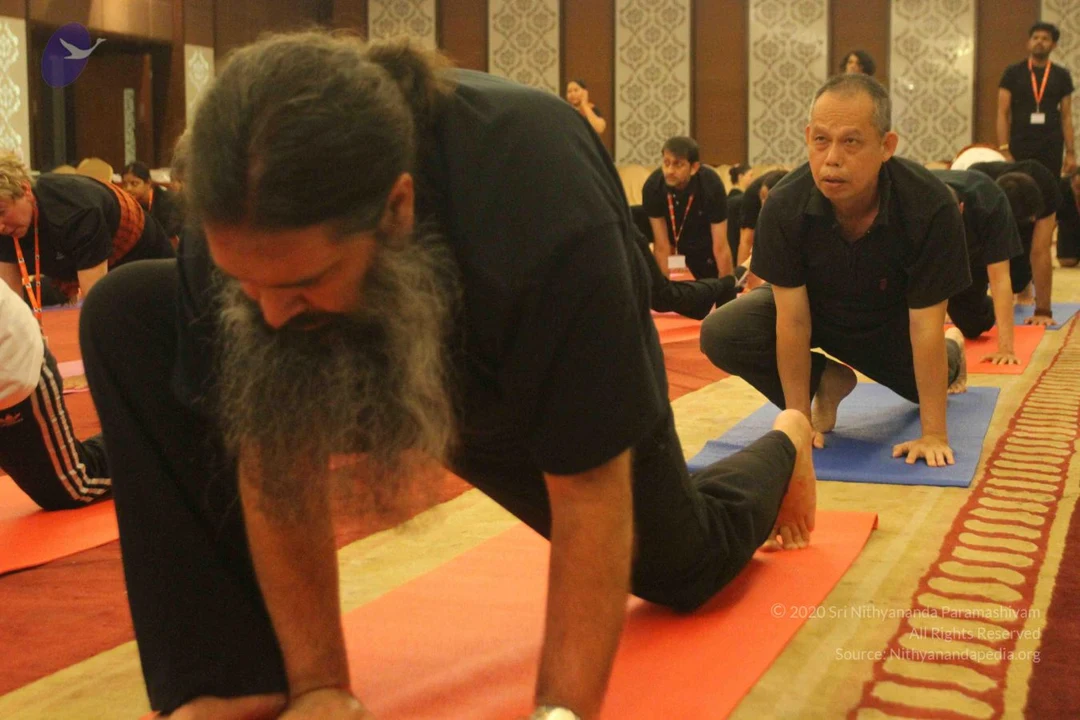
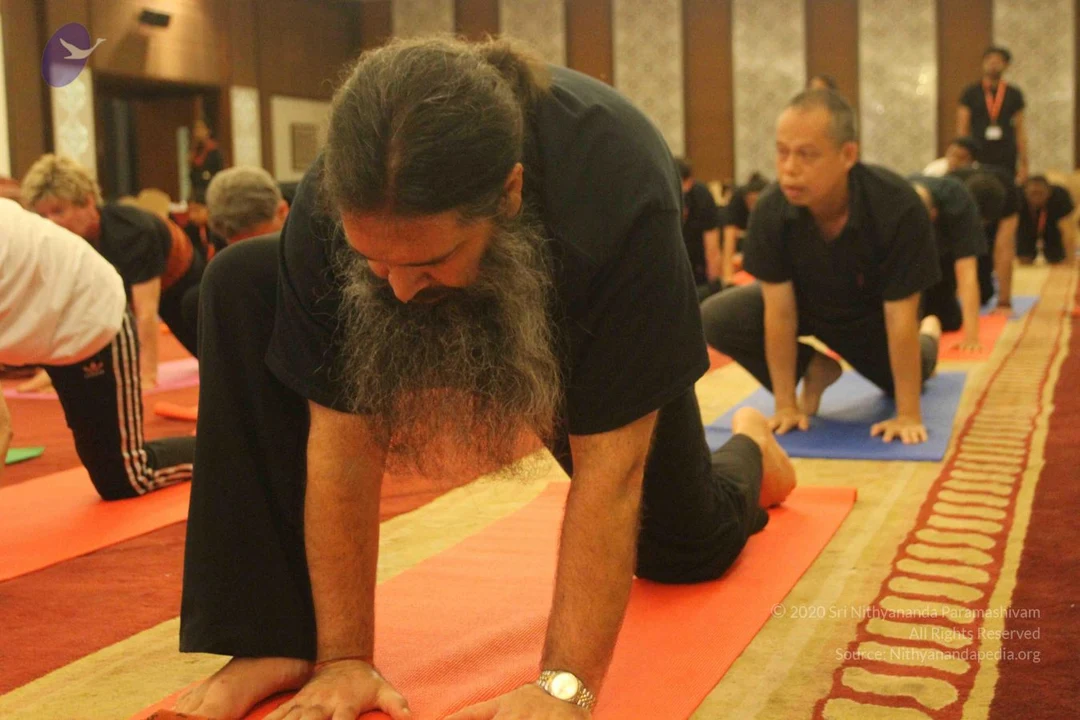
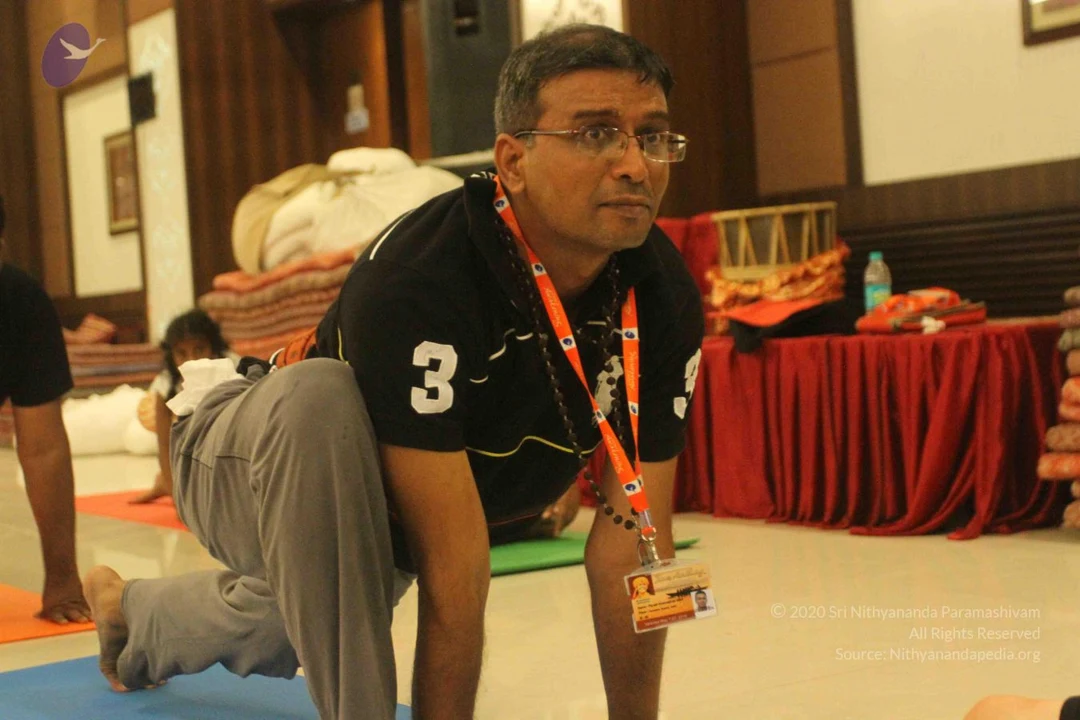
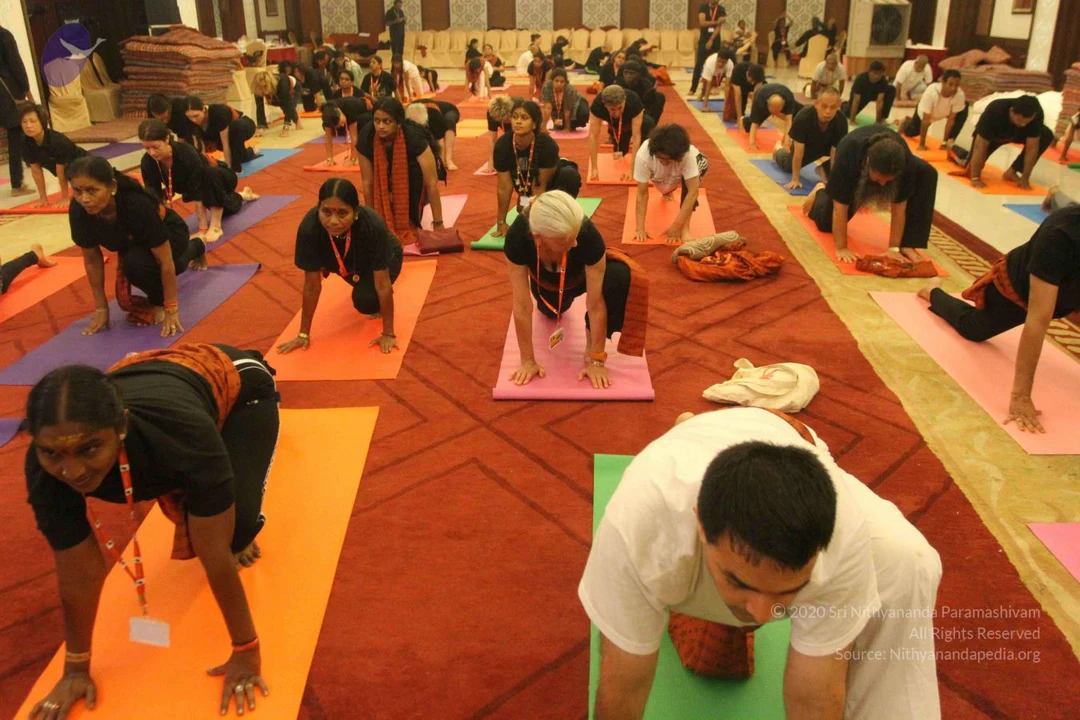
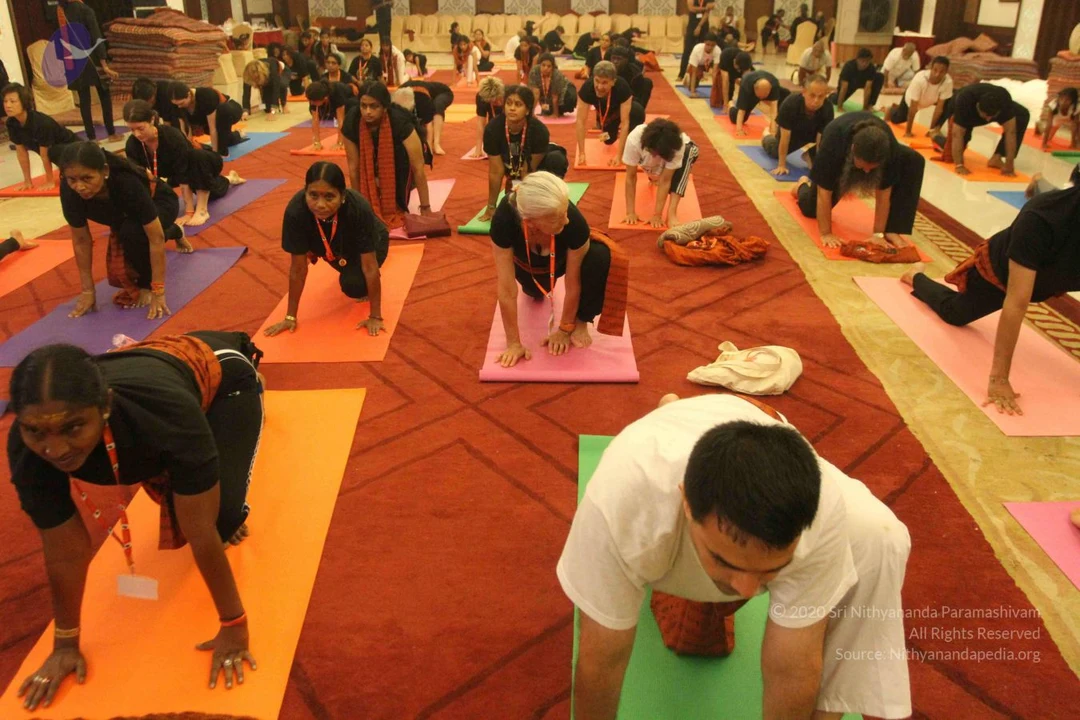
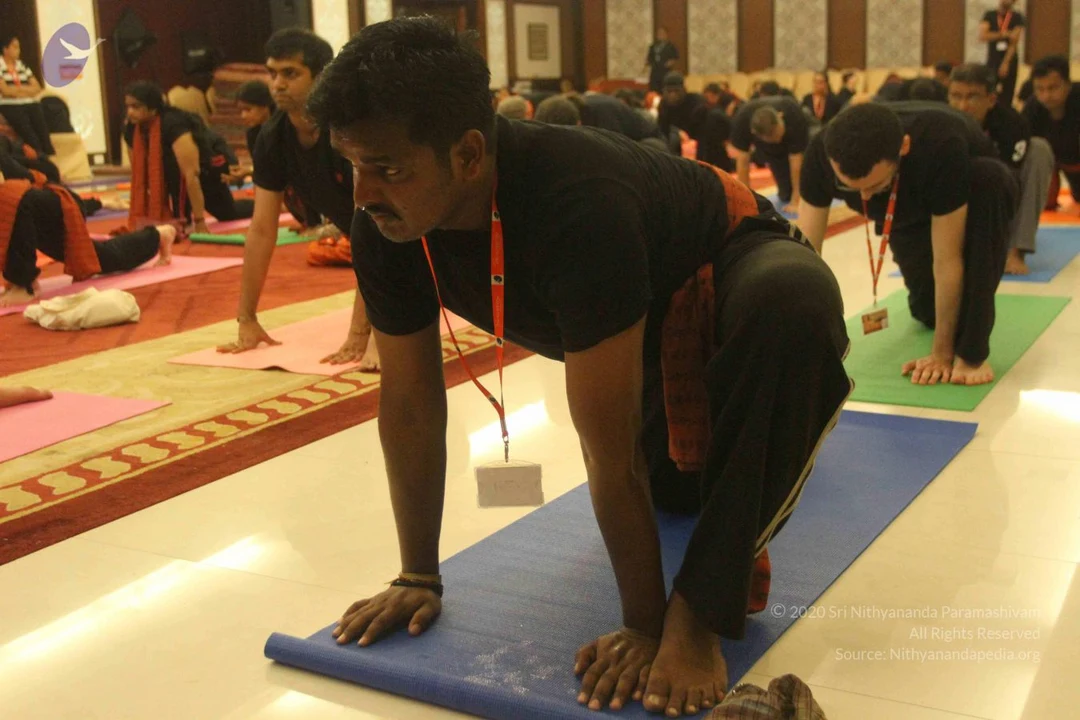
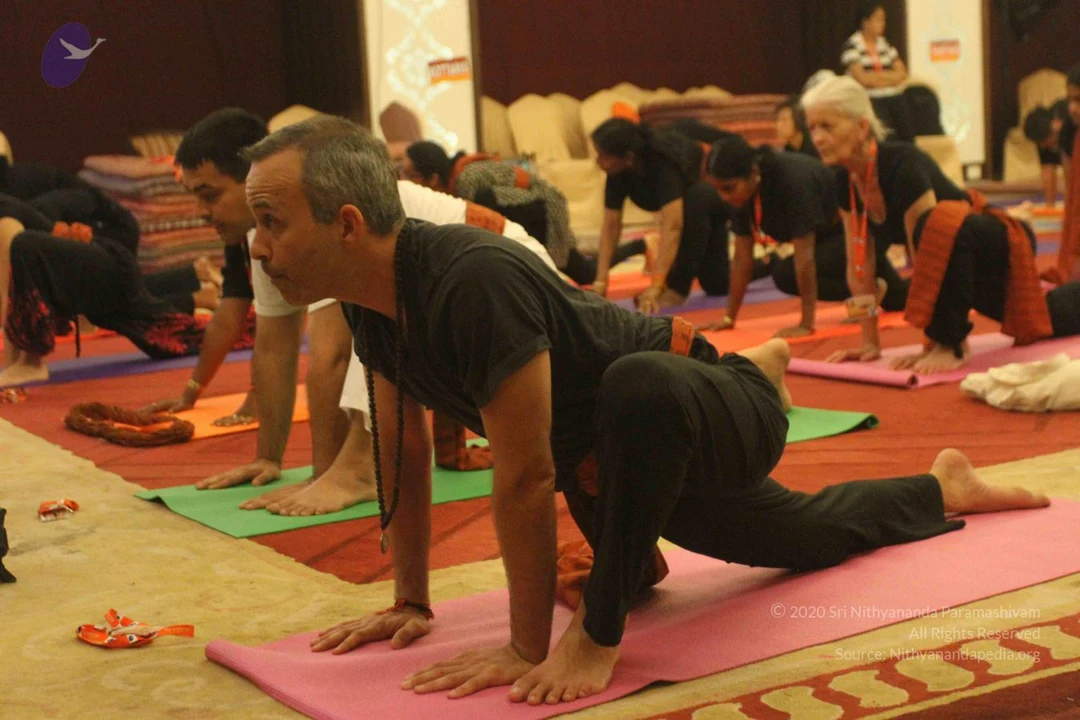
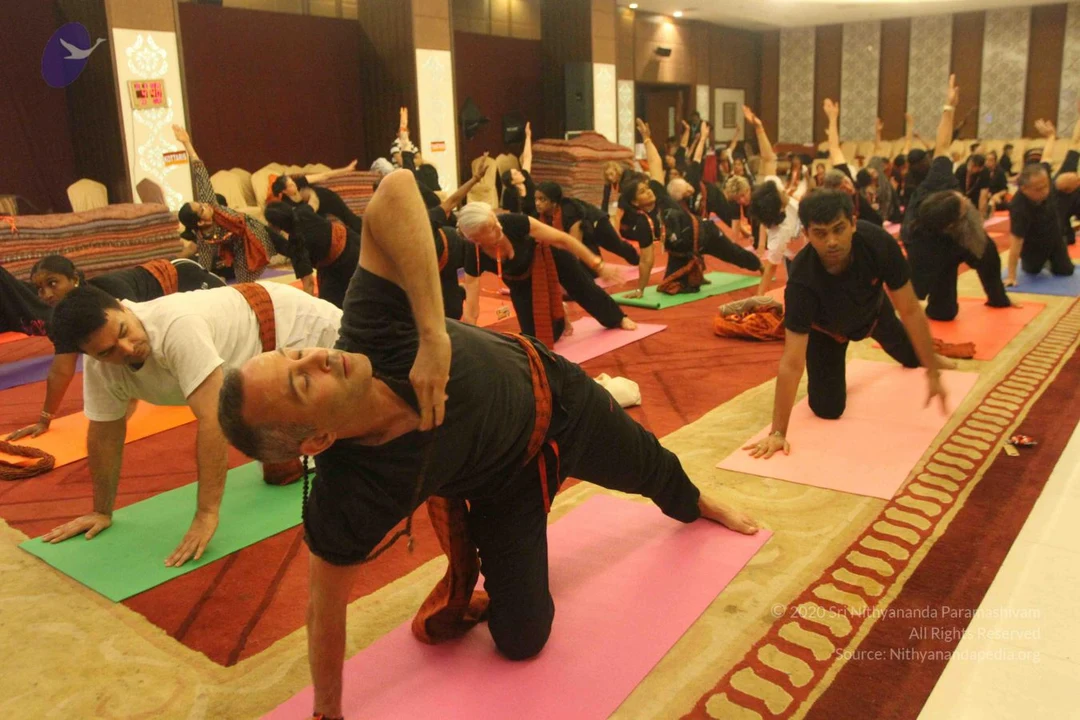
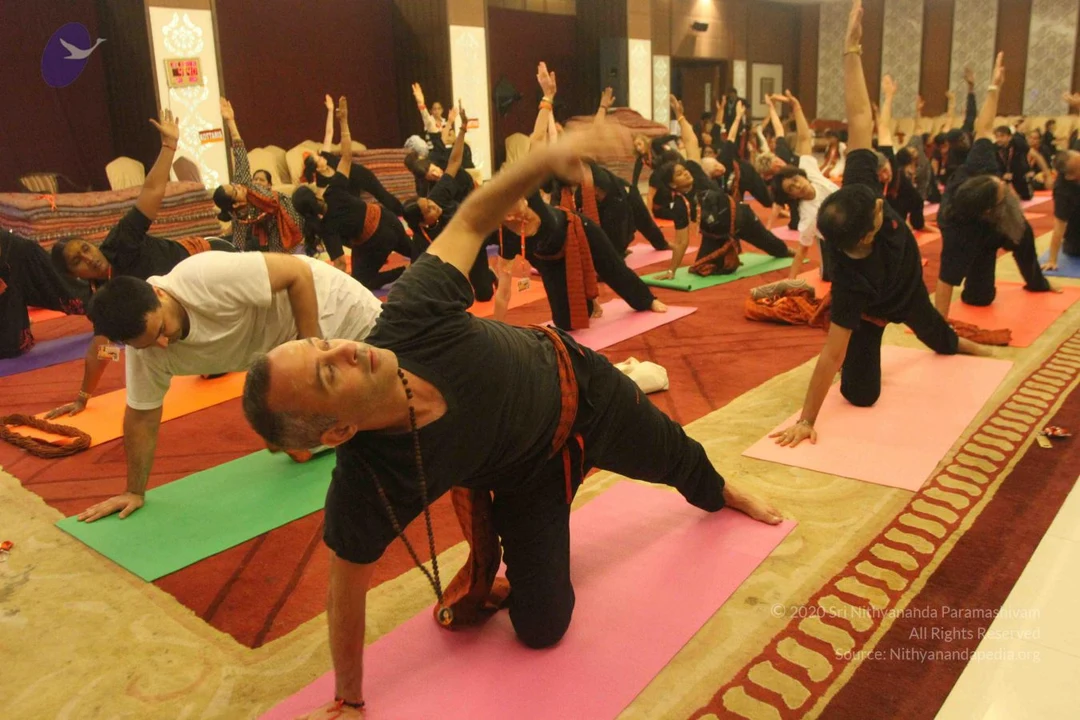
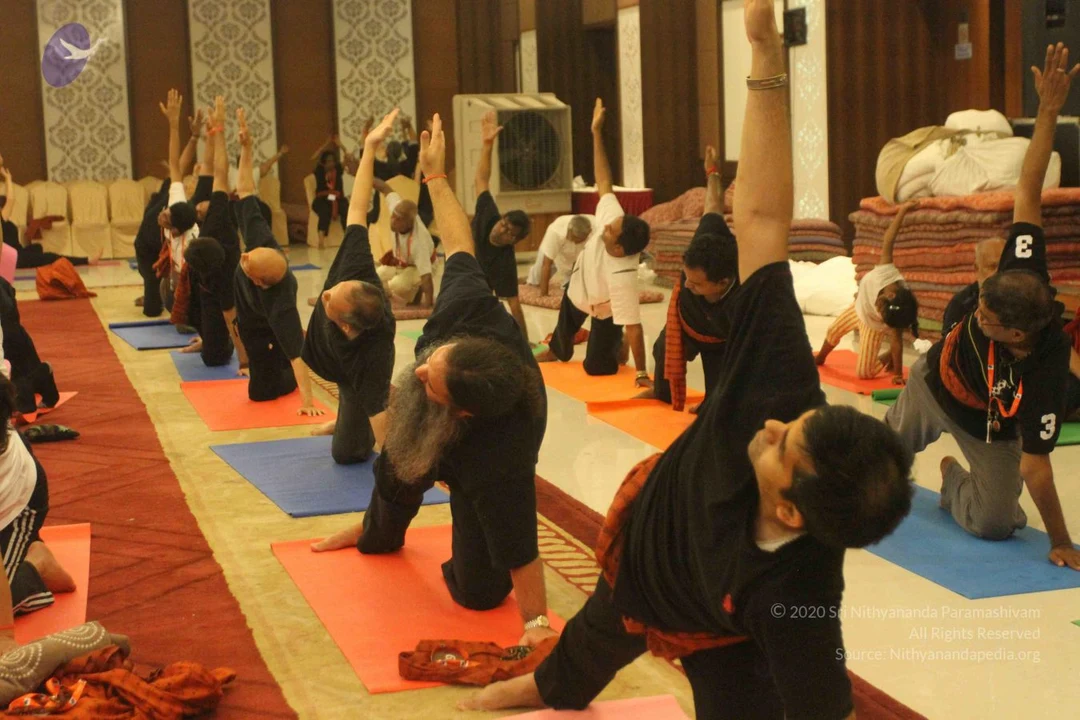
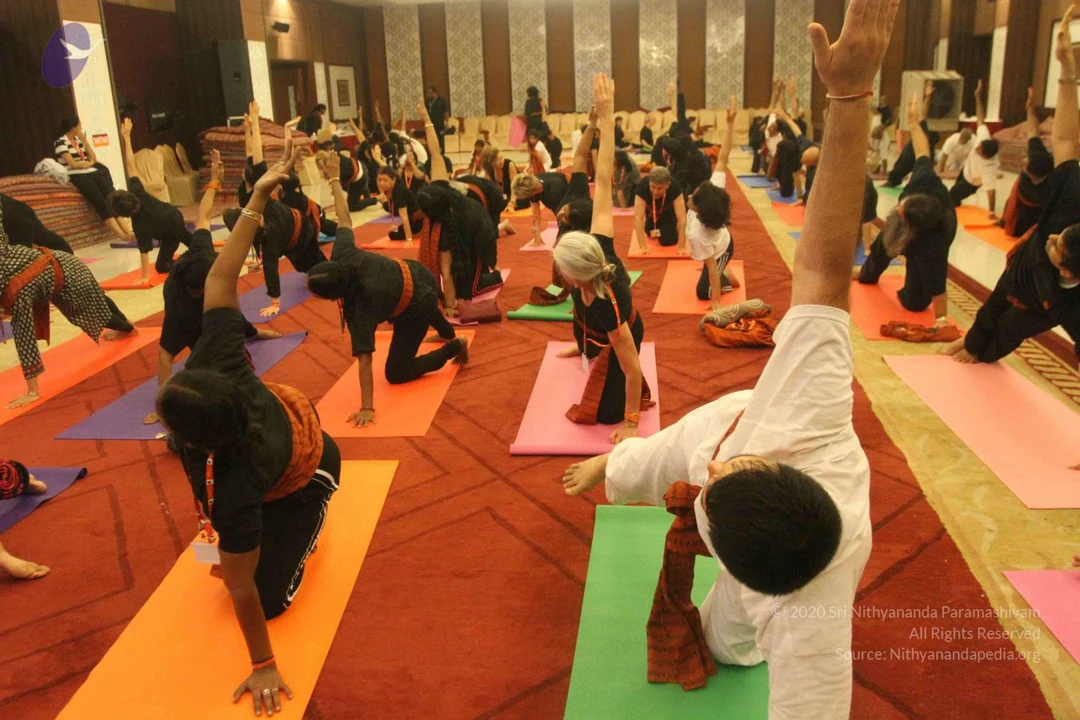
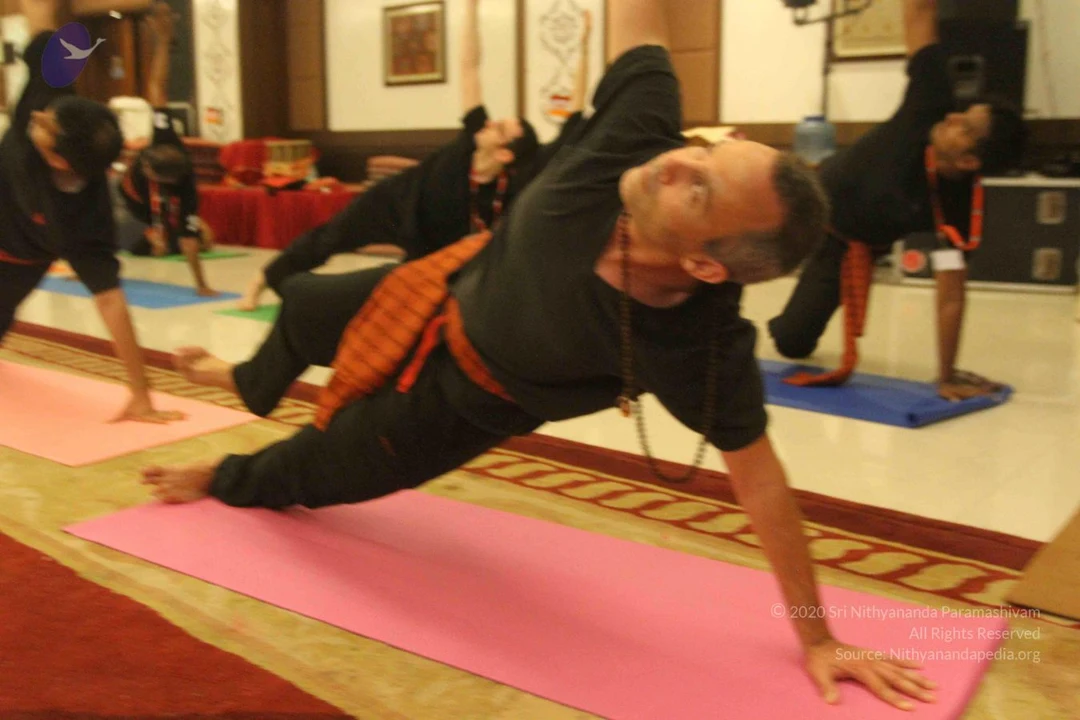
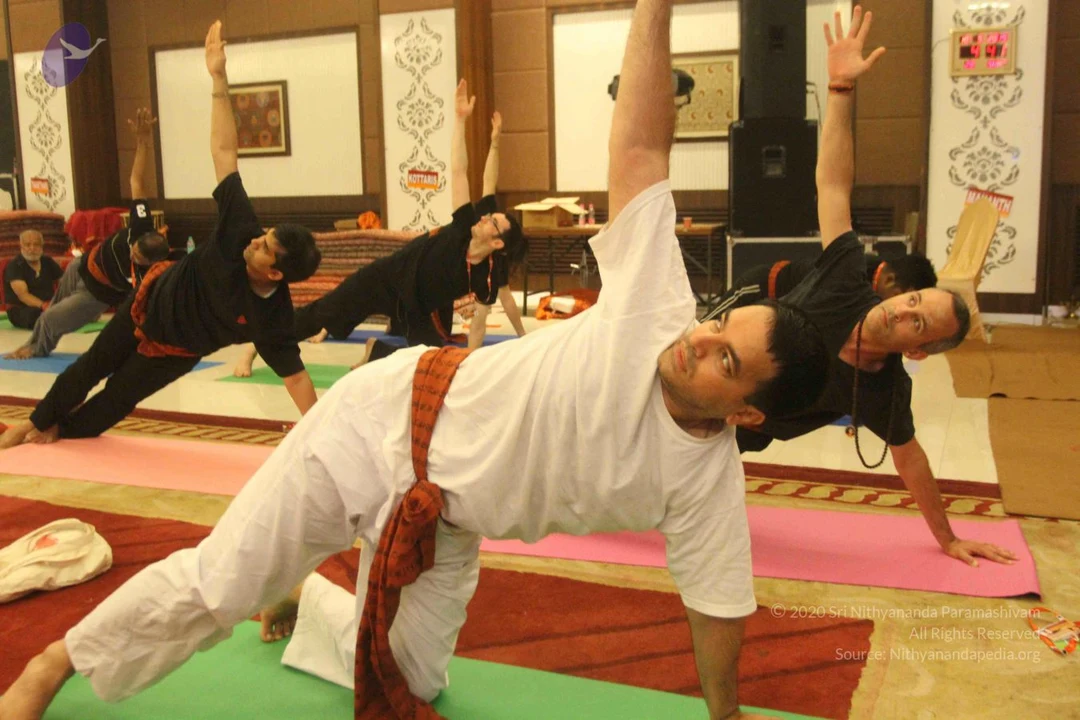
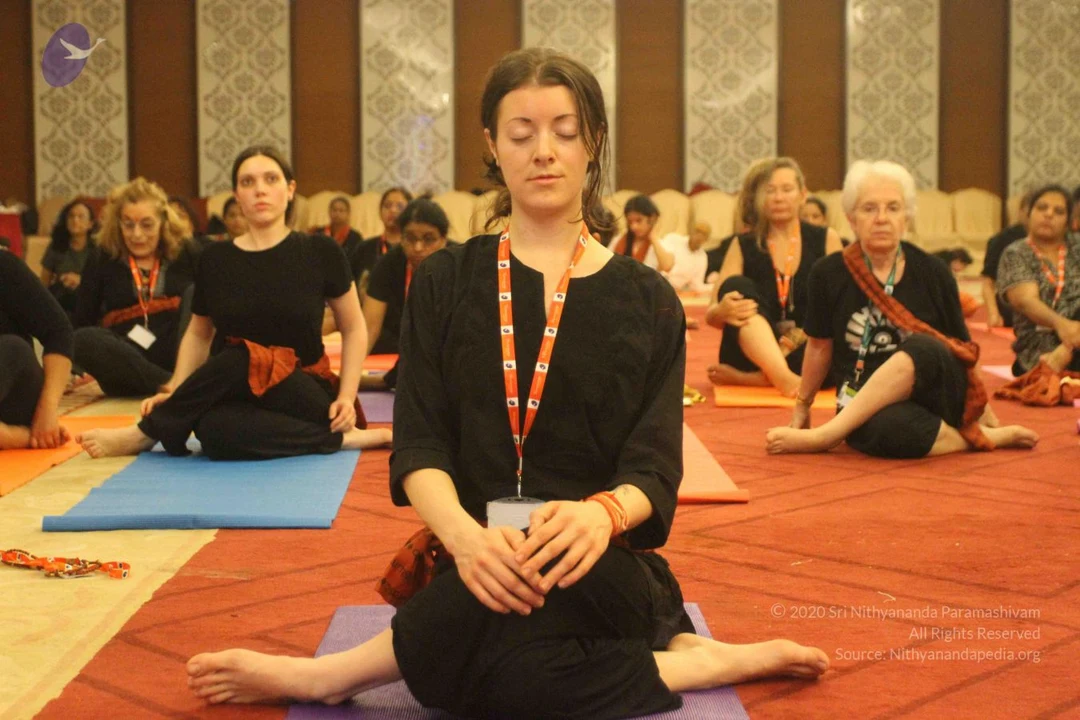
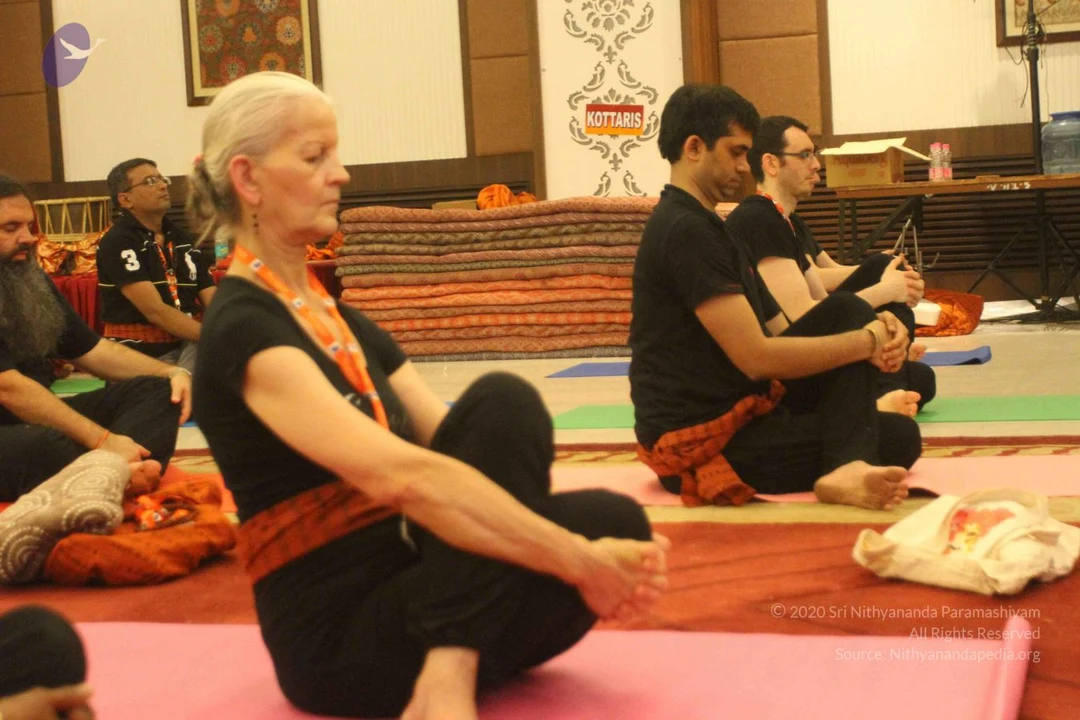
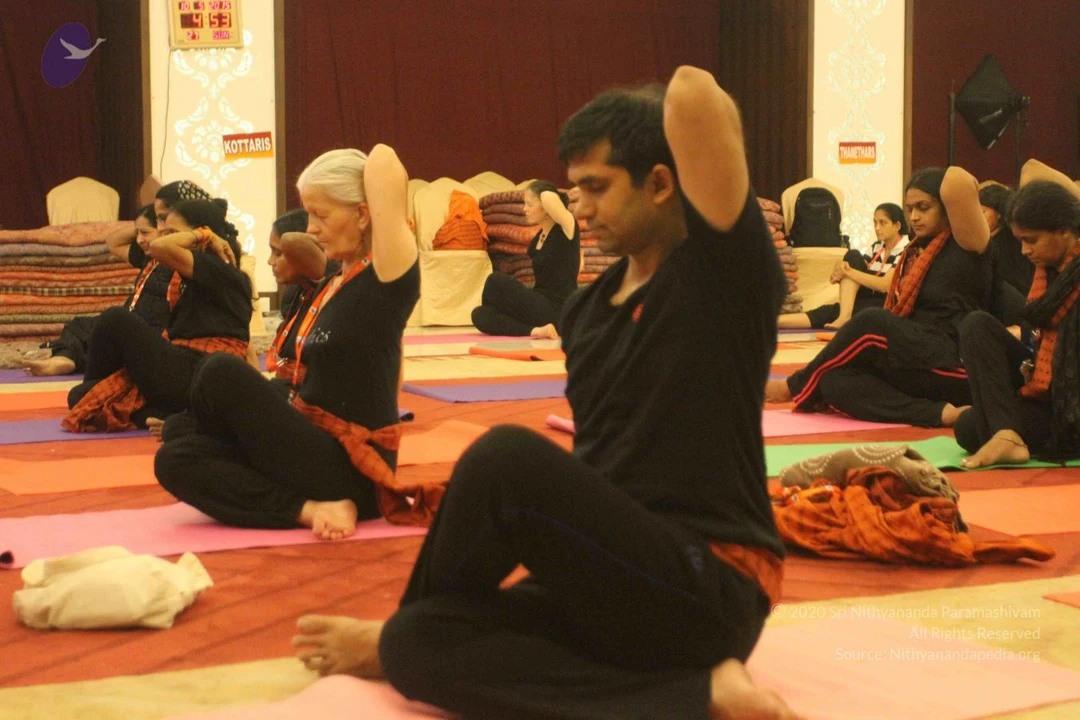
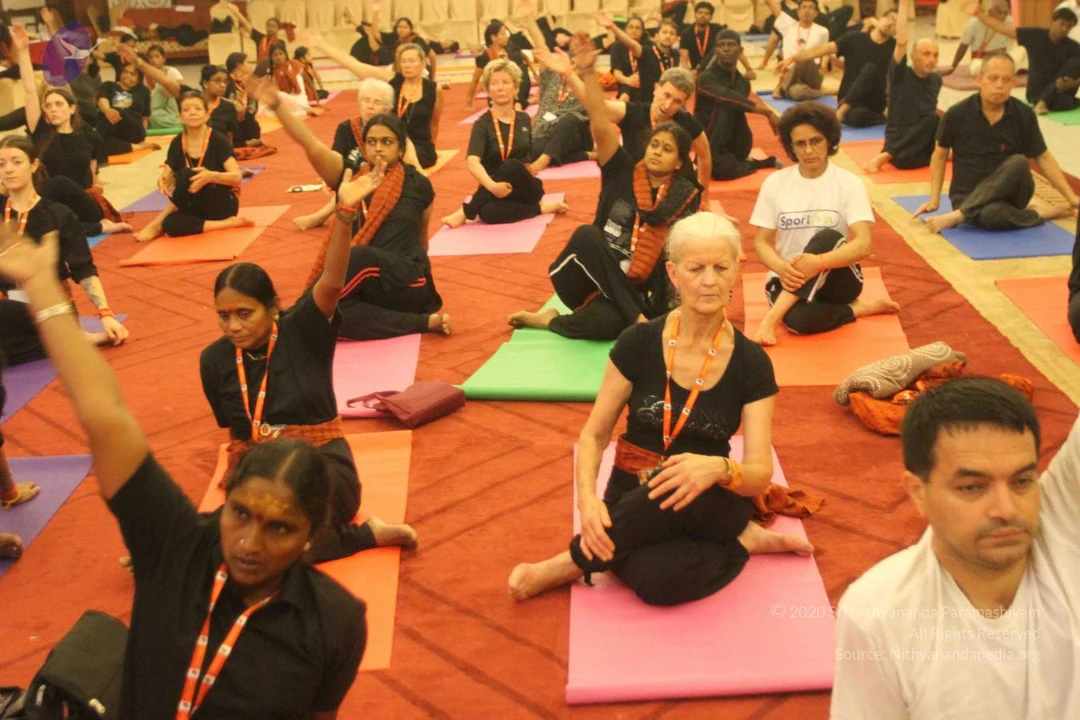
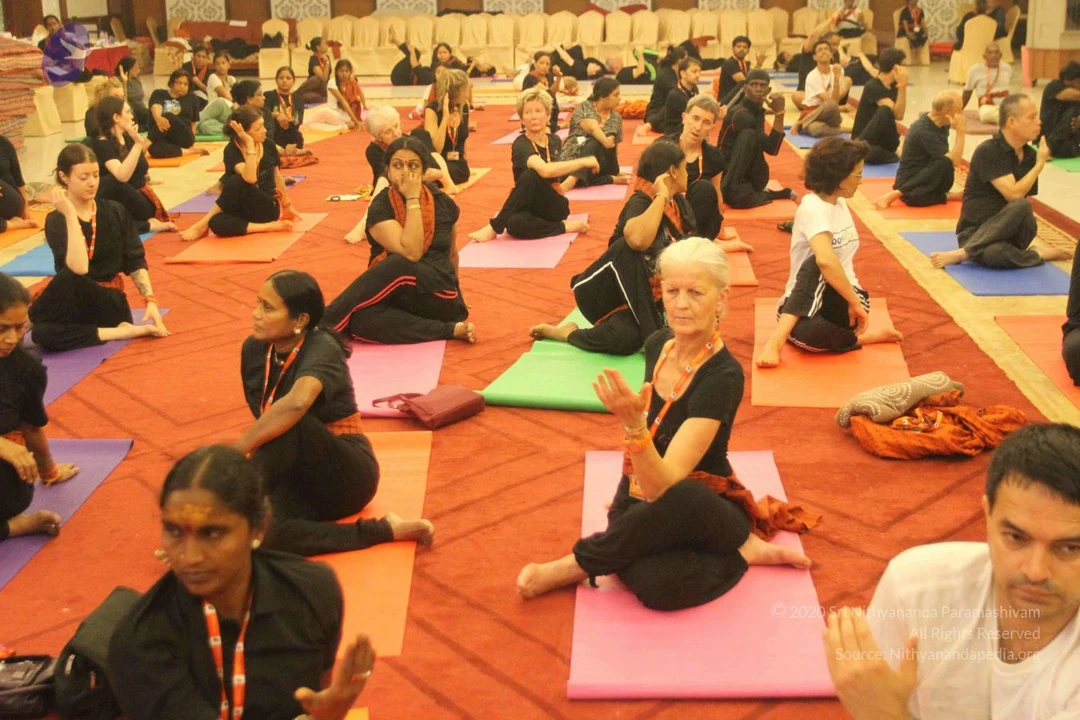
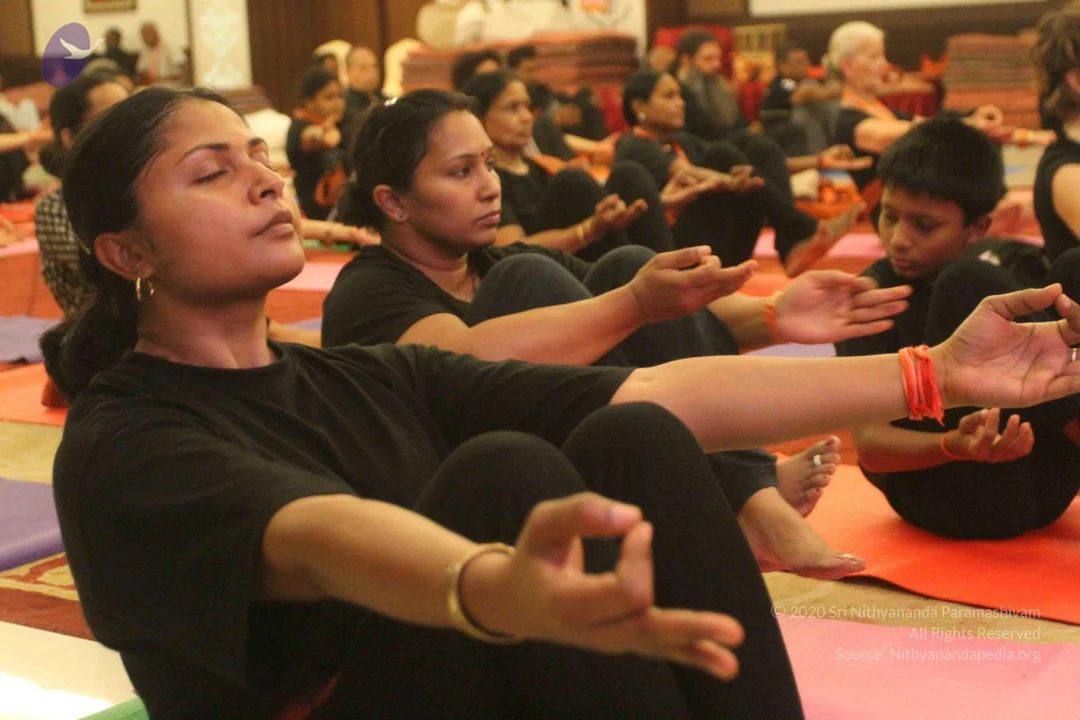
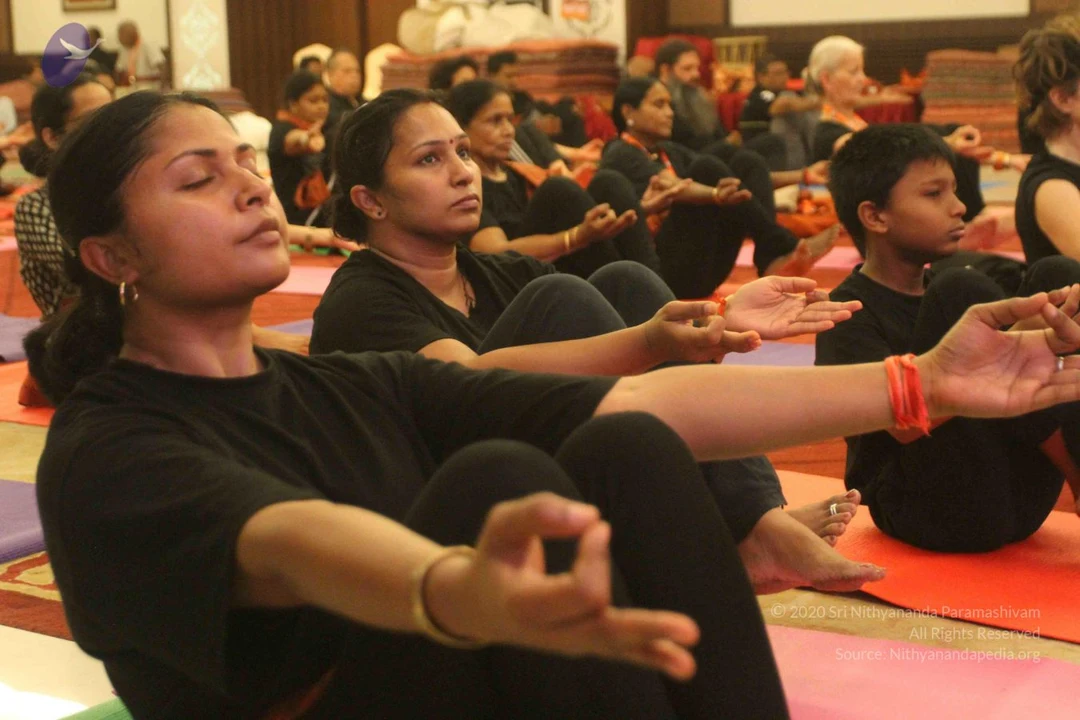
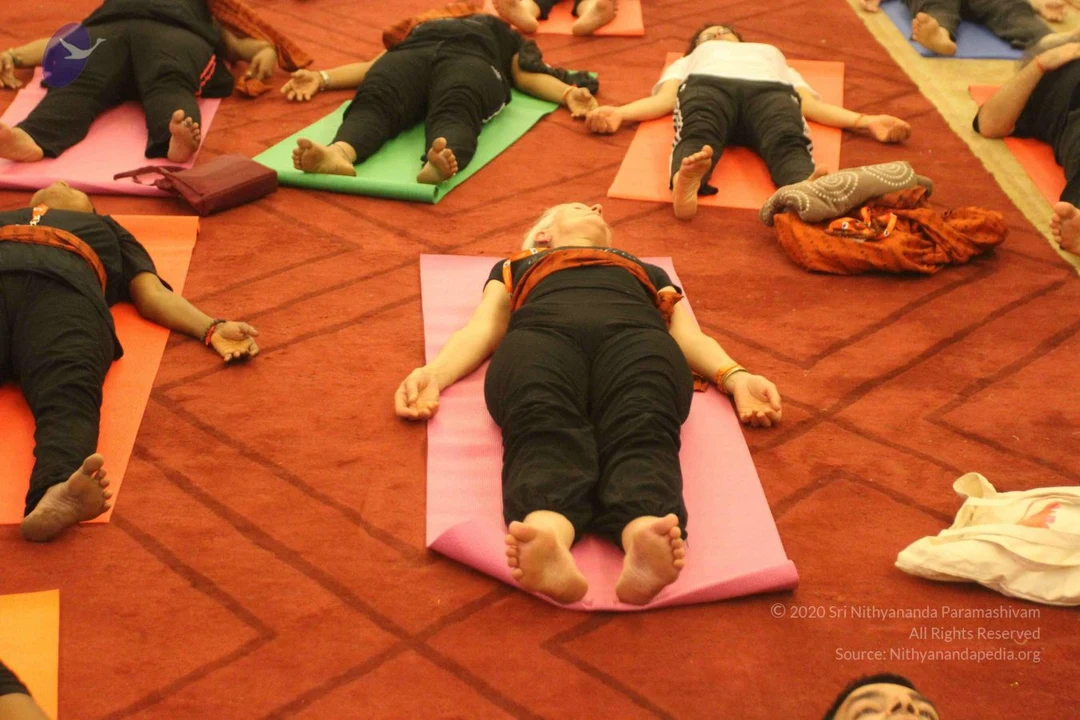
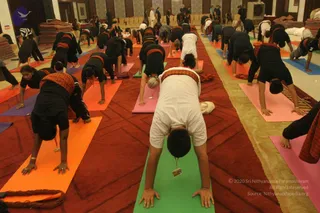
Yoga


Daily-Satsang






IA-Sessions
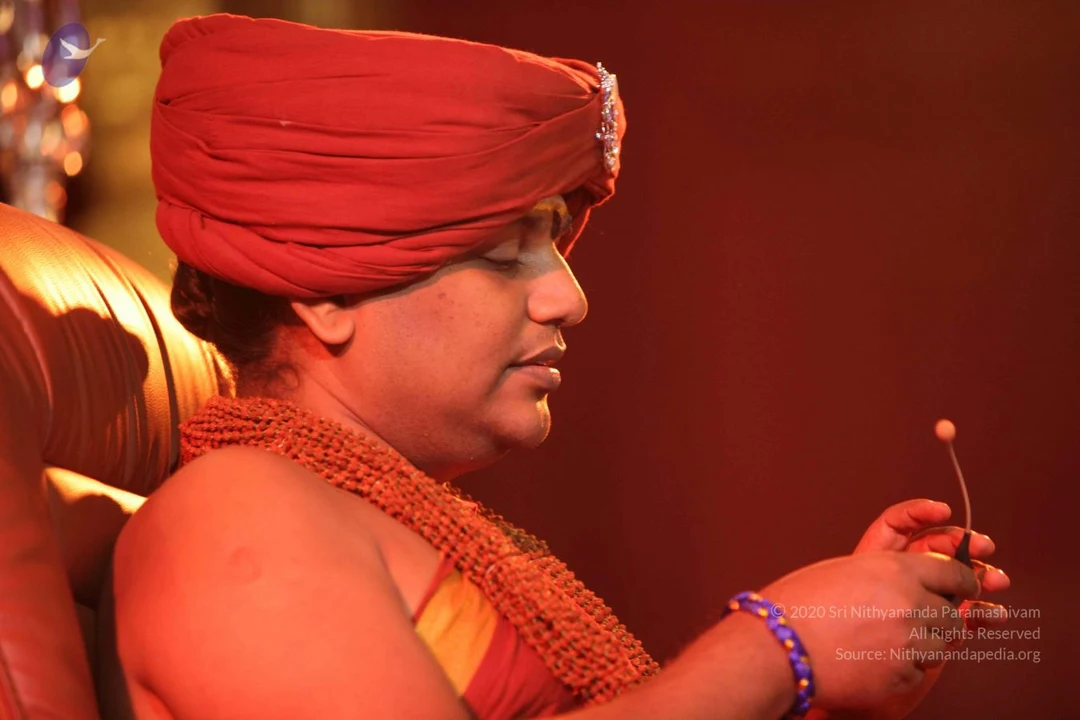
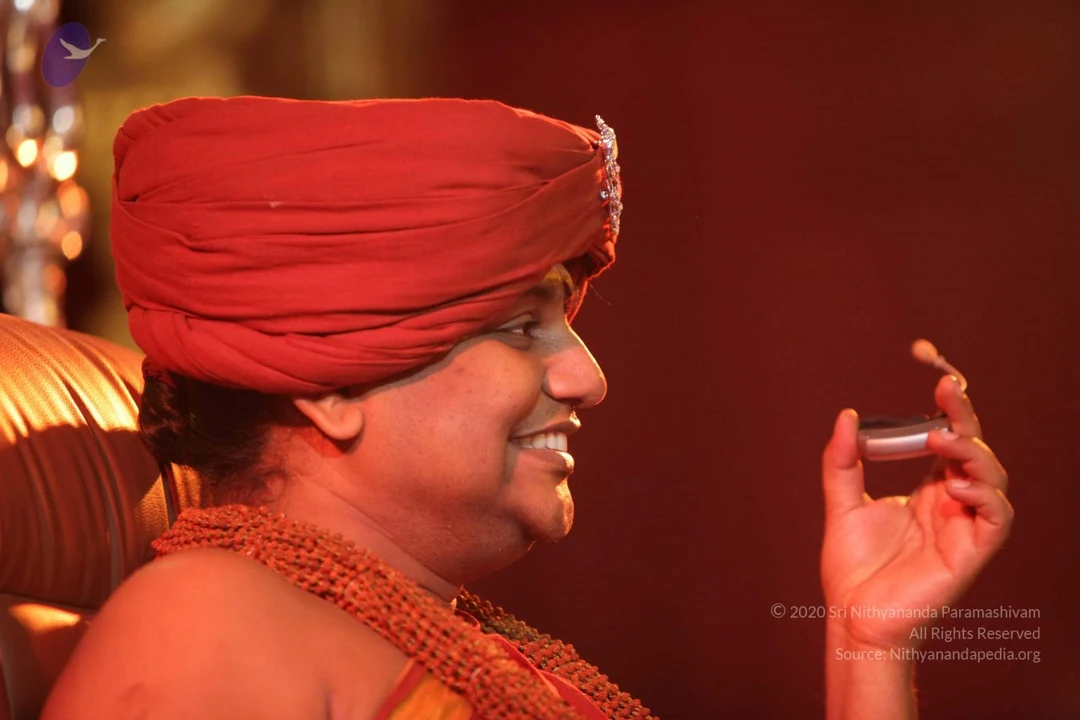
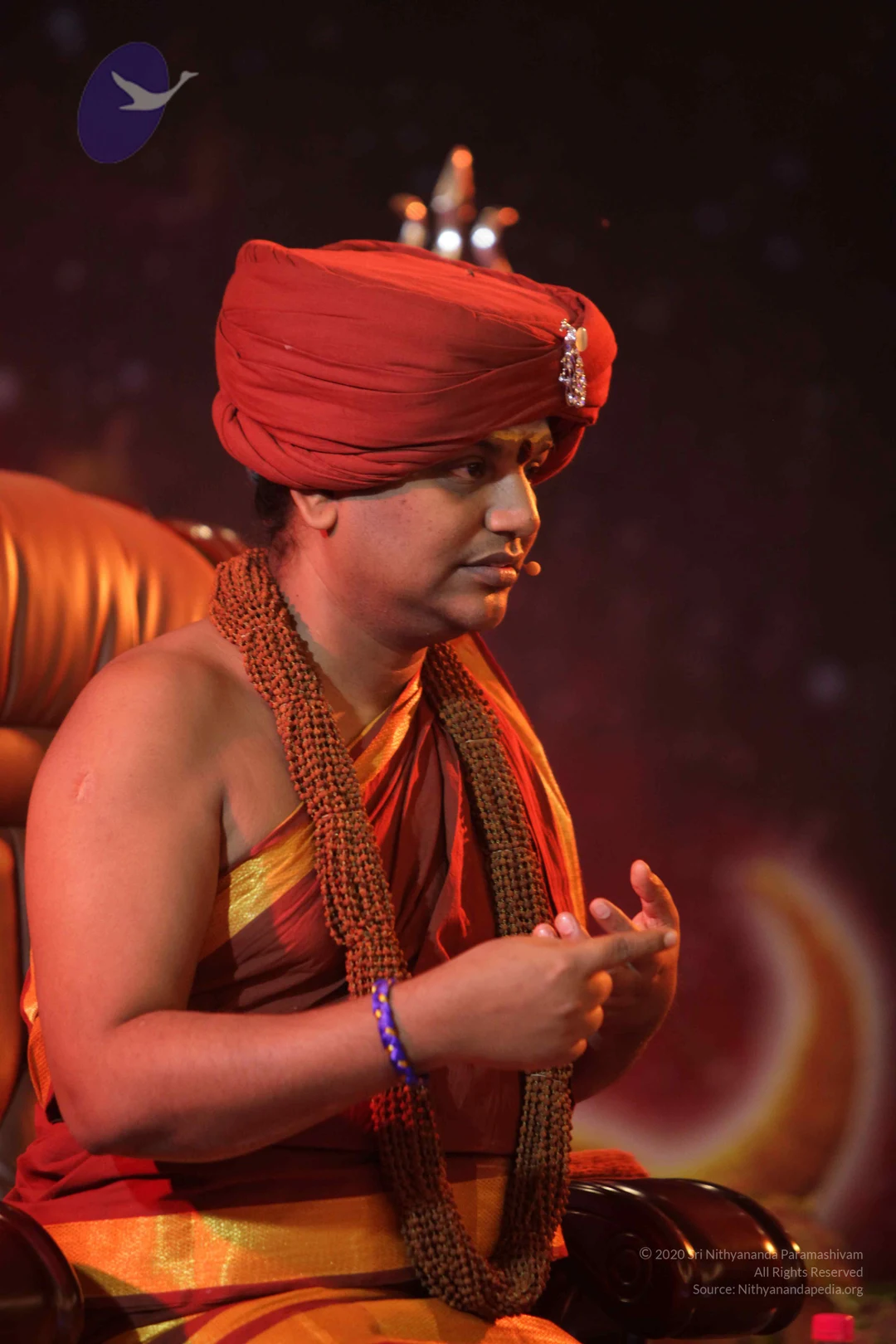
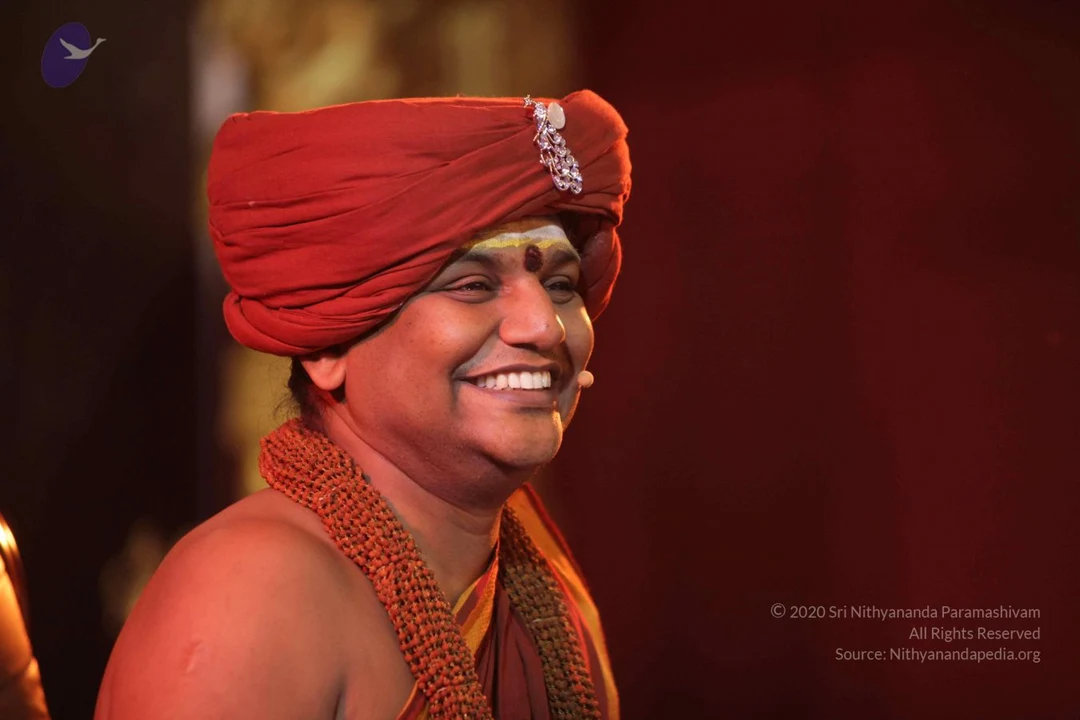

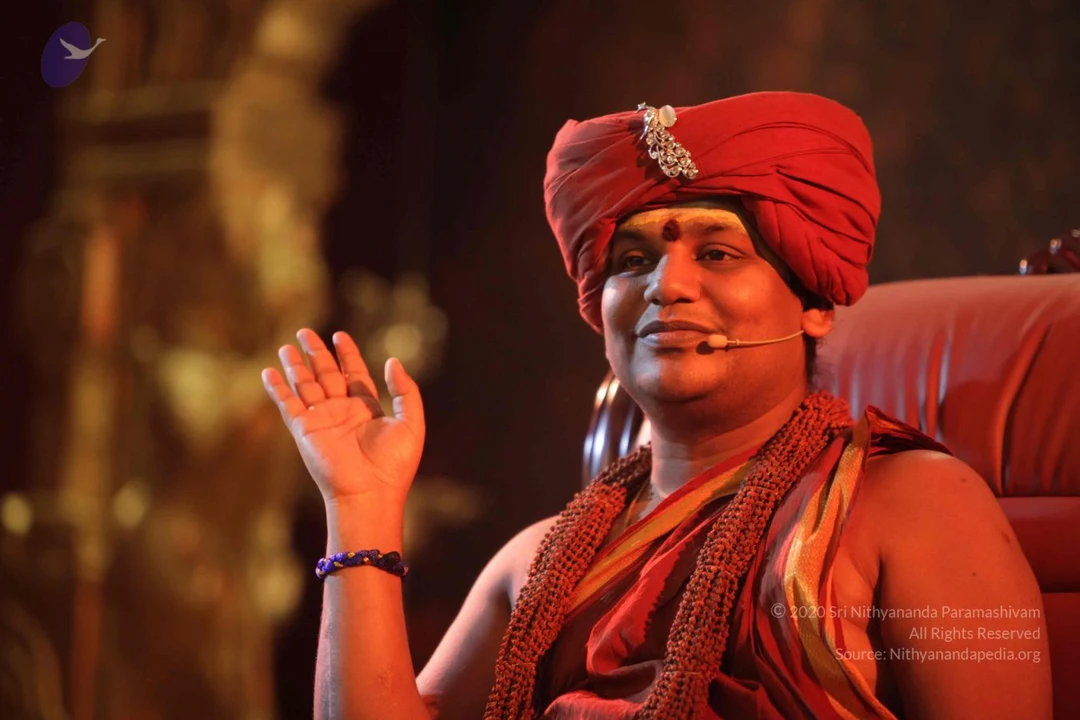
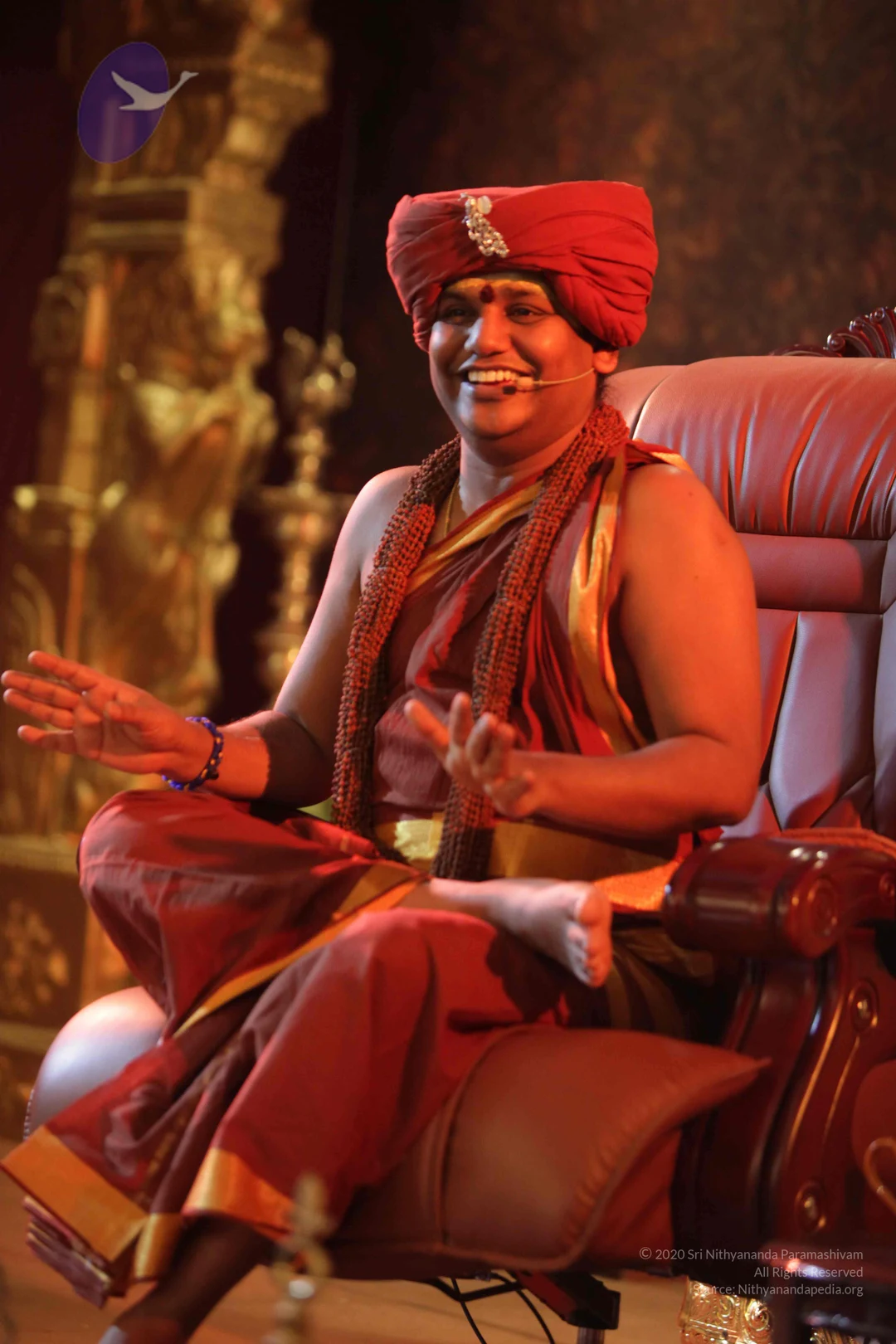
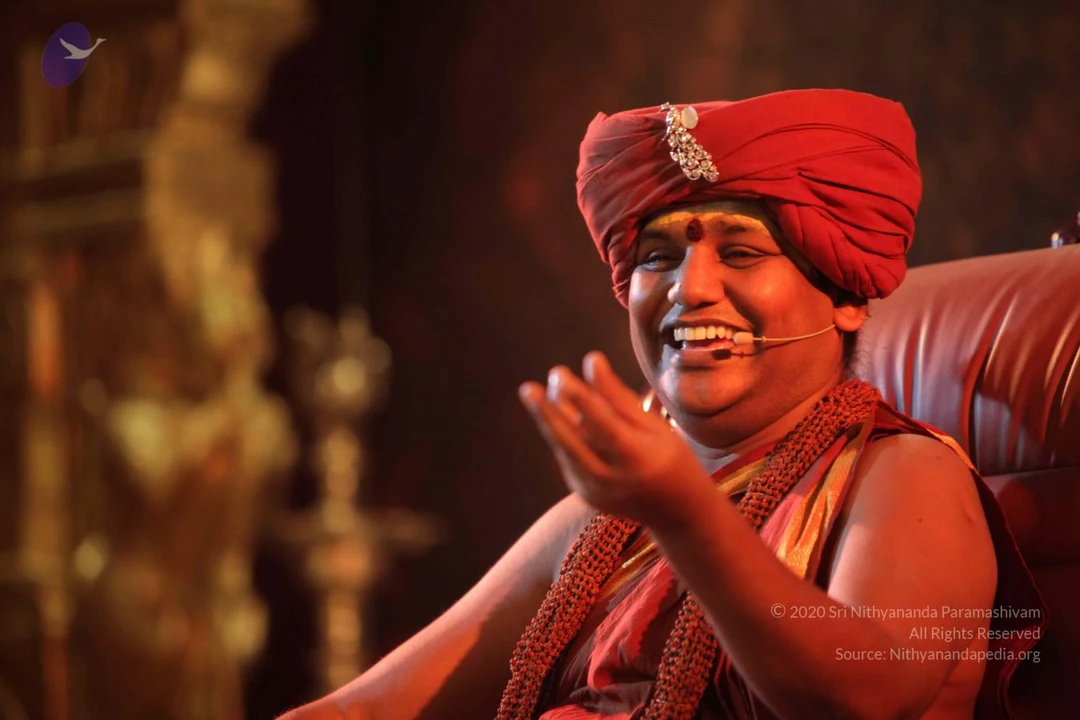
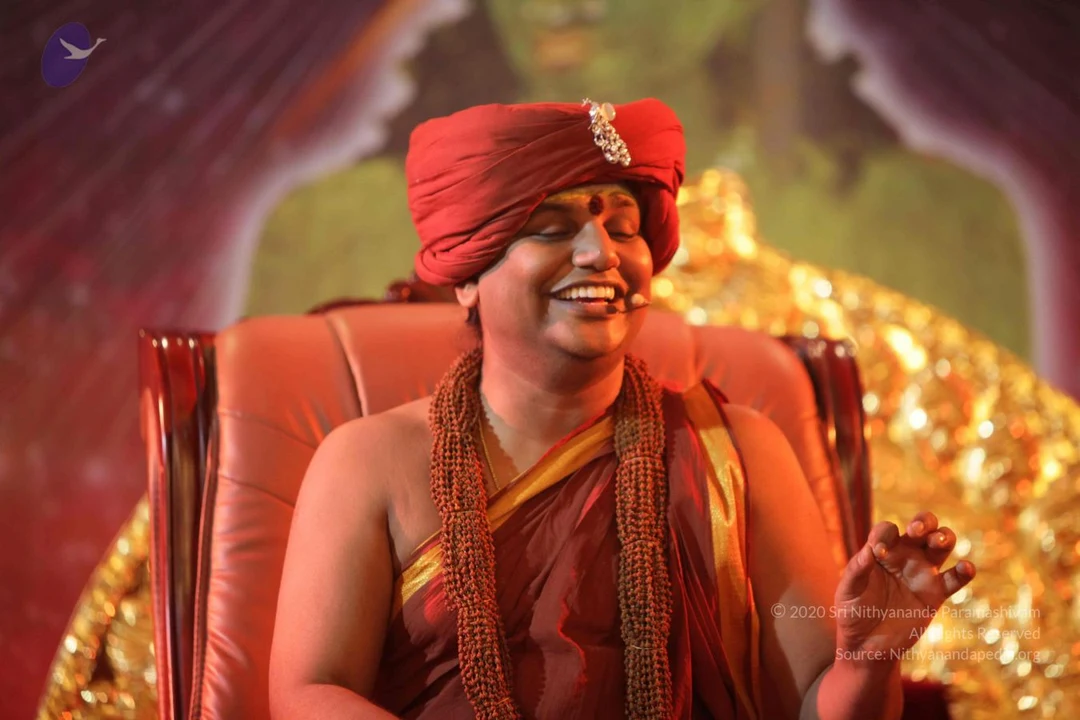






[Category: Inner awakening]]
Photos from this day
View all 285 photosPhotos From The Day
3 photosSource gallery
Yoga
33 photosSource gallery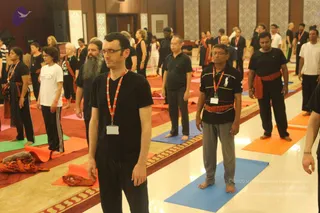
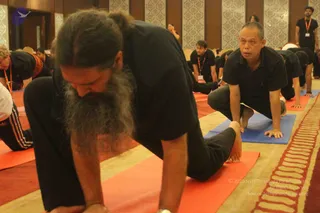
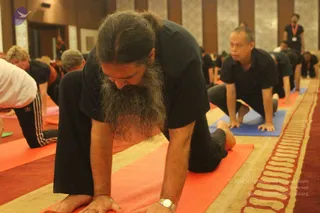
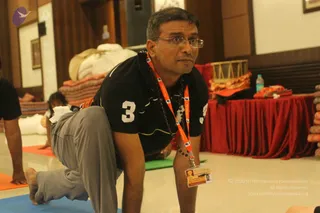
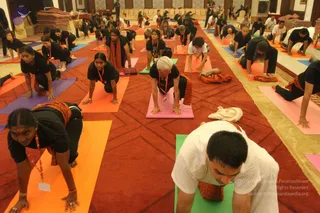
Daily-Satsang
125 photosSource gallery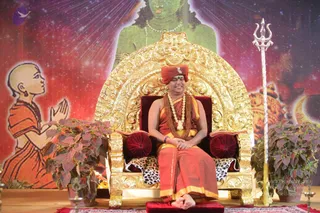
IA-Sessions
124 photosSource gallery