Thursday
20 November 2014
The Luxury of Simplicity
- Dated photos
- 140
- Source pages
- 1
- Media
- 2
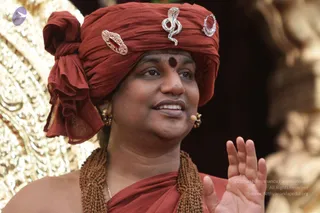
November 20 2014
Original wiki pageTitle
The Luxury of Simplicity
Description:
In today’s (20th November, 2014) morning Satsang, Paramahamsa Nithyananda defines the true meaning of simplicity. The luxury of simplicity is to keep ourselves inspired, enthusiastic, alive and radiating, not needing anything from the outside. It means we are complete and authentic to our four identities: inner image, outer image, other’s image about us and our image about life. Simplicity is not poverty; it is based in spirituality, having zero dependence on anything. Simplicity is the soil in which the seed of Shivoham grows.
Link to Video:
| Video | Audio |
Transcript:
Nithyanandeshwara Samaarambhaam Nithyanandeshwari Madhyamaam | Asmath Aachaarya Paryanthaam Vandhey Guru Paramparaam ||
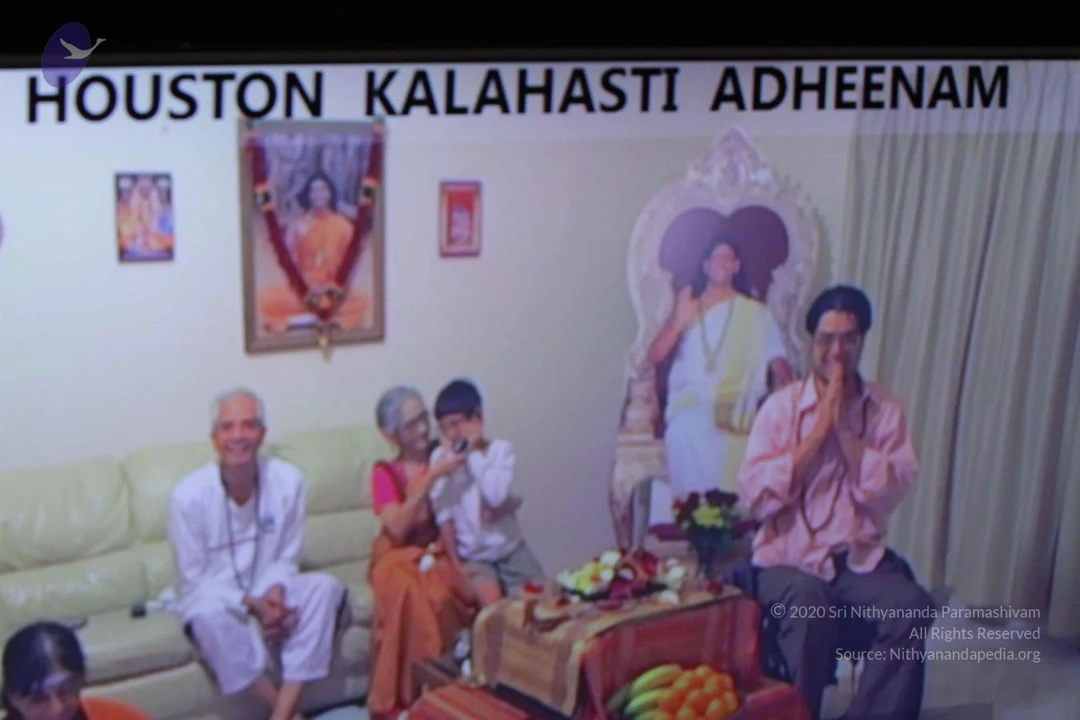
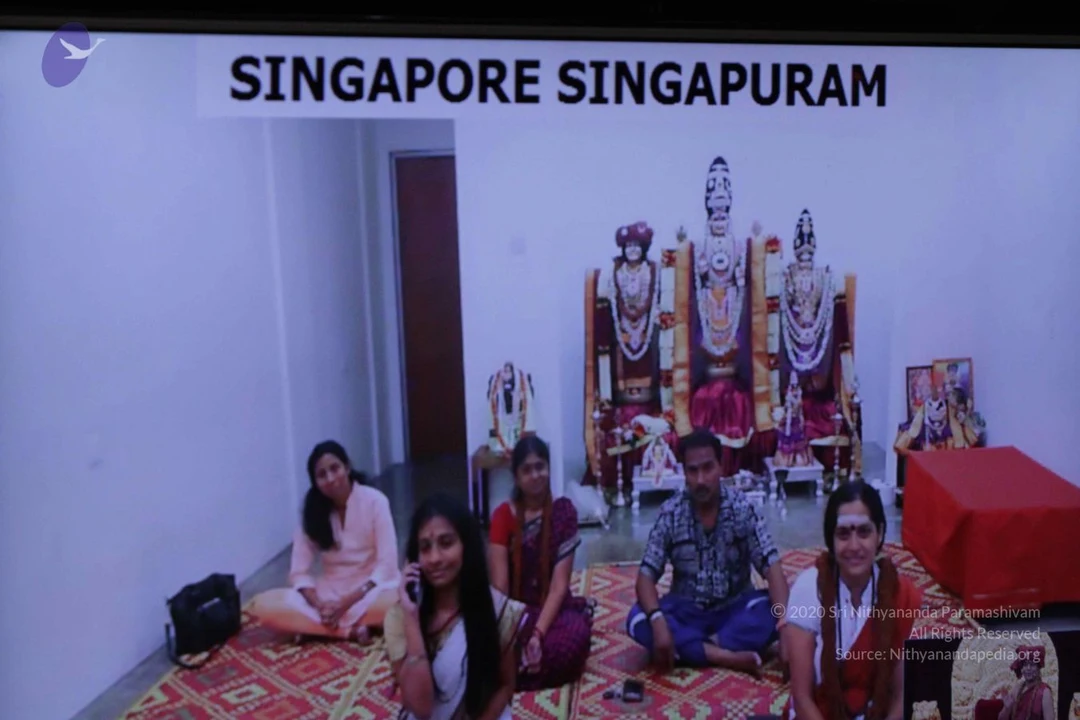
I welcome all of you with my love and respects. I welcome all the devotees, disciples, visitors, viewers, Shrimahants, Mahants, Kotharis, Thanedars, everyone, sitting with us through Nithyananda TV and Sadhana TV. I welcome all of you with my love and blessings.
Today I’ll expand on some of the very powerful secrets to experience Shivoham. Please understand, I will verbalise what goes on in your inner-space with your knowledge and without your knowledge when you are initiated into Shivoham. Listen. When I try to transmit this experience Shivoham what goes on inside you, with your knowledge, without your knowledge, consciously, unconsciously, sub-consciously and super-consciously, what is happening inside you I’ll explain.
The first thing you need to understand for you to live Shivoham: Do not expect the external evidences, external witnesses, external reasons, because your Life Image, Swa-Anyakaara, your perception about life and others, is so deeply corrupted, it is so deeply corrupted.
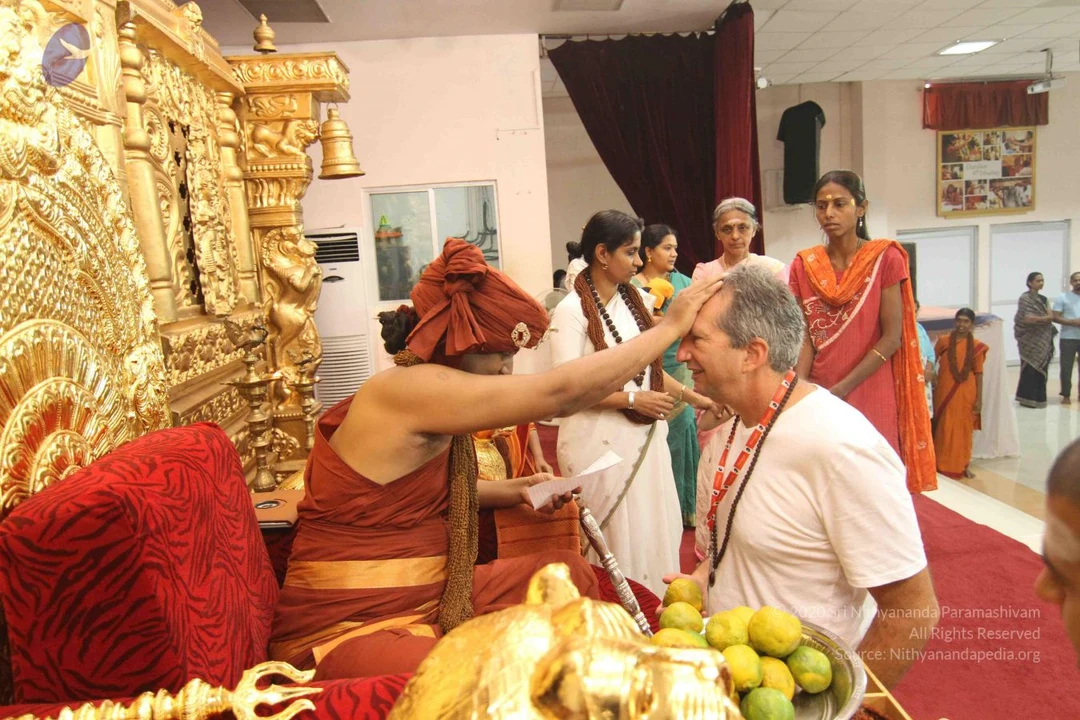
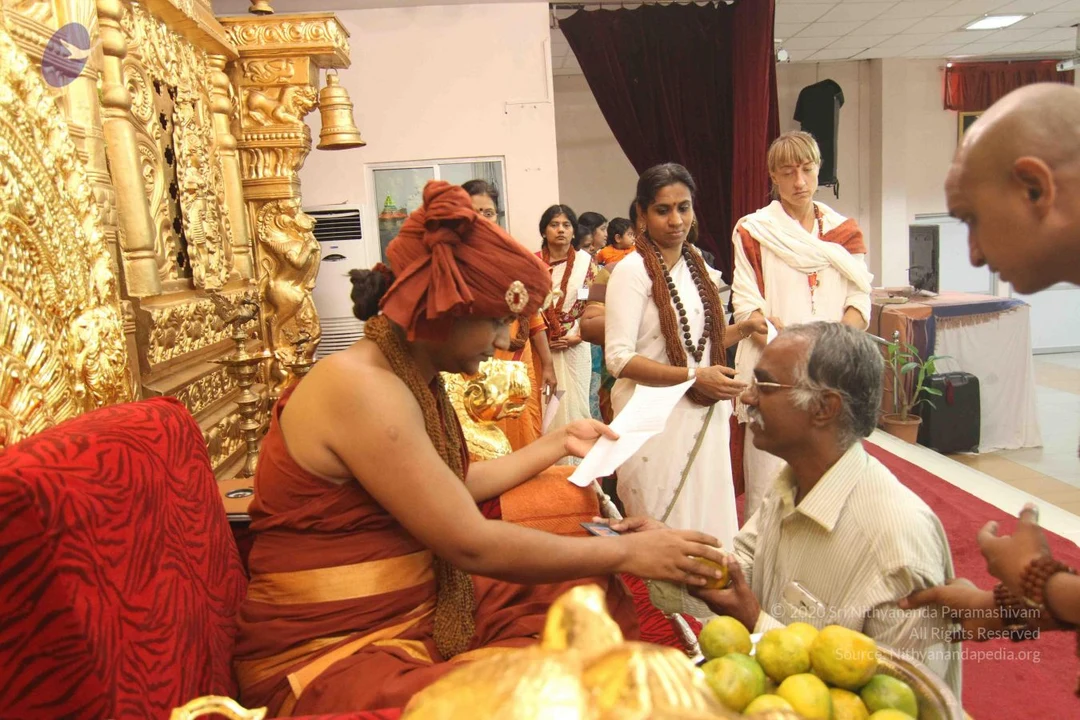
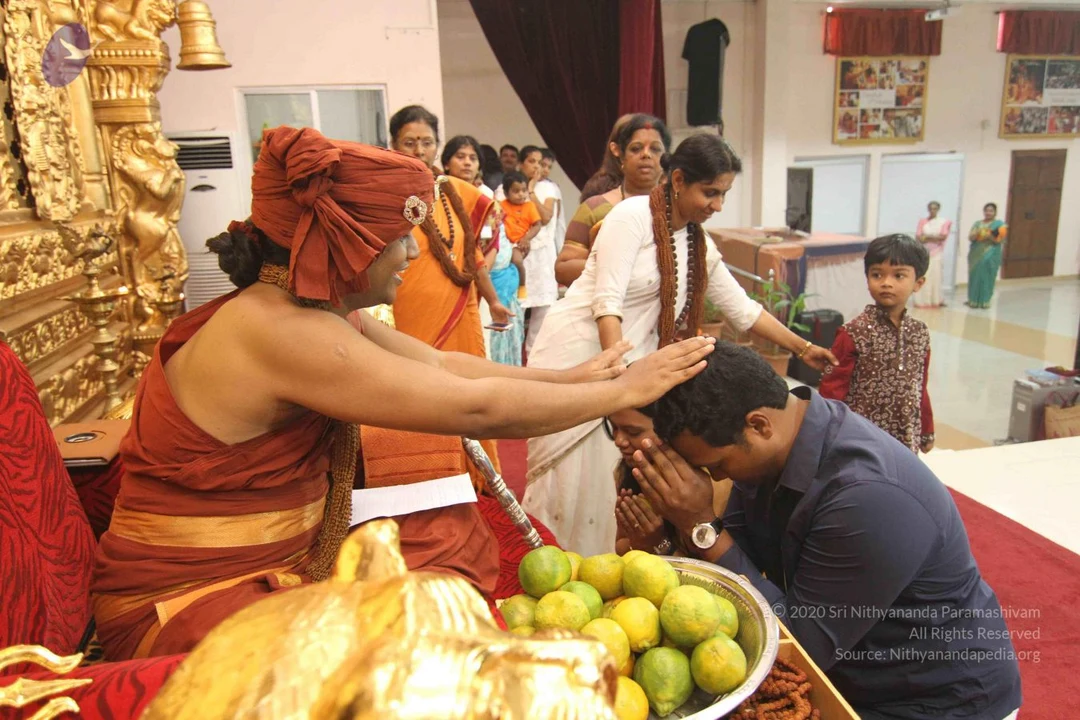
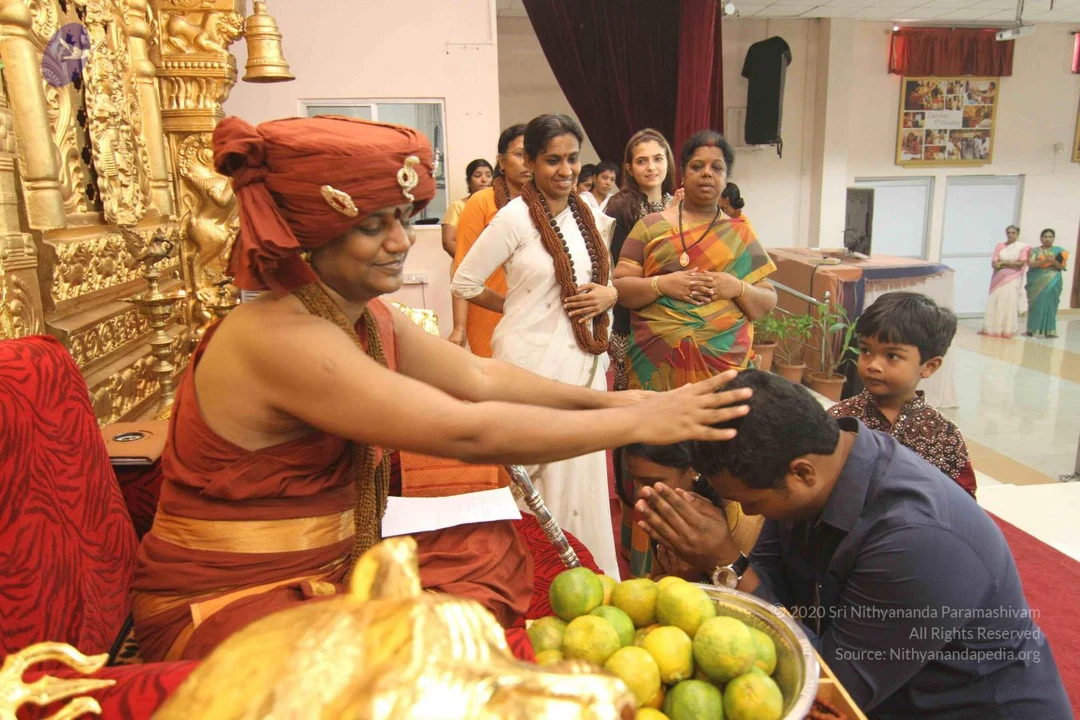
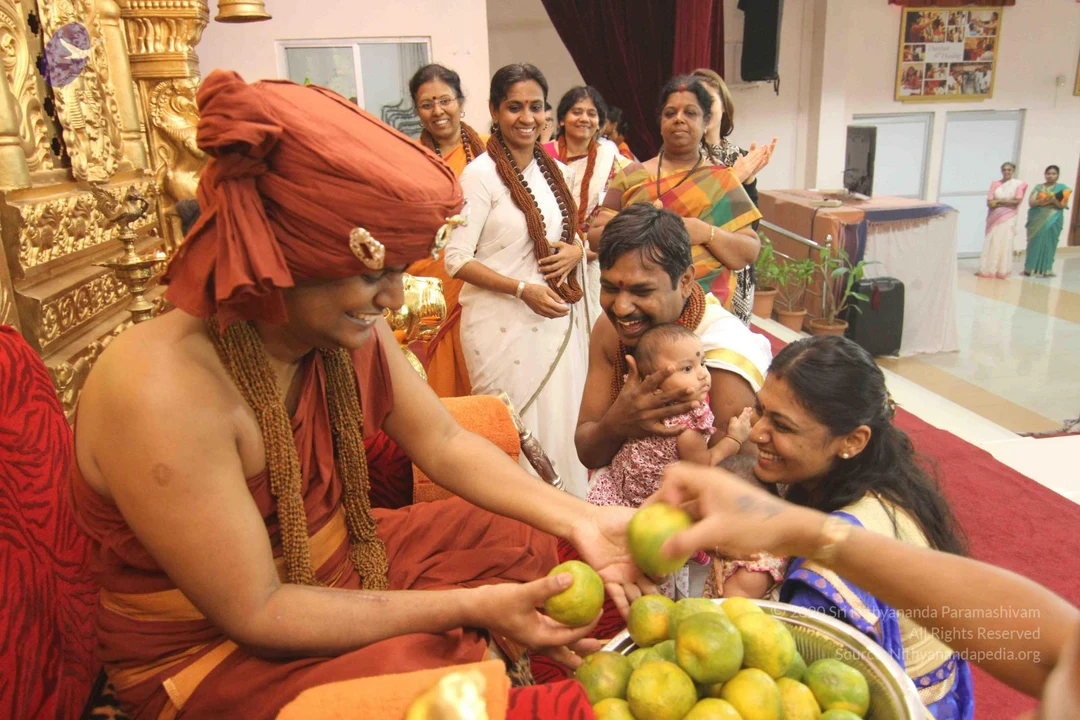
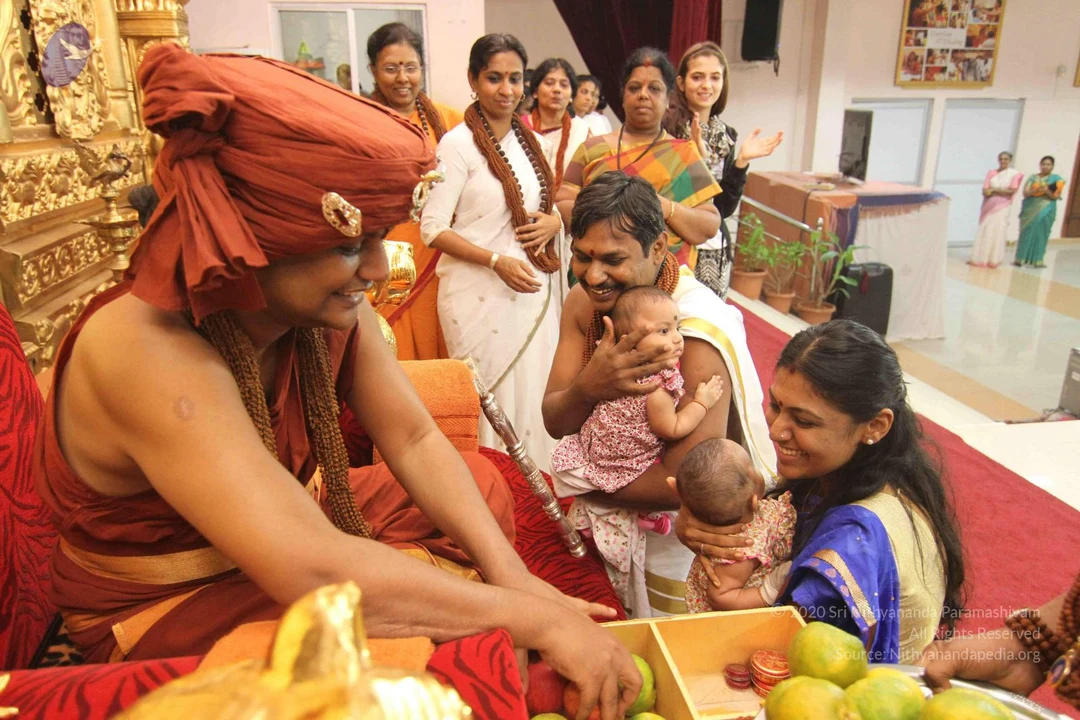
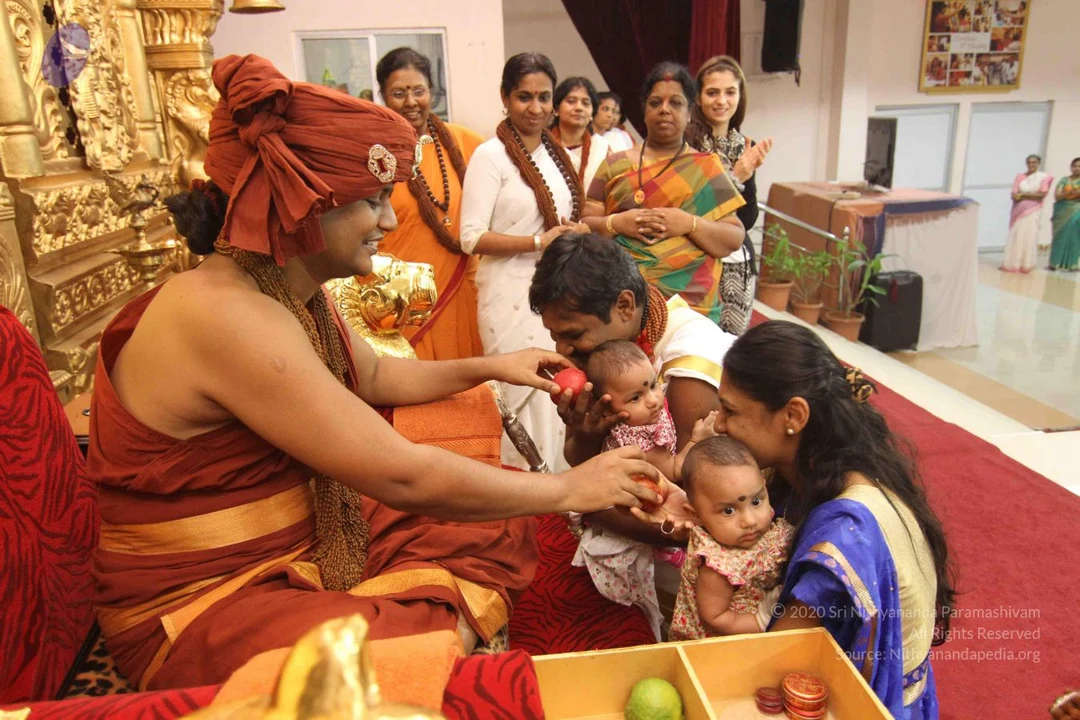
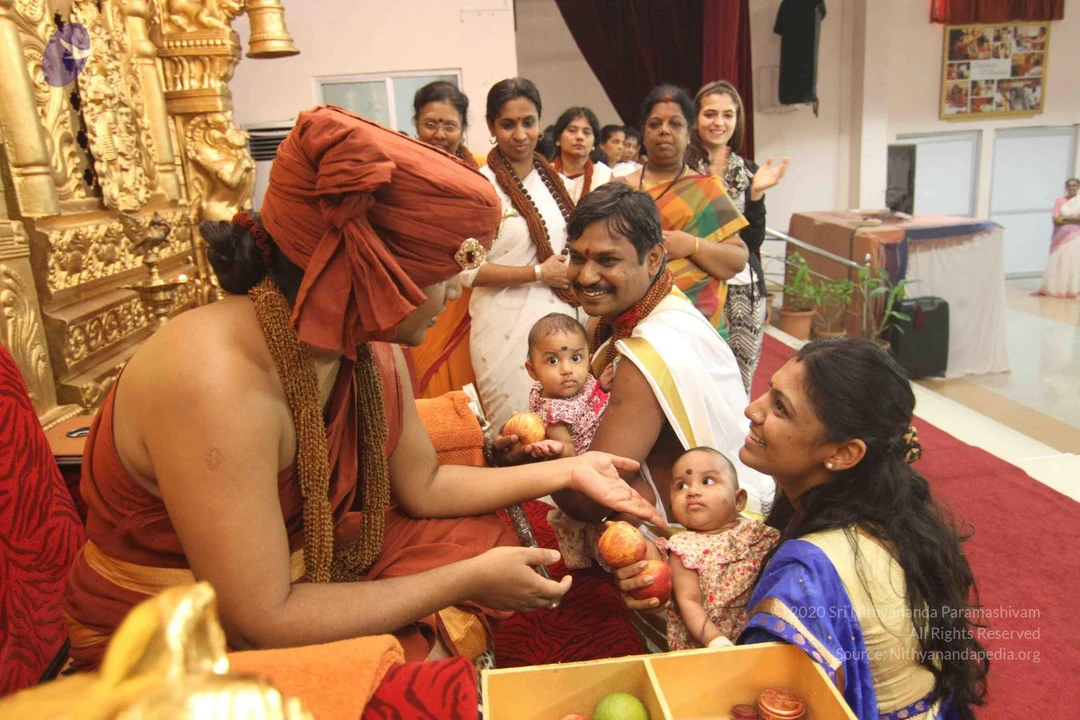
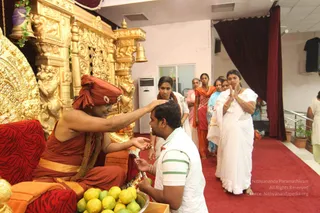
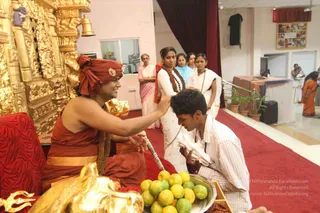
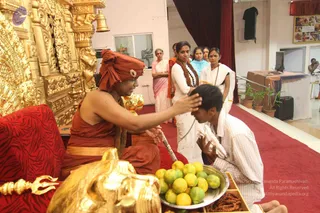
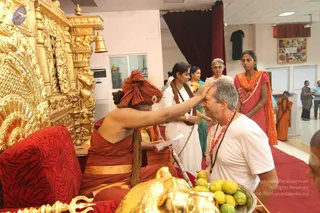
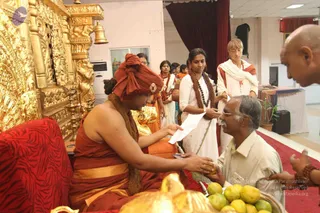
I tell you today I am just in such a joy! One small thing happened today morning in the Pada Puja. One devotee who did Pada Puja, his wife, both of them came to take the blessings. She is seeing me first time. First thing she asked, ‘I should support my husband in all his endeavours. Whatever he is doing, I should support him more and more and encourage him.’ I felt my heart flow and blessed both of them, ‘Let both of you, whatever you want become reality!’ I tell you it is not a joke even to have that space. Especially when you stand in front of somebody, you know whatever now you are going to ask will become reality, and you have only a few minutes to ask, and in that you find this thought. Means this is in your top priority list. I was so happy! I tell you guys I very rarely see people who carry the space of the idea about others and life so beautiful that they include that in their top priority list. Normally the human mind and life and inner-space is so corrupted, your image about others and life is so corrupted, it does not find place in your priority list. It may find place in your laundry list last as a fine-print. I have seen.
So, when you start living Shivoham, when I start initiating you into Shivoham in this “Keep It Simple Series”, do not expect external evidence. Don’t tell yourself, ‘How can I be Mahadeva? If my wife starts listening to me, then I’ll believe I am Mahadeva.’ Arrey, even Mahadeva’s wife, Sati, did not listen to him! What are you talking? Even for him, she did not listen! Don’t try to expect external evidences! ‘If my enemy gets destroyed, I’ll believe I am Mahadeva.’ Arrey, even for Mahadeva, he has to send Veerabhadra, Kaalabhairava, to destroy those enemies and their enmity. When Brahma had ego, Kaalabhairava was sent – internal administration. When Daksha had ego, Veerabhadra was sent – external administration. So do not expect immediately the external evidence. It is the inner-space that needs to start first. Let the attention be brought on the inner-space during the period of initiation, understand?
If an egg is broken from the external outside force, life ends. If the same egg is broken from inside, internally, life happens. Shivoham is the initiation I am giving inside your being. Let the life happen inside and break and come out. Don’t break from outside with your doubt. Asking for external evidences immediately is like a breaking the egg from outside. Life ends! I felt, ‘Oh, God, millions of eggs are wasted, because, stupid minds, before the life can happen, enlightenment can happen, started asking for external evidence!’ At least during the initiation wait for the life to break the egg from inside and open up and come out.
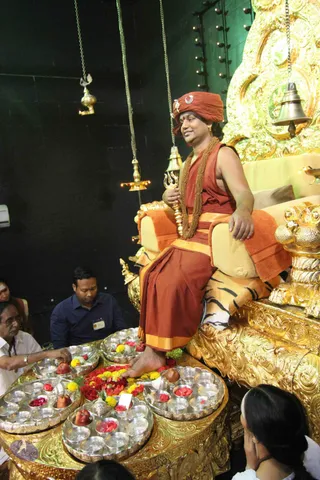
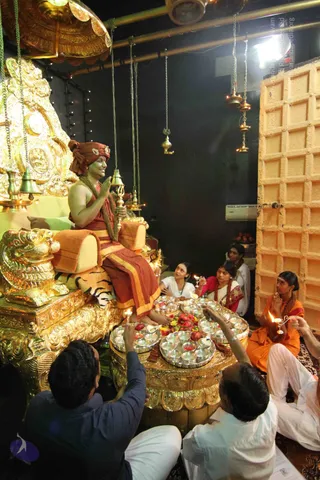
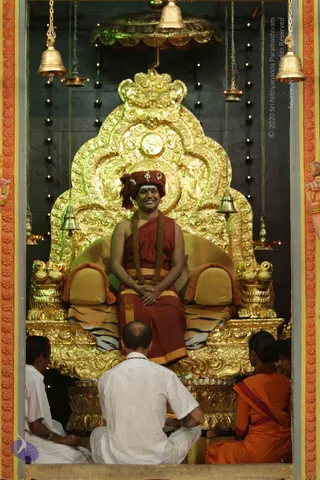
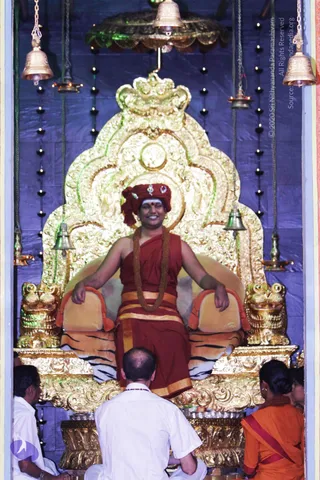
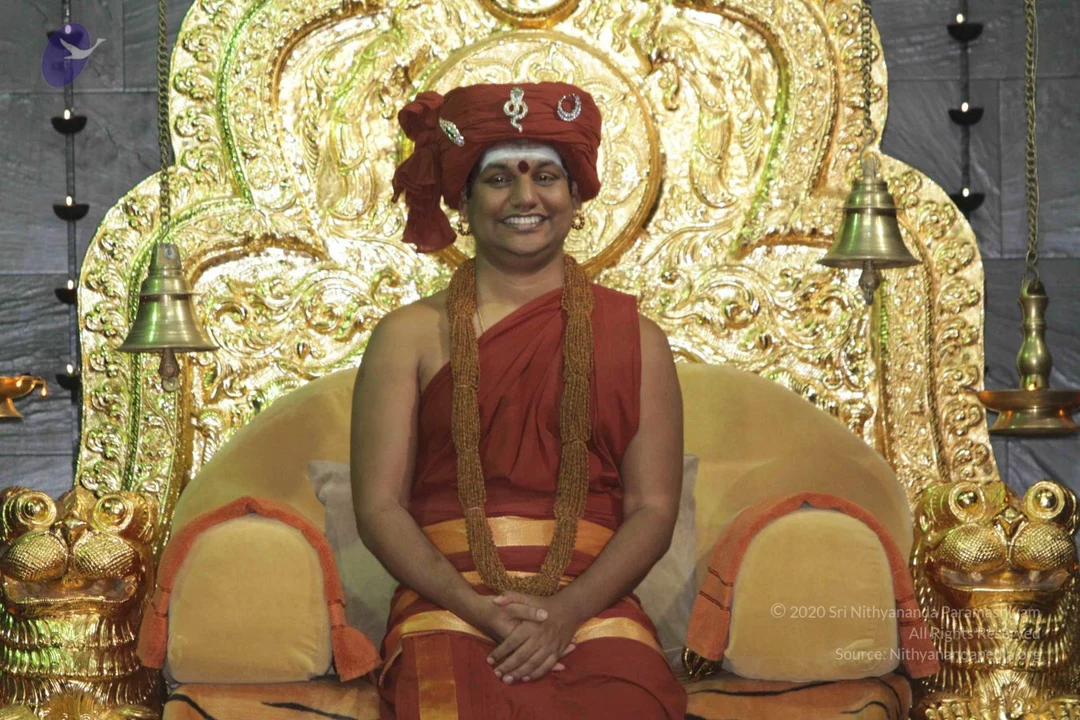
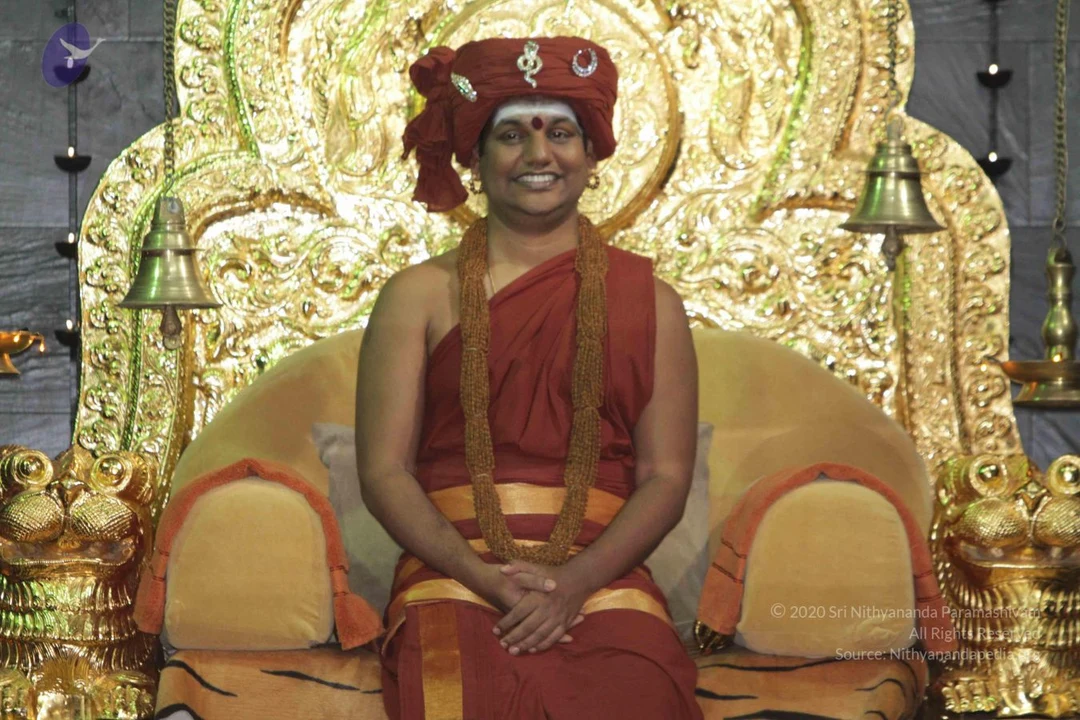
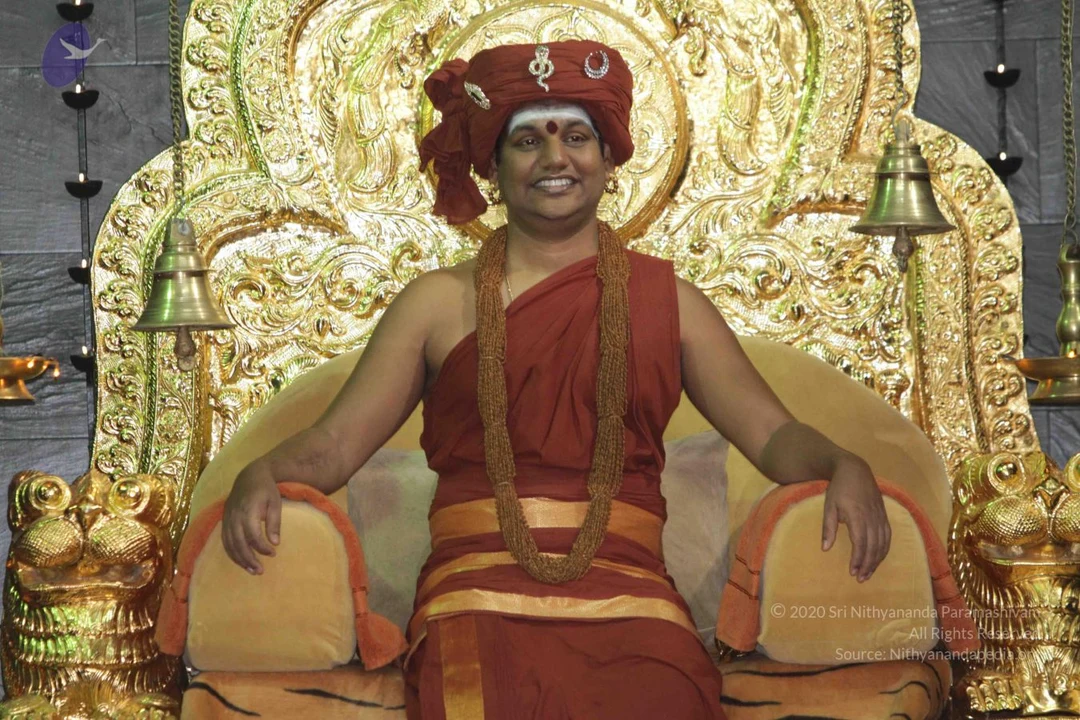
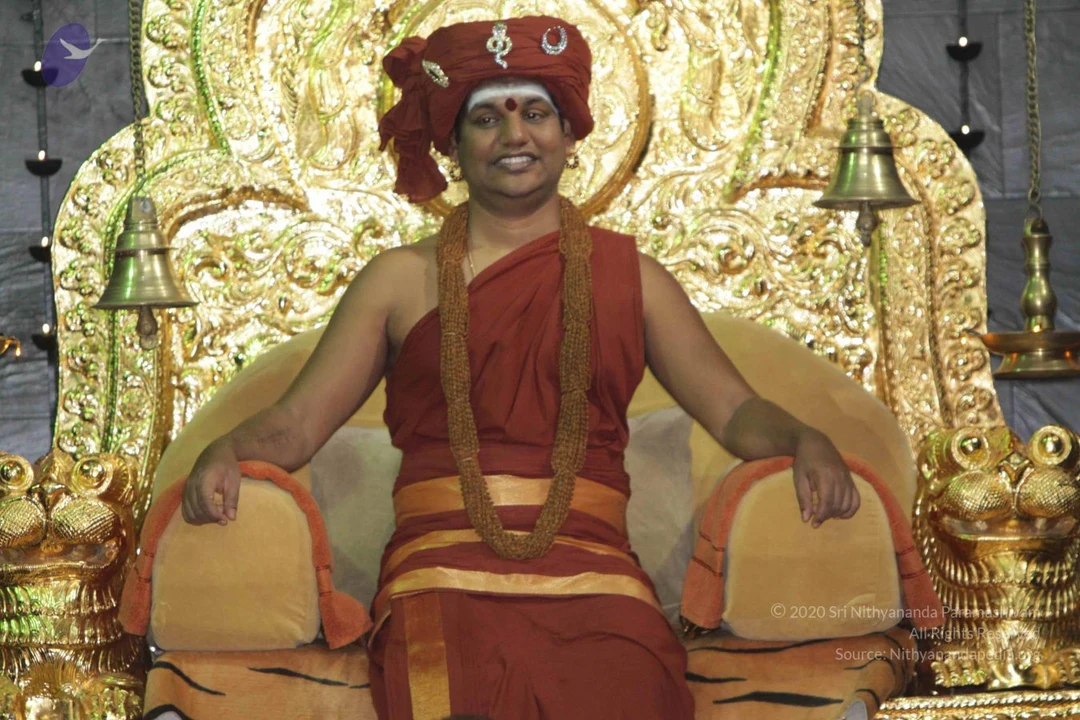
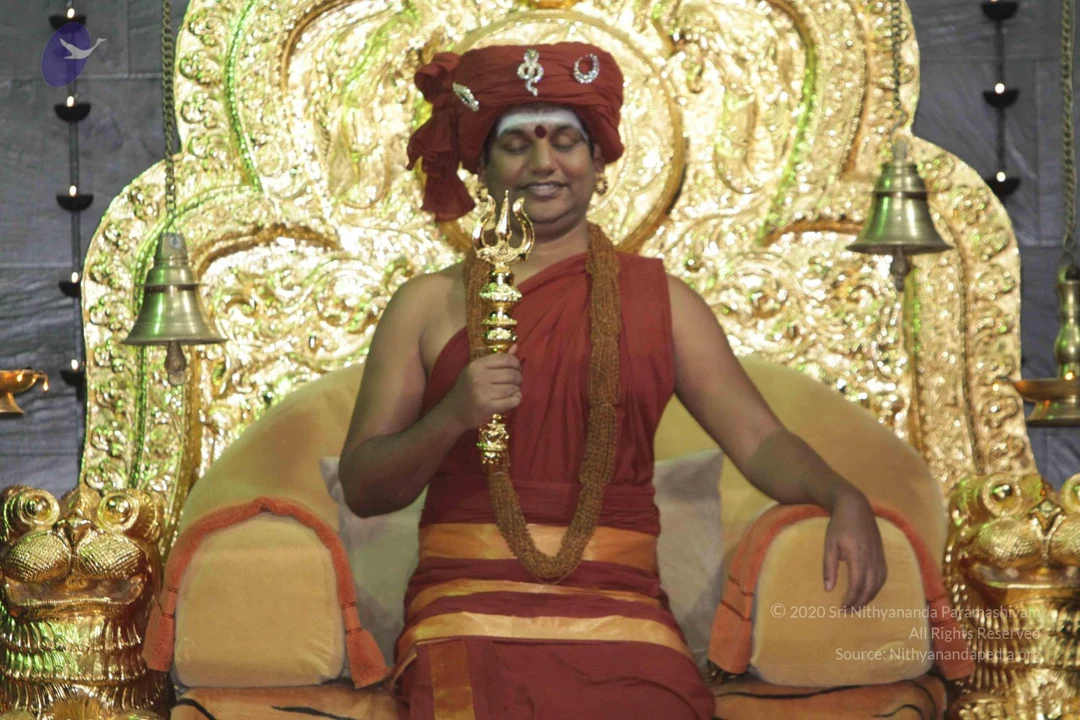
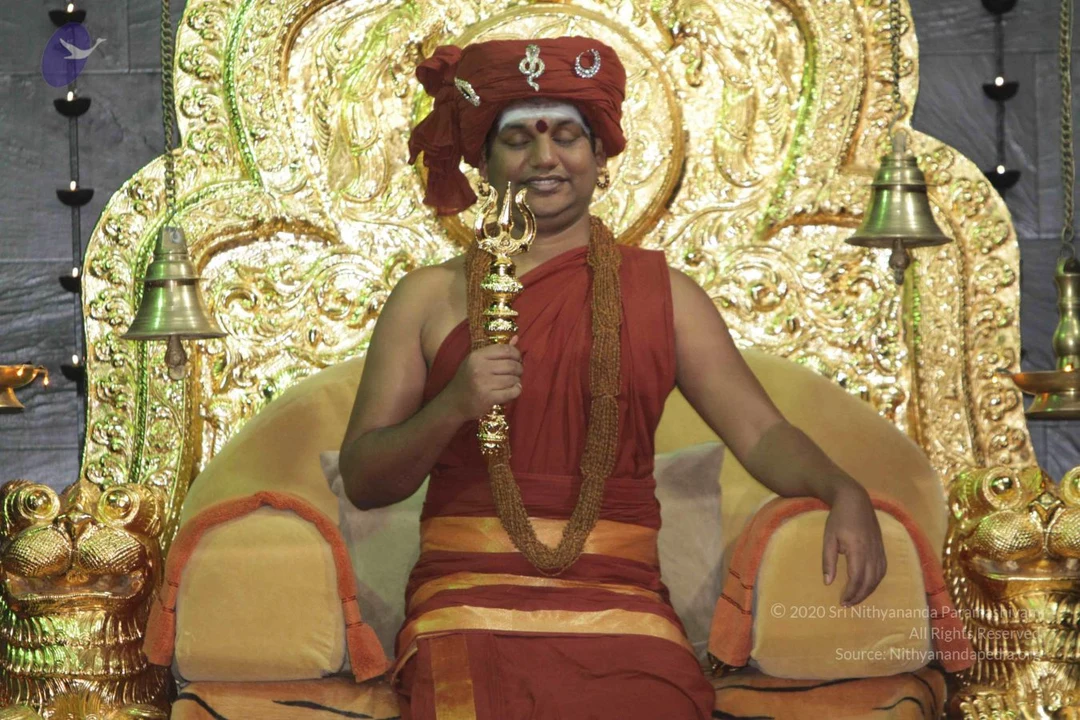
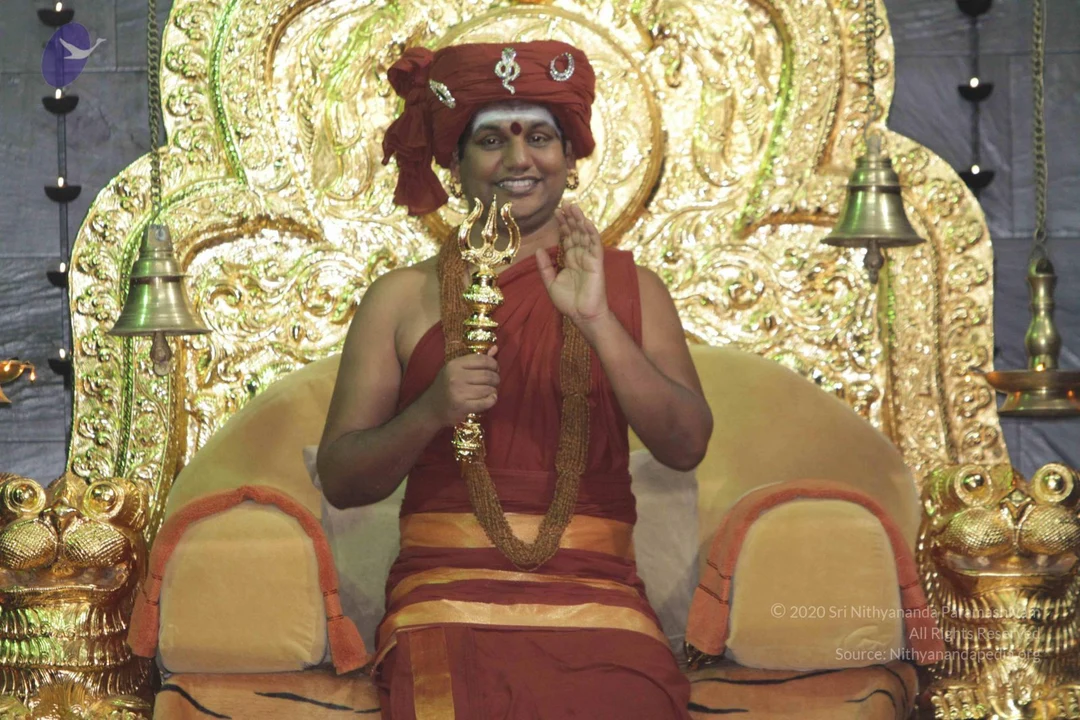
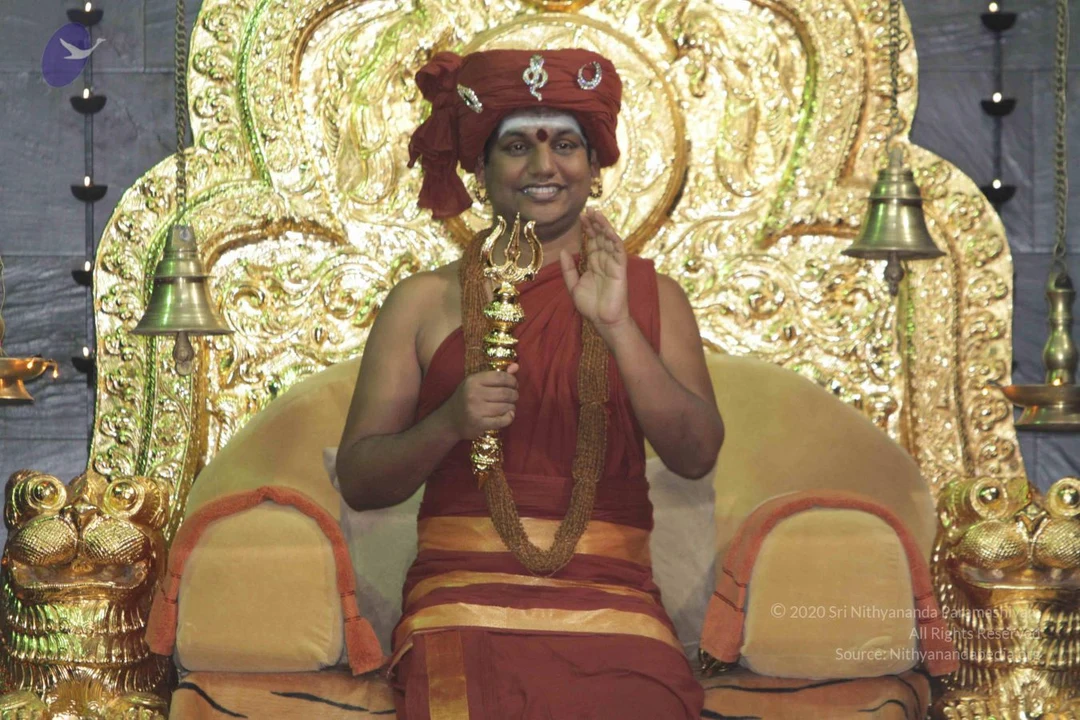
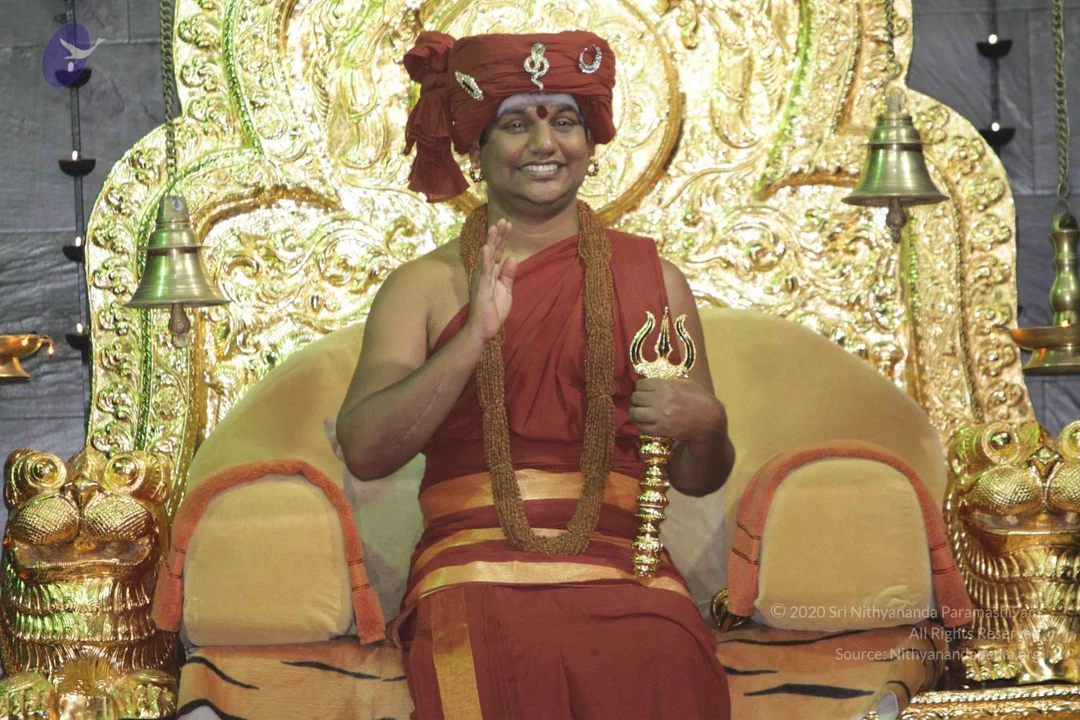
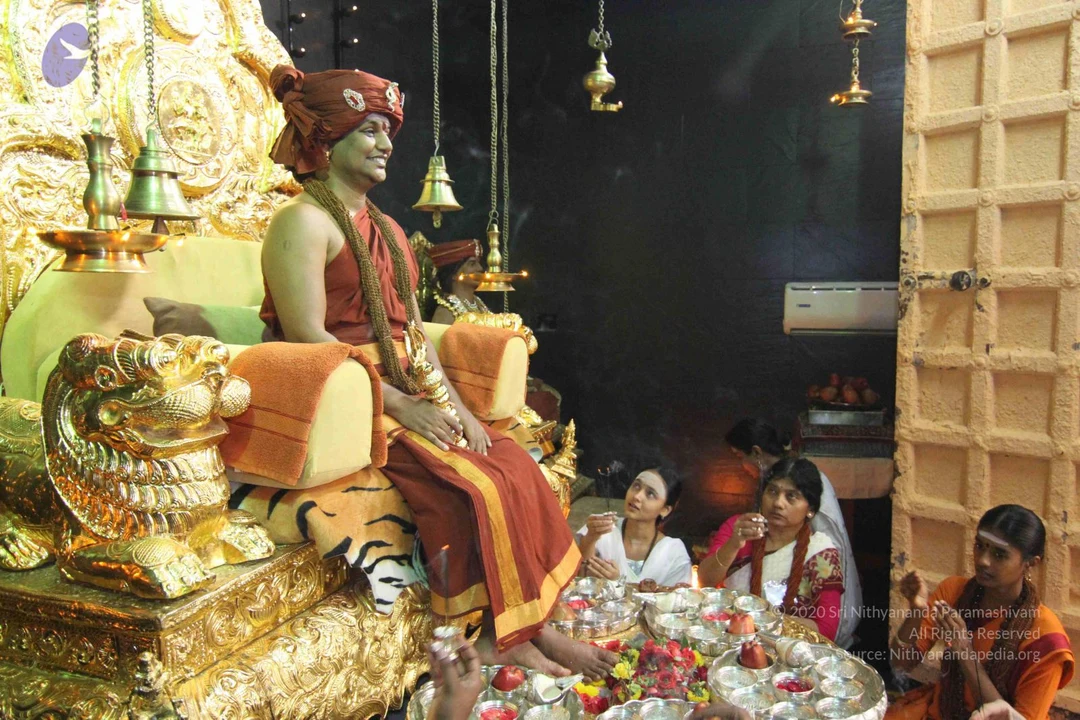
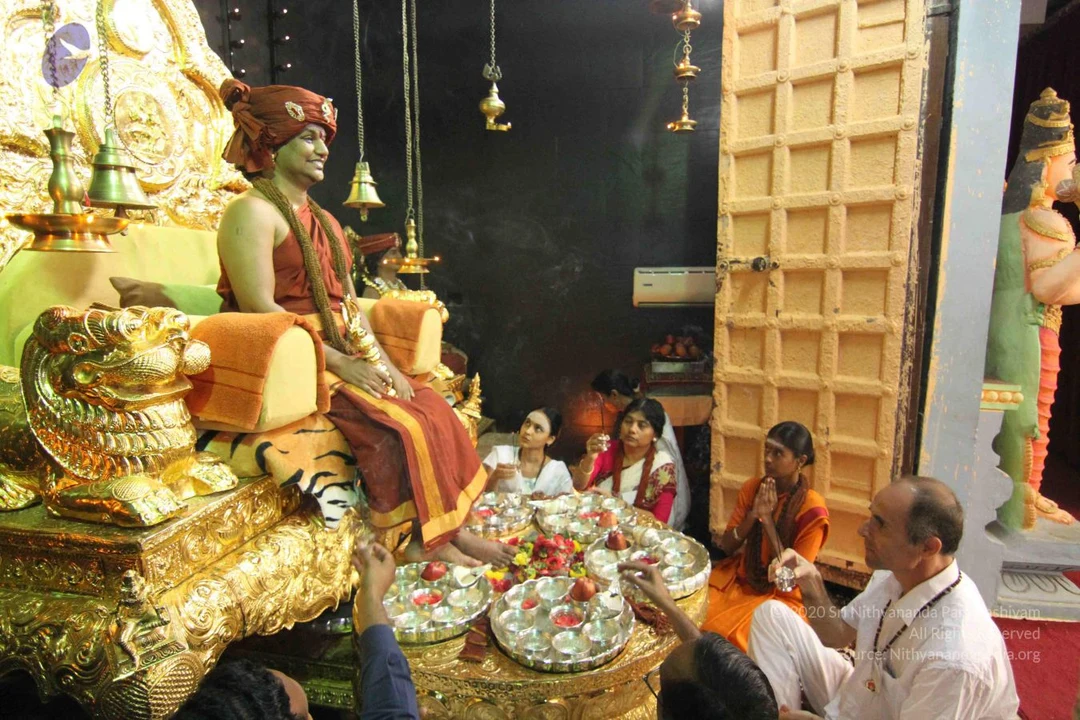
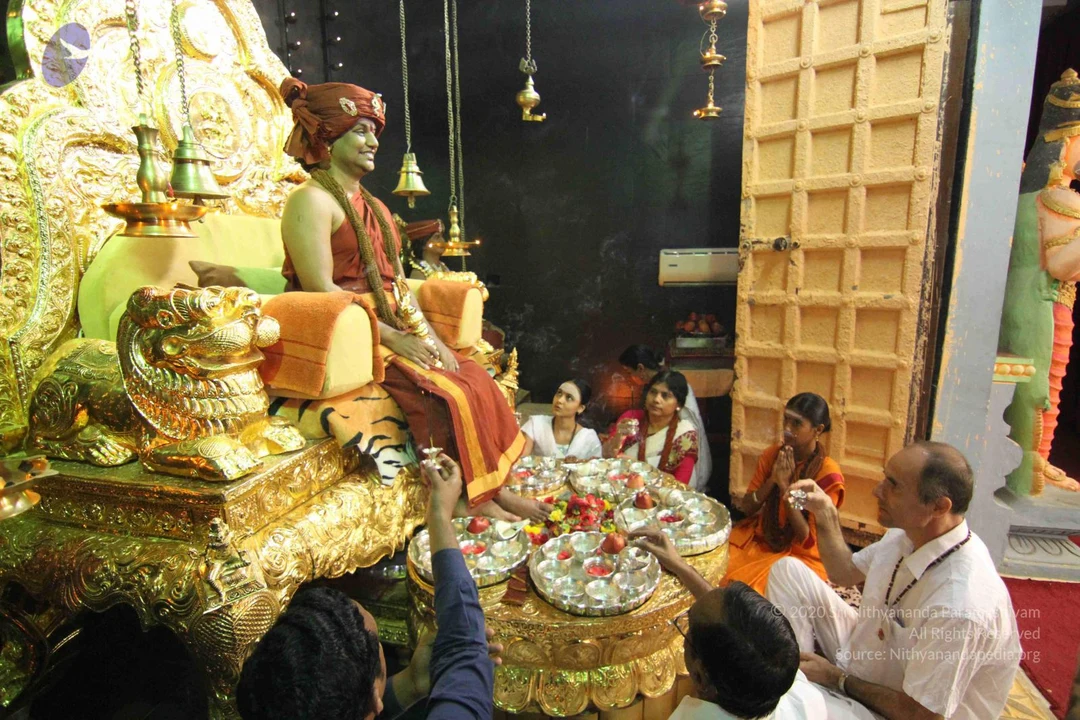
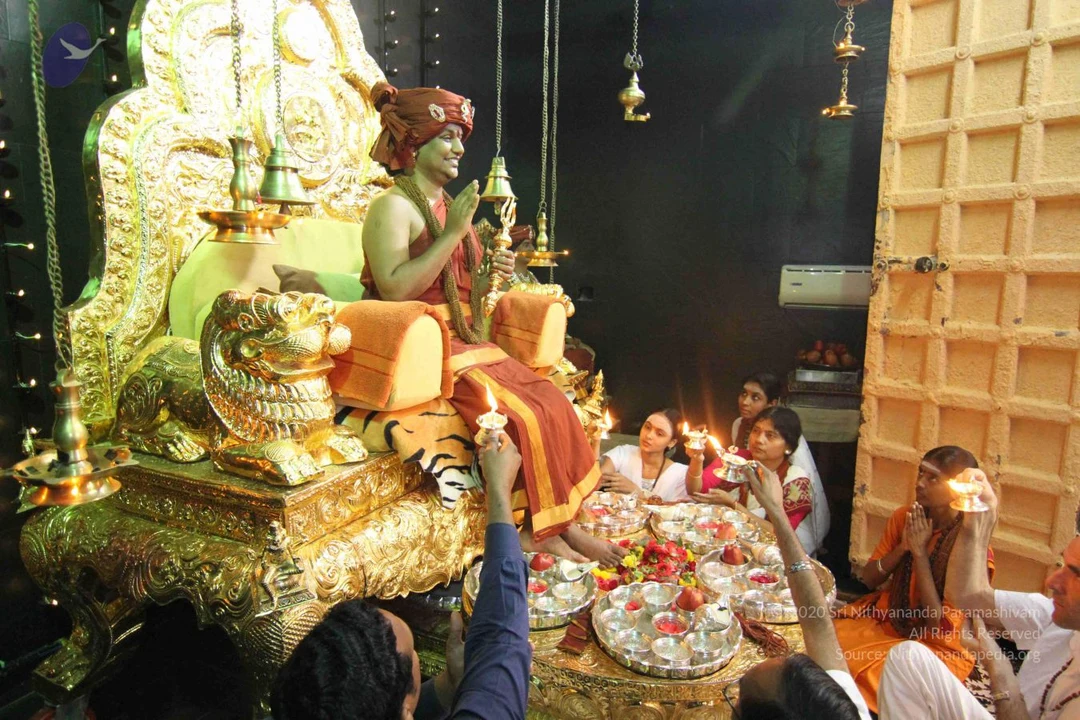
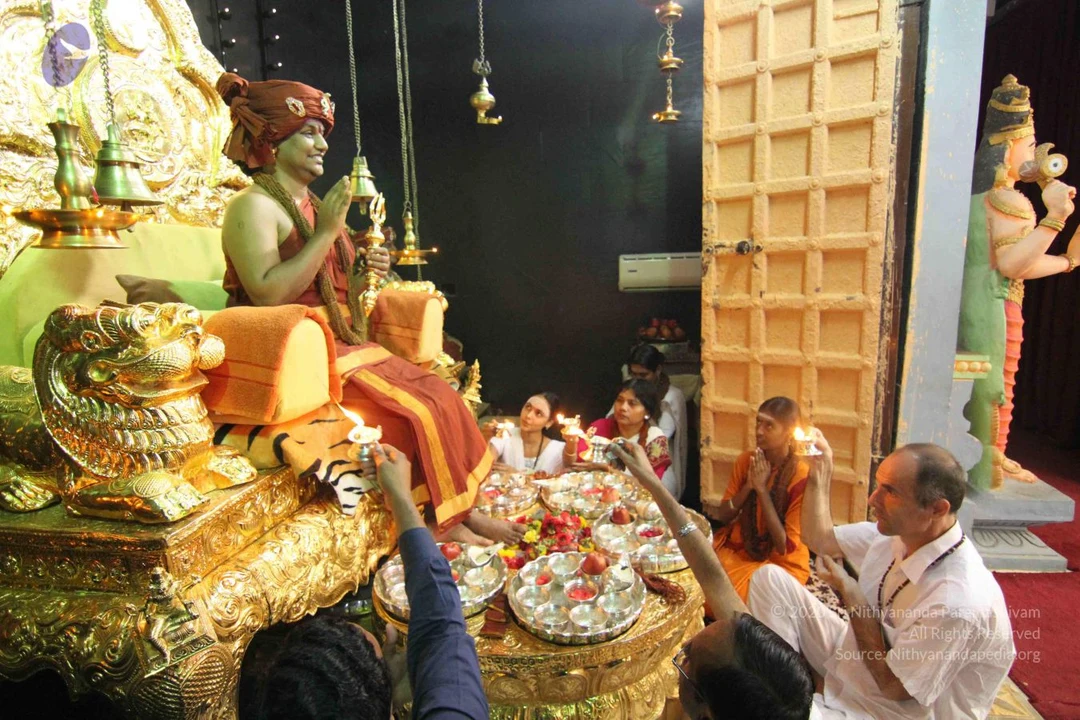
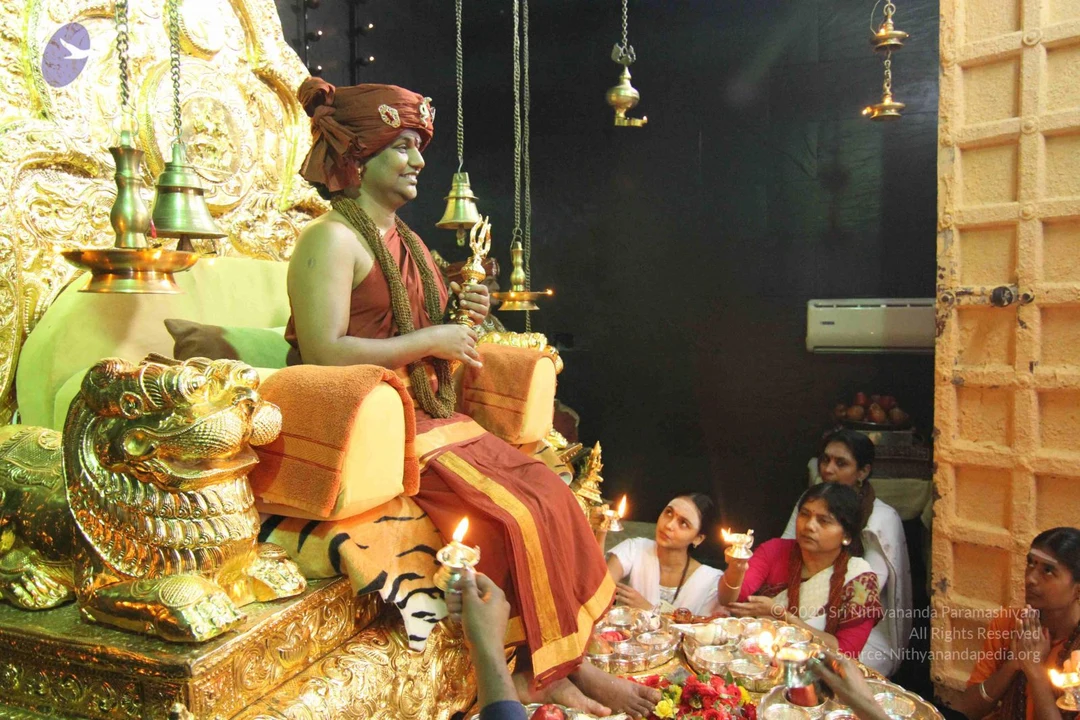
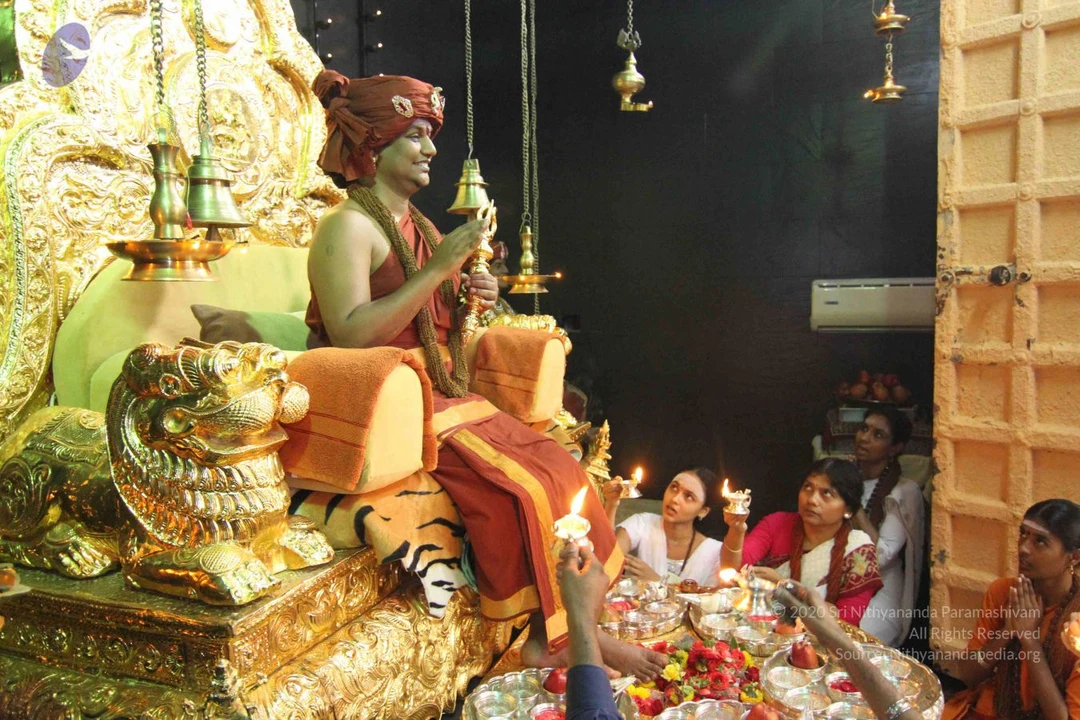
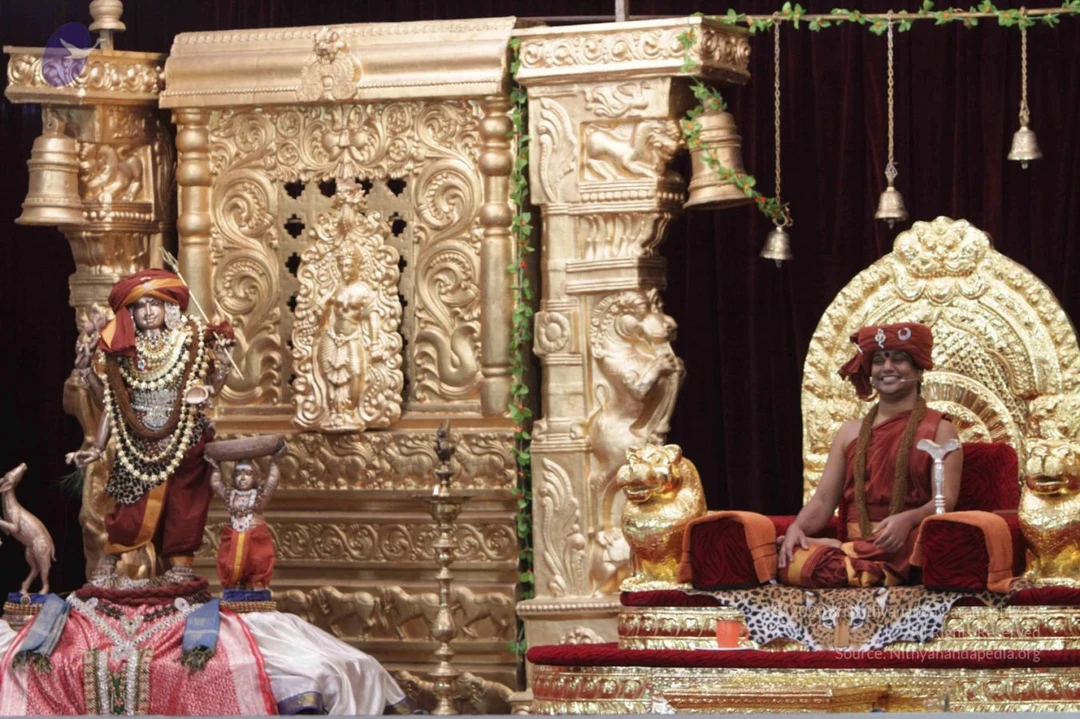
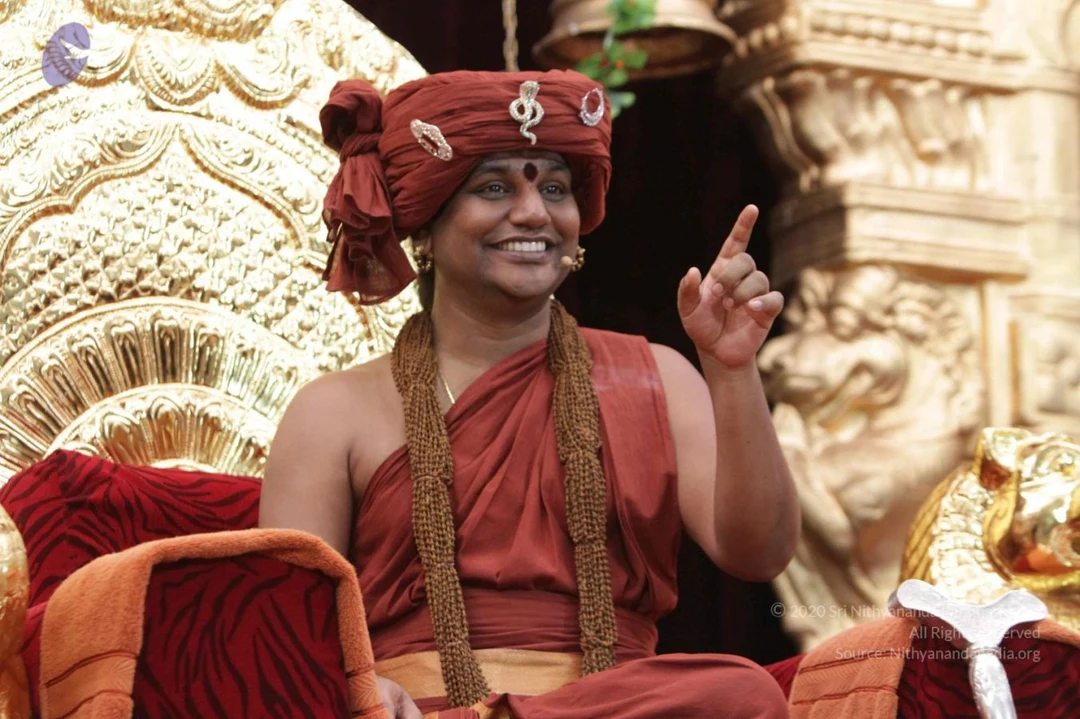
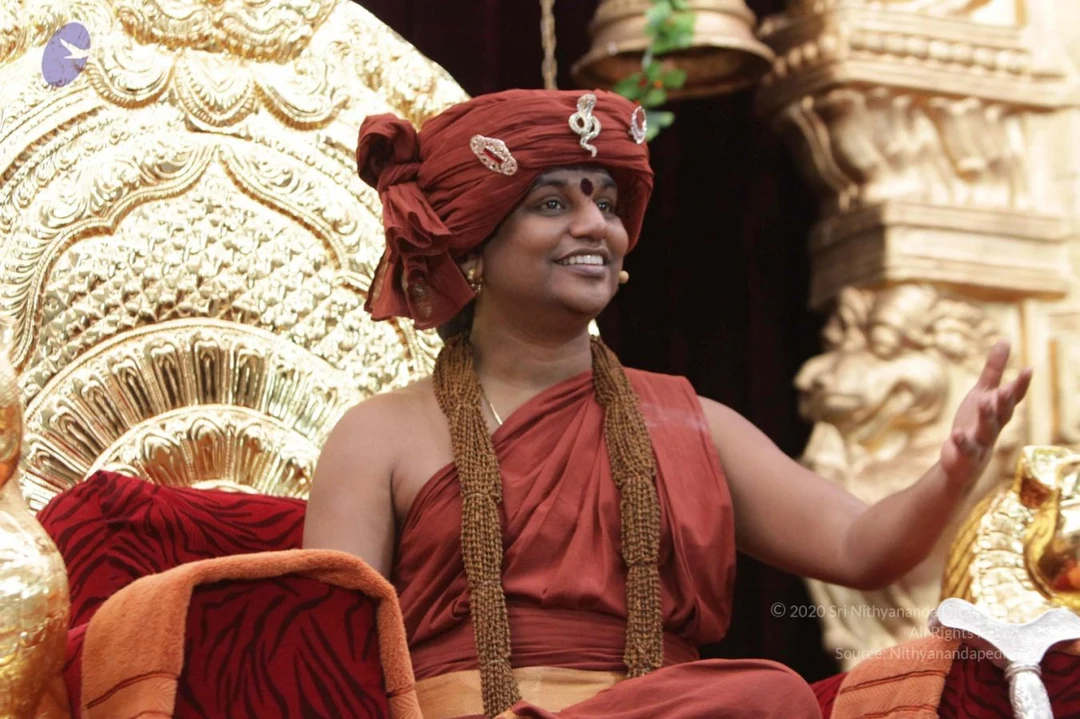
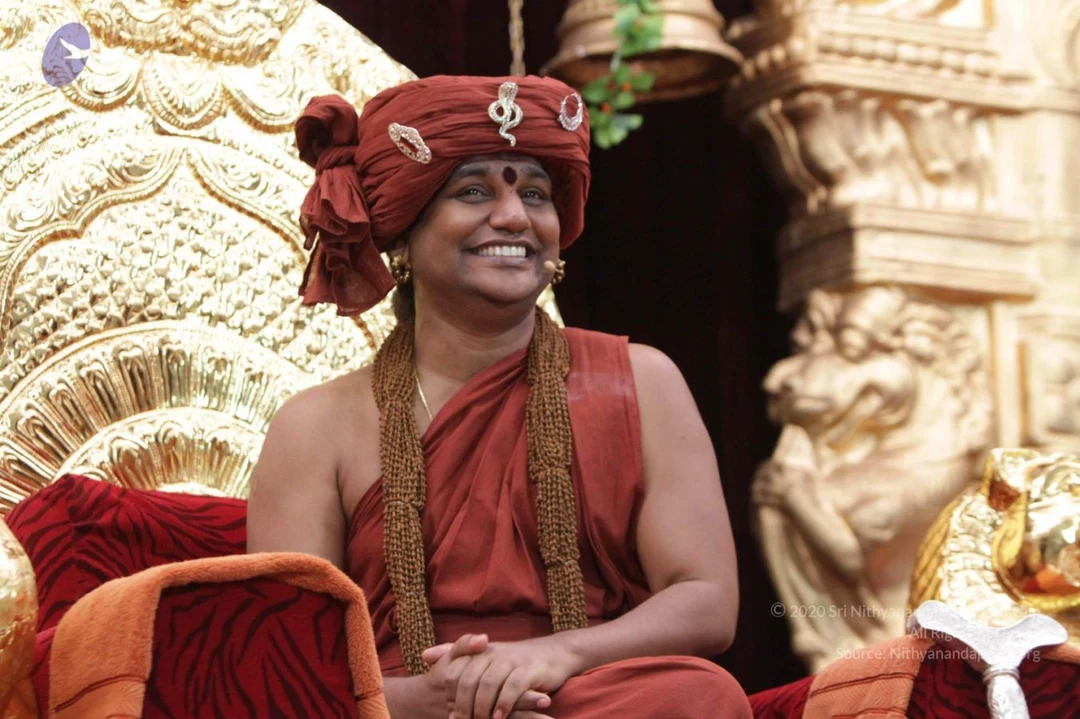
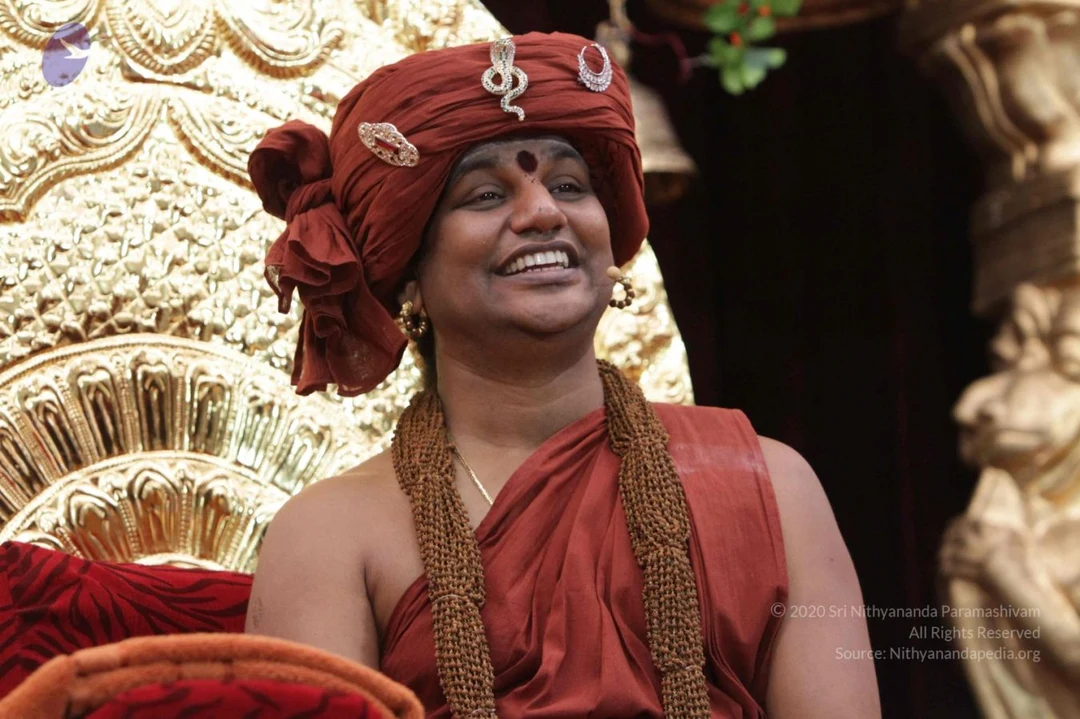
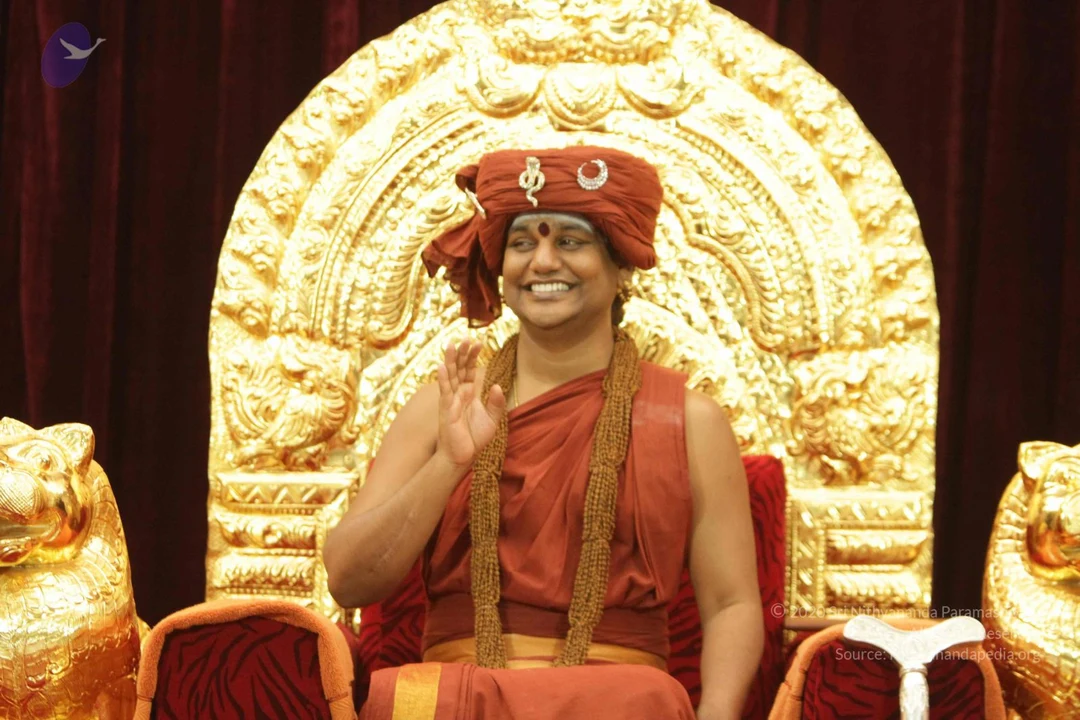
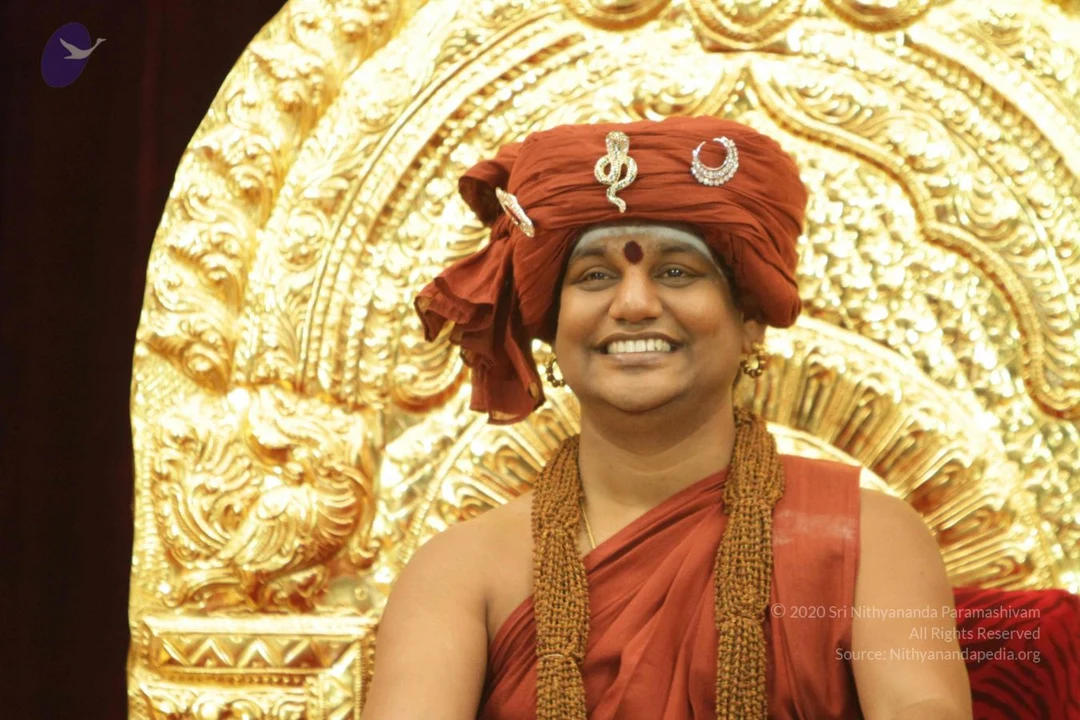
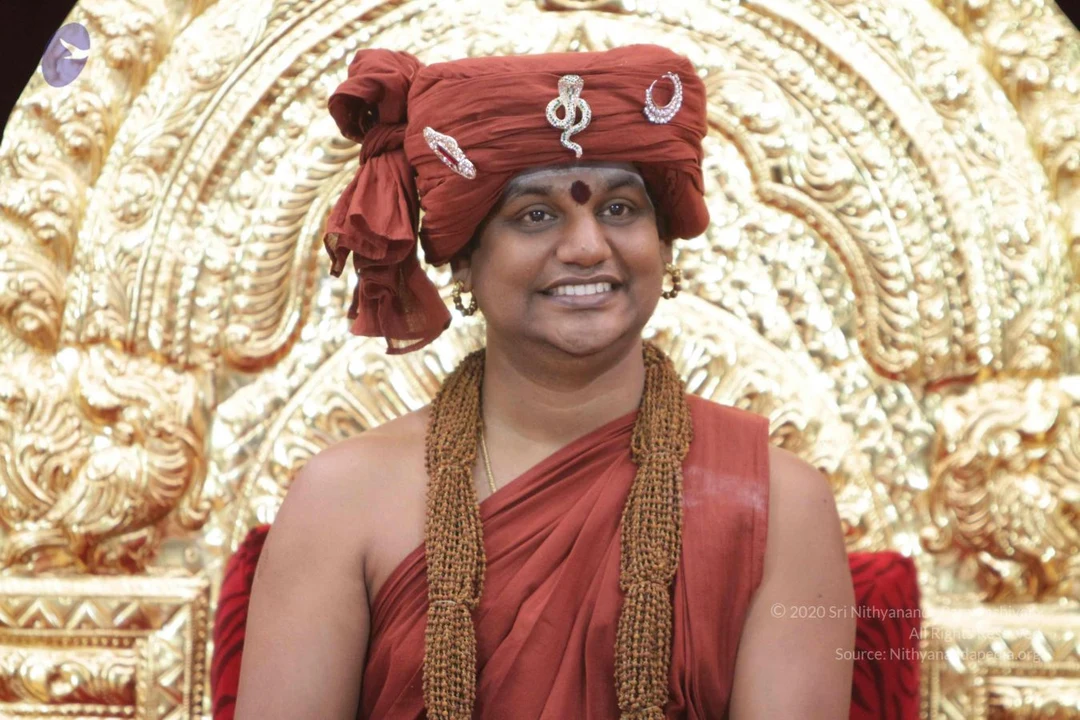
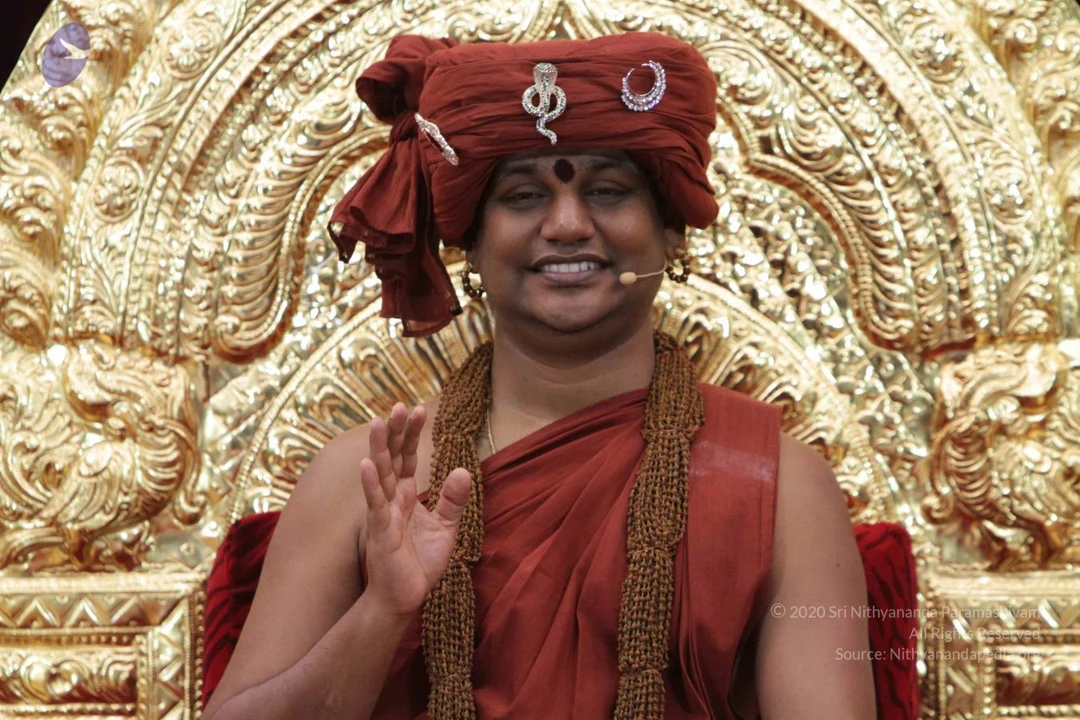
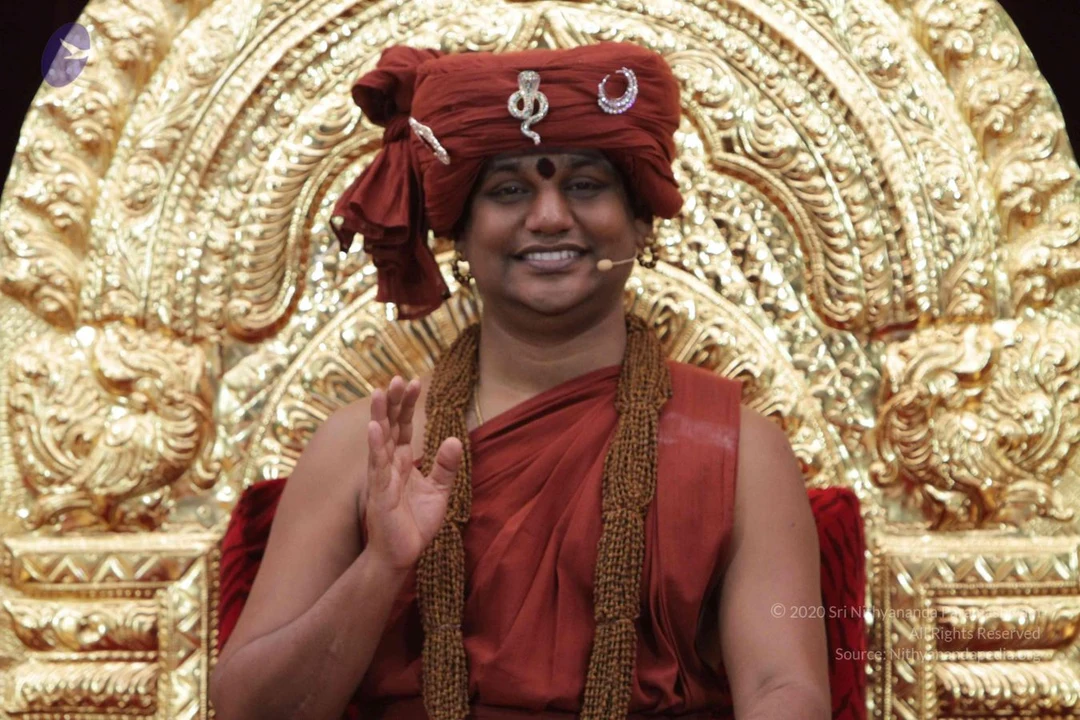
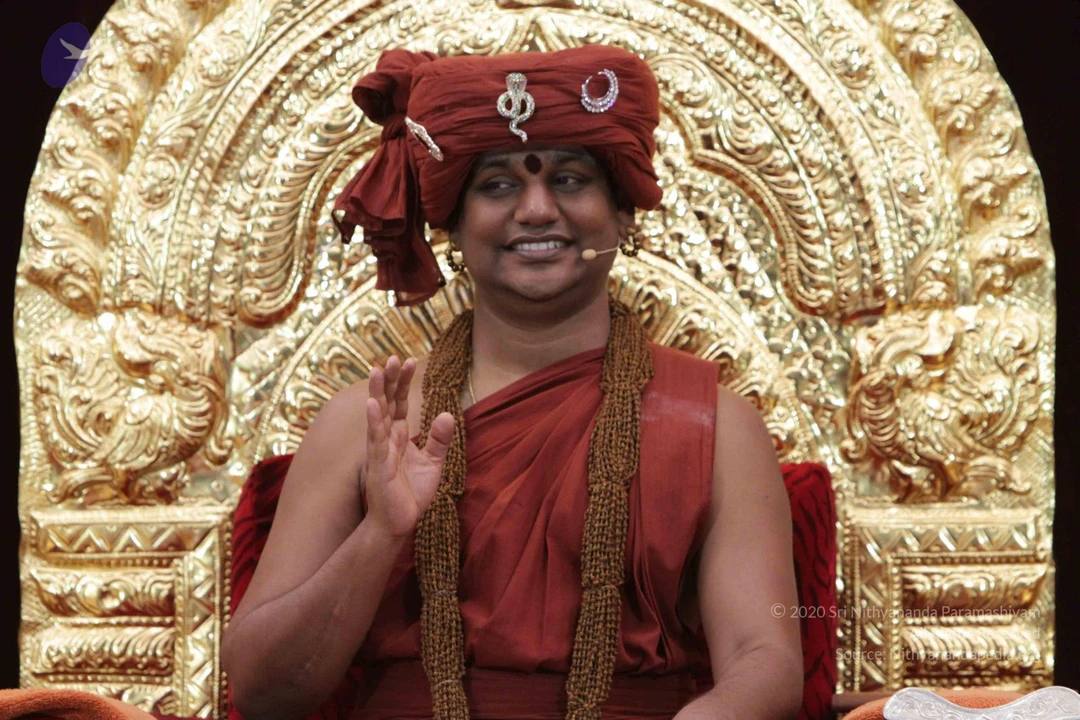
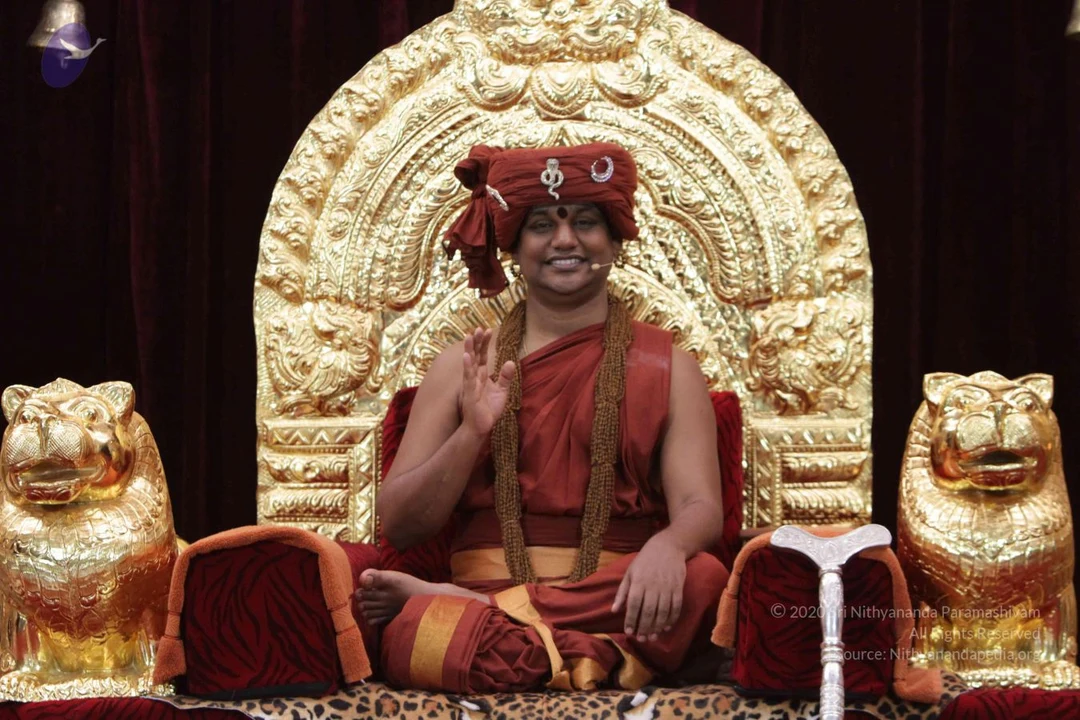
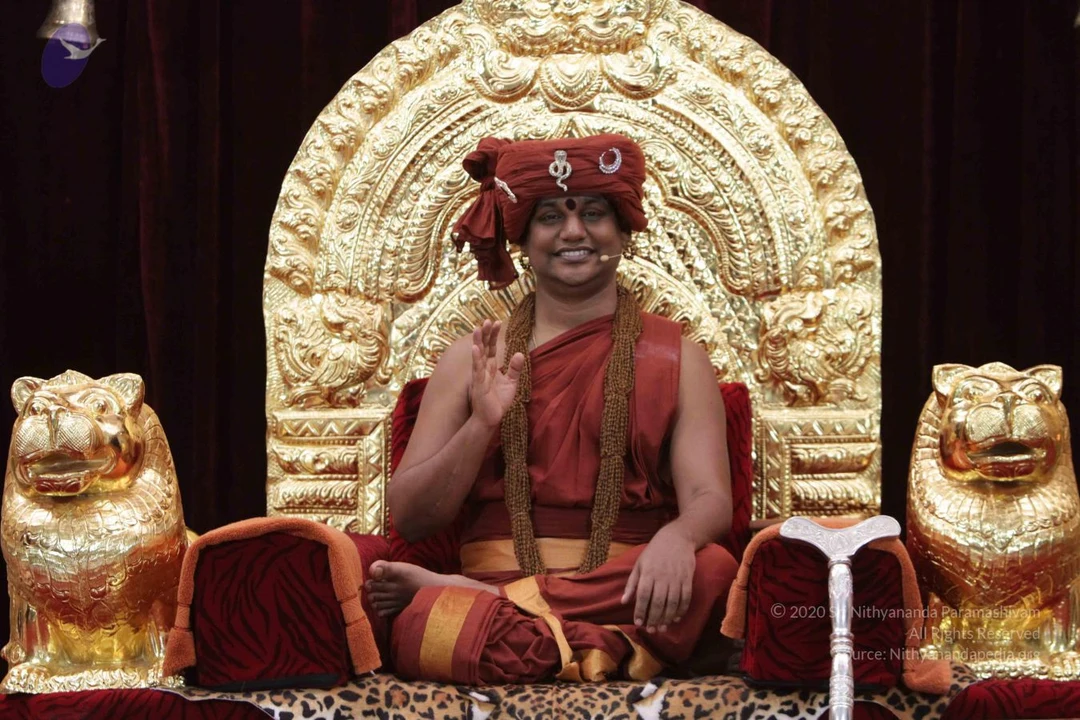
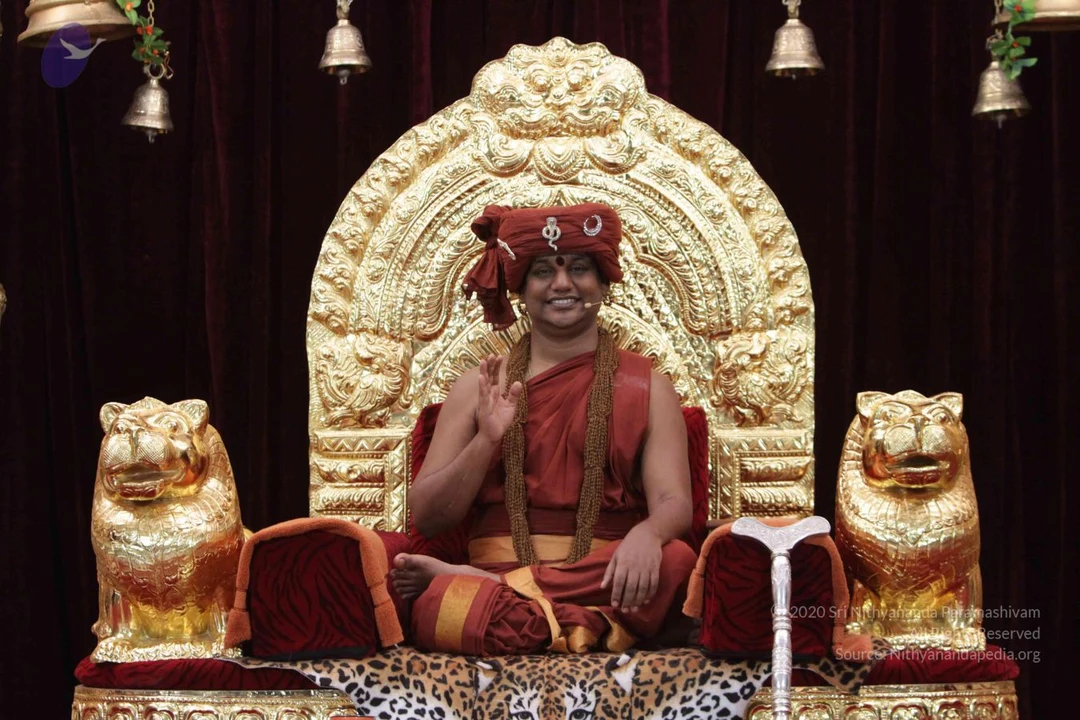
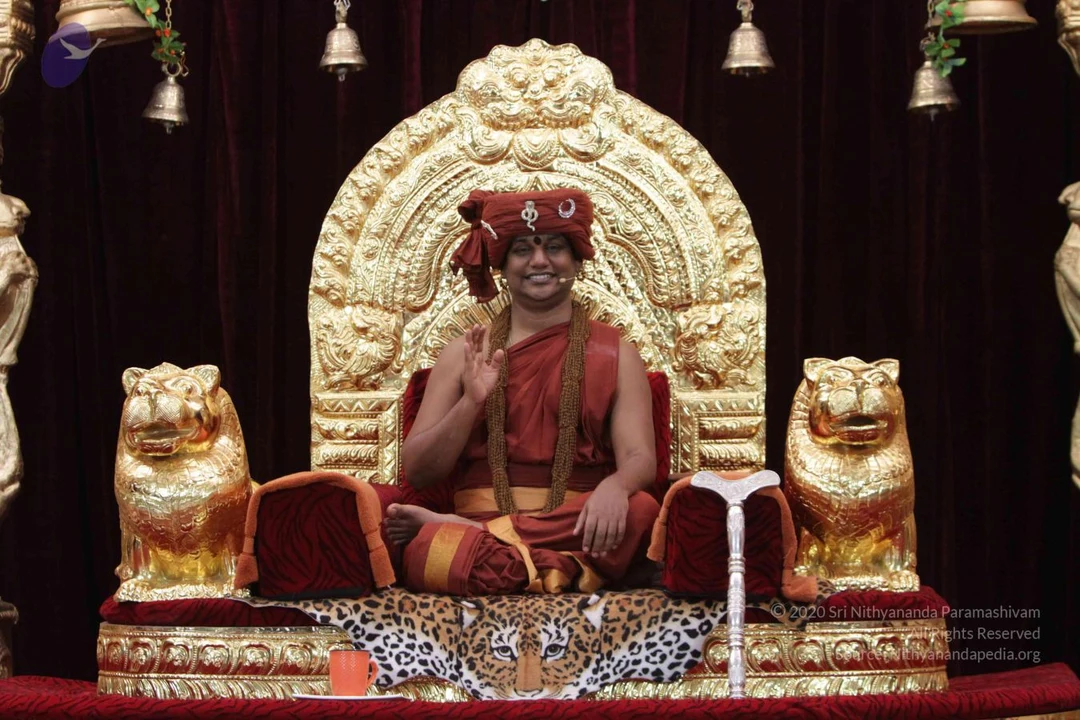
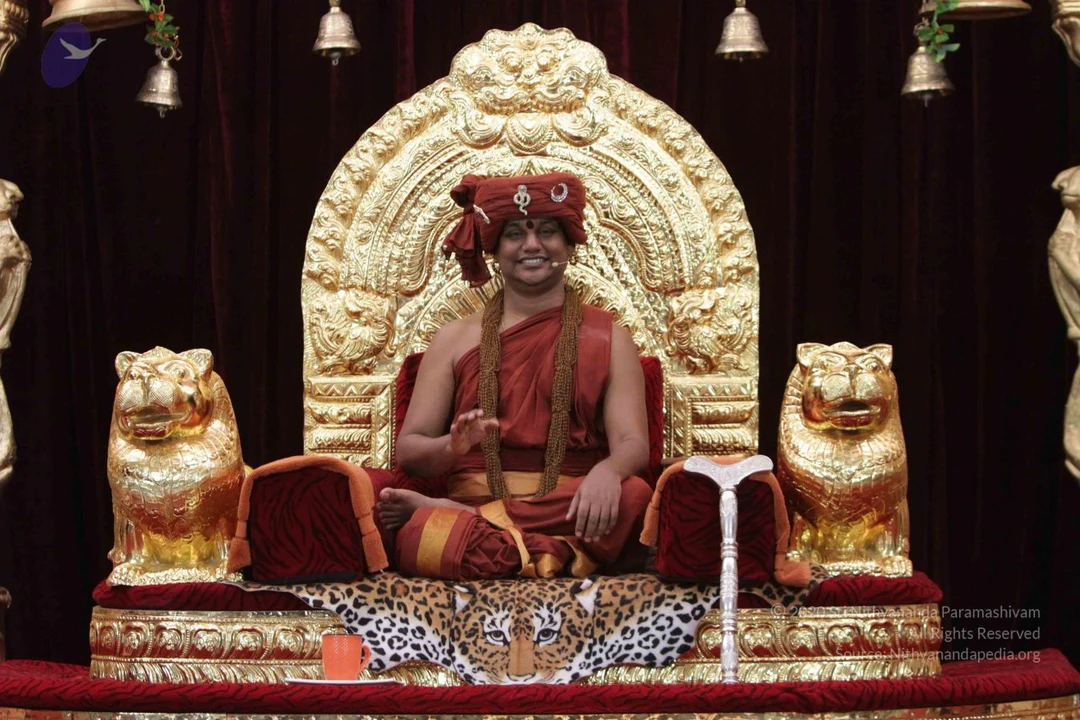
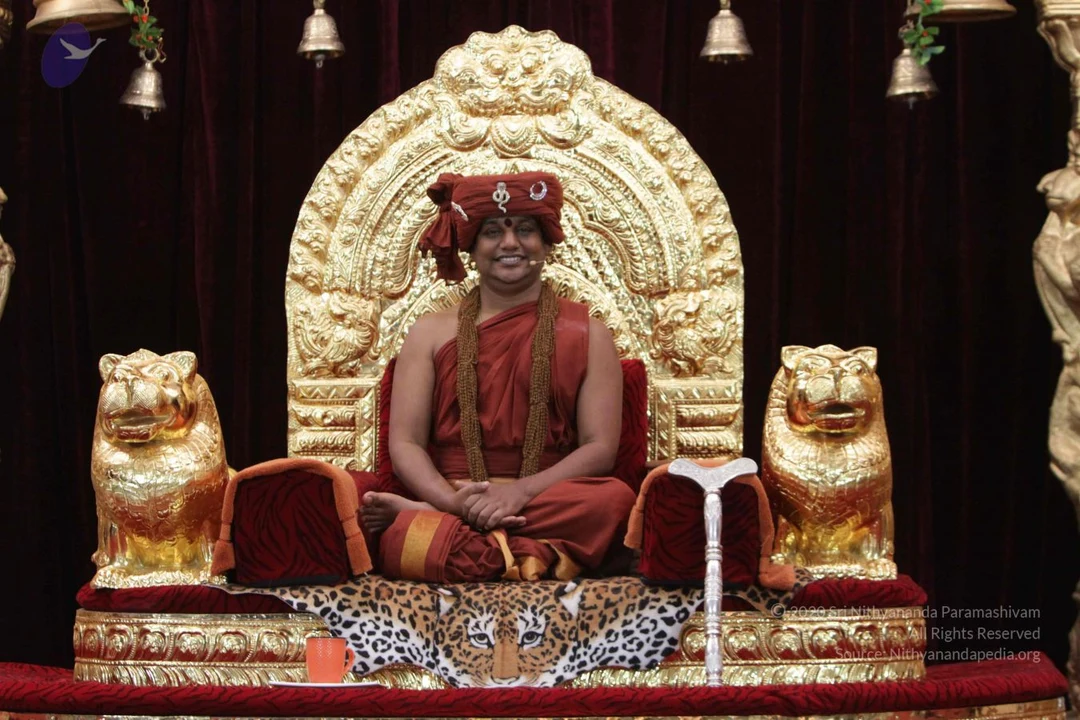
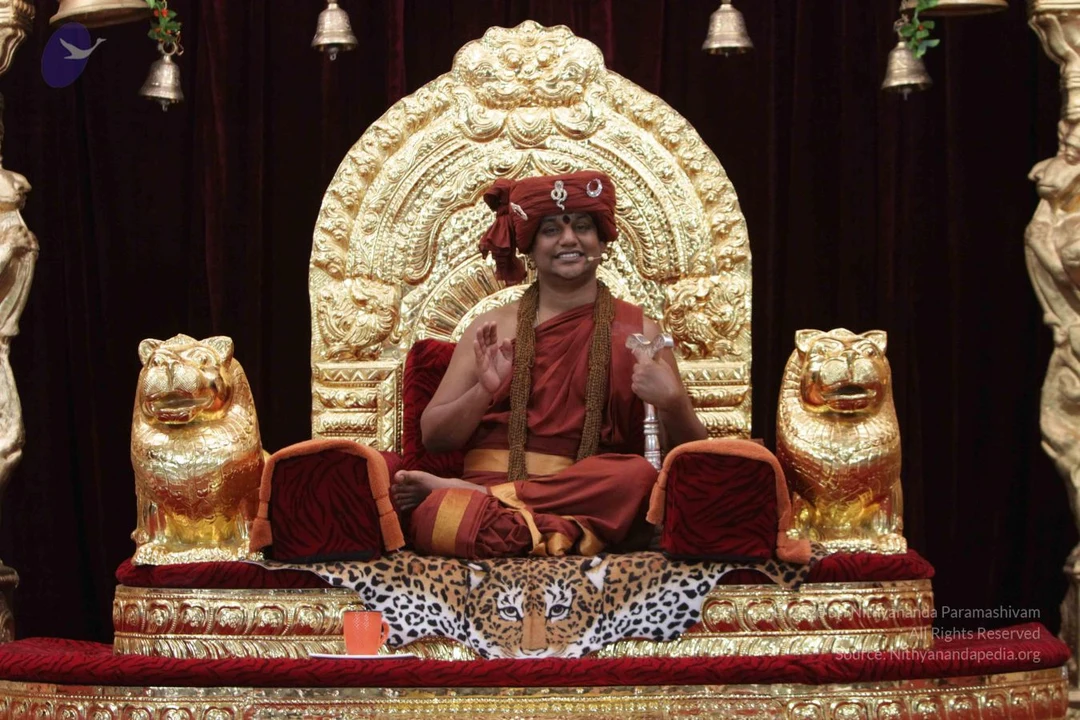
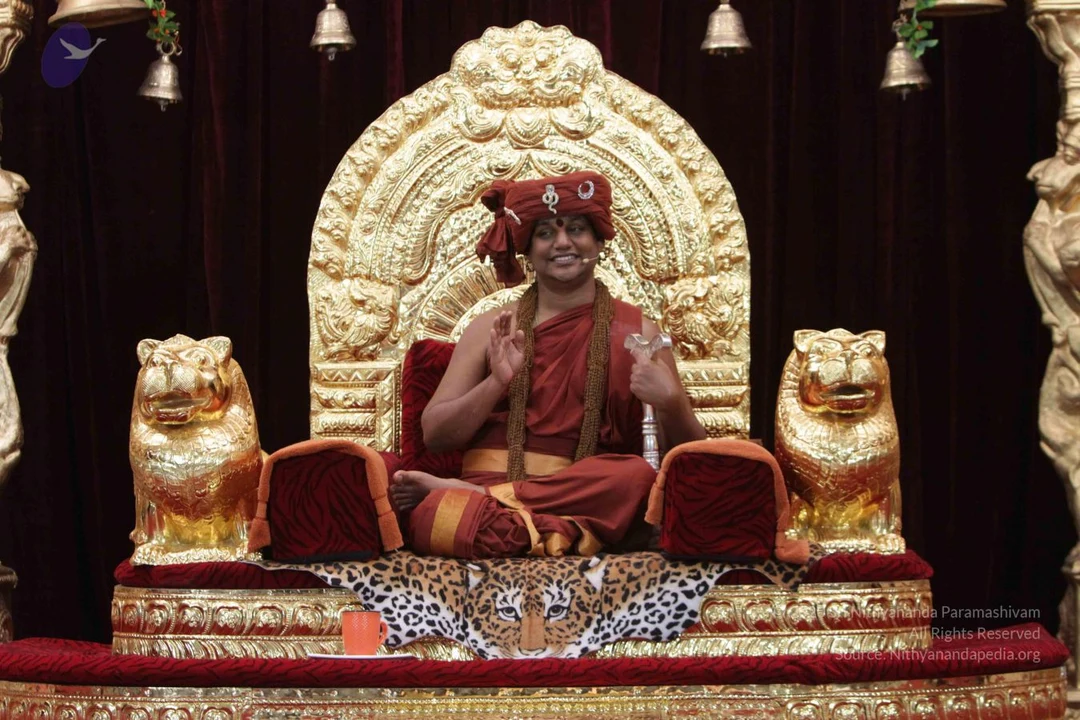
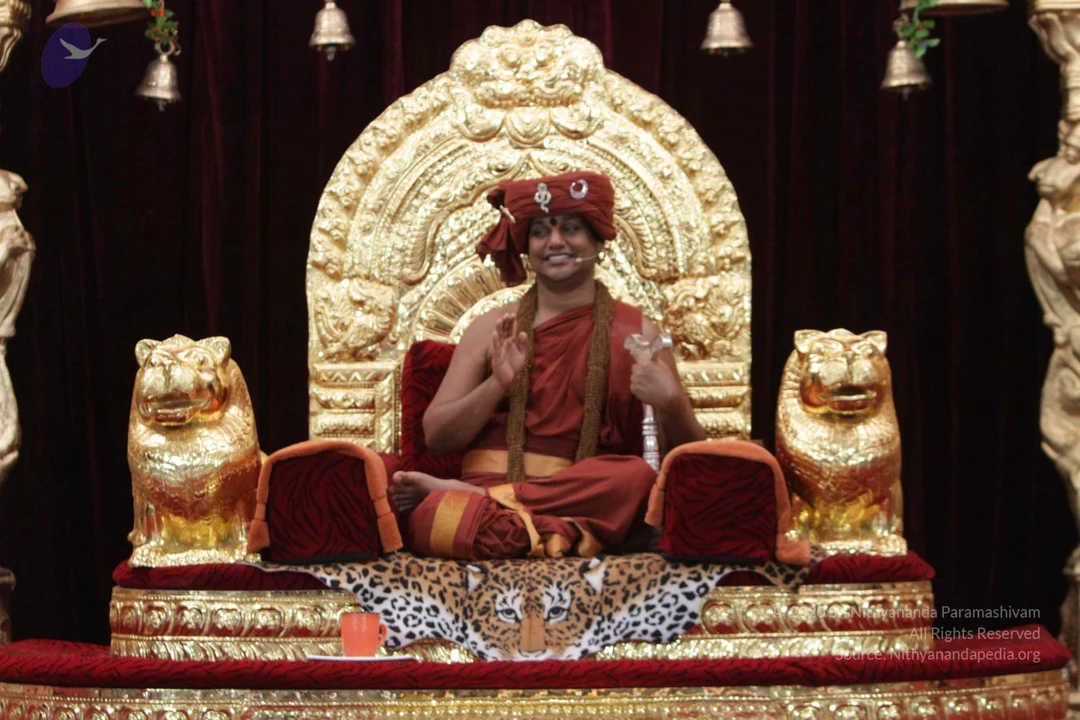
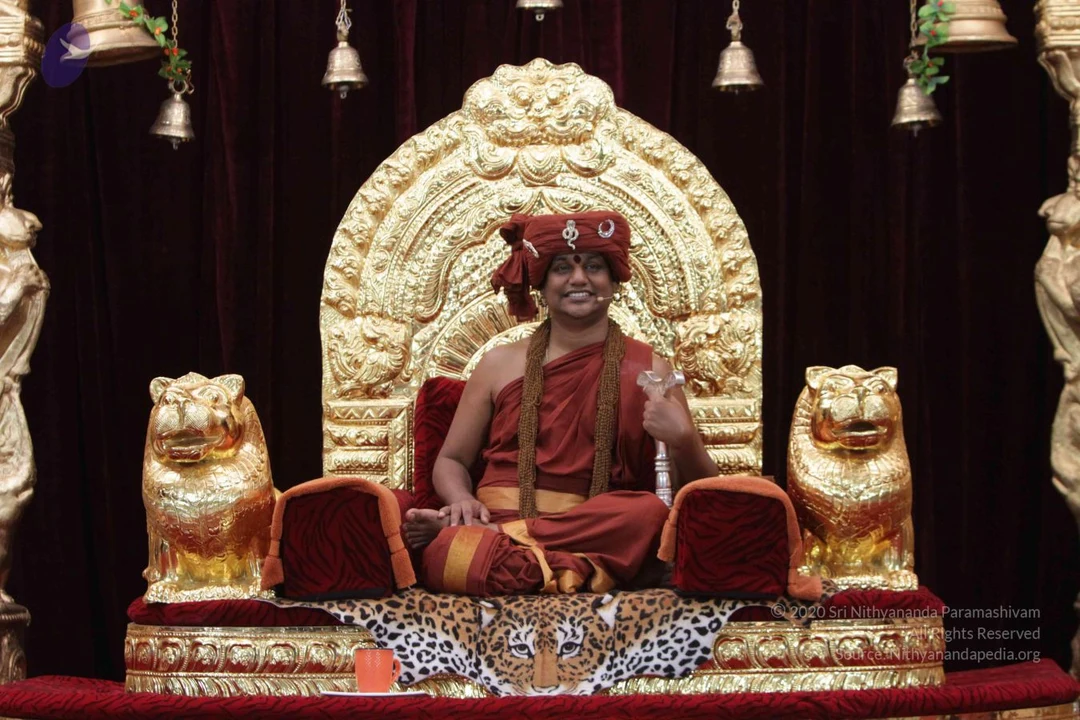
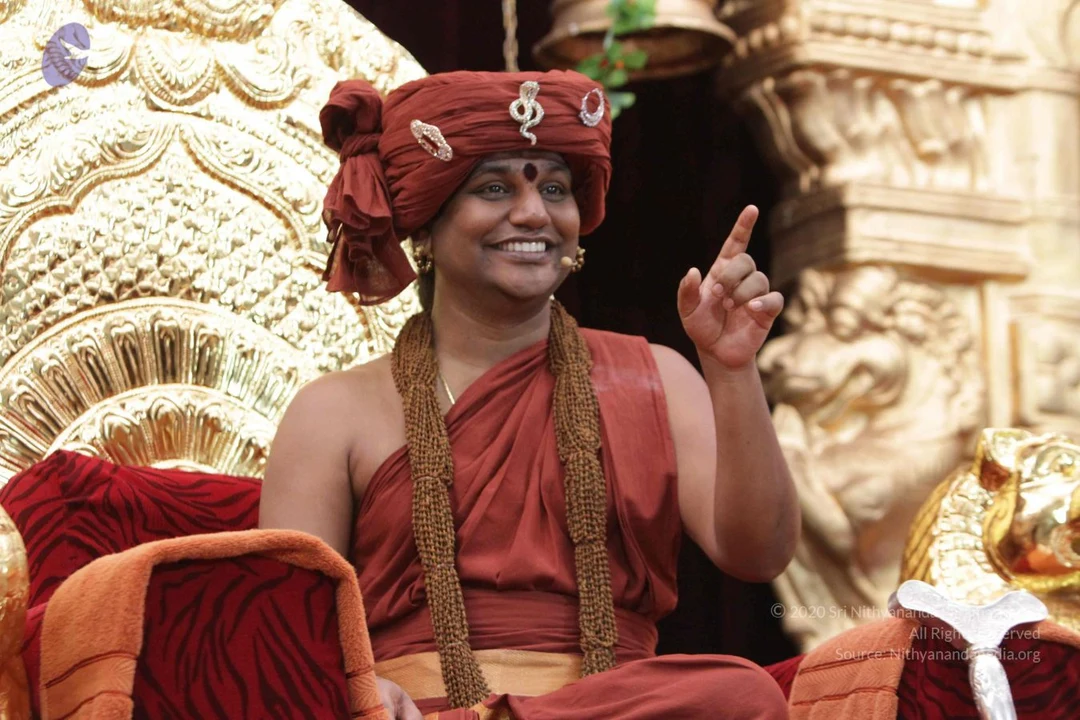
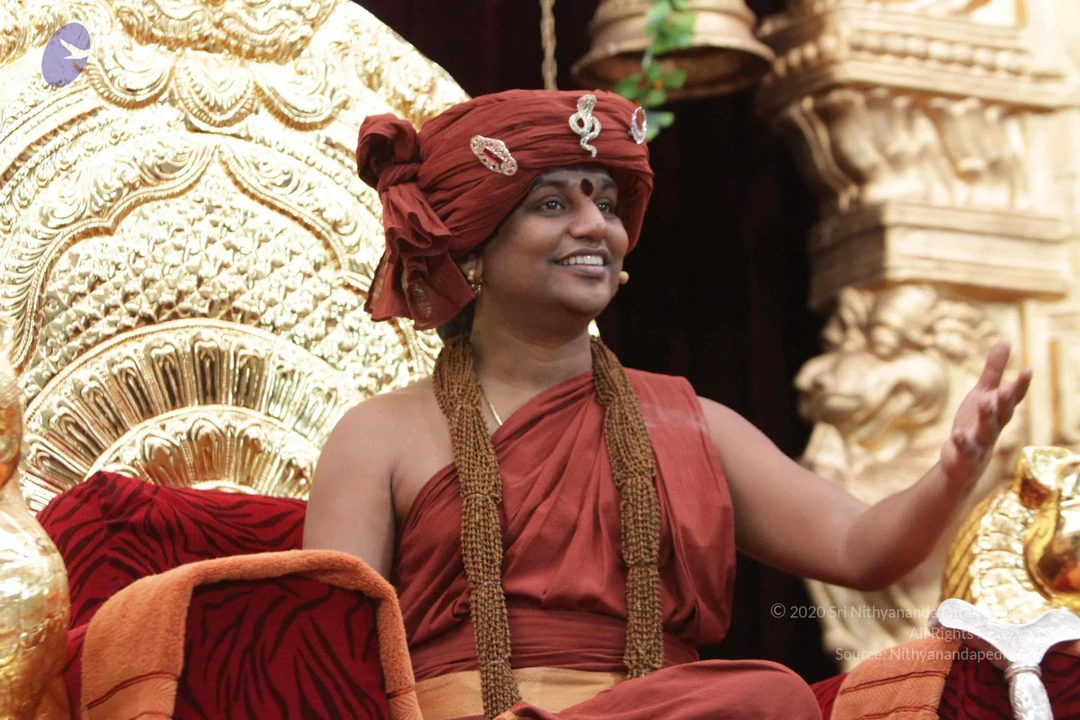
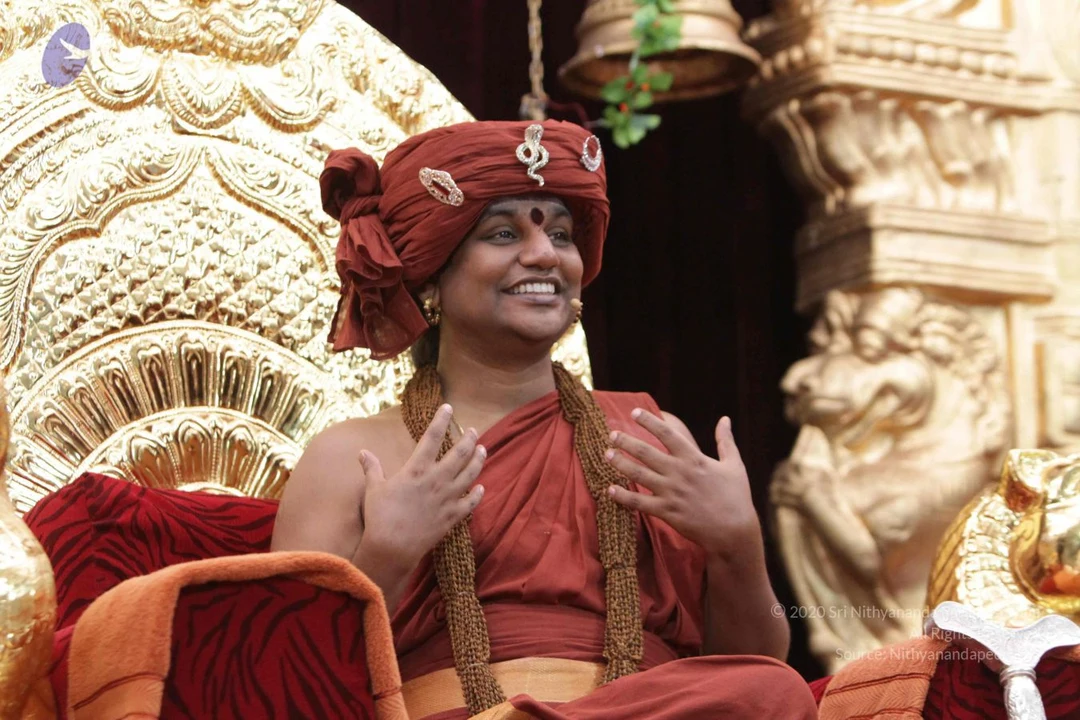
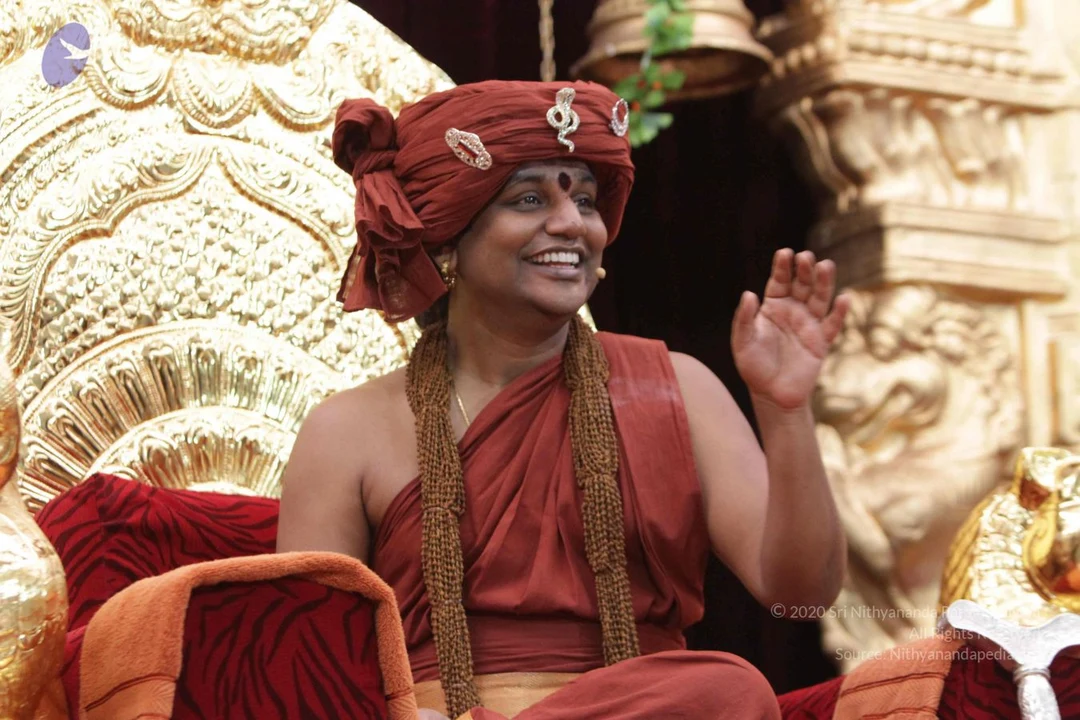
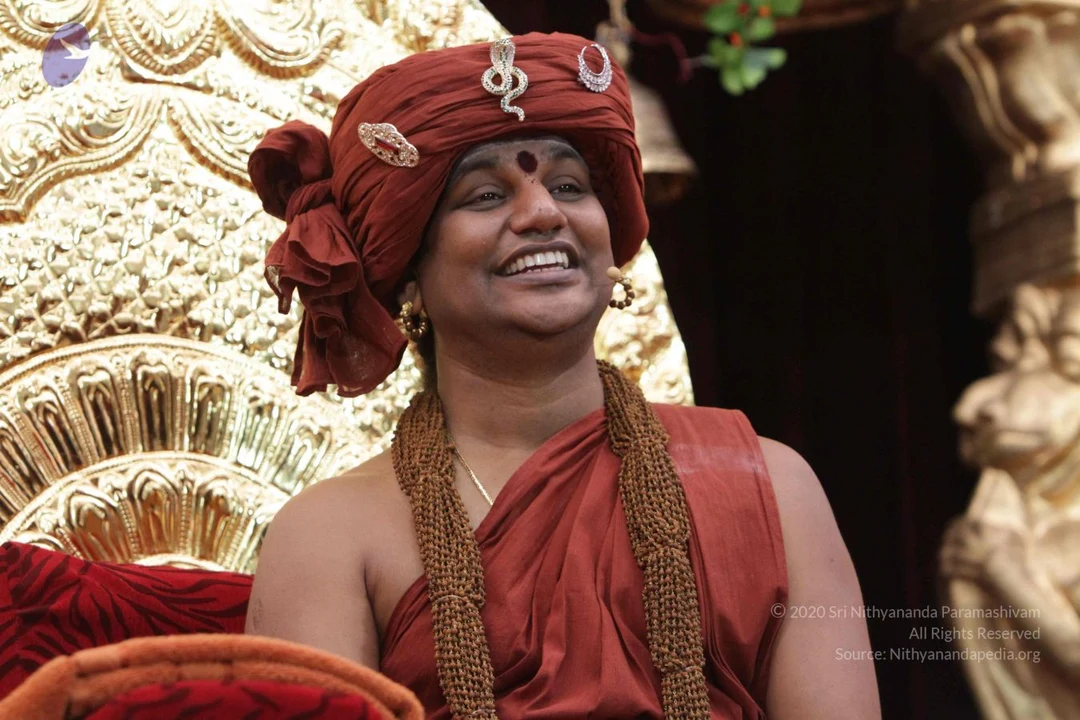
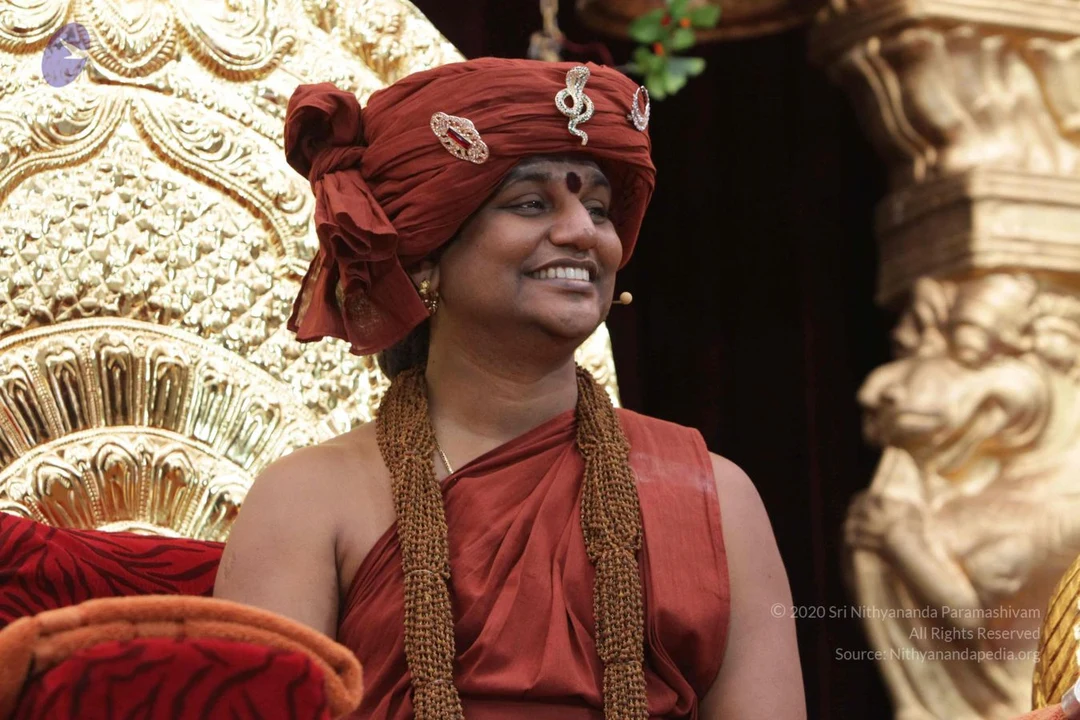
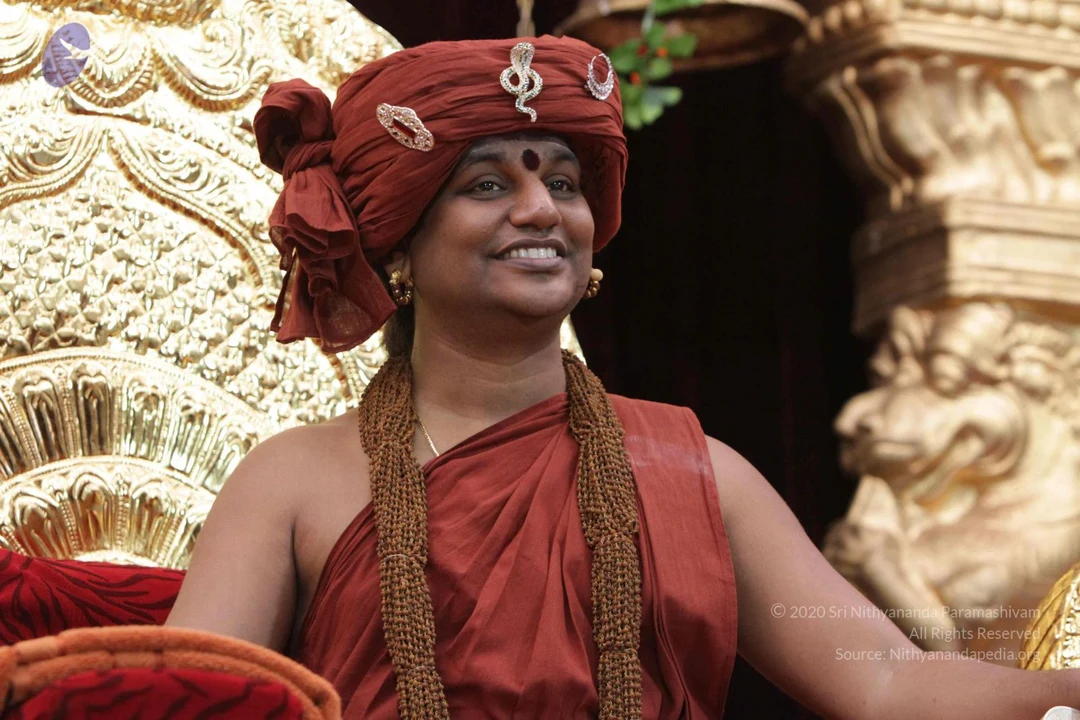
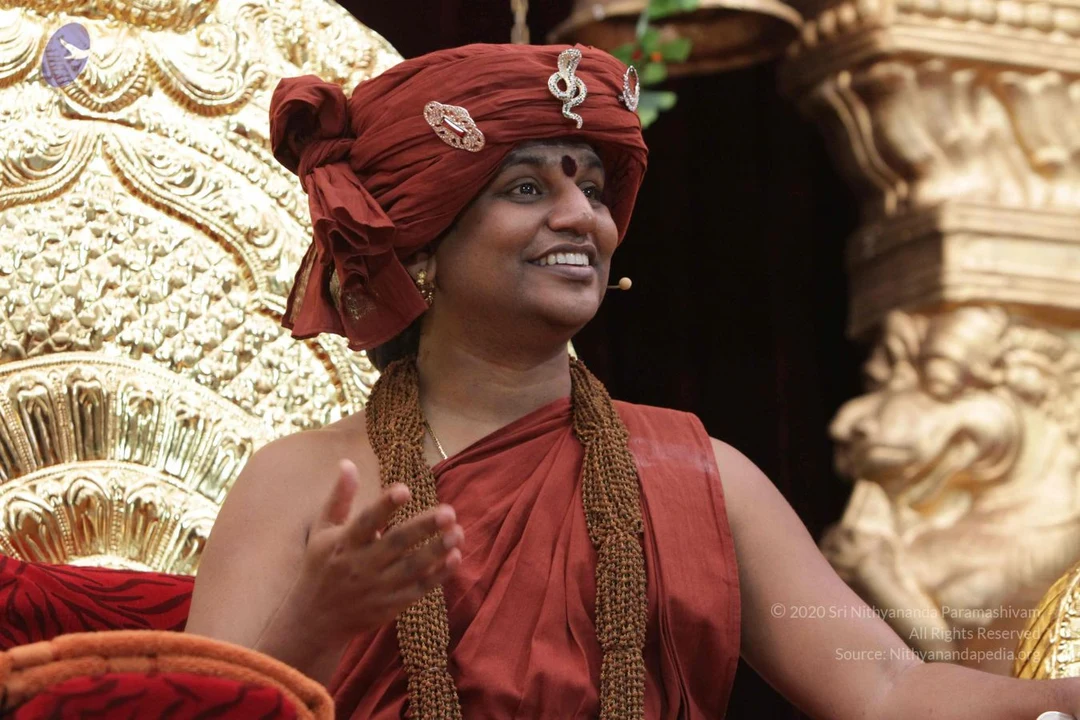
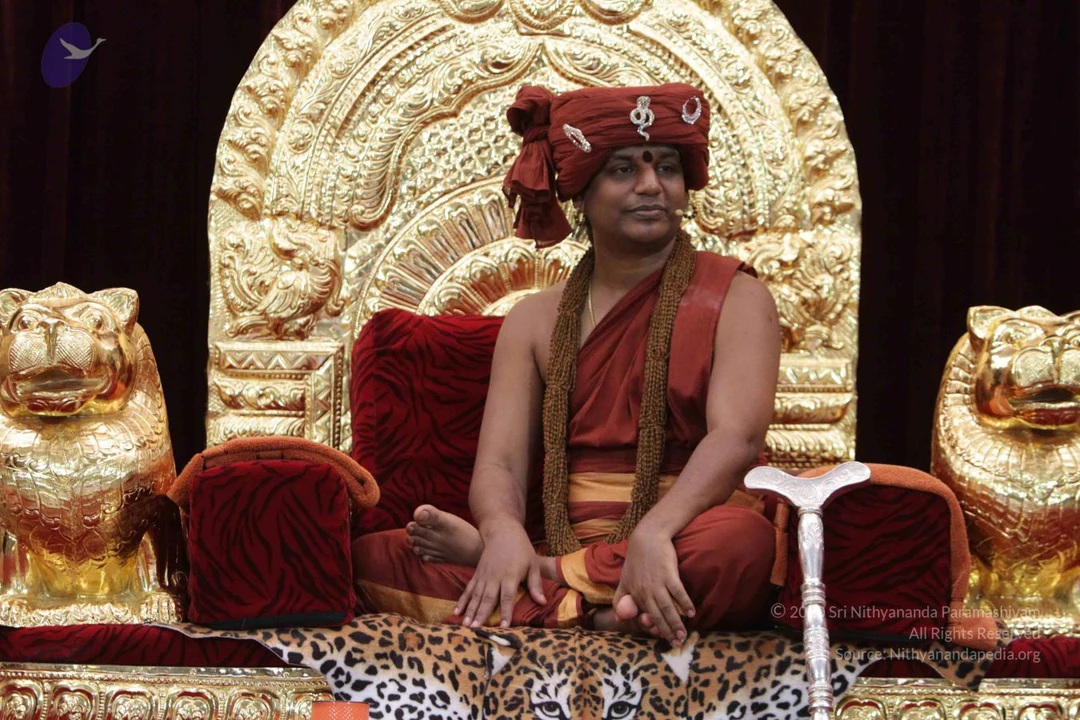
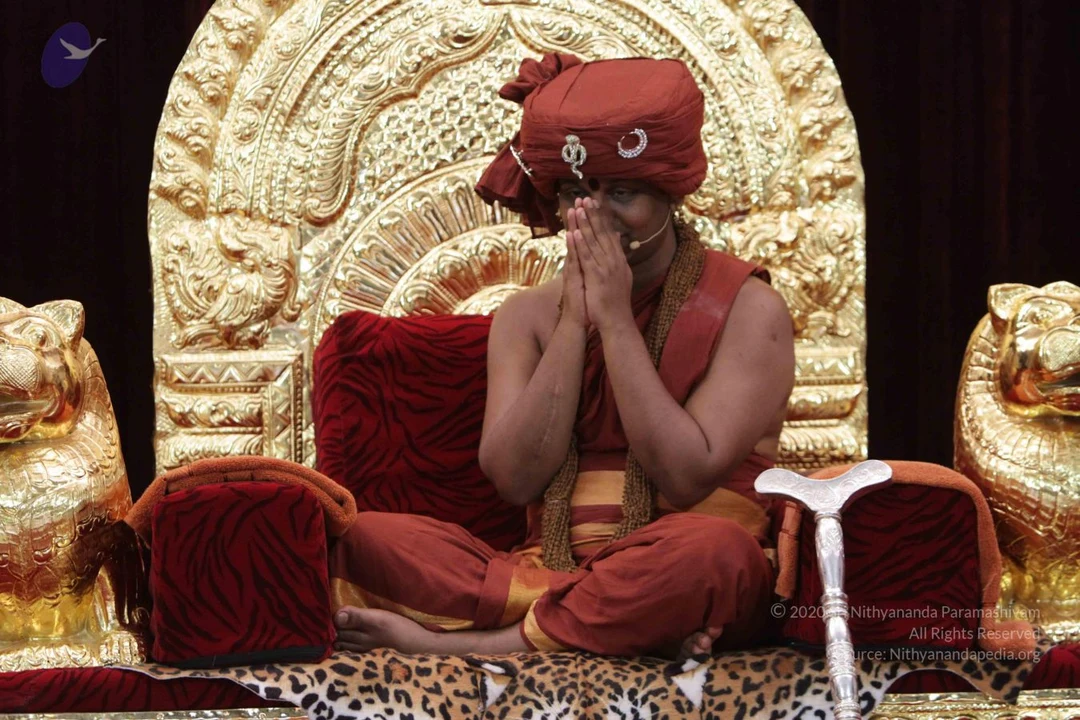
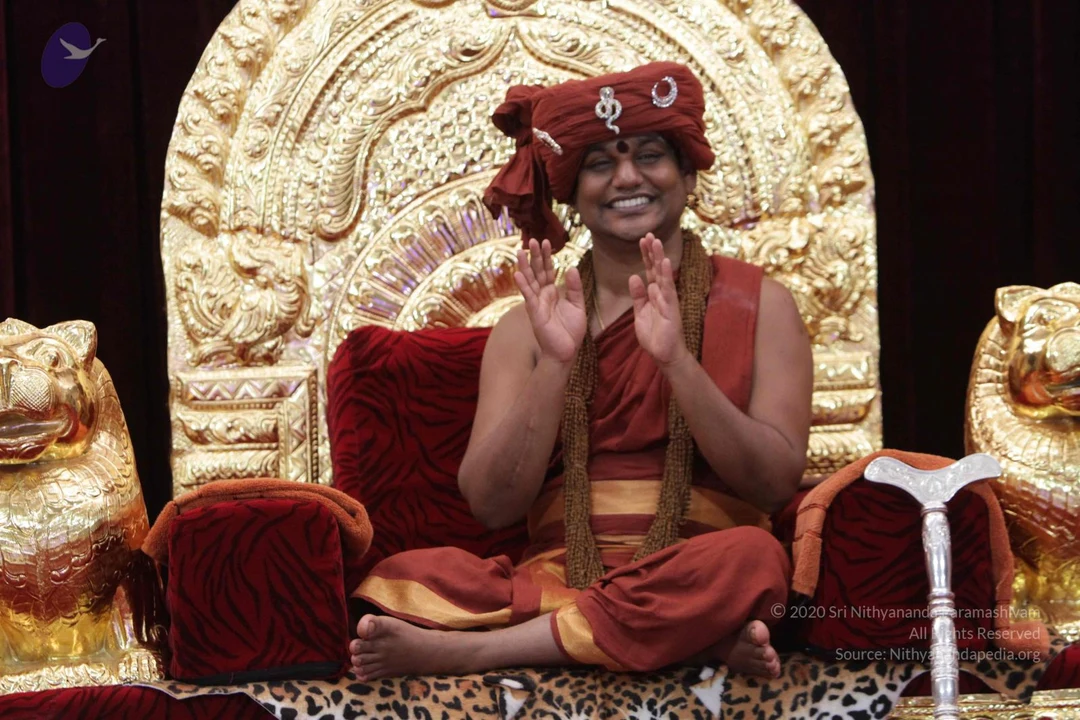
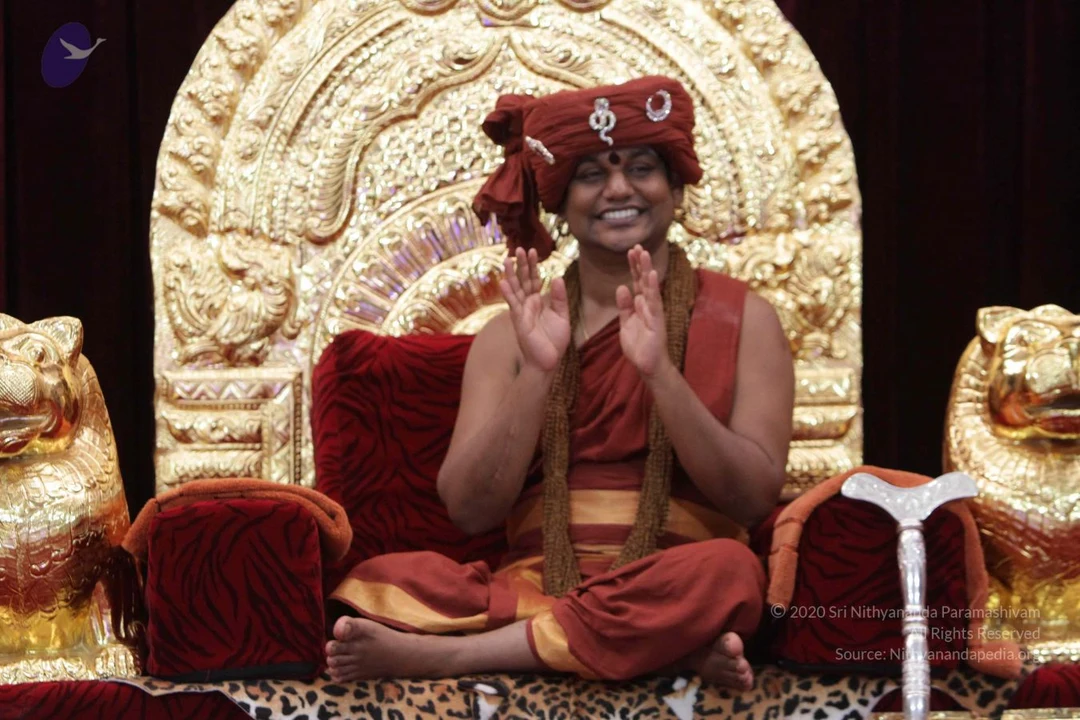
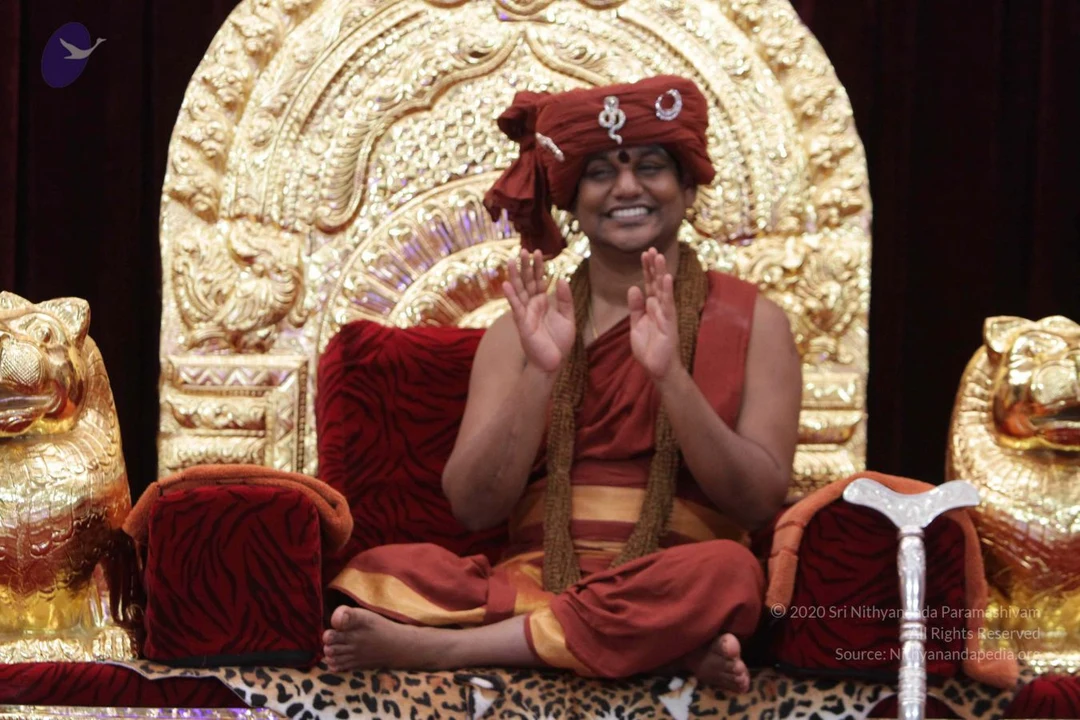
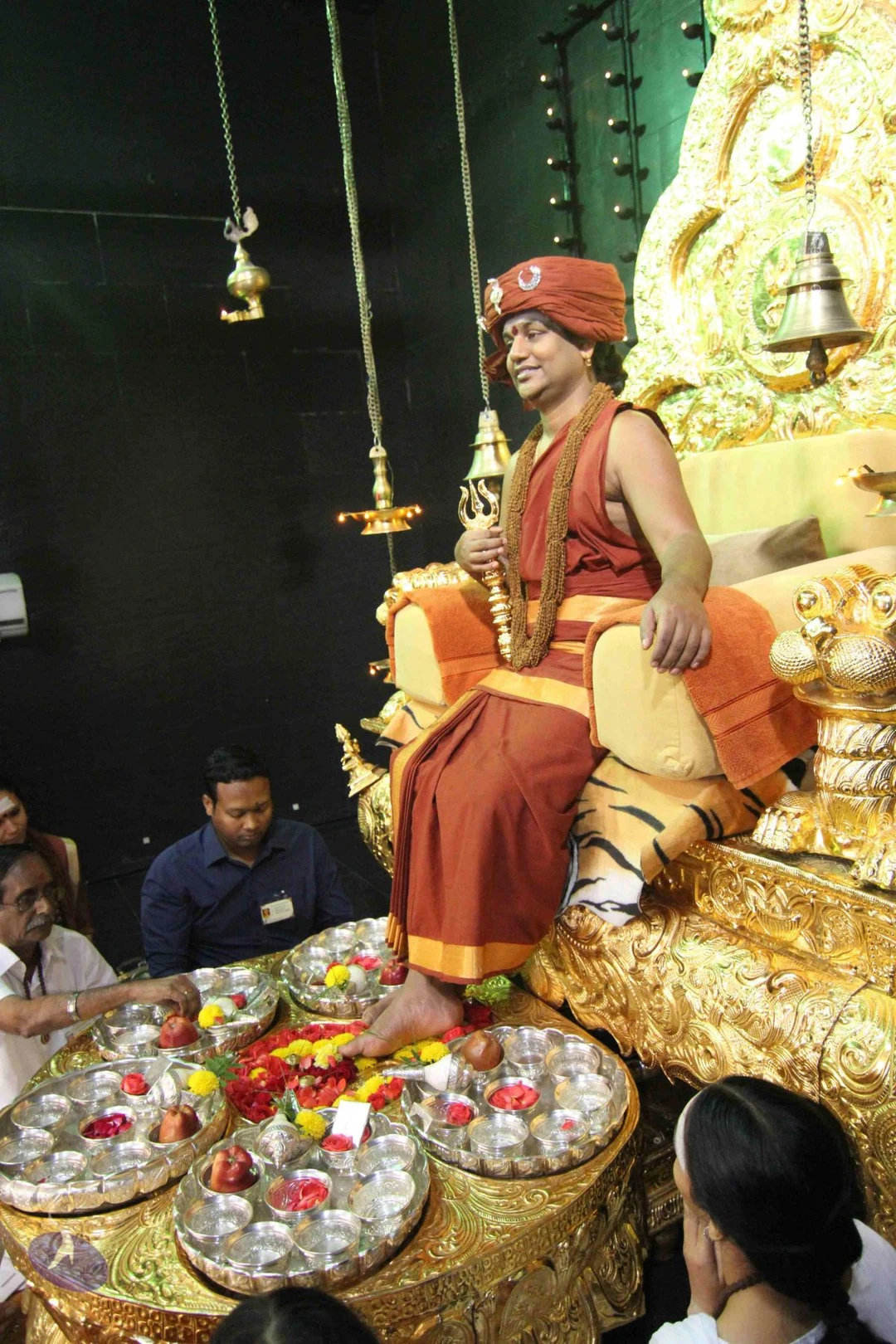
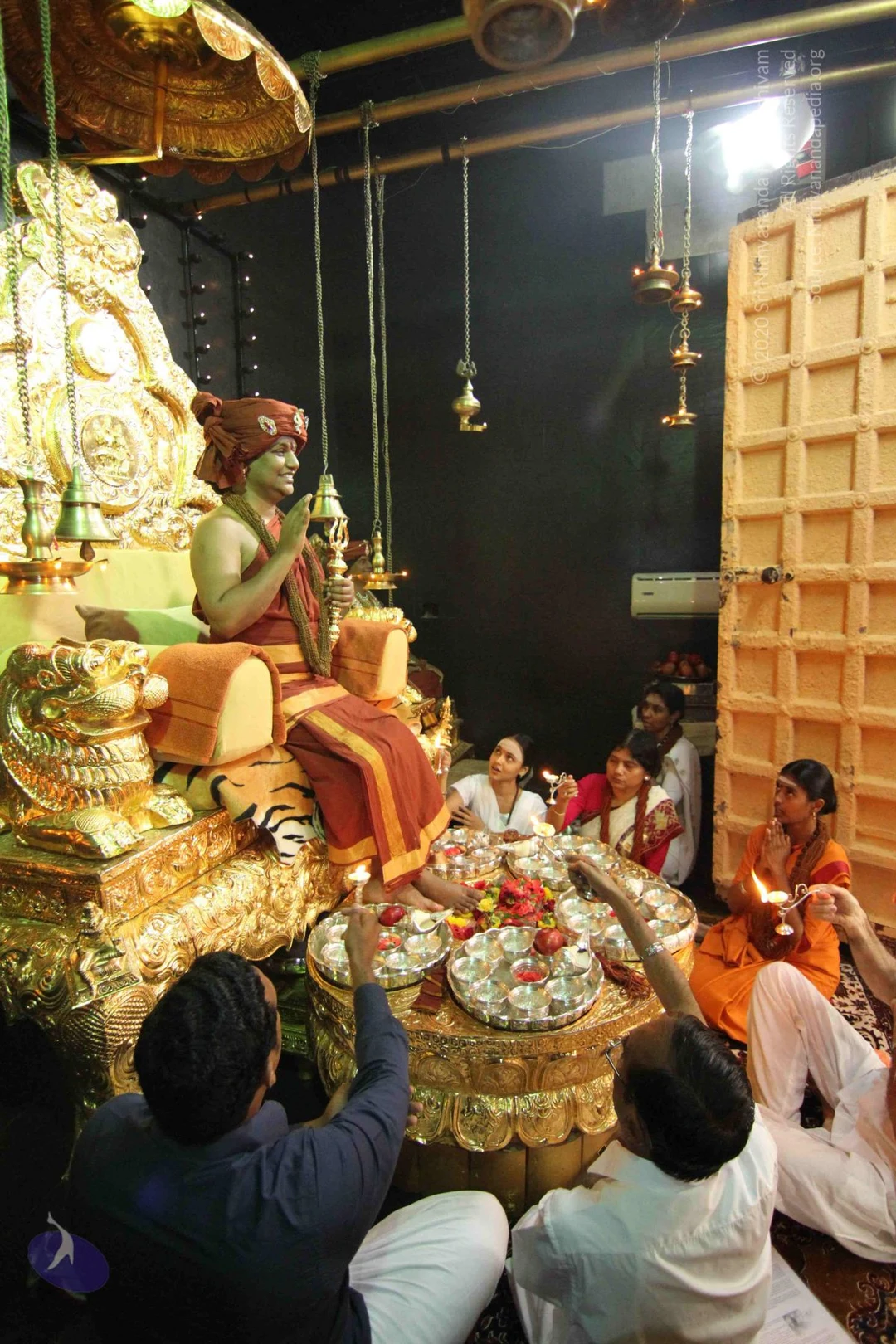
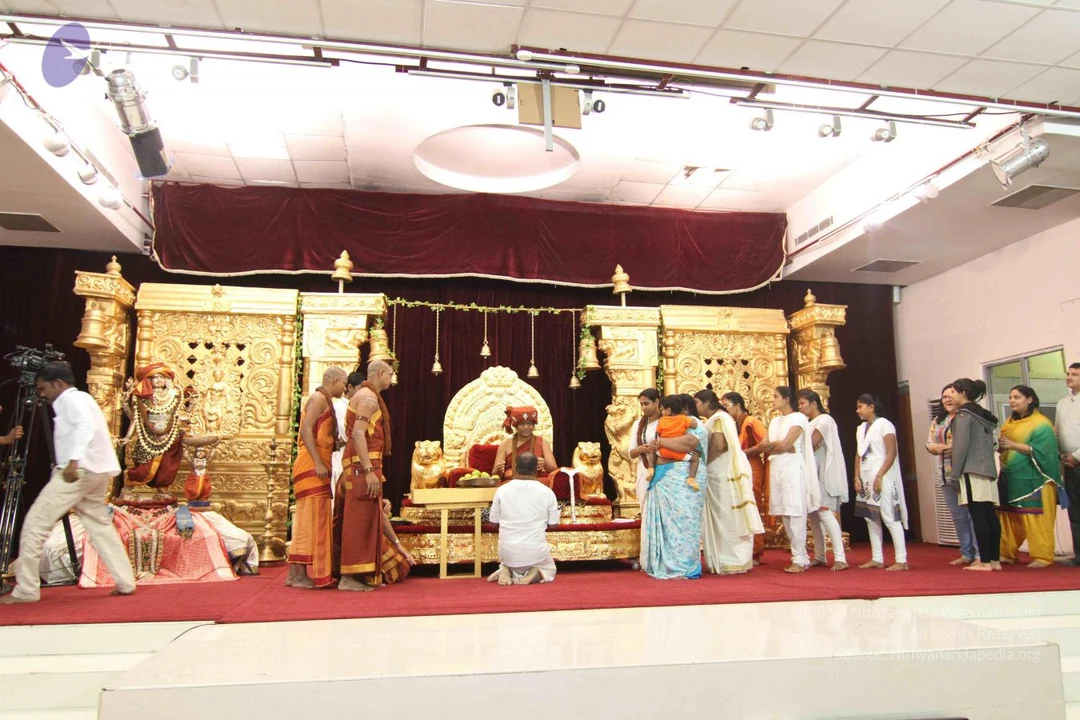
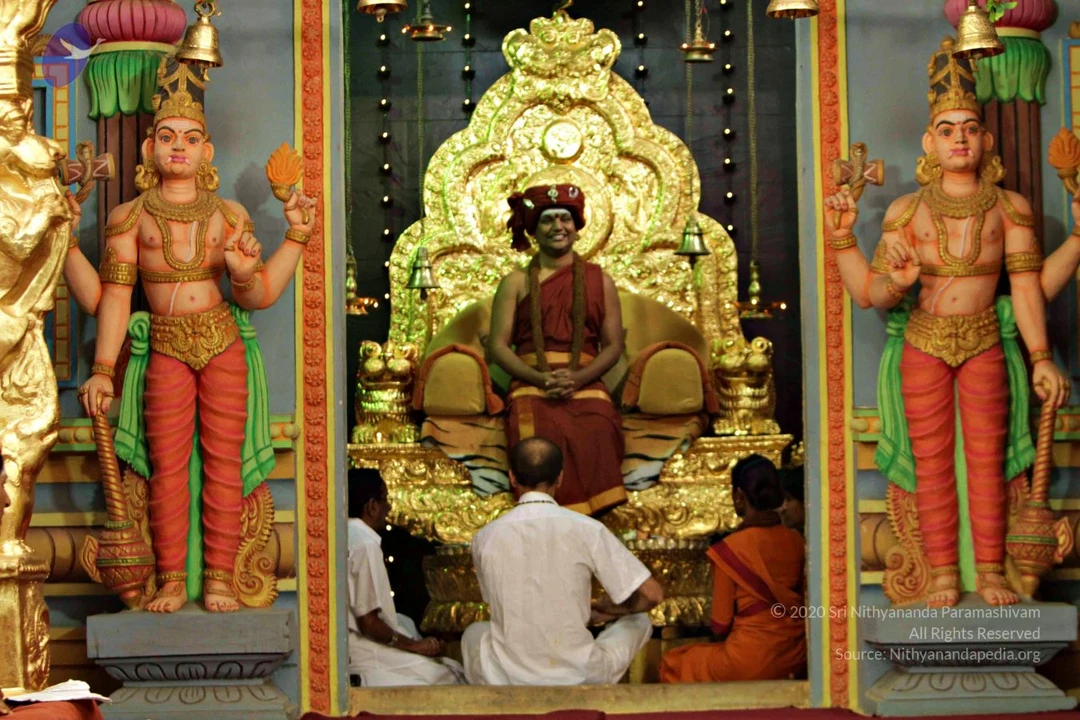
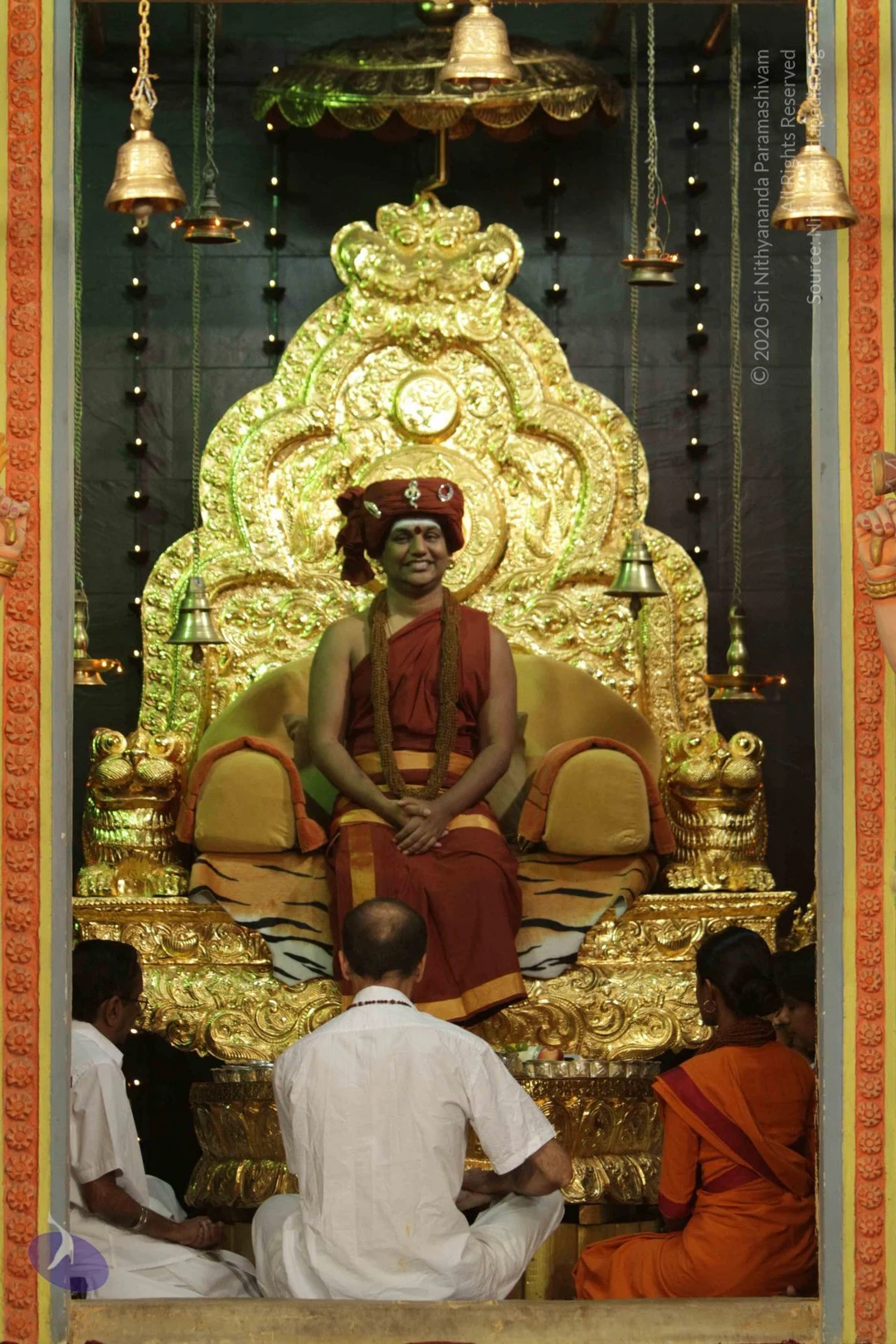
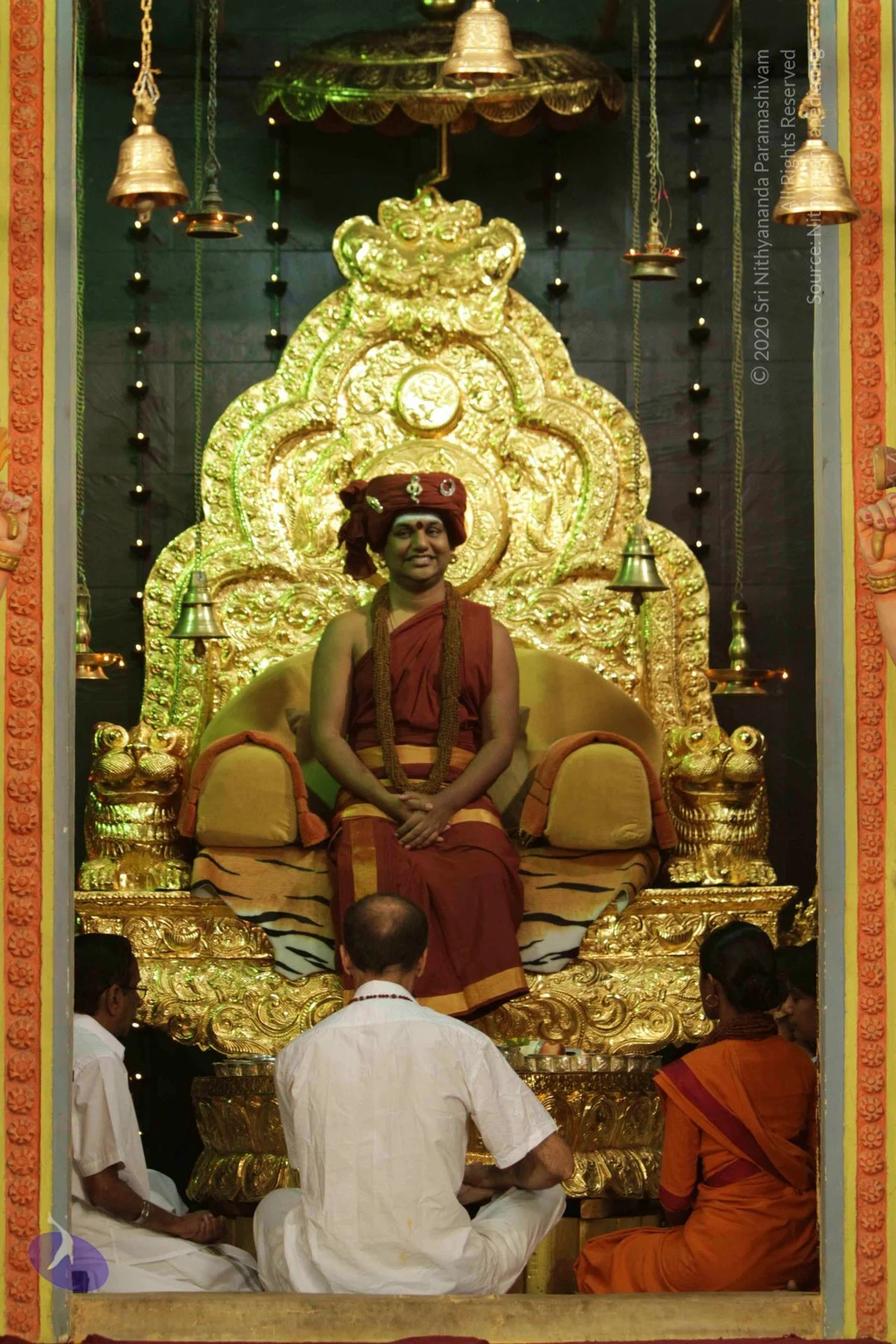
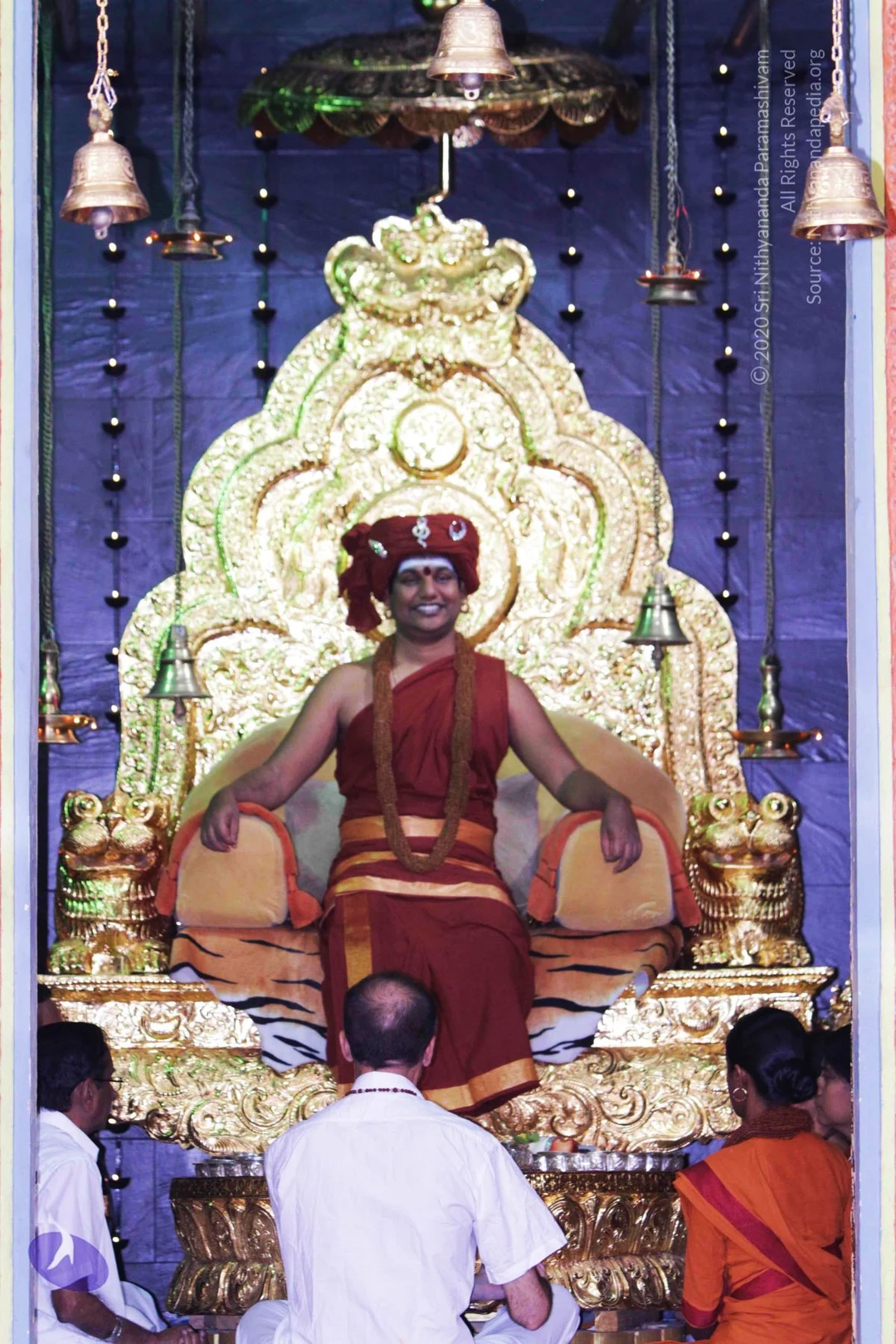
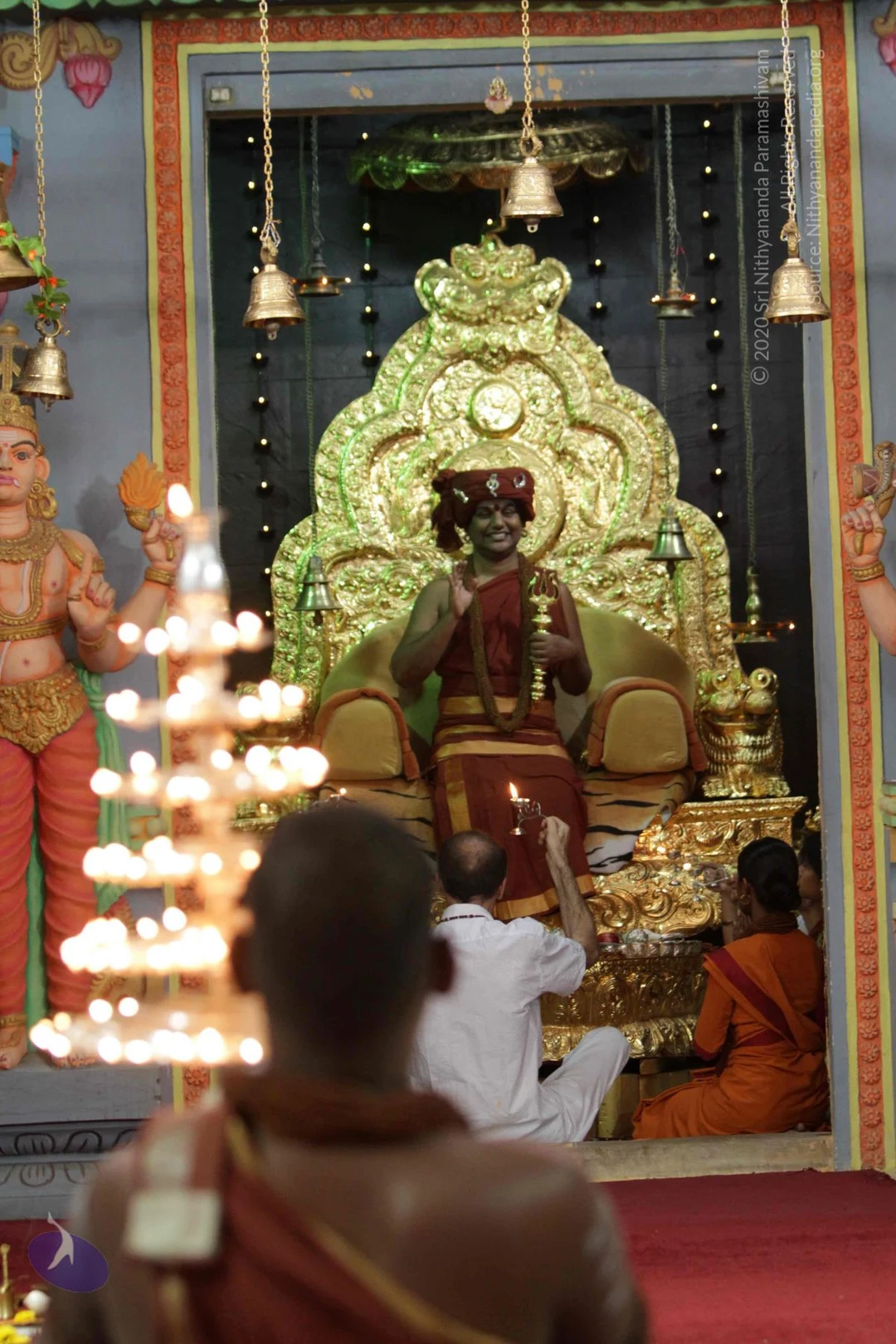
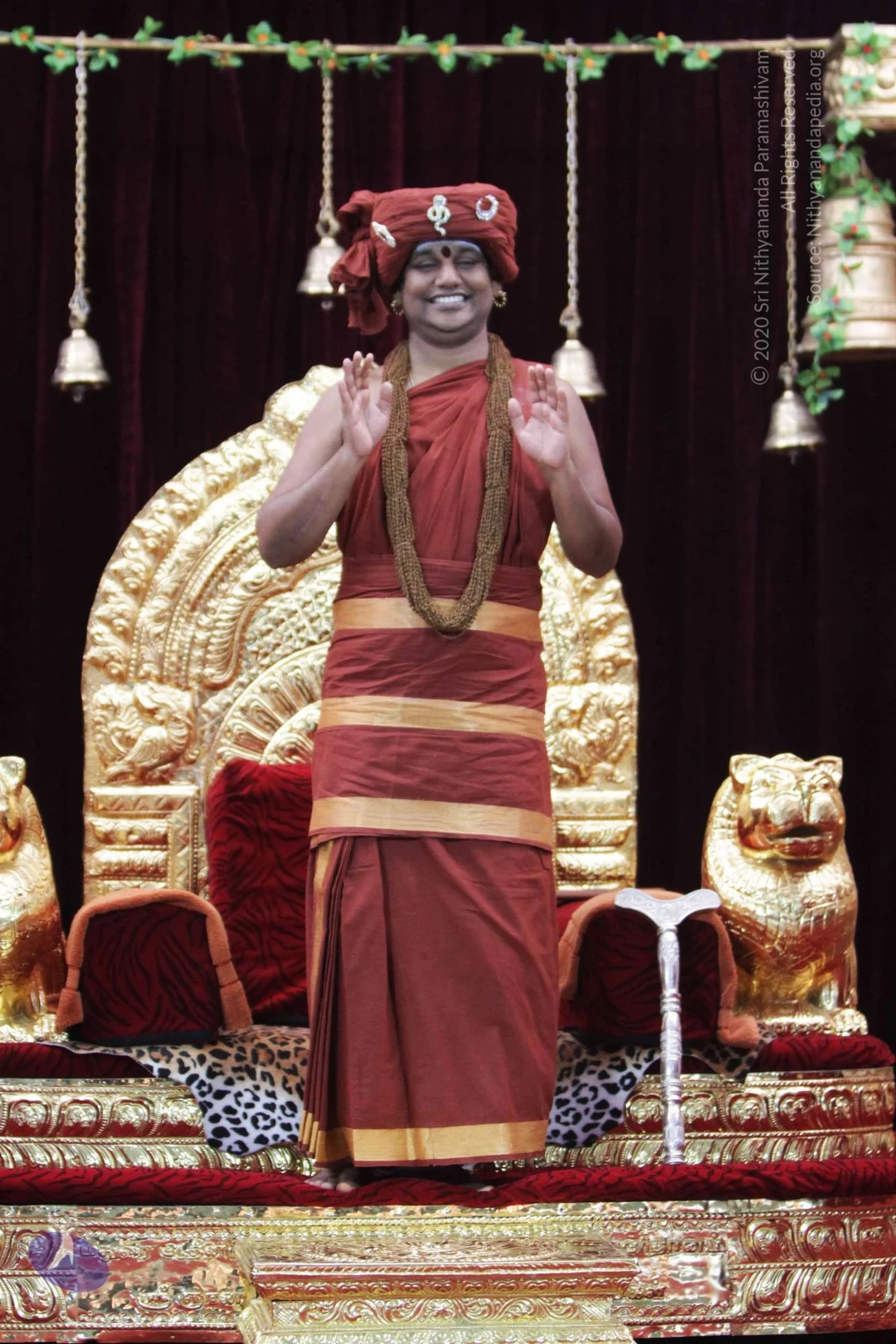
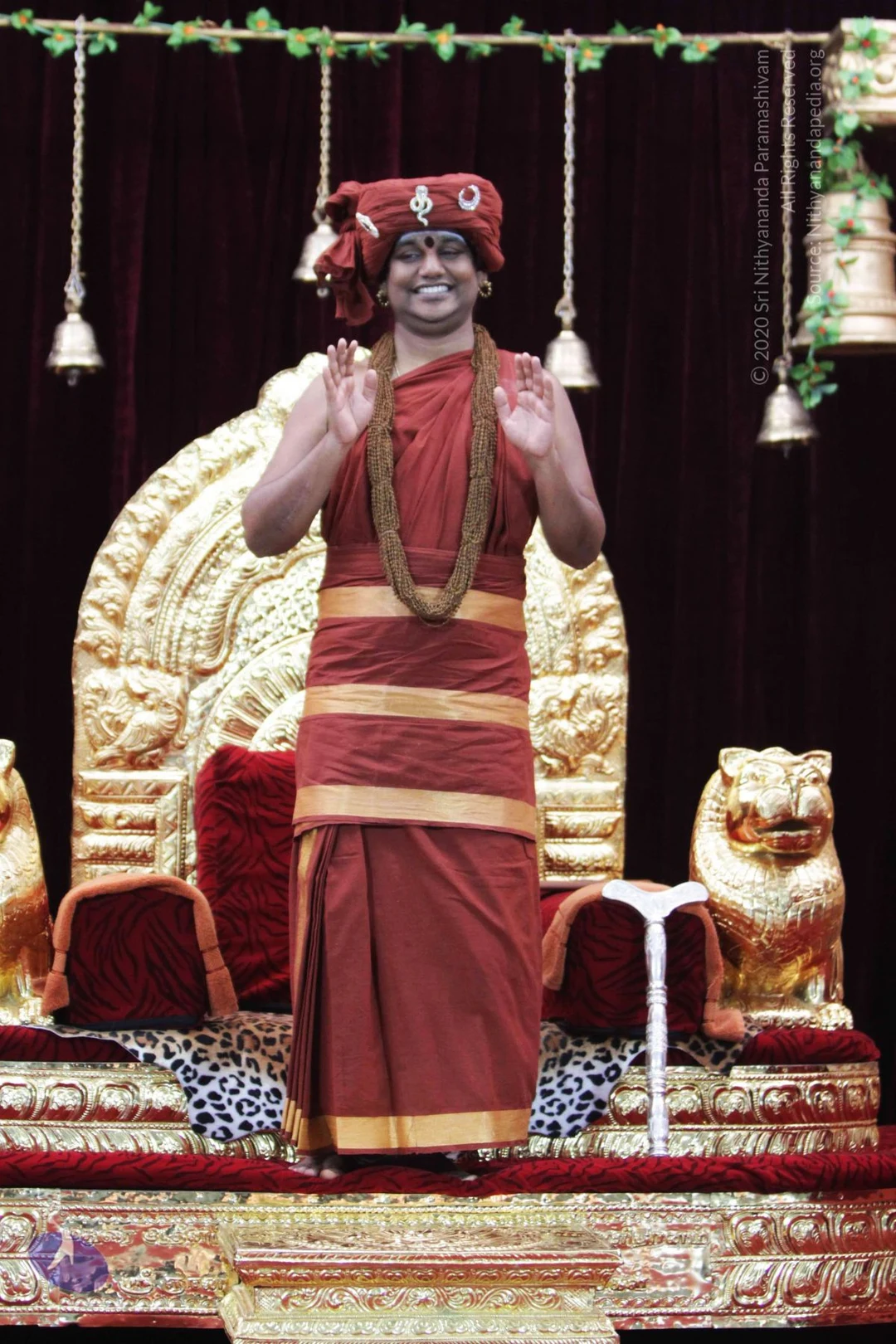
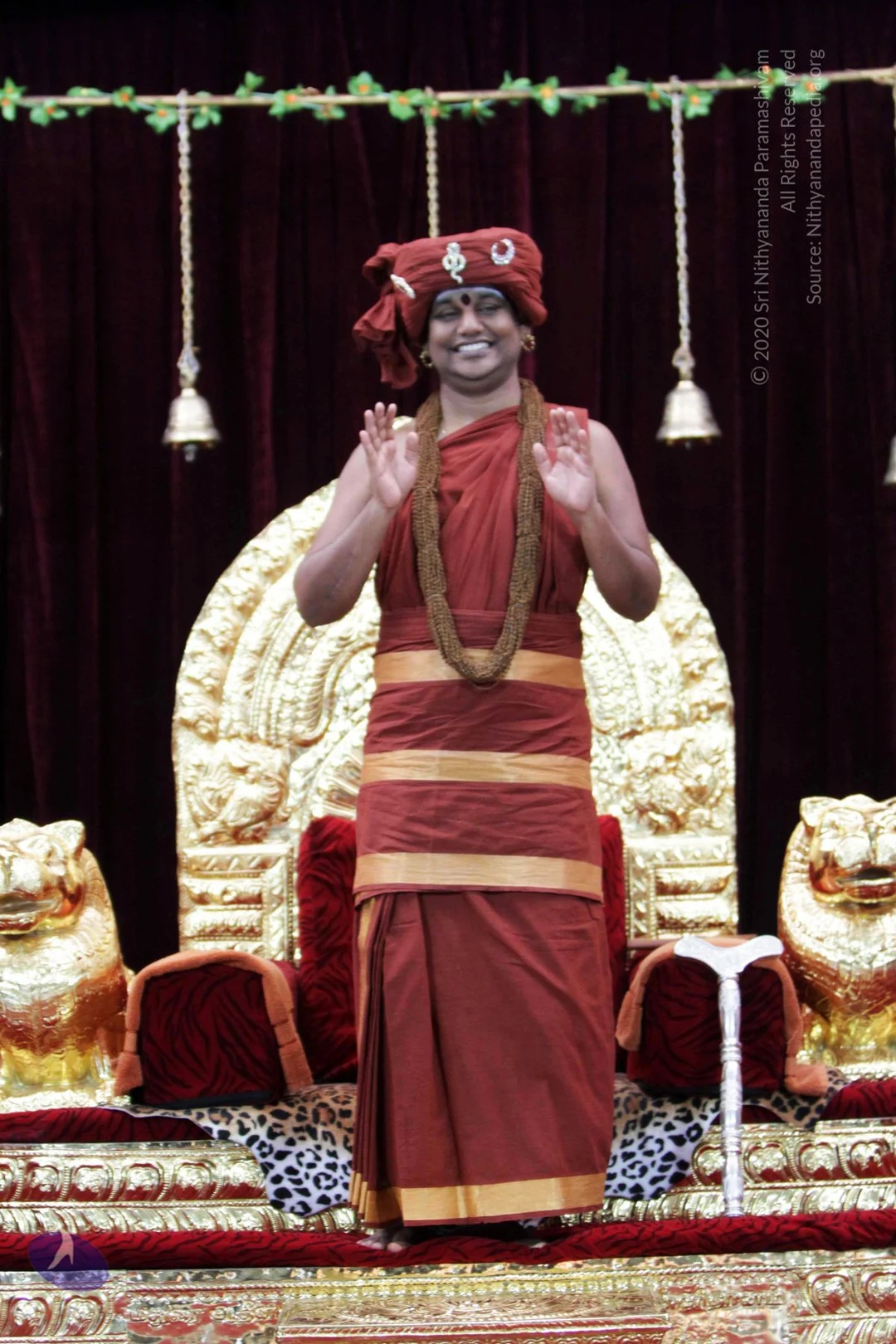
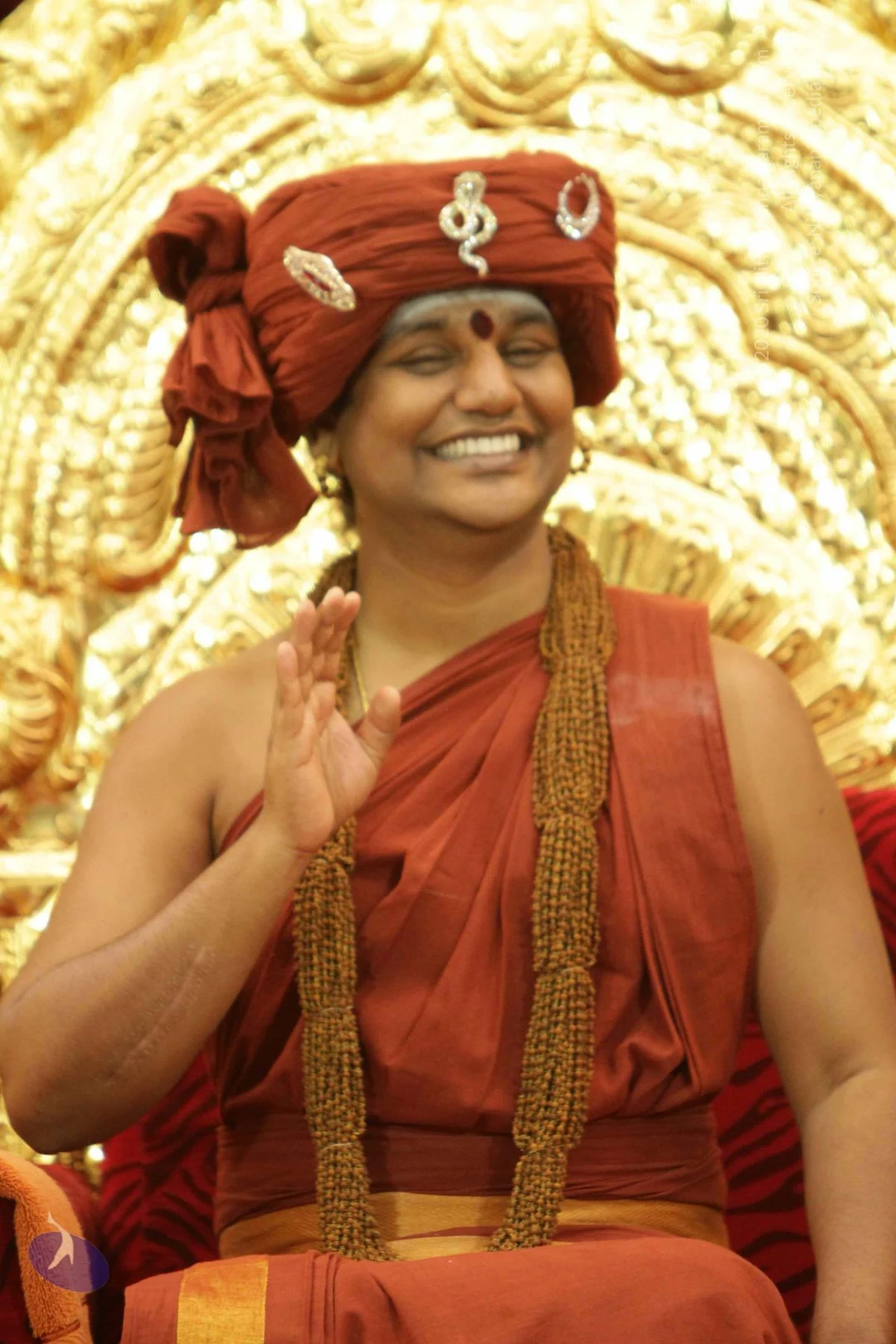
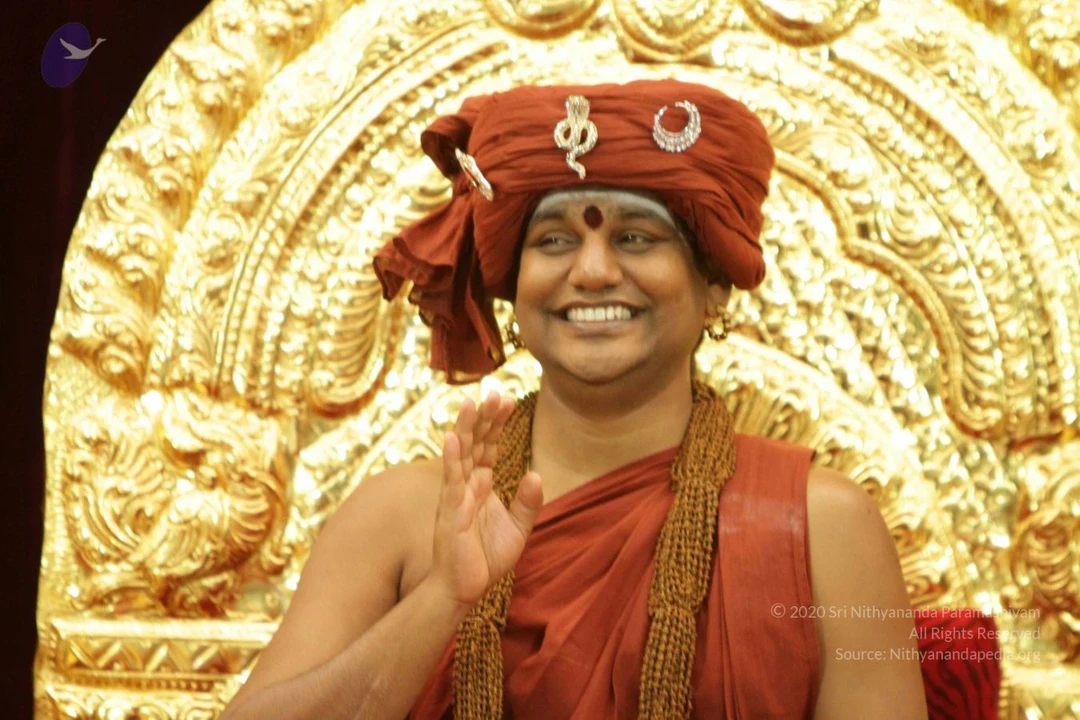
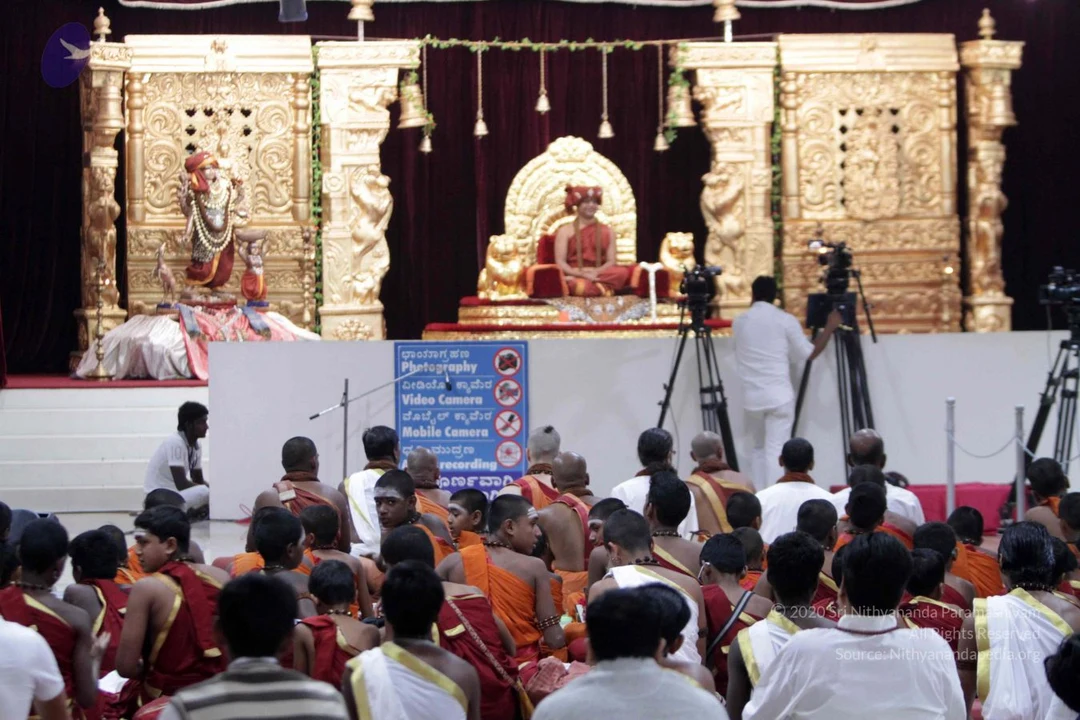
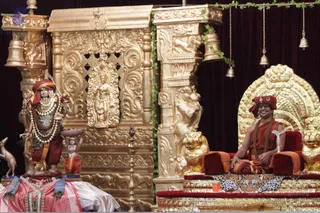
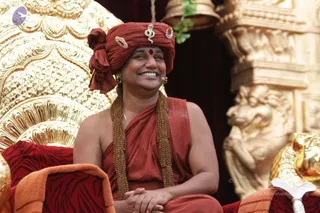
I tell you, I tell you, during this whole process of Shivoham initiation, look internally and work on creating internal space and I take the responsibility to provide internal evidences and witnesses that you are Shivoham. That is immediately possible. When that opens up, you will see external evidences also. Just for that initiation period, do not ask the external evidence and break the egg from outside. Asking for the external evidence is breaking the egg from outside to see whether life has happened or not, whether chicken has happened or not. Come on! Don’t be the foolish monkey which digs out and sees the mango seed every day whether it has sprouted or not! I tell you, work on your inner-space during the initiation. That is the reason I have kept the programme for twenty-one days, so that, in the twenty-one days, you don’t get into the stupid logic of breaking the egg from outside. And by twenty-one days, I know you will break the egg from inside; life has happened! Otherwise even the stupid, the one stupid doubt some fool creates in your head, ‘Why is he sitting in the golden throne?’, is enough to break the egg from outside. Such stupid doubt! Because, neither the doubt is factually right, nor is it right truthfully. Factually it is not right. It is not golden throne first of all. And truthfully, the luxurious simplicity I have cannot be taken away by this golden throne even if it is gold!
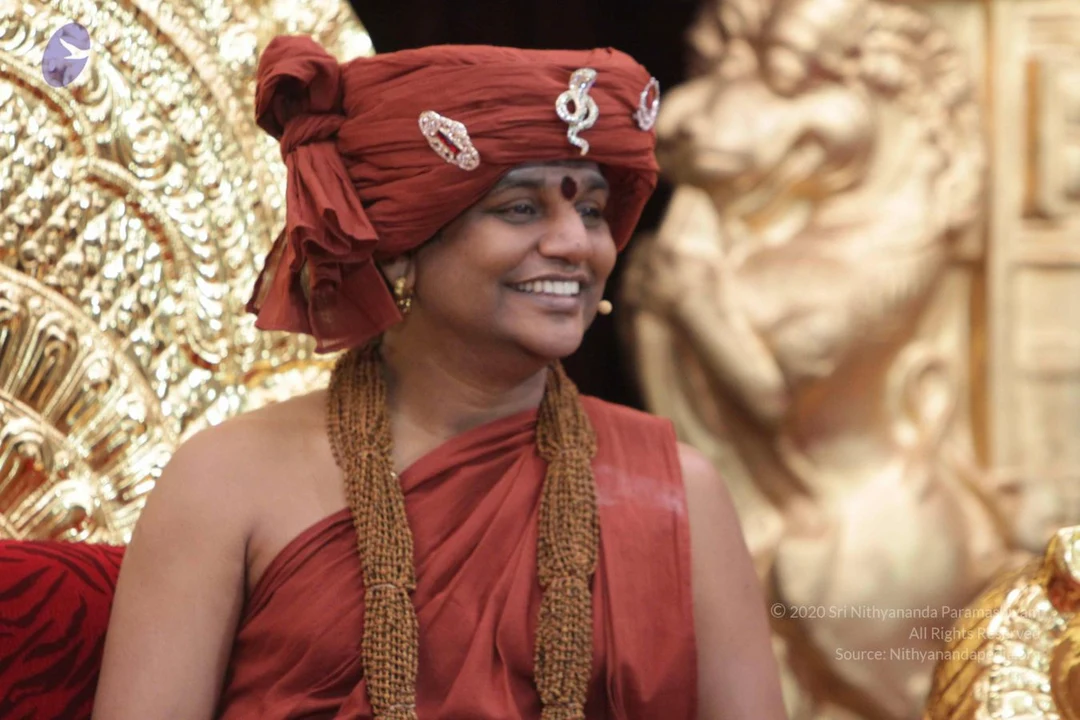
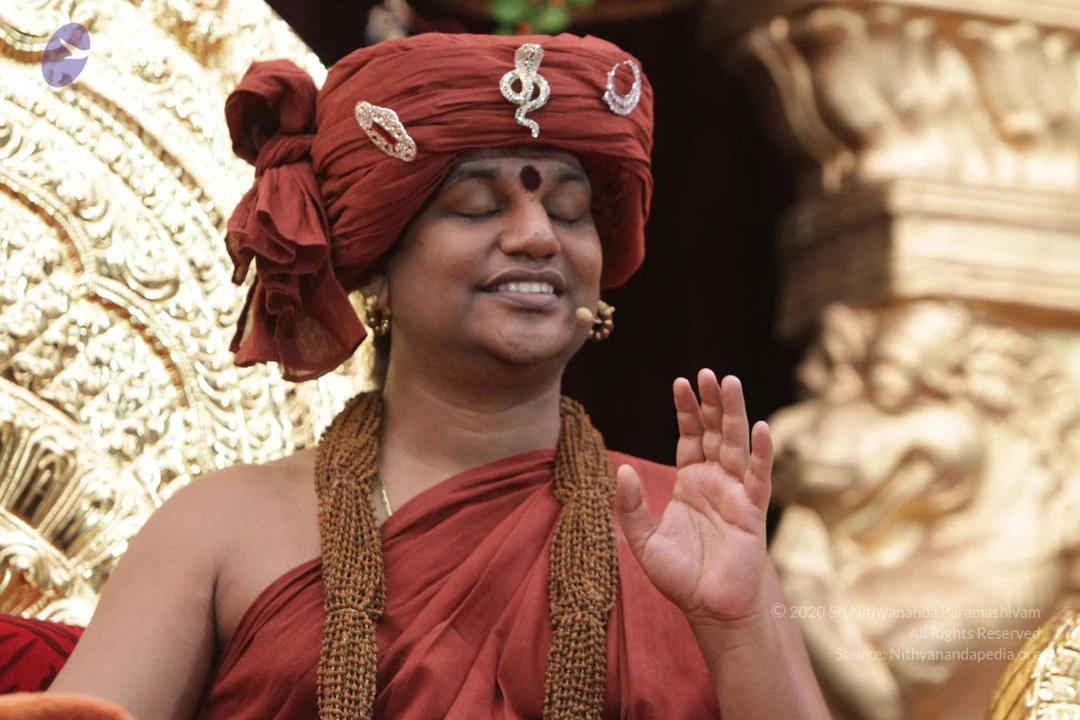
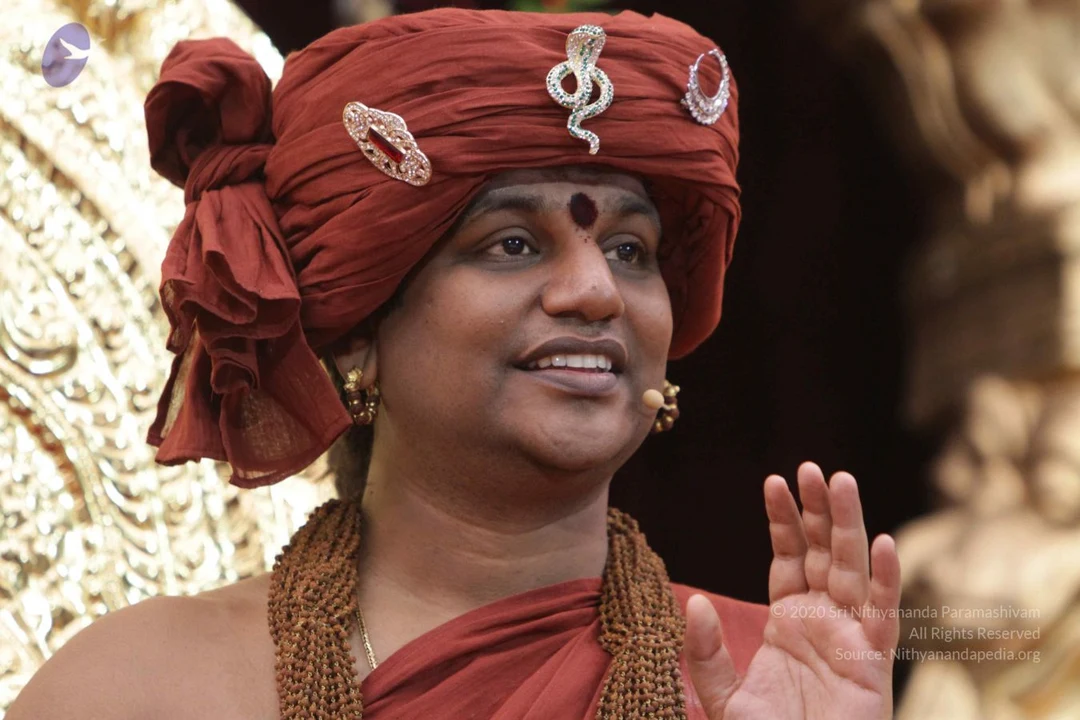
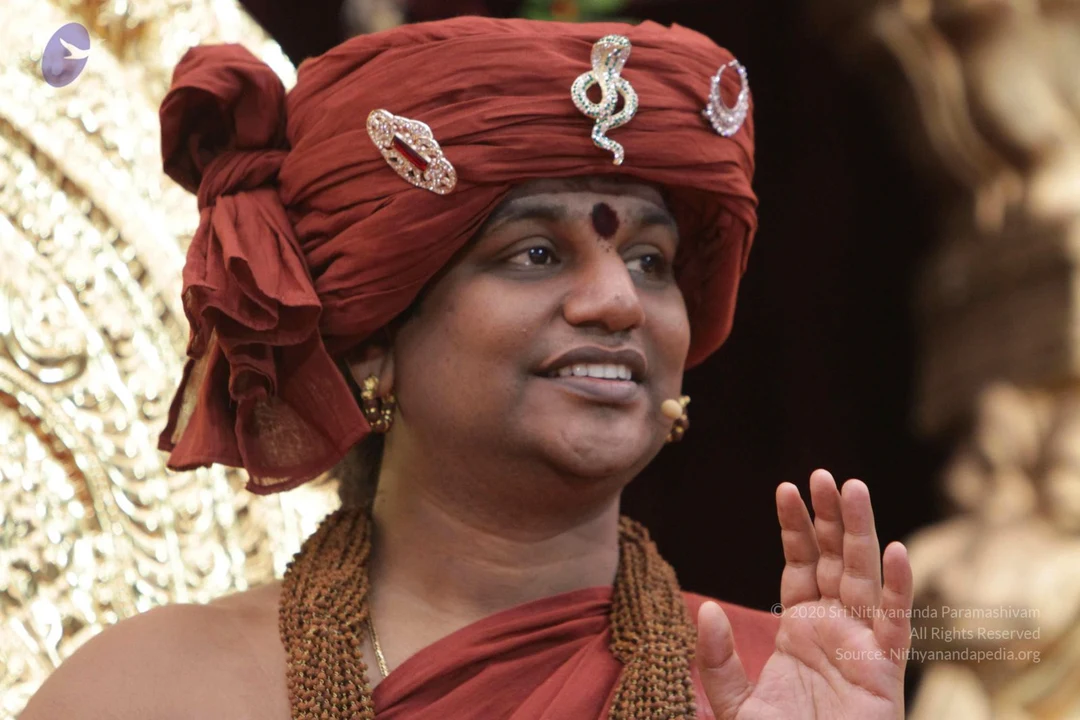
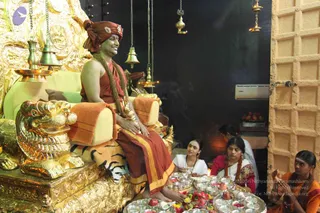
Understand the word – “Luxury of Simplicity”. I am defining. “Luxury of Simplicity” means, to keep yourself inspired and excited and enthusiastic, alive. ‘I do not need anything from outside,’ is “Luxury of Simplicity”. But the simplicity is luxury. It is not poverty. A man who tastes simplicity will radiate grace. The Luxury of Simplicity, it’s the property of Mahadeva. Luxury of Simplicity! The ability to be constantly inspired, excited, alive, radiating such complete Inner Image about you, Outer Image, Others Image, and Life Image, that is the simplicity where you do not need anything from outside to excite you, either your senses or your sensitivity or your sensibility. If you need something to excite your senses, that is materialistic, pleasures of five senses. If you need something to excite your sensitivity, that’s the need for love, romance, emotional fulfillment. If you need something externally to excite your sensibility, that is need for knowledge and purpose, all that. But a man who does not need all the three to keep himself enthusiastic, exciting, radiating, energetic, only he knows what is simplicity. Simplicity is luxury, understand. Neither these few pillows, nor this throne, can take away that Luxury of Simplicity from me, understand! Simplicity is not, as you understand, poverty based. It is spiritual based.
The inner-space that decides everything about life. Whether somebody is simple or not is not decided by the dress he is wearing, or the jewels he is having, or the car he is driving, or the house he is living. Somebody can be living in a poorest and poorest, poorest, most poorest slum, but he may need so many things to excite him from outside. He cannot be enjoying, enriching, exciting himself from his inner-space. Then he is the most luxurious guy. He is not living a simple life, understand. Somebody may be living in a palace, but he doesn’t need anything to excite his senses or sensitivity or sensibility through external way. Nothing externally is required to excite him in all these three levels. Then he is the most simple being, Bhole Nath, Mahadeva!
Luxury of Simplicity, understand! Today I have coined a new word! Socially un-understandable, may be even unacceptable! Luxury of Simplicity! I want my sannyasis to inherit that from me. That is the biggest inheritance you guys will have from me, the Luxury of Simplicity. In the inner-space, most simple! That is why, many times, the newcomers get boggled. They can’t understand how I will think, how I will act. I am such unpredictable! Where they think I will be most demanding, I will be most simple! Where they expect I am supposed to be most simple, I will be so demanding! Because, I operate from the space of Luxury of Simplicity; neither from luxury as you know, nor from simplicity as you know.
Listen! The space of Shivoham starts growing in the Luxury of Simplicity. Bliss of being Shiva! Intoxication of being Mahadeva!
Yesterday, one issue was brought to me. They said one ashramite is going around and telling he is Sundareswarar. I said, ‘Thinking he is Sundareshwara and going around is not wrong, but telling he is Sundareshwara and going around is something wrong.’ No you should be thinking you are Sundareshwara and going around; that is nothing wrong. It is so beautiful! Your walk, talk, inner-space, cognition, everything will become so beautiful like Sundareswarar. No I wanted you guys to live like Sundareshwara. If you are a sannyasi, be Meenakshi and Sundareshwara in one body. If you are a grihastha, be like Meenakshi and Sundareshwara. That is my initiation. Think like Sundareshwara, feel like Sundareshwara, experience everything like Sundareshwara.
I tell you Mahadeva is in his best when he was in in-laws’ house in Madurai than in Kailaasa, I tell you. The first time Mahadeva had three marriages, but the same person. The first marriage is with Sati. Her father didn’t accept. Second marriage is Parvathi. Mother didn’t accept. It took long time and then her mother settled down. Only in Madurai both accepted. Of course, her father) was not in the body when the marriage happened, Meenakshi’s marriage happened but both accepted. So he was the proud son-in-law only in Madurai, neither in Haridwar nor in Mandhata. The first father-in-law’s house was Haridwar, Daksha’s palace, Kankhal. The second was Mandhata; means, in the Himalayas there is an area around Kedarnath where Parvathi and the Himaraja lived and the marriage happened; second father-in-law’s house. Third Madurai. In Madurai he was an accepted, respected son-in-law. He is in his best in Madurai. So, experiencing, visualising, feeling or imagining you are Sundareshwara is great. His expressions are the most sweetest, best in Madurai. The way he expresses the powers or his beautiful satgunas. “Satgunas” means, love, compassion, the Luxury of Simplicity, coming down to play with people, standing by the people. All the expressions, satgunas, as Sundareshwara, in his how he is described in “Thiruvilaiyadal Purana”, doing sixty-four leelas. In that he is more expressing than how he is described and portrayed in Shiva Purana, leelas done in Kailaasa.
That is why I am telling you, you imagining, visualizing you are Sundareshwara is great, but it has to ripe, experience has to start expressing from inside out, not from outside in. If you start going around and telling you are Sundareshwara, people will create so many doubts. You may start using those doubts and hit your own egg from outside which is dangerous. But if you start thinking you are Sundareshwara, you will start creating so many internal evidences and witness that will start expressing from inside and create so many evidences and witnesses outside, life will happen! See it all boils down to this one logic: Do you want the egg to be broken from outside or from inside? That’s all. If you want the egg to be broken from inside, have patience, and practice again and again. Practice. Even telling, ‘I am Sundareshwara’ is not something wrong. But when these stupid fellows have their doubts in their eyes, you are so unconscious; you pick up those doubts and start hitting you. You demand the chisel and hammer from them and you start hitting you from the borrowed chisel and hammer, and externally you hit and break the egg. That is what I don’t want. If you just feel, radiate; you will suddenly start expressing. Sundareshwara, is such powerful expression!
Listen. Constantly hold on to that space, you are Mahadeva, Shivoham, without encouraging the logic which asks for external evidences and external witnesses. Instead in the first start building internal evidences and internal witnesses. The moment you remember ‘I am Mahadeva! Let me be in the bliss of Mahadeva, in the experience of Mahadeva, in the knowledge of Mahadeva!’ Let your logic start functioning in that first. Let the Shivabodha be built. The first effect will happen on you is, the Luxury of Simplicity will happen. Simplicity which is the biggest luxury.
When I decided to come to the Planet Earth, the first thing I packed and kept under my arms without forgetting or without leaving the responsibility to somebody else. Land I told, ‘Hey, you go and take it, keep it ready for the Sangha.’ Wealth, I said, ‘Alright, you take it and go.’ So many things, strategy, so many things I sent it through so many people and told them ‘Hey go and keep all those things ready.’ But one I myself kept it under my arms without leaving to anybody is, Luxury of Simplicity, understand. This one property I did not leave it with anybody, I did not leave that responsibility to anybody, because this is the most important property I need whether in my thinking, or being, or words, lifestyle, teaching, in everything, this one quality – Luxury of Simplicity – will be underlying current. I tell you, that’s the biggest richness anyone can have. The ability to be never dependent on anything, ability to be never dependent on anything! Even now my whole life can run just with few handful of curd rice and tamarind rice and that also I am not dependent on it.
I tell you, when you start invoking Shivoham, living Shivoham, digesting Shivoham, breathing Shivoham, the first internal witness and evidence which will start getting built is Luxury of Simplicity. Grace of the independence, the grace of the independence. The people who don’t know what is simplicity, those stupid fellows are telling that I am not simple. I really wanted to tell you guys; even contemplating Shivoham will start creating the Luxury of Simplicity in you. Start developing that internal independence, the richness, Luxury of Simplicity.
You can see Mahadeva playing the game of all the four rulers in Madurai but he continues to remain simple. In Tamil there are four words for rulers:
“Arul Aakshi” – ruling through the spiritual power; means expressing all the spiritual powers and initiating, liberating;
“Aras Aakshi” – ruling the kingdom; he himself sitting in the throne as Sundareshwara with Devi Meenakshi, and ruling the kingdom.
“Padai Aakshi” – means, ruling through the vast army; Arul Aakshi, Aras Aakshi, Padai Aakshi, and,
“Porul Aakshi” – Porul Aakshi means, ruling through the wealth, by showering, giving. Ruling through the wealth, Porul Aakshi; Ruling through the spiritual powers, Arul Aakshi; Ruling as a king, administration, Aras Aakshi; Ruling through the army, Padai Aakshi. Mahadeva doing all the four and continuing to remain in the space of Luxury of Simplicity.
I tell you when you start cognizing Shivoham, the first thing happens is Luxury of Simplicity which can never be taken away from anybody. Once you start living the Luxury of Simplicity, no one can take away that from you, no one can threaten you.
Live, live, live Shivoham, Shivoham, Shivoham. Live, live, live Shivoham, Shivoham, Shivoham. That is why I am telling you, the Kundalini Shakthi, awakened Kundalini Shakthi is the biggest luxury you can have in your life. And ability to use it as you want is the biggest independence you can experience in your life. The day your Kundalini is awakened and you are able to use it for yourself, that is the day, your Independence Day. The day you are able to use your own Kundalini to reach out to public, that is the day for you, your Republic Day. When you are able to reach out to the public, enriching them with this Kundalini Shakthi, help everyone with this Kundalini Shakti. I want all my Thanedars, Kotharis, Mahants, Shrimahants to be yogis, living Shivoham. Living Shivoham. Living Shivoham.
When you cognize Shivoham, the luxury of Kundalini happens in you. You will be able to help anyone to experience Kundalini awakening. Only the person who knows the Luxury of Simplicity can be Thyagaraja because whatever you need in the world, he doesn’t need.
Go on, go on, go on cognizing Shivoham, Shivoham, Shivoham. That is the only way you can burn your tiredness and boredom. And I tell you the man who burnt the tiredness and boredom with this fire of Shivoham, only he knows the luxury of independence, Luxury of Simplicity. I tell you, till you burn your tiredness and boredom, even if you have one-thousand cars, different-different cars for every day, different-different houses for every day, different-different wives for every day, you will never experience your luxury, you will just feel you are deprived. Because the experience of tiredness and boredom is the root of the experience of feeling deprived. If you can be bored, not thousand cars, even if you have one-million car, you will be bored. If you can be bored, not just one-thousand houses, even if you have ten-million houses in all the best locations of the world, you will be bored! So first burn that pattern of getting tired and bored with this fire of Shivoham. That’s the only fire which can burn the pattern of getting tired and bored. The moment you liberated yourself from the pattern of getting tired and bored, I tell you, you know the Luxury of Simplicity, you are ever enthusiastic, ever enriching, ever excited, ever enlightened.
One of the biggest problems the next generation is going to face is not HIV or Ebola; it is tiredness and boredom! Shivoham is the only antidote. I am telling you, the growing number of youth CEOs, becoming CEO, billionaire, multi-millionaire, by the time you are thirty, study all their mind. I am telling you, after studying all of them thoroughly, whether the founder of Facebook, or whoever, all the youth CEOs, youth who have become multi-millionaires or billionaires, after thoroughly studying all their inner-space I am making this statement, understand, I am talking very responsibly, for the future of the humanity, the biggest problem the Next Gen is going to face is tiredness and boredom, not poverty, not HIV, not Ebola. That is the biggest tsunami going to attack humanity. One and only solution: now itself vaccinate yourself with Shivoham! Shivoham is the only vaccination! Burn the pattern of tiredness and boredom with this Shivoham. Have the Luxury of Simplicity which can’t be taken away from you.
Luxury of Simplicity is the first internal evidence and witness which will start developing when you cognize Shivoham. Expect that when you cognize Shivoham first. Don’t expect external evidence and witnesses and break the egg from out. IN to OUT, no OUT to IN!
I’ll continue on this “Keep It Simple Series” on Shivoham.
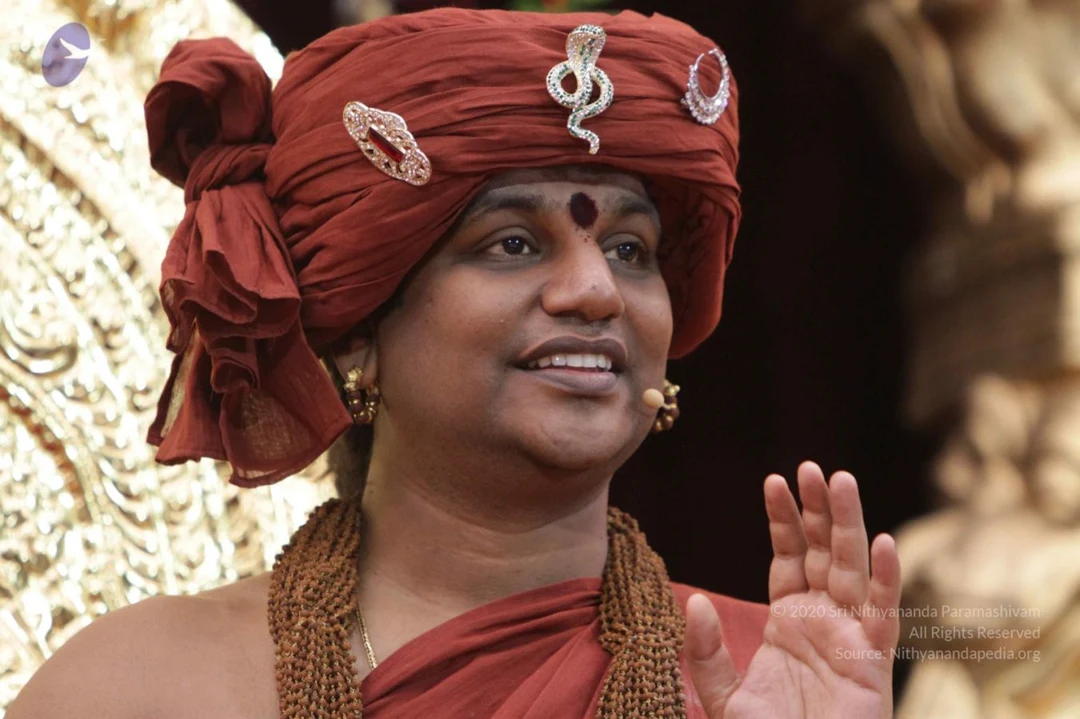
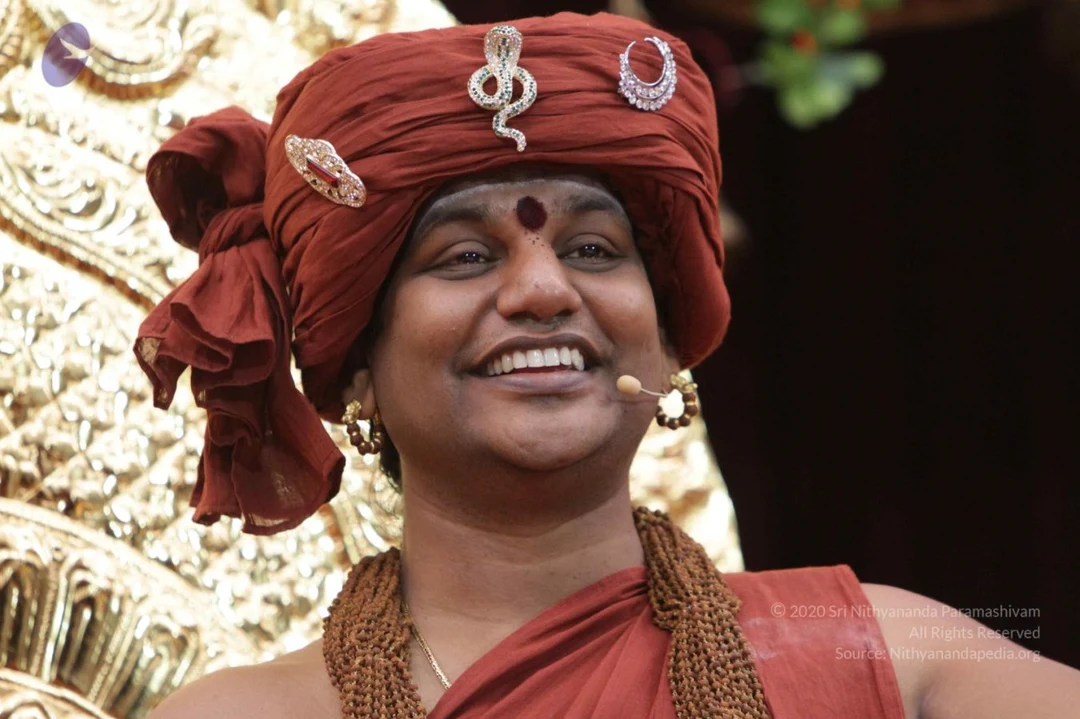
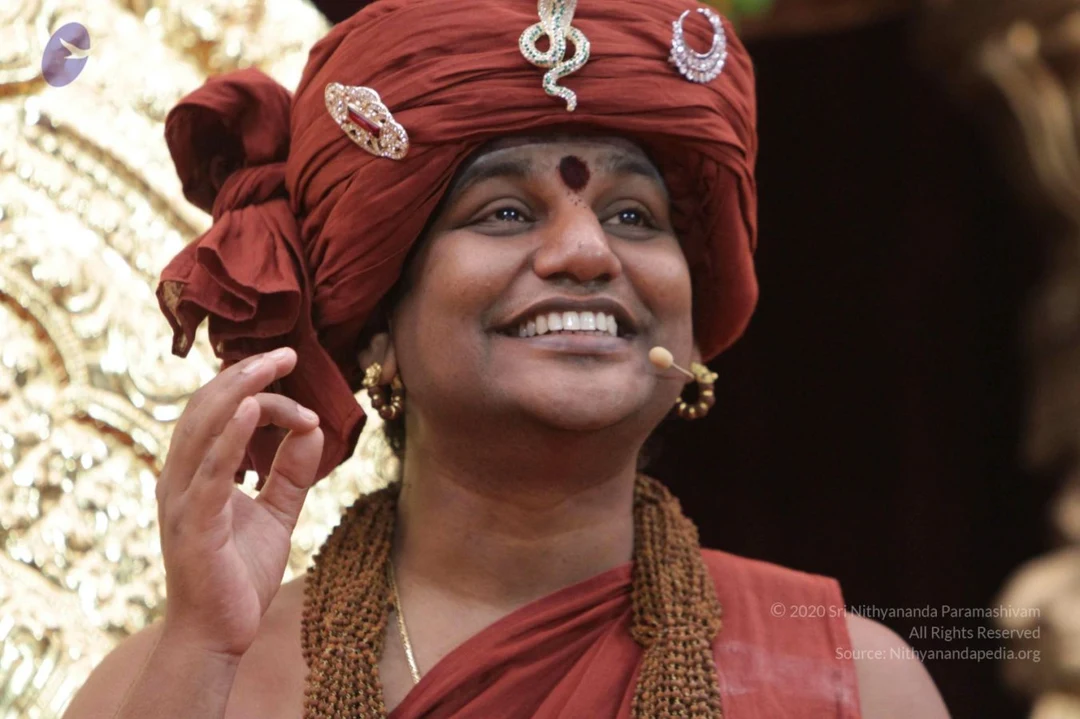
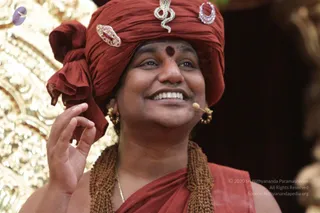
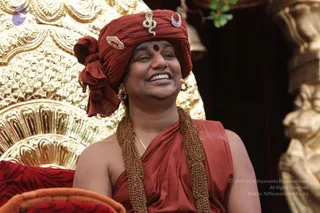
One of my devotees came and told me, she said, ‘Swamiji, my son thinks you are a New Age Guru.’ I just laughed at her and said, ‘I am a Guru for New Age people, but I am not New Age Guru, understand?’ I am as old as Sun, and as new as sunrise. As old as the Sun, and as fresh as sunrise! I am neither New Age Guru, nor old age Guru; ageless Guru happening for the New Age, that’s all! Ageless Guru happening for New Age, that’s all! Don’t classify me as New Age Guru. No! No New Age Guru has the guts to wear this big Rudraksha mala and sit in this type of throne. They have more luxurious, big-big modern cars which are too costly, hundred times more costly than this throne. They use all that secretly but they don’t use all this, because this shows. This represents tradition, certain ideology. I am neither New Age Guru nor old age Guru. I am as old as the Sun as new as sunrise!
Once in a while, just to remind you guys, life gets infused into life. That is incarnation. That is me. Life gets infused into life to remind you guys life is a life is a life! Kundalini gets infused into Kula Kundalini. Kula Kundalini is the source Kundalini available in all of you. Means like a Kundalini snake coiling itself and be there in the inert state that is there in everyone. And the Kundalini getting infused into the Kula Kundalini means Kundalini waking up. Once in a while, to remind you your Kula Kundalini is not created to be there in the inert space; it is created to wake up and dance the life. Fill the Chidambara of your being! Fill the Chidambara of your being! To fill the Chidambara of your being!
When life enters into life, life enters into life to enter into all your lives, understand? My life entered into my life just to enter into all your lives! Me entering into your life is initiation into Shivoham, awakening your Kundalini Shakthi. You entering into your life is enriching everyone around you. Enrich yourself, enrich everyone around you. Break the patterns; break the patterns of tiredness and boredom. Radiate Shivoham, Shivoham, Shivoham! Shivoham, Shivoham, Shivoham! Shivoham!
Essence of today’s satsang:
Go on creating the space of Shivoham in you. Be Shivoham. Radiate the Luxury of Simplicity and Grace of Independence.
I bless you all. Let you all radiate with Integrity, Authenticity, Responsibility, Enriching, and Causing eternal bliss, Nithyananda. Thank you.
Tags:
luxury, outside, identities, image, poverty, spirituality, Shivoham,KISS series satsang,
Photos From The Day:
Photos Of The Day:
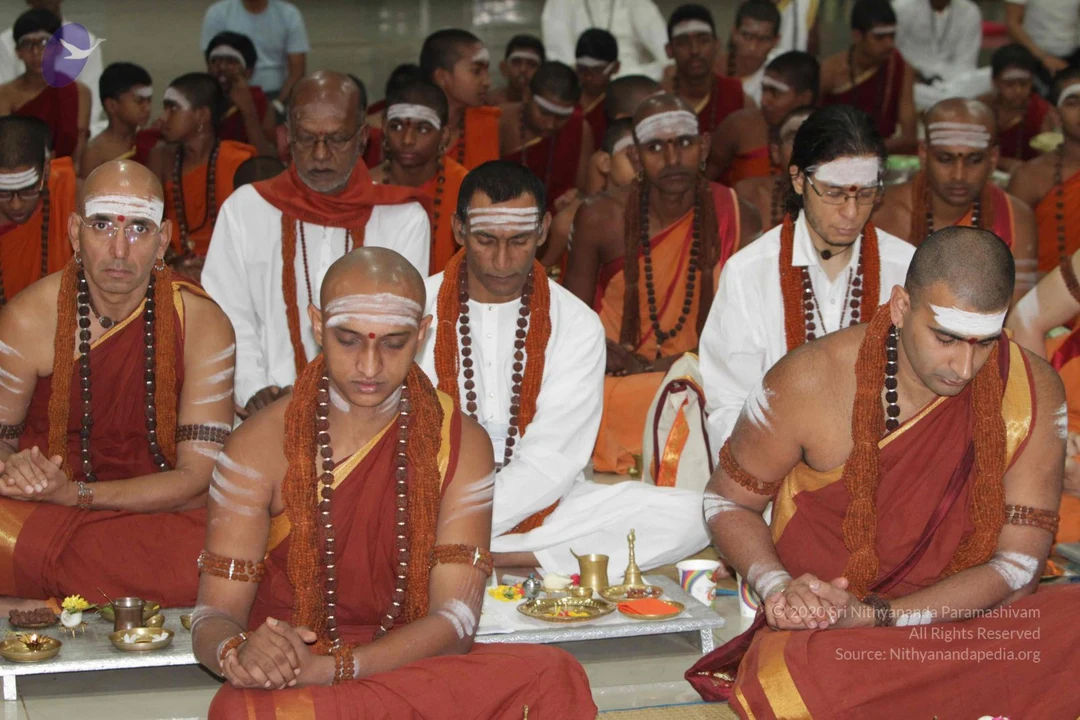
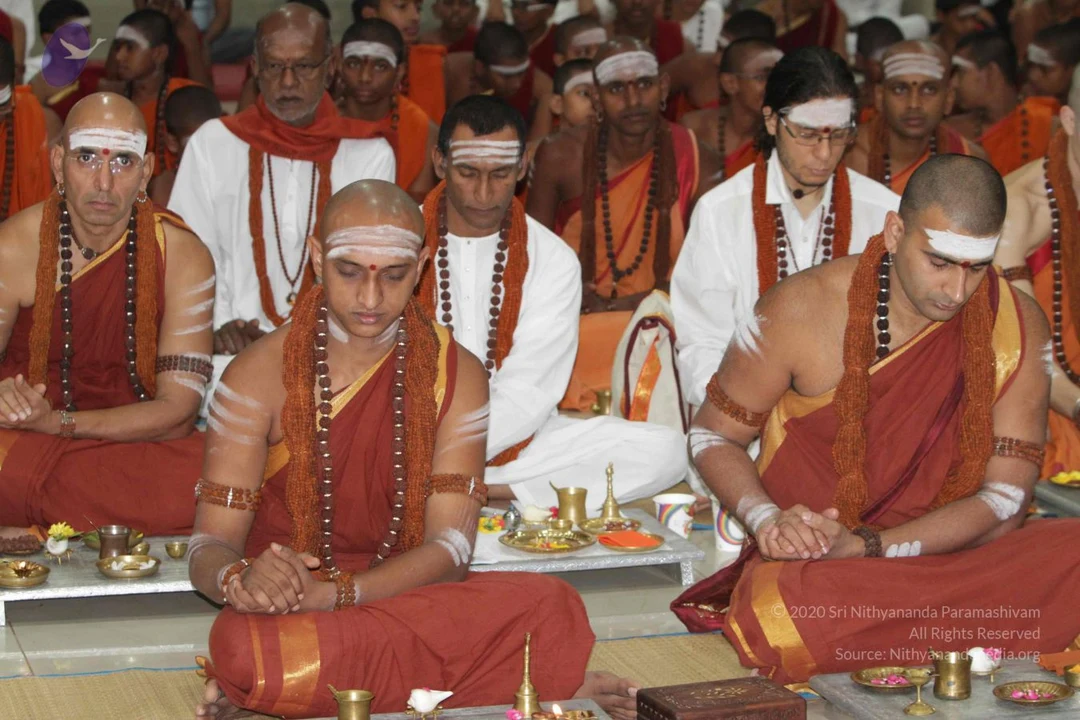
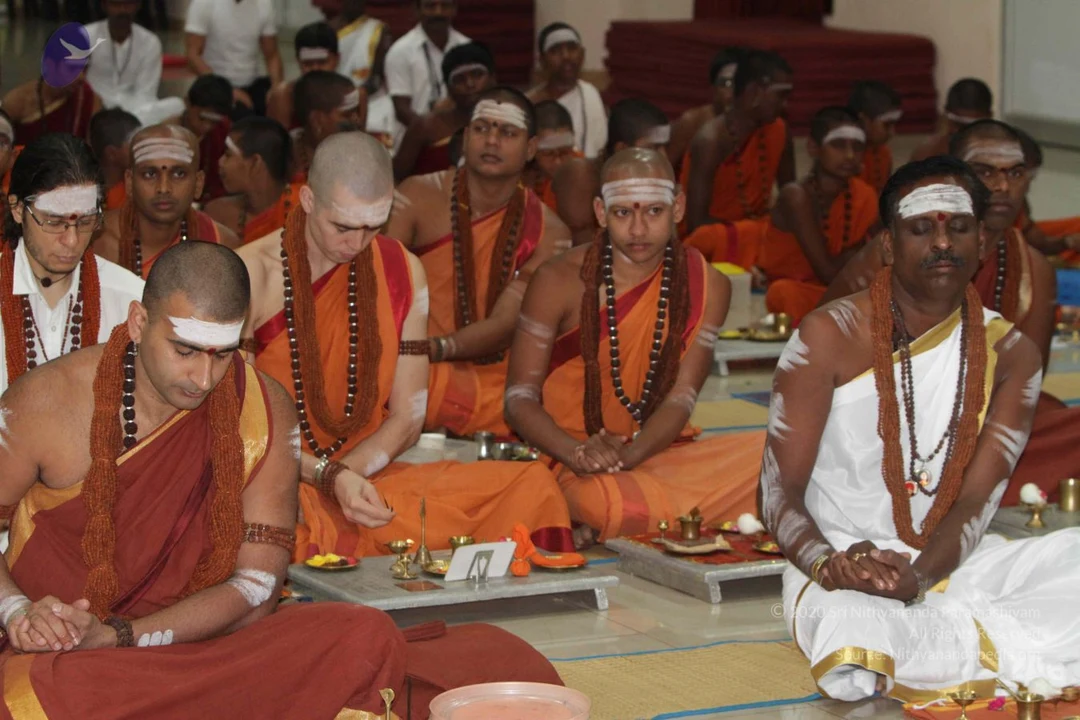
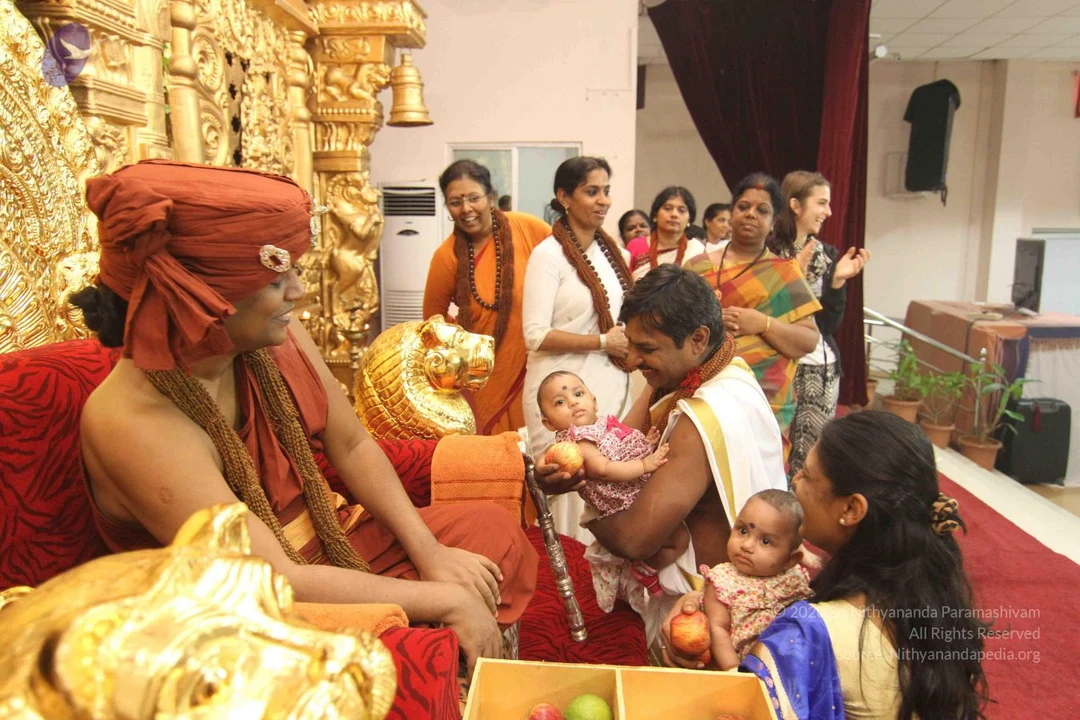
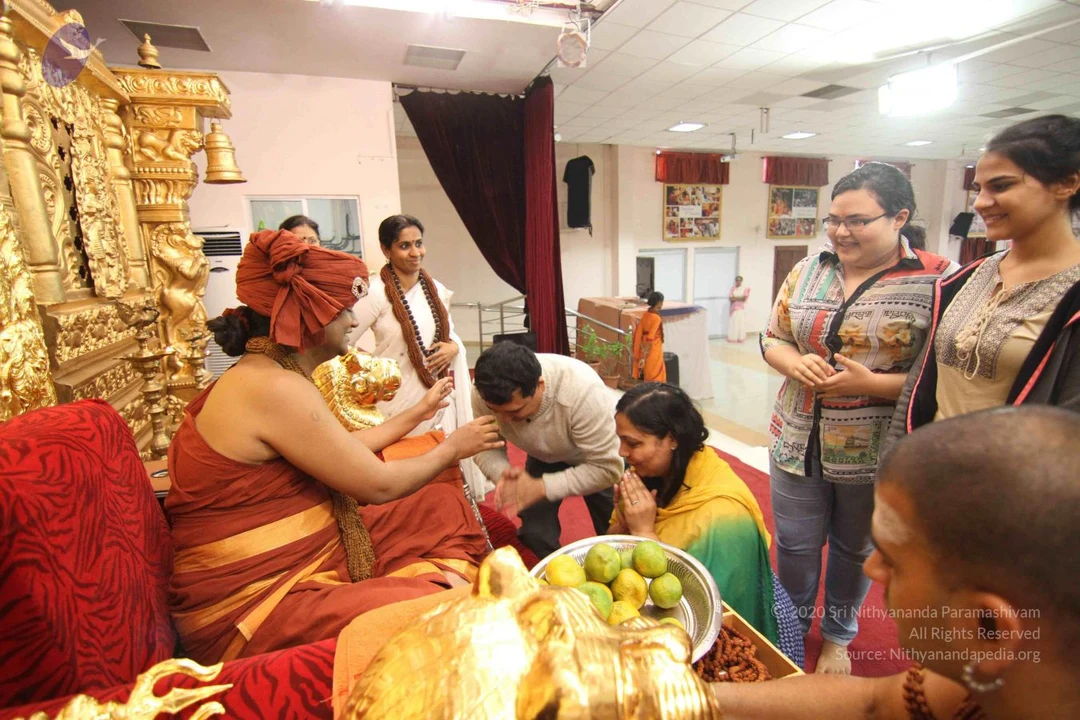
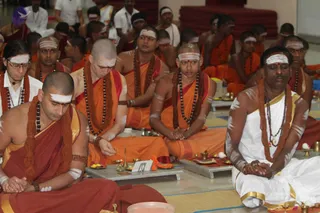
Pada Puja and Kirtans

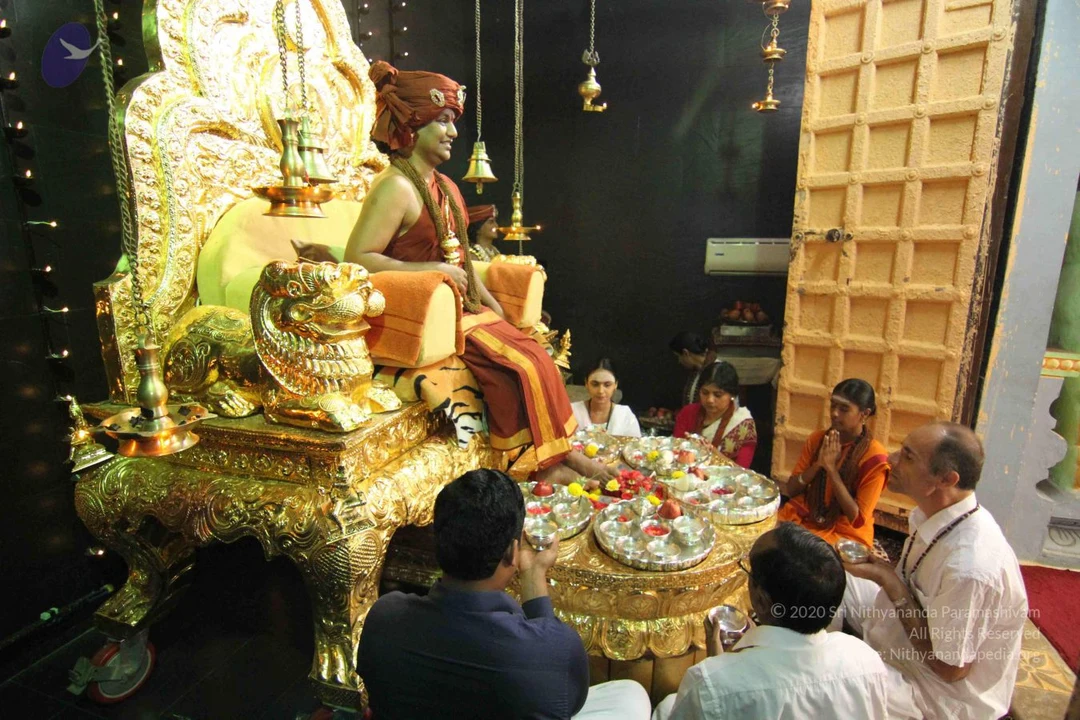
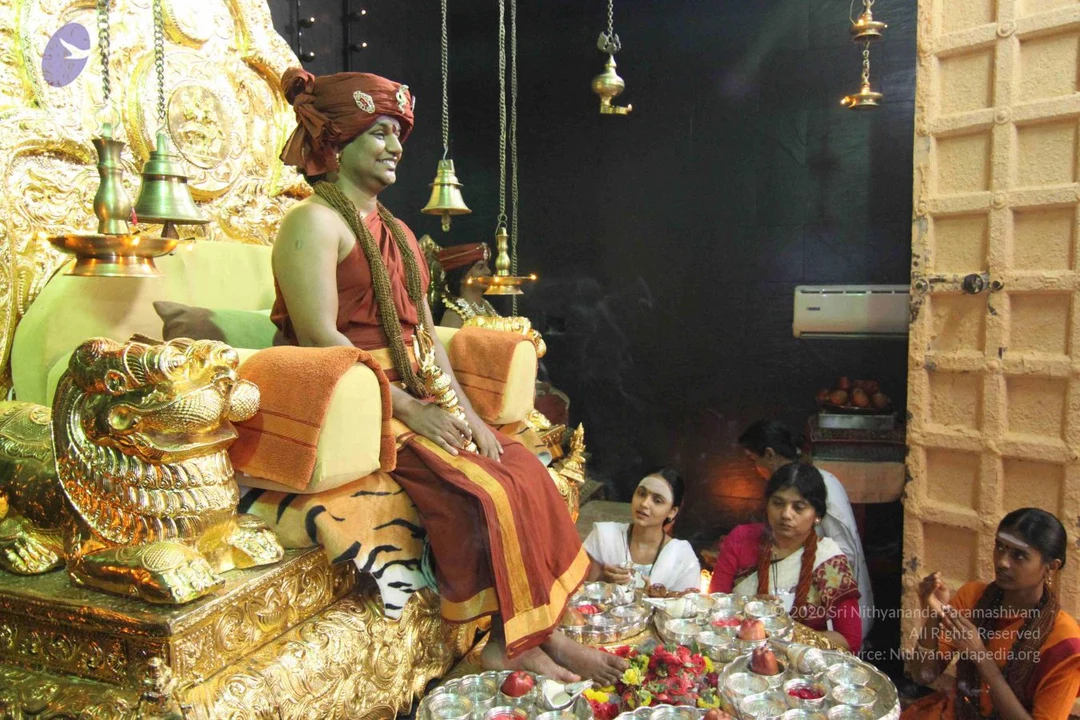
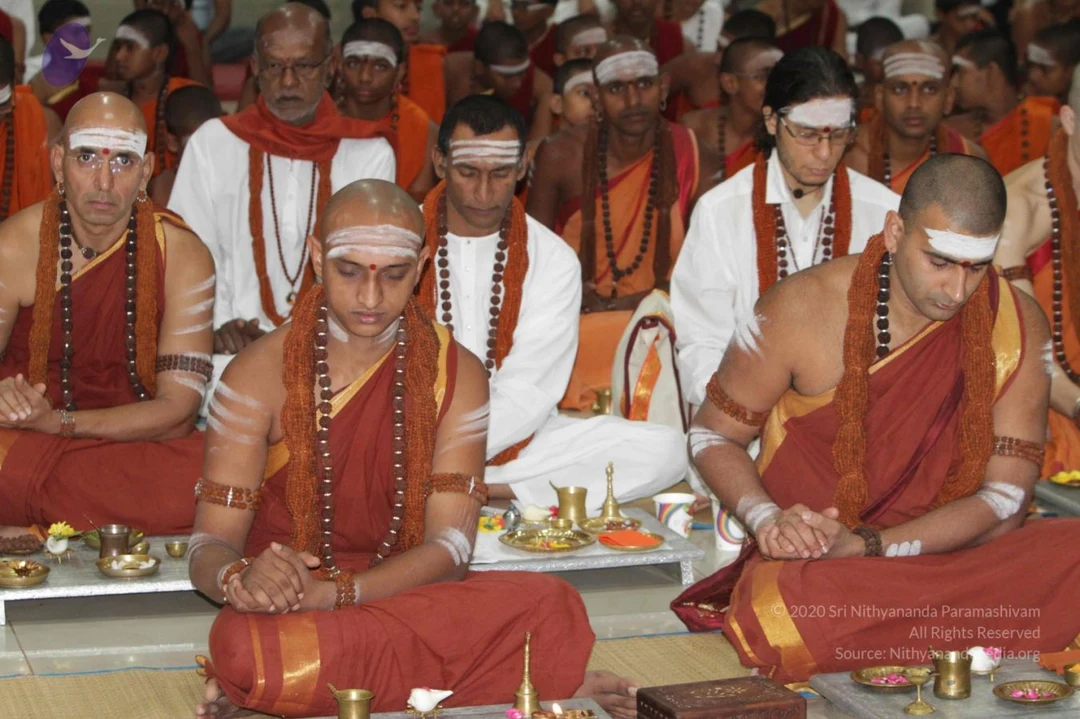
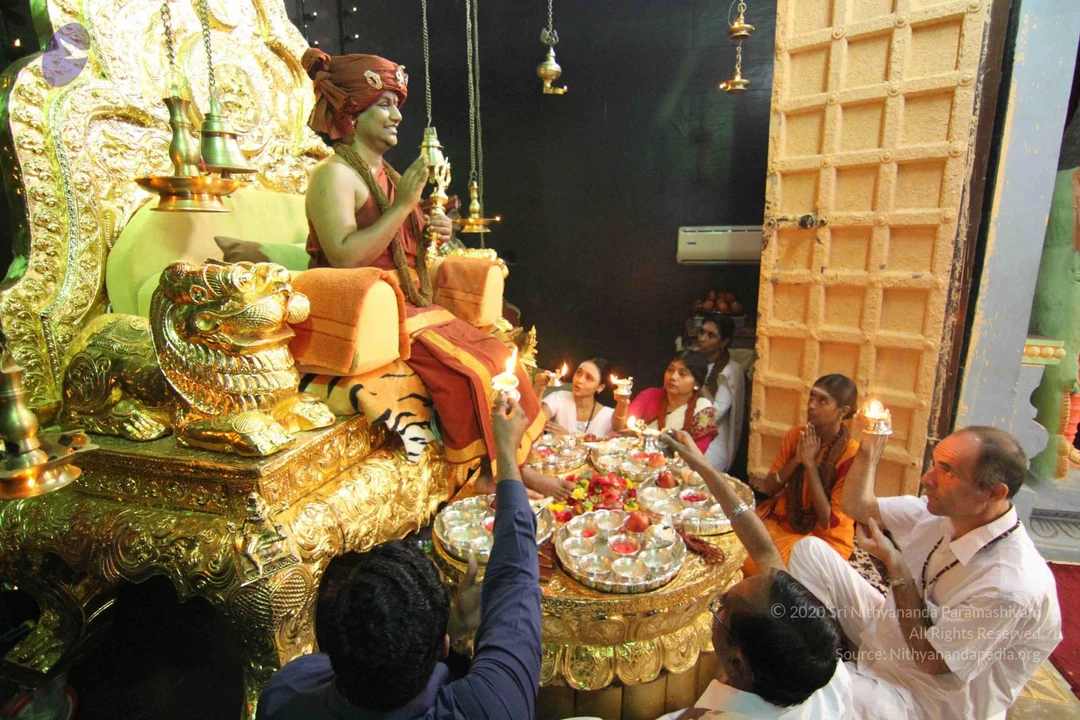
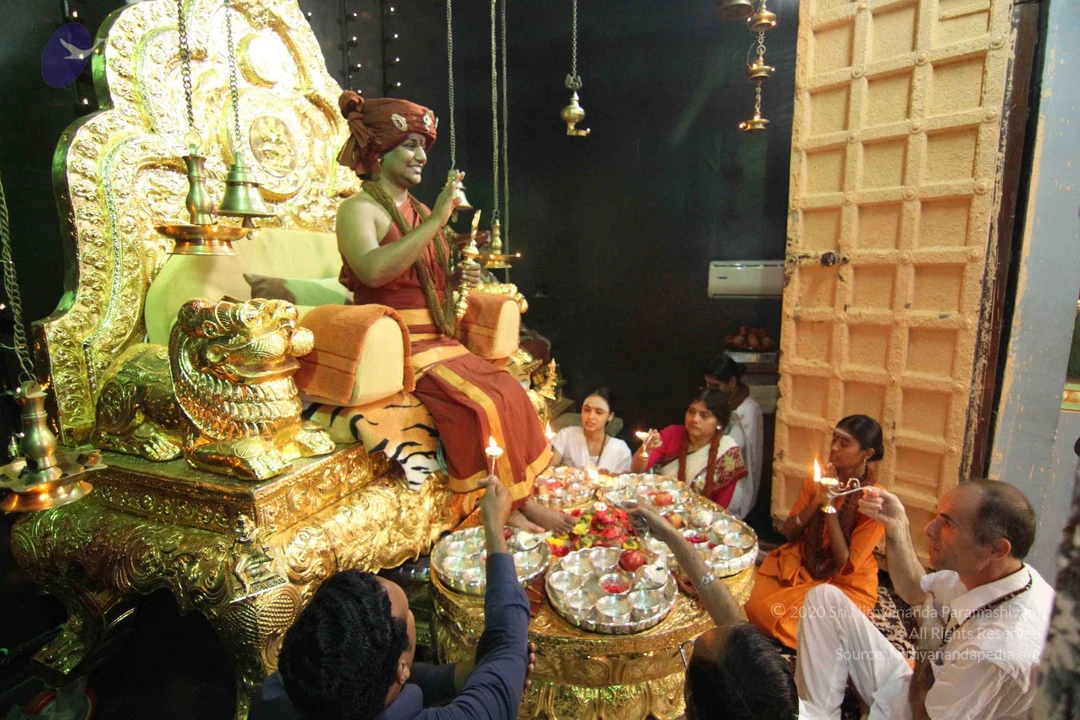
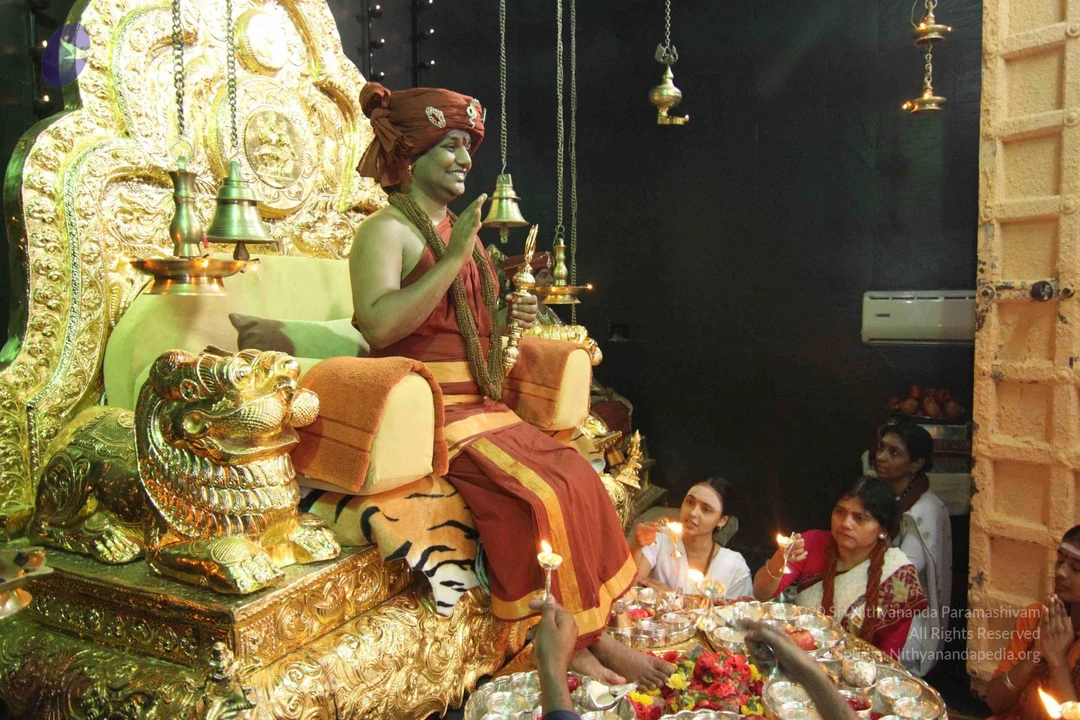
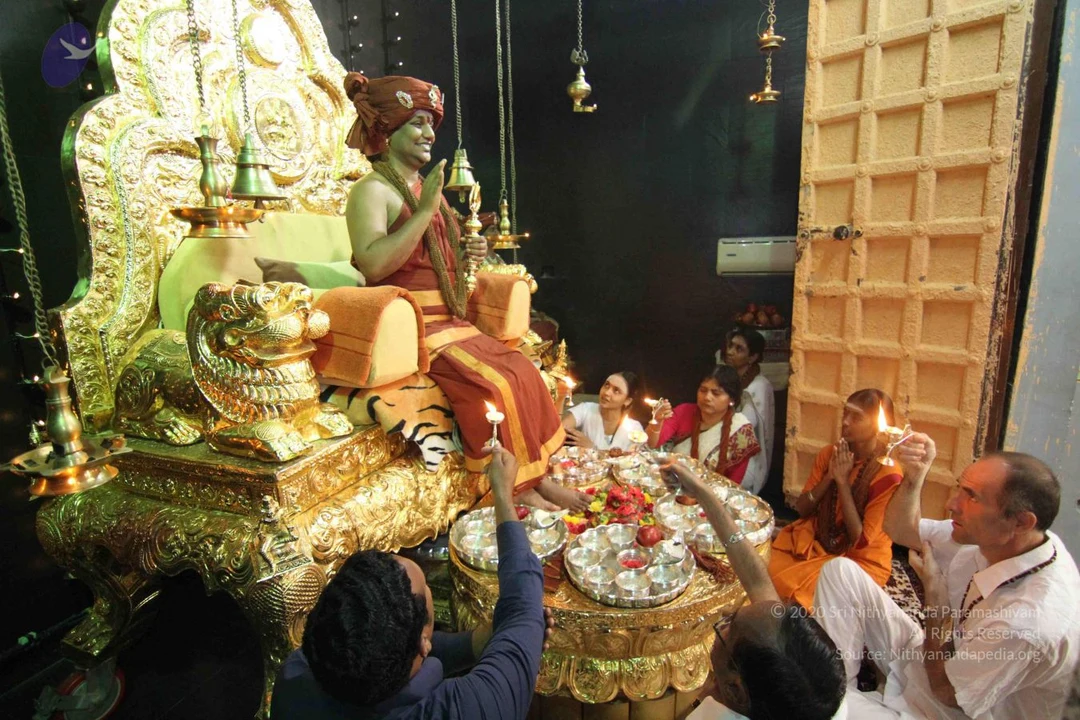
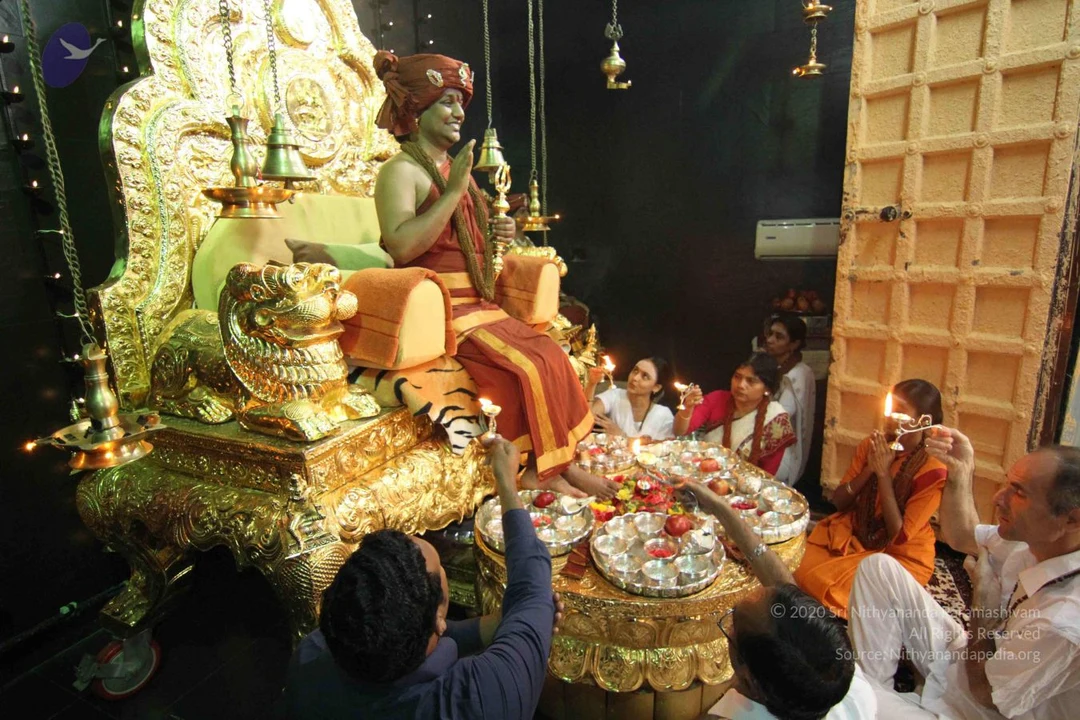
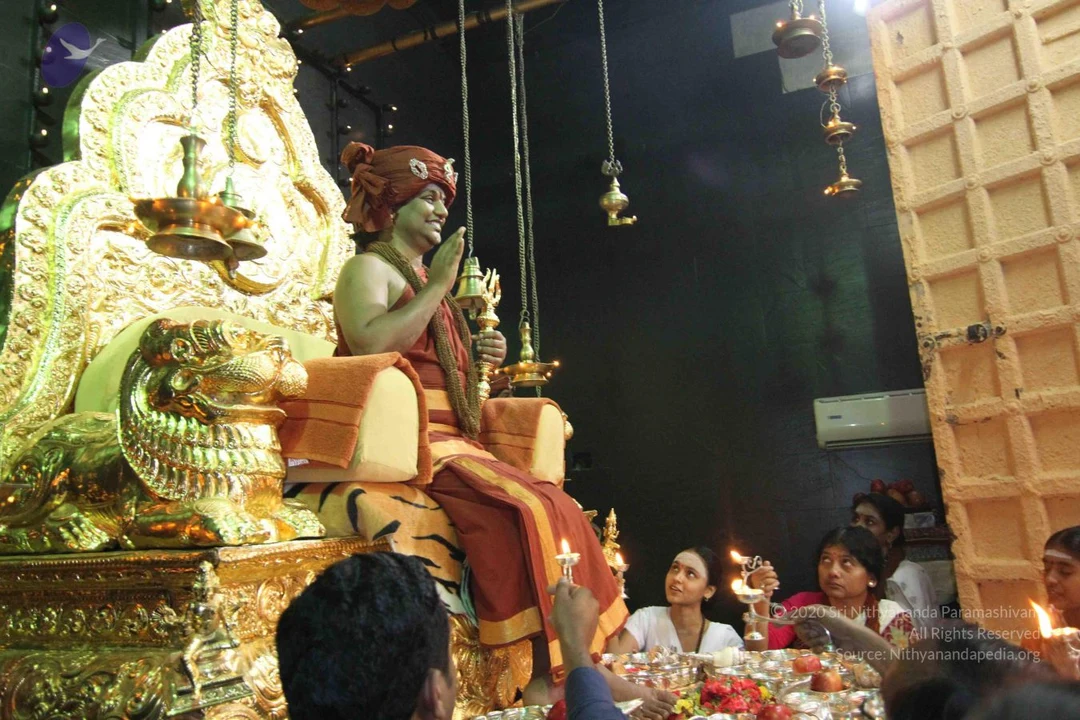

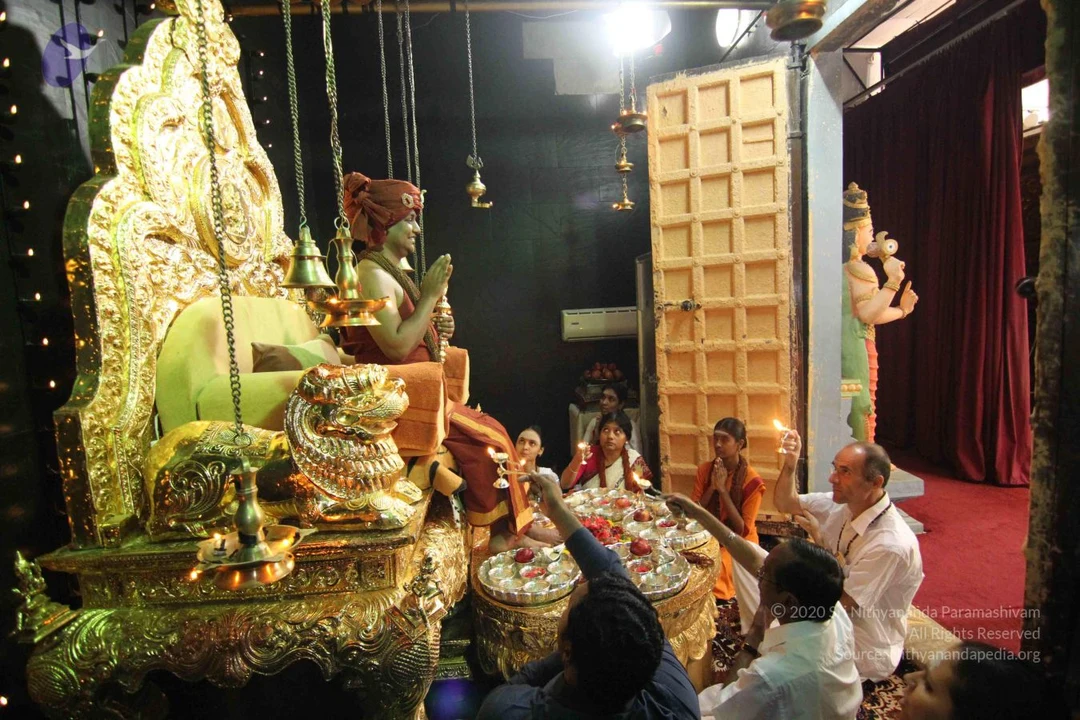
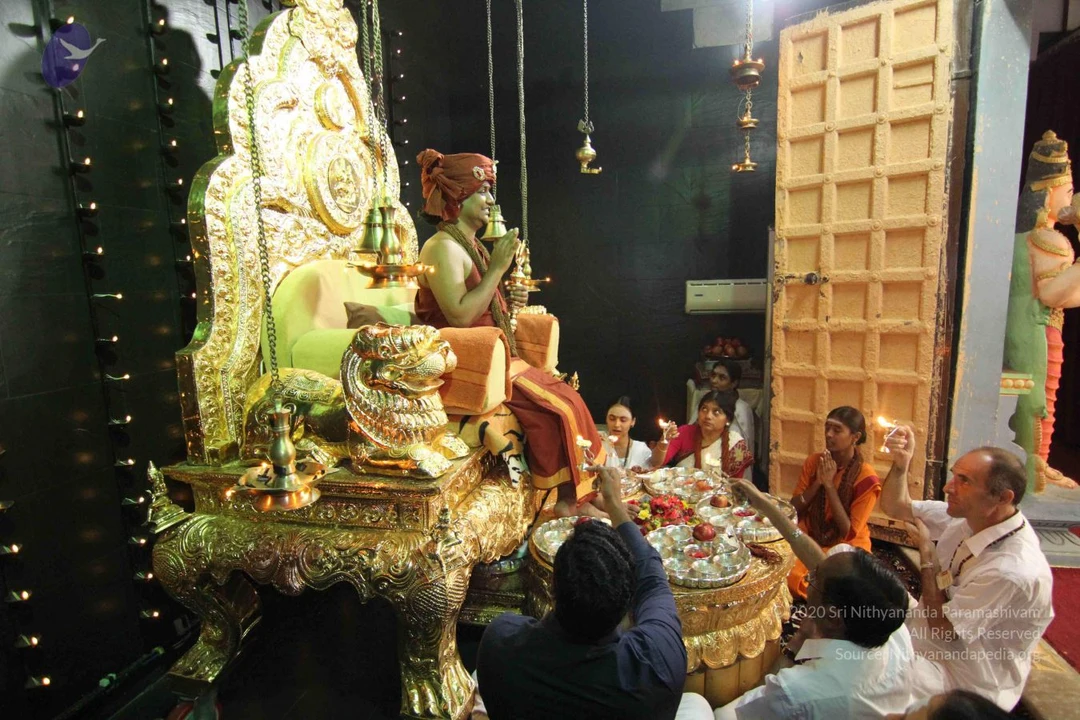
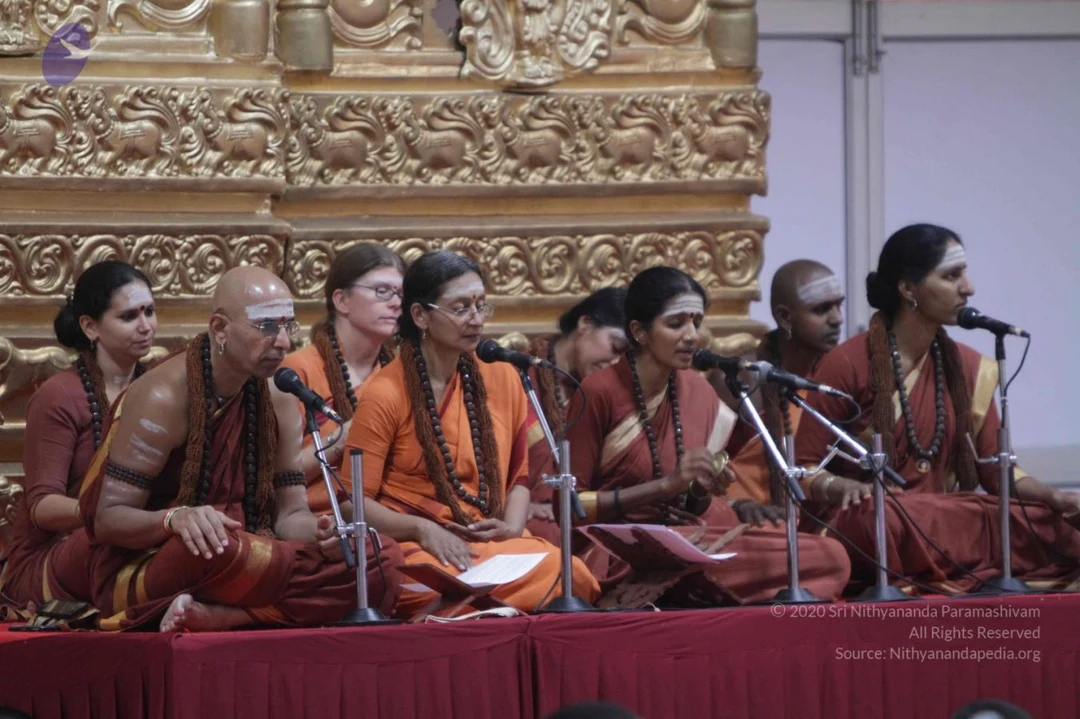
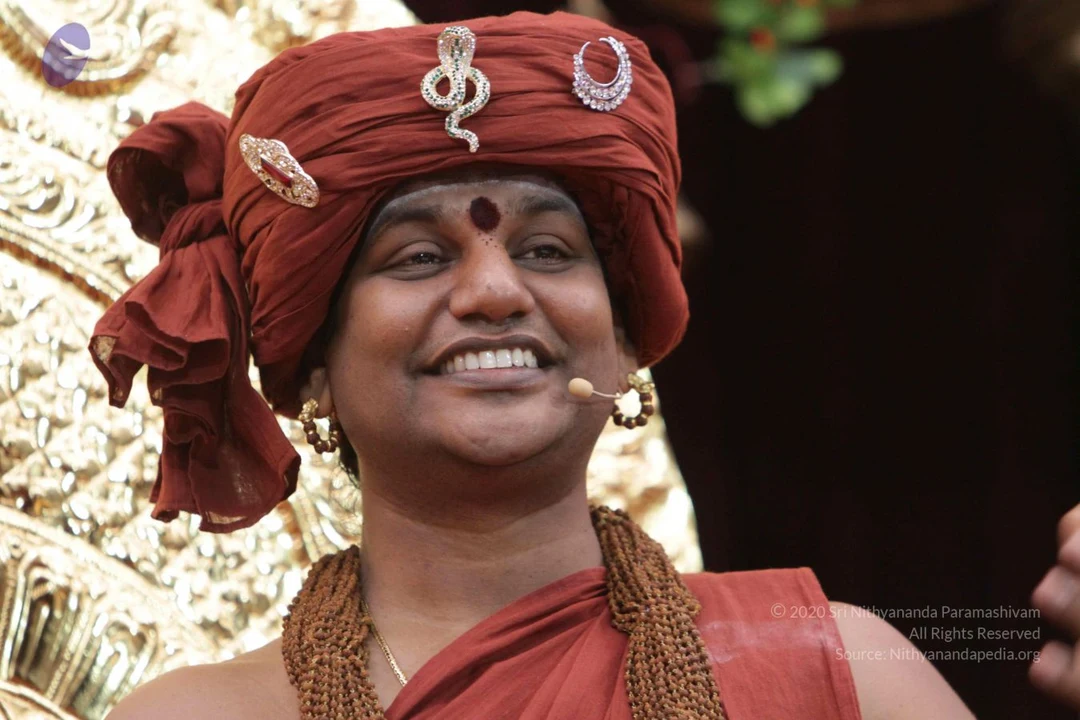
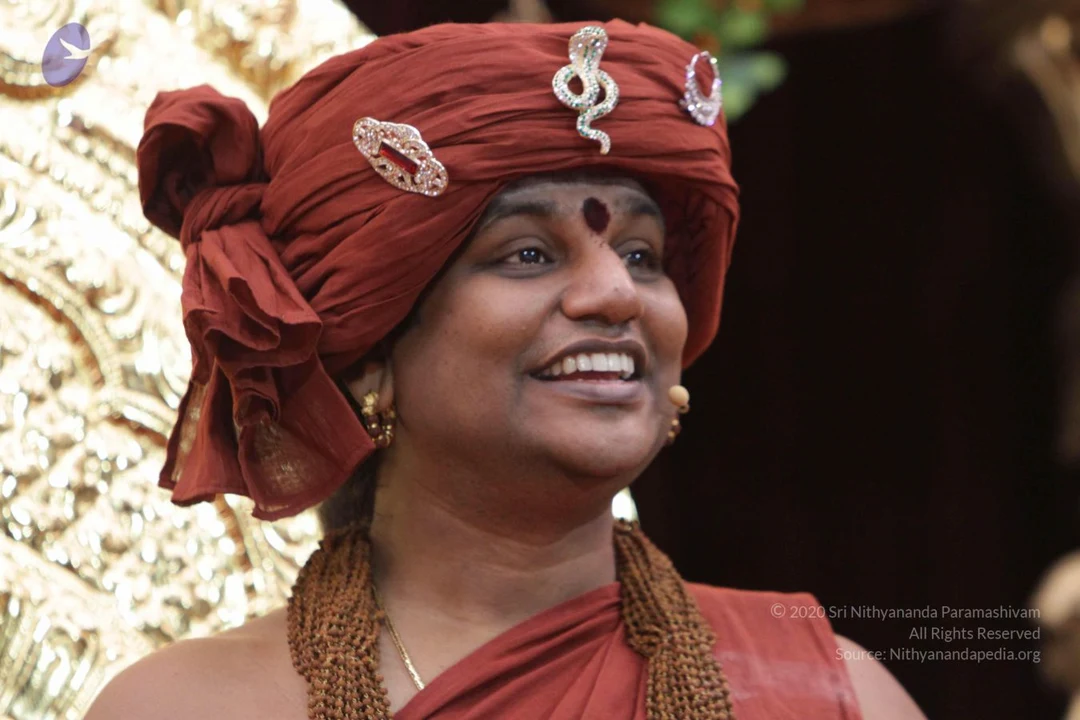
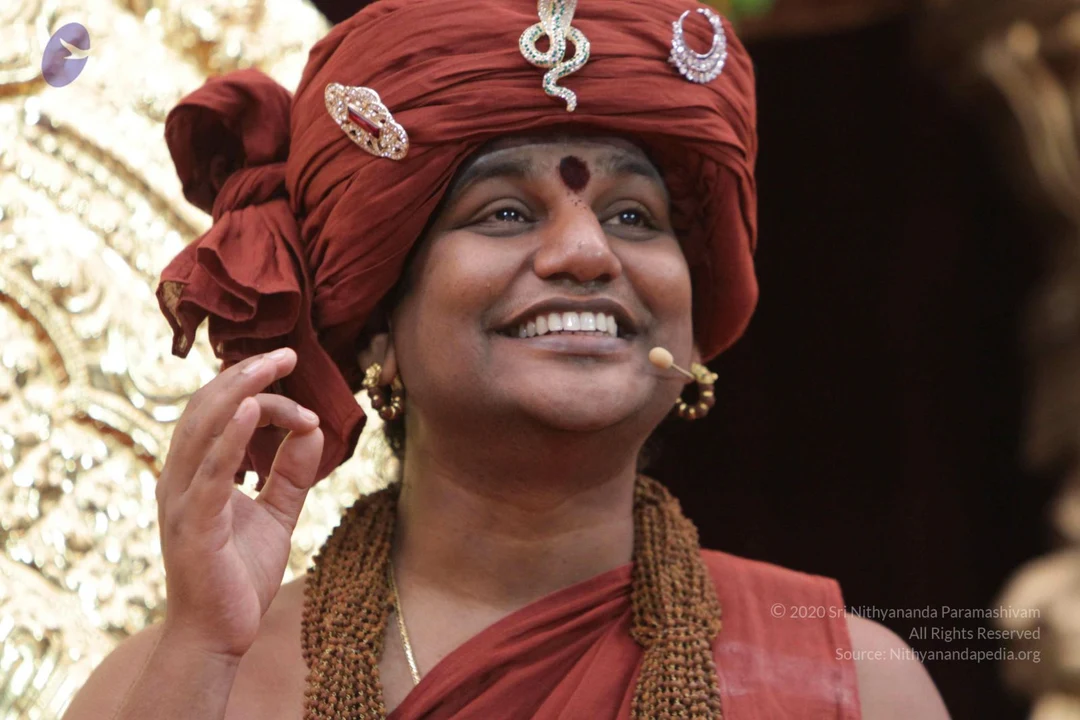
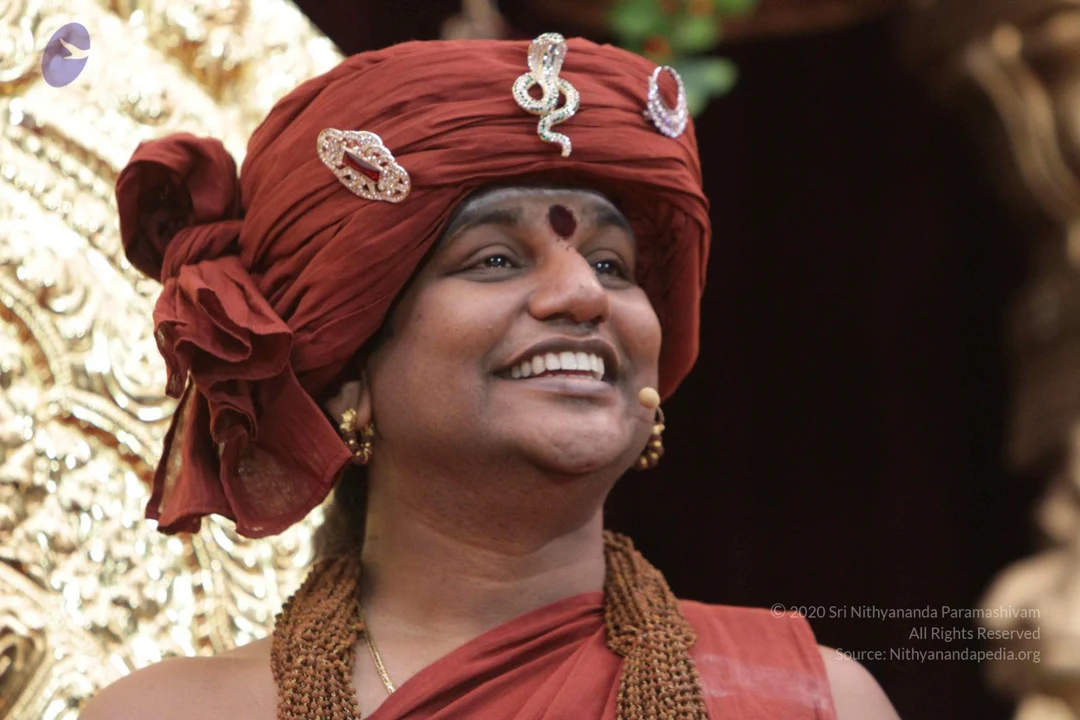
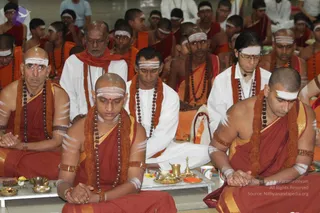
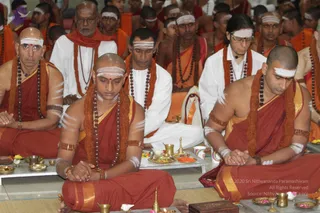
Nithya Satsang
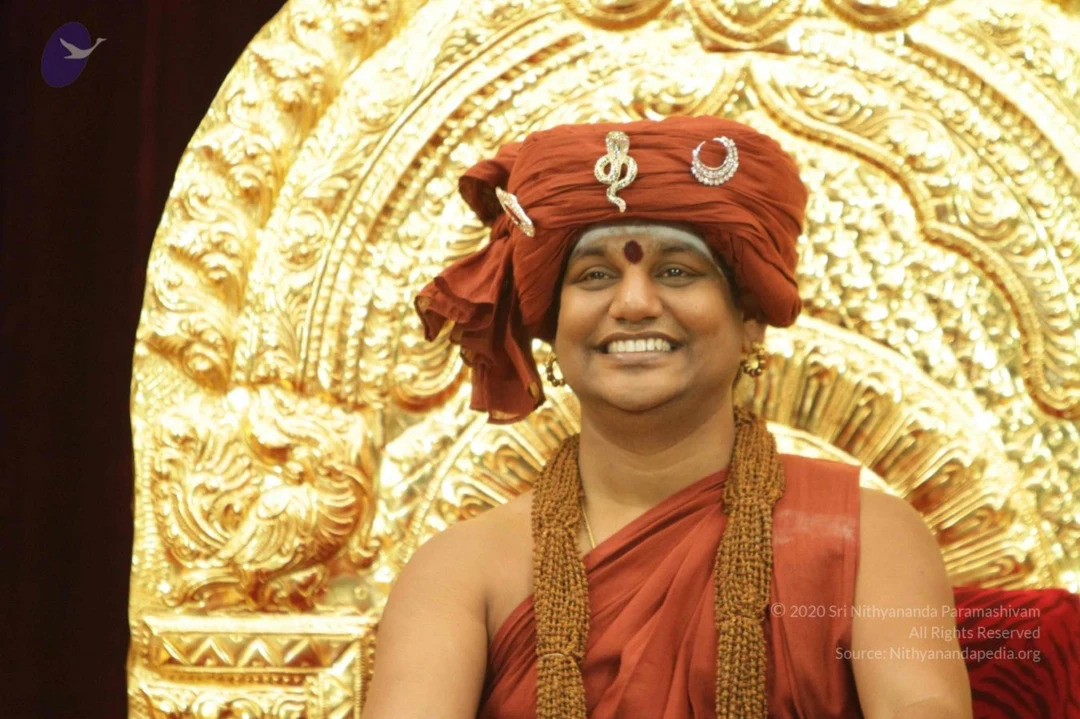
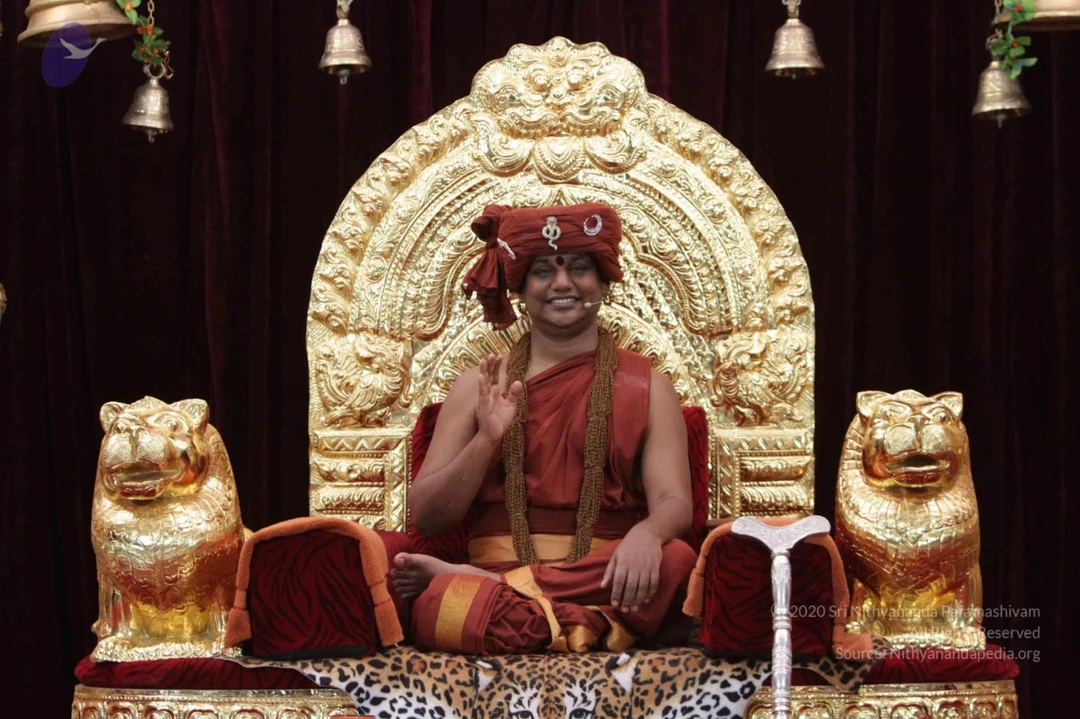
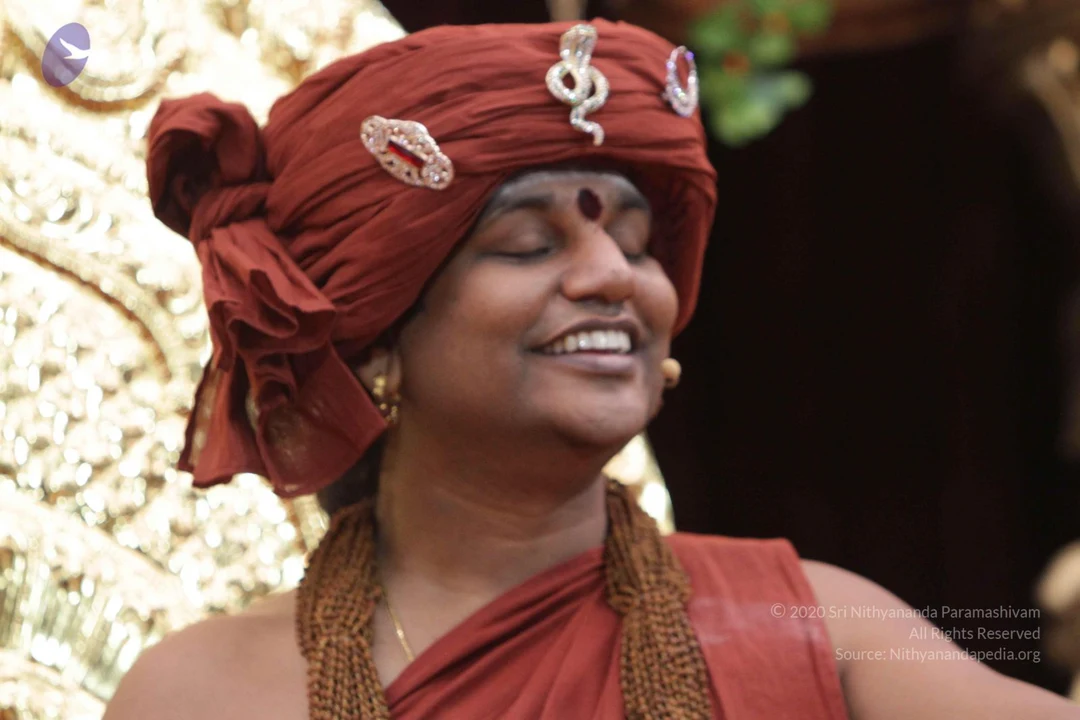
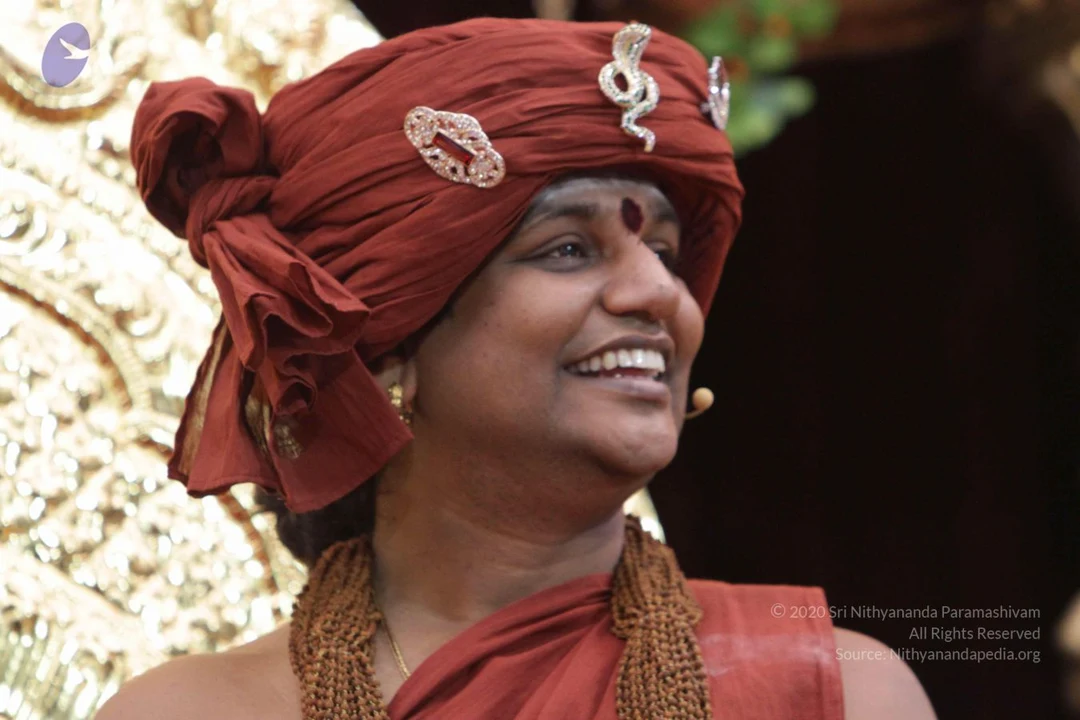
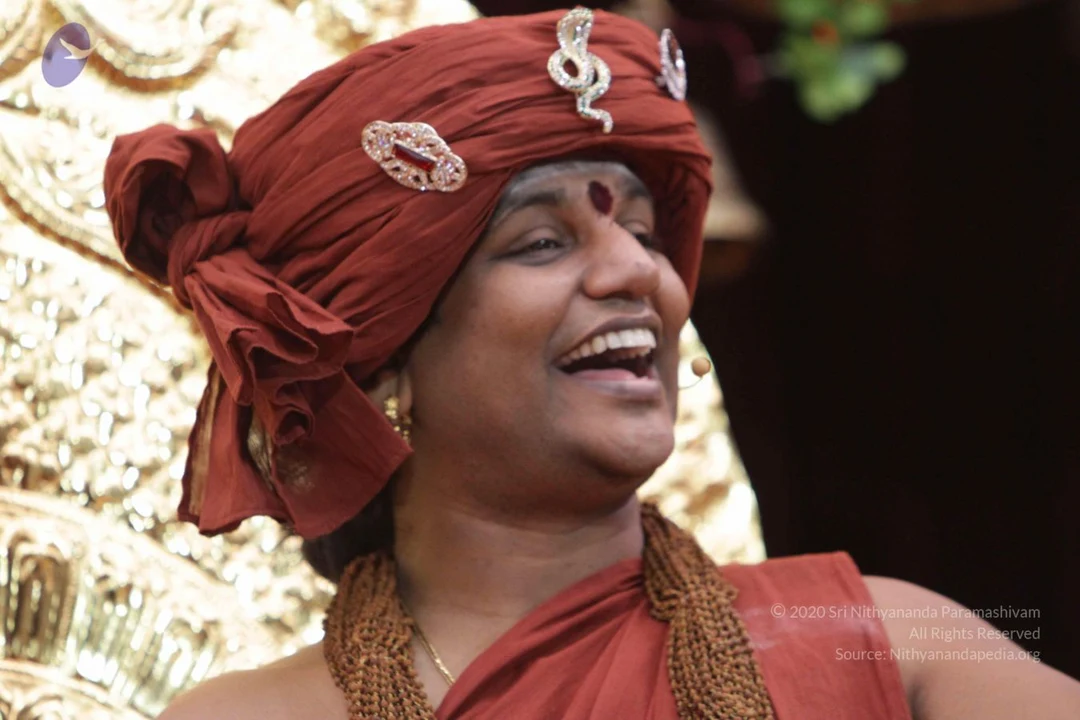
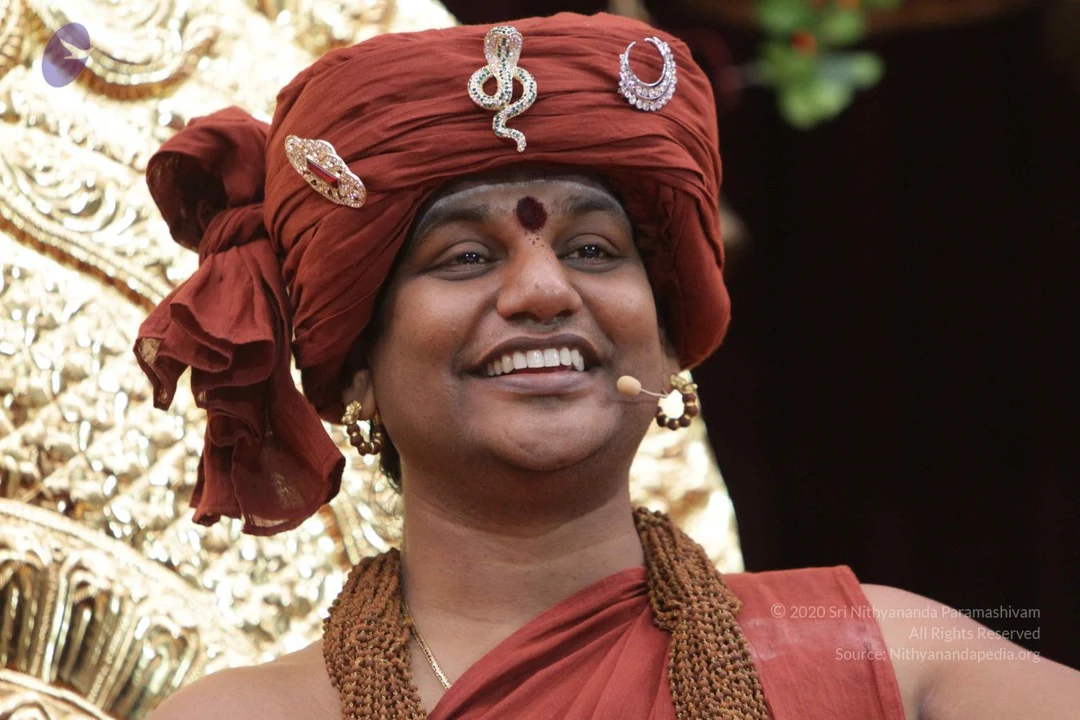
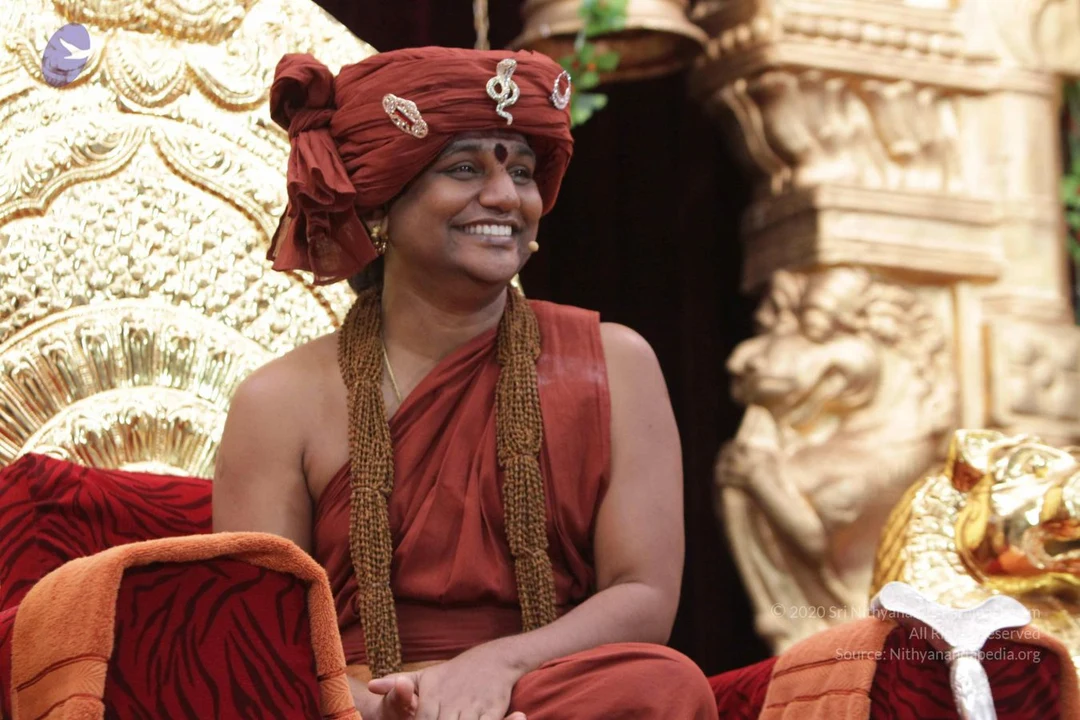
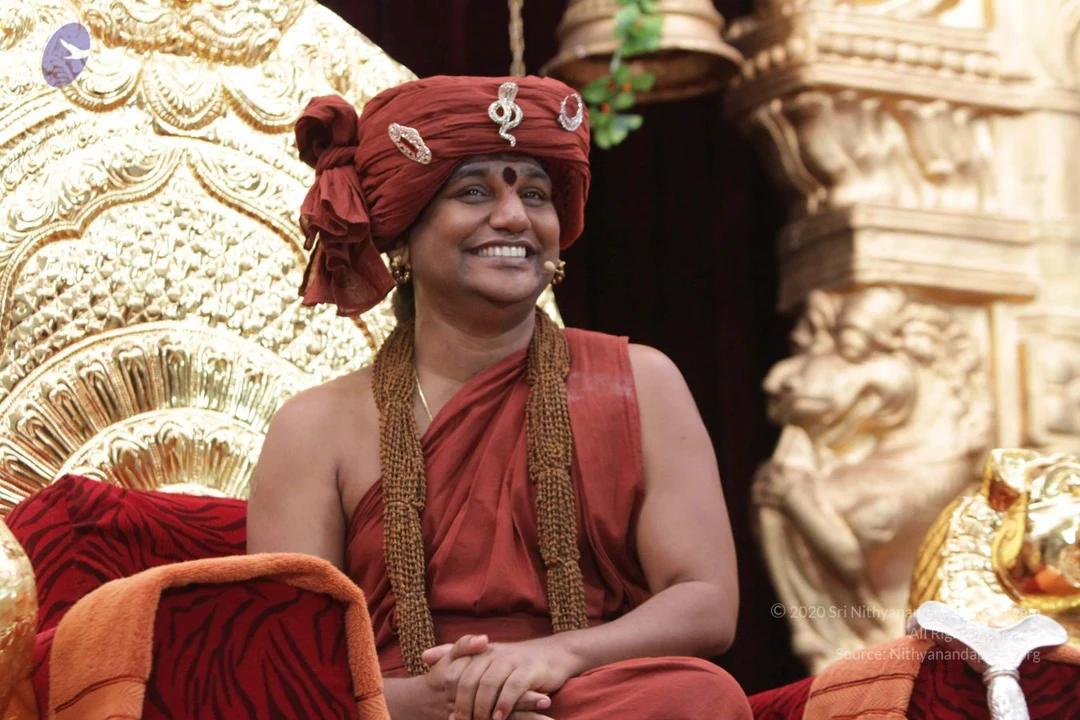
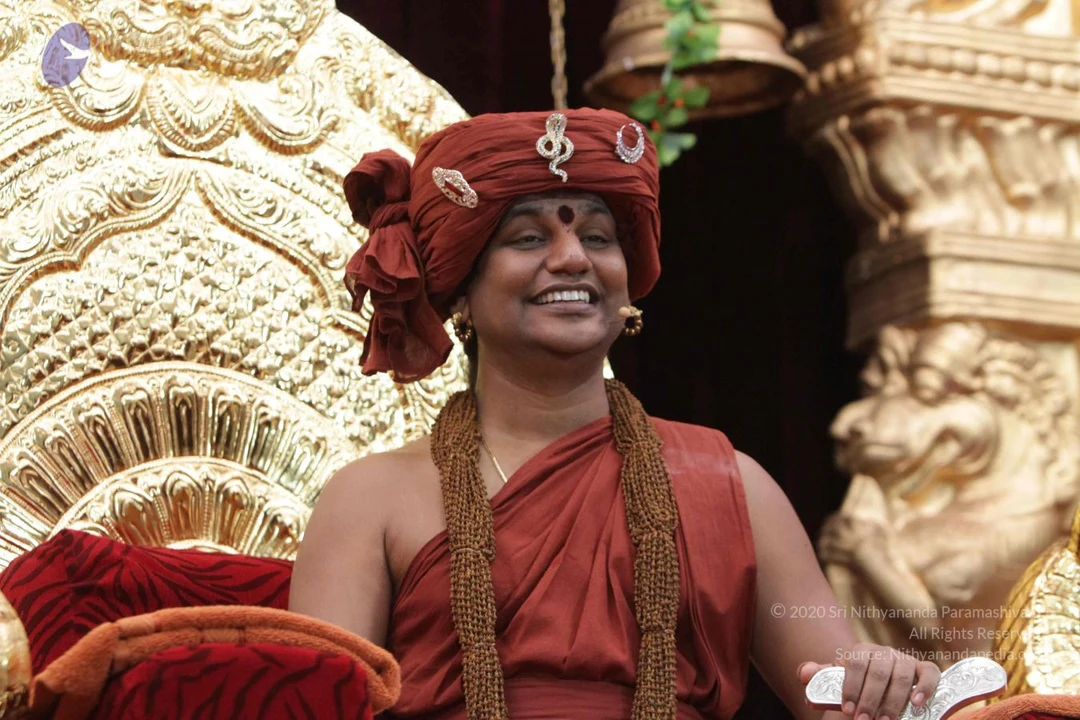
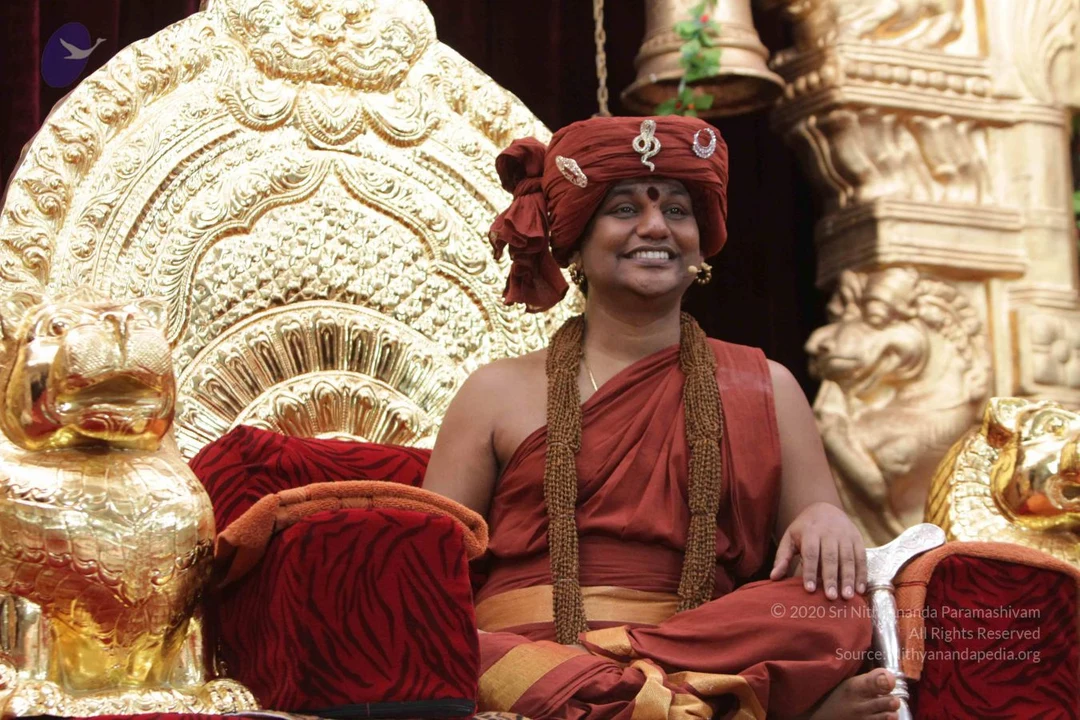
Darshan
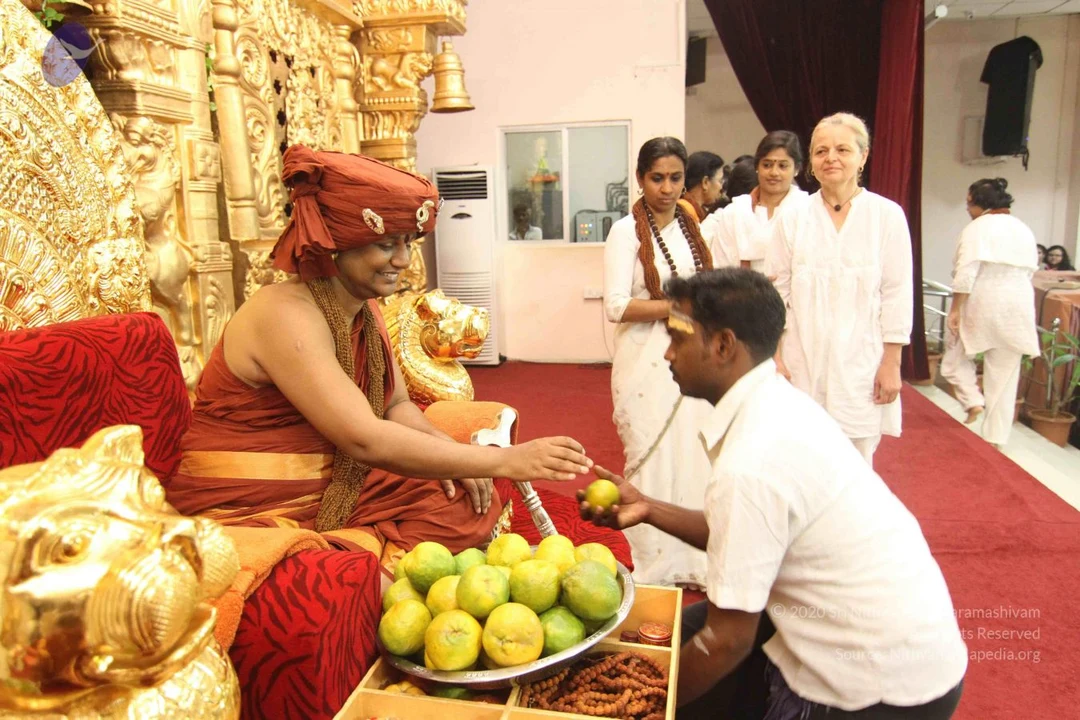
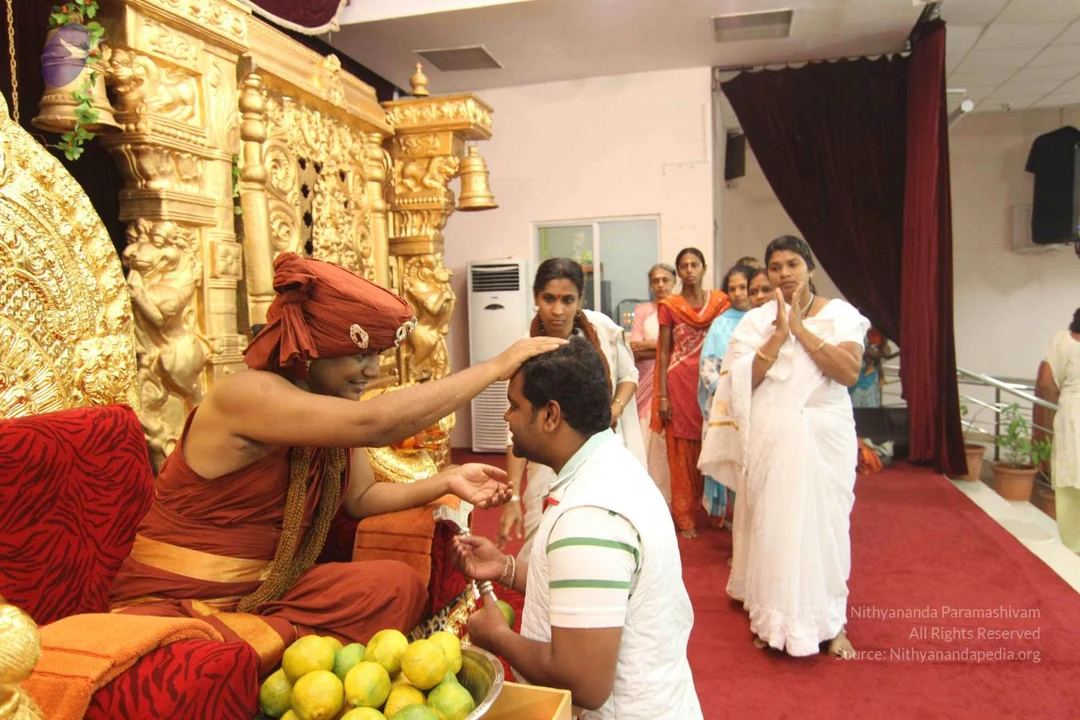
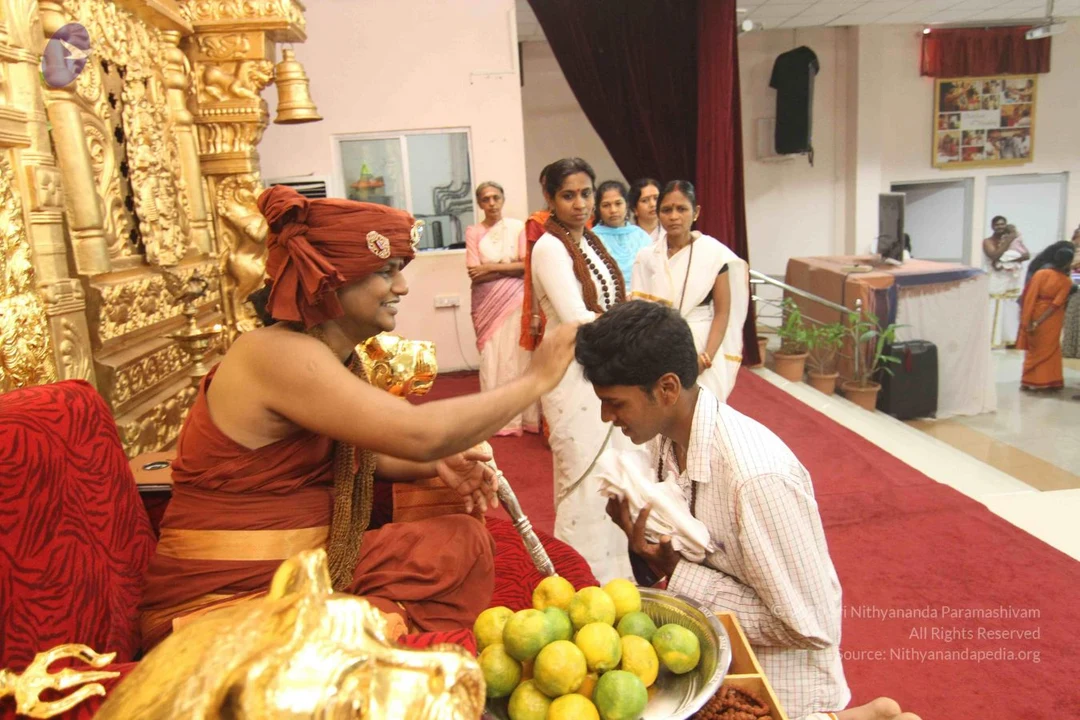
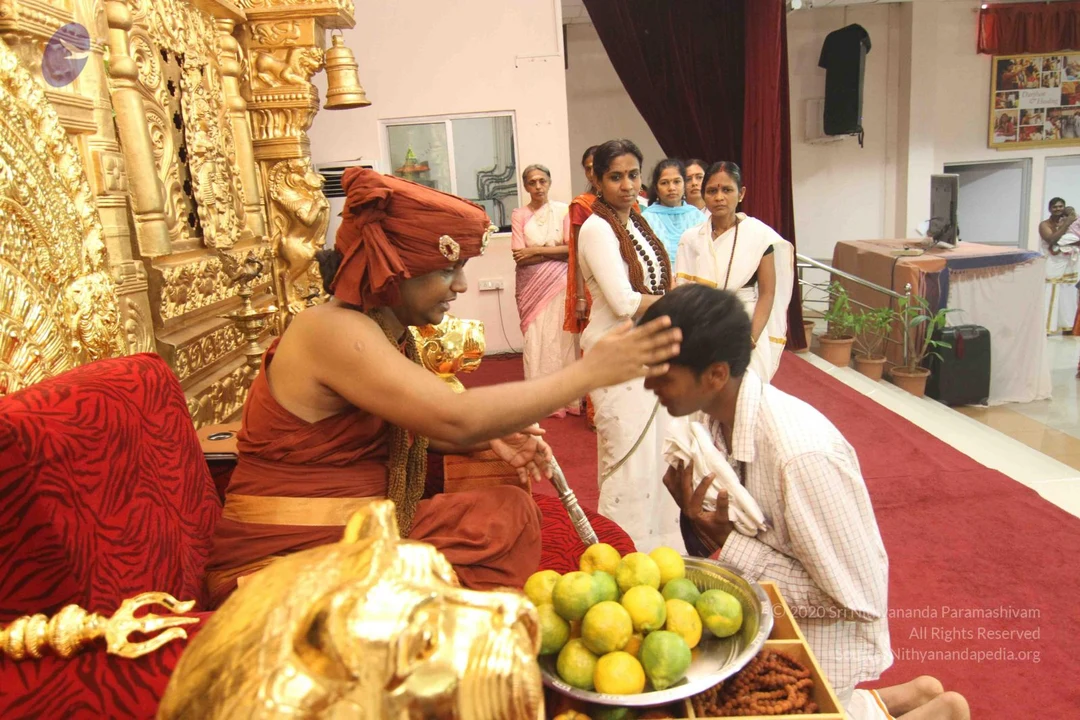

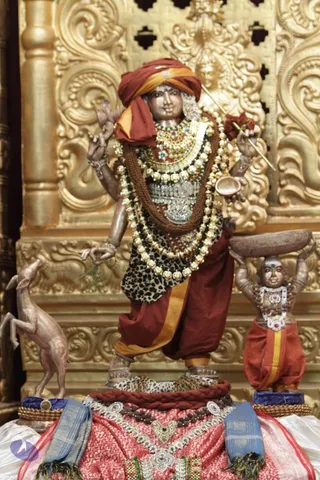
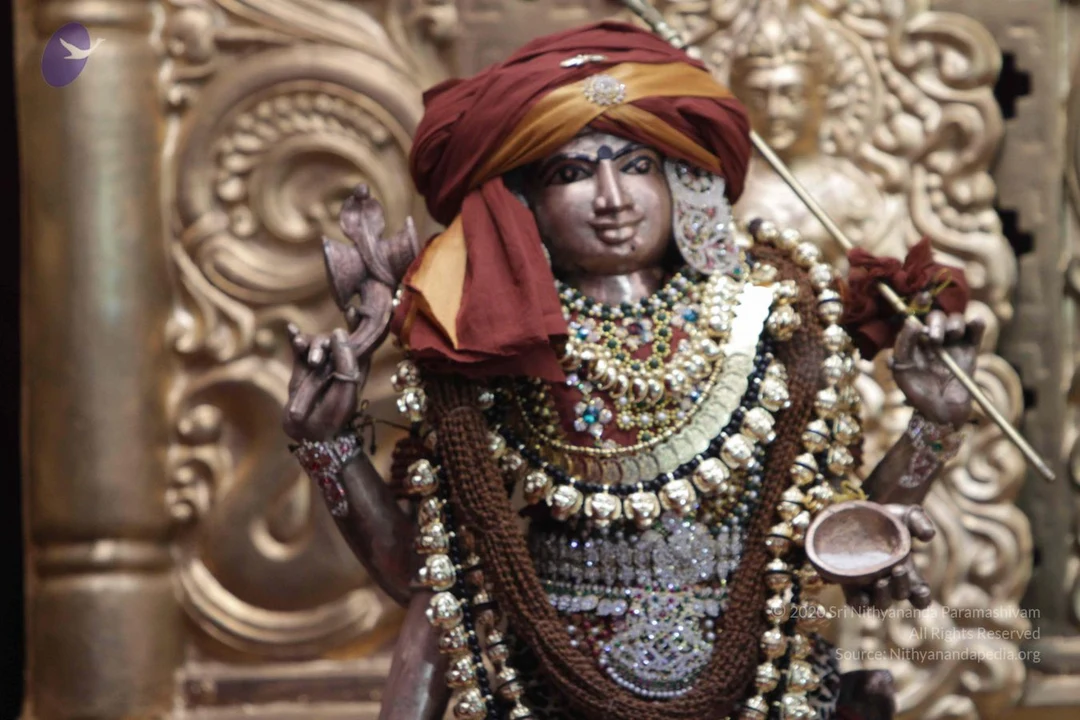
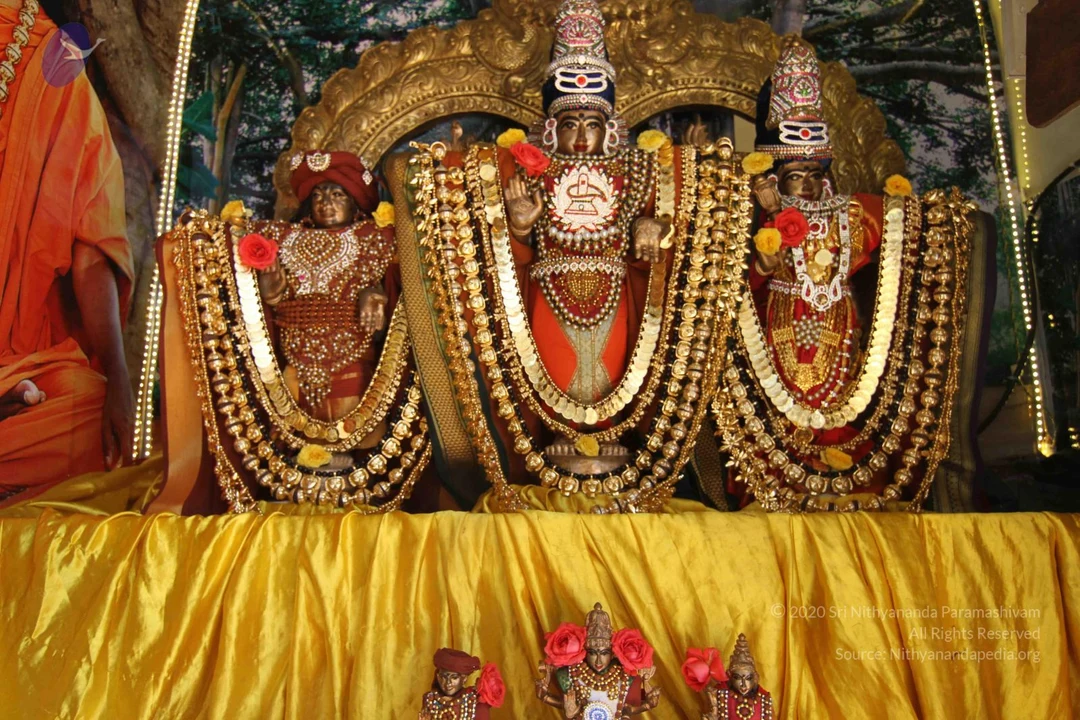
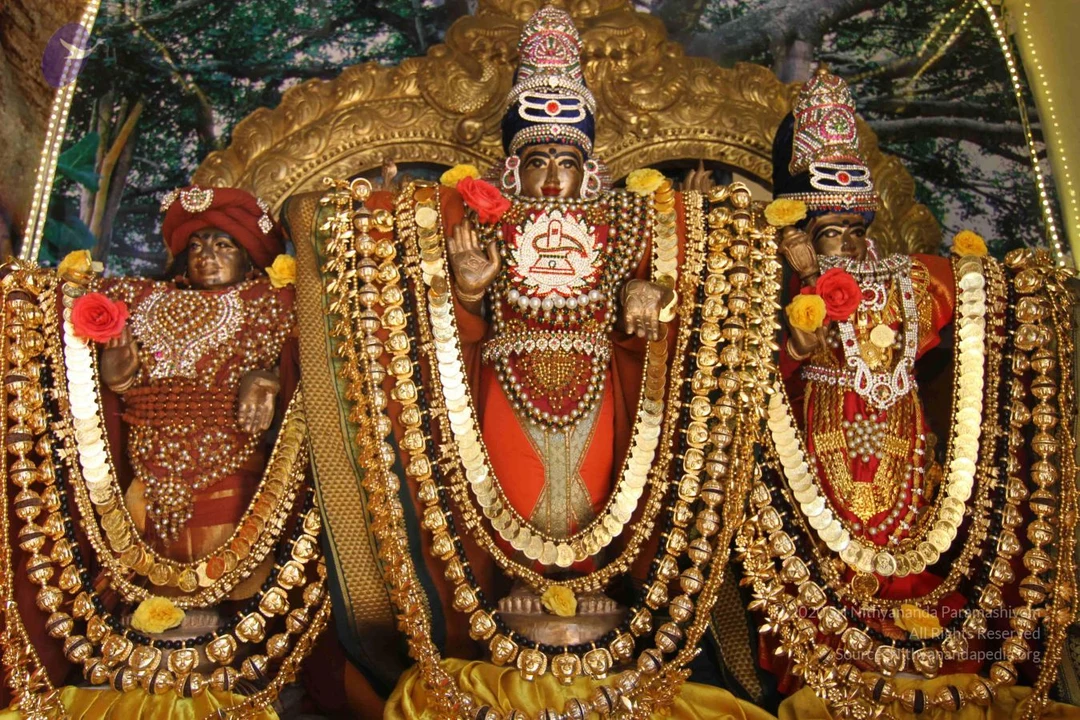
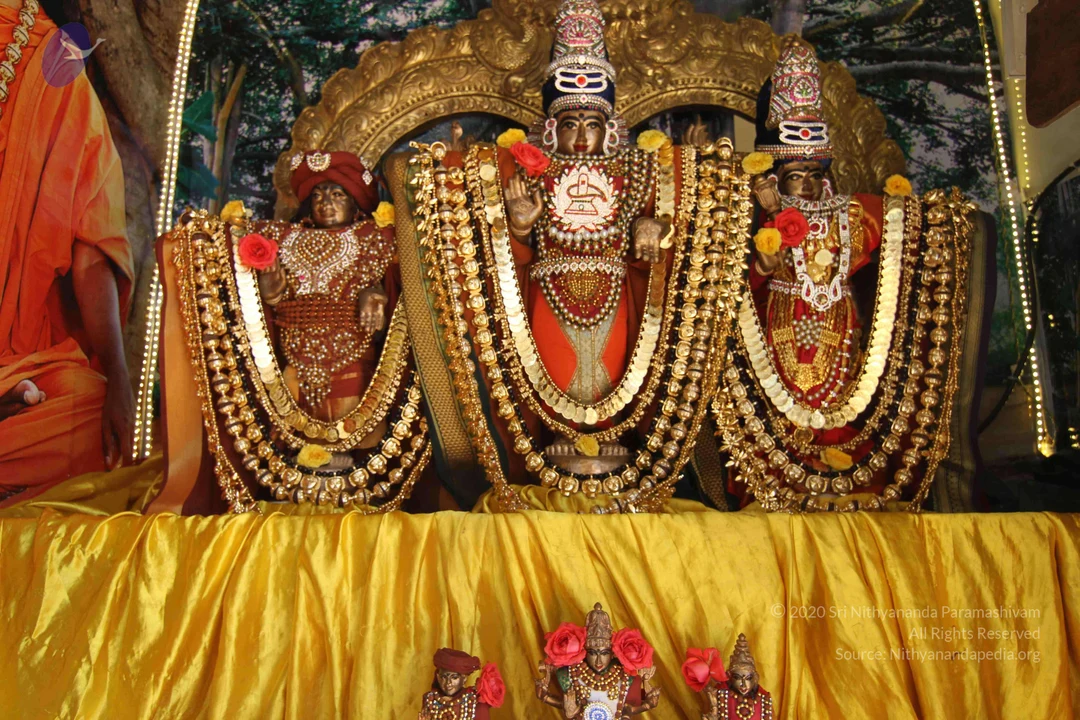
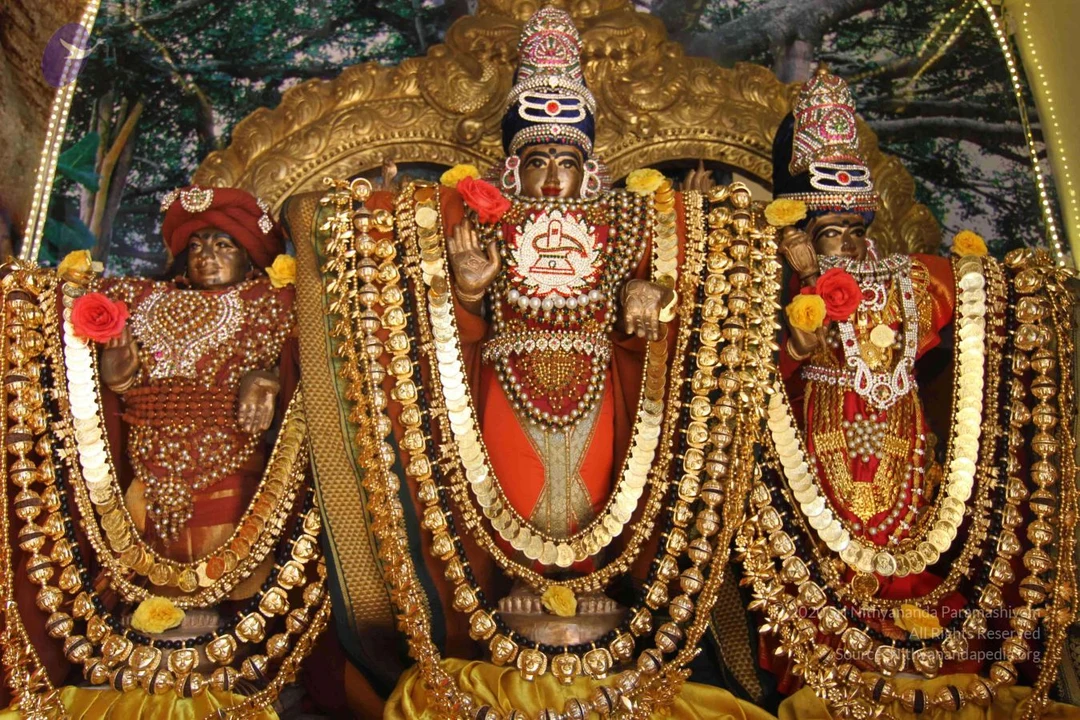
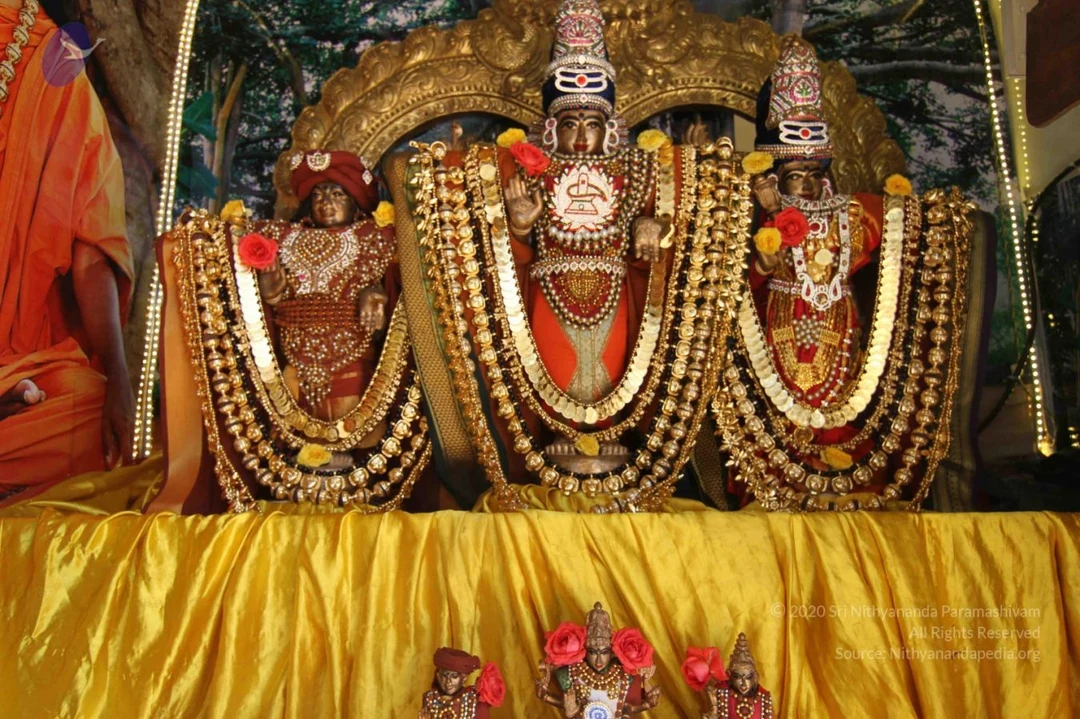
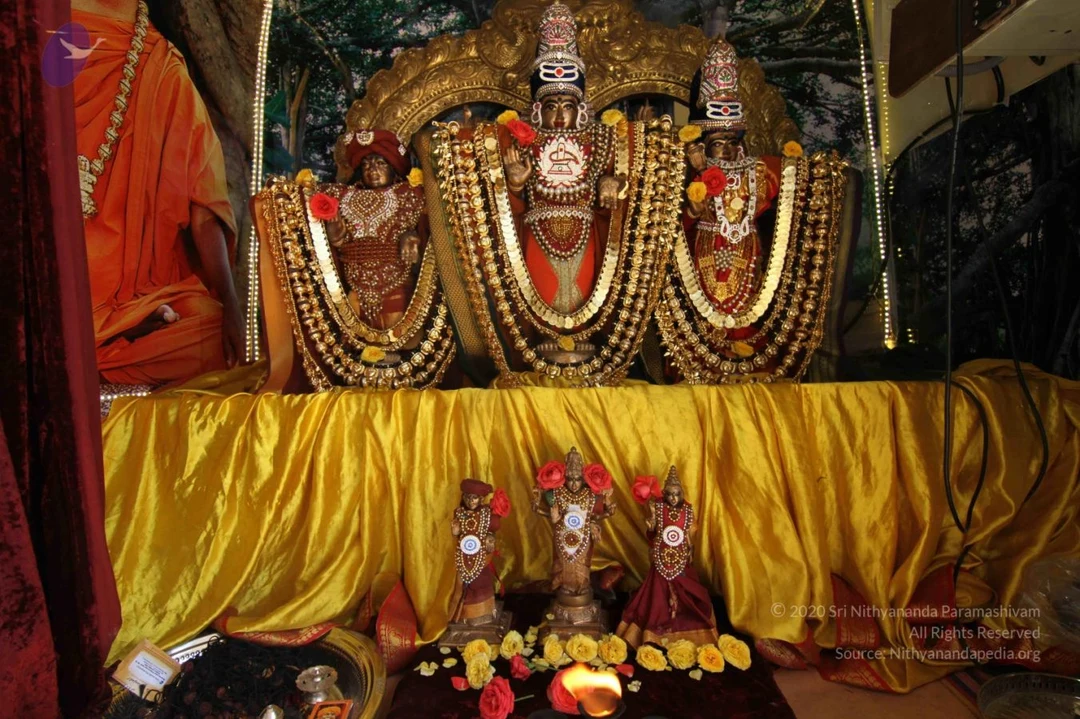
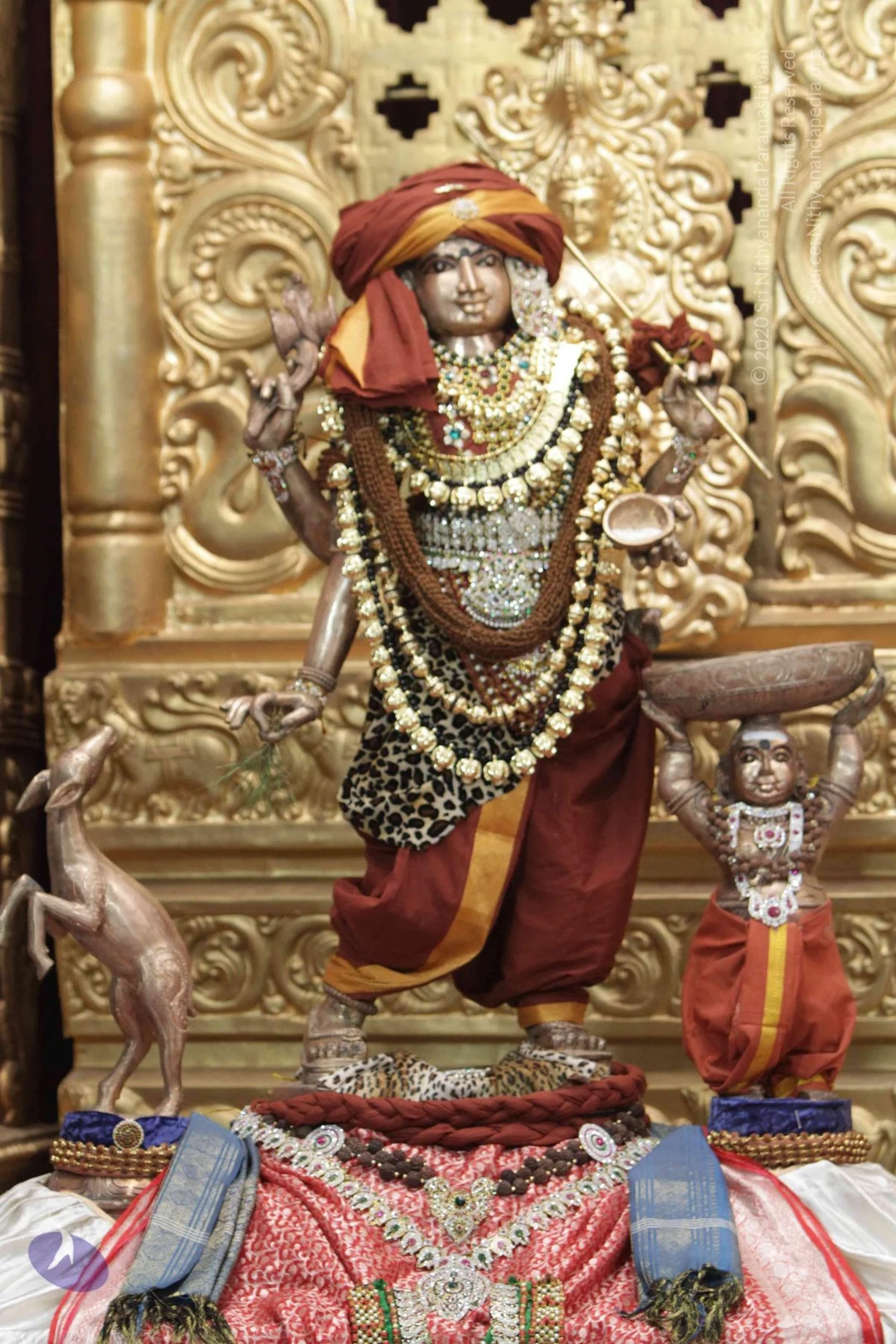
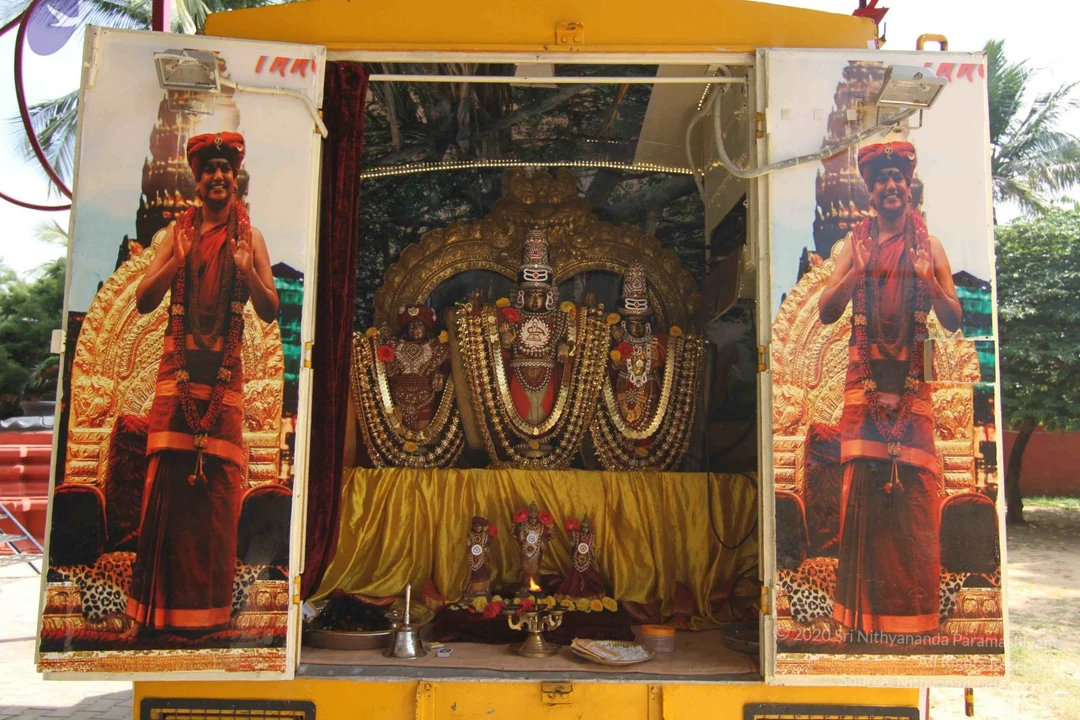
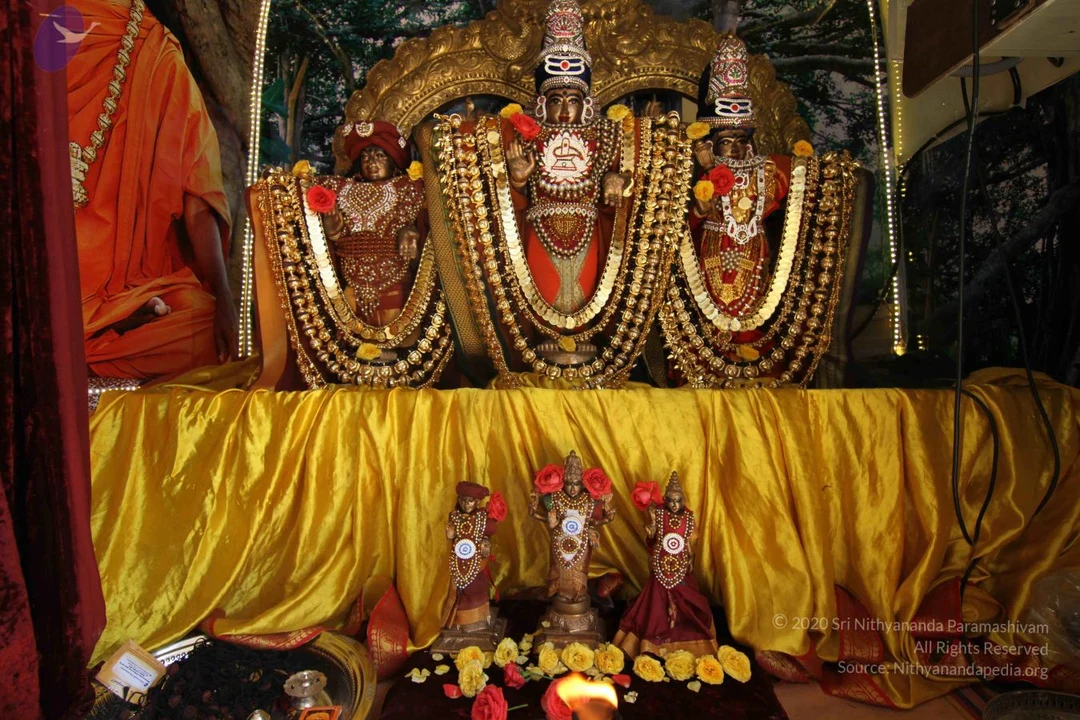
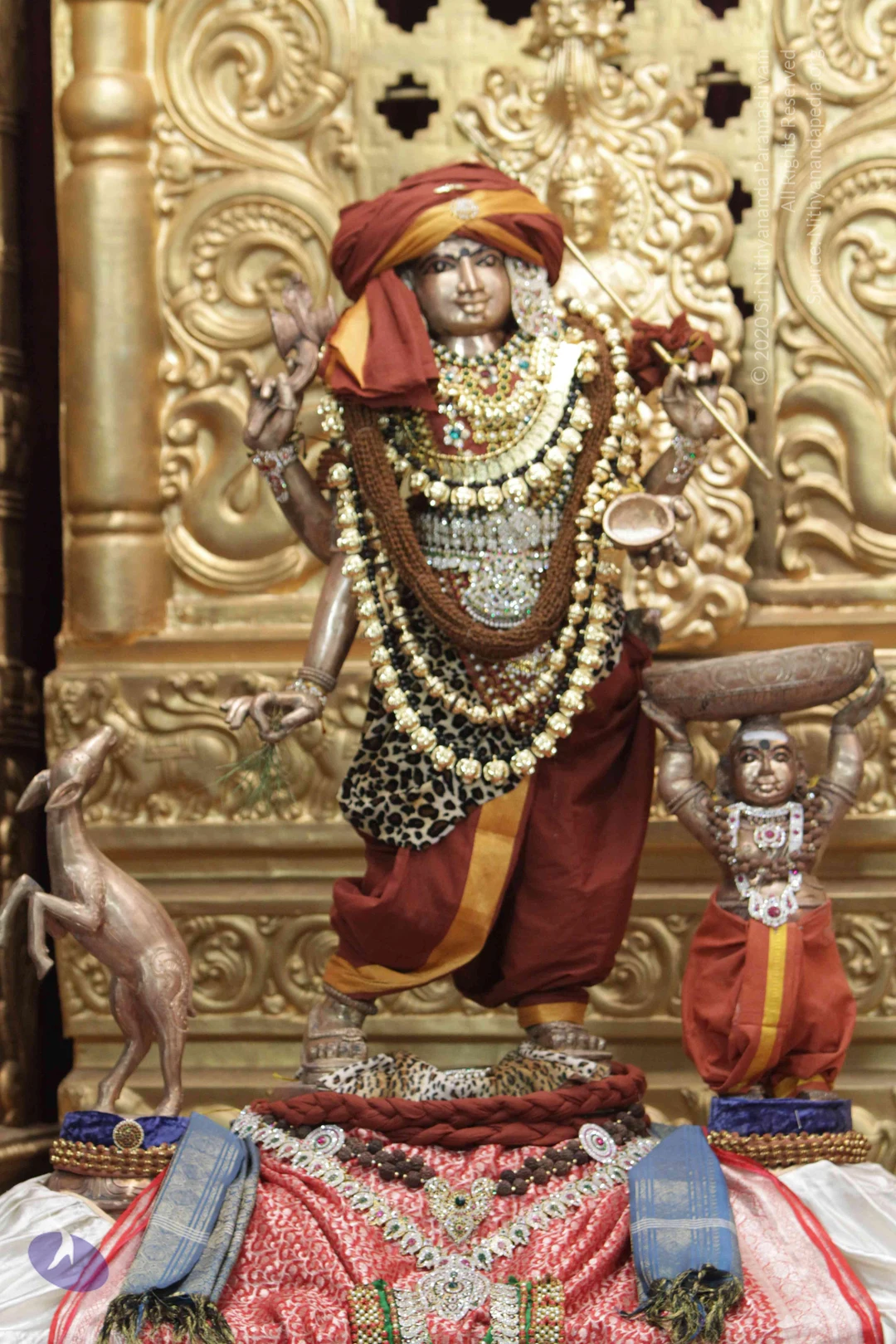
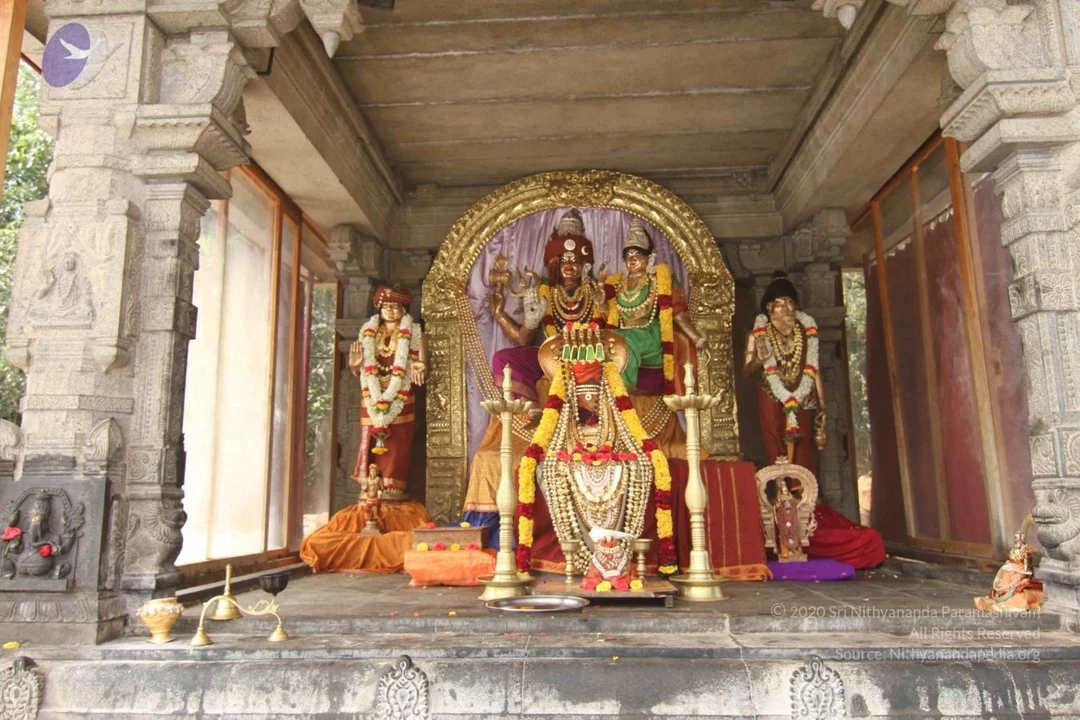
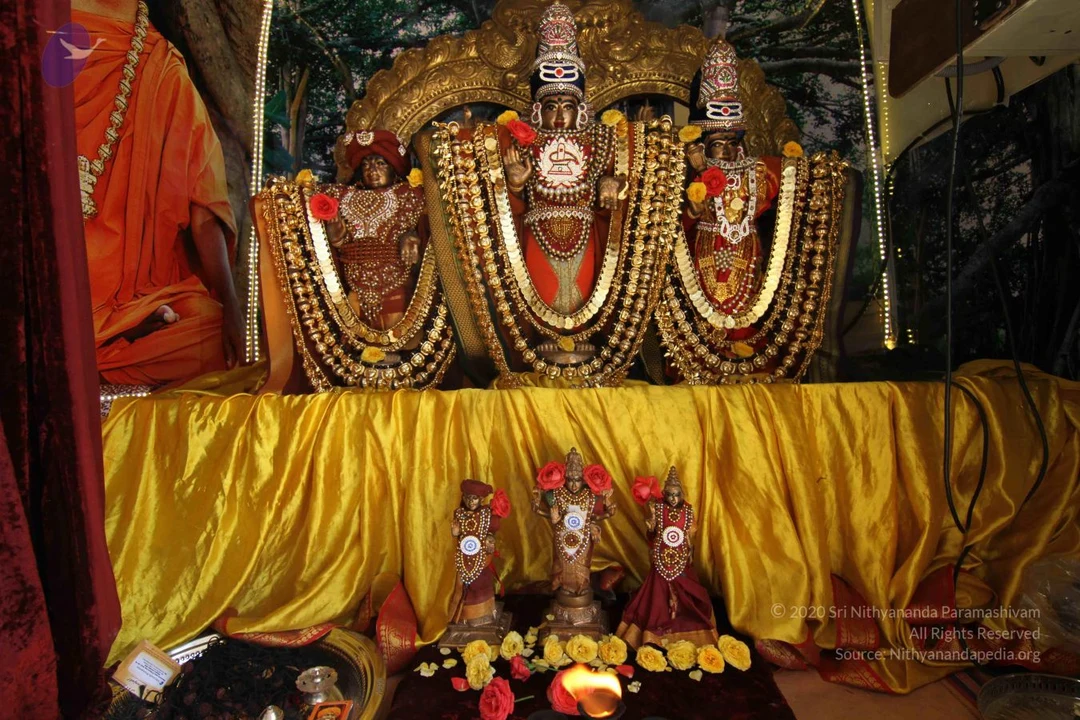
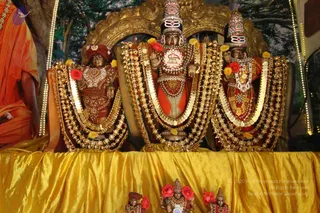
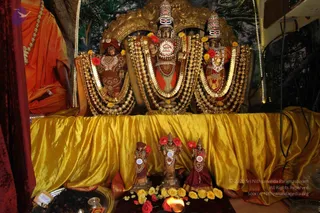
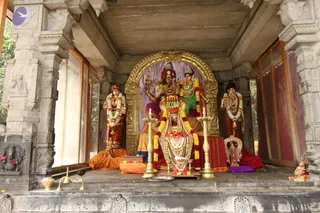
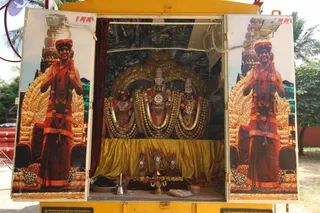
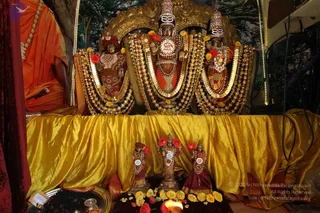
Deity Alankaram
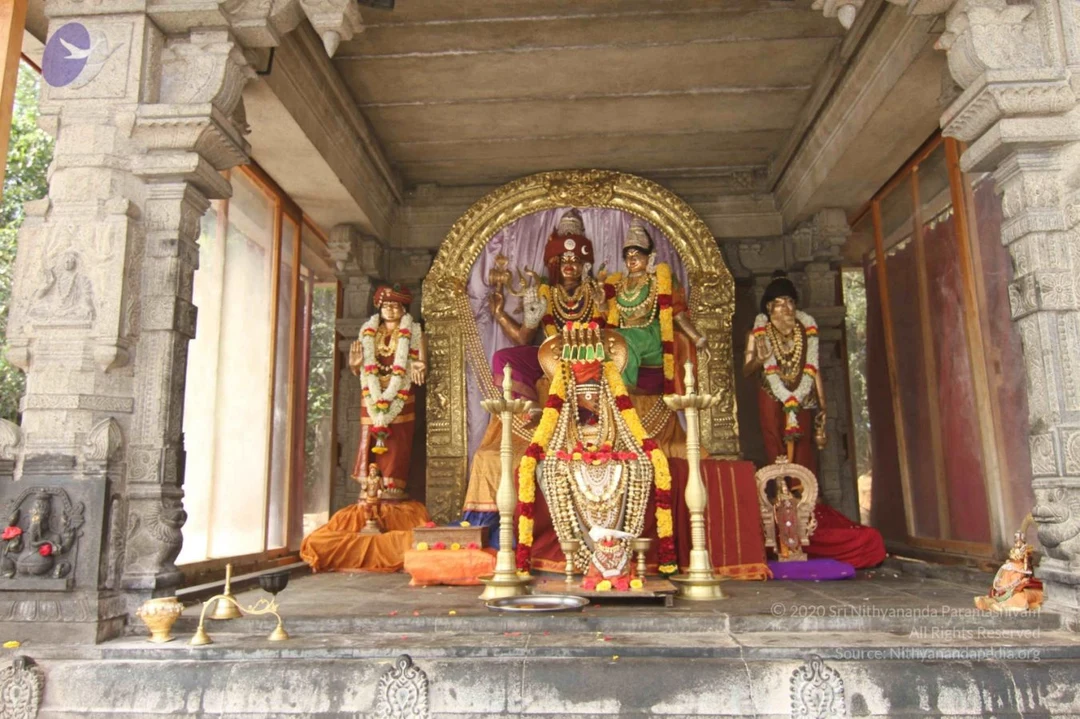
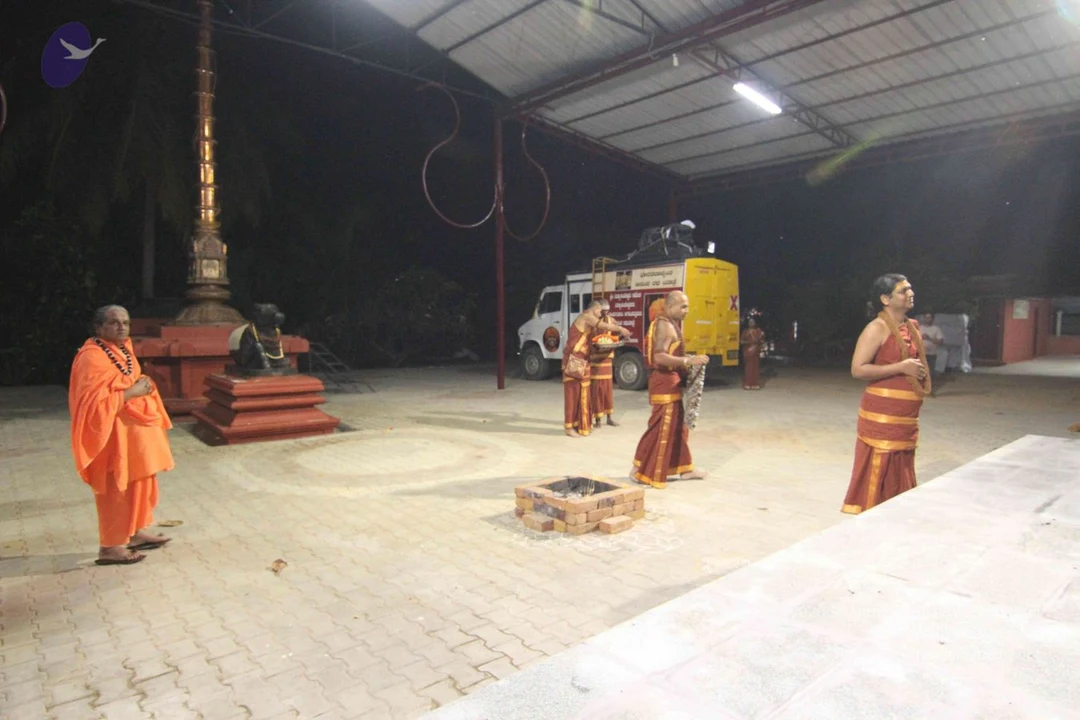
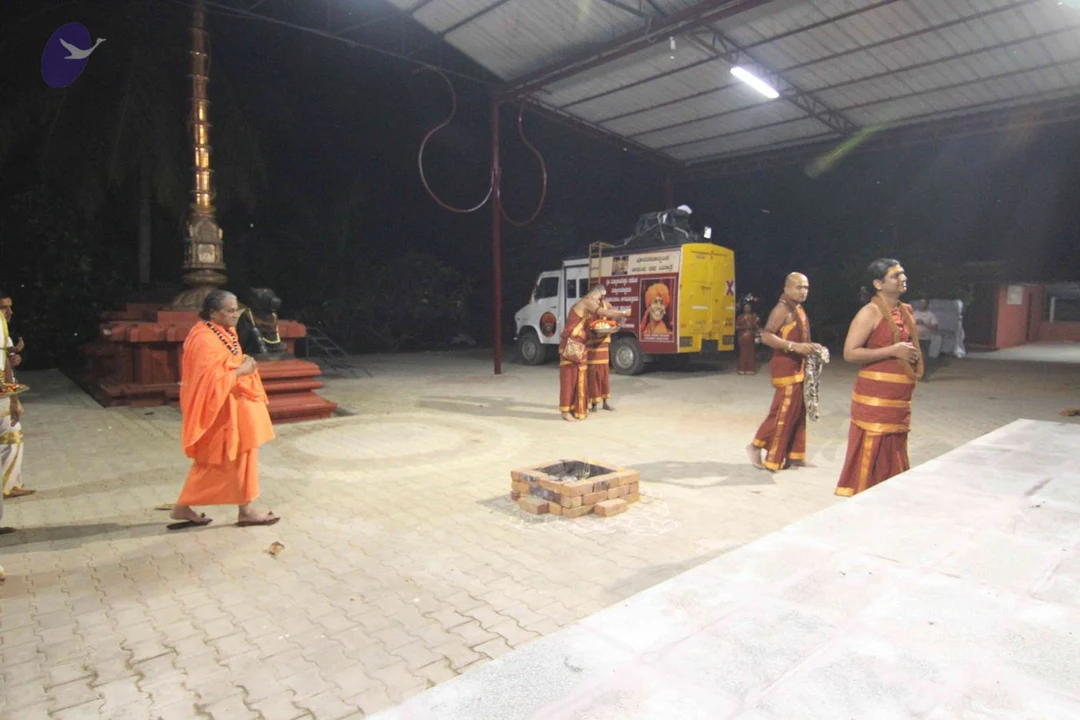
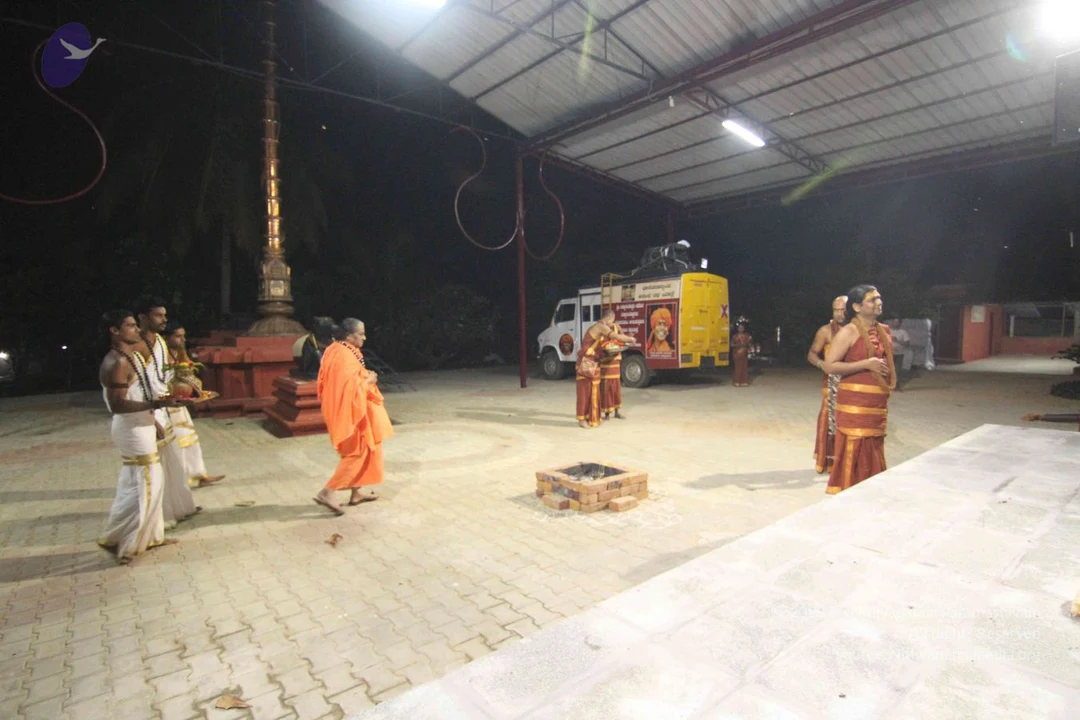
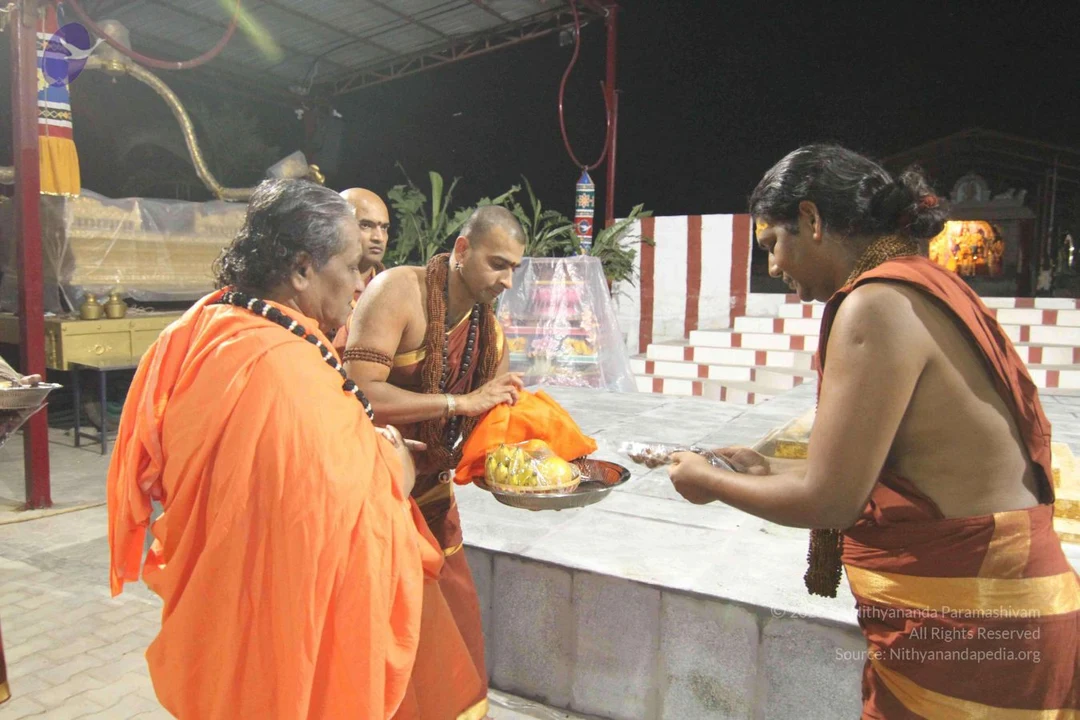
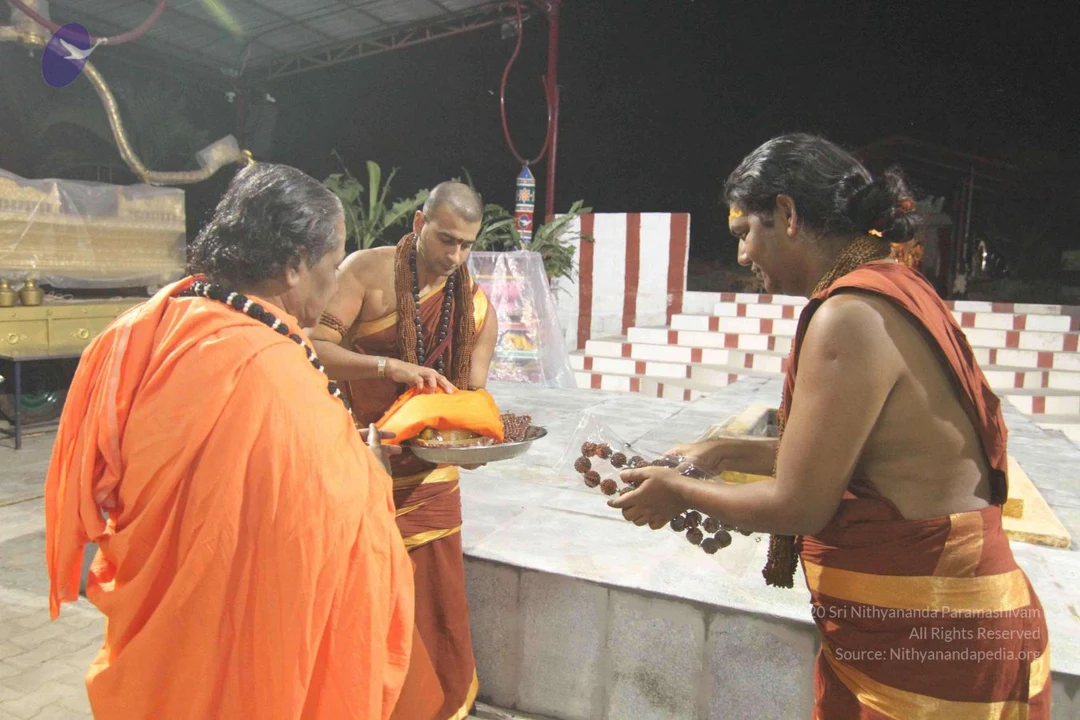
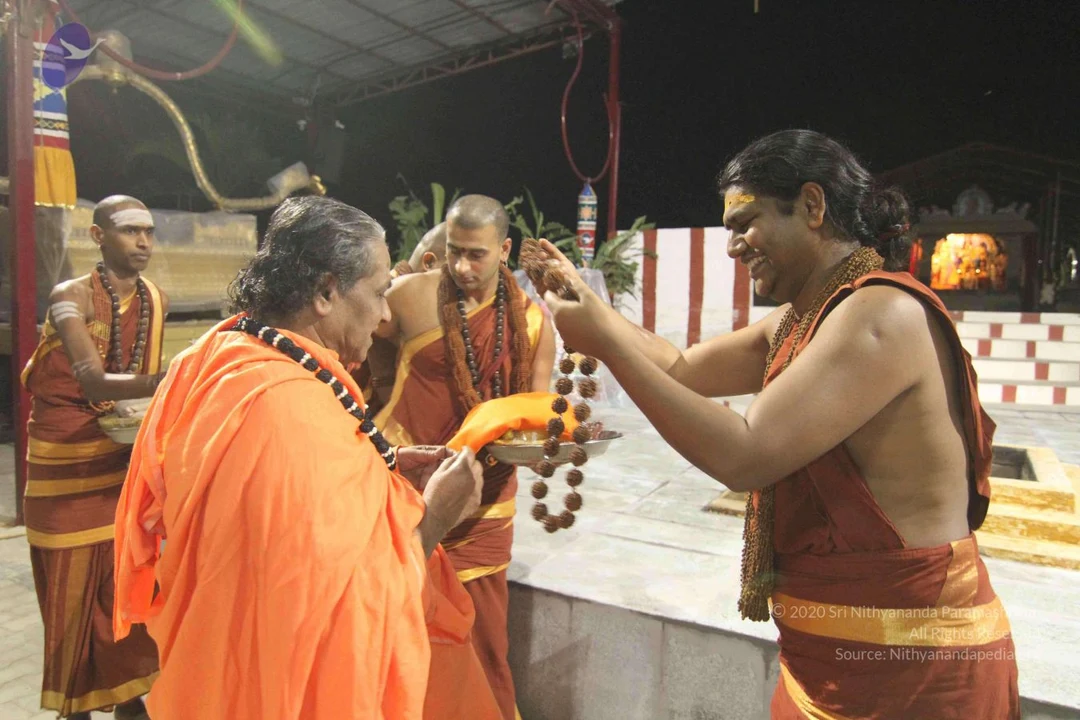
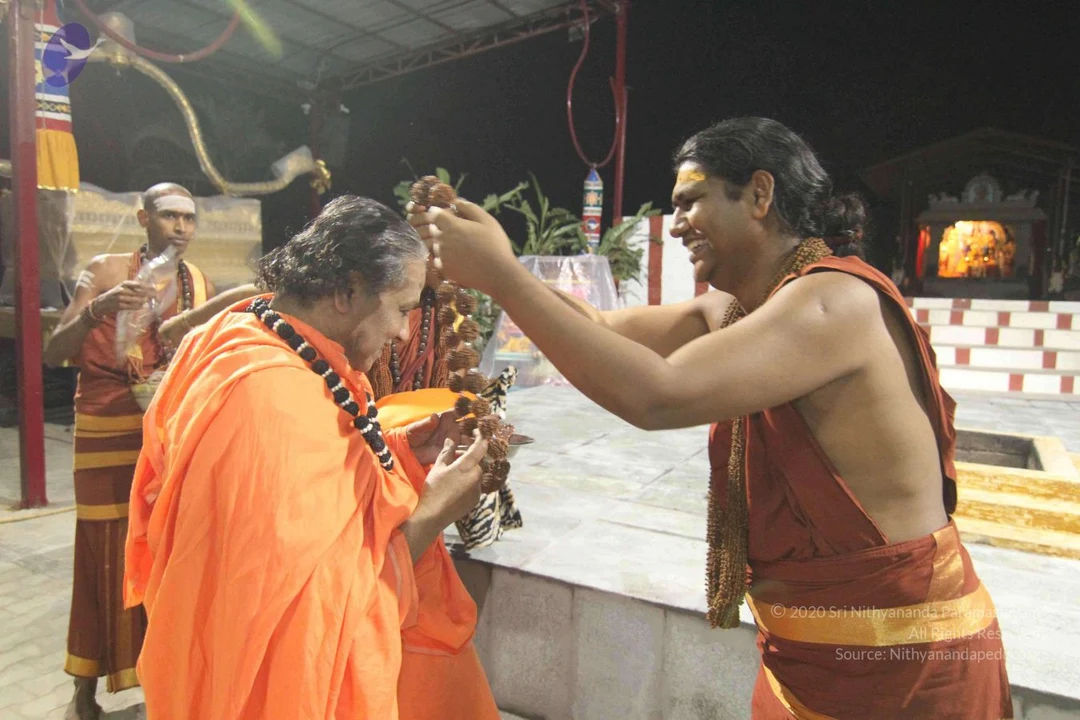
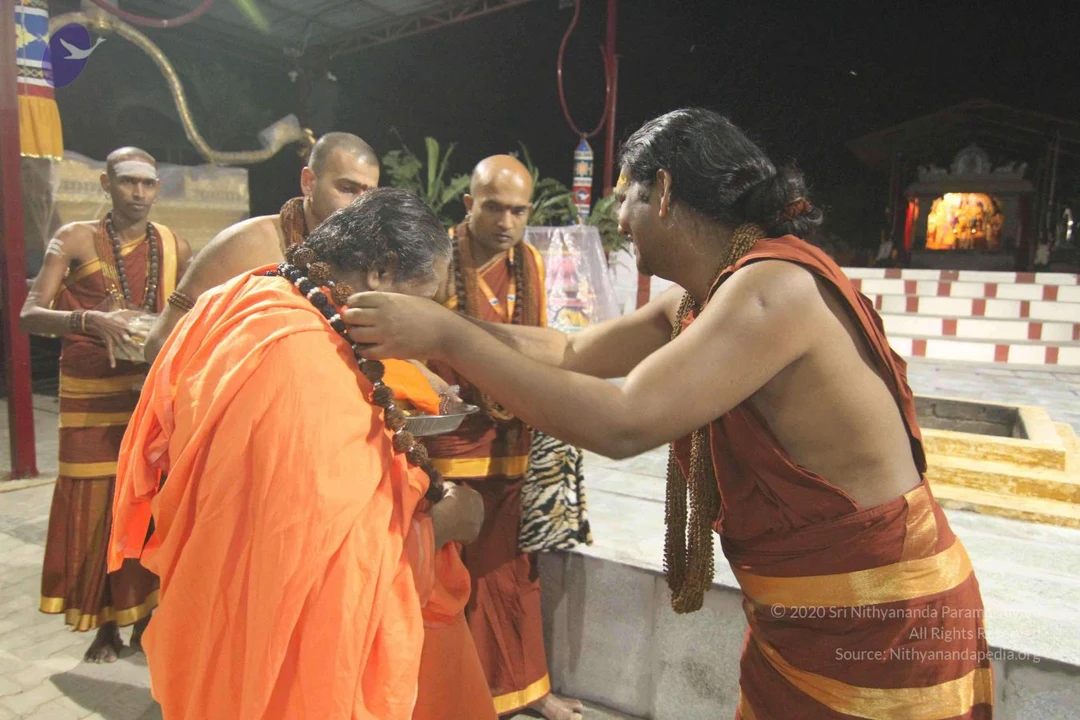
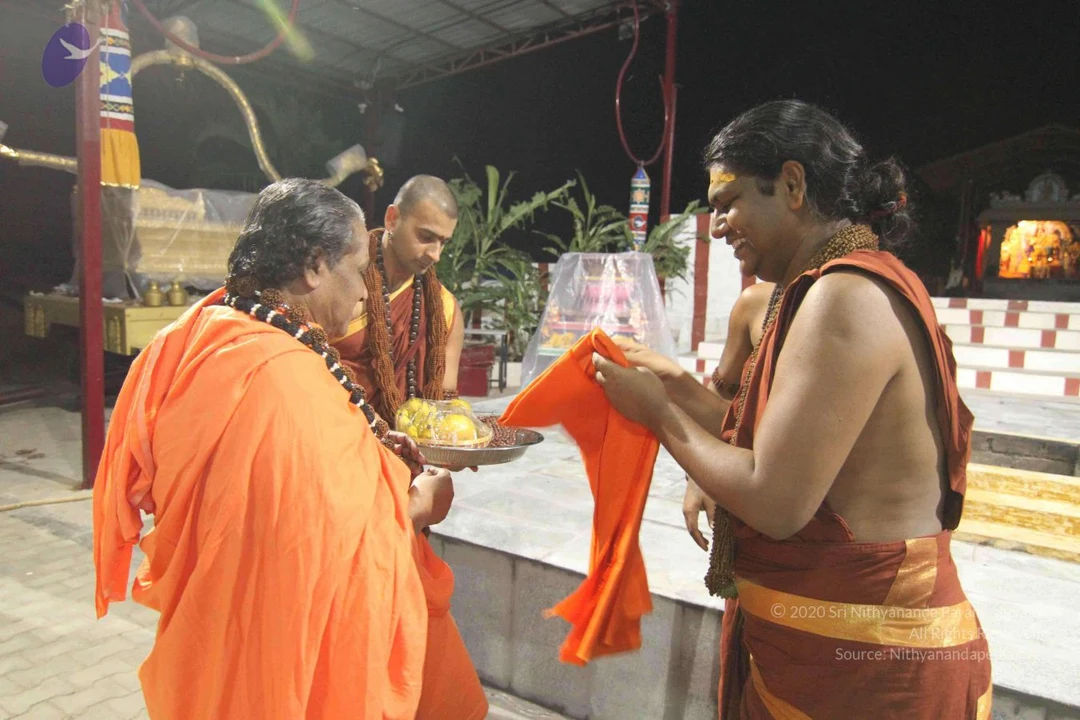
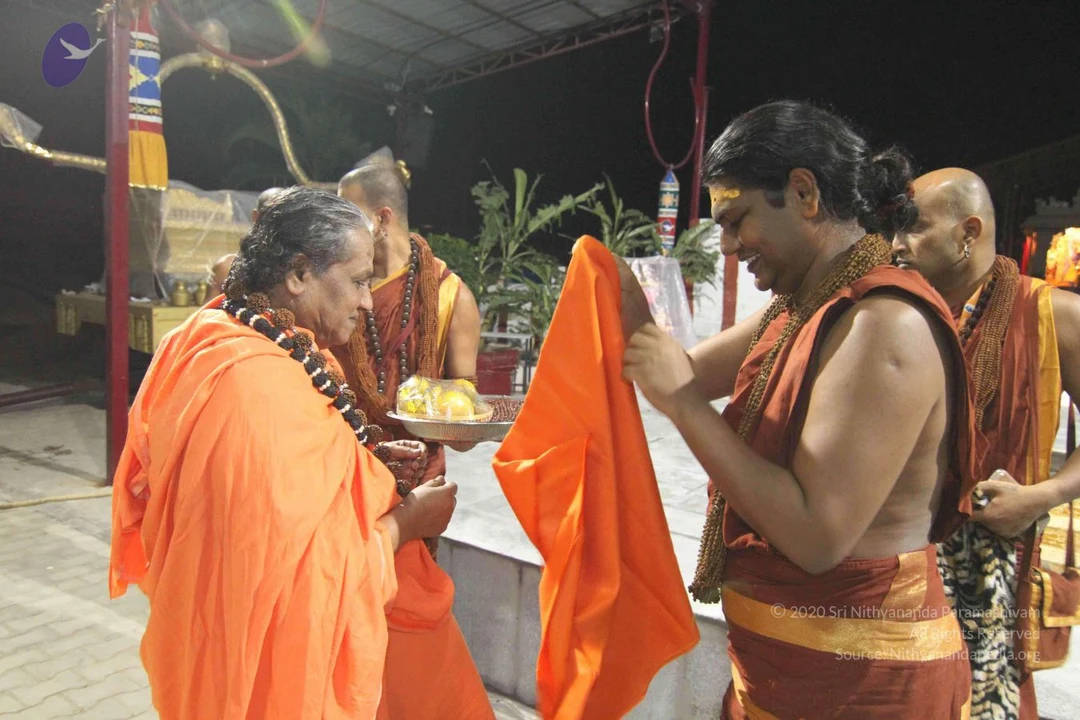
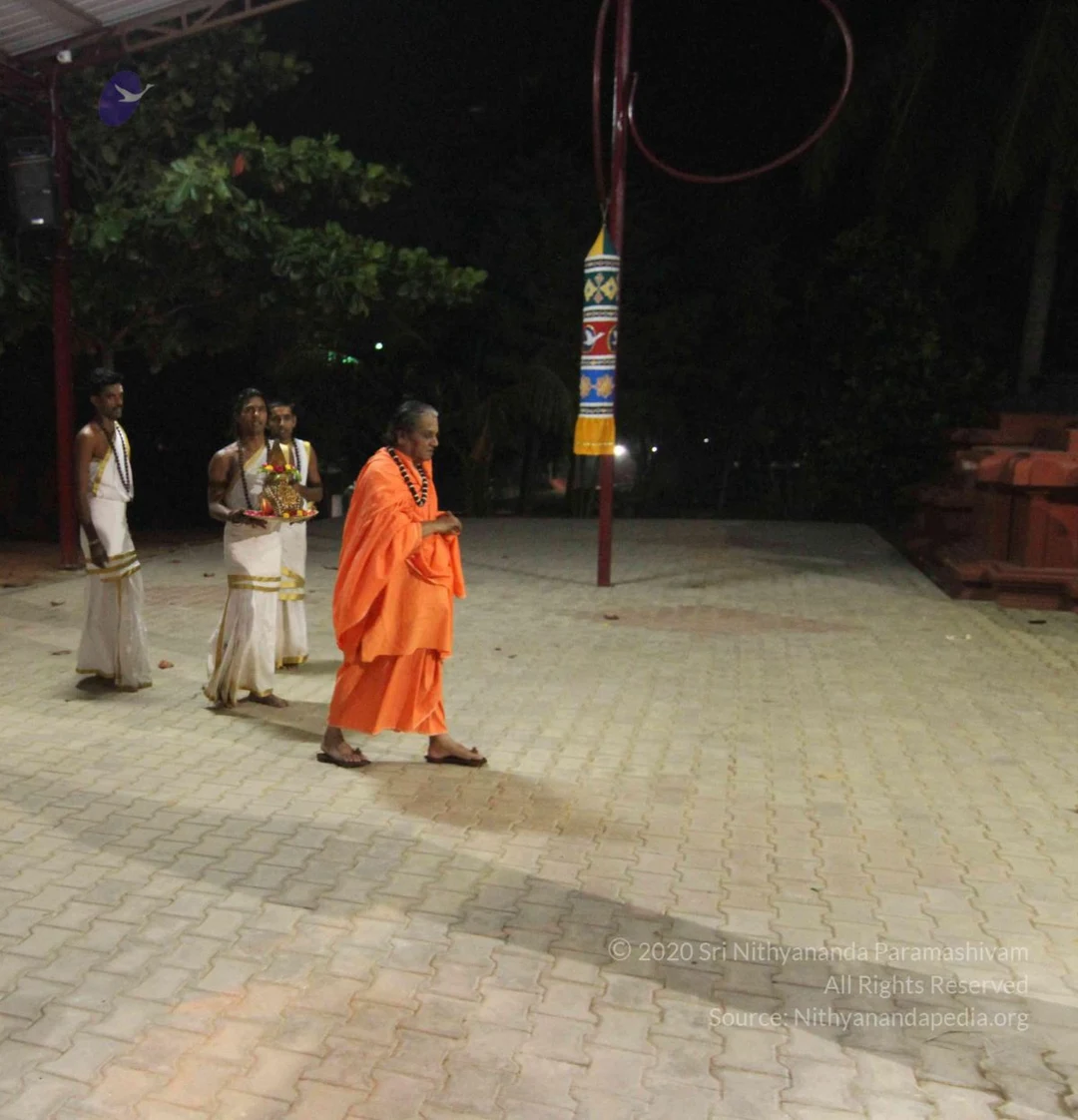
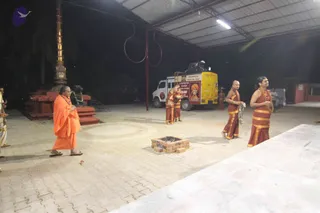
Swamiji visits the temple with Sri Shantaveera Mahaswami of Kolada Matt
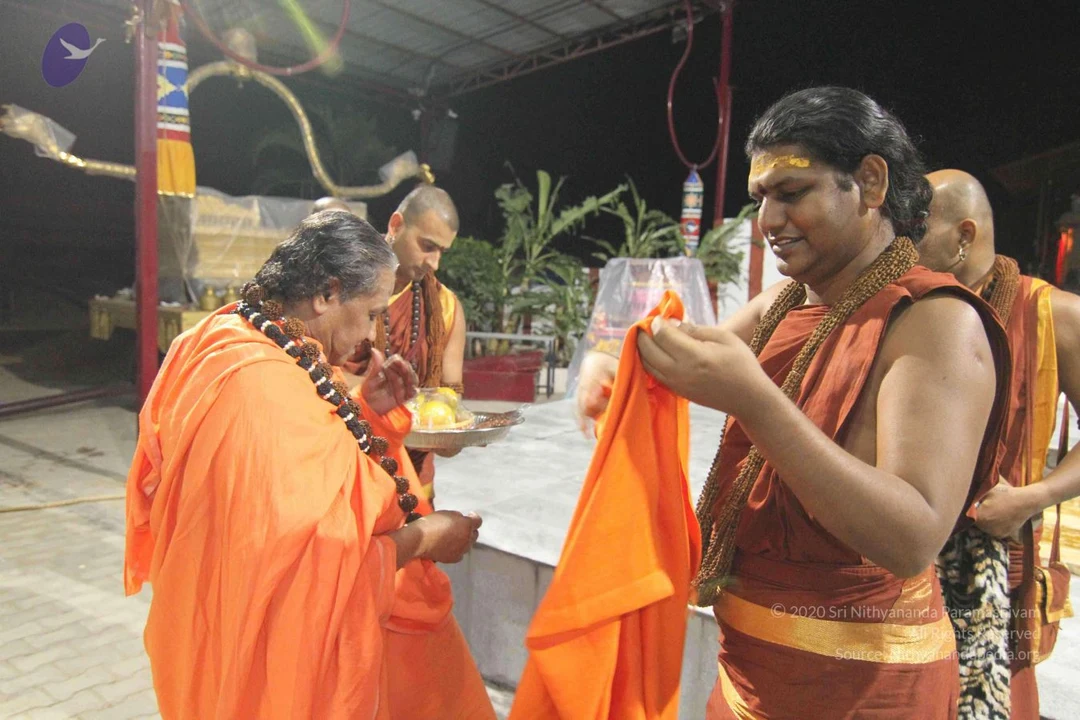
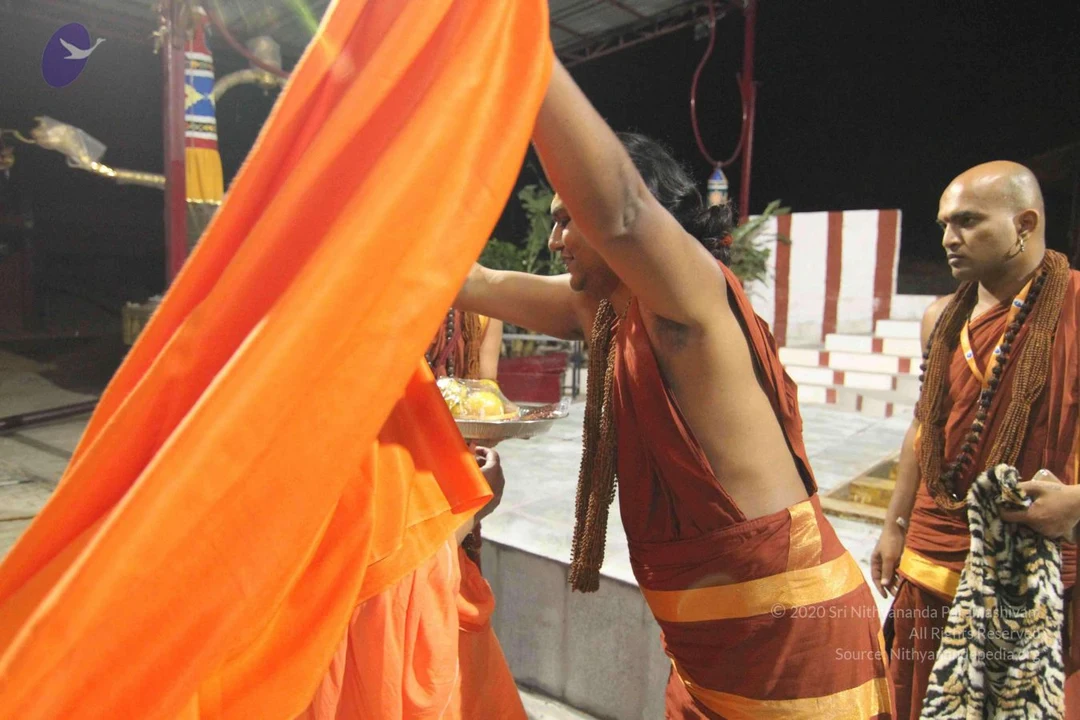
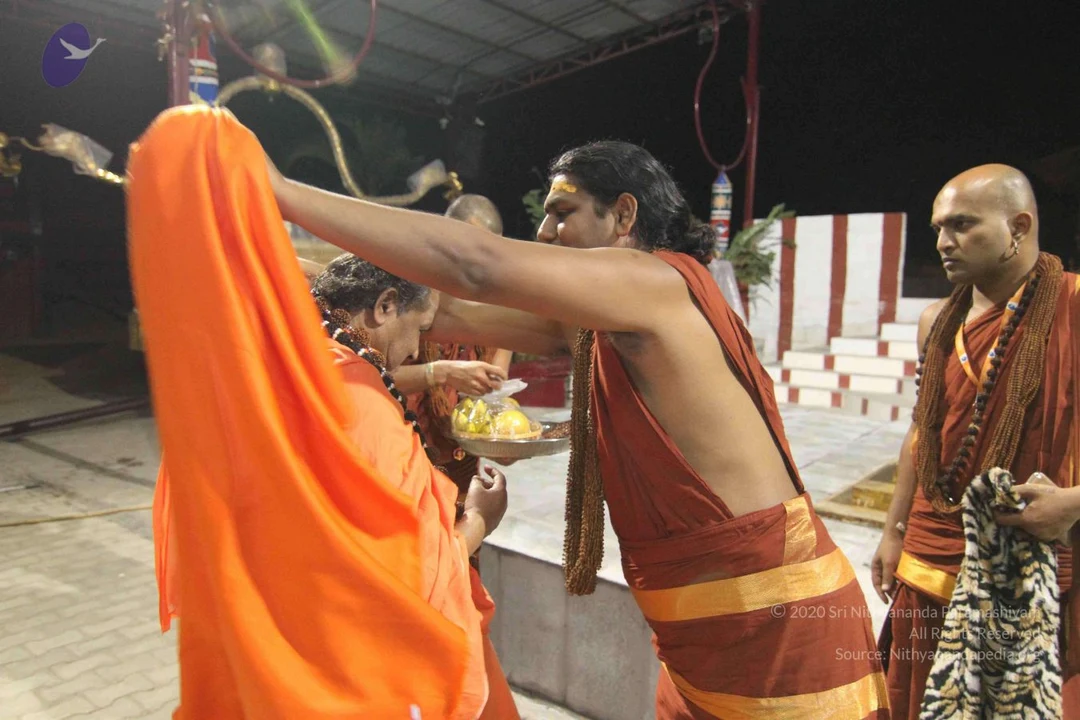
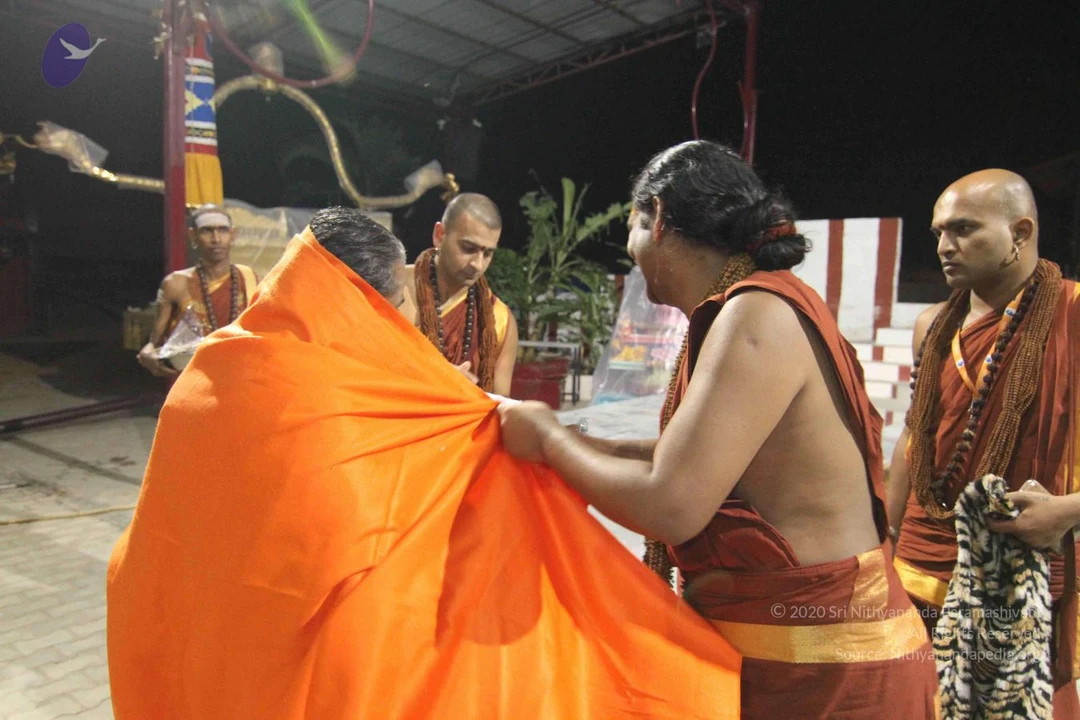
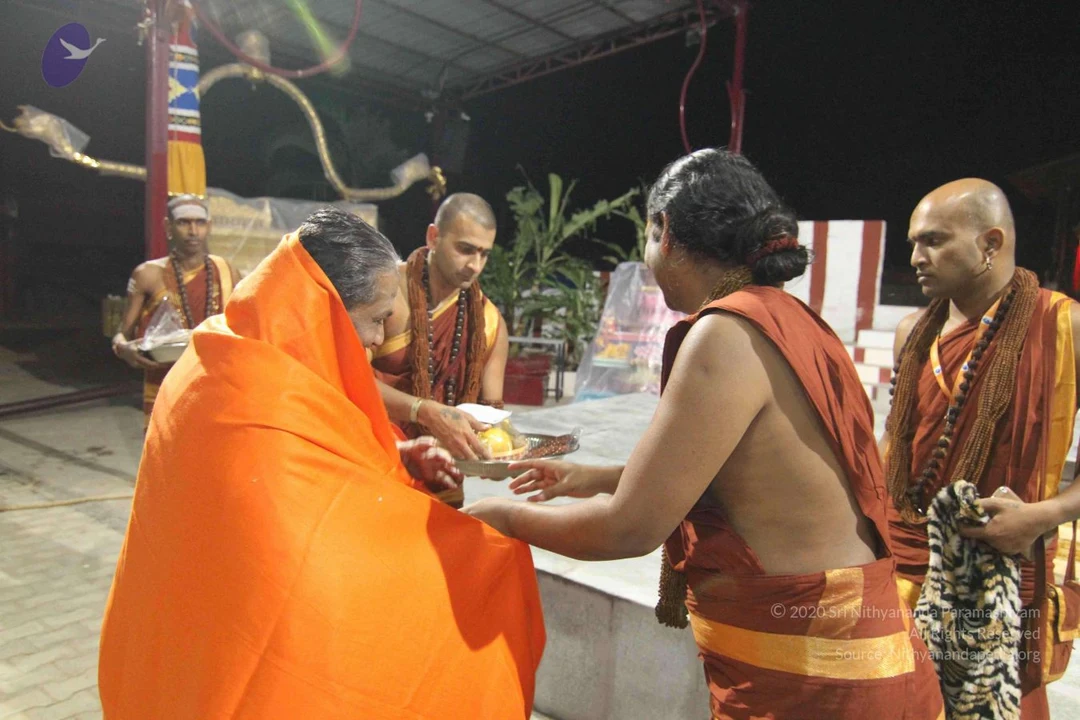
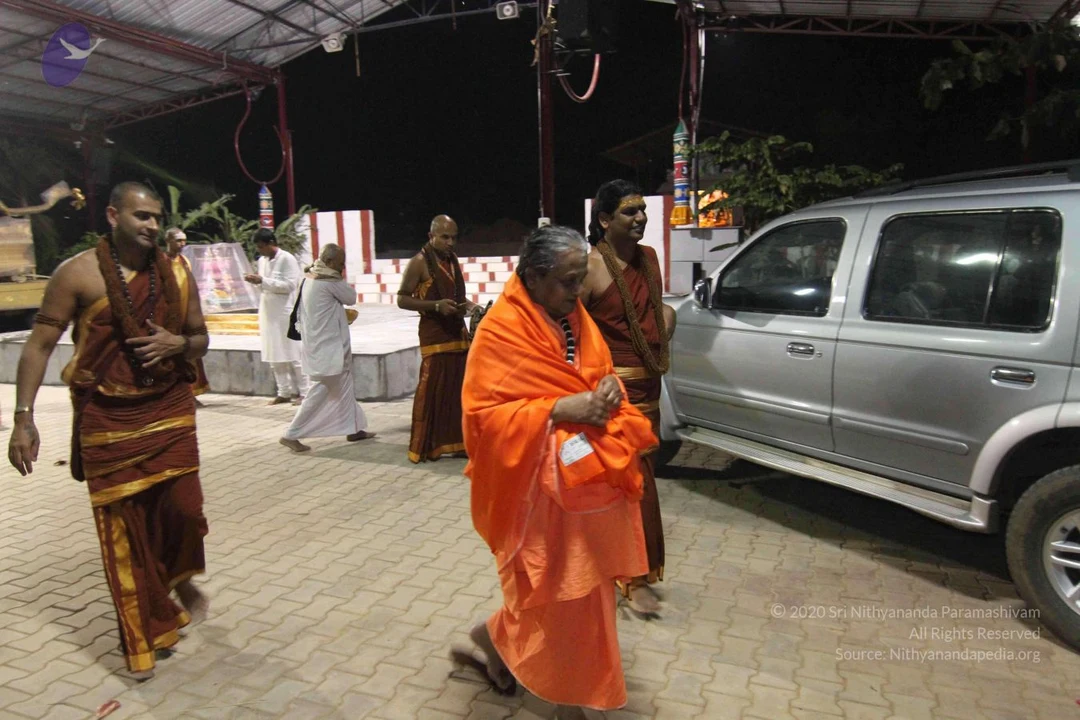

Photos Of The Day:
Temple
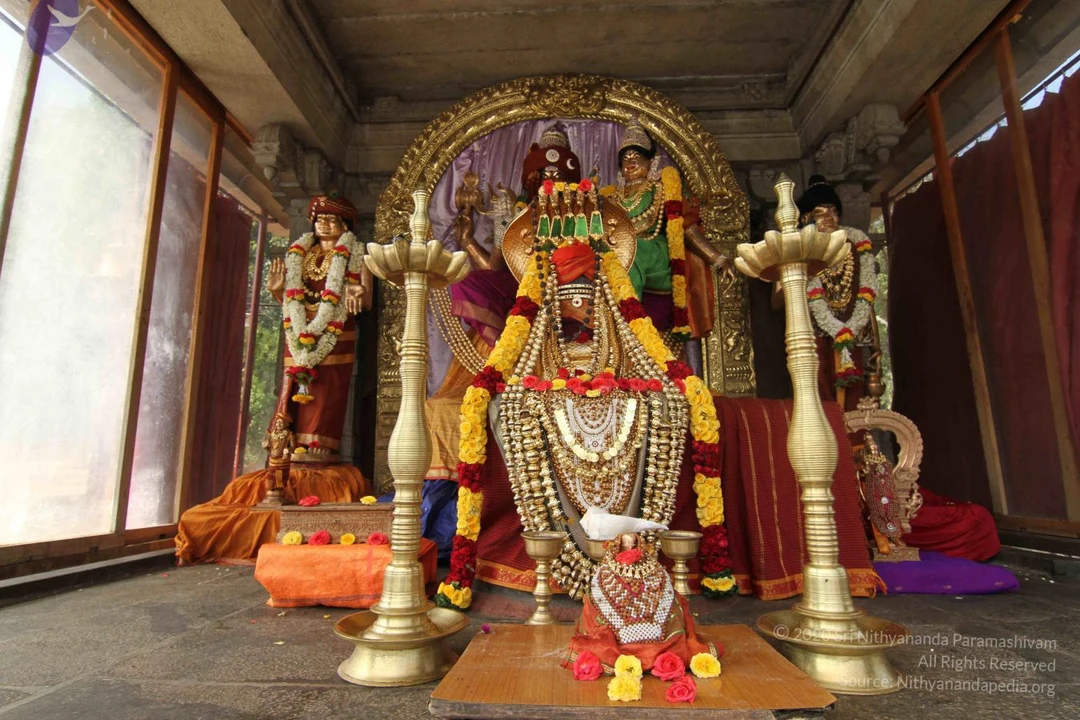
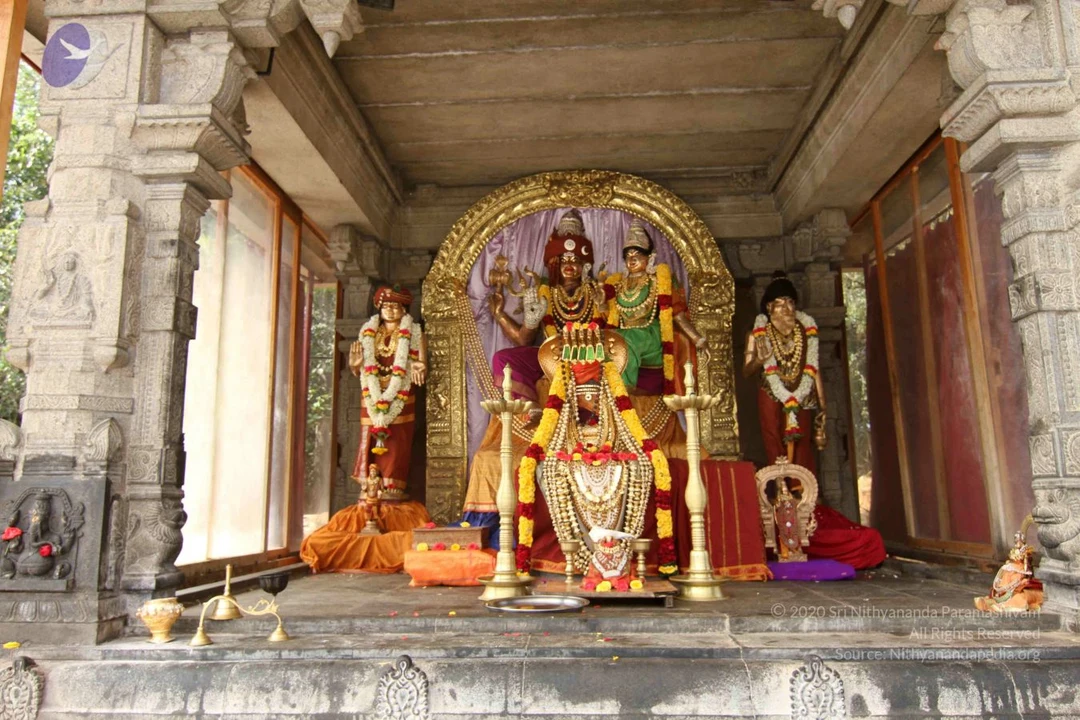
KunandaiMuttSwami-Visit-to-Ashram
Photos Of The Day:
NithyaSatsang
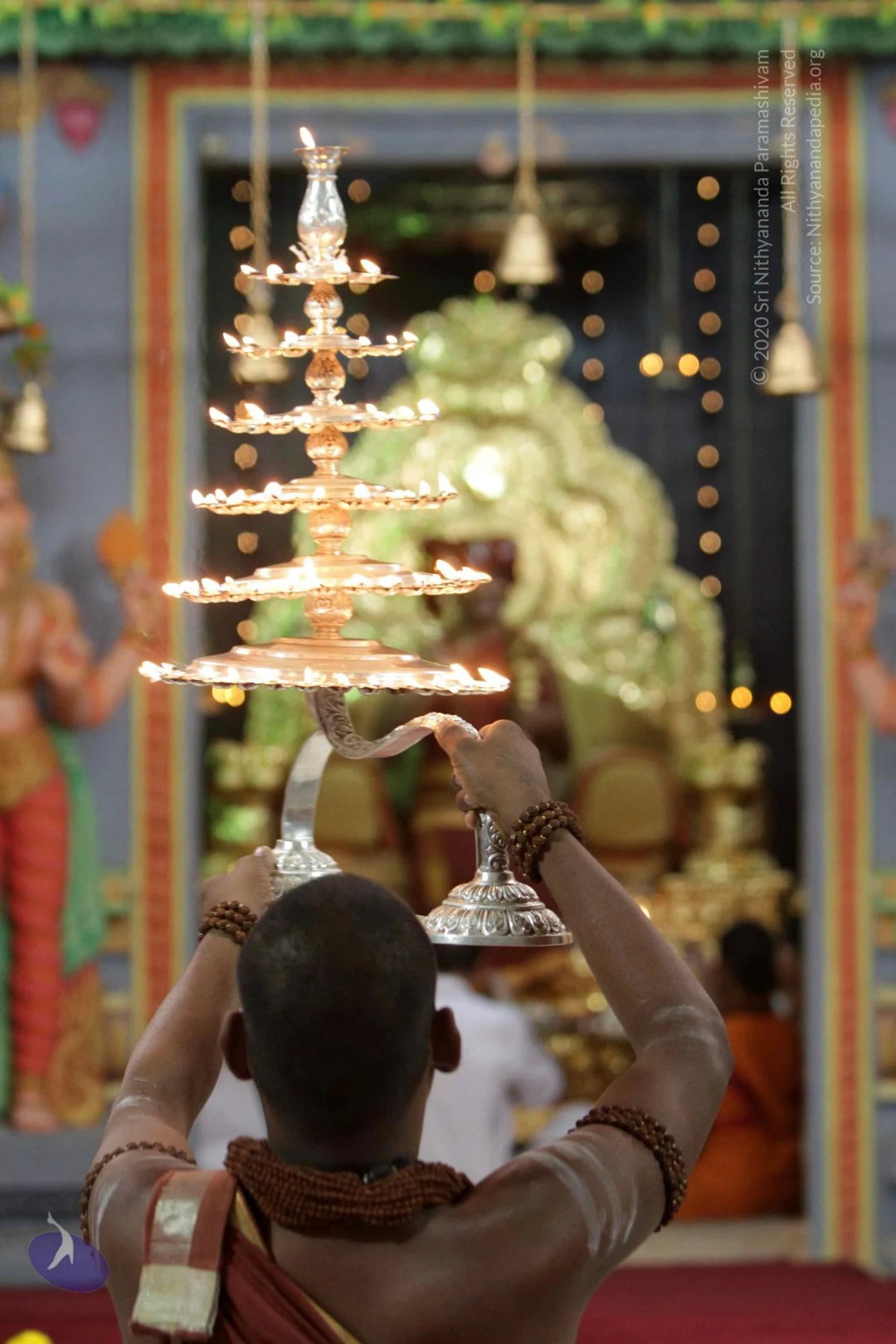
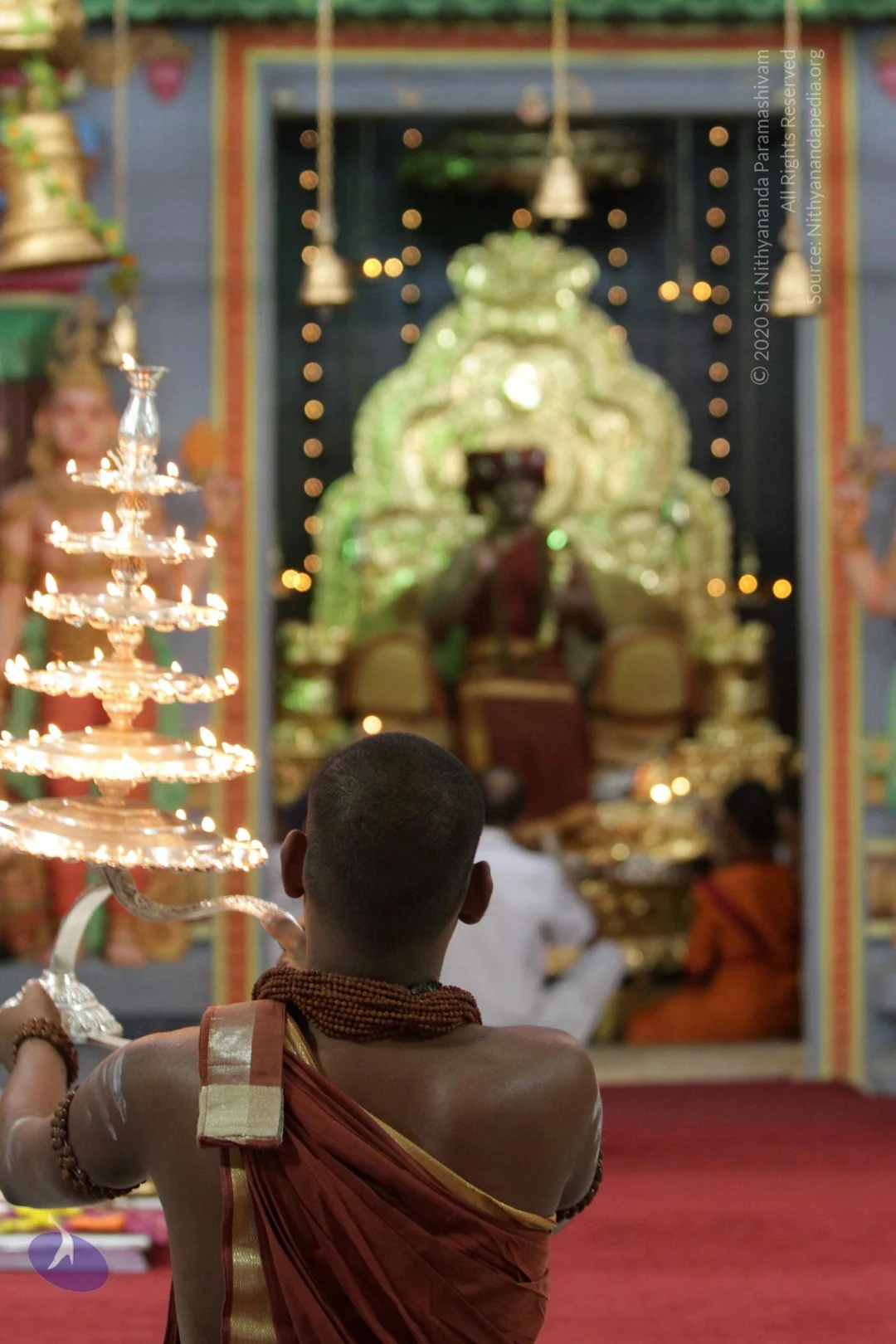
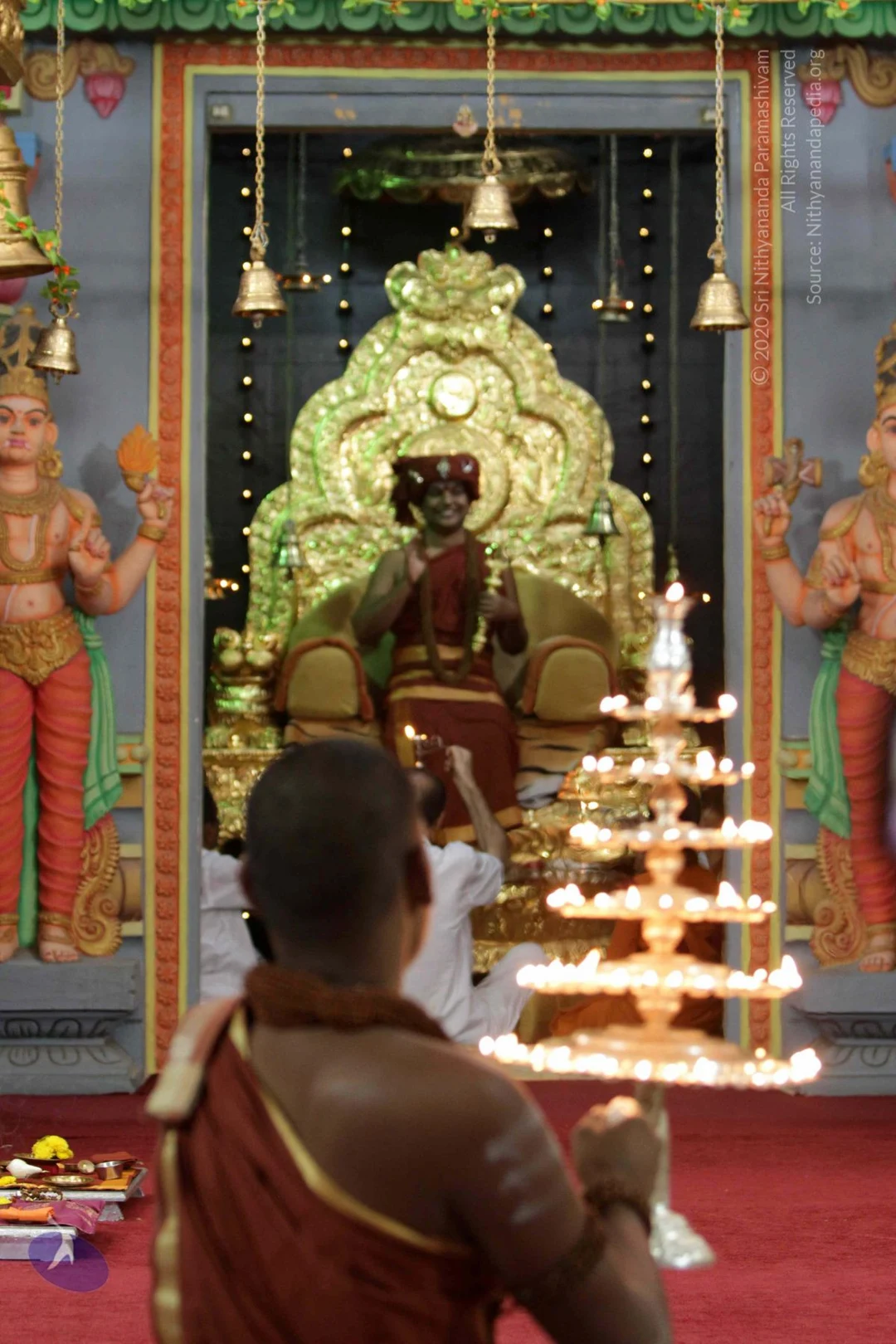
Photos from this day
View all 140 photosPada Puja and Kirtans
31 photosSource gallery
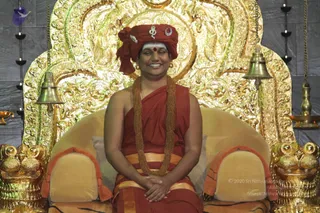
Nithya Satsang
47 photosSource gallery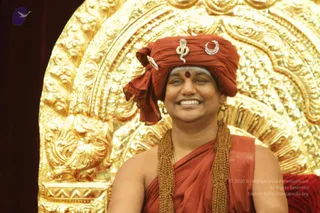
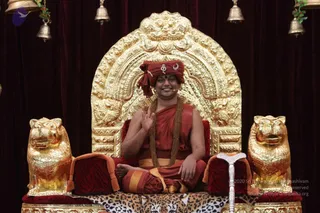
Darshan
14 photosSource gallery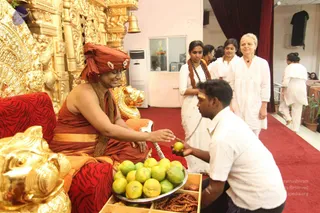
Deity Alankaram
3 photosSource gallery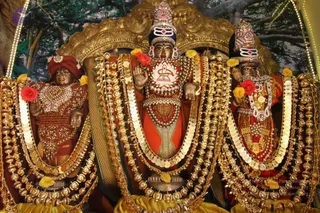
Swamiji visits the temple with Sri Shantaveera Mahaswami of Kolada Matt
17 photosSource gallery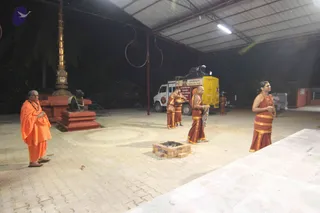
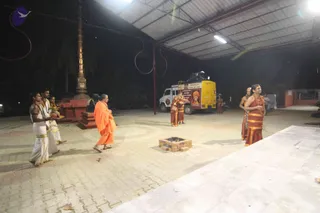
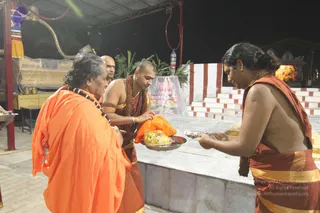
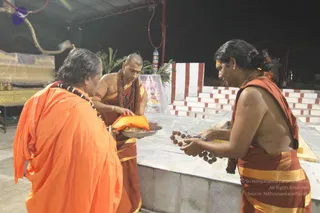
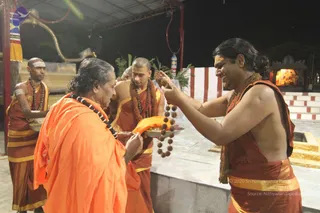
Temple
4 photosSource gallery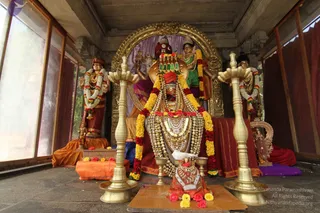
KunandaiMuttSwami-Visit-to-Ashram
1 photoSource gallery
NithyaSatsang
23 photosSource gallery