Skip to content
Wednesday

20 November 2013

Awakening you to you is Sannyas.

Dated photos
615
Source pages
1
Media
2
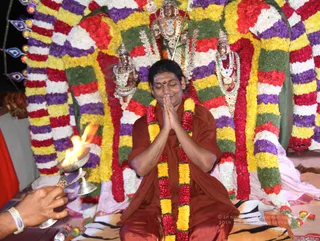
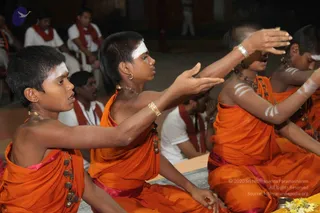
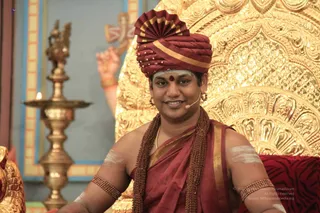
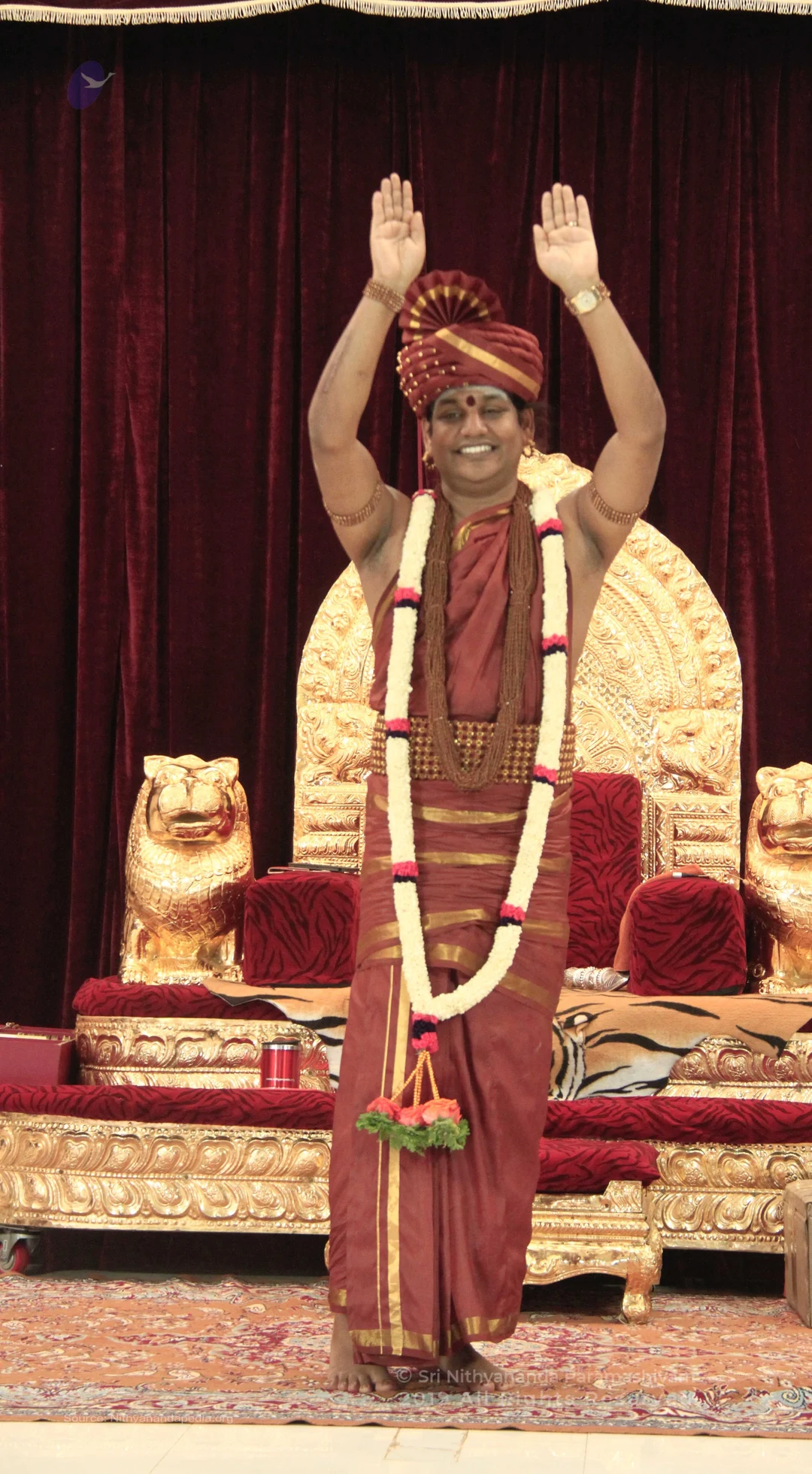
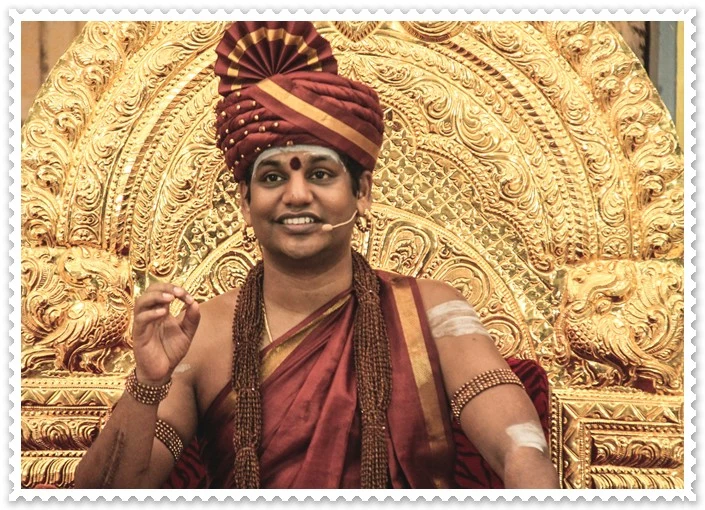
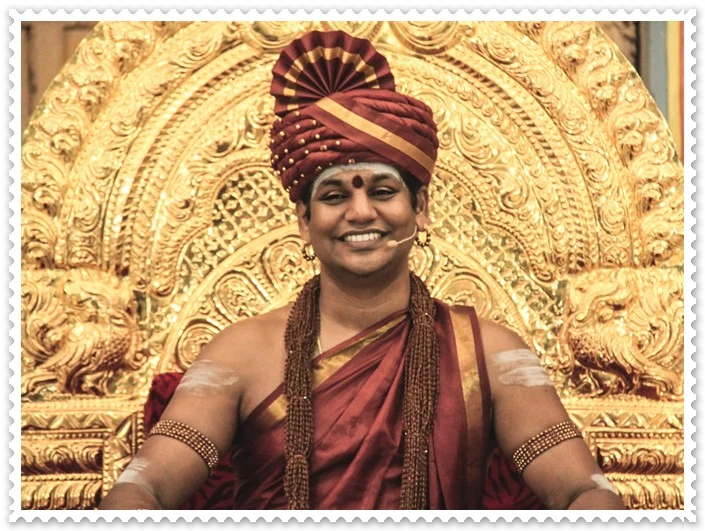
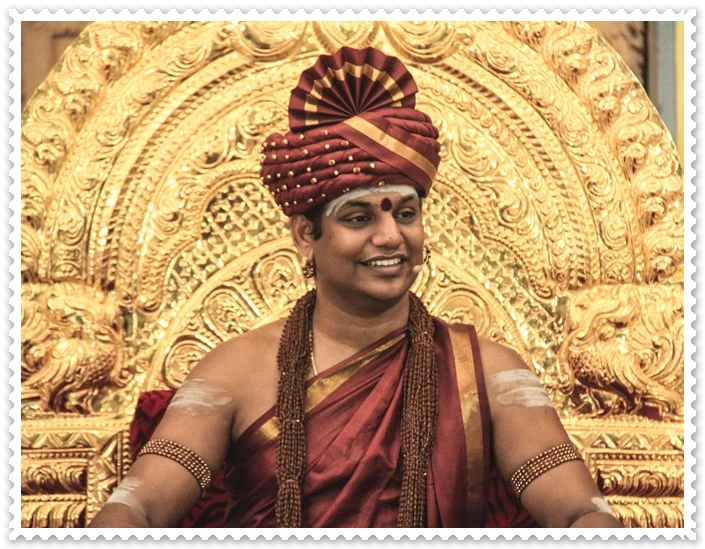
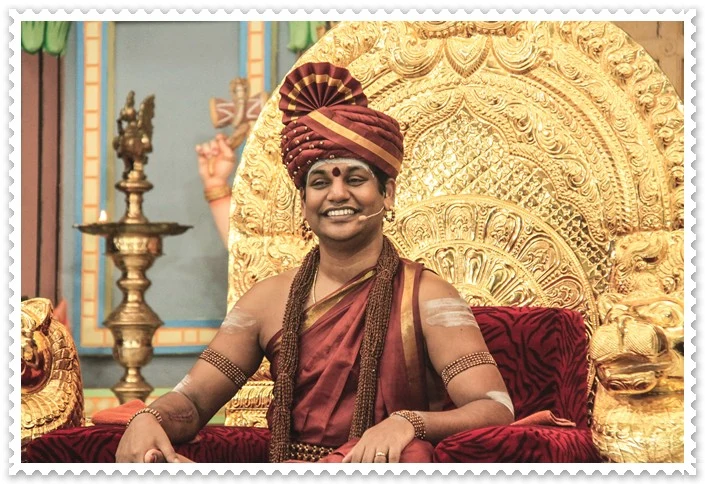
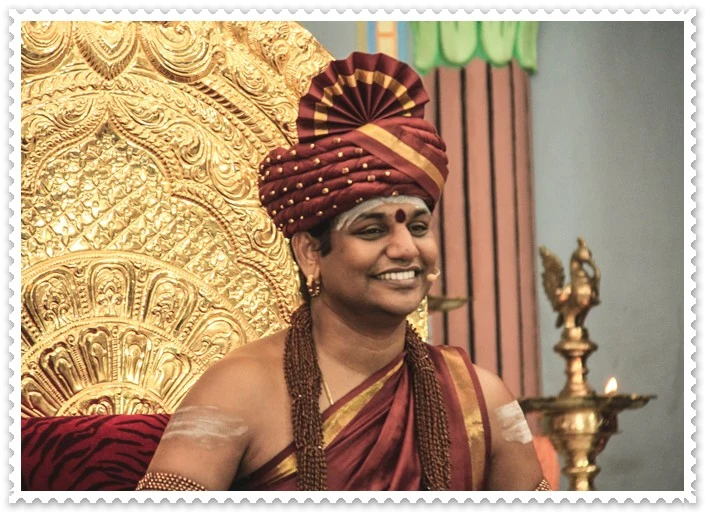
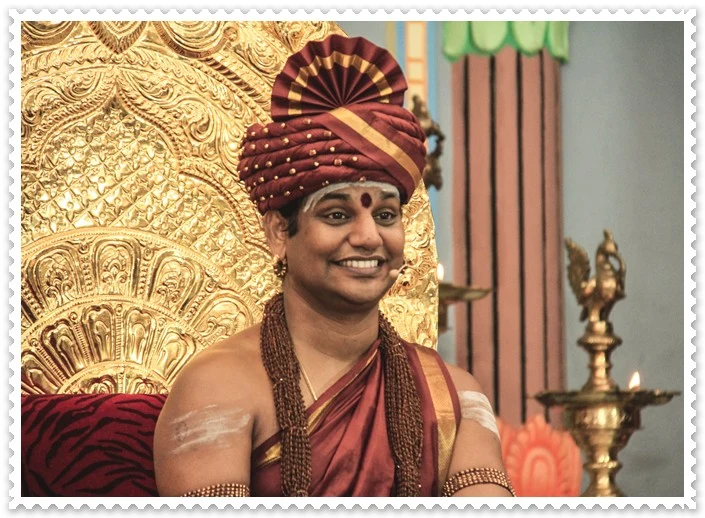
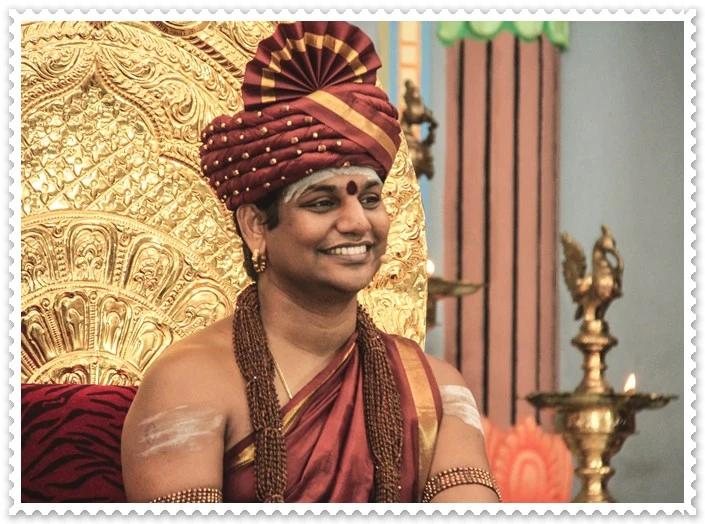
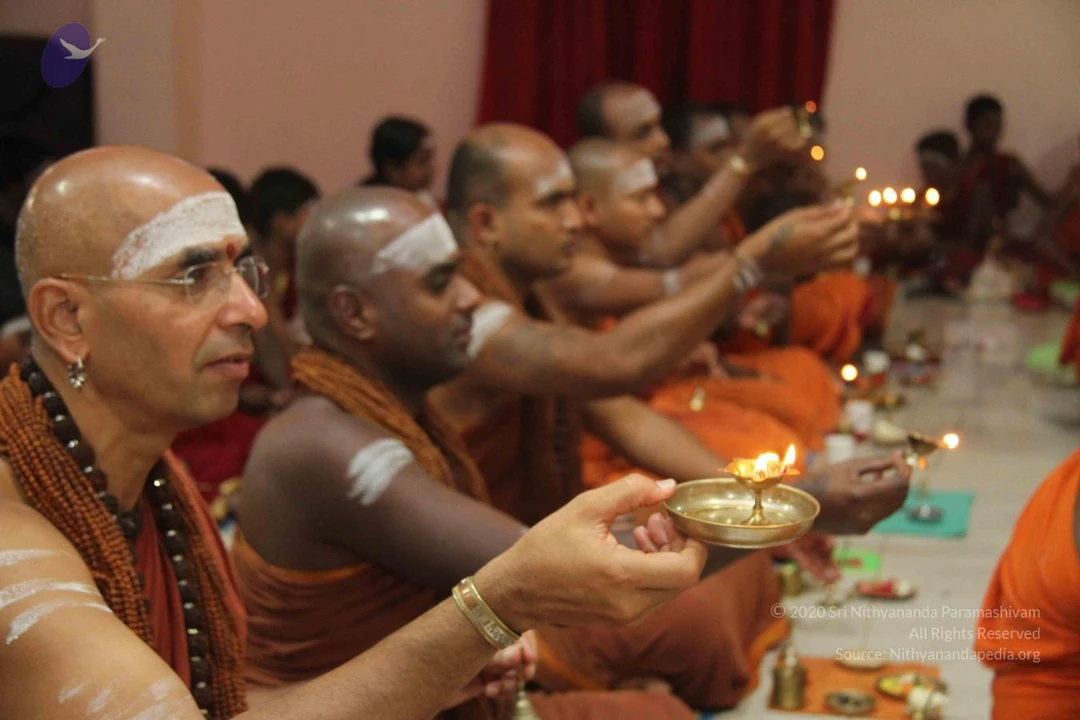
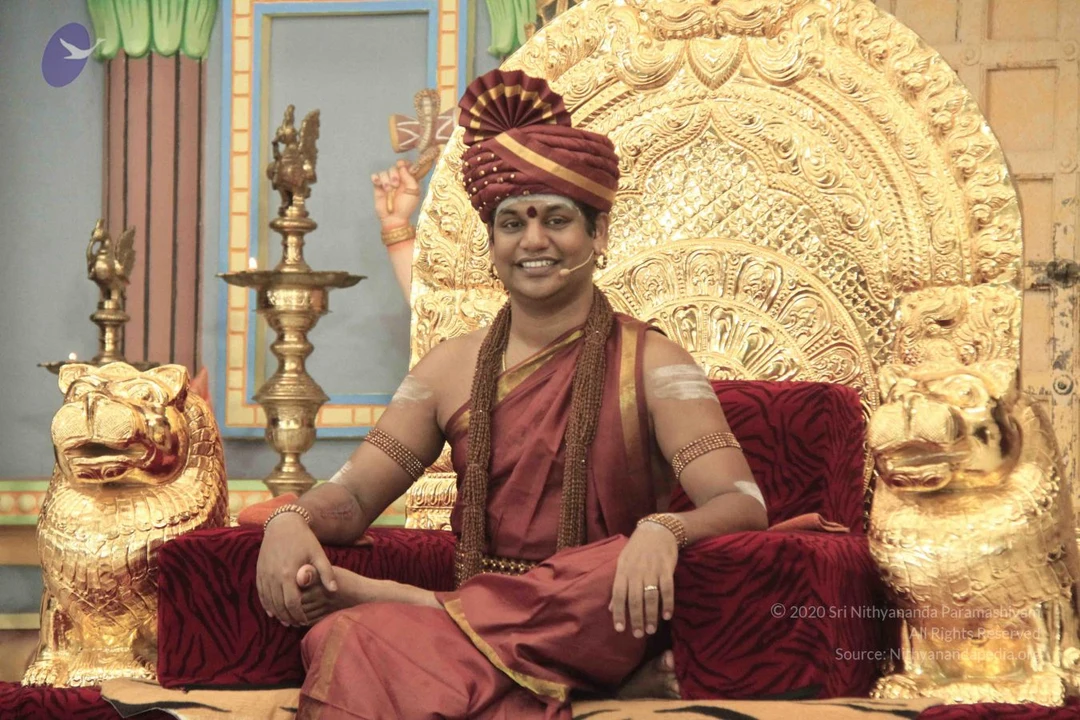
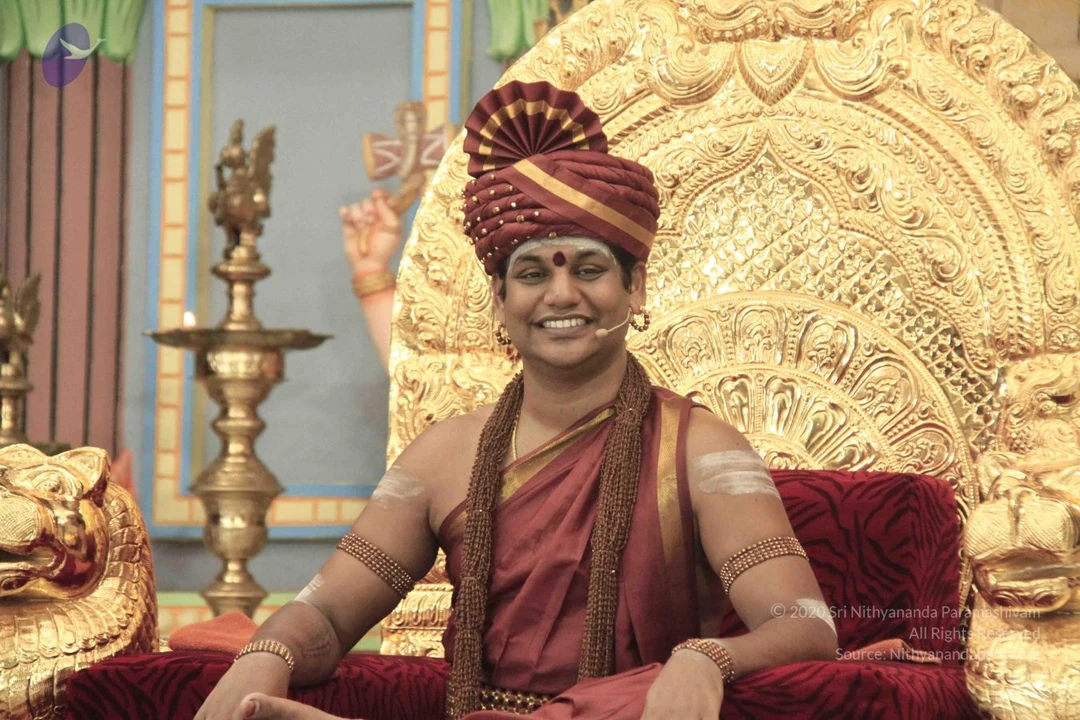
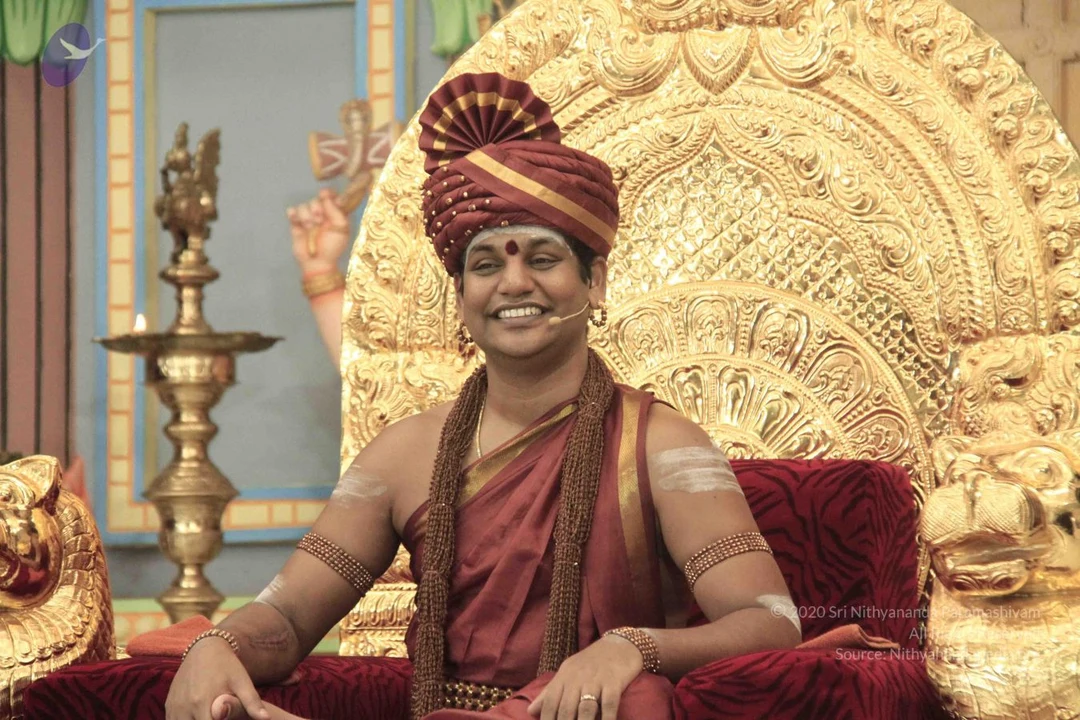
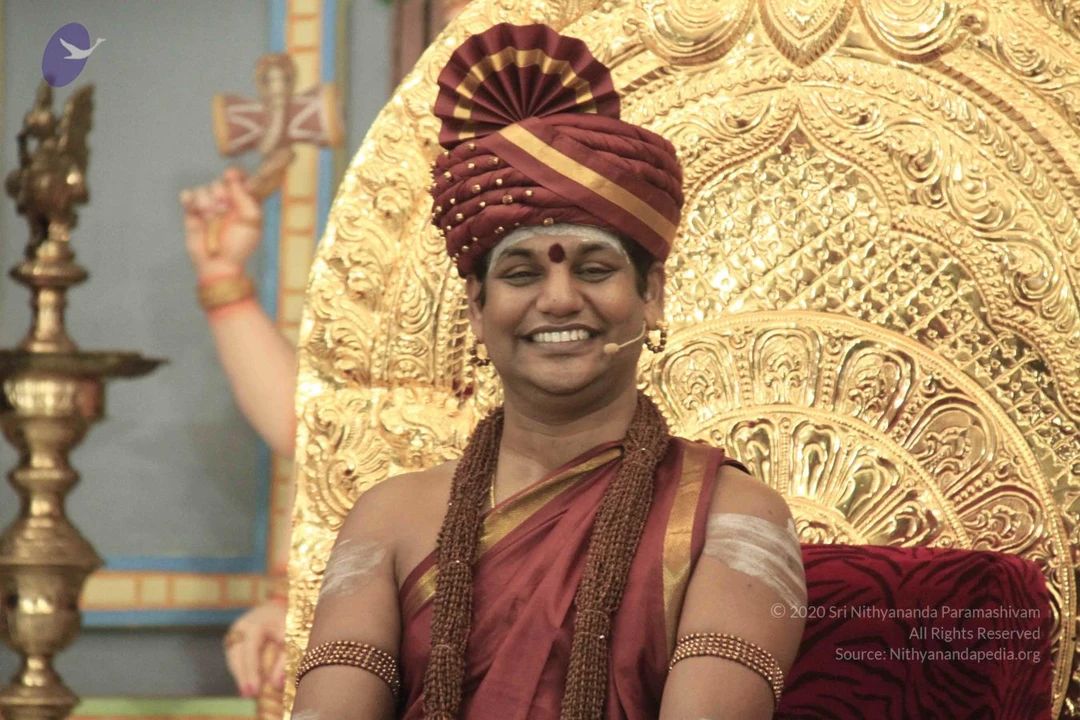
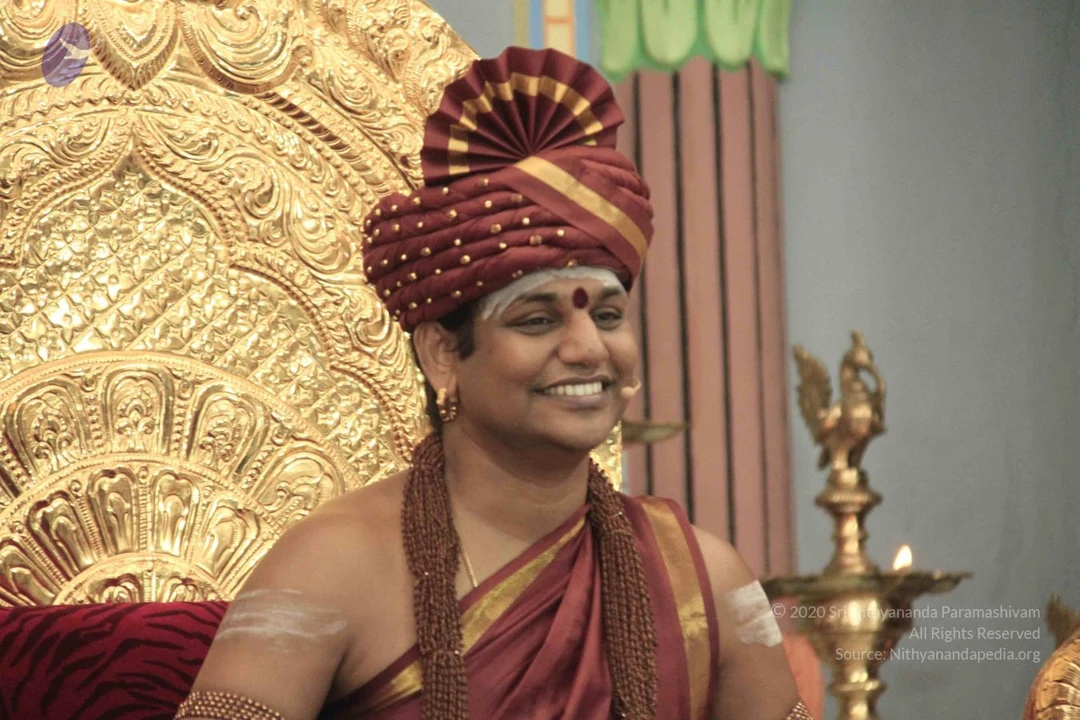
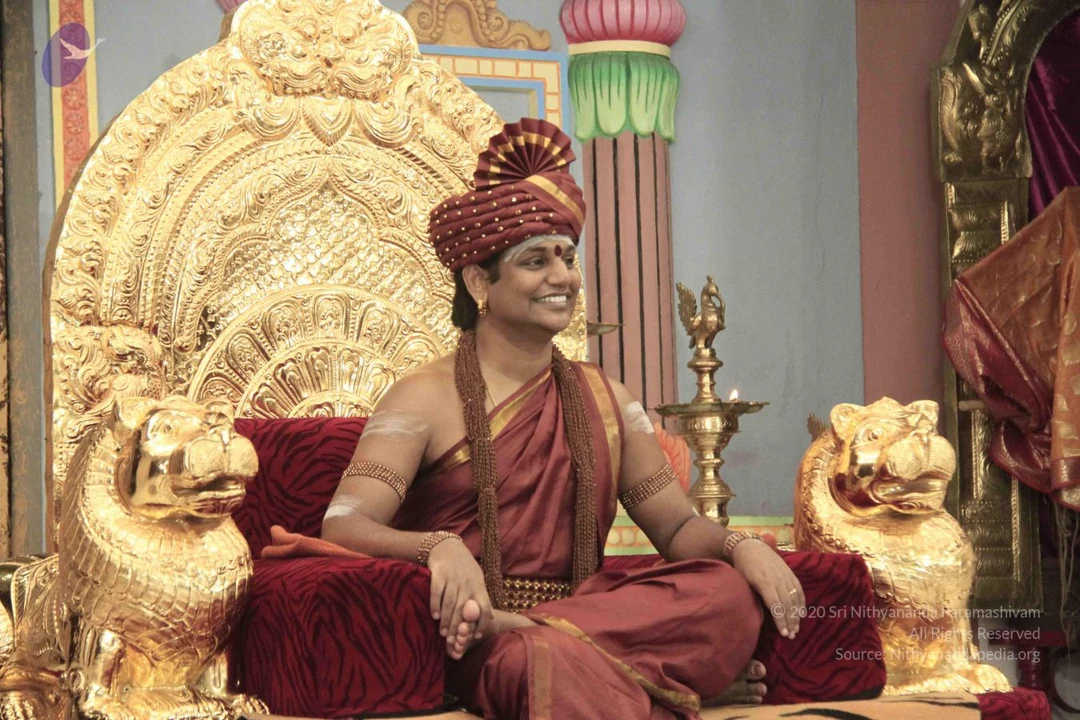
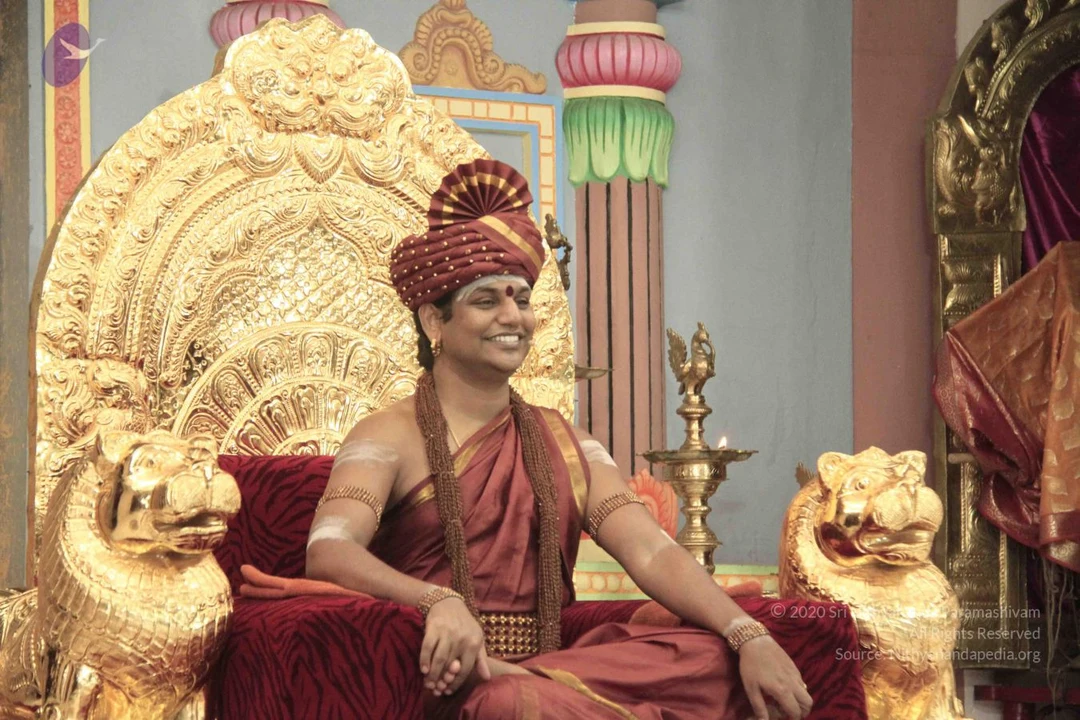
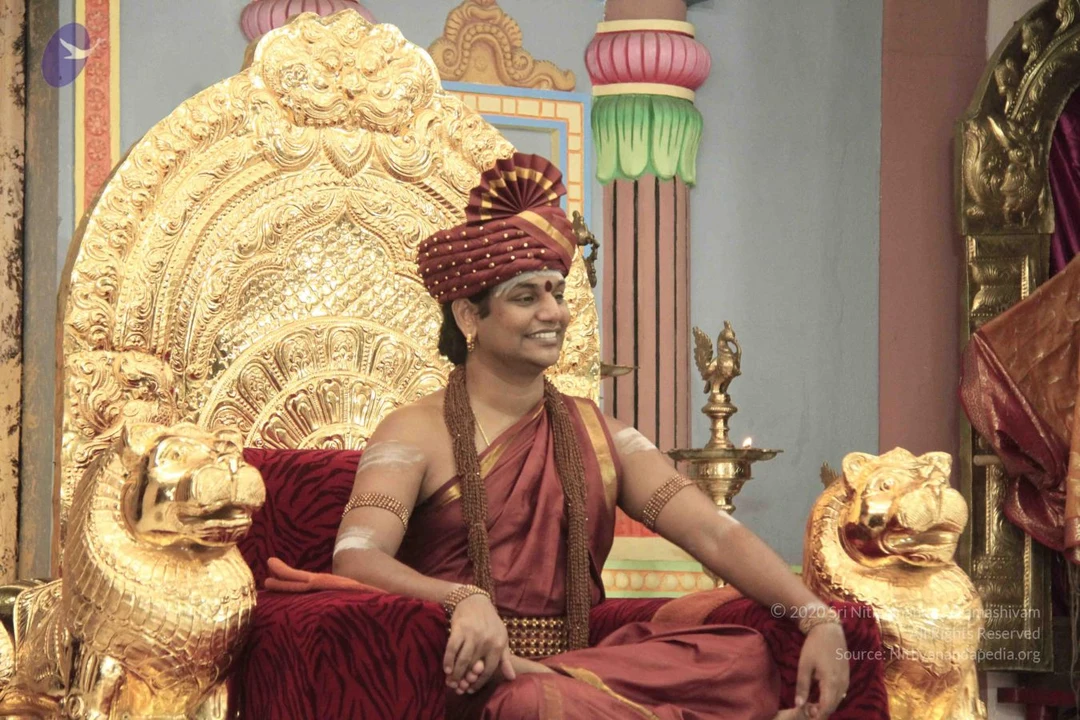
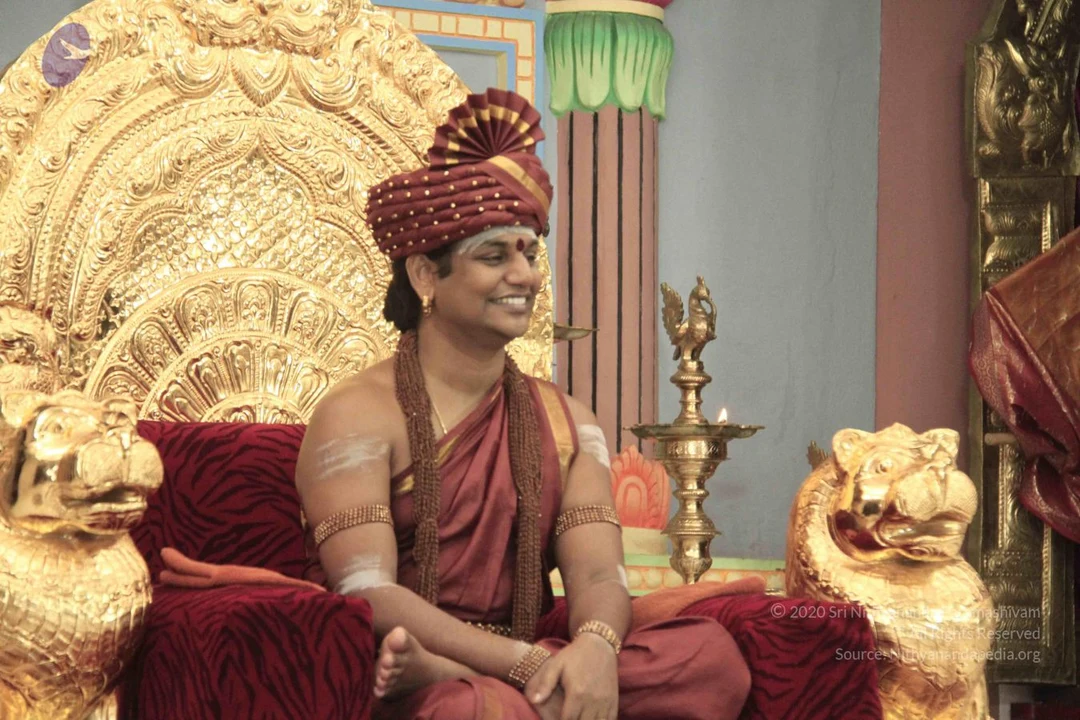
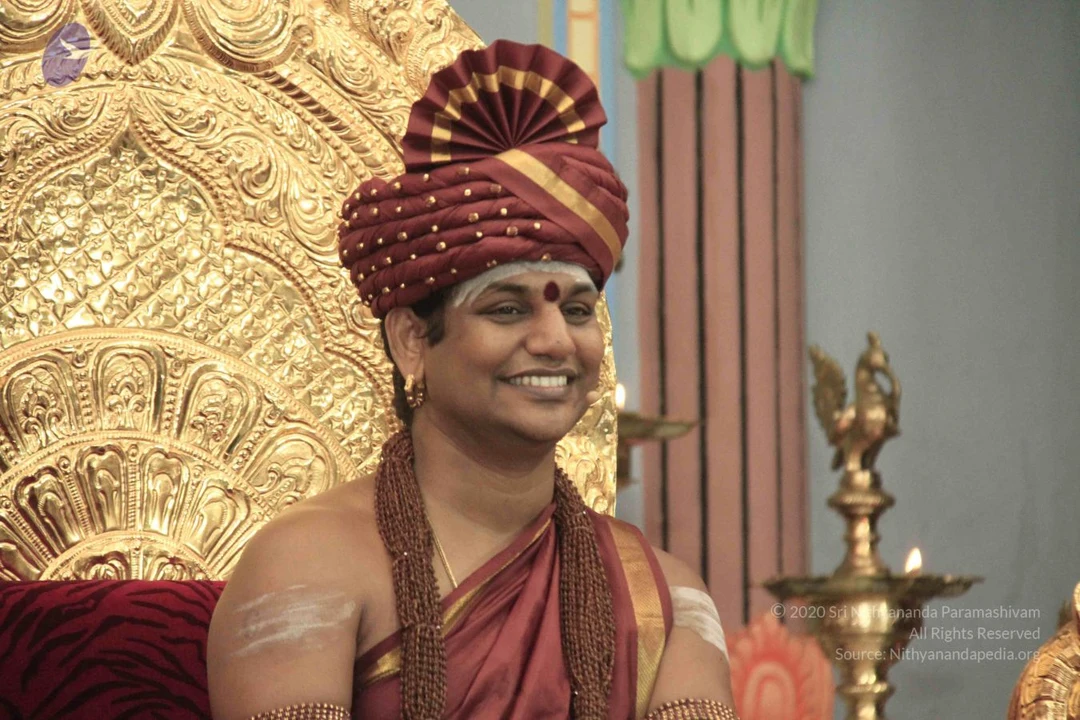
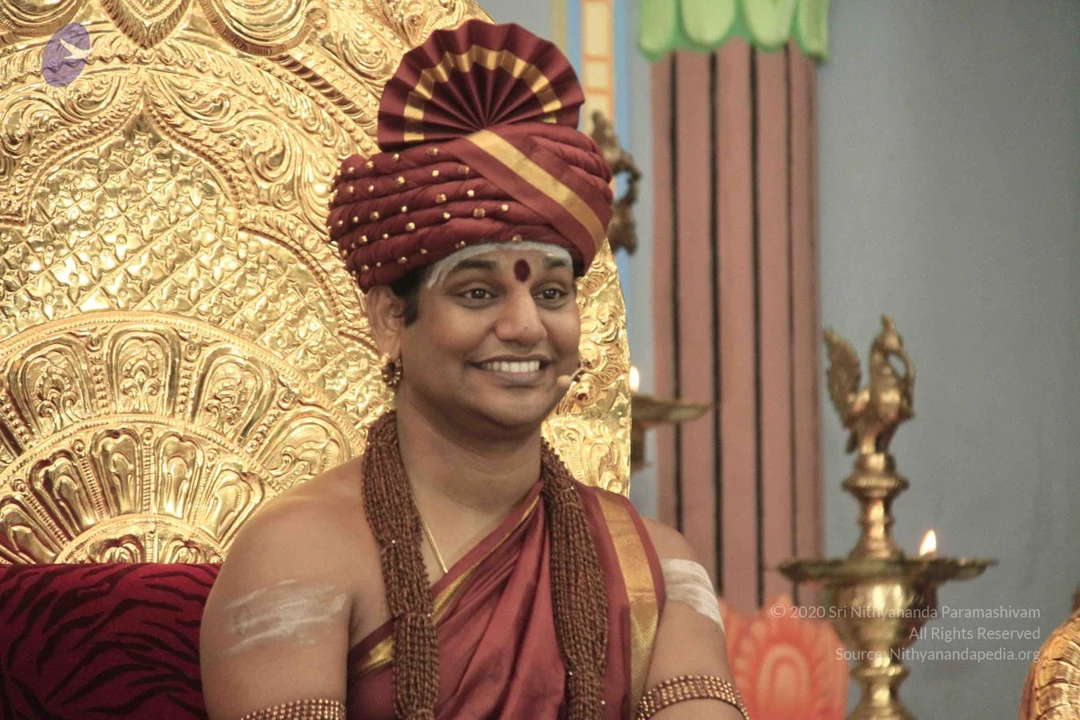
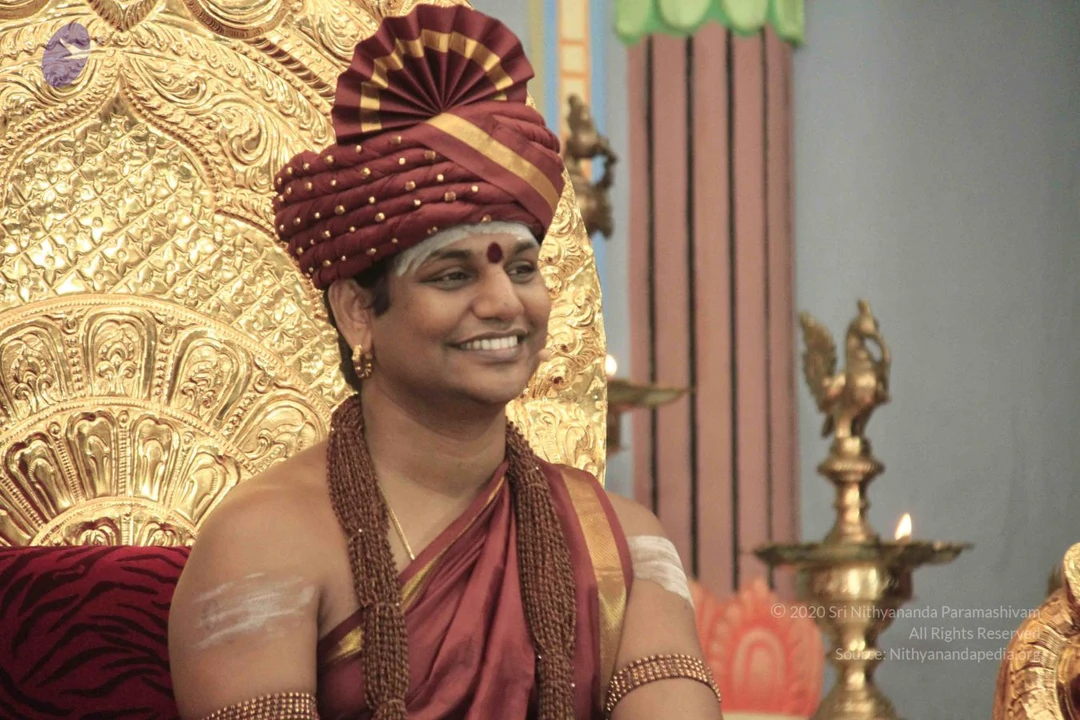
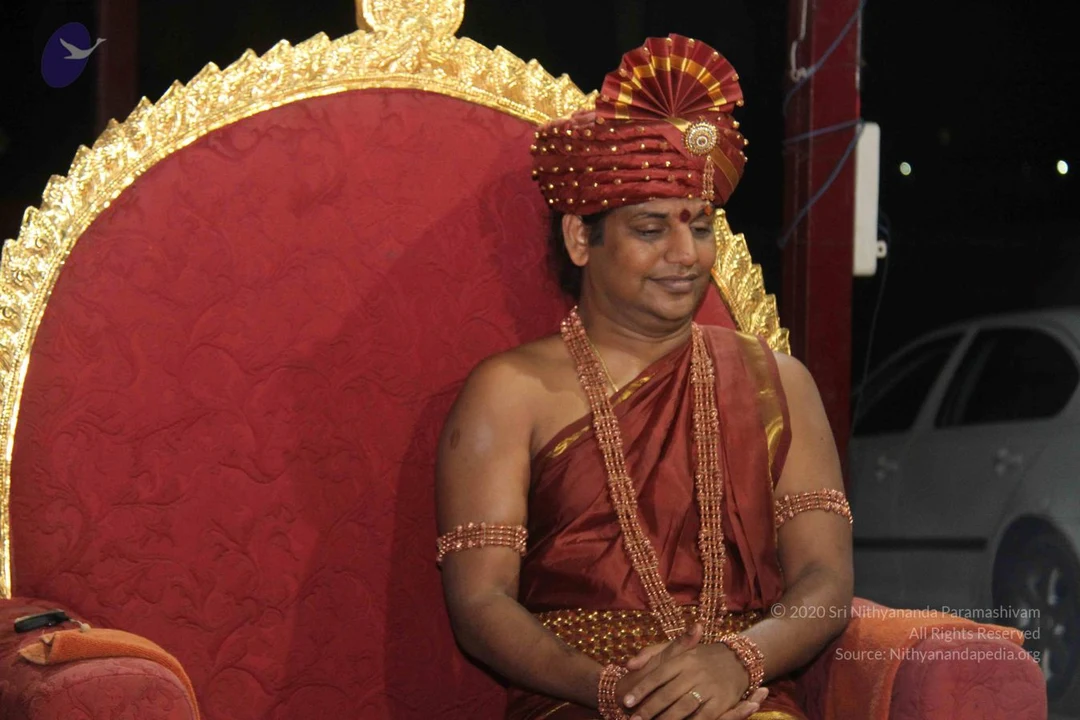
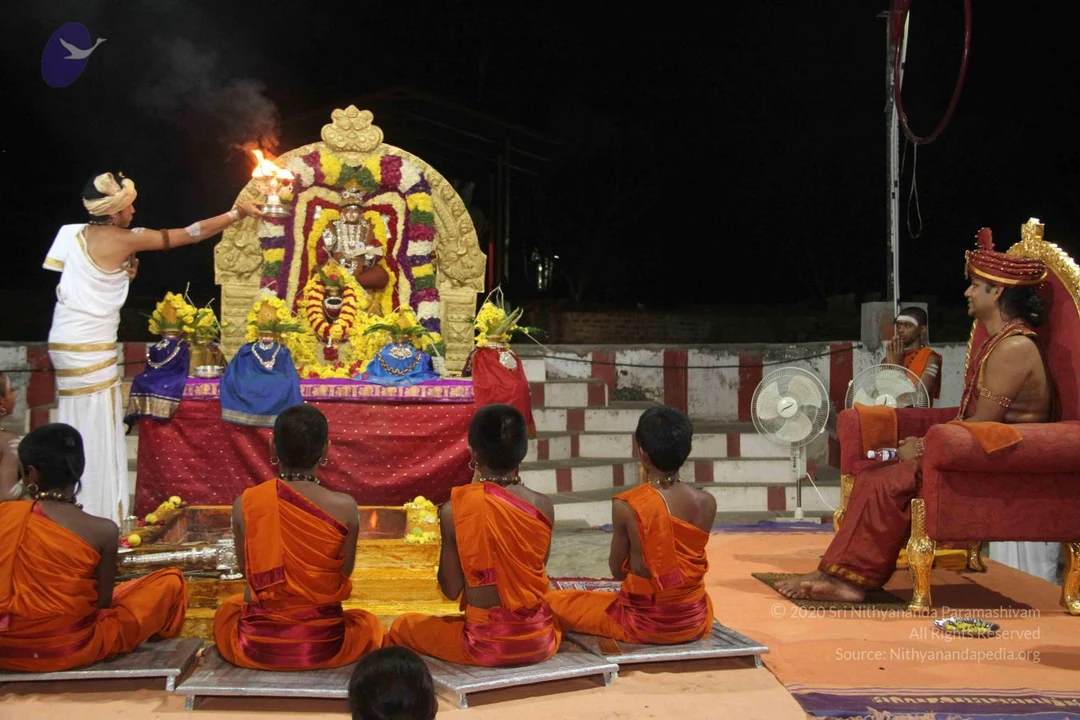
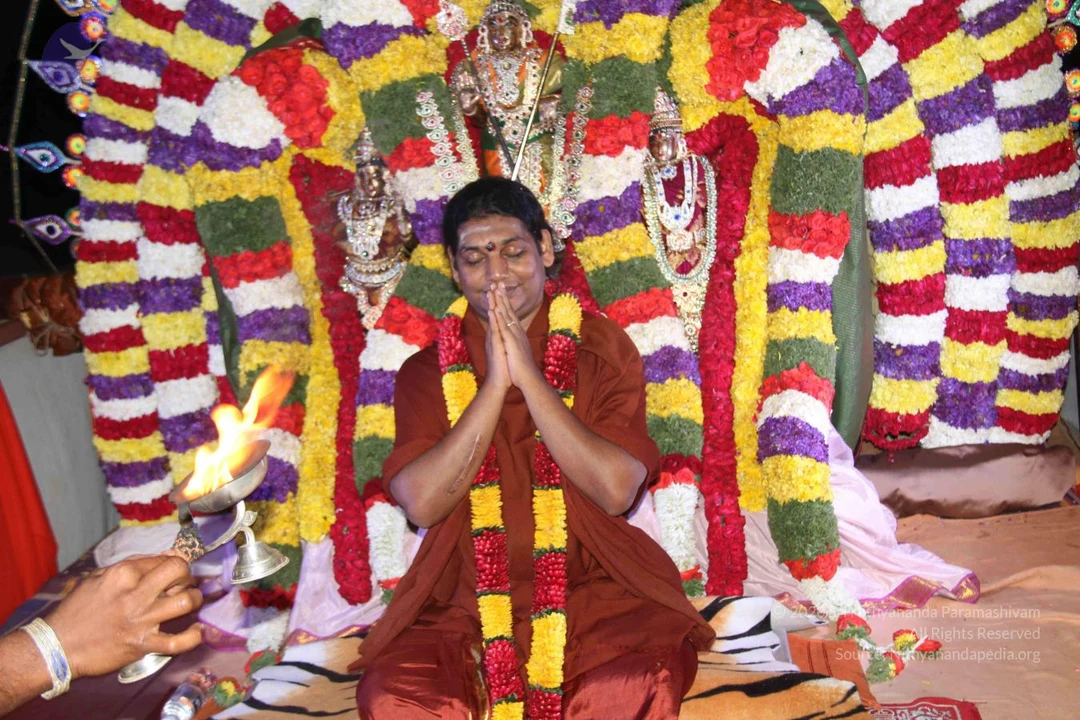
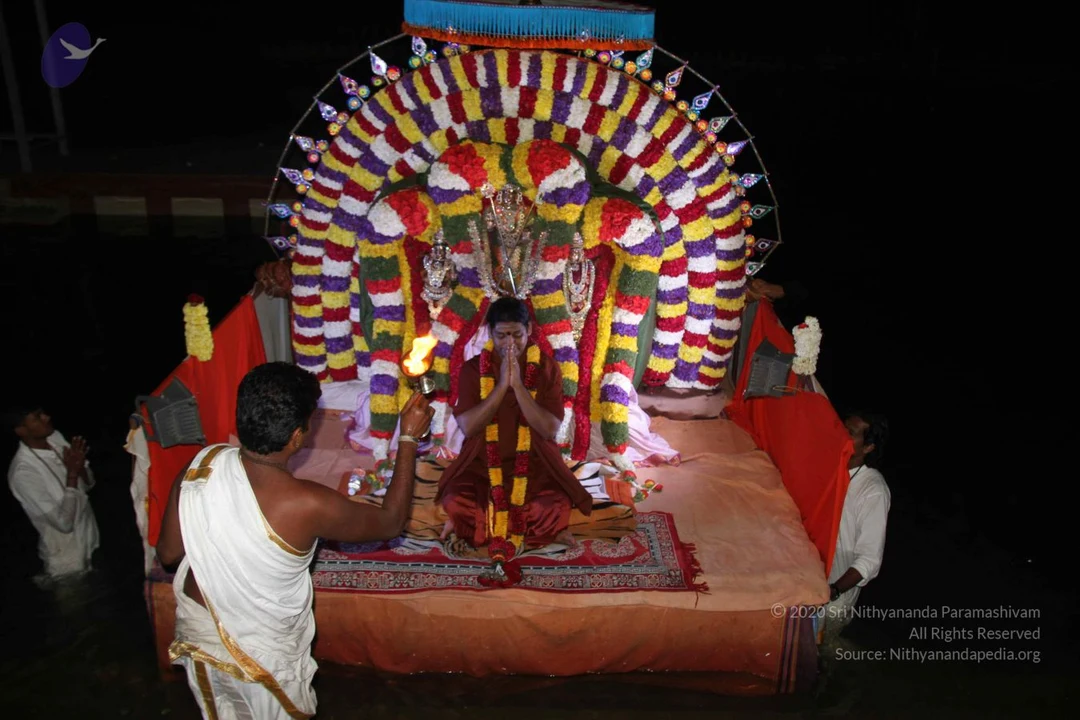
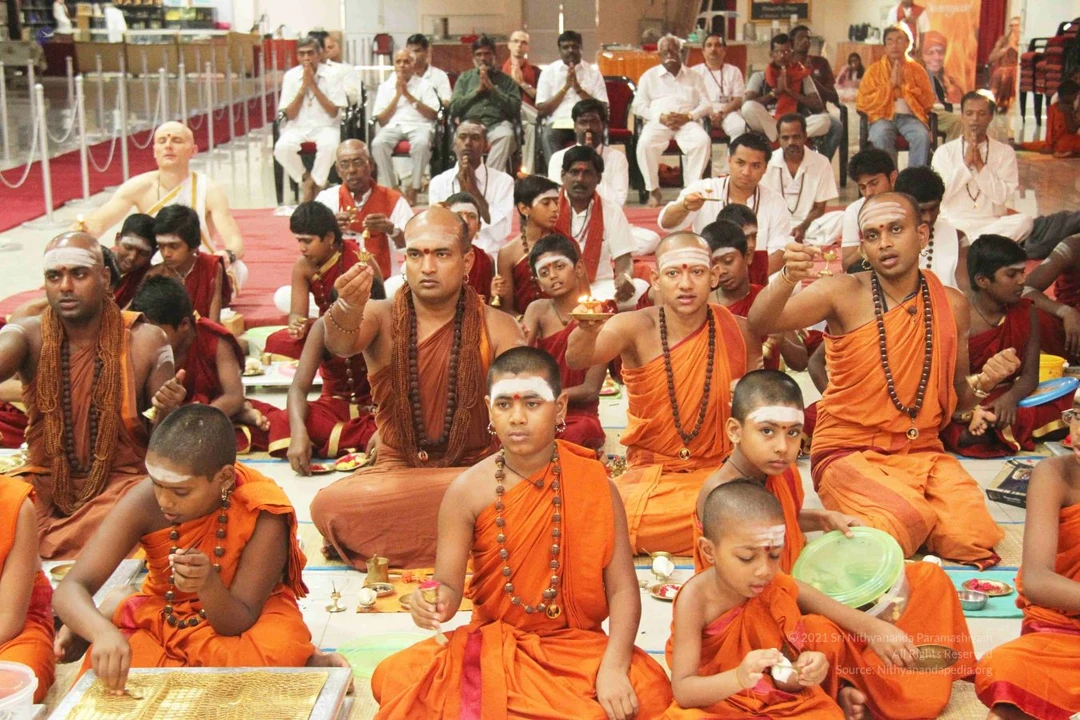
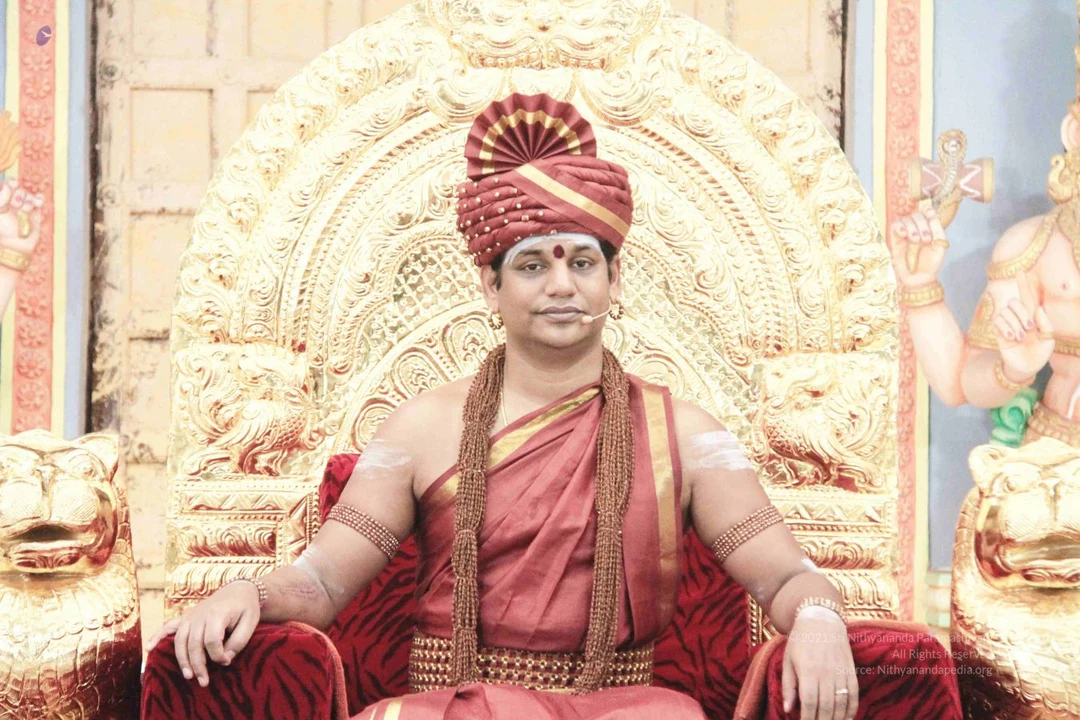
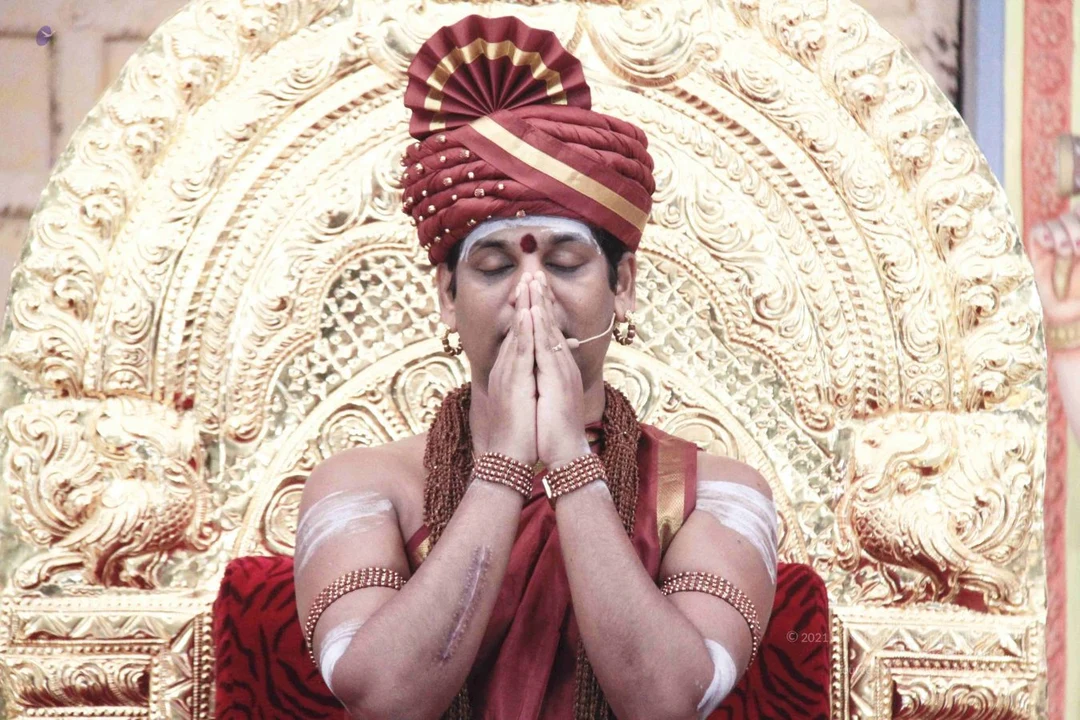
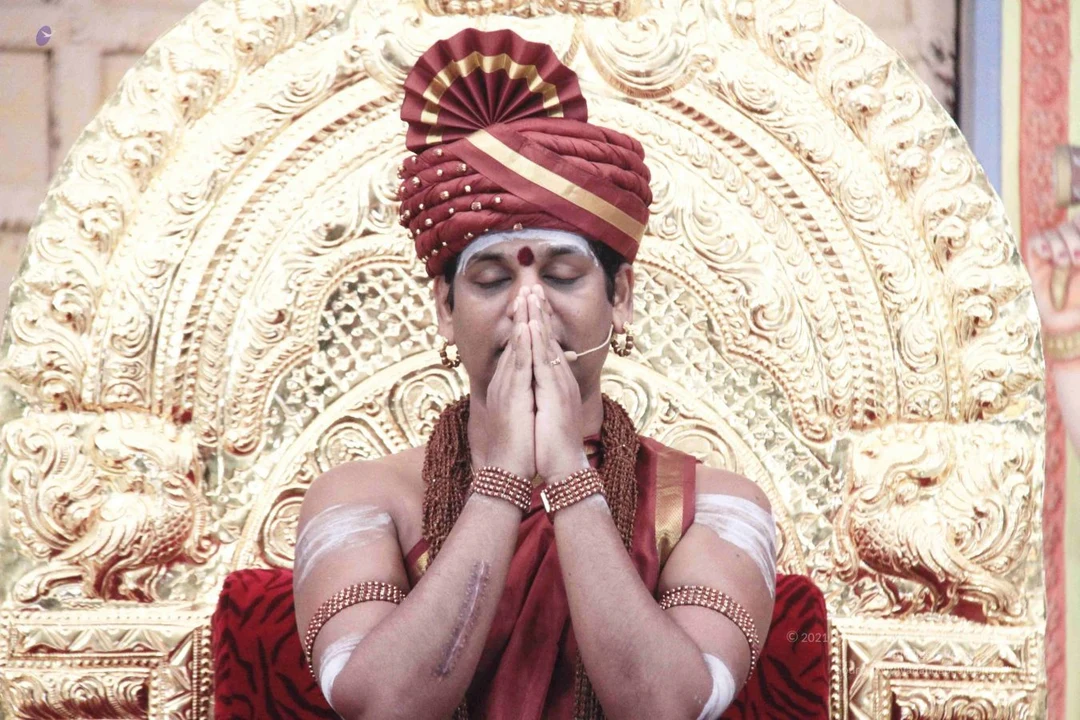
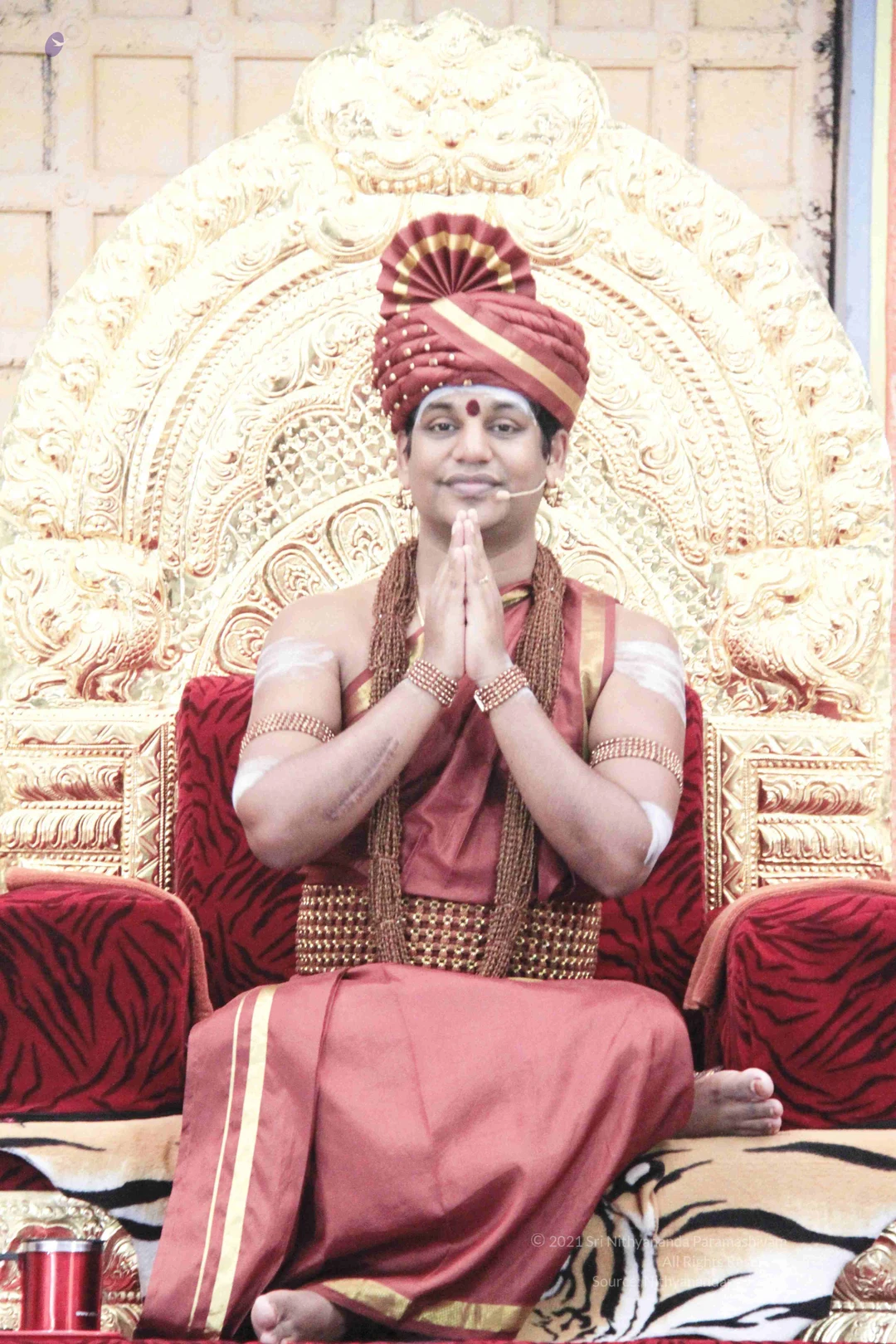
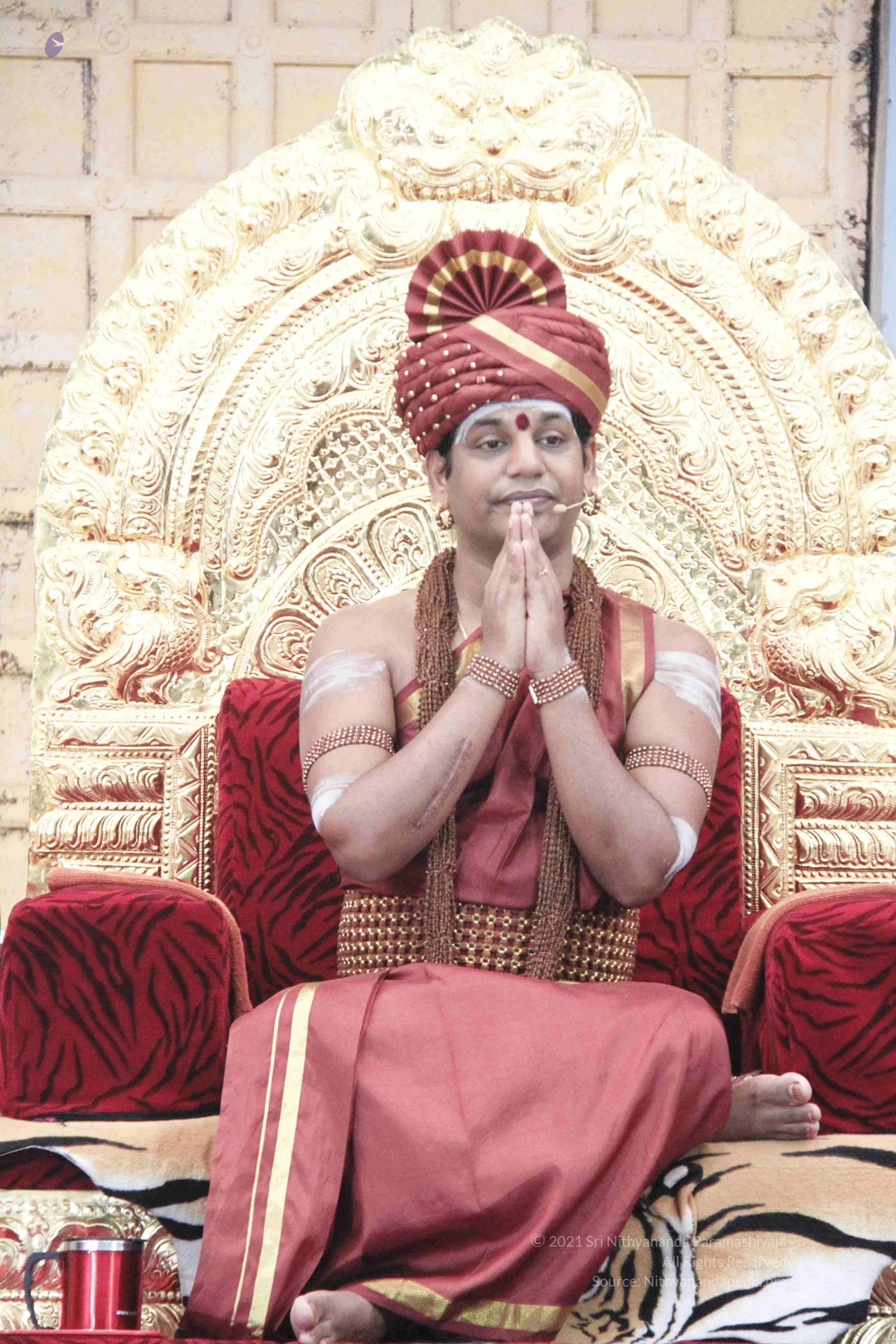
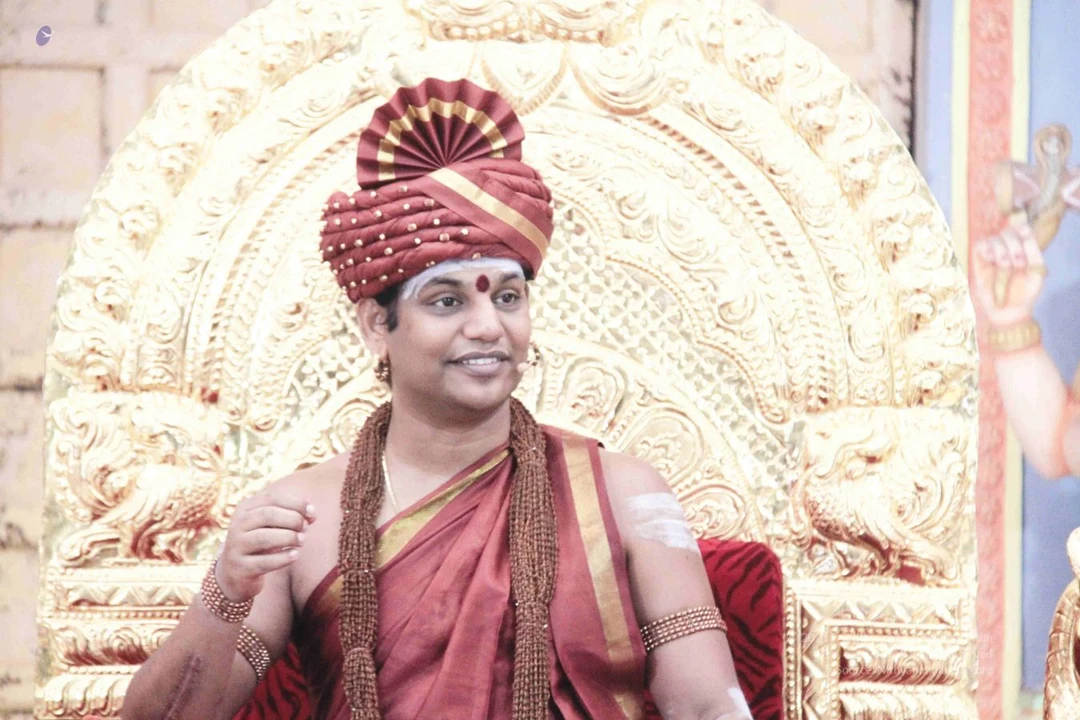
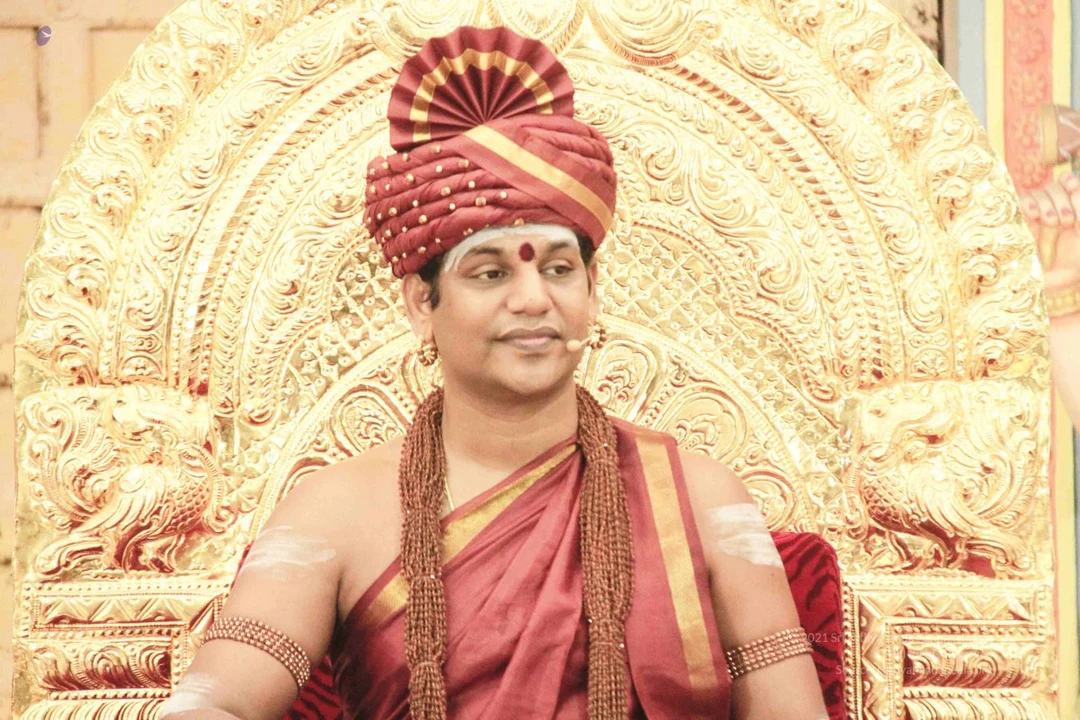
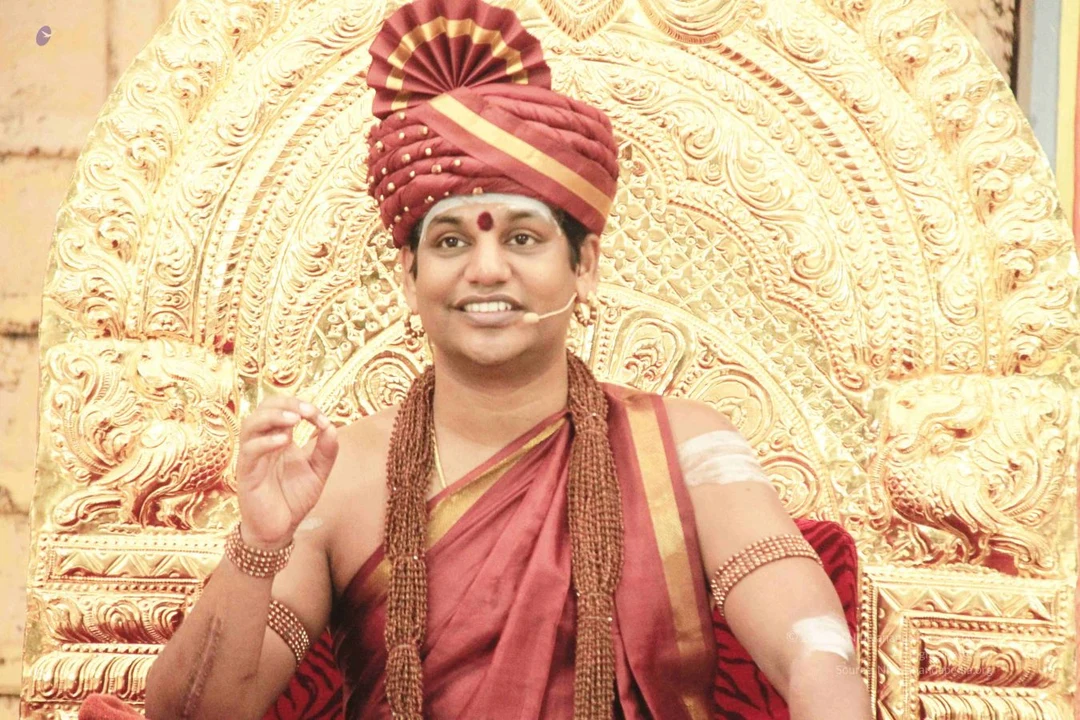
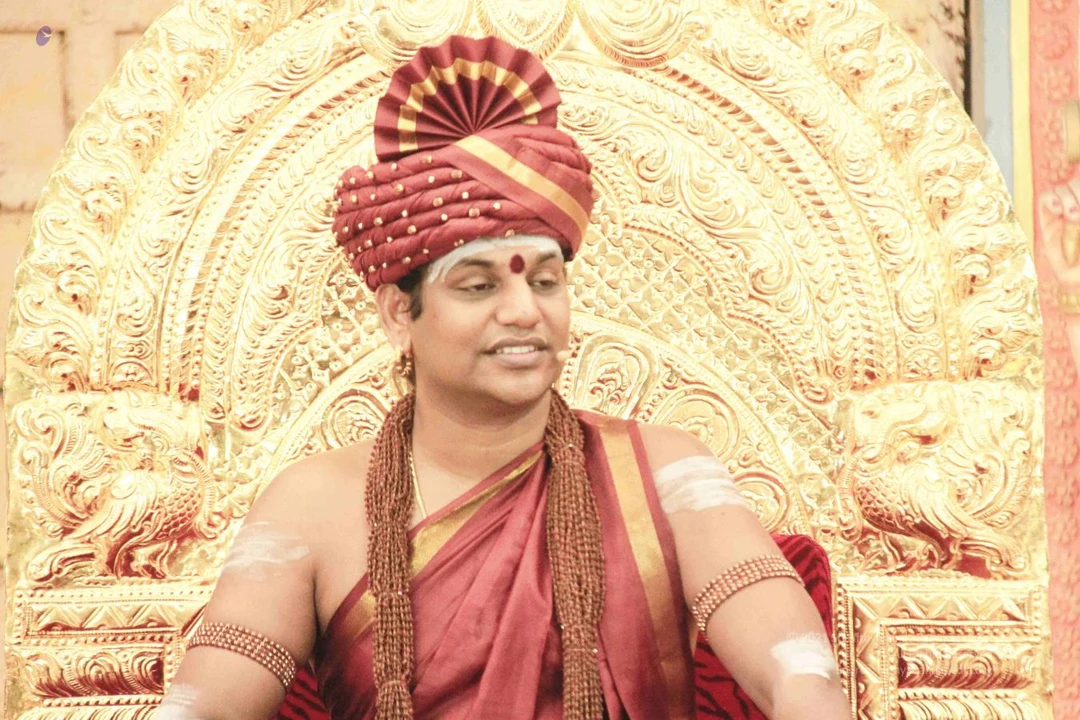
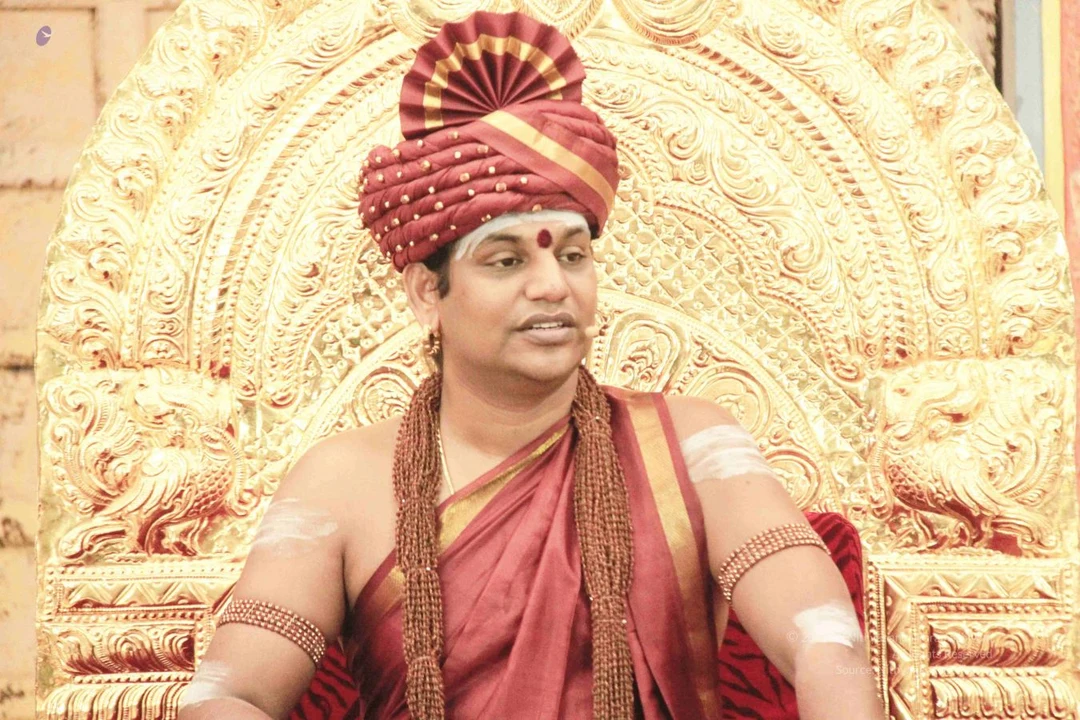
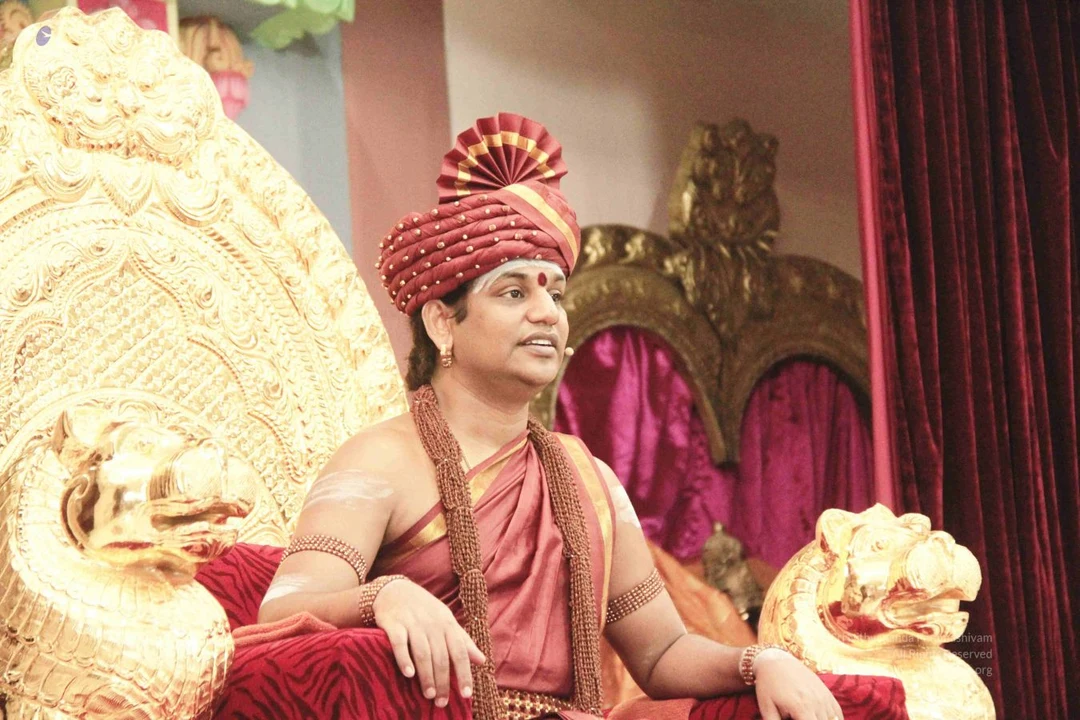
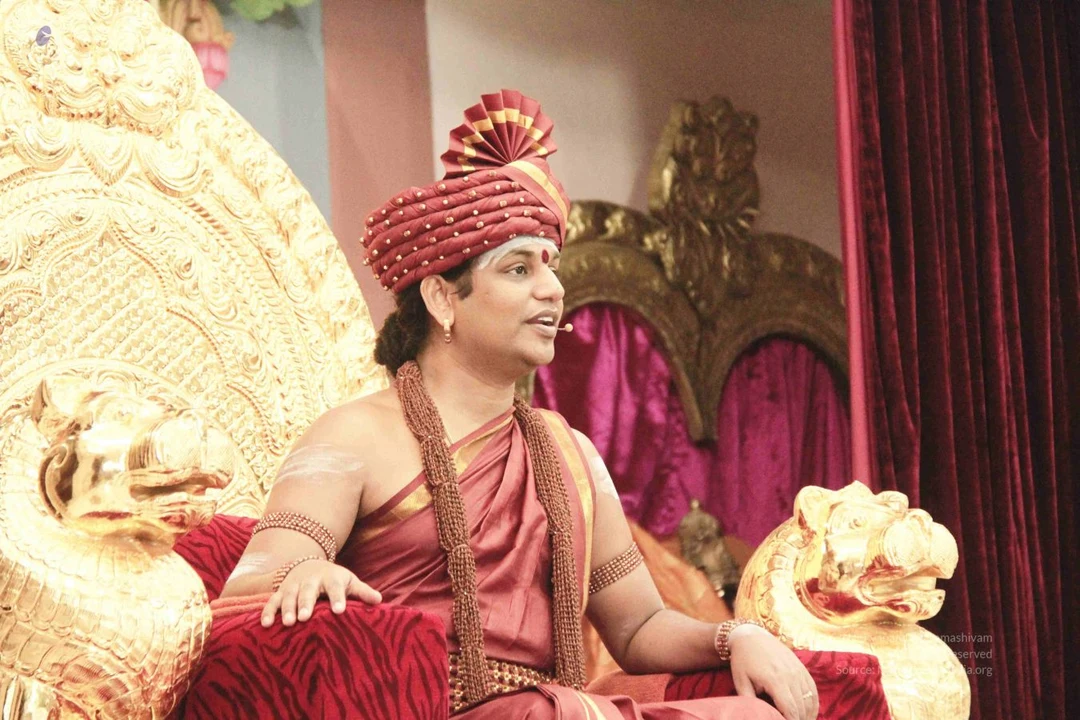
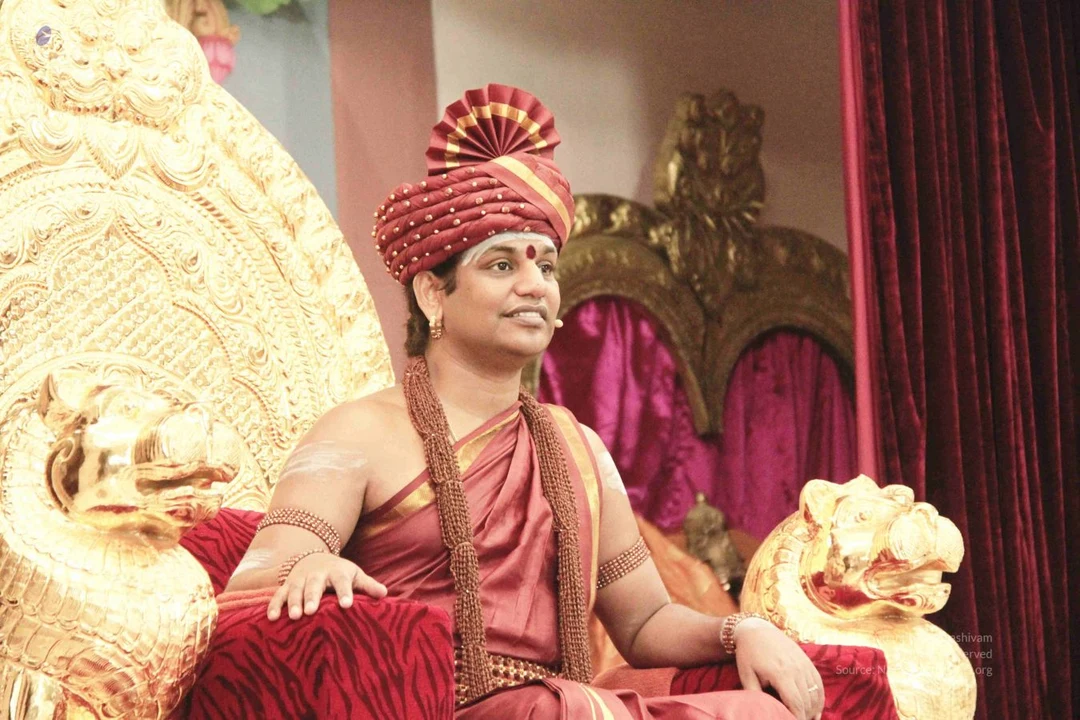
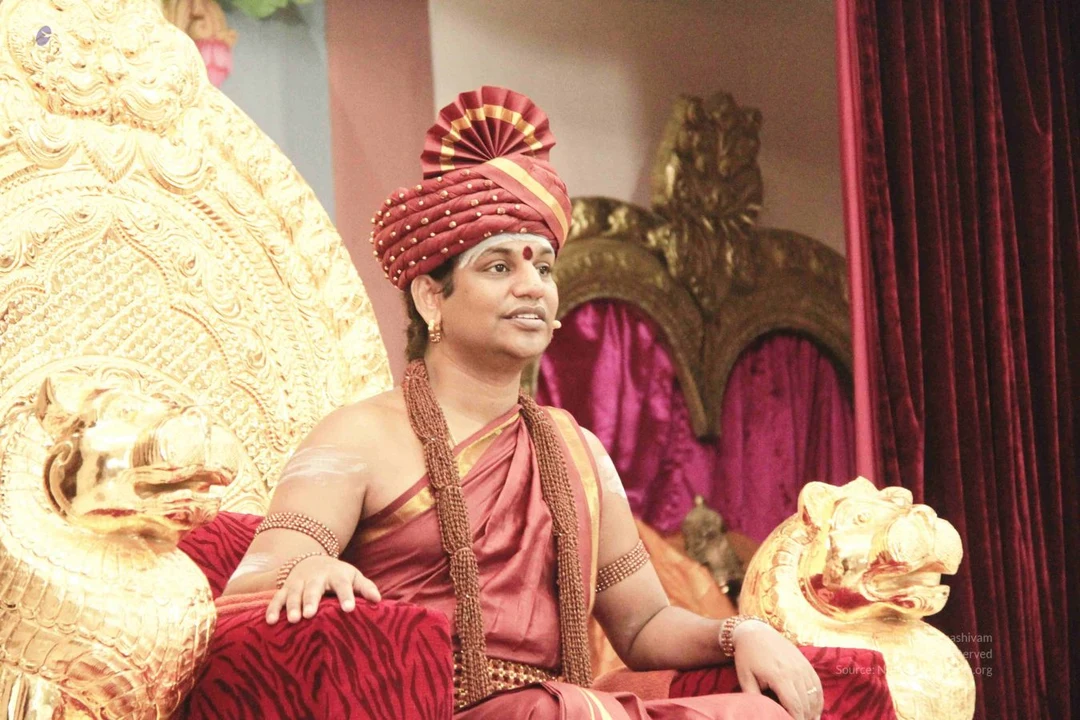
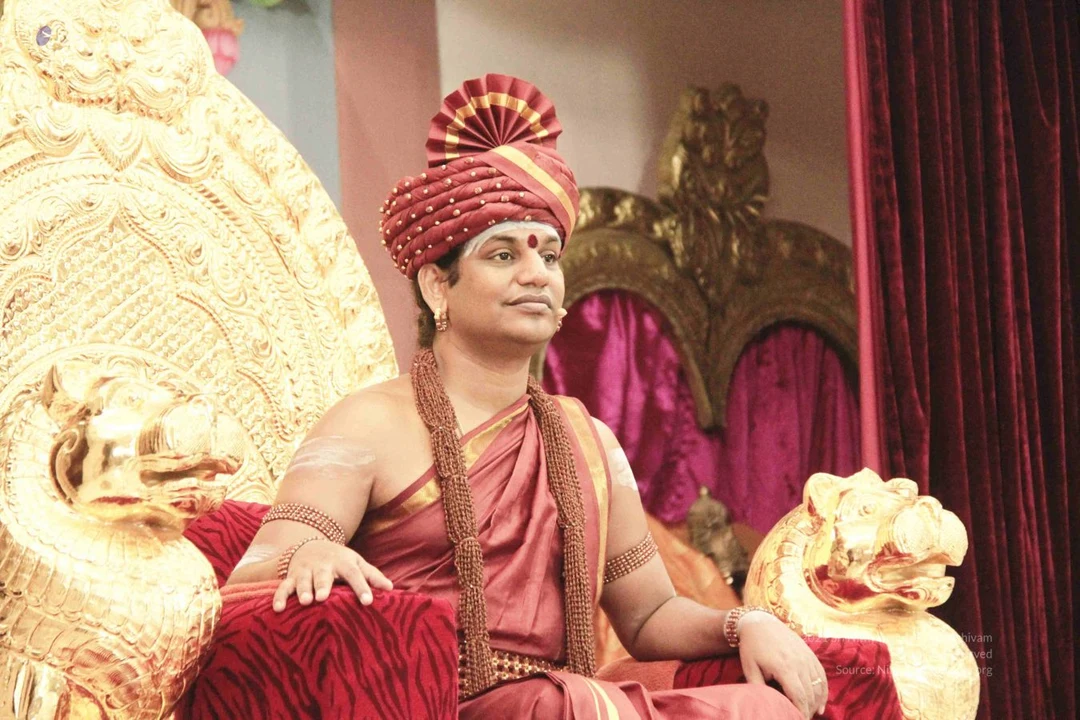
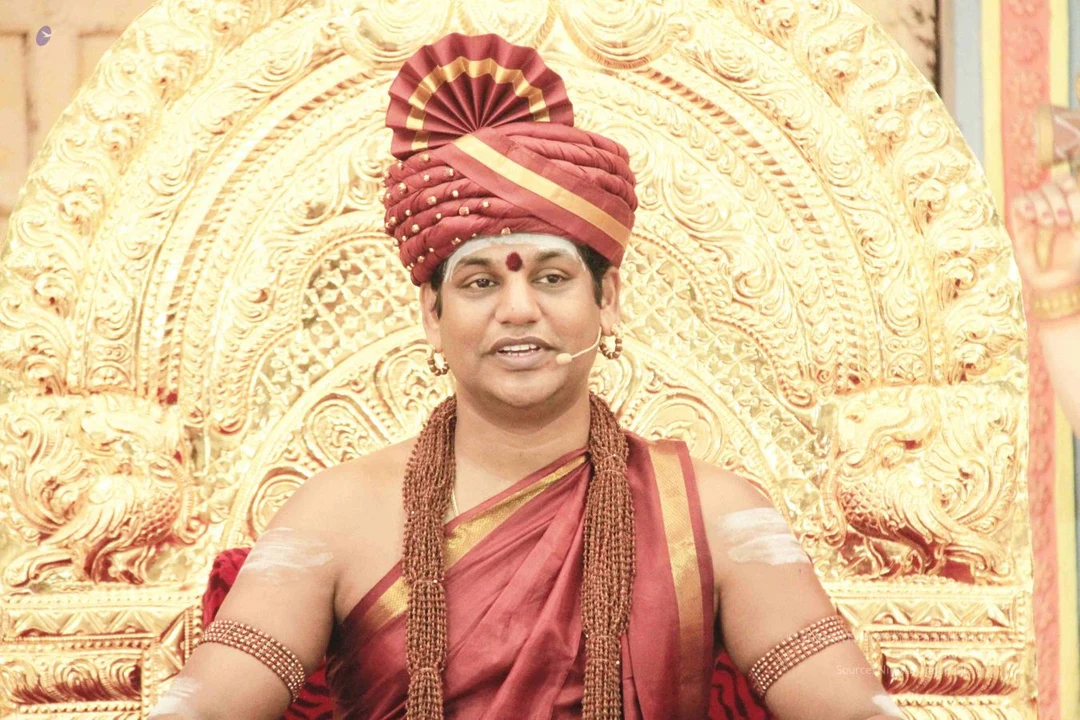
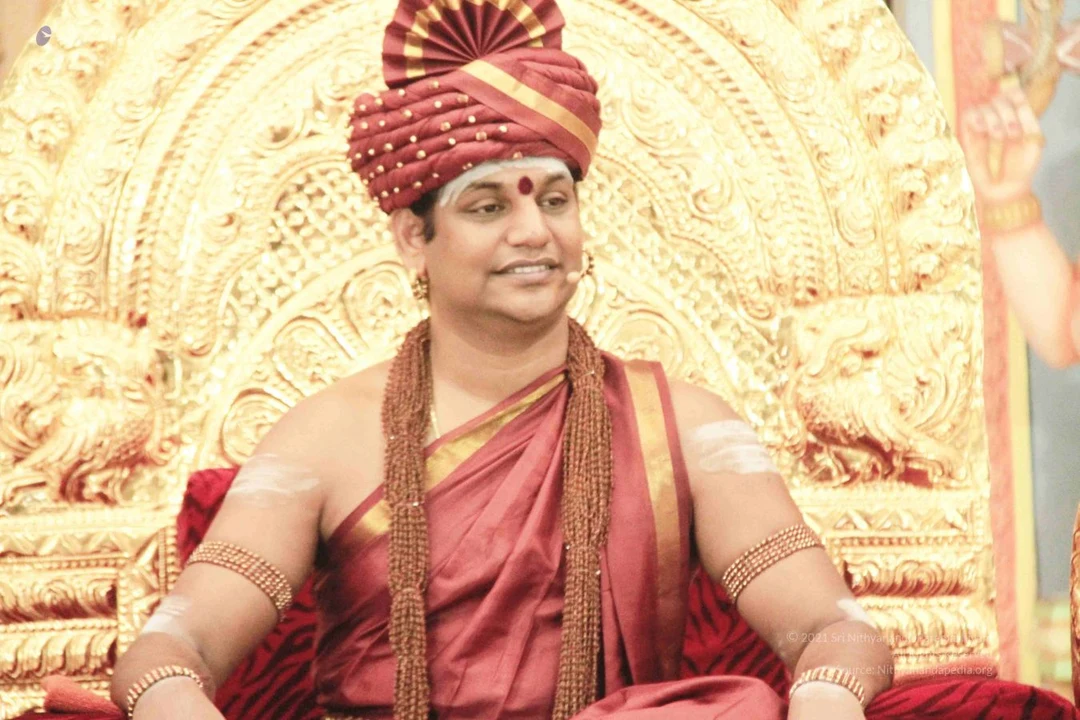
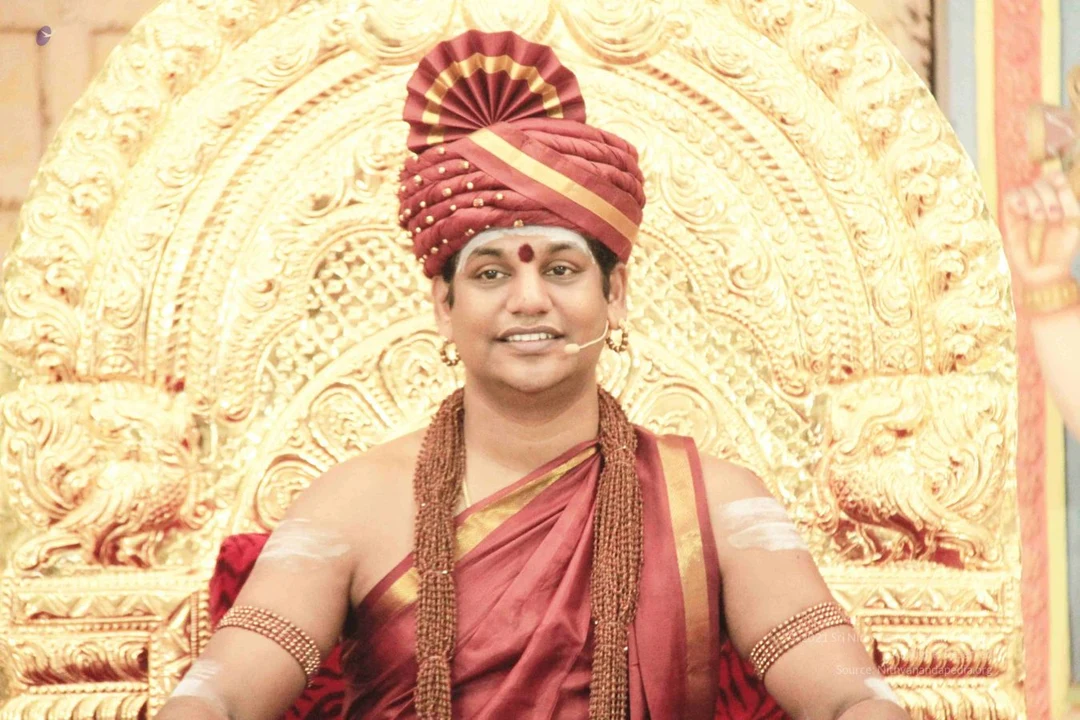
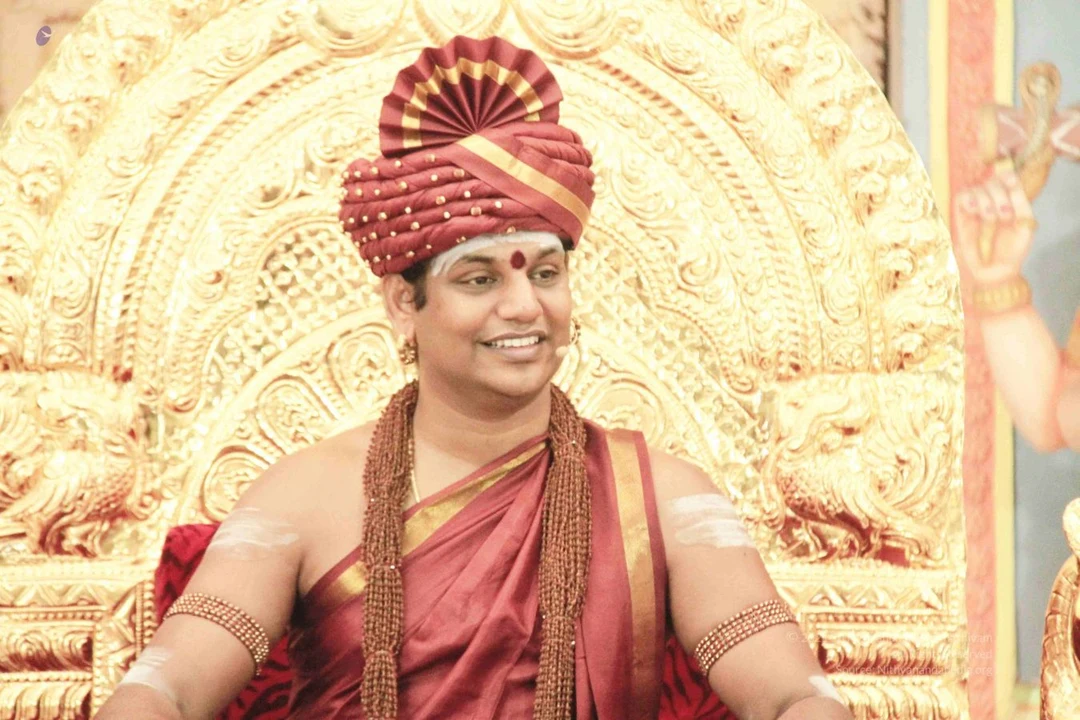
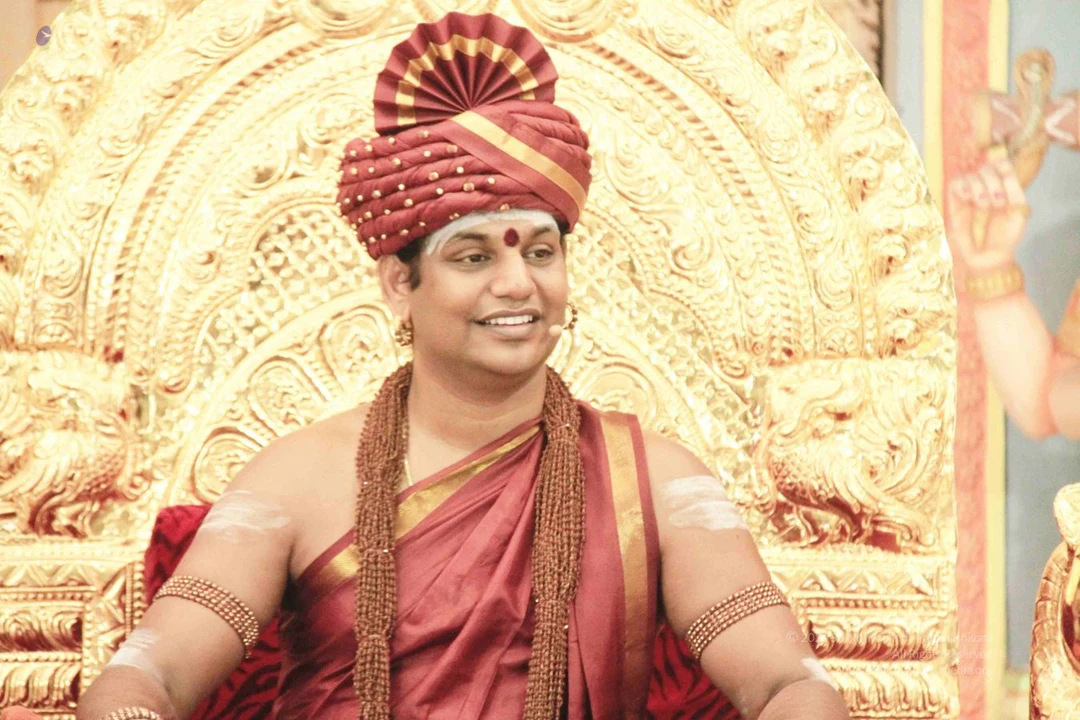
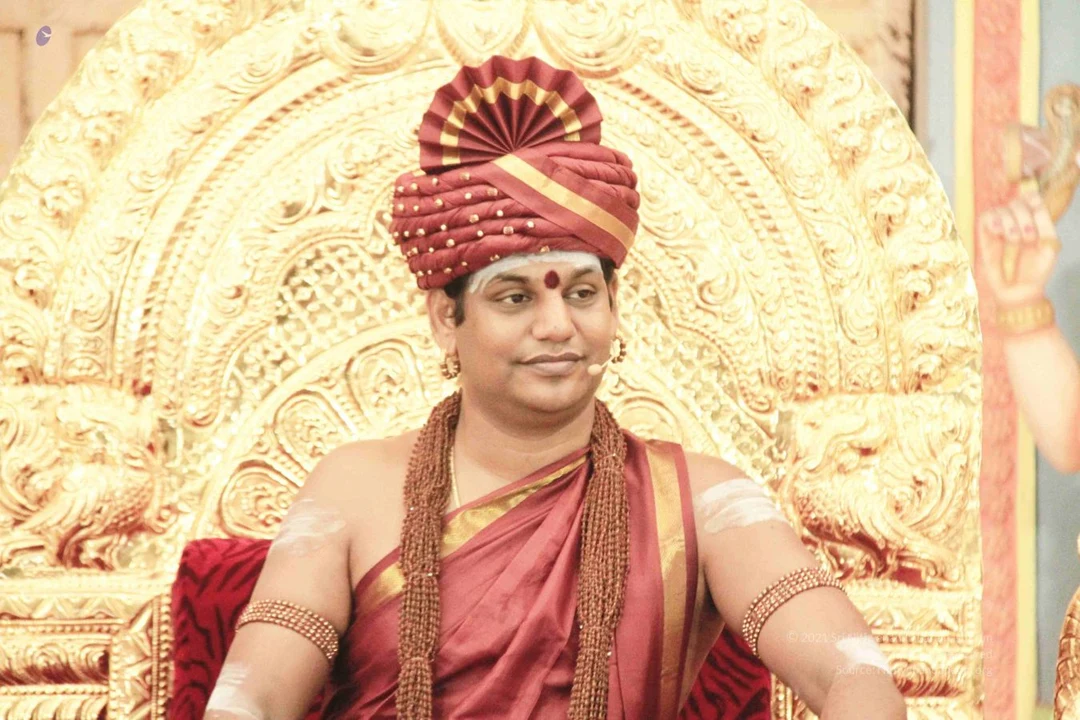
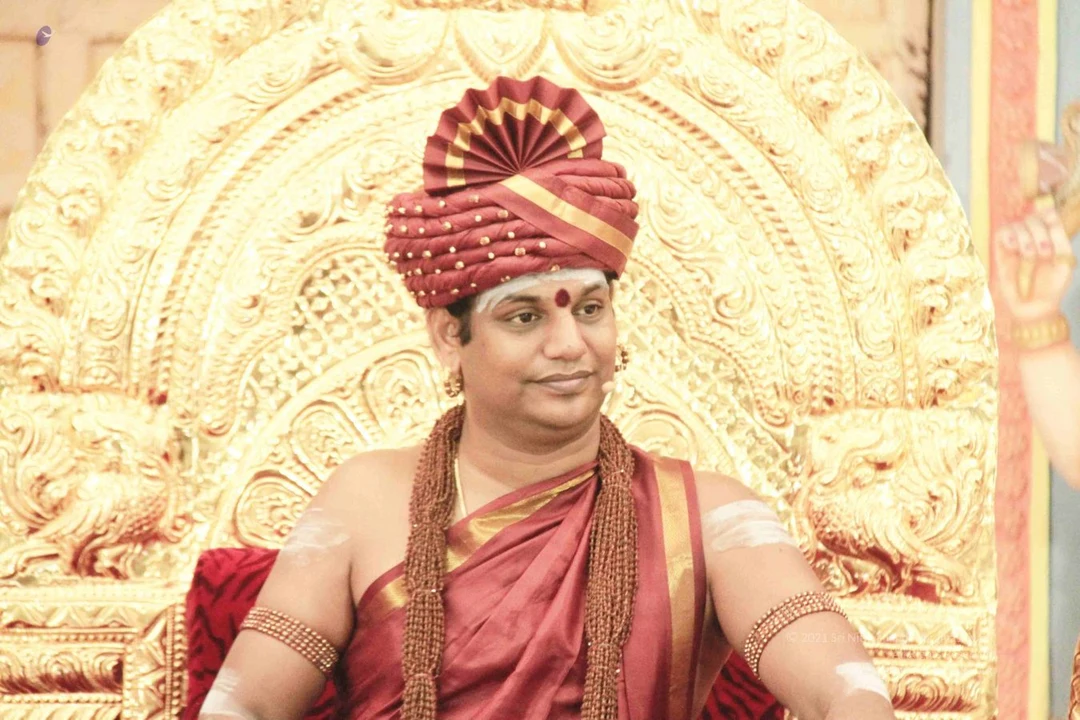
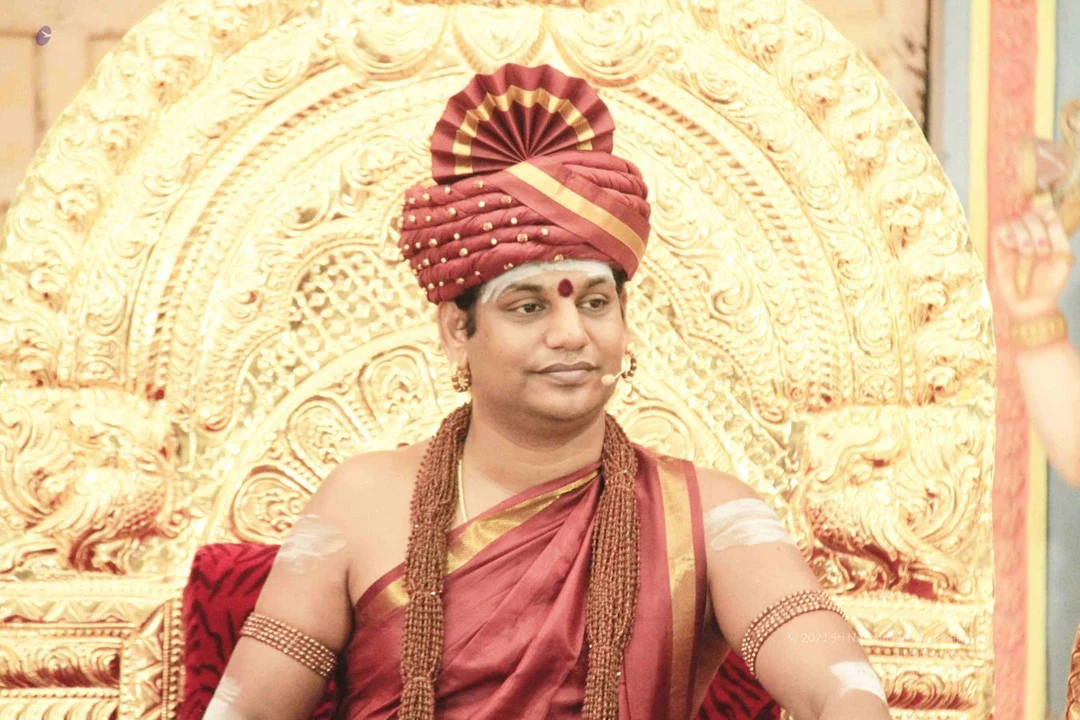
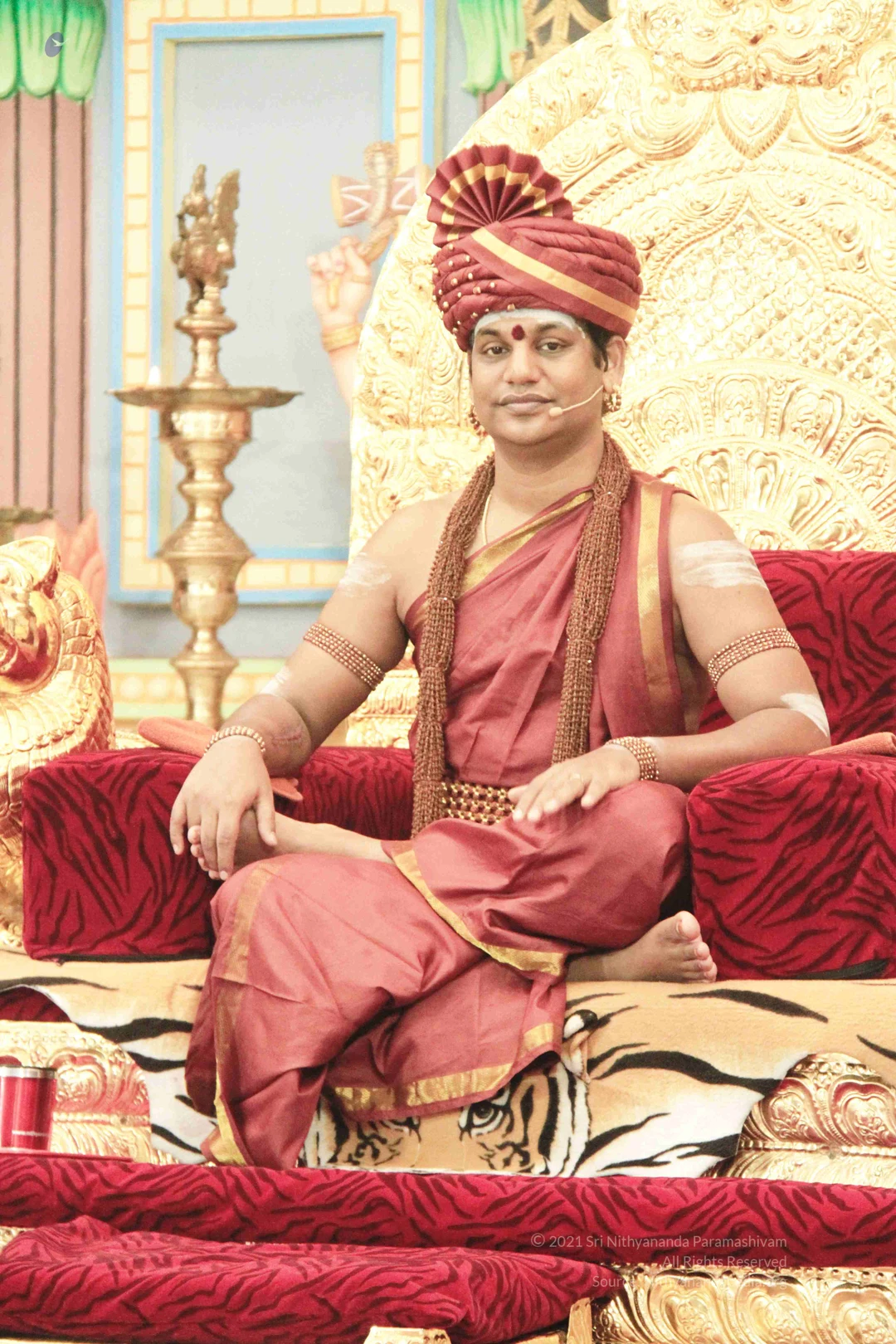
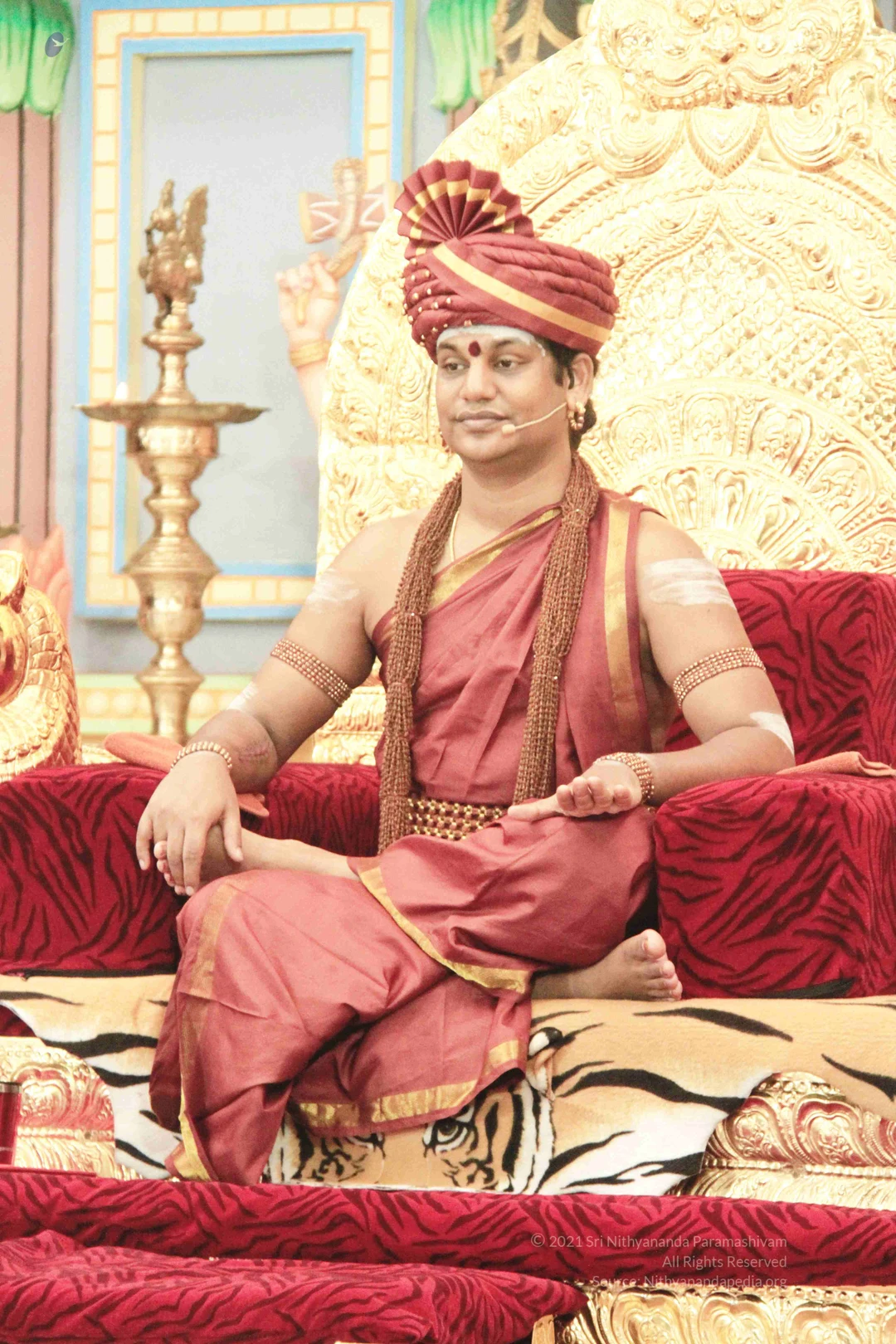
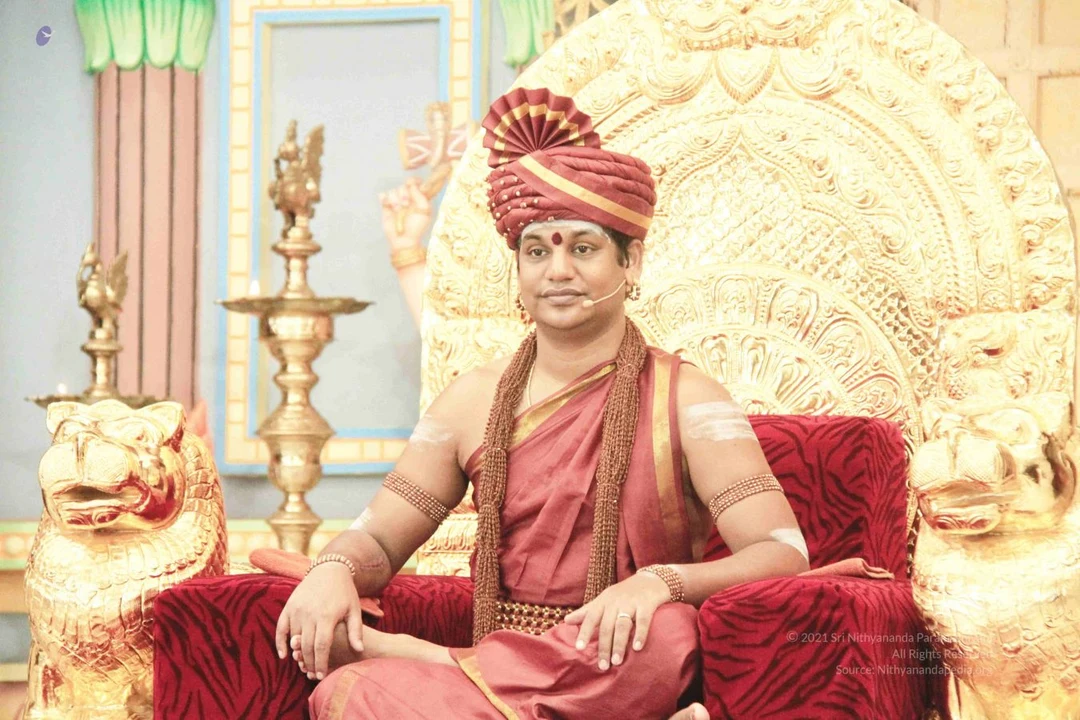
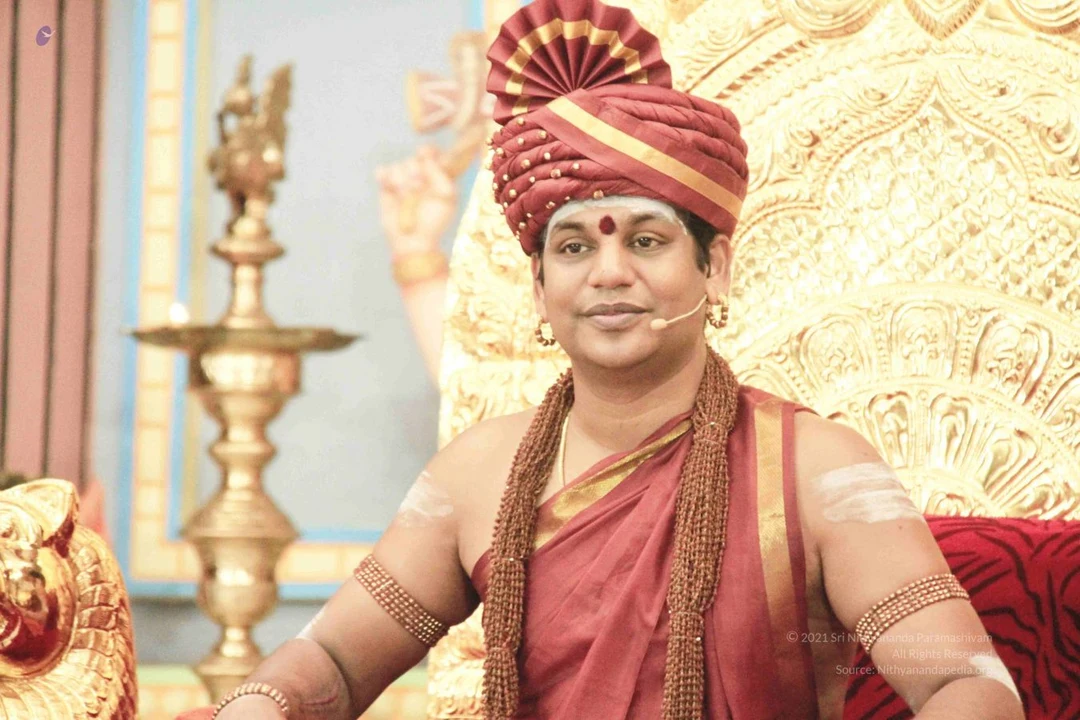
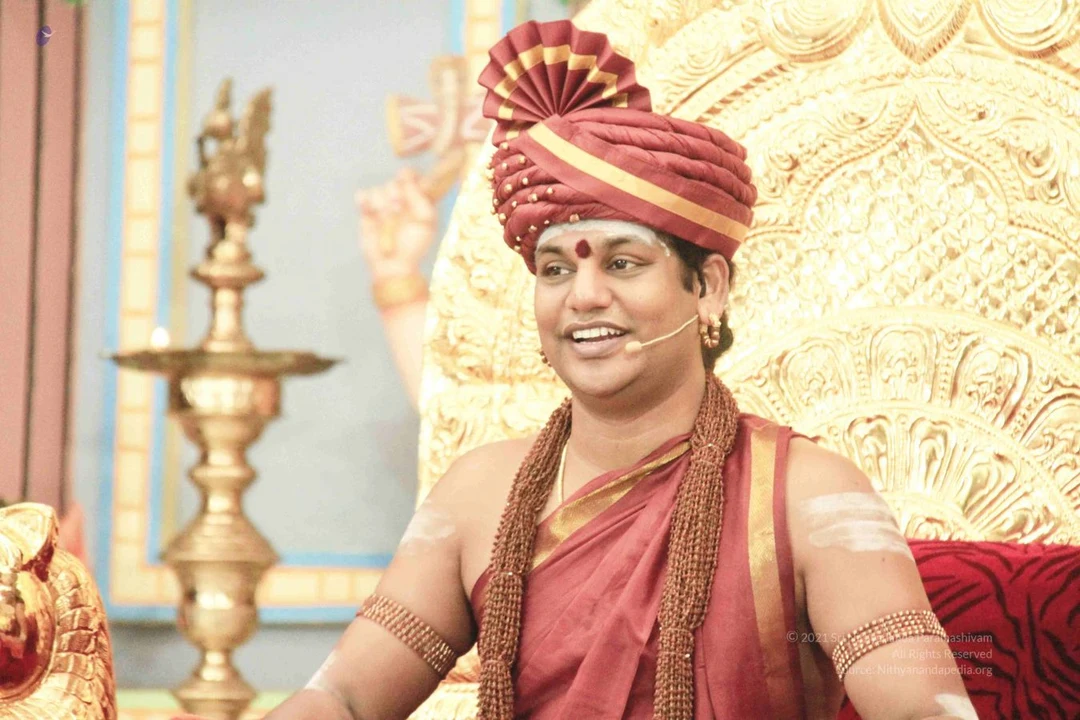
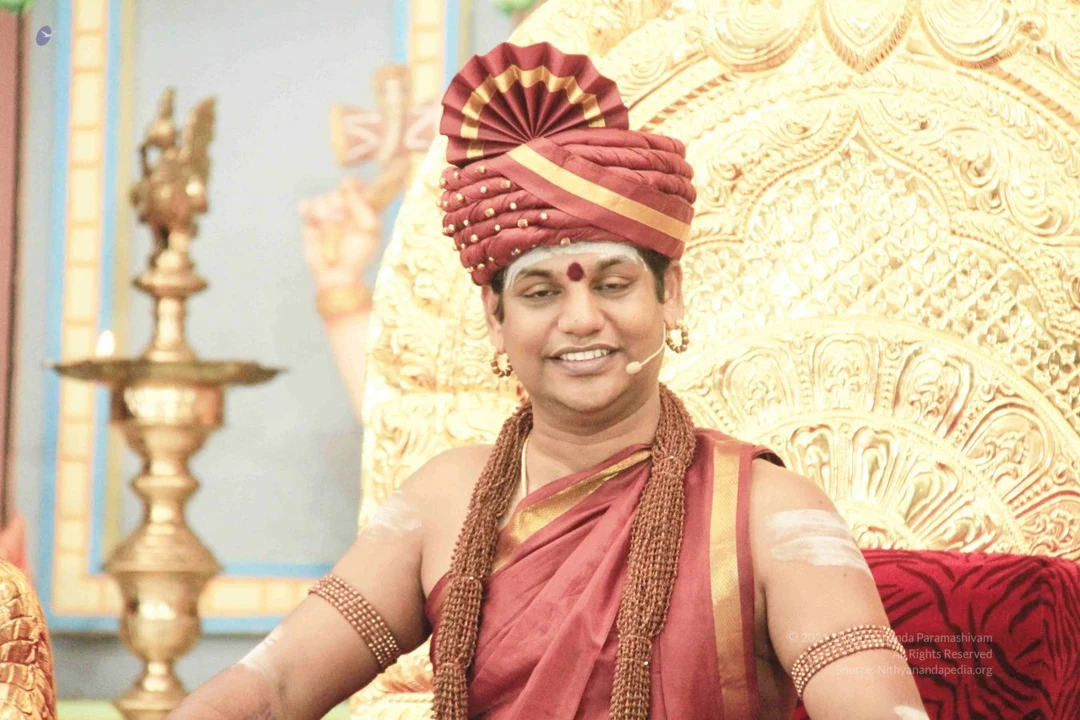
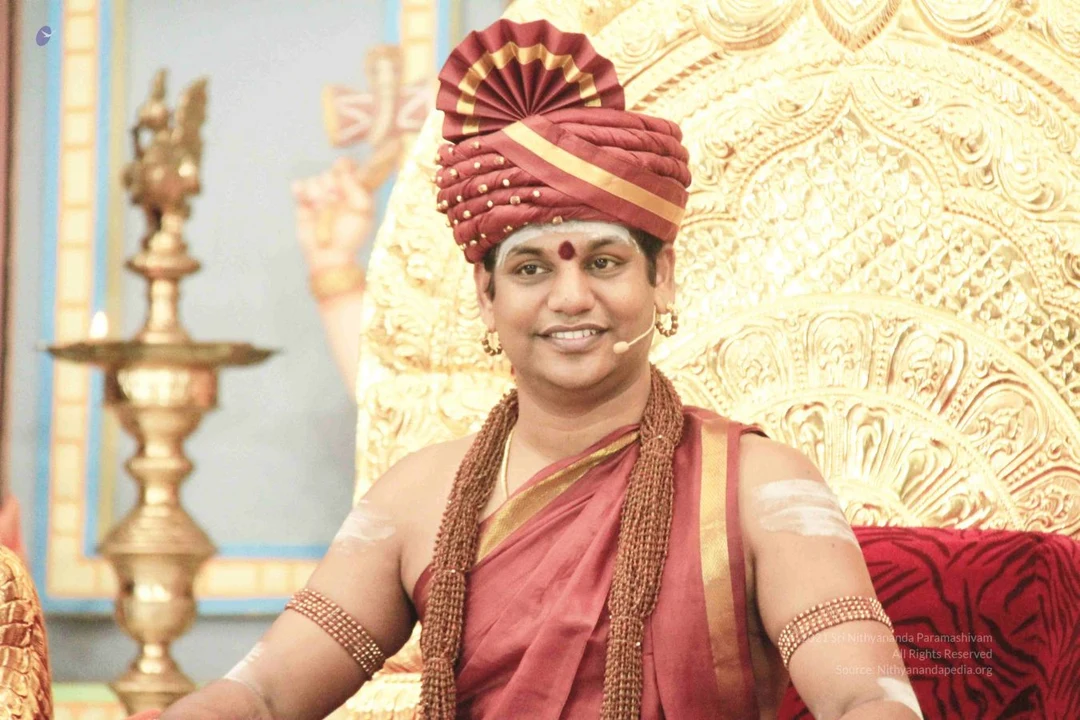
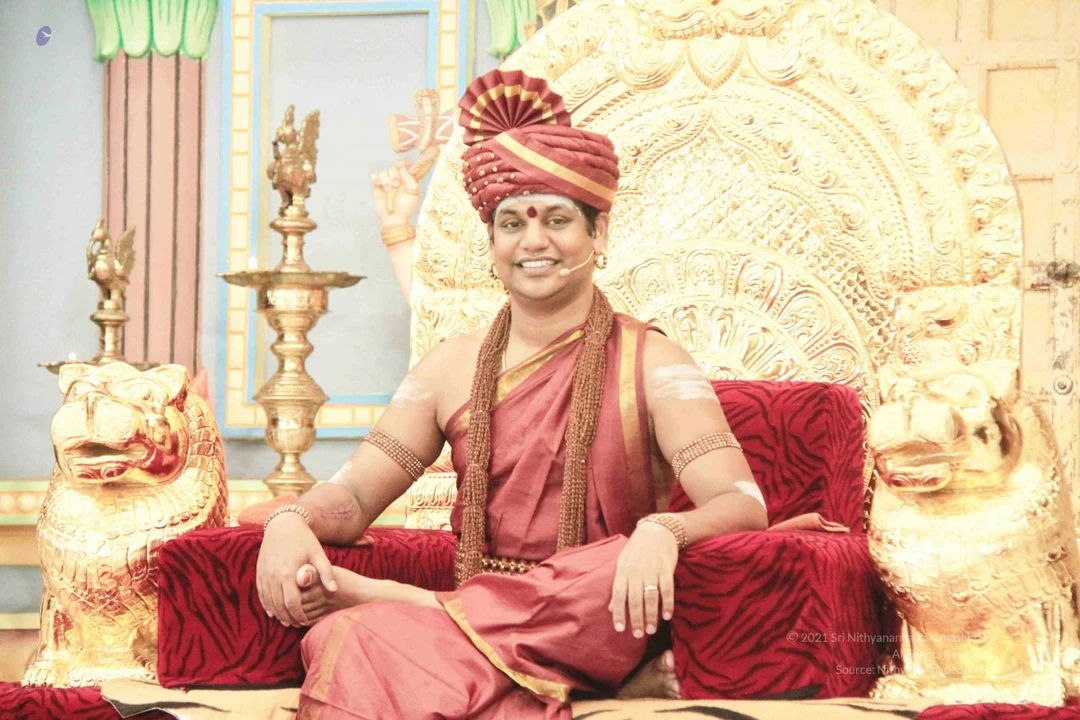
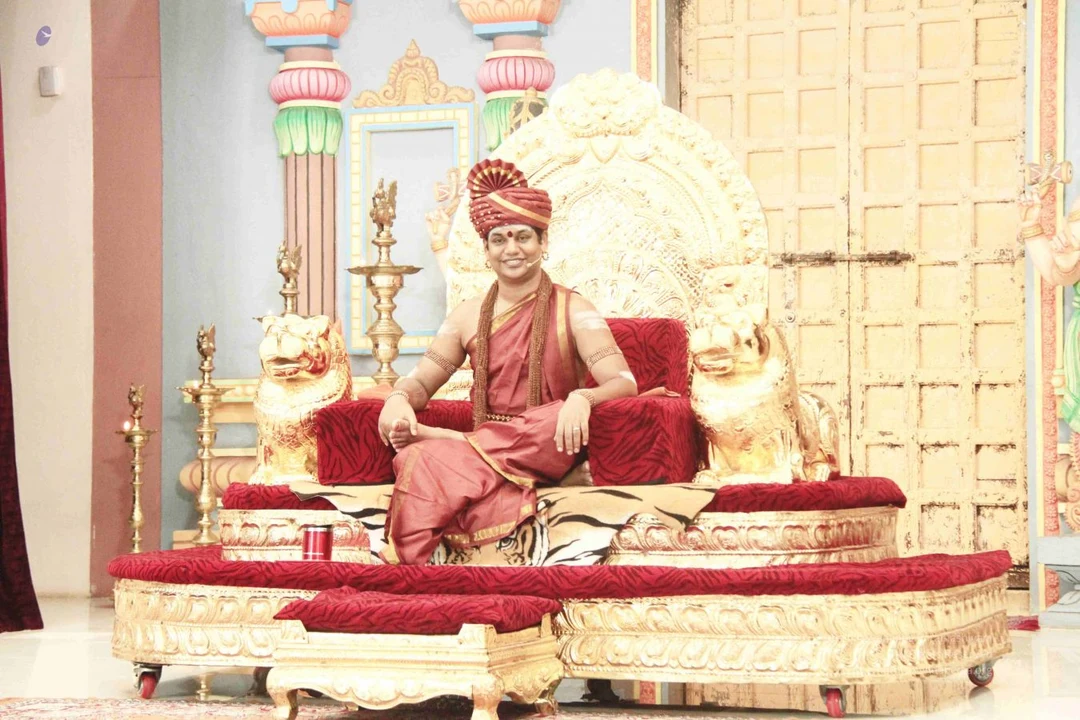
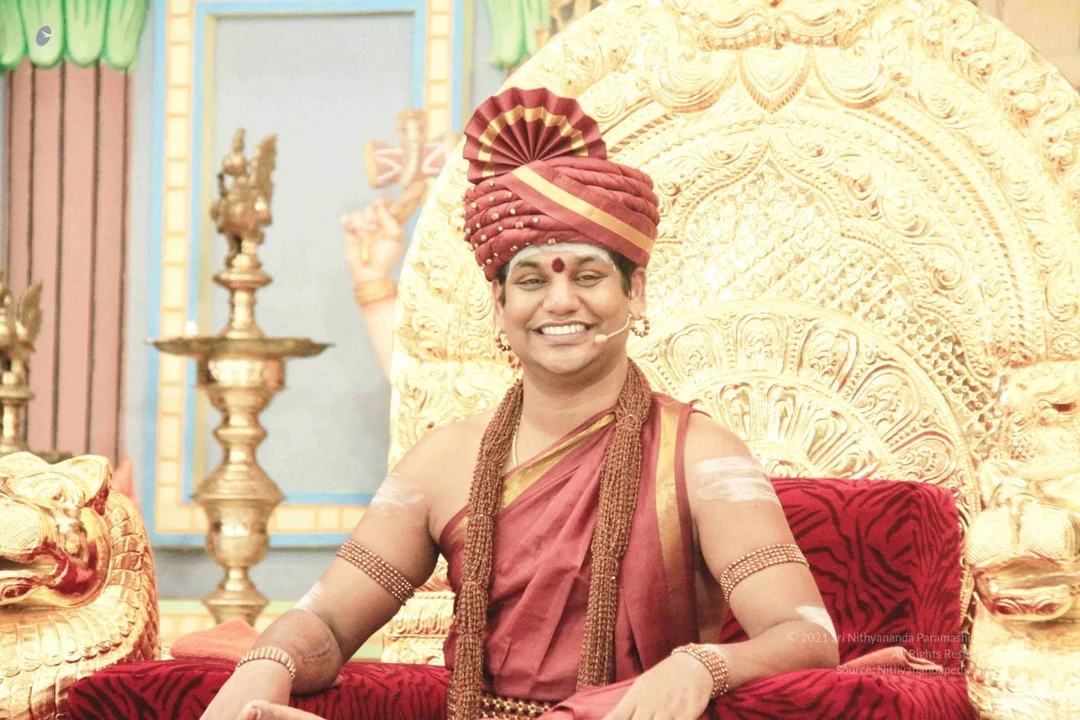
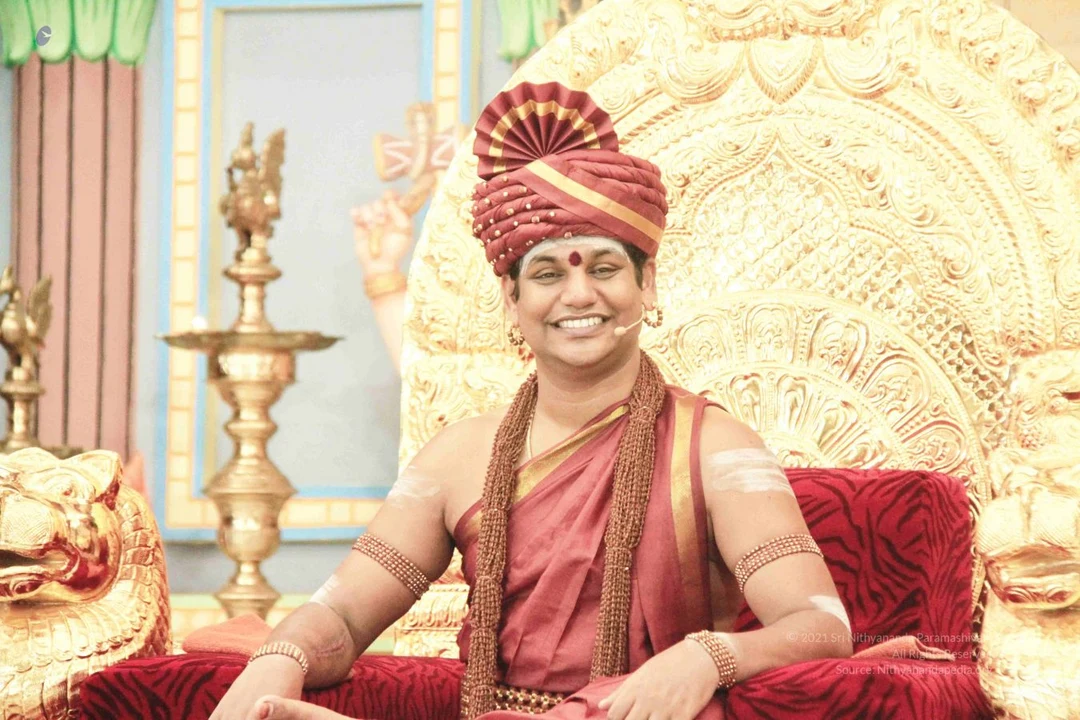
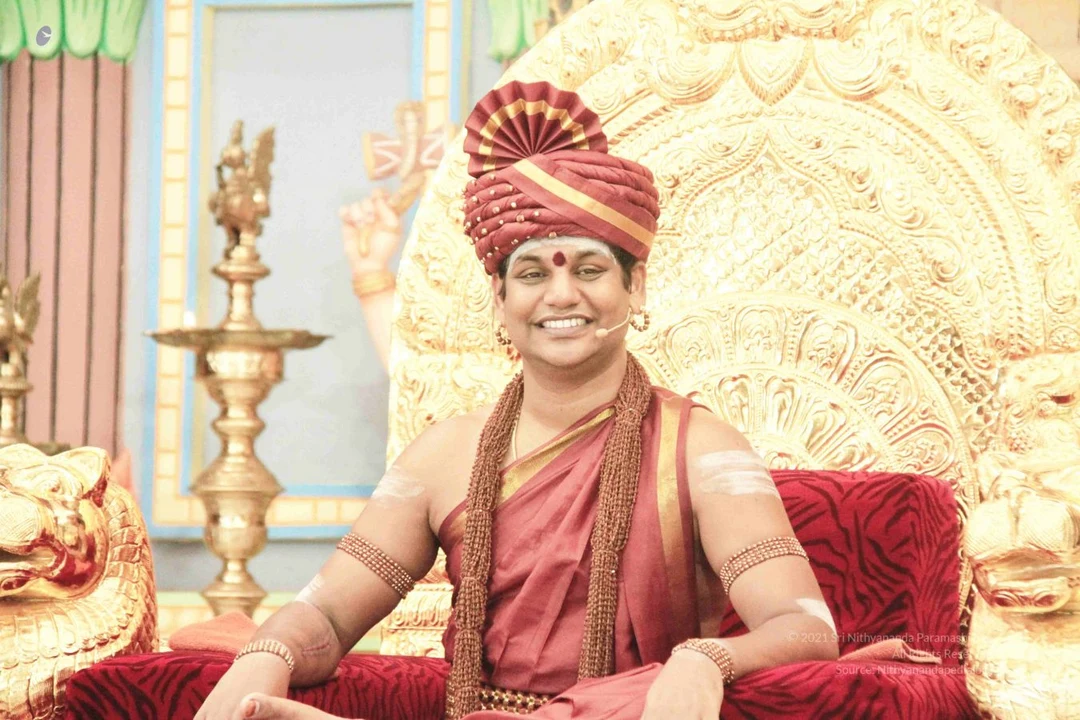
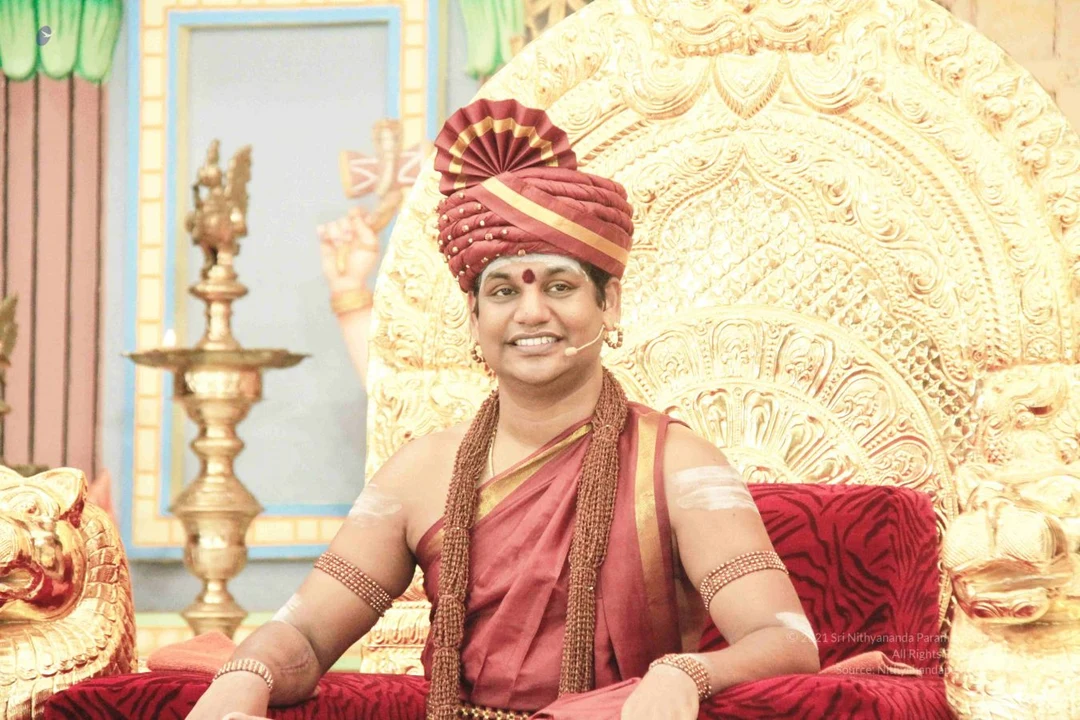
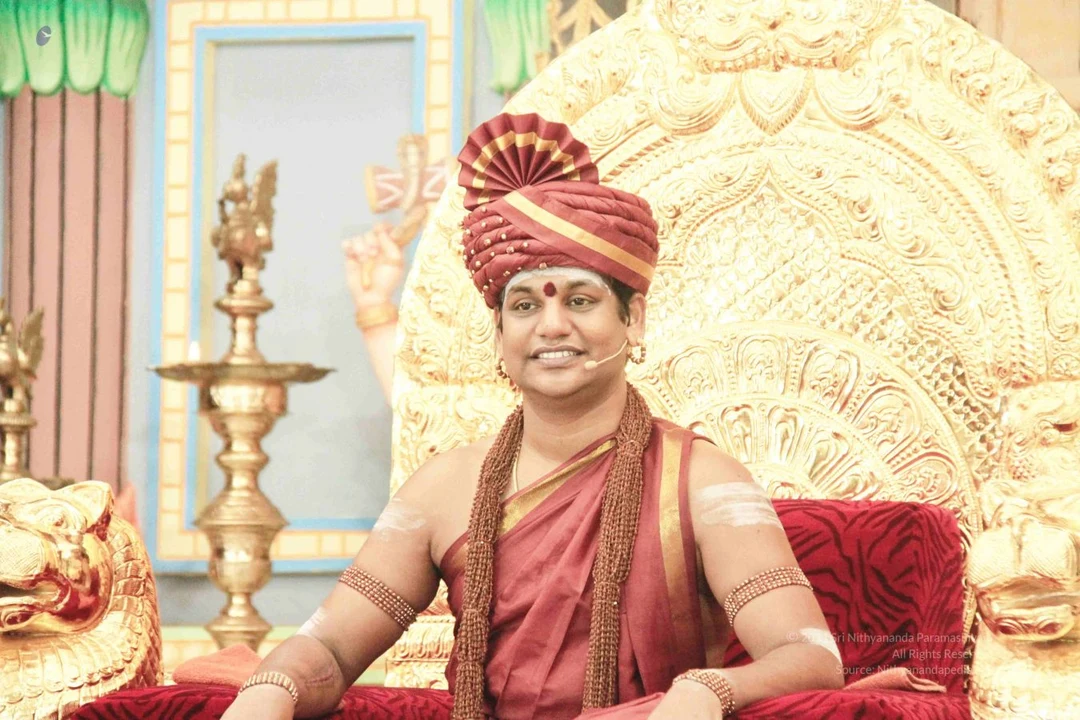
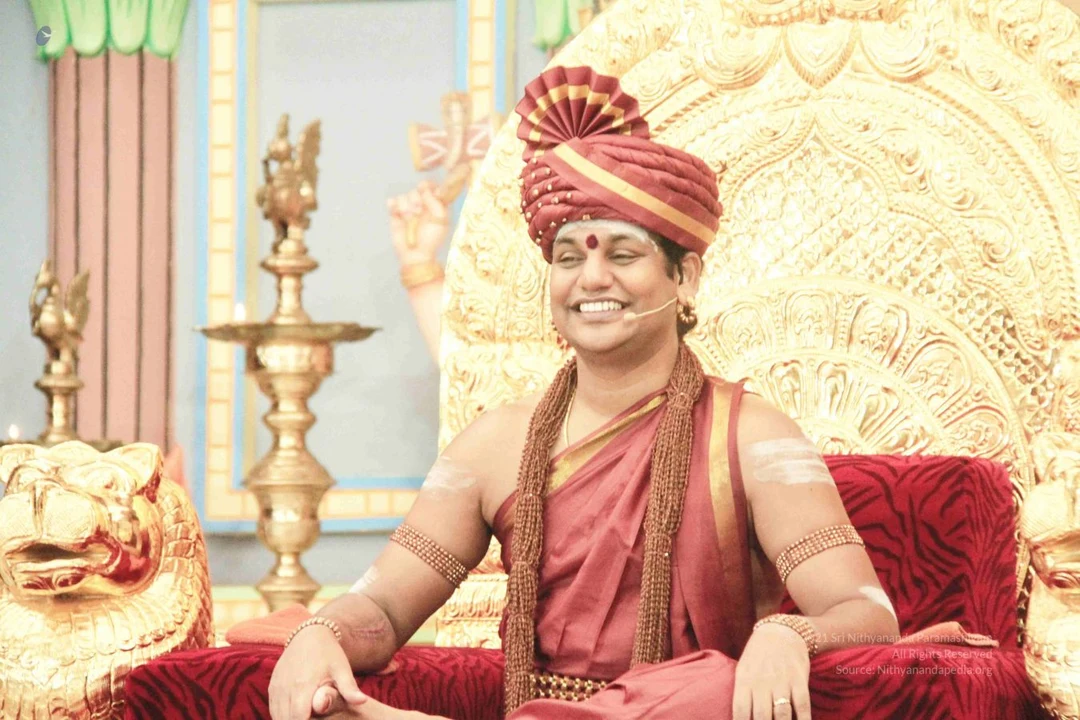
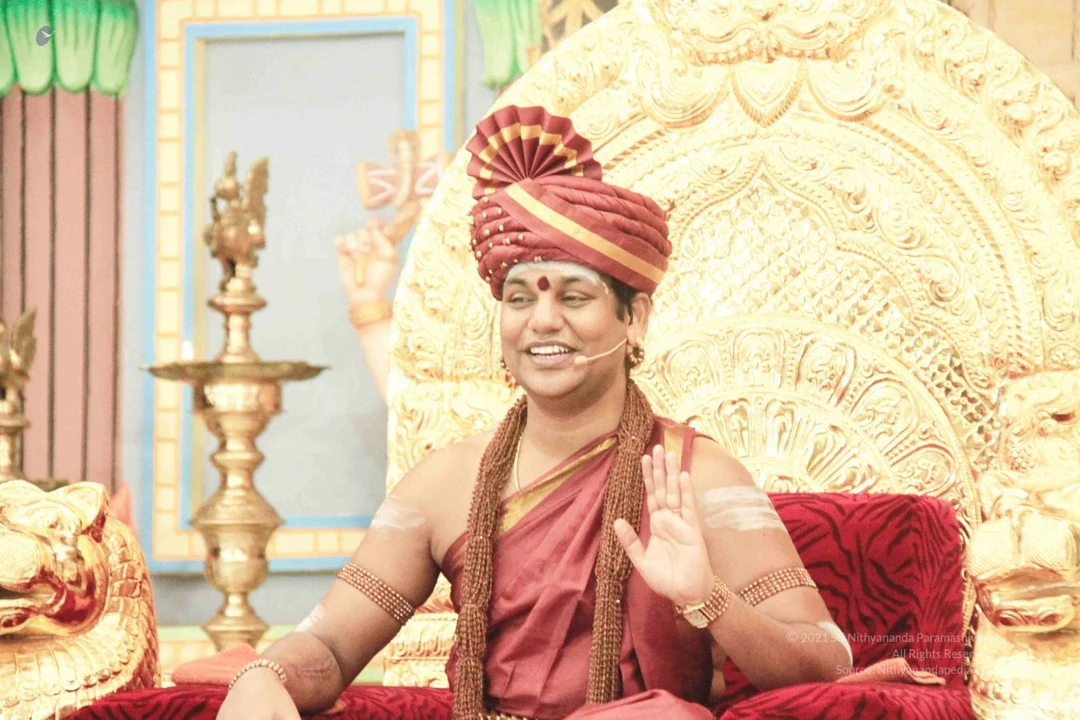
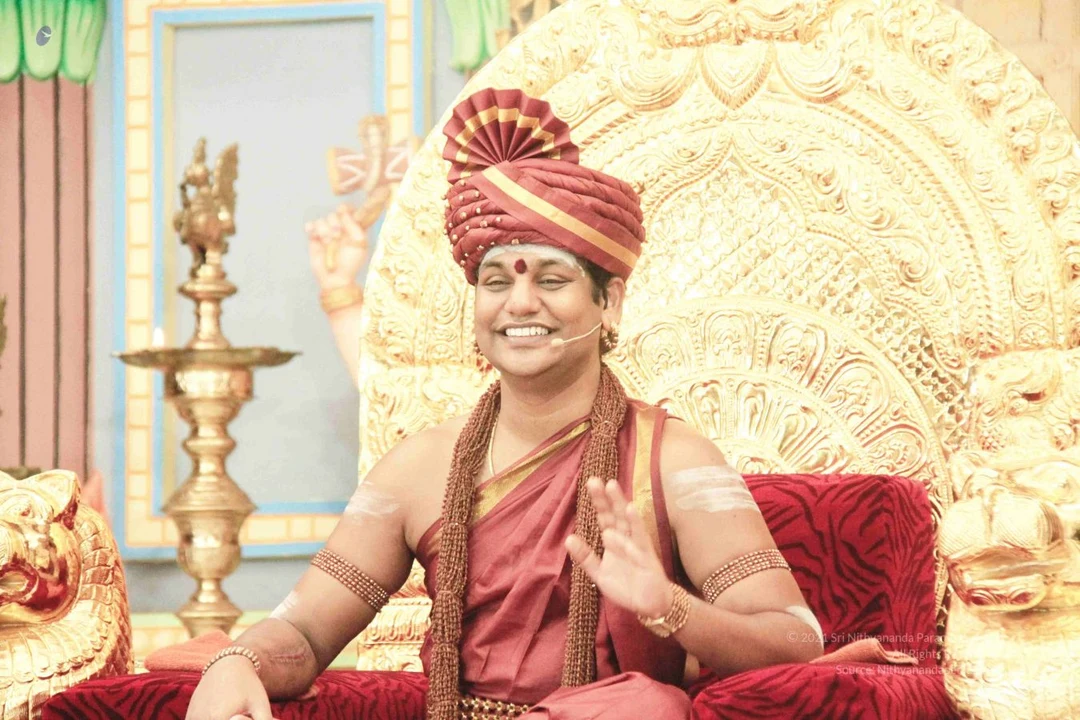
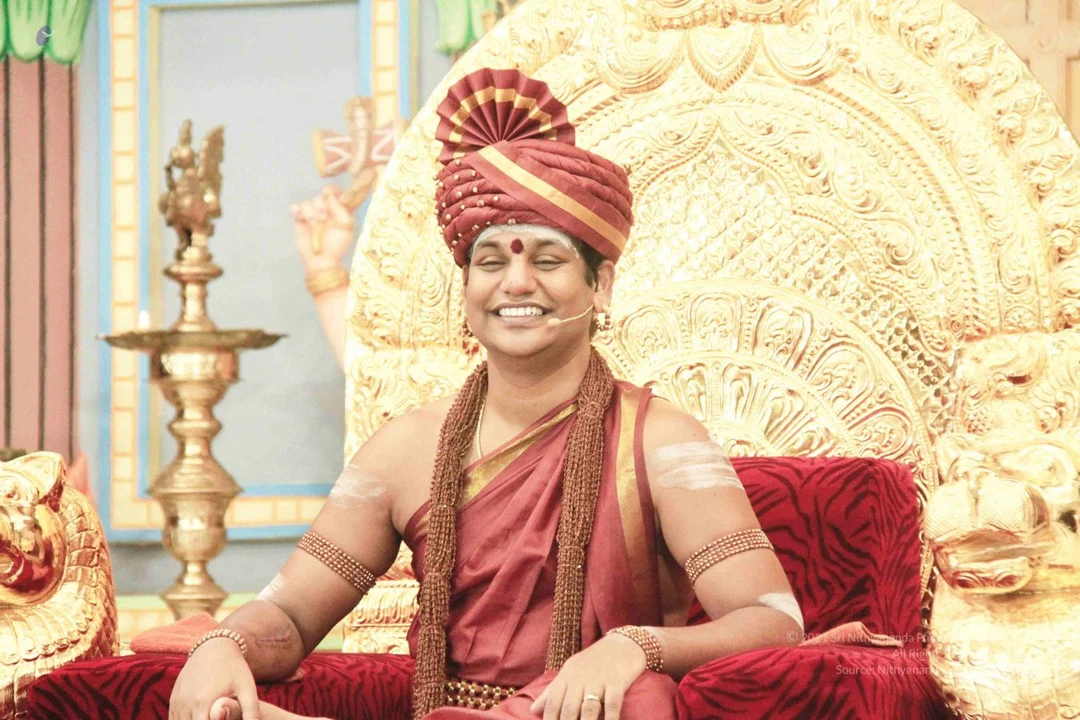
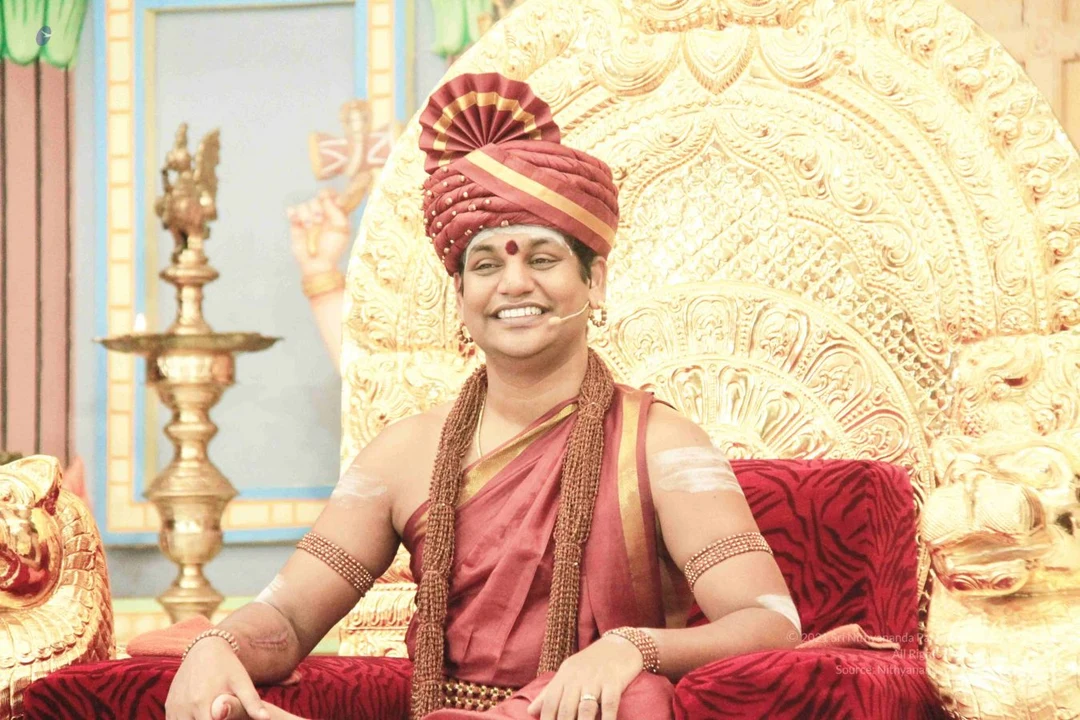
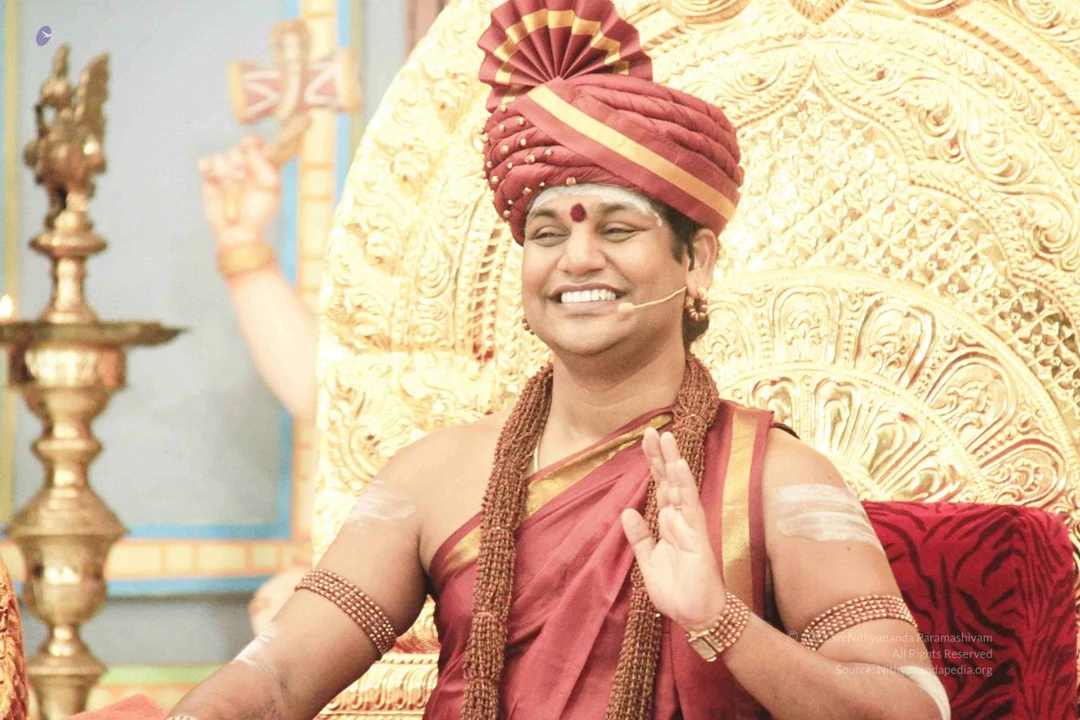
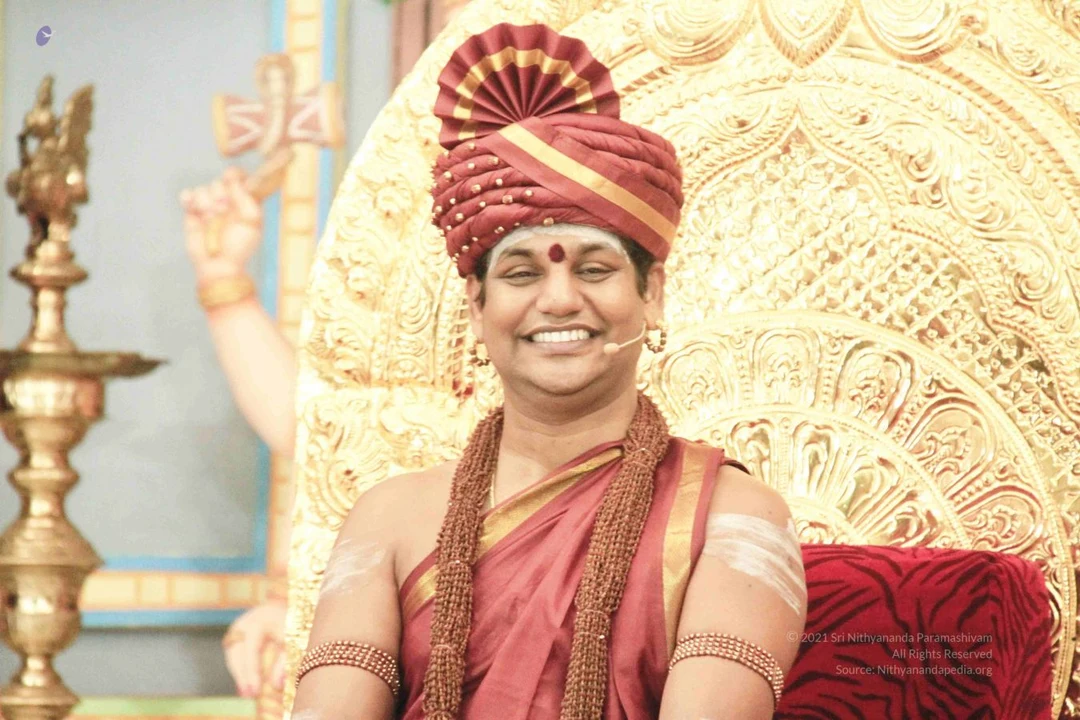
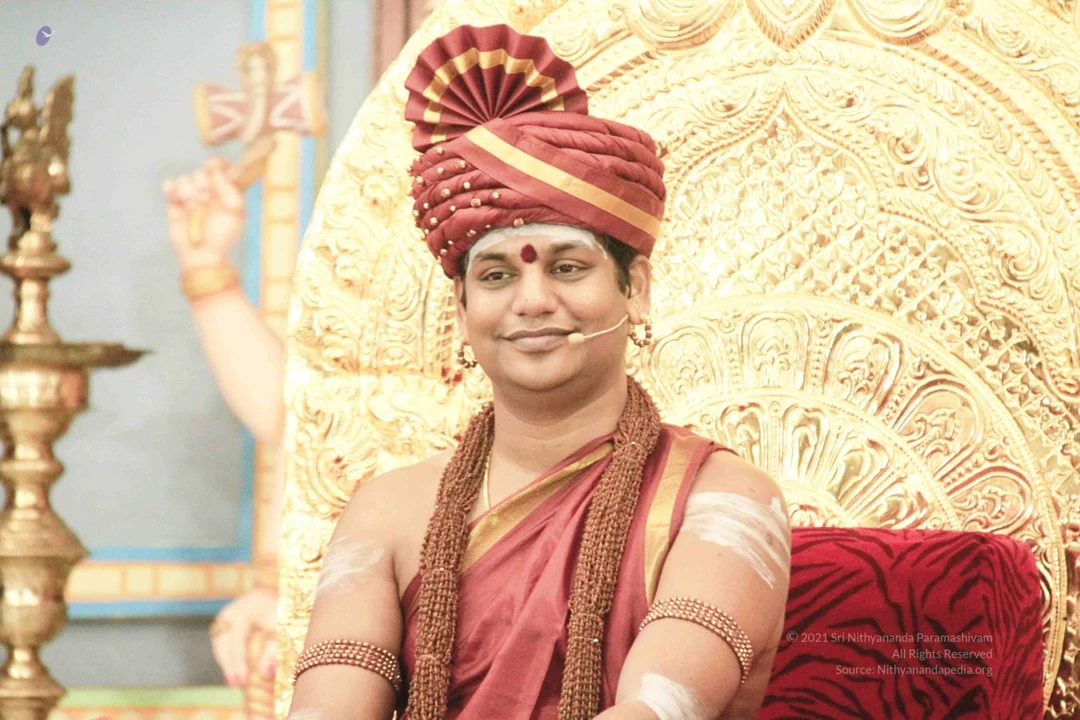
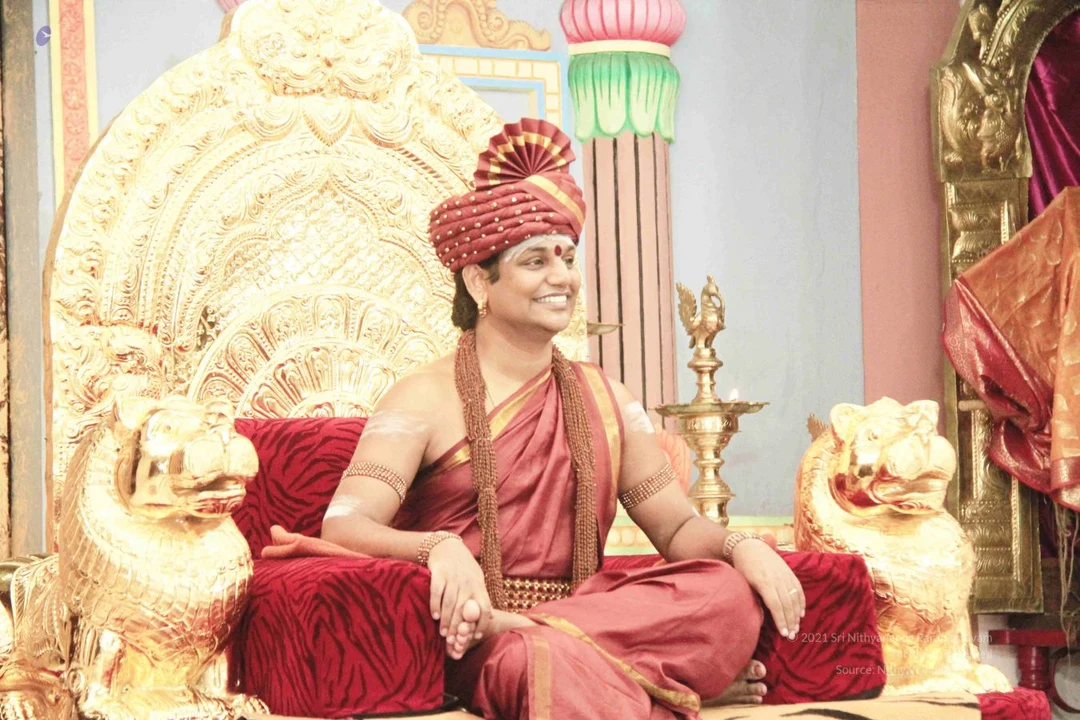
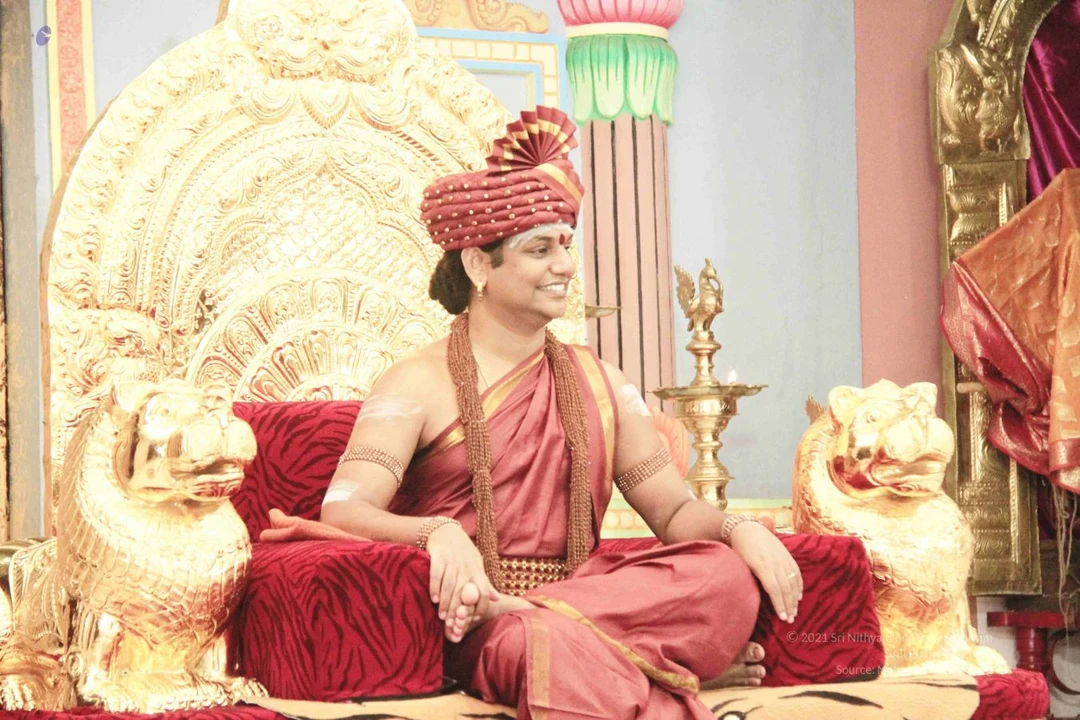
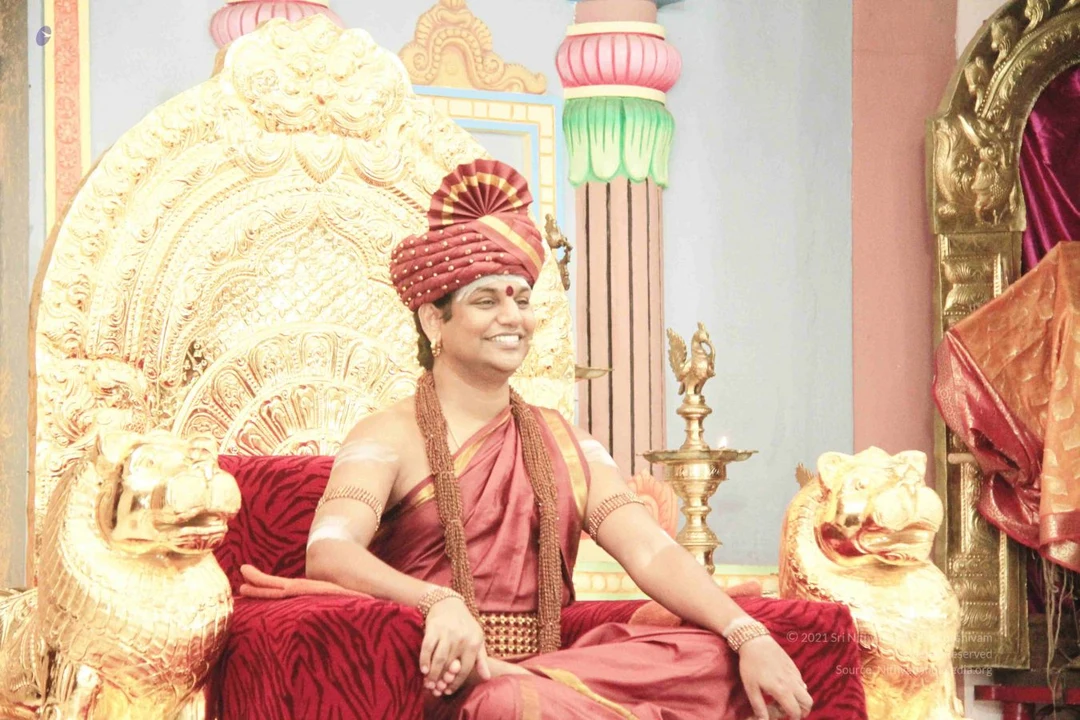
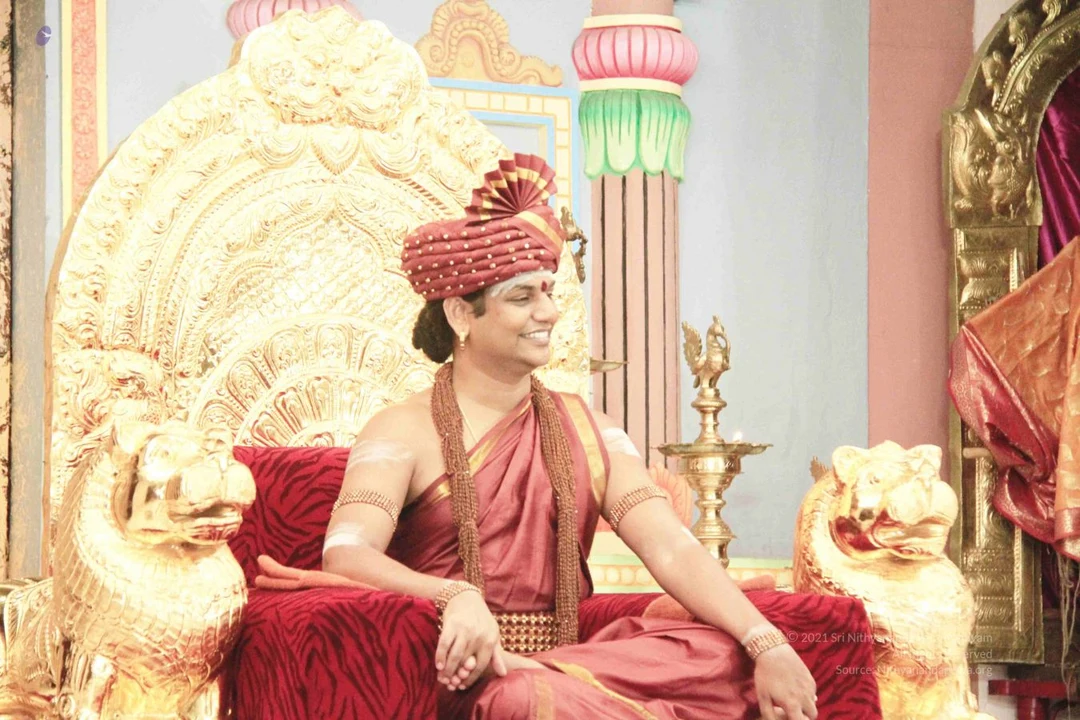
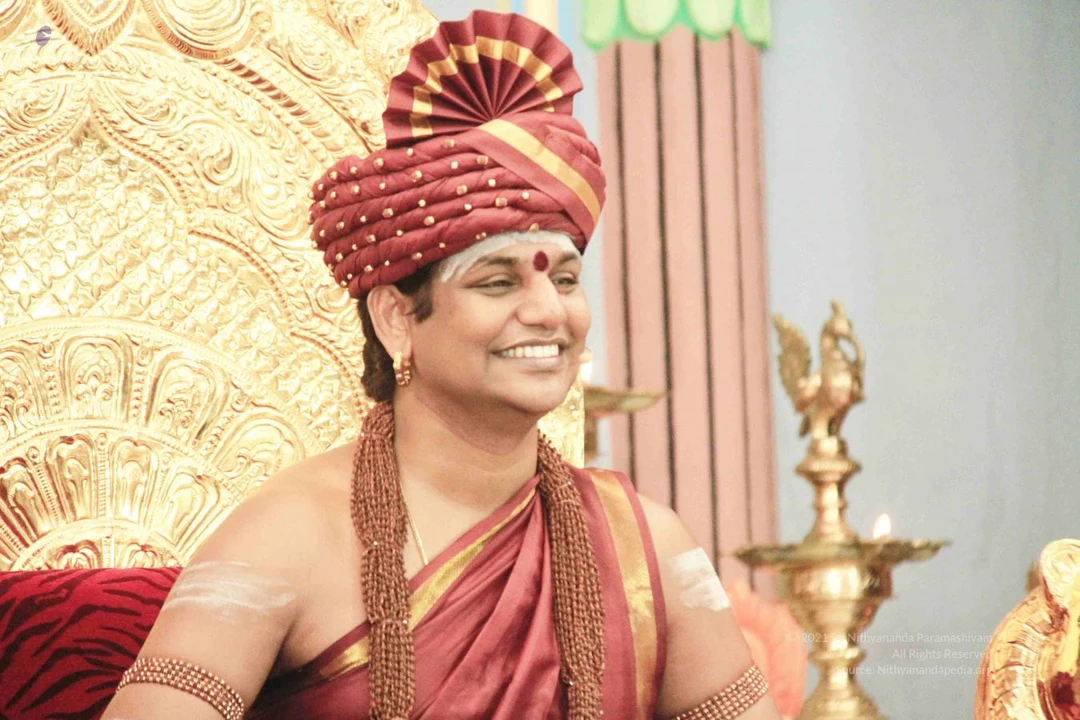
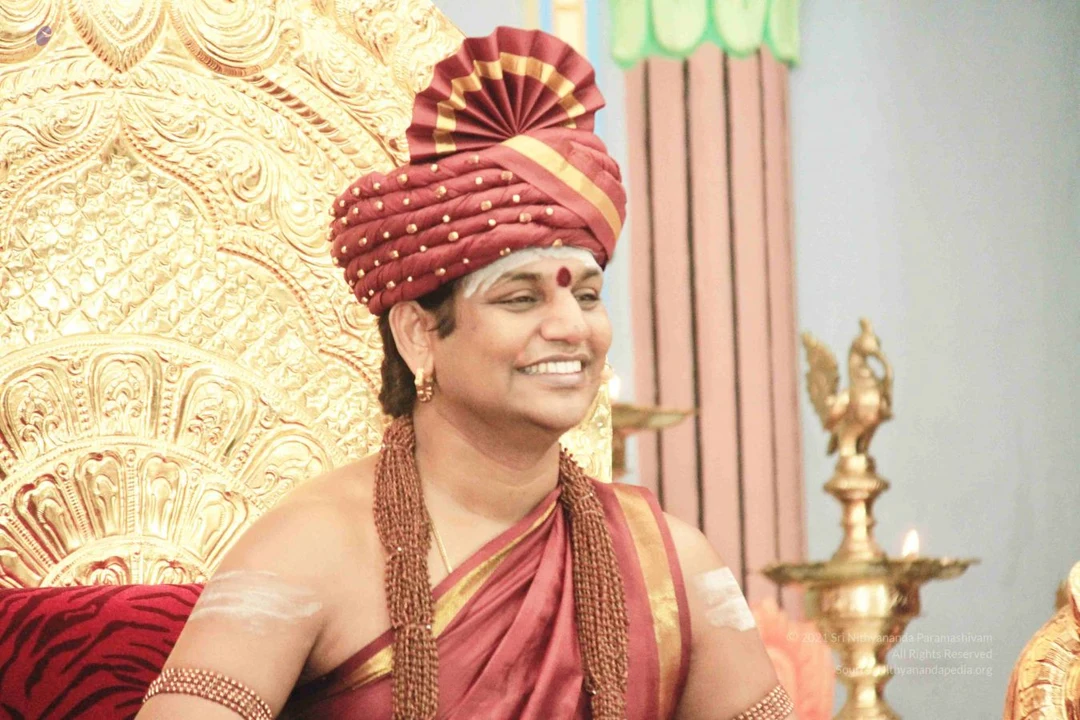
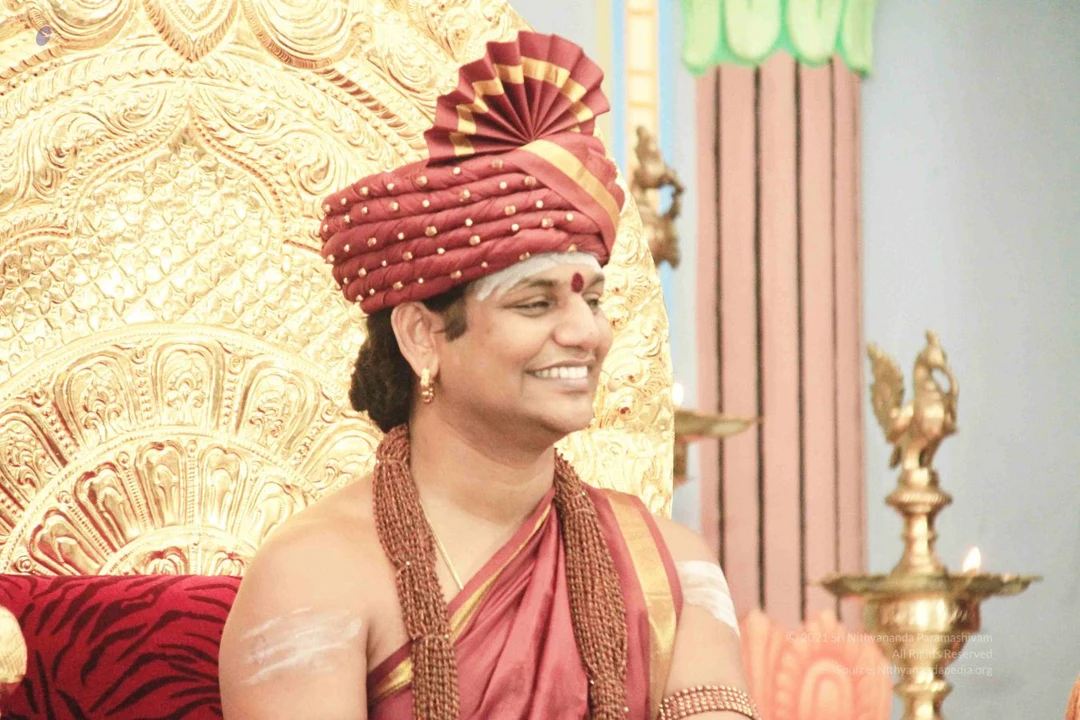
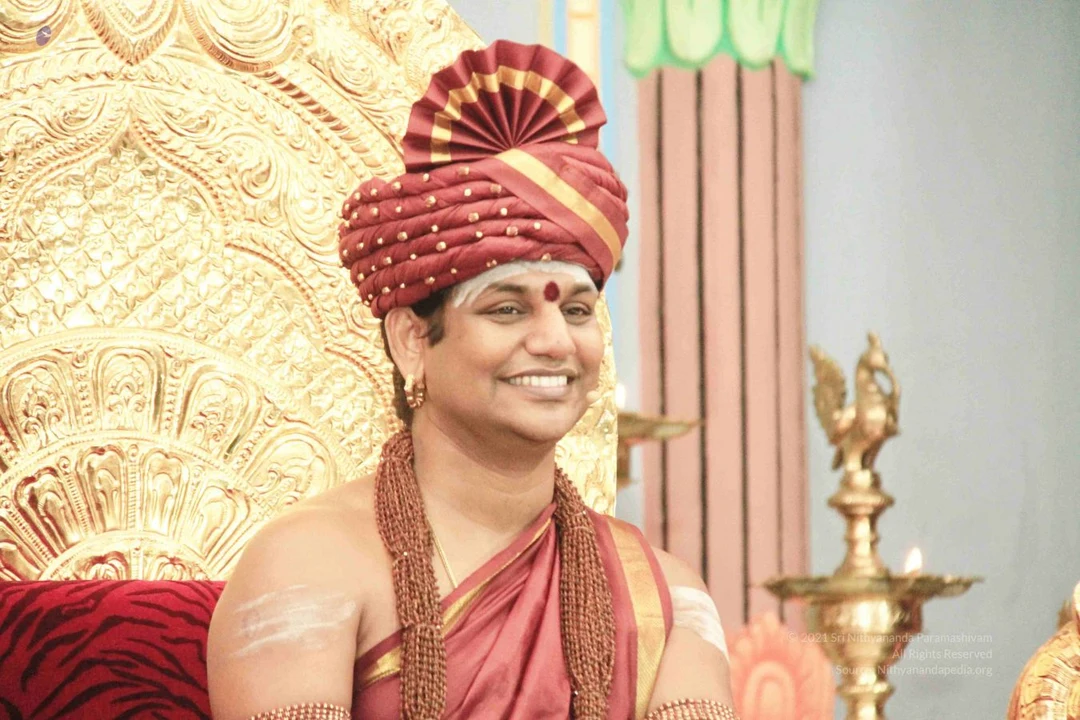
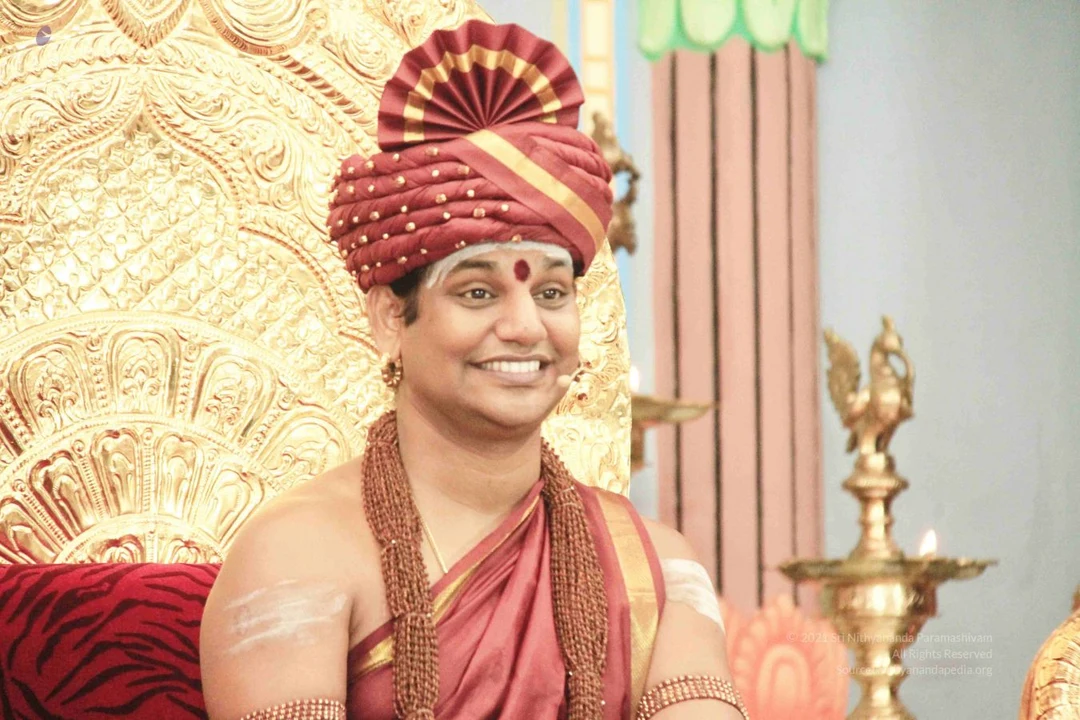
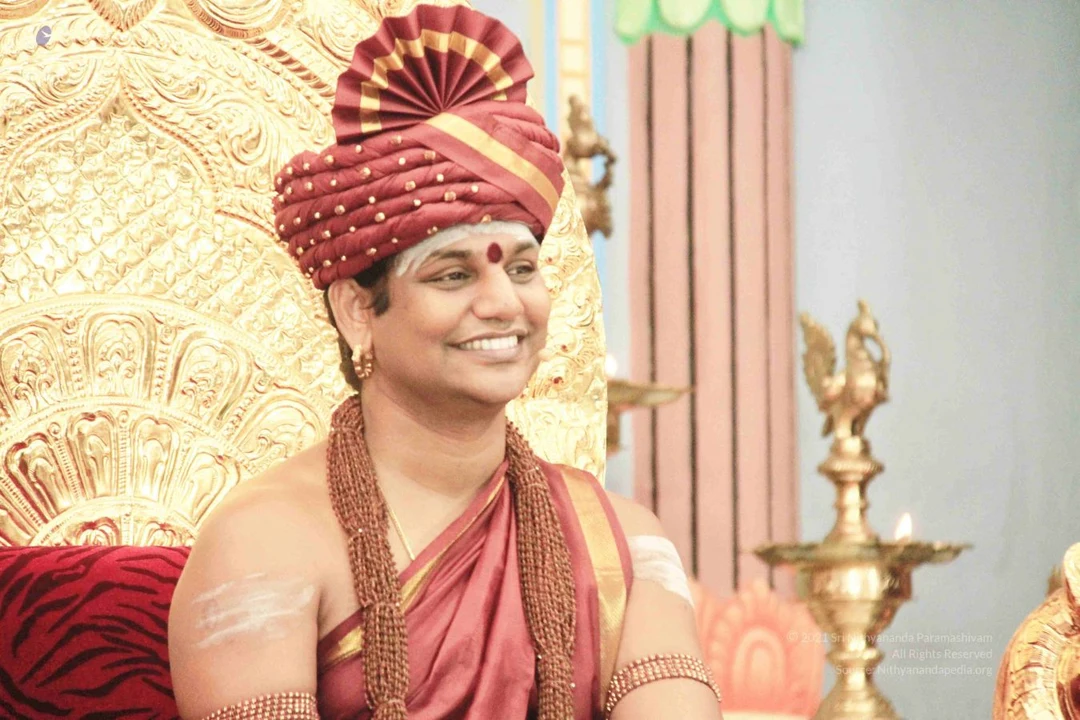
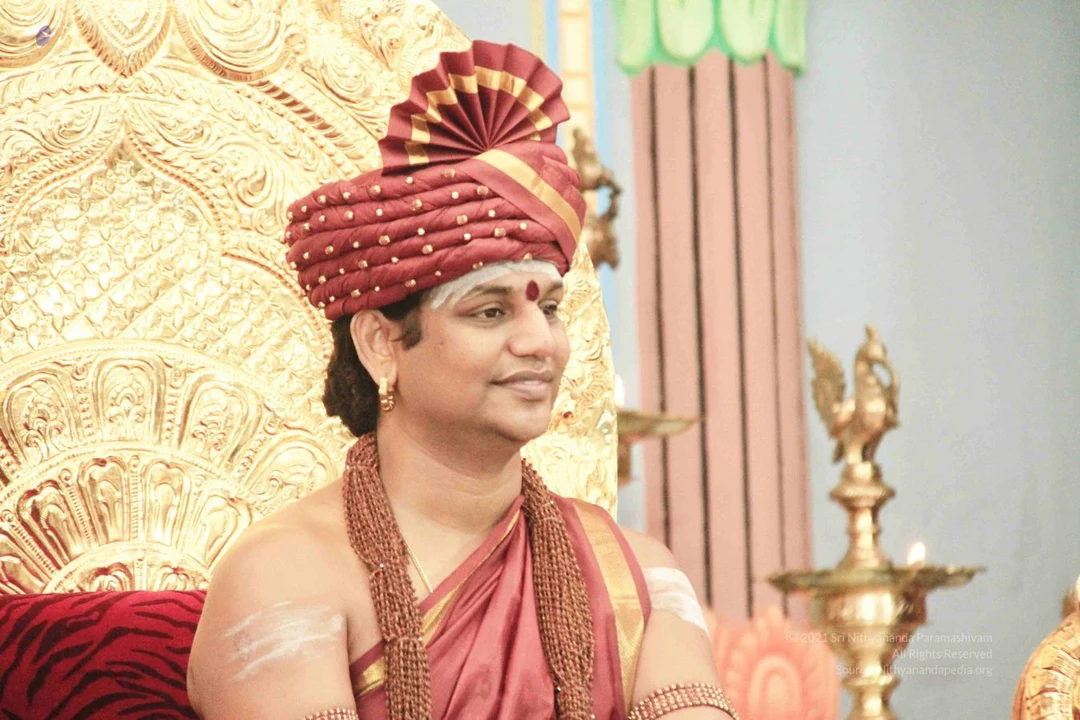
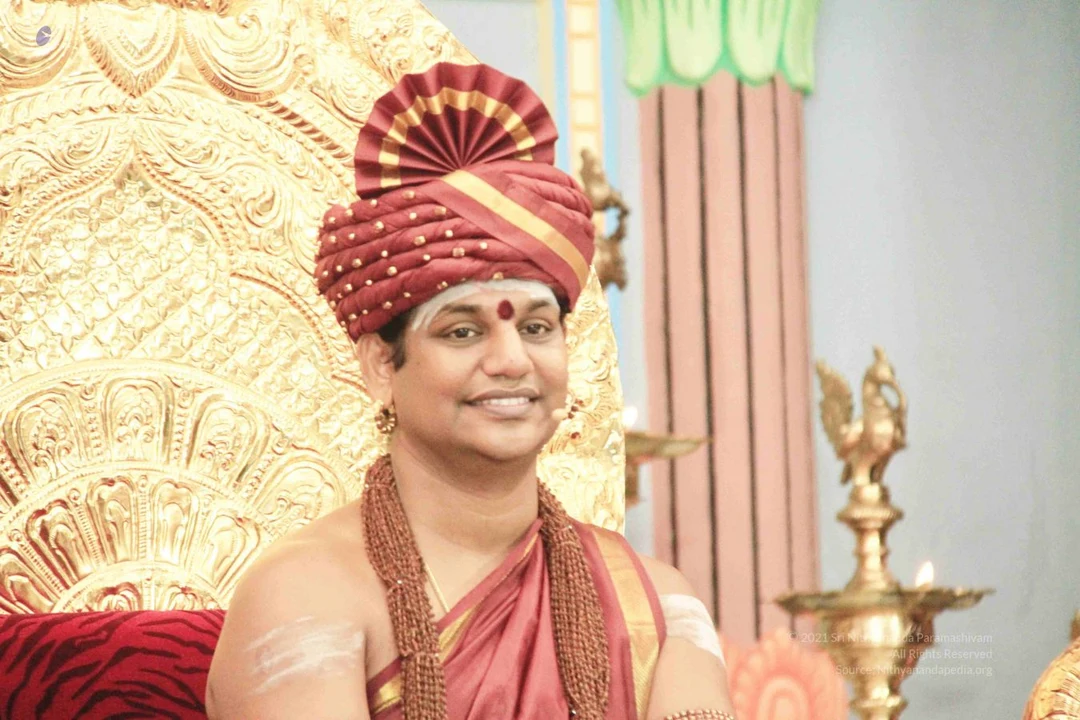
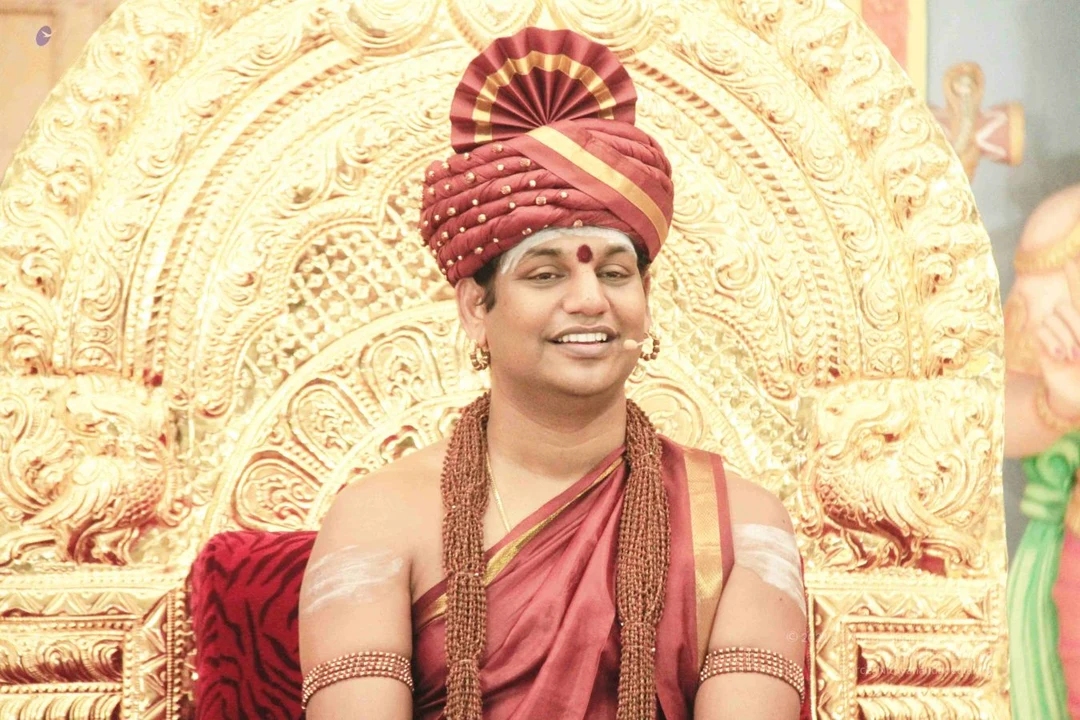
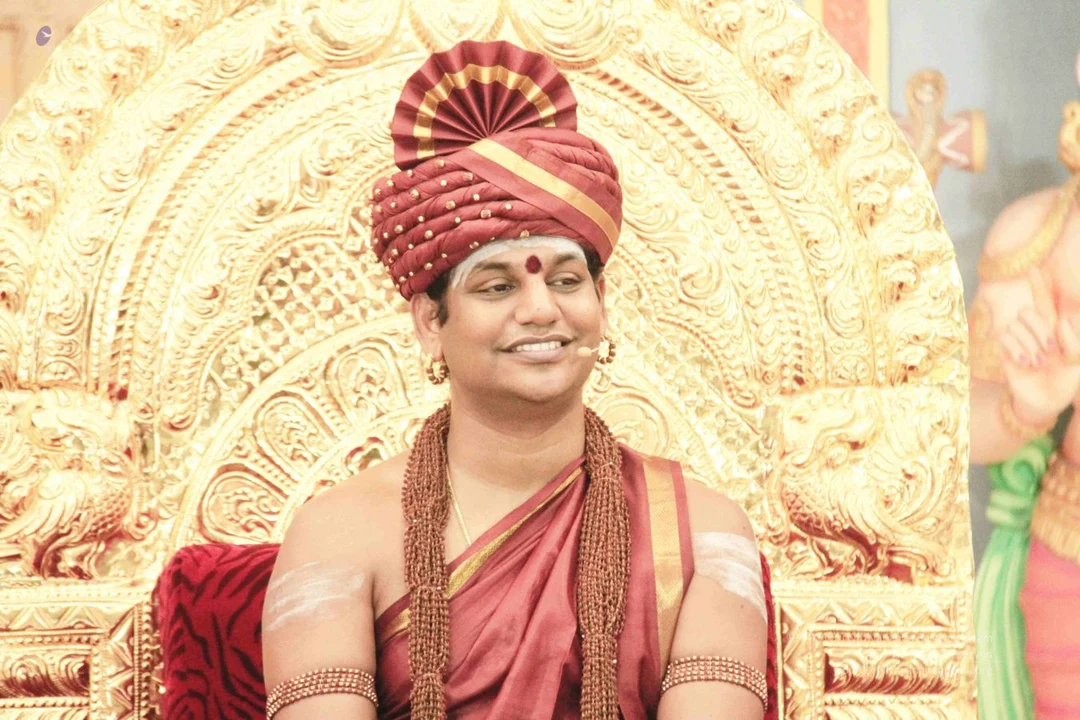
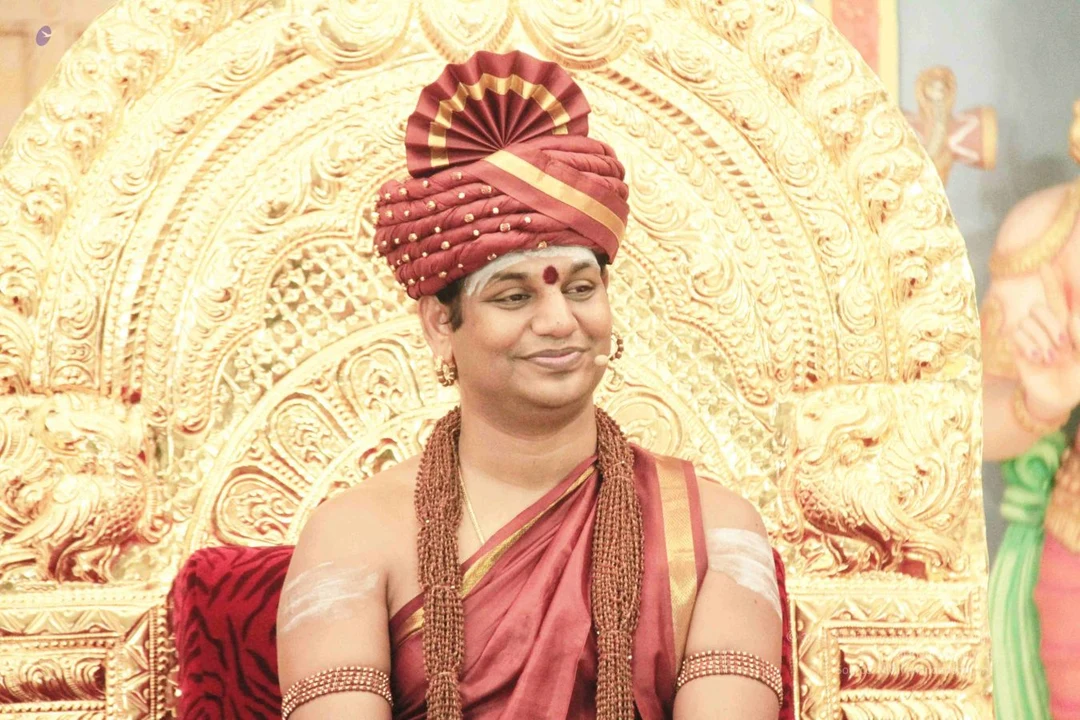
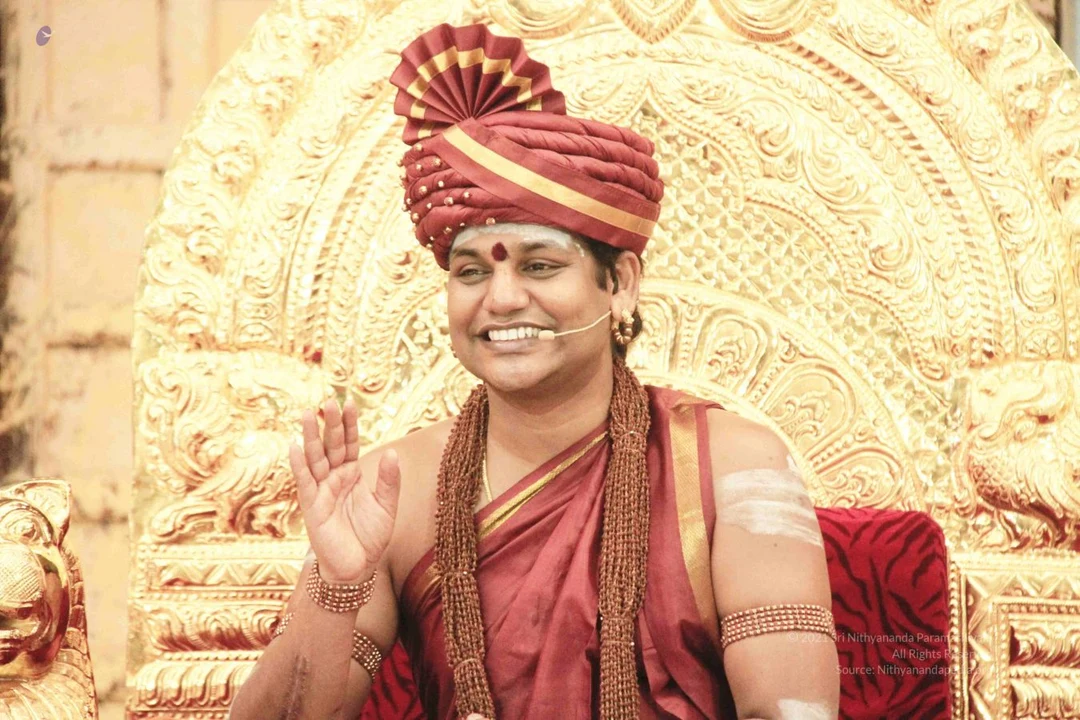
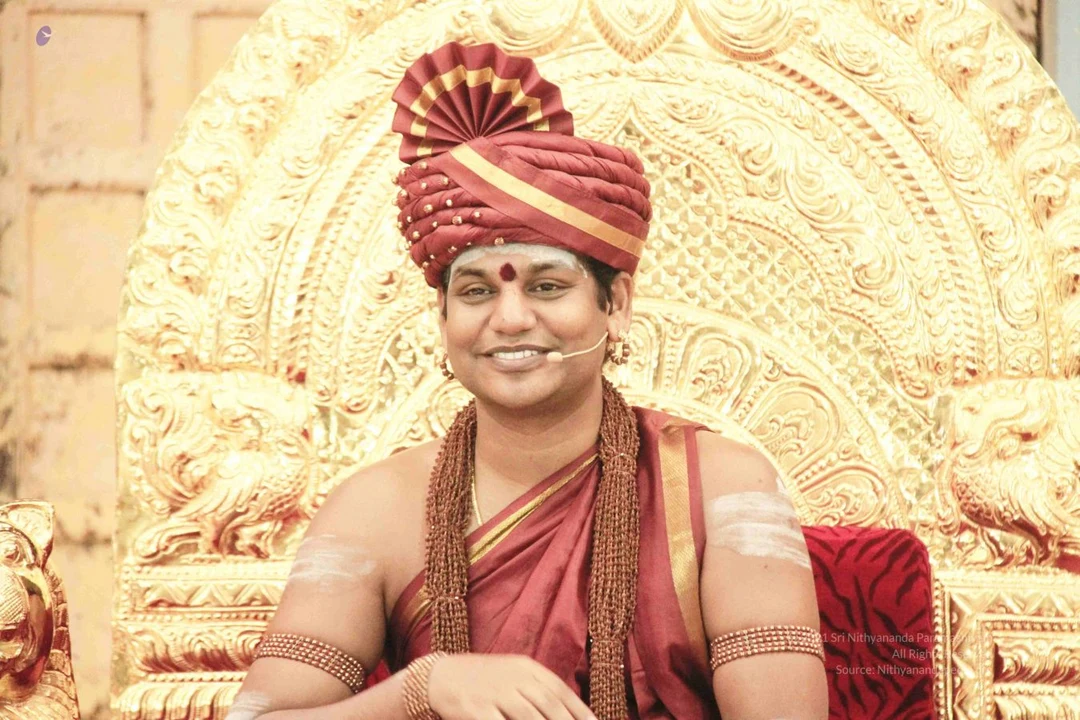
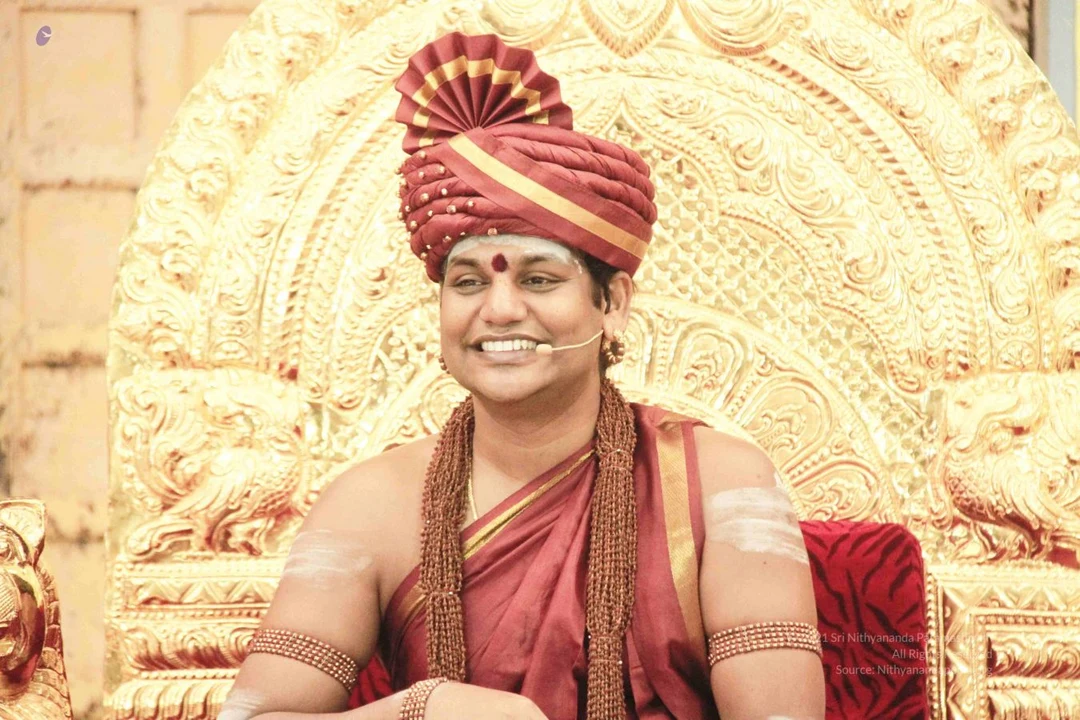
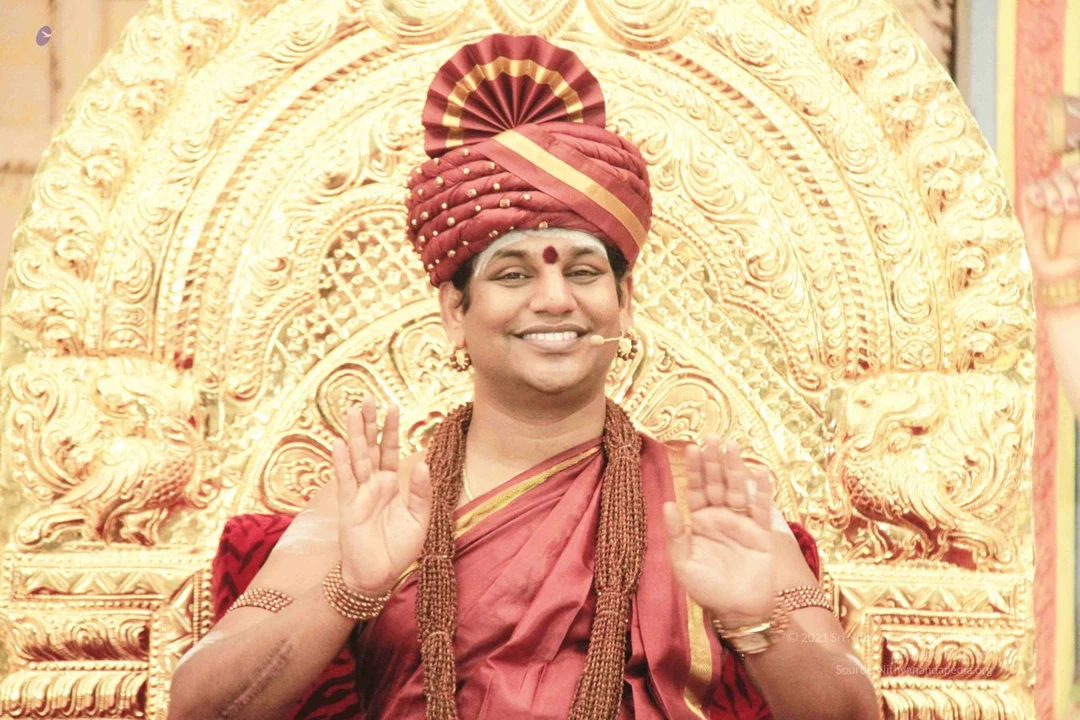
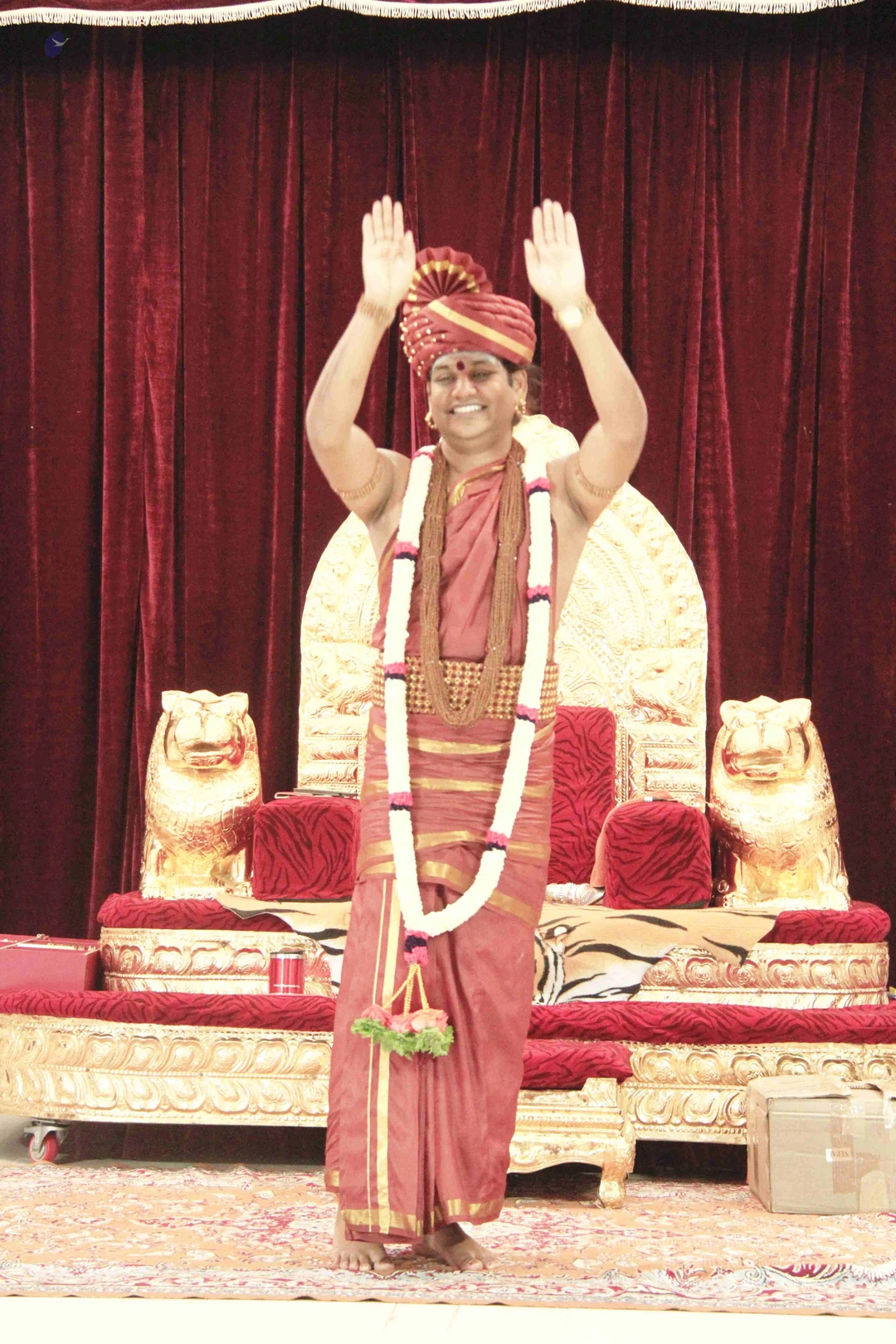
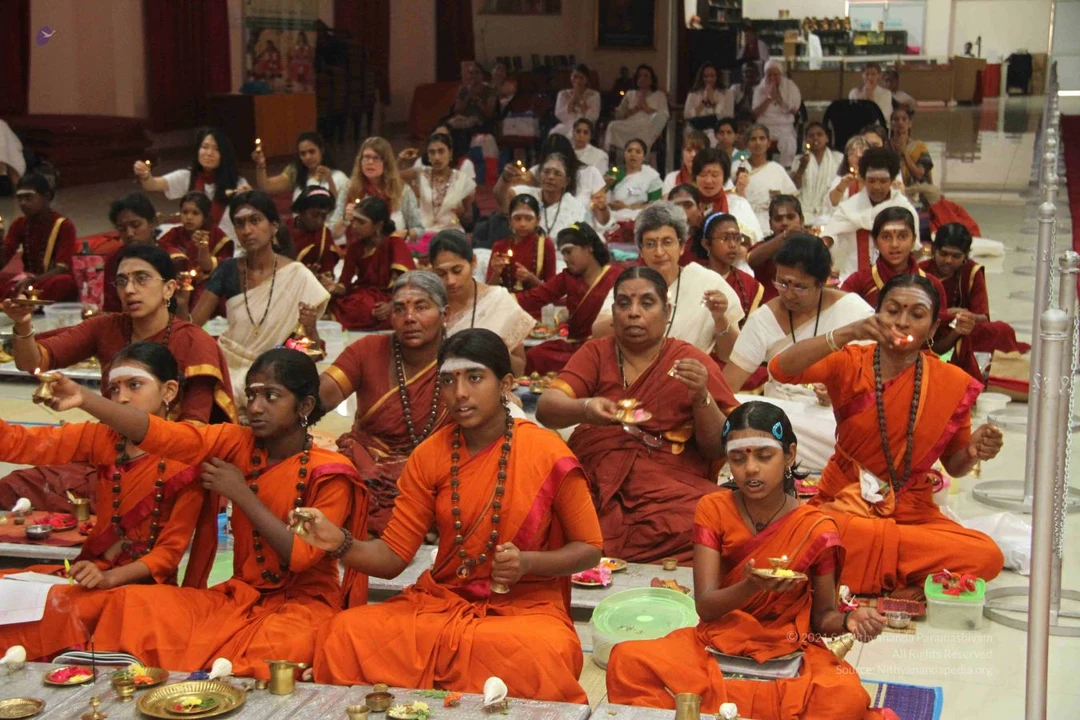
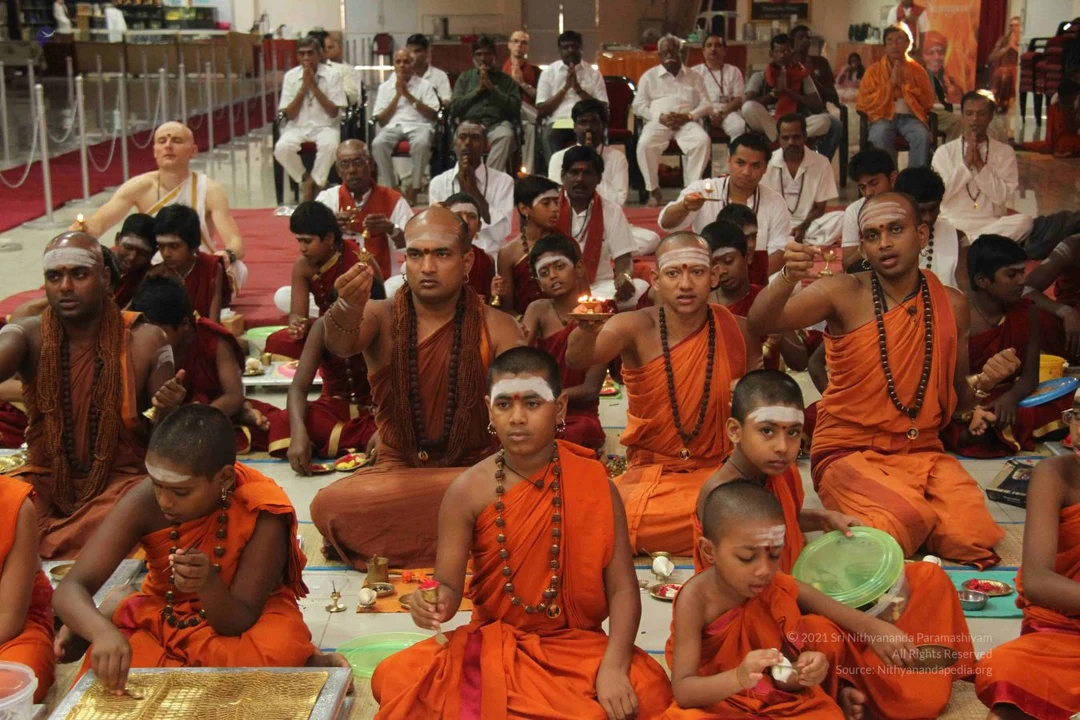
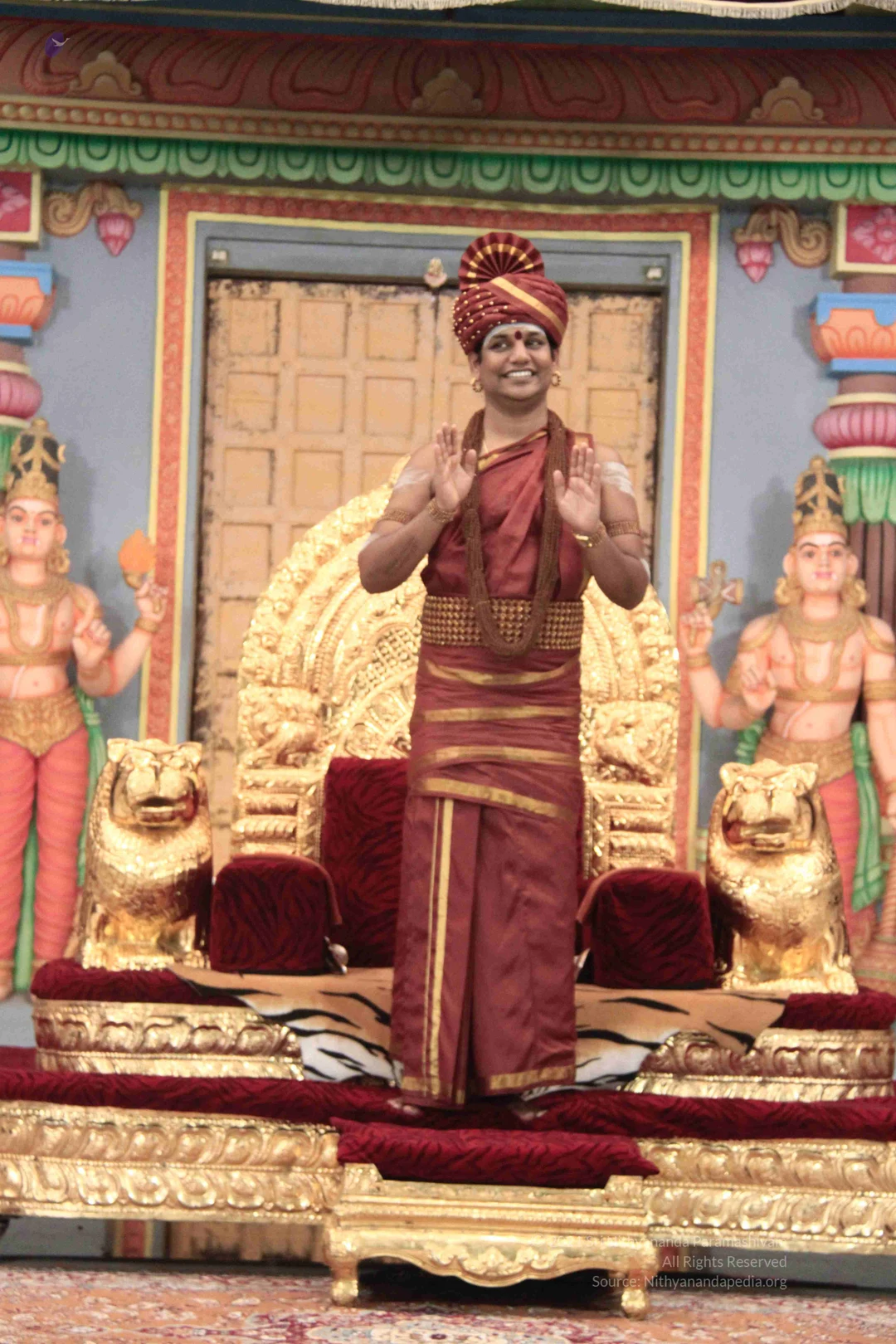
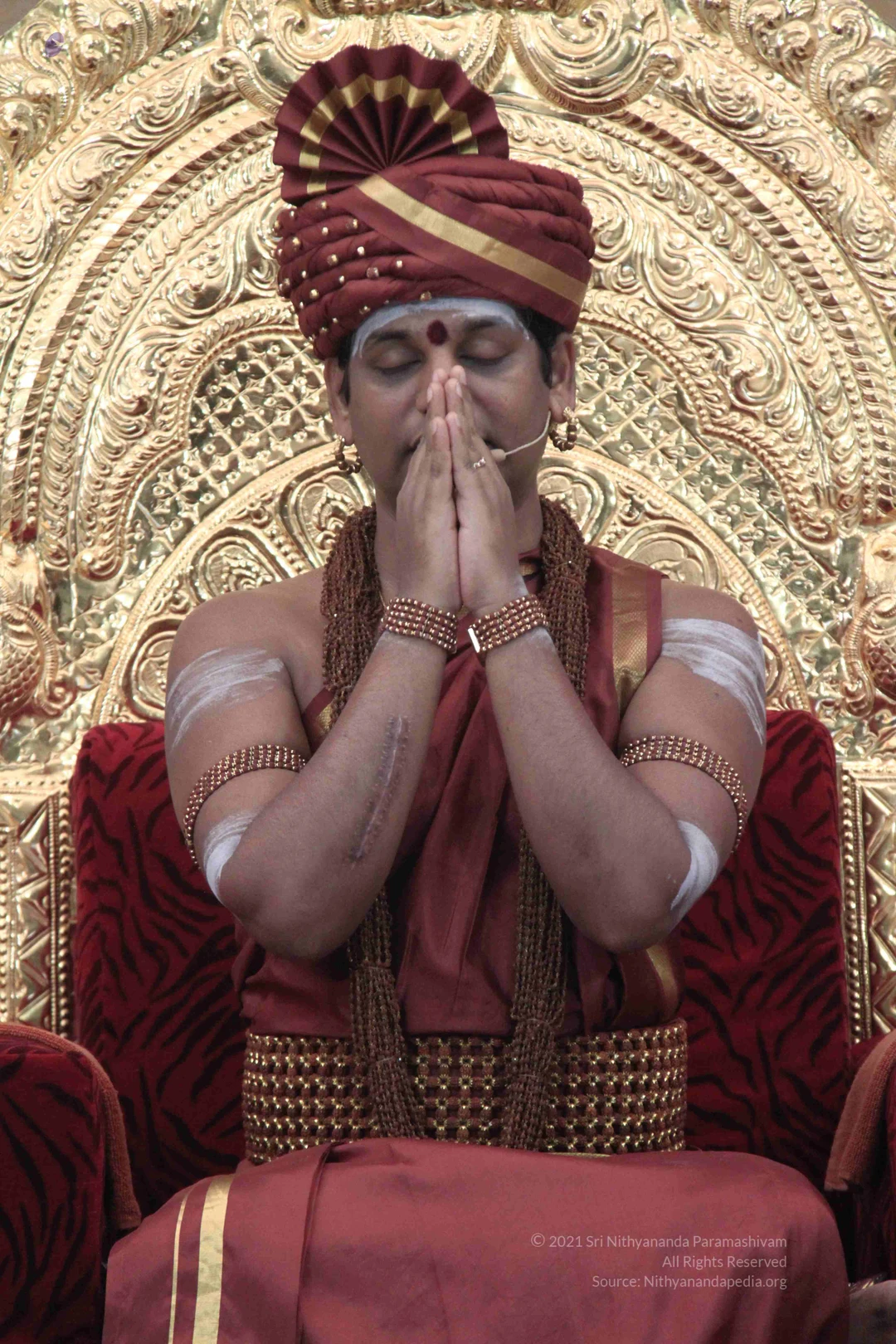
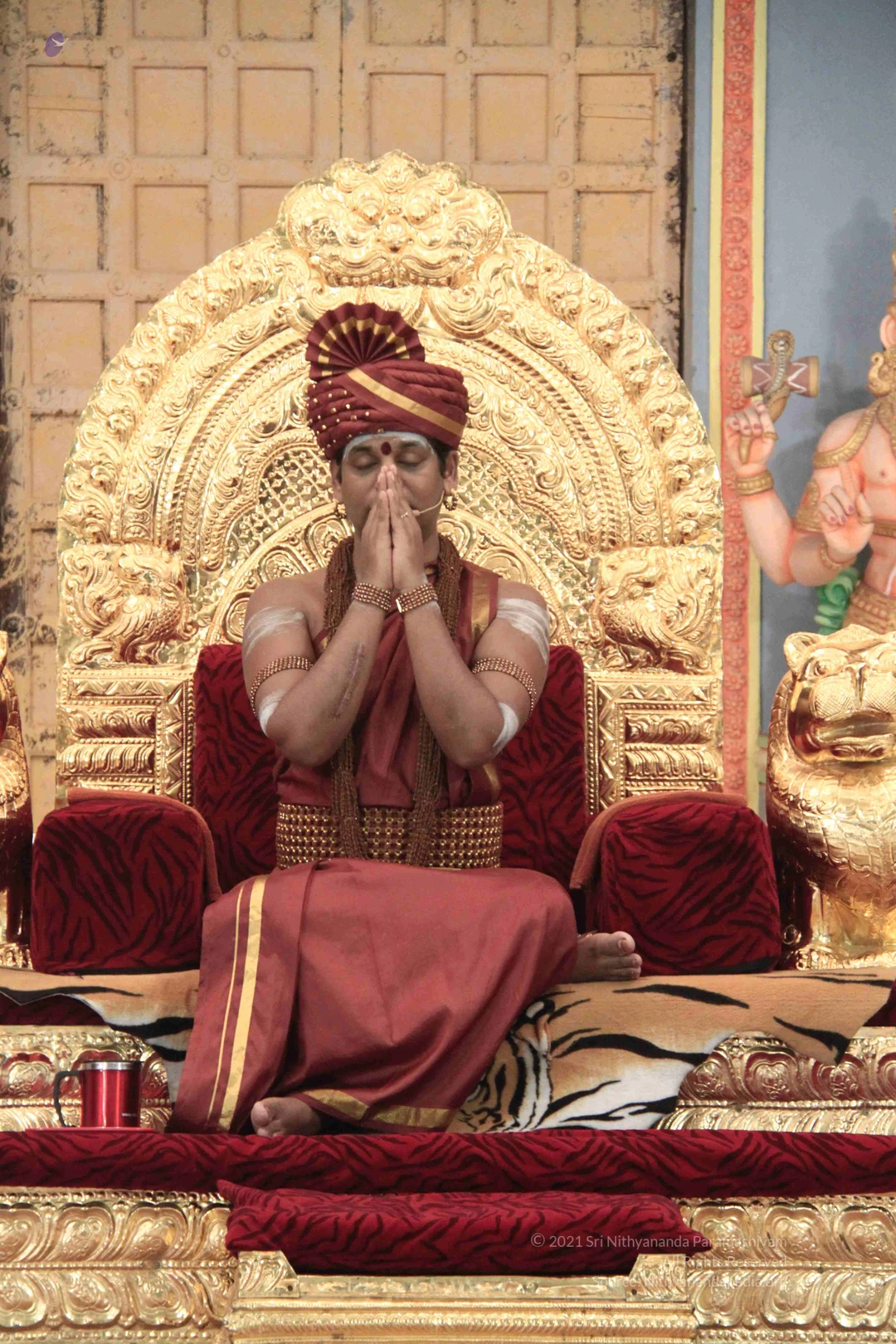
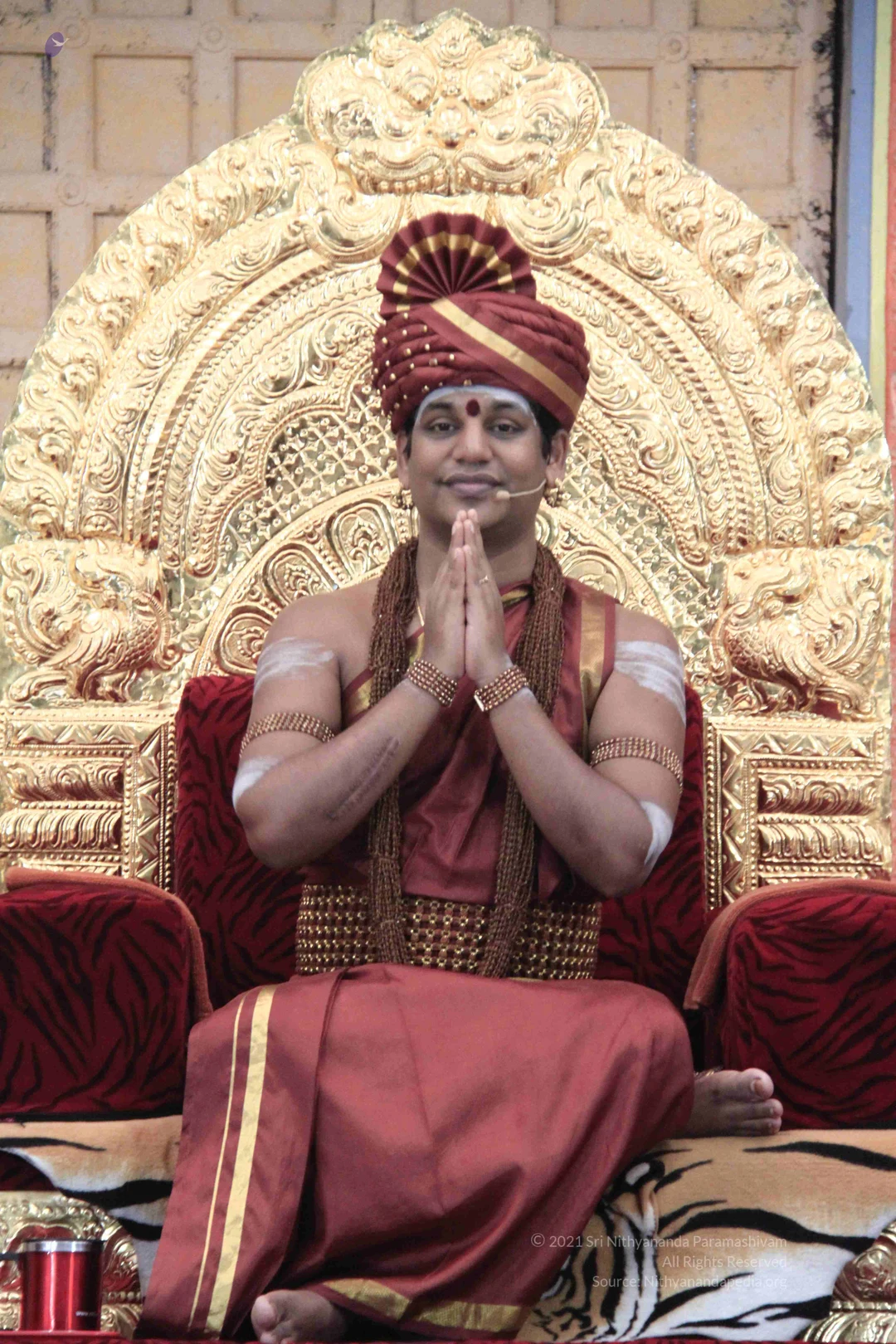
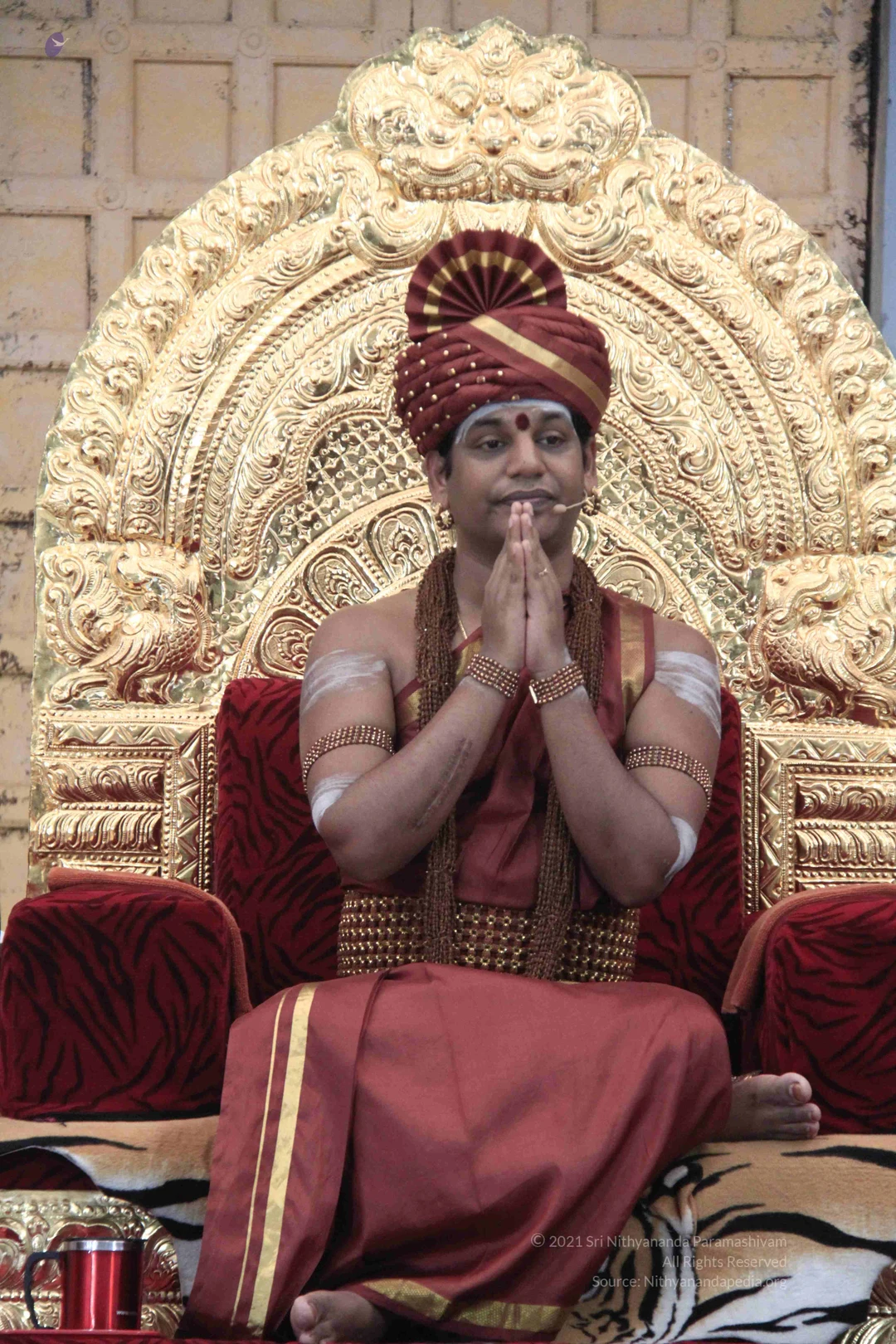
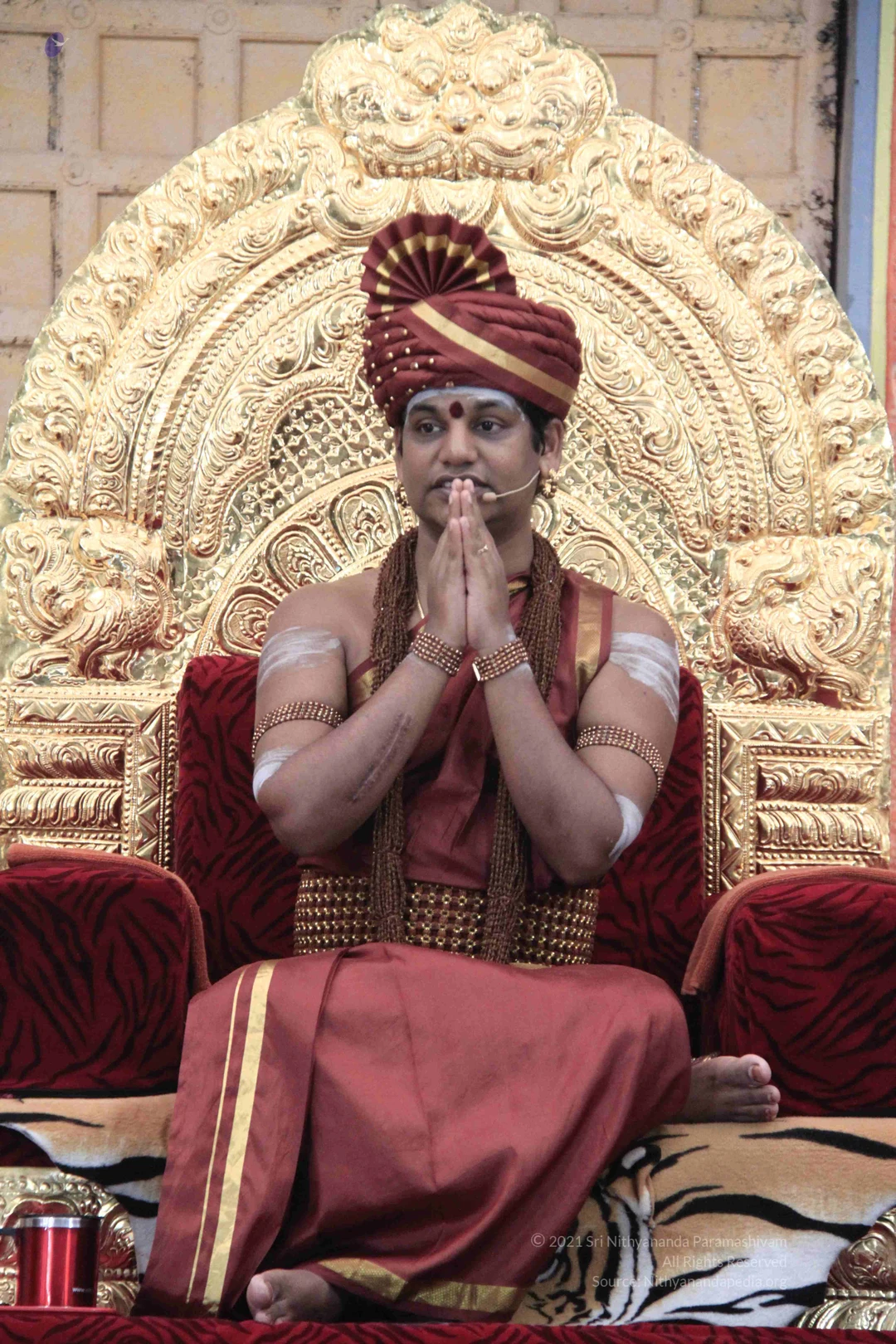
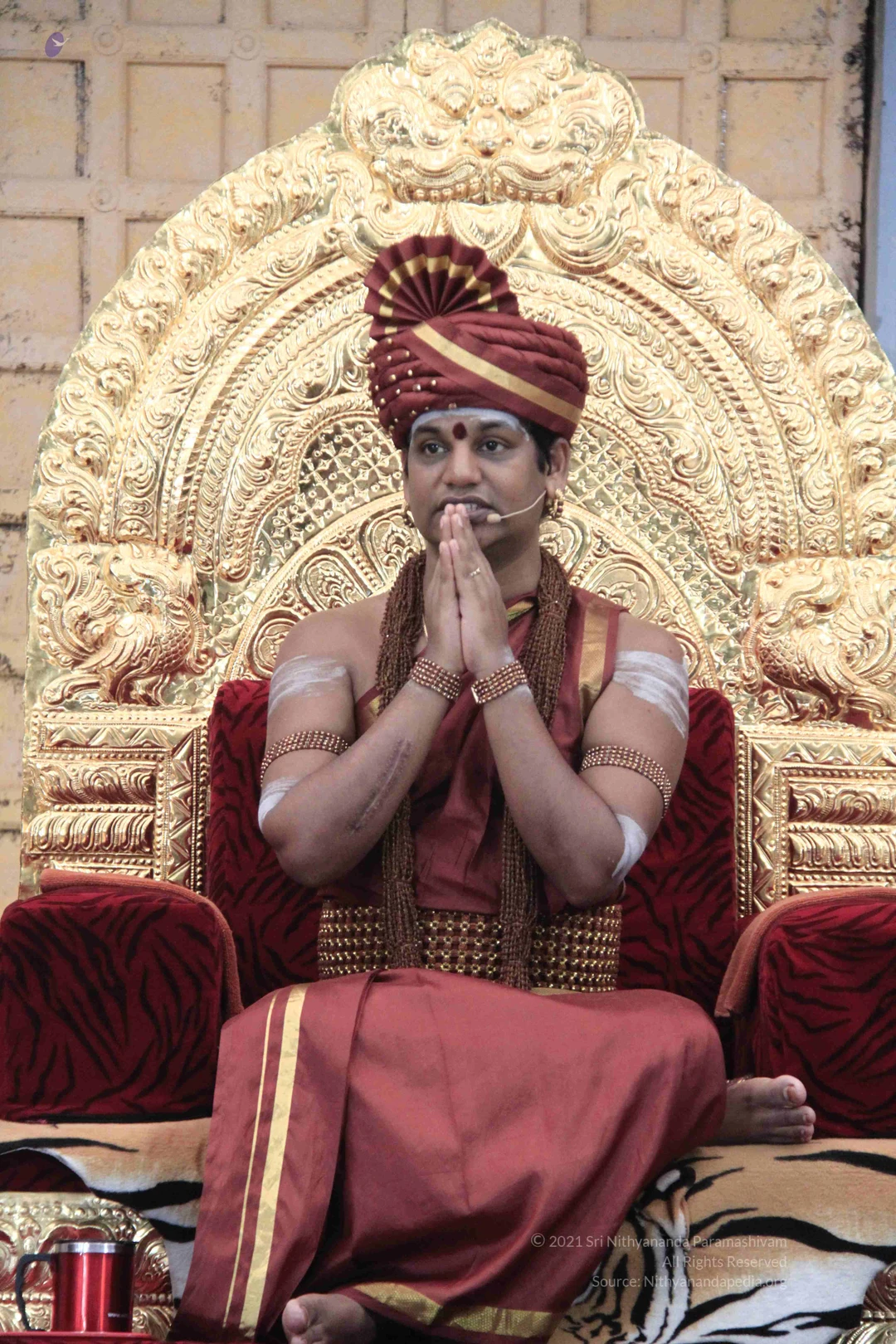
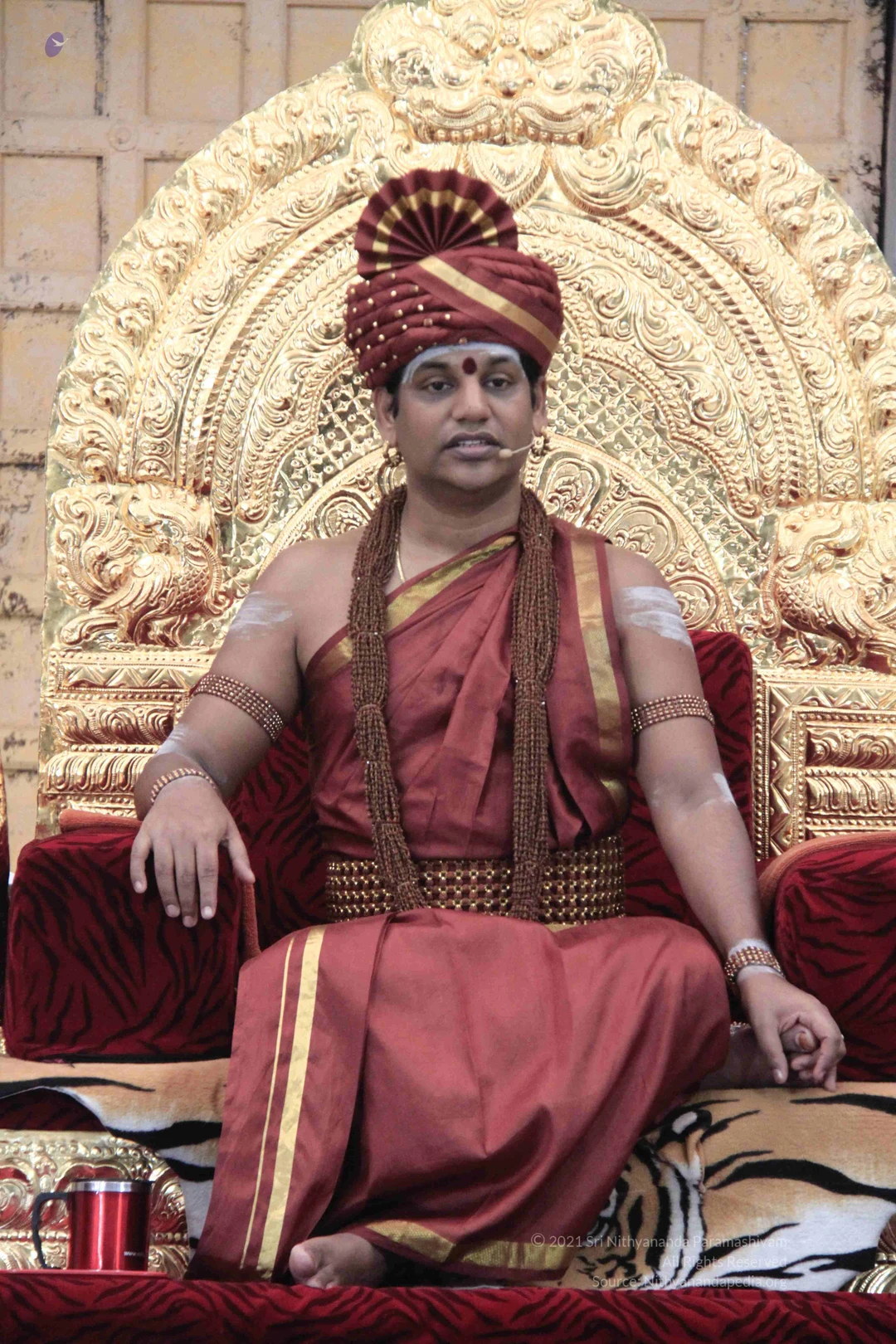
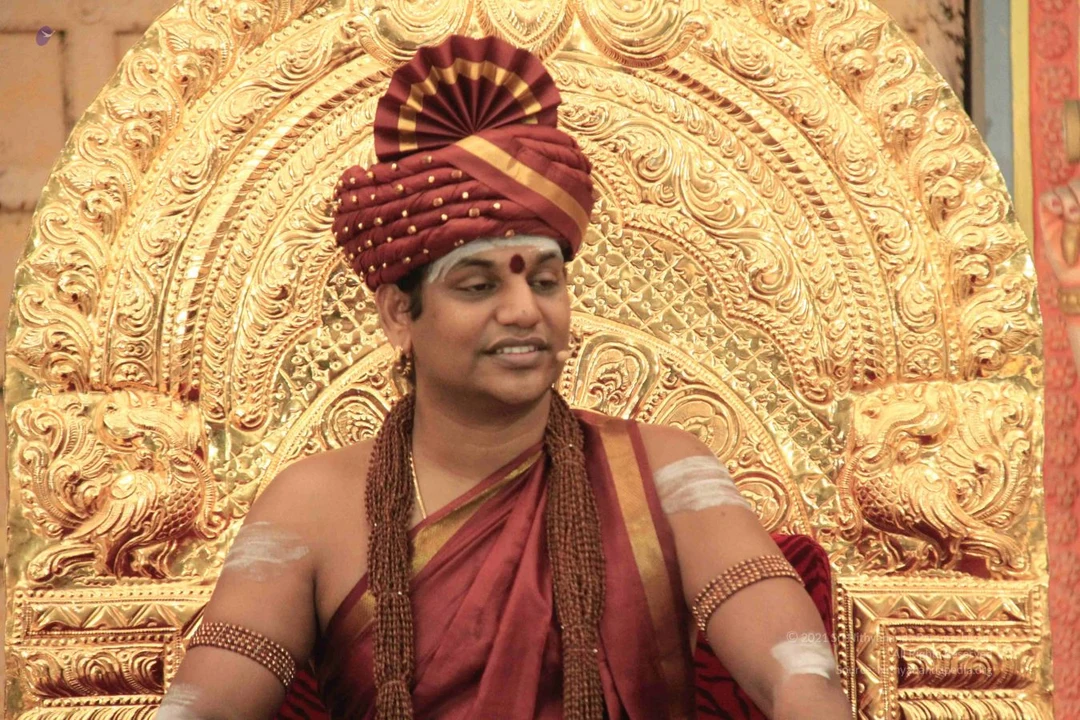
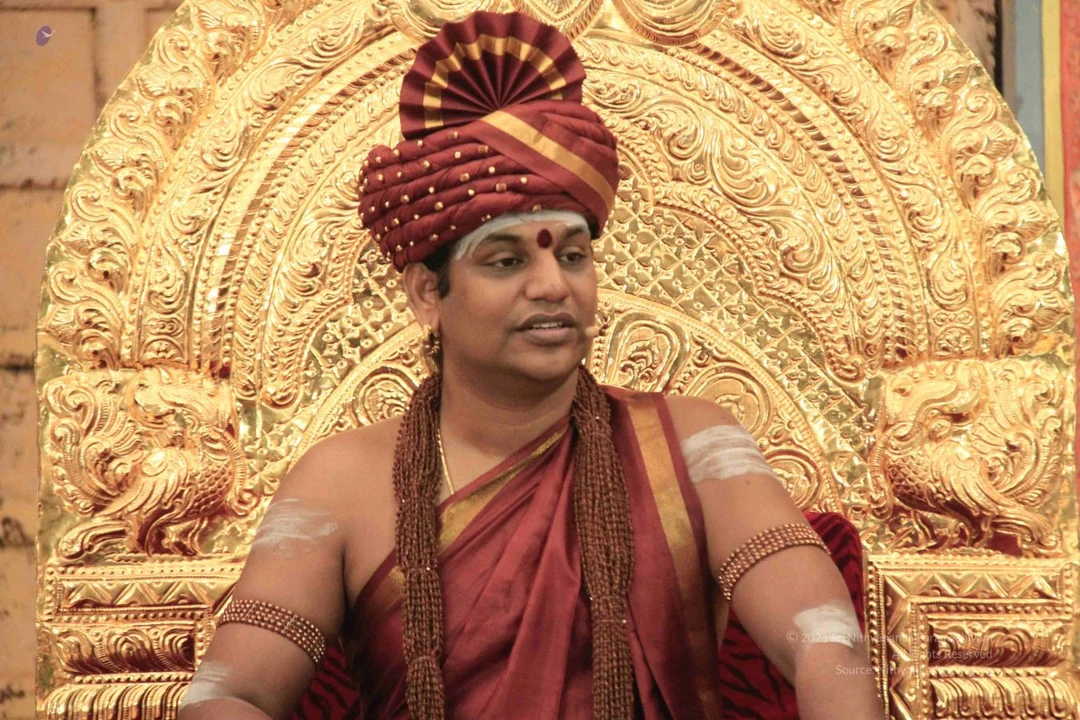
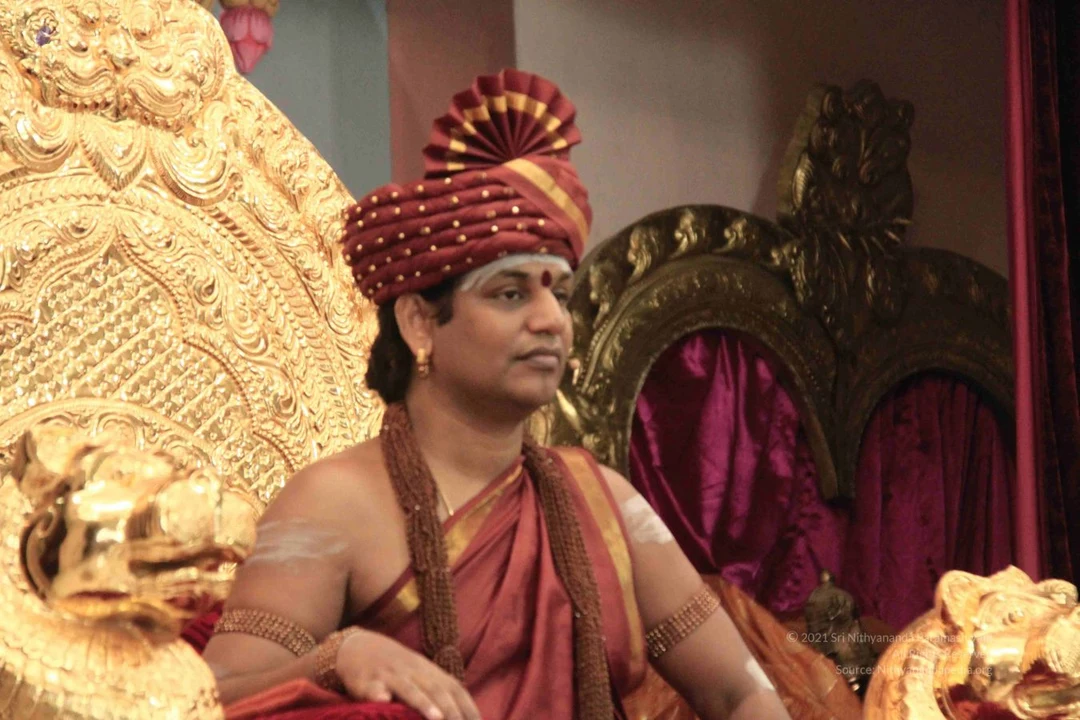
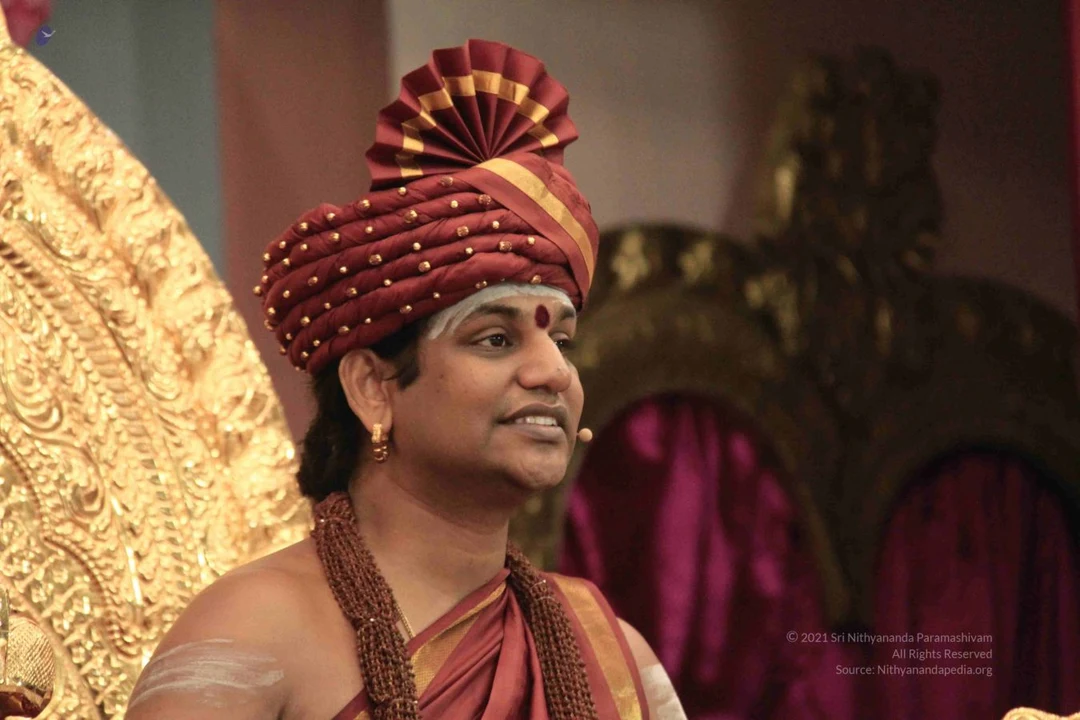
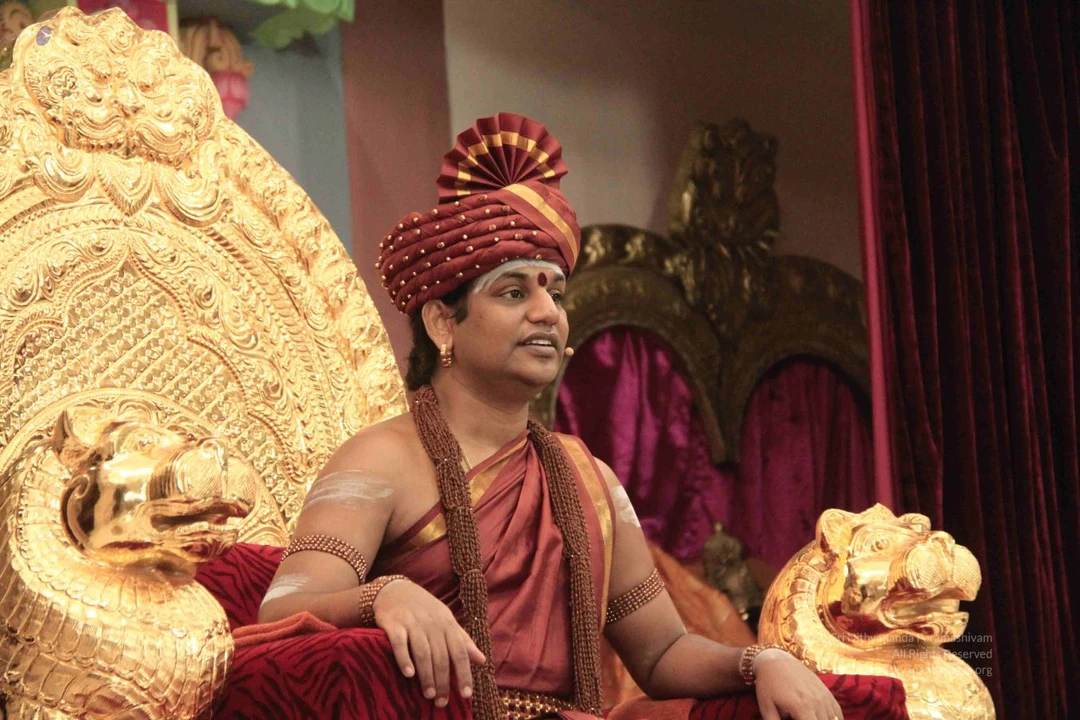
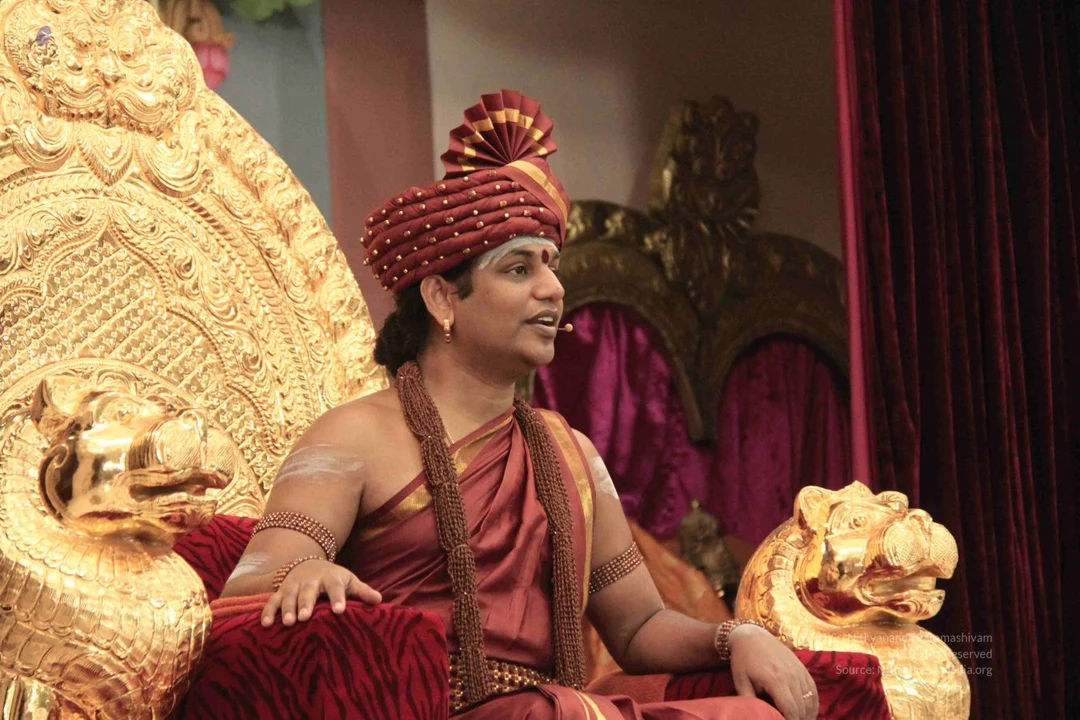
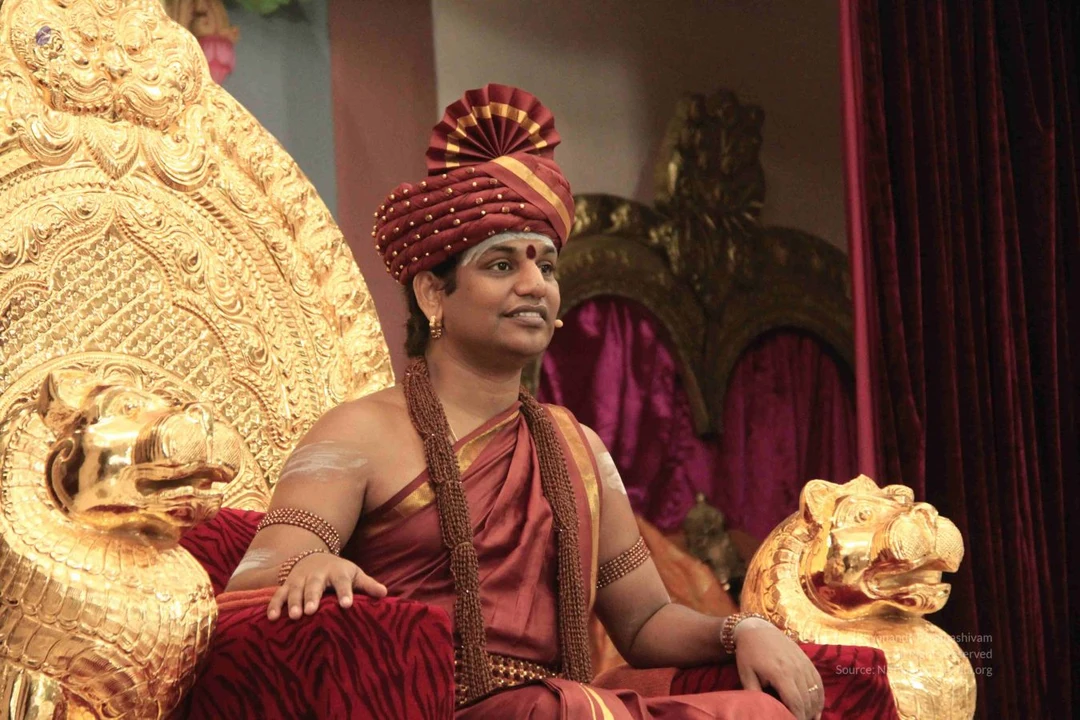
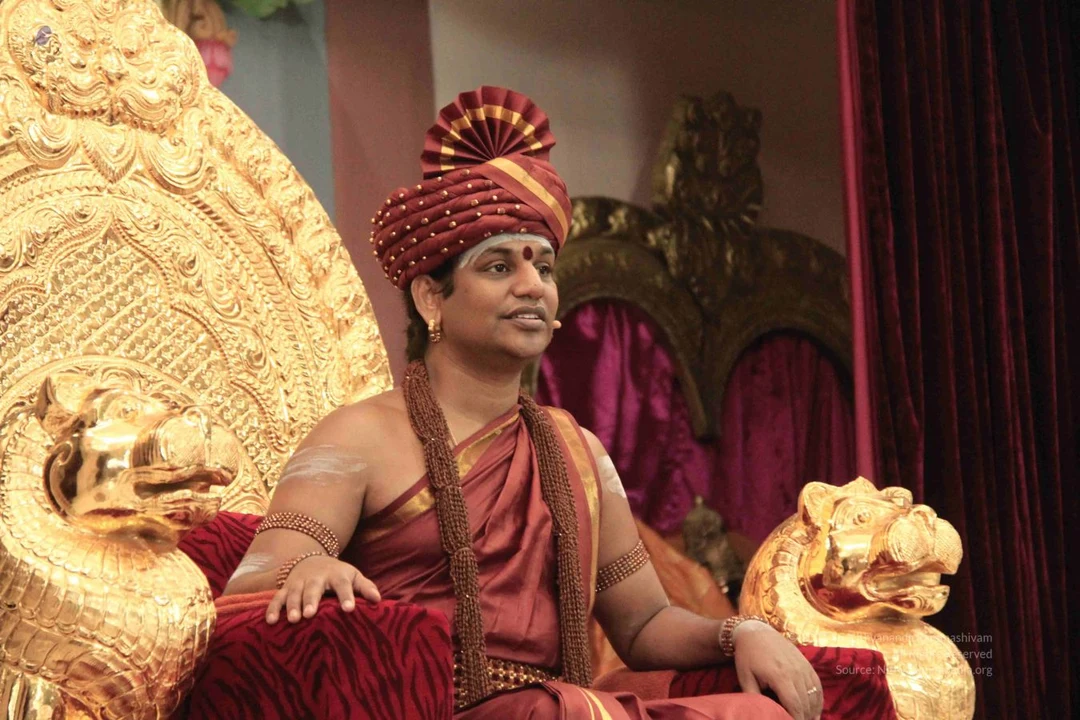
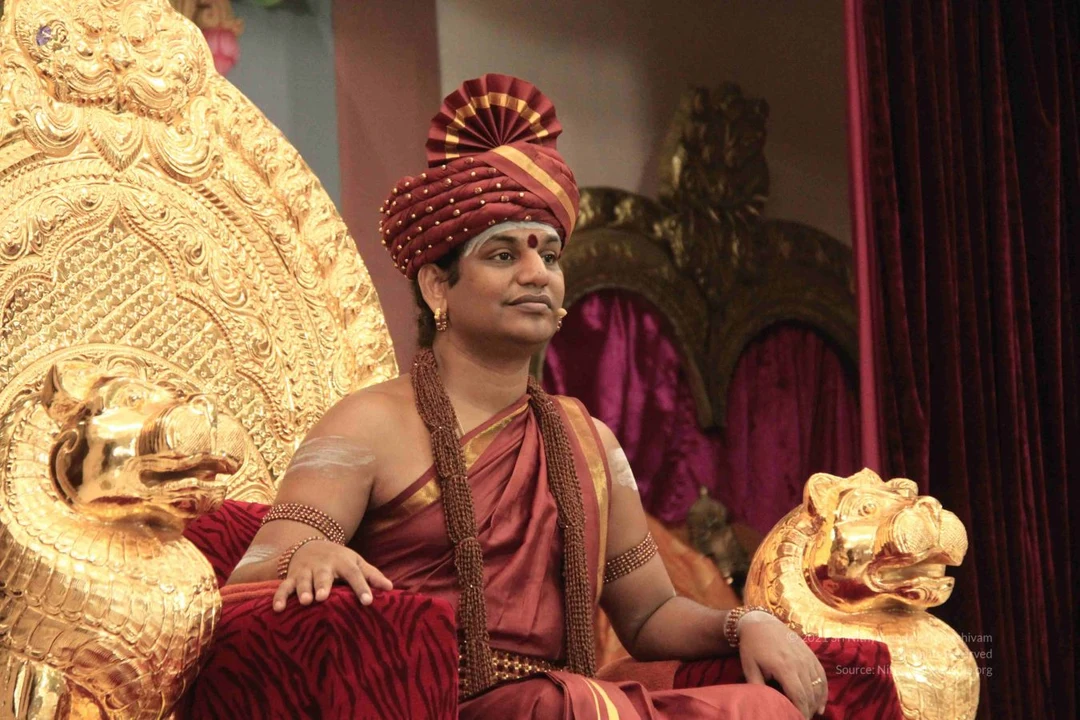
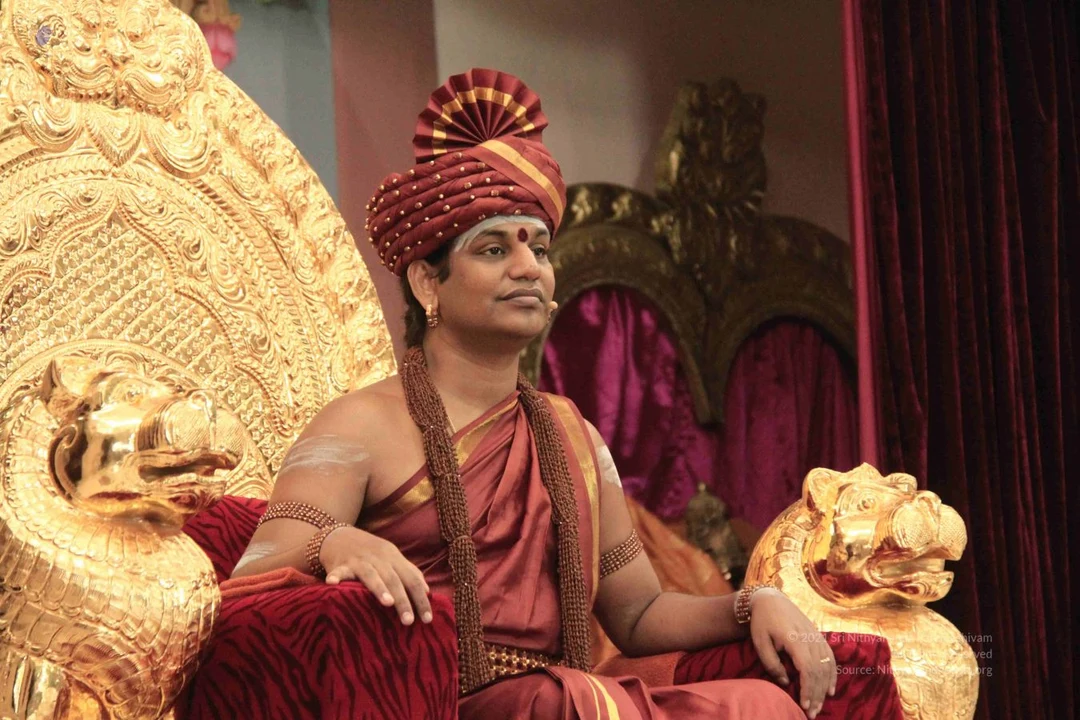
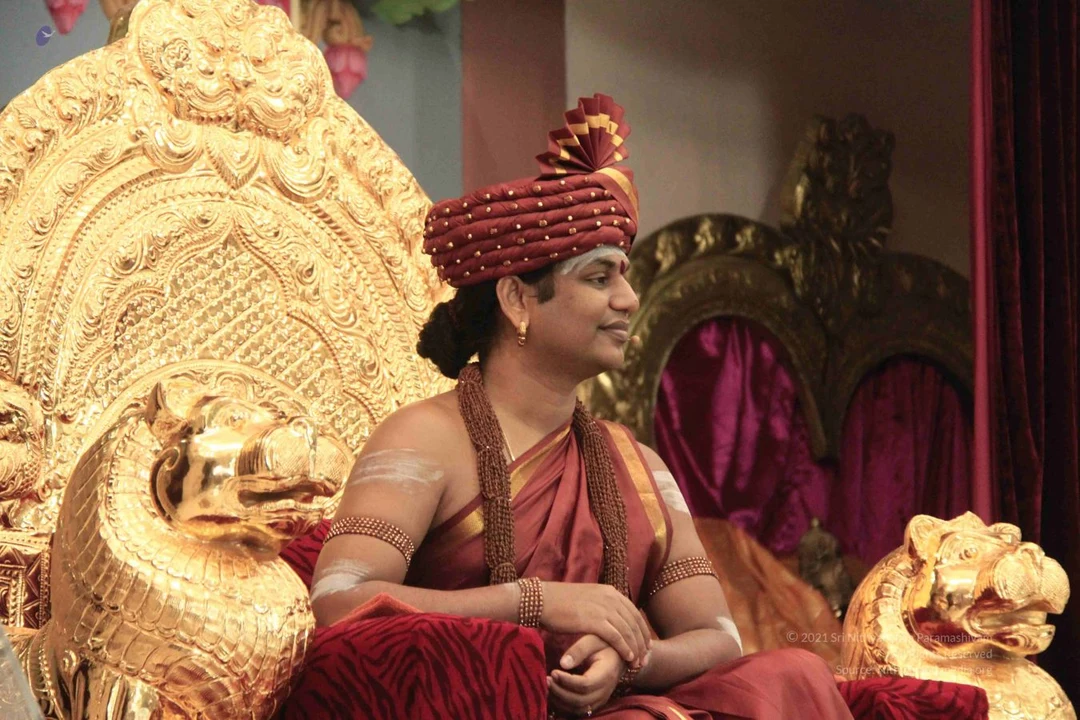
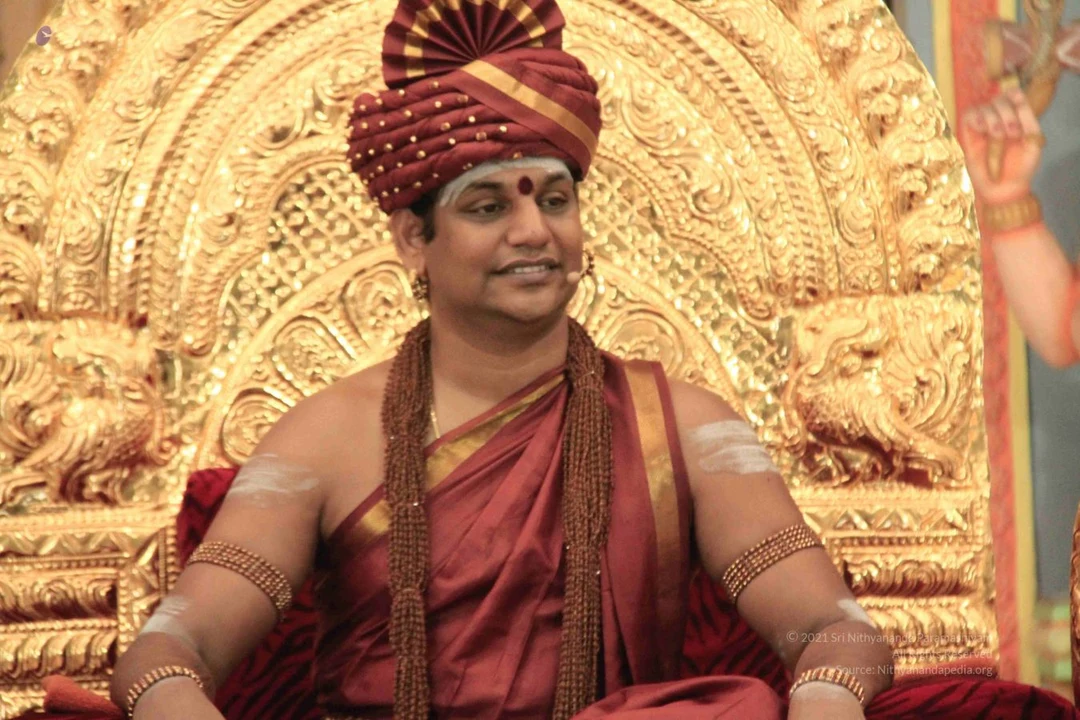
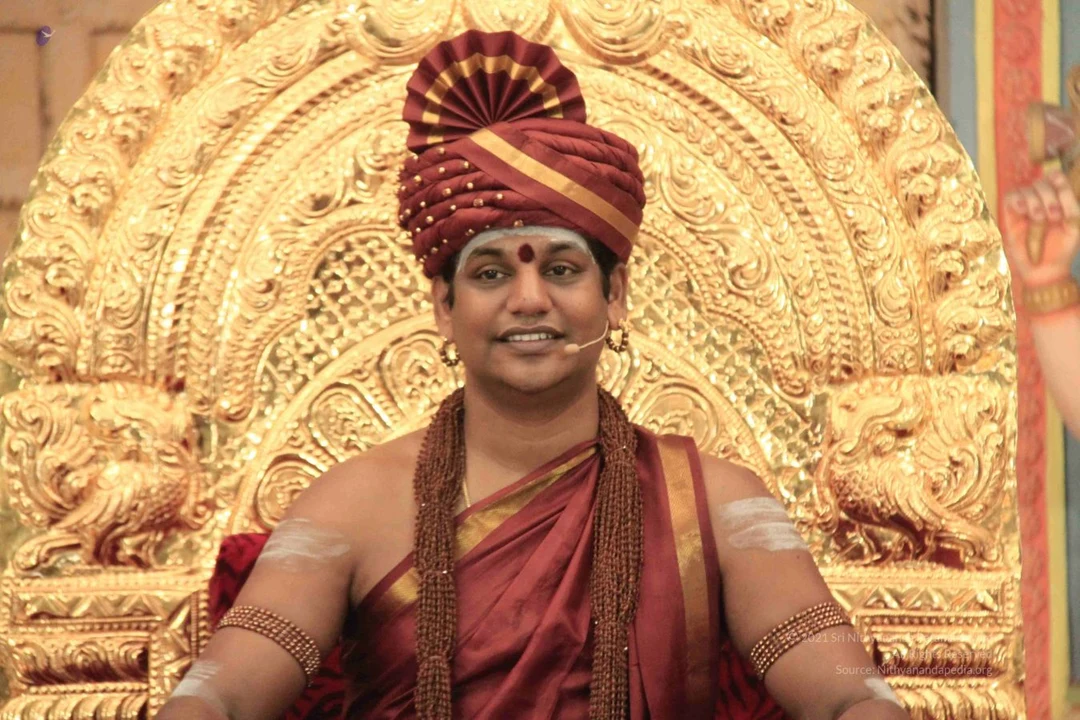
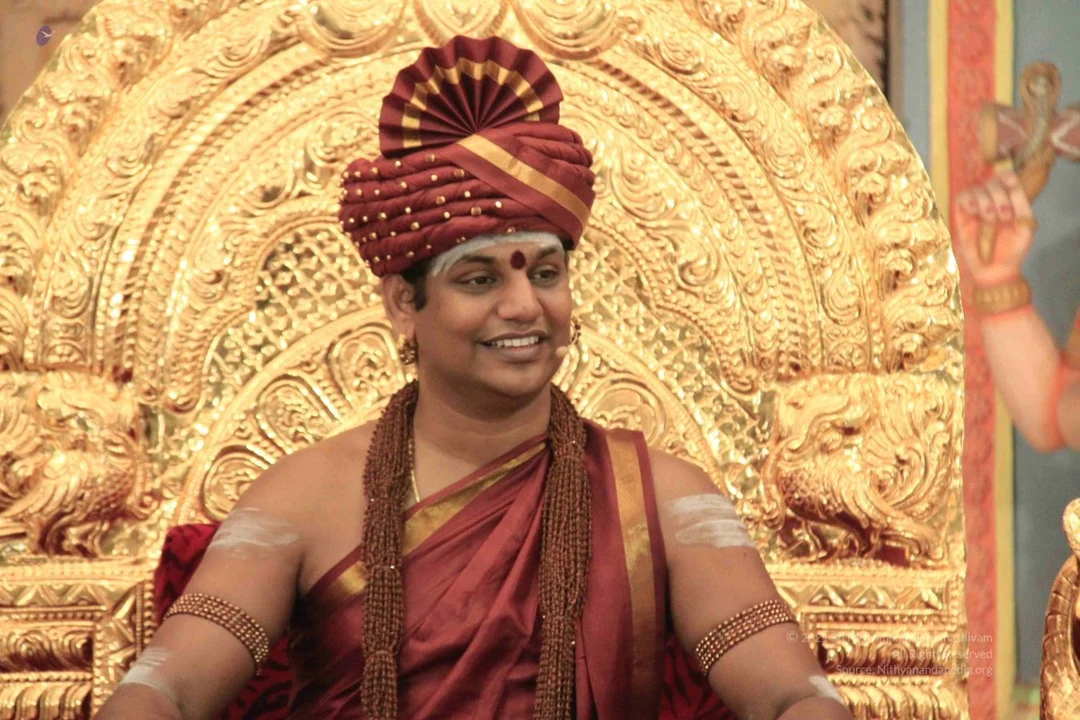
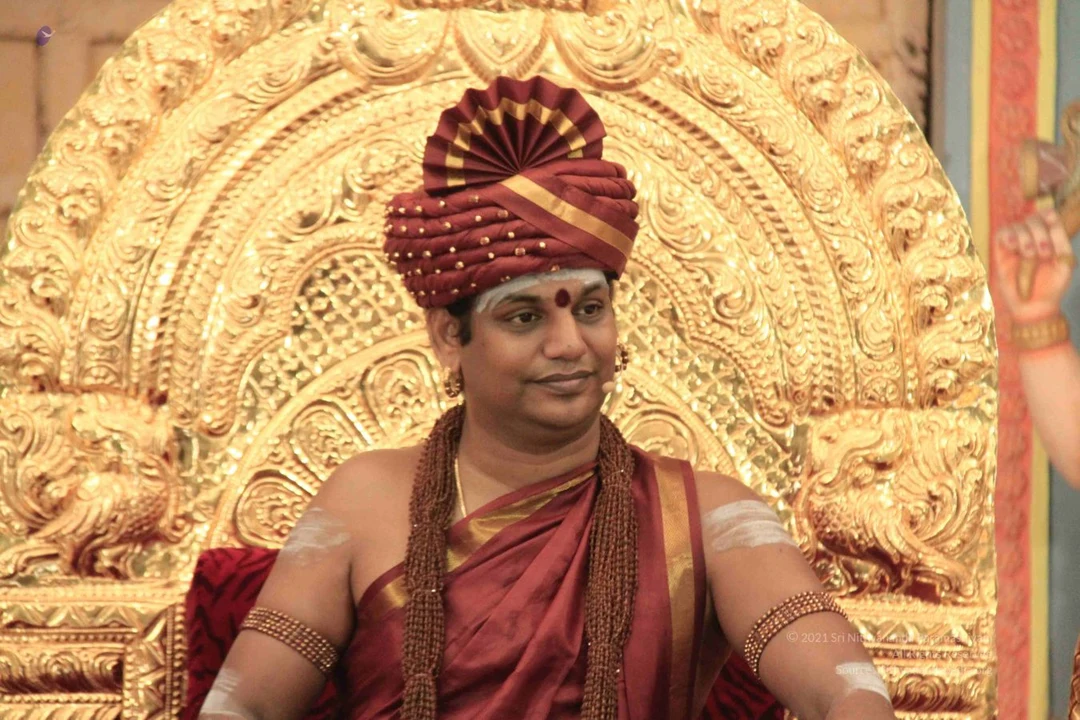
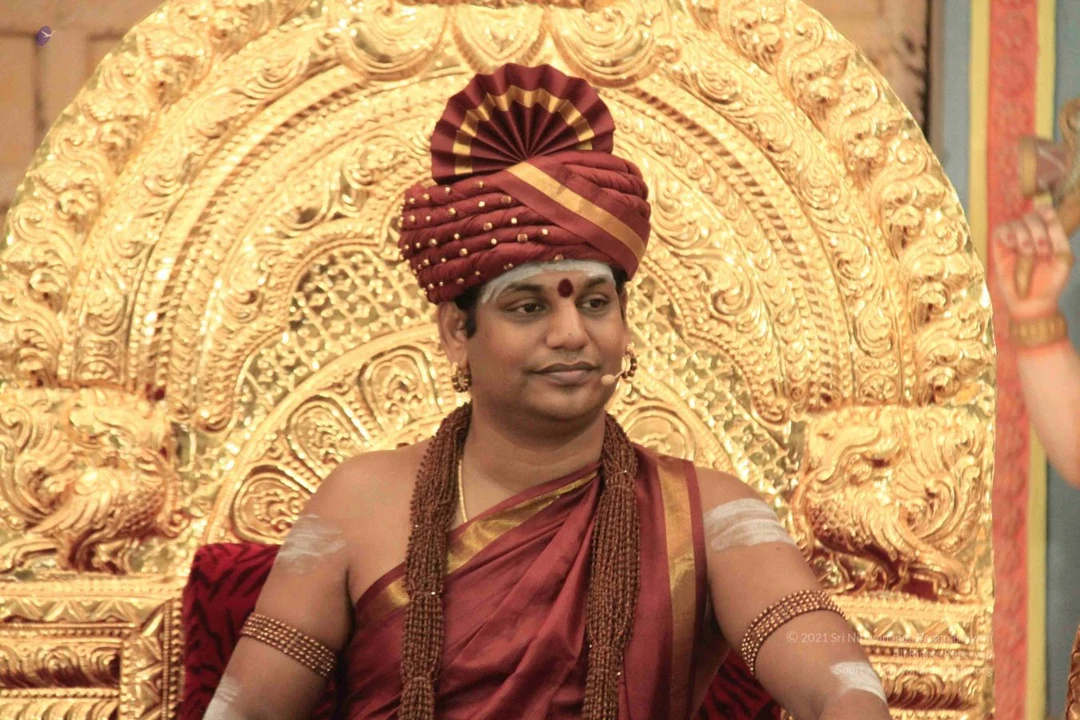
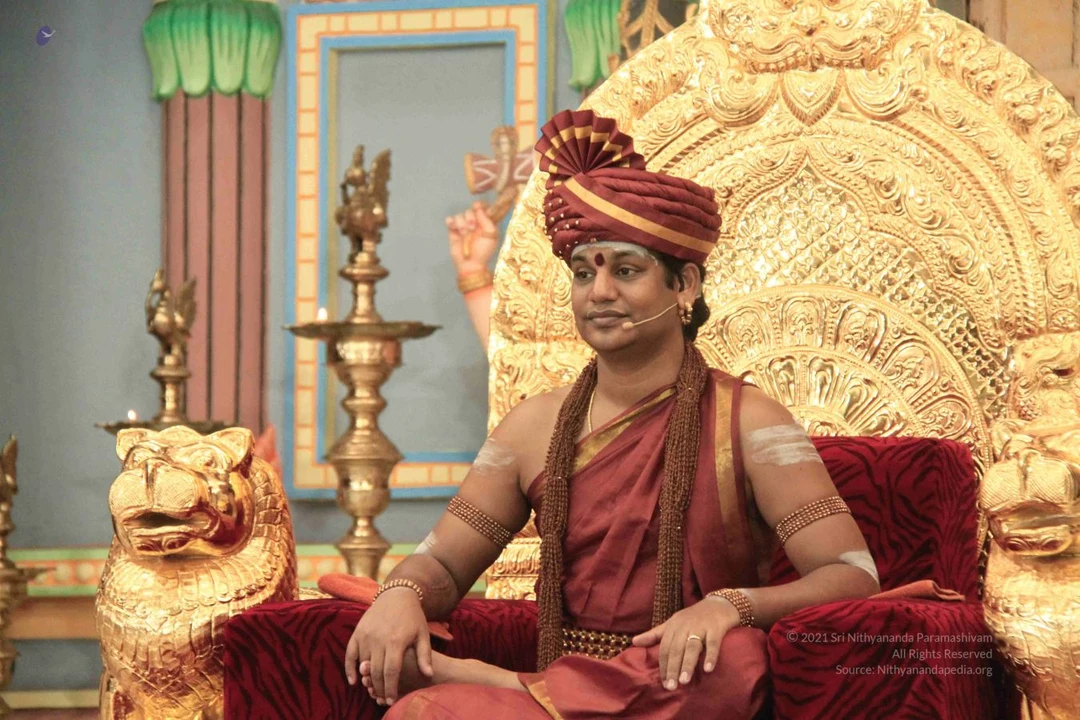
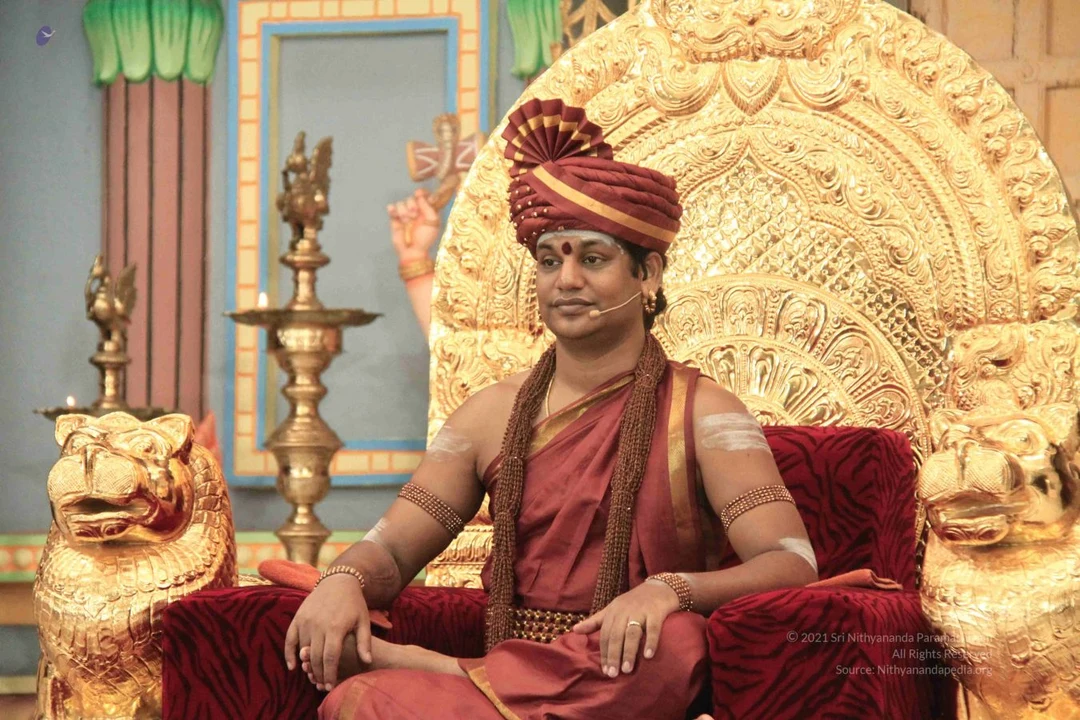
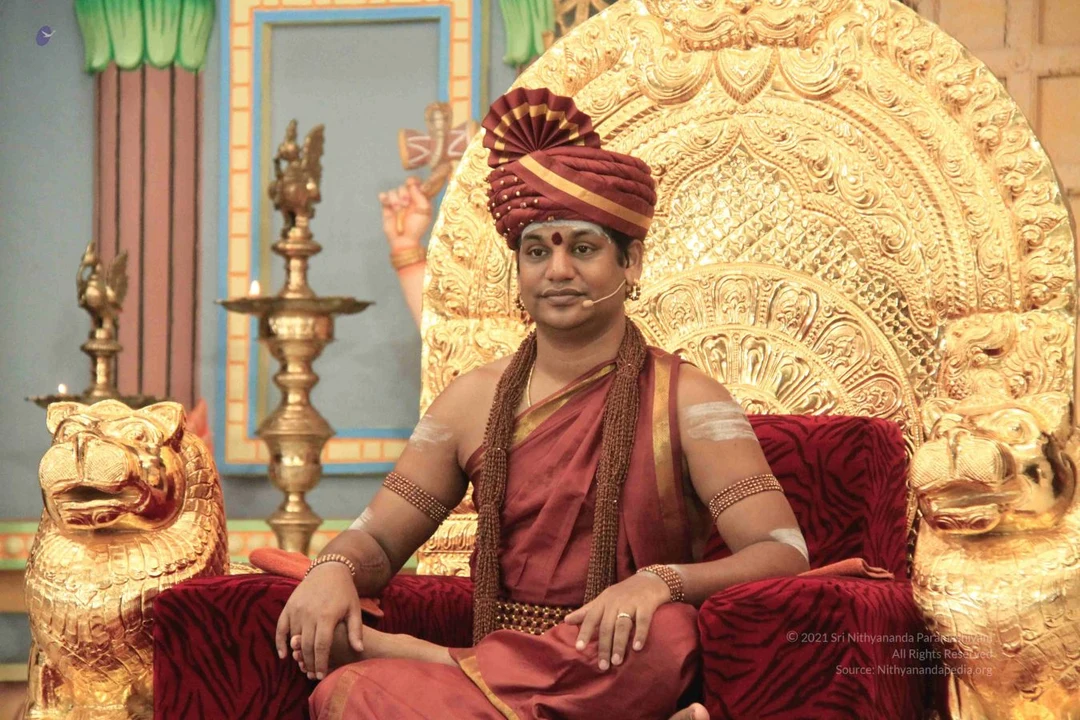
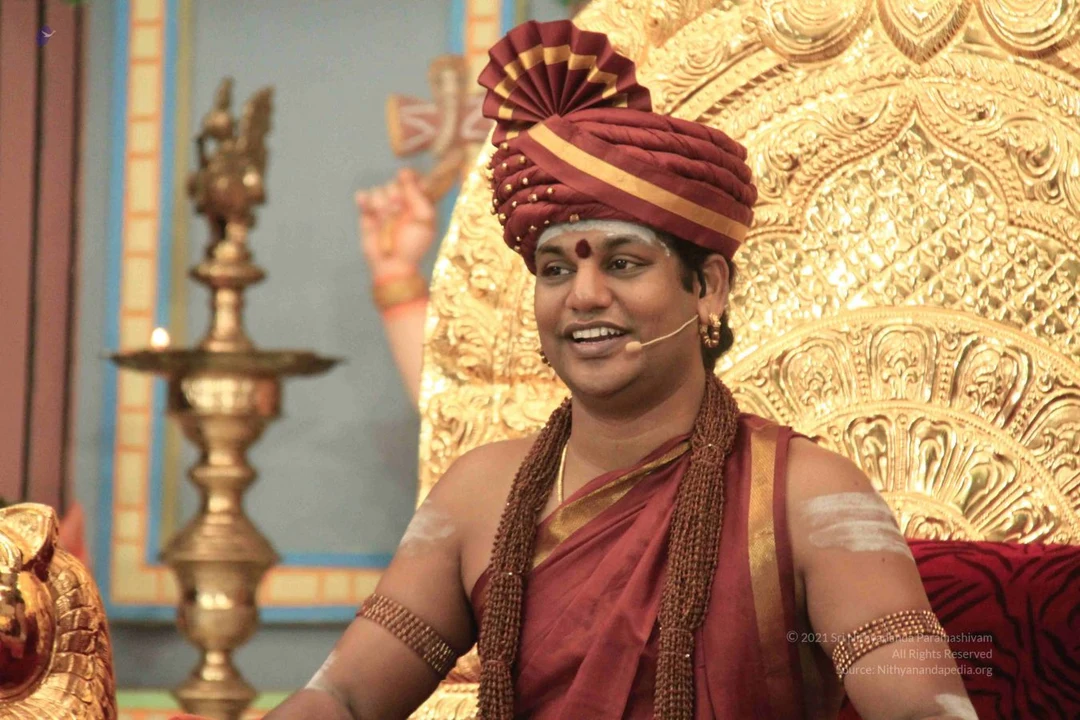
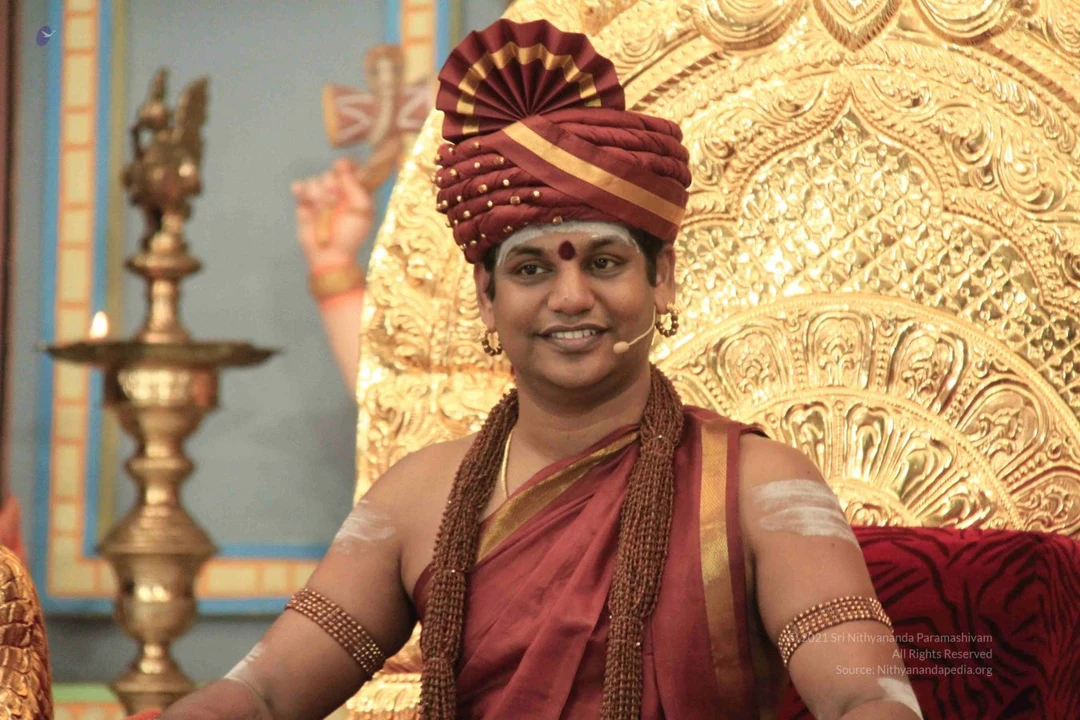
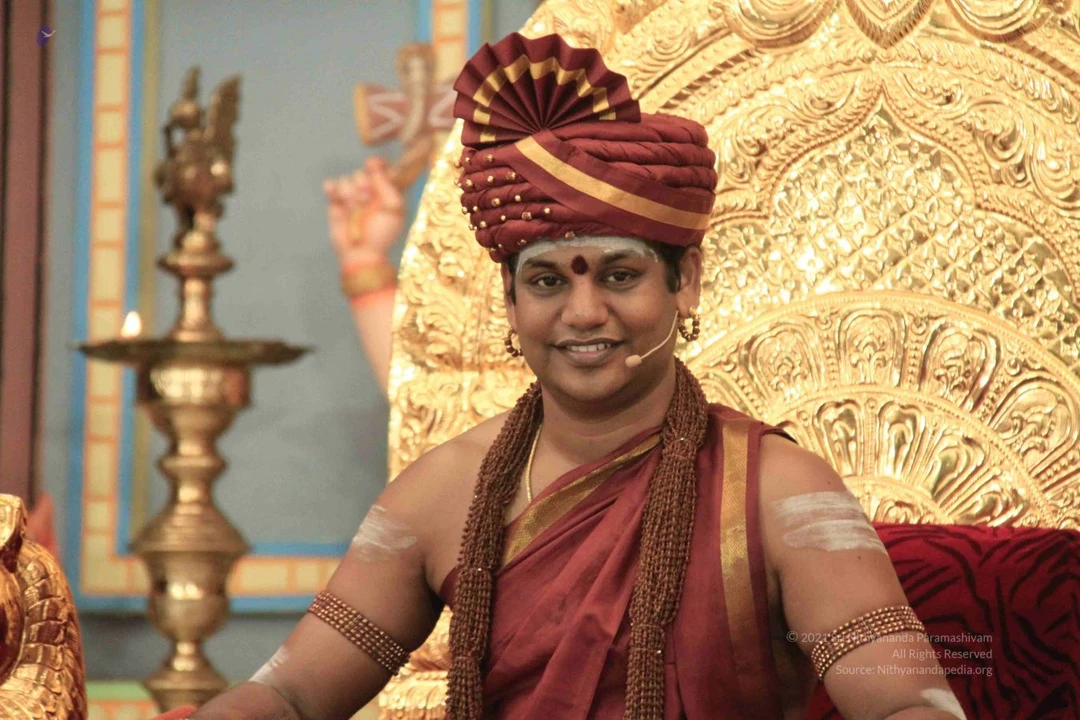
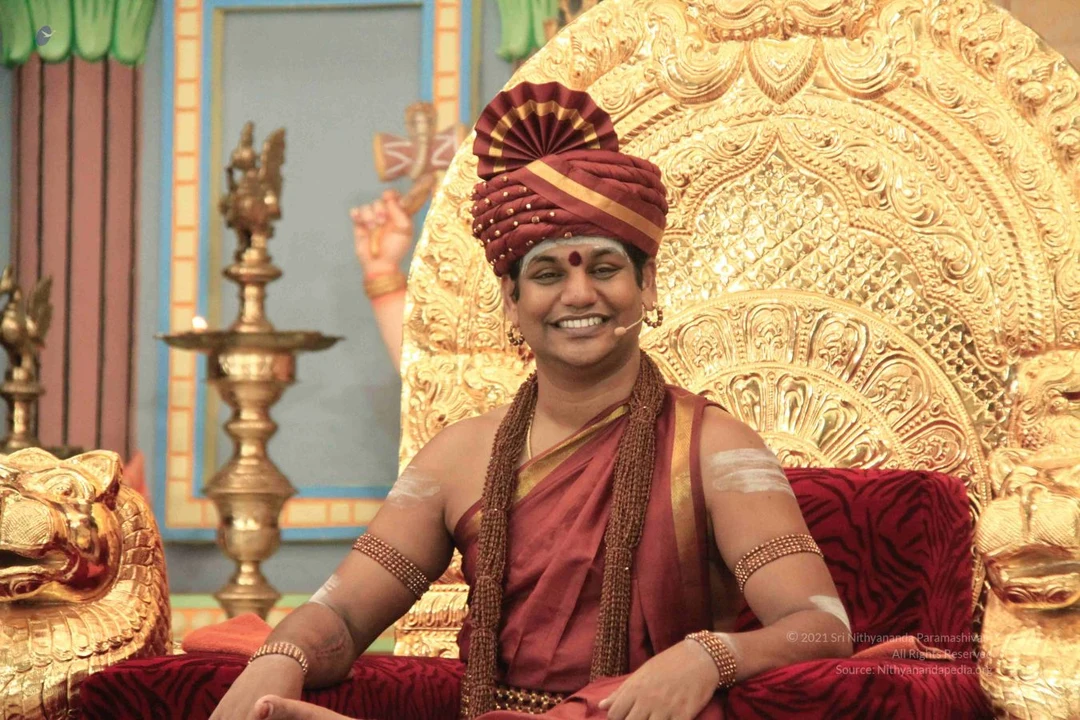
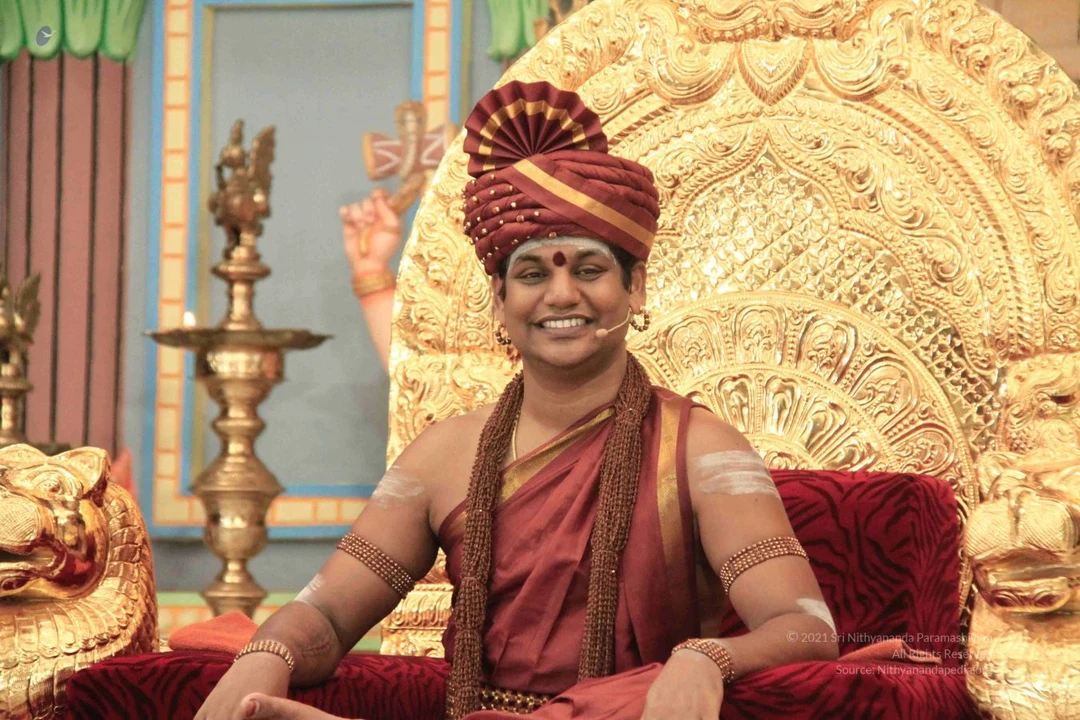
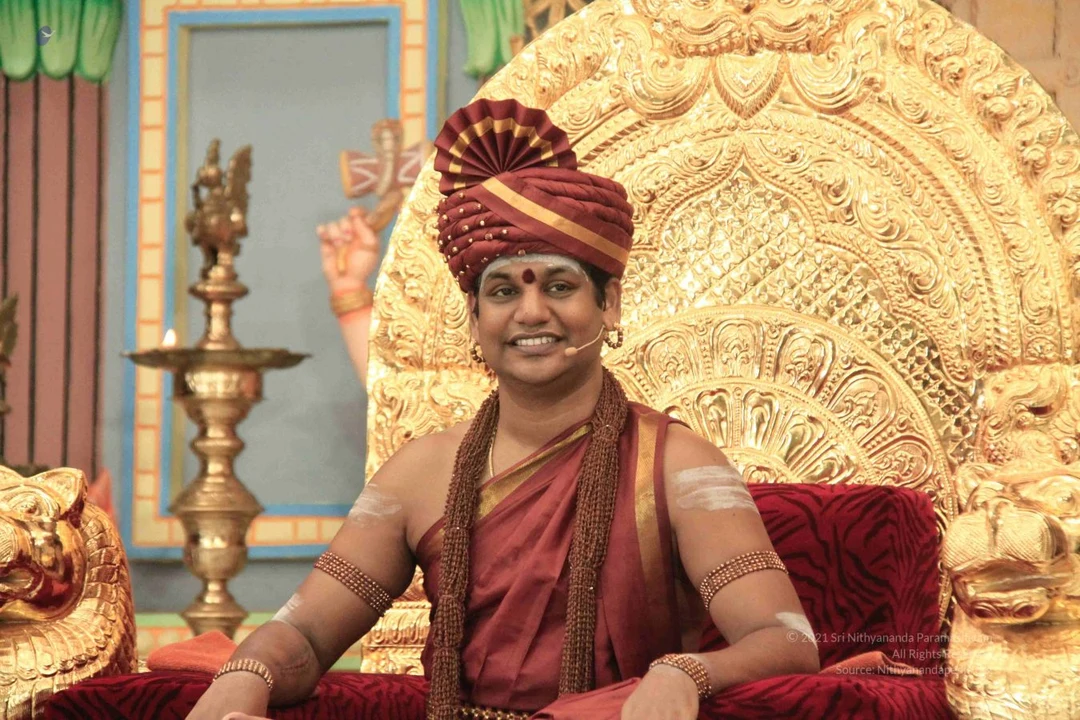
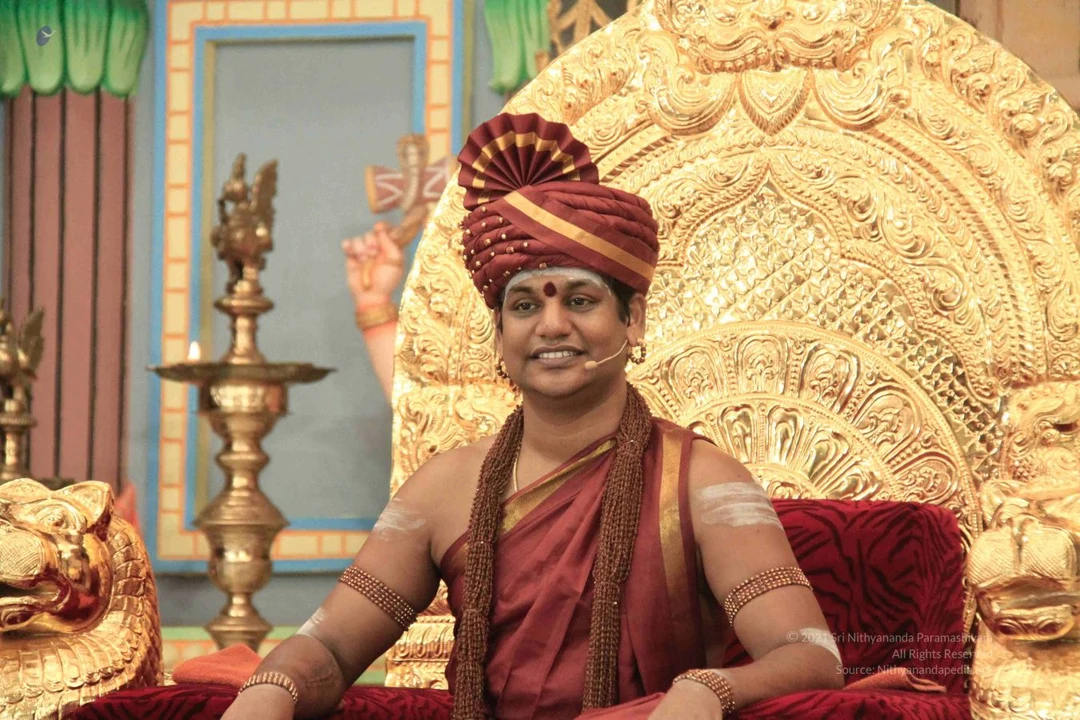
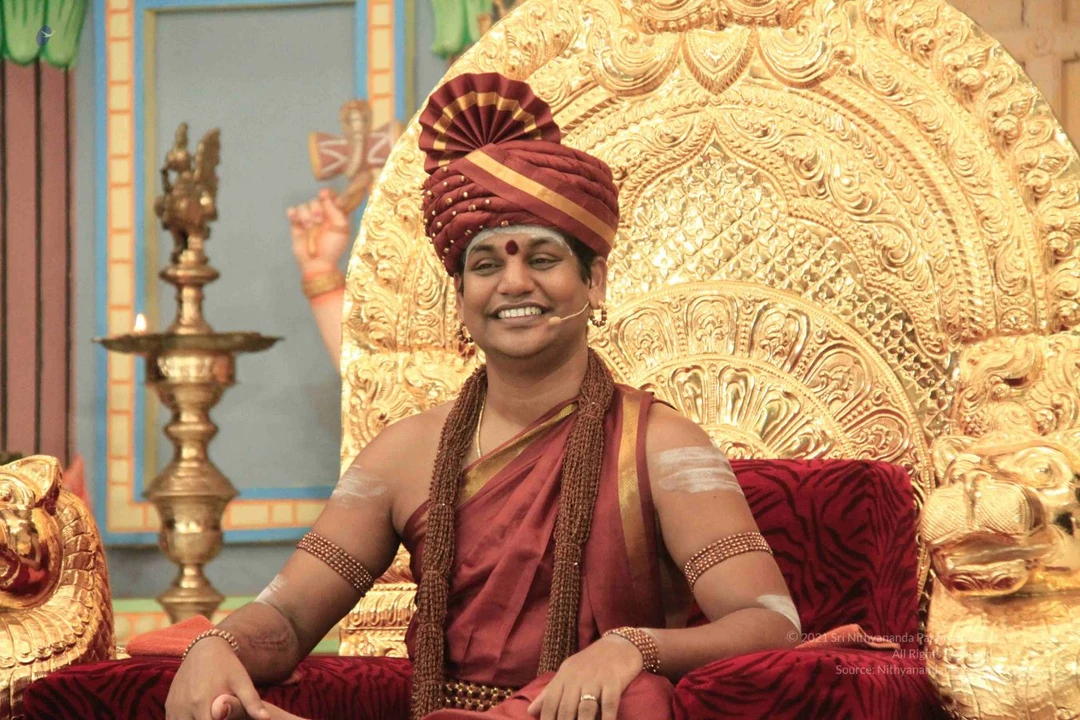
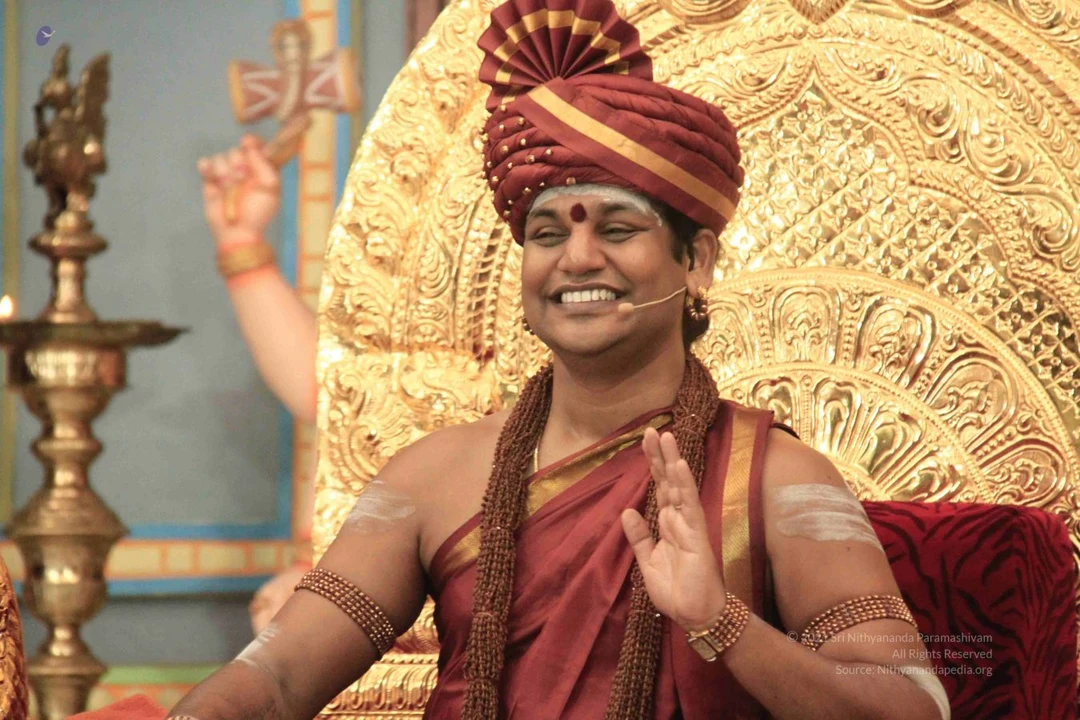
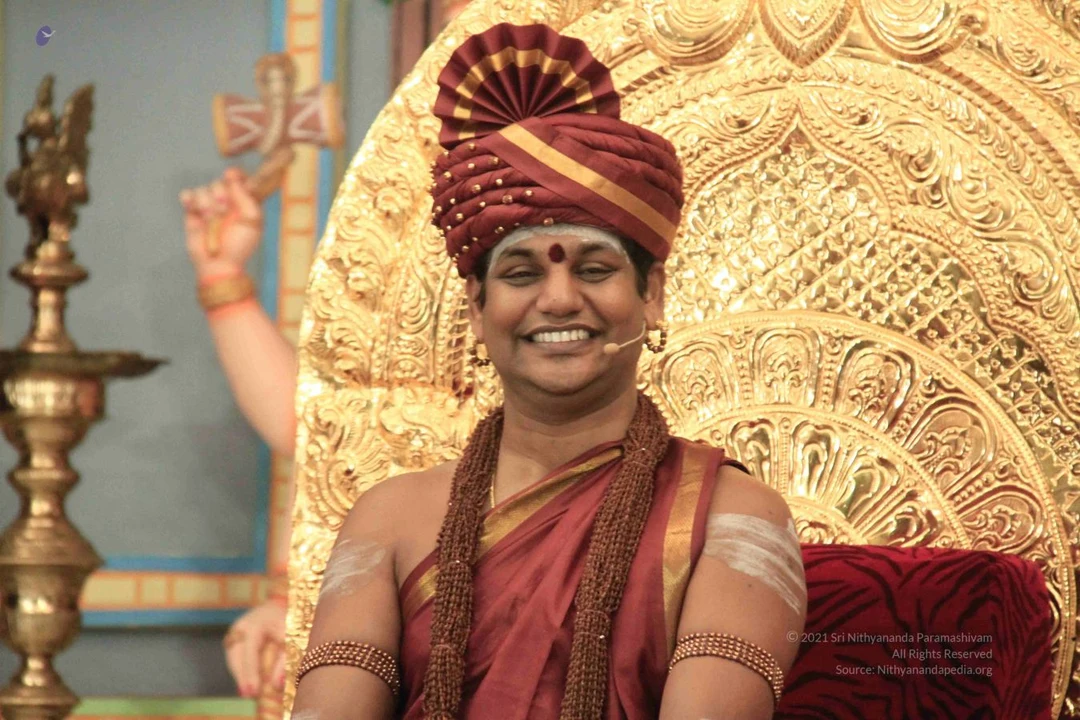
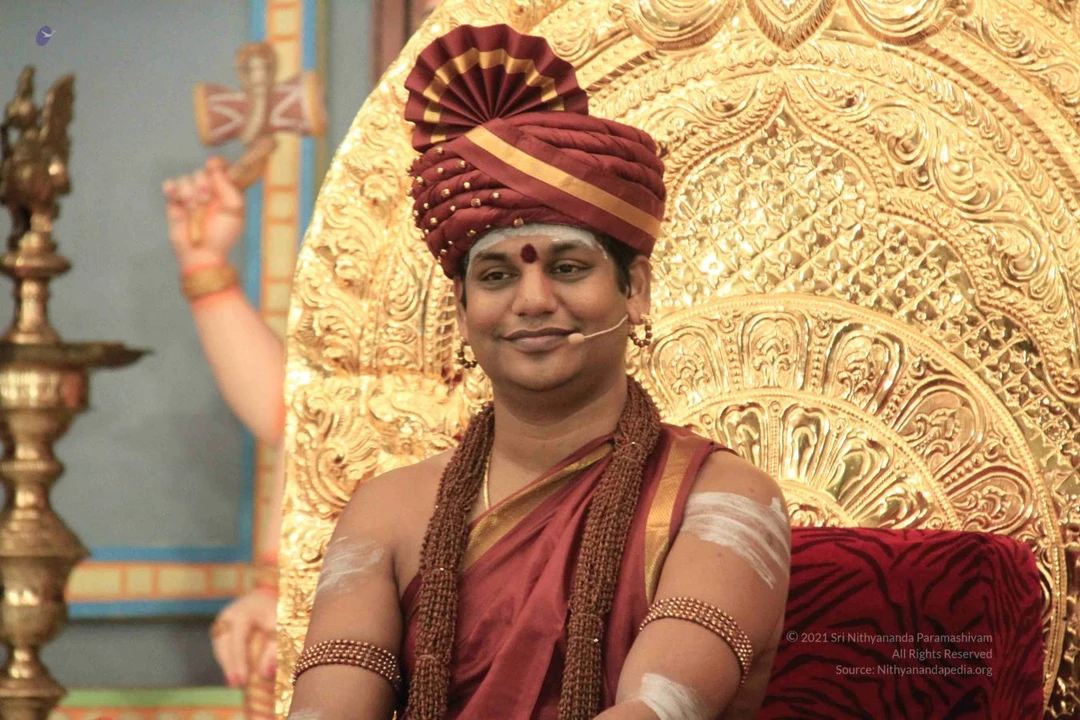
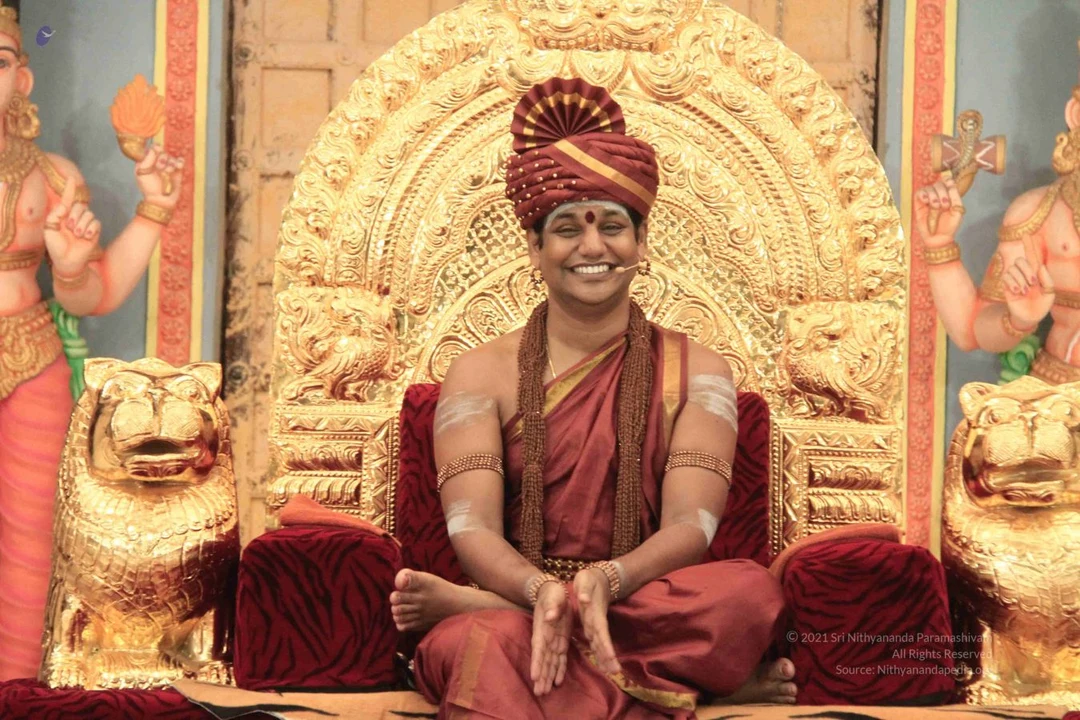
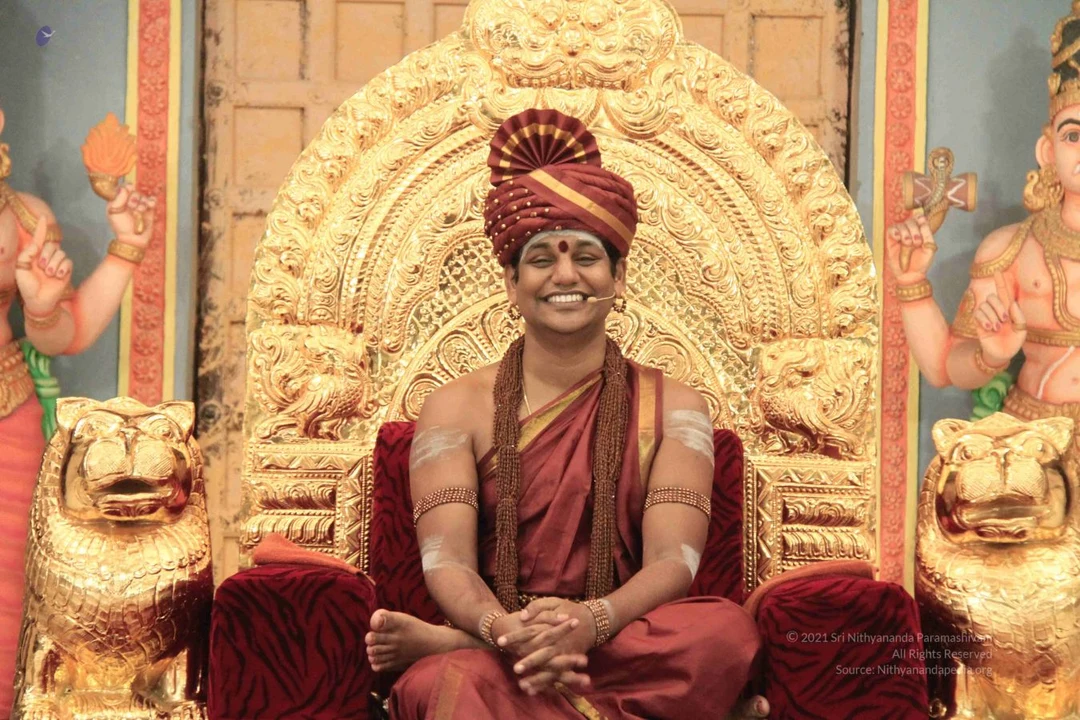
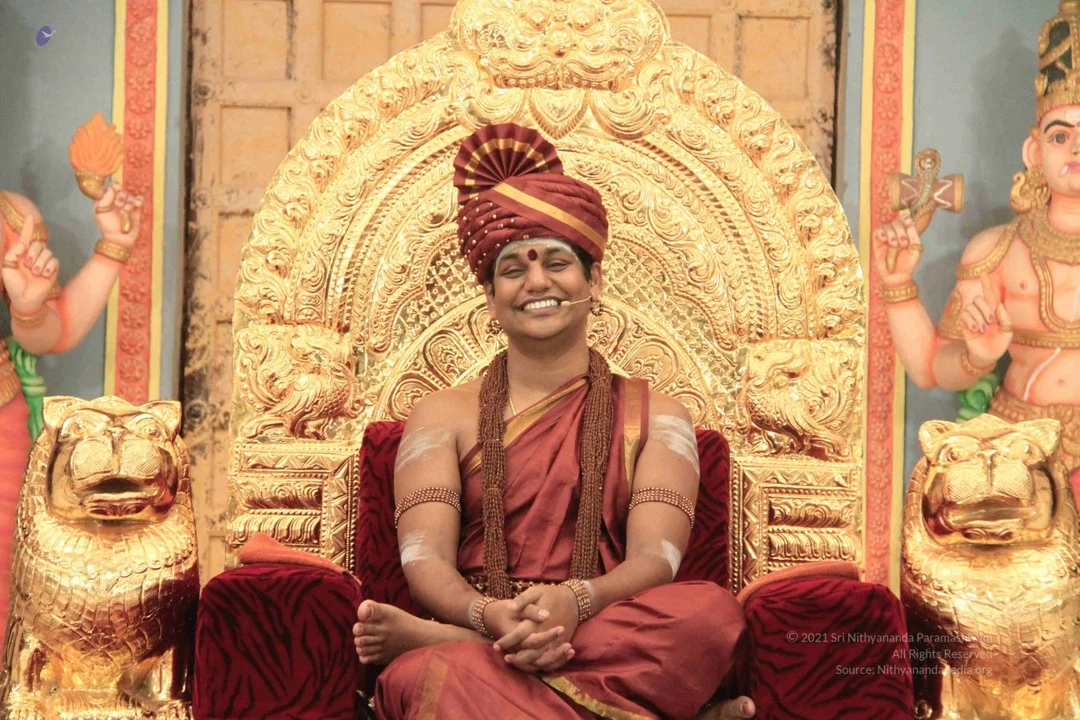
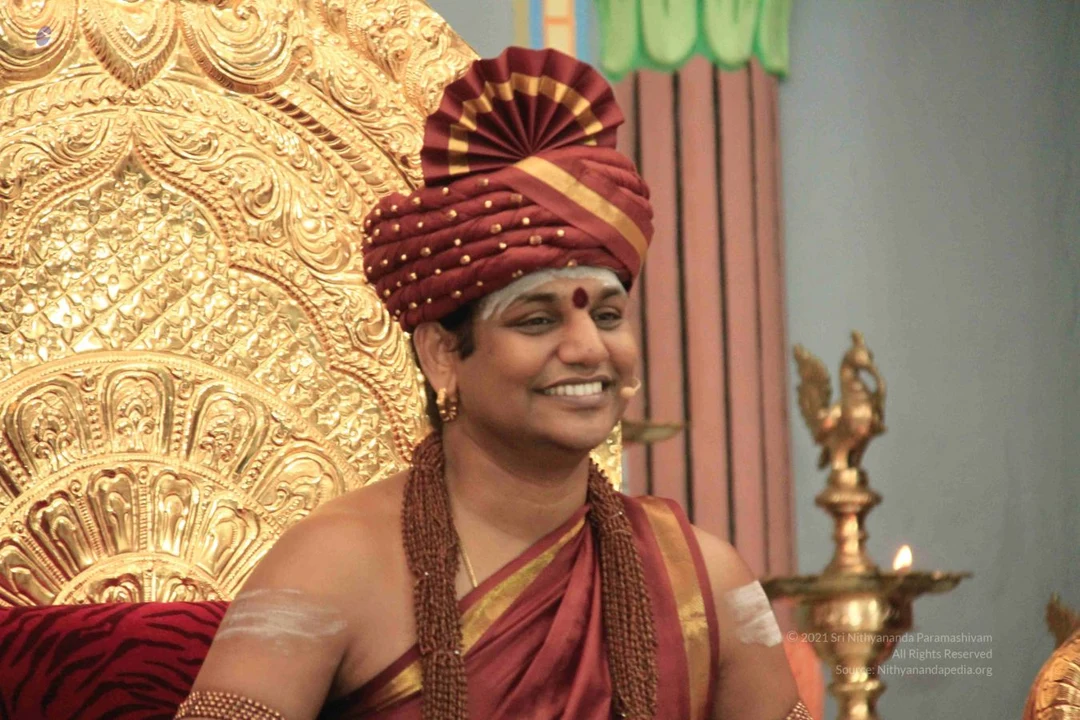
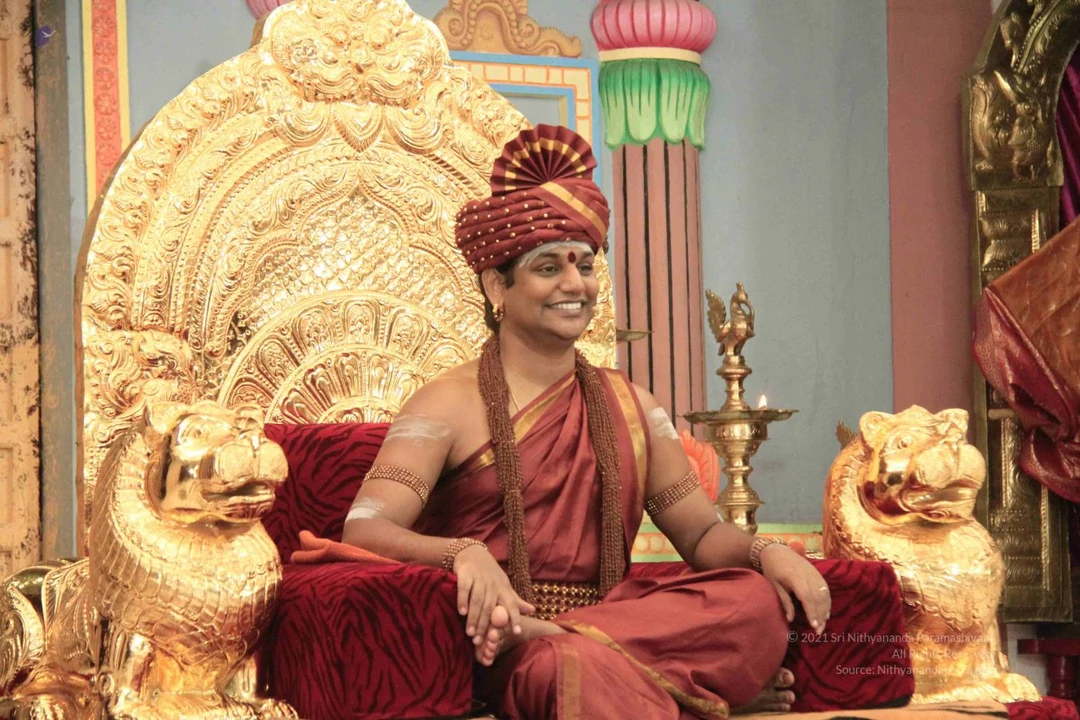
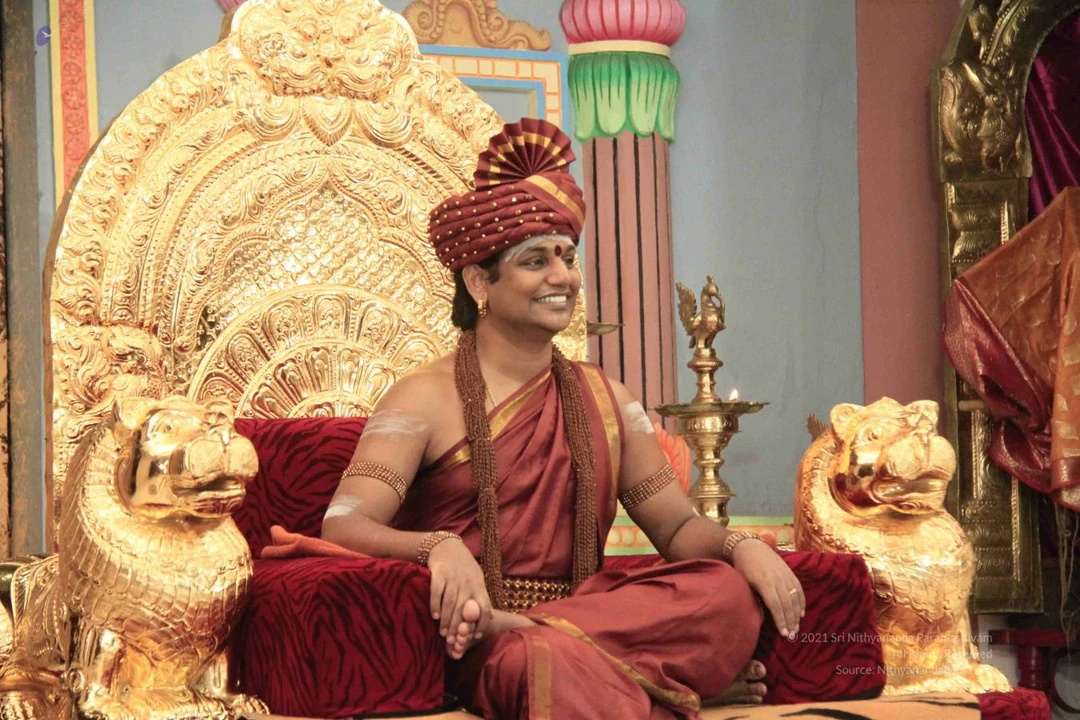
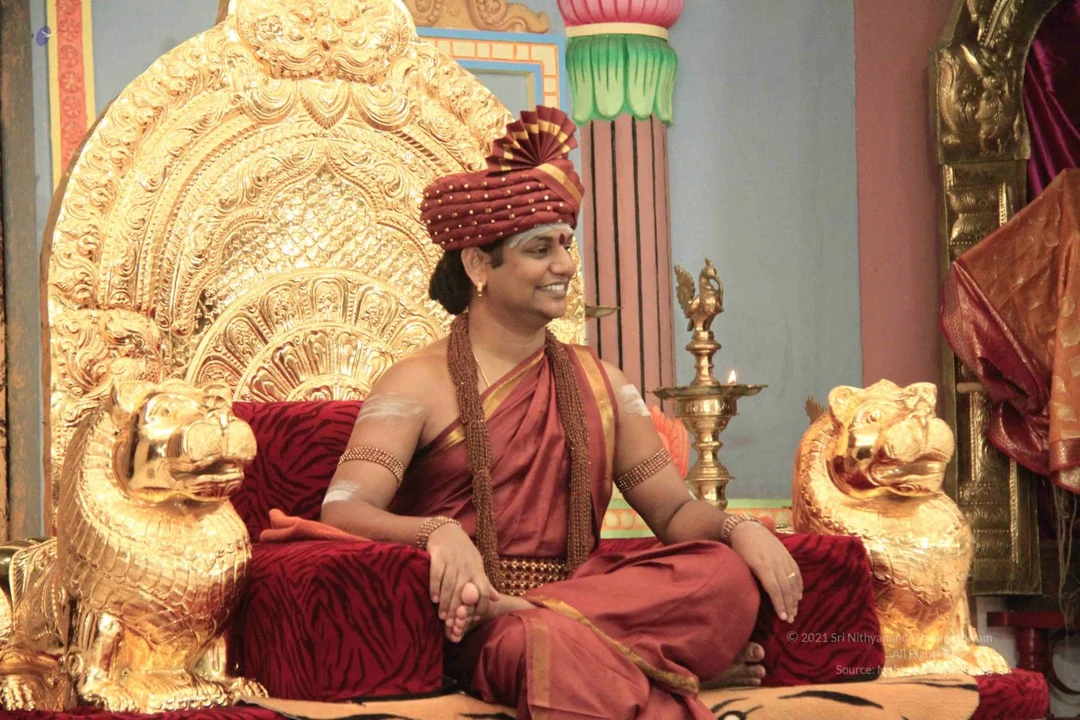
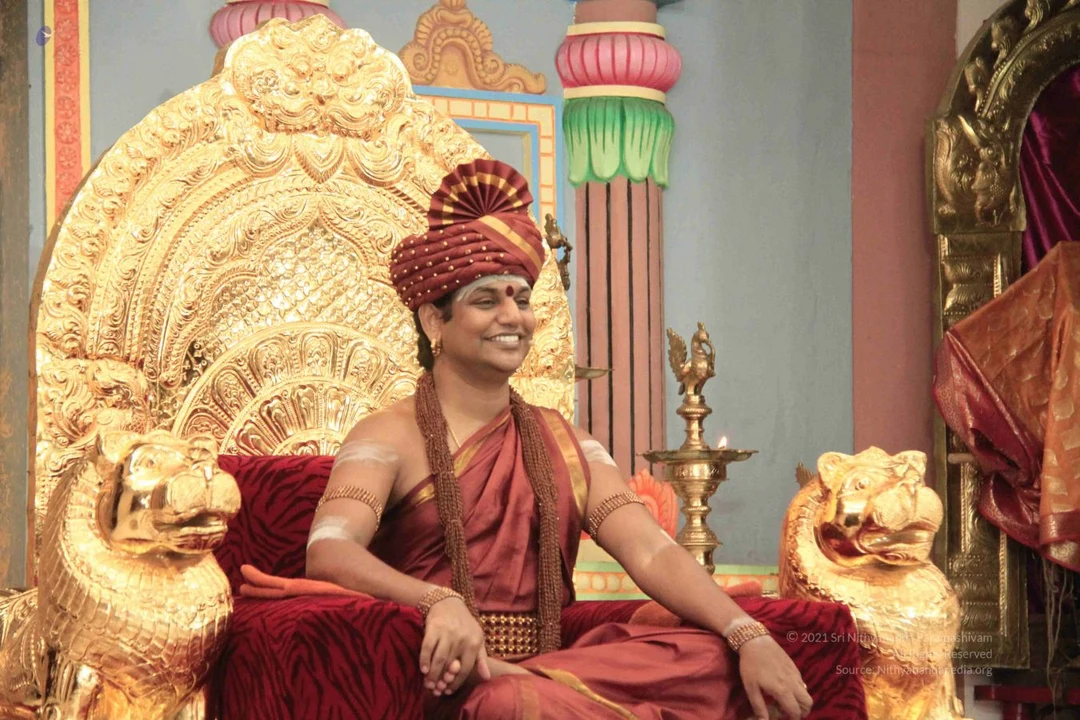
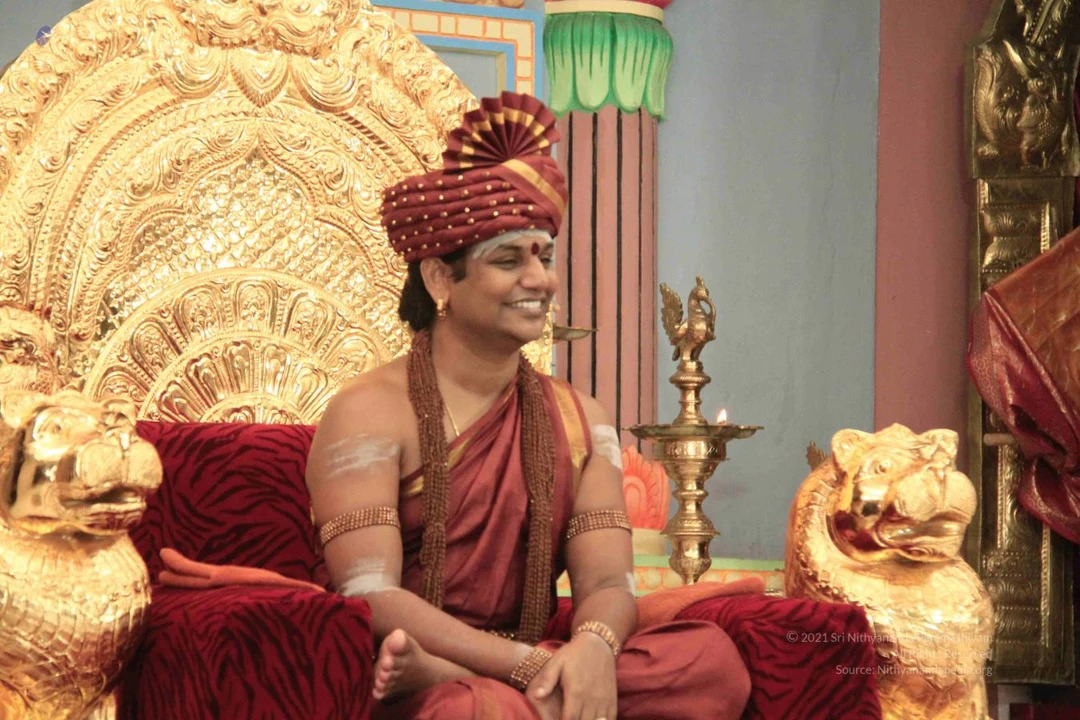
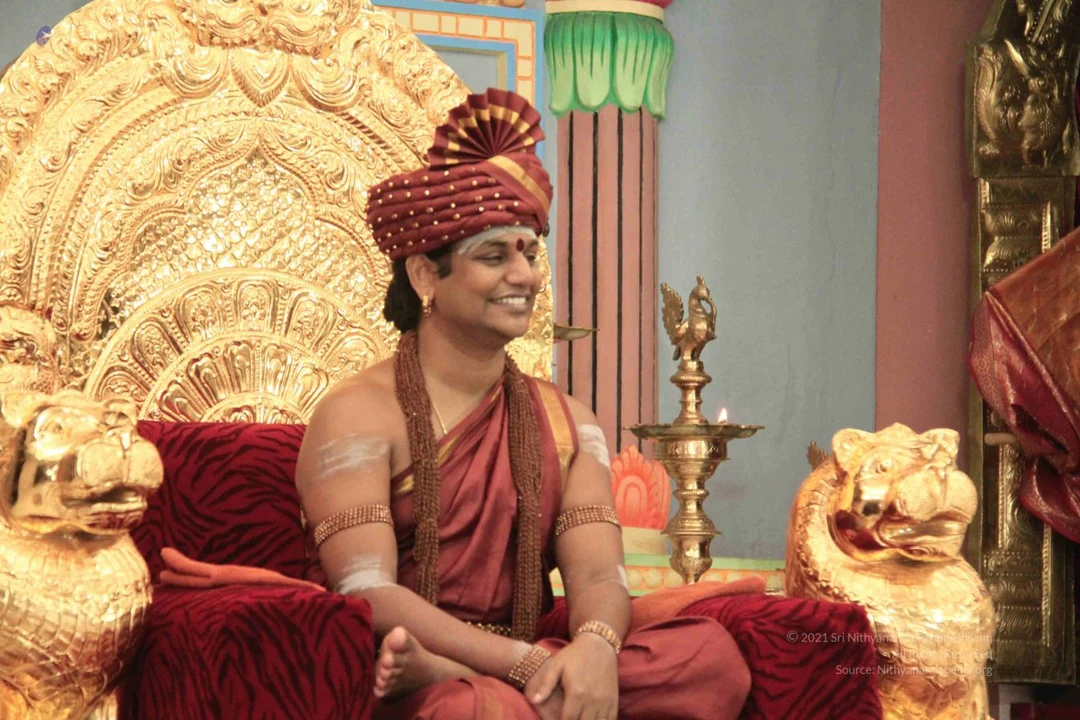
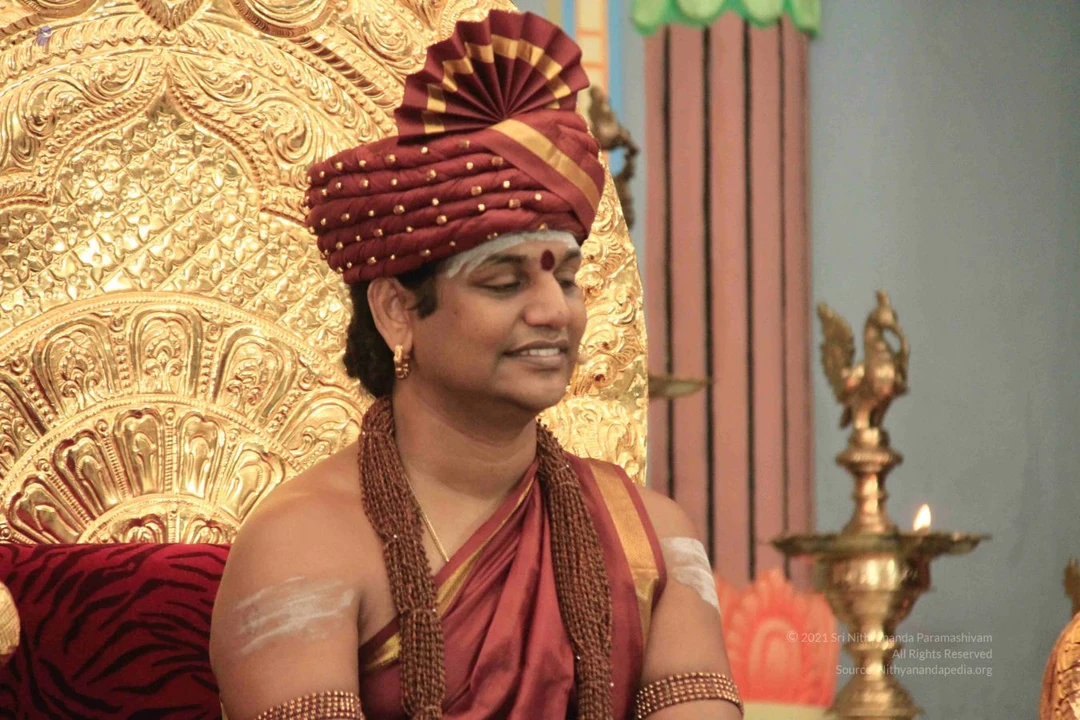
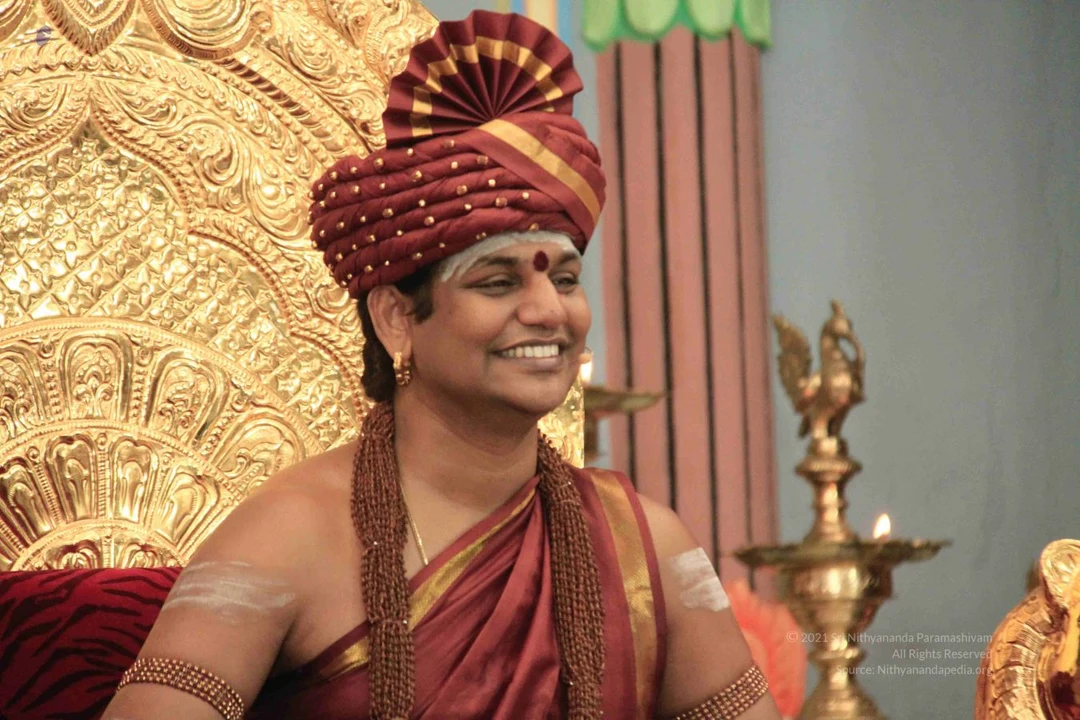
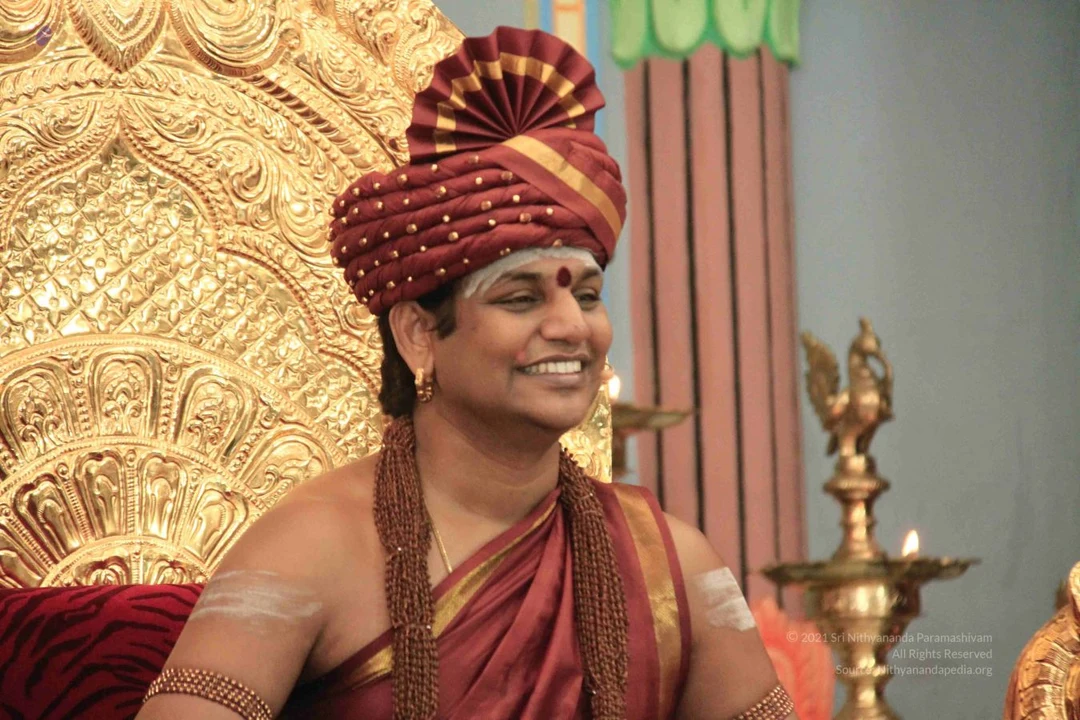
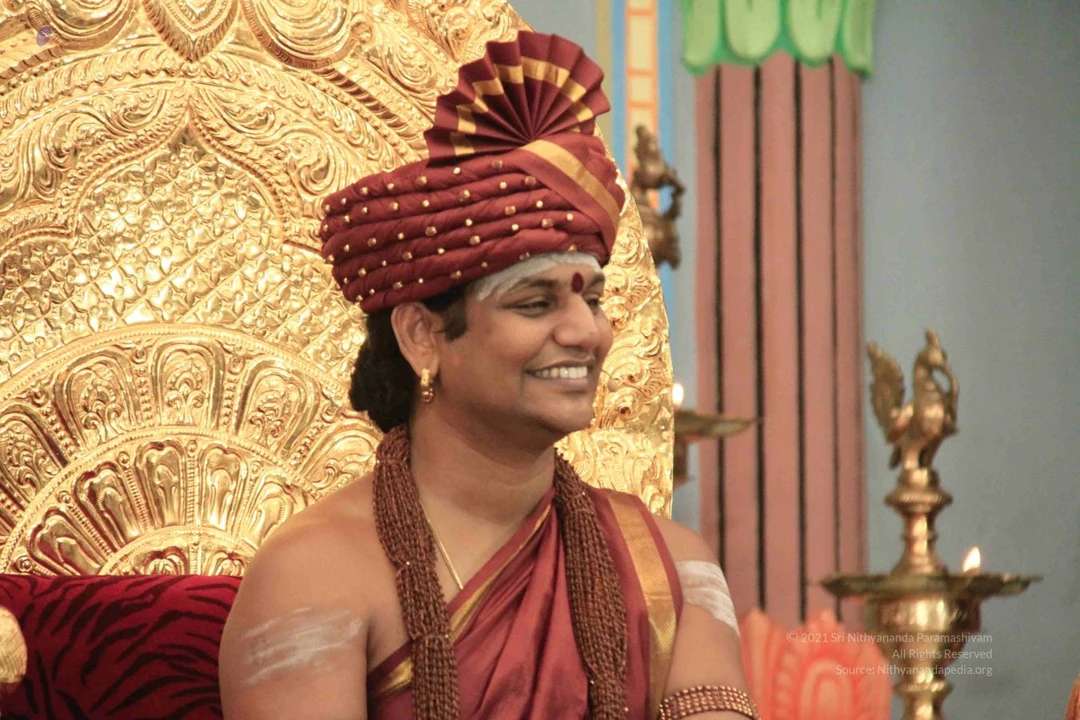
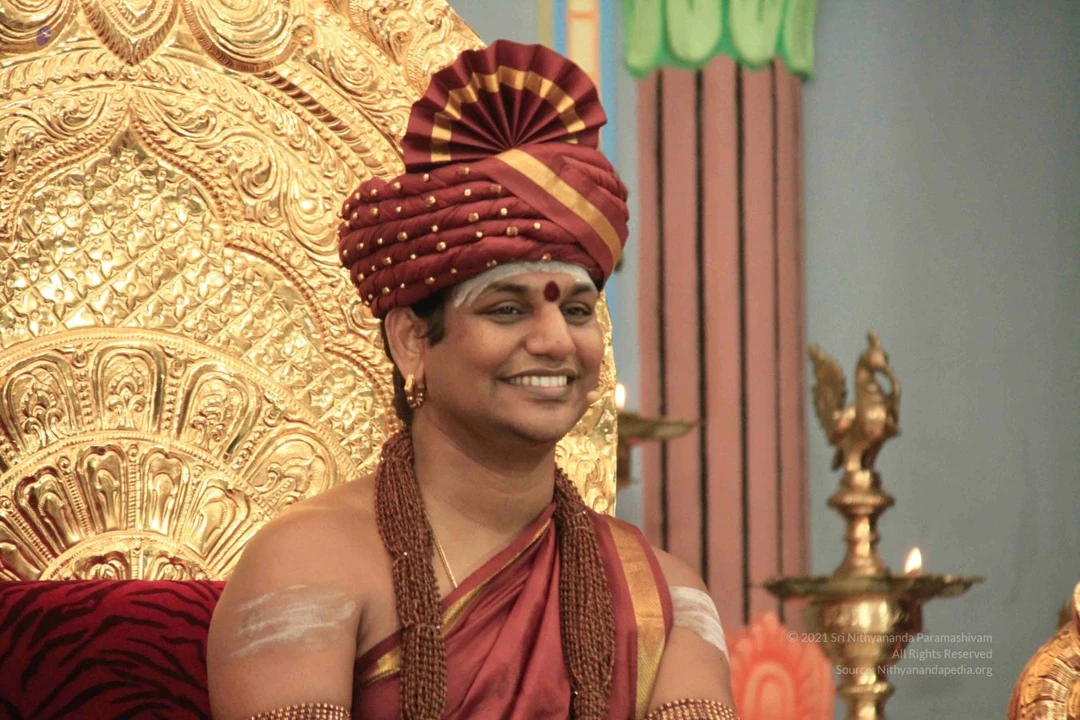
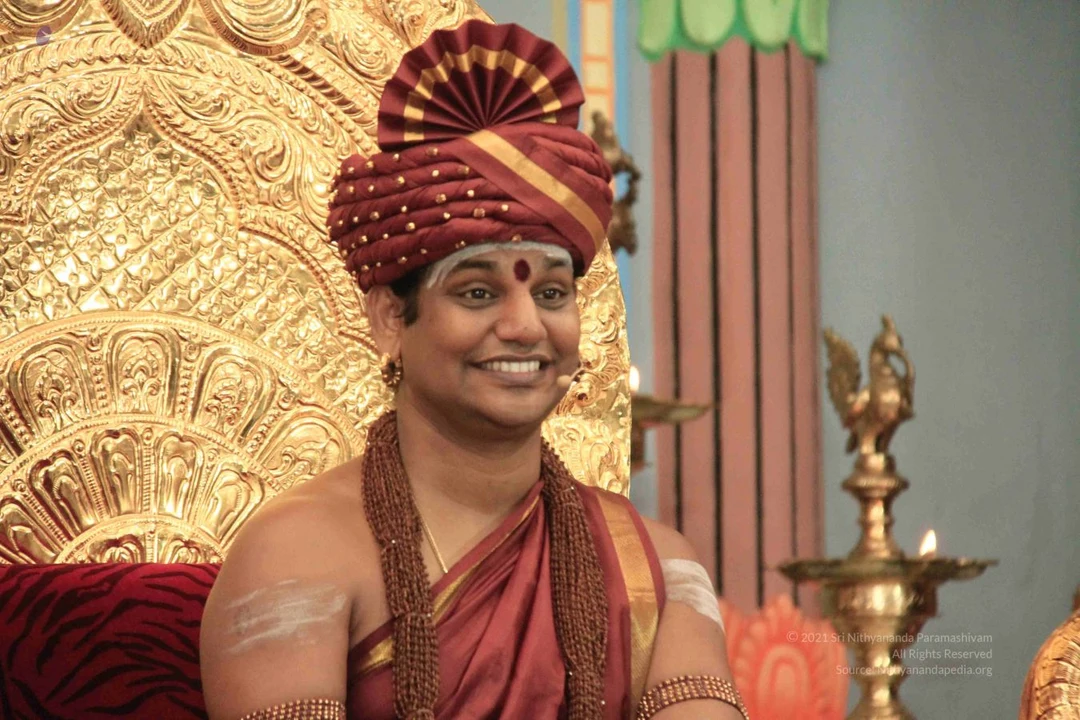
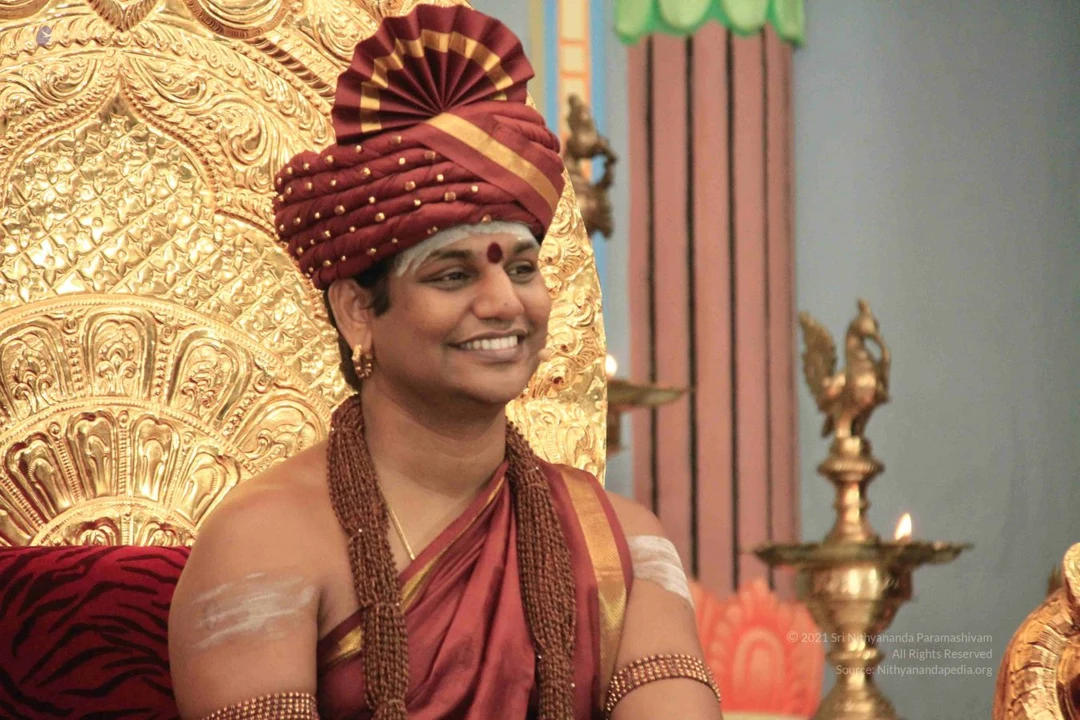
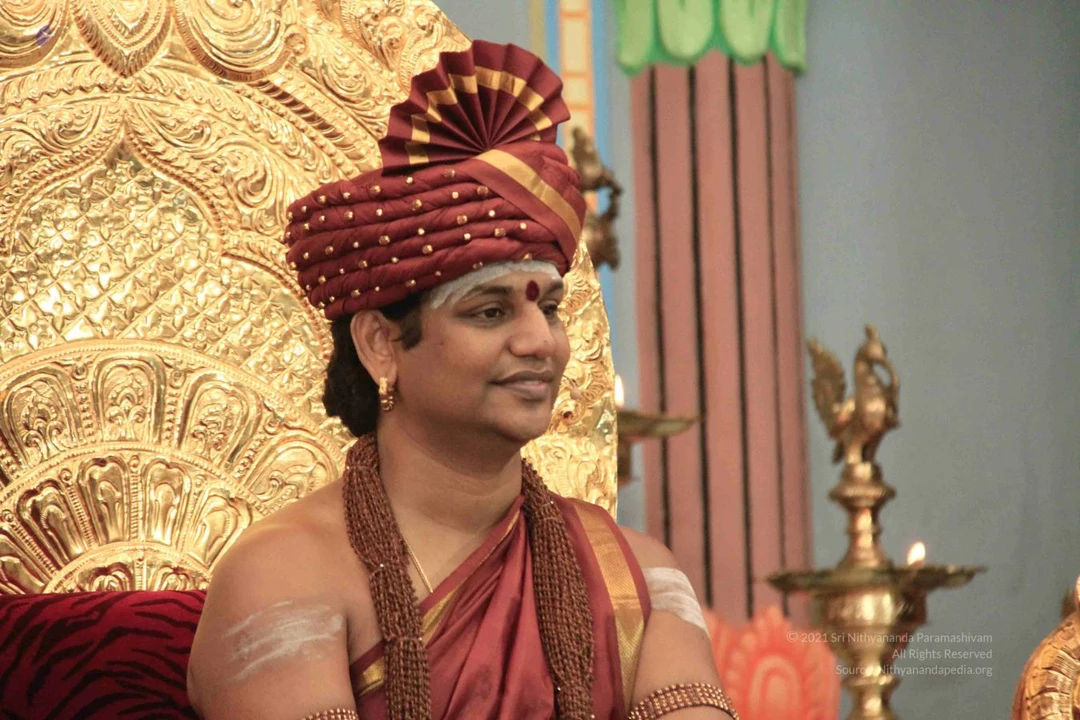
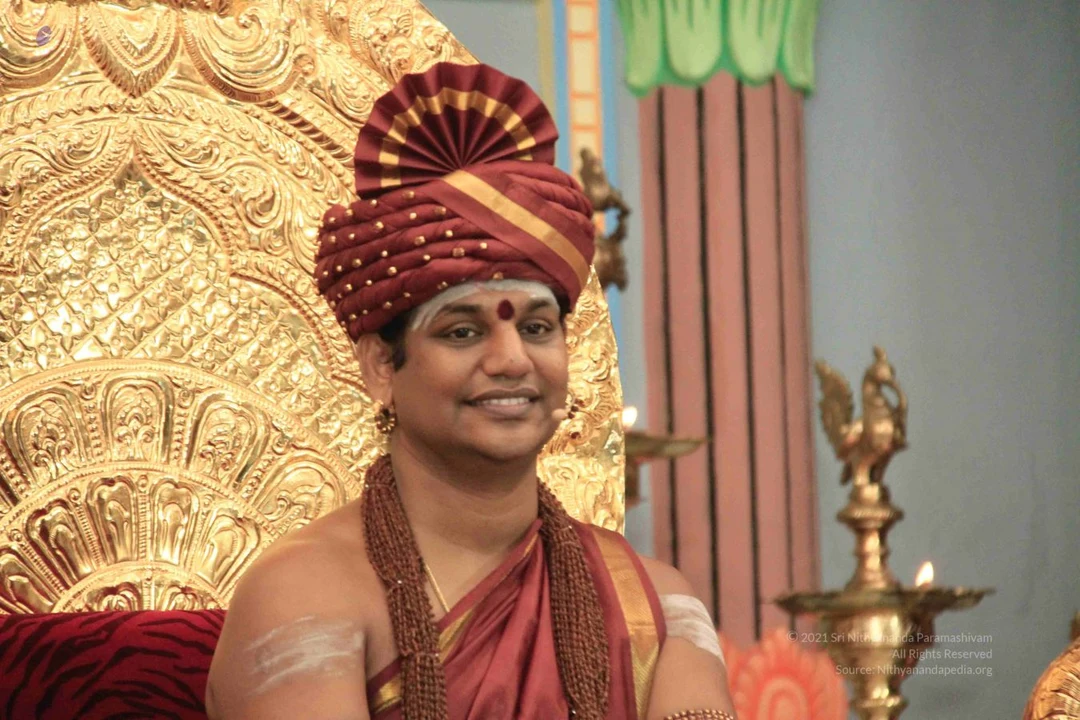
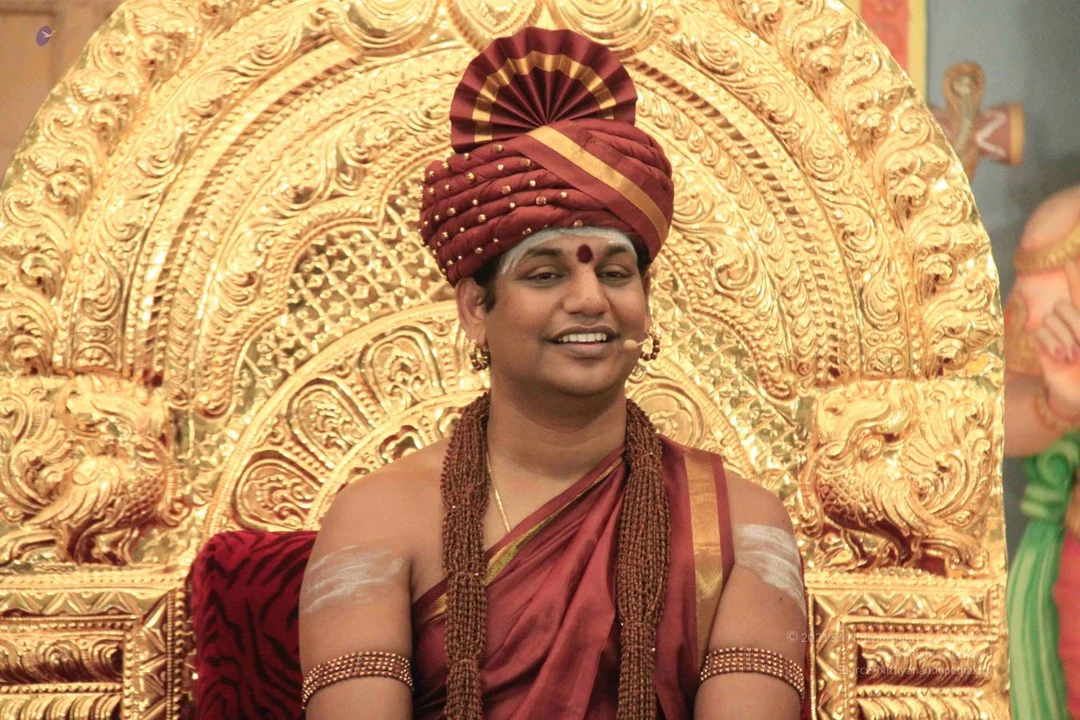
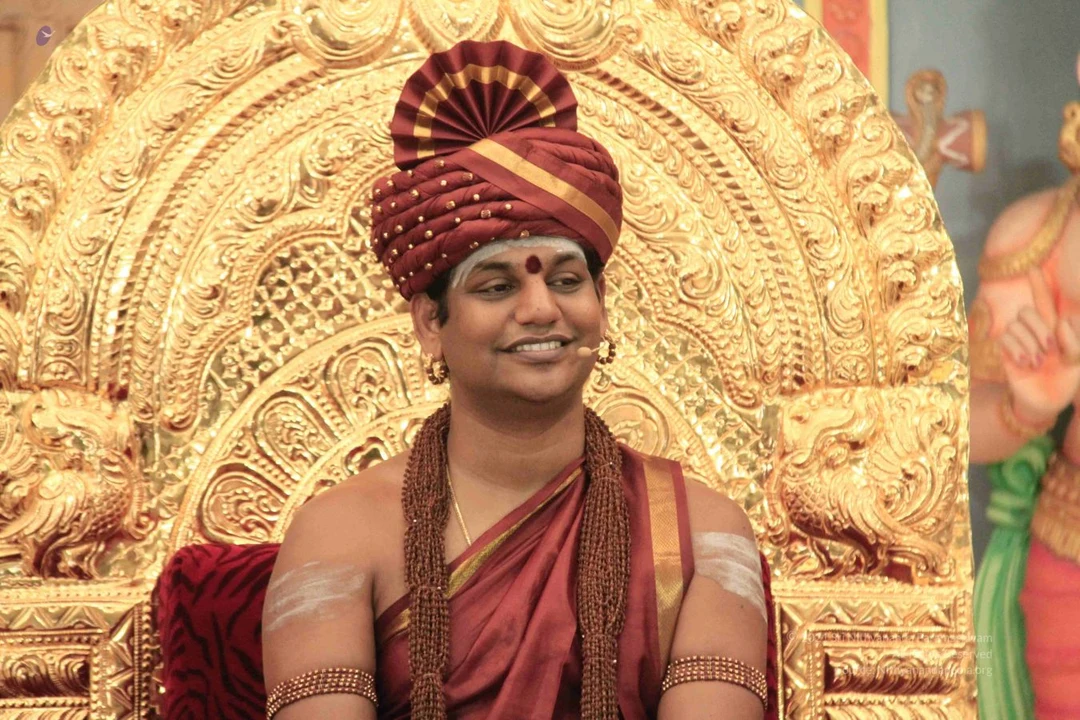
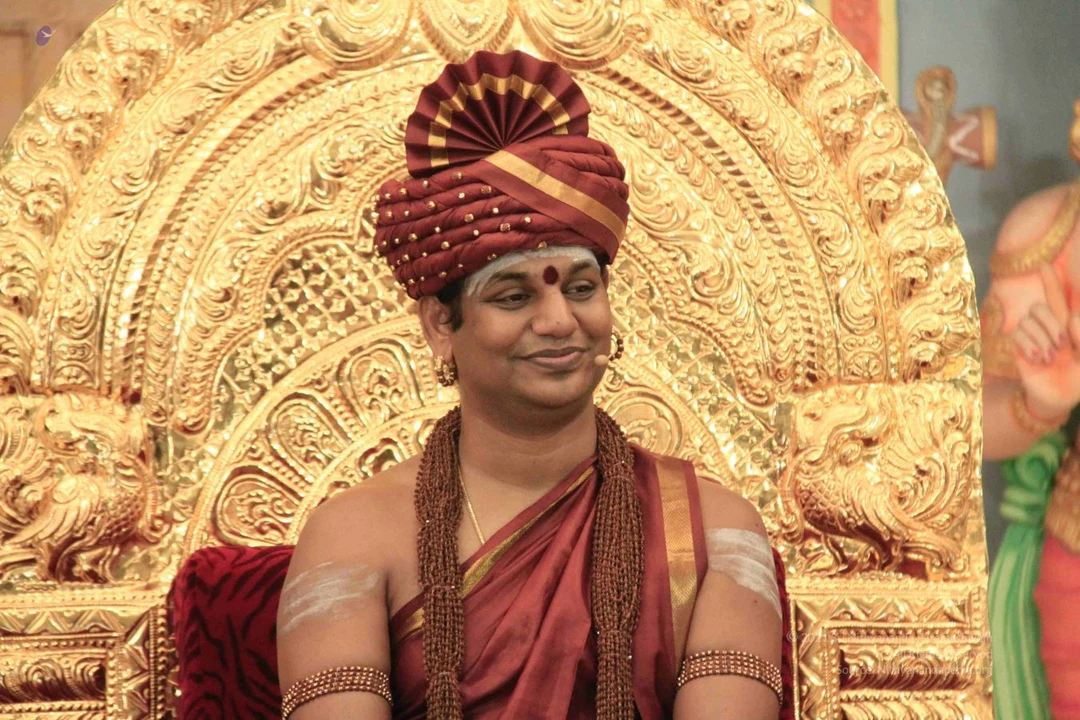
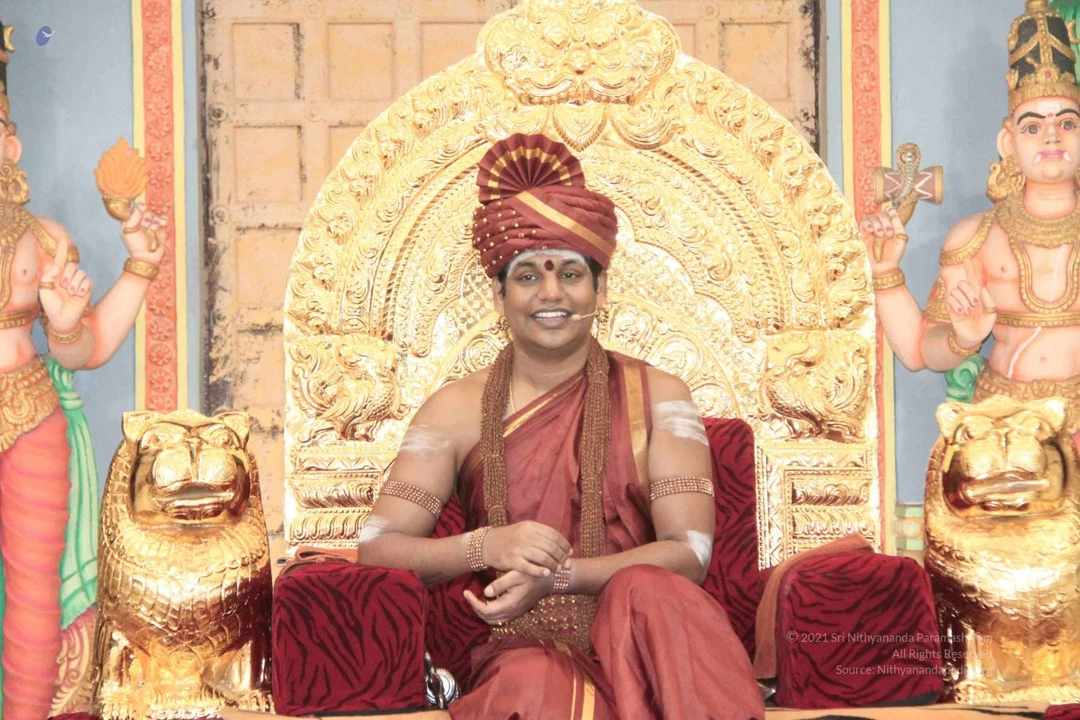
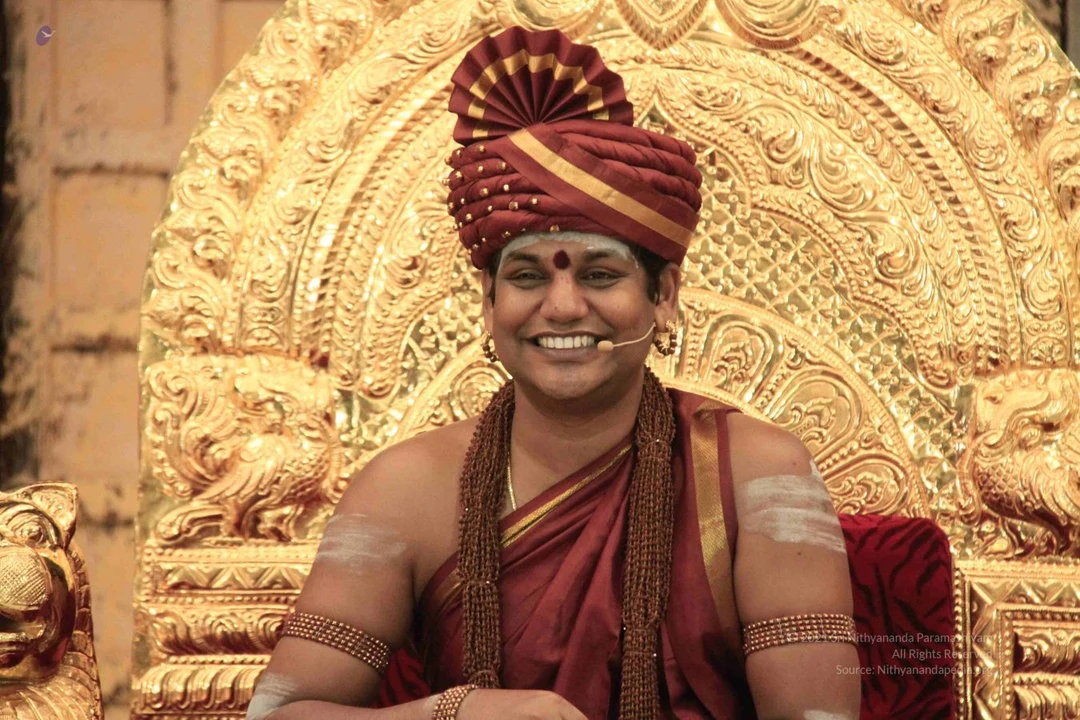
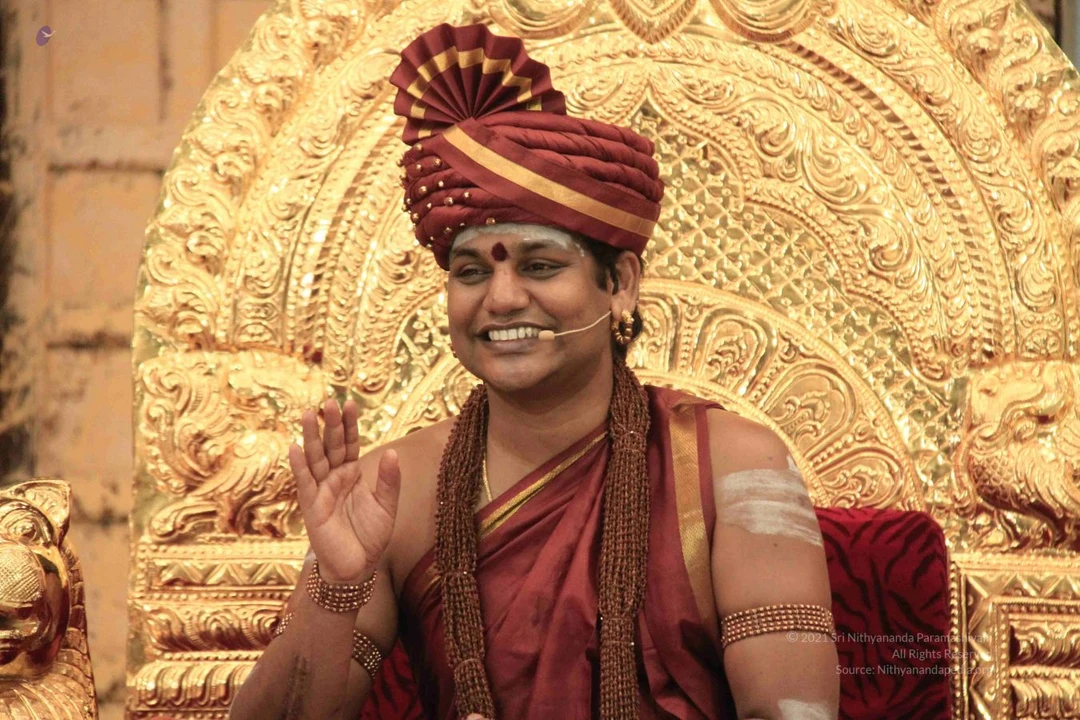
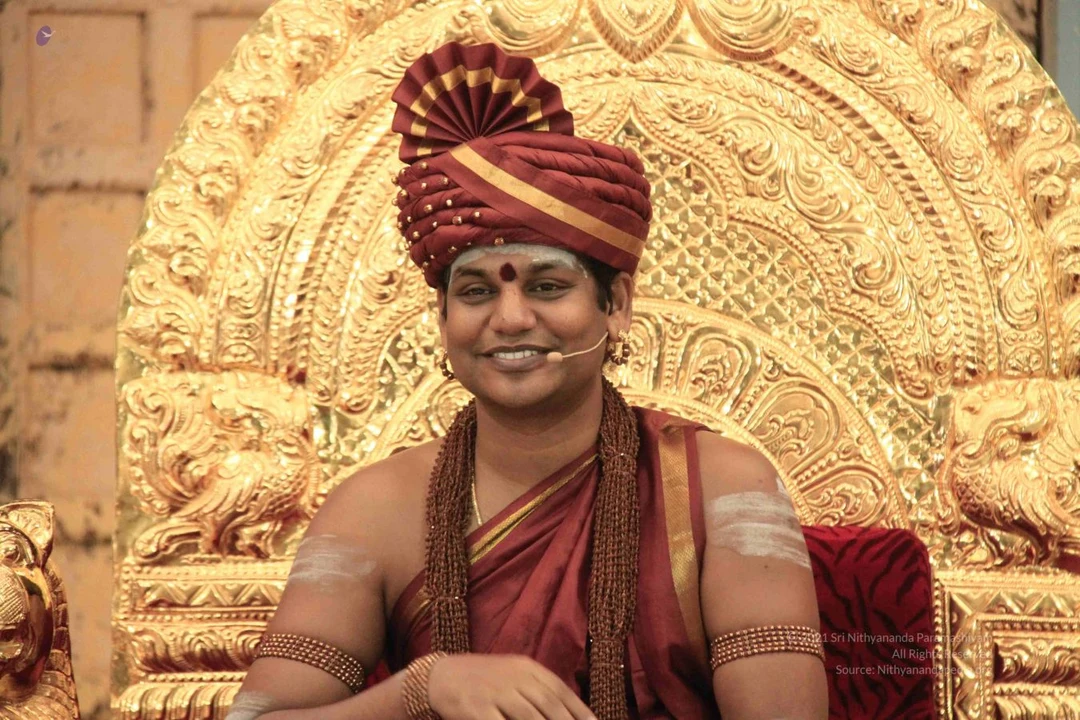
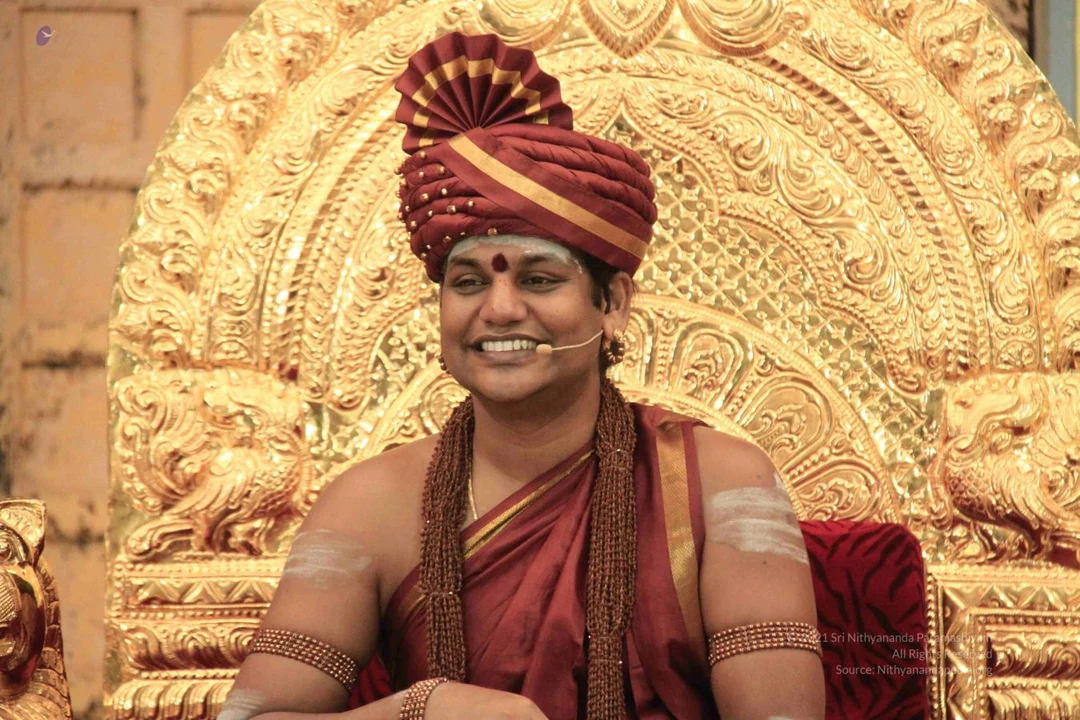
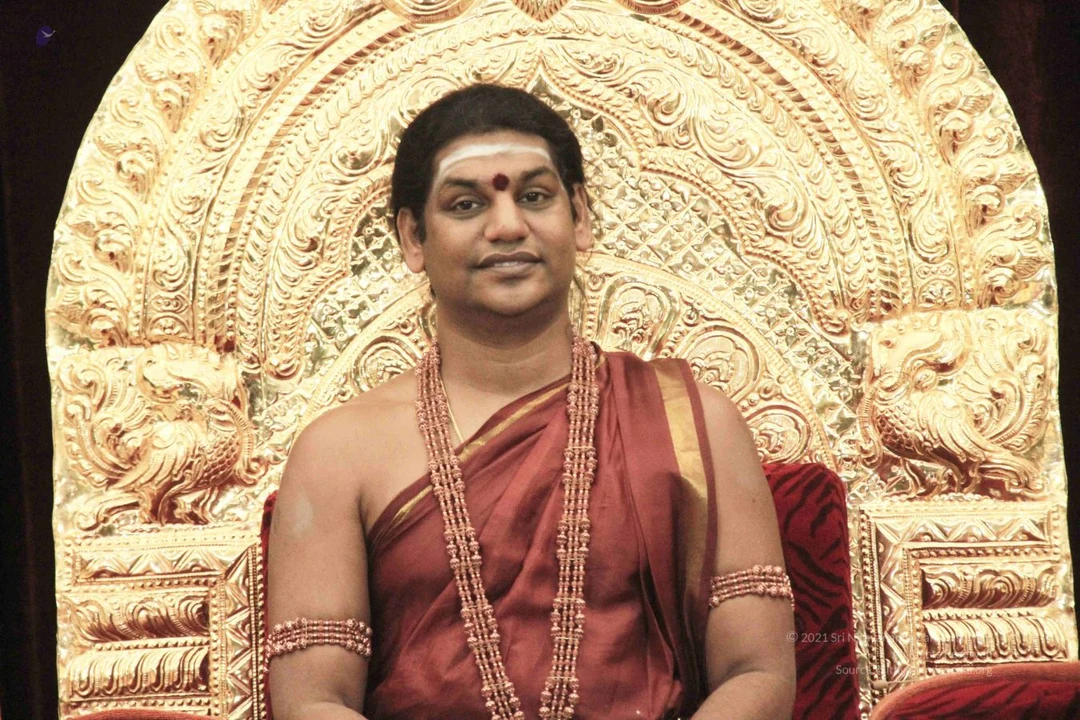
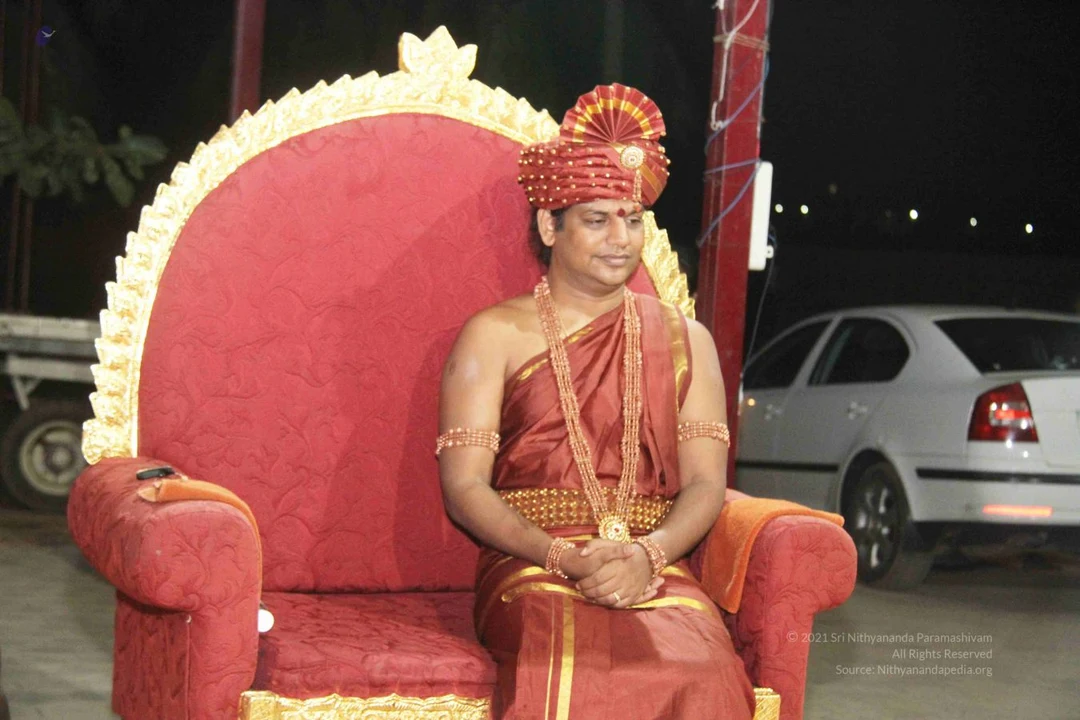
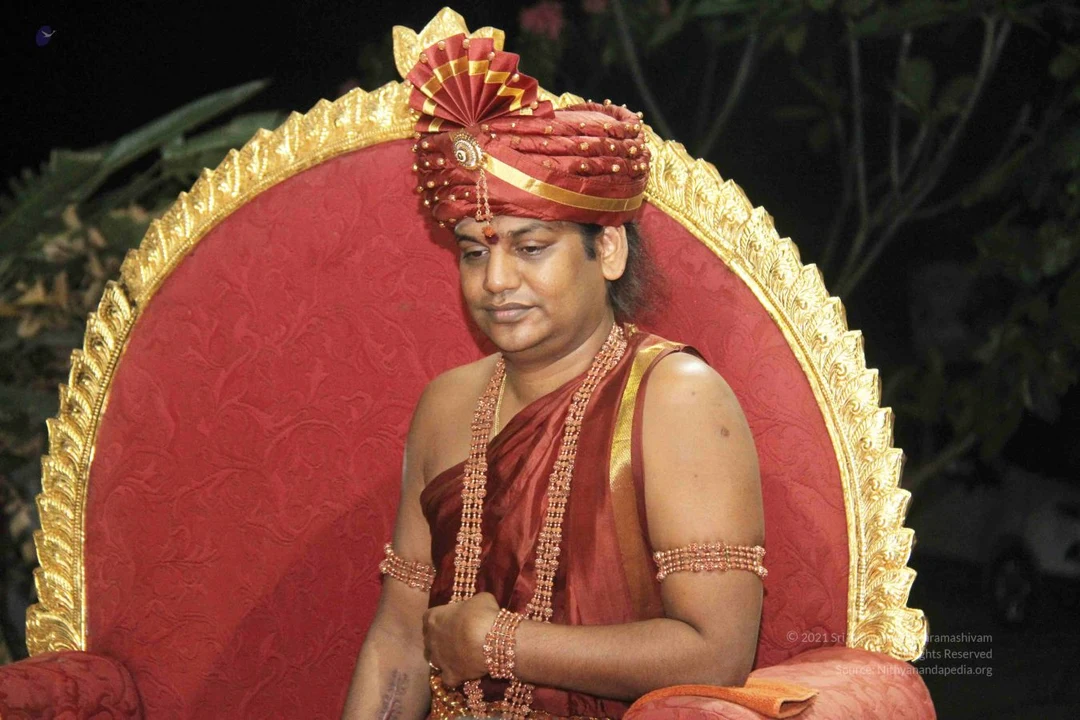
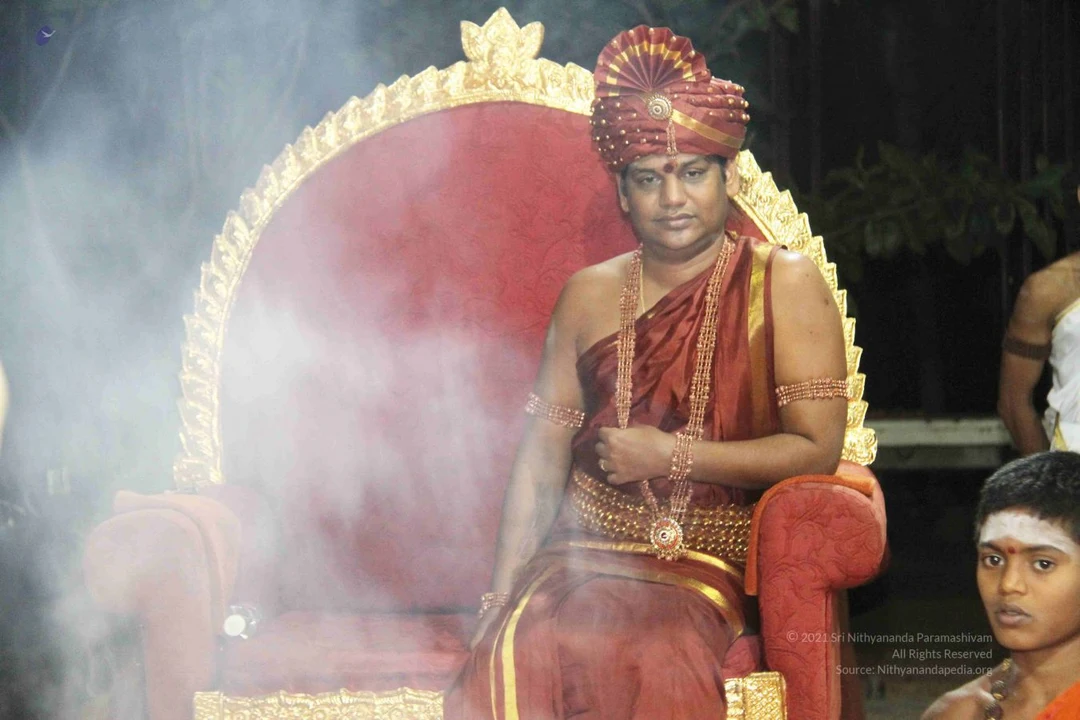
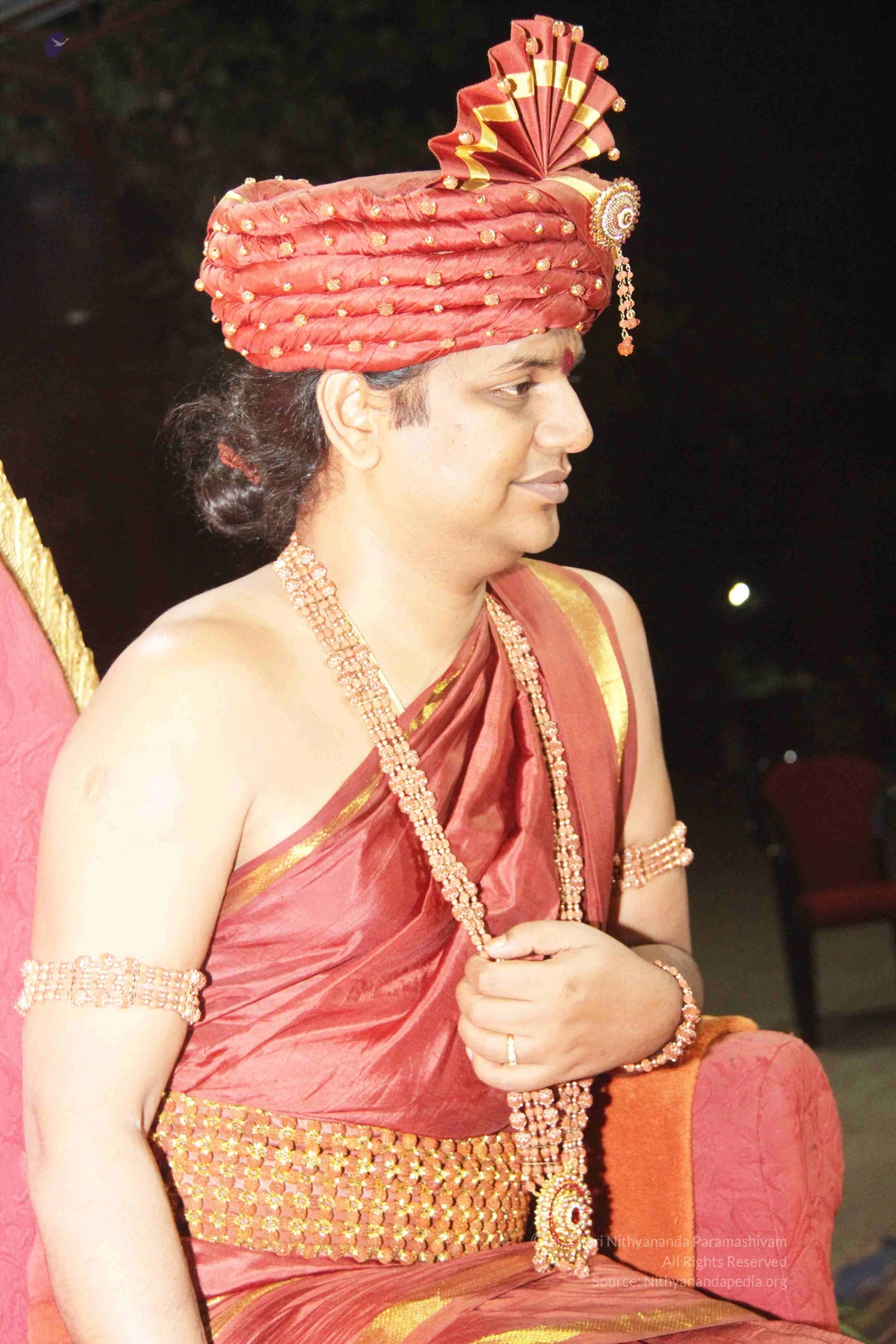
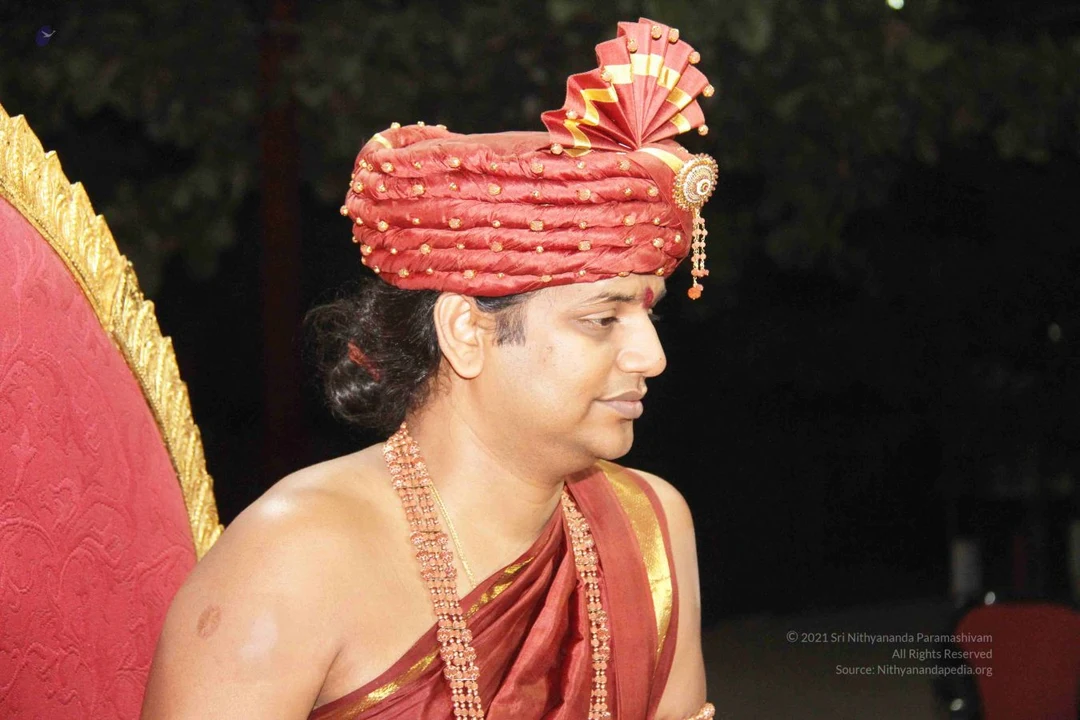
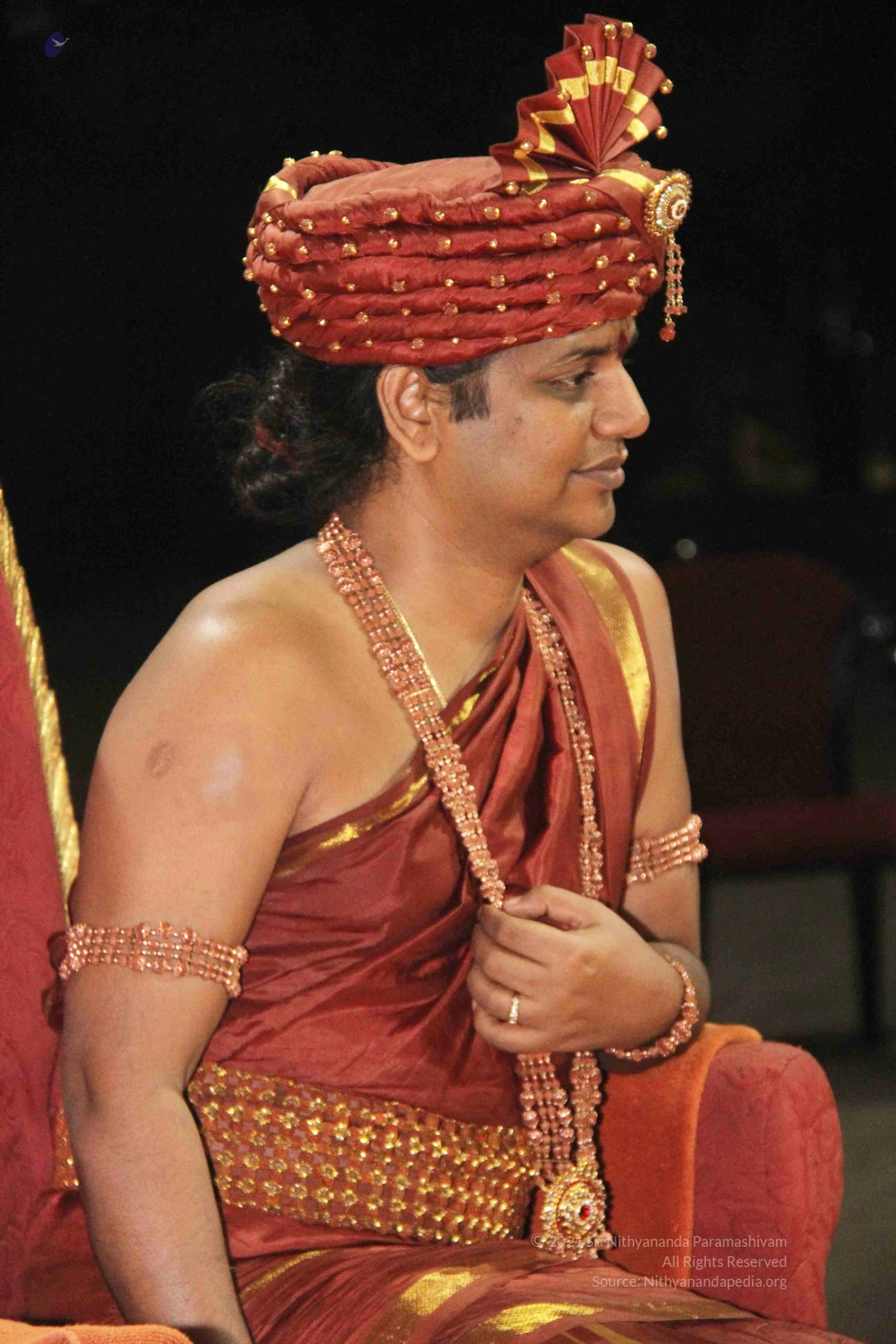
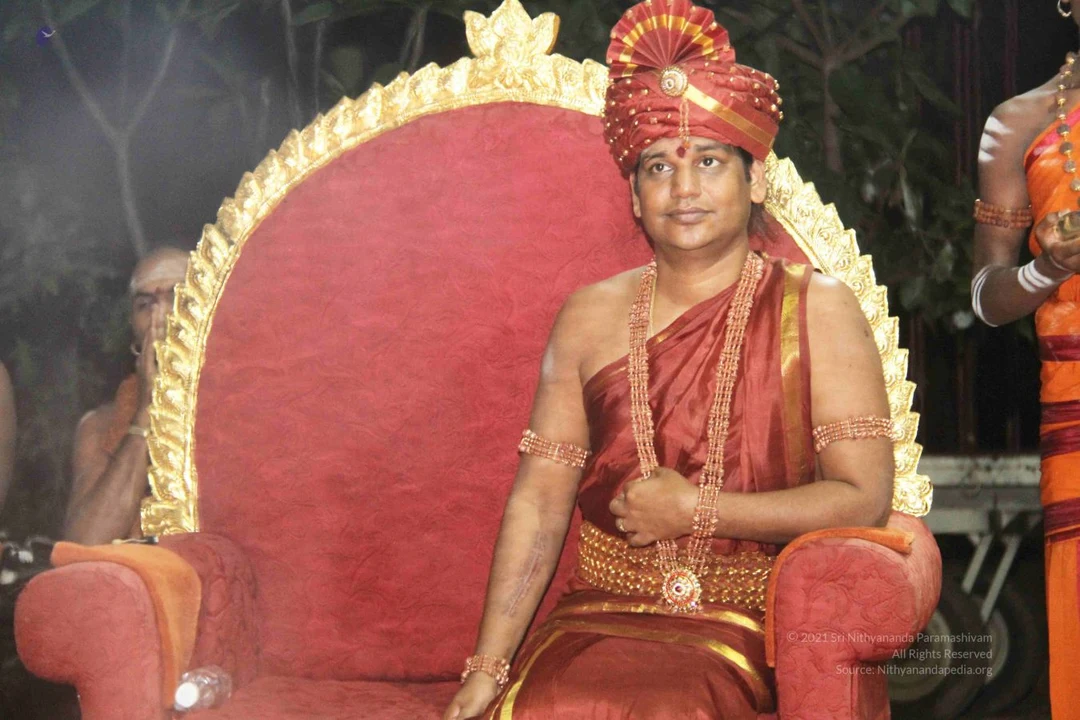
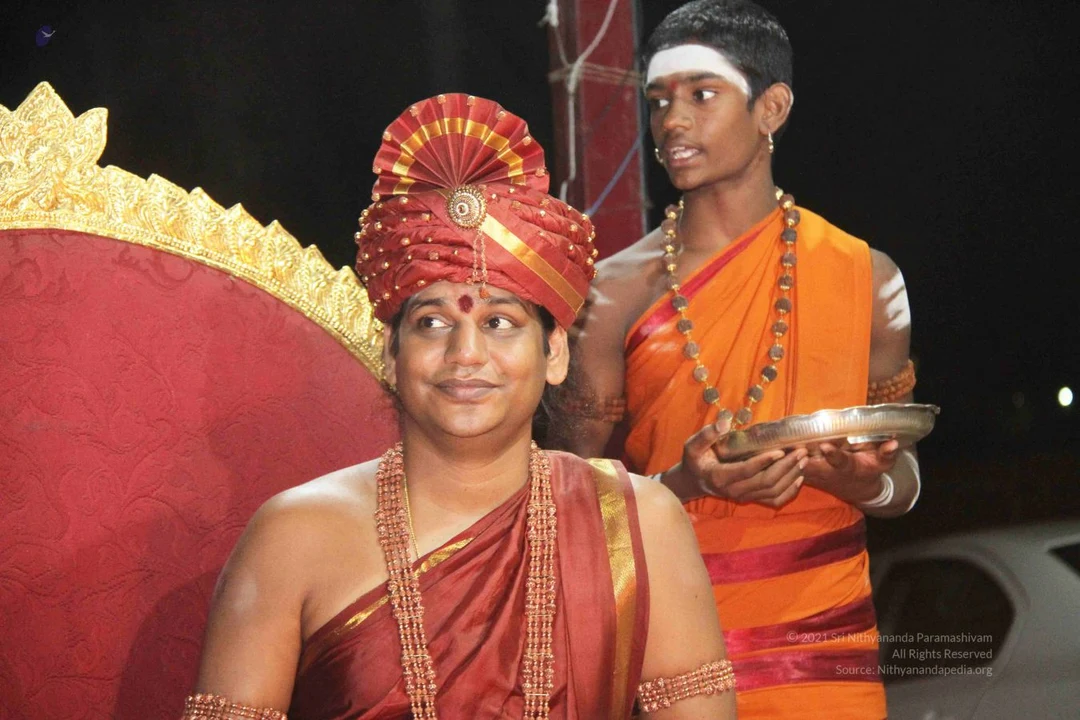
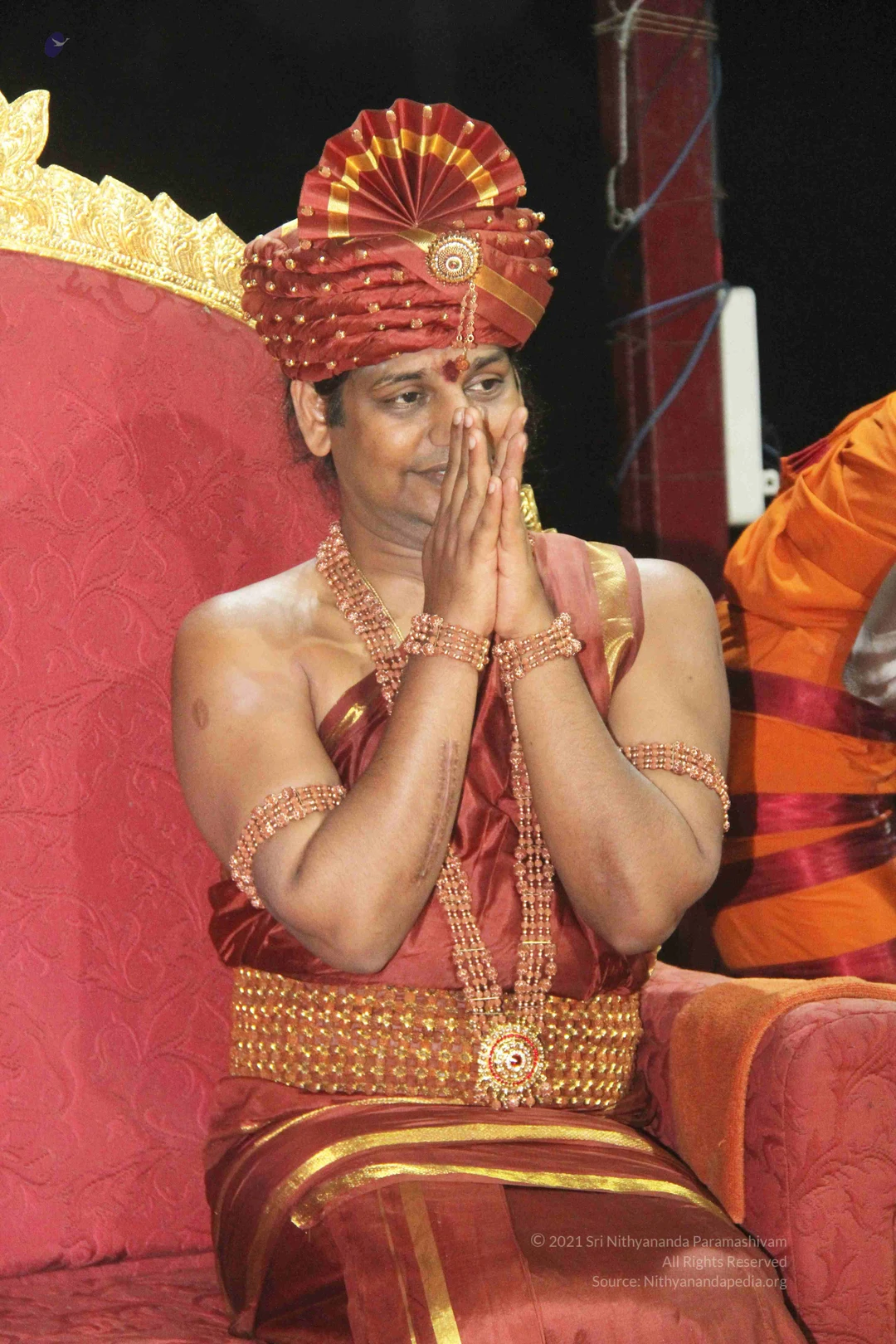
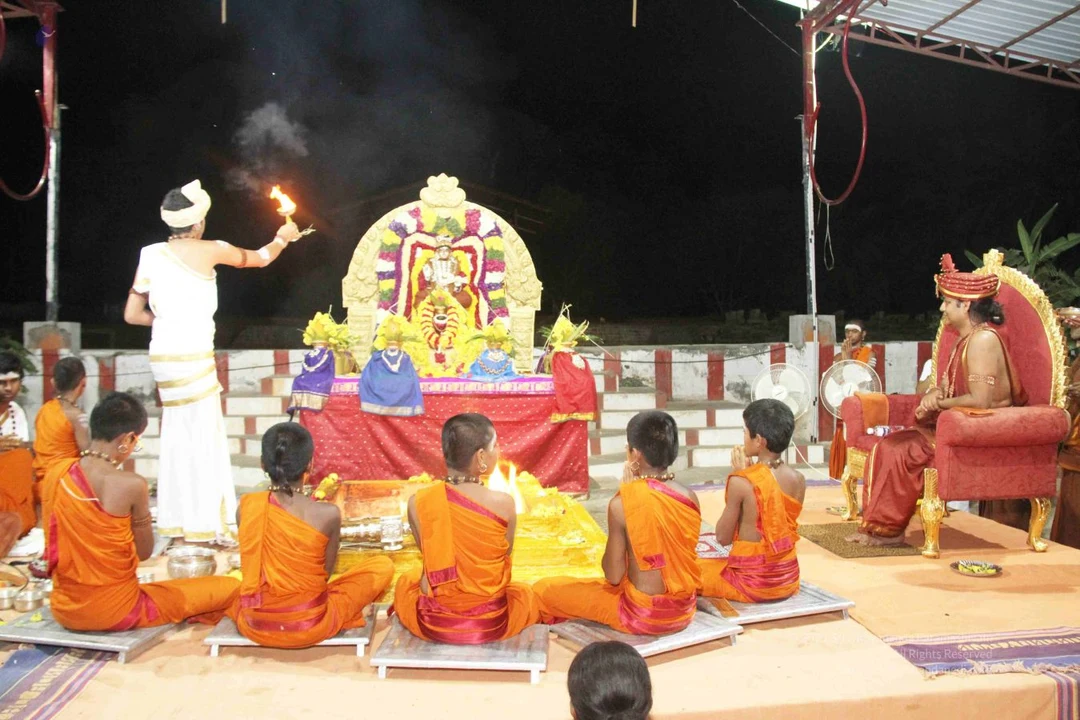
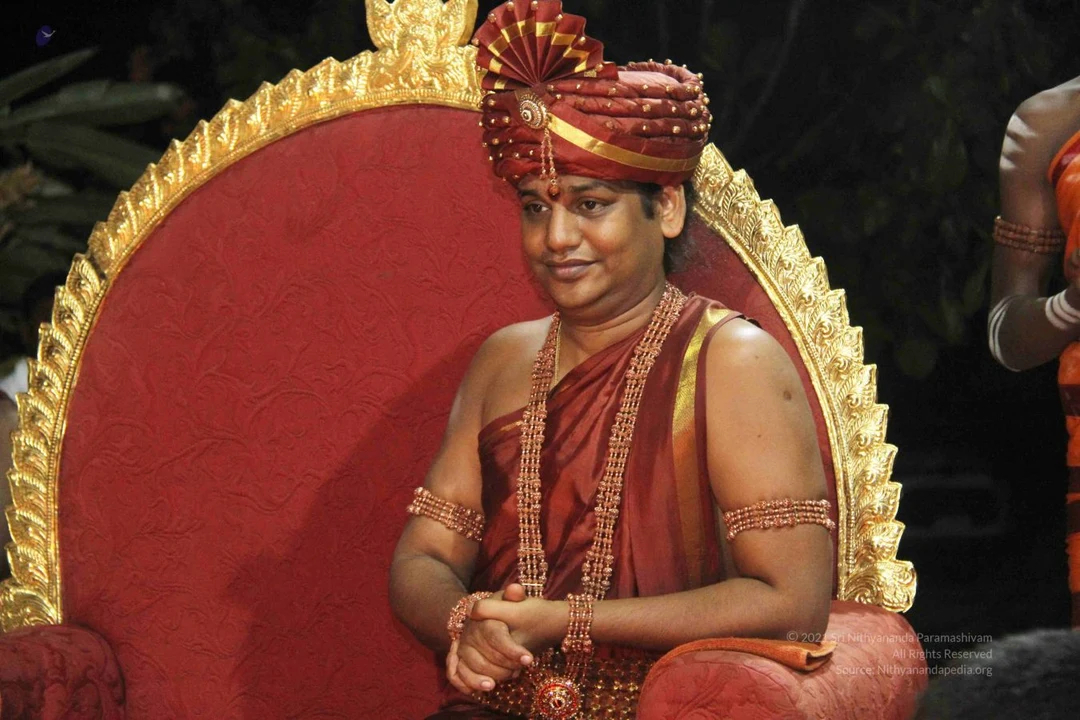
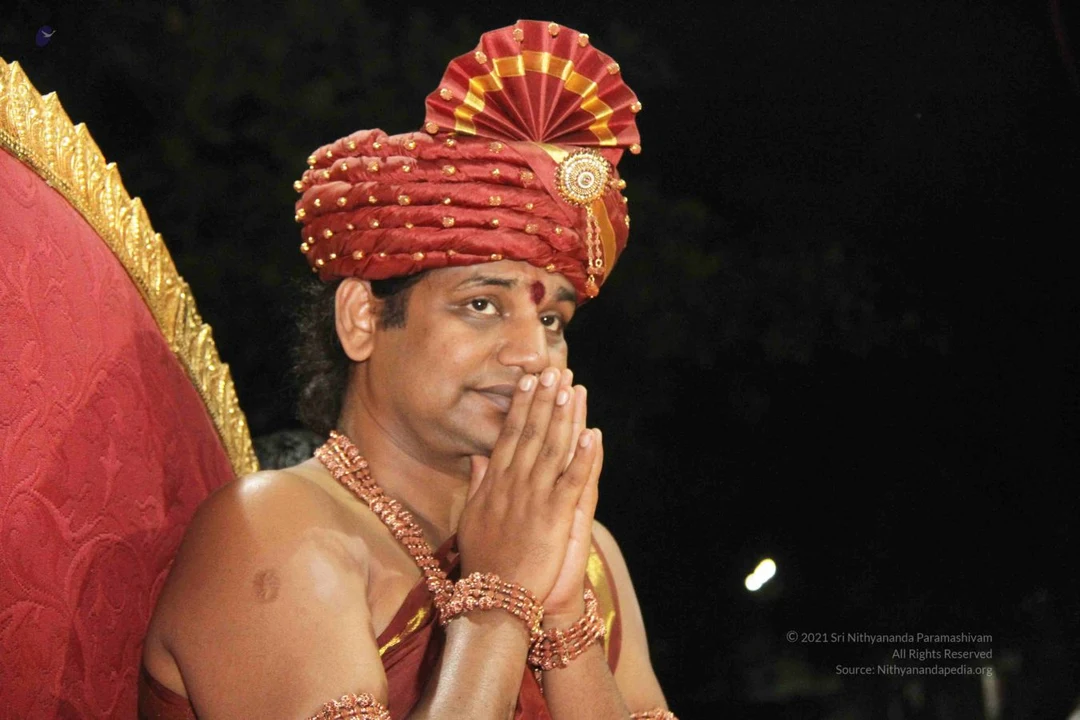
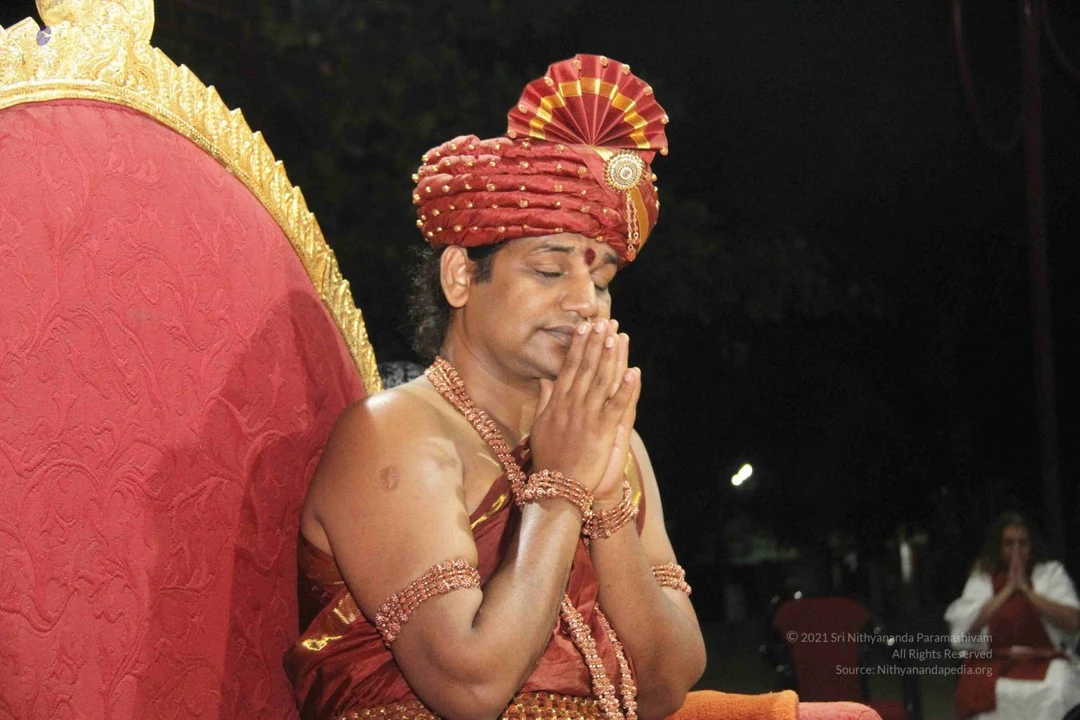
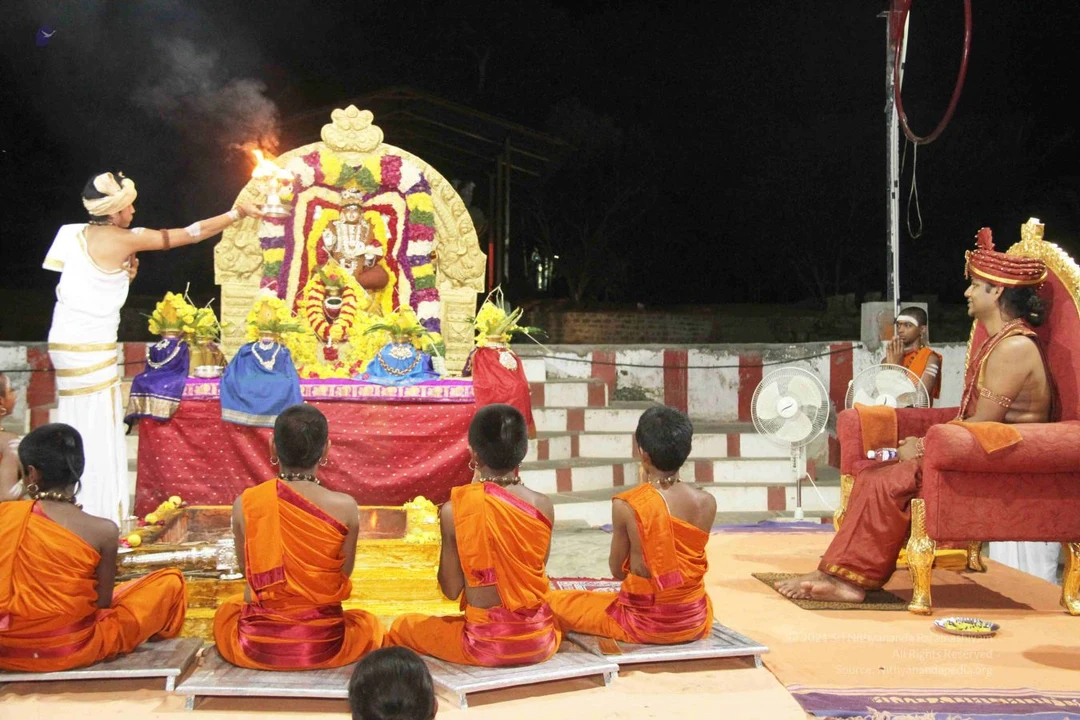
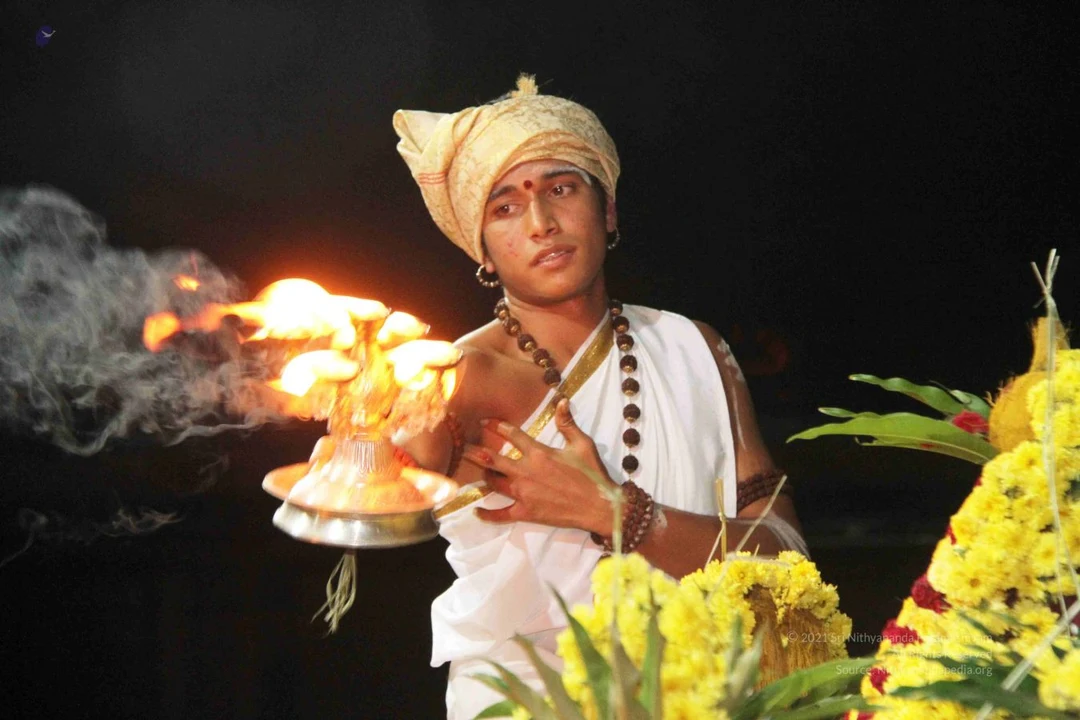
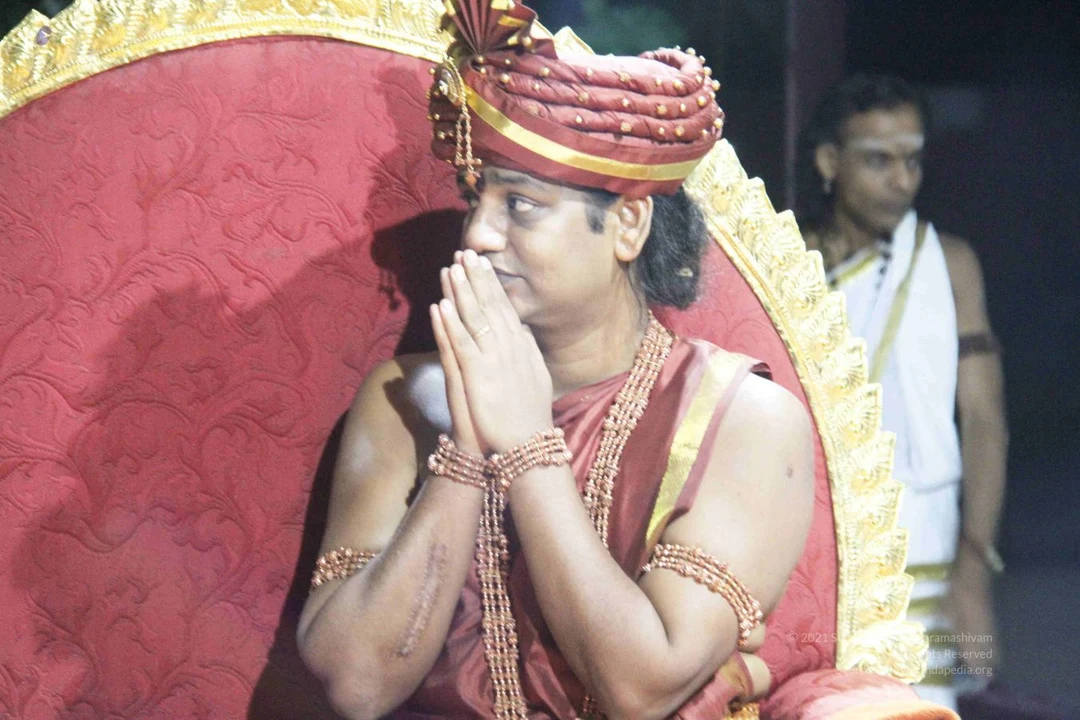
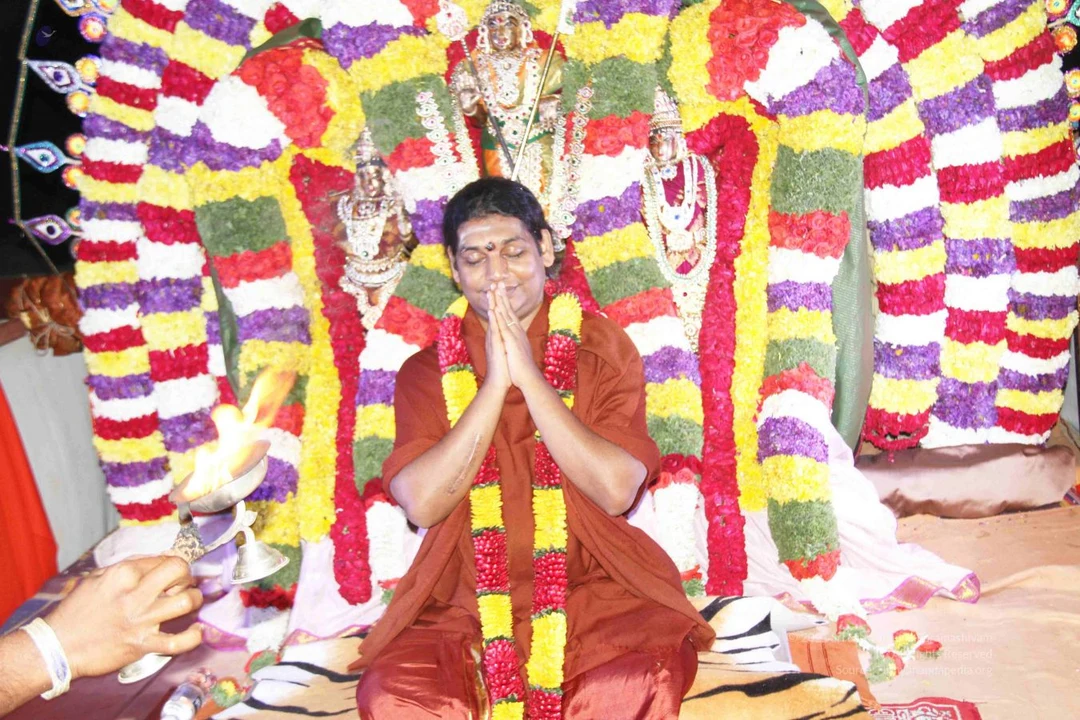
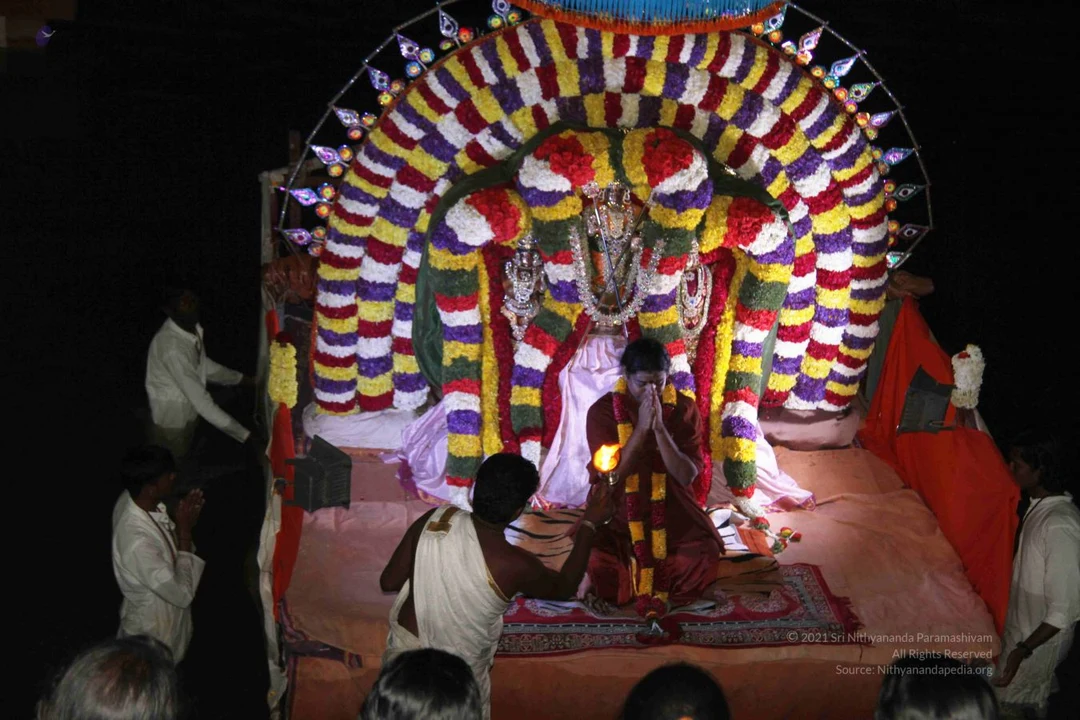
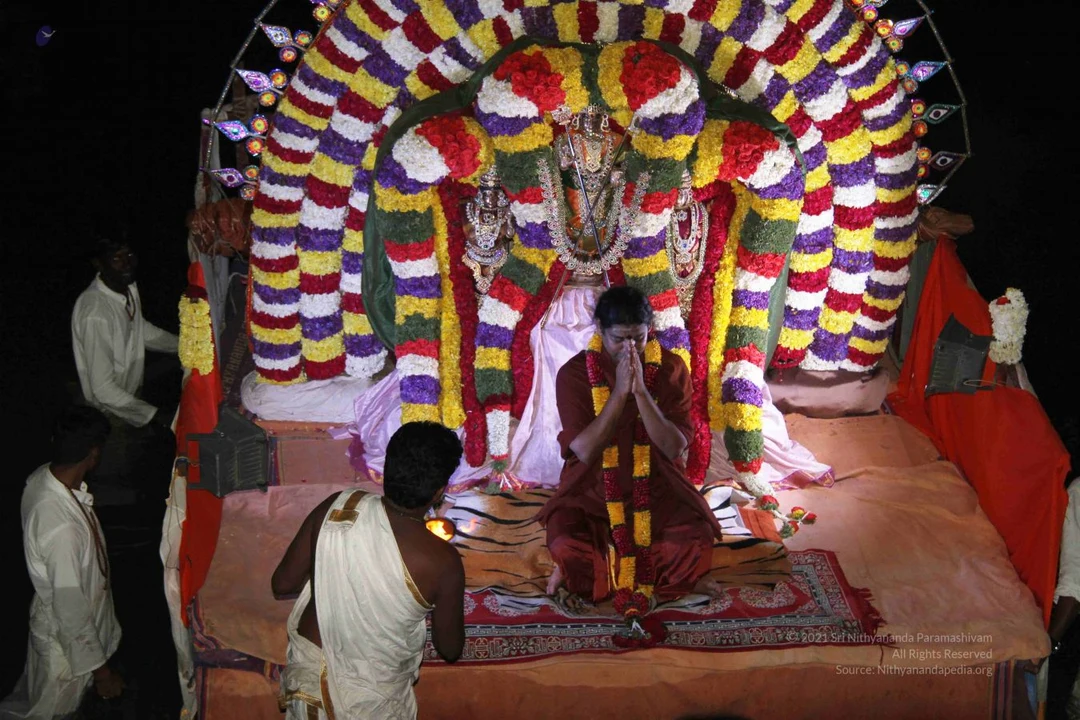
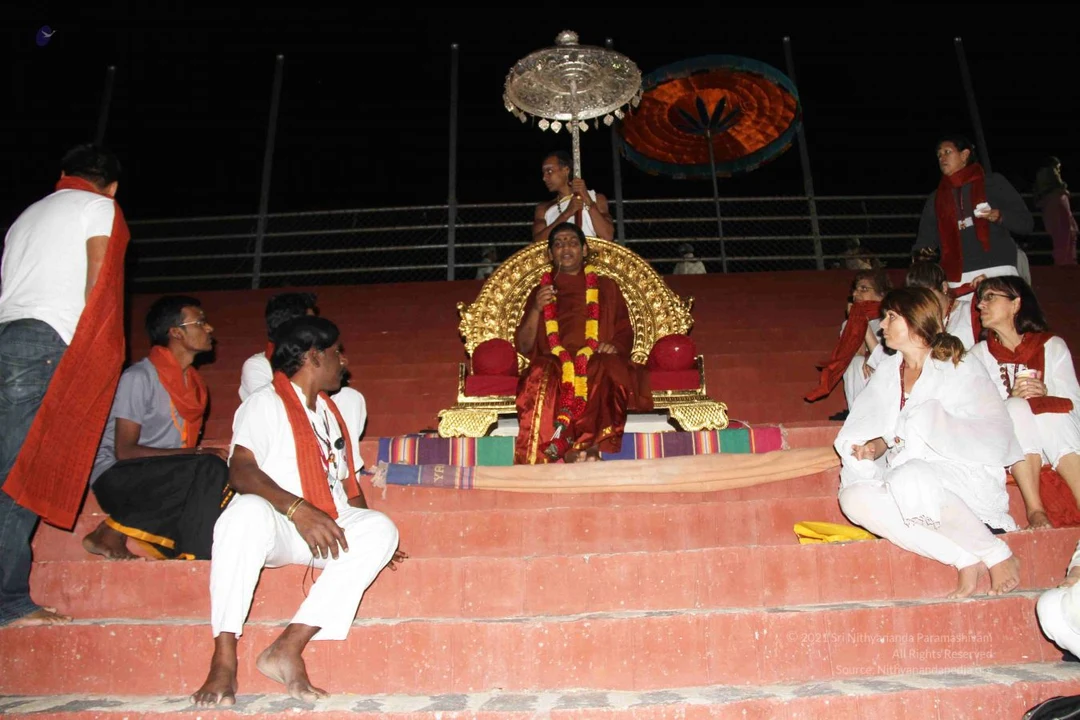
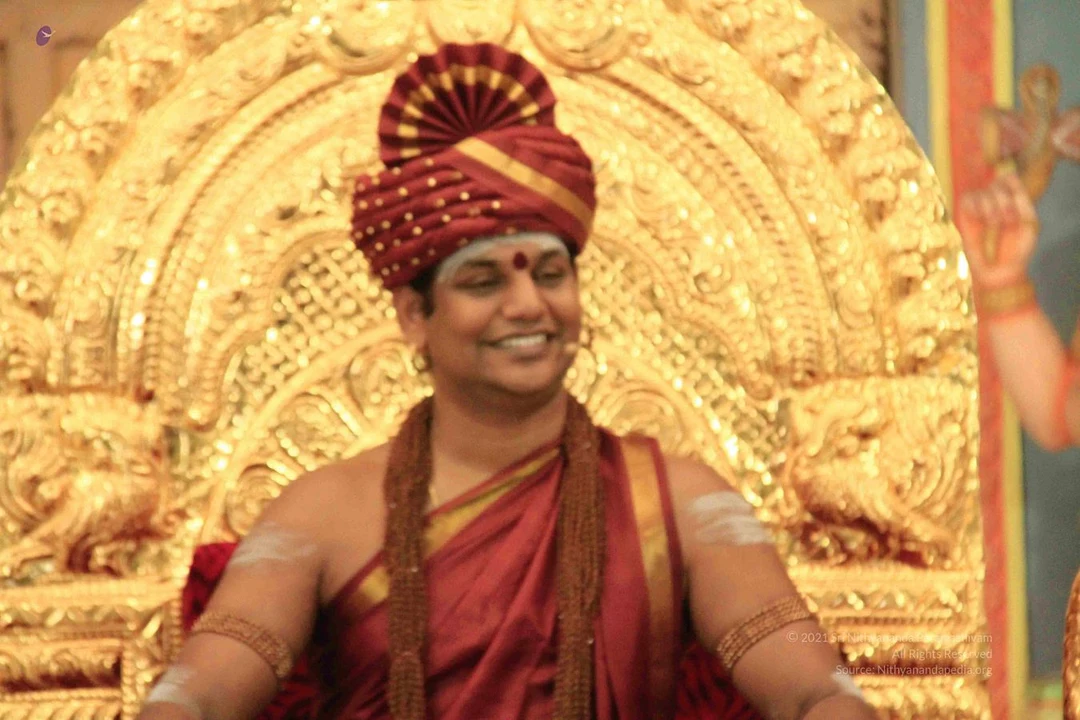
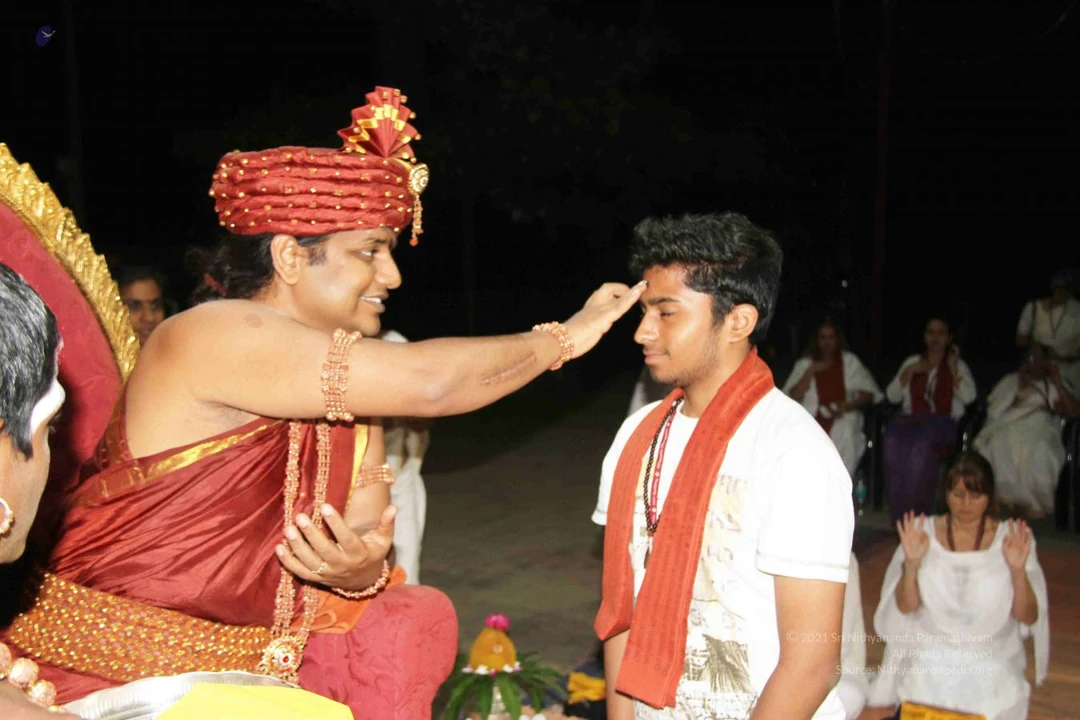
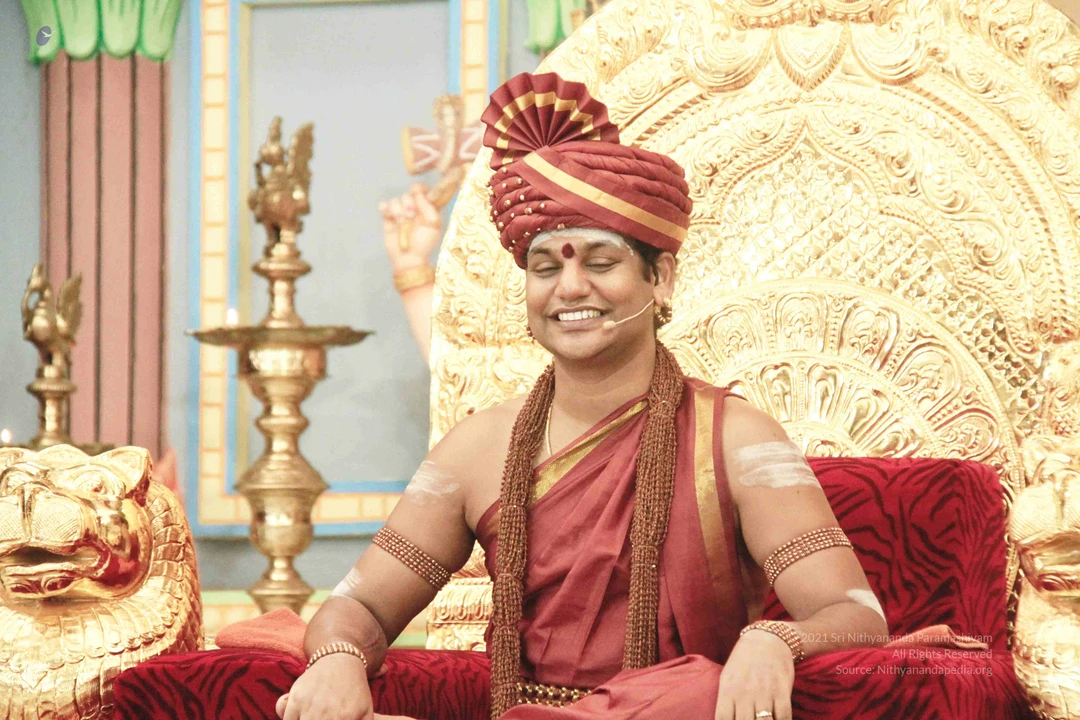
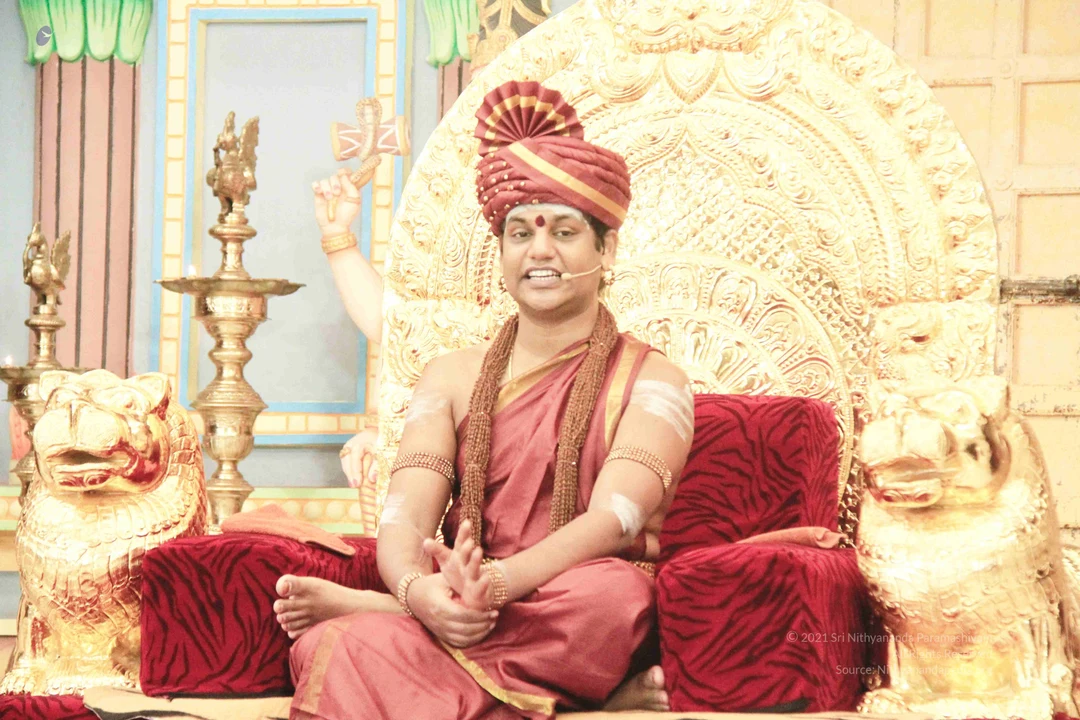
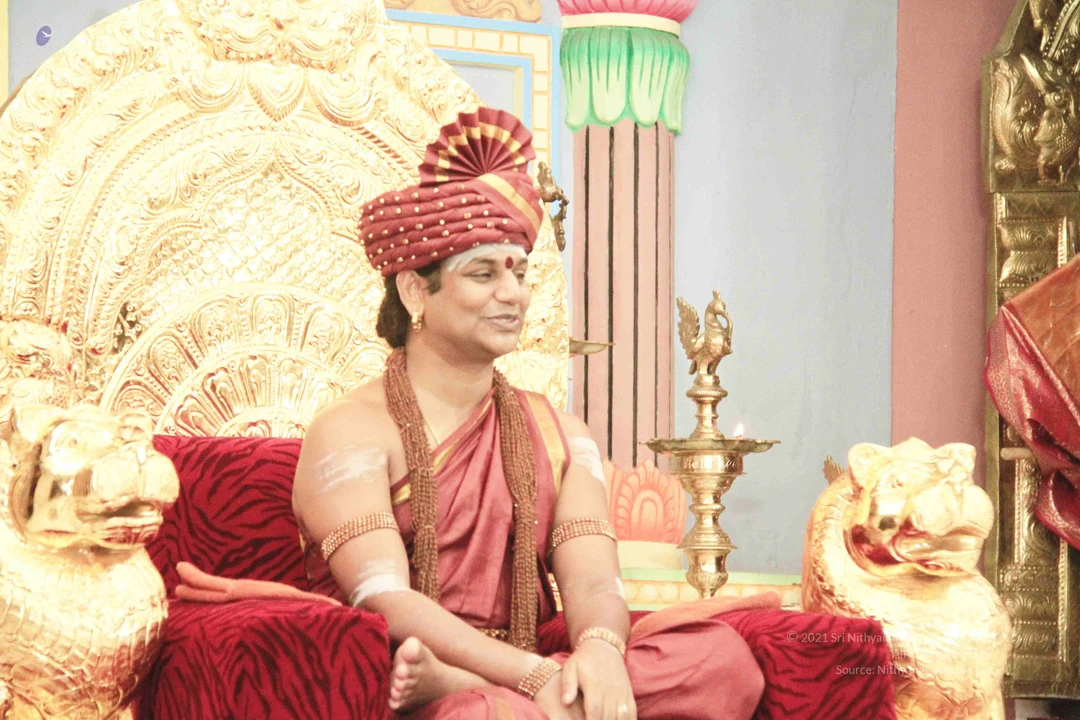
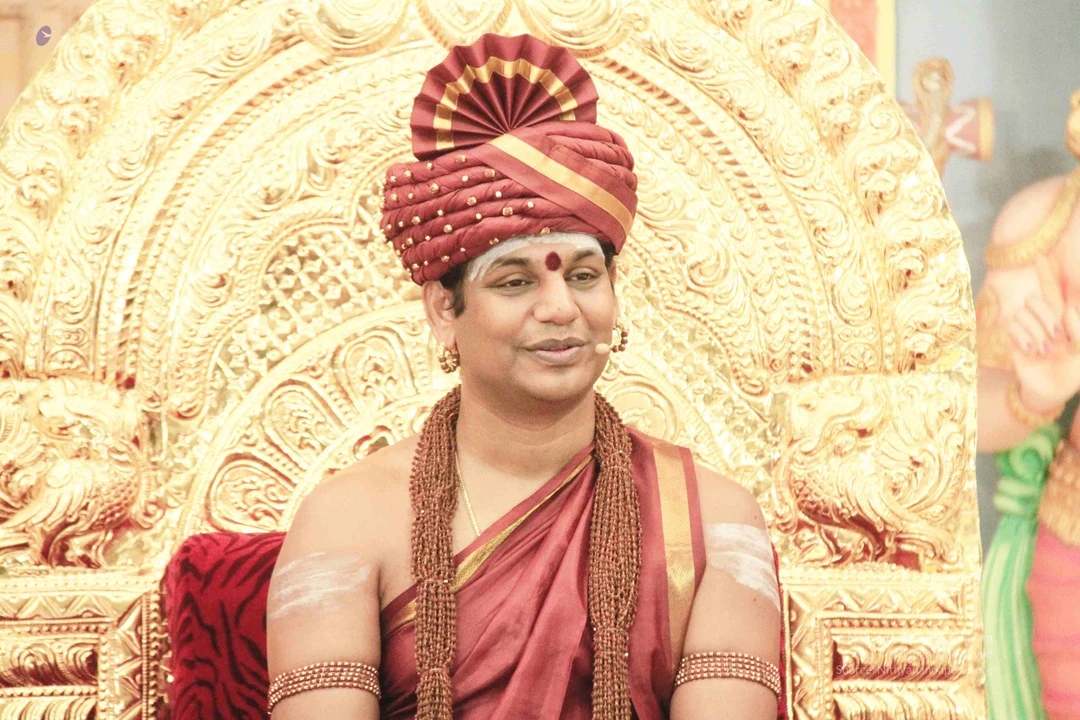
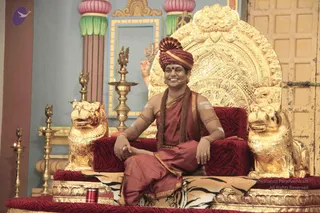
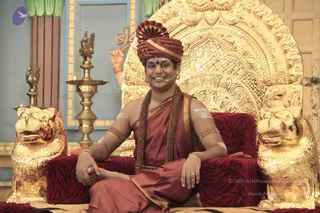
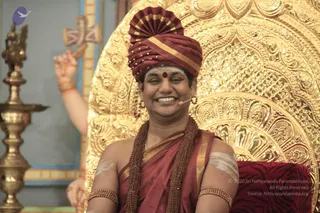
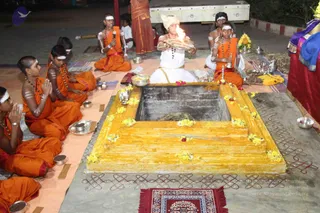
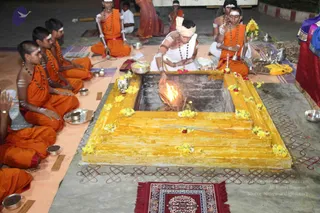
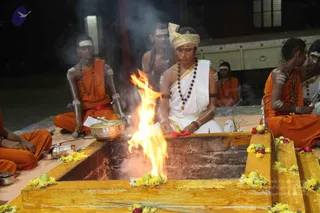
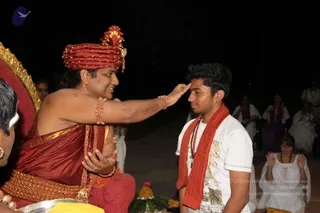
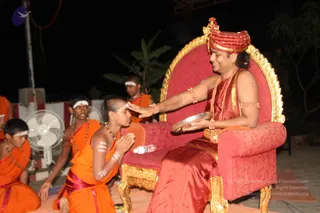
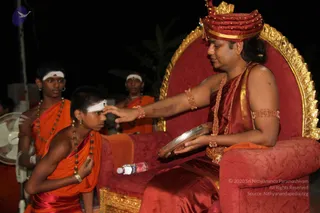
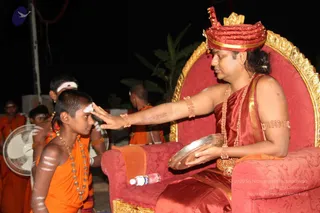
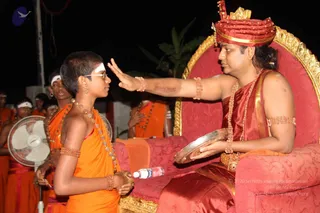
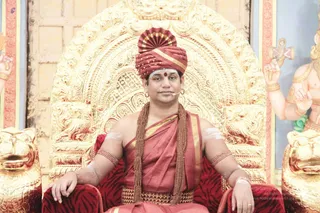
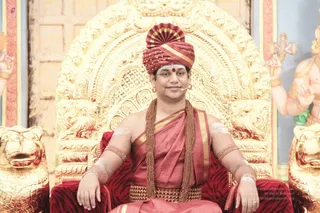
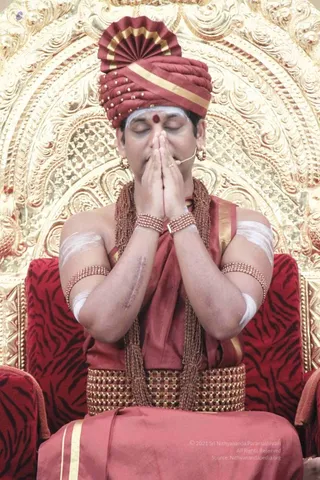
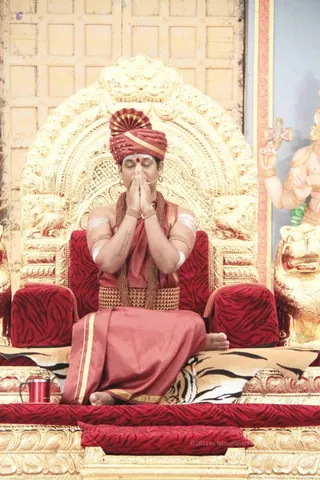
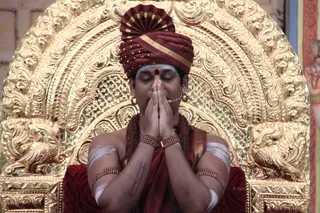
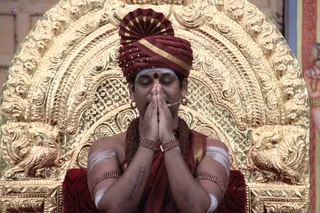
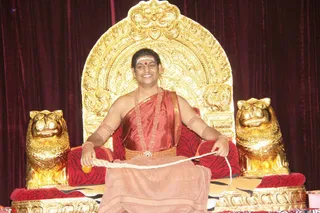
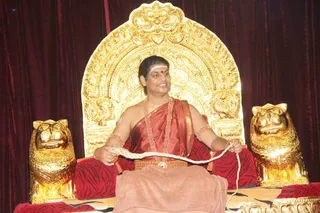
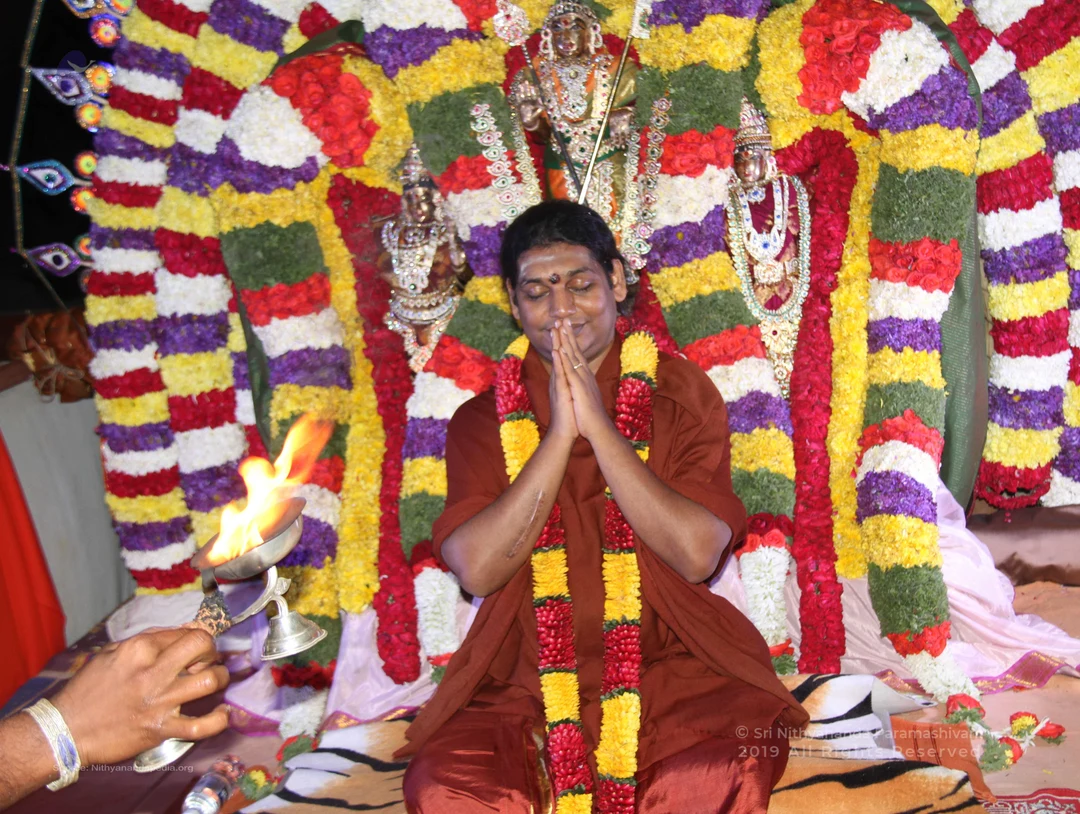
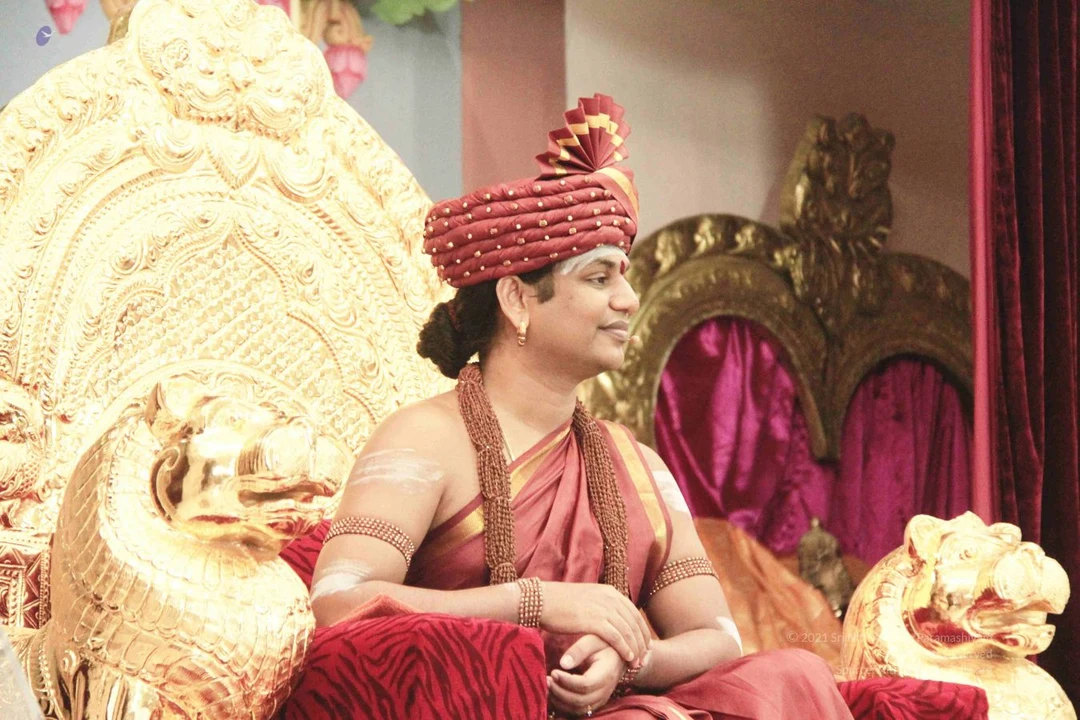
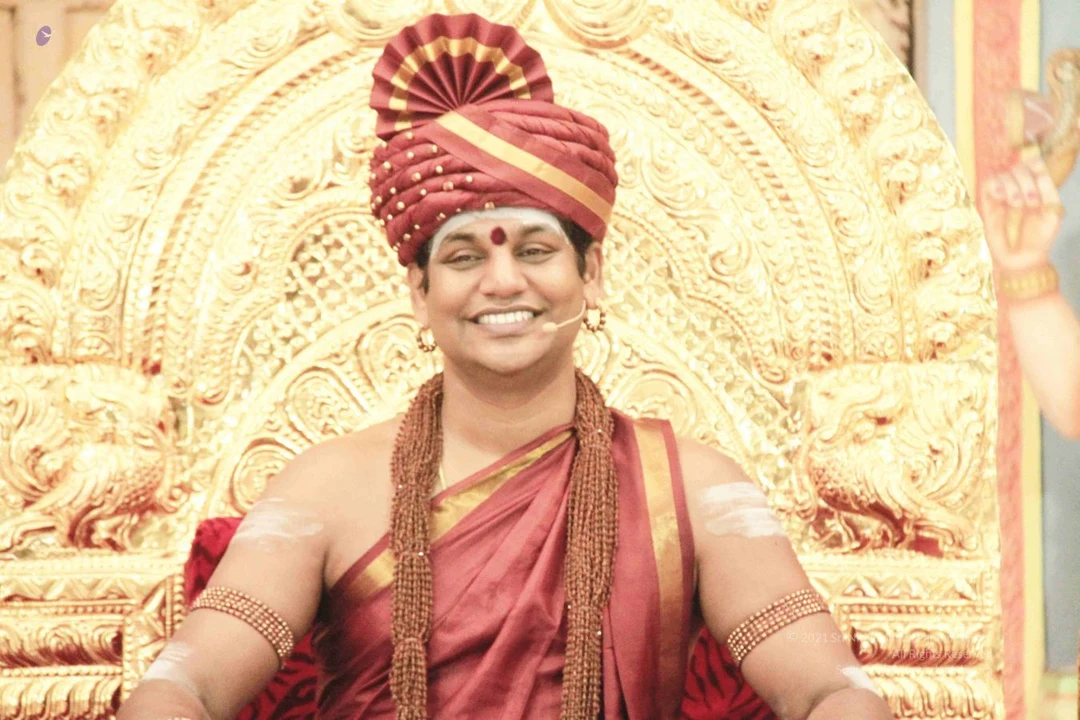
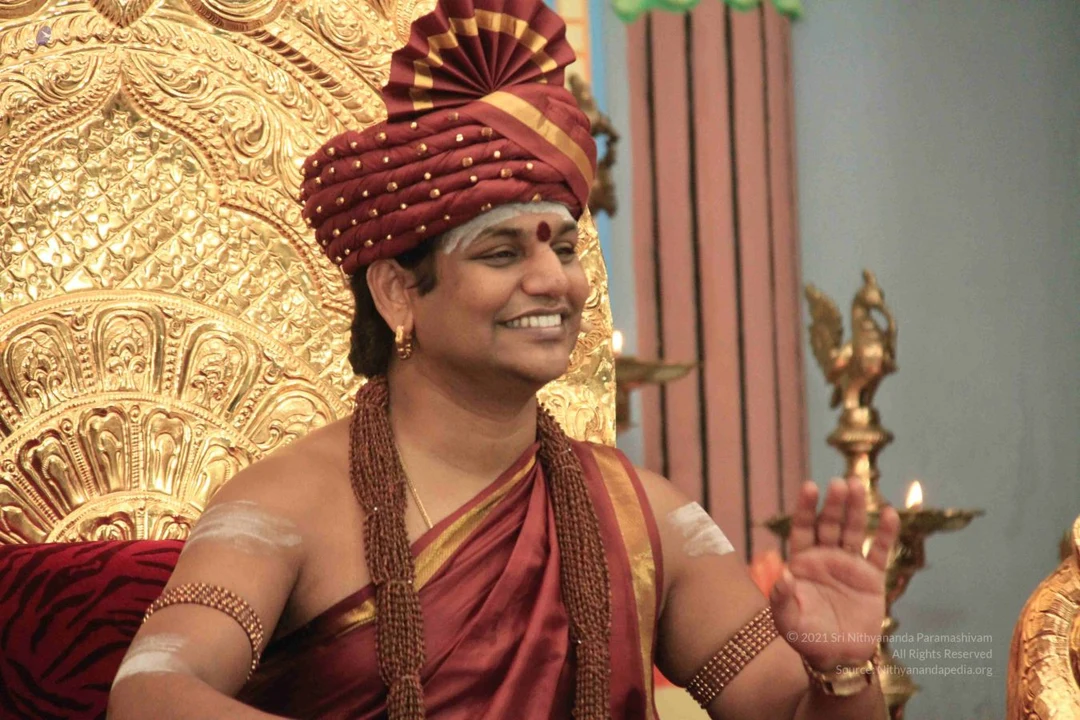
A seated man in a rust-orange robe sits with palms pressed together in namaskar, eyes closed, before a floral backdrop of red, yellow, white, green and purple garlands. A brass oil lamp with a flame is held at the left edge by a hand. Behind him, decorated deity murti stand in an ornamented shrine setting, with a crowned figure and a tall ornate staff visible. A tiger-striped cloth covers the seat. The scene suggests a puja with an aarti lamp offering.Four young boys in saffron-orange dhoti-style wraps sit in a row during a ritual, performing a gesture with raised, outstretched hands. Their chests and arms are bare, several wear rudraksha-bead necklaces and gold bangles, and their foreheads and arms bear white sacred ash markings. Behind them, seated devotees in white shirts with red shawls watch. Yellow flowers rest in the lower right corner beside a small brass vessel. The setting appears to be an indoor hall with a plain floor.A smiling man seated on a large gold-embossed throne, wearing a maroon and red turban with a fan-pleated top and gold stripe, a red bindi, and white ash markings on forehead and upper arms. He wears a maroon-and-gold draped cloth over the shoulder, long rudraksha-style beaded malas, gold earrings, a gold necklace, and beaded gold armlets, with a small microphone clipped near his mouth. Behind him stands a brass oil lamp with a lit flame and a gold deity murti partly visible. The scene is a satsang setting. Swamiji (probable) appears in person, with the turban, rudraksha malas and ceremonial gold ornaments as qualifying cues.

November 20 2013

Original wiki page
Contents

Title:

Awakening you to you is Sannyas.

Description:

In today’s morning Satsang, Paramahamsa Nithyananda declares that reclaiming our original taste for life is Sannyas. When we say NO to societal ignorance and illusion, our thinking moves into alignment with the ultimate possibility! Taking a stand, declaring that we will evolve, be in completion, and always be powerful is the right thinking, action, and intelligence in which our lives should flow.

Link to Video:

VideoAudio

Transcript:

Nithyanandeshwara Samaarambhaam Nithyanandeshwari Madhyamaam | Asmadaachaarya Paryanthaam Vande Guru Paramparaam ||

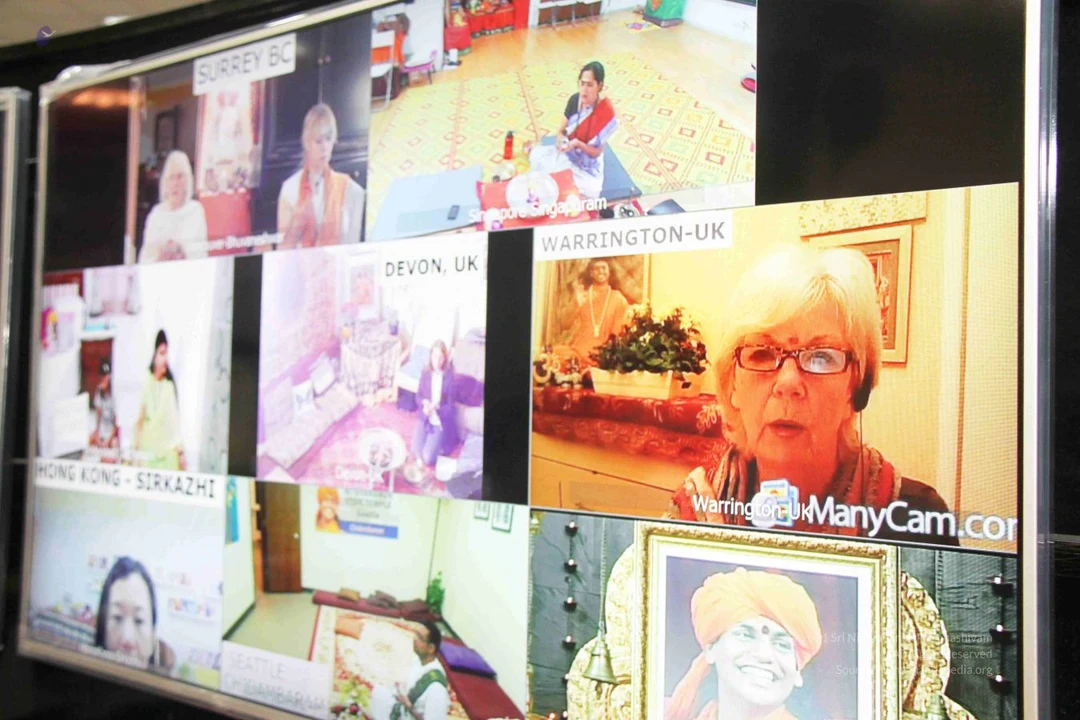
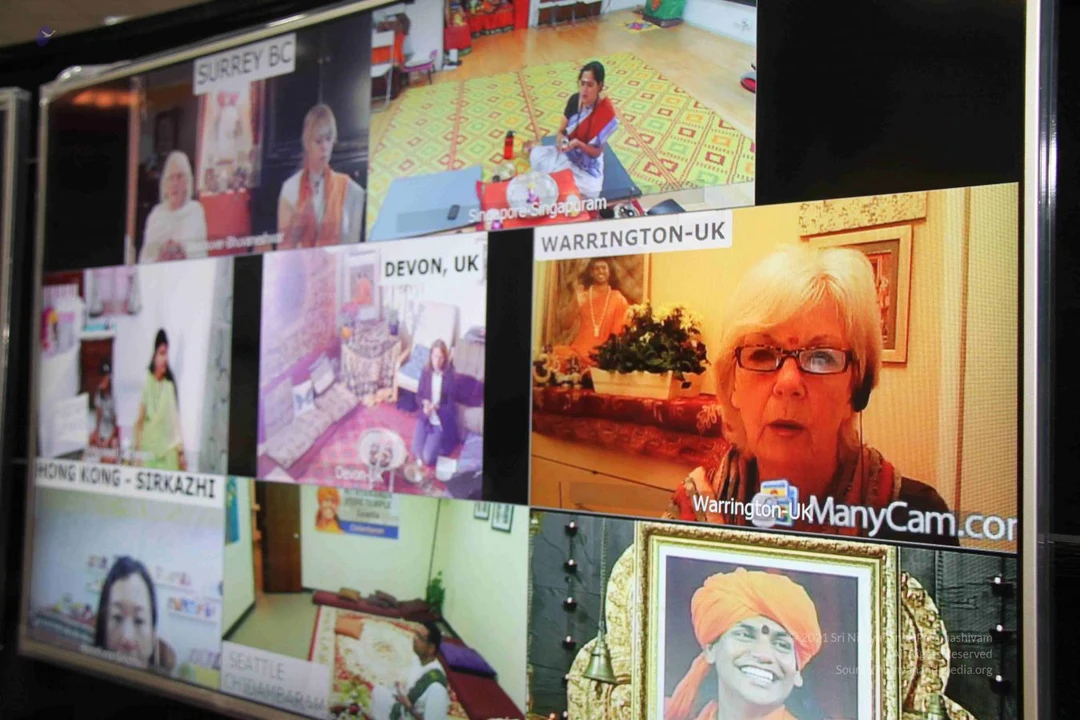
I welcome all the devotees, disciples, samajis, satsangis sitting with us through Nithyananda TV, Lotus TV, Sadhana TV, Janashree TV, Eshwar TV, and through two-way video-conferencing in twenty-seven places having Nayana Deeksha, in twenty-two countries, as per the statistics.

Cities sitting with us in two-way video-conferencing having Nayana Deeksha: Peethadeeshwaris’ Training Center-Salem, Warrington-UK, Hong Kong-Sirkazhi, Singapore-Singapuram, Enriching Temple-Bidadi, Simi Valley-California, Seattle-Chidambaram, Dubai-Vaidyanatham, Devon-UK, Surrey-British Columbia, Hyderabad-Gupta Kashi, Bangalore-Marathahalli, Nepal, Tiruvanmiyur Dhyanapeetam-Chennai, Troy-Michigan, San Diego-La Jolla, Nithyananda Nagaram-Hyderabad, Toronto-Kailasam, Kuala Lumpur-Palani, Guadeloupe-Rameshwaram, San Jose-Madurai, Houston-Kalahasti, Varanasi, Oklahoma-Somanatham, Adi Nithyananda Dhyanapeetam-Avathipalayam, Ohio-Prayag.....................

I welcome all of you with my love and blessings.

Today, I will continue to expand on “SANNYAS”.

Knowingly or unknowingly, directly or indirectly, constantly society pokes at you; society’s ignorance is harassing you. Every response you give to happenings of life to you, every response you give to the bits and pieces of life happening to you, every cognition you do is with the interpretation of the social ignorance.

Please understand, for example, when somebody harasses you, attacks you, whether you hit him back, attack him back, or keep quiet, both are from social ignorance. You don’t keep quiet for the right reason. You don’t keep quiet with the right cognition. You don’t attack for the right reason. Whether you attack or keep quiet, both, as long as they are from powerlessness, the social ignorance, you will continue to suffer. Please understand, responding, cognizing based on social ignorance, and responding based on the ignorance imposed on you, is what I call “Maya”.

Please understand, Swami Vivekananda beautifully describes, “Yáma ithi Maya” – “That which is not there, but which constantly harasses you as if it is there, is Maya”.

Ramakrishna quotes his Guru Nangta-Totapuri, Mahant of Mahanirvani Akhada. He quotes that Nangta (Nangta is the twisted word for Naga), Totapuri used to say, ‘The source, life, Cosmos, consciousness, does not allow itself to be experienced as itself. So it always wears the veil of Maya, burkha of Maya.’

So, listen, whether you attack back or keep quiet, or make somebody else attack, whatever, as long as the cognition is from social ignorance, and the response is based on social ignorance imposed on you, please be very clear, you are in Maya. Maya - delusion! Maya - illusion! It is so unfortunate, invariably, whether you are a beggar in the street or the ruler of a country, your cognition is from social ignorance, your response is from social ignorance.

Please listen! If you beat your kids for some reason, when they start crying, just to pacify them you give them candy. That is exactly the way society treats you. It slaps you and takes away your original knowledge of you, your original state from you. When you start crying, it gives you a little money, one car, one house, and a post – president - head of the country, head of the society – an award, and then, just like how the kids put the Five Star (a brand of chocolate) in the mouth and say, ‘My mom is great! My dad is great!’ Fool, you forget the original state taken away from you. Reducing your taste to a cheaper level is the work of ignorance, please understand. Lowering your taste is ignorance.

If I have to define Maya or ignorance, I‘ll define it in this one way: “Lowering your Taste”. You are supposed to be drinking Amruta (nectar) and be in Samadhi. Instead, you drink alcohol and be in the ditch where the pigs lick your feet!

Lowering the taste is ignorance. Reclaiming your original taste for life is “Sannyas”. Please understand, reclaiming your original taste for life is “Sannyas”.

Ramakrishna used to say, ‘Because you cannot drink Ganga water, don’t drink the drainage water. Even if you die travelling towards Ganga to drink Ganga water, it is great; but don’t drink drainage water and be alive!’

Sannyas is “aligning your thinking to the ultimate possibility, aligning your thinking to the ultimate reality, aligning your thinking to Integrity and Authenticity. Awakening all the different powers in you is “Sannyas”. Awakening all the various powers in you, awakening all the various possibilities in you, awakening all the various understandings in you, awakening all the various realizations in you, awakening all the various goals in you is “Sannyas”. Please listen, awakening you to you is “Sannyas”. AWAKENING YOU TO YOU IS “SANNYAS”!

Sannyas is “dispelling the darkness in your being in every possible way”. Raising your taste for life, not as per the society standard, but as per the real reality! You are supposed to drink nectar and be in Samadhi. Instead, you drink cheap alcohol and be in the ditch! Anything you drink other than nectar, your taste has been lowered! So, please listen, cognition in the right angle, cognizing life from reality, is “Sannyas”.

I was very recently reading an article. One of the officials who quit her job in the International Monetary Fund (IMF), she has given an open interview where she explains step by step how a few families exploit the whole world with the myth called “Money”. She beautifully defines how money is a hoax, a concept which is being exploited to keep the poor as poor, and the rich richer.

Please understand, let us allow money in our life only for utility value. I am not saying don’t have money. You need it for food. So, just for functioning, just to keep your life-current, have currency. Don’t live more than that for currency. Let the currency be in your life to keep the current alive. Do not allow currency to have a bigger place in your life than this. If you know that what you want to do in your life can be handled with the money you have, then enough! Don’t dedicate your life to currency and worship the IMF guys!

Understand, Krishna says very clearly, ‘Whoever you worship, you will reach them after death.’ Why do you want to go and worship the feet of the IMF heads after your death? No! If you are working your whole life for them, if you dedicate your whole life for Wall Street or the Mumbai Stock Exchange, your whole life is all about money, money, money, then you are worshipping only the IMF fellows. After your death you will only reach “kumbi bagam”, Hell! You will reach the feet of the IMF Chief! Do not be exploited, listen, do not be exploited by ignorant, ignorant people of society. Decide the right life, right intelligence, right energy.

People always ask me, ‘What do you mean by the words “right energy, right intelligence, right action”?’

Be powerful always! Never be powerless inside you! Be complete always inside you! Never be incomplete inside you! That is what I call “being right – right thinking, right action, right intelligence, right response”.

I tell you, just yesterday, the Kerala Director General of Police (DGP), the Jail Department DGP, has announced that 40% of the prisoners who are convicted in Kerala jails are all innocent! And, I agree with him completely! I am not commenting on our judiciary; but, all I am trying to say is, the police have no ethics! They cook up evidence beyond the scope of the court’s doubt! They cook up evidence so perfectly, the court has no other way than to convict! Beyond the court’s doubting ability, I tell you! And the way rich guys and politicians and the media pressure exploit the police! We all talk about money exploiting the police, or money using the police; but we forget to look at the media pressurising the police! Because of media pressure, just to keep their name or pride, the amount of abusive things the police do!

Please listen! Whatever you believe as right or wrong is just the fake information constantly repeated to you, which you are made to believe. So decide to evolve. As I said yesterday, revolution is not going to be the way. That is not going to solve your problem. Evolution only is going to solve your problem. Decide to evolve. Your decision to evolve, your declaration, ‘I am evolving, I am liberating myself from all the delusions and illusions’, is Sannyas. Your declaration, your decision to evolve.

Listen! Decide boldly, courageously to say “No” to the ignorant interventions of society in your consciousness. Tell society, ‘you may give me food; I‘ll work for you. You may give me my basic needs; I will also enrich you, contribute to you. But don’t enter into my “Garbha Mandir”, the “Garbha Griha”, consciousness! Don’t enter into my “Garbha Griha”, let it remain as pure!’ Declaring ‘I will not allow the social ignorance, society’s ignorance into my “Garbha Griha”, the innermost consciousness’, is “Sannyas”. Let us take the responsibility to enrich the world through Sannyas.

I bless you all! Let you all radiate with Integrity, Authenticity, Responsibility and Enriching, with eternal bliss, Nithyananda! Thank you!

Photos
Tags:

Paramahamsa Nithyananda, life, Sannyas, societal, illusion, possibility, completion, powerful, intelligence.

Photos Of The Day:

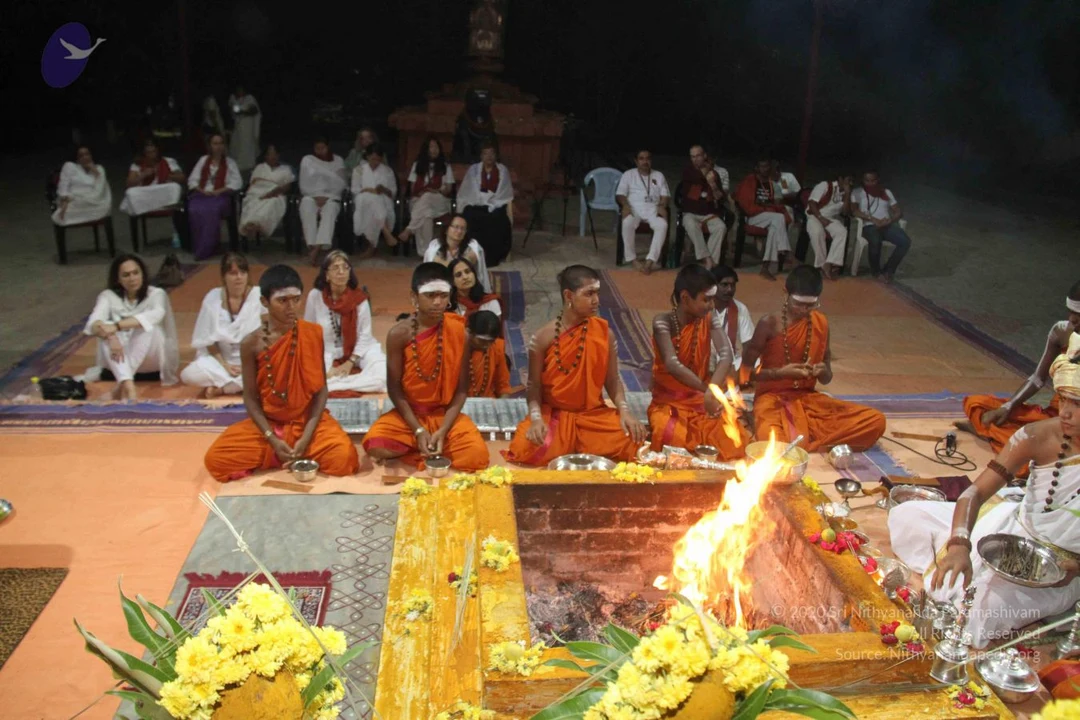
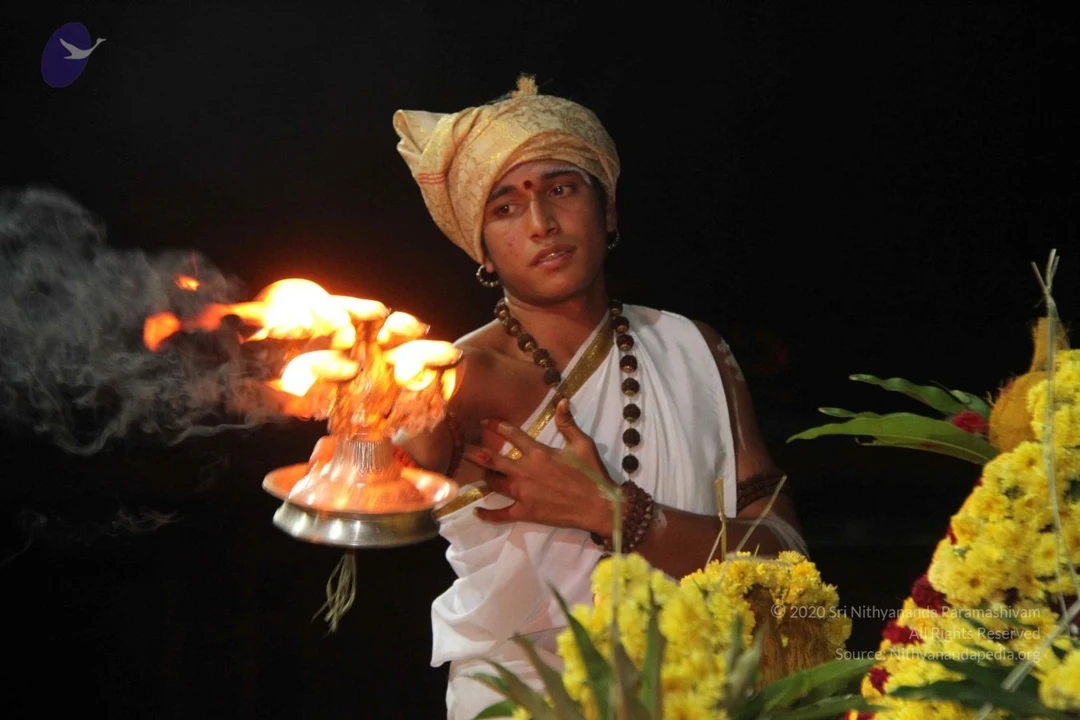
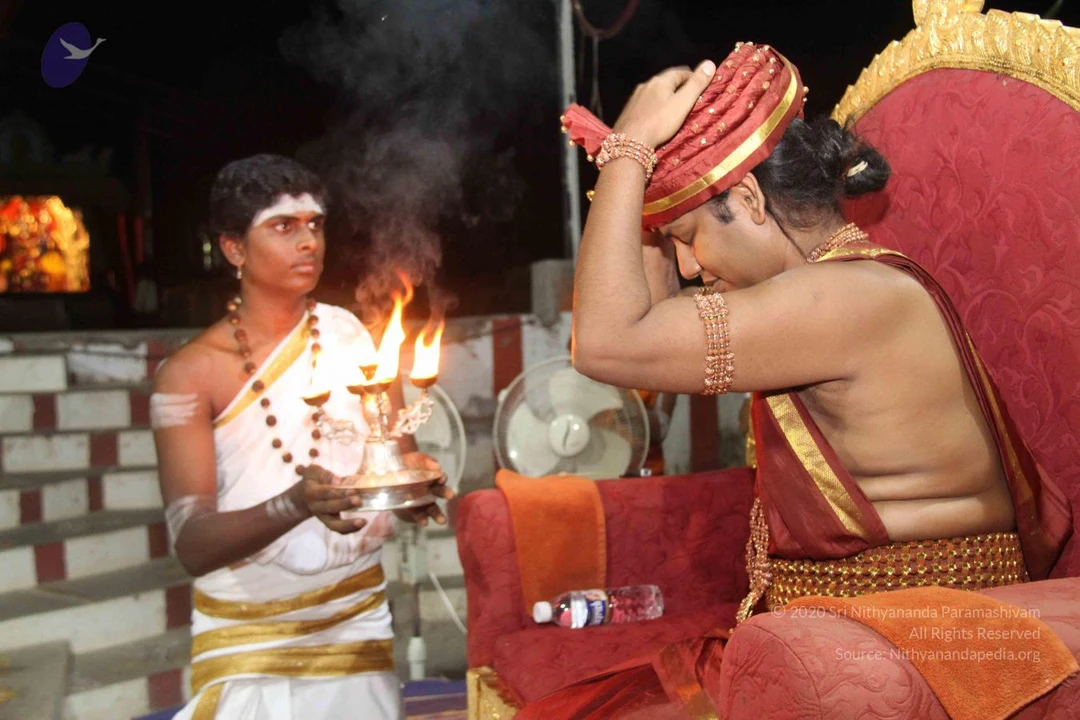
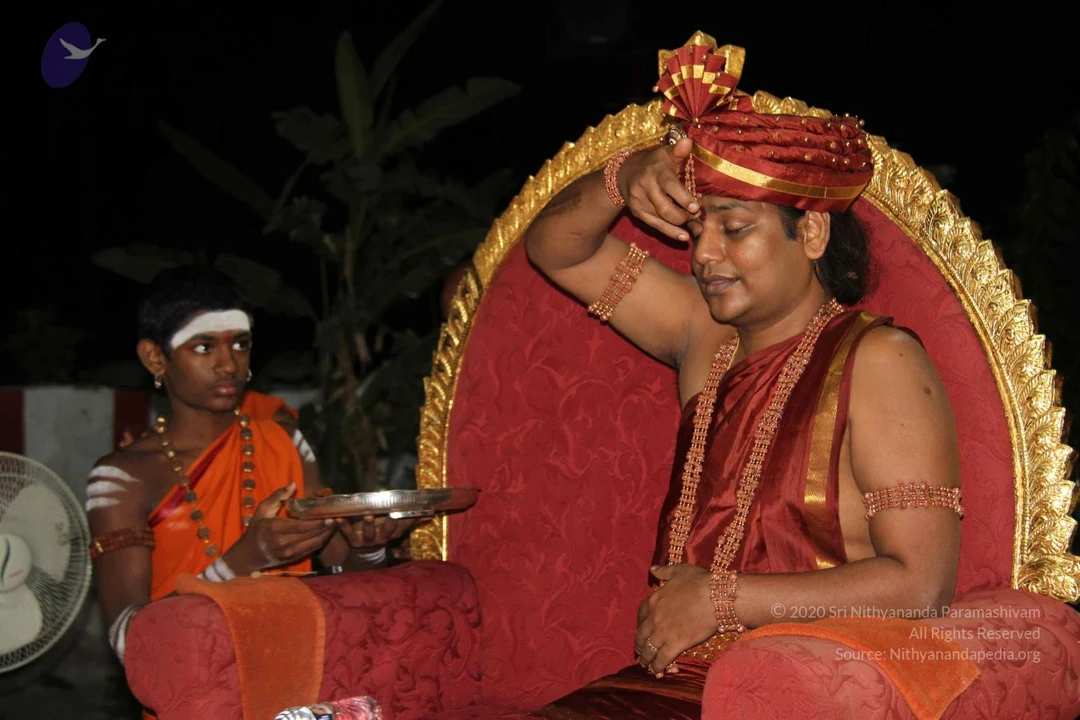
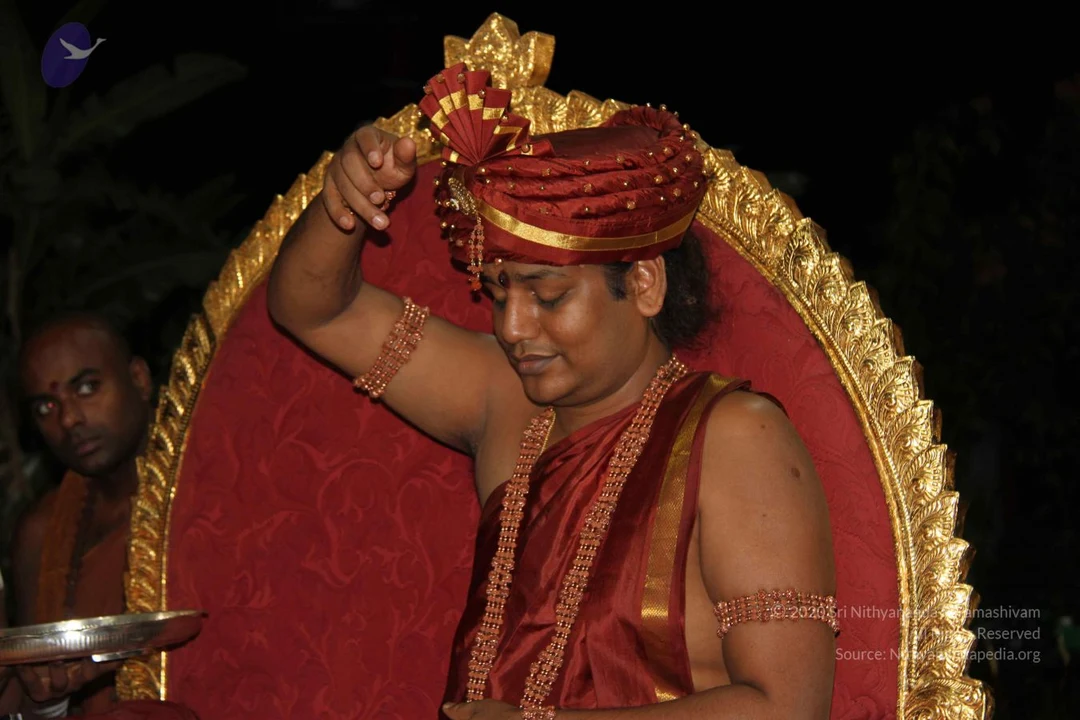
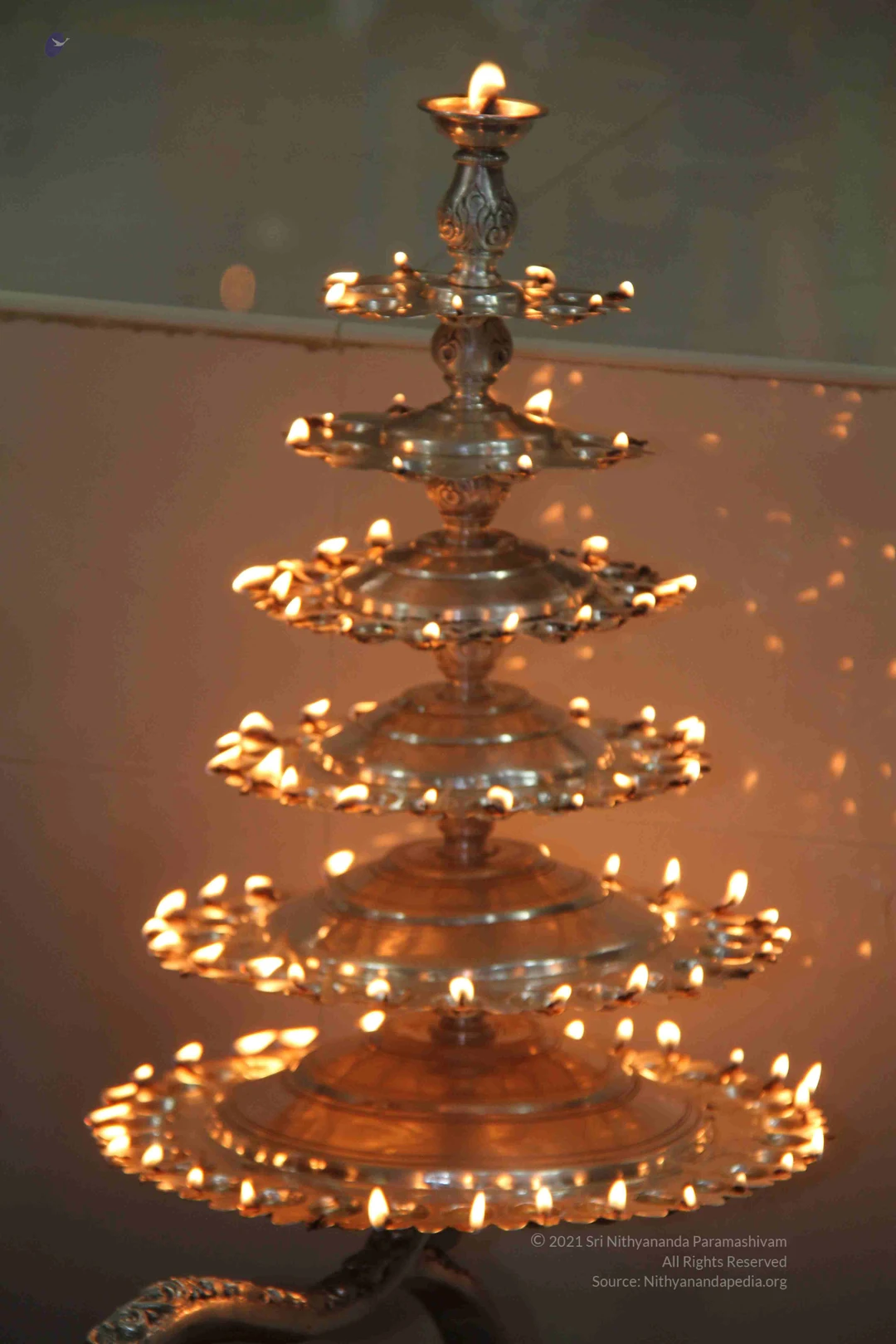
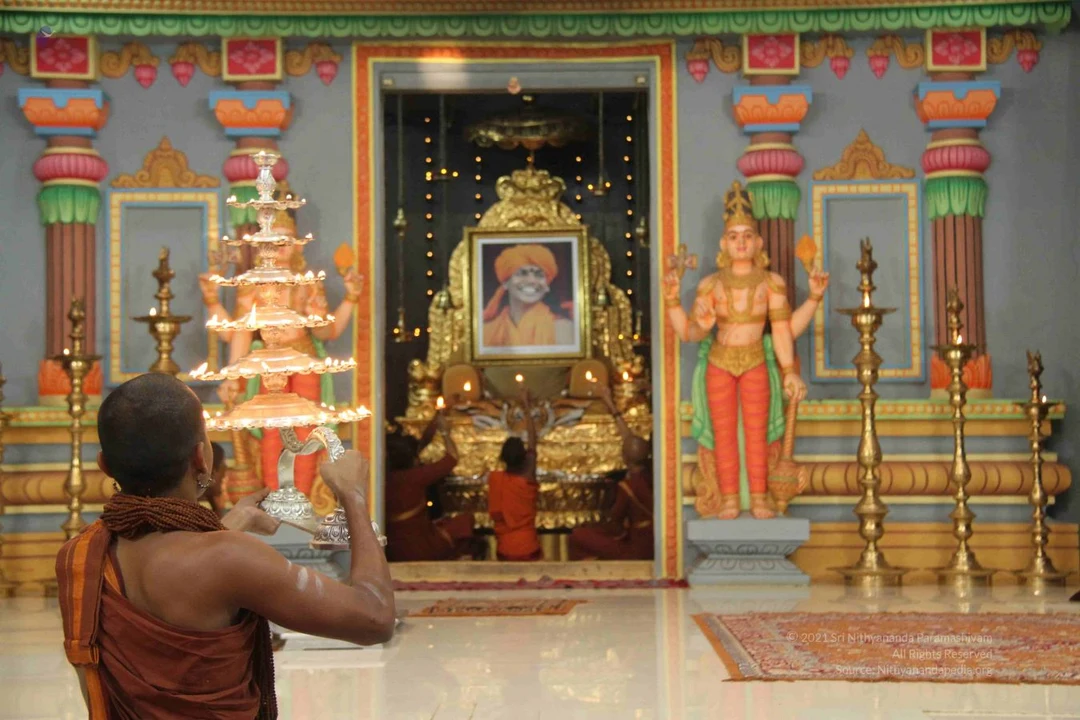
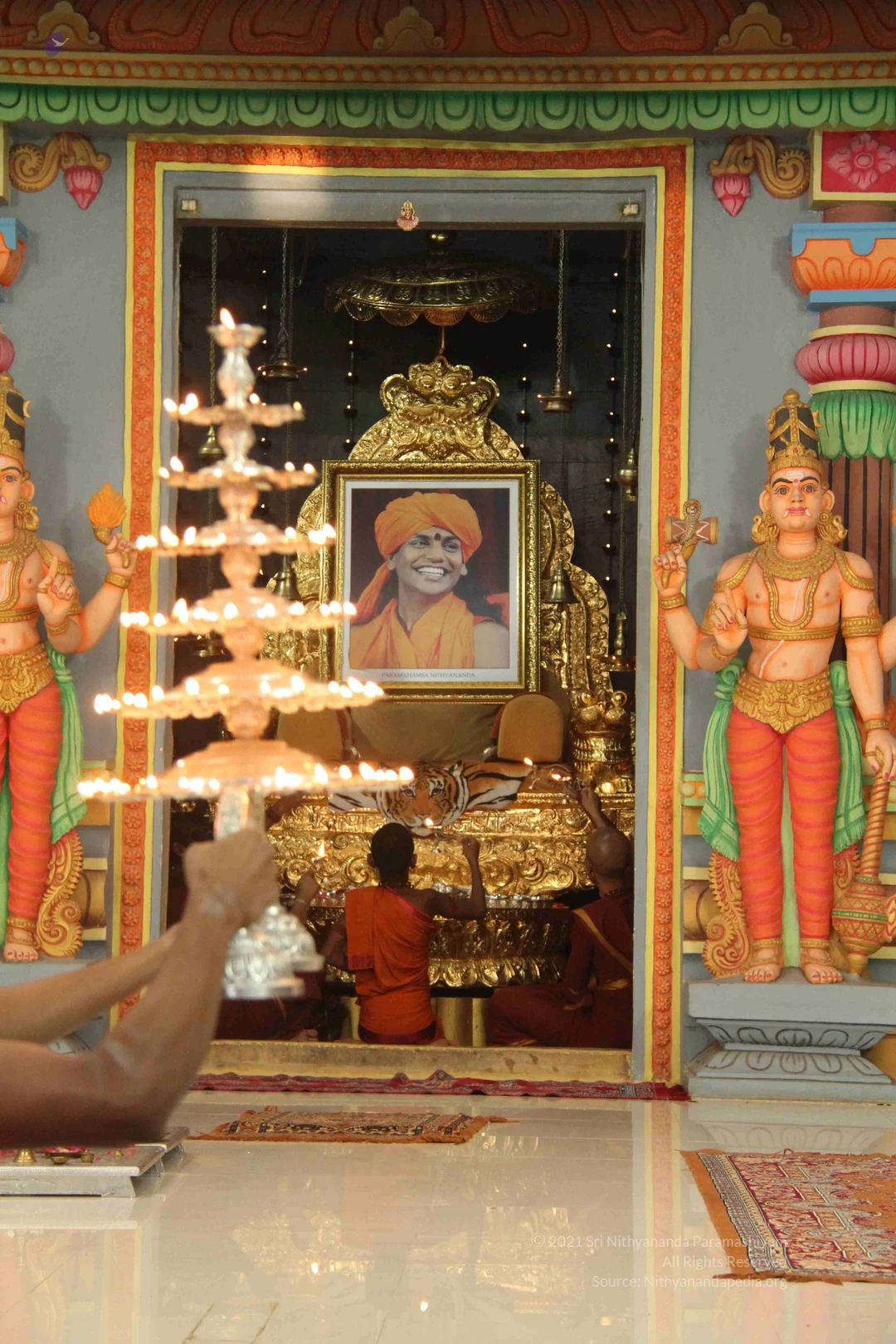
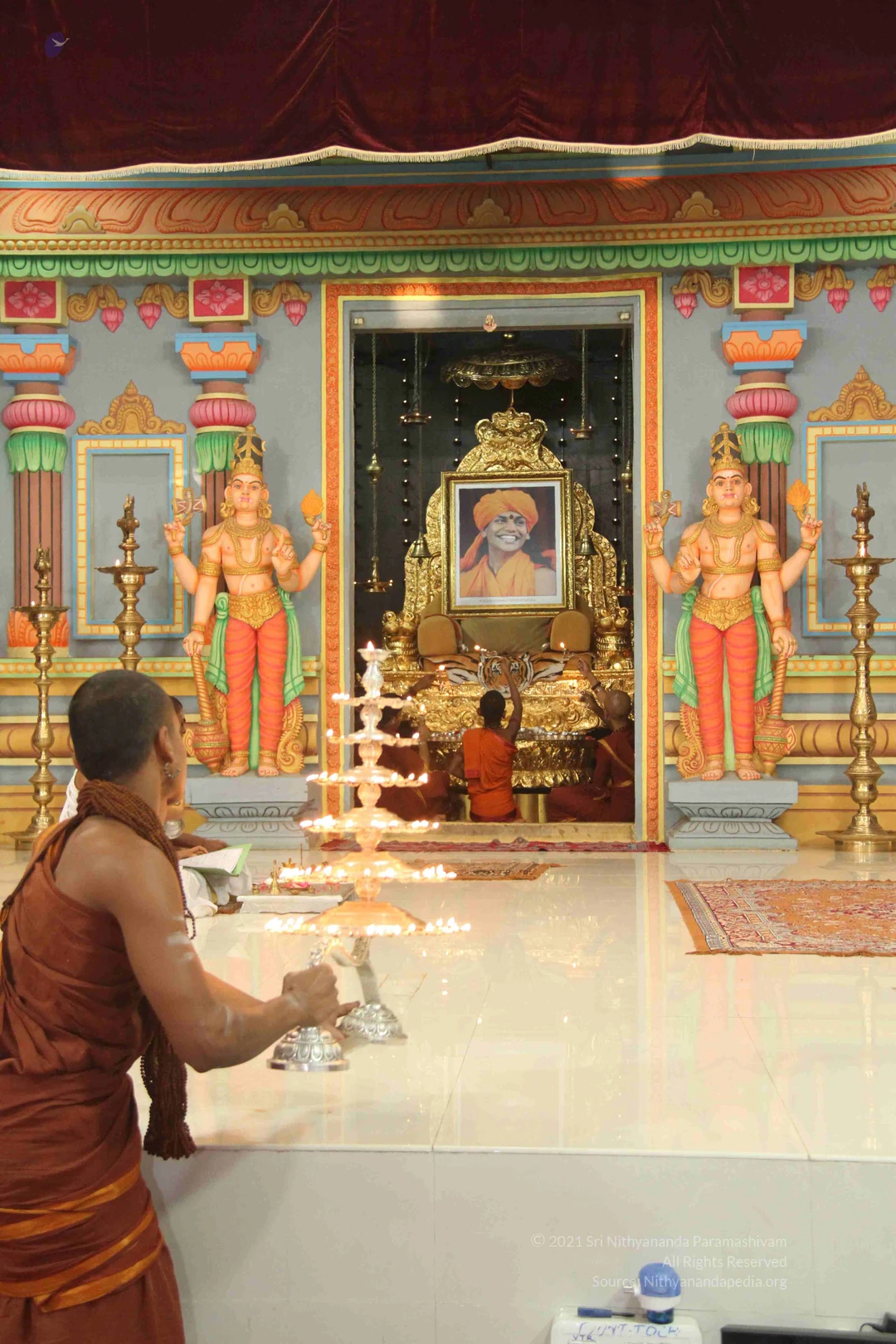
PUJA
SATSANG
Photos Of The Day:

NITHYA-SATSANG
DARSHAN
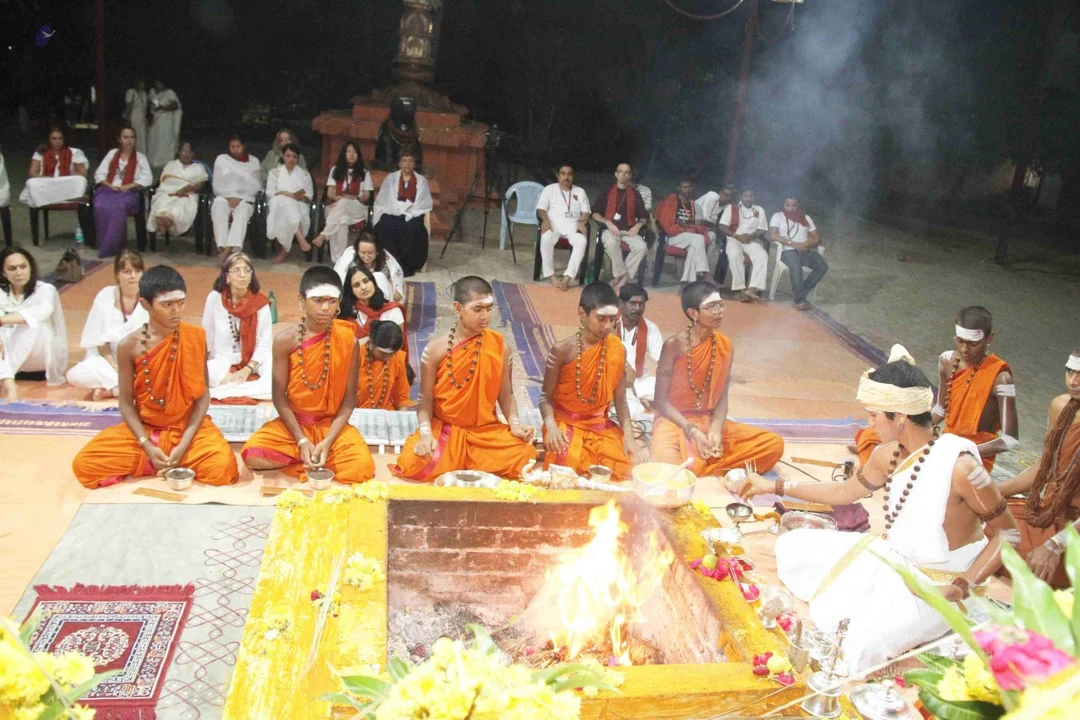
HOMA
DARSHAN

THEPPAM

Photos Of The Day:

Pada-Puja

Satsang

Sarva-Darshan

Photos Of The Day:

Pada-Puja

Satsang

Sarva-Darshan

Energy-Darshan

Puja-Homa-Processing

Photos Of The Day:

Pada-Puja

Satsang

Energy-Darshan

Puja-Homa-Processing

02-Sarva-Darshan

03-Satsang

Photos from this day

View all 615 photos

Photos

1 photoSource gallery
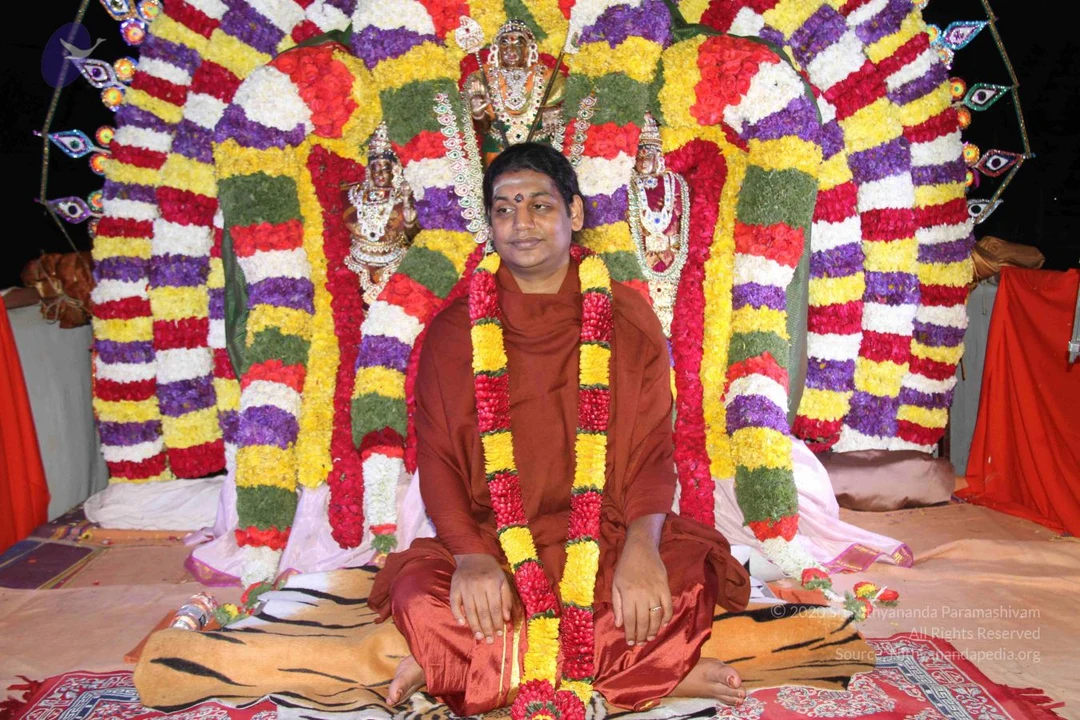
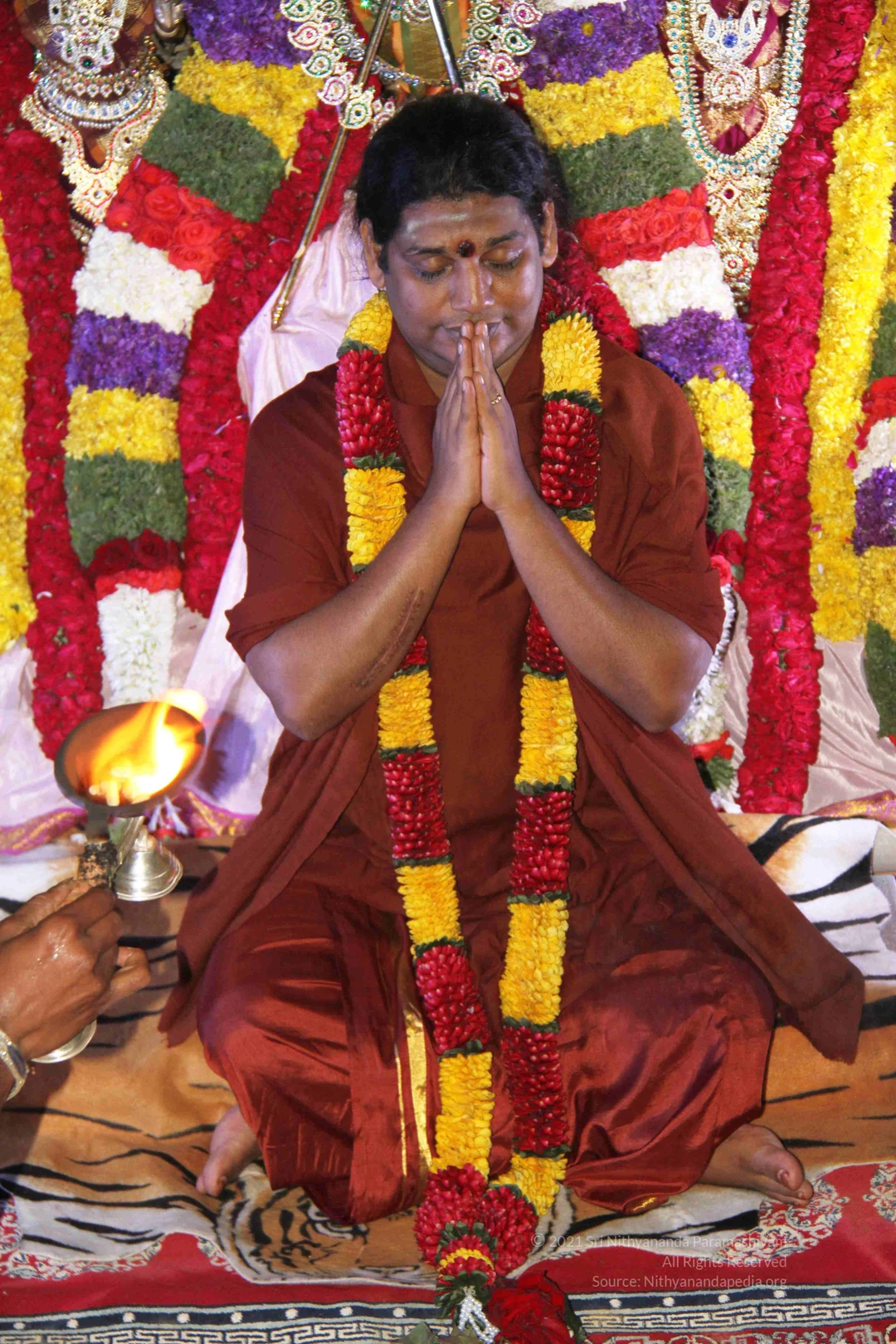
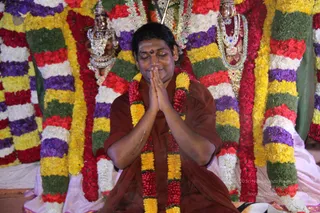
A seated man in a rust-orange robe sits with palms pressed together in namaskar, eyes closed, before a floral backdrop of red, yellow, white, green and purple garlands. A brass oil lamp with a flame is held at the left edge by a hand. Behind him, decorated deity murti stand in an ornamented shrine setting, with a crowned figure and a tall ornate staff visible. A tiger-striped cloth covers the seat. The scene suggests a puja with an aarti lamp offering.

PUJA

2 photosSource gallery
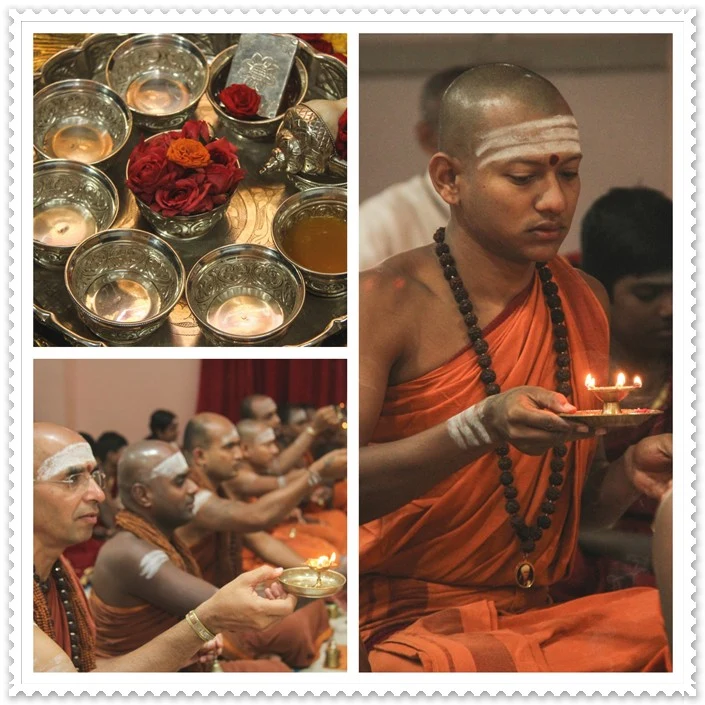
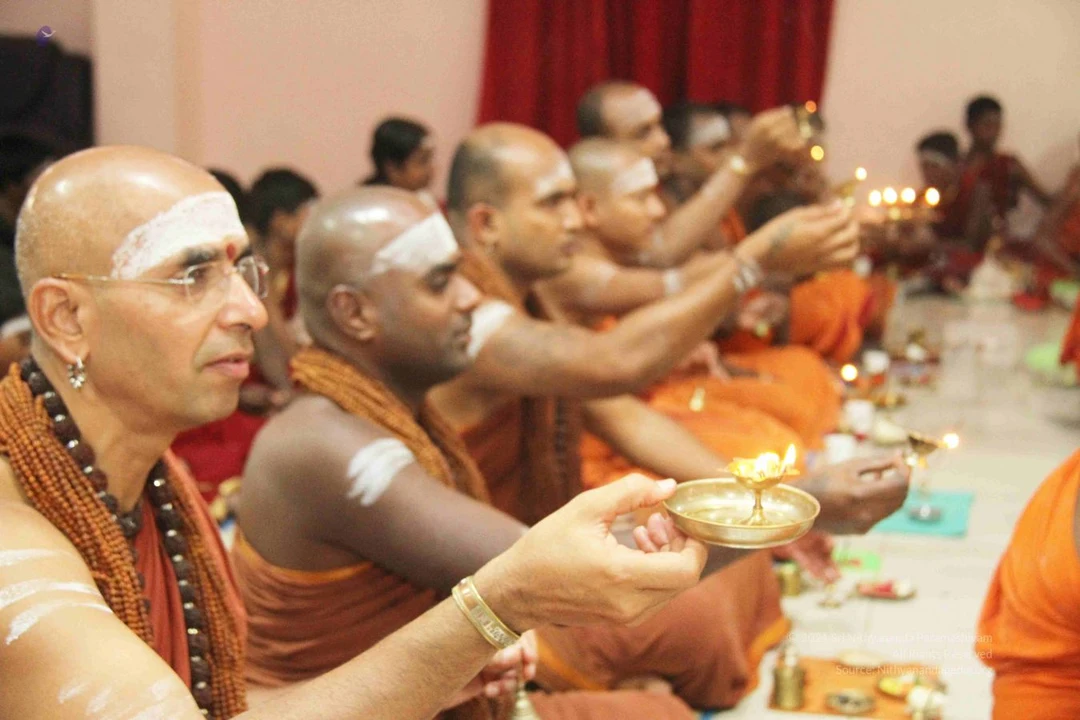
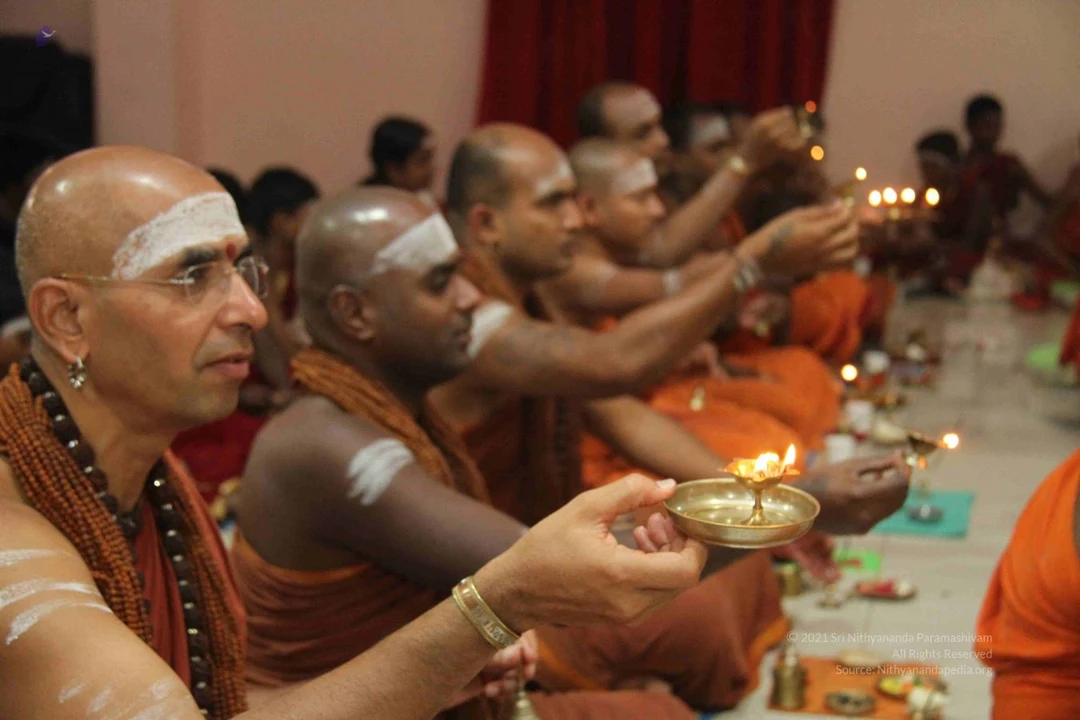
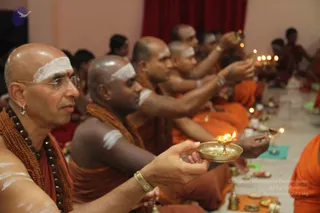
Close-up photograph of a single tall flame rising from a wick on a flat wooden or metal base, with a soft blurred background of warm brown and orange tones and out-of-focus silver-white bokeh on the left. A small dark wick end sits at the base of the flame. No people are visible in the frame, and the image suggests a lamp lit for devotional ritual.A seated group of saffron-robed sannyasis performs a ritual, each holding a brass oil lamp (deepa) with a lit flame. The man at left wears rudraksha malas, a white vibhuti or tilak on his forehead, gold bangles and spectacles. Several bald men beside him, wearing orange-brown cloths and white horizontal marks on forehead and arms, hold lamps in outstretched hands. Behind them, more lamps flicker, and a red curtain hangs in the background. Brass vessels and small offerings sit on the floor in front. The page indicates a person was present, but the appearance cues are not distinctive enough to confirm any individual's identity, so the figures are described by role. Probable ritual: deepa aarti during satsang.

SATSANG

12 photosSource gallery
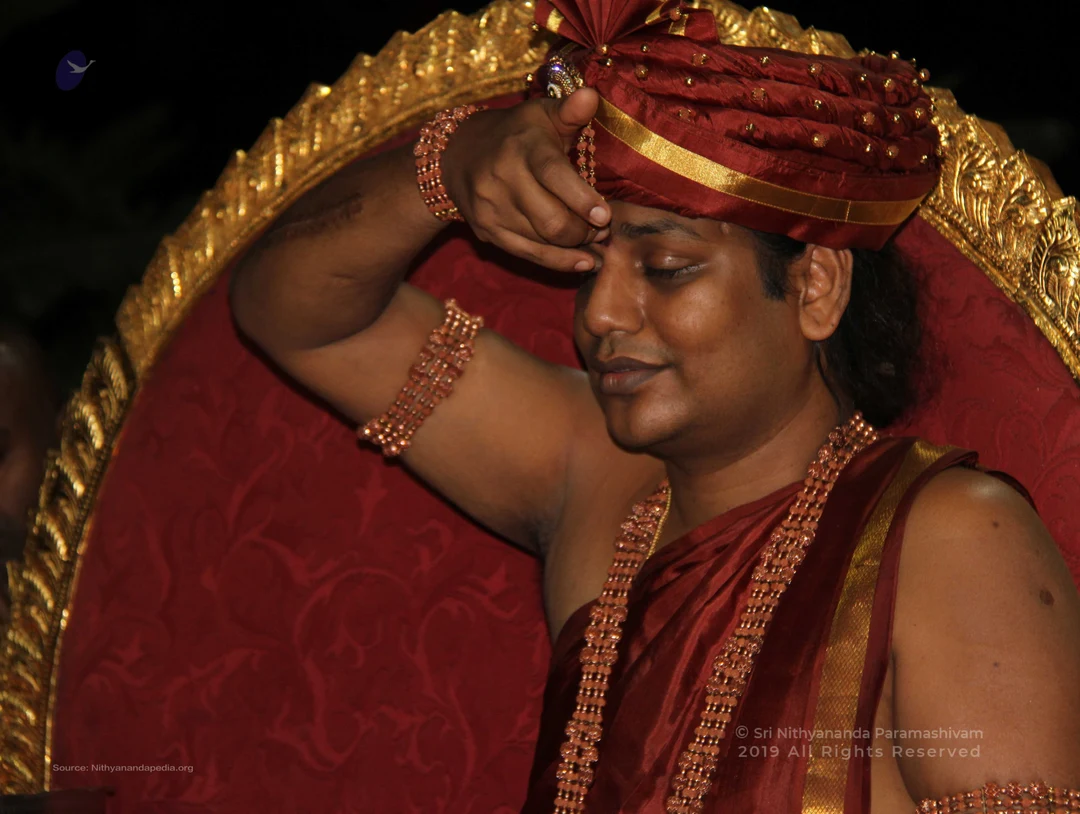
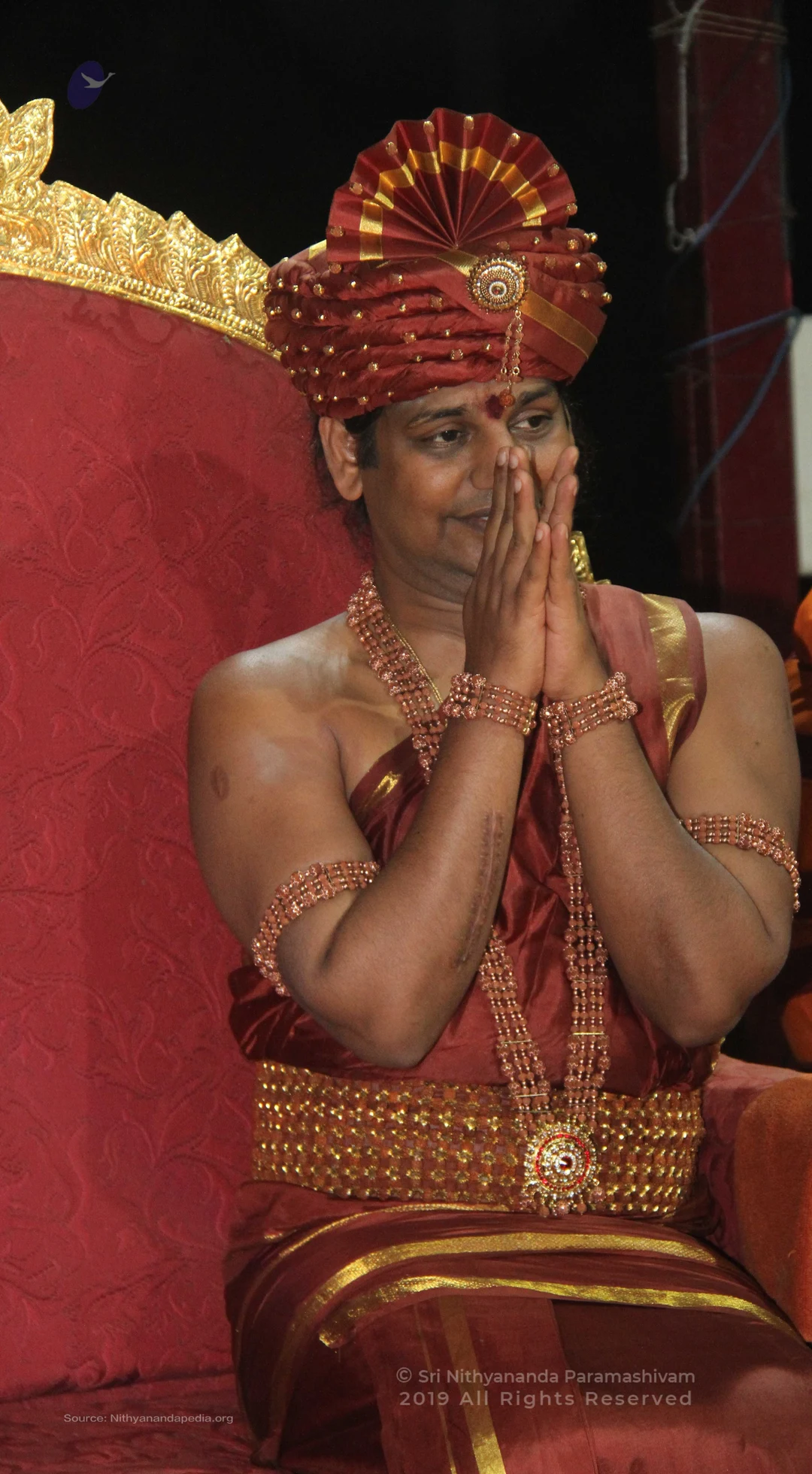
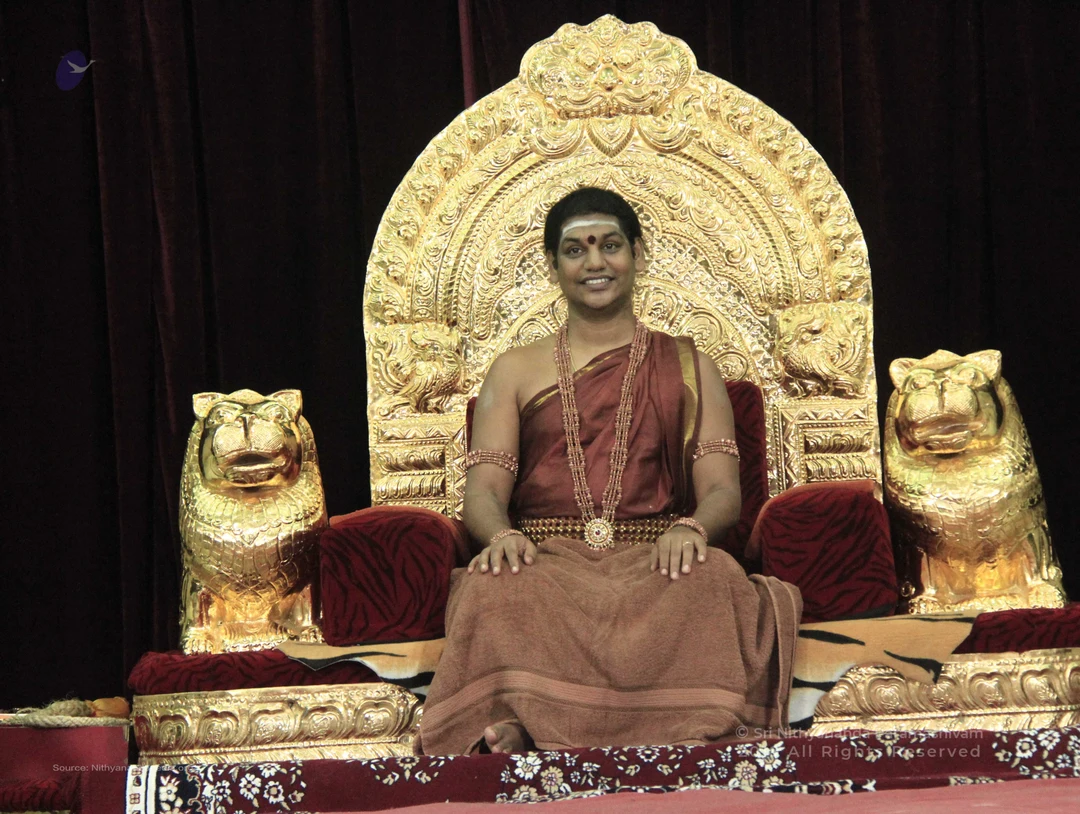
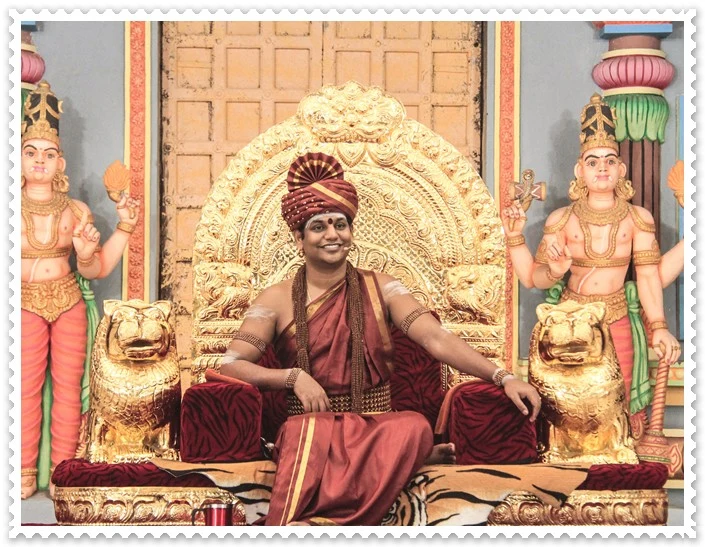
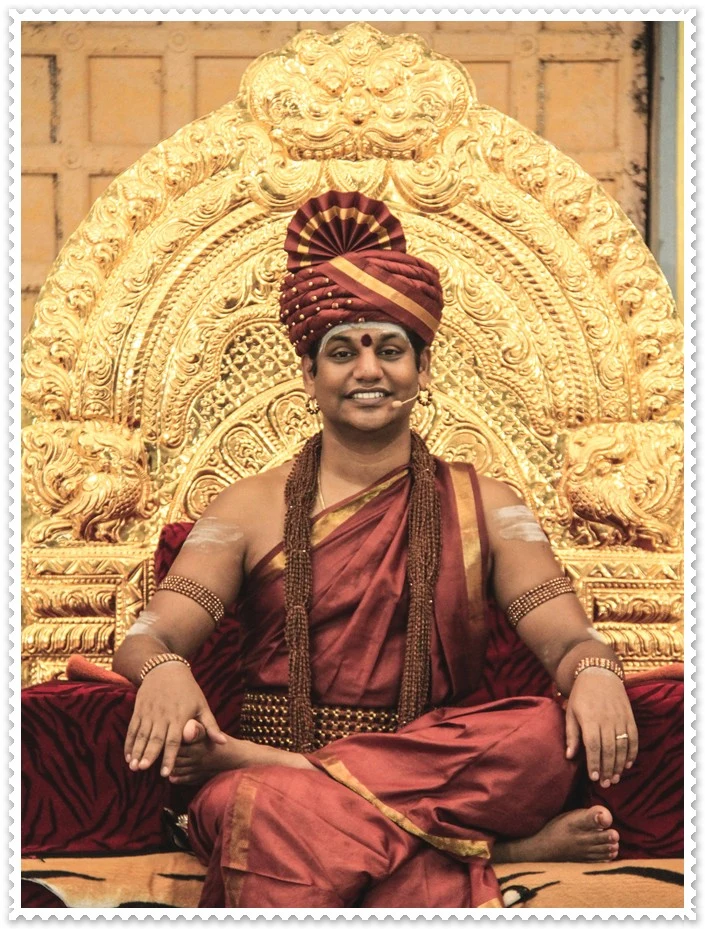
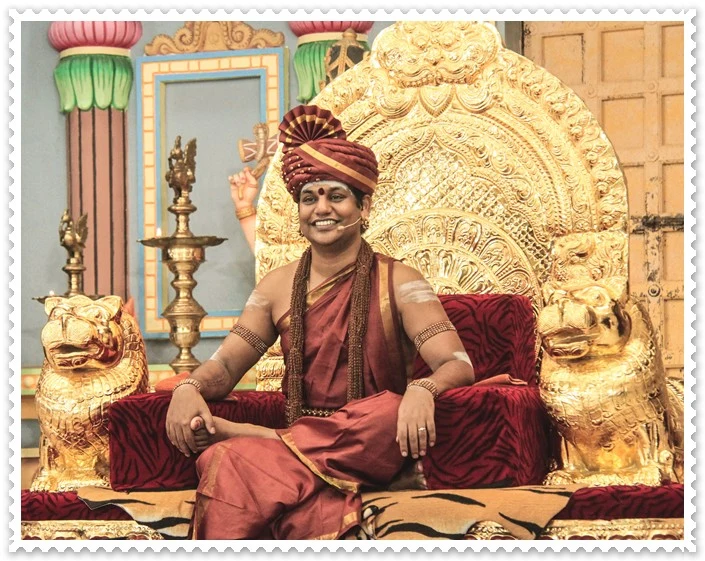
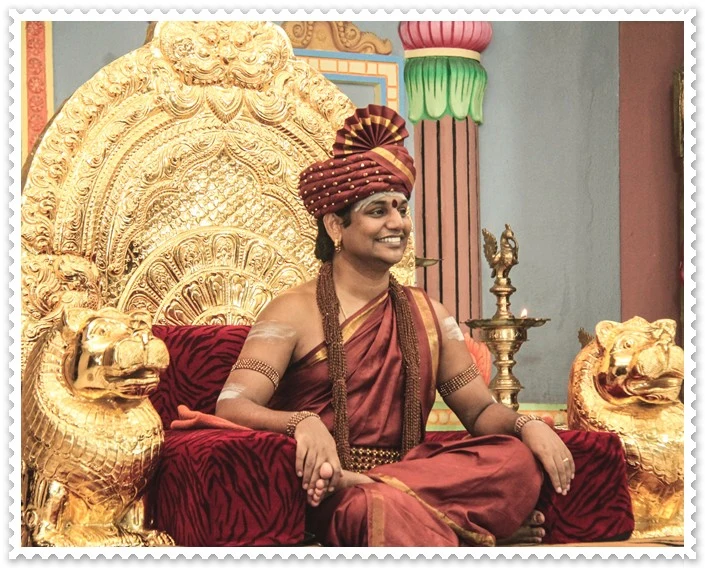
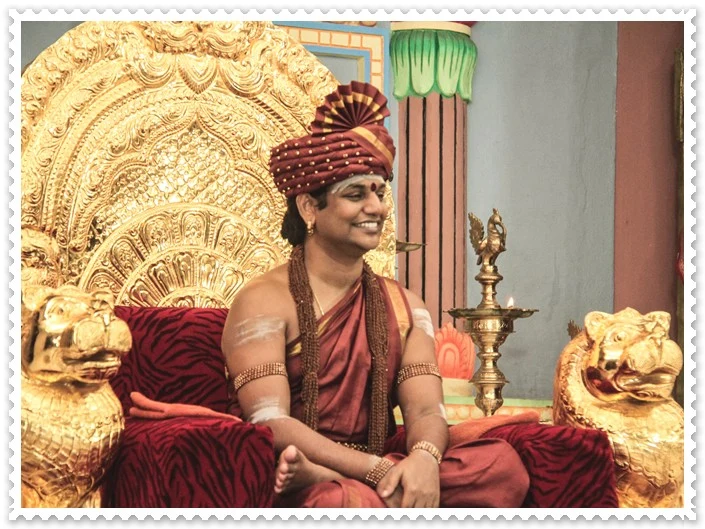
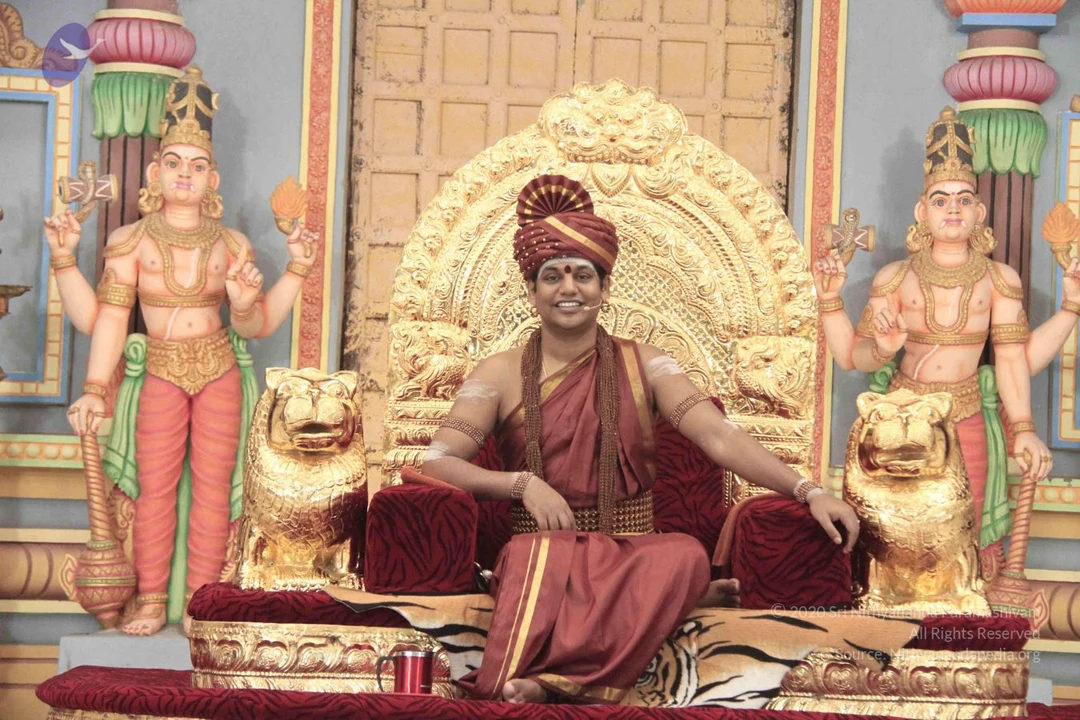
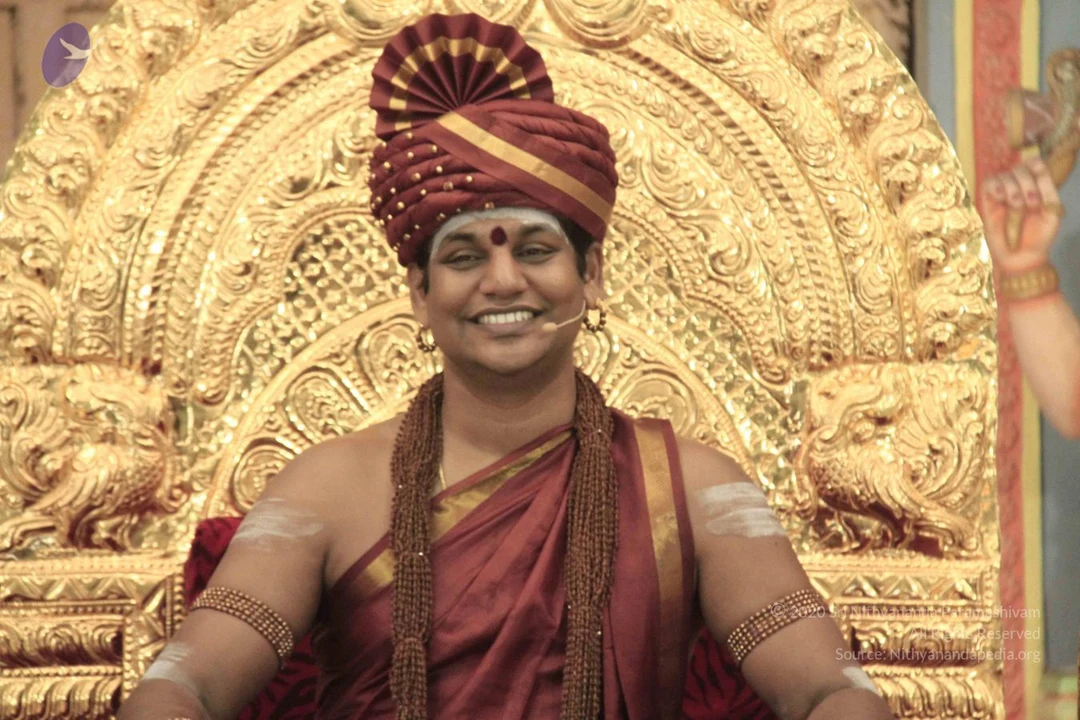
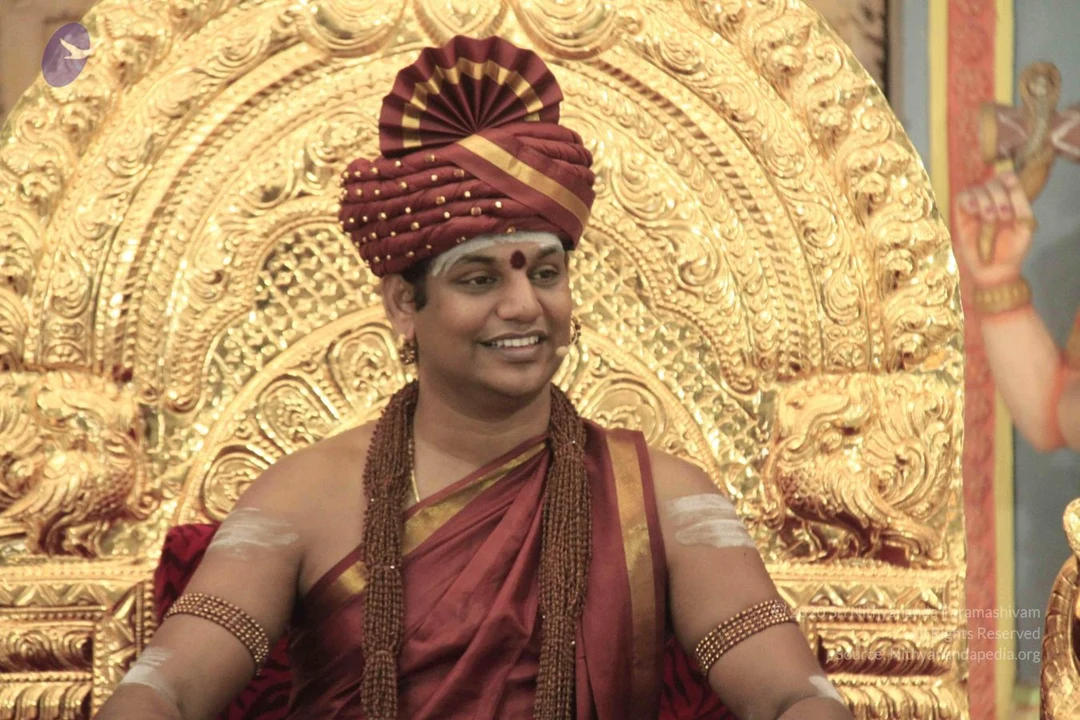
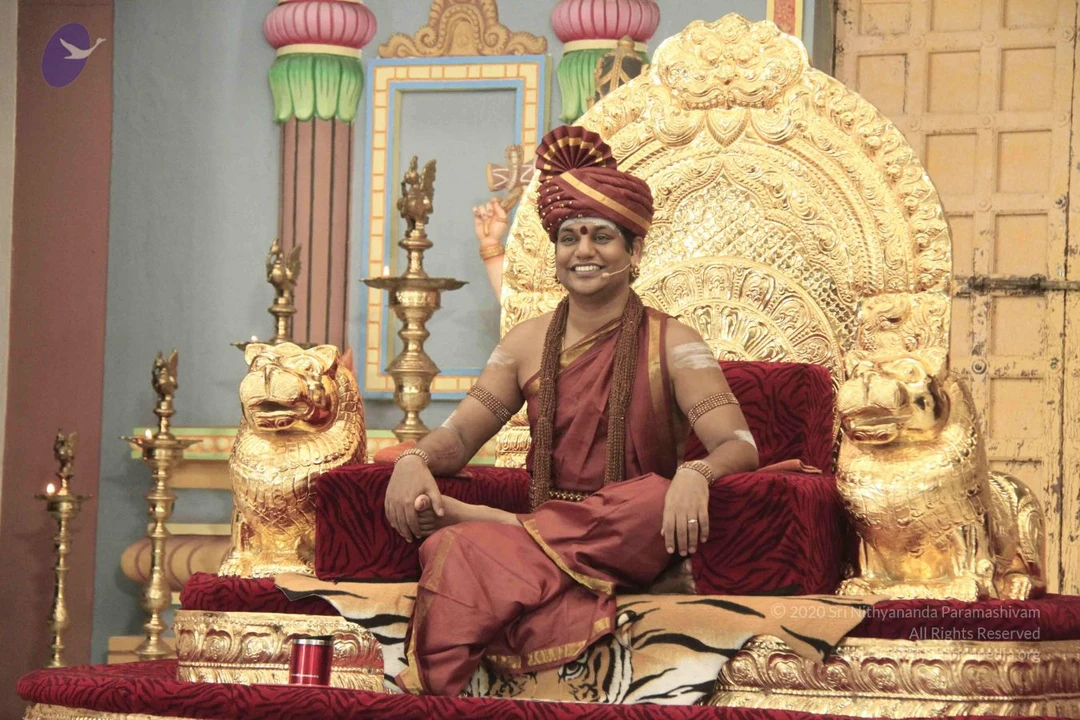
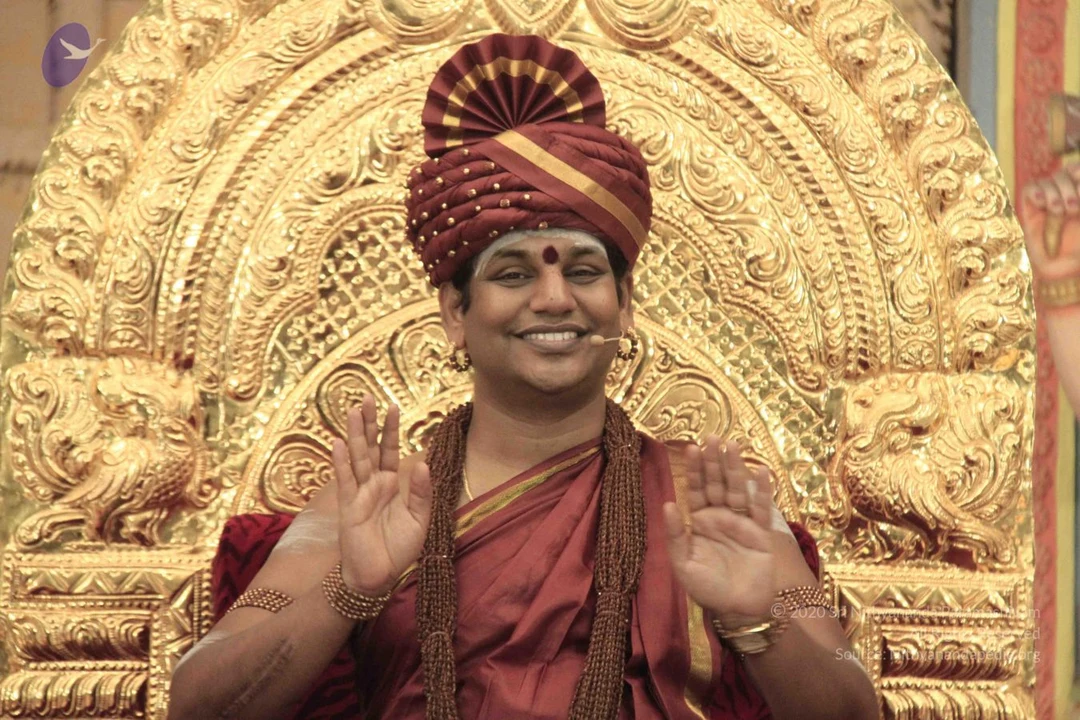
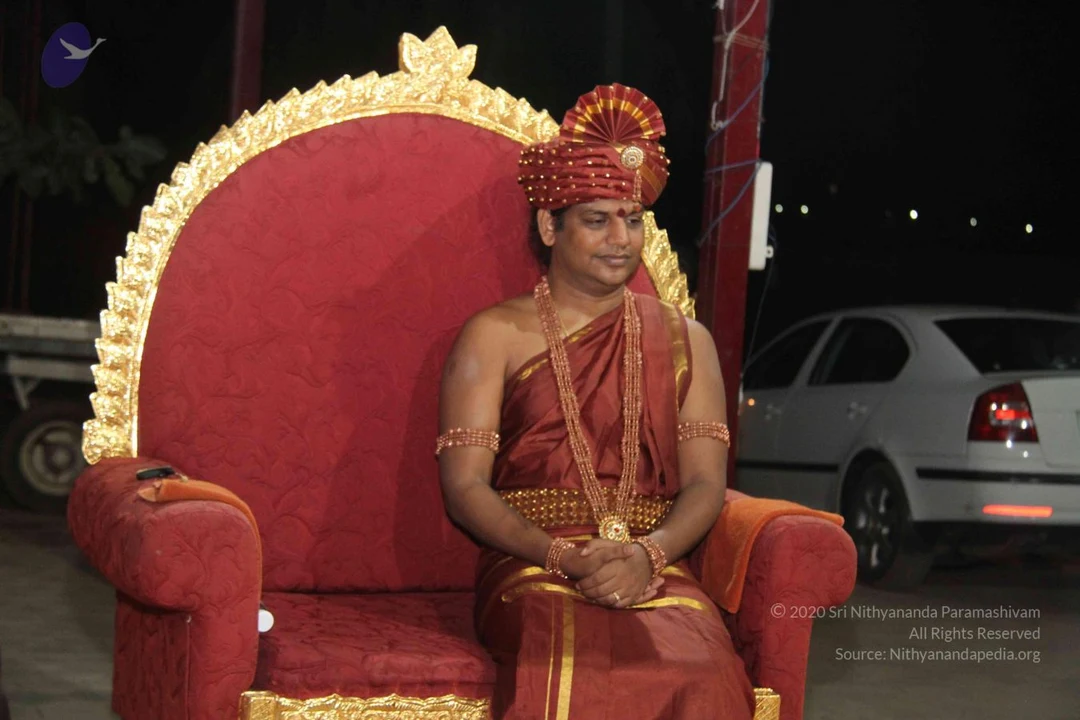
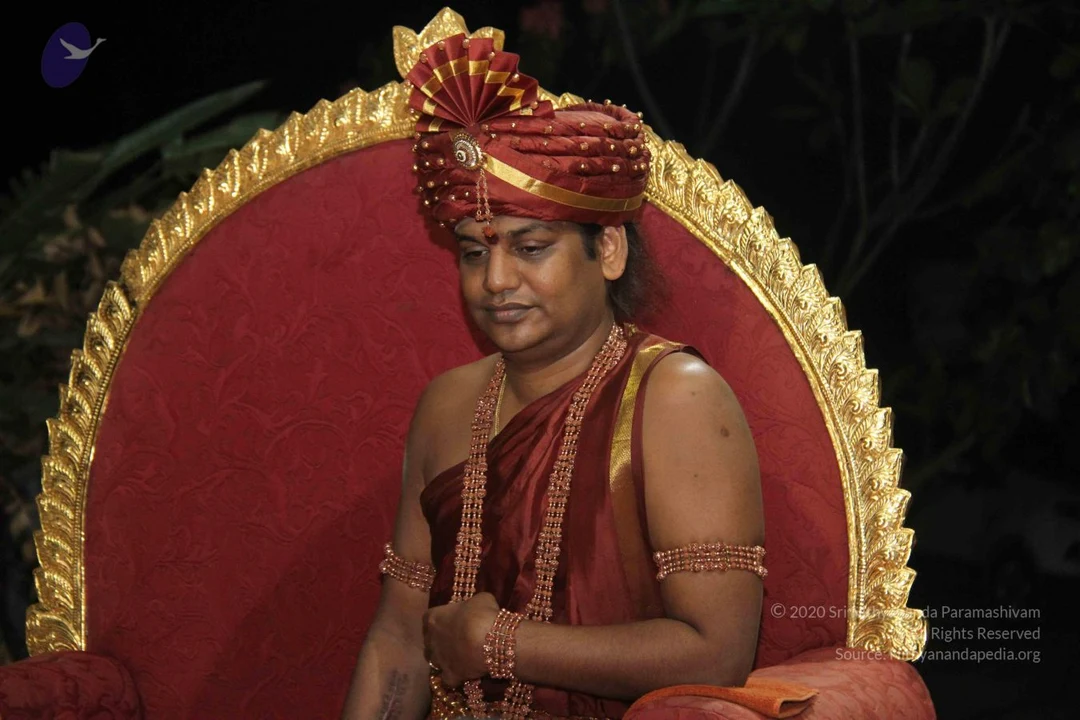
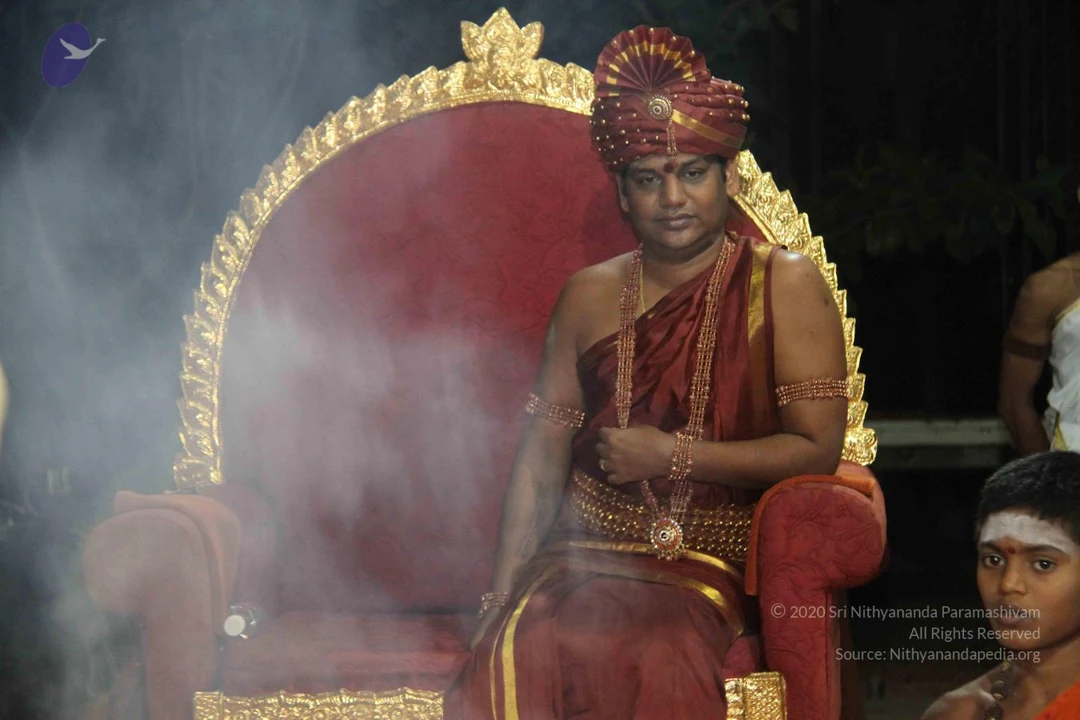
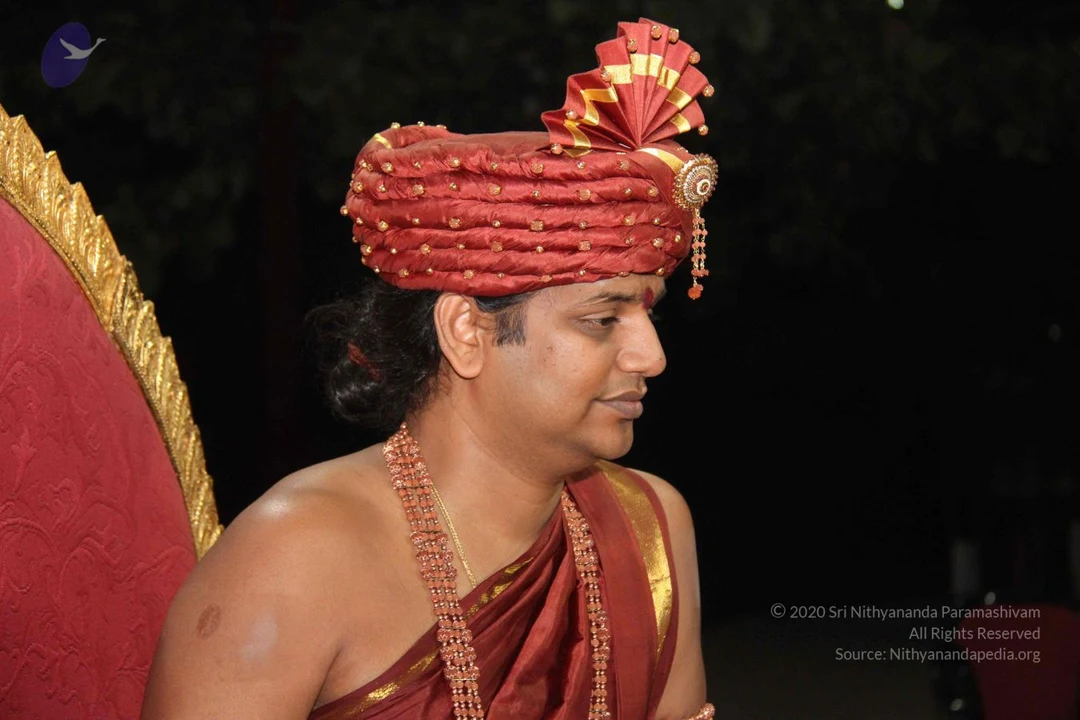
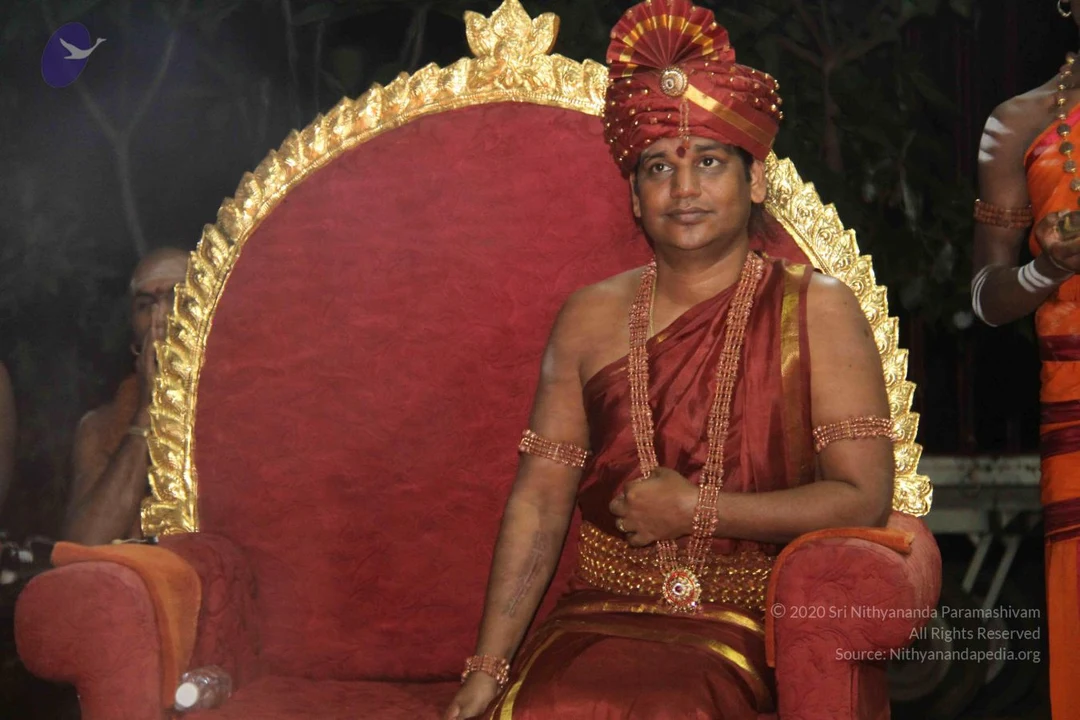
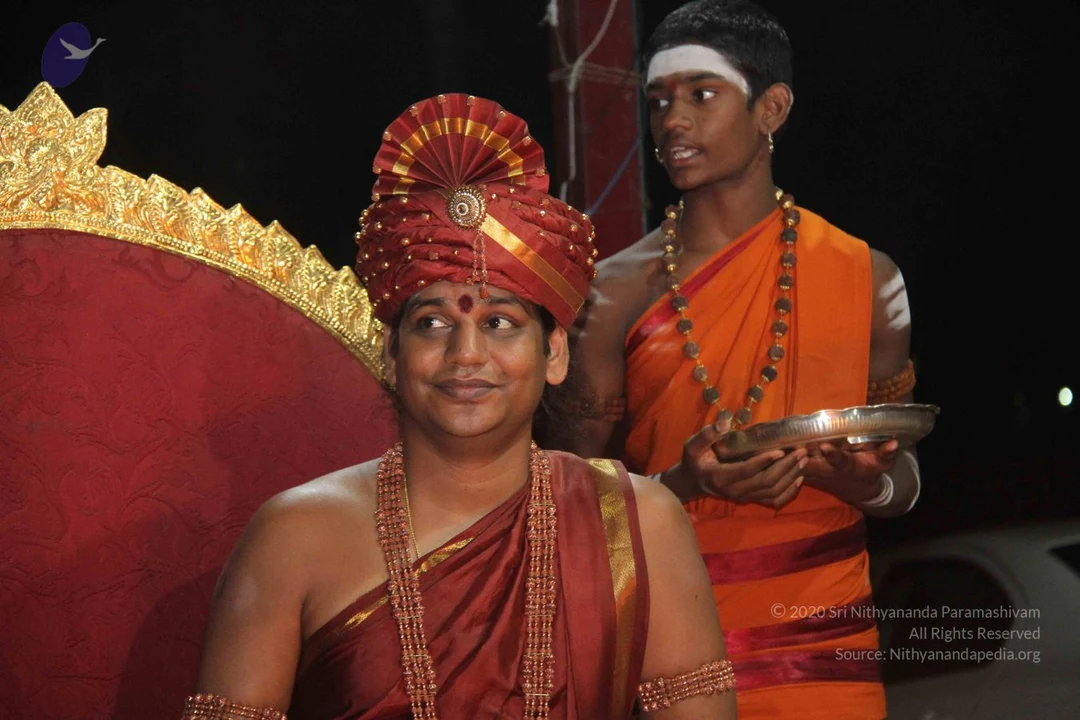
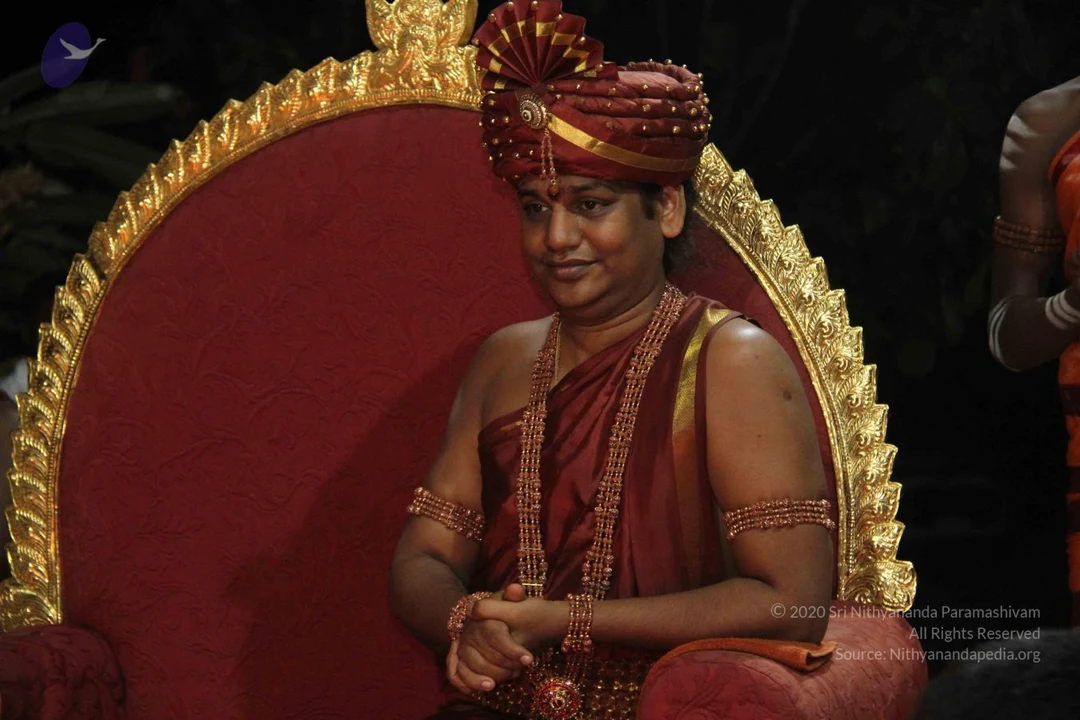
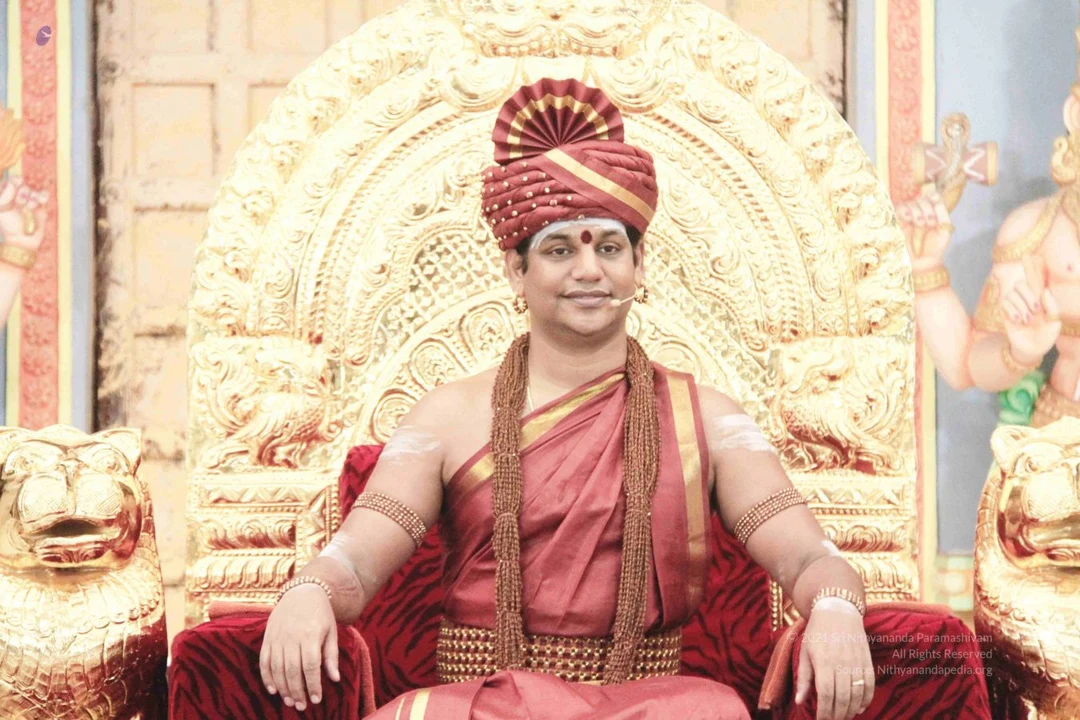
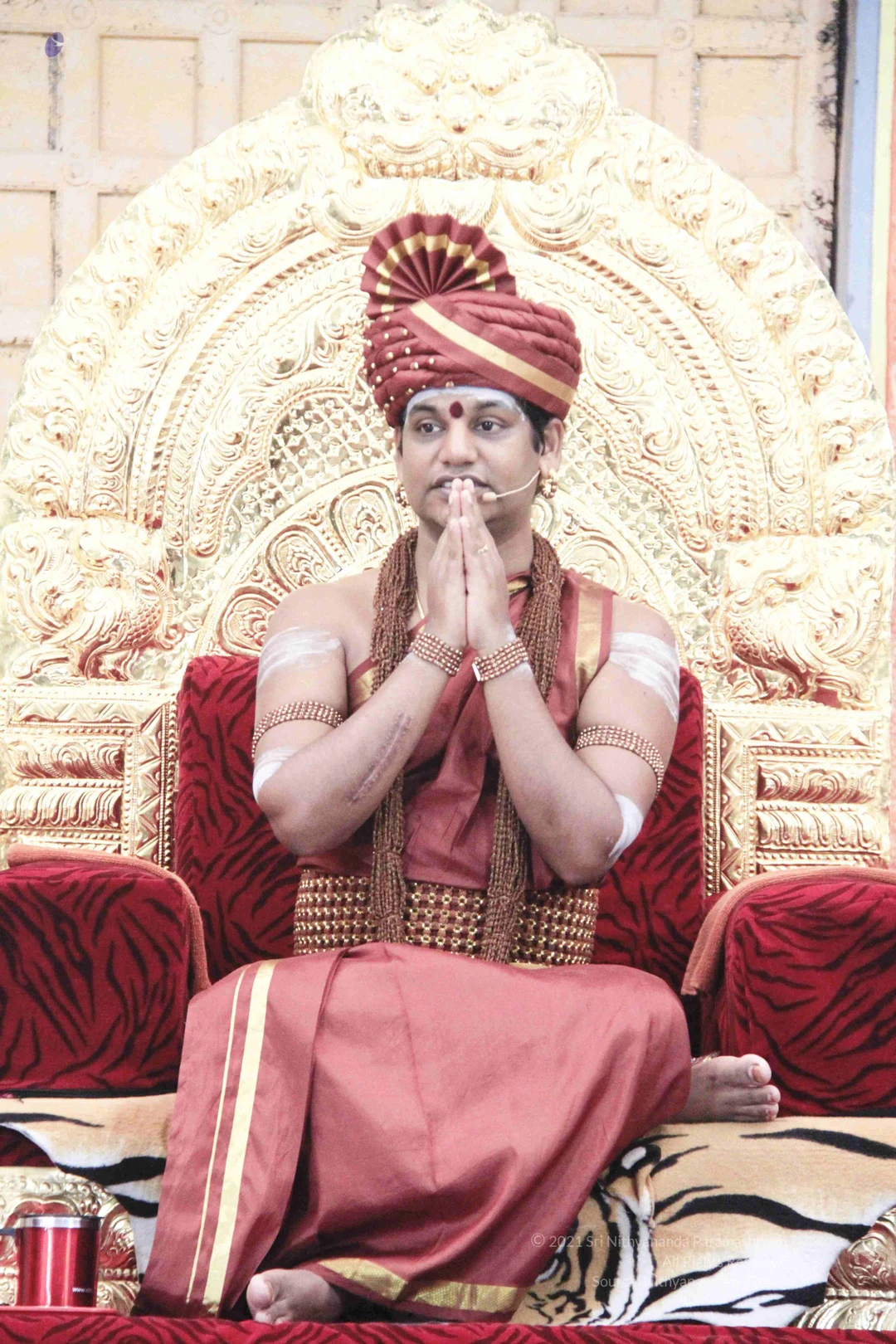
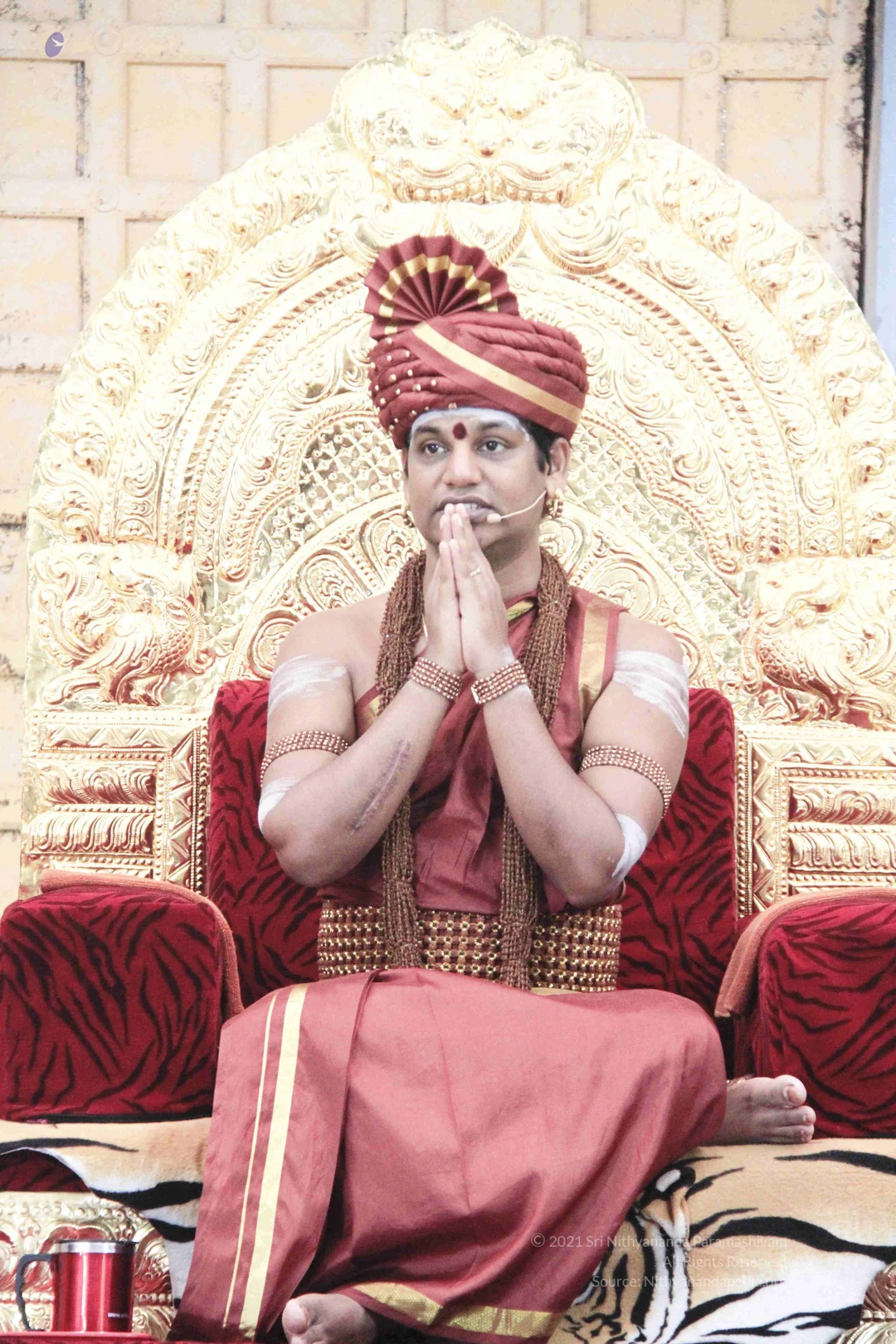
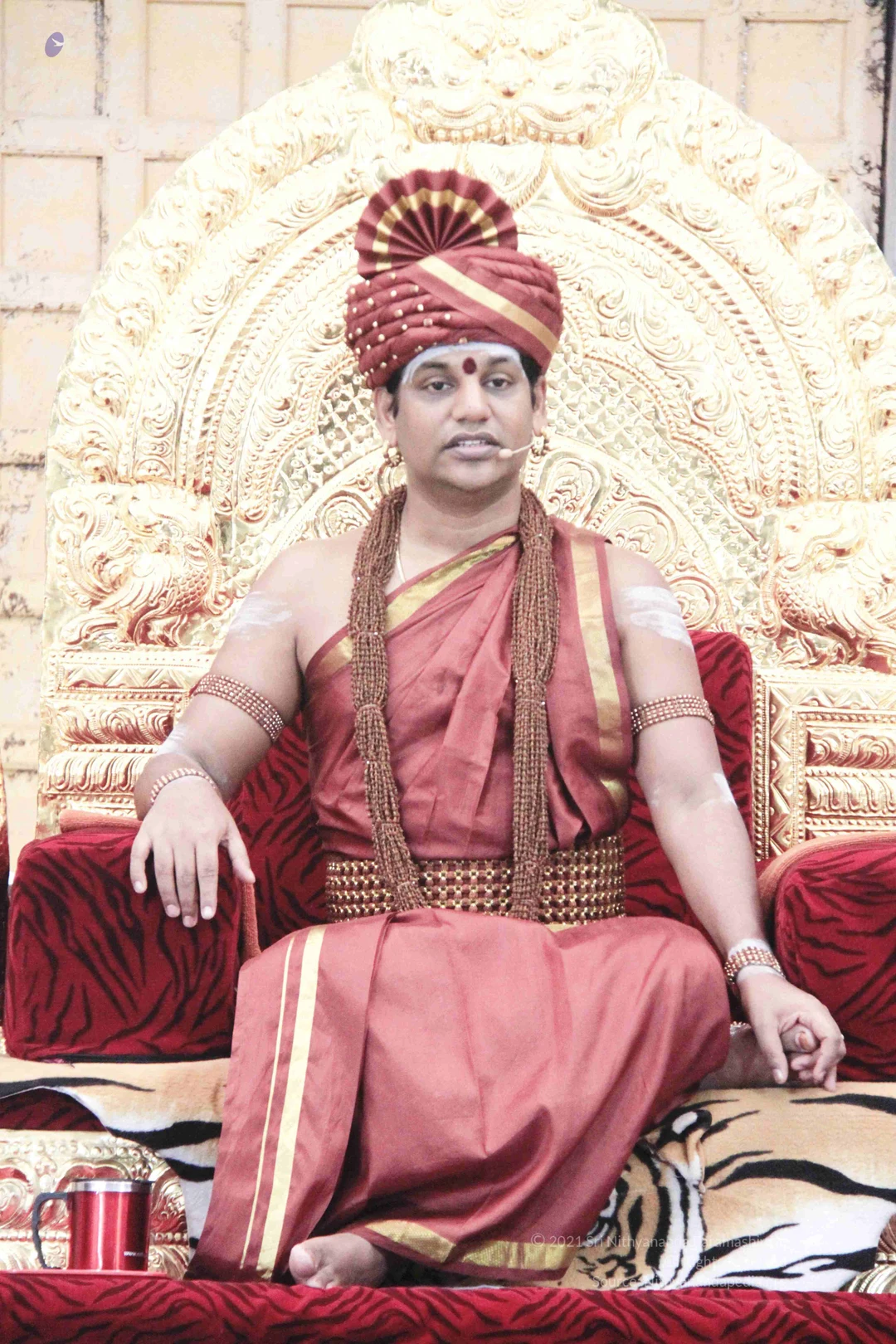
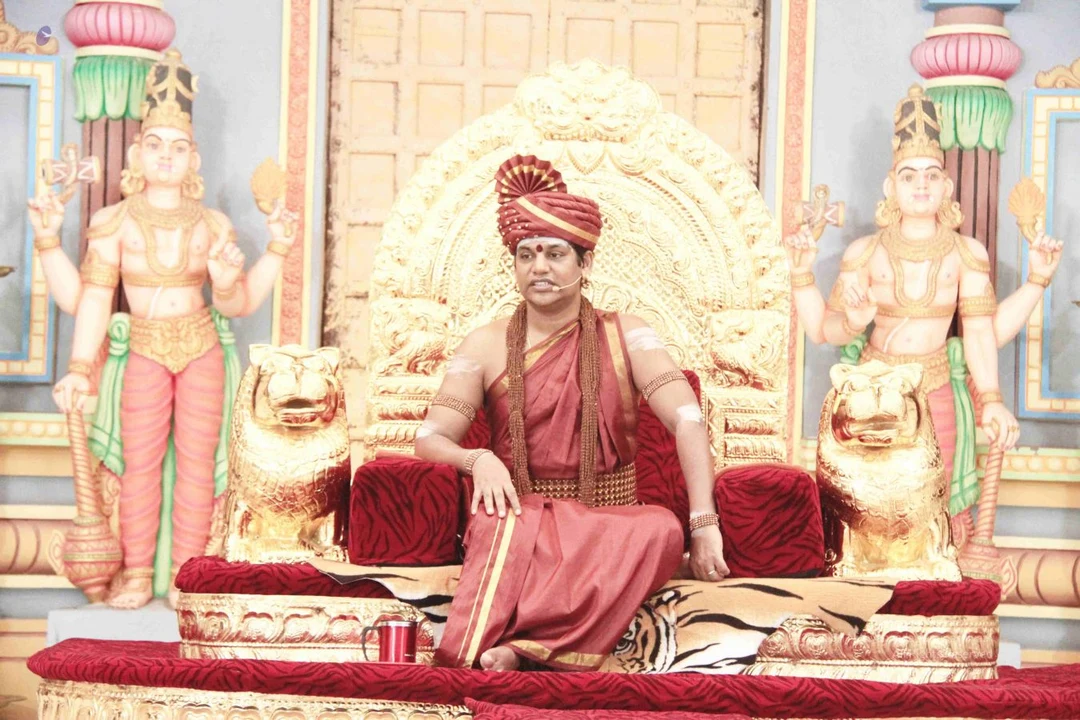
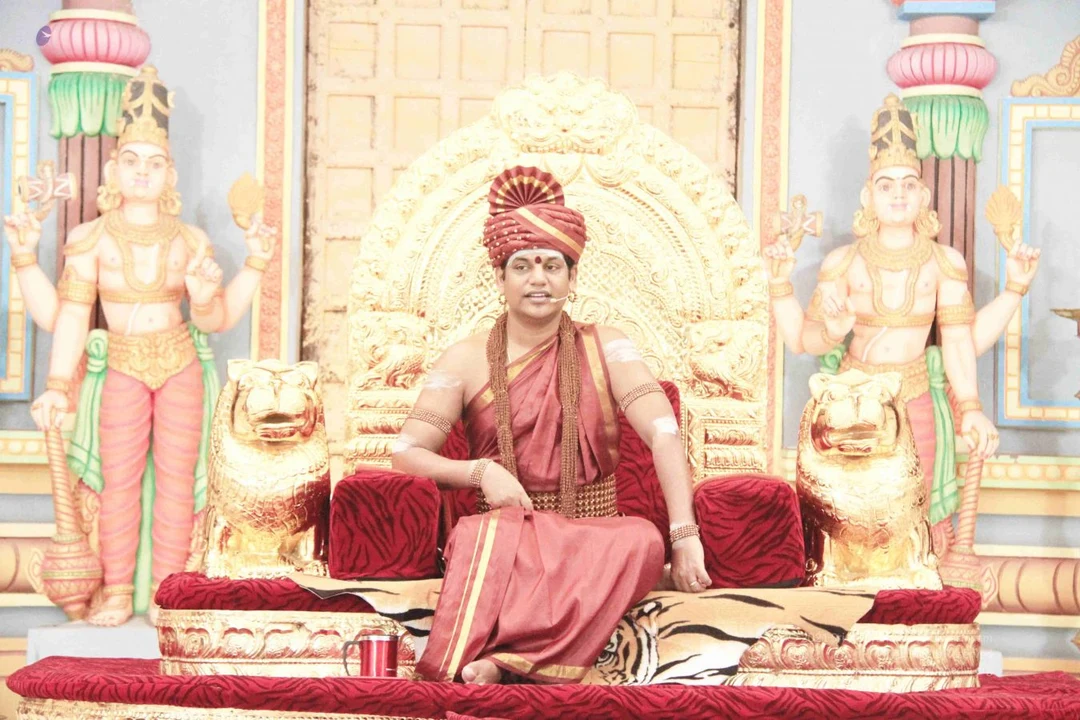
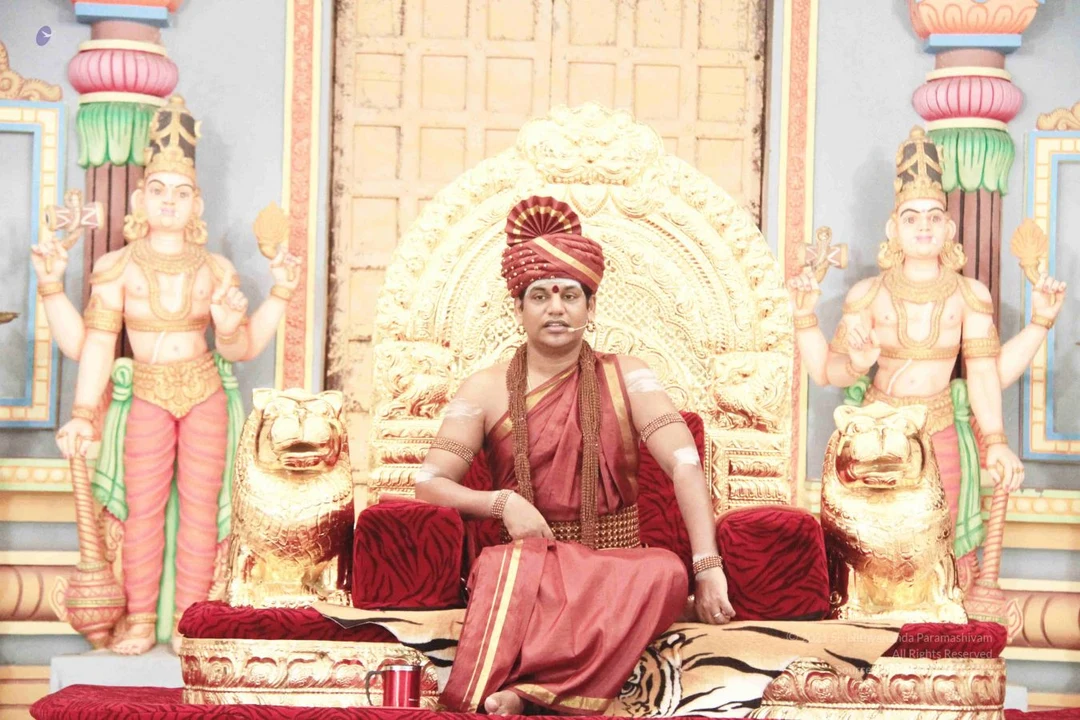
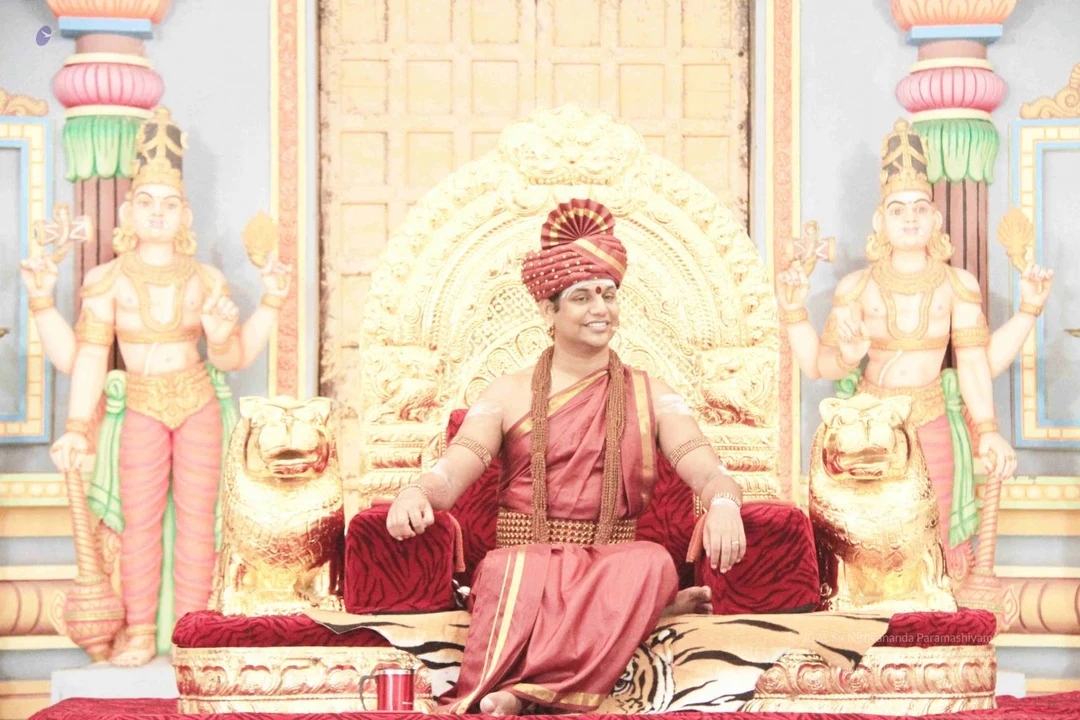
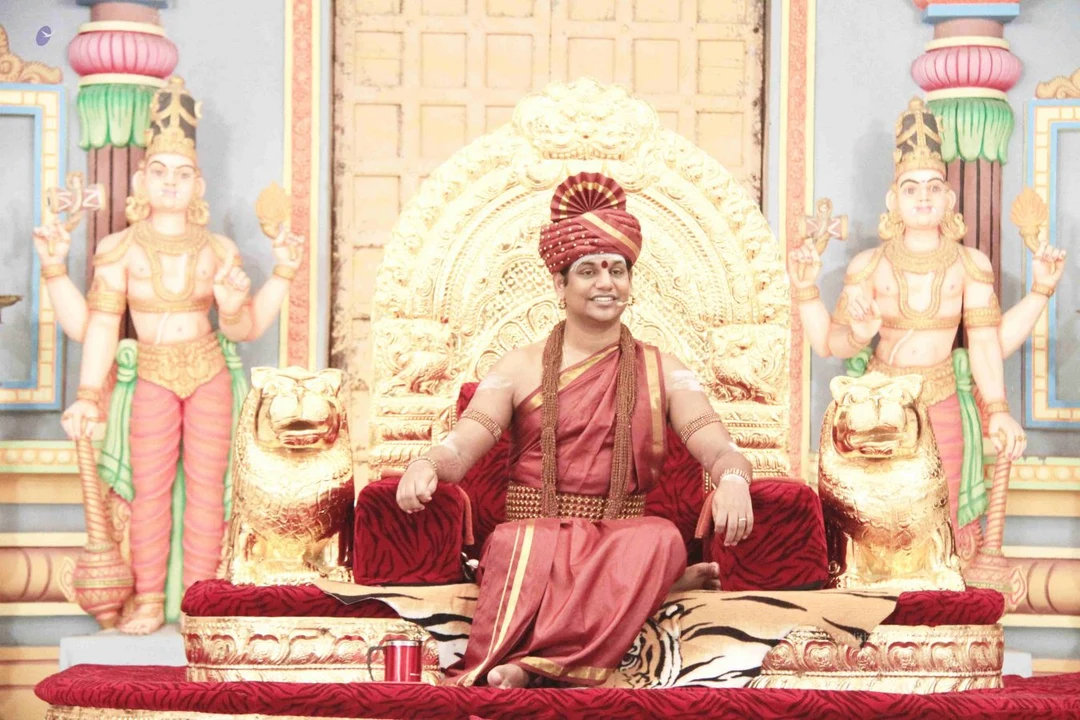
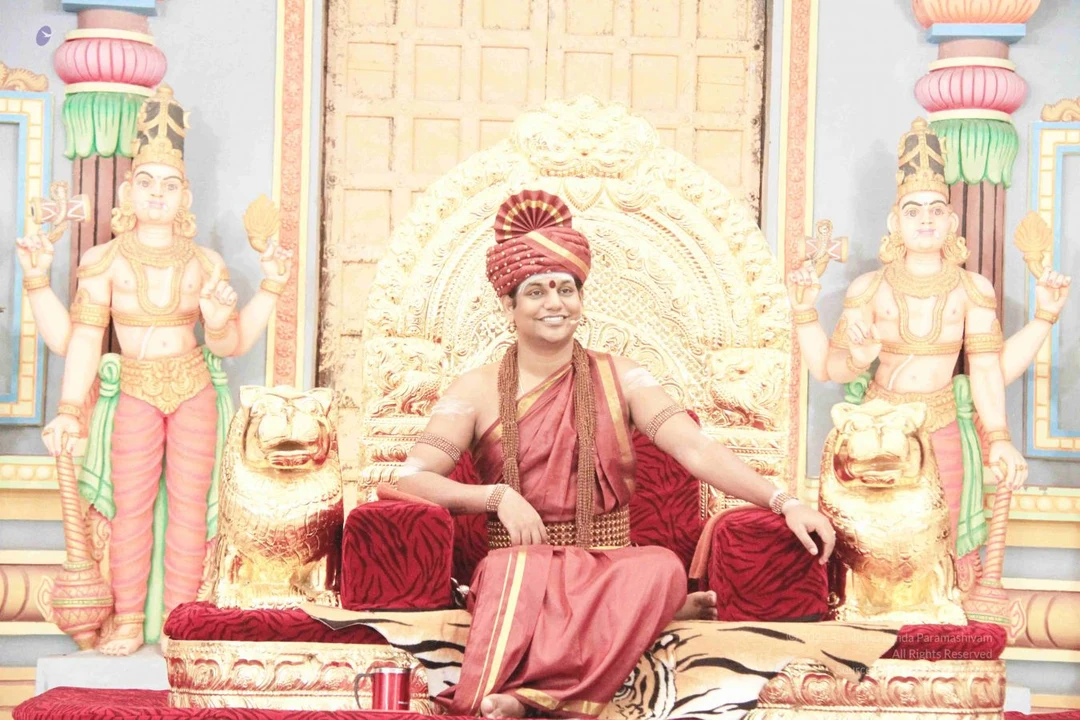
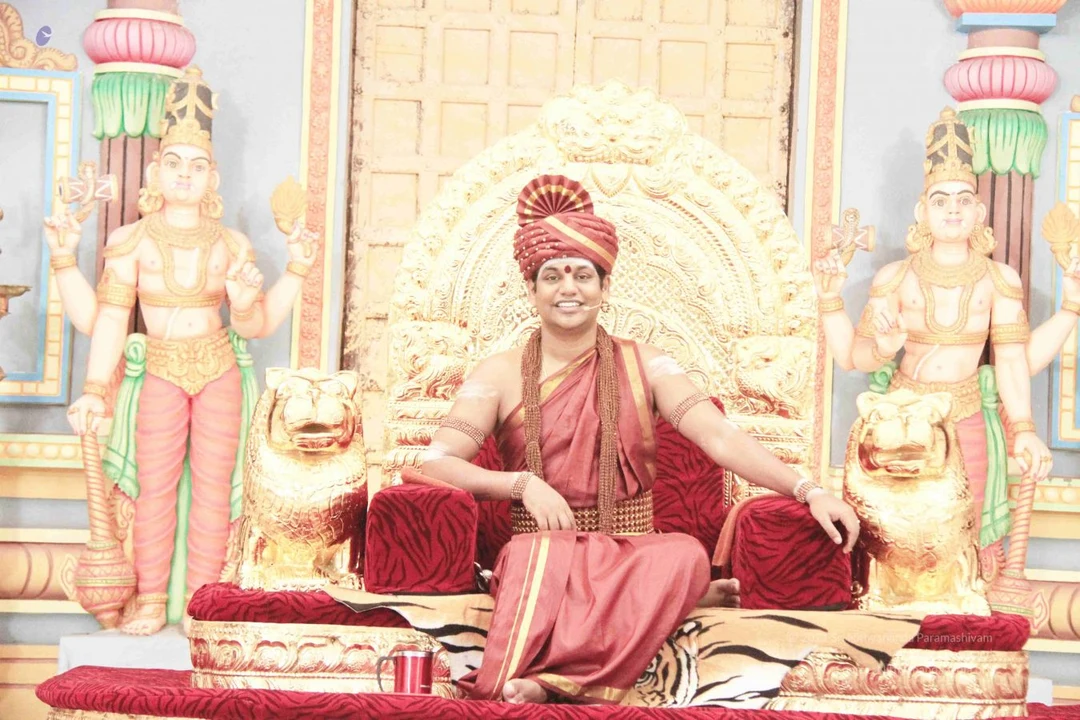
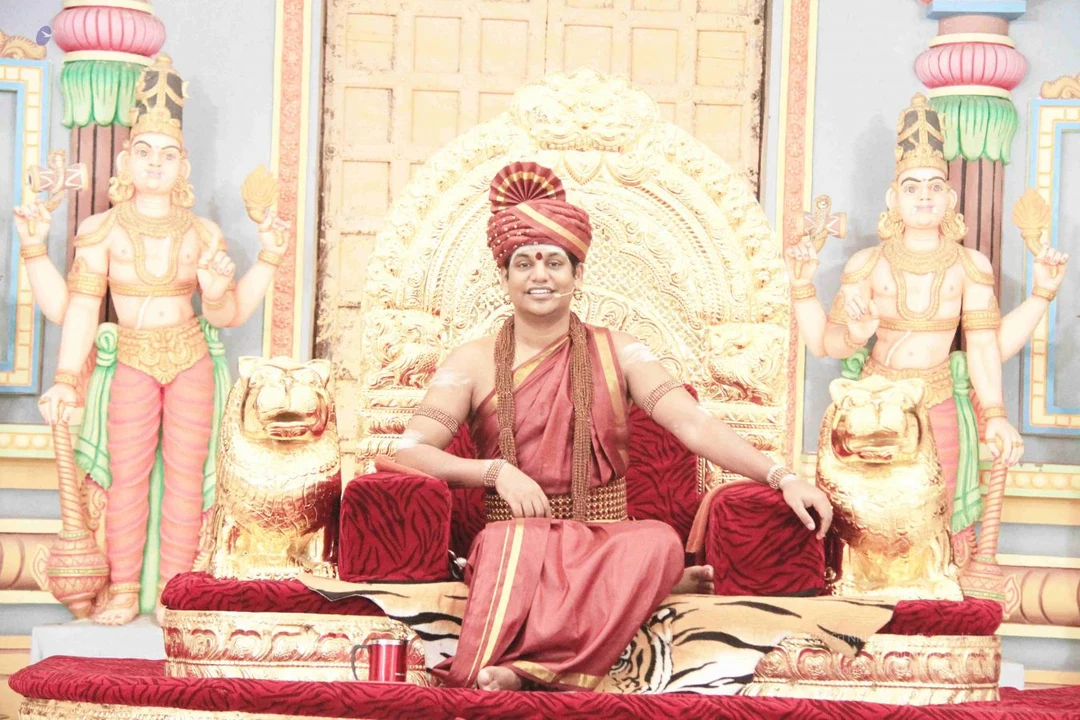
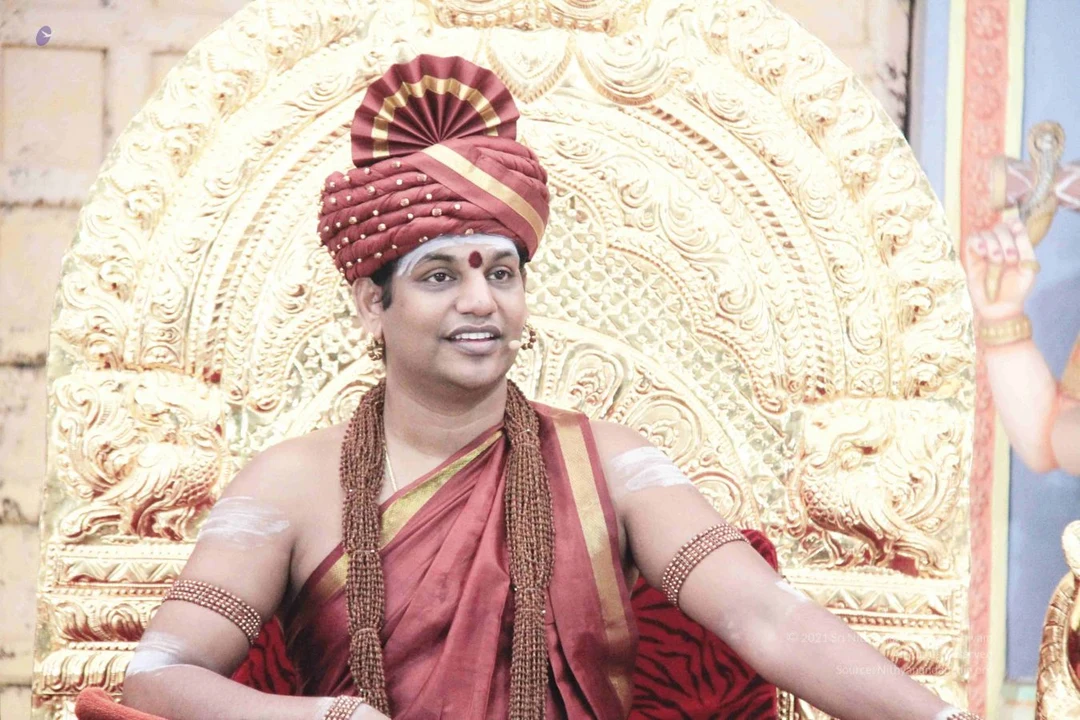
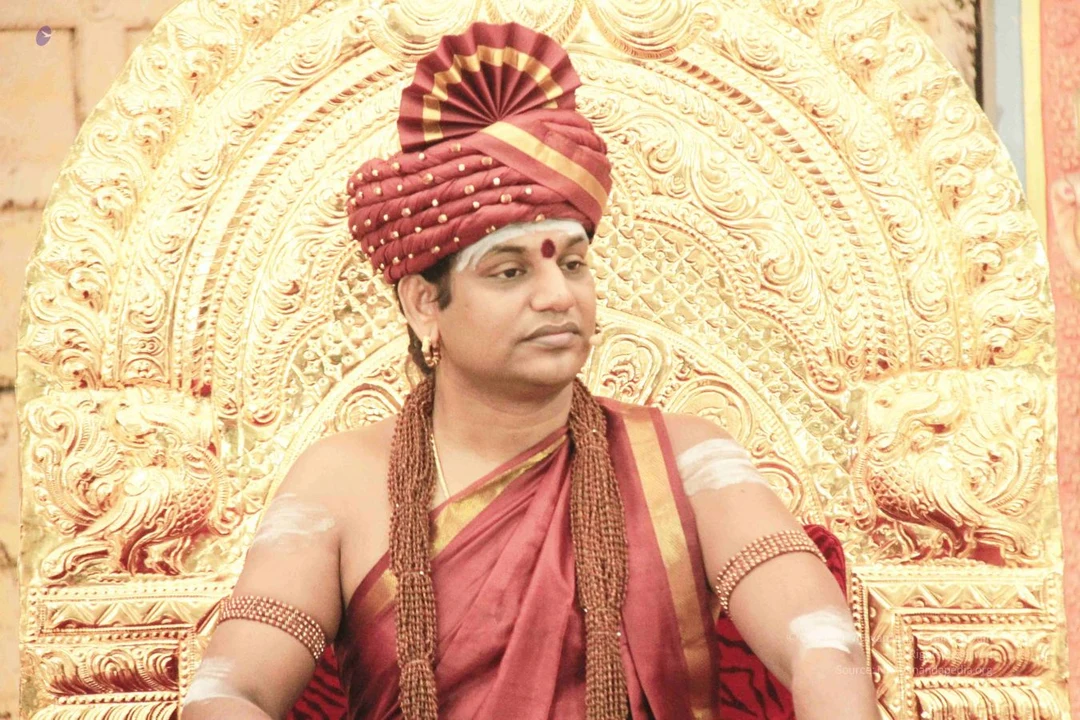
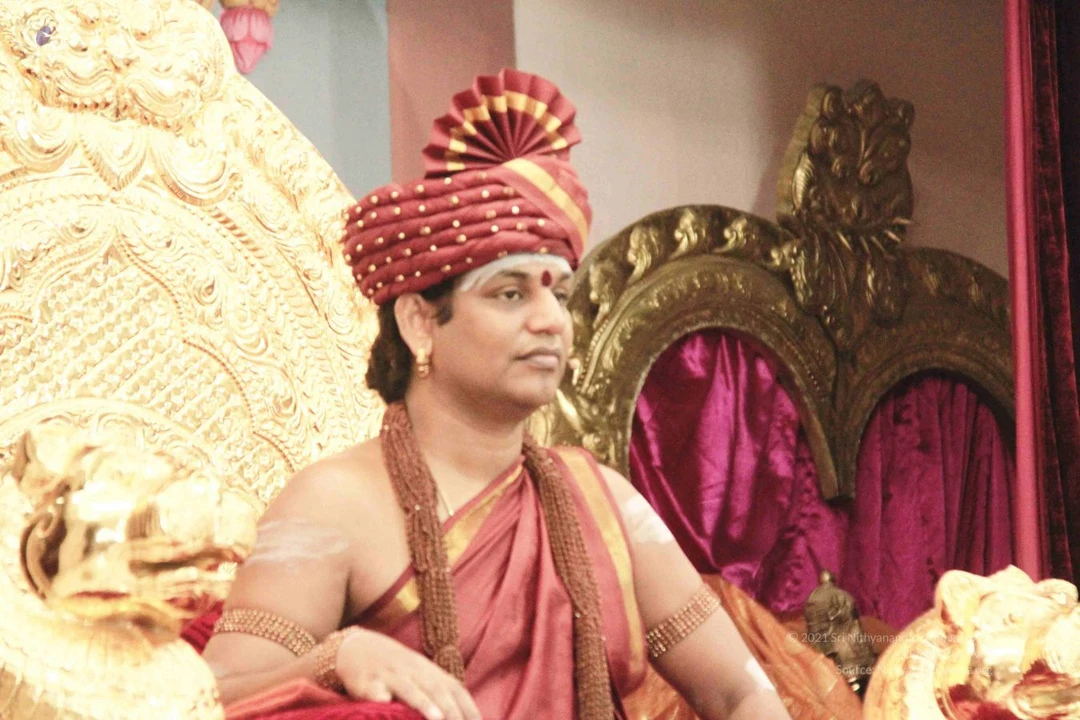
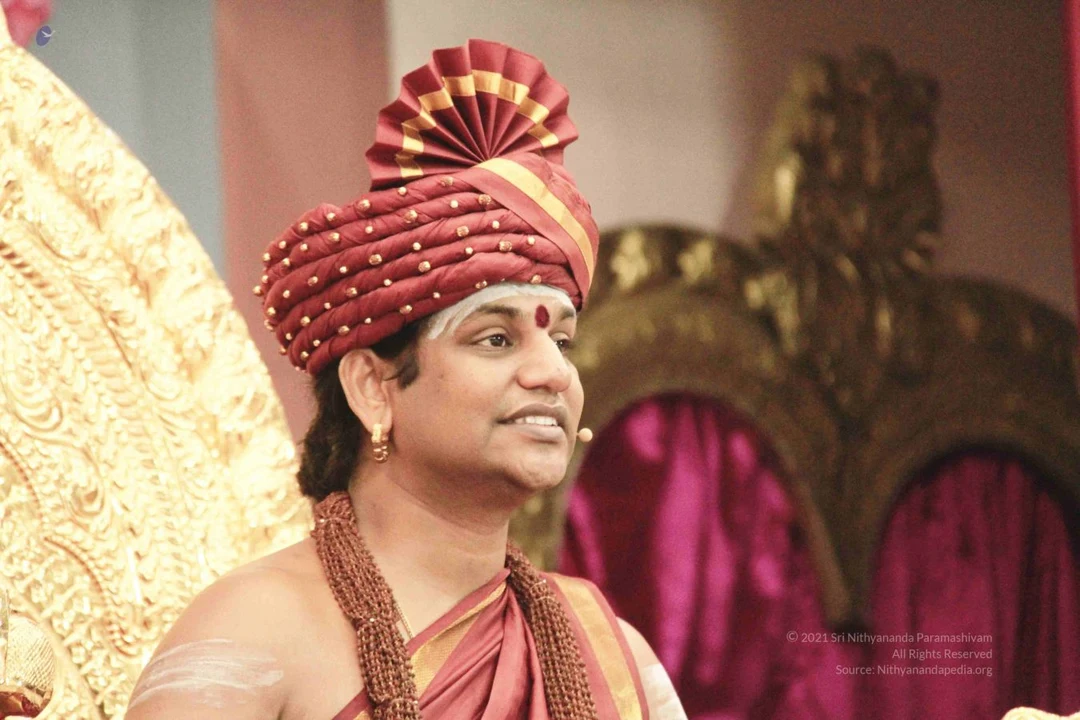
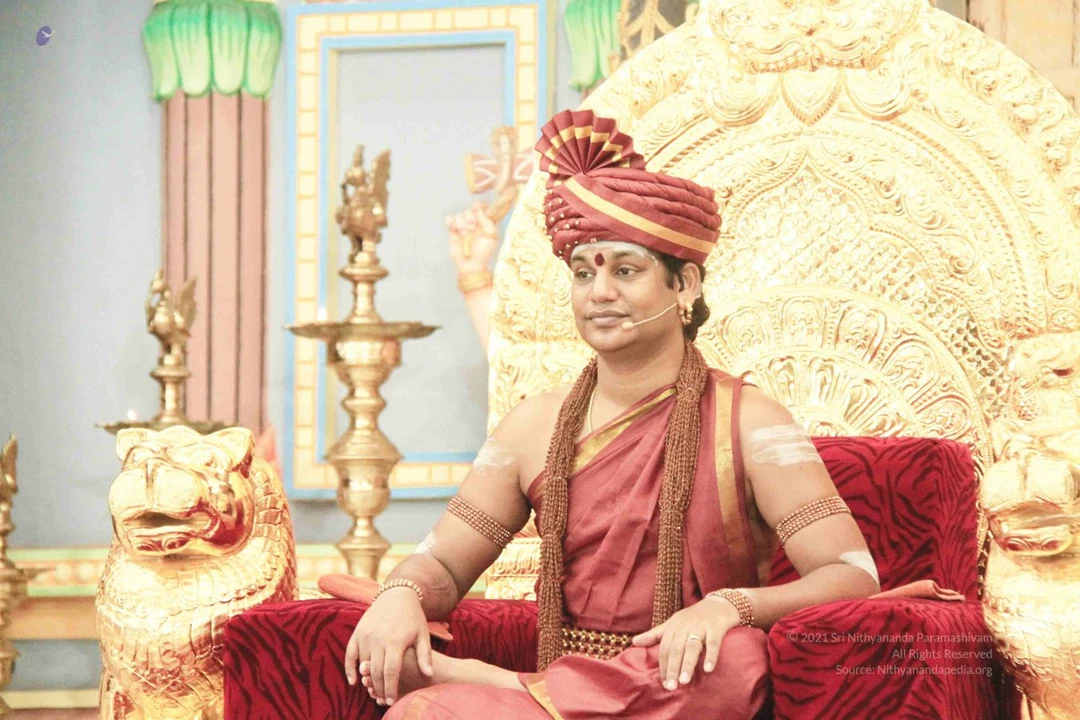
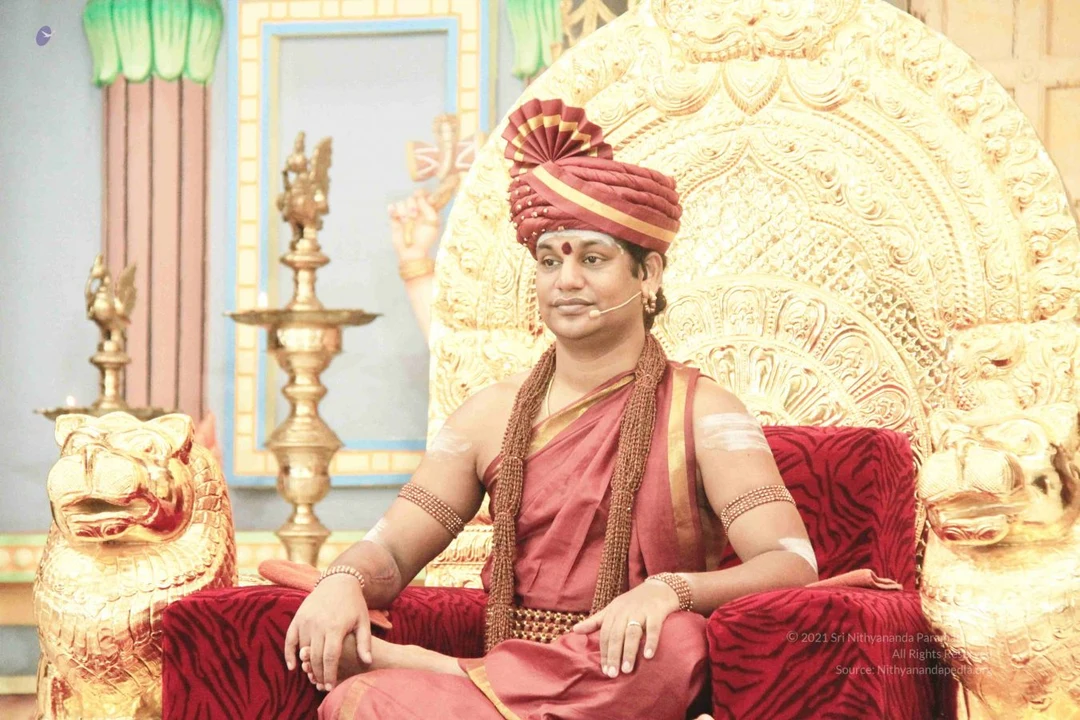
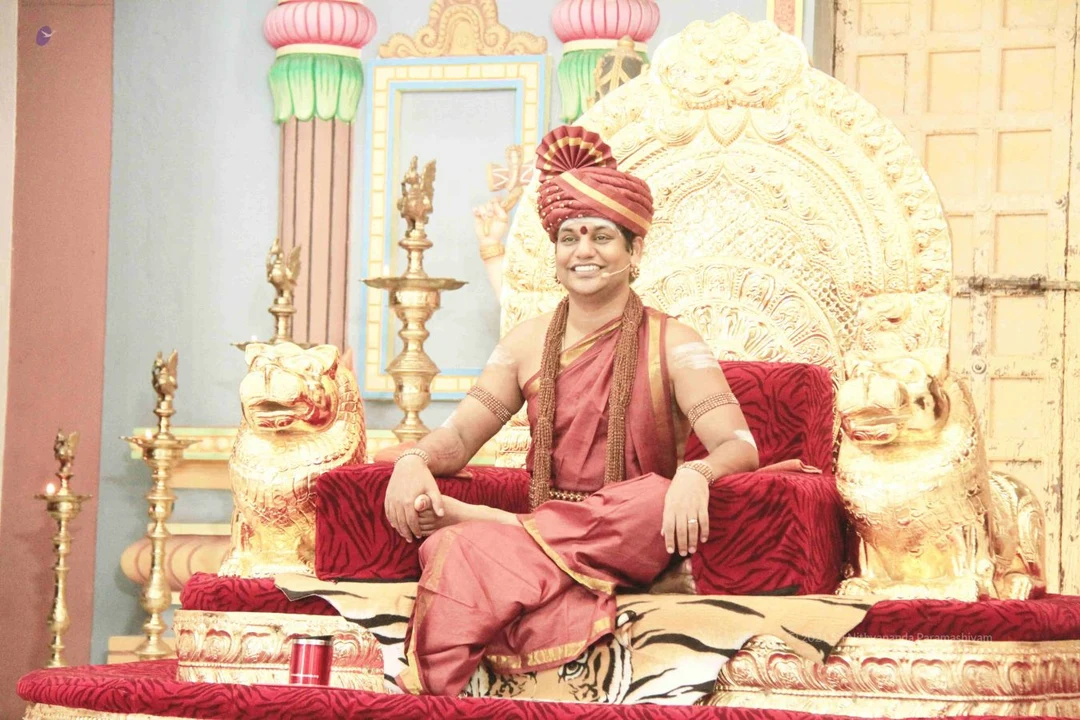
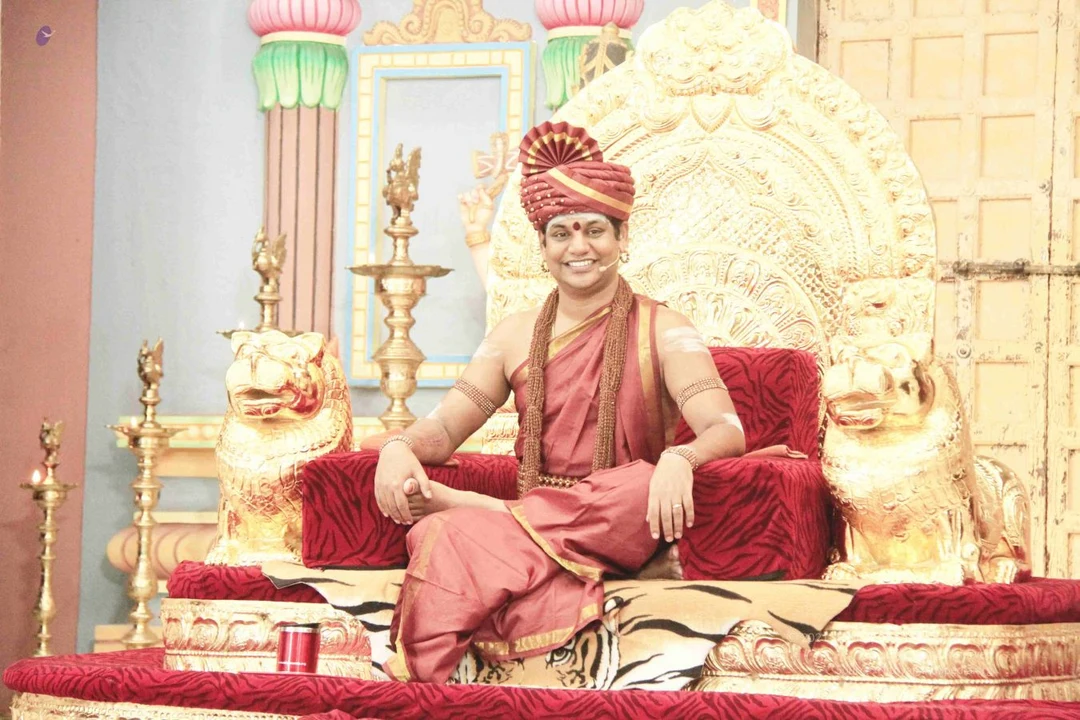
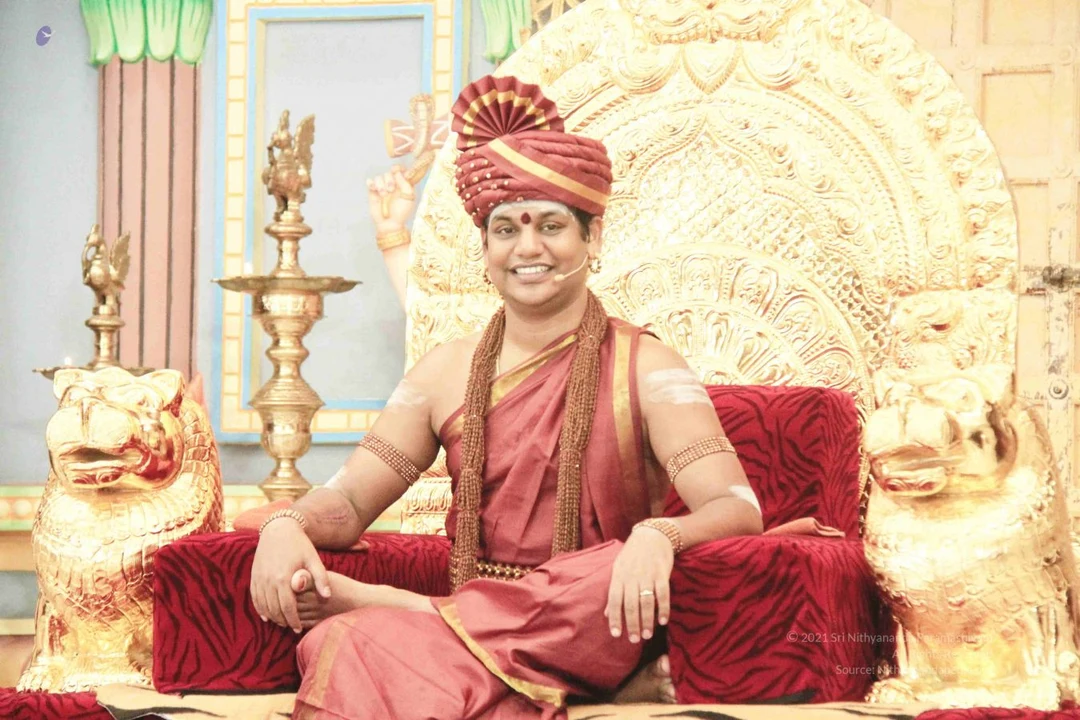
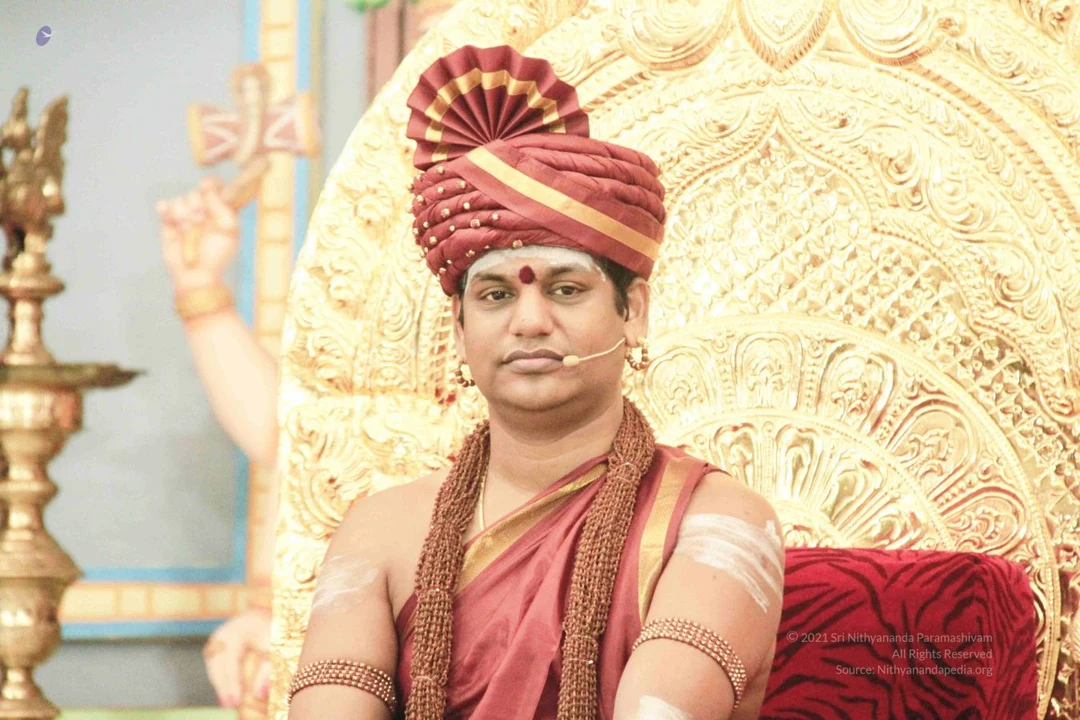
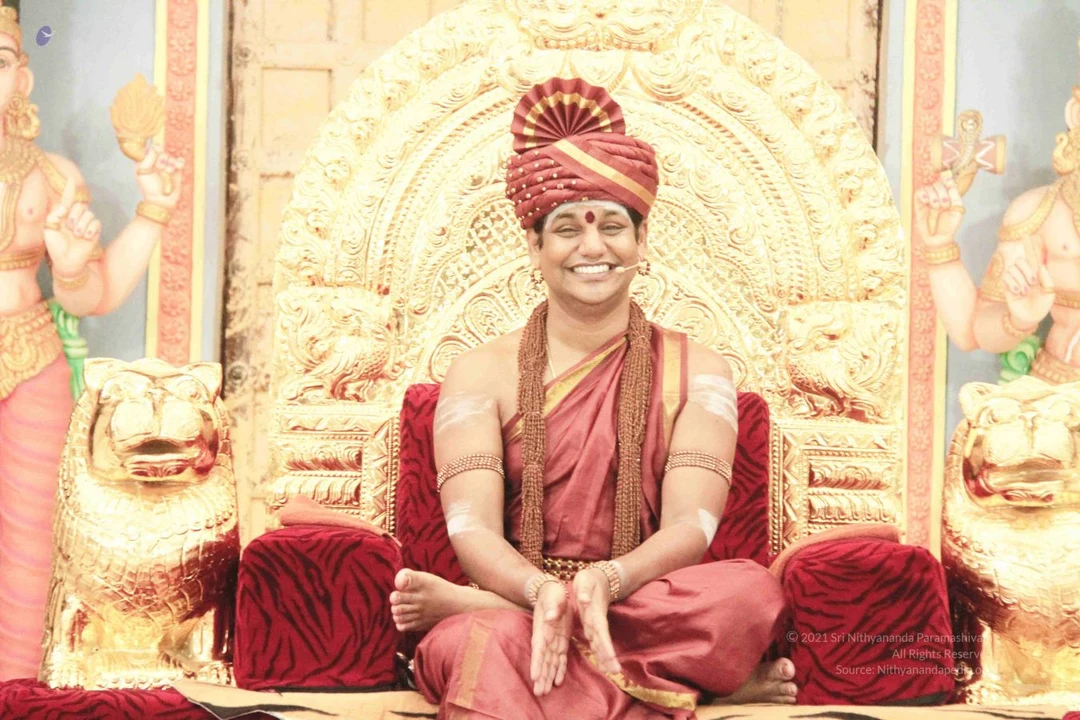
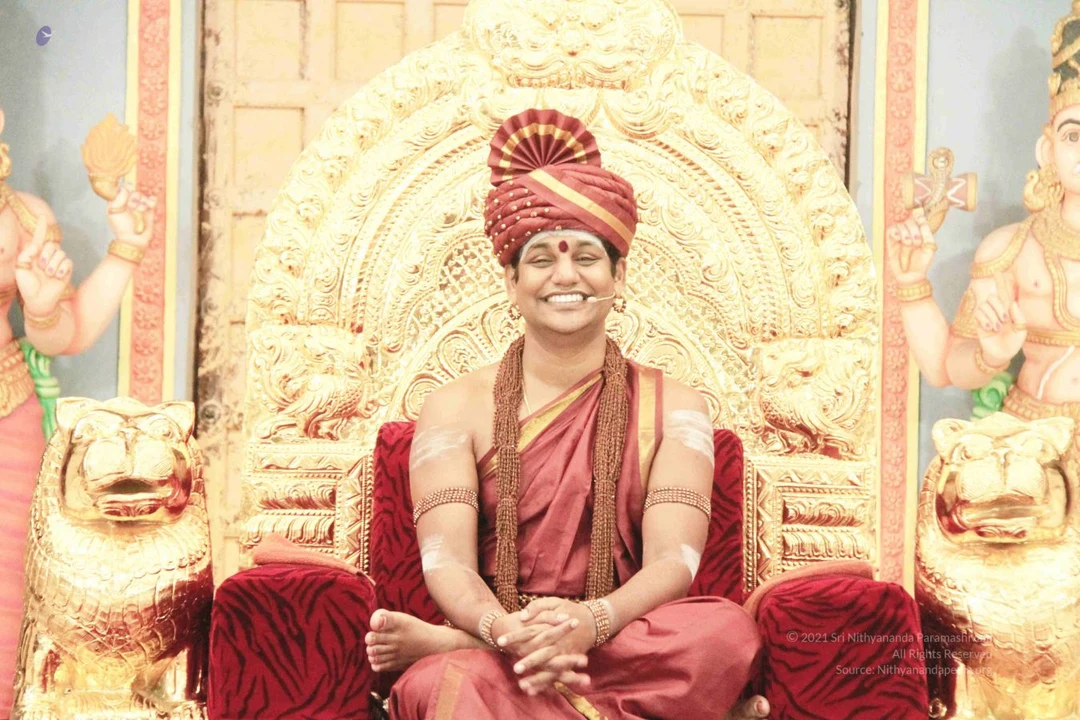
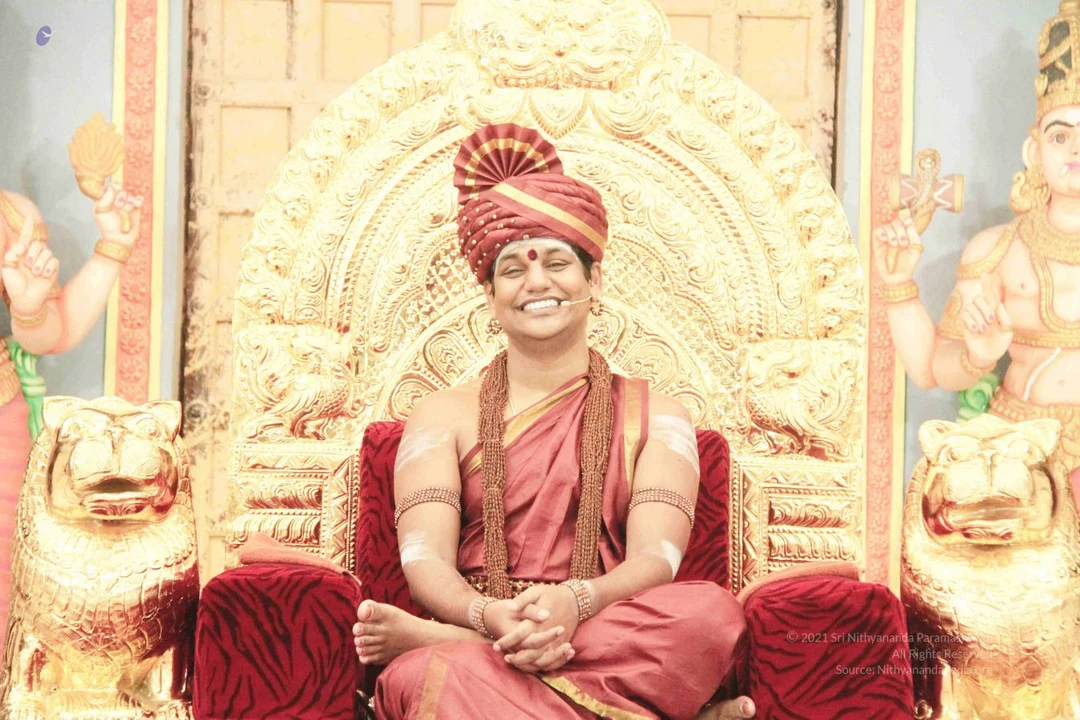
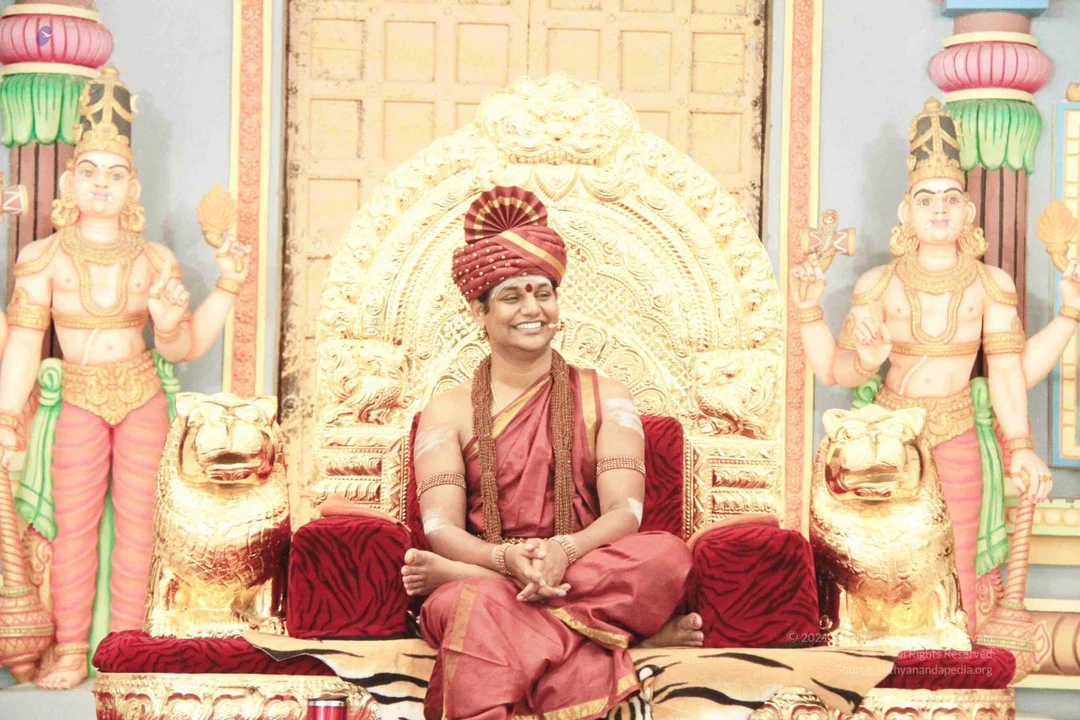
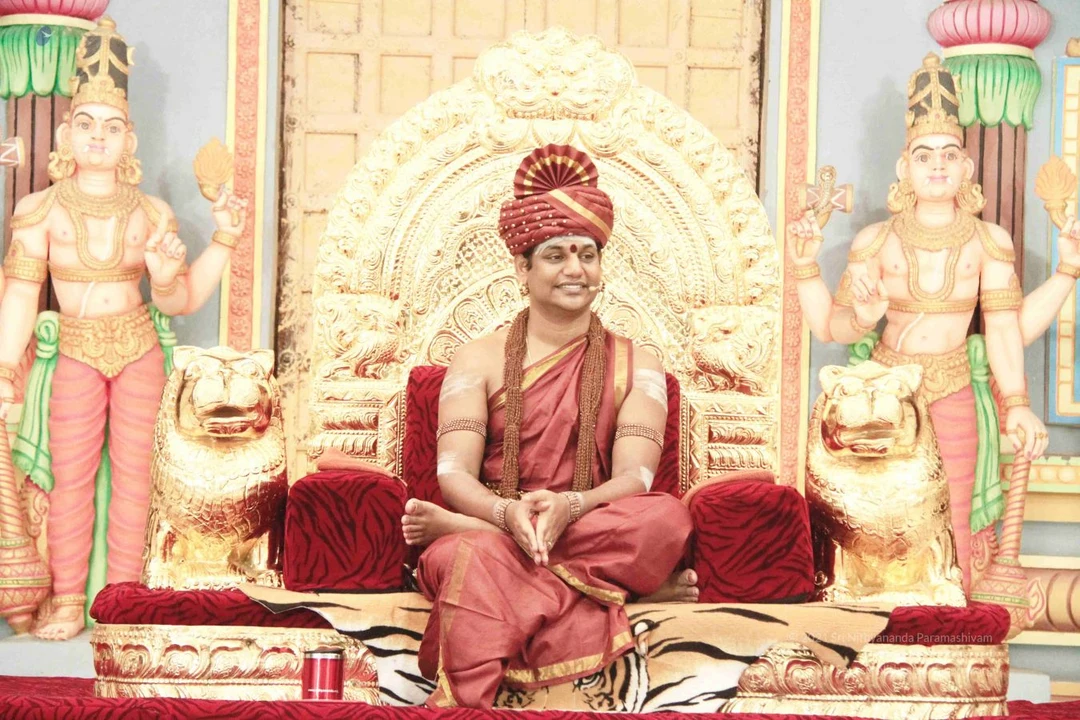
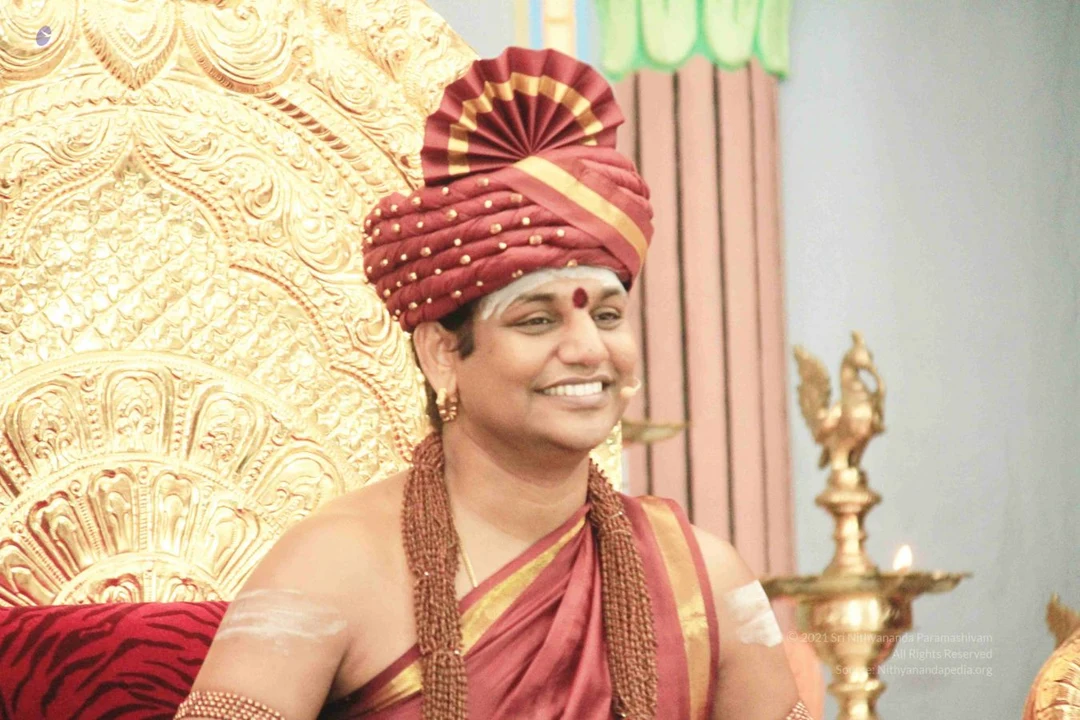
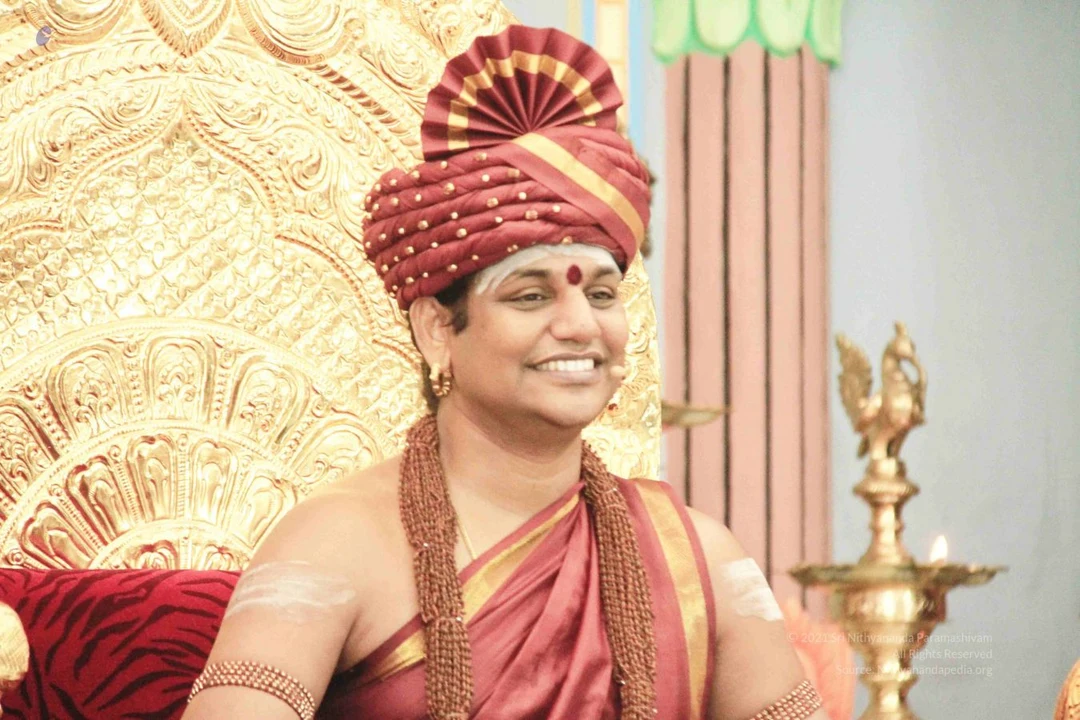
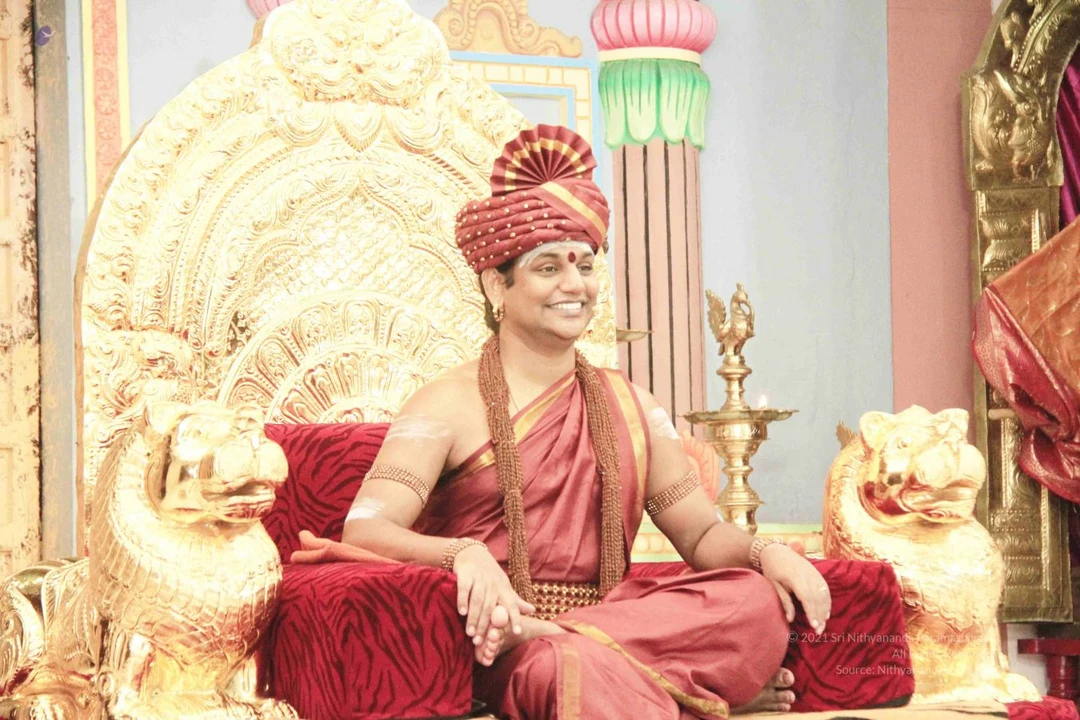
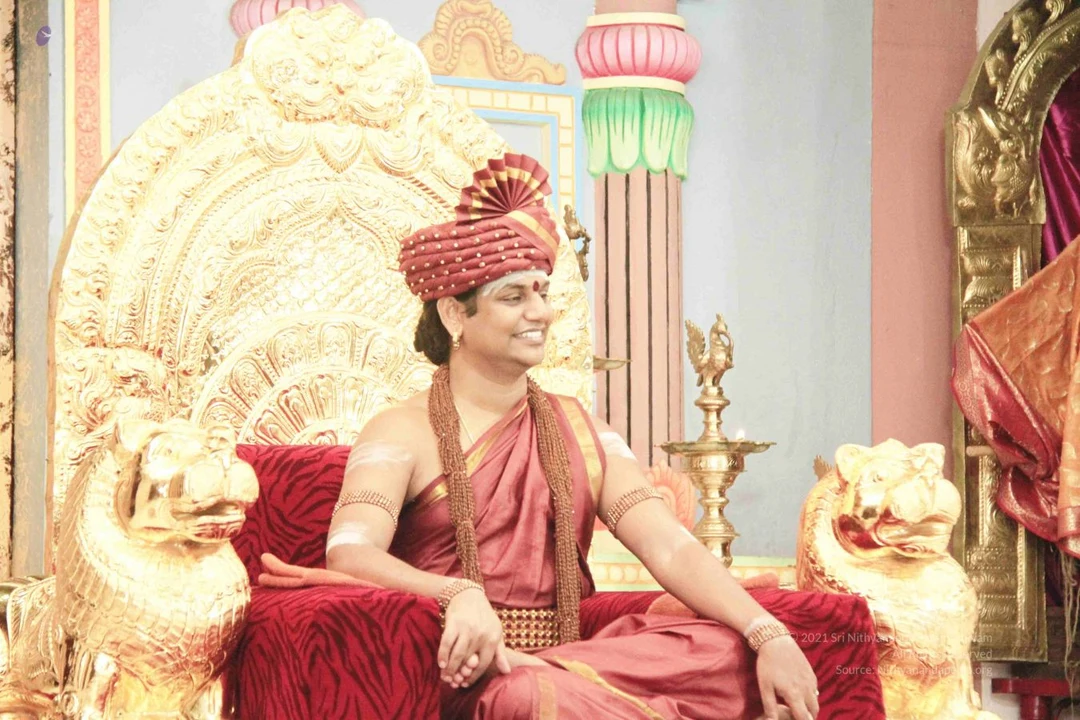
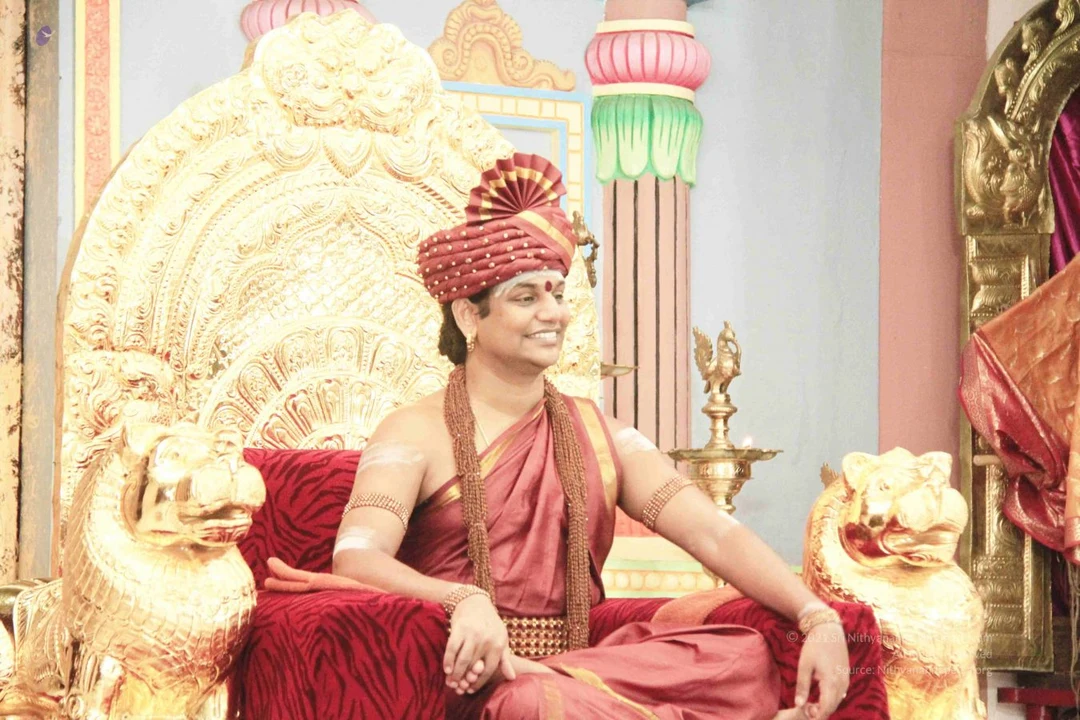
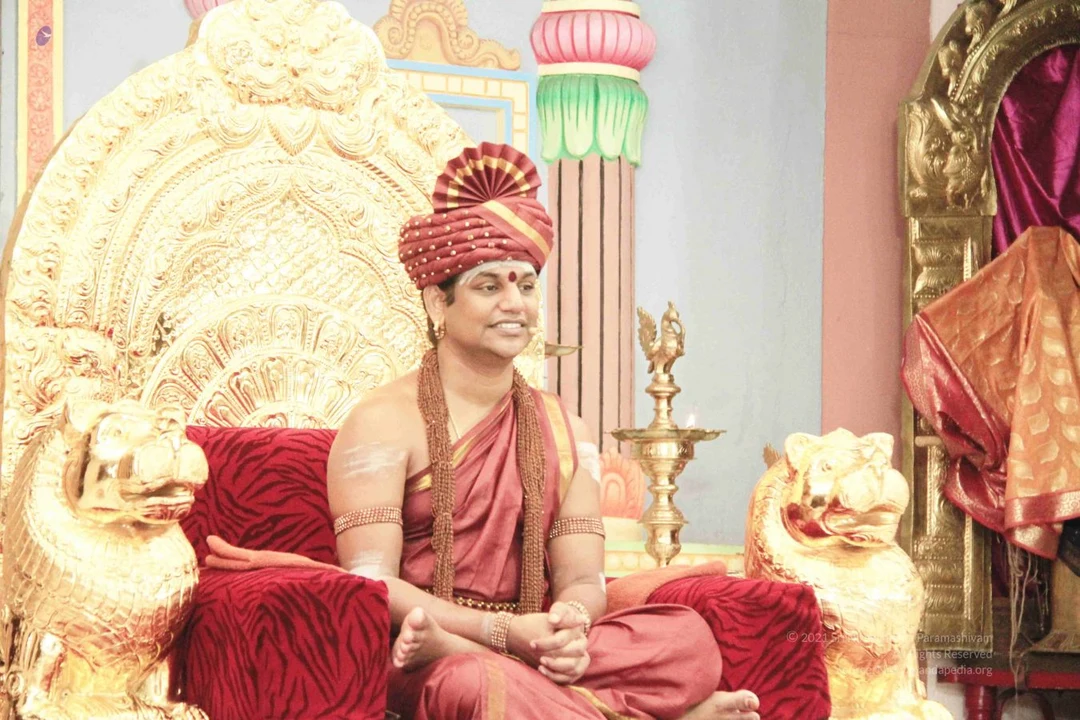
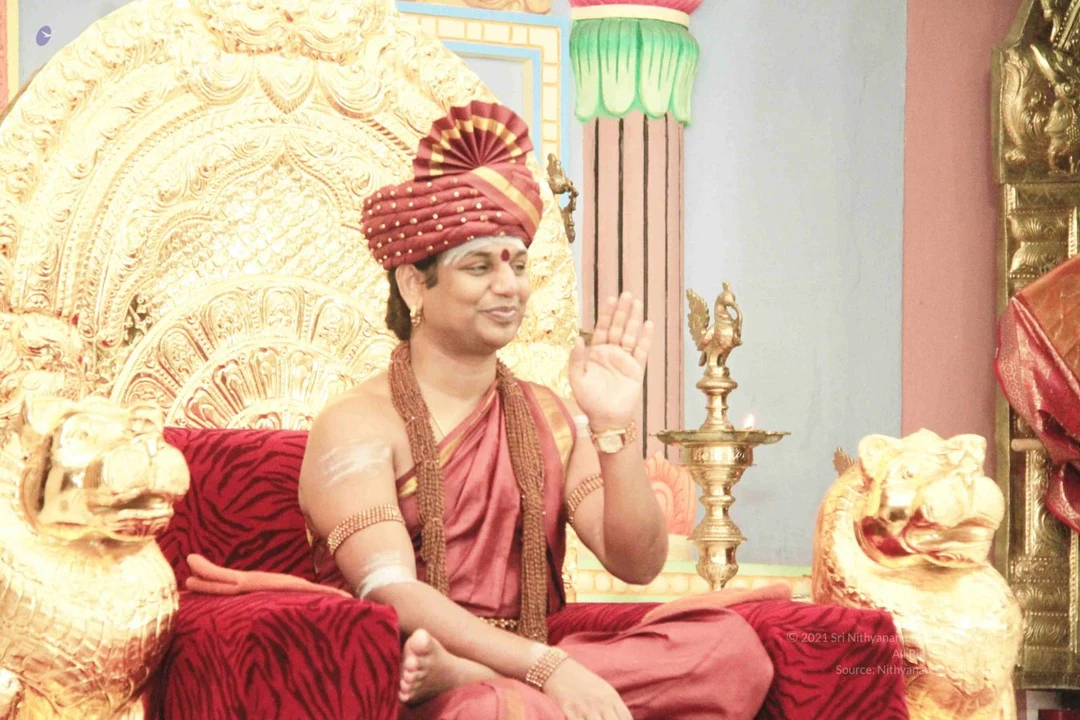
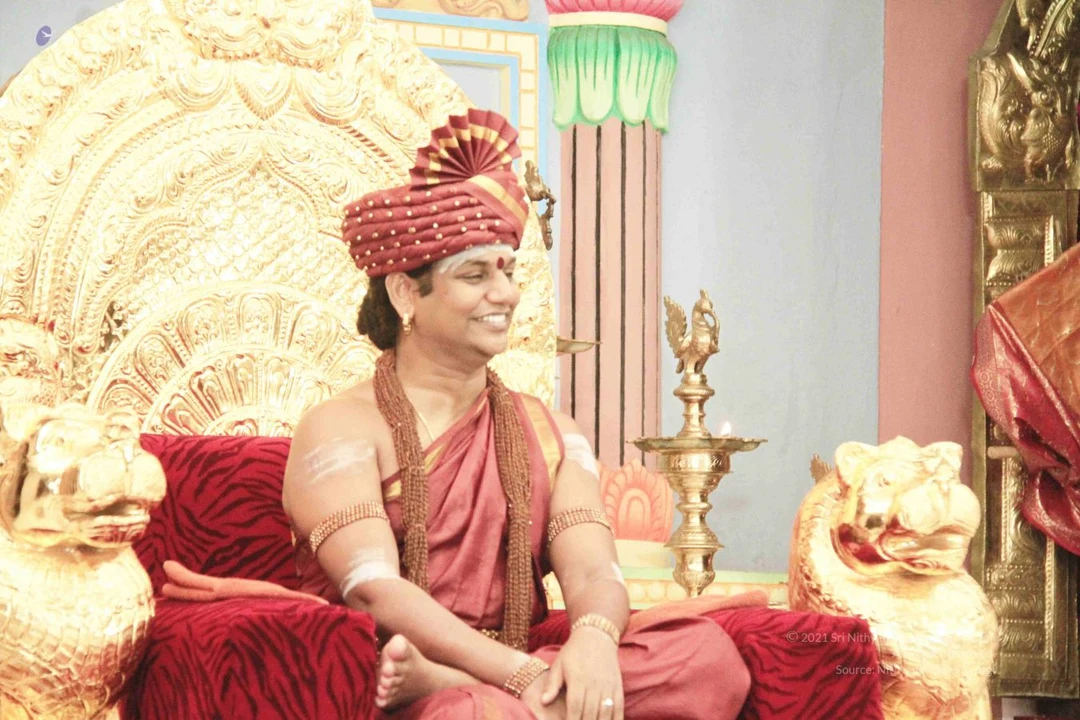
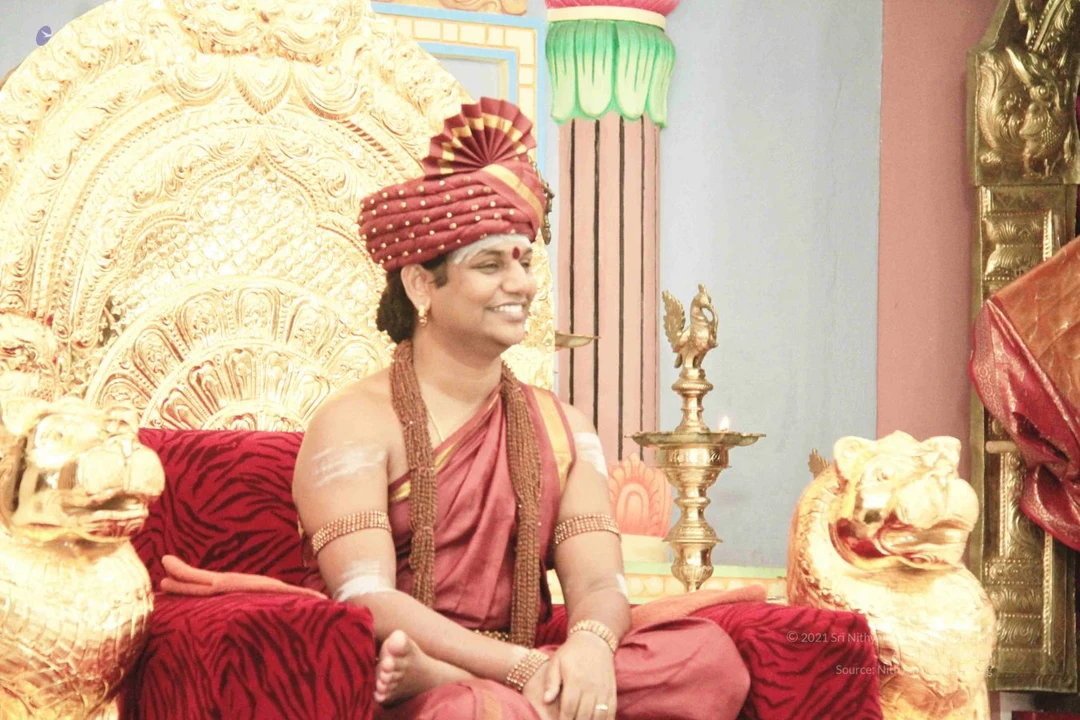
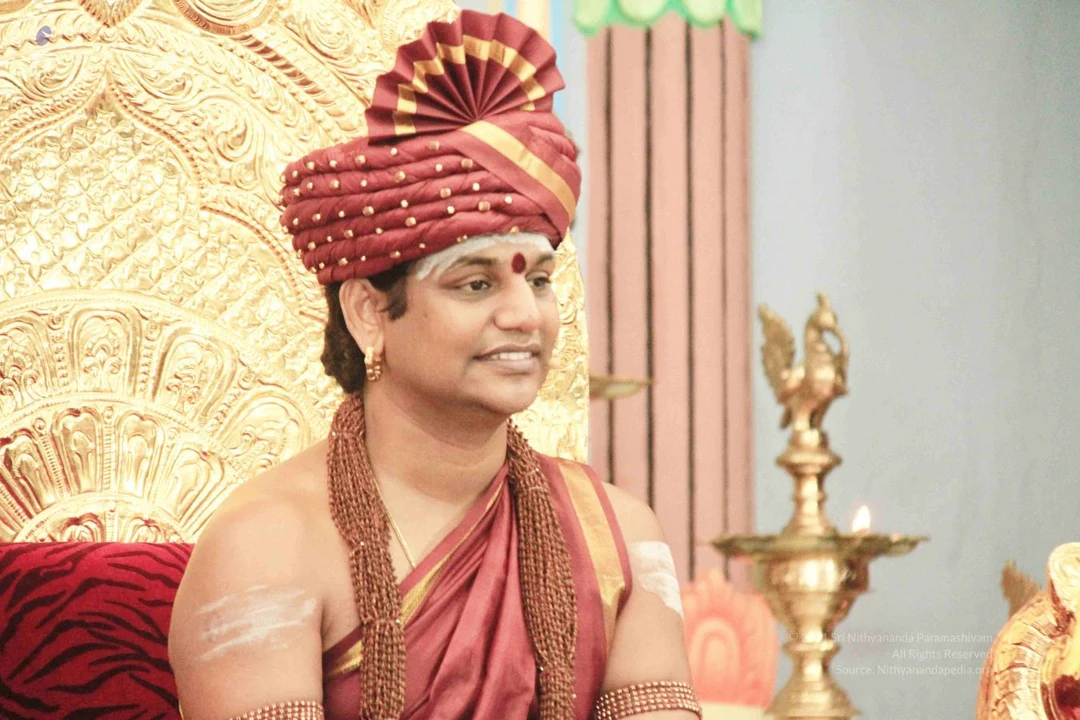
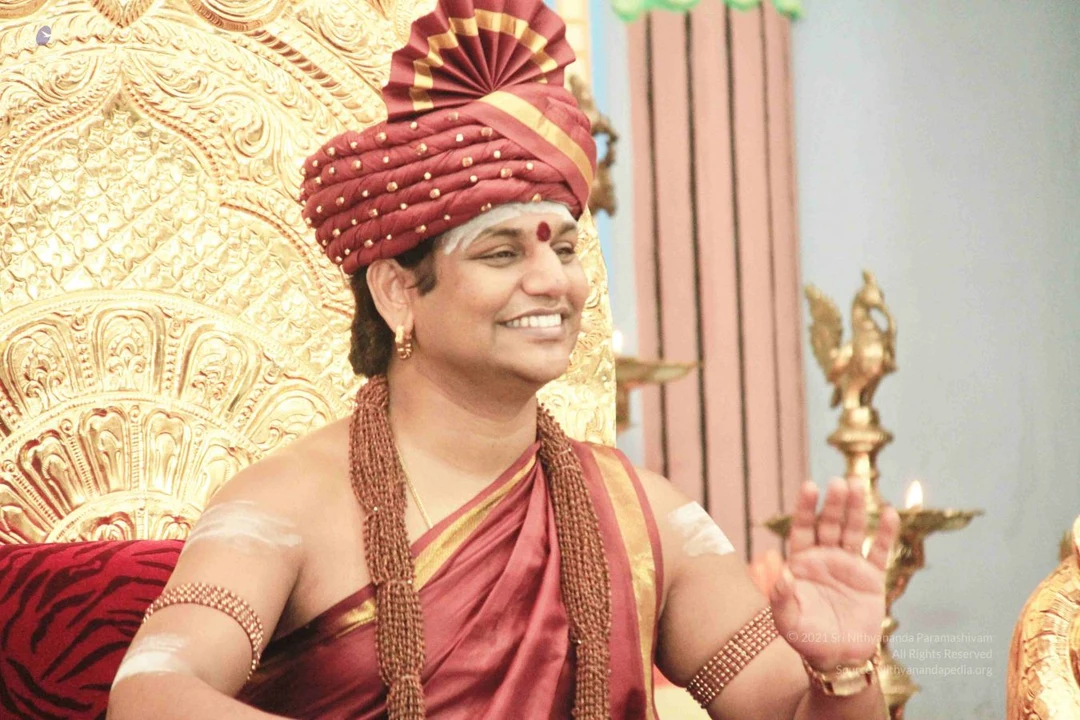
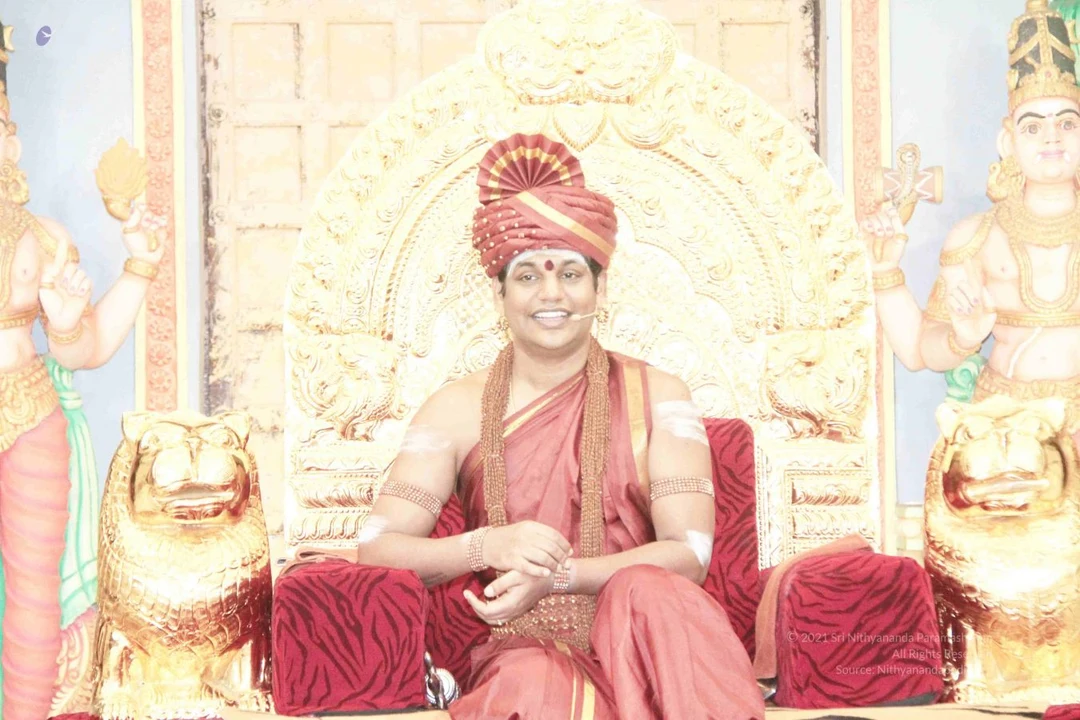
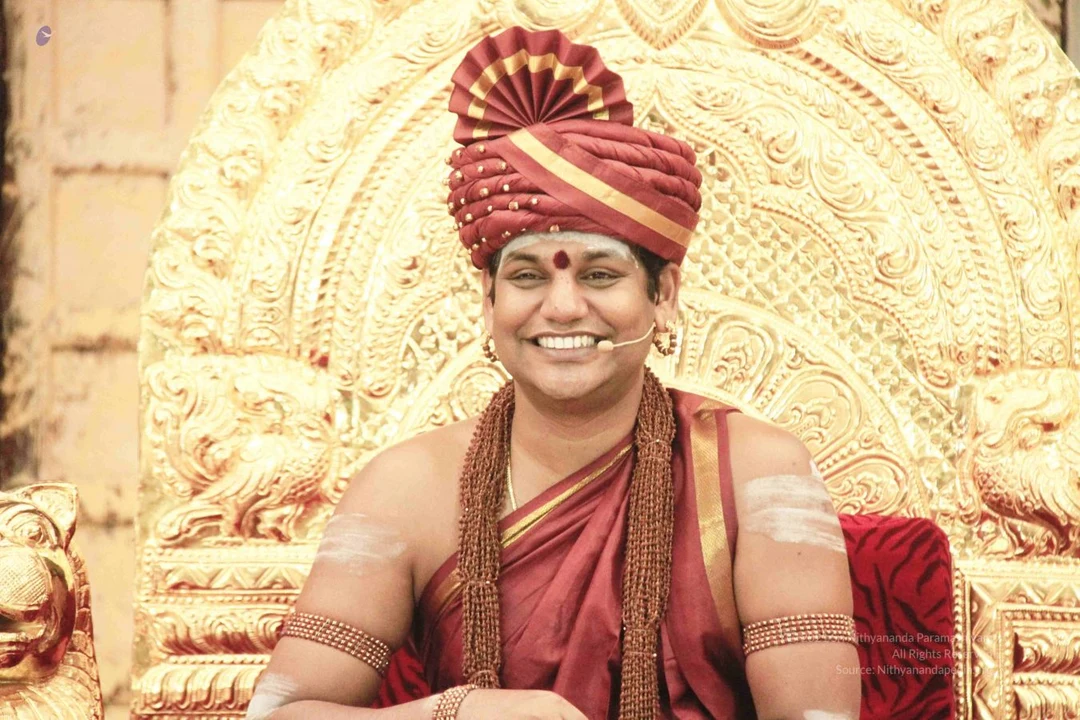
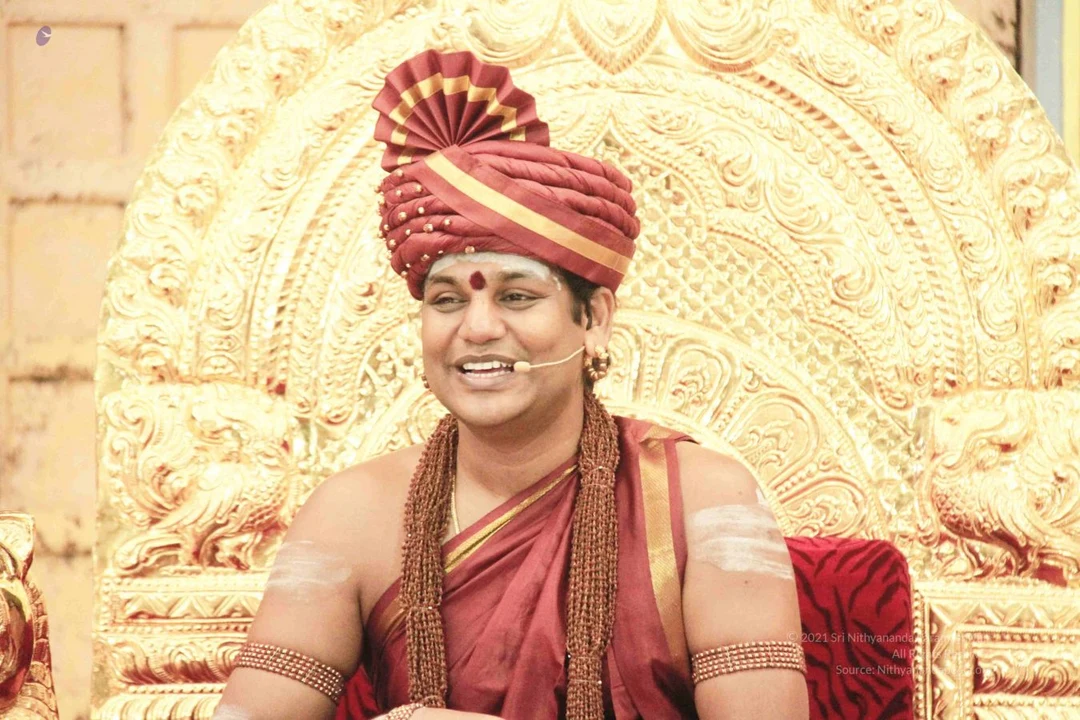
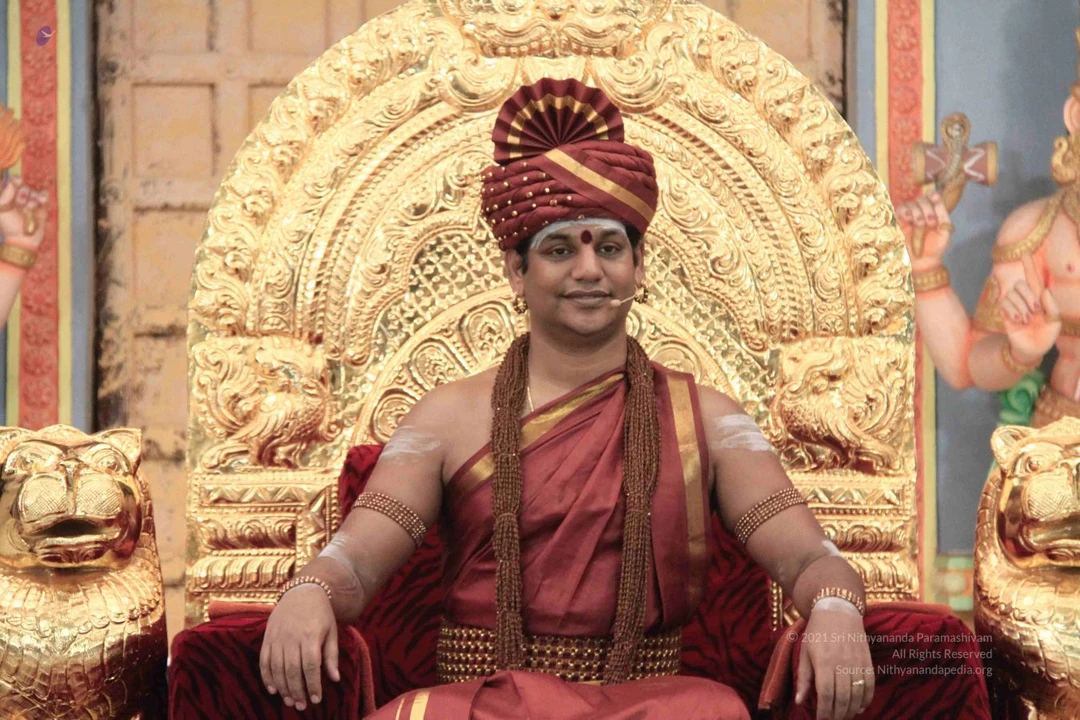
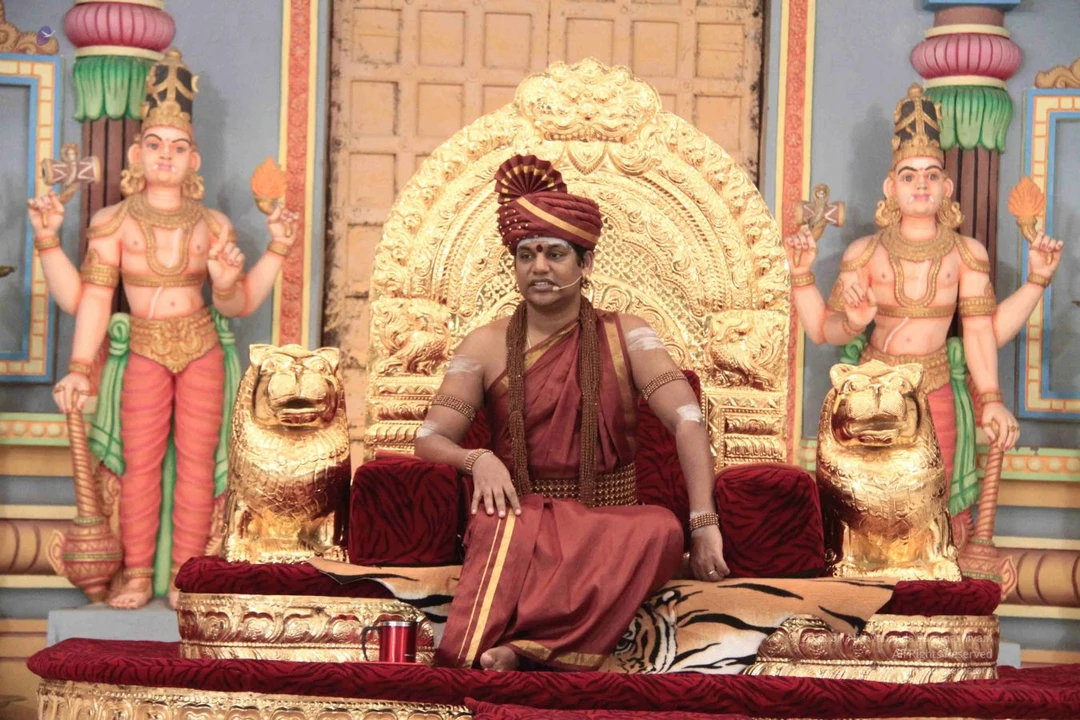
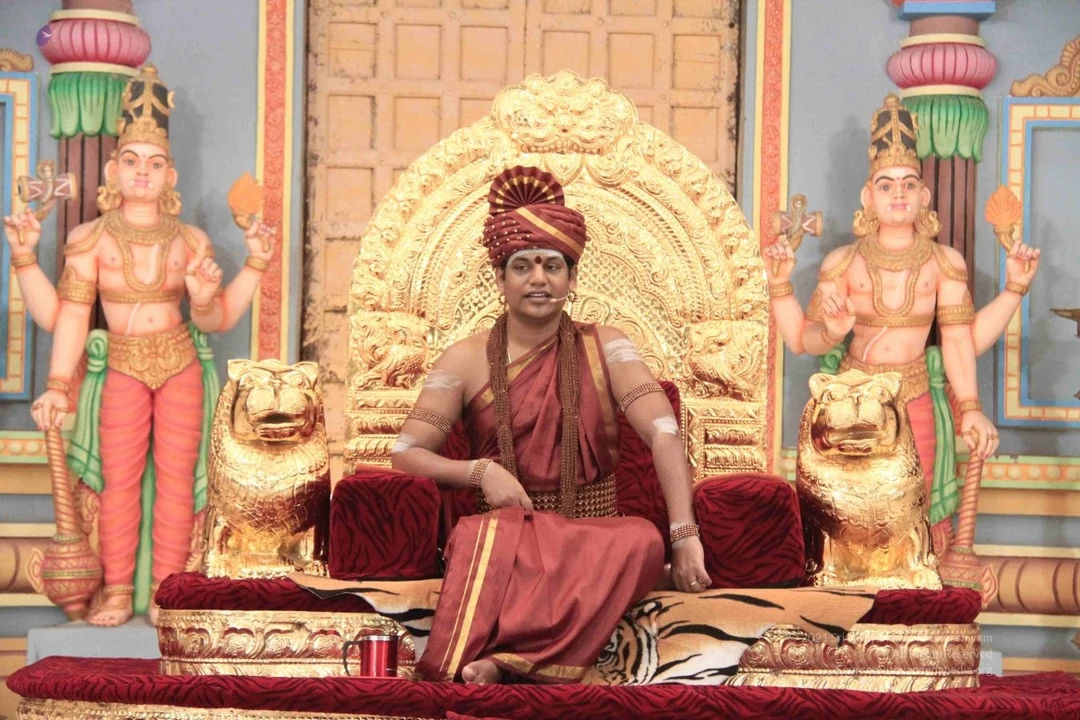
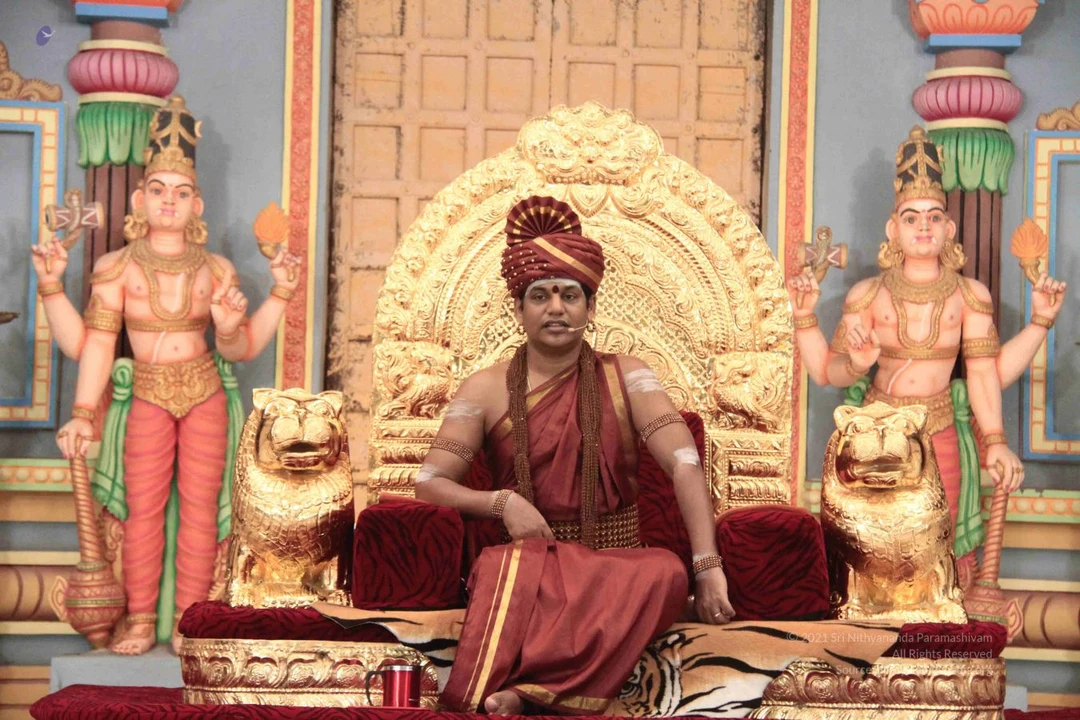
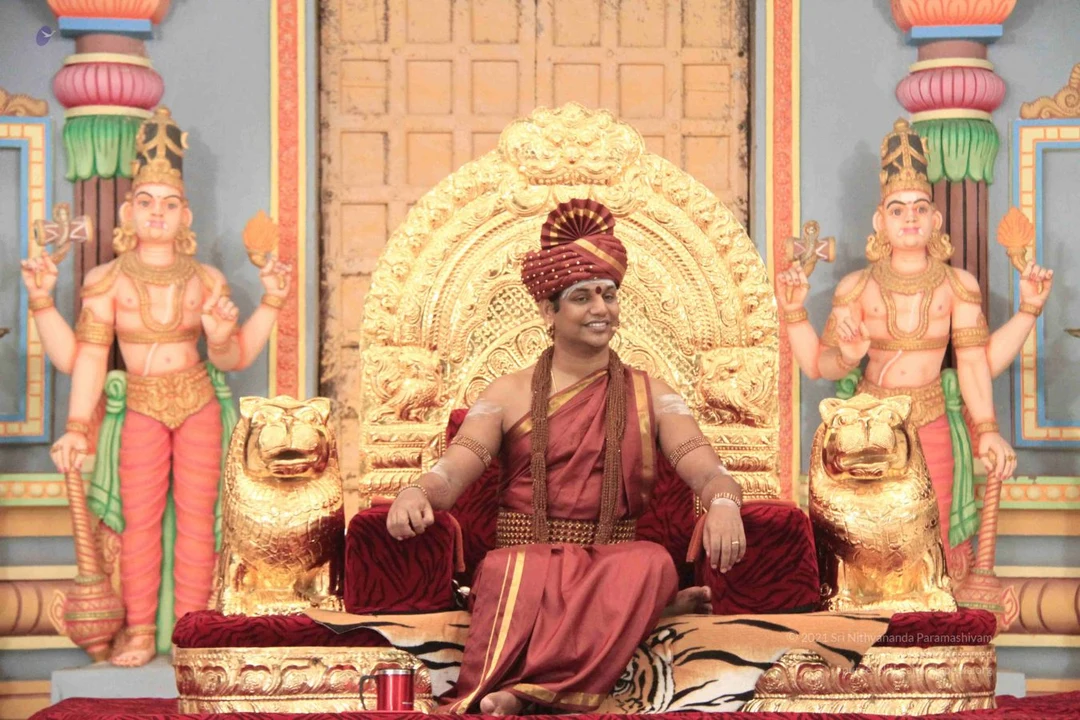
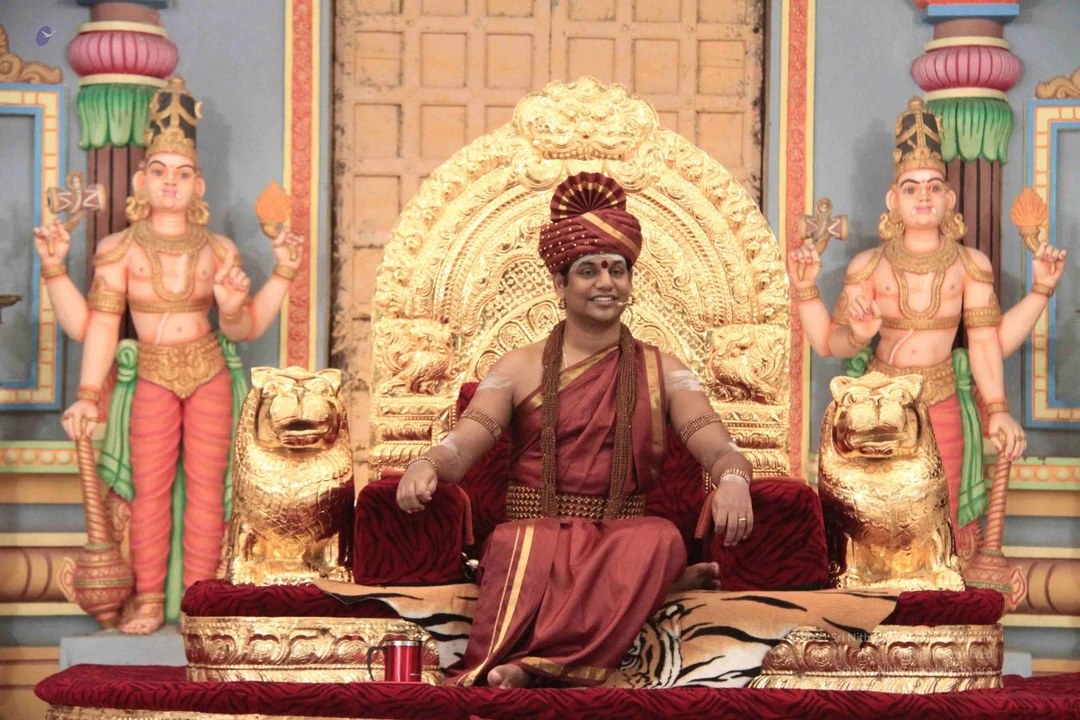
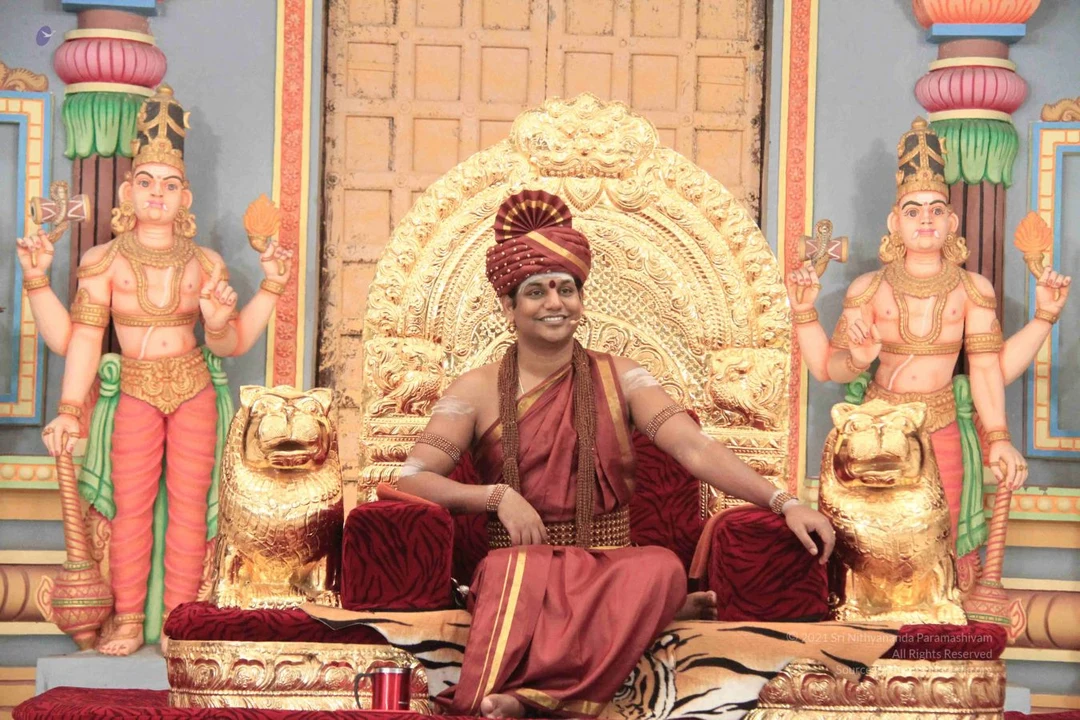
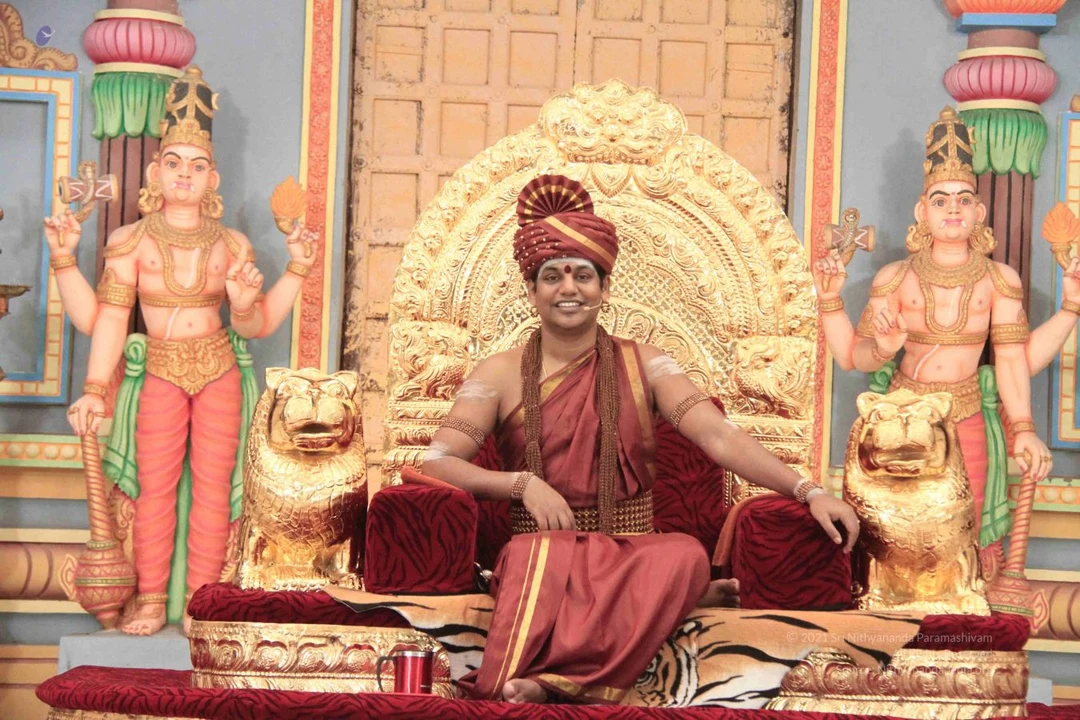
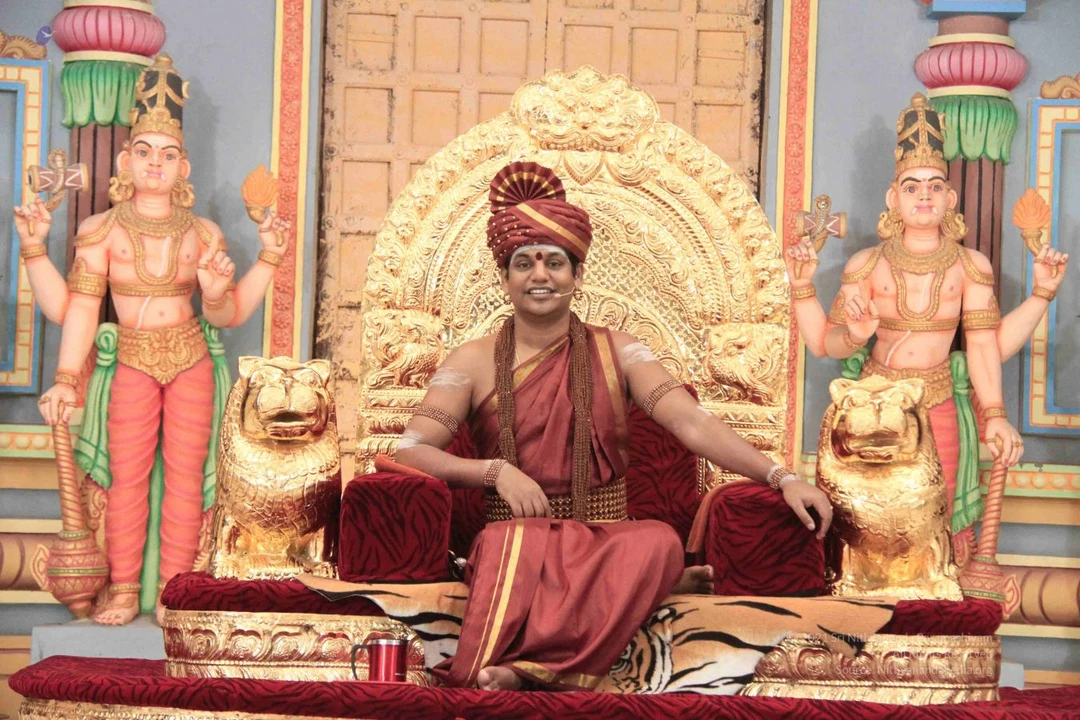
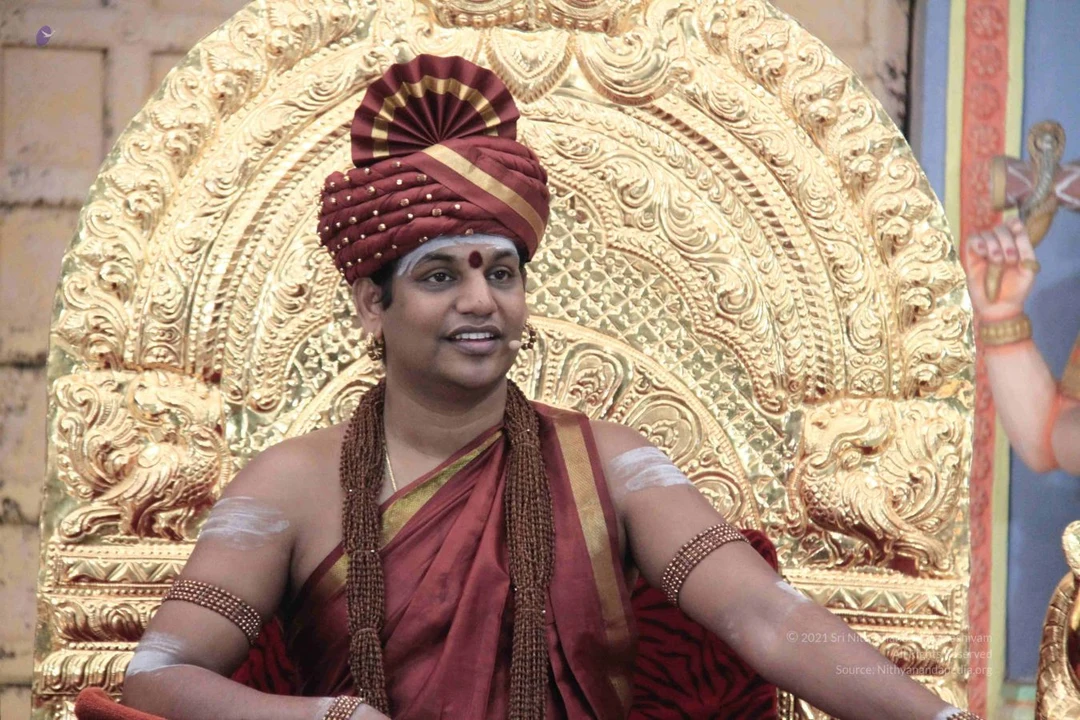
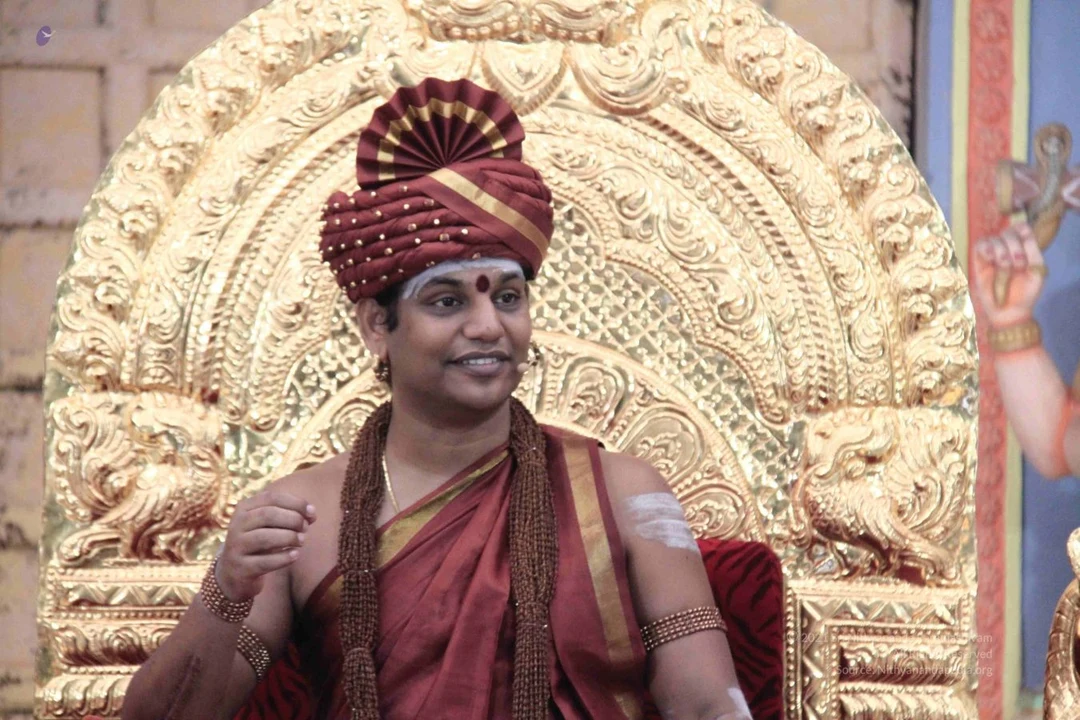
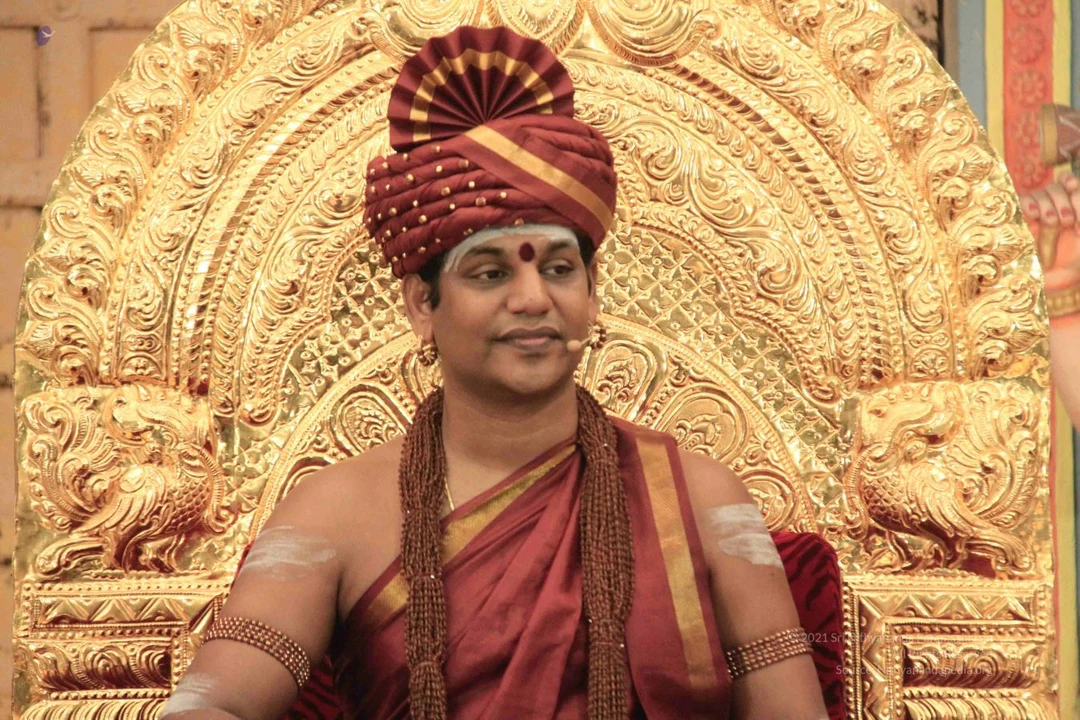
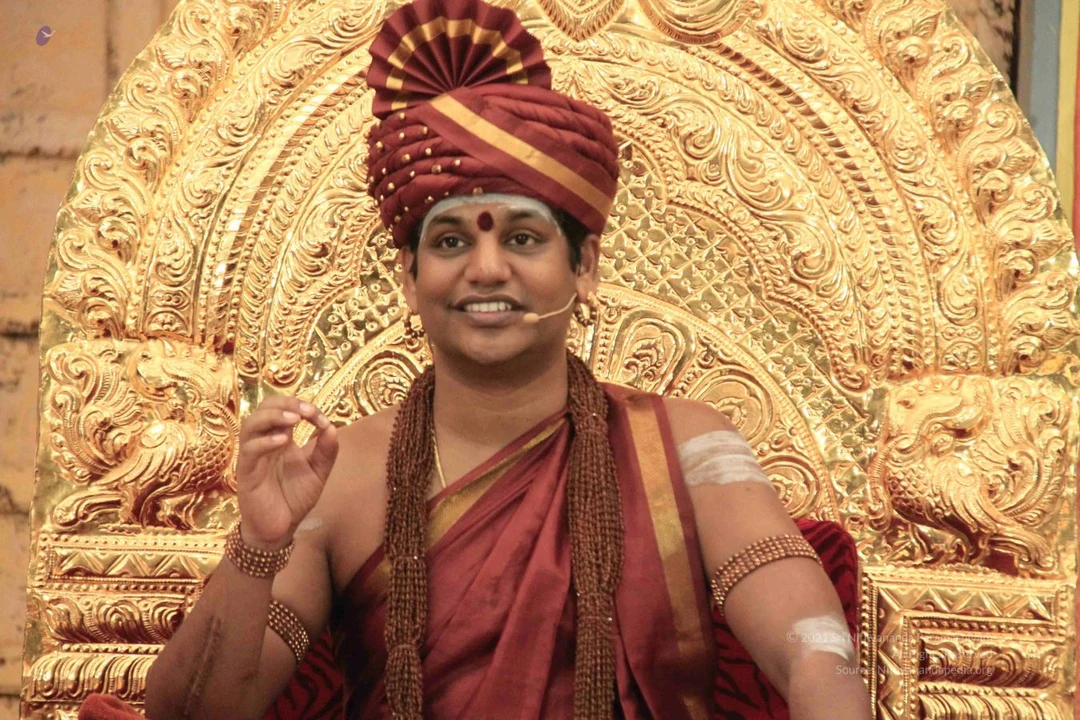
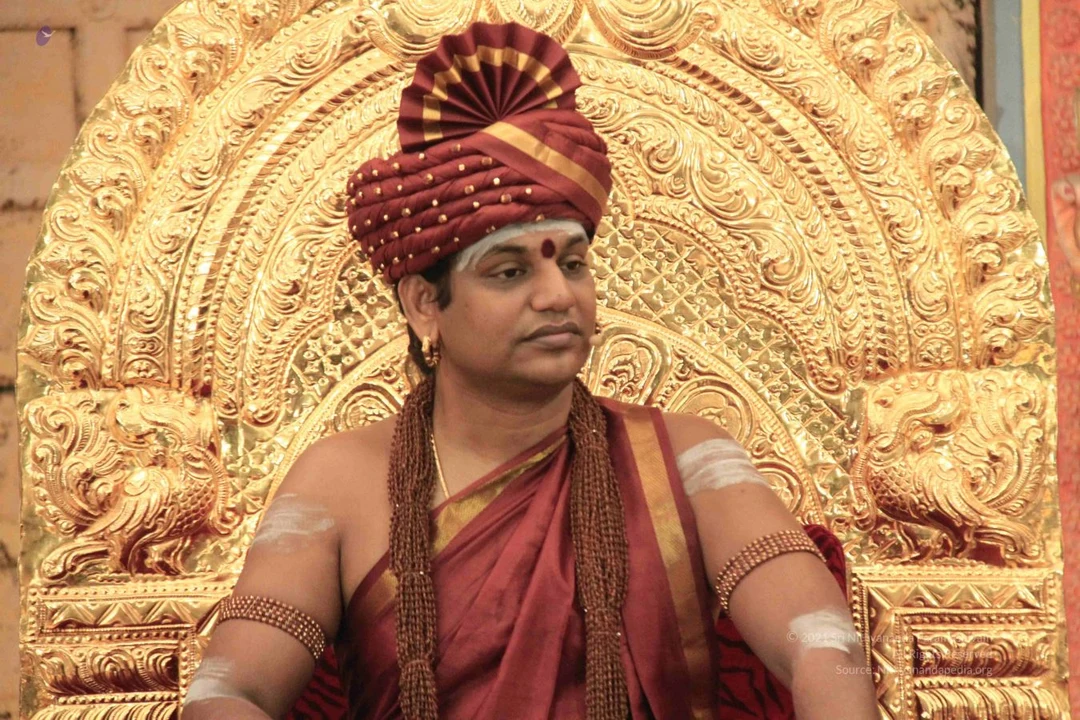
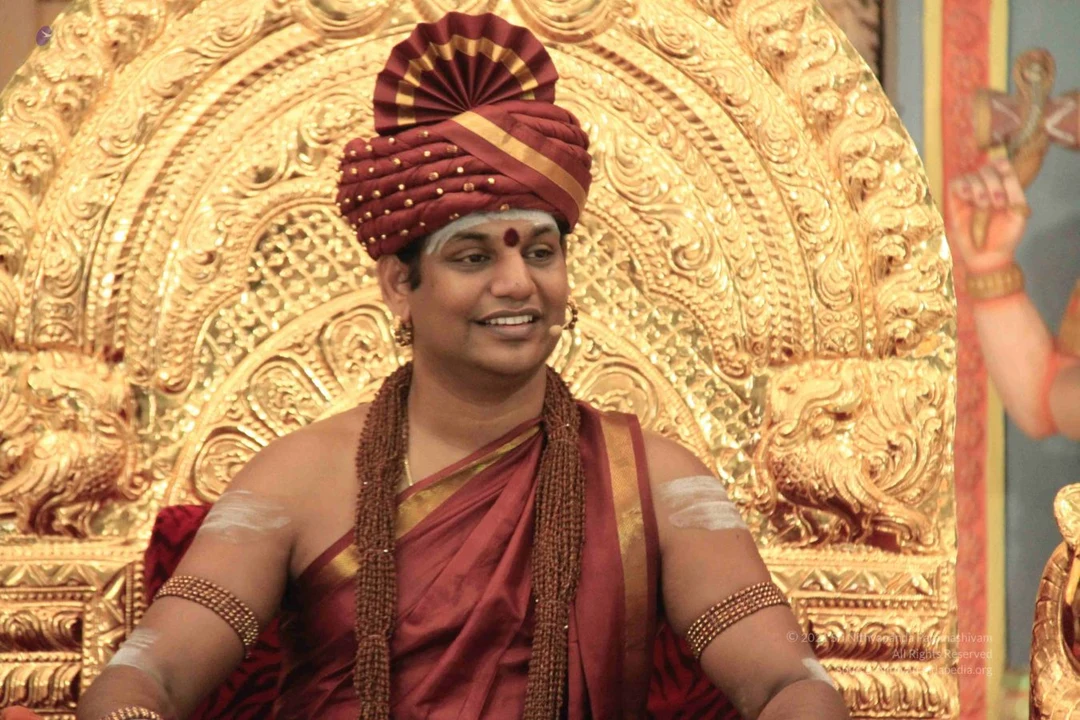
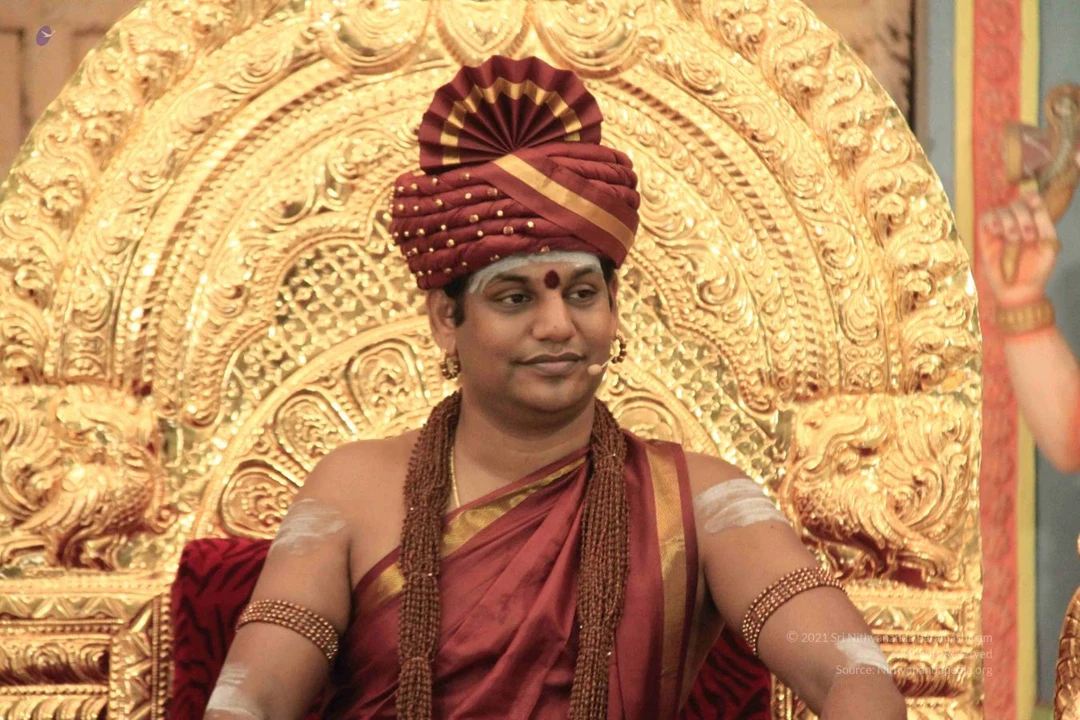
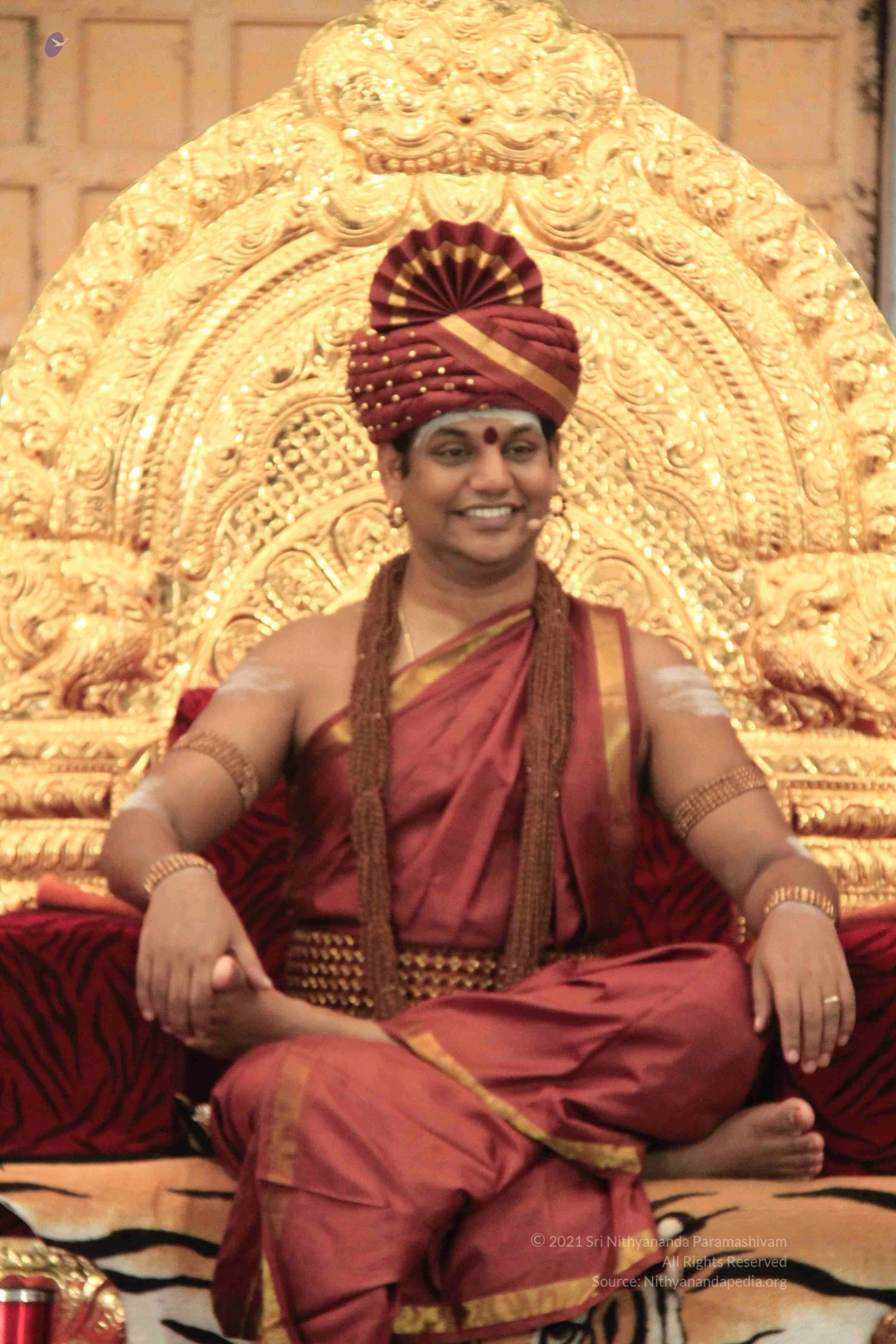
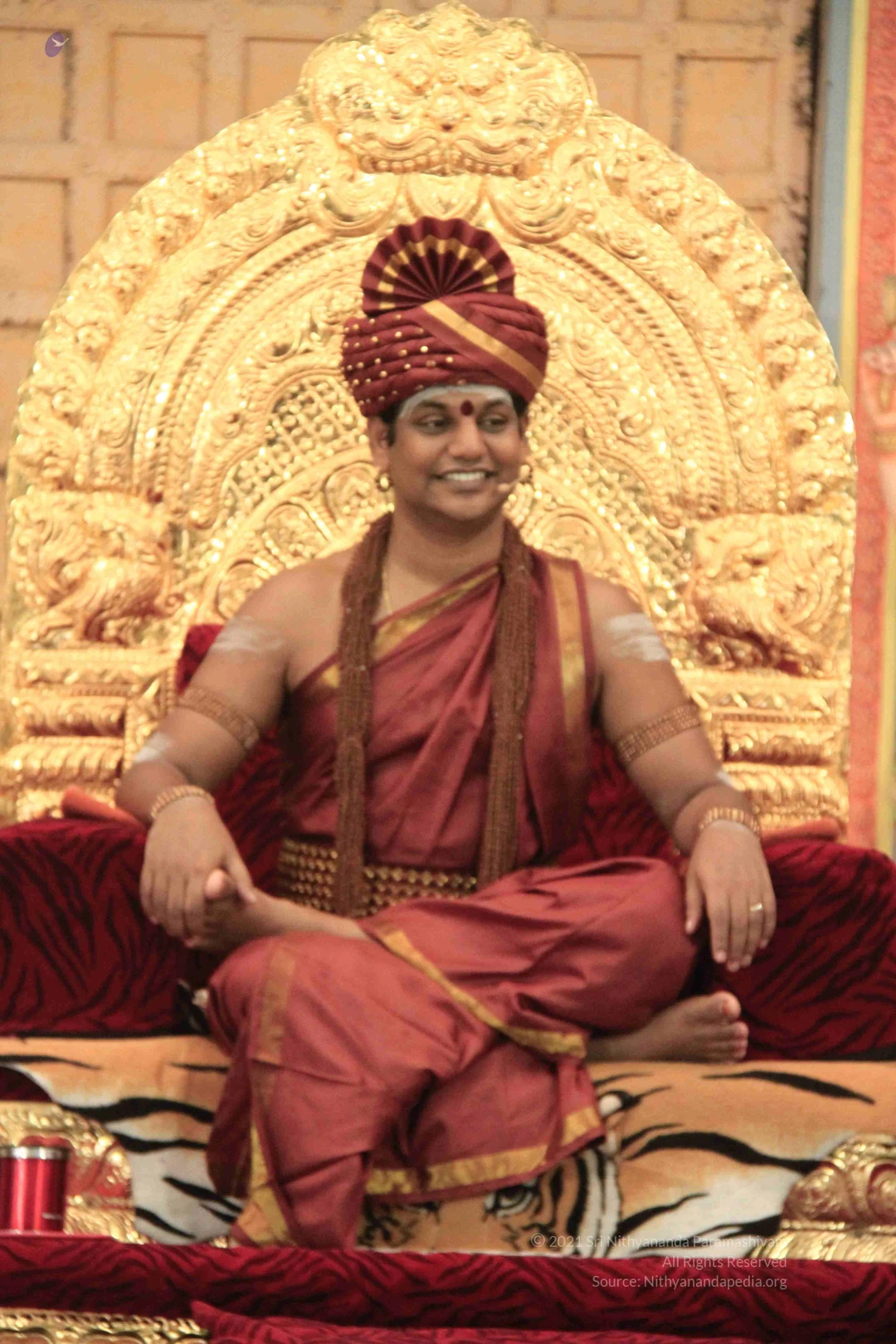
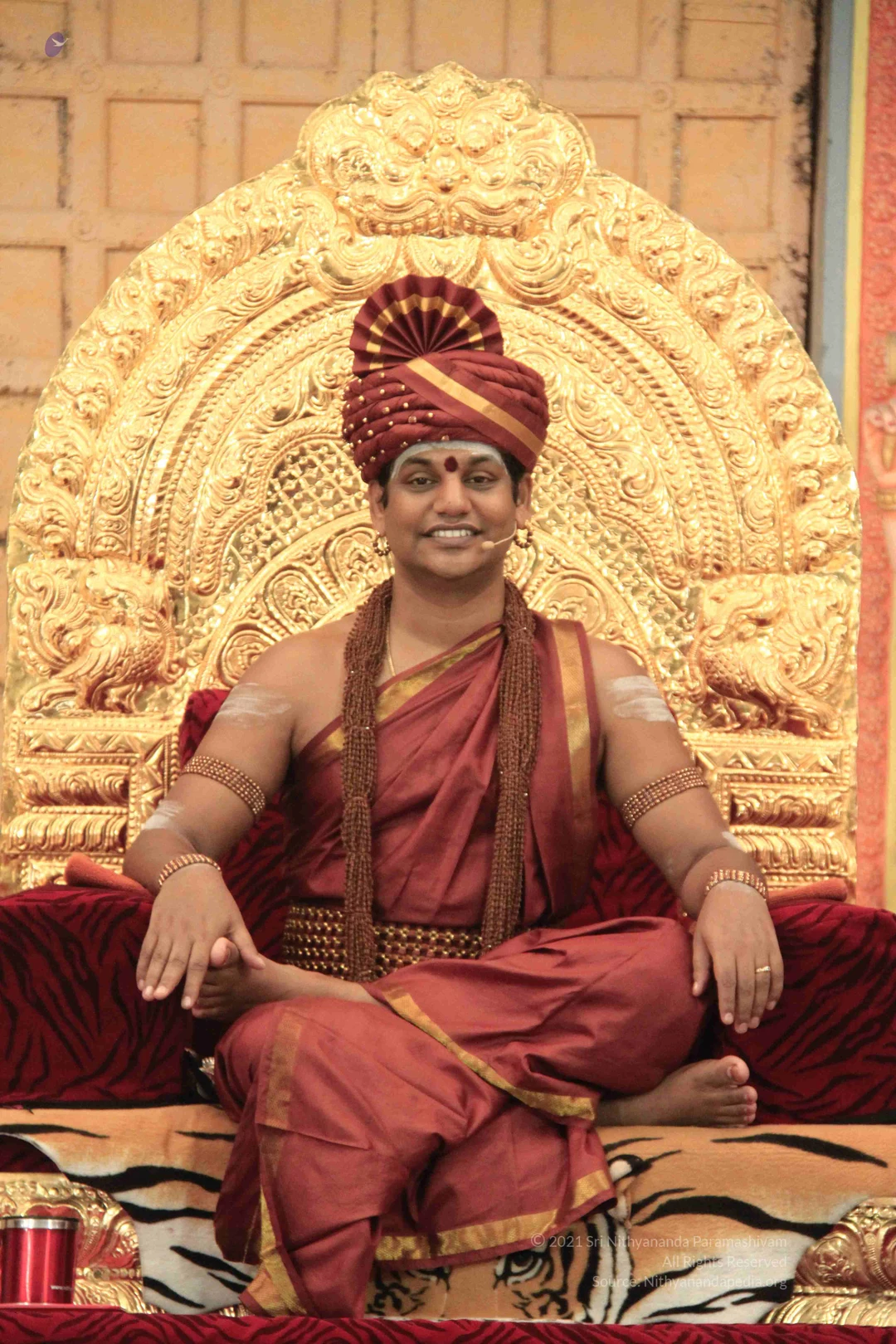
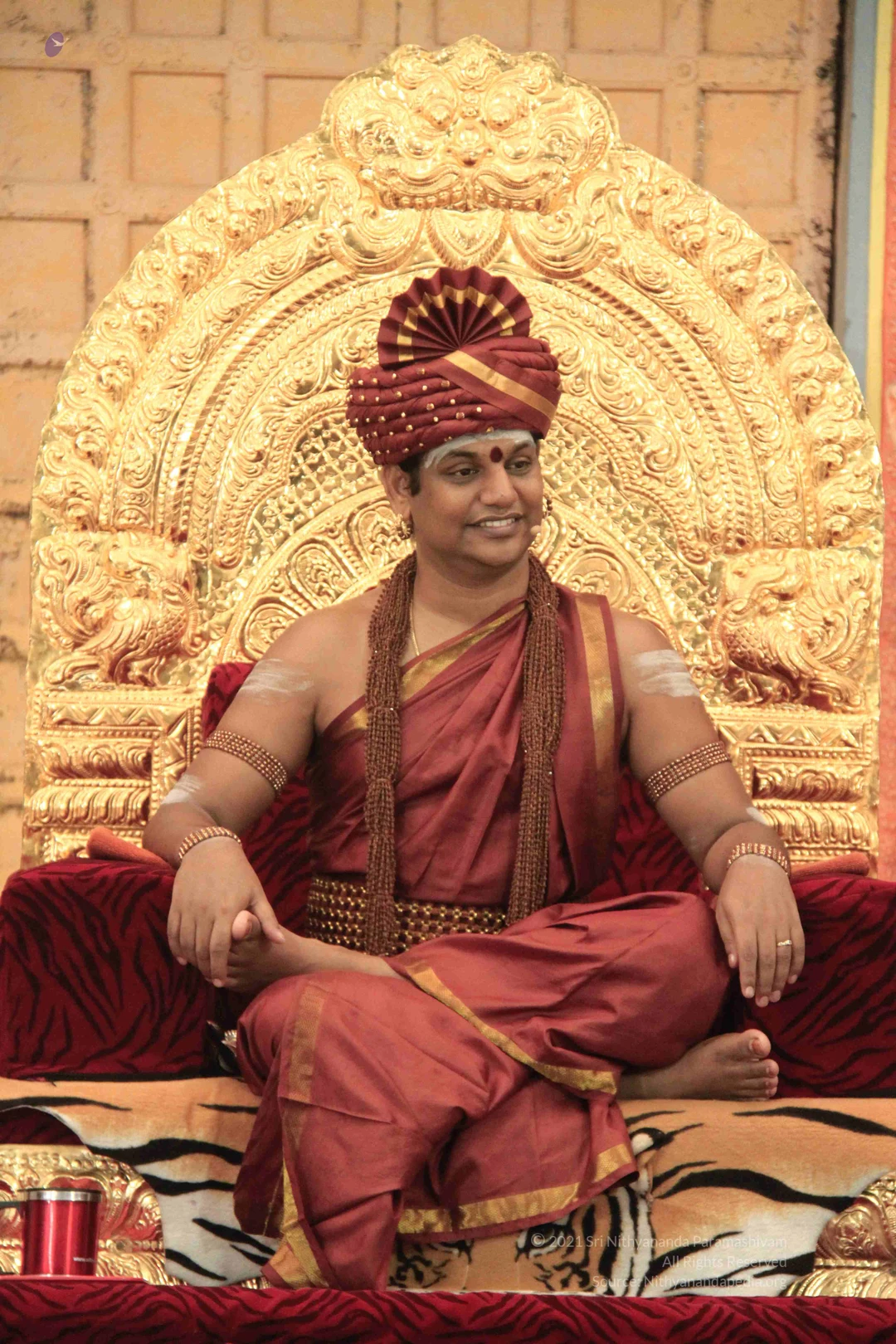
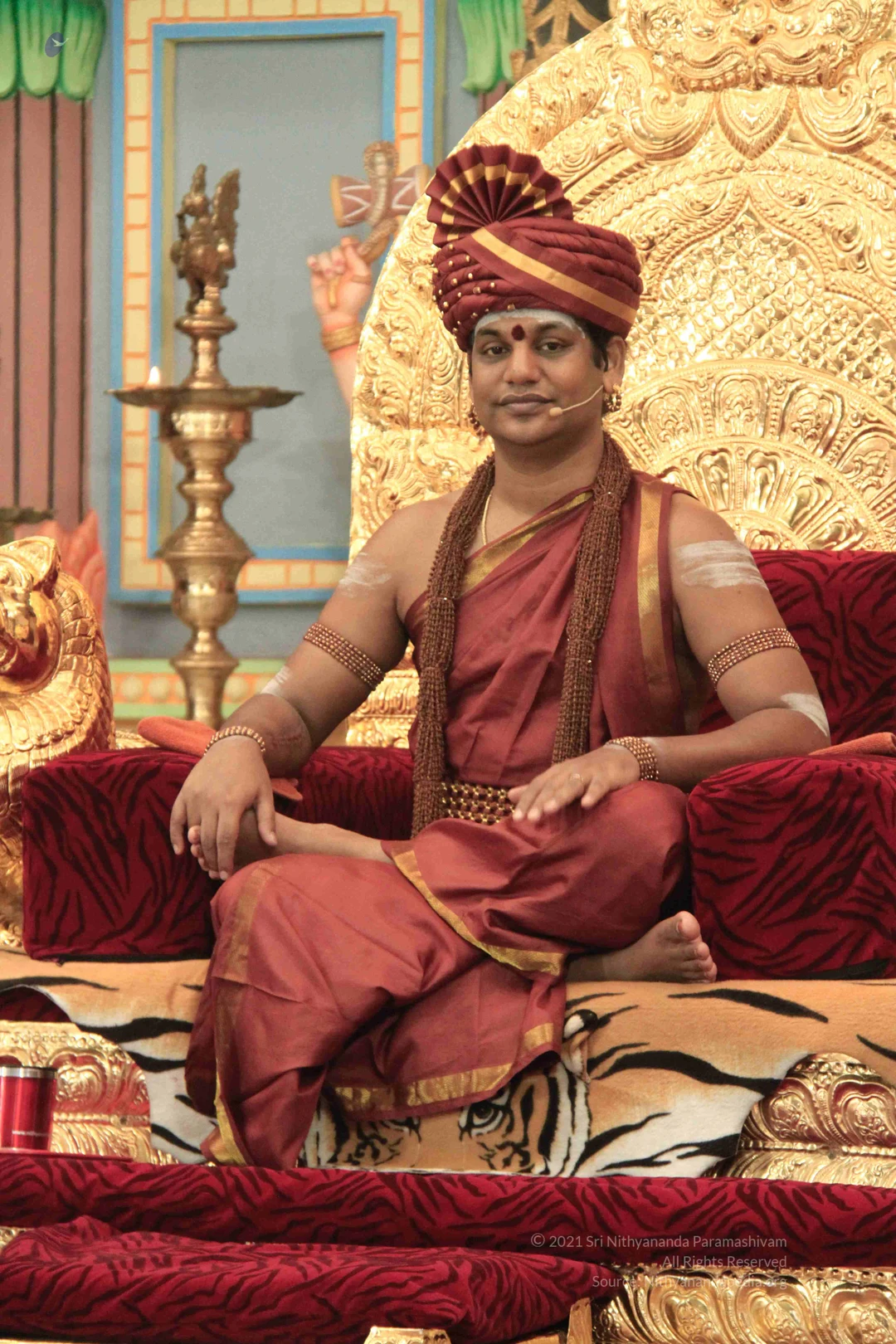
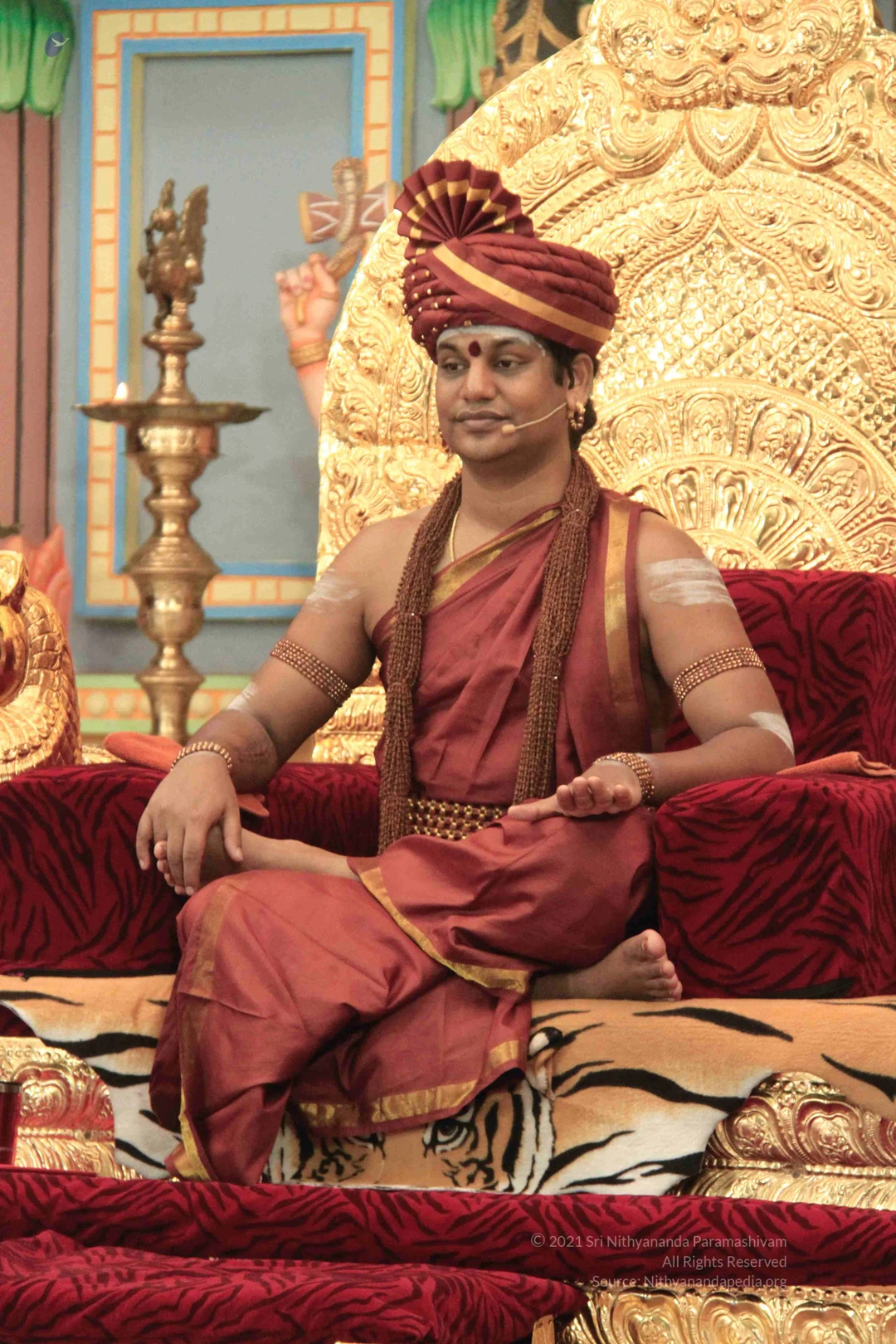
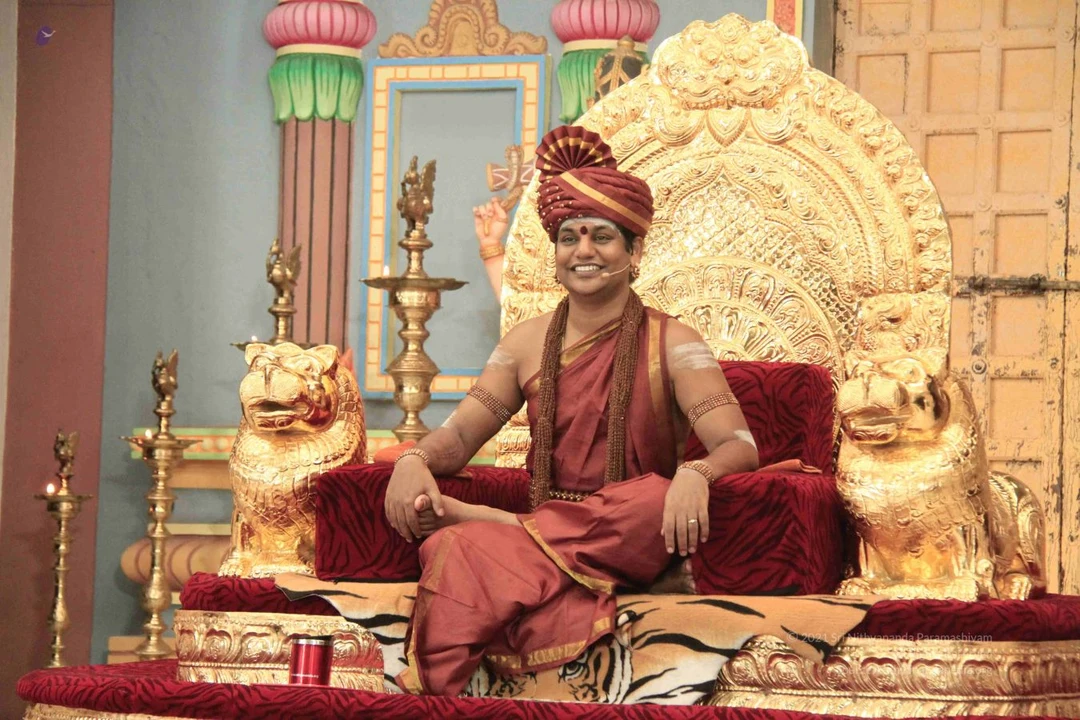
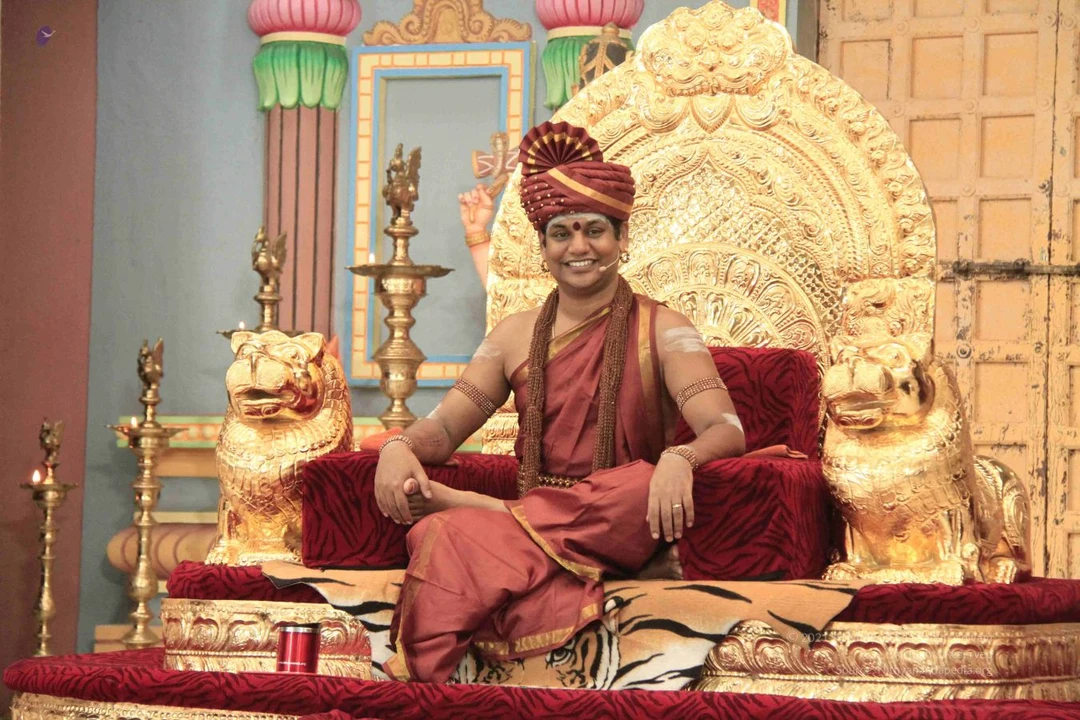
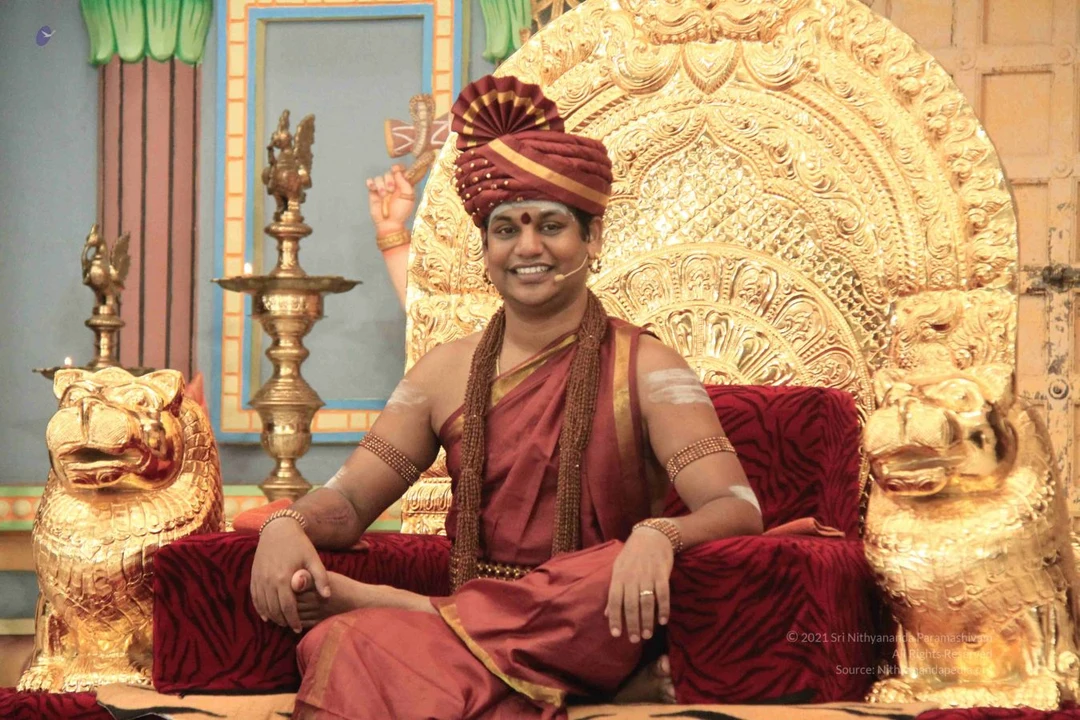
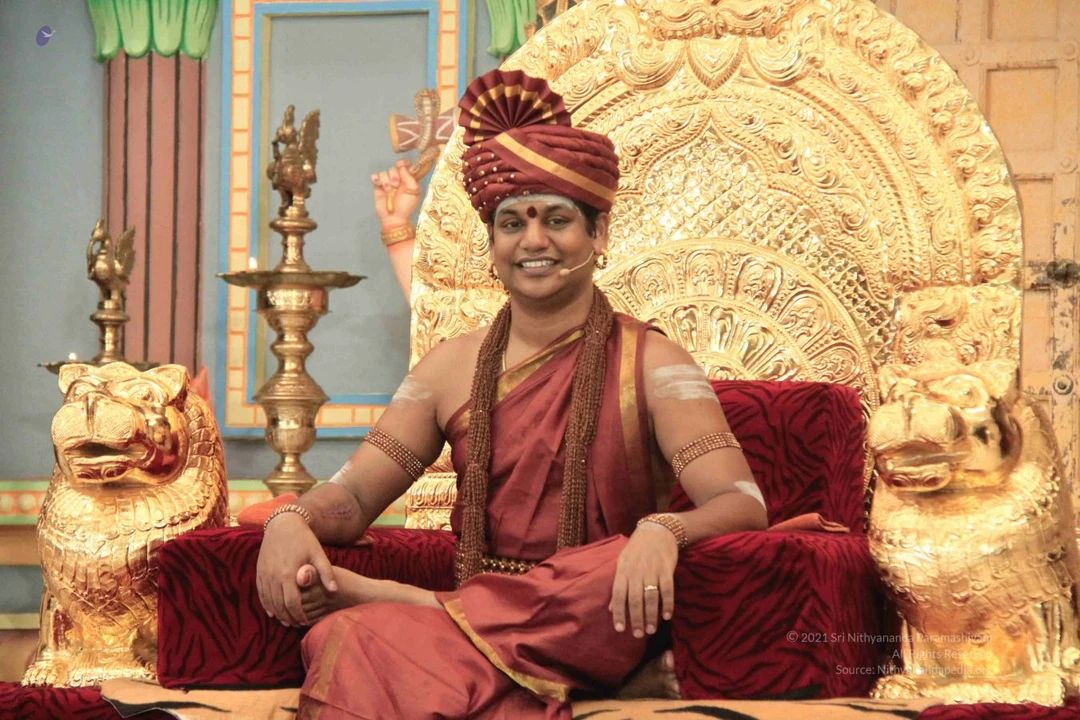
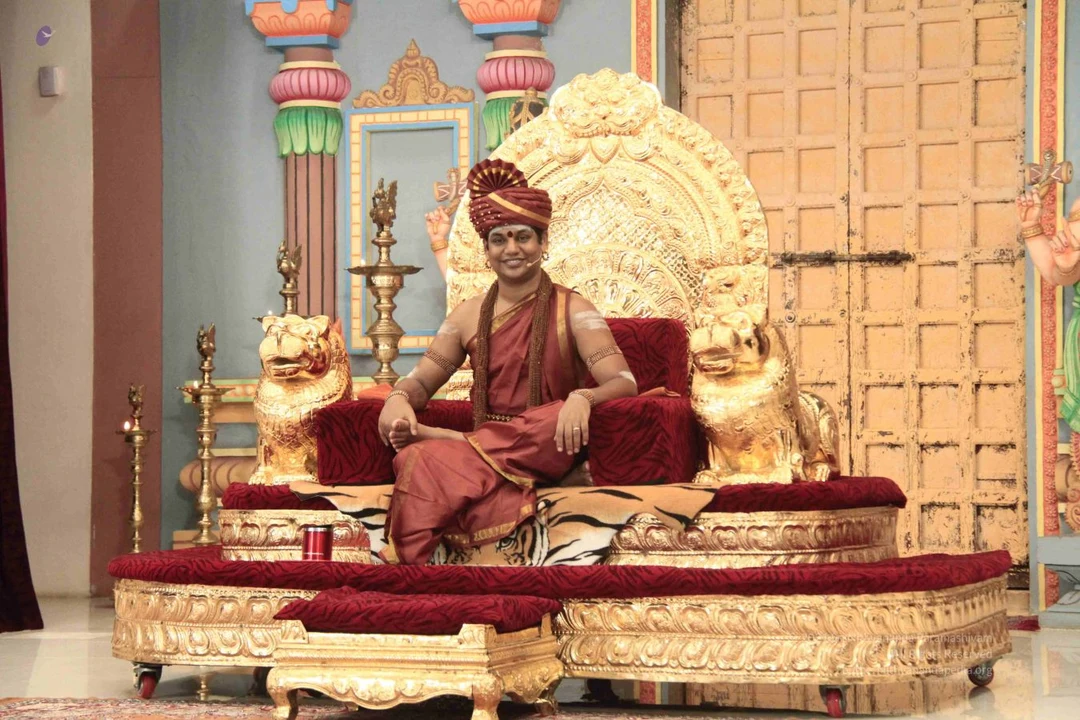
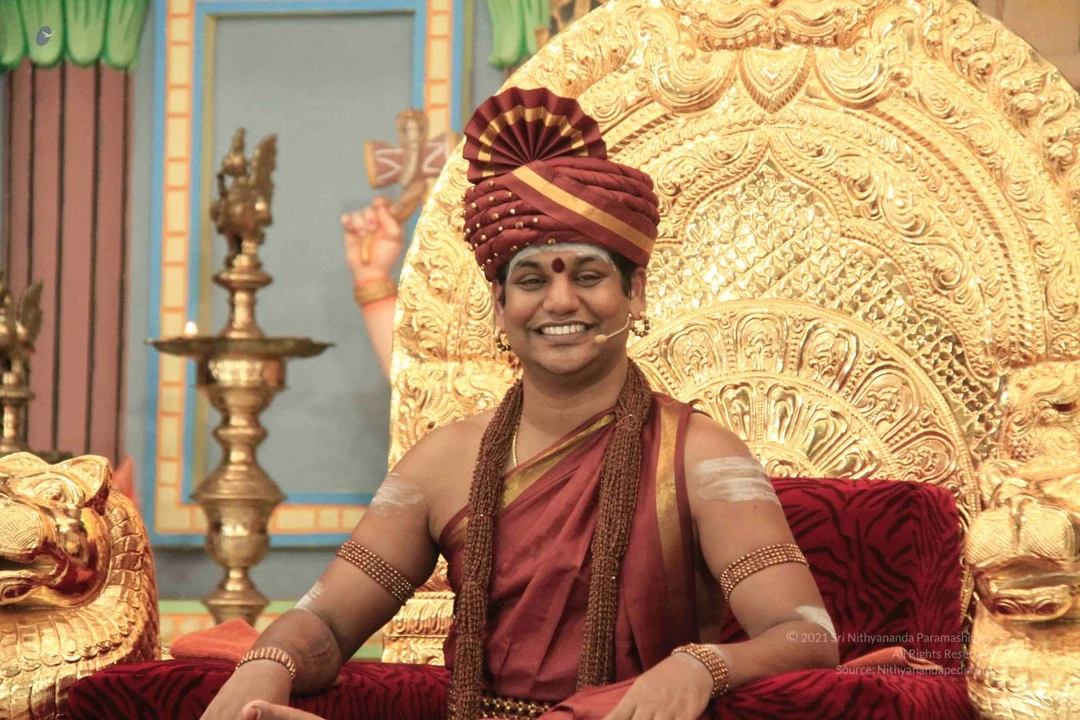
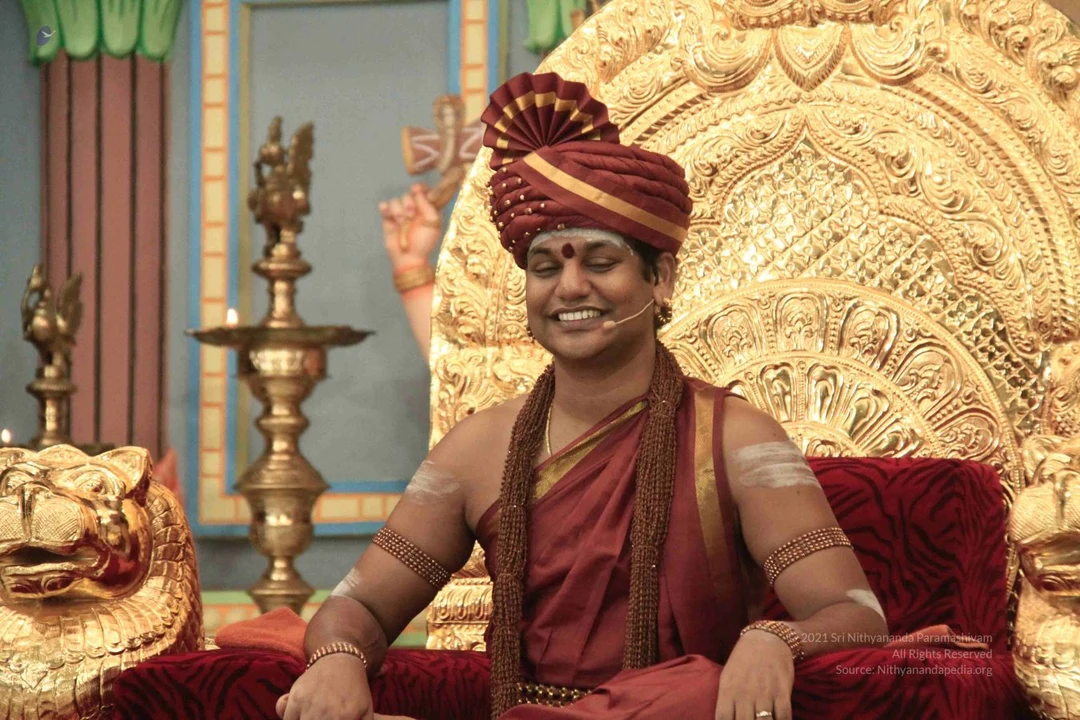
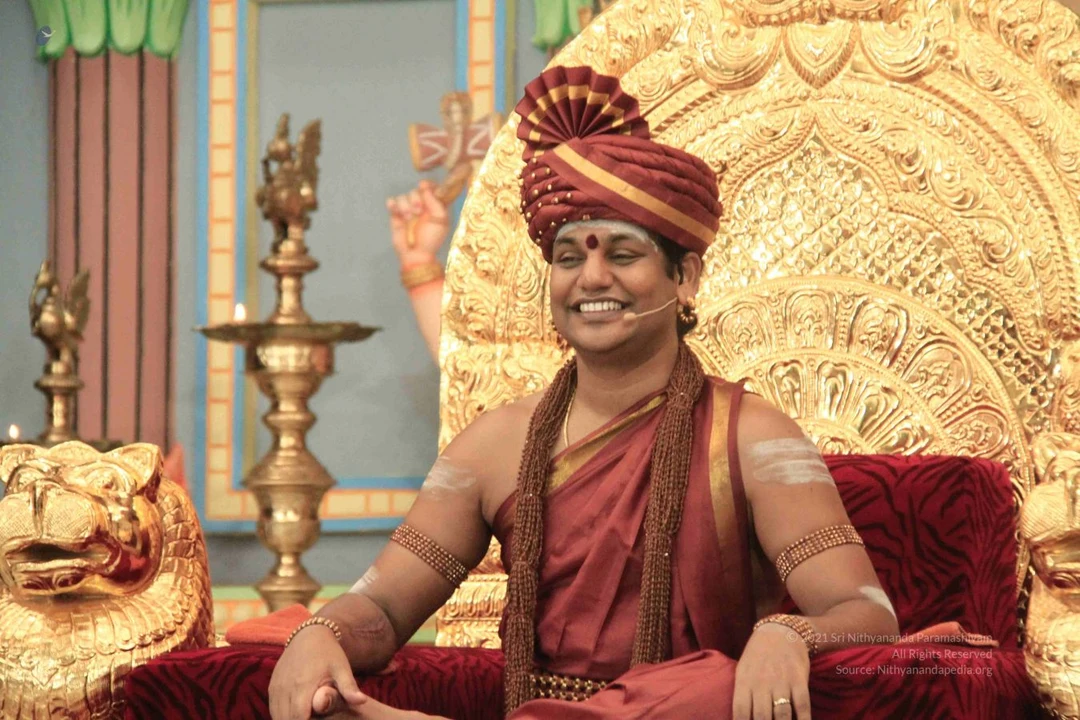
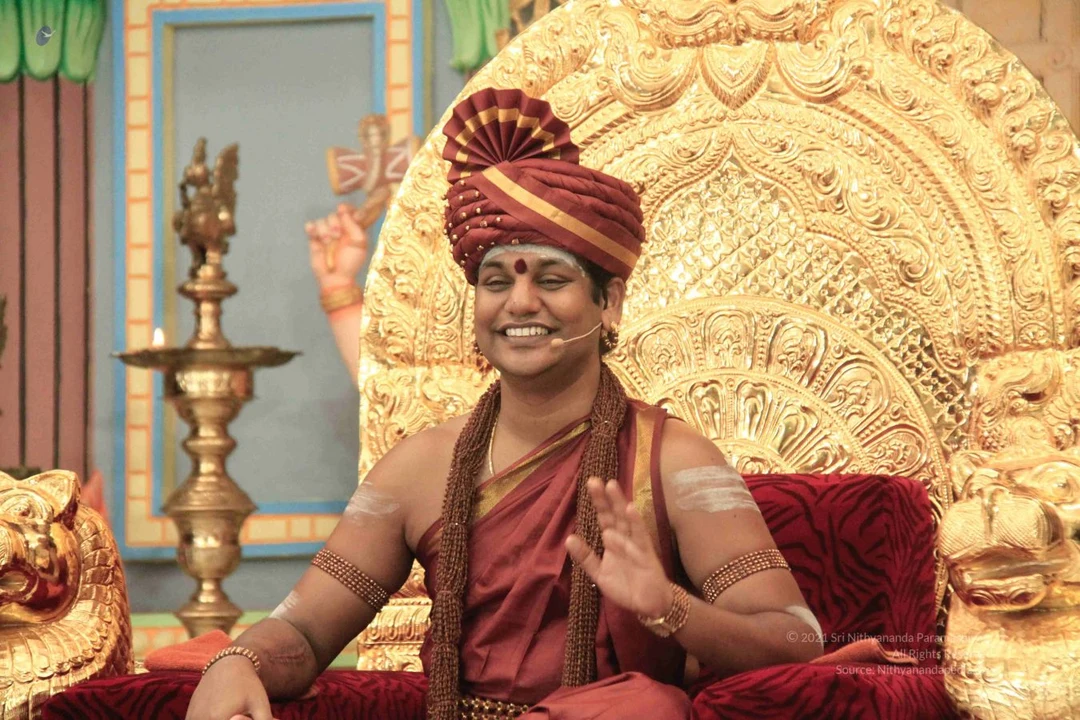
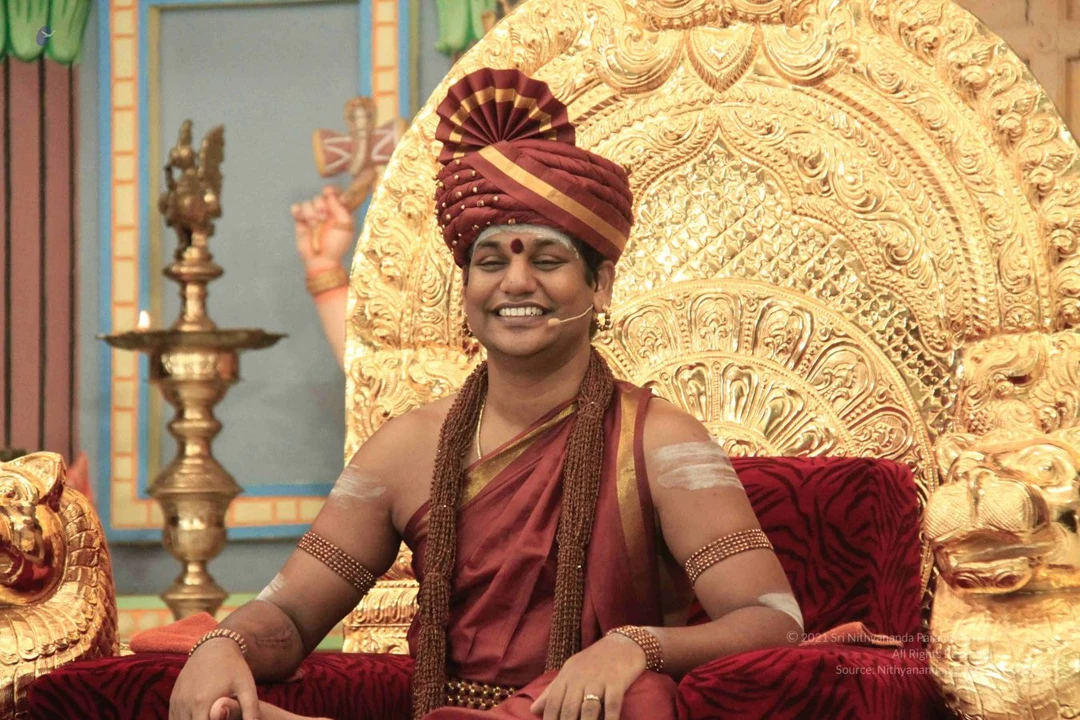
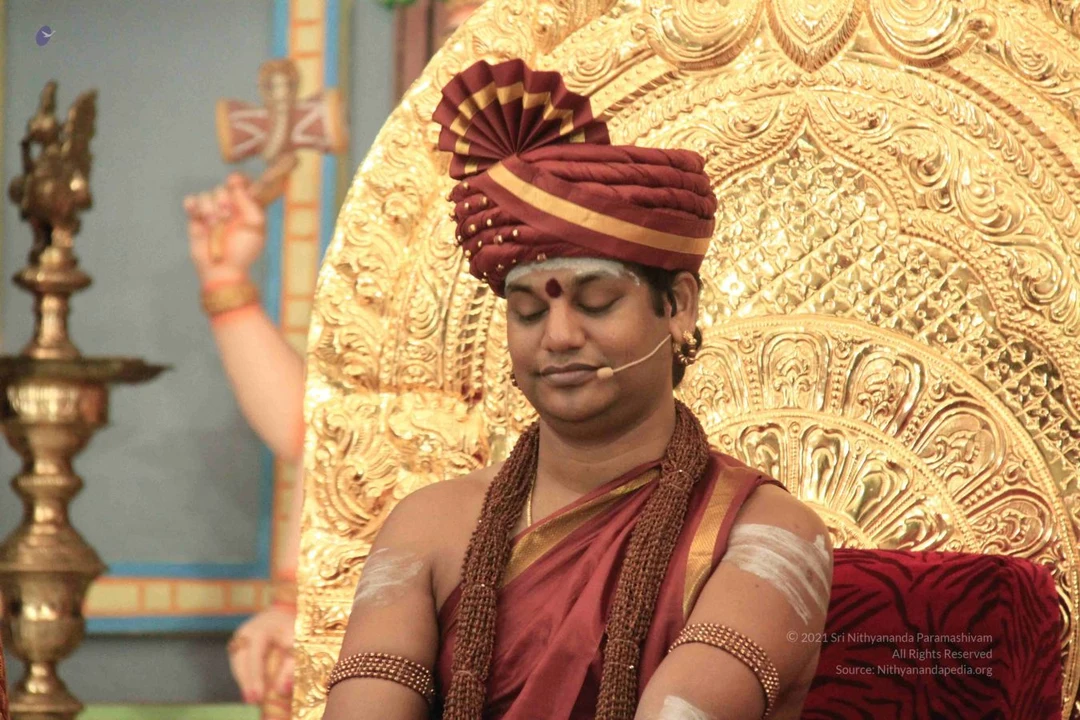
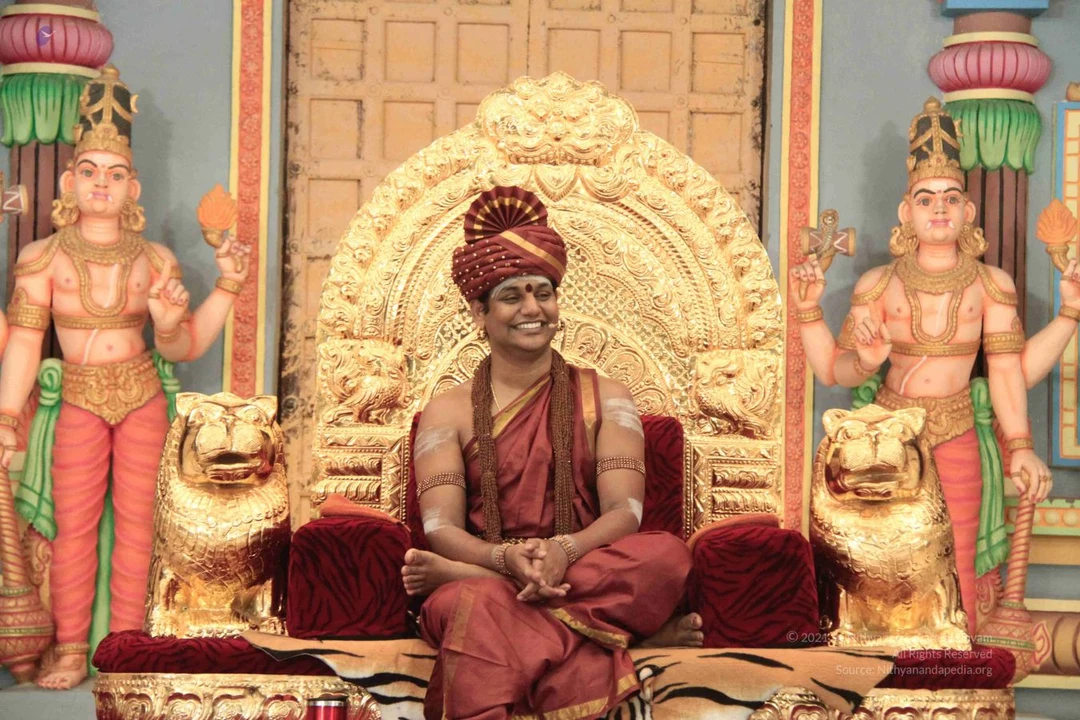
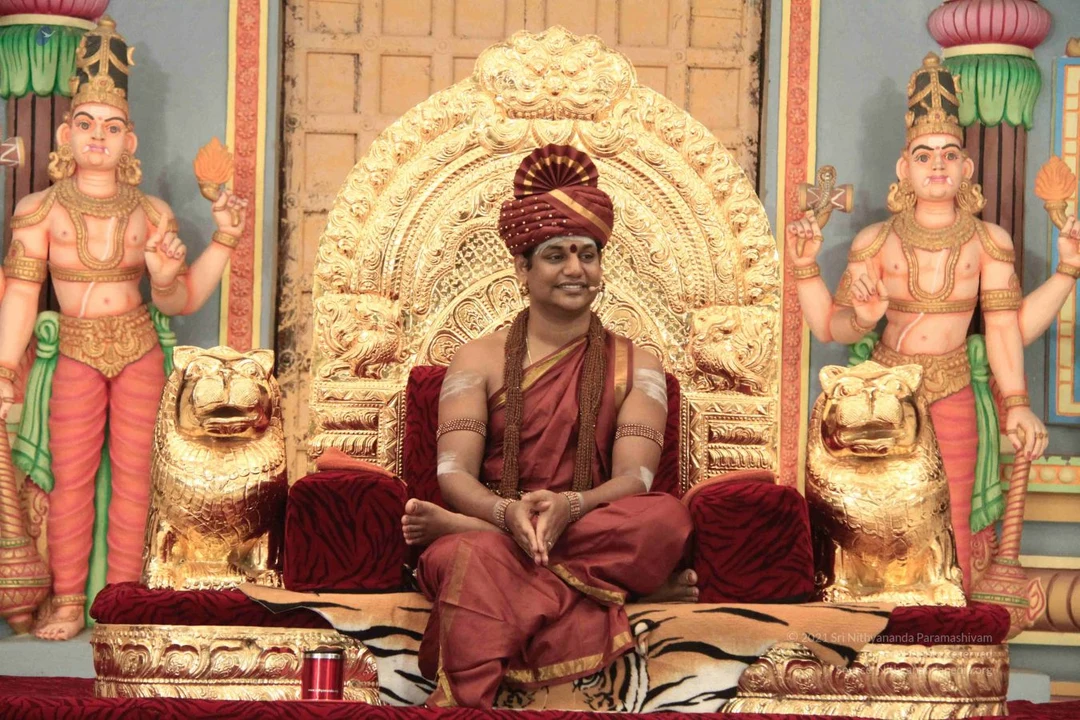
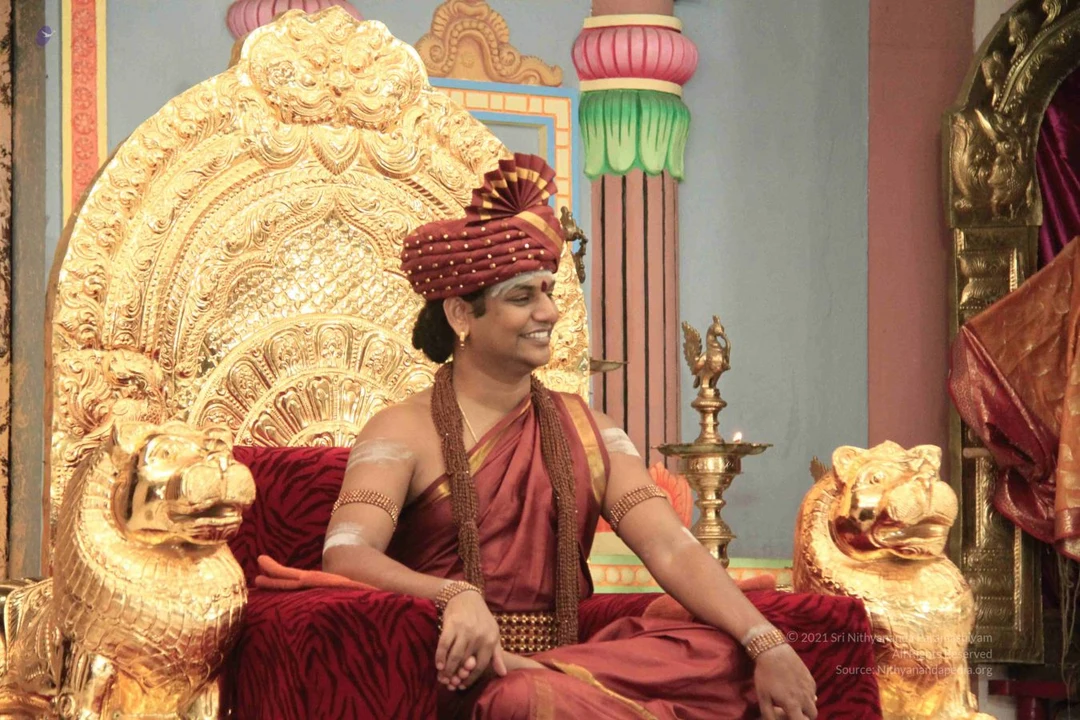
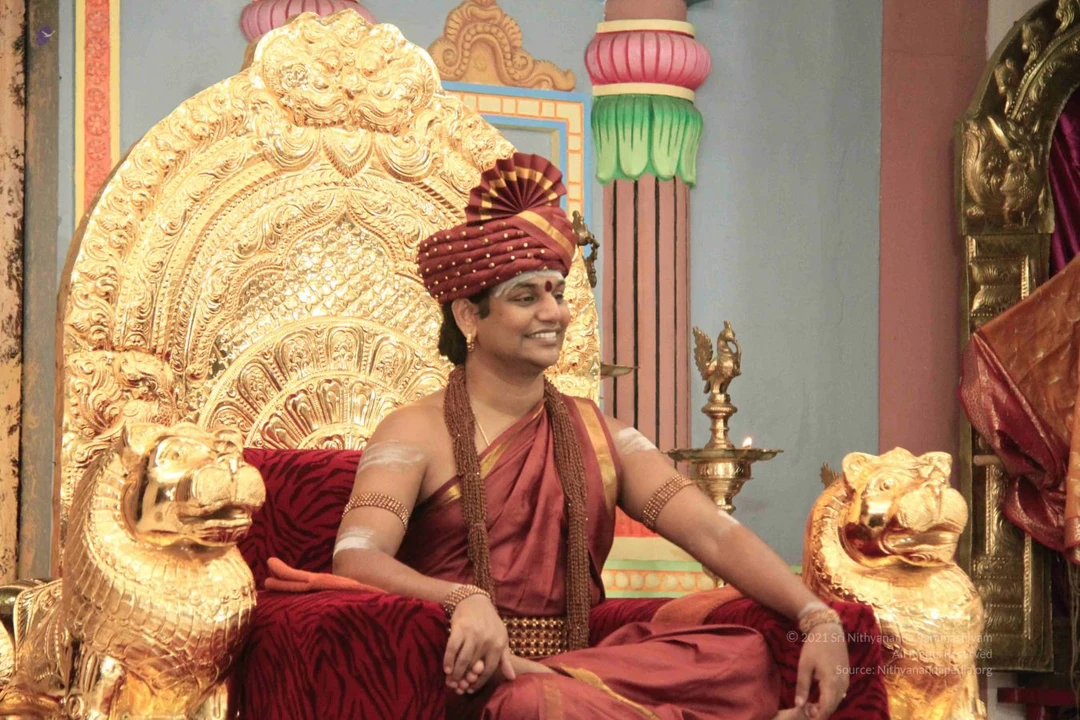
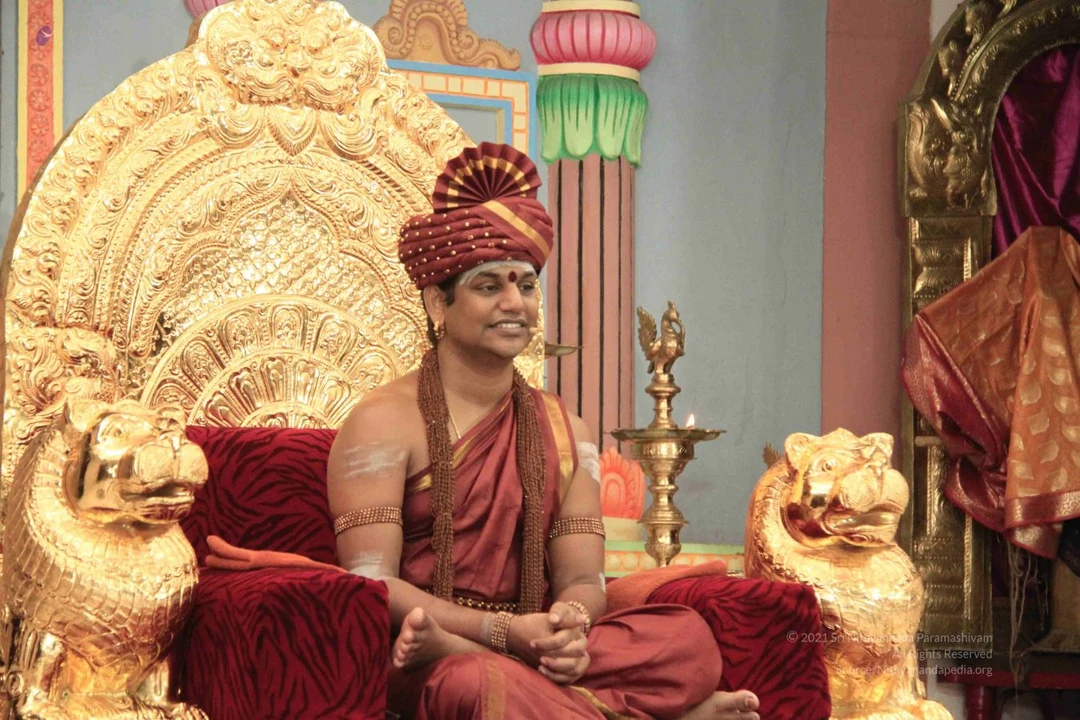
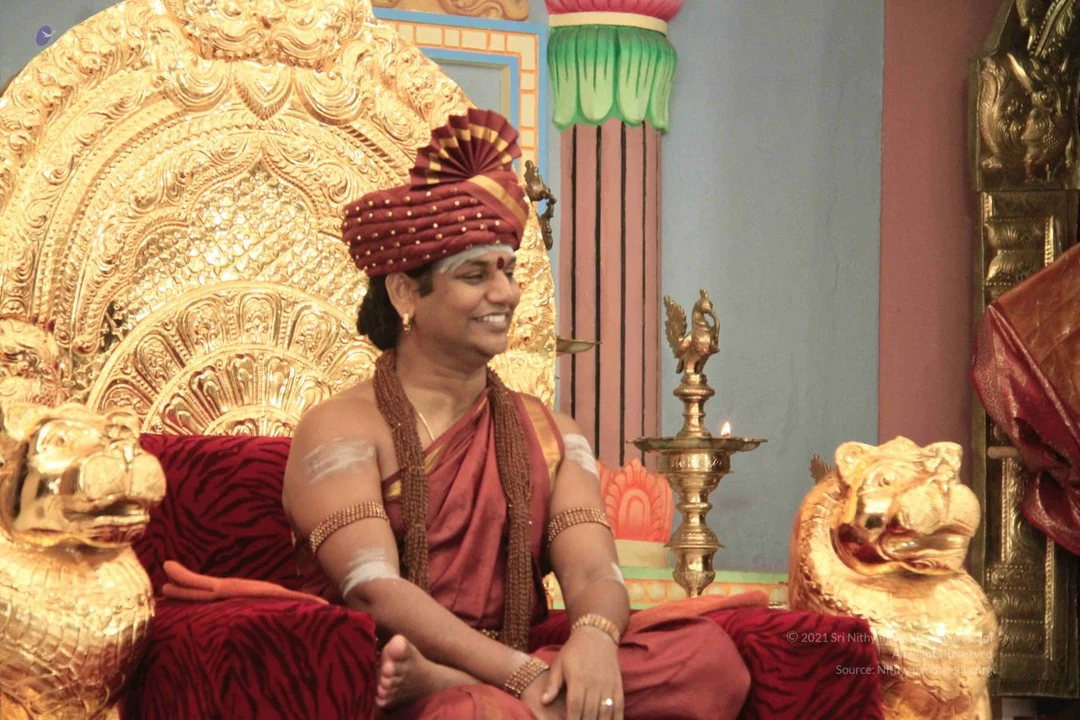
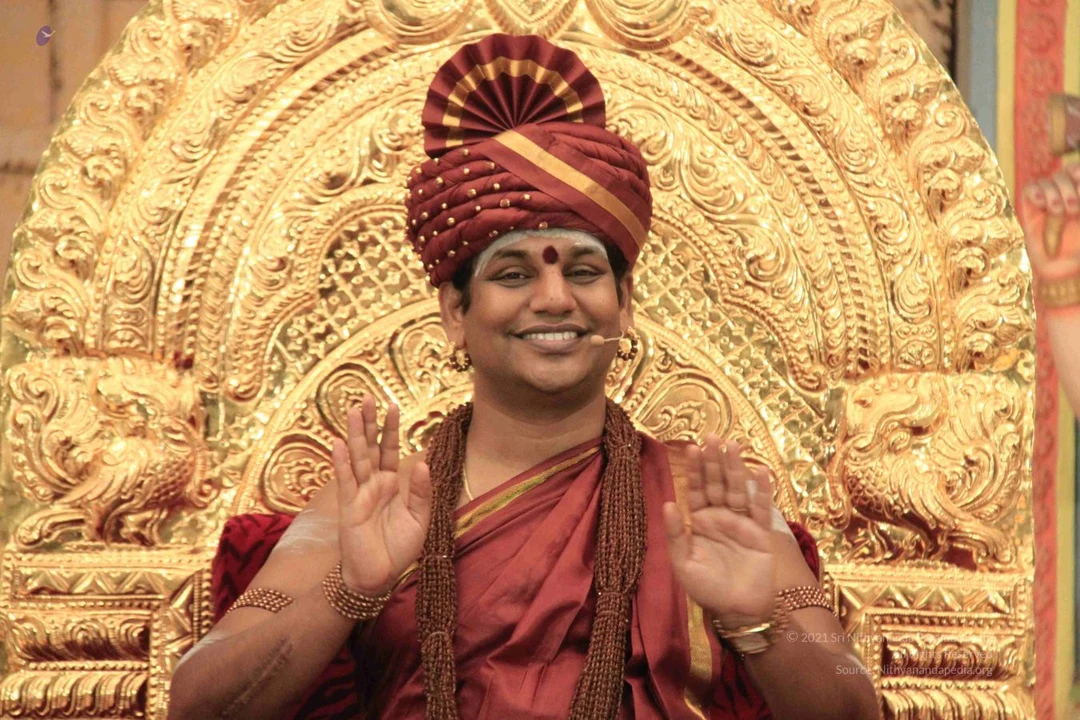
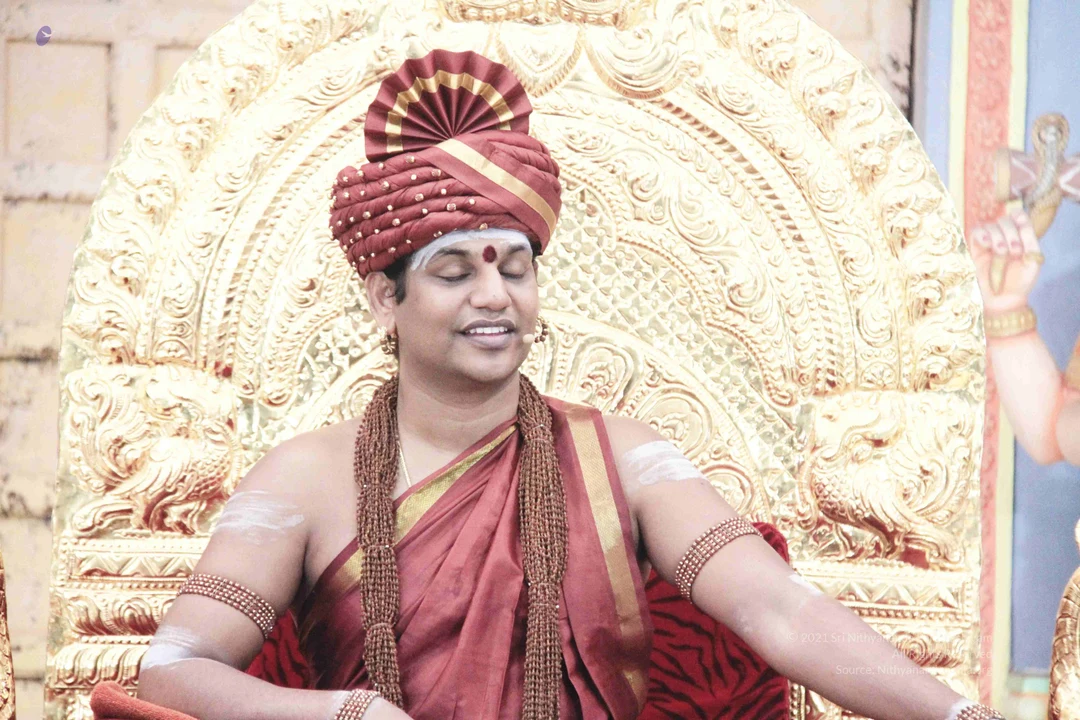
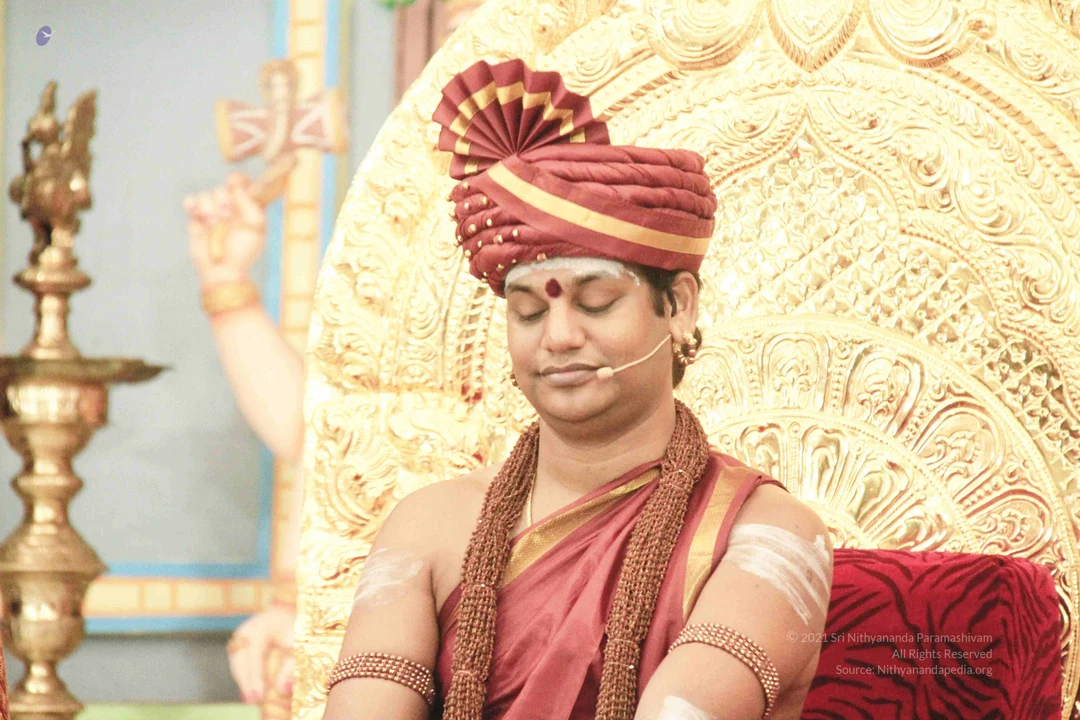
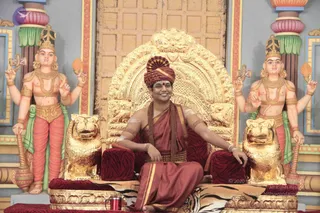
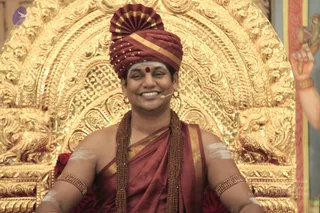
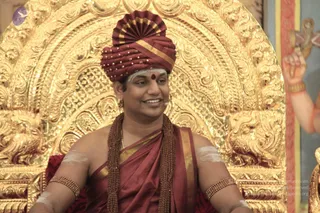
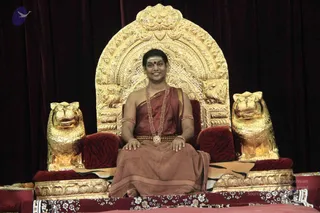
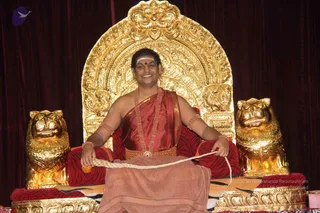
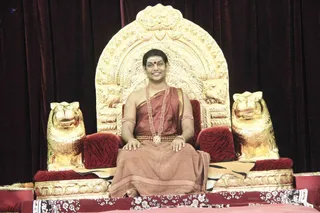
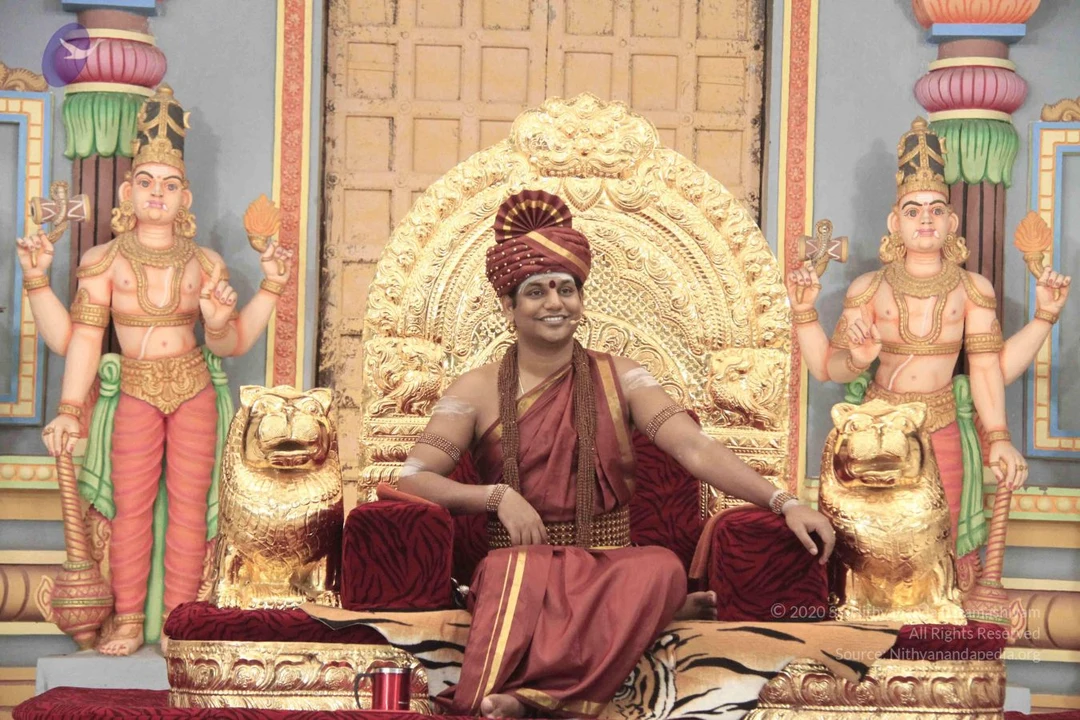
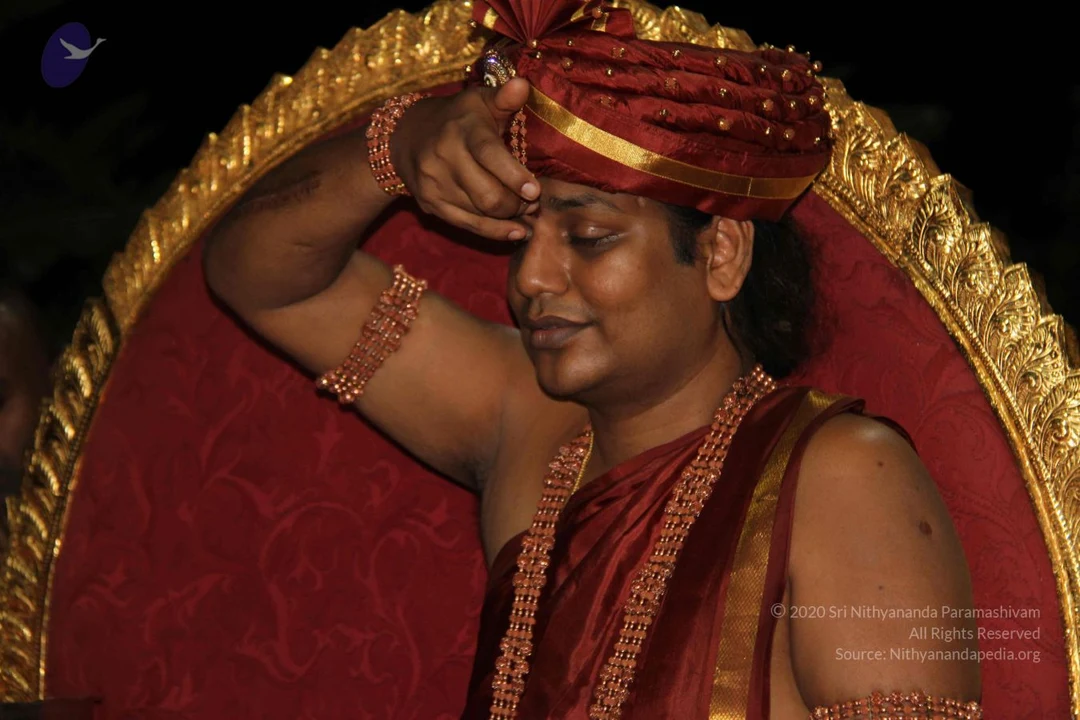
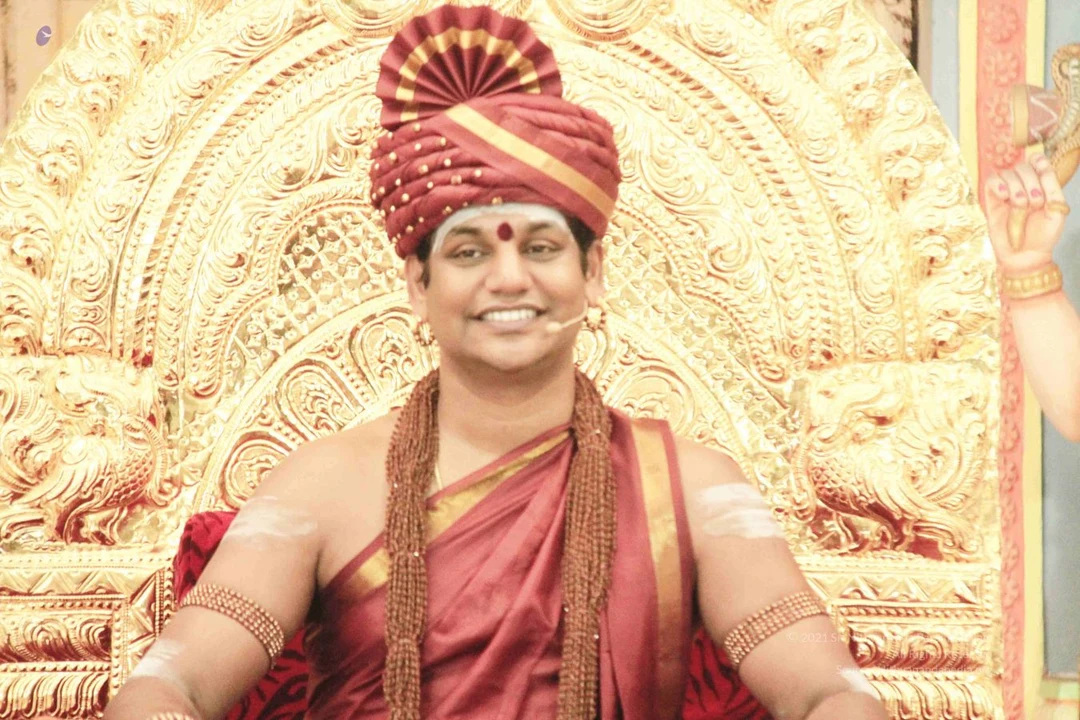
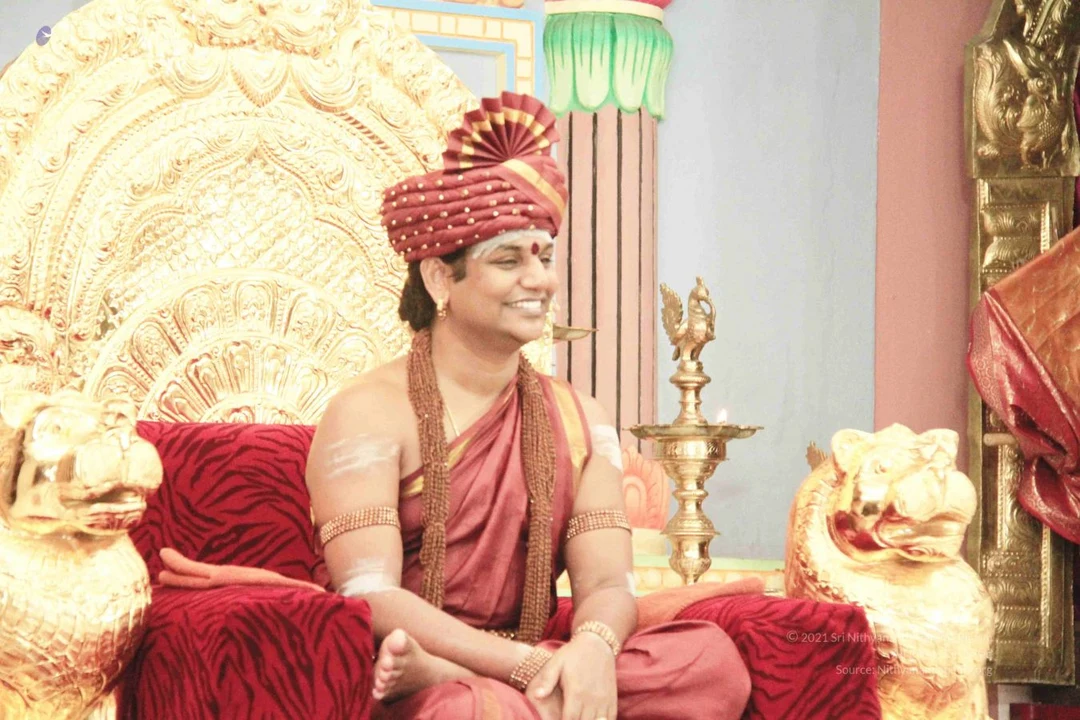
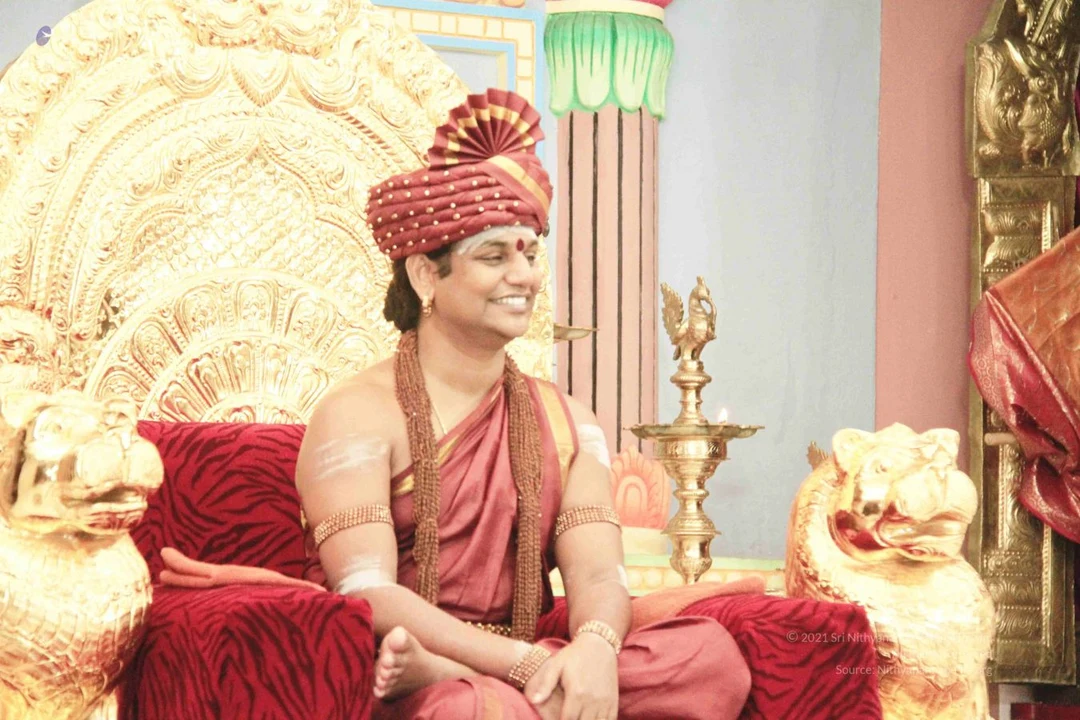
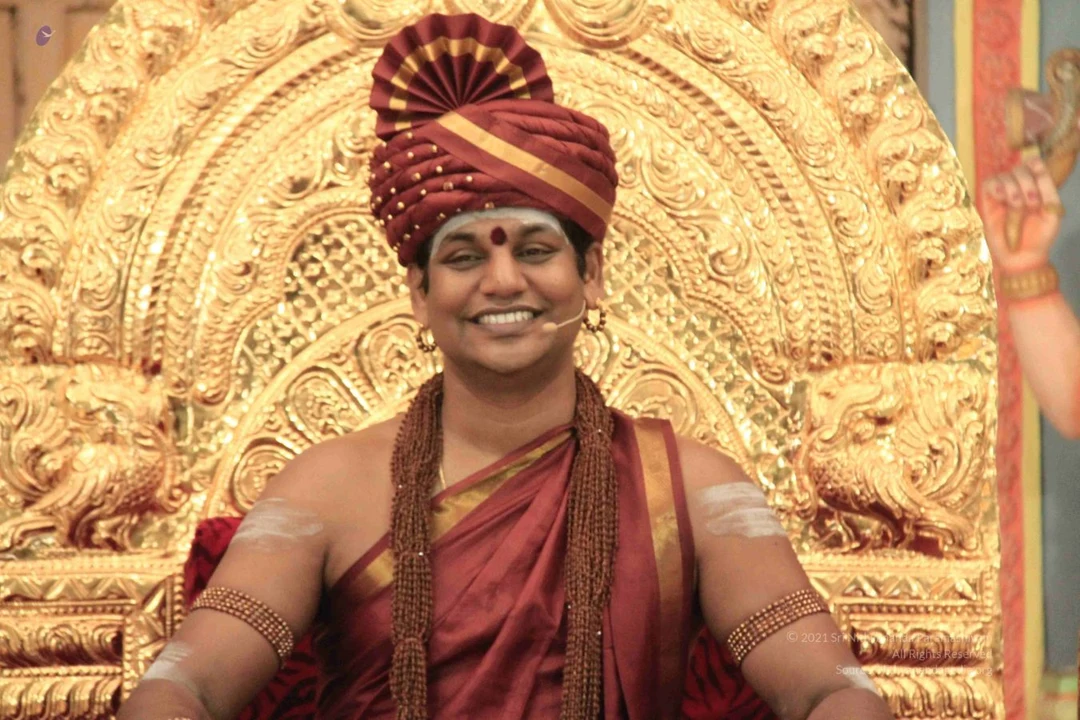
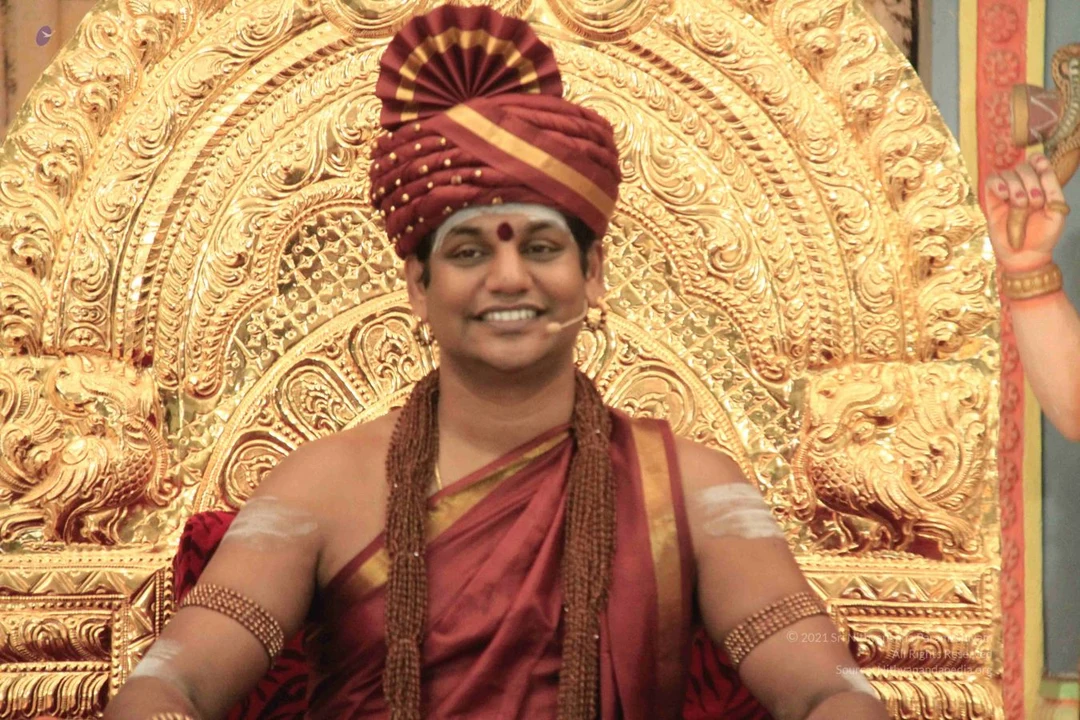
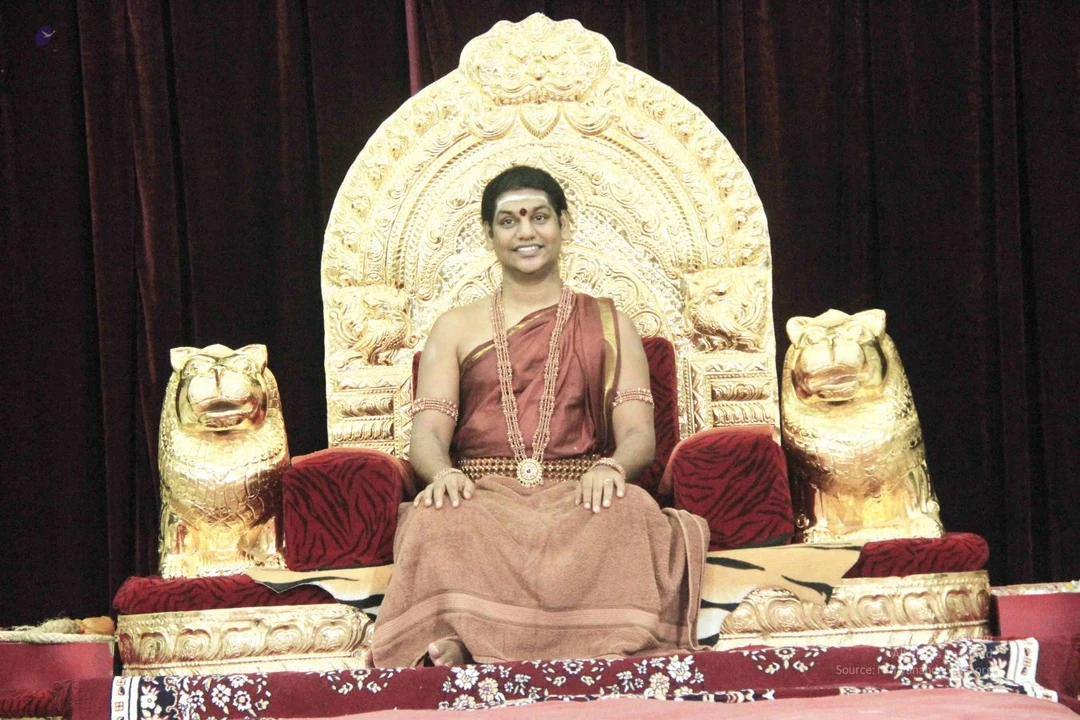
A man seated cross-legged on an ornate golden throne with lion-head armrests and tiger-striped red cushions, draped in a tiger-skin rug. He wears a maroon turban, saffron-red robes with gold borders, a long rudraksha-style mala and a gold-coloured belt, with white sacred ash markings on his arms and forehead, and smiles while resting his hands on the armrests. Two painted standing deity figures flank the throne, each with four arms, gold crowns and ornate necklaces, holding staffs and lamps. Behind is a carved wooden door and pastel temple pillars. A red tumbler sits at the base. The man matches the appearance cues for a person in a seated throne setting.A smiling man sits in front of an ornate gold throne with carved lion and floral relief. He wears a maroon and gold turban with a fan-shaped pleated top, a red bindi and white vertical tilak, a maroon and gold shawl, a long beaded rudraksha-style mala, and gold-toned armlets. A small microphone is attached near his face, and white ash marks appear on his shoulders and arms. A hand holding a staff or ritual object appears at the right edge. The setting suggests a satsang or discourse.A smiling man in a maroon pleated turban studded with small gold beads sits on an ornate gold throne with carved floral and lion-like scrollwork. He wears a maroon and gold-bordered draped garment, multiple rudraksha mala strands across his chest, gold armlets on both upper arms, and white ash markings on his forehead and shoulders with a red kumkum dot between his brows. Beside the throne at right, a deity murti's raised hand holds a small object.A seated man in a maroon and red turban and maroon-and-gold robes sits on an ornate golden throne with red velvet cushions, flanked by golden lion-shaped armrests. He wears a rudraksha mala and gold necklace and smiles, with a microphone clipped near his ear. Behind him are golden oil lamps, a golden deity-like figure and a red-and-gold framed backdrop. A tiger-striped cloth covers the seat. This matches the Swamiji (probable) appearance cues: a turban, rudraksha mala and ornate saffron-toned clothing, seated in a throne role during a satsang.A seated man in a maroon and gold turban and ochre-red robe with gold borders sits cross-legged on a red velvet throne with tiger-stripe upholstery. He wears a tall rudraksha mala and gold bangles, has a red tilak on his forehead, and a lapel microphone is clipped near his face. Behind him stands an ornate gold throne back with floral carvings, flanked by gold lion sculptures, and a brass oil lamp with a figure stands on the left. Only one physical person is present.A smiling man seated in front of an ornate golden throne-like backdrop with repoussé floral patterns. He wears a maroon and gold turban with a pleated fan-shaped top, a red-orange garment with gold border, rudraksha malas draped across his chest, and bangles on his wrists. A red kumkum bindi and white vibhuti marks are on his forehead, and a small microphone is clipped near his face. A brass oil lamp stands at left and a raised arm holding a wand-like object appears in the background. Appearance-based candidate: a person, seated and speaking at a satsang setting with a rudraksha mala and saffron-toned attire.

NITHYA-SATSANG

5 photosSource gallery
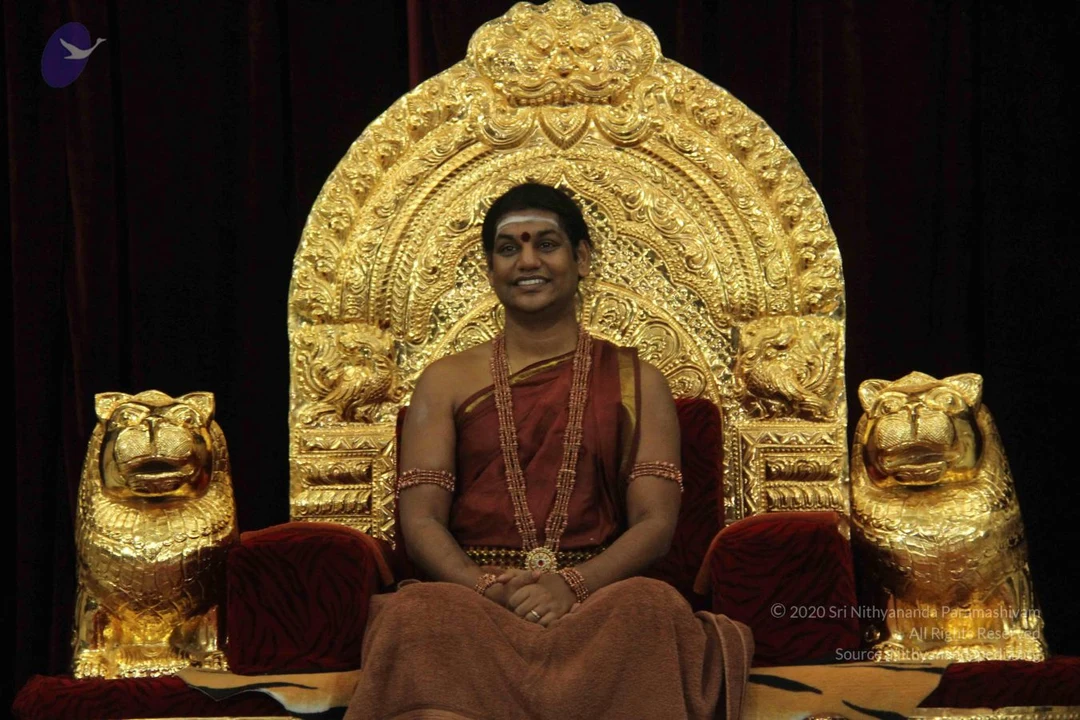
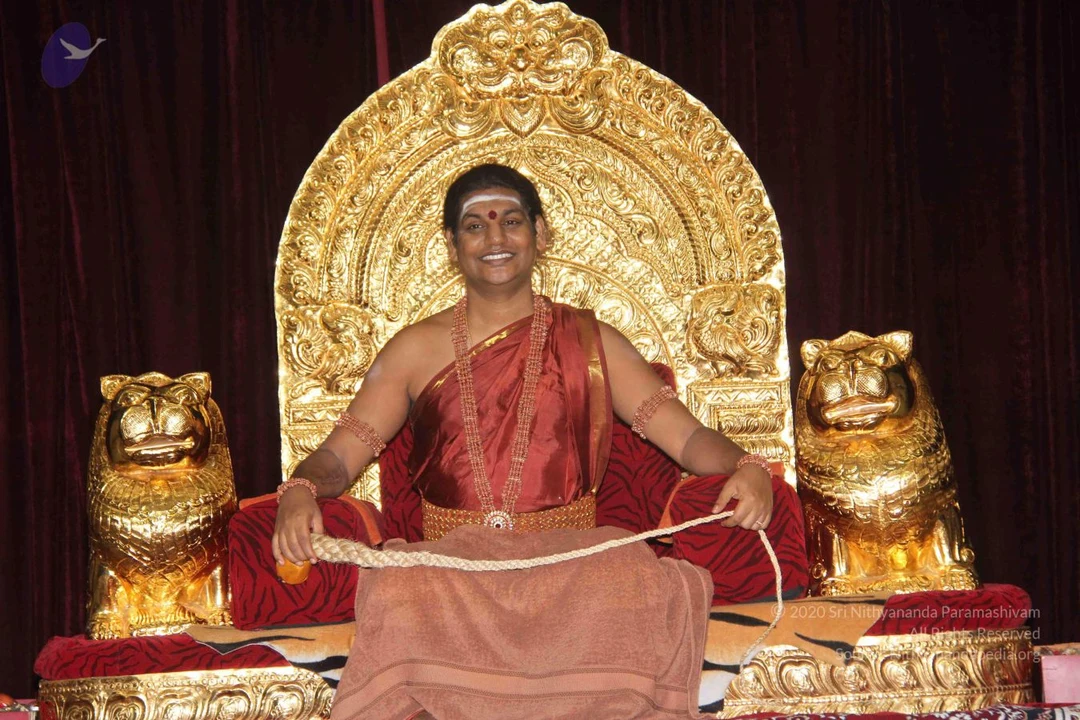
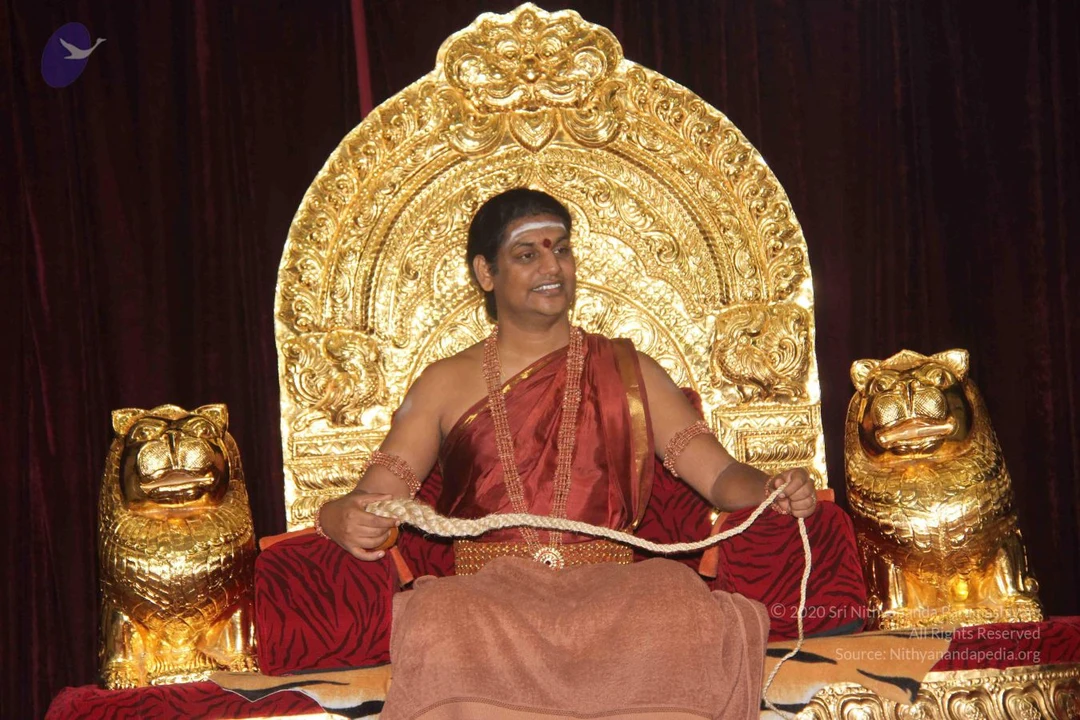
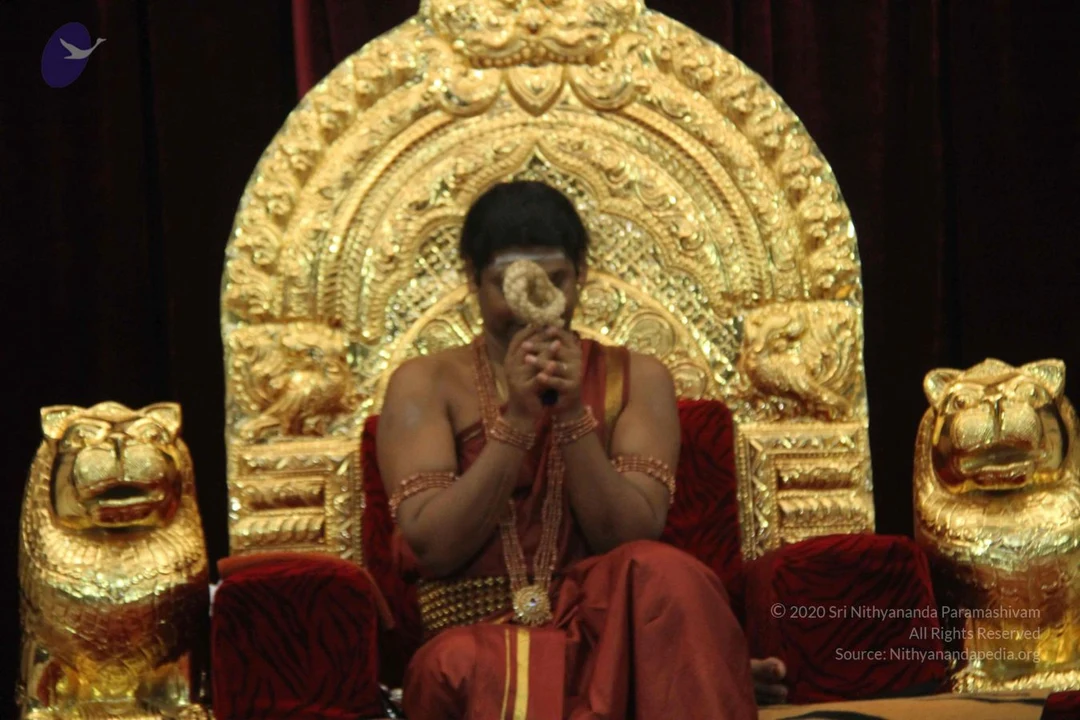
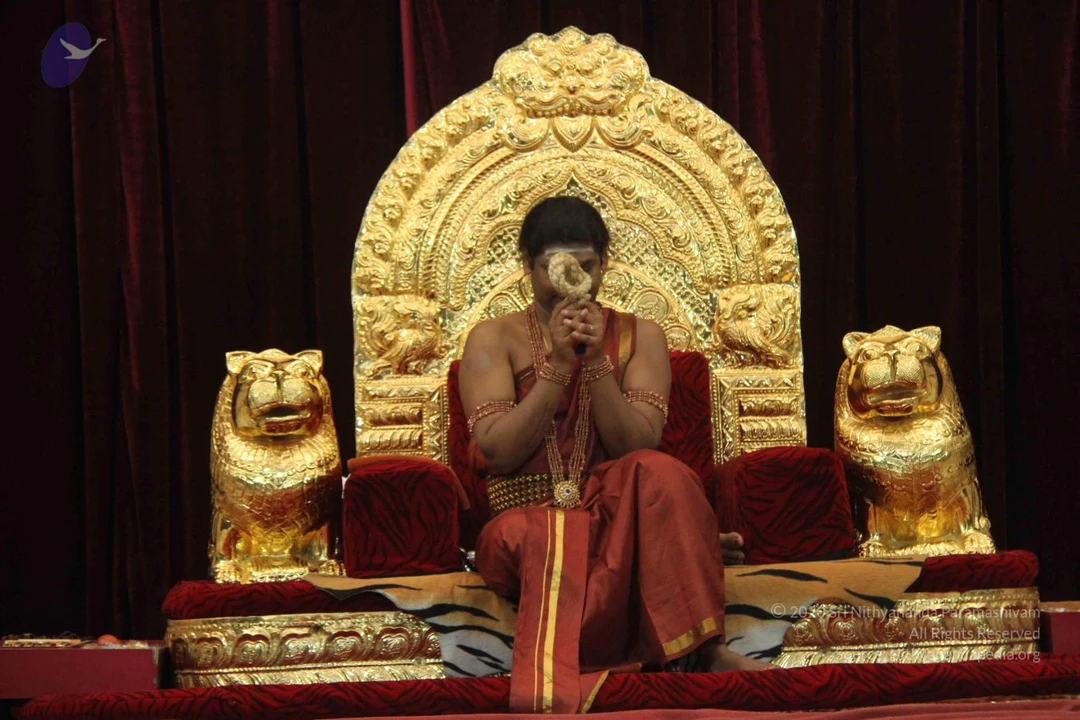
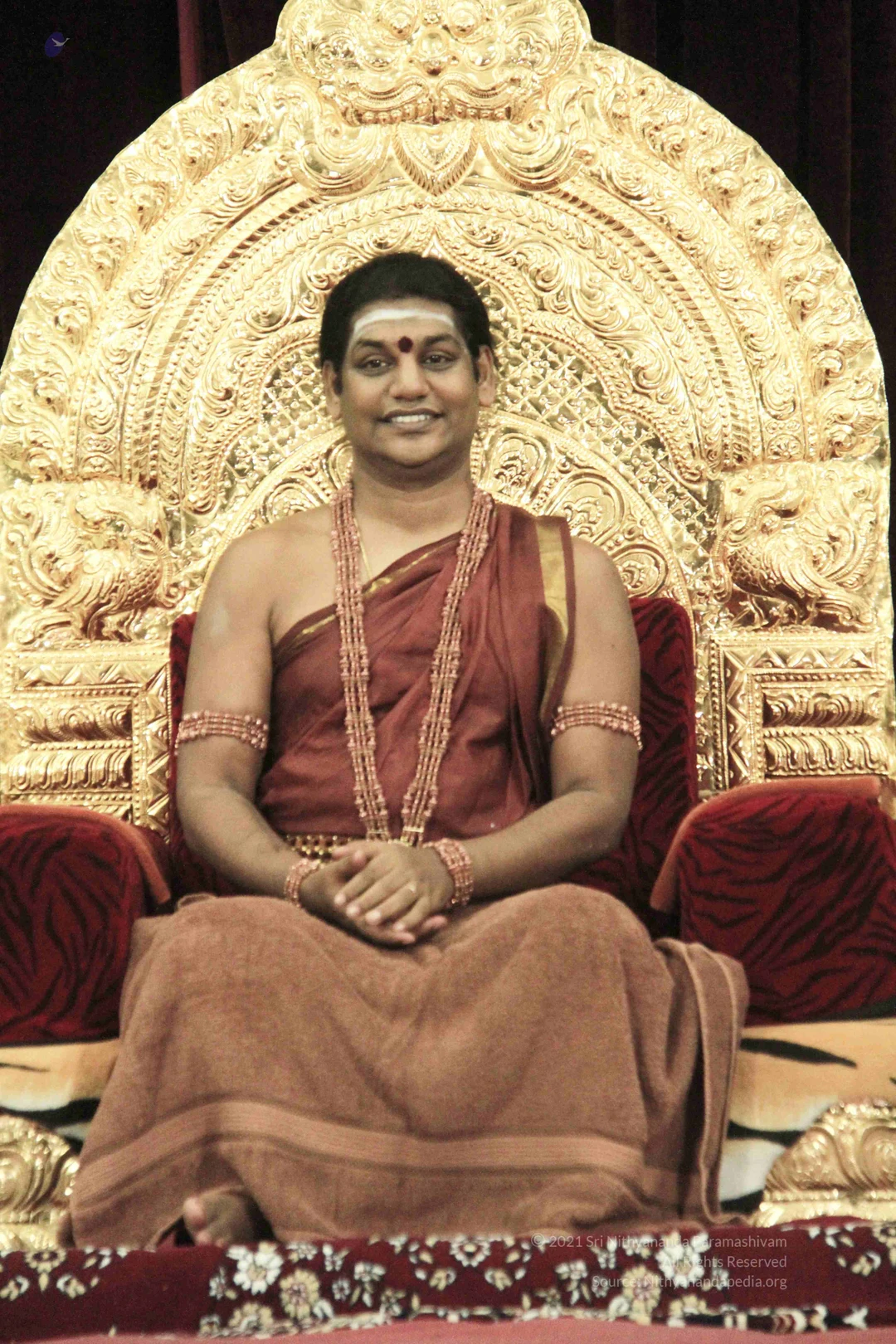
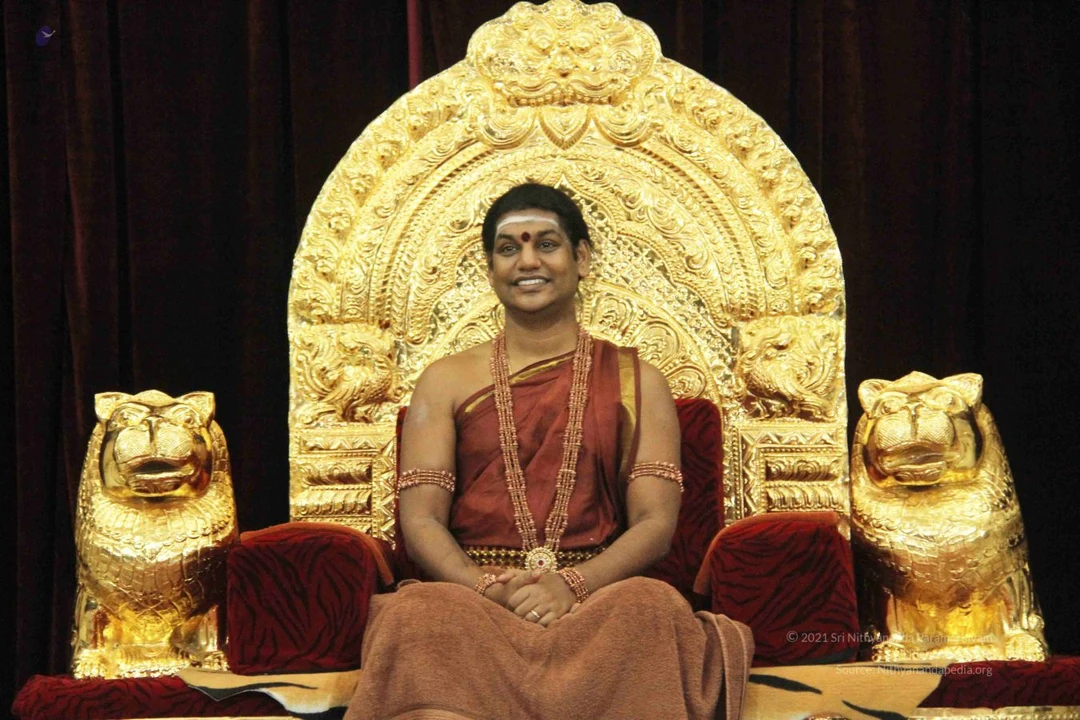
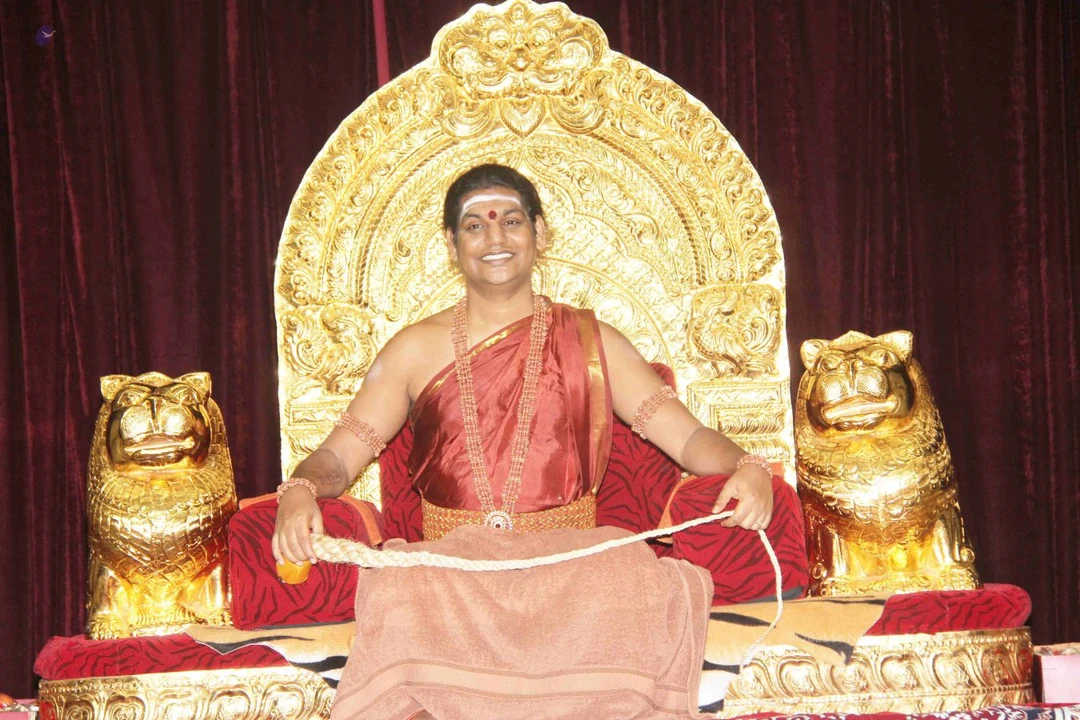
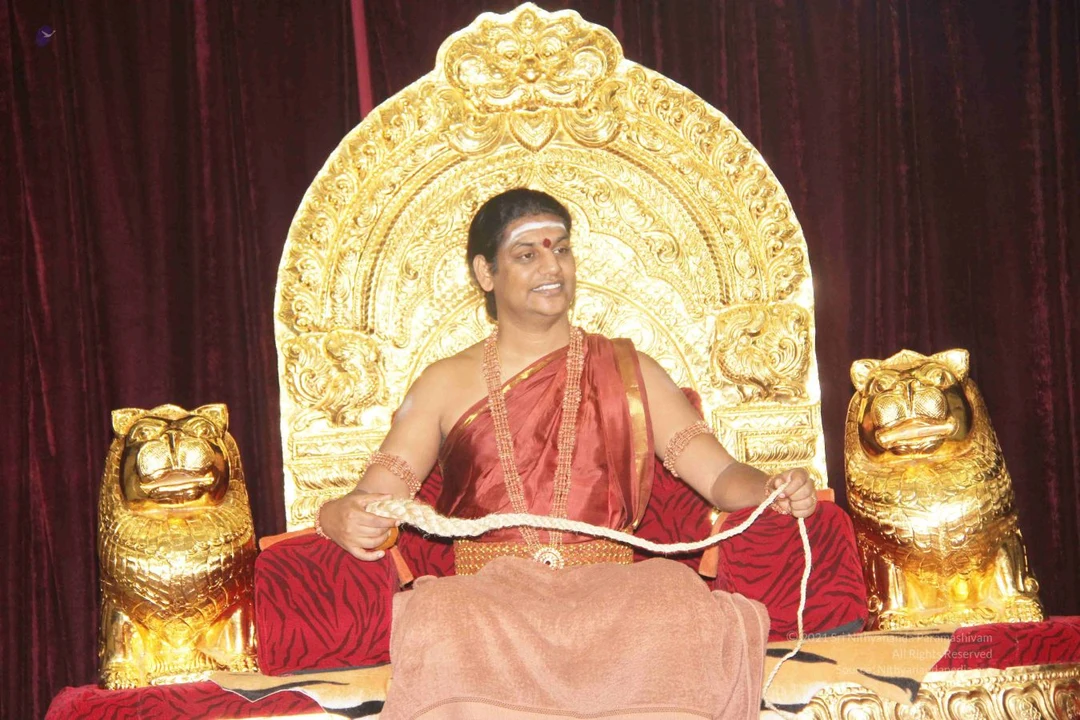
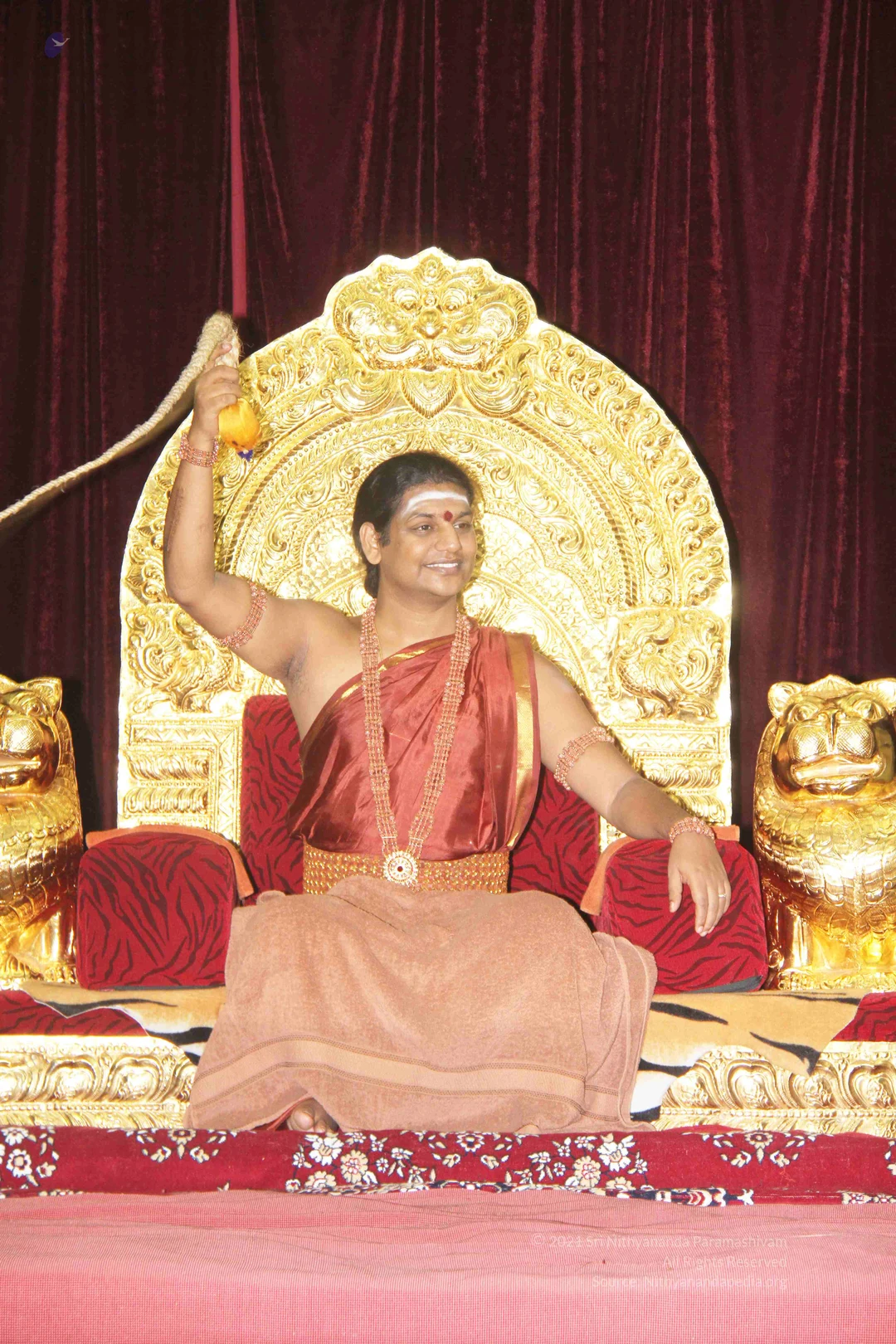
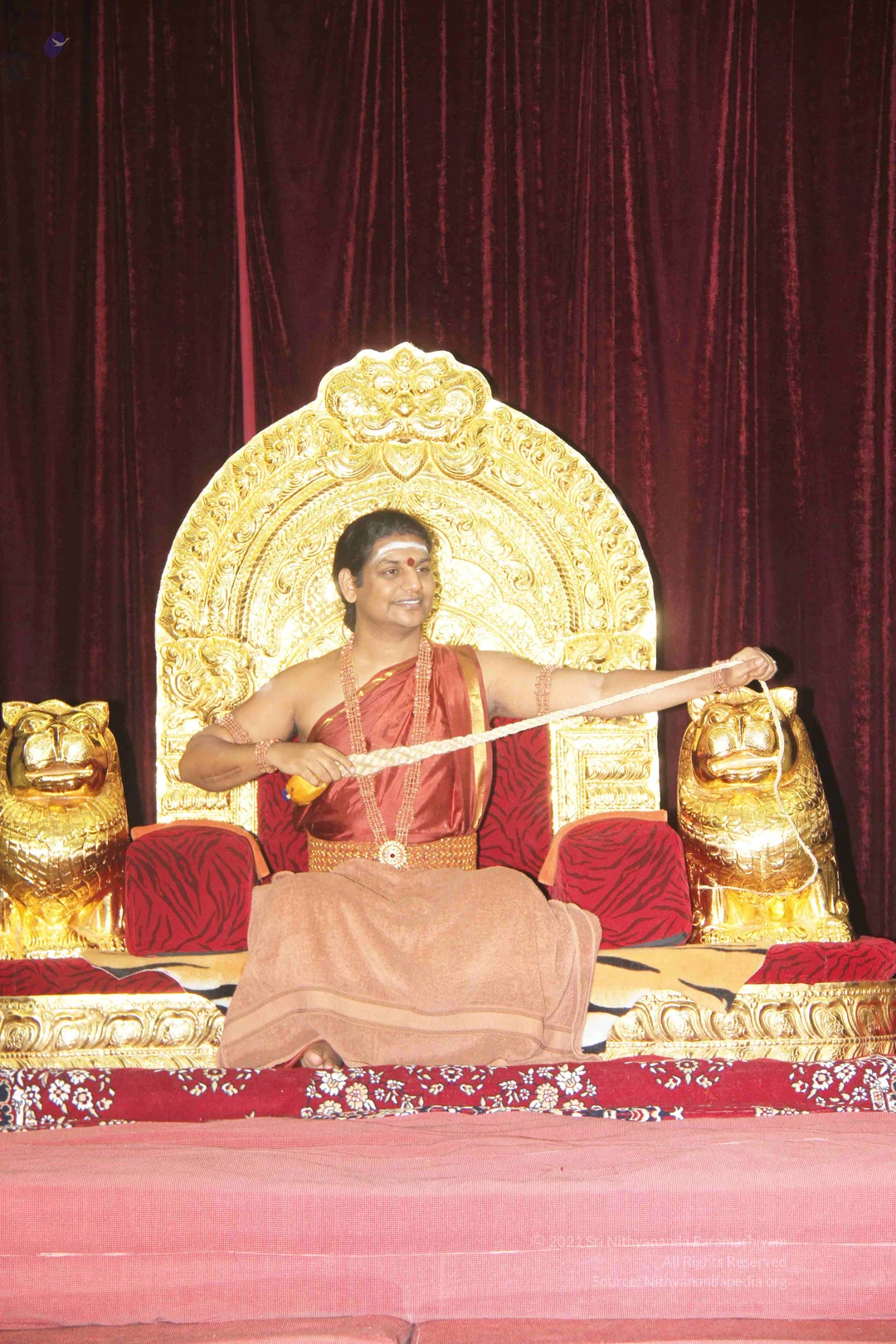
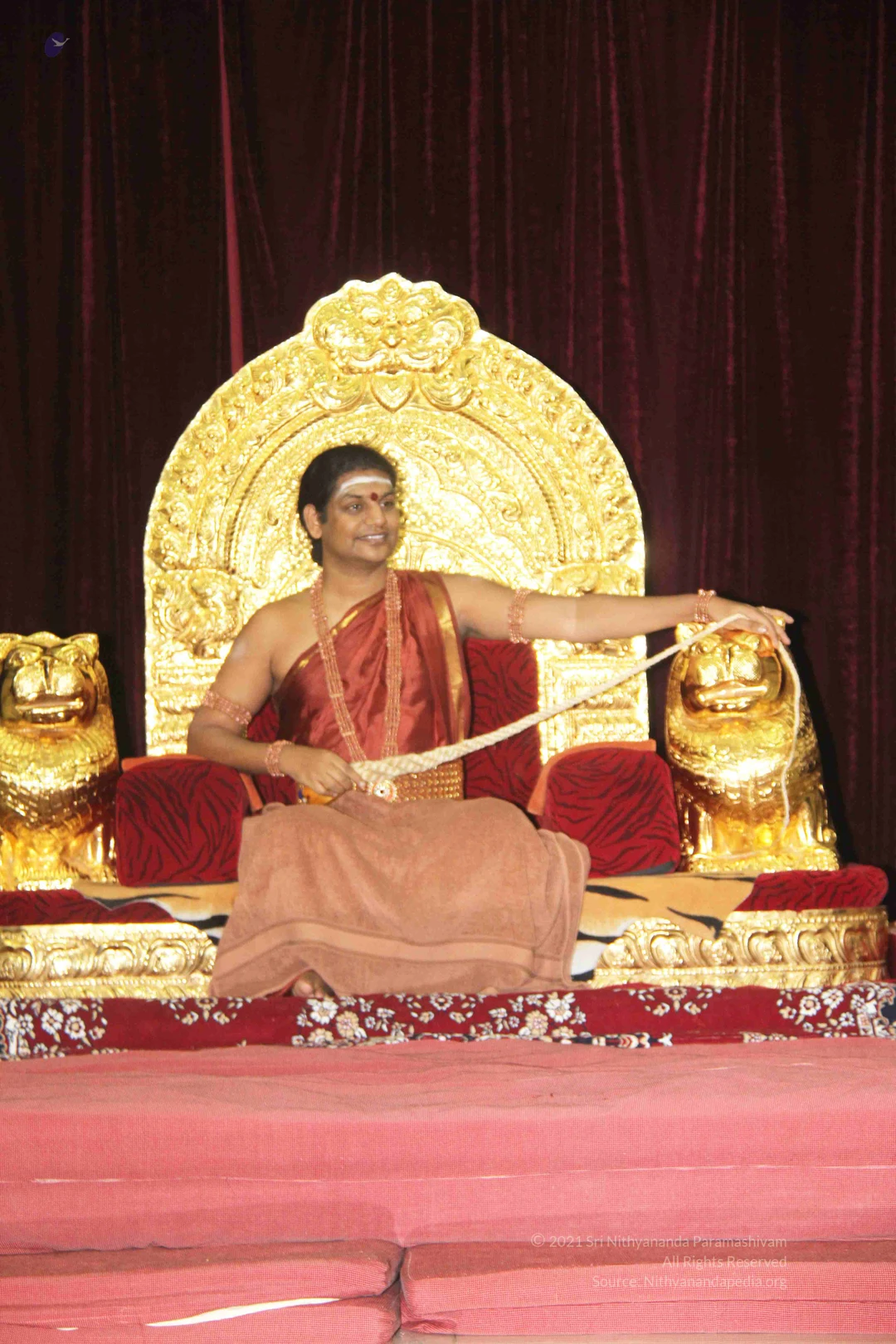
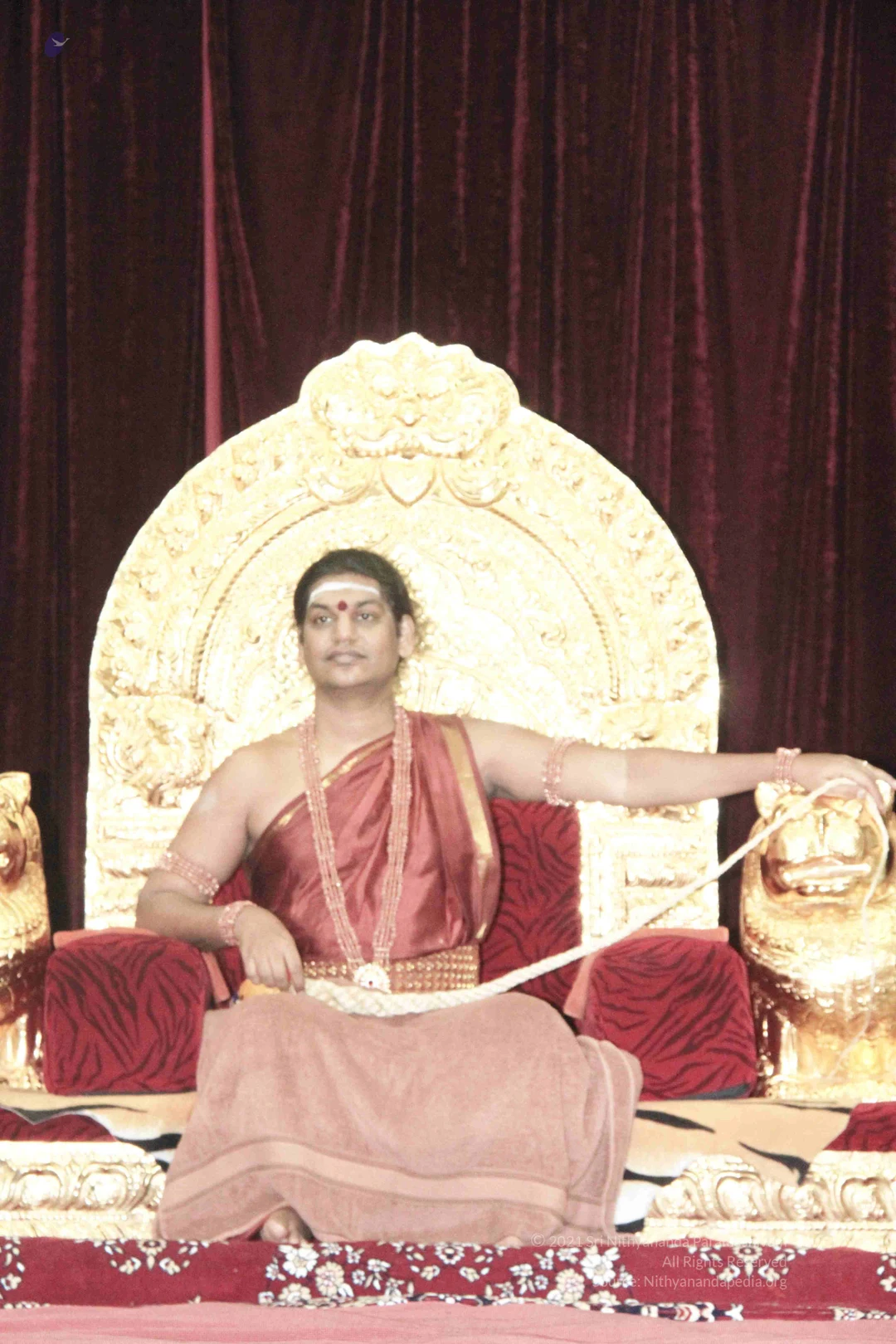
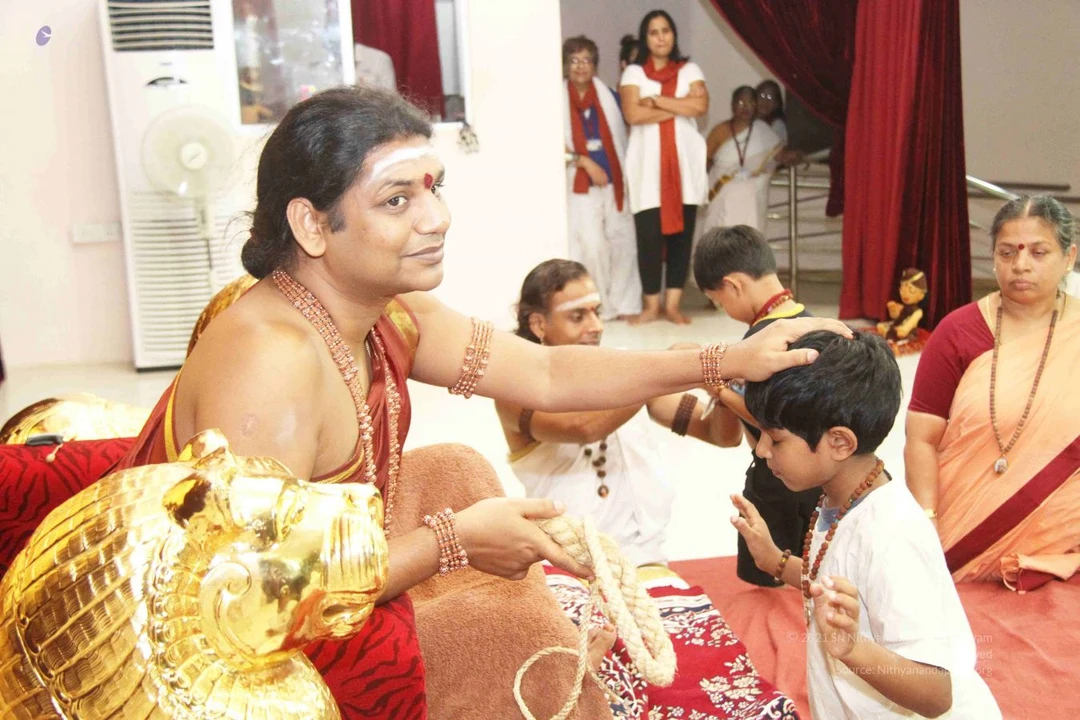
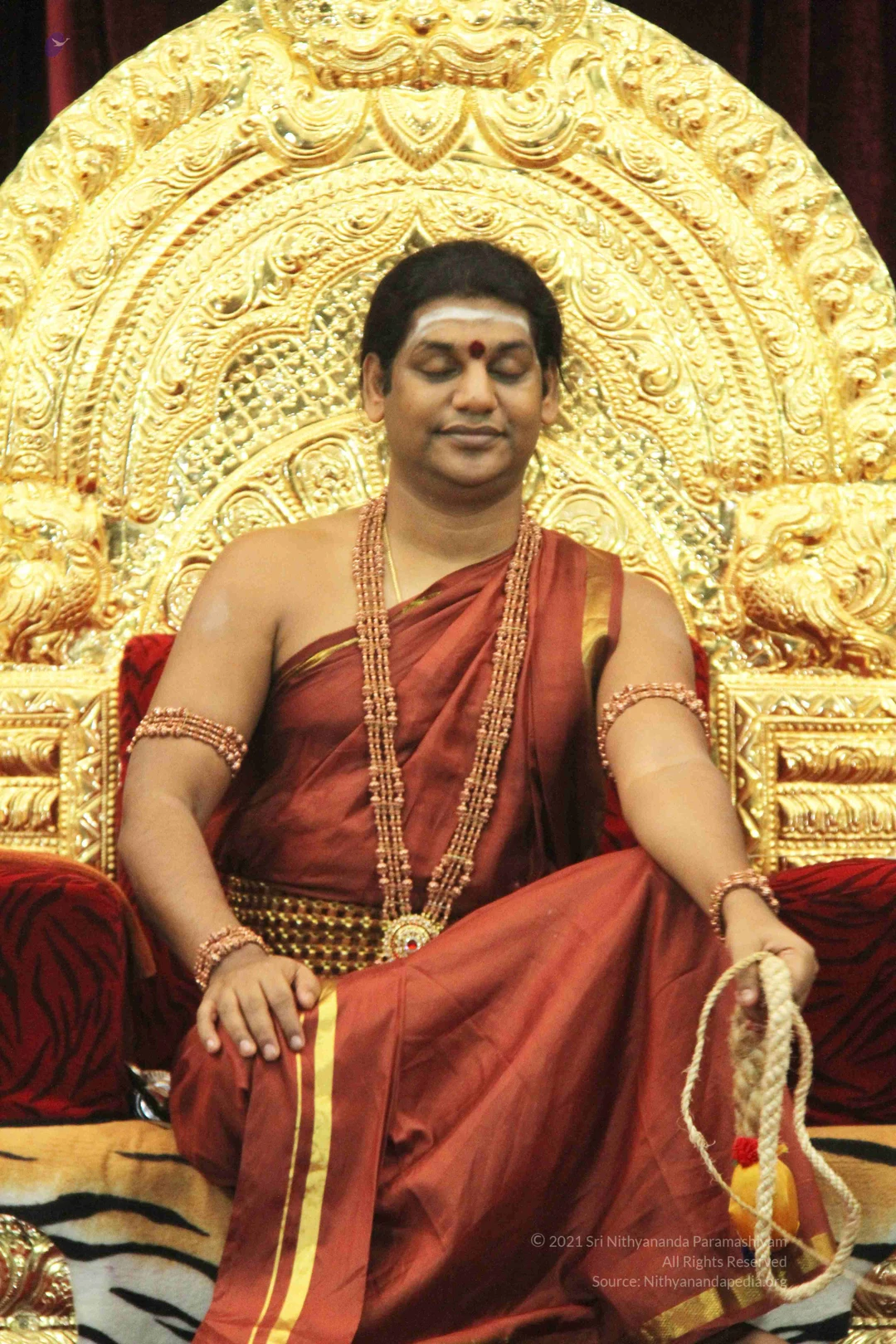
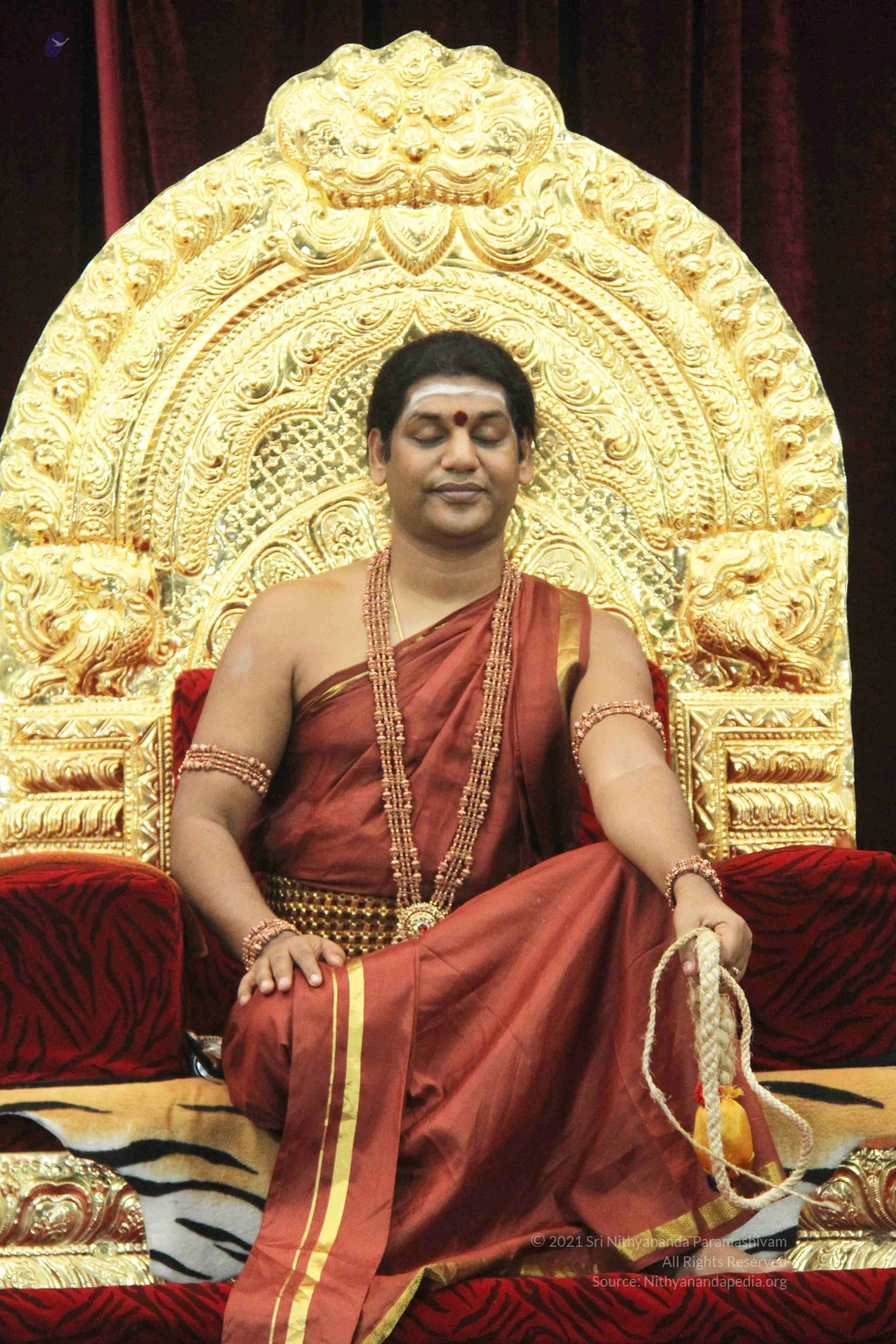
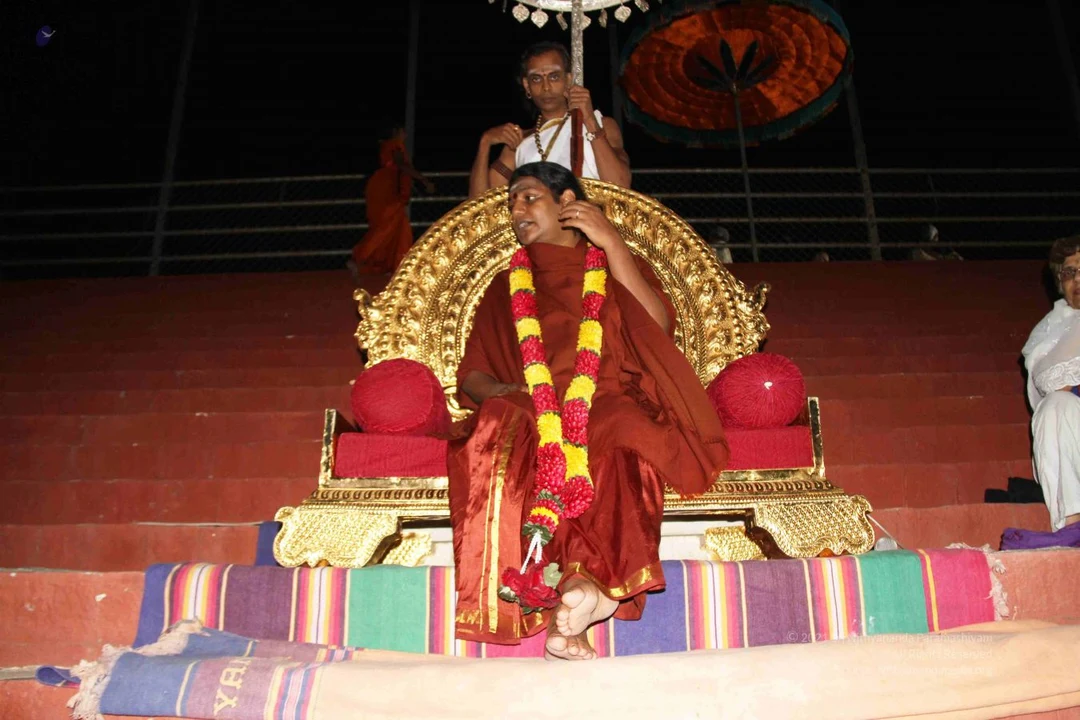
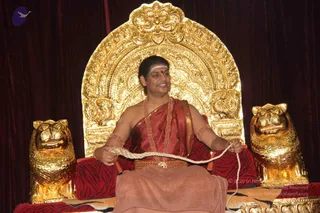
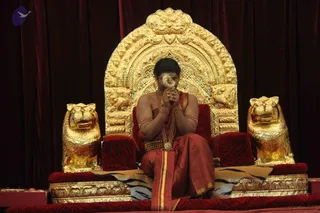
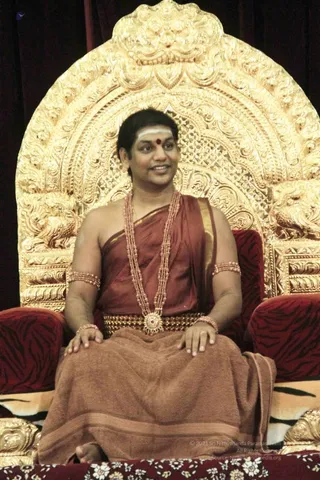
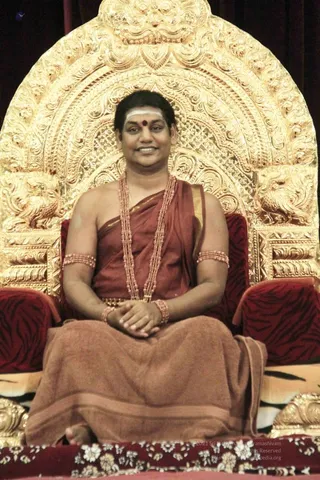
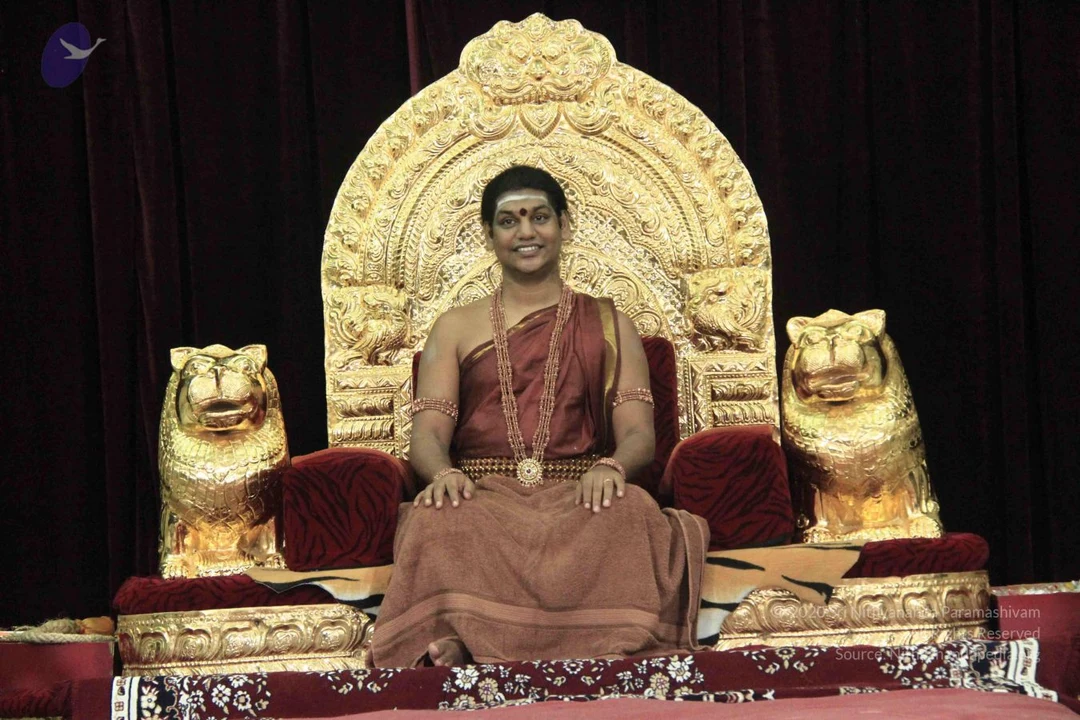
A seated person sits on an ornate gold throne with a large arched back carved with floral and scroll motifs, flanked by two gold lion-head armrests. The person wears a rust-red and maroon draped garment, a long beaded rudraksha-style mala, gold bangles and a gold waist ornament, with a red bindi on the forehead. Both hands rest on the knees, and a smile is visible. The throne sits on a red and brown tiger-striped cushion, with a patterned maroon cloth below and dark red curtains behind. a person is the seated person, identified by the long beaded mala, ornate gold attire and throne cues.A seated man in maroon-red robes and a brown shawl sits on an ornate gold throne with carved arch and two gold lion figures at its sides, against dark red drapes. He wears gold armbands, a long beaded rudraksha-style mala, and a white-and-red tilak on his forehead, hands folded in his lap while smiling. A small logo sits in the top left corner and a copyright line appears in the lower right.A smiling man sits on an ornate gold throne with a tall carved arched back, flanked by two gold lion sculptures, on red and tiger-striped cushions. He wears a red-orange draped garment, a bare upper torso with bangles, a beaded rudraksha-style mala necklace, a gold waist sash, and a white and red forehead mark. He holds a thick cream rope in both hands across a tan cloth draped over his lap, with dark red curtains behind him.A photograph of a seated man on an ornate gold throne with a carved arched back and two golden lion-shaped armrests, set against dark red drapery. He wears a red and gold robe, a gold waist belt, layered beaded necklaces and bangles, and a white forehead mark with a red bindi. He holds a white rope across his lap with both hands and smiles. A red and tiger-striped cloth covers the seat. This is a photo of a single person seated in a satsang setting, and the appearance cues are a saffron-red robe, beaded malas and ornate gold regalia, so the person is a person.A seated man in a golden throne with carved arch and two gold lion sculptures on a tiger-skin-covered dais, against deep red velvet drapes. He wears a red dhoti with gold border, a red upper cloth, gold armlets, bangles and a gold ceremonial necklace, and holds a conch shell to his lips with both hands in a ritual gesture. Gold lions flank the throne.

DARSHAN

6 photosSource gallery
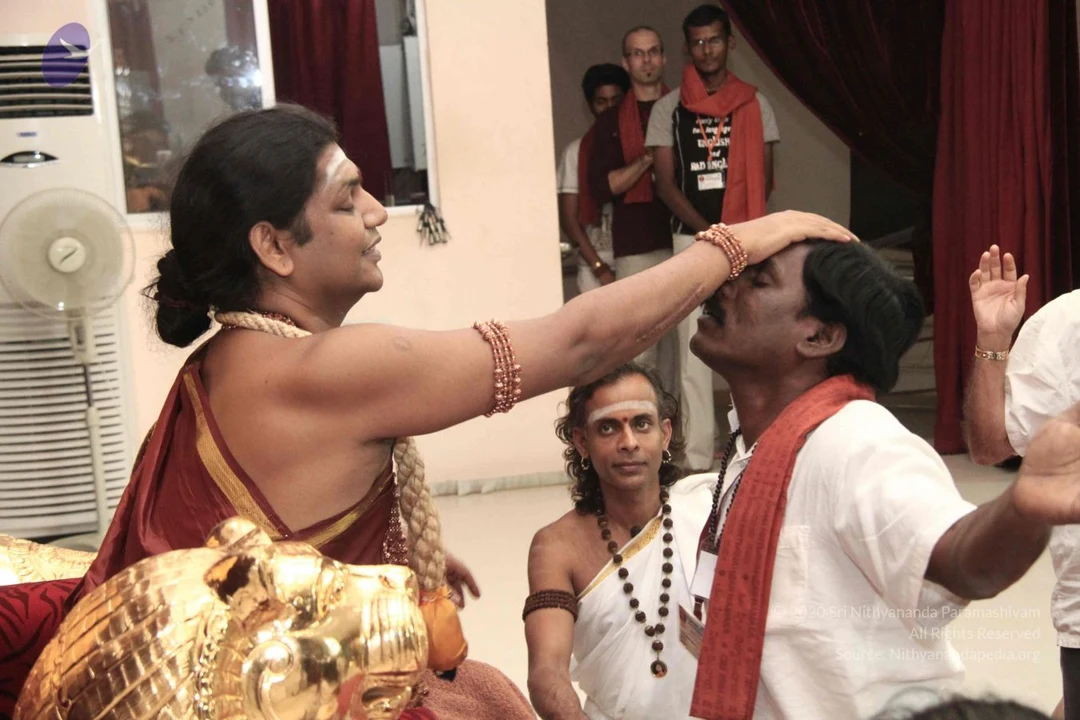
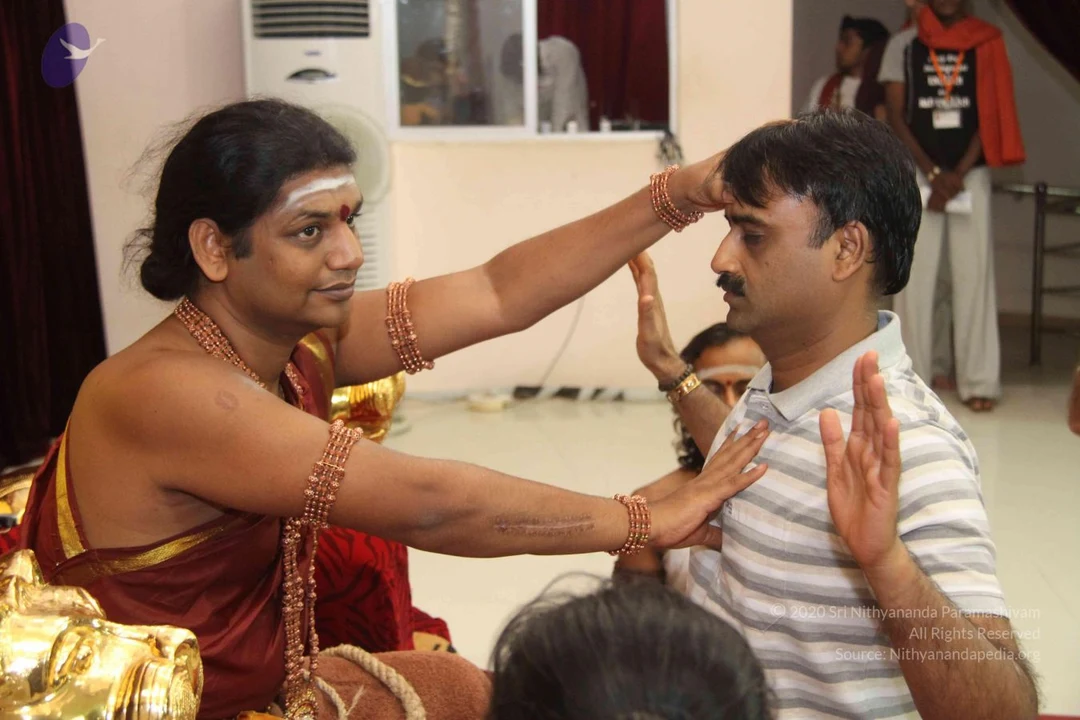
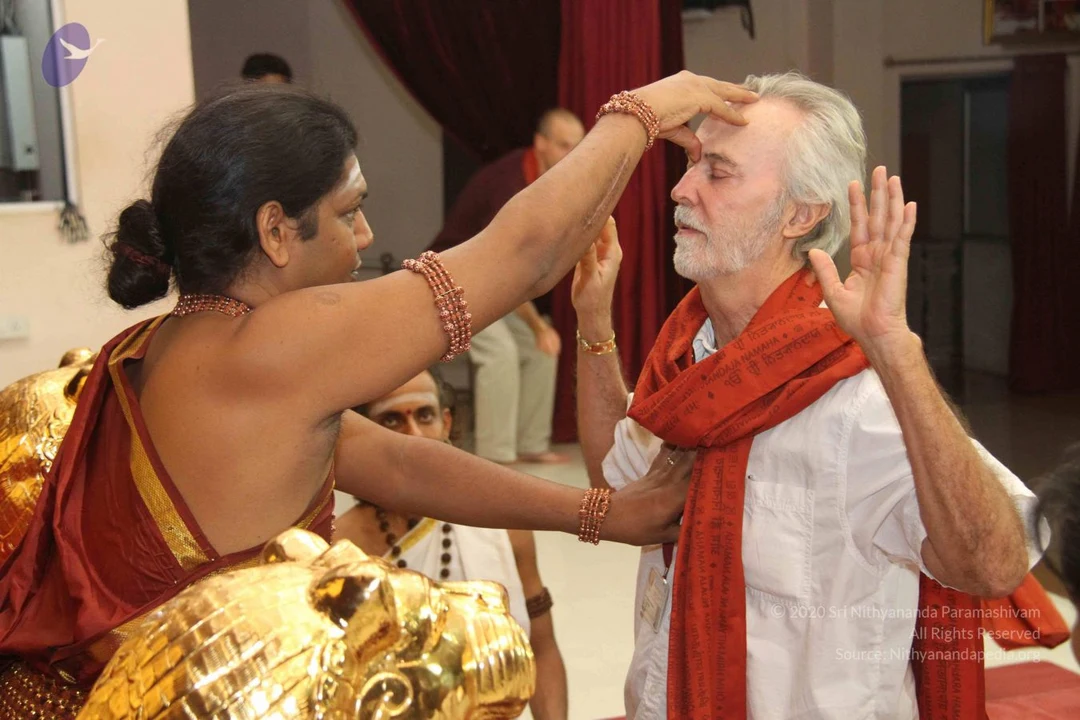
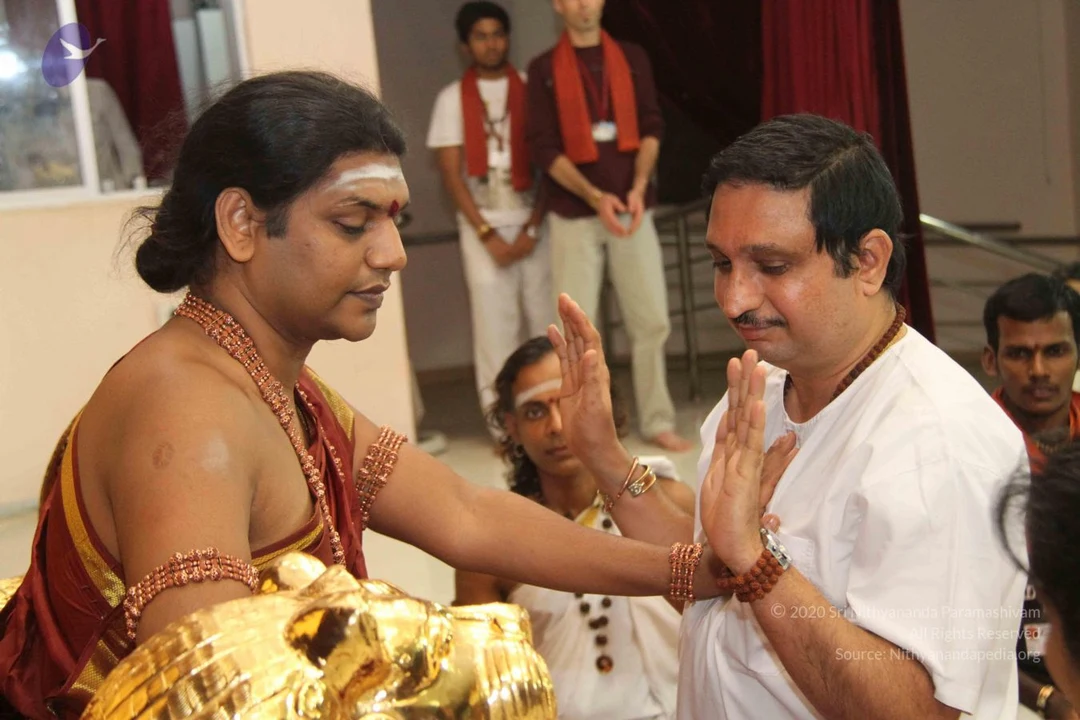
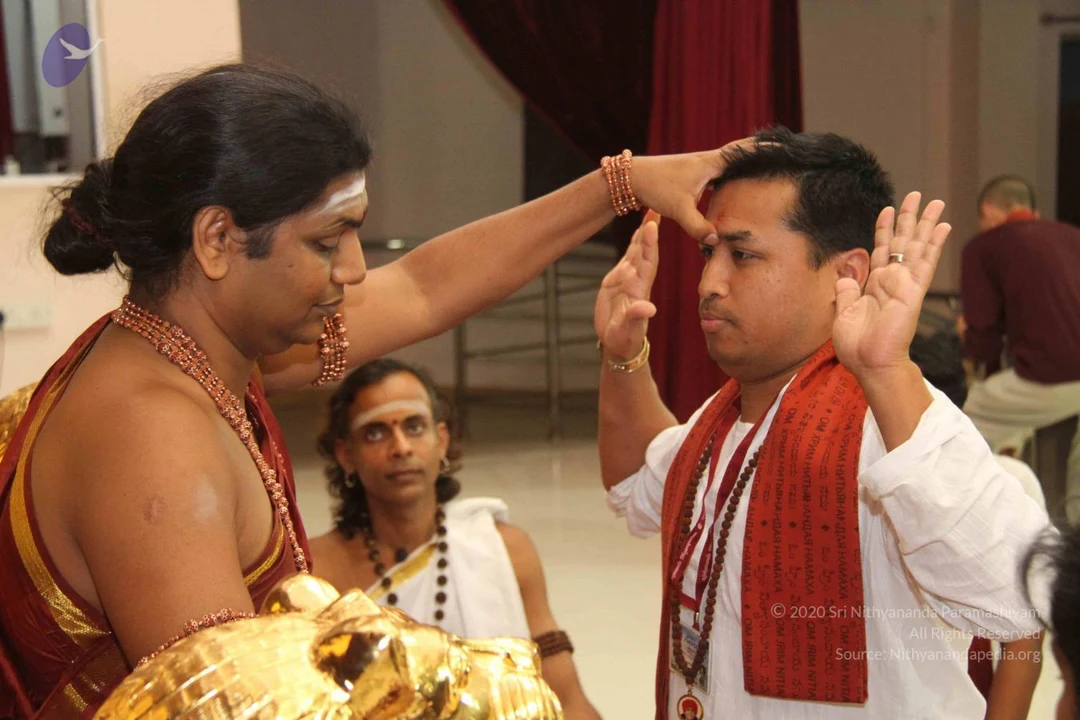
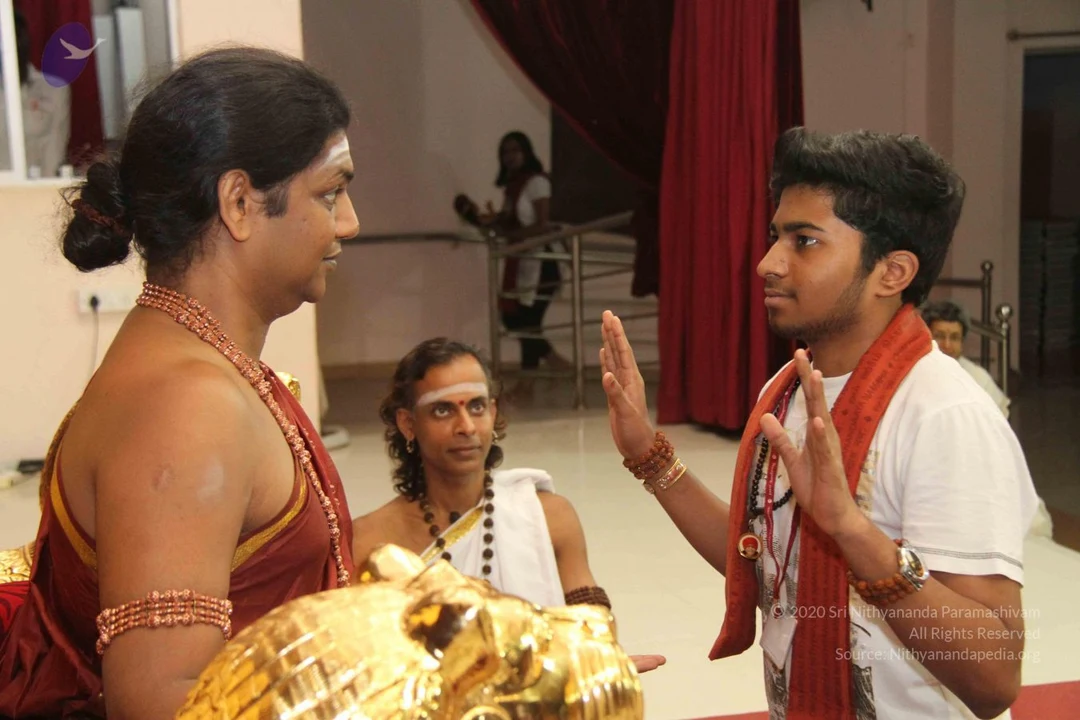
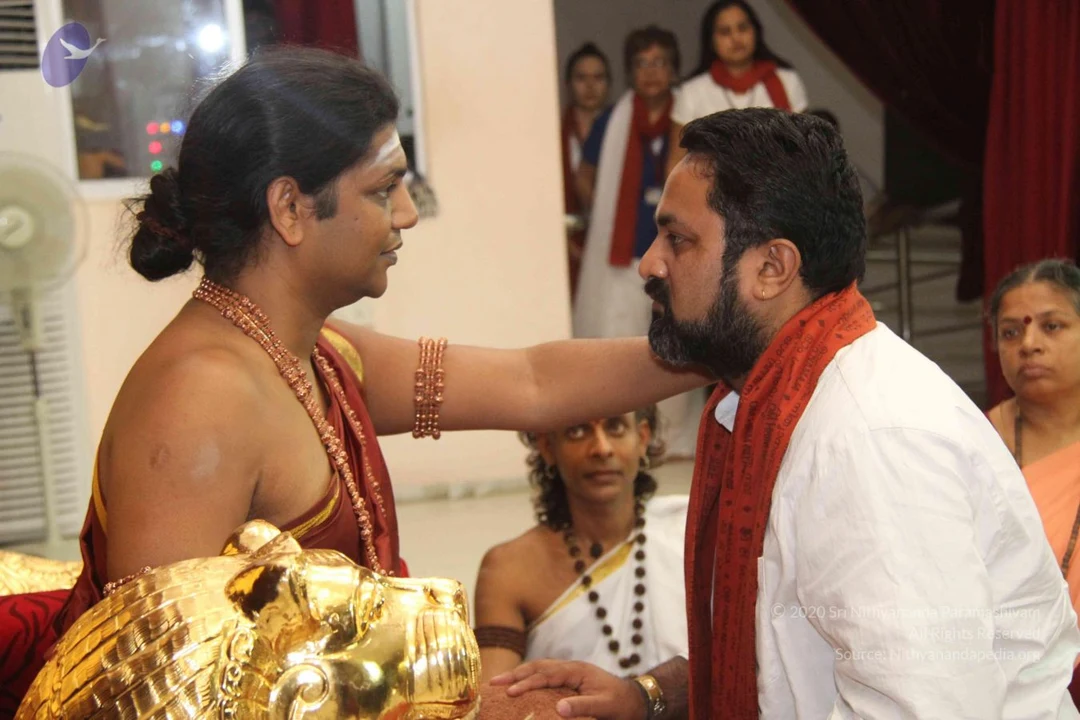
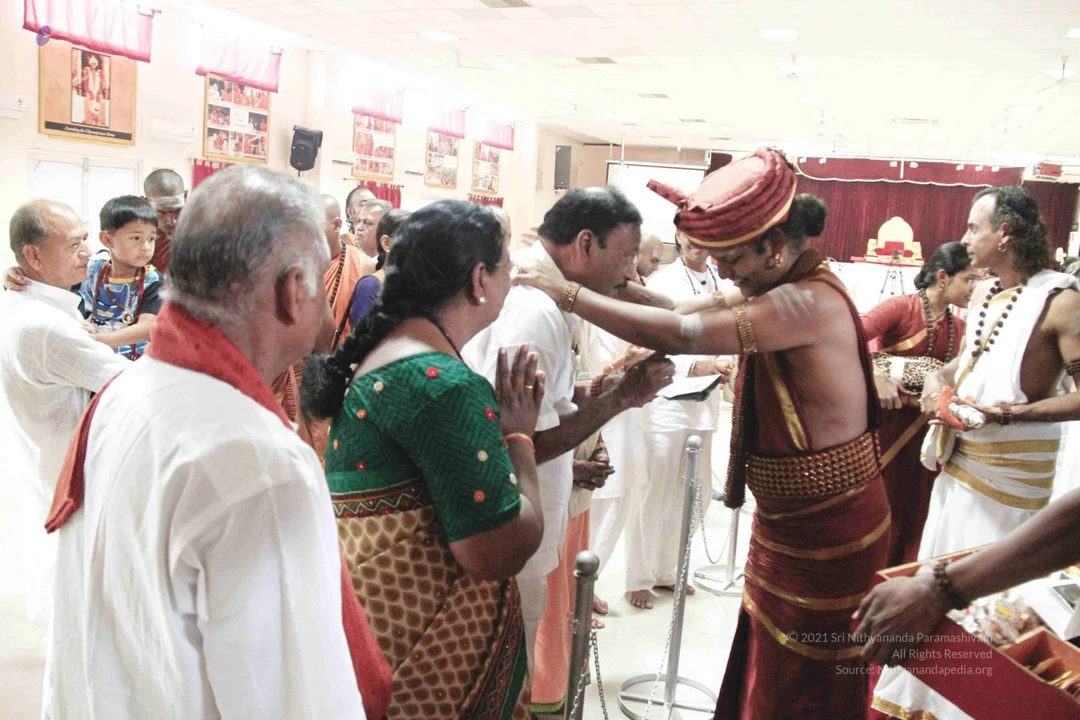
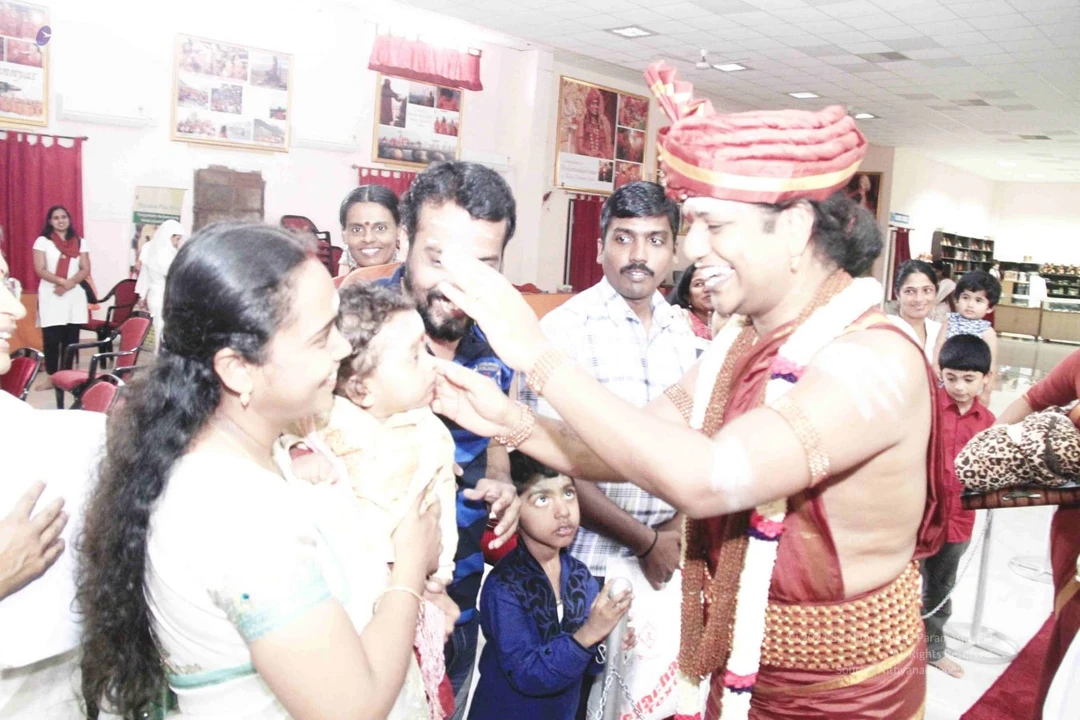
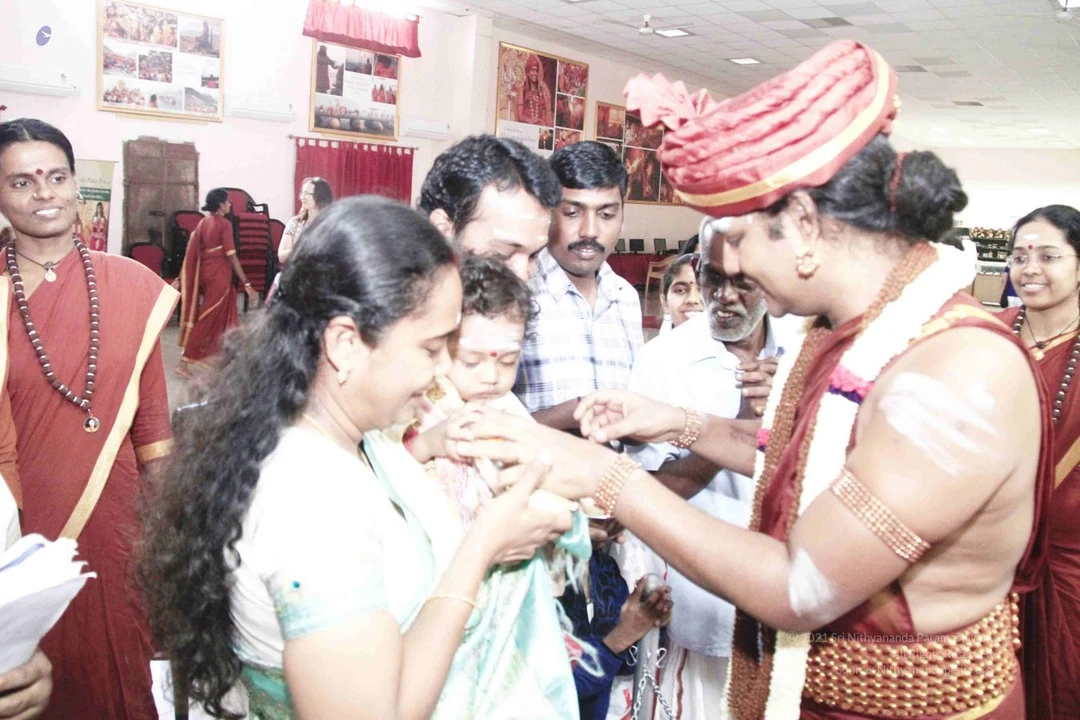
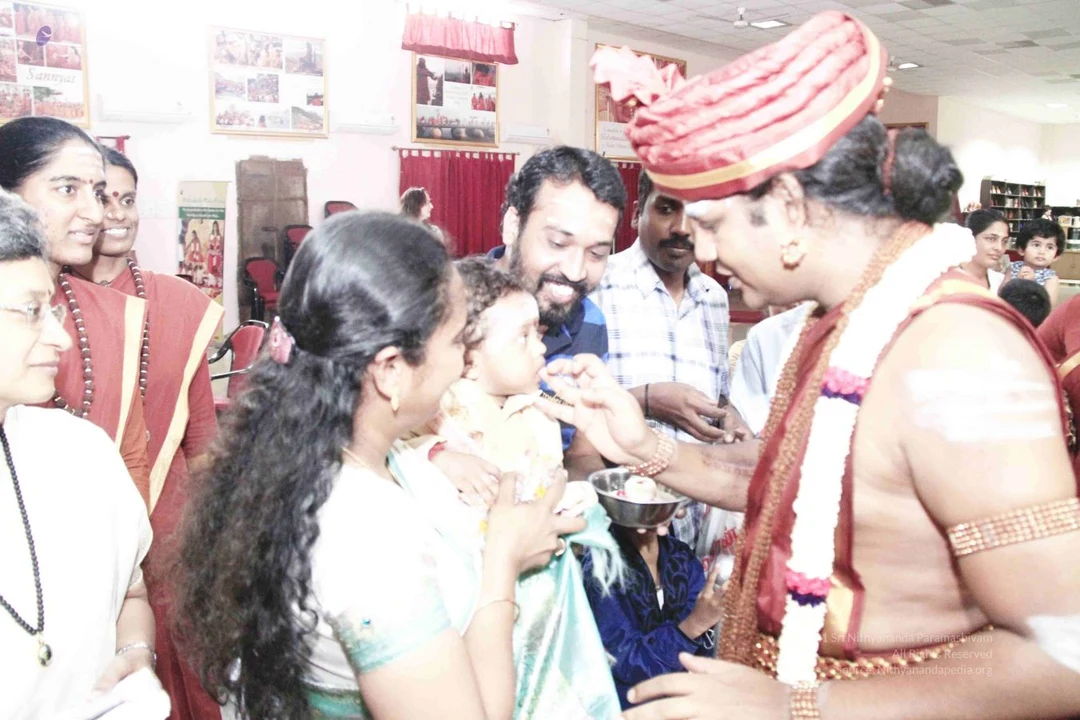
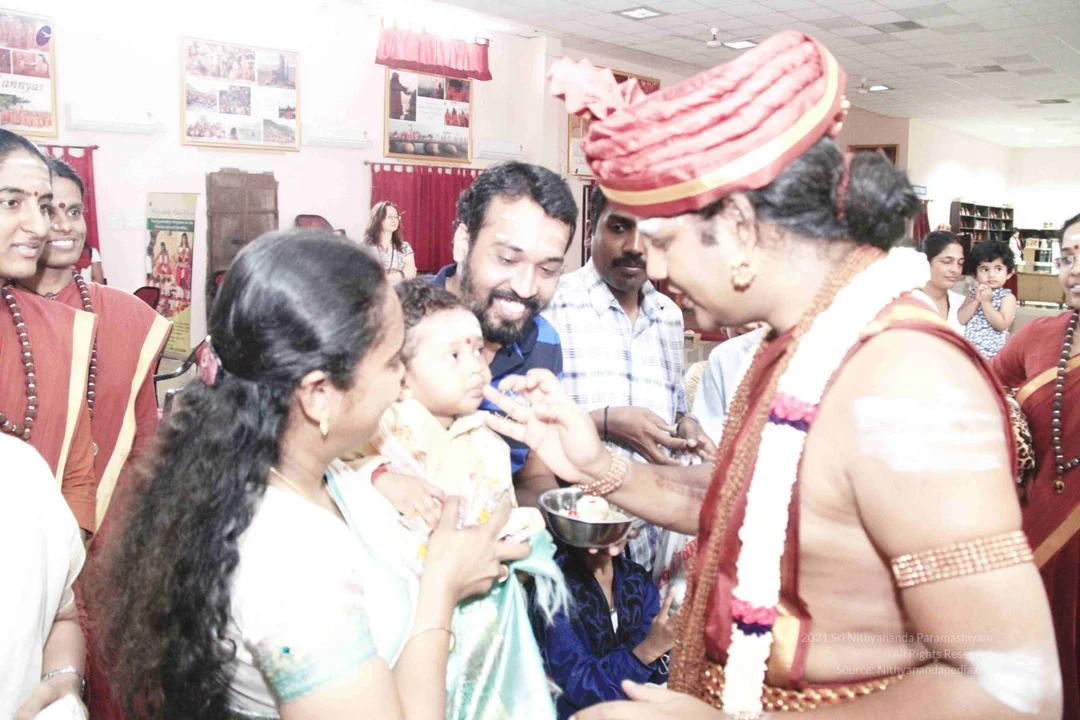
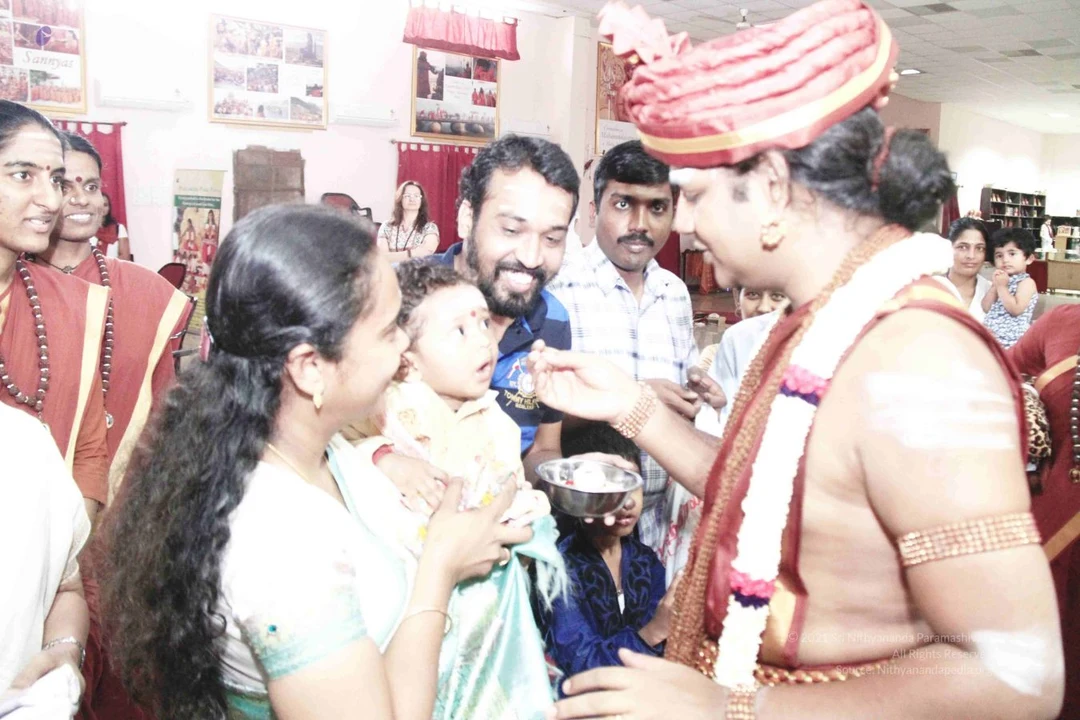
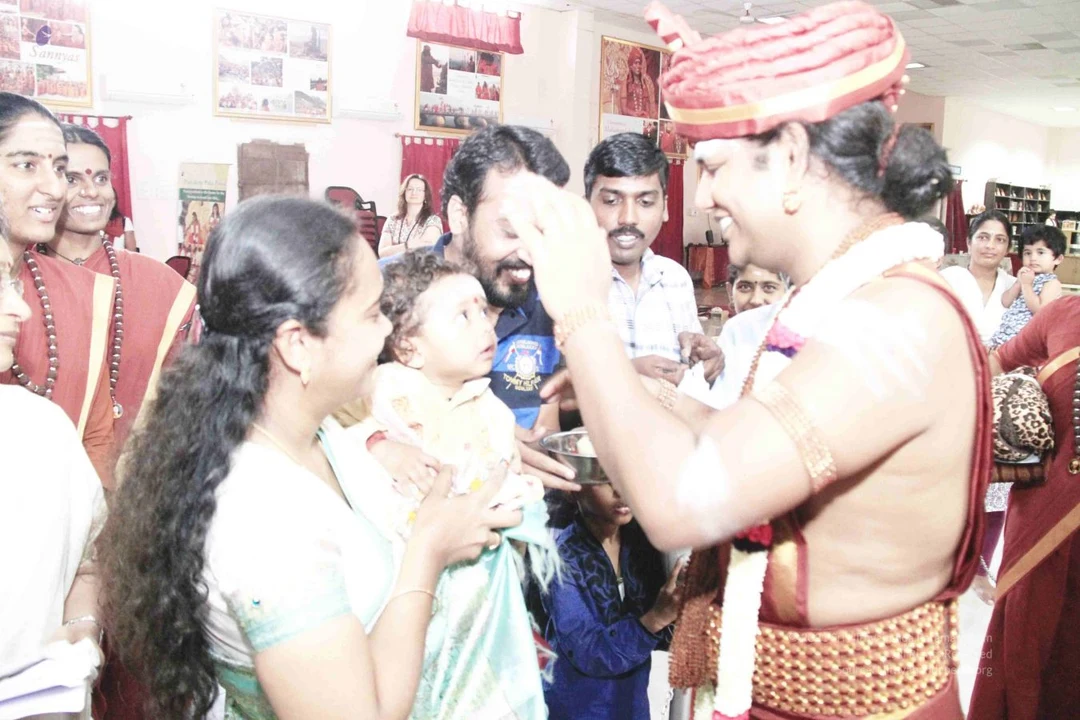
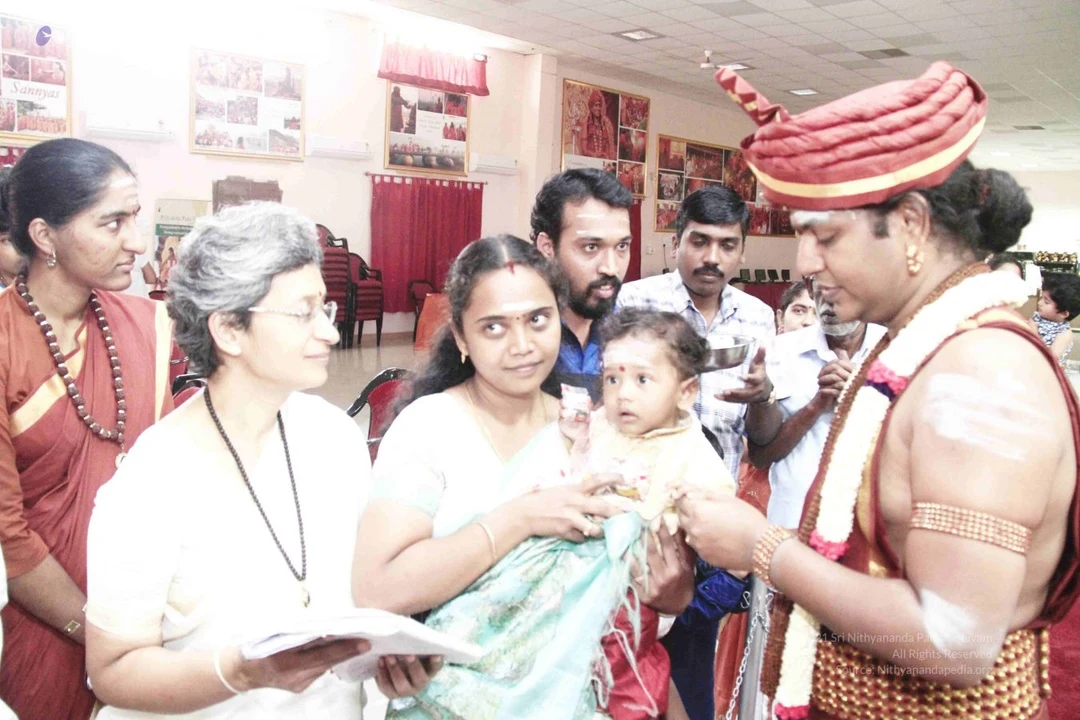
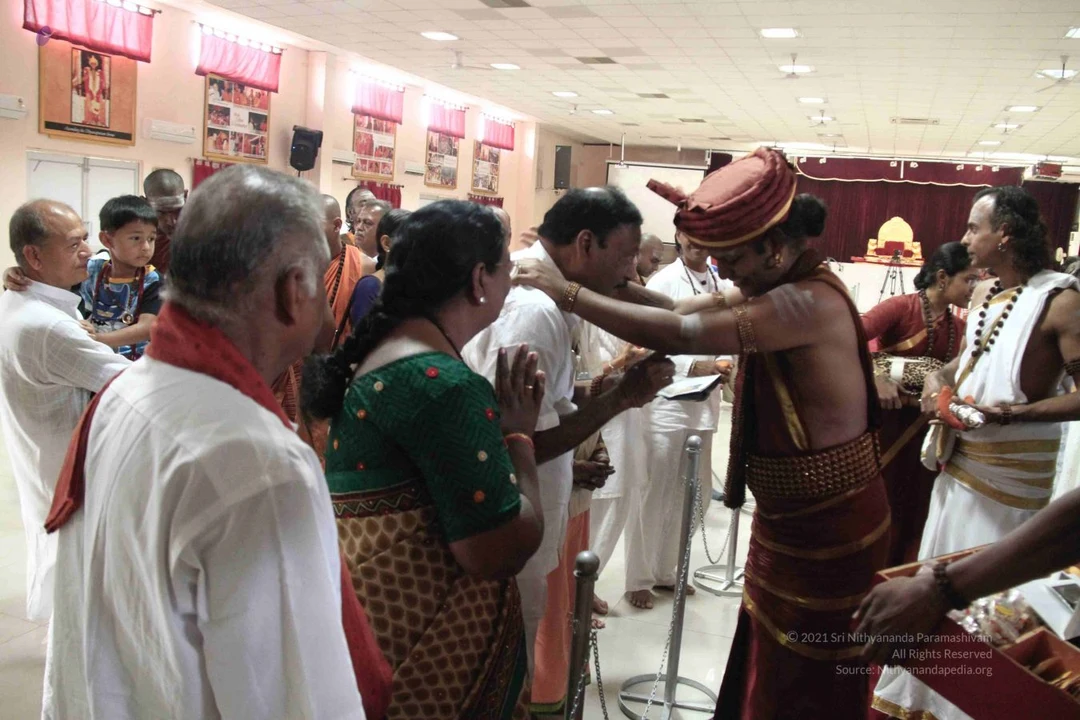
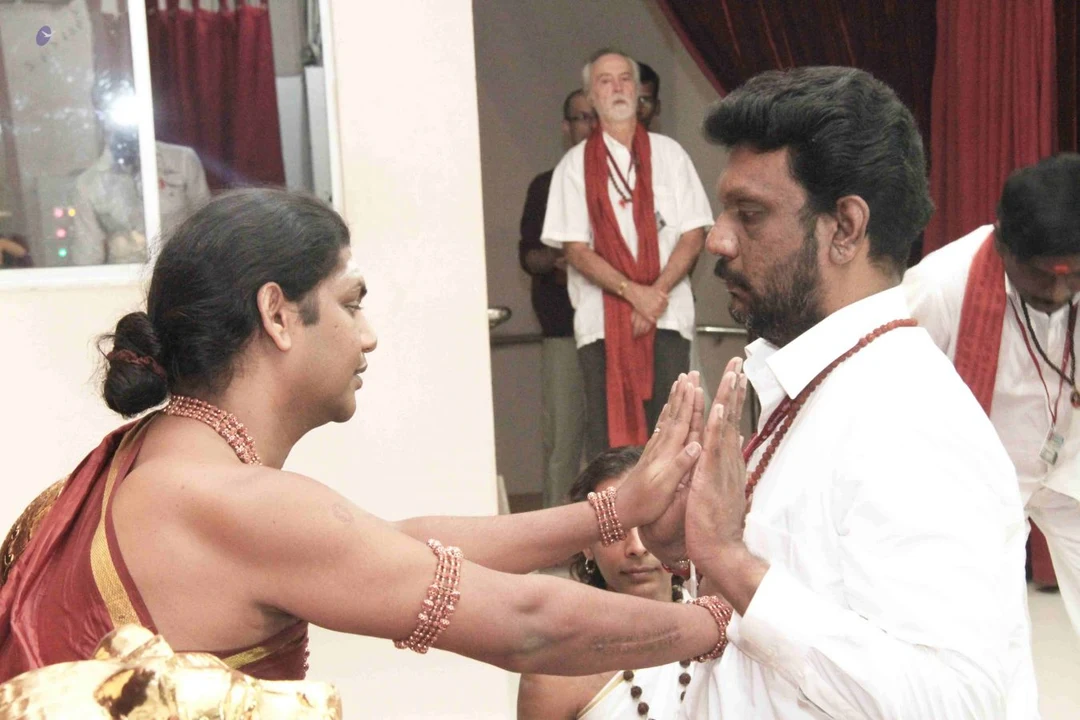
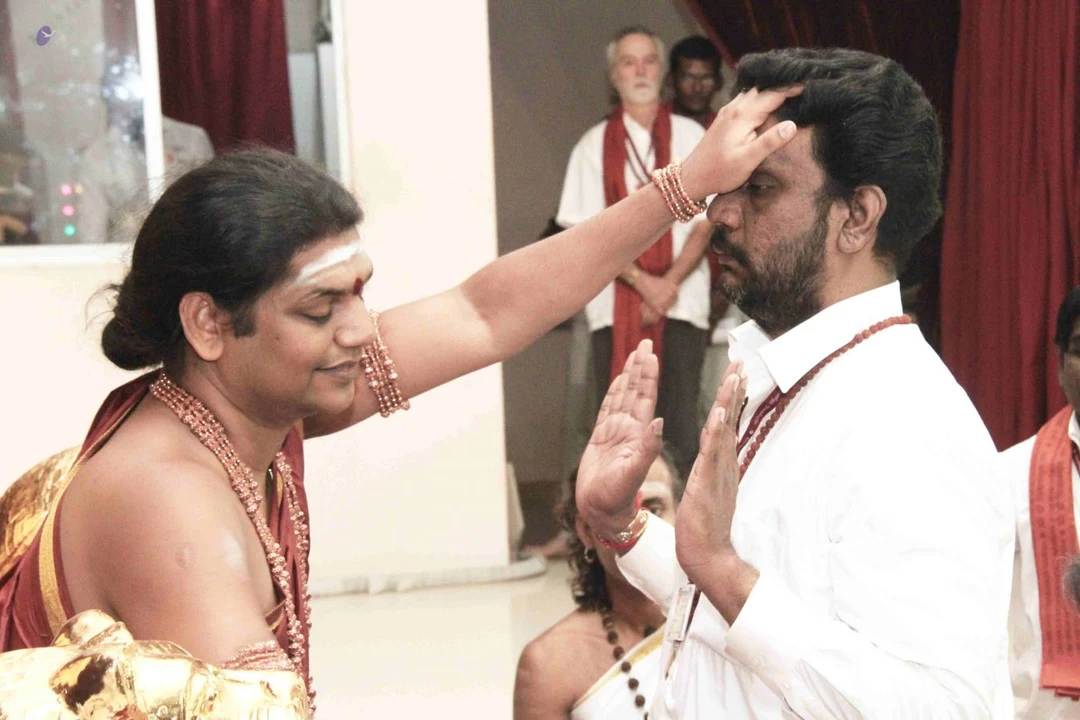
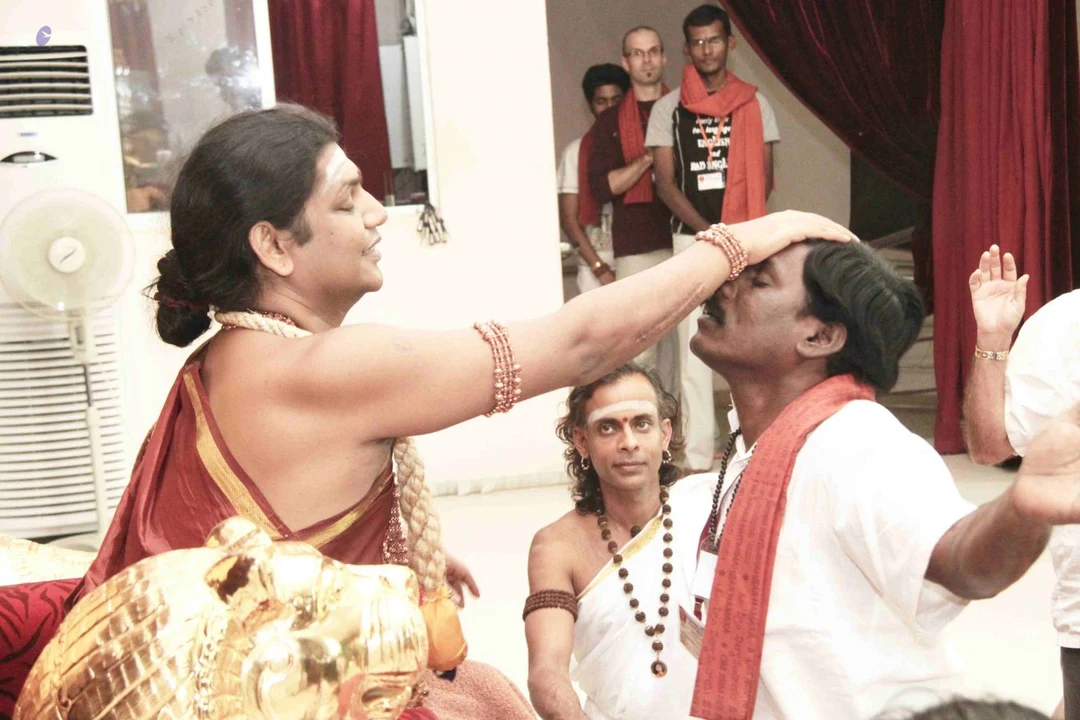
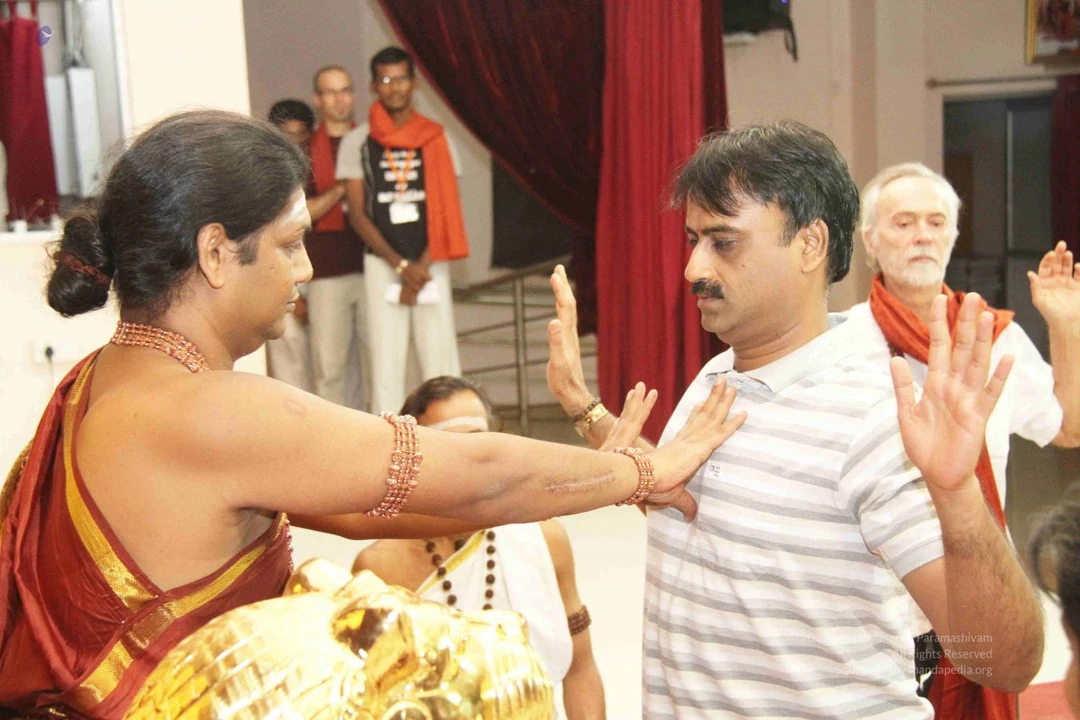
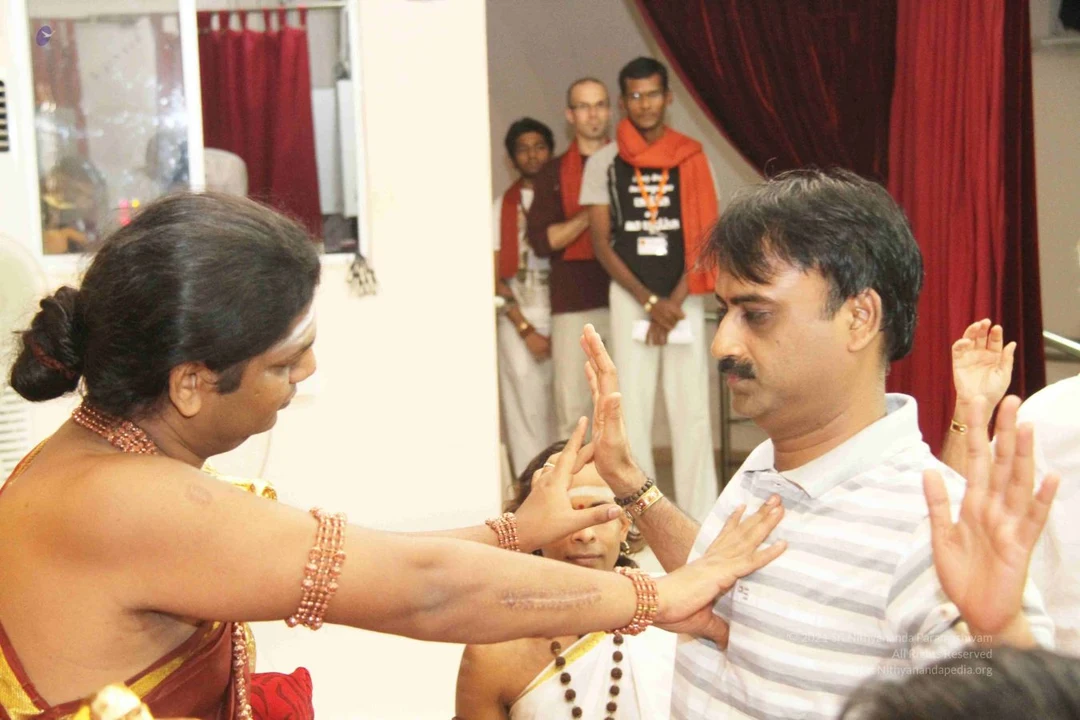
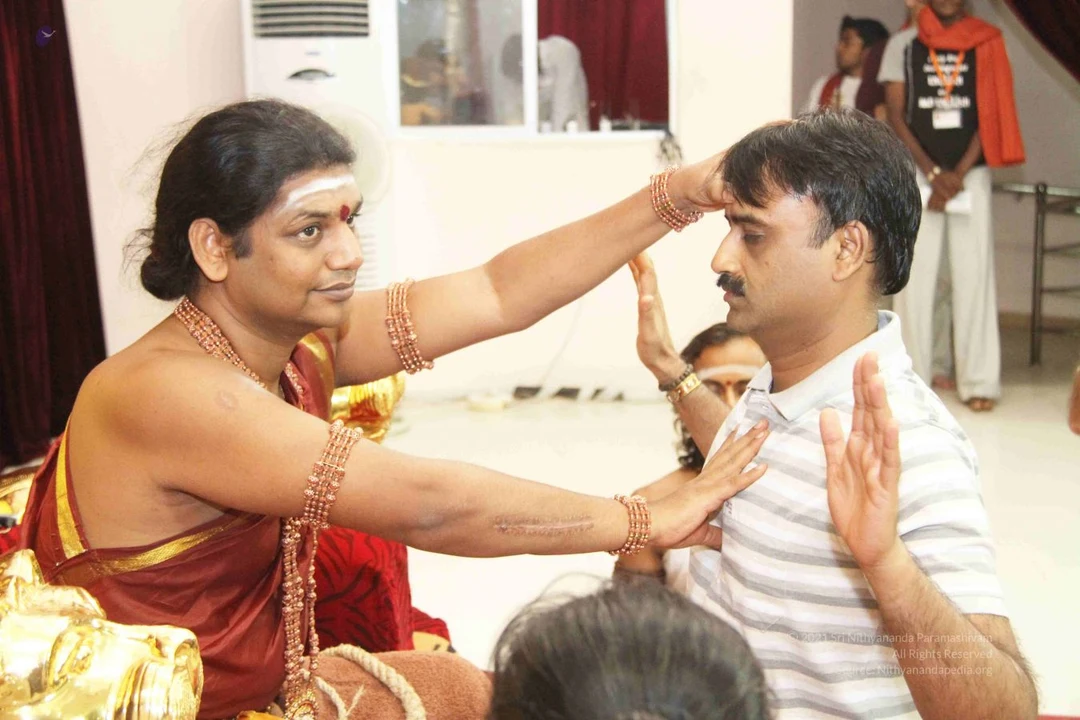
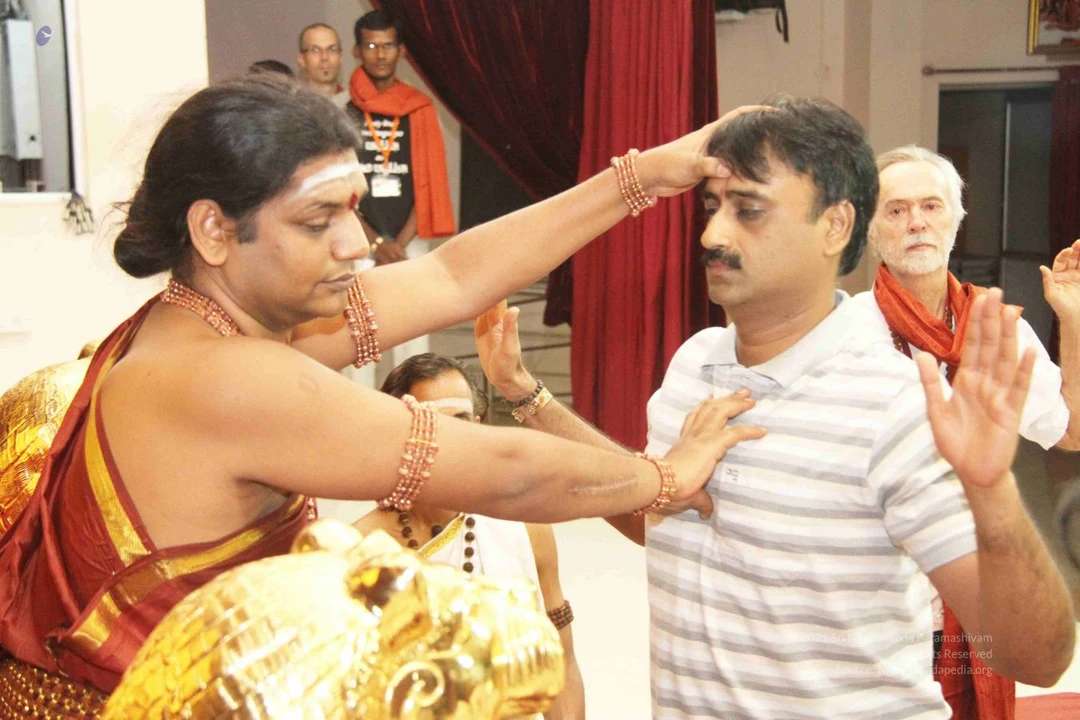
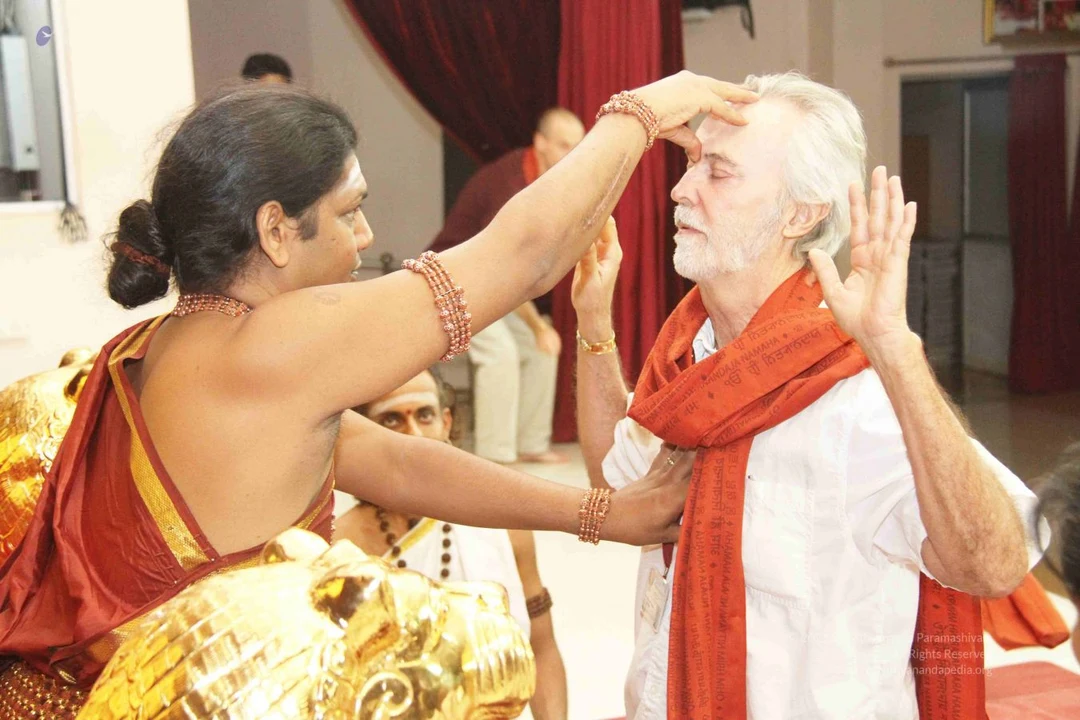
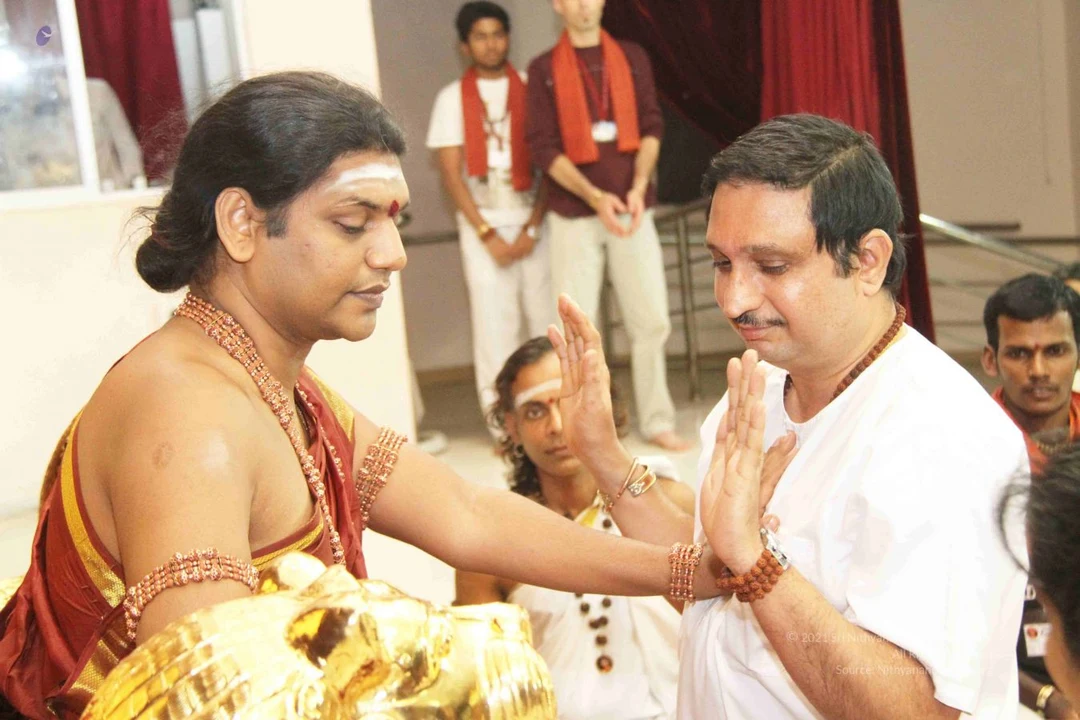
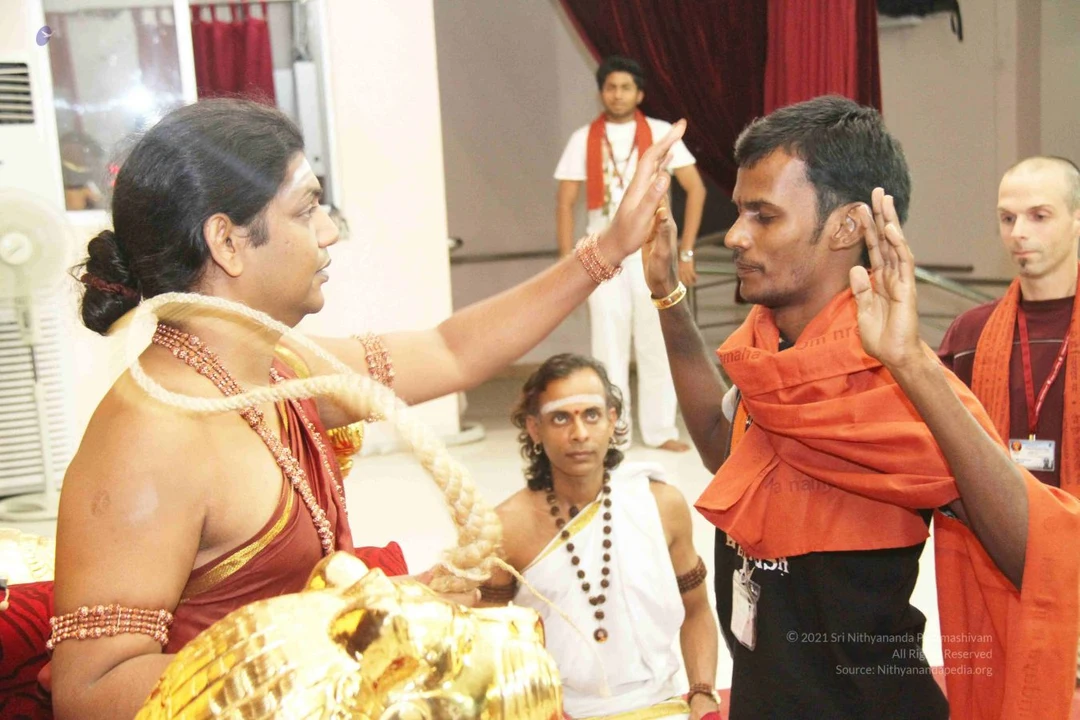
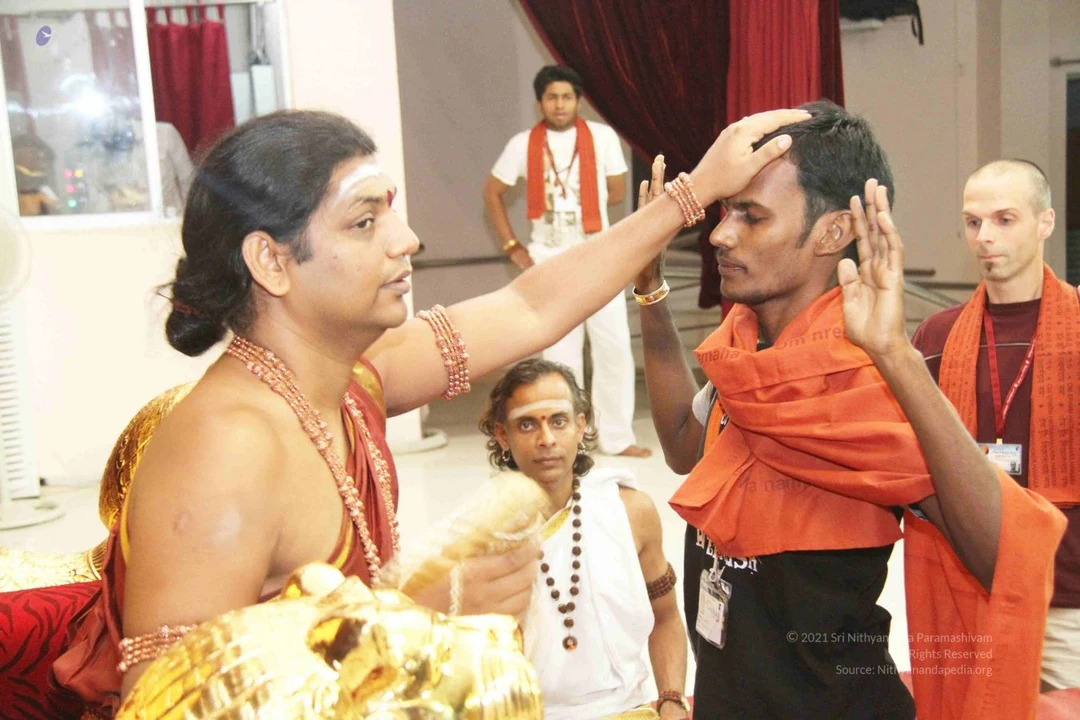
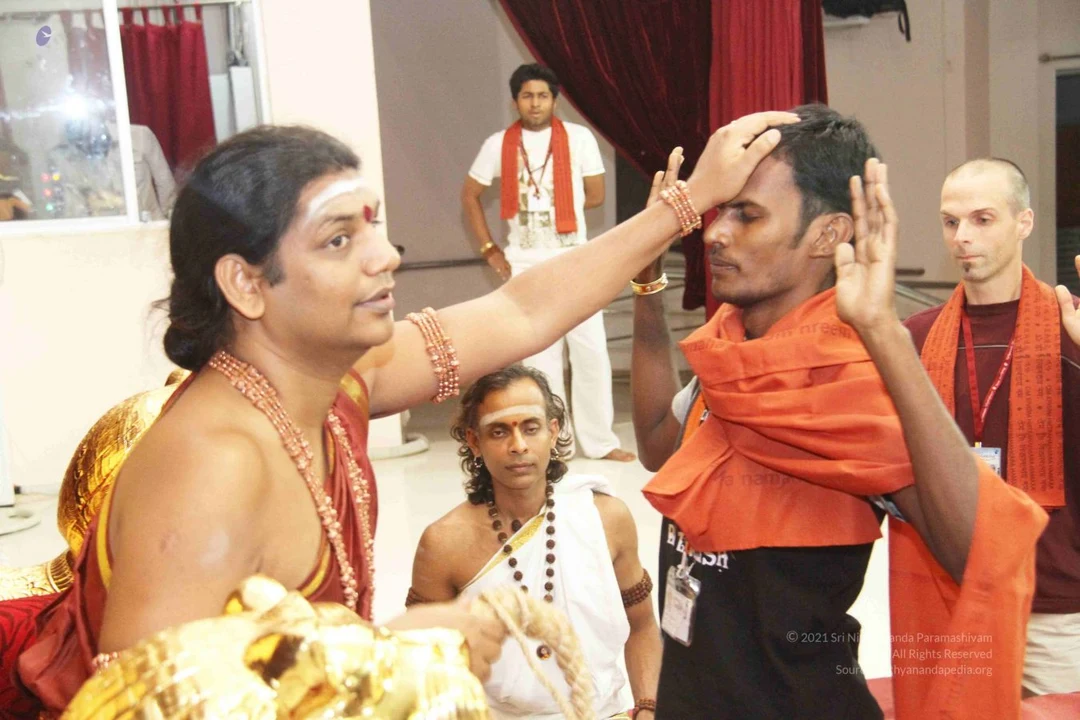
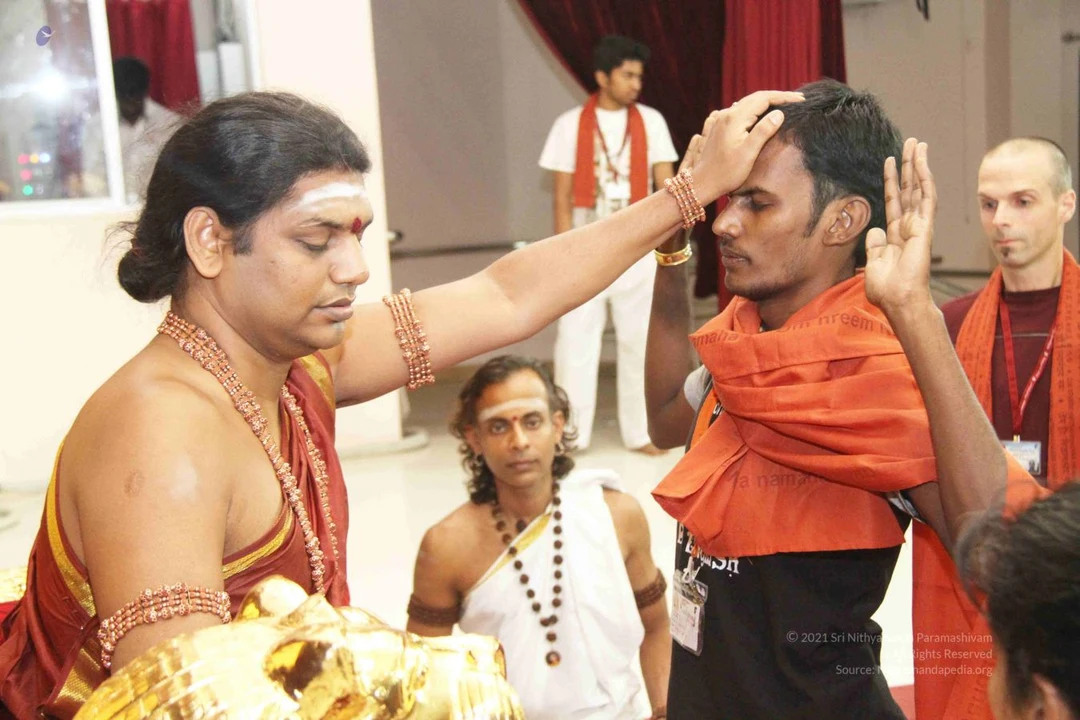
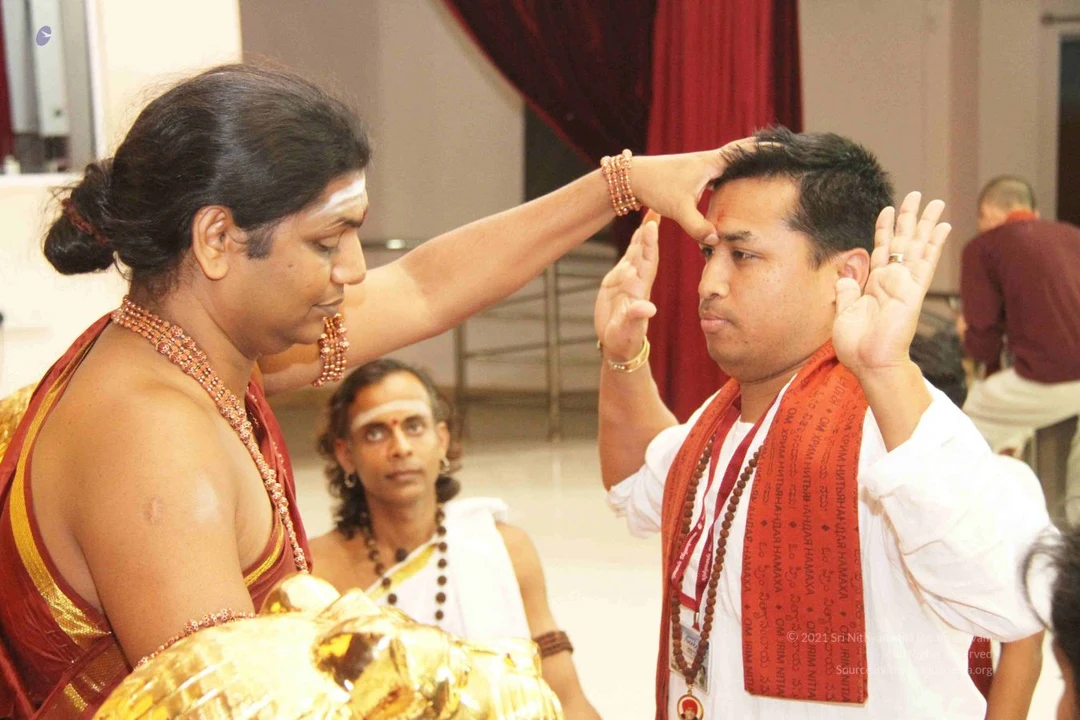
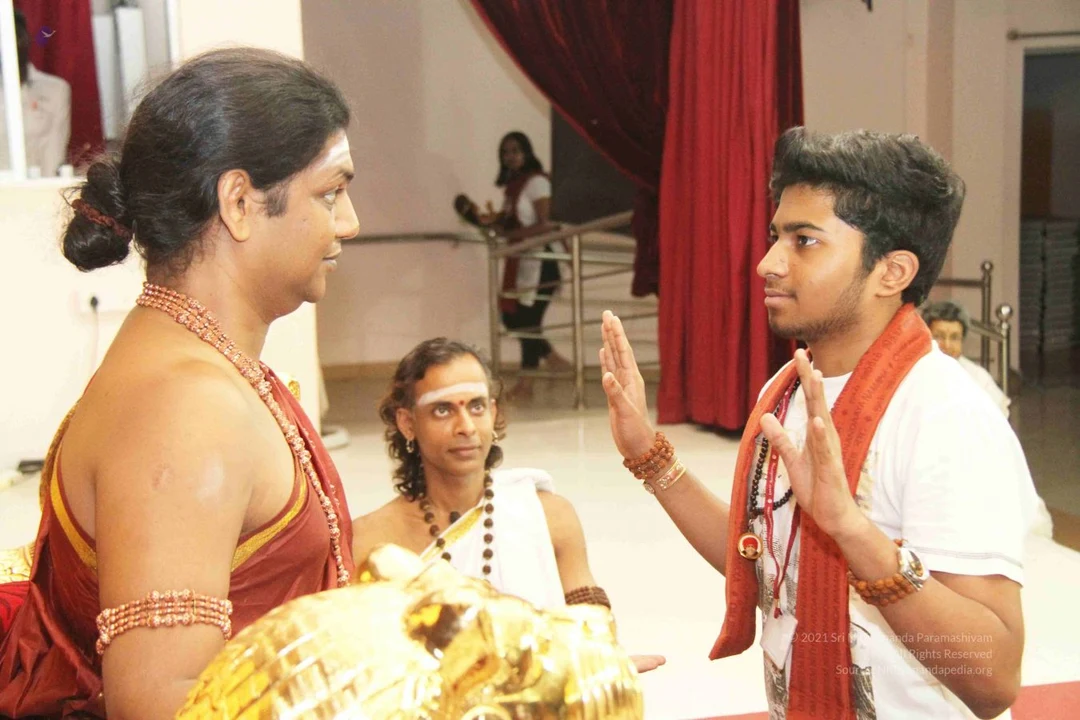
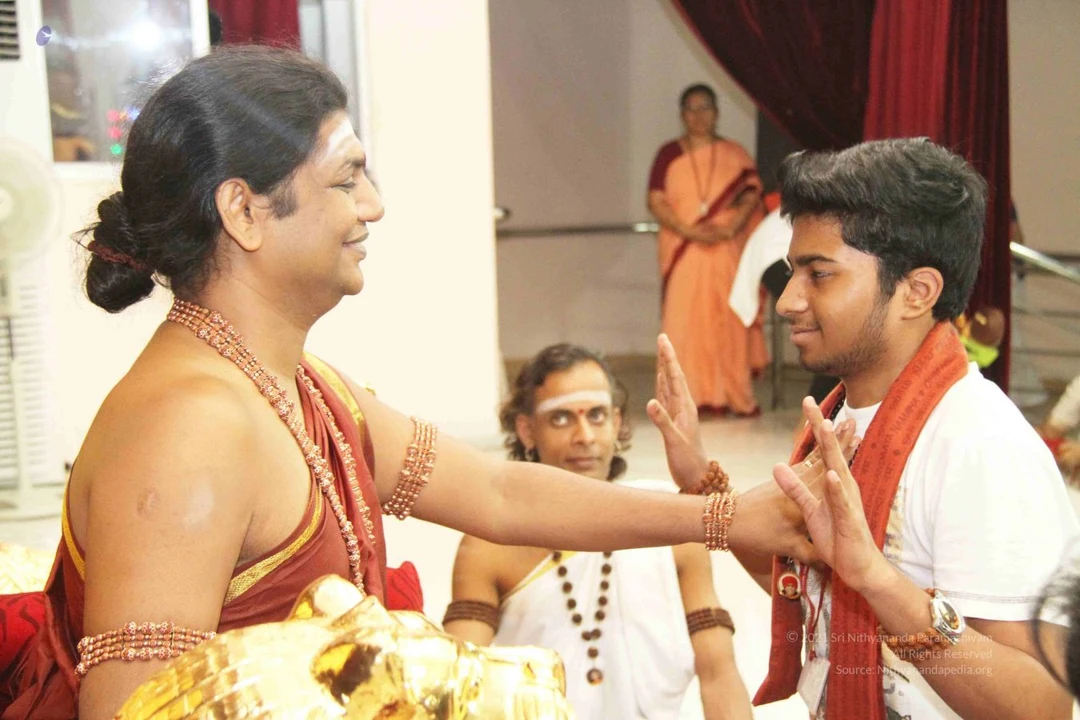
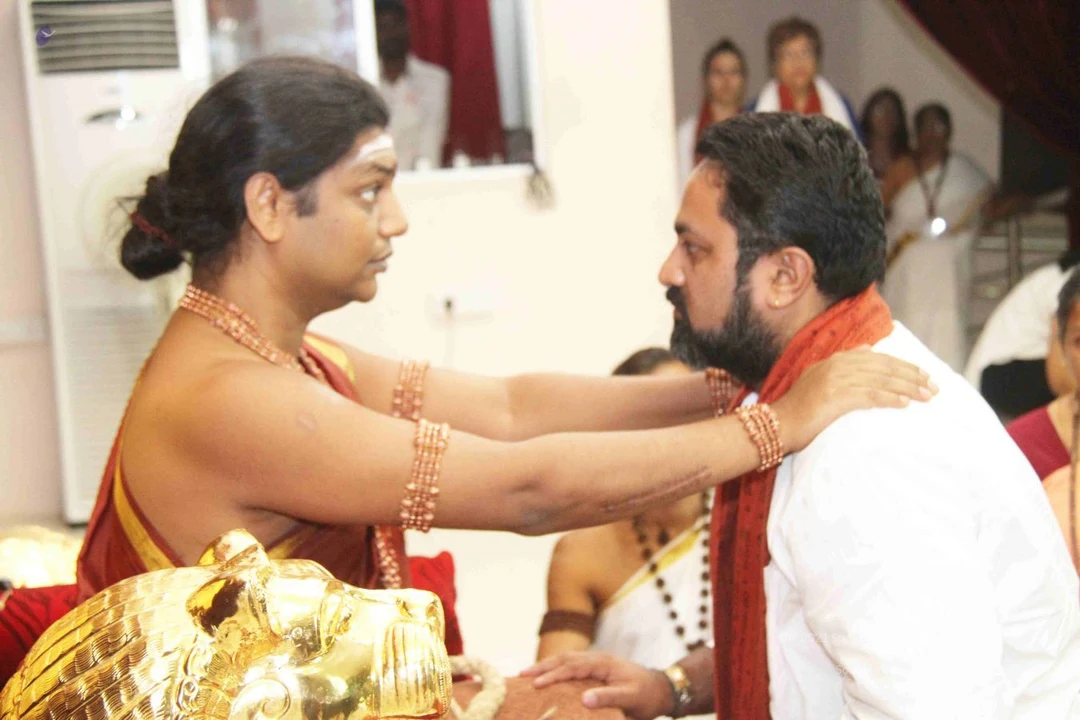
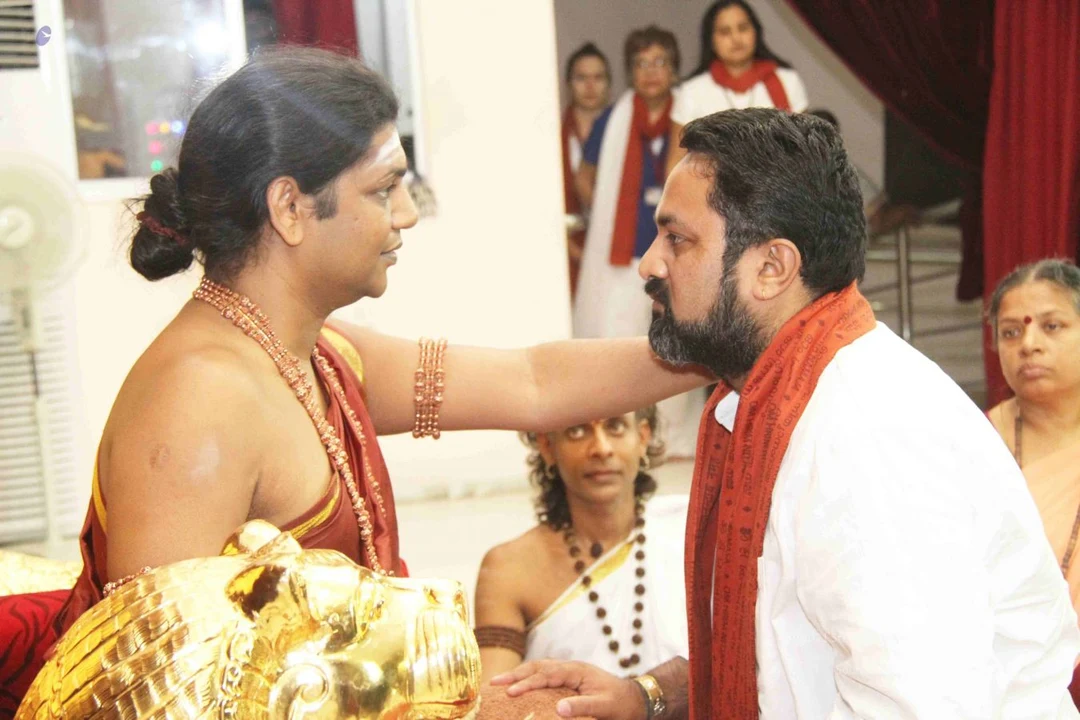
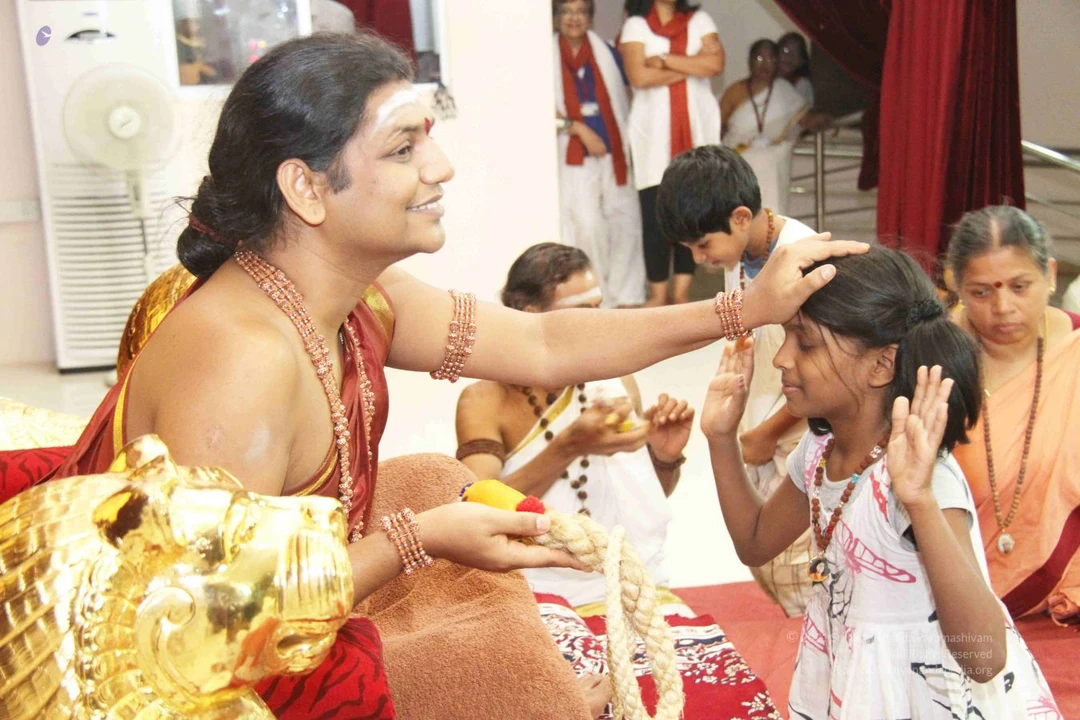
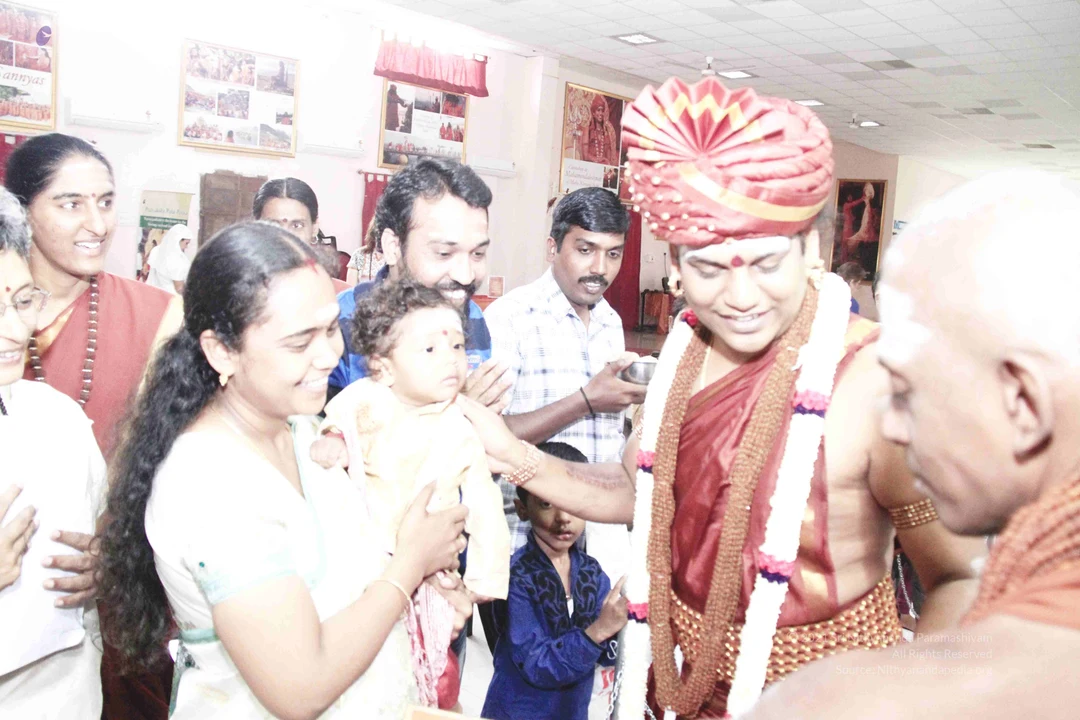
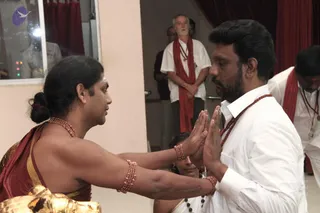
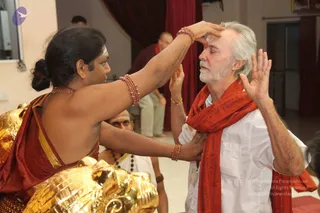
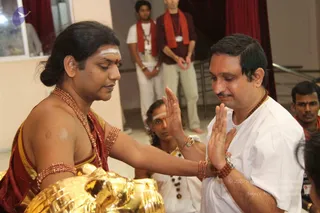
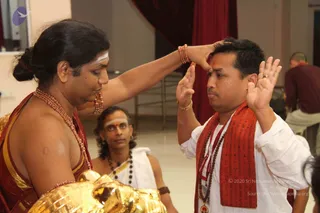
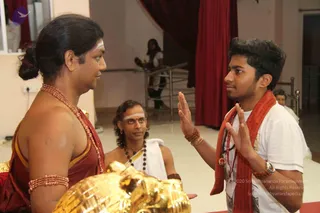
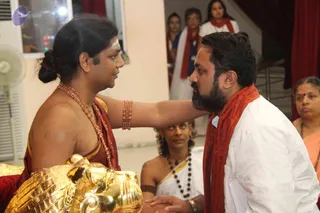
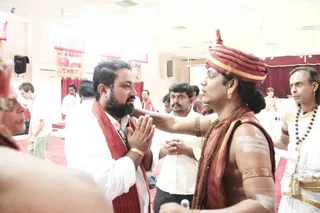
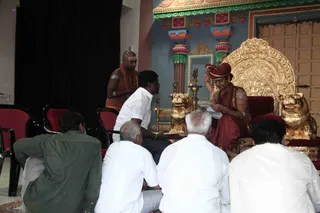
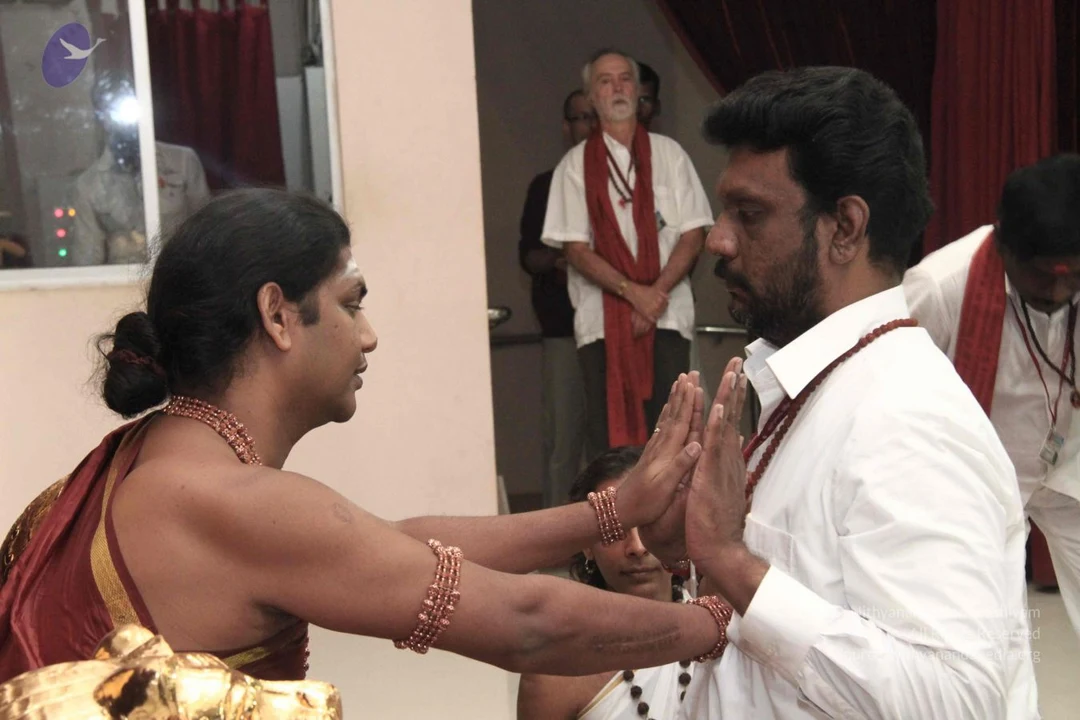
A photograph of a man in a maroon-and-gold cloth with a rudraksha mala and bracelets, seated on the left with his palms pressed together toward a bearded man in a white shirt and red rudraksha mala who stands with folded hands in front of him. Another person in white with a mala sits behind, a man in a white shirt and red shawl stands in the background, and a woman in a white sari sits near the bottom. The room has cream walls and a maroon curtain.A seated figure in a red-and-maroon dhoti with a gold border and bare upper body wears a rose-coloured beaded necklace and matching bangles, pressing their palm to the forehead of an older white-haired man in a white shirt and red scarf printed with mantras. The man stands with eyes closed and hands raised in a receiving gesture. Behind them a golden deity murti or ornate gold seat is visible, with a second man in white robes and a red-striped shawl beside, and red curtains line the hall.A photograph of a seated figure in a red and gold dhoti-style garment with bare chest, wearing layered rudraksha and red beaded necklaces, bangles and armlets, a white forehead line with red bindi, and hair in a bun, extending a hand in blessing toward a man in white kurta with rudraksha mala and a silver wristwatch, whose palms are pressed together in namaskar. A golden seated figure rests in the foreground. Behind them, two men in white with red shawls and a third man in white stand near red curtains, and a man in orange at the right edge looks on. The figure's bare-chested appearance with ornate adornments and rudraksha cues is consistent with a person, seated in the giving role.A photograph of a diksha-style blessing in a bright hall with a red curtain behind. A man with a shaved-looking swept-back bun, a white tilak across his forehead, a red-and-gold garment and a gold necklace of red beads places his right hand on the forehead of a young man in white kurta with a red-and-gold shawl printed with script and a rudraksha mala. The young man holds both palms raised in front of him, receiving the blessing with a red mark on his forehead. Behind them a second man in white with a white tilak and beaded mala watches, and a gold-wrapped ritual vessel sits at the lower left. a person: the central figure wears a red-and-gold robe, ornate beaded necklace and gold bangles and bears a swept bun; appearance suggests him, but cues are only moderately distinctive.A photograph of an indoor ashram hall with cream walls, a red curtain and a metal railing. In the foreground a man with a hair bun and white tilak on his forehead, wearing a deep red garment with gold trim and layered red-brown rudraksha beaded necklaces, faces a young man in a white t-shirt with a red-orange shawl and a red-brown beaded mala, who holds his palms together in a respectful gesture. A golden ornamental object is partly visible at the lower left. Behind them a man in white with a white tilak and beaded necklaces sits, and another person is partly visible in the background. Three people are visible.Photograph of an indoor satsang. A bare-chested man with hair in a bun and a red-and-gold shawl, wearing layered beaded necklaces and bangles, leans toward a bearded man in a white shirt and red scarf who bows with hands at his face. A golden ornate object in the foreground is near them. Behind, a seated woman in white holds a rudraksha mala and other women in red scarves and orange saris watch from the background.

HOMA
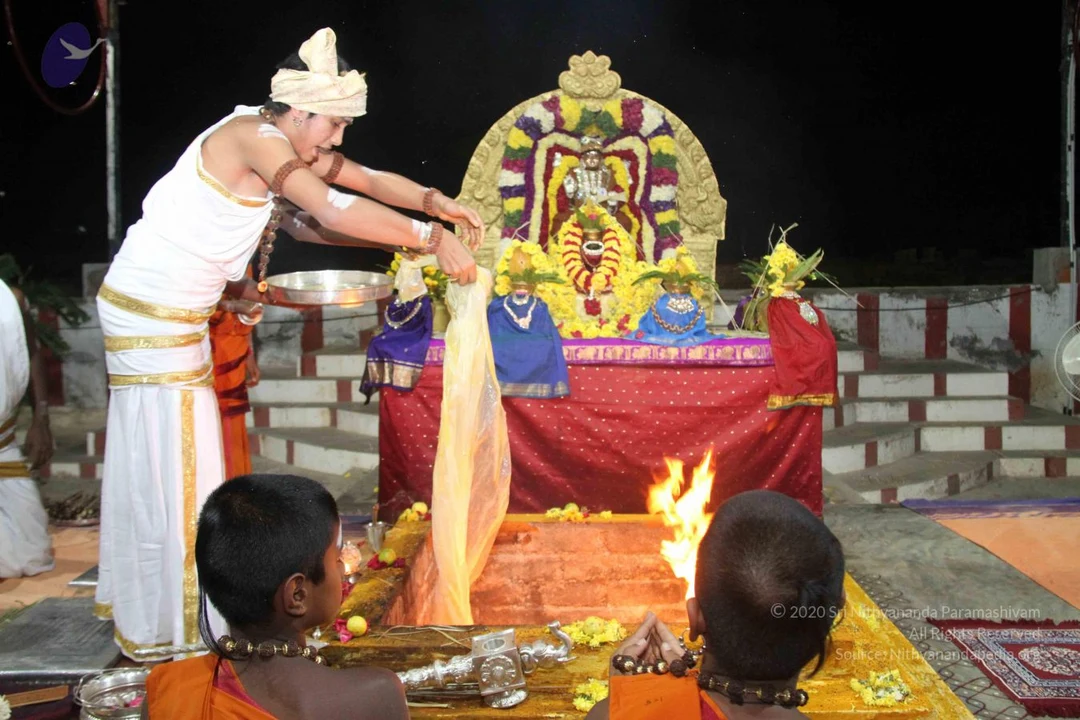
33 photosSource gallery
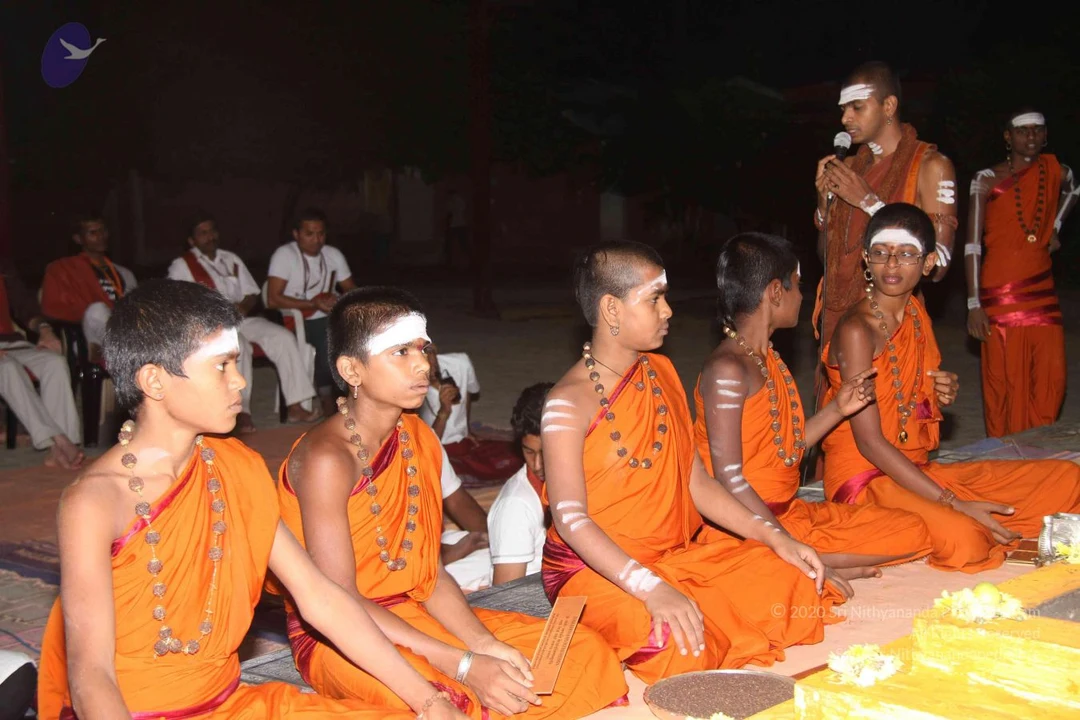
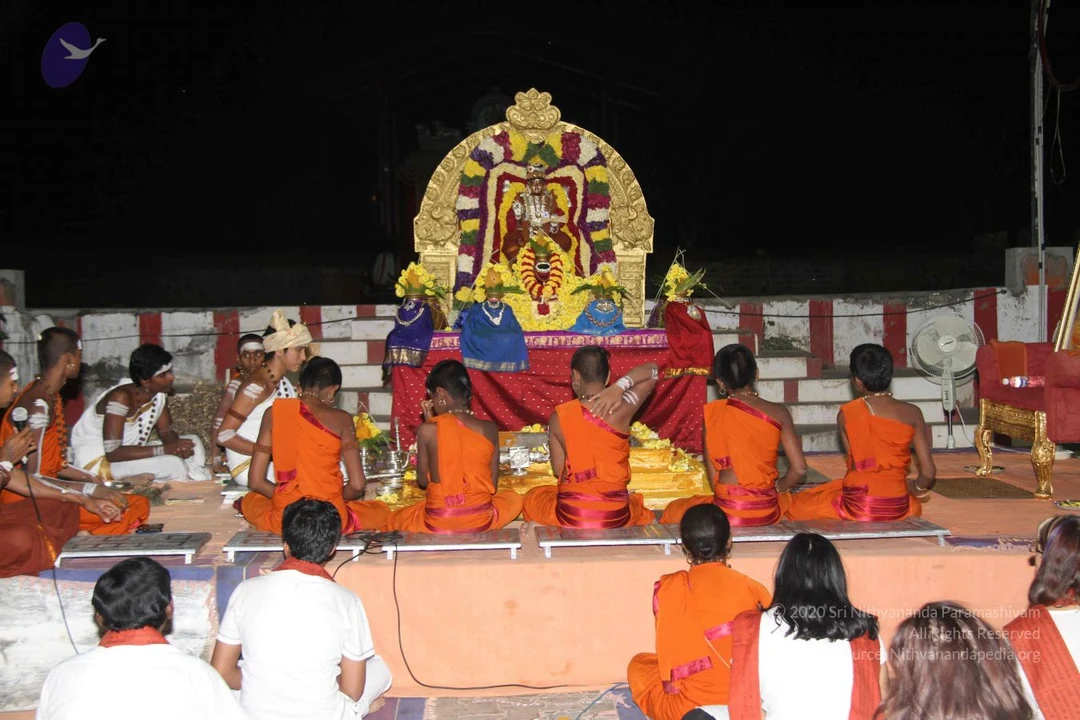
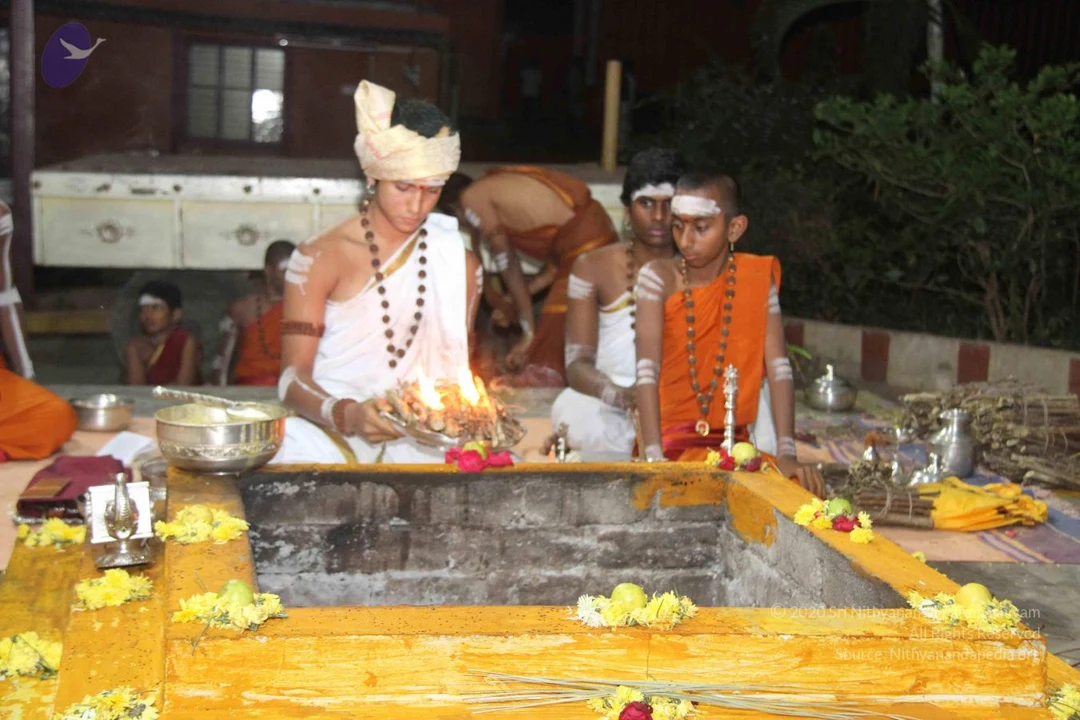
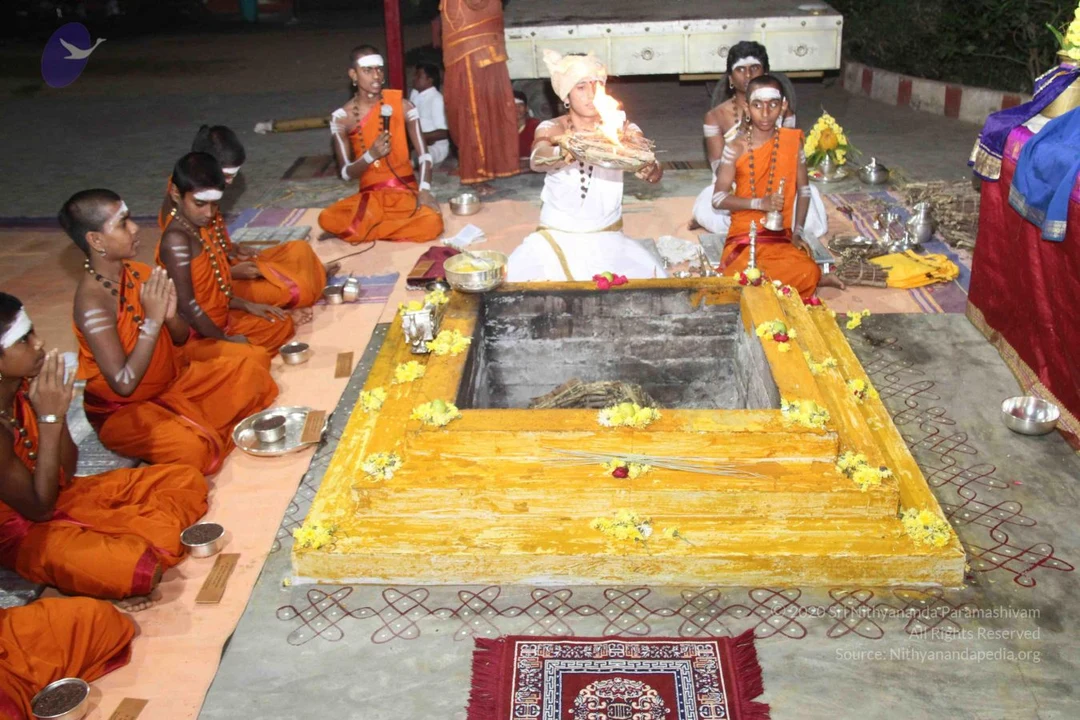
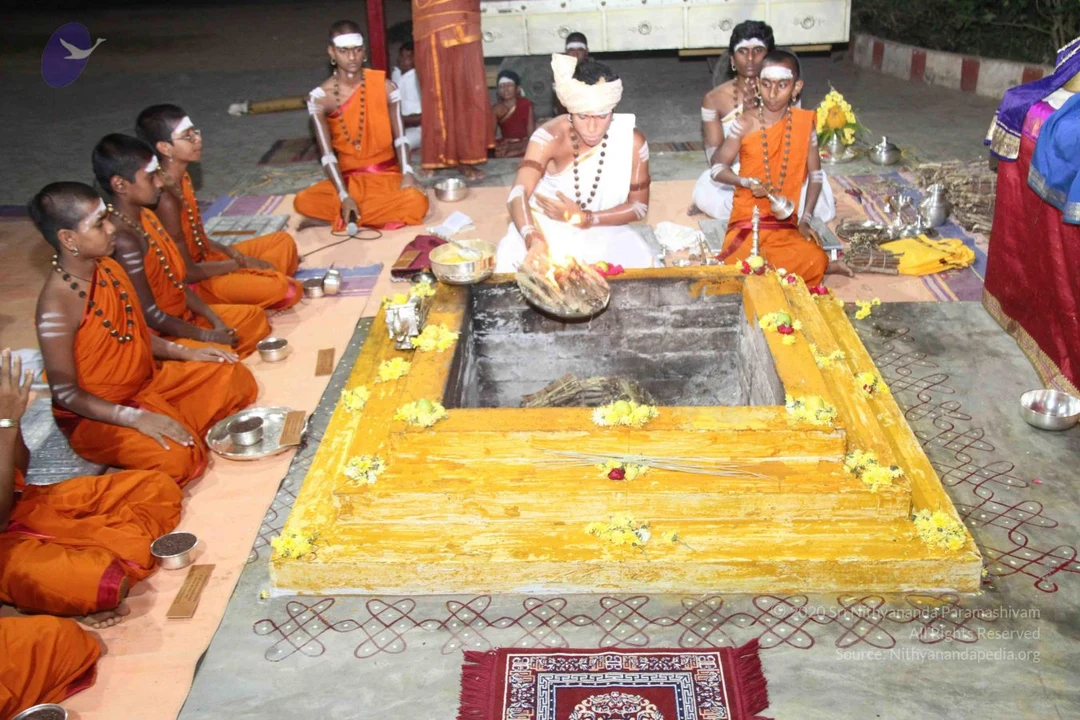
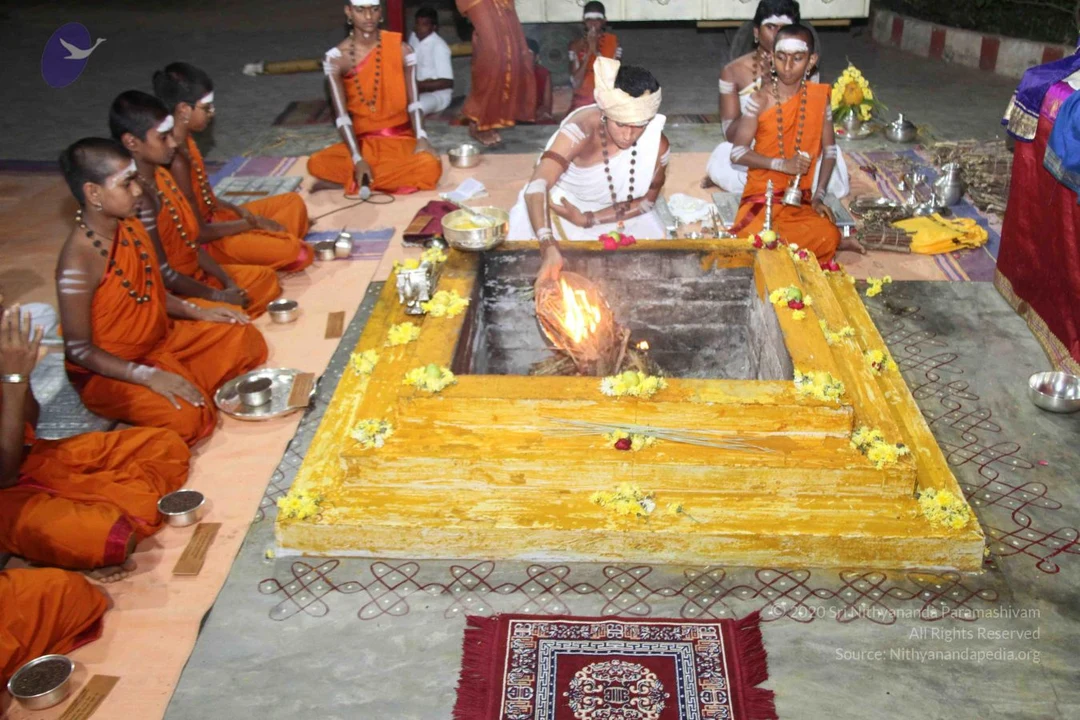
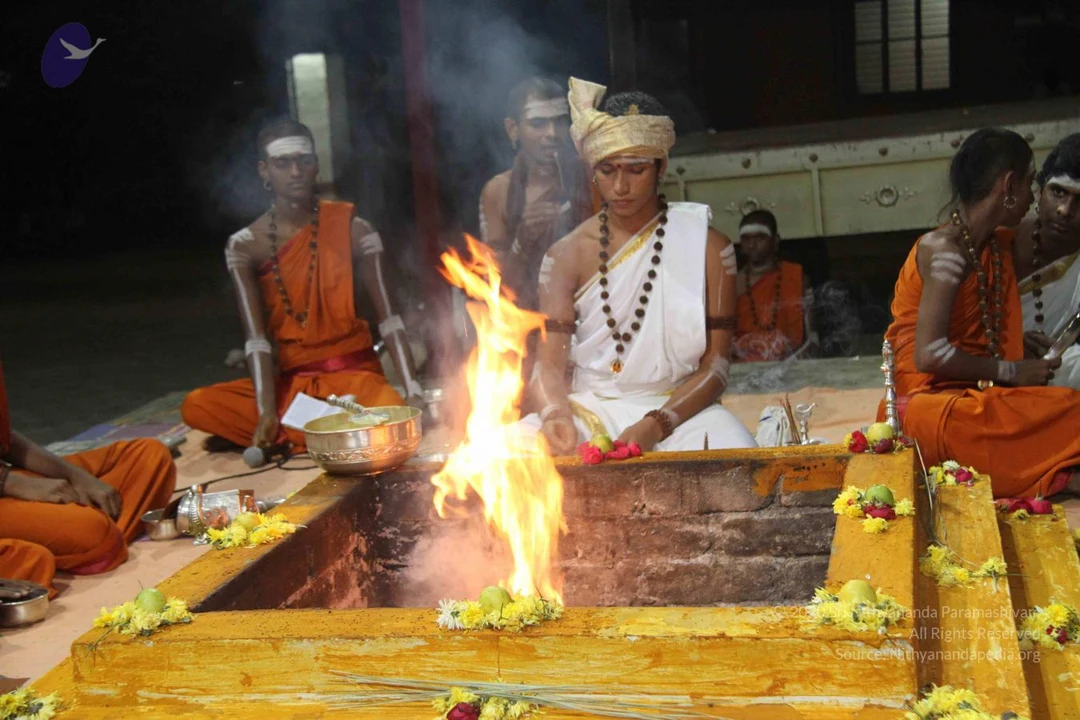
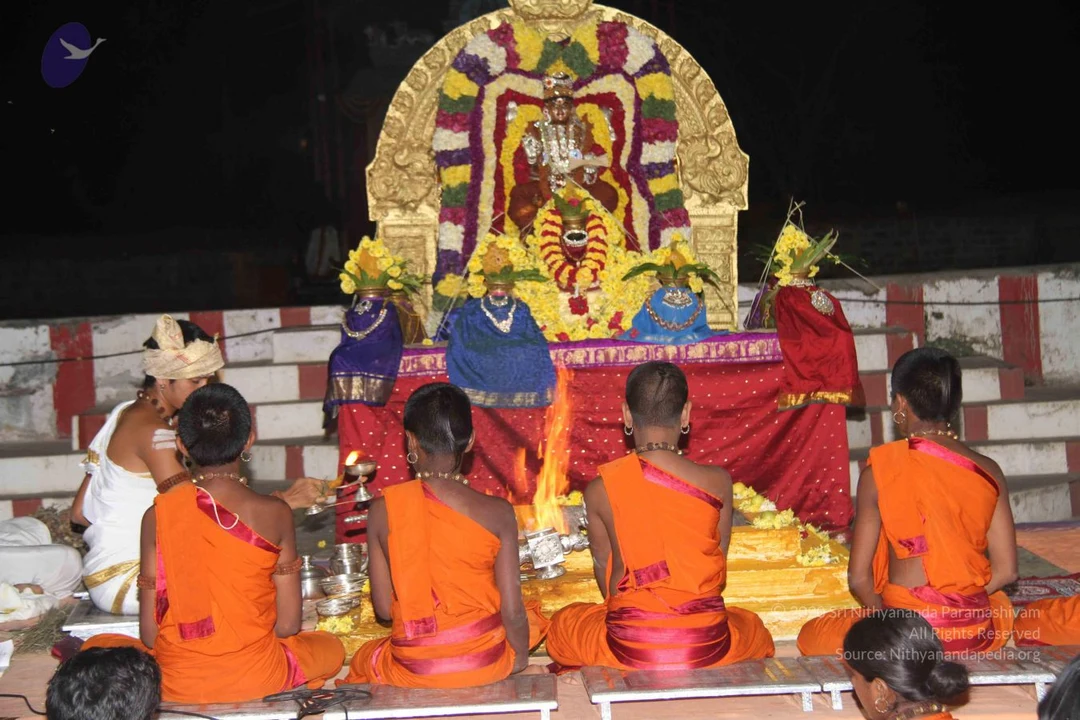
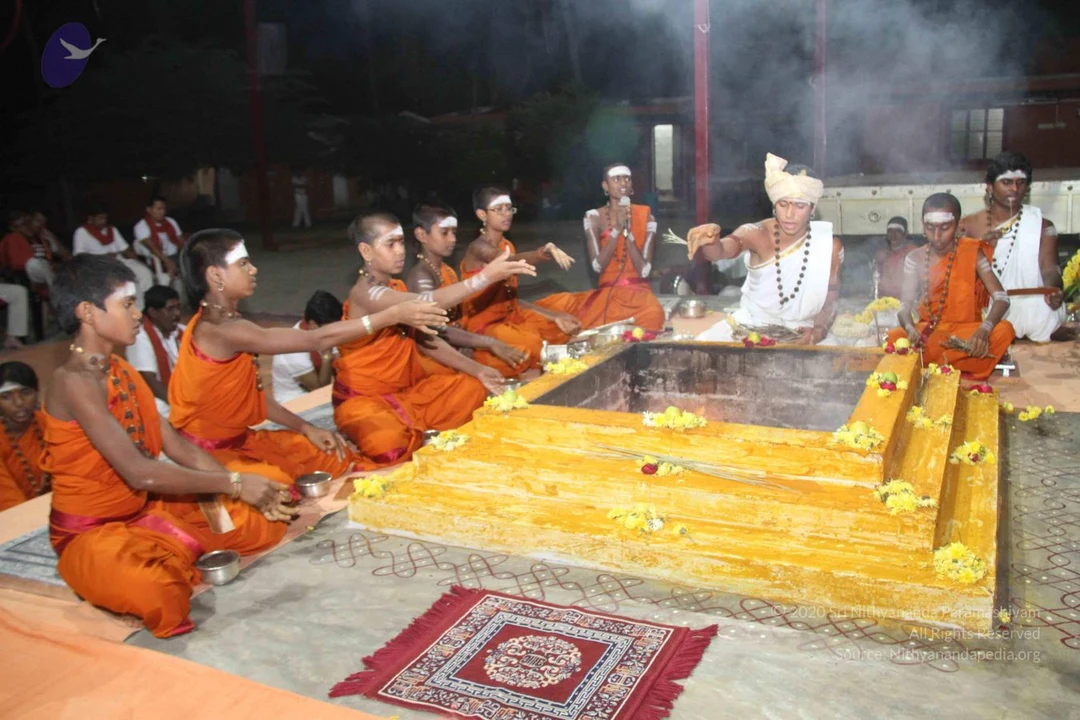
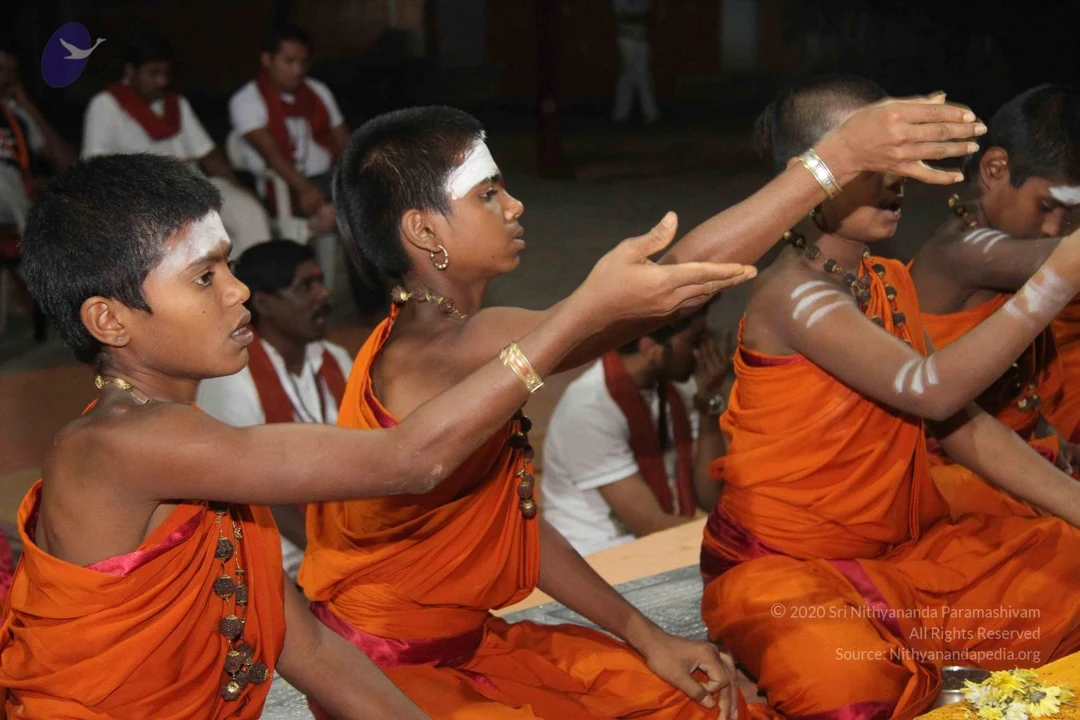
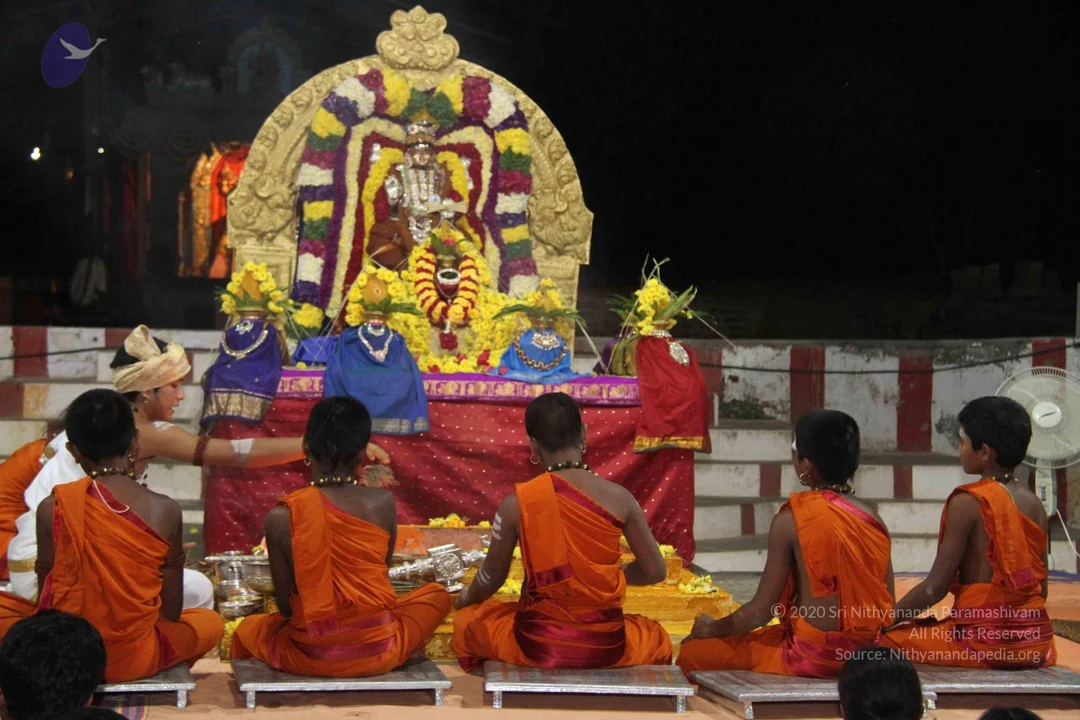
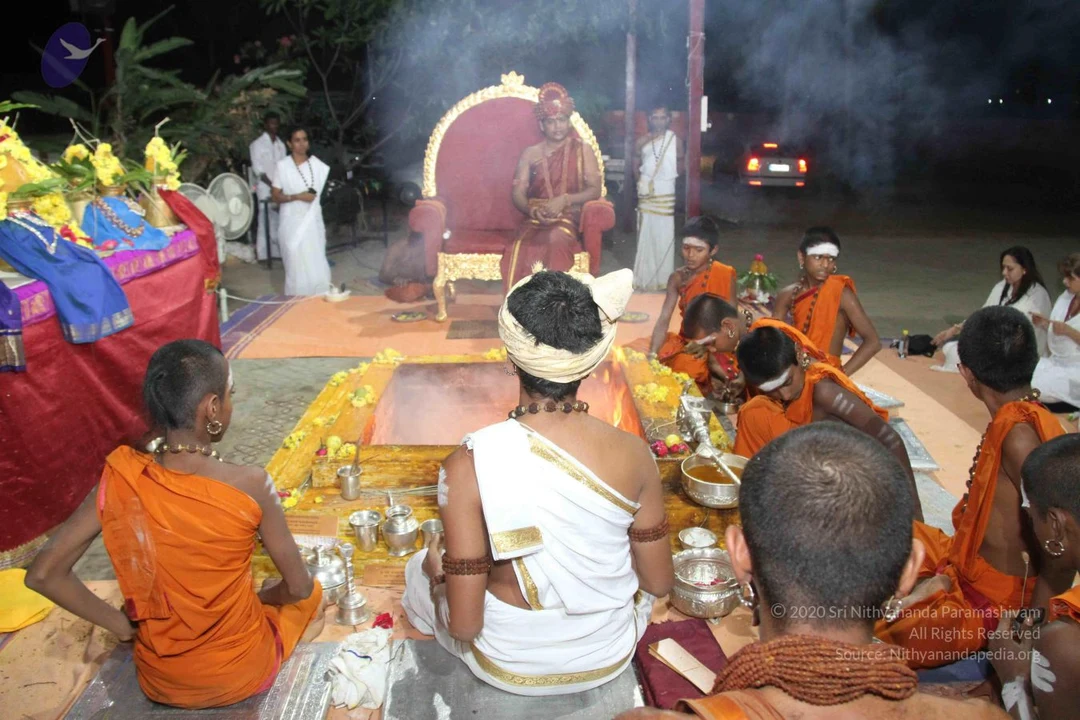
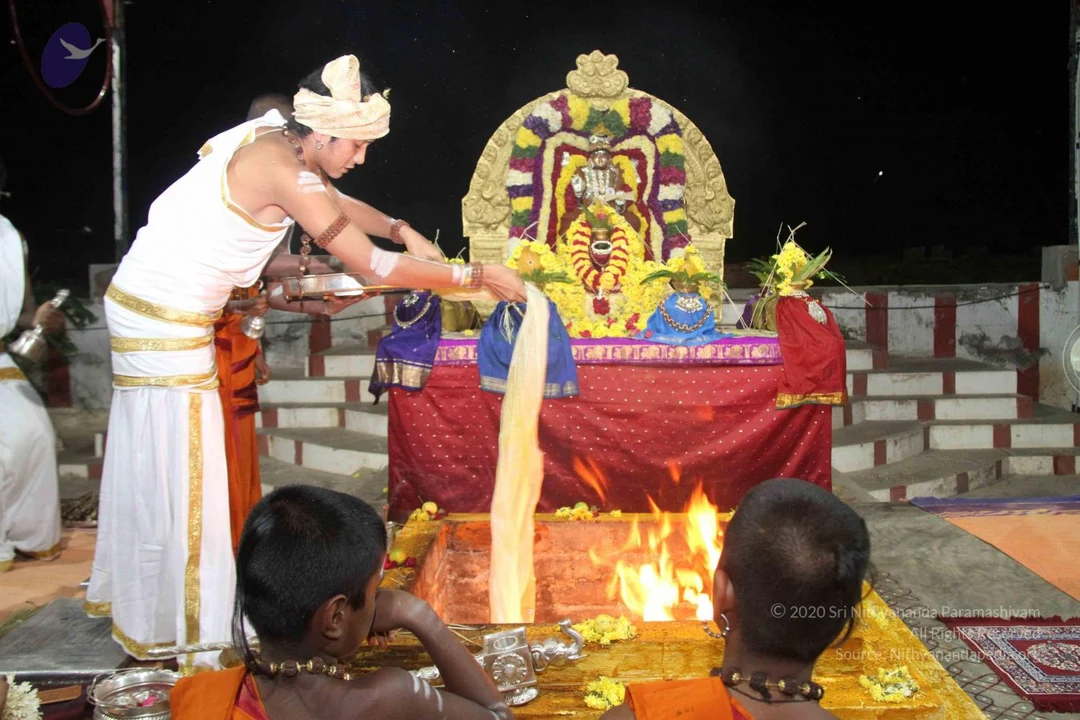
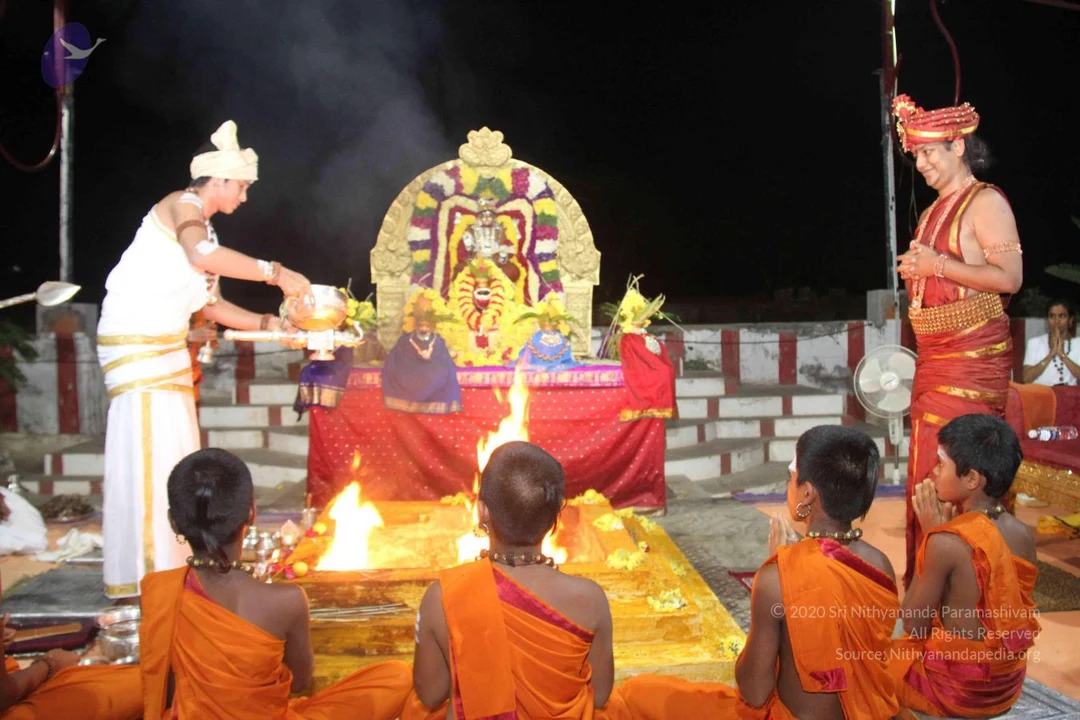
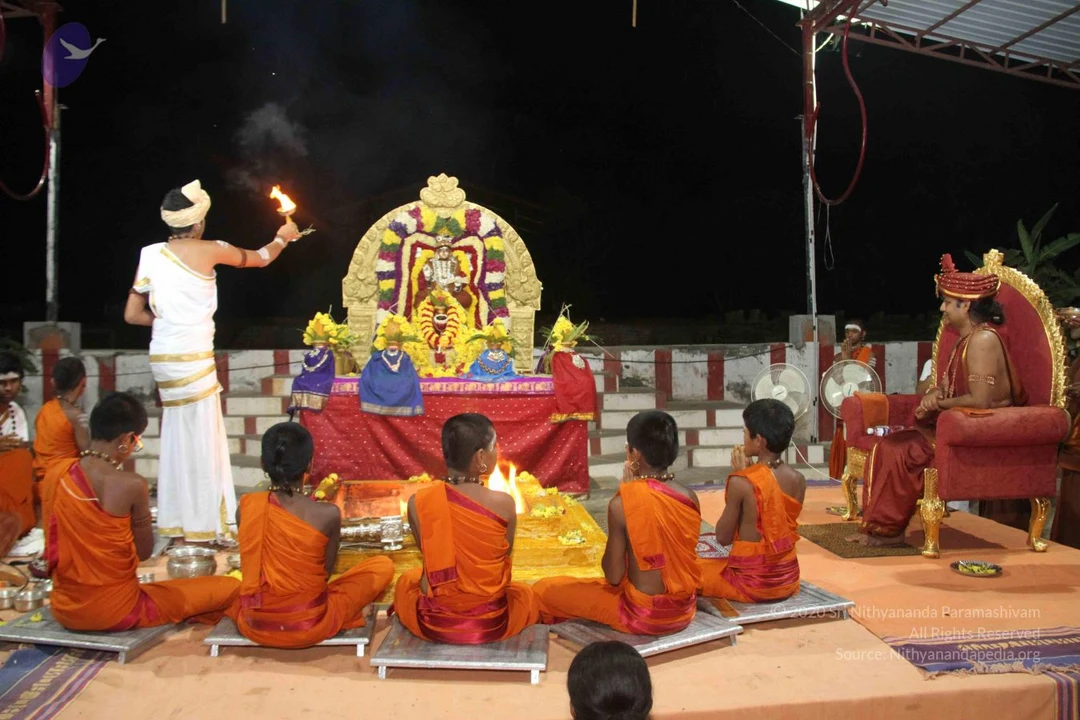
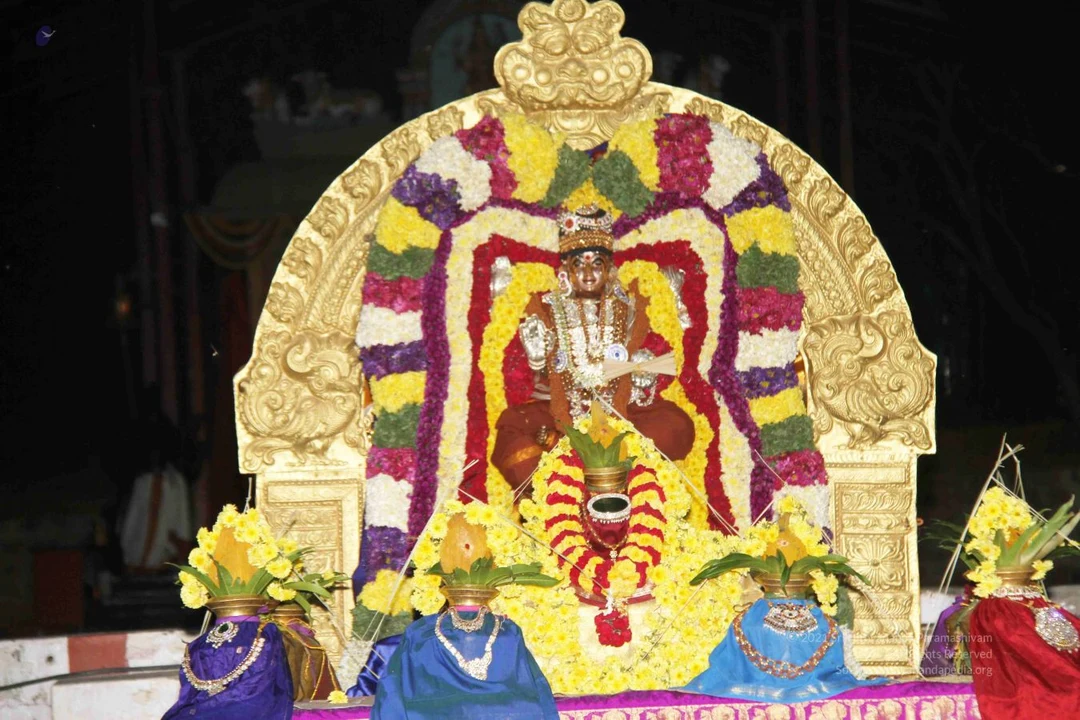
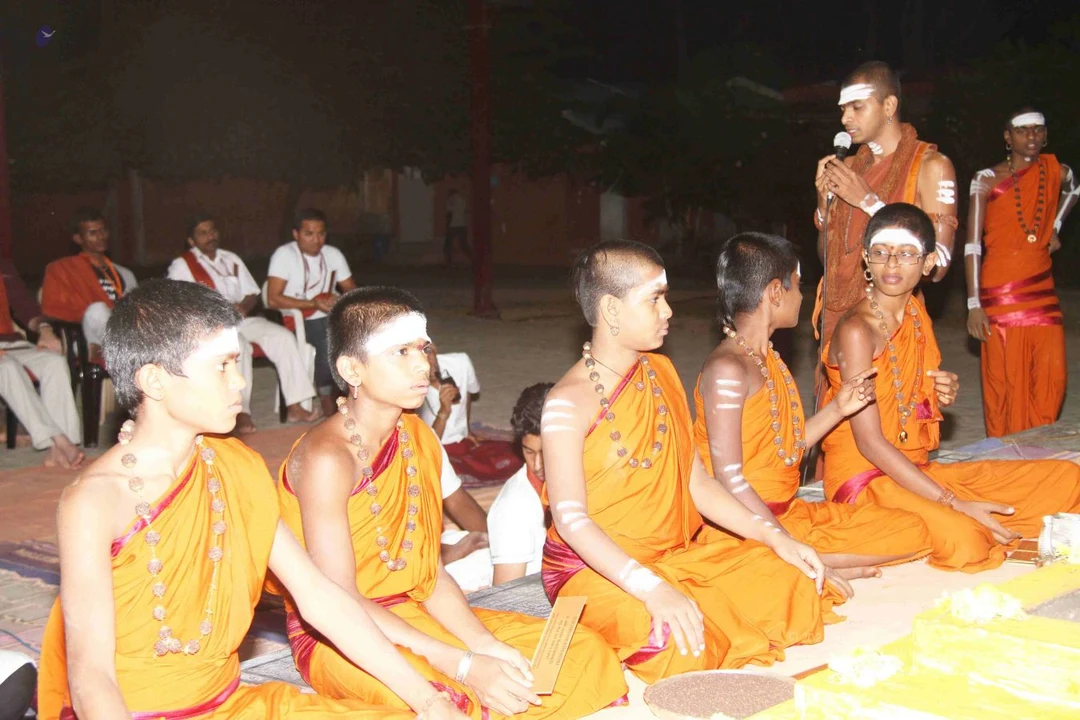
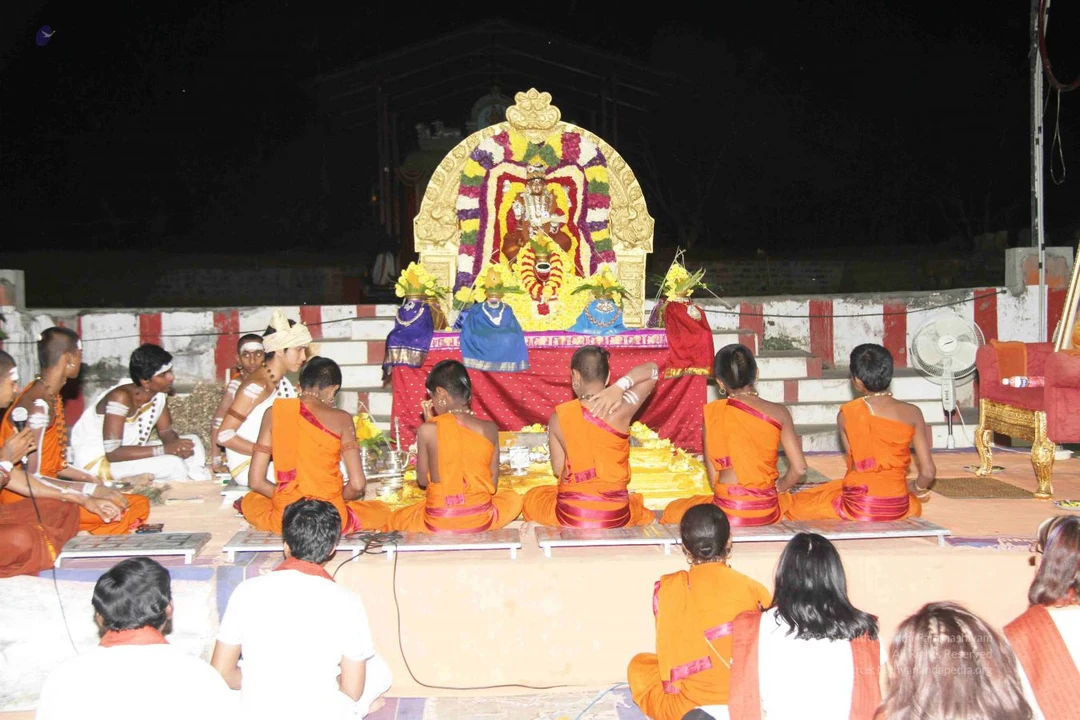
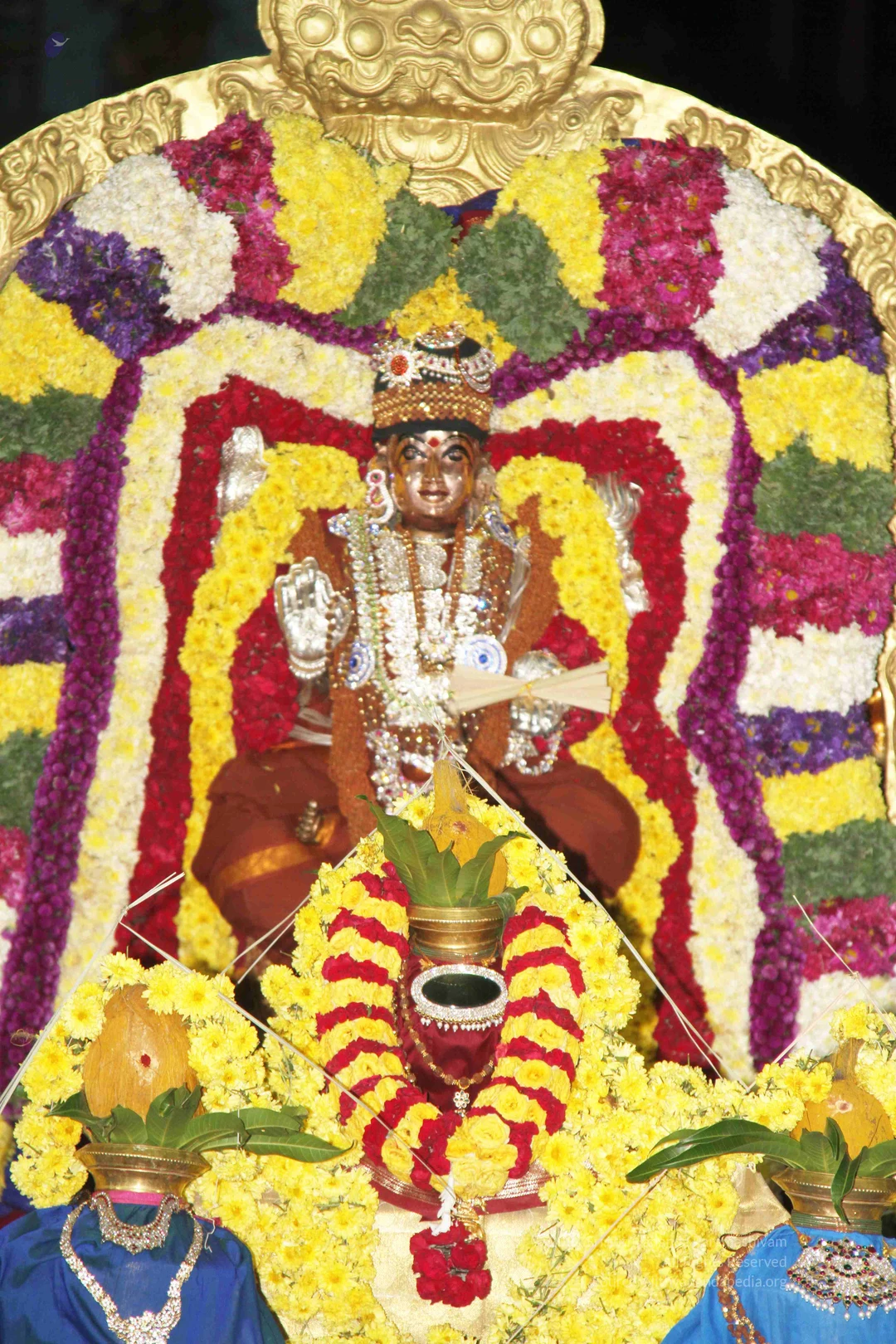
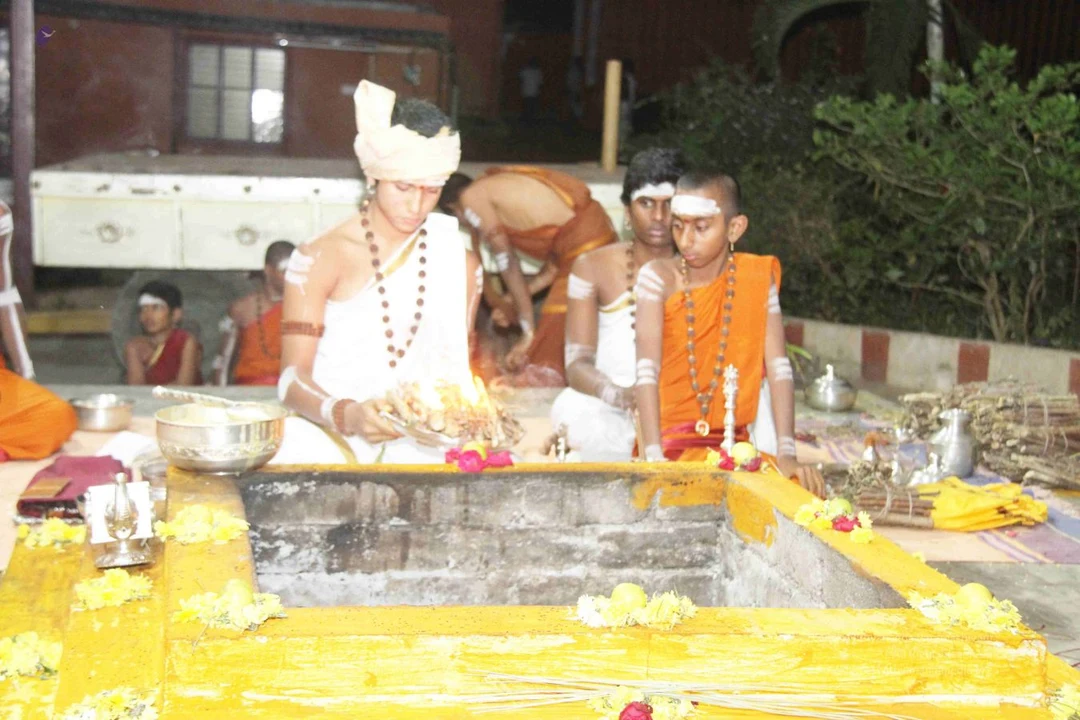
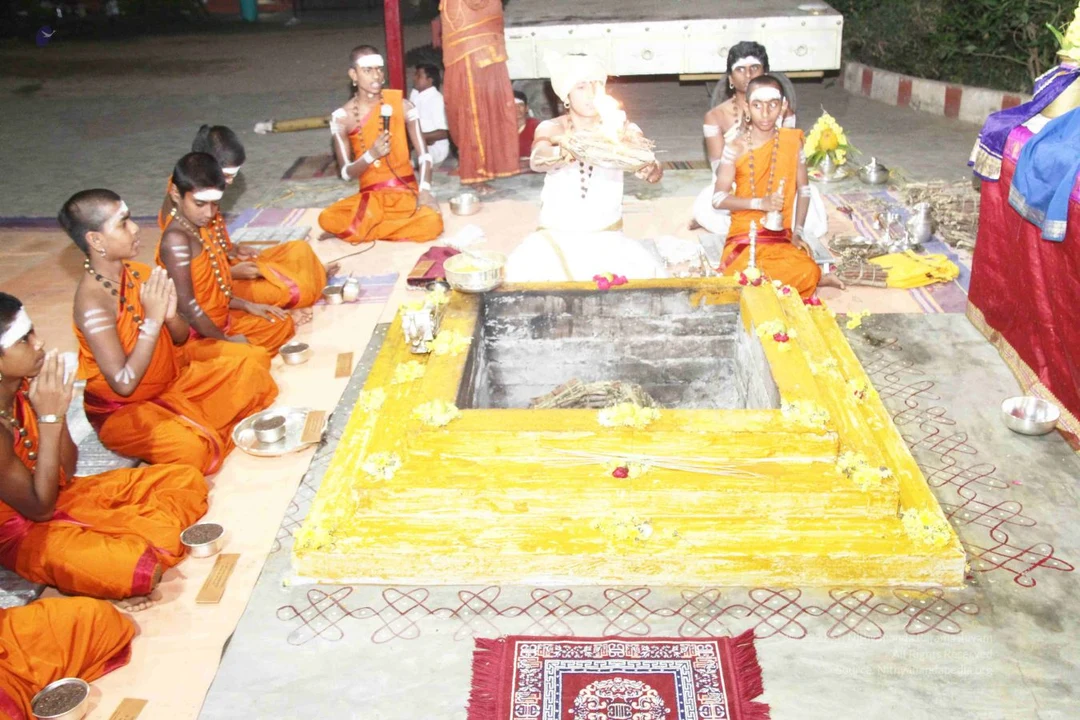
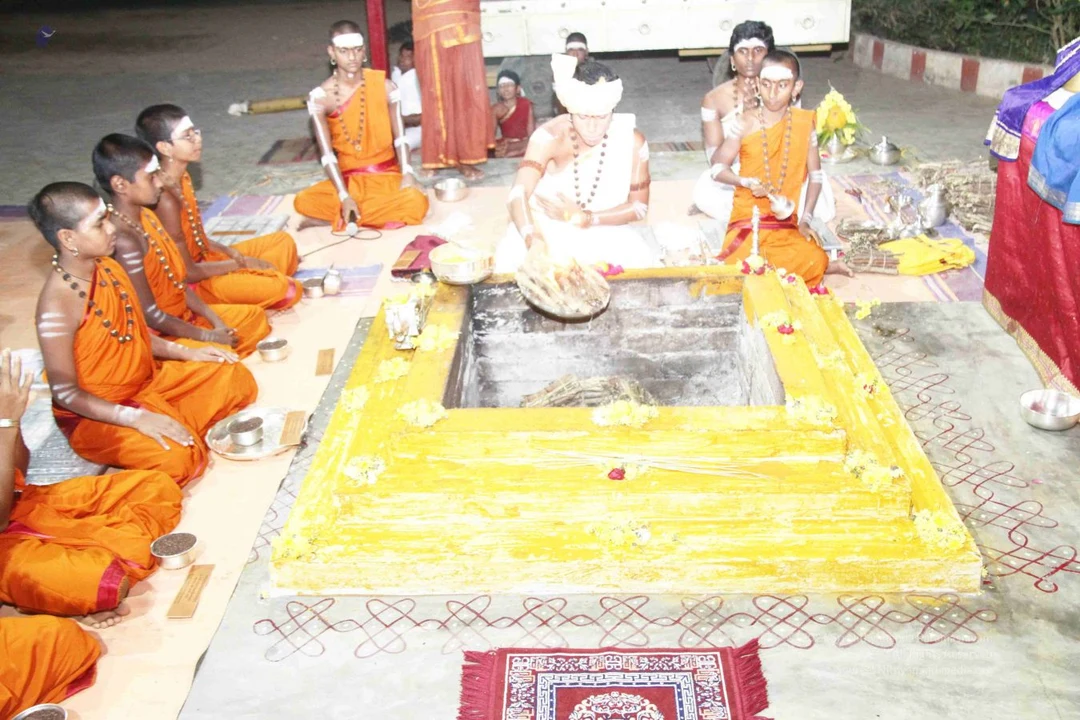
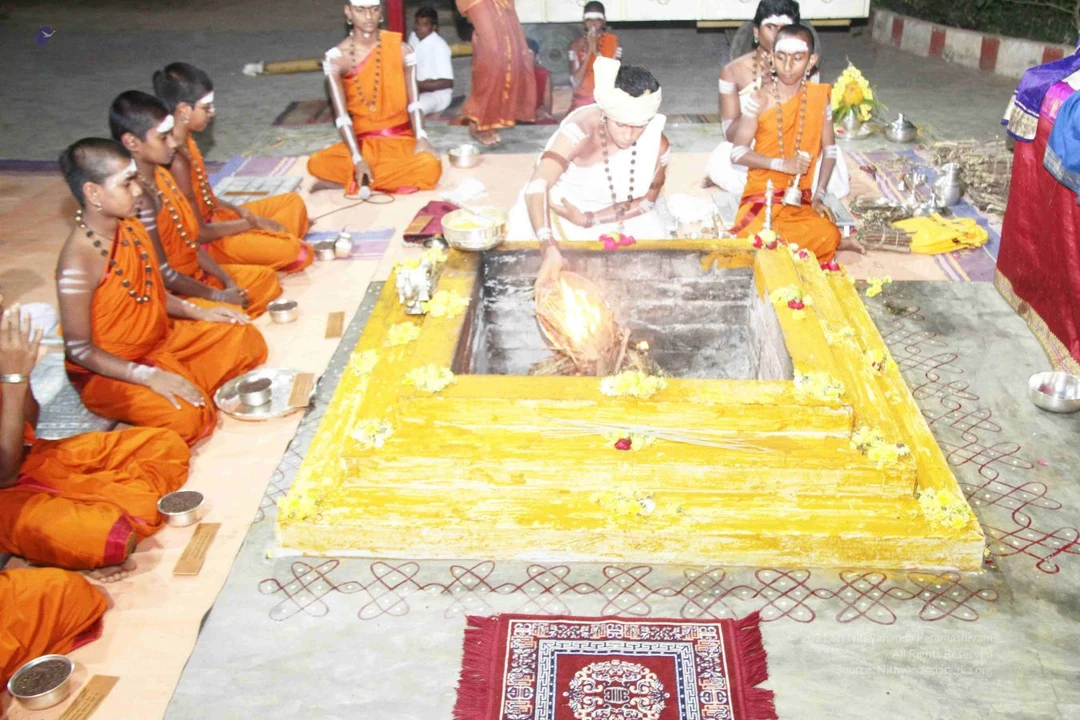
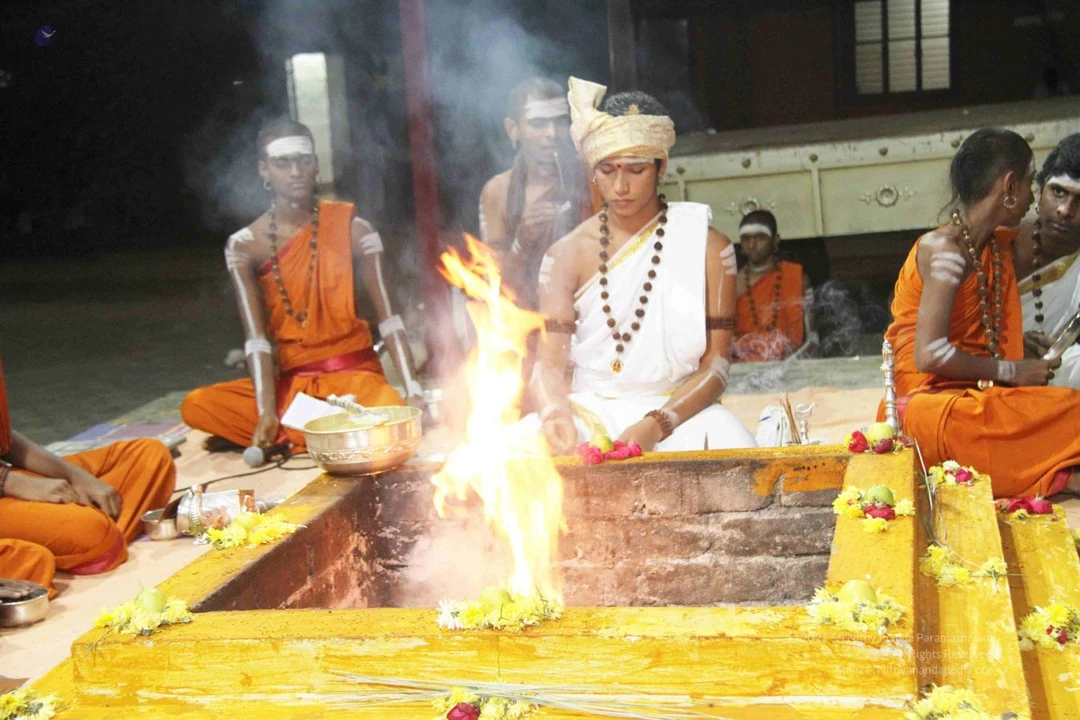
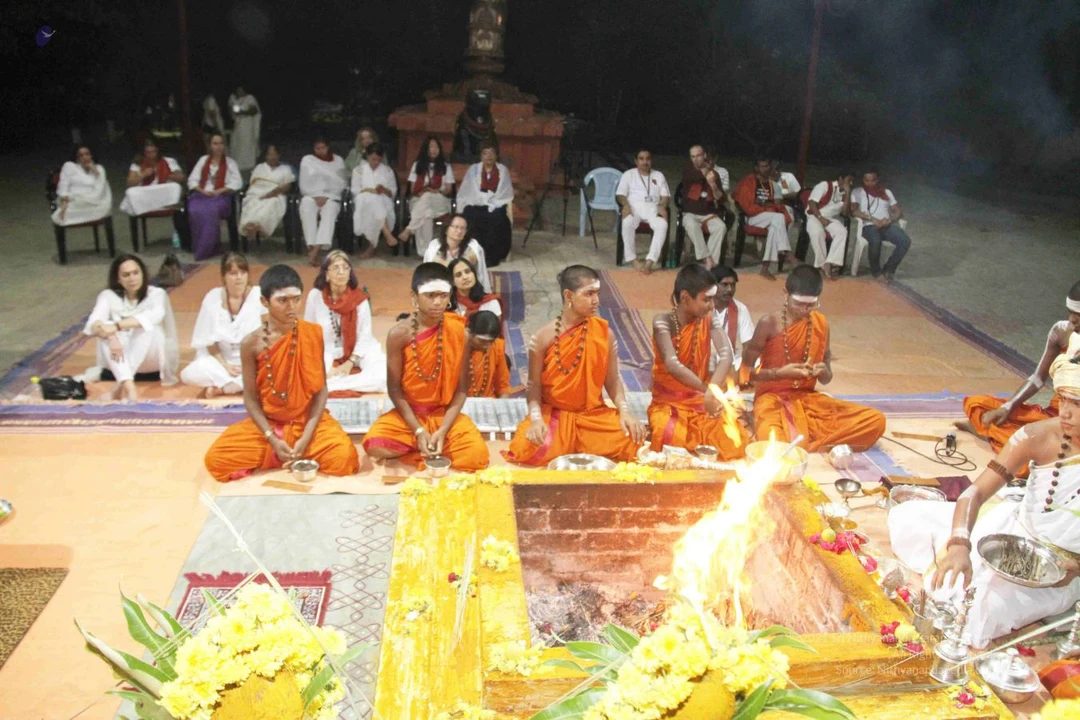
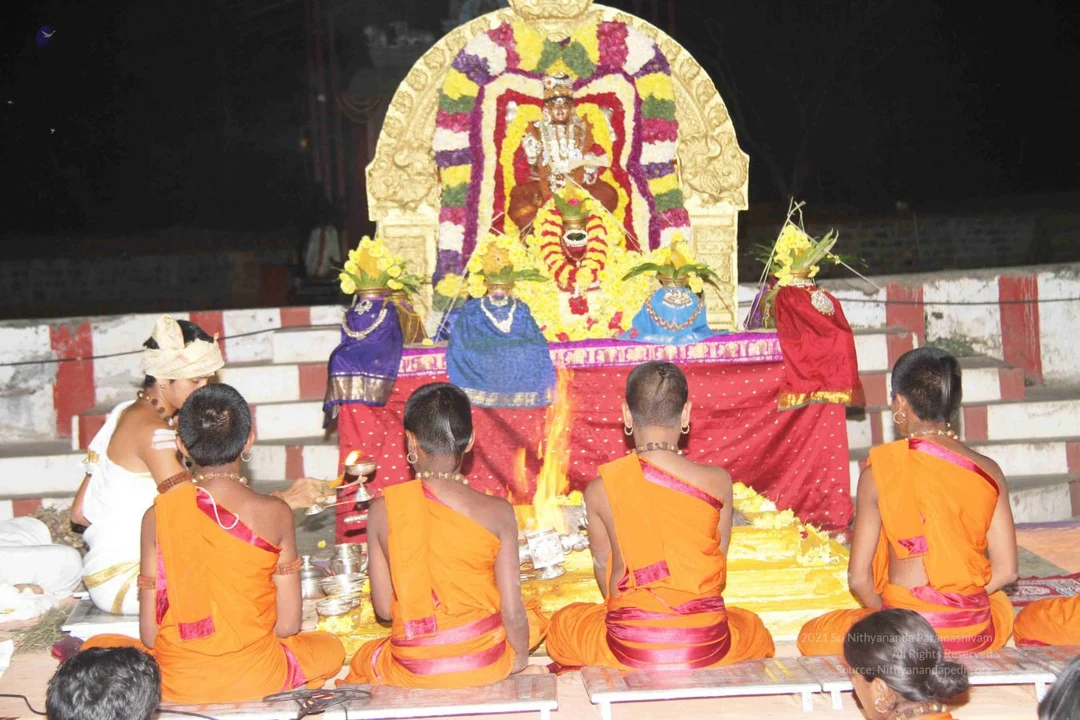
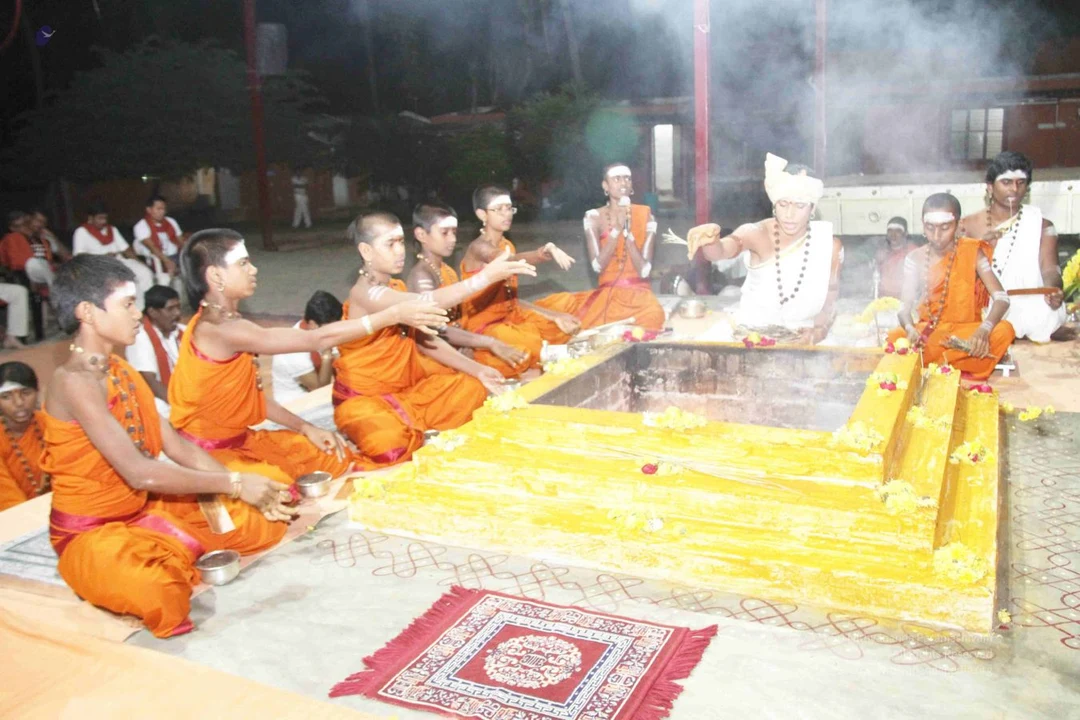
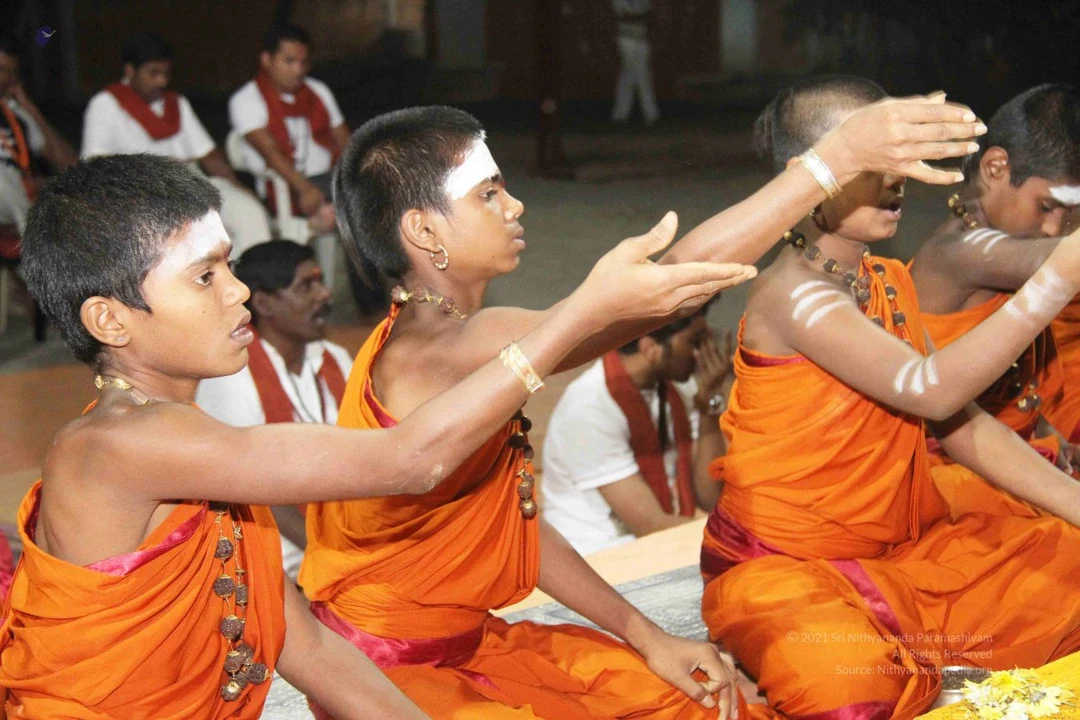
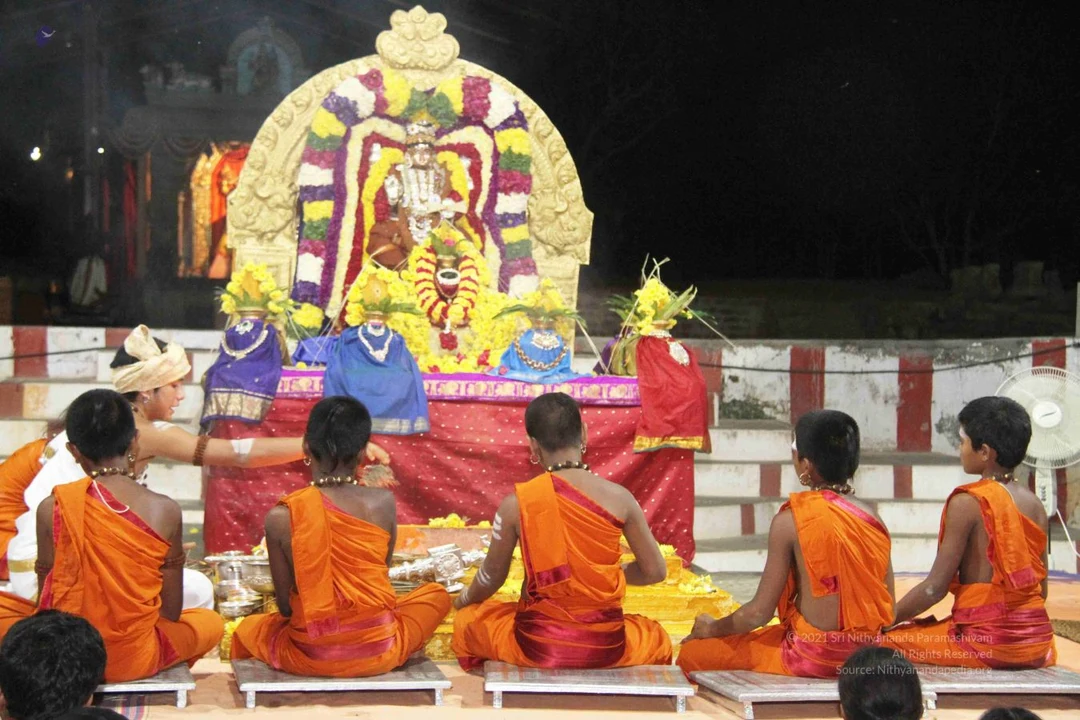
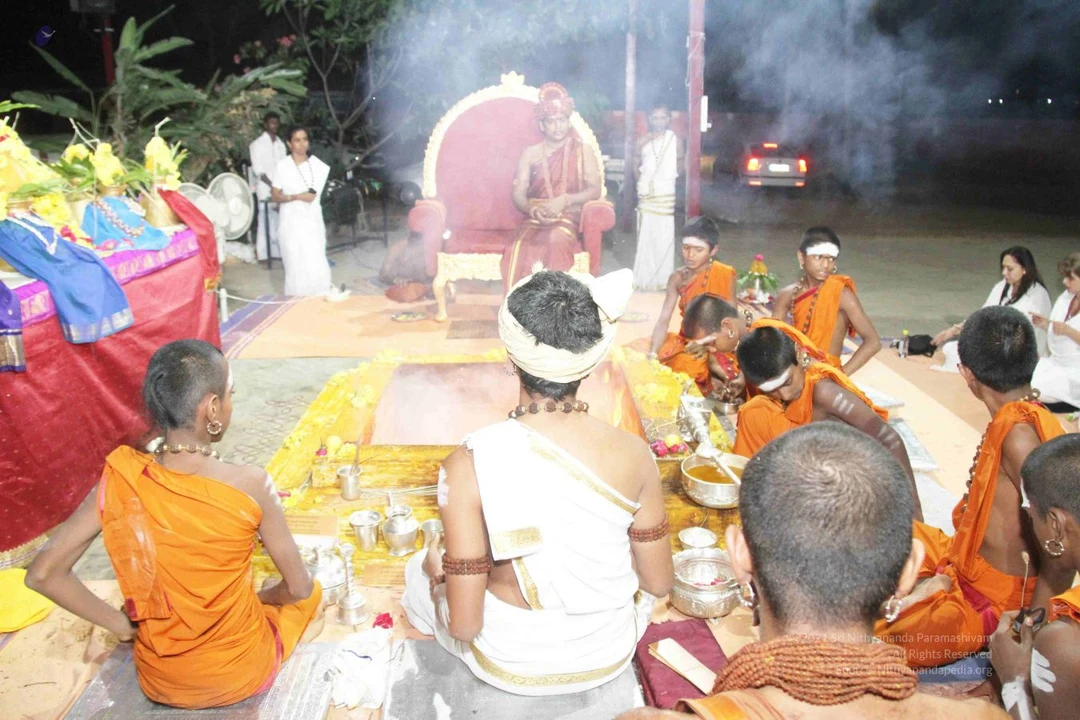
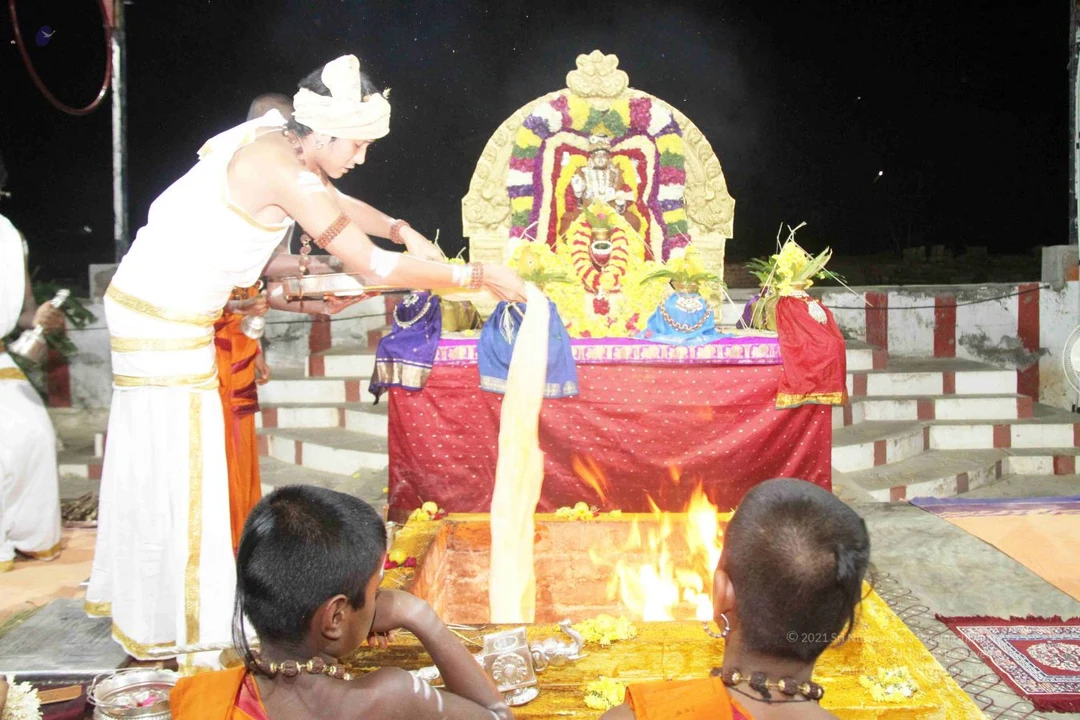
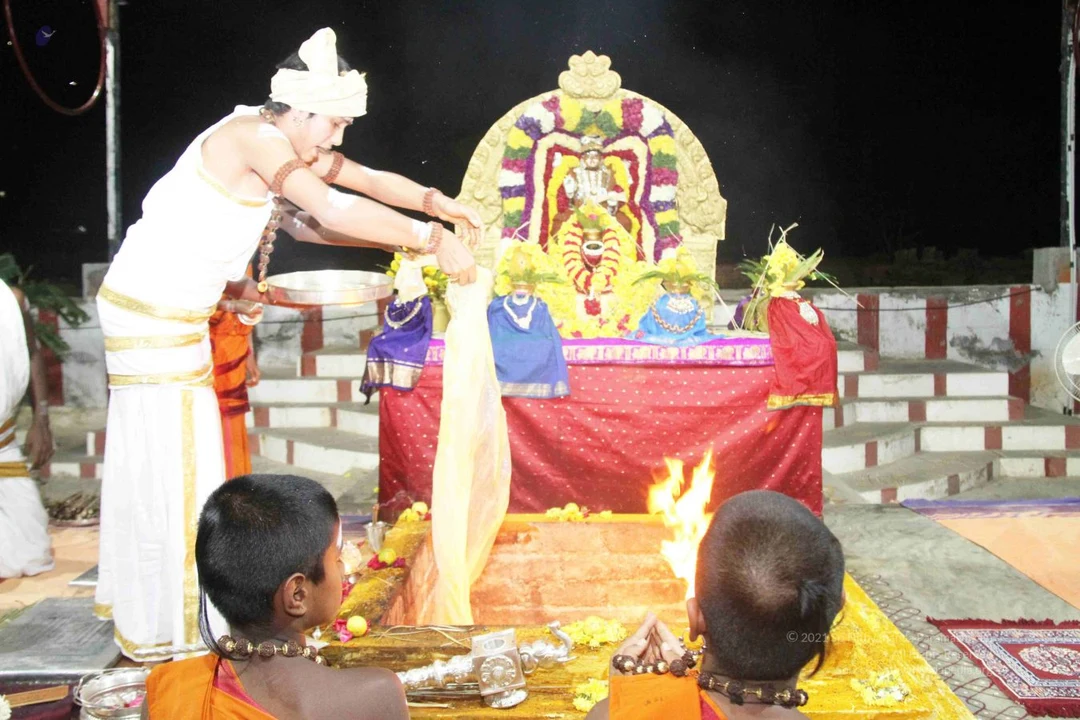
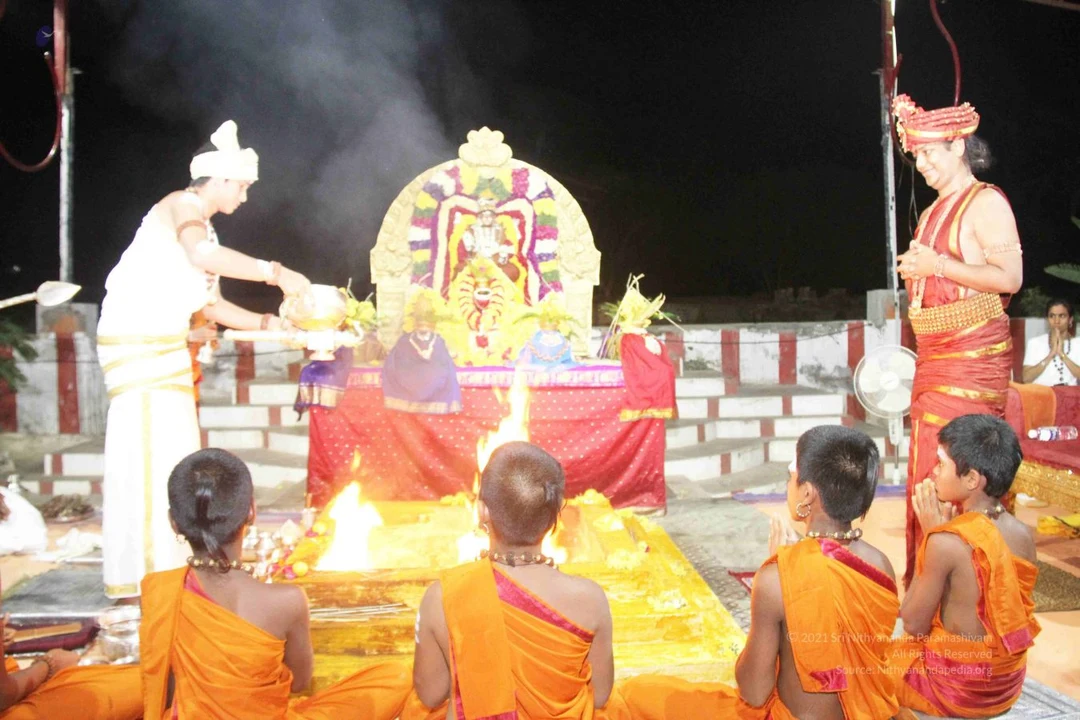
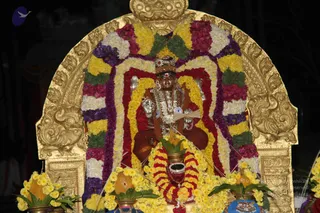
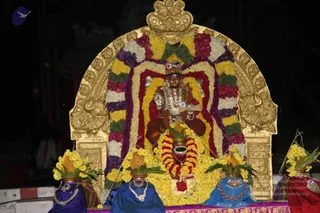
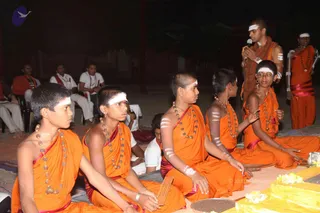
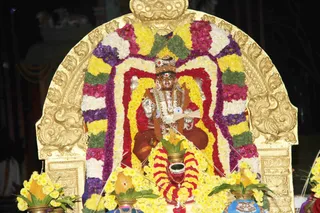
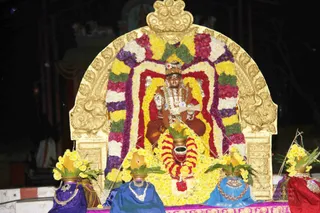
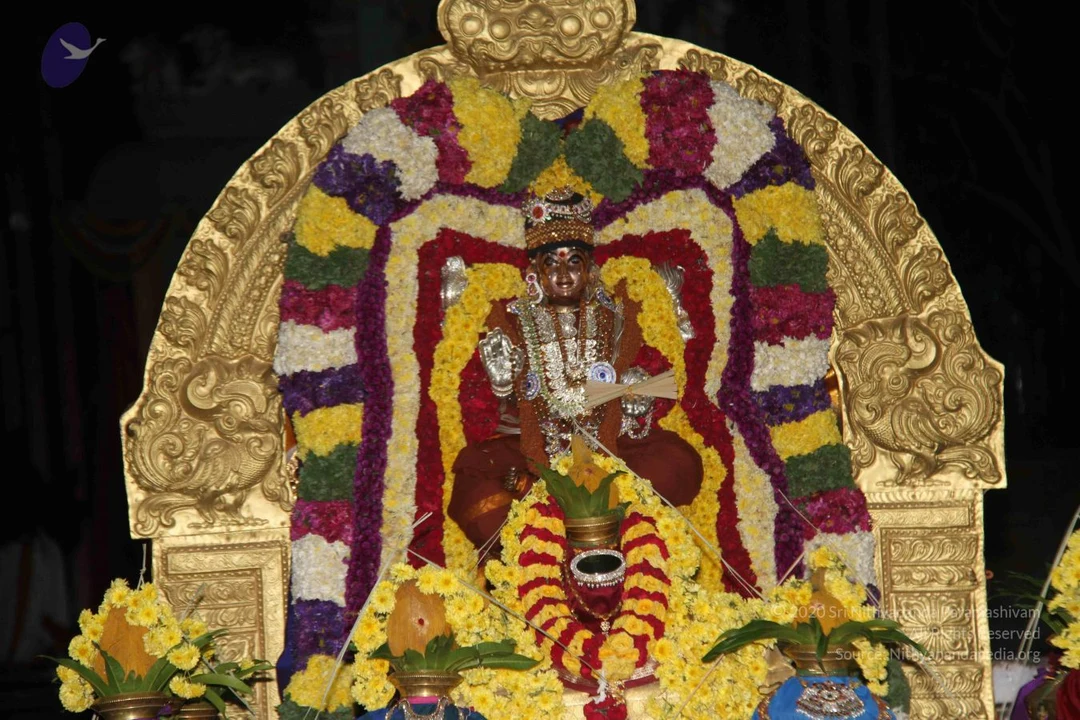
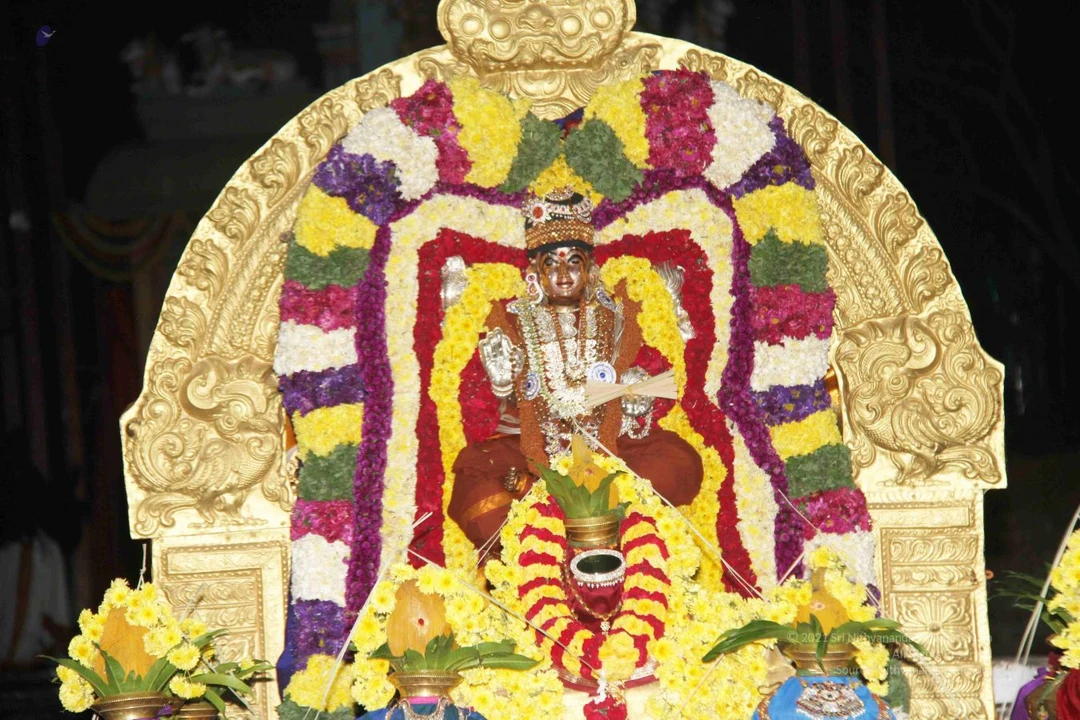
A photograph of a deity murti seated on a golden throne within an ornate golden arch, framed by layered garlands of yellow marigold, white, red and green leaves. The figure wears a red-brown dhoti, a gold crown, layered pearl and gold necklaces, and armlets, with one hand raised in blessing. In front stand brass kalasha pots with mango leaves, a bowl of offerings and a cascade of yellow flowers. No physical people are visible in the frame.A decorated deity murti seated on a raised golden arched throne in a dark setting. The murti wears a gold crown, a gold and silver necklace, and bears jewelled ornaments on its arms. A dense arch of garlands in yellow, red, white, purple and green frames the figure. Below, a large yellow marigold garland drapes over a kalasha-like vessel, and four pots with coconuts and mango leaves stand around the dais, each draped in blue, purple or red cloth with silver and gold necklaces. The scene resembles a puja or abhishekam setup with no visible people.Photo at night of a devotional gathering outdoors. In the foreground, several young boys with shaved or short hair sit cross-legged on a mat wearing saffron-orange cloths and beaded necklaces, with white tilak and white markings on their foreheads and arms. A standing young man in orange cloth holds a microphone at the upper right, and another orange-clad figure stands at the far right. Behind them, seated men in white shirts and white clothes listen. A bright yellow cloth and flower offerings sit at the lower right edge, along with a small wooden plaque.Outdoor homa ritual at night. A yellow-painted square fire pit with stepped sides, decorated with yellow flowers and red petals, is at the centre. A man in white dhoti and white head cloth holds a tray of burning flame over the pit. Around it, young men in saffron-orange robes with rudraksha malas and white forehead and body markings sit on mats; one holds a microphone and others sit with hands joined in prayer. Brass vessels, a kalasha-style pot and flower garlands surround the pit. Kolam-style floor designs and a red rug are visible; a purple and yellow cloth draped over a platform stands at right.A photograph of a homa performed at a square fire pit lined with yellow painted wood and marigold garlands, set on a floor with white kolam-style line art. A young priest in white dhoti and white head-wrap, with rudraksha mala and white markings, tends a burning fire with an offering in his hands. Around the pit, several young boys and novices in saffron-orange robes with rudraksha malas and white forehead markings sit cross-legged, some holding brass vessels and spoons. Brass plates, bowls and a kalasha sit on the floor, with a red-and-maroon patterned rug in the lower corner.A night homa at a yellow-edged fire pit with a tall flame rising from brick. A young man in white dhoti and shawl, with a gold-trimmed yellow turban, rudraksha mala, and white tripundra marks, sits cross-legged before the fire. Around him, several young men and a woman in saffron-orange robes with rudraksha malas and white body markings sit on the floor. Brass bowls, marigold garlands, red flowers, and fruit surround the pit. A copper vessel and a small brass lamp stand nearby. A mic is visible on the floor.
DARSHAN
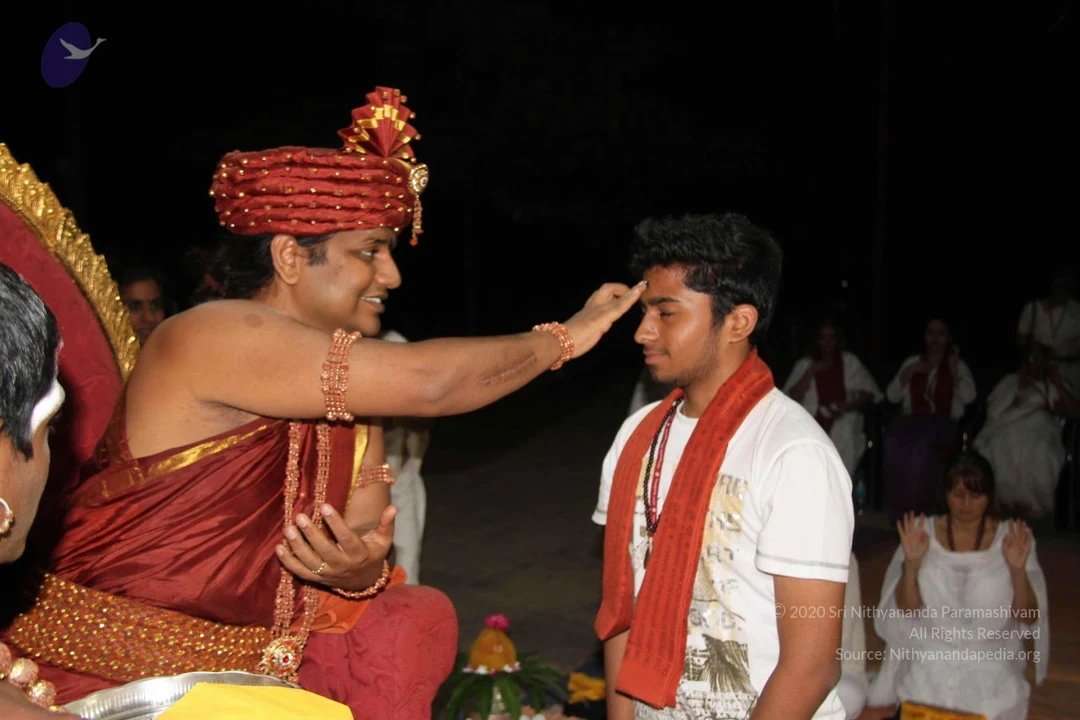
11 photosSource gallery
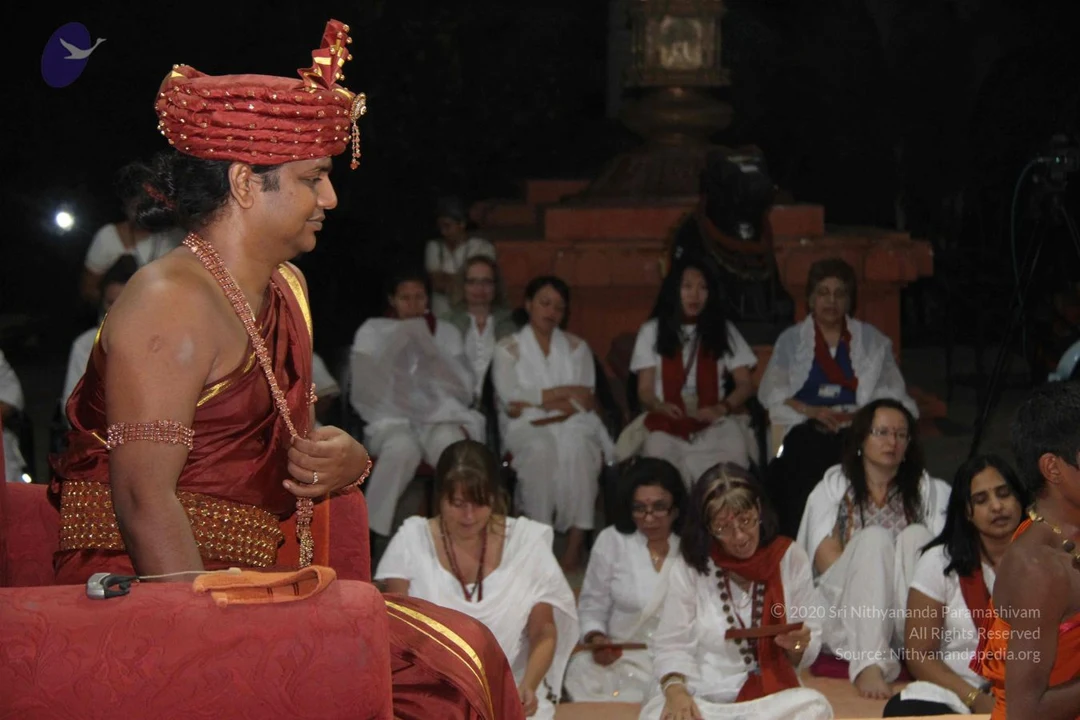
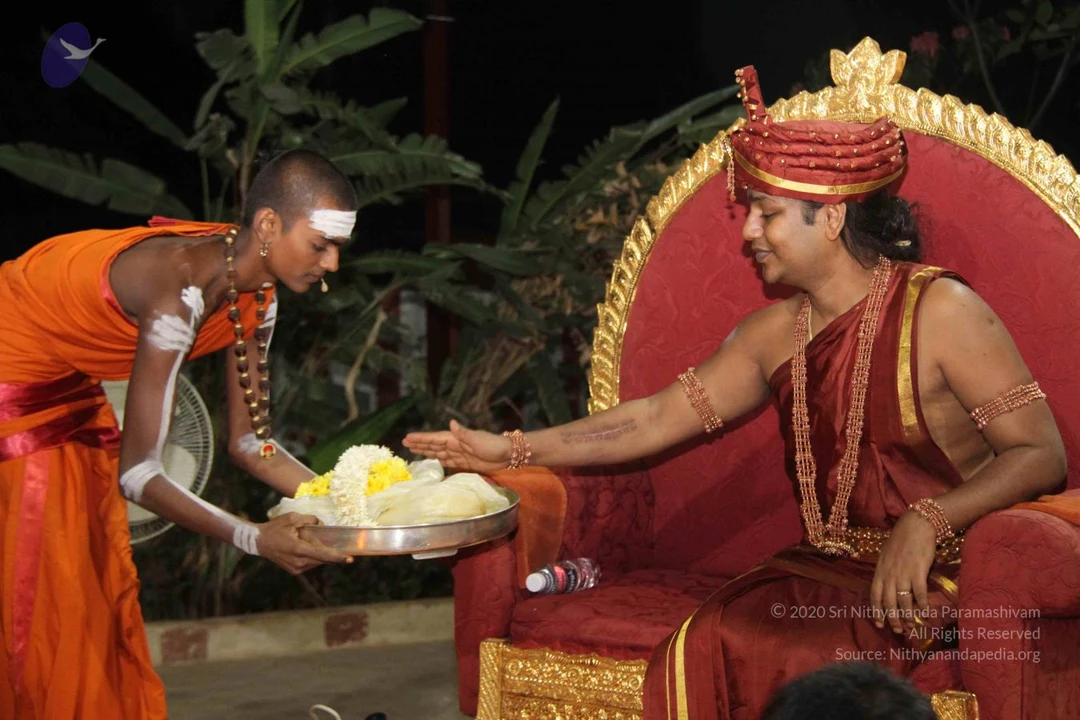
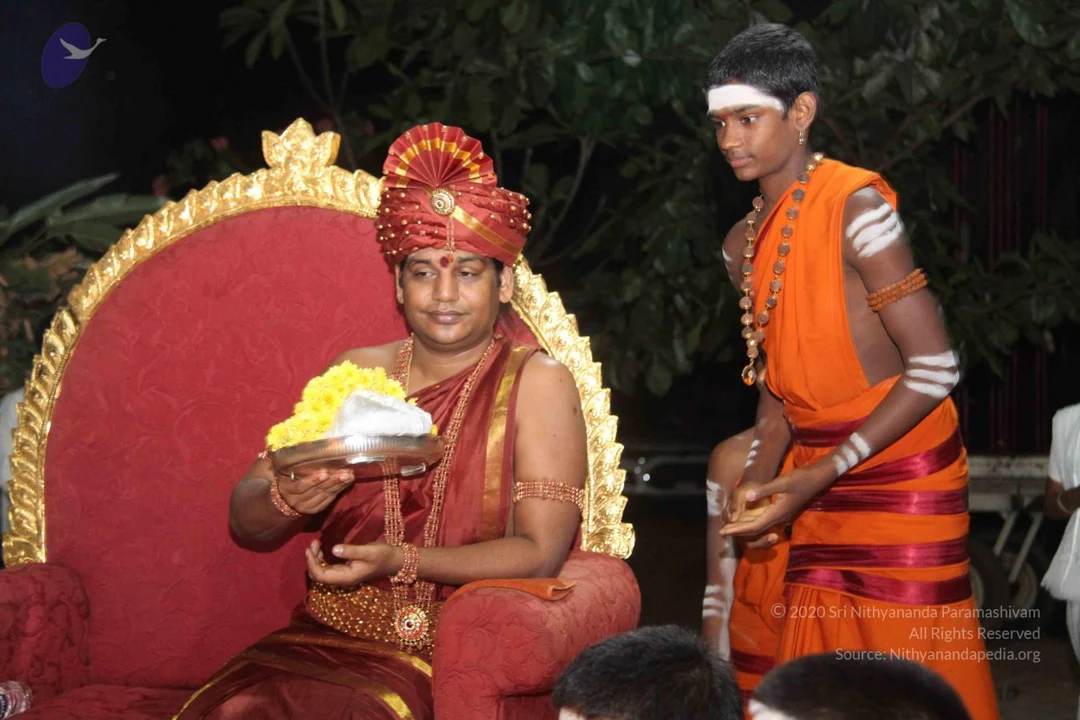
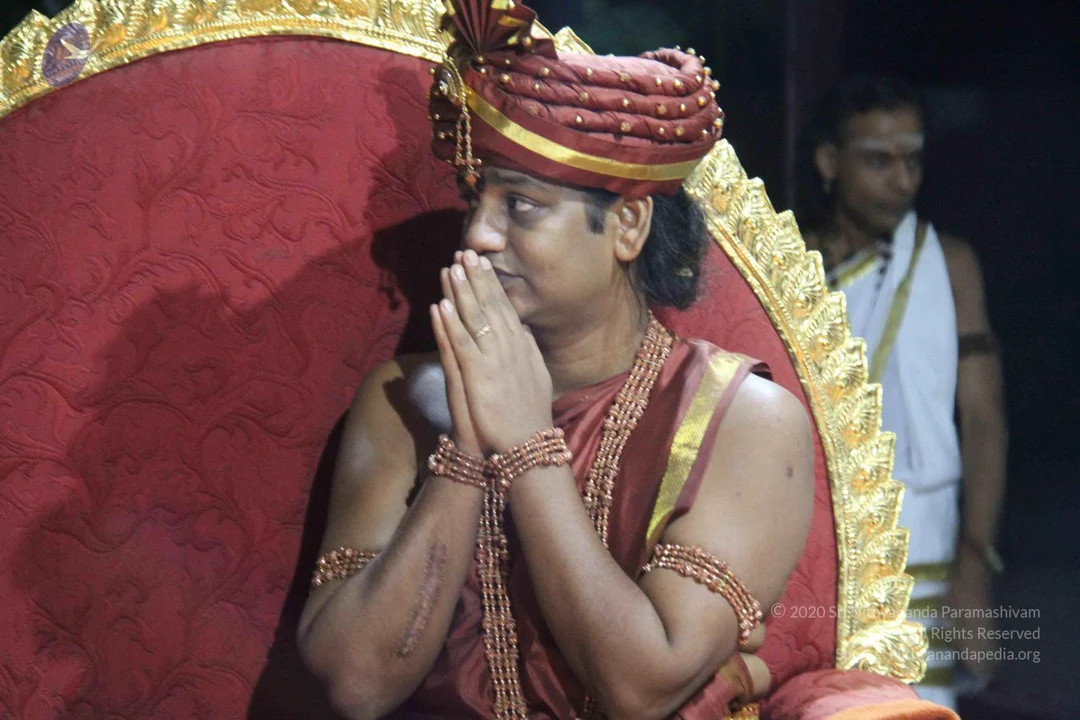
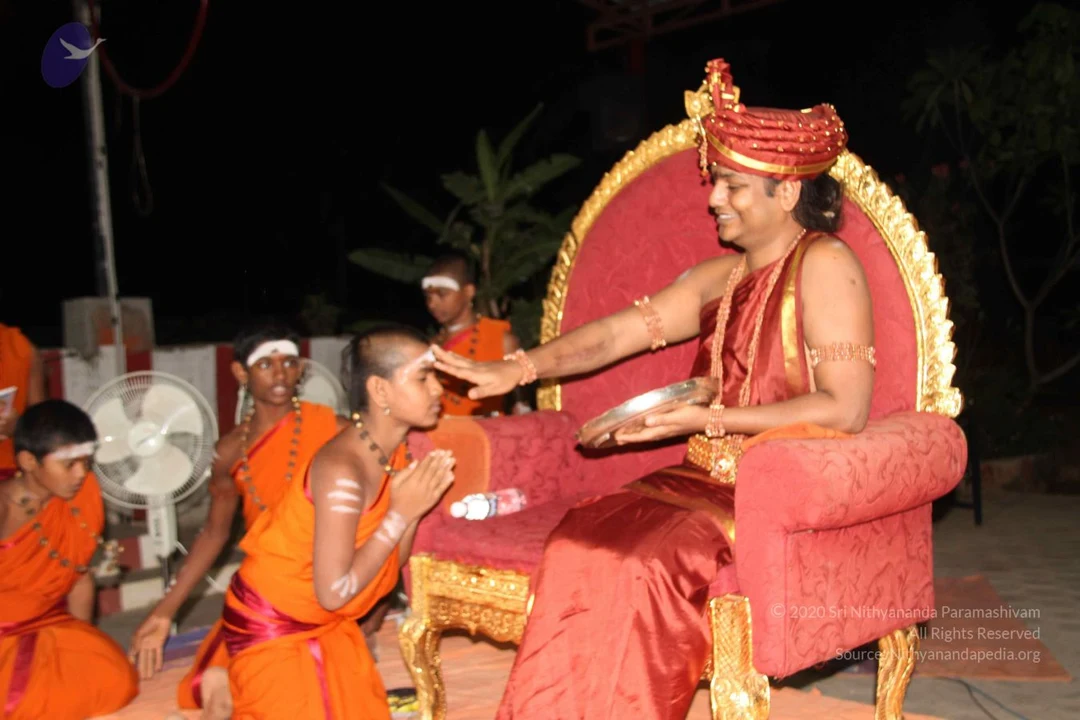
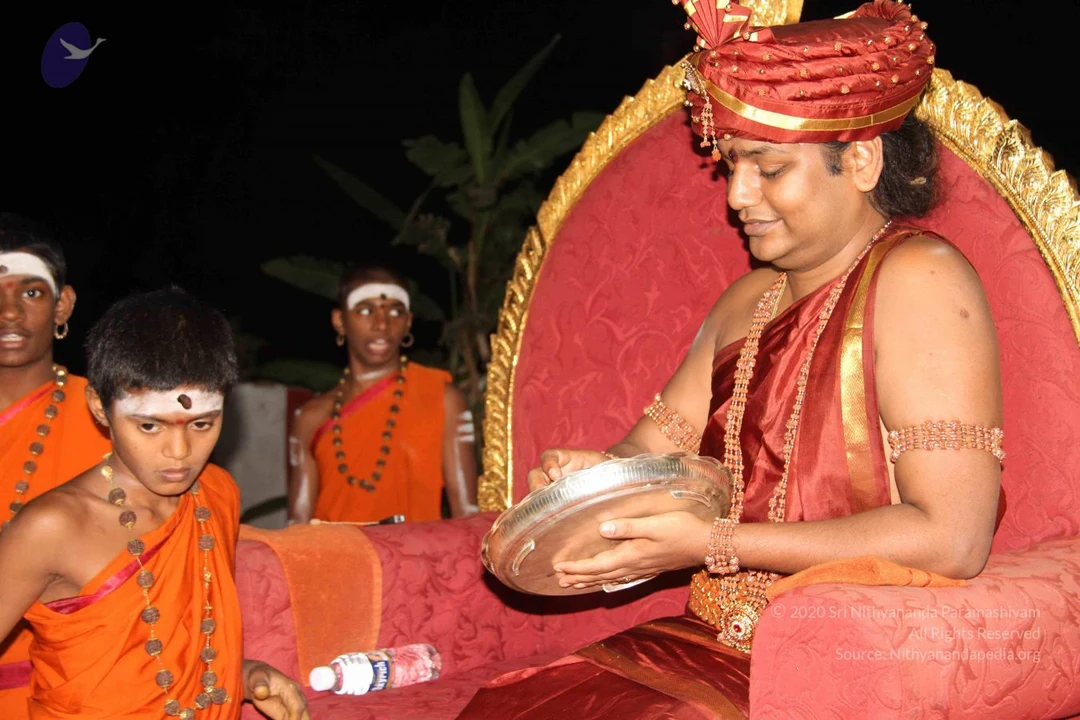
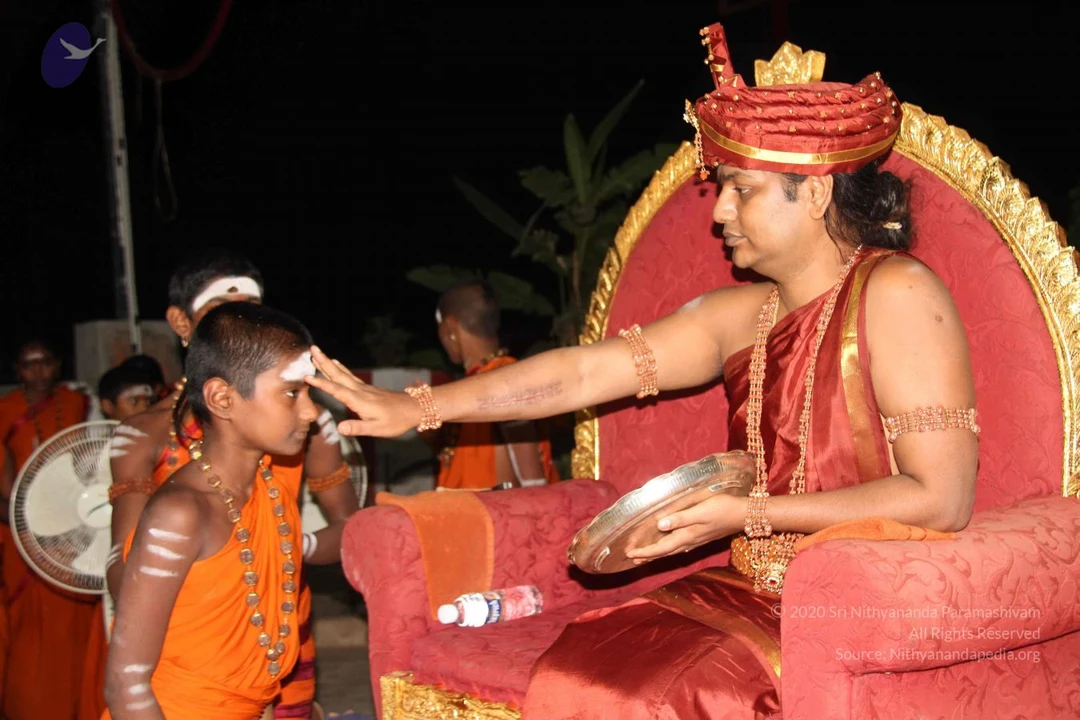
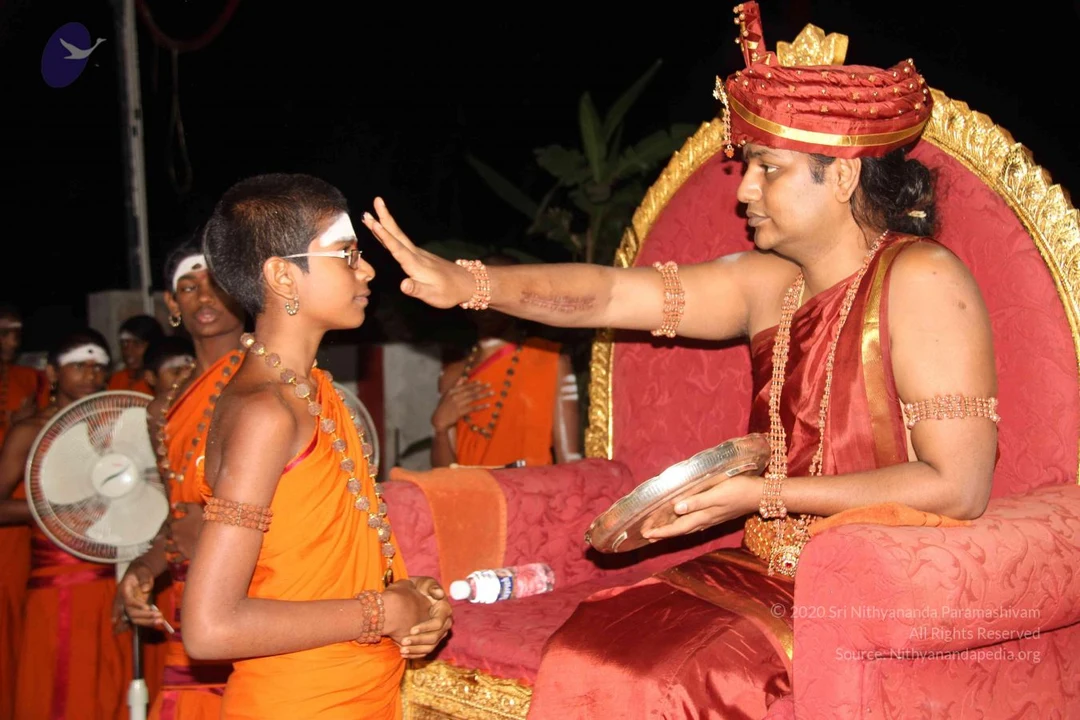
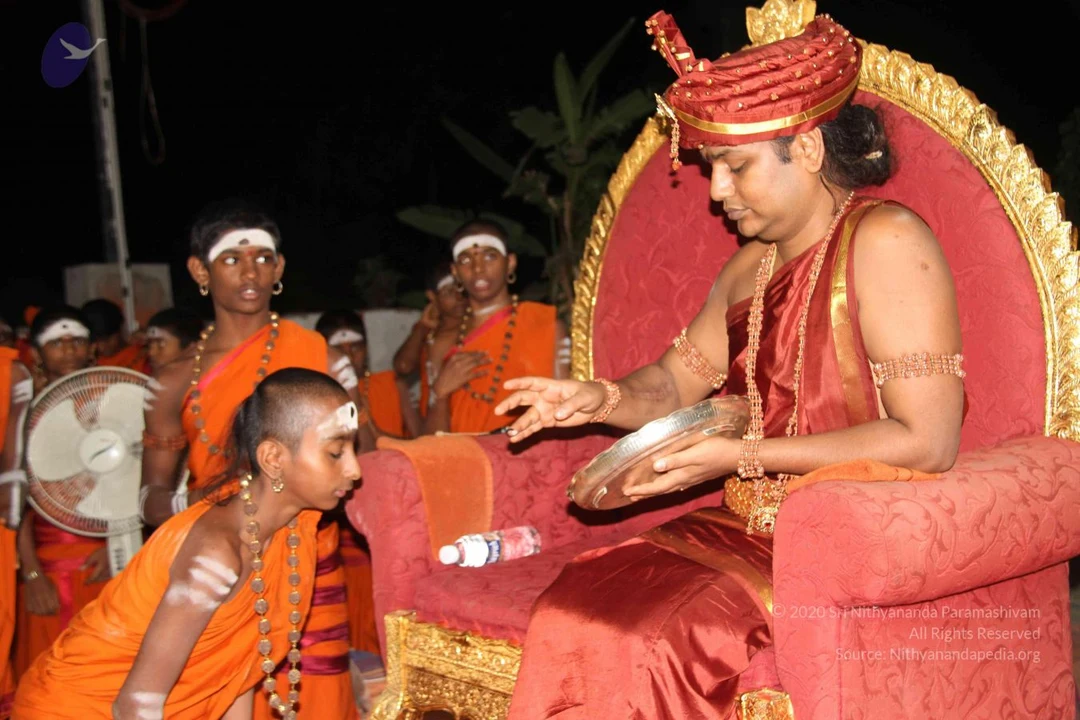
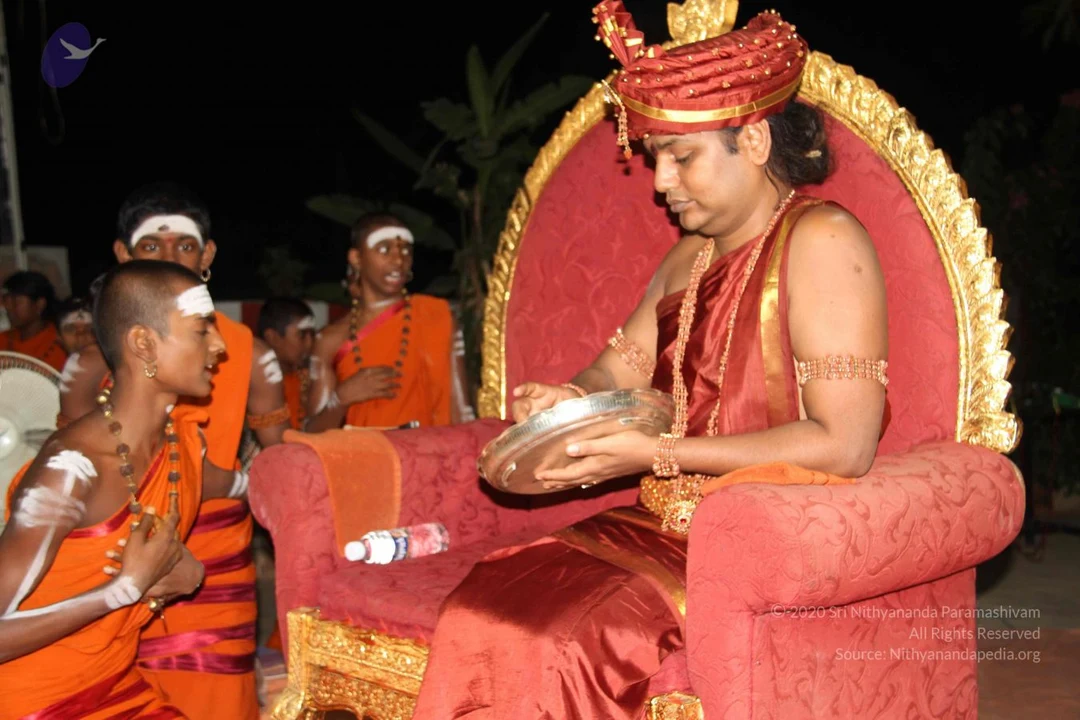
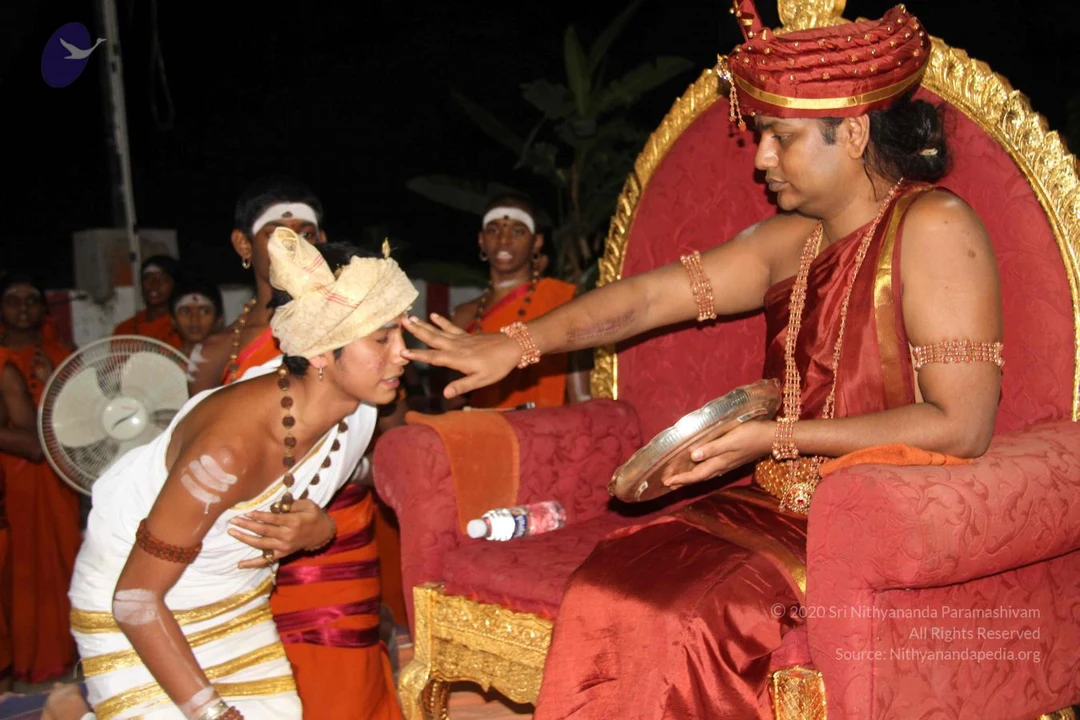
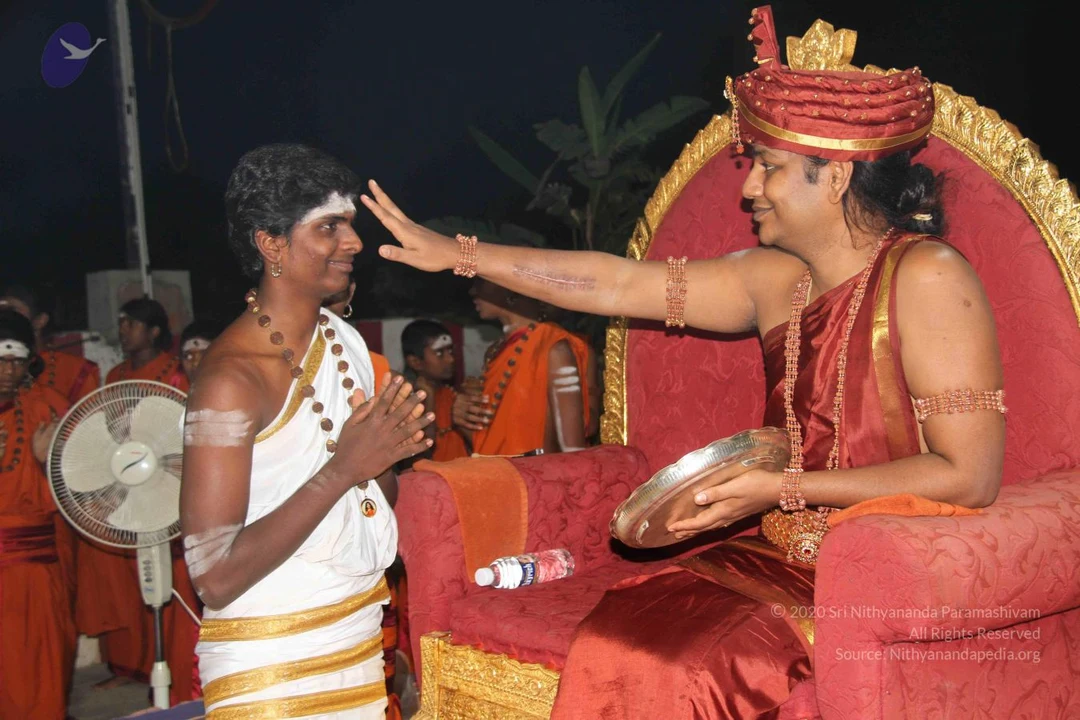
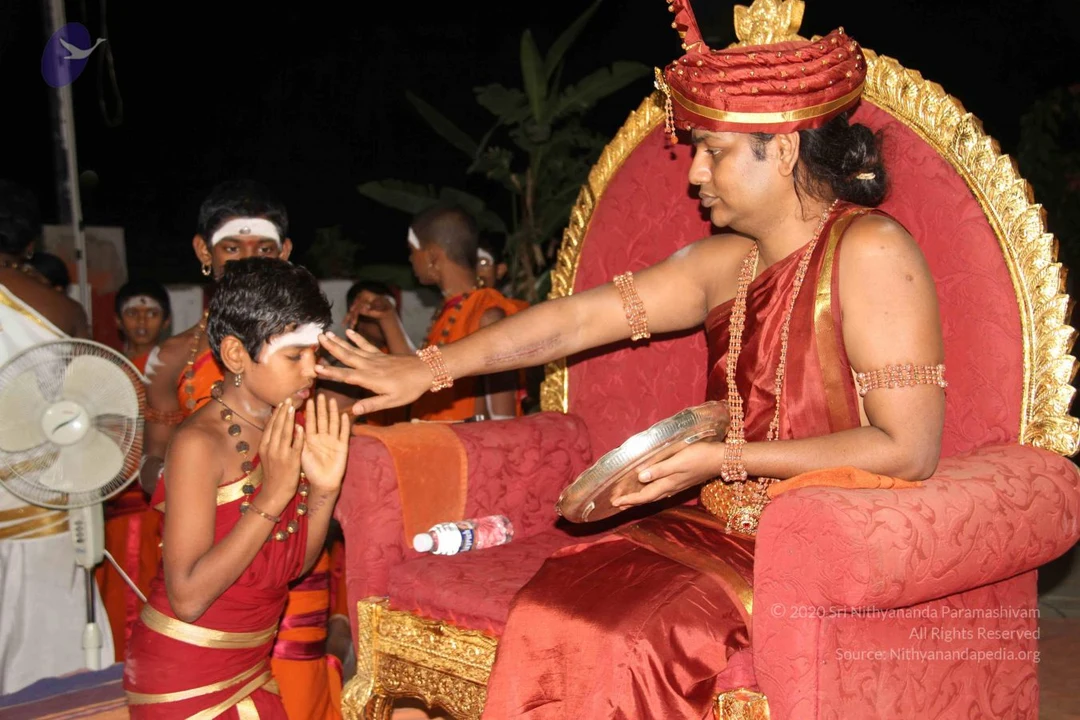
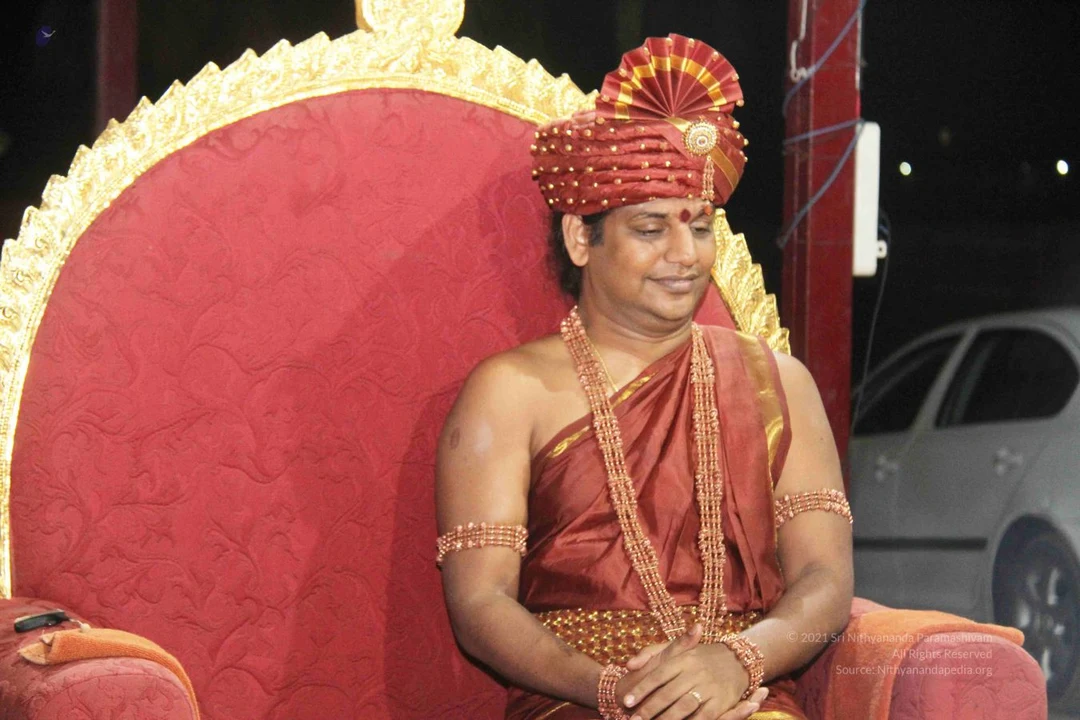
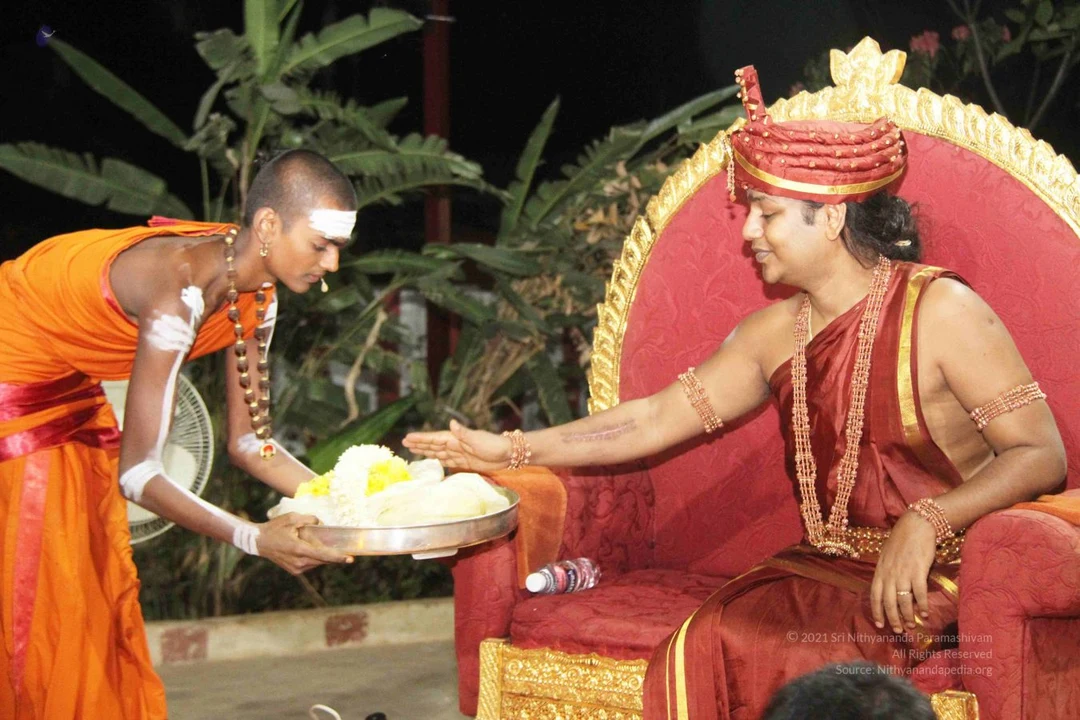
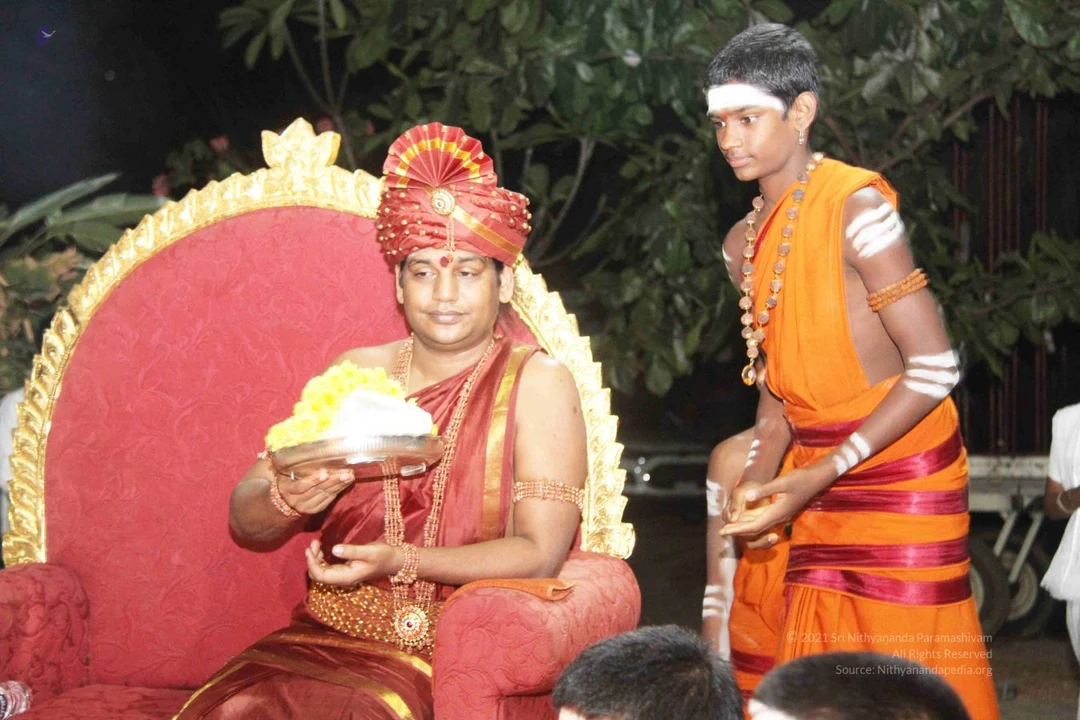
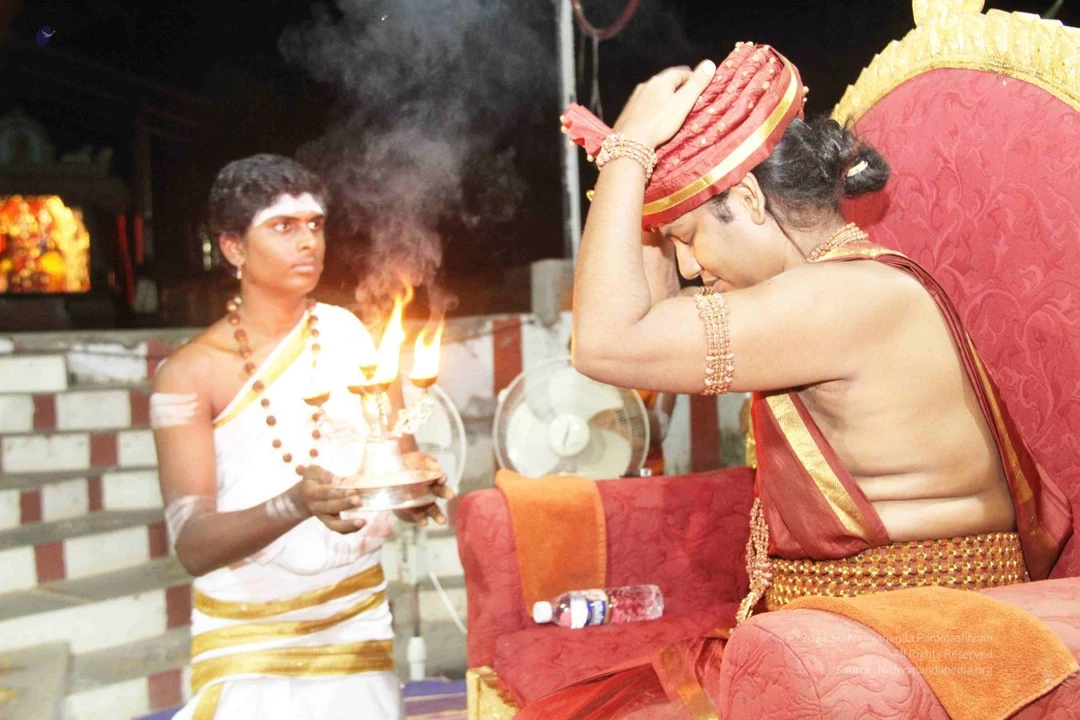
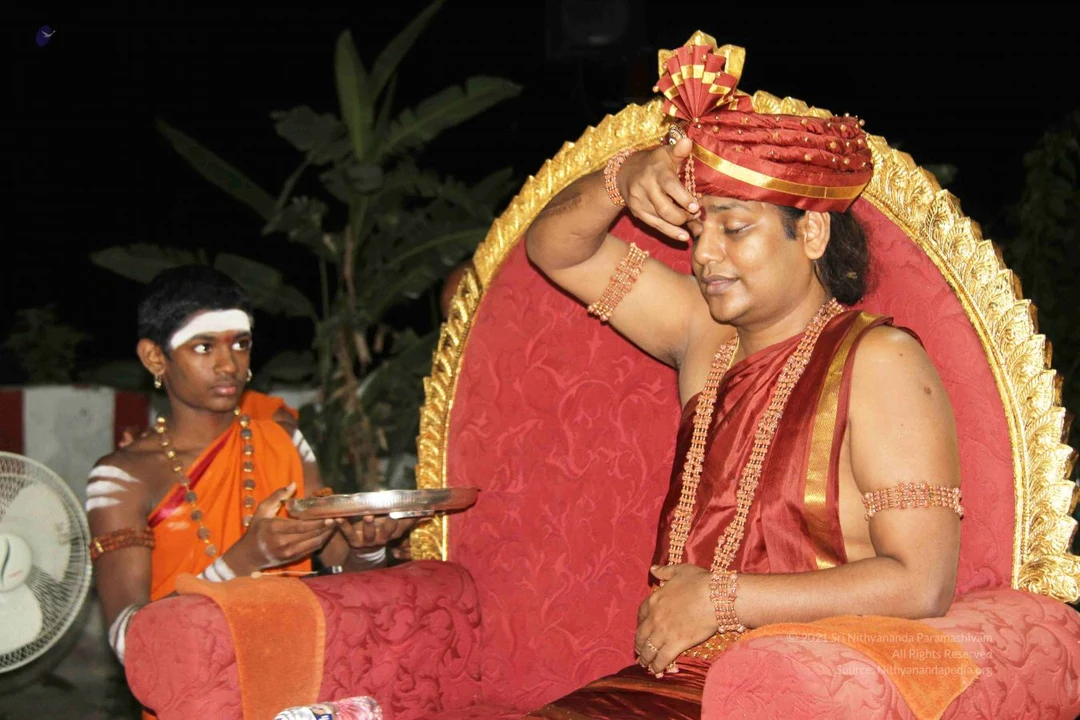
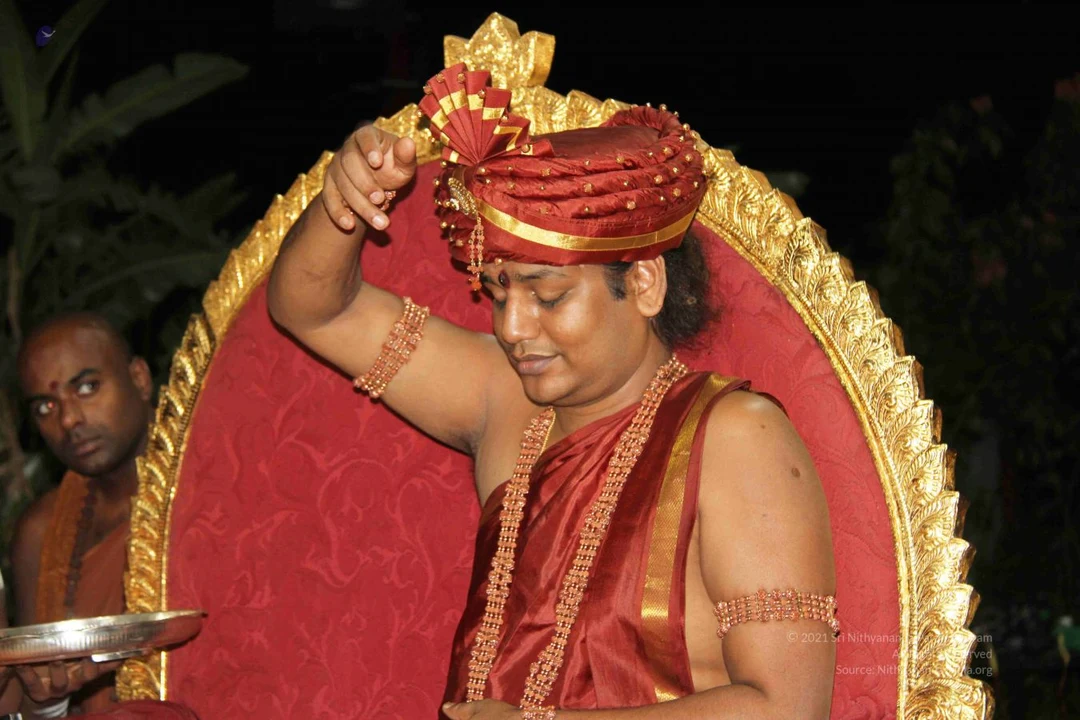
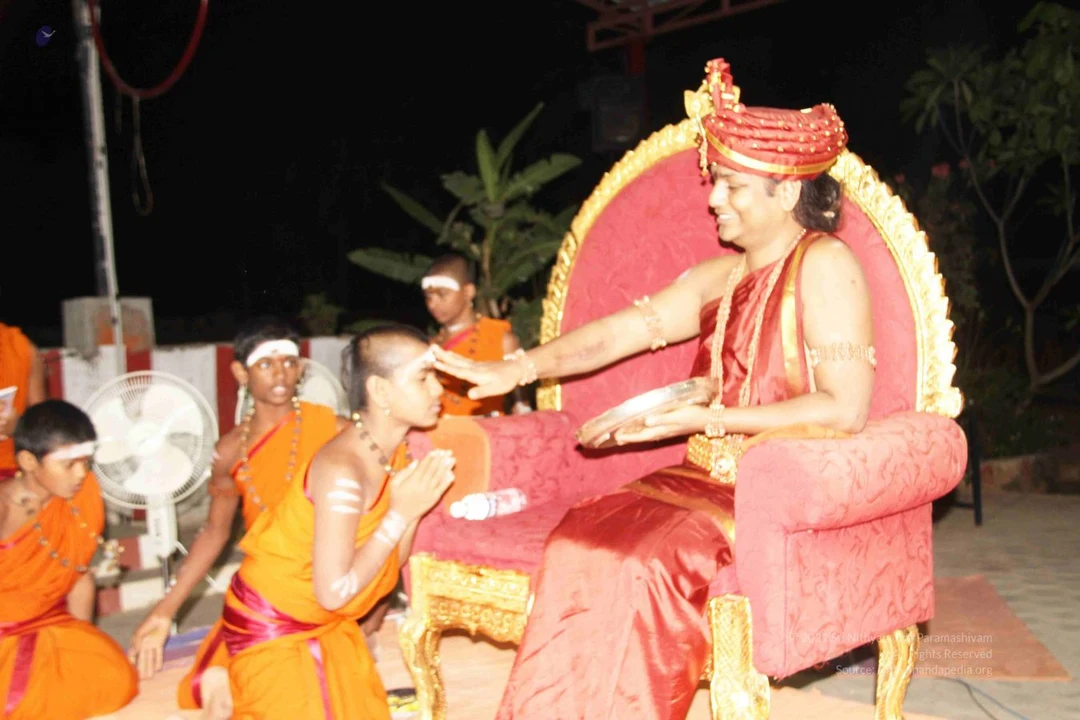
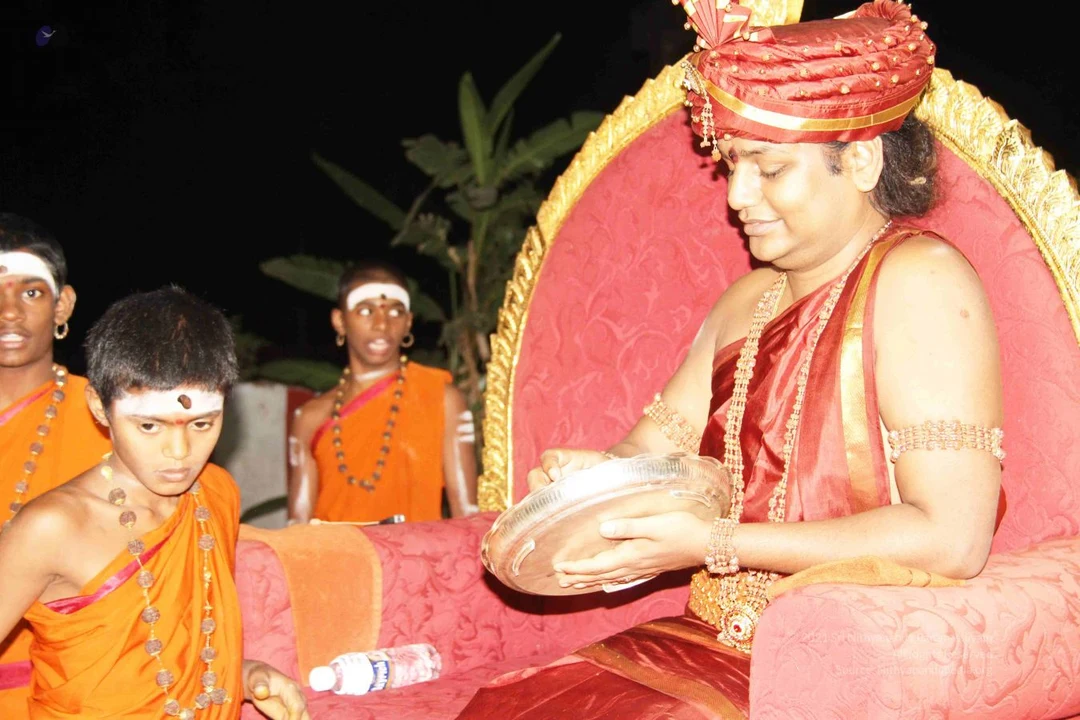
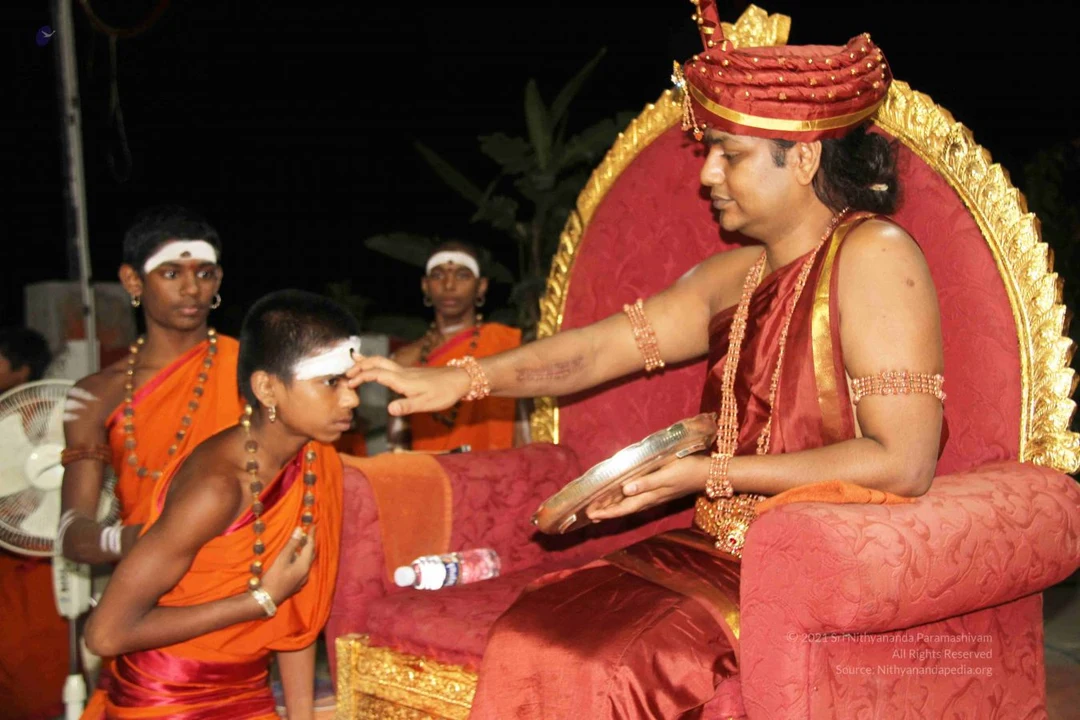
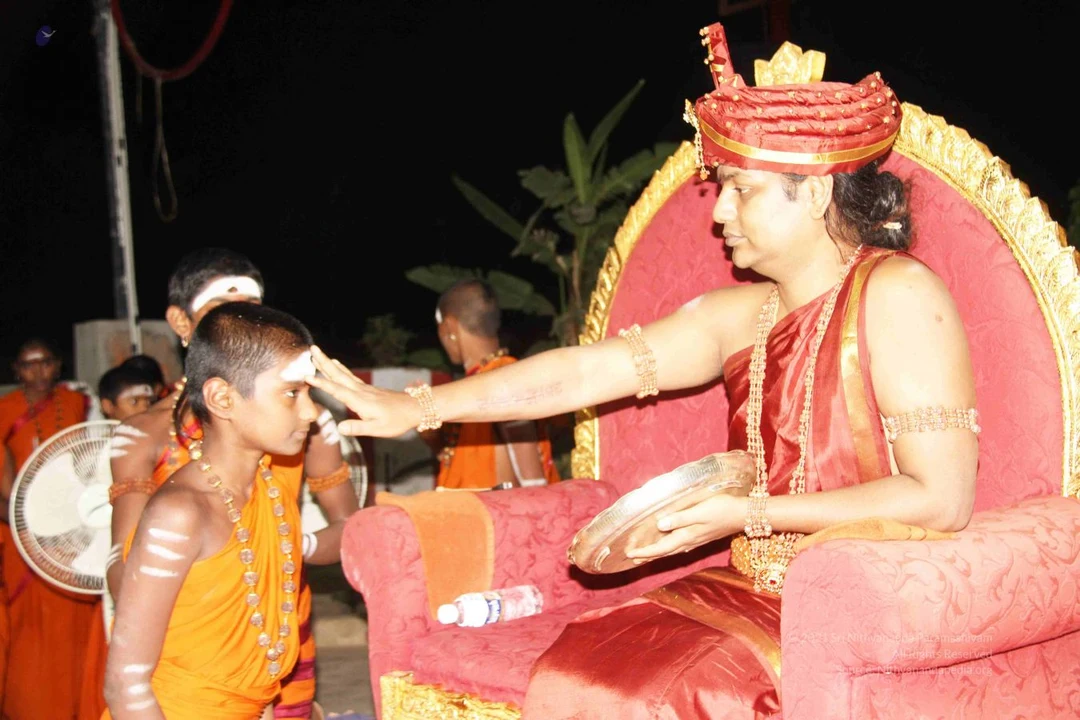
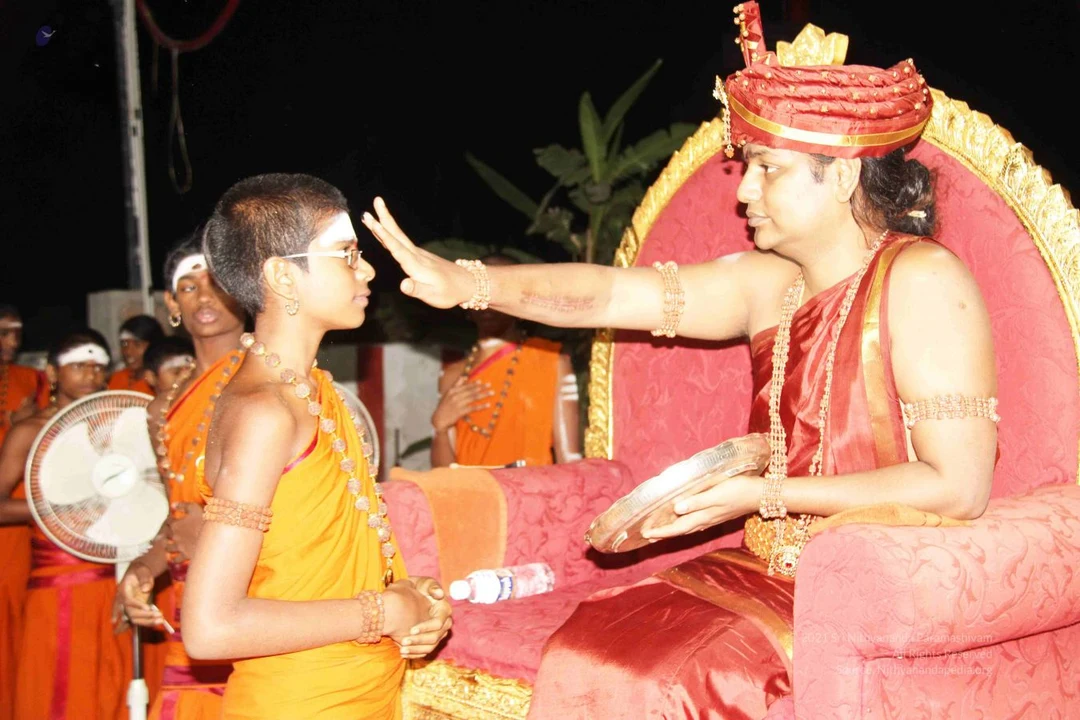
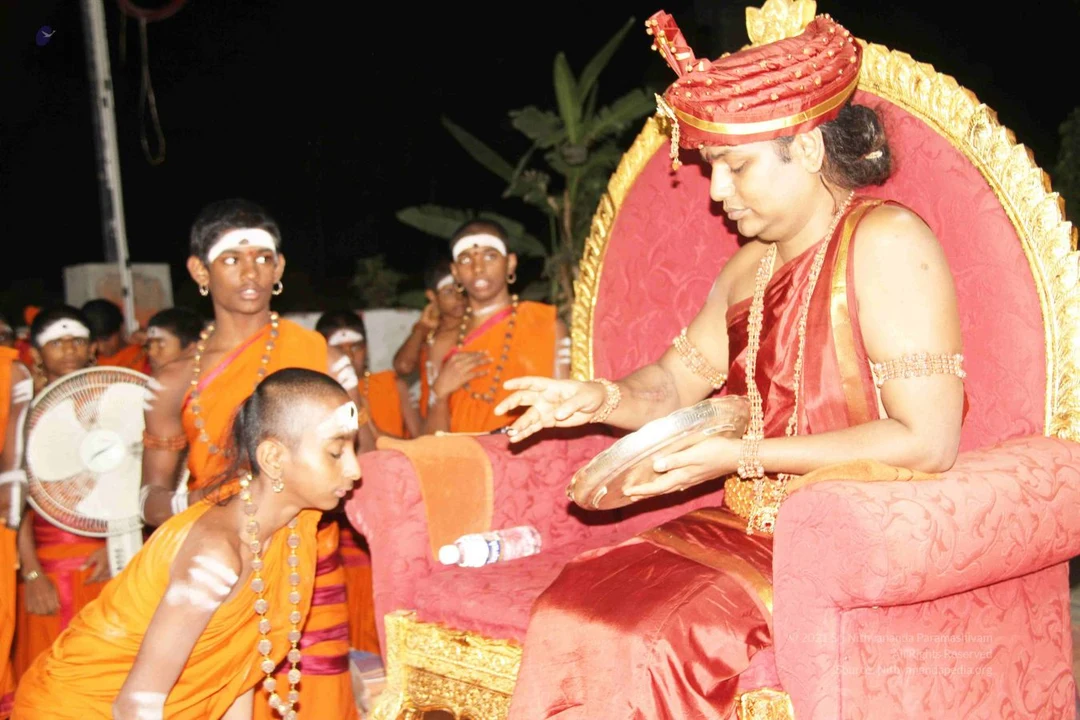
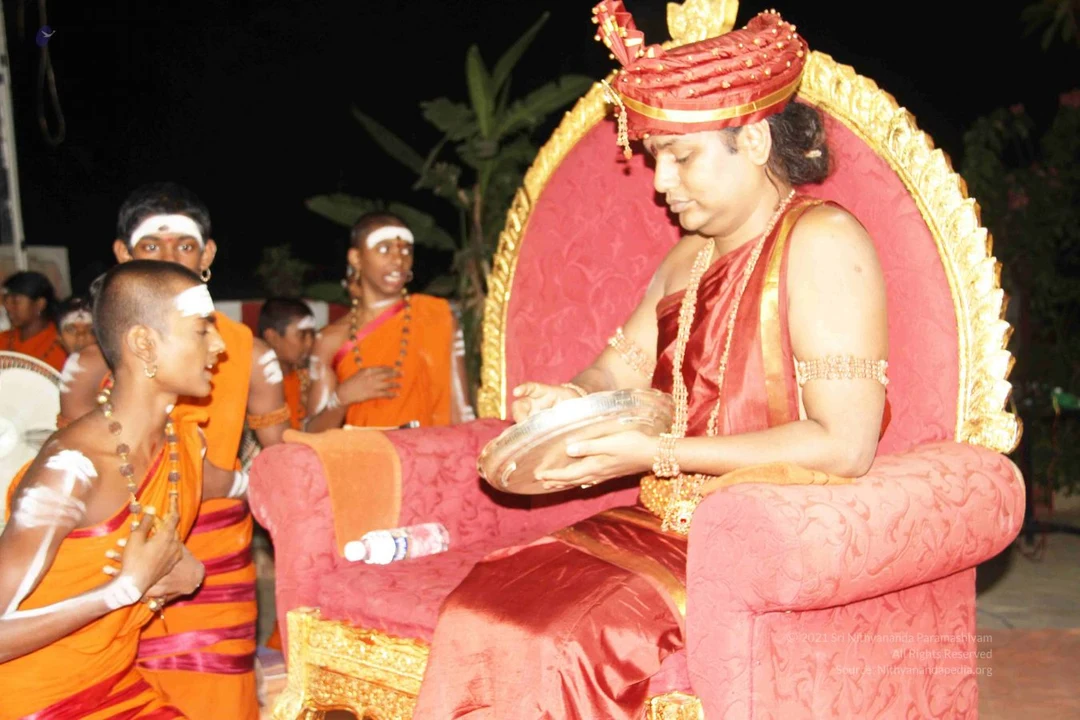
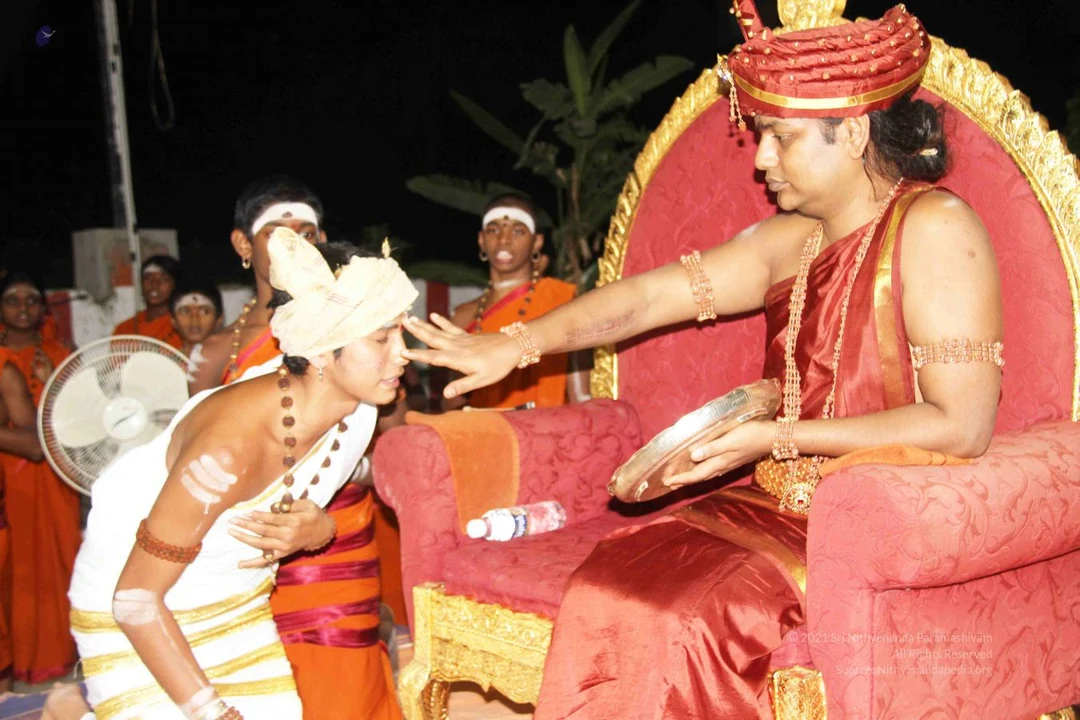
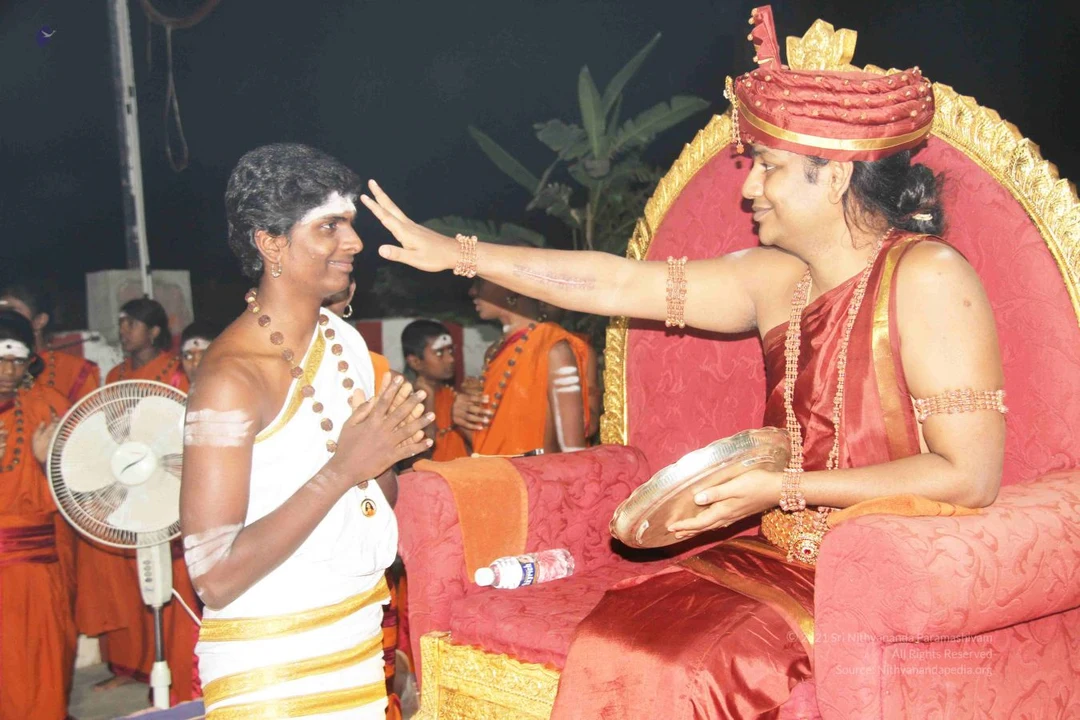
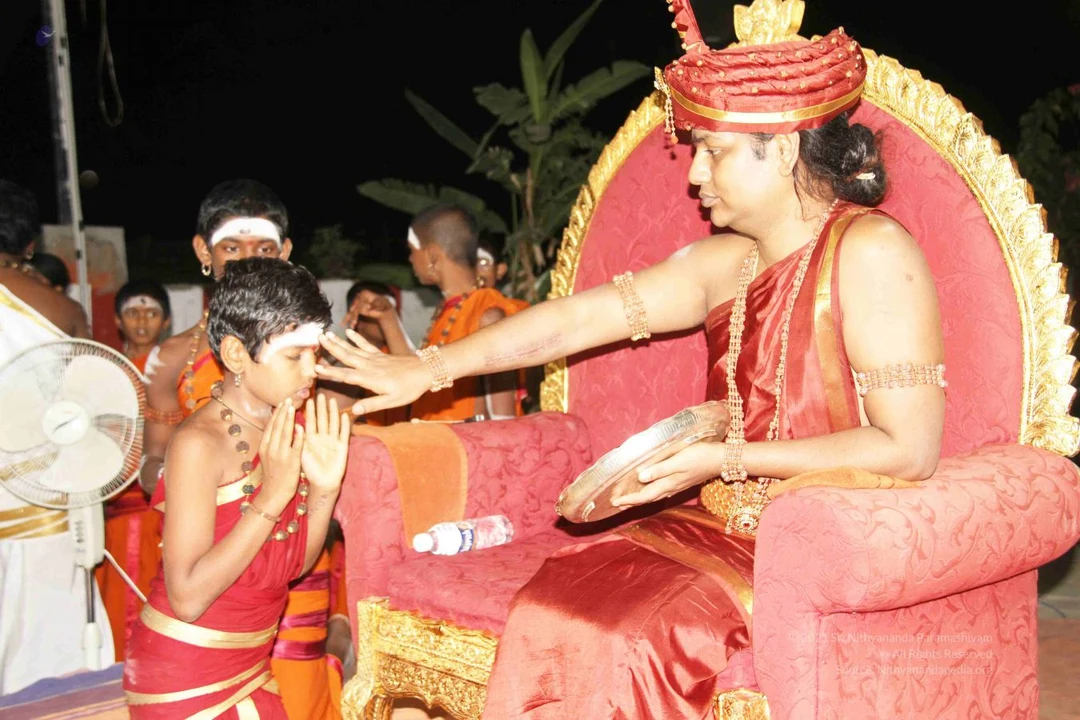
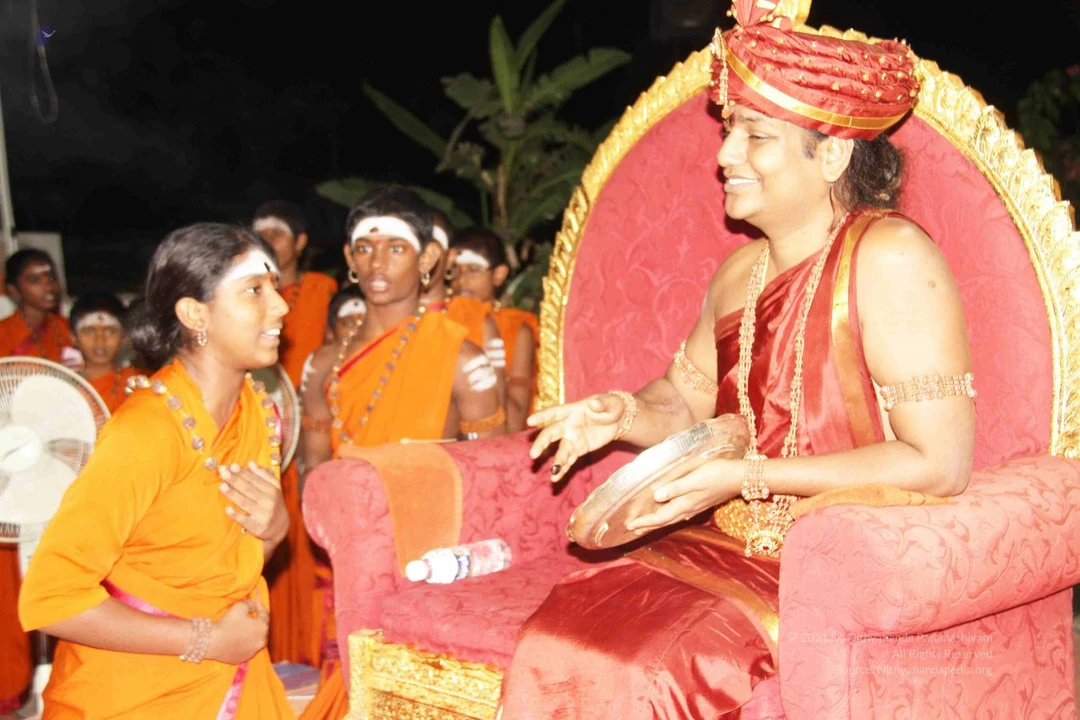
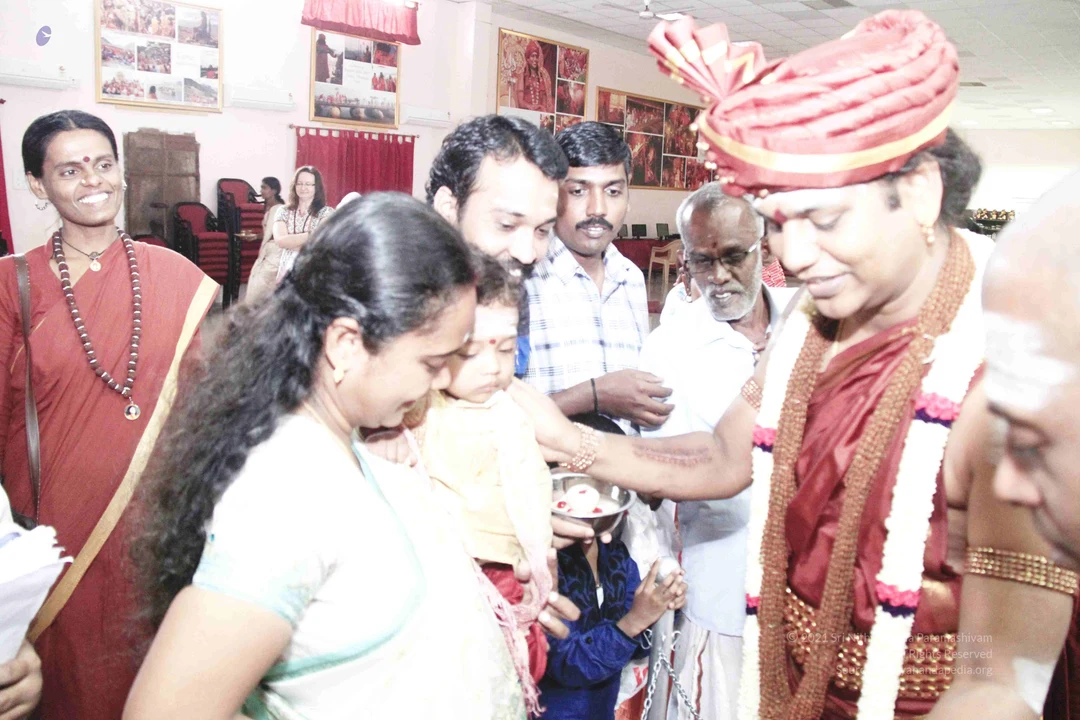
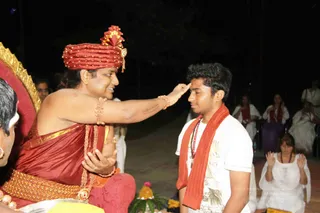
Night outdoor event on a dark stage. A man in a red turban with a gold-tipped fan ornament and a red-orange draped garment, wearing layered beaded bracelets, gold chains and a rudraksha mala, sits on a red and gold-trimmed seat and touches the forehead of a young man in a white t-shirt and red-orange shawl with a red-orange beaded mala. a person is seated and giving a blessing; the turban, bare upper body with ornate gold and red attire, and necklaces are the qualifying cues. Behind them, several people in white and red-orange clothing sit with palms pressed together, and a small kalasha with flowers sits at the lower left. A partly visible attendant with white tilak marks is at the left edge.Night outdoor photo of a seated man on an ornate gold-trimmed red throne-like chair, wearing a red turban with gold trim, red robes, layered beaded necklaces and bangles. He extends his right hand toward the forehead of a shaved-headed young devotee kneeling with palms joined, while holding a silver plate. Around them, several young devotees in saffron-orange robes with white forehead bands sit or kneel on an orange mat, some with white markings on their arms. A small fan and potted plants are visible in the background. Five people are visible in total. a person: the seated man wears a red turban, red robes, layered beaded necklaces and bangles on a throne, consistent with a ceremonial seat of honor.Night photograph of a man seated on a red upholstered throne with gold trim, wearing a red turban with a decorative fan-shaped ornament, red-and-gold silk garments, layered gold and beaded necklaces, and bangles. He holds a clear glass bowl in both hands and looks down at it. Beside him, a boy in orange cloth with a red-tinted dhoti, rudraksha mala and a dot of ash on his forehead sits near him, and two more young attendants in orange with white headbands and white body markings stand behind. A plastic water bottle sits on the ground in the foreground and tropical plants frame the background.A man seated on an ornate gold-and-red throne chair touches the forehead of a young boy kneeling before him, applying a mark with his right hand. The seated man wears a red-and-gold turban, a red dhoti-style wrap, a layered rudraksha mala, ceremonial gold necklaces, beaded bracelets and an armlet. He holds a silver tray or plate in his left hand. The boy wears an orange robe with rudraksha beads and a white forehead band. Two more young people in orange robes with white forehead bands stand behind, and a water bottle sits near the throne. The scene is at night with a fan at left and a palm plant in the background. Swamiji (probable) is the seated figure, whose appearance shows the red turban, ornate gold and rudraksha cues; the role is a seated teacher giving blessing or initiation to a disciple.Night-time photo of a seated man in a red-and-gold ornate throne with a red and gold turban and crown-like headpiece, wearing a red cloth with gold border, layered gold necklaces and gold armlets. He extends his right hand to press a white vibhuti mark on the forehead of a young boy in orange robes with rudraksha beads. Behind them, other people in orange robes with white forehead marks stand near a fan and plants, and a silver plate rests in his lap. Swamiji (probable) is the seated figure on the throne, distinguished by the crown-like turban, saffron-red attire and ornate gold jewellery; he gives vibhuti blessing to the boy, consistent with a sannyasi giving darshan. Several people in orange, white vibhuti marks, fan and throne suggest a satsang or blessing gathering.A seated man on an ornate gold-trimmed red throne raises his right hand toward the forehead of a young boy standing before him. The seated man wears a red and gold turban, a red-and-gold shawl, bangles, and layered gold necklaces, and holds a silver plate. The boy has a short-cropped head, white forehead marking, glasses, earrings, and wears an orange robe with beaded necklaces. Several other young people in orange robes and white headbands stand behind, one beside a white electric fan, with a water bottle near the throne. Swamiji (probable) is identified by the ornate red turban, gold necklaces and throne, with the seated figure presented as the central teacher giving blessing.

THEPPAM
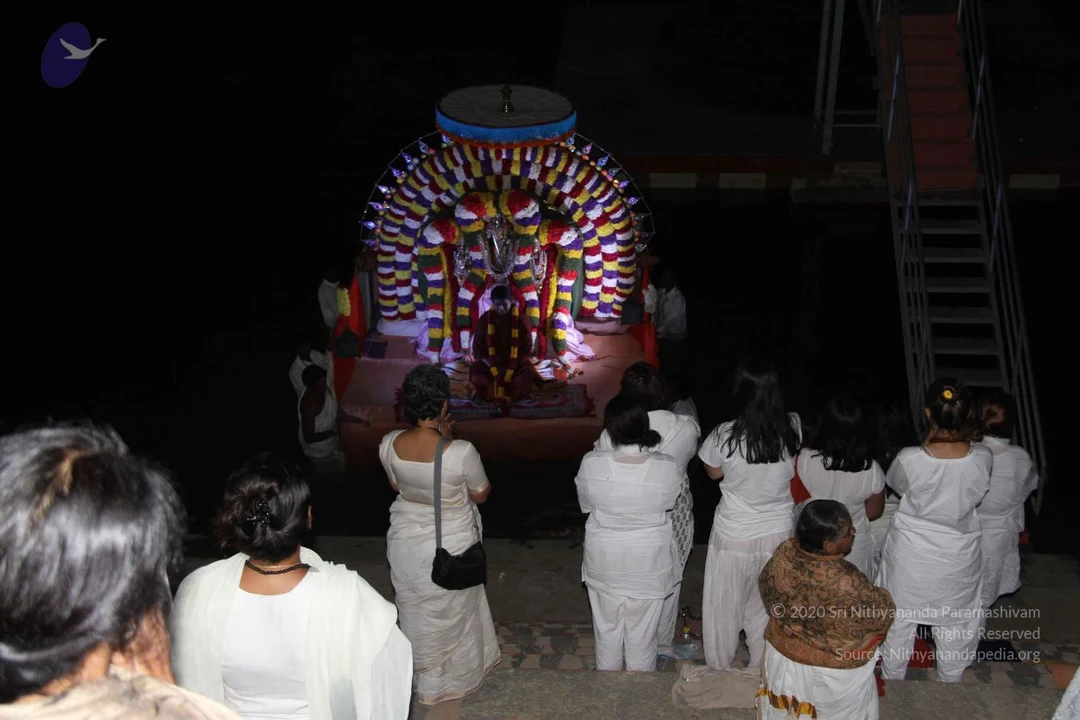
23 photosSource gallery
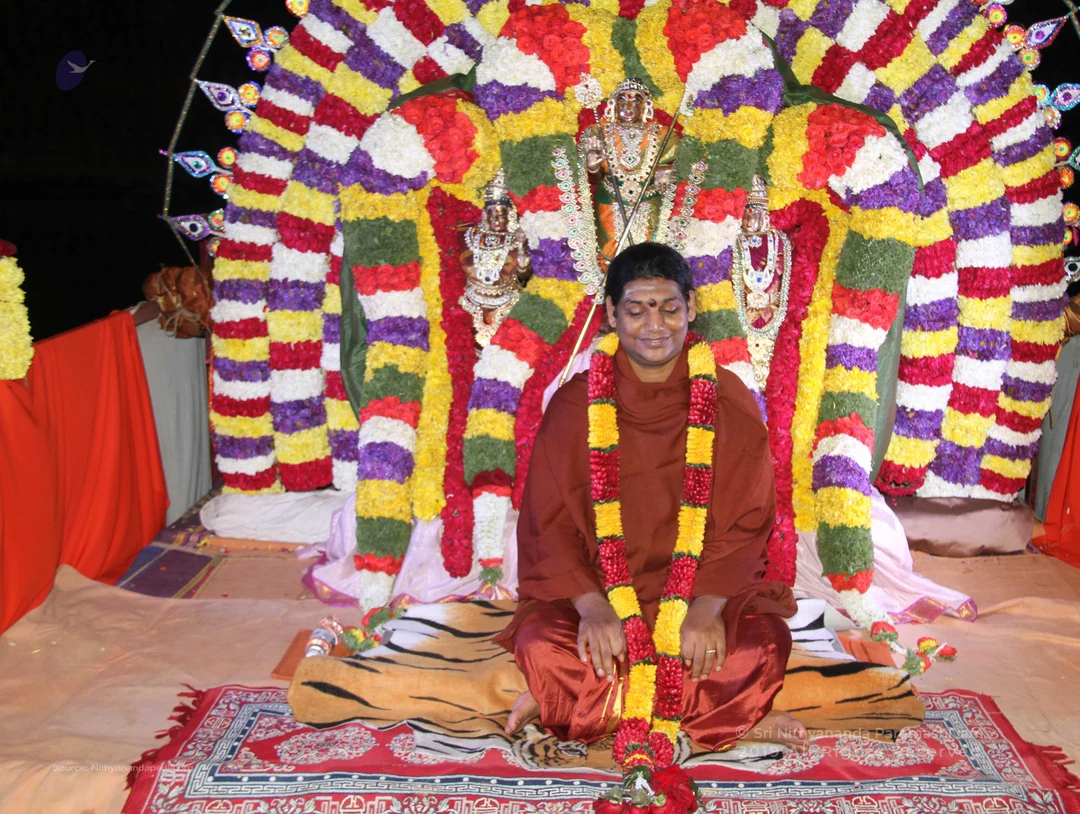
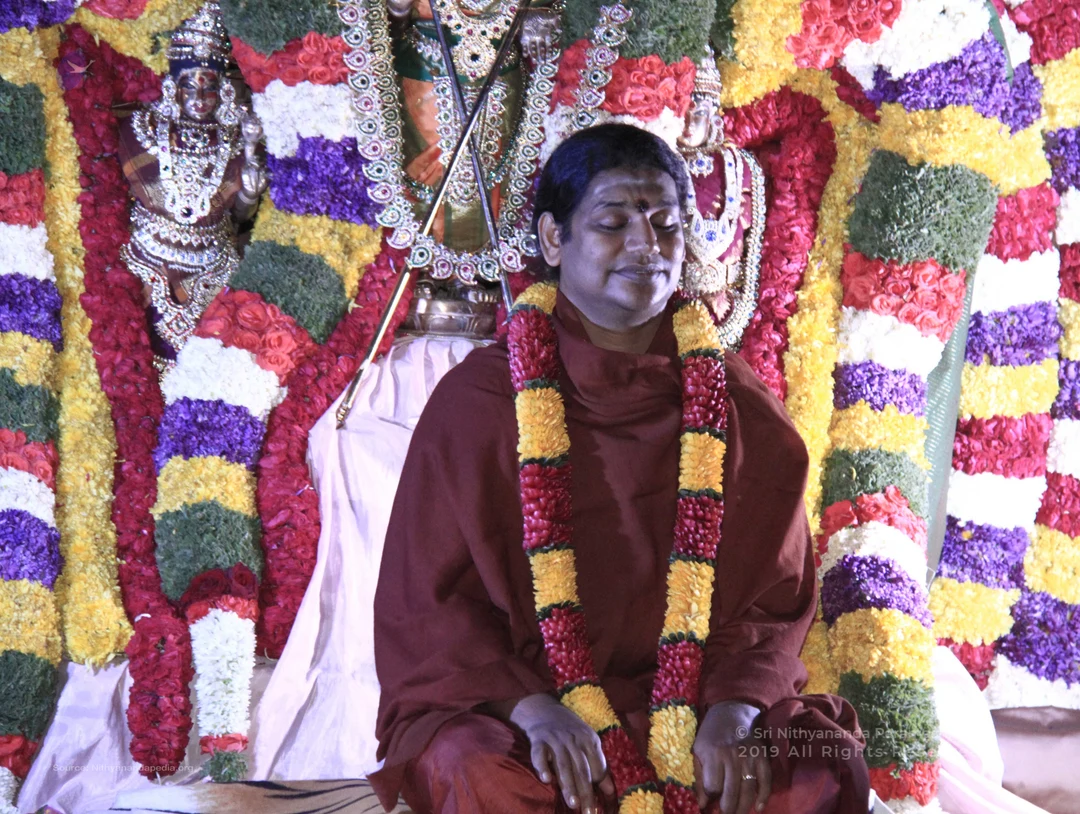
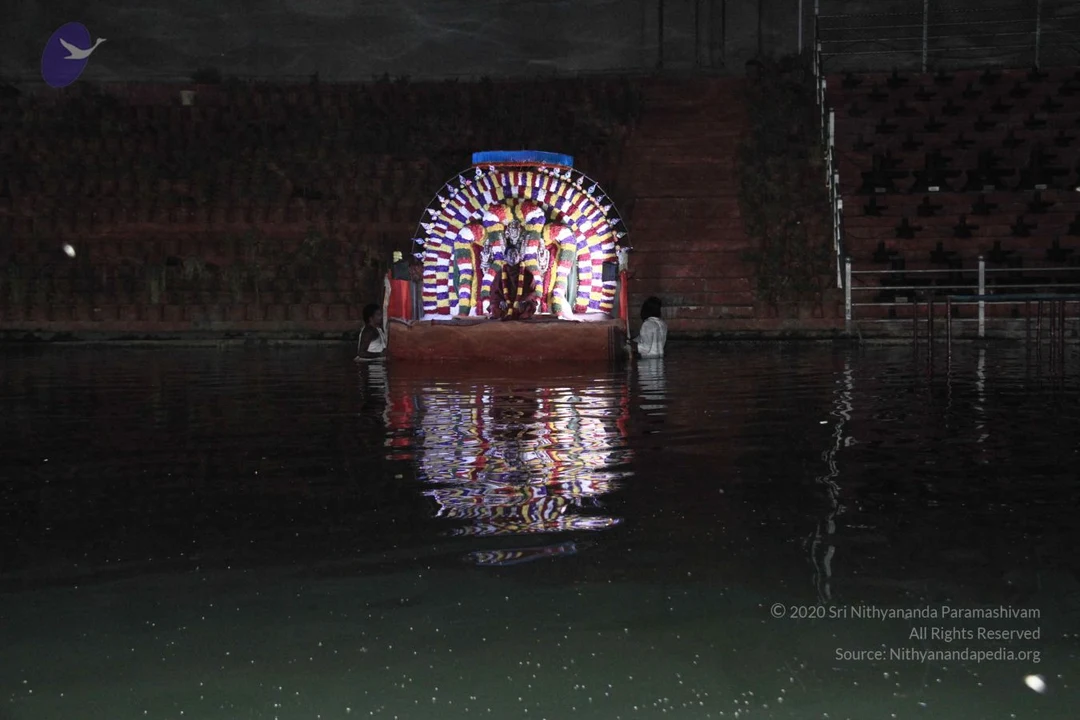
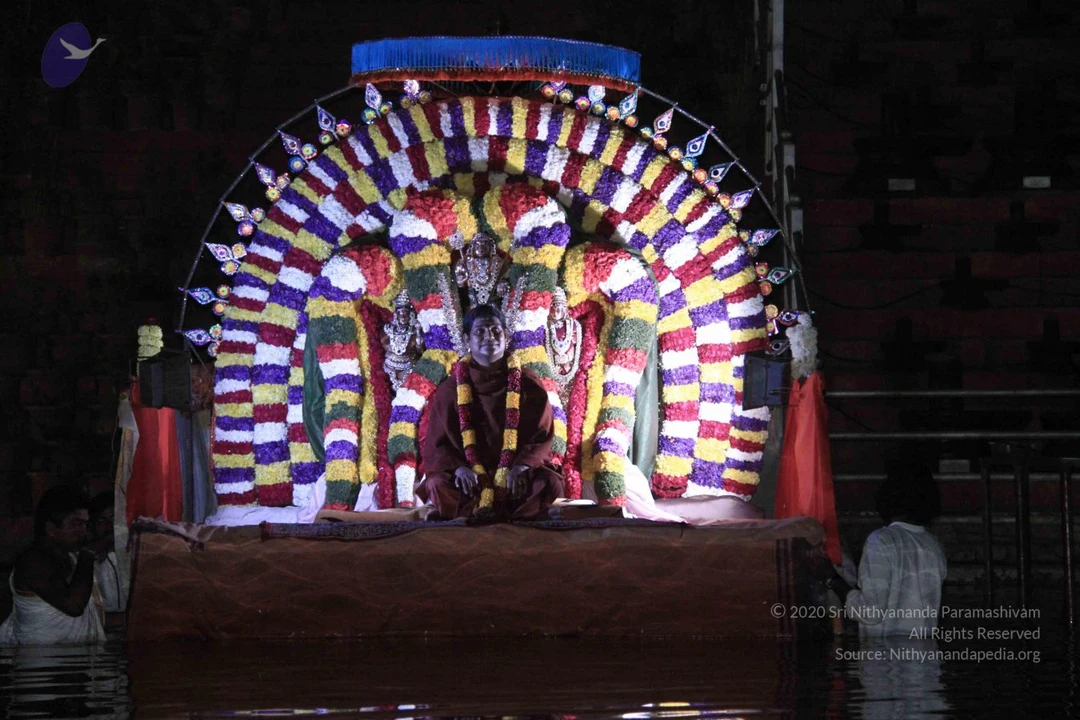
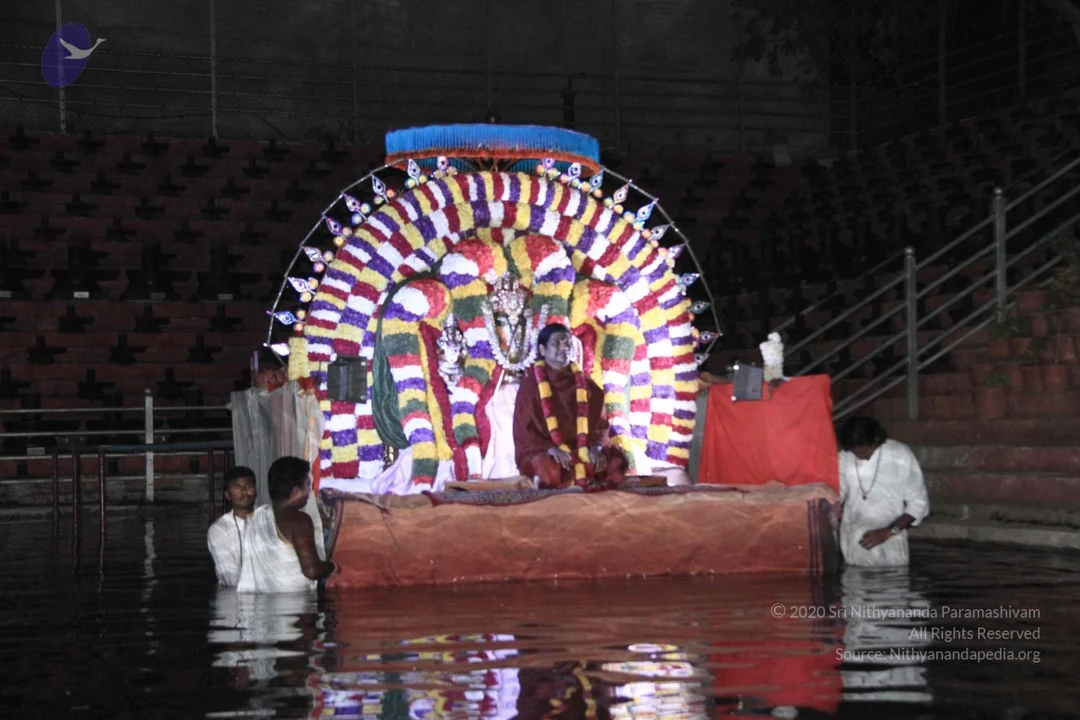
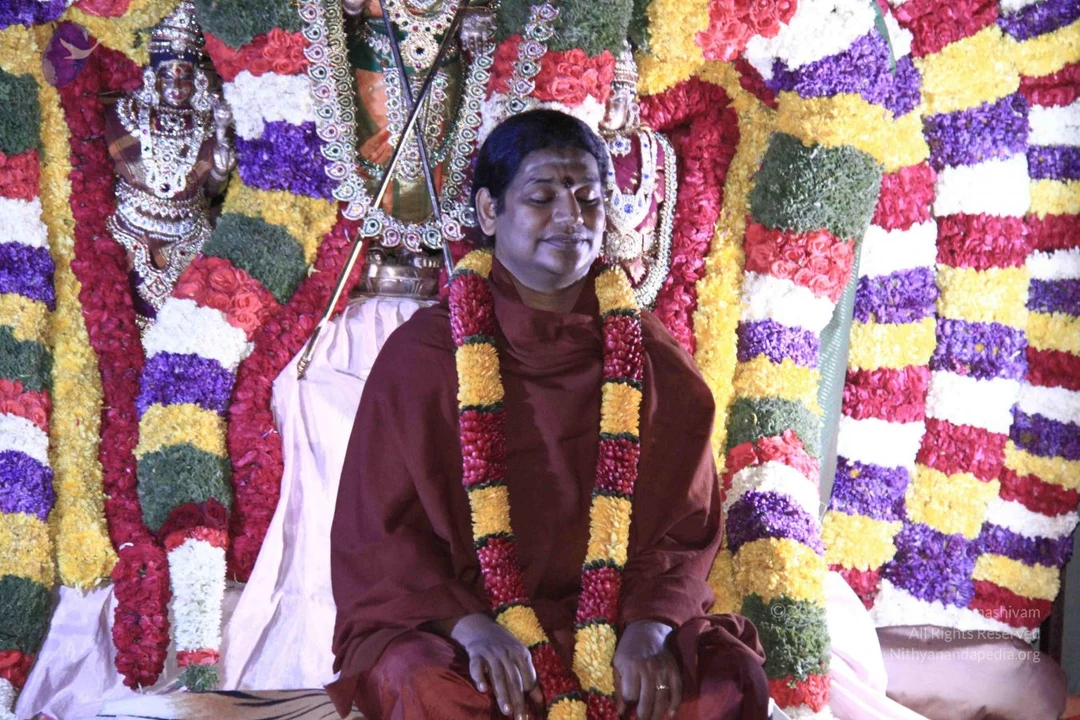
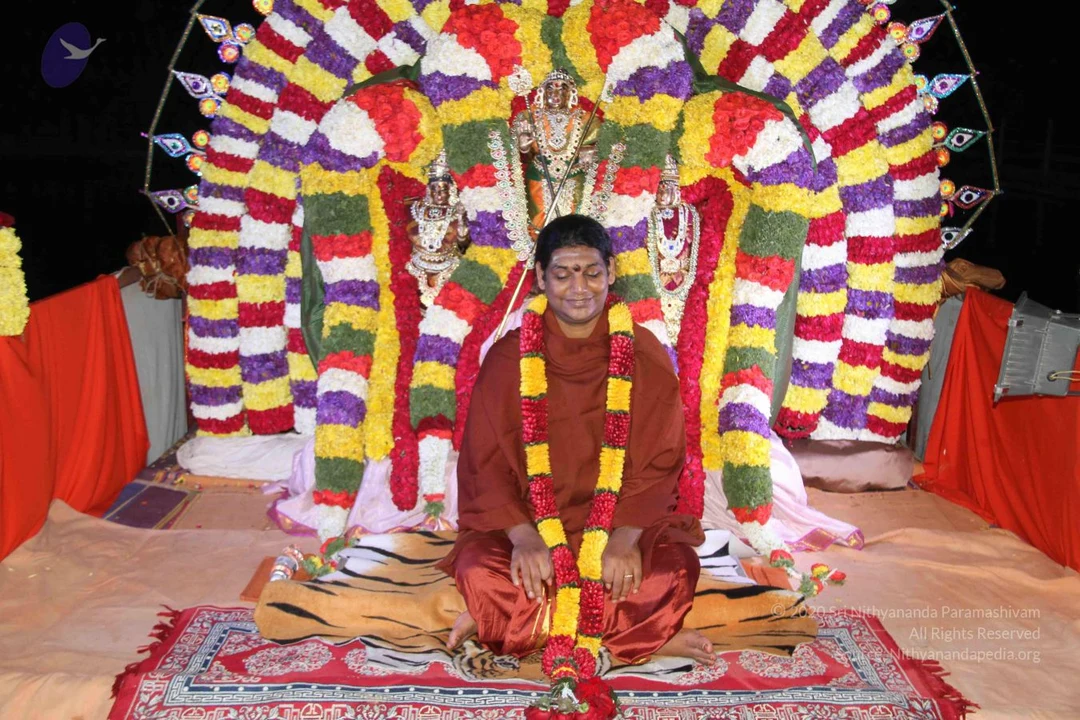
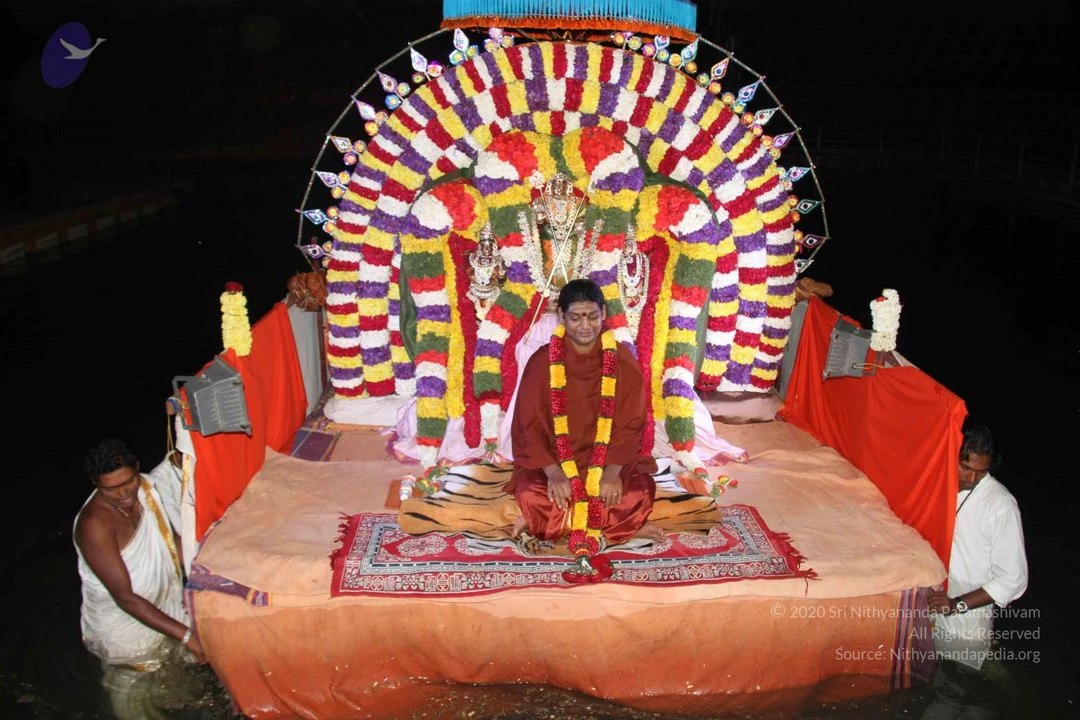
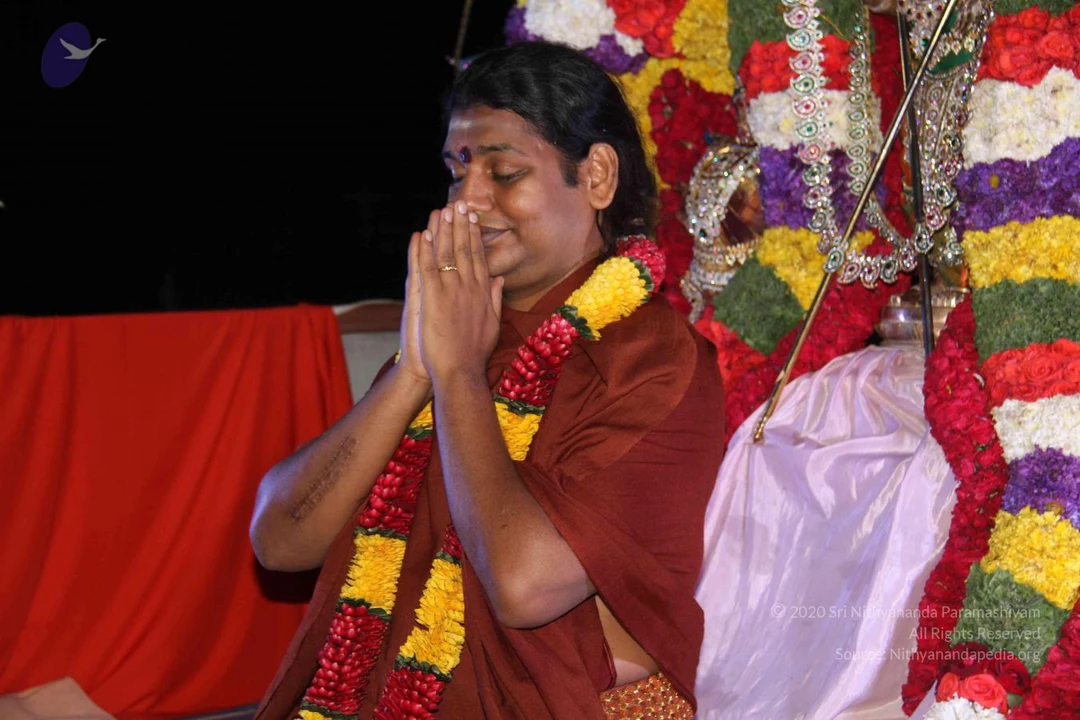
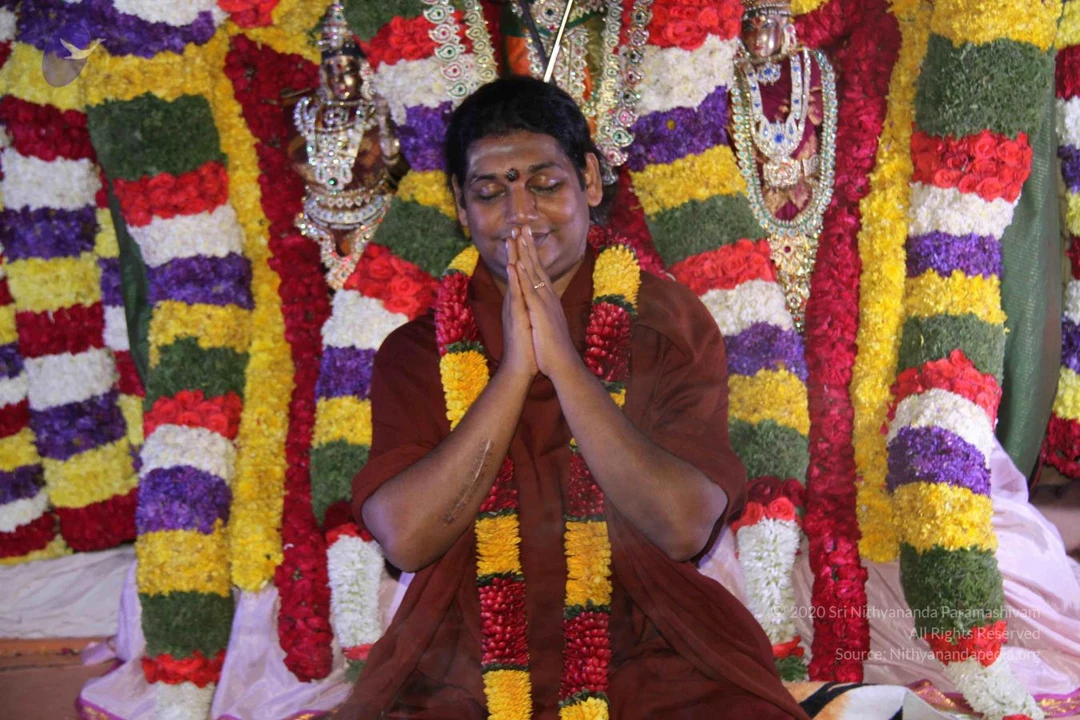
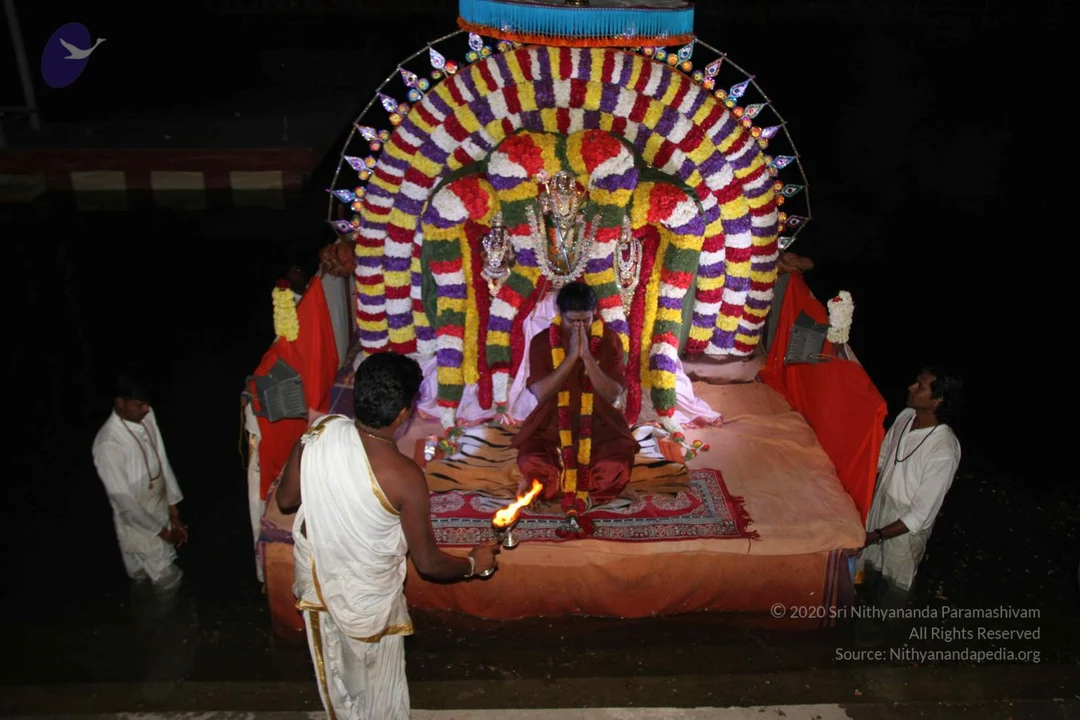
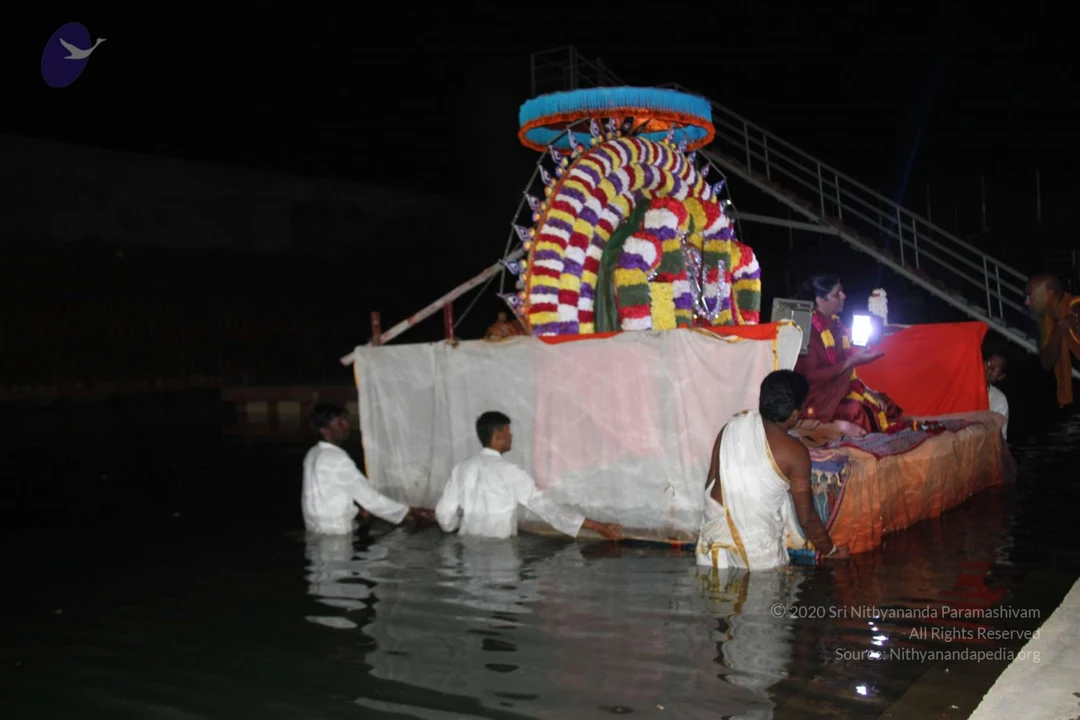
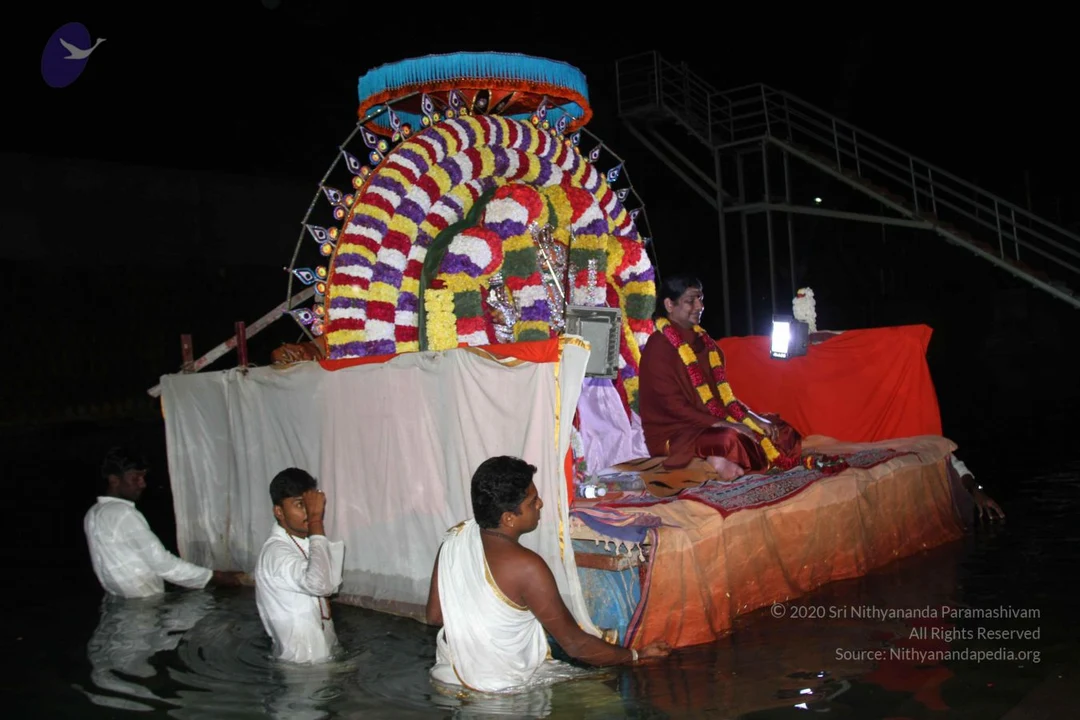
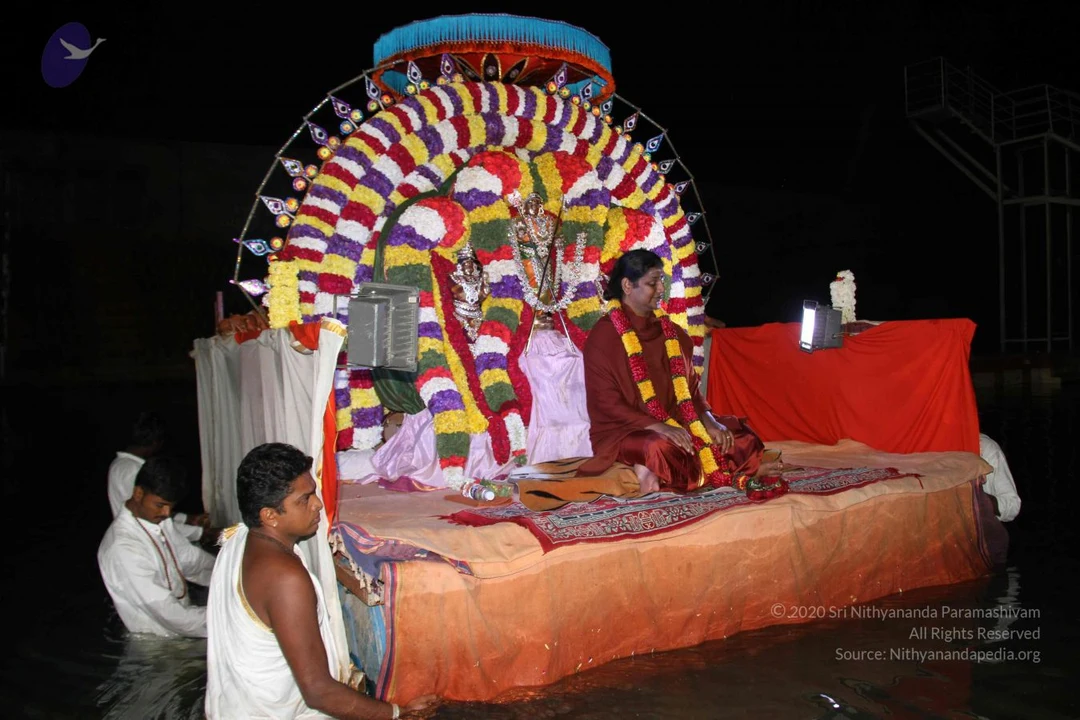
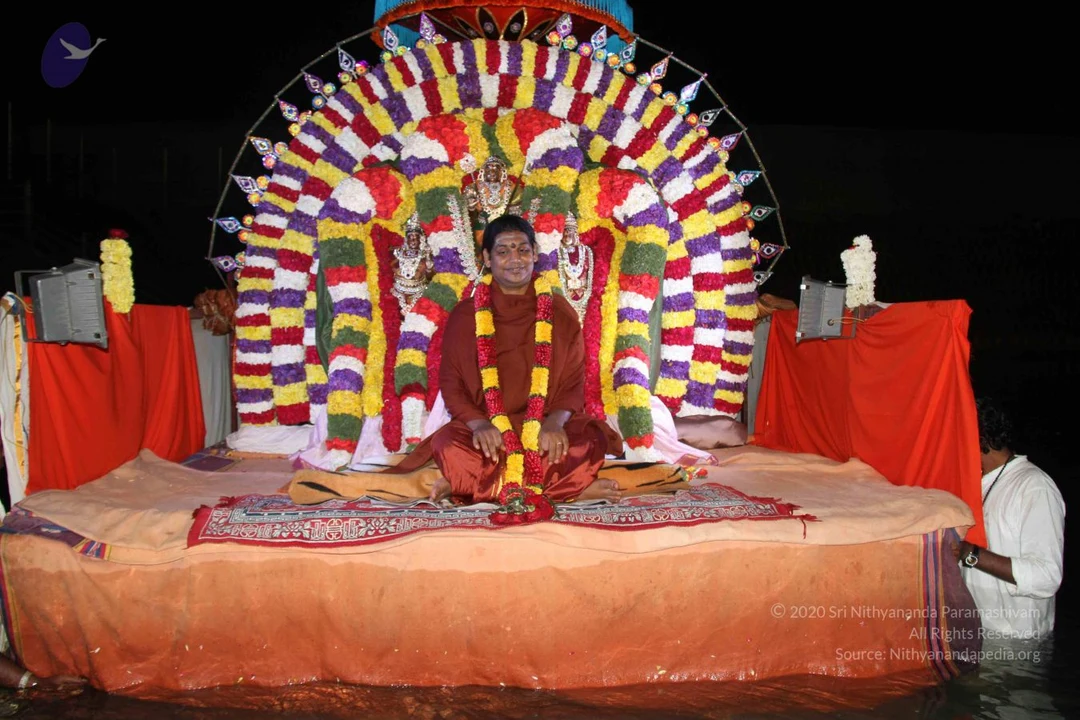
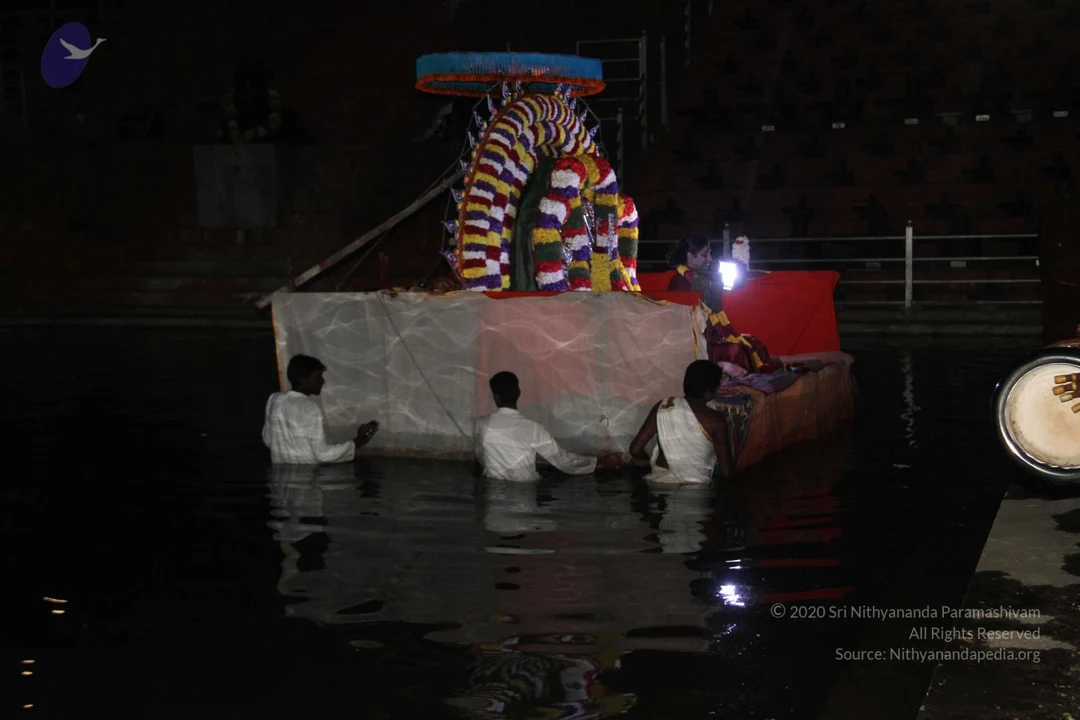
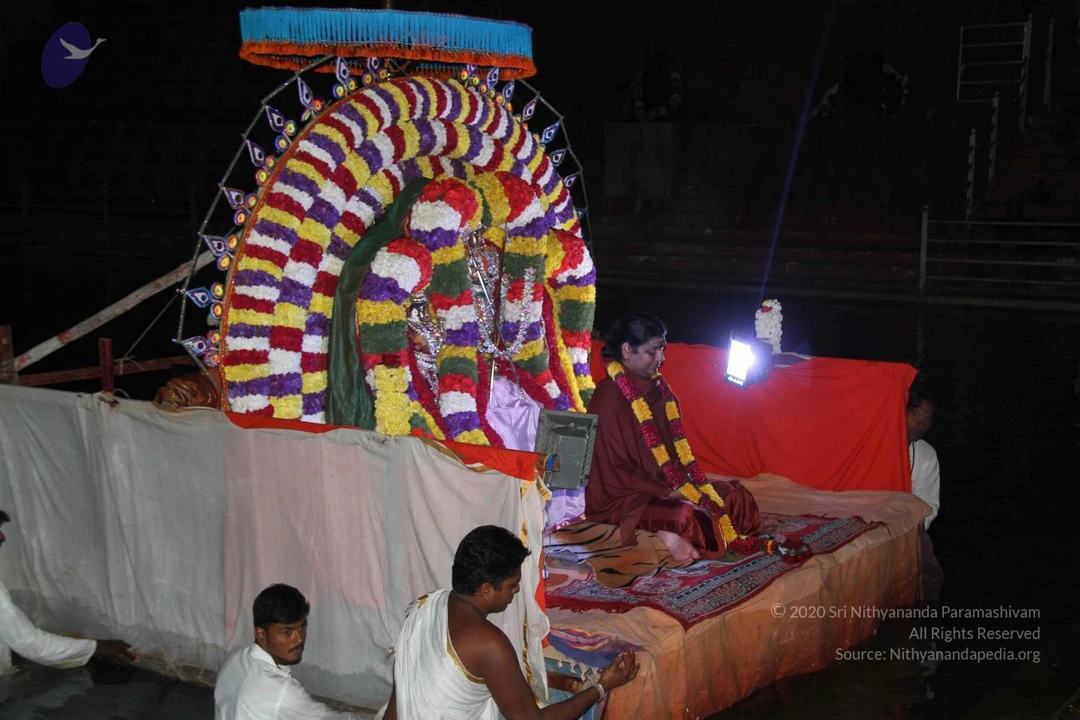
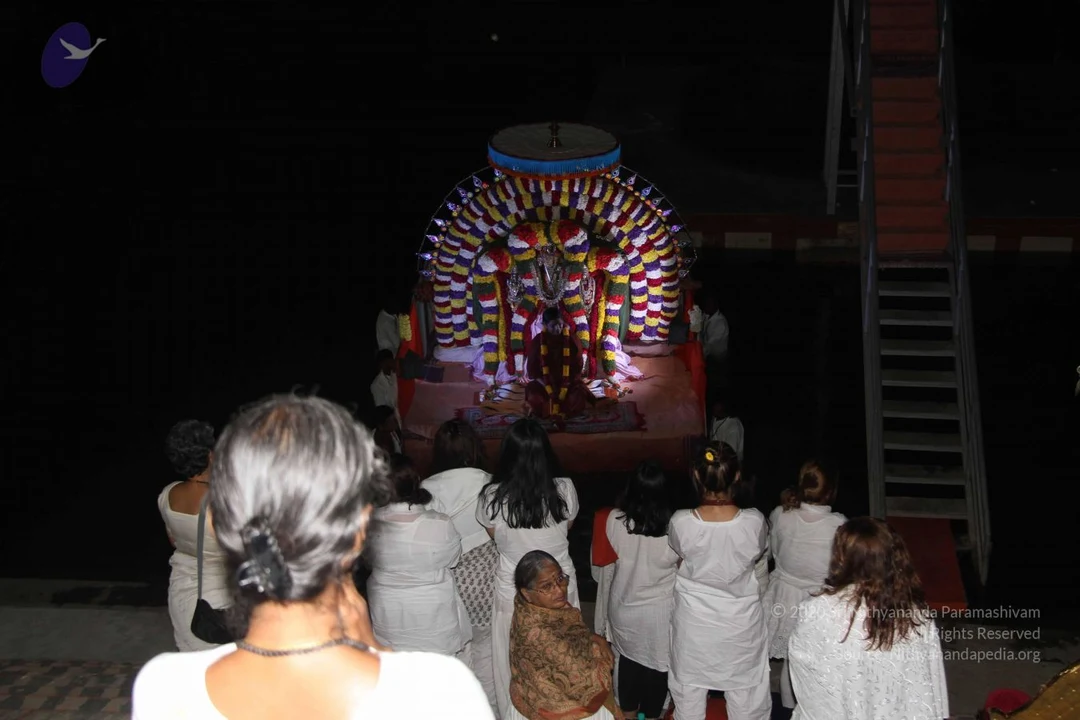
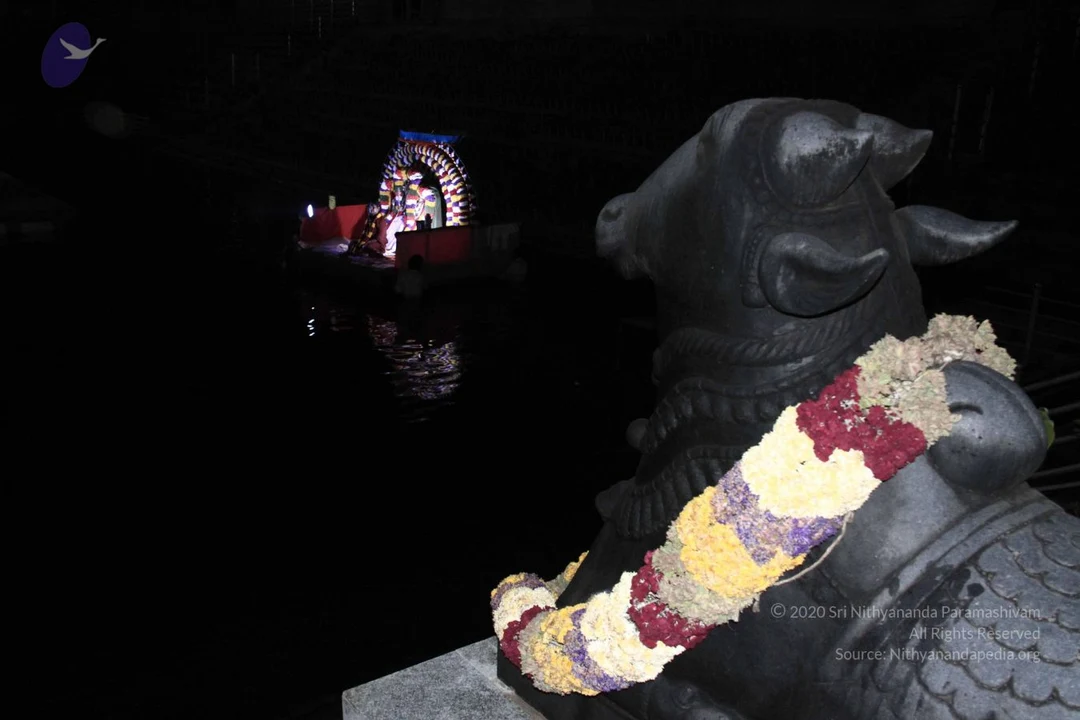
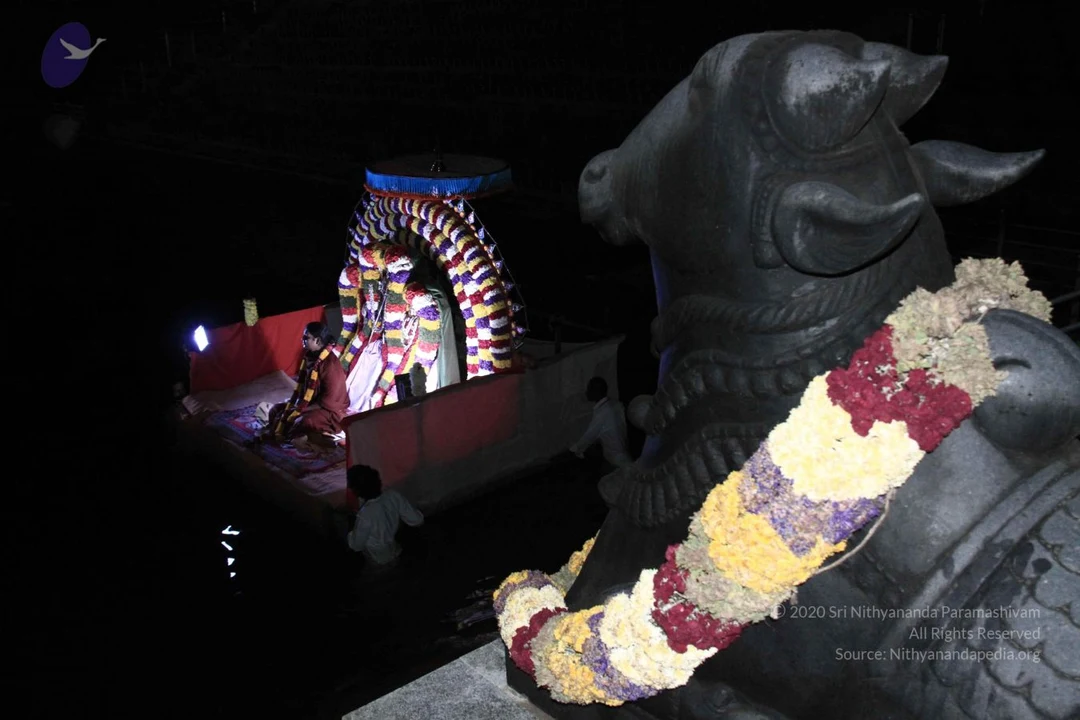
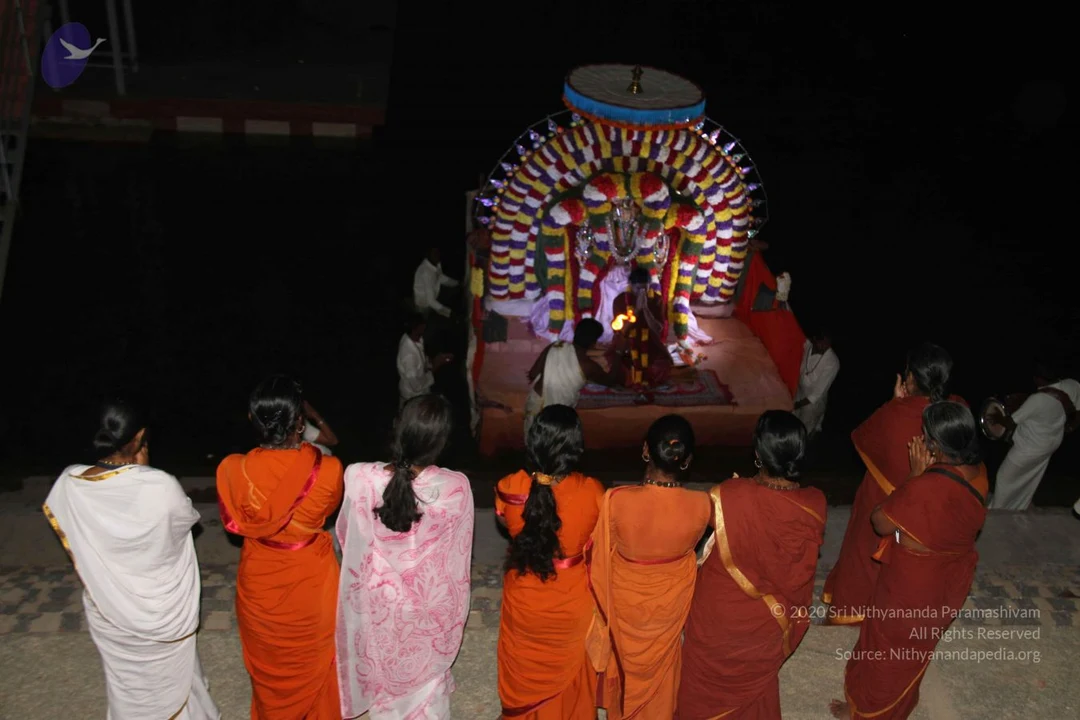
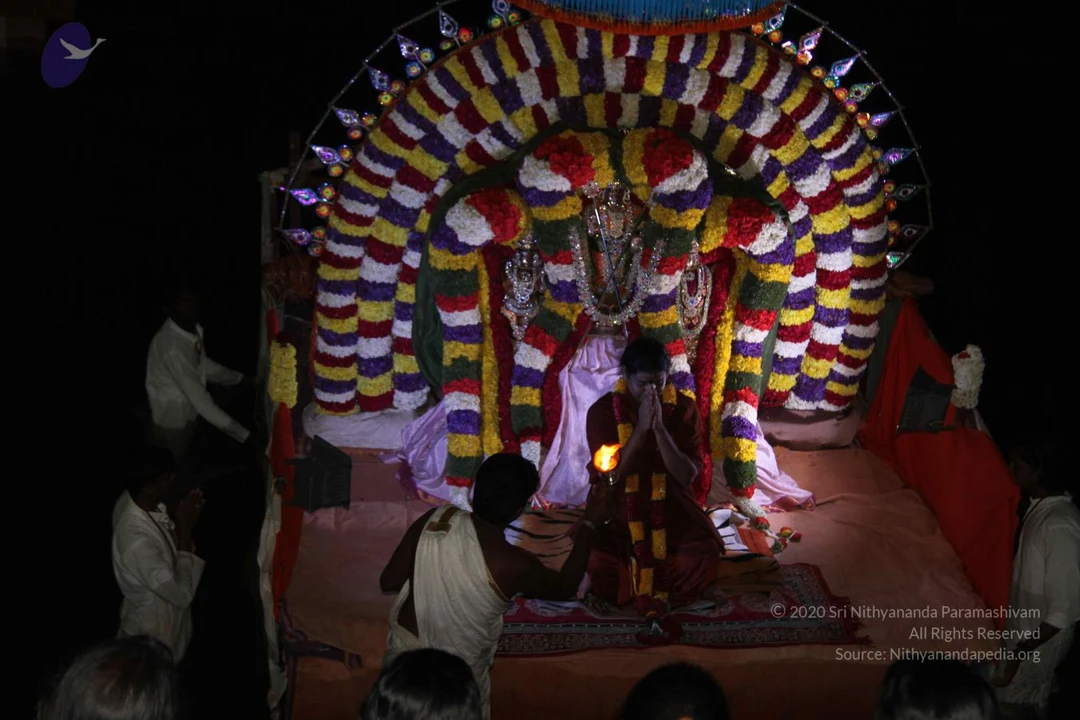
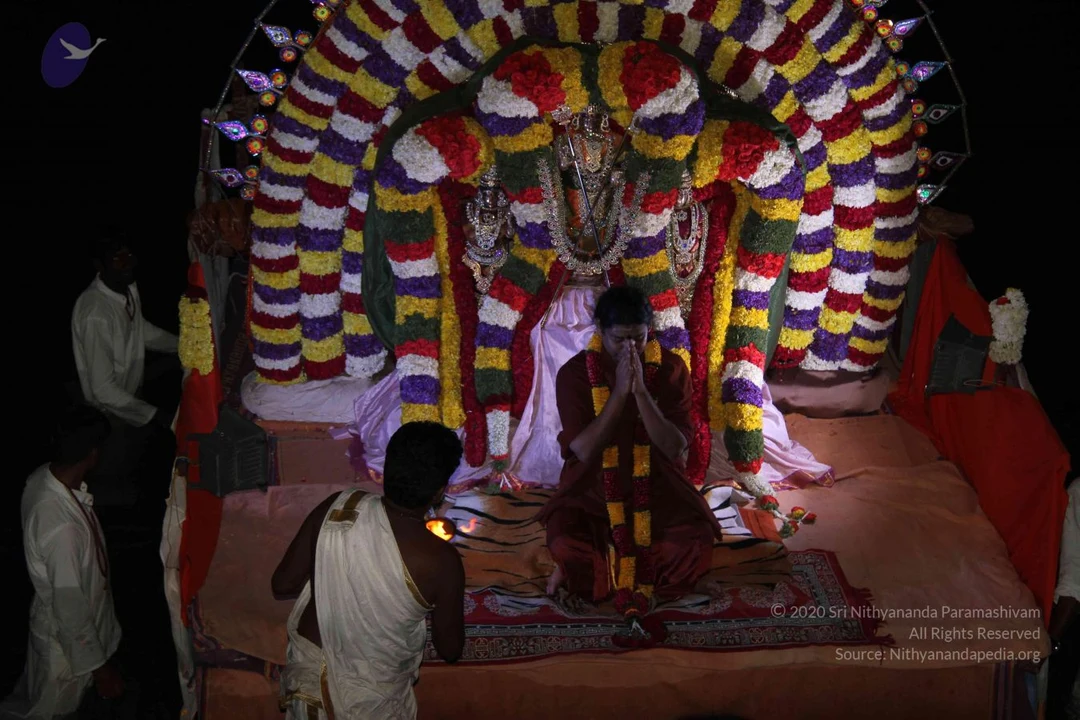
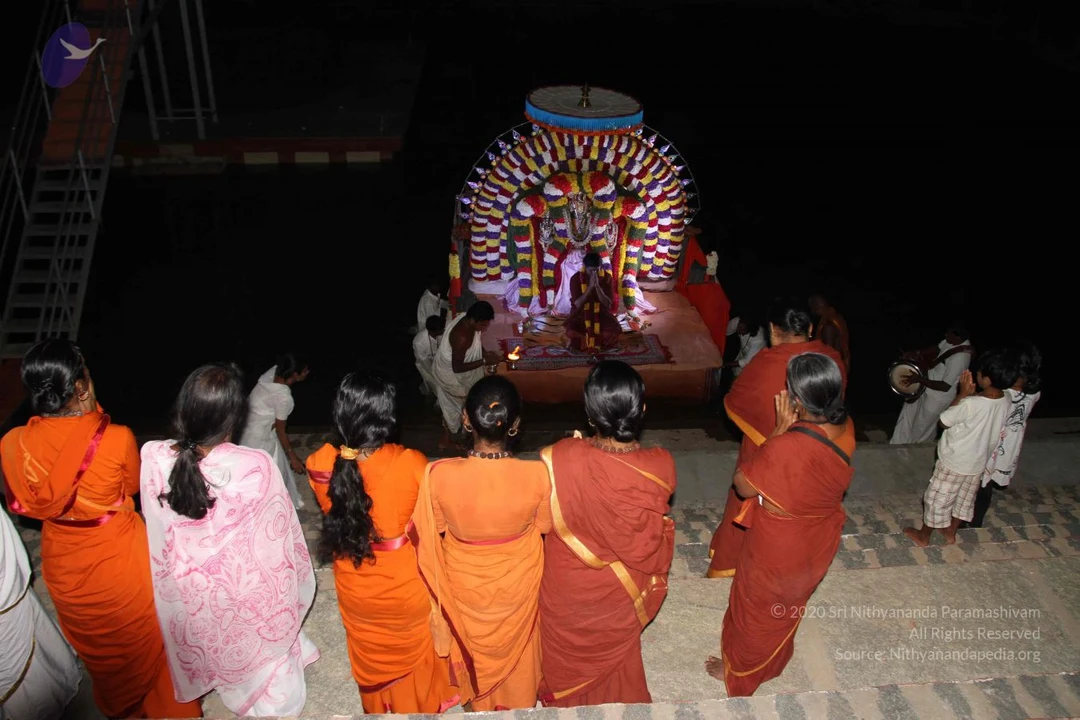
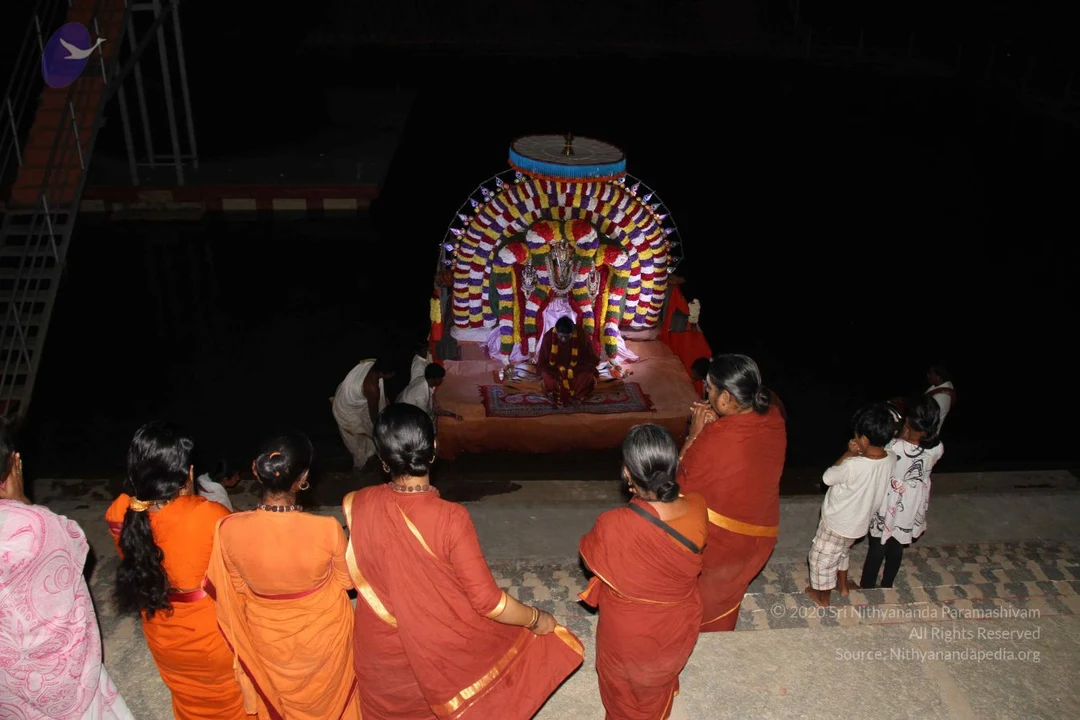
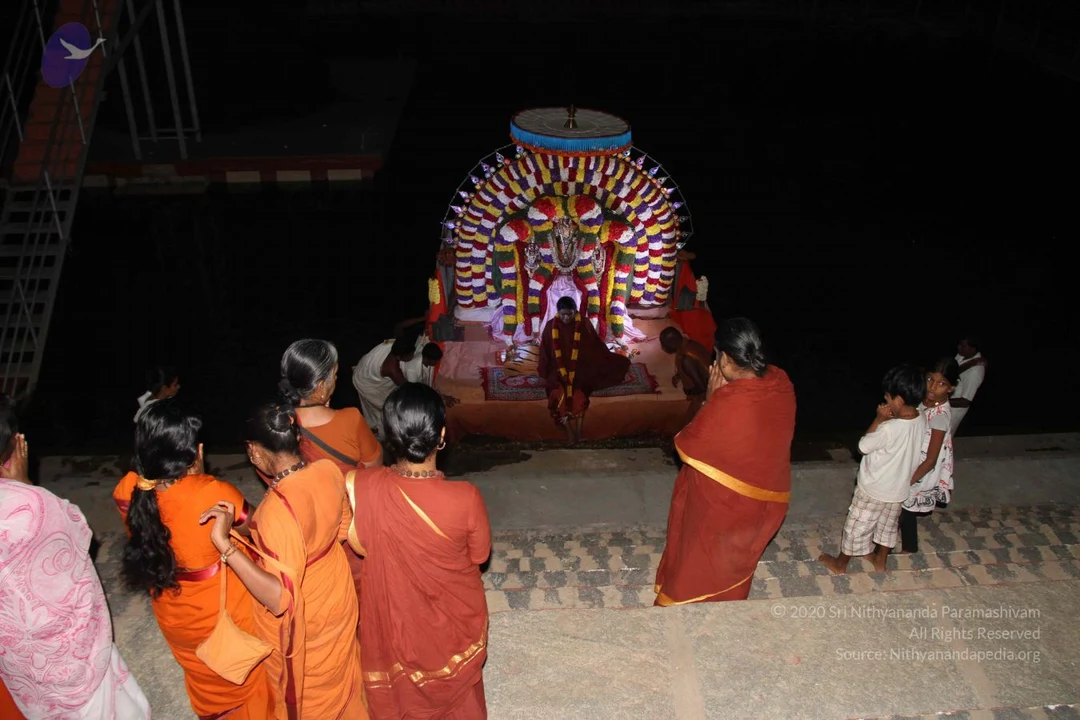
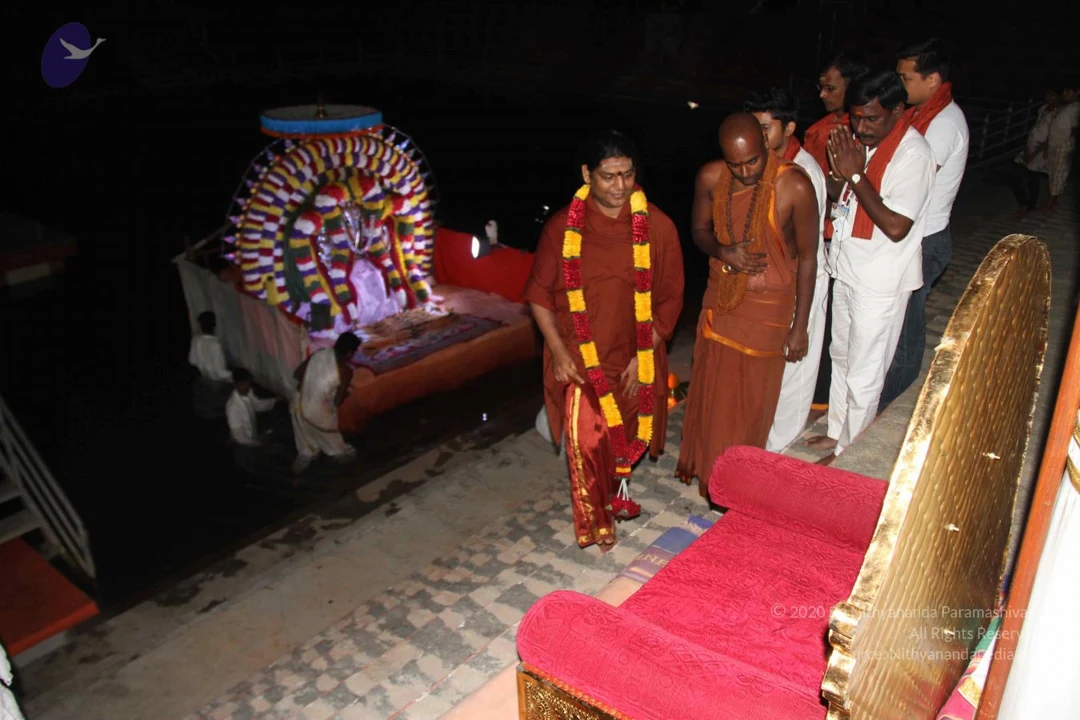
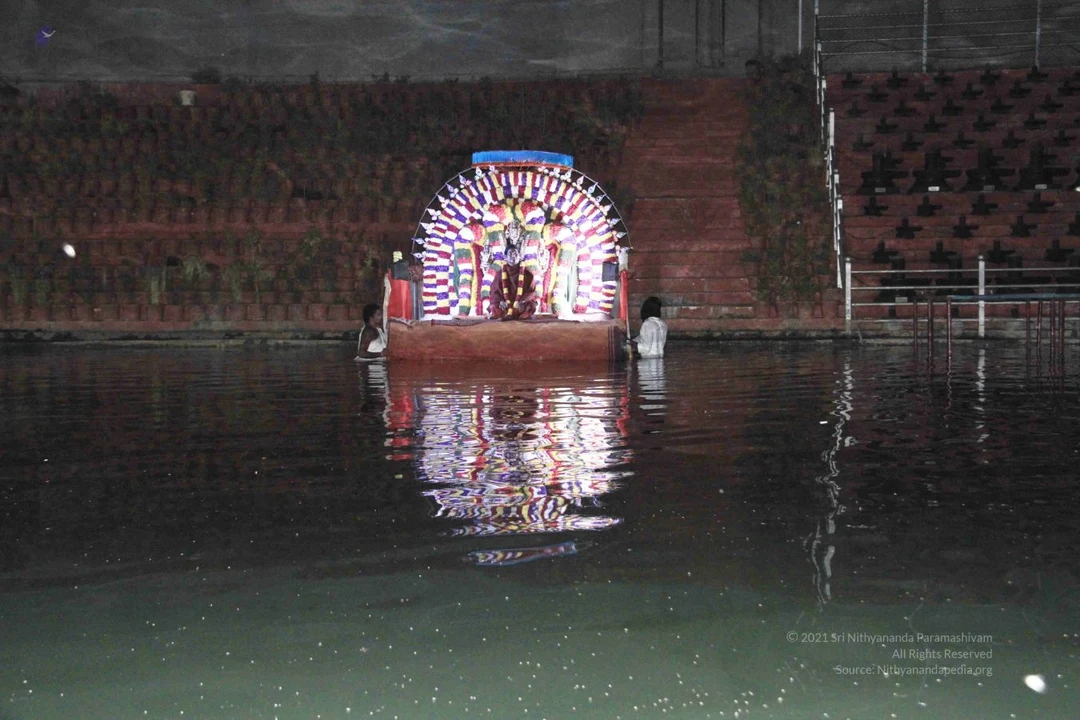
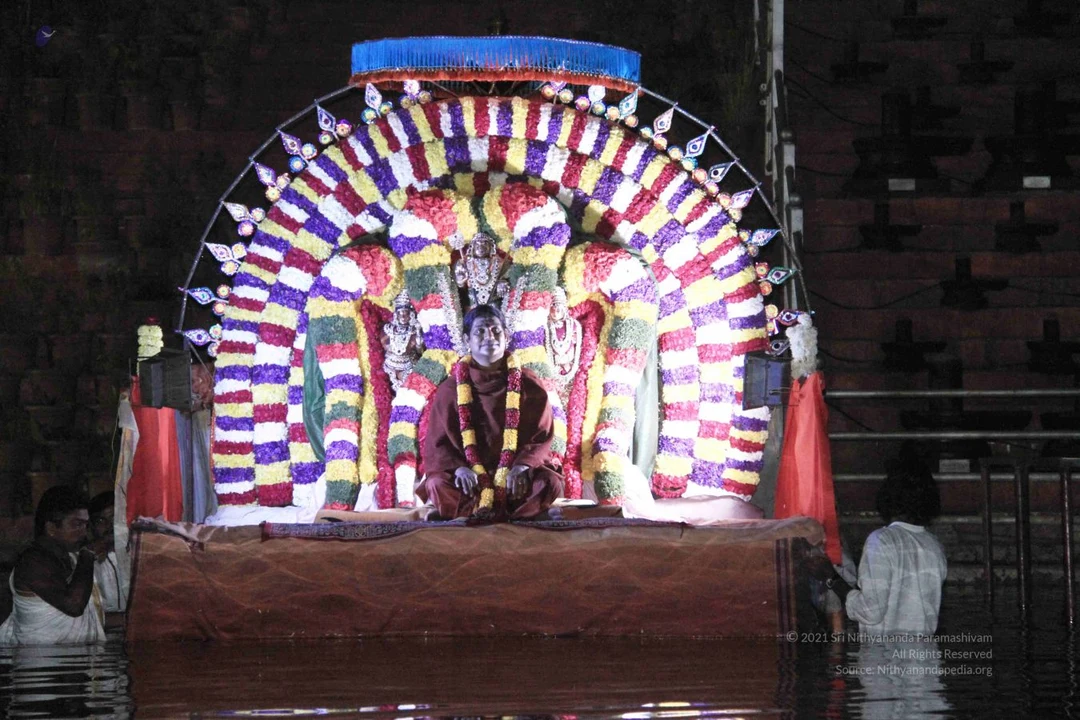
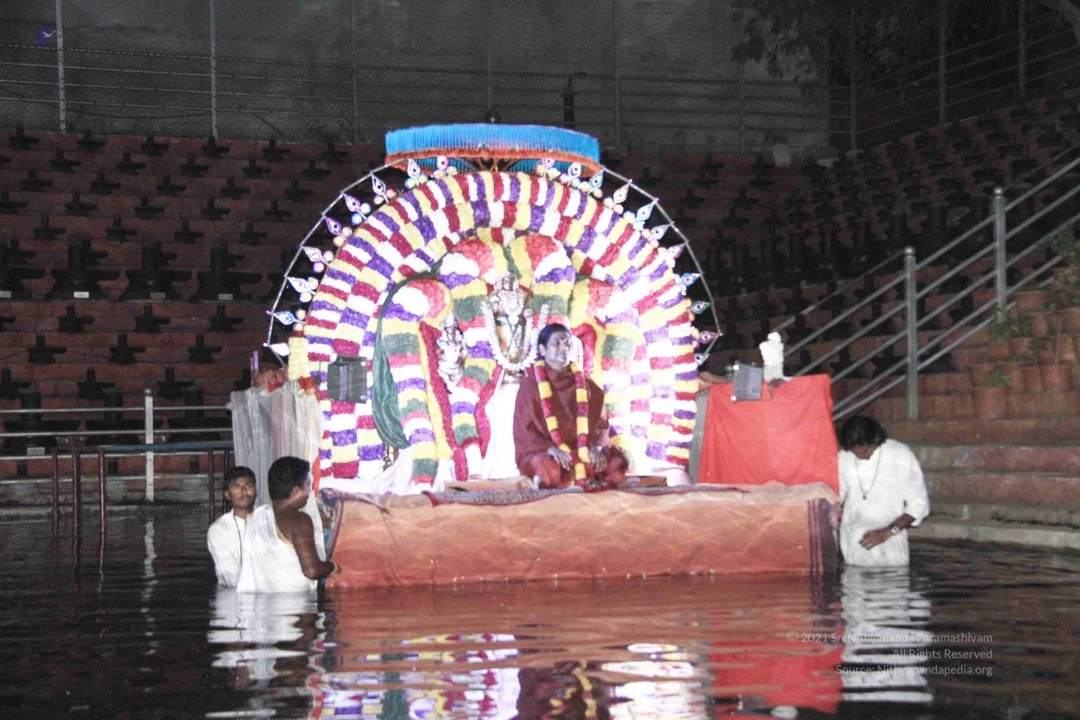
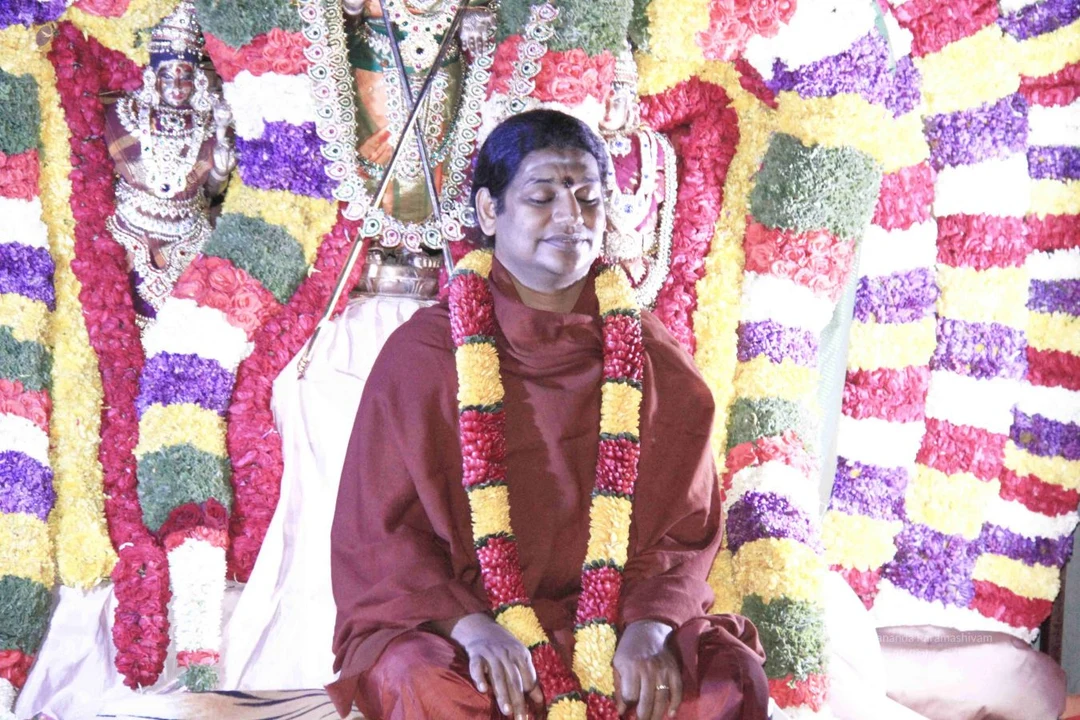
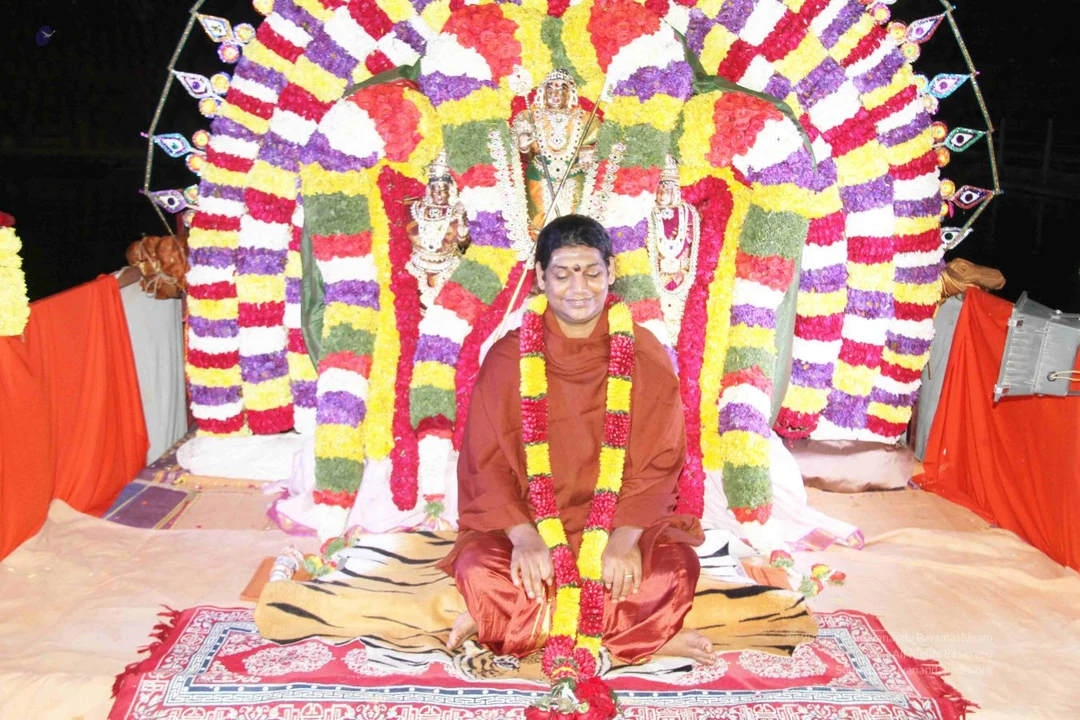
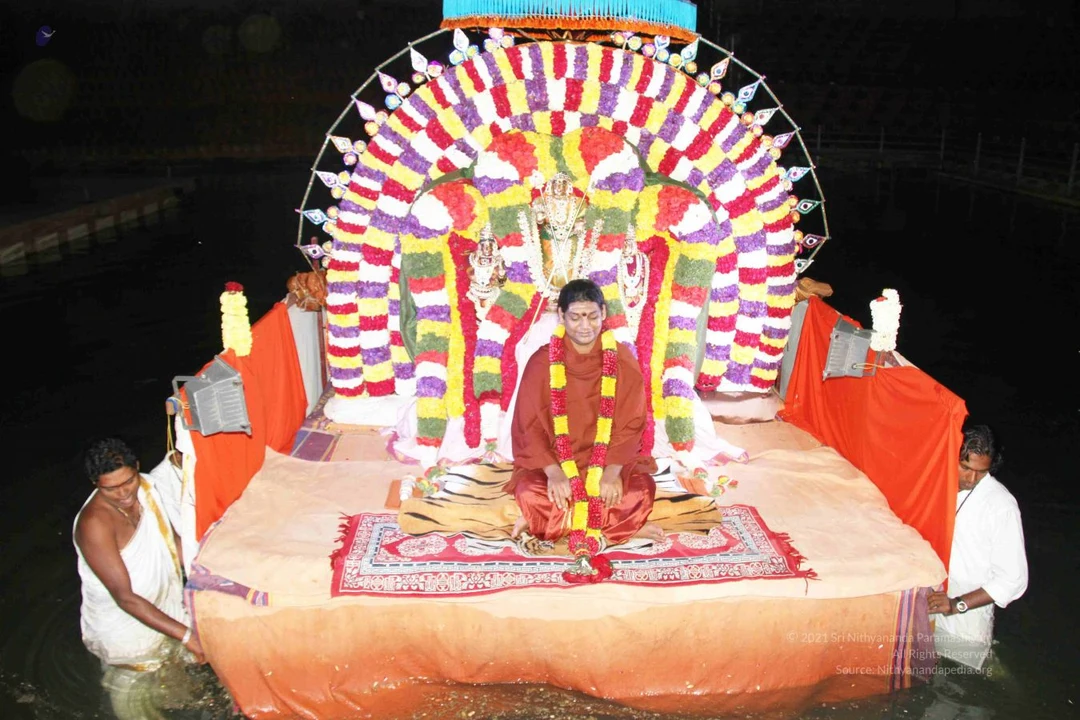
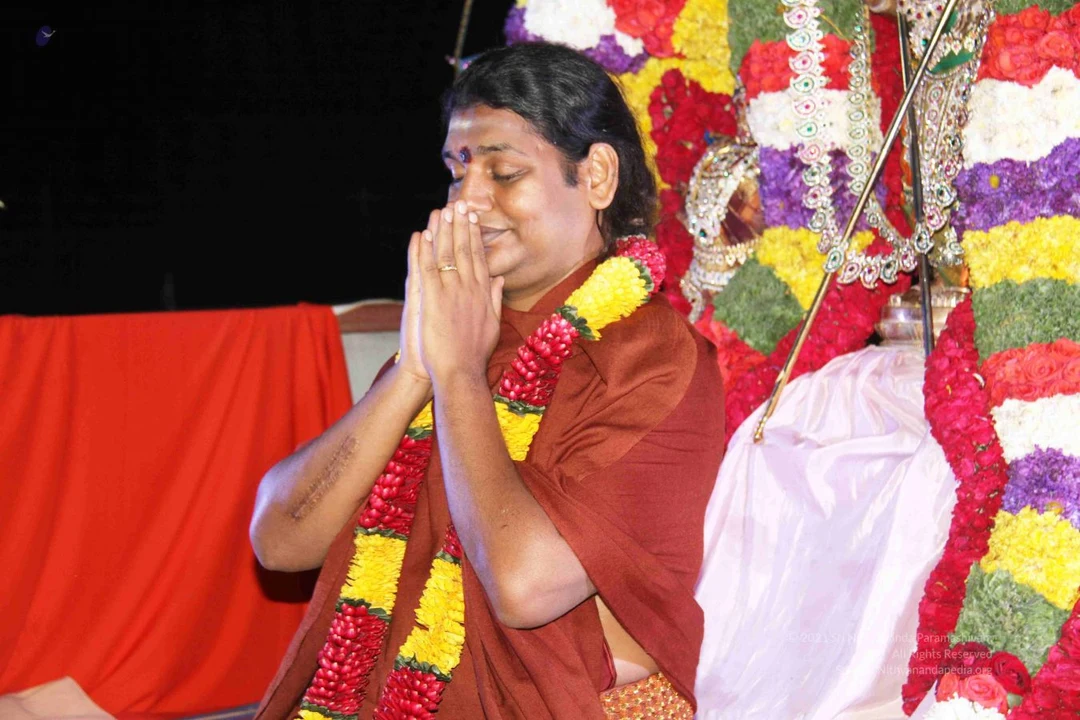
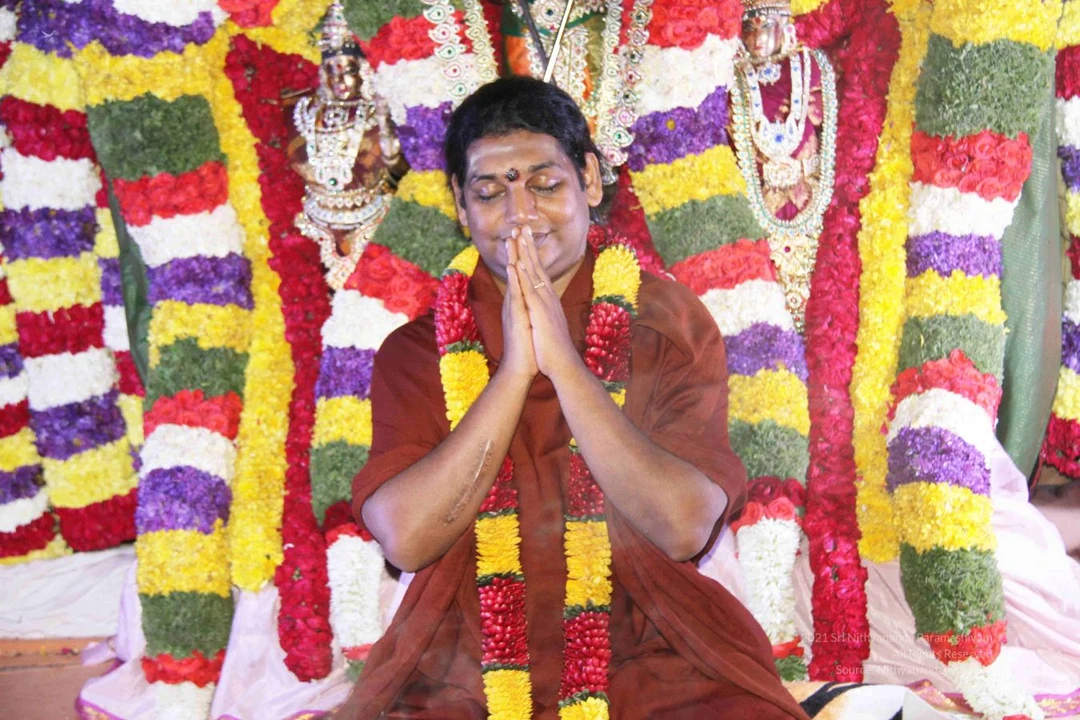
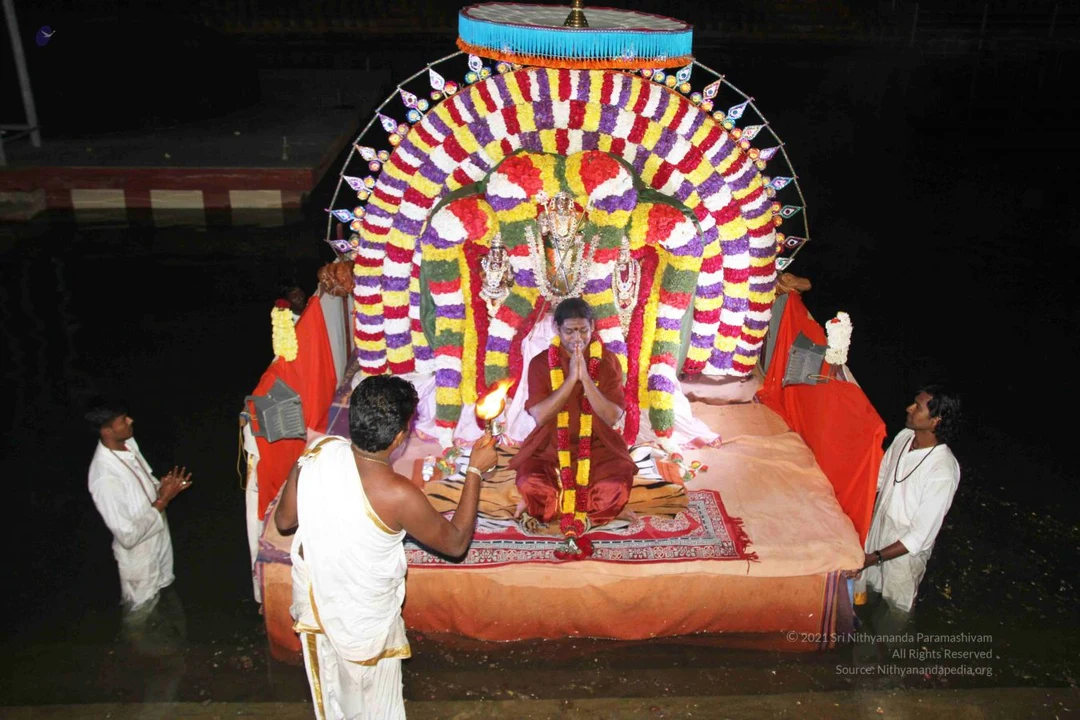
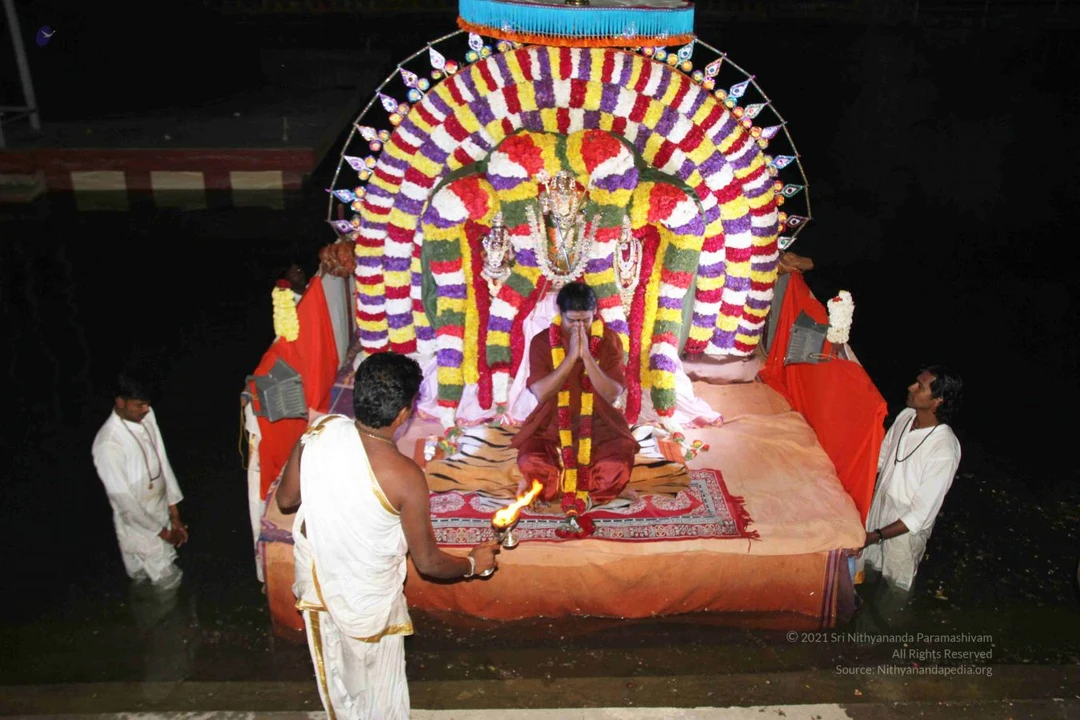
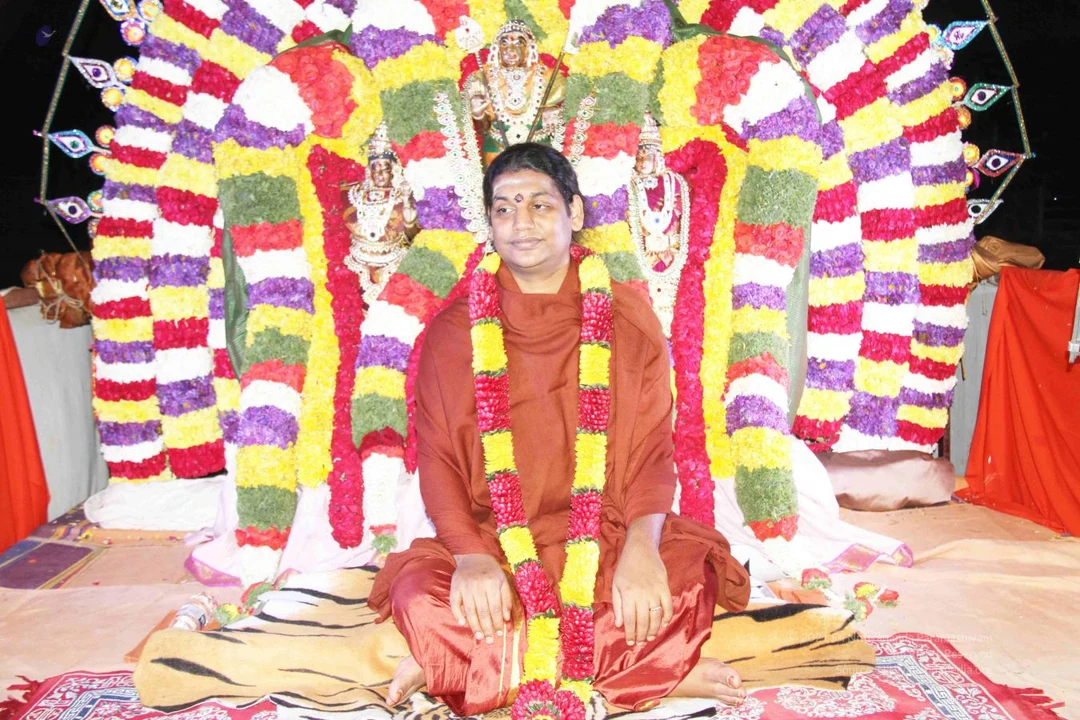
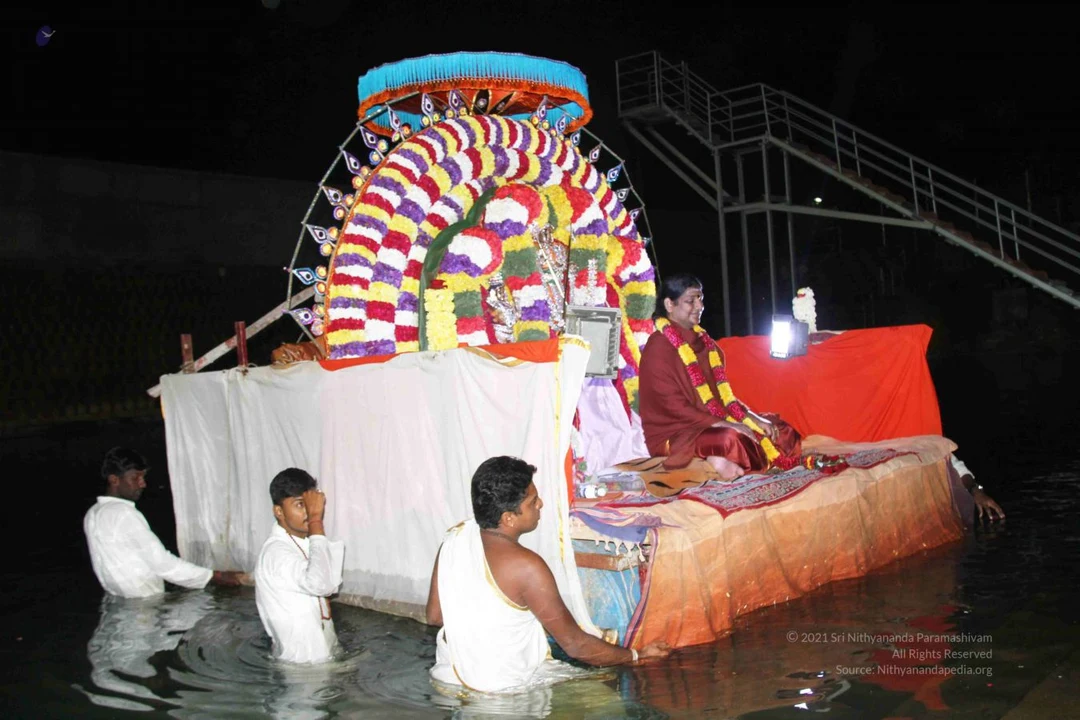
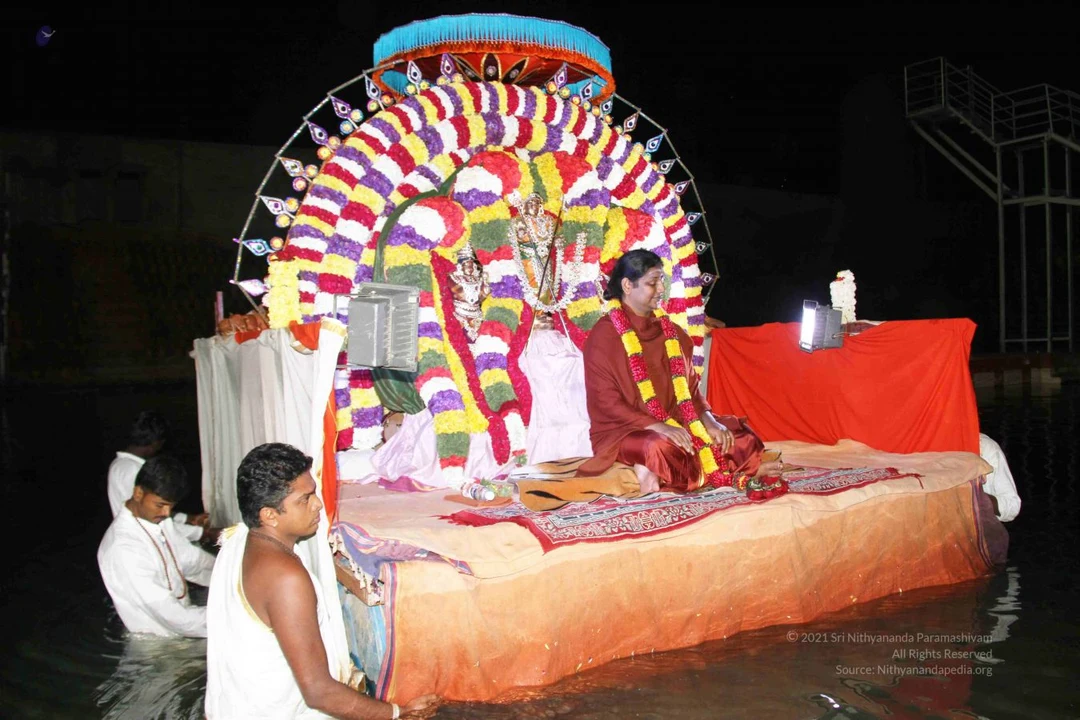
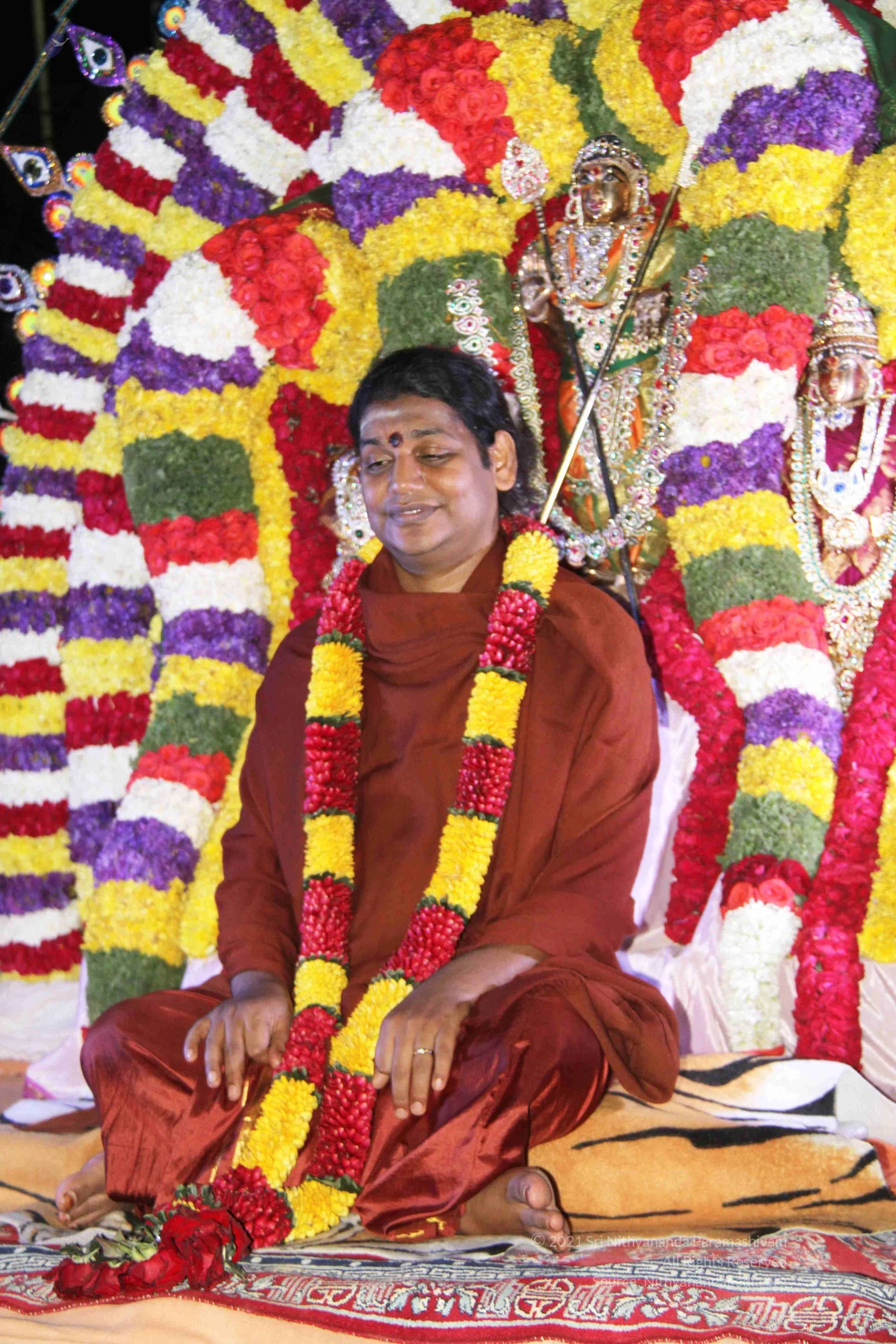
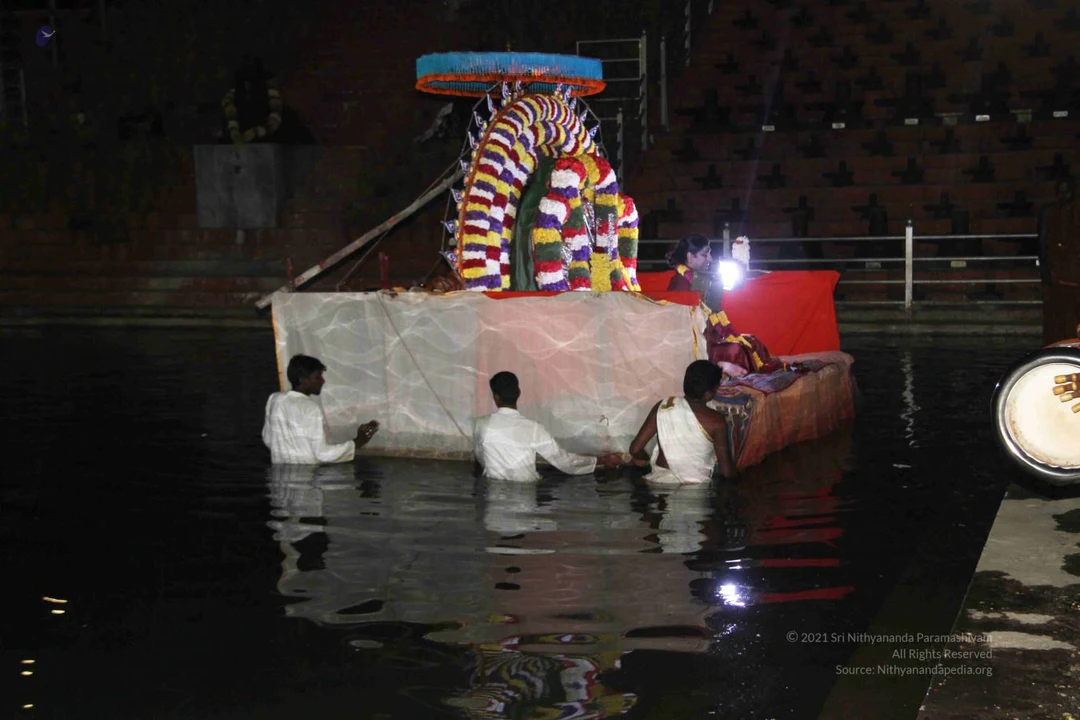
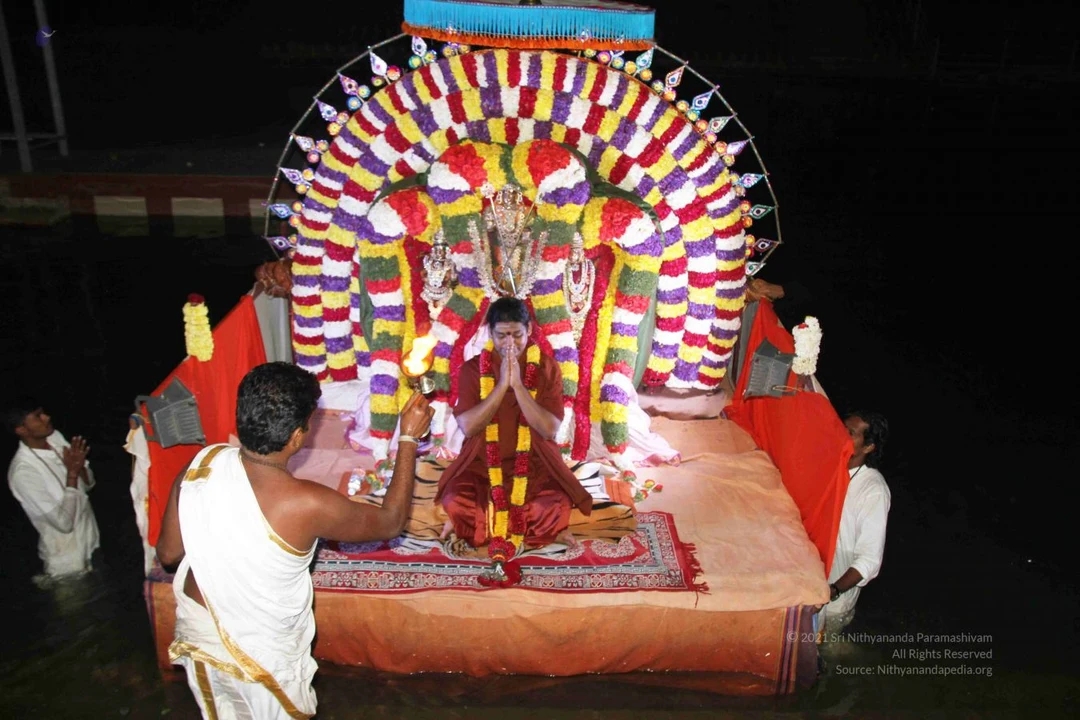
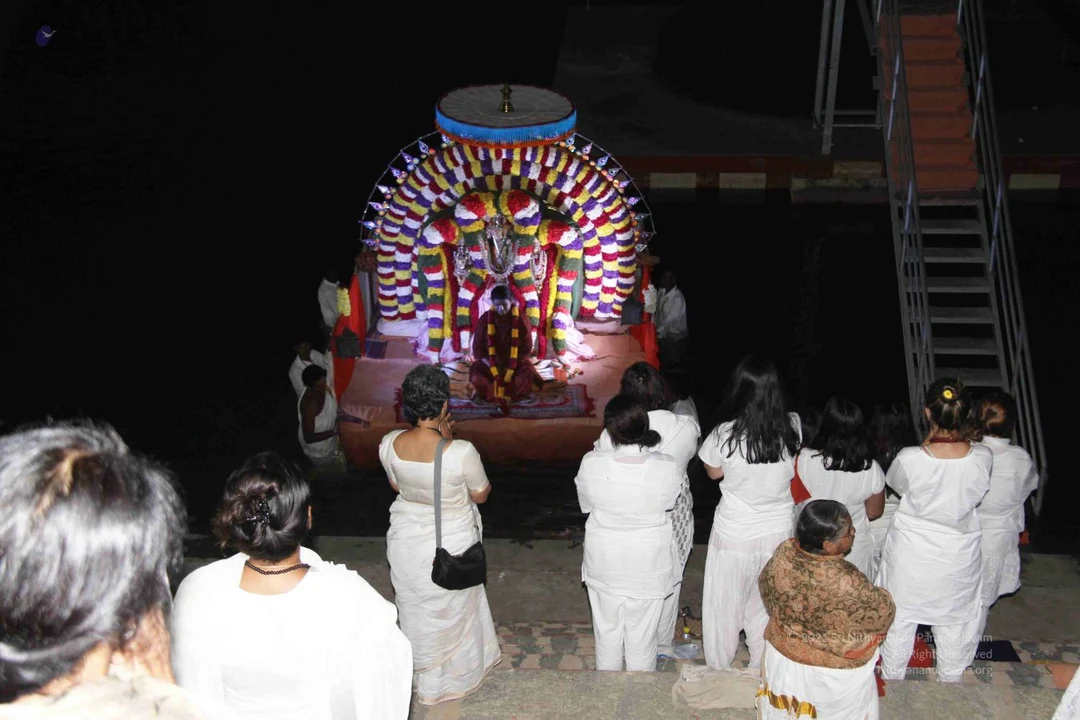
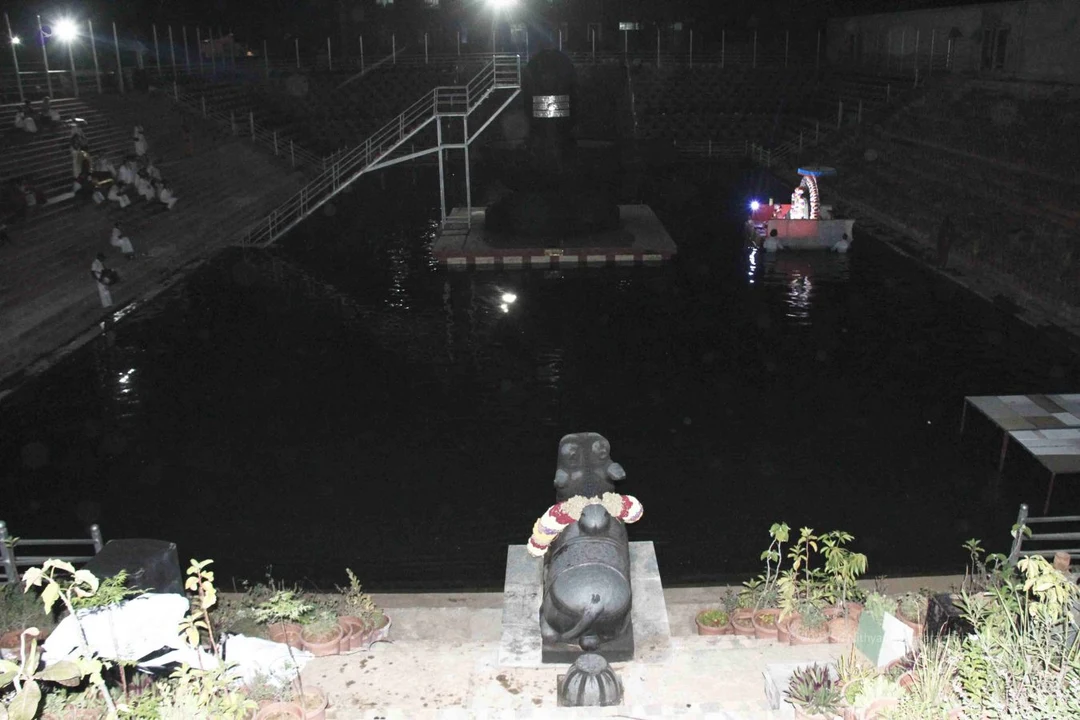
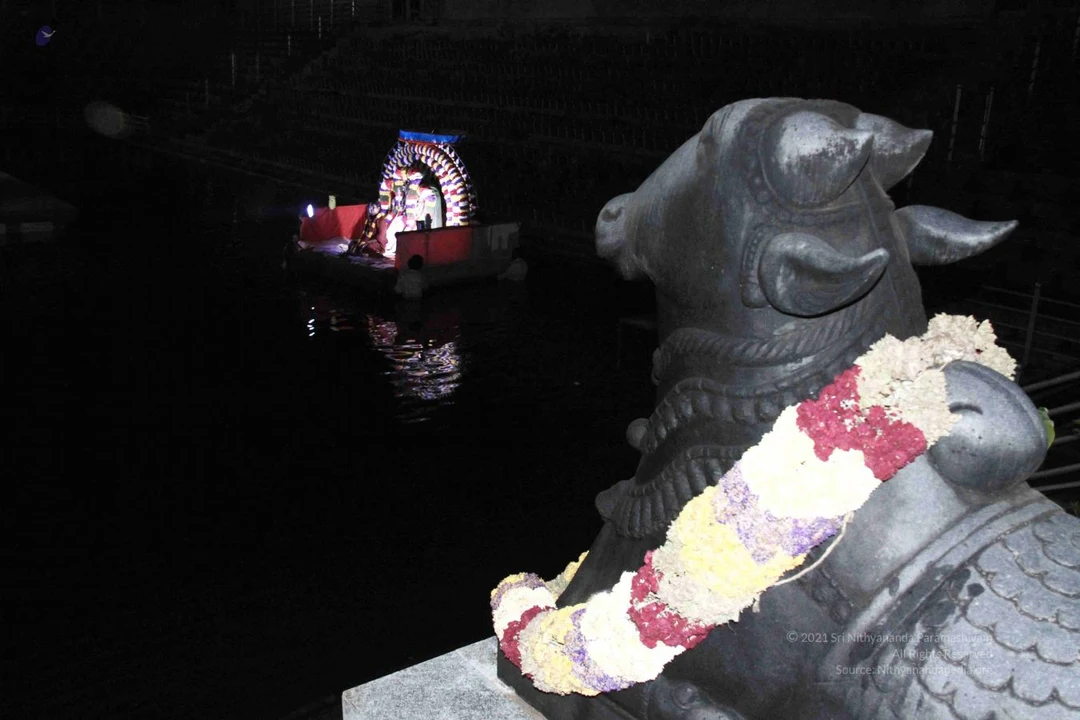
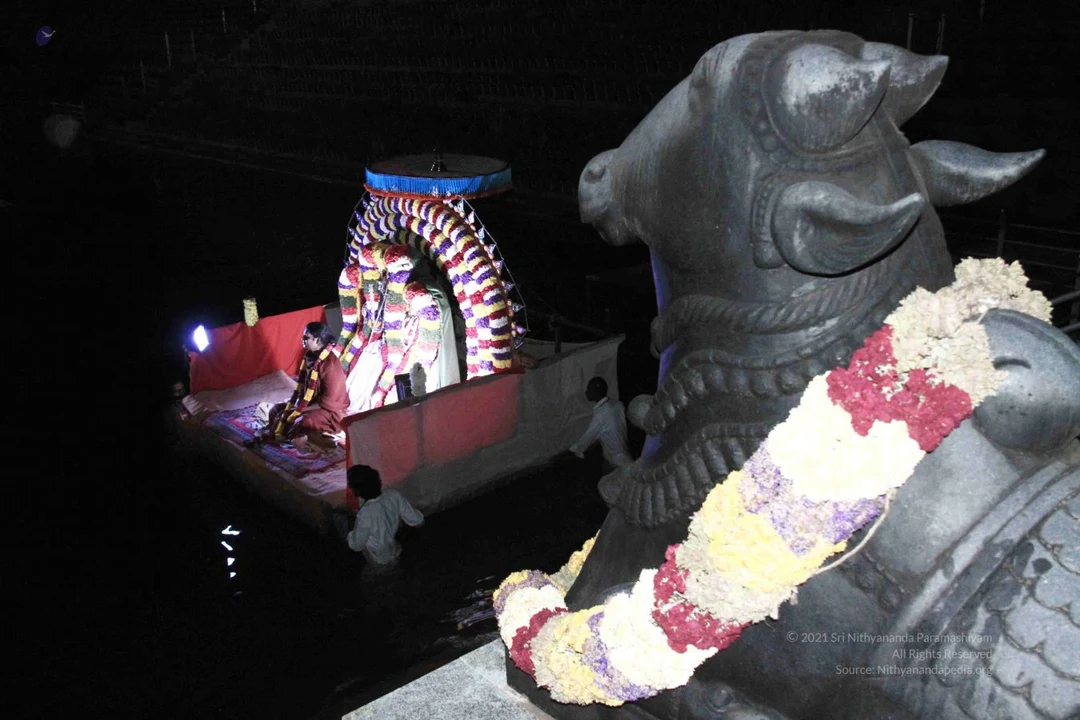
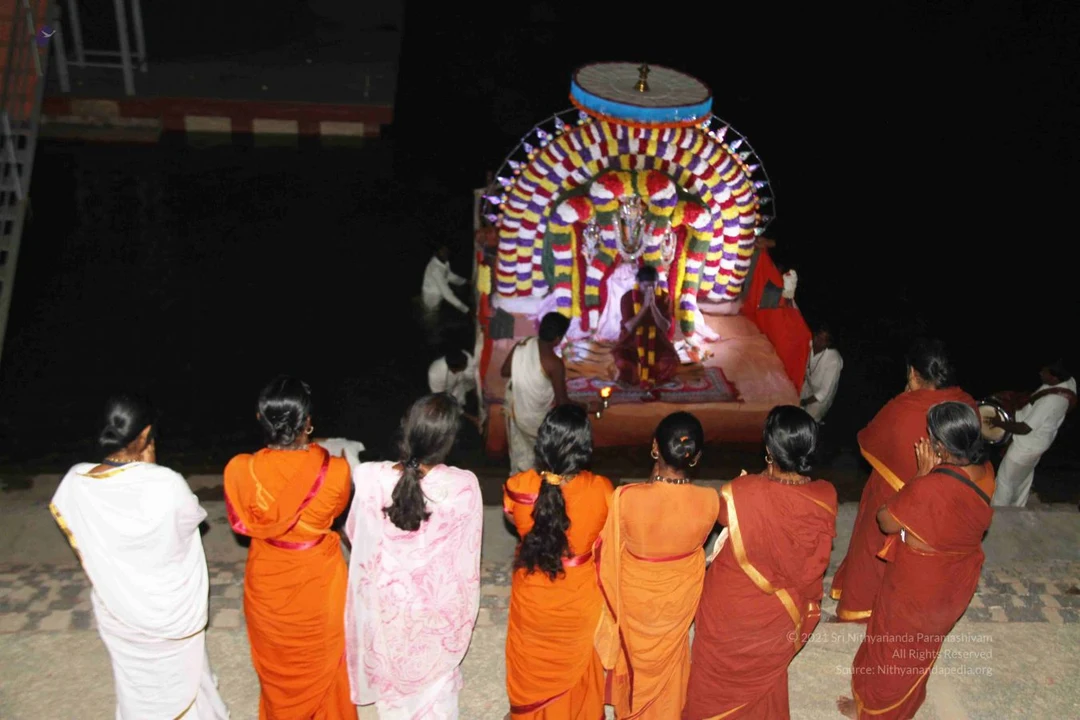
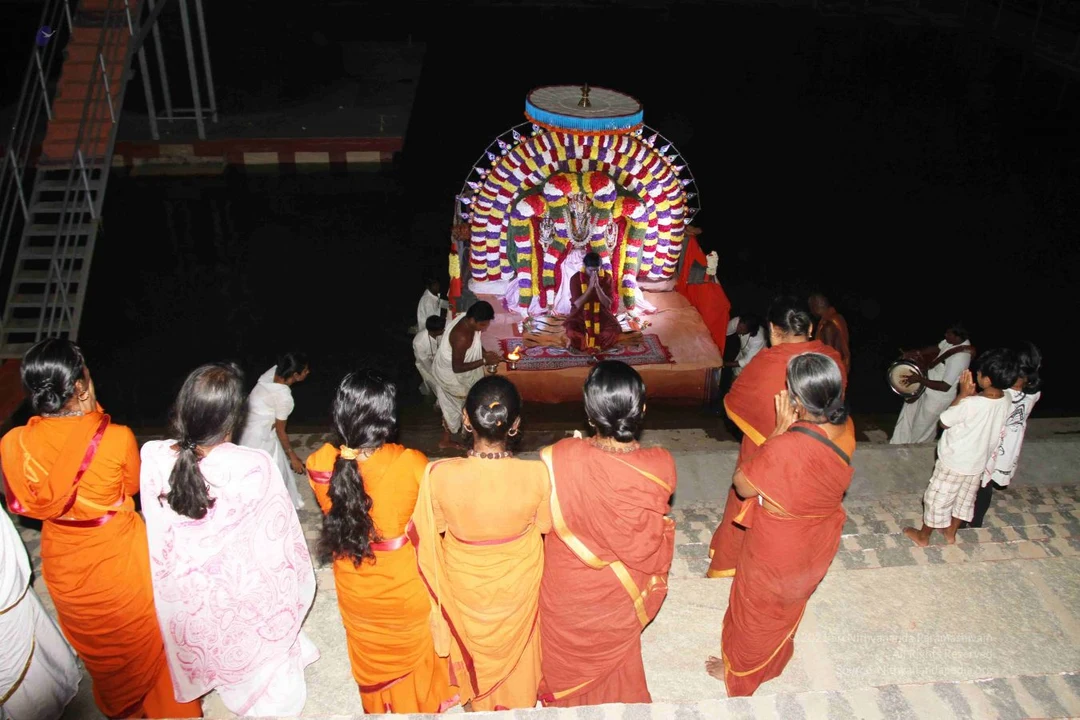
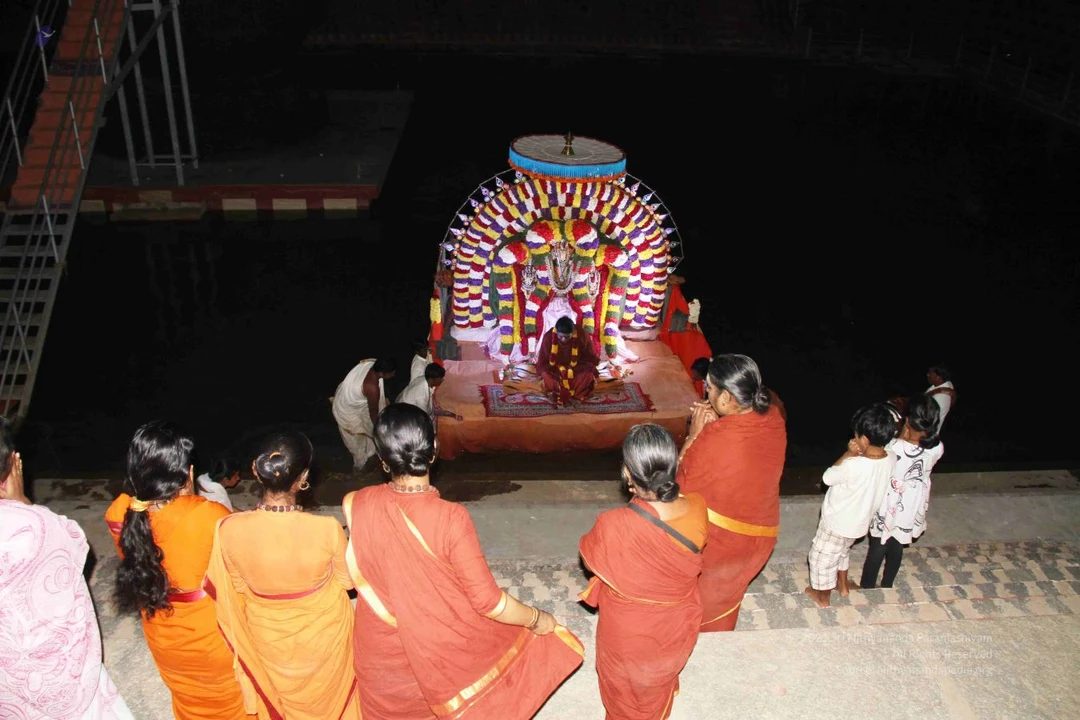
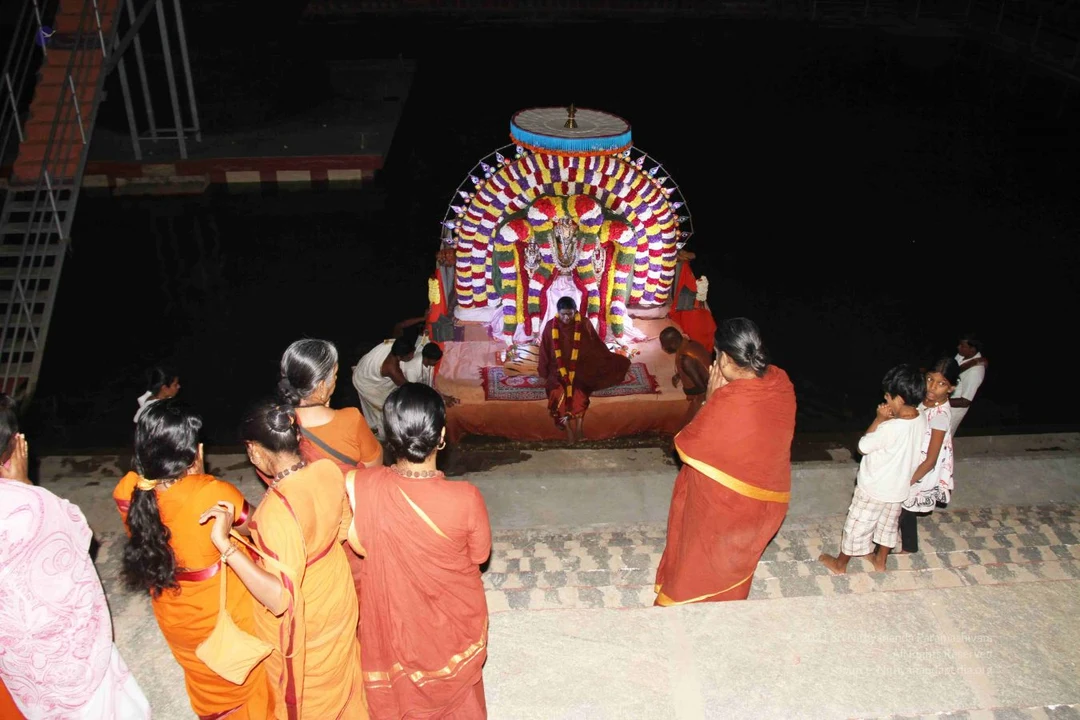
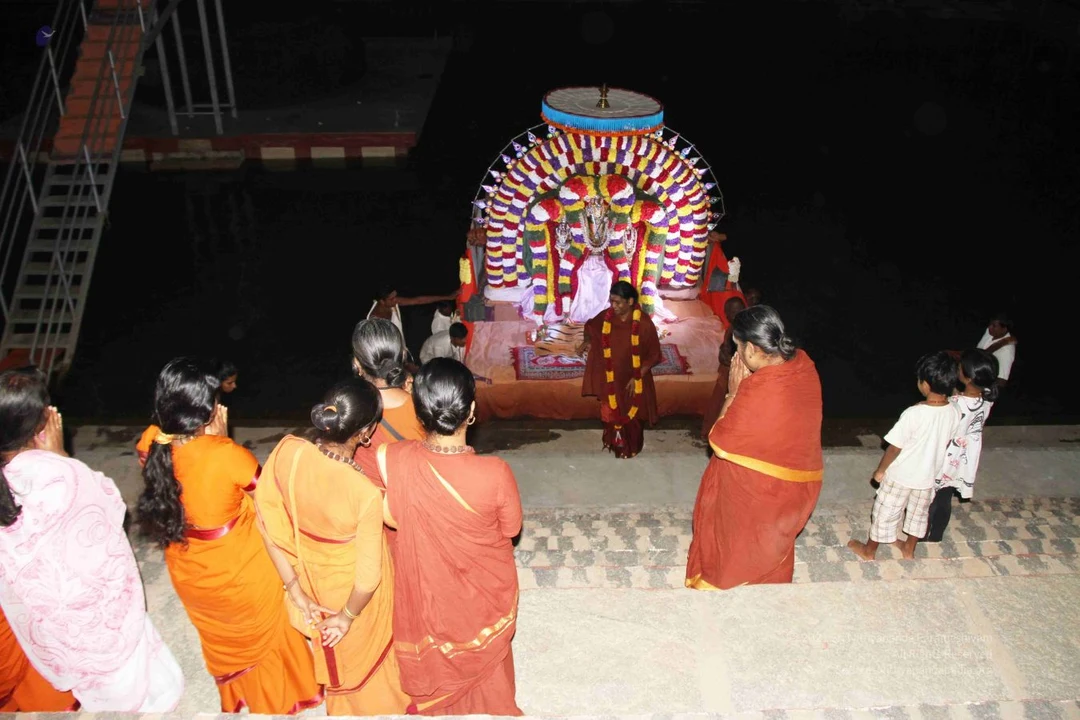
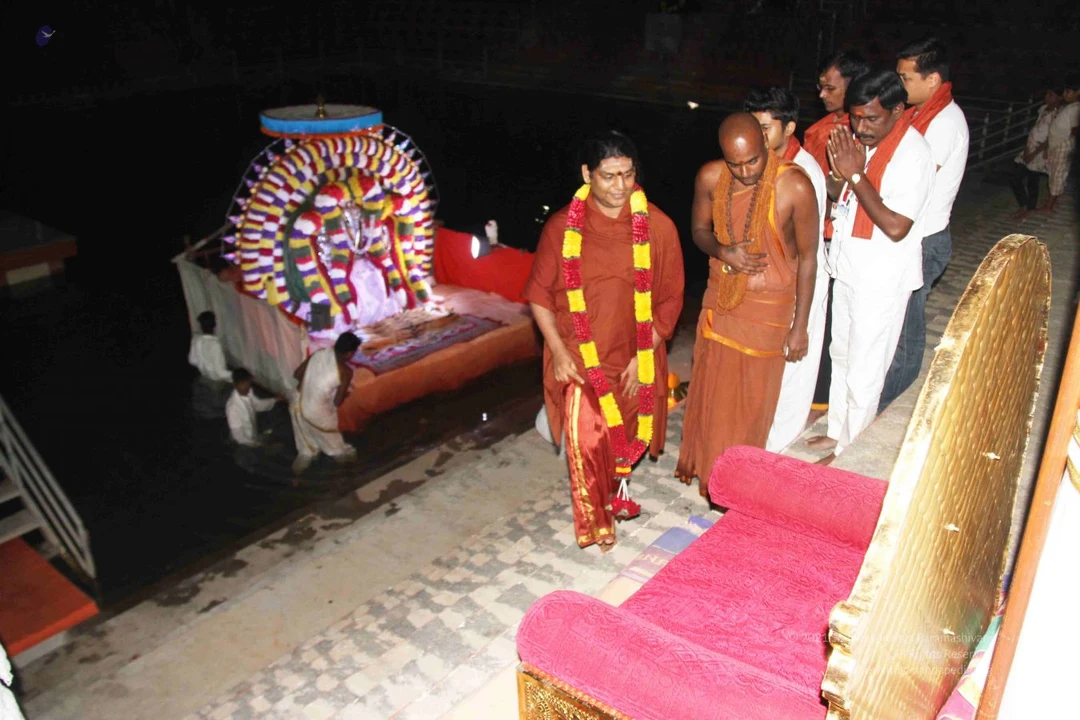
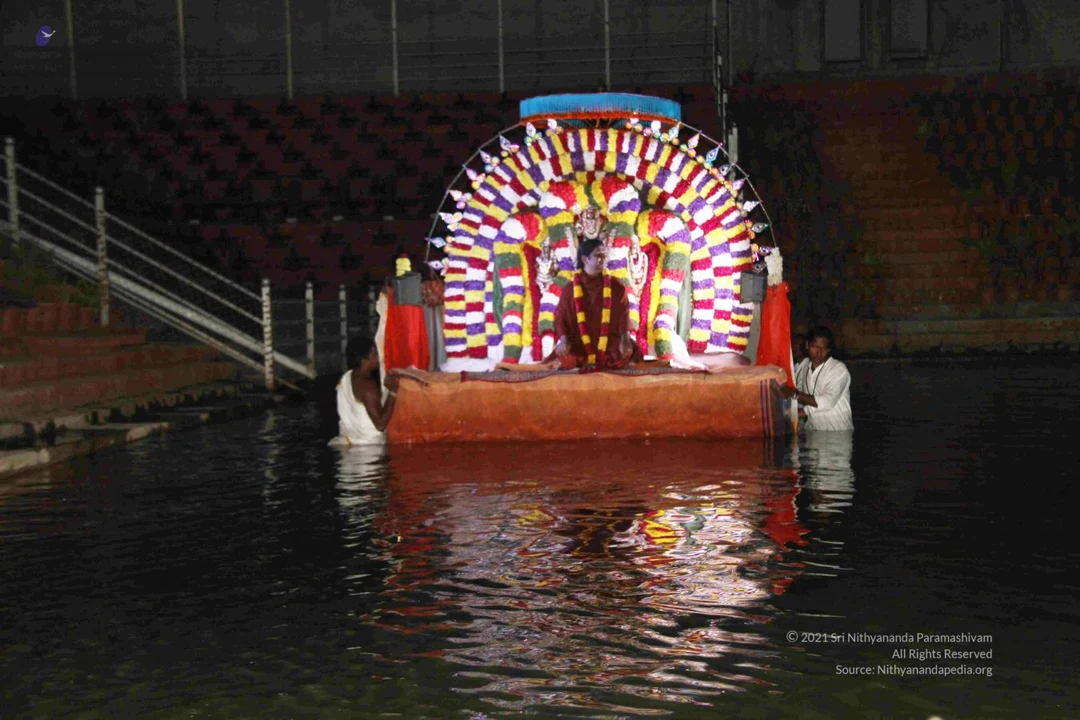
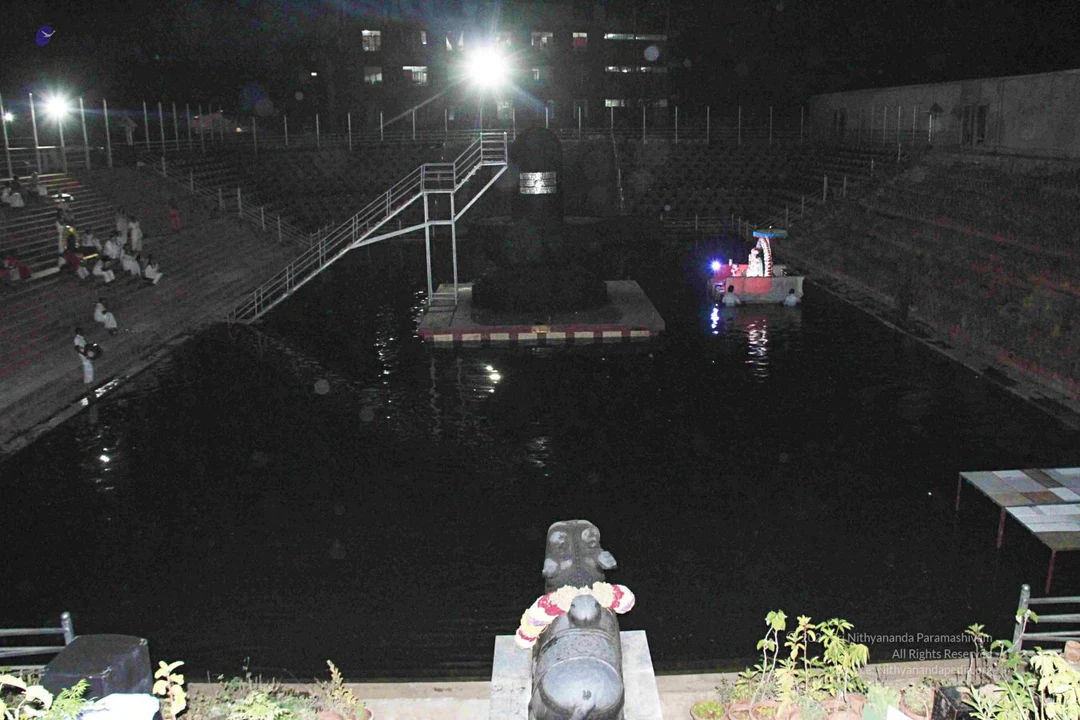
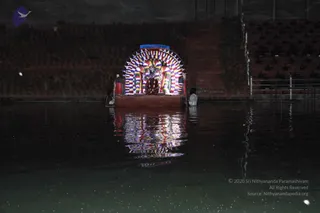
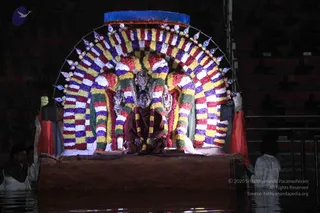
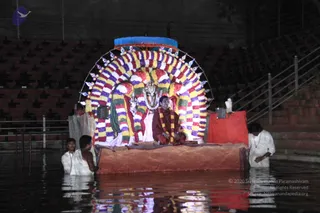
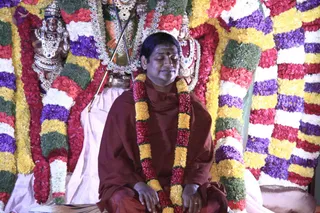
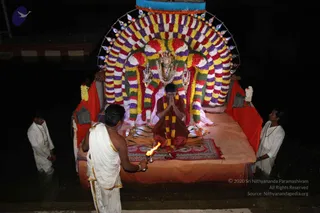
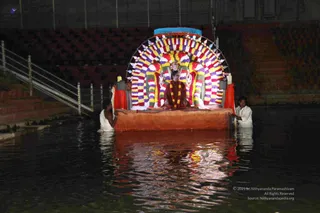
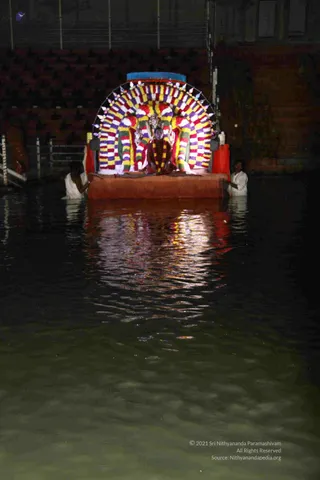
A night photograph of an illuminated temple-like structure with a central deity murti, set on a platform rising from dark water inside a large hall with rows of empty seats. The arched backdrop is decorated with striped, multicoloured draped fabric and lights, and a blue canopy tops it. Two people in white clothes stand partly submerged in the water on either side of the platform, and their reflections shimmer below the structure. The scene is lit mainly by the decorated arch.A night photograph of a floral arch decorated with multicoloured garlands in purple, yellow, red, white and green, topped with a blue fringed canopy and peacock-feather style ornaments. A seated person in a maroon robe and a garland sits on a low maroon-covered platform set on water, with white-clad figures standing in the water at either side. Ornate silver decorations flank the arch. The scene appears to be a ceremonial water-side event at night, with steps and railings in the background.A night-time photograph of a floating shrine on dark water in a stepped tank or pool. A large semicircular arch of garlands in purple, yellow, white, red and green frames a central seated figure in a maroon robe with a red-and-gold garland, sitting on a flower-decked dais with a red cloth draped behind. Two men in white dhotis stand waist-deep in the water at the left, and one man in white stands at right on the steps. Pale lamps and a deity murti are visible within the floral arch, and the stadium-style seating rises in the dim background.A seated man in a maroon-brown robe sits with eyes closed and hands resting on his lap, wearing a long multicolored flower garland of yellow, red, purple and green blossoms. Behind him is a dense backdrop of flower garlands in red, purple, white, yellow and green, with a metallic deity murti adorned with jewelled ornaments and a decorated peetha/throne framing the scene. The setting suggests a satsang or darshan with a ceremonial seat.A photograph of a man seated with eyes closed and palms pressed together in anjali mudra. He wears a rust-brown robe and has a red-and-white tilak on his forehead, with a scar visible on his forearm. Around his neck hangs a long garland of red, yellow, white and purple flowers. Behind him are flower-draped pillars with multicoloured blooms and, above, two ornate deity murti with gold jewellery and crowns. a person: the man has short dark hair and a rust-brown robe, and the page indicates his presence at this satsang. The setting is a decorated temple or satsang hall with a white cloth beneath him.Night photograph of a ceremonial shrine set on a raised platform, decorated with a dense arch of marigold and rose garlands in red, yellow, purple and white. A seated figure in orange-red robes sits with palms pressed together in prayer on a tiger-skin and patterned rug, with a deity murti and silver ornaments in the centre of the arch. A man in white dhoti and shawl holds a lit oil lamp flame toward the seated figure, while two men in white stand in shallow water to either side, and a red cloth drapes the platform edges. The attendant with the flame and the two standing figures are physically present; the seated figure's appearance is uncertain and no reliable identity cue is visible, so the role is described as a seated devotee in orange robes. The scene is an outdoor night puja with aarti.

Pada-Puja

20 photosSource gallery
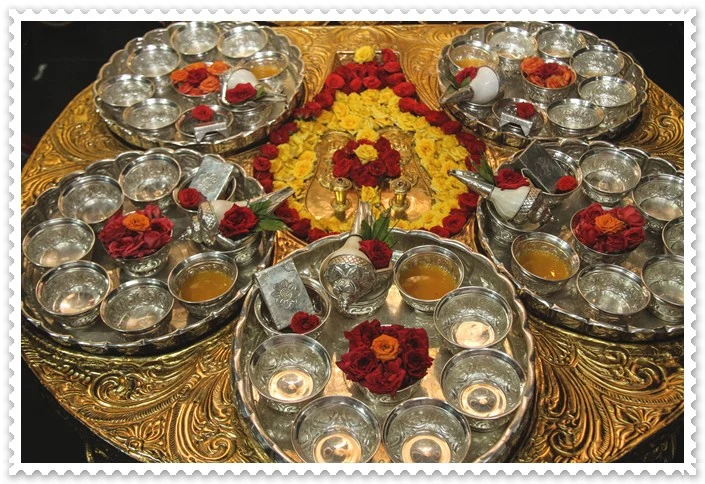
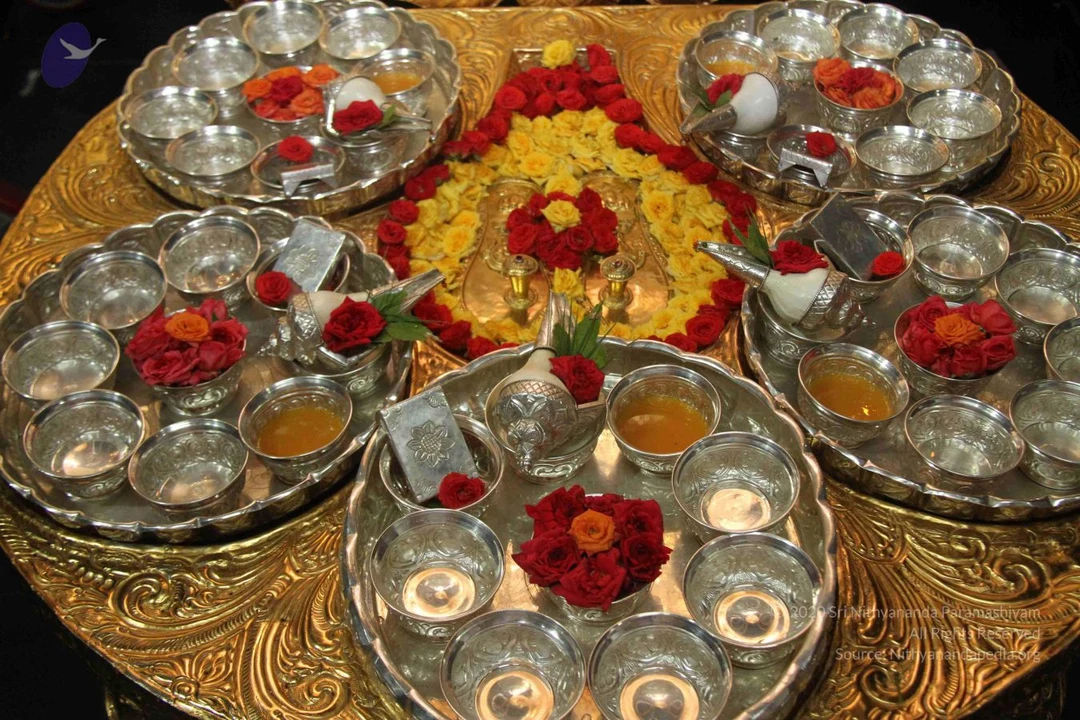
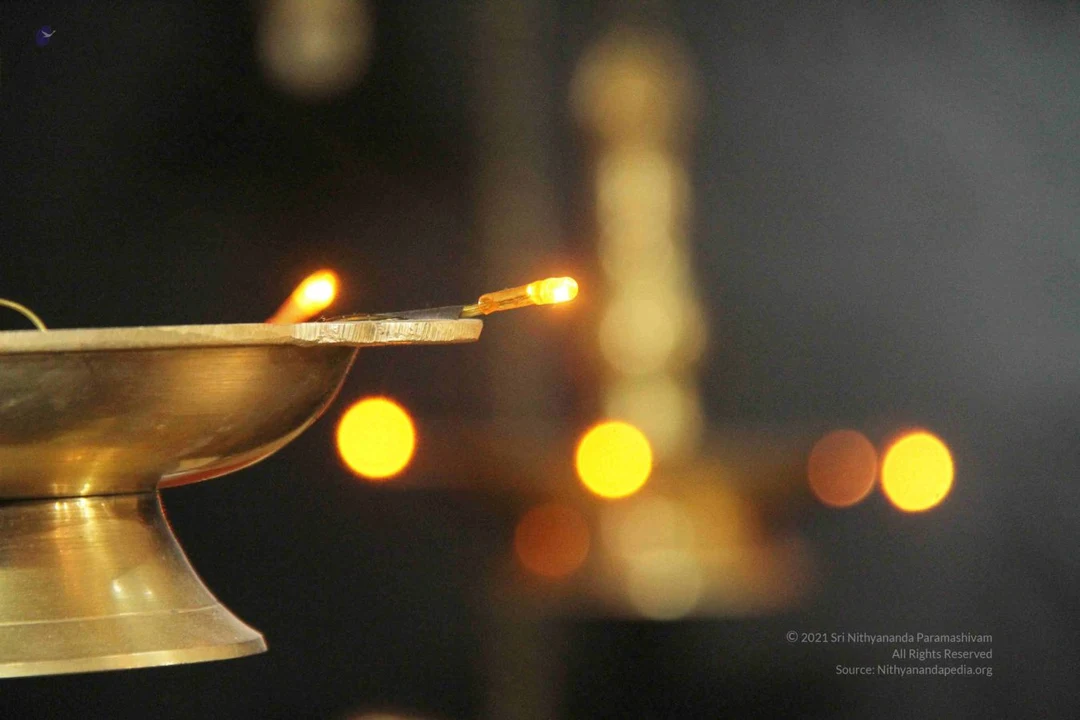
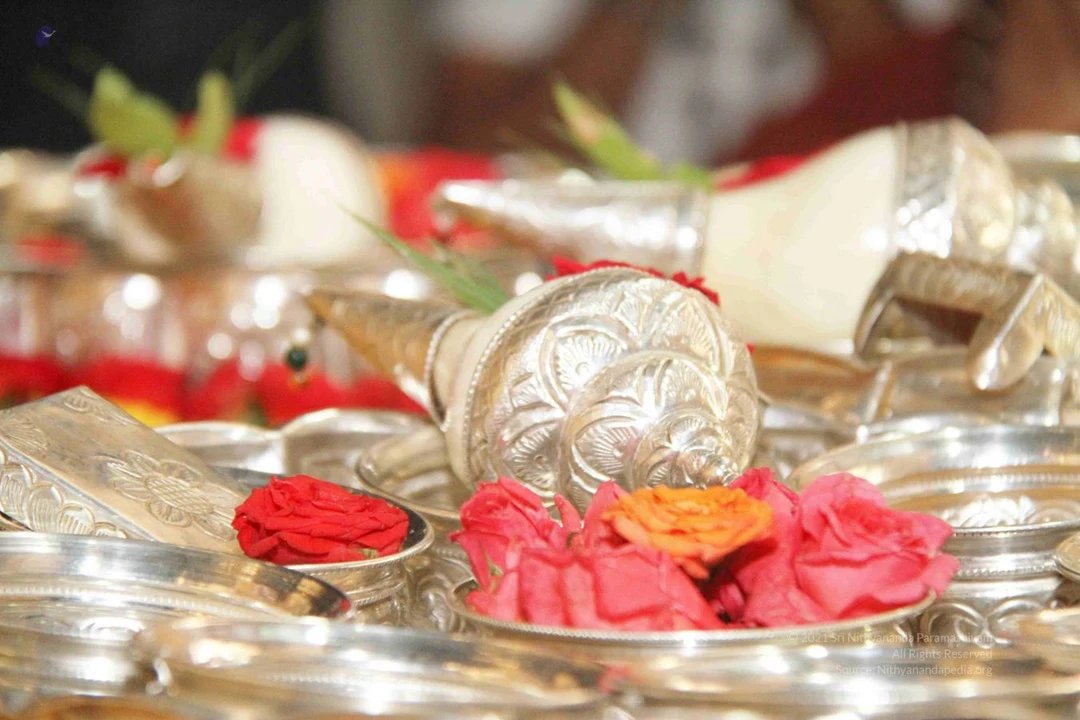
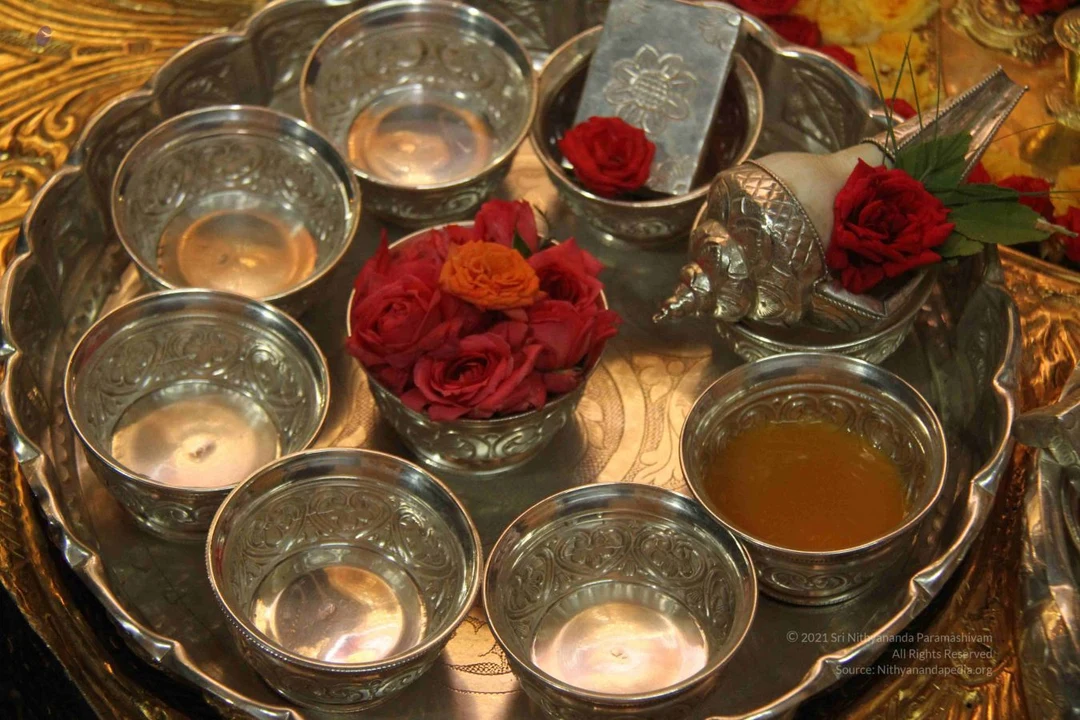
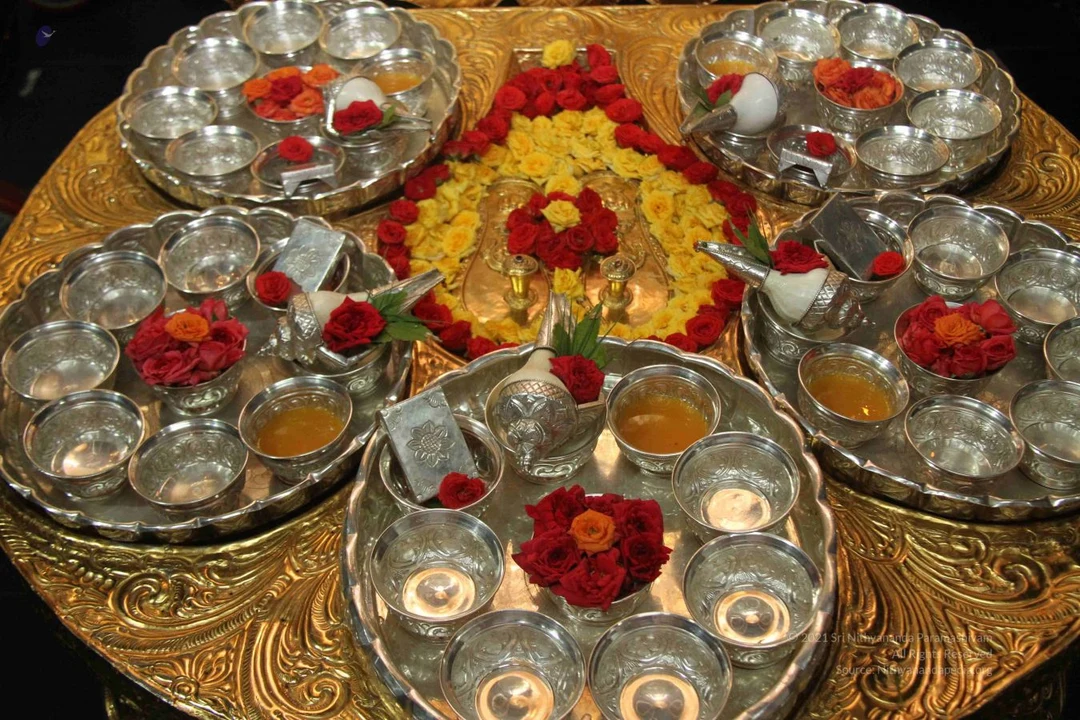
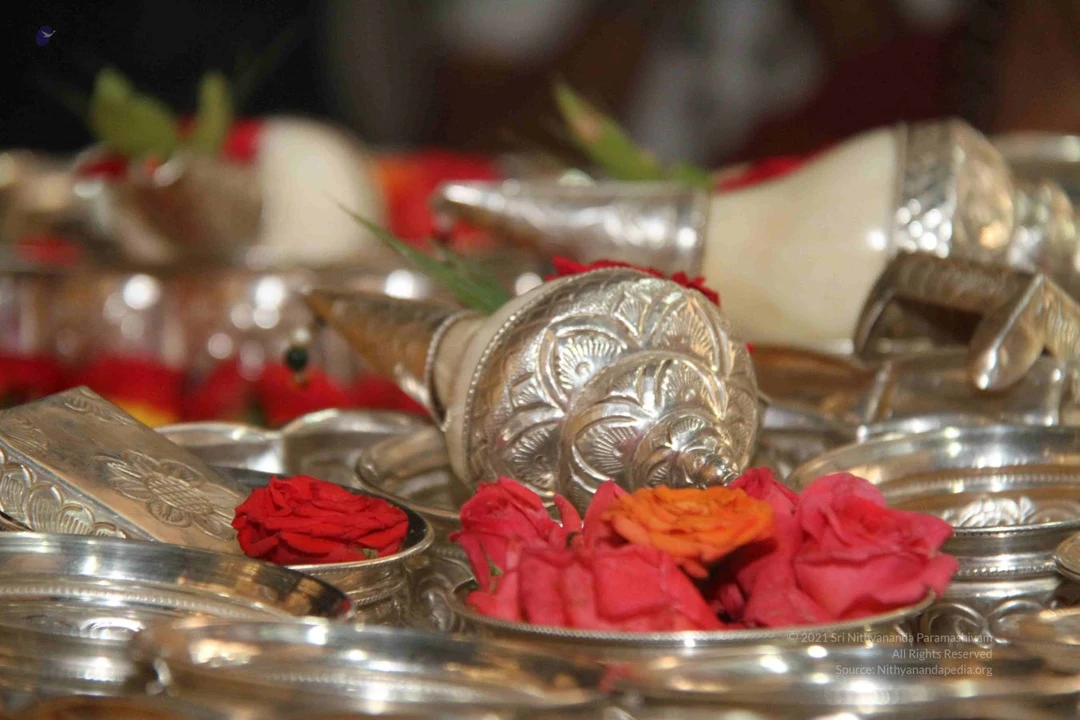
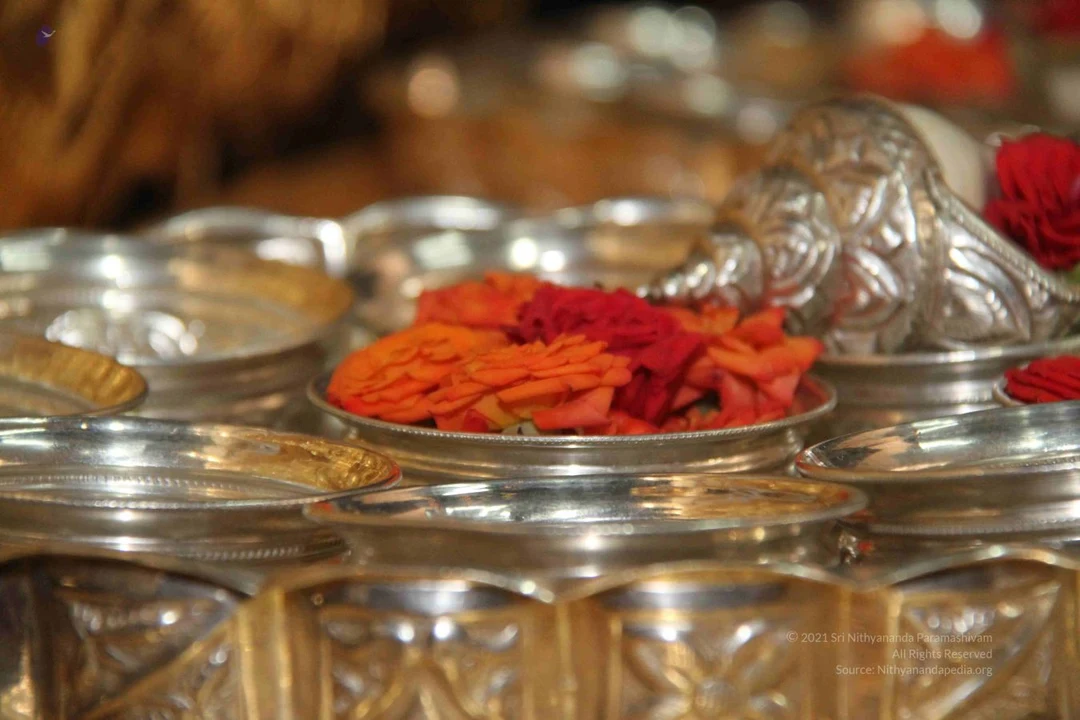
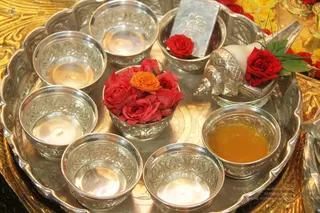
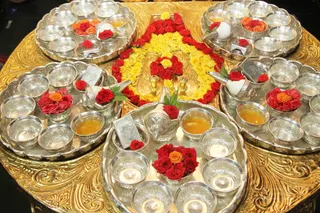
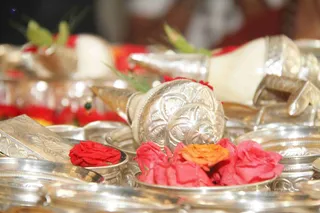
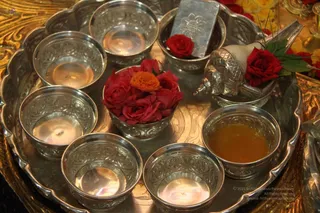
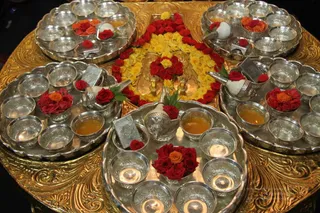
Close-up photograph of a single tall flame rising from a wick on a brass or metal oil lamp in the foreground. The background is blurred warm orange and golden tones with soft silvery bokeh on the left. No people are clearly visible; the image focuses on the lamp flame.Close-up photograph of a single tall flame rising from a charred cotton wick sitting on a flat golden metal lamp base, with a blurred warm background of soft bokeh lights and smoke. No people are visible. The wick is partly burnt and dark, and the flame is bright yellow-orange at its base, tapering upward against a dark red-brown backdrop.Close-up of an ornate silver puja tray on a gold-embossed surface holding several engraved silver bowls. Red roses and one orange marigold sit in the central bowl, with red roses in another bowl and a silver conch-shaped vessel decorated with red roses and leaves at right. One bowl holds turmeric-yellow liquid, and others contain clear water and small lamps or water. A silver card with a floral motif rests in one bowl. No people are visible; this is an arranged ritual setting with offerings.Overhead photo of a ritual arrangement on a gold-embossed round tray. Several silver trays hold silver bowls filled with red roses, orange flowers, and amber liquid, with small silver spouted vessels and a silver incense or ritual plate. At the centre, a gold seat or pedestal is surrounded by a heart-shaped border of yellow and red flower petals, with two small brass lamps beside it. No people are visible.Close-up photograph of a polished brass oil lamp with a shallow bowl and a flared stand, lit by two flickering flames on its wick. The background is dark and softly blurred with warm golden bokeh circles and a faint vertical shape. No people are visible.Close-up of silver ritual vessels and offerings on a polished silver tray. Foreground shows a chased silver conical vessel with floral engraving, beside a silver box and a silver bowl holding red, pink and orange rose petals. Behind are more silver containers, a white conical vessel with green leaves and red petals, and a blurred background. No people are visible, only puja items arranged for ritual use.

Satsang
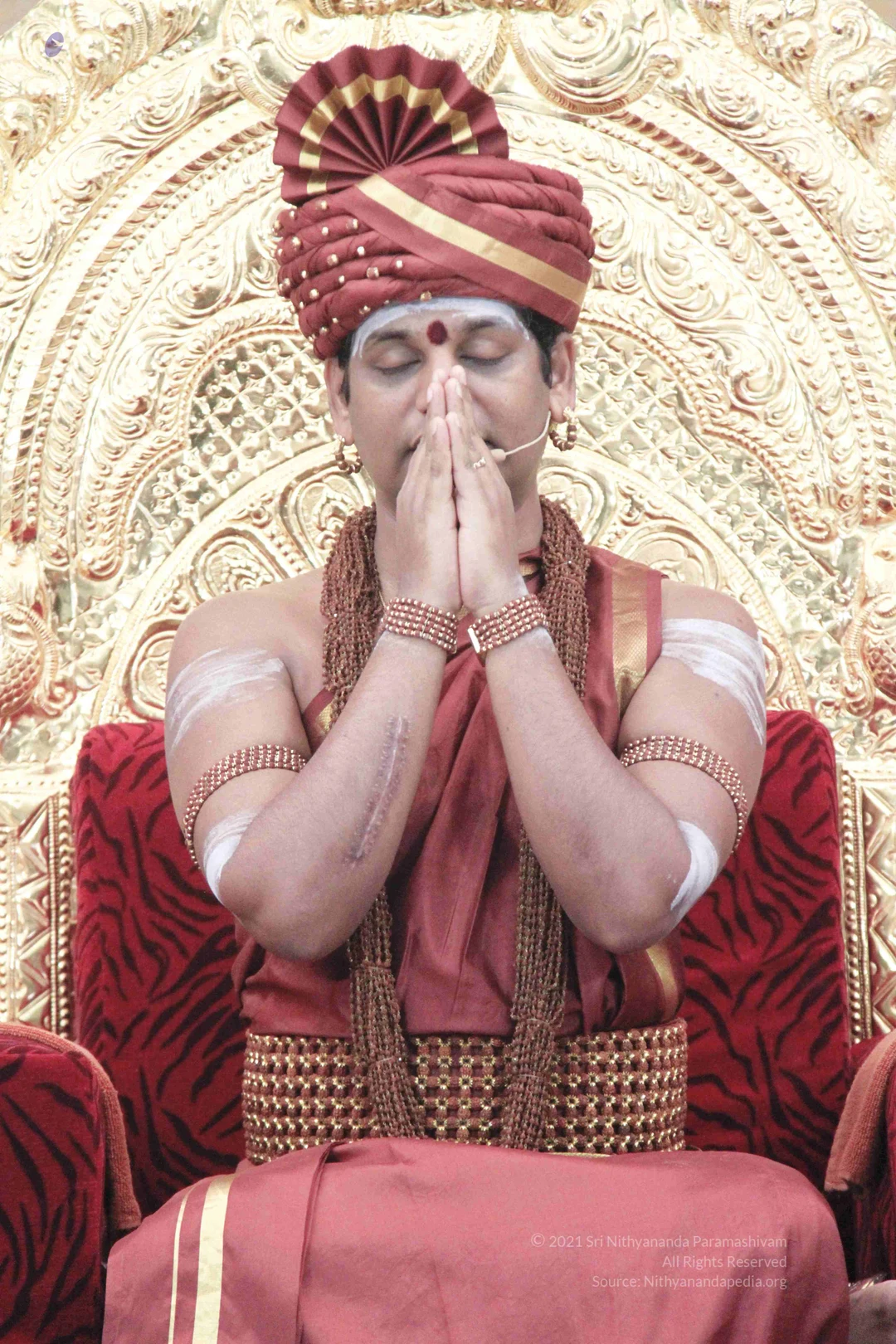
99 photosSource gallery
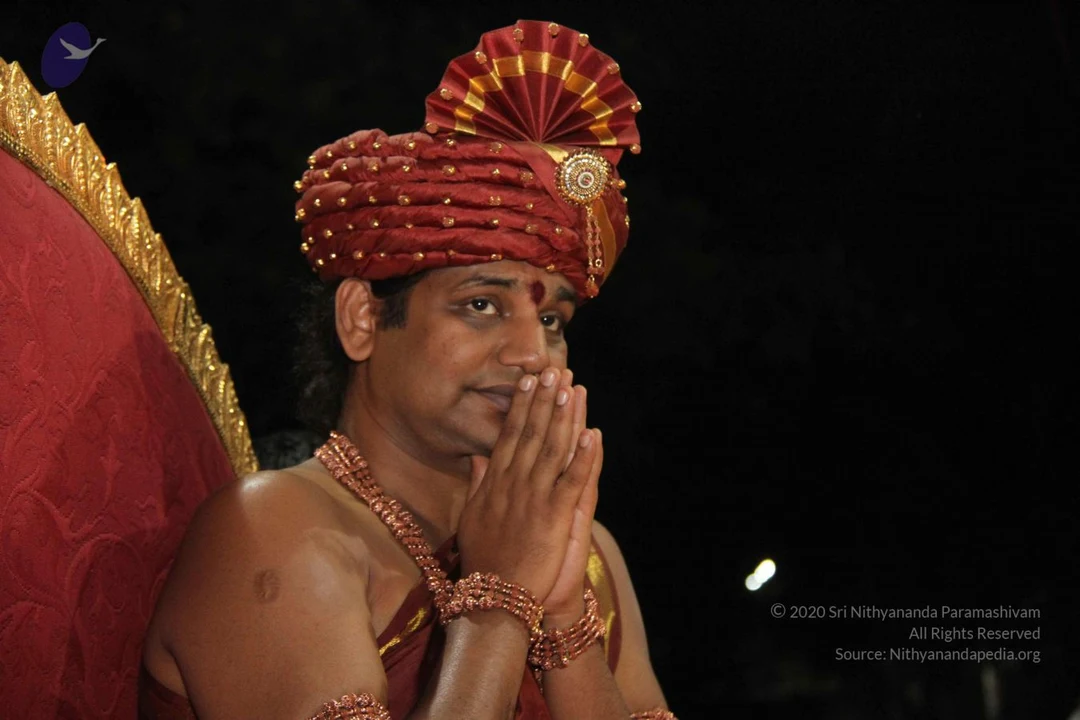
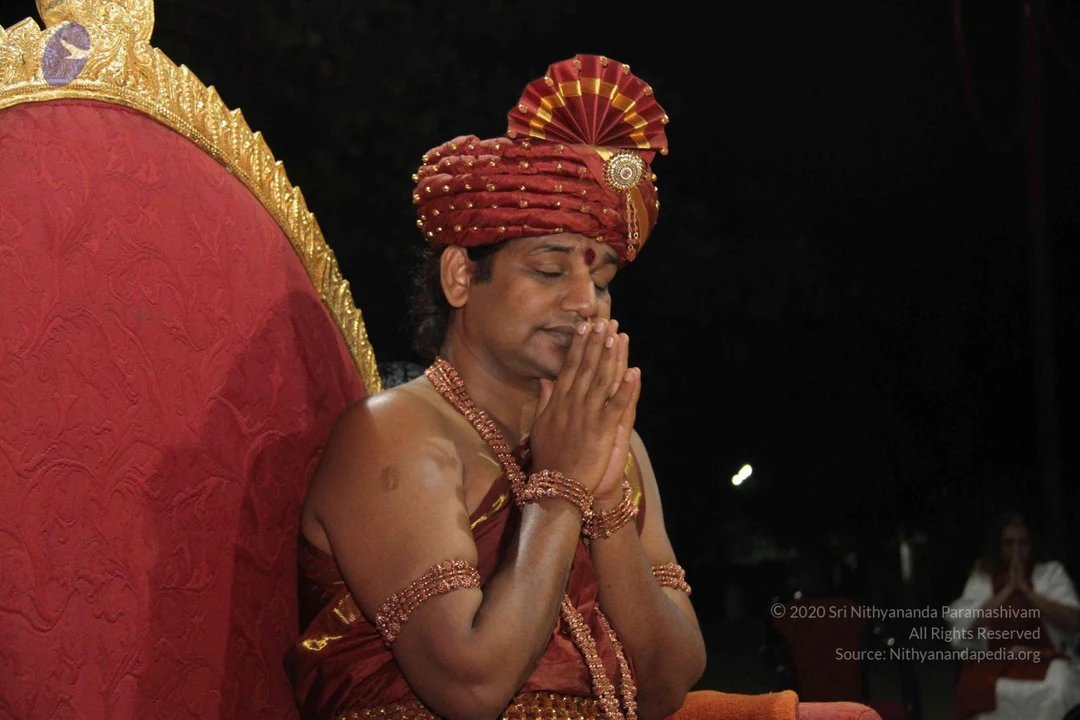
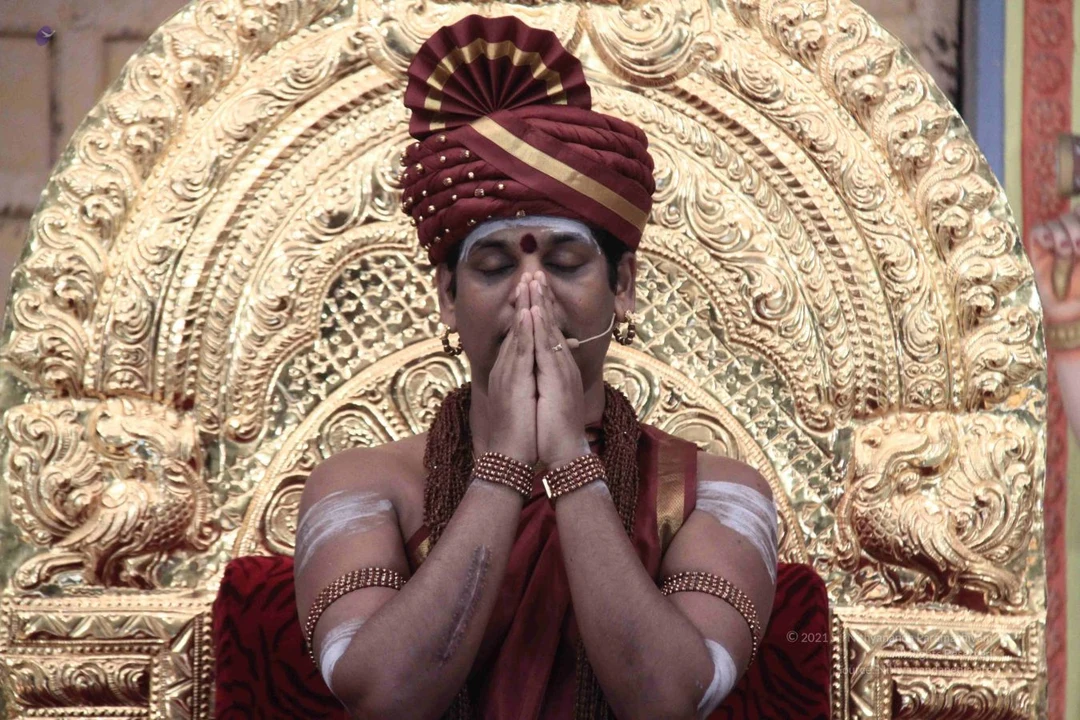
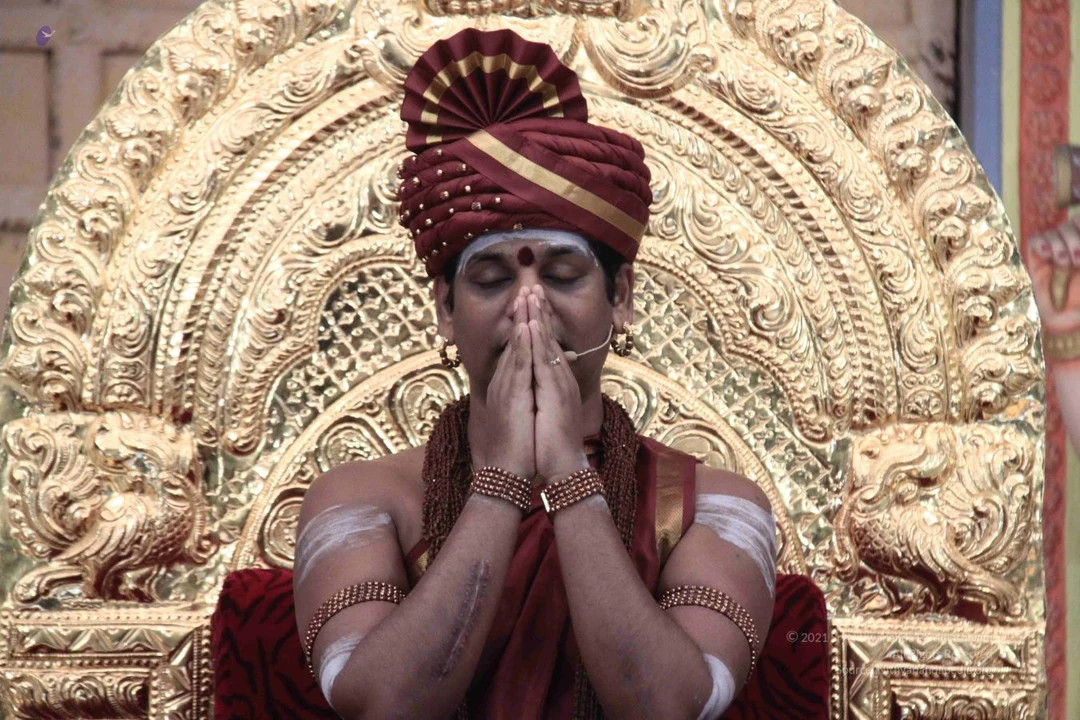
A seated man in a red and gold turban with a fan-shaped pleat and a red bindi sits on an ornate gold throne with carved lion-head armrests. He wears a red dhoti-style wrap with gold border, a gold waist belt, and tiered rudraksha-style beaded necklaces, with ash marks on his forearms and shoulders. Gold bangles and a small earpiece are visible. Behind the throne stand painted deity murtis with raised arms and a gold-toned backdrop.A man seated on an ornate gilded throne with a carved arched back and golden lion-head armrests, set against a decorated backdrop with painted deity figures at the edges. He wears a red and maroon turban with a fan-pleated top, a red bindi, a red saffron-toned cloth draped over the shoulder with gold border, a long rudraksha mala with a large bead cluster, gold armbands and a jeweled waist belt, and white ash markings on his forehead and arms. A small microphone is at his ear. His hands rest on his lap as he smiles toward the camera. Swamiji (probable): the figure is seated on a throne with a turban, rudraksha mala and ceremonial saffron-red attire, a presentation consistent with the page's reference to Swamiji.A seated man with palms pressed together in namaskar and eyes closed sits before a large ornate gilded throne back carved with scrolls and lion motifs. He wears a red and gold turban with a fan-pleated top, a red tilak on his forehead, white vibhuti on his brow and arms, a red cloth draped over his shoulders, a dark red-brown rudraksha mala necklace, and stacked silver bangles. A small microphone is clipped near his face. He sits on a red throne cushion with a tiger-stripe pattern. The figure is the a person, shown in a seated devotional pose during satsang. The image is a photo with no other people visible.A man seated on a red cushion before an ornate gold-carved throne backdrop sits with eyes closed and palms pressed together in namaskar. He wears a red and gold turban with a fan-pleated top, a red tilak on his forehead, white markings on the brow and arms, a red-maroon wrap over bare shoulders, rudraksha malas around his neck and wrists, and a small earpiece microphone. Swamiji (probable) is indicated by the turban, rudraksha malas and ceremonial red-saffron attire seated on a throne.A seated man in a red and gold turban with a fan-pleated crown and a red-and-gold striped border sits on an ornate gilded throne with a red tiger-striped cushion. He has eyes closed, palms pressed together in namaste at his chest, a red bindi and white markings on his forehead and upper arms. He wears a red shawl, a thick gold-beaded rudraksha-style mala around his neck and waist, gold bangles on his wrists and arms, and a small clip microphone near his face. The setting is a formal satsang. Appearance-based identification is uncertain, so the role is given as a seated devotee-speaker figure.A seated man in a red turban with a gold-trimmed fan-shaped top and a red bindi sits on an ornate gold throne with red tiger-striped cushions and a tiger-skin cloth. He is dressed in a red-orange dhoti and shawl with gold borders, wears layered gold necklaces, a gold waist belt and gold armbands, and presses his palms together in namaskar with eyes closed. A gold-and-pink deity murti stands to the right, and a red steel tumbler sits on the dais. Context suggests a satsang setting. A caption overlaid in the scene reads a copyright line for the archive. Pose and dress are consistent with a ceremonial teacher in an assembly hall, but the face is not clearly visible enough for confirmation.

Sarva-Darshan

23 photosSource gallery
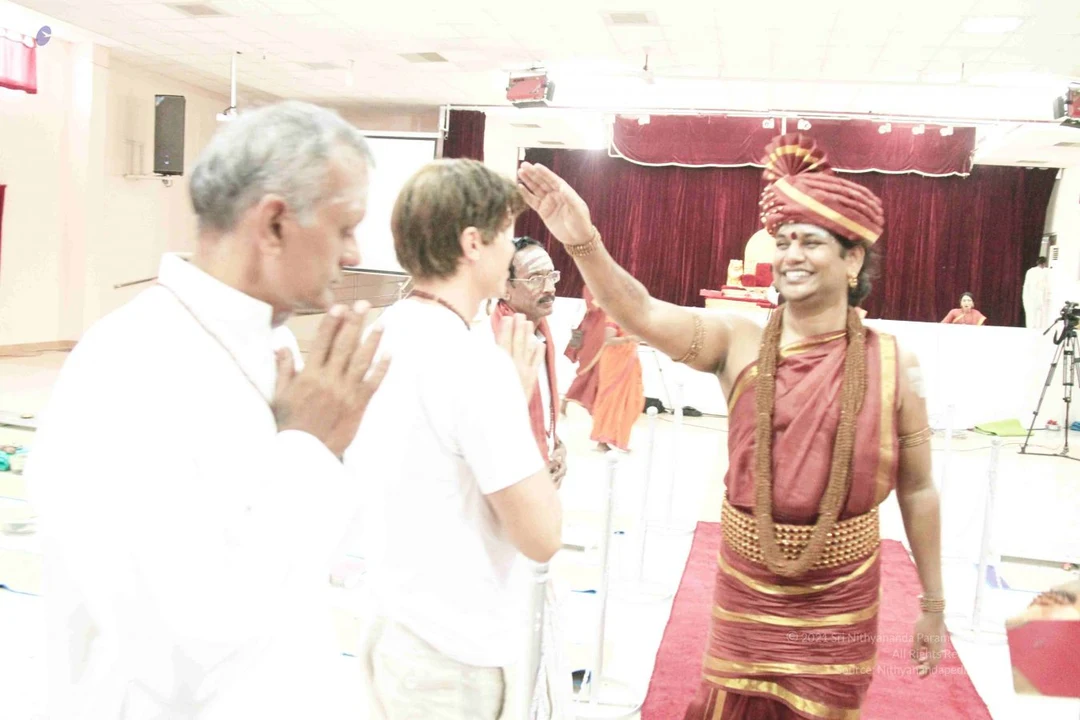
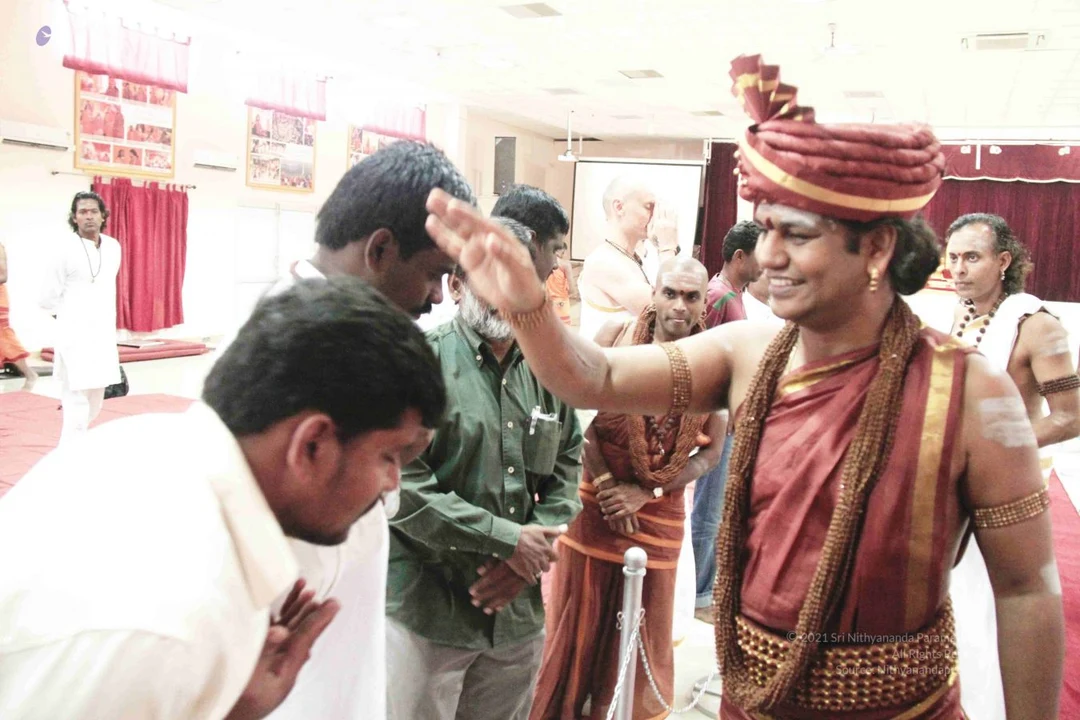
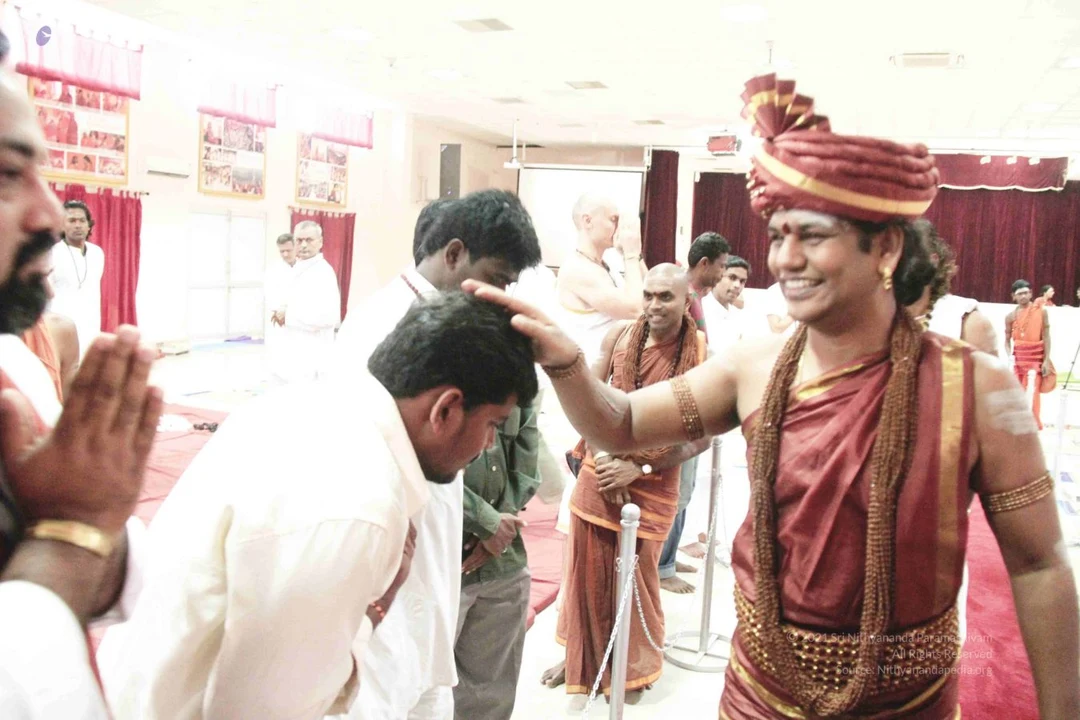
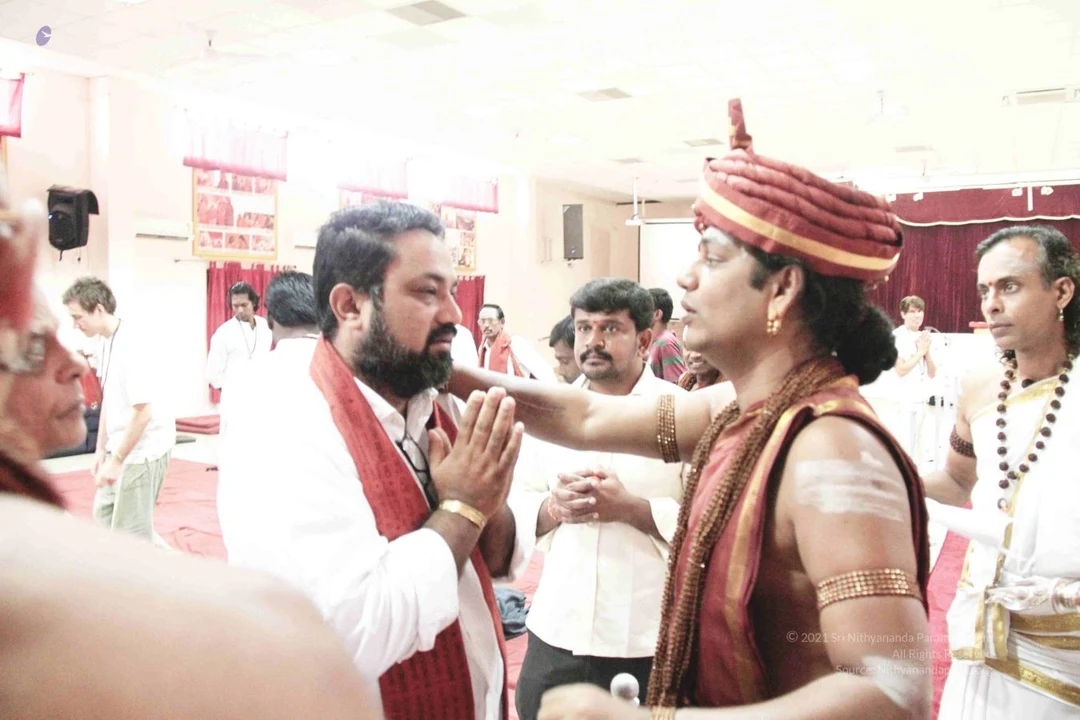
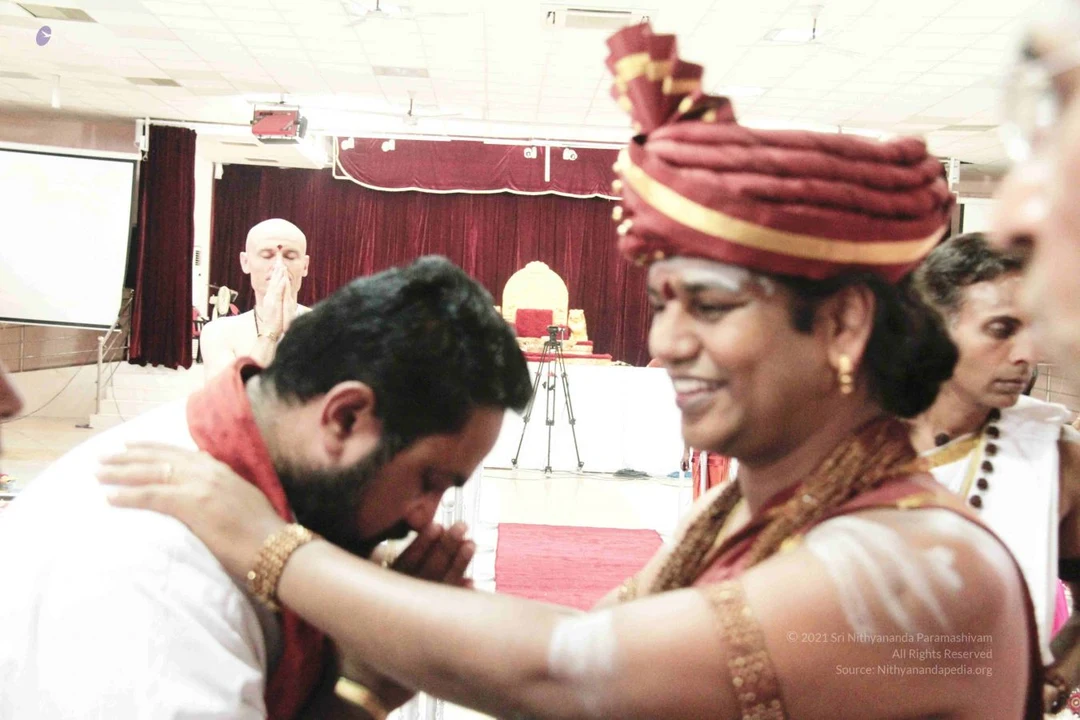
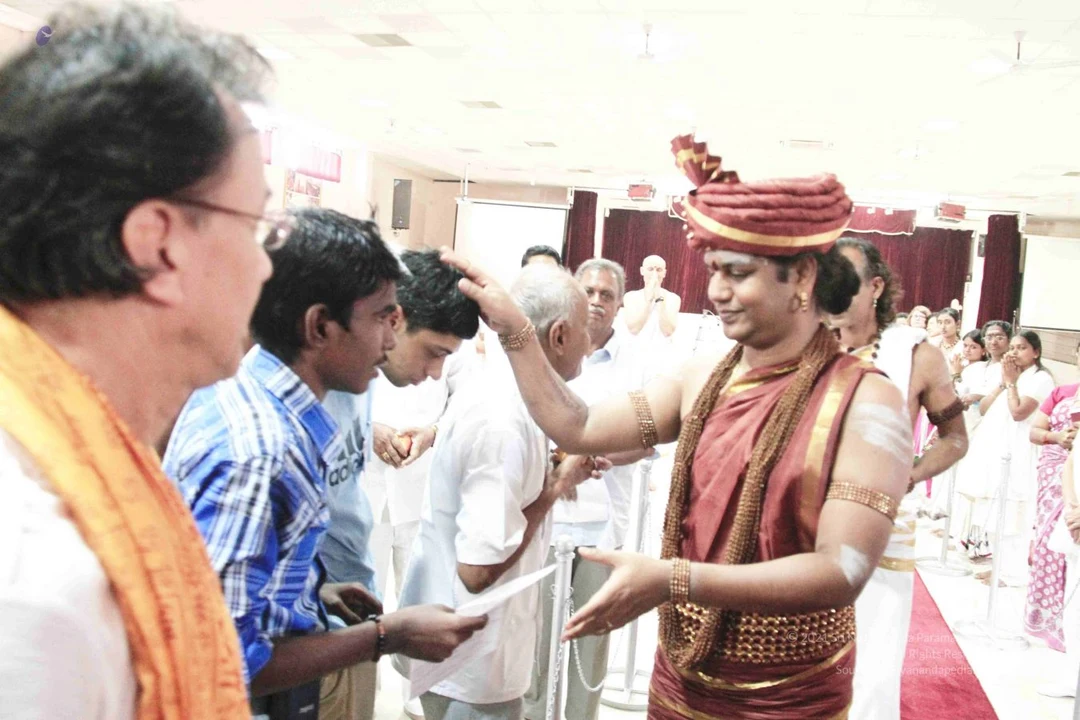
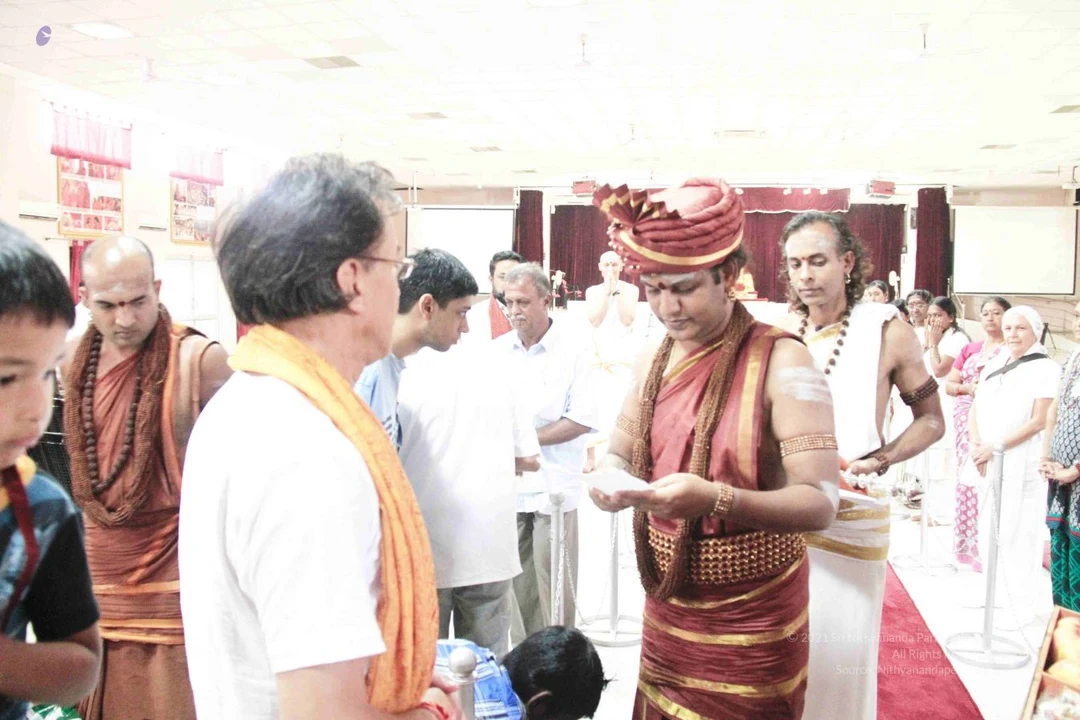
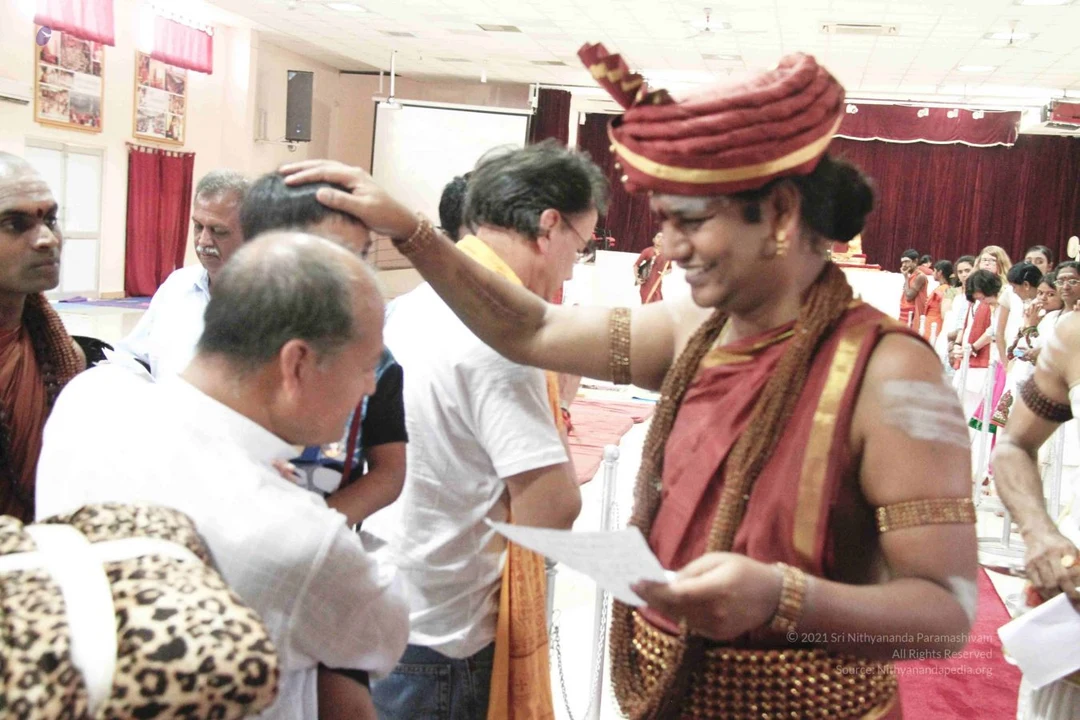
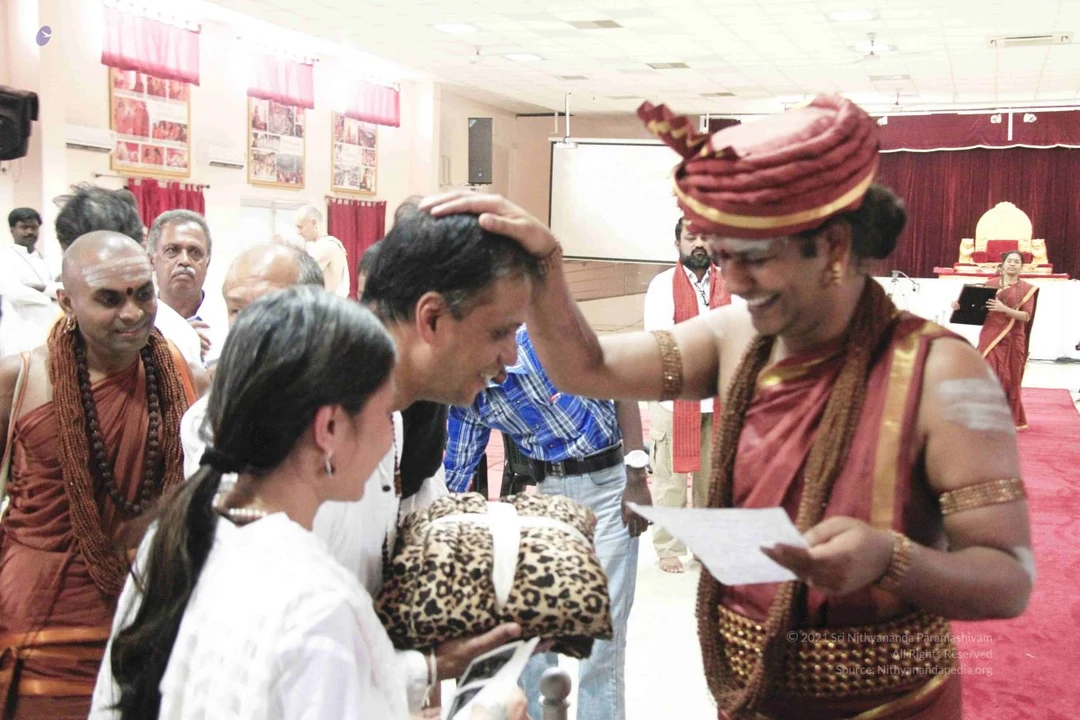
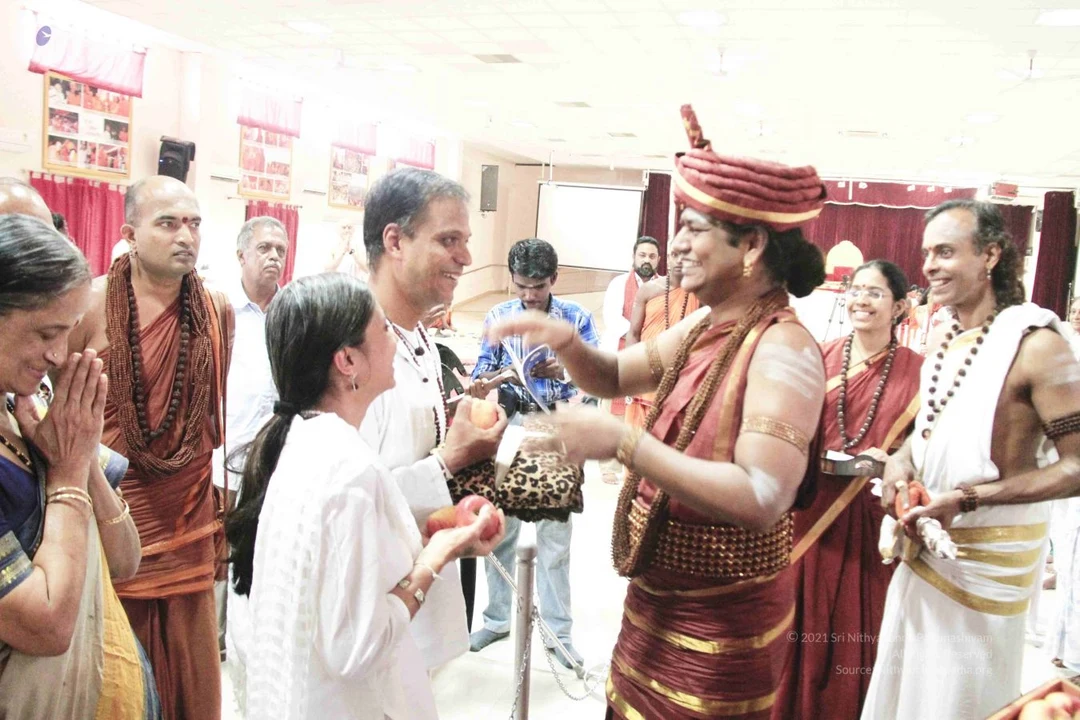
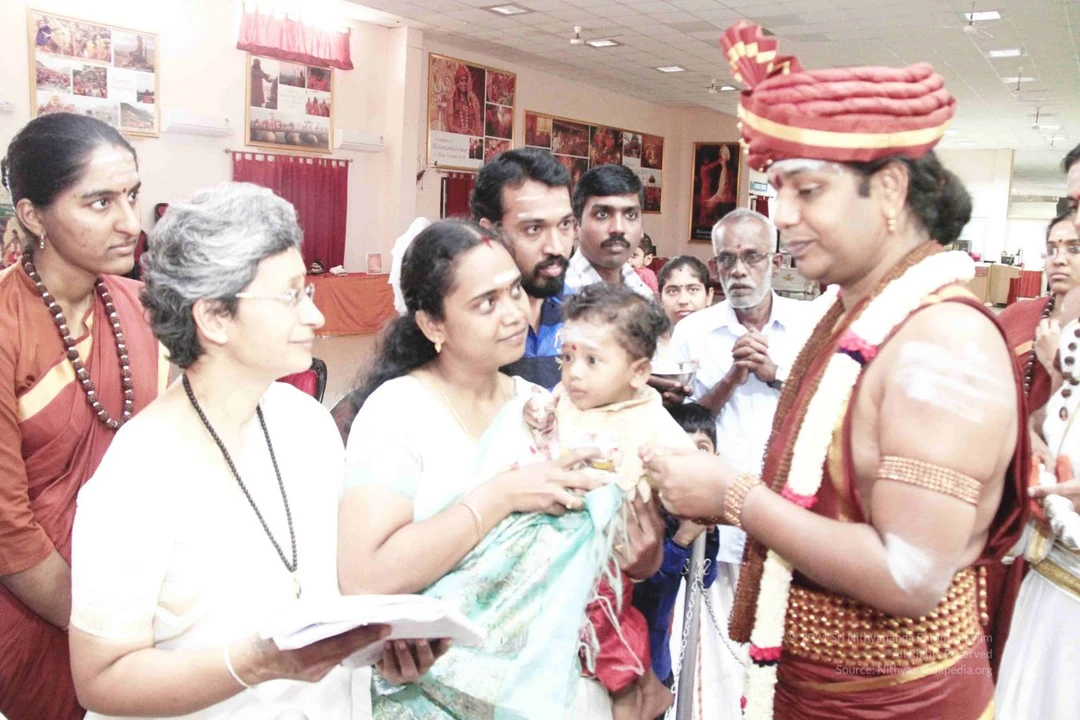
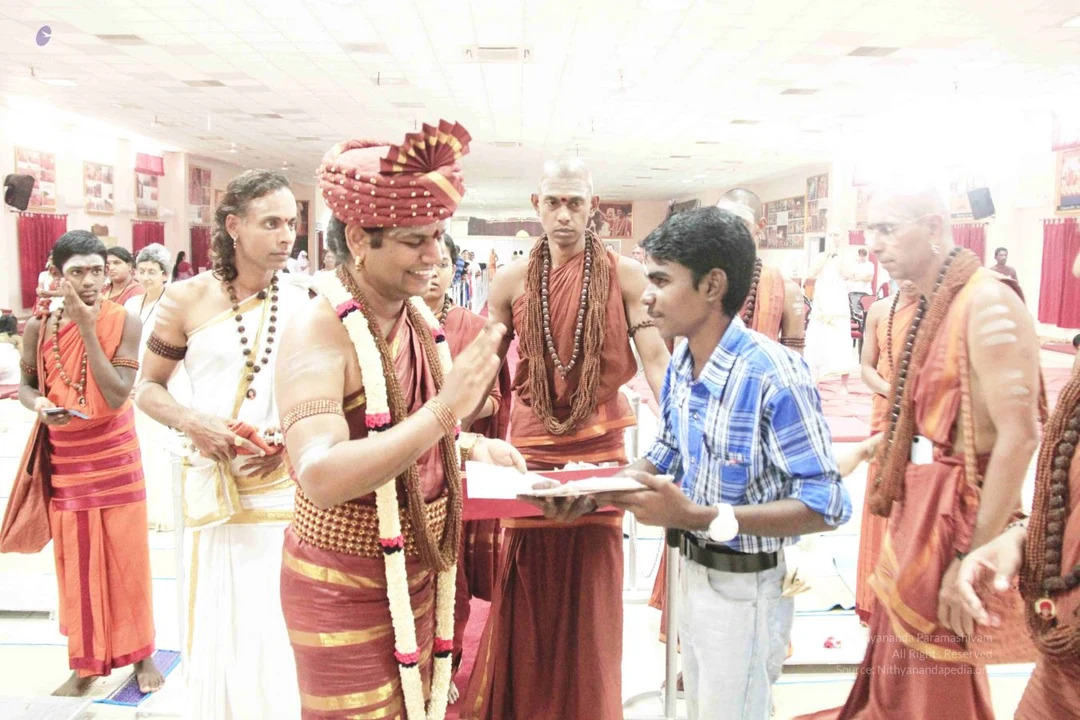
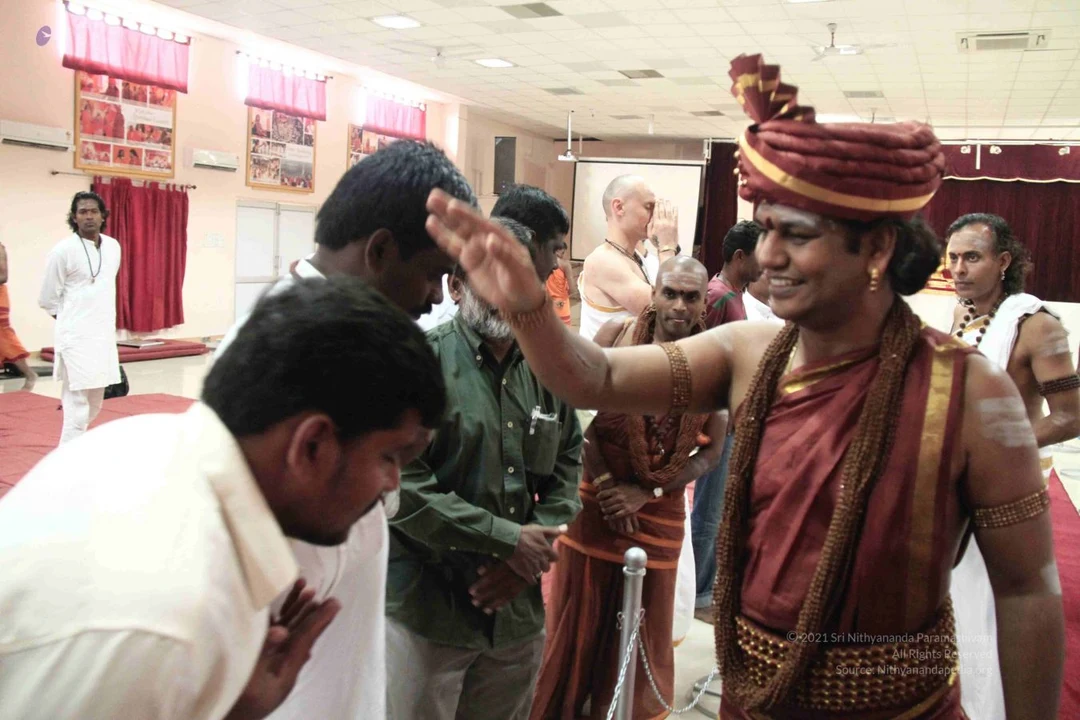
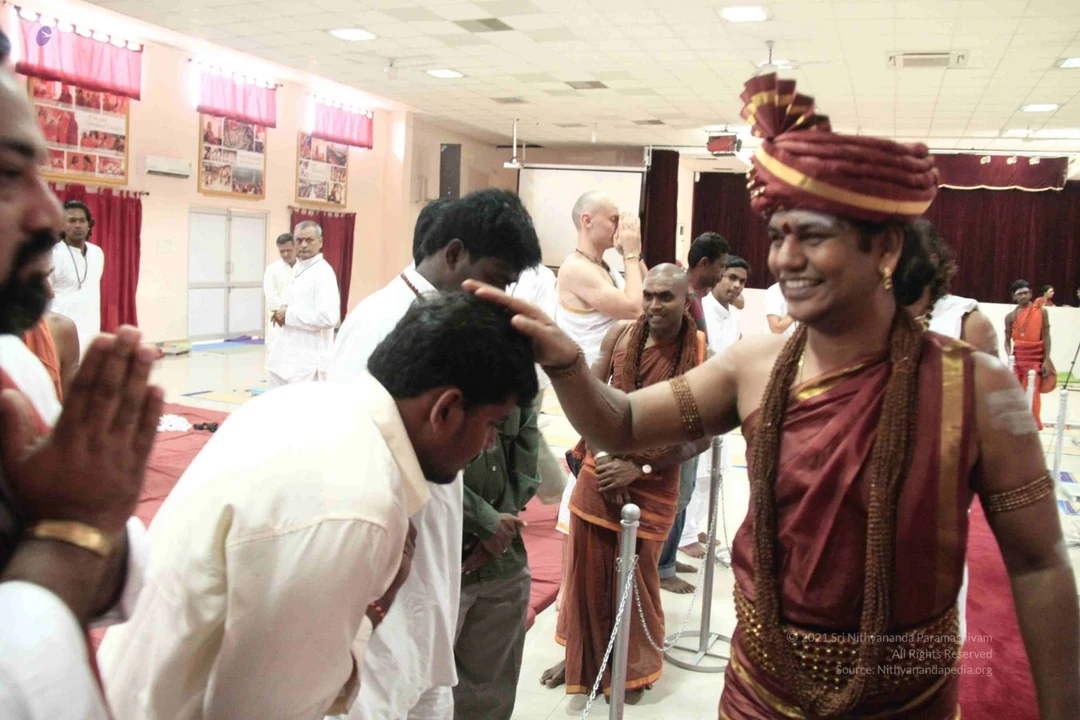
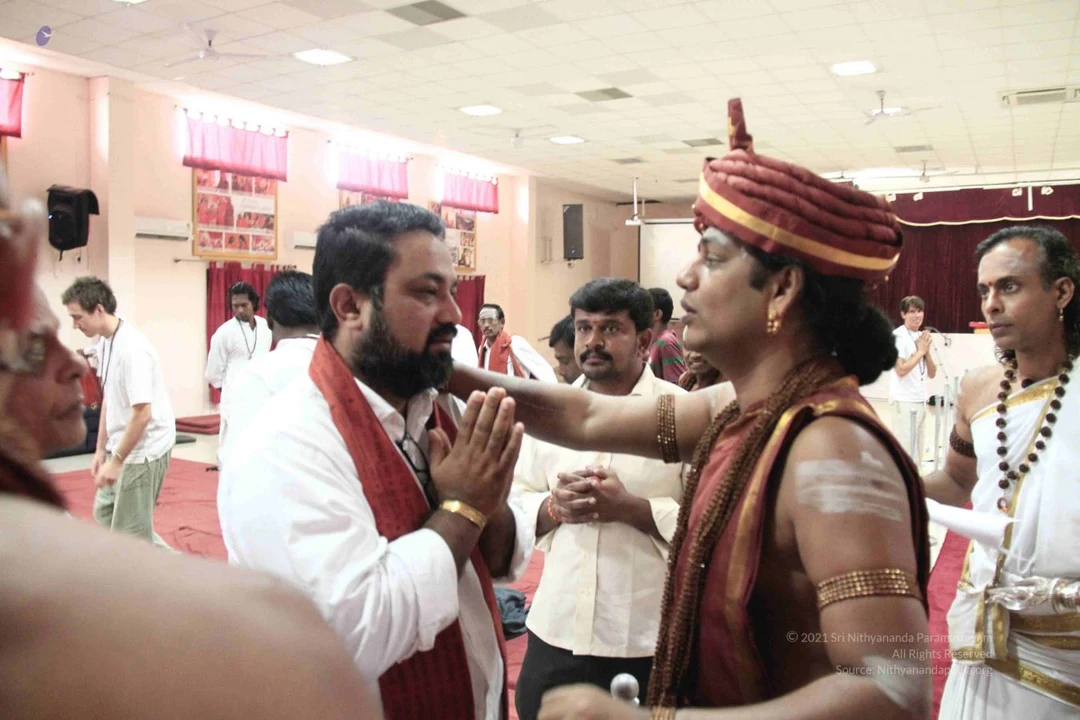
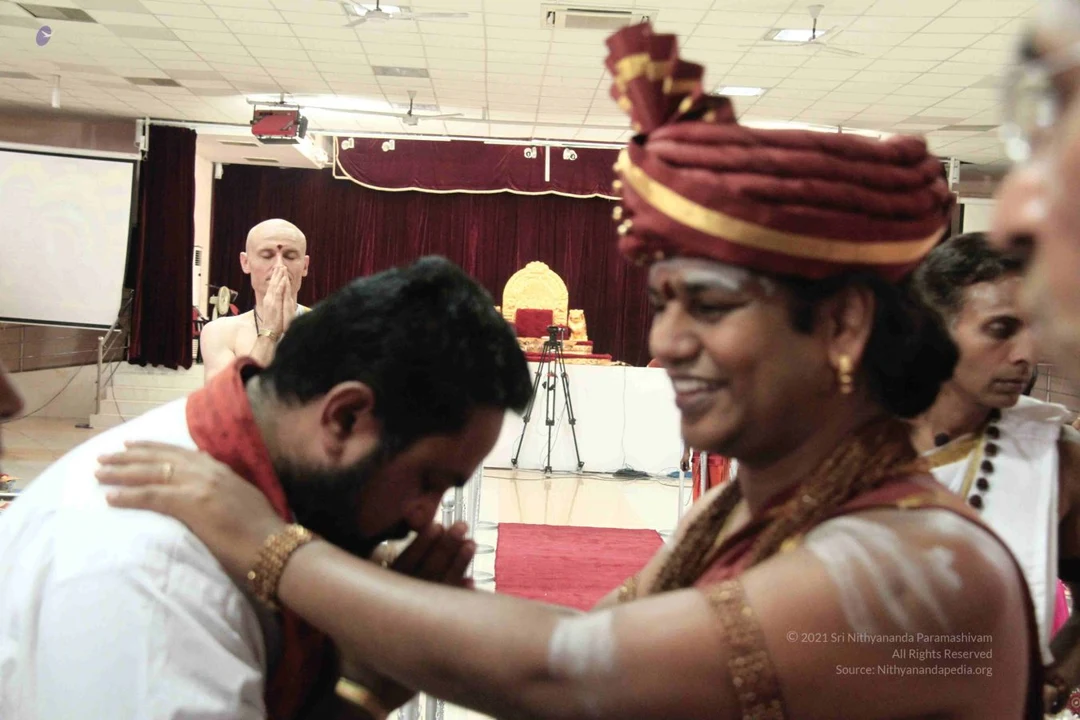
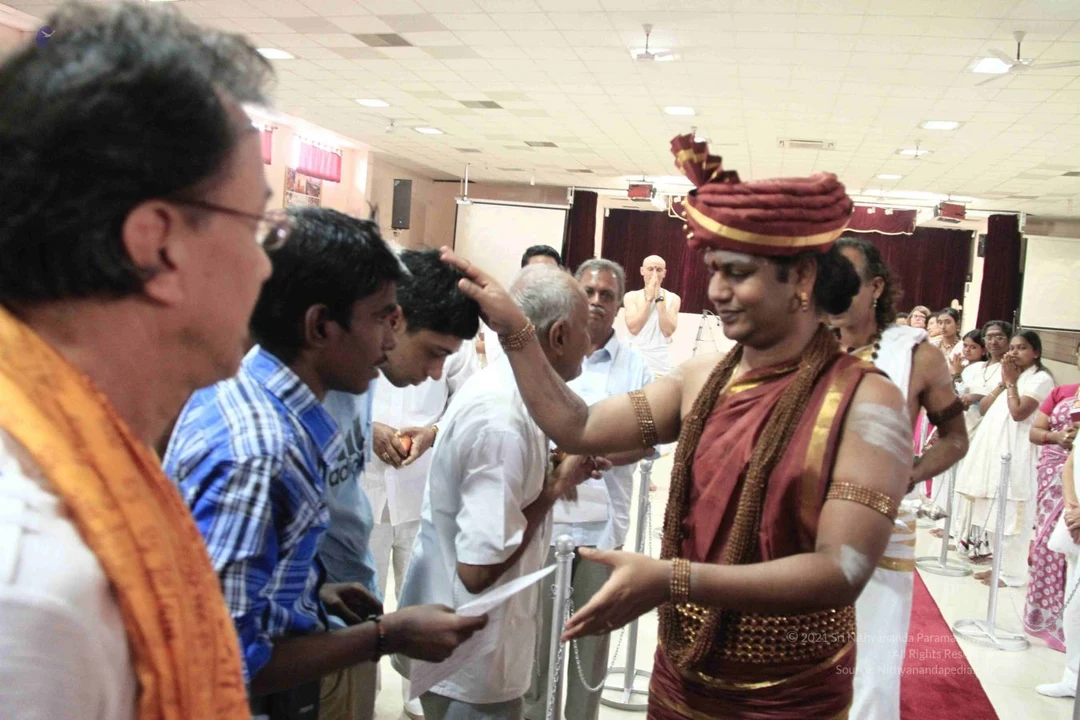
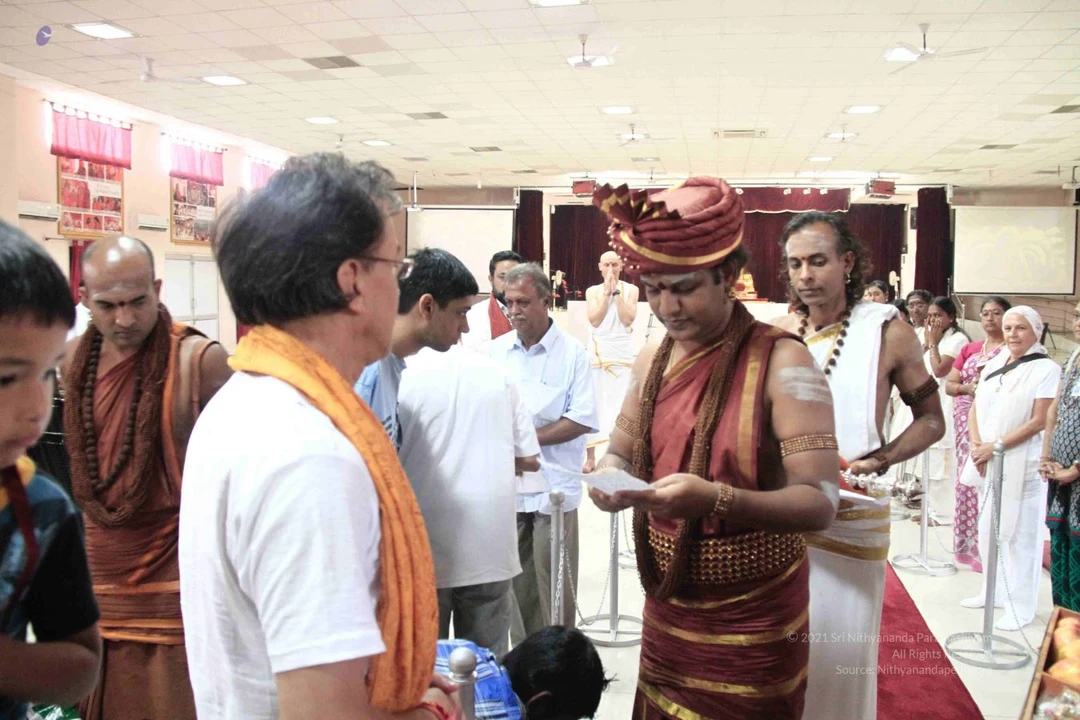
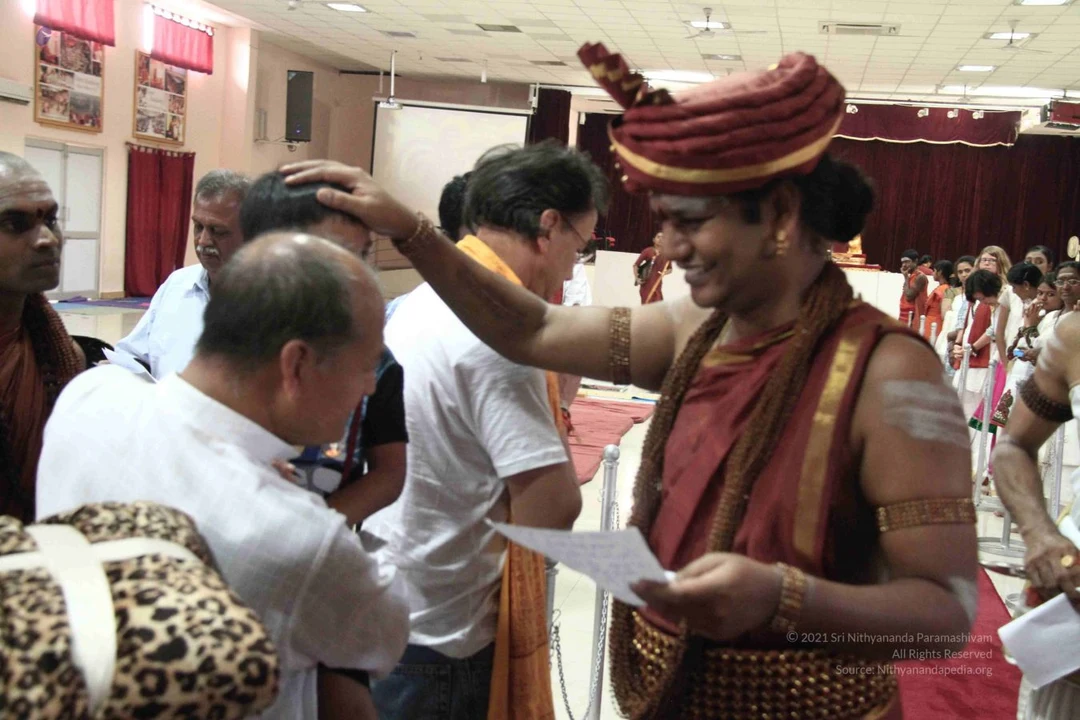
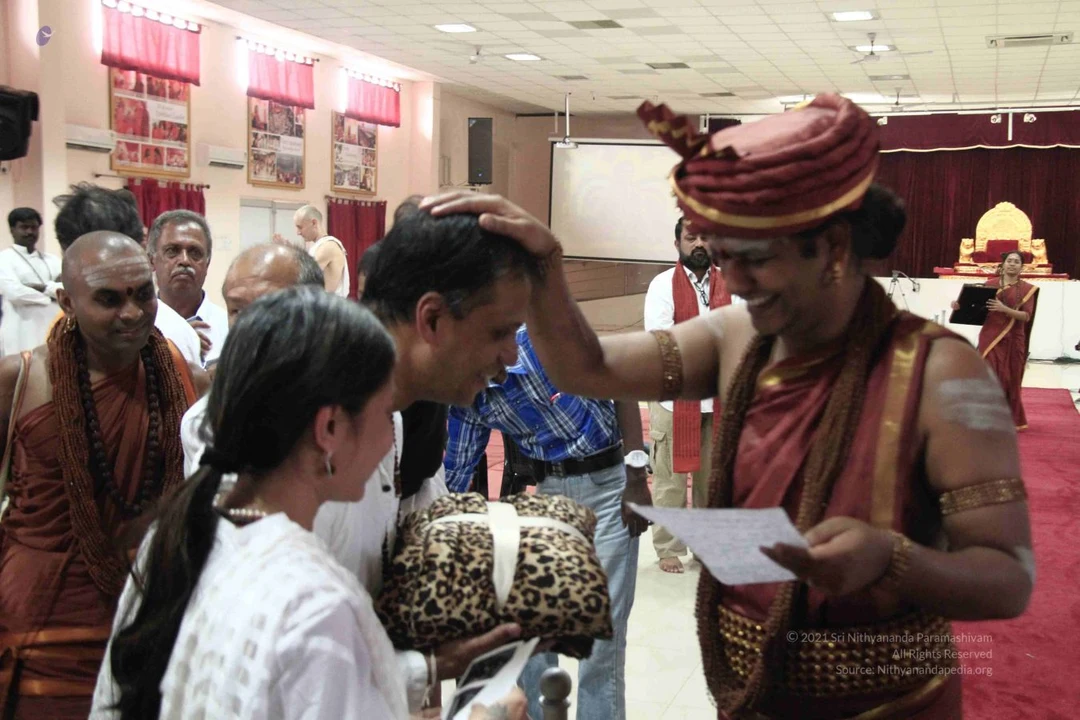
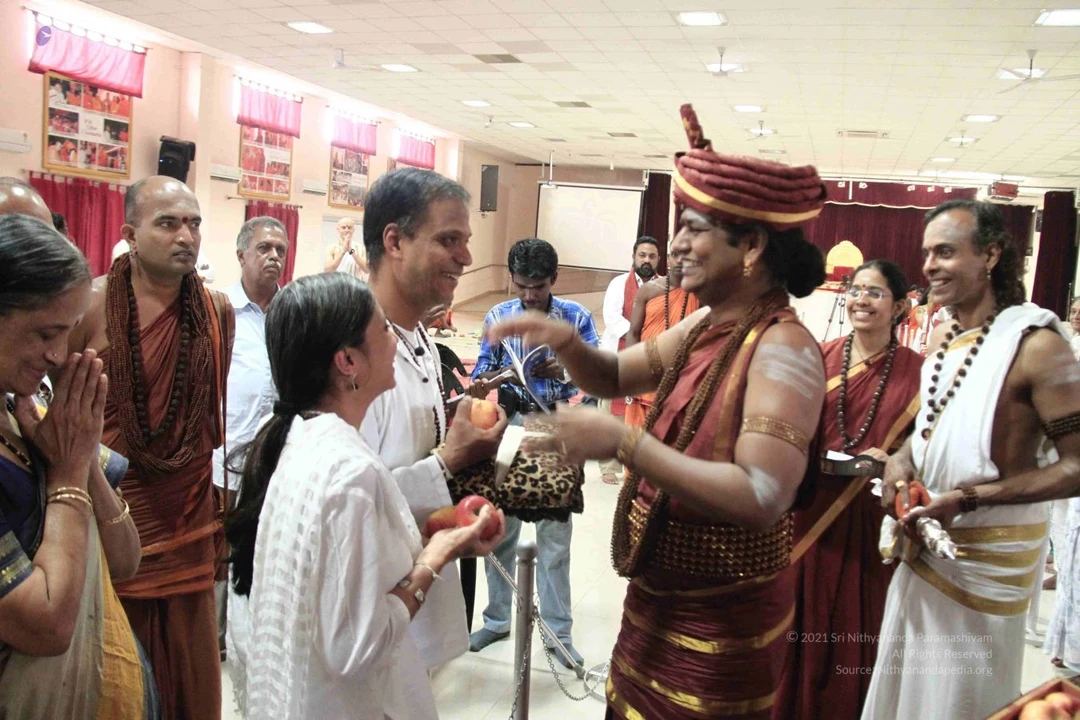
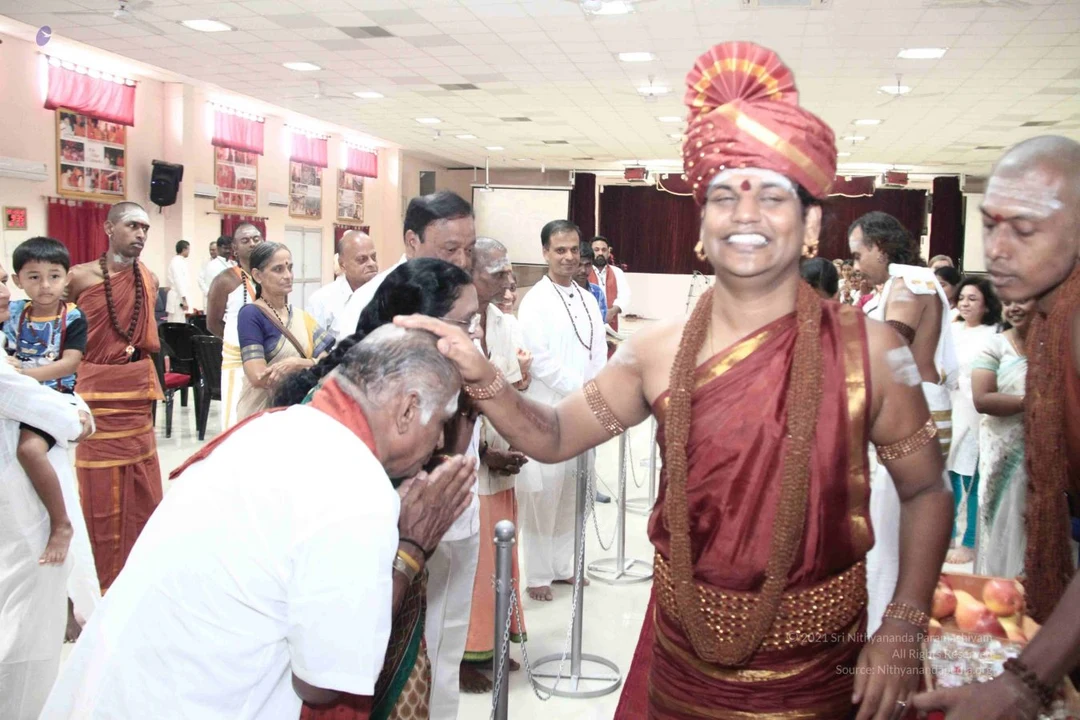
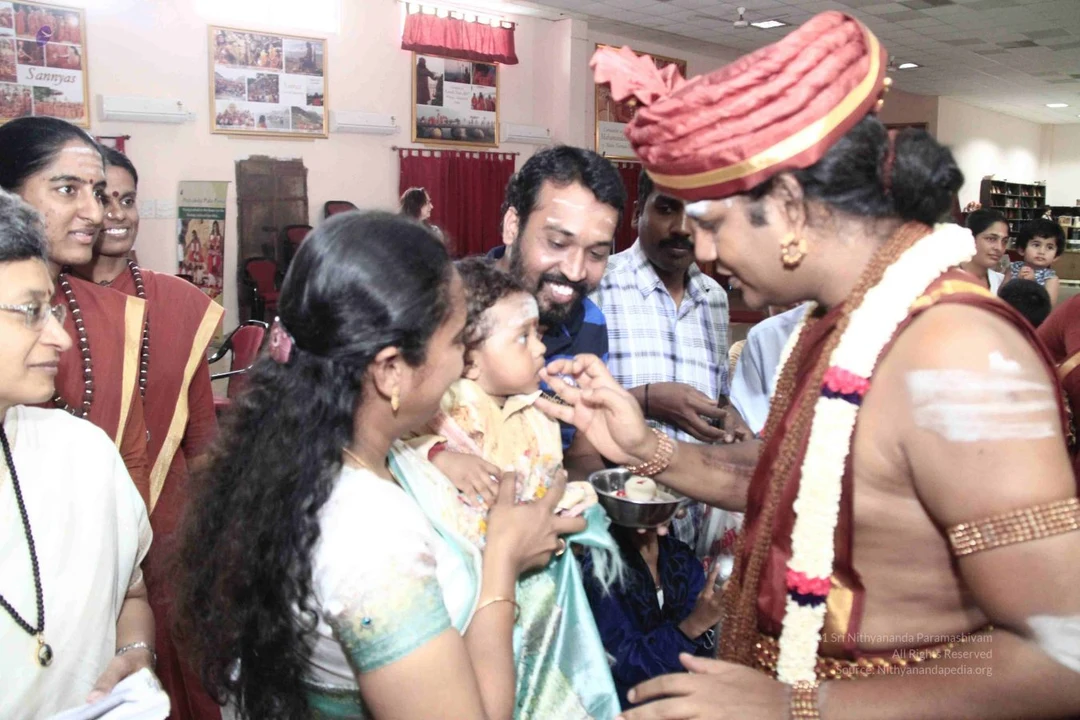
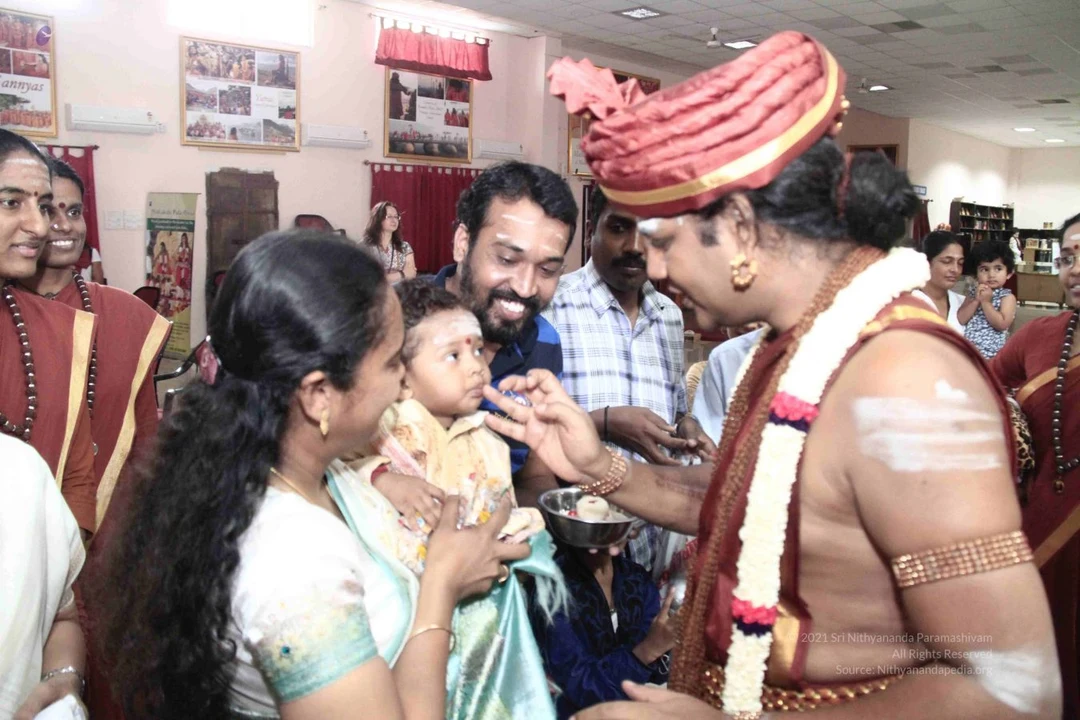
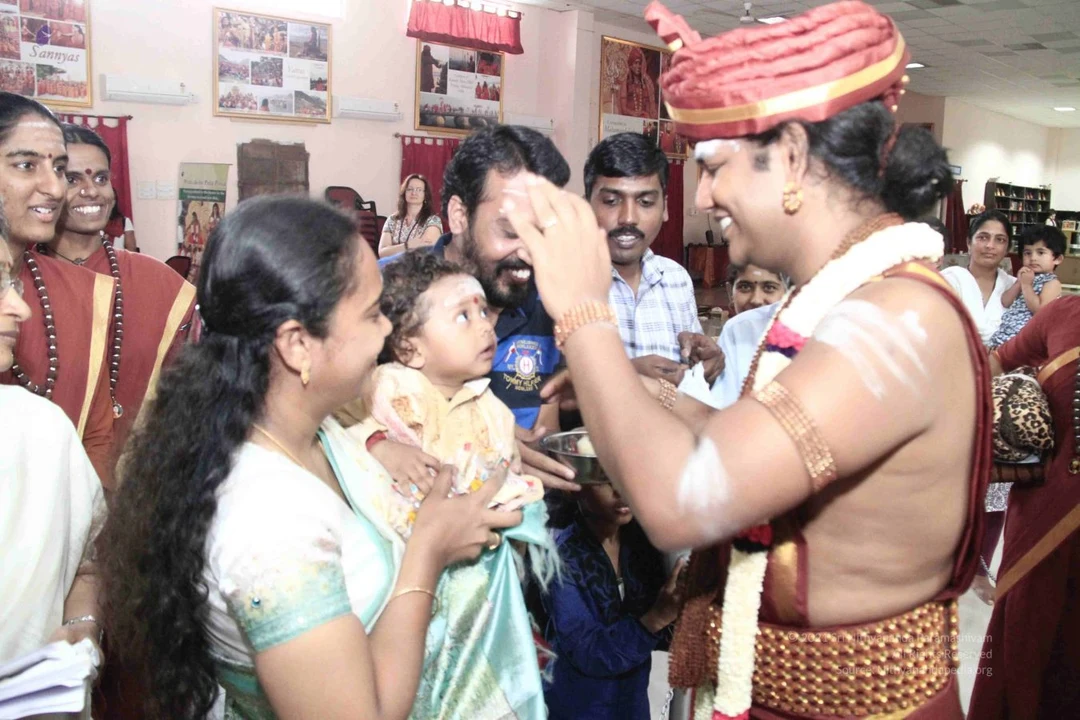
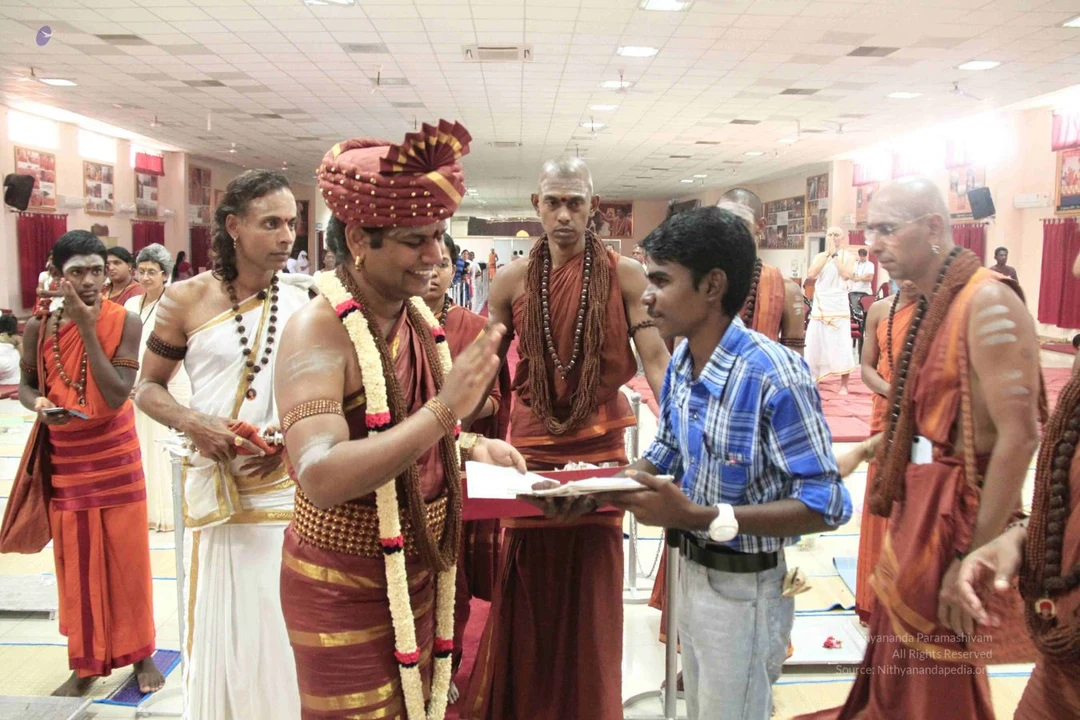
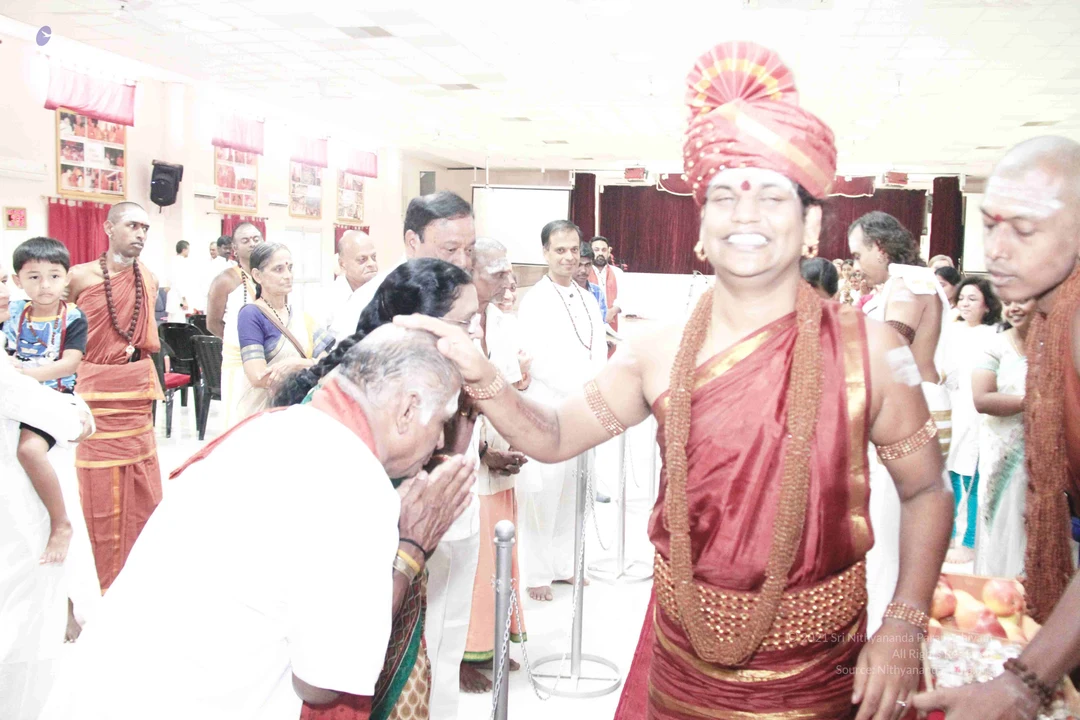
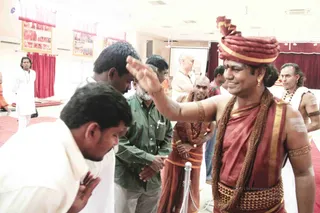
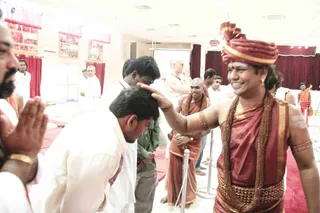
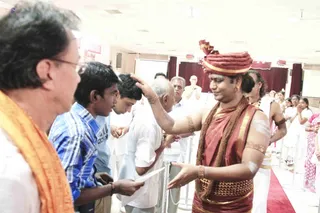
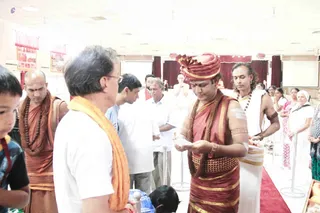
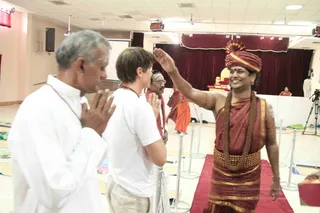
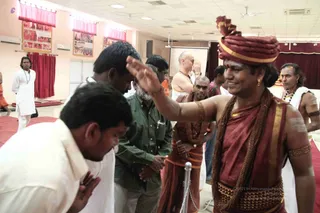
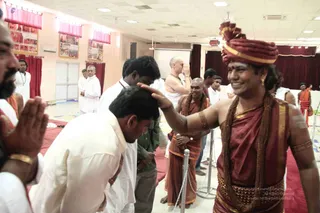
Indoor photograph of a satsang hall with red curtains and framed posters on the wall. In the foreground, a man in a red-maroon turban, red-brown robe, and a large bead necklace raises one hand in blessing while smiling. A man in a white shirt bows with hands folded near him, and a bearded man in a green shirt stands with hands together. Behind them, a man in an orange-and-white robe with a rudraksha-style bead garland and white markings on his arms stands by a metal stanchion, and a man in white with a bead necklace stands at right. A projector screen with a faint figure is in the background.Indoor photo of a devotee bowing with head lowered while a smiling man in a red-maroon turban and maroon-orange robes places his raised right hand on the devotee's head in blessing. The blessing figure wears a long brown rudraksha mala, gold armbands and bangles, and a gold-trimmed cloth. Behind them, other saffron-robed sannyasis and white-clad devotees stand in a hall with red curtains, red carpet and a stanchion rope, and a wall with framed photographs. Several onlookers with folded hands are visible at left. The visible cues are a turban, rudraksha mala and ornaments; this appearance-based label is probable but not certain, so the identity is marked unsure.A photograph of a devotional gathering in a hall with red drapes and framed pictures on the walls. In the foreground, a bearded man in a white shirt with a red shawl stands with palms pressed together in anjali. Facing him, a man in a red turban, red and gold dress and a beaded rudraksha mala, with a gold armband, extends his hand toward him in blessing. Behind them, several men in white and cream clothes stand with hands folded, and a man in a white dhoti with gold trim stands at right wearing a rudraksha mala. A microphone and speaker are visible, and the scene appears to be a satsang setting.Indoor hall with a red curtain backdrop, a gold-and-red throne, and a projection screen at left. In the foreground, a bearded man in white clothes with a red shawl bows with palms pressed together while a smiling woman in a red turban with gold border, gold jewellery and a red garment with white sacred ash marks rests a hand on his shoulder. A shaved-headed man in white with a red bindi stands in prayer pose in the background near the throne, and another man in white with buttoned clothing stands at right. A tripod-mounted camera is set up near the platform.Photograph of an indoor satsang hall with red curtains and white-clad devotees. In the foreground, a man in a deep red-and-gold dhoti and wrap with a red and gold turban, rudraksha-style beaded necklaces and gold bangles raises his right hand to touch the head of an older bald-headed devotee in a white shirt, who stands with folded hands. Nearby, a man in a blue checked shirt holds a white paper, and an orange-shawled man stands at left. Behind them, devotees in white and pink saris sit and stand along a red carpet, and another bald man in white at the back appears to be in prayer posture. The figure in the red-and-gold attire shows distinctive presentation cues, a red turban, beaded necklaces and ornate clothing, consistent with the Swamiji (probable) candidate, shown in person and presiding over a blessing.Indoor hall with red carpet runner and stanchions where devotees queue. A man in a red-and-gold turban, red-and-gold dhoti with a gold-trimmed shawl, rudraksha mala, and gold armbands stands at center holding a small white card or paper in cupped hands. Beside him a man in white dhoti with rudraksha mala and bare upper body holds a tray. A bald man in orange-red robe with rudraksha mala stands at left. Standing devotees in white and orange shawls, including a man with an orange shawl in the foreground, and a woman in white sari stand nearby. Red curtains and wall posters with photos decorate the background.

Pada-Puja

18 photosSource gallery
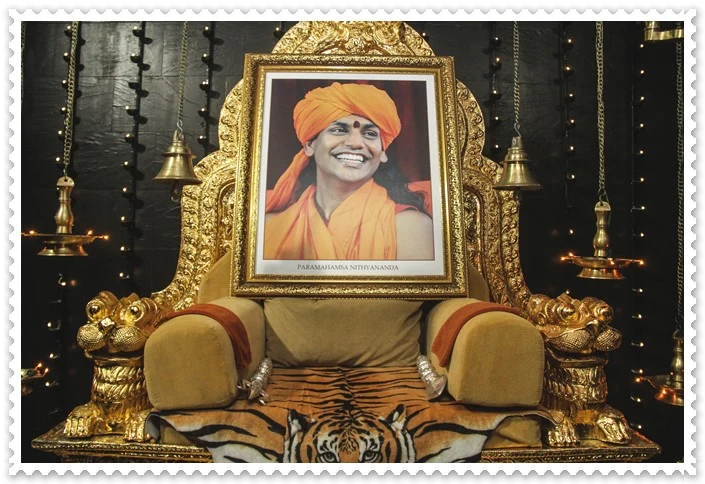
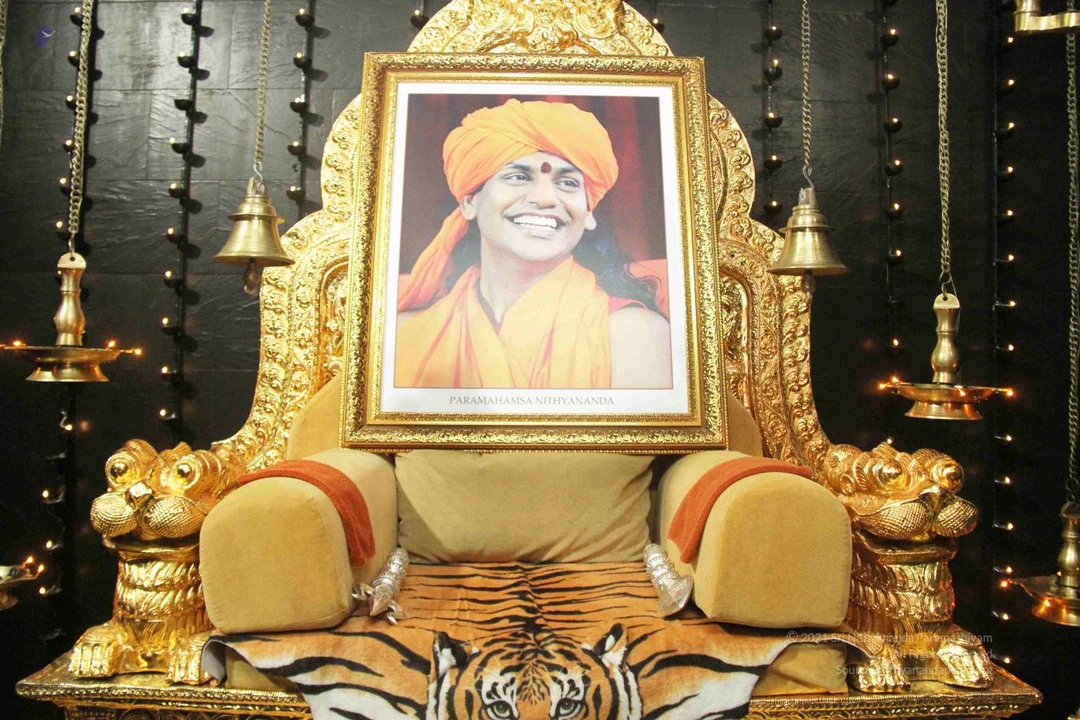
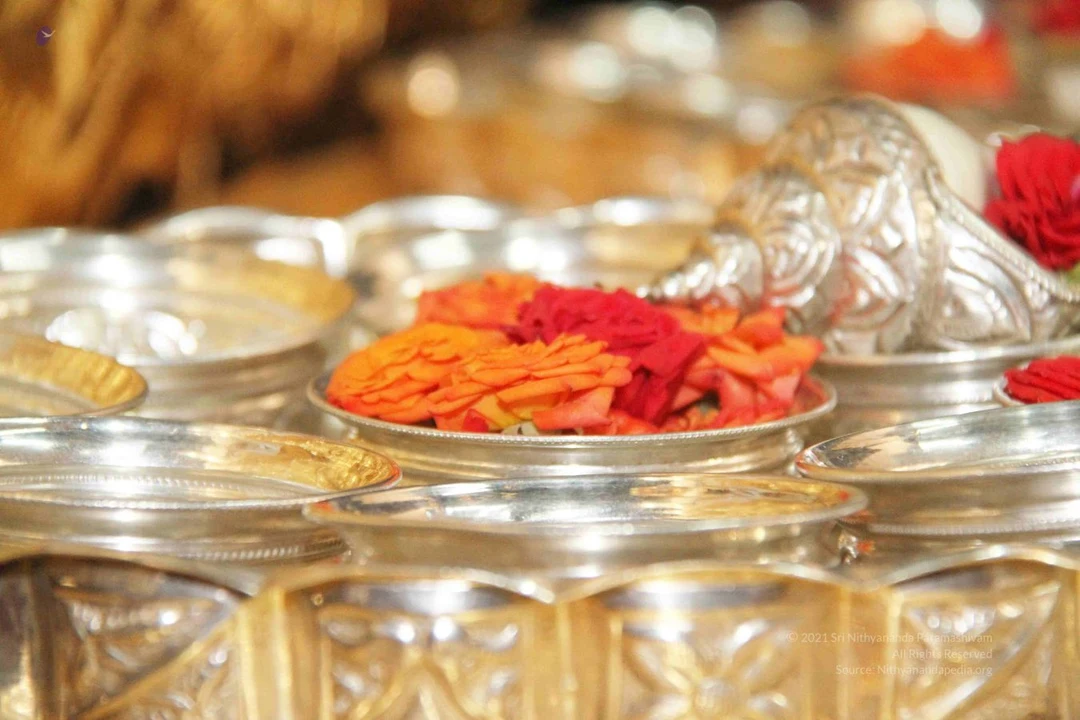
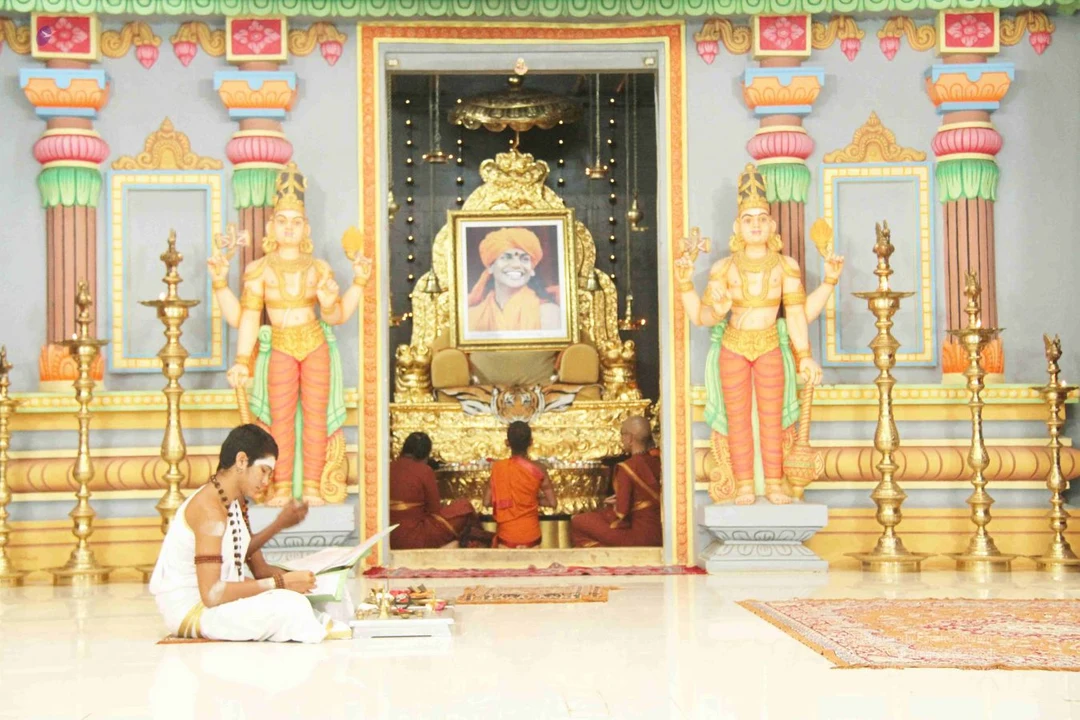
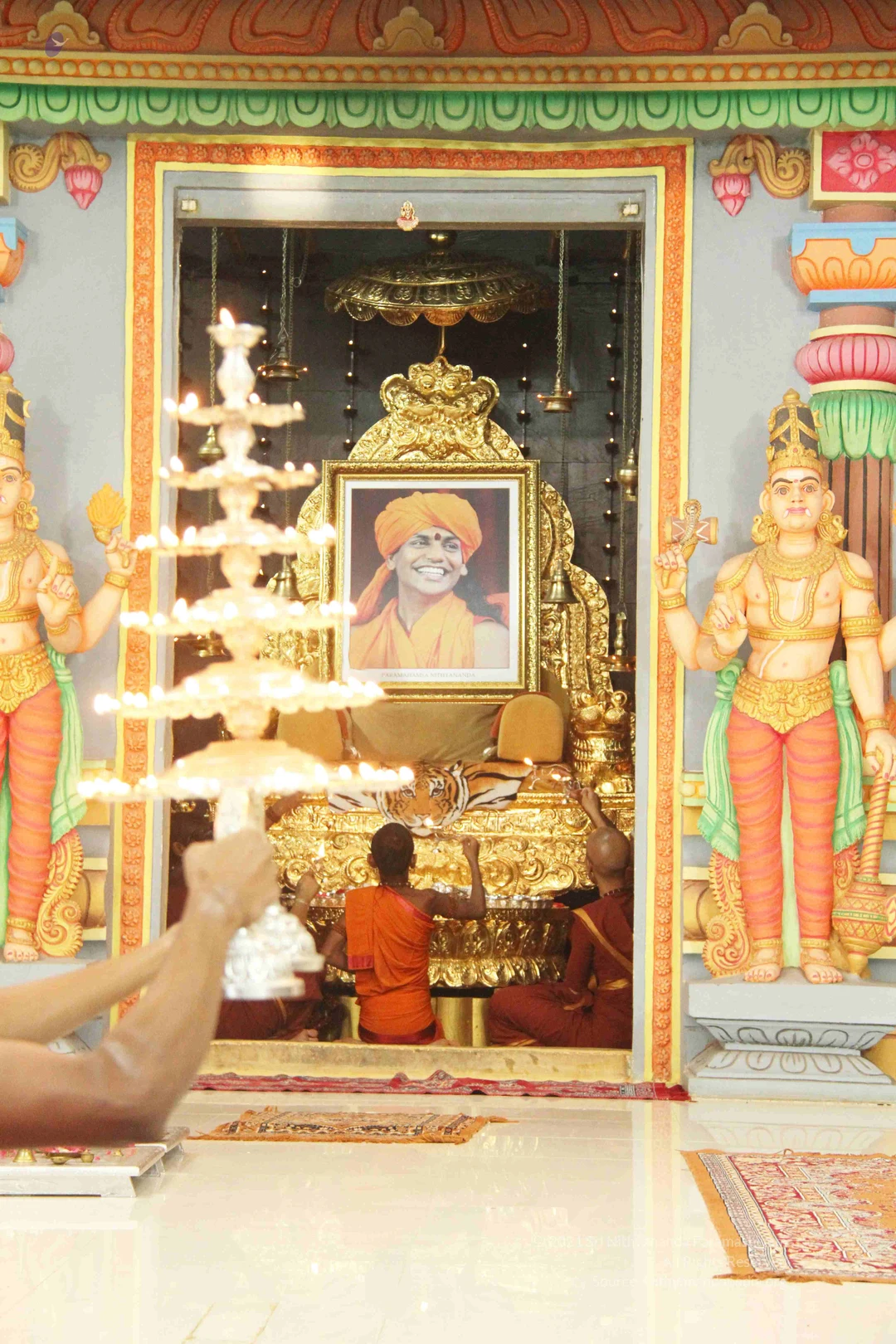
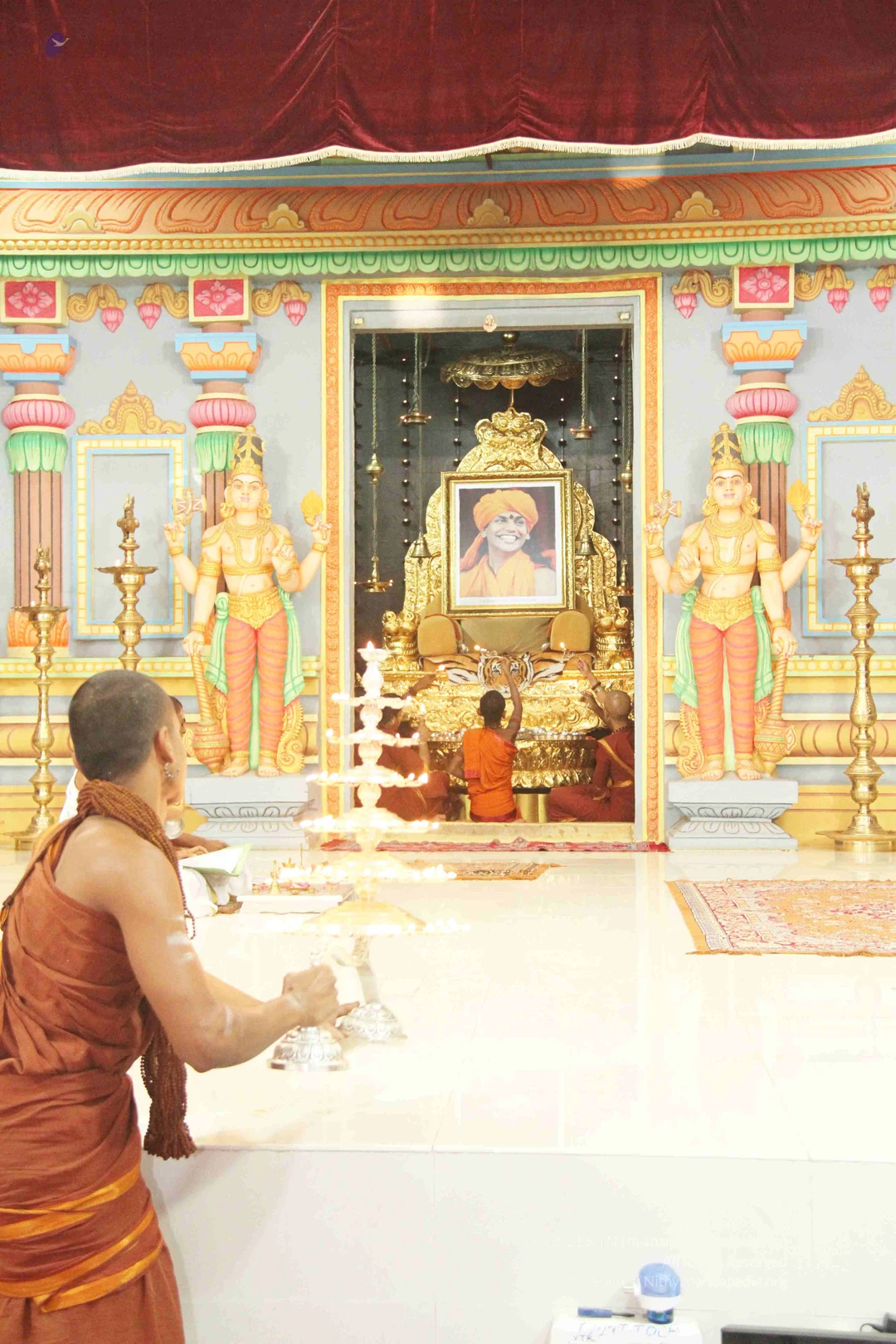
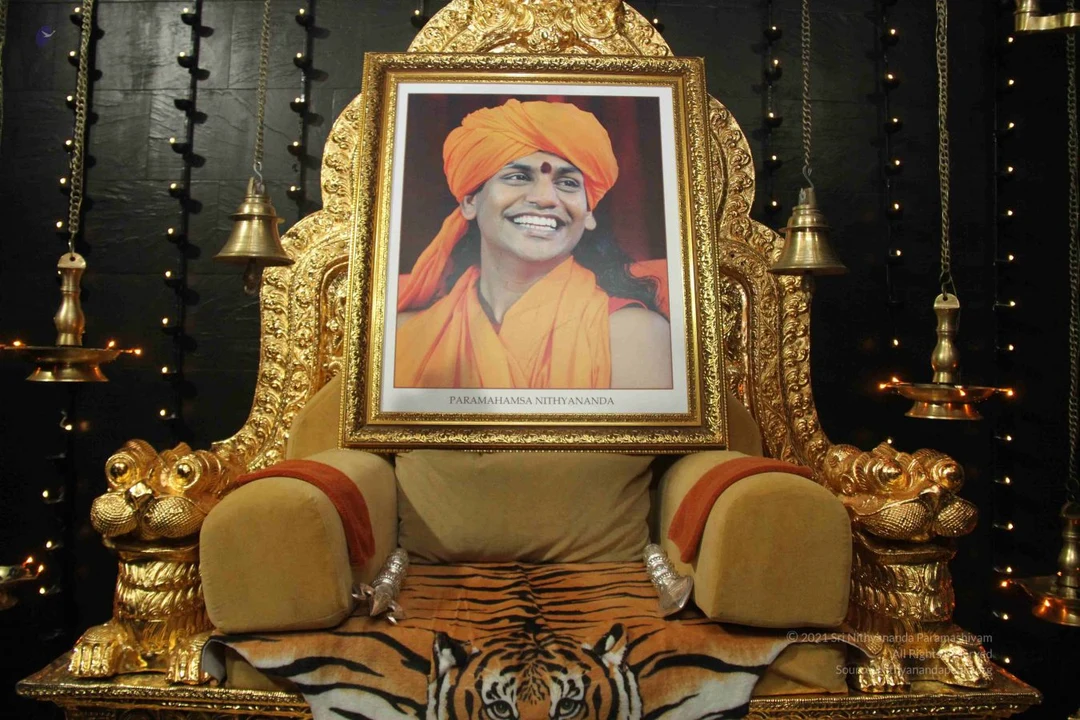
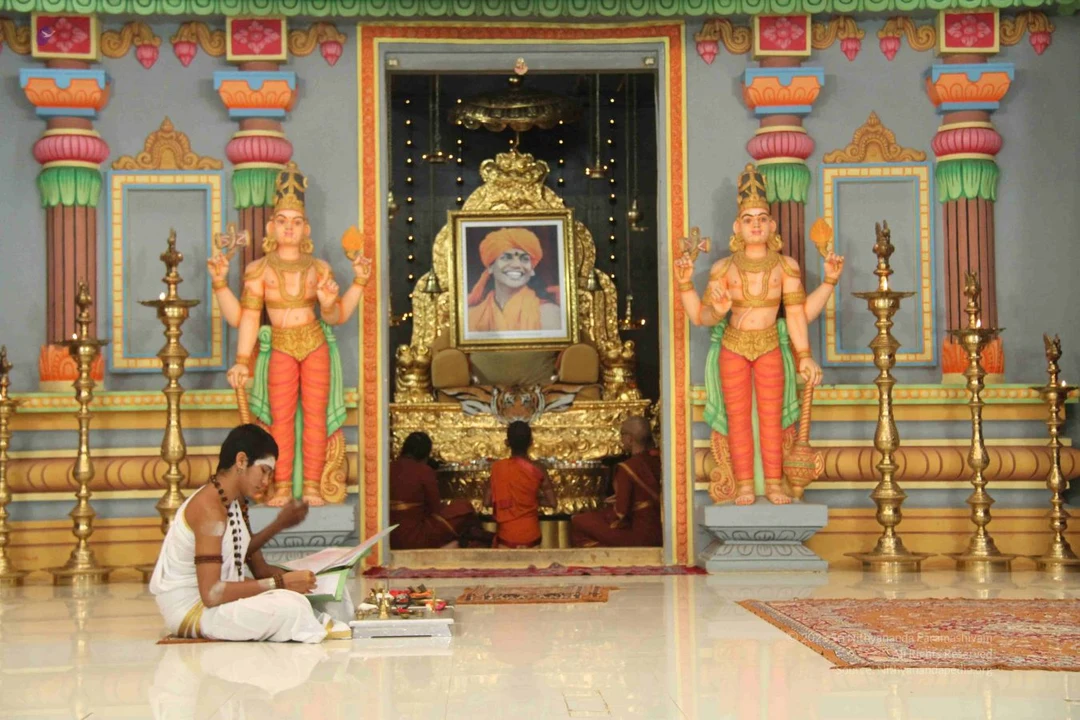
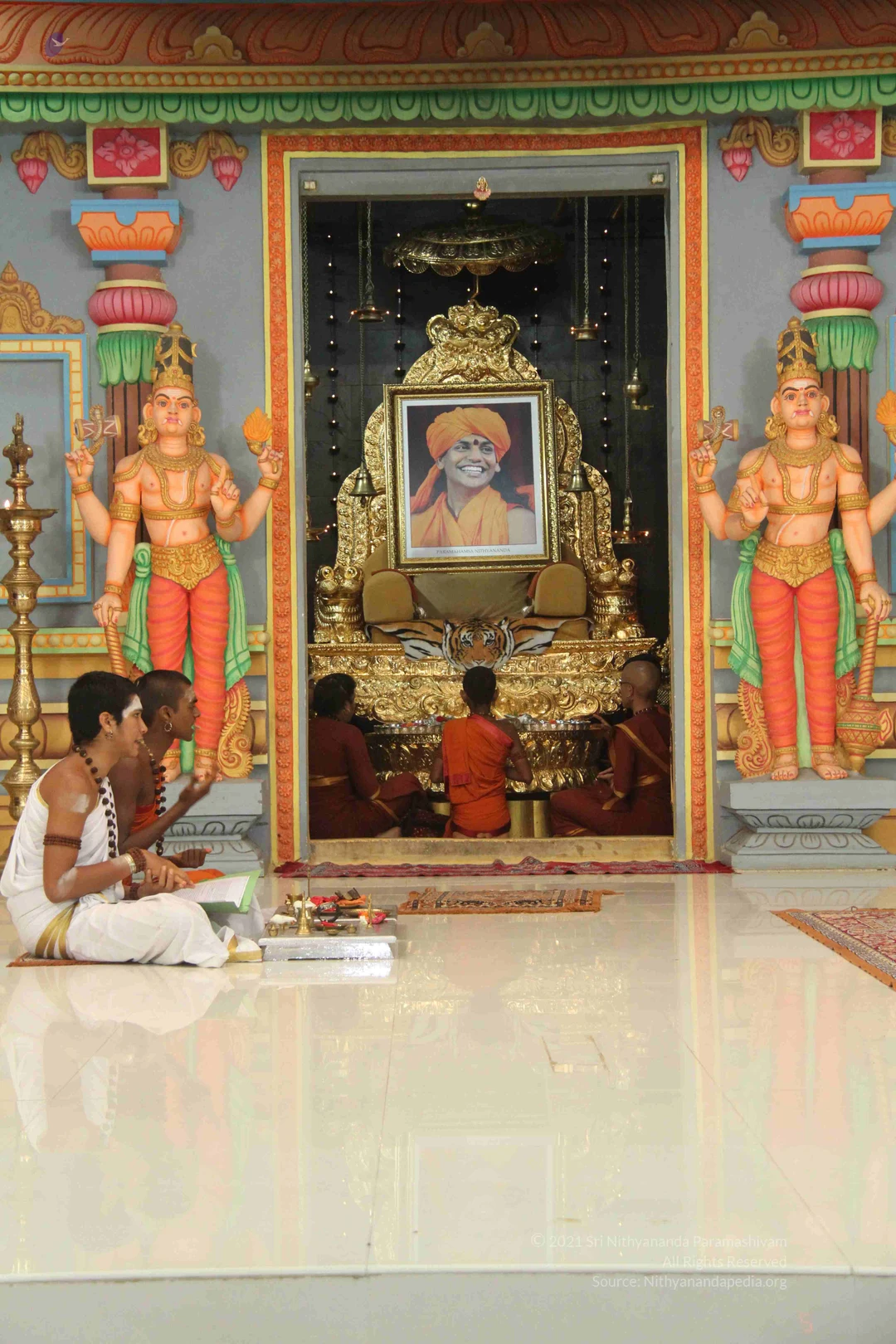
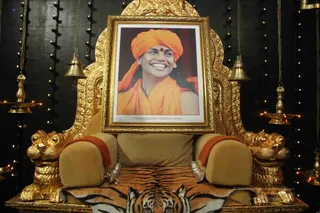
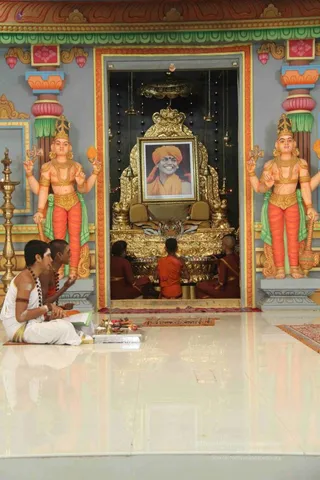
Close-up photo of a round engraved silver ritual tray on a gold-coloured surface. Several small silver bowls with floral engraving hold clear water or oil with small wicks, one bowl holds yellow liquid, and a central bowl is filled with red roses and one orange flower. A silver kumkum or vibhuti box with a floral lid sits at the upper centre, and a silver spouted vessel with a red rose and green leaves rests at the right. No people are visible.A golden ornate throne with carved lion-head arms and a tiger-skin cushion stands empty in a dark shrine room. Above the seat hangs a large framed portrait of a smiling man in an orange turban and orange shawl with a red bindi, labelled PARAMAHAMSA NITHYANANDA on its lower border. Brass bells and brass oil lamps with lit flames hang on chains beside the throne, and small lamps glow along the dark wall.Overhead view of an elaborate ritual arrangement on a gold-embossed tray. Four silver scalloped trays, each holding many small silver bowls with oil lamps and amber liquid, surround a central golden stand. Red and orange roses, yellow marigold-like flowers and green leaves decorate the stand and trays, with silver kalasha-style vessels and small silver boxes. No people are visible.Close-up photograph of ritual silverware on a tray, centred on an ornately engraved silver conch-shaped vessel with a pointed tip. Fresh red and orange rose petals and green leaves lie in silver bowls around it, with blurred silver trays and more flowers in the background. No people are visible. The objects suggest puja preparation, with the silver vessel.Close-up of silver ritual vessels arranged on a tray, with a bowl of orange and red marigold-like flower petals in the centre. A repoussé silver vessel with embossed floral patterns sits to the right, and a red flower is visible at the upper right edge. Blurred background shows more silver bowls and a golden-brown textile. No people are visible; the scene is a puja setup with flower offerings.A photograph inside a temple hall with a glossy white floor. Central golden throne-like seat holds a framed portrait labelled "PARAMAHAMSA NITHYANANDA" showing a smiling man in orange turban and saffron robes, with a tiger-skin cloth on the seat and a golden umbrella above. Flanking the shrine are tall painted deity figures with multiple arms, orange dhotis and green sashes, holding ritual objects. In front, a young saffron-robed priest kneels at the seat making offerings while three other robed attendants sit nearby. On the left, a man in white dhoti with white markings and rudraksha malas sits reading from a green book, with brass lamps and puja items on a silver tray.

Satsang
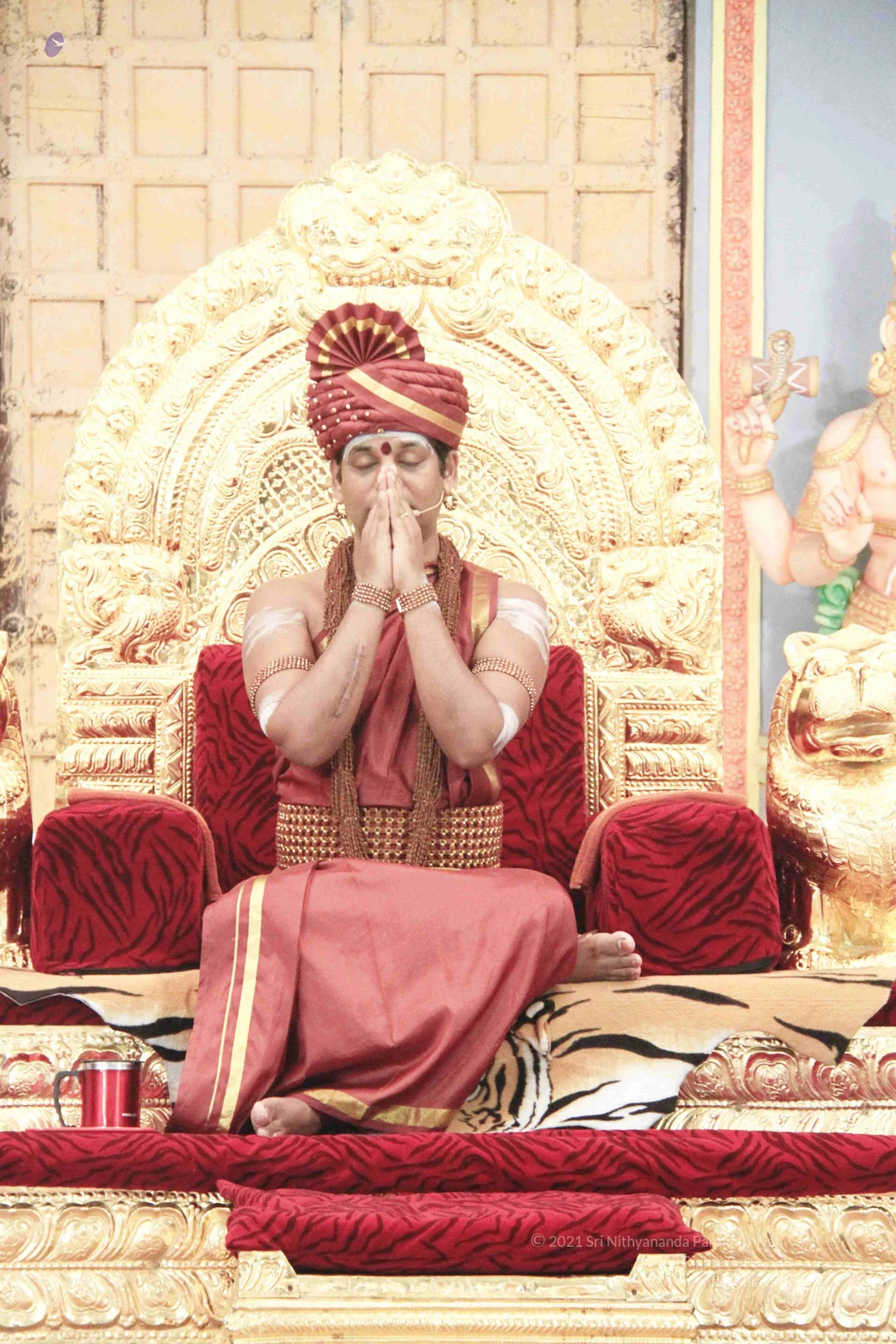
96 photosSource gallery
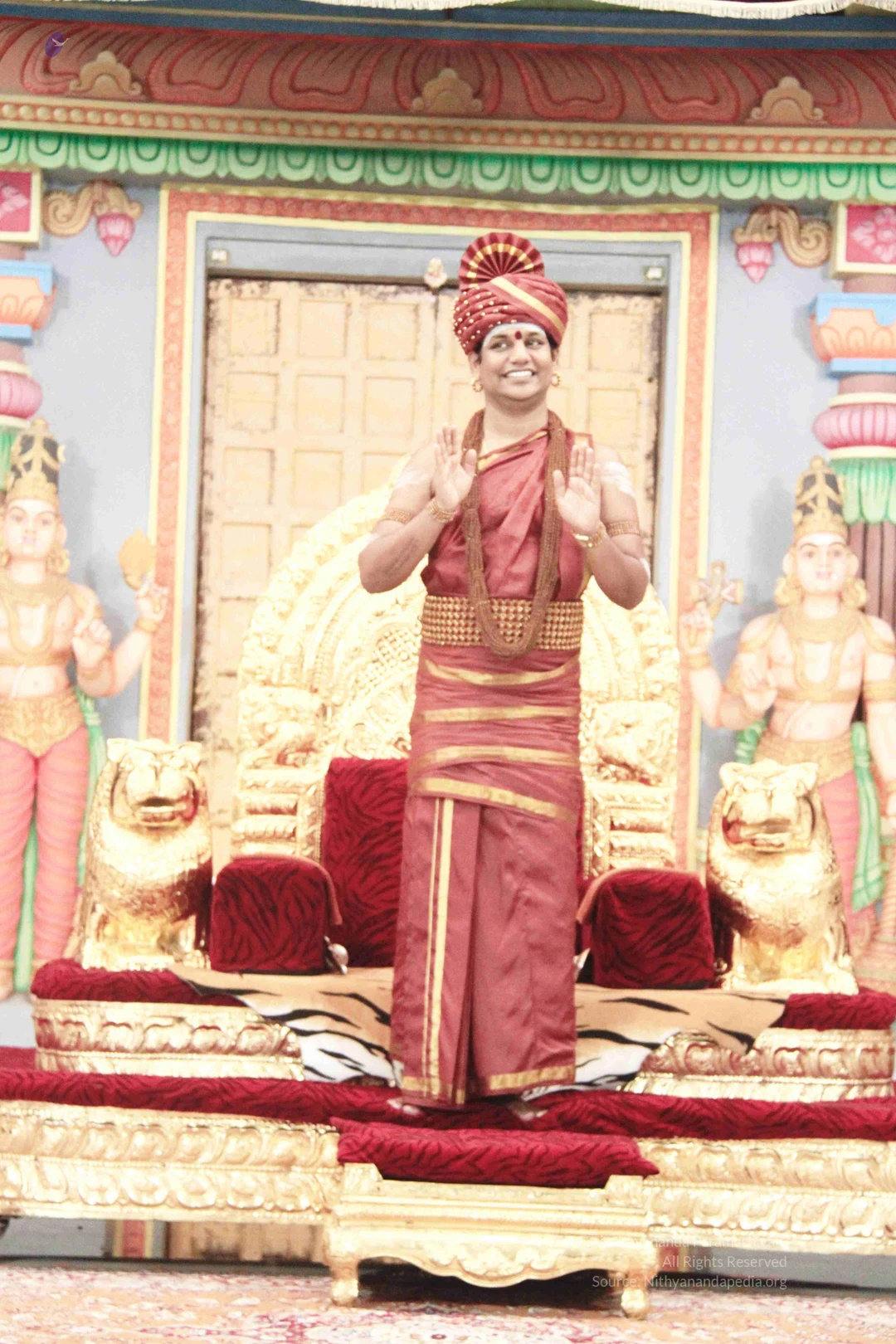
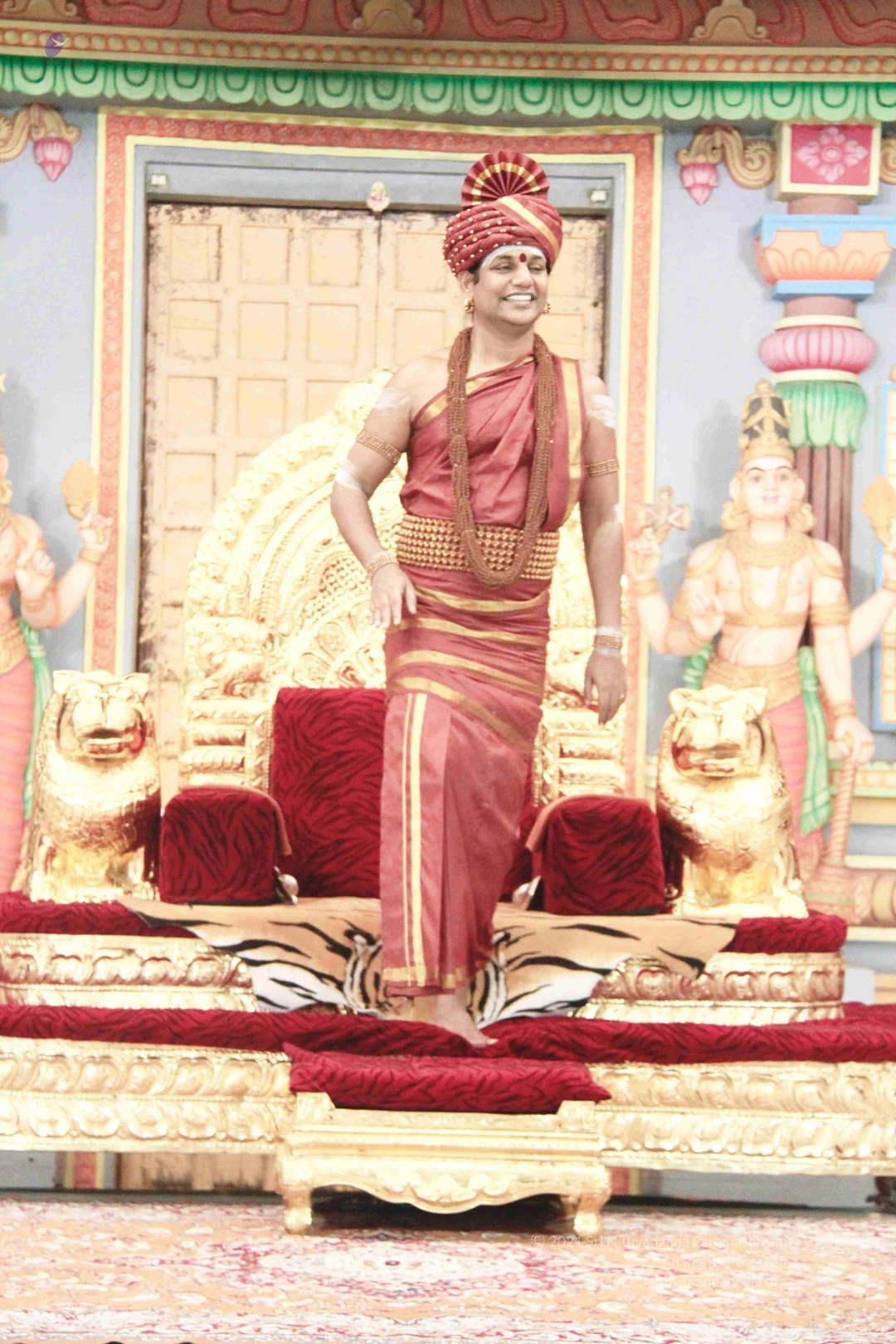
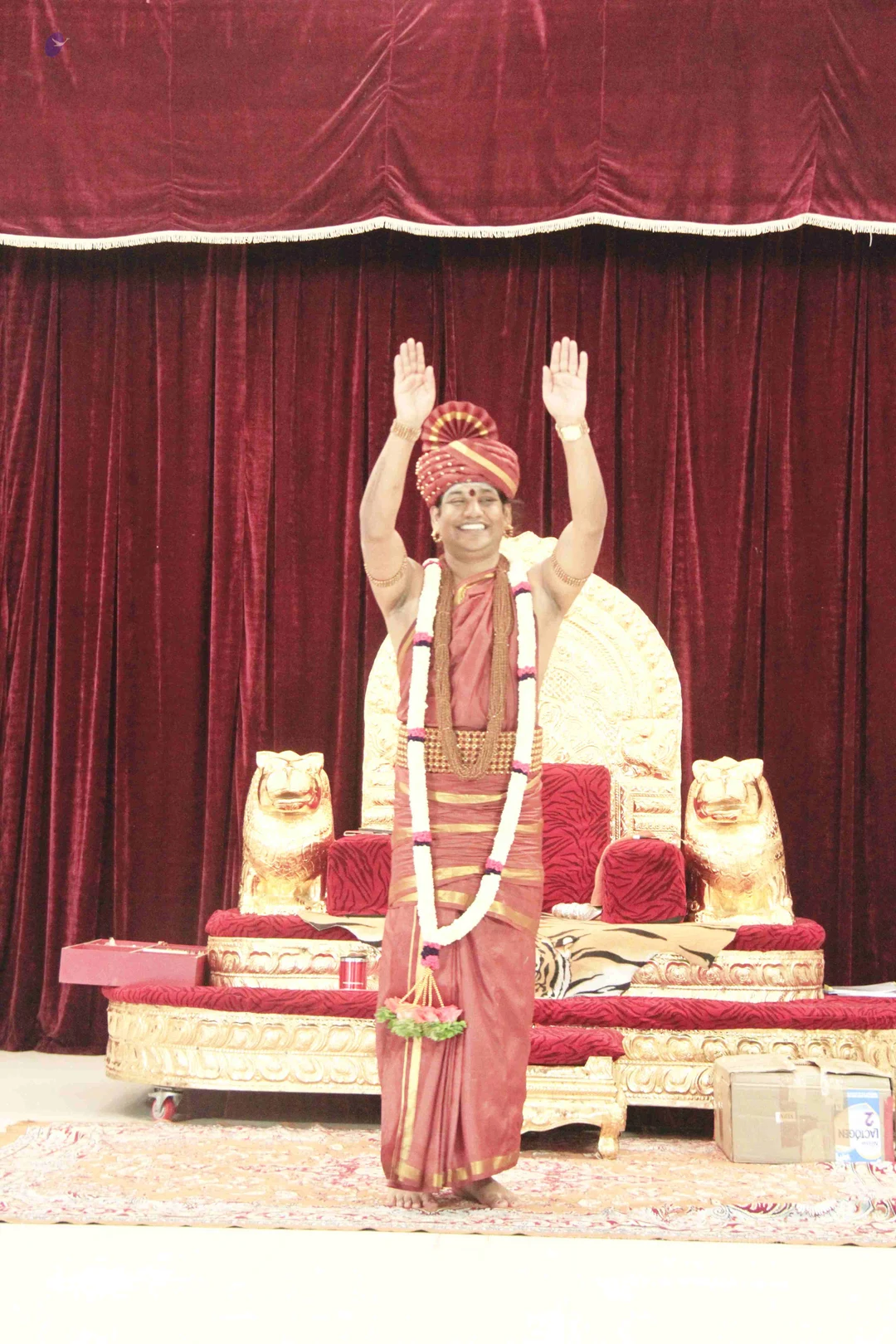
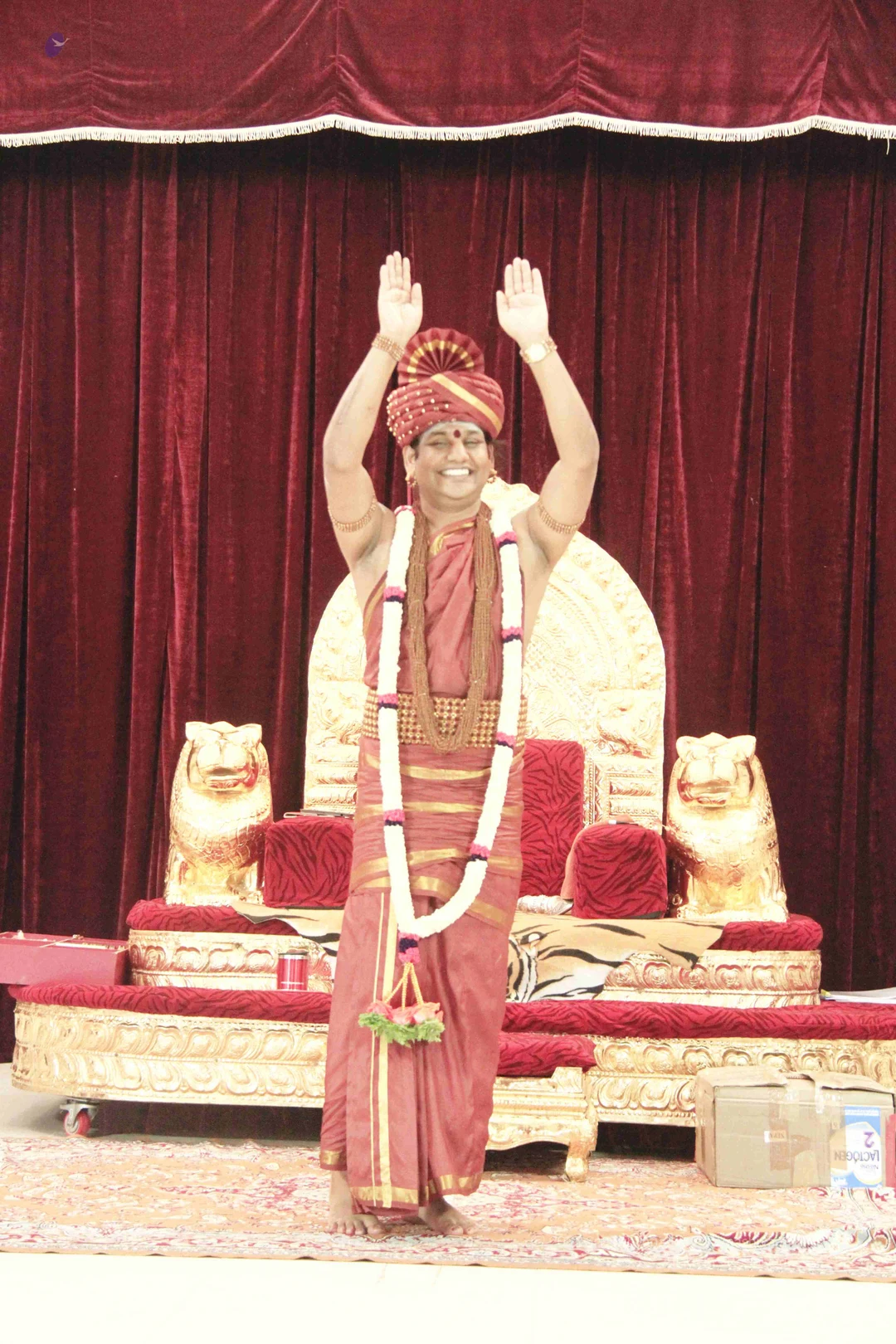
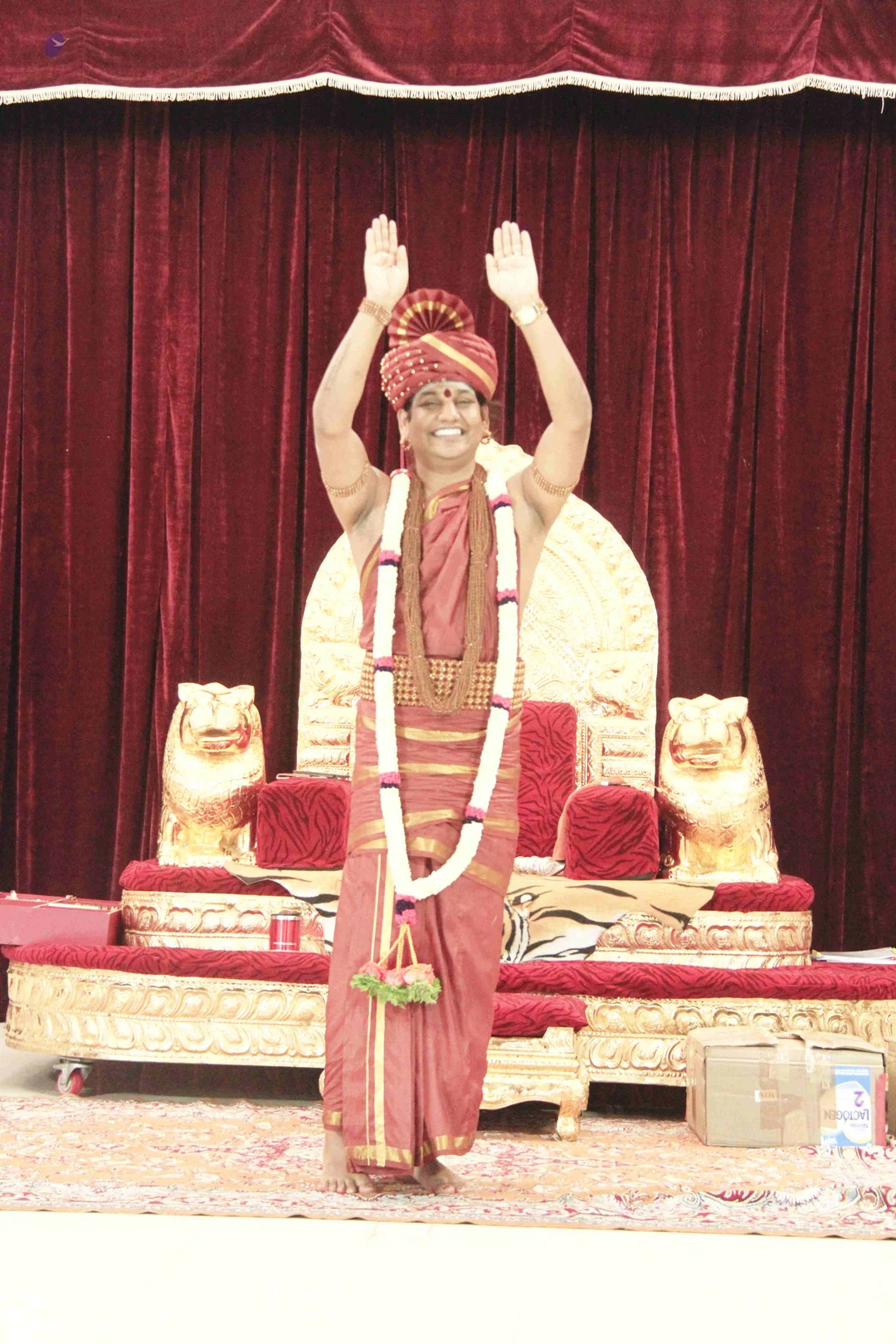
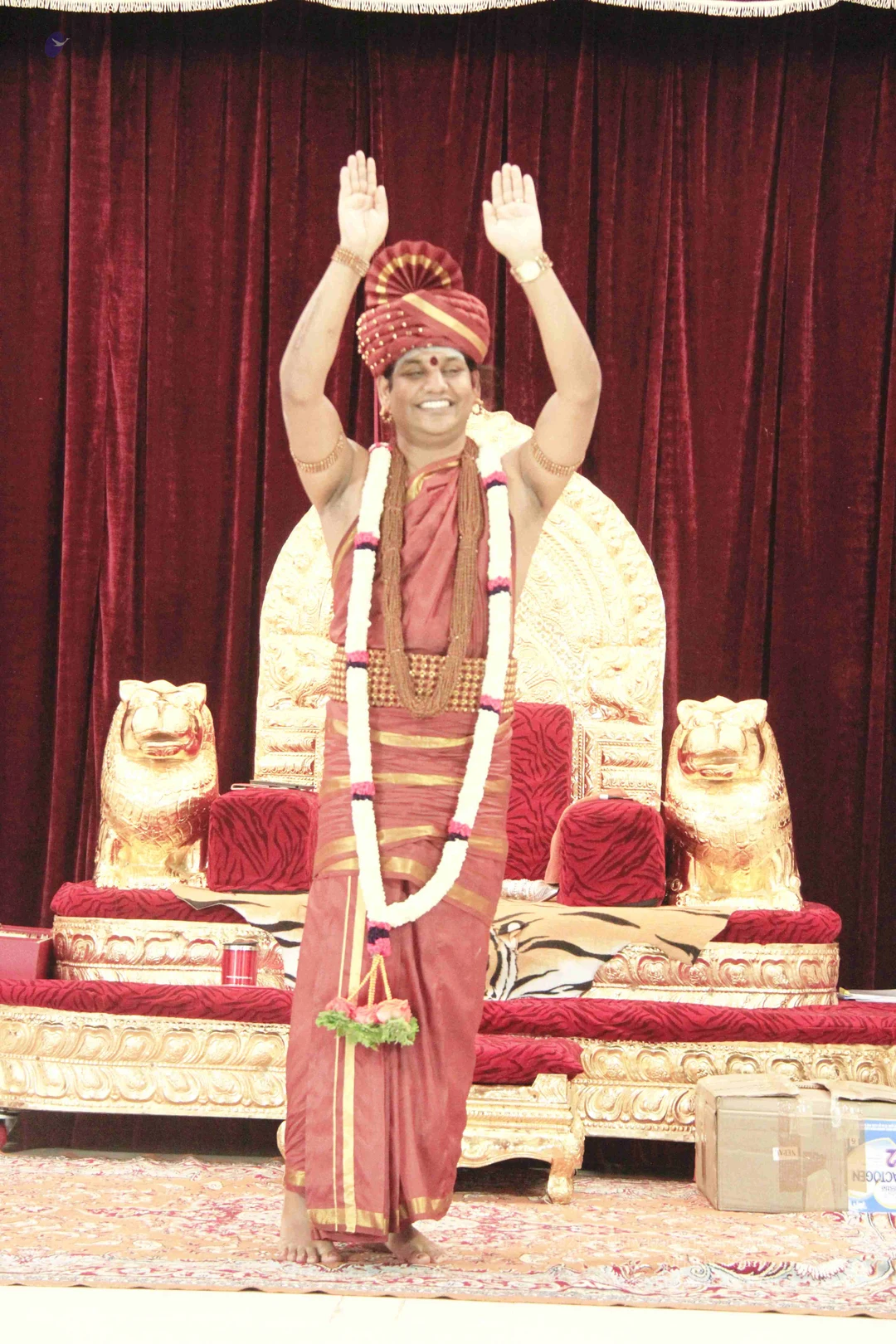
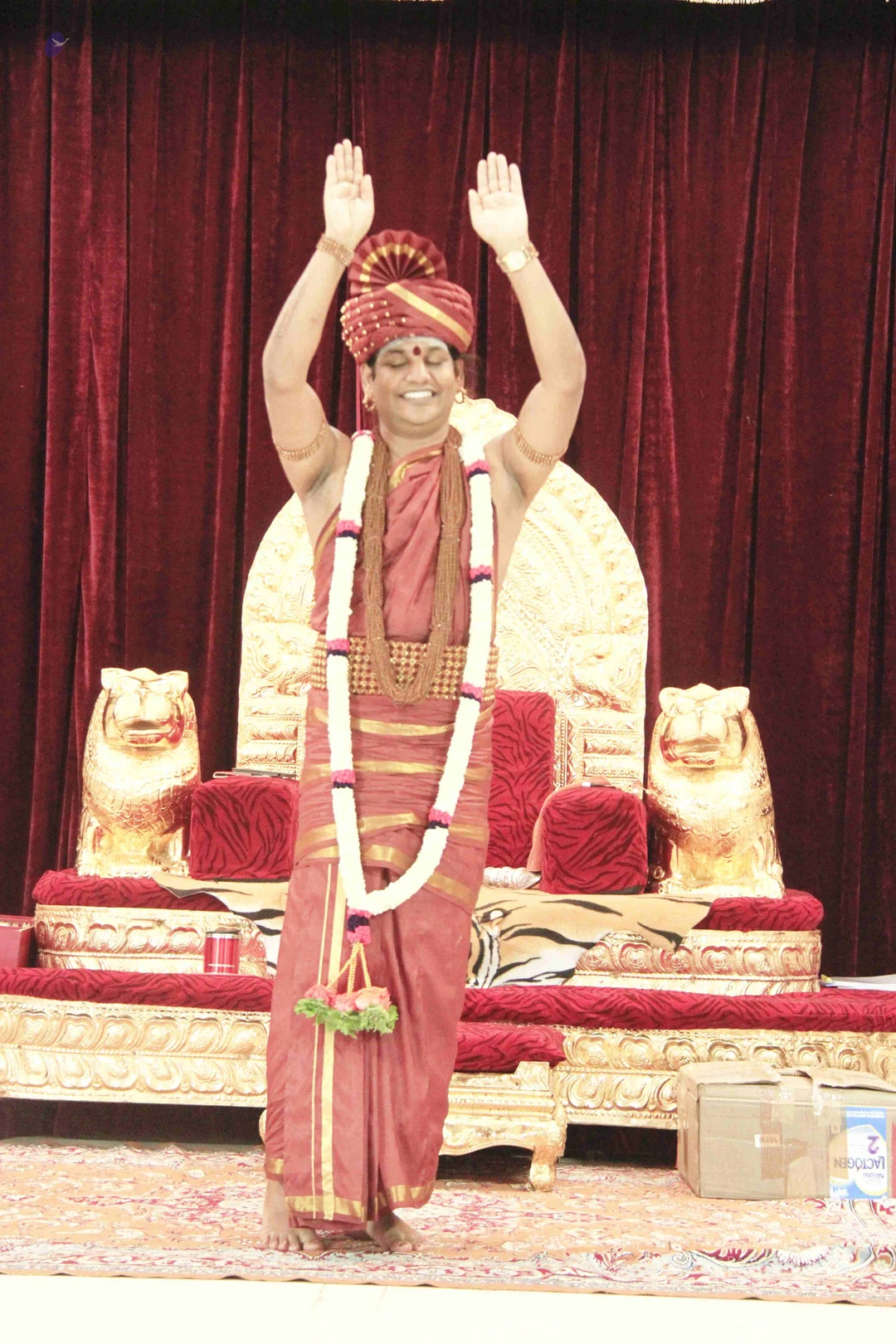
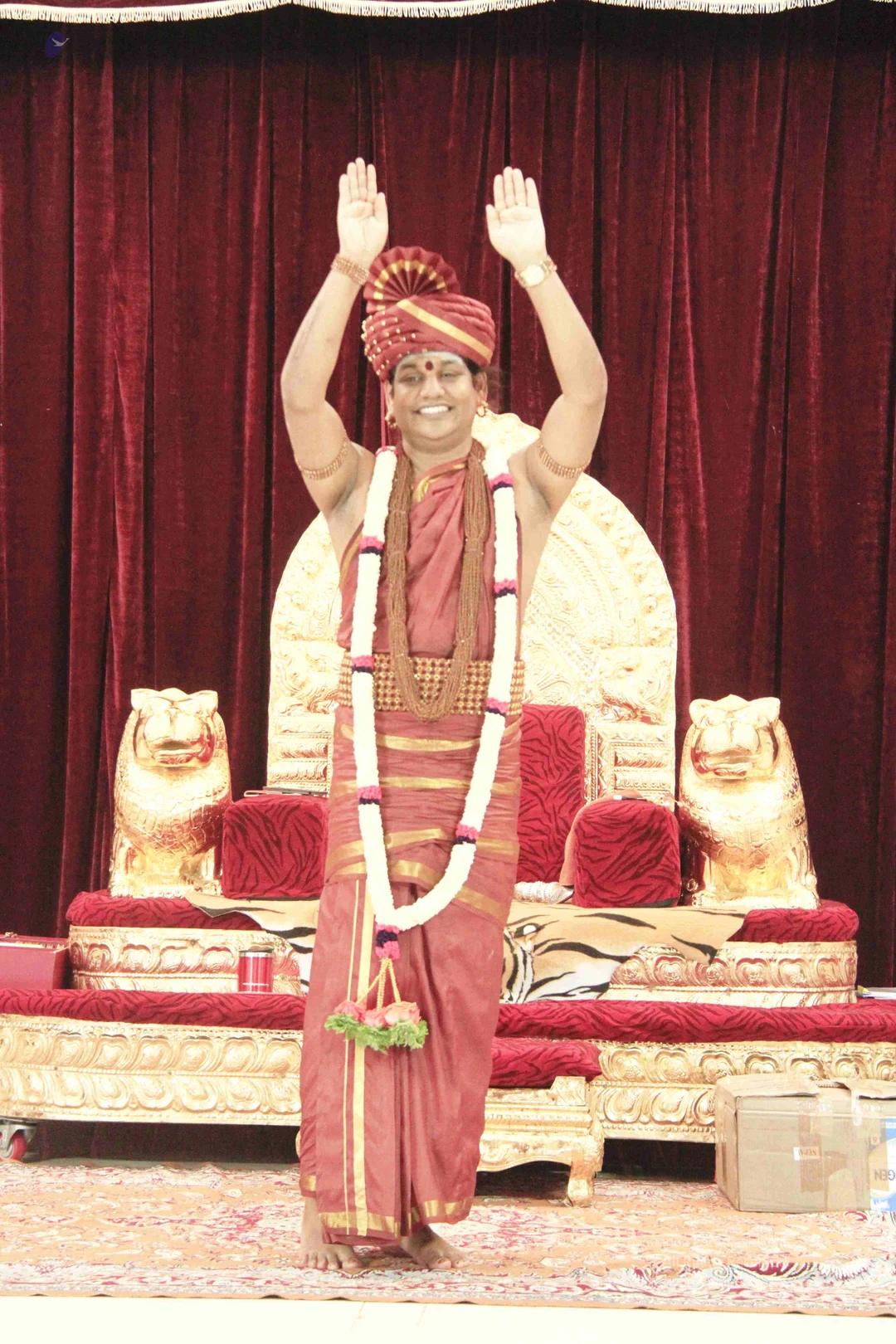
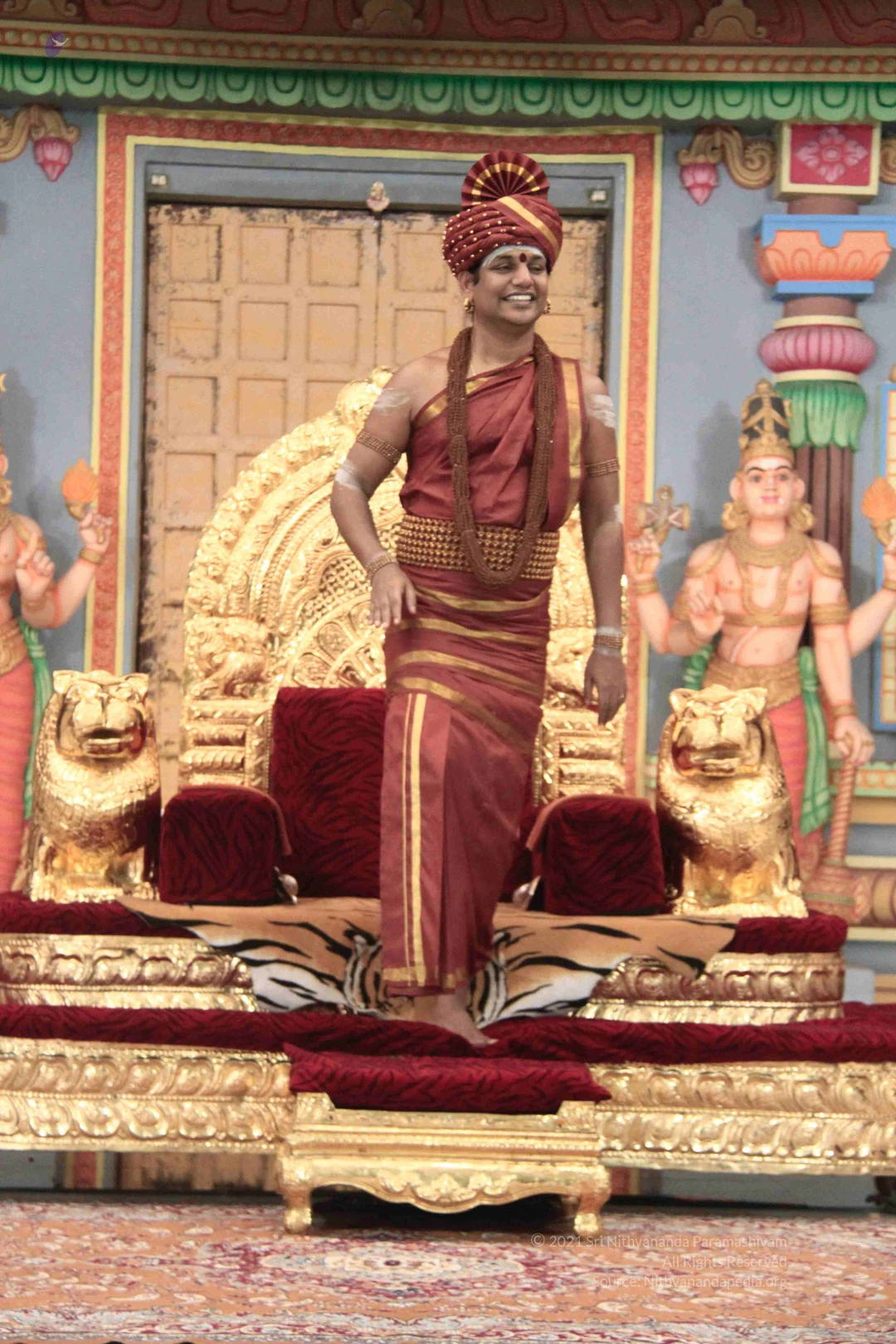
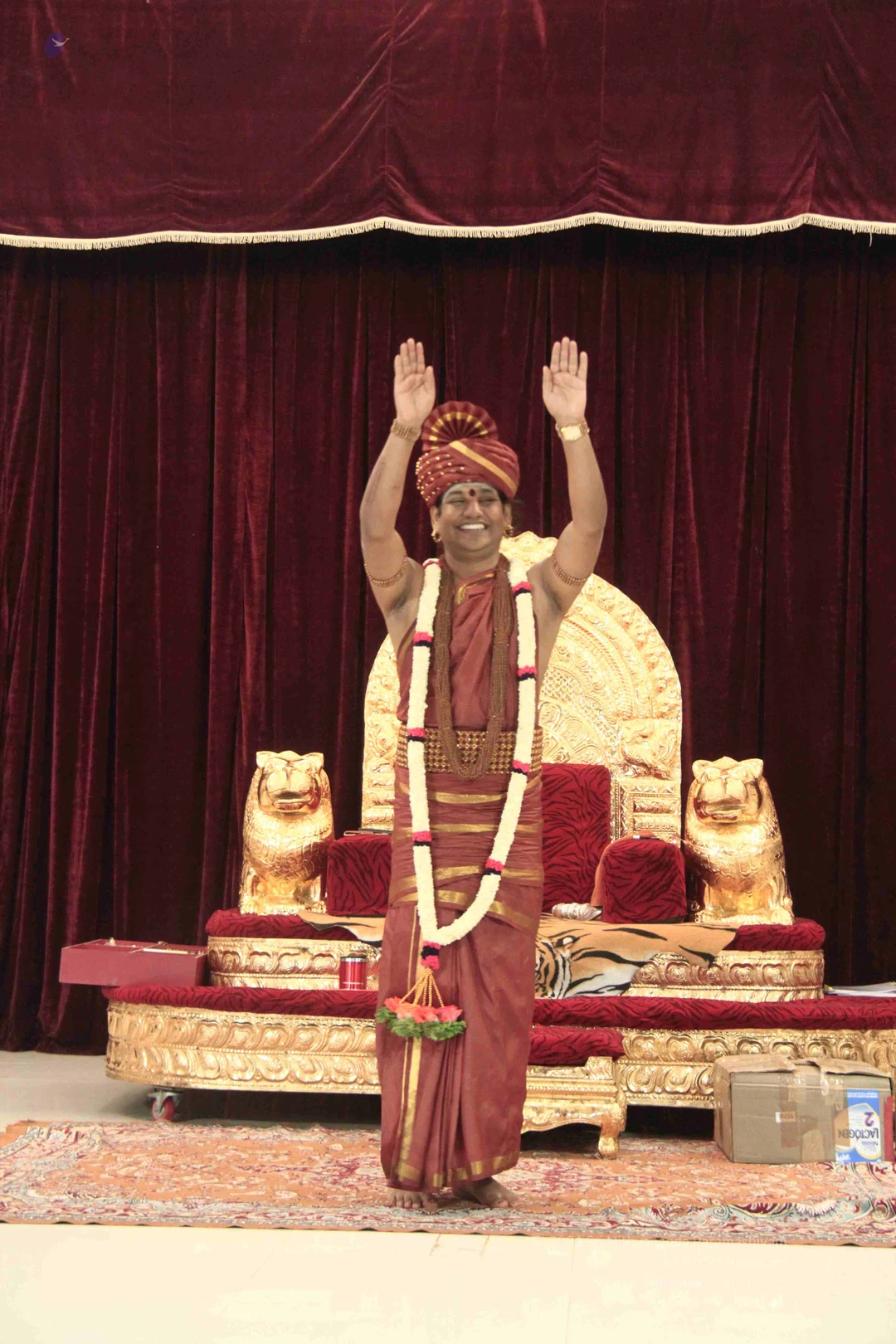
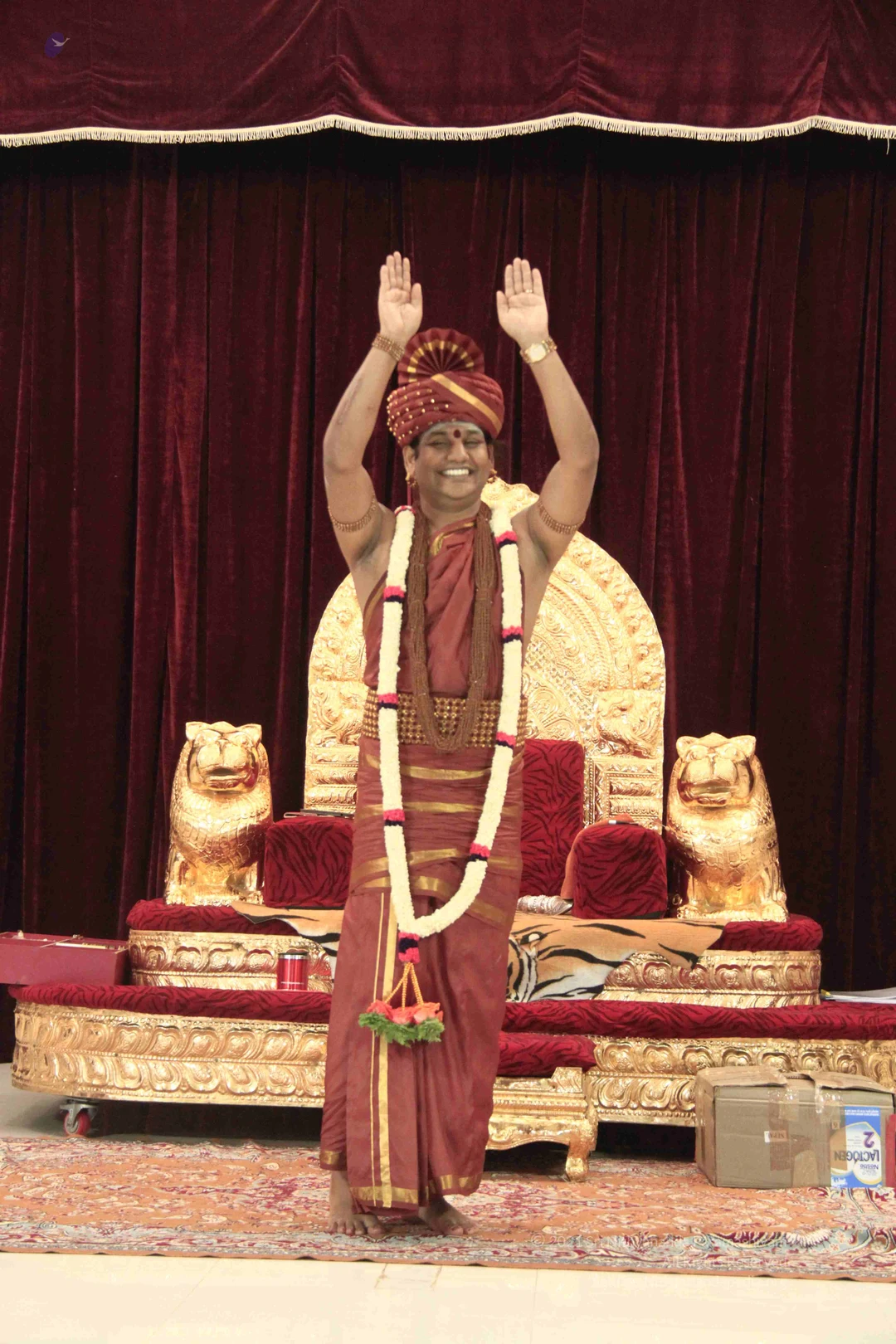
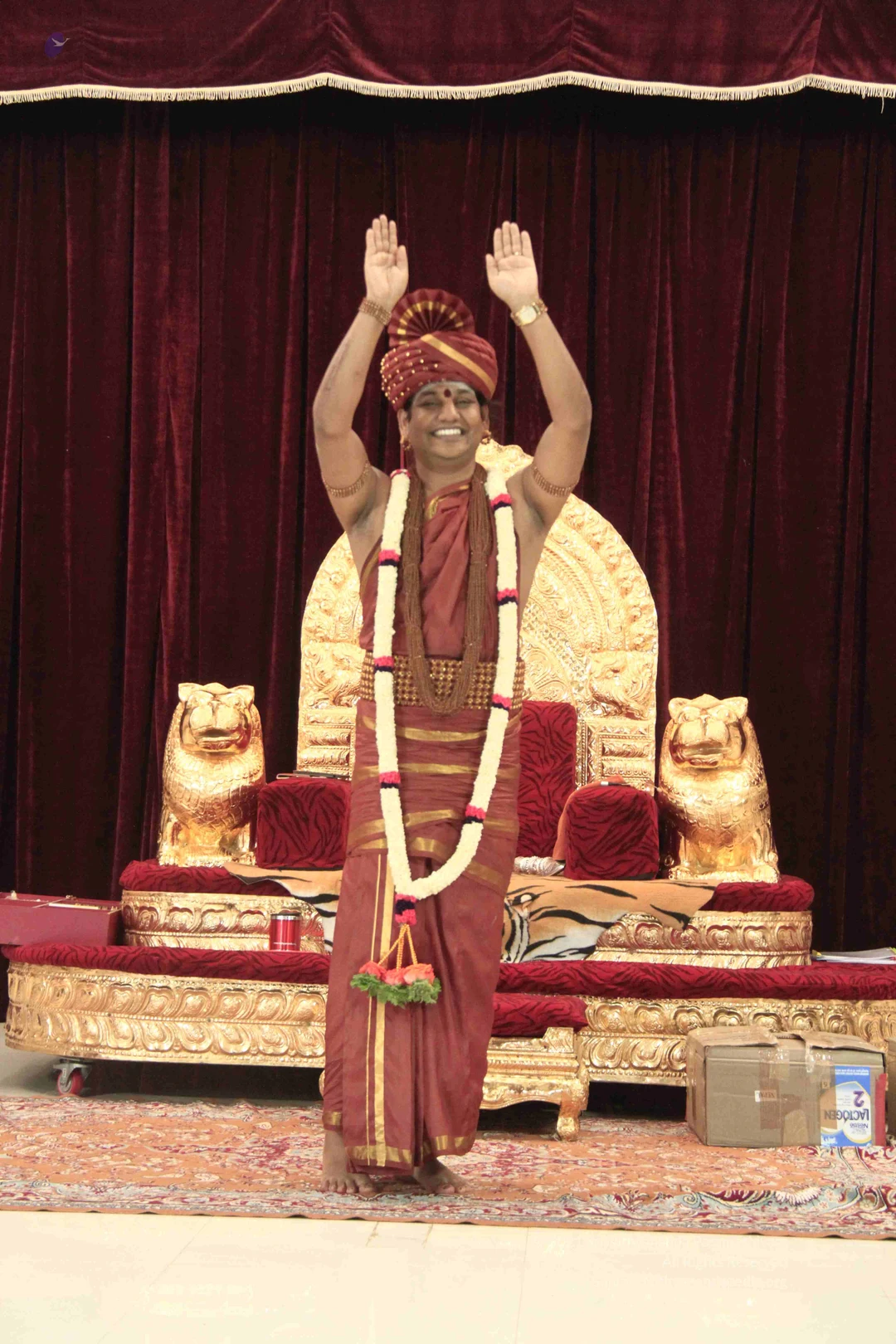
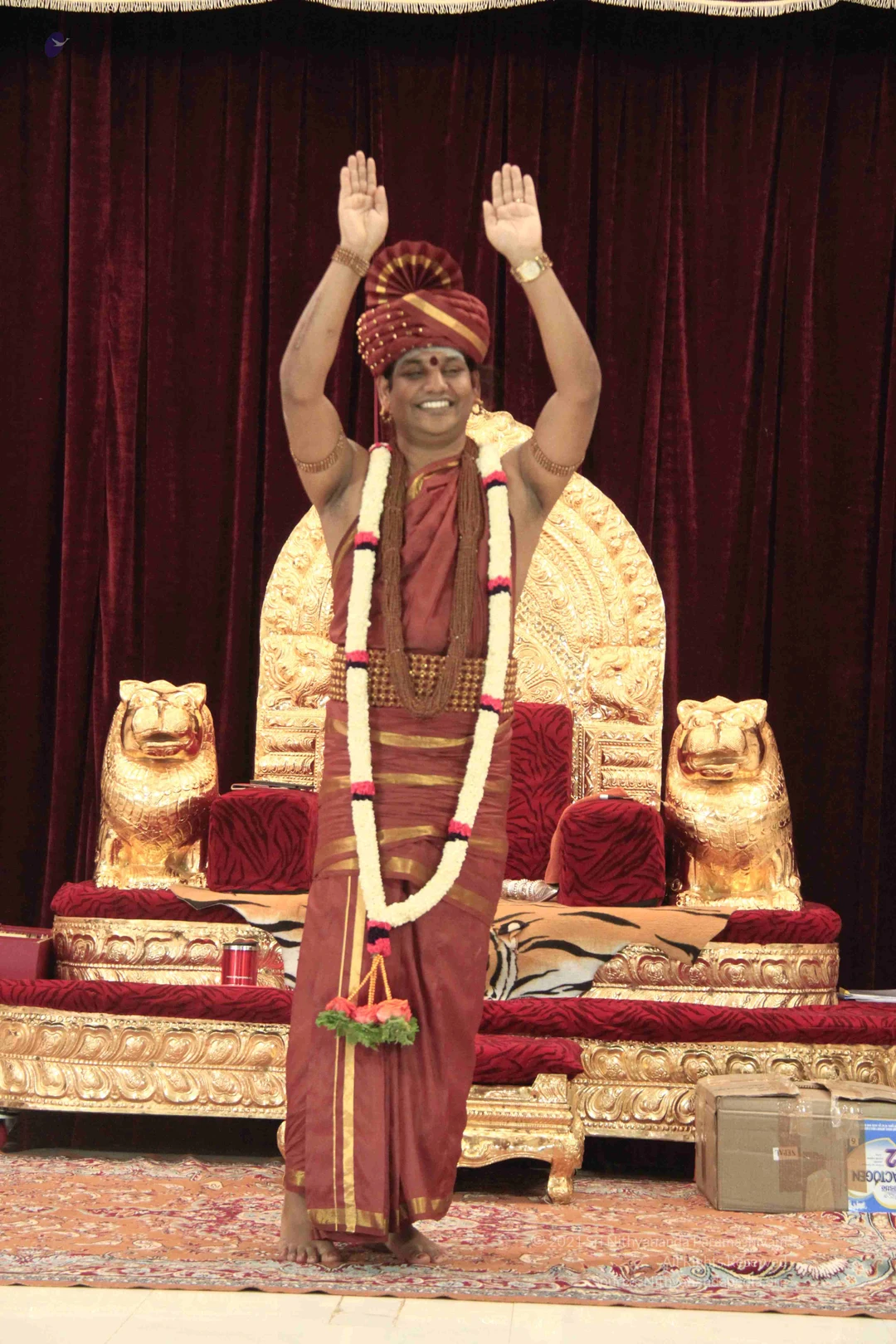
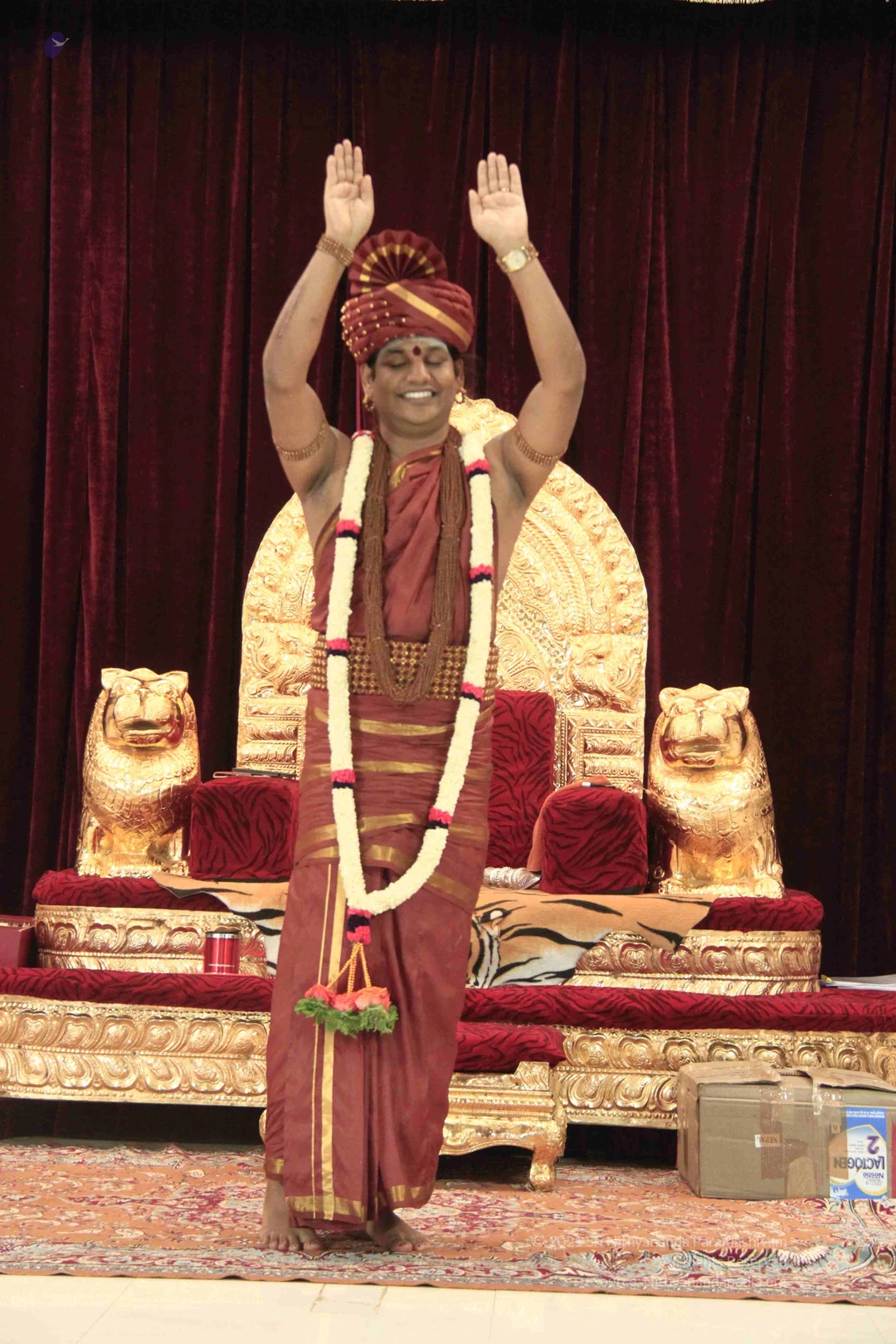
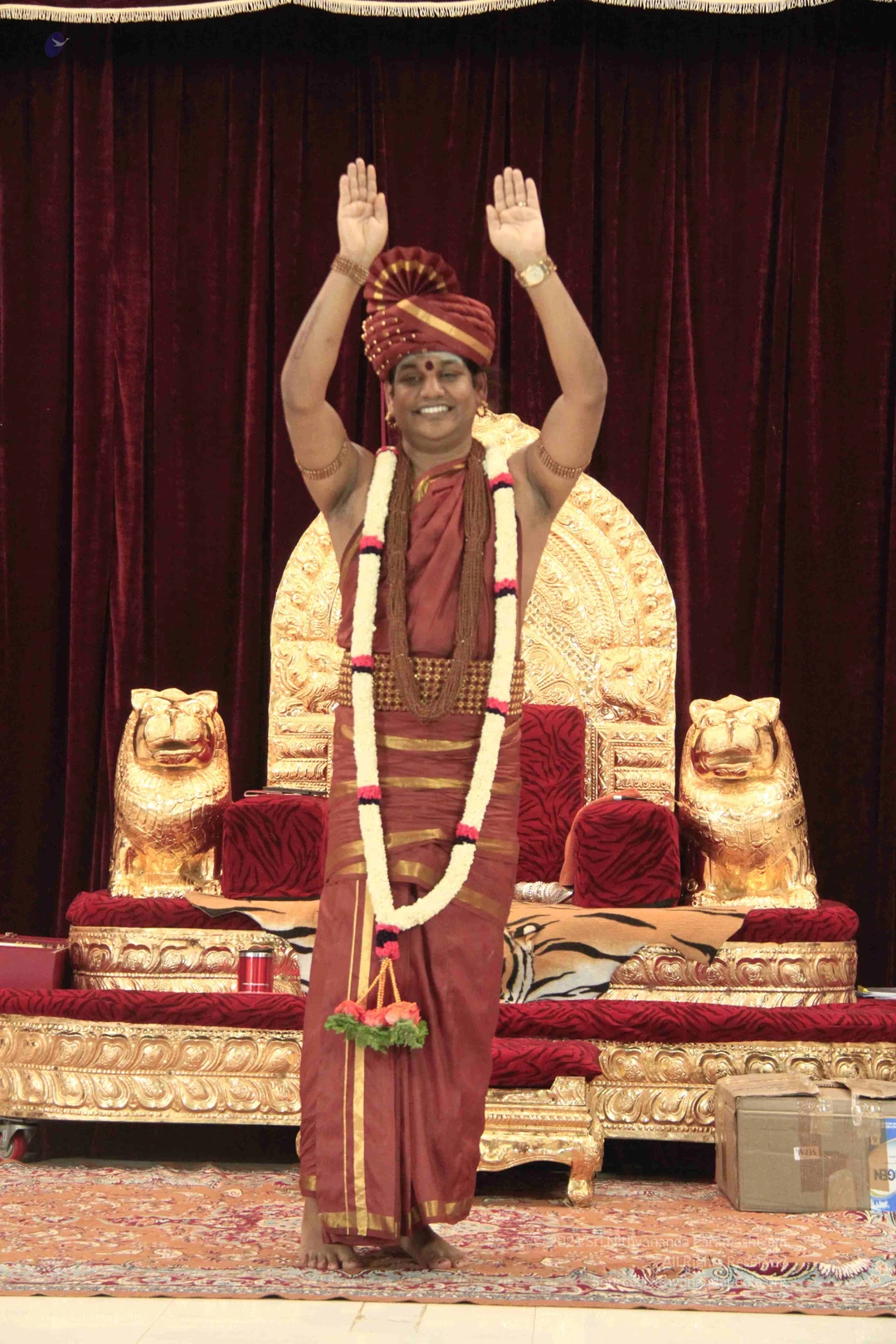
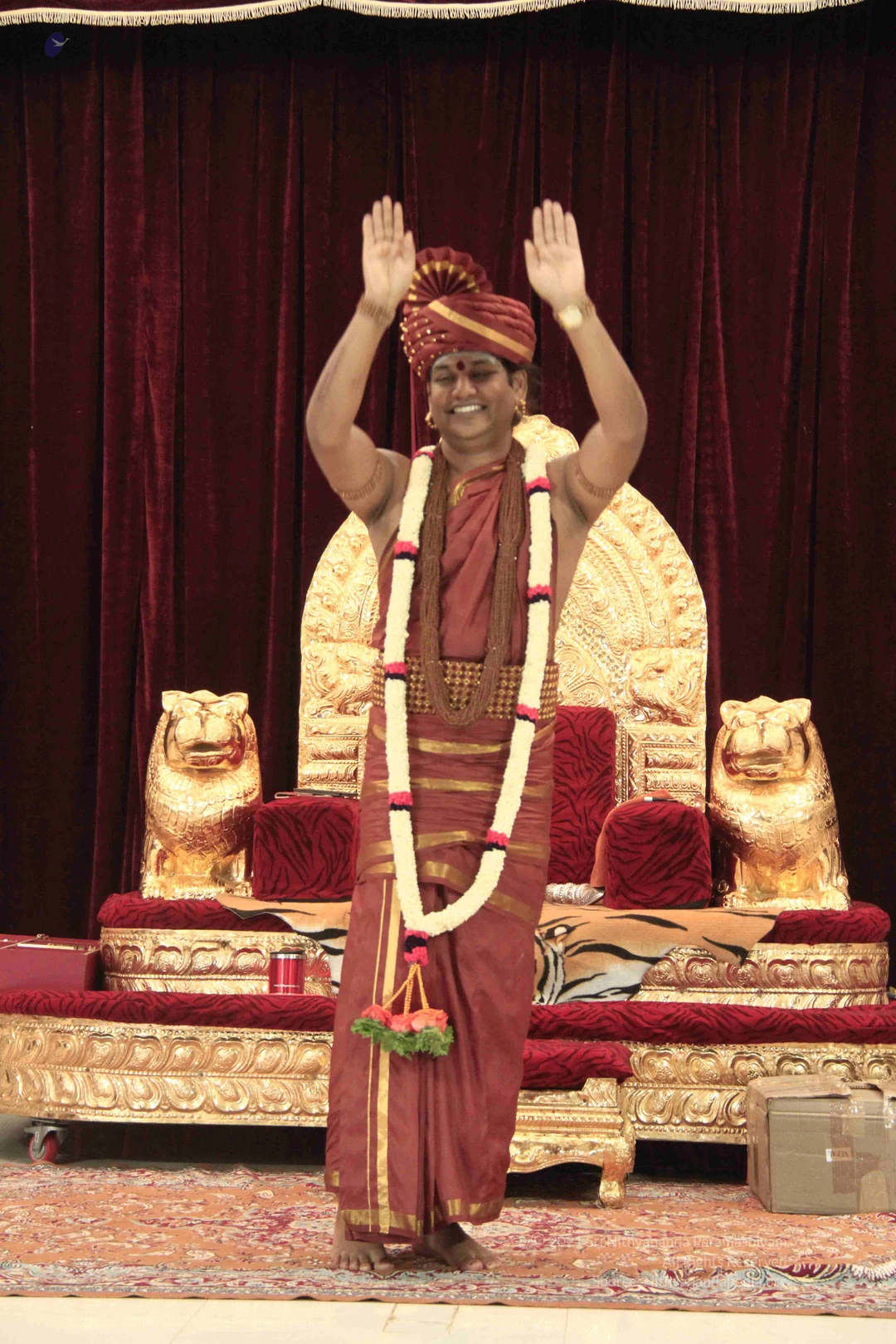
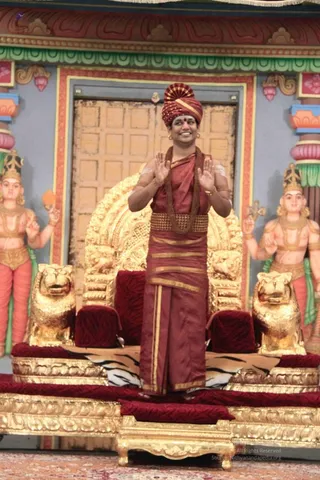
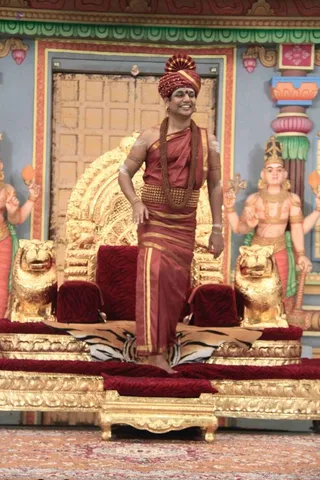
A person stands on a gold-trimmed throne platform in front of a golden lion-armrest throne with red velvet cushions and a tiger-striped cloth draped over the seat. He wears a red-maroon turban with gold stripes, a maroon robe with gold borders, a wide gold waist belt, and a rudraksha mala. He smiles with both palms raised in a greeting gesture. Flanking him are painted figures of deities with crowns and gold ornaments, and a wooden door stands behind the throne. The setting is a temple-style stage with ornate red and green decorative bands.A man stands on a raised golden throne platform in a decorated temple-style hall. He wears a red-and-maroon turban with gold stripes, a rust-red draped garment with gold borders, a thick rudraksha-style bead mala, a gold waist band and gold armlets, and has a red bindi and white sacred ash on his arms. Behind him stand a gold lion-headed throne with red velvet cushions over a striped tiger-skin cloth. Two painted deity murti flank him, one holding a flame-like lamp, with a green-and-pink pillared backdrop and a patterned rug below. Probable Swamiji in person, appearance-based cues: swept turban, rudraksha mala, ornate gold ceremonial dress, standing on the throne.A seated man in a maroon-red turban and red-and-gold saffron-toned draped garments sits on an ornate gilded throne with carved lion-headed armrests. Rudraksha mala beads hang in long strands across his chest, a gold-banded waist sash is worn, and bangles are on both arms. White sacred ash marks are on his forehead and shoulders, with a red bindi. Golden carved throne arch and painted deity statues flank him, one with a raised arm holding an object. The figure is centered and facing the camera. Swamiji (probable): the turban, mala beads, and ornate red-gold robes match the appearance cues, seated on a peetha/throne.A man seated on an ornate gold throne with carved lion-head armrests and a gold arched backrest. He wears a red-maroon turban with gold stripes, a red-maroon robe with gold border, layered rudraksha malas, a gold waist belt and gold armbands, with a red bindi on his forehead and white ash marks on his arms and shoulders. A gold-and-red painted deity figure stands partly visible at the right edge. Swamiji (probable): the turban, rudraksha malas and ceremonial gold ornaments are the qualifying cues, seated as the central speaker in a satsang setting.A seated man in a maroon and gold turban with a red fan-fold top sits before an ornate gold throne with carved scrollwork and a lattice backrest. He has closed eyes, palms pressed together in namaste at his chest, and a red bindi and white forehead markings. He wears stacked rudraksha-style beaded necklaces, beaded bangles, gold earrings, a small microphone headset, and a maroon-red shawl over a bare upper body with white ash markings on his arms. A red velvet-covered seat is visible beneath him. a person: the figure wears a turban, ornate ceremonial beads, and a throne setting consistent with the page's reference to a person, though the appearance is only partly visible.A seated man in a maroon and gold turban with a gold-trimmed maroon shawl and rudraksha beads presses his palms together in front of his face with eyes closed. He wears beaded bangles, a small red bindi and white ash on his forehead and upper arms, and a small microphone clipped near his face. Behind him stands an ornate gold arched throne back carved with scrollwork and mythical animals on a red patterned seat. Swamiji (probable): the seated figure has a turban, rudraksha malas and ceremonial adornment, consistent with the page's reference to Swamiji at this satsang.
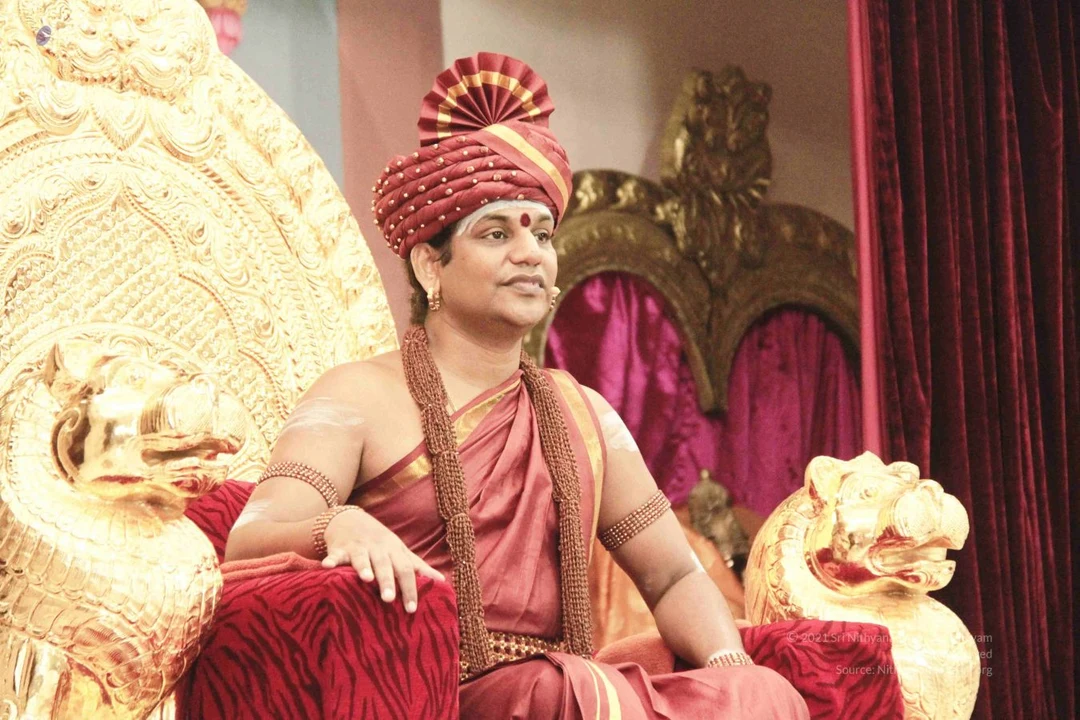
Sarva-Darshan

27 photosSource gallery
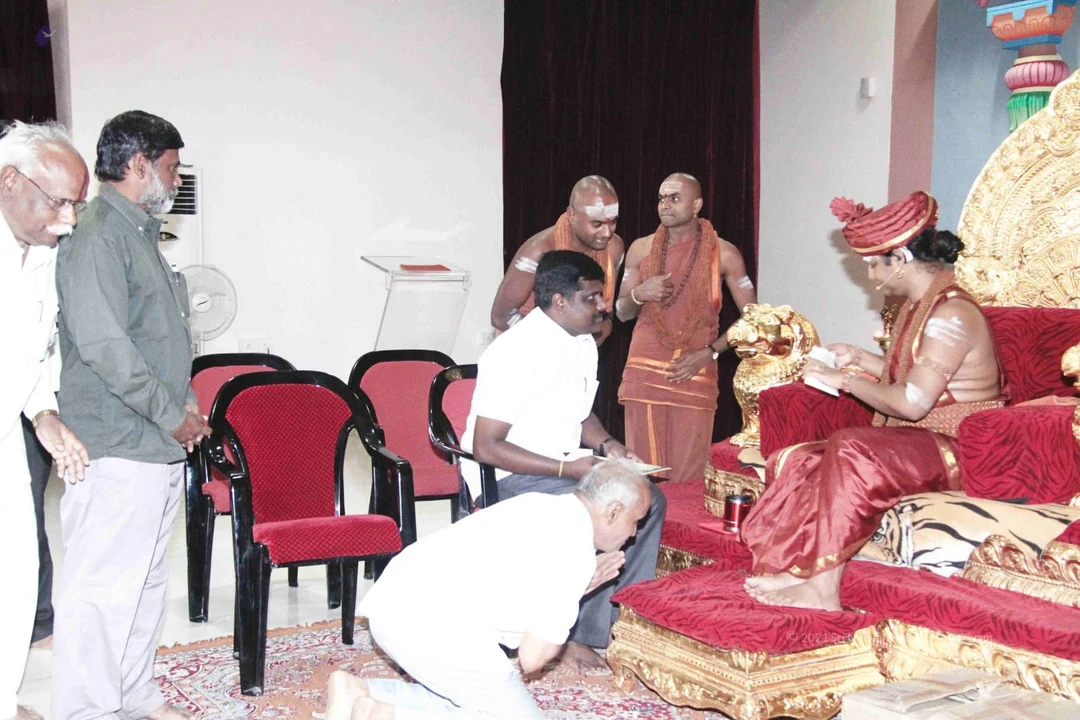
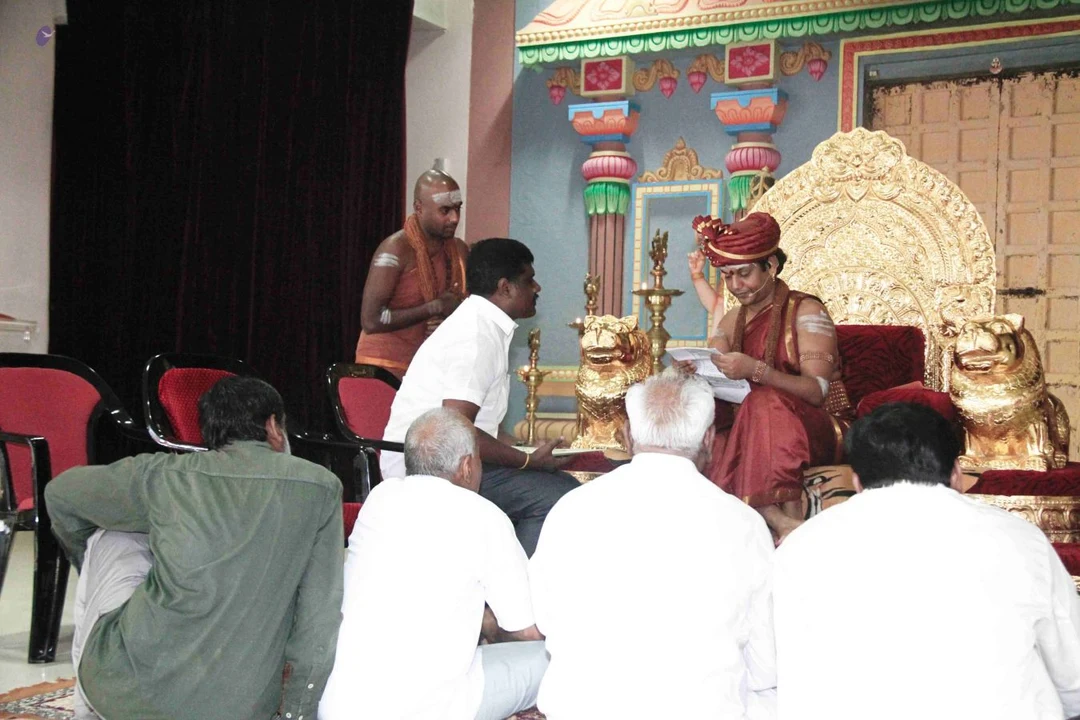
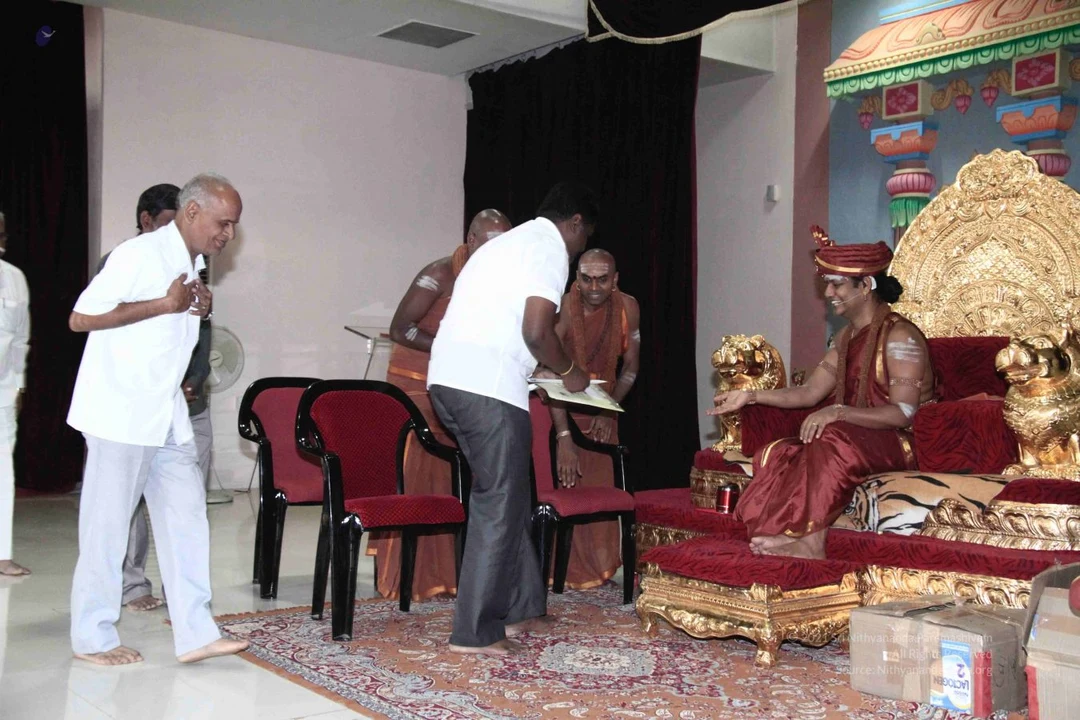
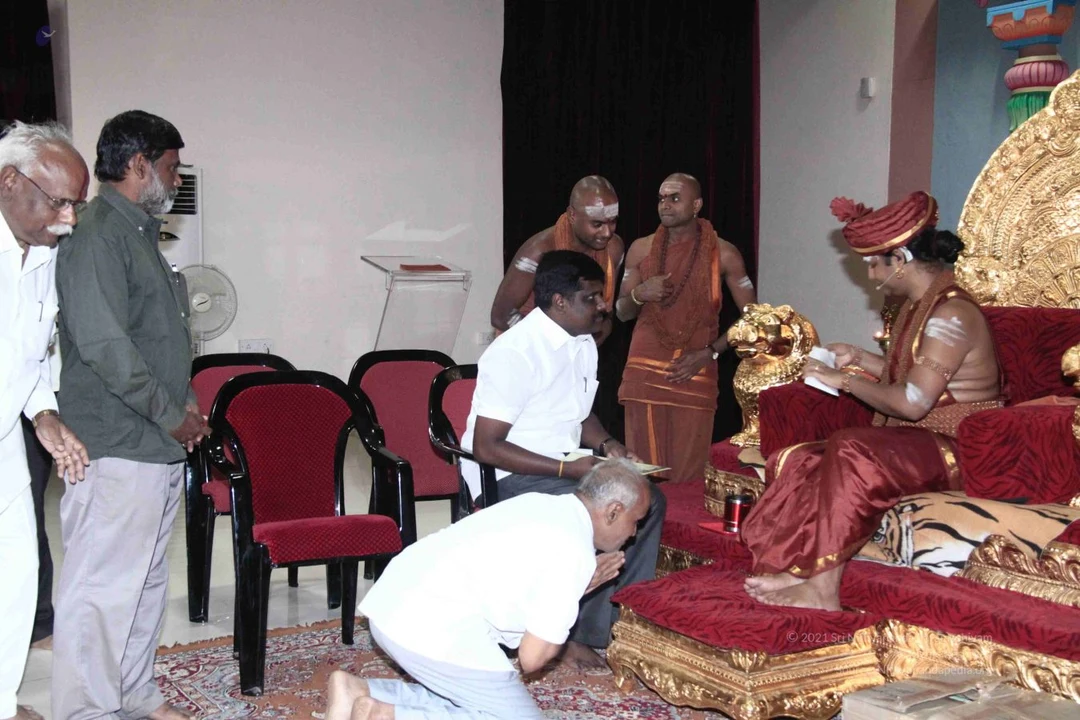
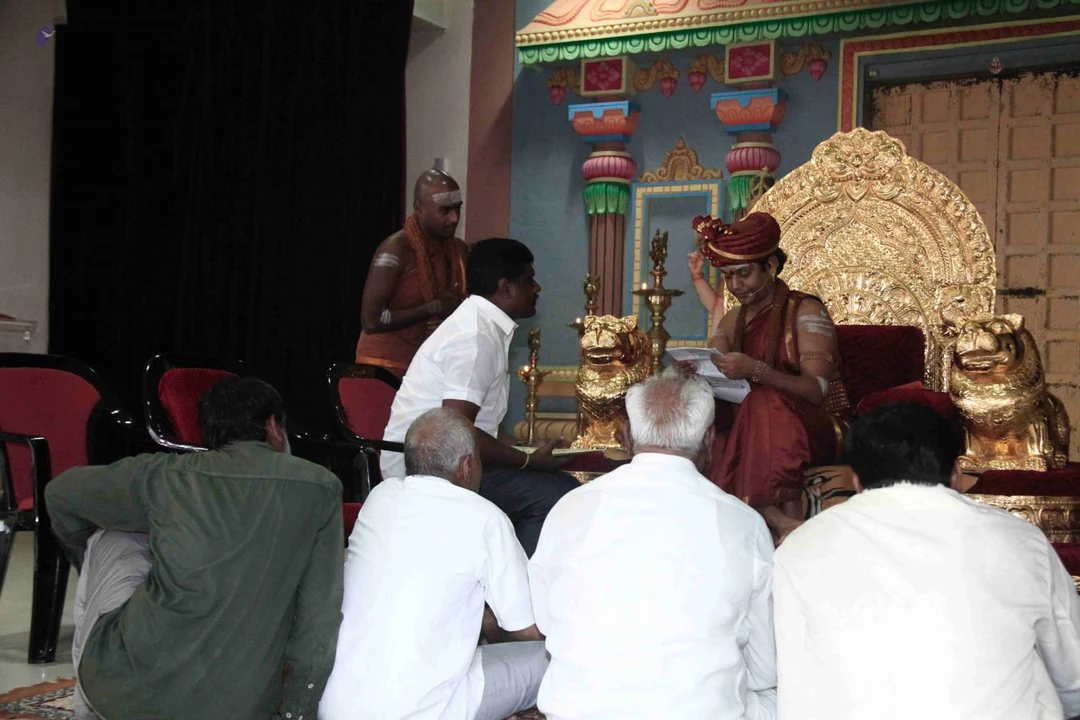
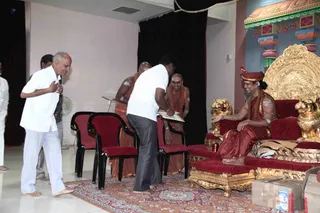
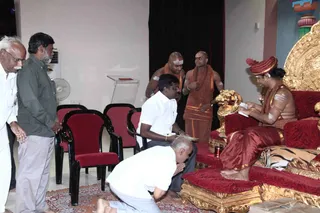
A photograph of an indoor satsang hall. A man seated on an ornate golden throne with red cushions wears a red and maroon robe, a red turban and bare-chested body markings, with a dark ponytail; he smiles and gestures toward a man in white shirt and grey trousers standing beside him. Two men in saffron-orange robes stand nearby, one bare-chested with white body markings and one with a rudraksha mala. A man in white shirt and grey trousers leans over to hand a sheet of paper to a saffron-robed man. A red-cushioned chair and a golden-footed stool sit on a patterned rug, with a stack of cardboard boxes at the right edge. Four people are physically visible in the scene.A photo in an indoor hall with red upholstered chairs and a pale wall. On the right, a seated figure on an ornate gold-and-red throne wears a red turban, a red-and-gold draped garment and bare arms marked with white paste, holding a small white cloth; a gold lion-head armrest and a tiger-striped cushion are beside him. Standing behind the throne are two shaved-headed men in saffron-orange cloths with white forehead and arm markings, one wearing a long rudraksha mala. A man in a white shirt sits on a red-cushioned step near the throne, and an older man in a white-and-gray kurta stands at left with another man in a green shirt. In the foreground, a man in white kneels on the carpet bowing with his head lowered.A photograph of a seated discourse on a stage with a gold ornate throne flanked by two golden lion figures. A person in a red-maroon turban and maroon robe sits on the throne, holding papers in one hand and raising the other hand, apparently speaking. Beside the throne stands a shaved-headed attendant in saffron-orange cloth with white tilak markings. In front, four men sit on the floor in white shirts and a green shirt, facing the throne. Brass oil lamps stand near the lions, and a red-and-gold backdrop with lotus-shaped pillars frames the stage. A black curtain hangs at the left edge.Photograph in a large hall with a red-draped stage backdrop and a gold-and-red seat in the background. A man in a rust-red turban, red-brown robe with gold trim, a thick beaded rudraksha-style mala and a wide gold waist band raises his hand in blessing toward a visitor. He is smiling and appears to be the central figure, a person by appearance cues including the ornate turban, distinctive ceremonial adornments and mala. Facing him, an older man in white with palms pressed together in namaste, and a younger man in a white t-shirt bowing with hands folded. Another older man in a red shawl stands behind, and a robed attendant in saffron is further back. Red carpet runner and metal stanchions line the floor; a camera on a tripod is at right.A photograph in a hall with pink-and-red curtains and framed posters on the wall. In the foreground, a man in a dark red-and-orange cloth with a tall red-and-gold turban, rudraksha beads and a gold-edged garment raises one hand in blessing toward a devotee who bows with palms together. A man in a green shirt and an older bearded man stand nearby, and a man in white with a mala and a bald man in orange and saffron clothing stand behind. Other people in white dhotis and orange garments are visible across the room, and a screen shows a bald person with hands folded in namaste. Probable Swamiji (probable) is the turbaned figure in the foreground, shown with long swept-back hair, a crown-like turban, saffron clothing and rudraksha malas, giving blessings to a devotee.Indoor hall with red curtains and pale walls. A man in a red-and-maroon turban, maroon robe with gold border, and heavy rudraksha mala necklaces raises his hand in blessing toward a bowed devotee in white kurta. Behind them, another devotee in orange-saffron robes with a rudraksha mala stands with hands together, and a bald man in white clothes folds his hands in namaskar. Several people in white and orange garments stand in the background beside metal stanchions and a red carpet.
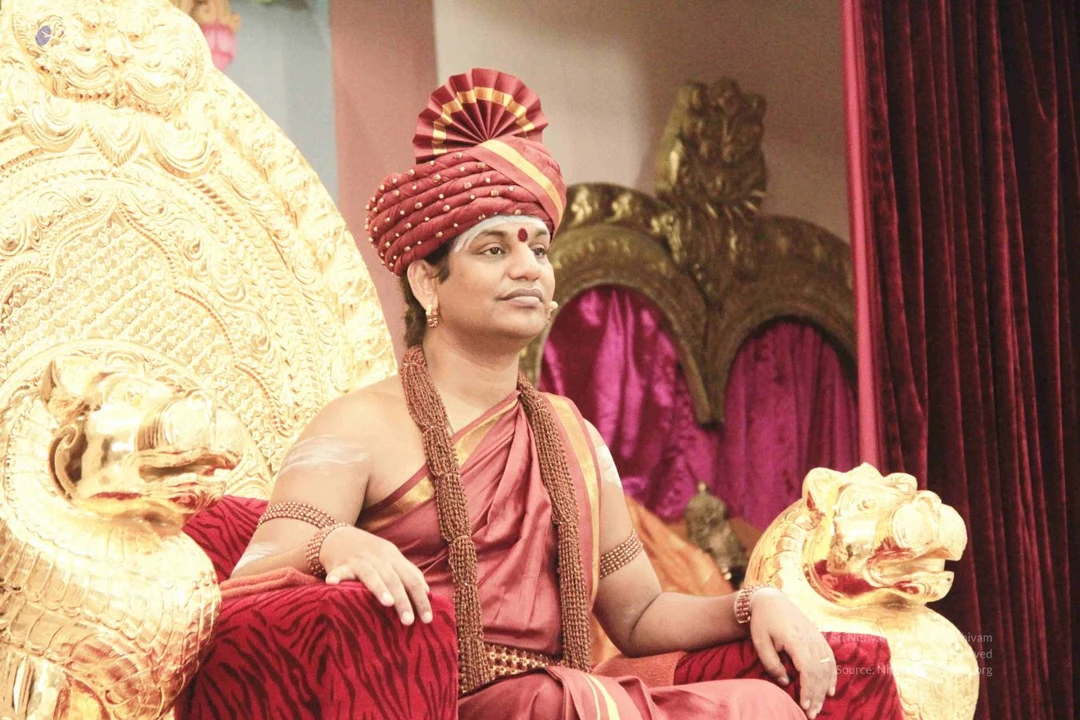
Energy-Darshan

32 photosSource gallery
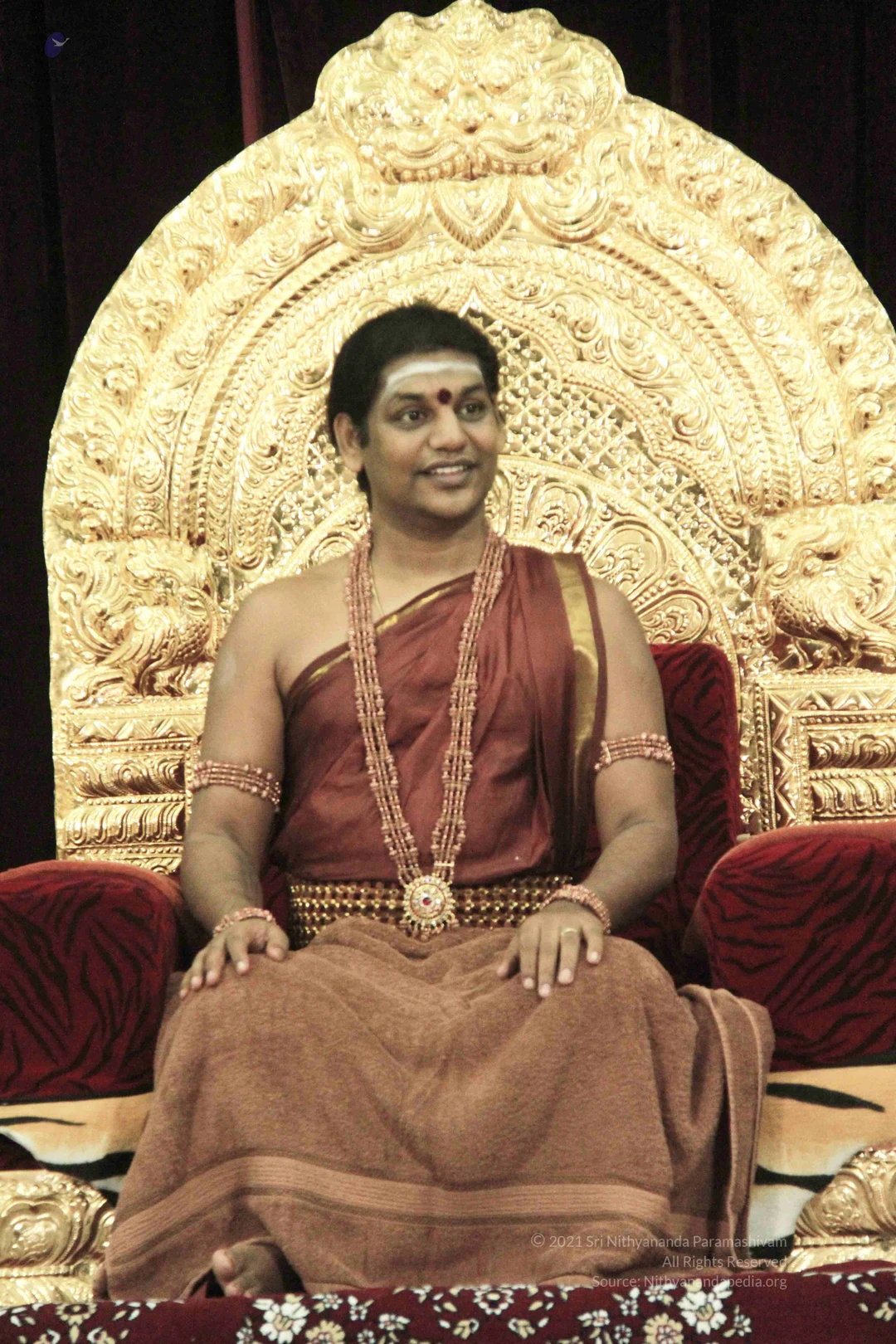
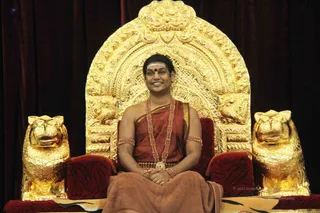
A photograph of a seated person on an ornate gilded throne with carved lion-head armrests and a tall arched golden backrest, set against deep red velvet drapes. The person wears a reddish-brown robe with a gold-edged shawl, a long beaded necklace, a wide waist beads, bangles, and a red bindi on the forehead, with hands resting on the knees. A red-and-black tiger-striped cushion and a floral-patterned cloth lie beneath the throne. The figure appears to be a person by appearance cues including the ornate clothing and adornments.A man sits cross-legged on an ornate gold throne with a carved arched back and red tiger-striped cushions, on a stage with a patterned red floor covering. He wears a rust-red shawl with a gold border, a long rudraksha mala reaching to his waist, a gold-and-red pendant necklace, a jewelled gold belt, beaded arm bands and bracelets, and a white tilak with a red bindi on his forehead. a person: the appearance cues are a rudraksha mala, ceremonial gold ornaments and seated throne presence, and the page indicates he attended this event. He is smiling and looking to one side, with hands resting on his knees.A seated man sits centrally on an ornate gilded throne with carved arched backrest and lion-like carvings, upholstered in red tiger-stripe velvet. He wears a rust-red unstitched robe with a golden border, multiple strands of rudraksha-style beads and matching bead armlets and wrist bands, with a white tilak and red bindi on his forehead. He sits cross-legged with hands folded in his lap, smiling. The floor is covered with a red floral carpet. a person: the seated figure has a shaved-style short hairstyle, rudraksha malas and bead ornaments, and is seated on a throne, with the page indicating his presence at this event.A smiling man with a shaved head, a red bindi and a white tilak sits on an ornate gold throne carved with lion heads and a gilded arch, with red velvet cushions and tiger-striped fabric beneath. He wears a rust-red dhoti and shawl with a brown wrap over his lap, gold bangles on both wrists, and a long beaded necklace with a large central gold pendant. Dark red drapes form the backdrop.A man seated on a large gold-carved throne with a golden arched back, flanked by two gilded lion-shaped armrests, against deep maroon velvet drapery. He wears a rust-red and saffron draped garment, a thick ornate gold necklace and a gold waist band, with gold armbands on his upper arms. He has a white forehead mark with a red bindi, smiles broadly, and holds a long cream-coloured rope or cord across his lap, which rests on a tiger-striped cushion over a folded pinkish-brown cloth. a person seated on the throne, with the throne, lion armrests and cord as the central elements.A photograph of a man seated on an ornate golden throne with a carved arched backrest and two golden lion figures flanking the seat, draped in red fabric with a zebra-stripe pattern. He wears a red and maroon silk garment with a gold-bordered wrap, multiple beaded necklaces, gold bangles and a gold waist belt, with a white vertical tilak and red bindi on his forehead. He holds a long white rope or cord stretched between his hands and smiles, seated before dark red velvet drapery. a person appears seated in the central throne position, identified by the throne, rudraksha-style beaded malas, ceremonial gold ornaments and red-saffron clothing.

Puja-Homa-Processing

85 photosSource gallery
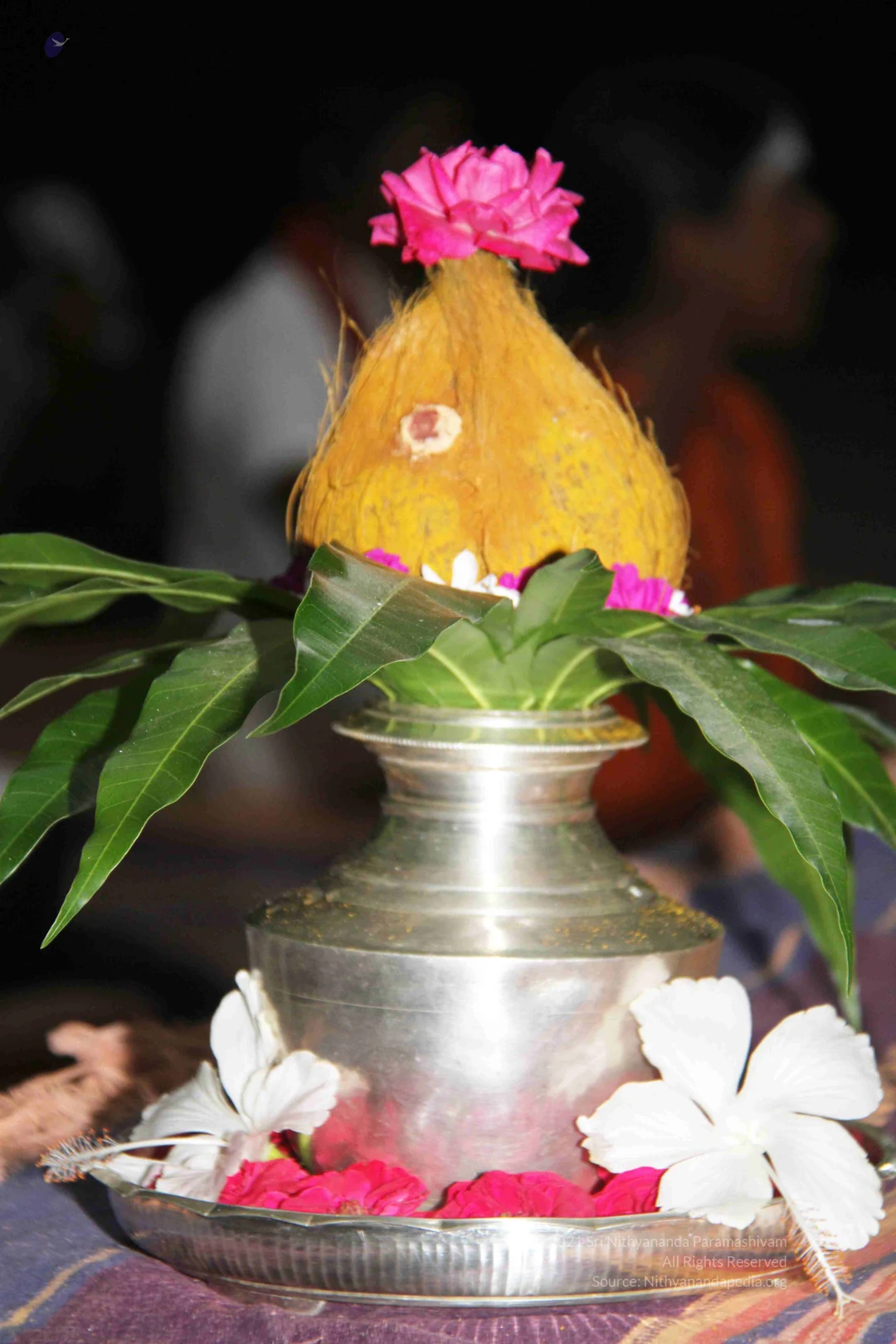
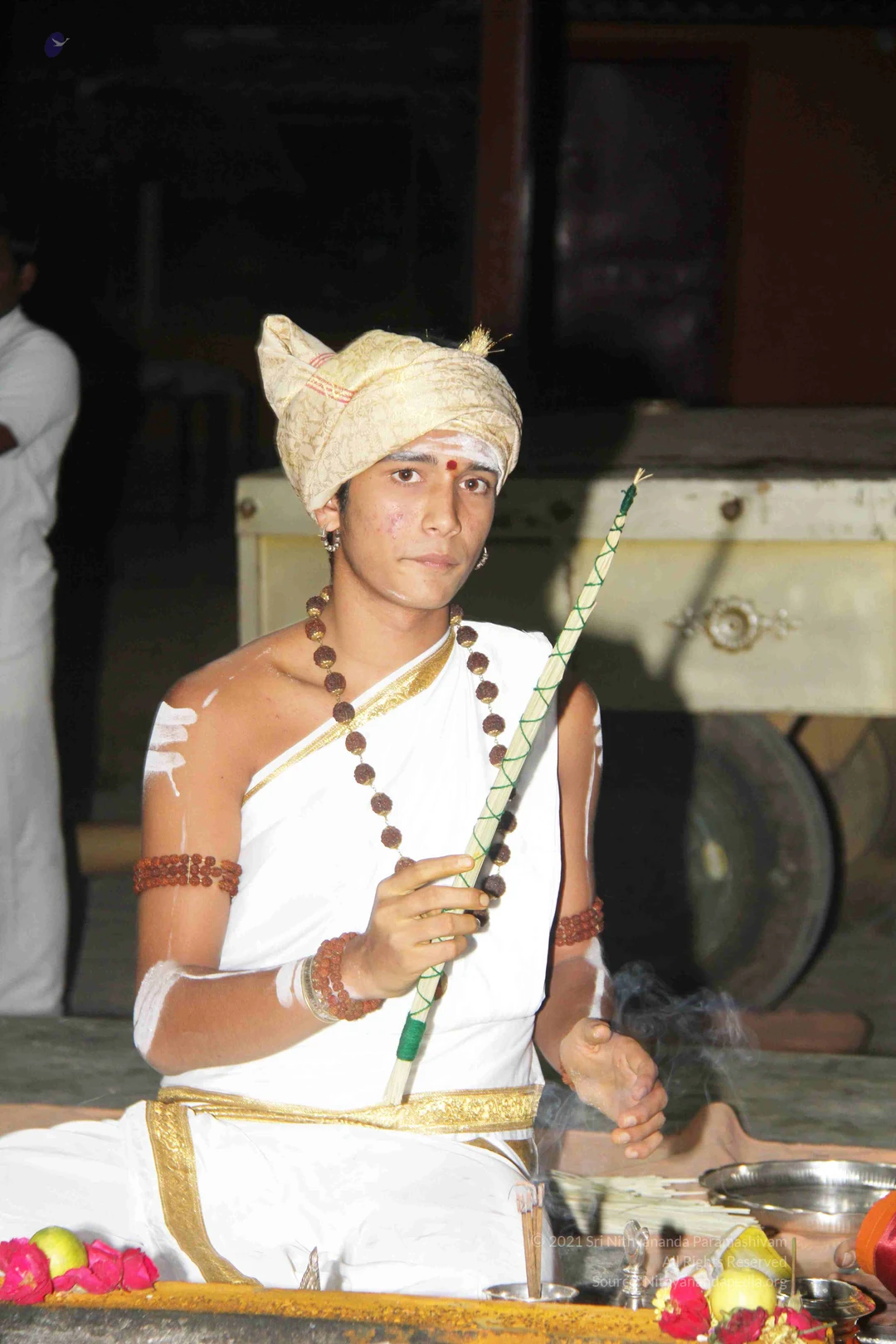
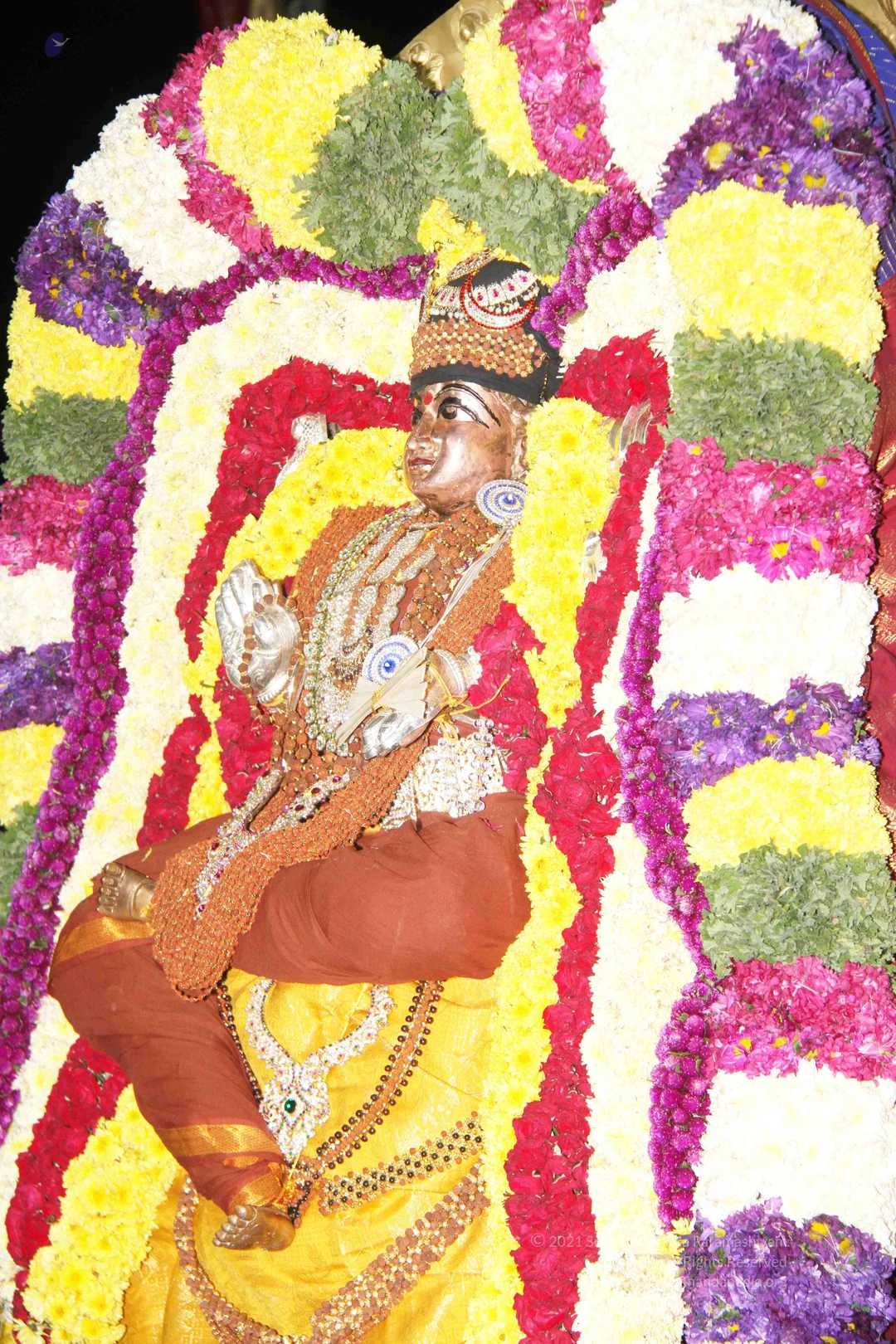
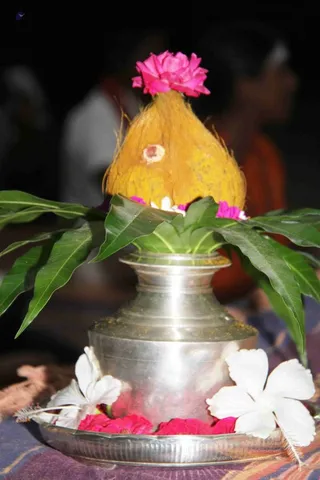
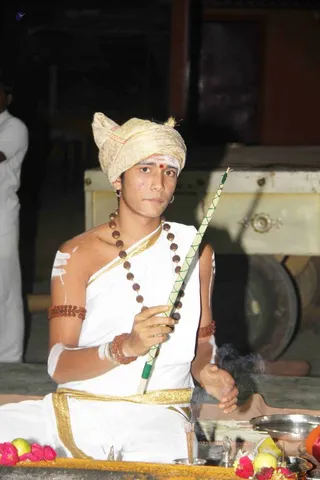
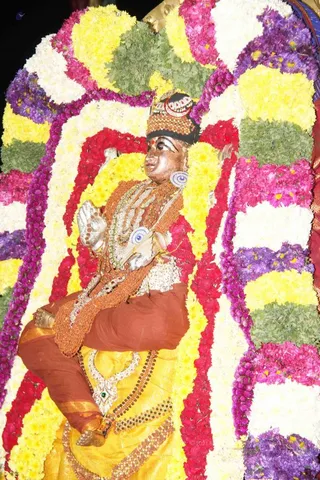
A photograph of a seated deity murti, not a living person, decorated for worship. The figure sits in a lotus-style pose with a gold crown, red and brown garments, layered garlands of white, yellow, red and purple flowers, and a ceremonial necklace. Its raised hand holds a small object, and a fan-shaped whisk stands beside it. The murti is framed by an ornate gold arch with floral carvings, backed by flower garlands arranged in a curved halo. Brass kalasha pots with yellow flowers and mango leaves sit at its base, and a red garland hangs in front.Night photograph of a deity murti seated under a large golden arch decorated with garlands of yellow marigolds, red and purple flowers and green leaves. The murti wears a gold crown, gold jewellery and a beaded necklace, holds a sceptre-like staff and sits on a flower-covered seat. In front, a red and white garland hangs around a kalasha pot with mango leaves and yellow flowers. Four smaller pots with mango leaves and flower garlands stand on the lower platform, draped in blue, purple and red cloth and adorned with gold necklaces. No people are visible.A close view of a kalasha pot in ritual worship: a silver-coloured metal vessel with a tapered coconut on top, wrapped with fresh mango leaves and capped with a pink flower. White and pink flowers are scattered on a silver plate beneath it, and a striped cloth lies underneath. A blurred background shows a dark room with a faint figure in orange clothing at the right edge, but no person is clearly in focus. The scene suggests a puja offering.Outdoor evening satsang at night with a group of young men in saffron-orange robes and rudraksha malas, sitting on mats in front of a low yellow-decorated platform. Their foreheads and arms bear white ash stripes and white vibhuti marks. A standing young man in orange holds a microphone and speaks with hands joined, while a fellow robed devotee stands at the right. Seated devotees in white and a few in orange sit in chairs and on the ground in the background. A brass tray or plate sits near the front-right, and a yellow-draped offering table is visible at the right edge.A young man seated in a ritual setting wears a cream and gold patterned turban, white dhoti with gold border, and a white shawl edged in gold. He wears rudraksha malas around his neck and upper arms and a red-and-white tilak on his forehead. He holds a green-wrapped incense stick, and smoke rises beside his hand. Flower petals, a brass plate and apples sit on the floor in front of him, with a gong behind.A photograph of a metal deity murti or processional image, seated and heavily decorated with long garlands of yellow, white, pink, red and purple flowers interspersed with green leaves. The figure wears a tall ornate crown, layered jewelled necklaces, a red-brown shawl over the shoulders and a yellow silk dhoti with gold border. Its hands hold silver implements, and a rudraksha-like bead necklace hangs at the chest. No living people are visible.
Pada-Puja

1 photoSource gallery
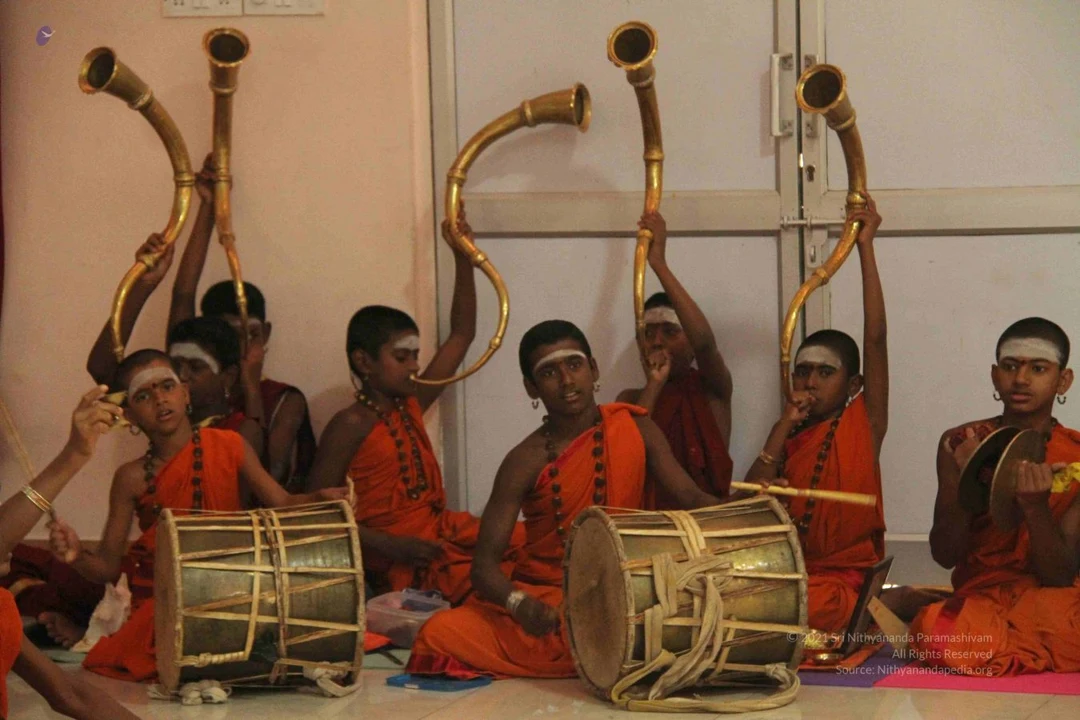
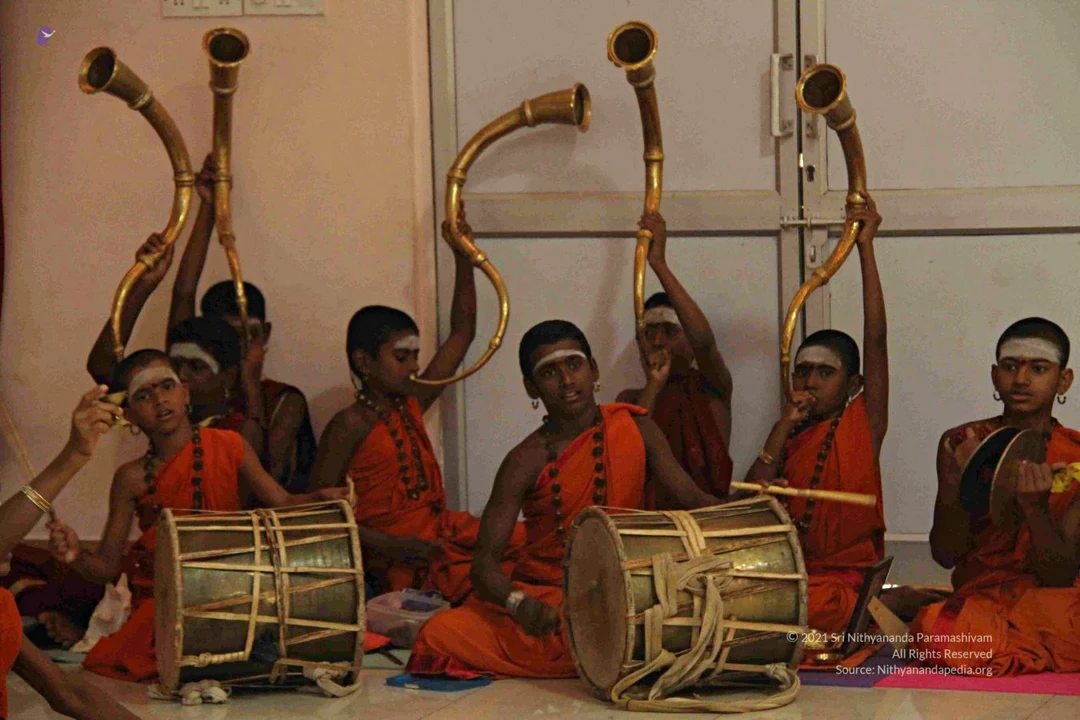
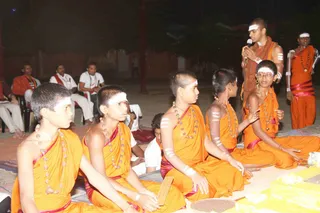
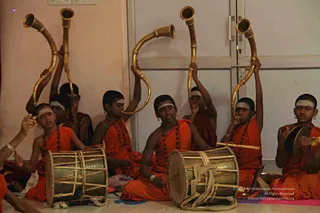
A photograph of a group of young boys in saffron-orange robes performing a musical ensemble seated on a floor. Several raise long curved brass horns (ceremonial trumpets) high in the air while blowing them, and two play barrel-shaped drums with wooden sticks. They wear white vertical tilak marks on their foreheads, rudraksha mala beads around their necks, and small earrings. Behind them is a plain pale wall and a grey metal door. The setting appears to be an indoor ashram hall, with a pink mat and plastic items on the floor.

Energy-Darshan
1 photoSource gallery
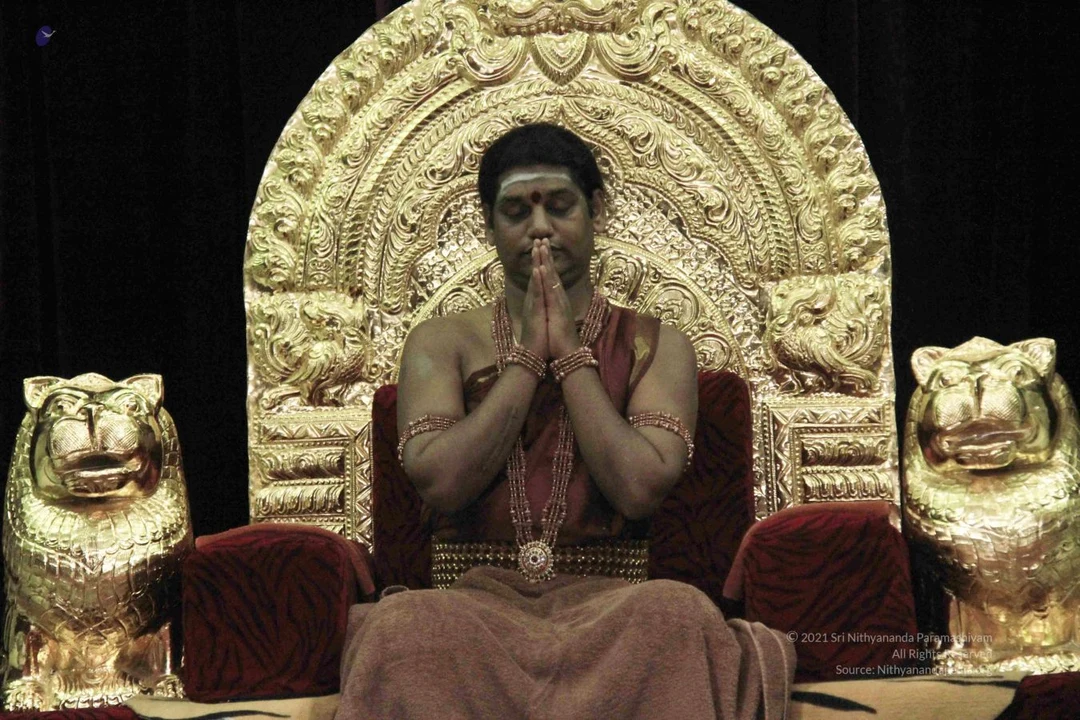
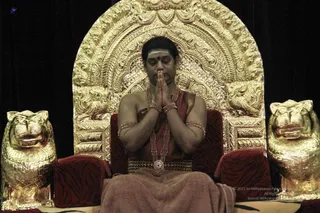
A seated man with eyes closed presses his palms together in a namaste gesture on an ornate gilded throne with a large arched backrest carved with floral and scroll motifs. Two gold lion-head sculptures flank the throne on a dark backdrop. He wears a red-brown wrap over his shoulders, a long rudraksha-style mala with beaded strands, gold armlets and bracelets, and a jeweled gold waist belt, with a white forehead mark and red central bindi. A pale tiger-striped cushion covers the seat. a person: the seated man has a compatible presentation with several cues: ornate gold ceremonial jewellery, a long beaded mala and an elaborate throne, and is shown in a respectful sitting posture.

Puja-Homa-Processing
5 photosSource gallery
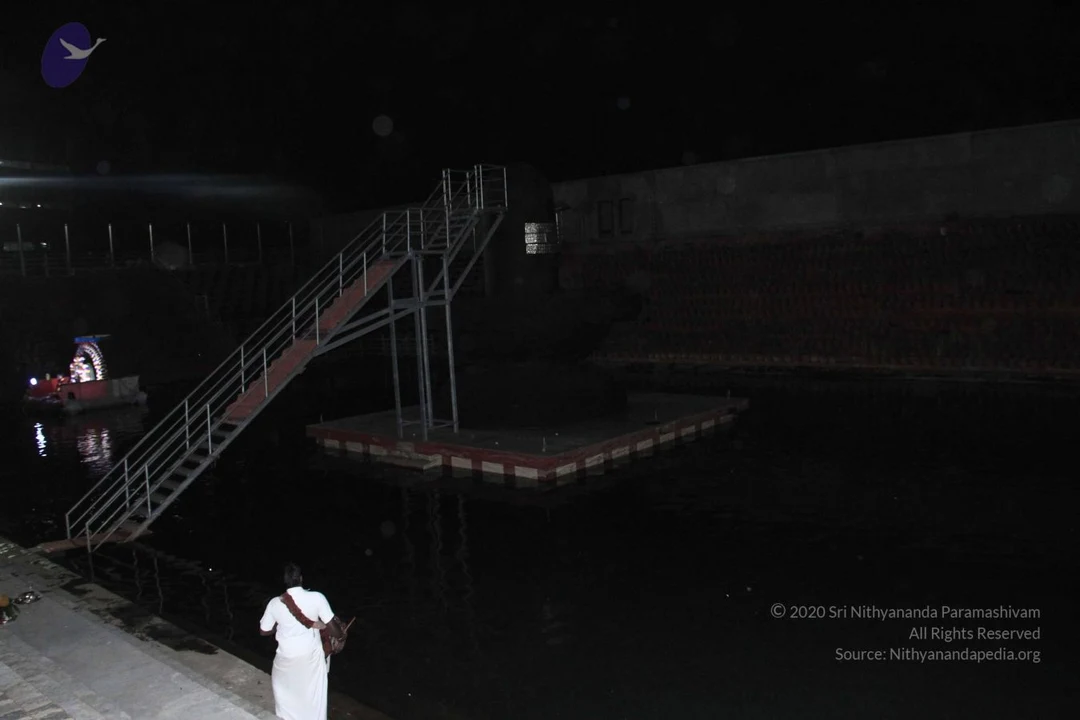
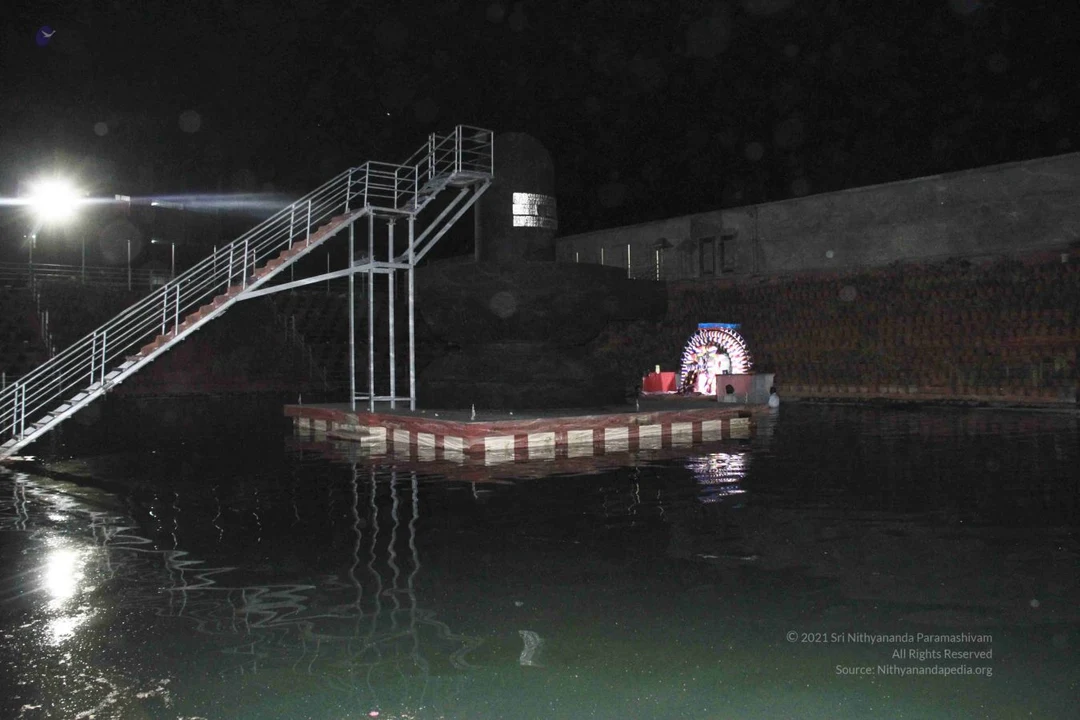
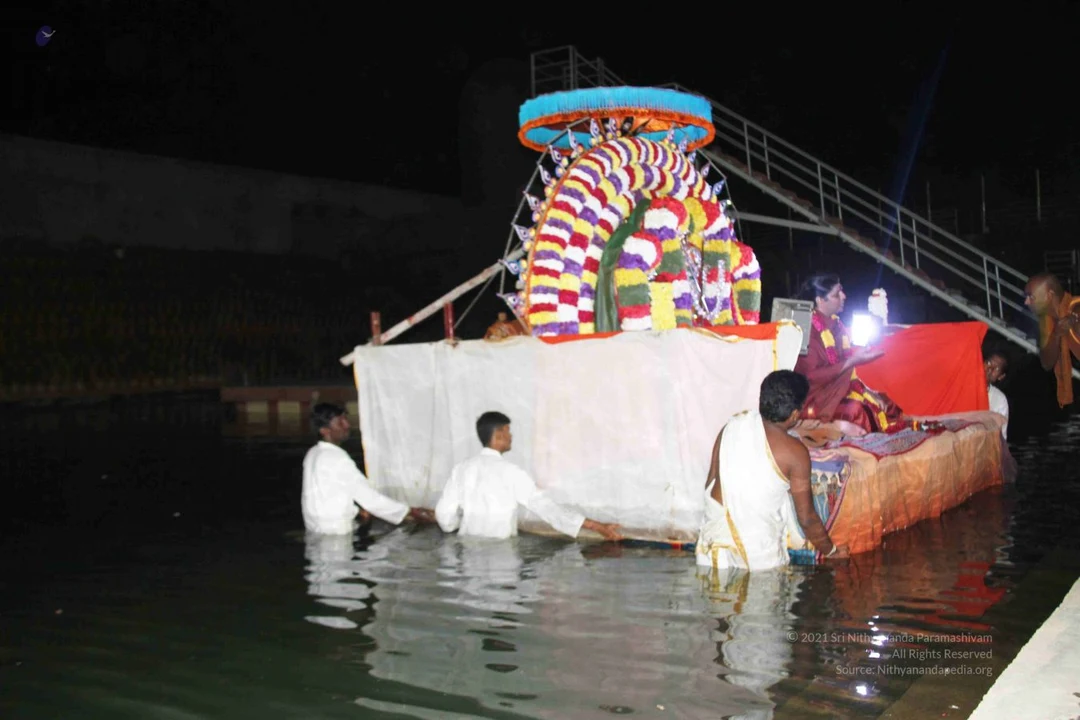
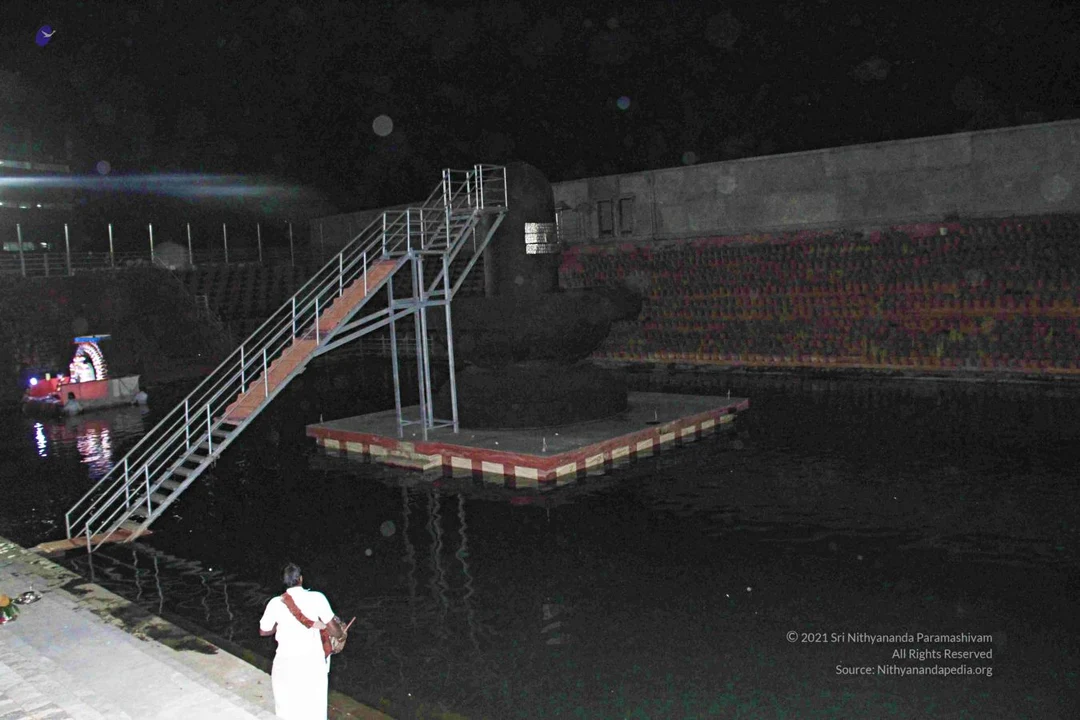
Night outdoor event. A seated man in a red and gold turban, red-orange silk wrap and layered gold necklaces and bangles reaches to press his fingers to the forehead of a young man in a white t-shirt with an orange-red shawl and red beaded mala. Behind them, white-clad devotees with folded hands sit in rows; a kalasha-like offering with flowers sits near the seat, and a gold-edged red throne is visible at left.Night photograph of a decorated floating platform on dark water in a tank with stone steps. A seated figure in a rust-orange cloth and garlands sits beneath a large arch of multicoloured flower garlands in red, yellow, green and white, with a blue canopy on top. Two men in white dhotis stand waist-deep in the water on either side, steadying the raft. Stone bleachers and a railing are visible behind. Reflections of the coloured lights ripple on the water. a person cannot be confirmed from appearance alone, so the seated figure is described by role only as a person in orange on a garlanded float, with unsure status.Night photograph of a floral-decorated raised platform floating on dark water in a pool, with a seated figure at its centre in red and gold clothing and garlands. The platform is backed by a striped arch of red, yellow, purple and white flower garlands with small lights. Two men in white dhotis stand waist-deep in the water at the sides, one holding the platform's edge. Stadium-style seating rises in the dim background. The seated figure is too small and dark to confirm identity or deity form.Night photograph of a decorated float on a reflecting water tank at an outdoor temple-type venue with tiered brick seating along the back wall. A floral canopy with red, yellow and white garlands and a dark-red cloth surround a deity murti seated on the float. Three white-clad men stand waist-deep in the water beside the float, and a small red cloth and a lit lamp are visible near the seated figure. The water reflects the lit float. A bright moon sits in the dark sky above.Night photograph of a dark water tank at a temple-like complex. A metal staircase with railings leads up to a small square platform floating on the water, with red-and-white edging. A man in white clothing and a sling bag stands on the left bank with his back to the camera. Behind the water, a long wall displays rows of colourful lamps or flowers. A small decorated red boat with lights is moored at the far left.