Tuesday
18 November 2014
Shivoham Fulfills All Dimensions of Life
- Dated photos
- 100
- Source pages
- 1
- Media
- 3
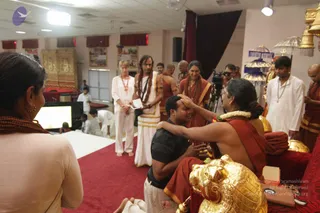
November 18 2014
Original wiki pageTitle
Shivoham Fulfills All Dimensions of Life
Description:
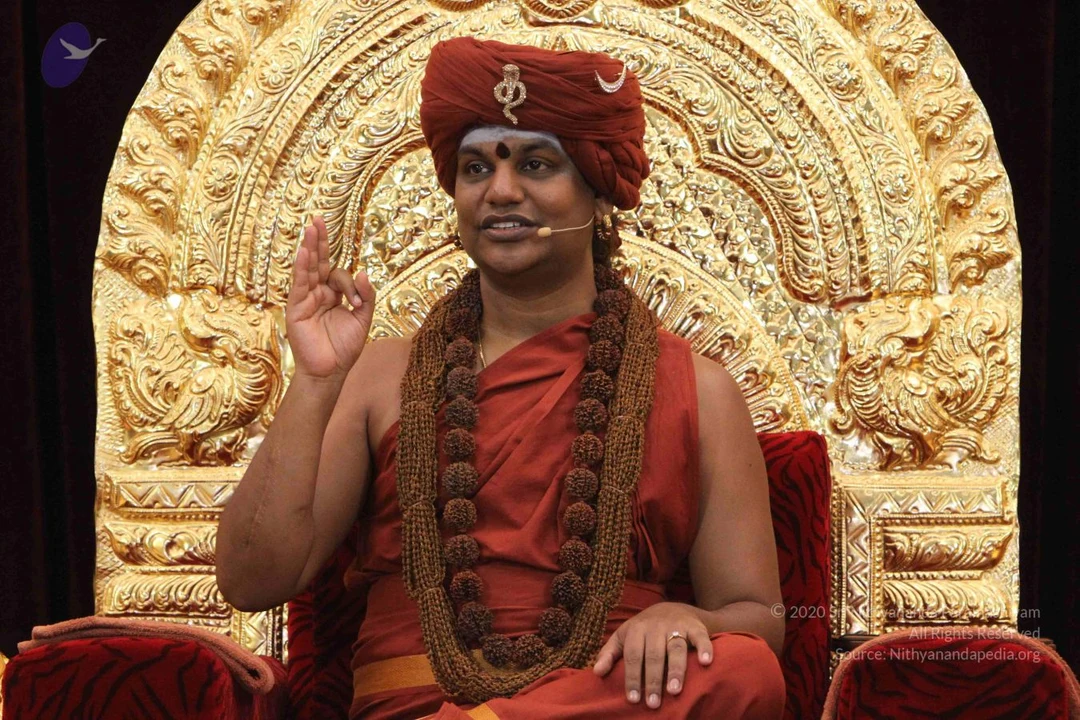
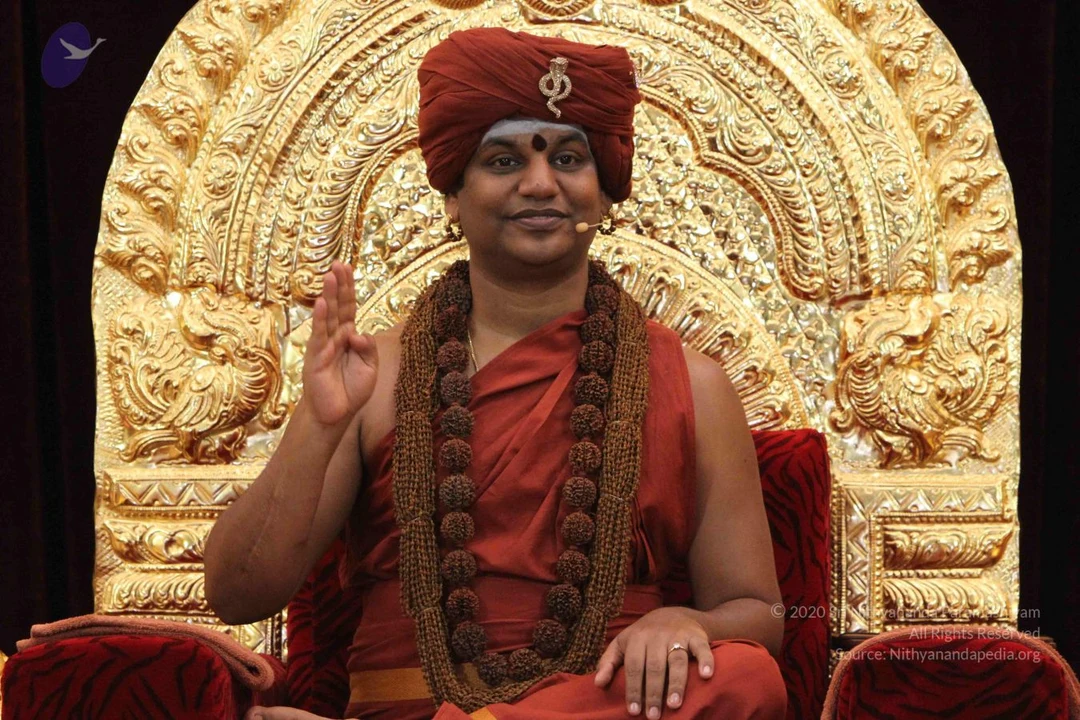
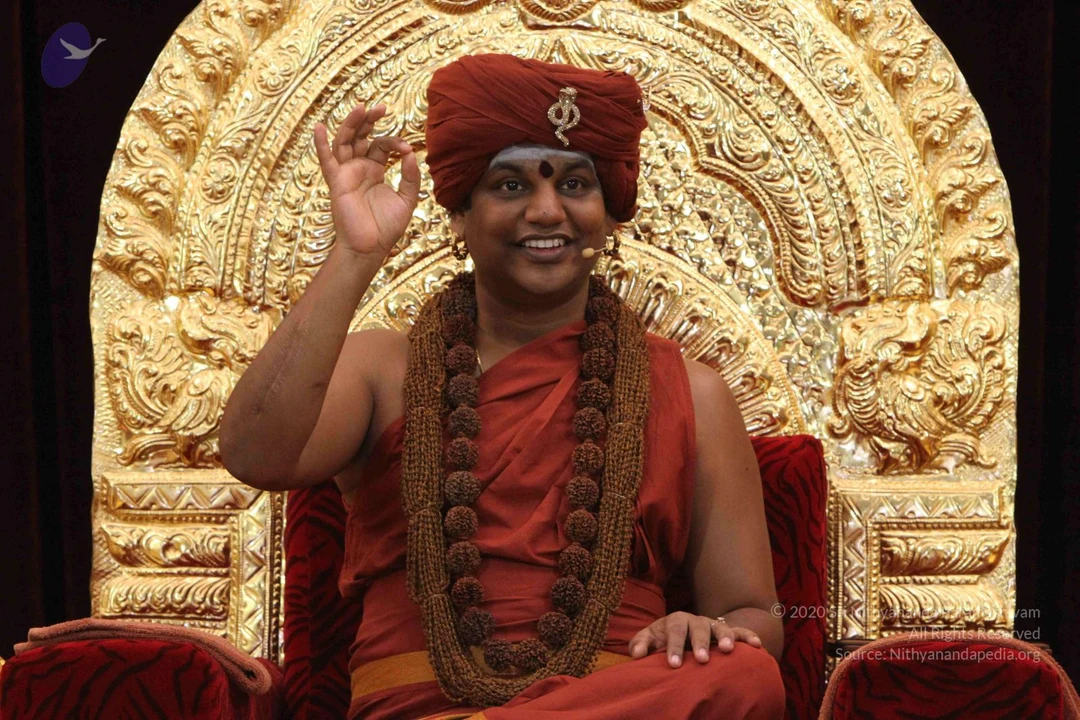
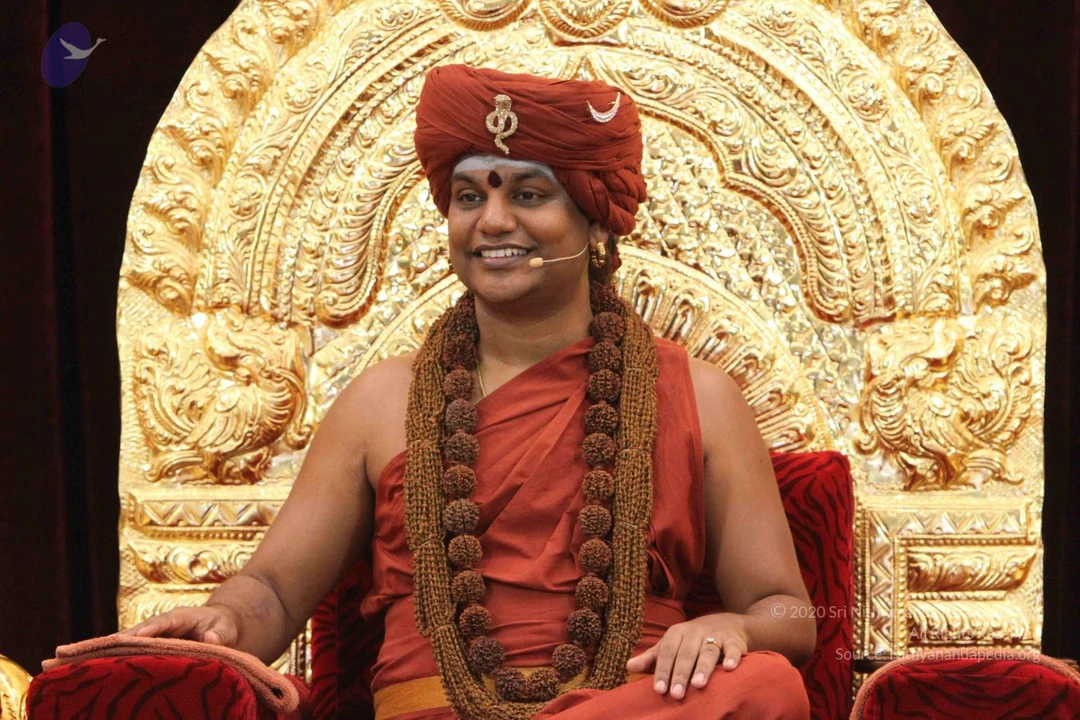
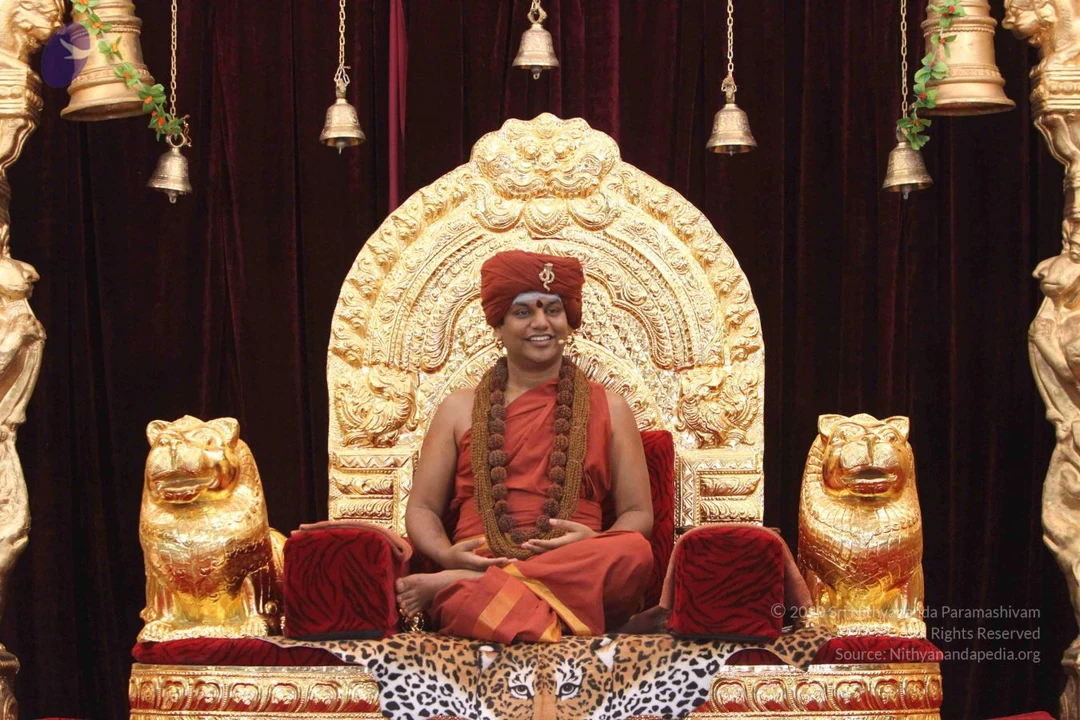
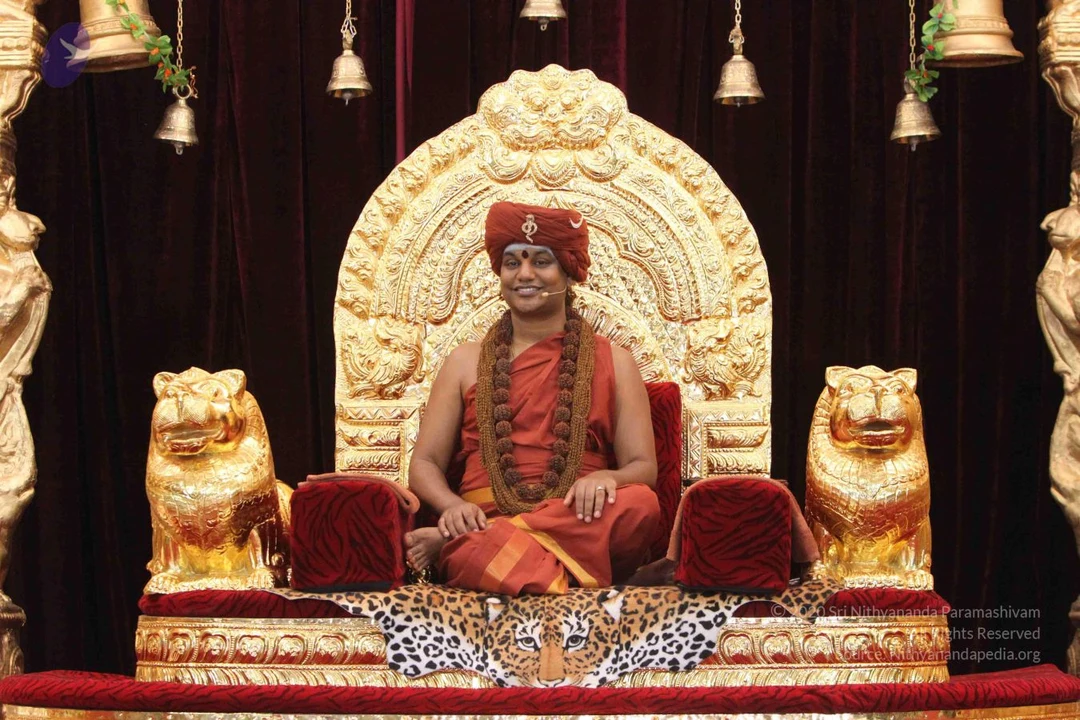
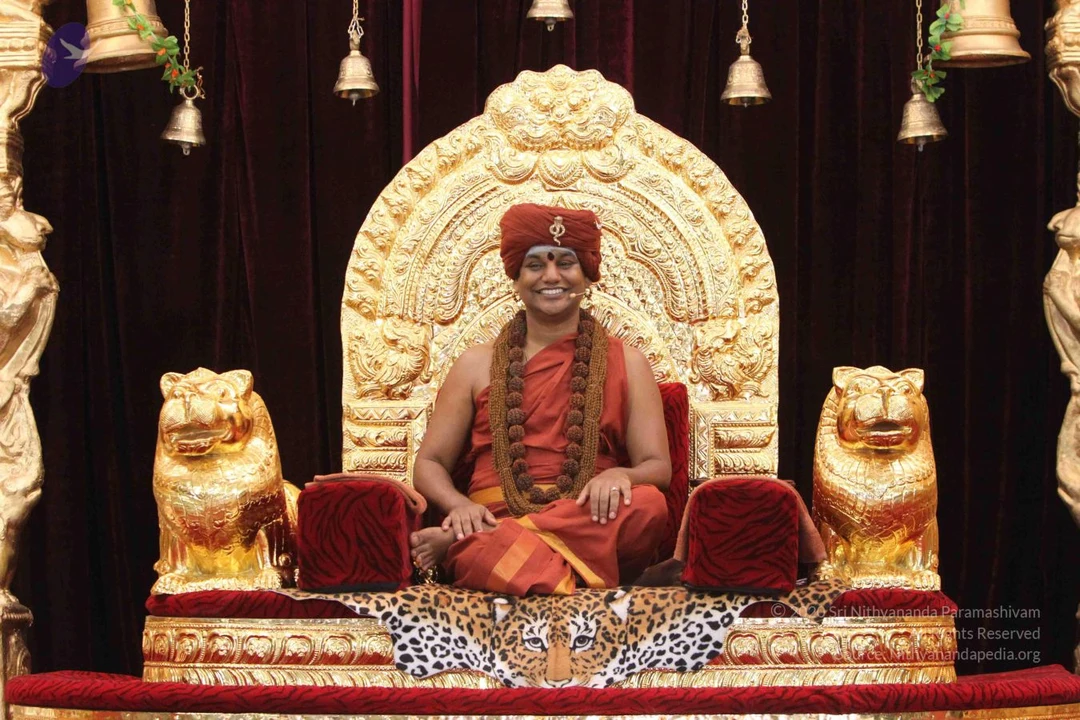
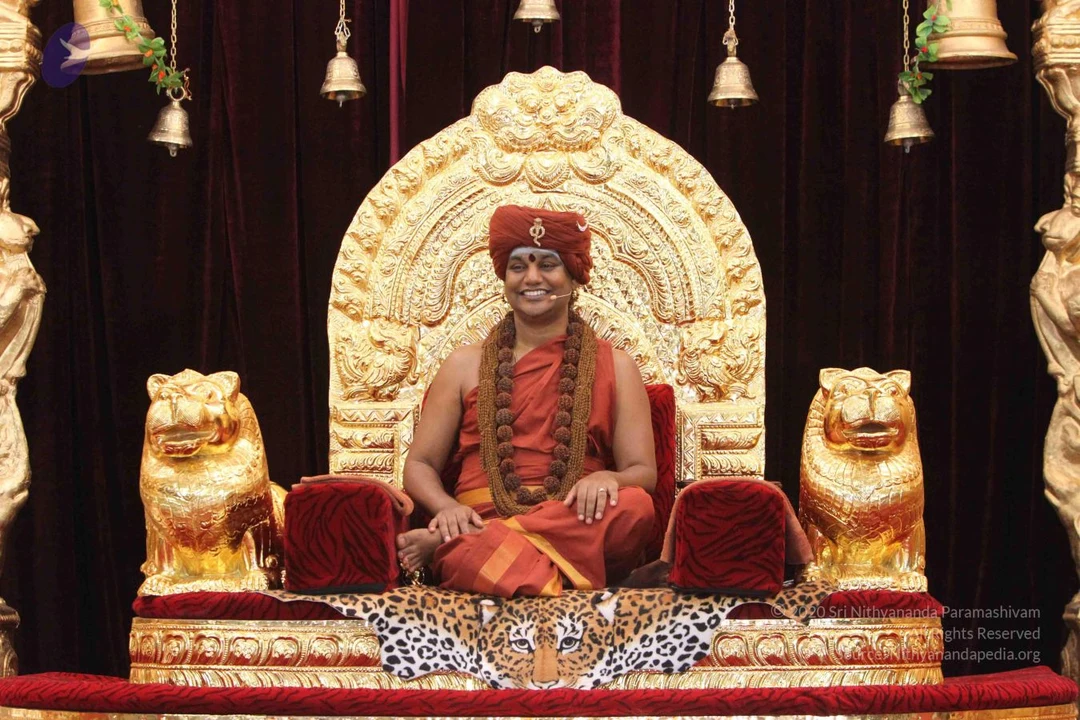
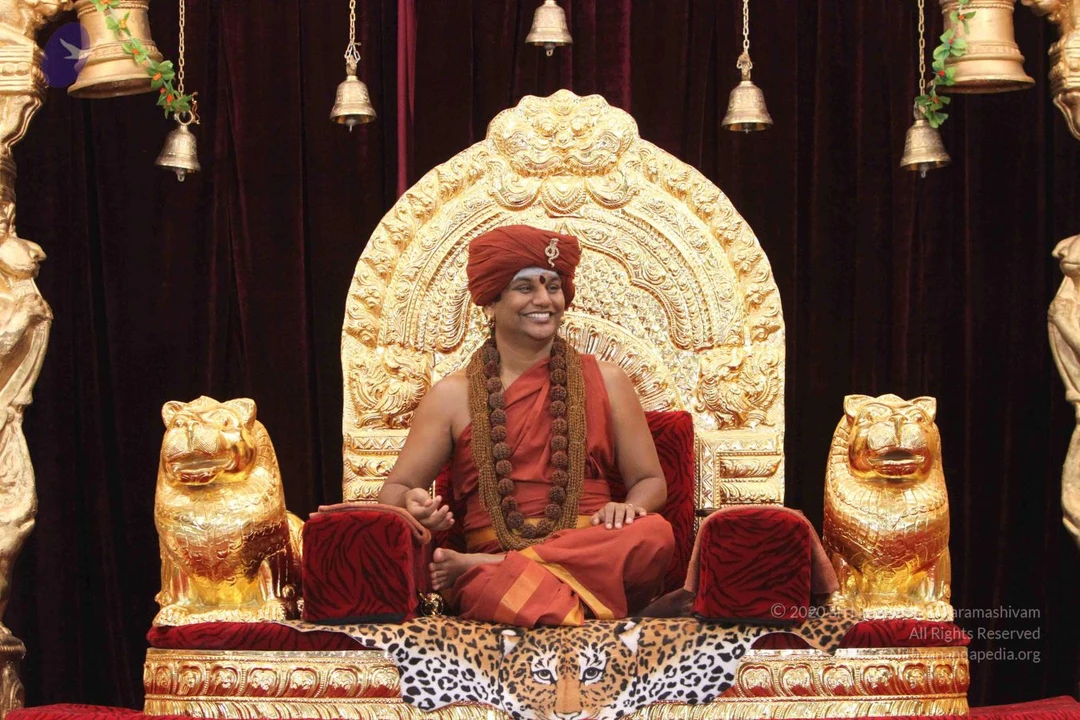
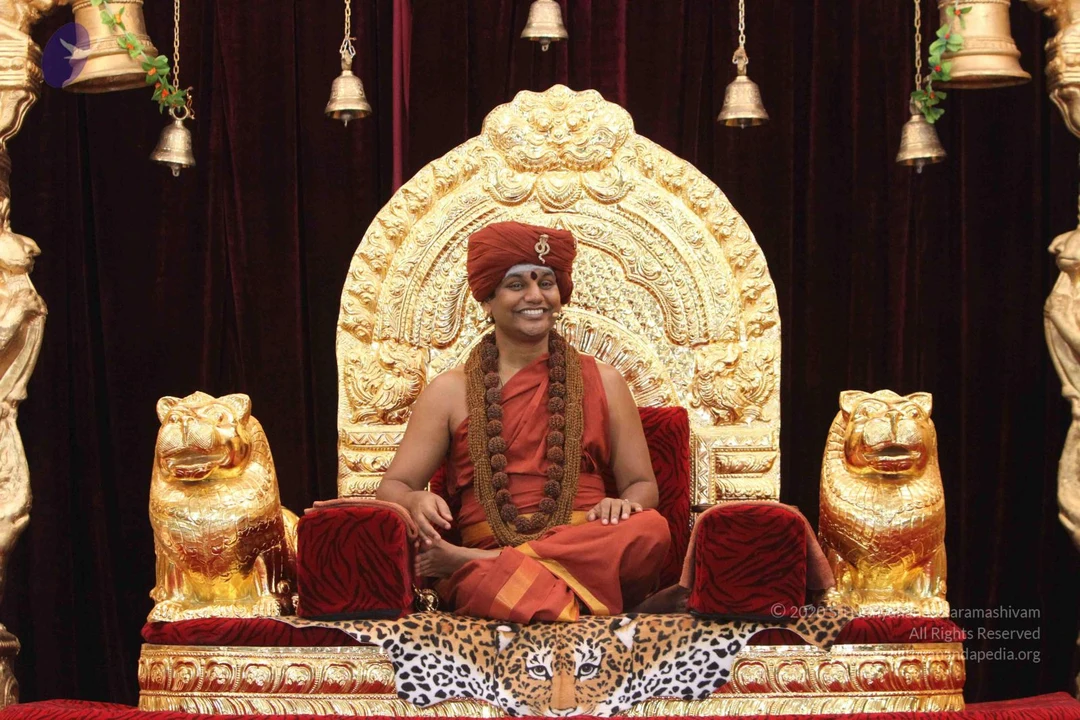
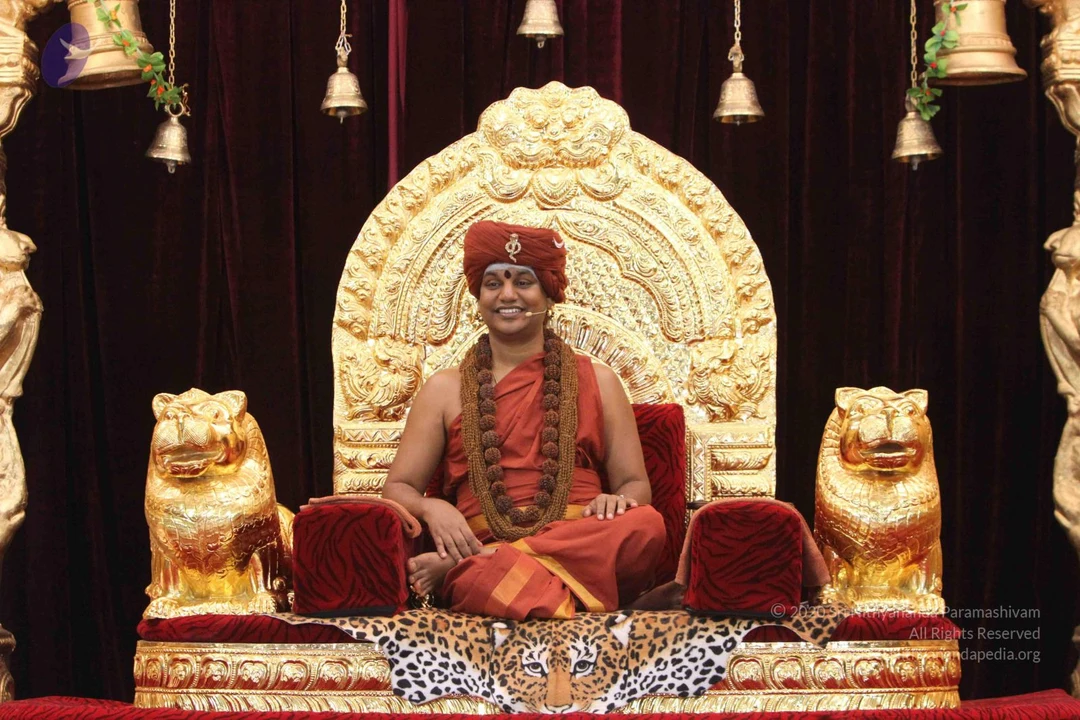
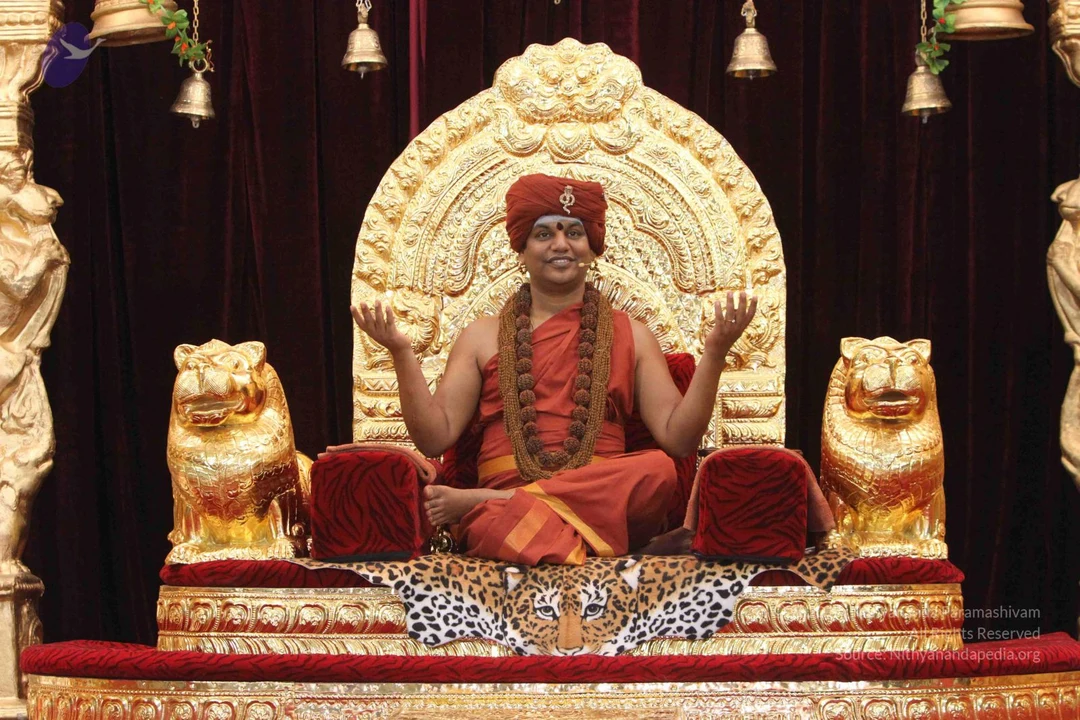
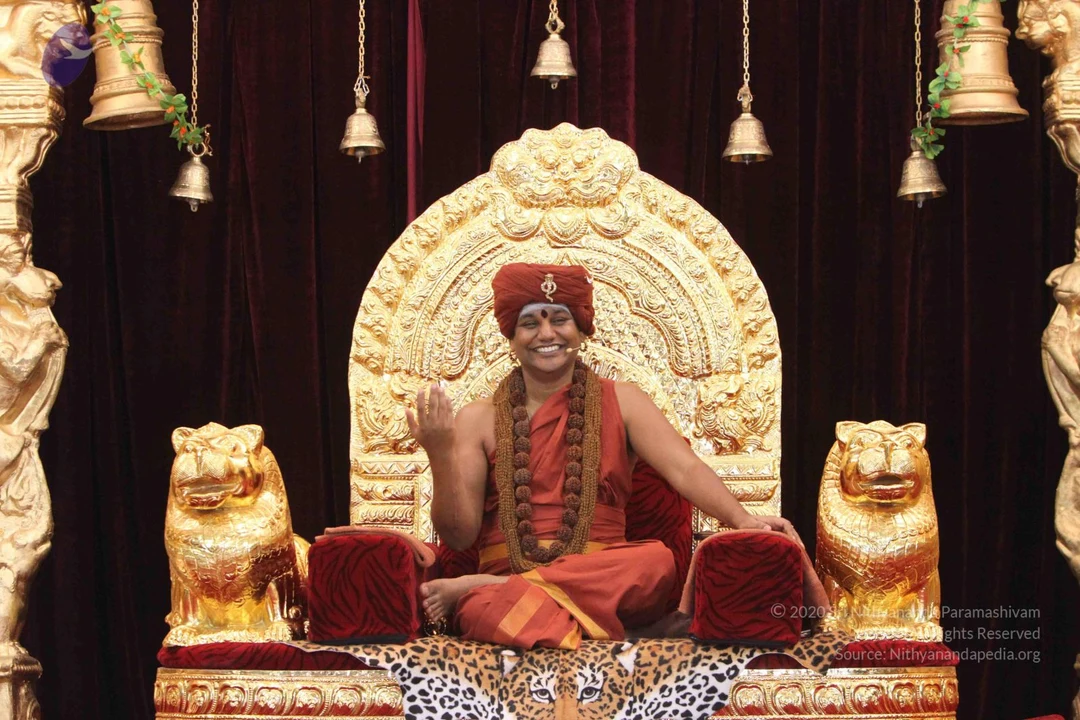
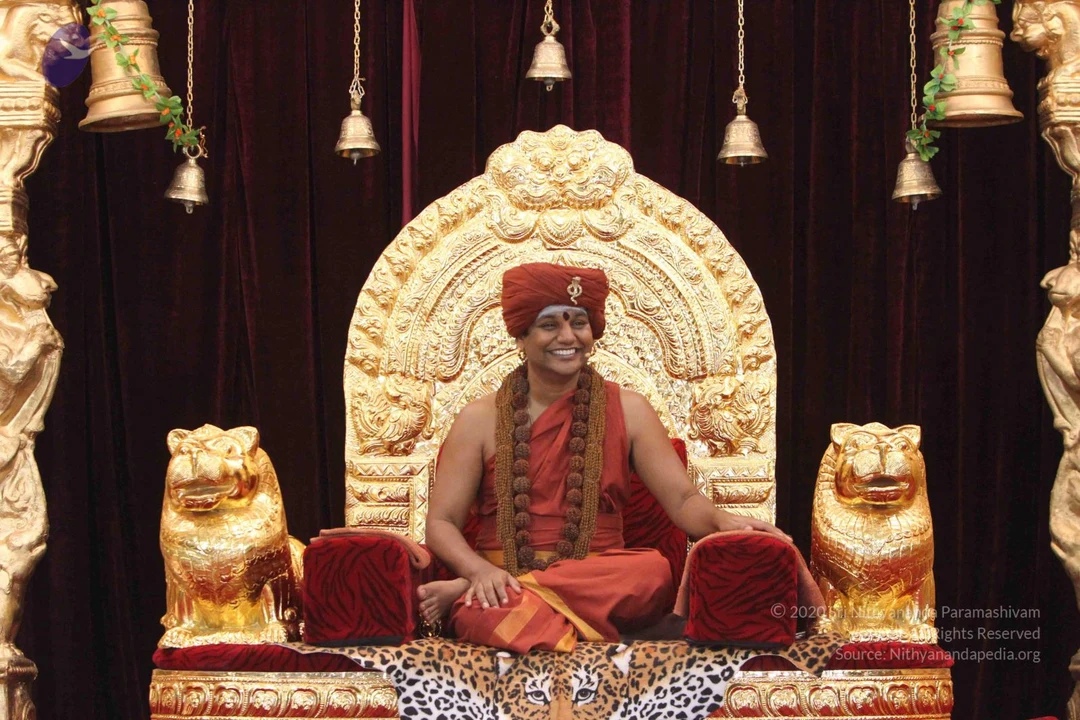
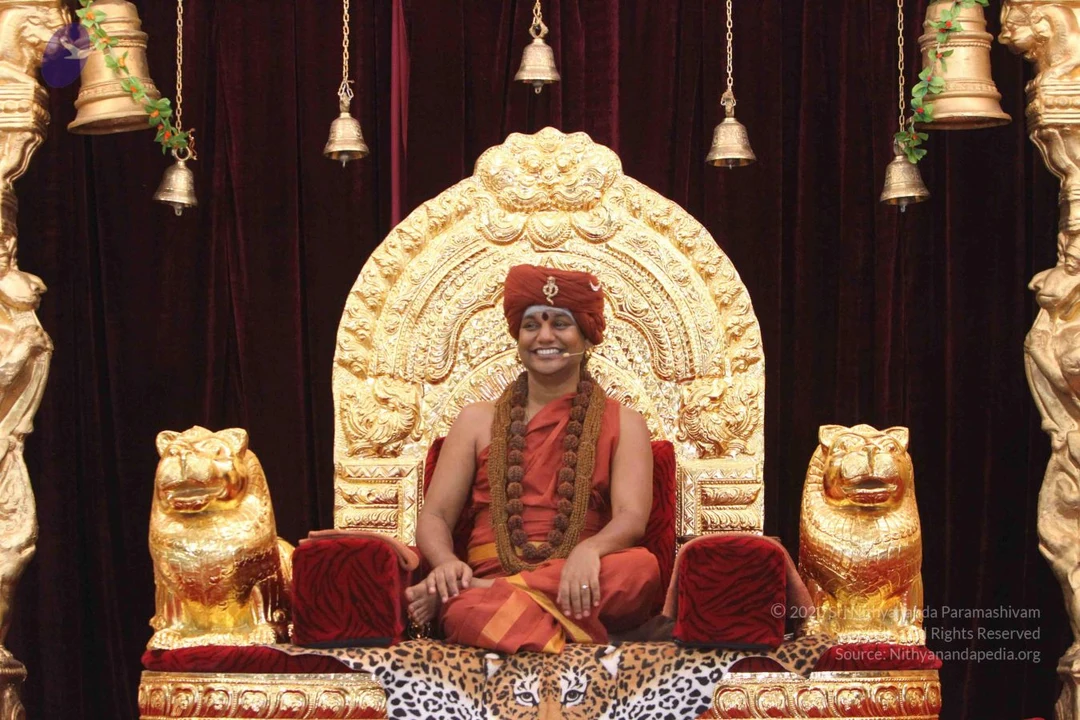
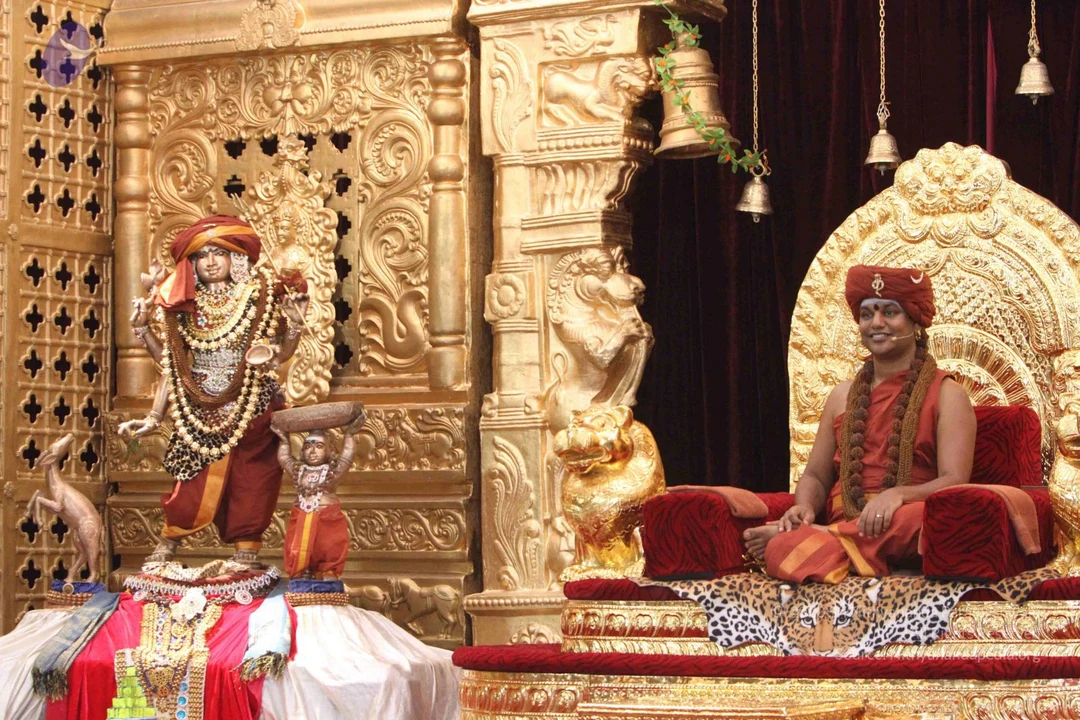
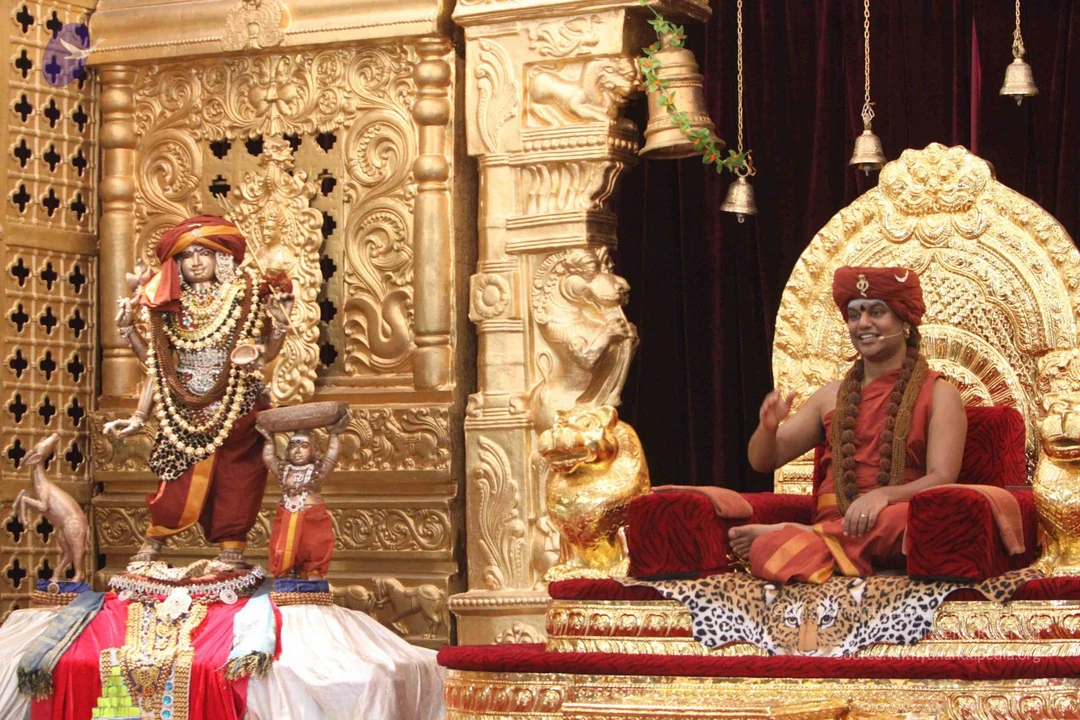
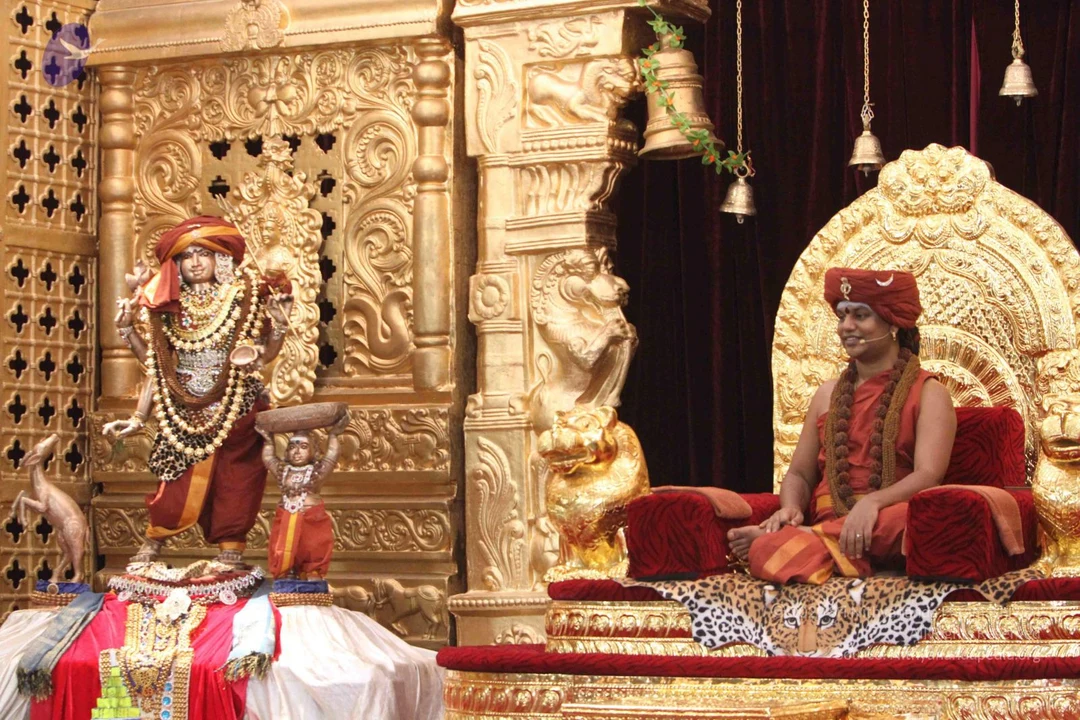
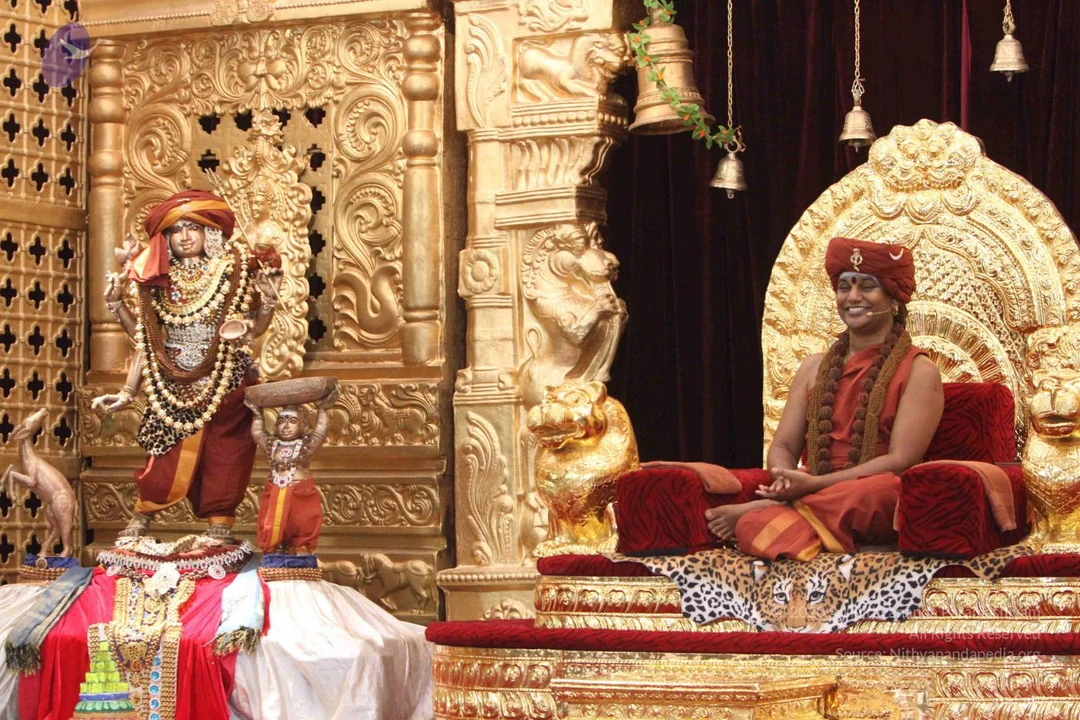
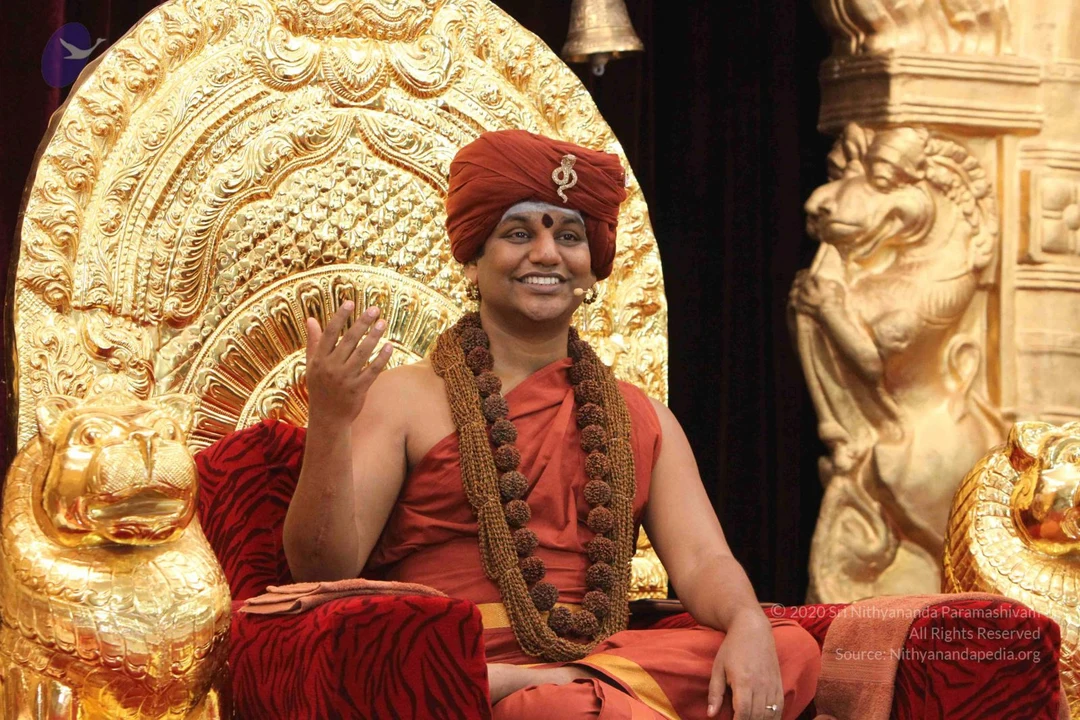
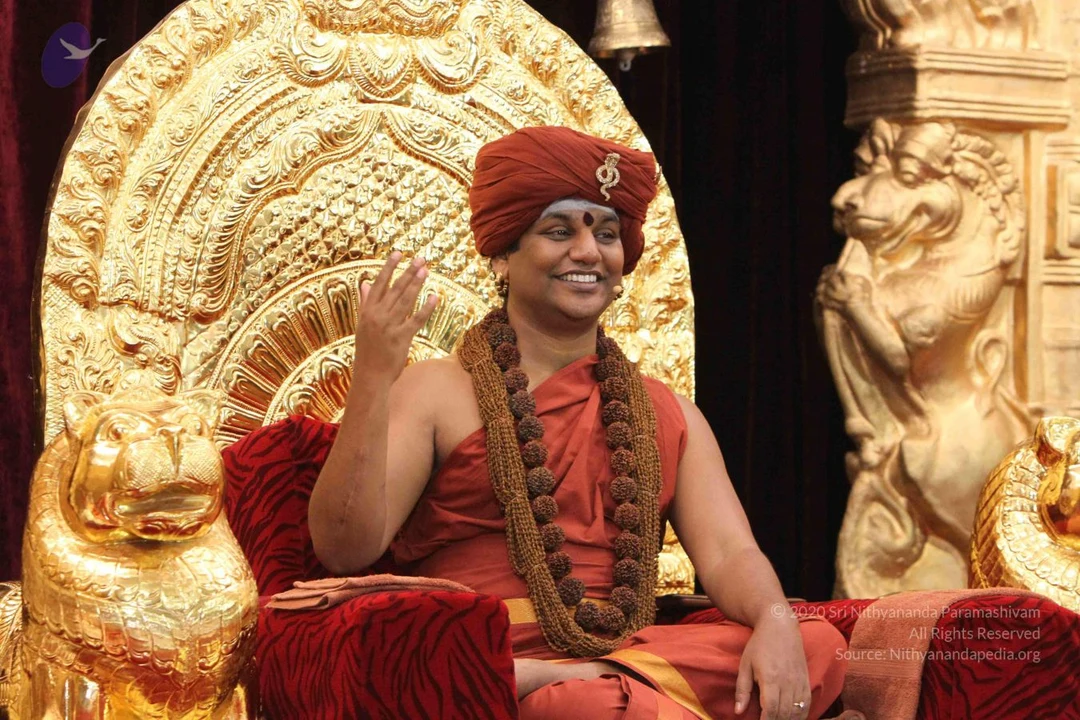
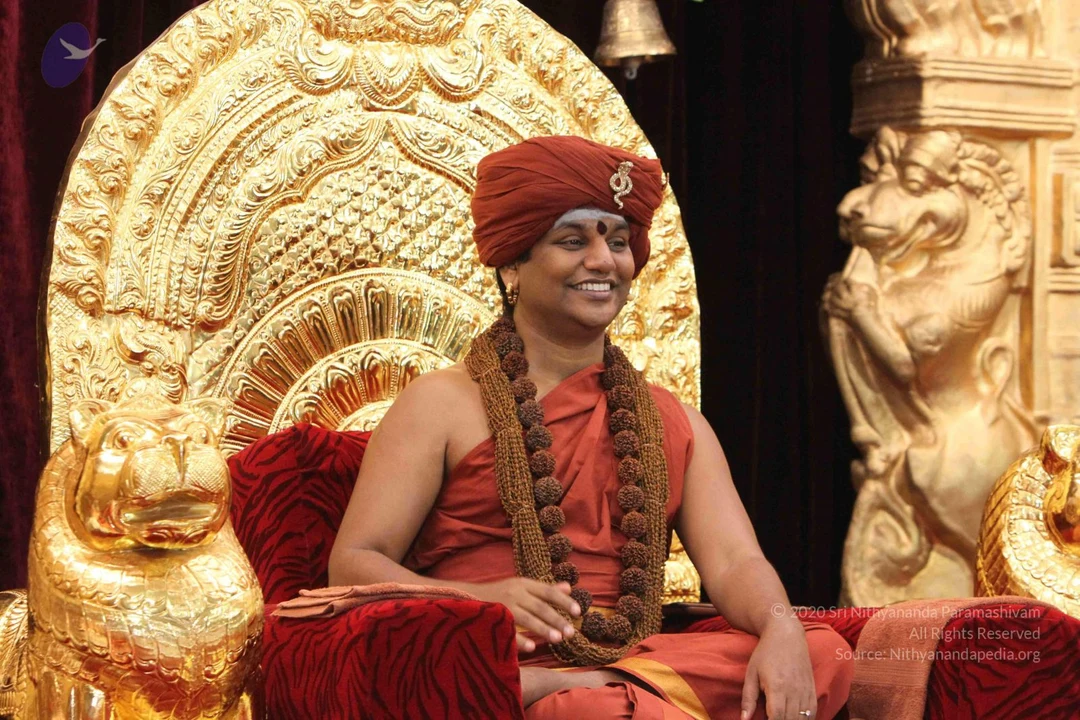
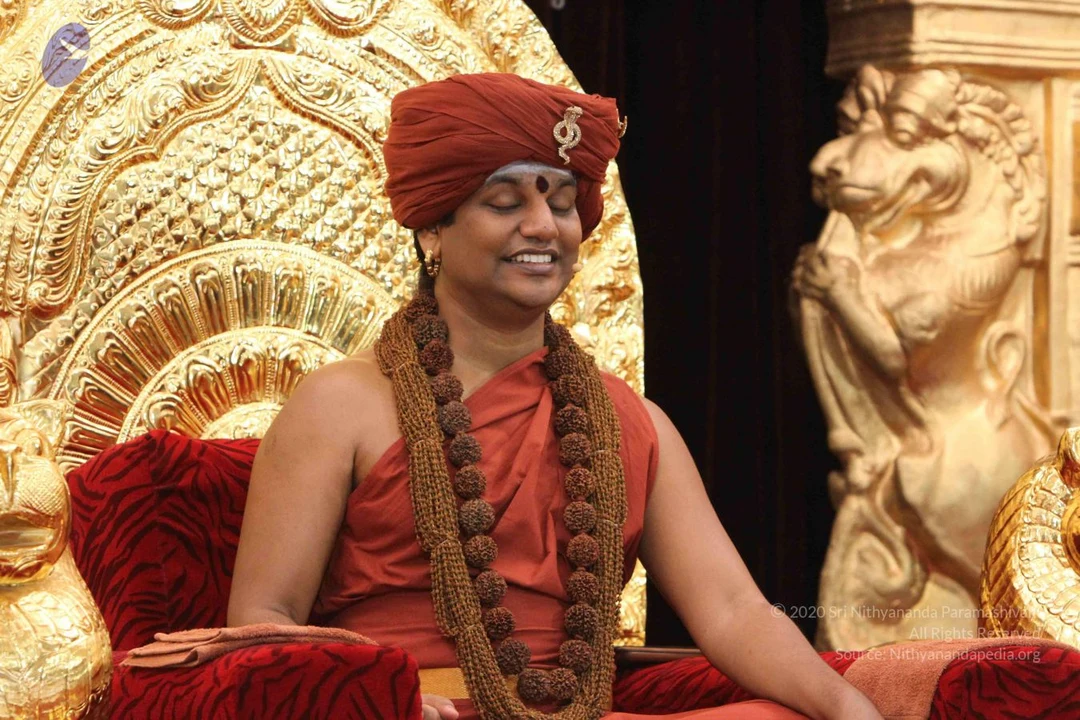
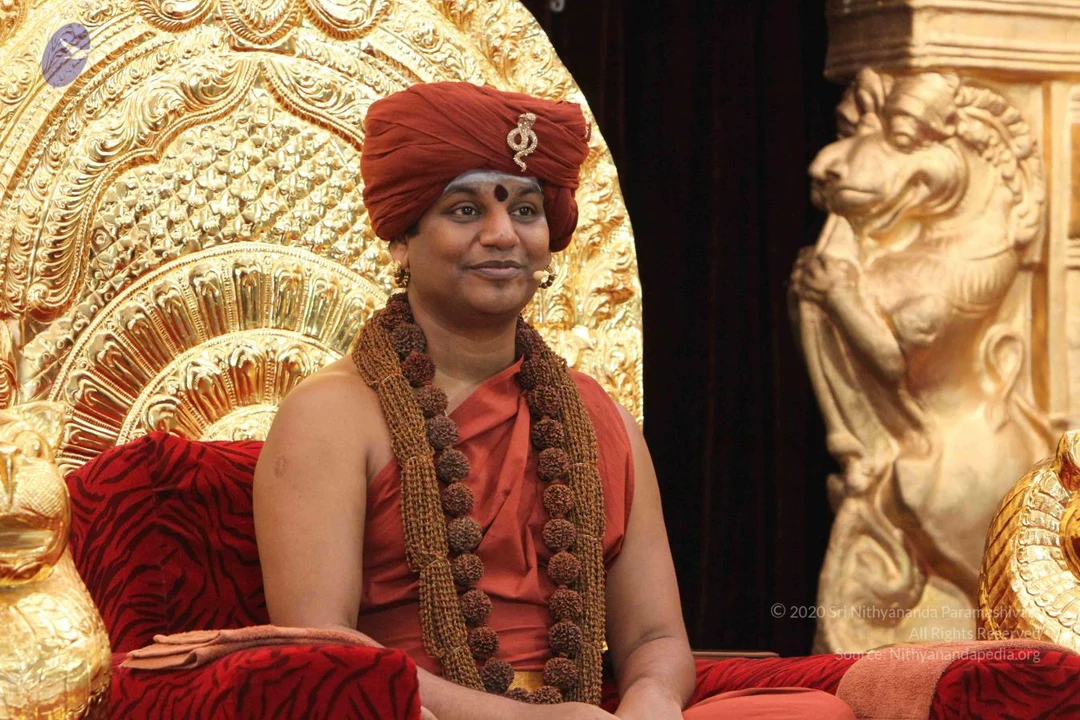
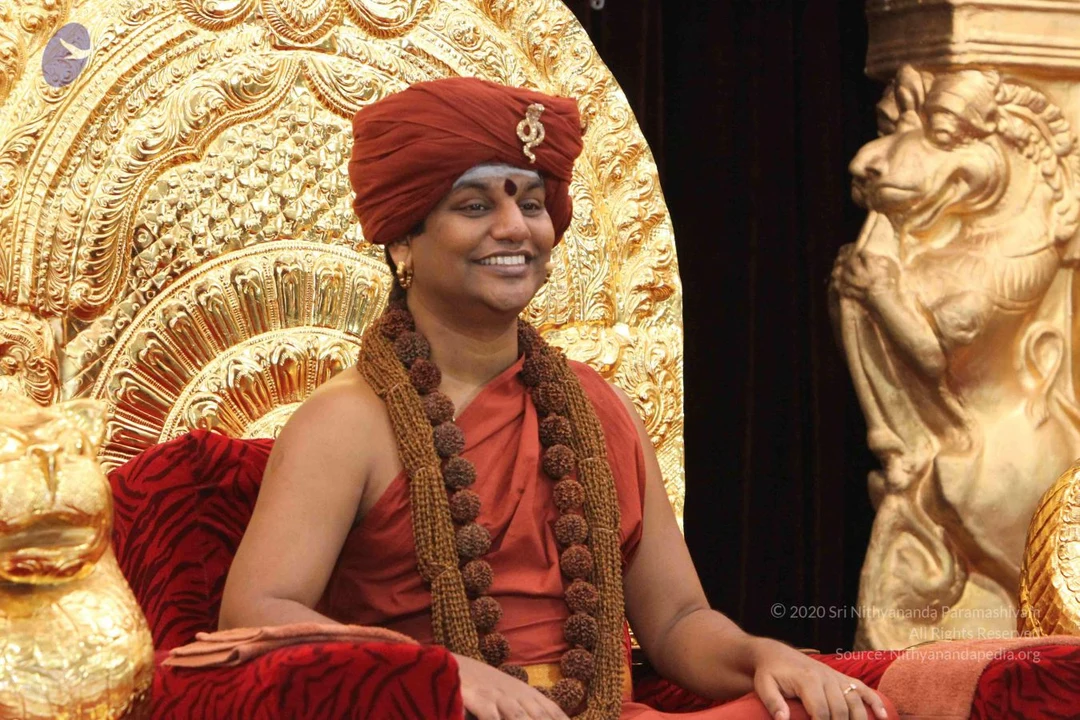
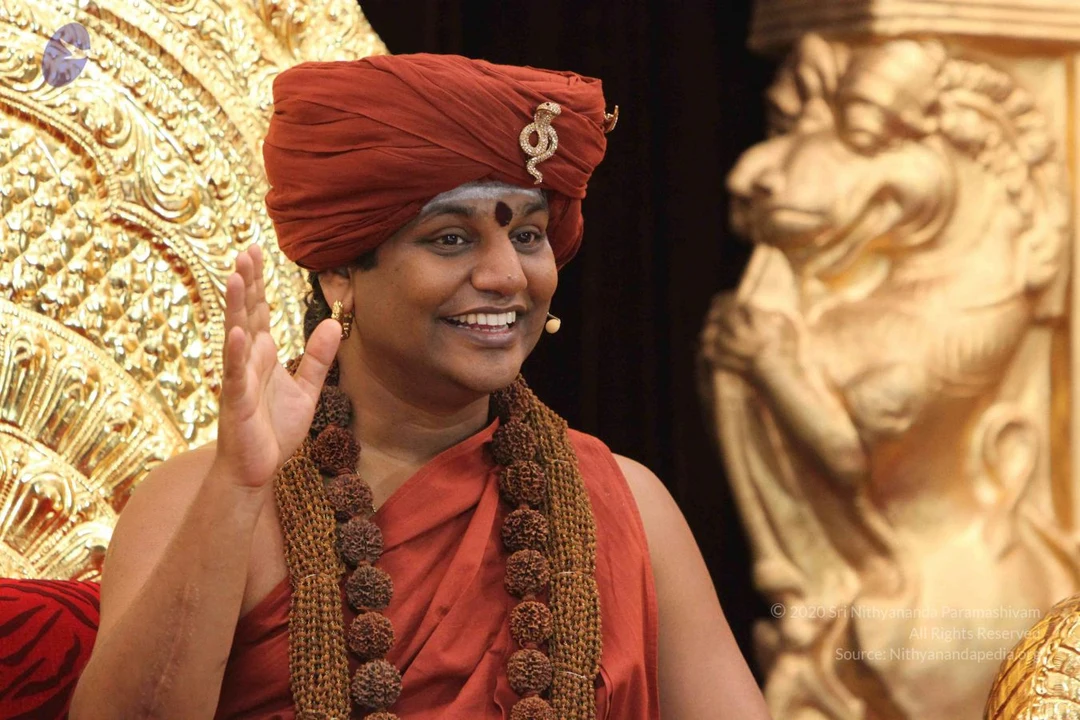
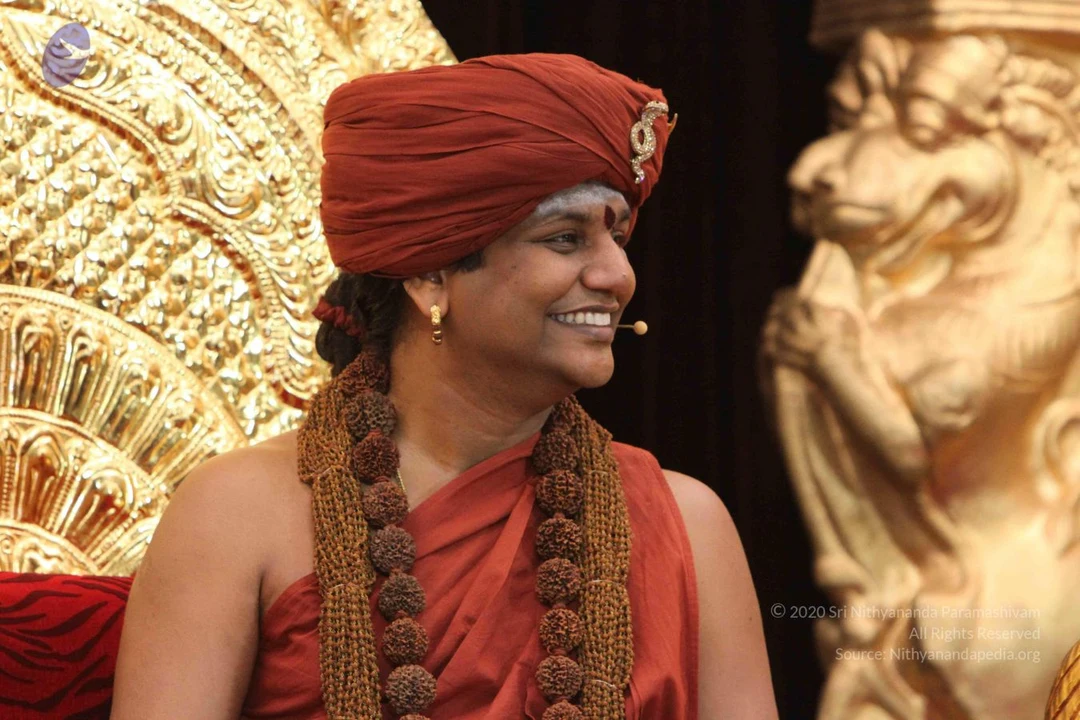
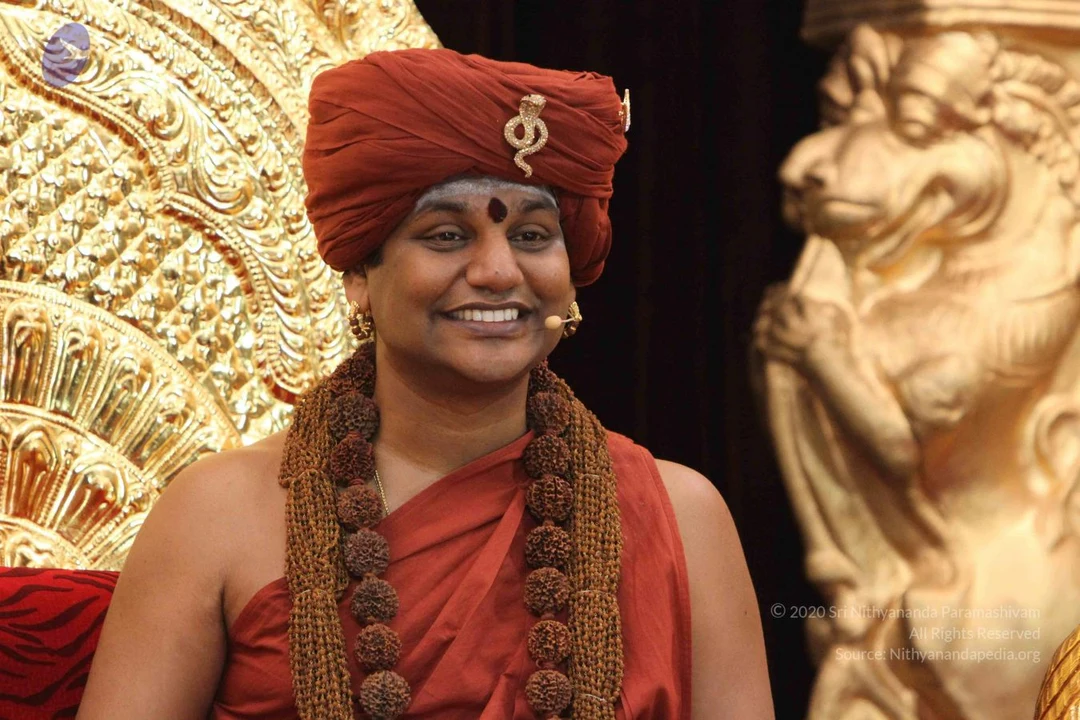
In today’s morning Satsang, Paramahamsa Nithyananda expands on Shivabodha - the intoxication, trance or the bliss of being Shiva! It is the fear of the fear, which makes us frightened, worried about worrying causes worry and being anxious about anxiety we are anxious. We can decide instead to let knowledge about knowledge make us ecstatic. If we can understand that bliss is going to come, it will make us blissful now. Know the end of our game is not fear, anxiety or worry but it is going to be bliss, Shivoham!
Link to Video:
| Video | Audio |
Transcript:
Nithyanandeshwara Samaarambhaam Nithyanandeshwari Madhyamaam | Asmath Aachaarya Paryanthaam Vandhey Guru Paramparaam ||
I welcome you all with my love and respects. I welcome all the devotees, disciples, samajis, satsanghis, Shrimahants, Mahants, Thanedars, Kotharis, visitors, viewers, sitting with us all over the world through Nithyananda TV and Sadhna TV, and two-way video-conferencing.
Cities sitting with us through two-way video-conferencing: St. Louis-Tirumala Aadheenam, Kuala Lumpur-Palani Aadheenam, Houston-Kalahasti Aadheenam, Jorpati-Nepal, Guangzhou-China, Singapore-Singapuram, Hong Kong-Sirkazhi, Austin, Los Angeles-Hollywood, Rajapalayam Aadheenam, Oman-Sivagangai, Nithyananda University-Paris, Coimbatore Dhyanapeetam, Hyderabad Dhyanapeetam, High Point-North Carolina, Ohio-Prayag Temple, Oklahoma-Somanatham, Hyderabad-Gupta Kashi, Los Angeles-Arunachalam, Seattle-Chidambaram, Thiru Kaialasa Aadheenam, Charlotte-Srisailam, Vizhupuram, Glendale-Arizona, Varanasi, Oklahoma-Somanatham, Charlotte-Srisailam.....and some more are joining.....
I welcome all of you with my love and respects.
Today, the further deeper truths on Shivoham! I think, these next few days whatever I am going to speak, share with you all, it can straightaway be called as ‘Shivoham Series’! I am filled with that Shivoham!
Understand, Hinduism has four ways, levels, or divisions of people following it. I am not talking about ‘varnaashrama dharma’, I am talking about the present....present. Please listen; the spiritual dimension, religious dimension, social dimension, political dimension. The spiritual - where the Advaithic experience of the Ultimate, religious - where temples, rituals, lifestyle, festivals, celebrations and social dimension - where the Hindu fabric need to be kept together, that social people, means our lifestyle, how we marry, our customs, our way of eating, dressing, housing, the way of interacting, the concepts we have about money, and the way we deal with relationships, the social. Then, political dimension - governing the country based on the principles taught by the ancestors who created this Hindu tradition. The four dimensions, I tell you, Shivoham is the one truth which will fulfil you in all four dimensions.
There are many political Hindu organizations missed the spiritual depth of Hinduism. Many spiritually deep organizations missed the social strength of Hinduism. If they concentrate on one, they miss the other. I tell you, Shivoham is the Maha Vaakya, the truth, gives you the Completion in spiritual Hinduism. You will see the depth of enlightenment, the peak of enlightenment. Second, Shiva, lord of all the celebrations and festivals, lord of all the rituals, who receives the first ‘aahuthi’ in all rituals, Mahadeva, the principles Mahadeva represents.... Please understand, if your lifestyle is vegetarian, even one or two days by mistake some non-veg has entered into the body, you can’t be called as ‘non-vegetarian’. The principle for which you stand is vegetarian, then you are vegetarian only. That is just a mishap. Just because one accident happened in your life and you died, you can’t say you never lived! Like that, the principle for which the person stands, if you study, the principles which Mahadeva represents, which Mahadeva is the solidified expression, those are the Hindu fabric, the principles of that Hindu society, in a way, the universal society. ‘Thyaaga’, he is sacrificing for people who don’t even know or recognize his sacrifice is needed for them. When you work for people who don’t even recognize your work for them, that is ‘Thyaaga’. The power he represents, the possibility he represents! HAHAHAHAHAHA!
All the great truths Mahadeva represents, that is the basis of social fabric; even though he himself is portrayed or looks like anti-social, he is not anti-social. Above social! You cannot frame him at all. He is a Paramahamsa, all the time sitting in Samadhi. But you can’t call him a ‘Sannyasi’. He has Matha Parvathi, and one Ganesha, Subrahmanya. In some of the Shaiva traditions, even Kaalabhairava and Veerabhadra were shown as sons! And then there is always people who are there to create controversies – ‘How can you have Ayyappa with Vishnu?’ All types of controversies! People who create controversies are not something new; they exist as old as Mahadeva! You can’t call him (Mahadeva) as ‘Grihastha’ (householder), because he is Thyaagaraja. The beautiful ‘griha’, the golden city Vishwakarma (architect of the Gods) built for Mahadeva, literally he (Vishwakarma) poured himself and made that city. It is like you work so much and you put your best and make a beautiful house, suddenly, the priest who came and did the house-warming ceremony (griha pravesha) for you asks you, ‘Give me this house!’, what will happen? You will kick him out! But, Mahadeva just gave that house, gave that city! That is Lankapuri (Sri Lanka).
One day, in Kailaasa, there was a discussion, and suddenly Devi asked, ‘It is too cold here. Come on, let’s build a beautiful golden city for all of us and our bhootha ganaas (Mahadeva’s goblins)!’
Mahadeva laughed, ‘ehh, you fellows won’t be able to maintain. Come on, listen! Why are you guys getting jealous of Indra (King of the Devas) and his Amaravathi, the beautiful city? Don’t get jealous. It looks beautiful, yes, great, everything is okay. But it is highly maintained! High maintenance! You will lose this inner-space of freedom. It is high maintenance!’
But, somehow, one group convinced Devi. Devi got convinced and she said, ‘No, no, why not we try?’
Mahadeva said, ‘Alright! You guys do what you want. You never listen to me.’
And they immediately called Vishwakarma. The moment Devi gives order, ‘Come on!’, Vishwakarma puts all his powers and makes such beautiful city. And the house-warming happened. All the Vedic pundits, rishis, gana, muni, deva, siddha, even raakshasaa (demons), everyone was called. And even Indra was jealous: ‘What is this? Mahadeva built bigger city than mine; more beautiful! Now no one will want to come to Indraloka. Everyone will want to only come to Kailaasa. Kailaasa is no more the old, unreachable, difficult place. It has become a Seven Star or Nine Star hotel.’
Then, on the house-warming ceremony day comes Ravana in the form of a Brahmin. He is a Brahmin by birth. And he asks, ‘Can you give whatever I want?’
Mahadeva says, ‘Come on! Whatever you want I will give! What is there?’
He is sitting after all under the Kalpavriksha! See Shivabodha is the Kalpavriksha, means, such an extraordinary joy, and that overflowing fulfilment! That is Kalpavriksha.
I tell you, whenever you are joyful, you will always be a good person! See, whenever you are joyful, you will be a good person; you will be giving and forgiving. Whenever you are frustrated, you will be getting and forgetting, understand? The ‘Shivabodha’! ‘Shivabodha’ means, ‘intoxication of being Shiva’. ‘Shivajnanabodha’ means, ‘intoxication of the wisdom of Shiva’. Shivabodha, intoxication of being Shiva; that is Kalpataru!
And he (Mahadeva) tells Ravana, ‘Ask what you want.’
He (Ravana) says, ‘I want this golden city.’
Mahadeva did not even think twice. He didn’t even look at Devi. He just said, ‘Thathaasthu’! Gave it away! All these bhoothas are back to their old Kailaasa. Their Seven Star hotel lifestyle is ended!
Thyaagaraja, who just gives, gives, gives! But never out of powerlessness. The same Ravana tried to take away Kailaasa to Lanka. He (Mahadeva) just pressed the feet, one toe, Ravana was crushed under Kailaasa! When he (Ravana) begged, Mahadeva gave even the golden city. But when he tried to show the power, Mahadeva just pressed and finished him off!
All the great principles Mahadeva represents are the basic social fabric of Sanatana Hindu Dharma. He is the complete embodiment of Dharma-Artha-Kama-Moksha. He is the big possibility. See, when you are relating and working with the cream, making the leaders, sometime with the ground you will get little disconnected. The ground-level people may feel you are not appealing to them. It is like, when you are teaching the PhD students, naturally the First Standard, Second standard students will not be able to relate with you. They will not be able to relate with you. That is why Mahadeva appeals more to the higher level seekers. Vishnu appeals to mass, but Mahadeva appeals to higher level seekers. That is the beauty of Mahadeva! The principles he represents will fulfill the social fabric of Hinduism. It will be a great guidance to the political Hinduism also. How? I will expand. I will continue to expand.
So, understanding the truth, Shivoham, will give you Completion in all levels. Whether you are a individual spiritual seeker or a religious leader reaching out to people or social leader trying to keep the society value-based or a political leader trying to rule the state or country based on the highest possibilities, in all levels, Shivoham will bring you fulfillment, Completion. I know most of you are neither social nor political; you are not interested in it. You are more spiritual and little bit religious. I wanted to introduce; but now I wanted to expand on how the spiritual and religious dimensions can be fulfilled by Shivoham.
Shiva, Adinatha, Mahadeva, his very power, the very energy he radiates, the life, the shakthi, Shivabodha, means, the joy, bliss of being Shiva, bliss of being Mahadeva, I will continue to expand in further satsanghs.
I will expand on Shivabodha, the intoxication of being Shiva or the trance of being Shiva or the bliss of being Shiva. Intoxication of being Shiva!
Listen! It is the fear of the fear which makes you frightened, worrying about worrying makes you worried, anxiety about anxiety makes you anxious, the knowledge about knowledge makes you ecstatic. Listen! The fear of fear makes you frightened. The fear that there is some fear going to come makes you frightened. Anxiety about anxiety makes you anxious. The anxiety some anxieties may come makes you anxious now. Worry about the worry makes you worrying. The worry that some worries may come which you will not be able to handle, makes you worrying now. I tell you, knowledge about the knowledge going to come makes you knowledgeable now. Bliss about the bliss going to come makes you blissful now. If you know the end of your game is not fear, not anxiety, not worrying, the end of your game is going to be bliss, Shivoham, it makes you blissful immediately!
What you believe as end of your game, if you believe you are going to end in the worst anxiety, death, it makes you anxious now itself. If you believe you are going to end in fear, it makes you fearful now itself. If you know you are going to end in Shivoham, till then you can’t end, it makes you blissful now itself. Knowing the intoxication of being Shiva, trance of being Shiva, bliss of being Shiva, only in that space you can end, till then you have to keep going, going, going, everything else comes will pass, that clarity itself – ‘any day I am going to end only in bliss.’ – that itself makes you blissful immediately, understand! Whatever you strongly believe is going to be the end, you start tasting that now itself. Whatever you strongly believe is where you are going to land up, you start experiencing that now itself. ‘Any one day you are going to end up in suffering only!’, this statement makes so much sense for you. ‘Any one day you are going to only end up in Shivoham!’ this statement doesn’t make much sense. That is where the whole problem is; that is the pattern.
I tell you, thinking that there will be some fears you will not be able to handle, frightens you now. Thinking there may be some worries in the future you will not be able to handle makes you worrying now. Thinking that there will be some anxieties you will not be able to handle then makes you anxious now. But knowing there is Shivabodha, knowing the bliss of being Shiva is waiting for you, that is your life, that is your end, that is your goal, if you fall you will fall only into that, knowing that makes you experience the intoxication of being Shiva now! Delusion, the wrong beliefs, stops you from intoxication of being Shiva. Initiation melts them down and makes you experience the intoxication of being Shiva. Kundalini is the injection. Kundalini Shakthi is the injection to give you that bliss of being Shiva which is given to you by the initiation, the touch.
I will expand on bliss of being Shiva.
Now, with this, I bless you all! Let’s all radiate with Integrity, Authenticity, Responsibility, Enriching and Causing eternal bliss, Nithyananda! Thank you!
Tags:
Paramahamsa Nithyananda, Shivabodha, trance, bliss, Shiva, fear, worry, anxiety, knowledge, Shivoham.
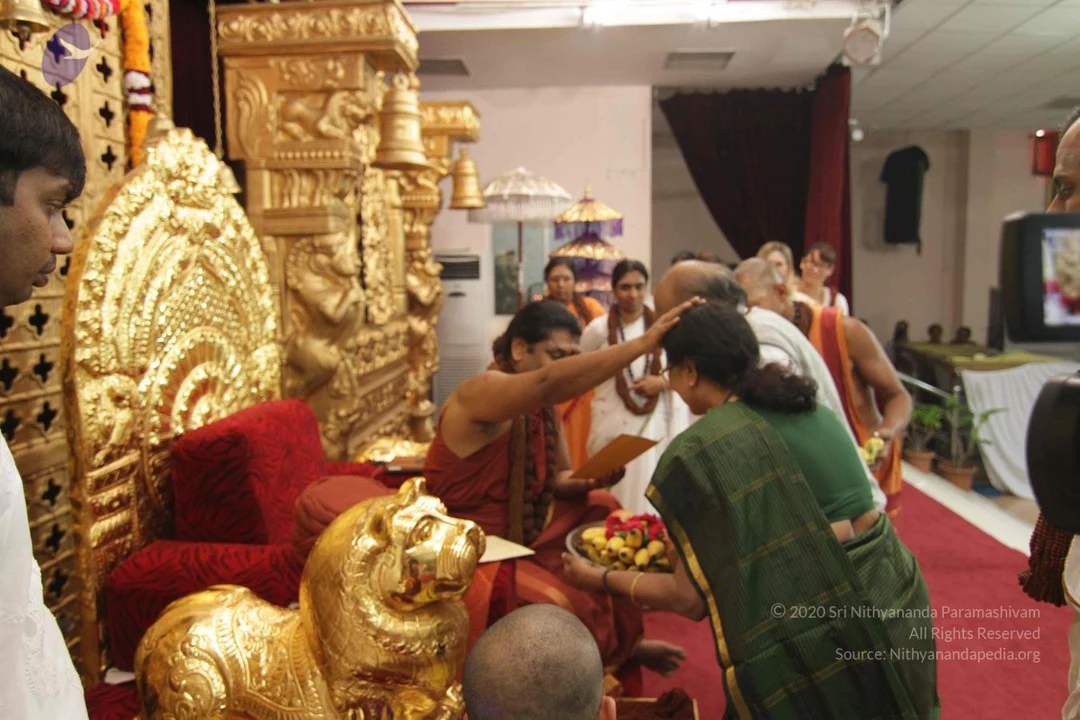
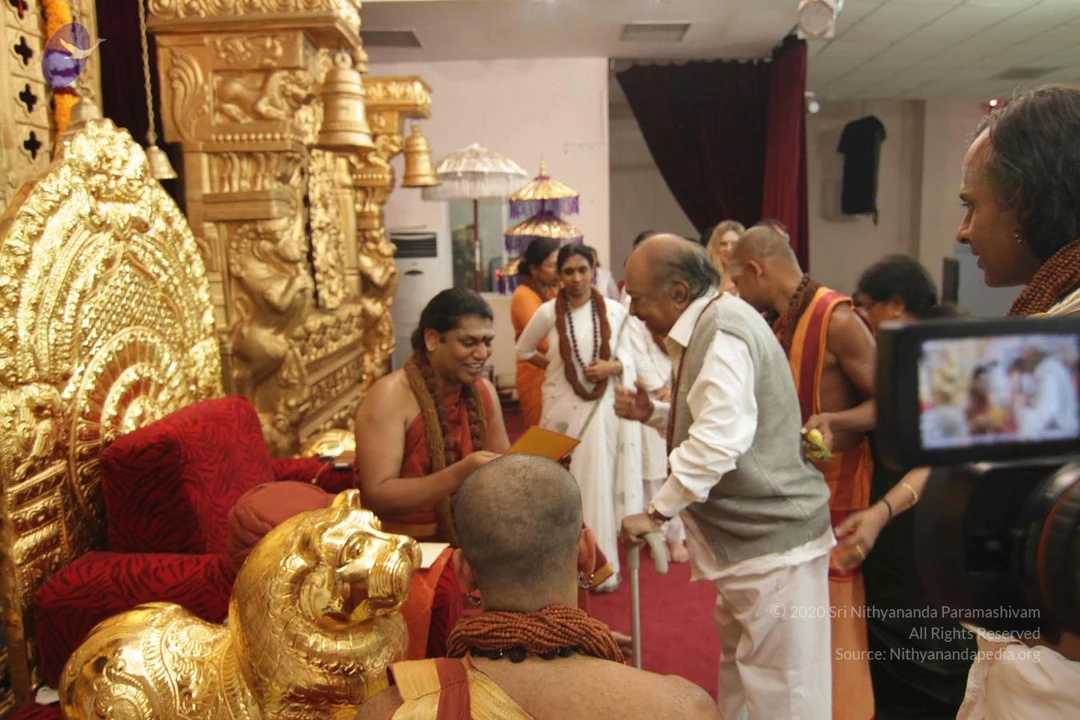
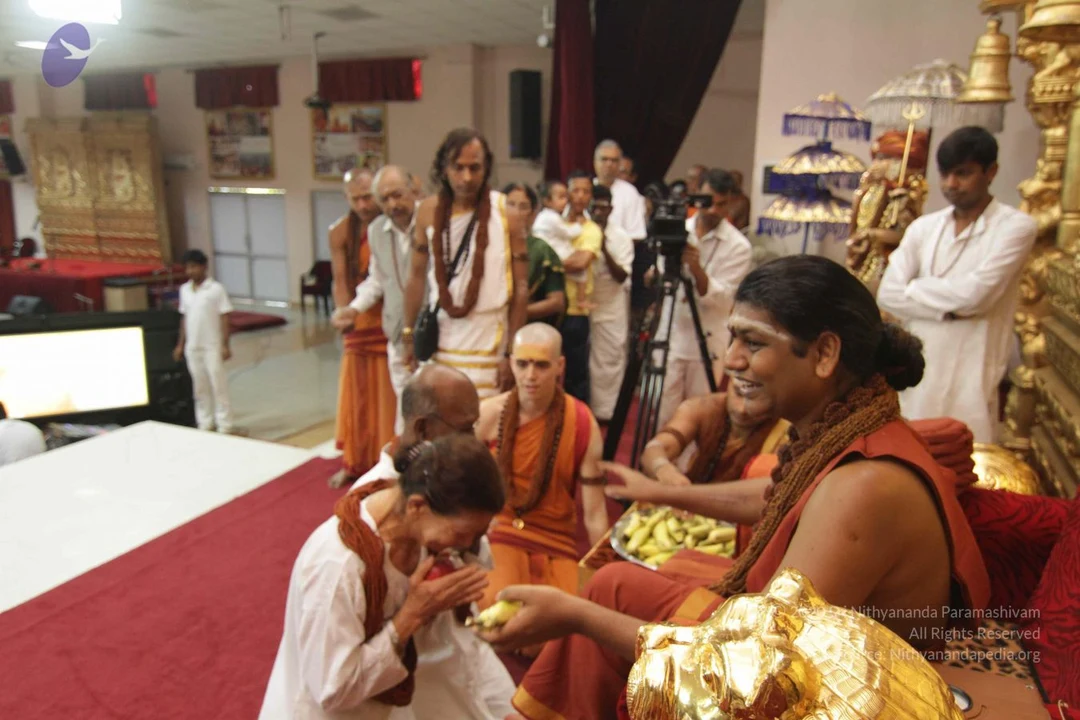
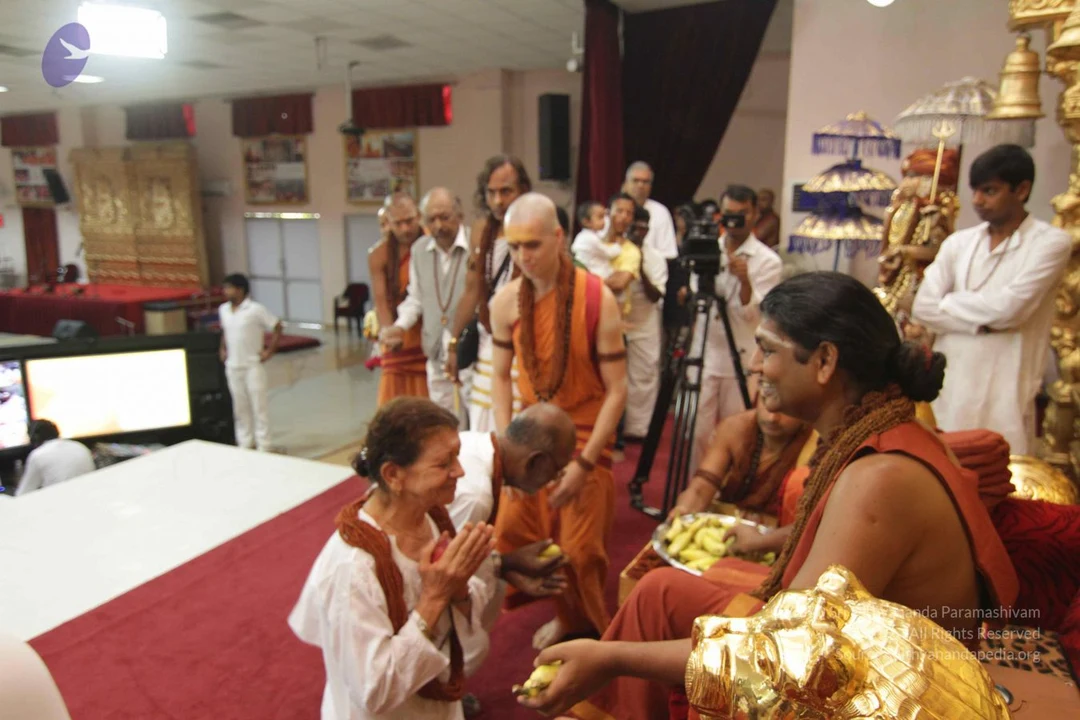
Photos Of The Day:
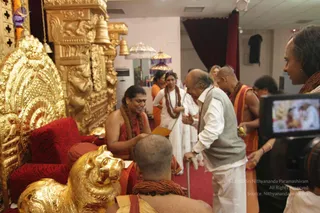
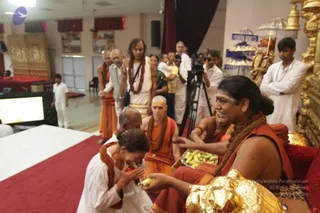
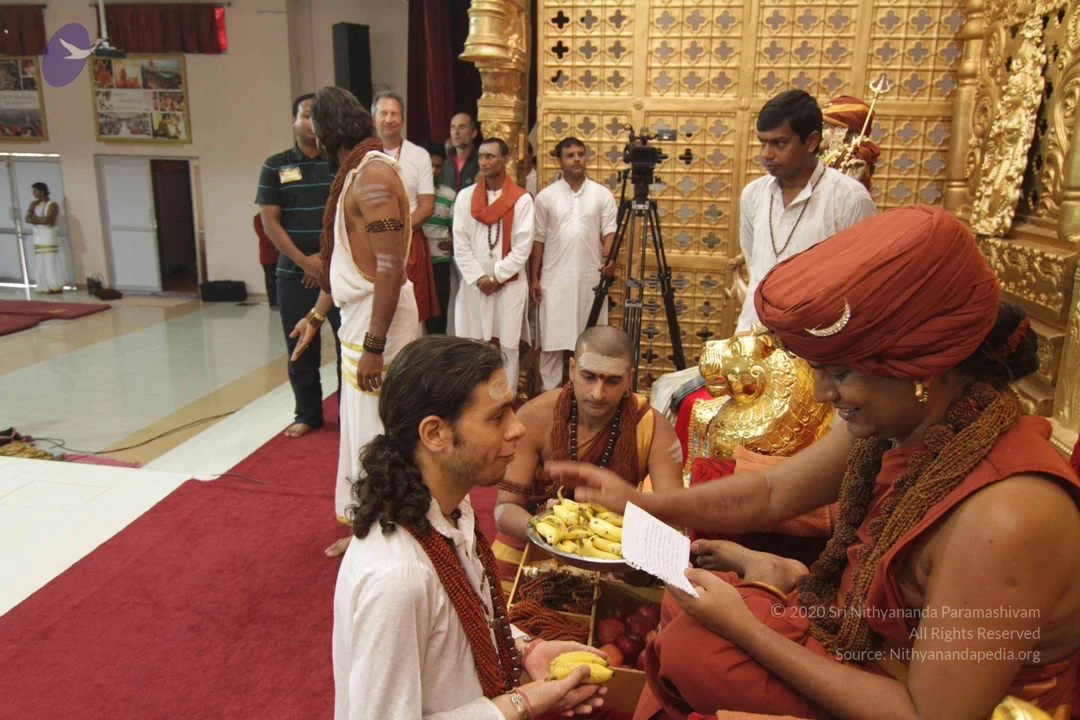
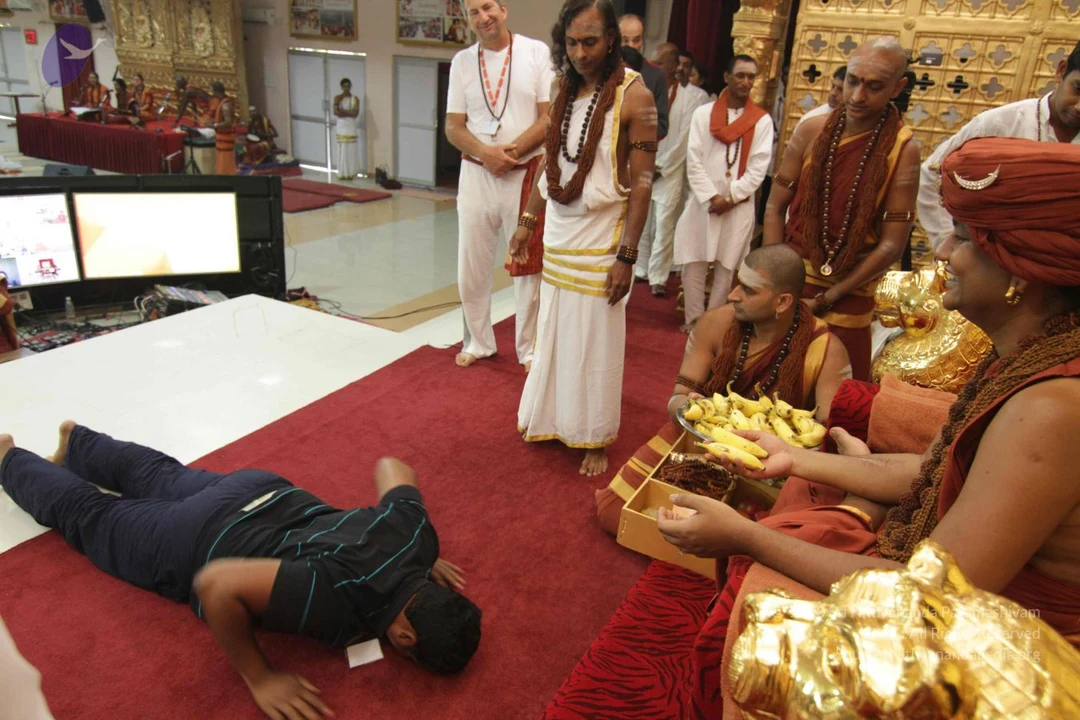
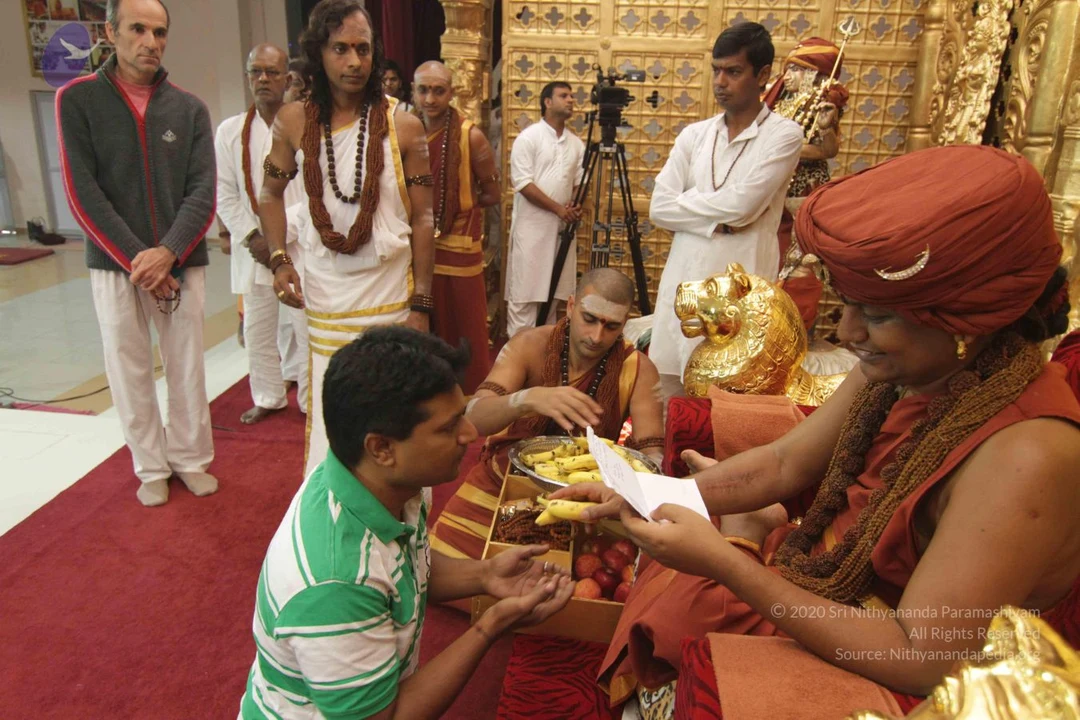
Puja
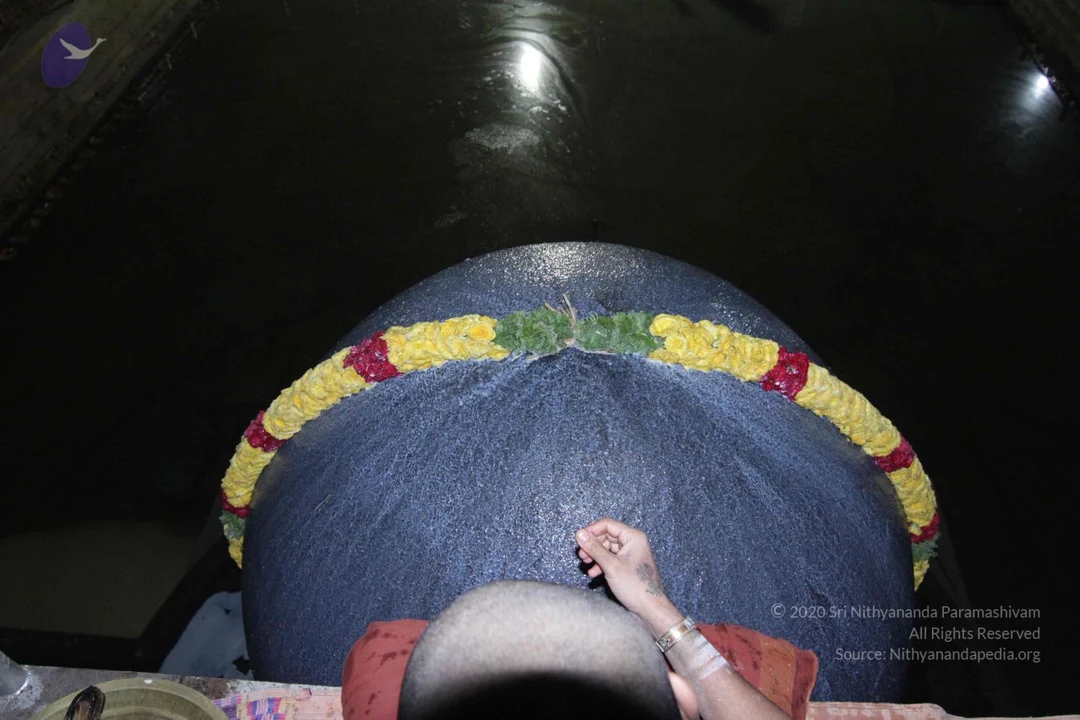
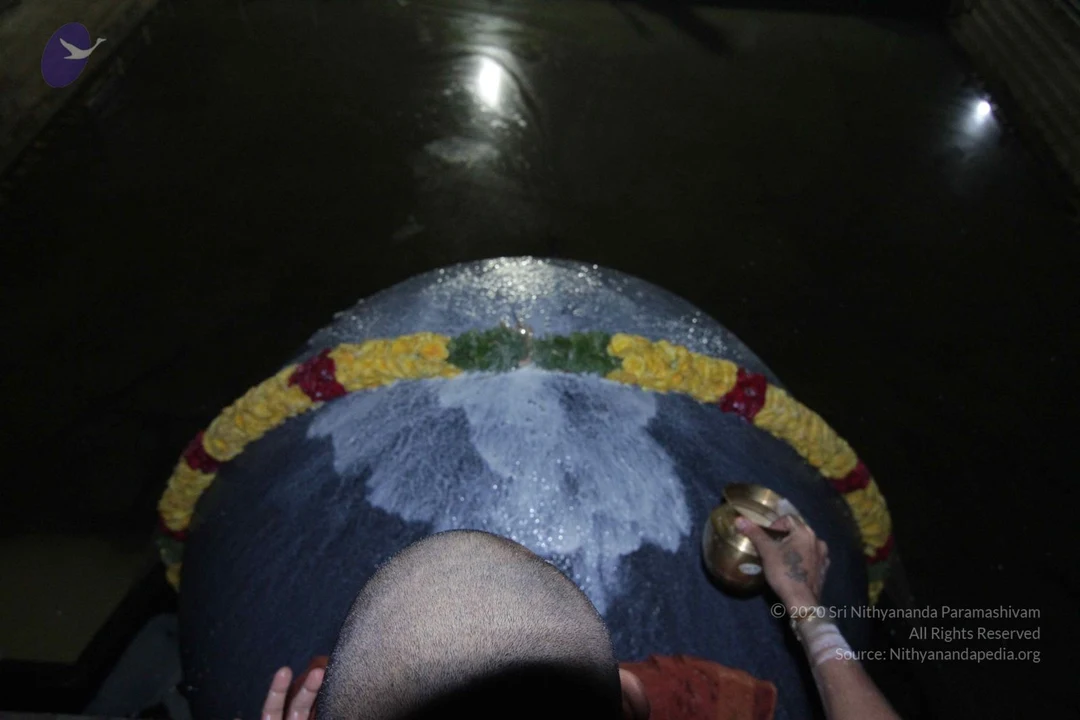
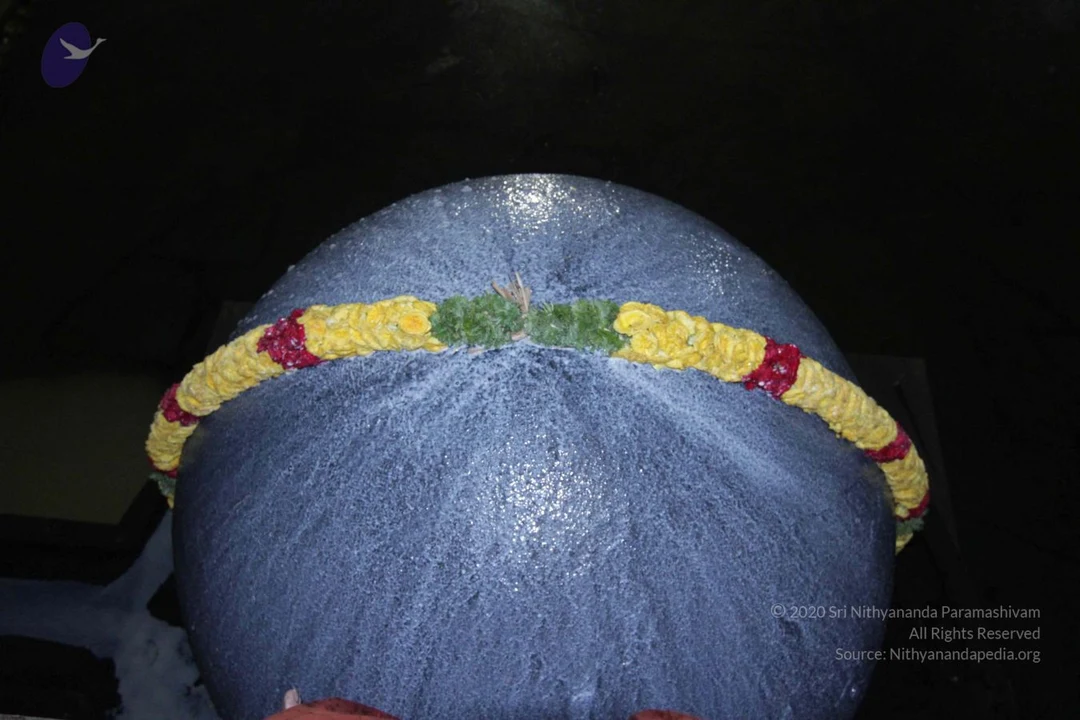
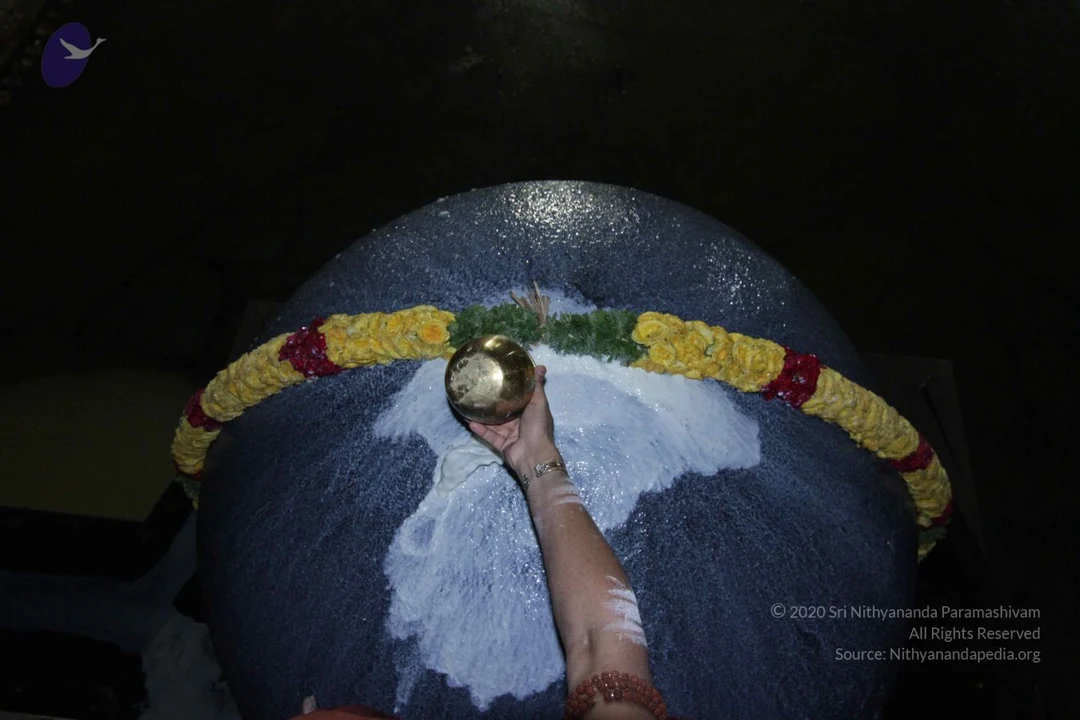
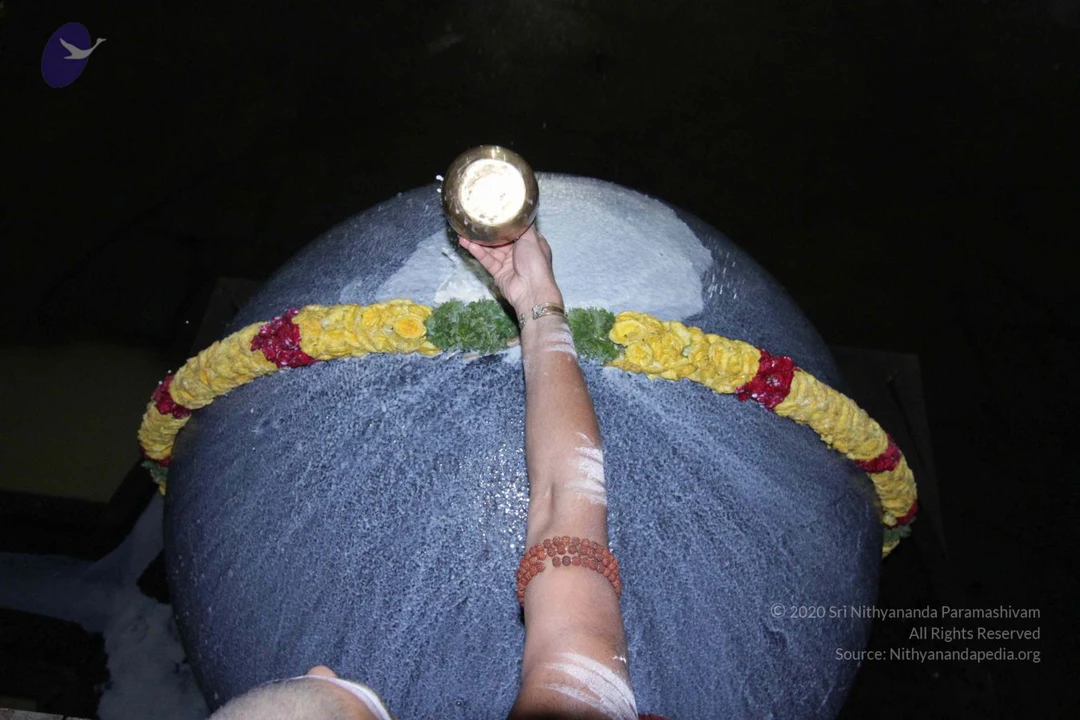
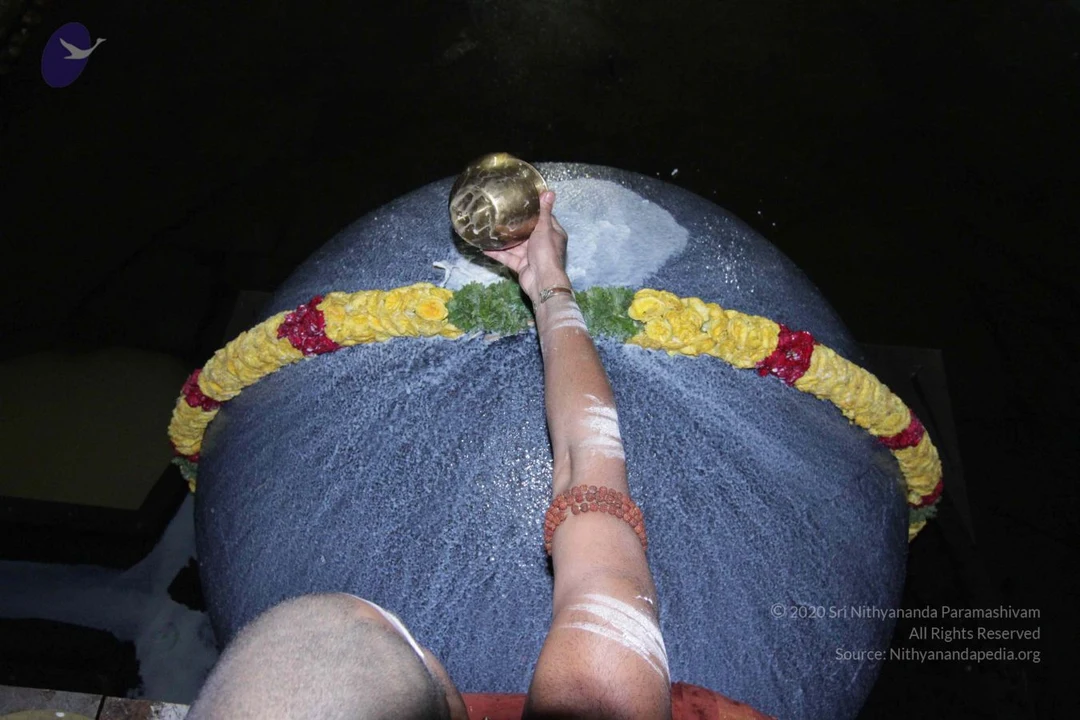
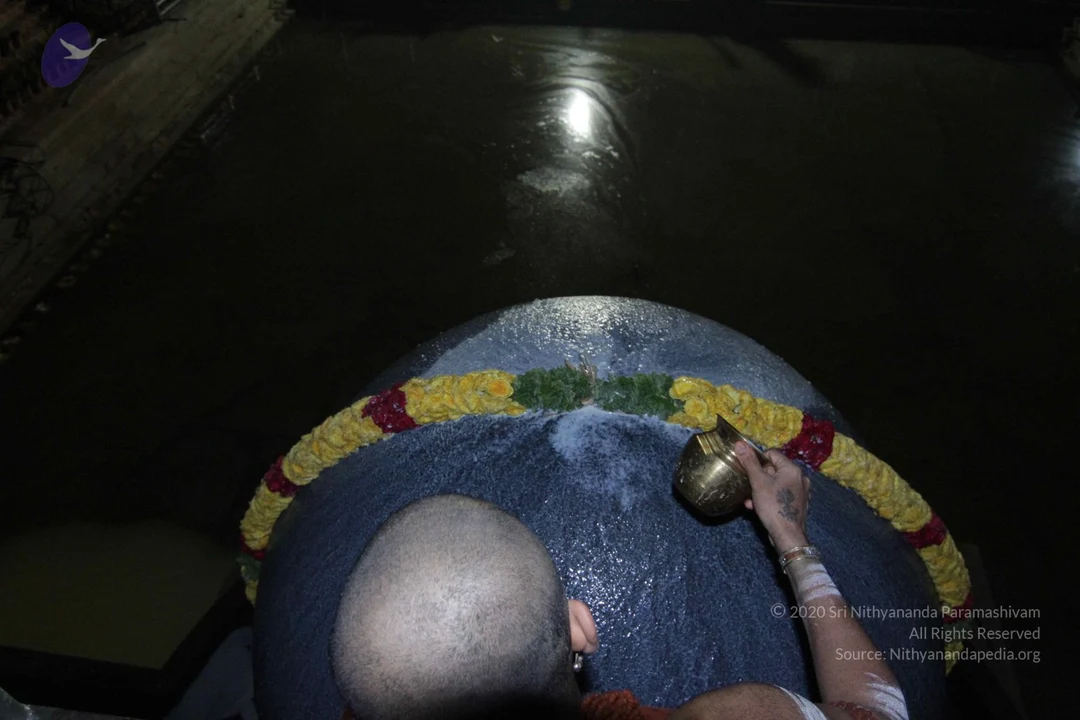
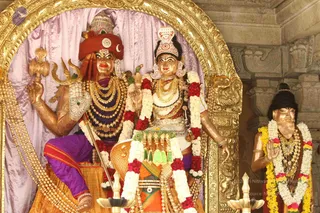
Temple
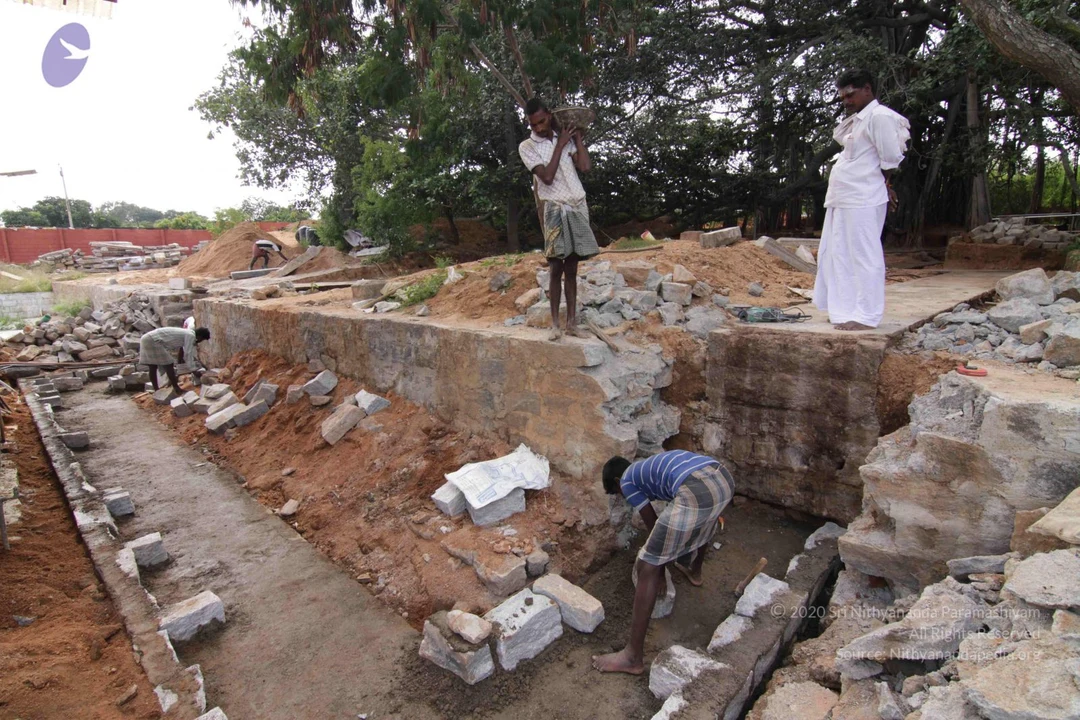
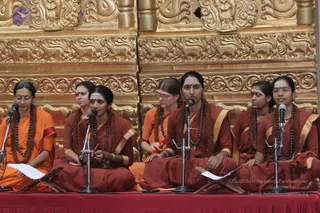
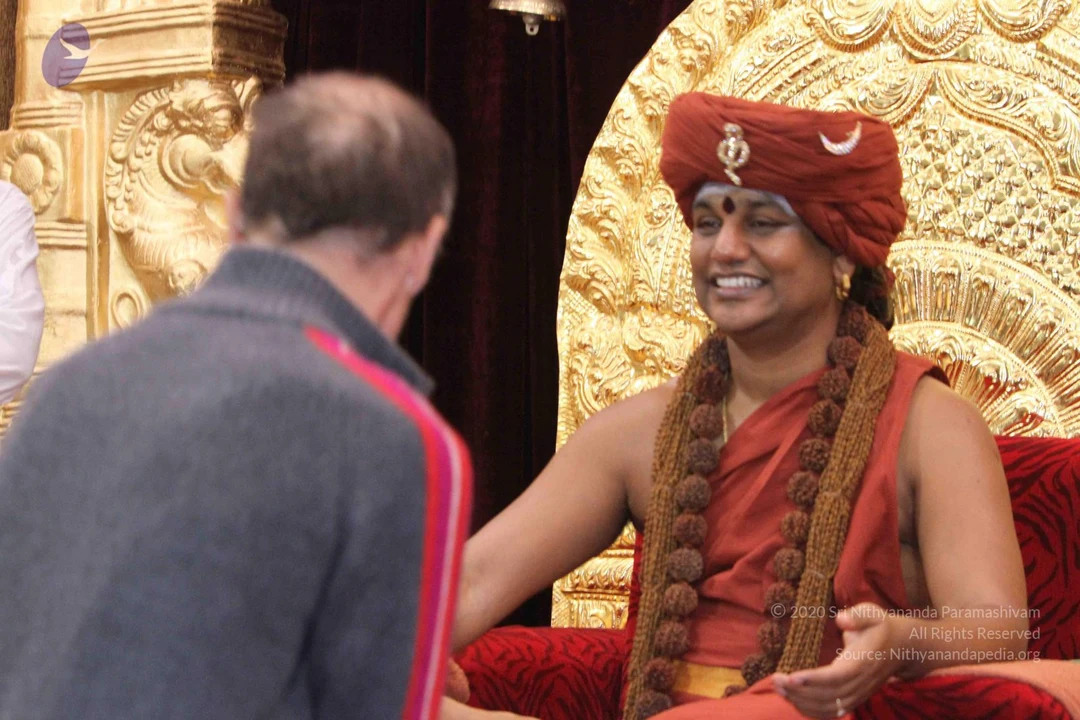
MorningSatsang
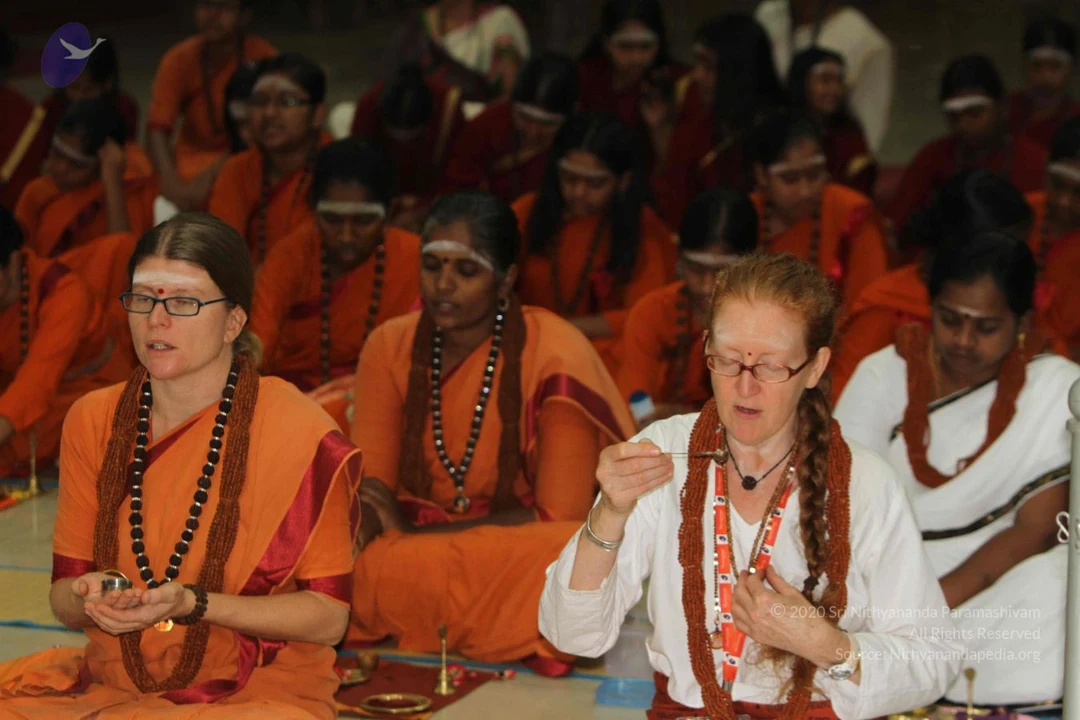
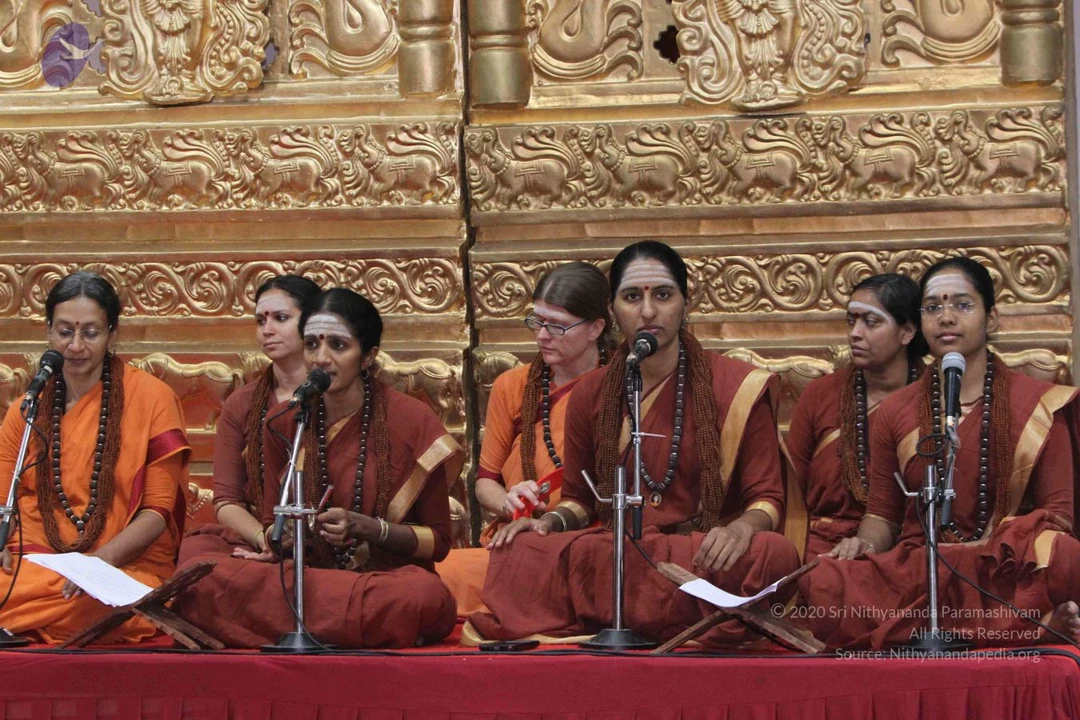
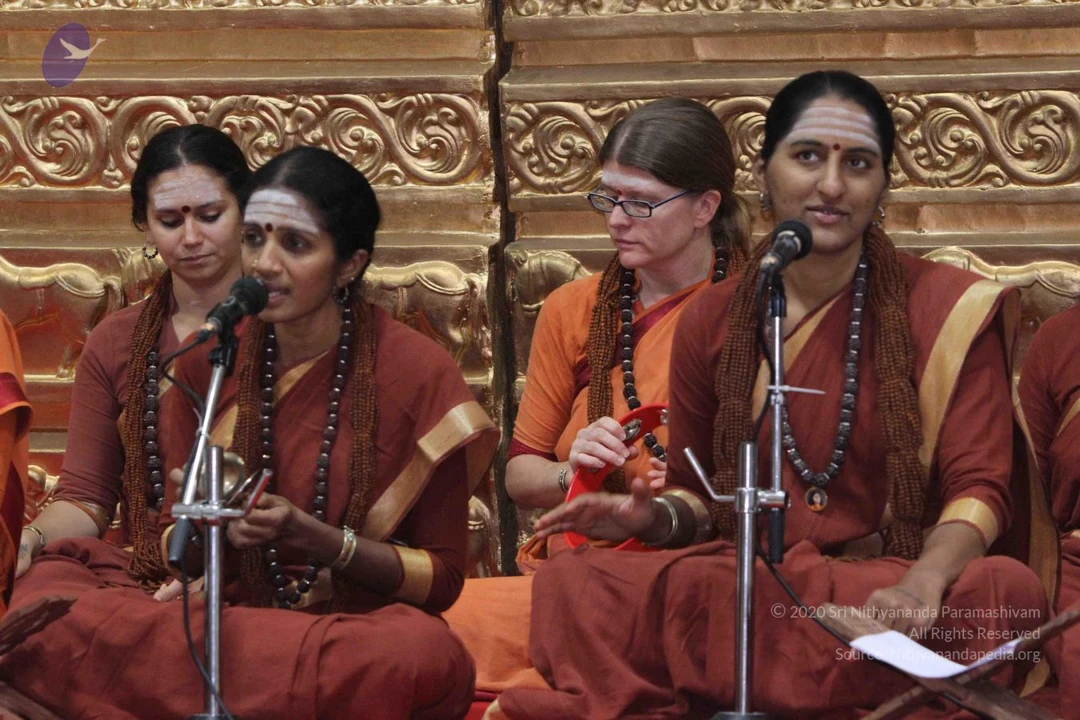
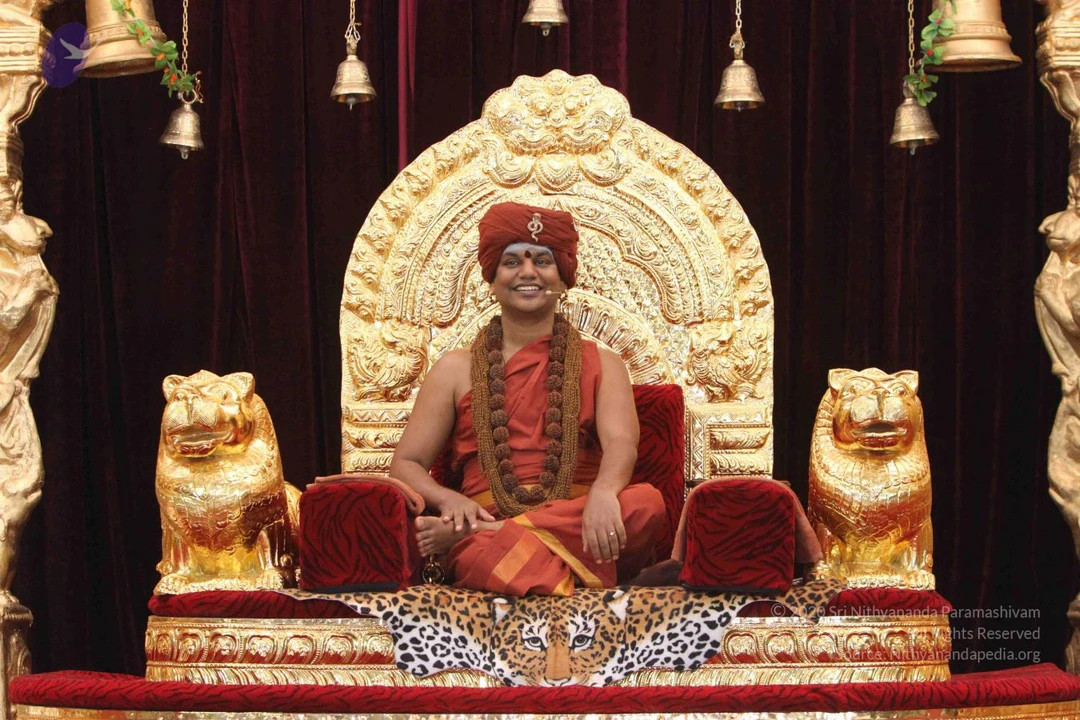
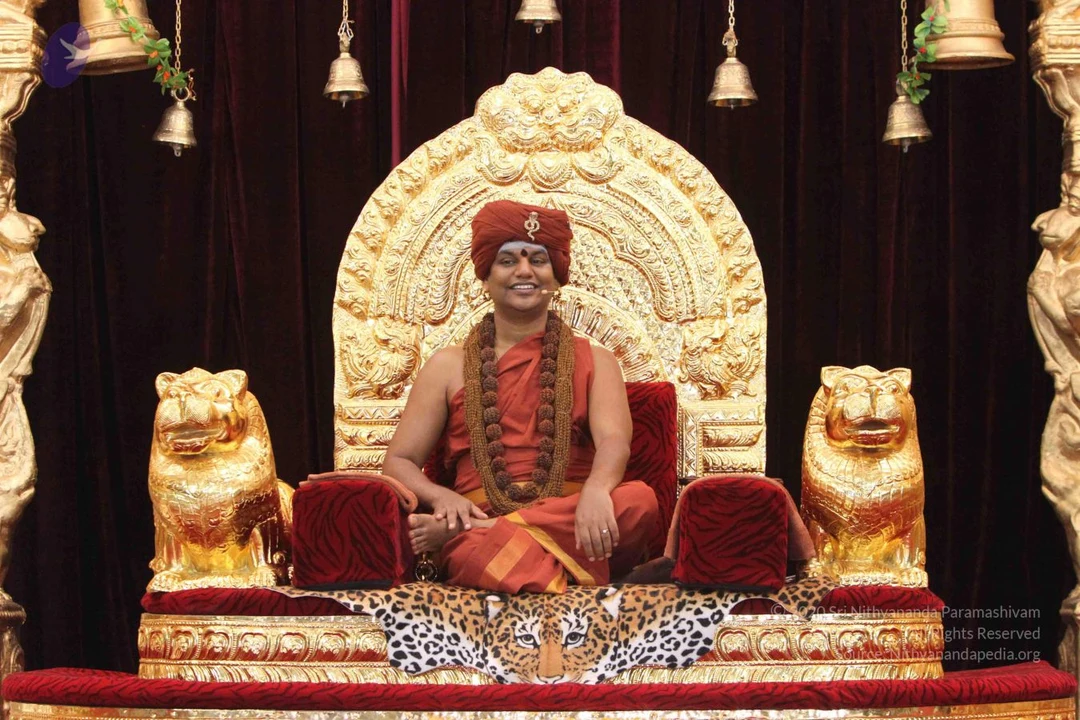
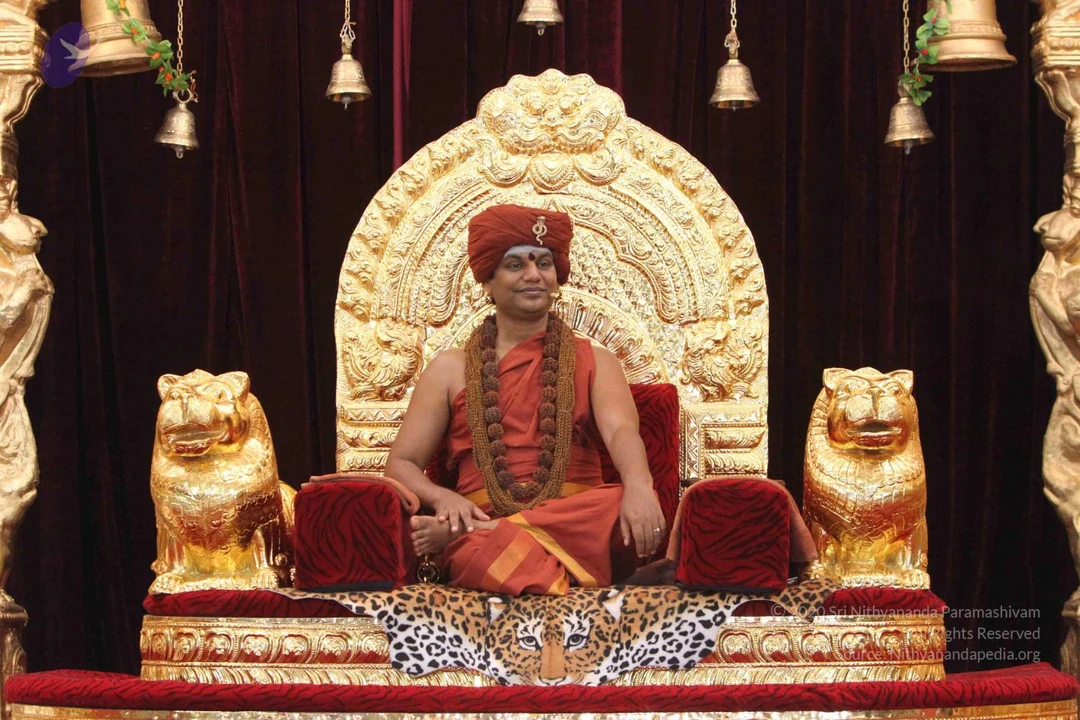
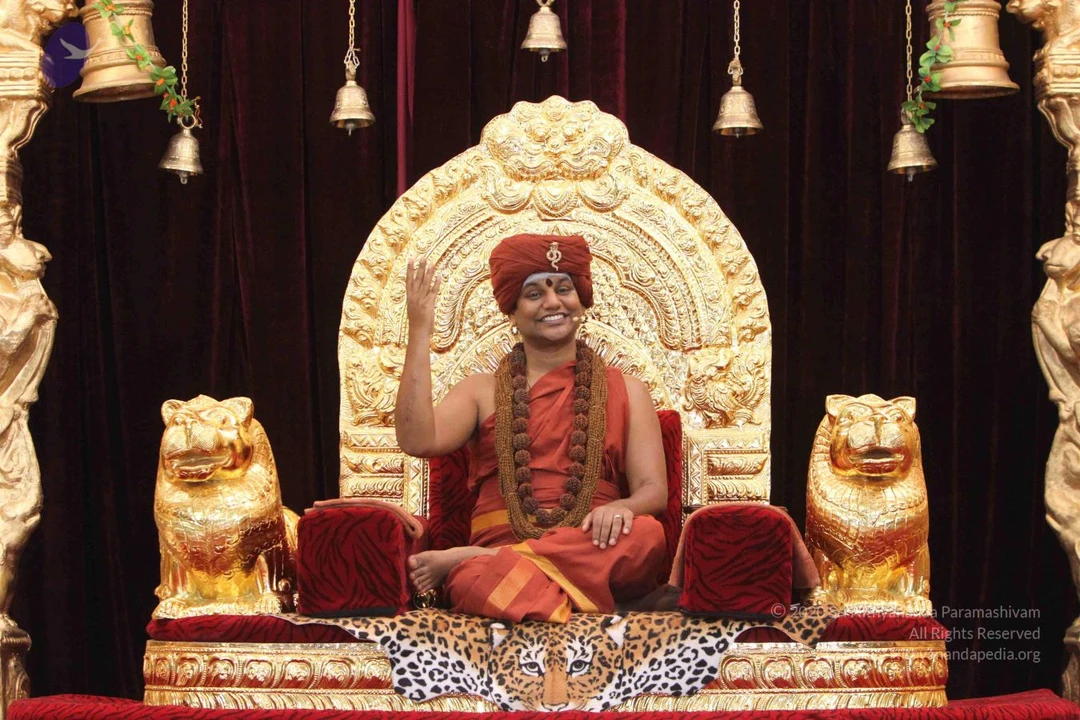
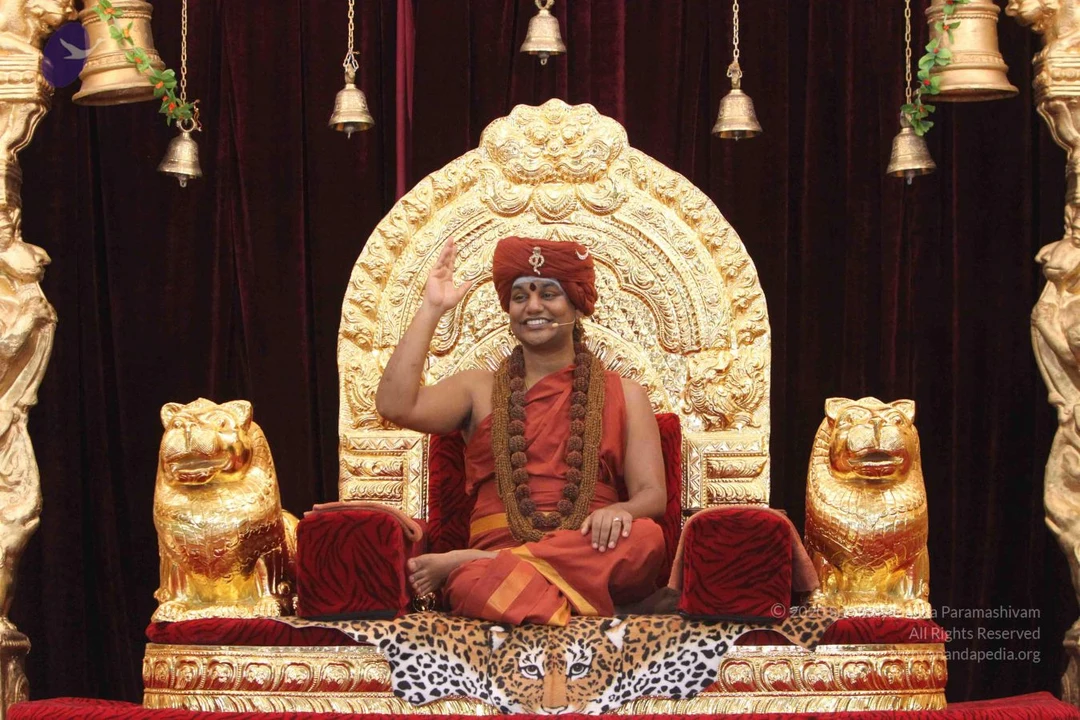
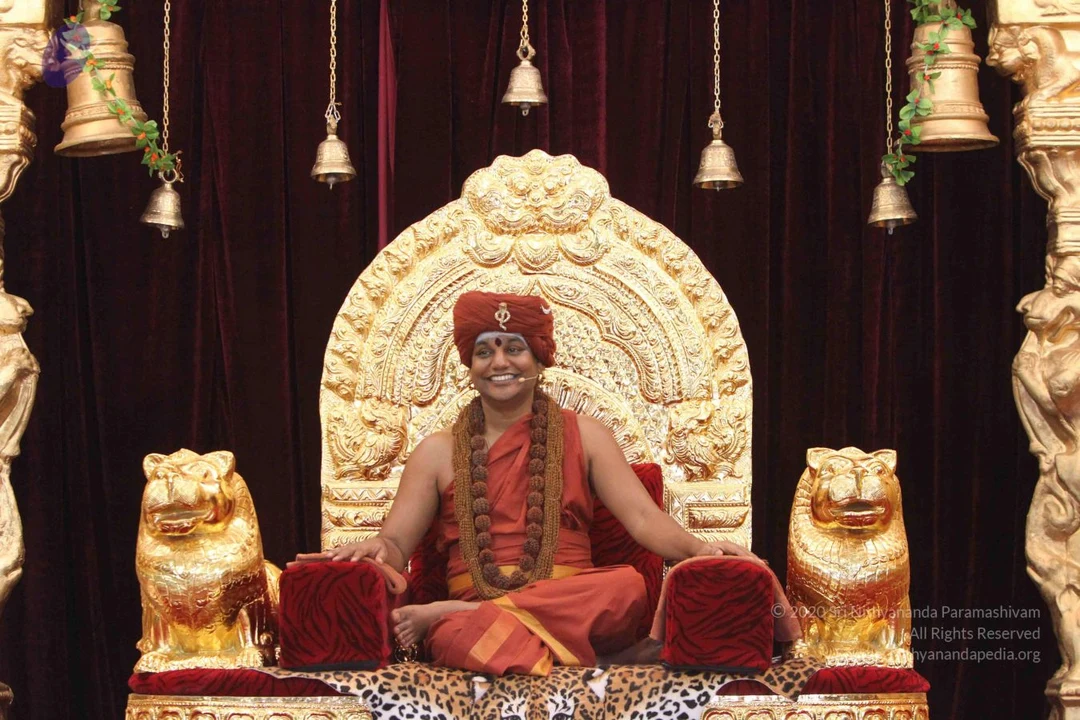
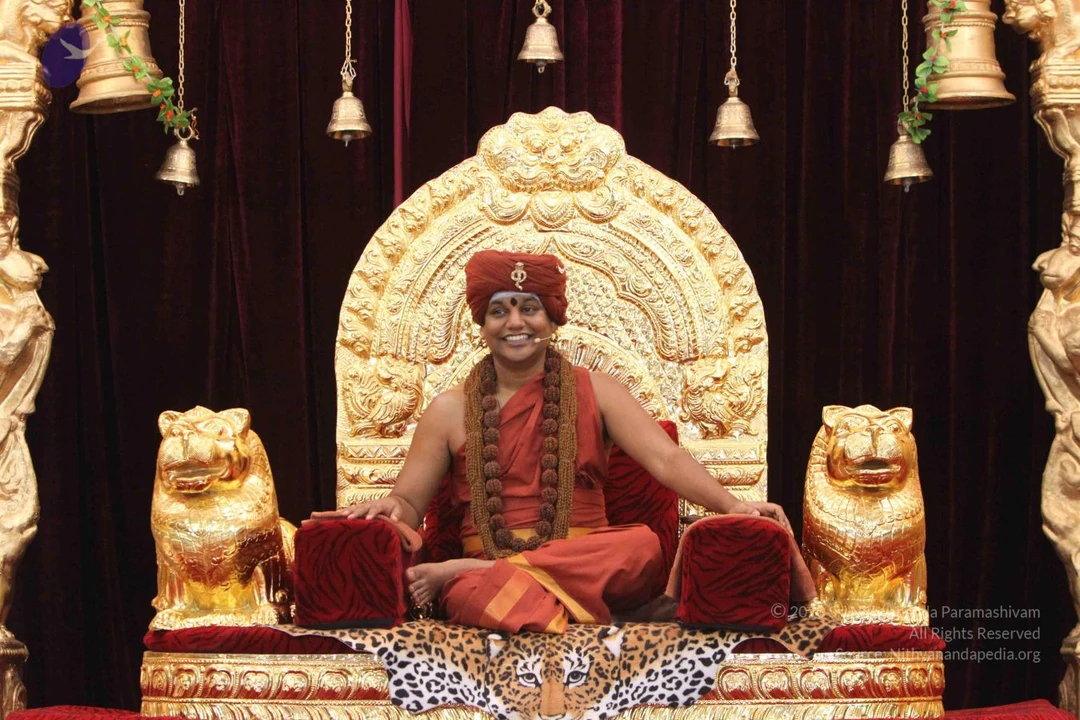
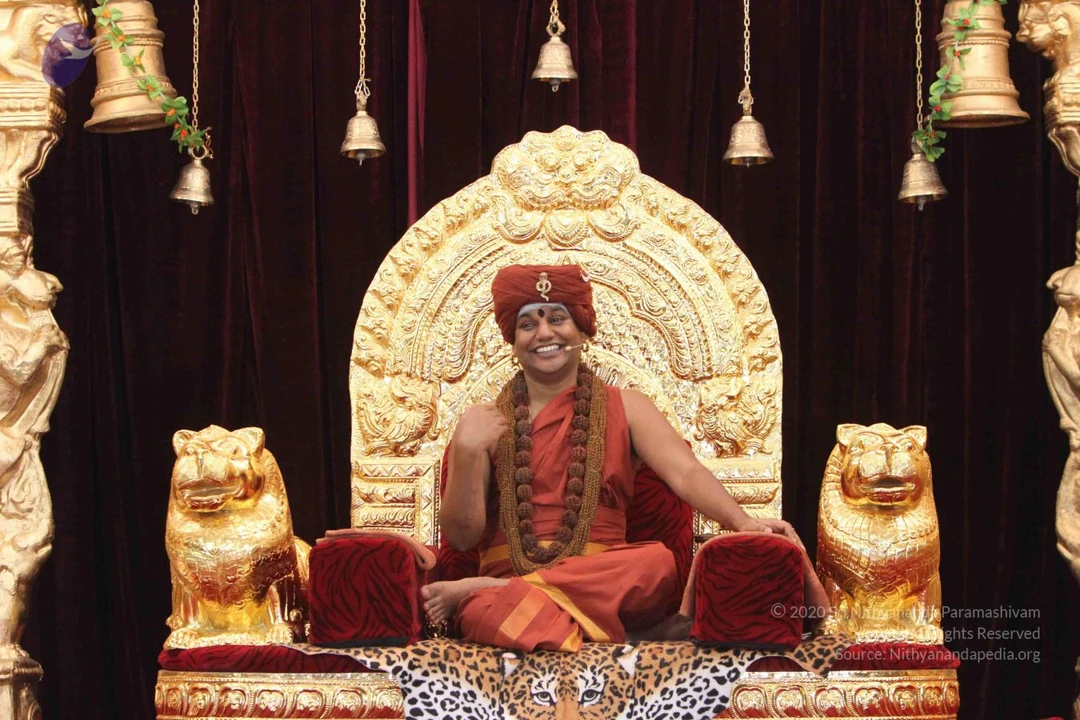
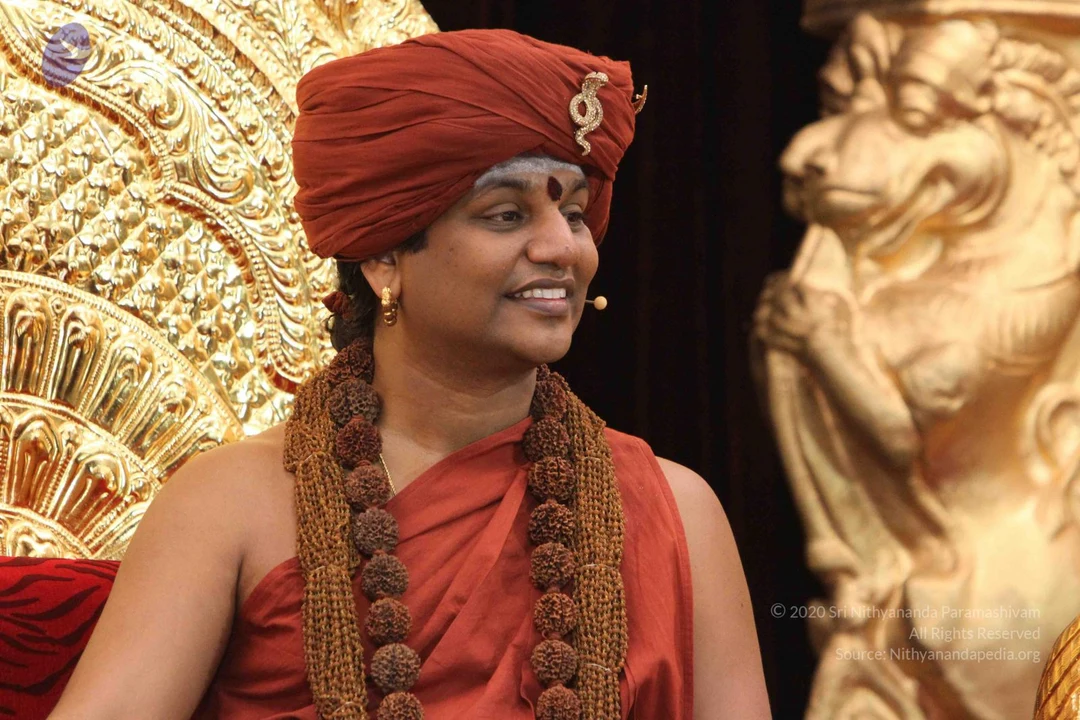
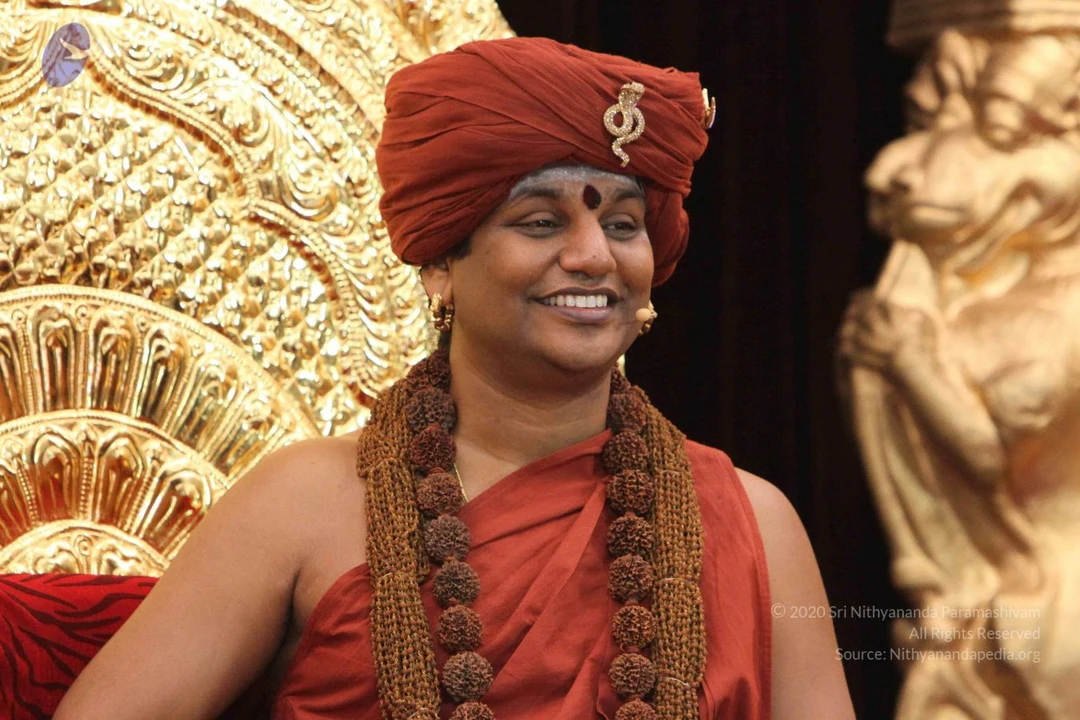
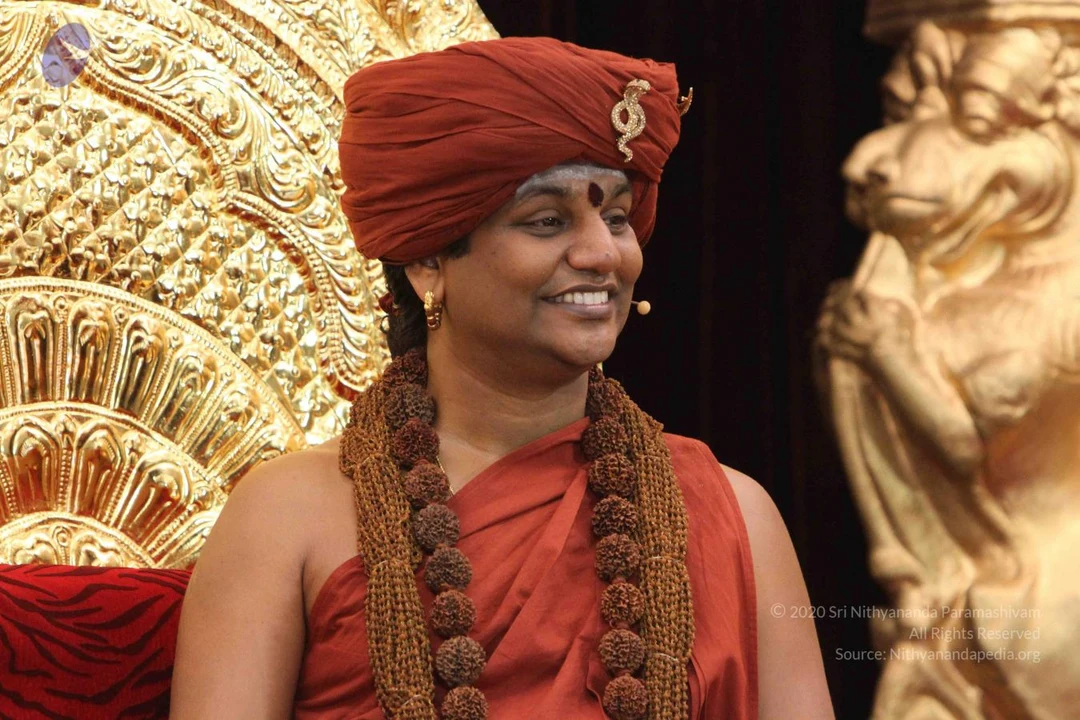
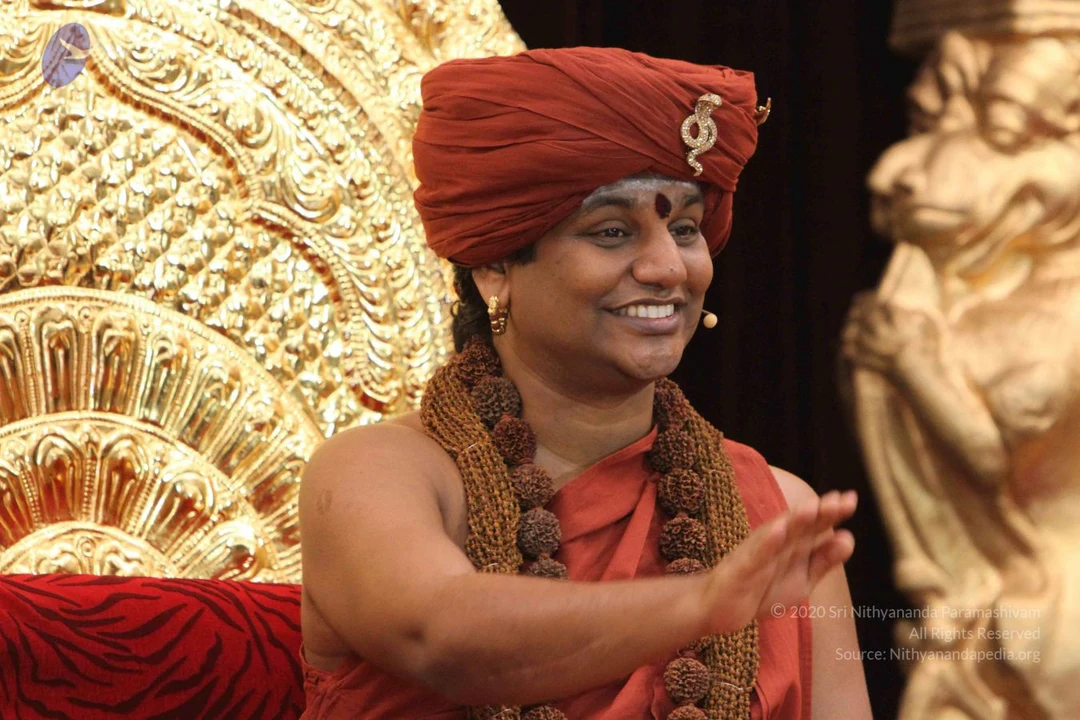
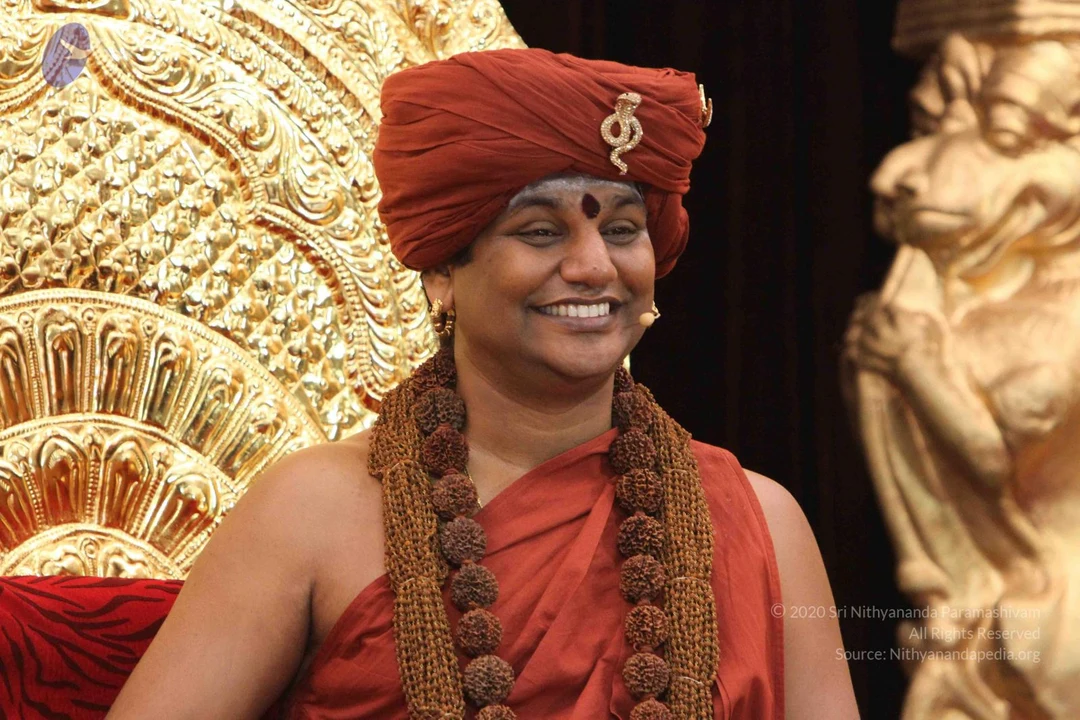
Darshan
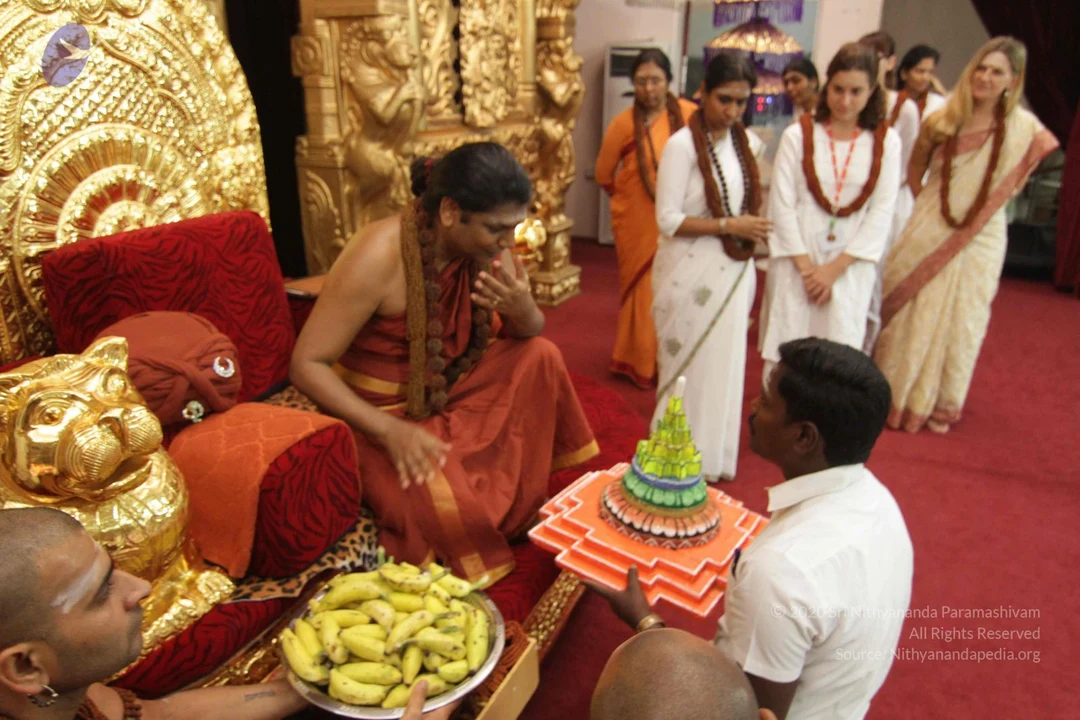

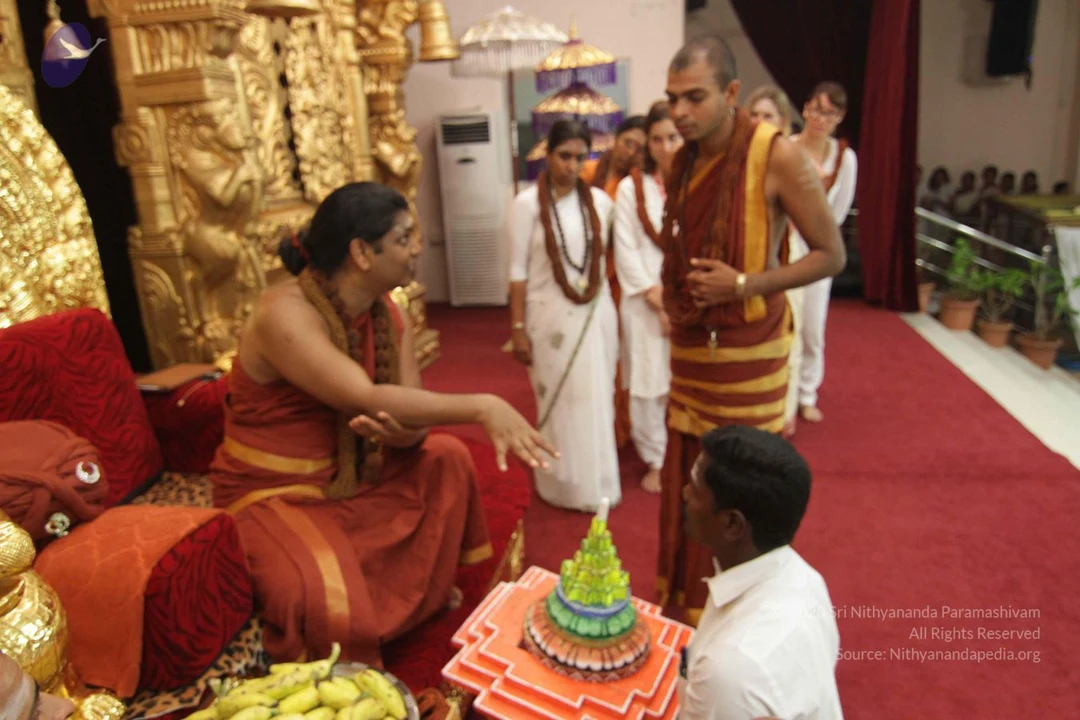
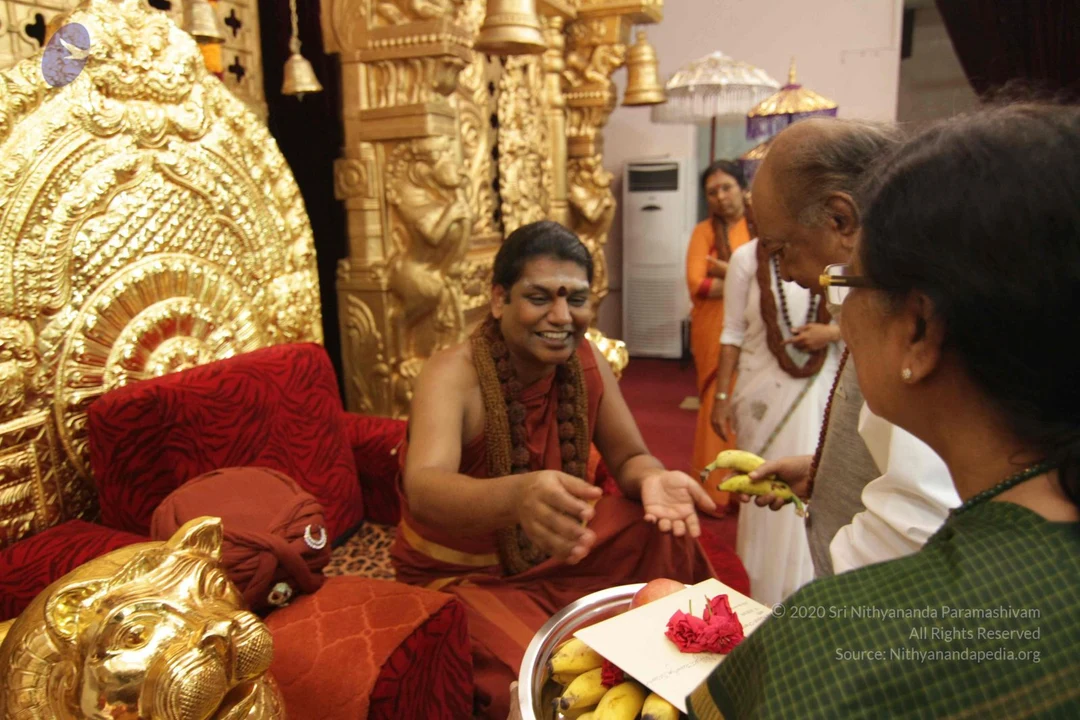


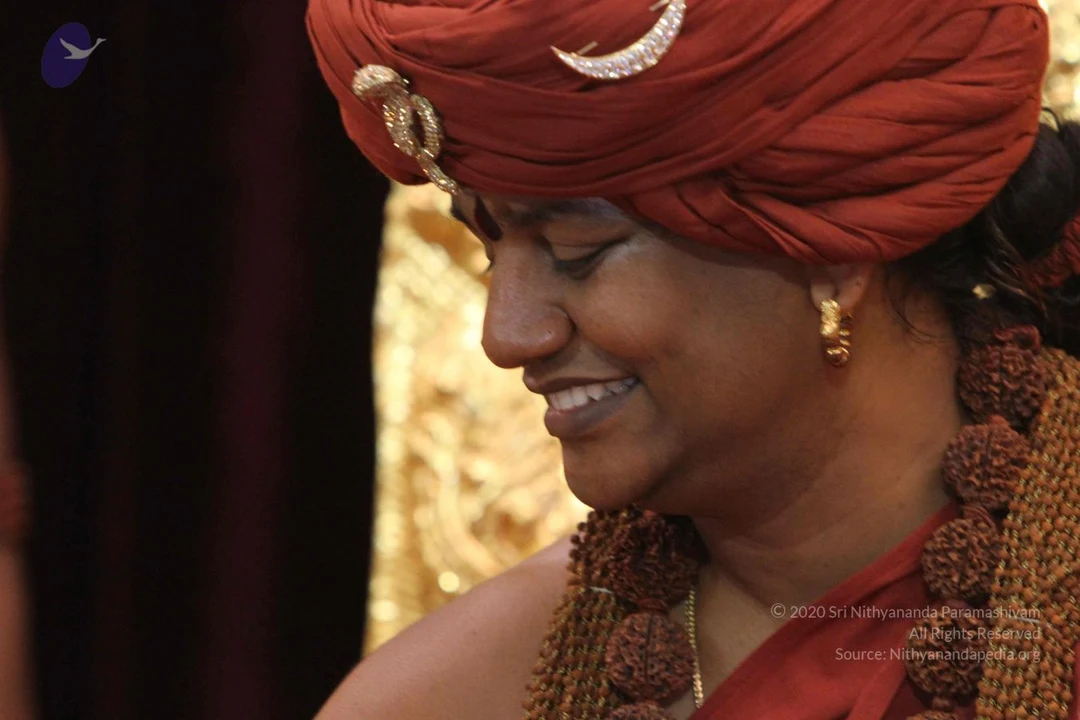
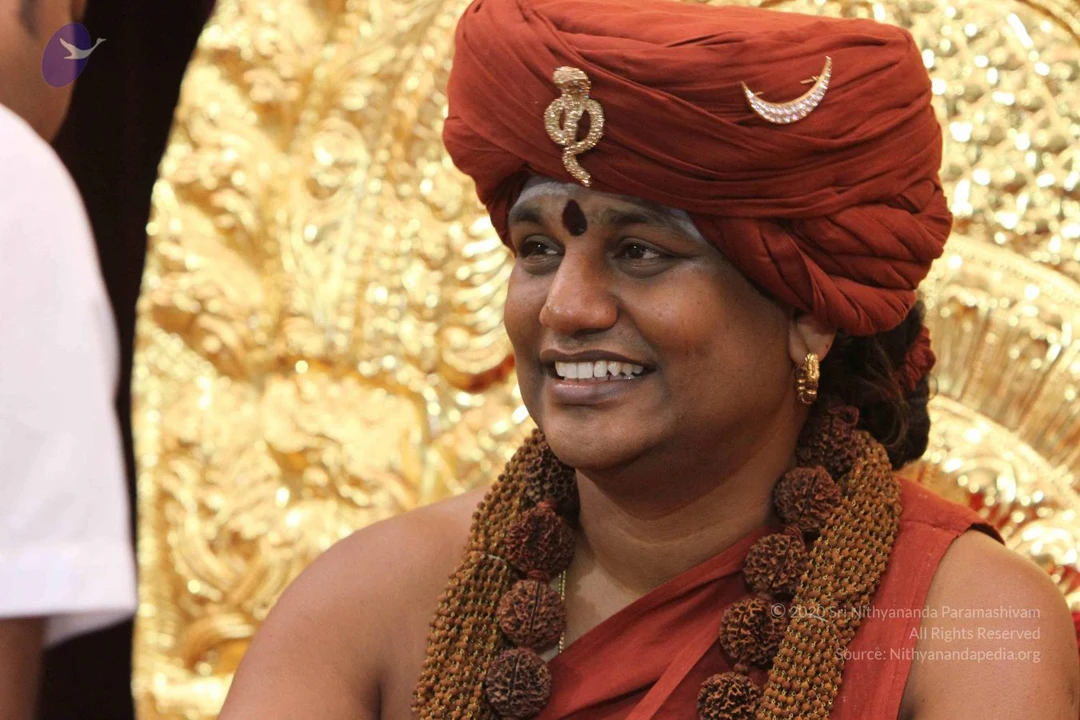
Photos from this day
View all 100 photosPuja
12 photosSource gallery
Temple
20 photosSource gallery

MorningSatsang
46 photosSource gallery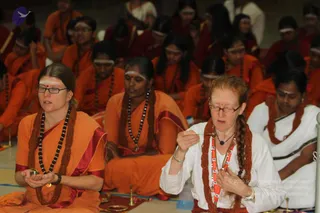
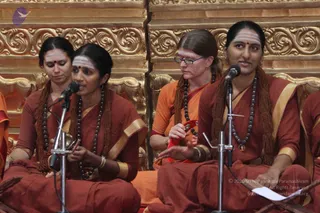
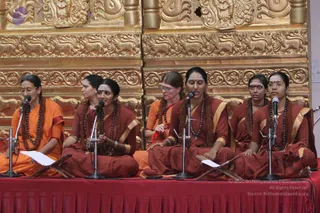
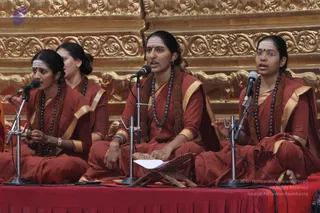
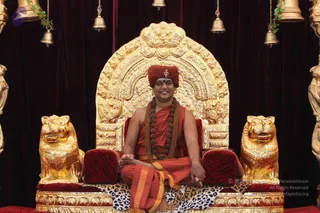
Darshan
22 photosSource gallery