Wednesday
18 November 2015
Aadhi Saivam Valviyal Neri (Tamil) ஆதி சைவம் வாழ்வியல் நெறி Day 03
- Dated photos
- 567
- Source pages
- 1
- Media
- 3
November 18 2015
Original wiki pageTitle:
Aadhi Saivam Valviyal Neri (Tamil) ஆதி சைவம் வாழ்வியல் நெறி Day 03
Description
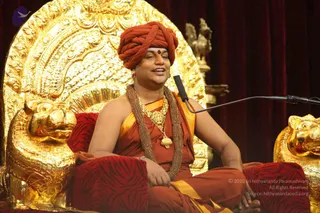
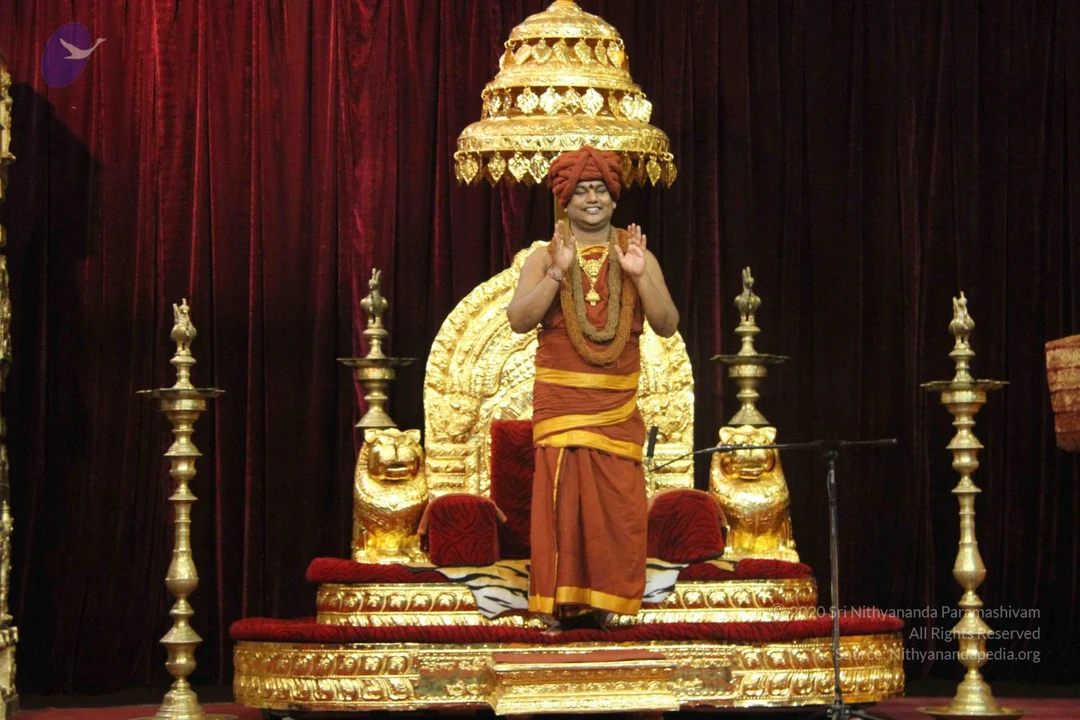
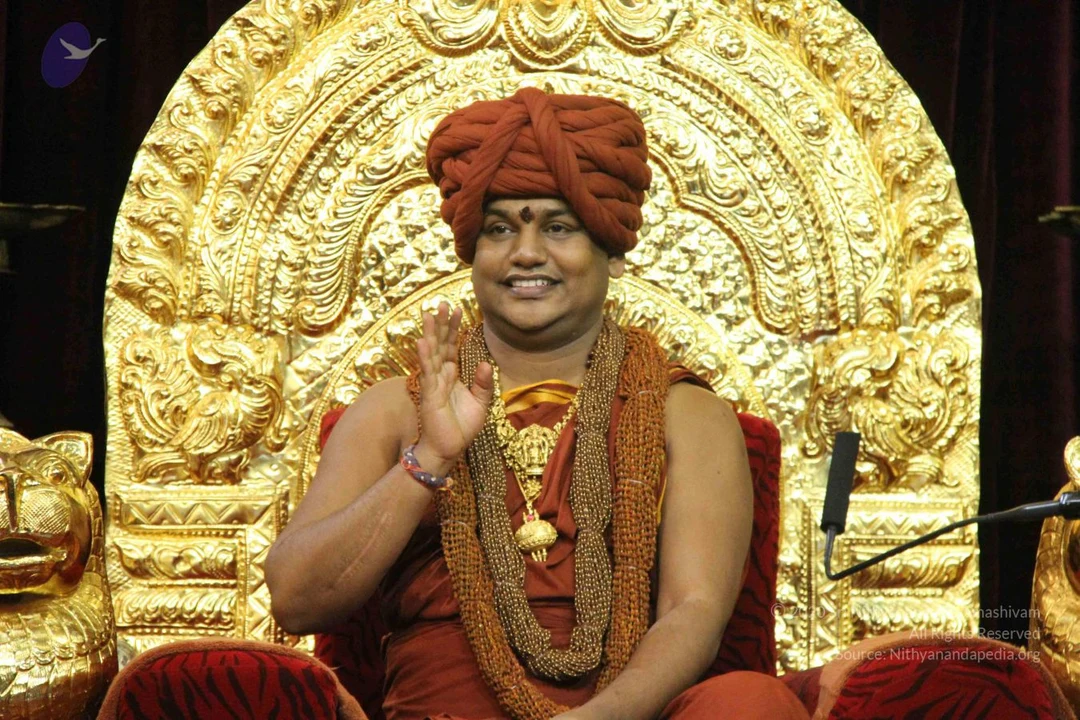
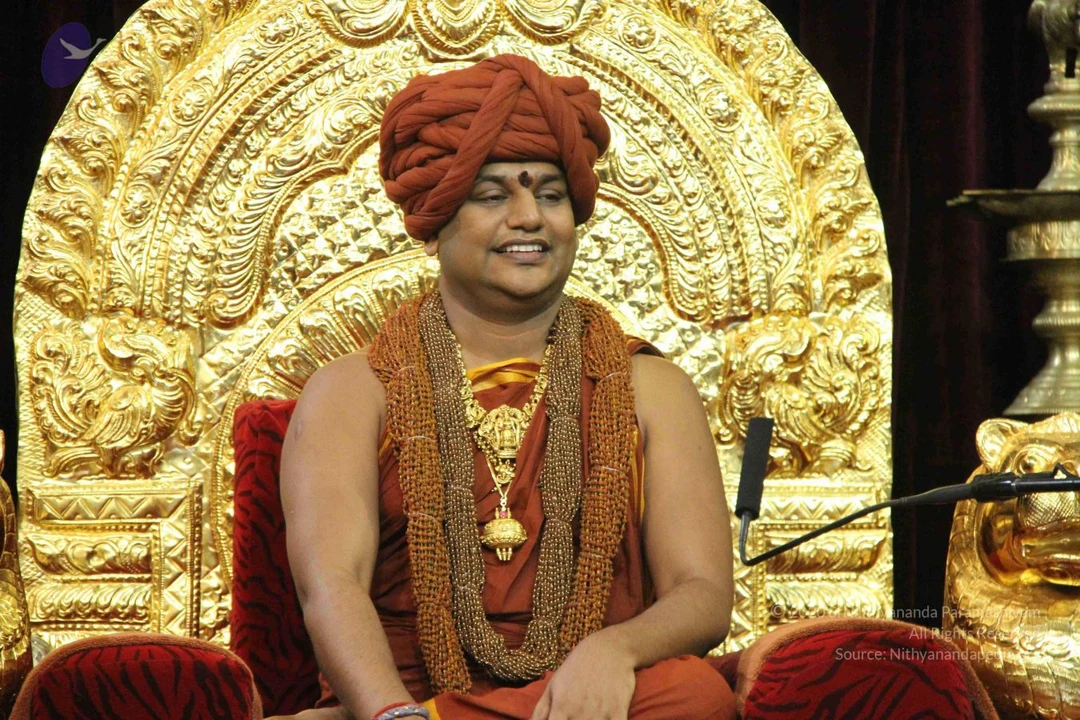
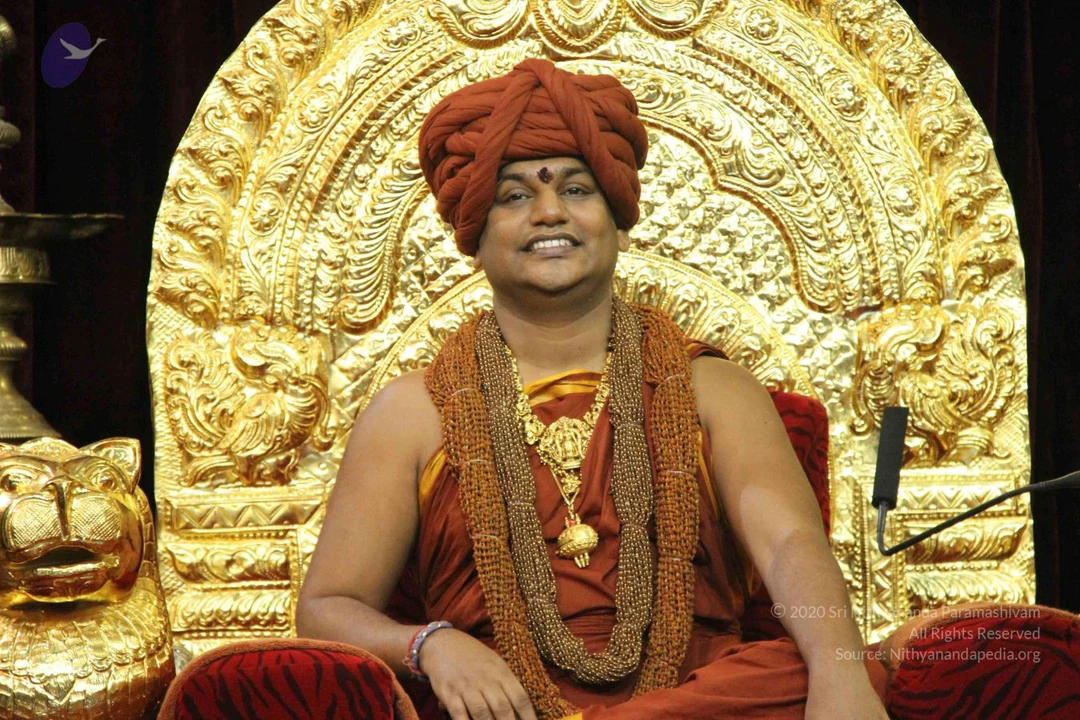
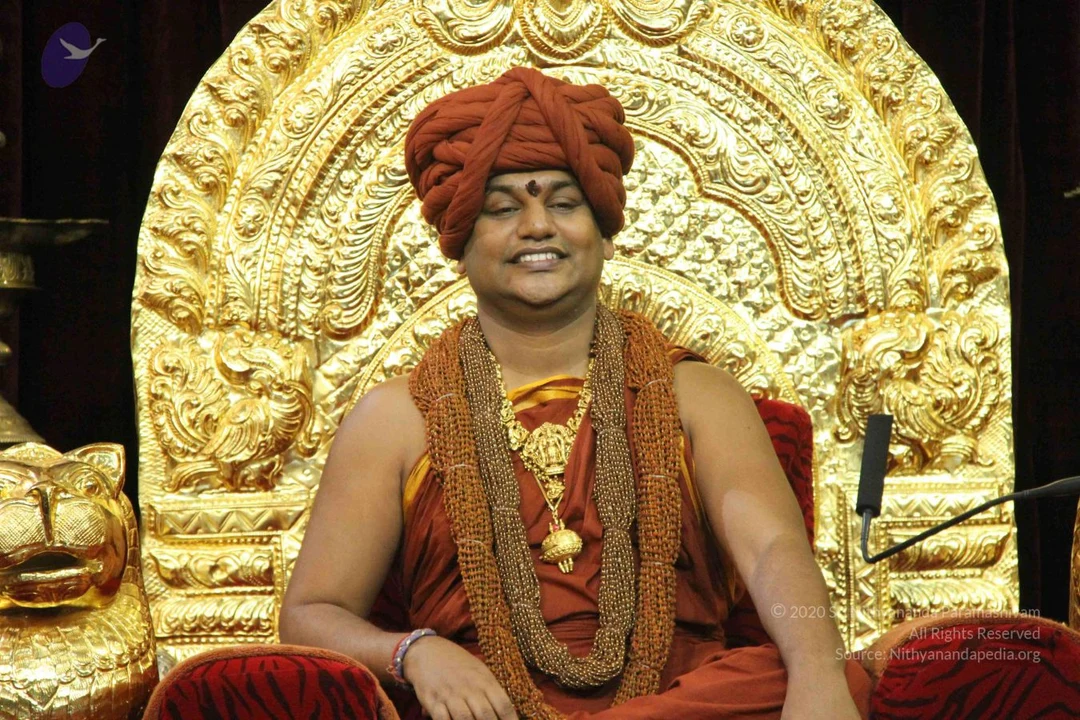
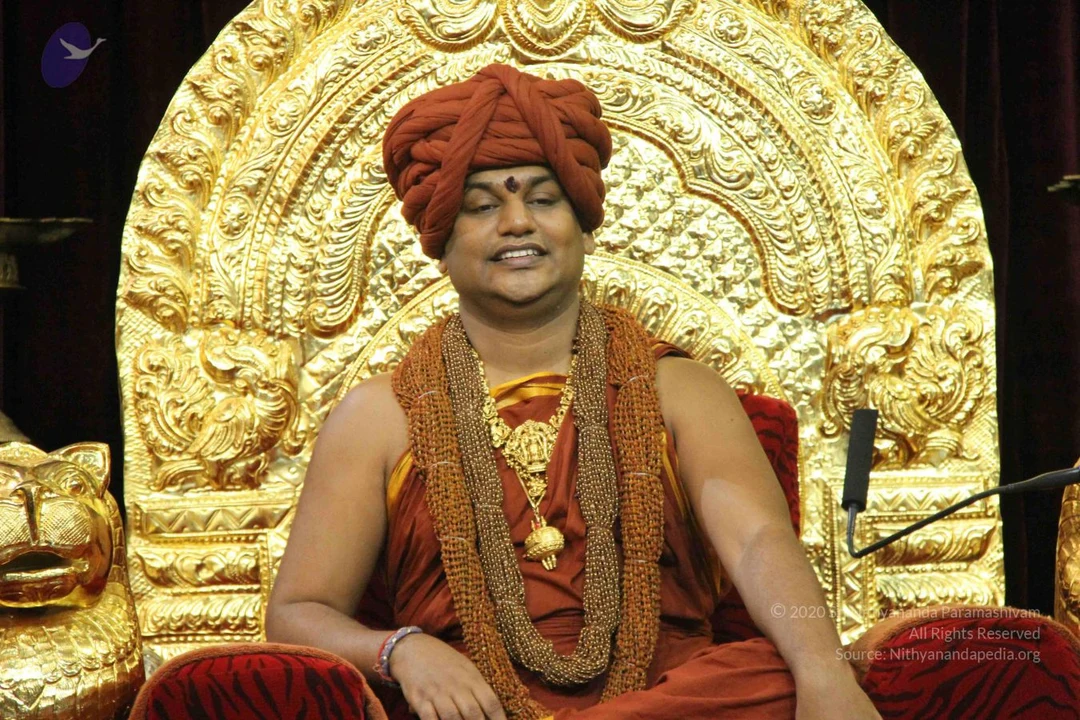
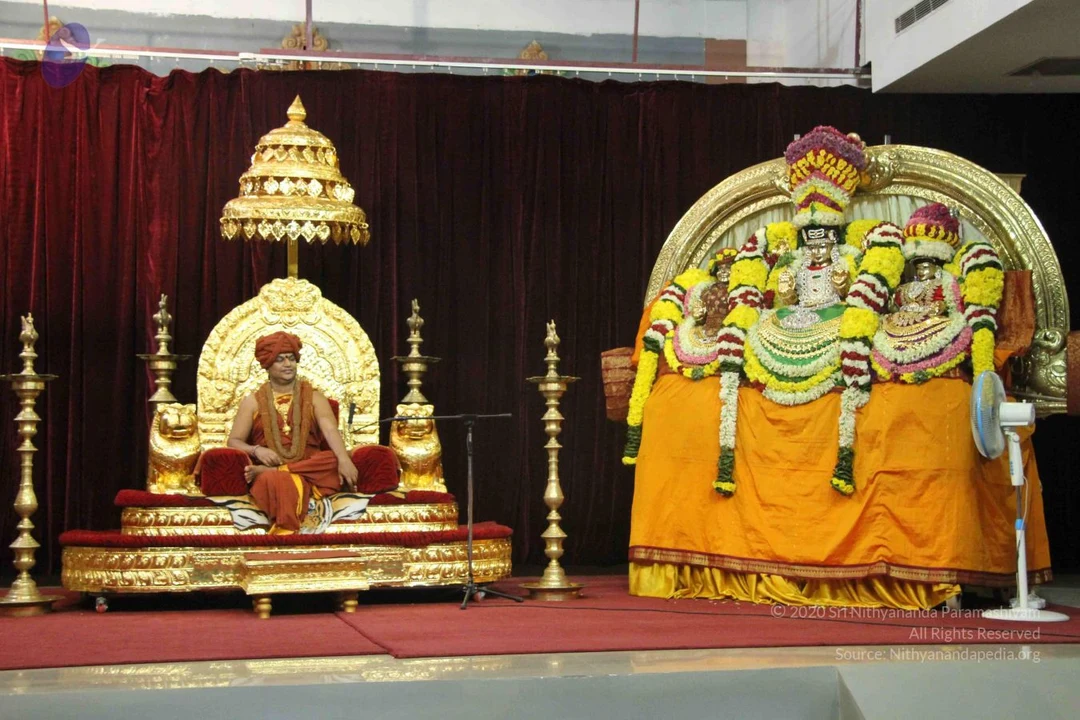
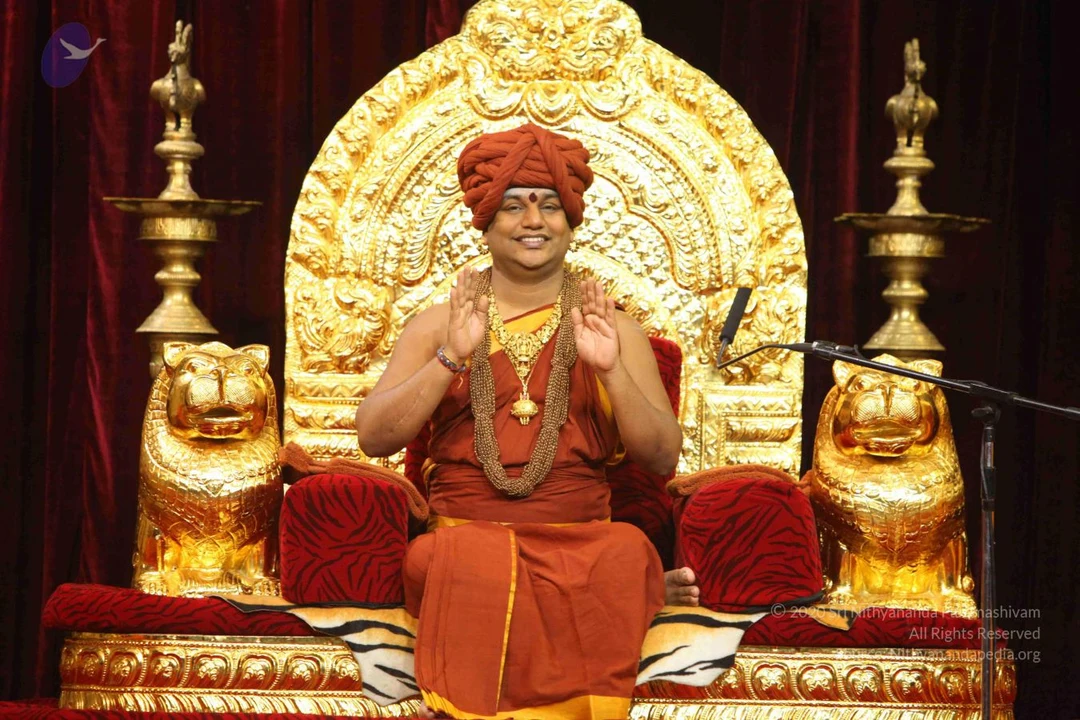
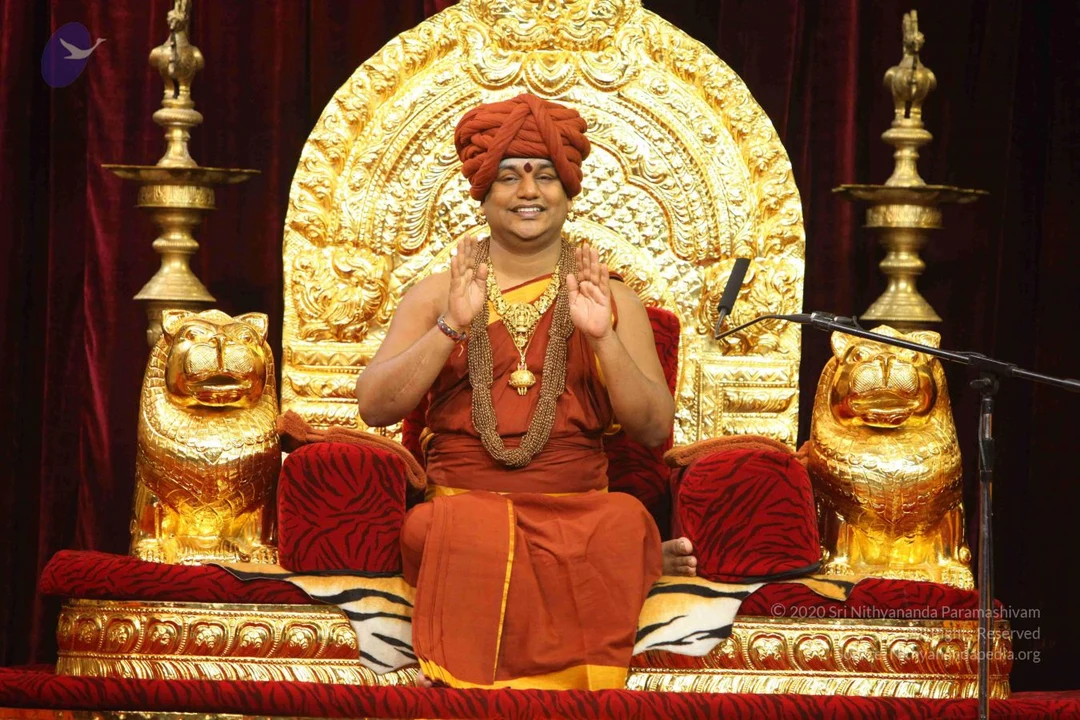
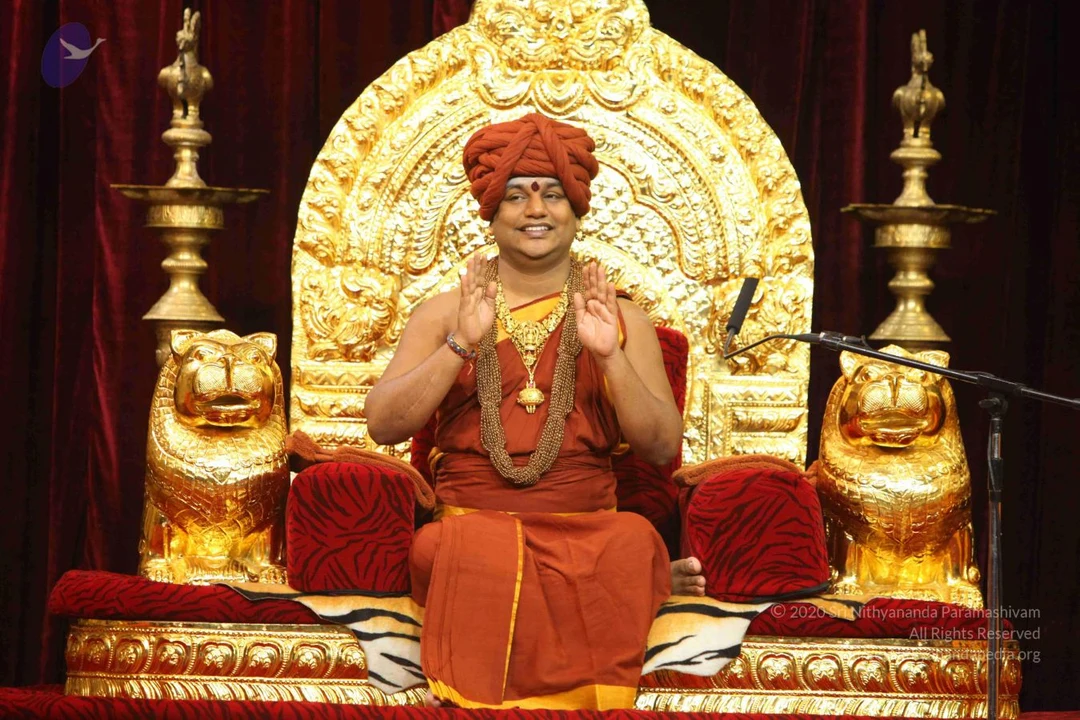
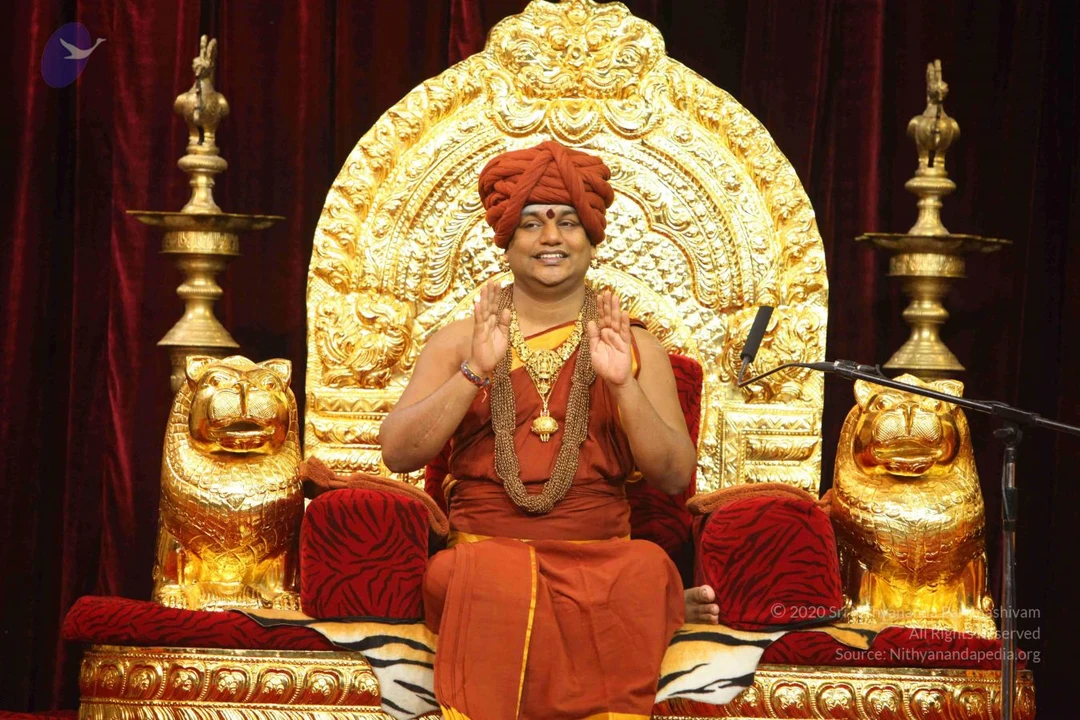
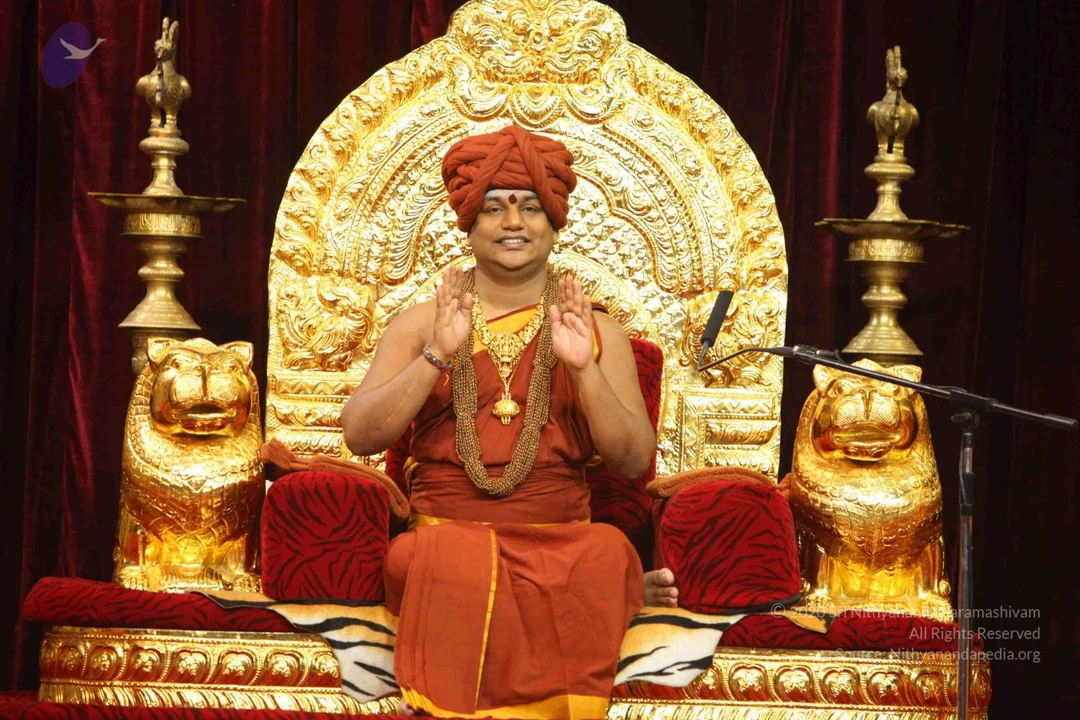
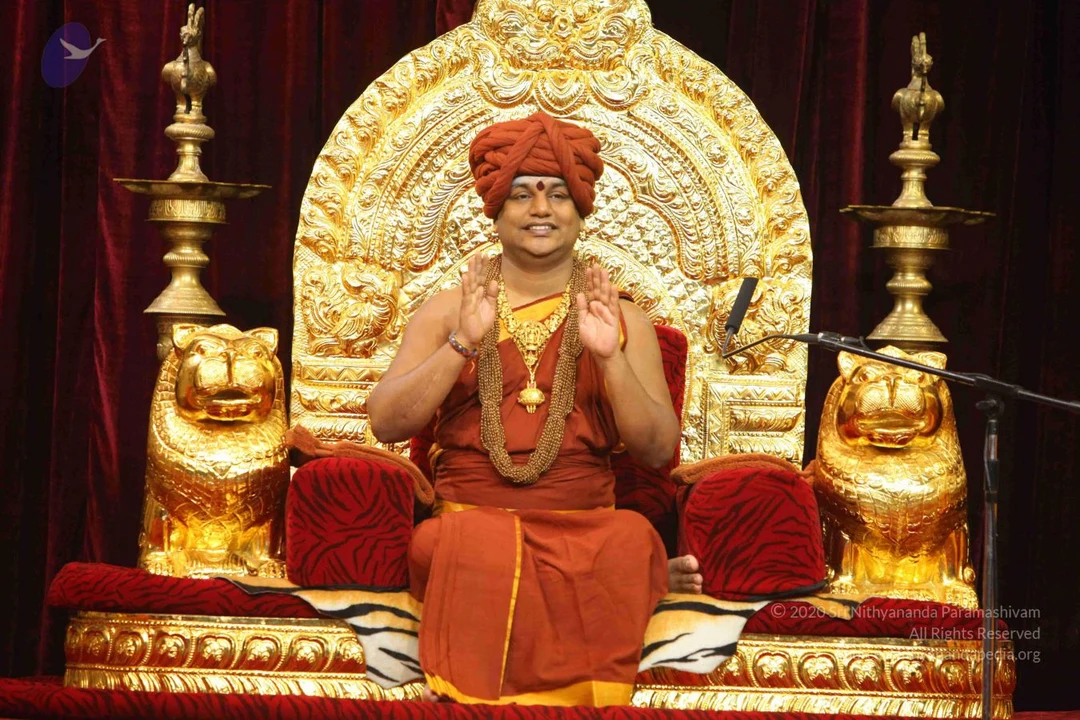
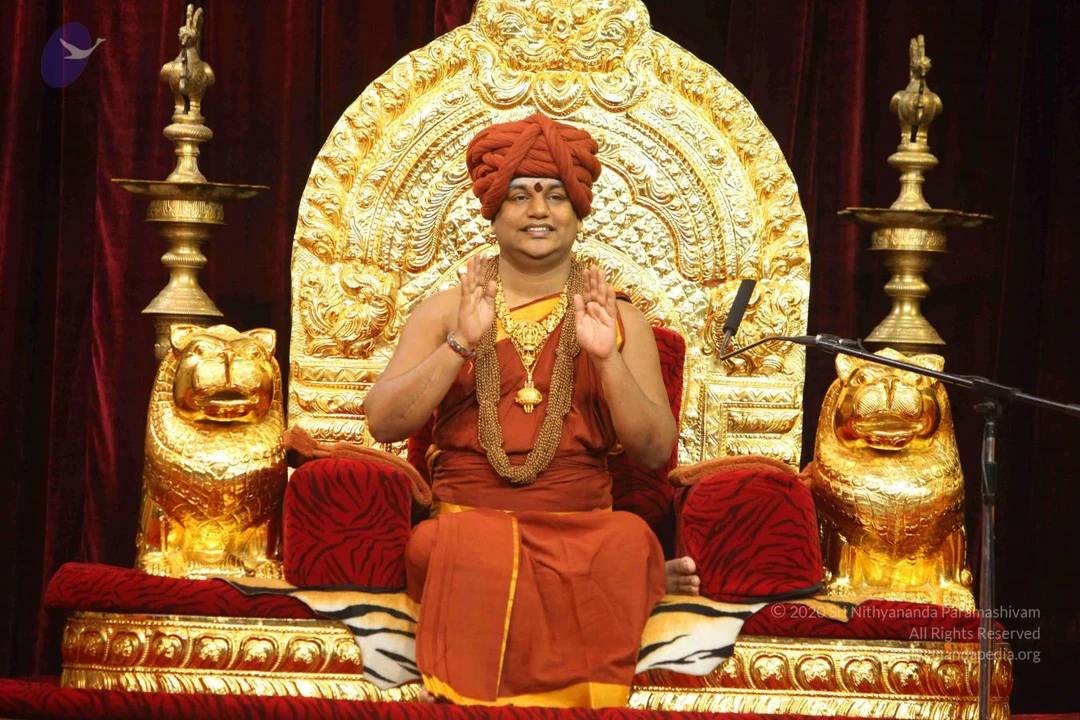
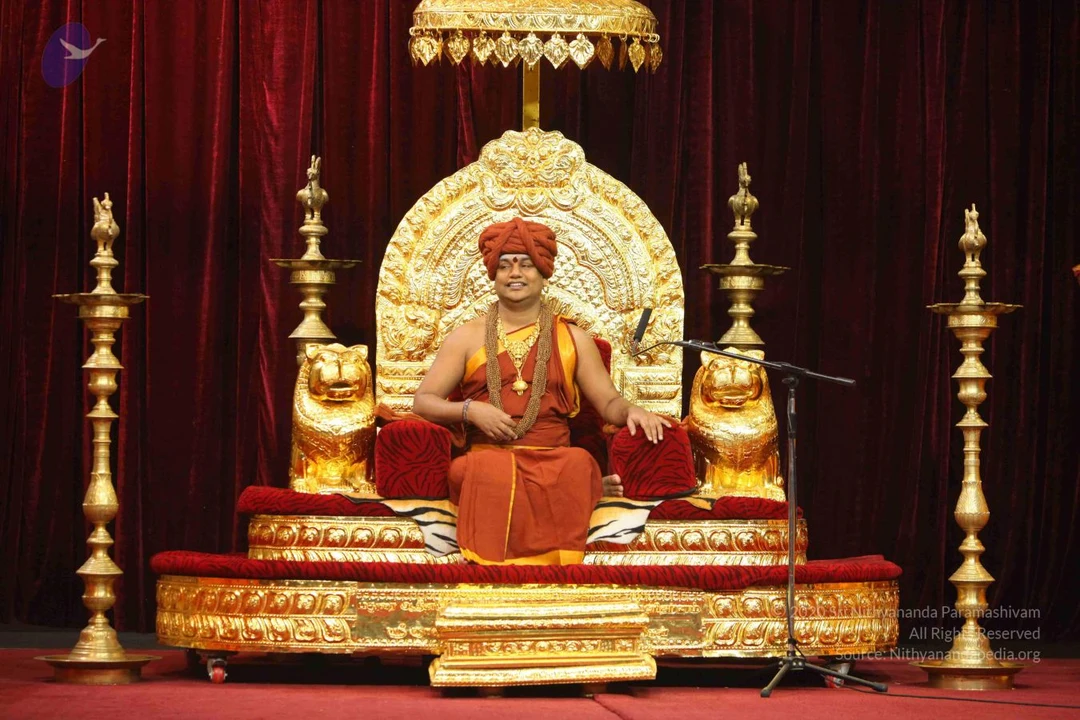
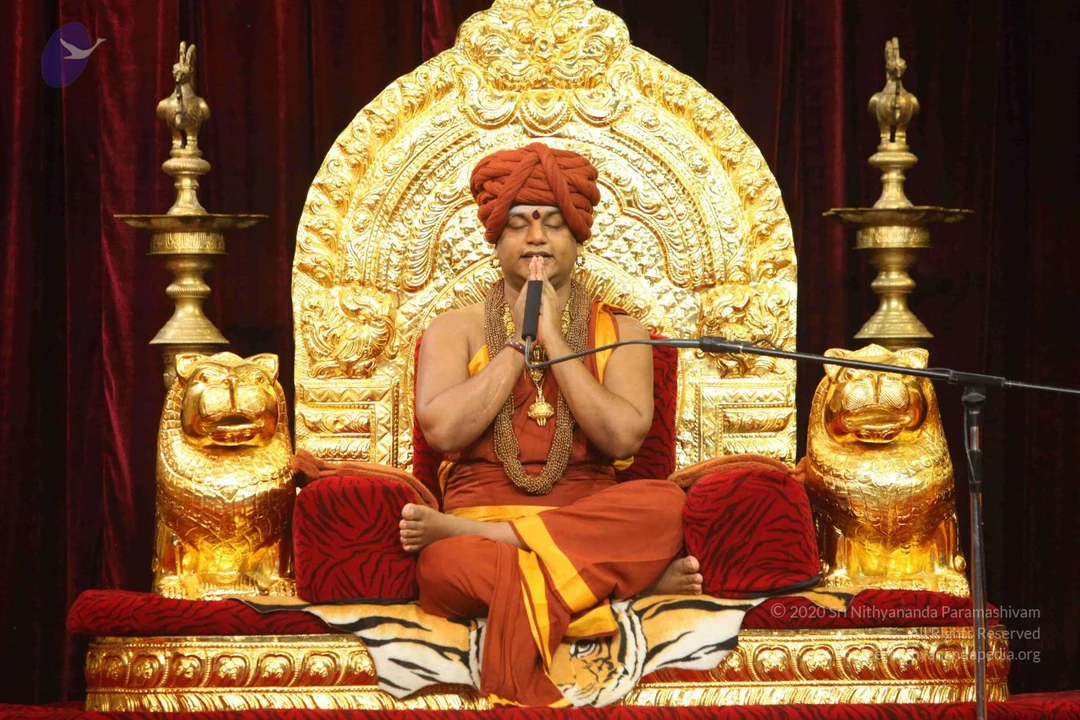
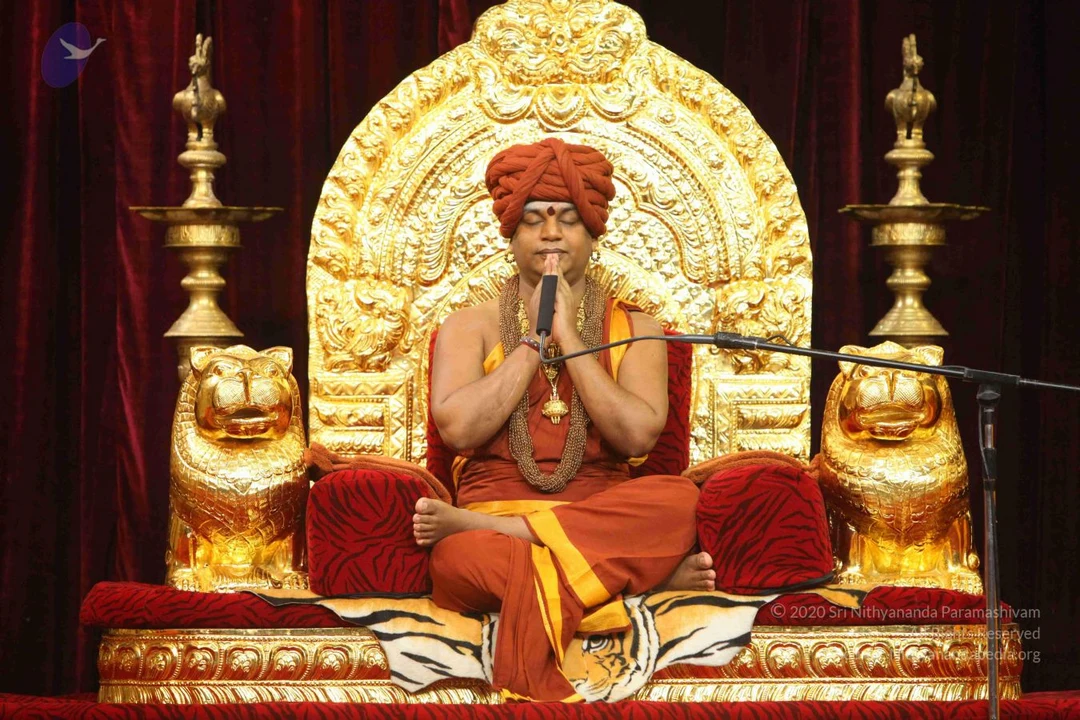
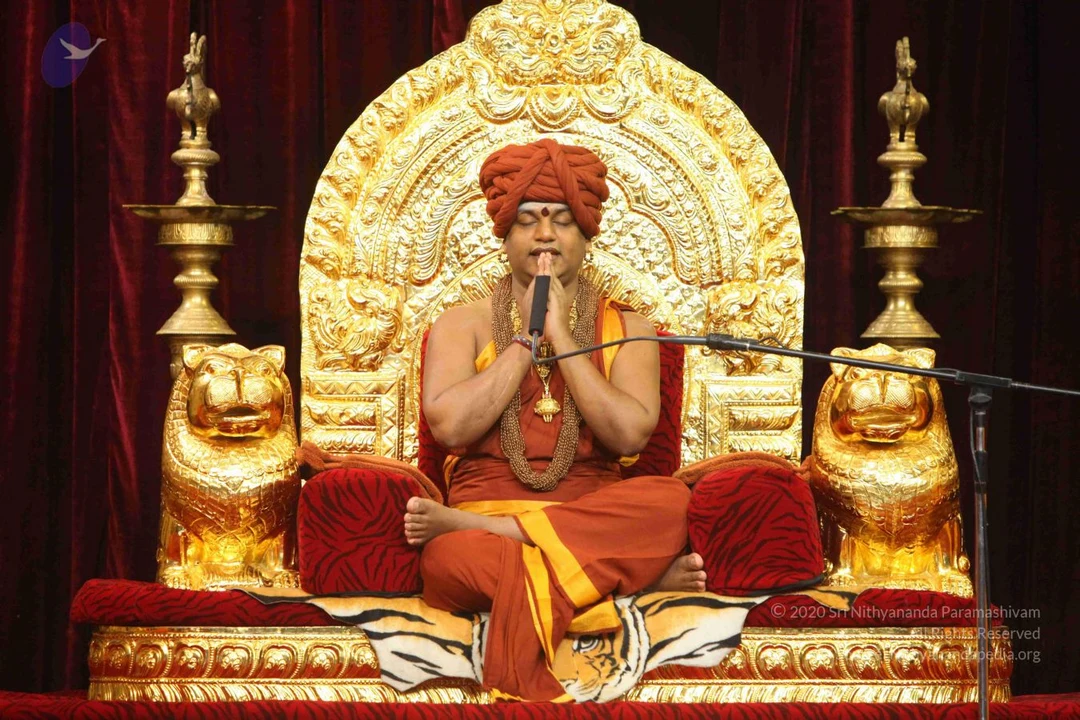
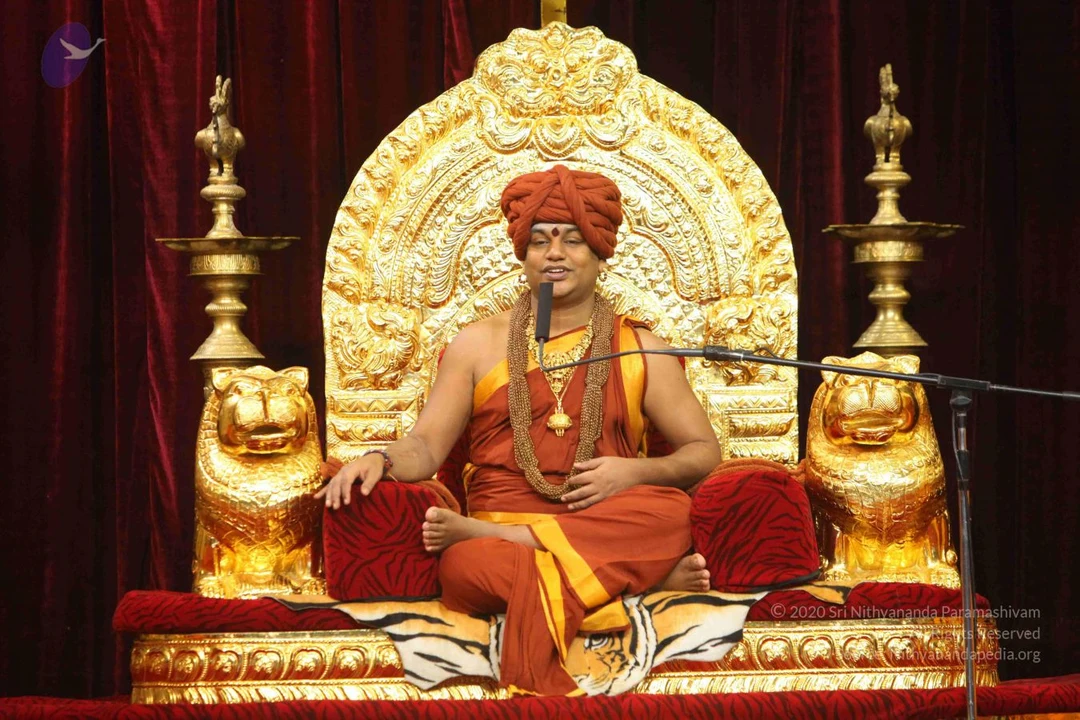
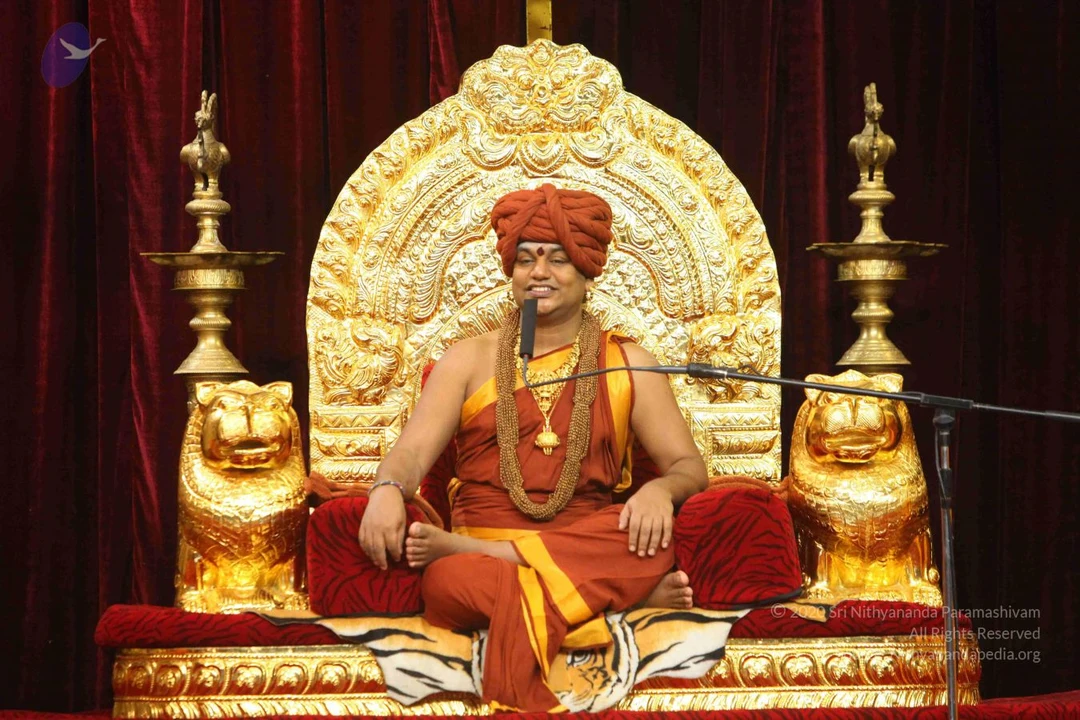
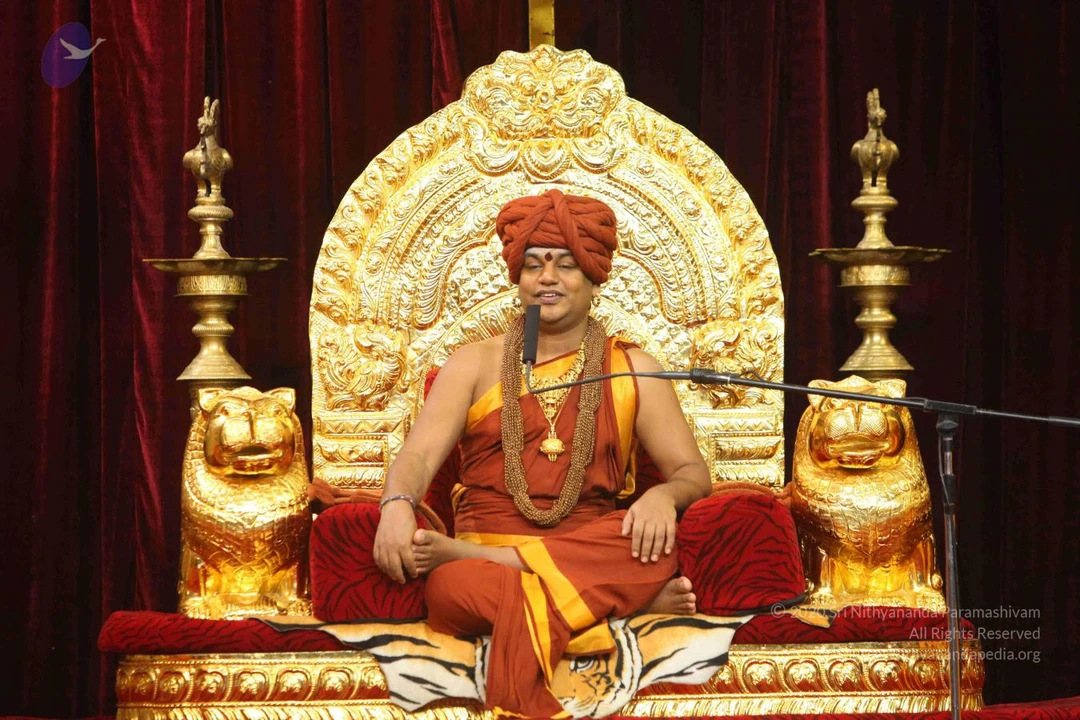
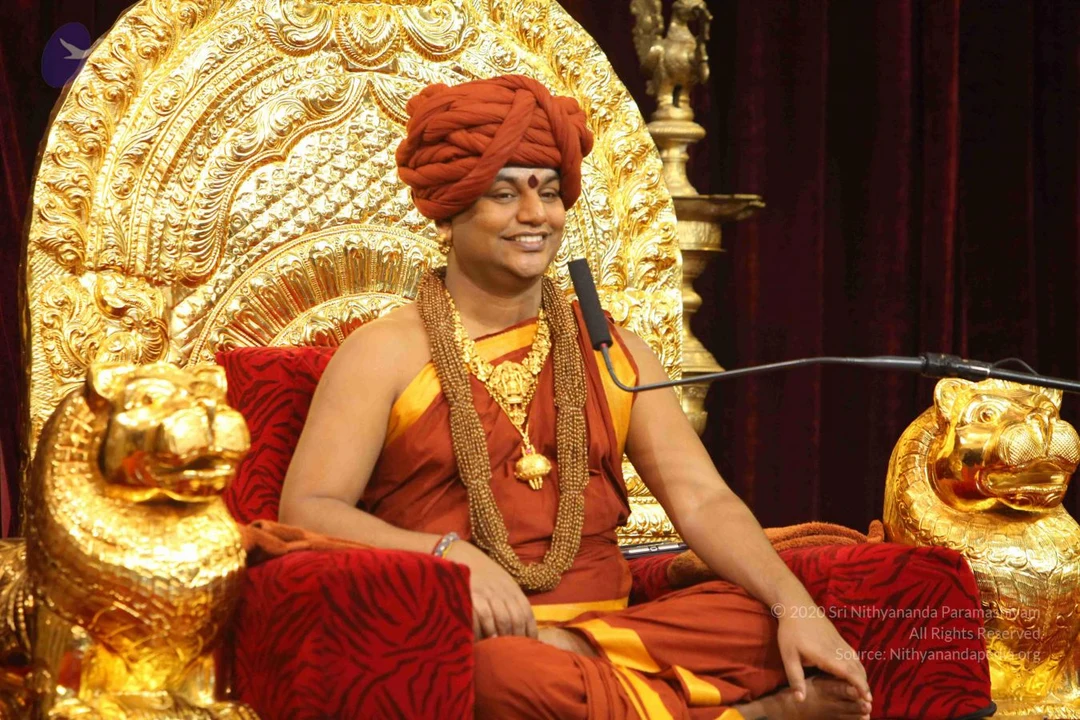
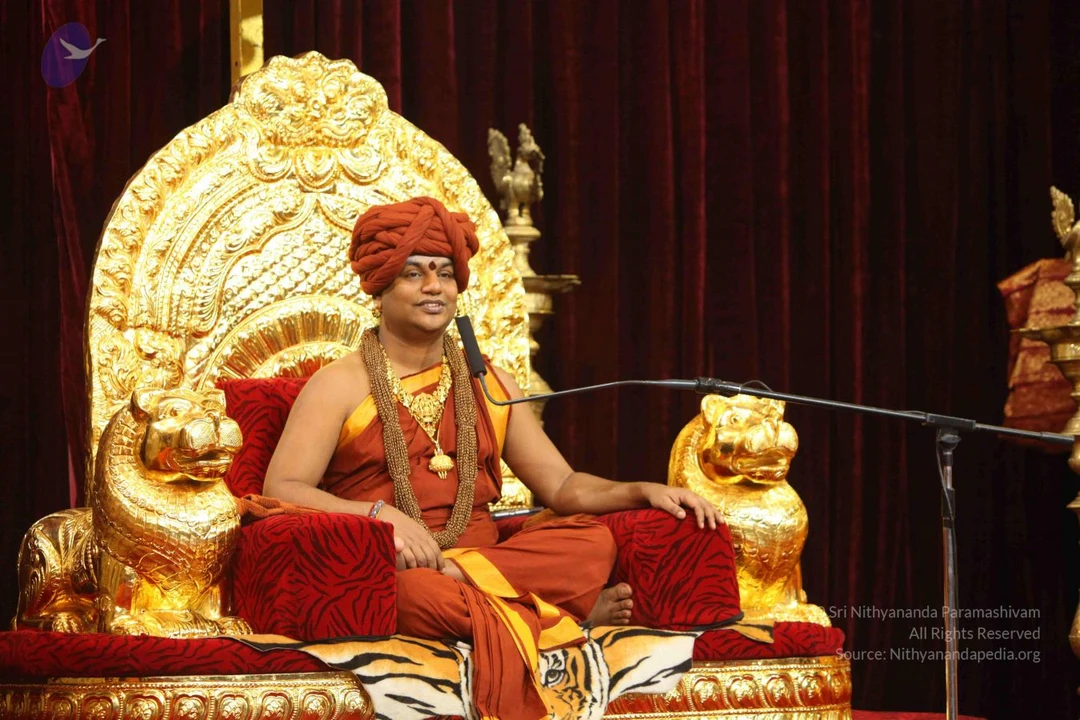
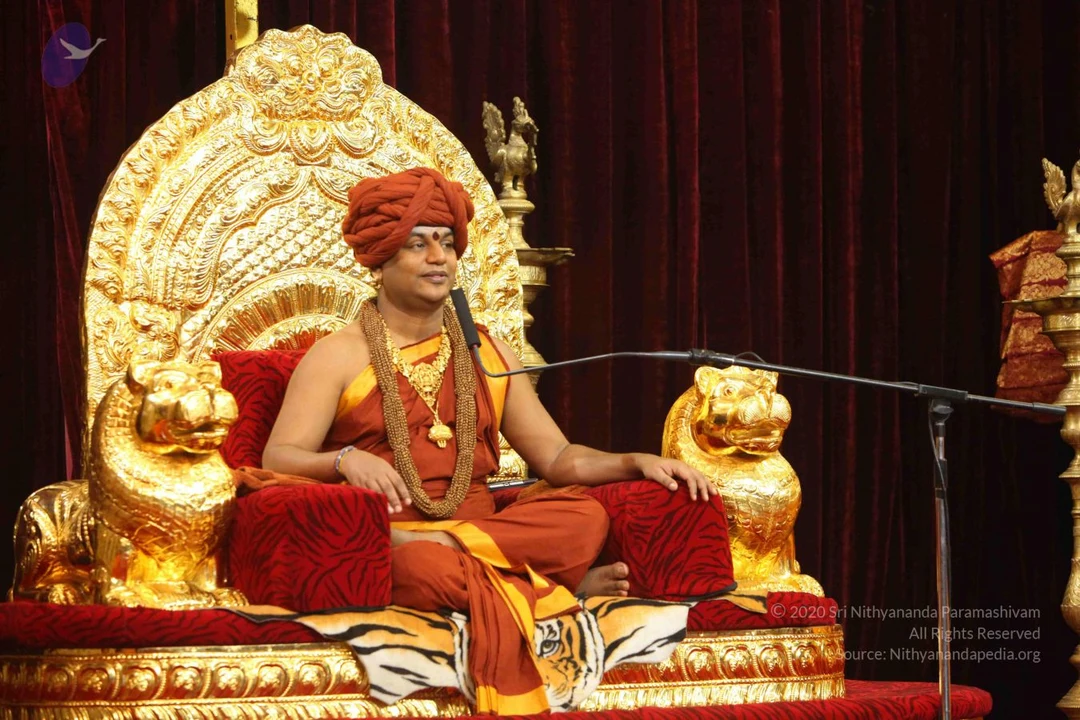
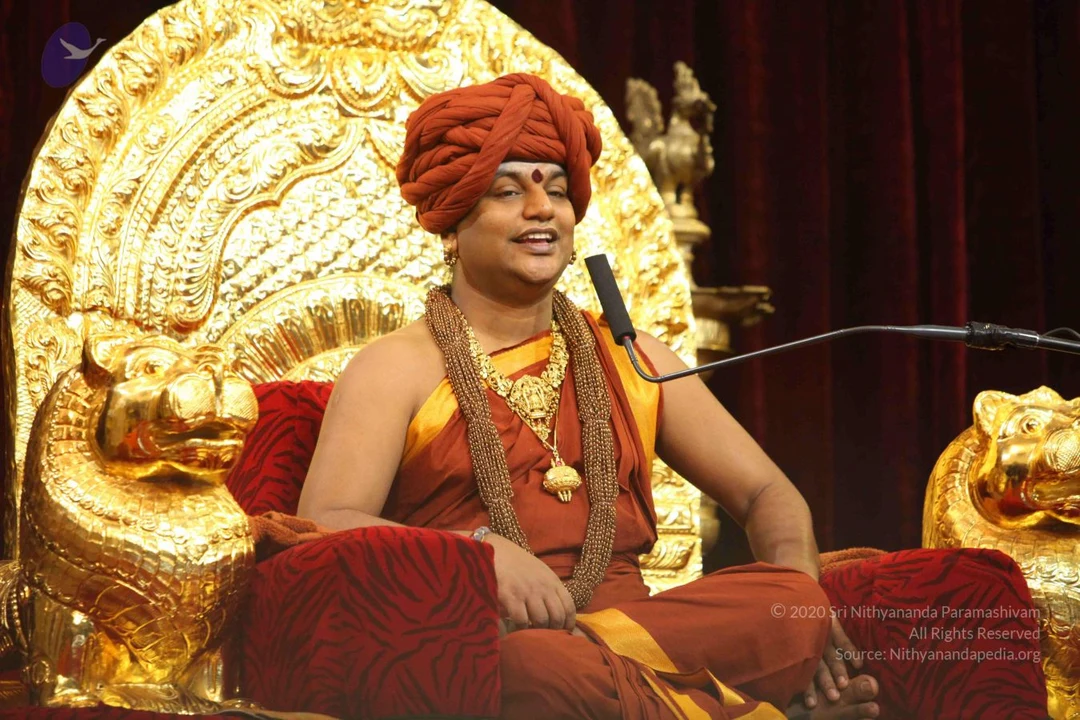
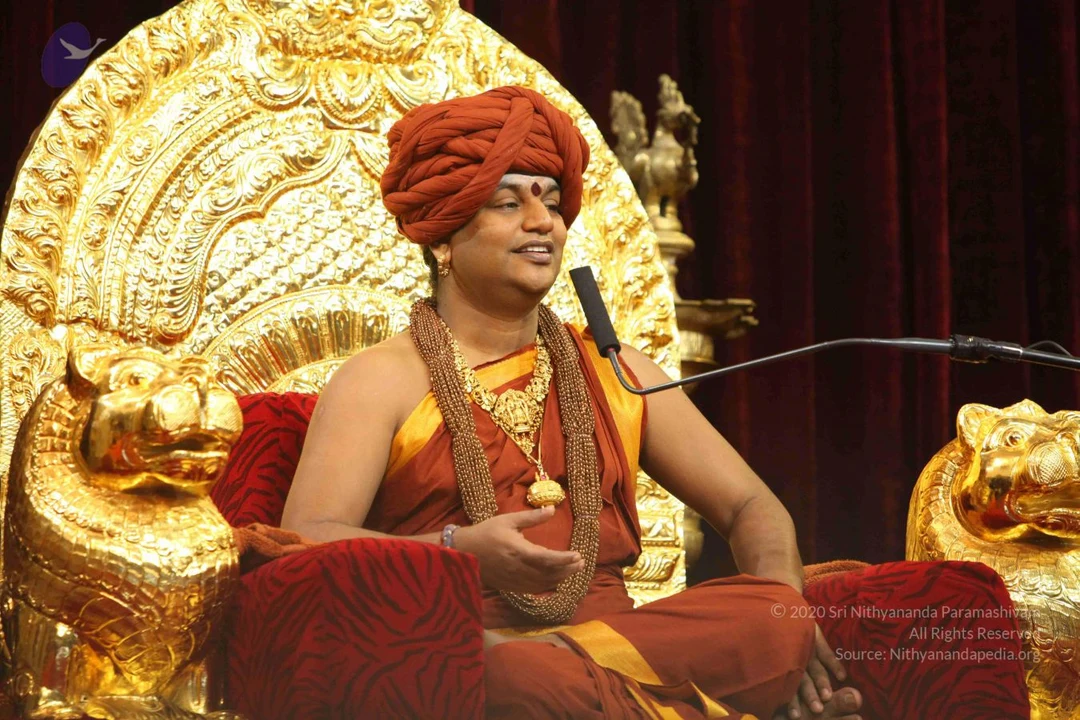
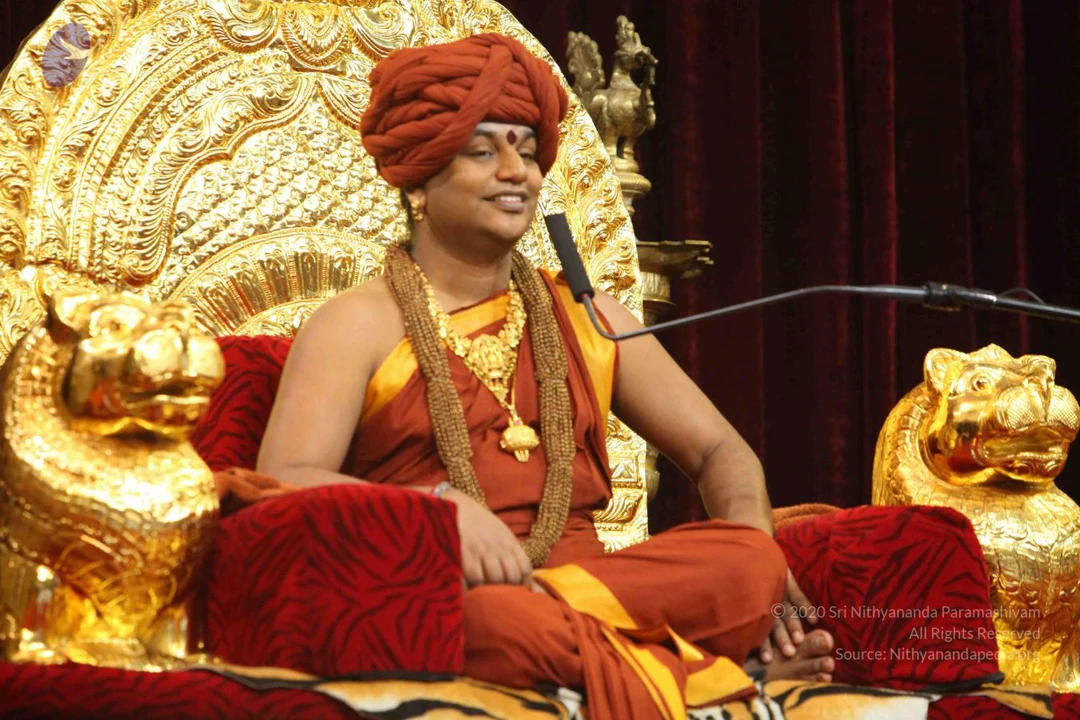
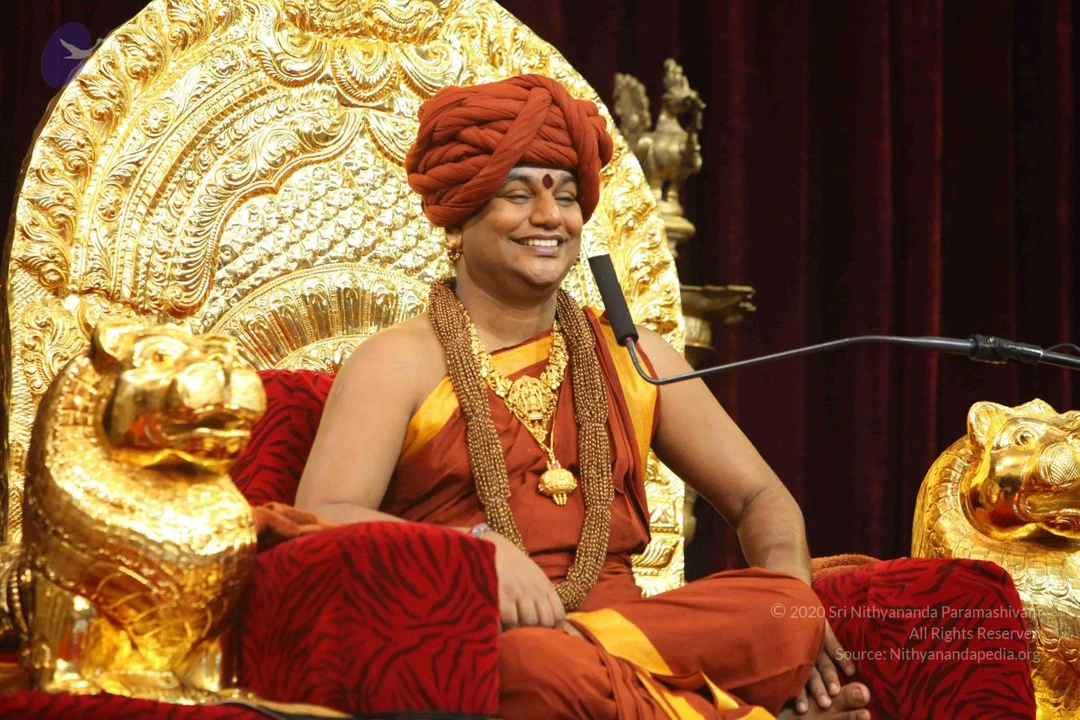
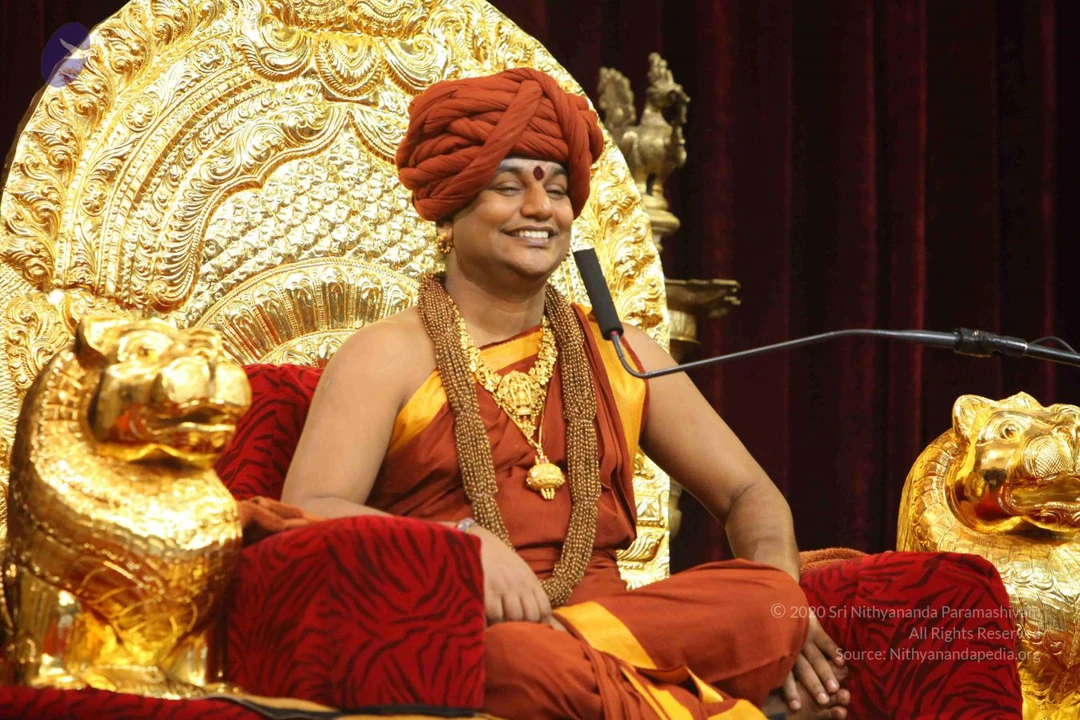
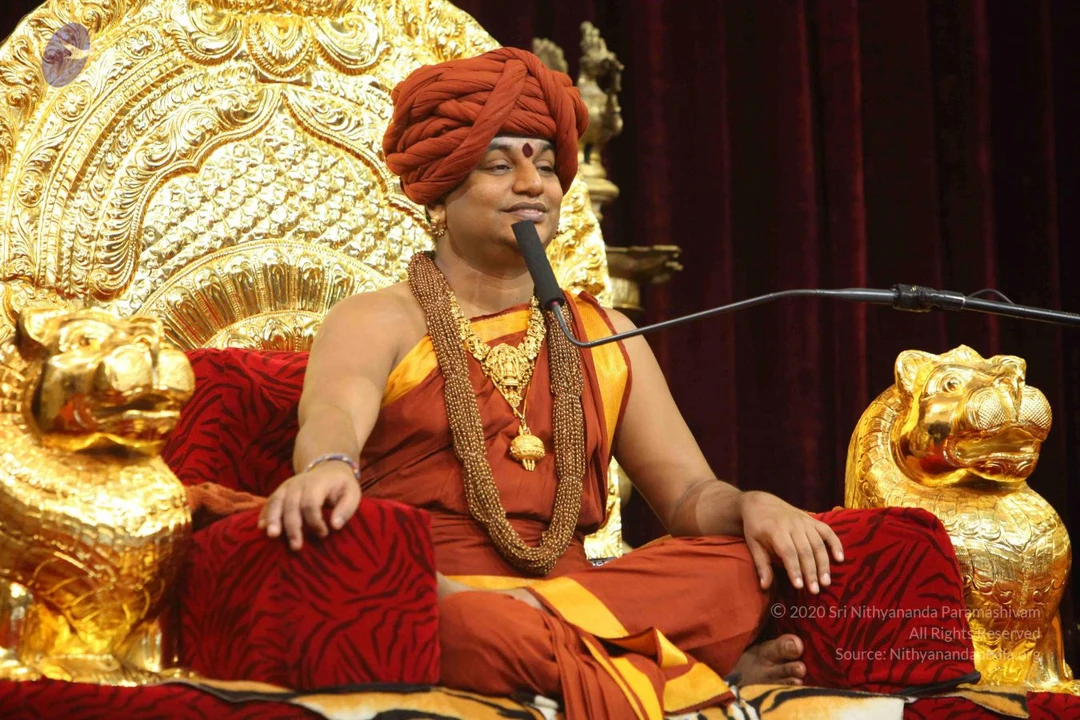
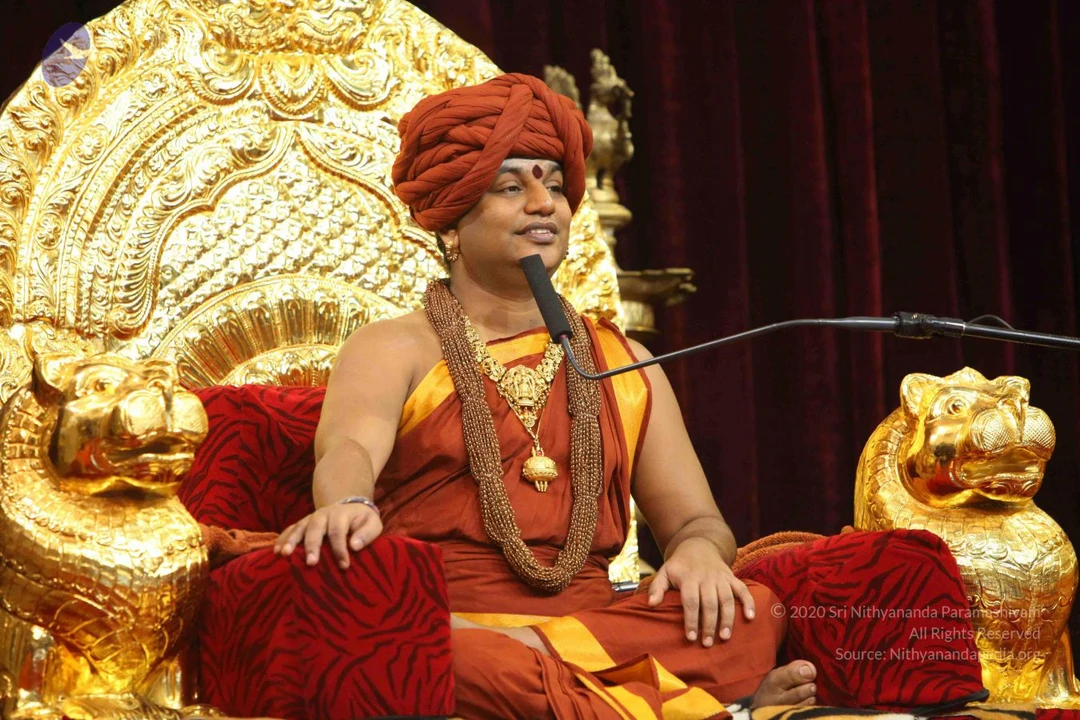
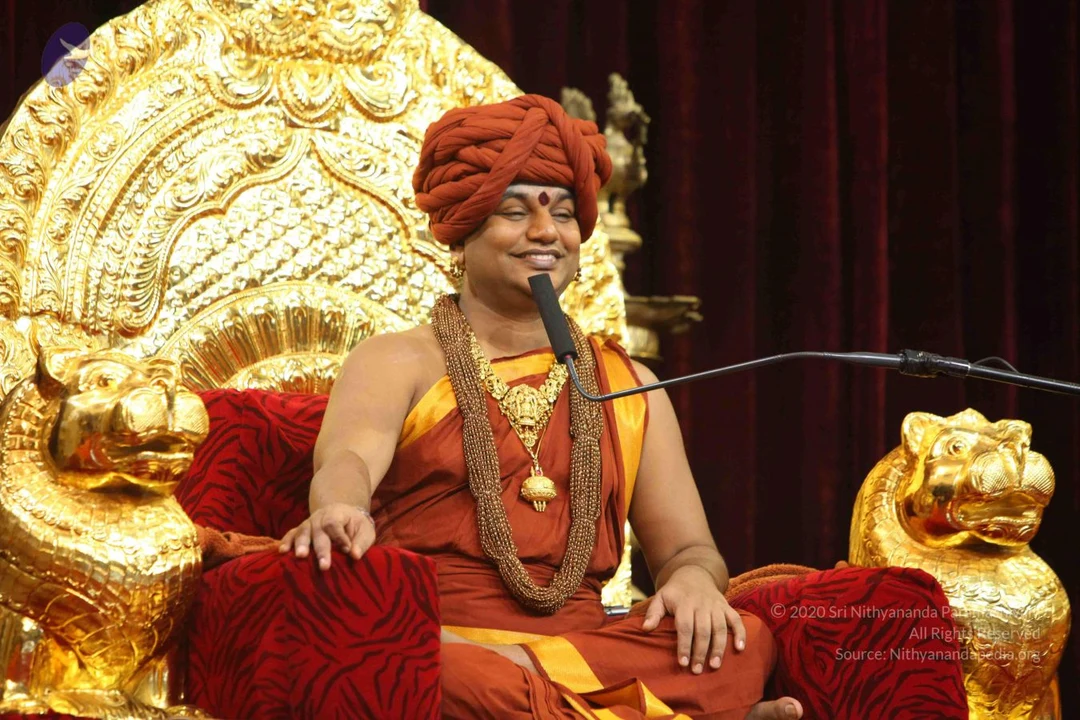
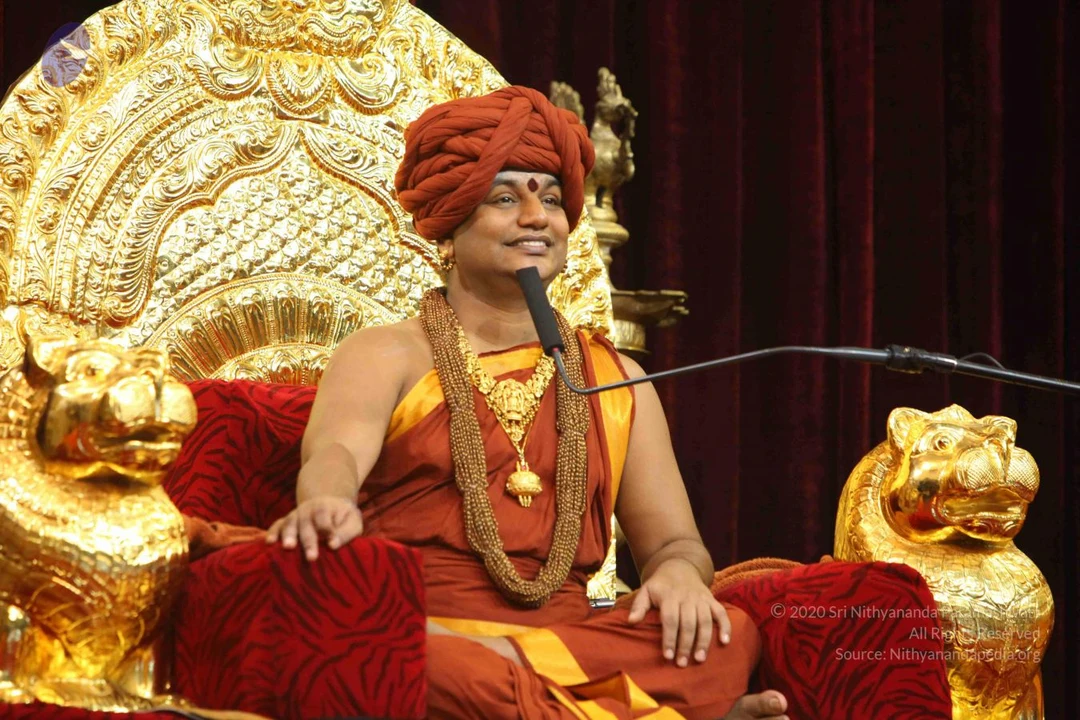
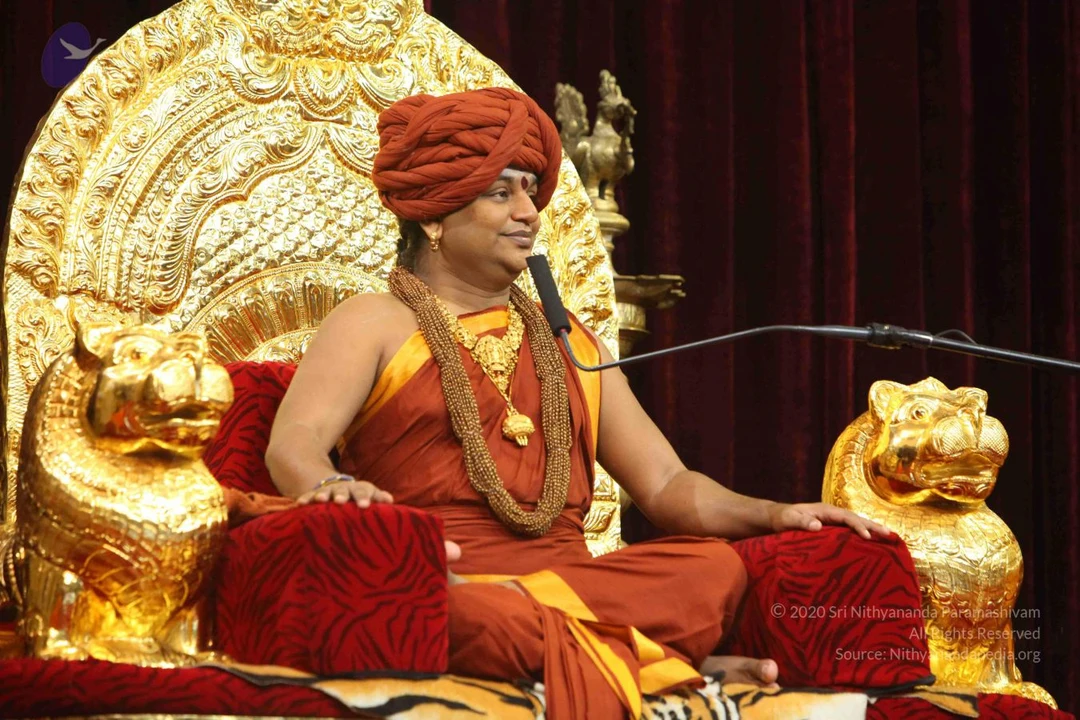
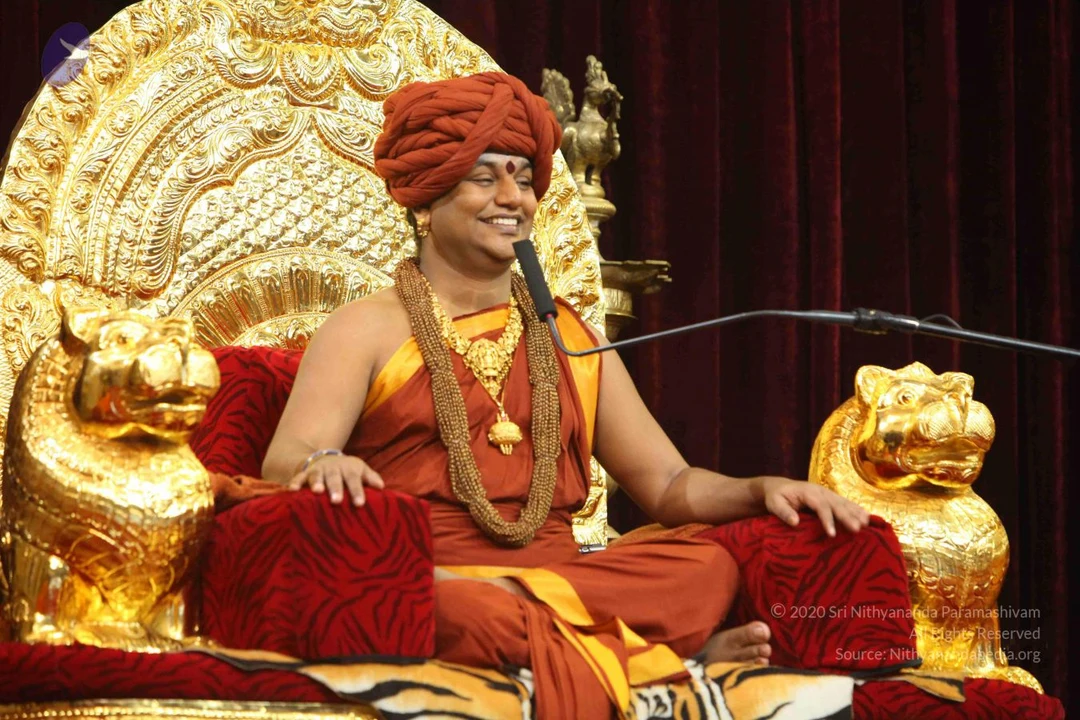
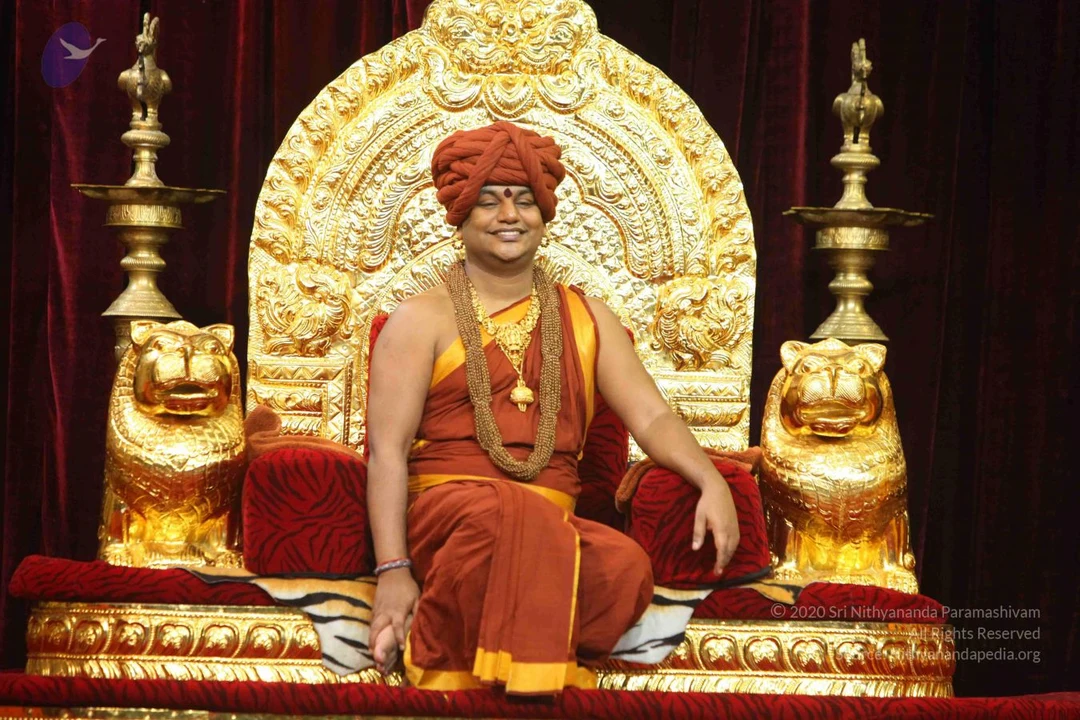
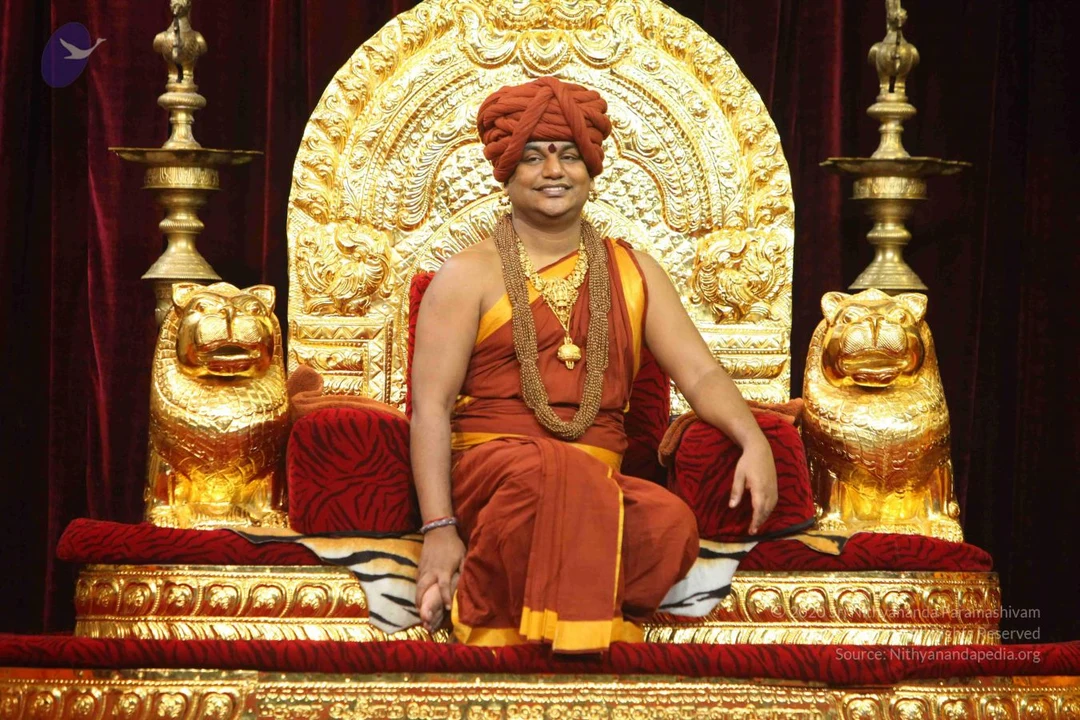
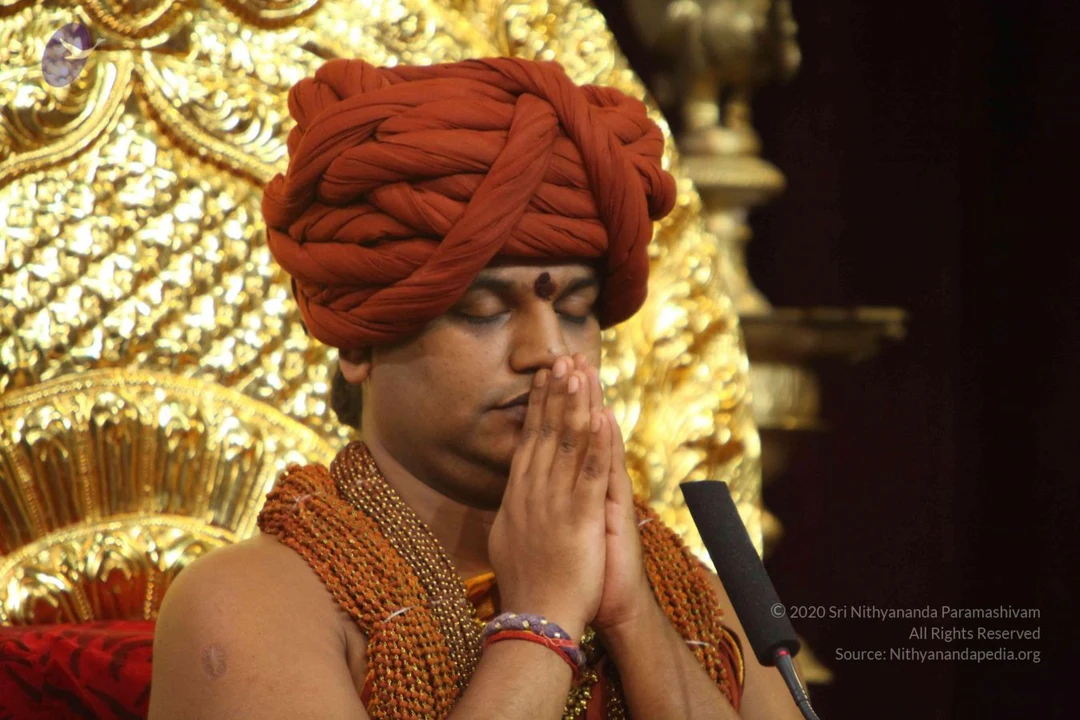
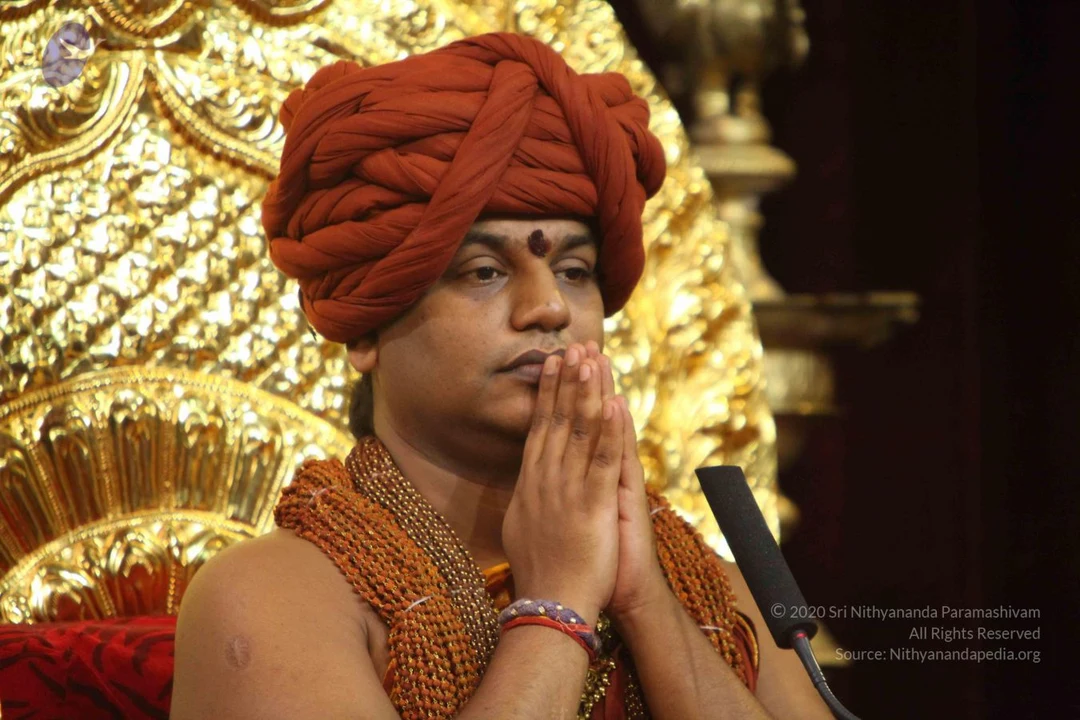
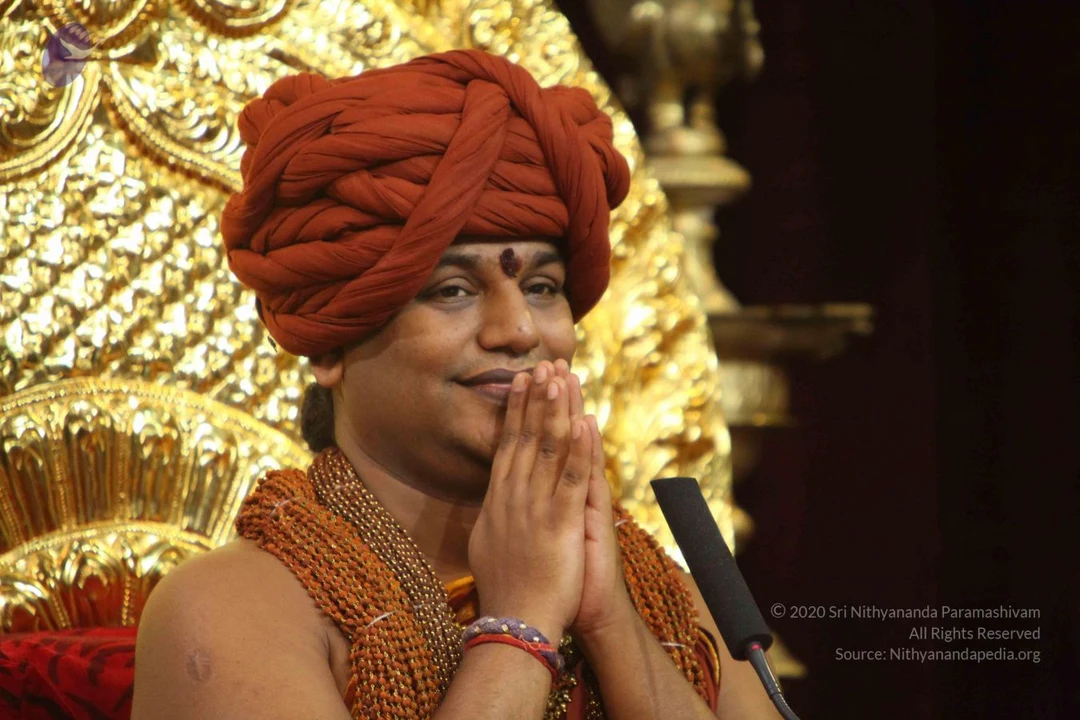
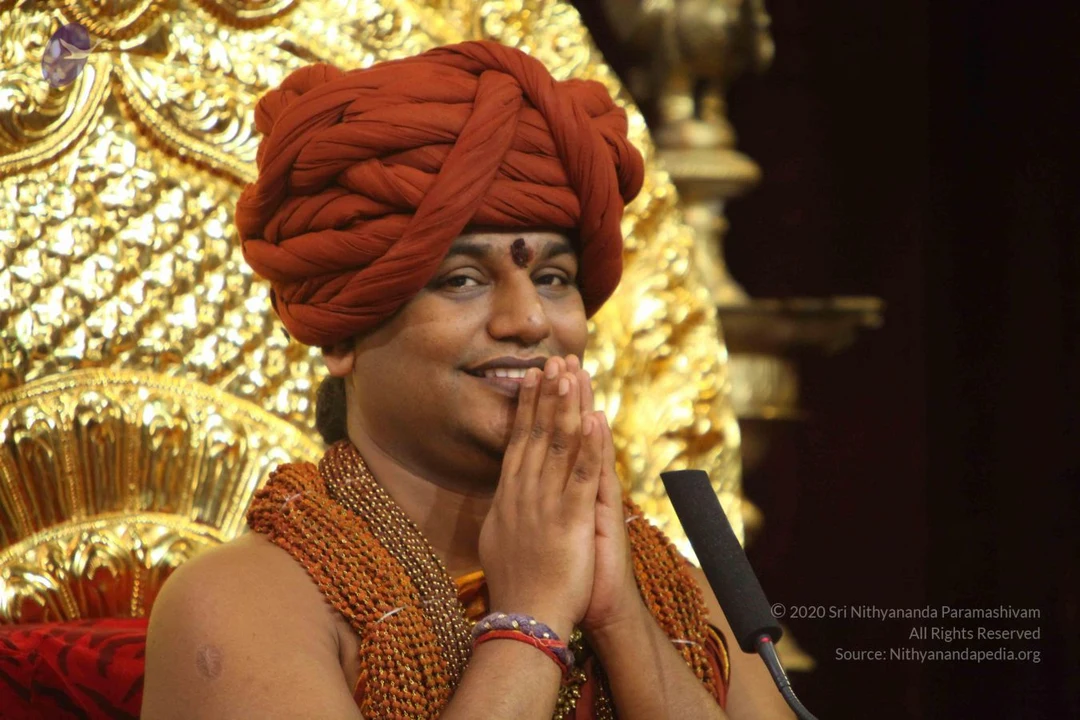
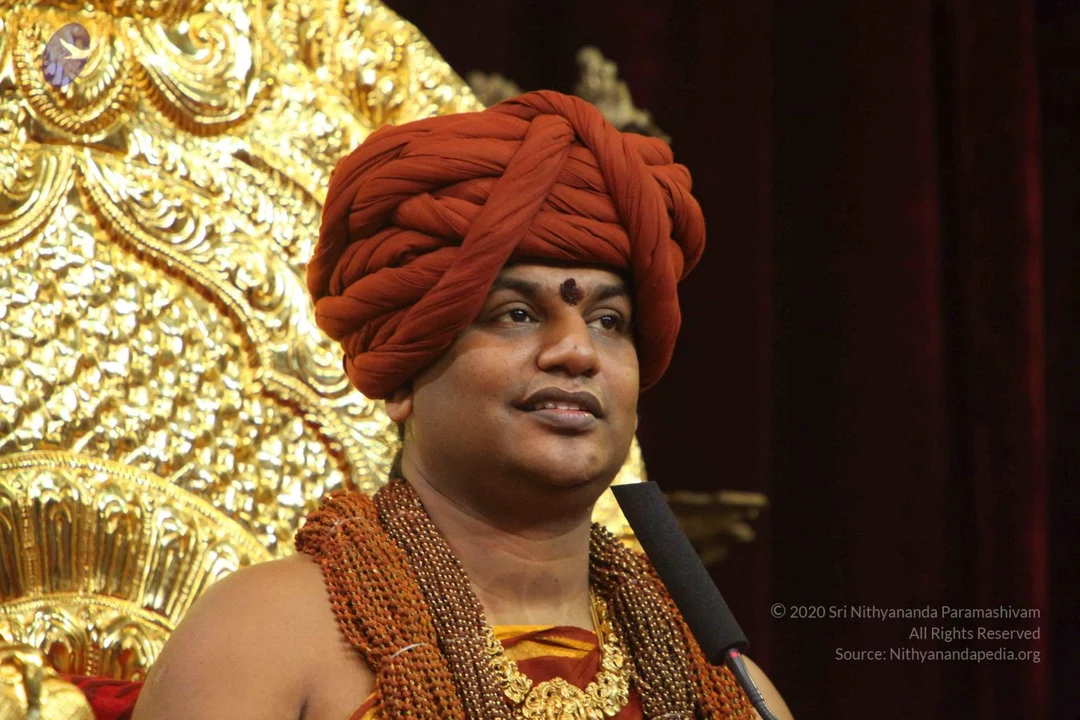
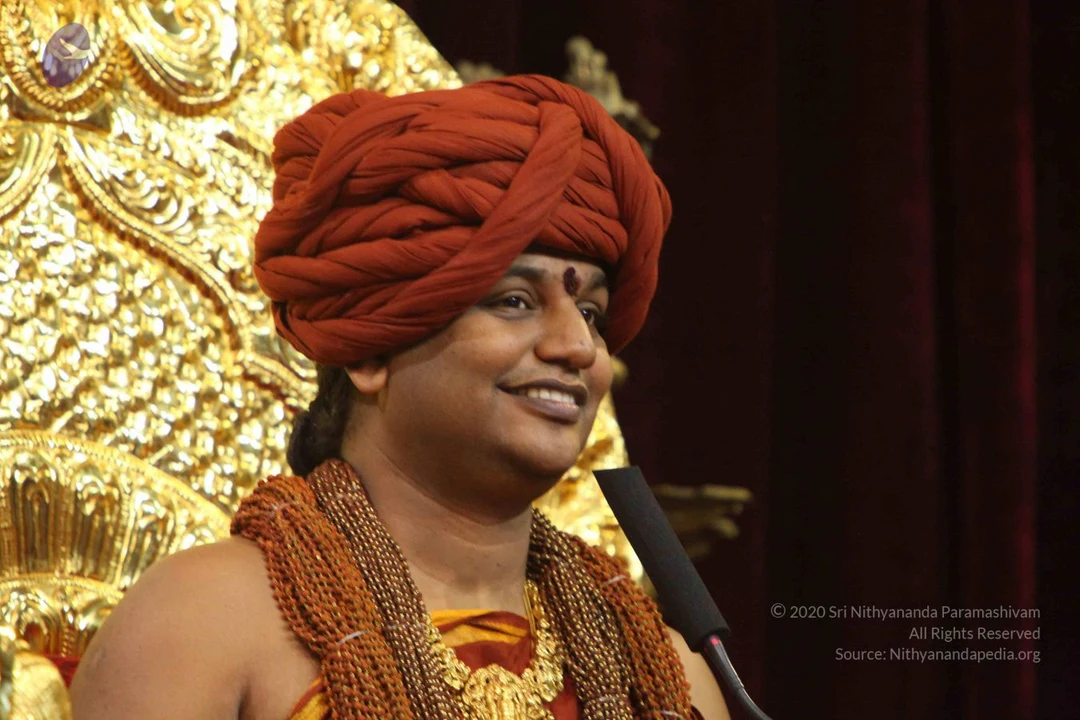
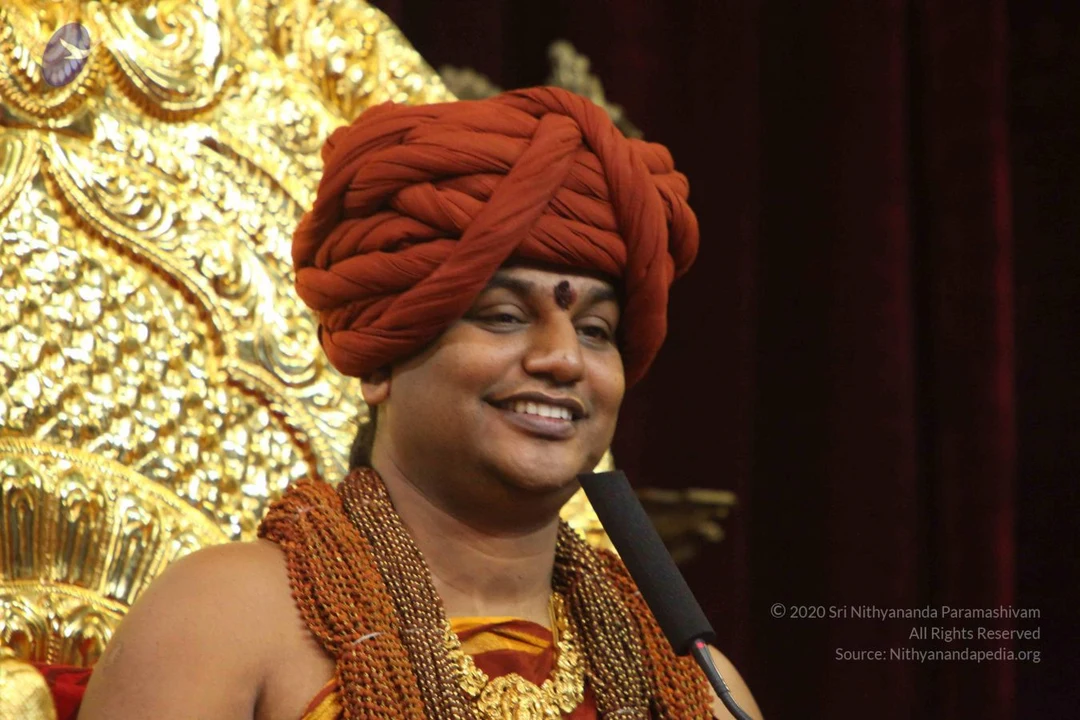
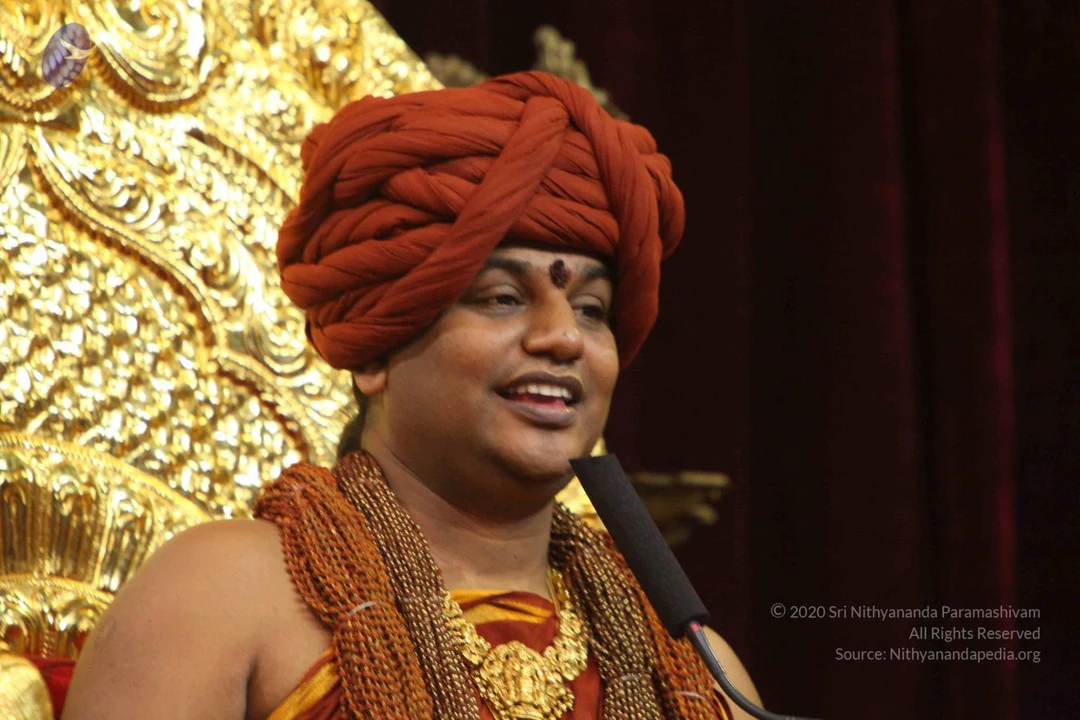
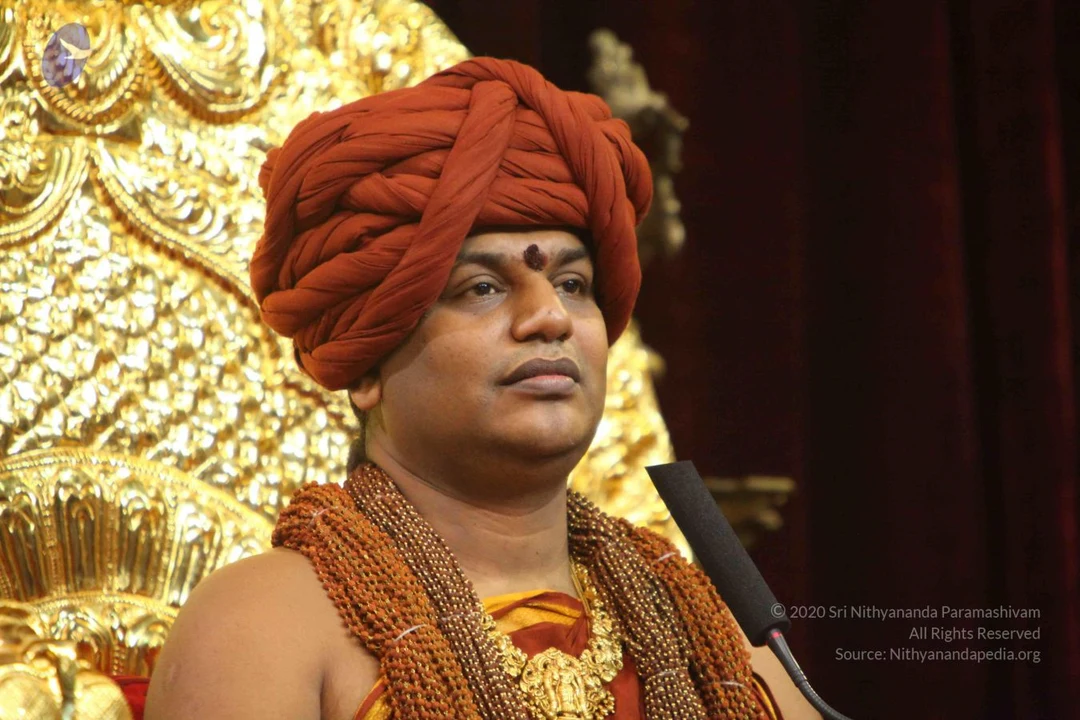
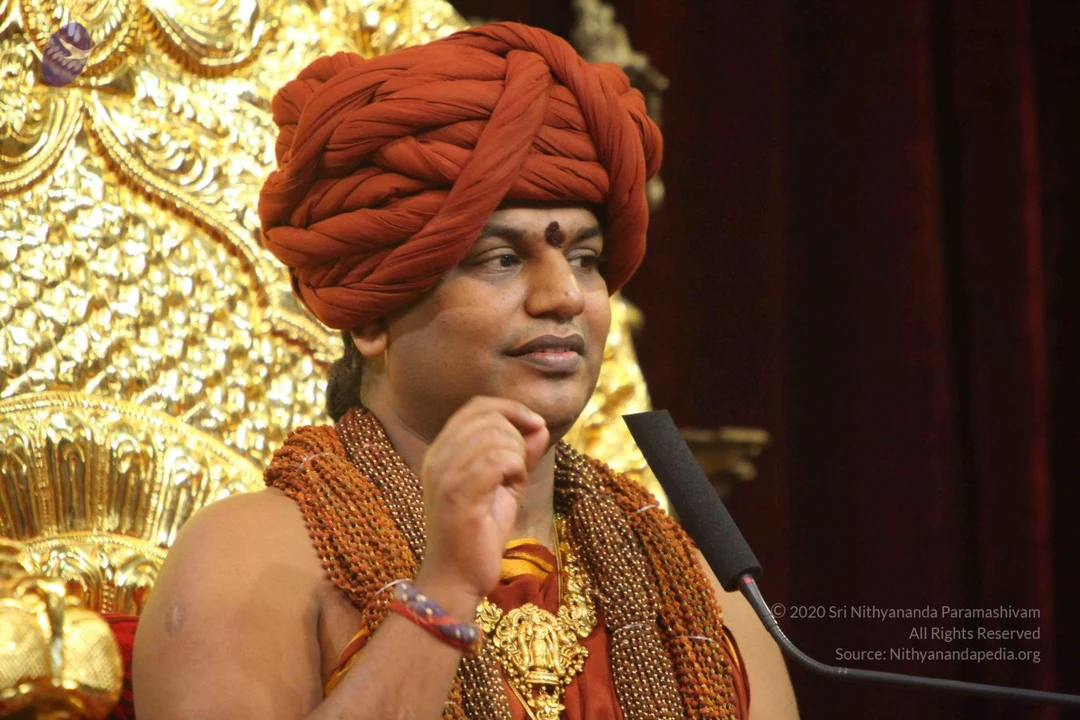
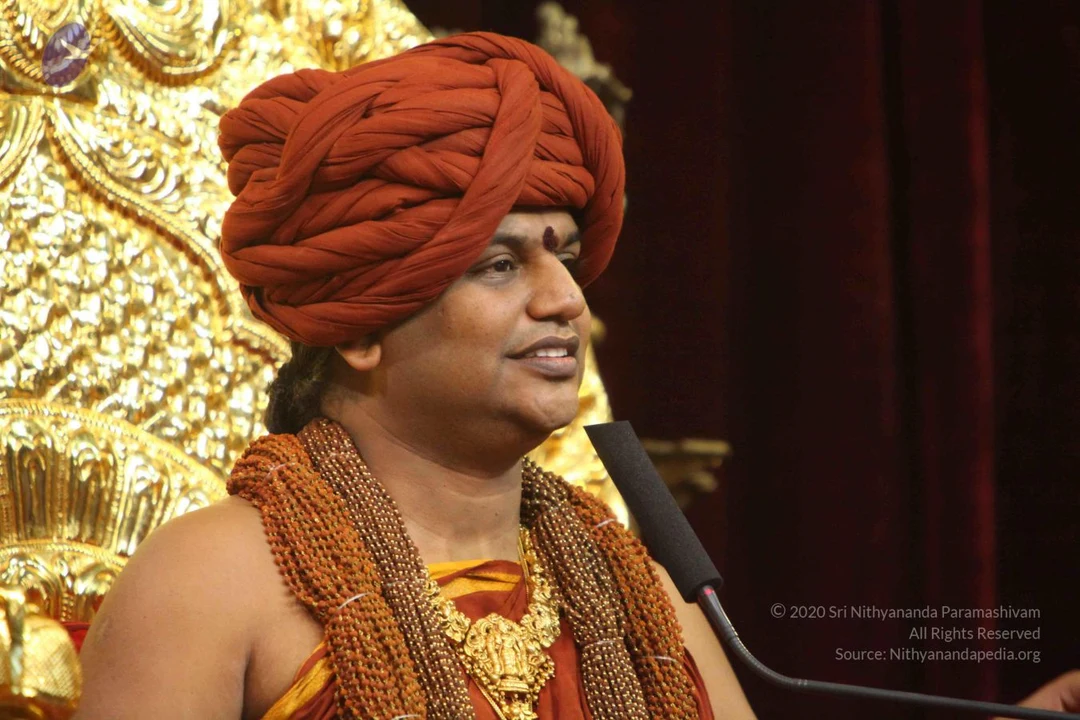
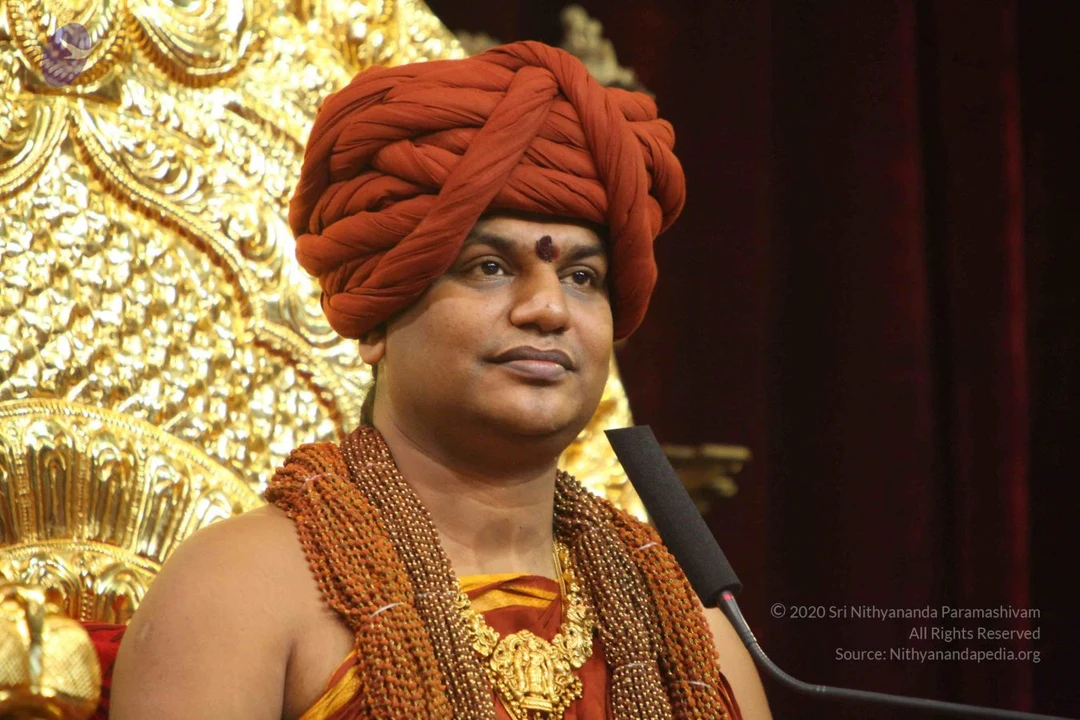
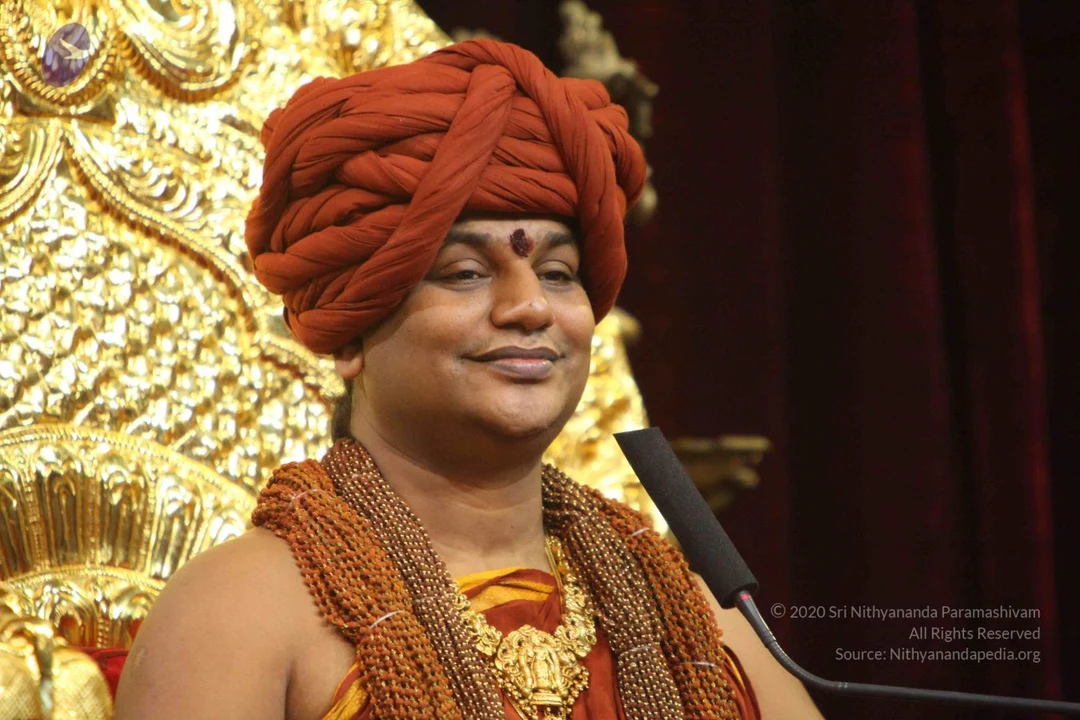
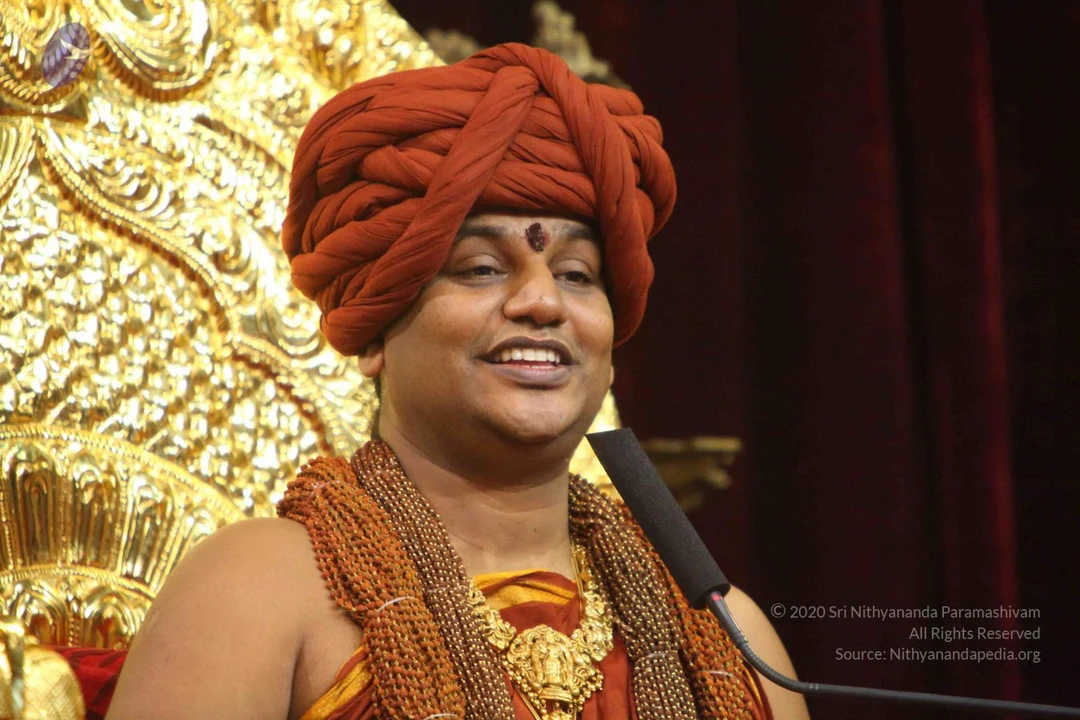
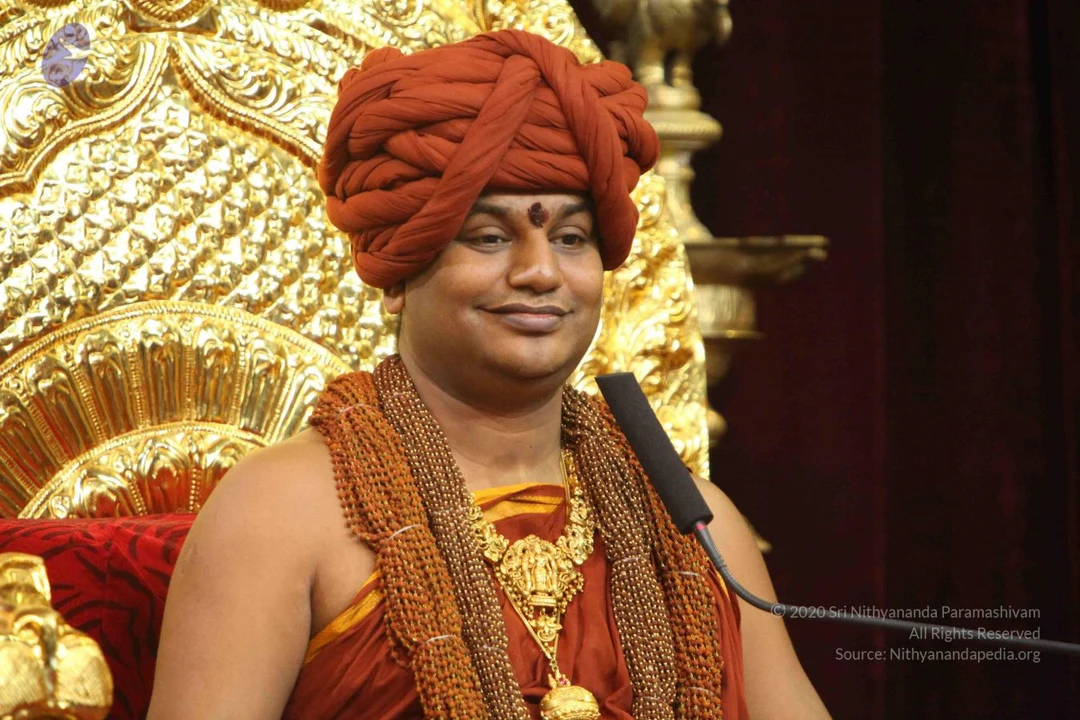
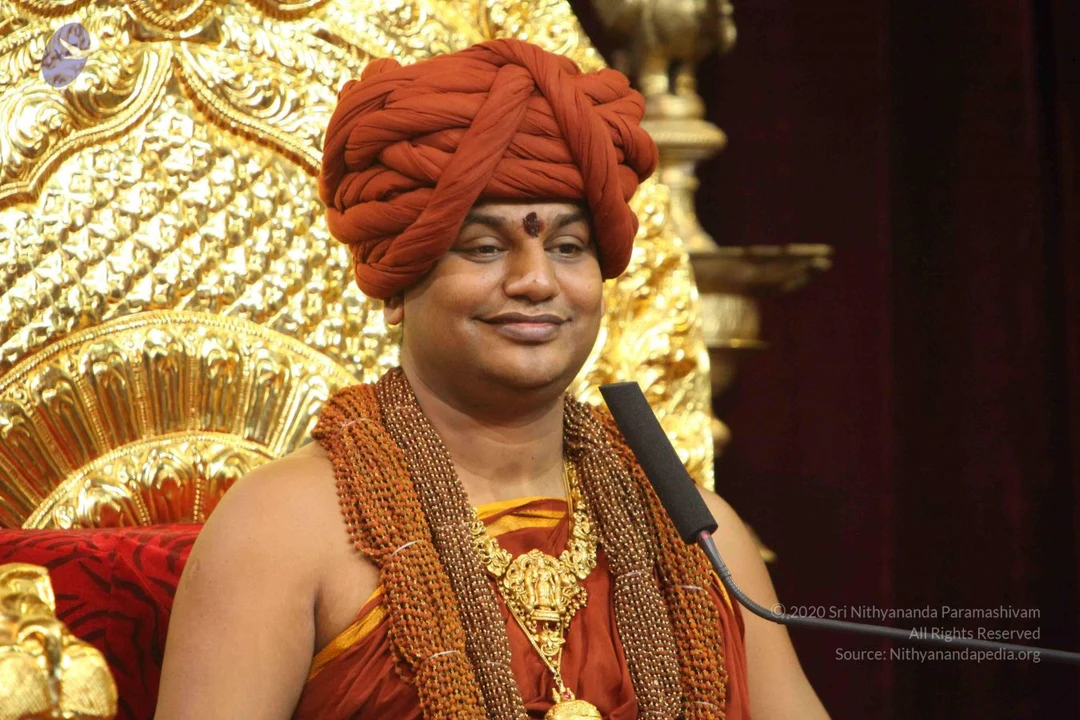
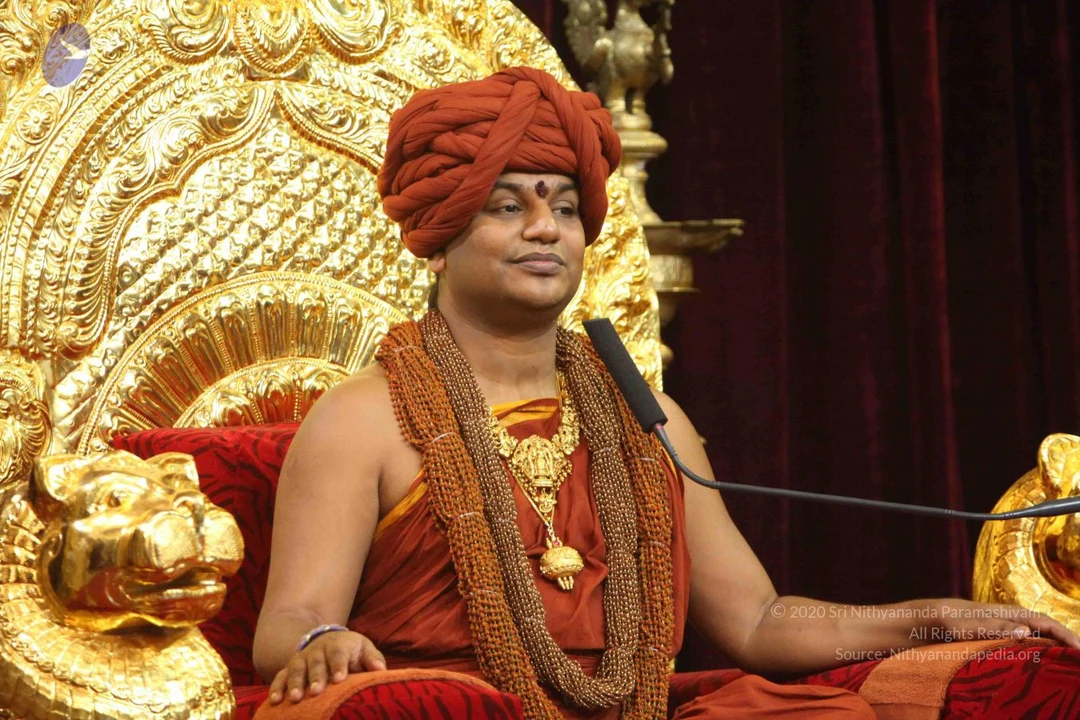
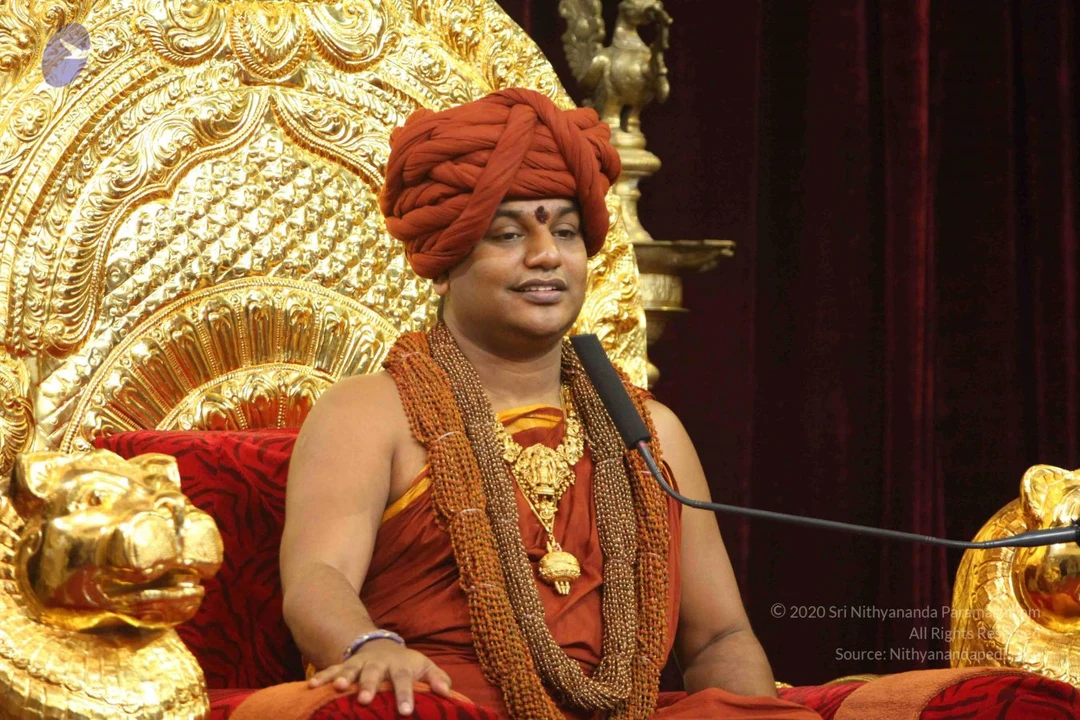
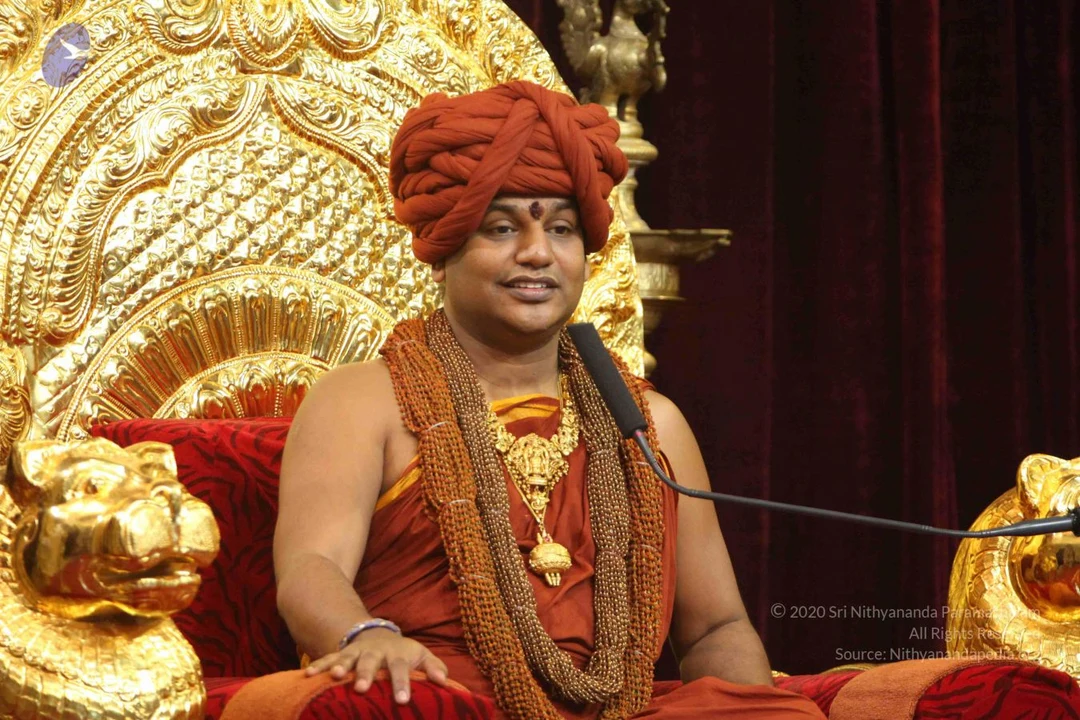
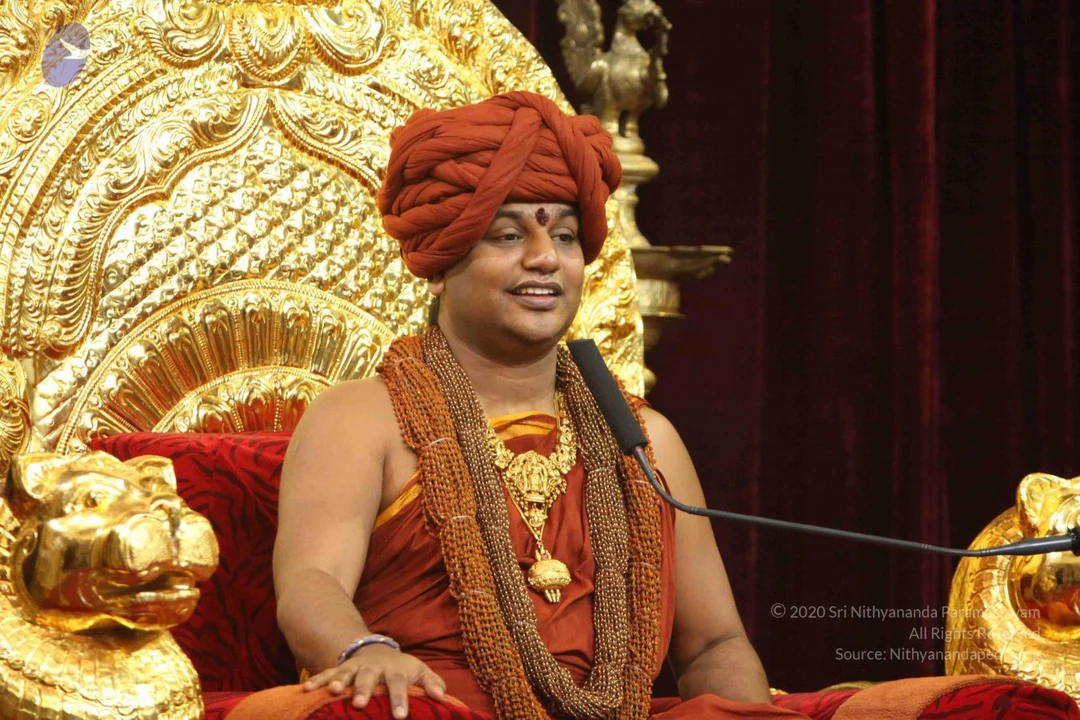
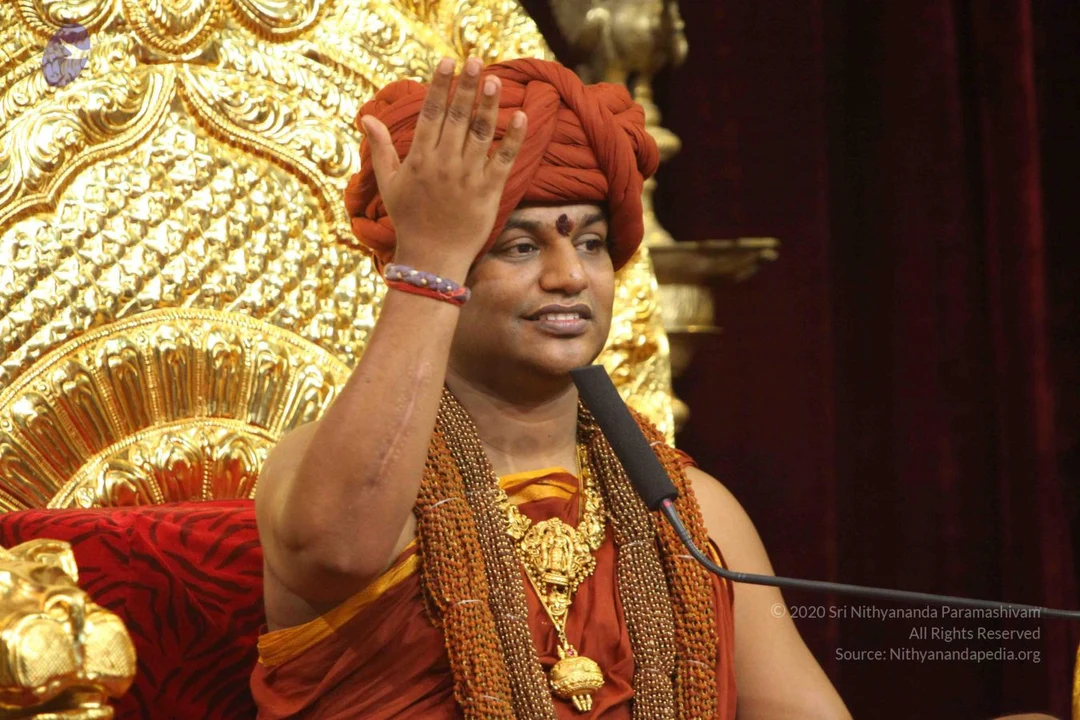
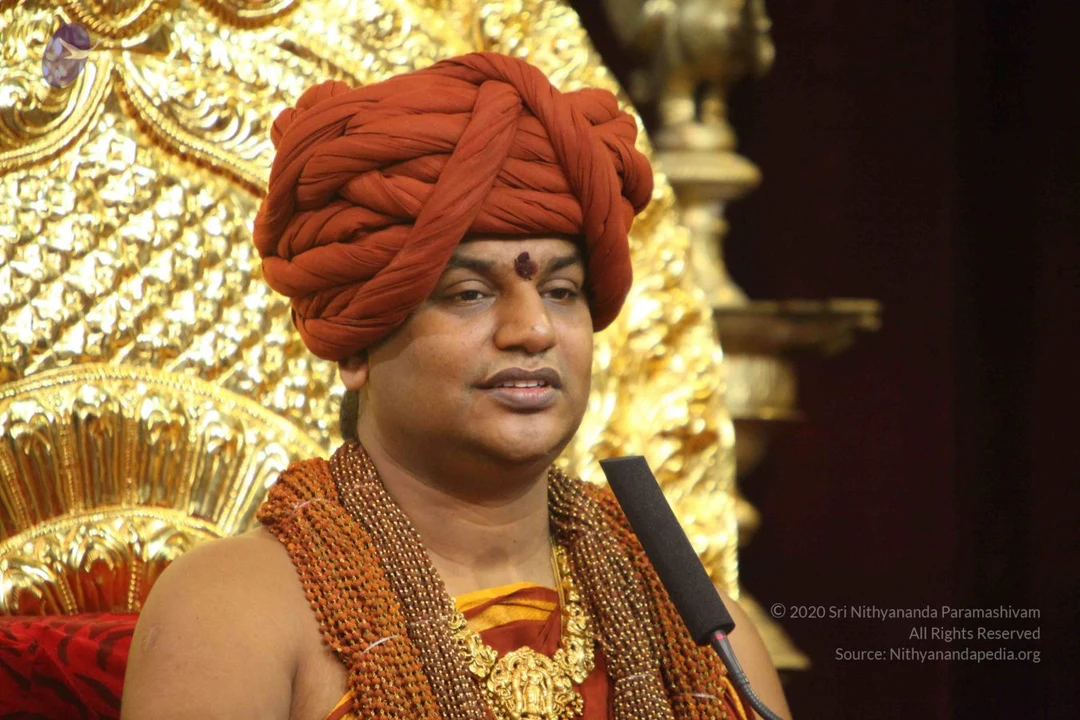
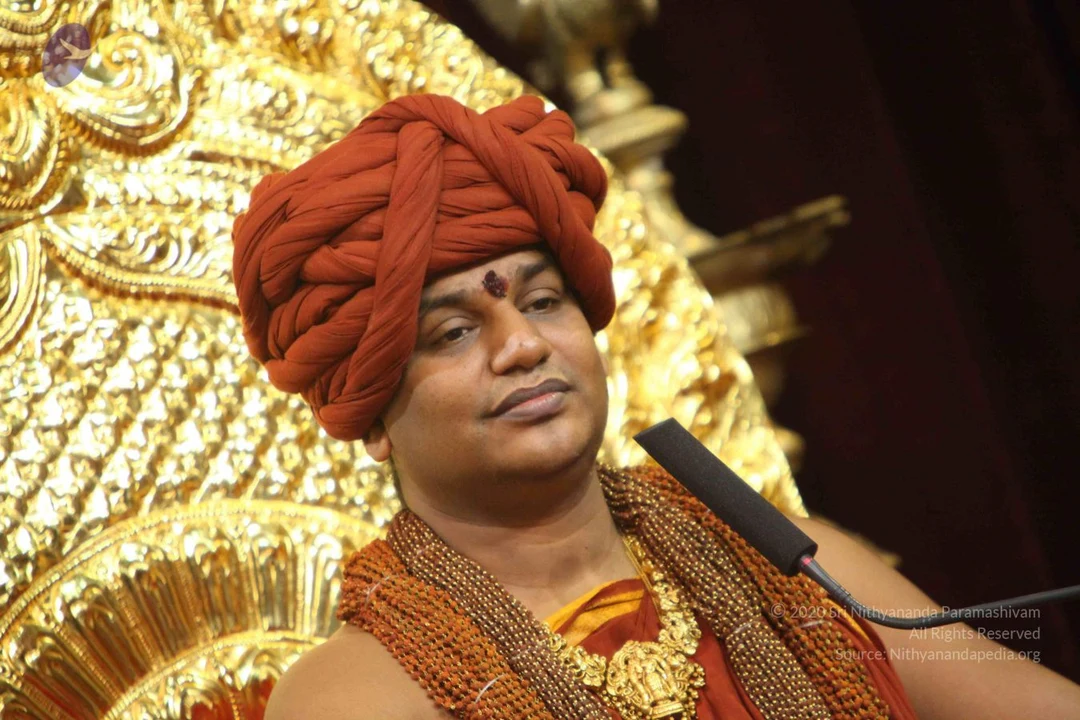
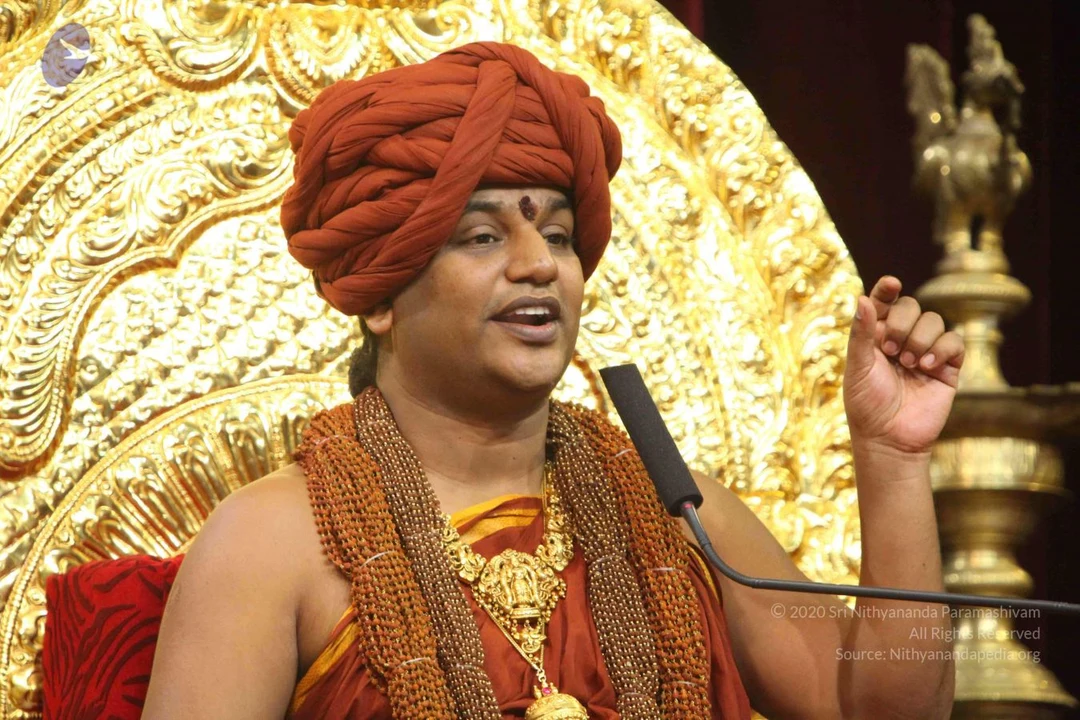
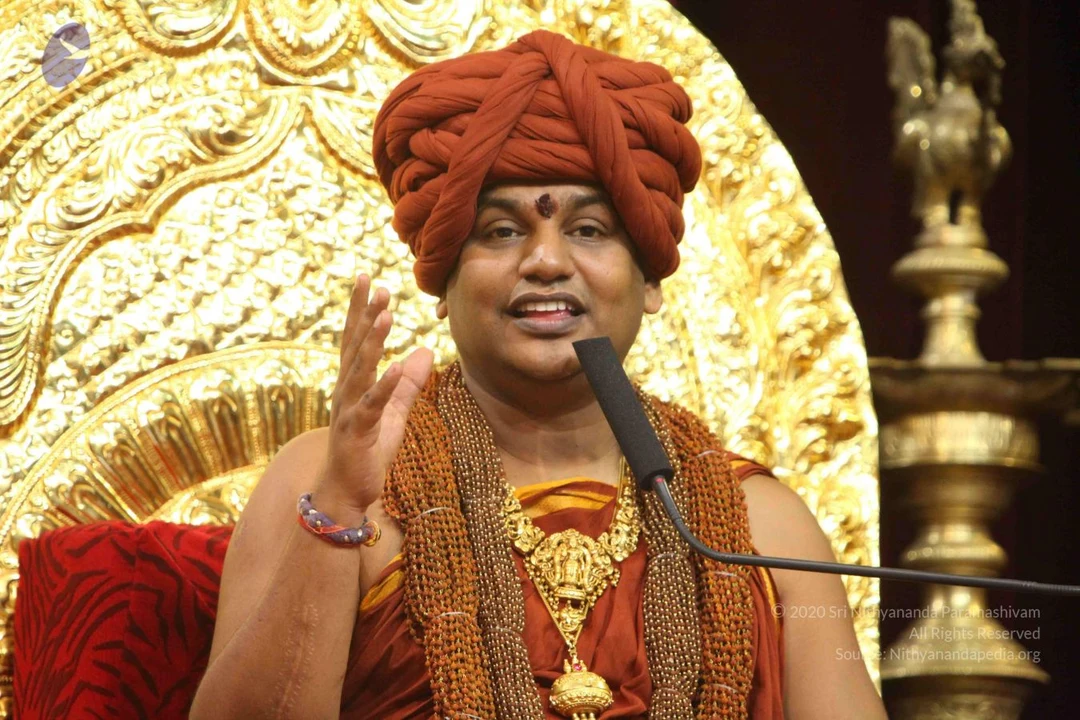
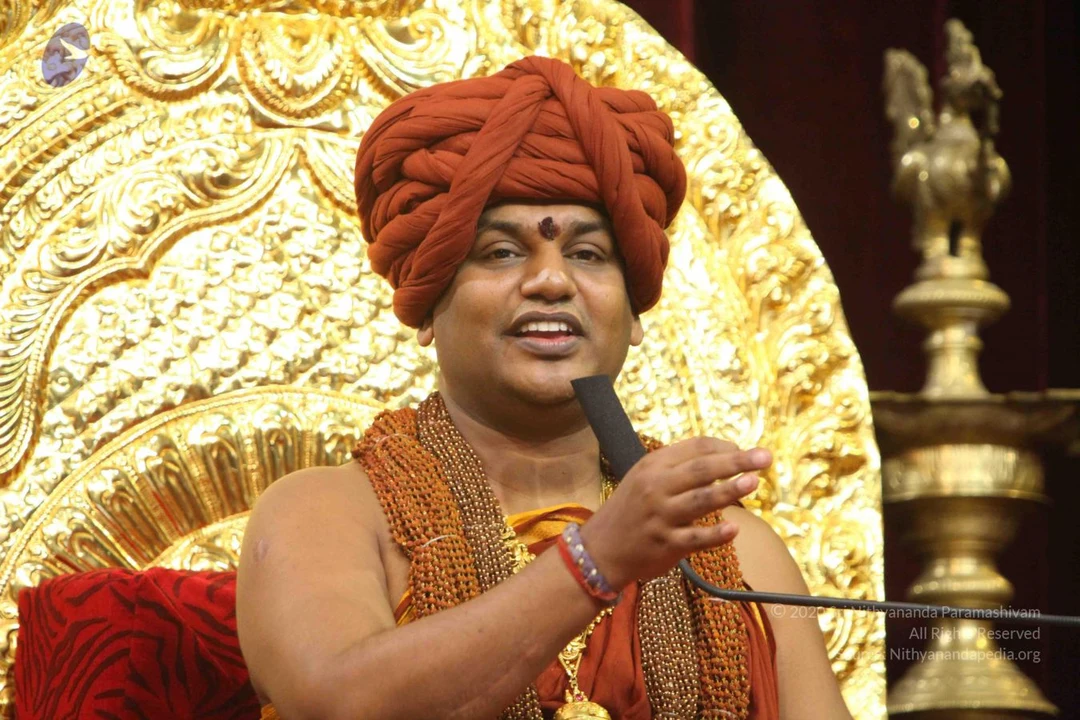
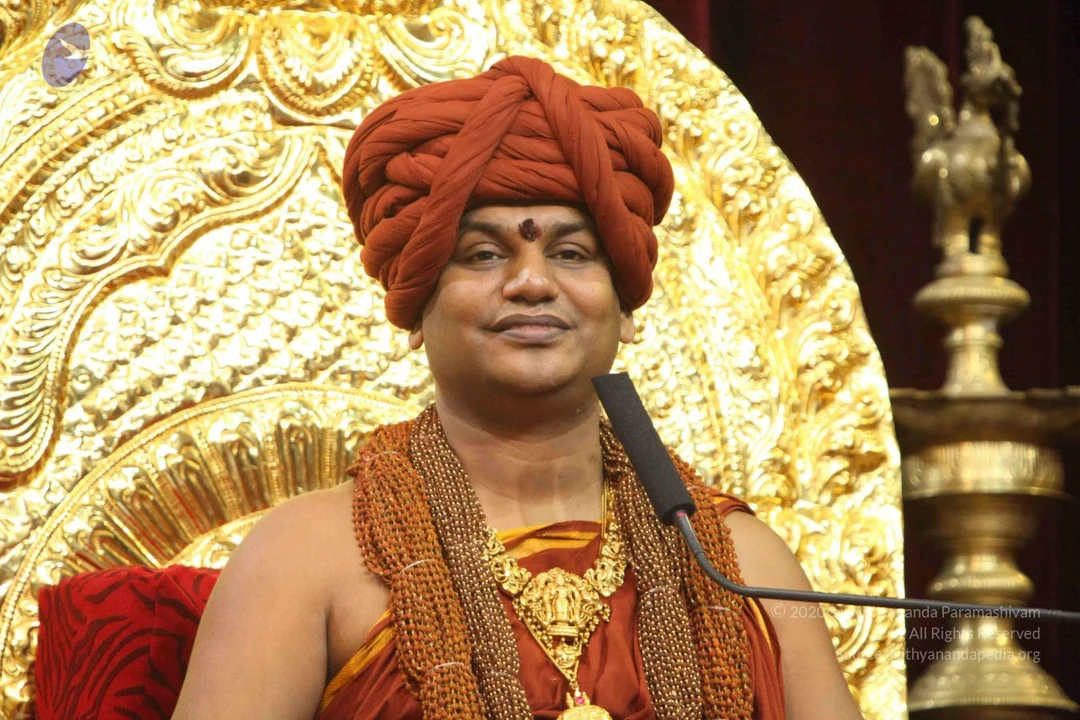
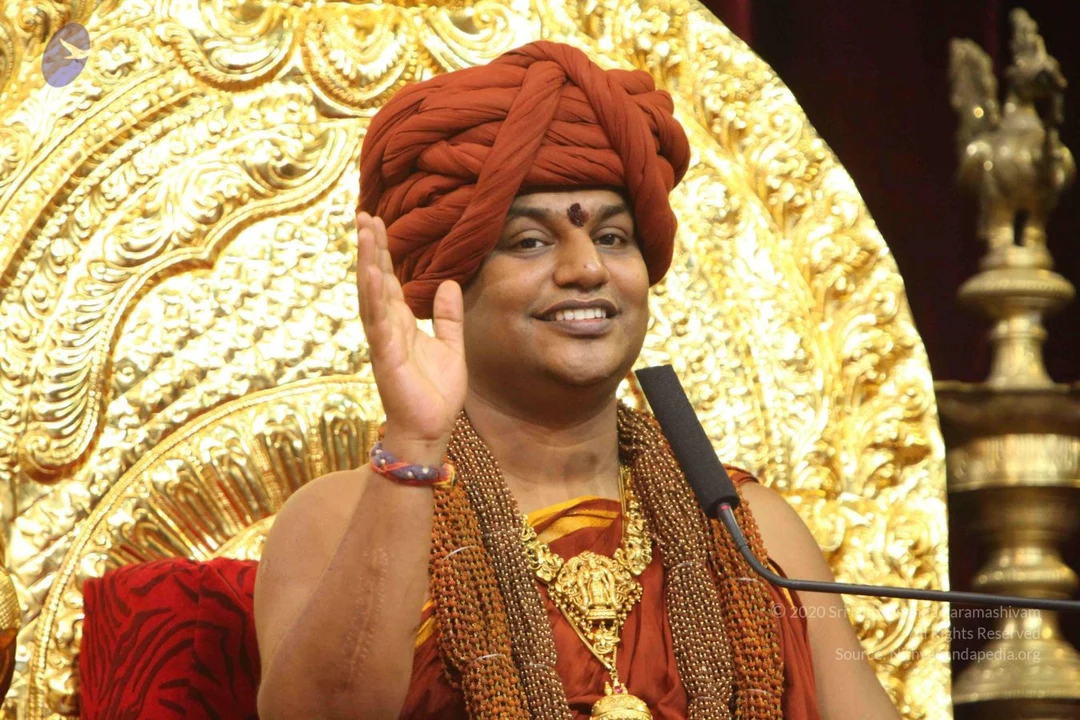
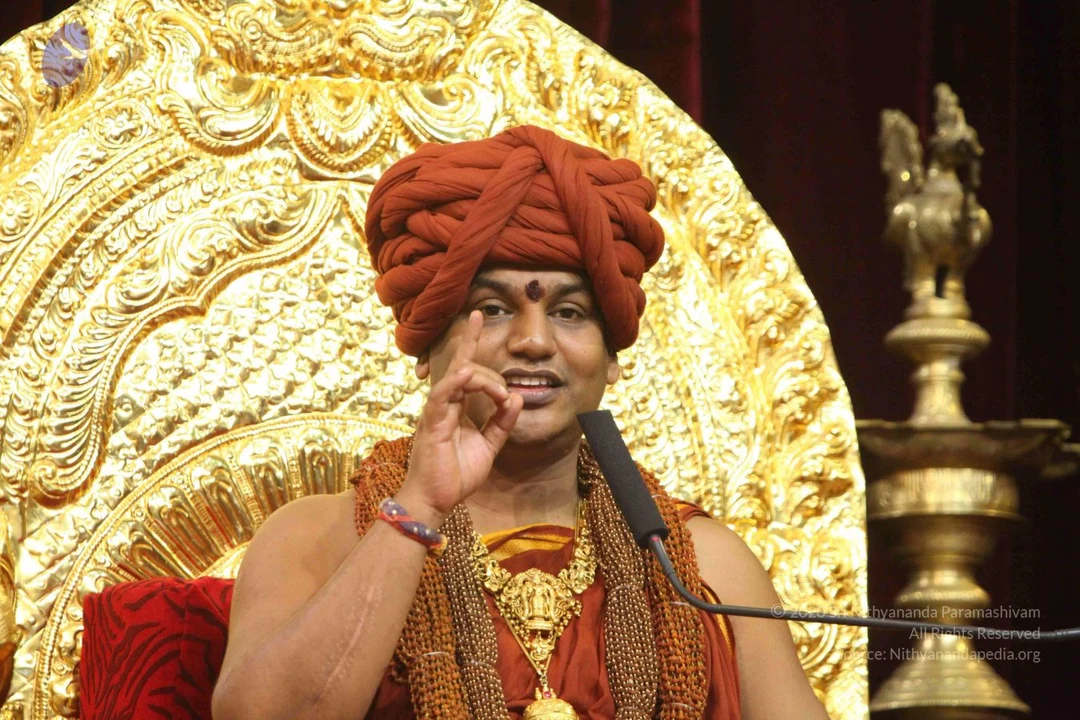
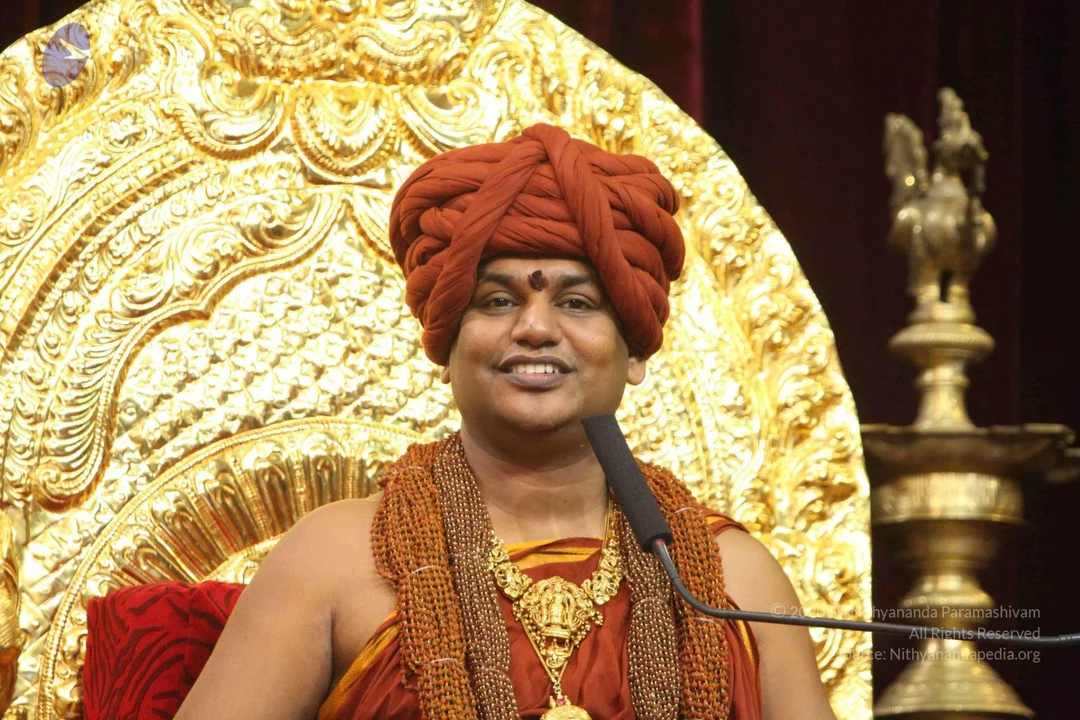
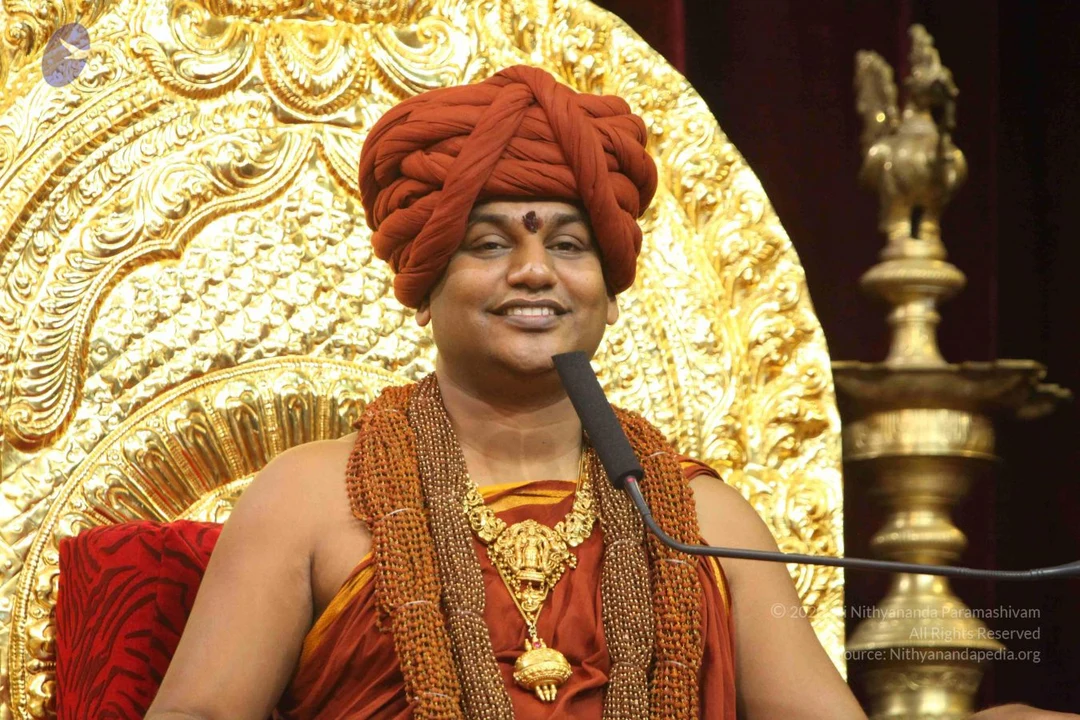
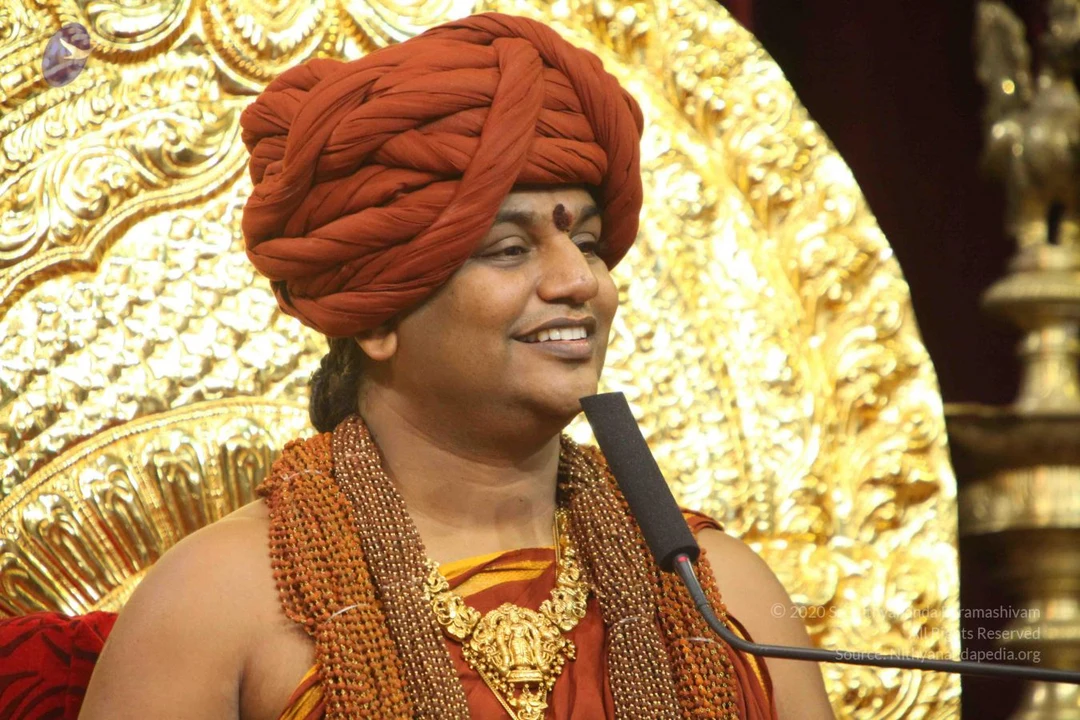
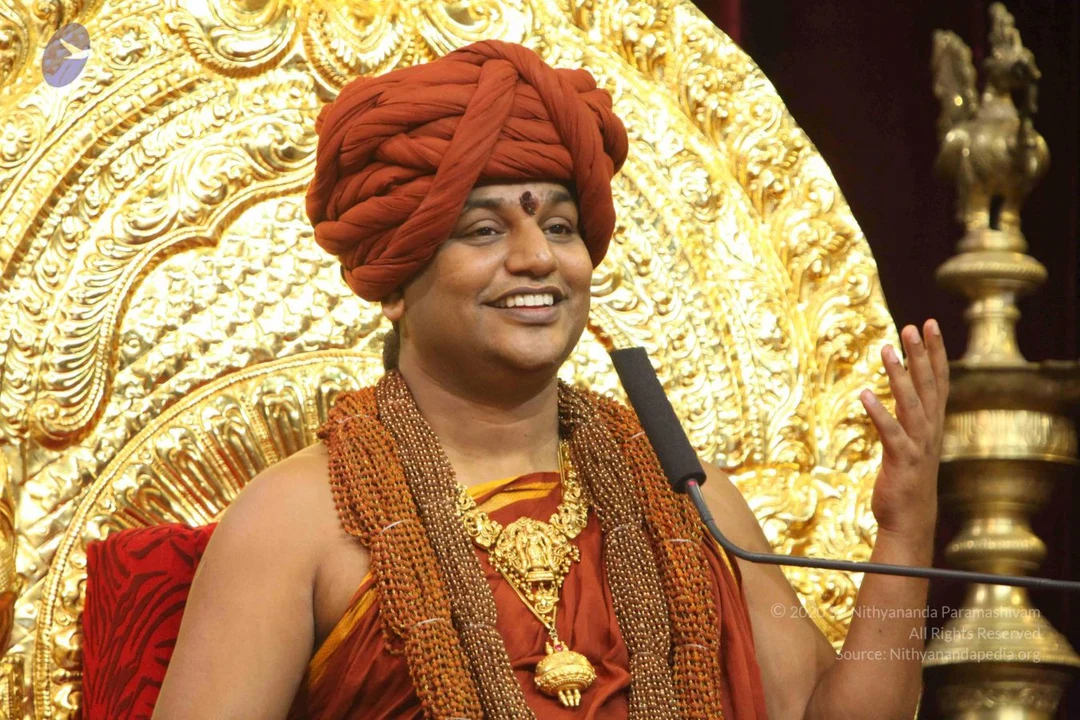
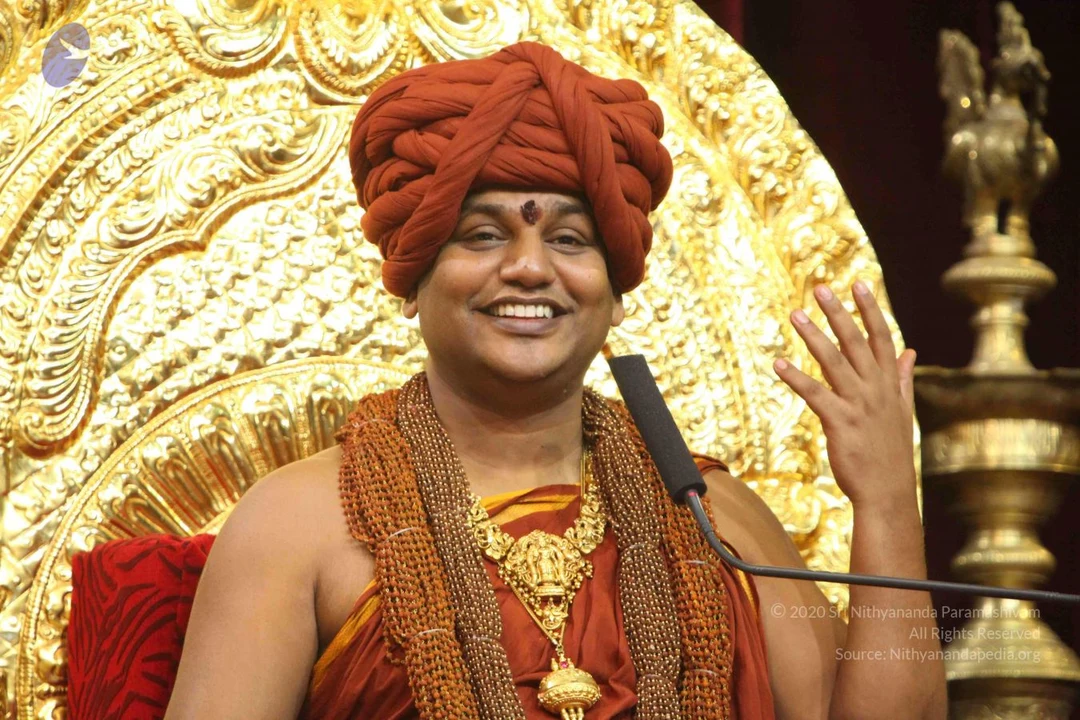
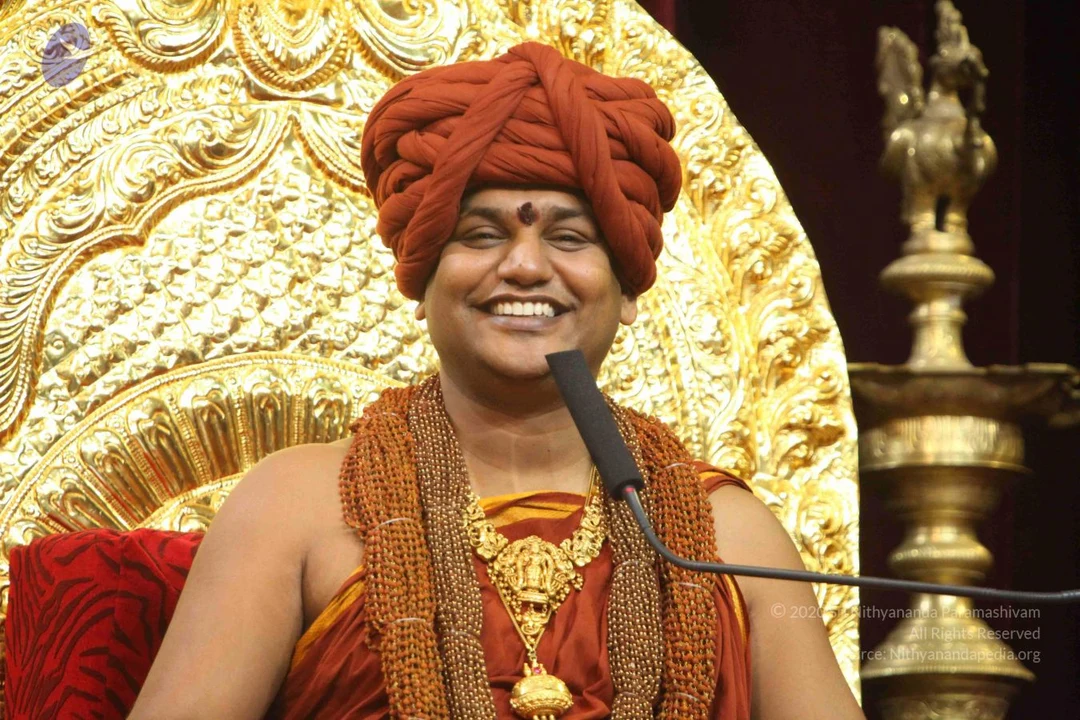
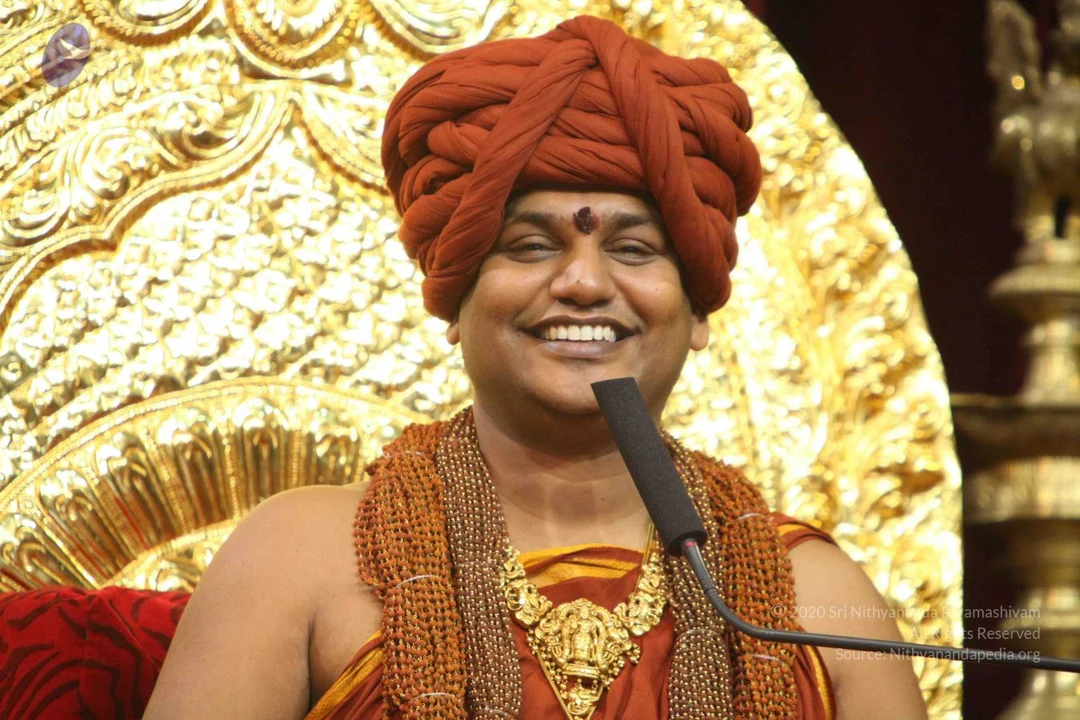
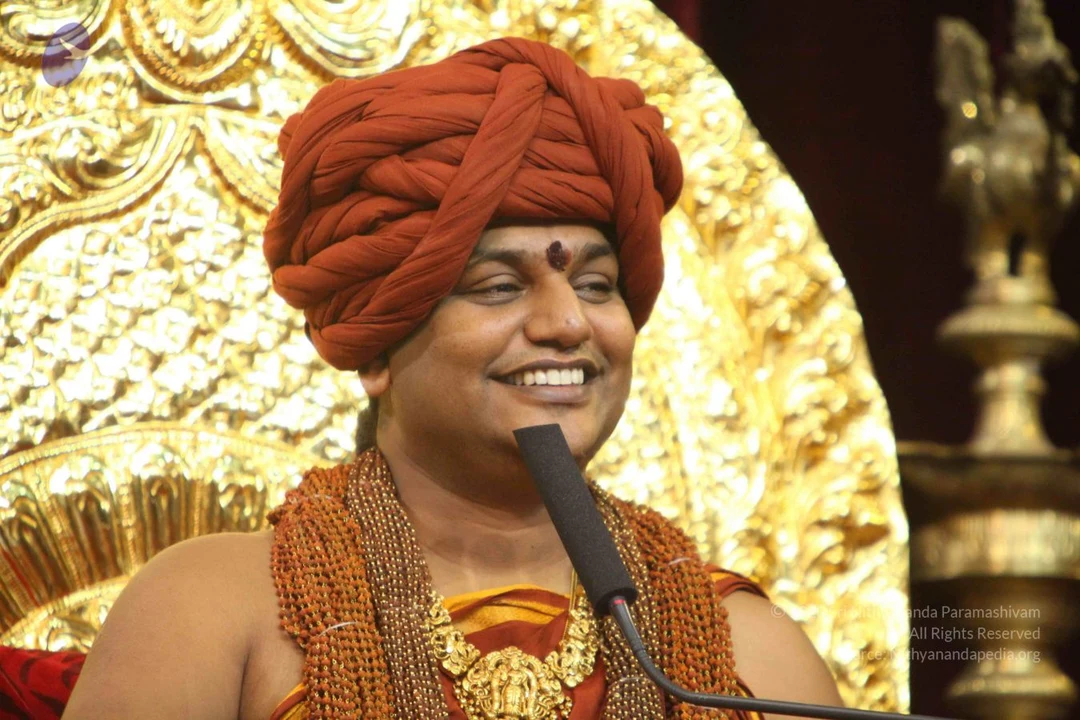
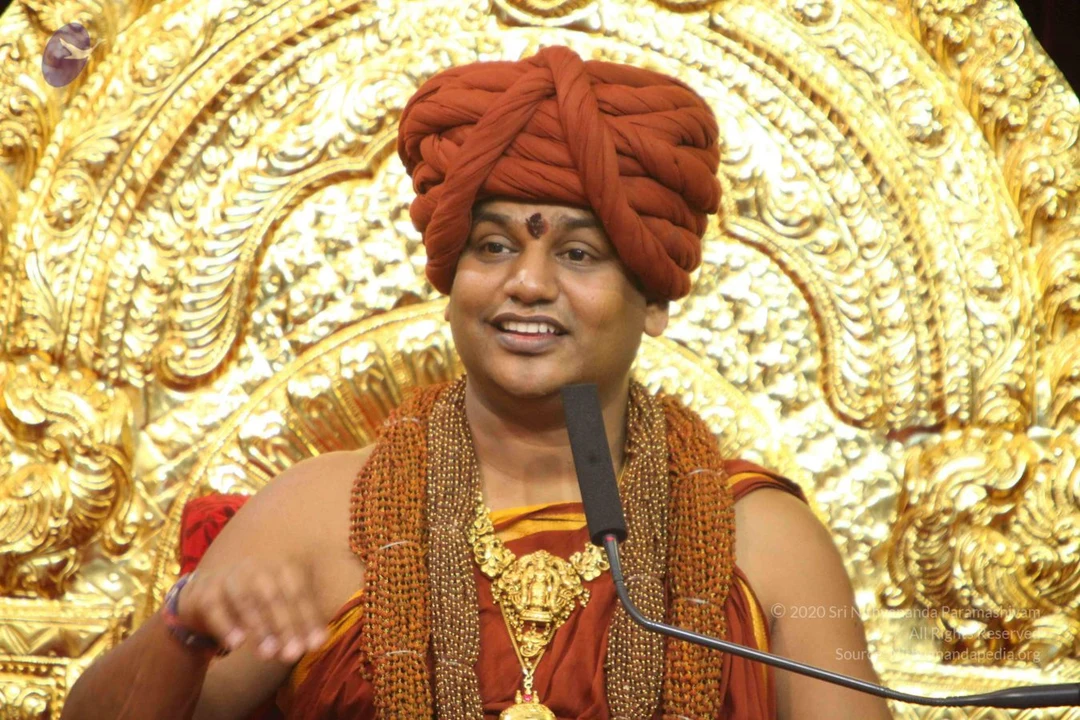
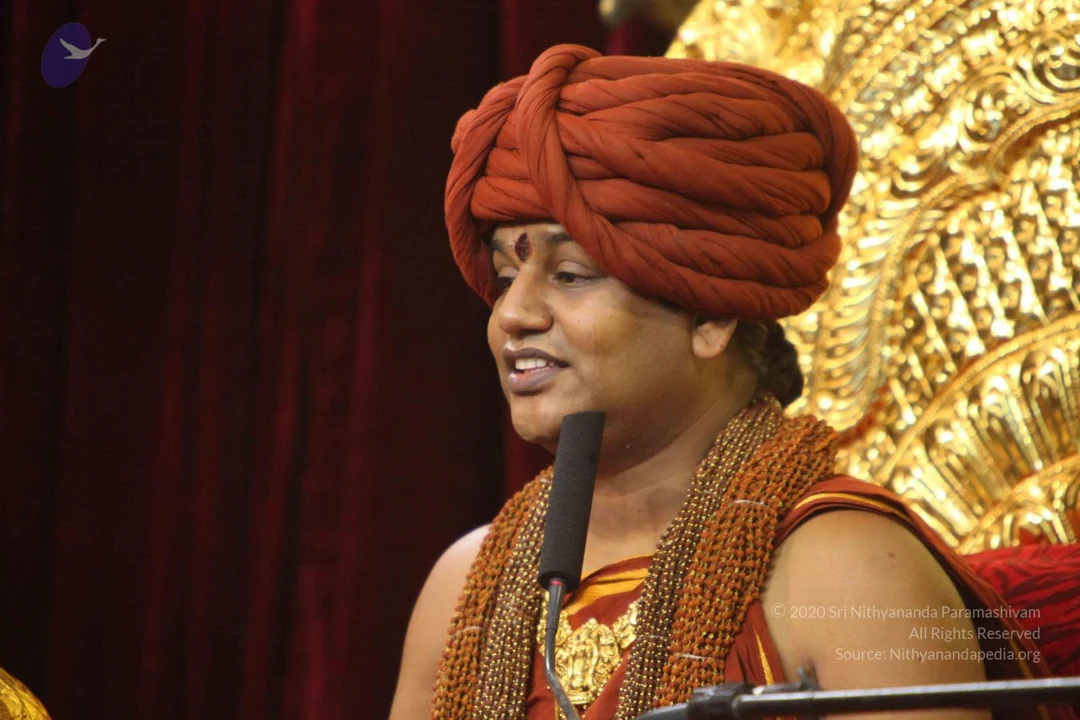
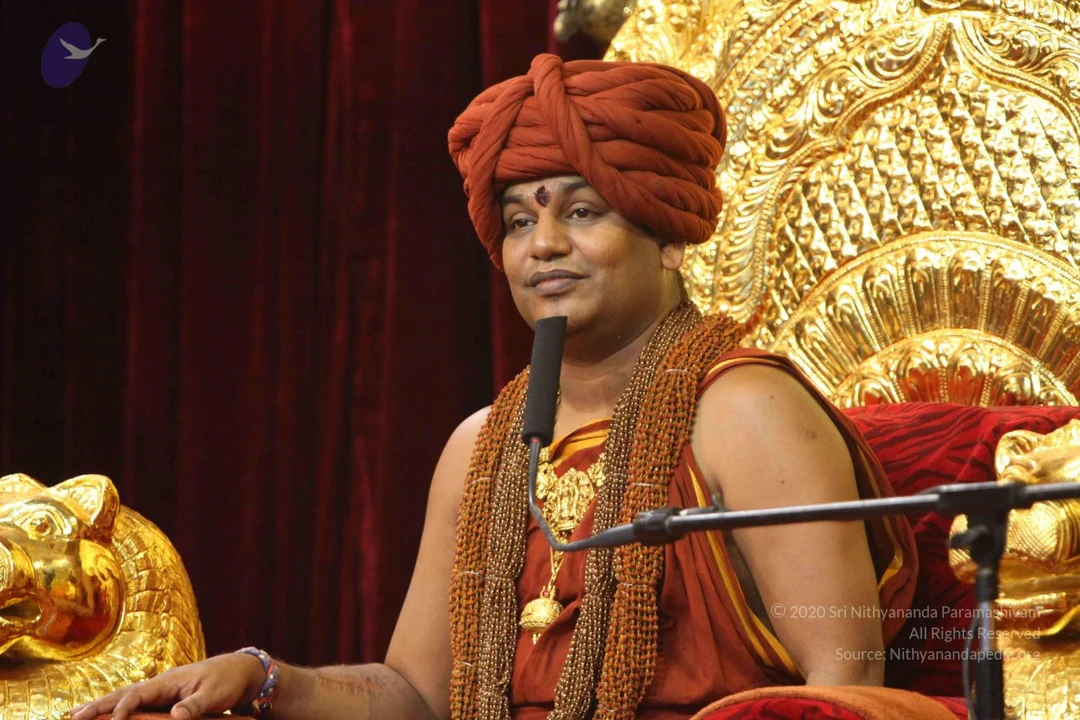
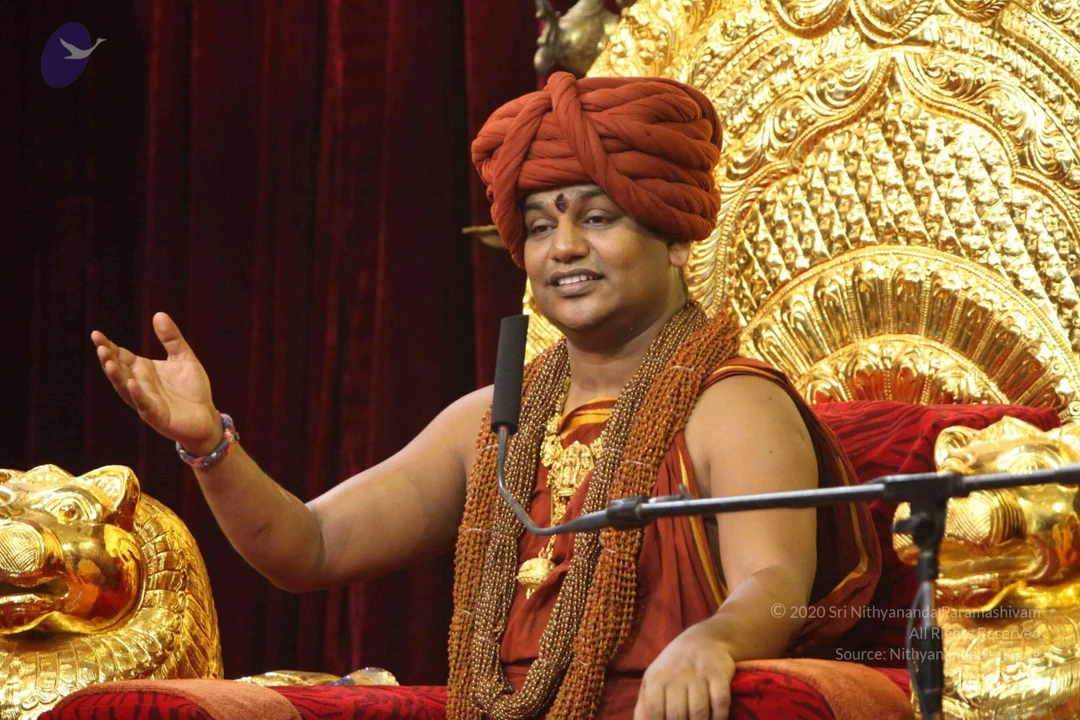
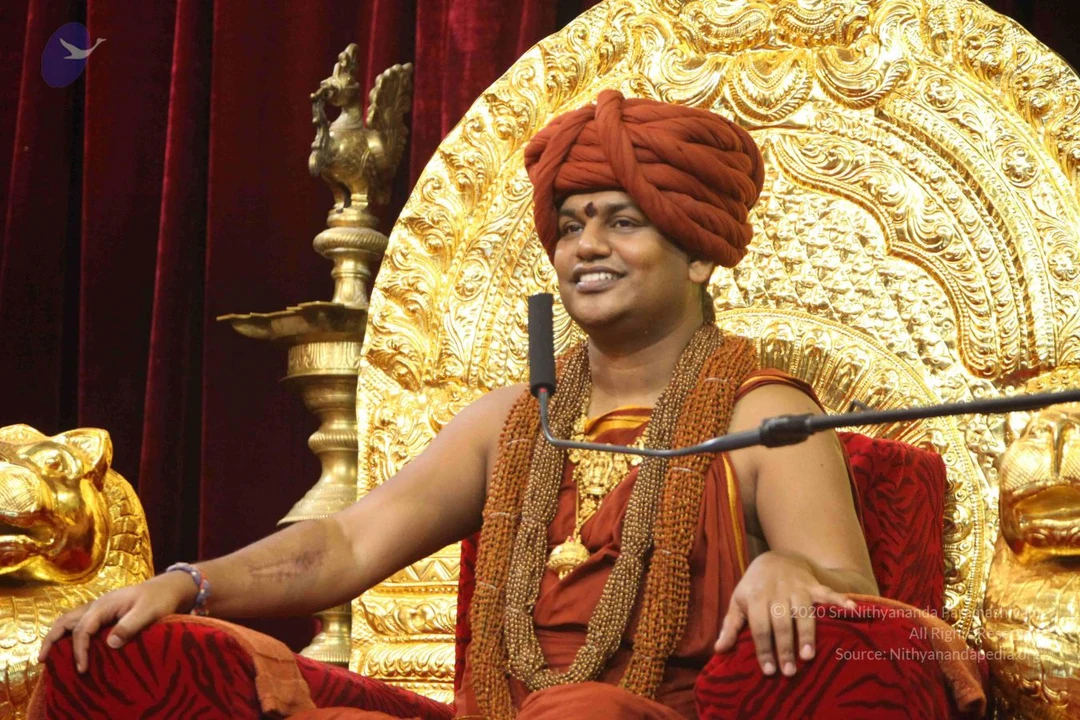
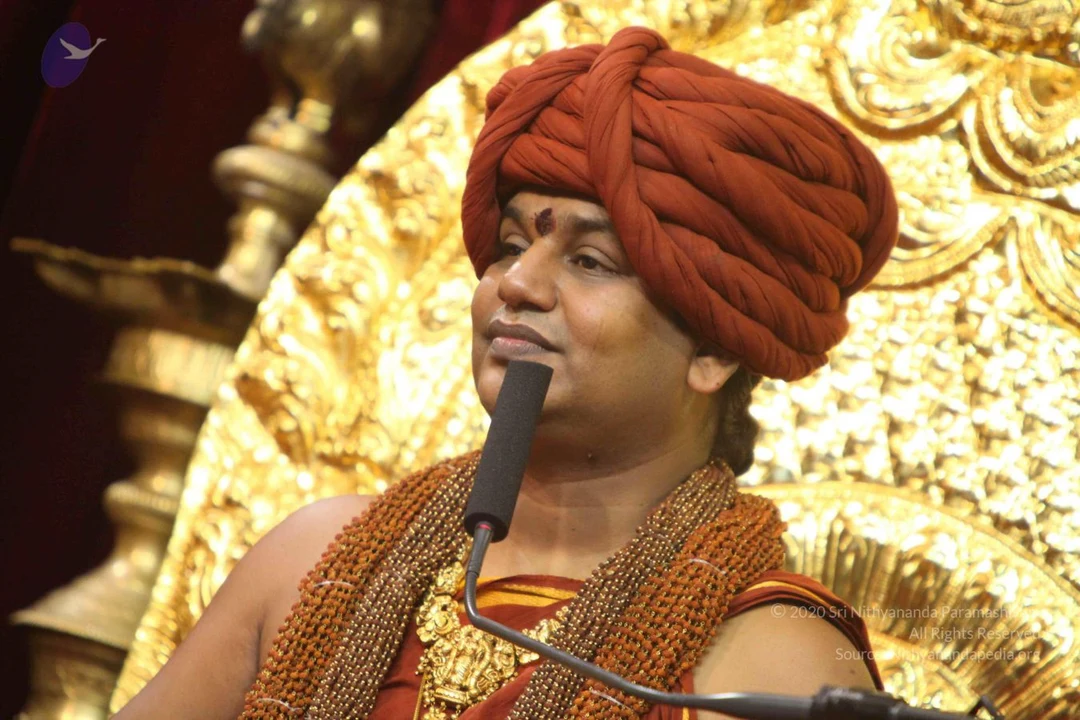
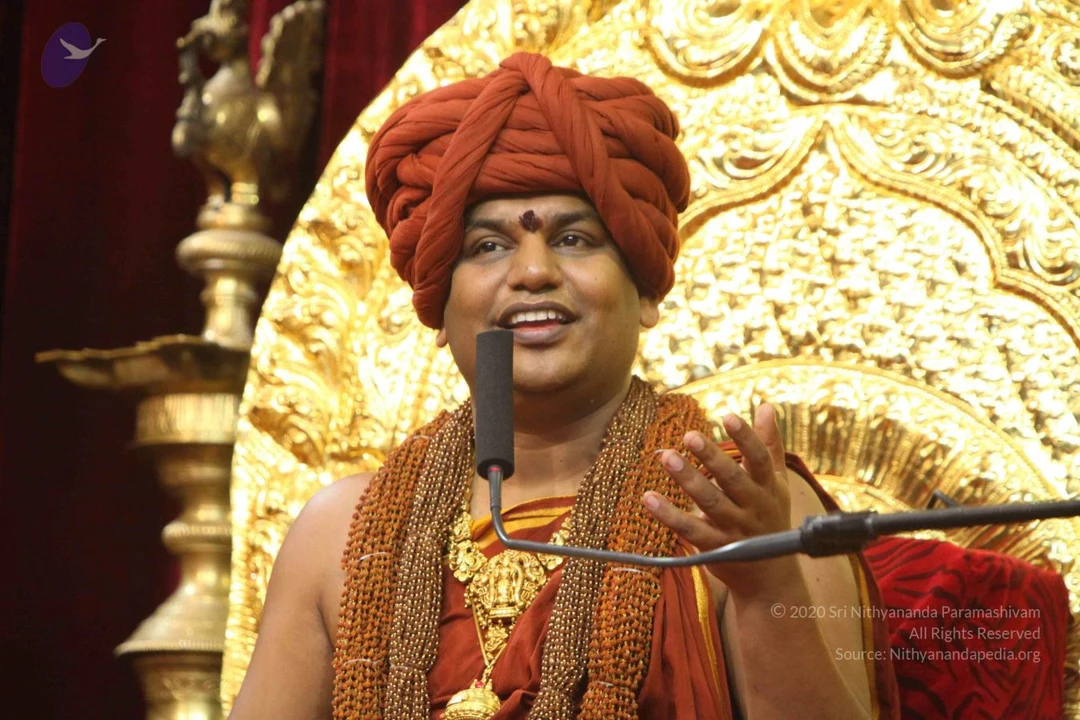
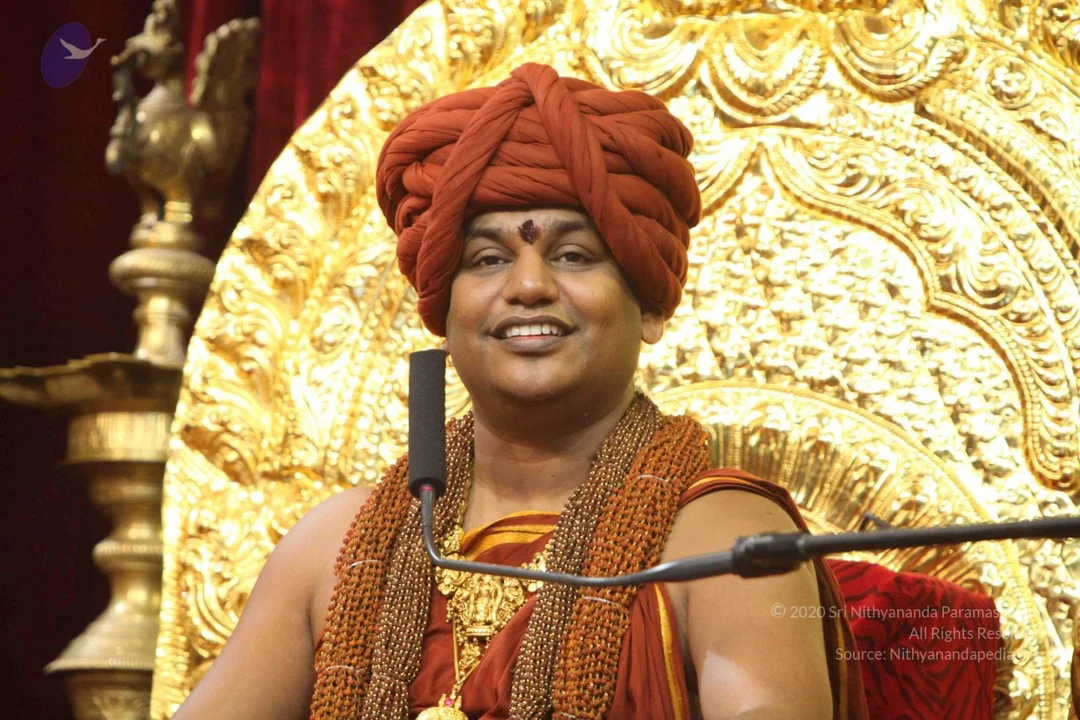
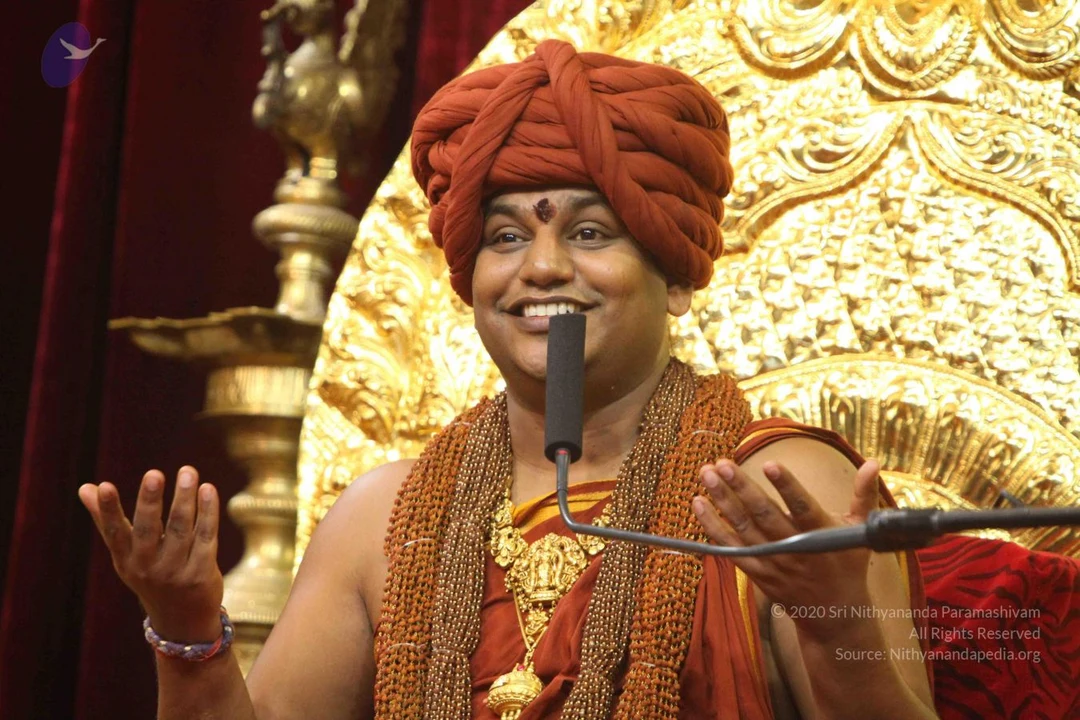
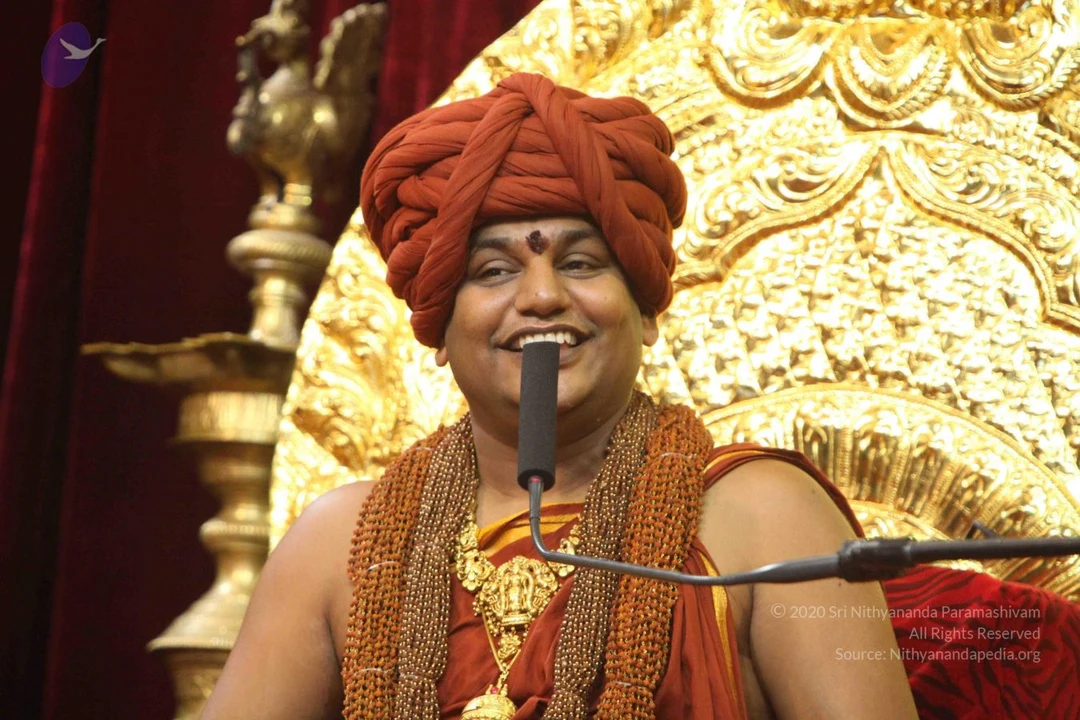
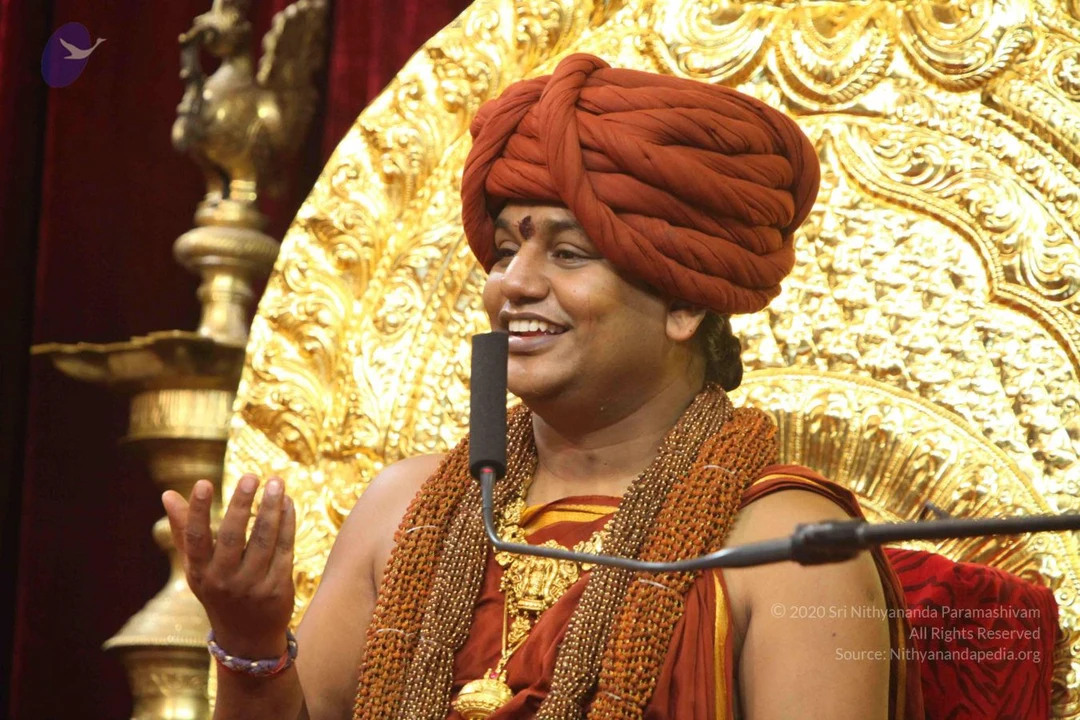
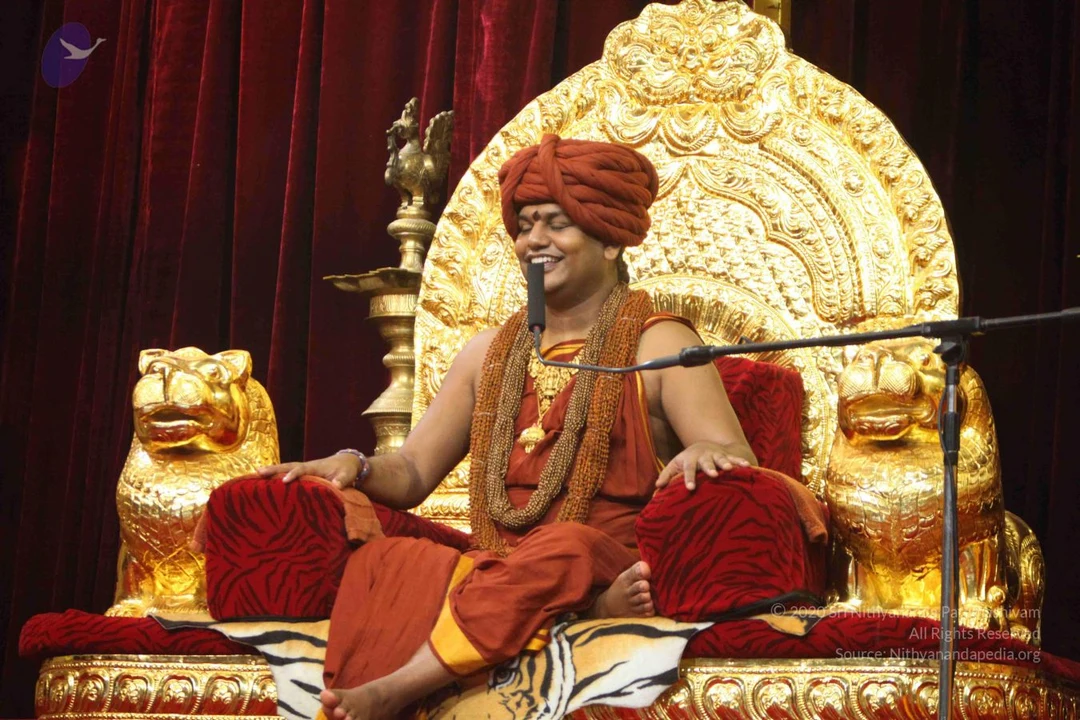
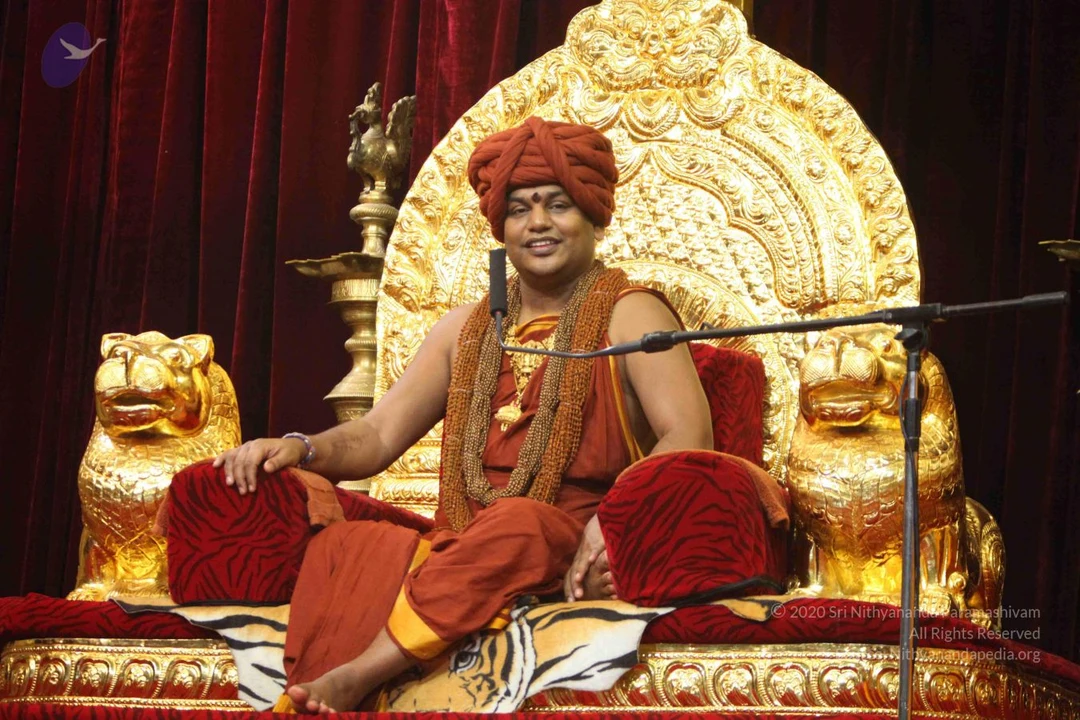
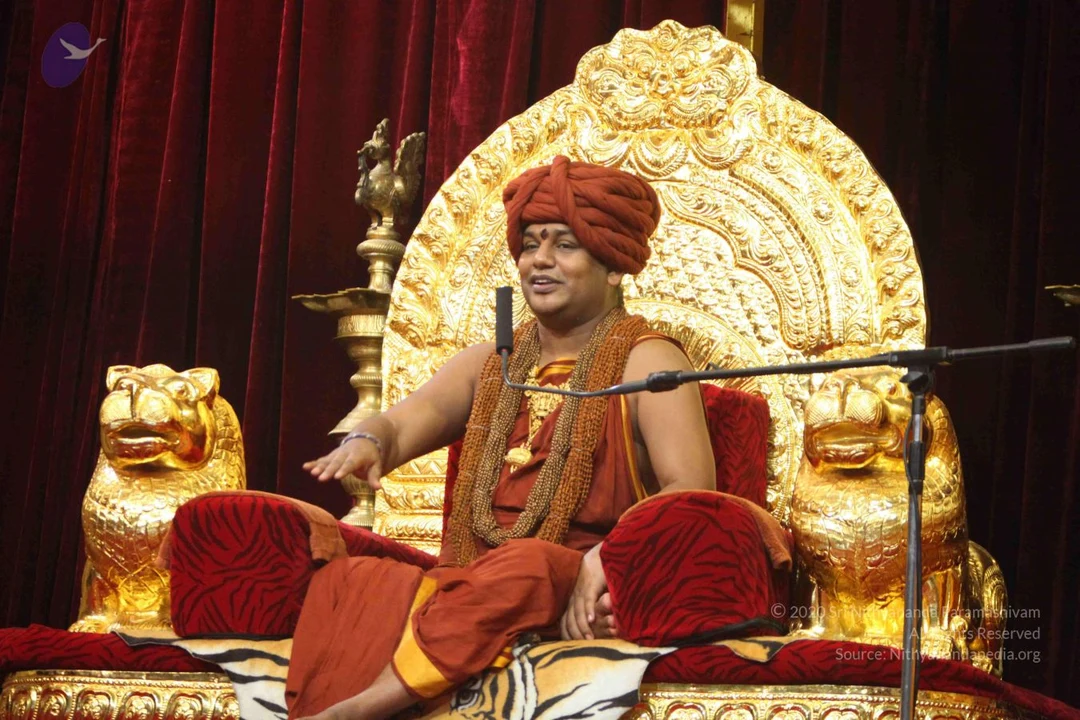
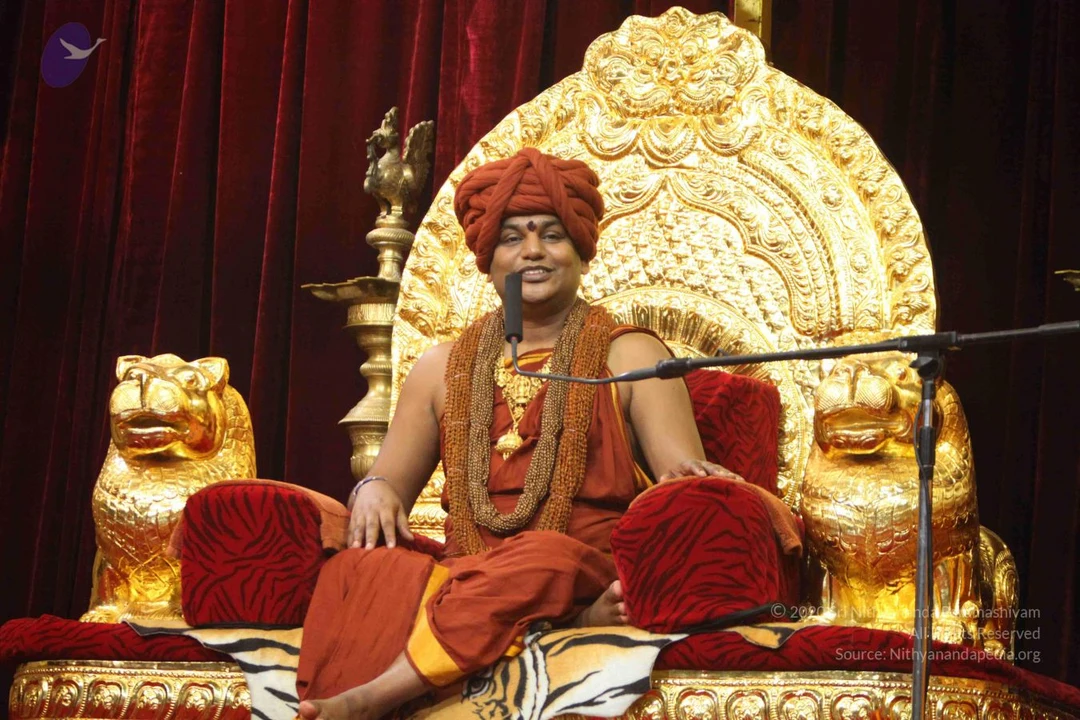
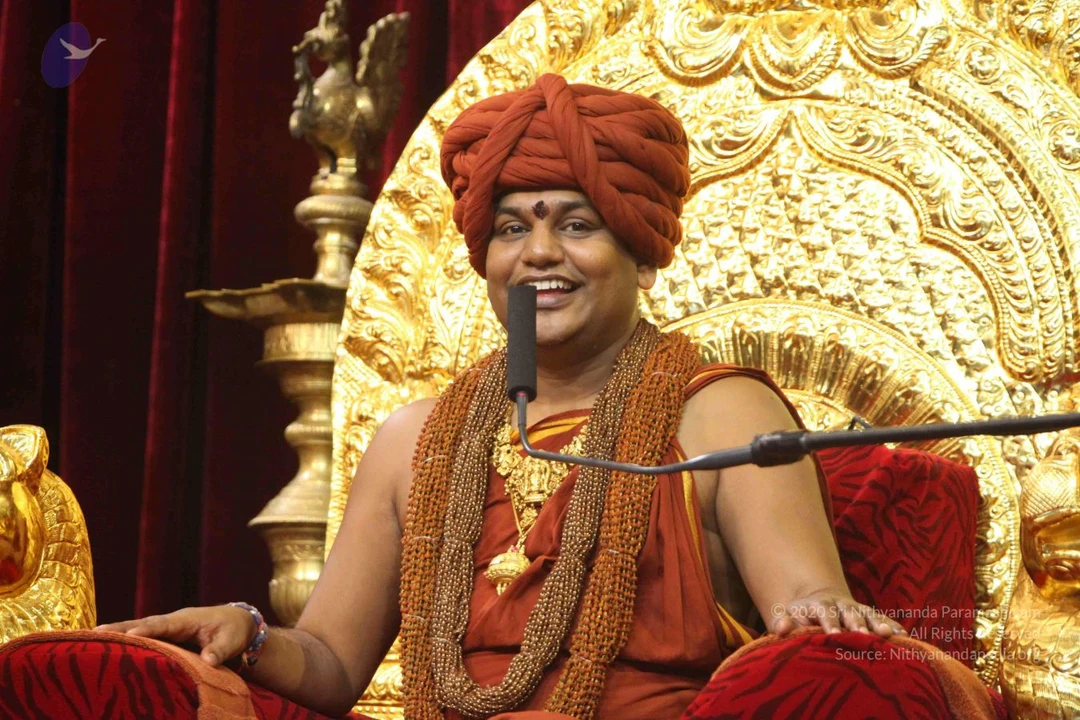
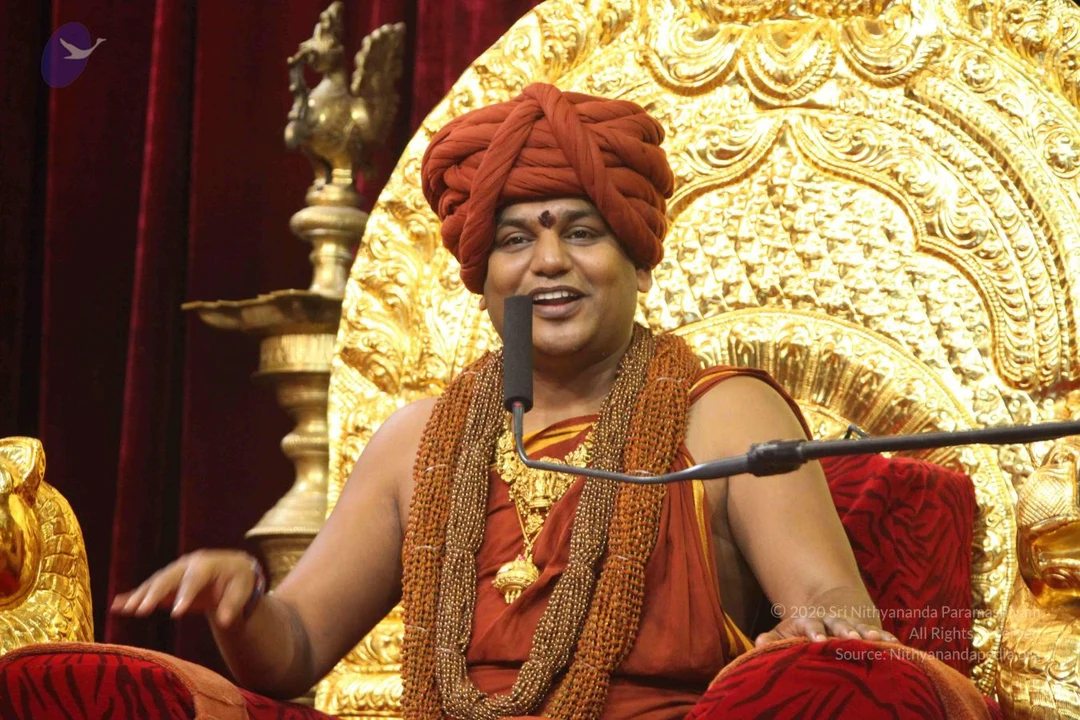
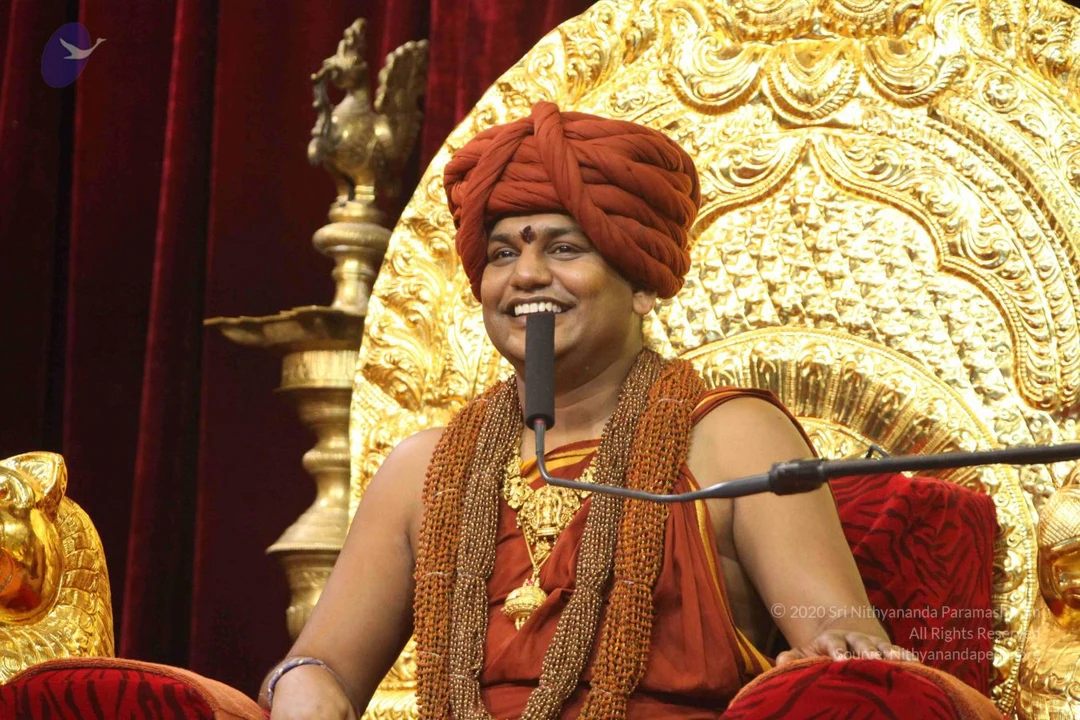
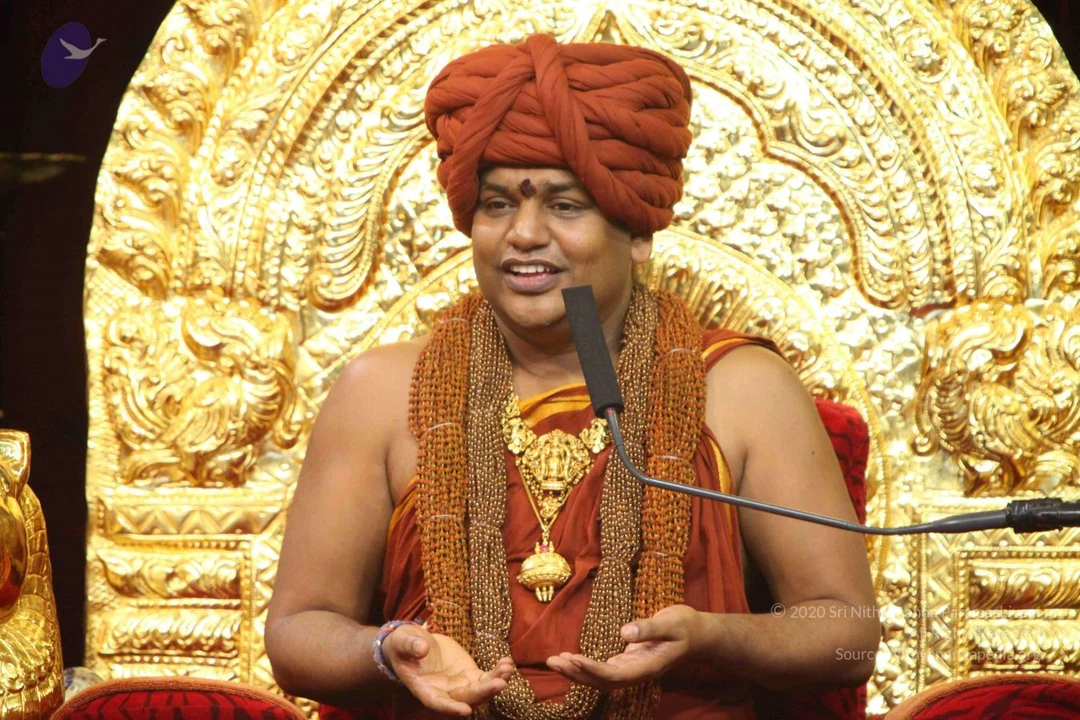
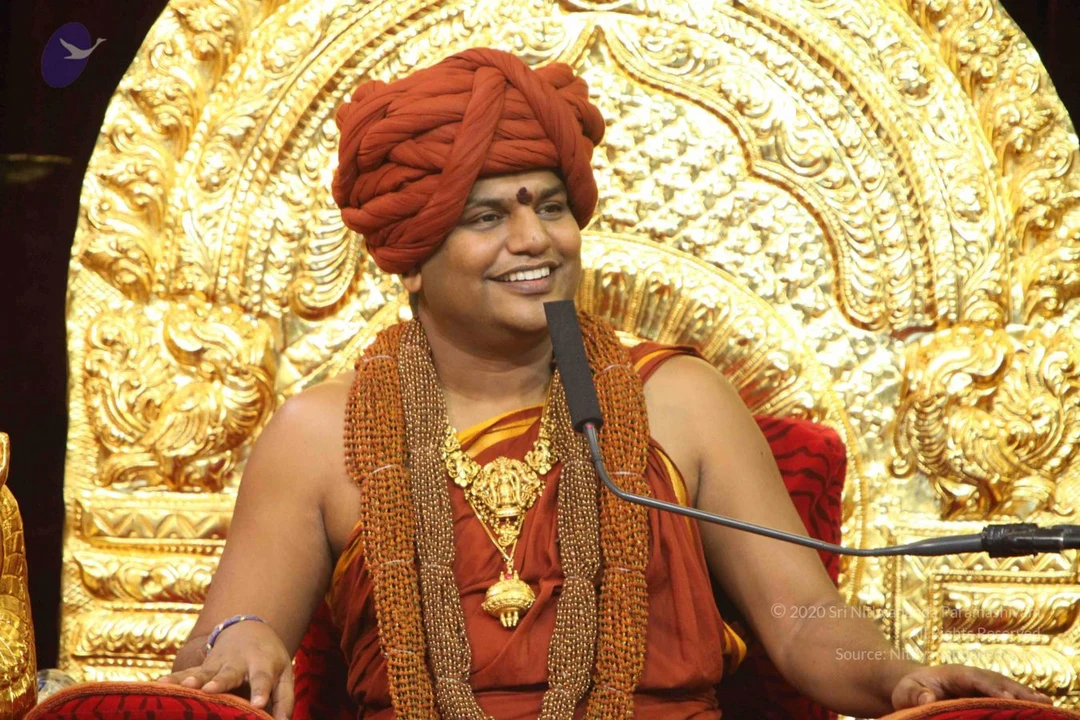
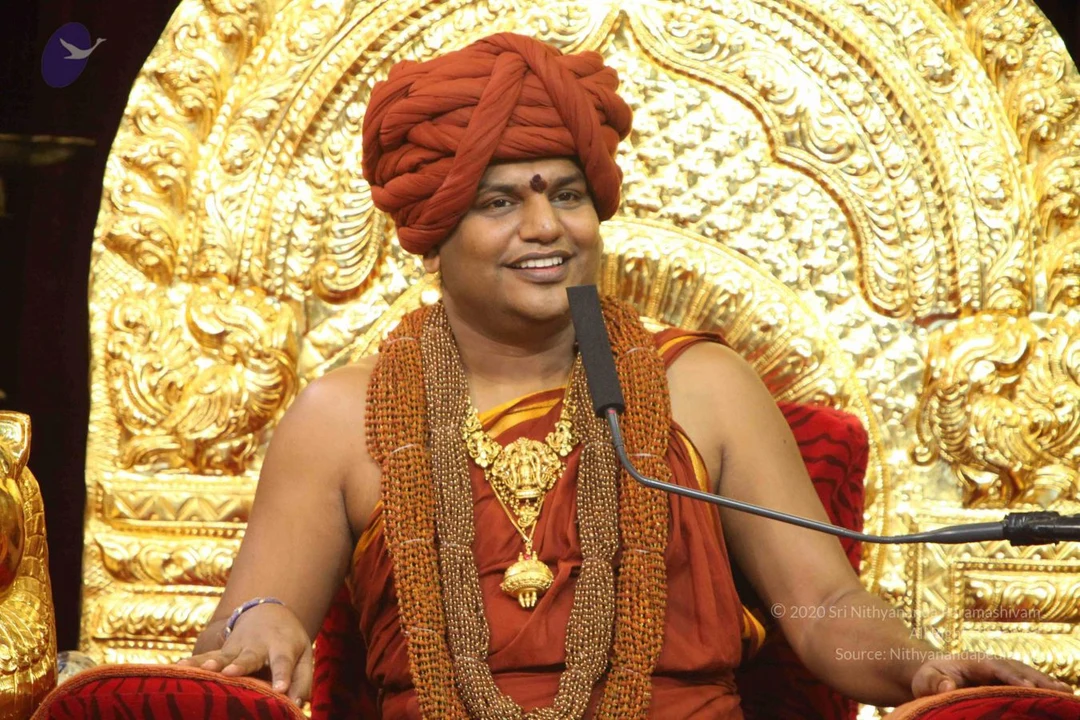
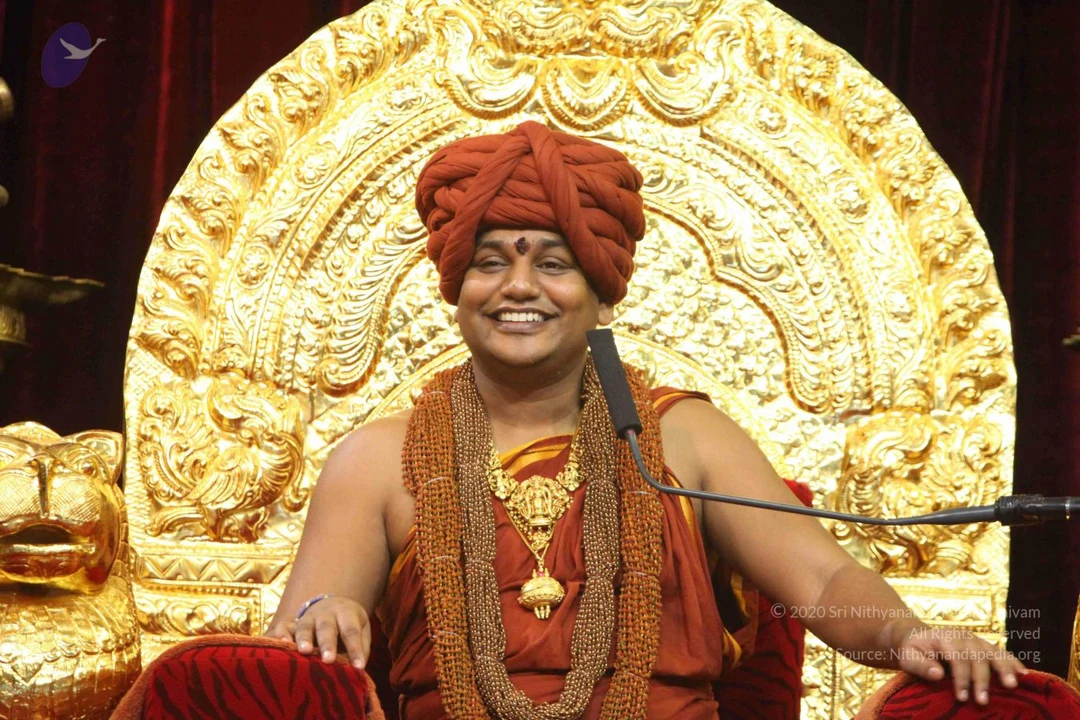
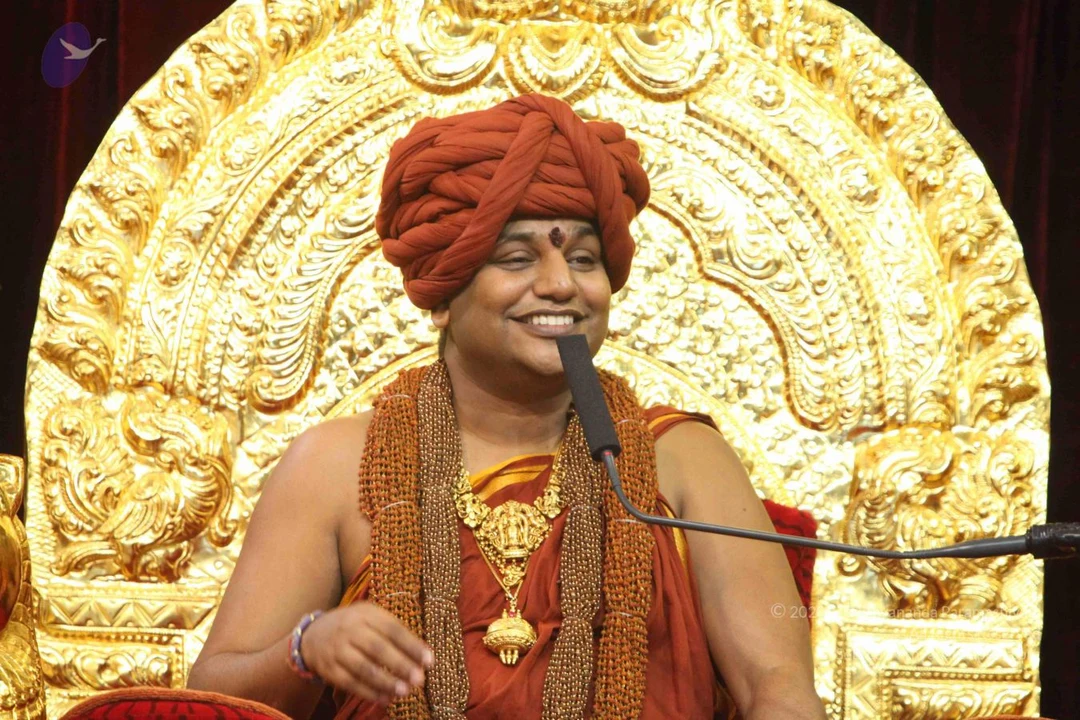
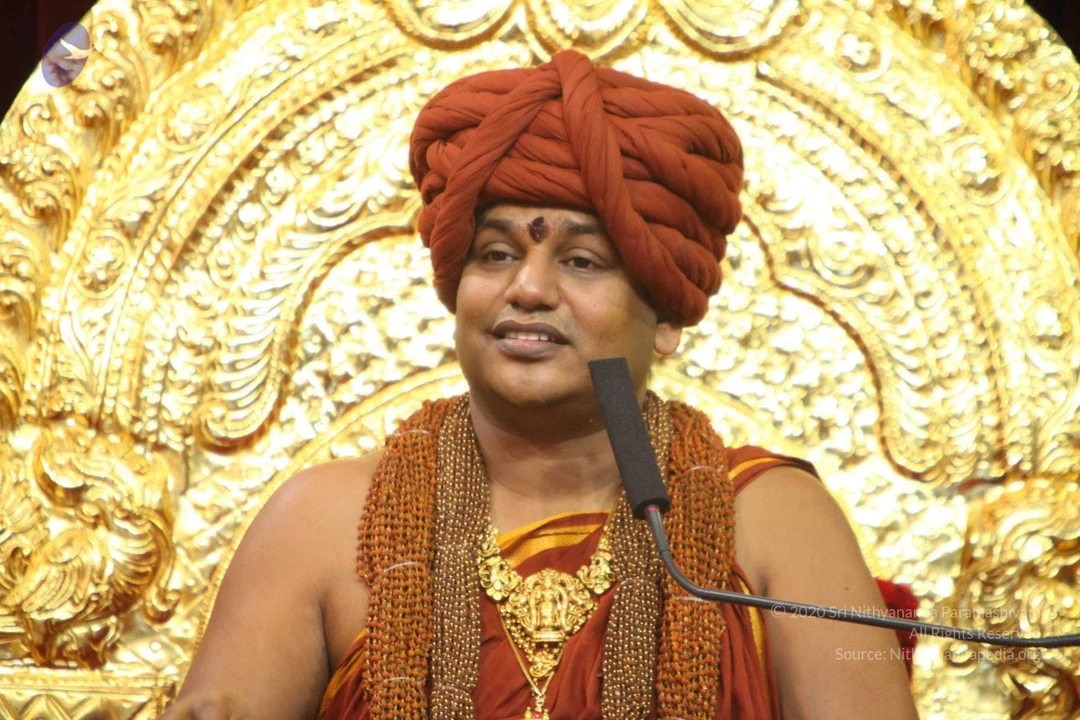
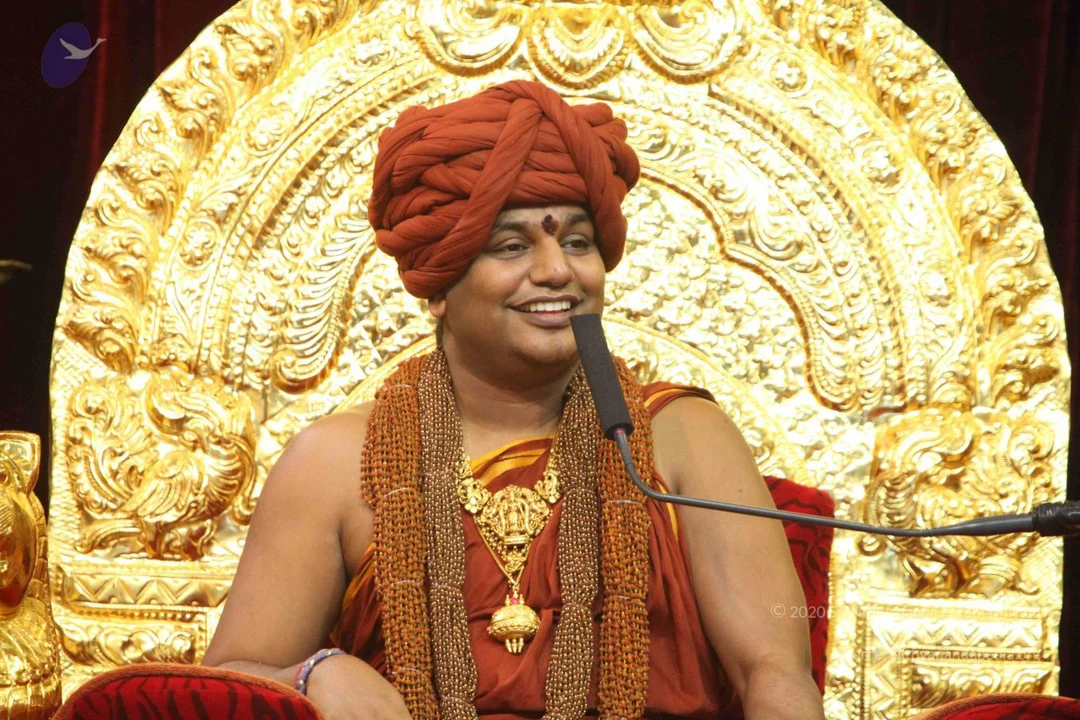
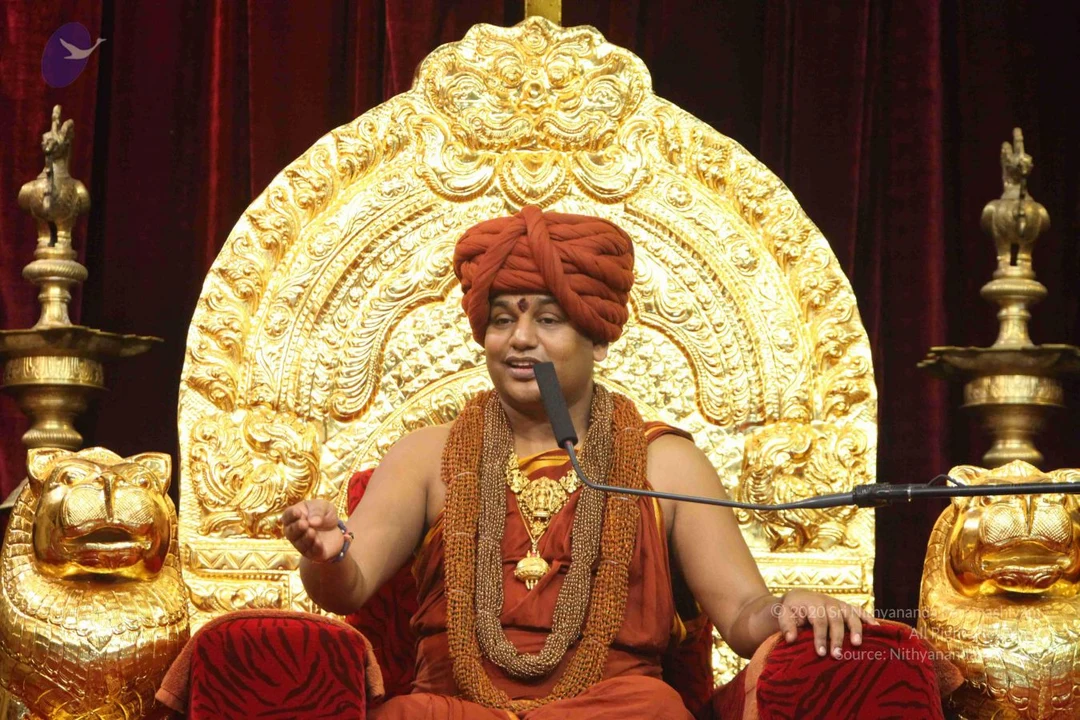
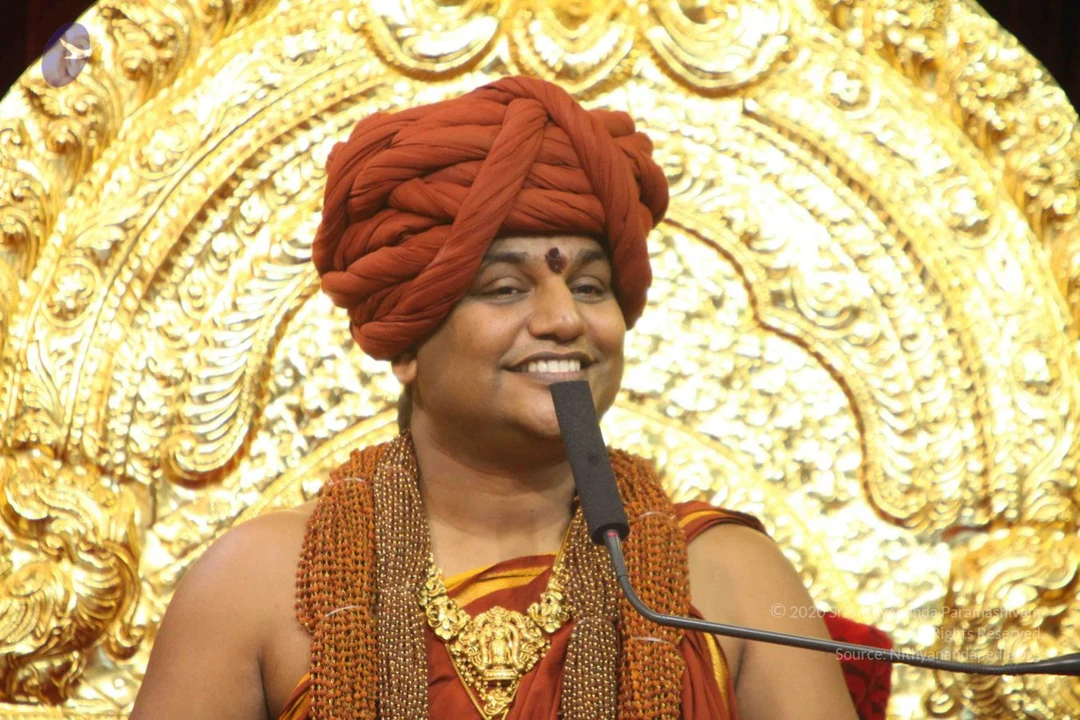
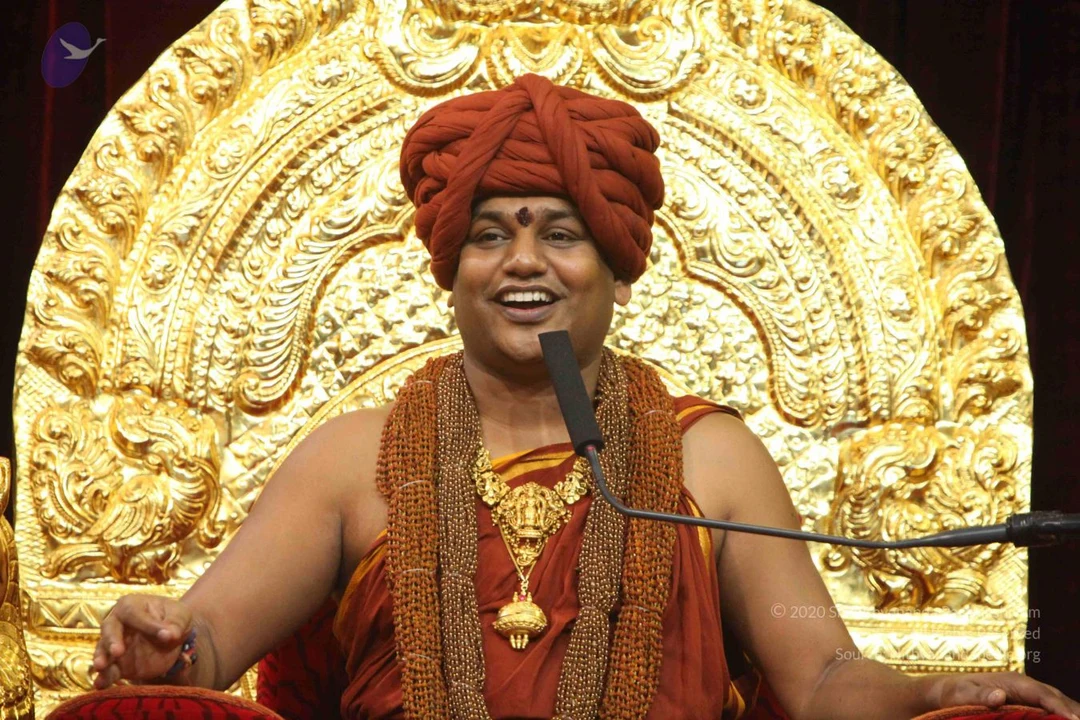
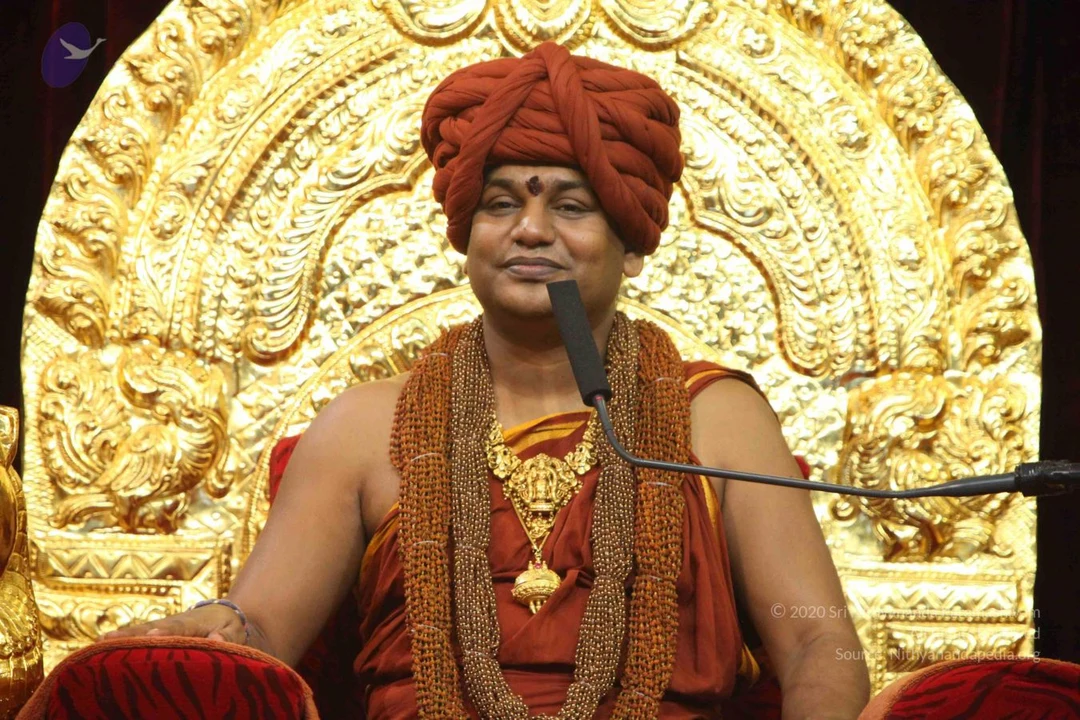
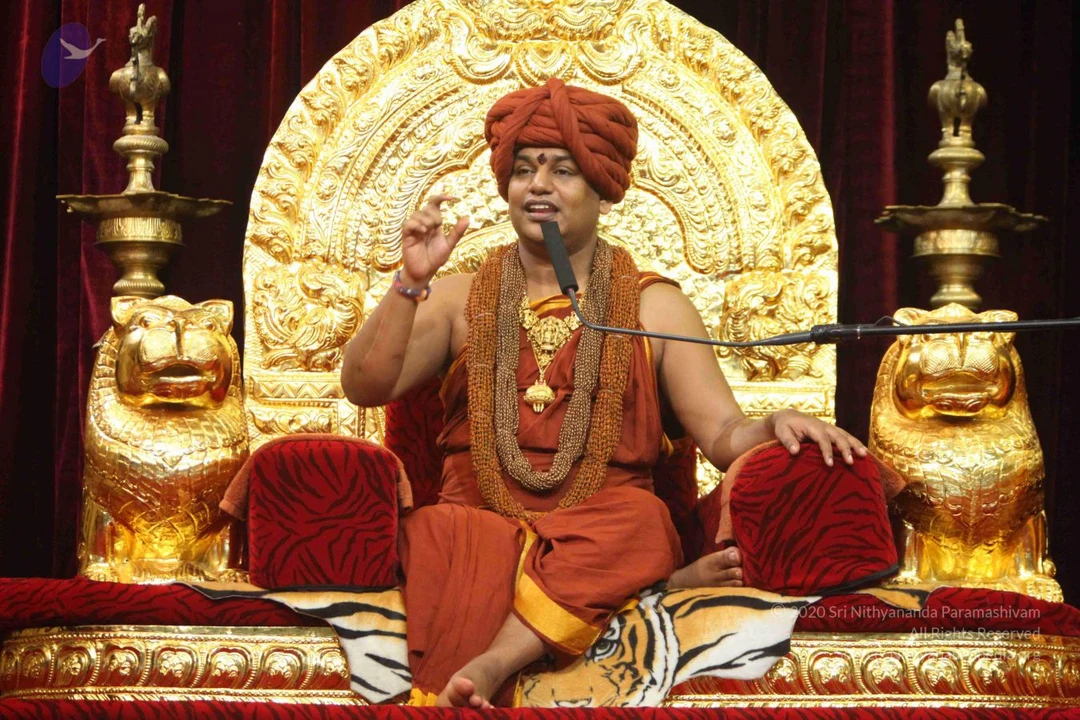
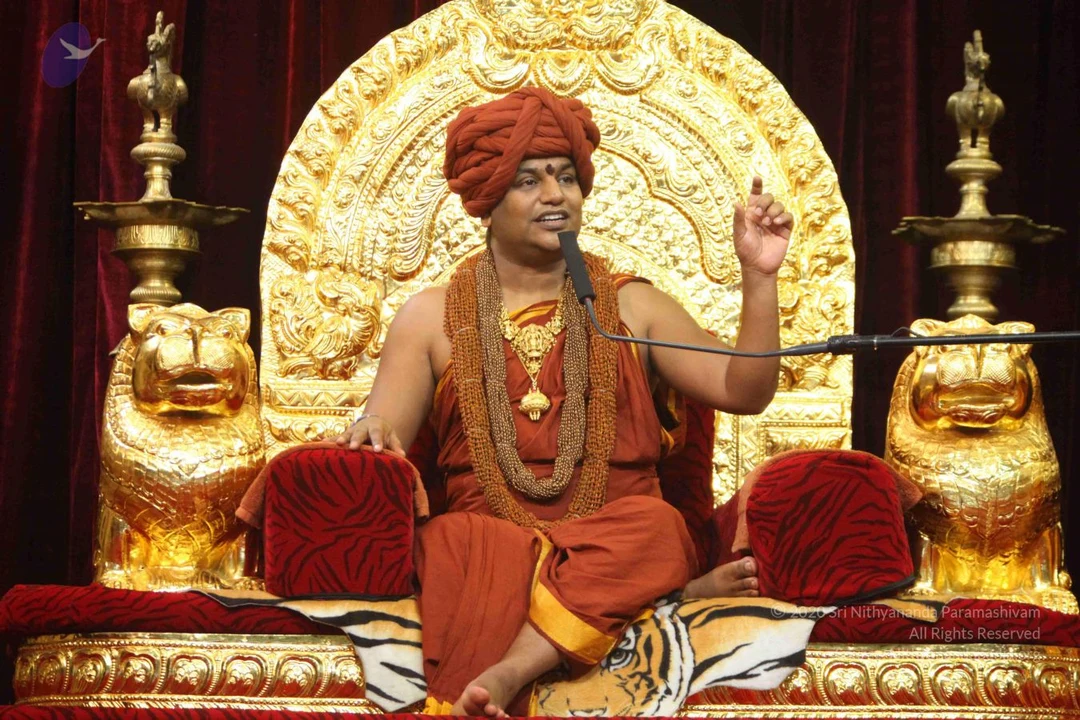
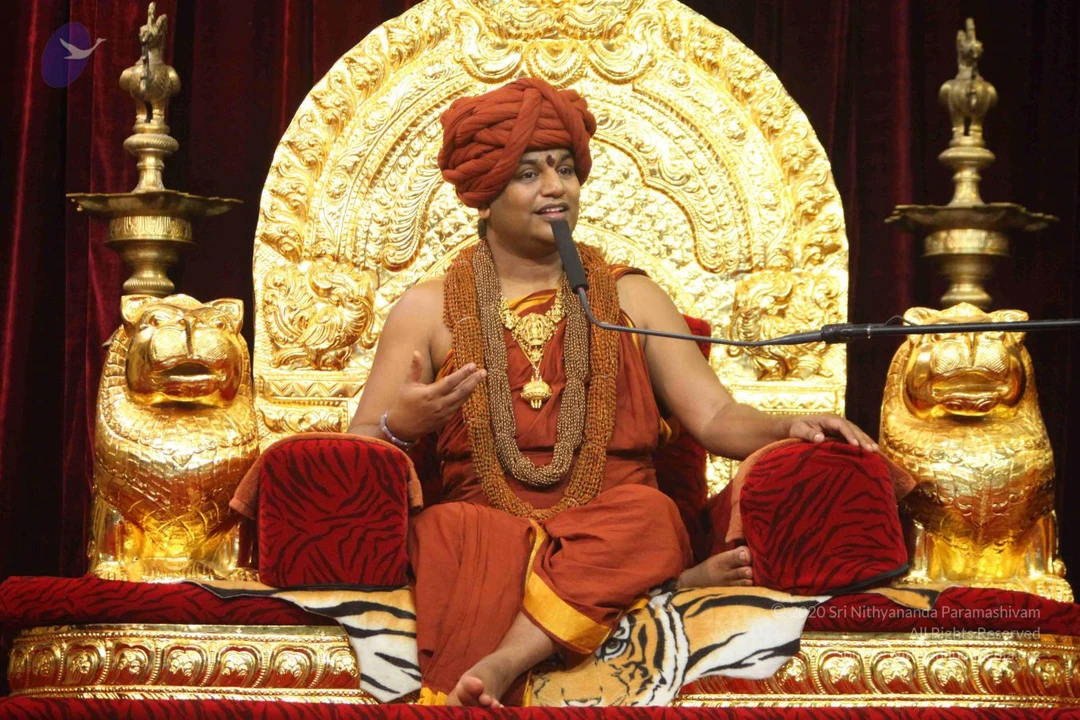
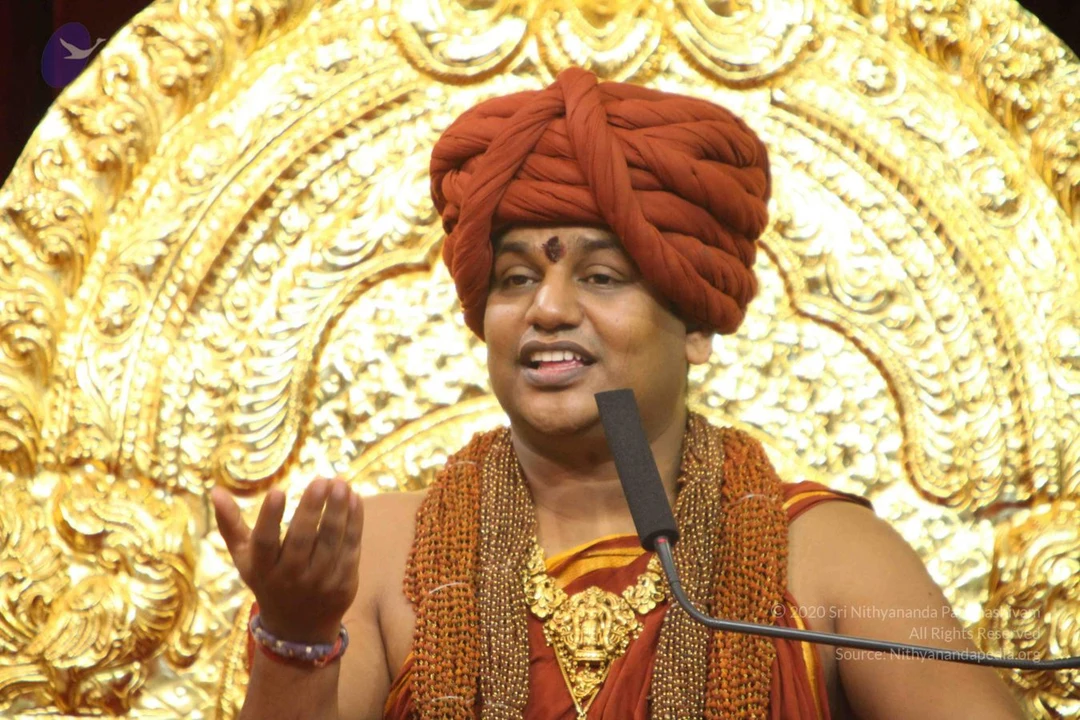
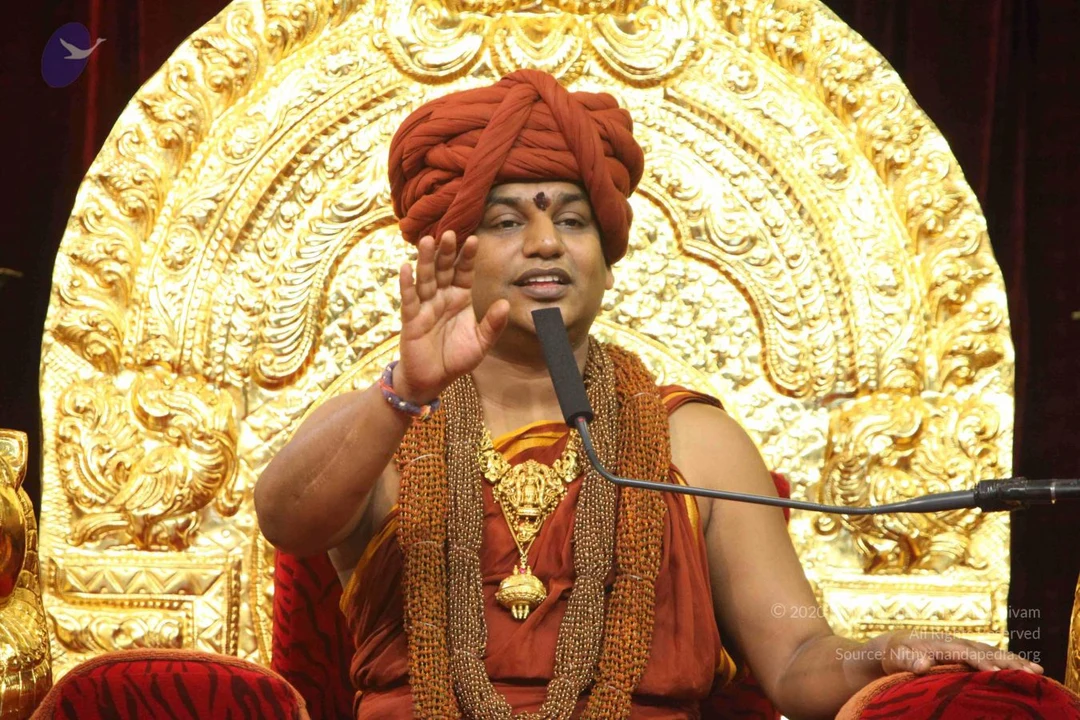
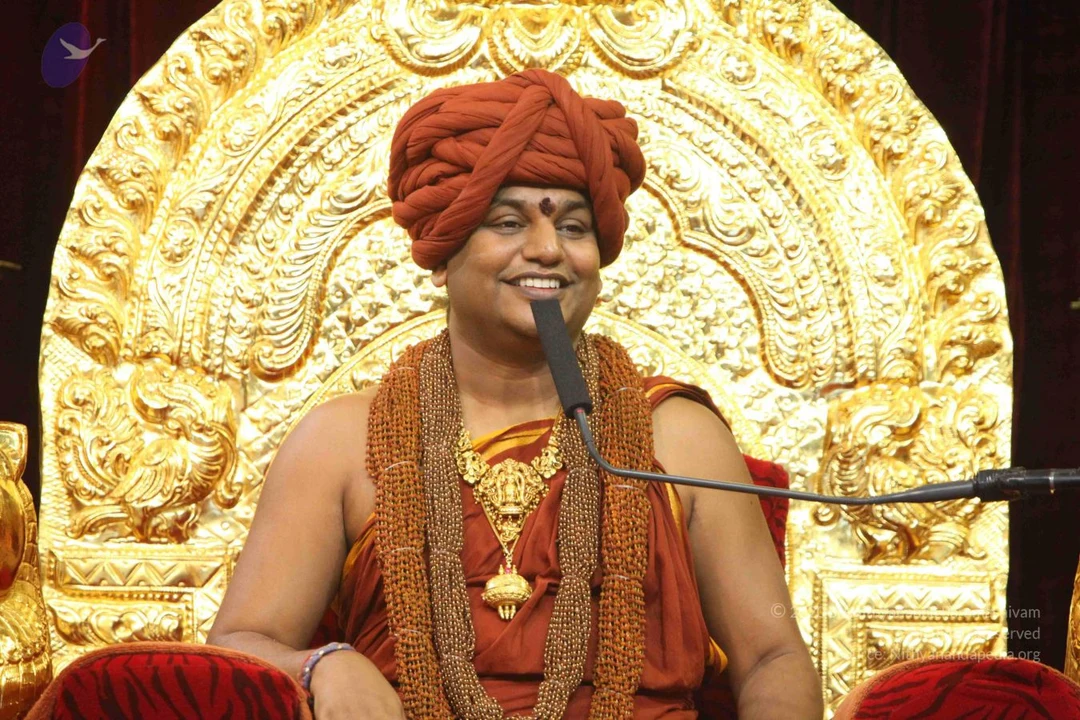
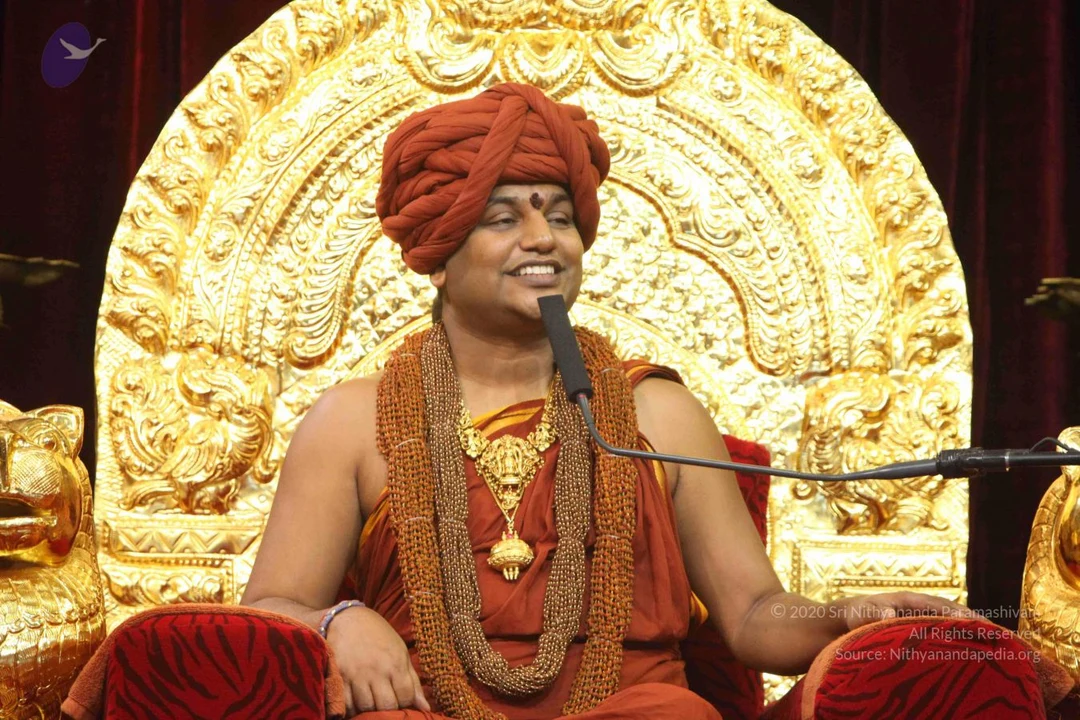
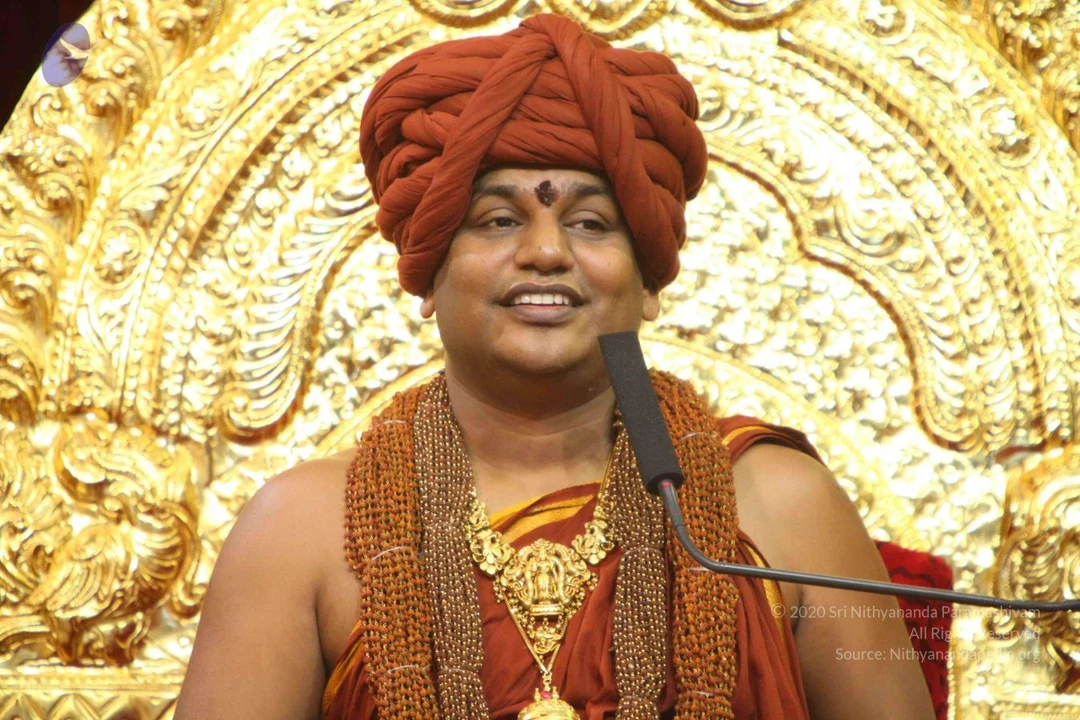
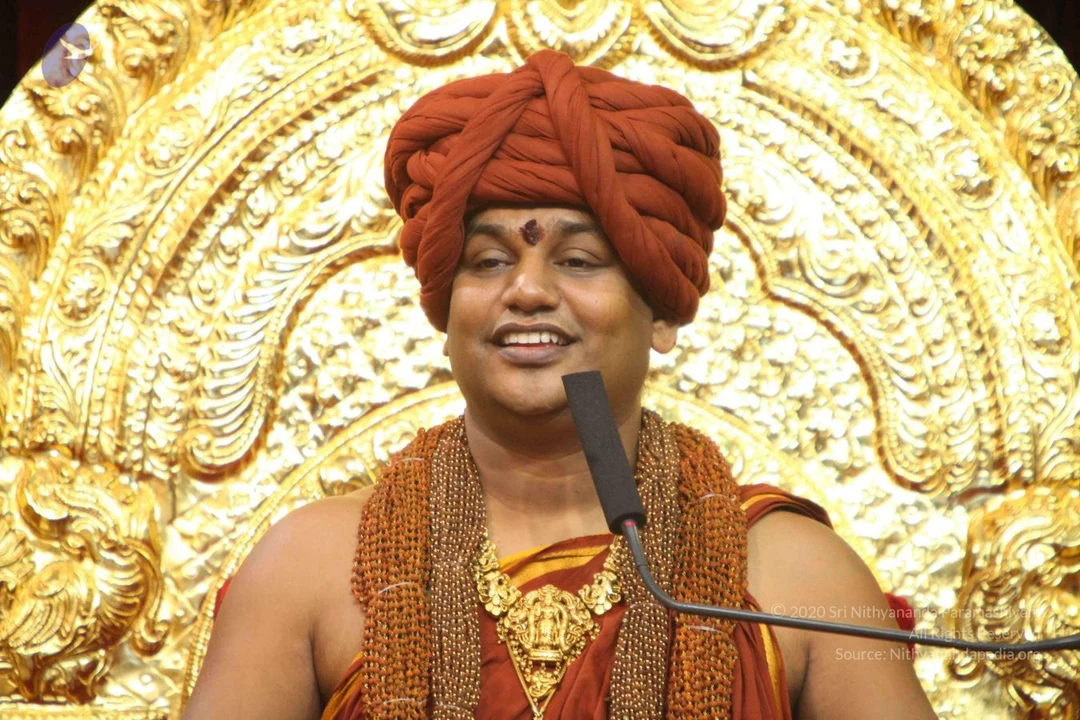
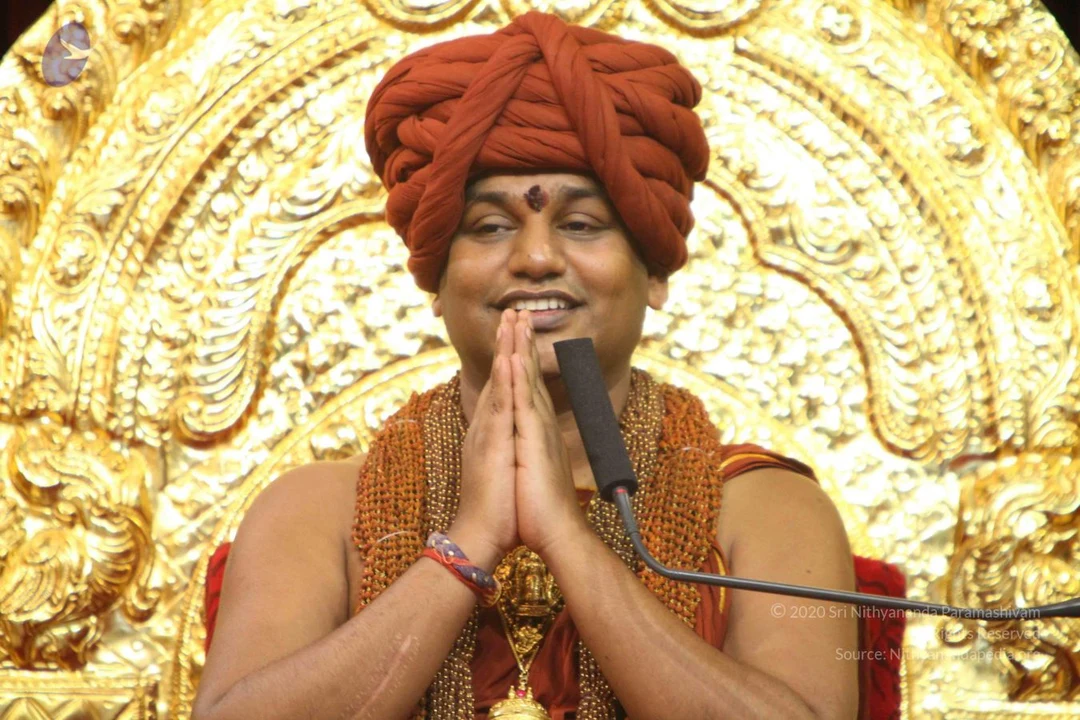
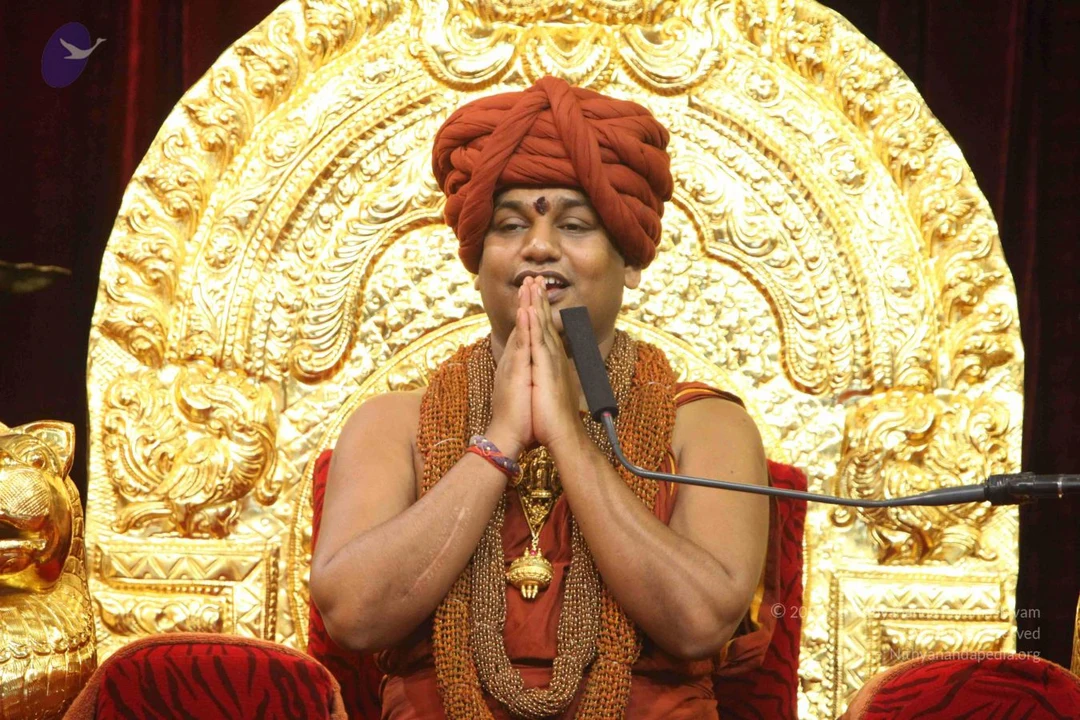
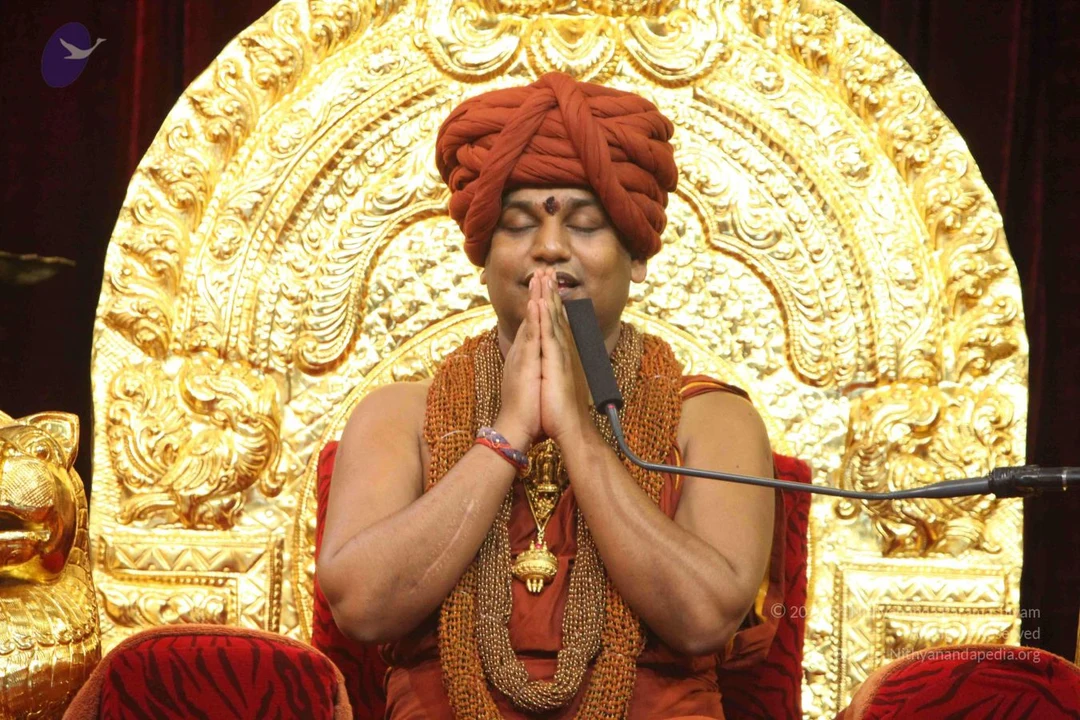
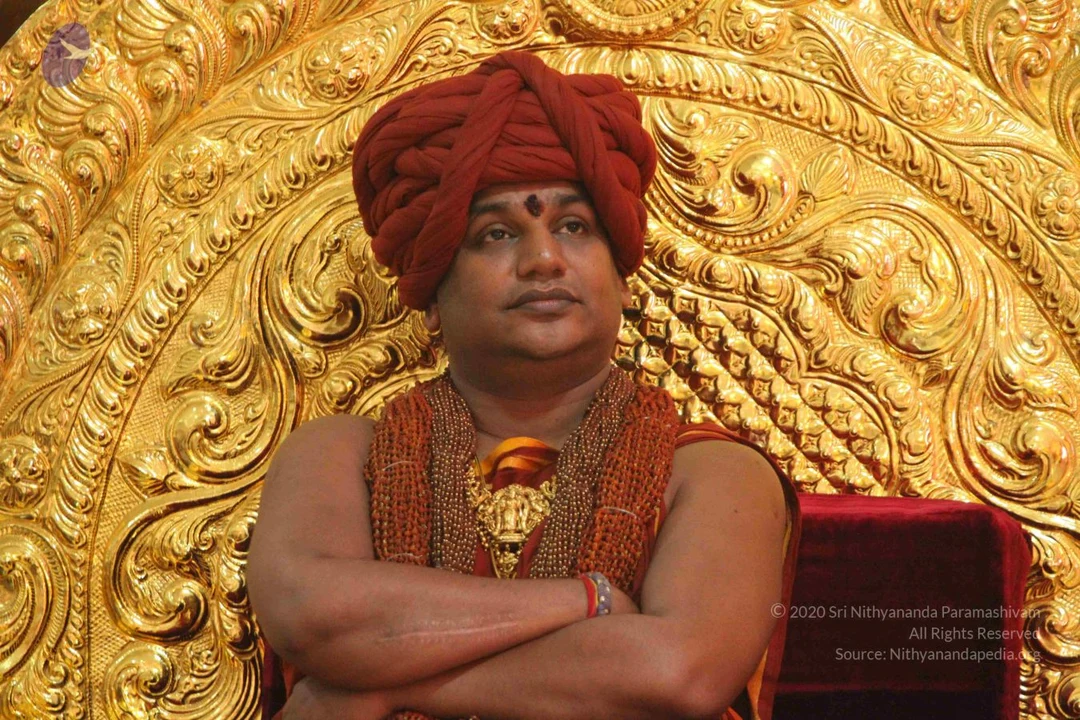
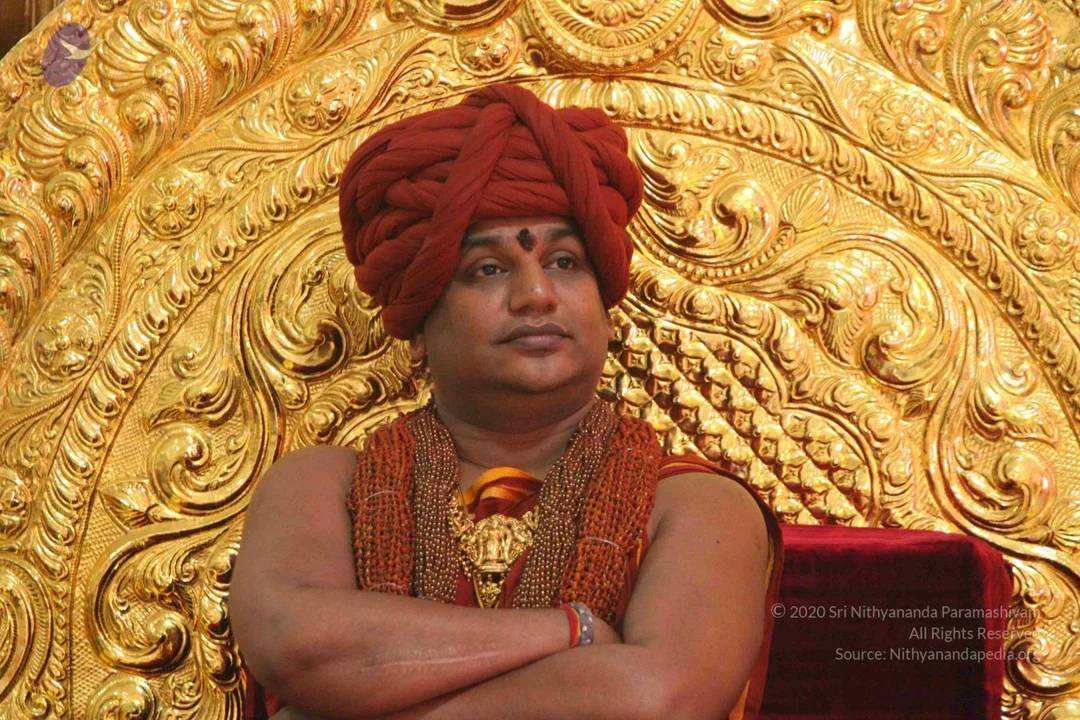
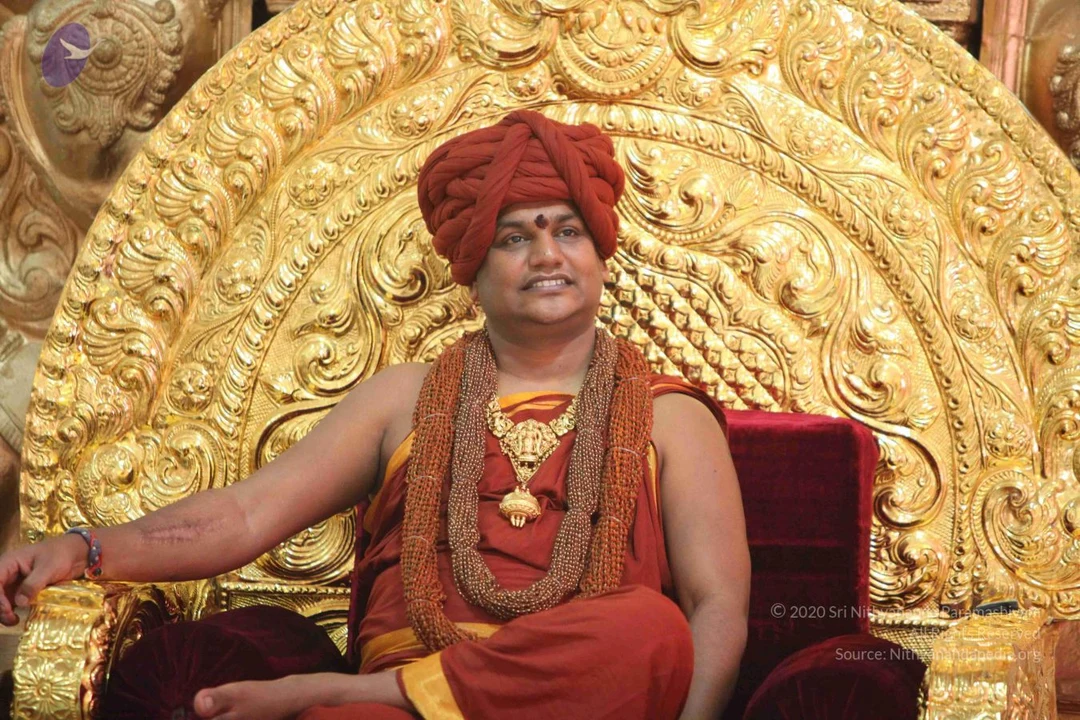
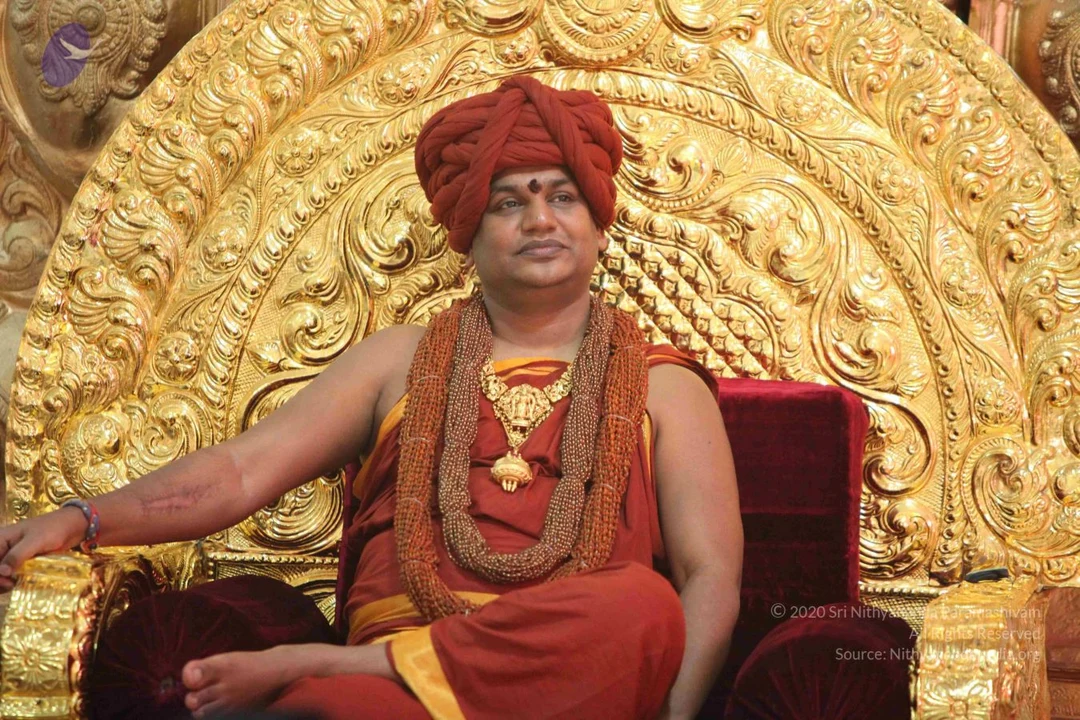
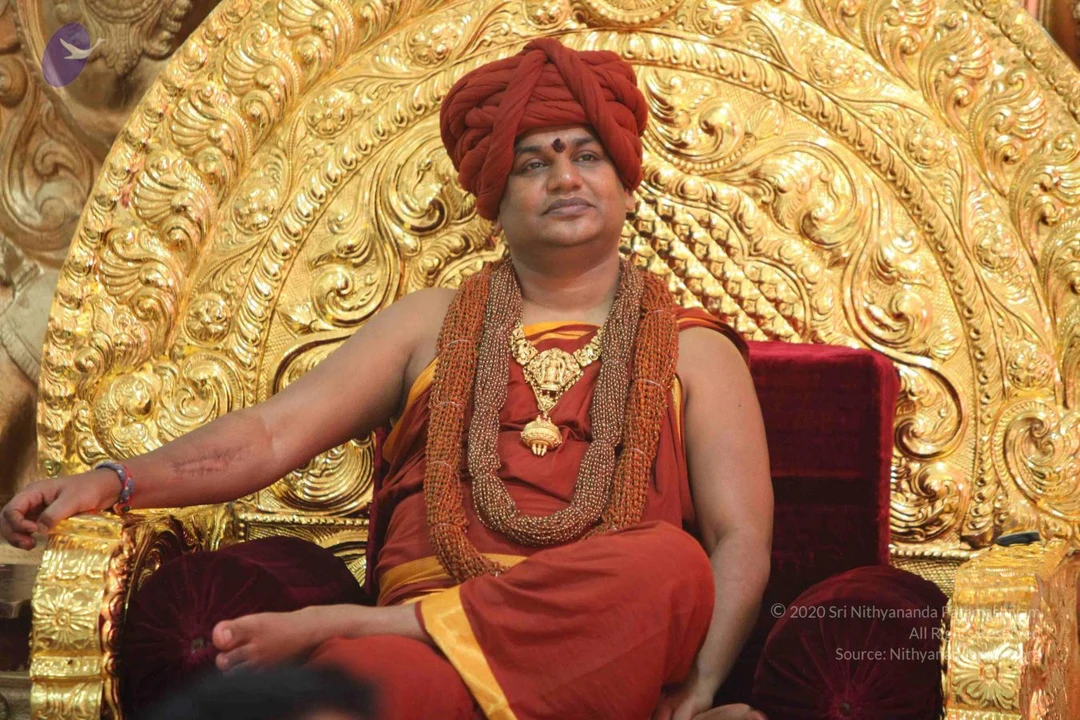
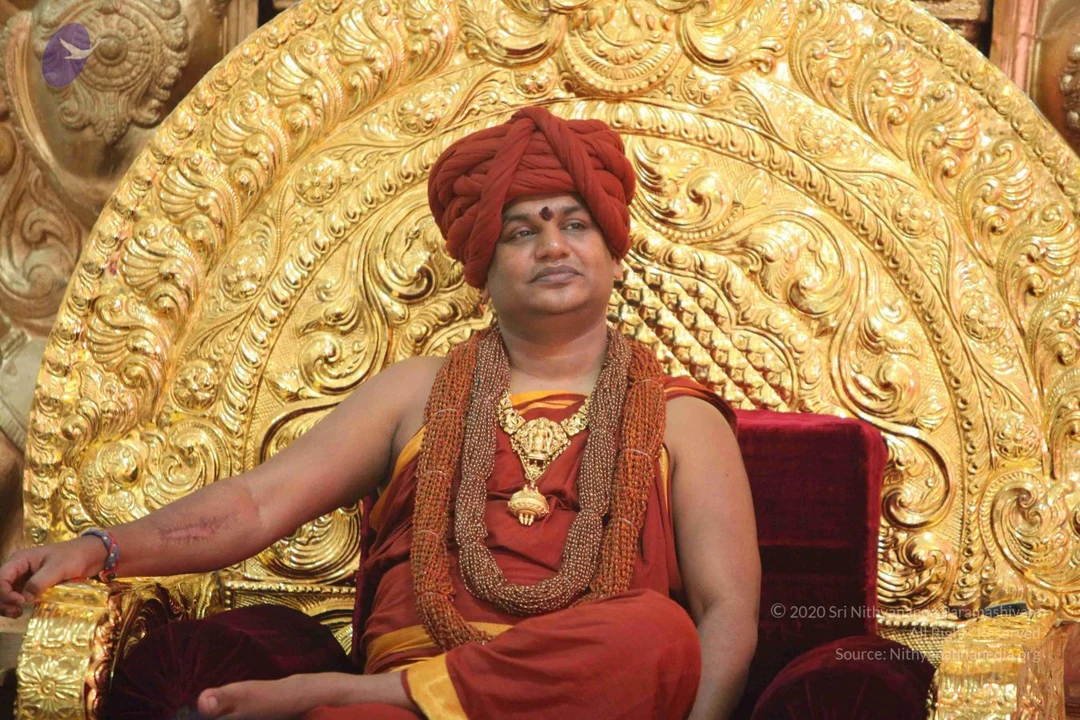
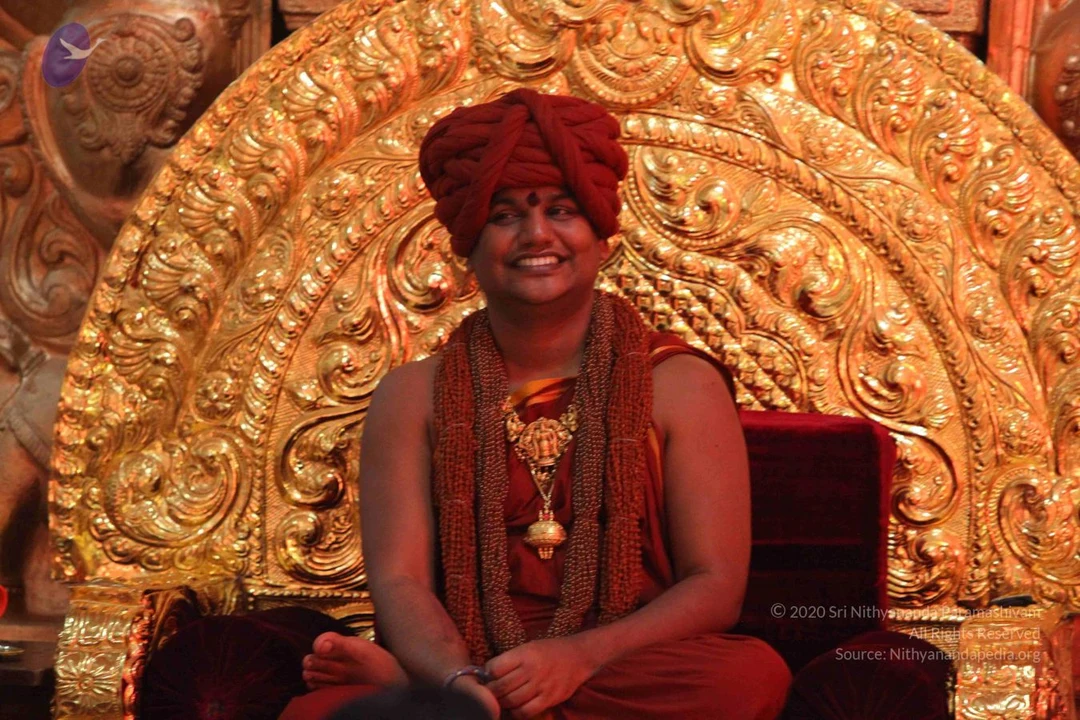
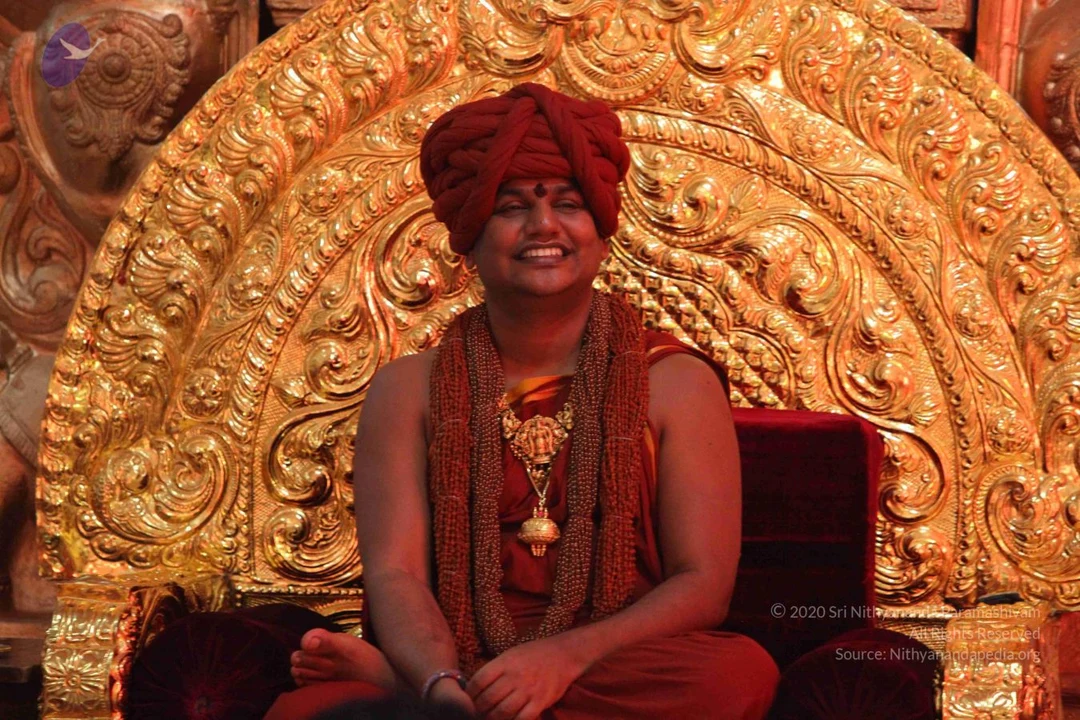
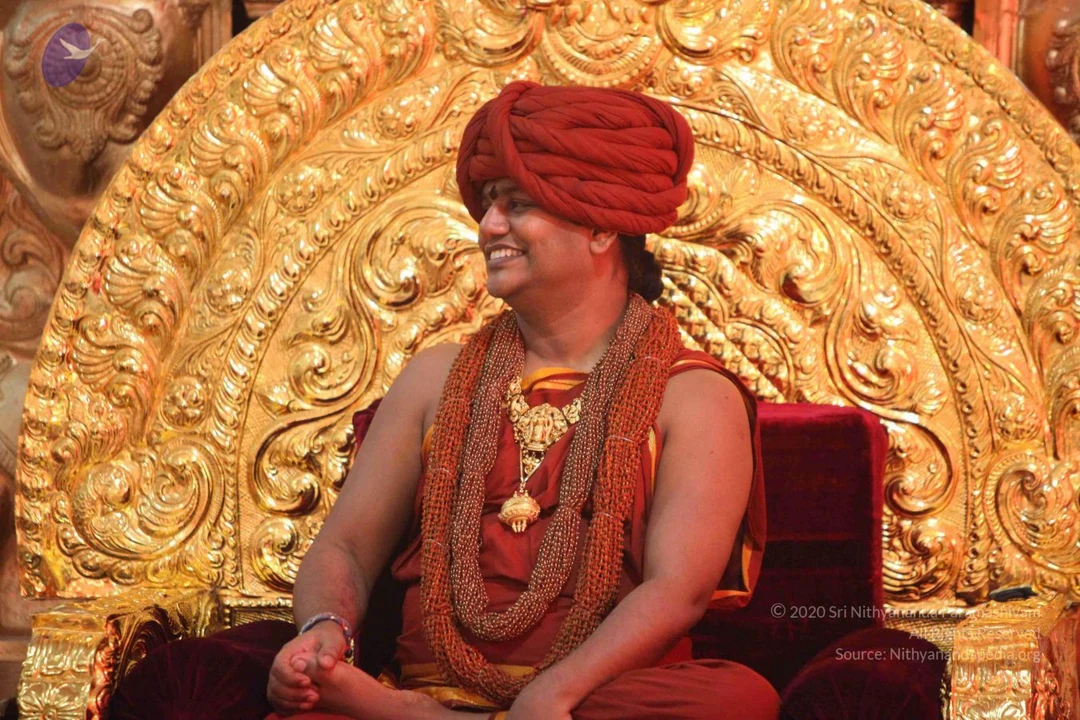
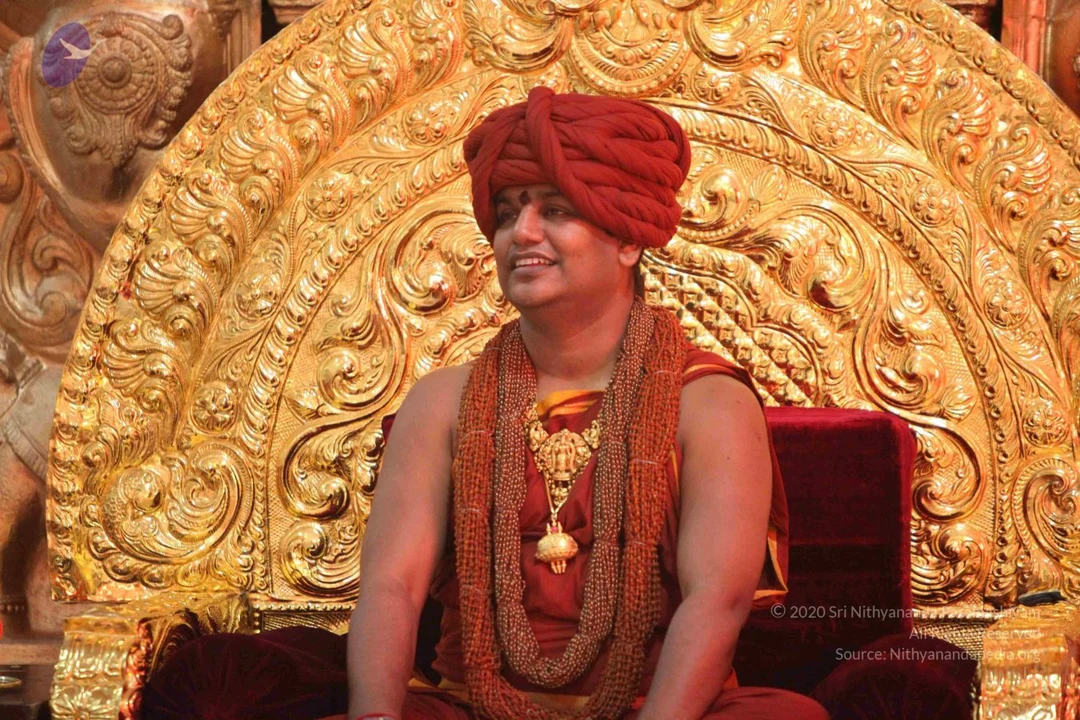
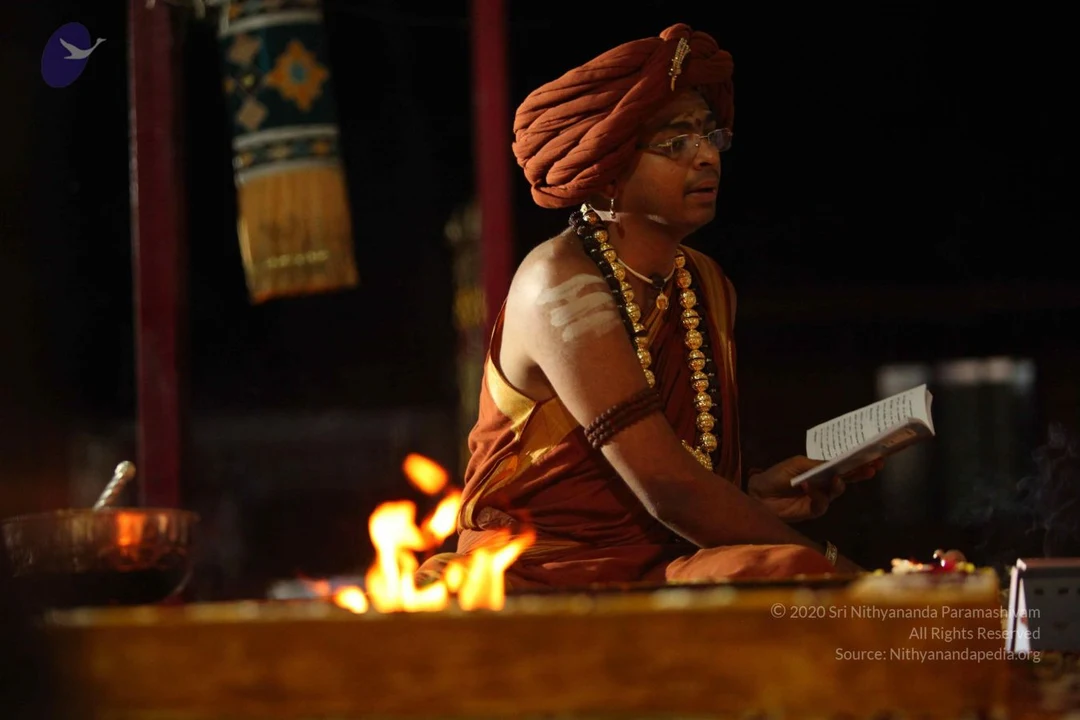
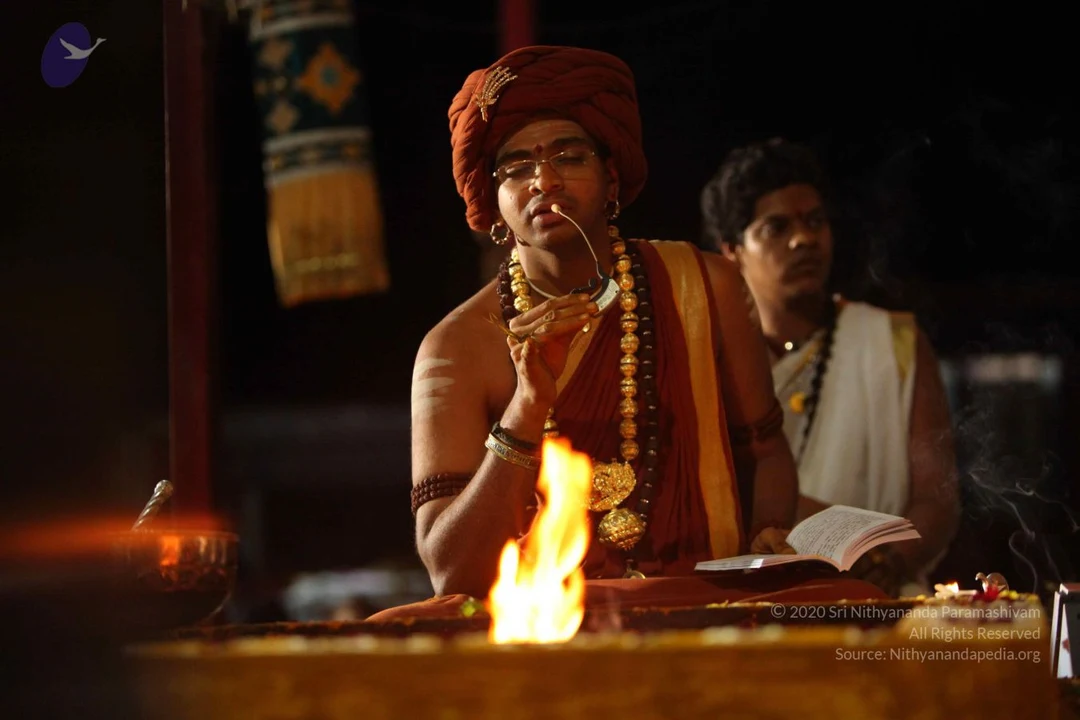
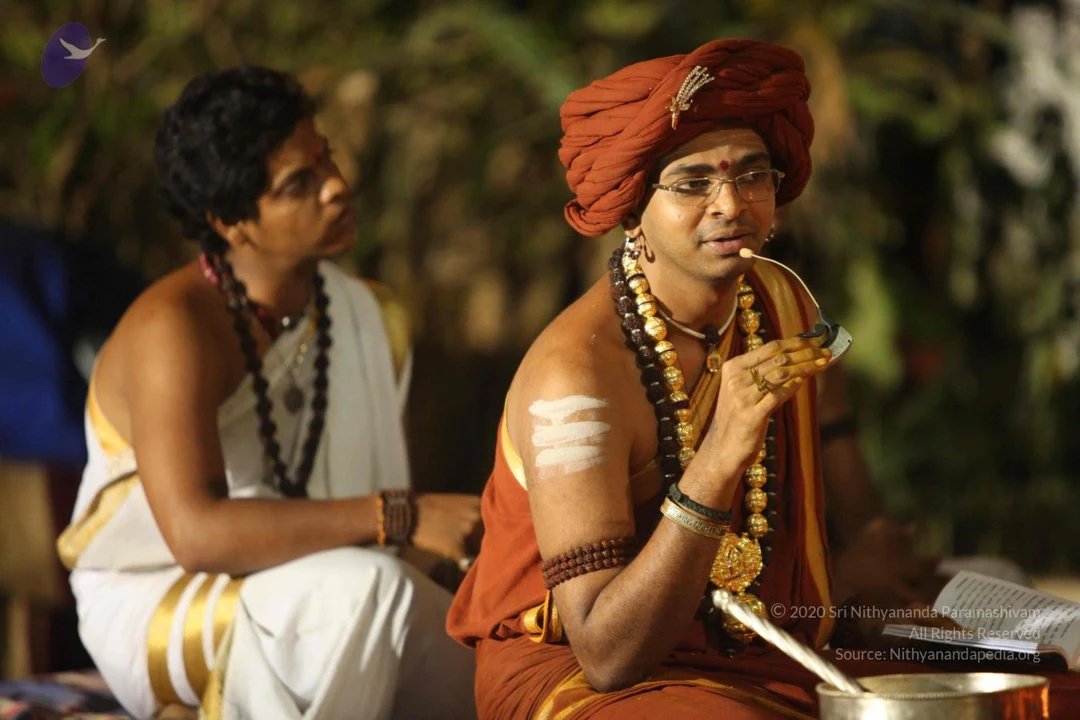
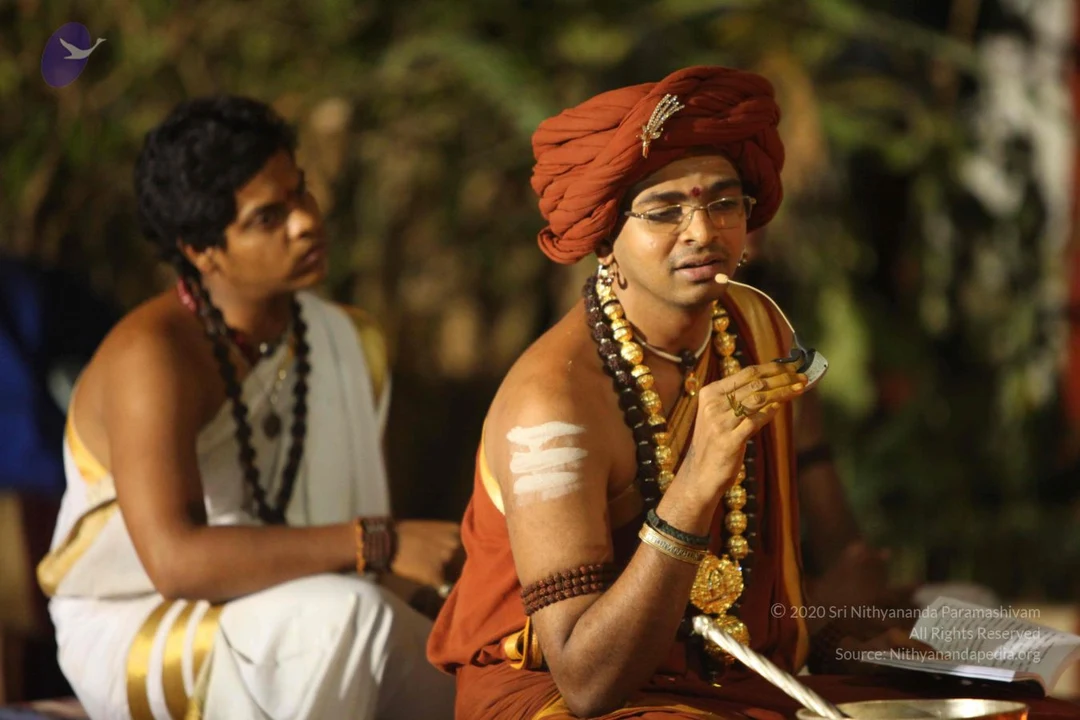
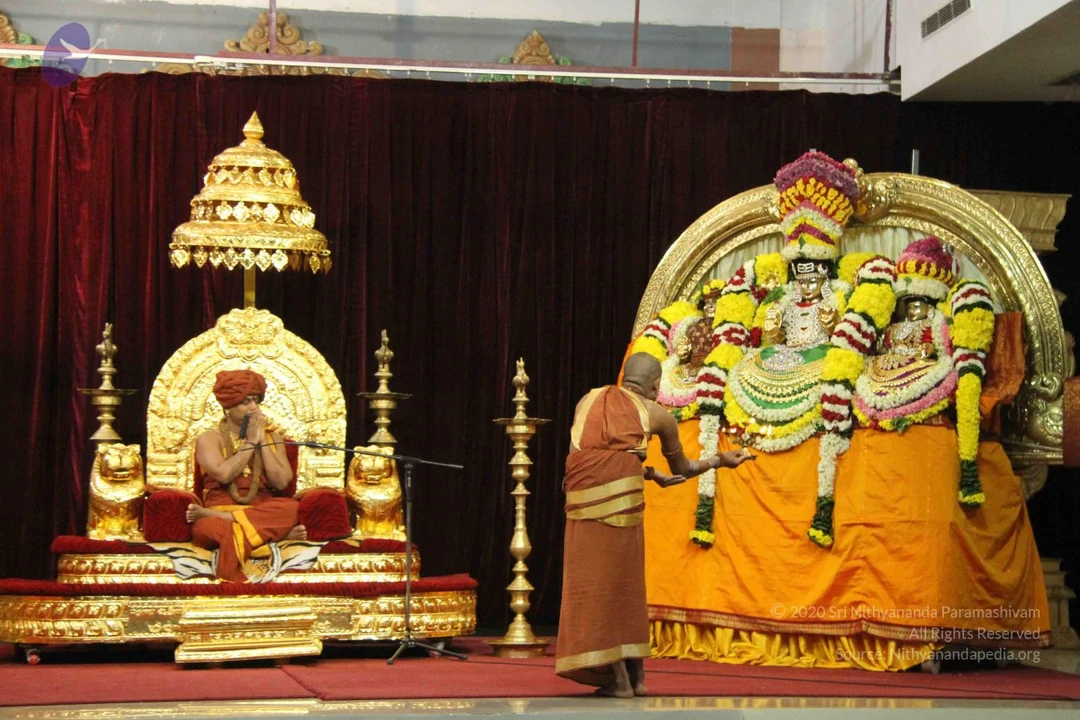
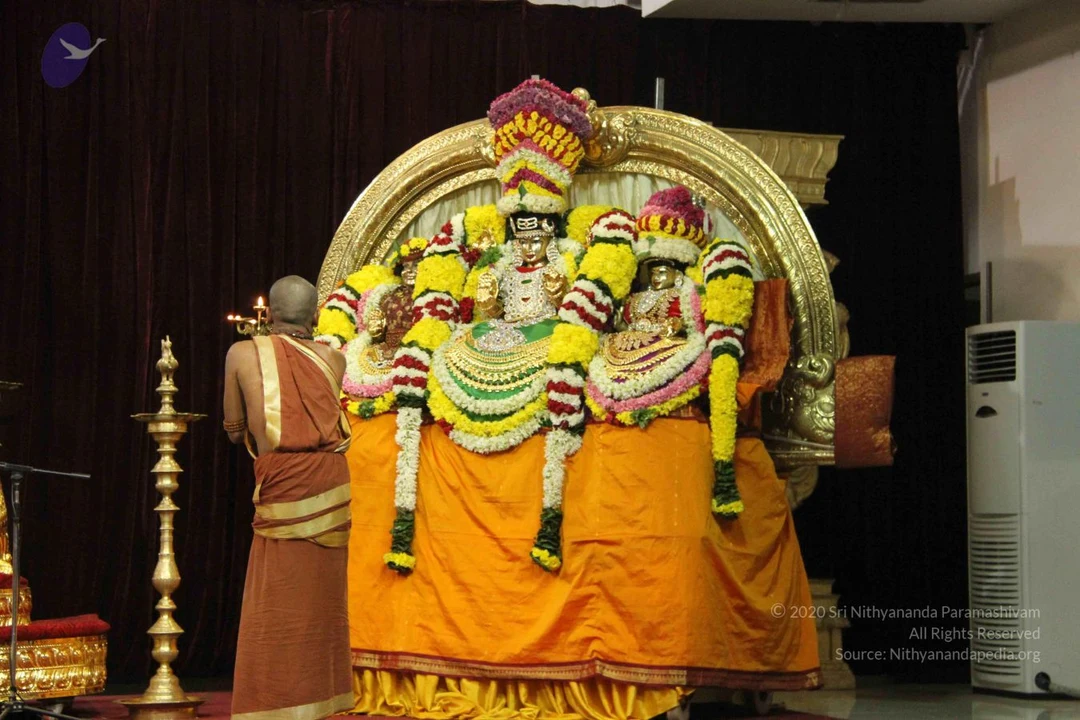
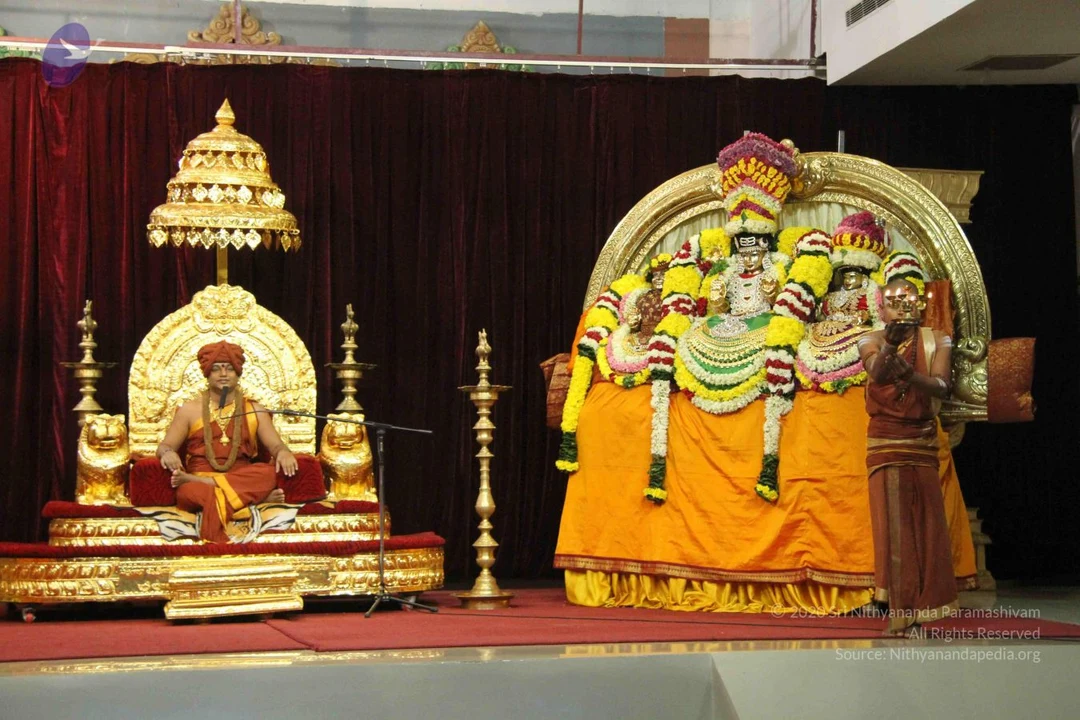
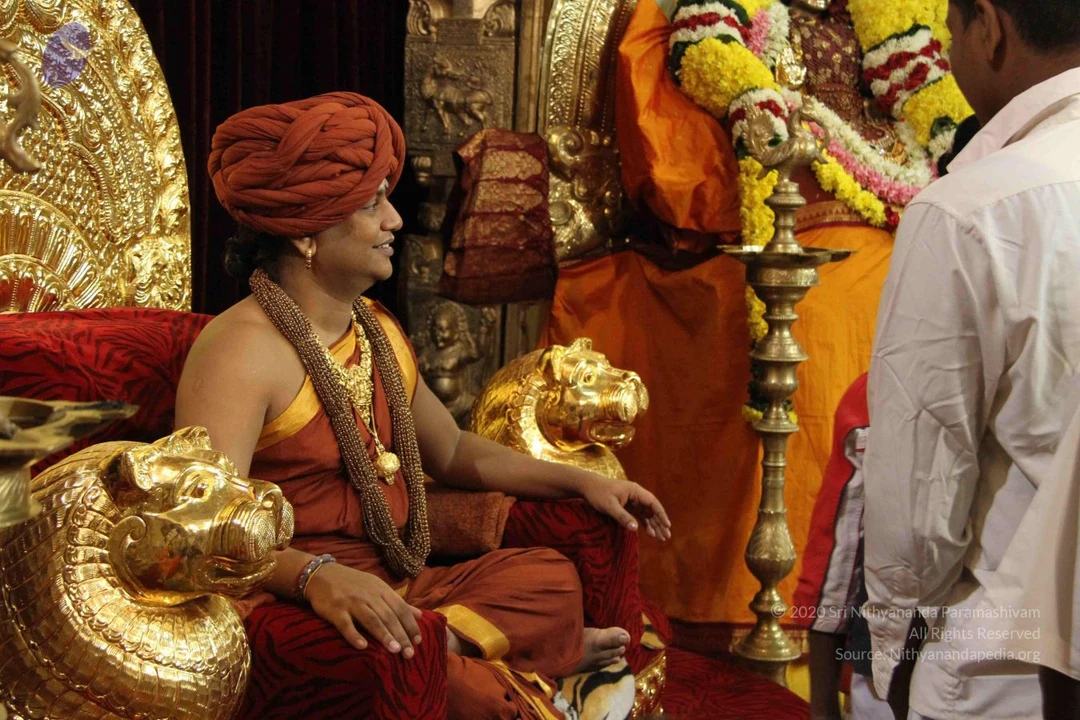
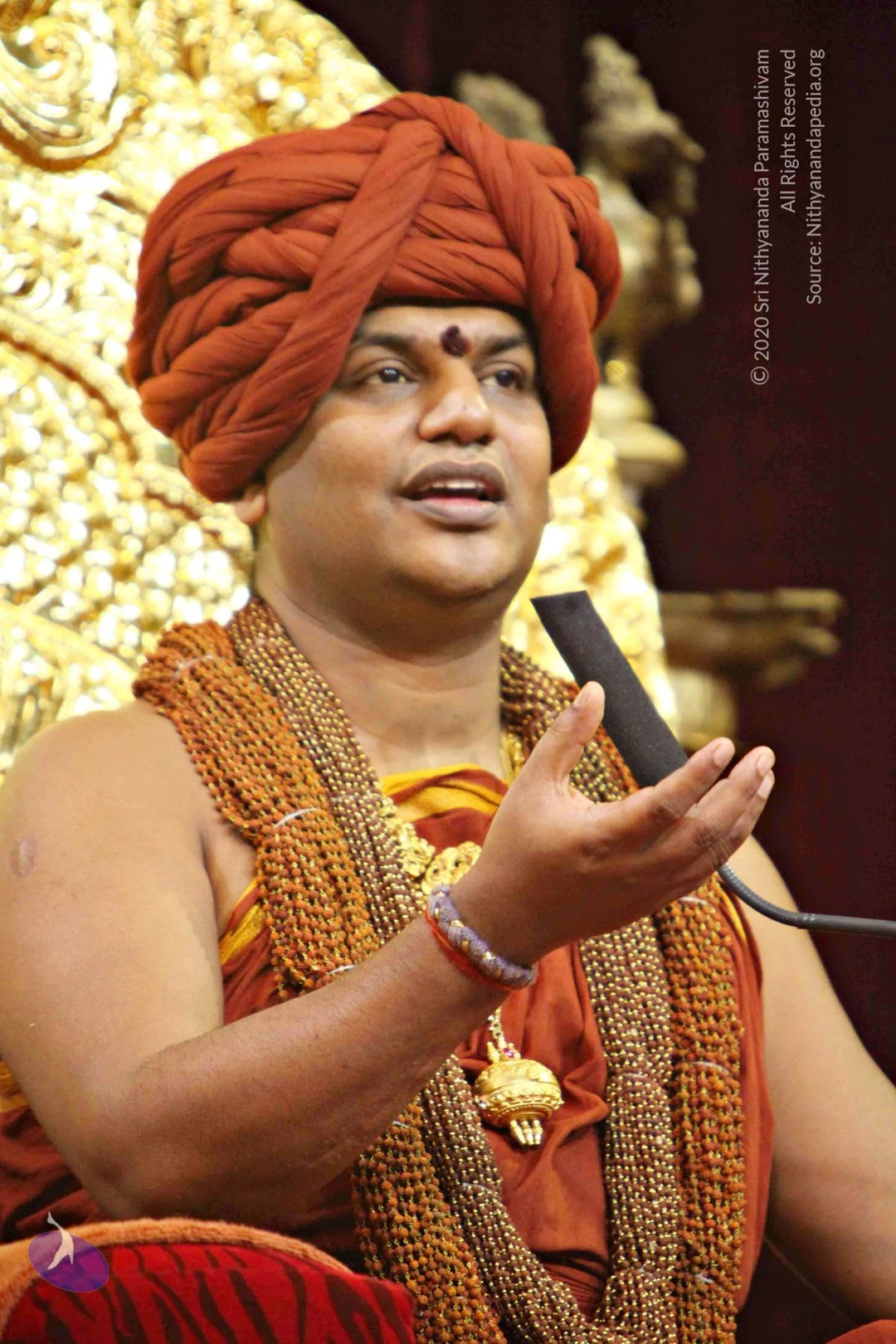
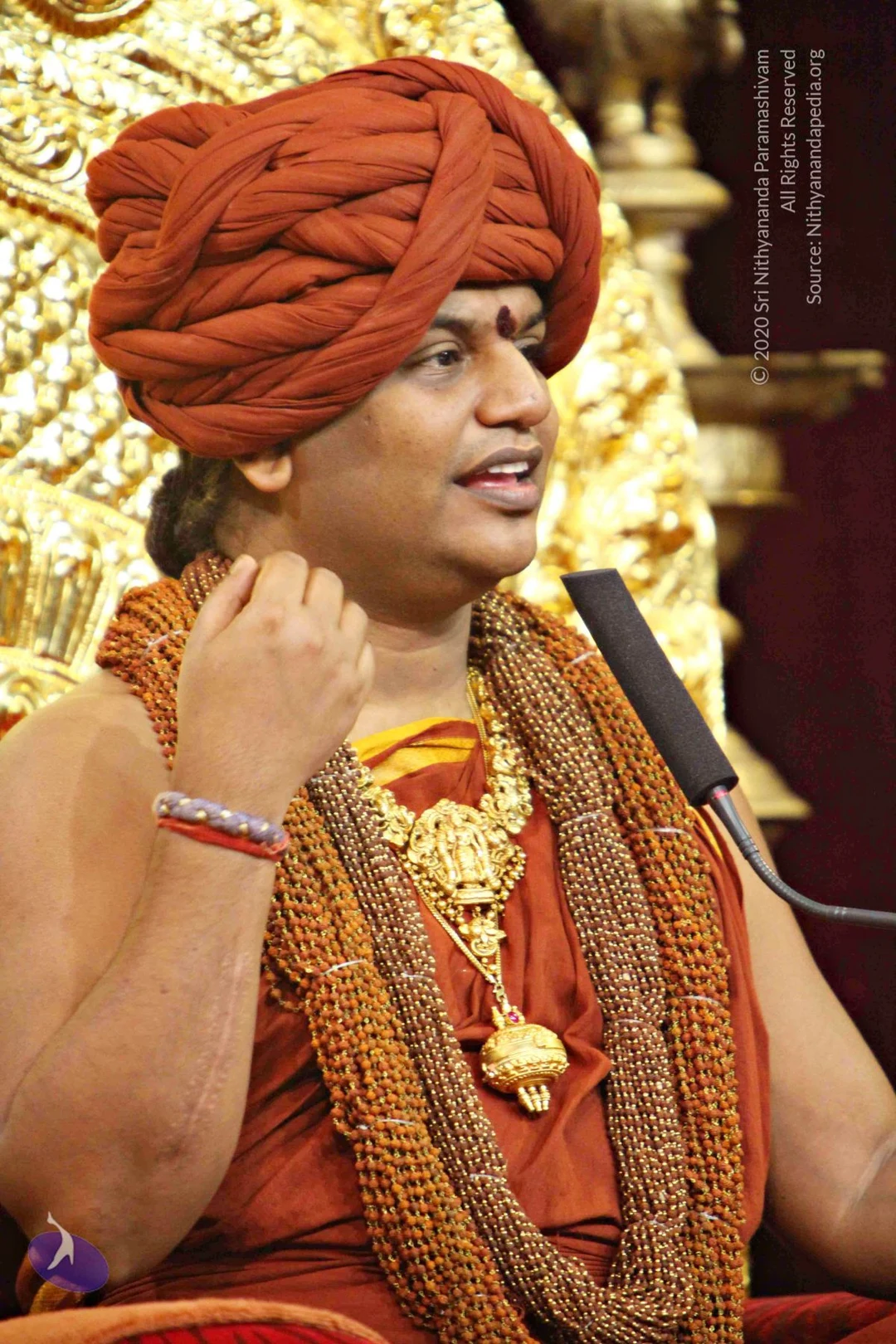
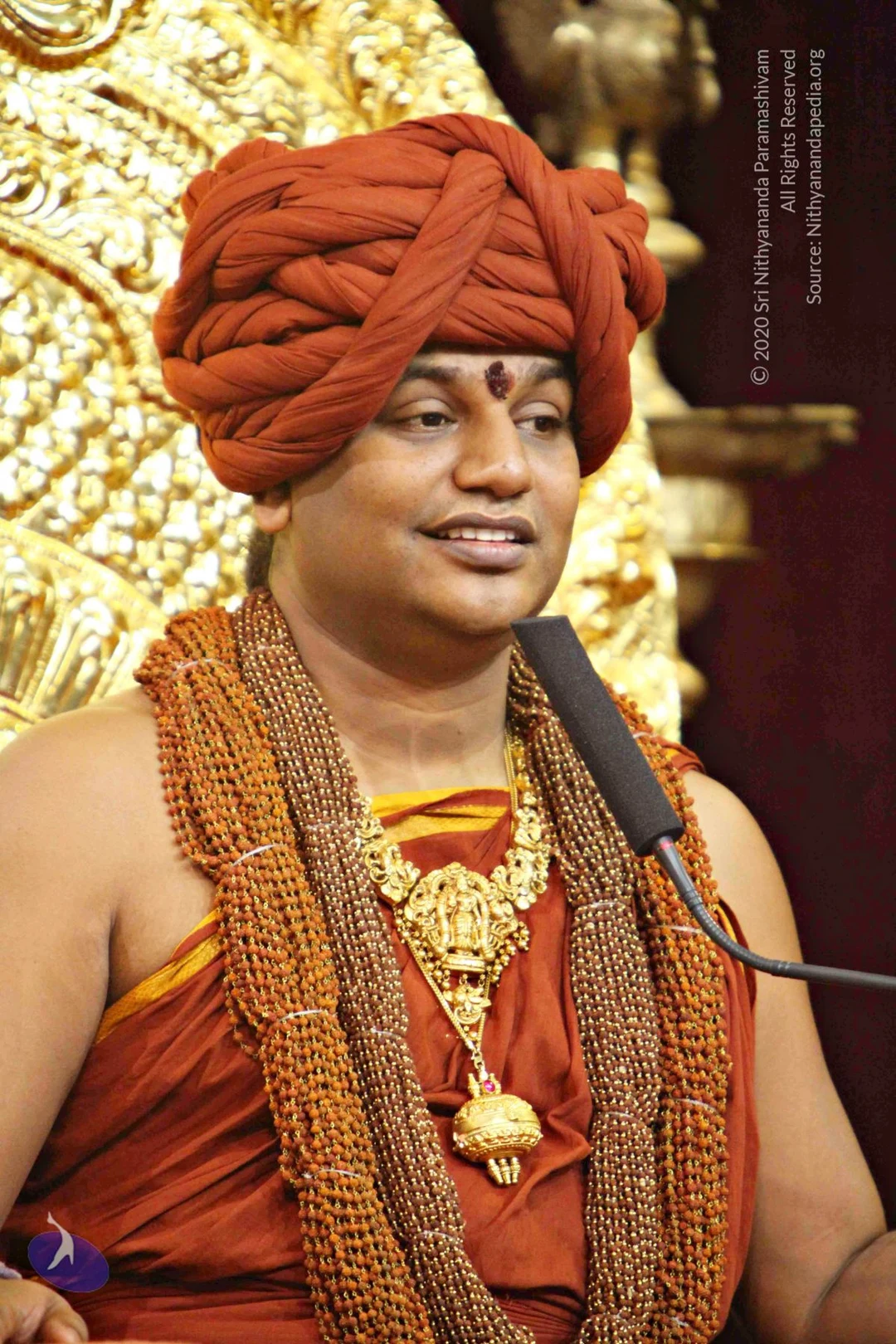
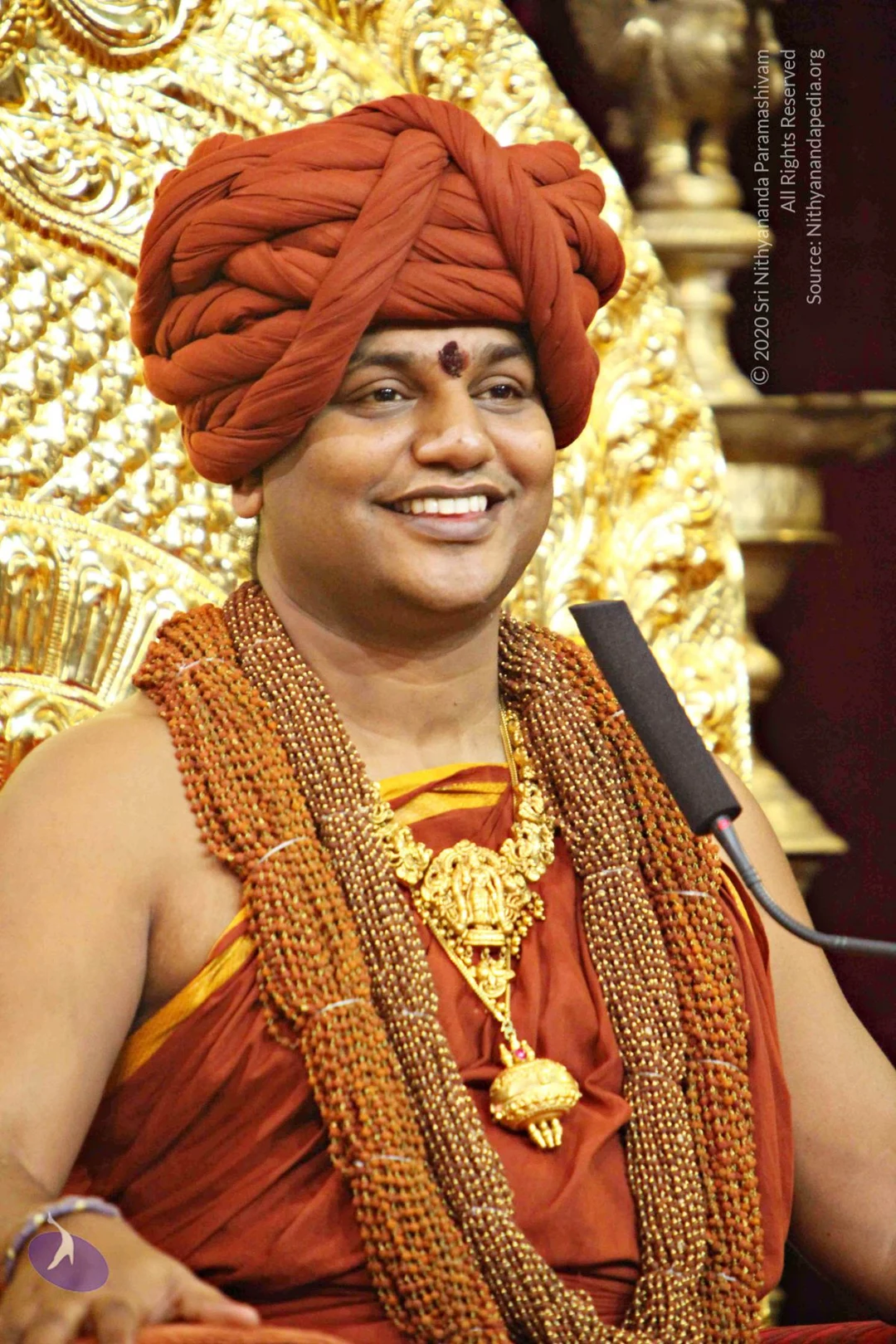
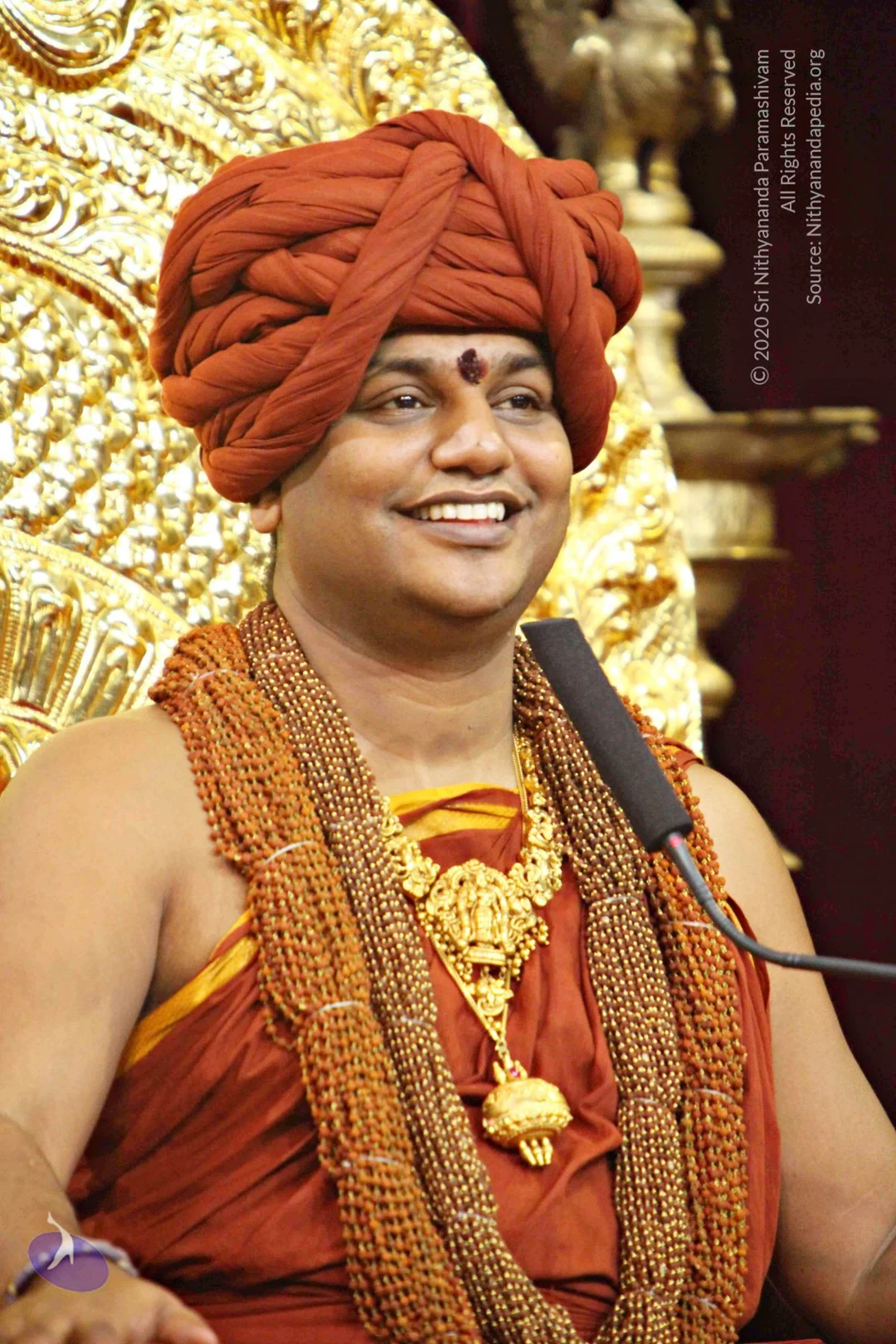
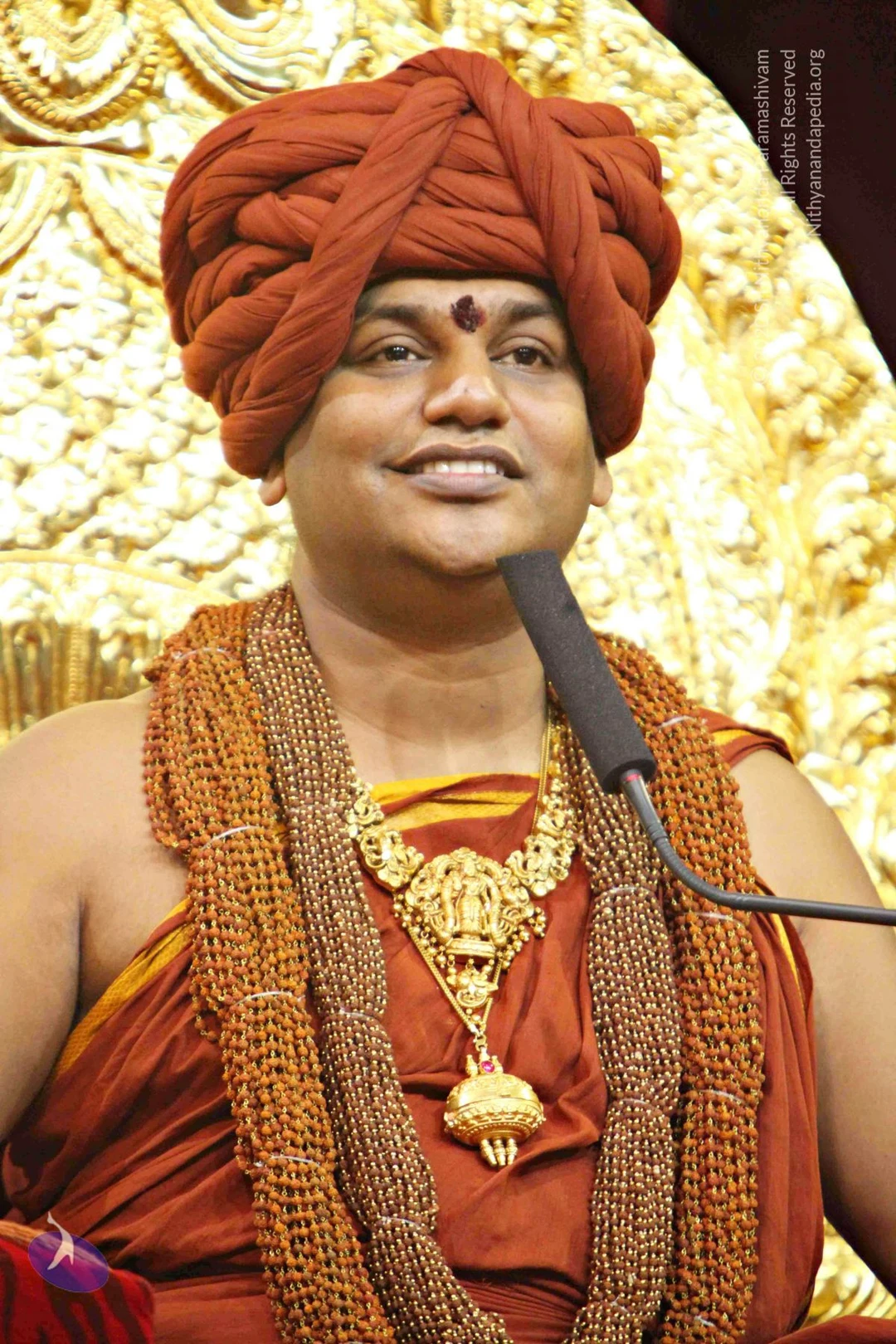
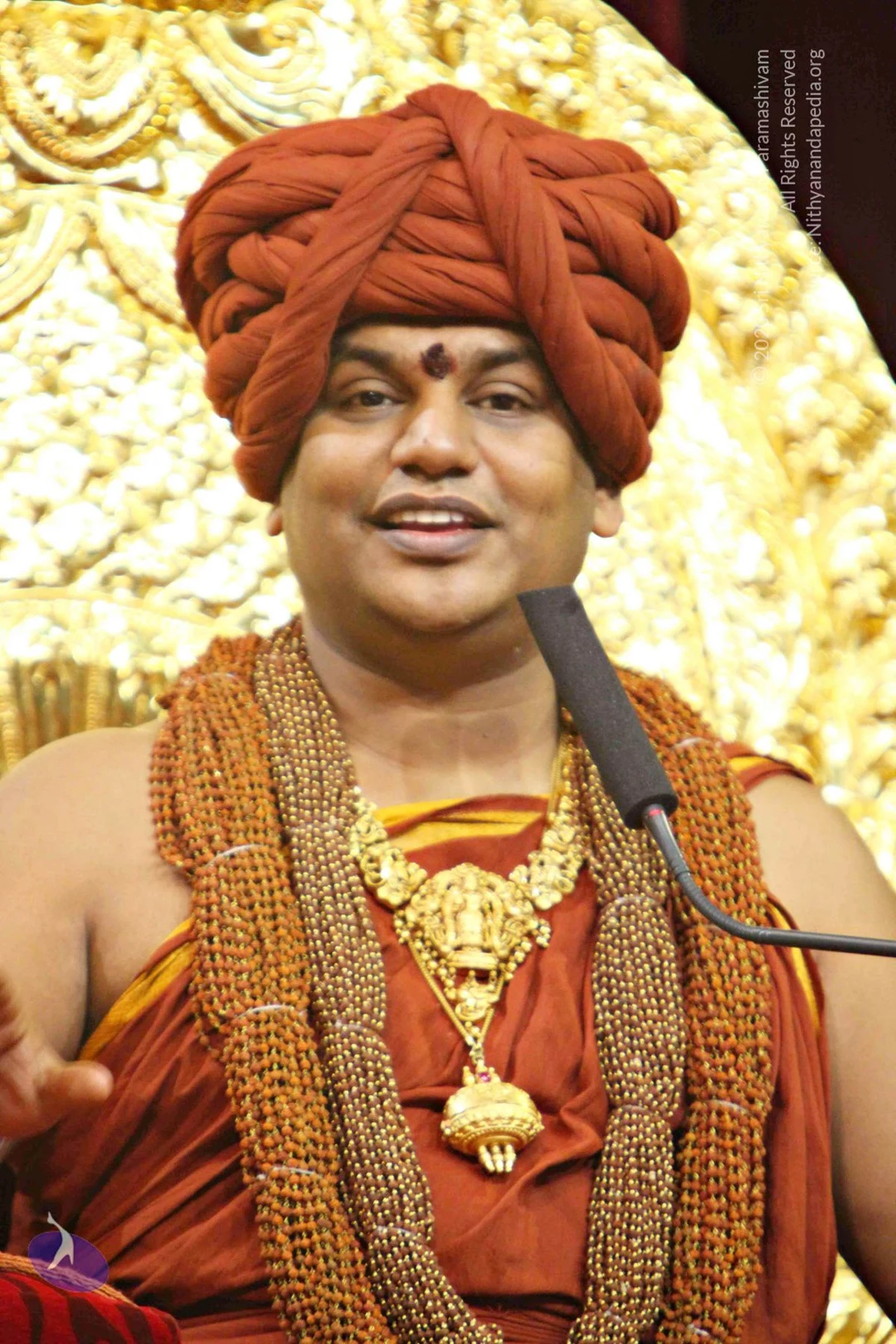
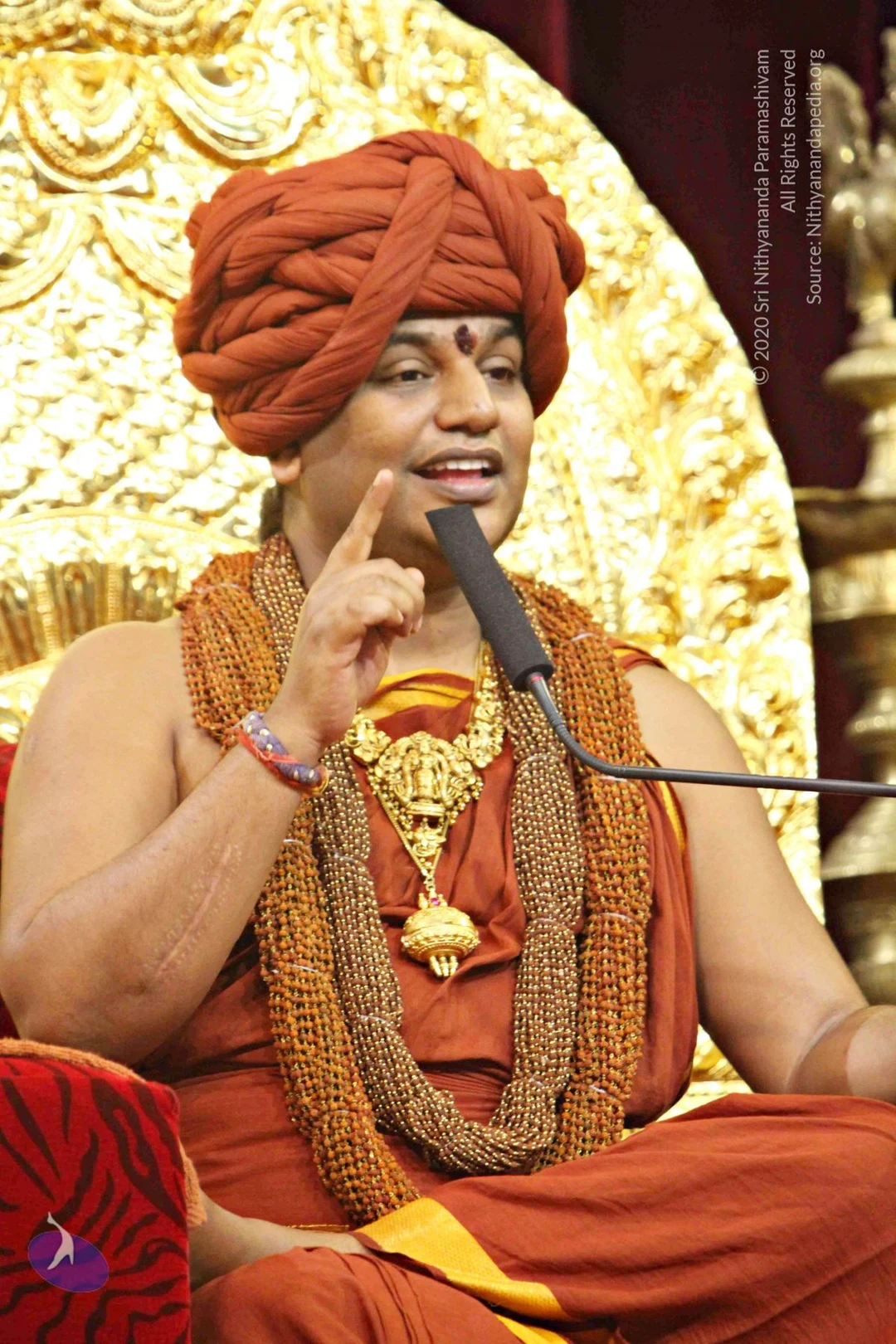
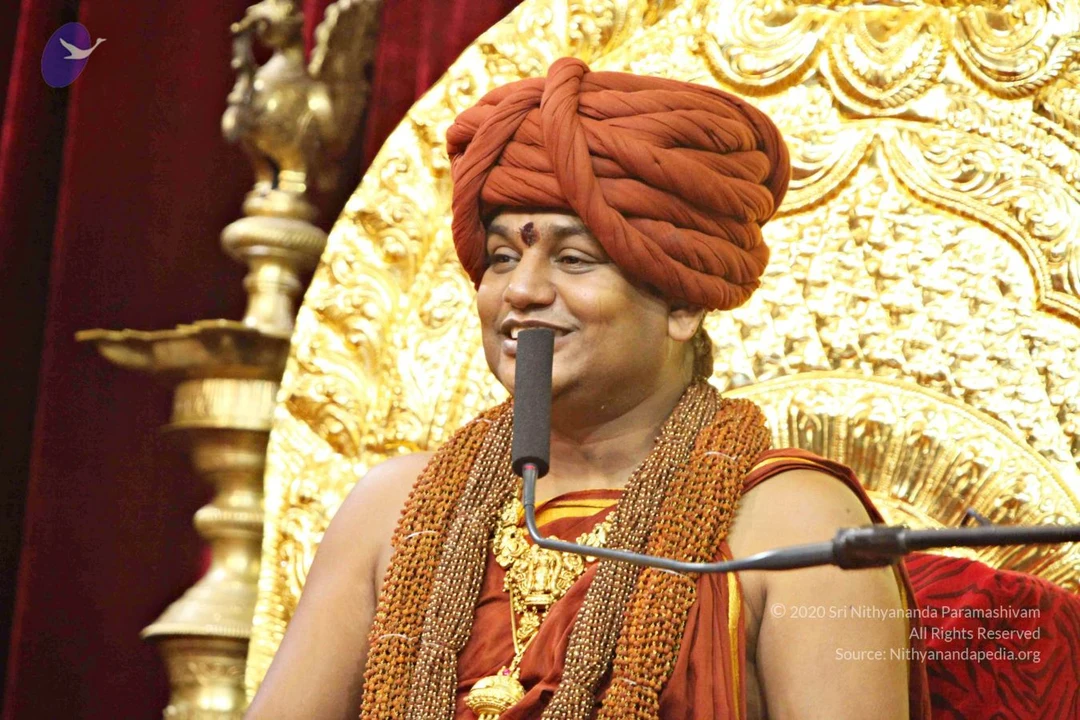
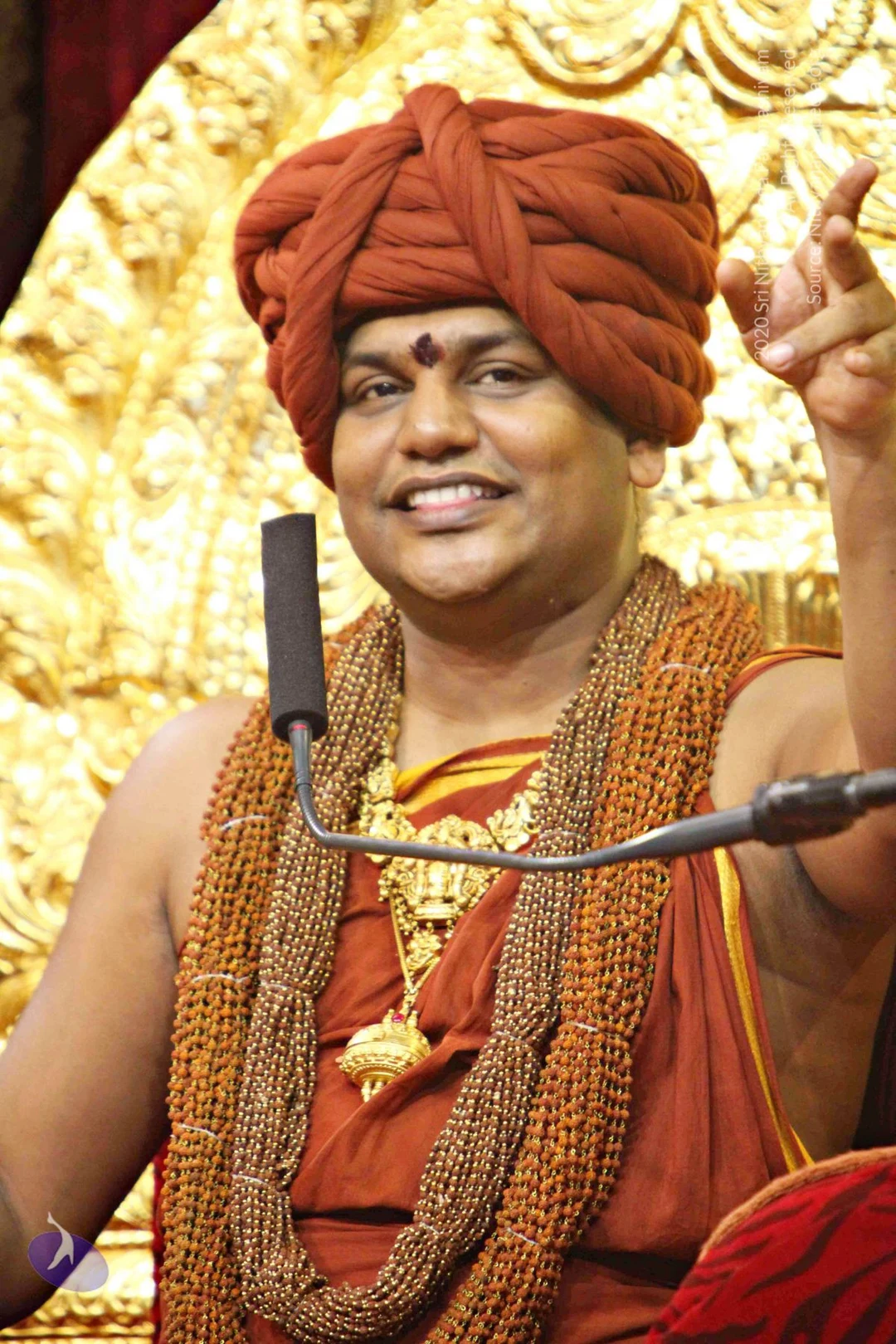
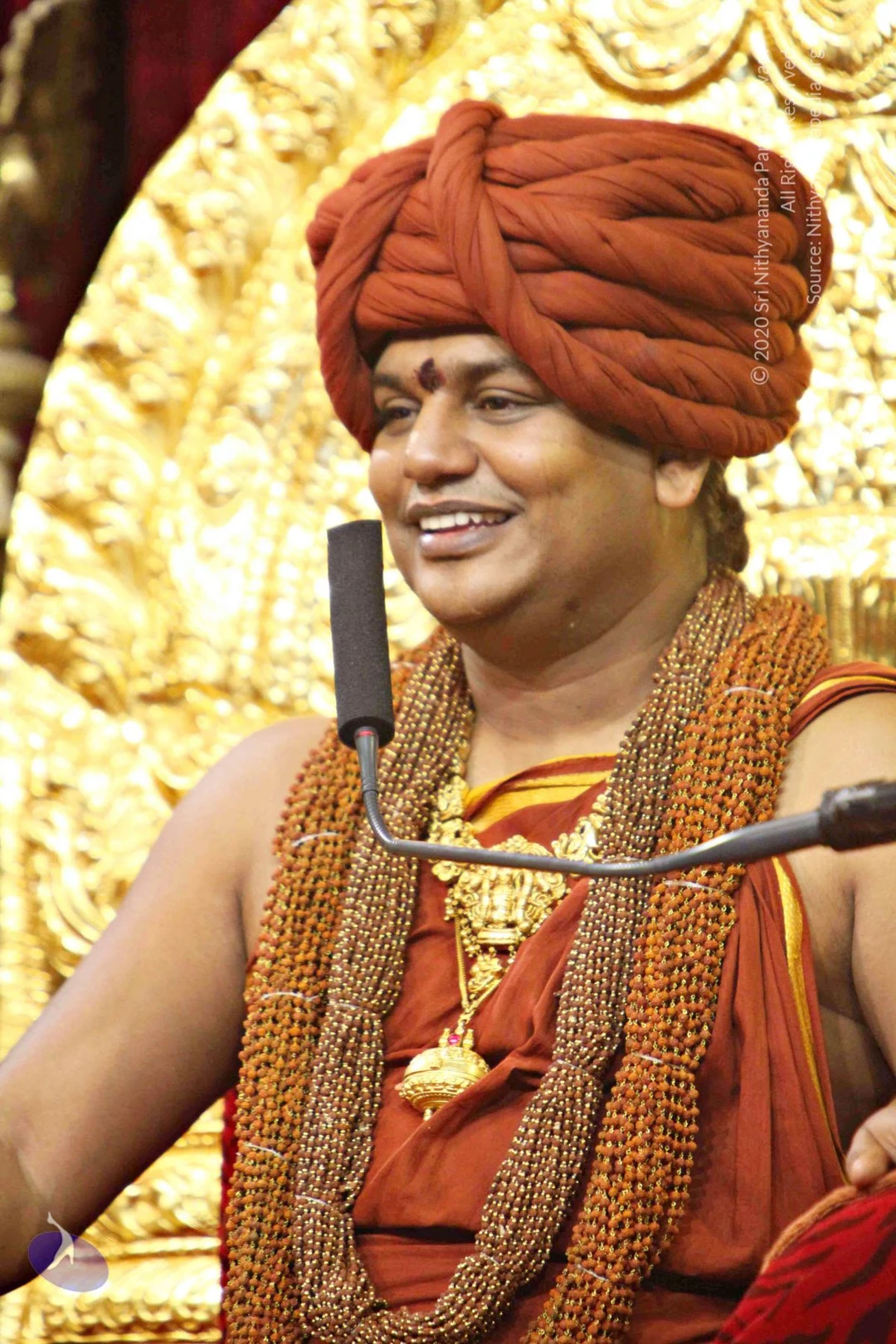
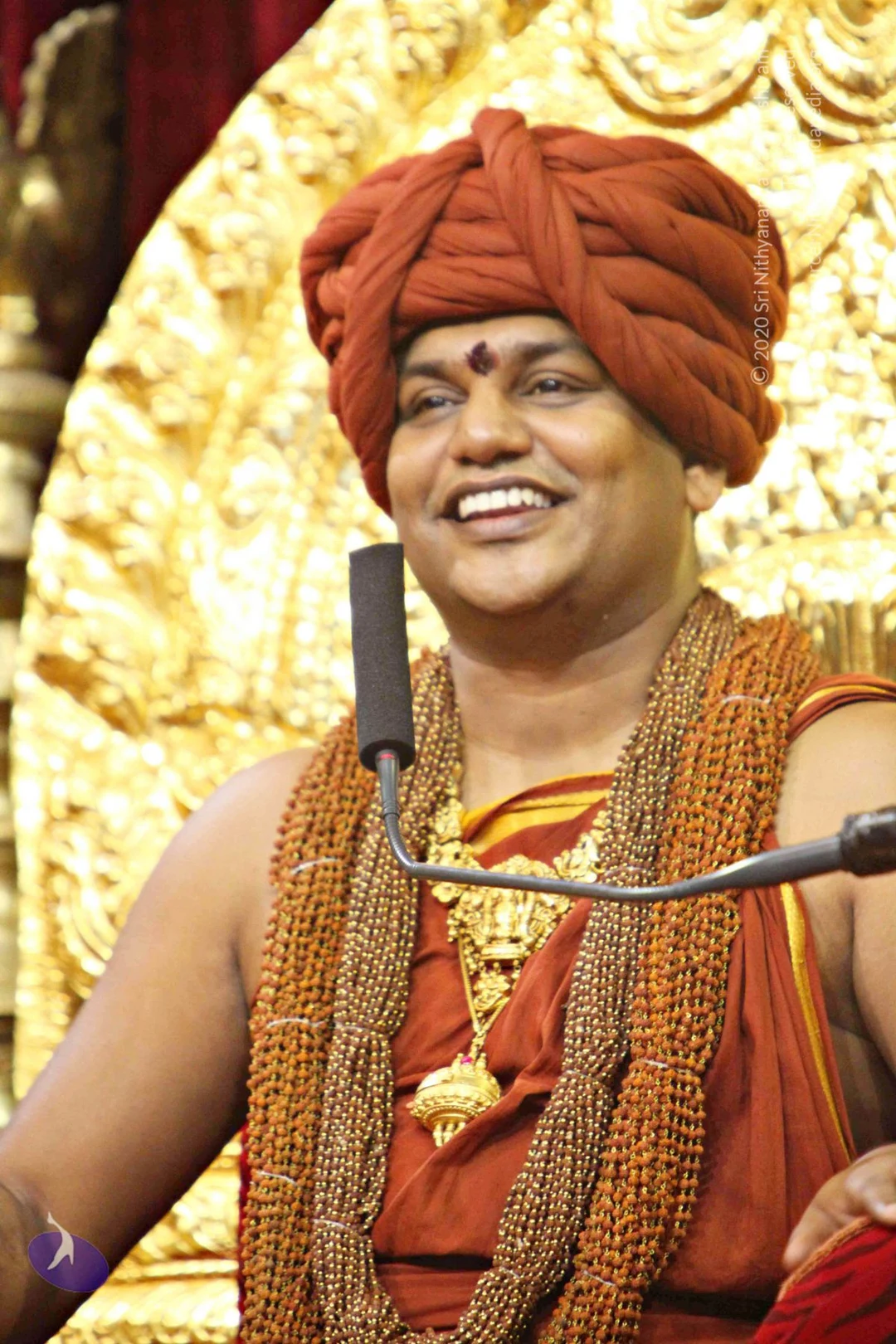
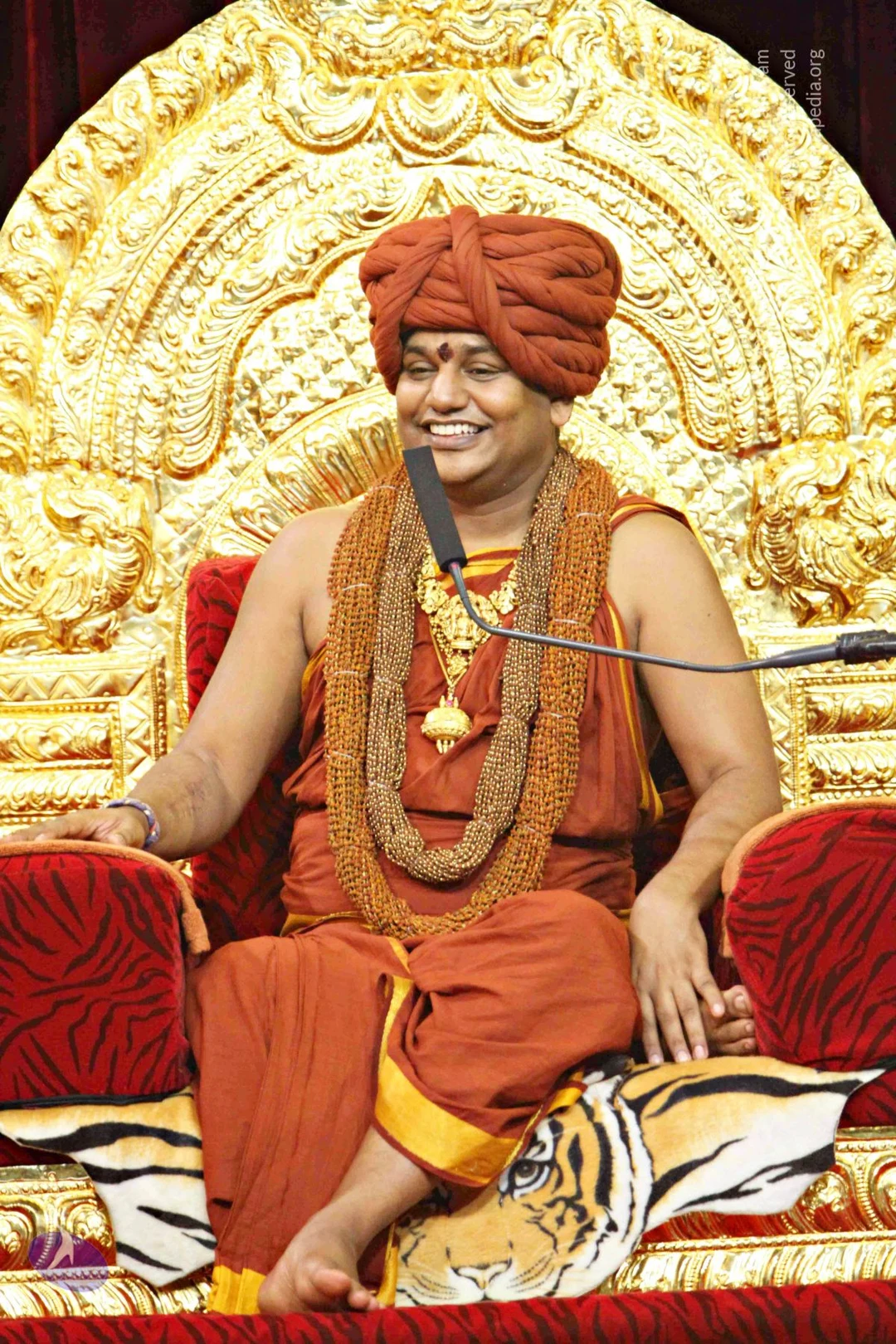
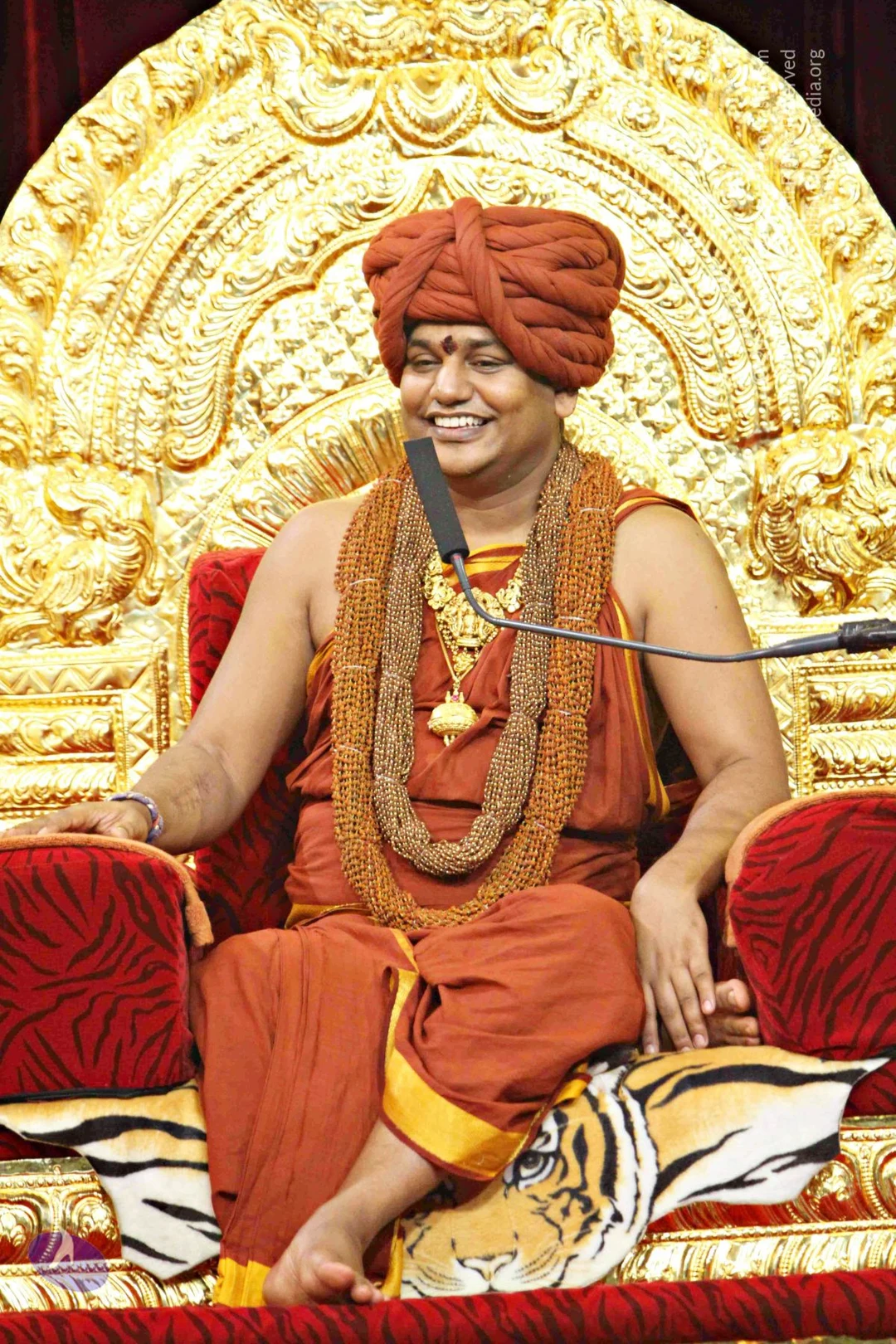
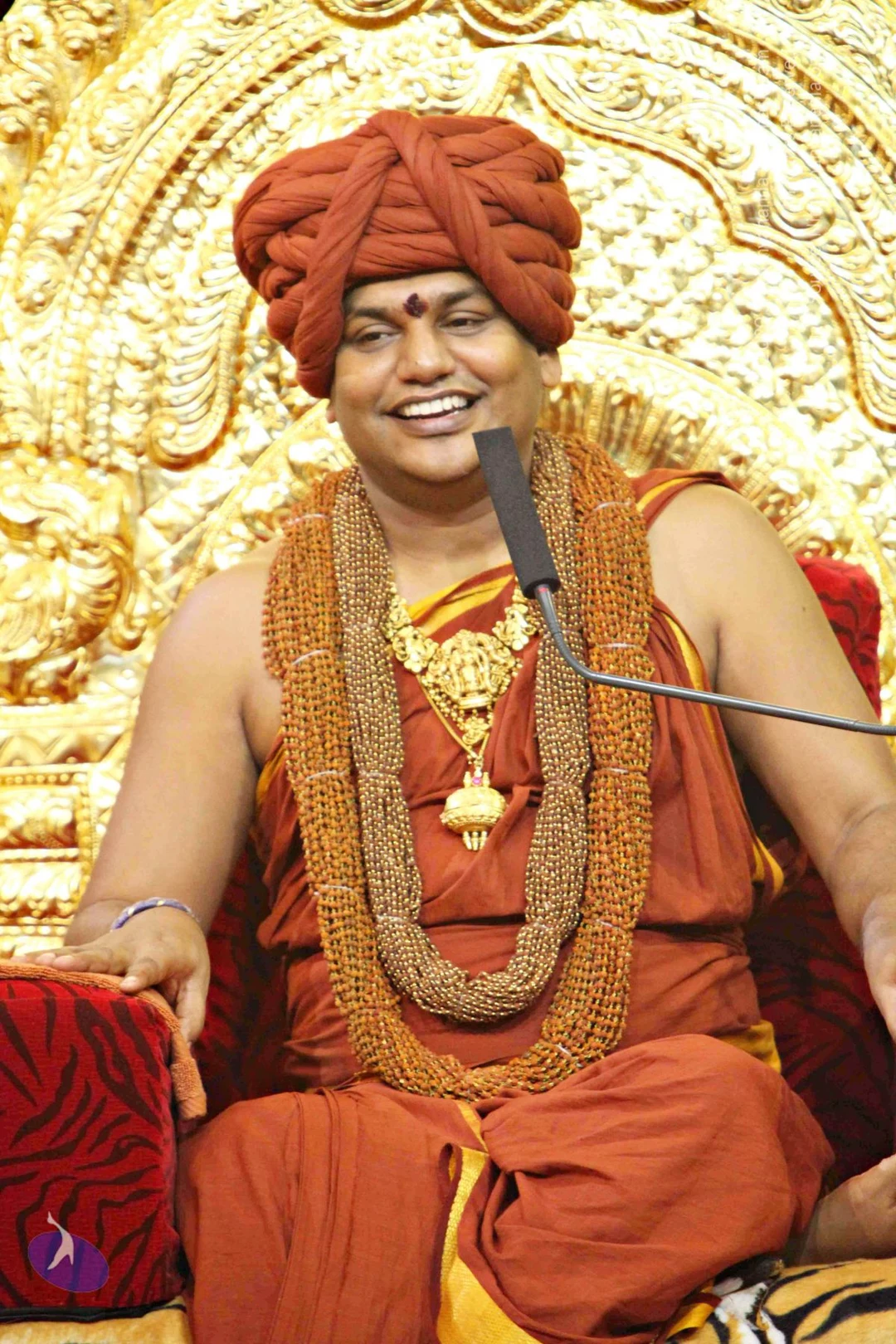
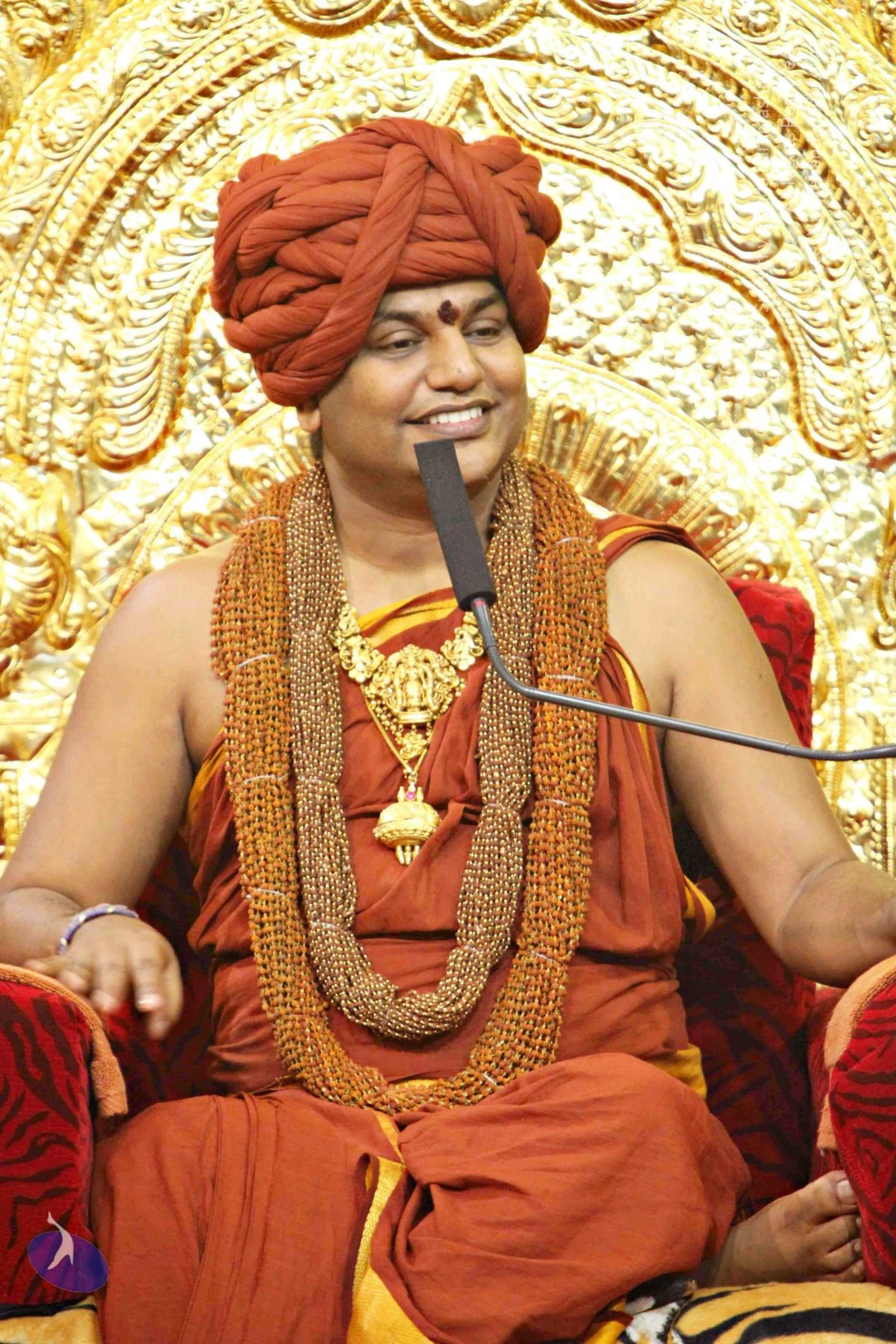
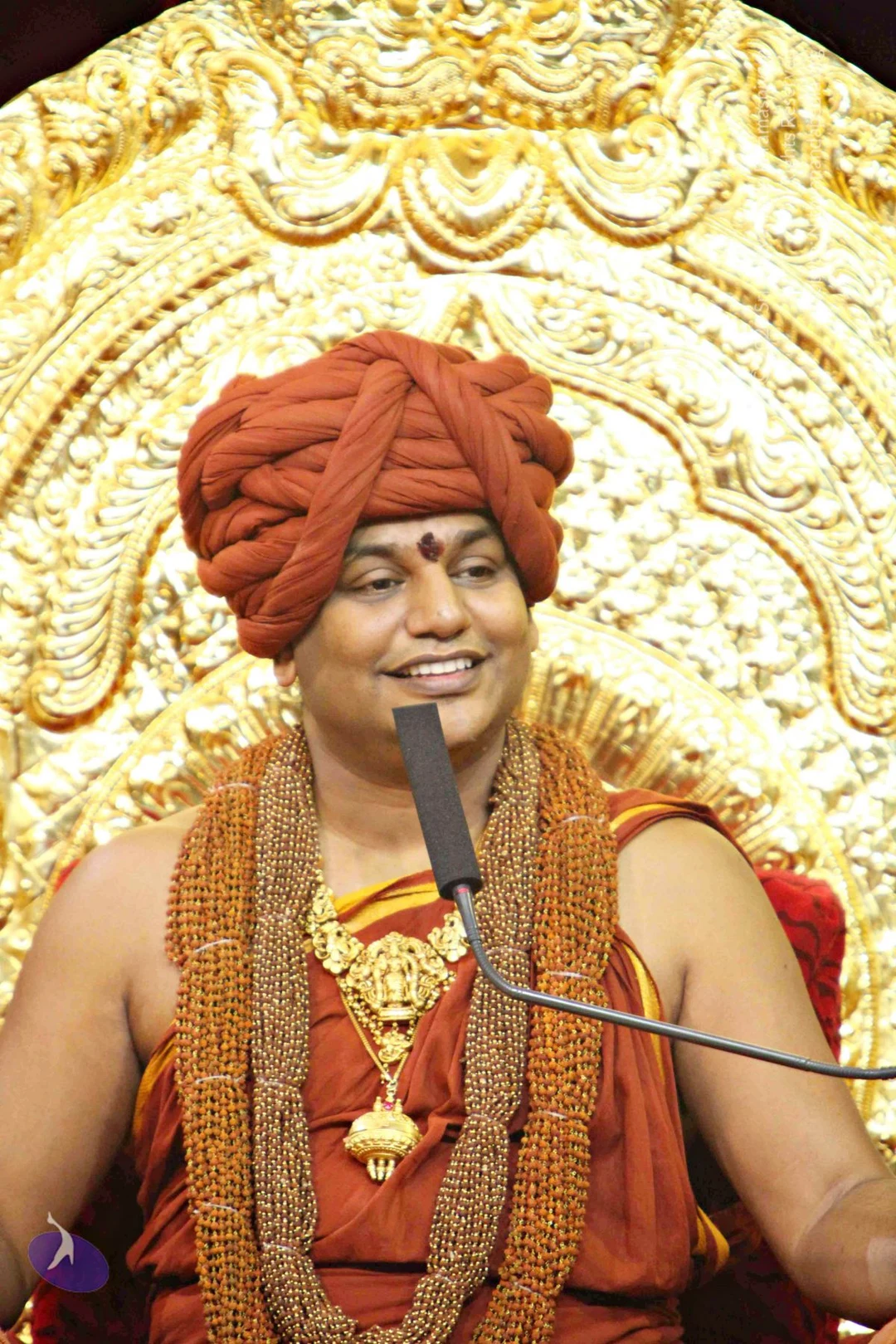
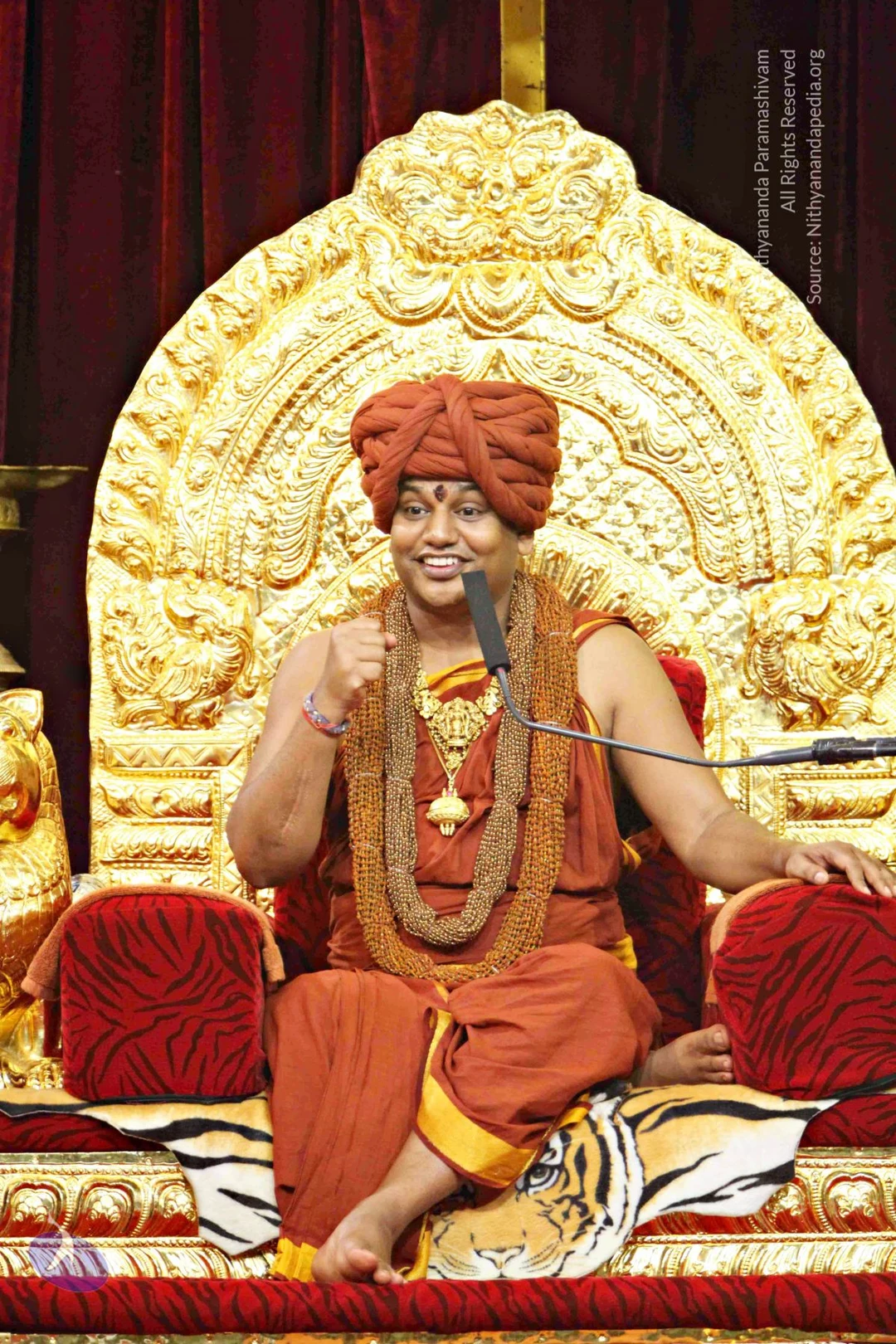
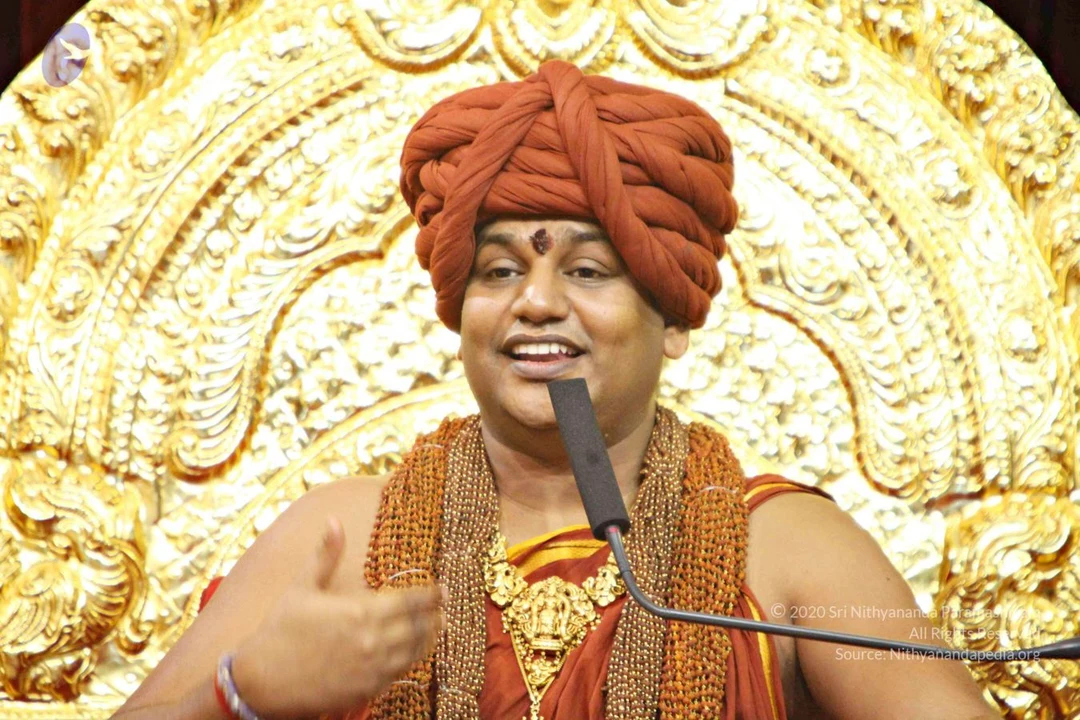
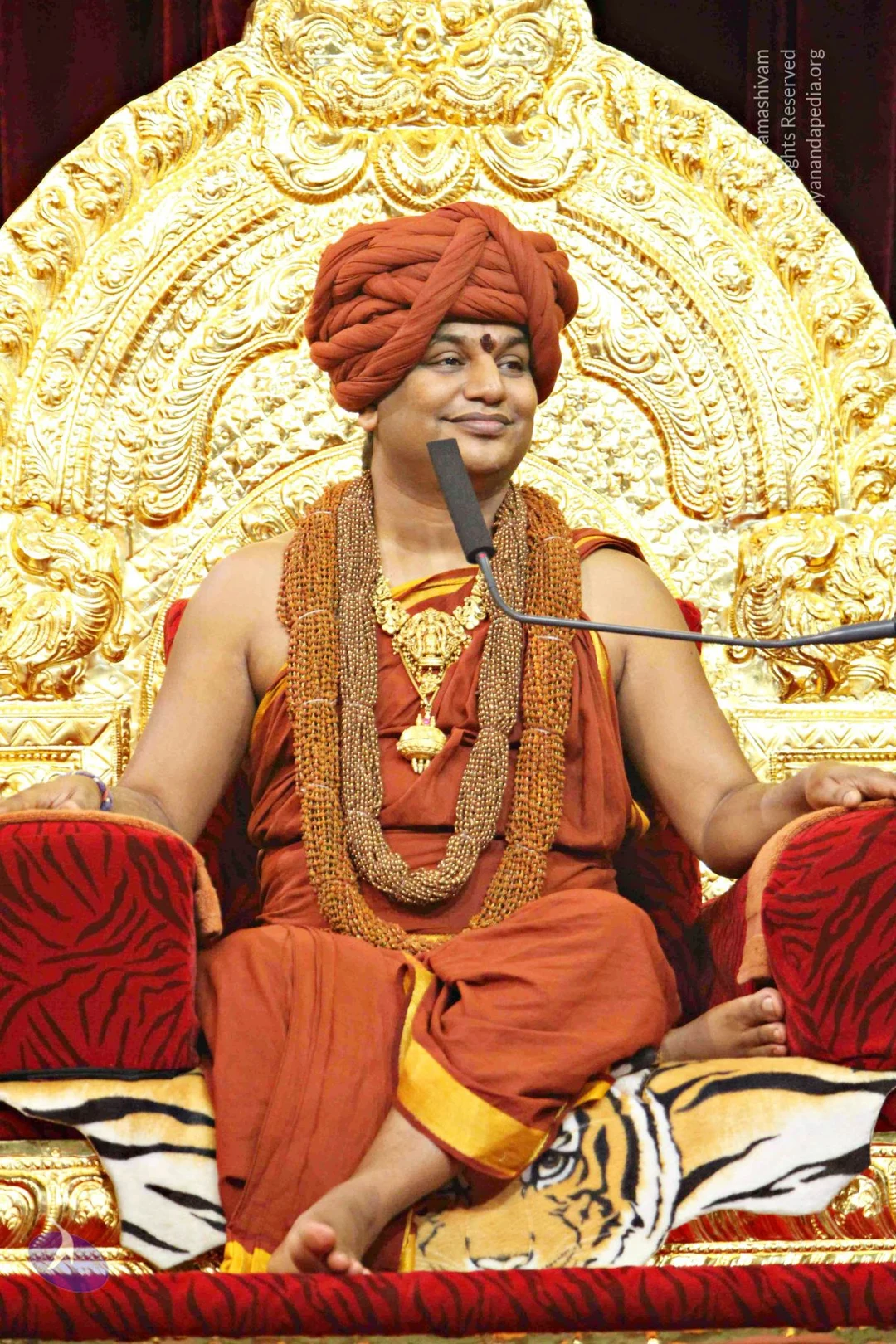
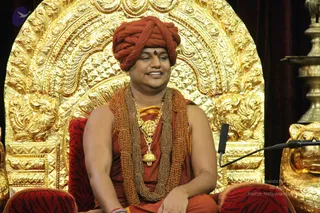
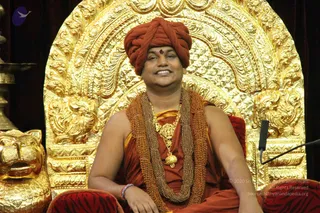
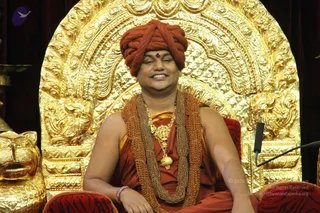
The 18th November, 2015 Satsang in Tamil delivered by Paramahamsa Nithyananda
Link to Video:
| Video | Audio |
Link to Video:
Transcript in Tamil
உங்கள் அனைவரையும் வணங்கி வரவேற்கின்றேன். ஆதி சைவம்! இதுவரை ஆதிசைவம் என்ற தலைப்பில் பகிர்ந்த கருத்துக்களின் சாரம்: ஆதிசைவம் எல்லா உயிரினங்களிலும், மனிதன் மட்டுமல்லாது எல்லா உயிரினங்களிலும் தன்னுடைய மூல நிலையான இறைத்தன்மையை, கடவுள் தன்மையை உணர்ந்து எல்லா ஜீவனும் சிவத்தன்மையை உணர்ந்து, அதில் லயித்து இருப்பதற்கான வாழ்வியல்முறை ஆதி சைவம். மிக முக்கியமான நான்கு அங்கங்களை உடையது ஆதி சைவம். சரியை, கிரியை, யோகம், ஞானம். ஆதிசைவம் எனும் இந்த வாழ்வியல்முறை, பரம்பொருள் அகண்ட பரிபுரண சச்சிதானந்த சின்மயானந்த, நித்யானந்த சொரூபி சதாசிவனே செய்து வைத்த, உலகிற்கு வழங்கிய ஆய்வியல் வாழ்வியல் இயைபு, இயல்பு, இருப்பு எனும் மூன்று நிலைகளிலும் வாழ்வதனால் சிவத்துவத்துவதை நமக்கு எல்லோருக்கும் நம் எல்லோருக்குள்ளம் அனுபுதியாக மாற்றும் சக்தி வாய்ந்த இந்த வாழ்வியல் முறையை பரம்பொருளாம், பரமசிவனே அருளி இருக்கிறார். ஆதிசைவம் எனும் இந்த வாழ்வியல் முறையை நோக்கி எறியப்படும் கேள்விகள், சந்தேகங்கள் பற்றி நேற்று ஆராய்ந்து கொண்டிருந்தோம். இன்று மேலும் அவைகளை ஆழ்ந்து பார்ப்போம். ஆதிசைவம் எதிர்கொள்ளும் இன்னொரு மிகப்பொிய கேள்வி முக்கியமான கேள்வி, நானே என்னுடைய வாழ்க்கையில் இந்த கேள்வியை மூடர்களிடமிருந்து எதிர்கொள்ள வேண்டியிருந்தது. இது ஒரு மிகப்பொிய மூடத்தனம் சார்ந்த பிரச்சனை ஆழ்ந்து புரிந்து கொள்ளுங்கள்! தூங்குபவனை எழுப்பிவிடலாம். தூங்கவது போல் நடிப்பவனை எழுப்புவது சாத்தியமே இல்லை. உண்மையை உள்வாங்க வேண்டுமென்று, பகுத்தறிவோர்க்கு பதில் மூலம் சத்தியத்தை சாத்தியமாக்கலாம். ஆனால் பகுத்து எறிவதற்காகவே பகுத்து அறிவோர்கள் எனும் நபர்களுக்கு பதில் வழங்குவது சாத்தியமே இல்லை. பகுத்தெறிவதற்காகவே பகுத்தறிபவர்கள். இவர்களுடைய கேள்வி, இவர்களுடைய வாதம், இவர்களுடைய பிரதிவாதம் எல்லாமே பித்தலாட்டம். பகுத்து எறியவே பகுத்து அறியும். இந்த பித்தலாட்டக்காரர்கள் எறிந்த சில கேள்விகள். இந்த கேள்விகளை ஆழ்ந்து புரிந்துக்கொள்ளுங்கள். இது கேள்விகூட இல்லை. அவர்களே அறியாமல் செய்த பகுத்து எறிவதற்காகவே பகுத்து அறிந்த மூடத்தனத்தின் எச்சங்களும் மிச்சங்களும் அவர்களுடைய கொள்கைகளாகவும், கோட்பாடுகளாகவும், பாரம்பரியம் என்கிற பெயராலேயே அதற்கு பட்டாபிஷேகமும் செய்யப்பட்டு எறியப்பட்ட சில கேள்விகள். இவர்களுடைய பகுத்தெறியும் மூடத்தனத்திற்கு பாரம்பரியம் என்கின்ற பட்டாபிஷேகமும் செய்து வைத்து, இந்த கேள்விகள் எறியப்பட்டன. இதில் முதல் கேள்வி என்னன்னா சைவம் என்றால் த்வைத கருத்தை உடையது. அத்வைதிகளுக்கு சைவத்திலும், சைவ மடத்திலும் வேலையே இல்லை. அத்வைதிகள் சைவத்திற்குள், சைவமடங்களுக்குள், சைவ சம்பிரதாயத்திற்குள் வரக்கூடாது. அதற்கும், இதற்கும் சம்மந்ததே இல்லை. ஒரு மிகப்பெரிய பிரச்சினை, ஆழ்ந்து புரிந்துகொள்ளுங்கள். இந்த பிரச்சினையை தொடங்கிய யாருமே அத்வைதத்தோட அனா, ஆவன்னாவைப் படிச்சதில்லை. சைவத்தோட அனா, ஆவன்னாவைப் படிச்சதில்லை. அனுபுதியாக உணர்ந்ததில்லை என்பது வேறுபுறம். அறிவாலும்கூட ஆராய்ந்ததில்லை. பகுத்தெறிவதற்காக பகுத்தறிய முயற்சிக்கும் மூடர்கள். எந்தக் காரணத்திற்காகவோ, இந்த கேள்வியும், சந்தேகமும் எழுந்துவிட்டது. அதனால் பதில் சொல்லியே தீரவேண்டிய இதற்கு தீர்வளித்து தீரவேண்டிய கடமையும், பொறுப்பும் இருப்பதனால் இந்த பிரச்சனையை அலசி ஆராய்வோம். ஒரு கும்பல் சைவம் த்வைதம் என்ற கருத்தைச் சார்ந்தது. இங்கு அத்வைதத்திற்க இடமில்லை. ஸ்மார்த்த அத்வைதத்திற்கு இடமில்லை. இன்னொரு கும்பல் சைவம் விகிஸ்டாத்வைதம். இங்க மத்வரின் த்வைதக் கருத்து, வைஷ்ணவரின் த்வைதக் கருத்துகளுக்கு இடமே இல்லை. இன்னொரு சைவம் விசிஸ்டாத்வைதம்அகும்பல் த்வைதம் என்றும், ஒரு கும்பல் விசிஸ்டாத்வைதம் என்றும் வேறு வேறு விதமாக இன்னொரு குழுவினர் சைவம் அத்வைதம் சார்ந்தது என்றும் மிகப்பொிய வாதப்பிரதிவாதங்களும் இதைச் சார்ந்தது மனக் கசப்புகளும், சஞ்சலங்களும், சங்கடங்களும் பல்வேறு பிரச்சசினைகளும், சமூகத்தில் இருந்து கொண்டுதான் இருக்கிறது. ஆழ்ந்து புரிந்துக் கொள்ளுங்கள். த்வைதம், விசிஸ்டாத்வைதம், அத்வைதம் மூன்றுமே ஒரு ஜீவன் சிவத்துவத்தை அடைகின்ற பாதையிலே உணருகின்ற அனுபுதிகள். பாதையில் வருகின்ற ஊர்களைப் போல, பாதையில் வருகின்ற இரயில் நிலையங்களைப் போல ஒருவன் தன்னை உடல் என்று உணரும் போது, பெருமானையும் பொருள் வடிவத்தில் பார்த்து ரசிக்கின்றான். அது த்வைதம். தன்னை தன்னுடைய மனதில் நிலவுகின்ற சந்தோஷம் அல்லது துக்கத்தோடு தன்னை இணைத்து, தன்னை உணர்வு என்று காணும் போது இறை வனையும் பிரபஞ்ச உணர்வாக பார்த்து, அதில் தான் ஒரு பாகமாக பார்த்து விசிஸ்டாத்வைதவ நிலையை உணருகின்றான். இதைத் தாண்டி தான் எனும் தனி உணர்வே மறையும் பொழுது ஜீவன் சிவனாக மாறும் சிவோகம் எனும் அத்வைத நிலையை அனுபவிக்கின்றான். ஜீவன் சிவத்துவத்தை அடையும் வழியிலே இருக்கின்ற வேறு வேறு நிலைகள் தான் இந்த மூன்றும் பரம்பொருள் சதாசிவன் நேரடியாக உலகத்திற்து காட்டி இருக்கும் அருளியிருக்கும் வாழ்வியல் நெறியான ஆதி சைவம் இந்த மூன்றையும் உள்ளடக்கி இந்த மூன்றுக்கும் அப்பாற்பட்டதாய் திகழுகின்றது. சைவம் வெறும் த்வைத சம்பிரதாயமல்ல வெறும் விசிஸ்டாத்வைத சம்பிரதாயமல்ல, வெறும் அத்வைத சம்பிரதாயமு மல்ல. இந்த மூன்றையும் உள்ளடக்கி, இதையும் தாண்டி சில பல படிகளையும் உள்ளடக்கியது சைவம். சைவத்தை த்வைத்திற்குள்ளும், விசிஸ்டாத்சைதத்திற்குள்ளும் அடக்க முயற்சிக்கும் மூடர்கள் சிவ துரோகிகள் எரிபத்தர்களாலும், மூர்க்கர்களாலும் கவனிக்கப்பட வேண்டிய மூடர்கள். சைவத்தை த்வைதம், விசிஸ்டாத்வைதம், அத்வைதம் எனும் எந்த ஒரு சட்டத்திற்குள்ளும் அடக்கிவிட முடியாது. எந்த நிலையில் எந்த ஜீவன் இருந்தாலும் அந்தந்த ஜீவனுக்கு அந்தந்த நிலையிலேயே இருந்து சத்தியத்தை காட்டி சிவத்துவத்தில் நிலைபெற வைக்கும் வாழ்வியல் முறை ஆதி சைவம். மடமையை அழித்து மடத்தின் அதிபதிகளாக அமைந்தால் அது மக்களுக்கு நன்மை செய்யும். மடமையை அழிக்காமல், மடமைக்கு அதிபதியாய் இருந்து கொண்டு சிலர் மடாதிபதிகளாக இருப்பதனால், பீடத்திற்கு அதி பதிகளாக இருப்பதற்கு பதிலாக மக்களைப் பிடித்த பீடை அதிபதியாக இருந்து கொண்டு, சத்தியம் மக்களுக்கு சாத்தியமாவதற்கு வழி சொல்லாது நித்தியம் அவர்களை குழப்பத்தில் ஆழ்ந்தி, குருடும், குருடும் குருட்டாட்டம் ஆடி குழியில் விழுந்திடும் கதியை என்னவென்று சொல்வது? சைவம் த்வைதம், விசிஸ்டாத்வைதம், அத்வைதம் எனும் மூன்று சம்பிரதாயங்களையும் உள்ளடக்கியது. இவை மூன்றிற்கும் அப்பாற்பட்டது. இது ஒரு முழுமையான வாழ்வியல் முறை. இங்க பிரச்சினையே என்னன்னா? ஒரு ஊரில் ஒரு பொிய குளம். ஊருக்கு நான்கு போ் நான்கு வேறுவேறு இடத்திலிருந்து வருகிறார்கள். இதில் வந்த ஒருத்தர், அங்க ஊரிலிருந்த குடியானவன், விவசாயியைப் பார்த்து கேட்கிறான். ரொம்ப தாகமா இருக்கு, தண்ணீ எங்க கிடைக்கும்? குடியானவன் குளத்தை காட்டினான். இன்னொருத்தர் கேட்கிறார் "பானி" எங்கே கிடைக்கும்? என்று அவர் வடநாட்டுக்காரர். குடியானவன் குளத்தை காட்டினான். இன்னொருத்தர் ஆந்திராவிலிருந்து வந்திருந்தார் அவர் கேட்டார். நீலு எங்கே கிடைக்கும் என்று. குடியானவனுக்கு வார்த்தை புரியலை. ஆனால் சைகை மூலம் காட்டியதால், புரிந்து கொண்டு குளத்தை காட்டினான். அந்த காலத்தில் இப்படி காண்மித்தால் வெறும் தண்ணீர் என்று மட்டும் தான் அர்த்தம், அந்த காலத்தில் கிடைக்கும், இன்னொருத்தன் தோல் வௌ்ளையா இருந்தது. அவர் "வாட்டர்" எங்கே என கேட்டார். குடியானவன் குளத்தை காட்டினான். நான்கு பேருமே அந்த குளத்தை நோக்கி போய் கொண்டிருக்கும் வழியில் பார்த்துக்கொண்டார்கள். ஒருத்தர் கேட்டார், நீ எங்கே போகிறாய் என, அதற்கு தண்ணீரைத் தேடி என்றும். நீ எங்கே போகிறாய், நான் வாட்டர தேடி போறேன், நீ எங்கே போகிறாய், நீ எங்கே போகிறாய், நான் பானிய தேடி, நீ எங்கே போகிறாய், நான் நீலு தேடிப் போறேன். என்ன ஐயா! நாலு பேரும் ஒரே இடத்திற்கு போய்க் கொண்டிருக்கிறோம். "இல்லை இல்லை அங்கே இந்த ஊர்க்காரர் சொன்னார். இங்கு நீலு தான் கிடைக்கும் என்று ஒருவன் சொன்னான் இன்னொருத்தன் சொன்னான, "இல்லை இல்லை அங்கே பாணி இருக்கு நீலு இல்லை. அவன் சொல்லித்தான் அனுப்பிச்சான்". என்று. இன்னொருத்தன் சொன்னான், "இல்லவே இல்லை, நான் இந்த ஊர்க்காரன், இங்கு தண்ணீர் தான் இருக்கு" என்றான். நான்கு பேரும் விவாதத்தில் ஈடுபட்டார்கள். விவாதம், வேகத்தோடு சண்டையைத் தொடங்கியது. சண்டை சச்சரவை கொண்டு வந்தது. சச்சரவில் ஒருவரையொருவர் அடித்துக்கொள்ள தொடங்கினார்கள். கடைசியில் நான்கு பேரும் ஒருவரையொருவர் வெட்டிக் கொண்டு குளத்தில் இறங்கி நான்கு பேரும் சொல்கின்ற வேறு வேறு வார்த்தைகளால் குறிக்கப்படும் வஸ்து ஒன்று தான் என்று தொித்து கொள்ளாமலே இறந்து போனார்கள். மடையர்களுக்கு அதிபதிகளாய் அனுபுதியை அடையாமல் குருபீடத்தில் அமர்ந்த அத்துனை மூடர்களுக்கும் இது தான் கதி. அனுபுதி அடையாமல், தேட வேண்டிய வயதில் அனுபுதியை தேடி அடைந்துவிட்டு குருபீடத்தில் அமர்ந்துவிட்டுதான் தன் வாழ்க்கையிலும் நிம்மதியாய் இருப்பார்கள். மற்றவர் வாழ்க்கையிலும் ஆனந்தத்தை உருவாக்குவார்கள். சின்ன வயதில் உடம்பில் வேகமும், இரத்தத்தில் சூடும் இருக்கும்போது, அனுபுதியைத் தேடி அடையாதவர்கள் பீடங்களை தேடி அமர்ந்து கொண்டு, சுக போகமான வாழ்க்கையை வேண்டுமானால் வாழலாம் ஆனால், அவர்களுக்கு அந்த பீடமே பந்தமாக மாறி, தனியா எந்த தண்டனையும் வேண்டியதில்லை. அவர்களுடைய கடைசி காலத்தை பார்த்தால் போதும், தனியாக ஒரு தண்டனை தேவைப்படாது. அதனால்தான் என்னுடைய சந்நியாசிகளுக்கும், பிரம்மச்சாரிகளுக்கும் திரும்ப திரும்ப சாமி சொல்றேன். மீண்டும் மீண்டும் அவர் சொல்வதுண்டு, இளமையில் இறைவனைத் தேடு. இளமையிலேயே இரத்தத்தில் சூடு இருக்கும் போதே, உடலுக்கு, மனதுக்கும் சக்தி இருக்கும் போதே அவை இரண்டும் உங்கள் கட்டுப்பாட்டில் இருக்கும் போதே இறைவனைத் தேடி அனுபுதியாய் இருப்பால், அவனை உணர்ந்துவிடுங்கள். இளமையில் தேடாமல்விட்டவர்கள் முதுமையில் படும் கஷ்டத்தை நான் நோில் பார்த்திருக்கின்றேன்.. இளமையில் வறுமையும், முதுமையில தனிமையும் கொடியது என்று சொல்வார்கள். நான் சொல்கிறேன், இளமையில் இறைத் தேடல் இன்மையும், முதுமையில் இறை வெறுமையும் தான் மிகக் கொடுமையான நரகங்கள். தானே அனுபுதியை அடையாமல்விட்டது மட்டுமல்லாது, அனுபுதி அடைந்தவர்கள் உலகிற்கு சொல்லும் உண்மையையும் மூடத்தனத்தால் மறுத்துரைத்து, எதிர்த்துரைத்து, மேலும் மேலும் கருமத்தை உருவாக்கிக் கொள்ளும் மனம் கொண்ட மூடர்கள் சைவத்தை த்வைதம் விசிஸ்டாத்வைதம் எனும் சிறு சிறு கூண்டுக்குள் வைக்க முயற்சிக்கிறார்கள். நன்றாக புரிந்து கொள்ளுங்கள். த்வைதம், விசிஸ்டாத்வைதம், அத்வைதம் போன்றவைகள் தத்துவங்கள், கொள்கைகள், கோட்பாடுகள். உறைய வைக்கப் பட்ட ரோஜாவில் உயிர் இருக்க வாய்பேயில்லை வார்த்தைகளால், கொள்கை, கோட்பாடு என்று உறைய வைக்கப்பட்ட தாமரையில் தனித்துவம் இருக்க வாய்ப்பே இல்லை. வார்த்தைகளால் கொள்கை, கோட்பாடு என்று உறைய வைக்கப்பட்ட எந்த சத்தியத்துக்கும் உயிர் இருப்பதில்லை. உறைய வைக்கப்பட்ட ரோஜா மலருக்கு உயிர் இருப்பதில்லை. உறைய வைக்கப்பட்ட தாமரை மலருக்கு தனித்துவமான சக்தி இருப்பது இல்லை. எத்துனை நாள் அந்த மலர் தாமரைத் தண்டோடு தண்ணீரில் உயிரோடு இருக்கிறதோ அத்துனை நாள் வரை தான் அதற்கு தனித்துவமான உயிர் உண்டு், எத்துனை நாள் அந்த ரோஜா செடியோடு மலராக இருக்கிறதோ, அதுவரைதான் அது உயிருள்ள மலர் பறிக்கப்பட்டு உறைய வைக்கப்பட்ட உடனேயே அது தனித்துவத்தை இழக்கிறது. கொள்கை, கோட்பாடு எனும் சிறையில் அடைத்து வார்த்தை எனும் சங்கிலியால் கட்டப்பட்ட உடனேயே சத்தியம் தன் நித்தியத்துவத்தை இழக்கிறது. த்வைதம், விசிஸ்டாத்வைதம், அத்வைதம் மூன்று கொள்கைகளும், தத்துவங்களும் இதுபோல் வார்த்தை எனும் சங்கிலியால் கட்டப்பட்டு கொள்கை, கோட்பாடு. எனும் சிறையில் சிறை வைக்கப்பட்ட கருத்துக்கள். அவைகளுக்கு தன் தனித்துவத்தால் முழுமையாக ஒரு ஜீவனை சிவத்தன்மைக்குள் கொண்டு செல்லும் ஆற்றல் இல்லை. ஒரு குறிப்பிட்ட காலத்தில், குறிப்பிட்ட நிலையில்மாத்திரம் குறிப்பிட்ட மனிதர்களுக்கு உதவுகின்ற சக்தி மட்டும் தான் அதற்கு உண்டே தவிர, இந்த ஒவ்வொரு தத்துவத்திற்கும் தனித்தனியாக ஒரு ஜீவன் அதன் இருப்பு நிலையிலிருந்து சிவத்தன்மையான இயல்பு நிலைக்குள் செல்லும் வரை வழிகாட்டுவதற்கான முழுமைத்தன்மையை எந்த ஒரு தத்துவத்தாலும் தனியாக செய்துவிட இயலாது. ஆனால் சைவம் எனும் வாழ்வியல் முறையால் ஒரு ஜீவன் எந்த நிலையில் இருக்கிறதோ, அந்த நிலையில் தொடங்கி, இயைபு, இயல்பு, இருப்பு எனும் மூன்று நிலைகளிலும் ஜீவனை பயணிக்க வைத்து சிவத்துவத்தில், நித்யானந்தத்தில் நிரந்தரமாய் இருக்க வைக்கும் சக்தியும், தௌிவும் சைவத்திற்கே உண்டு. ஏனெனில், சொன்னவன் சுந்தரத் தமிழியில் இந்த சுகபோத ஞானத்தை சொன்னவன், என்னவன், மன்னவன், தென்னவன், விண்ணவன், விண்ணோரும் காணாத மன்னவன், விண்ணவன் விண்ணோரும் காணாத மன்னவன், தன் தனிப்பெருங்கருணையால் தென்னவனாய் தோன்றிய என்னவன், சைவம் எனும் வாழ்வியல் முறையை சொன்னவன். த்வைதம் ஒரு குறிப்பிட்ட பயண காலத்தில், ஆன்மிக பயணத்தின்போது ஒரு குறிப்பிட்ட காலத்தில், ஒரு குறிப்பிட்ட மனிதர்களுக்கு மட்டும் உதவியாய் இருக்கும். விசிஸ்டாத்வைதம் ஒரு குறிப்பிட்ட காலத்தில் ஒரு குறிப்பிட்ட மனிதர்களுக்கு மட்டும் உதவியாய் இருக்கும். அத்வைதம் ஒரு குறிப்பிட்ட காலத்தில், ஒரு குறிப்பிட்ட மனிதர்களுக்கு மட்டும் உதவியாய் இருக்கும். ஆனால் சைவமோ இந்த மூன்றையும் உள்ளடக்கி இதையெல்லாம் தாண்டி, நீங்கள் எங்கு, எந்த நிலையில், எவ்வாறு இருக்கிறீர்களோ, அங்கிருந்தே உங்களுக்கு உதவத் தொடங்கி எங்கு சென்று சேர வேண்டுமோ, அங்கு வரை உதவுகிறது குறிக்கோளாய் குறிக்கோள் காட்டும் நெறிப்பாதையாய், நெறிப்பாதையில் செல்லத் தூண்டும் உத்வேகமாய் எல்லா நிலையிலும் உடனிருந்து உண்மையைக் காட்டவும், கூட்டவும் சிவஞான போதத்துள் சிவத்துவ நிலைக்குள் எப்போழுதும் இருக்கச் செய்யும் வழியில் ஜீவன் எதிர்கொள்ளுகின்ற எல்லாத் தடைகளையும் அழிக்கும் திறனும், சந்தேகங்களை எல்லாம் தீர்க்கும் தௌிவும், வழியில் ஏற்படும் சோம்பல், மனச் சோர்வு இவைகளை எல்லாம் அழித்து, உற்சாக ஊஞ்சலில், ஏற்றி நம்மை உத்தம நிலைக்கு கொண்டு செல்லும் எல்லா நுட்பங்களும், நுண்மைகளும் நுட்பம் என்றால் வநஉரெஙைரந, நுண்மை என்றால் வநஉாழெடழபல. இந்த ஞான ரசவாதத்தின் நுட்பங்கள், நுண்மைகள் எல்லாவற்றையும் தன்னுள் அடக்கியது சைவம். சிவோகம் என்னும் சத்தியம் அகம்பிரம்மாஸ்மி எனும் வார்த்தைக்கு சமம்கிடையாது. அகம் பிரம்மாஸ்மி ஸ்மார்த்த அத்வைதம். சிவோகம் சைவ சத்தியம். இரண்டிற்கும் மிகப்பொிய வித்தியாசமுண்டு. பிரம்மம் என்று ஸ்மார்த்தம் விளக்குவது இருப்பு, இருப்பின்மை என்கின்ற எல்லாவற்றையும் முழுமையாக நேரடியாய் உணரக்கூடிய வகையில் குறிக்கும் வார்த்தையாக இருக்கிறதா என்றால் நடைமுறையில் இல்லை. பிரம்மம் வௌிப்படாத மூலப்பொருளாகவே, எல்லாவற்றிற்கும் மூலப்பொருளாகவே மீண்டும், மீண்டும் எல்லோராலும் வருணிக்கப்படுகிறது. அனுபவித்தவர்கள் கூட அனுபுதியைப் பற்றி எழுதும் பொழுது வௌிப்படாத மூலப்பொருள் என்றே, எல்லாவற்றிற்கும் மூலம் என்றே, அதை ஒரு தன்மை என்றும், பொருள் என்றுமே விவரிக்க முற்படுகிறார்கள். ஆனால் சிவம் வெறும் சில குணங்கள், தன்மைகள் இவைகளின் தொகுப்பு அல்ல. தன்னுடைய சுய விருப்பமும், வெறுப்பமும், தொிப்பும், இயங்குவதும் இயங்காமையும், தேவைப்படின் இயங்கவும் வேண்டாம் எனும்போது இயங்காமல் இருக்கின்ற சுதந்திரமும் கொண்ட சக்தி வல்லமை மாத்திரம் அல்ல. வல்லமை சக்தியை வேண்டும்பொழுது வௌிப்படுத்தி தேவையில்லாதபோது வௌிப்படுத்தாமல் கட்டுப்படுத்தி வைக்கும் சுதந்திரமும், தன் கருணையாலே விதியை மாற்றக்கூடிய, எதில் தலையிட்டு எல்லா விதி நிஷேதங்கள் செய்ய வேண்டியவை செய்யக் கூடாதவை எனும் விதிகளுக்கெல்லாம் அப்பாற்பட்டு இயங்கும் இருப்பு நிலையாக சிவம் எனும் வார்த்தை நமக்கு தௌிவாக அந்த உணர்வை உணர்த்துகிறது. பிரம்மம் எனும் வார்த்தையை கேட்டவுடன் இந்த உலகத்தை எல்லாம் ஆக்கி, படைத்து, காத்து, அழித்து என்கின்ற ஒரு தன்மை, குணங்களை தான் நீங்கள் உணர்கிறீர்கள், சிந்திக்கிறீர்கள், நினைக்கிறீர்கள், படிக்கிறீர்கள். ஆனால் சிவன் என்றால் இவை எல்லாவற்றோடு சேர்ந்து தன்னுடைய தனித்துவத்தினாலே, கருணையினாலே, விருப்பத்தாலே எப்படி வேணுமானாலும் இயங்குகின்றது. சுதந்திரத்தன்மையும் சேர்த்த சுந்தர வௌிப்பாடாக நினைத்தவுடனேயே சிந்தை இனிக்கும், நினைத்த உடனேயே சிந்தை இனிக்கும். சிவபெருமான் உணர்வே மேலோங்கி நிற்பதால் அகம்பிரம்மாஸ்மி எனும் மகாவாக்கியத்தைவிட சிவோகம் எனும் மகாவாக்கியம் அதிகம் உபயோகத்திற்குரியது. சத்தியத்தை சாத்தியமாக்கும் சக்தி உடையது. இங்கு பிரச்சனையே சைவம் அத்வைதத்தை ஏற்றுக்கொள்கிறதா, இல்லையா என்பது இல்லைங்க ஐயா. பிரச்சனை என்னன்னா அத்வைதத்தை நம்பினாலும், விசி டாத்வைதத்தை நம்பினாலும், த்வைதத்தை நம்பினாலும் என்ன வேணா நம்புங்க எதையோ ஒன்றை கடைபிடித்து, சண்டையை தவிர்த்து, குளத்தில் இறங்கிப் பாருங்கள். இதுதான் சைவம். சைவம் என்றால் என்னன்னா விசிஸ்டாத்வைதமா, அத்வைதமா, த்வைதமா என்று கடைசிவரை குளத்தில் இறங்கி பார்க்காமலே அடிச்சுகிட்டு தாகத்திலேயே செத்துப்போன நாலு பேர் போல இல்லாம குளத்தில் இறங்கி பார்த்திருந்தால் தெரிந்திருக்கும் நாலு வார்த்தையால நான்கு பேரும் சொன்ன வார்த்தைகள் ஒன்றுதான். ஆனால் அந்தபொருள் அந்த நாலு வார்த்தைக்கும் அப்பாற்பட்ட உண்மை. அதை அருந்தியிருந்தால் வாழ்க்கையை வாழ்ந்திருக்கலாம், அருந்தாமல் வார்த்தையை மட்டும் பிடித்துக் கொண்டு சண்டையிட்டதனால் தாகமும் தீரவில்லை. வாழ்க்கையும் போனது. அதேபோல அத்வைதமா, விசிஸ்டாத்வைதமா, த்வைதமா என சண்டையிட்டுக் கொண்டிக்கொண்டிருப்பதை விட்டுவிட்டு குளத்திற்குள் இறங்கிப்பாருங்கள் என்கின்ற சத்தியம் தான் சைவம். சைவத்திற்கான ஒரு ஆழமான விளக்கம் இதுதான். இறங்கிப்பார்! சண்டையை தவிர்த்து, சச்சரவை ஒழித்து, சத்தியத்தை எட்டிப்பார் இது சாத்தியம் இதுவே சைவம். பாடிப்பாடி, பாடிப்பாடி கரைந்து, உருகிய நாவுக்கரசரைப்போல ஒரு பக்திமானை எந்த த்வைத சம்பிரதாயமாவது உருவாக்க முடியுமா? த்வைவதத்தின் உச்சி சவிகல்ப சமாதியிலேயே வாழ்ந்த திருநாவுக்கரசு பெருமான். அதுமட்டுமல்ல, ஞானத்திற்காக மட்டுமல்ல, காதலிகூட அல்ல, இரண்டாவது கள்ளக்காதலிக்காக பெருமானையே தூது அனுப்பிய சுந்தரன், இவனைப்போன்றொரு இன்னொரு பக்தனை எந்த சம்பிரதாயத்தில் காட்ட முடியும்!? எந்த மதமோ தத்துவமோ இதுபோன்றதொரு பக்தியின் சக்தியை வௌிப்படுத்த முடியும்!? இன்னொரு மனைவி இன்னொரு பெண் உன் வாழ்க்கையில் இருக்கக்கூடாது என்று முதன்முதலில் பார்த்த காதலி நிபந்தனை விதிக்கிறாள்.
சுந்தரர் அந்த பெண்ணிடம் சரிசரி என்று சொல்லி விட்டு வந்துவிடுகிறார். ஆனால் இவருக்கே இவர் மேல அந்த அளவுக்கு நம்பிக்கை இல்லை. அந்த பெண்ணோ இவரை நேரடியாக நம்ப தயாராக இல்லை. அதனால் "நாளை காலையில் திருவொற்றியுர் கோவிலில் பெருமான் பலிபீடத்தின் முன் சத்தியம் பண்ணிக் கொடு, பெருமான் முன்னாடி, பெருமான் சாந்தித்யத்தின் முன் சத்தியம் பண்ணிக் கொடு" என்று கேட்கிறாள். சுந்தரரும் சரி என்று சொல்லிவிட்டு வந்துவிடுகிறார். காரணம் என்னன்னா பெருமானே நம் கட்டுப்பாட்டில் தான் இருக்கிறார் என்ற எண்ணம். பக்தியின் சக்தியைப் பாருங்கள். ஒரு பெண்ணைத் தான் சொல்லி கேட்க வைப்பதைவிட பெருமானைச் சொல்லி கேட்க வைப்பது சுலபம் என்கின்ற அளவிற்கு பக்தியின் சக்தி. வந்து பெருமானிடம் சொல்கிறார்.
நாளைக்கு இங்கே சத்தியம் பண்ணப் போறேன். நீ அங்கே இருக்காதே! பக்கத்திலிருக்கிற மரத்து ஓரமா, ஒதுங்கி இரு என்று சொல்கிறார். பெருமா அப்படியே ஆகட்டும் அப்பா என்று சொல்லிவிடுகிறார். அதோடு சும்மா இல்லை அந்தப் பெண் கனவில் போய், "நாளைக்கு என்ன இங்கப் போகச்சொல்லி சுந்தரன் இருக்கிறார். நாளைக்கு அந்த இடத்தில் வரச்சொல்லி அவரிடம் சத்தியம் வாங்கிக்கொள்" என்று சொல்லிவிடுகிறார். "சந்நிதி முன்னாடி சத்தியம் பண்ணா ஒத்துக்காத அந்த மரத்தடியில் இருக்கச் சொல்லி இருக்கான். சத்தியத்தை மரத்தடியில் வந்து பண்ணச் சொல் என்று சொல்லிவிடுகிறார். அப்ப அந்த பெண்ணின் பக்தியின் மாண்பை பாருங்கள். சுந்தரன் பக்தியின் மாண்பு அந்தப் பெண்ணை உழெஎைெஉந பண்ணுவதை விட, பெருமானை உழெஎைெஉந பண்ணுவது நயளல என்று நினைக்கிறார். அந்தப் பெண்ணோ நீ எவ்வளவு பொிய பக்தனாக இருந்தாலும் என்பக்திக்கு பெருமான் துரோகம் பண்ணமாட்டார் என்று நினைக்கிறார். இது எல்லாமே பார்த்தீங்கன்னா, ஏதோ ஜீவன்முக்தி அடைவதற்கான போராட்டம் இல்லை. ரொம்ப சாதாரணமான காதல், கள்ளக் காதல் சம்மந்தப்பட்ட தினத்தந்தியில் தினசரி நீங்க படிக்கிற ரொம்ப கிராமத்து விஷயம். இது ஒன்றும் பொிய ஜீவன்முக்தி சார்ந்த ஆன்மிகப் பிரச்சினை இல்லை. நேரடியாக பெருமானே தலையிட்டு ஏறத்தாழ யடஅழளவ 10 தடவை ஒரு ஆளுக்காக யவவநனெ பண்ணிருக்கார். வெறும் 24 மணி நேரத்துல 10 தடவை இங்கயும் அங்கயும் மாறி மாறி கோல் சொல்லி மறுநாள் காலையில் அந்த பெண் வருகிறாள், வந்த உடனே சுந்தரர் வேகவேகமா வந்து, ரொம்ப ைெழெஉநவெ ஆ கயஉந அ வச்சுகிட்டு பெருமான் சன்னிதி முன்னாடி சத்தியம் பண்ணிக் கொடுக்க வருகிறார். வந்த உடனே .இவள் சொல்றாள். "இல்லை இல்லை நான் திடீர்னு என் மனசை மாத்திக்கிட்ே்டன், பெருமான் முன்னாடி சத்தியம் பண்ண வேண்டாம். இந்த மரத்தடியில் பண்ணிக் கொடுத்தா போதும்". சுந்தரருக்கு பெருமானை சந்தேகப்படுமளவுக்கு மனம் ஒத்துக்கொள்ளவில்லை. ஆனால் சொன்னதனால் சத்தியத்தை செய்து கொடுக்கமாட்டேன் என்று சொல்ல முடியவில்லை. சத்தியத்தை செய்து கொடுக்கமாட்டேன் என்று சொல்ல முடியவில்லை. சத்தியமும் பண்ணிக் கொடுத்துவிடுகிறாம். சத்தியத்தை மீறினால் கண் போய்விடும். கடைசியில் அதையும் மீறுகிறார் ஆனாப் பெருமான் இருக்கிற தைரியம். பலம். பெருமானுக்கு உண்மையாக இல்லாவிட்டால் கூட, அவன் எனக்கு உண்மையாக இருப்பான் என்கின்ற பக்தியின் சக்தி. அவனுக்கு நான் உண்மையா இருந்தால், அவன் எனக்கு உண்மையா இருப்பான் என்பது பக்தி. அவனுக்கு நான் உண்மையாக இல்லாவிட்டால் கூட அவன் எனக்கு உண்மையாக இருப்பான்ற தௌிவு பக்தியின் சக்தி. எந்த த்வைத சம்பிரதாயத்தில், எந்த விசிஸ்டாத்வைத சம்பிரதாயத்தில் எந்த அத்வைத சம்பிரதாயத்தில், எந்த பக்தி சம்பிரதாயத்தில் இப்படி ஒரு பக்தியை காண முடியும்!? அதுமட்டுமல்ல இரண்டாவது மனைவிக்கு கள்ளக் காதலிக்கு பெருமானையே தூதாகவும் அனுப்புகிறார், ’’நீயே போய் கொஞ்சம் பார்த்து, சுந்தரர் ரொம்ப நல்லவரு, மானே தேனேன்னு நீயே கொஞ்சம் சேர்த்து. இந்தக் காலேஜ் பசங்க அவங்க பிரண்ஸ்சை தூது அனுப்பறு மாதிரியே பண்ணி இருக்கார். இன்னொரு நாலு, அஞ்சு விஷயத்தை நீயே சோ்த்து சொல்." பெருமான் கேட்கிறார், "நான் என்னென்ன வெல்லாம் சொல்லனும் அத அப்படியே சொல்லிட்டு வர்ரேன், நான் இரண்டு, மூனு சொல்றேன். நீ உன் உசநயவைஎவைல இ ரளந பண்ணி நீ கொஞ்சம் சோ்த்து சொல்லிட்டு வாப்பா" என்று அதையும் செய்கிறார்! சரி போன்னு கிளப்ப சொல்லாரு, பெருமான் கிளம்புகிறார். ஆஹா, தூது போறவன் செருப்பு போட்டுட்டு போகக் கூடாது கழற்றி வைத்துவிட்டு போ" என்கிறார். அது ஒரு மரபு. தூது செல்கிறவர்கள் பாதுகை அணியக்கூடாது. செருப்பை கழற்றி வைத்துவிட்டு போகிறார். கால் தேய வெறும் காலோடு நடந்து செல்கிறார். அதையும் பண்றார். அதற்கு பிறகு இழந்த இரண்டு கண்ணையும் திருப்பிக் கொடுக்கிறார். வேற எந்த சம்பிரதாயத்தில் இது போன்ற பக்தியை சில சம்பிரதாயங்களில் ஒருவேளை இதுபோன்ற பக்தர்கள் இருந்தால் கூட இது மாதிரியான செய்திகளை எதிர்கால சந்ததியின் ஒழுக்கம் கருதி எதிர்கால சந்ததியின் தவறாக கடைபிடிக்கக்கூடாது என்று கருதி அதை மறைத்திருப்பதற்கான வாய்ப்புகள்தான் அதிகம், ஆனால் இங்கு எதைப்பற்றியும் கவலைப்படாமல் இதை பட்டவர்த்தனமாக, தௌிவாக வரலாறாகப் பதிந்தும் வைத்திருக்கும் தைரியமான ஒரே சம்பிரதாயம் சைவம். ஏனென்றால் தனி மனித ஒழுக்கம், சமூக ஒழுக்கம், இயற்கையின் போக்கு, இது எல்லாவற்றையும் தன் கருணையின் மாத்திரத்தால் நடத்துவதும், நடத்தாததும், நிற்பதும், நிற்காததும், இயக்குவதும், இயக்காததும், தன் இச்சா மாத்திர சுதந்திரமே எனும் பேரொழுக்கு பெருமான். சாதாரண விதிகள் ஒழுக்கங்கள், எந்த விதியை வேண்டுமானாலும், எப்படி வேண்டுமானாலும் எதனோடு வேண்டுமானாலும் விளையாடும் தன்மை பேரொழுக்கு. பேரொழுக்கு பெருமான். ஈன்ற வாழ்வியல் பற்றி கவலைப்படாமல் வரலாறை உள்ளது உள்ளபடியே உரைத்து வைத்தார்கள். சுந்தரர் மாதிரி ஒரு அத்வைதியையோ, சுந்தரர் மாதிரி ஒரு பக்தரையோ வேறு எந்த சம்பிரதாயத்தில் காணமுடியும்? ஞானசம்பந்த பெருமான் உணர்வாலே அத்வைத நிலையை அடைந்தவர்கள் உண்டு. உடலைக்கூட மிச்சம் விடாமல் இறைசக்தியோடு கரைத்துவிட்ட சுத்தாத்வைதிகள் ஞான சம்மந்தரும், மாணிக்கவாசகப்பெருமானும். அப்பர் மாதிரி பக்தரையோ த்வைதத்தின் உச்சத்தை பார்த்தவரையோ, சுந்தரரைப்போல பக்தியின் சக்தியை வௌிப்படுத்தியவர்களையோ, ஞான சம்மந்தரைப் போல, மாணிக்கவாசகரைப்போல உச்சநிலையை, அத்வைதத்தை அனுபுதியாக உலகிற்கு காட்டியவர்களையோ எந்த சம்பிரதாயத்தில் காண்பீர்கள்? இவைகளையெல்லாம் உருவாக்கிய சம்பிரதாயத்தை அத்வைதம், த்வைதம், விசிஸ்டாத்வைதம் எனும் சின்ன தீப்பெட்டிக்குள் அடைக்க முயற்சிப்பவர்கள் தீயால் சுட்டொிக்கப்படுவீர்! இவைகள் எல்லாவற்றையும் தன்னுள் அடக்கும் சக்தி சைவம் ஒன்றிற்கே உண்டு. சைவத்தை ஒரு சம்பிரதாயம் எனும் சாதாரண வார்த்தைக்குள் அடைக்க முயற்சிப்பது மிகப் பொிய மூடத்தனம். இன்றைய சத்சங்கத்தின் சாரம் சைவம் த்வைதம், விசிஸ்பித்வைதம், அத்வைதம் எனும் எல்லா சம்பிரதாயங்களையும் உள்ளடக்கி அதற்கும் அதிகமானது இருக்கின்ற எல்லா எண்ண ஓட்டங்கள், சிந்தனை ஓட்டங்கள் இவை அனைத்திற்கும் மூலமான தாயாய், தந்தையாய், அம்மையாய், அப்பனாய் நின்றது சைவம். பிரபஞ்சத்திற்கே அம்மையப்பன் தந்த வாழ்வியல் என்பதனால், எல்லா தத்துவங்களுக்கும் வாழ்வியல் நெறியாய், அம்மையப்பனாய், பிரபஞ்சத்திற்கே அம்மையப்பன் அளித்த வாழ்வியல் நெறி சைவமே! இதை ஒரு சிறு கட்டத்திற்குள் அடைக்க முயற்சிப்பவர்கள் மூடர்கள். அது ஒரு சிறு பகுதிக்குதான், சிறு கட்டத்திற்கு சொந்தமானது என்று சிந்திக்க முயற்சிப்பவர்களும் மூடர்கள். அதை பரப்ப முயற்சிப்பவர்கள் பாவிகள். சைவம் எல்லா சத்தியங்களுக்குள்ளும் இருக்கும் சத்தியத்தின் சாரம் சைவம். எந்த ஒரு மதத்திலும், தத்துவ கோட்பாட்டிலும், கொள்கையிலும் எந்தளவுக்கு சைவம் உள்வாங்கப்பட்டிருக்கிறதோ, அந்த அளவுக்கு உலகத்திற்கும், தனக்கும் உபயோக மாகும், என்பதை அறுதியிட்டுக் கூறி தொடர்ந்து ஆதிசைவம் பற்றிய சத்தியங்களில் உங்கள் வாழ்த்கையில் சாத்தியமாக்கிக் கொள்ள 21-22-23-24 நாட்களிலும் சமய தீட்சை, விஷேச தீட்சை எனும் இரண்டு தீட்சைகளையும் பெற்ற இந்த சத்தியங்களை வாழ்வில் அனுபவமாக சாத்தியமாகப் பெற்று வாழ்வீர்களாக என்று ஆசீர்வதித்து, நீங்கள் எல்லோரும் நித்யானந்தத்தில் நிறைந்து, நித்யானந்தத்தில் கரைந்து, நித்யானந்தமாகிட ஆசீர்வதித்து முடிக்கின்றோம். நன்றி! அனந்தமாக இருங்கள்!
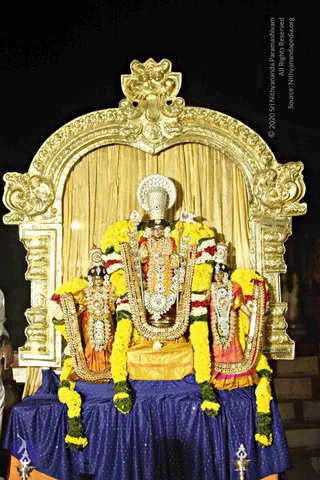
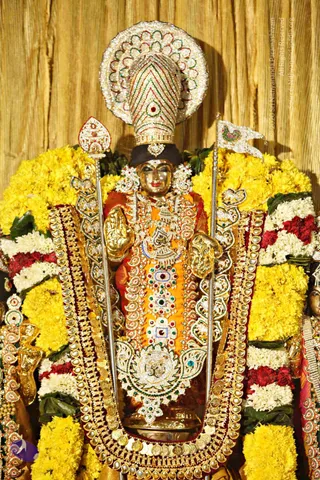
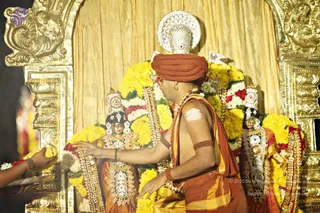
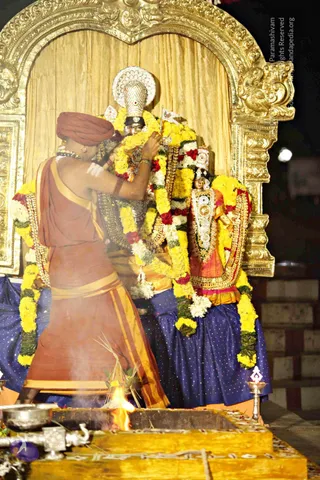
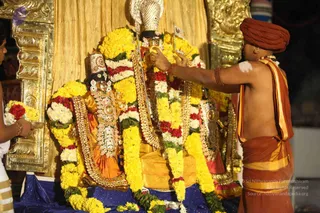
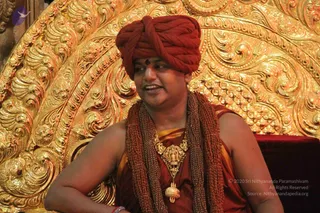
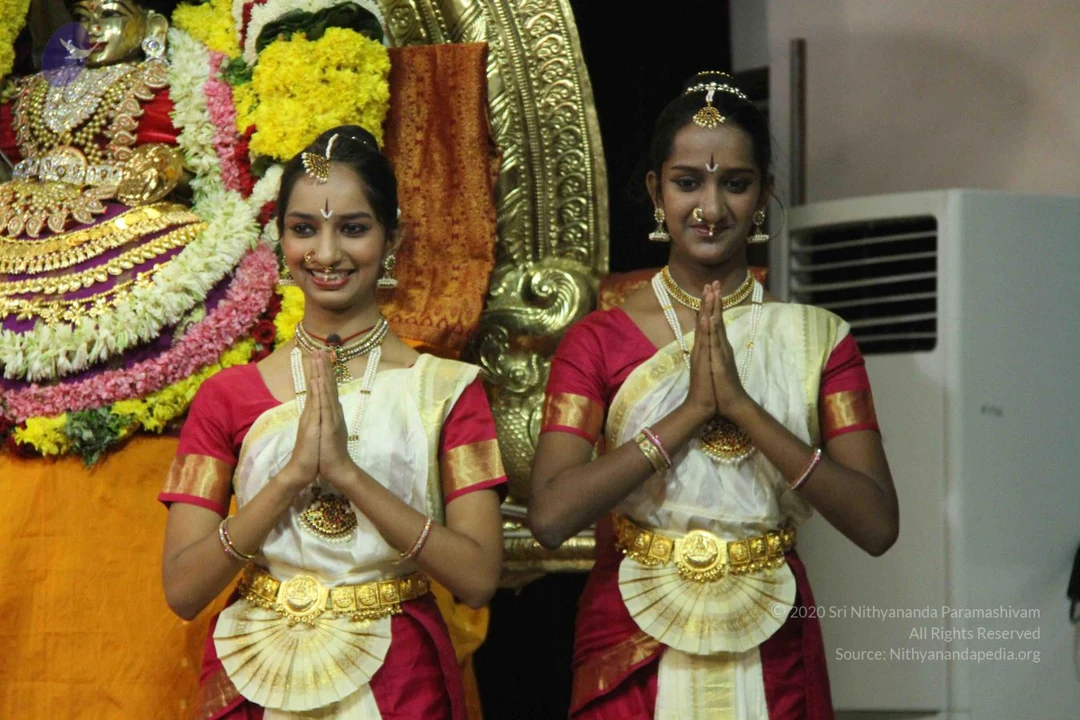
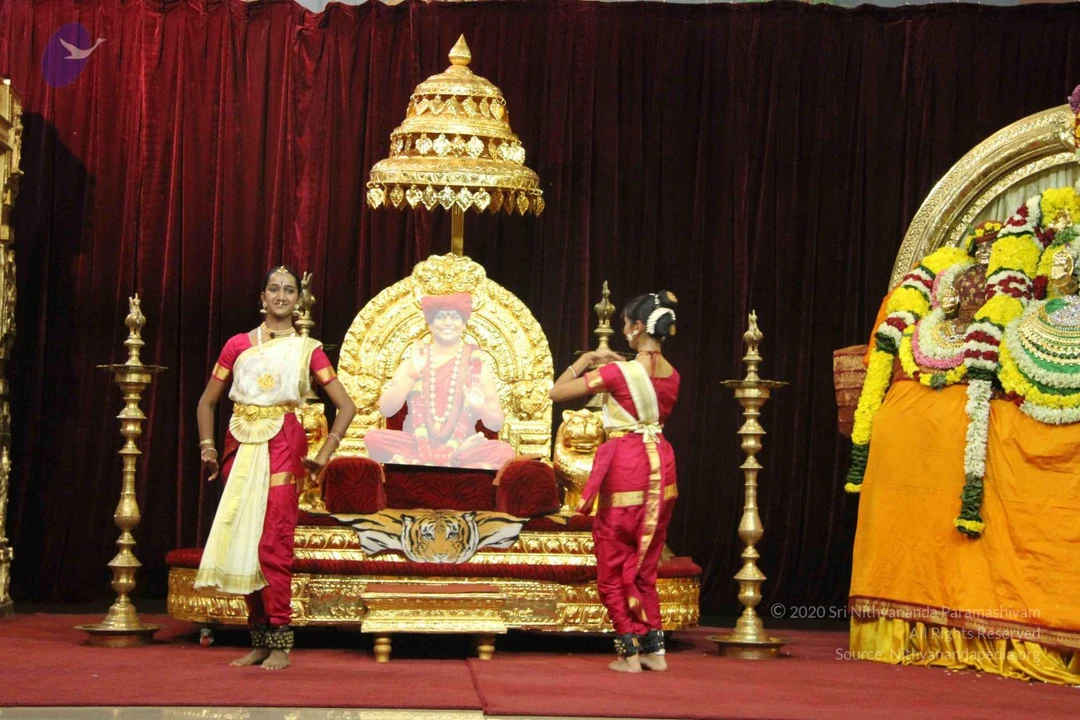
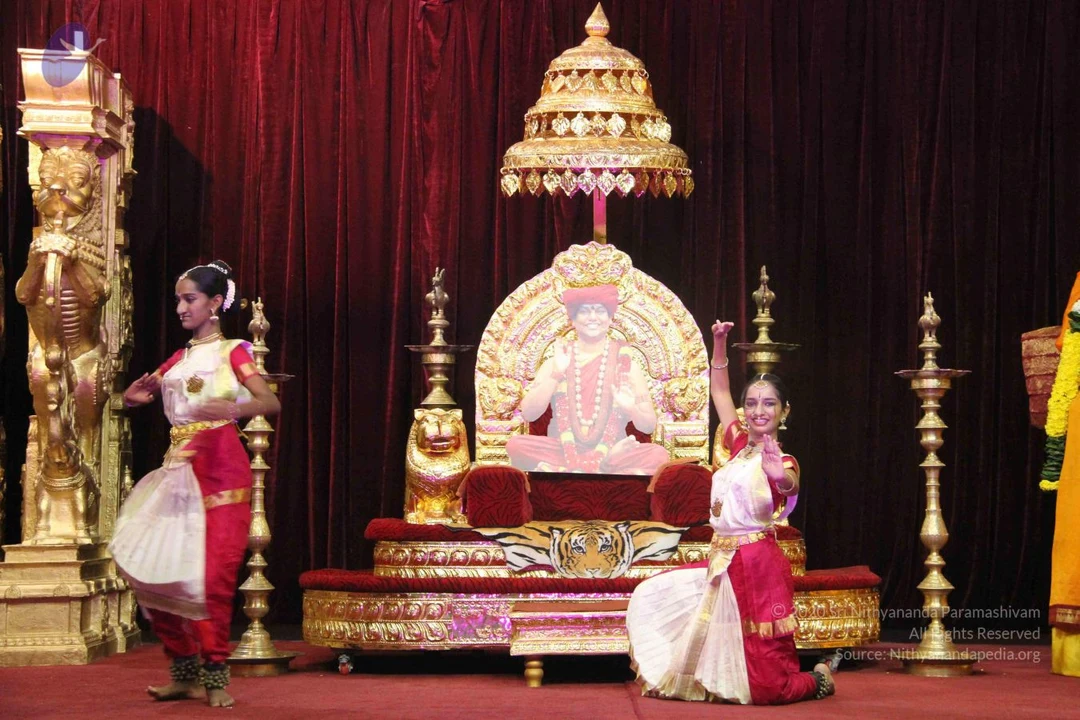
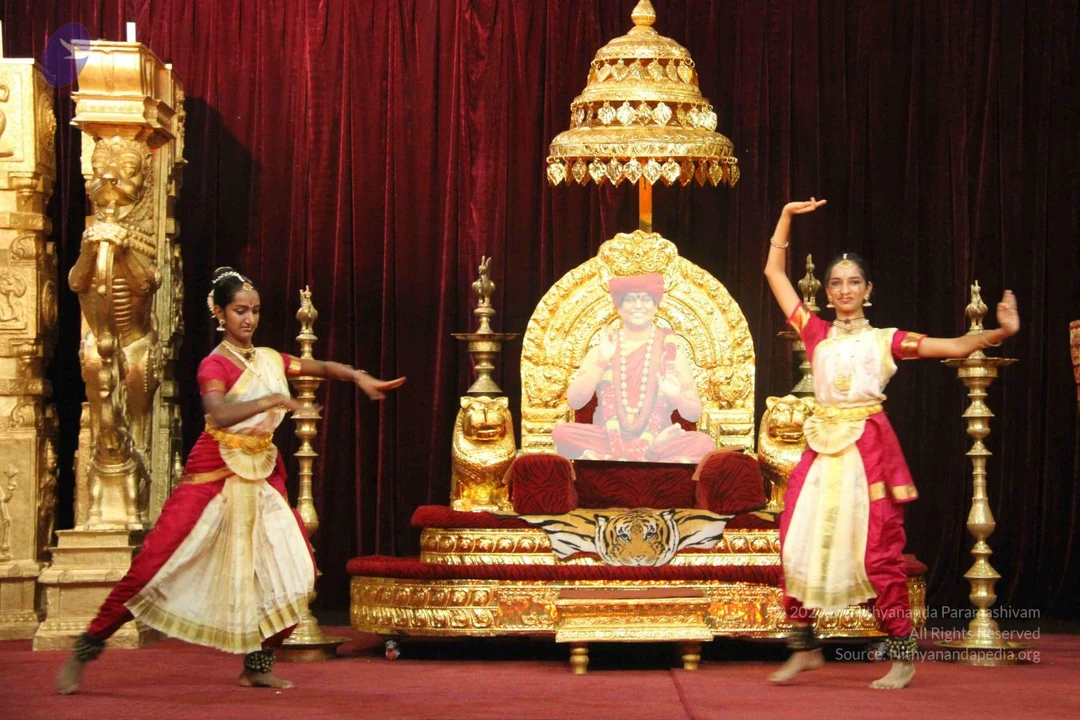
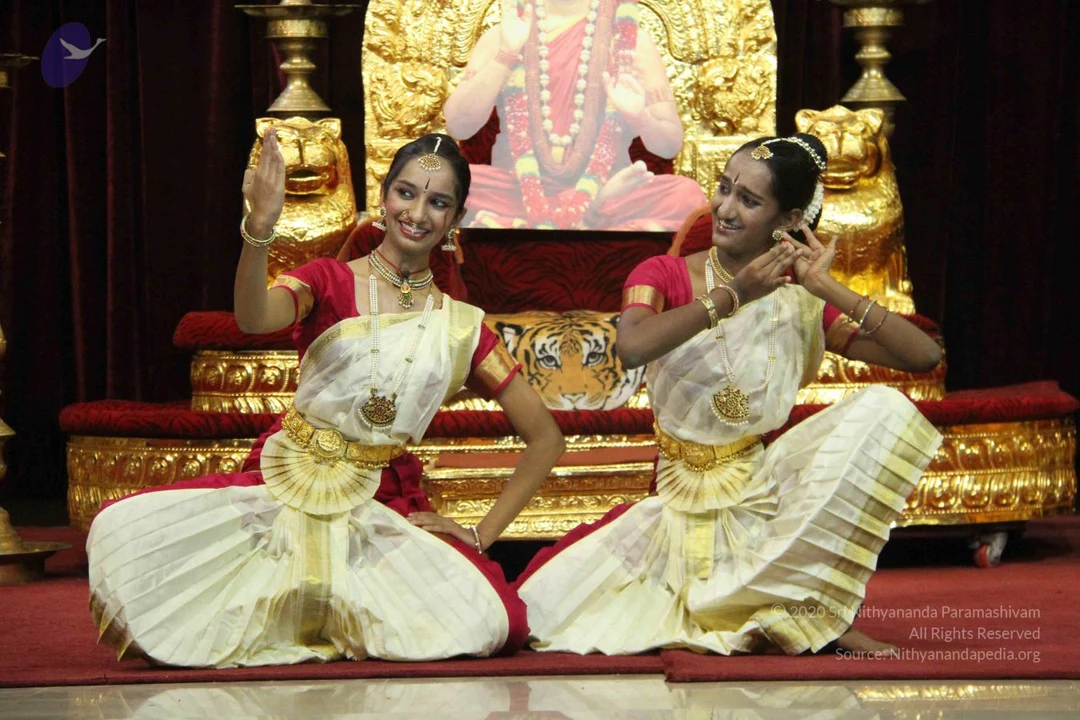
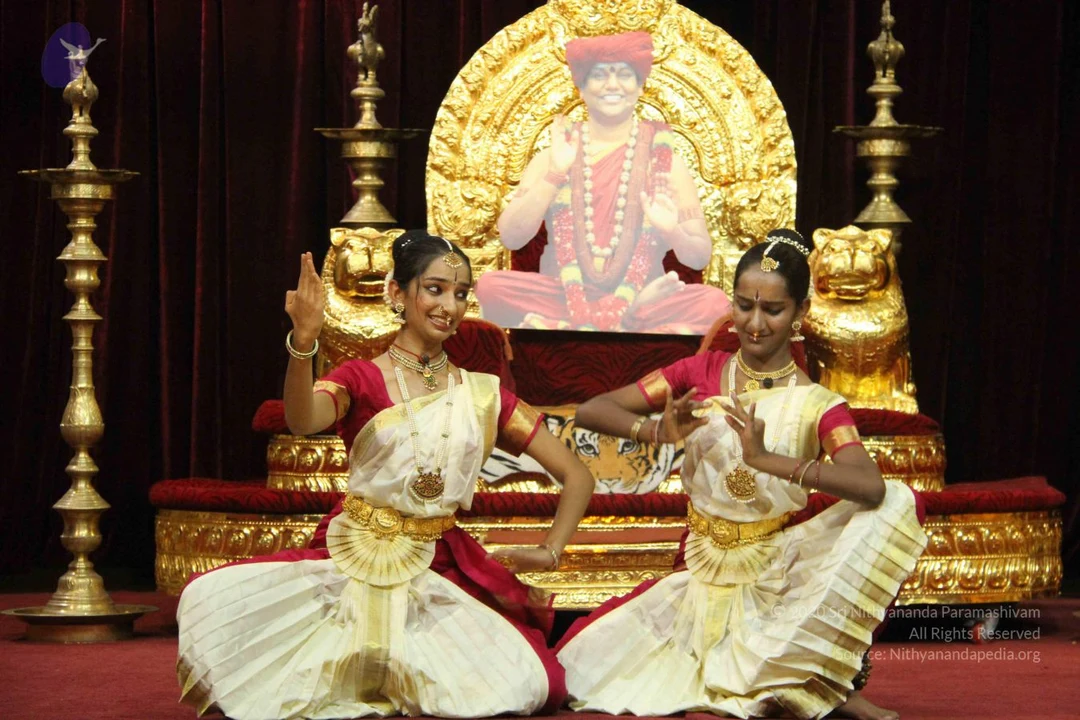
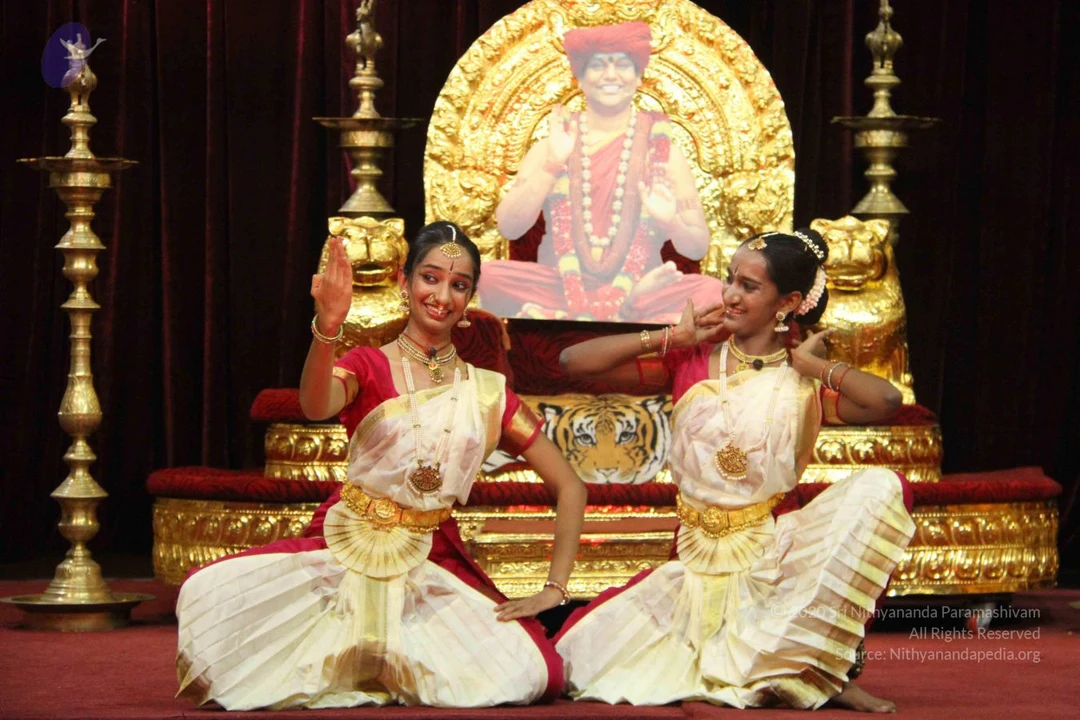
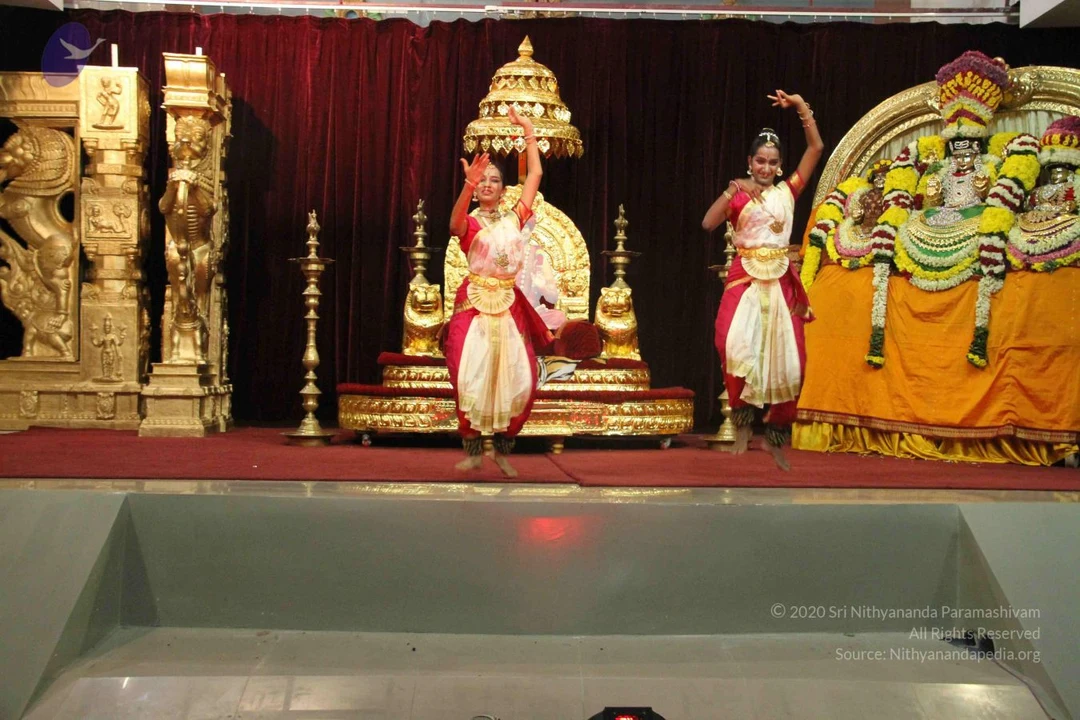
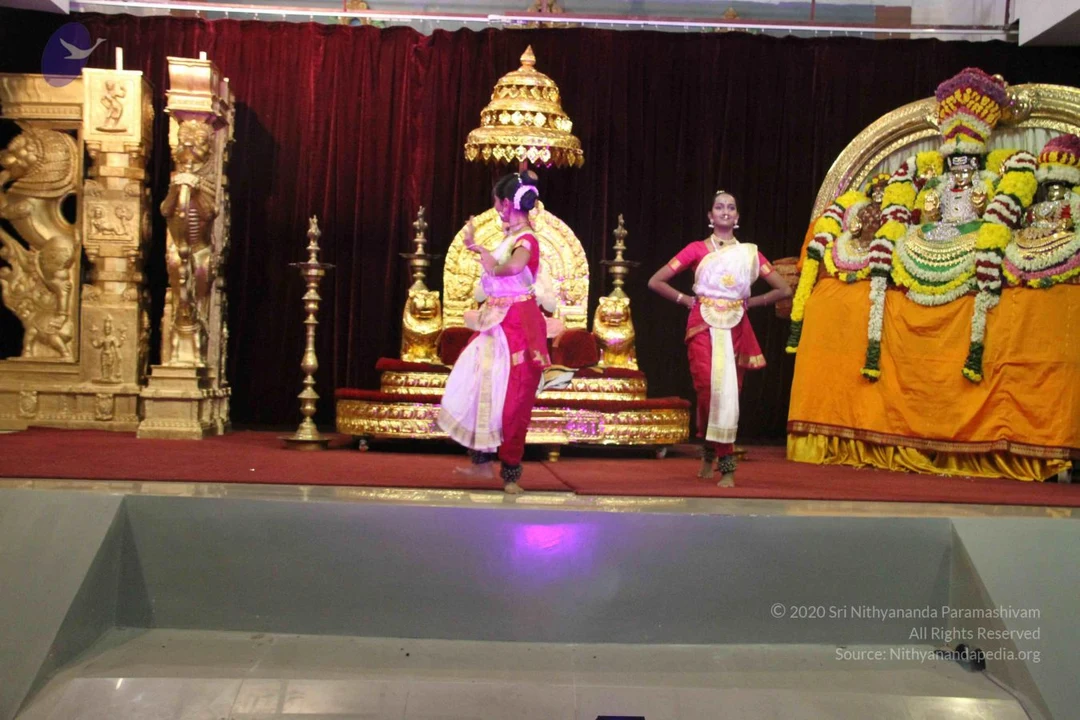
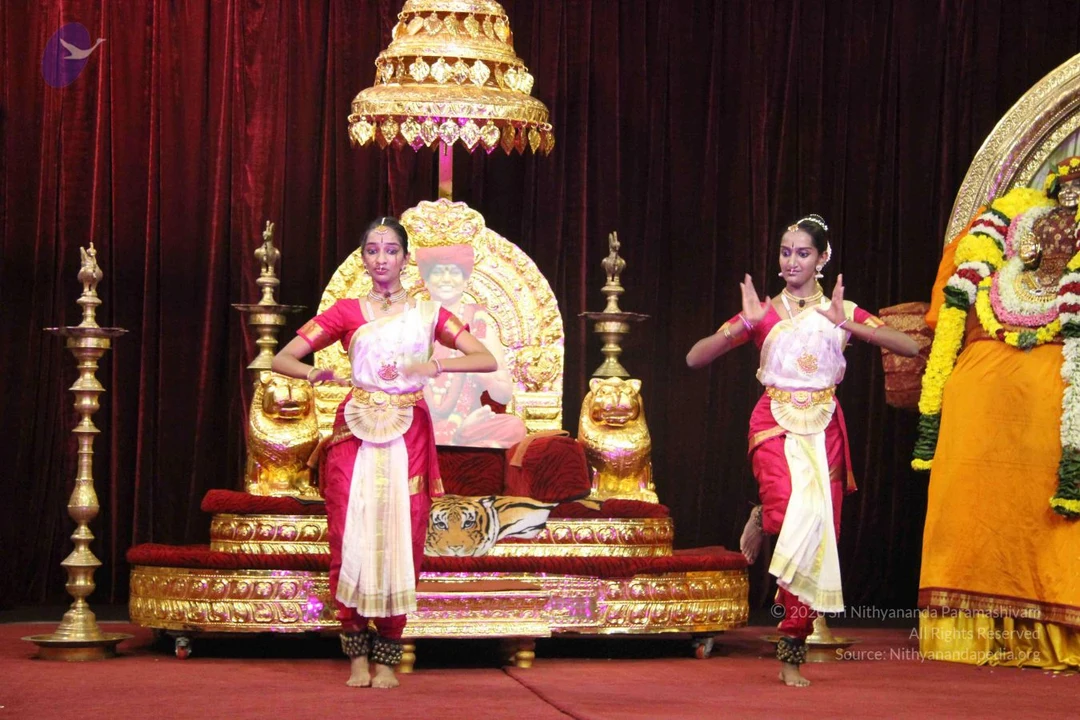
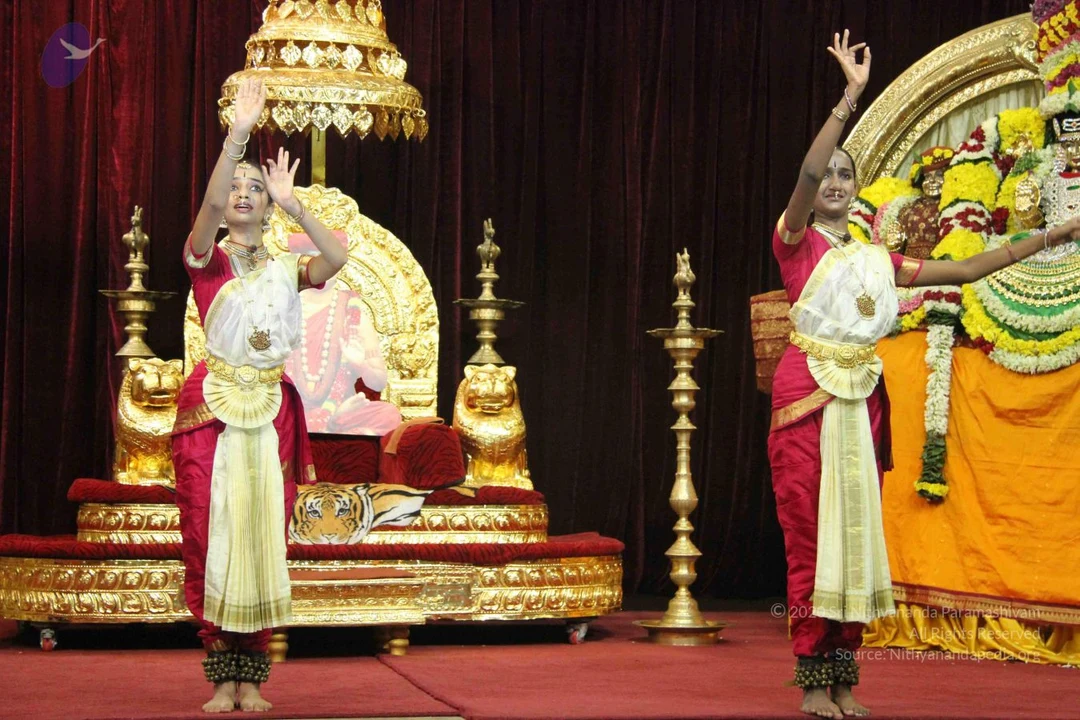
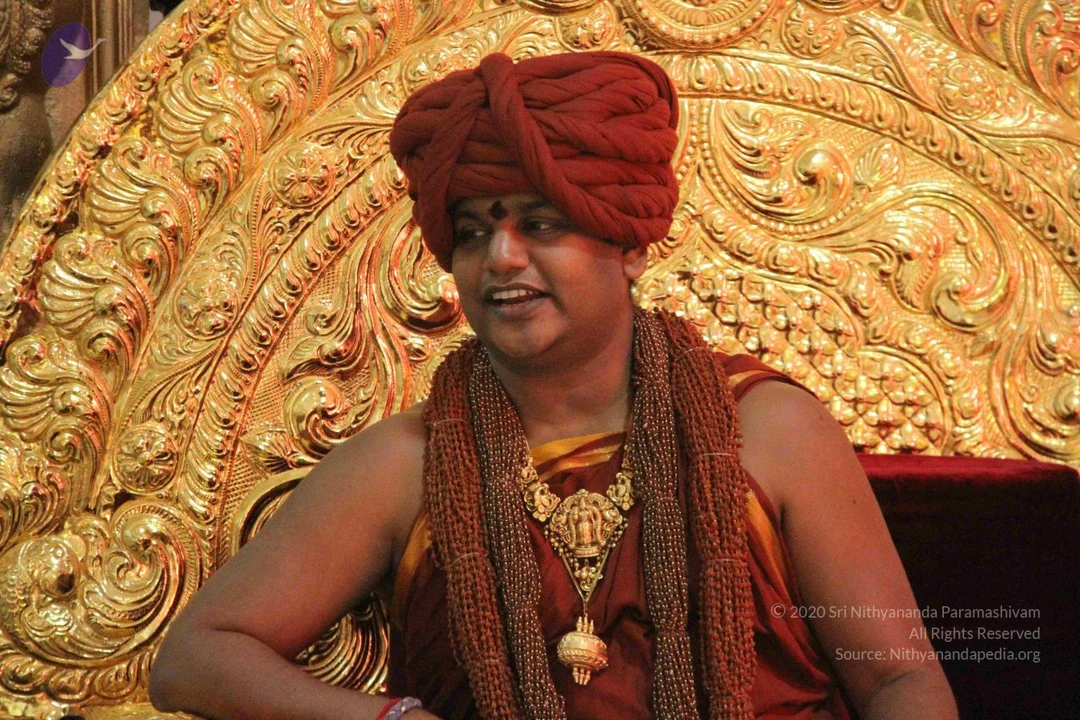
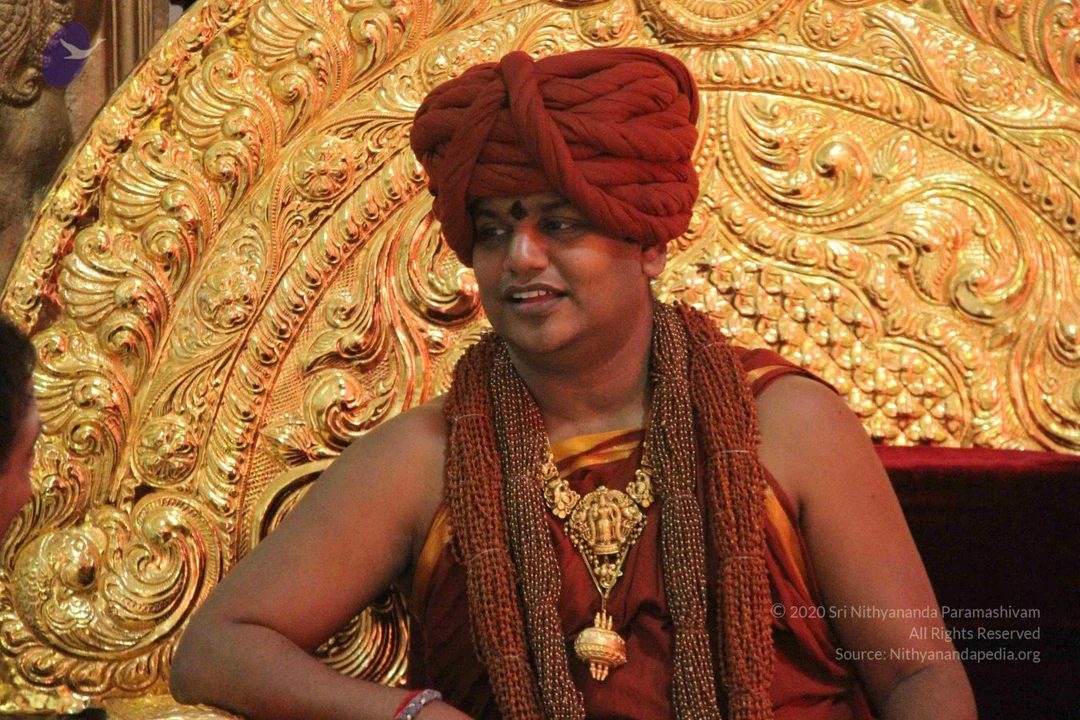
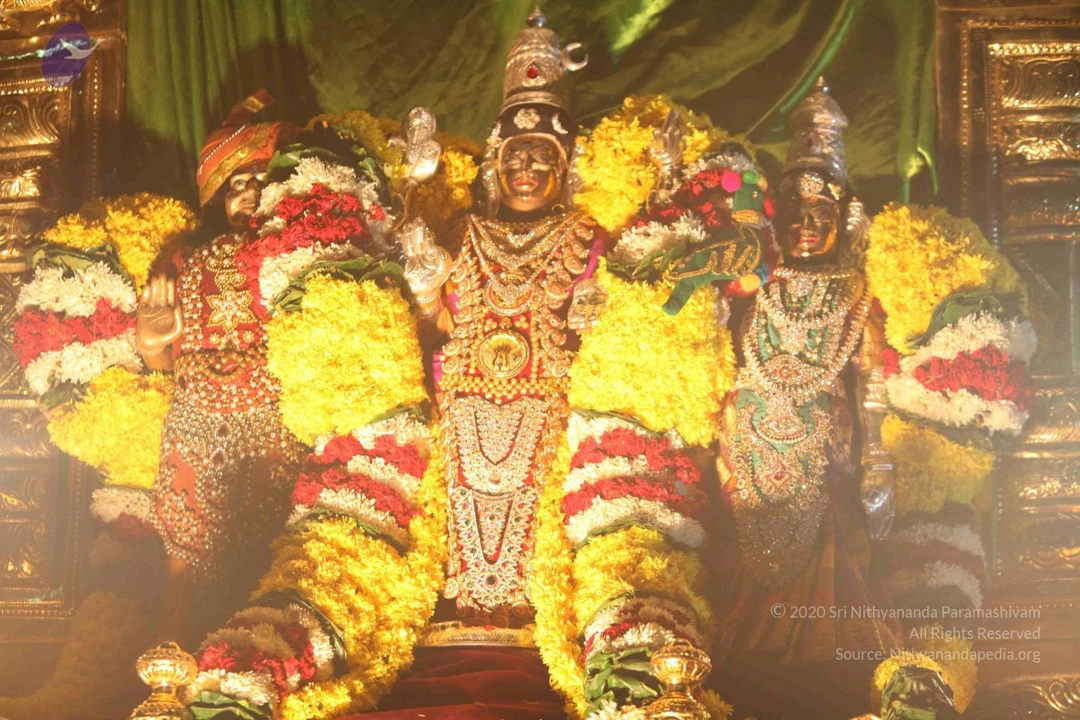
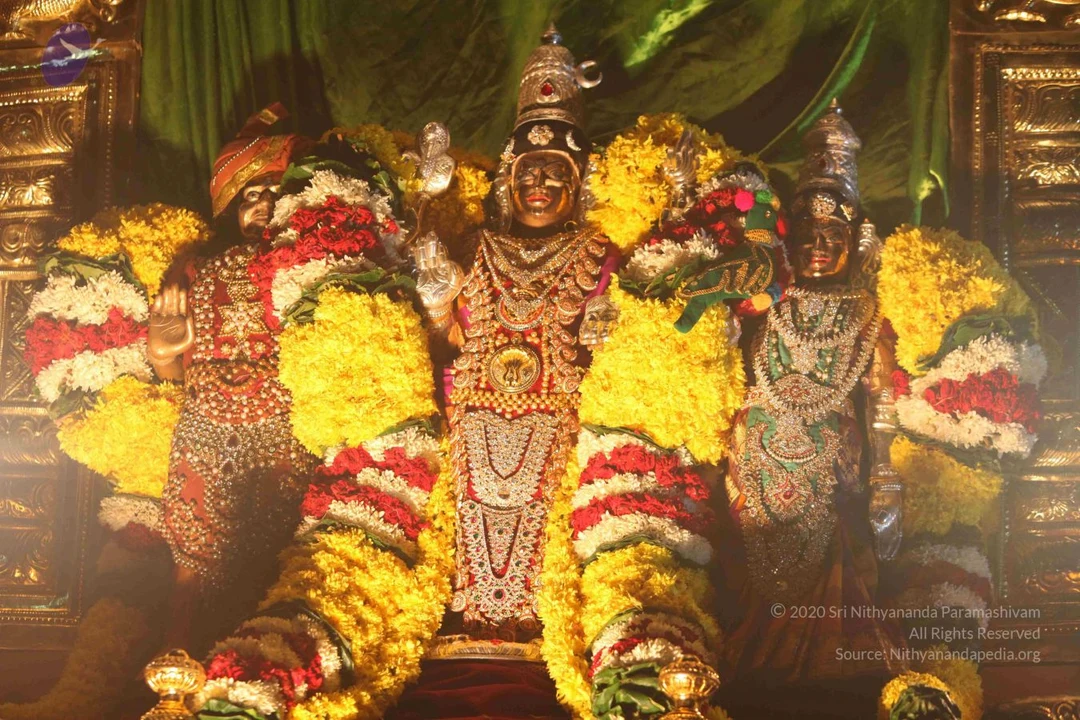
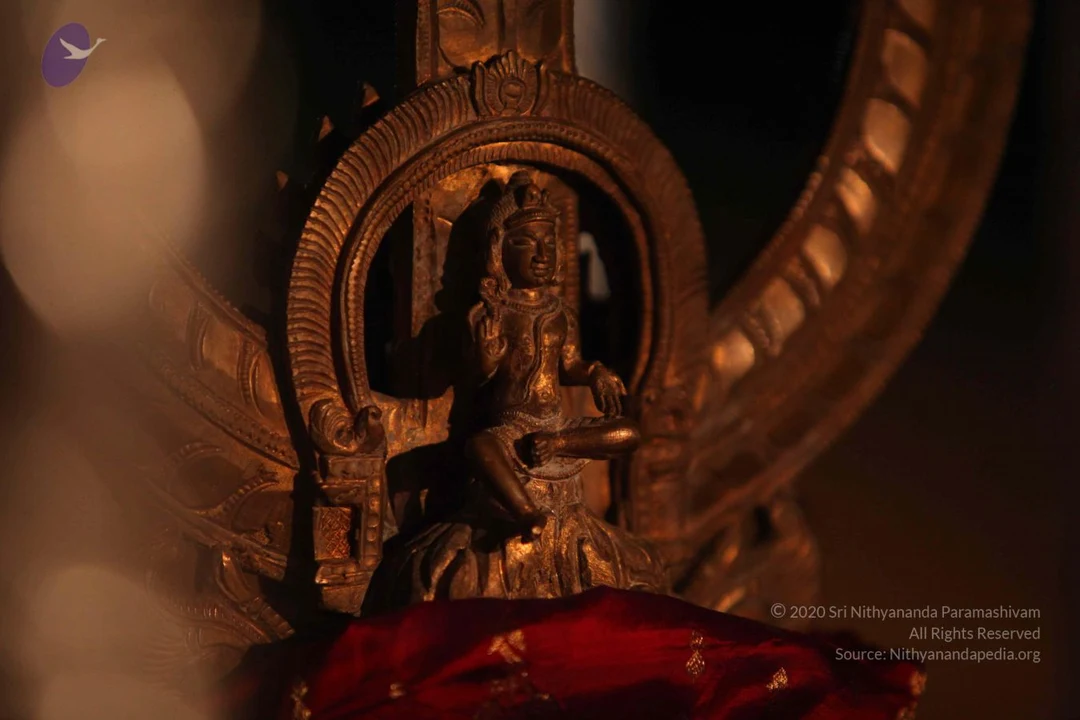
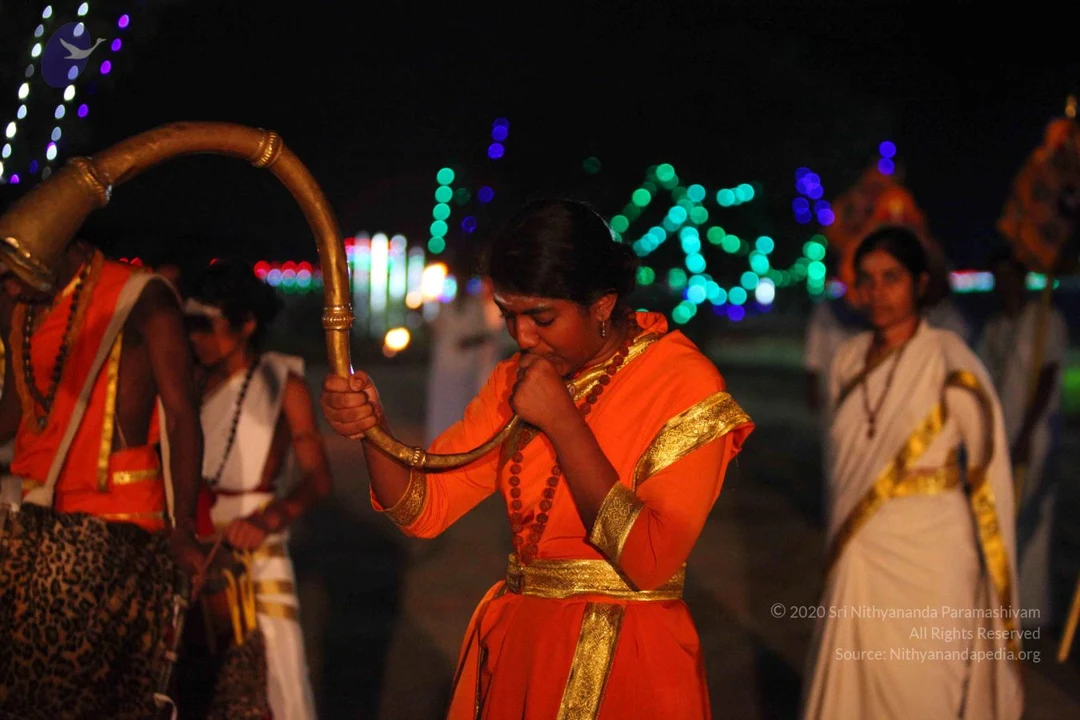
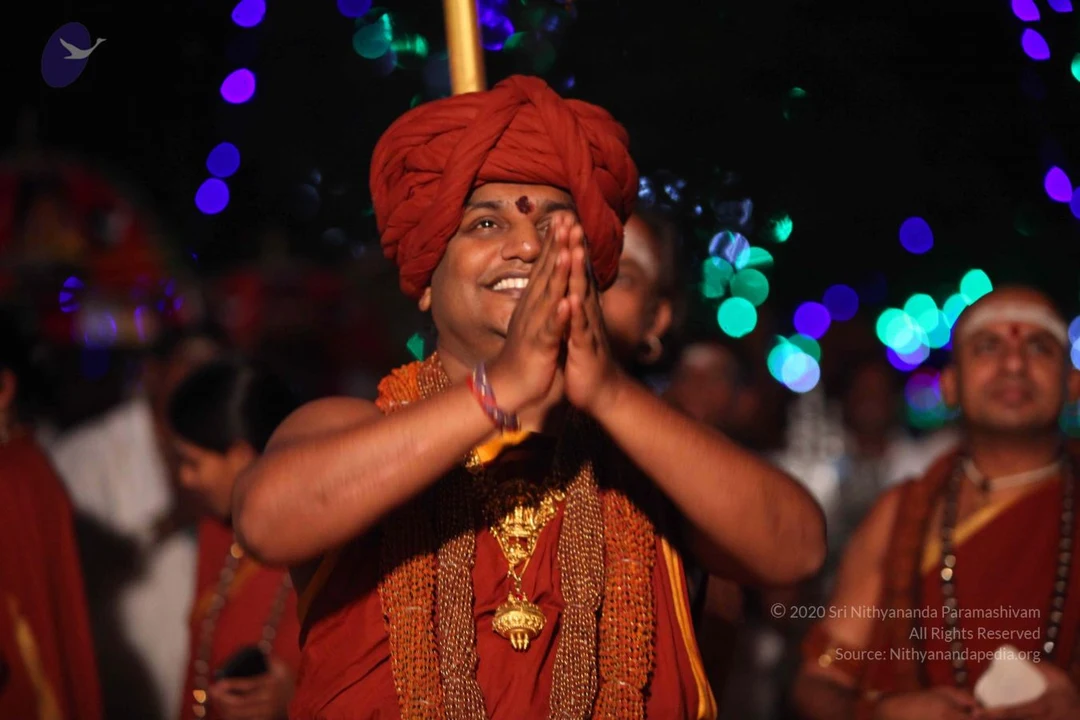
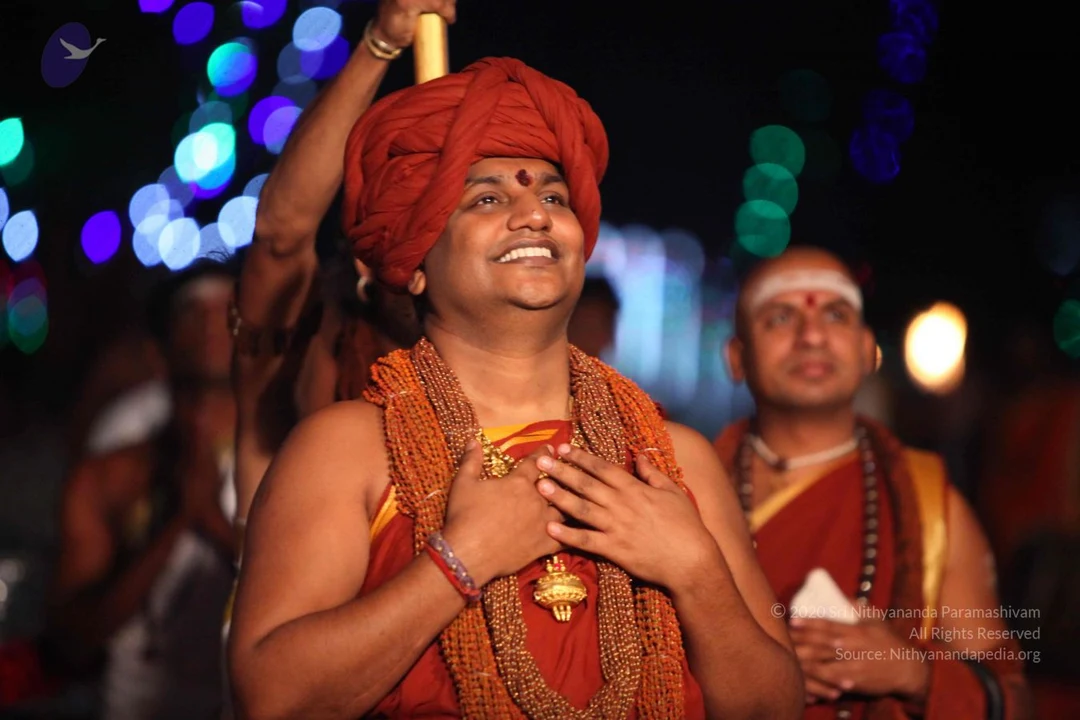
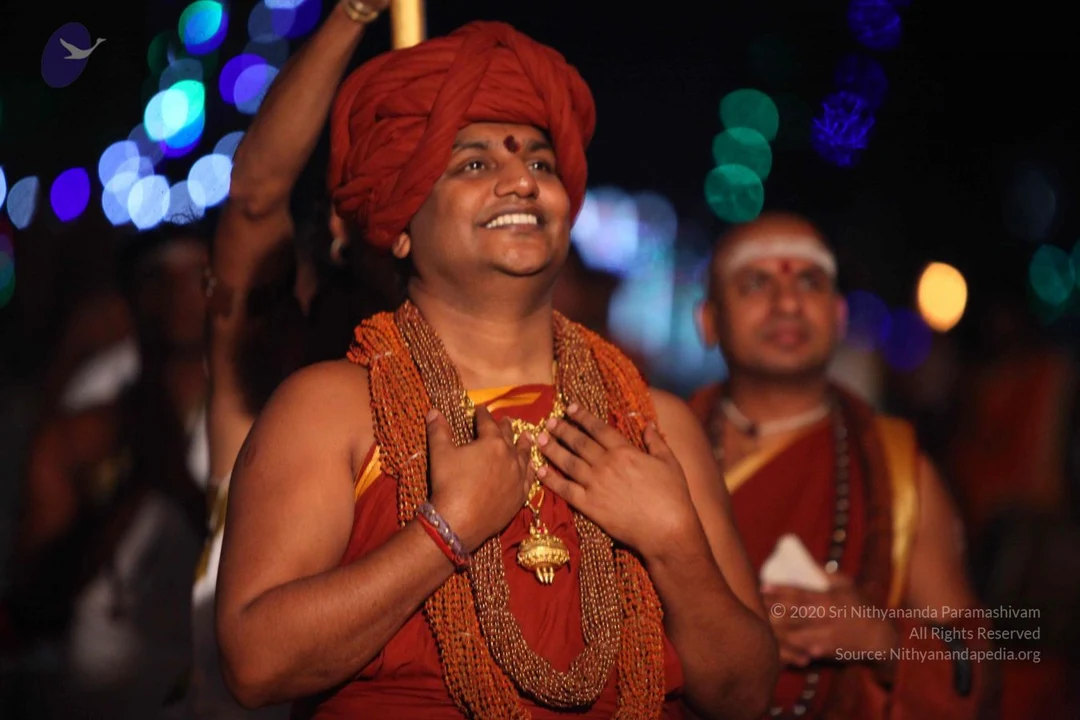
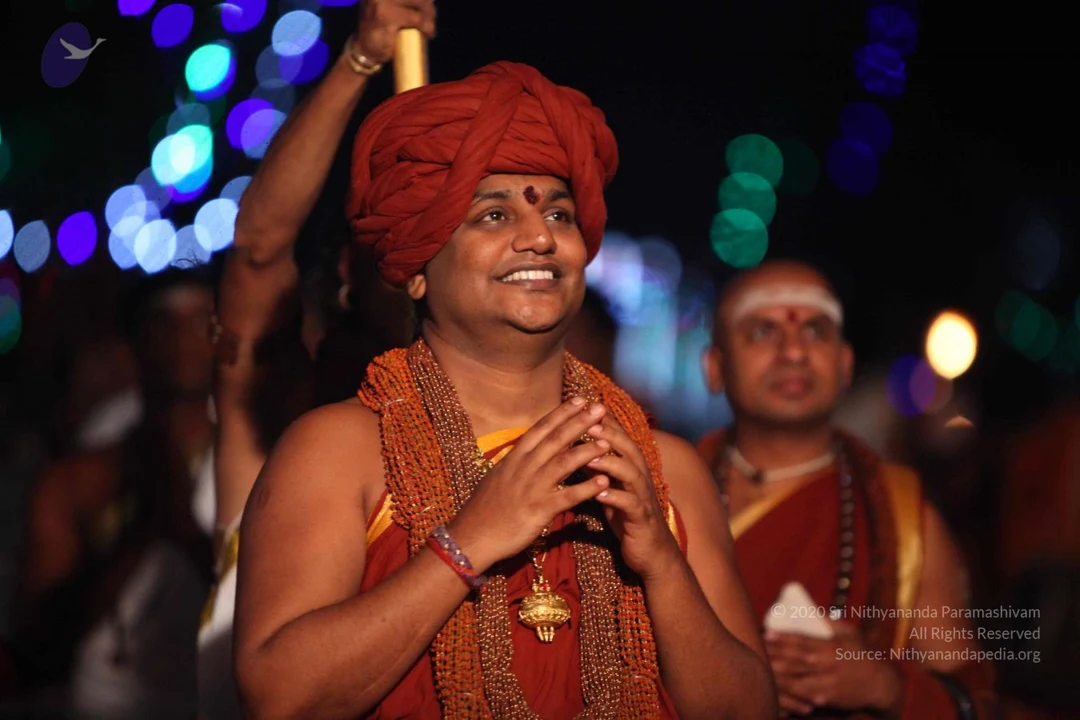
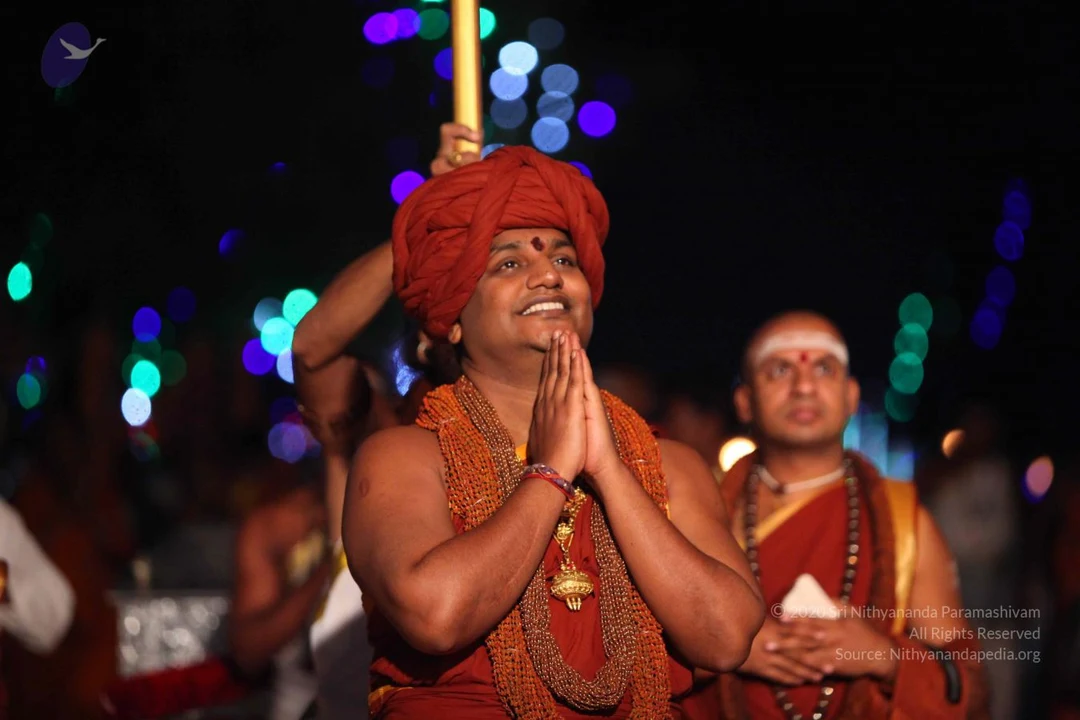
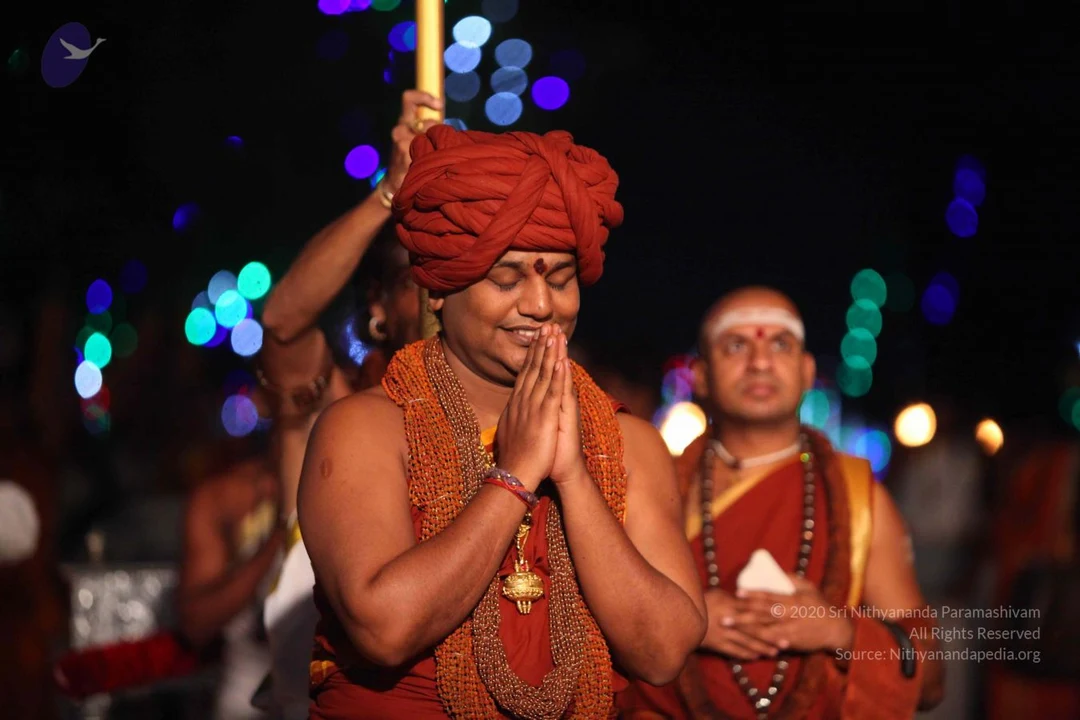
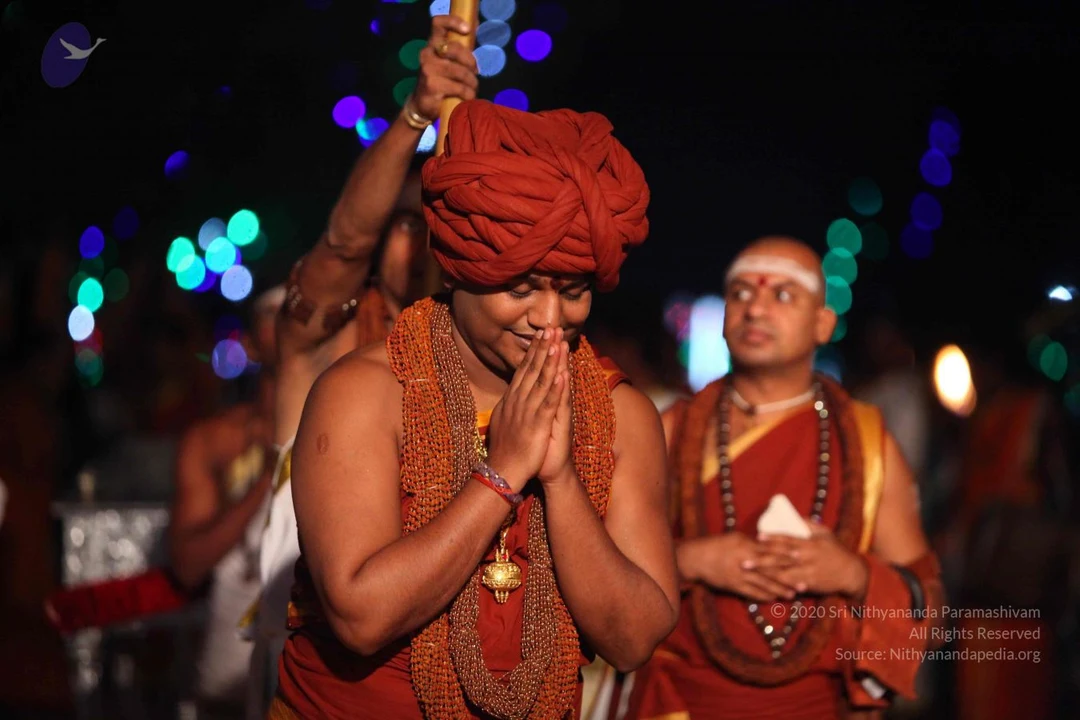
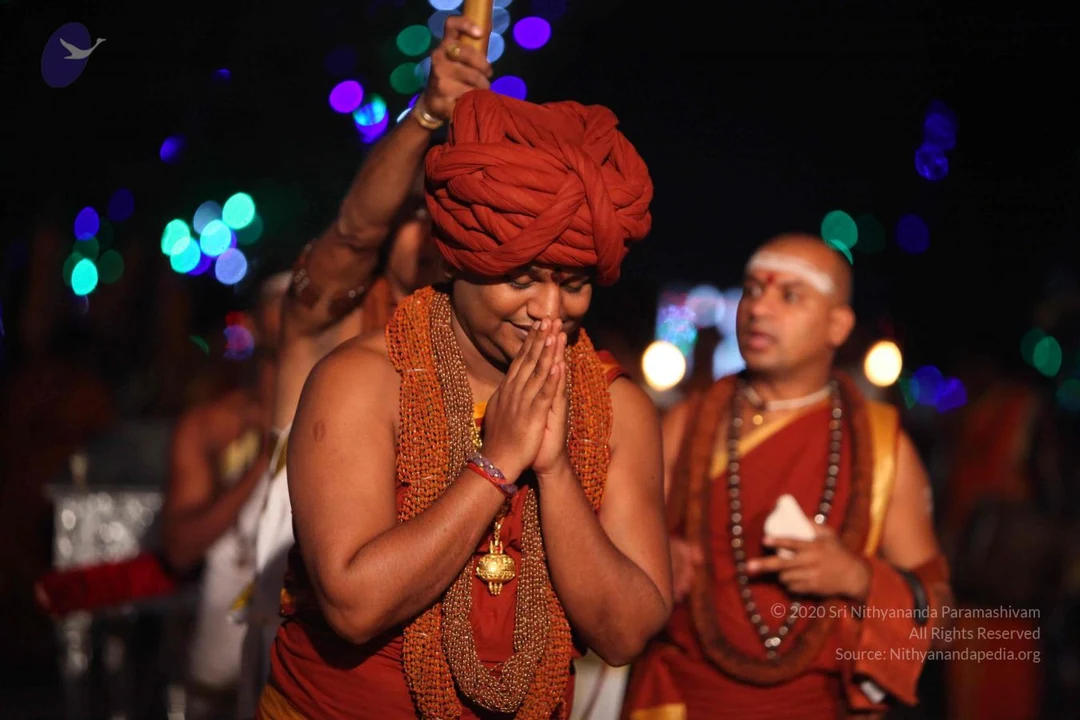
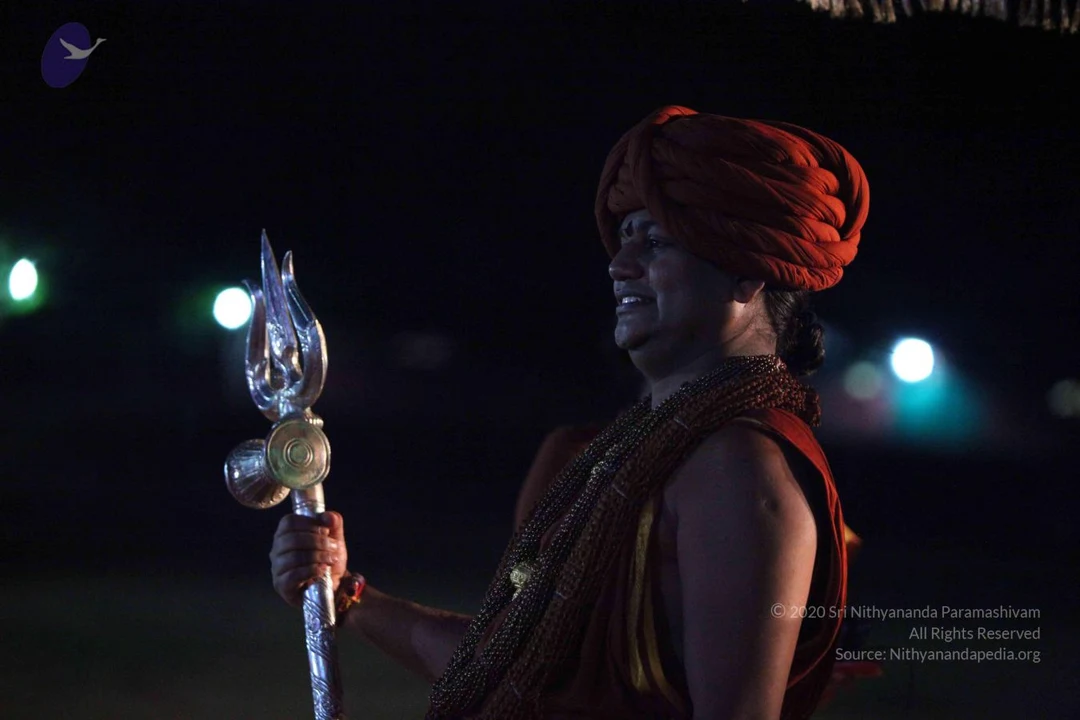
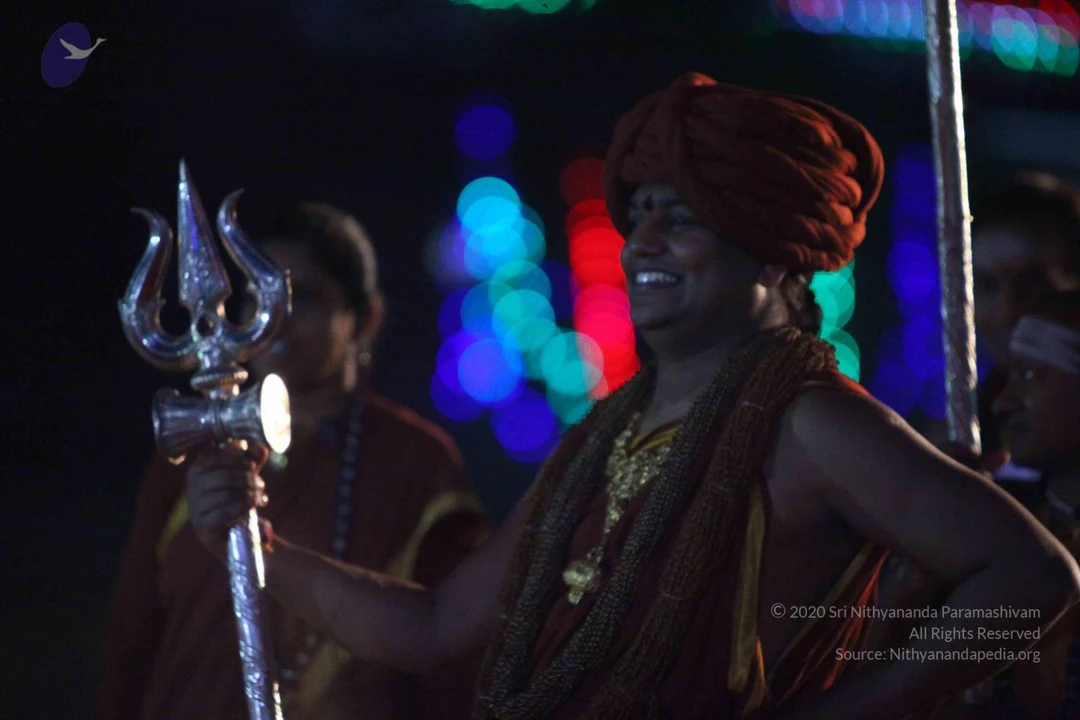
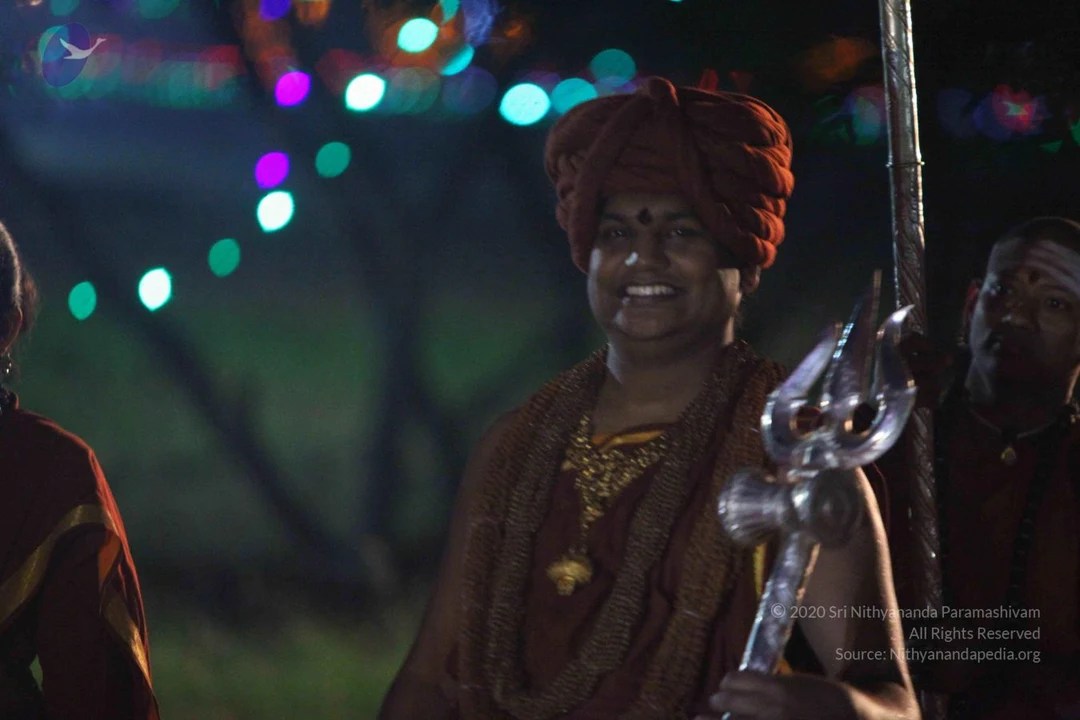
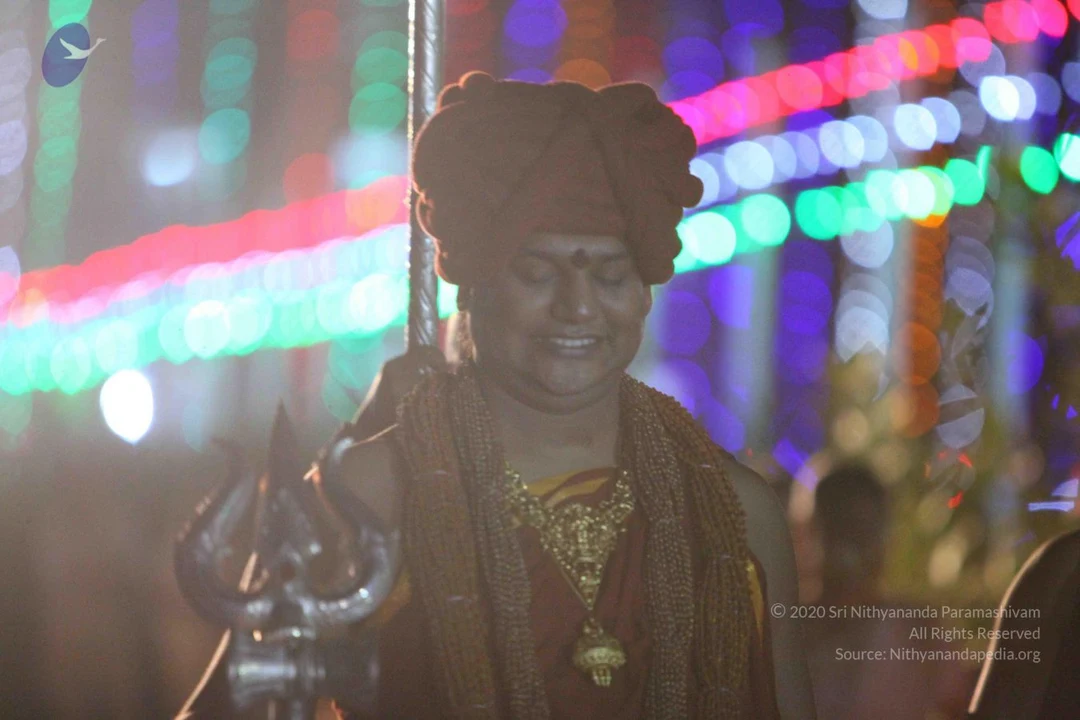
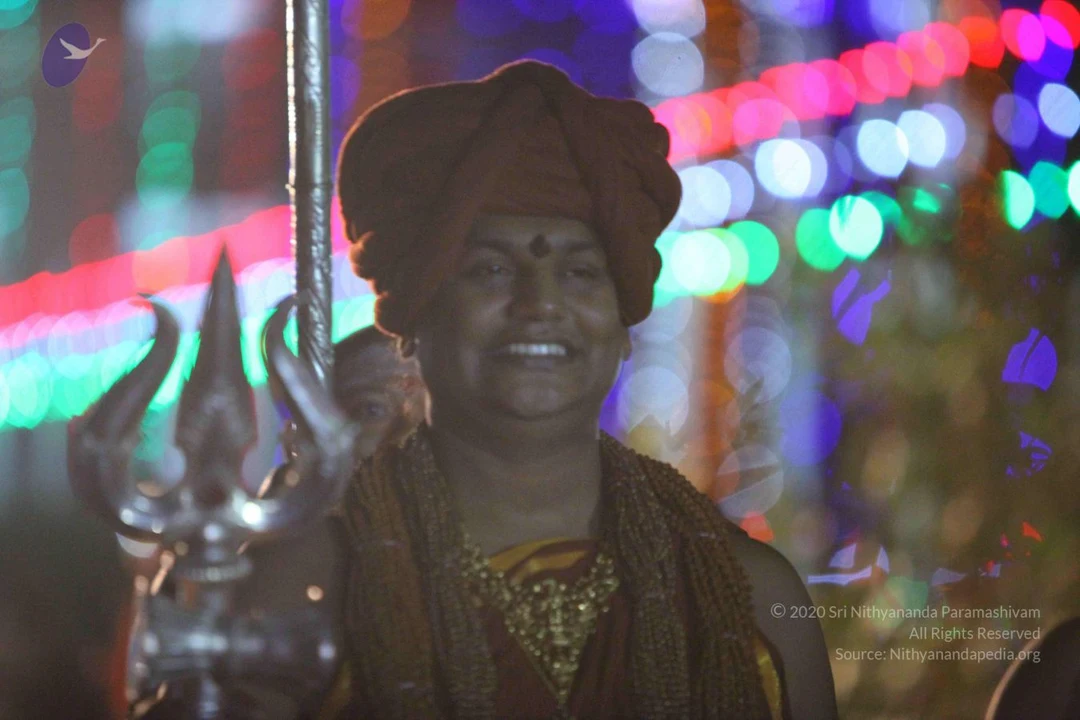
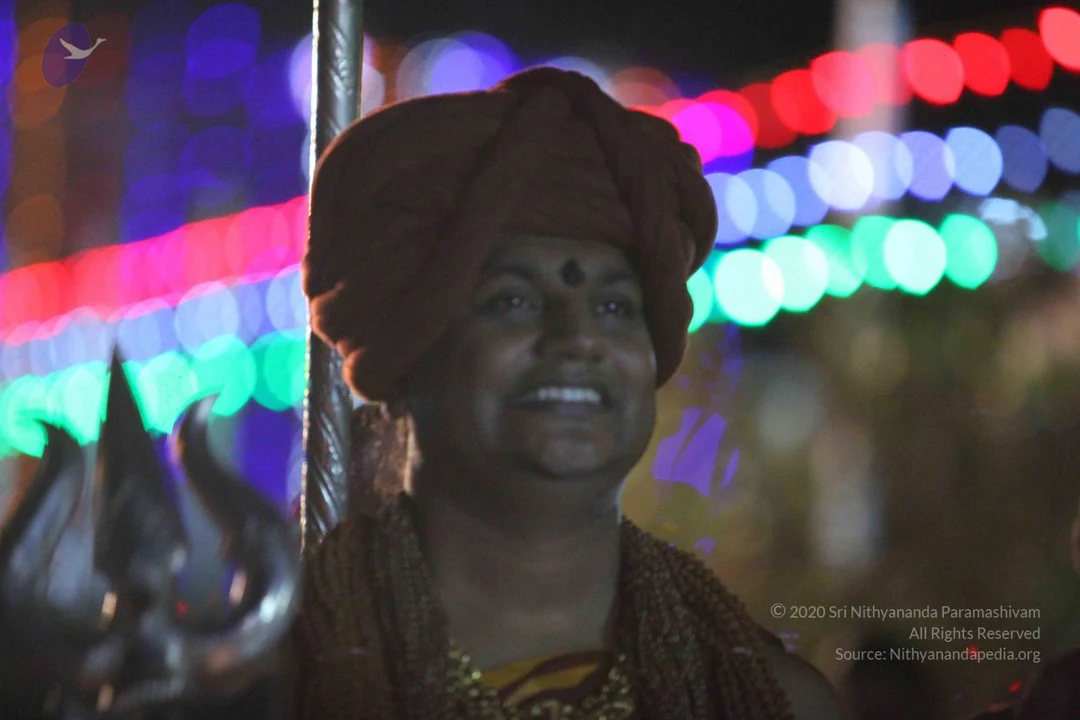
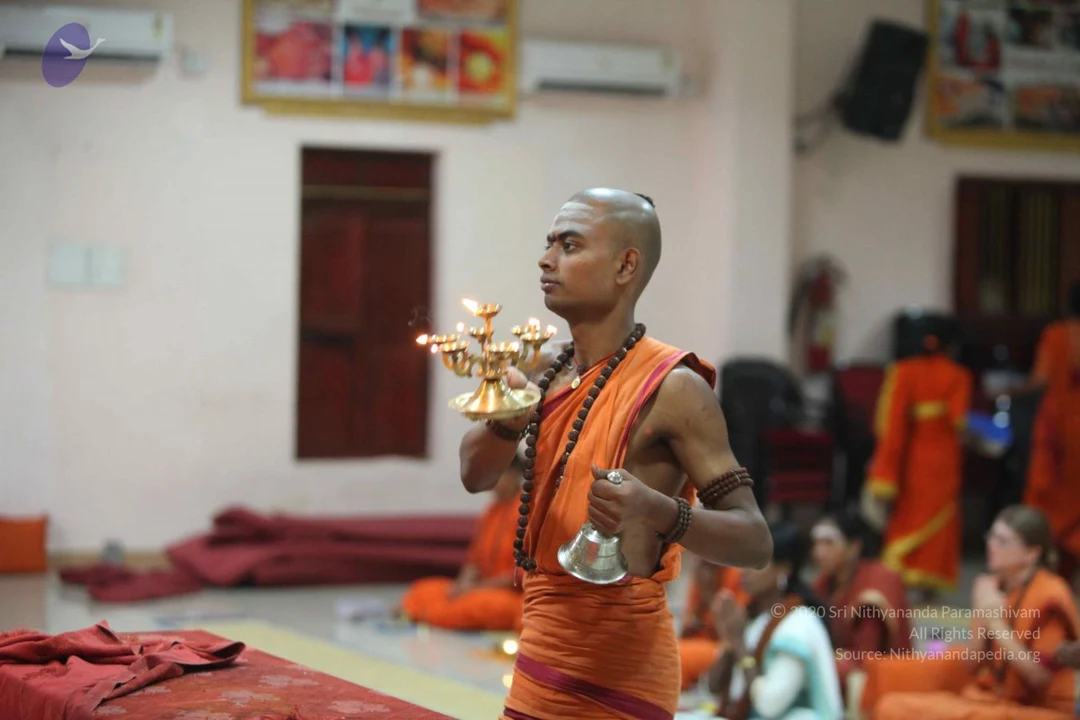
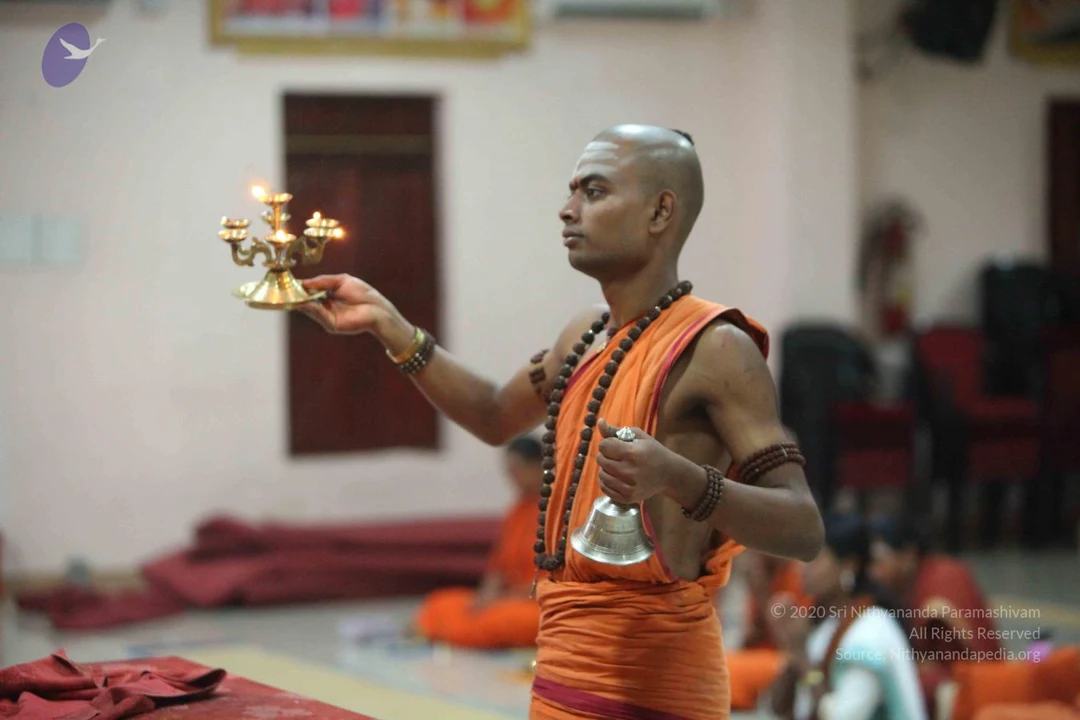
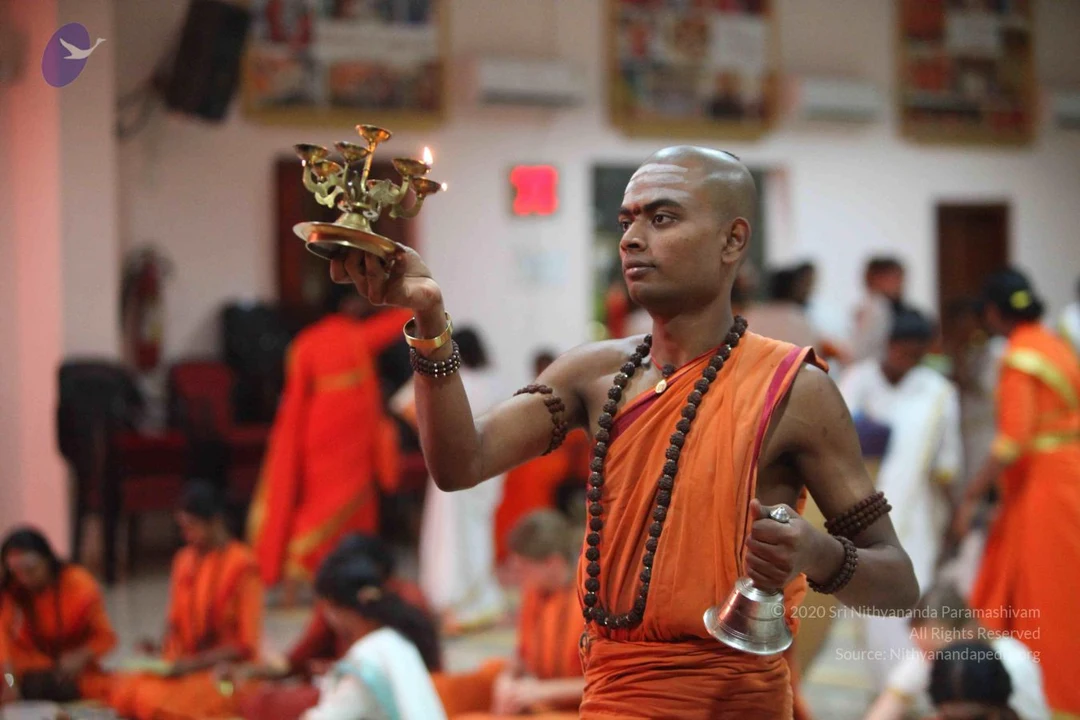
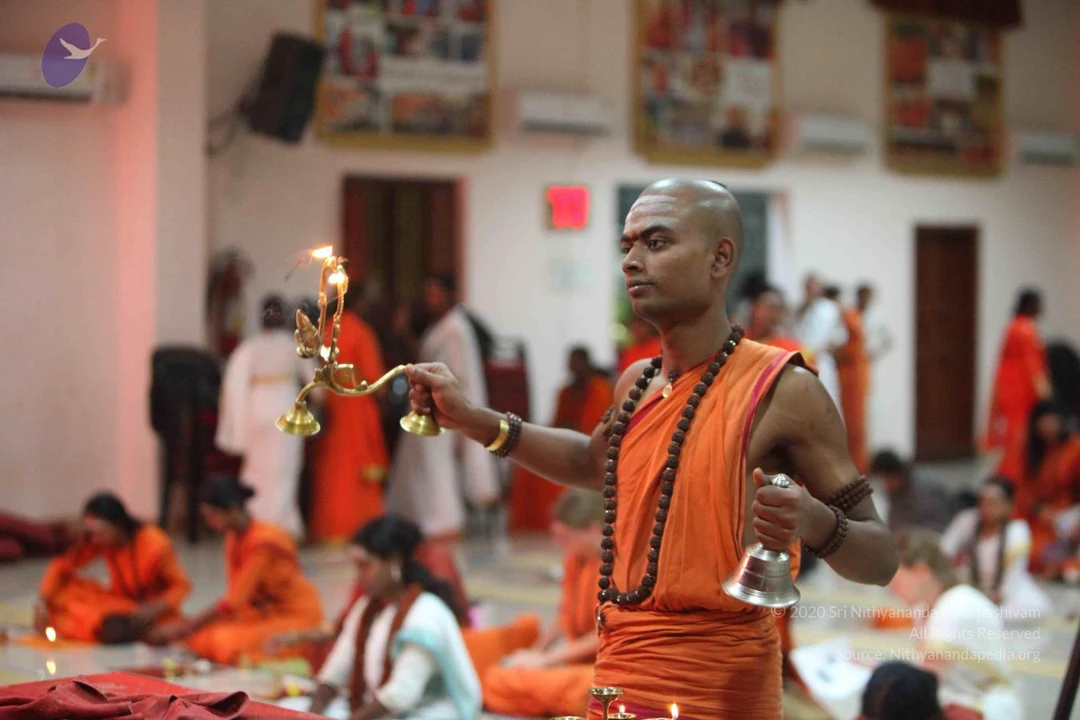
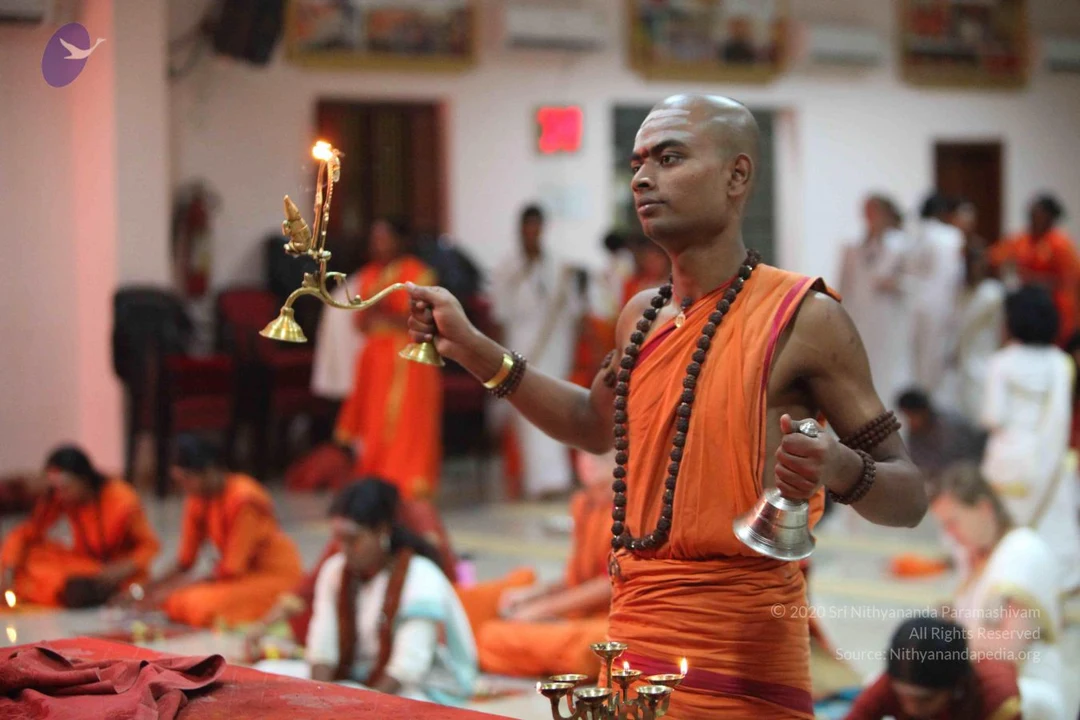
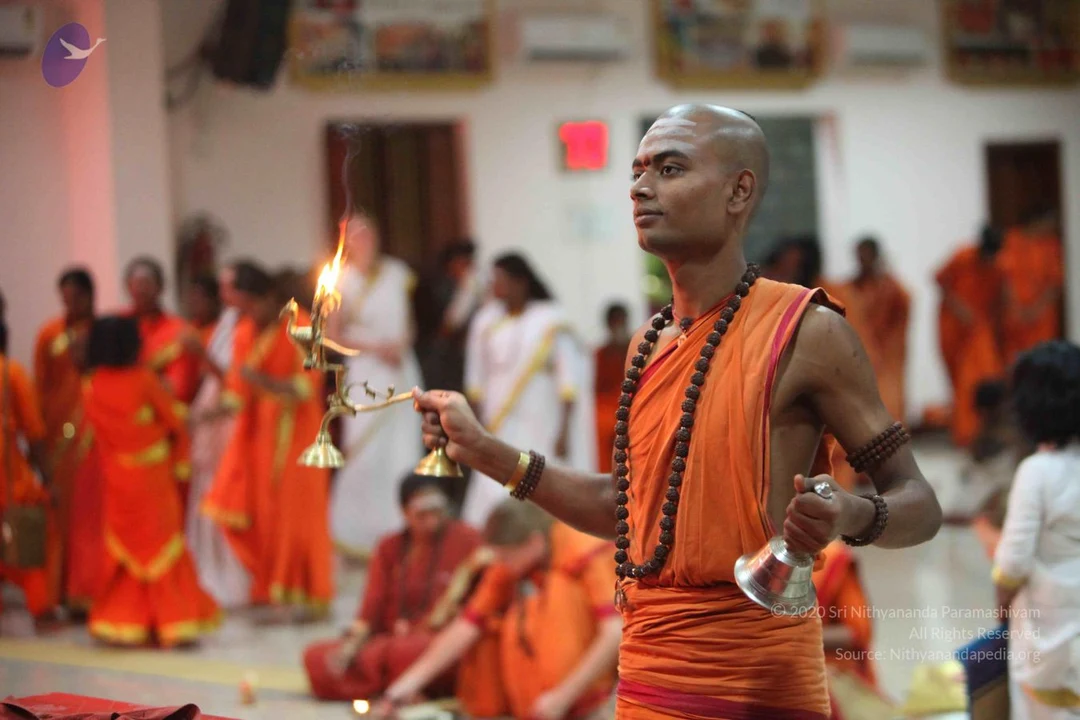
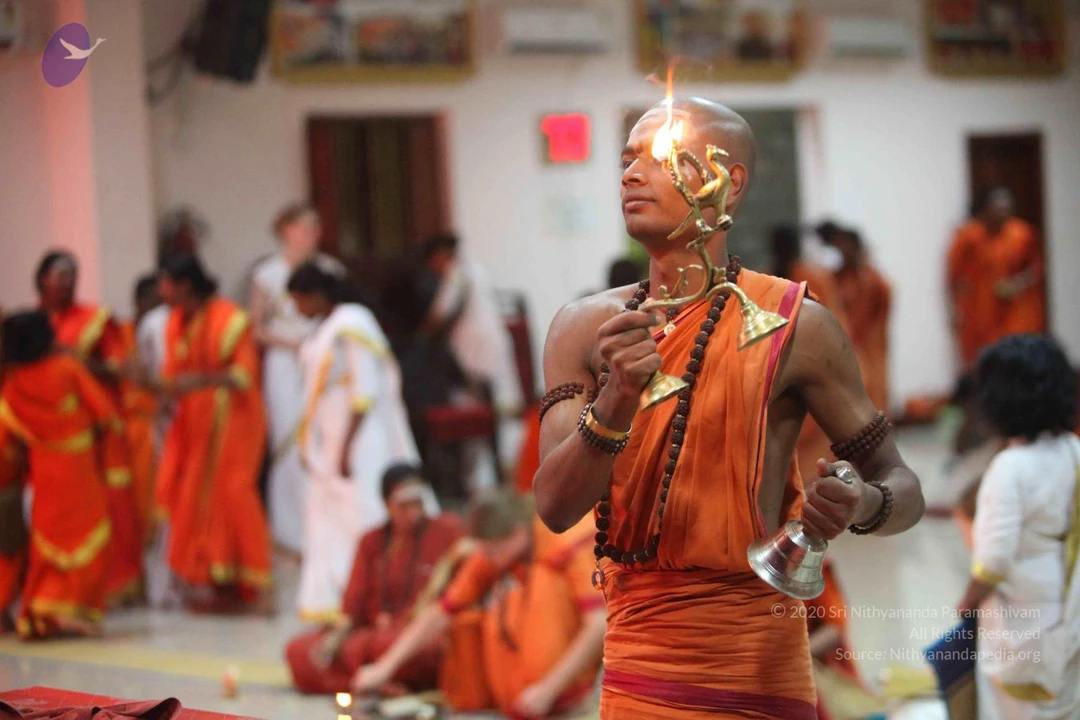
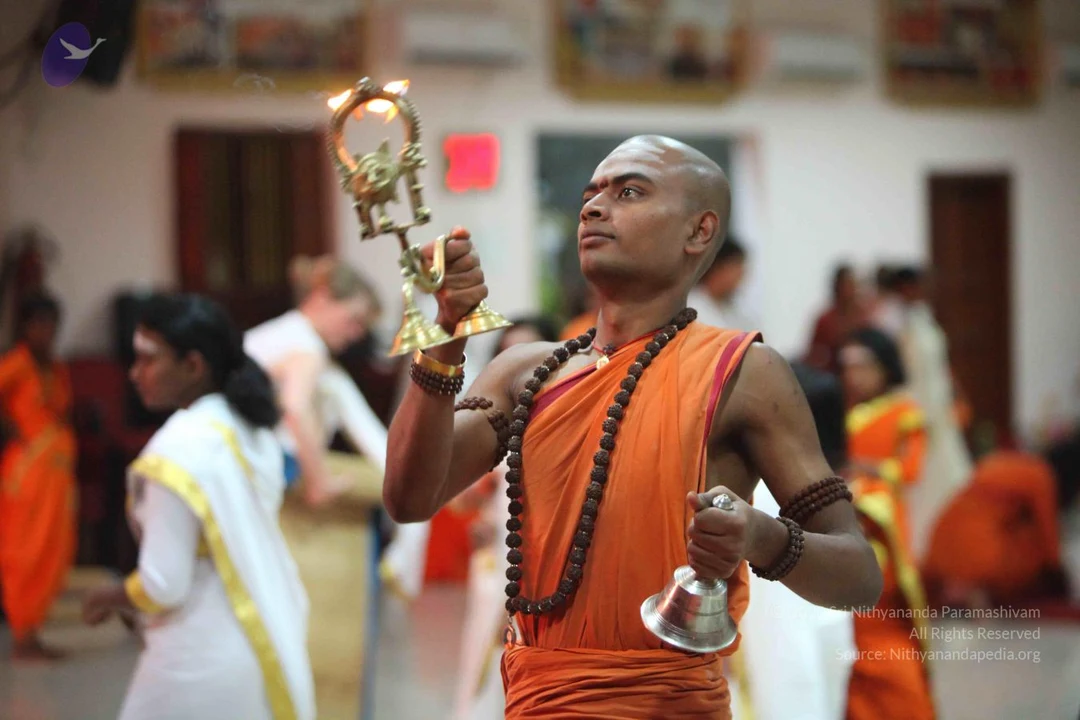
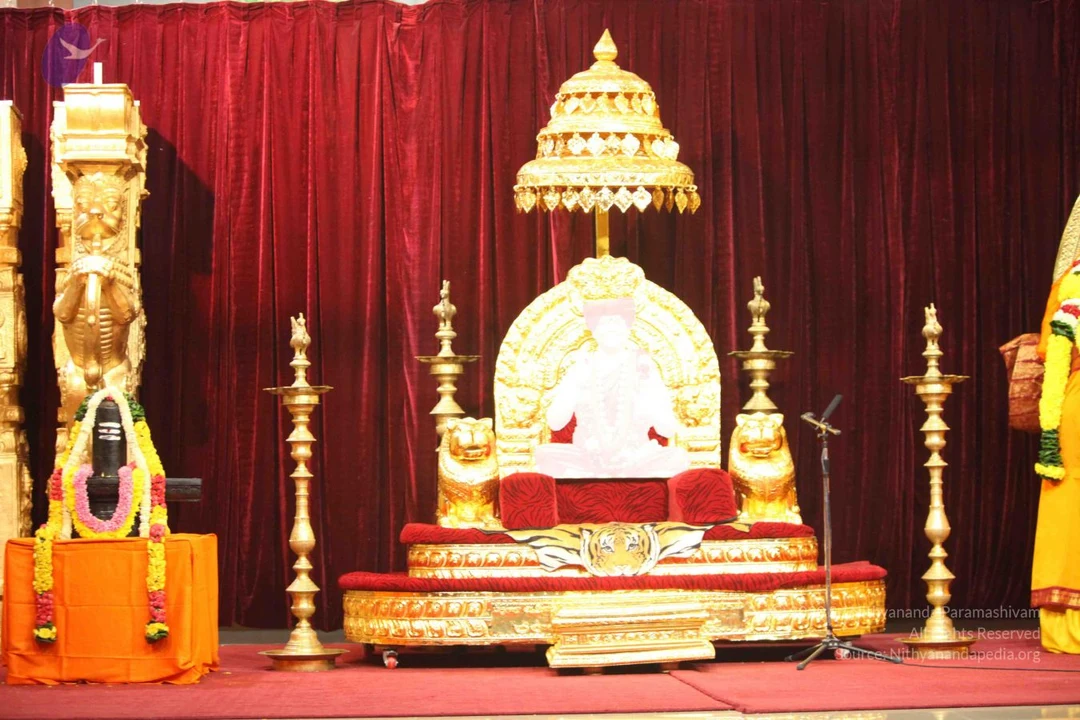
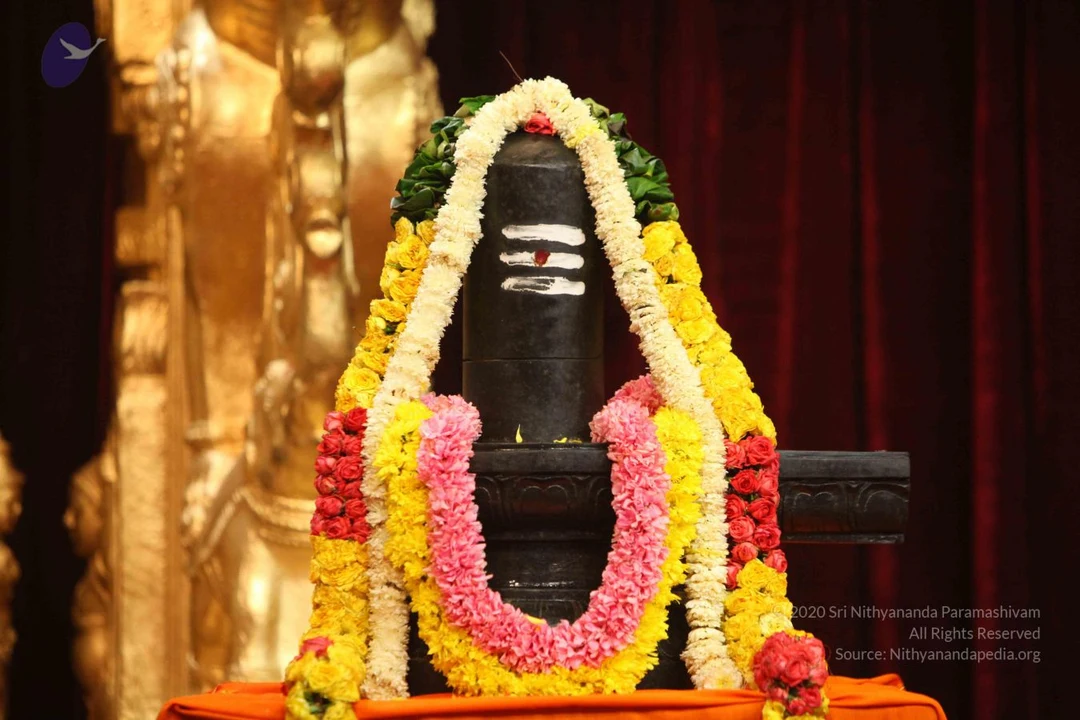
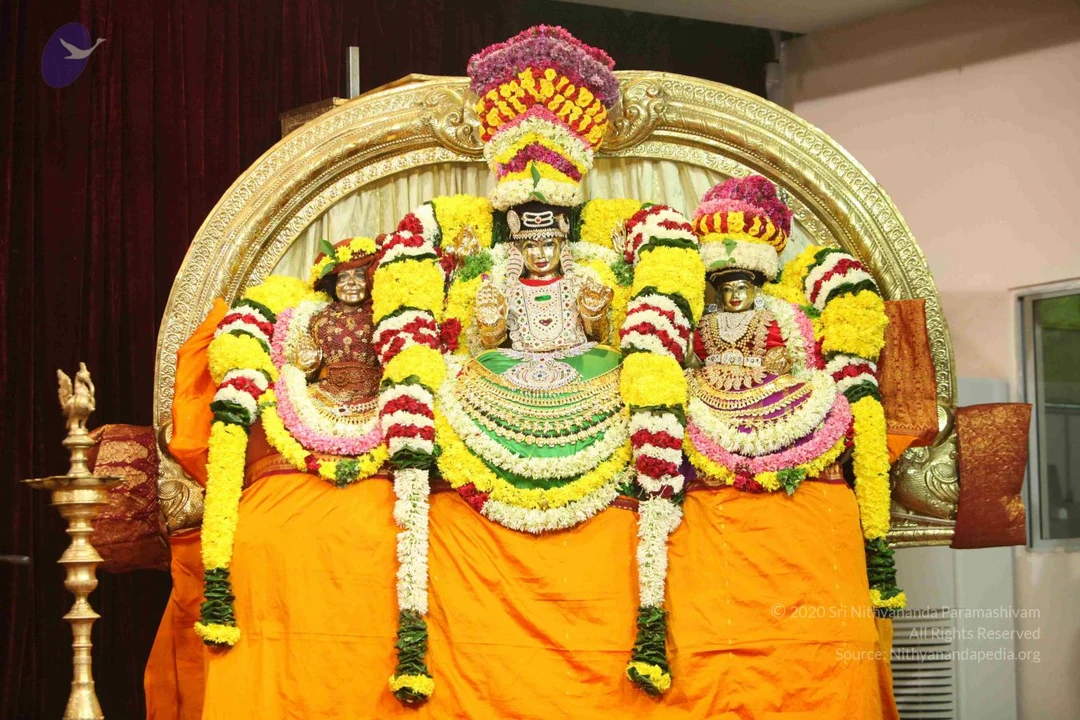
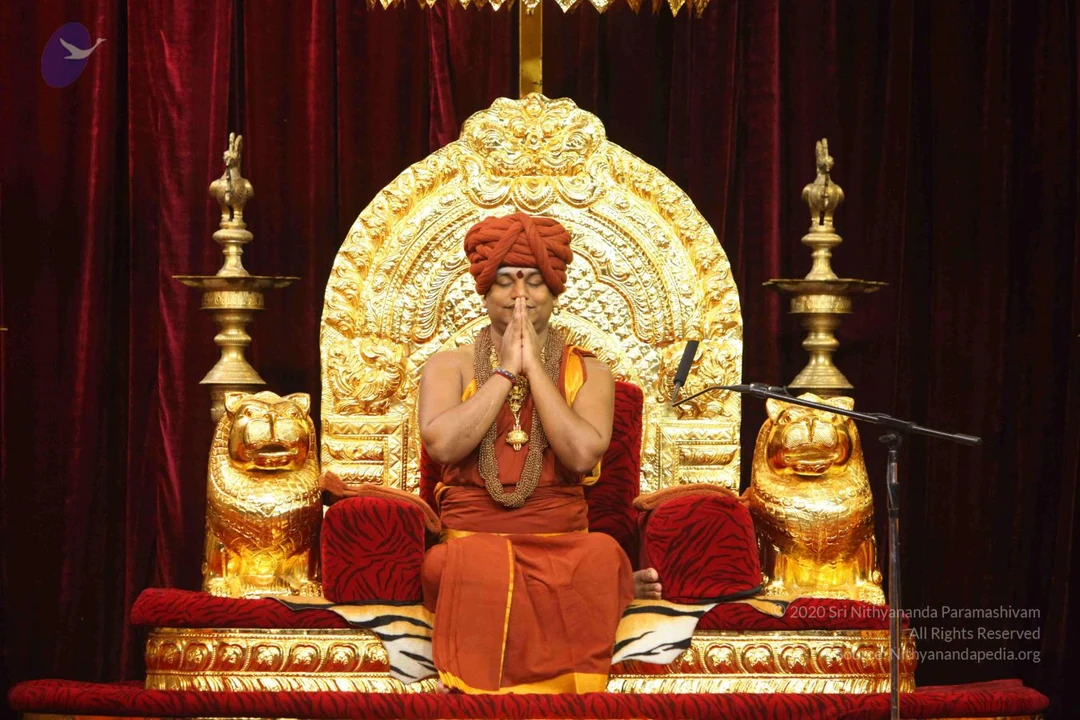
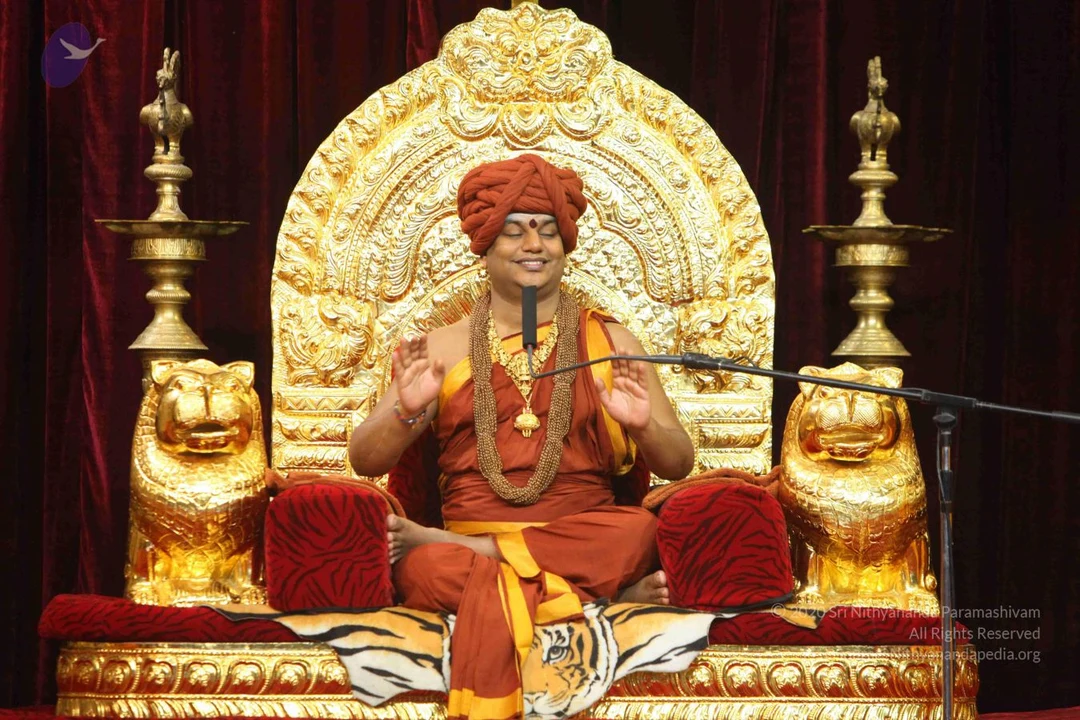
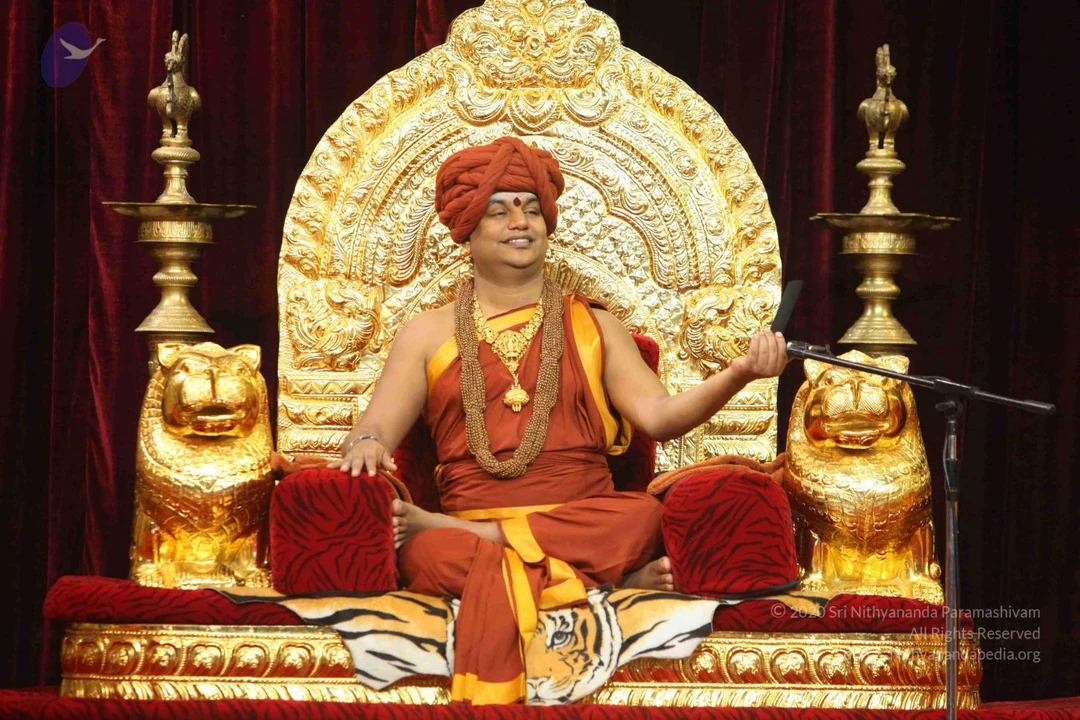
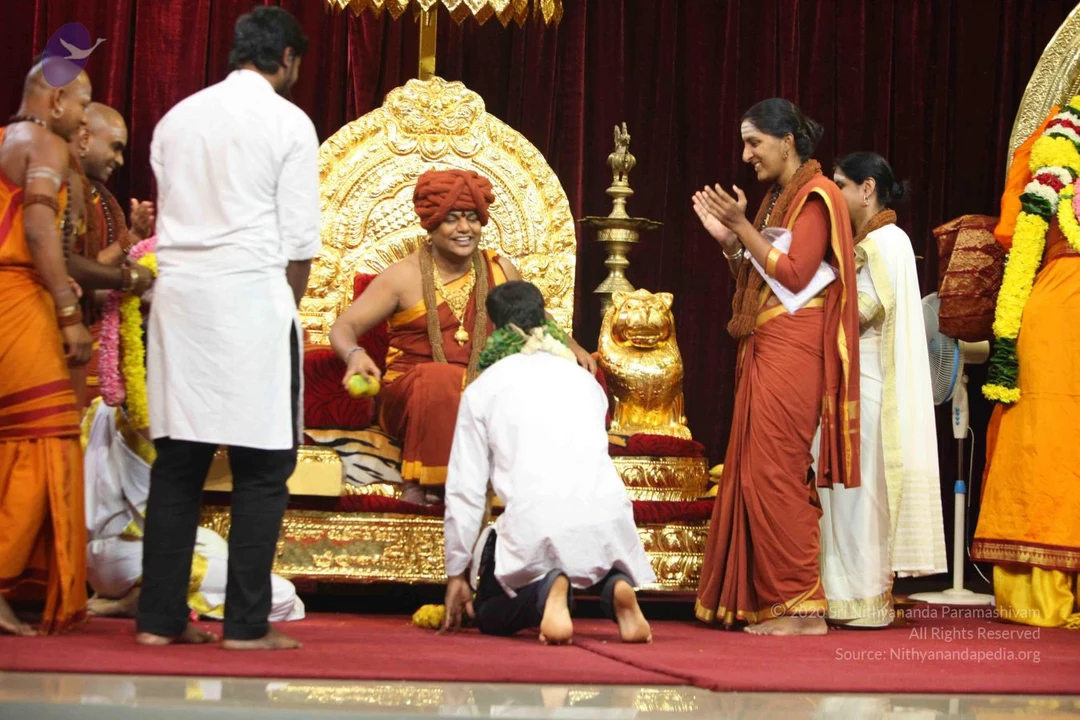
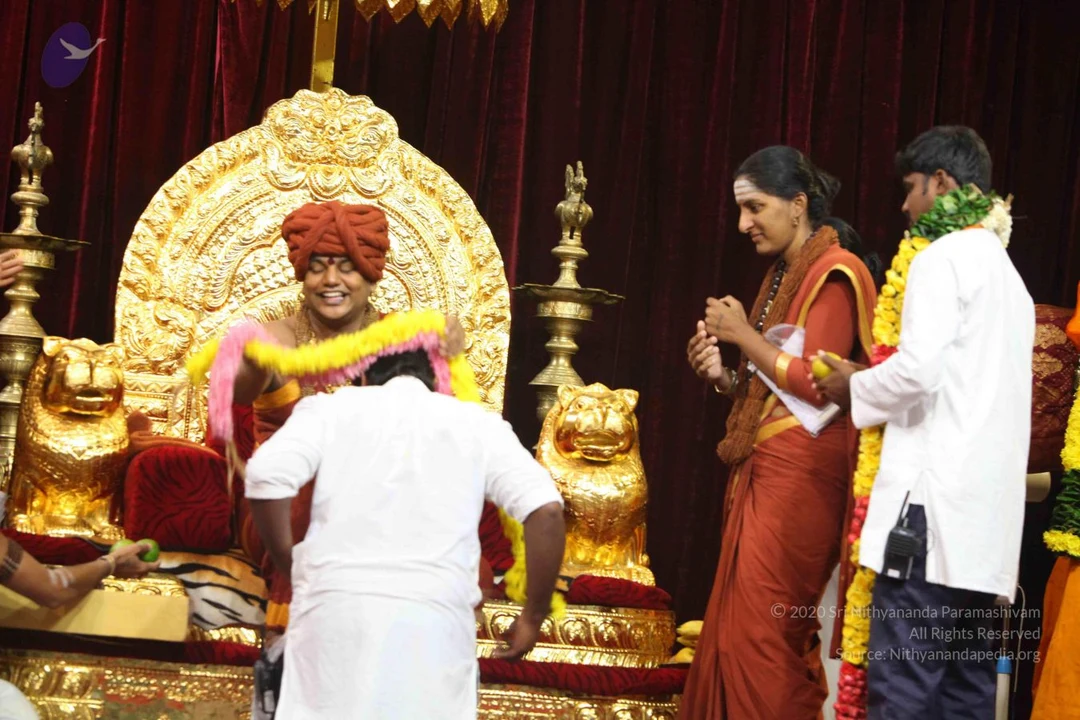
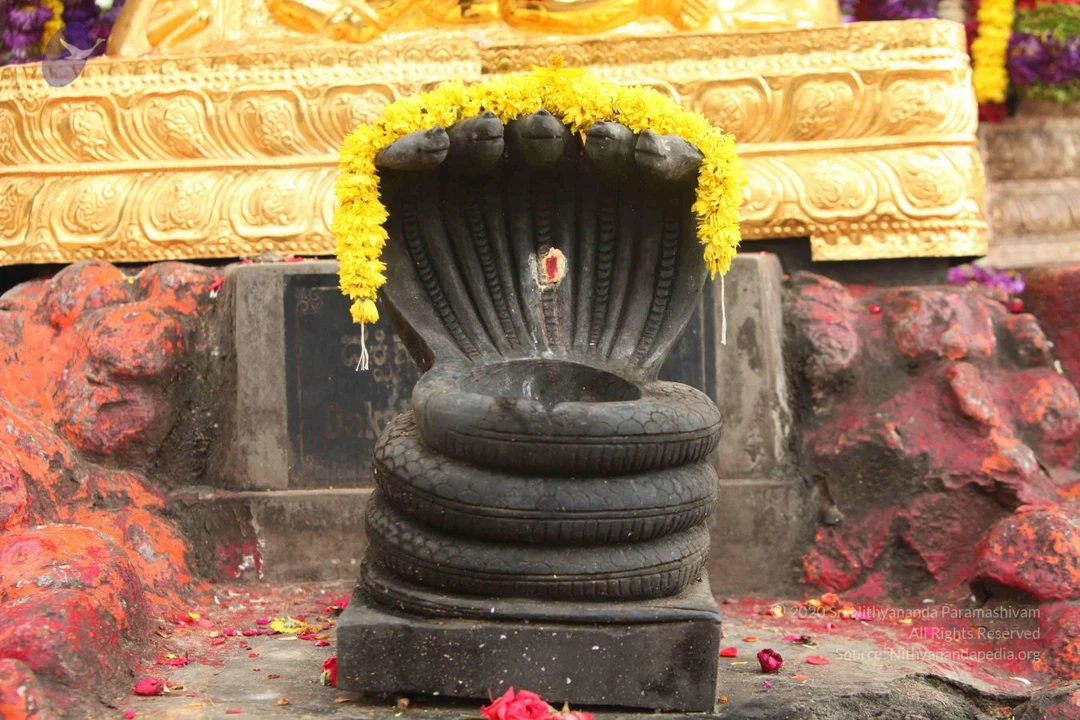
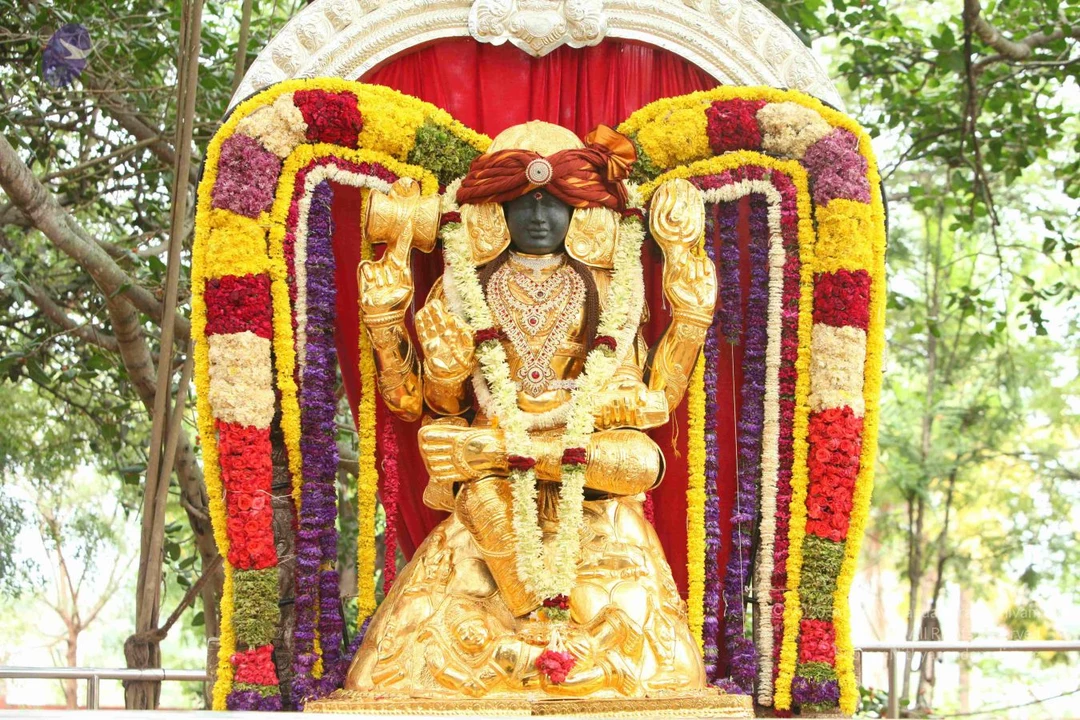
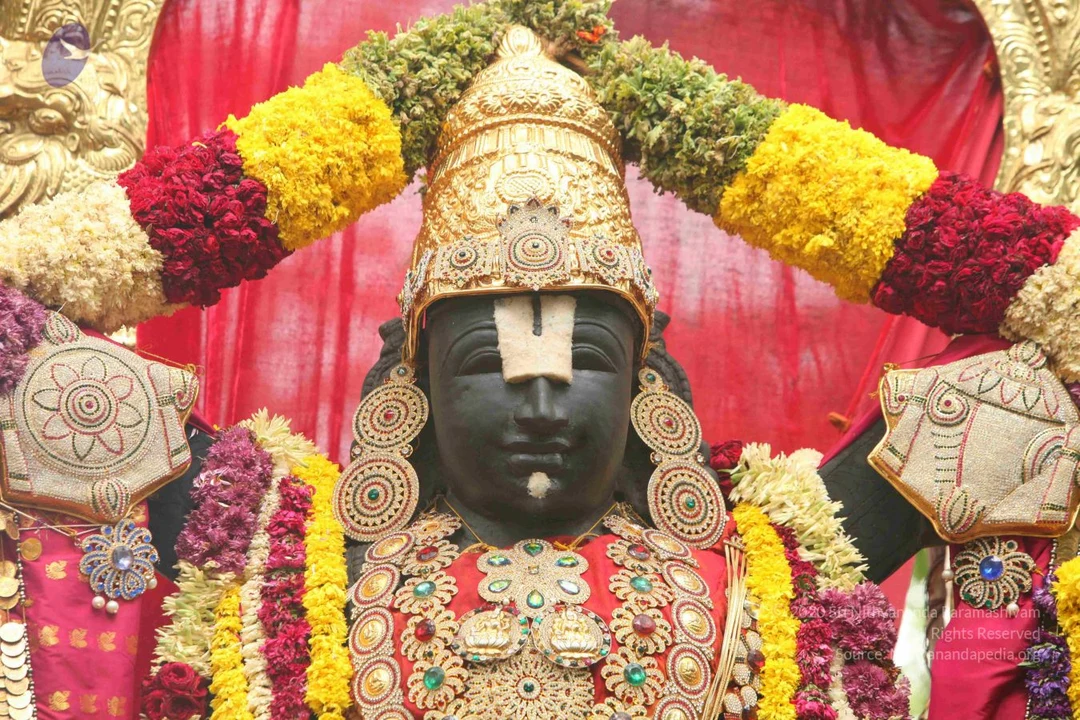
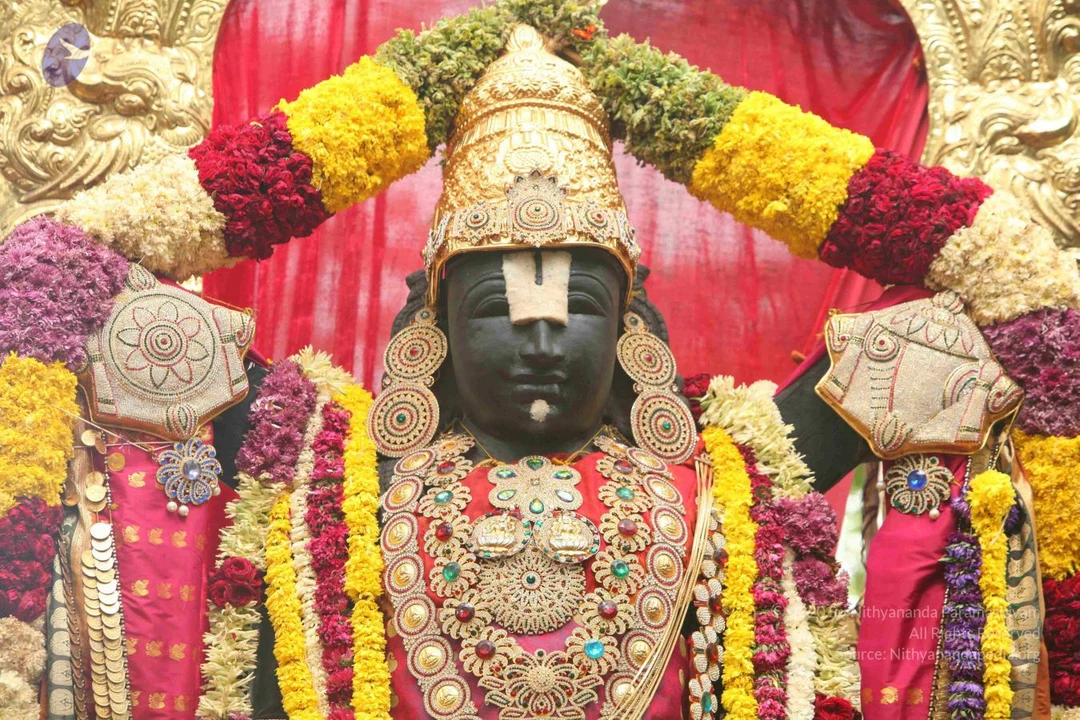
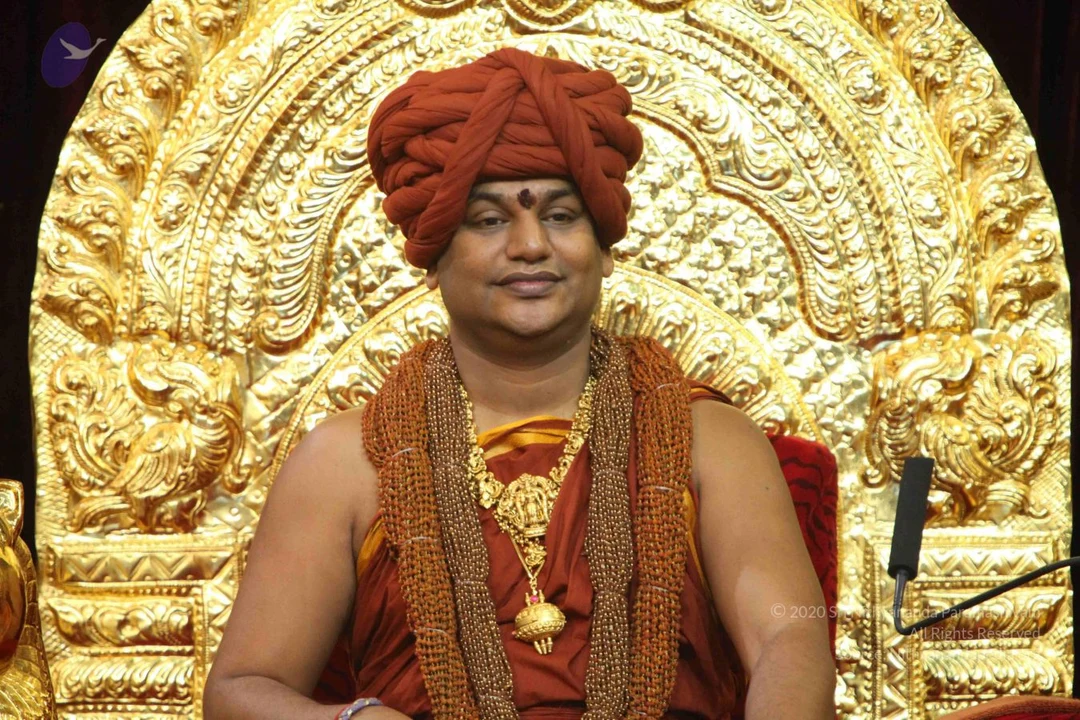
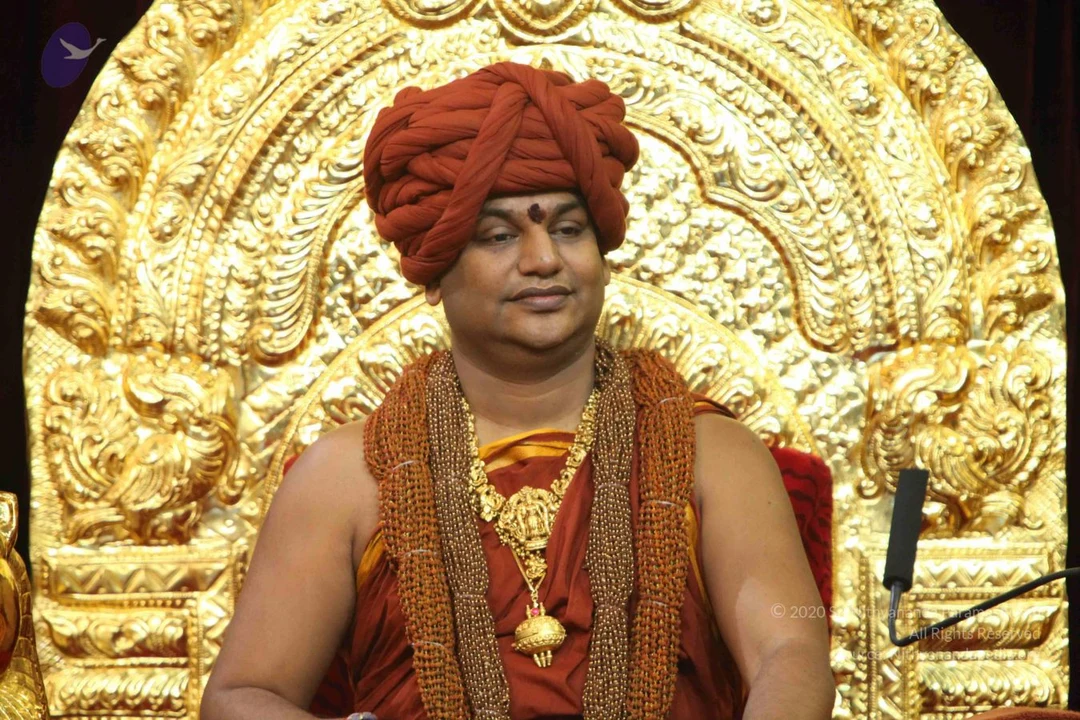
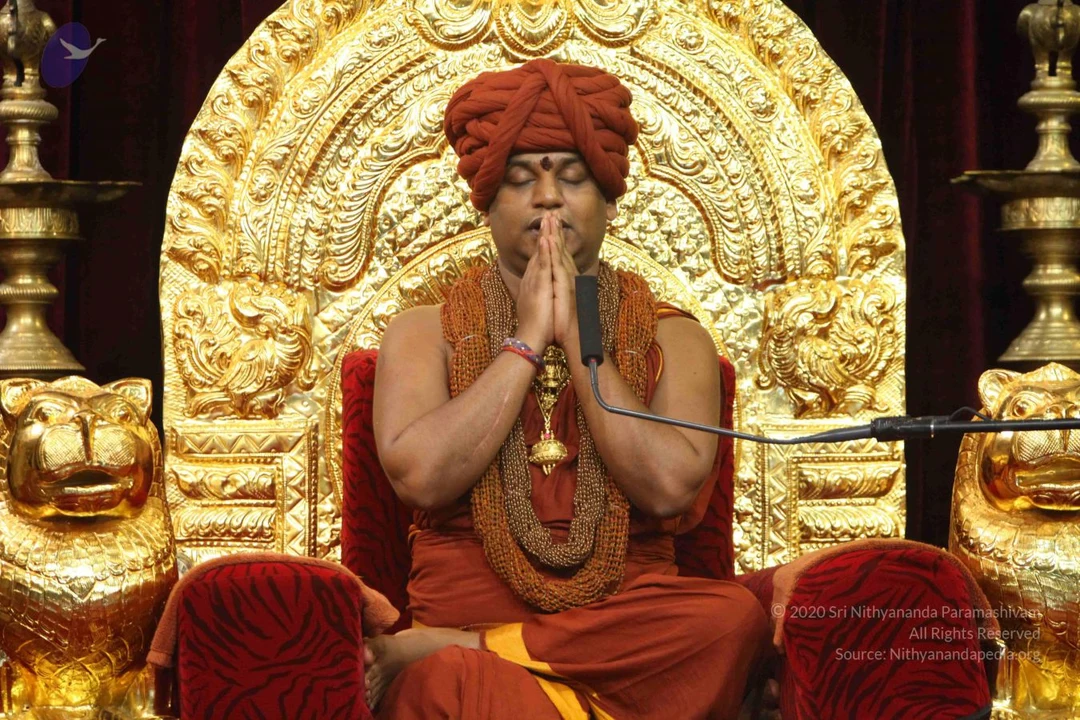
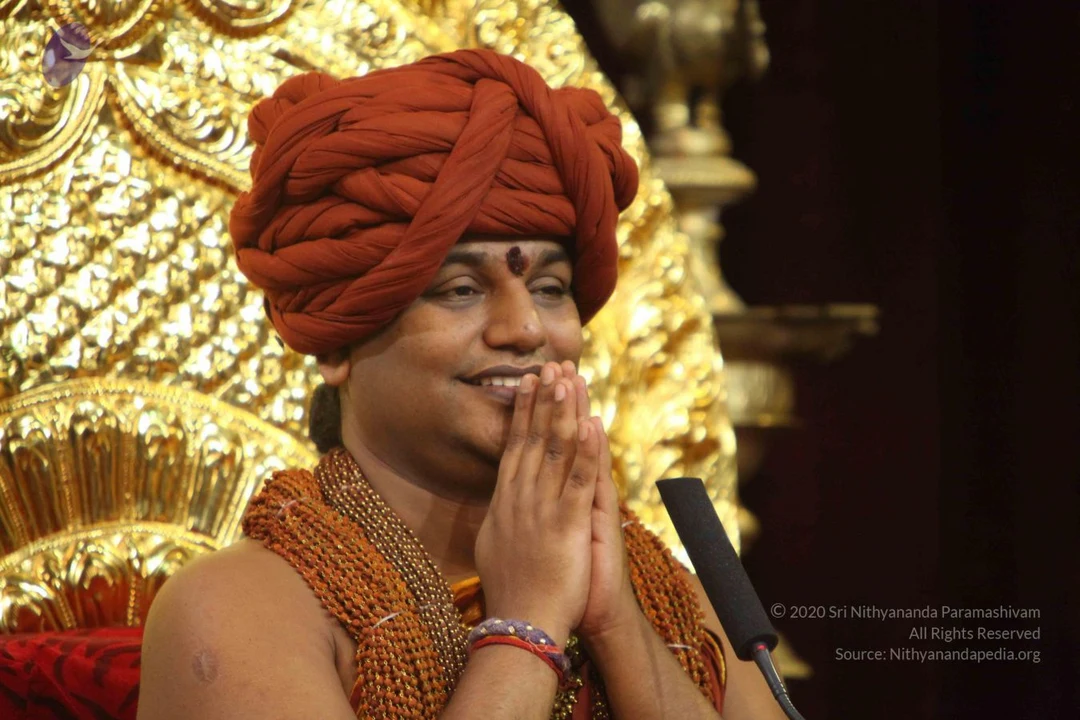
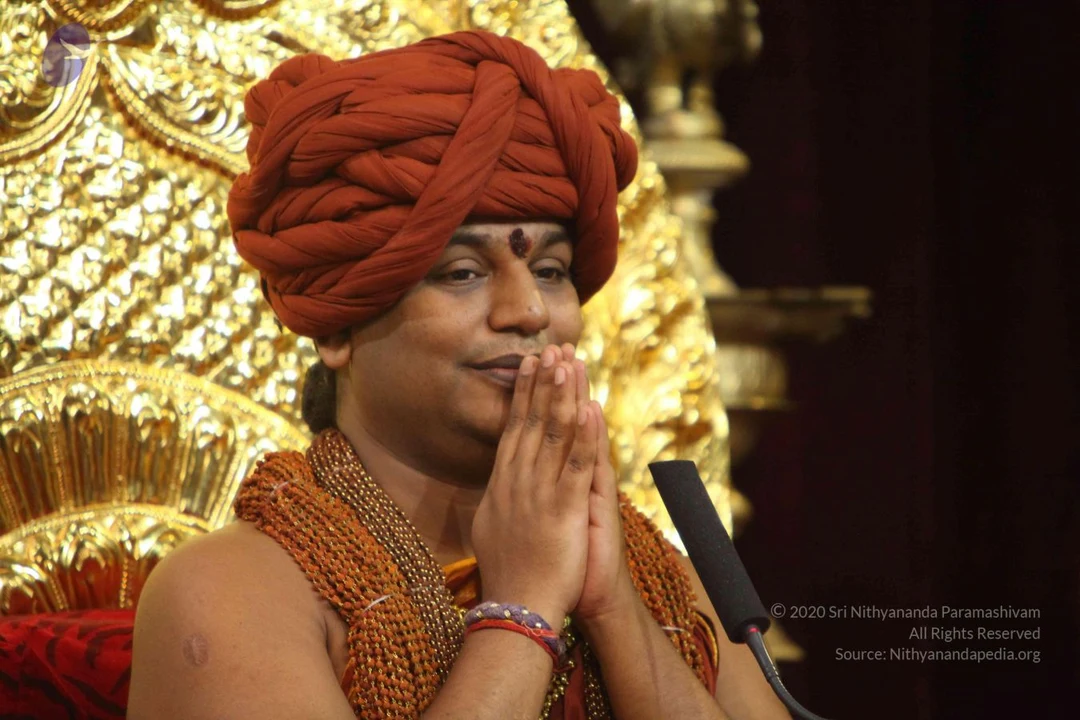
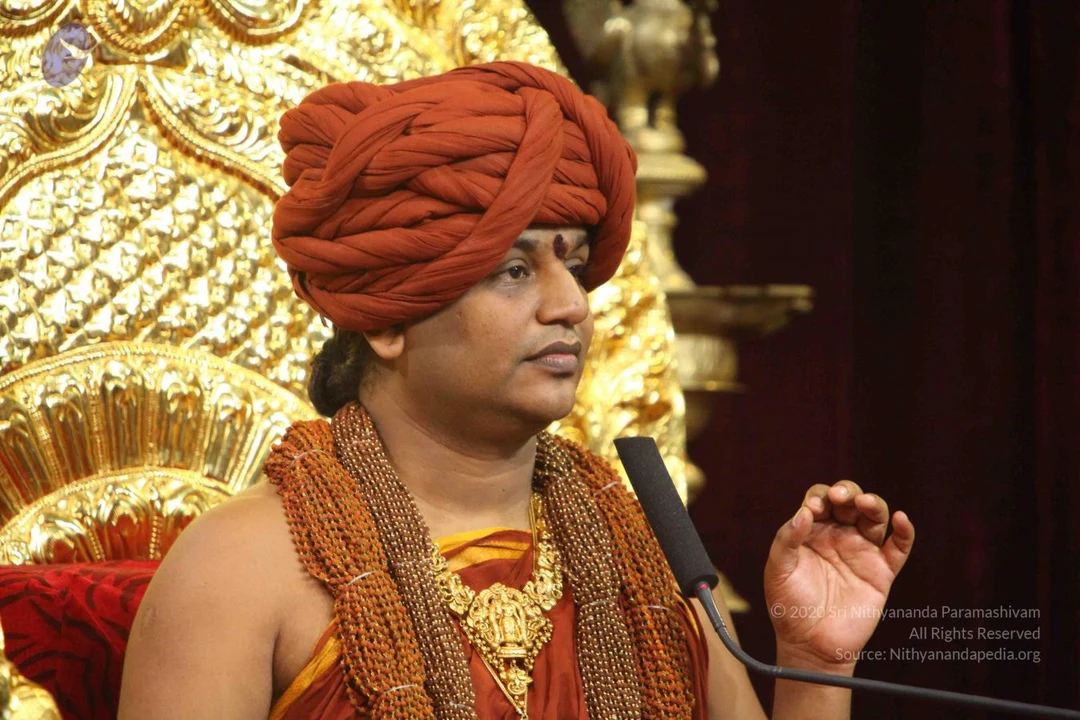
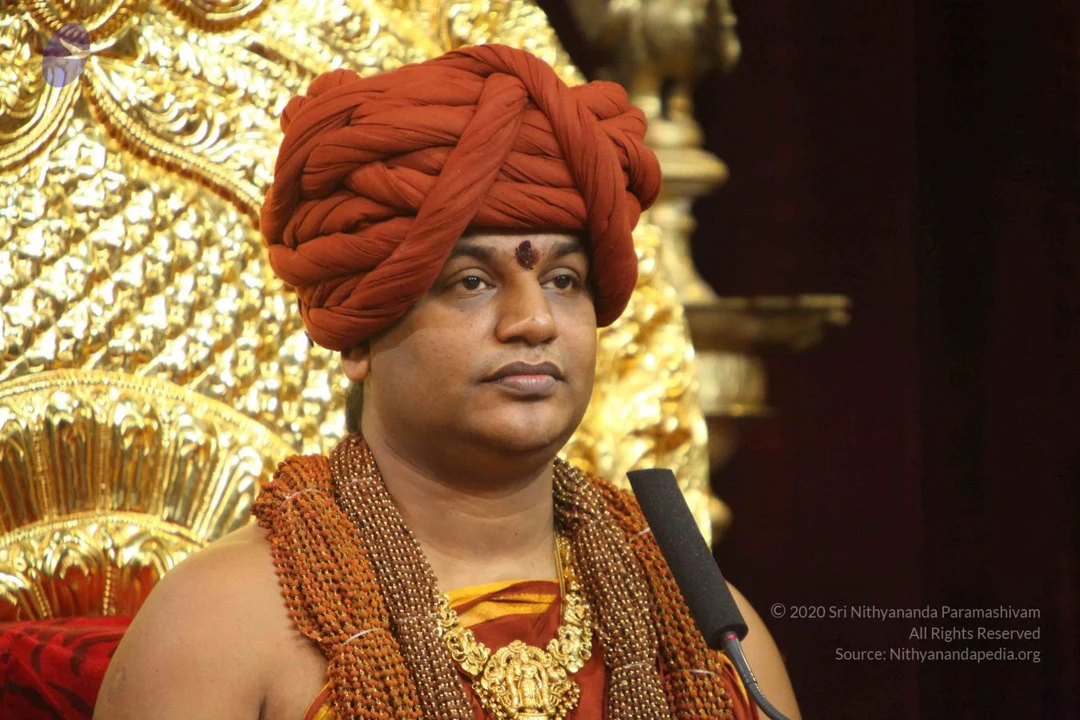
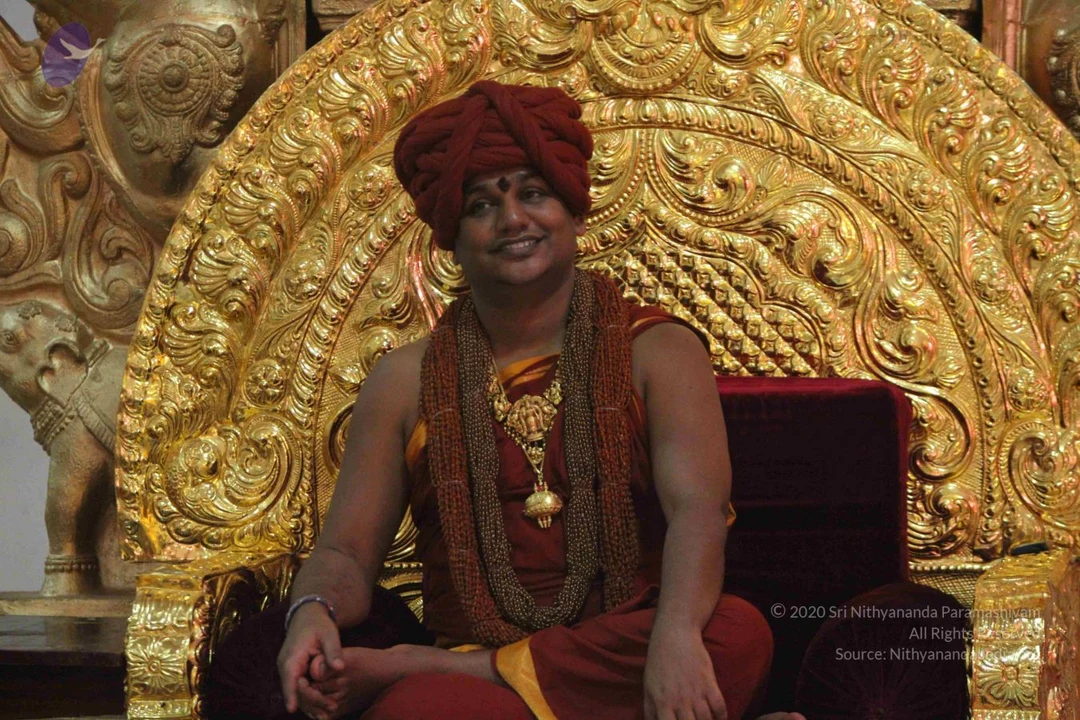
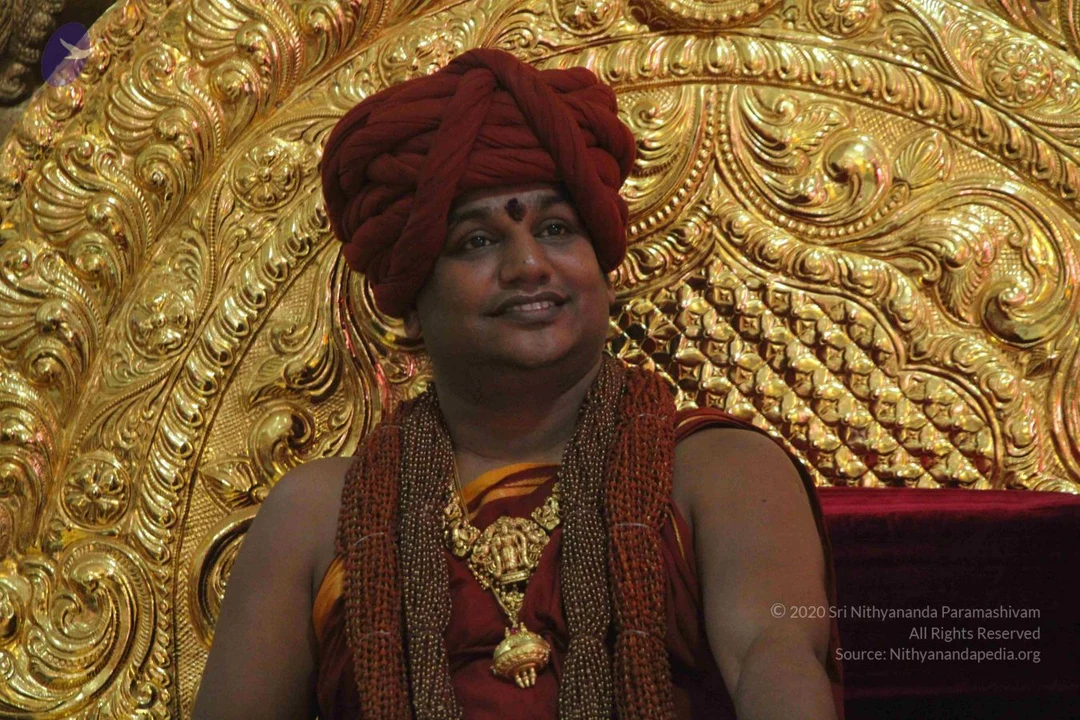
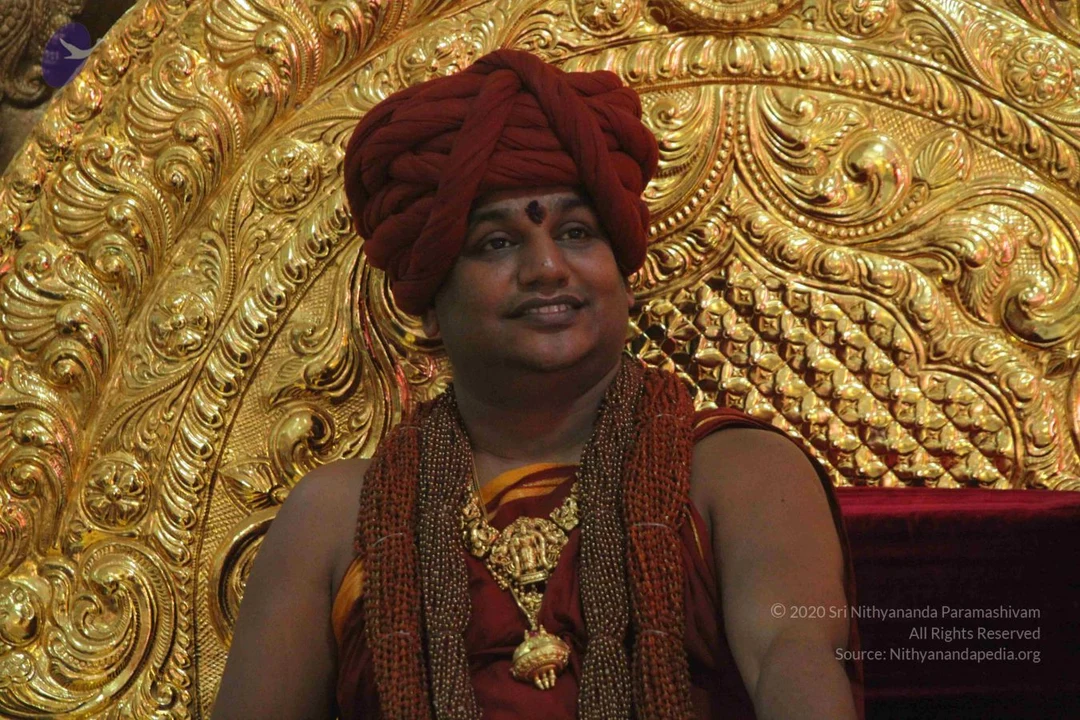
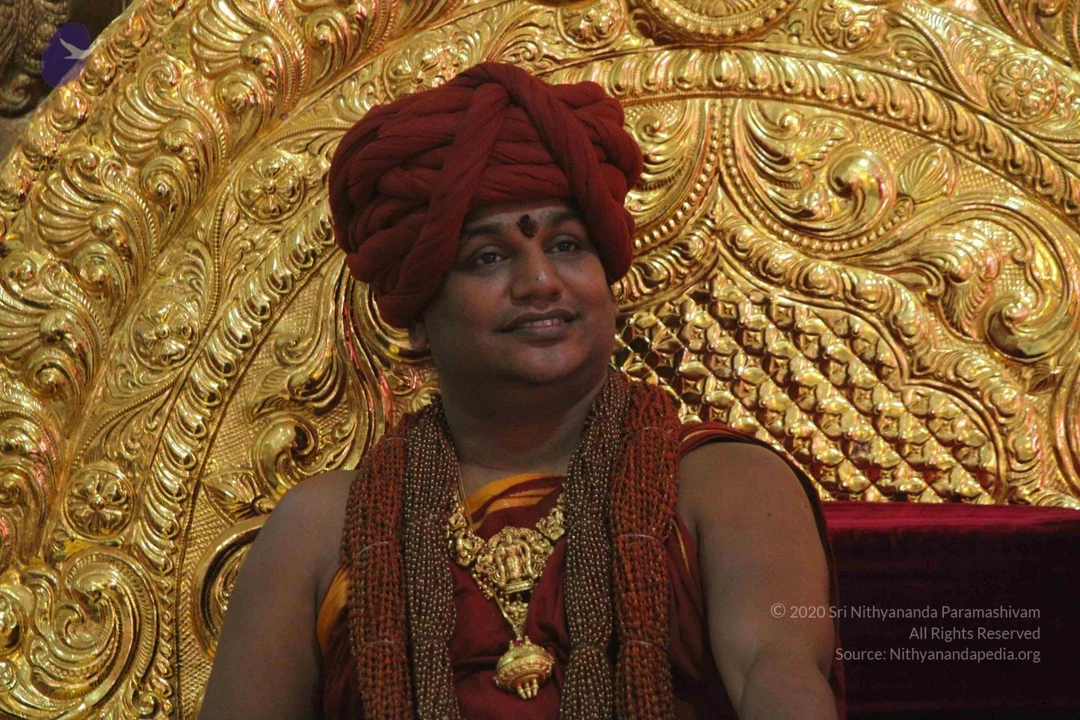
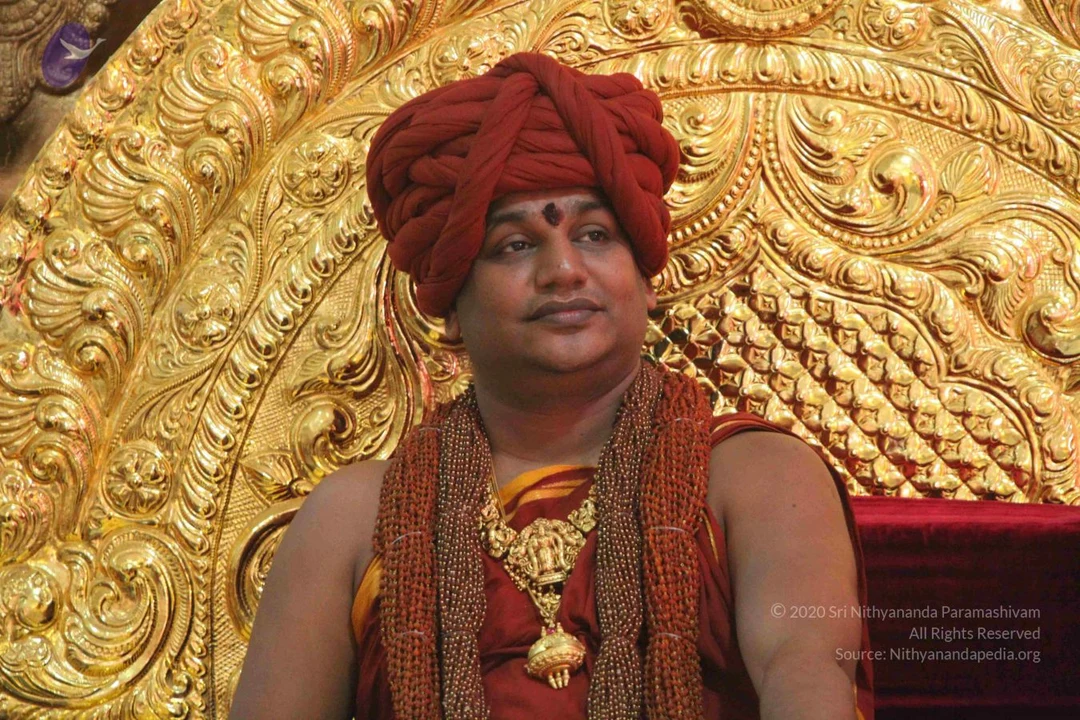
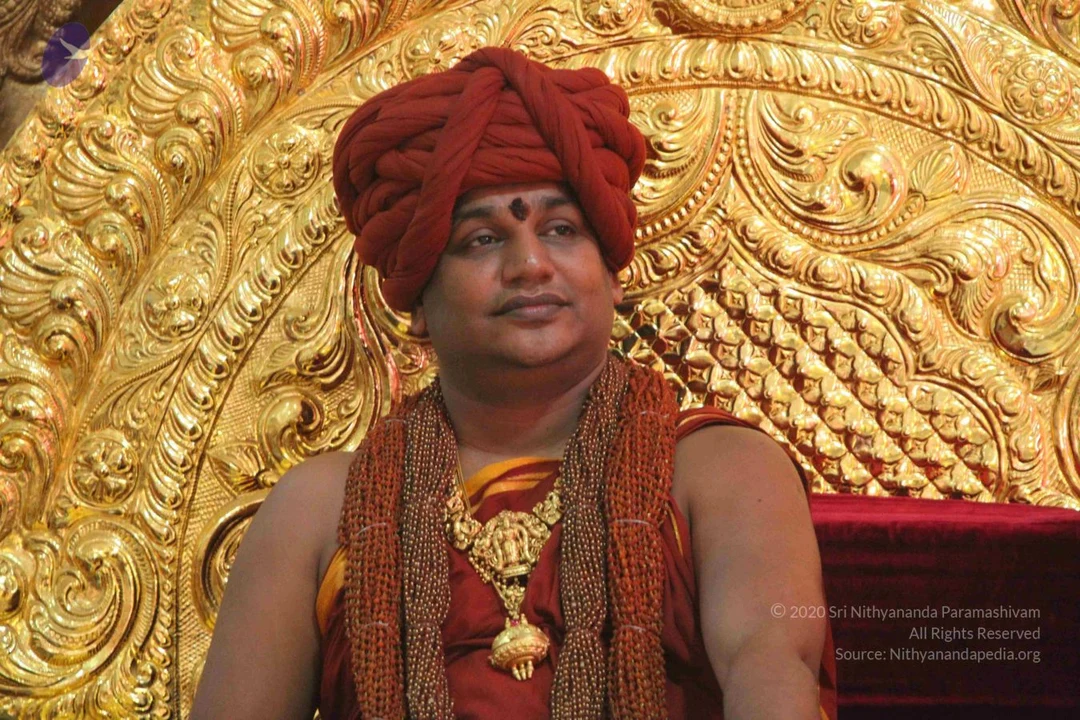
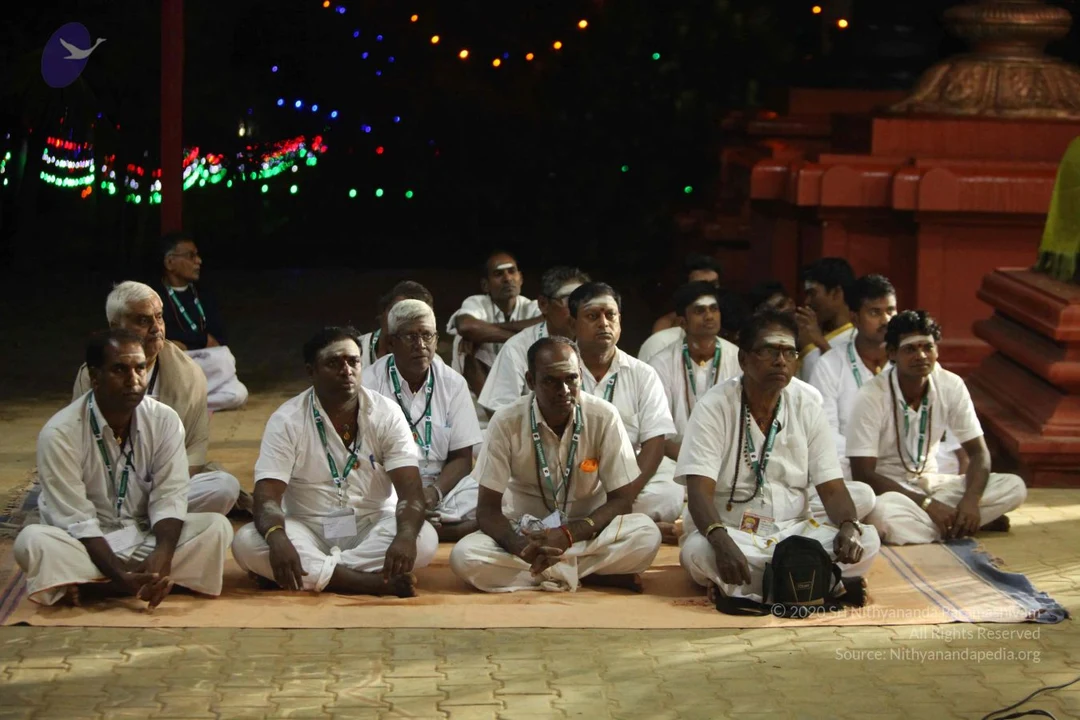
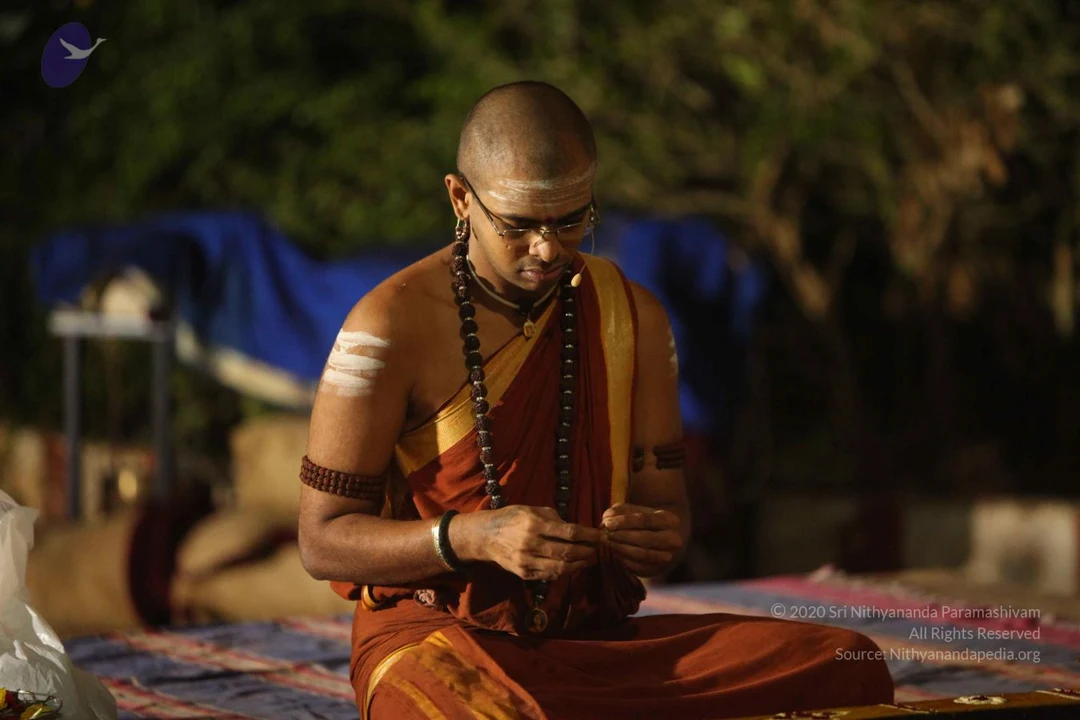
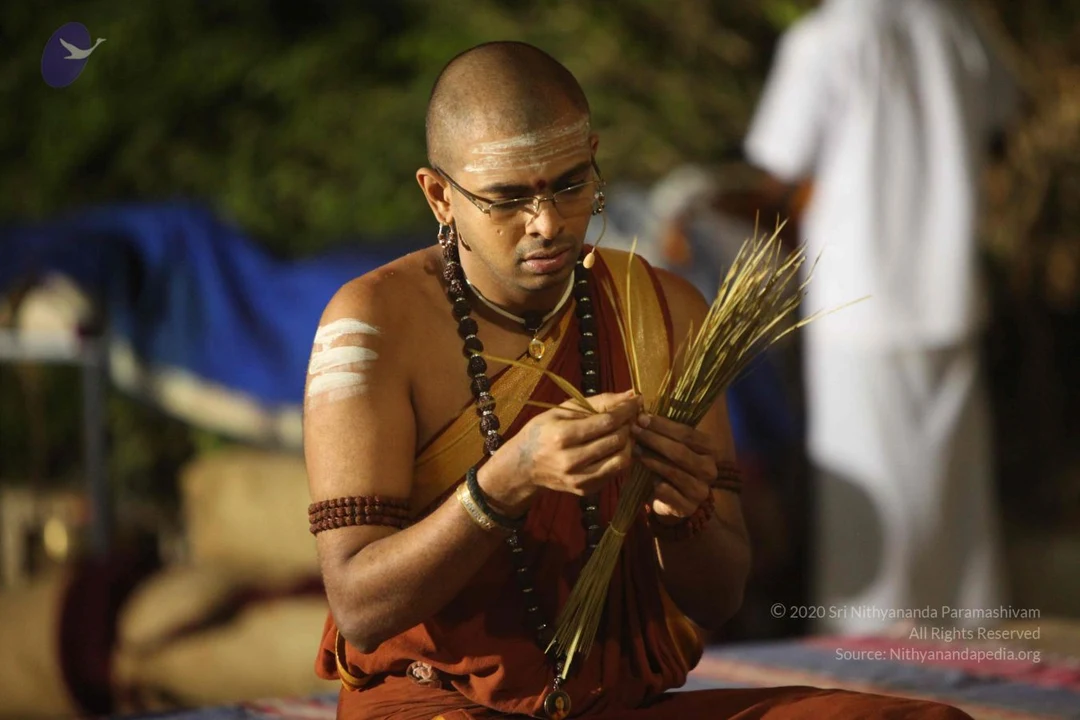
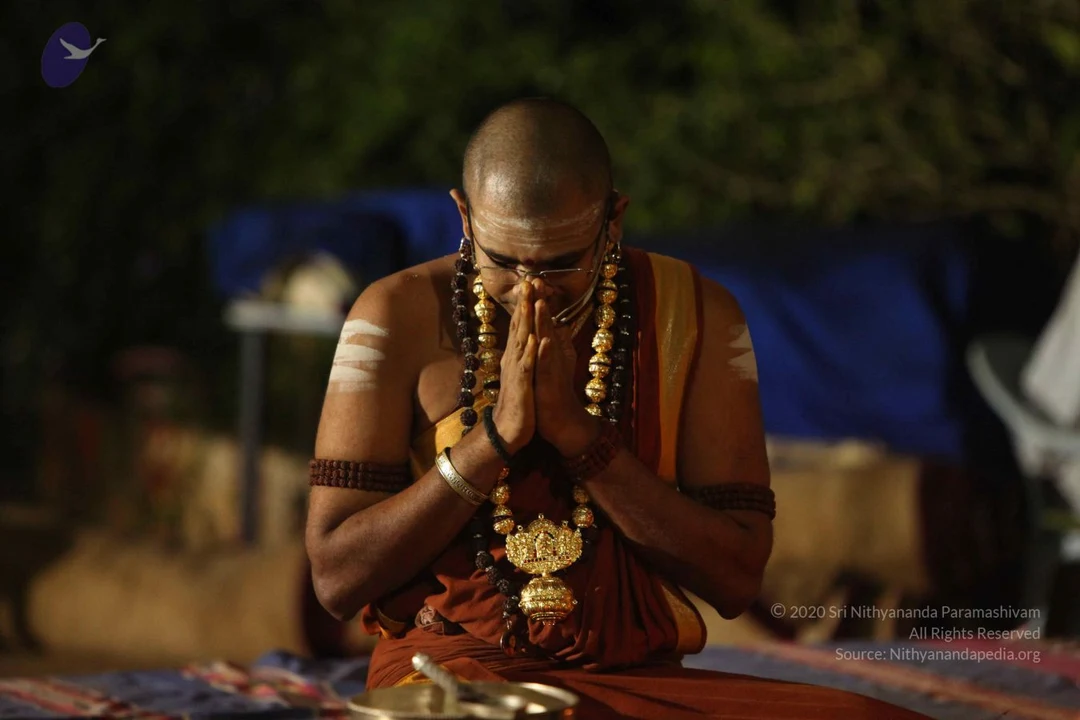
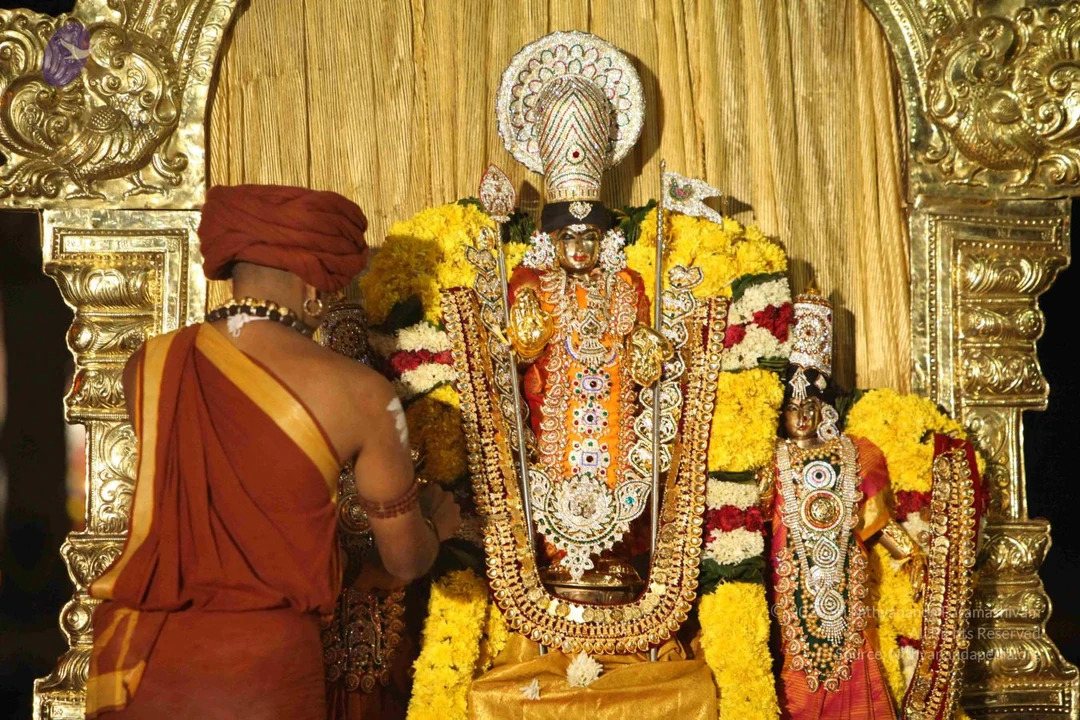
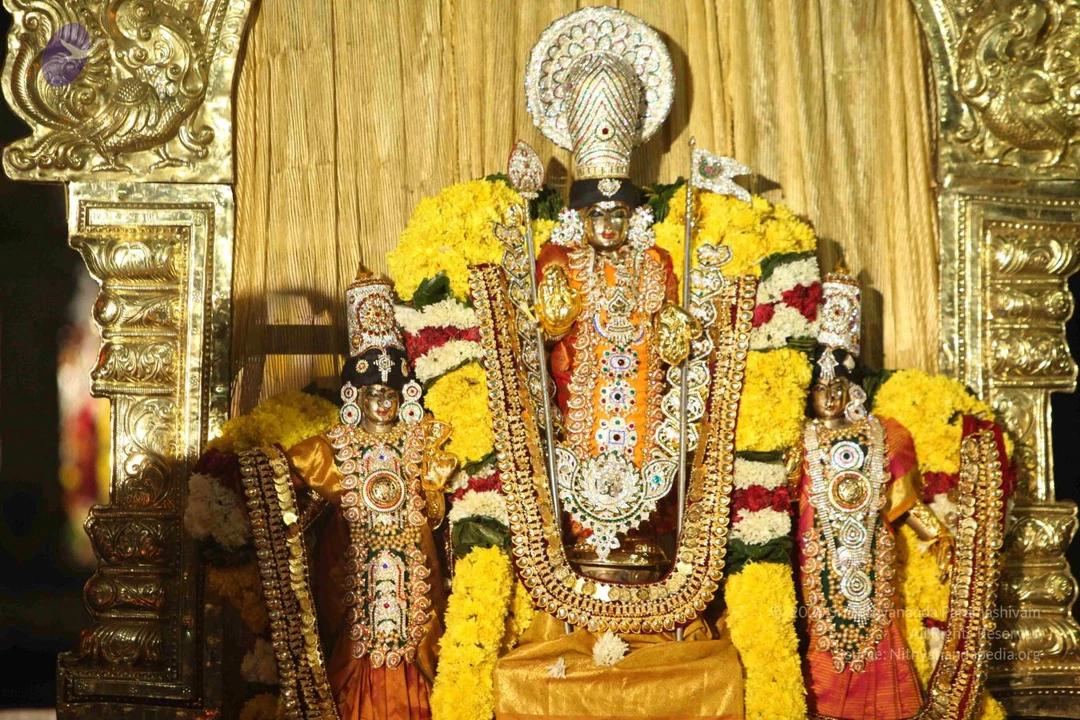
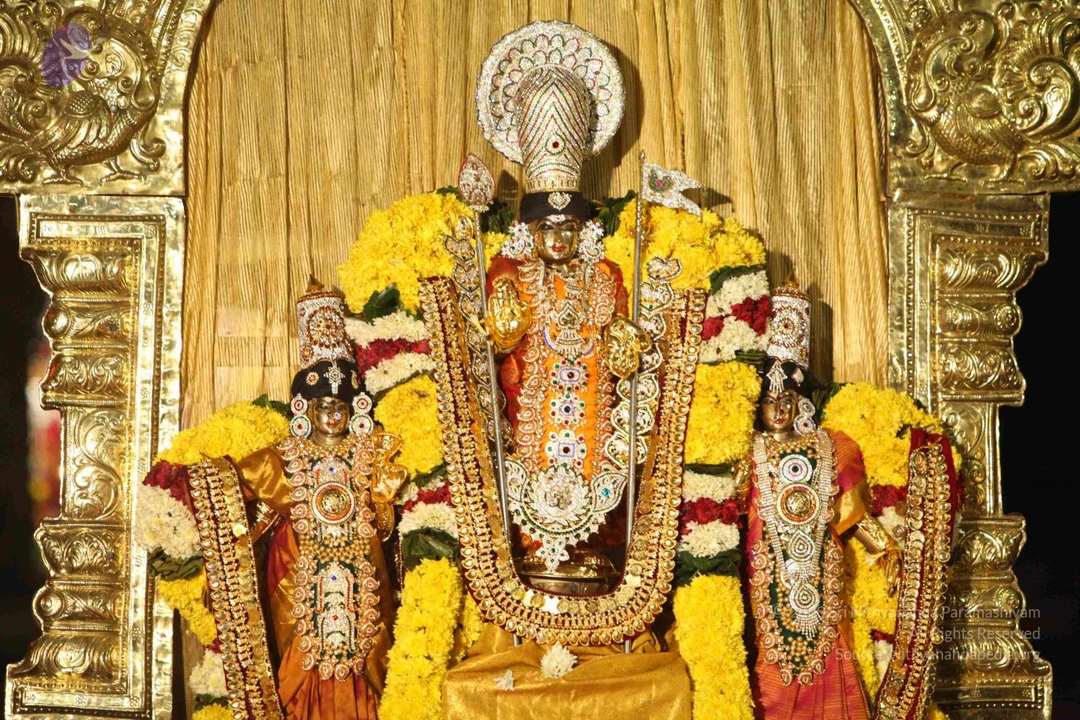
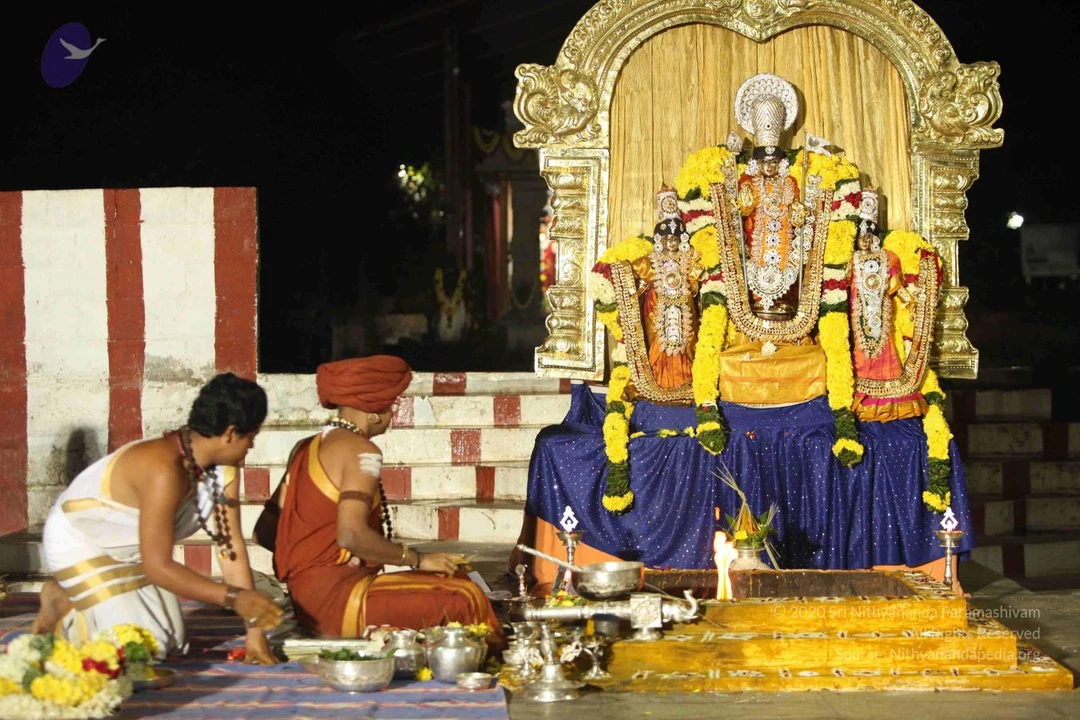
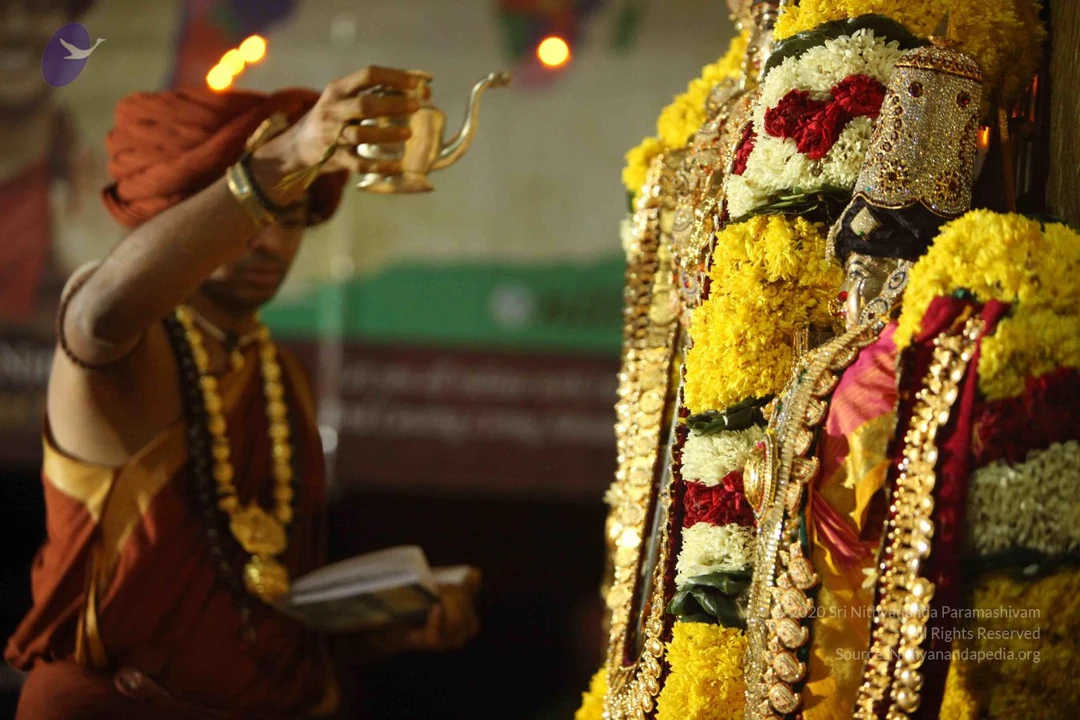
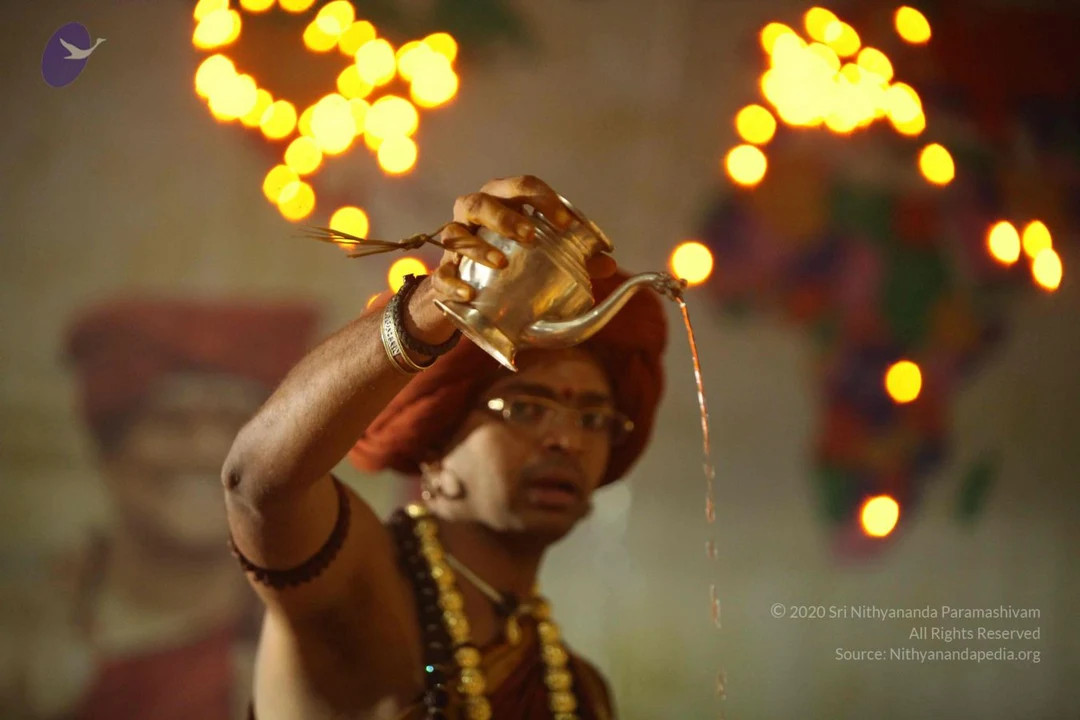
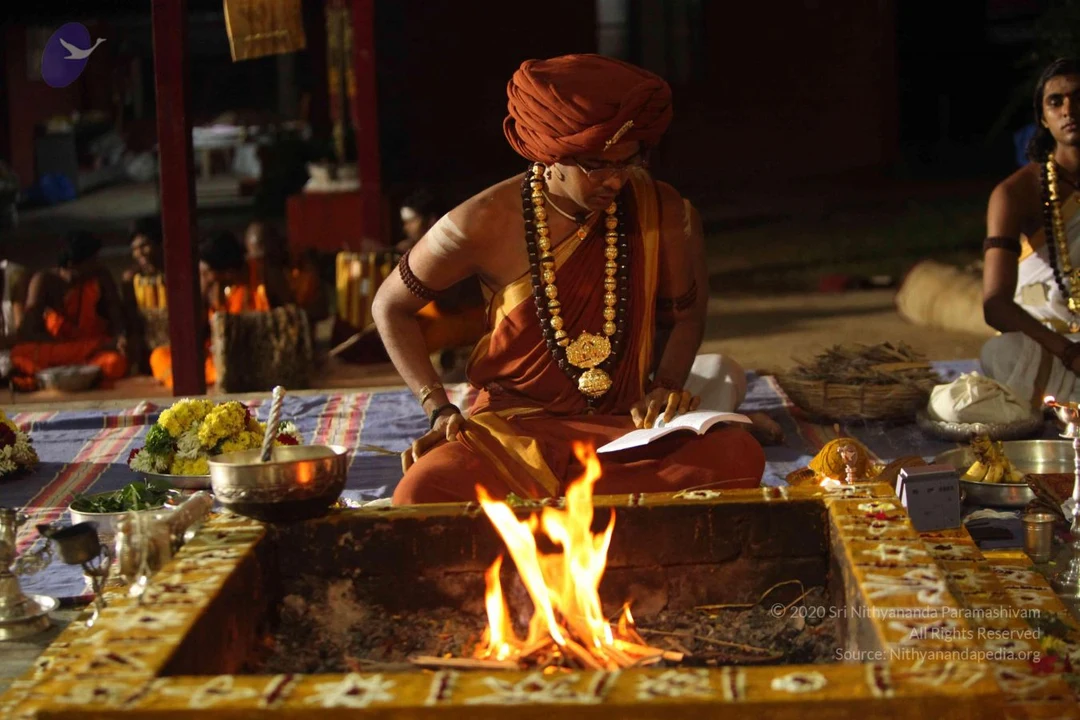
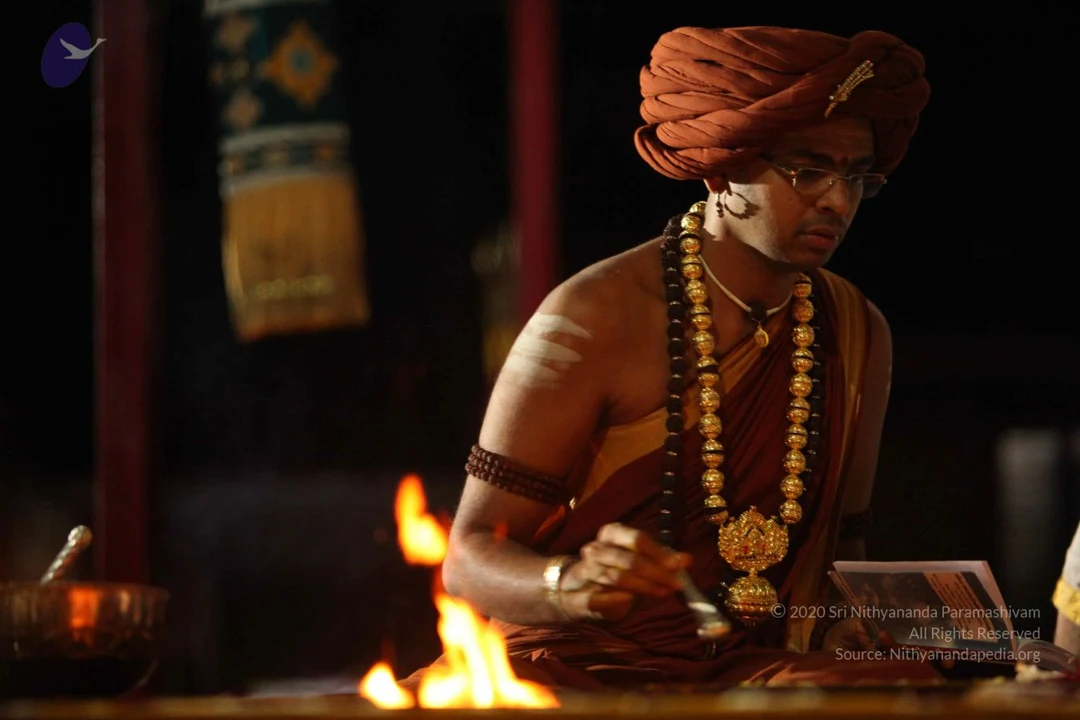
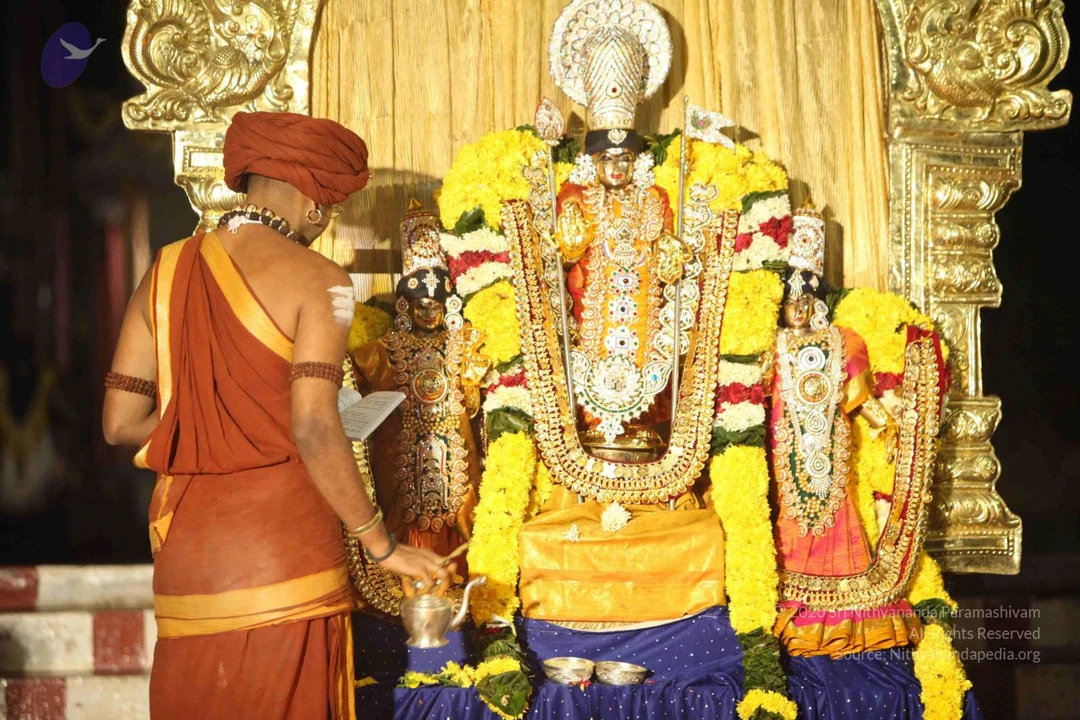
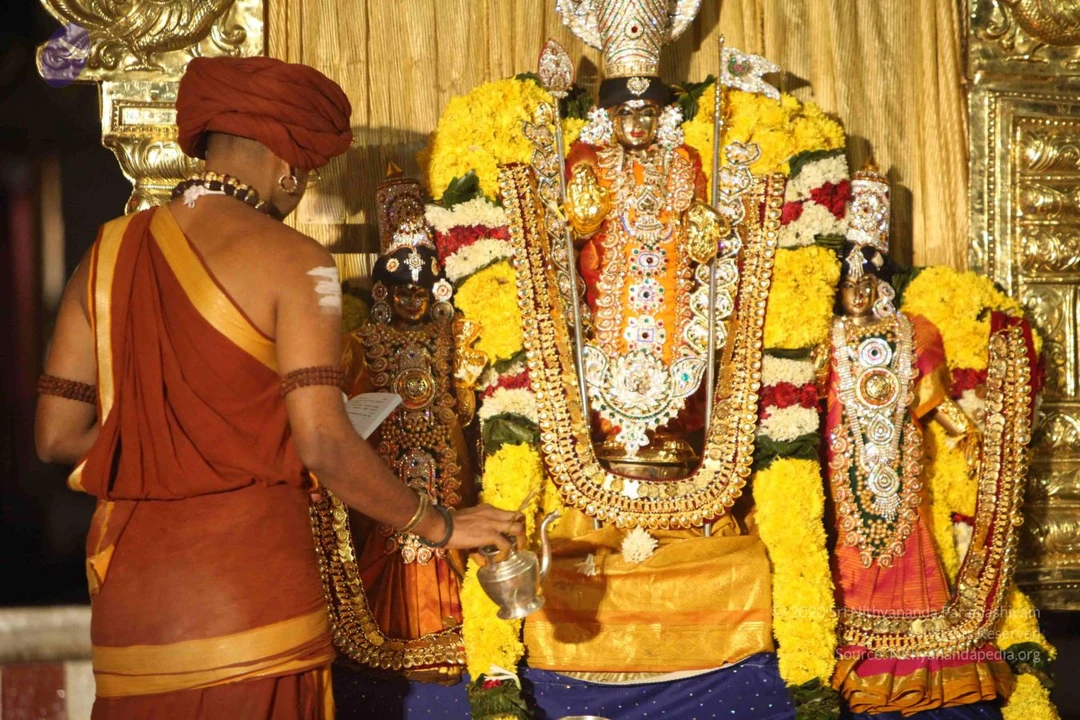
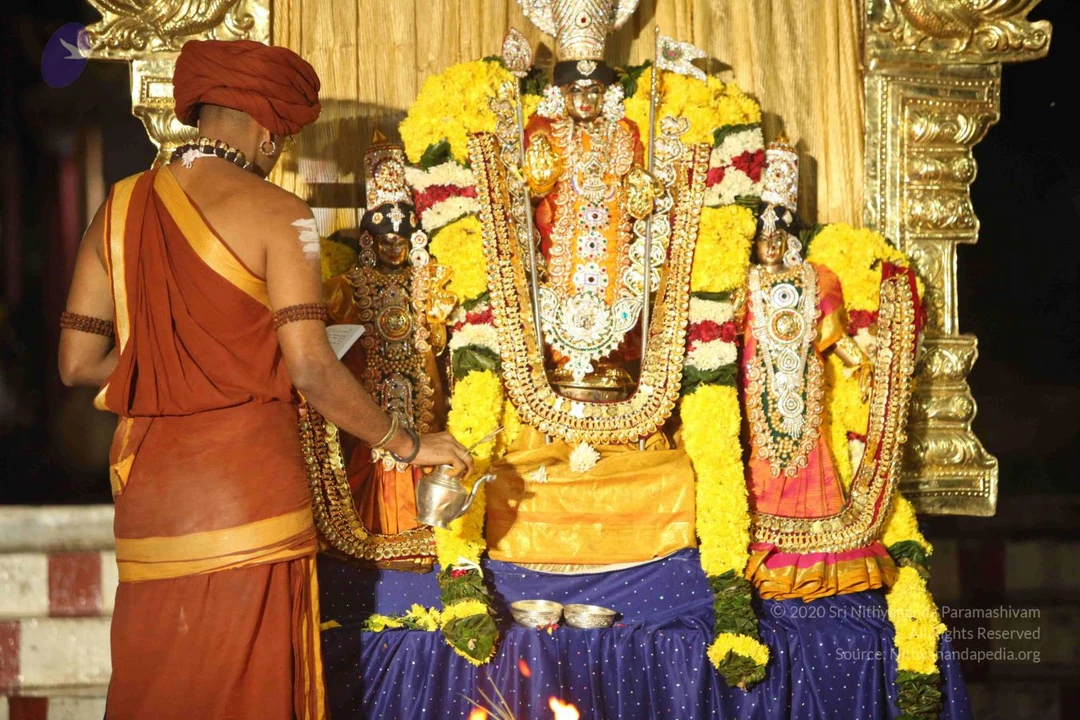
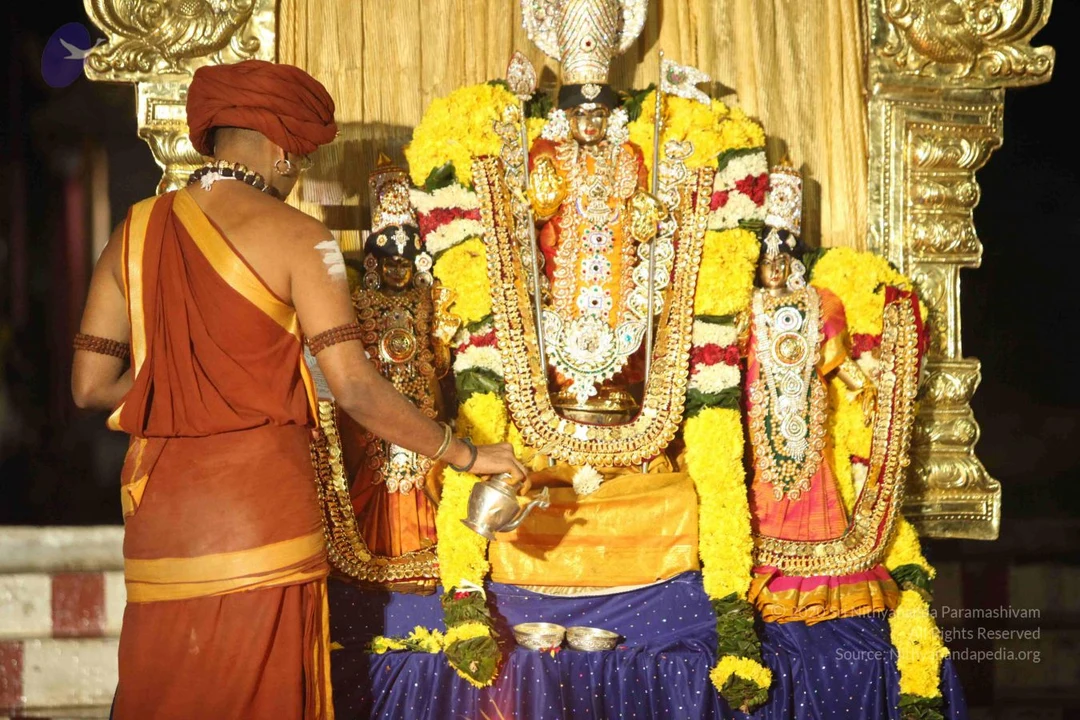
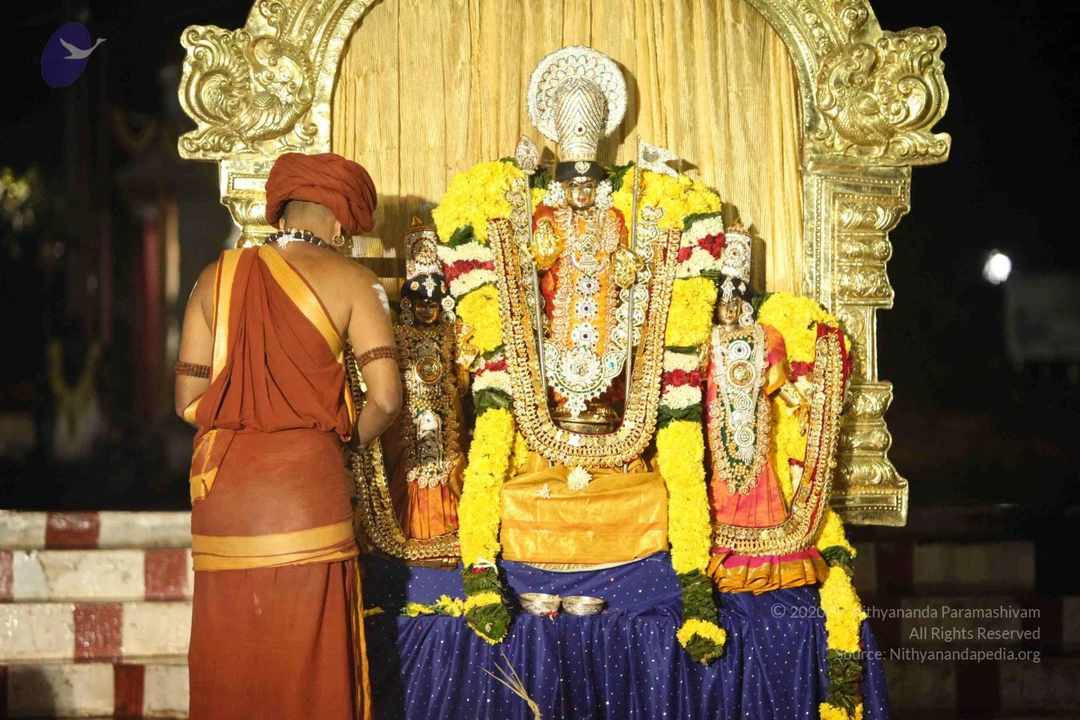
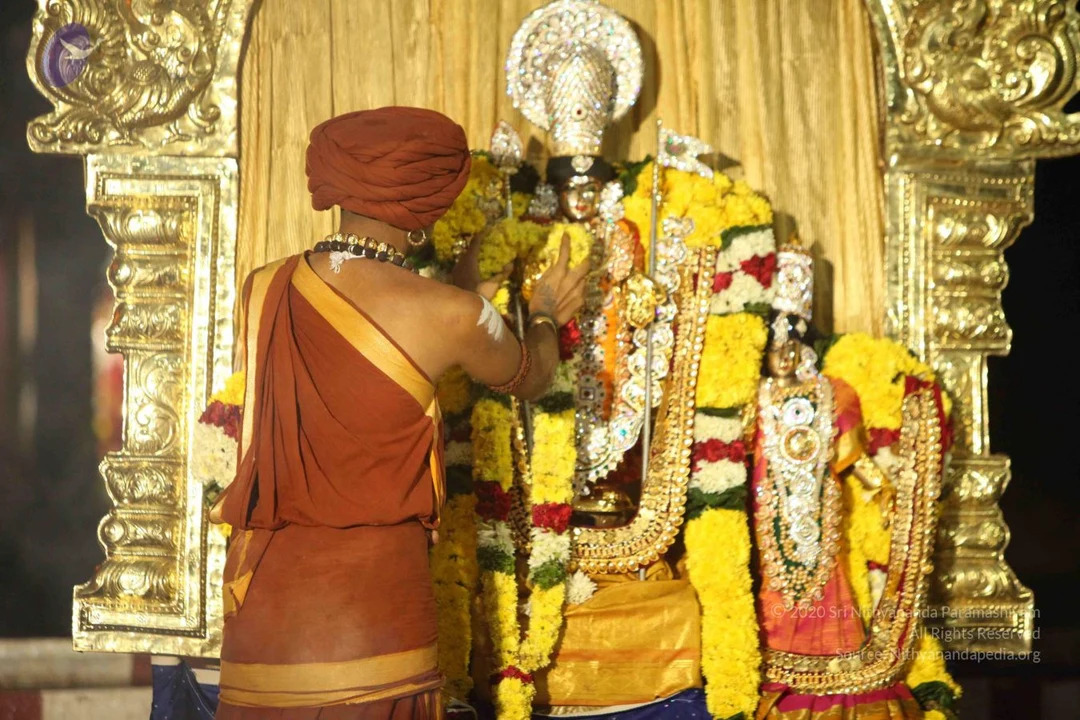
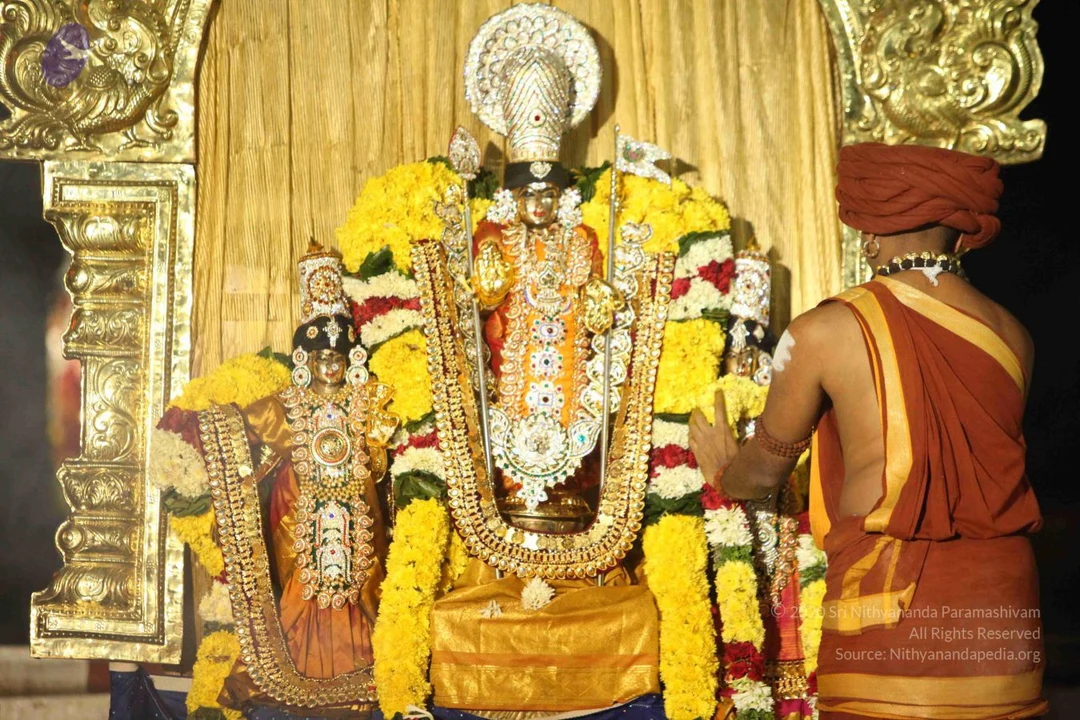
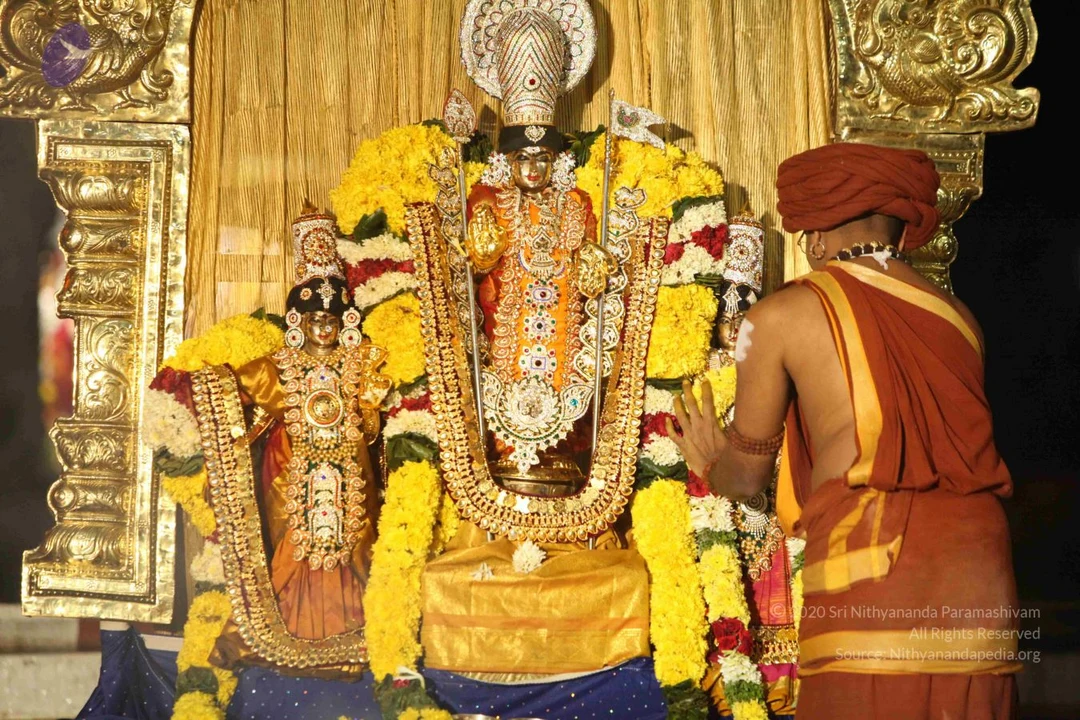
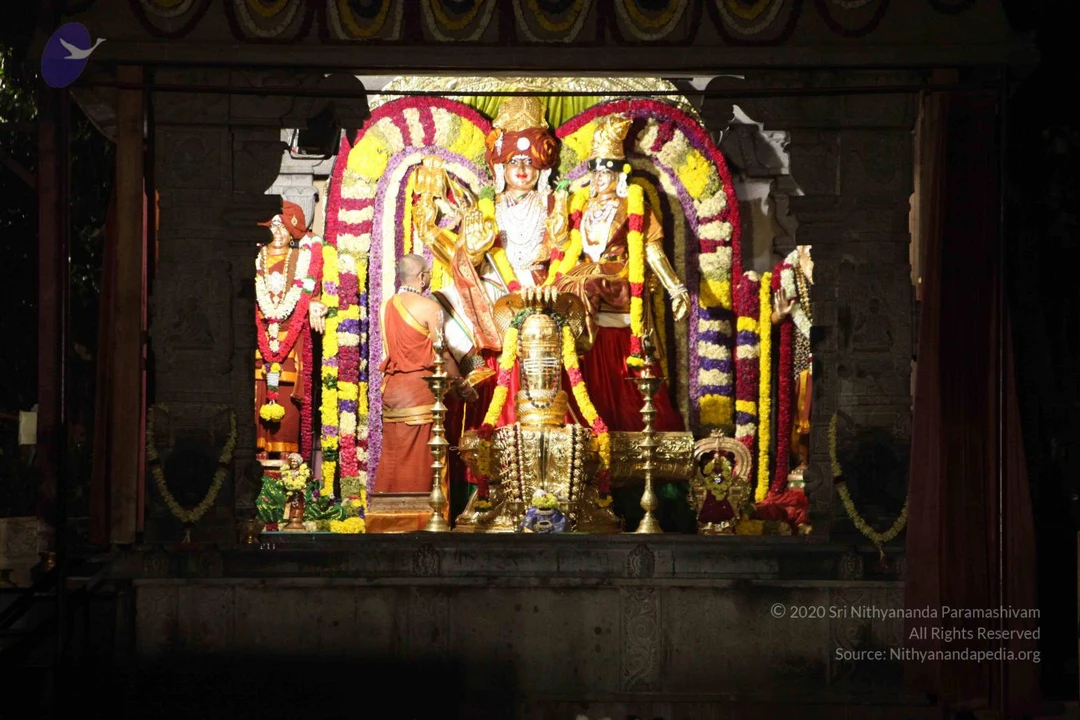
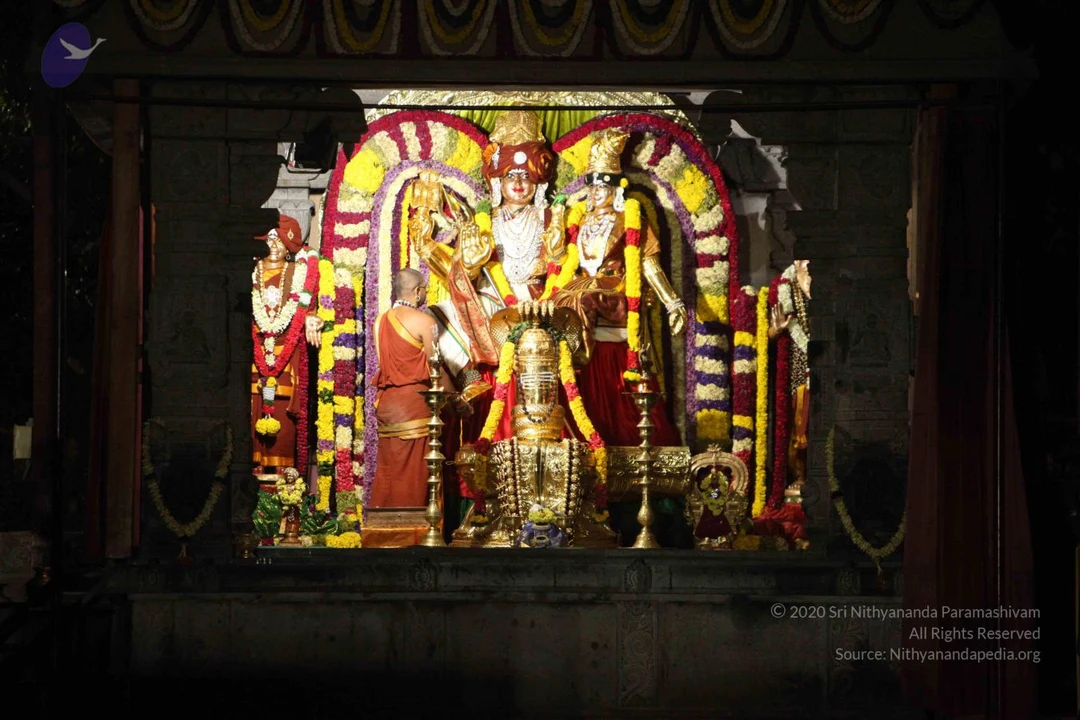
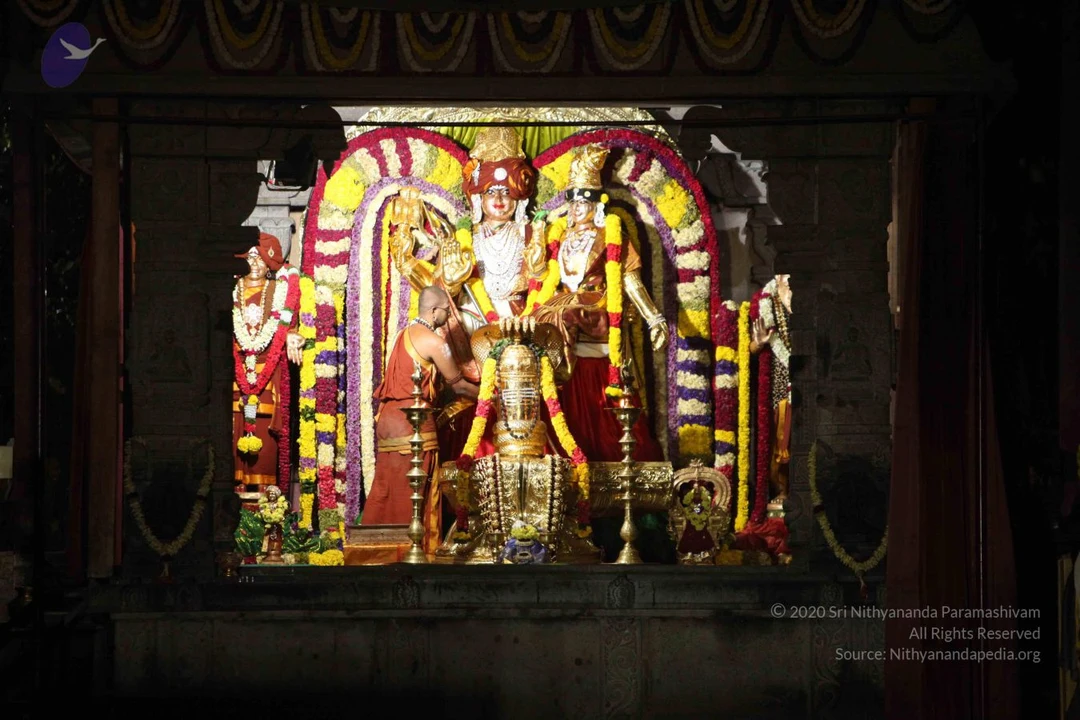
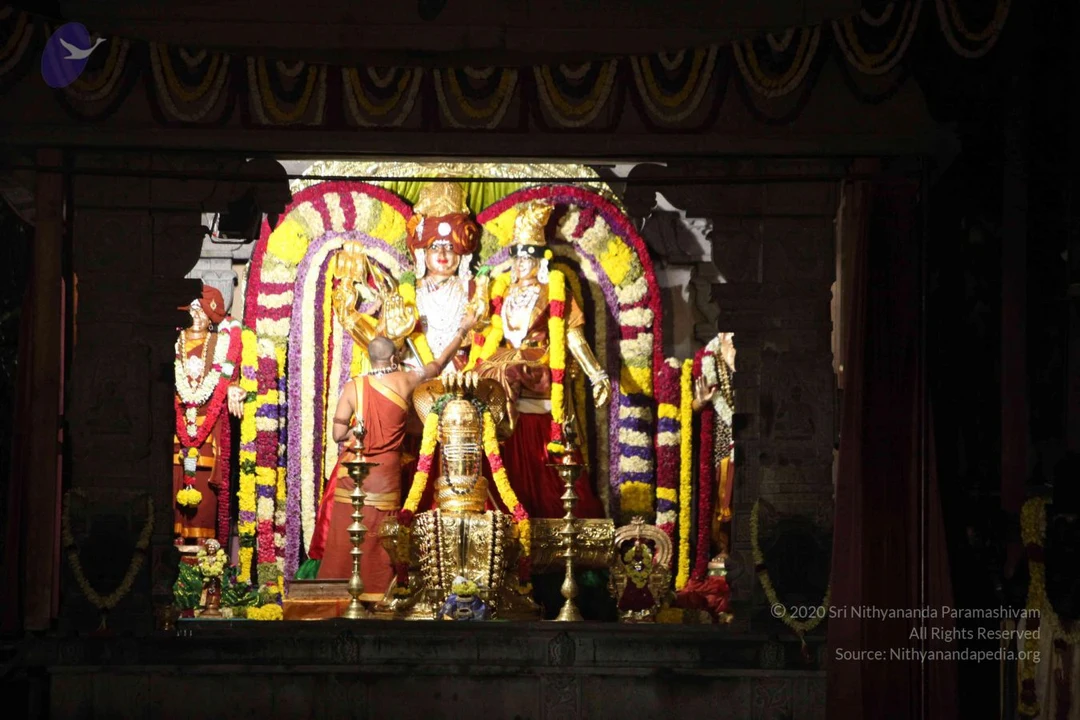
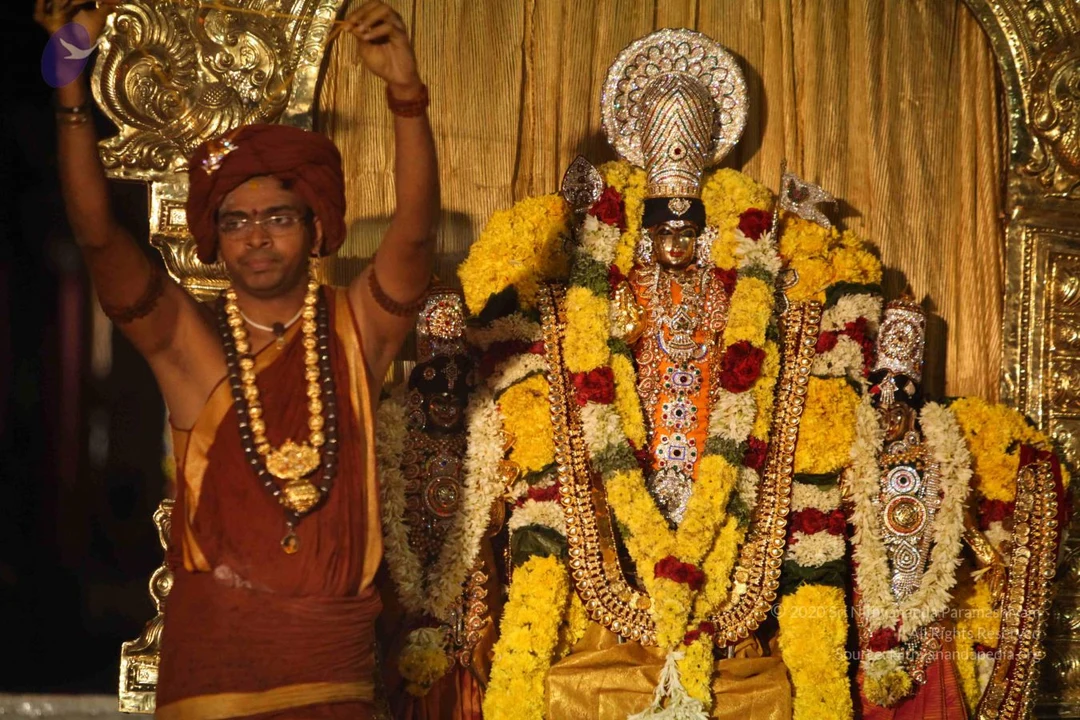
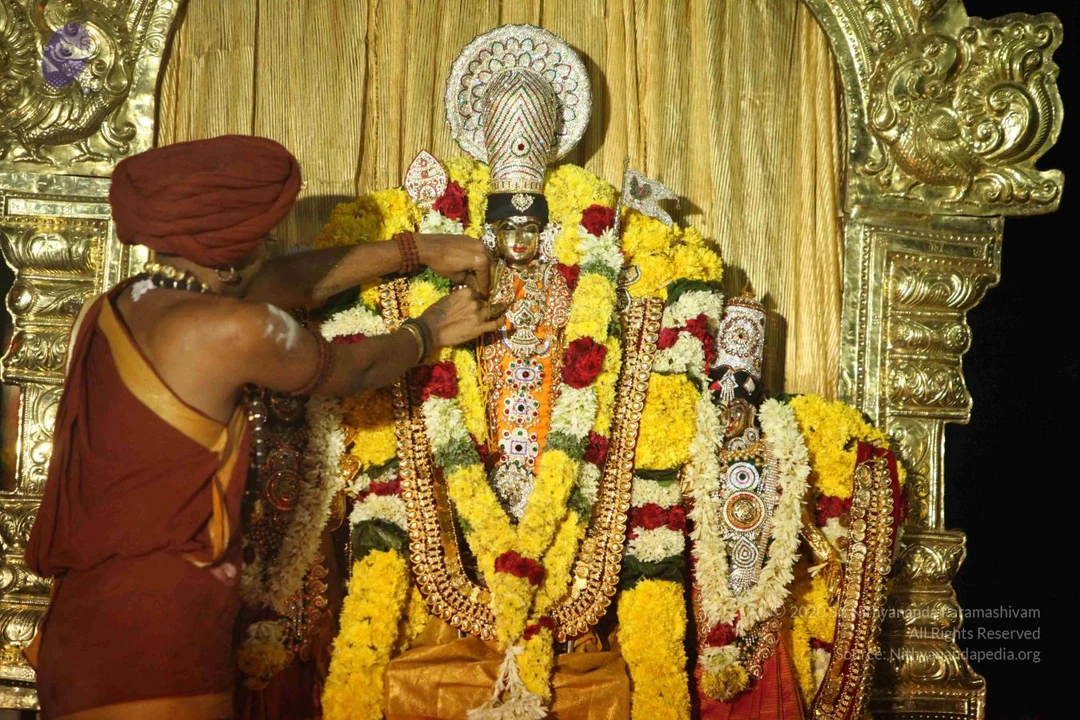
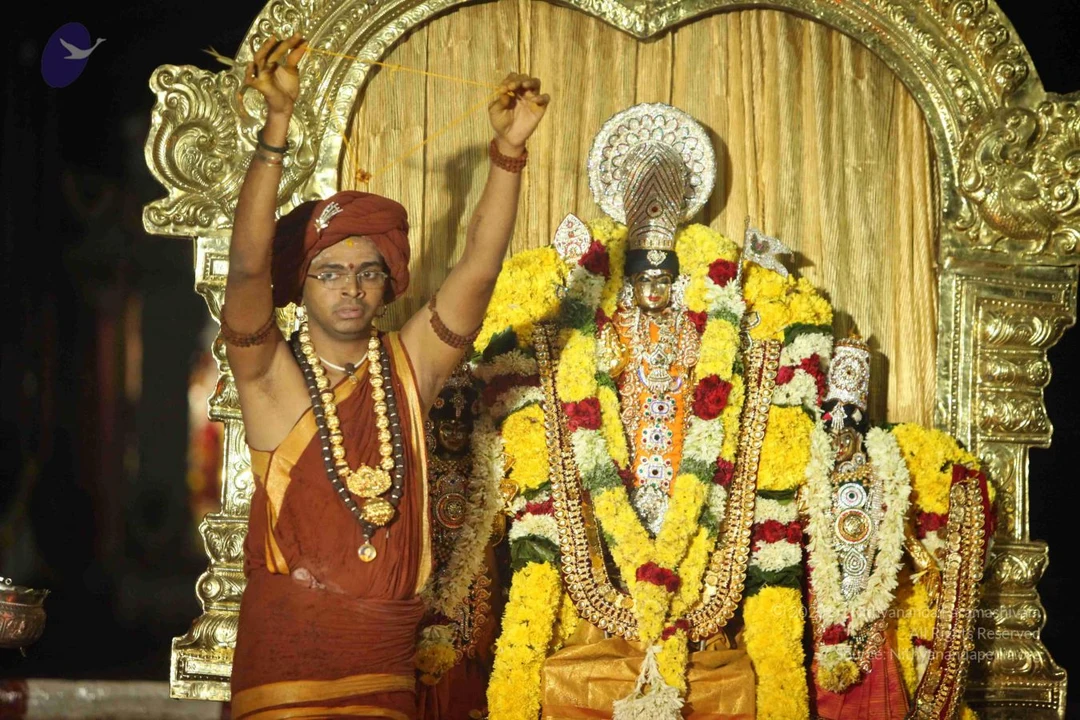
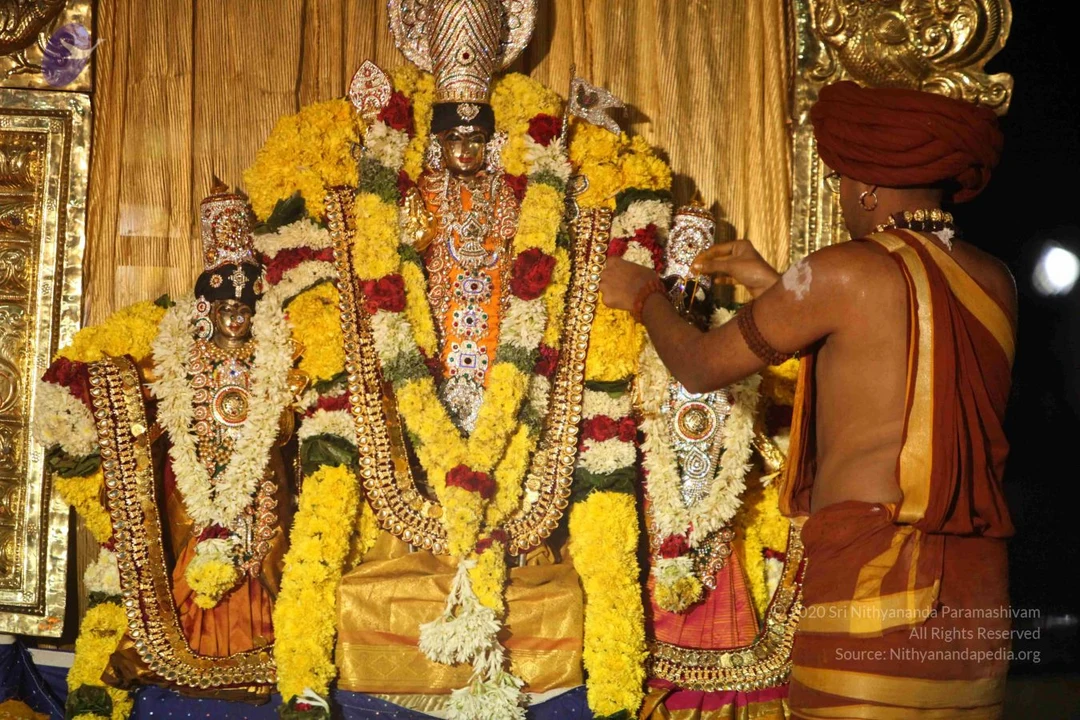
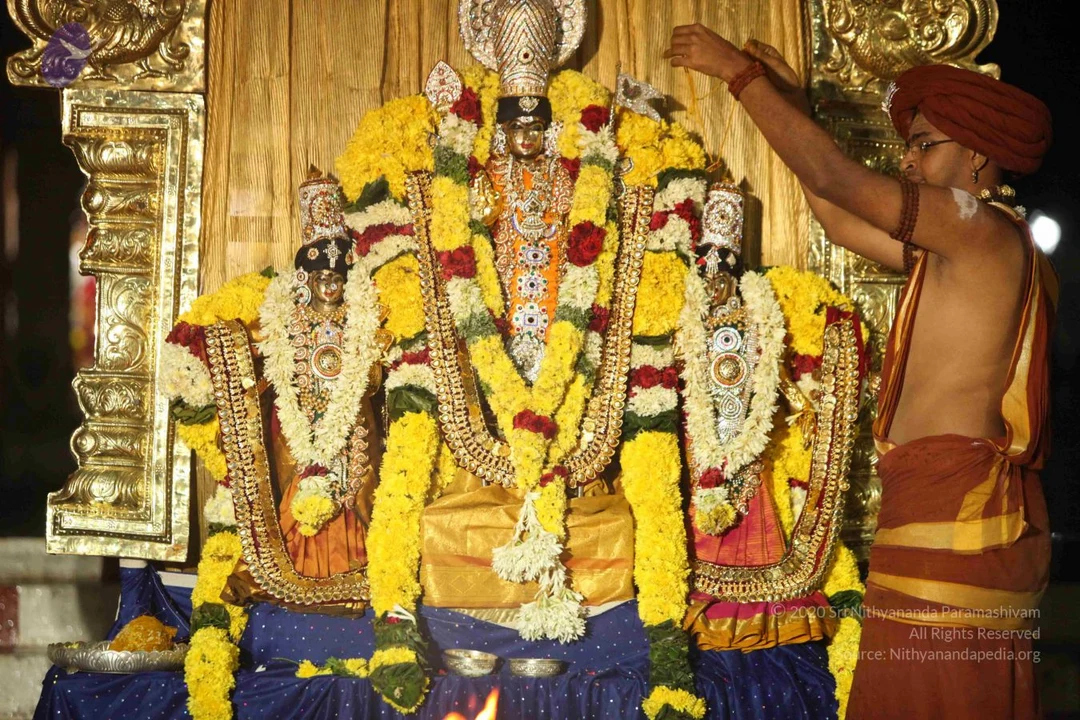
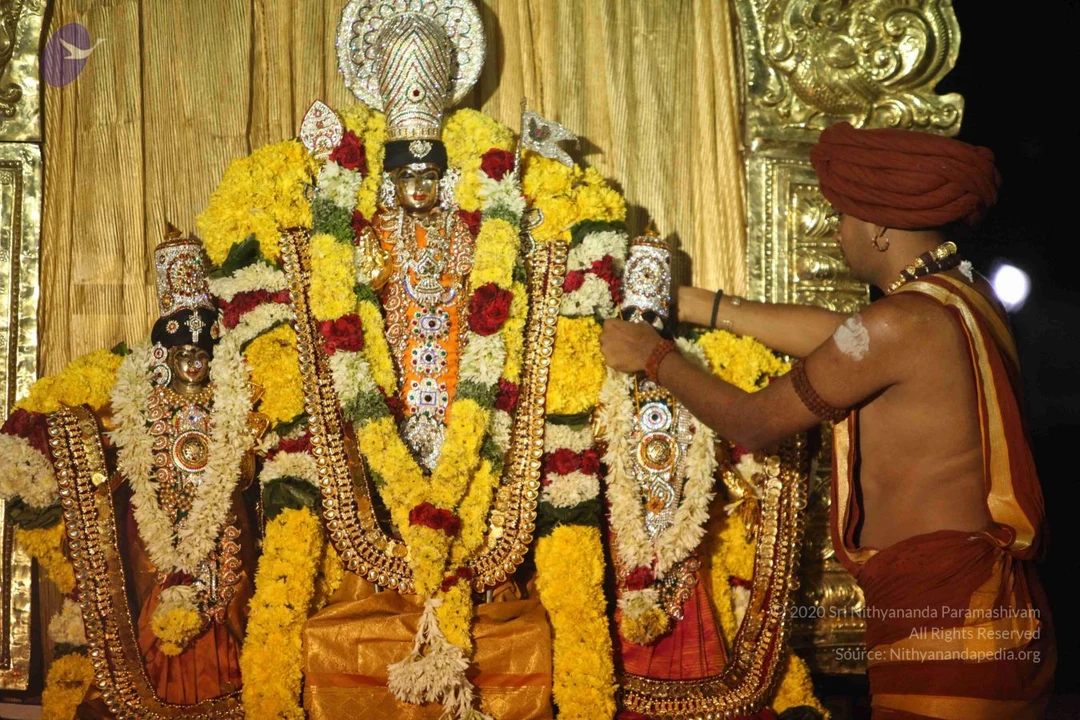
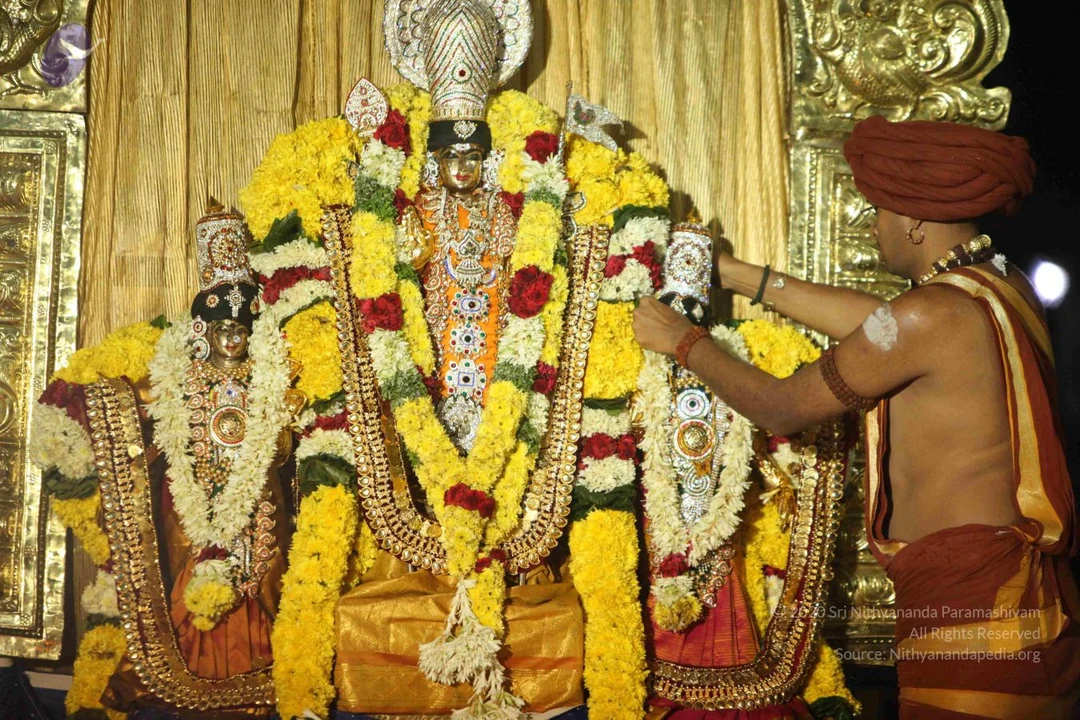
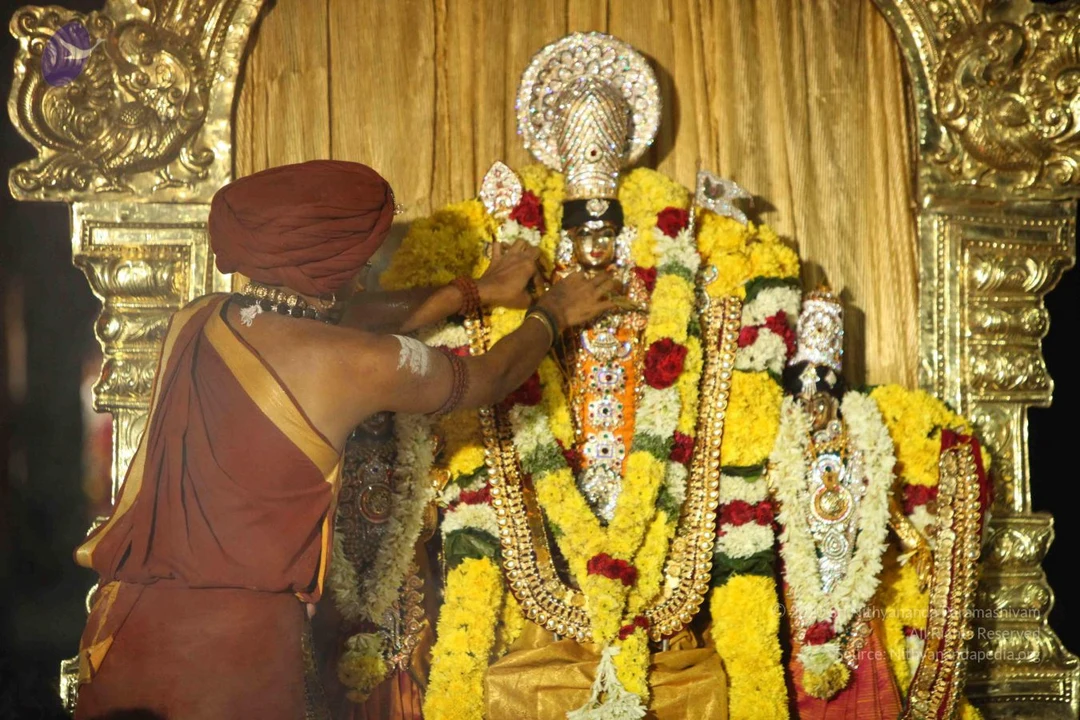
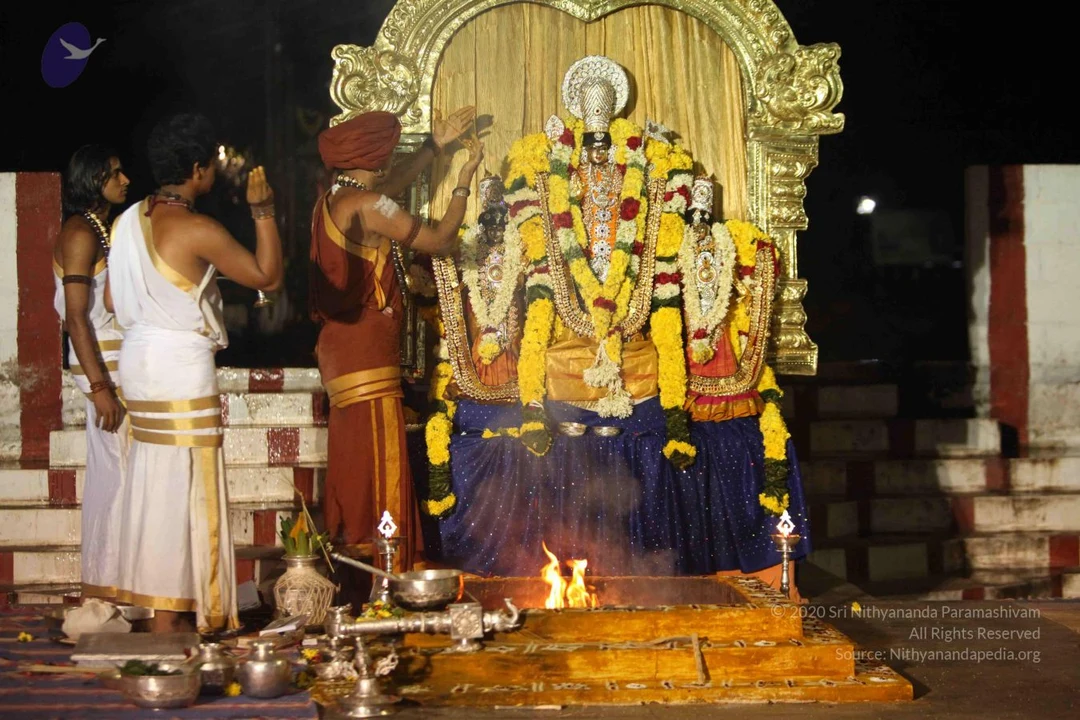
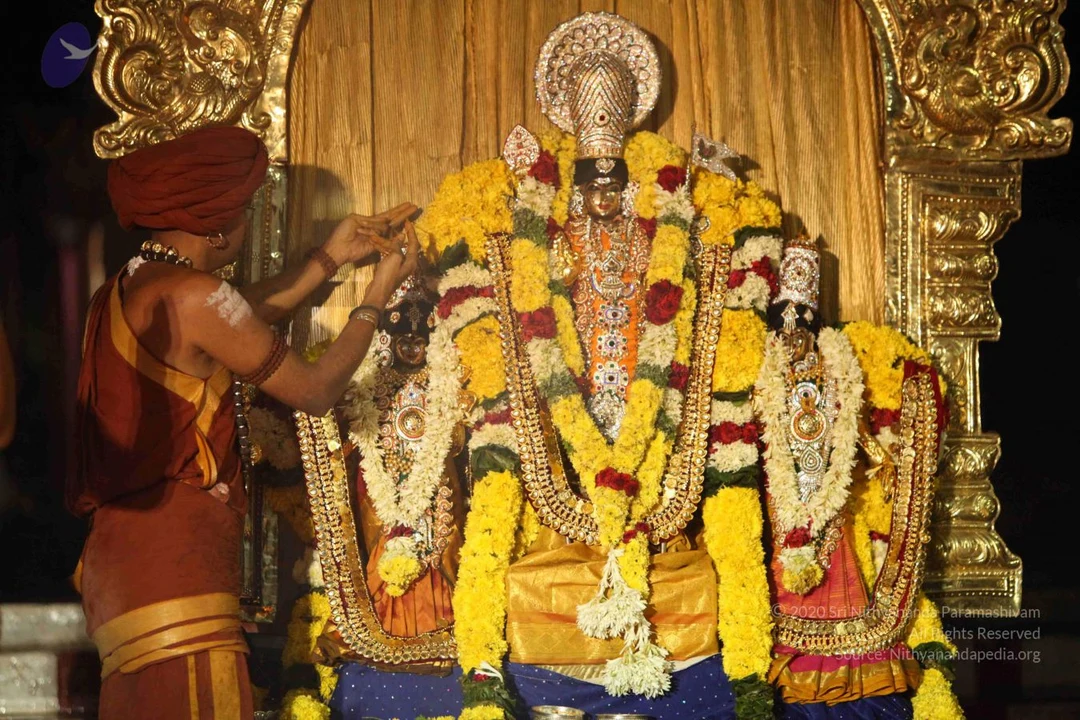
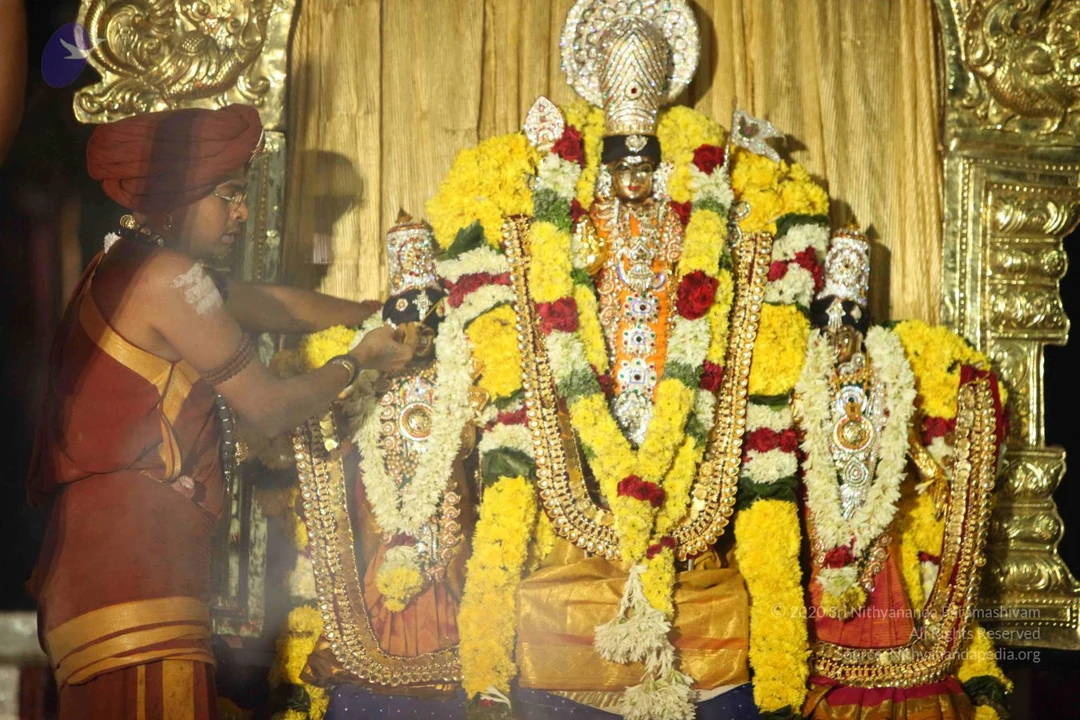
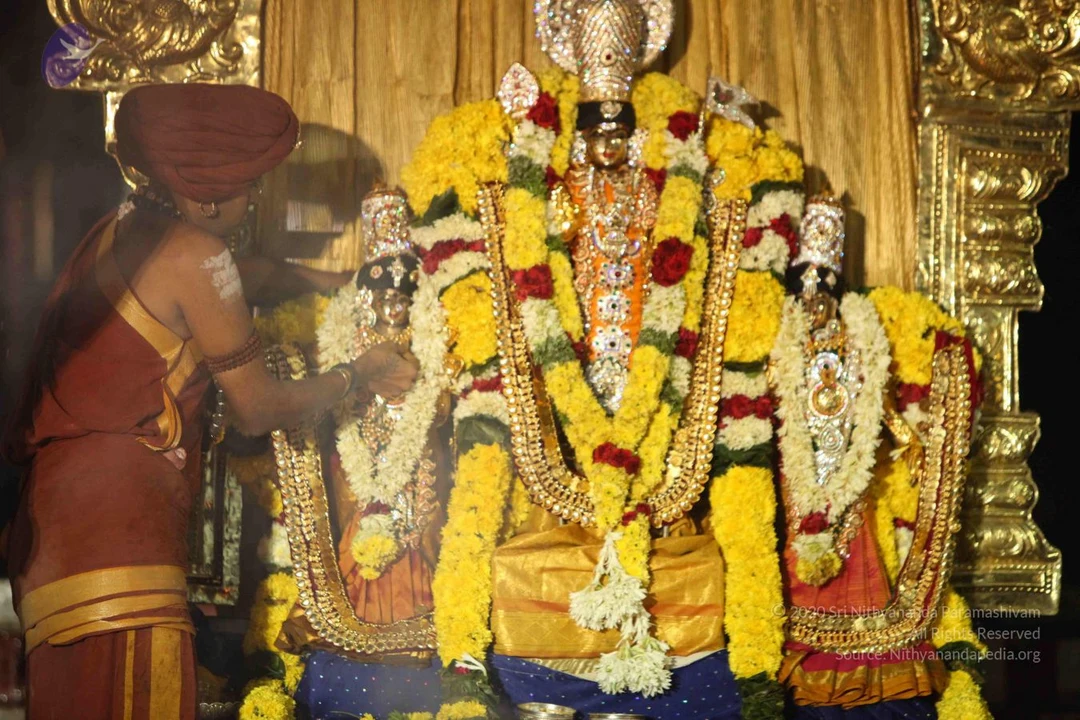
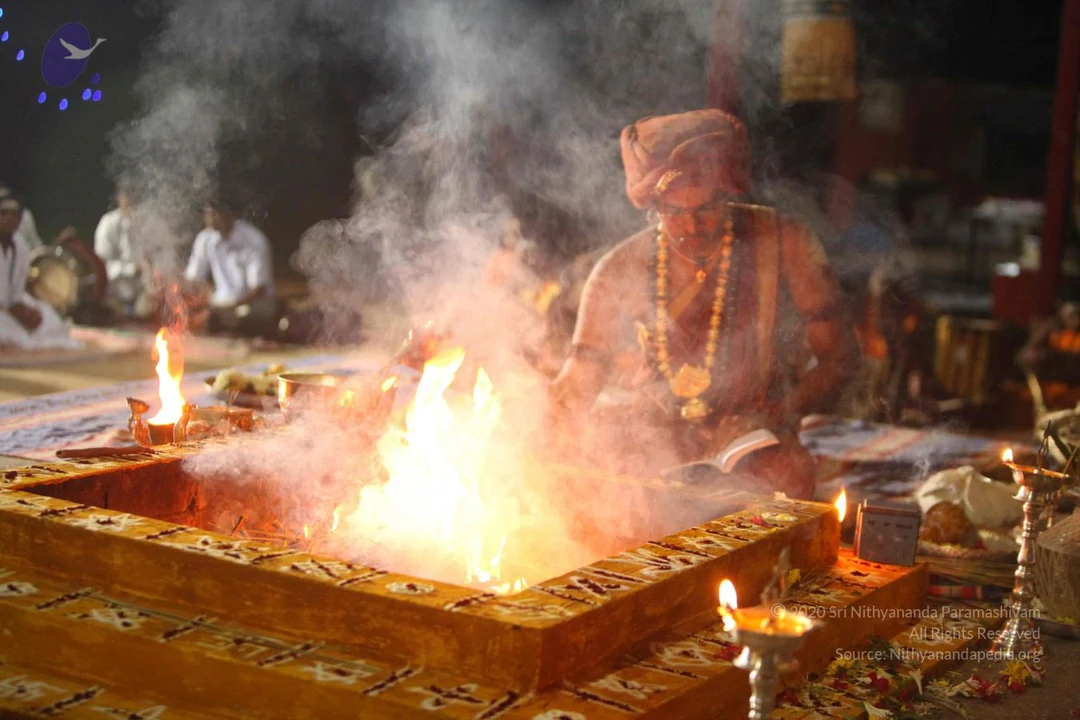
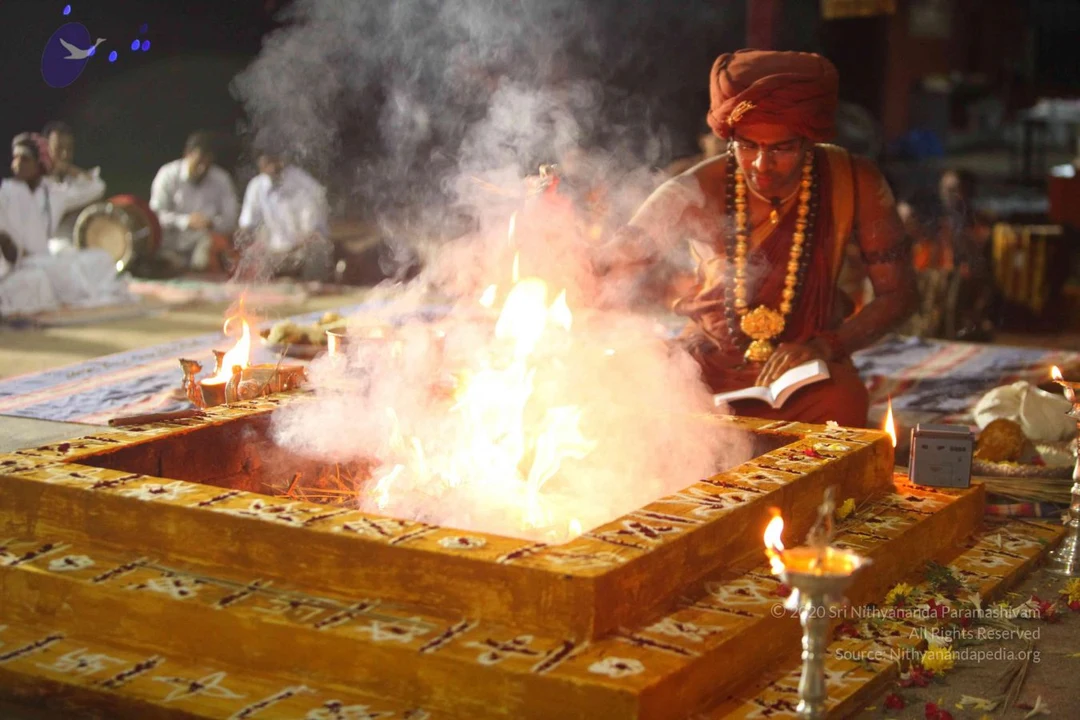
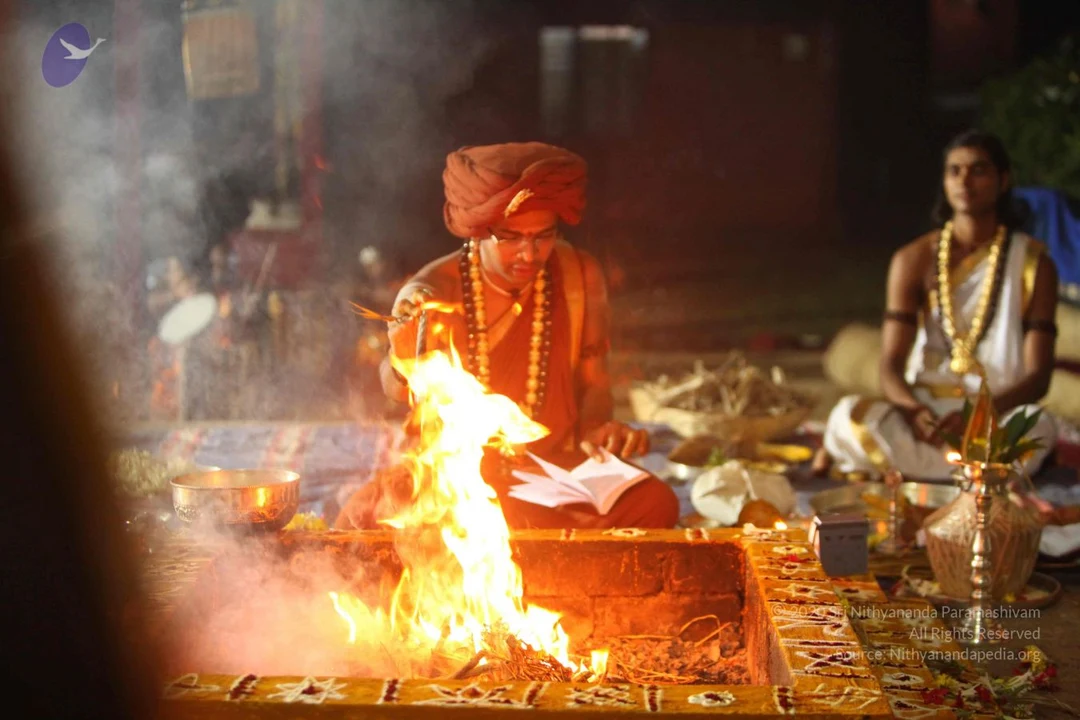
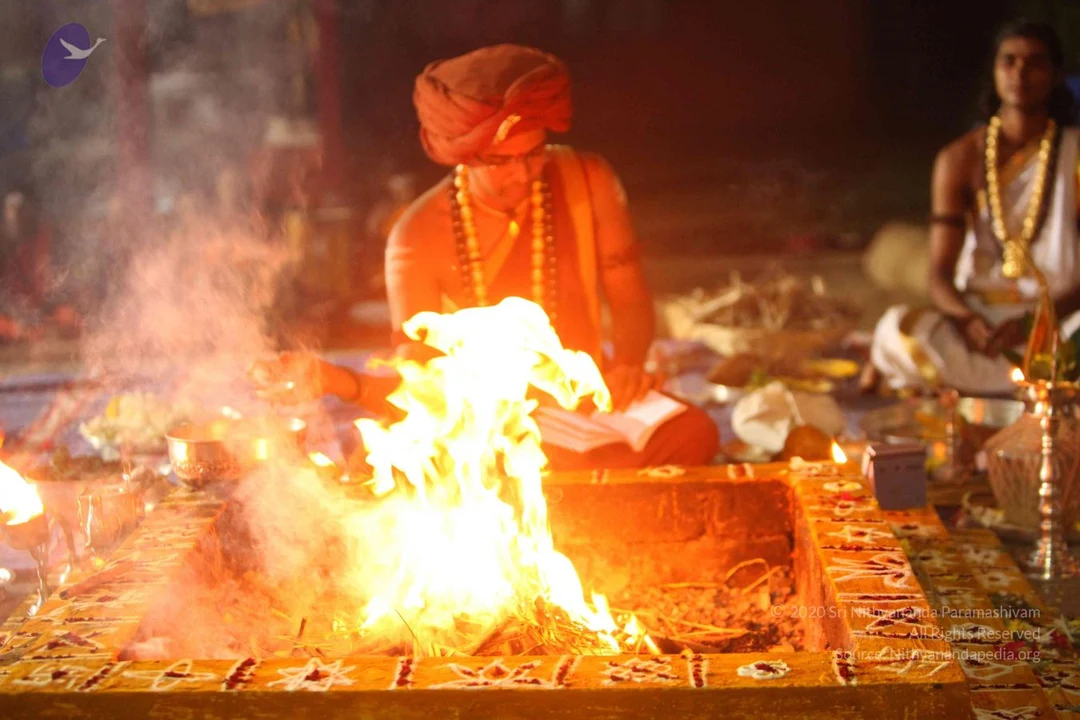
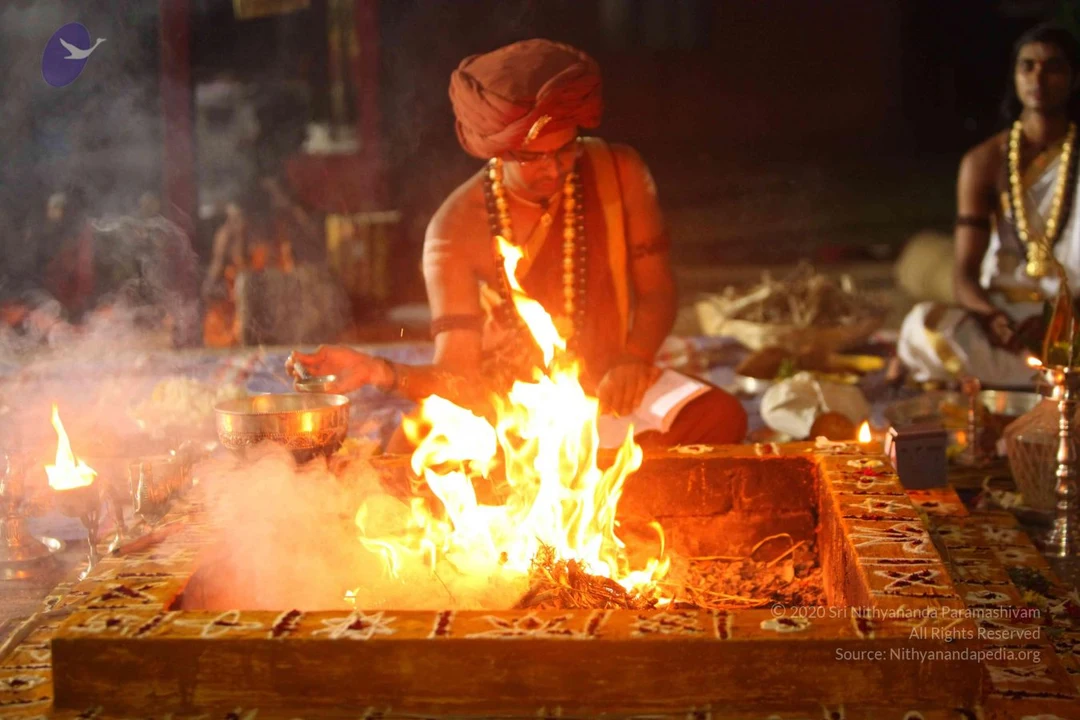
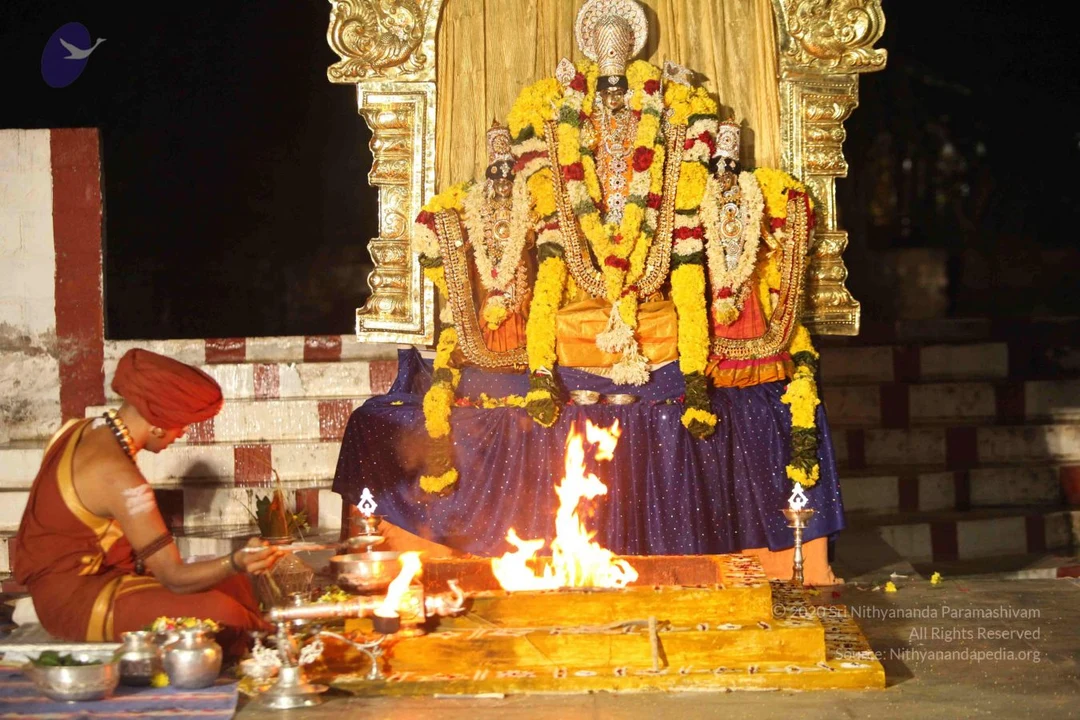
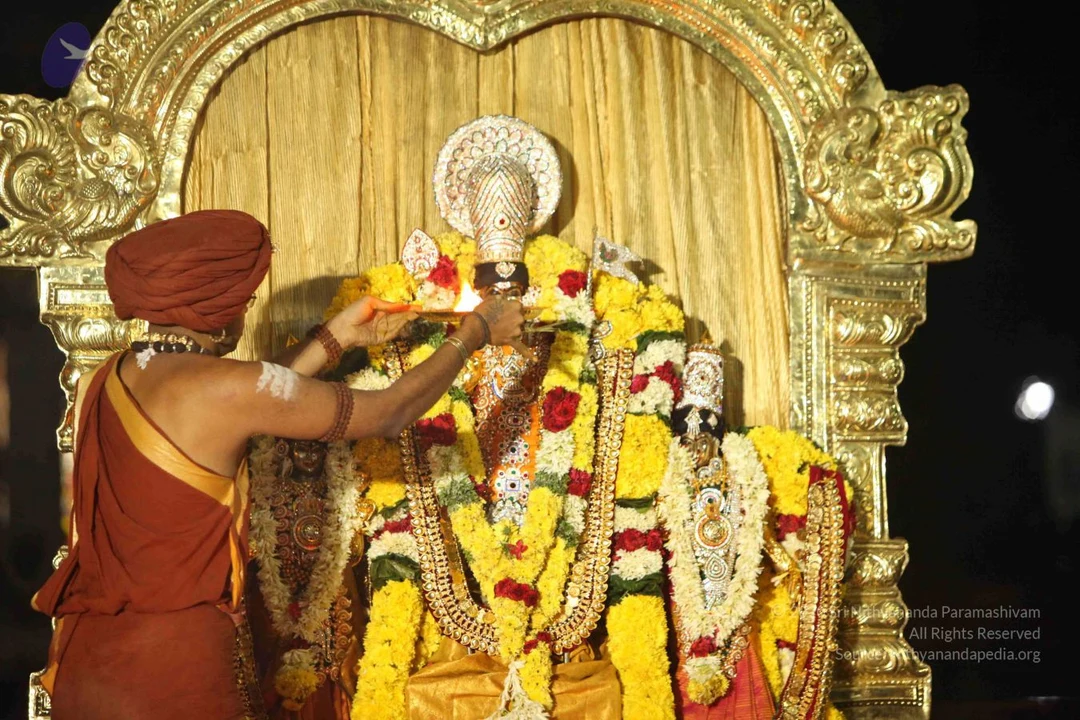
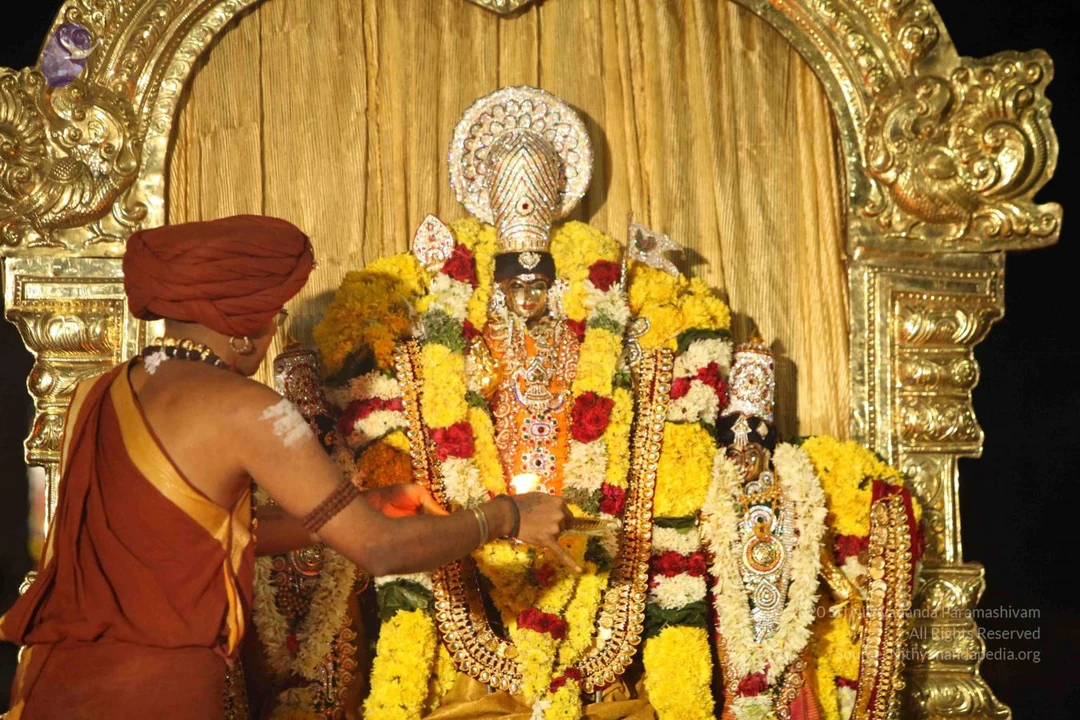
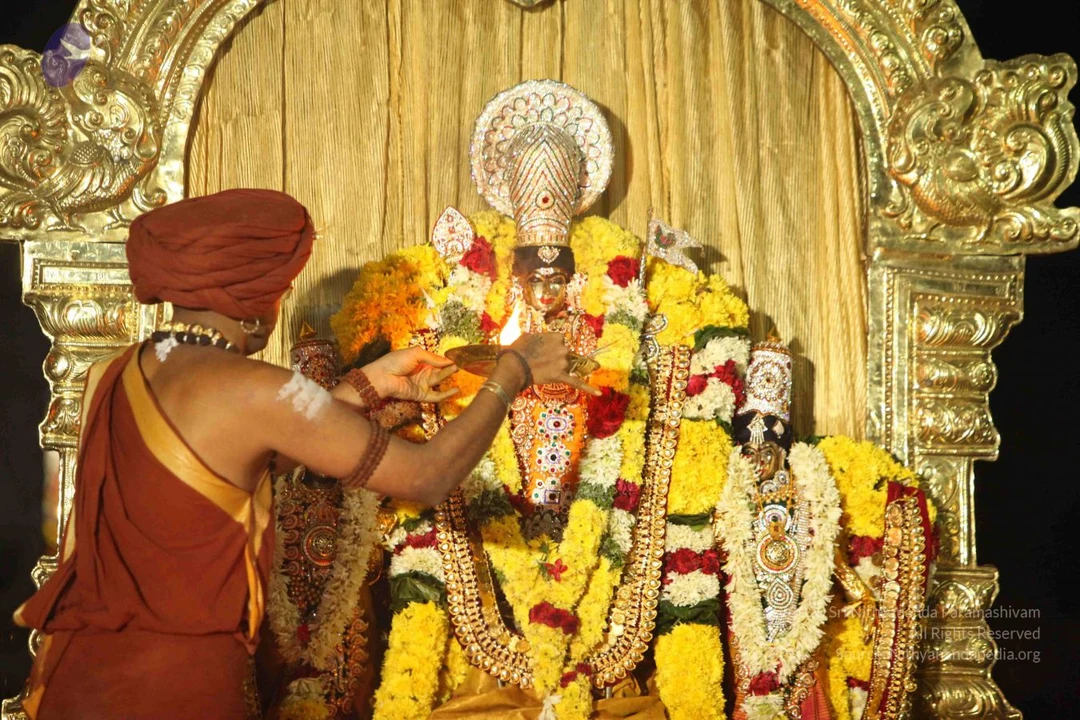
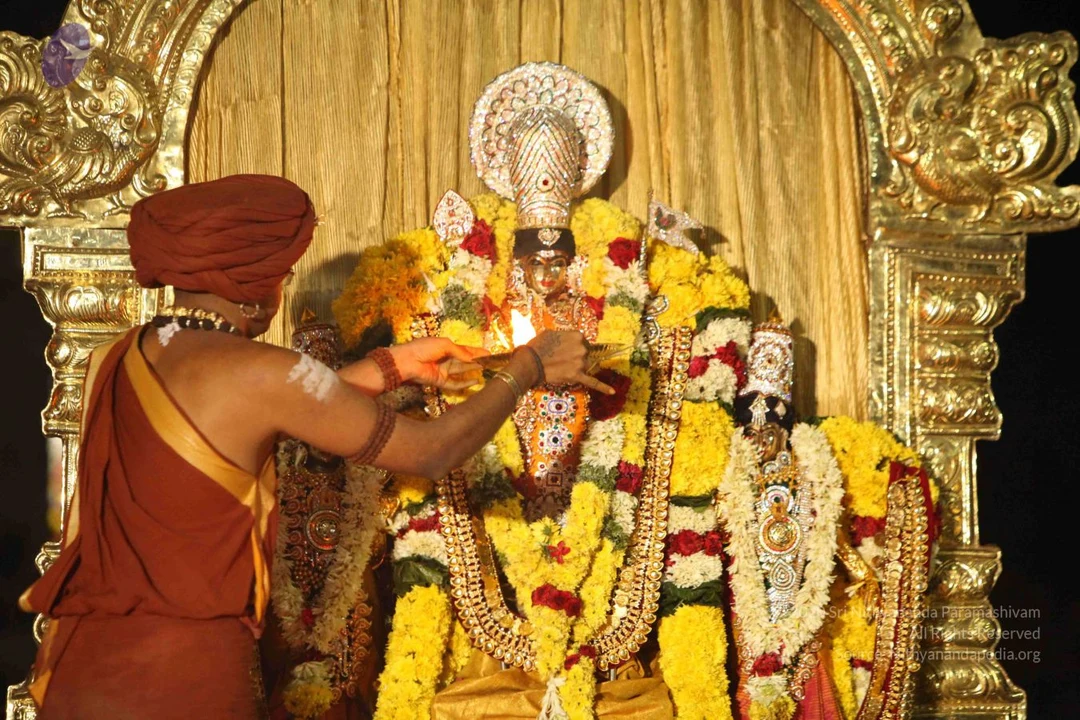
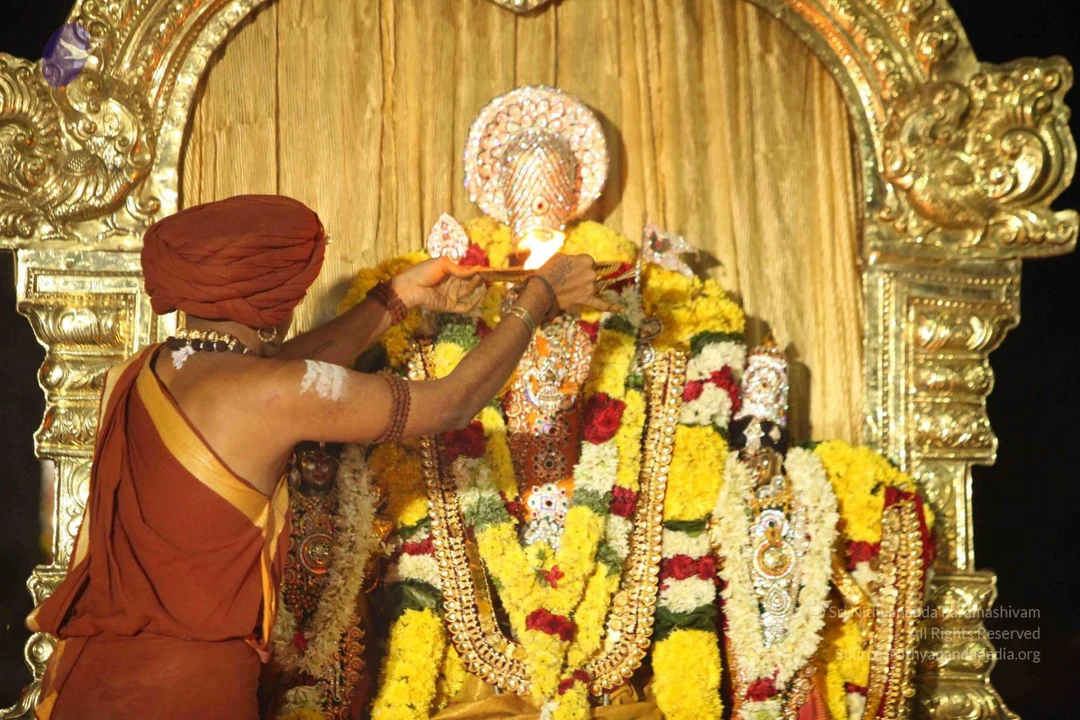
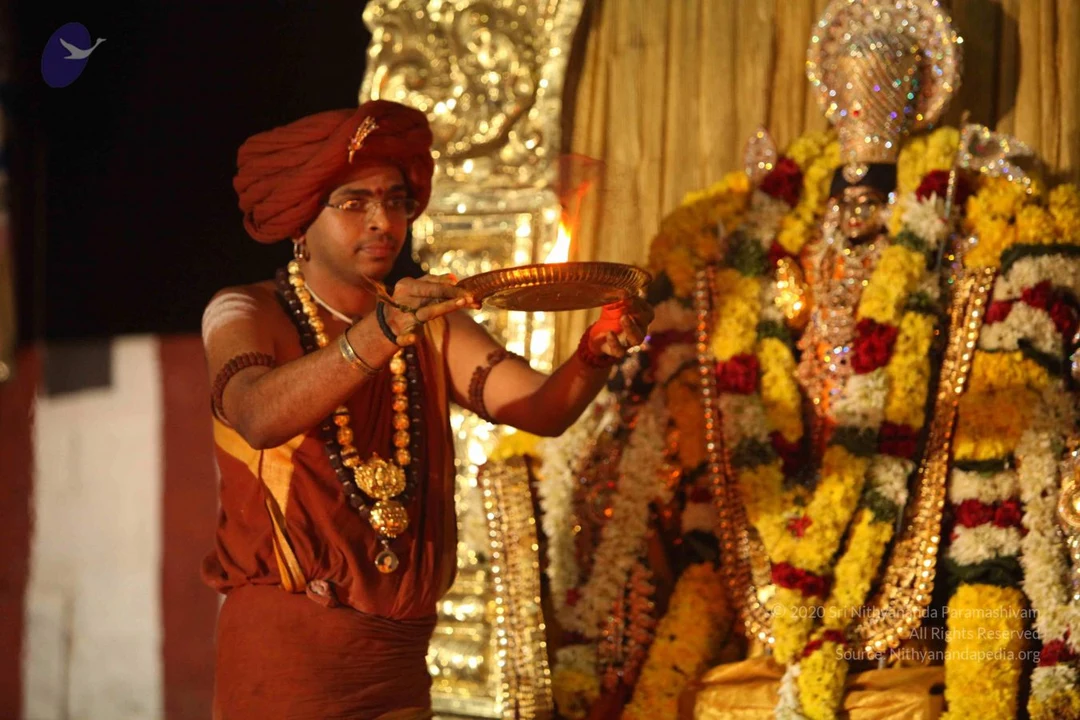
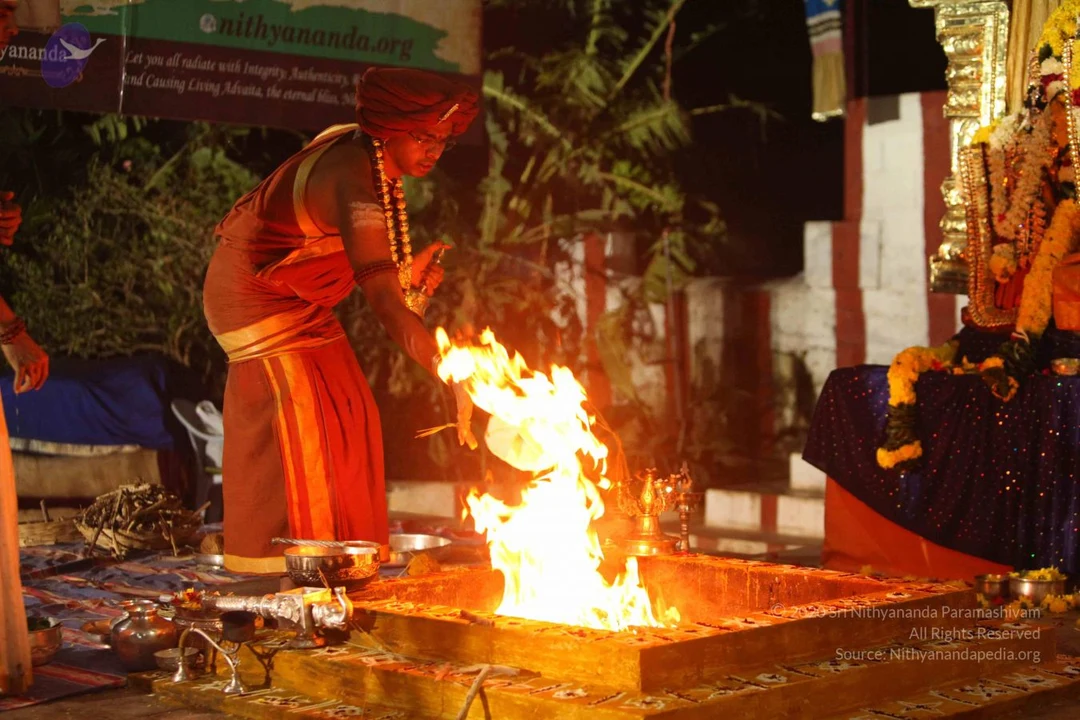
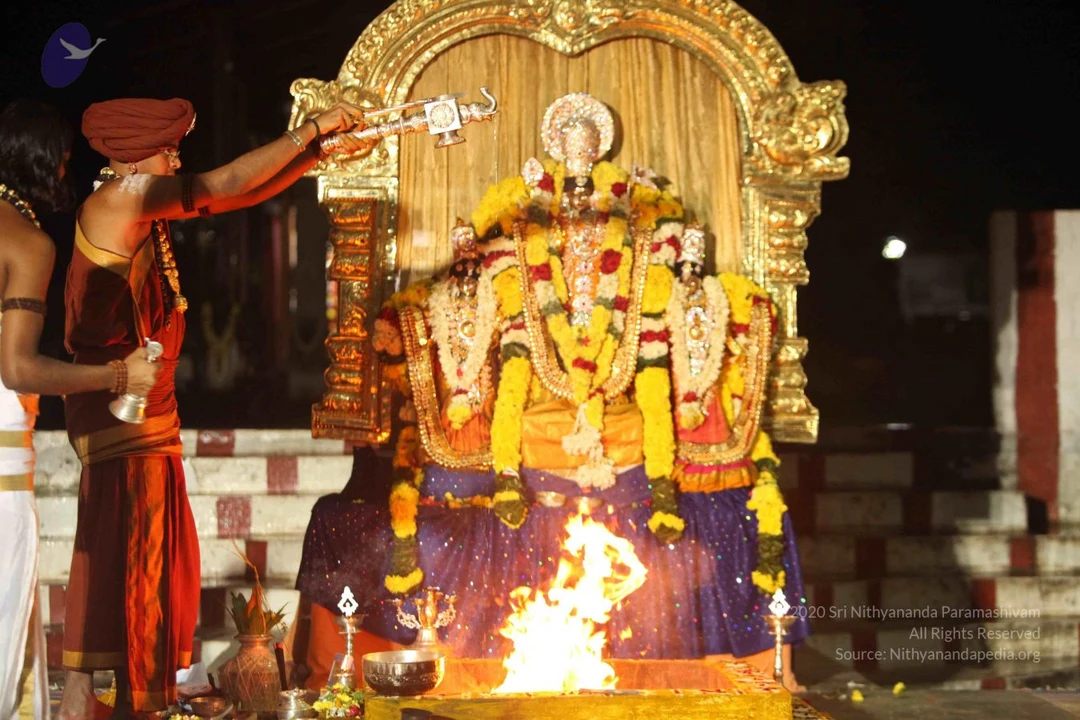
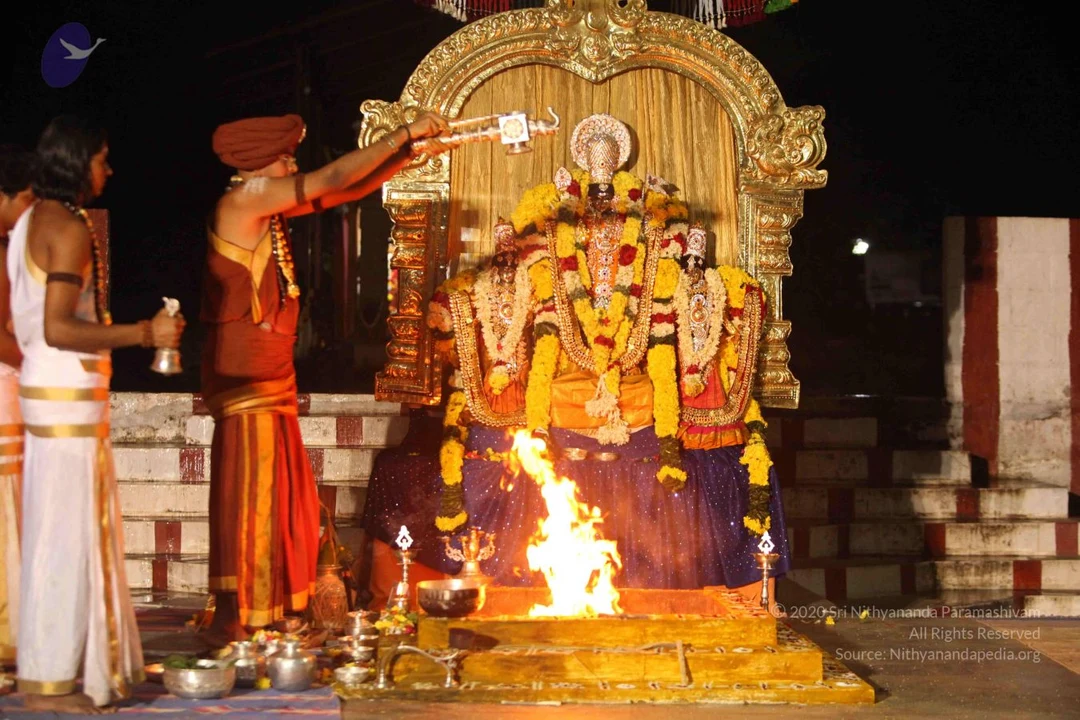
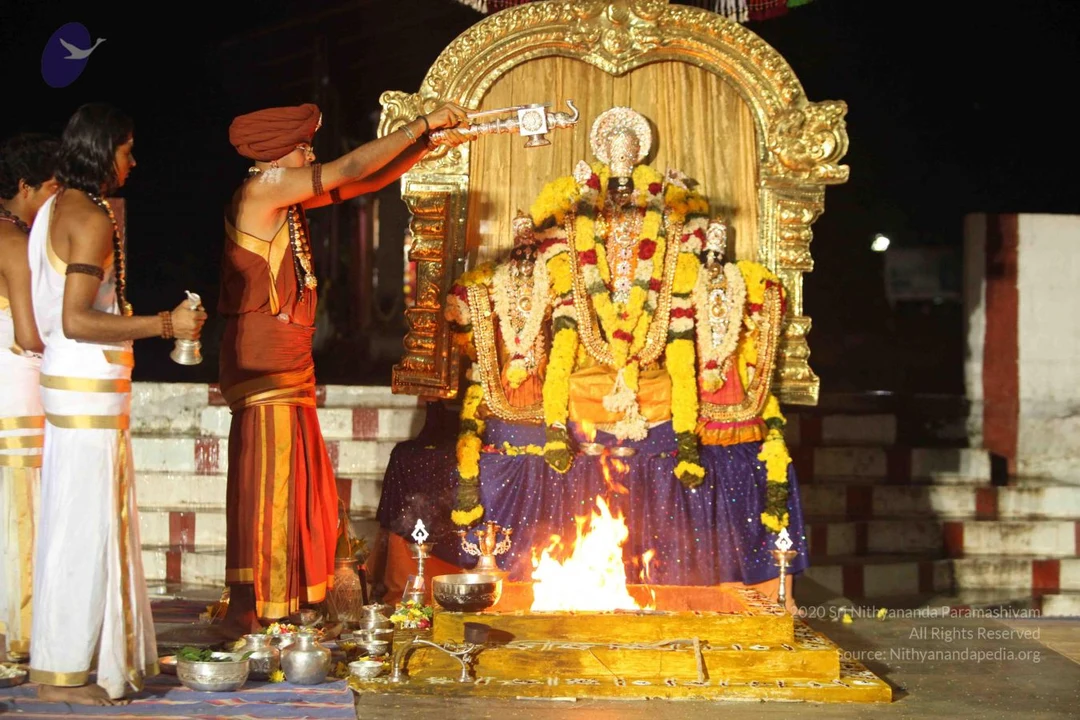
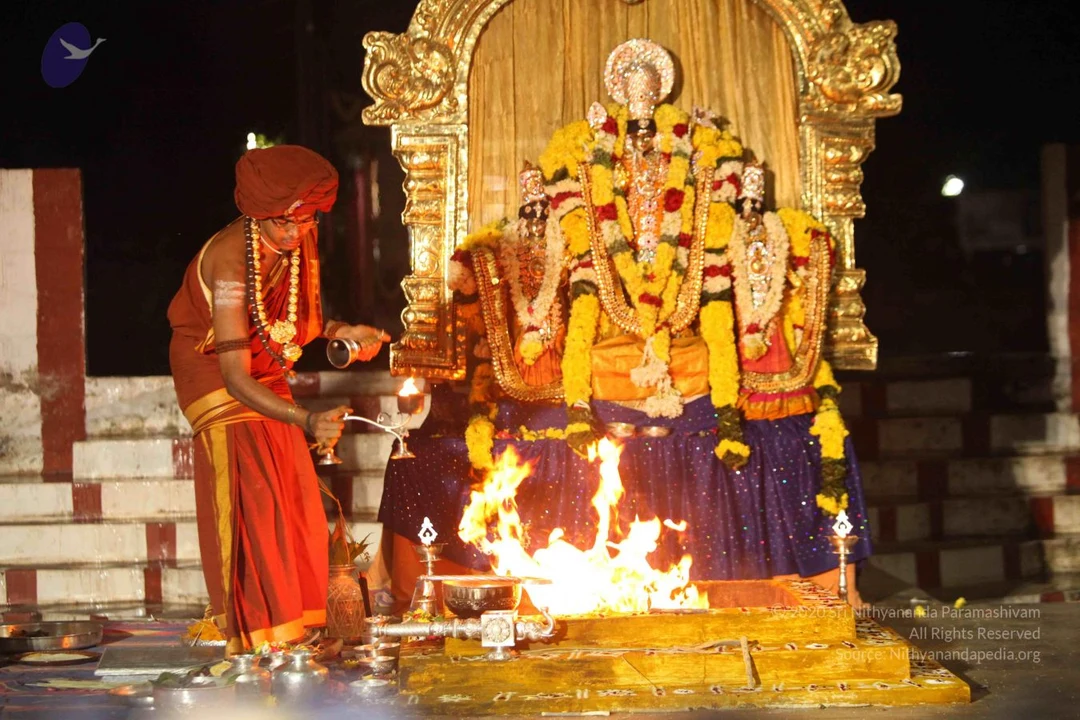
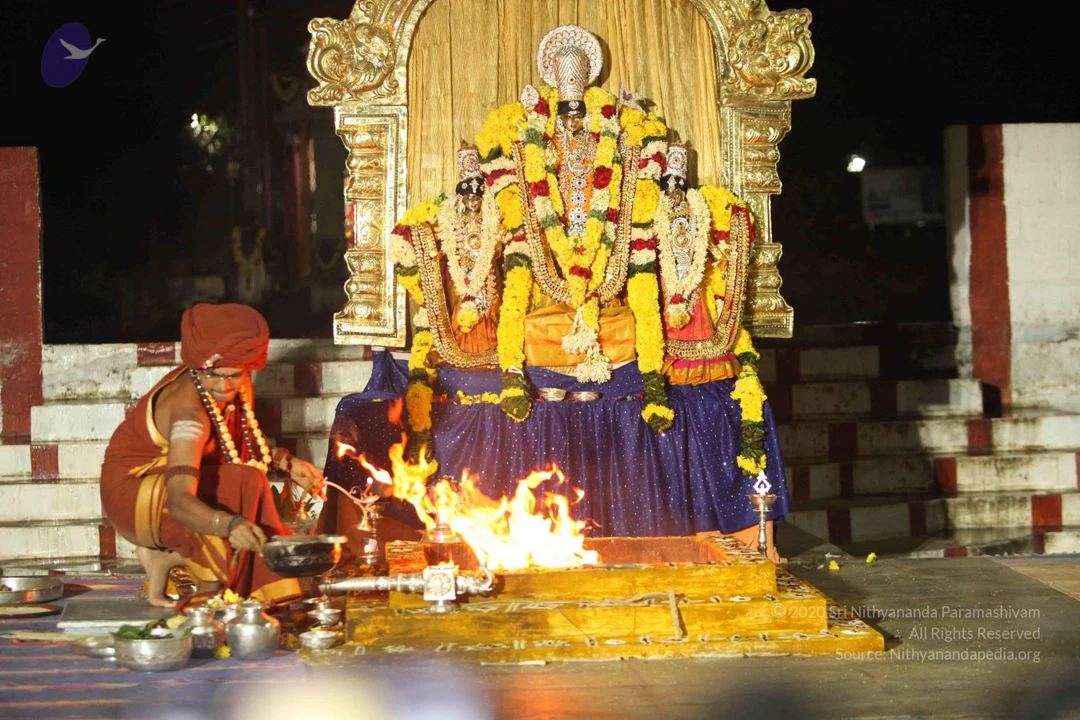
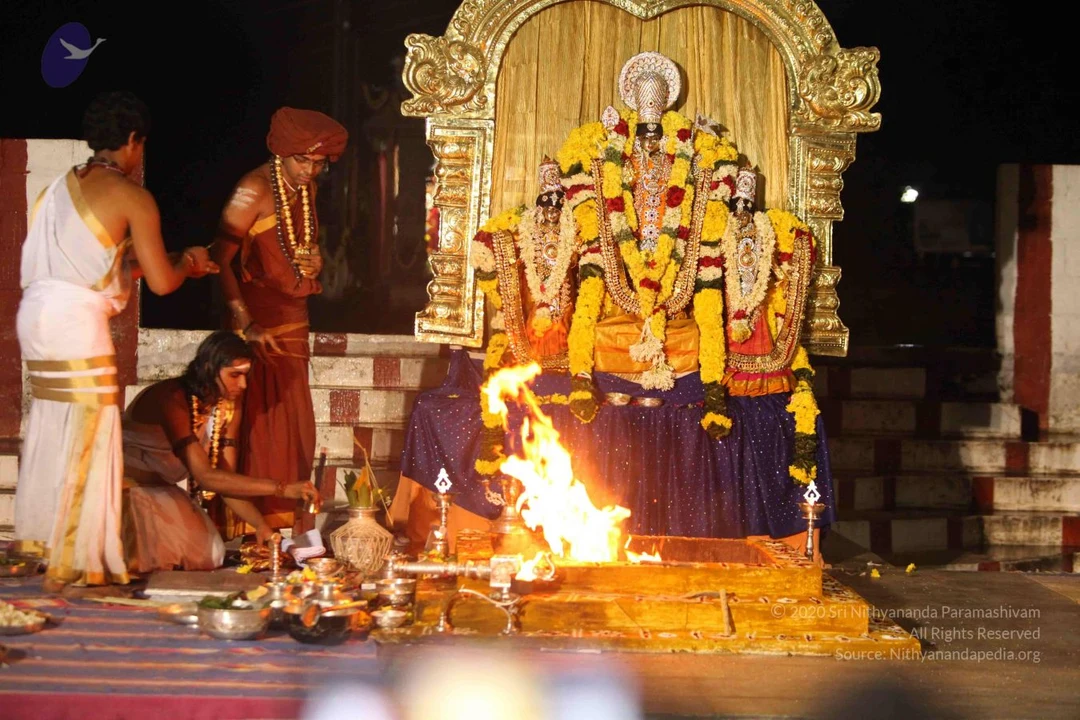
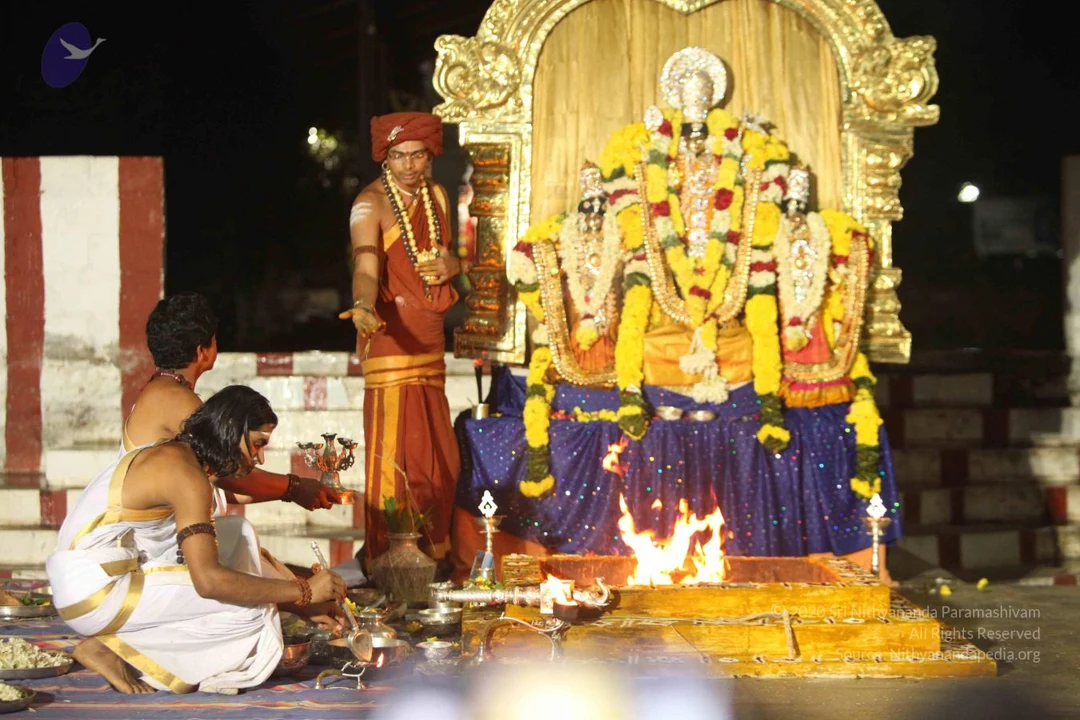
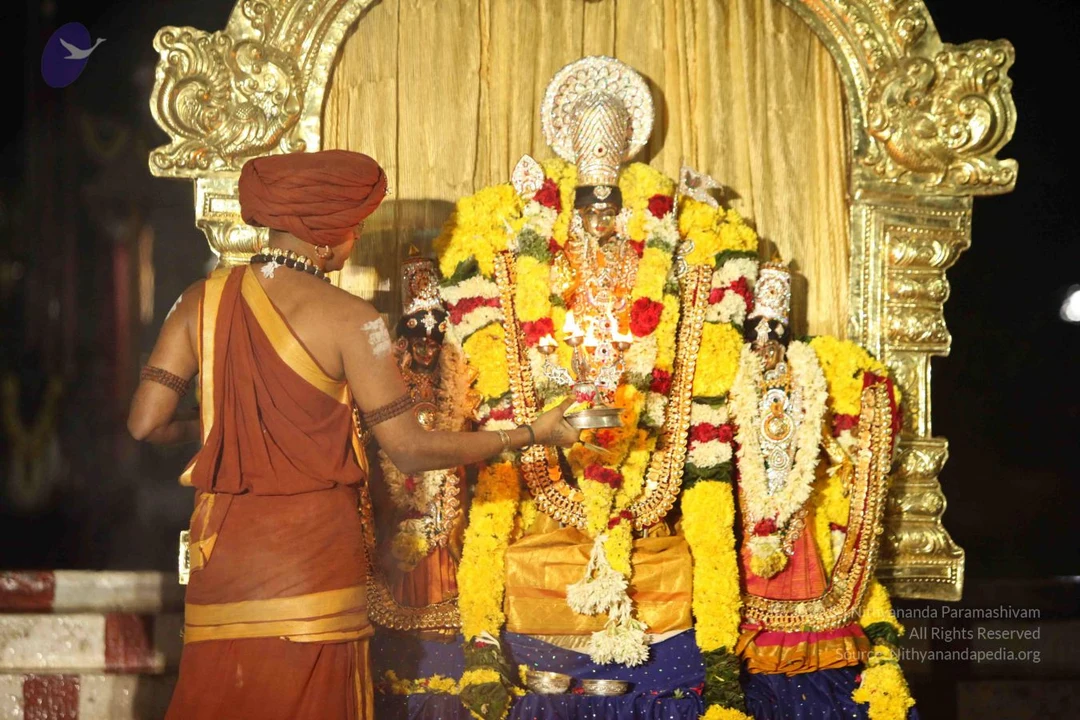
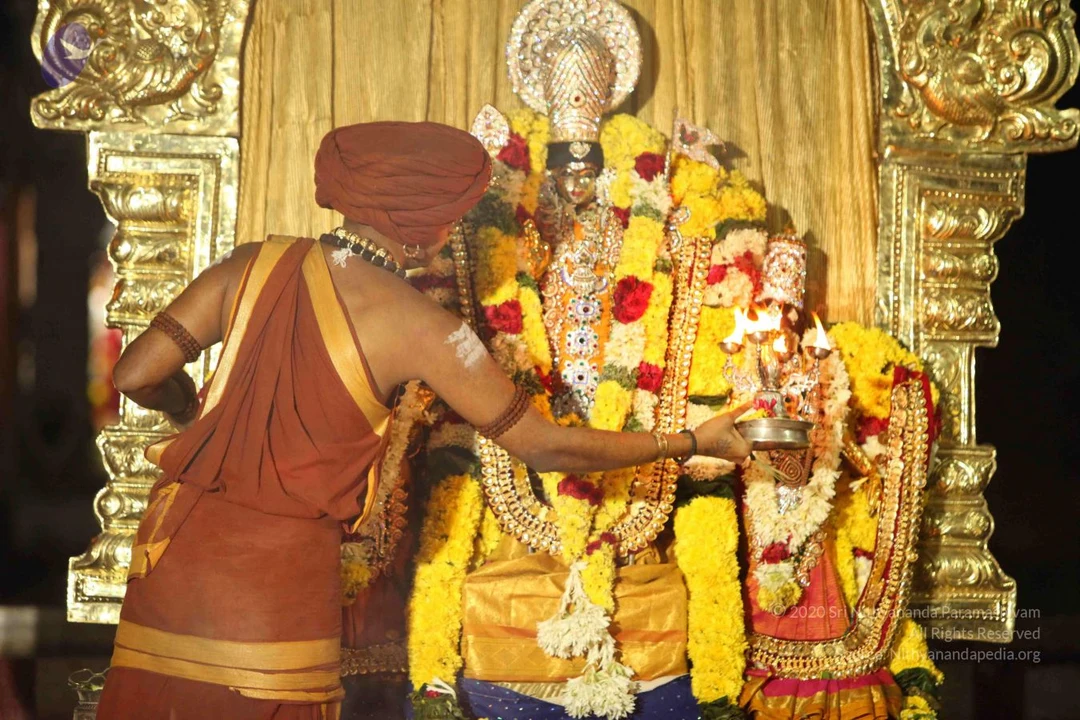
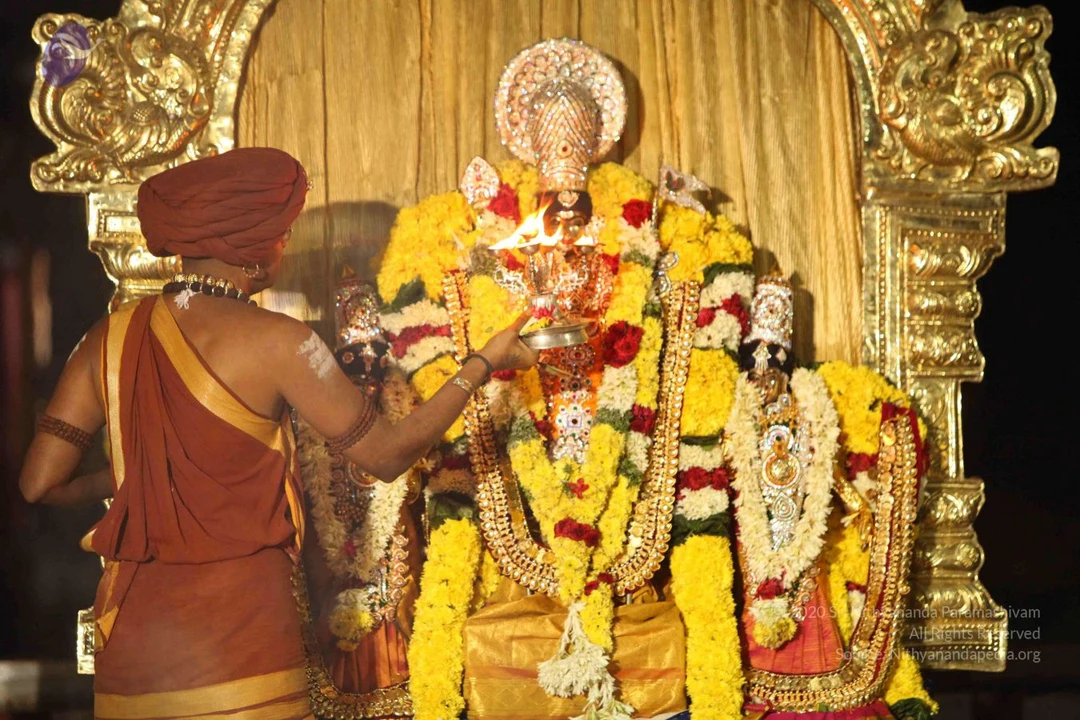
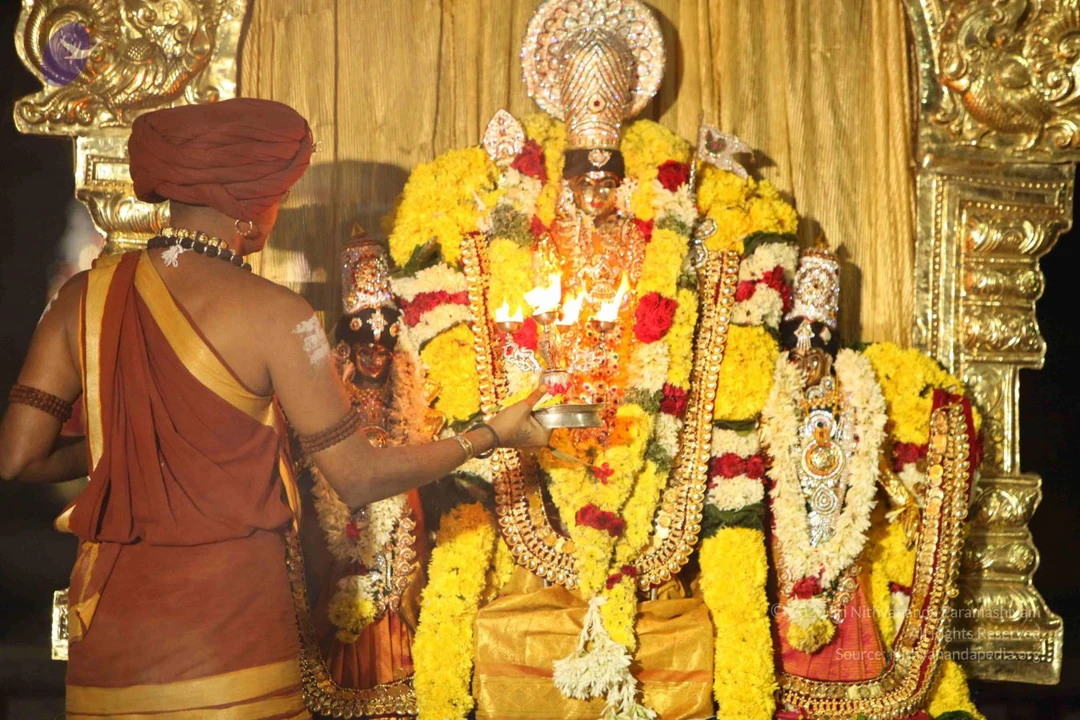
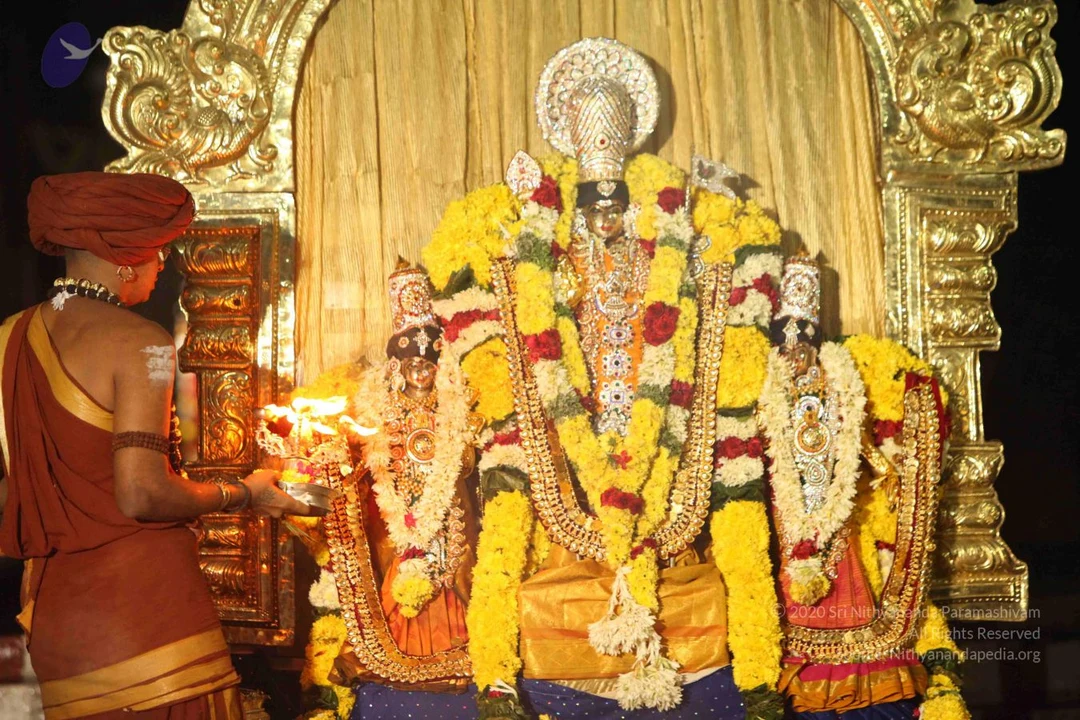
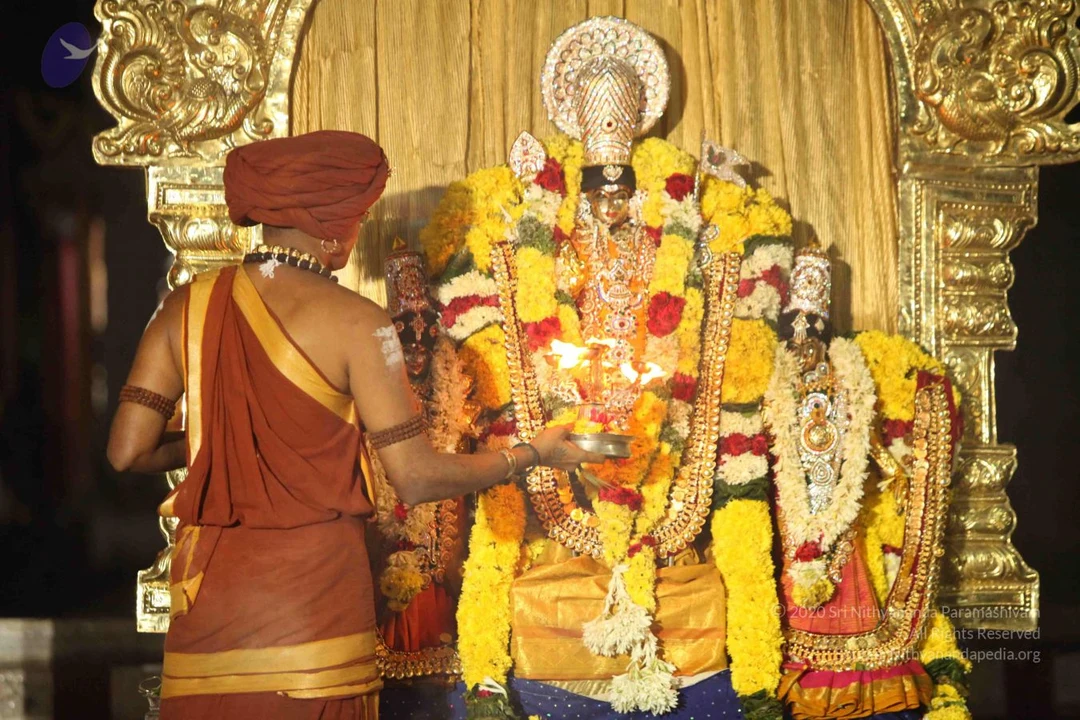
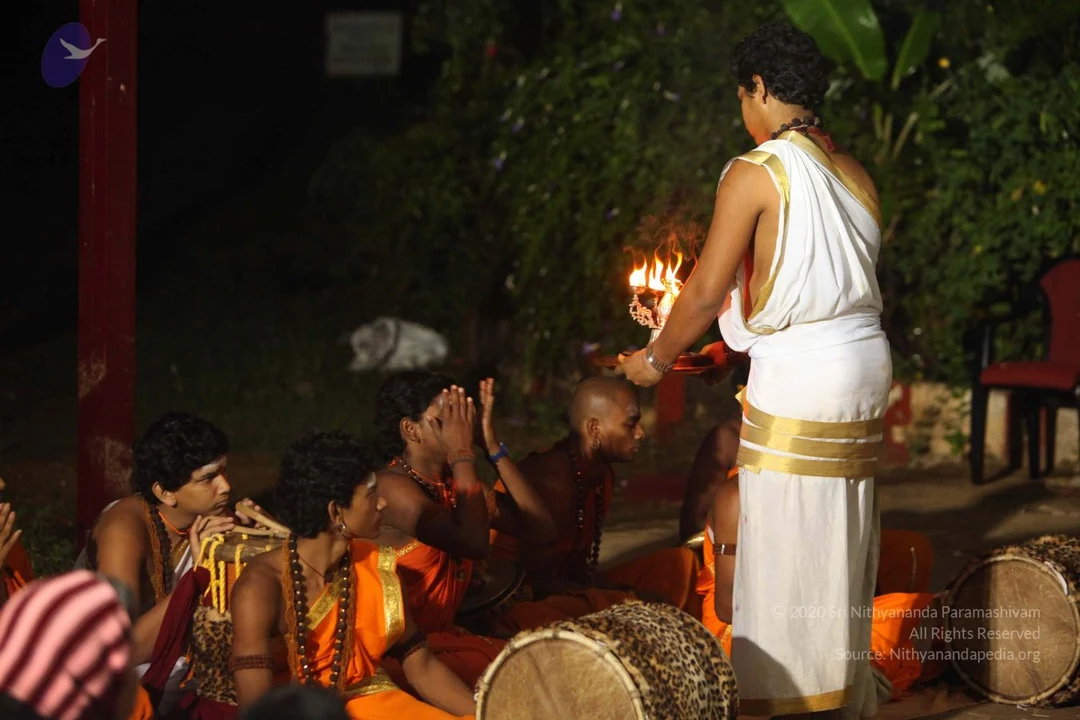
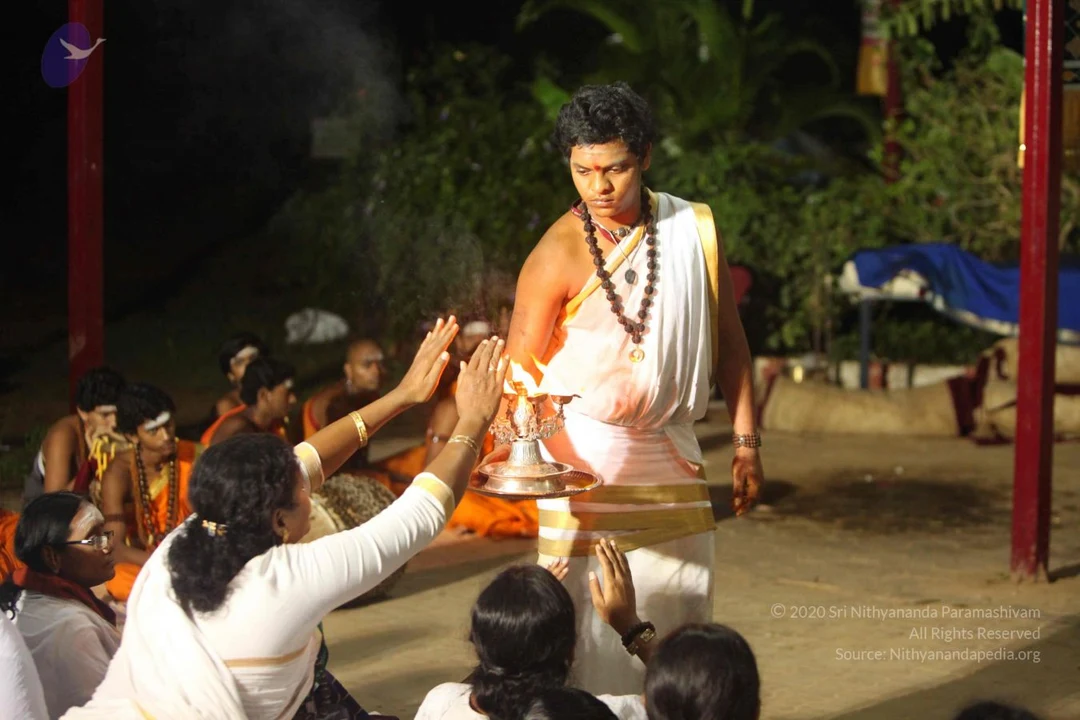
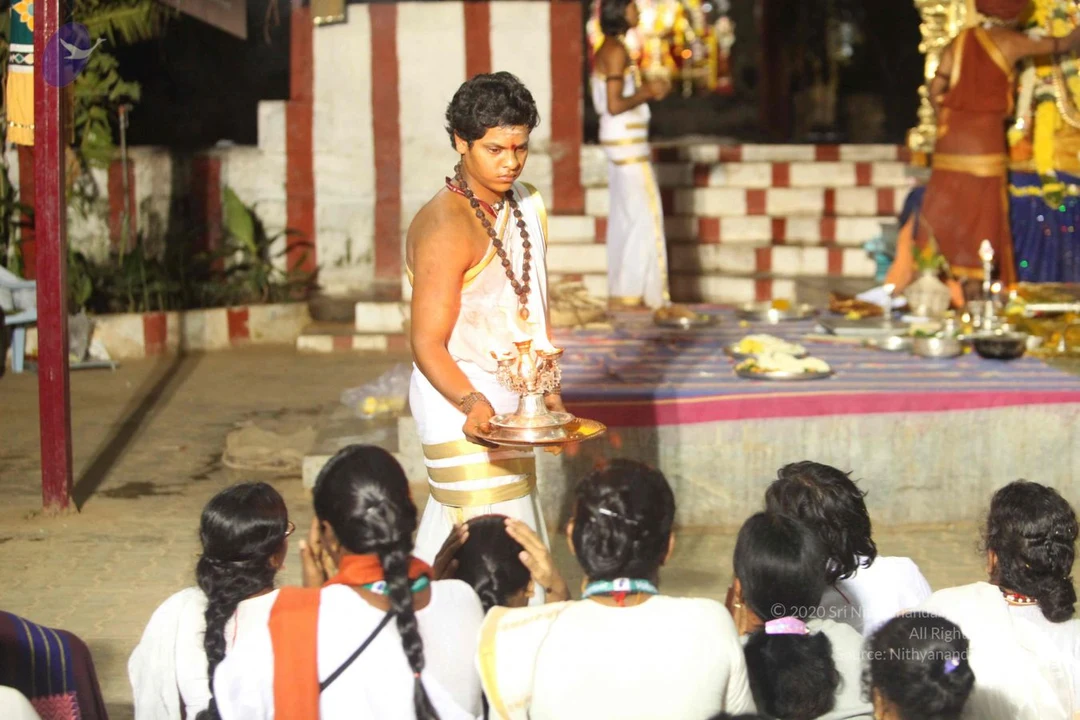
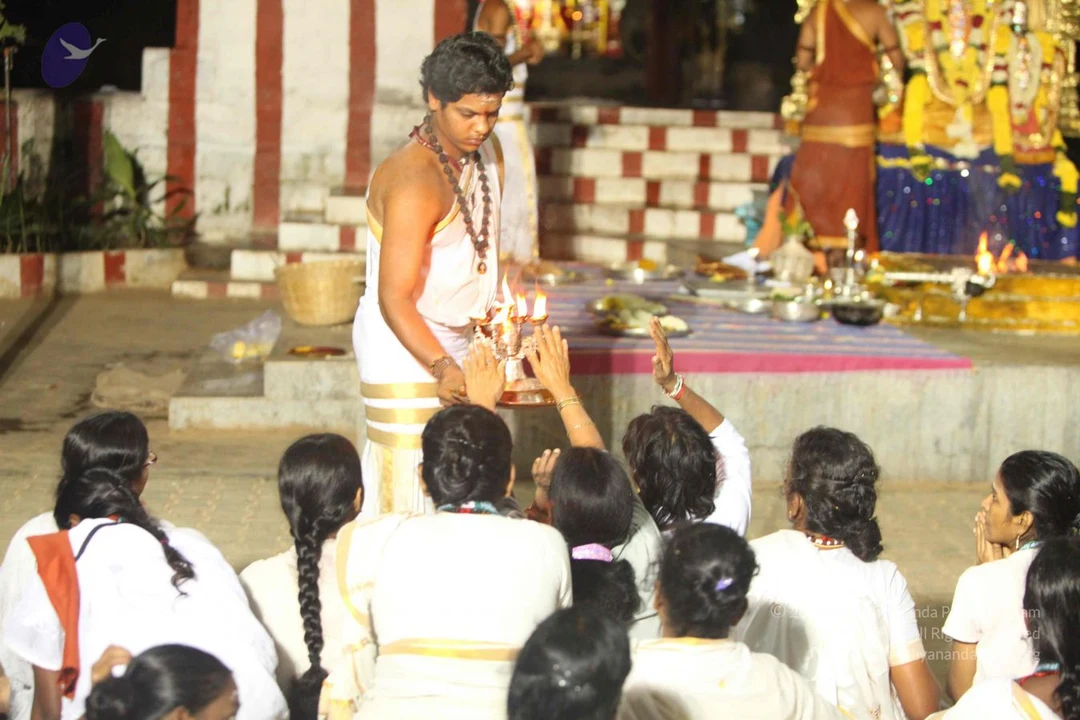
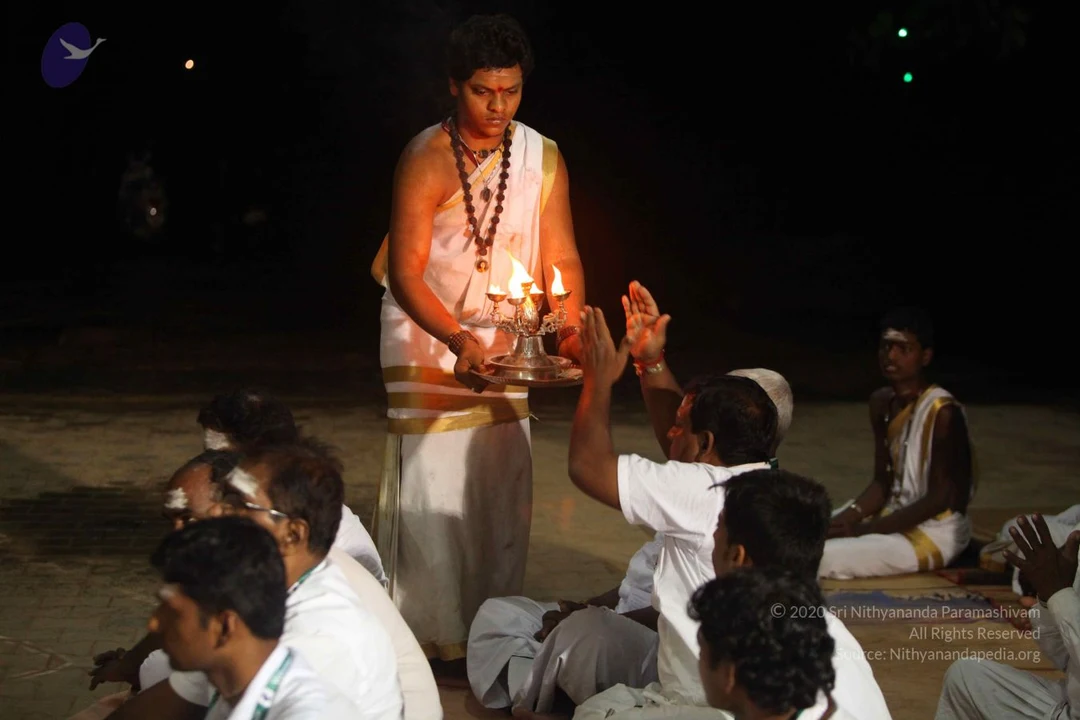
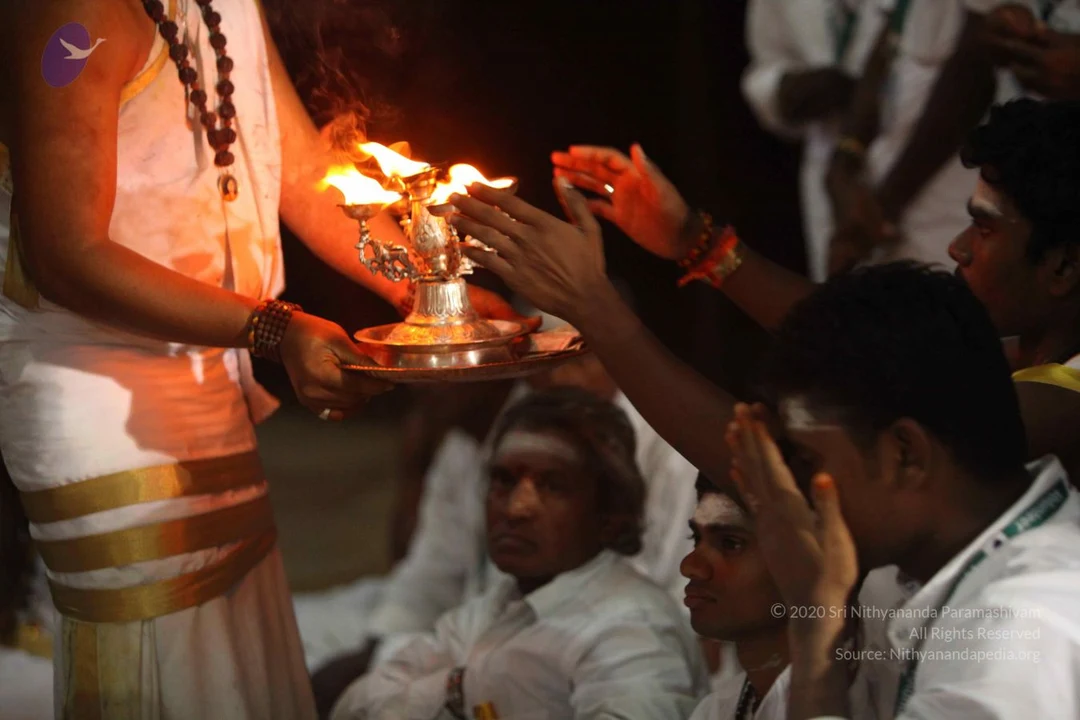
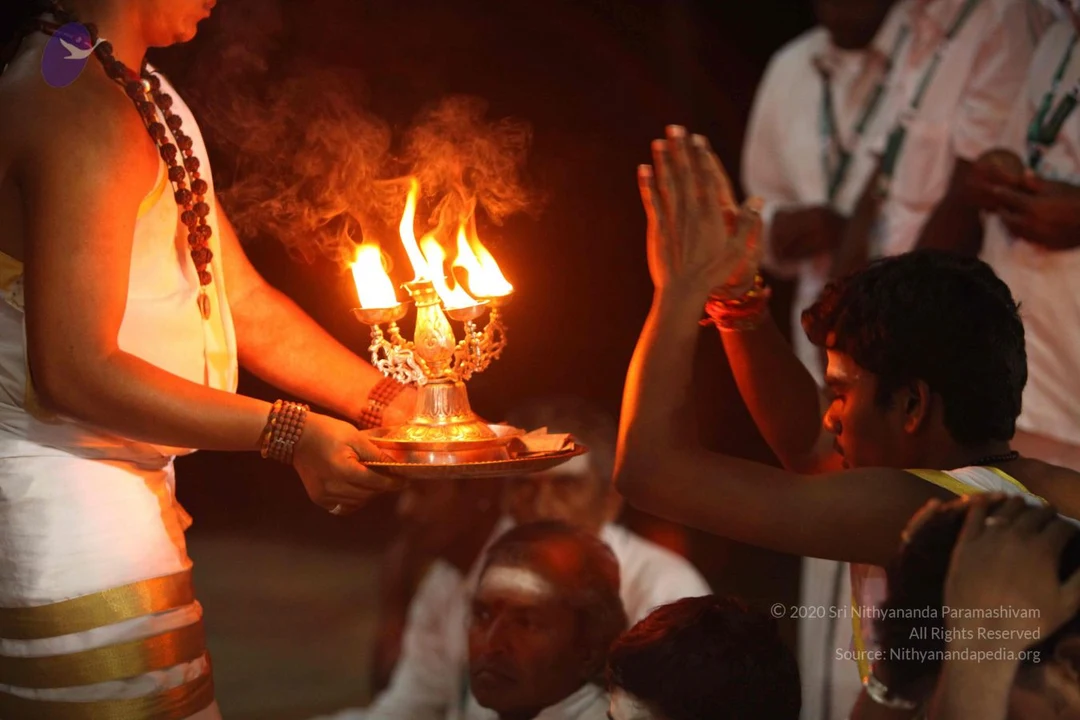
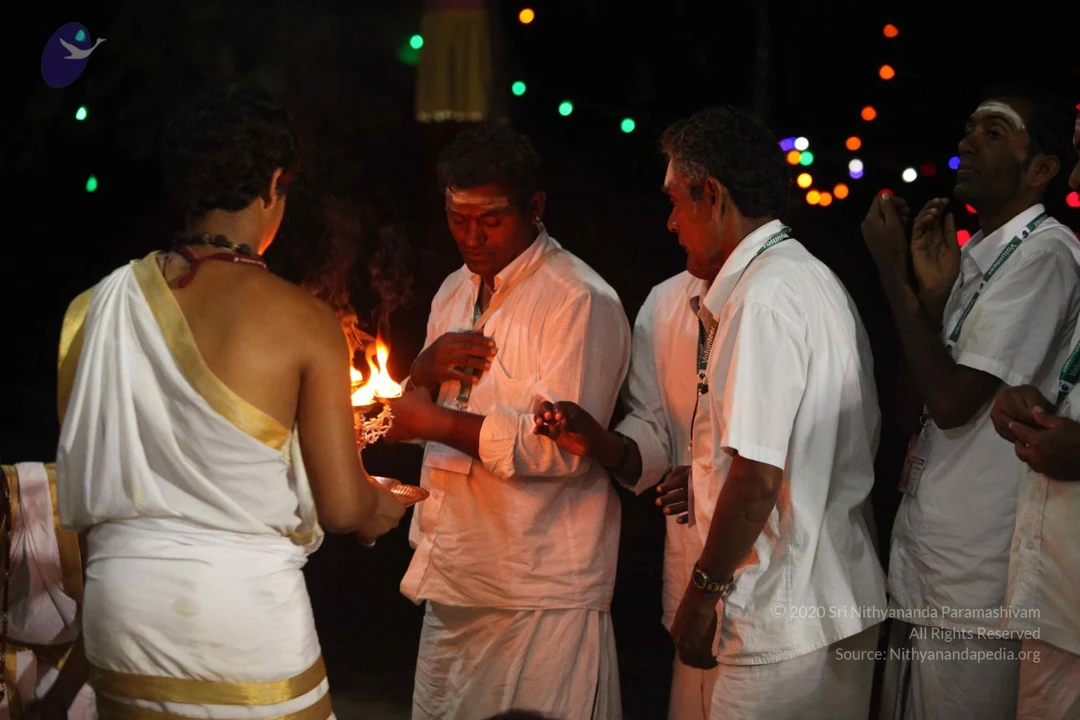
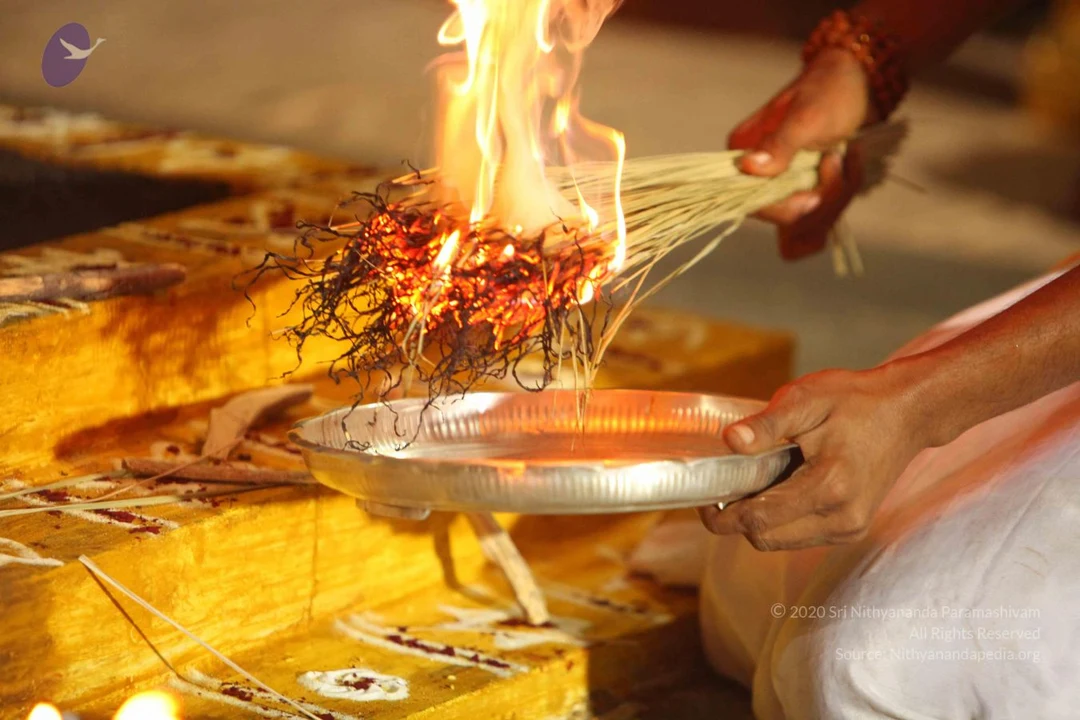
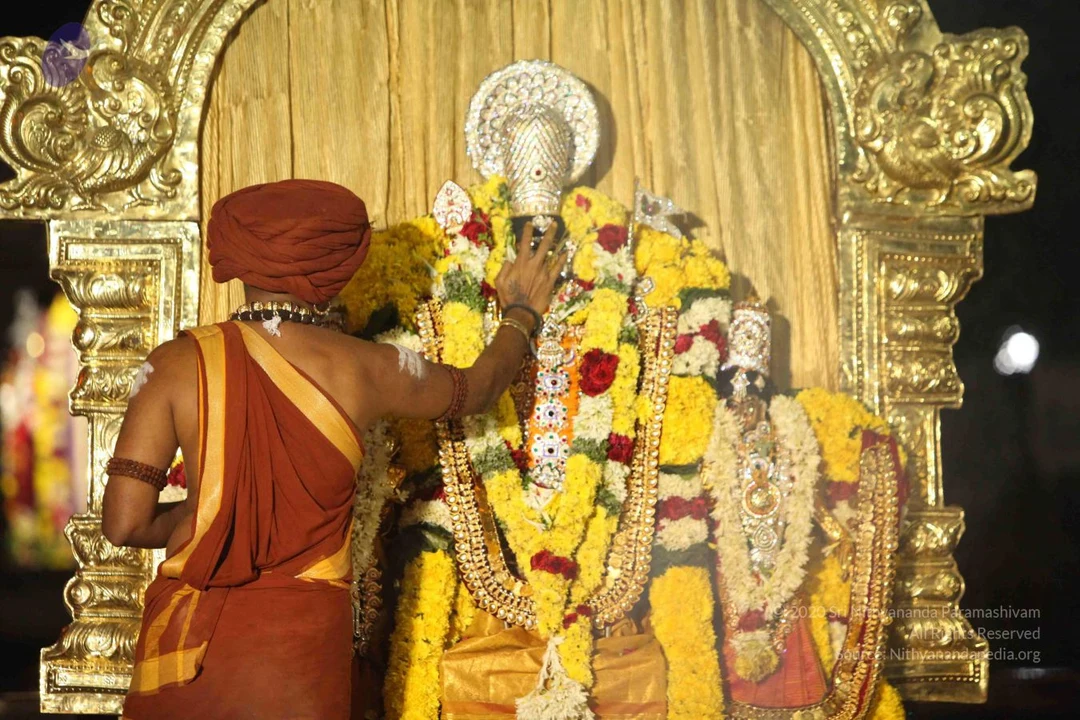
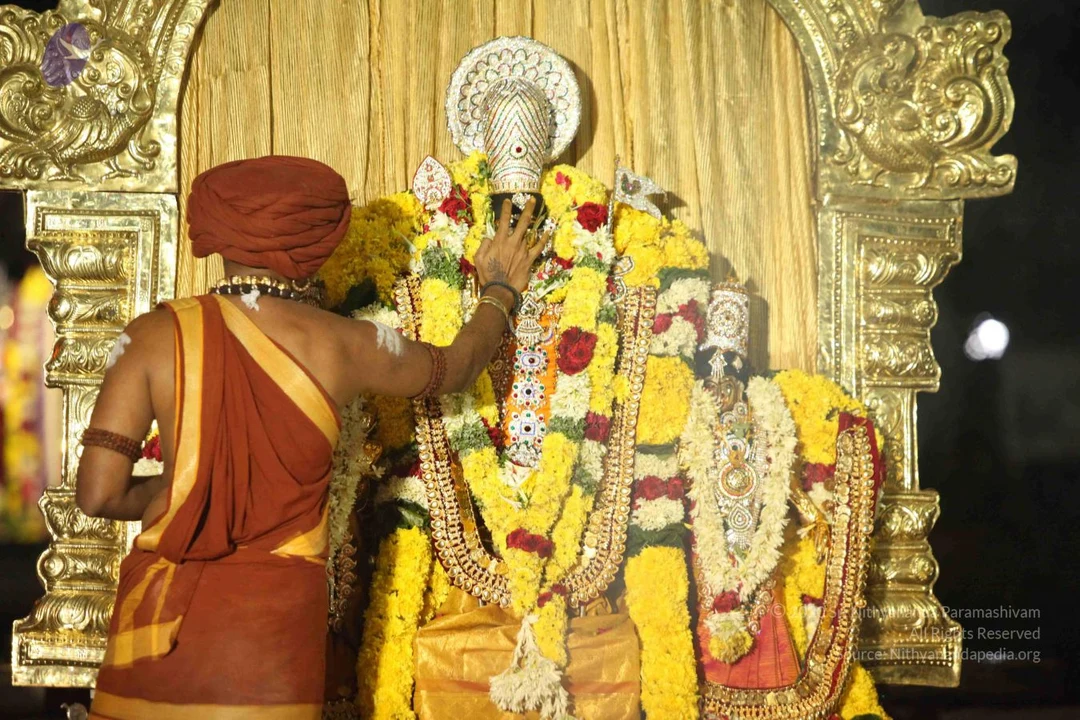
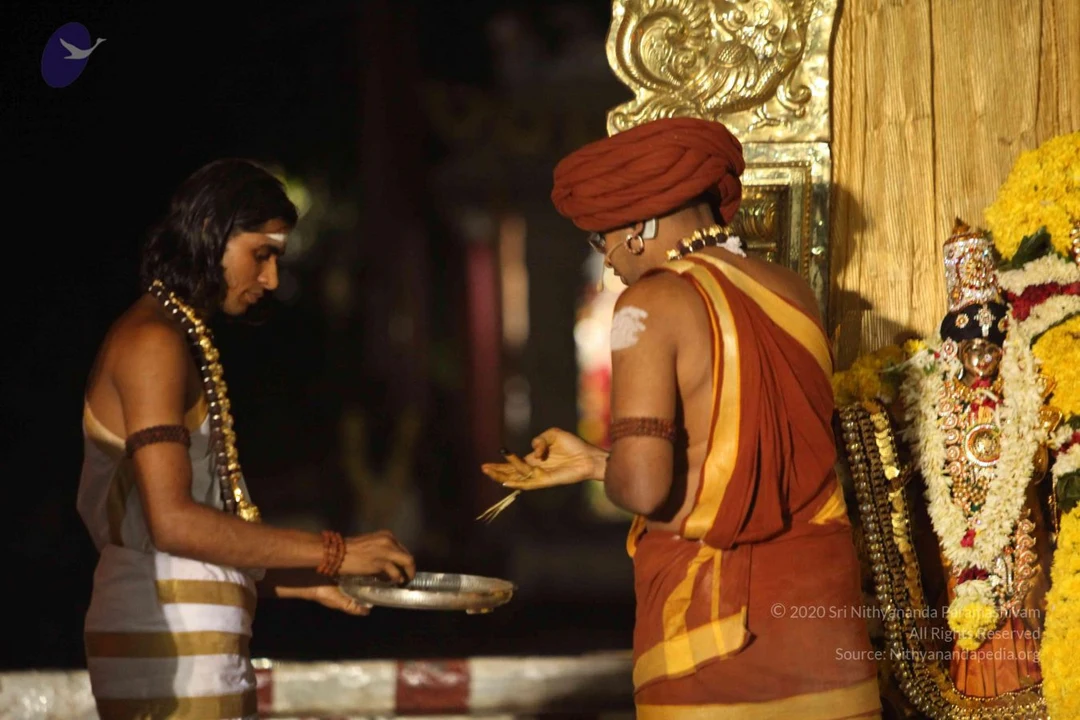
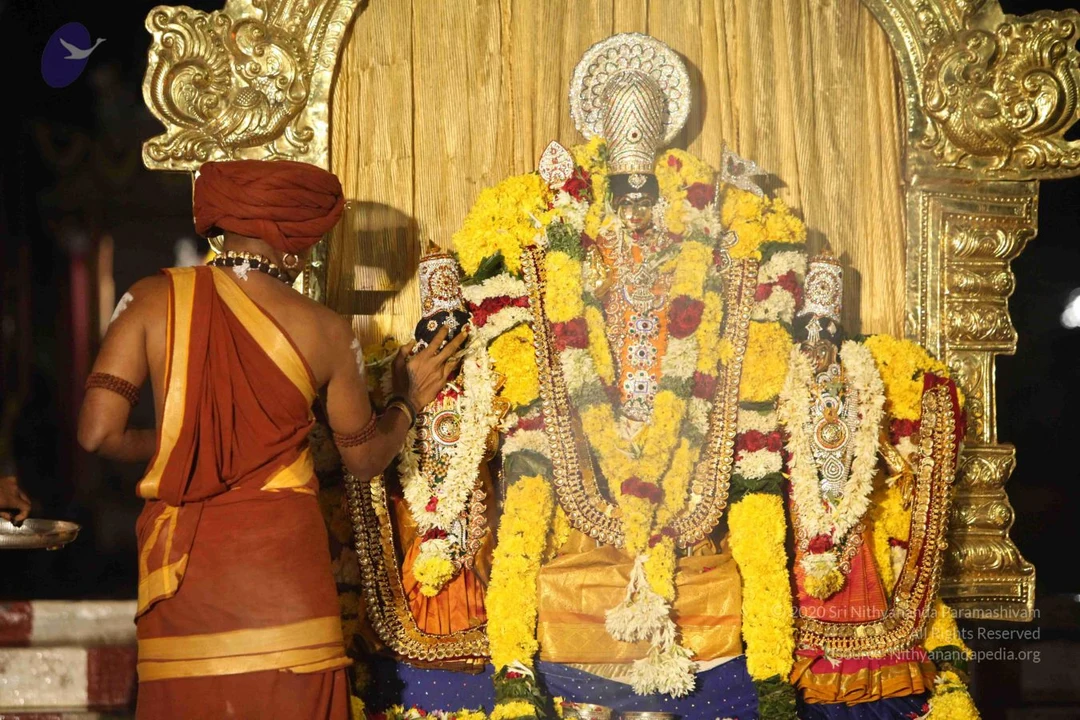
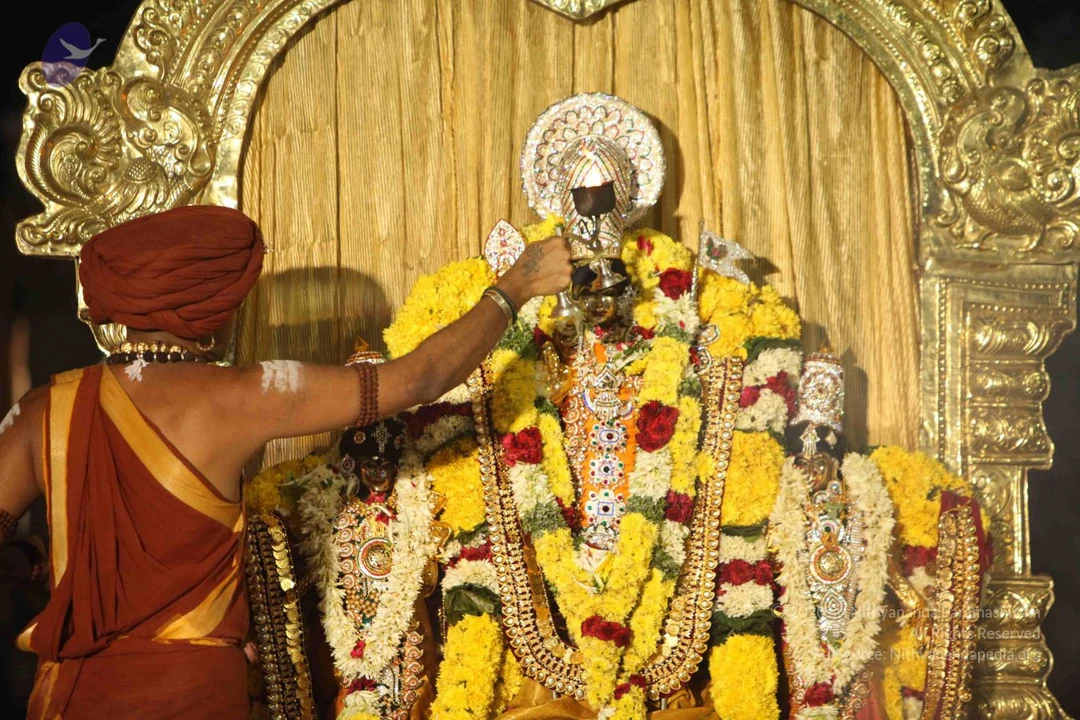
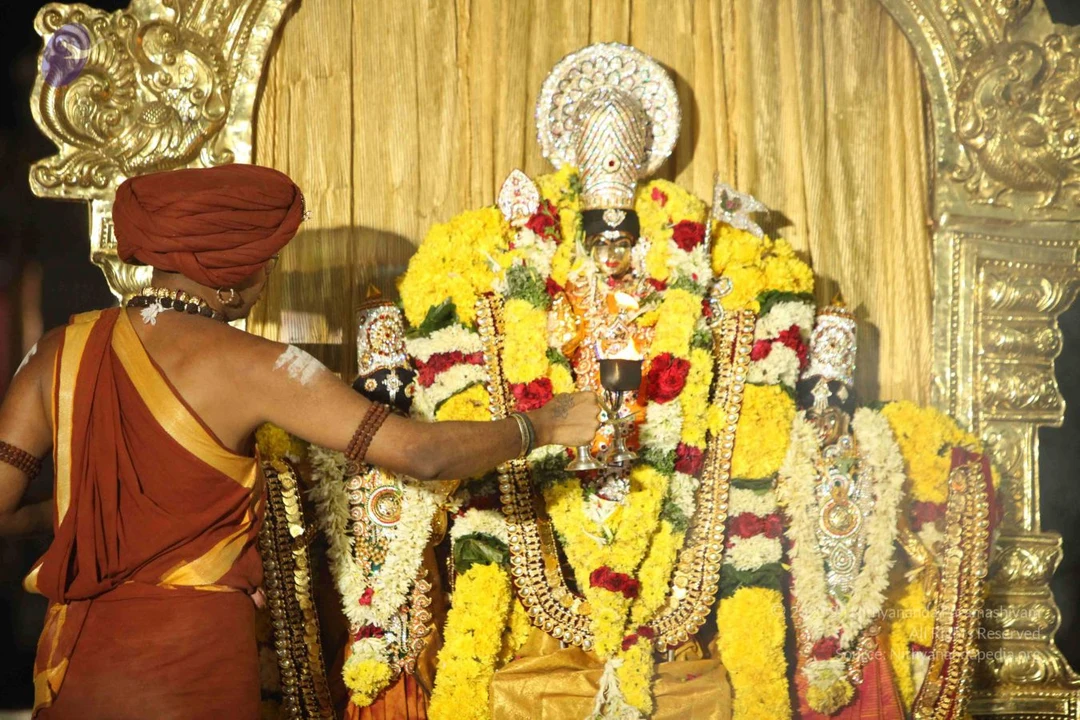
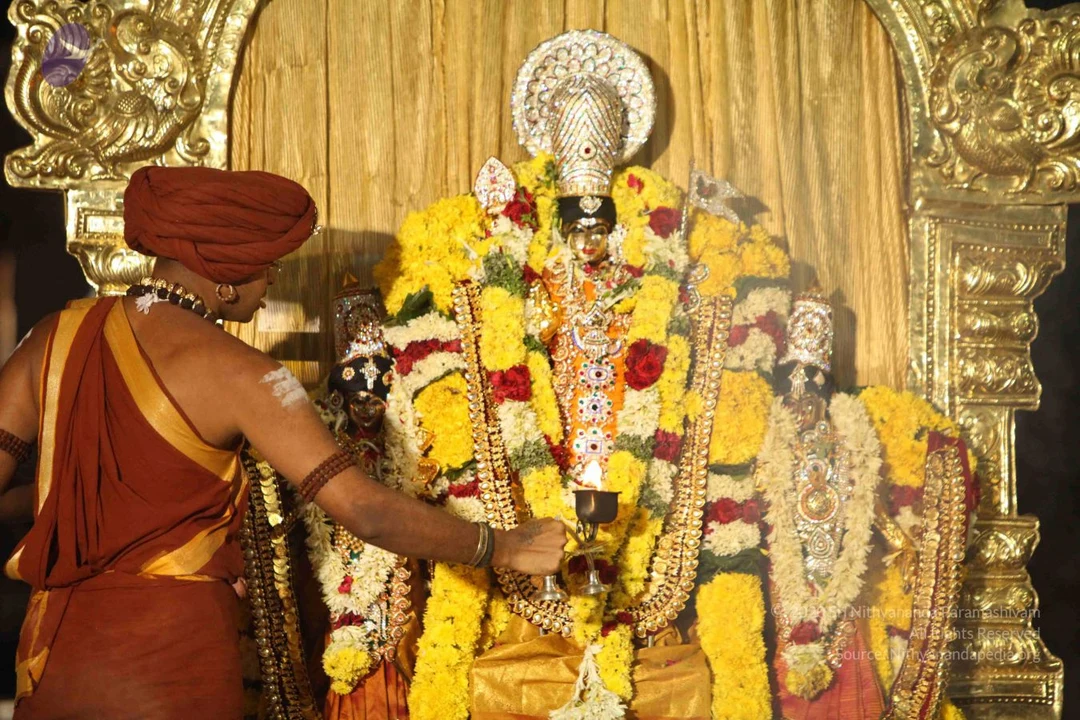
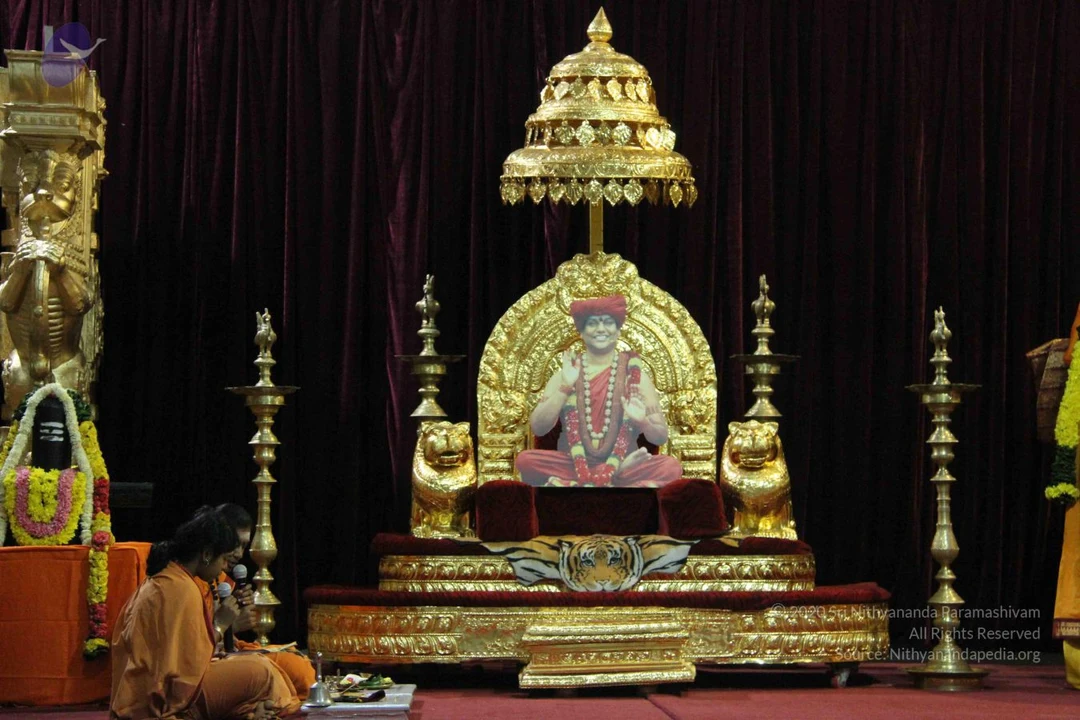
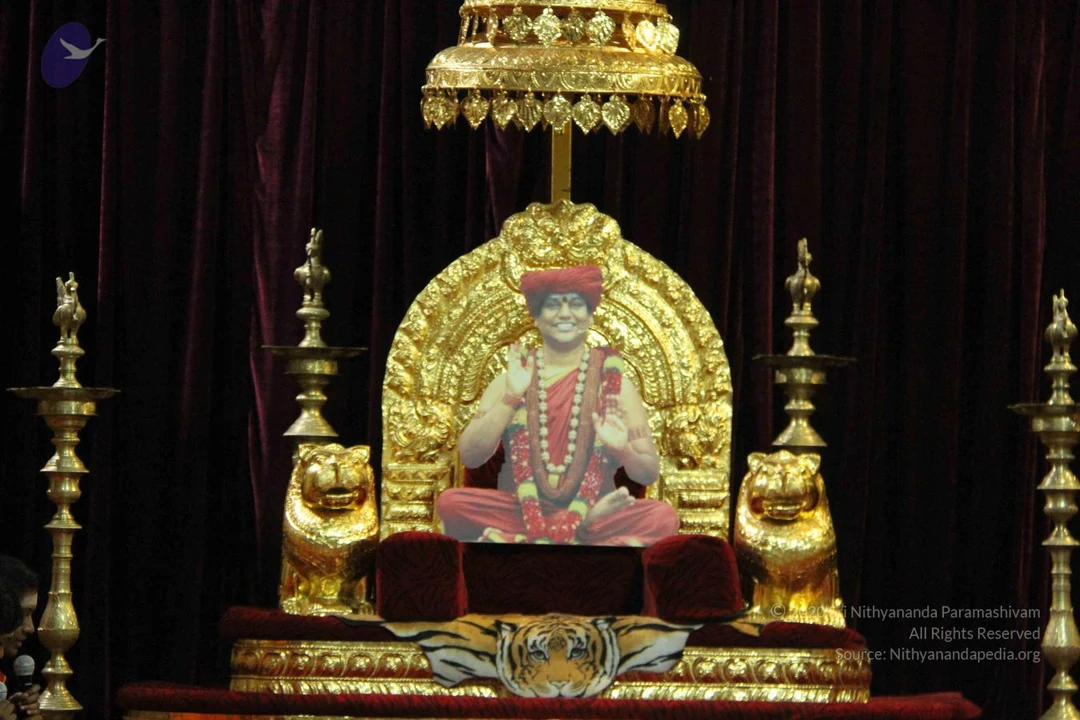
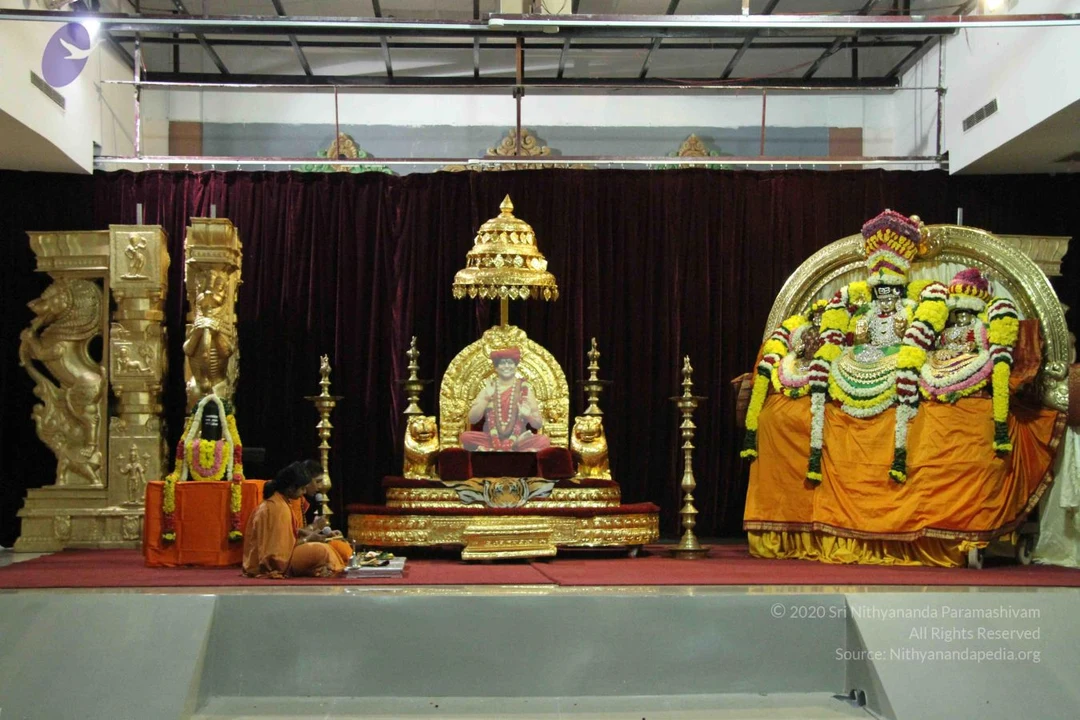
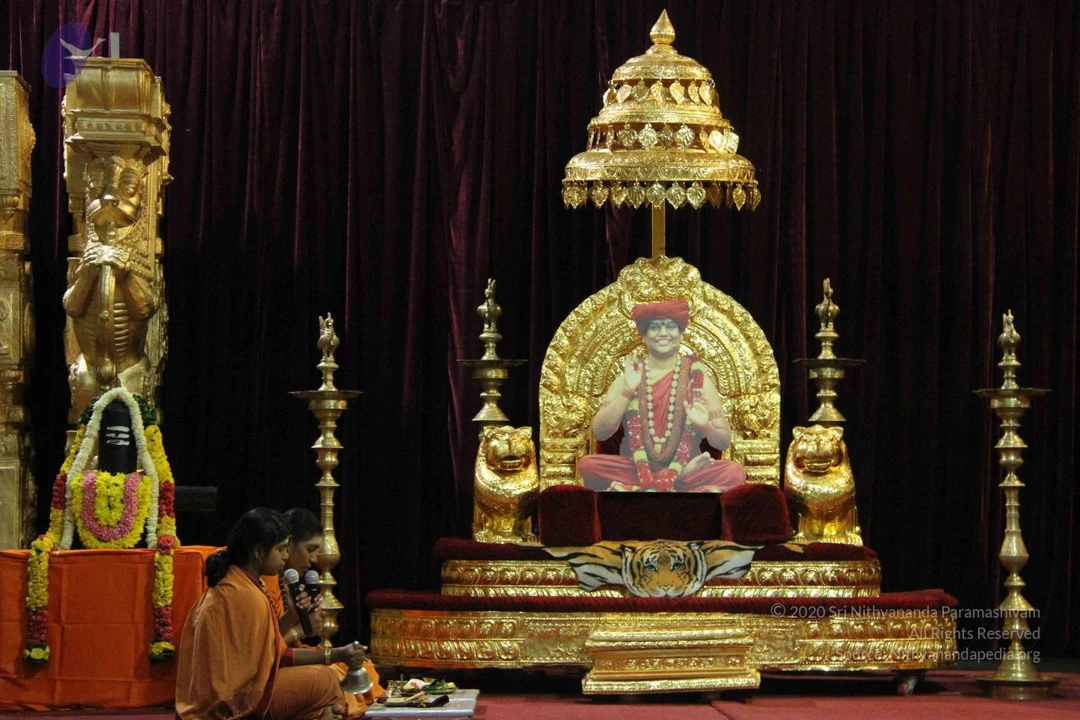
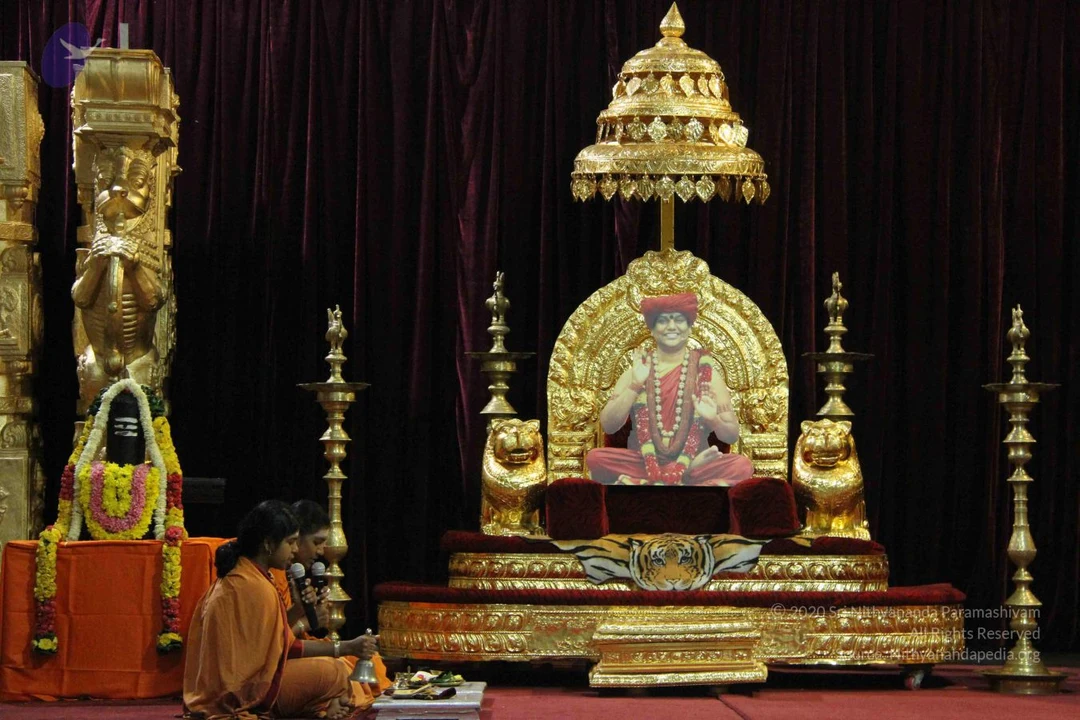
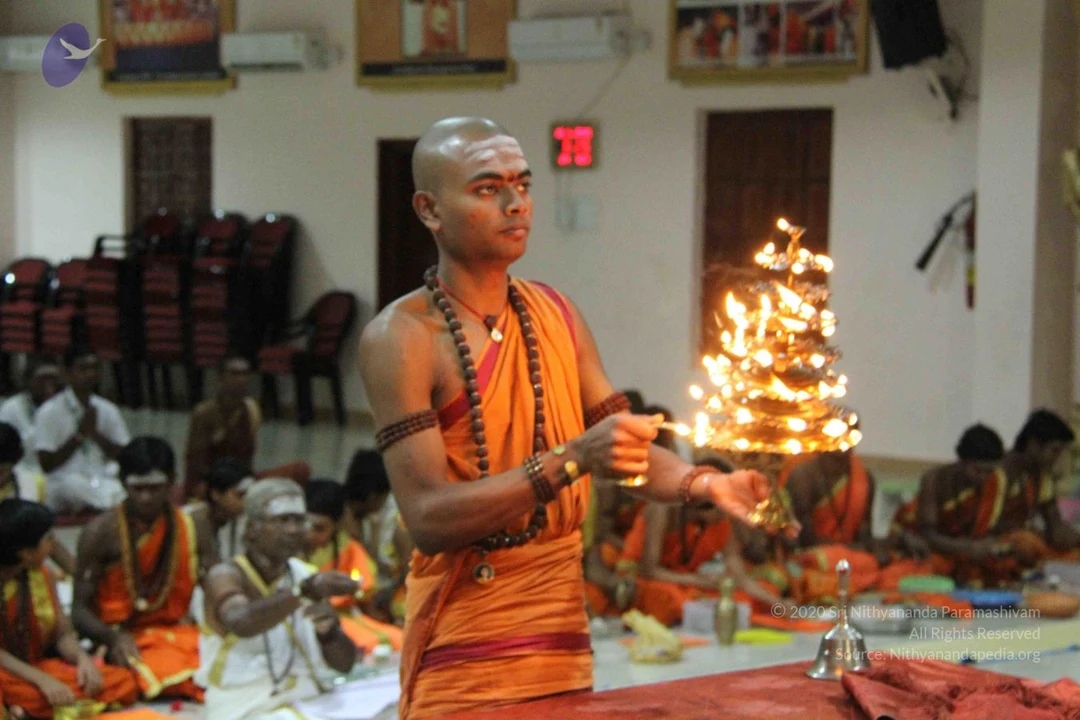
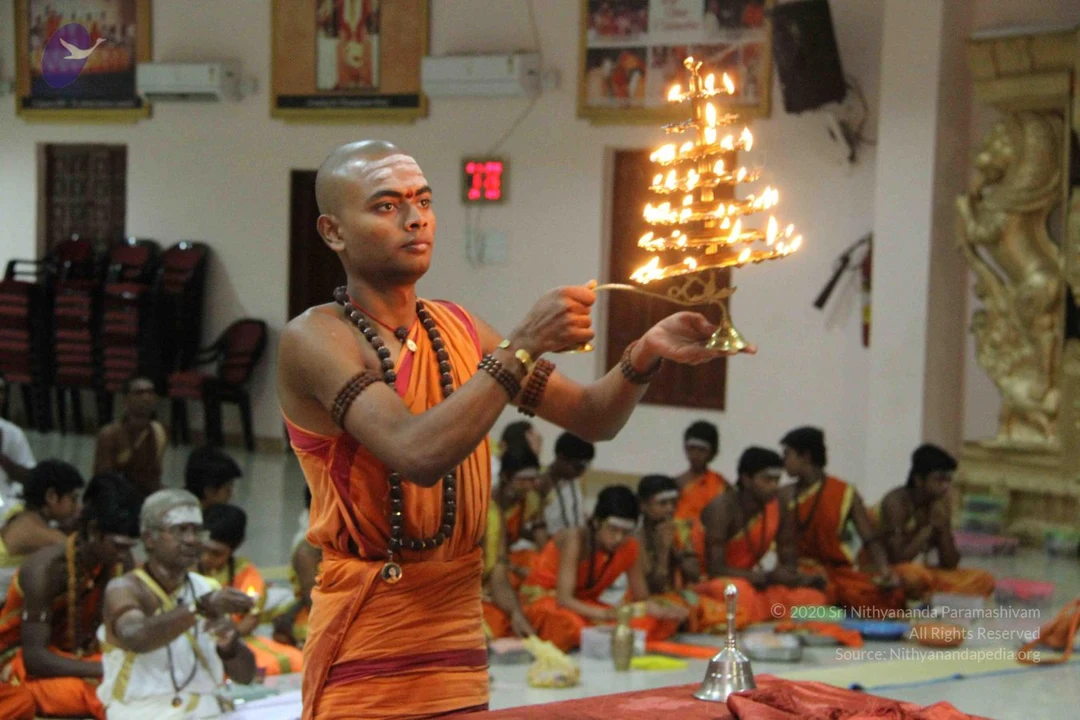
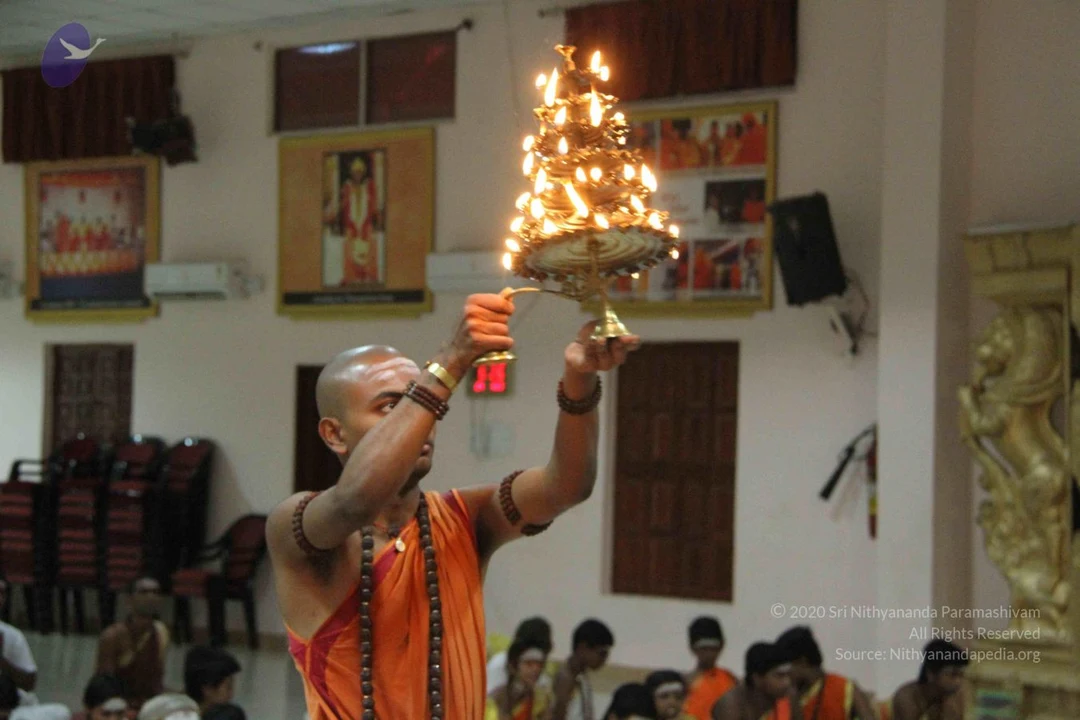
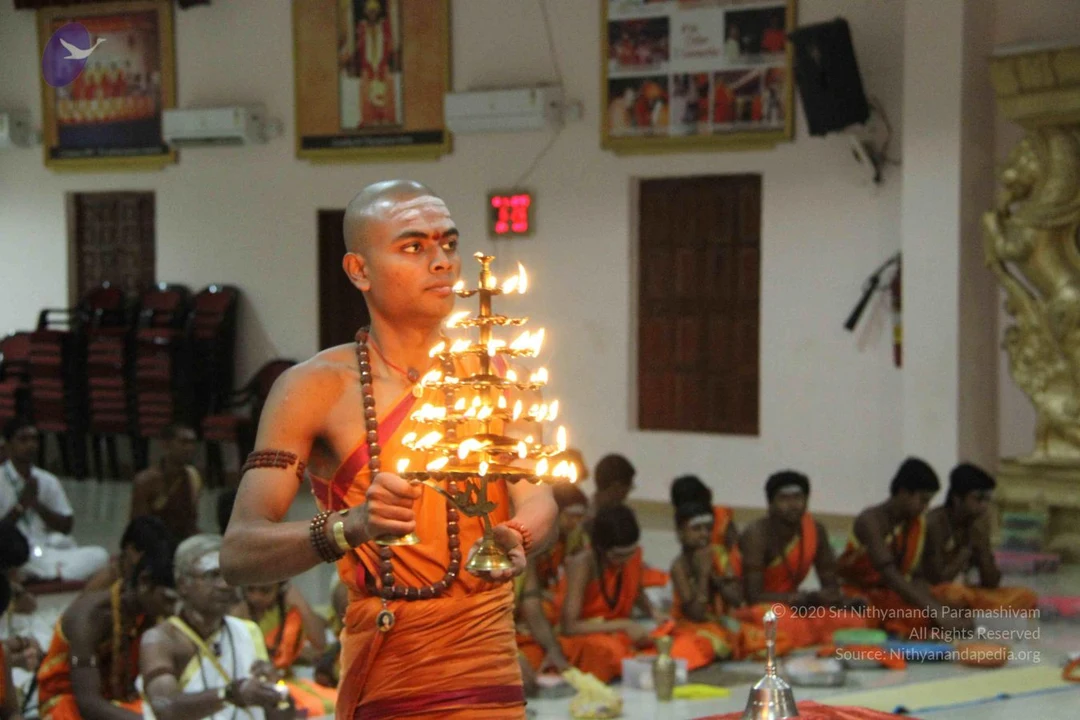
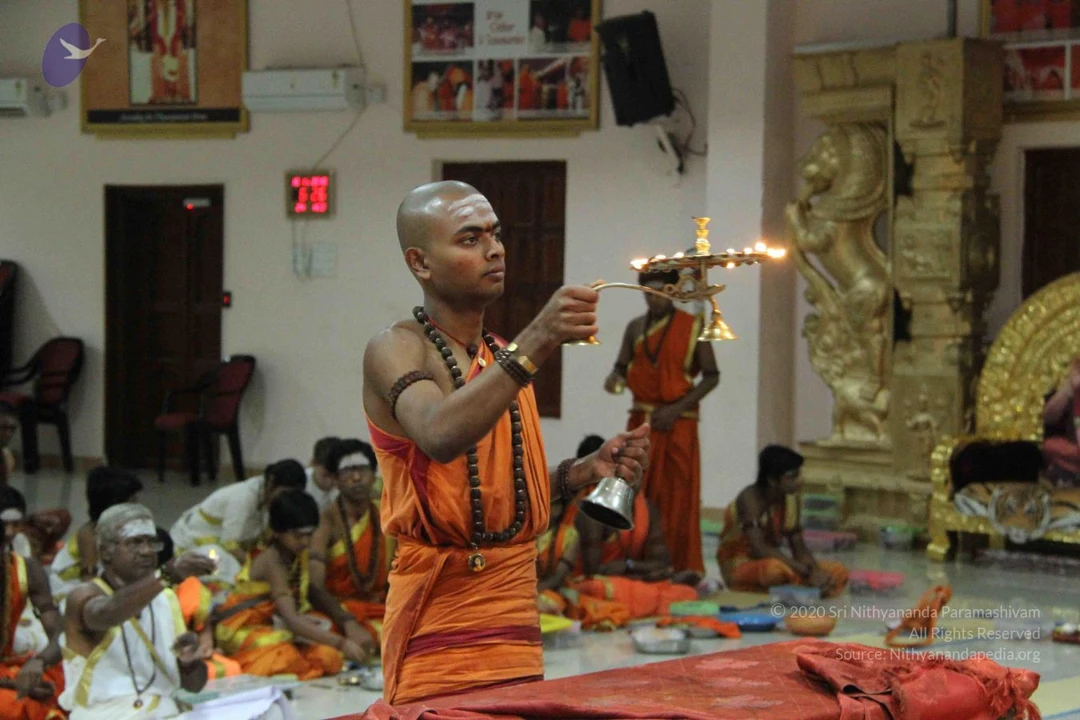
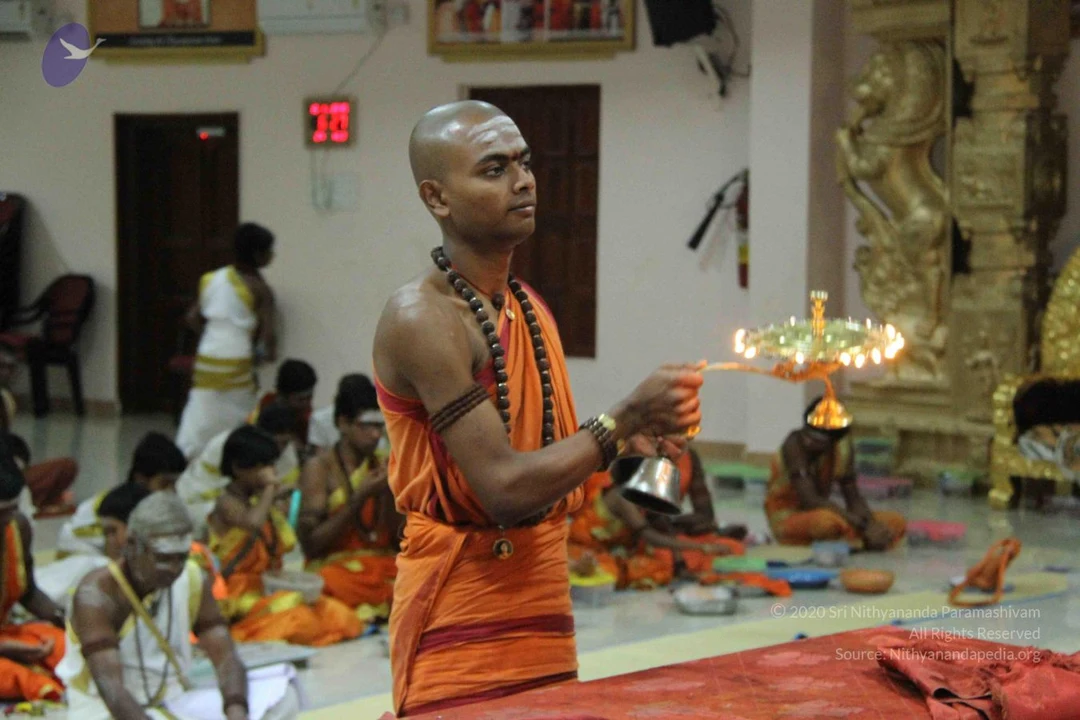
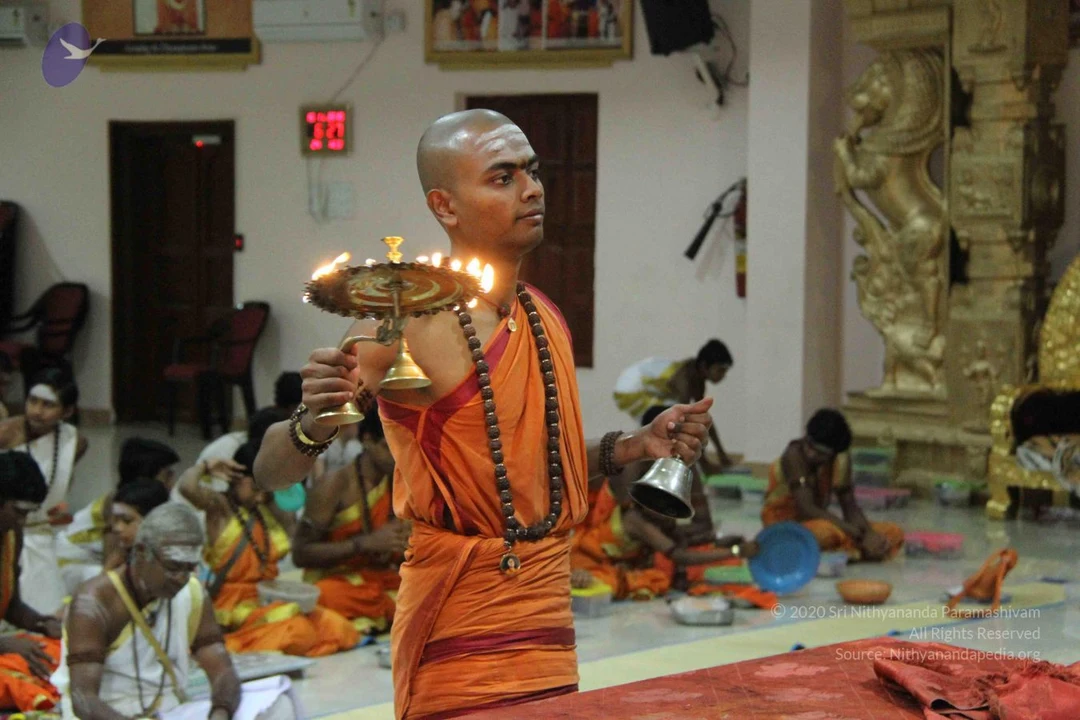
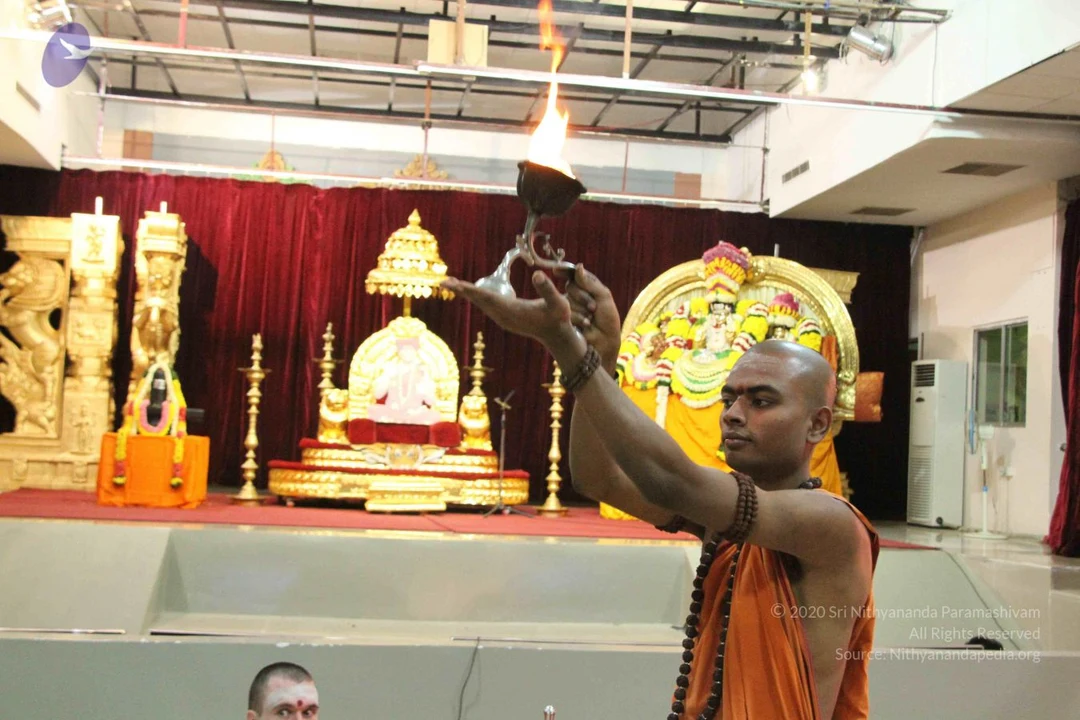
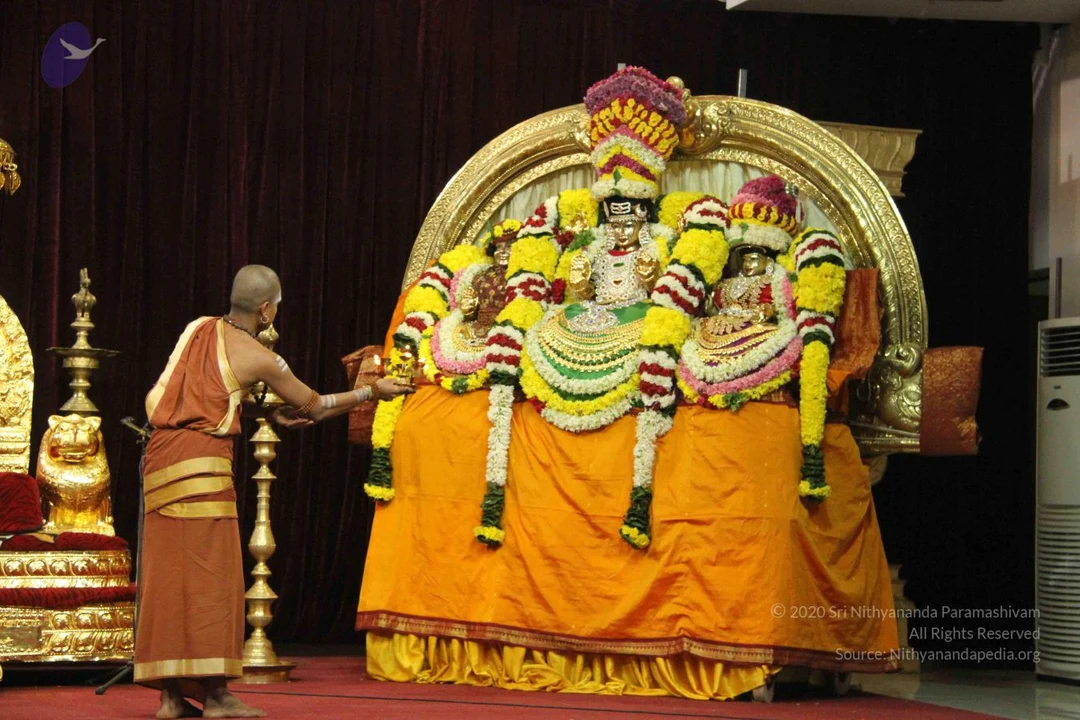
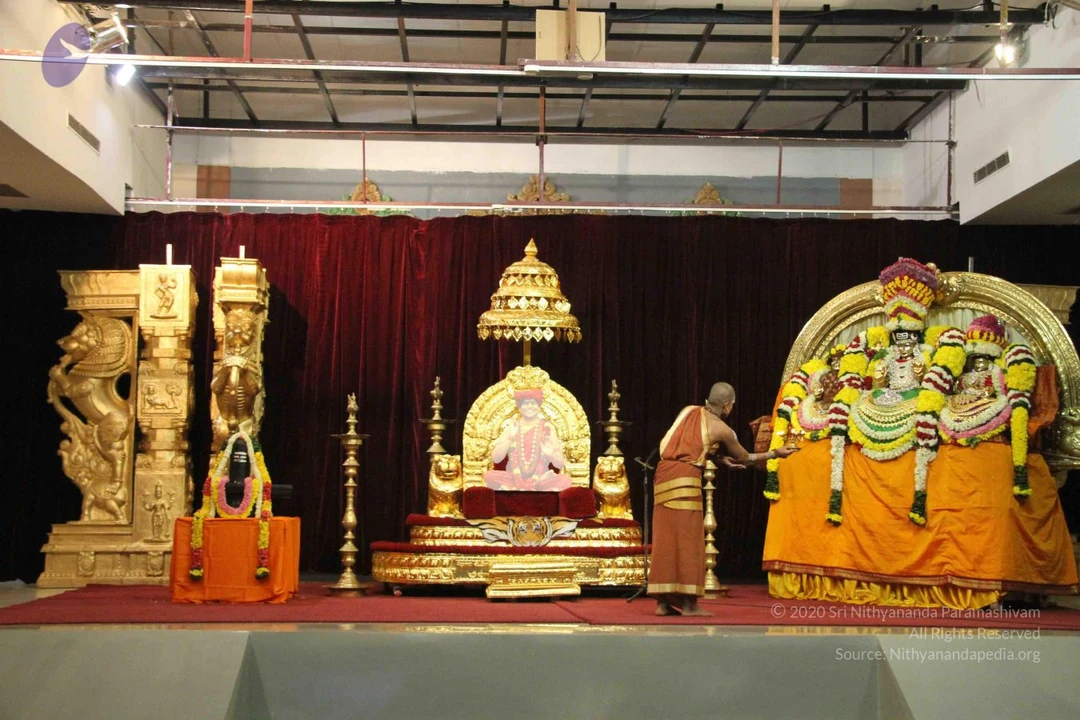
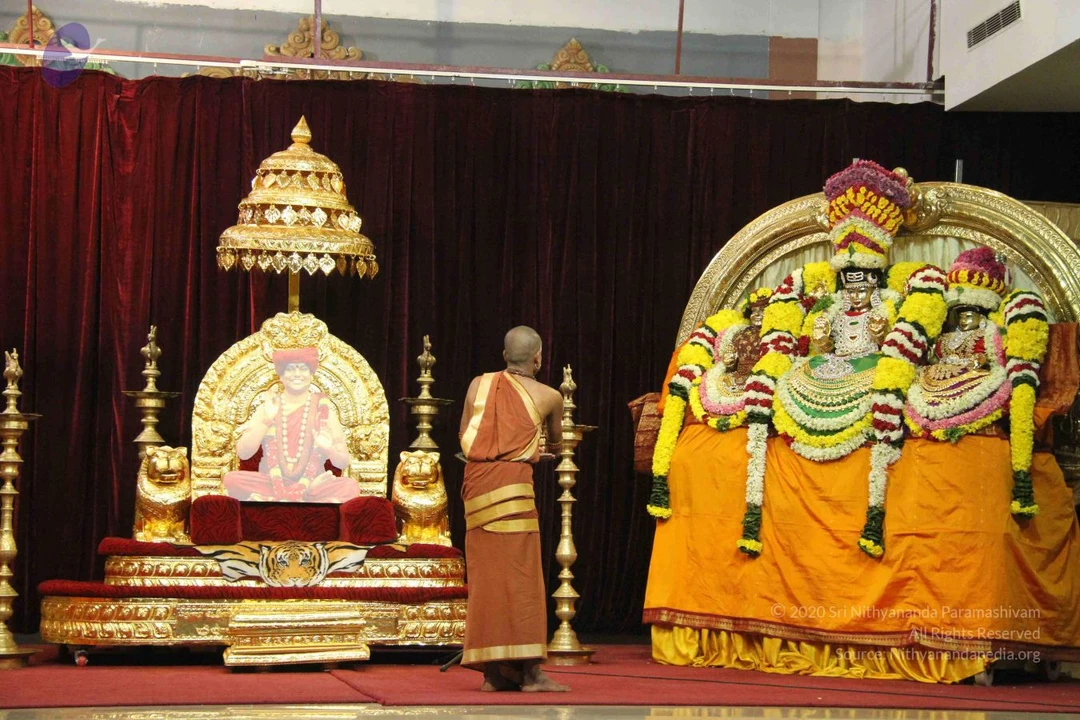
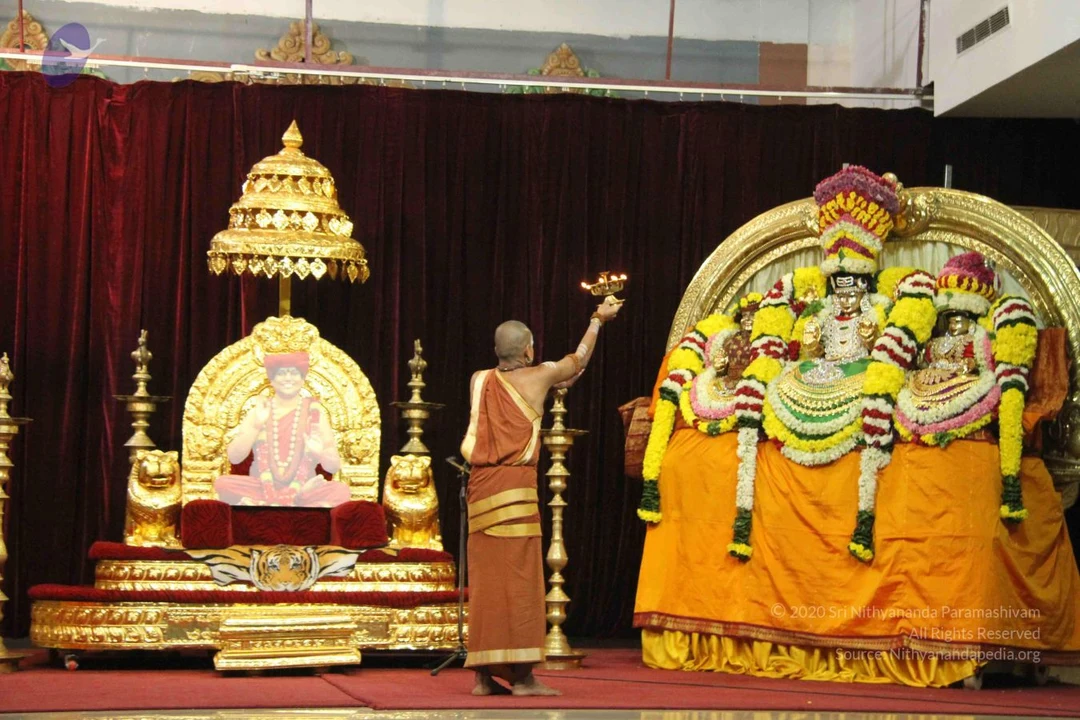
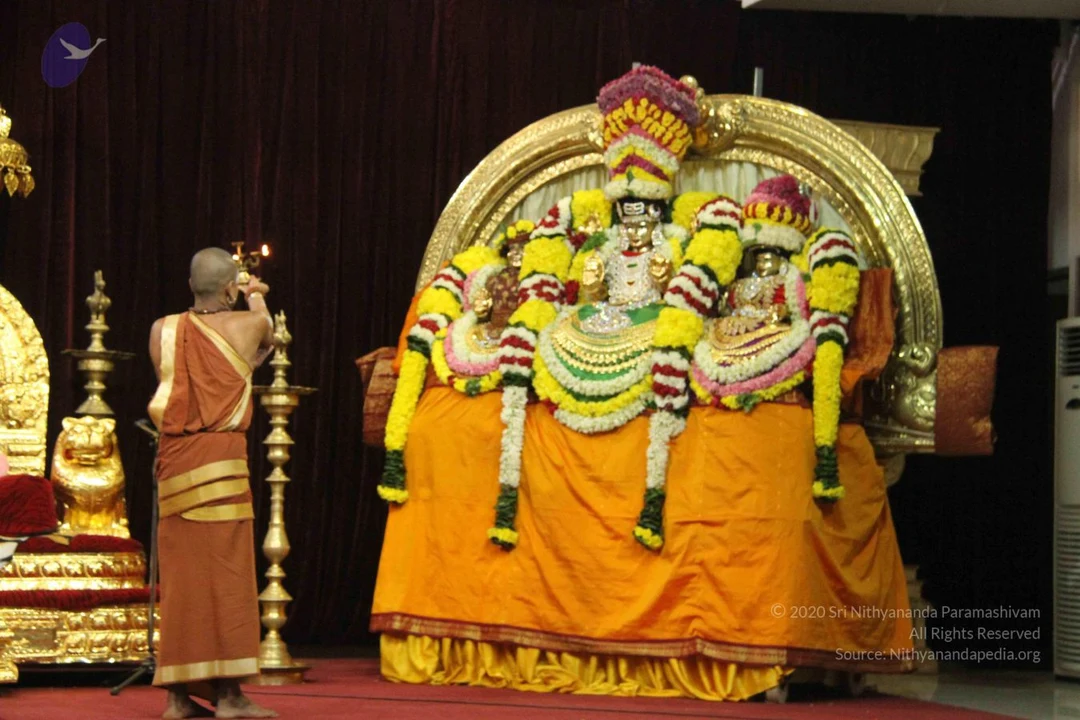
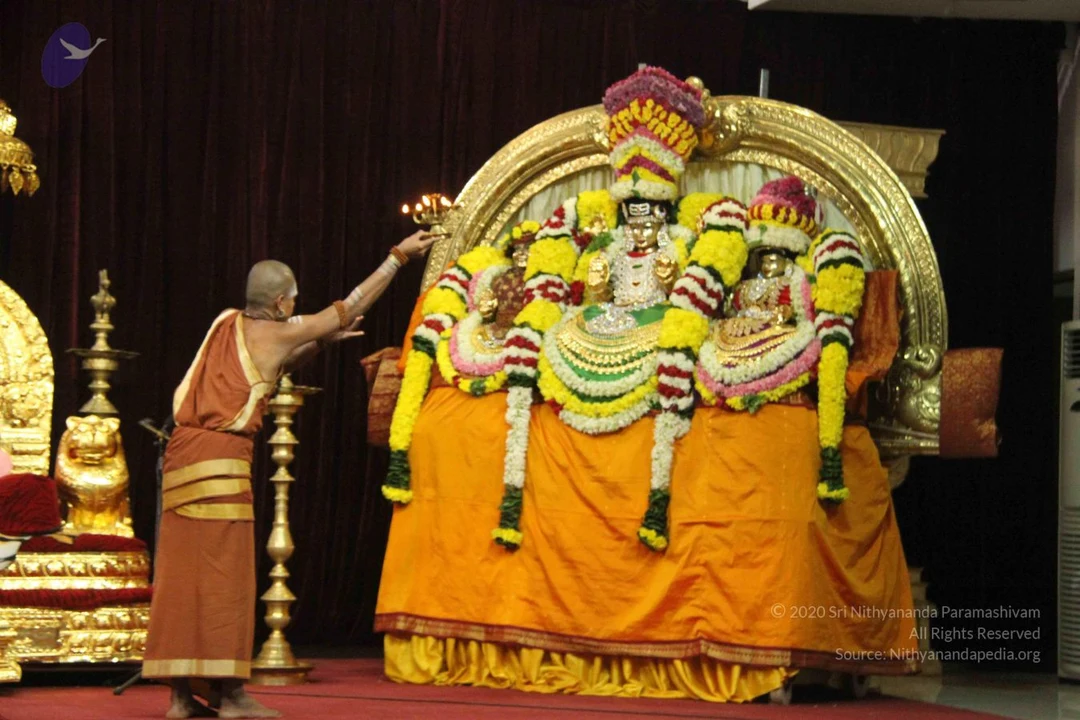
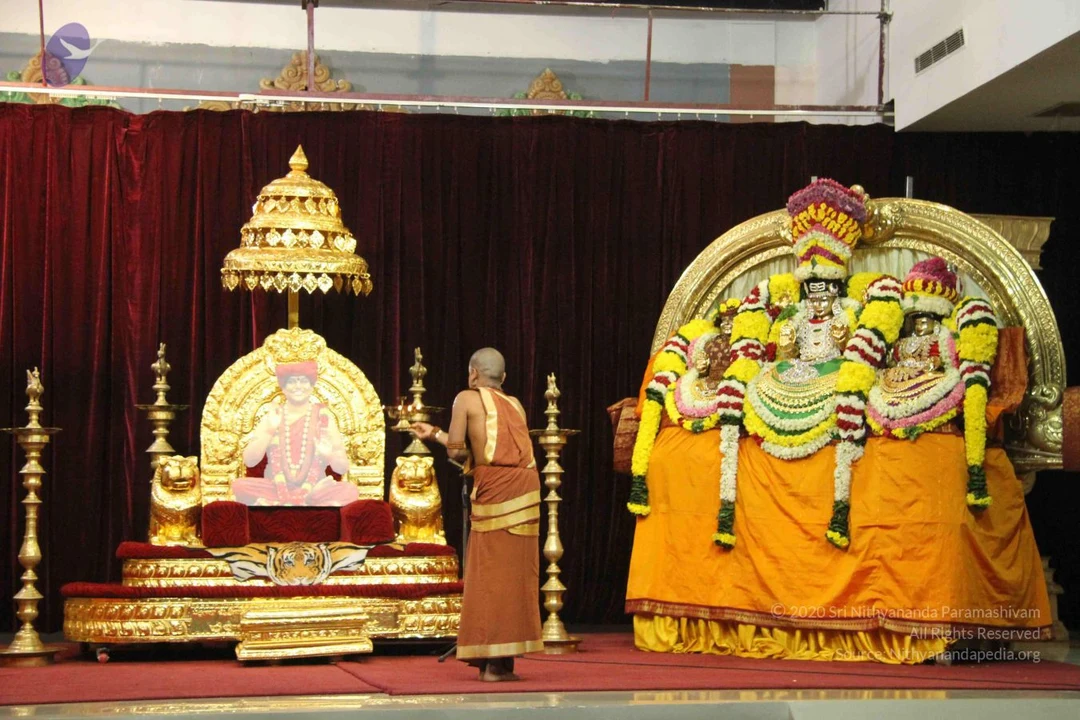
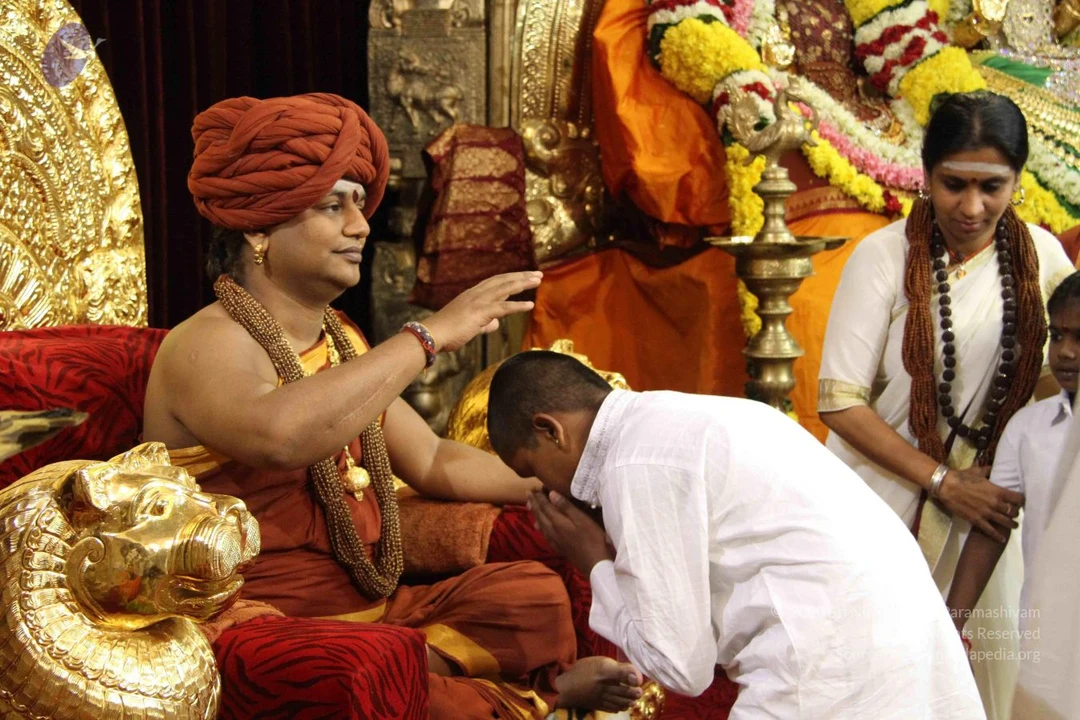
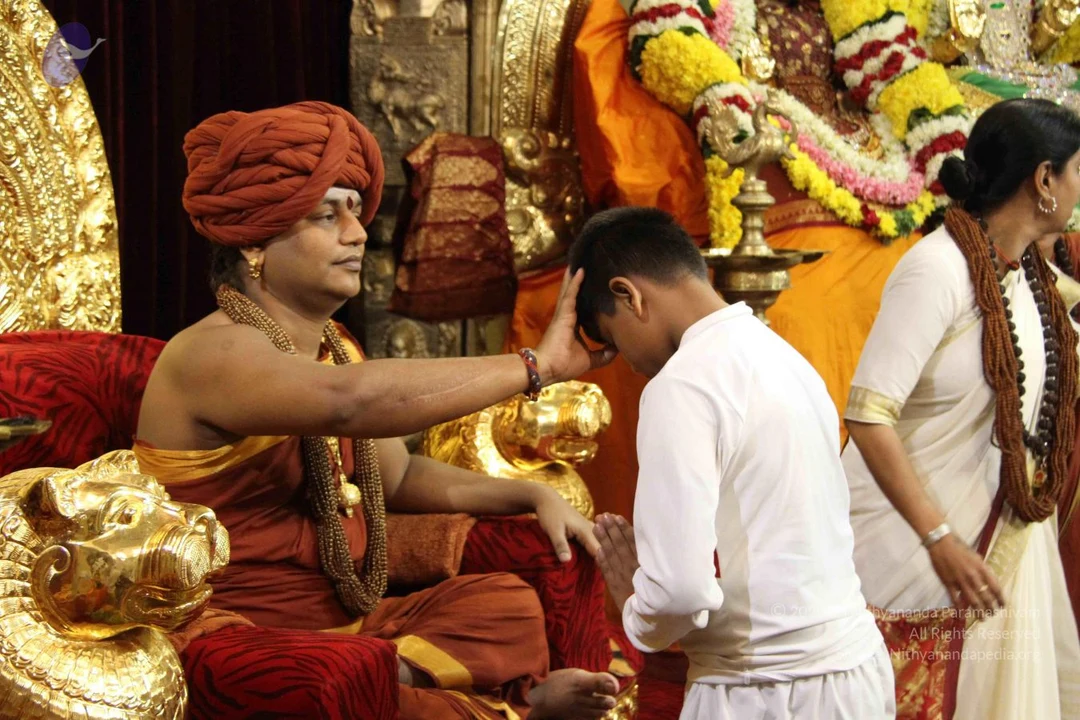
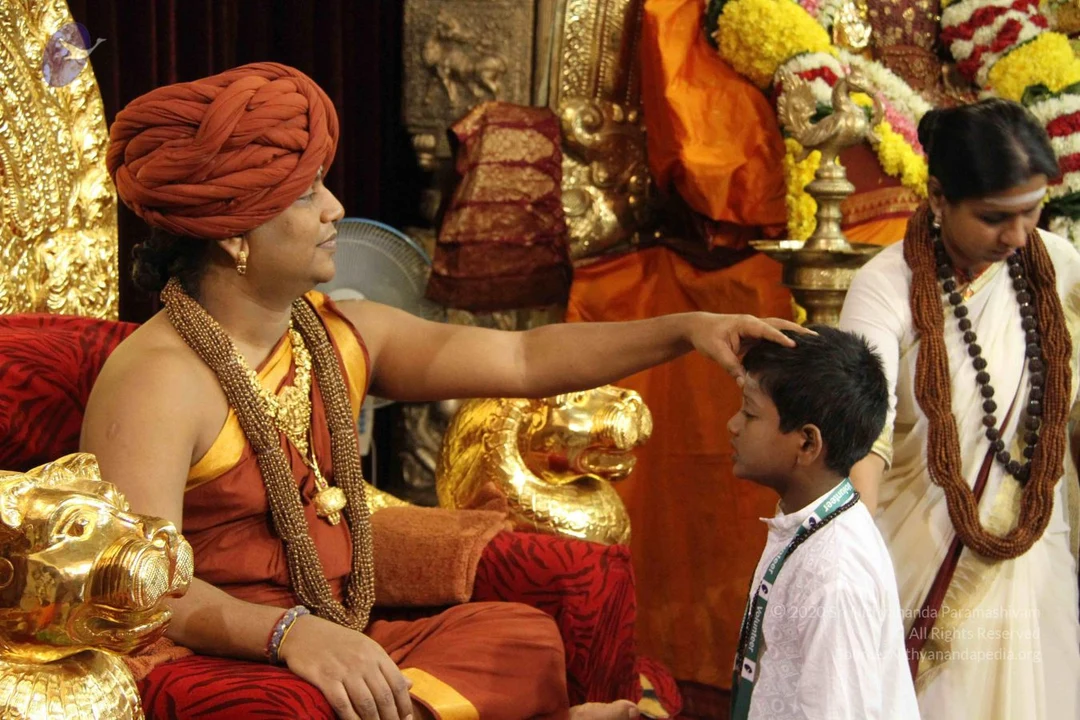
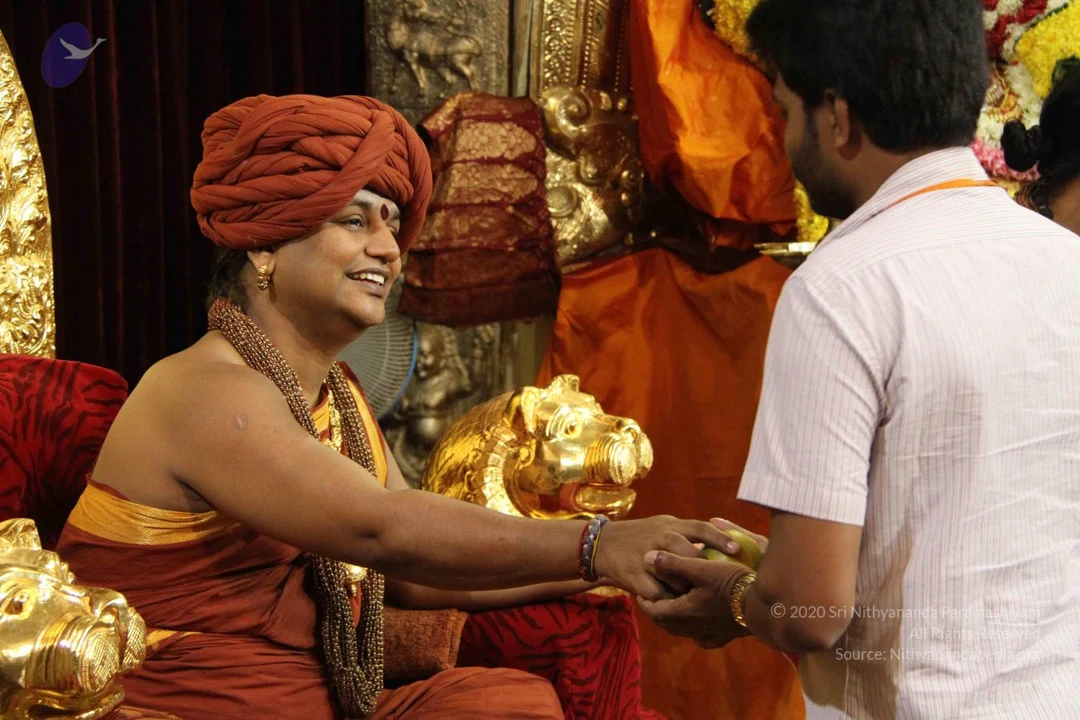
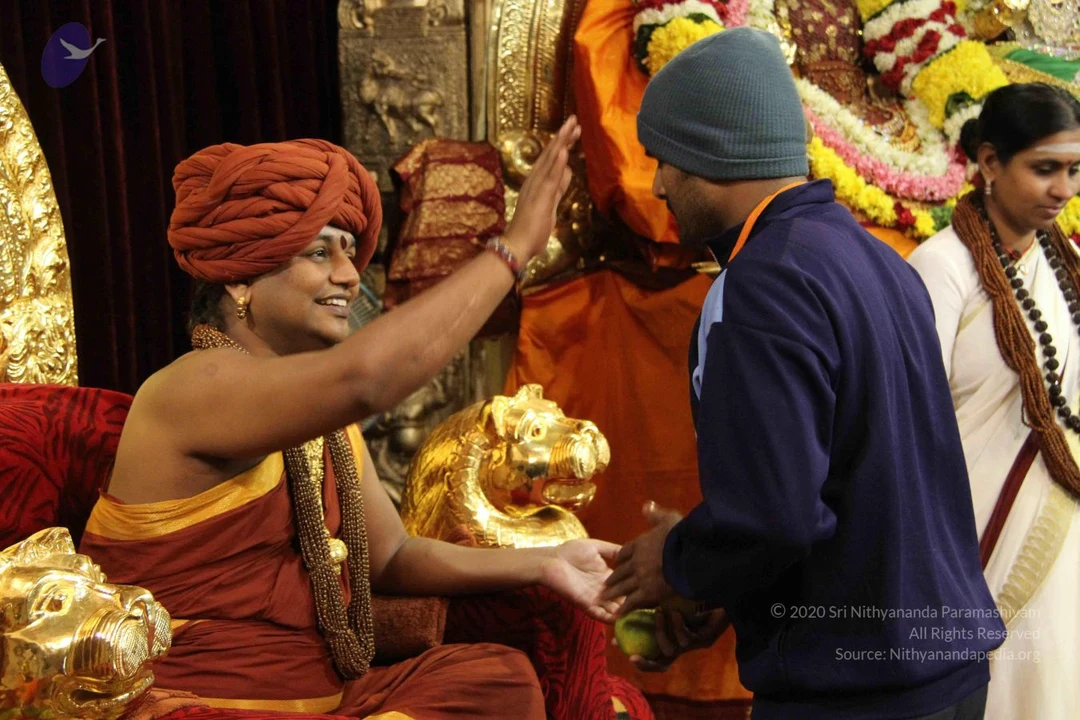
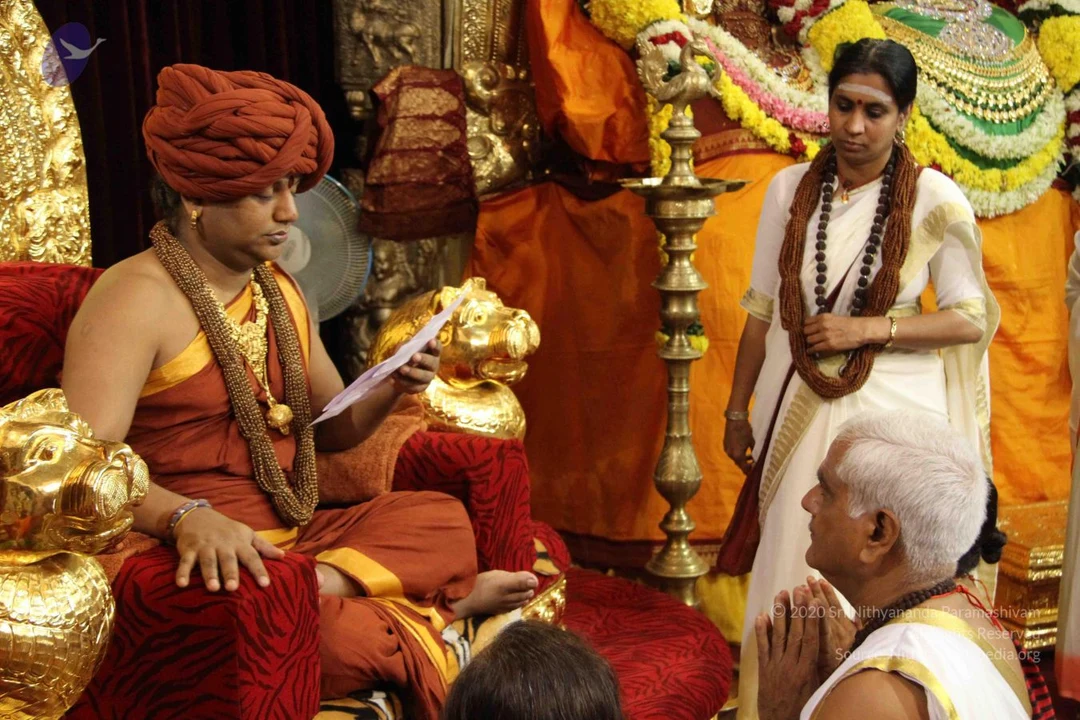
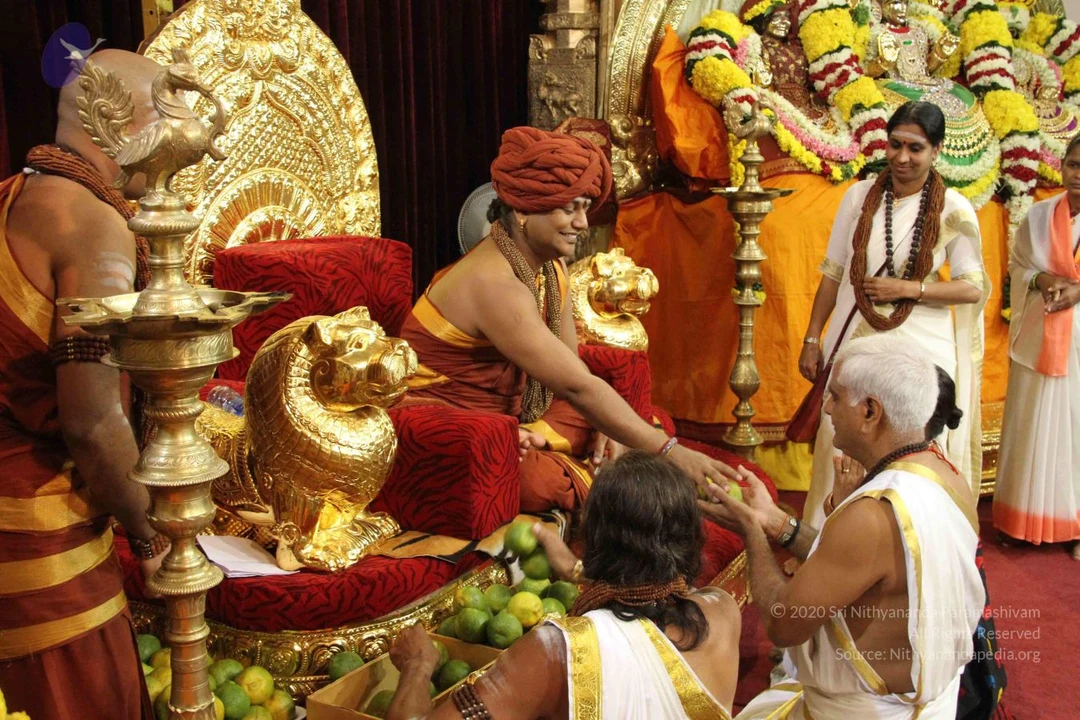
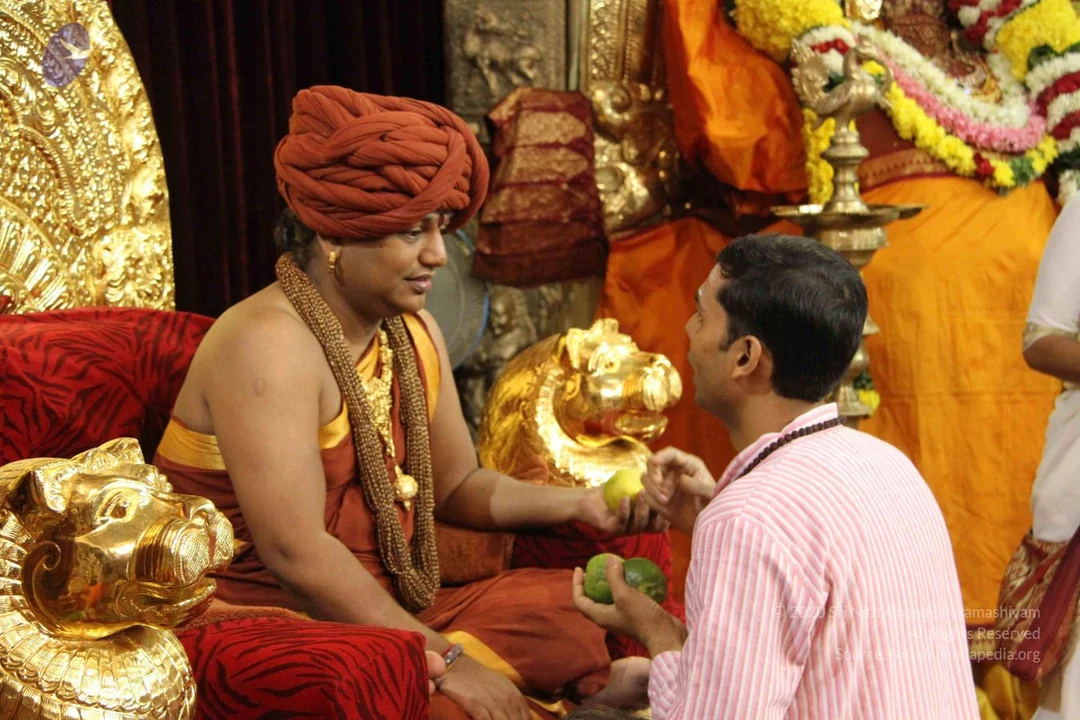
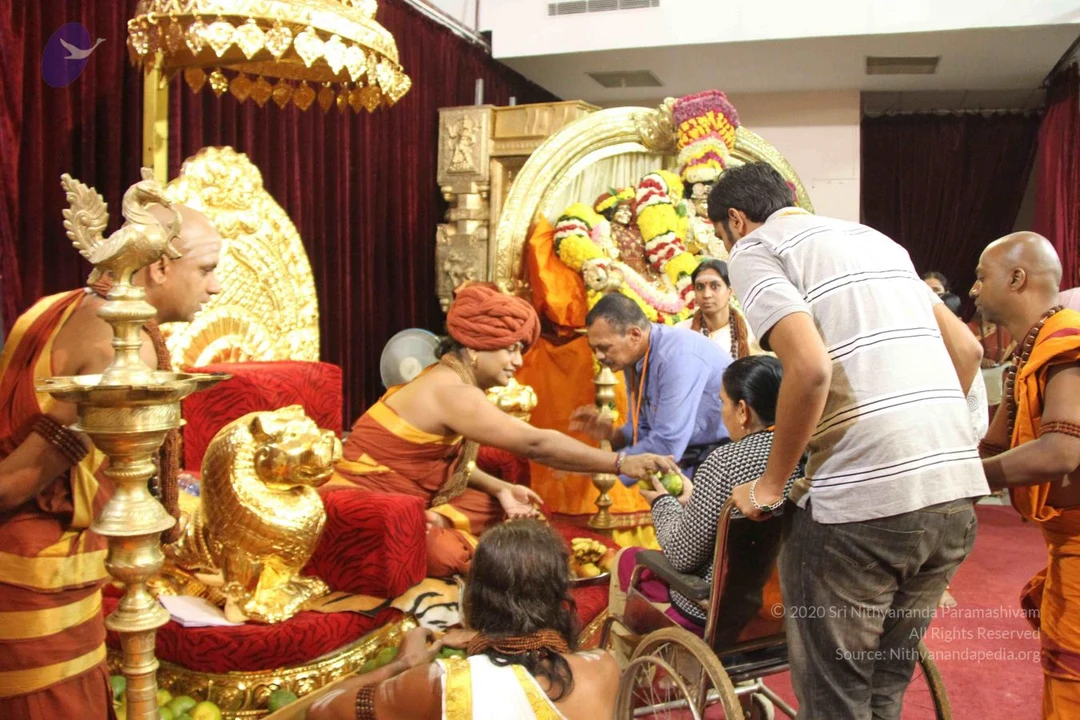
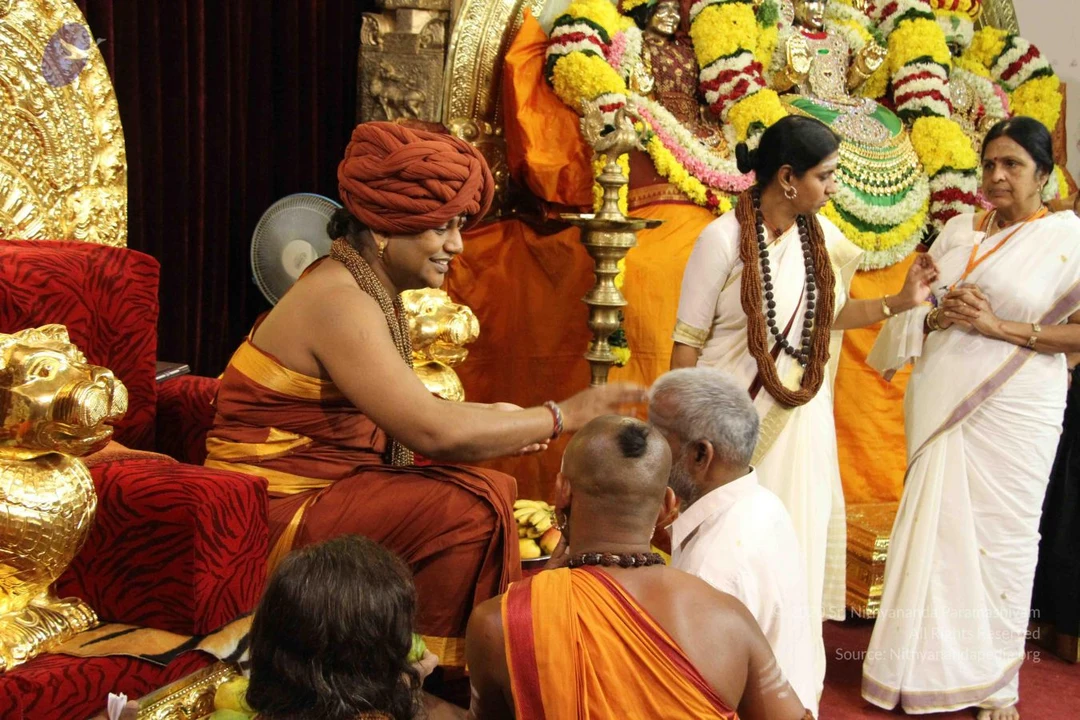
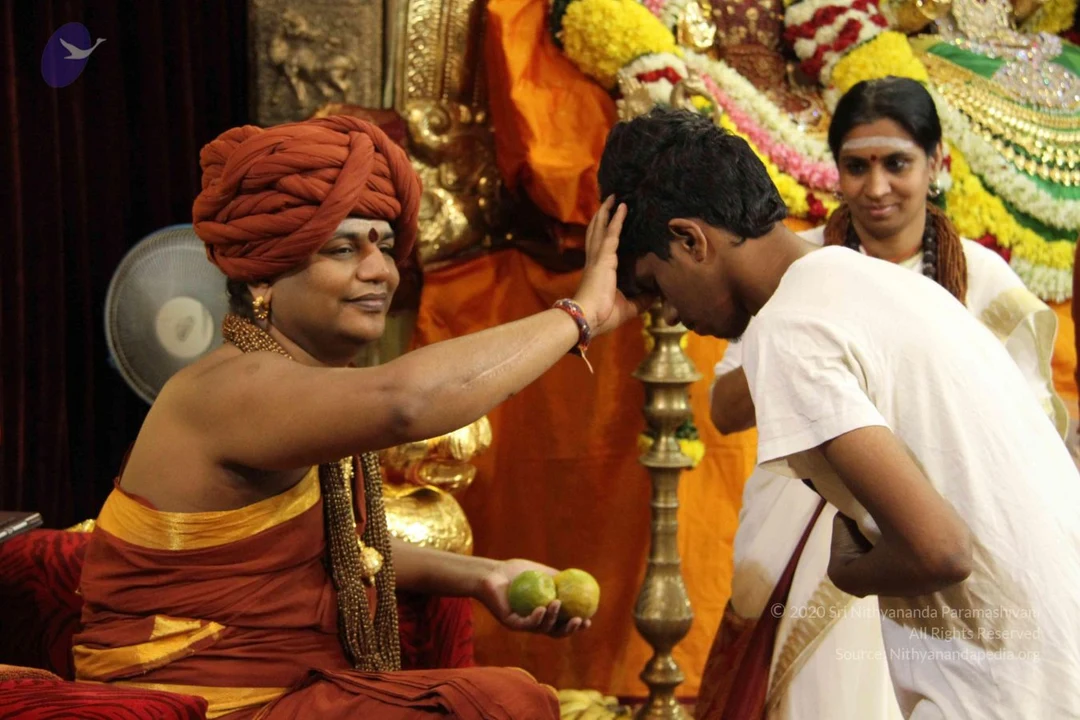
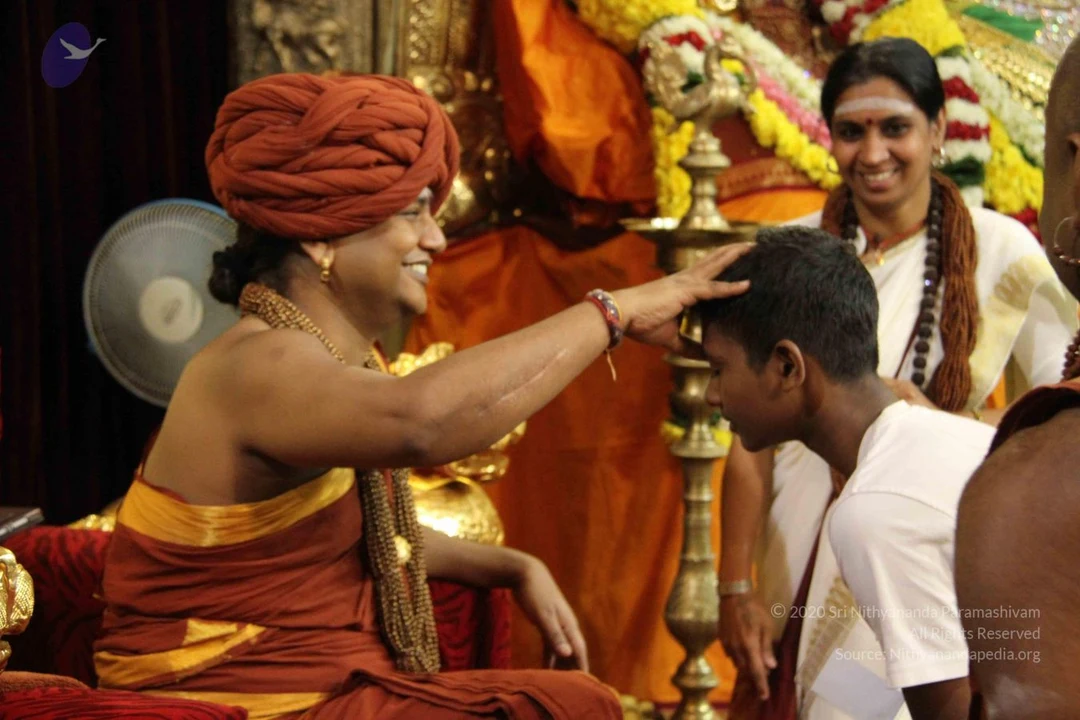
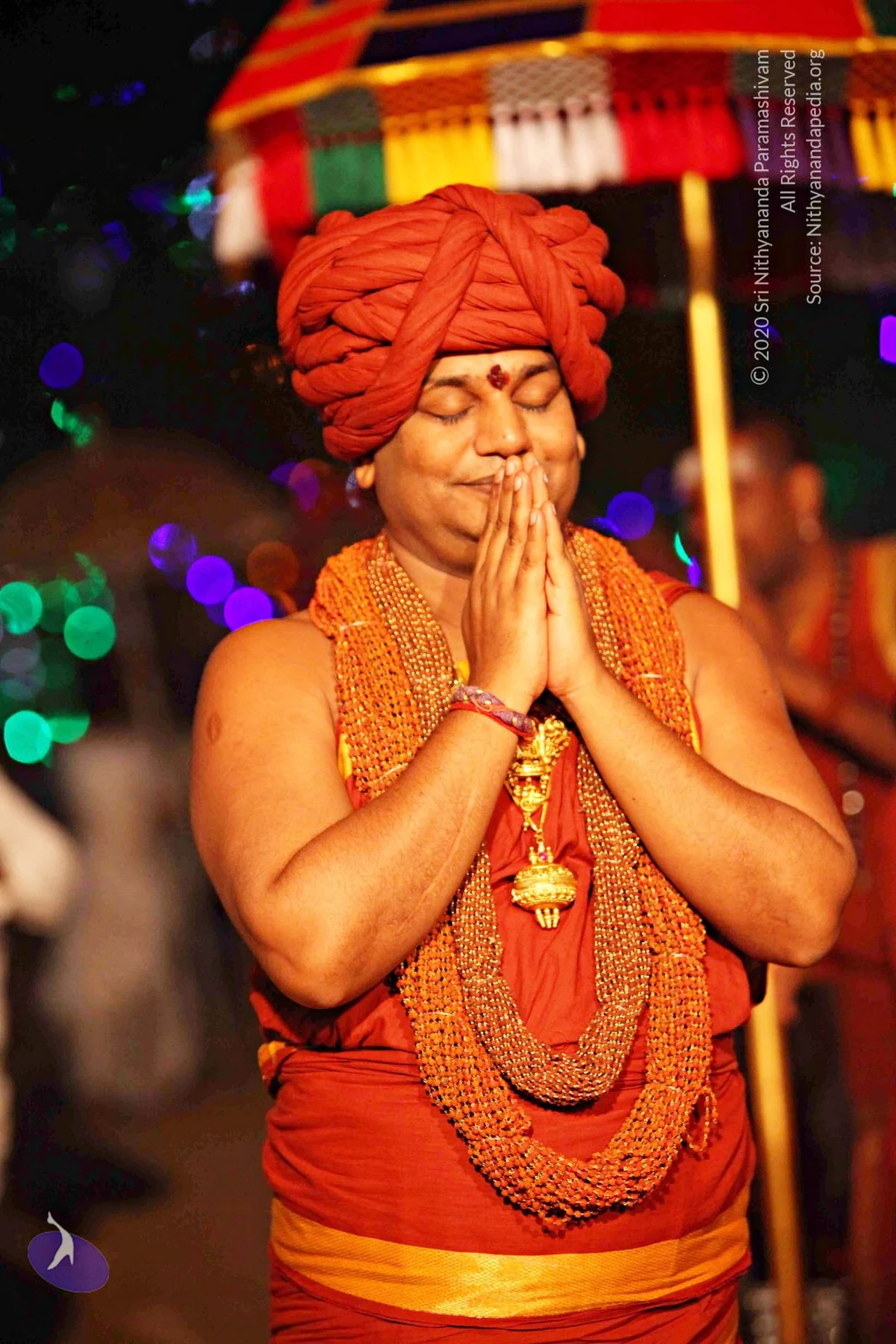
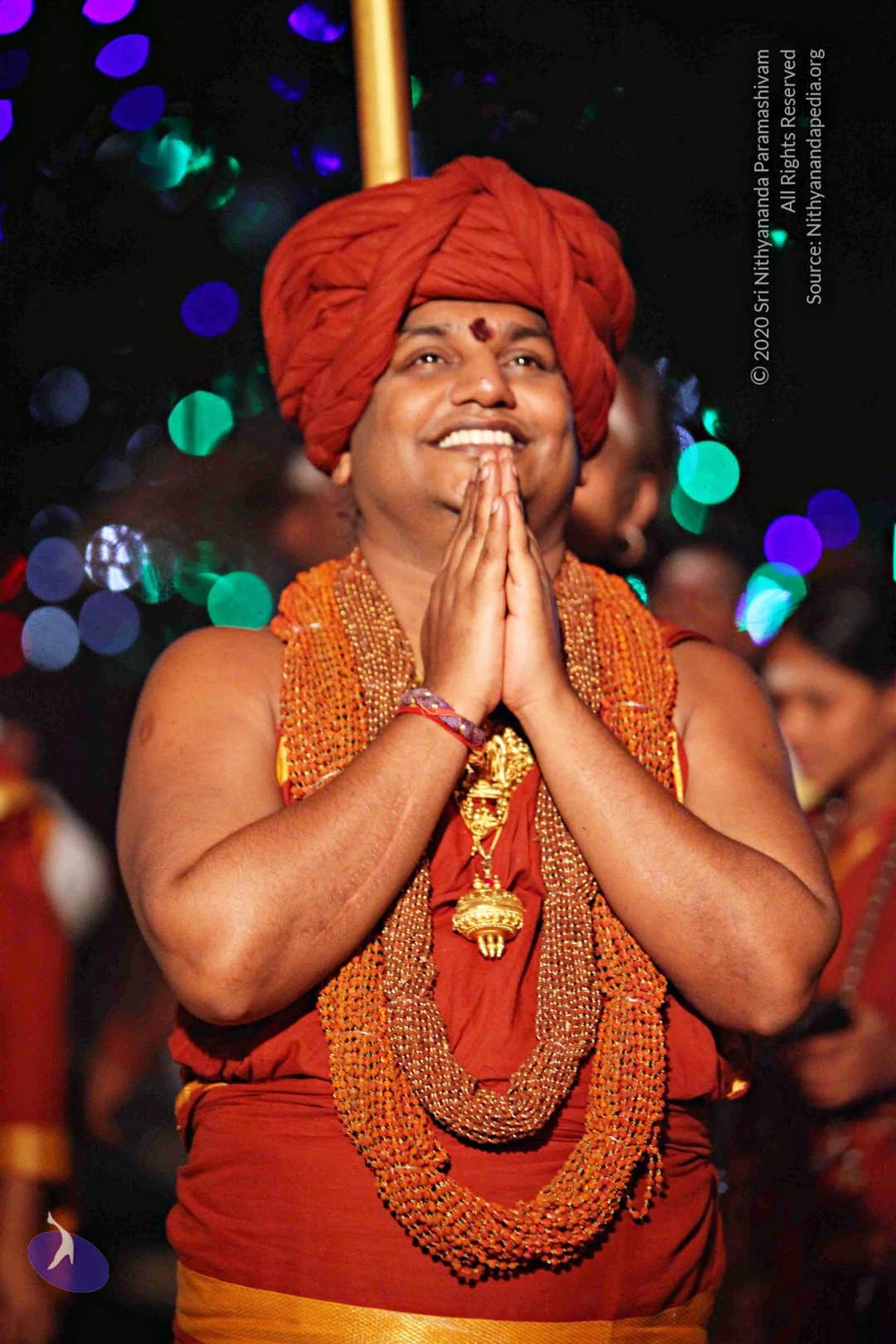
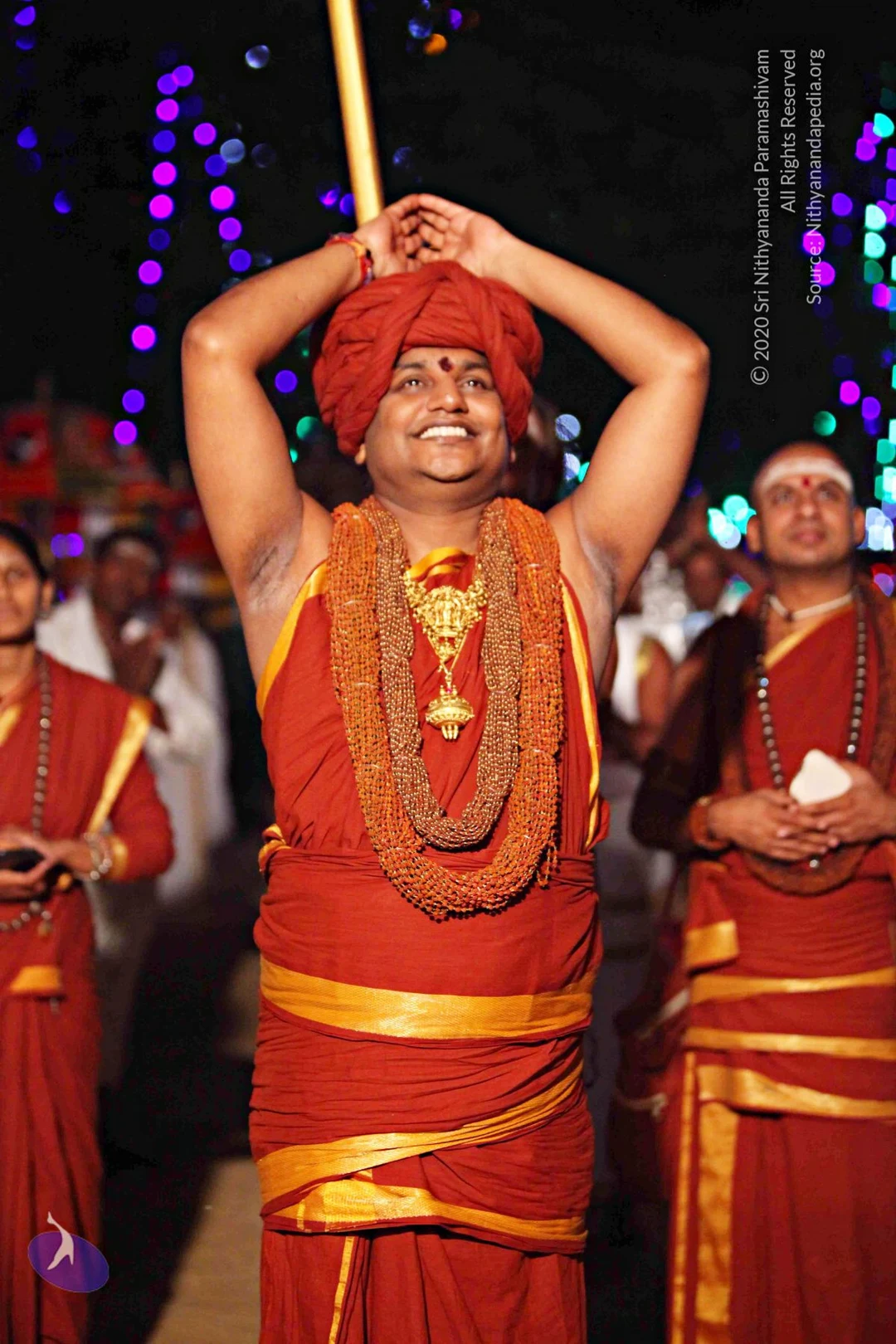
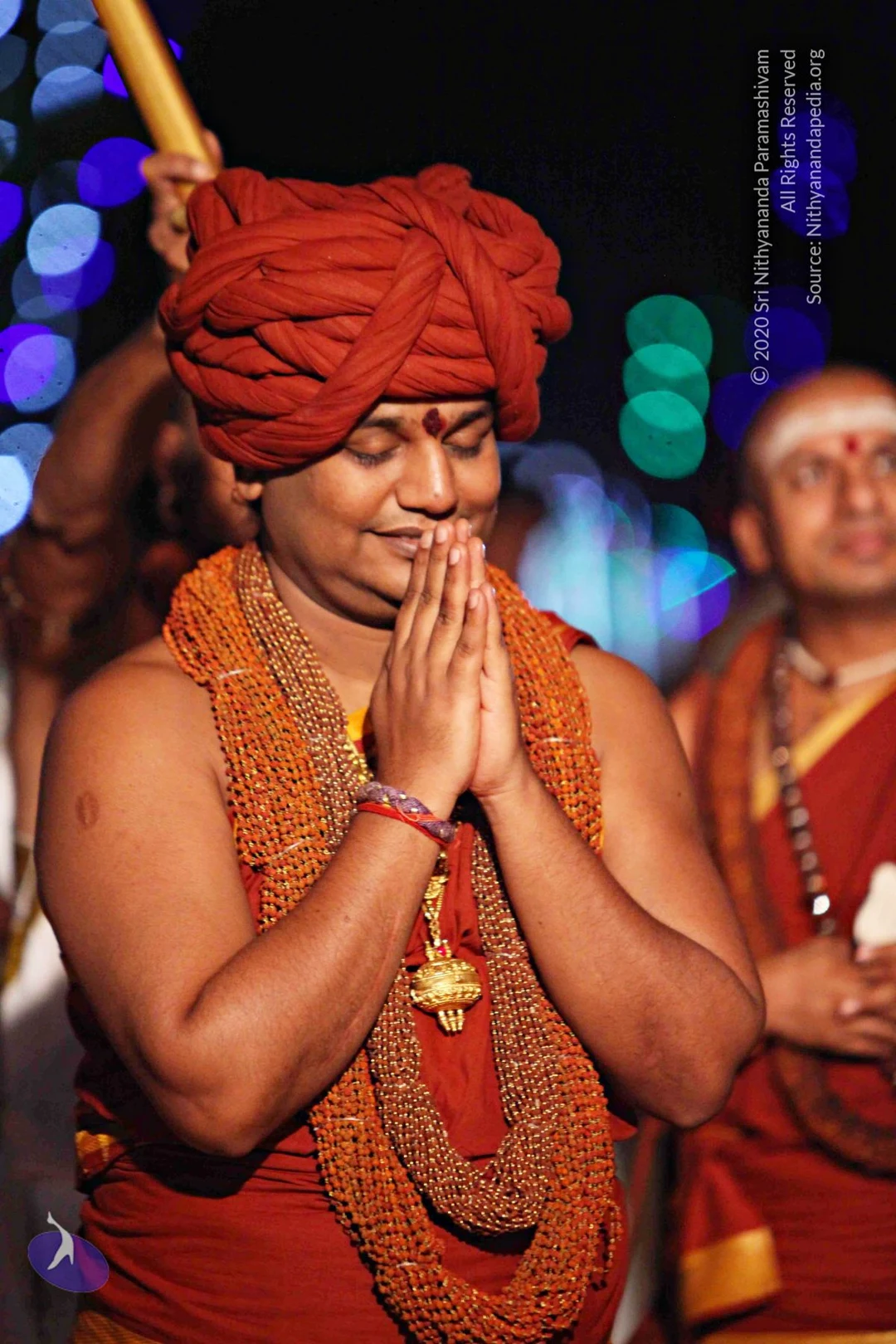
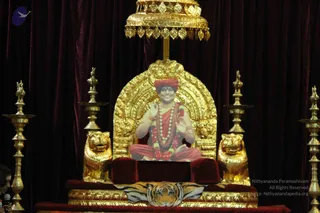
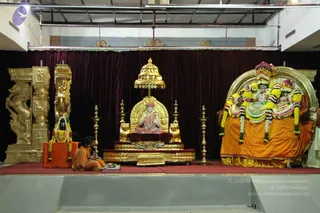
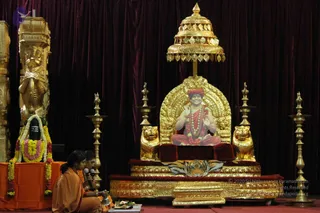
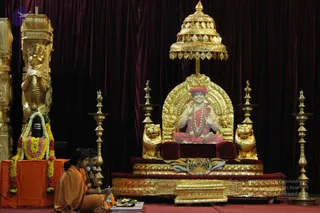
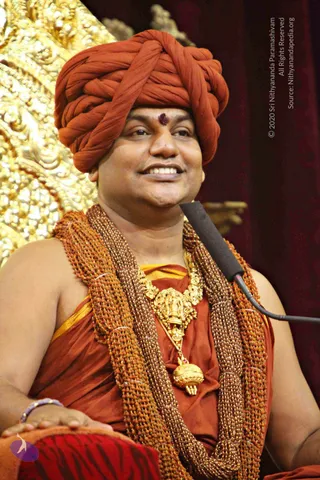
Photos From The Day:
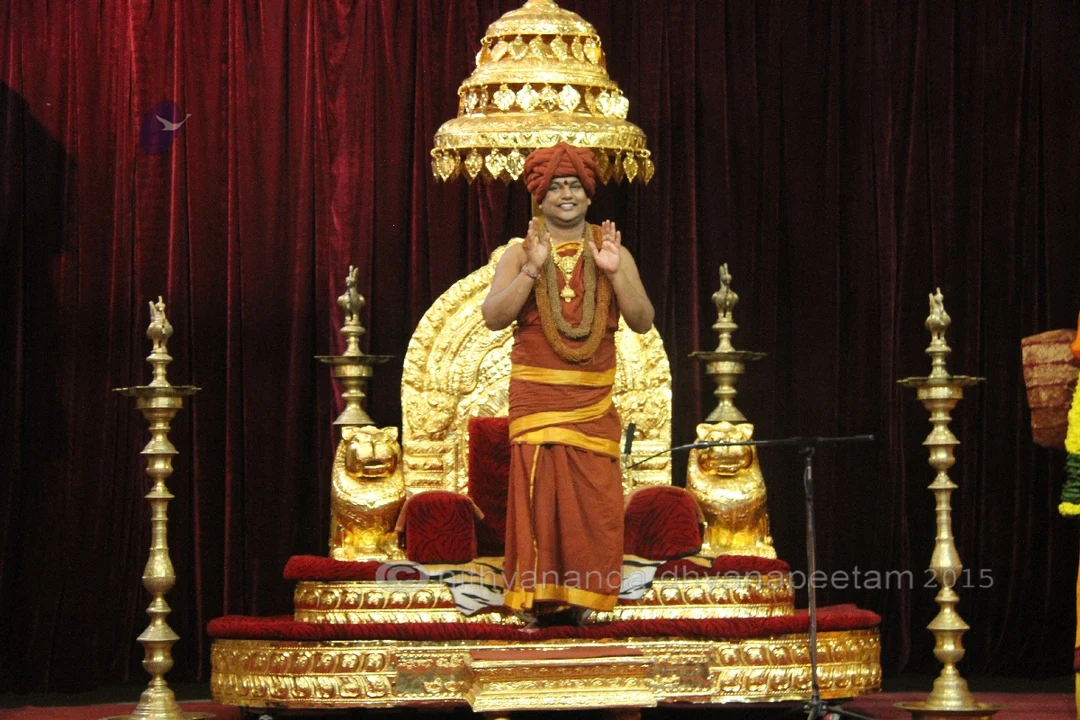
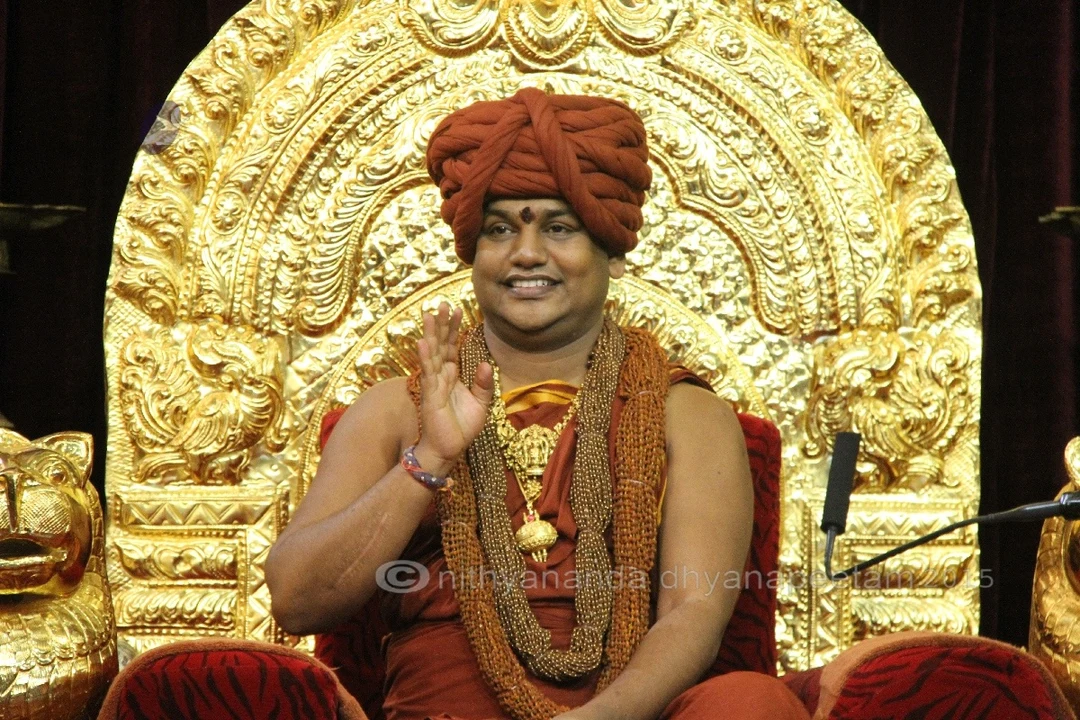
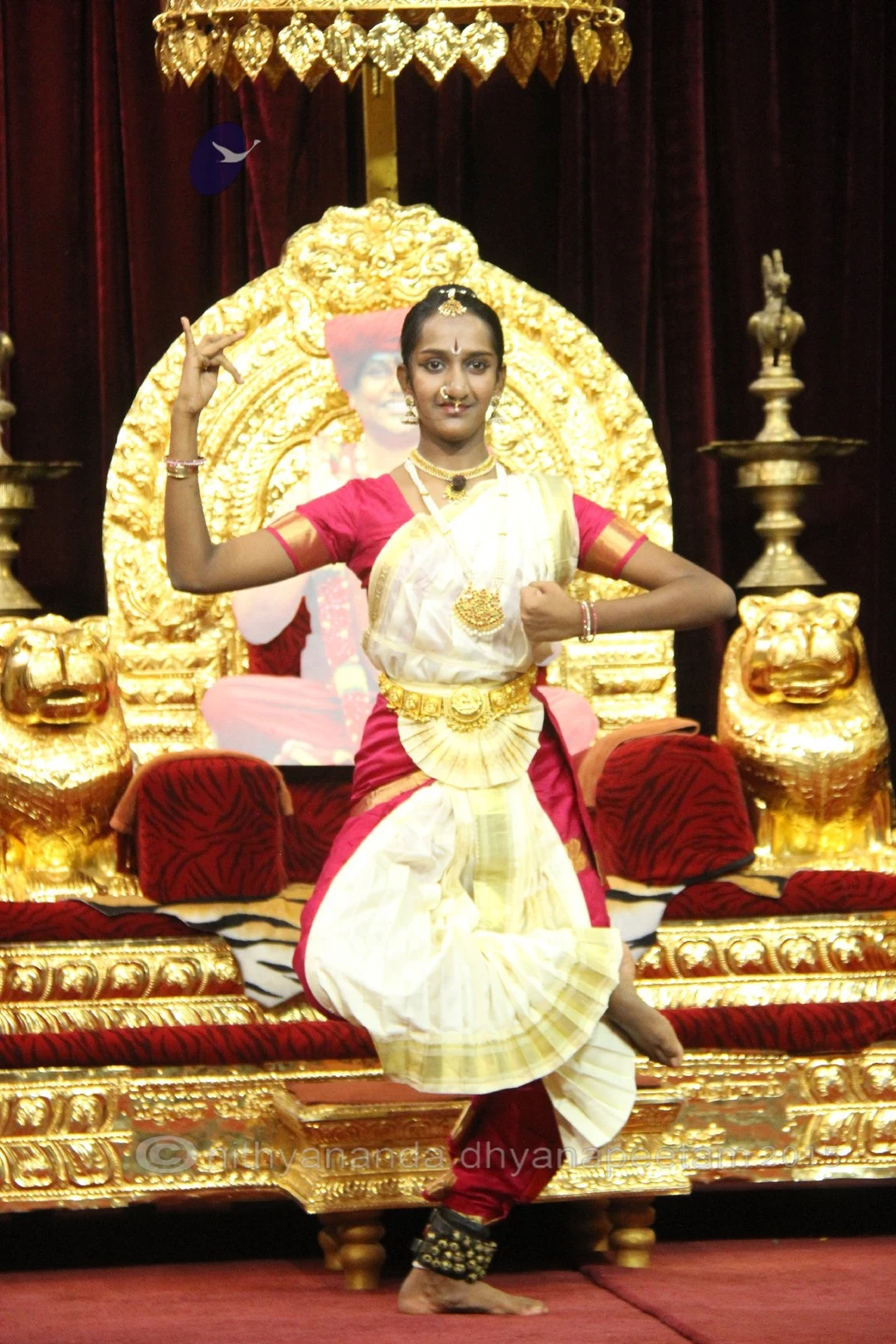
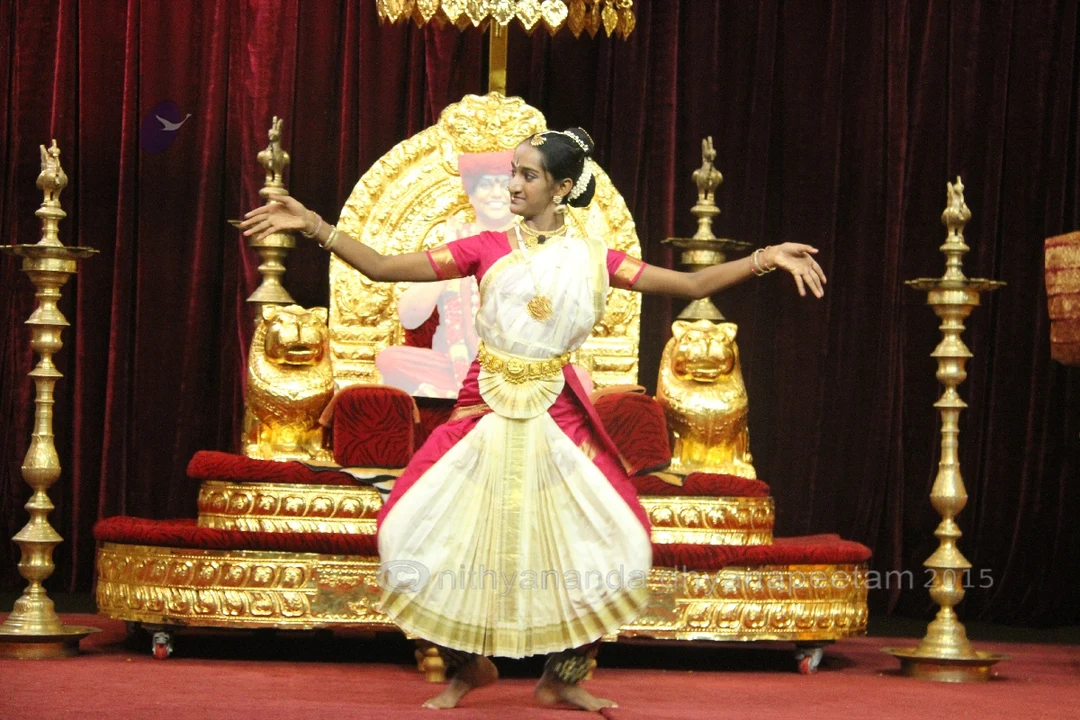
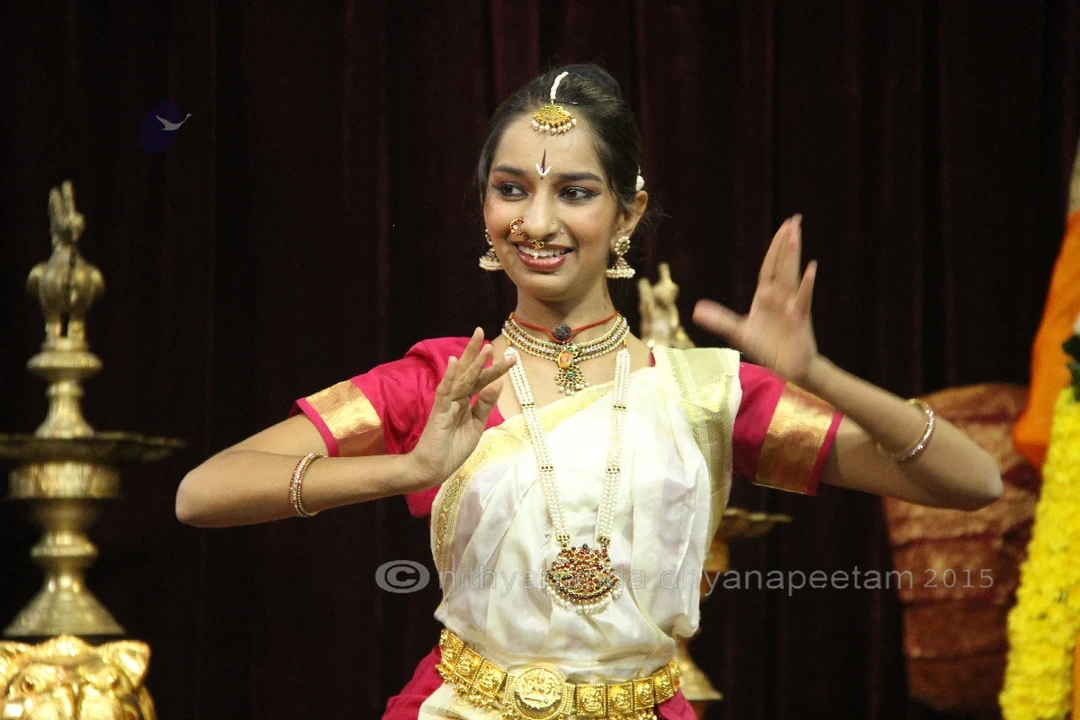
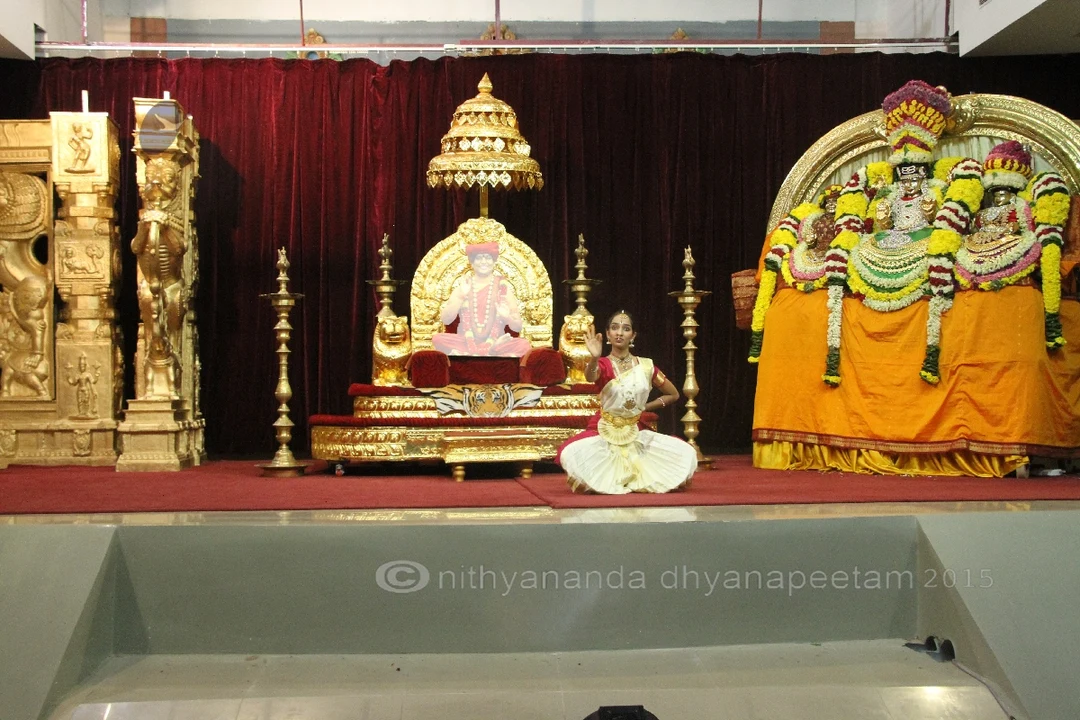
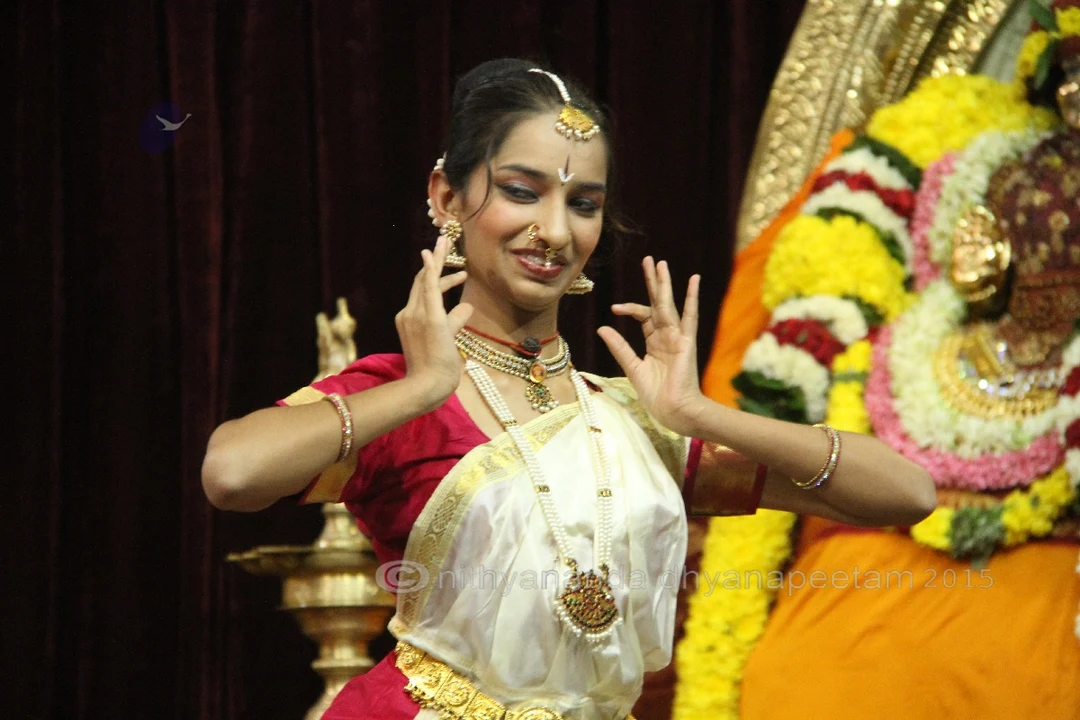
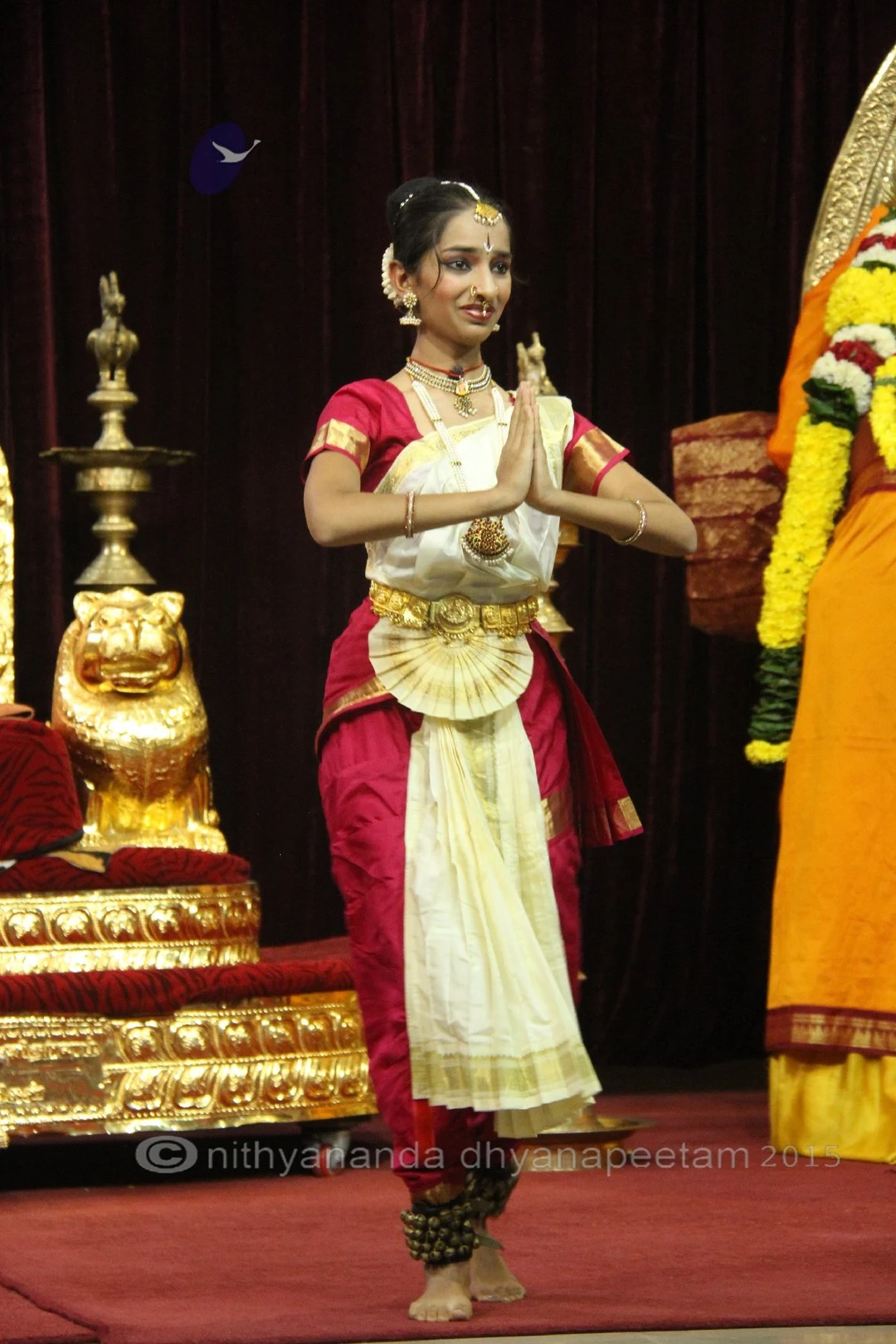
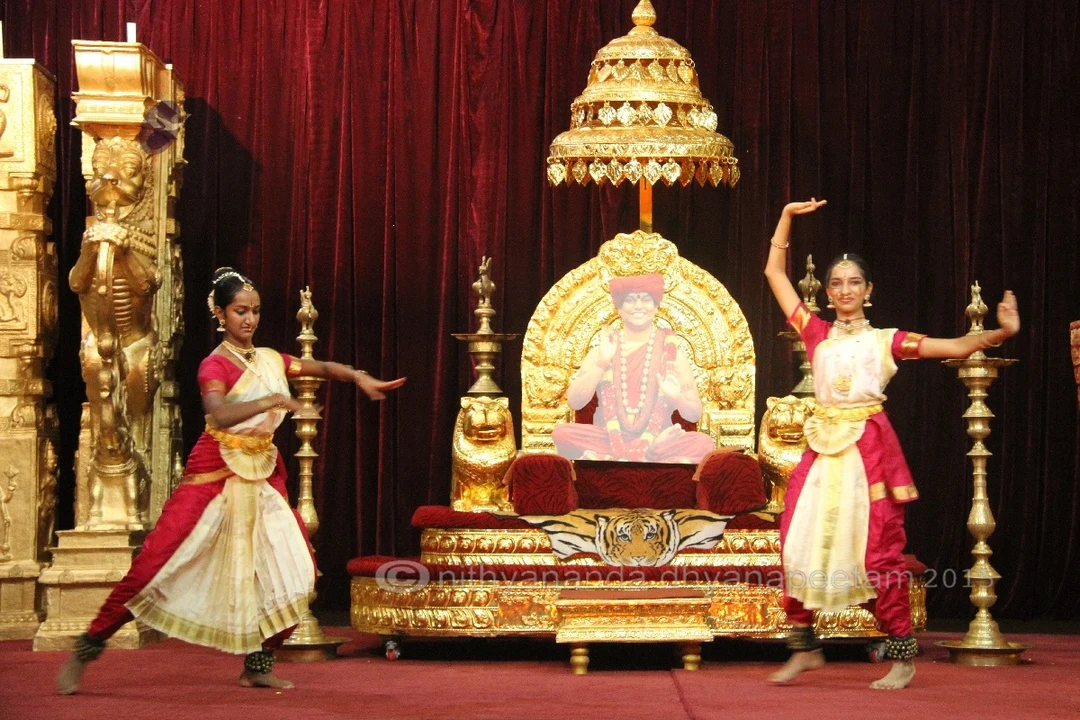
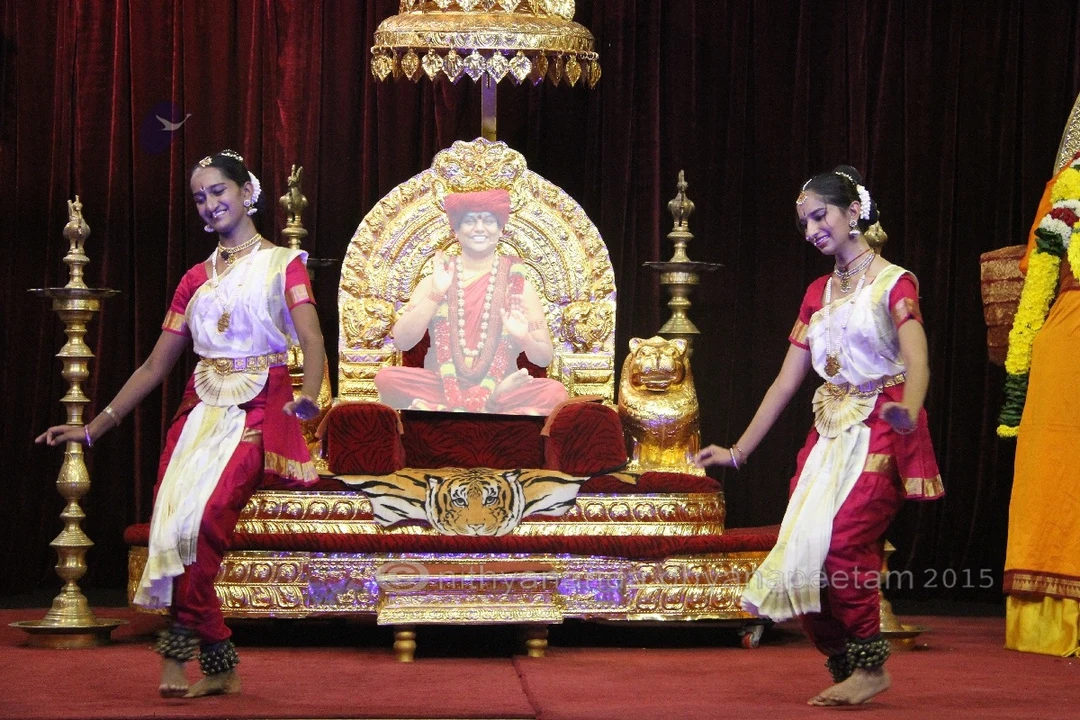
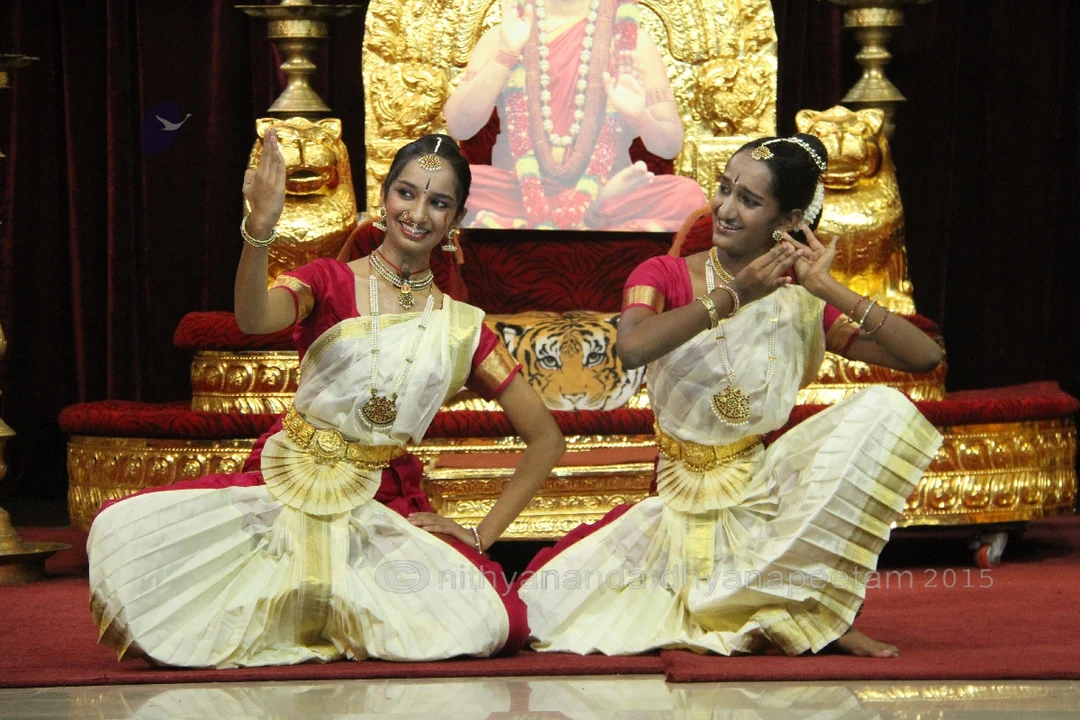
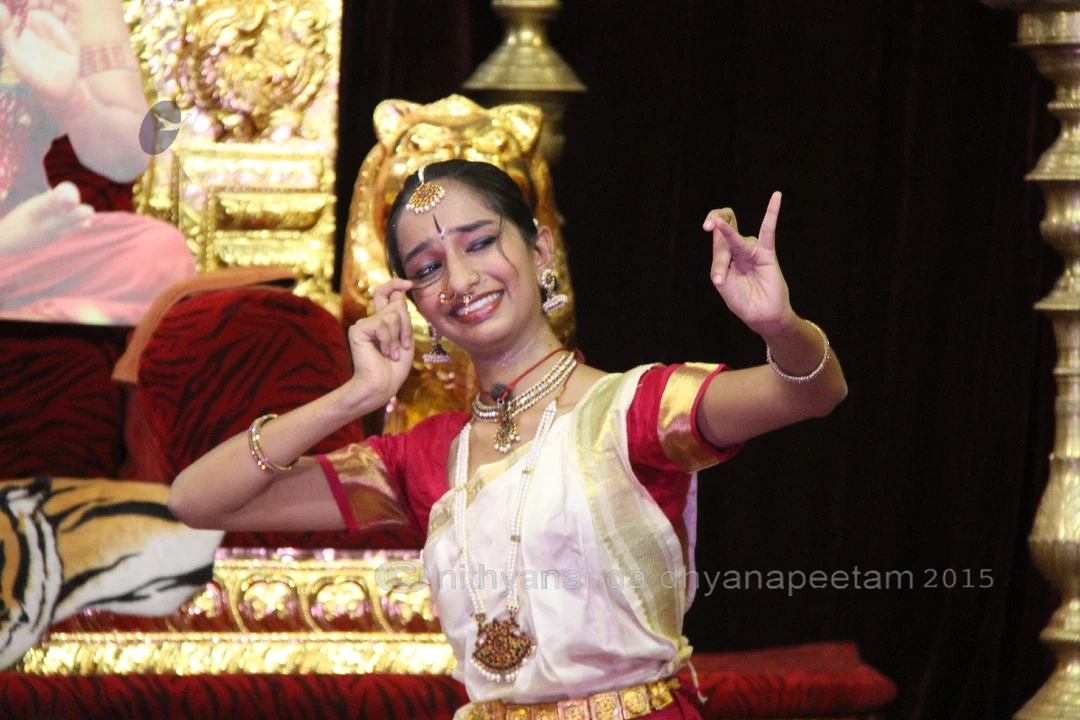
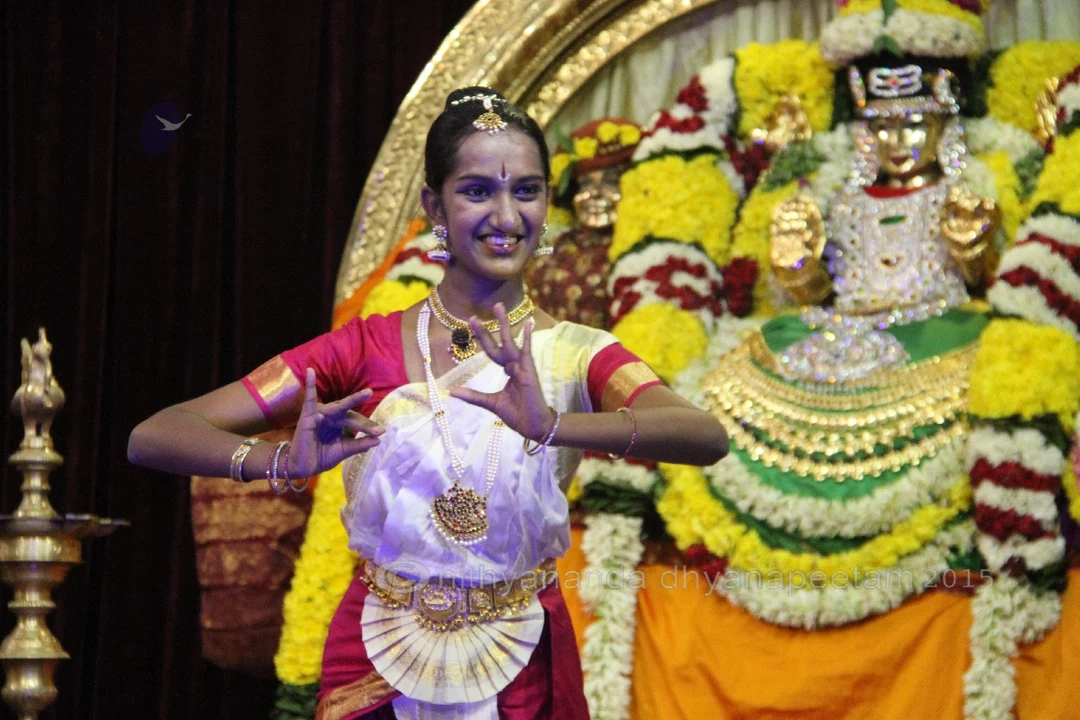
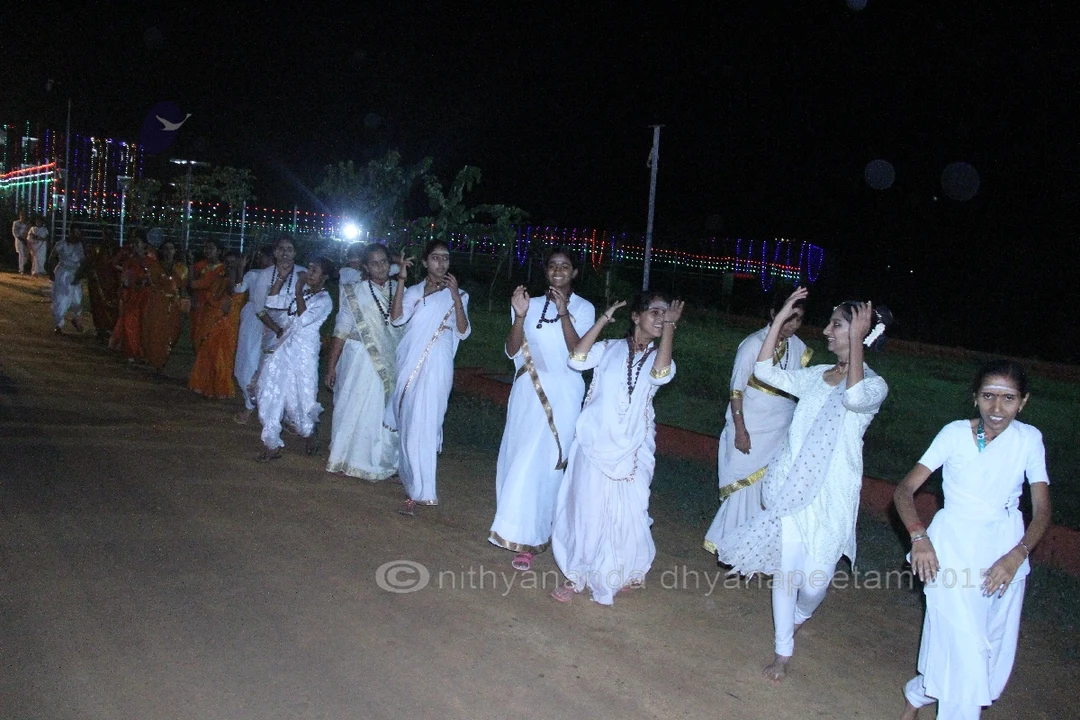
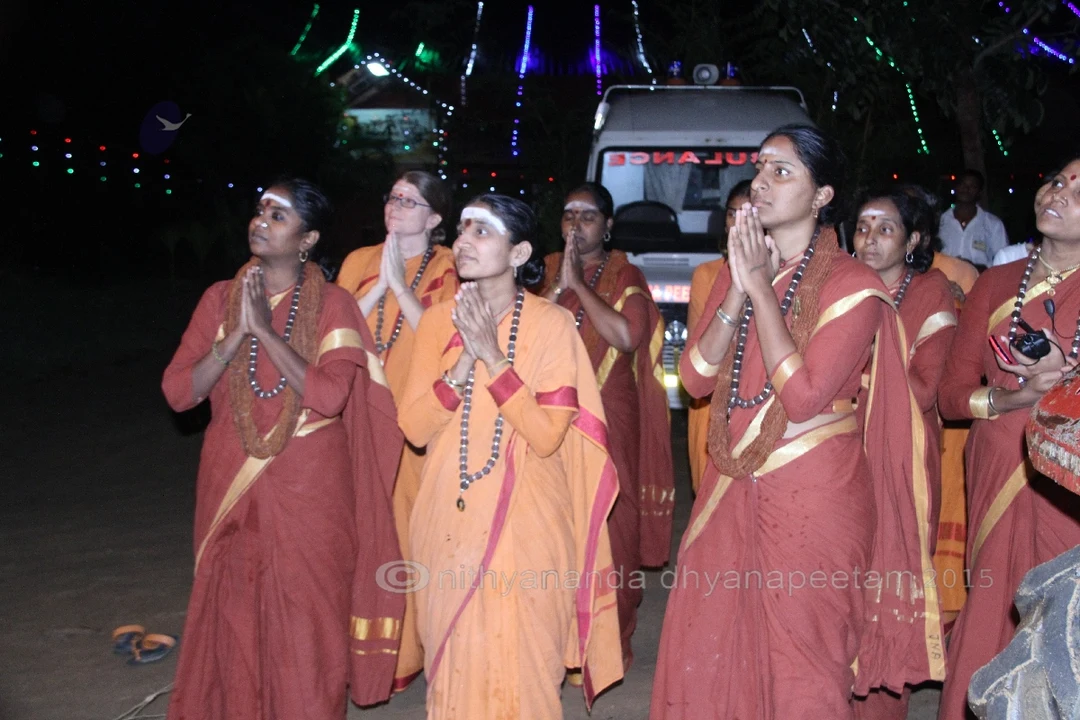
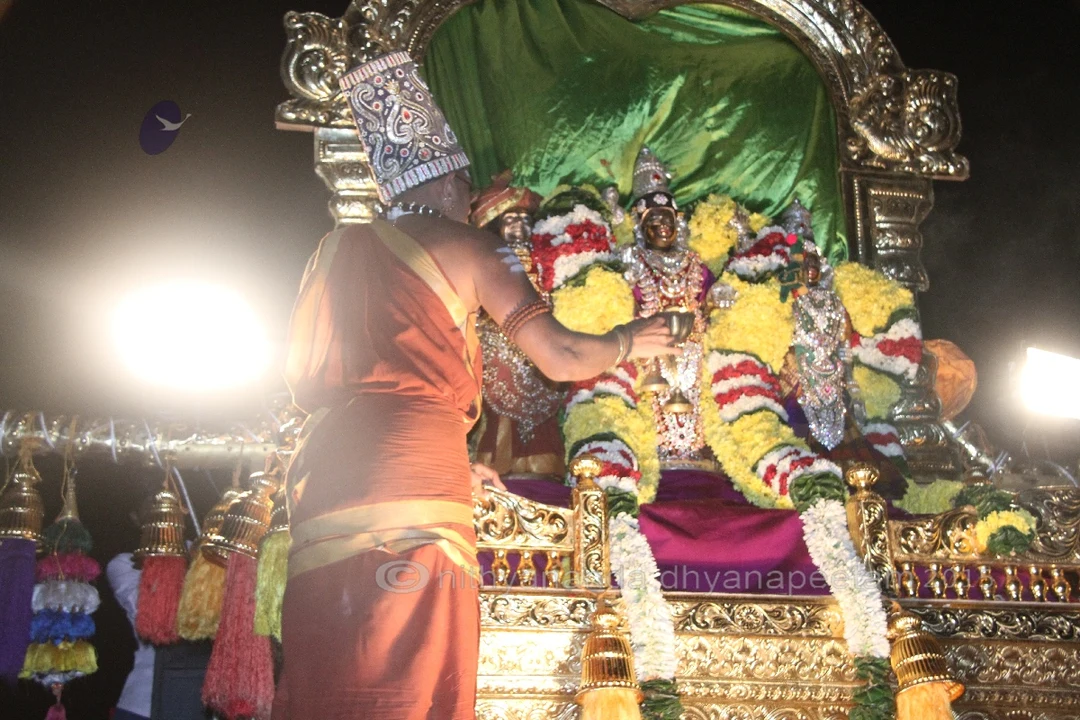
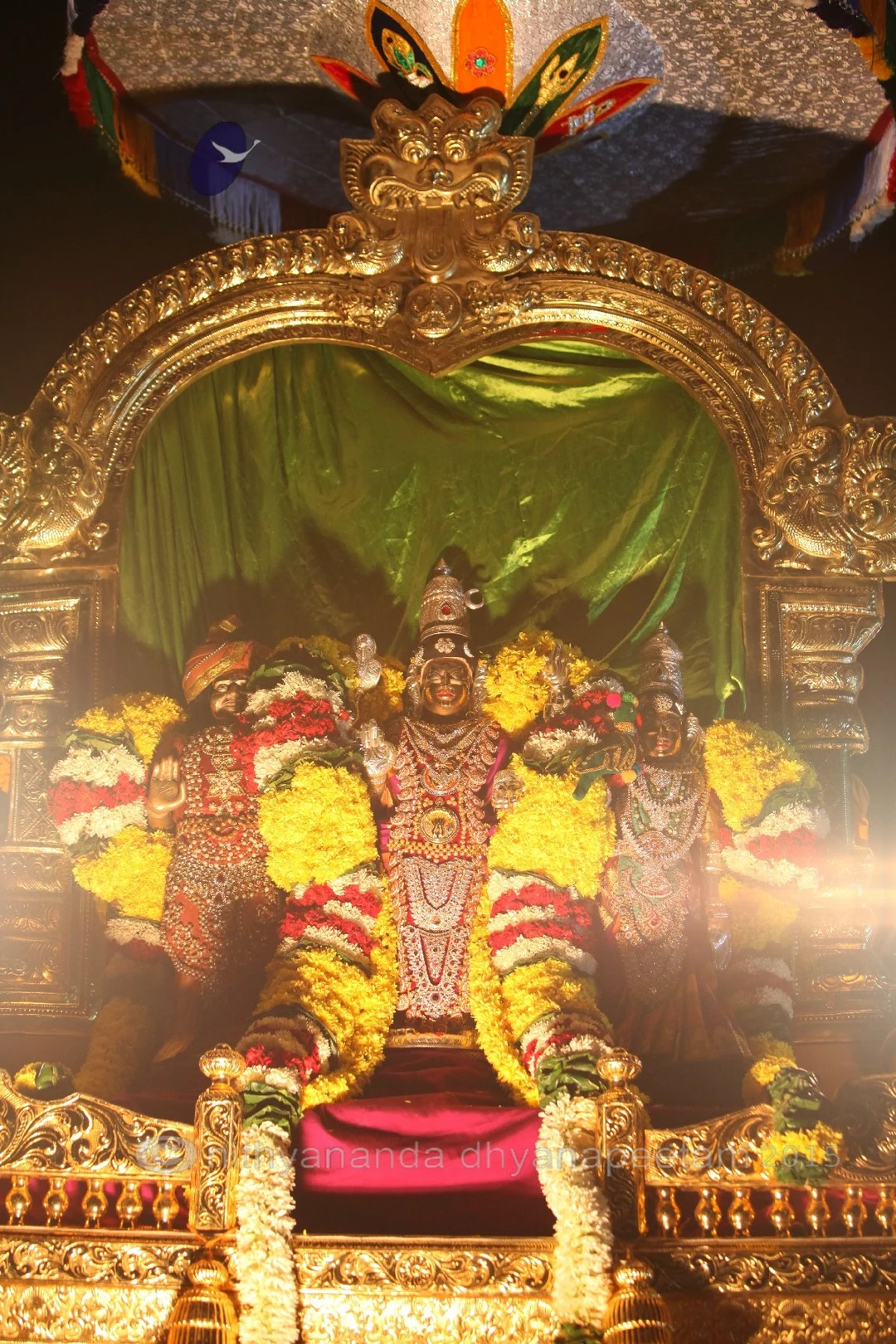
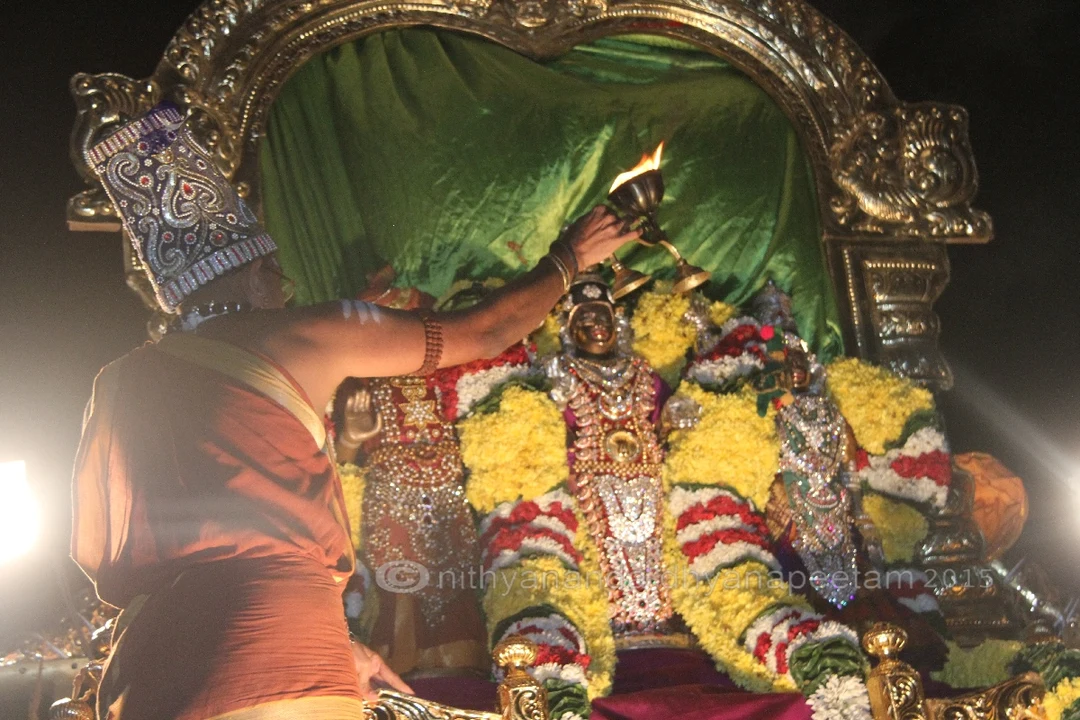
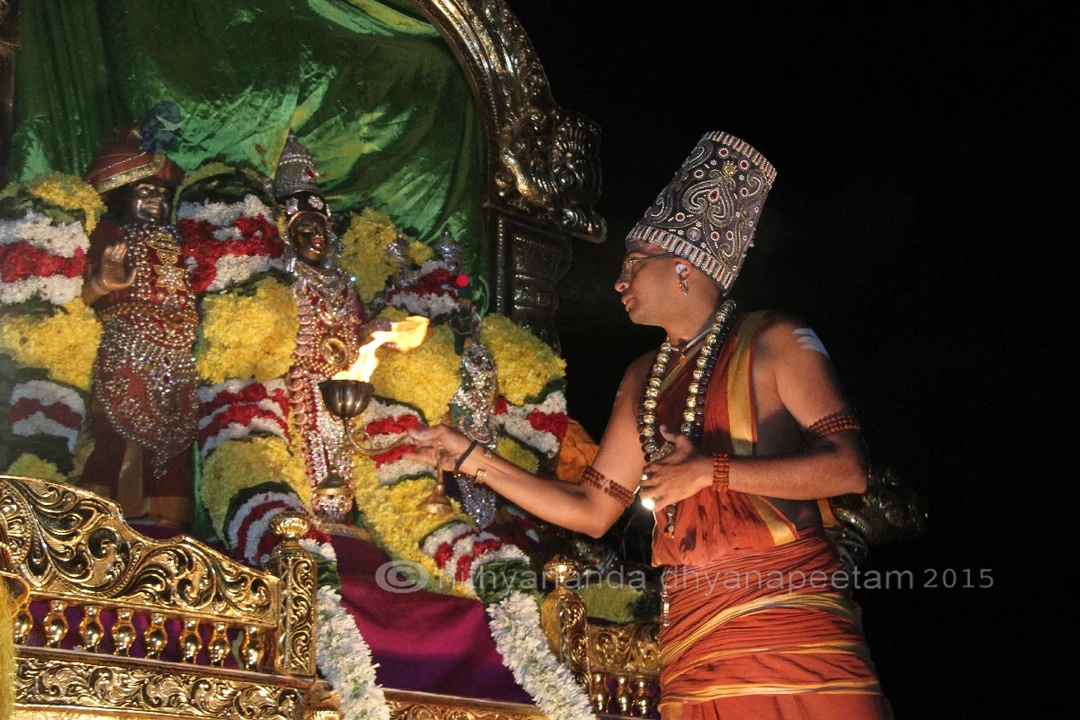
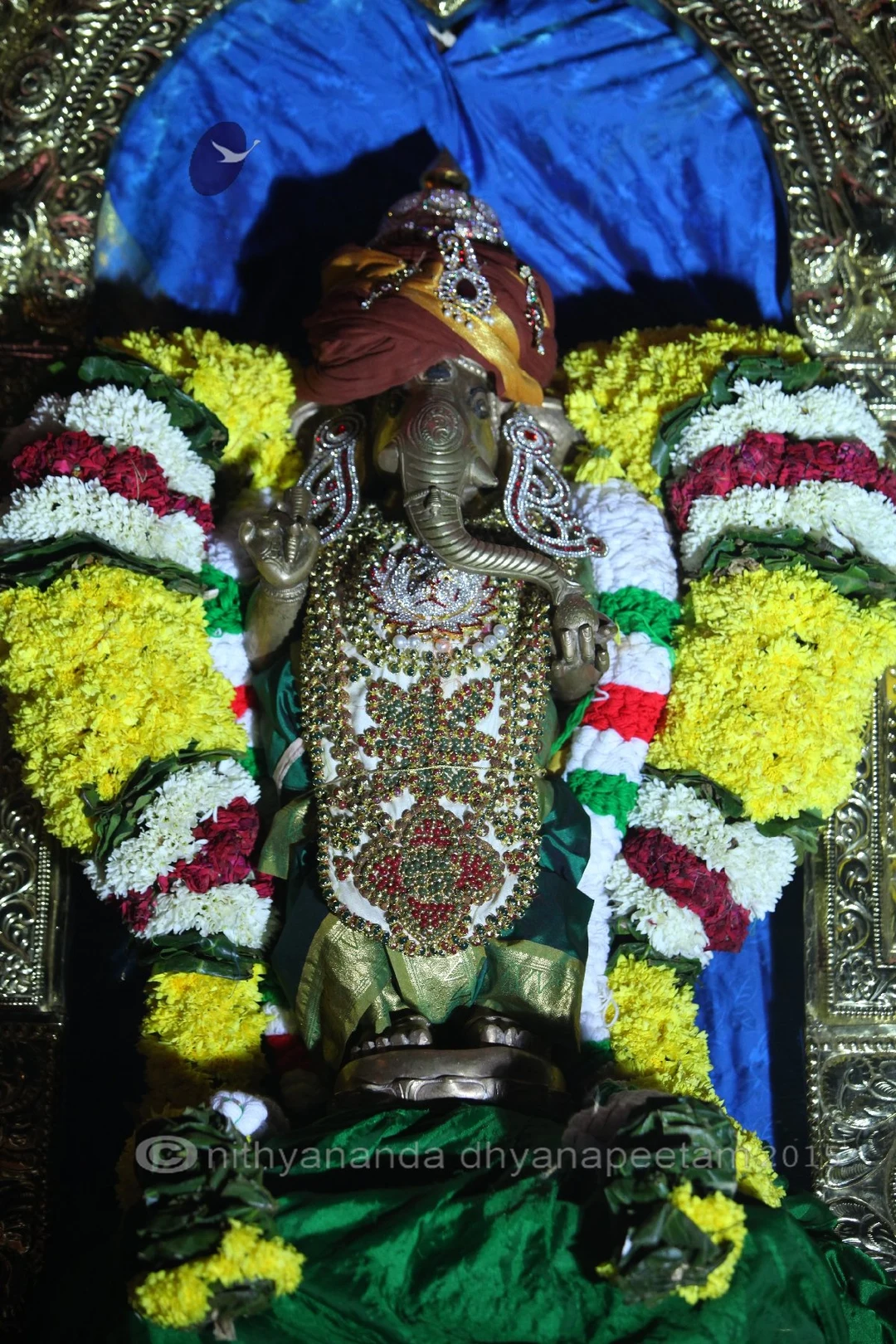
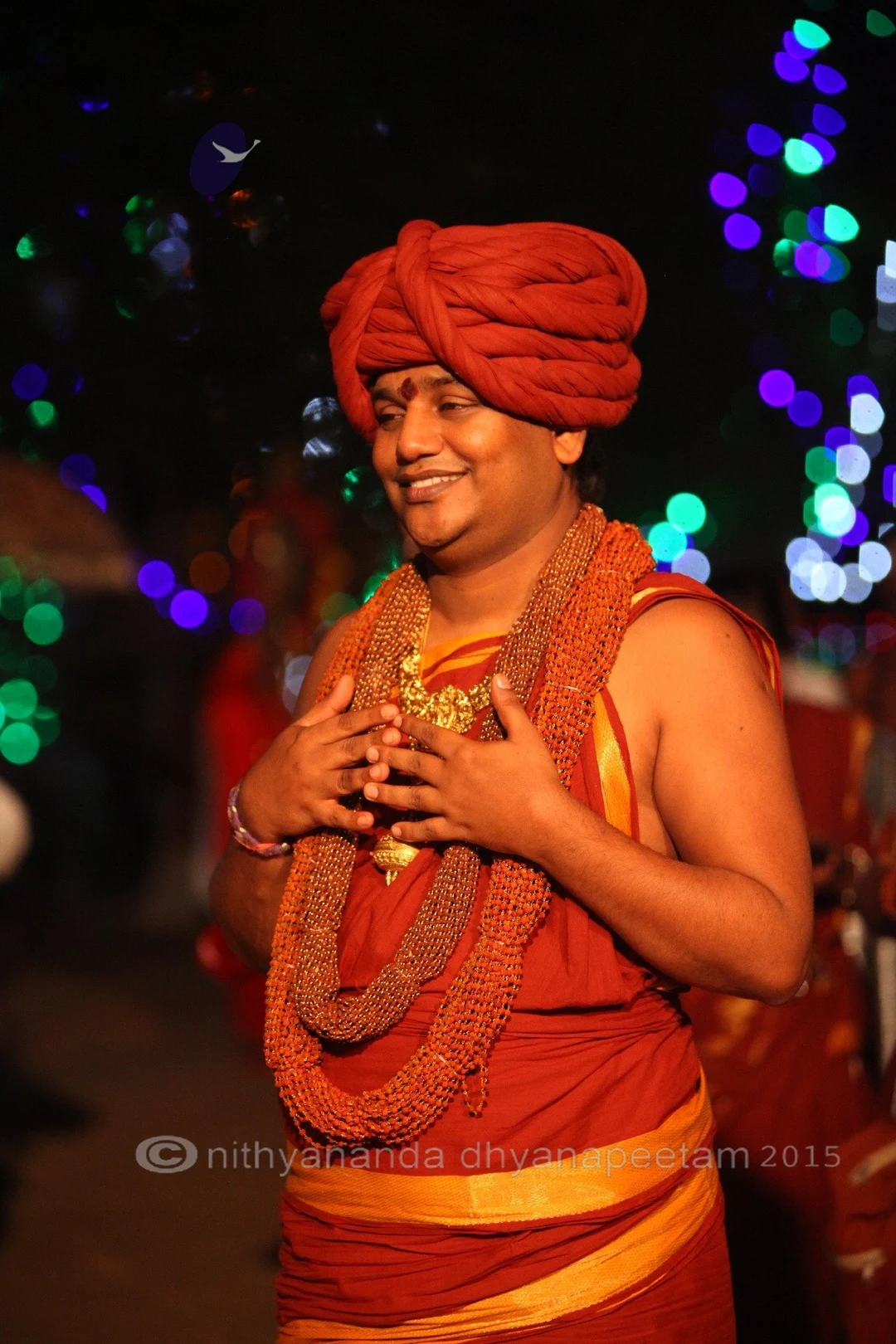
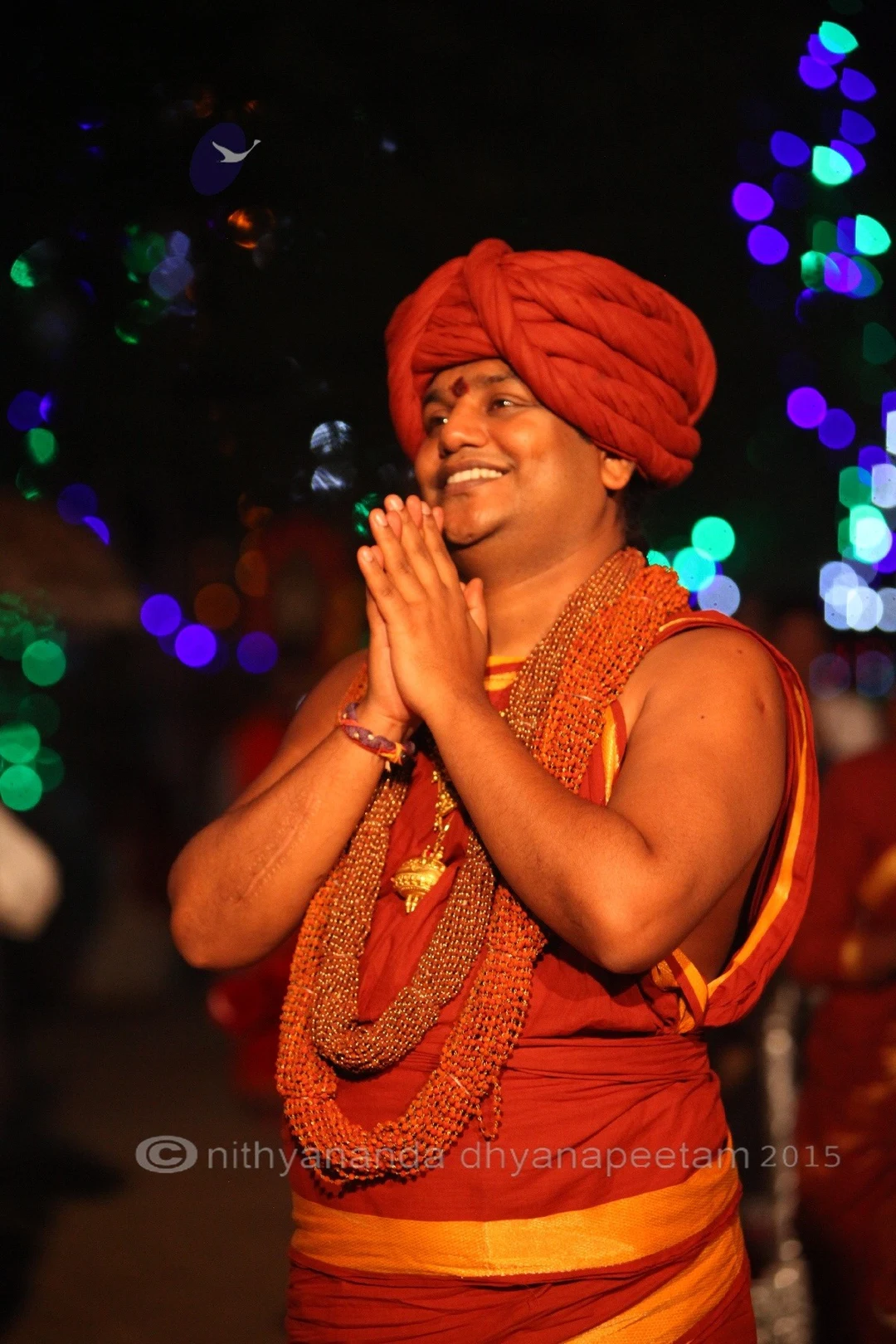
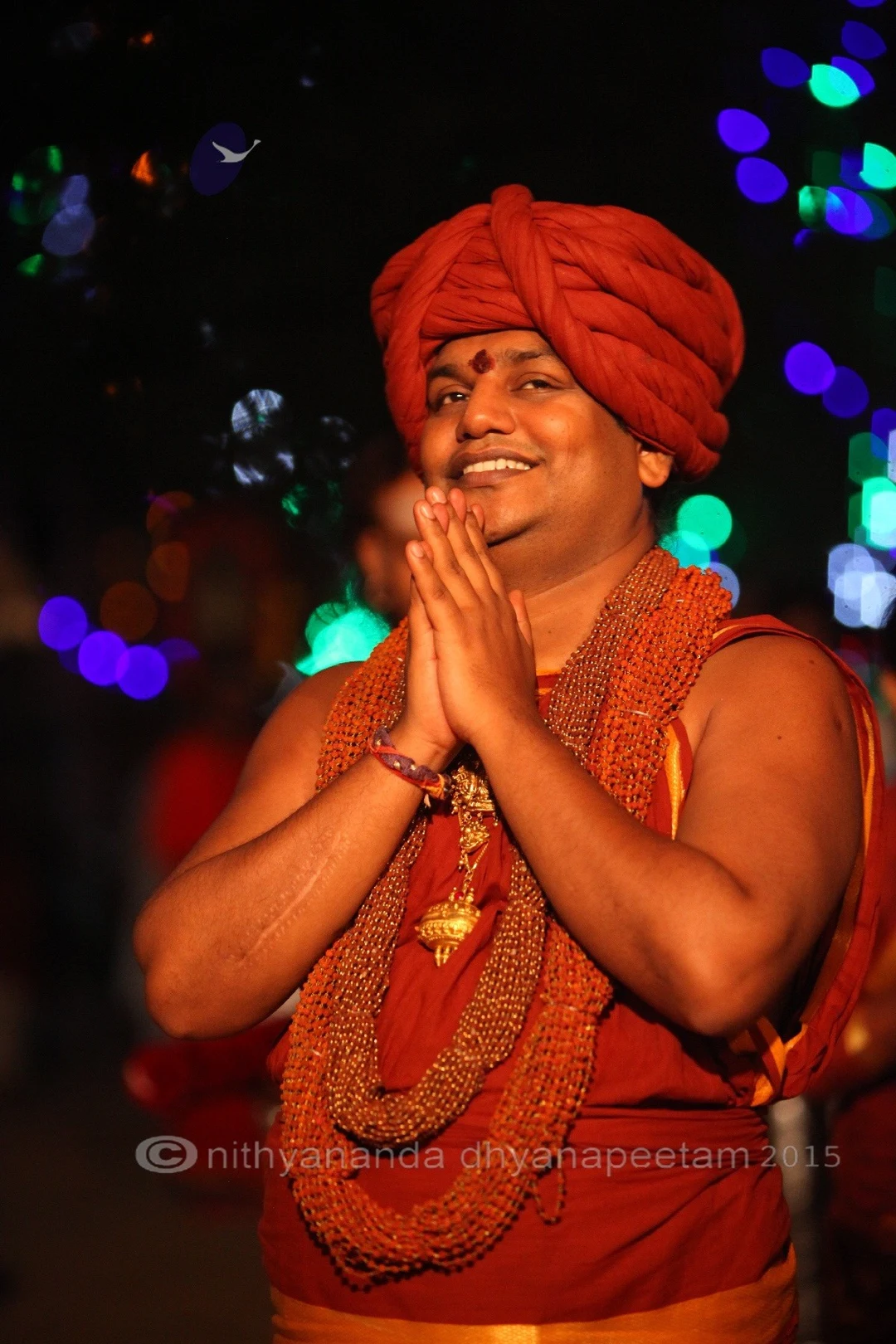
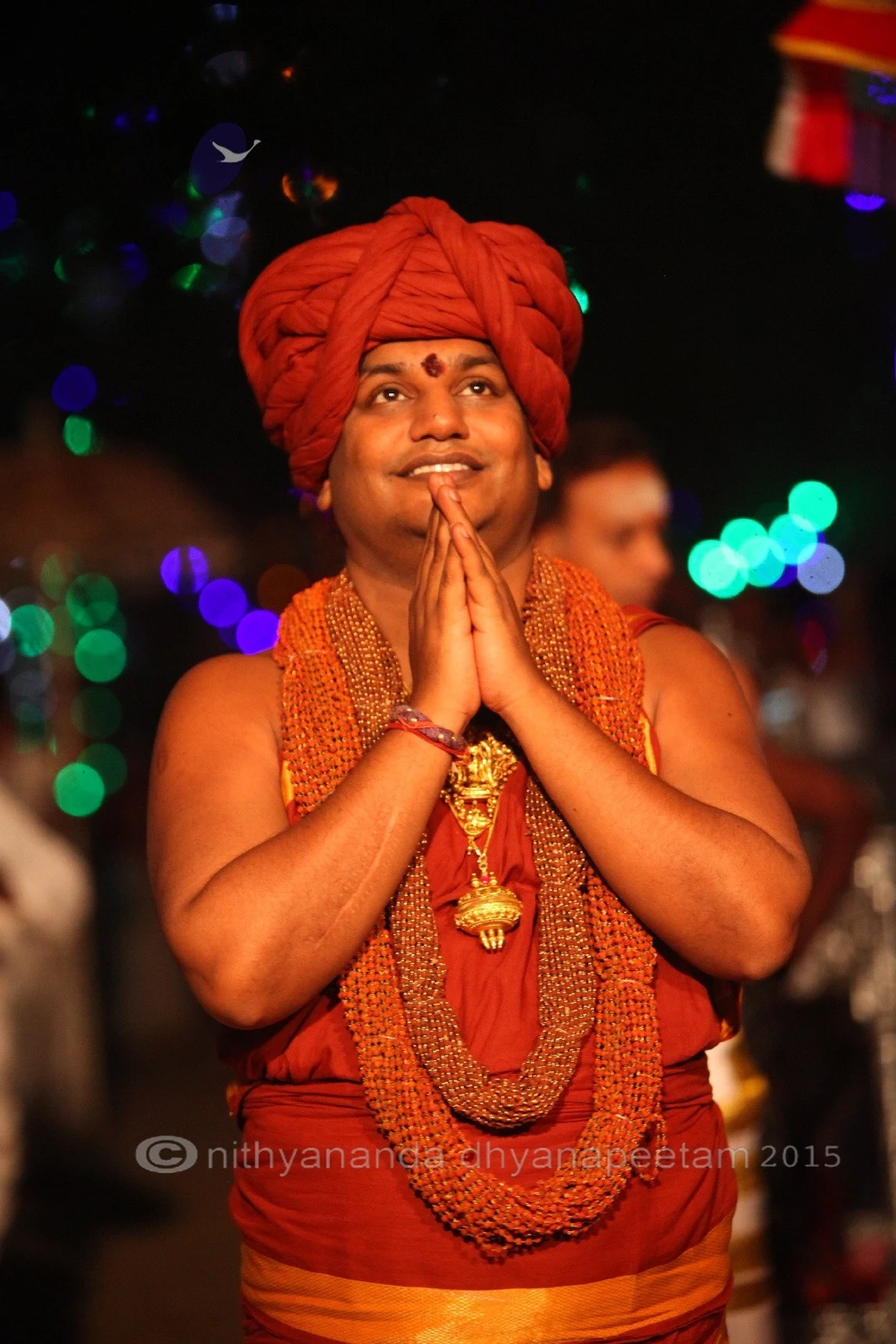
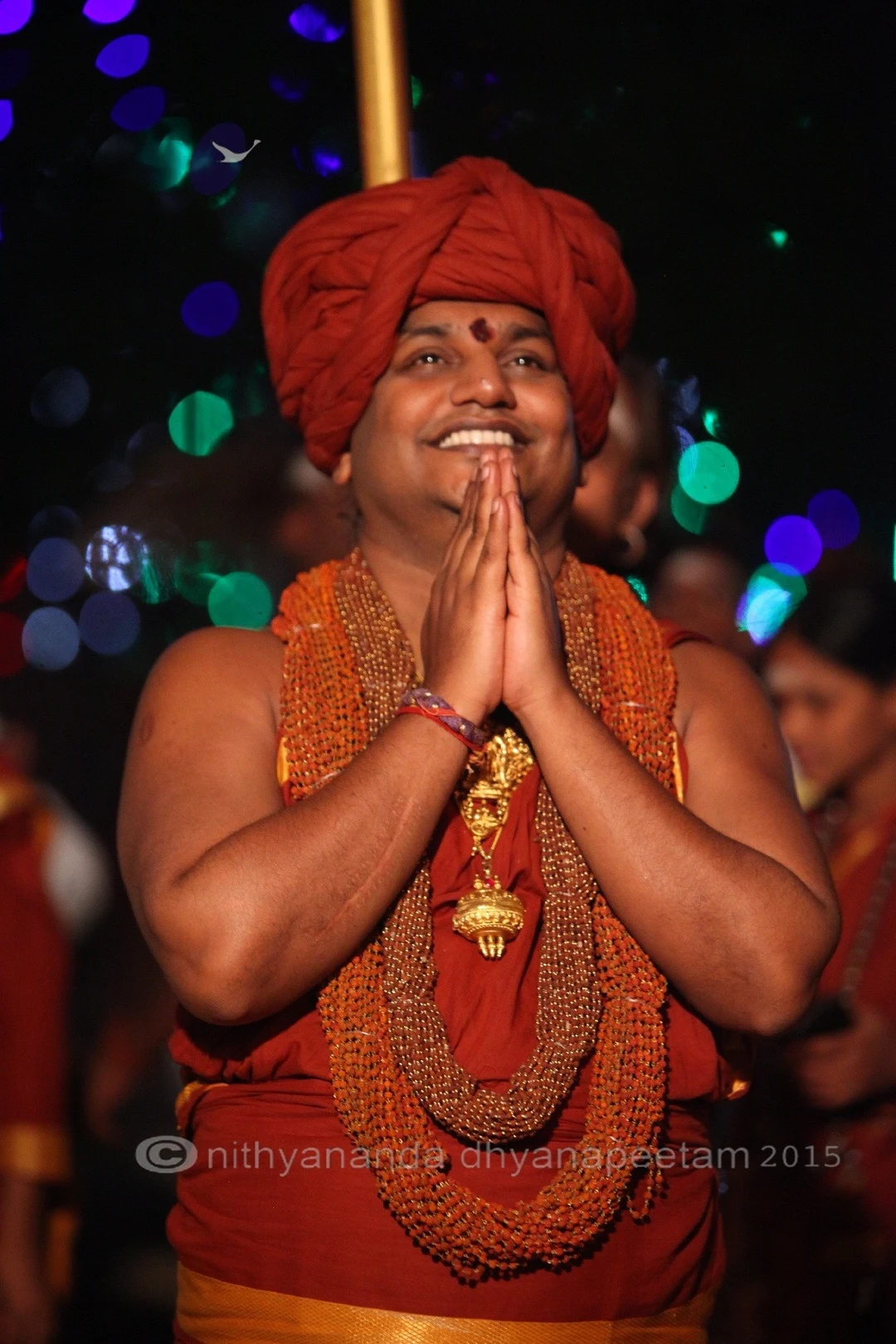
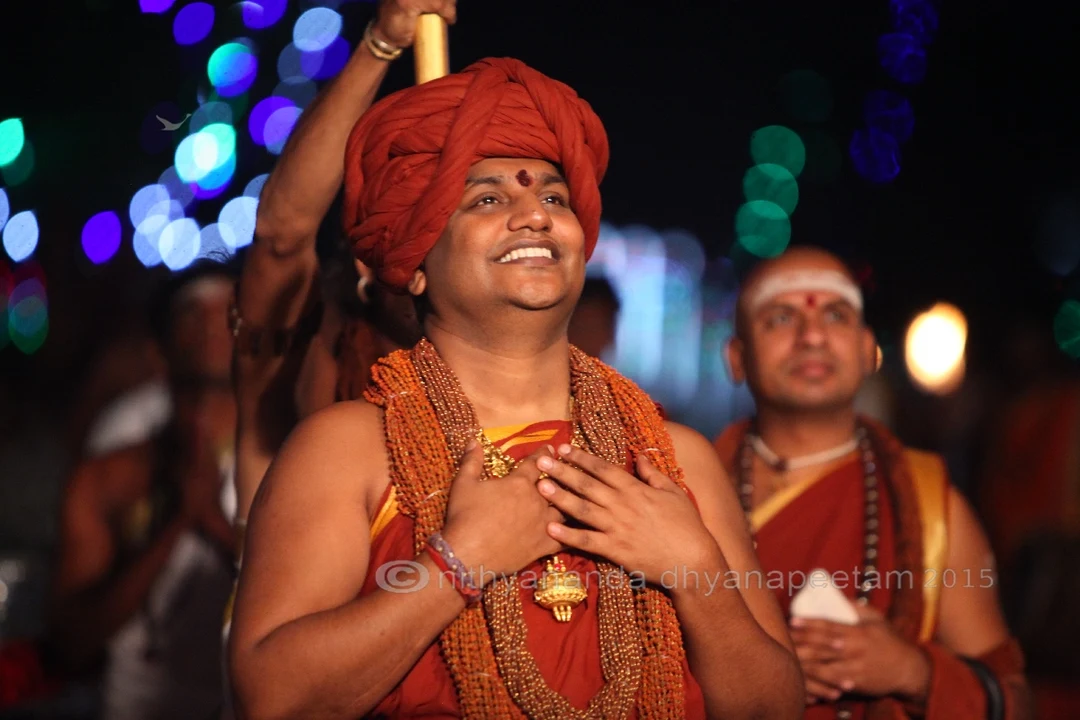
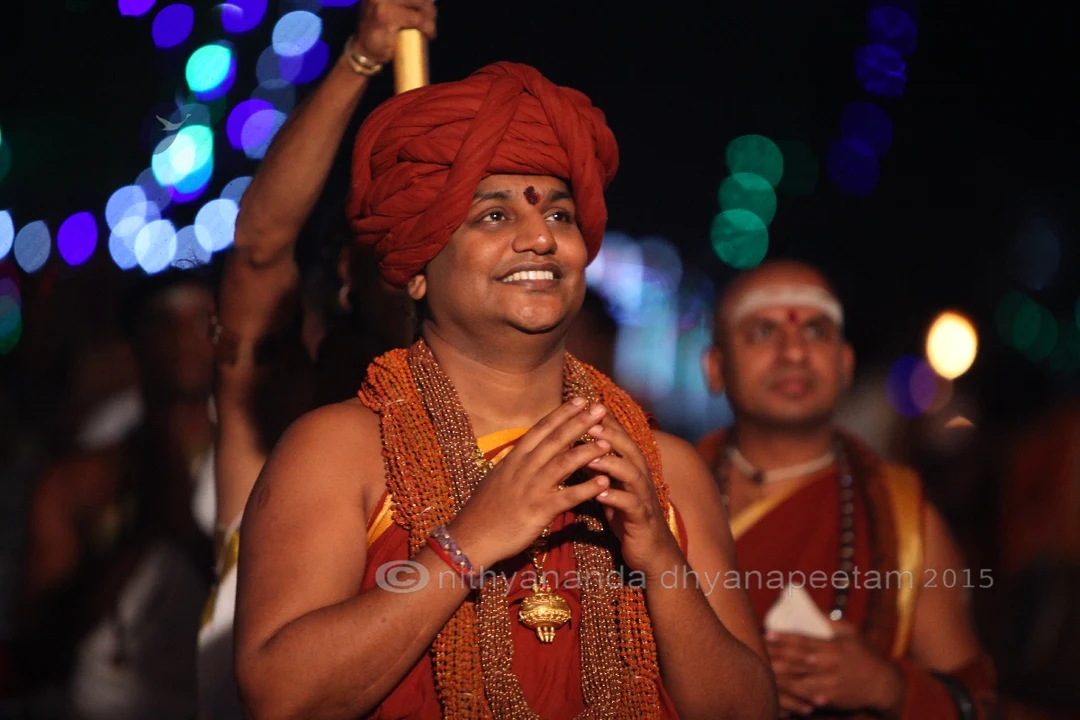
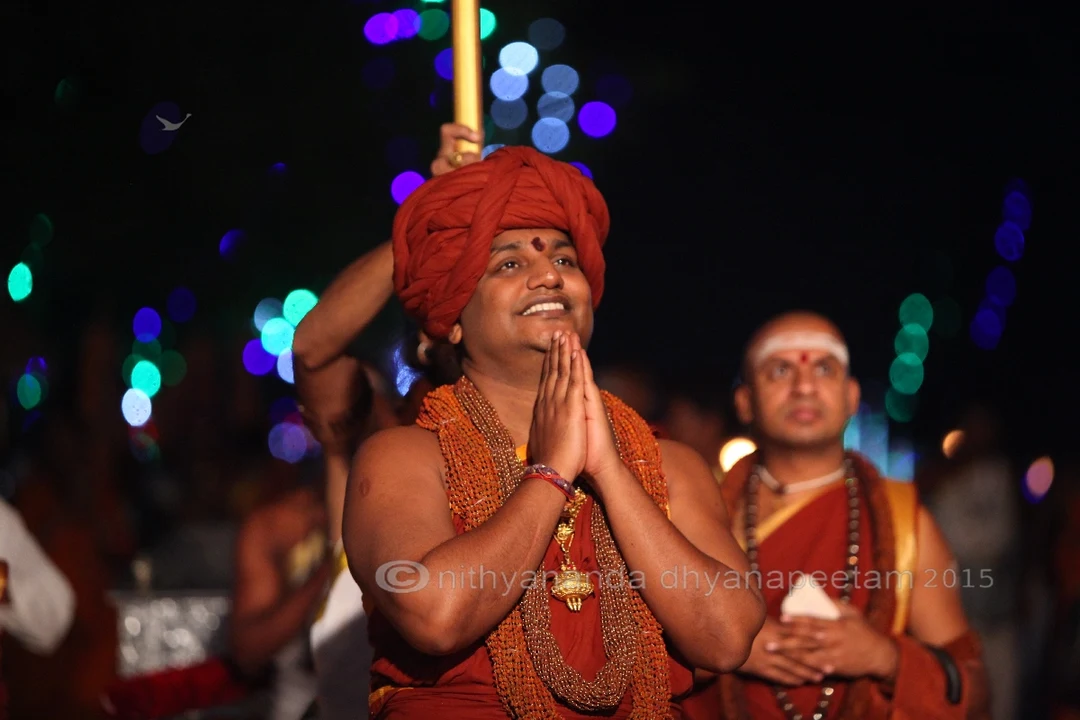
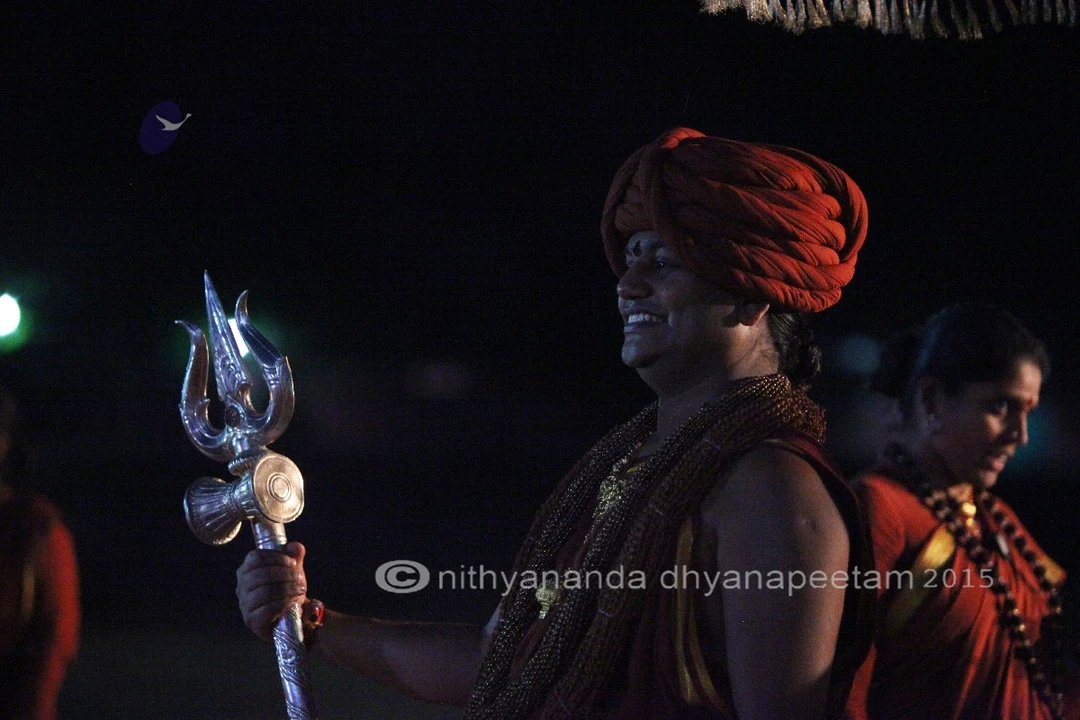
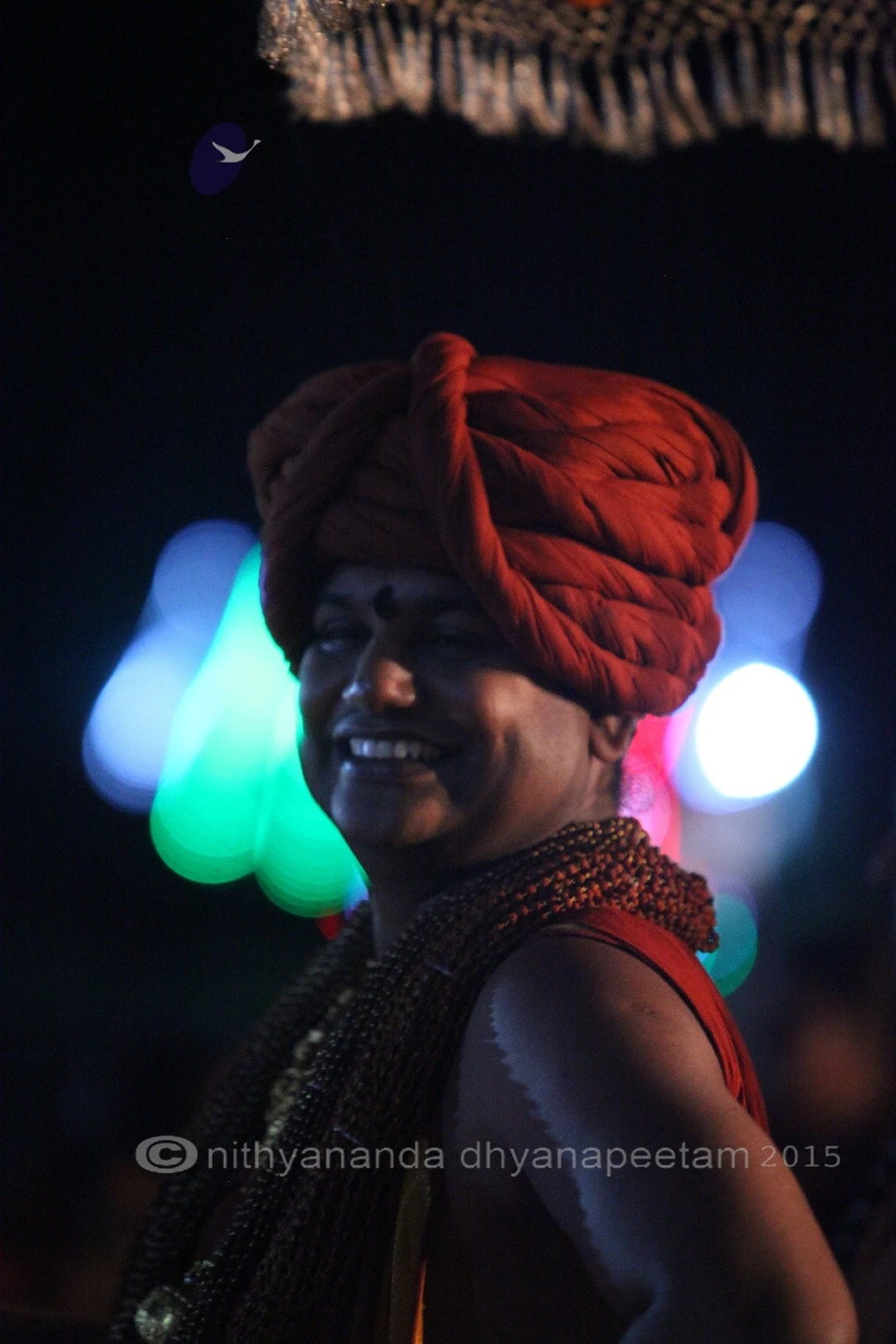
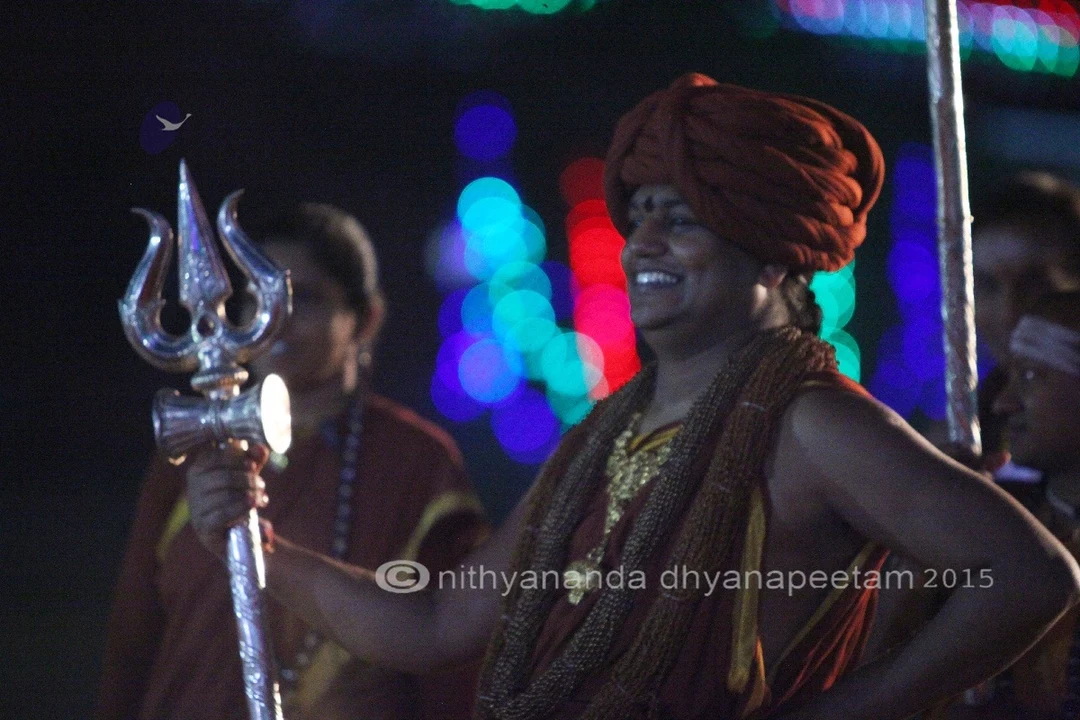
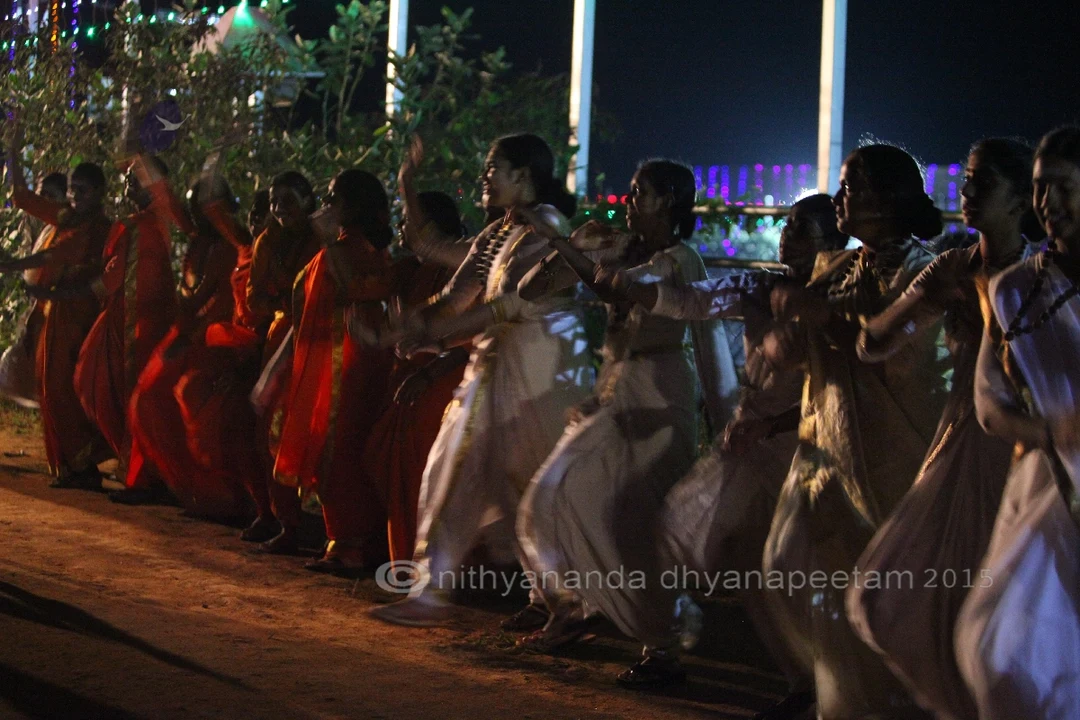
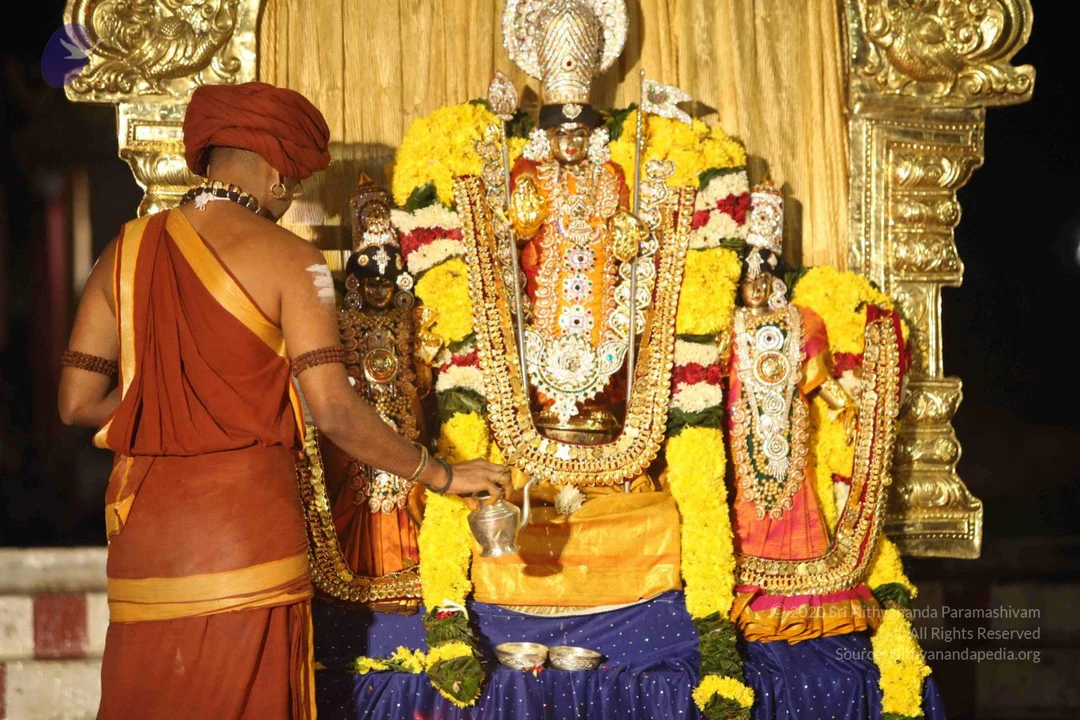
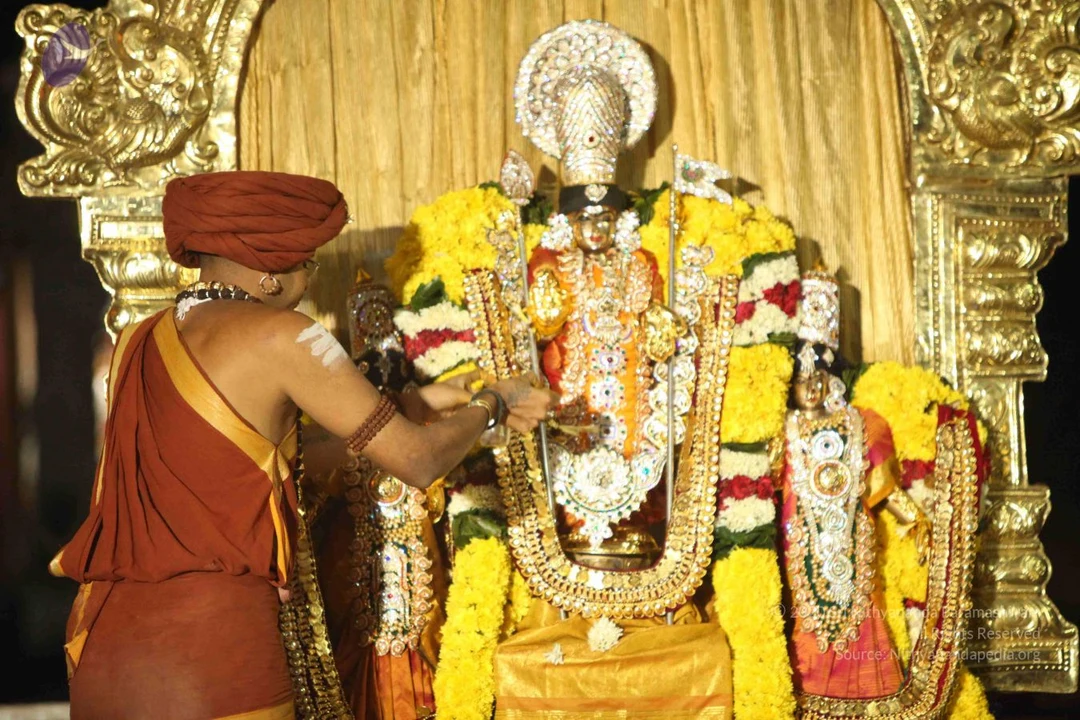
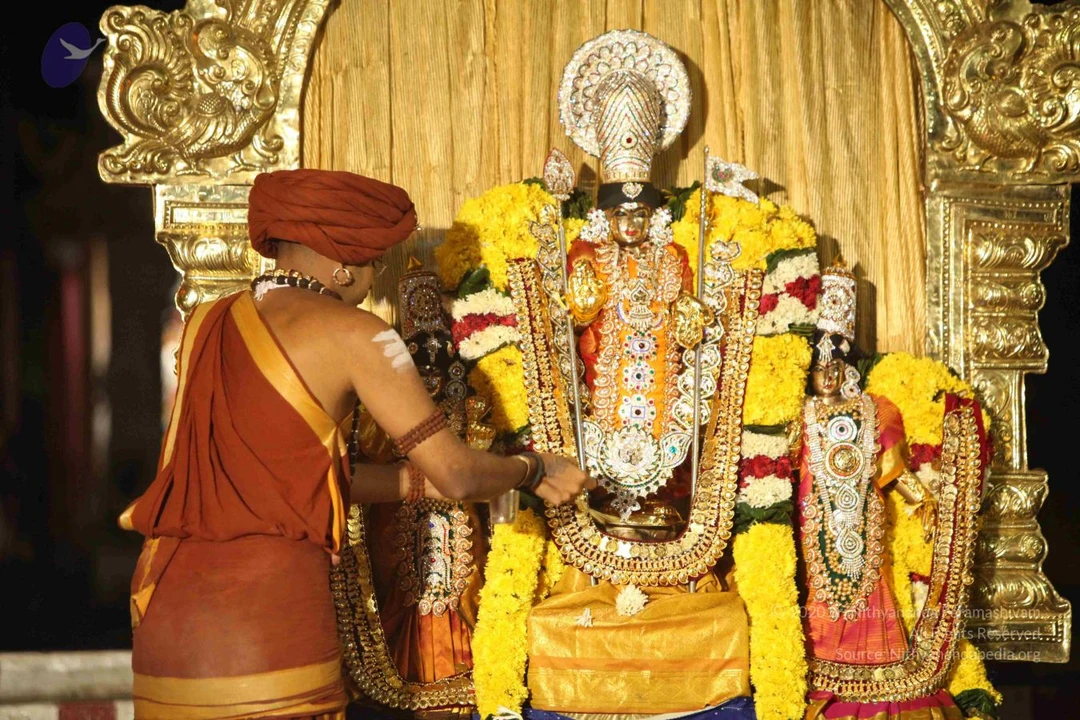
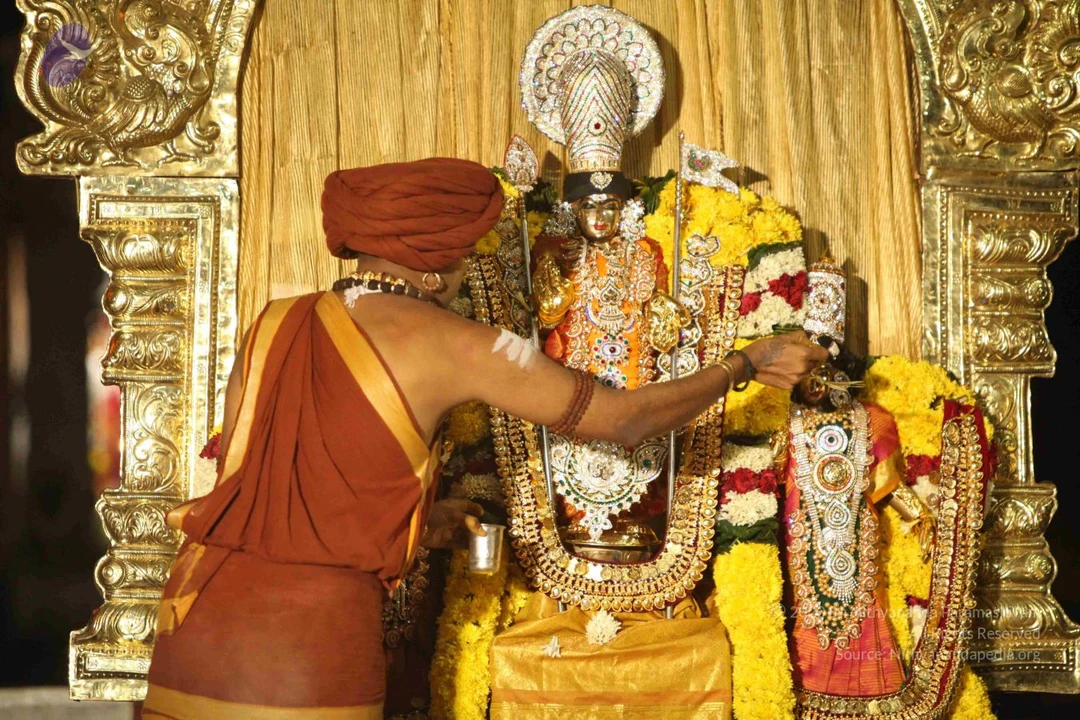
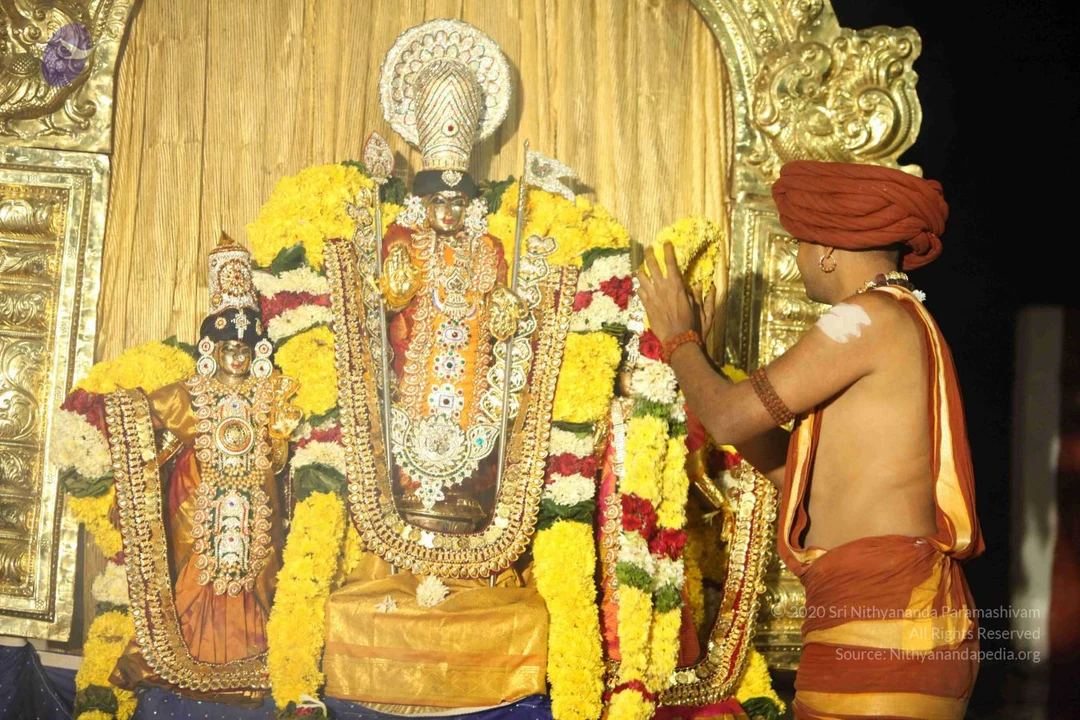
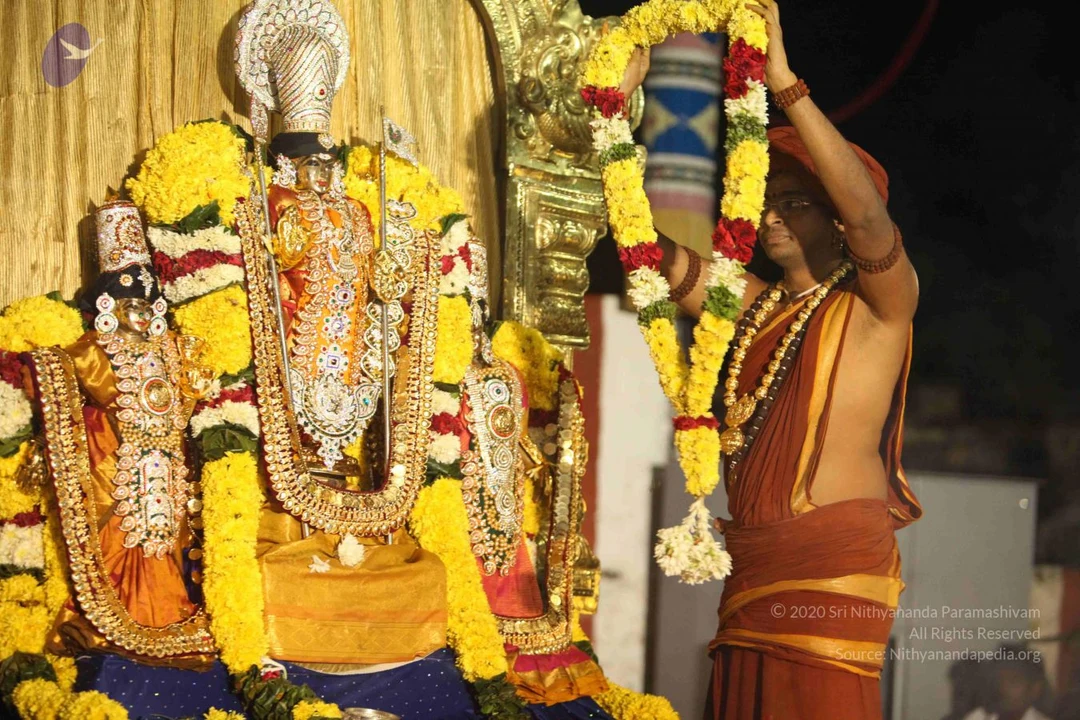
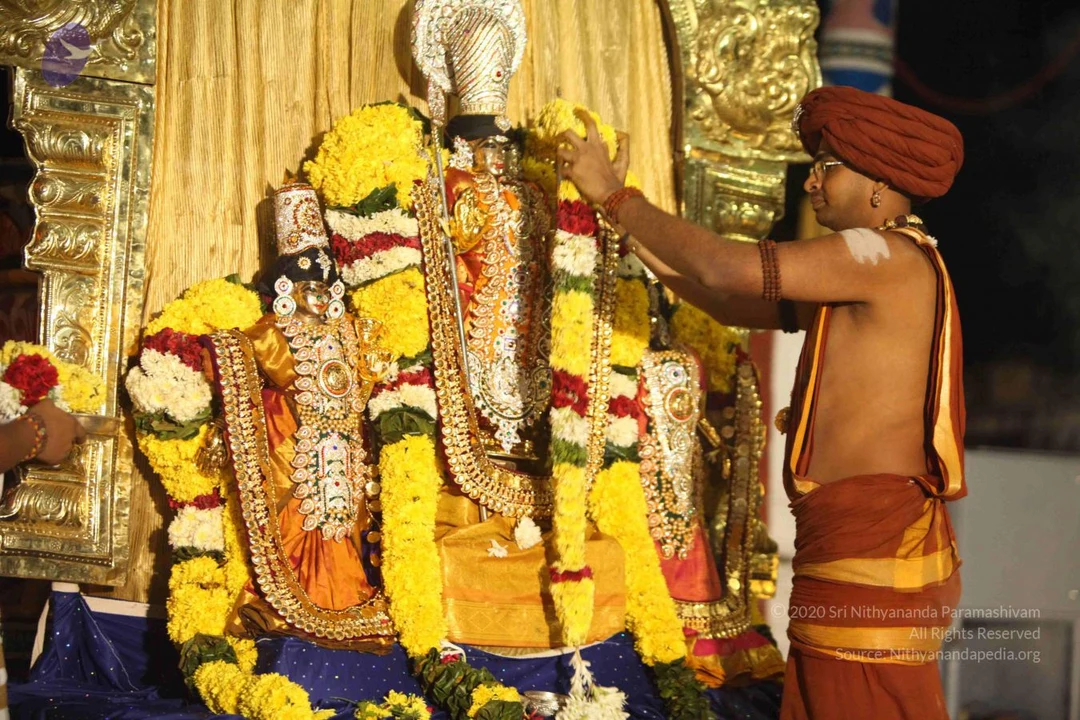
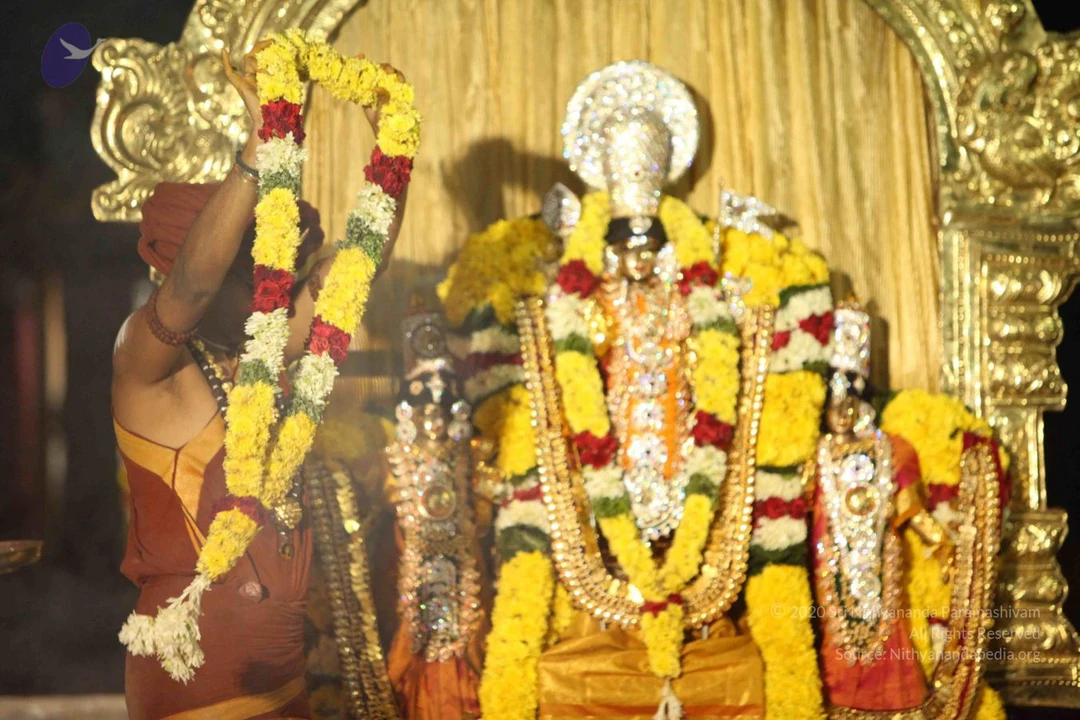
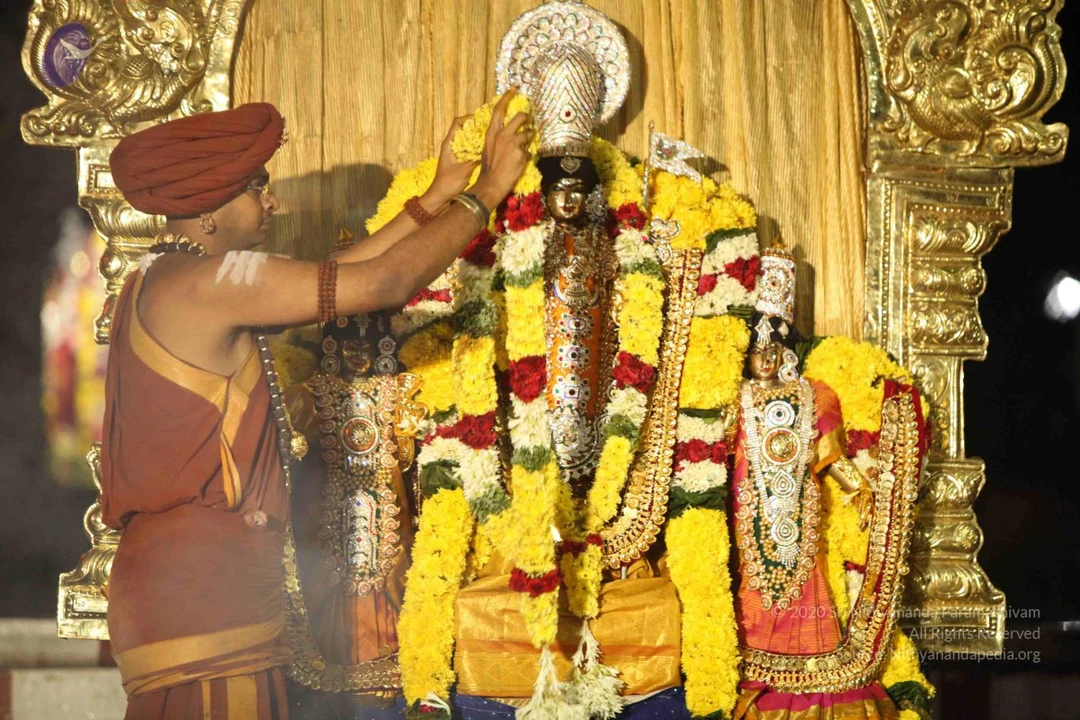
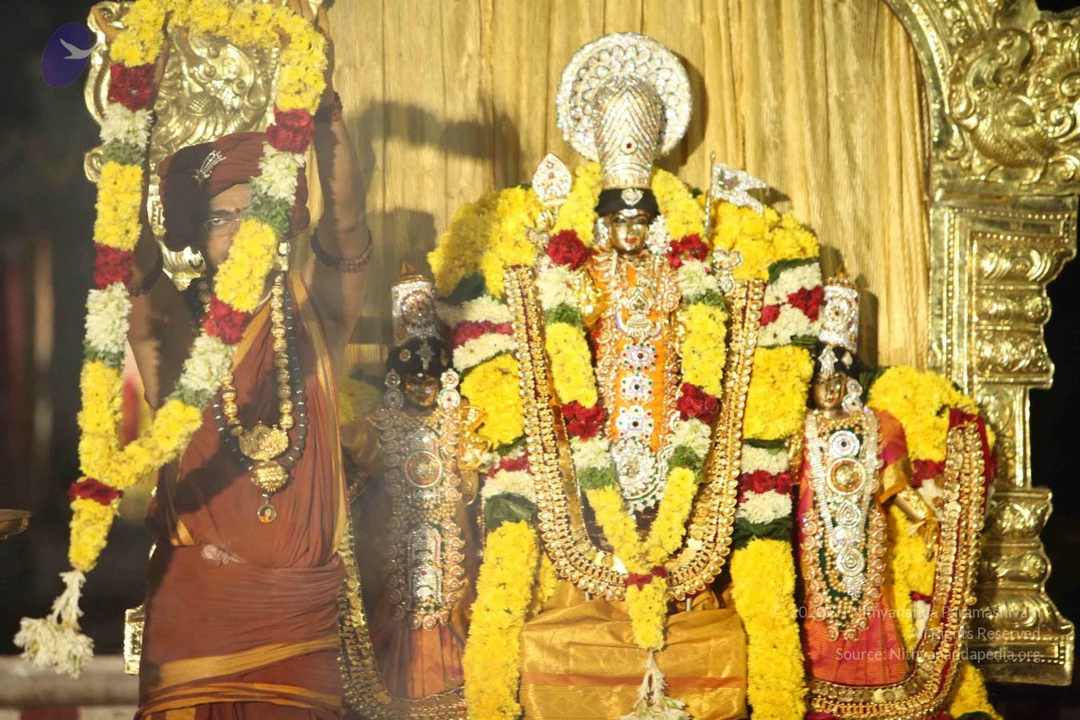
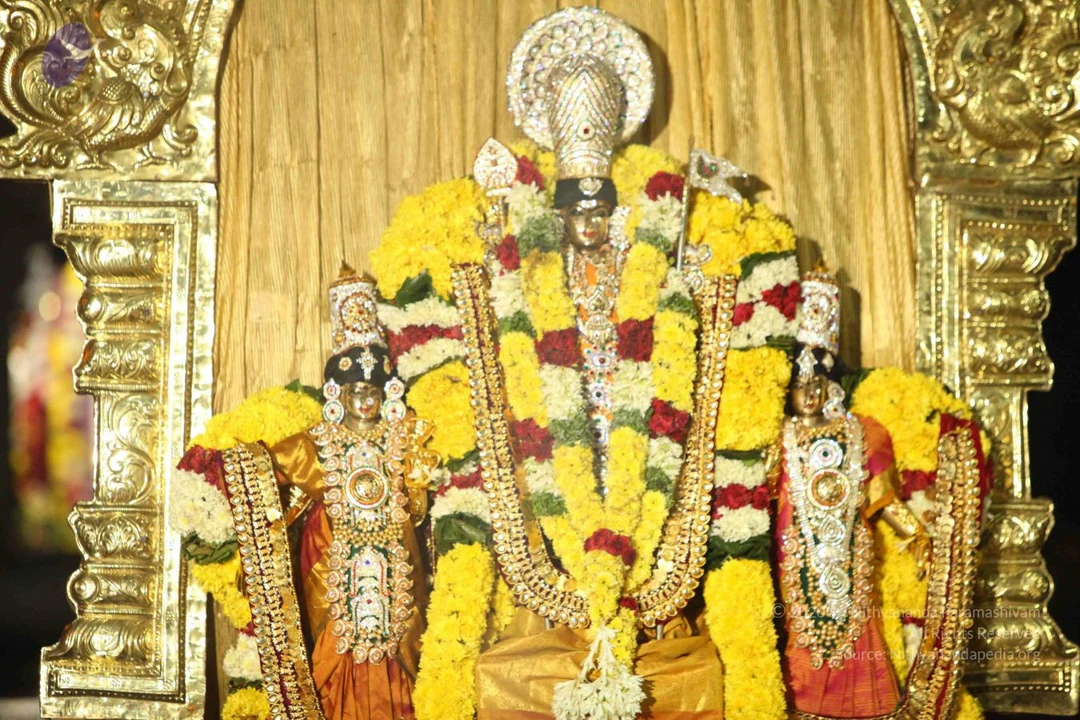
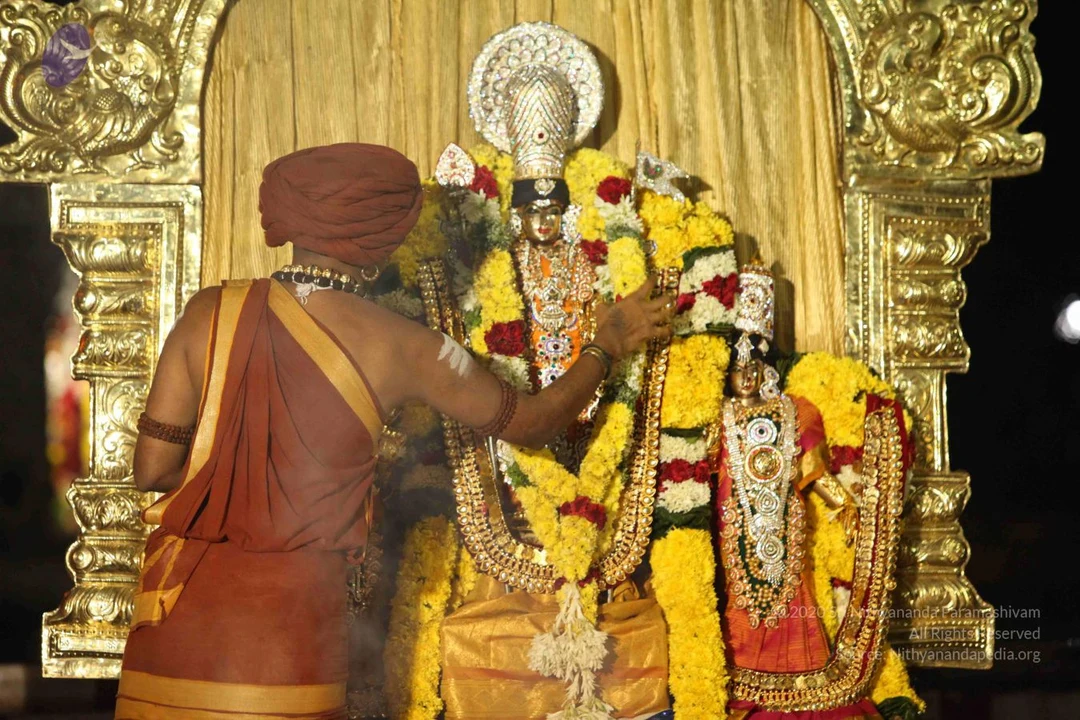
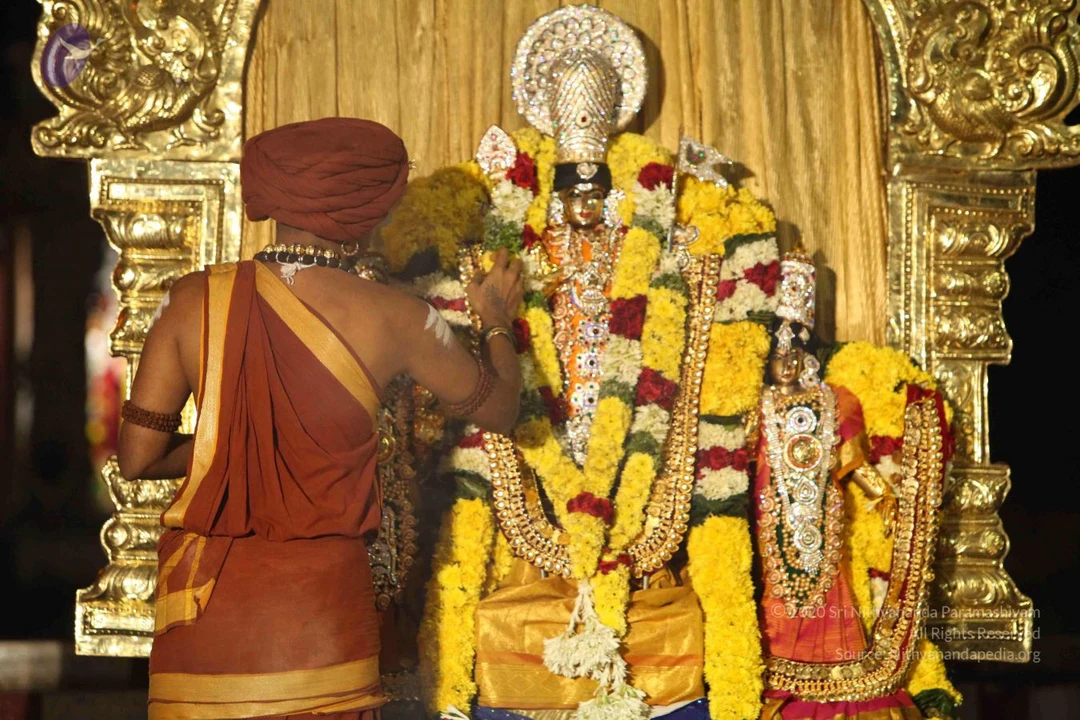
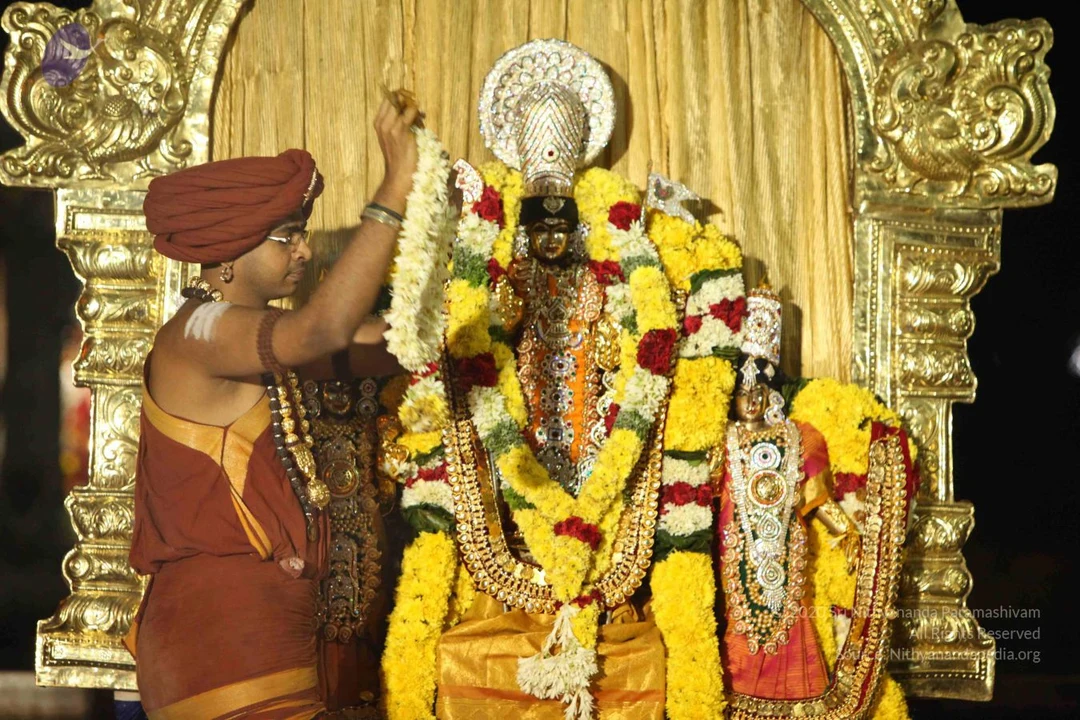
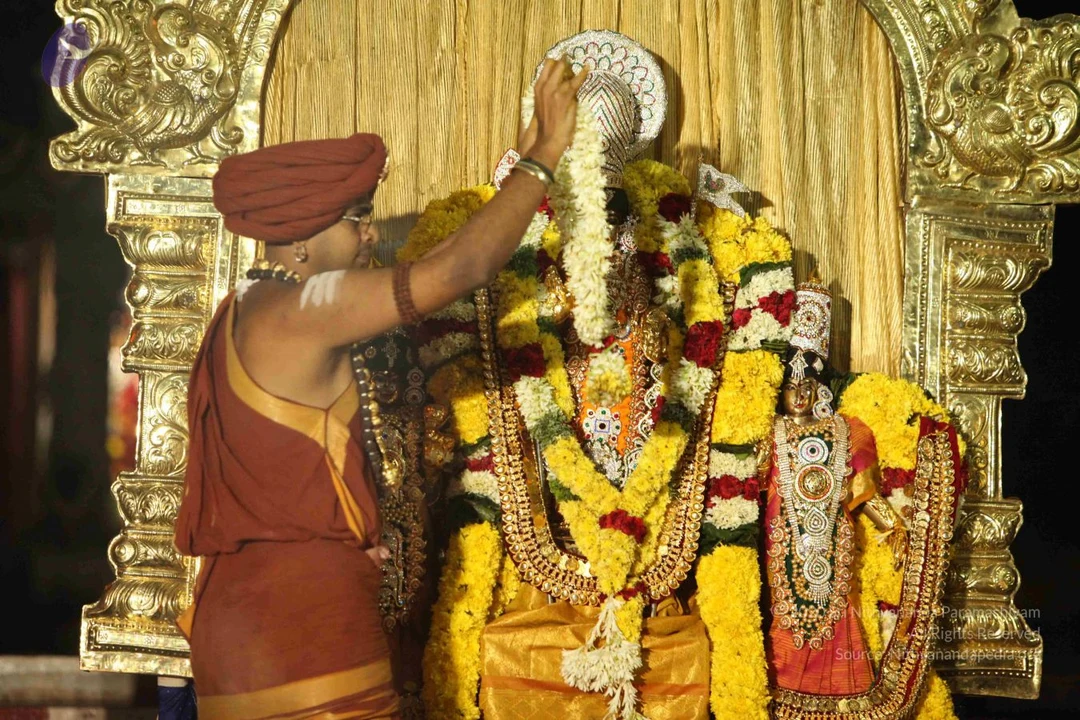
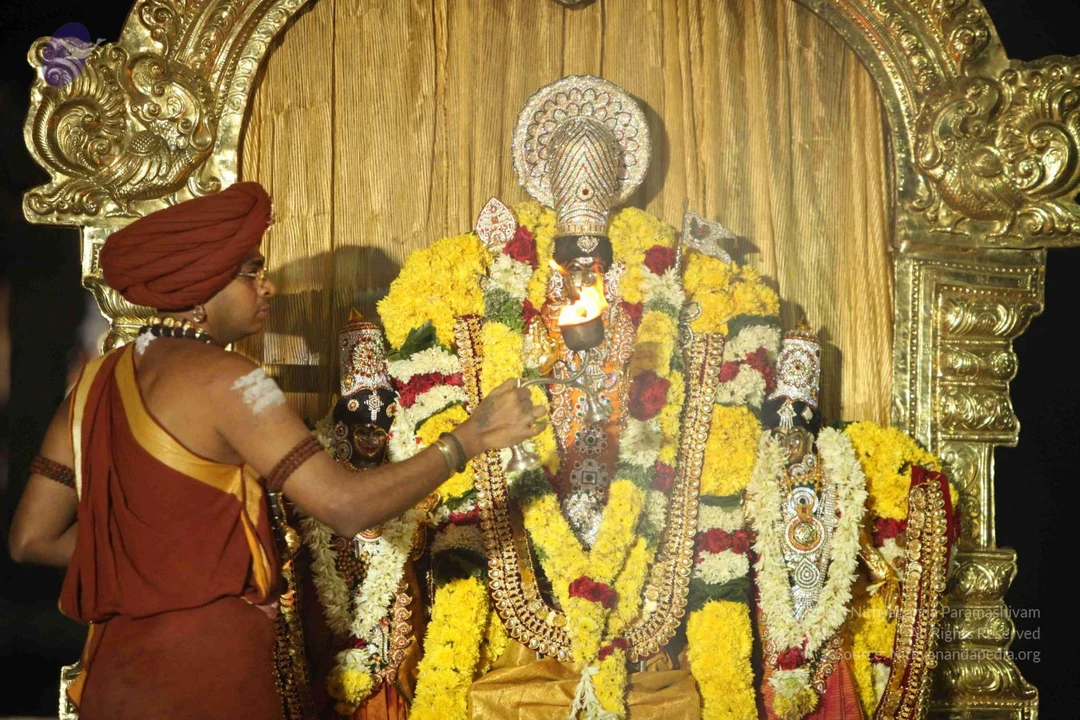
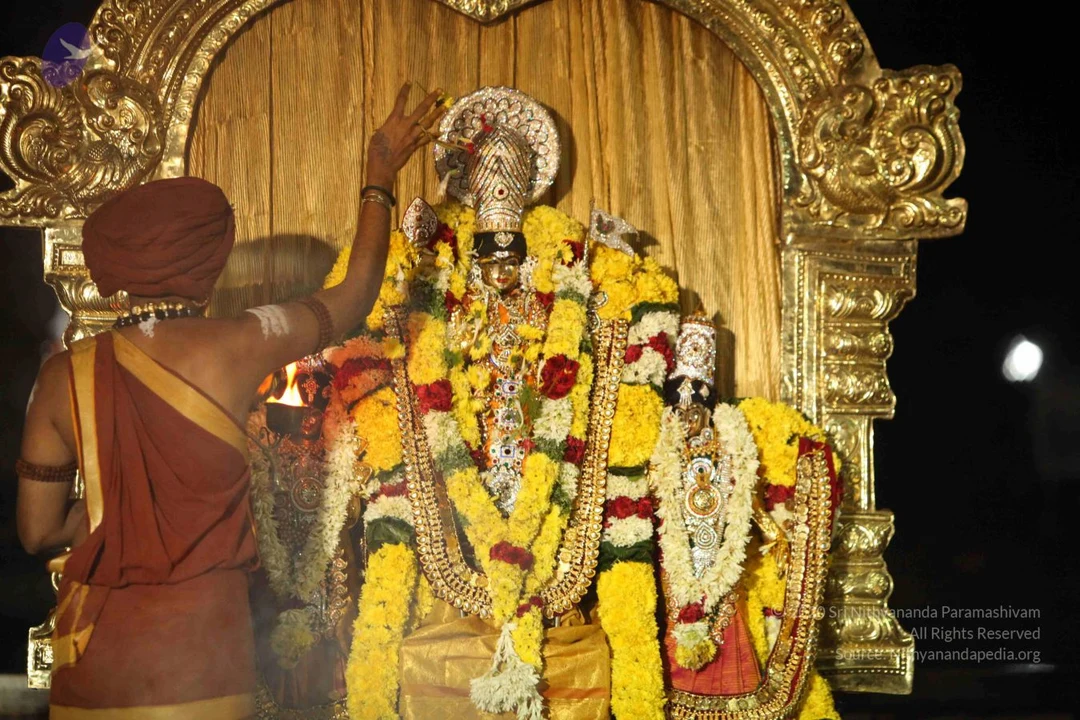
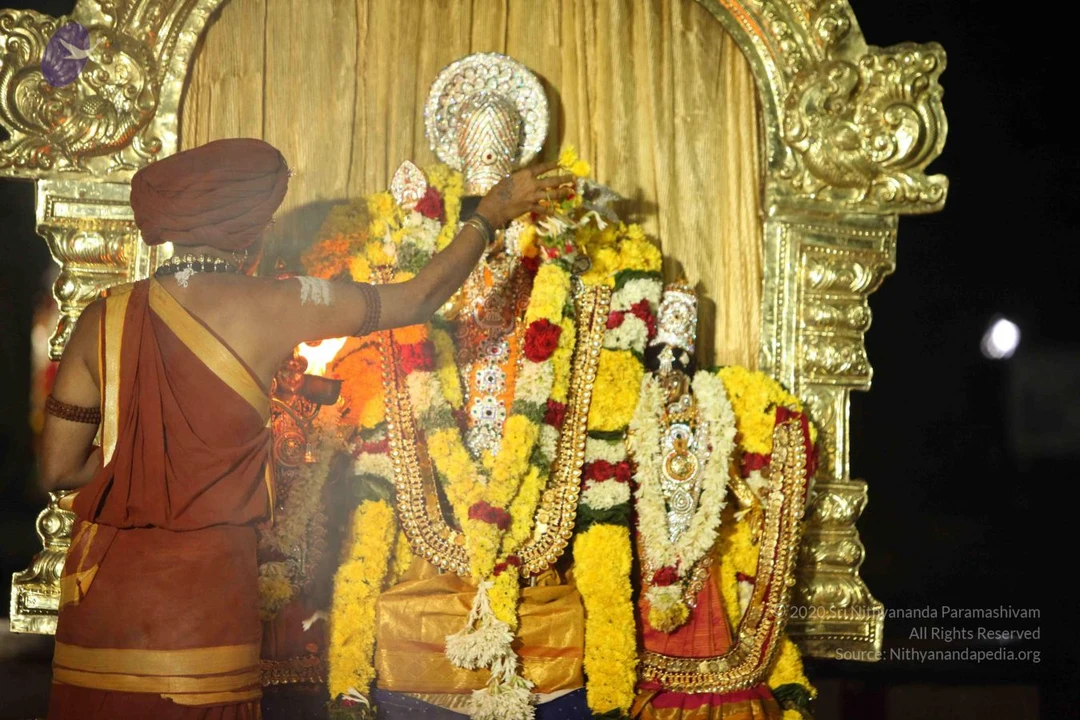
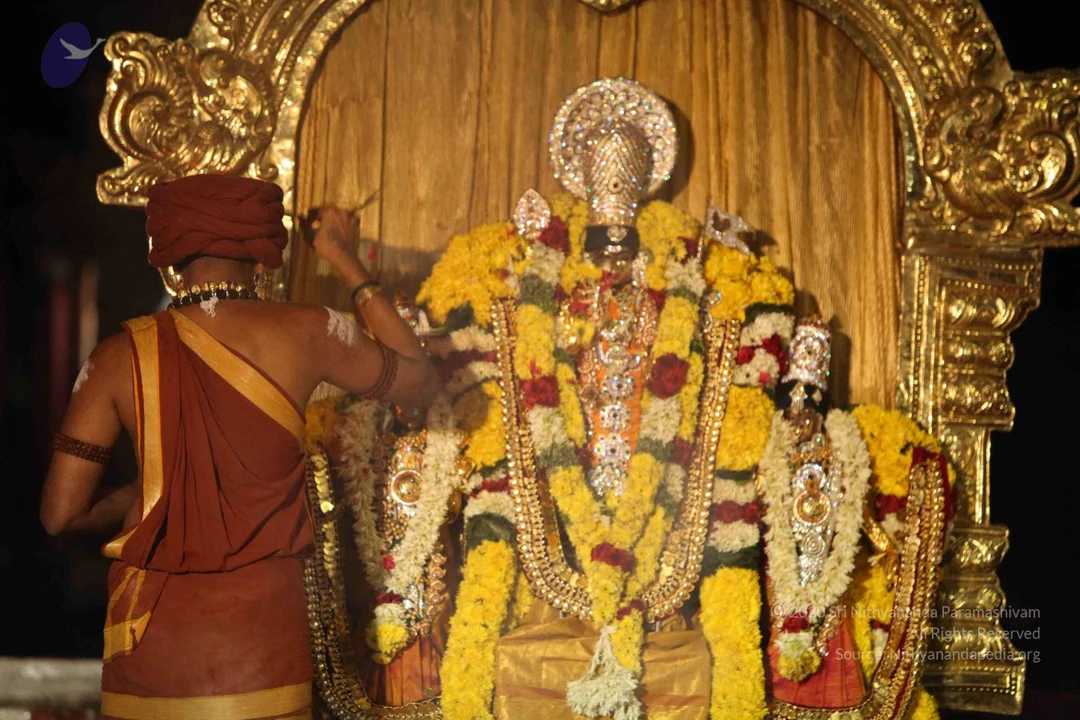
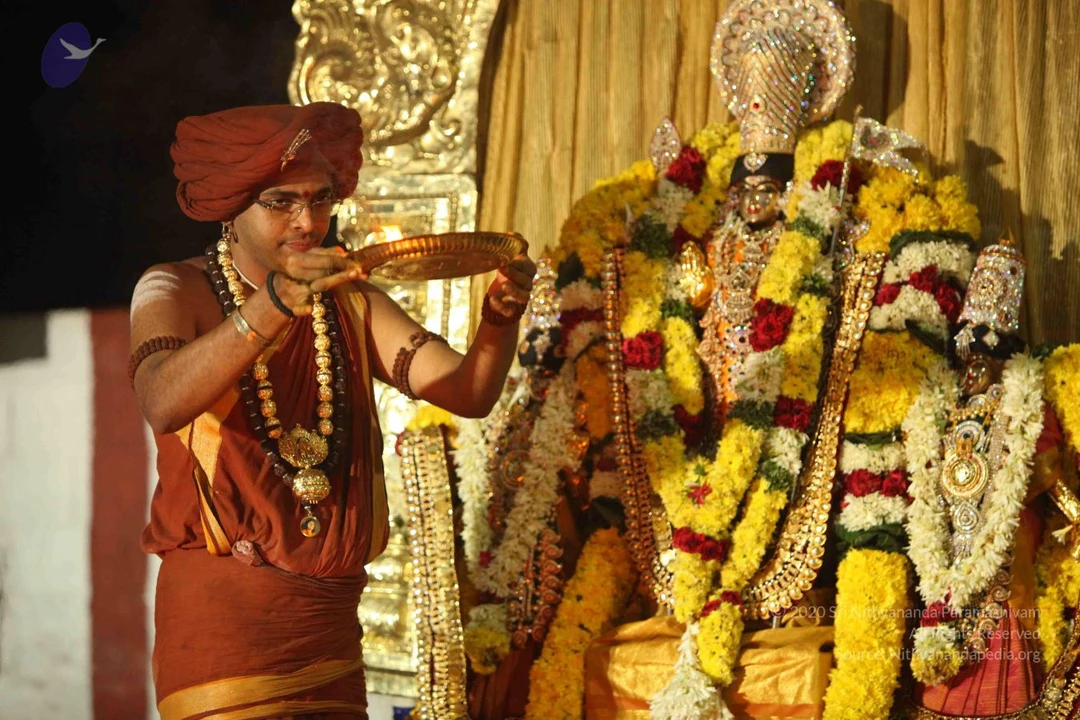
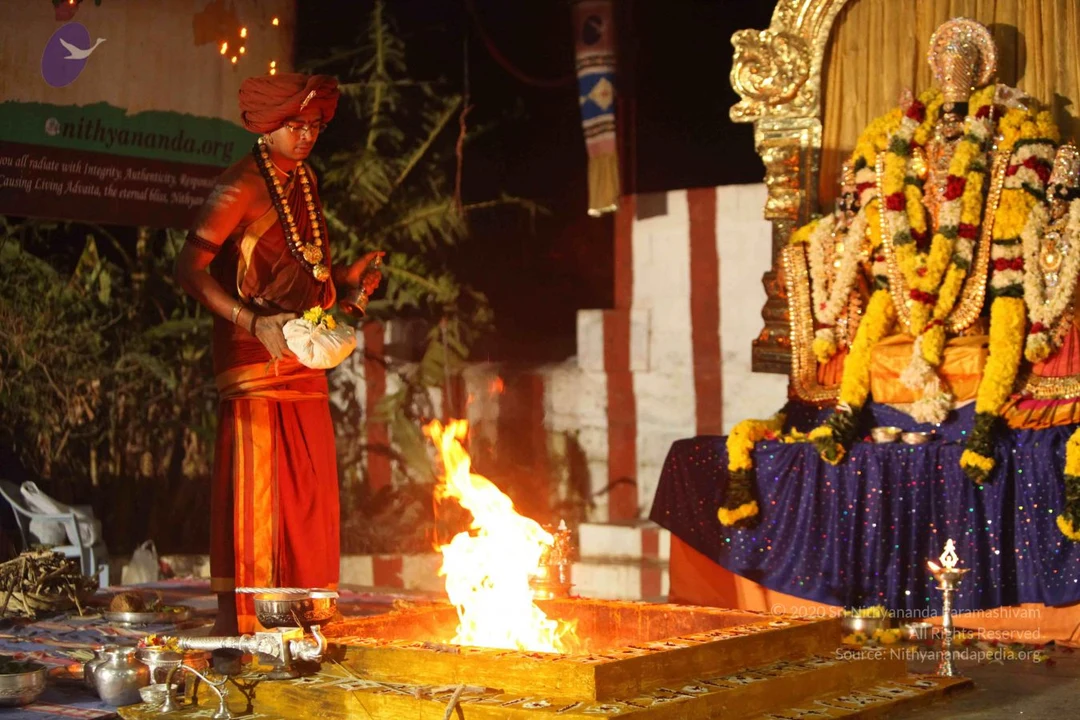
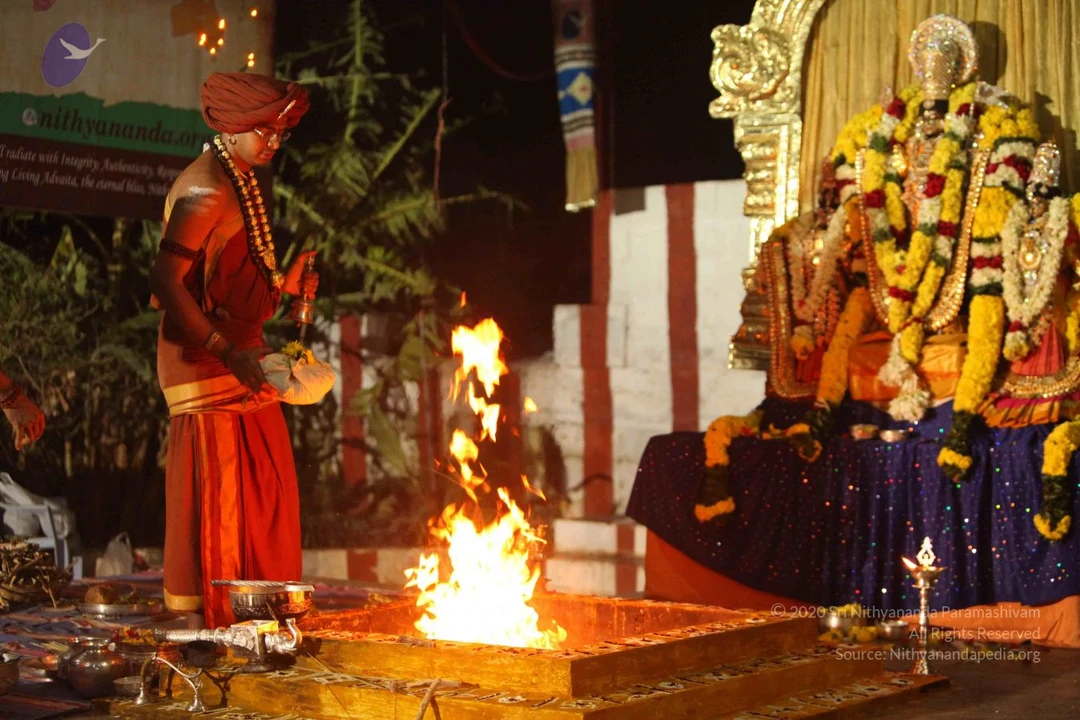
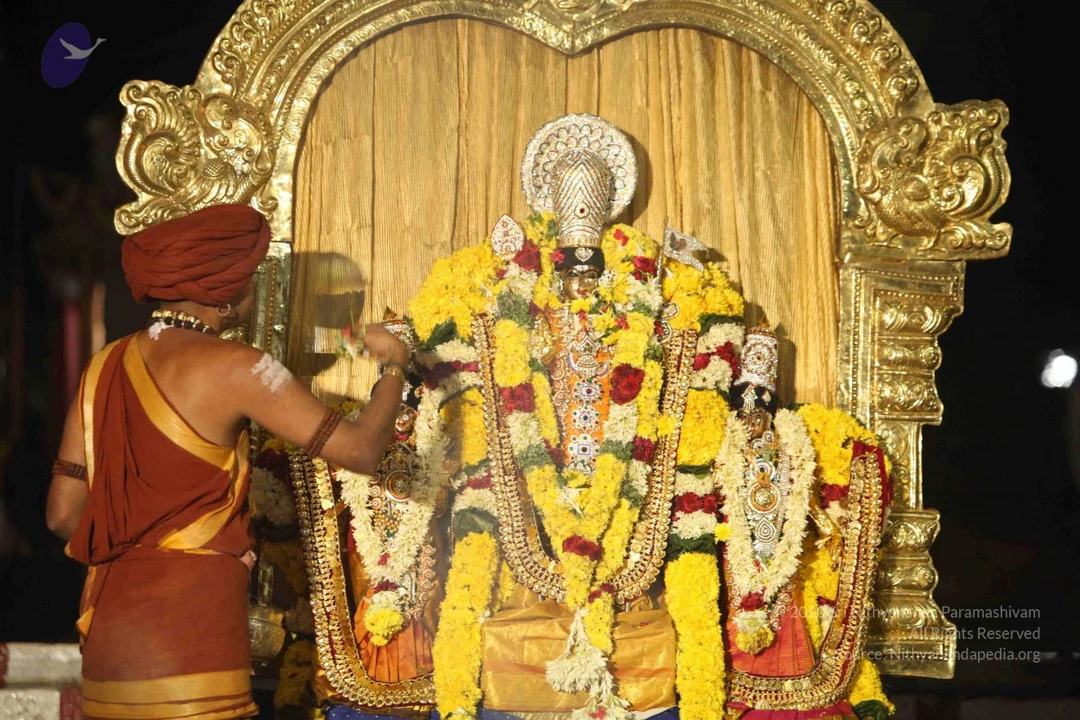
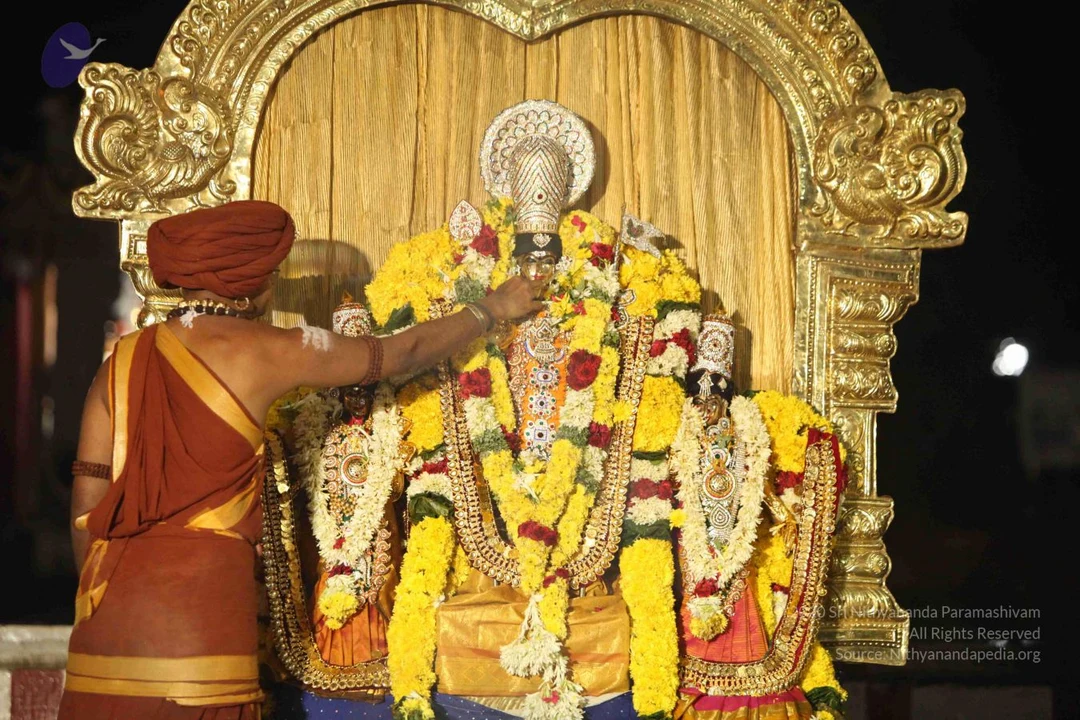
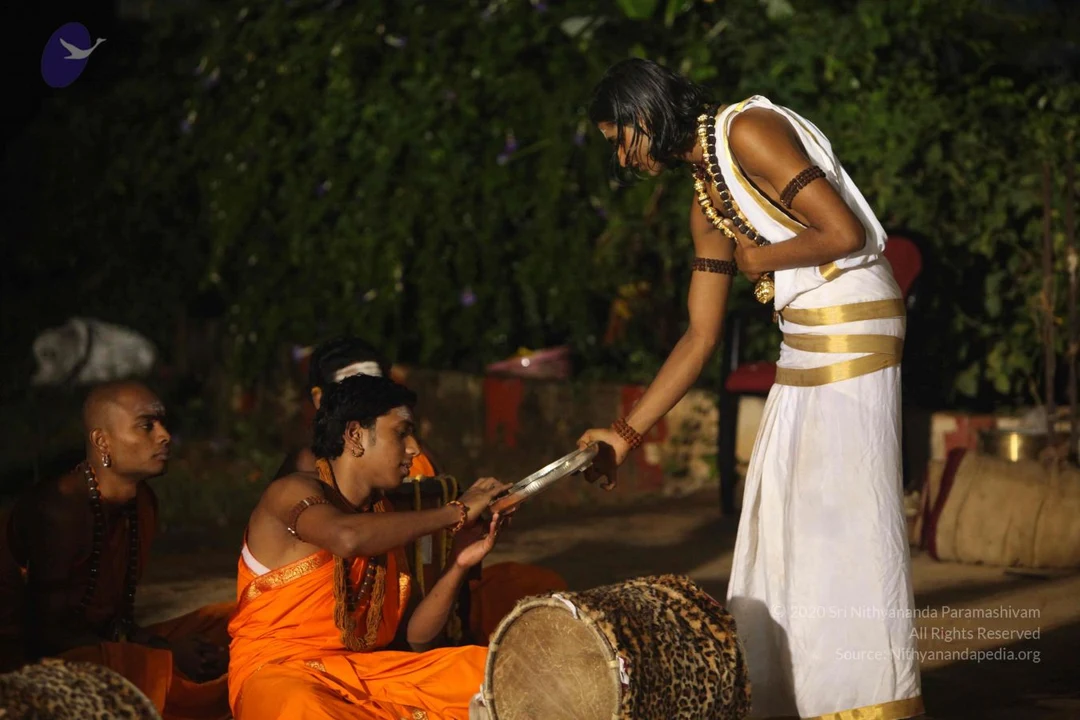
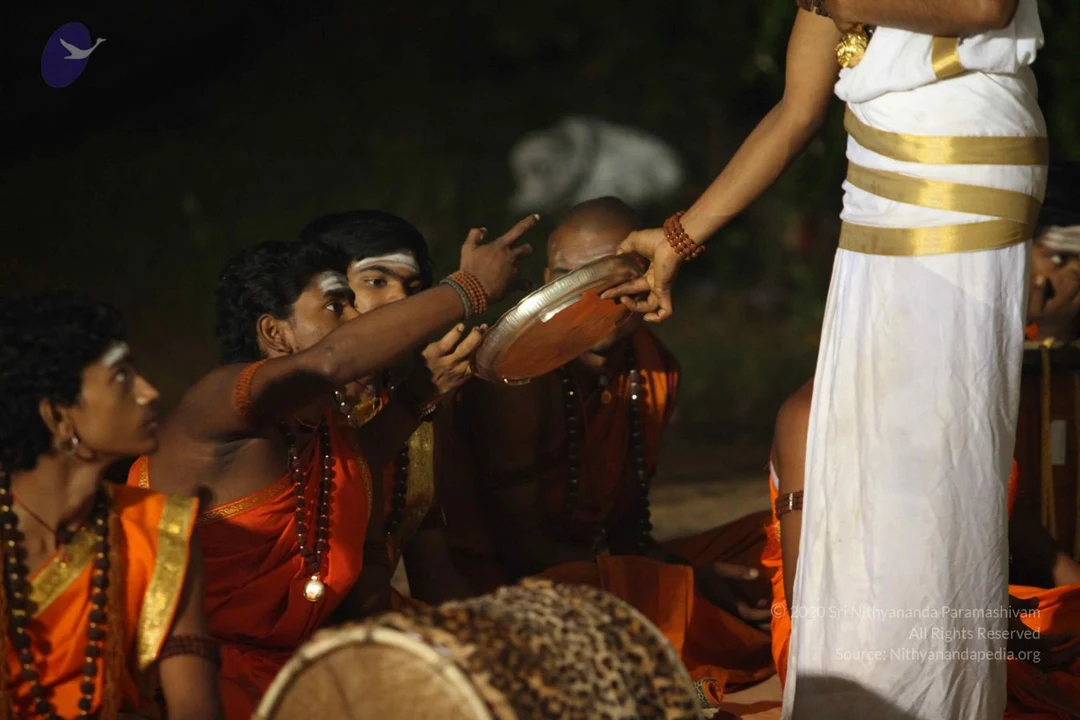
Photos Of The Day:
Aadhisaivam
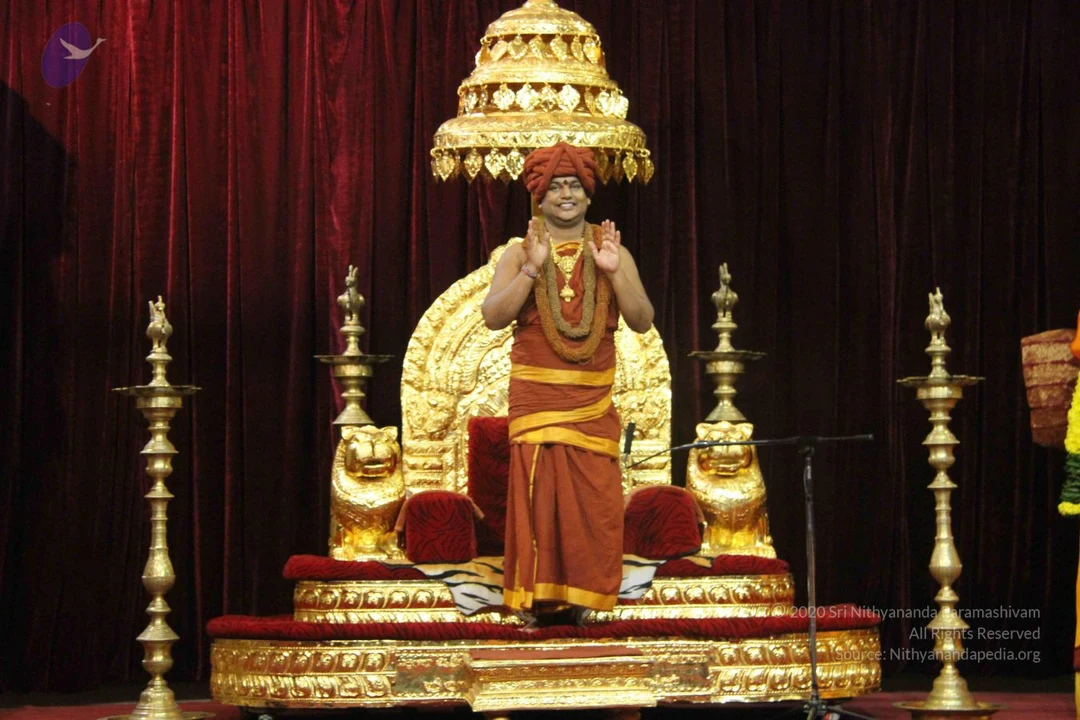

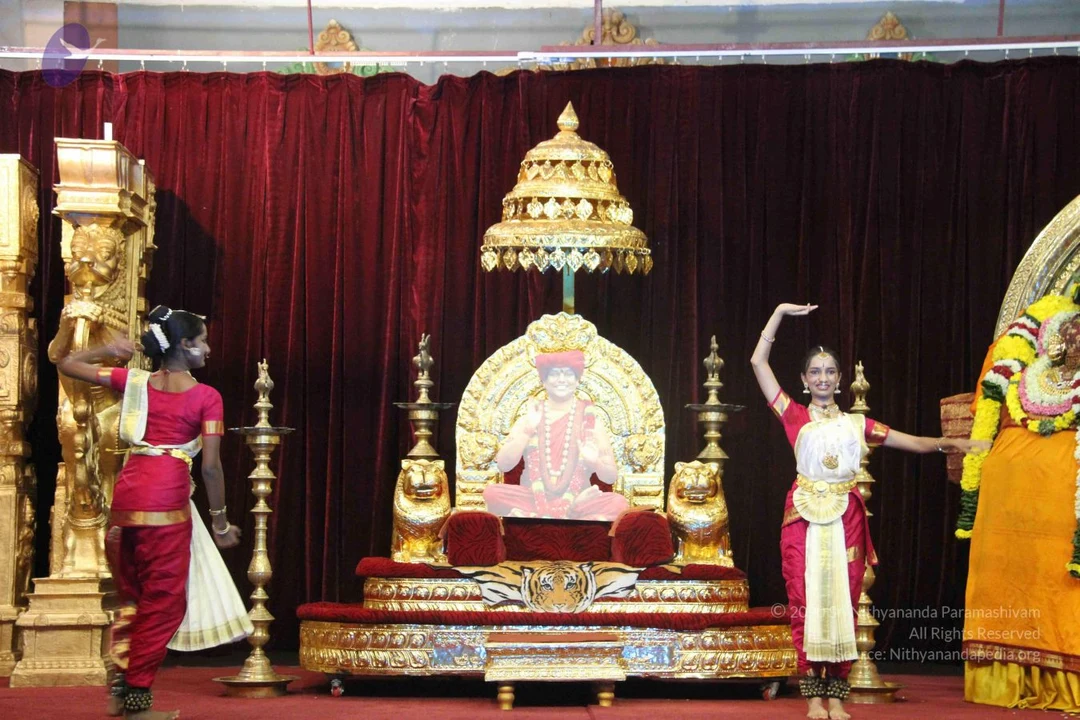
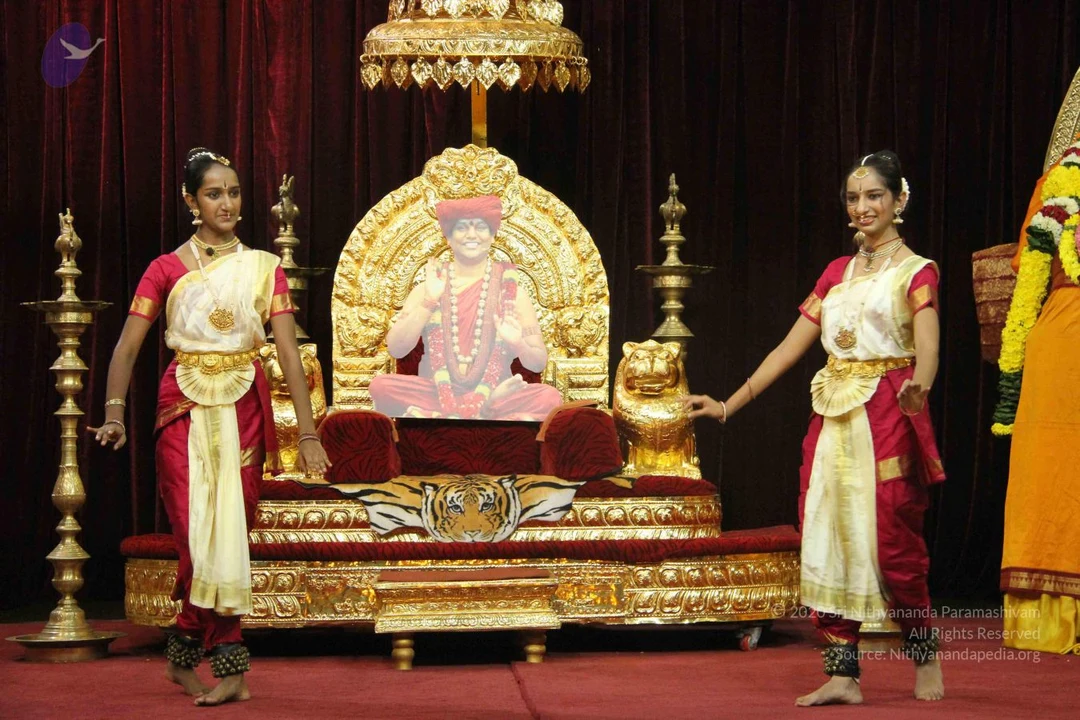
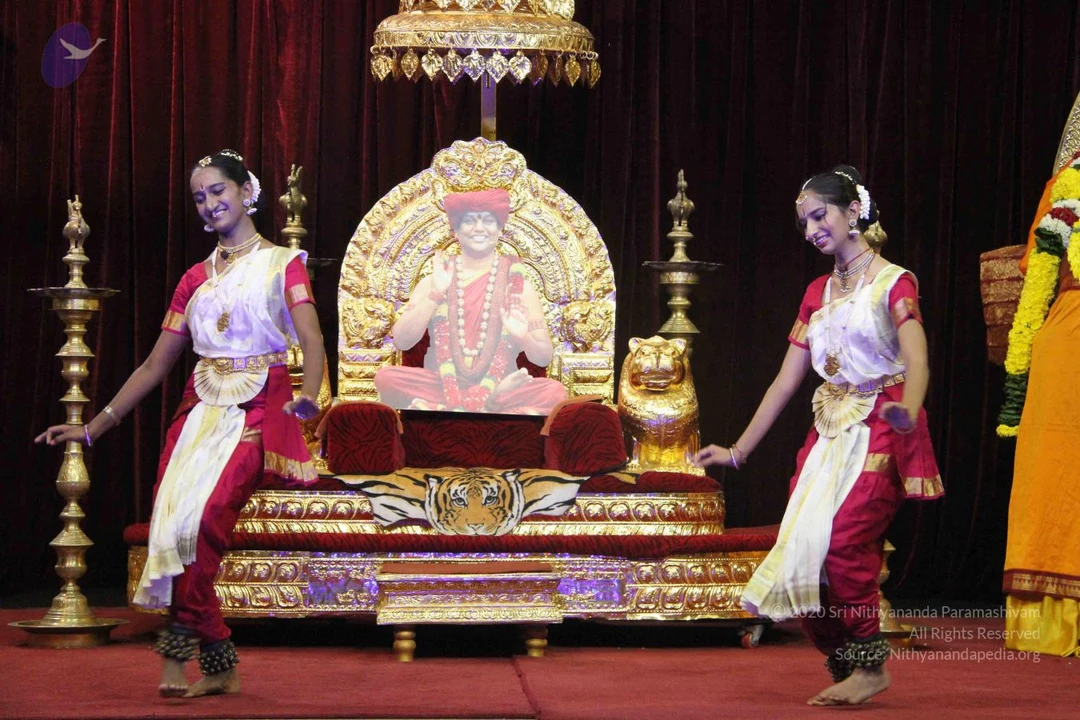
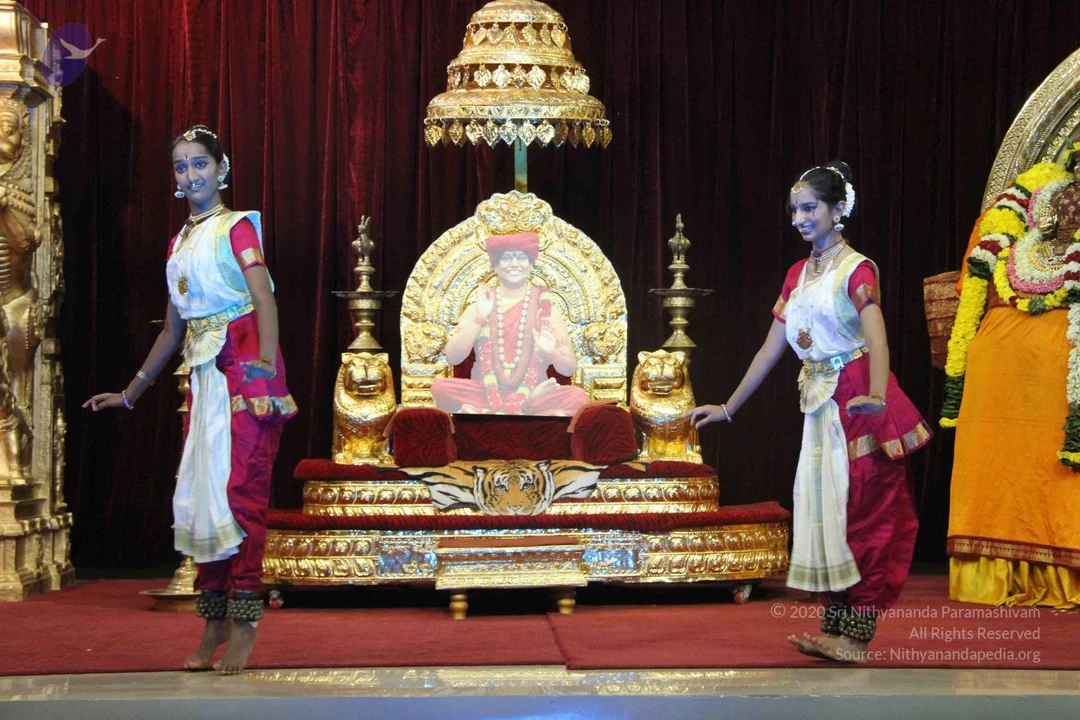
allevents



lordmurugan-thirukalyanam

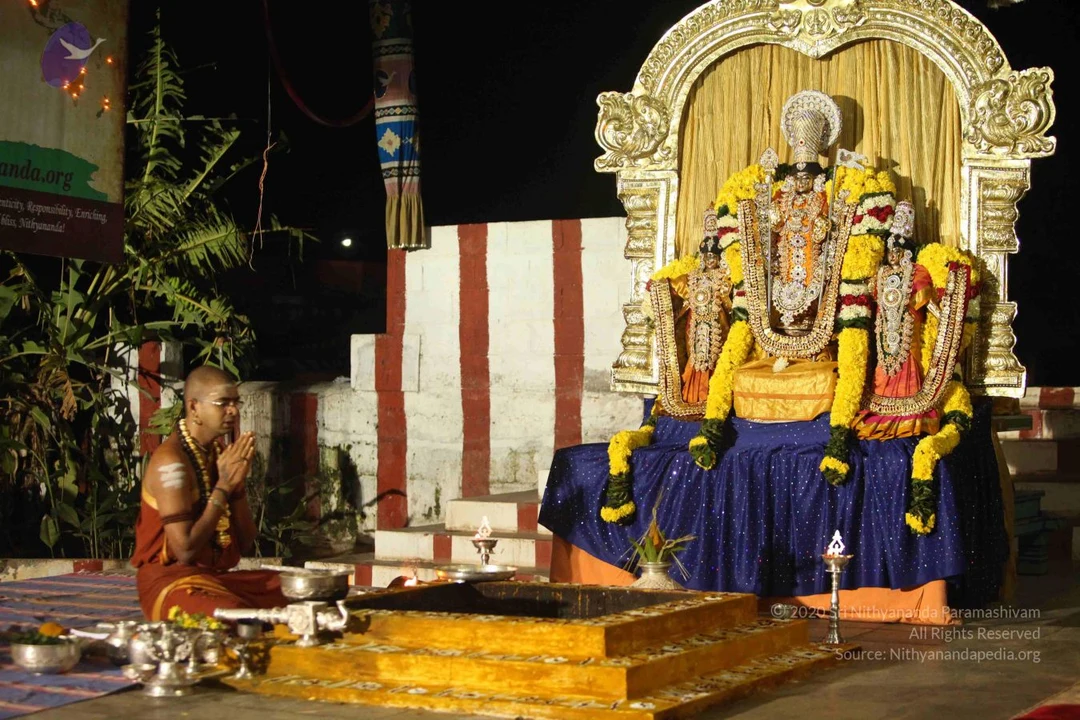
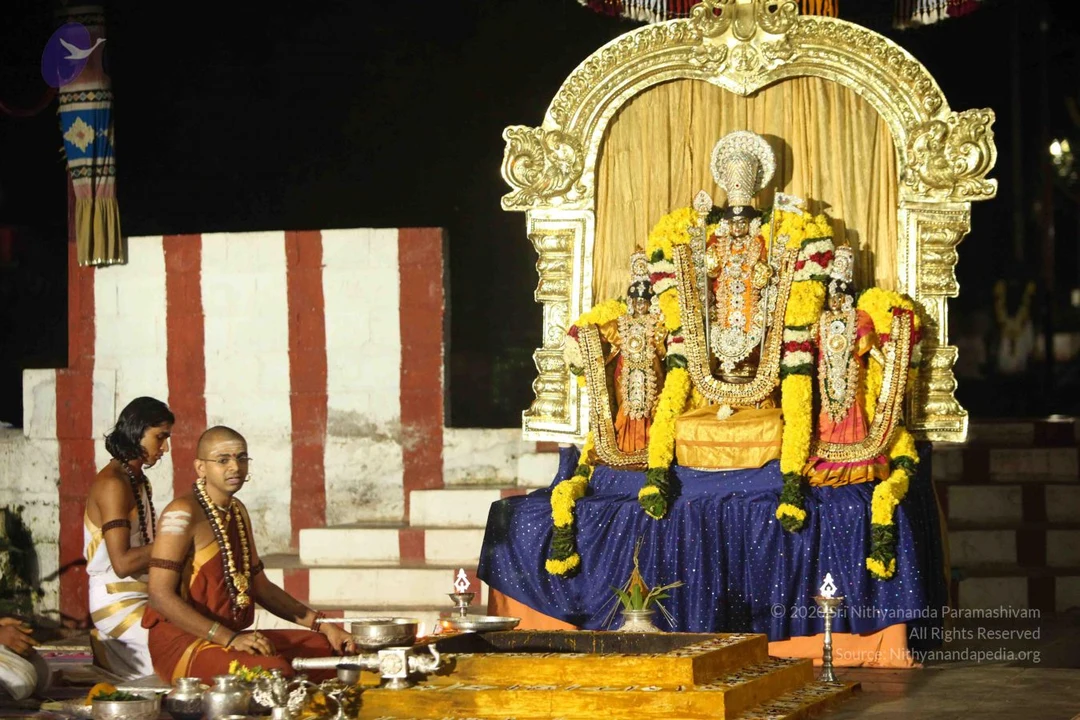
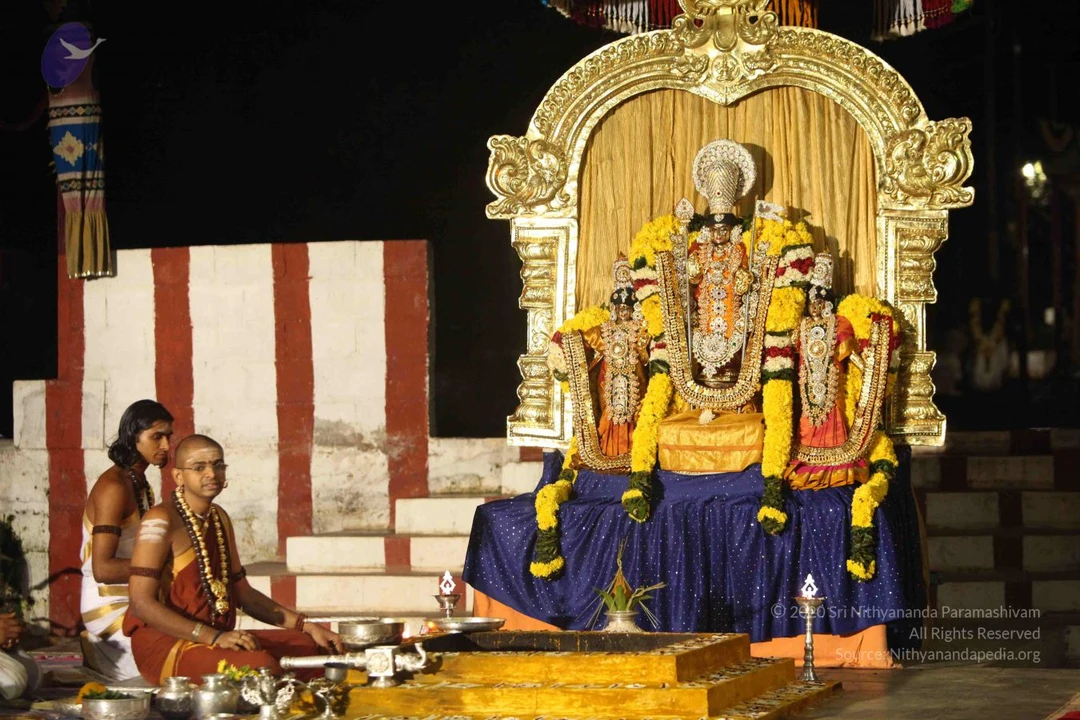
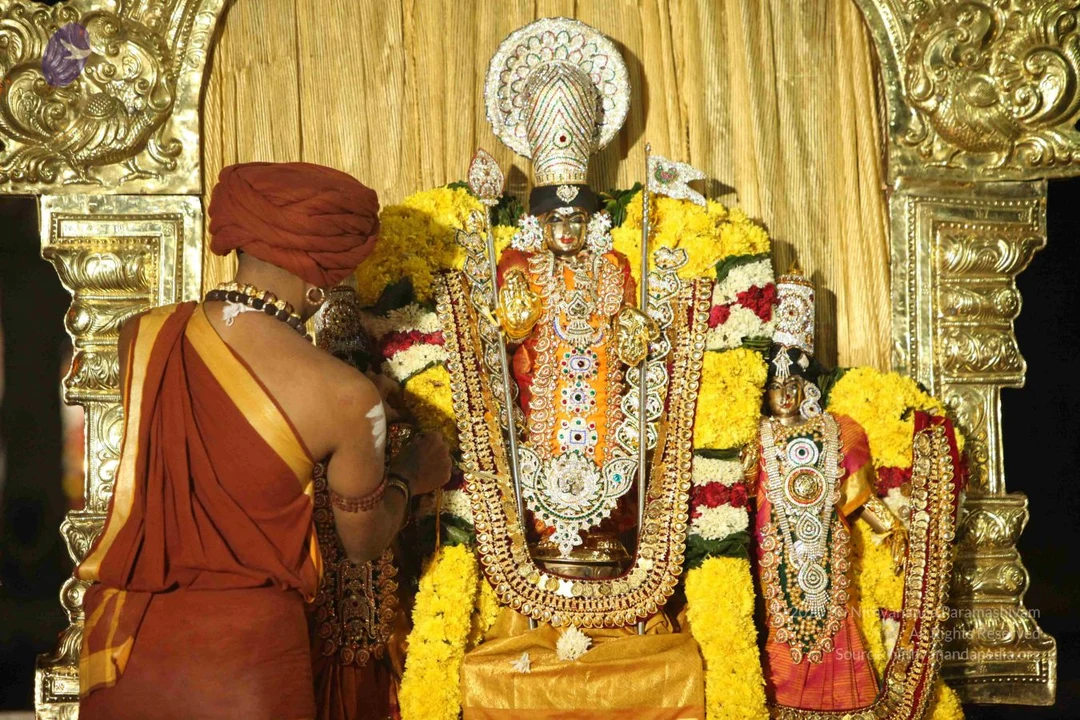




EOS7D


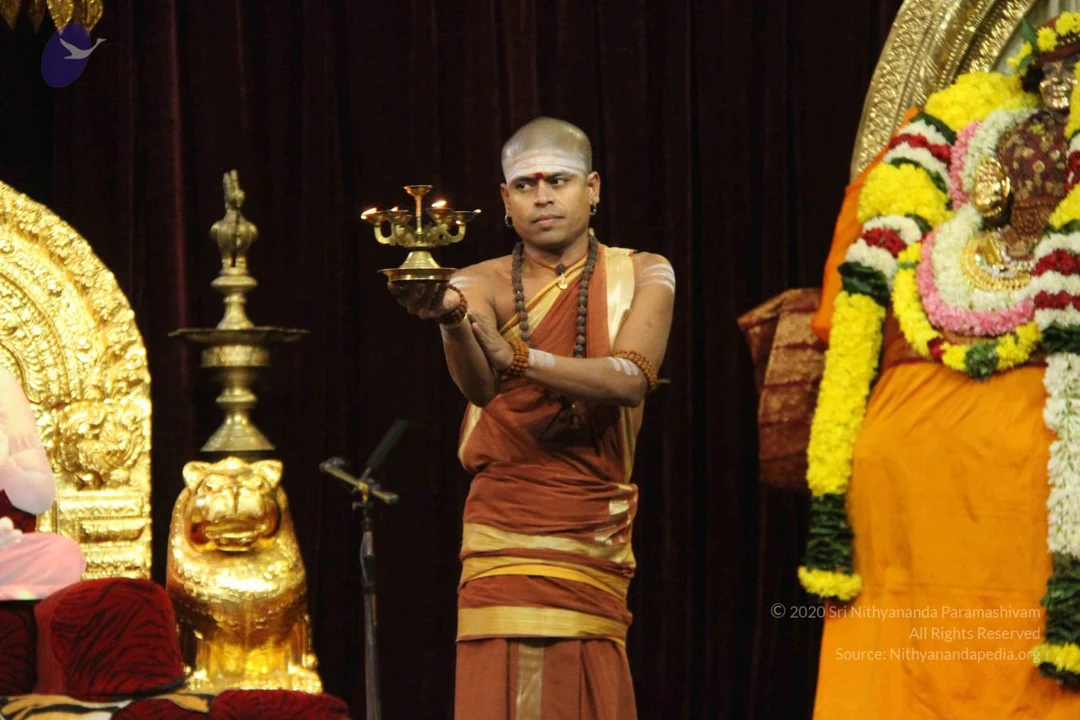
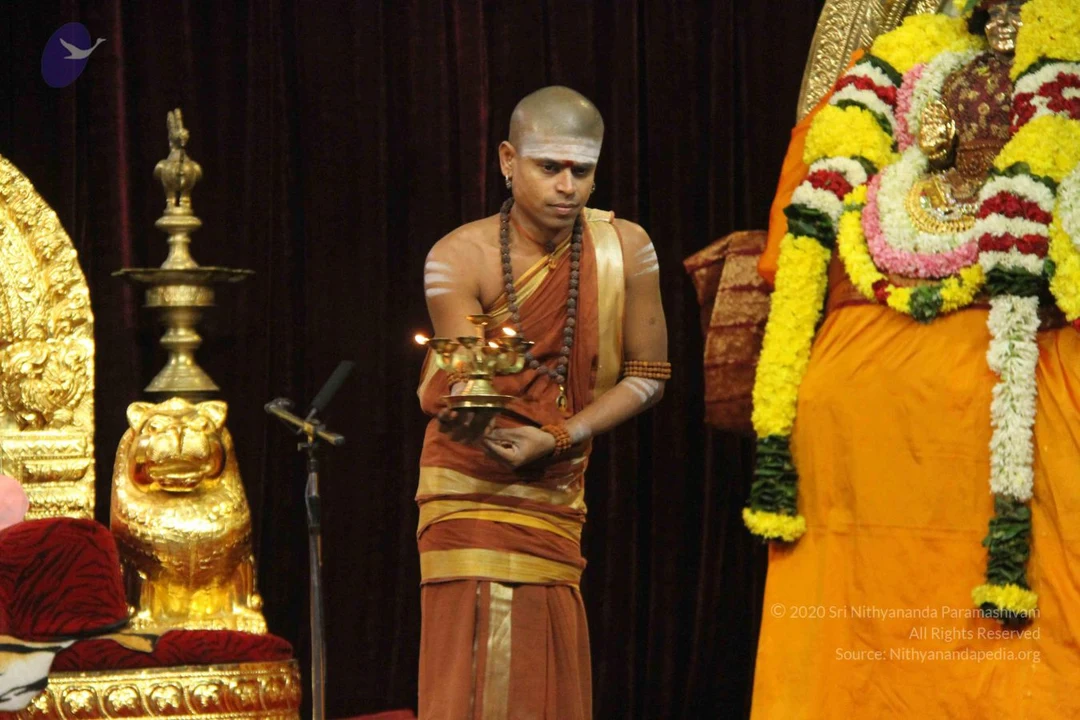
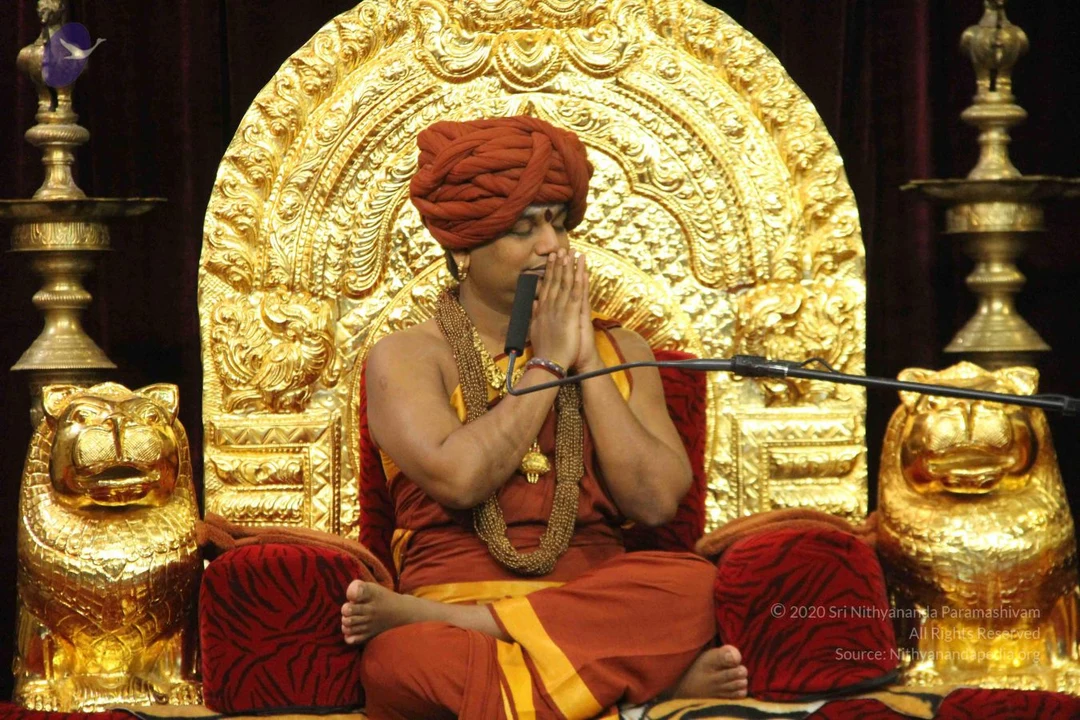
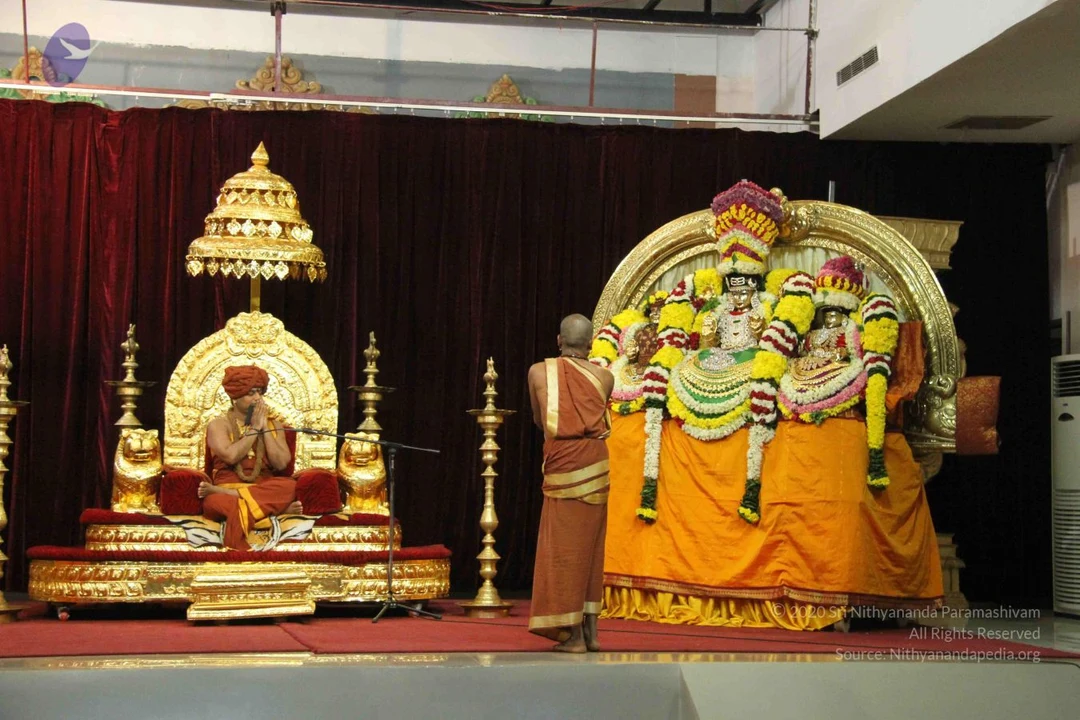
More Photos frpm Aadhisaivam
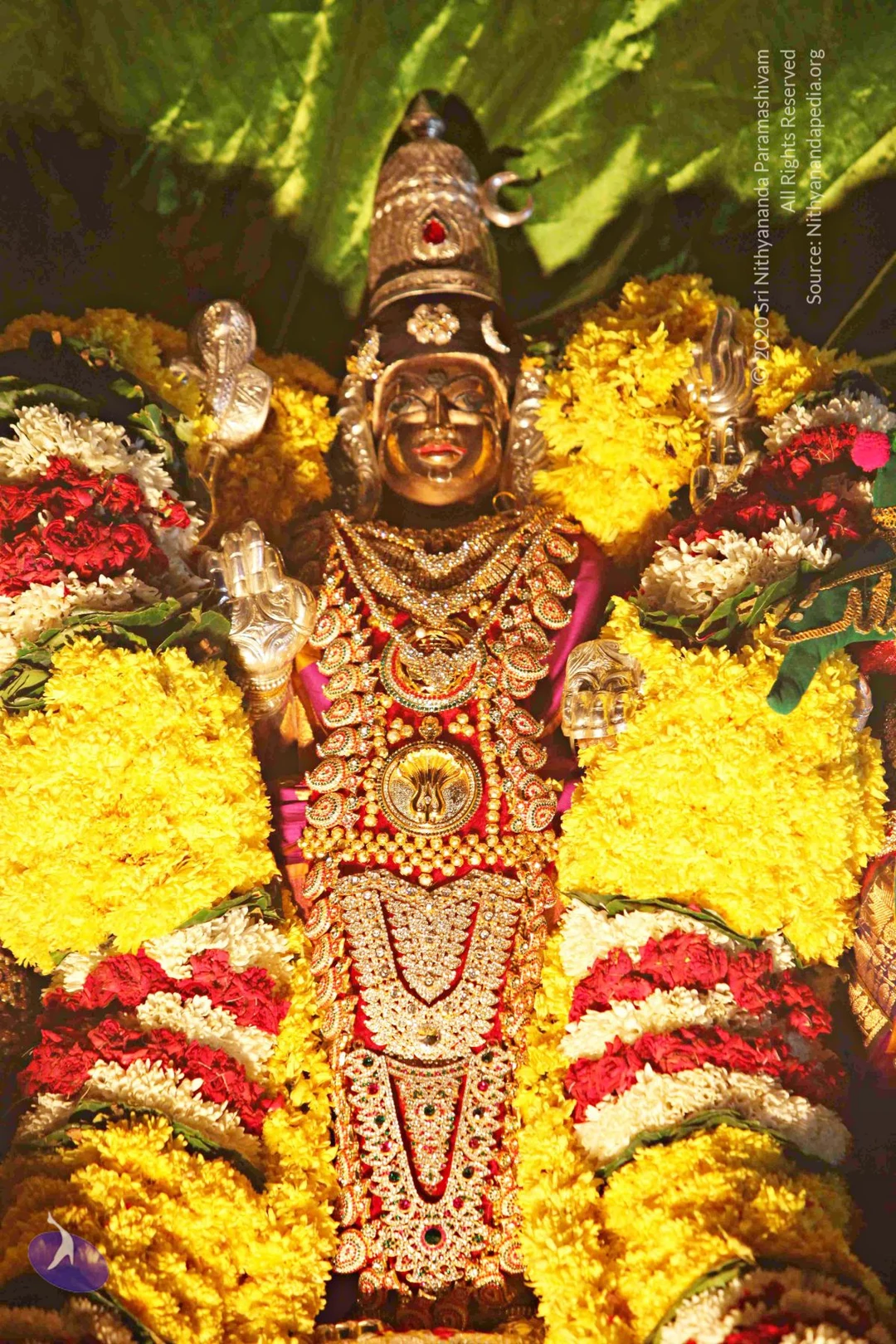
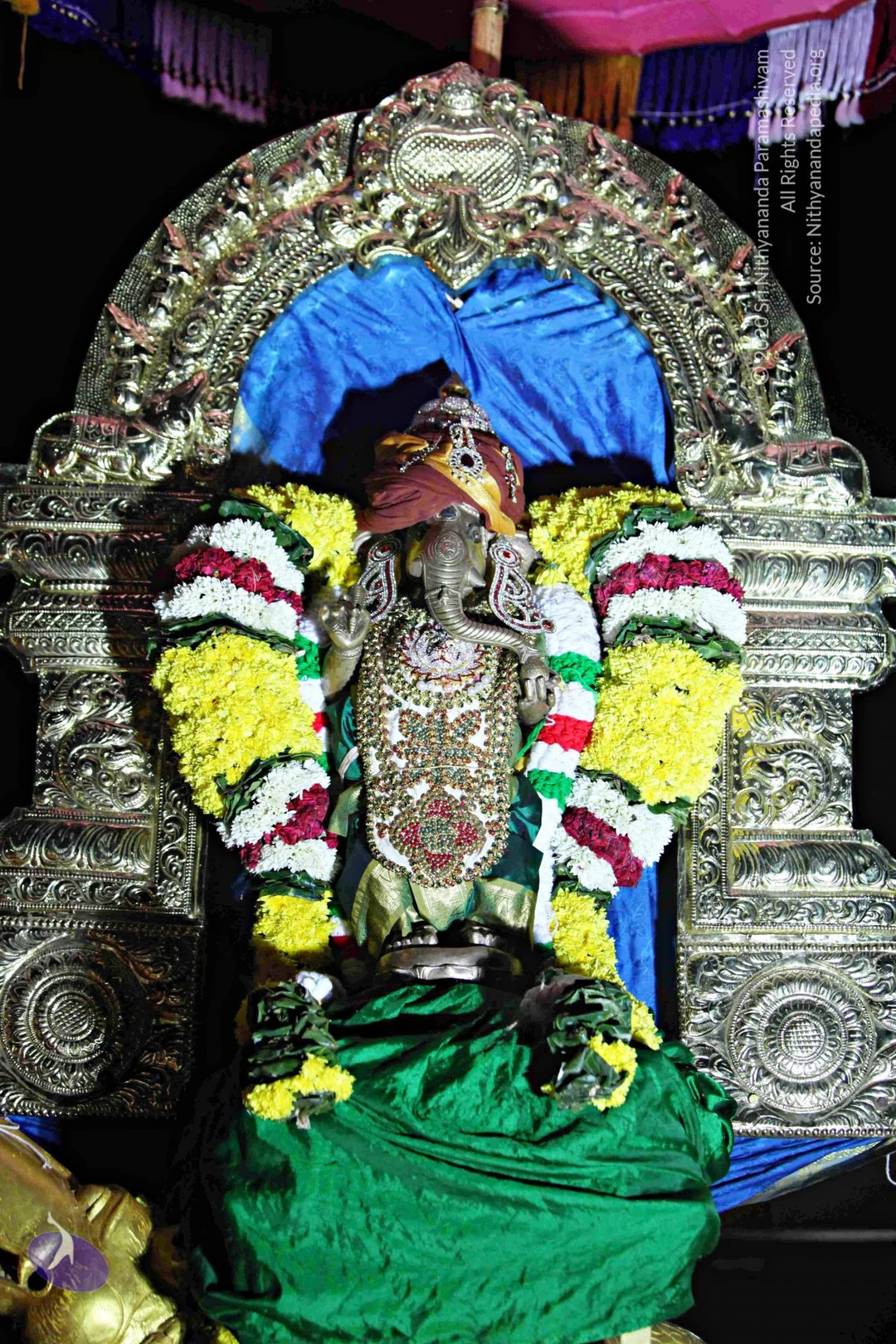
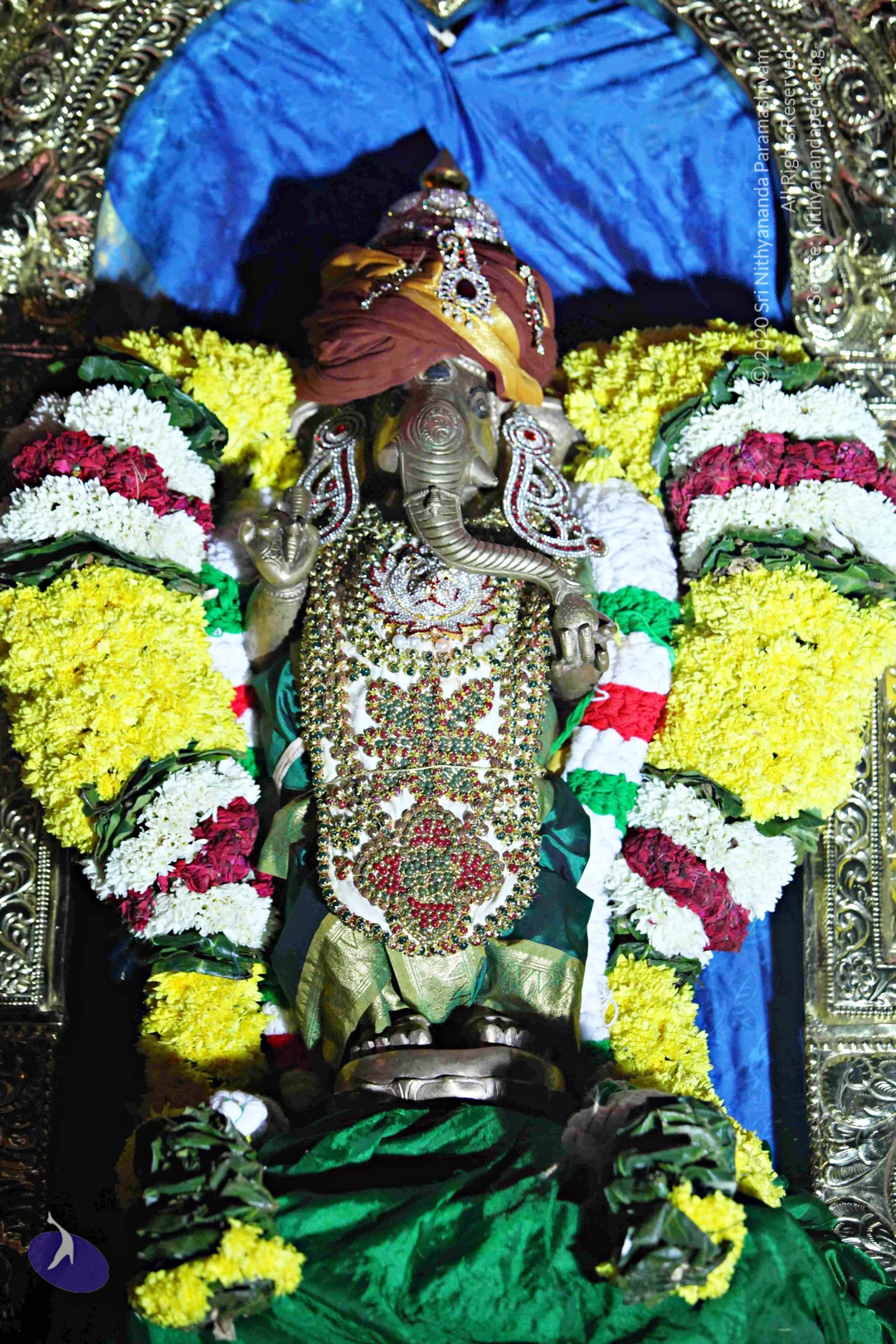
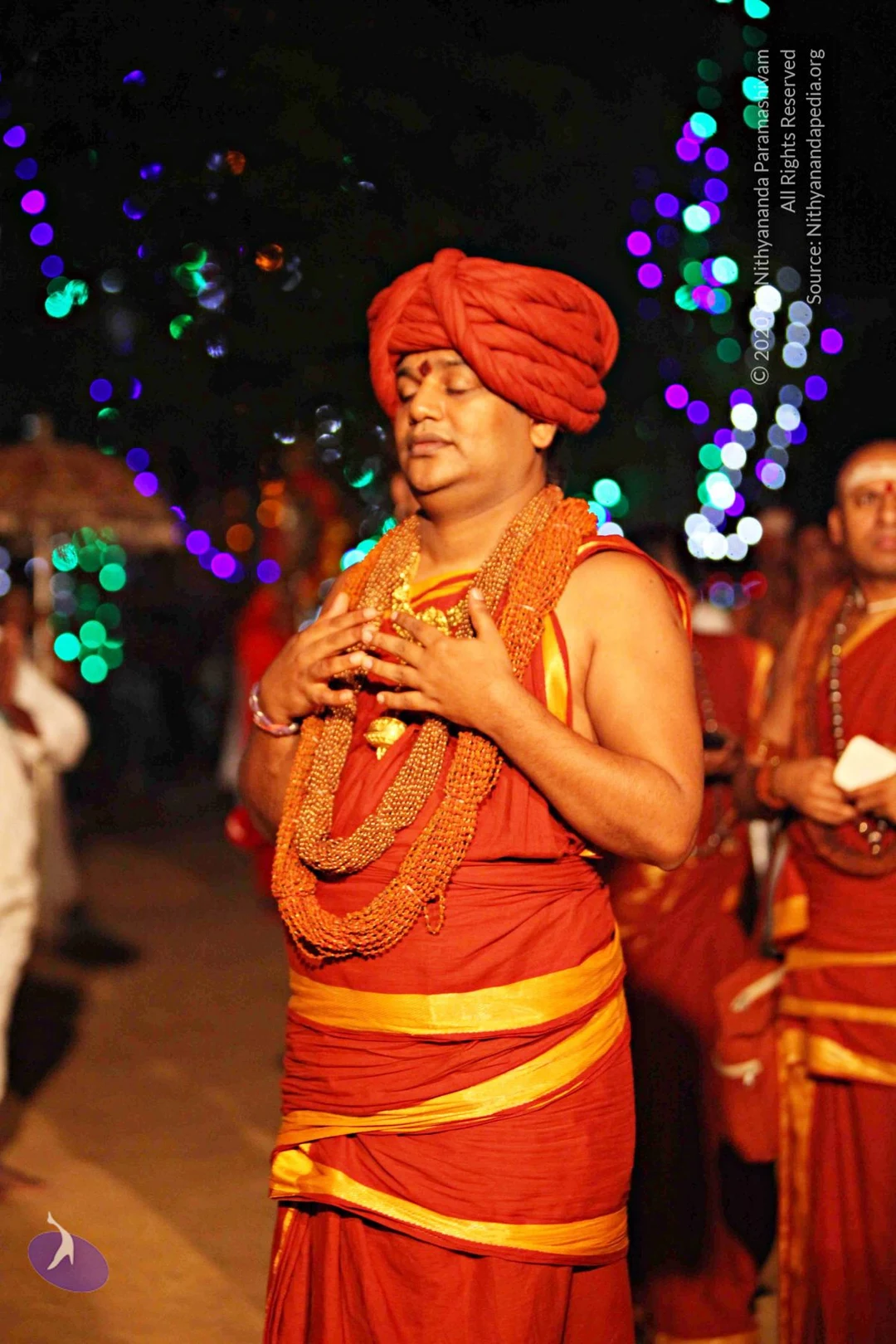
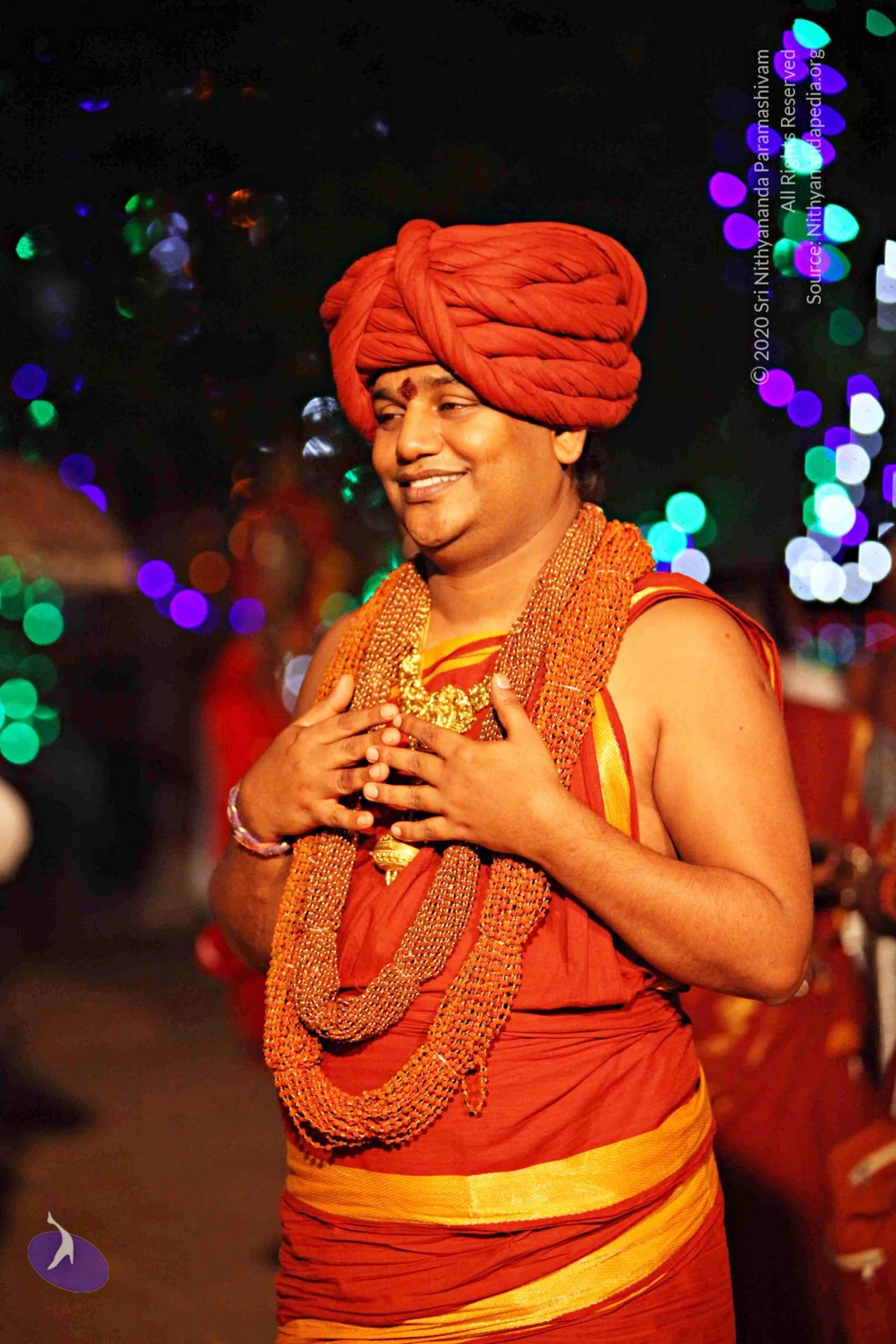
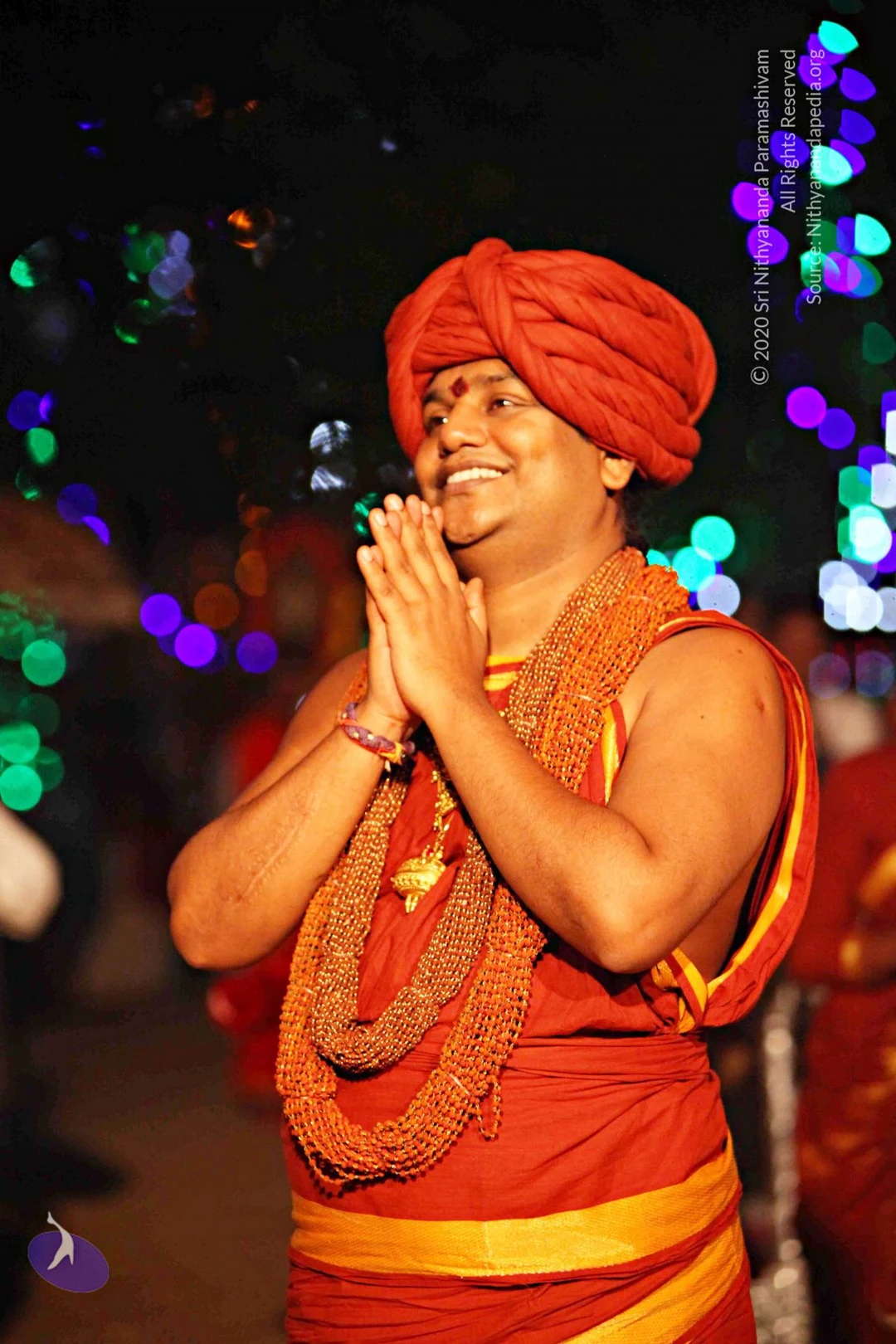
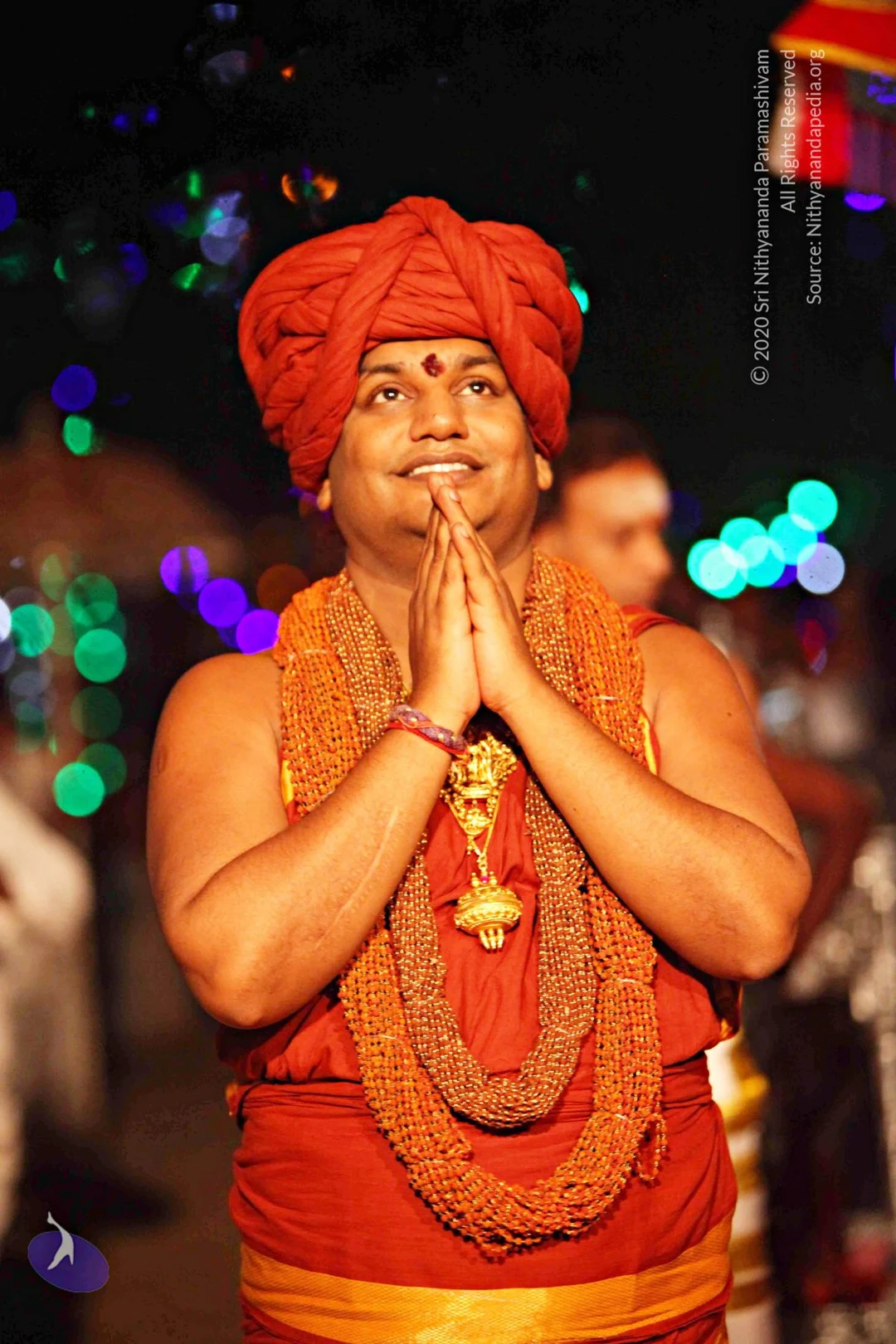
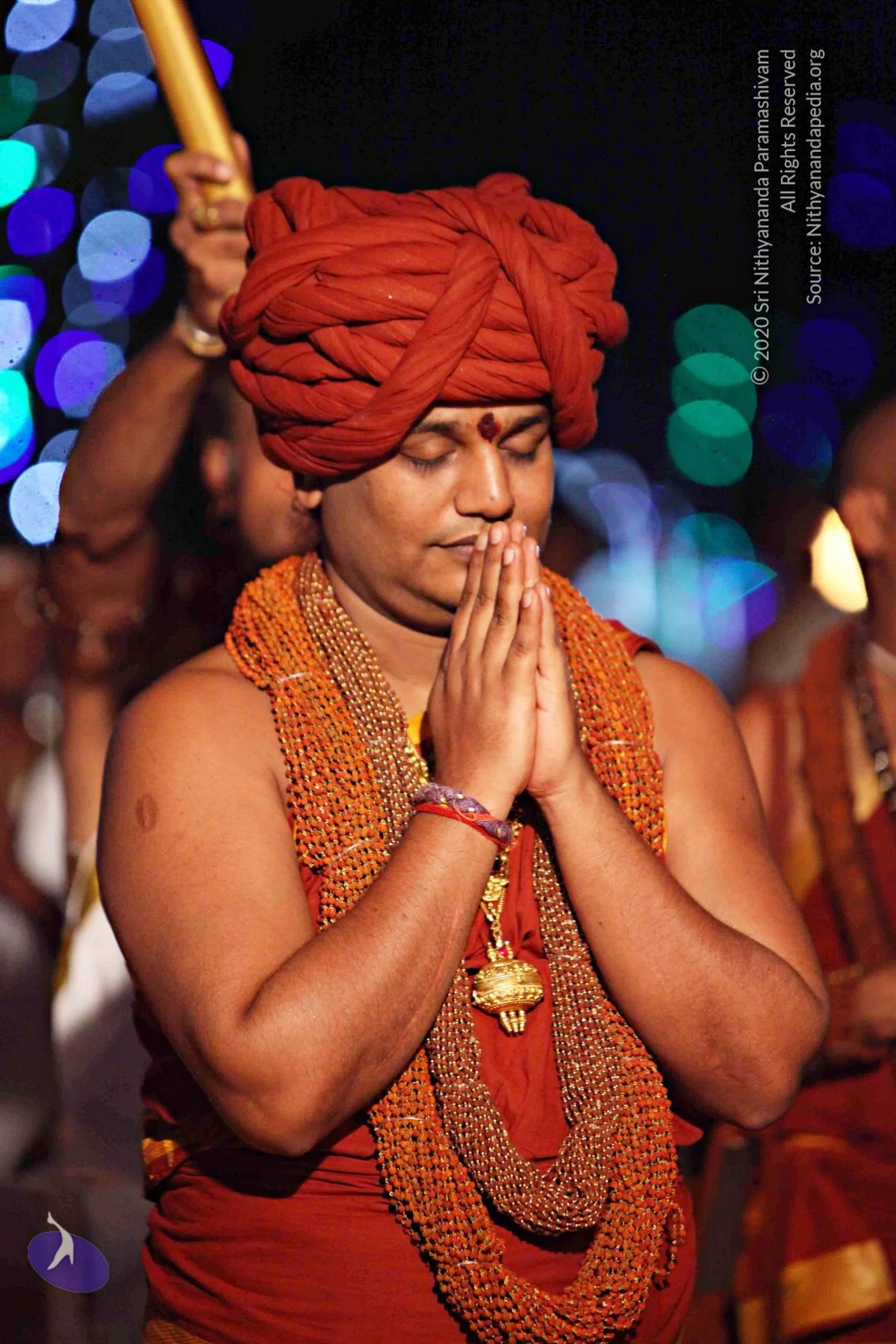
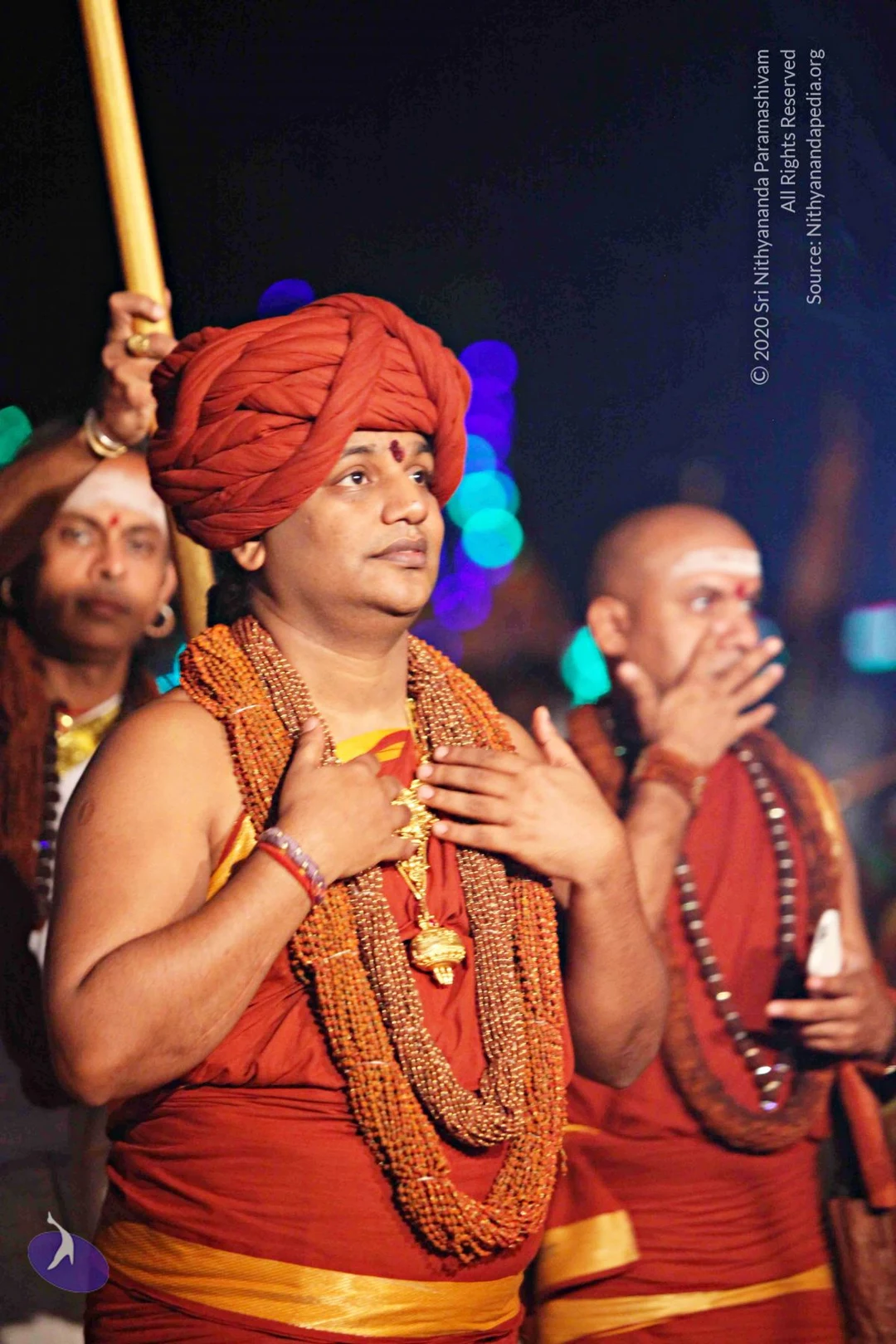
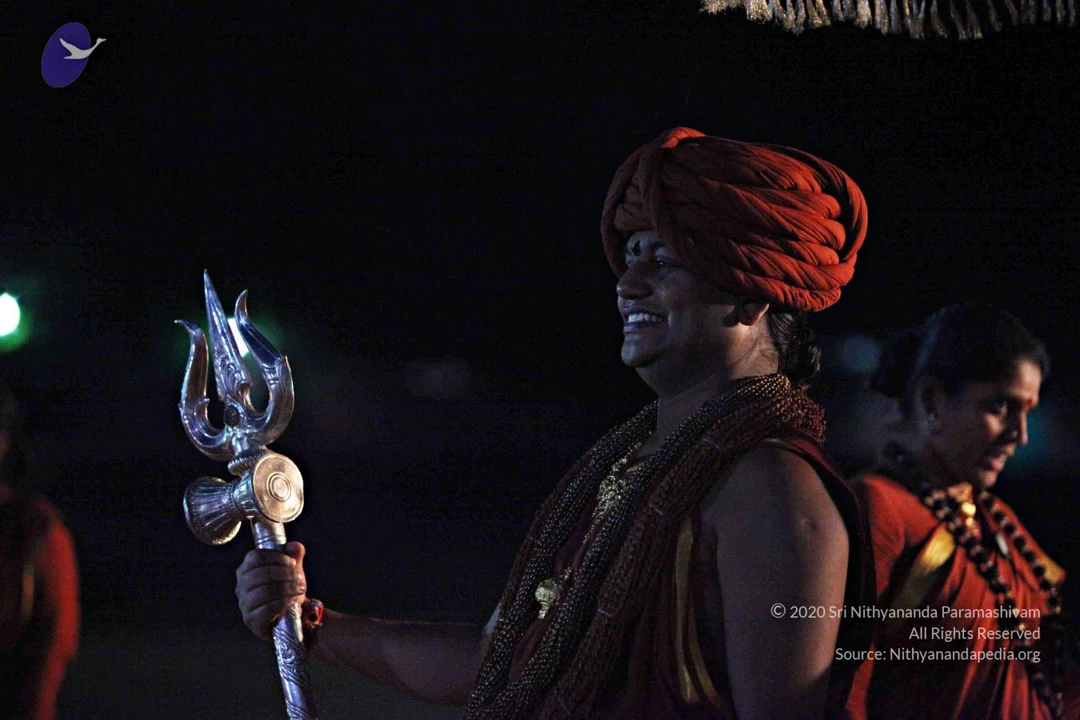
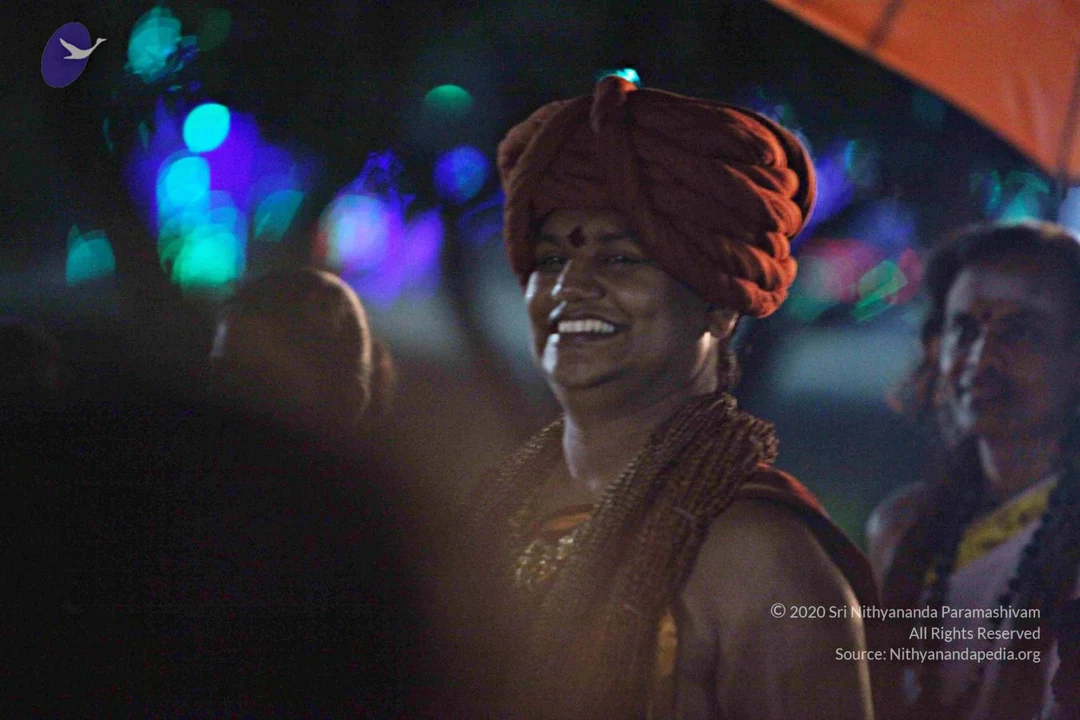
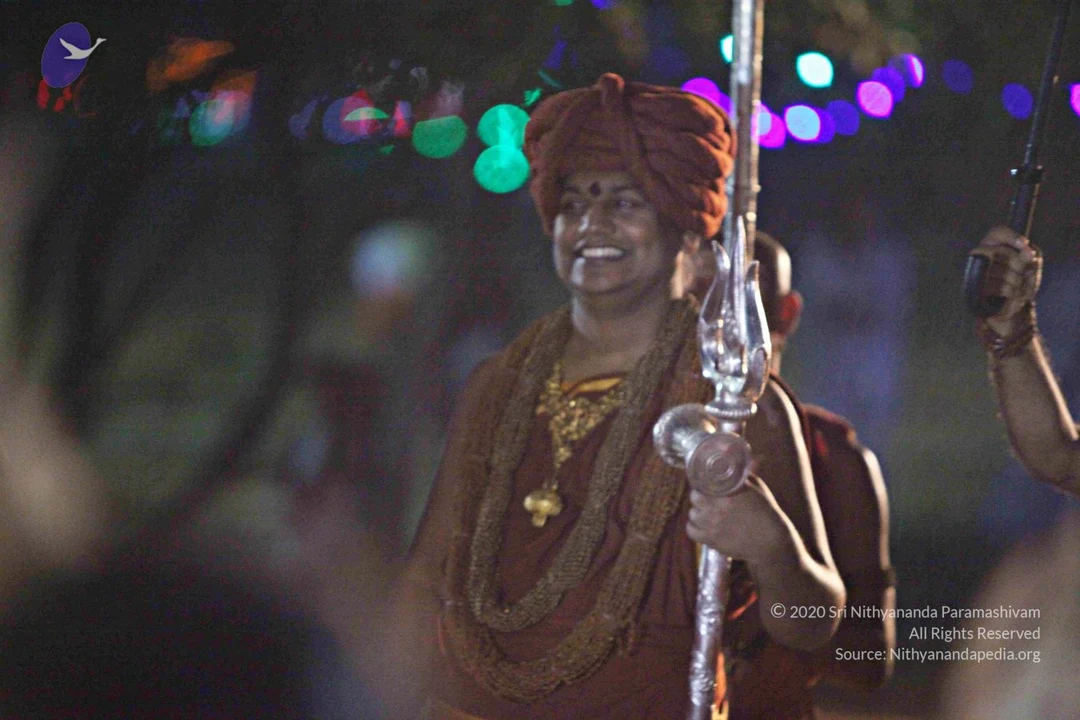
More Photos from Satsang
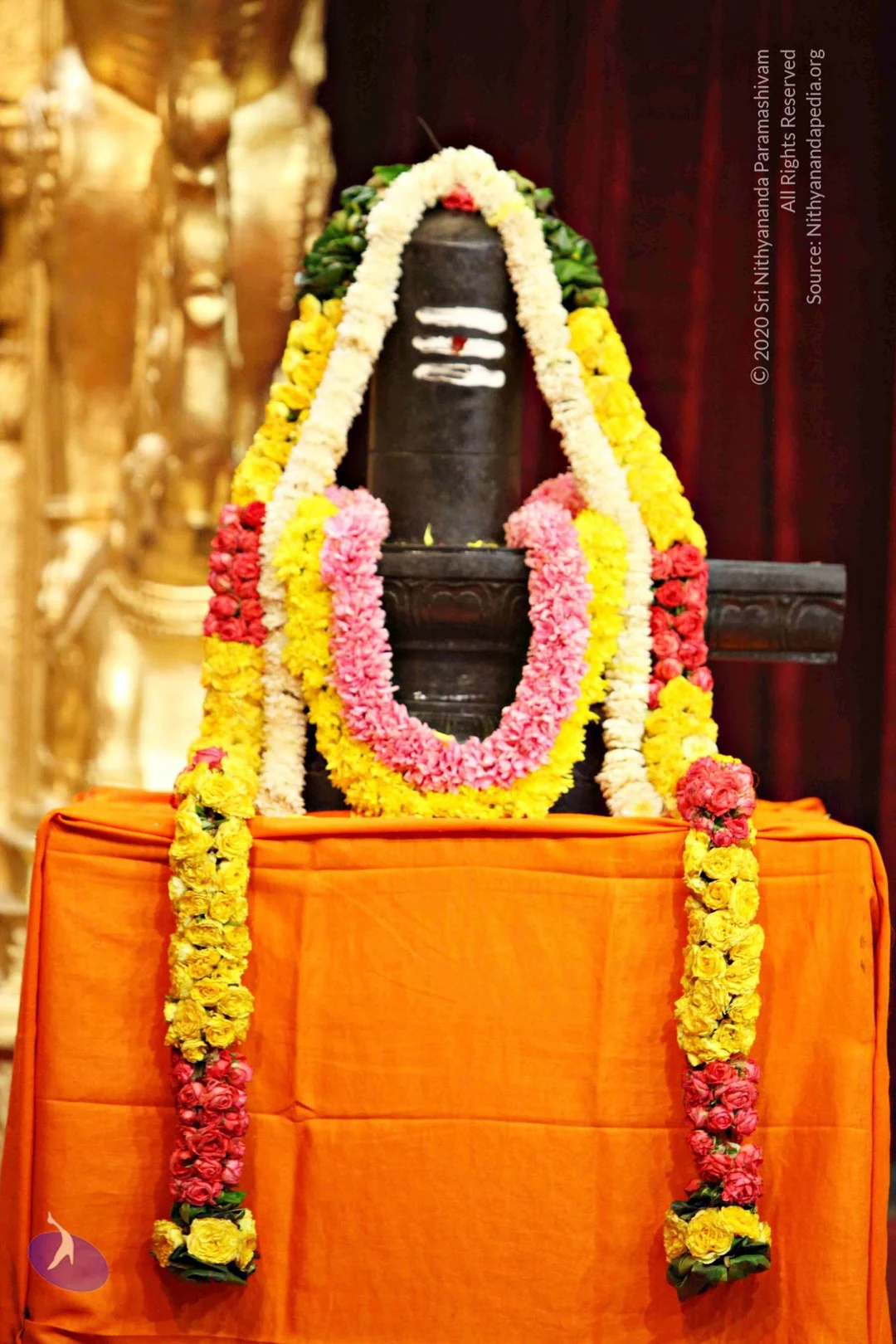
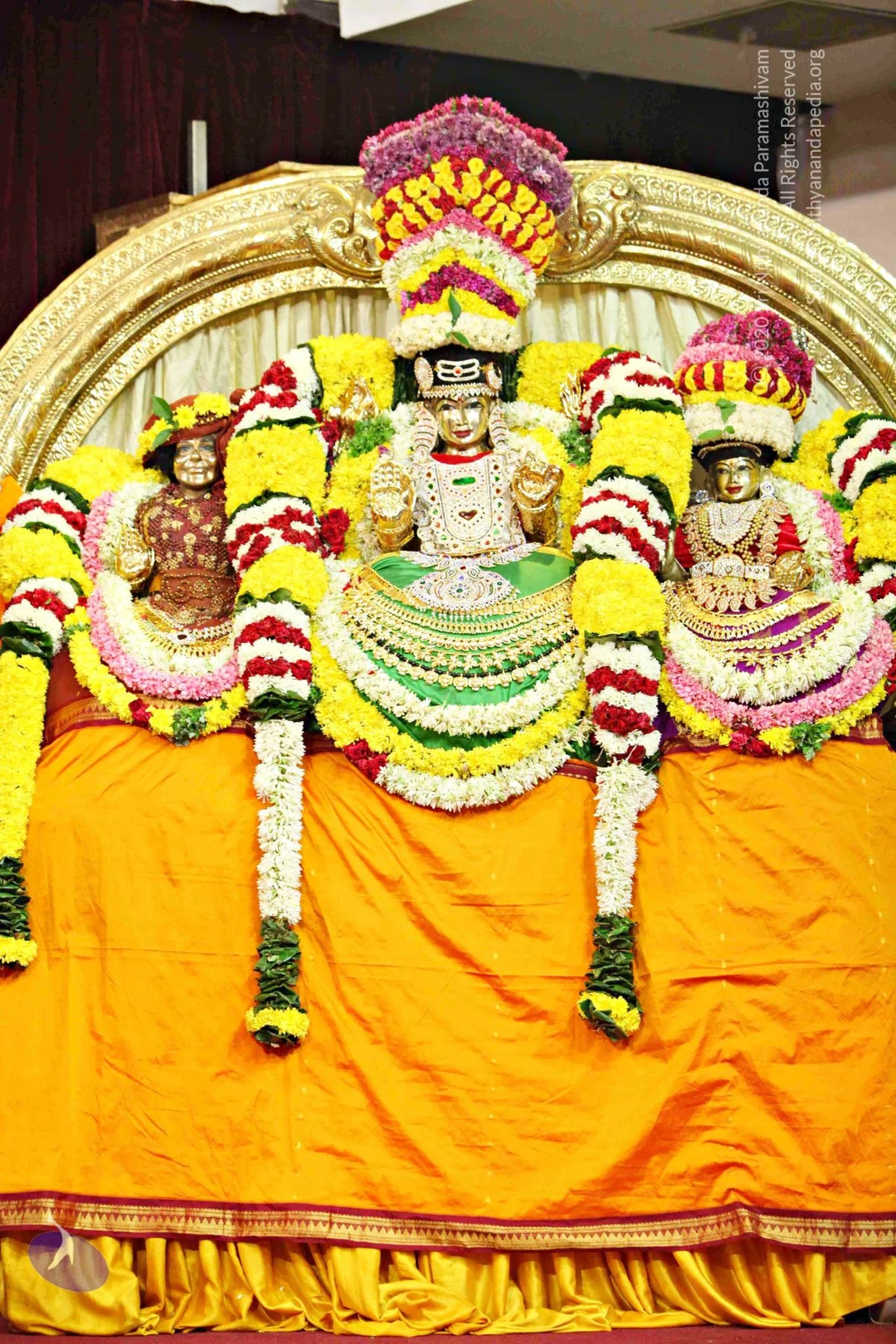
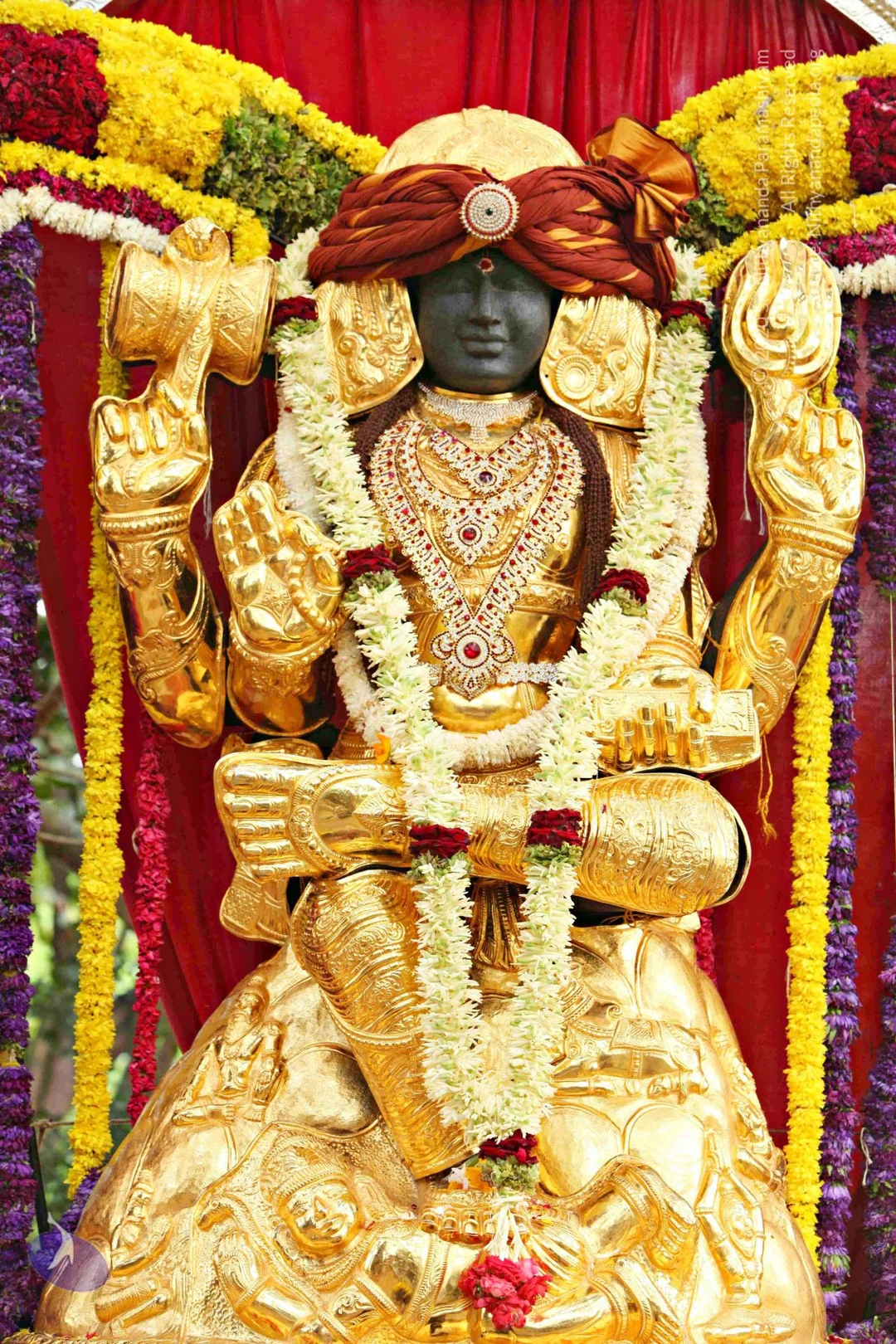
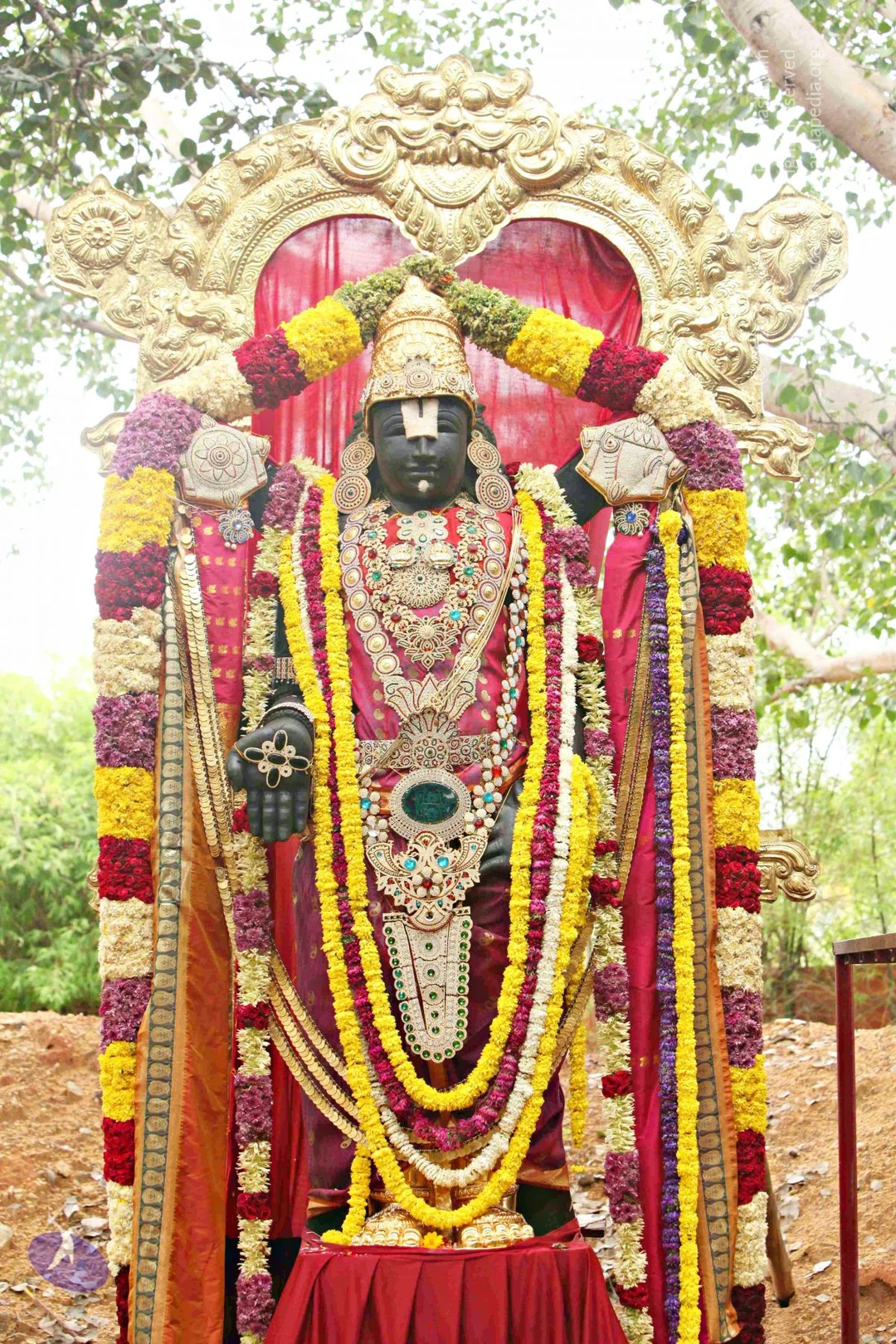
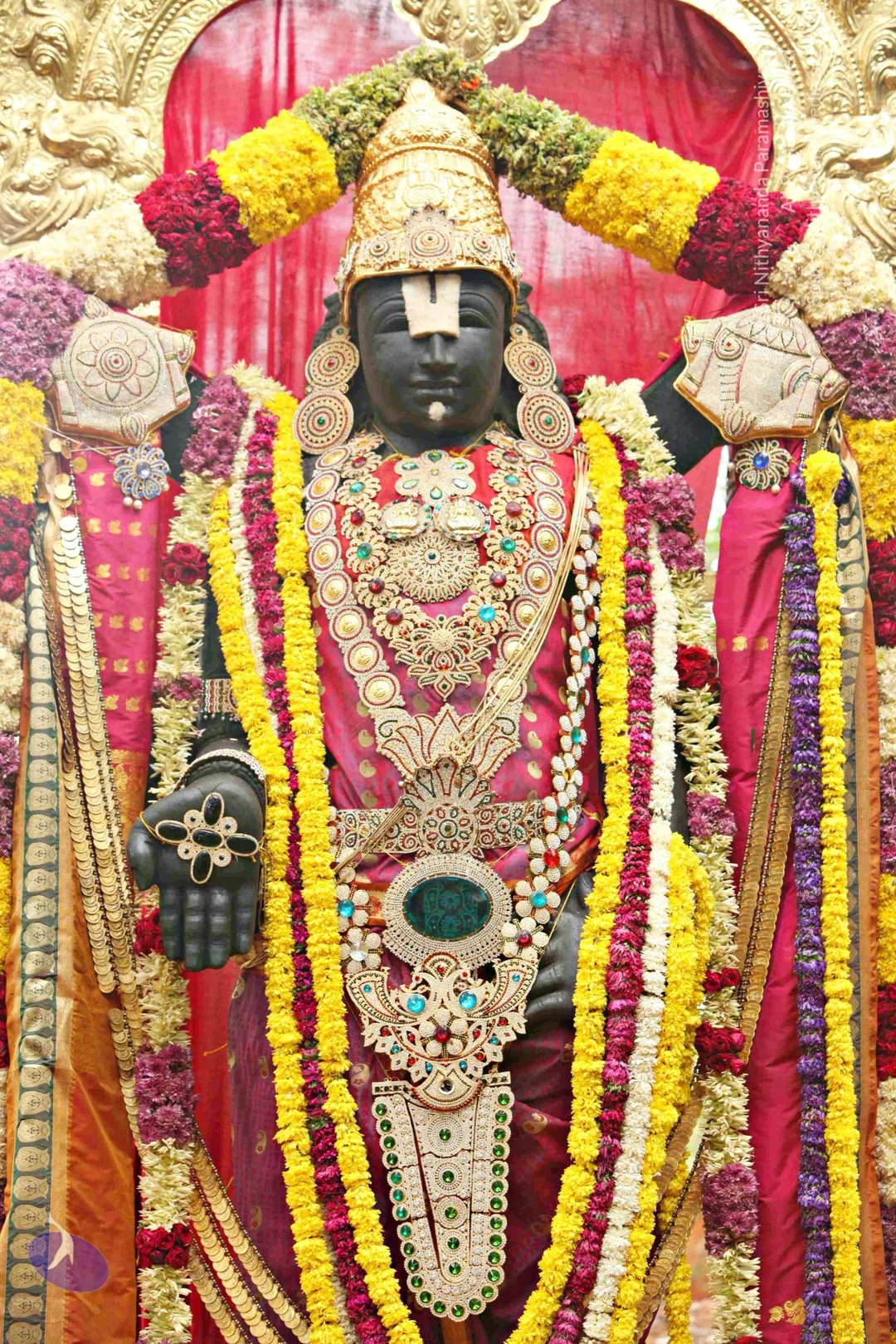
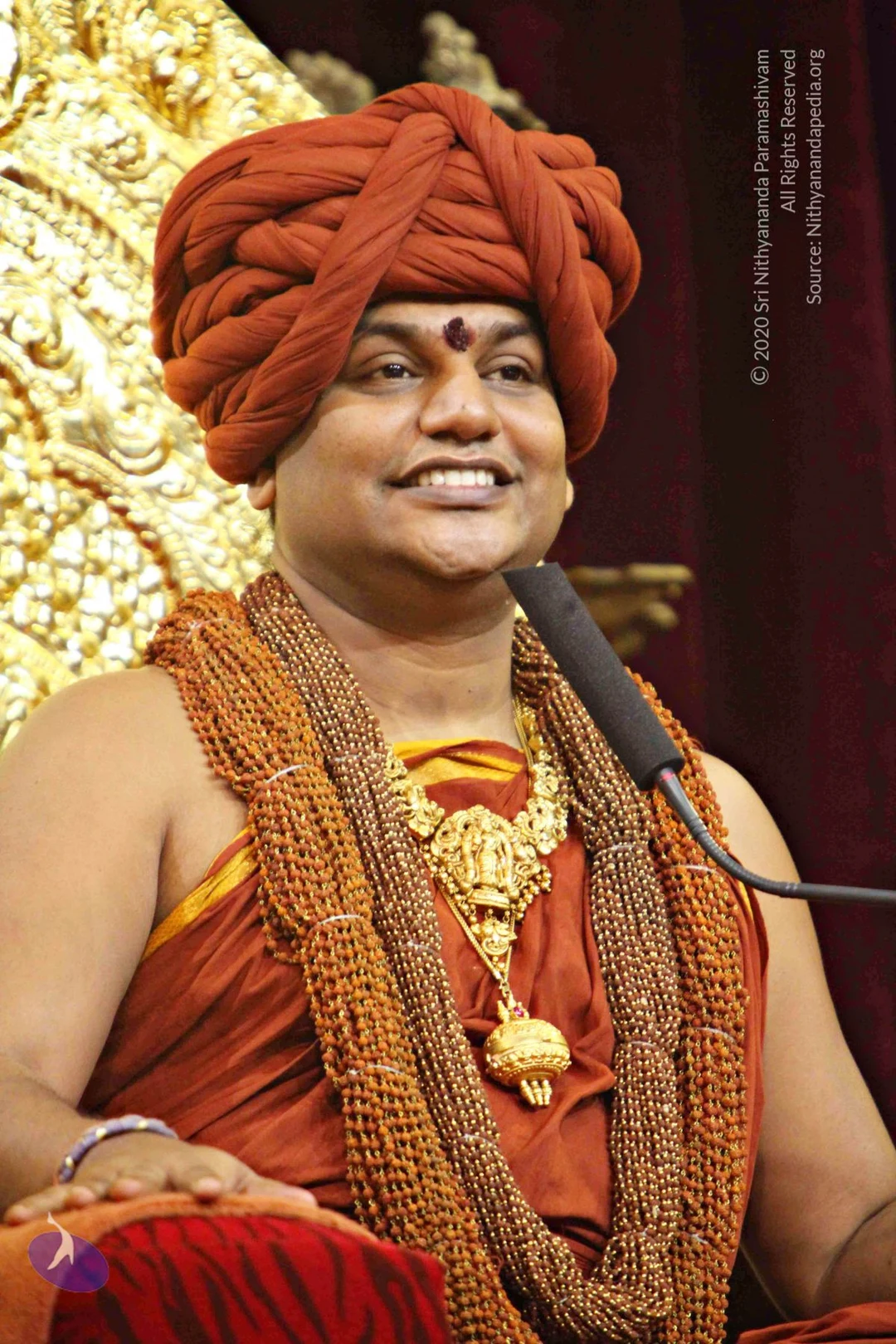
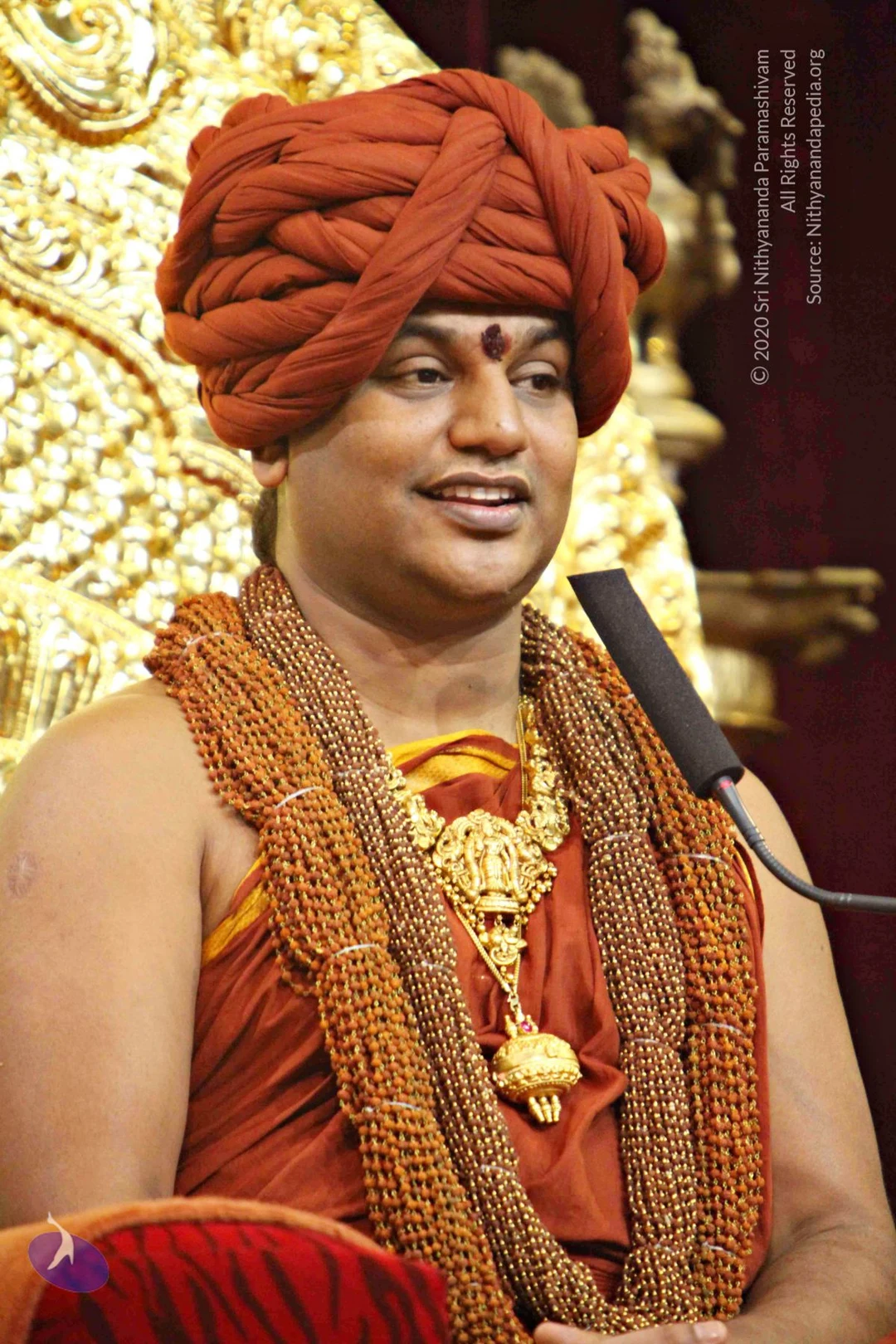
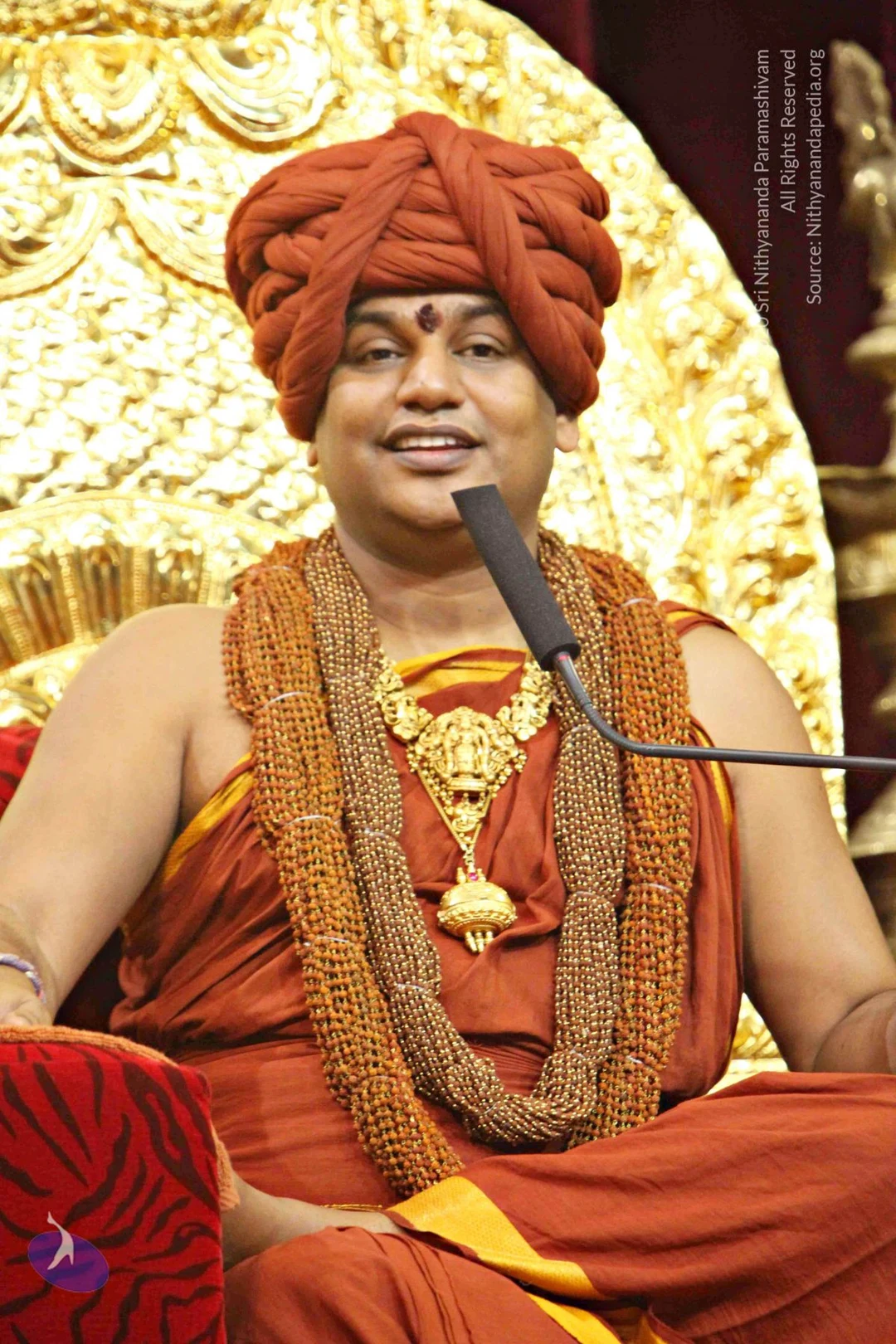
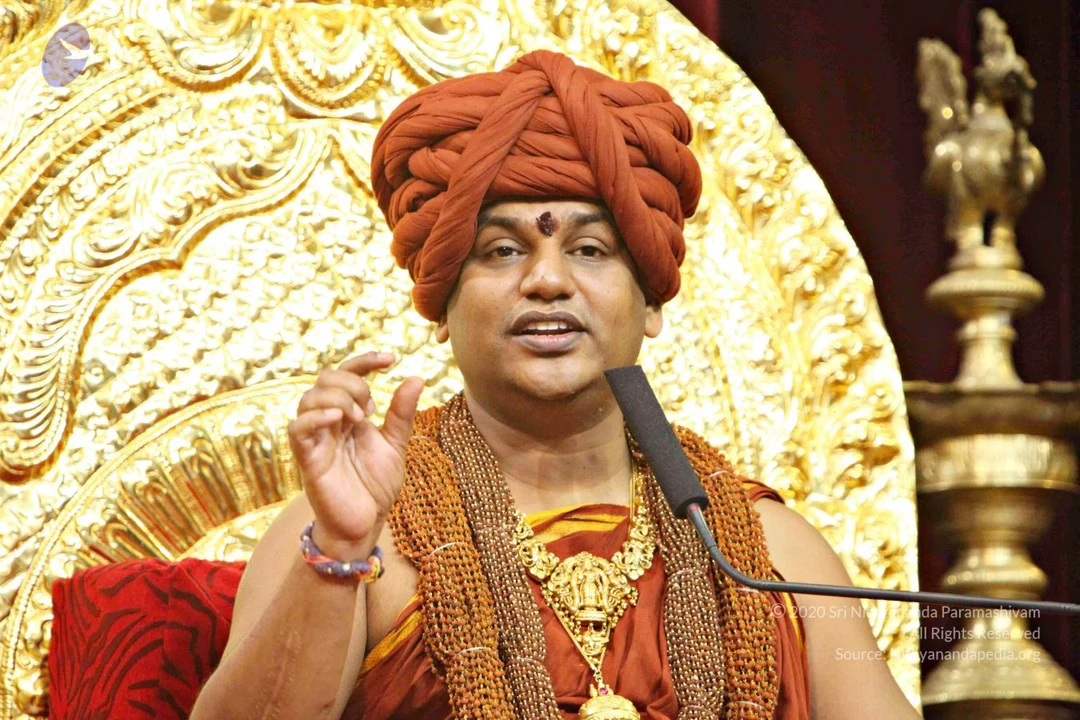
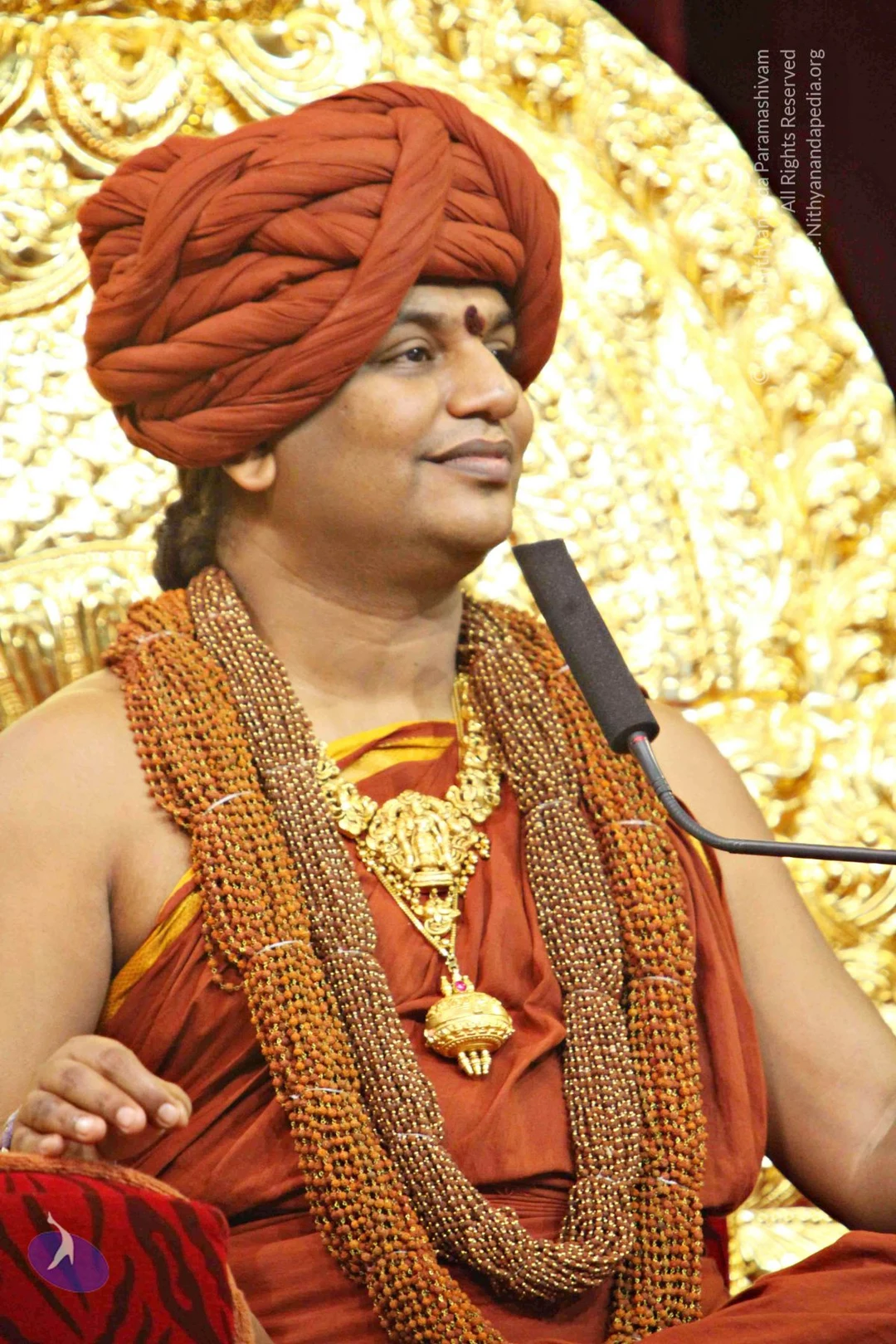
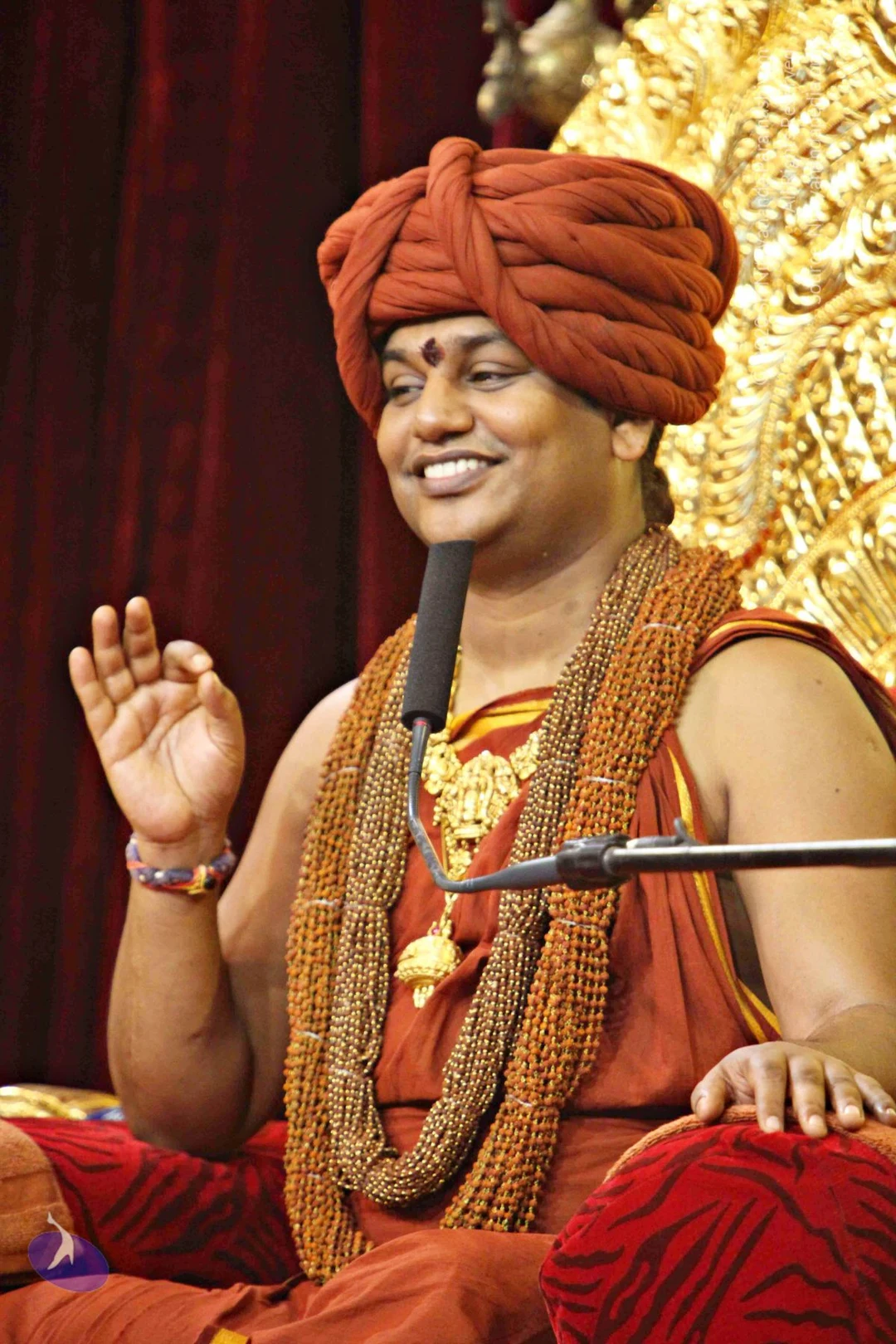
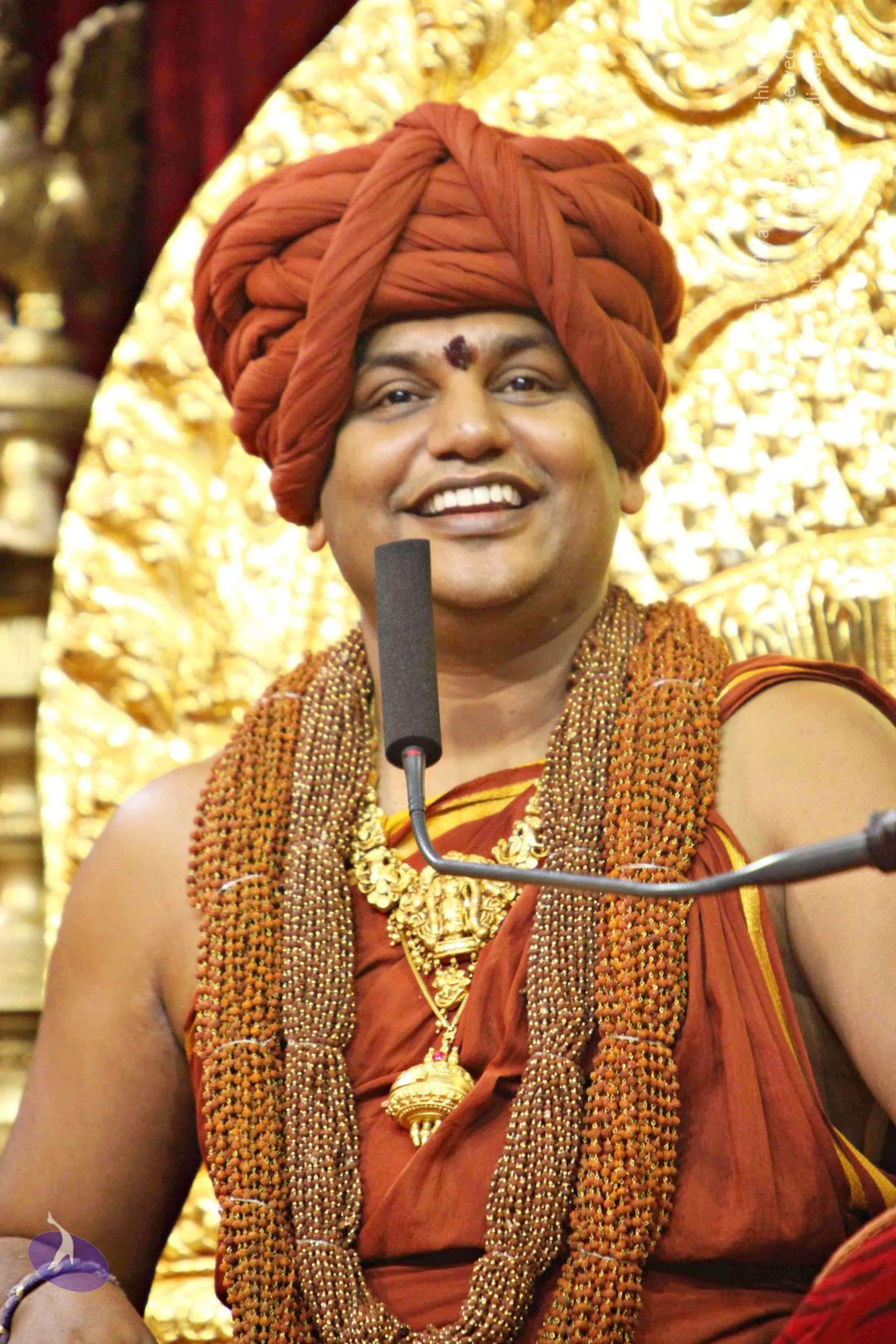
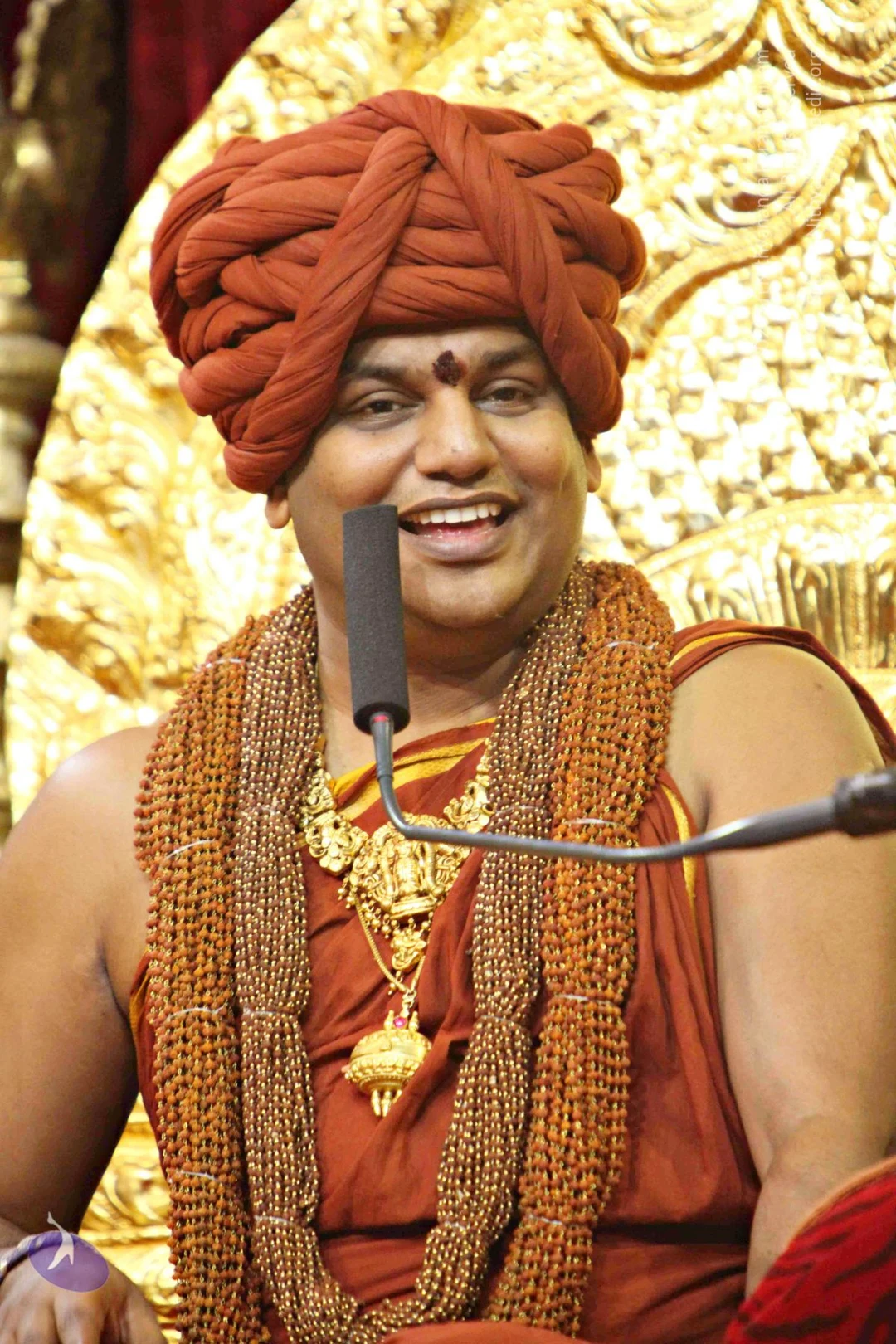
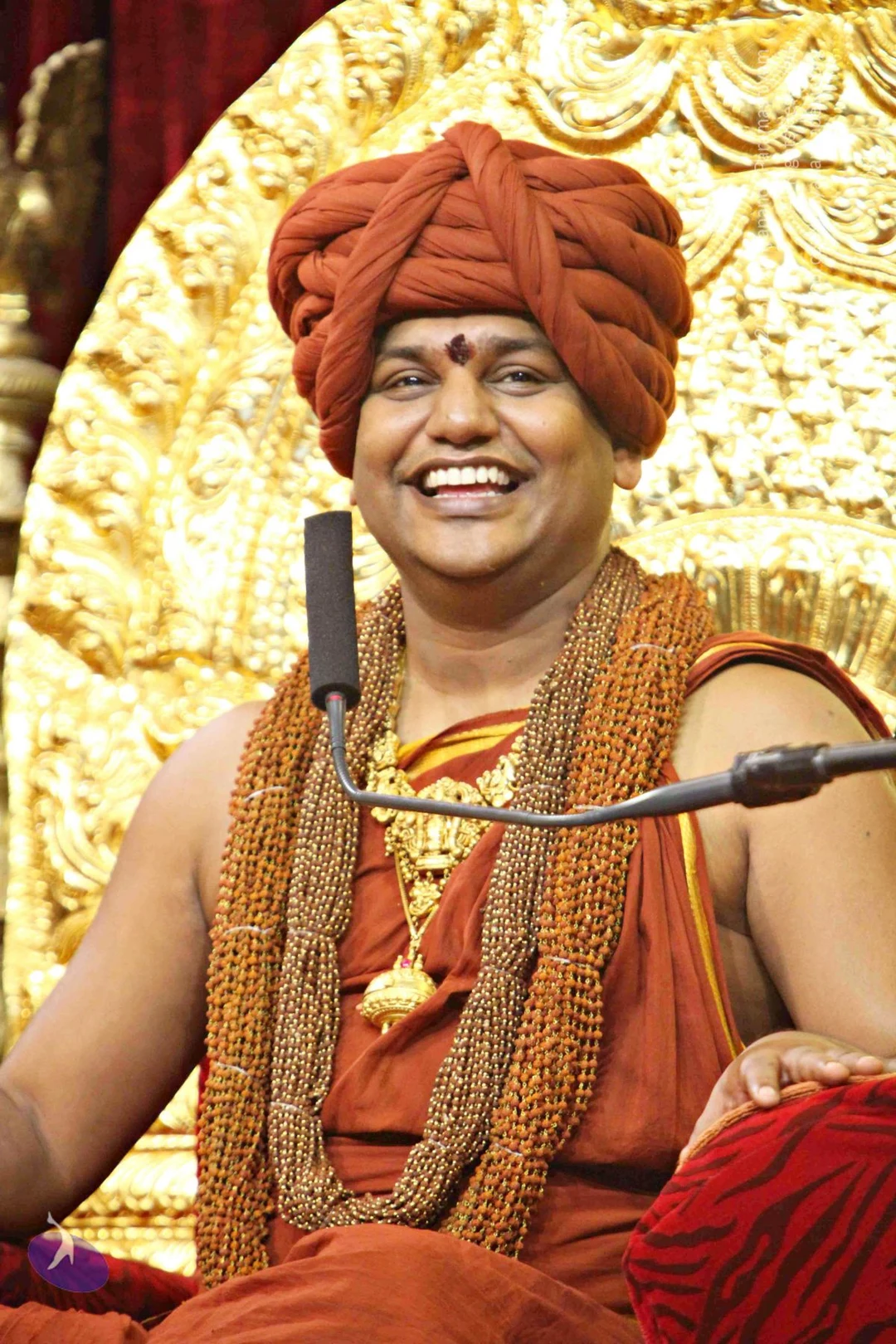
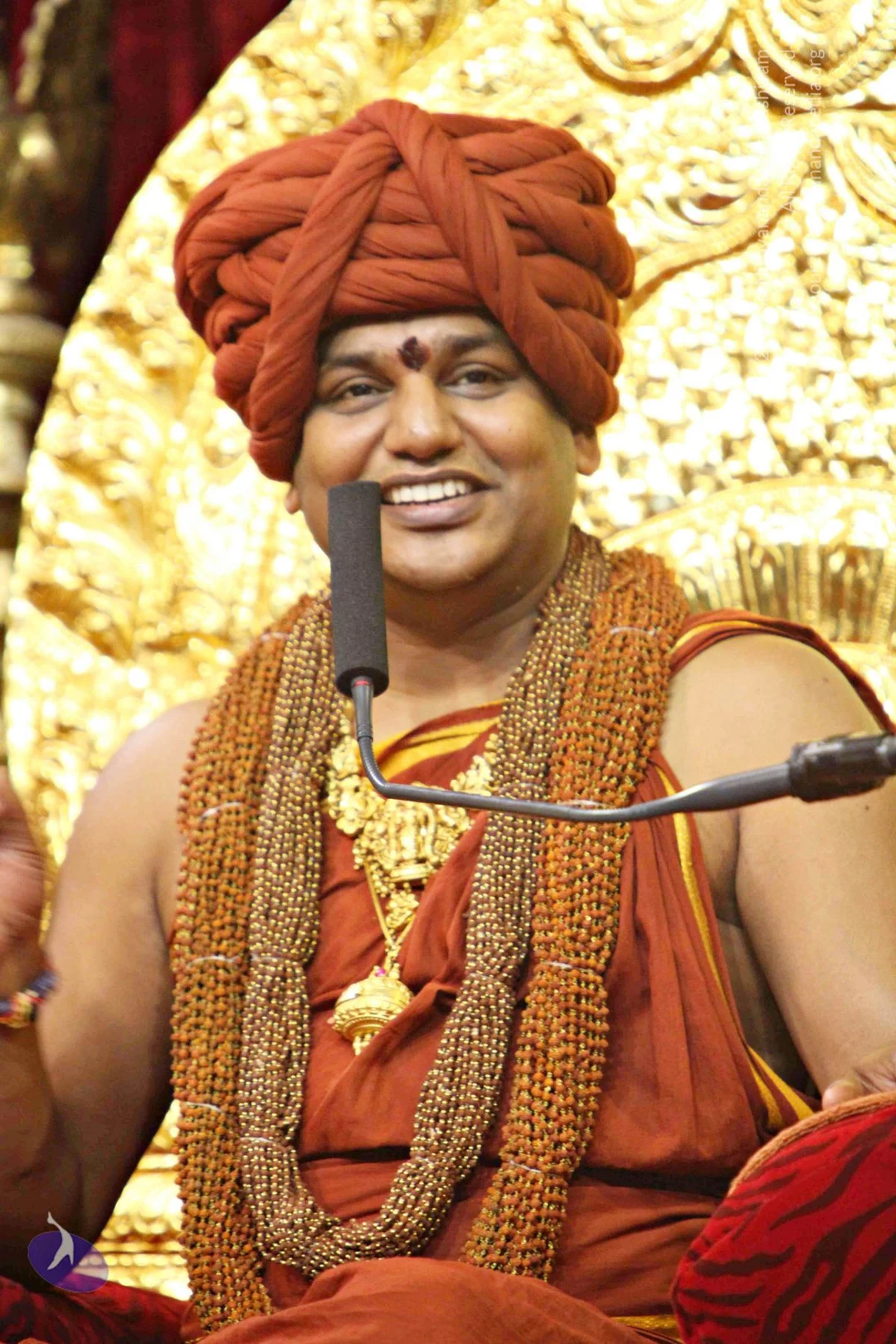
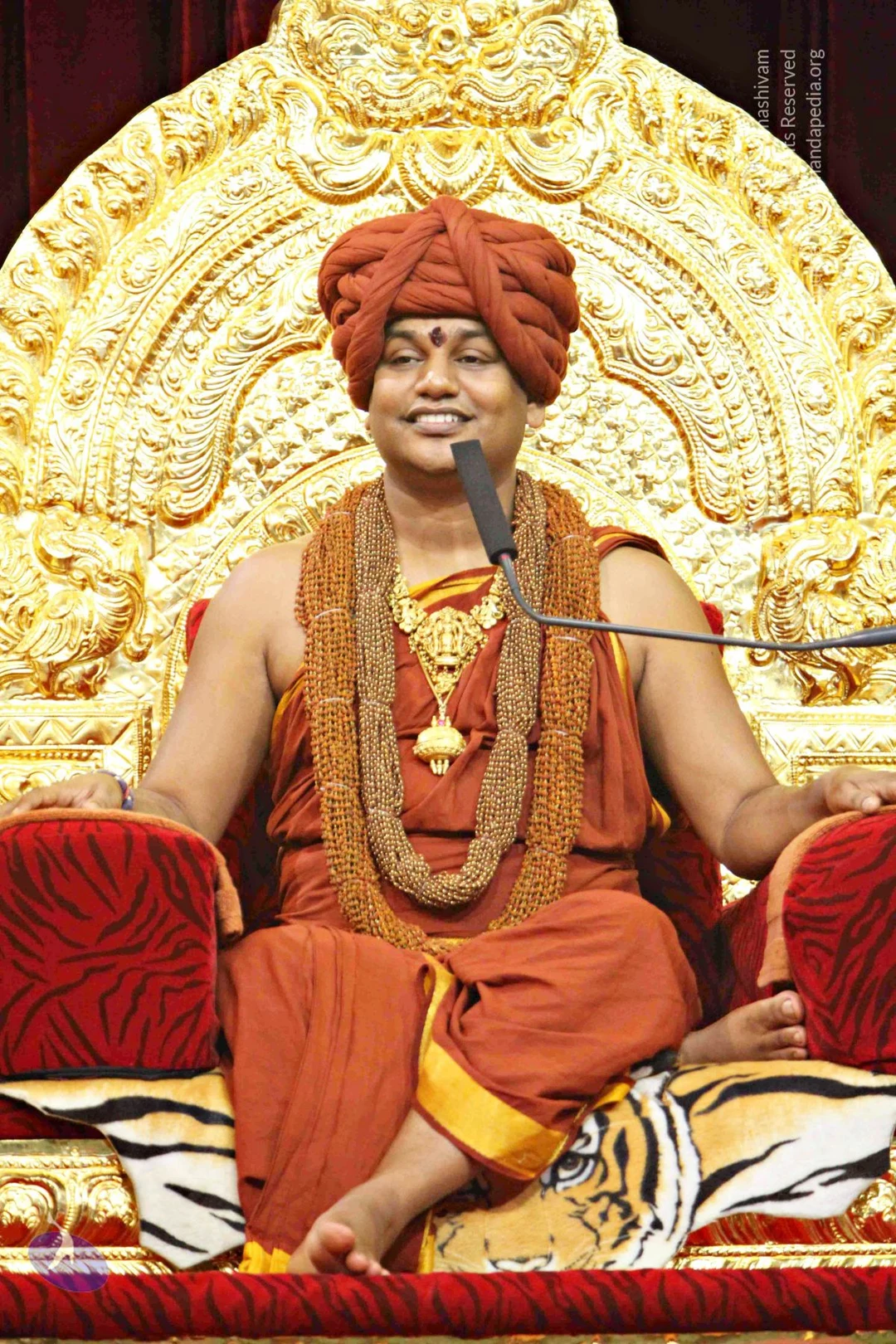
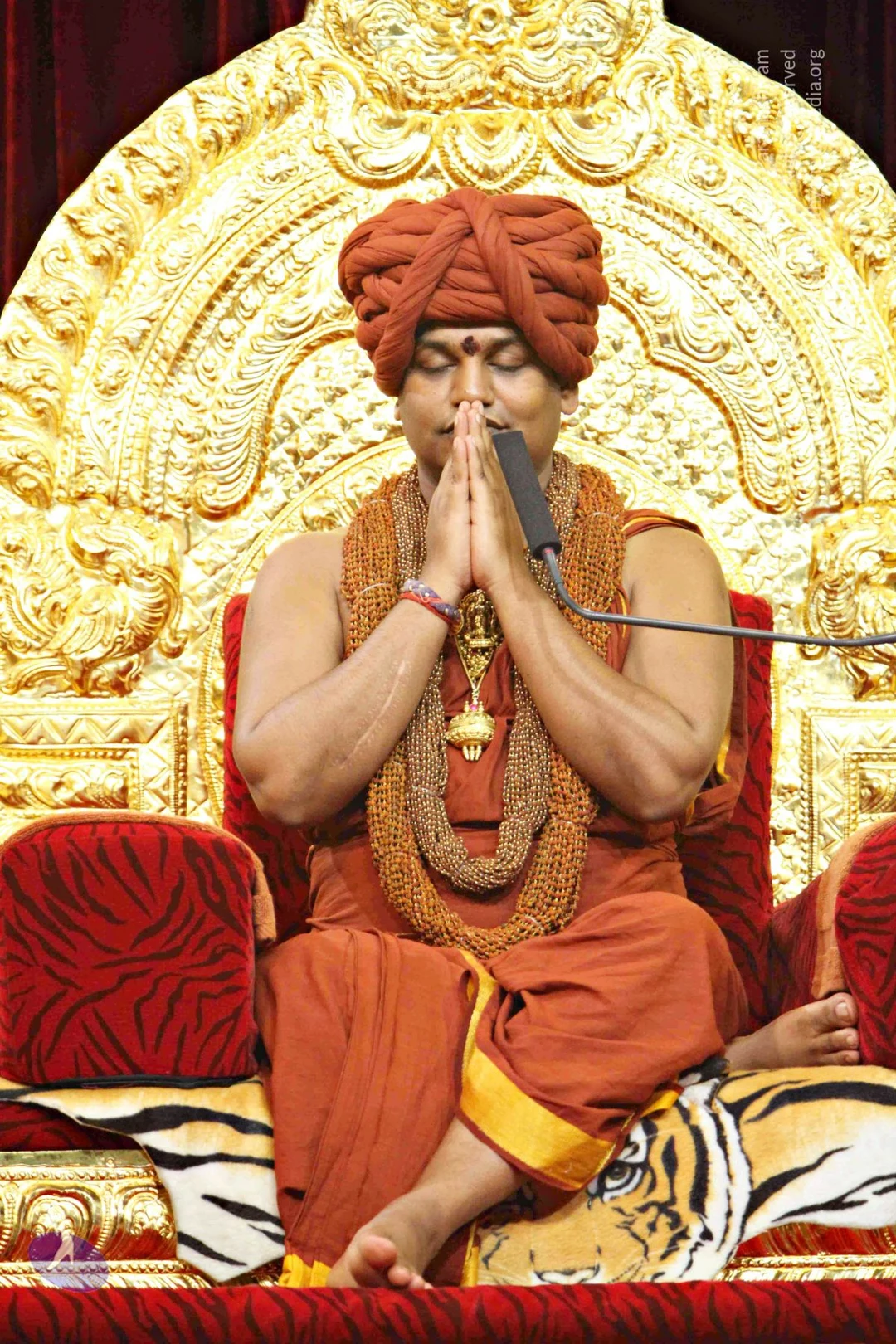
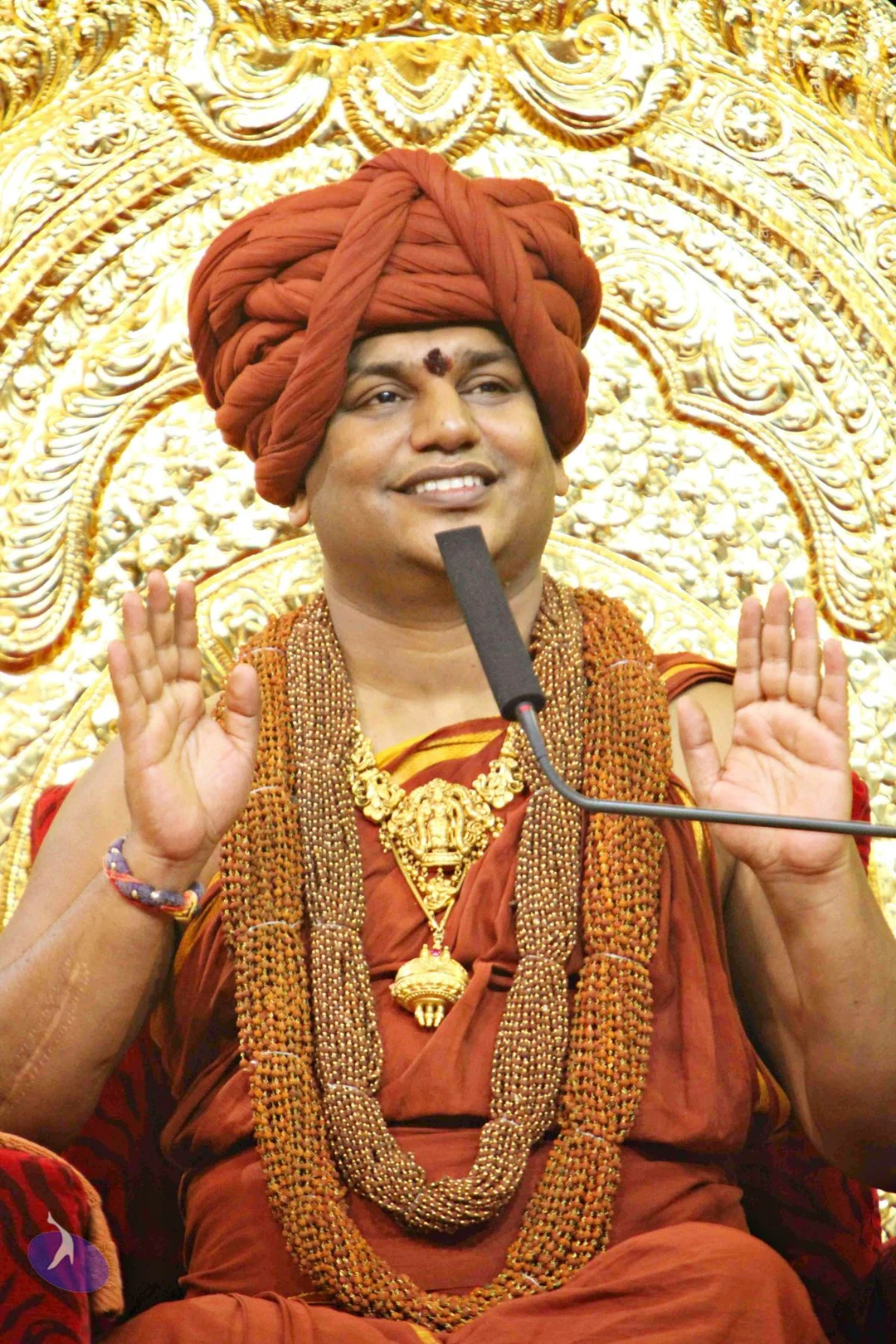
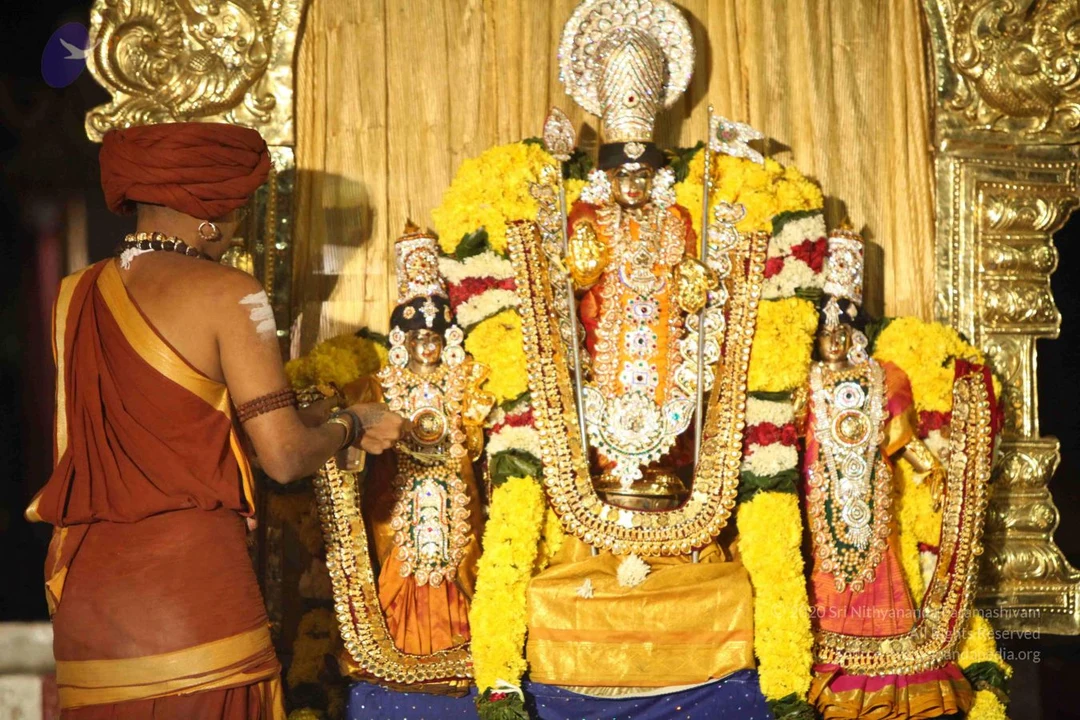
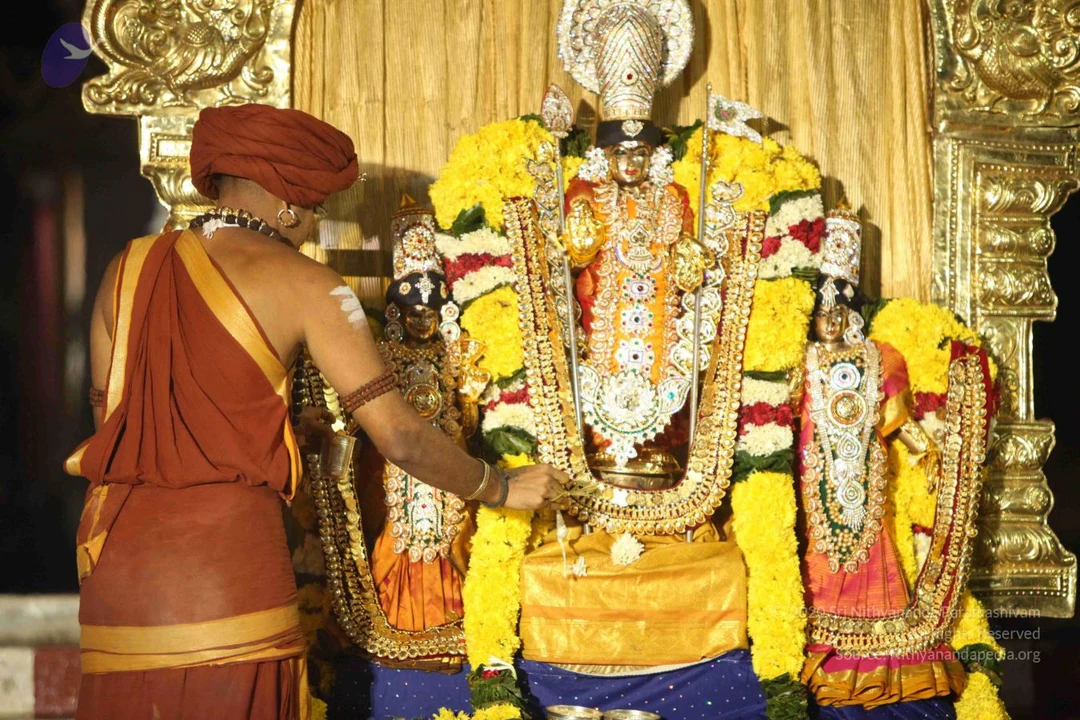
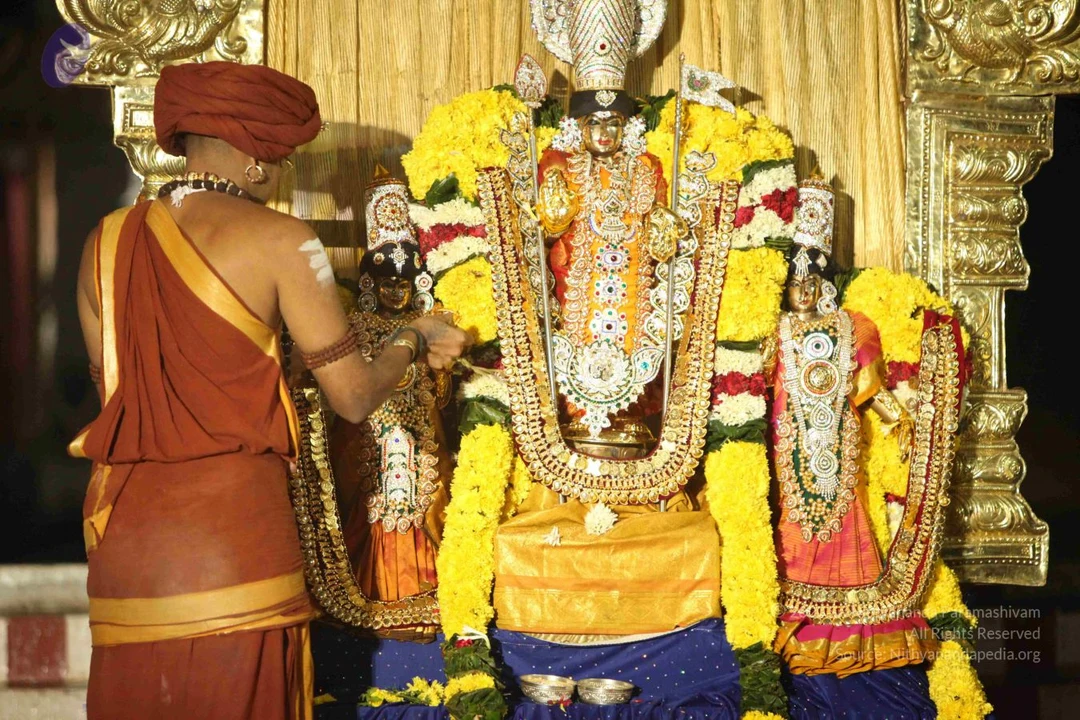
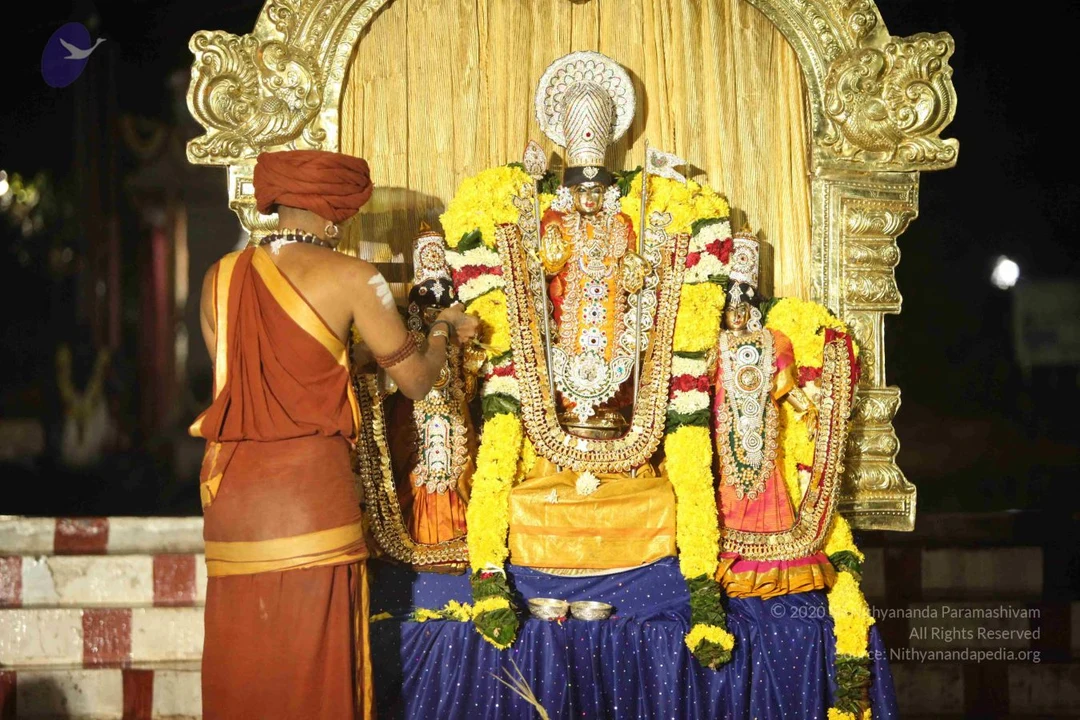
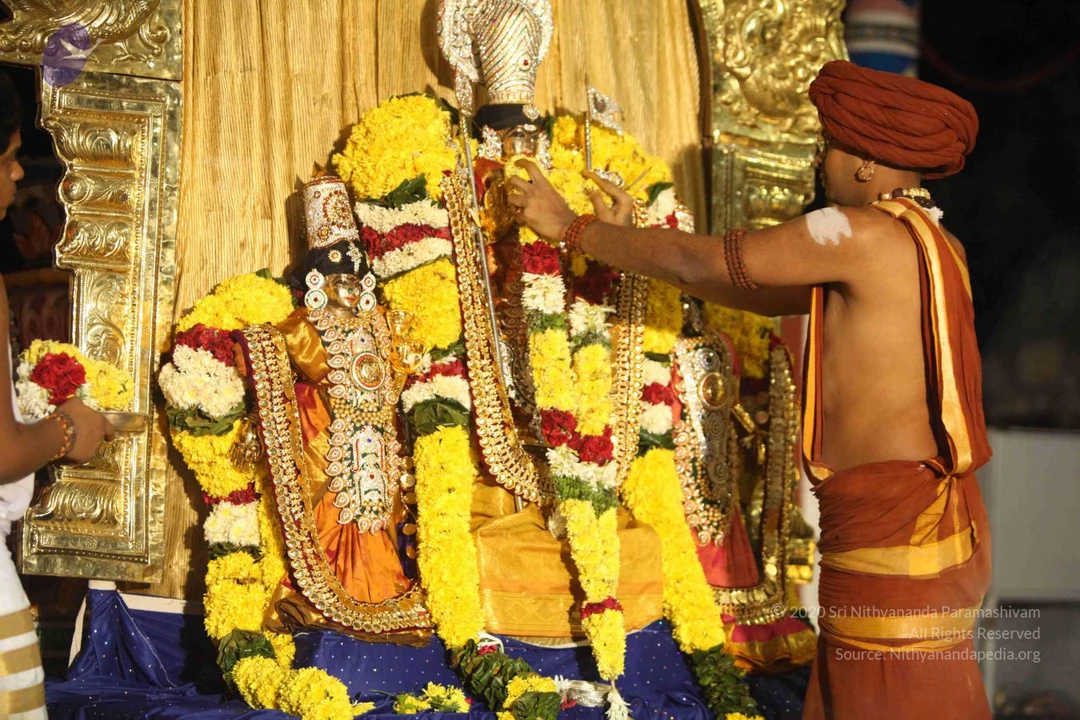
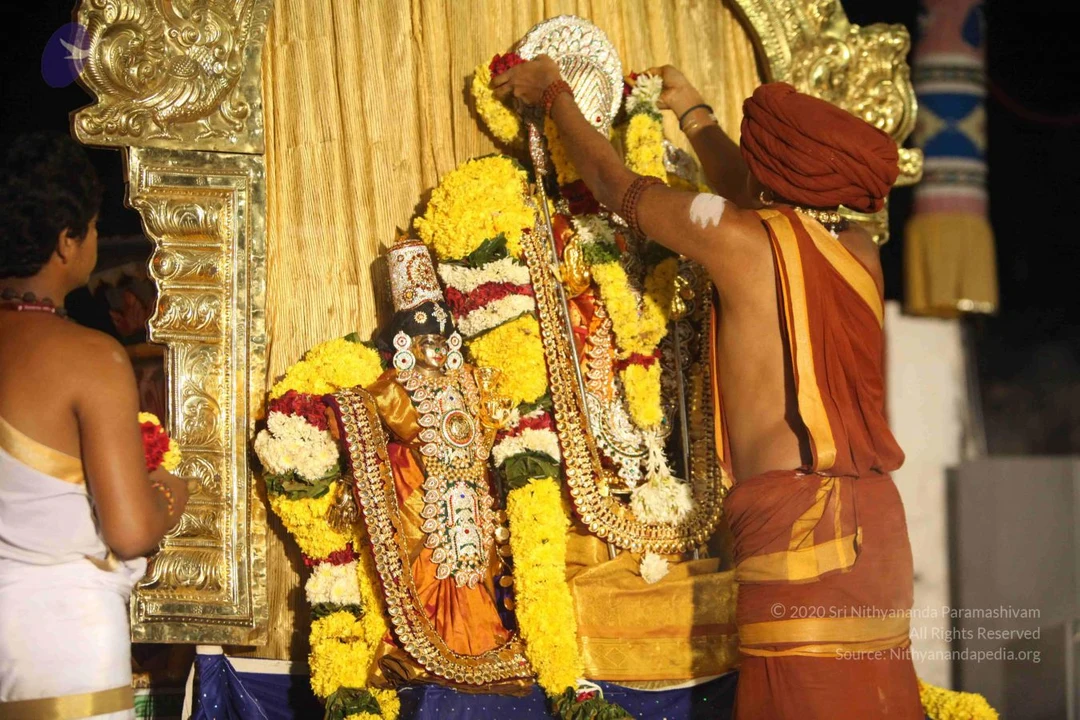
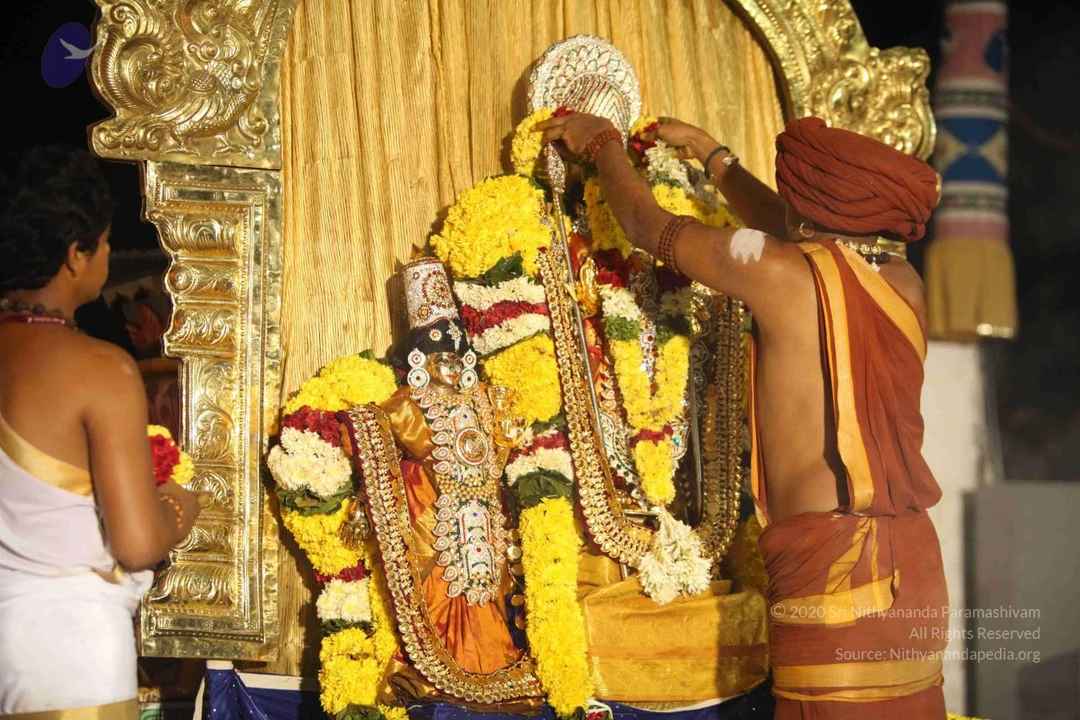
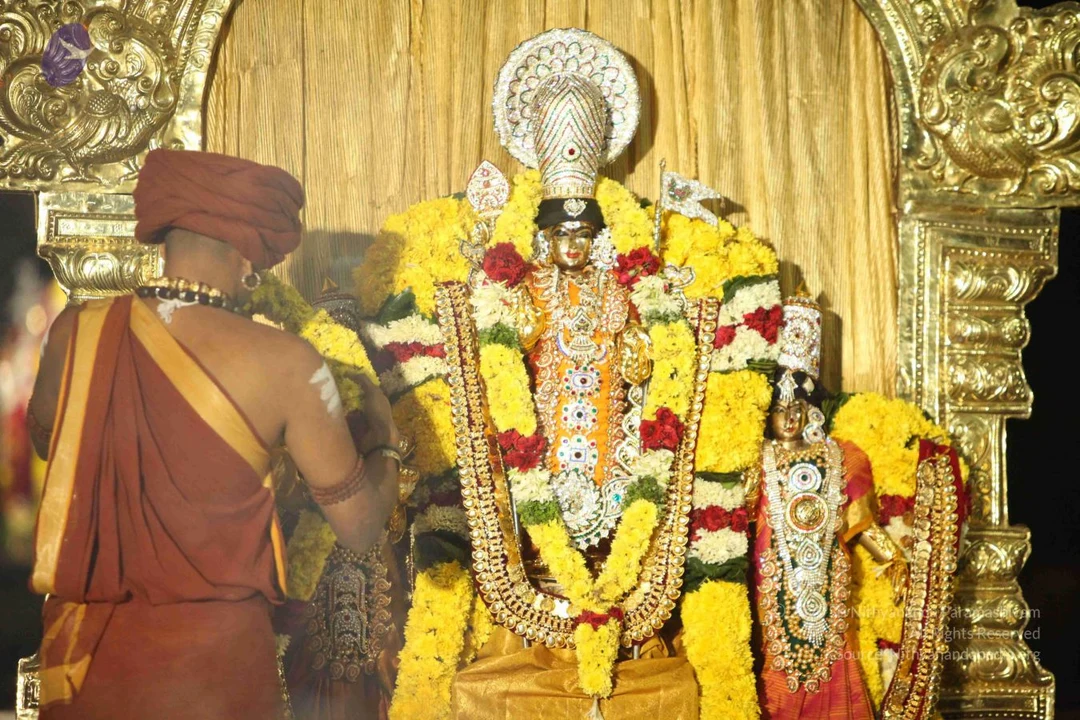
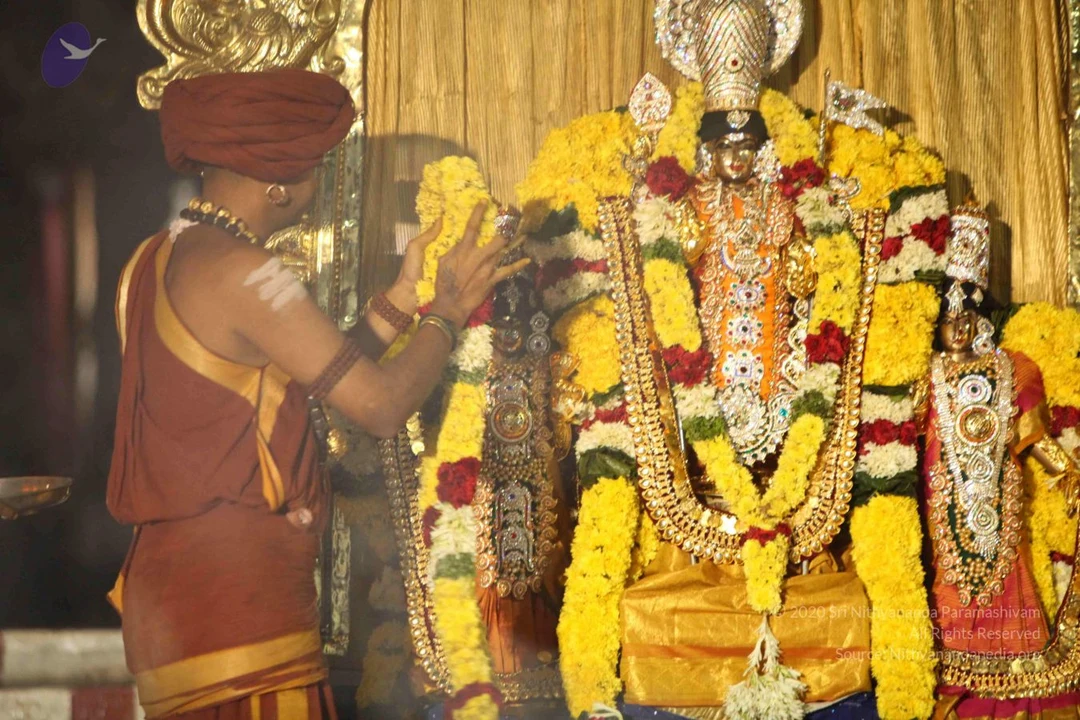
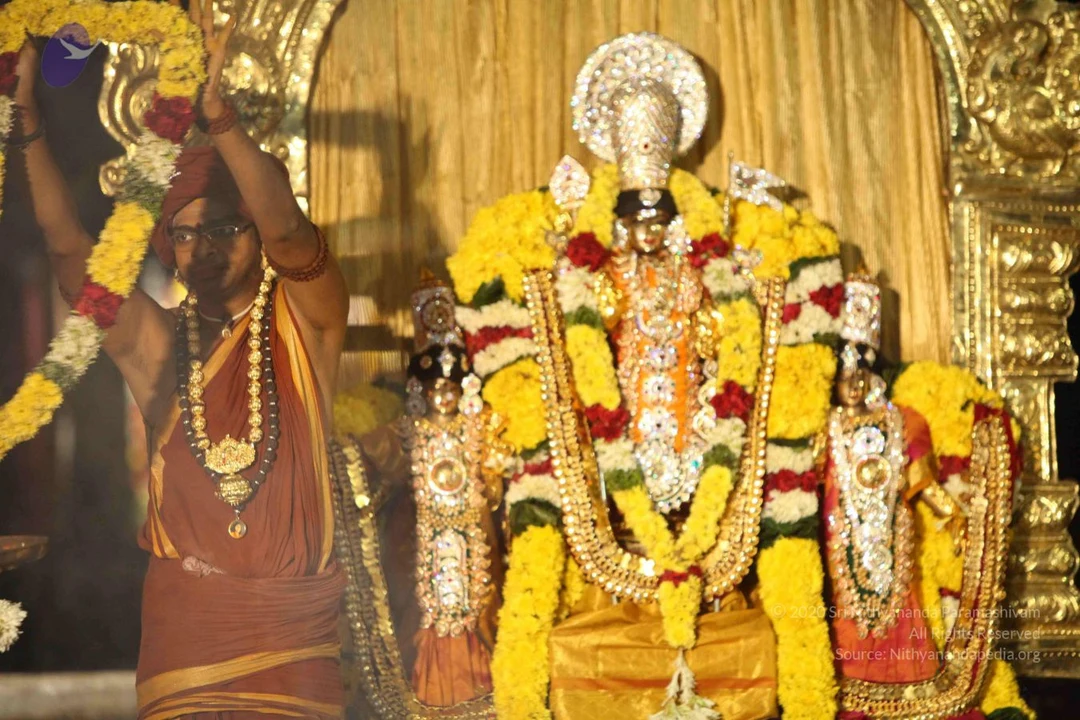
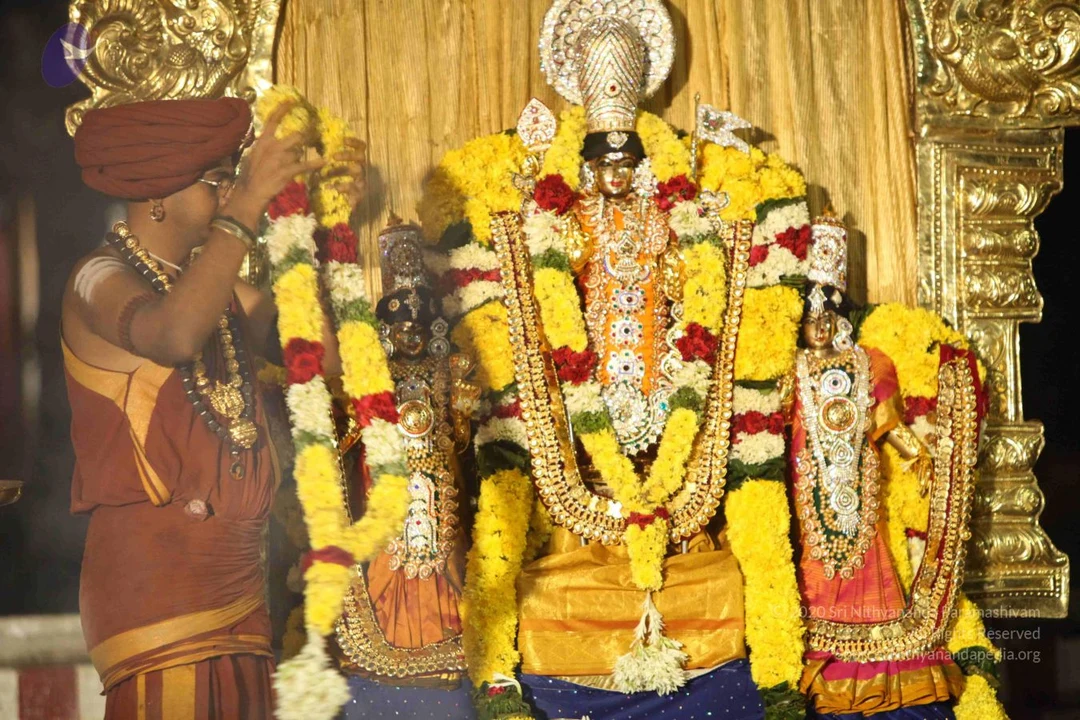
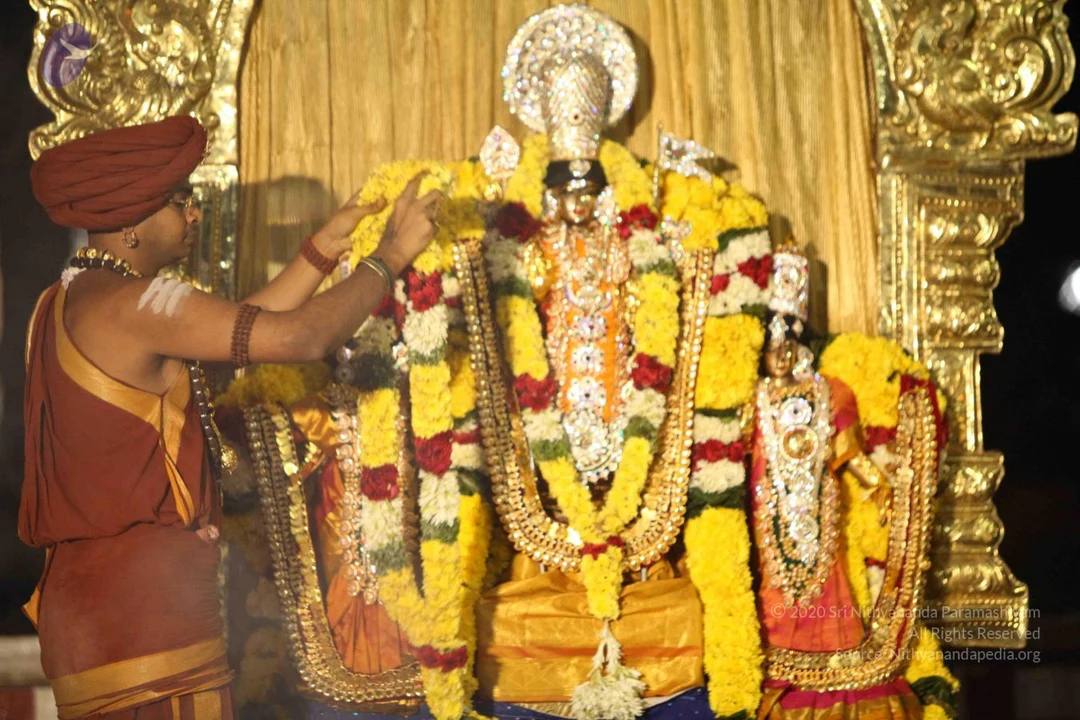
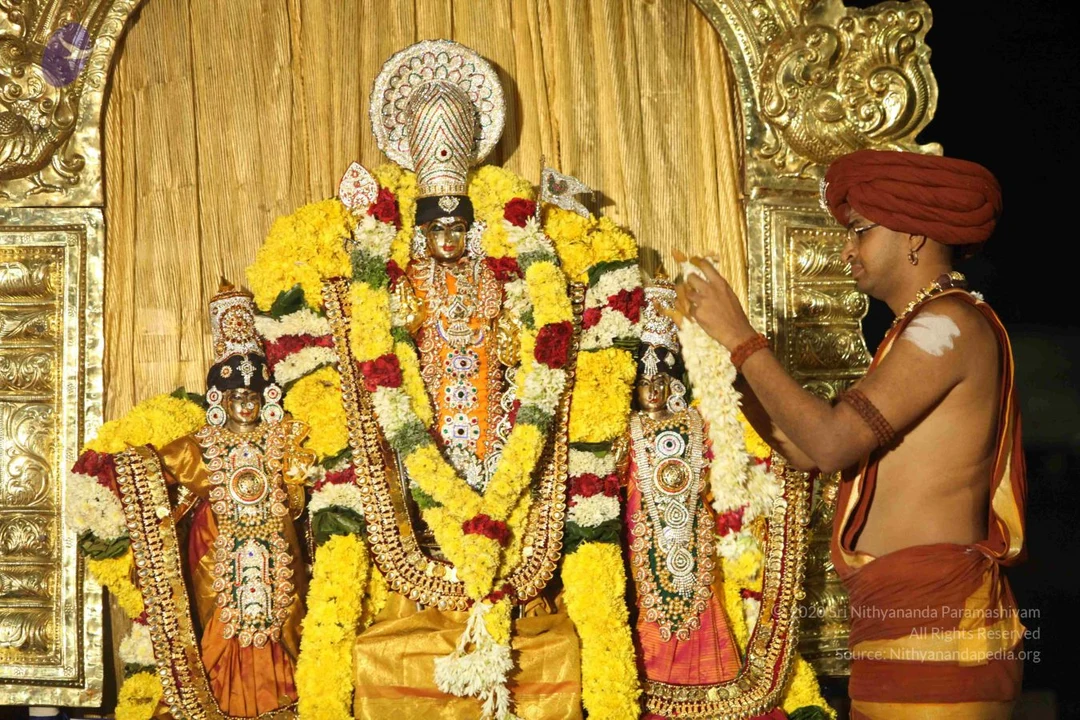
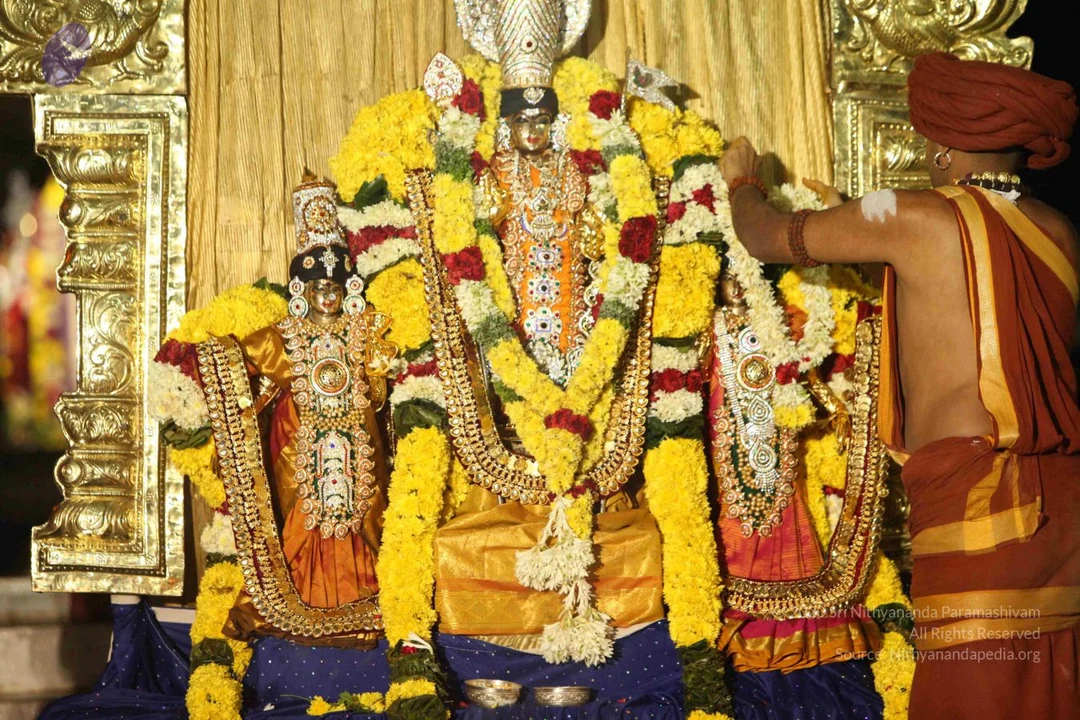
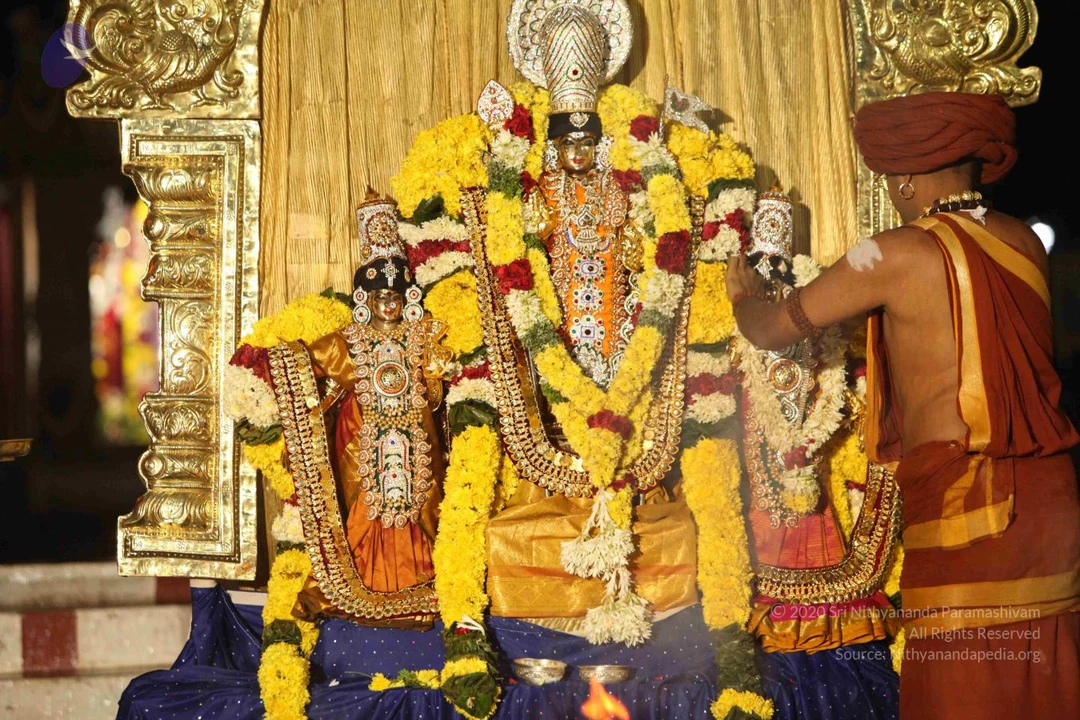
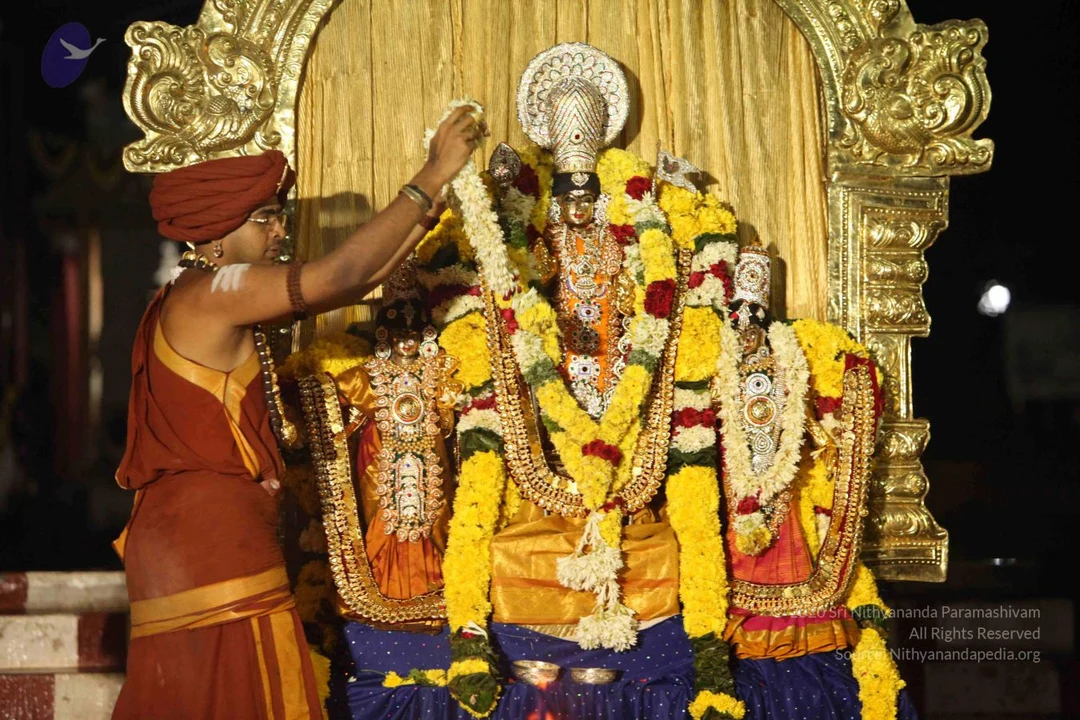
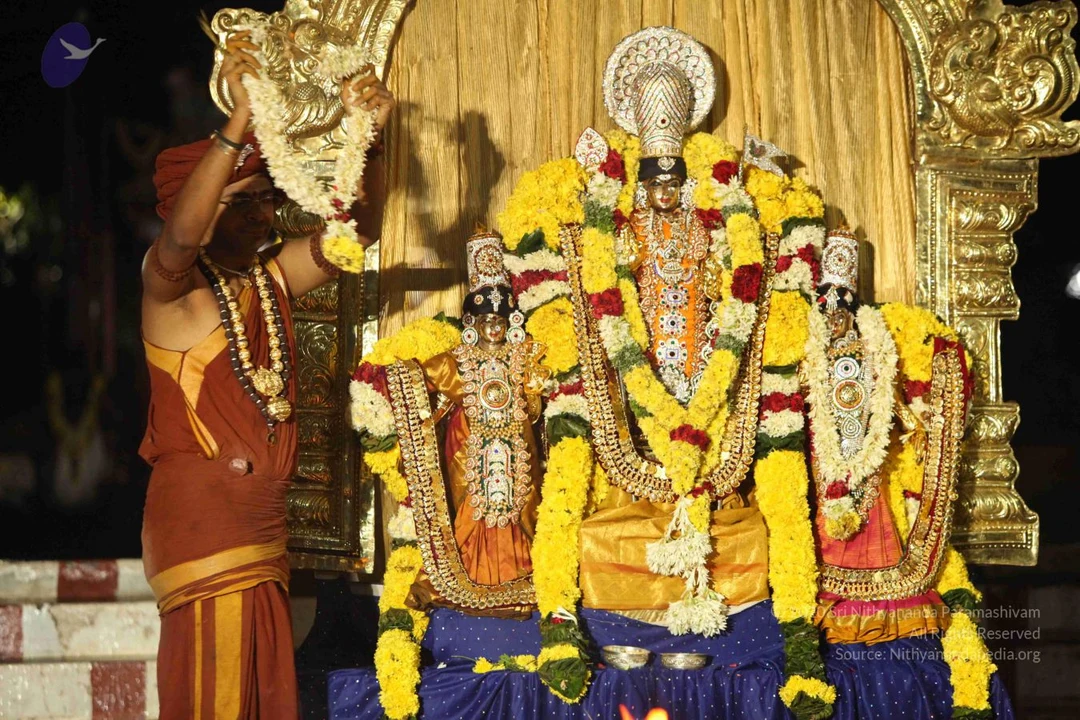
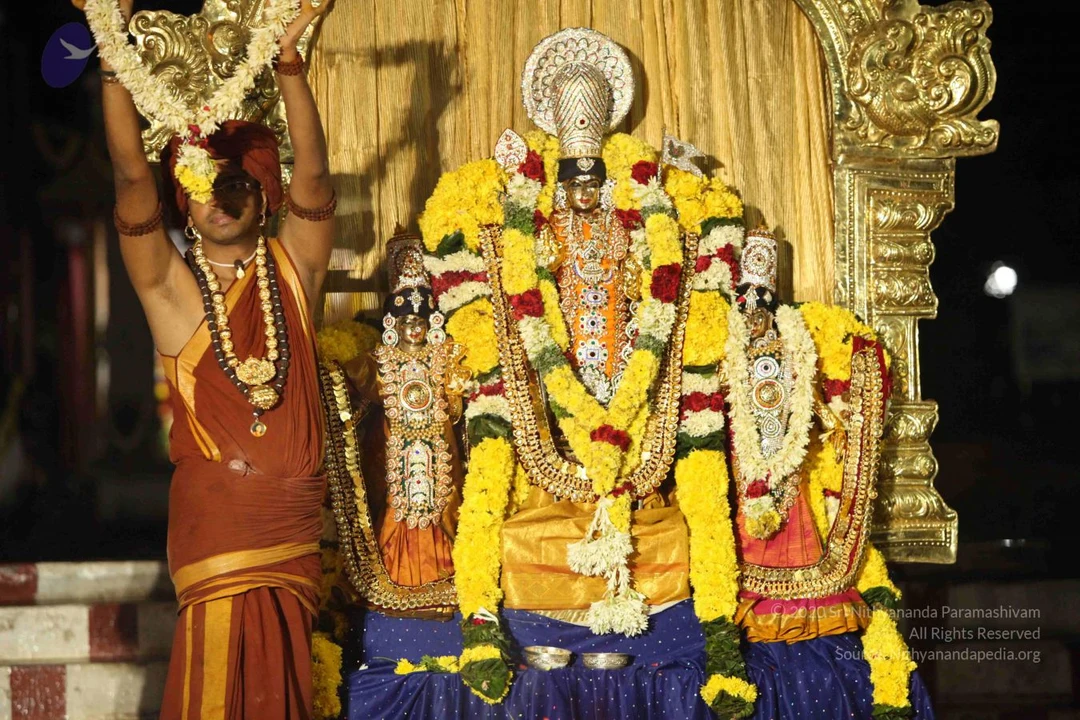
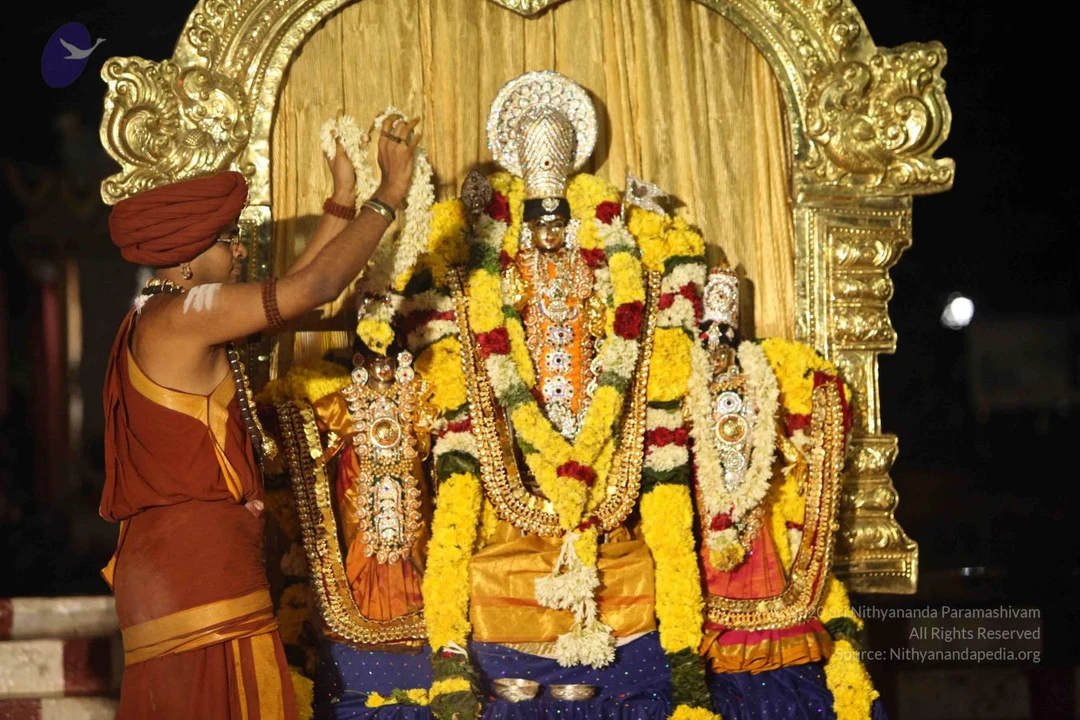
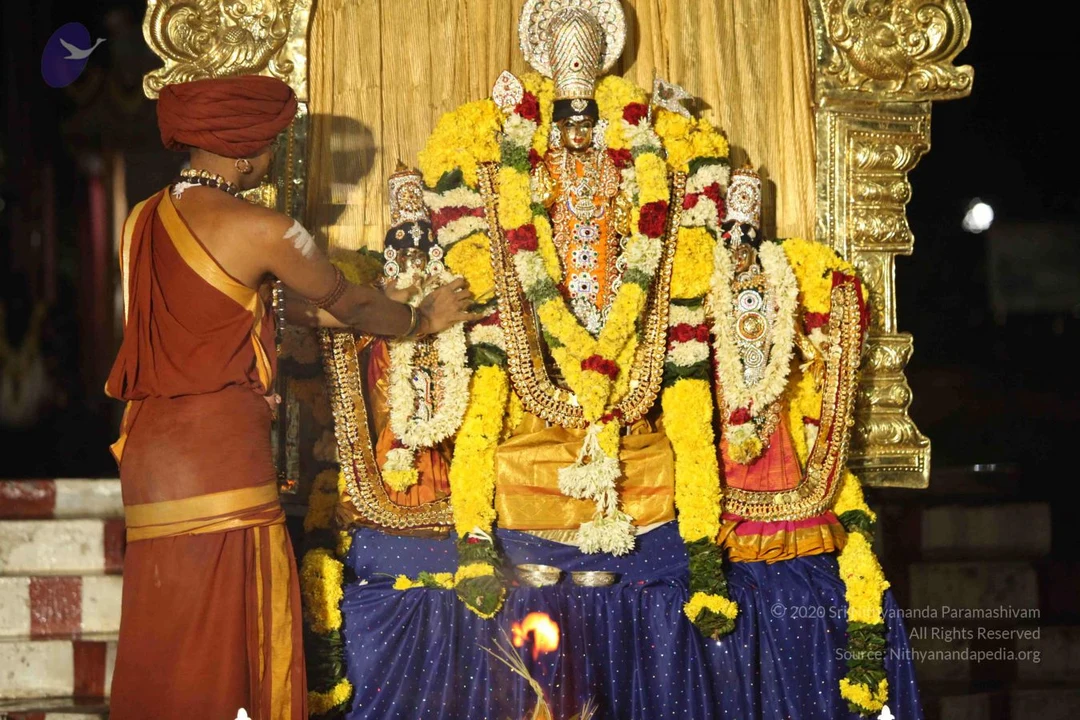
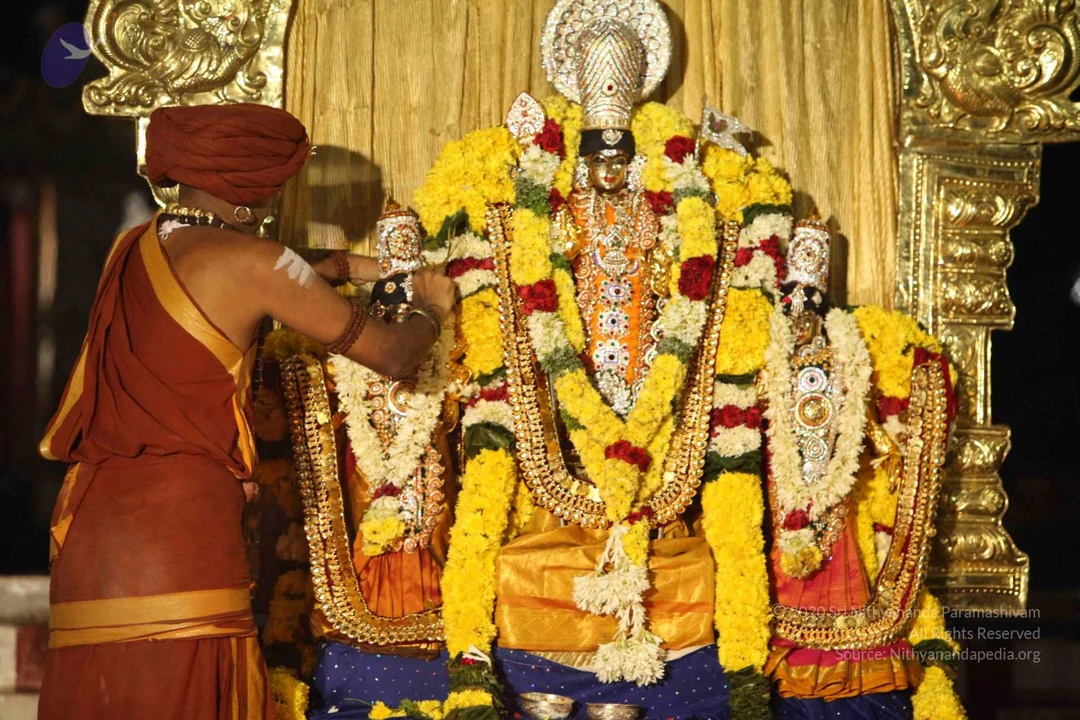
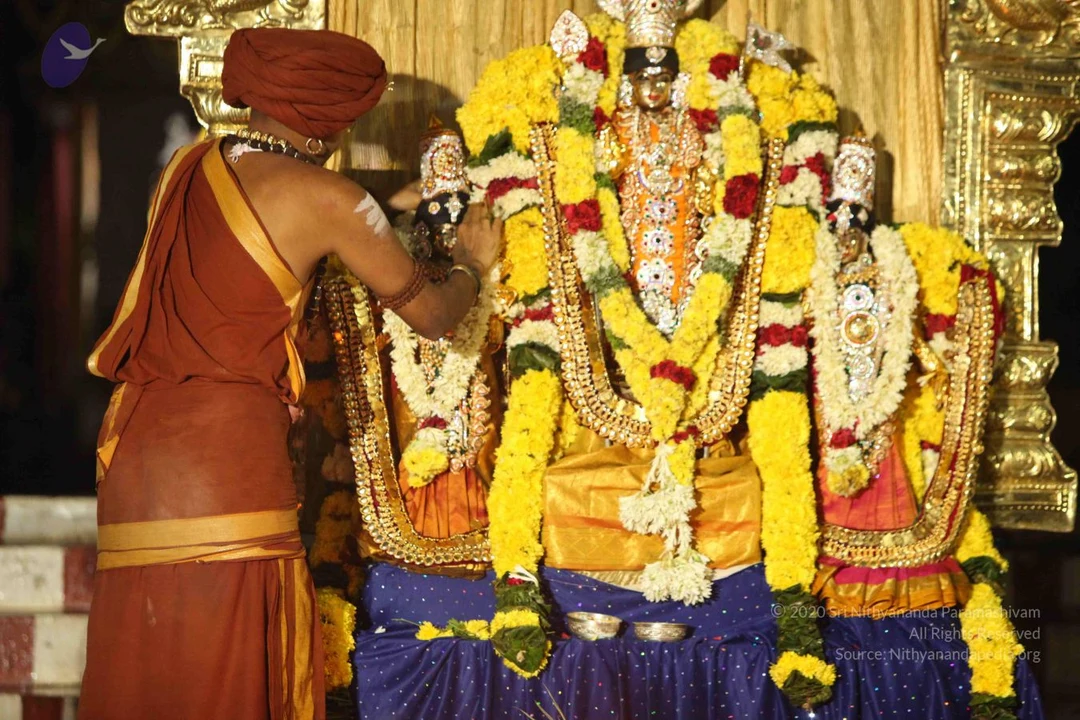
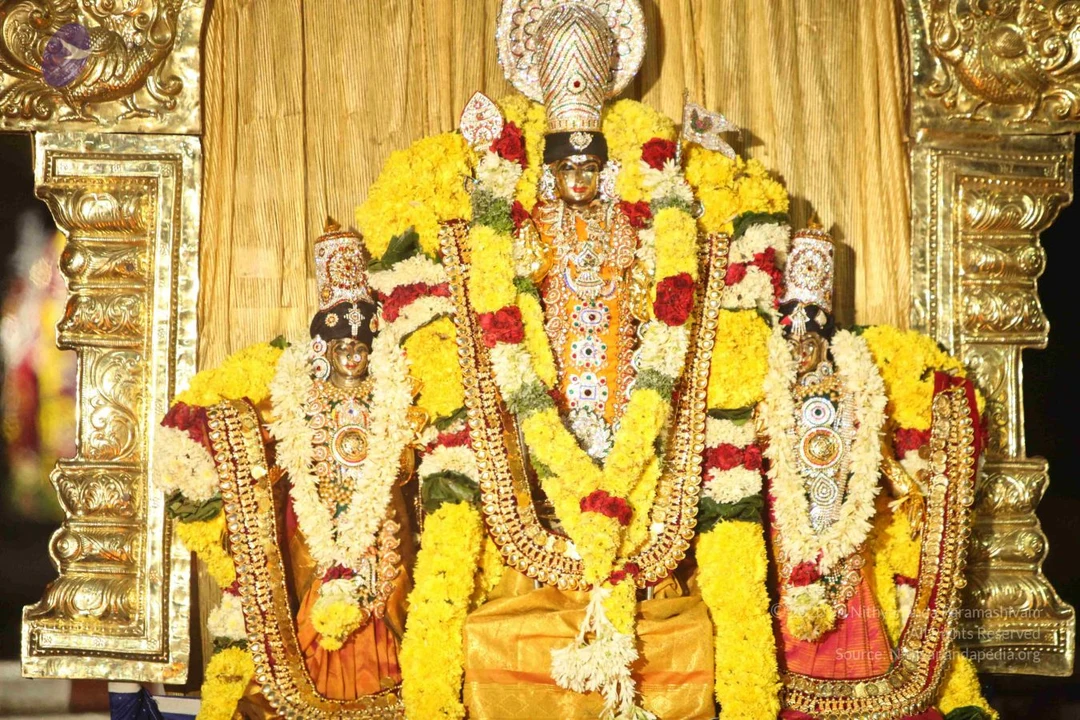
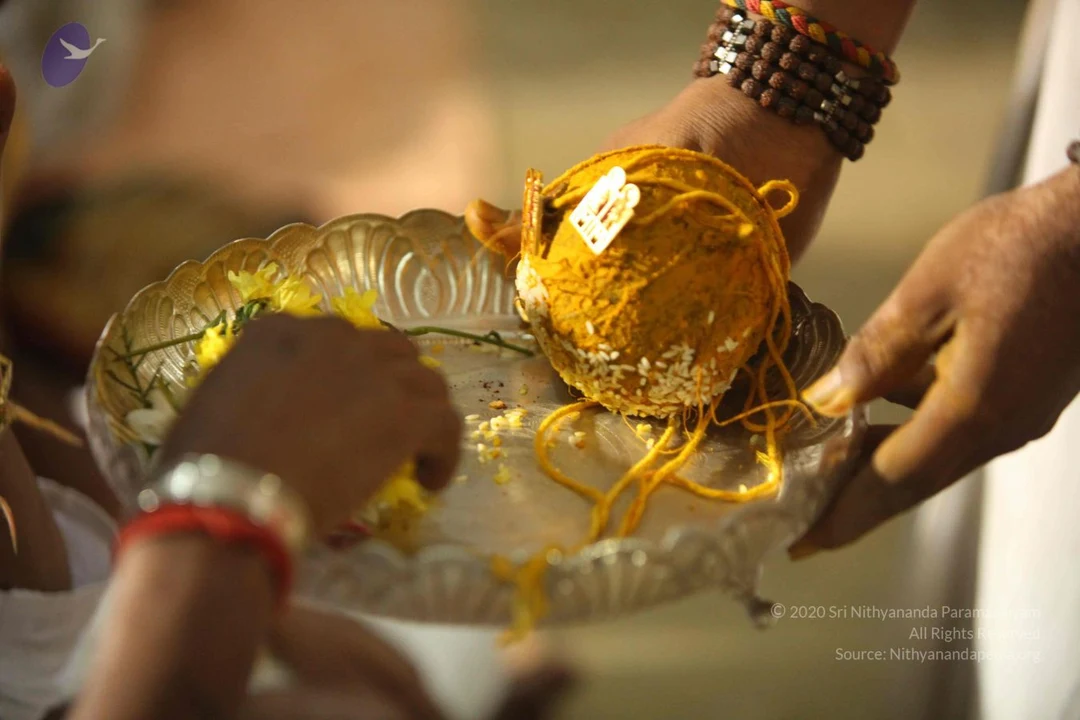
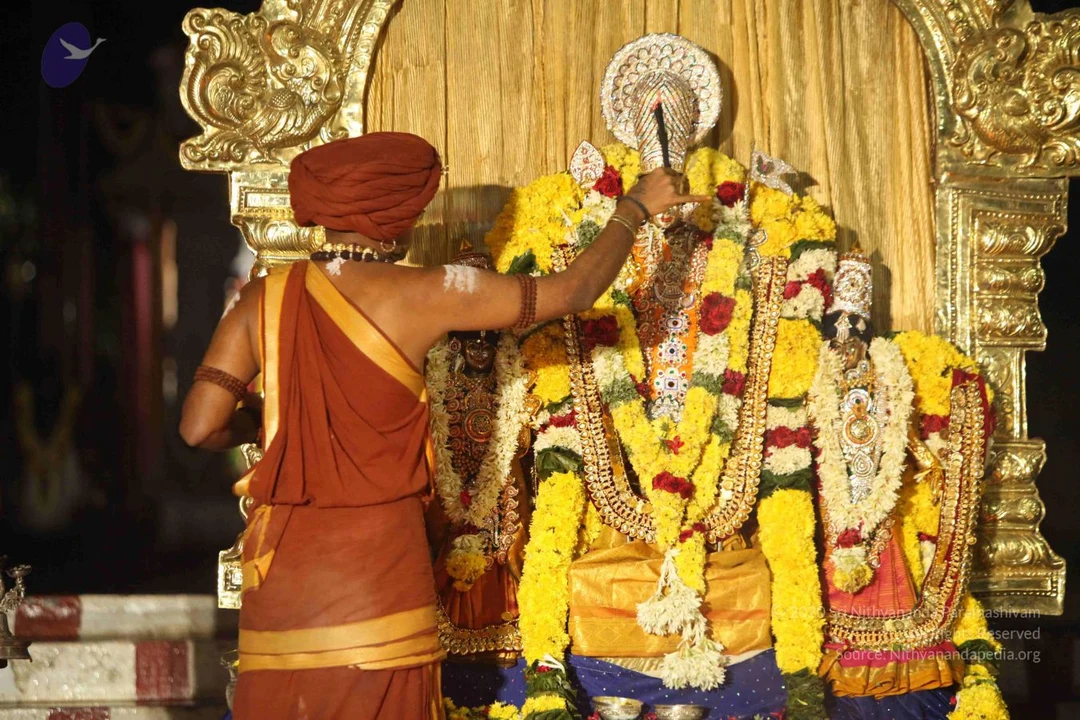
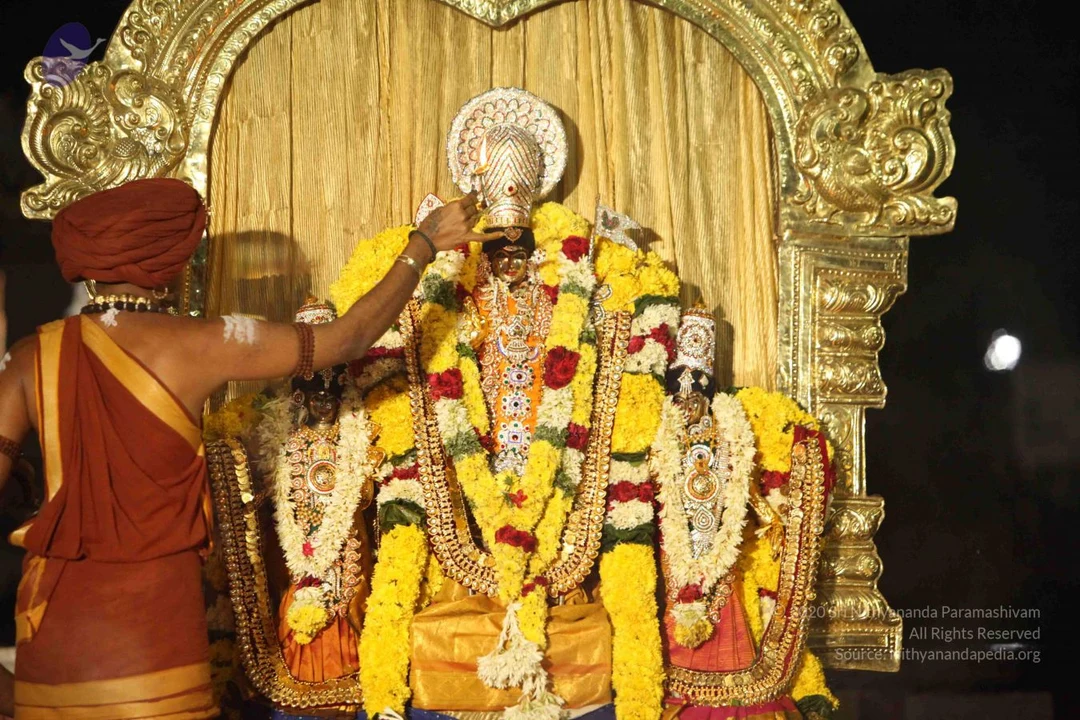
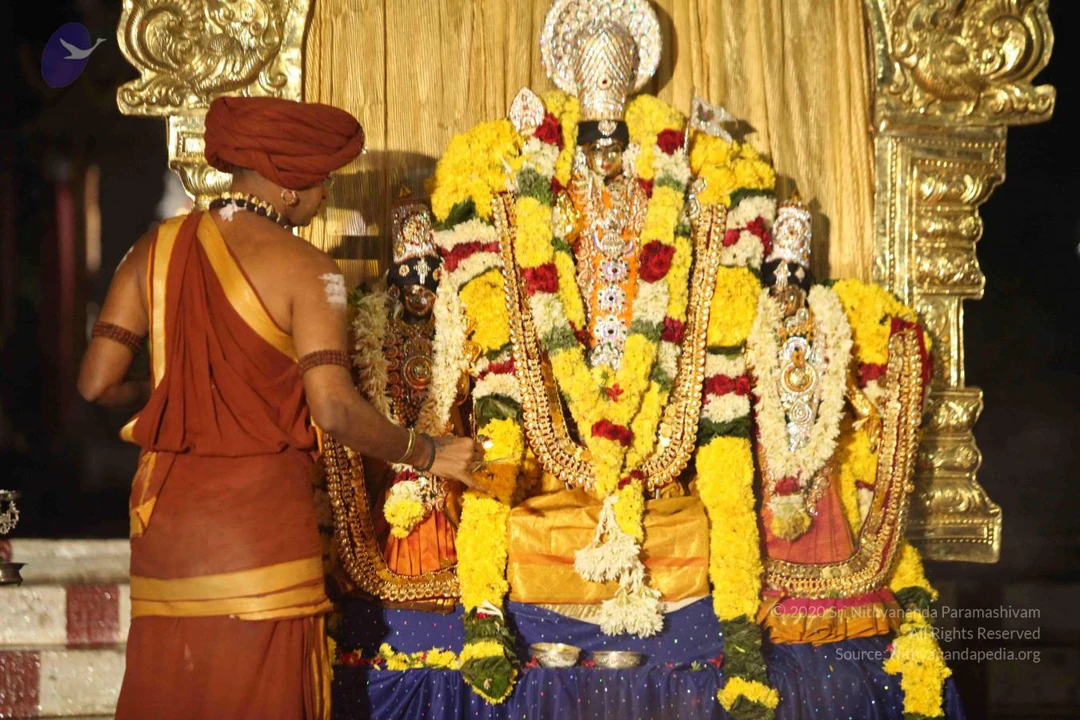
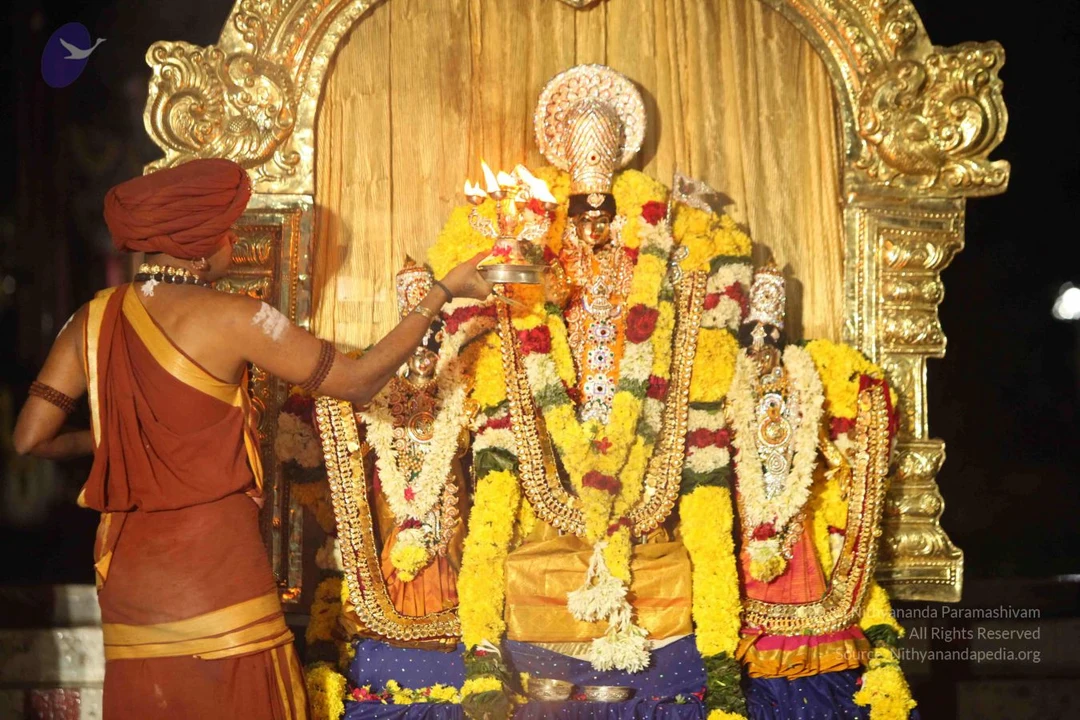
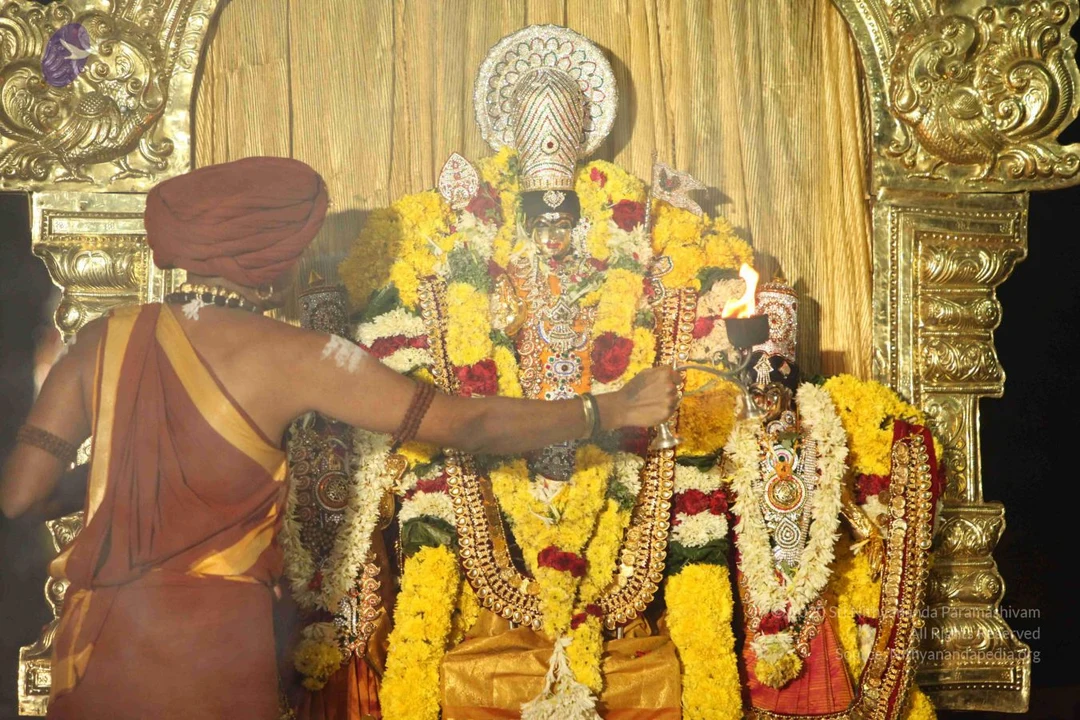
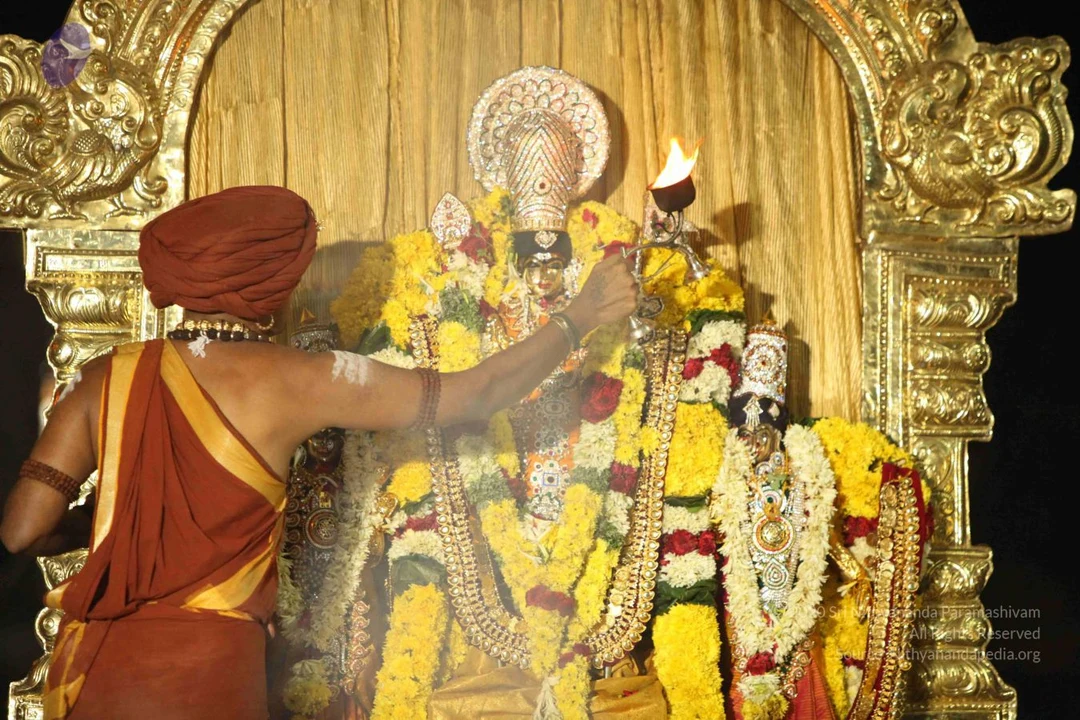
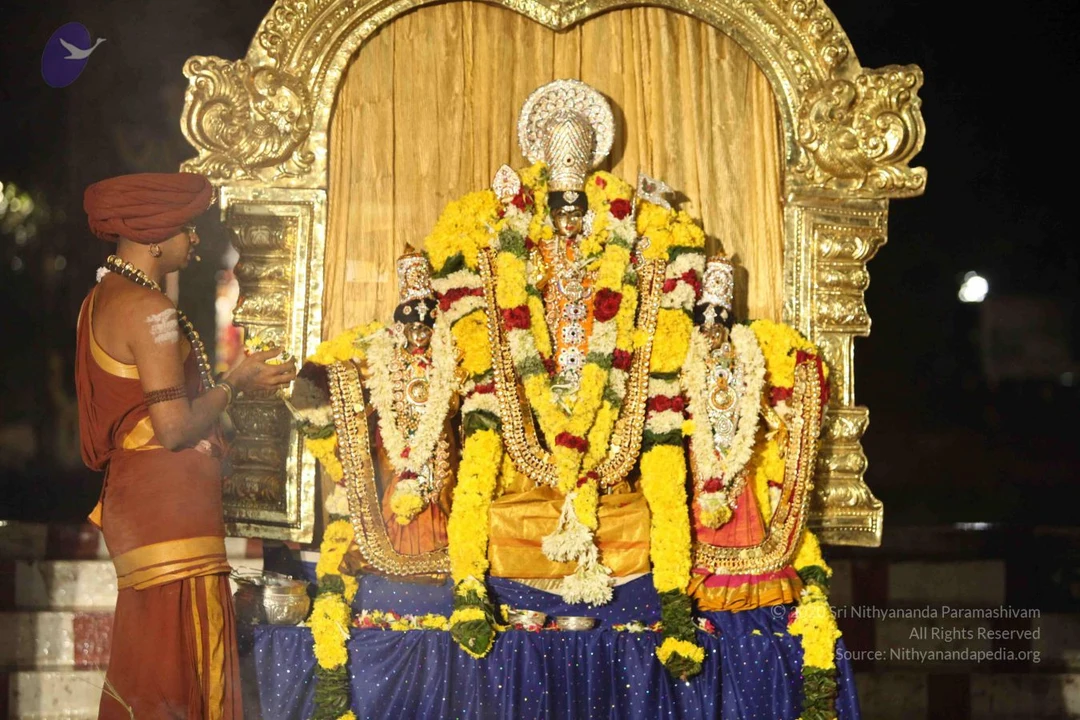
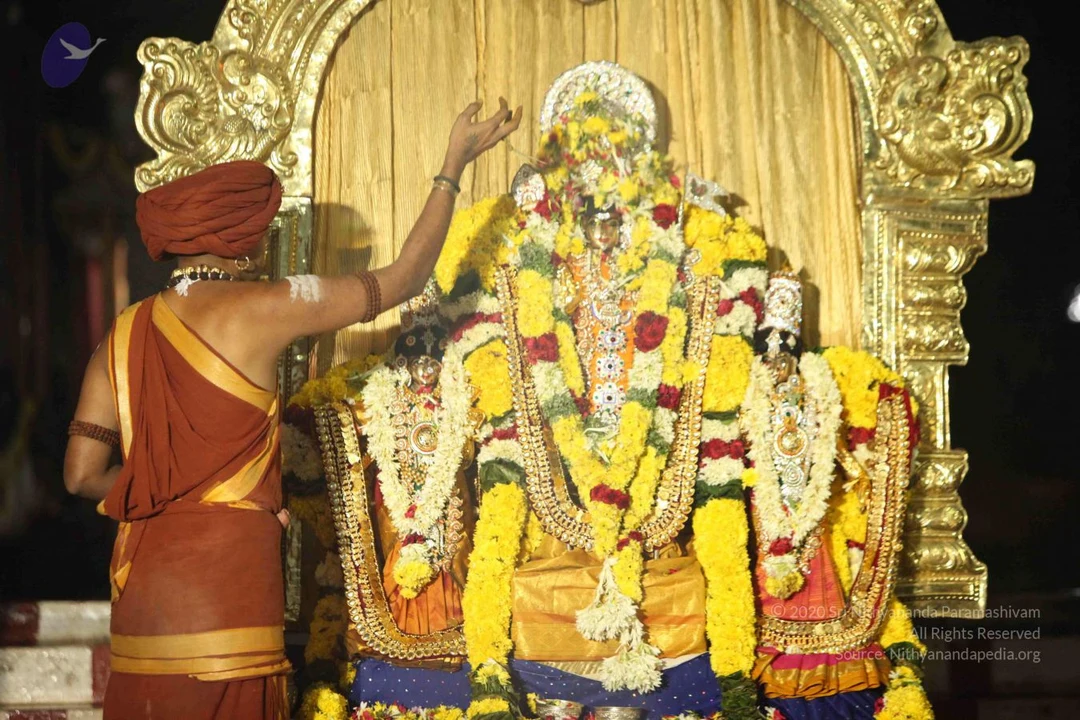
More Photos from Lord Murugan - Thirukalyanam
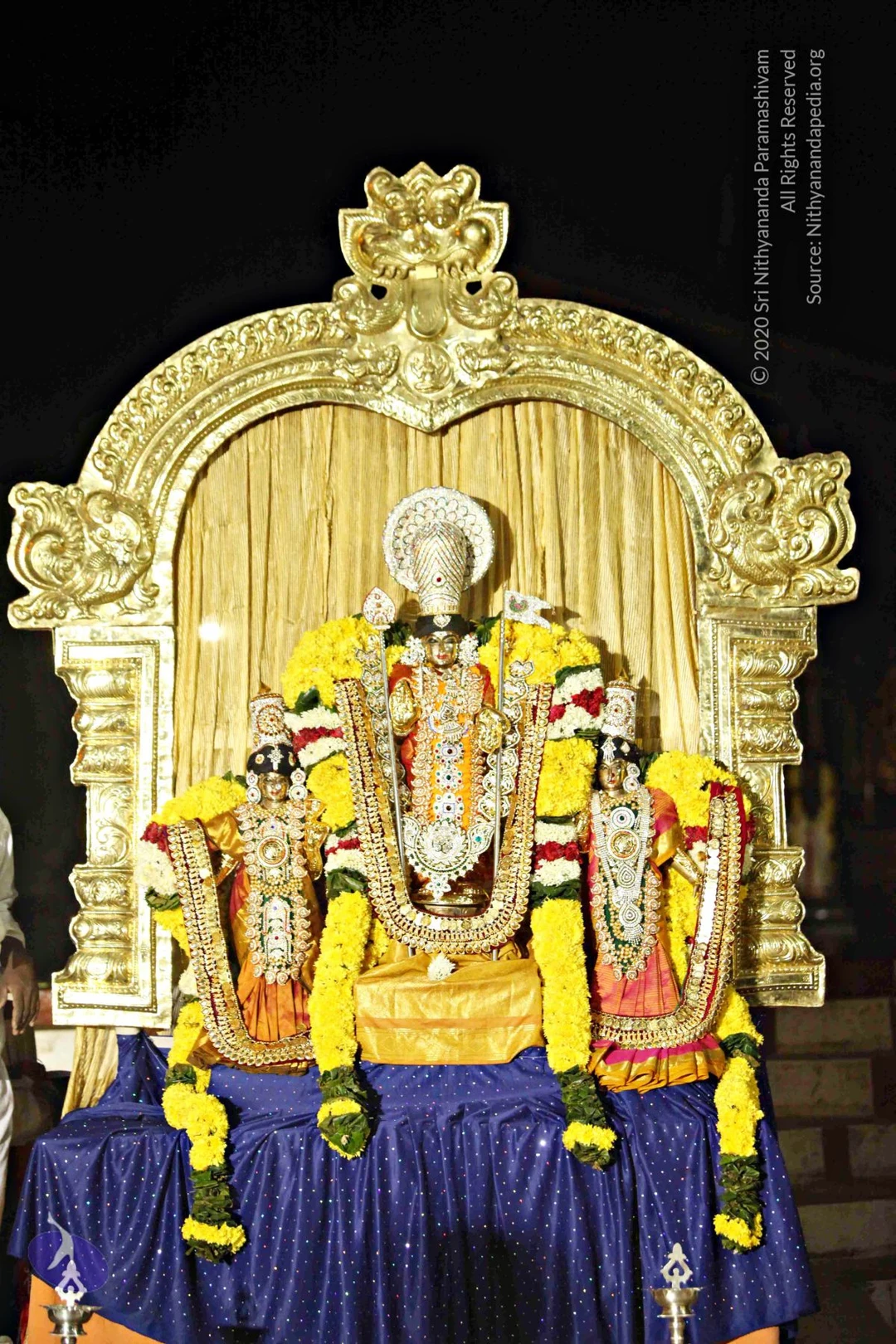
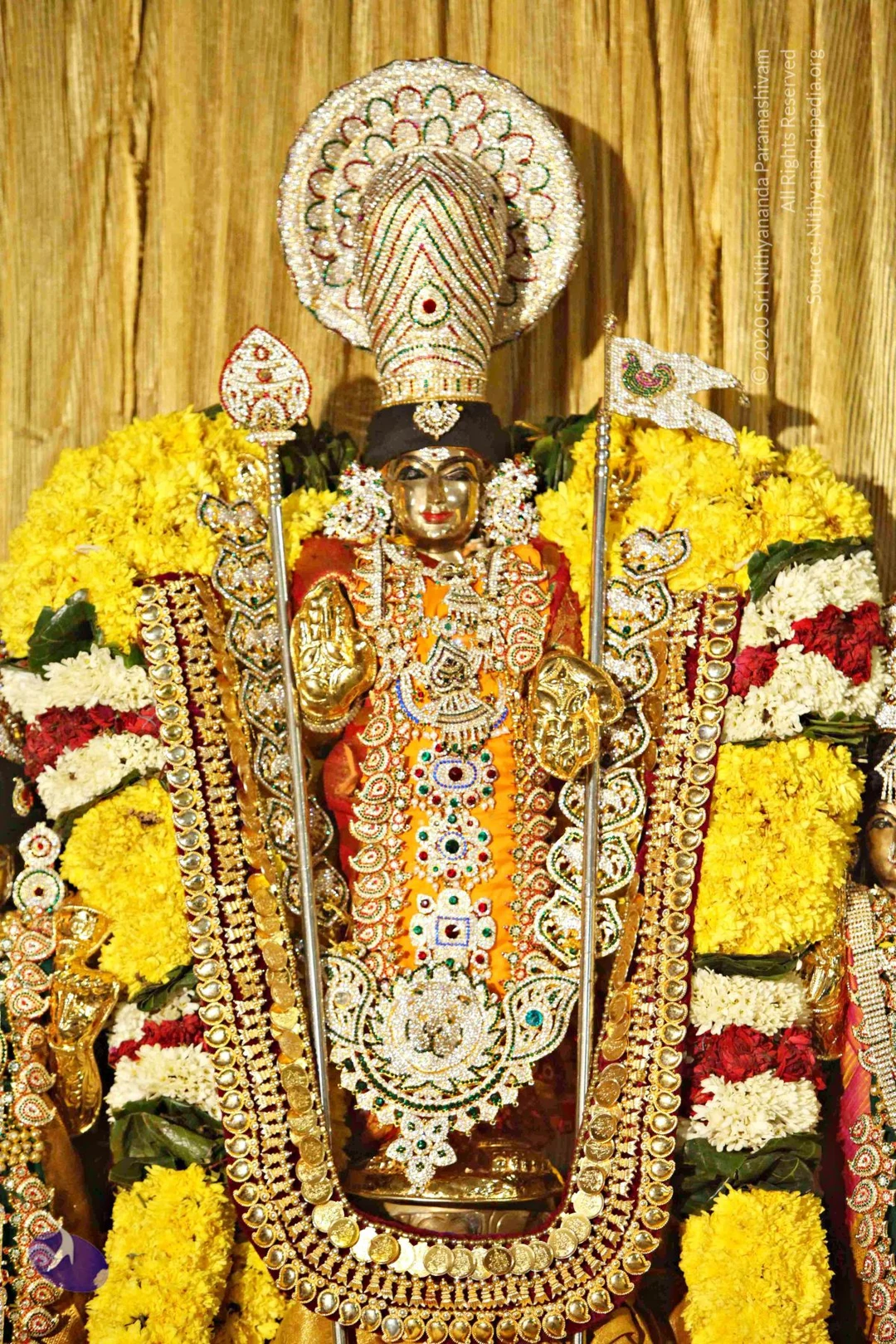
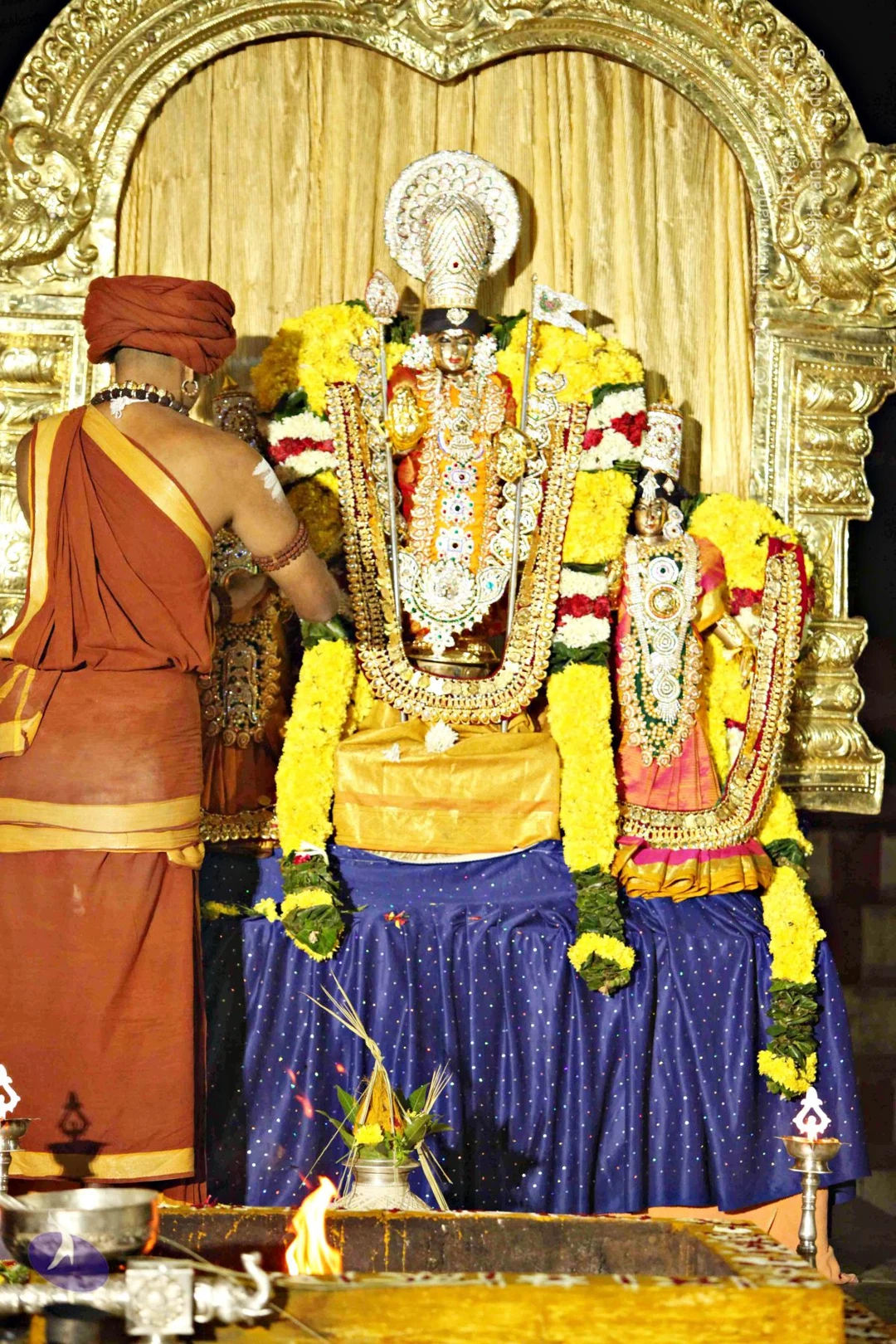
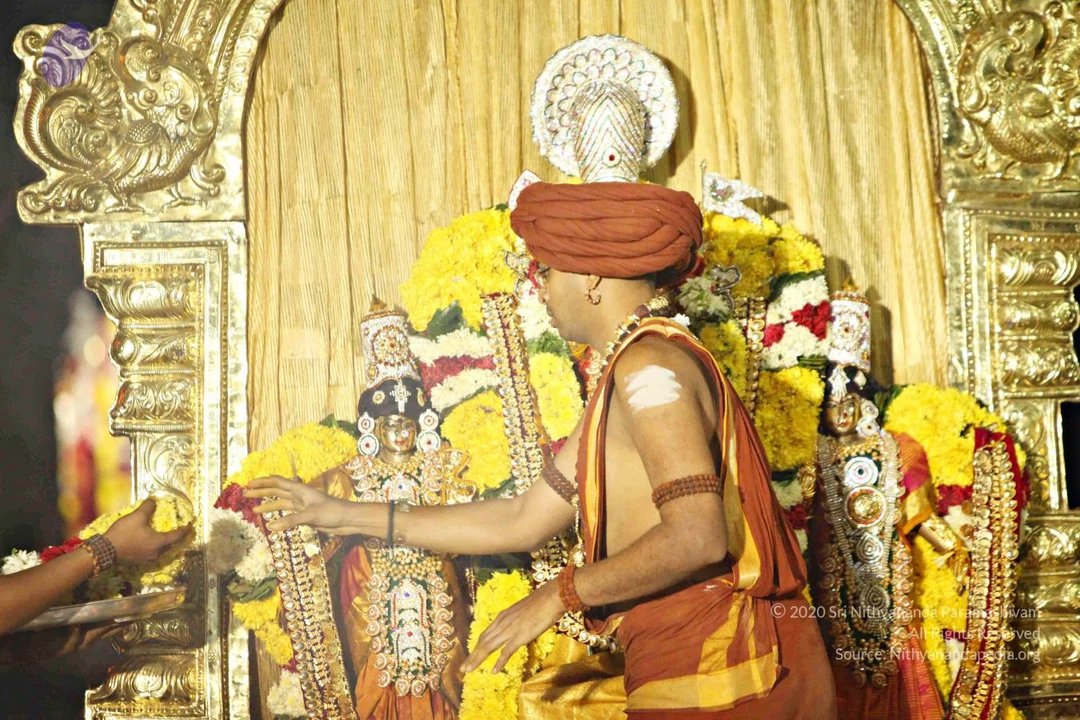
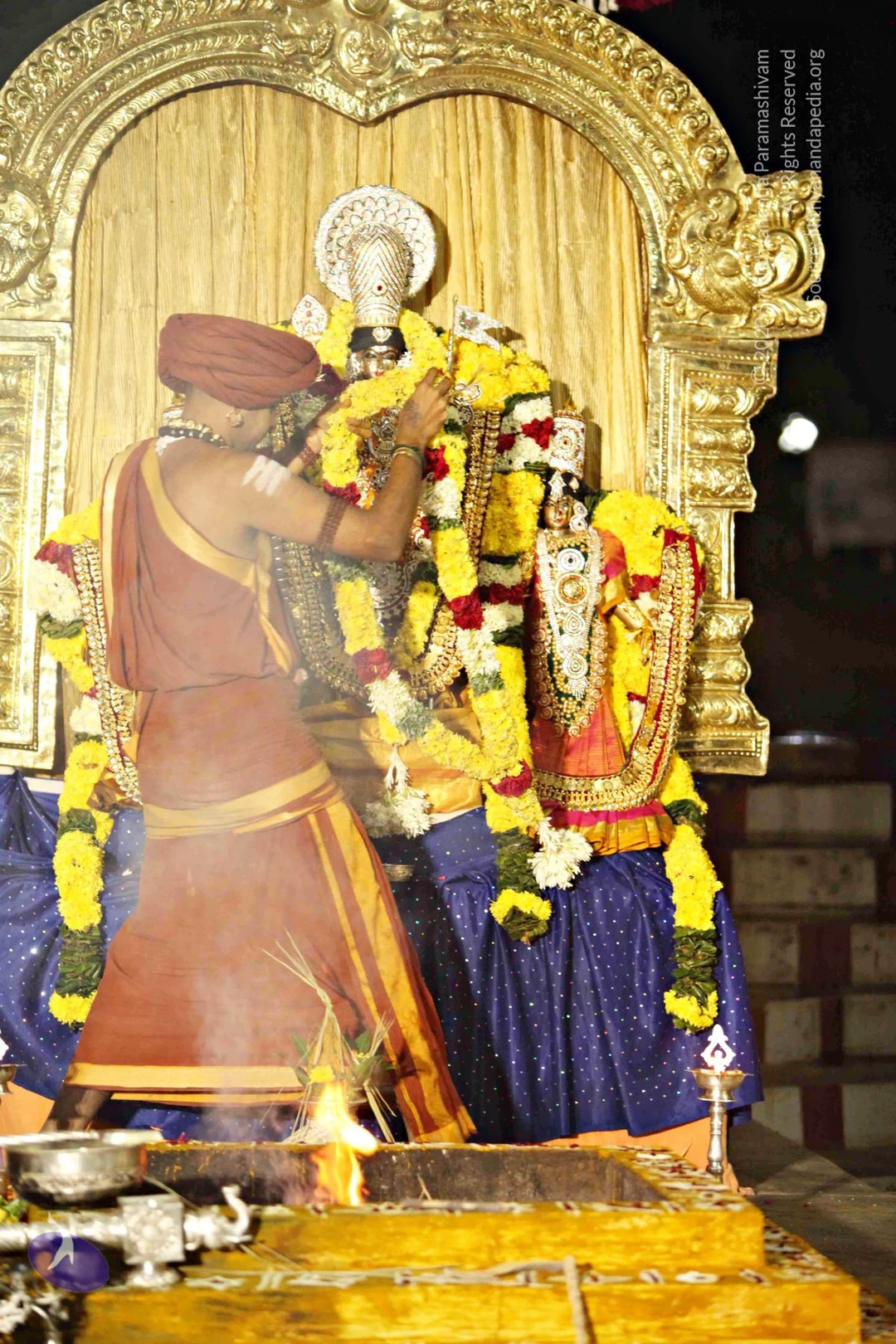
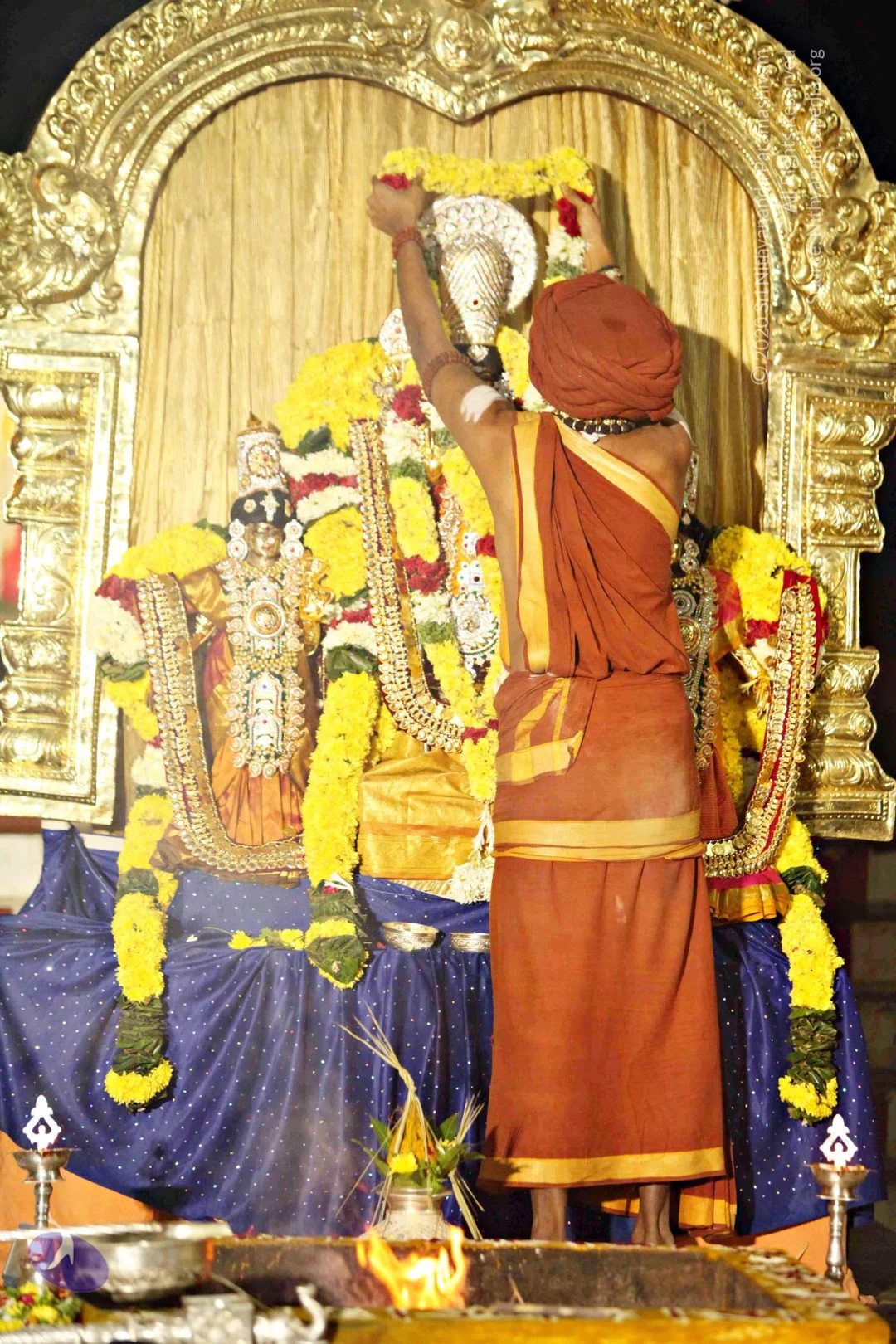
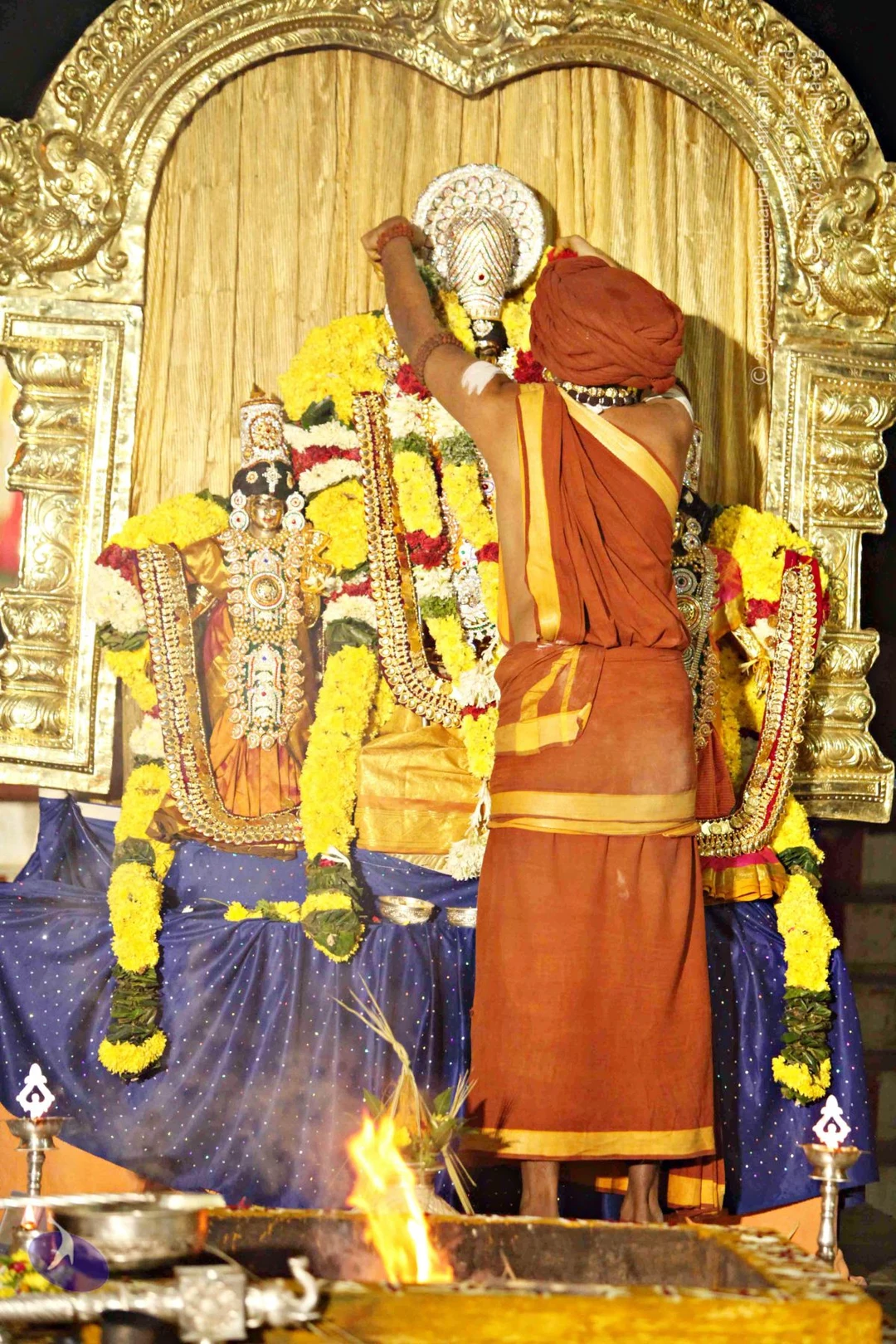
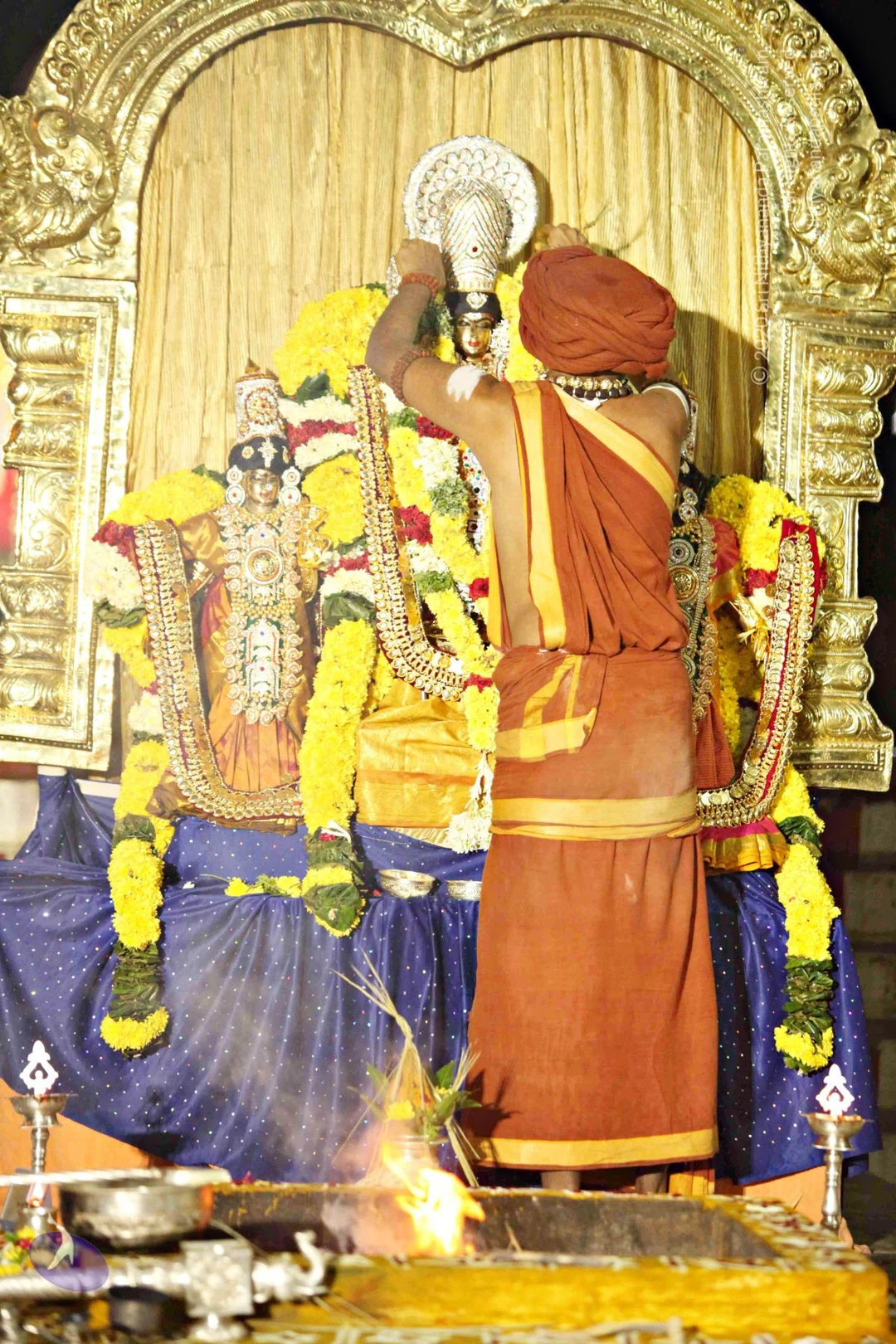
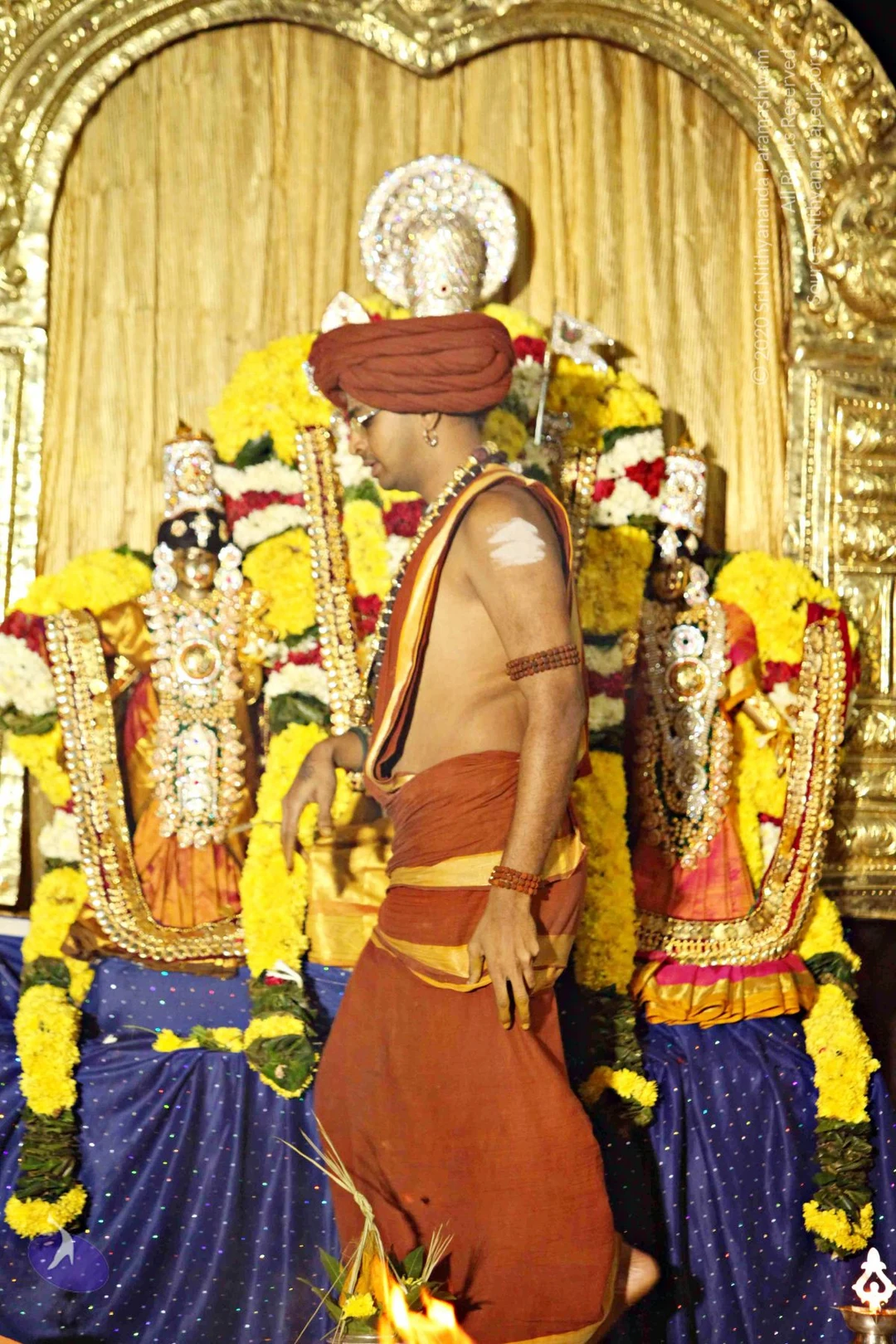
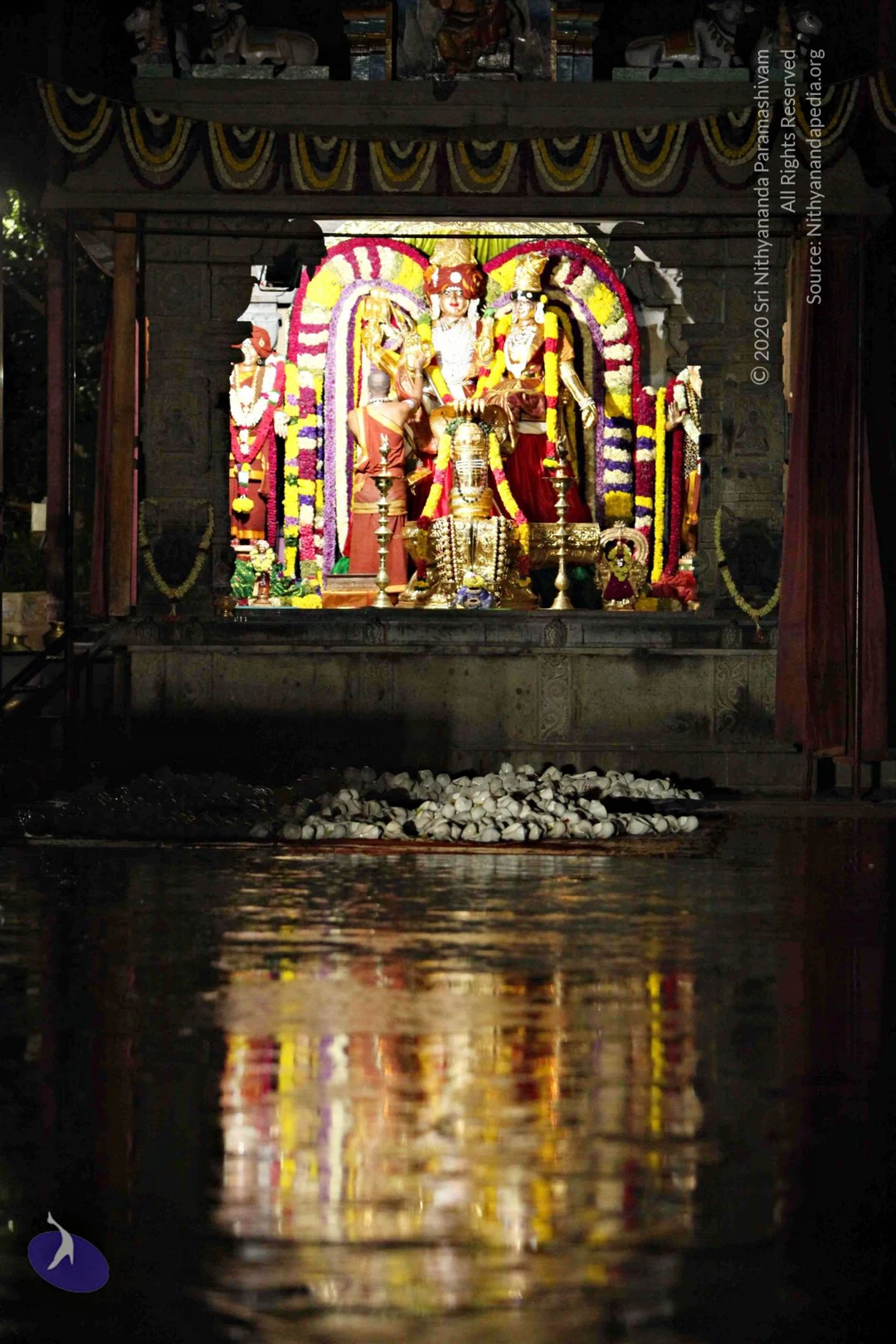
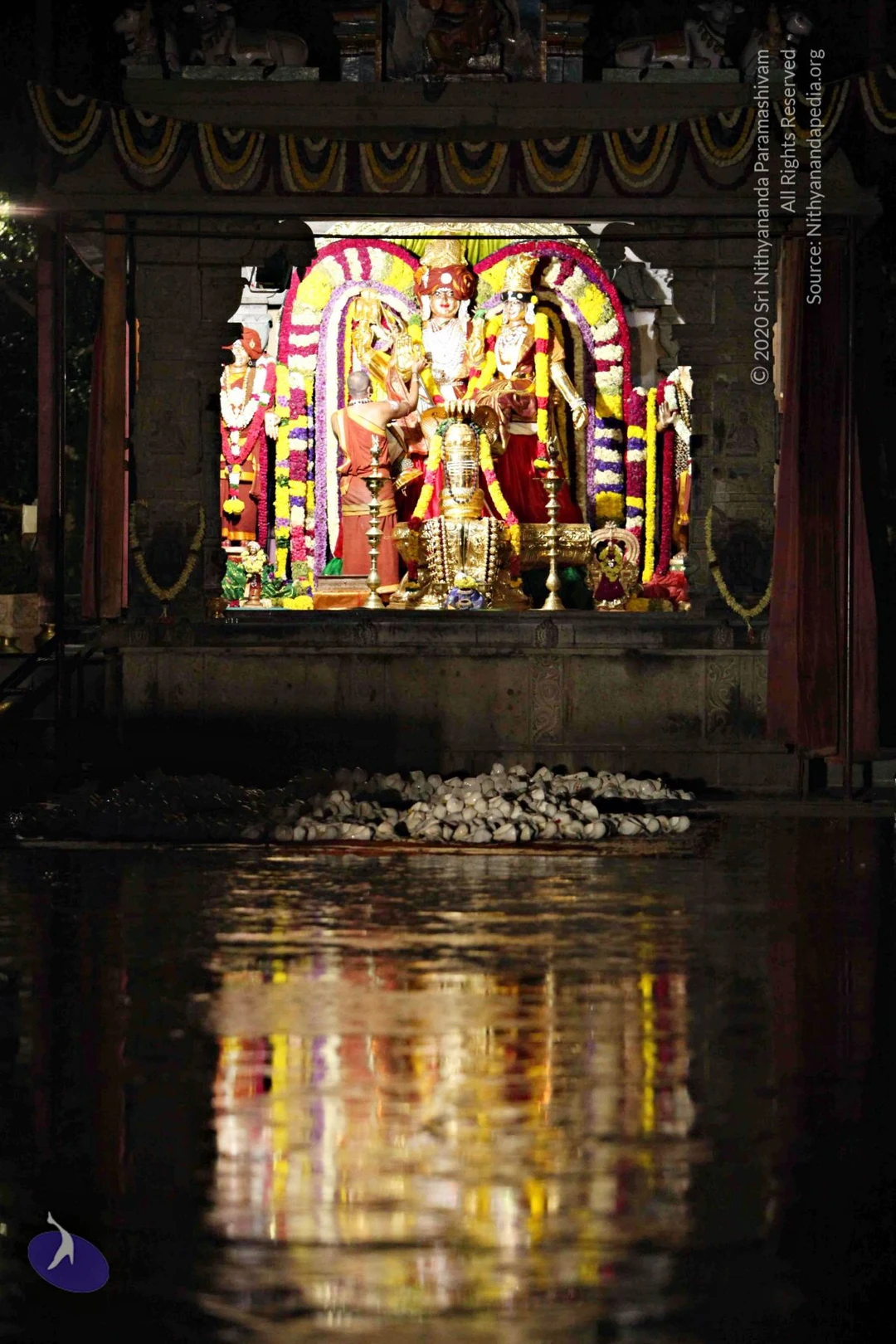
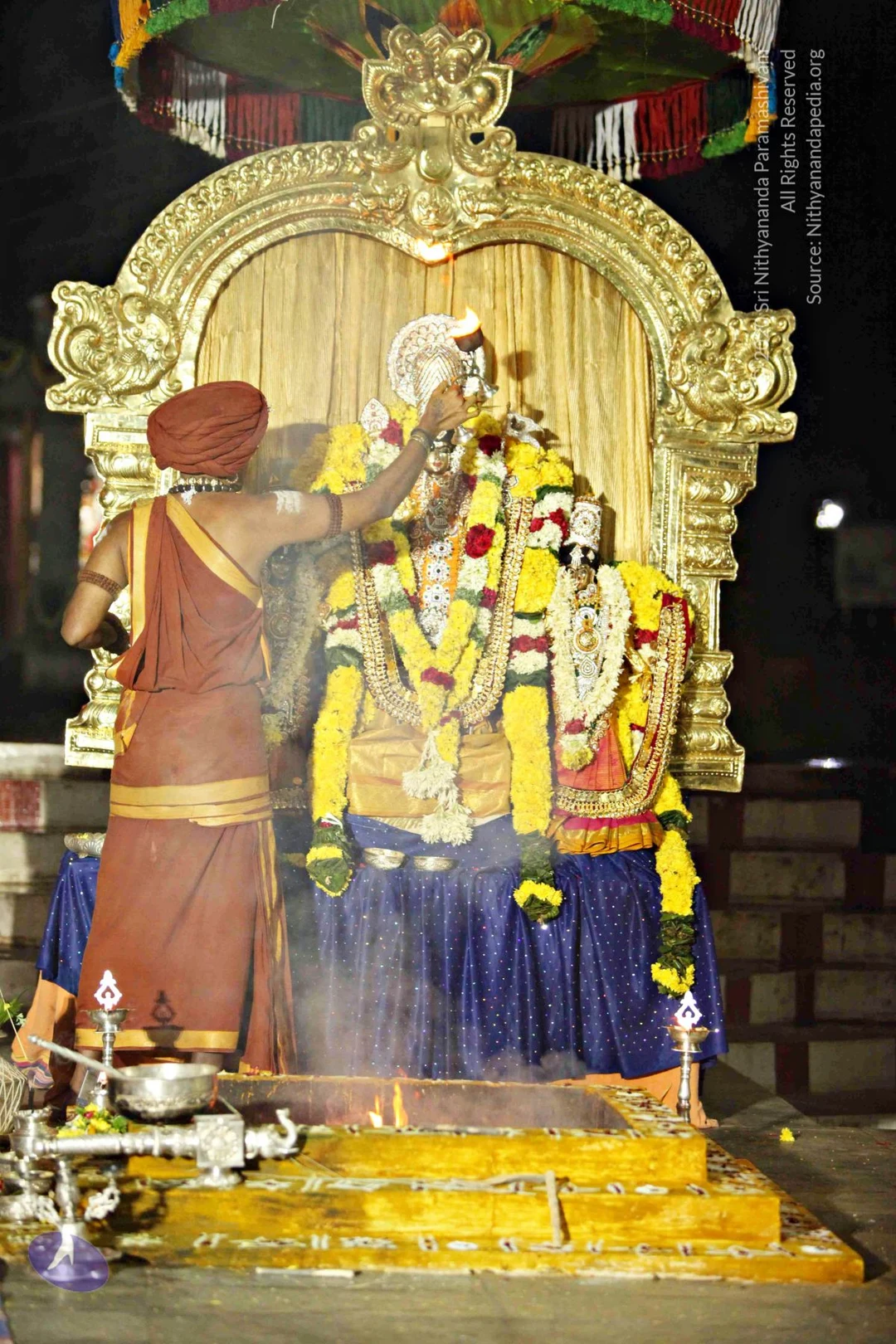
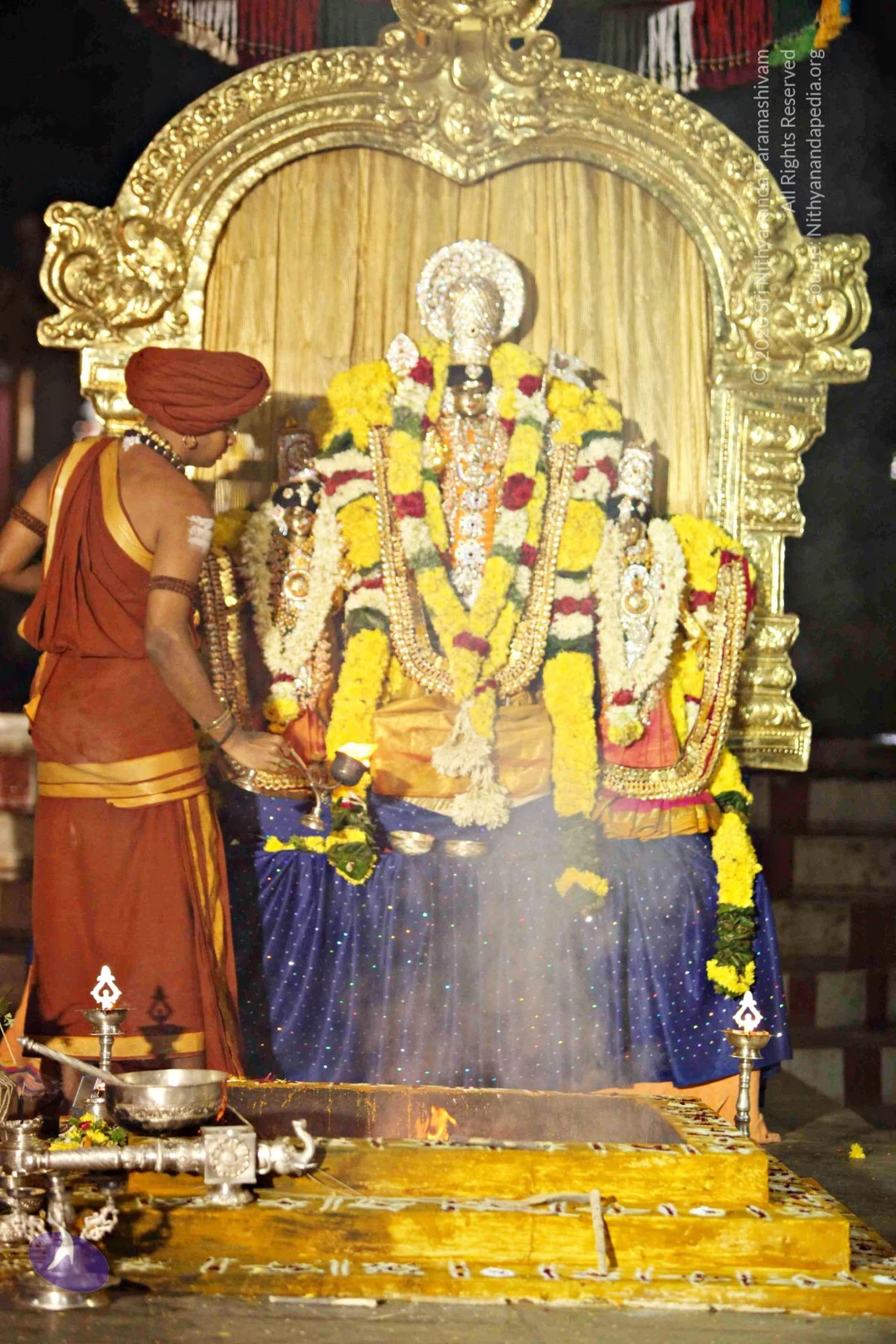
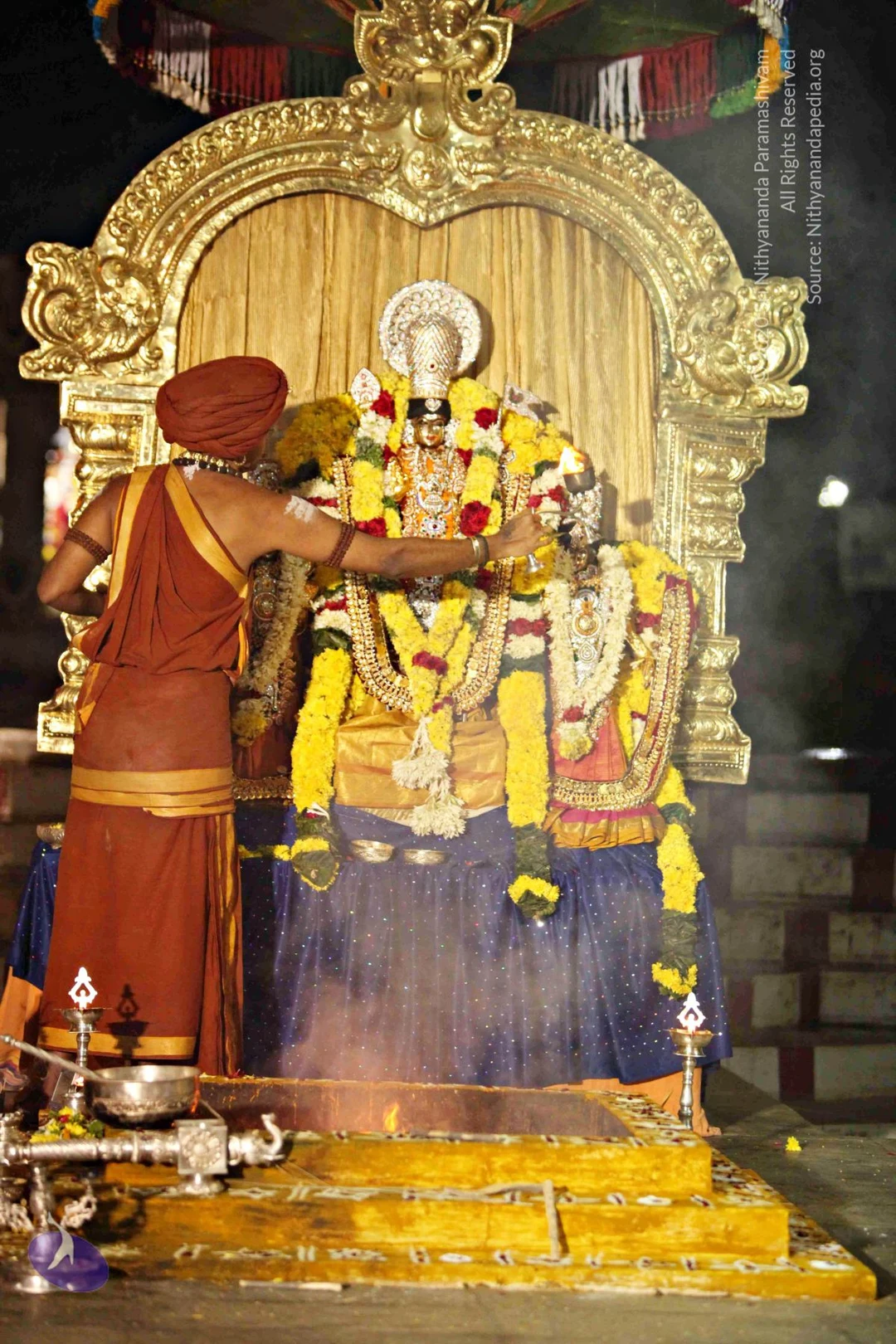
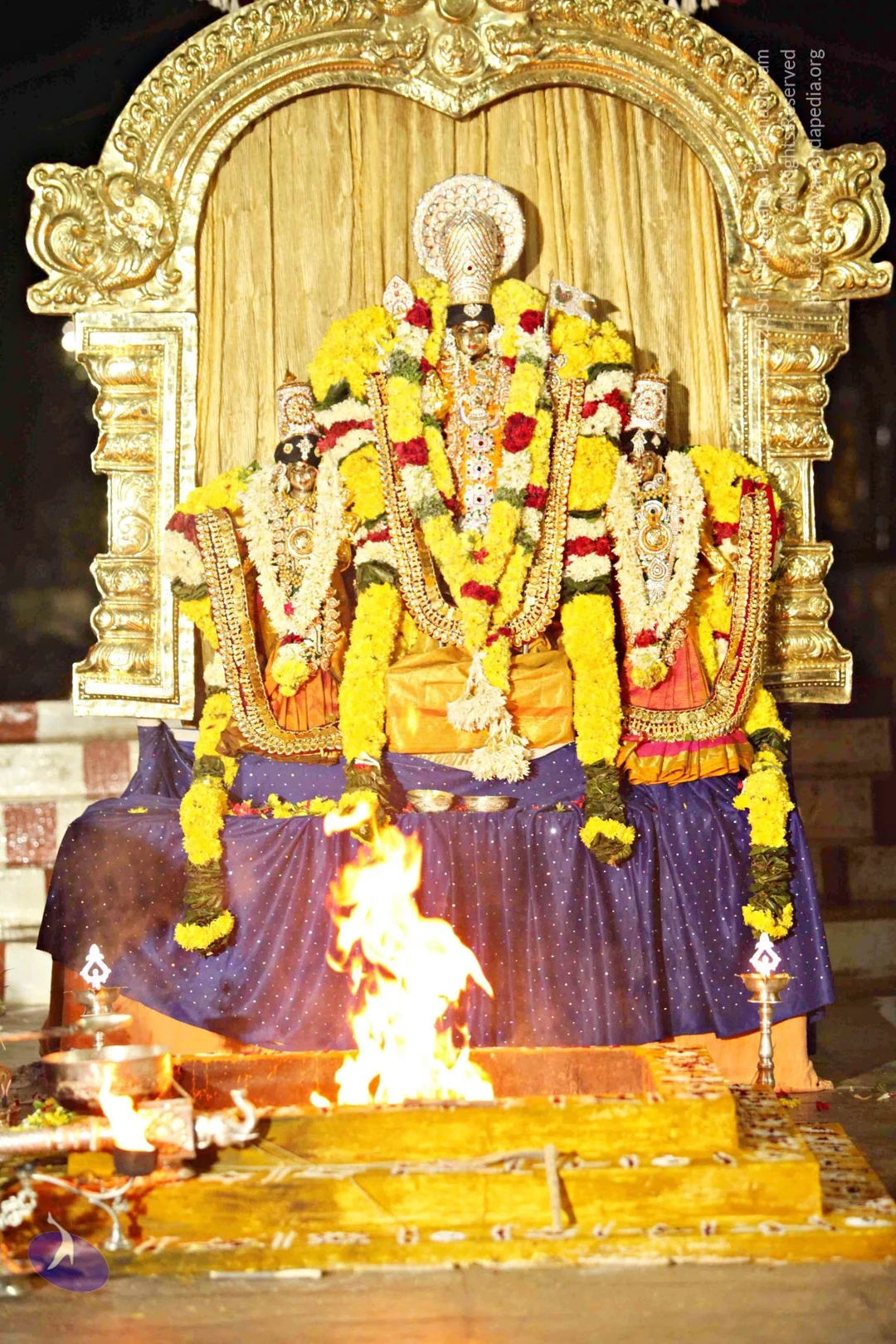
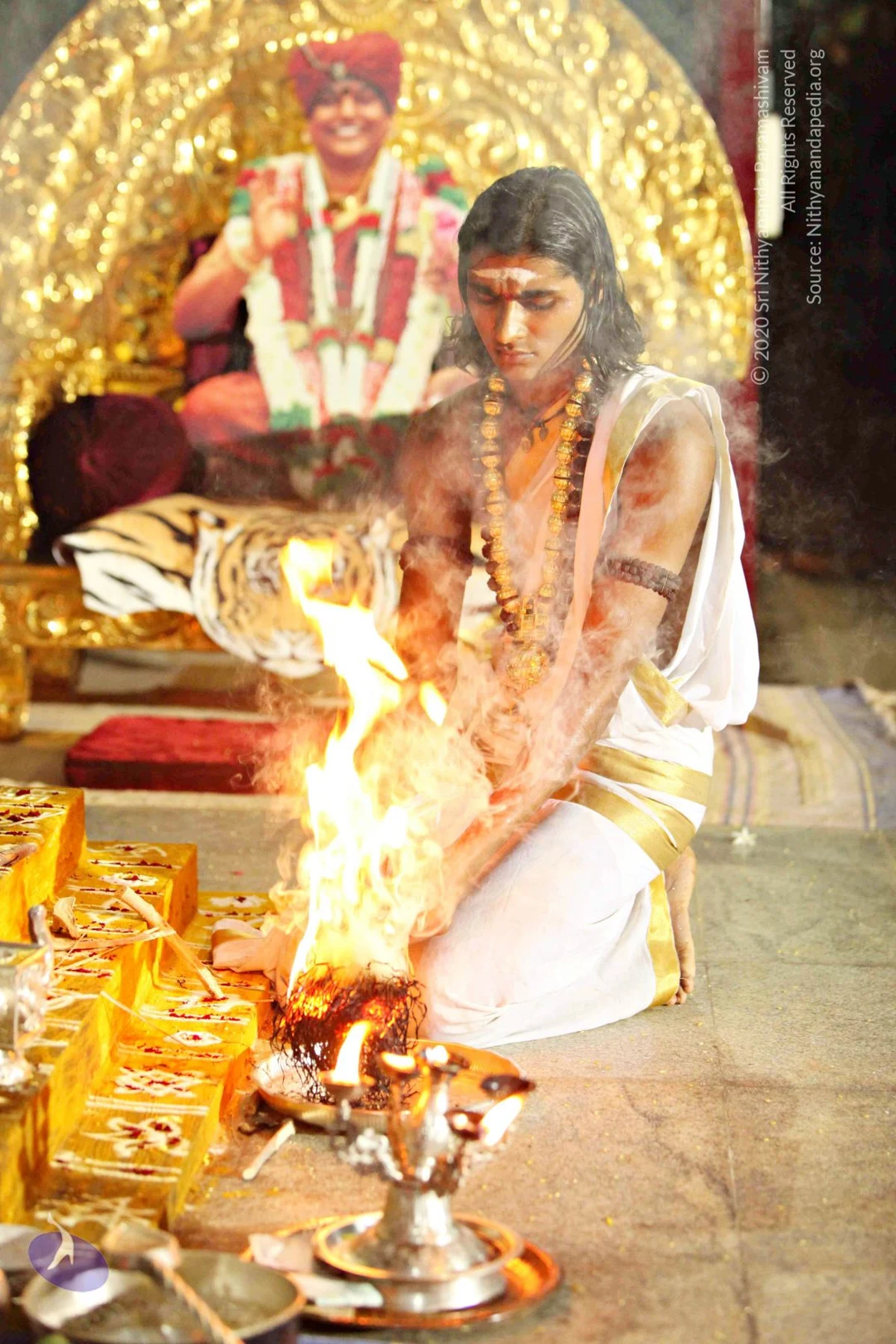
Photos from this day
View all 567 photosAadhisaivam
46 photosSource gallery
allevents
148 photosSource gallery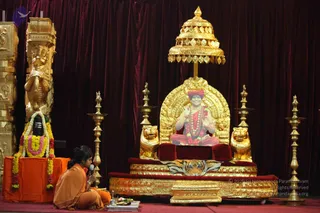
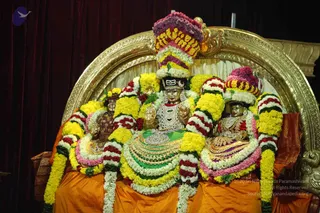
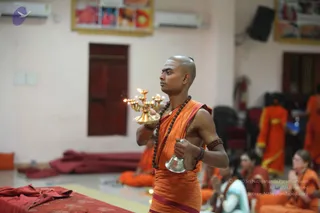
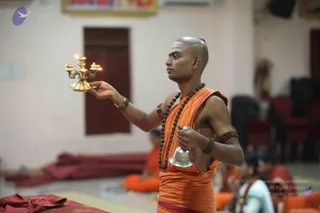
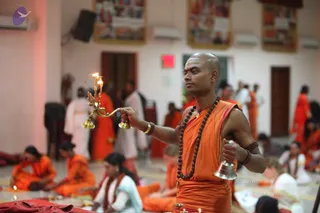
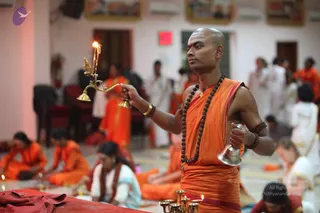
lordmurugan-thirukalyanam
196 photosSource gallery
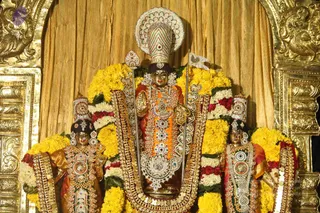
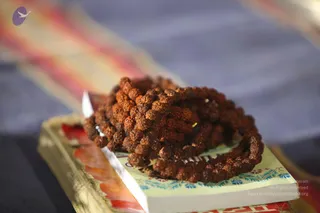
EOS7D
39 photosSource gallery
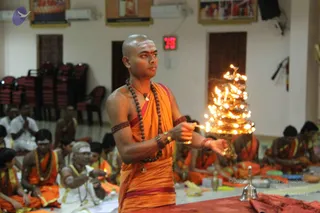
More Photos frpm Aadhisaivam
17 photosSource gallery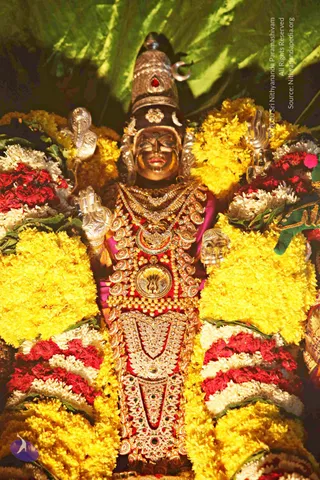
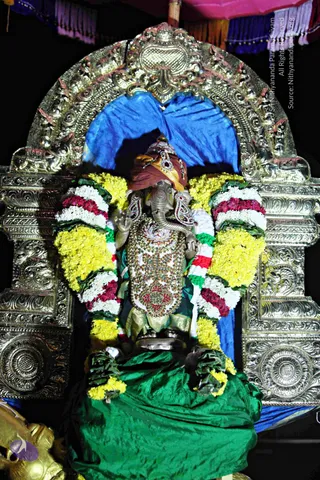
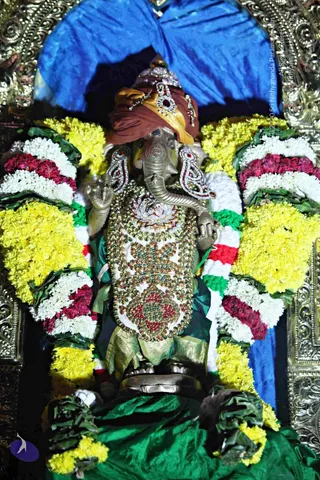
More Photos from Satsang
38 photosSource gallery
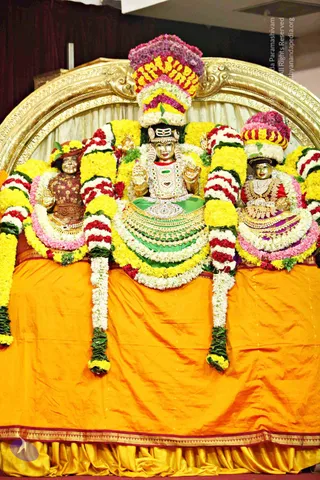
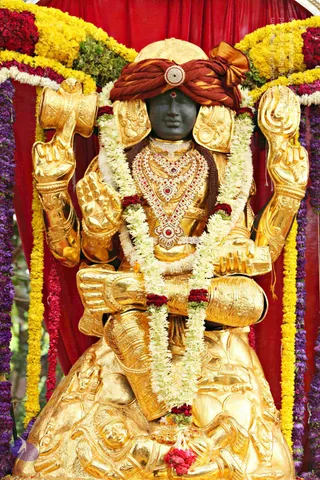
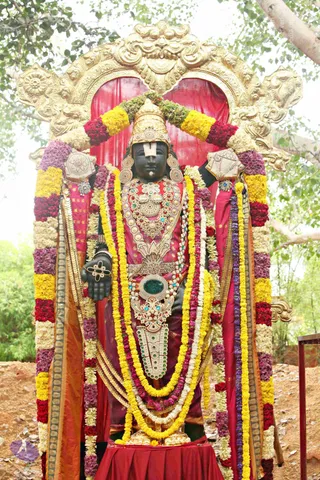
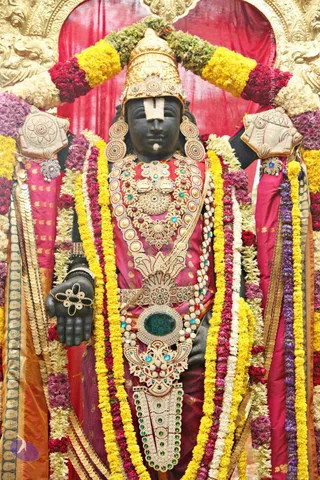
More Photos from Lord Murugan - Thirukalyanam
16 photosSource gallery