Skip to content
Sunday

20 July 2014

Biggest Mistake of Hinduism

Dated photos
198
Source pages
1
Media
2
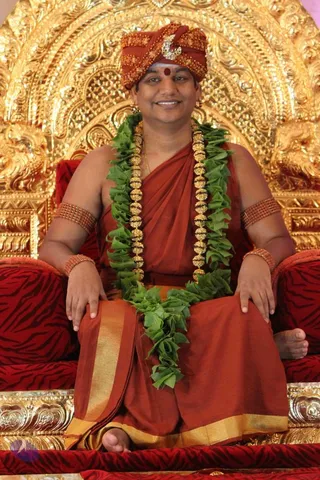
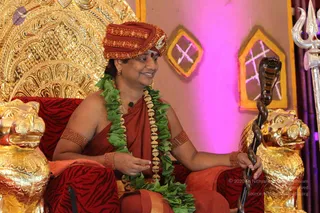
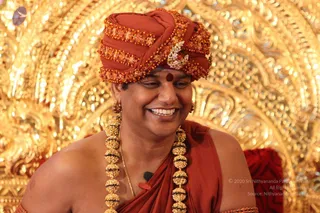
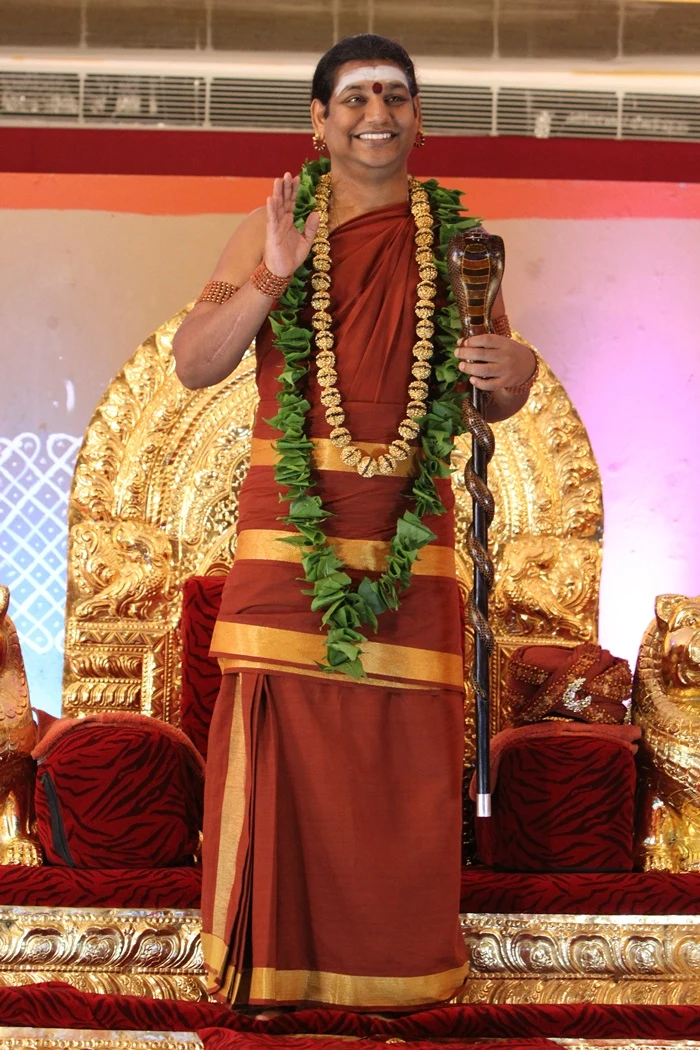
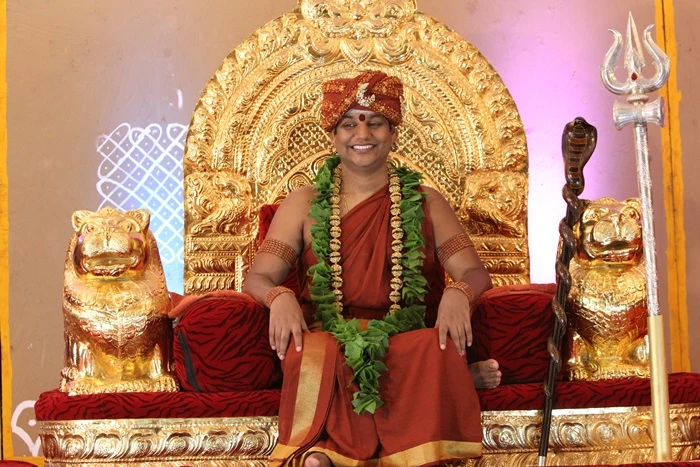
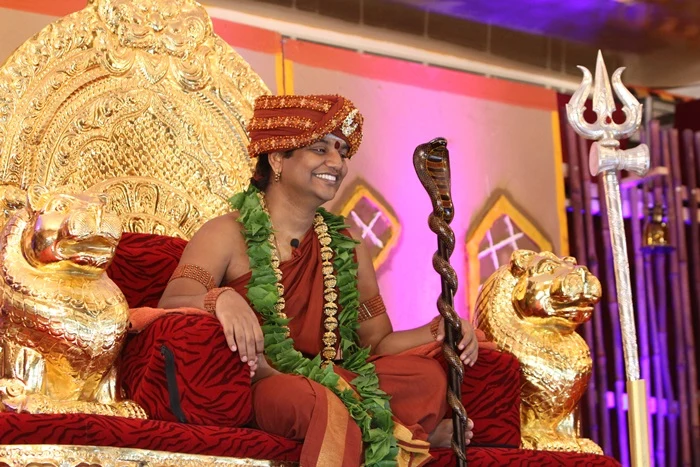
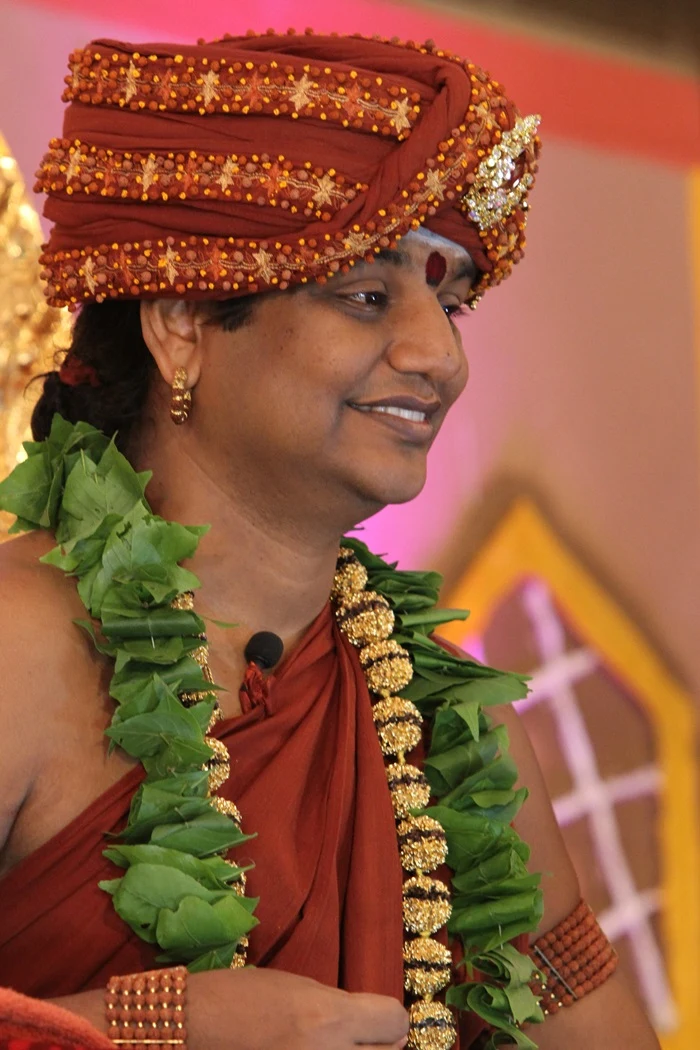
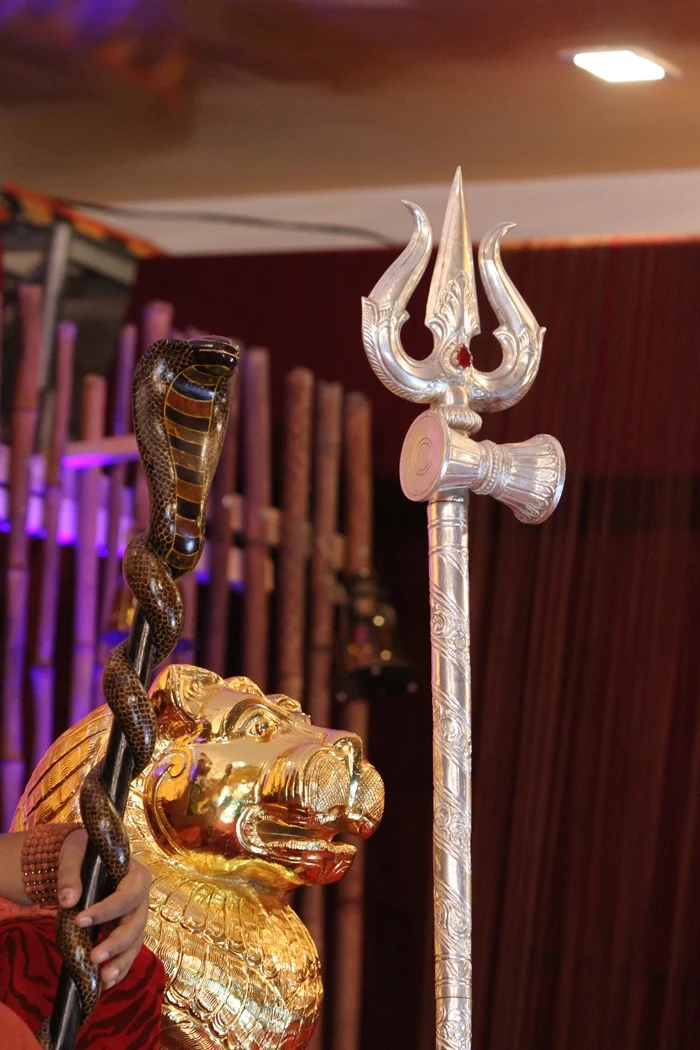
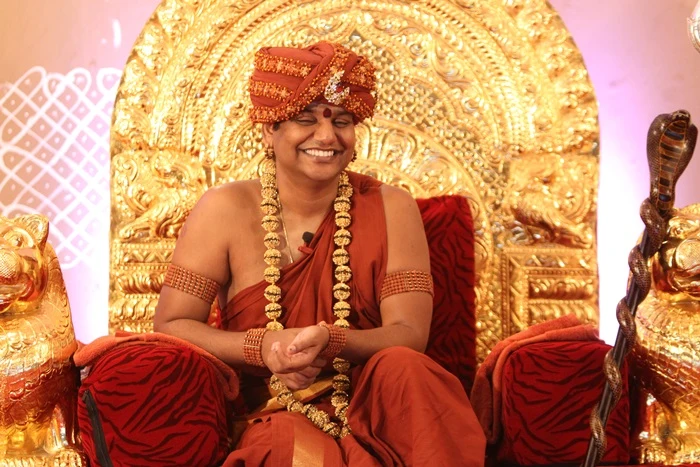
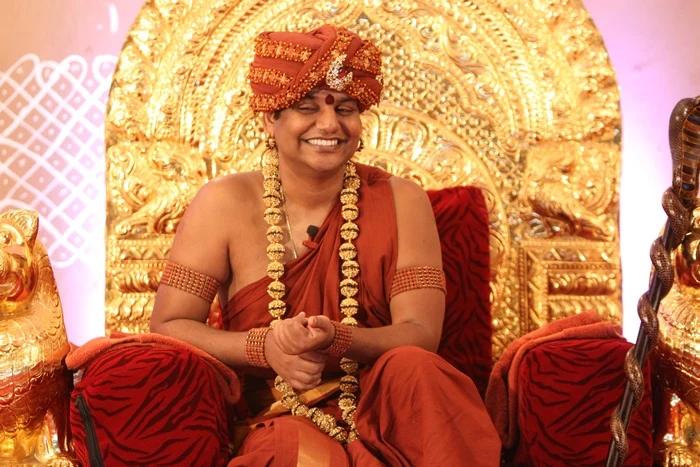
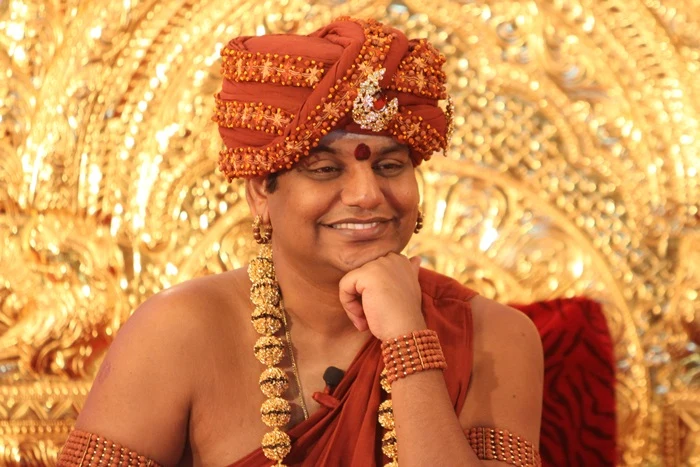
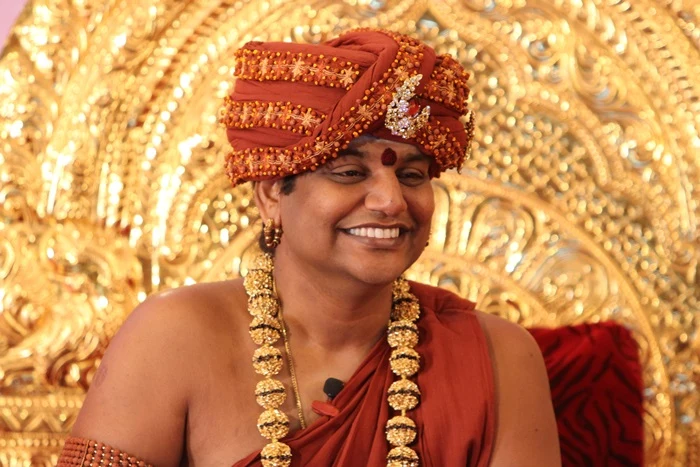
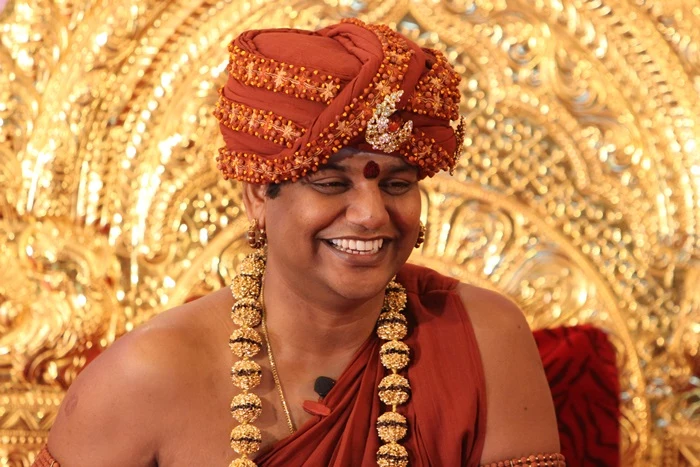
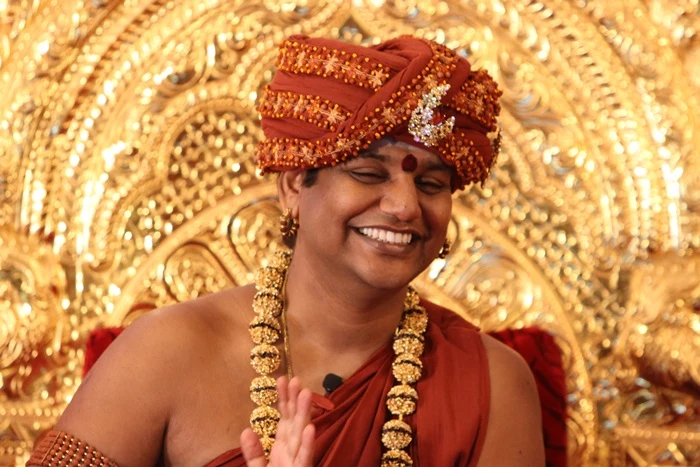
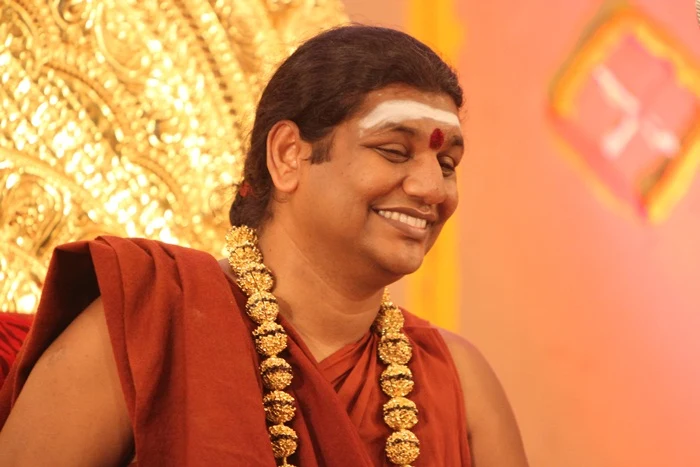
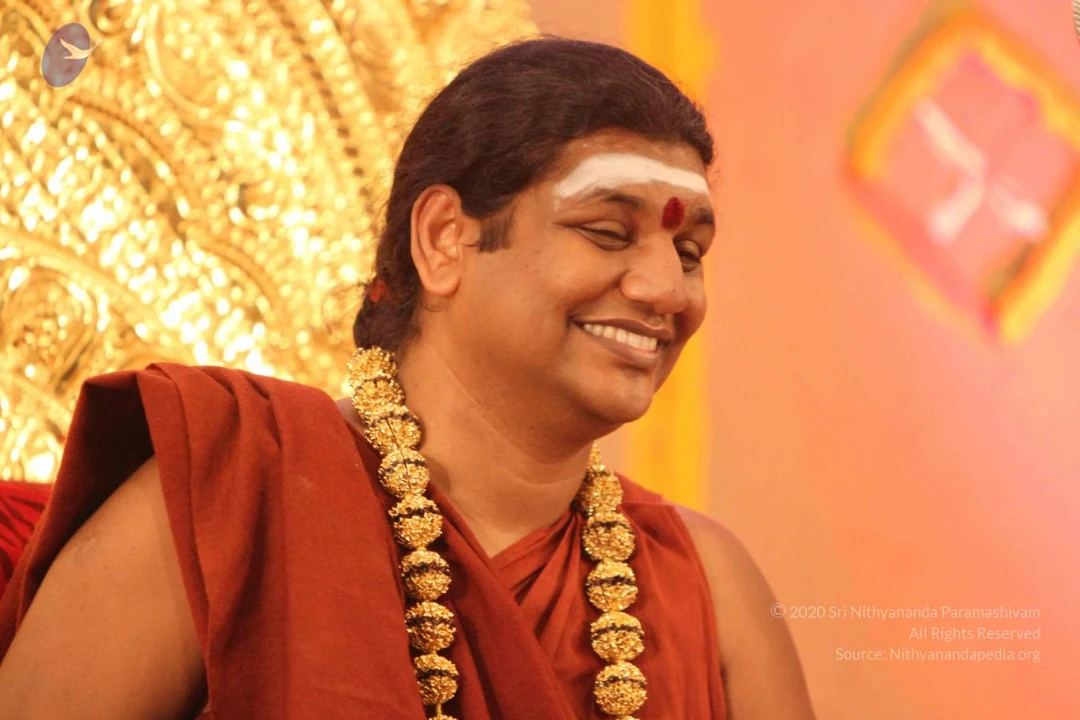
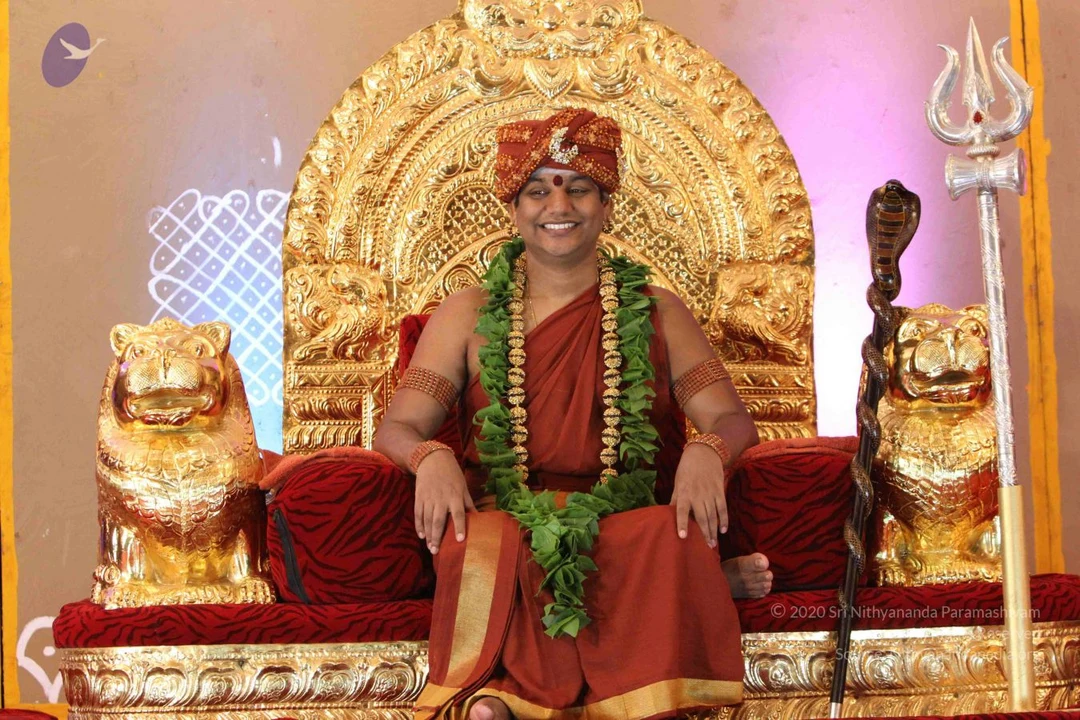
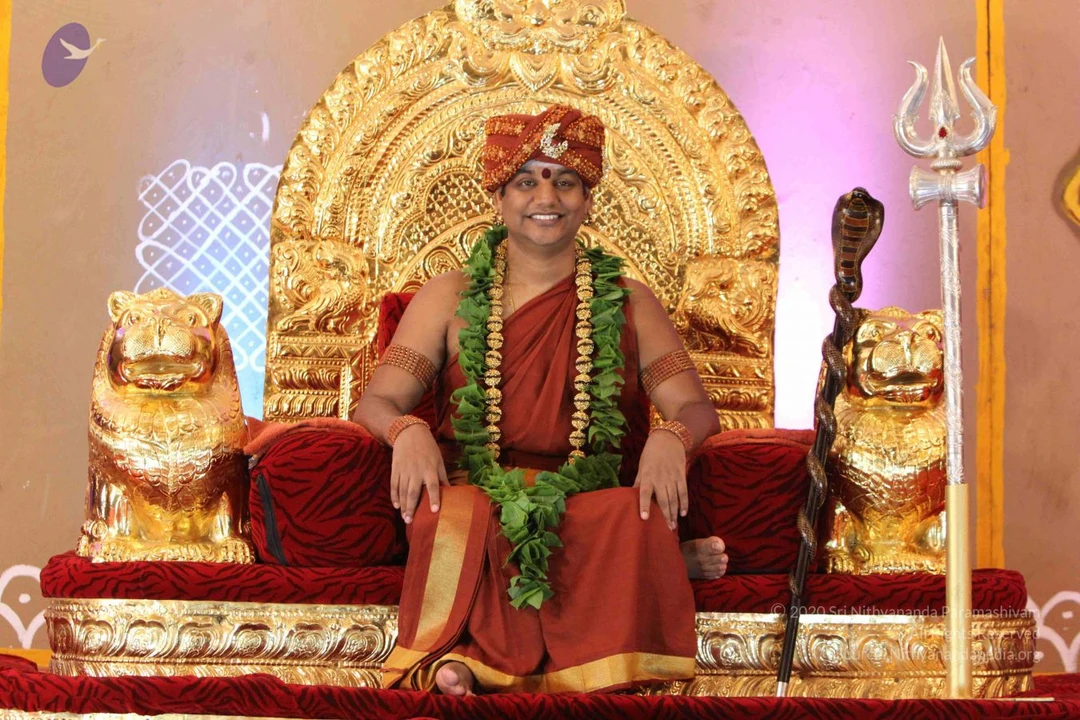
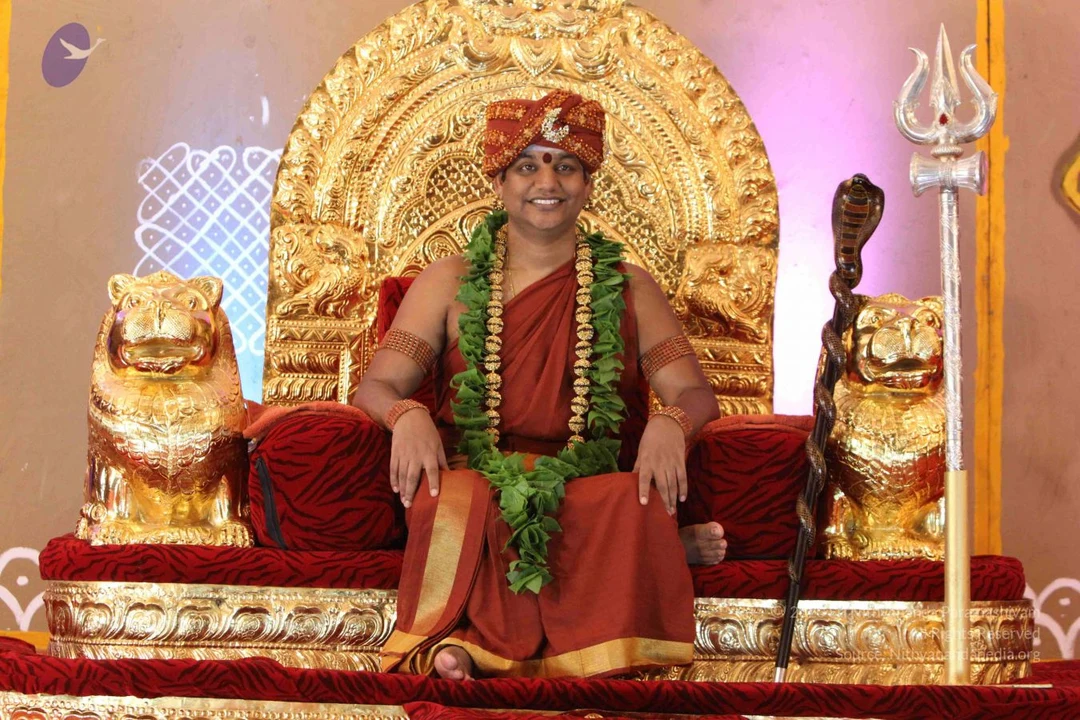
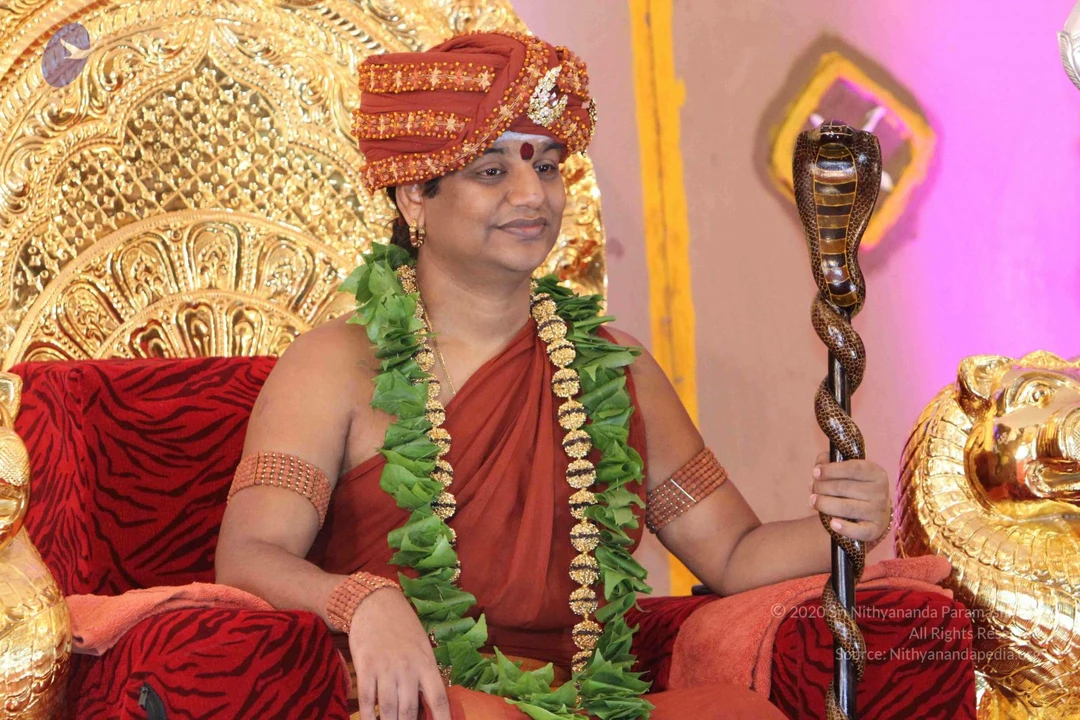
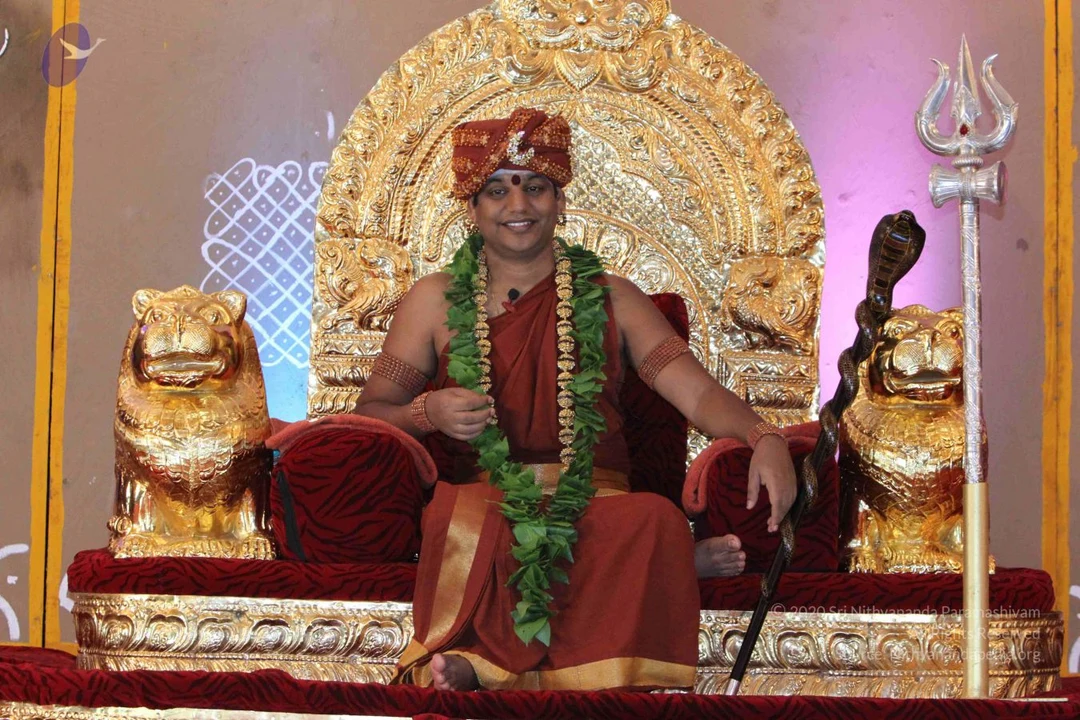
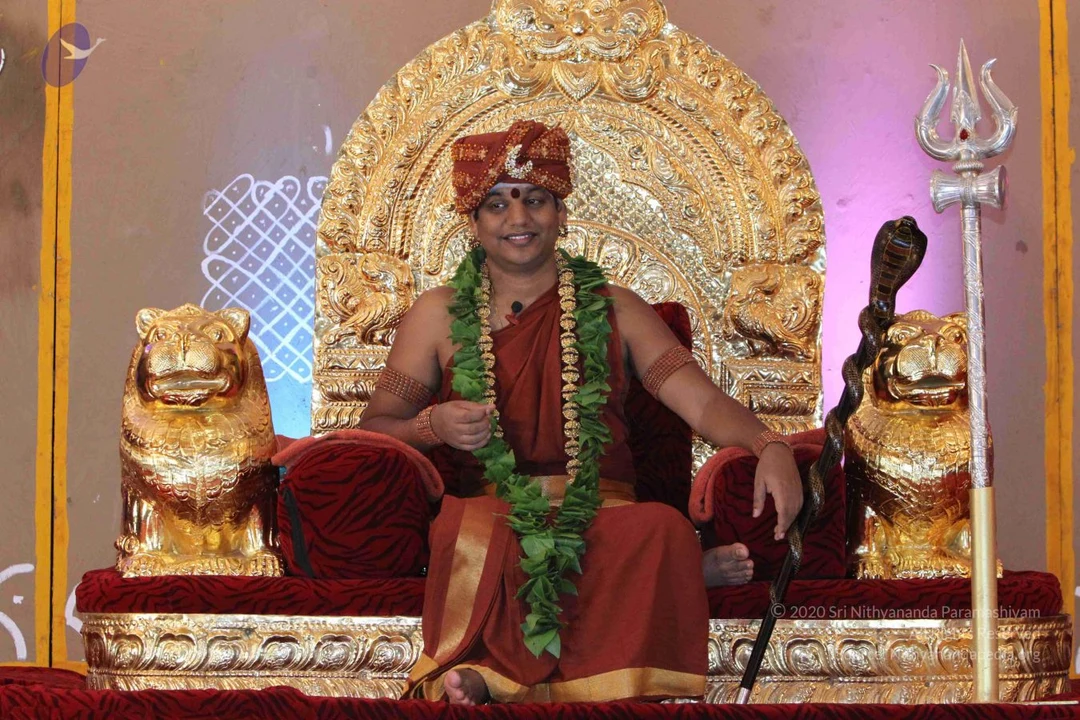
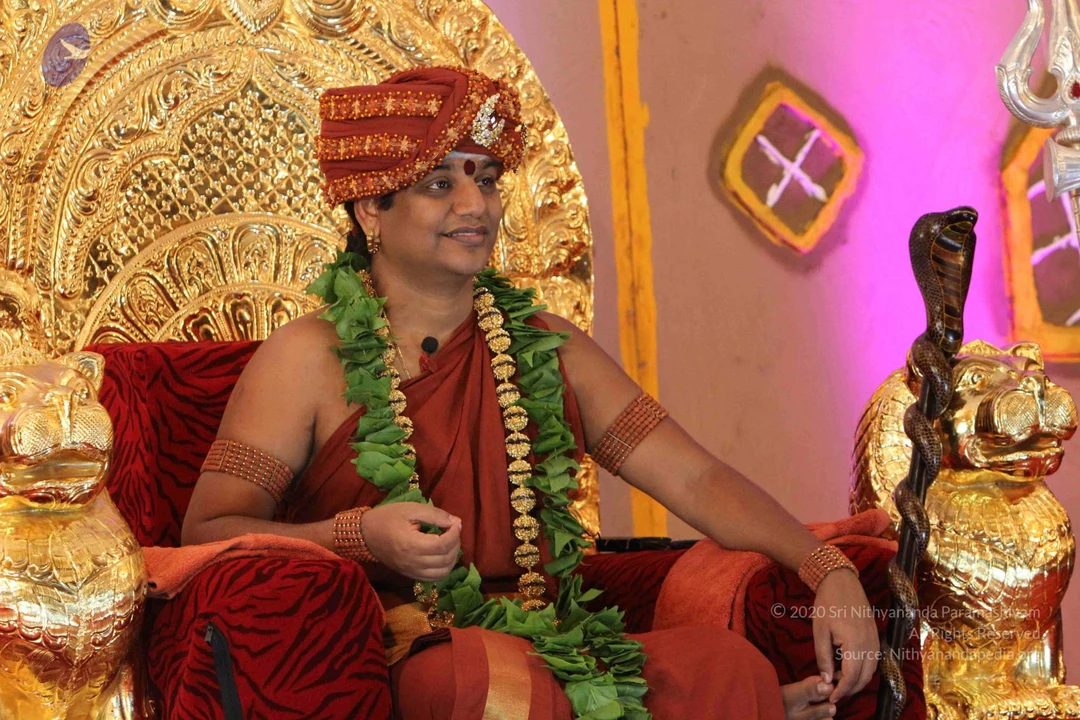
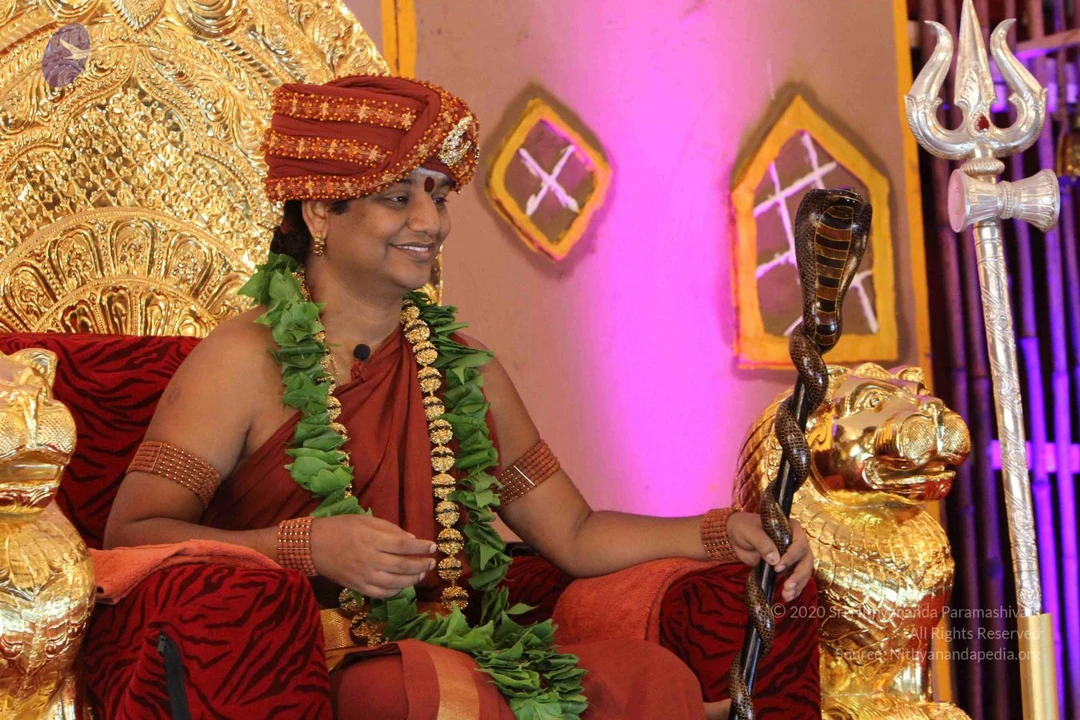
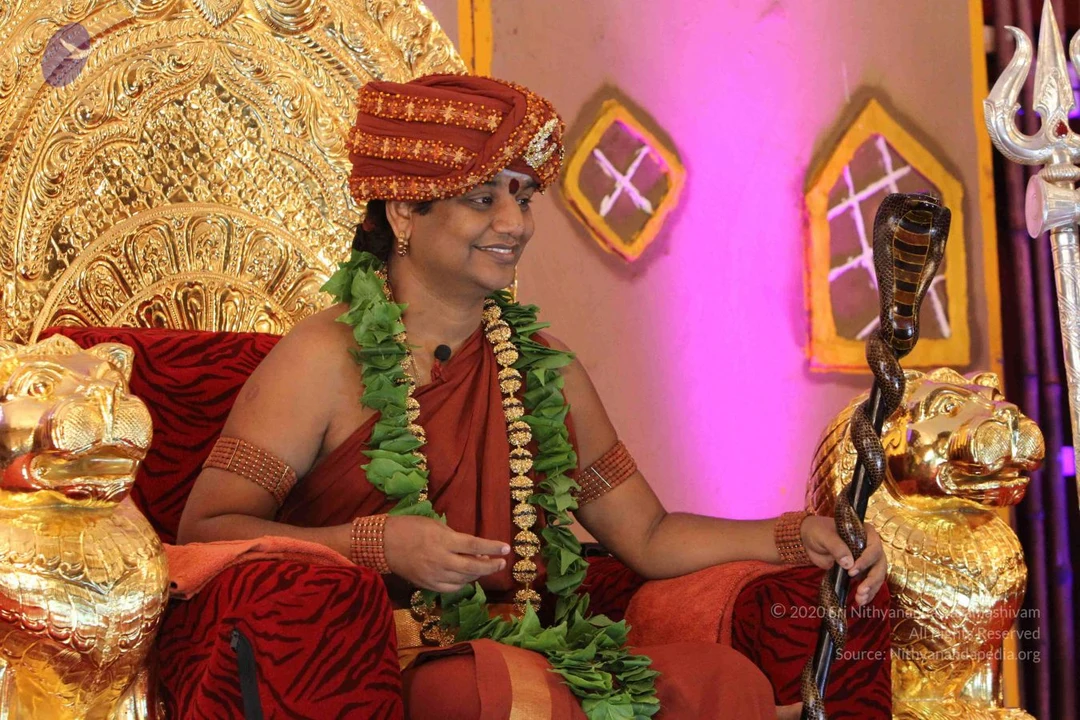
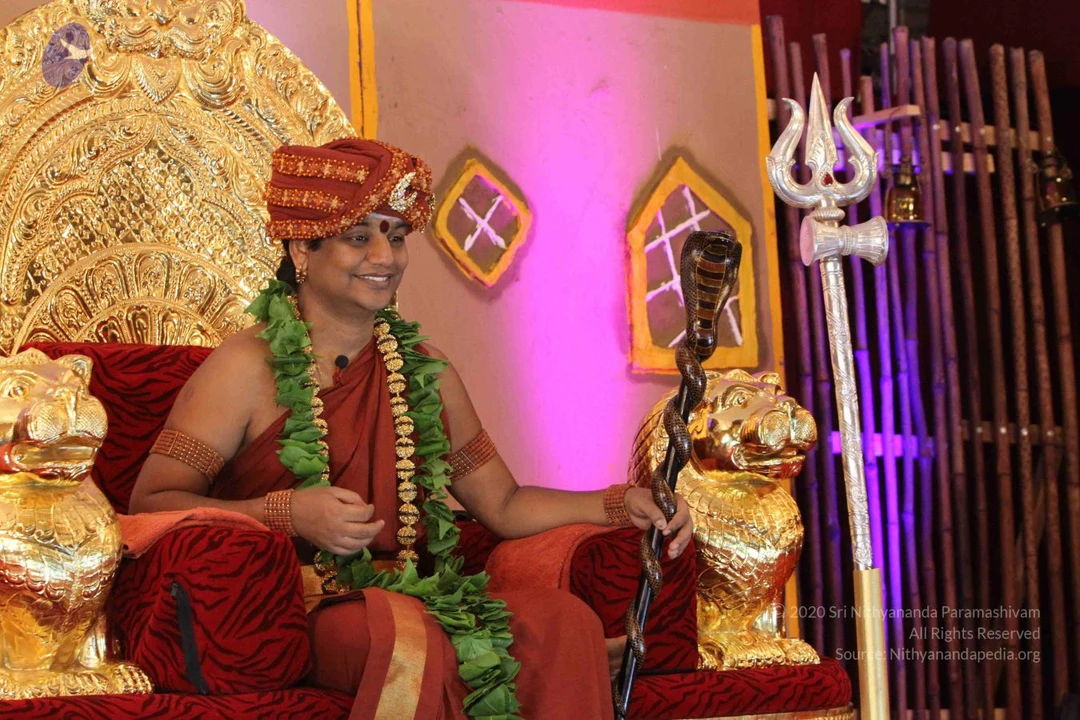
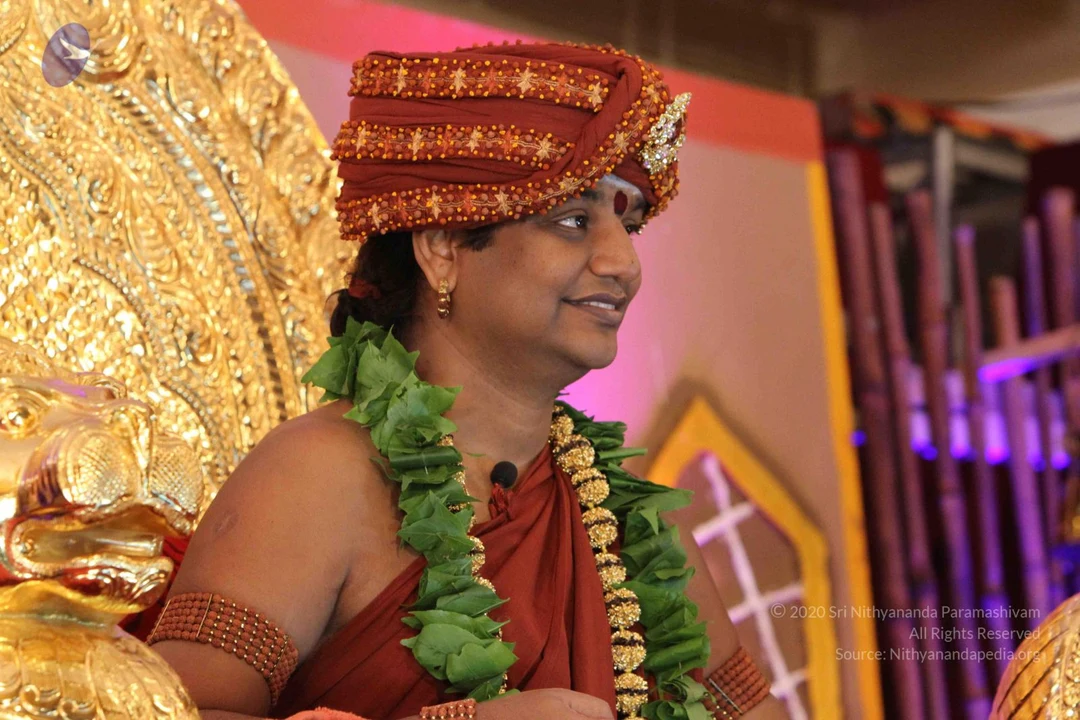
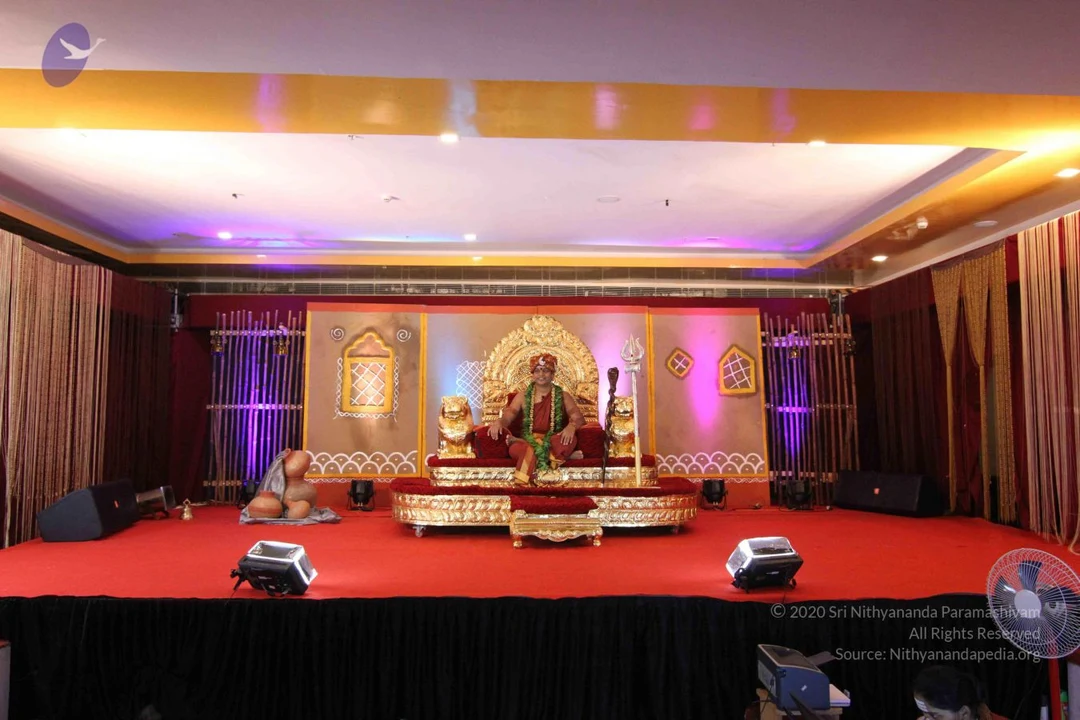
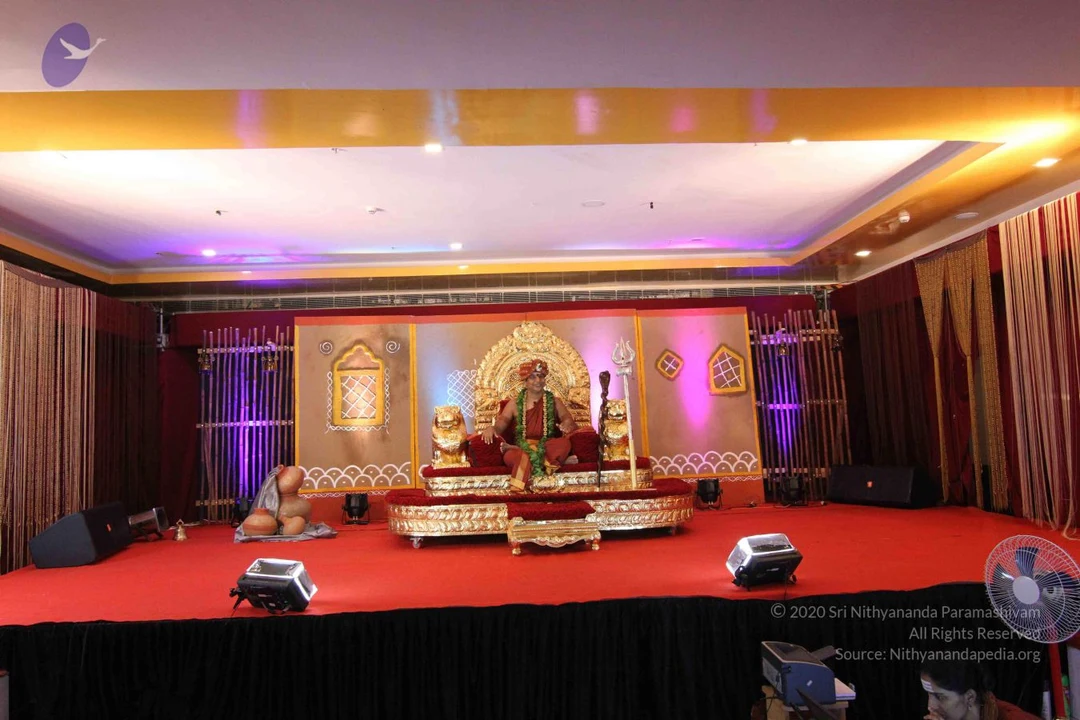
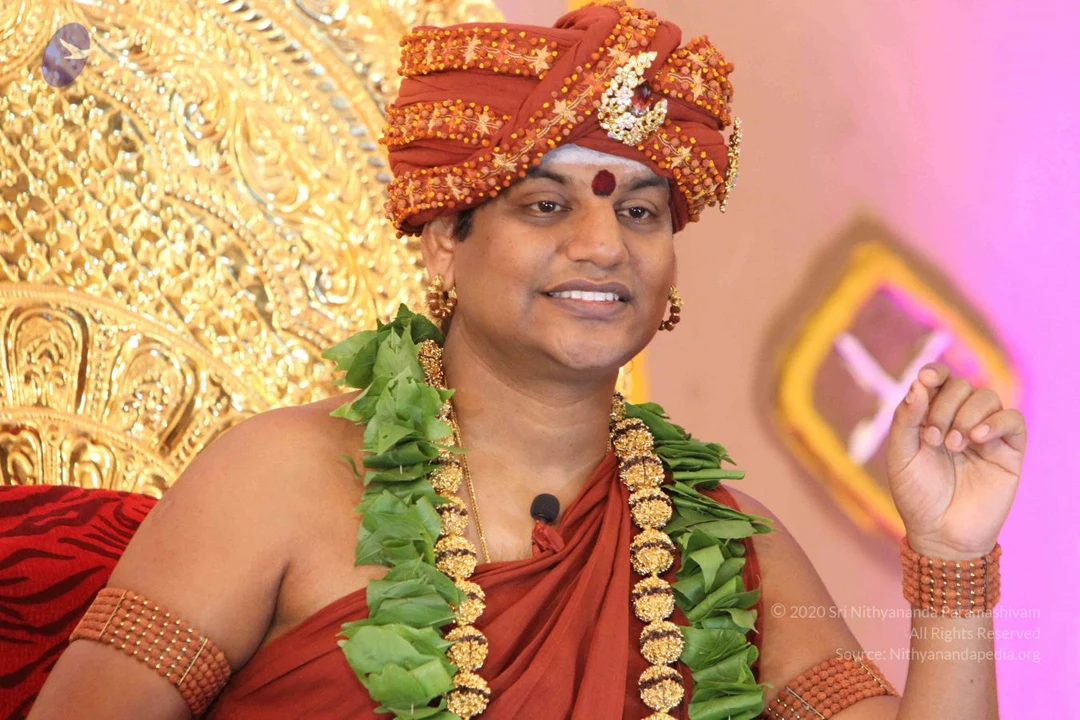
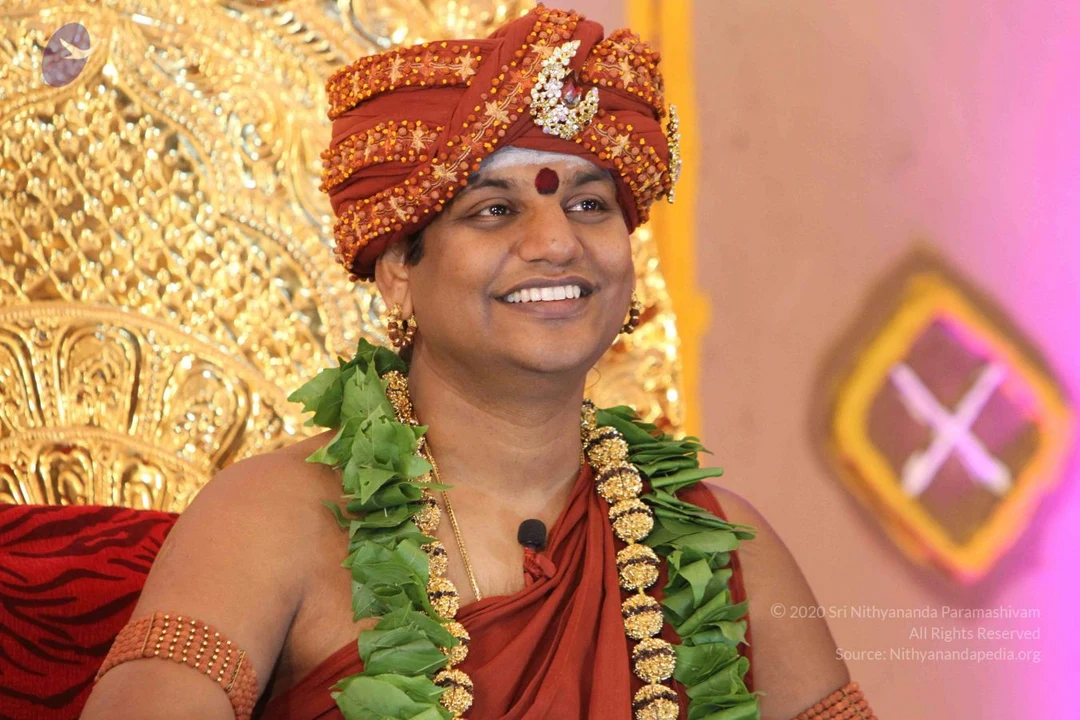
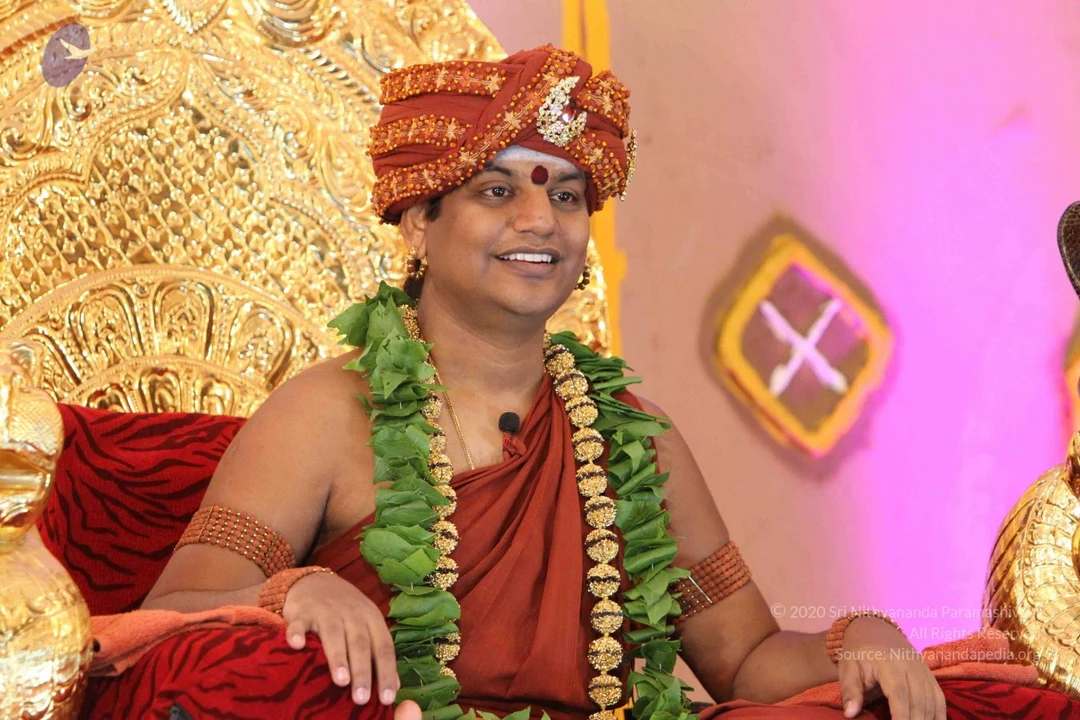
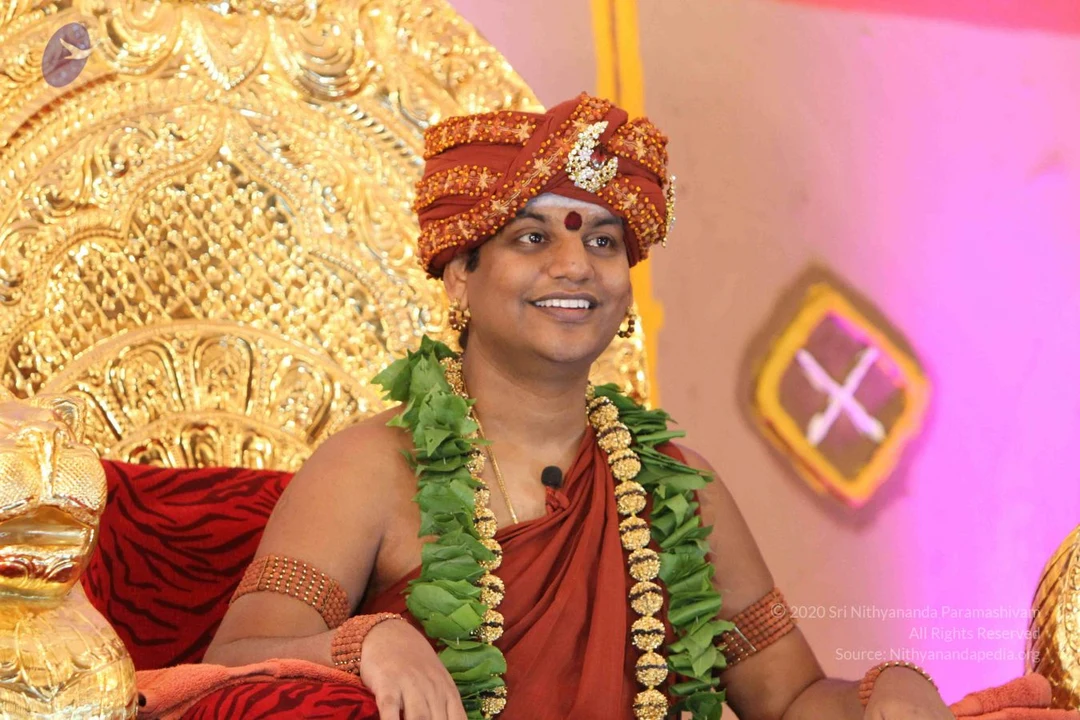
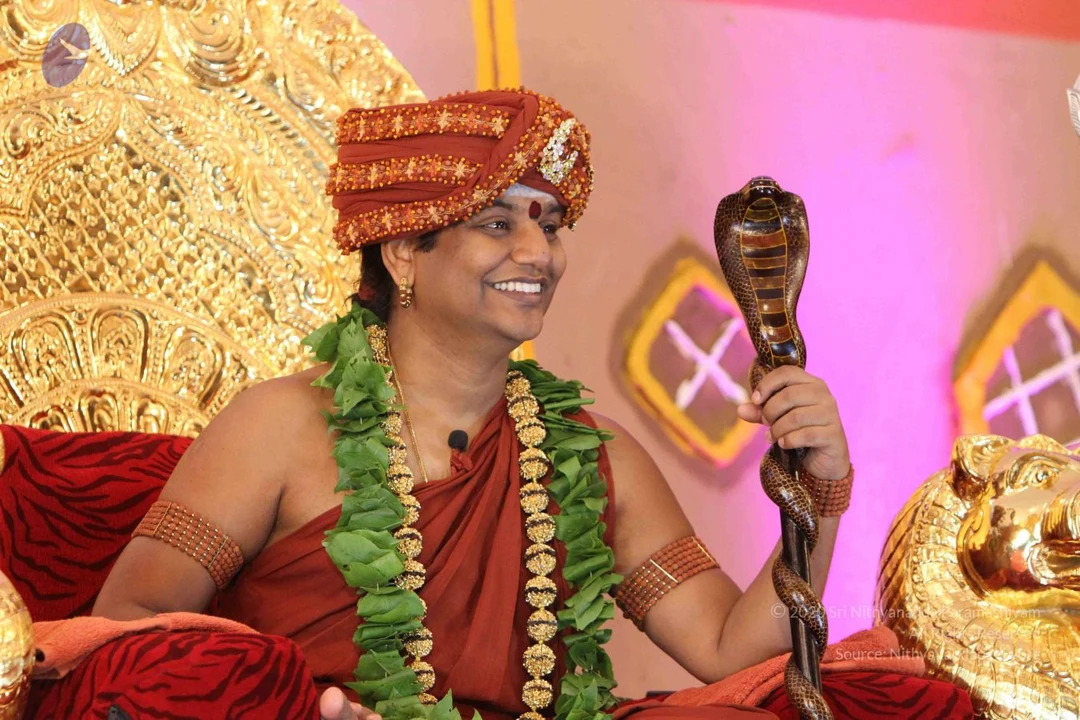
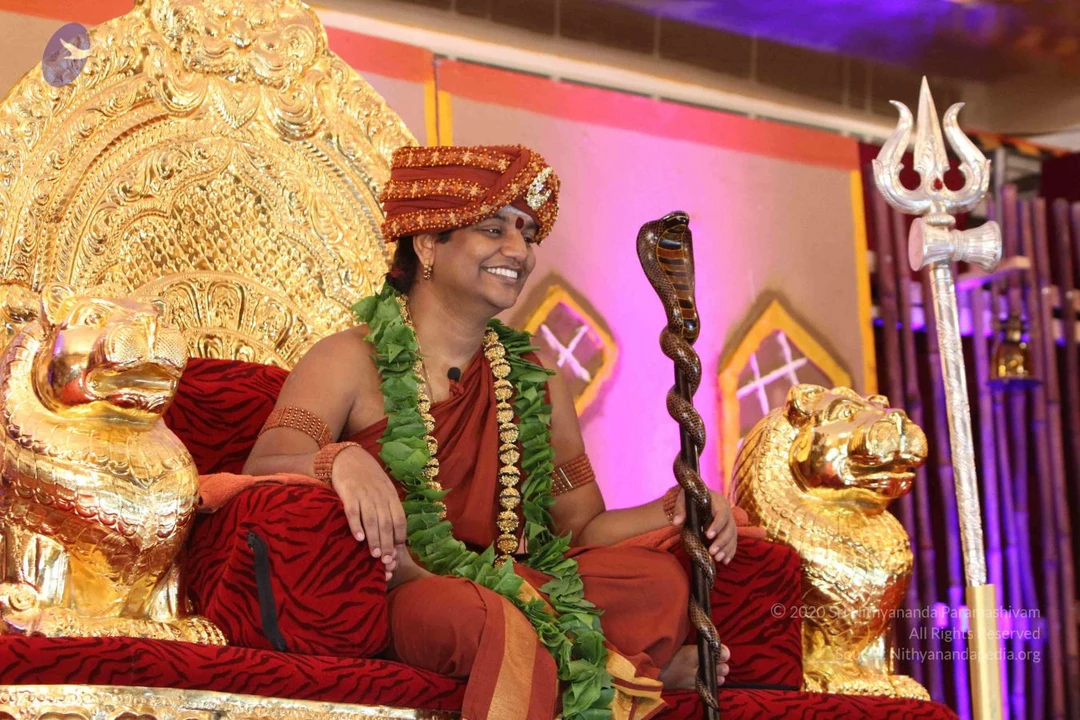
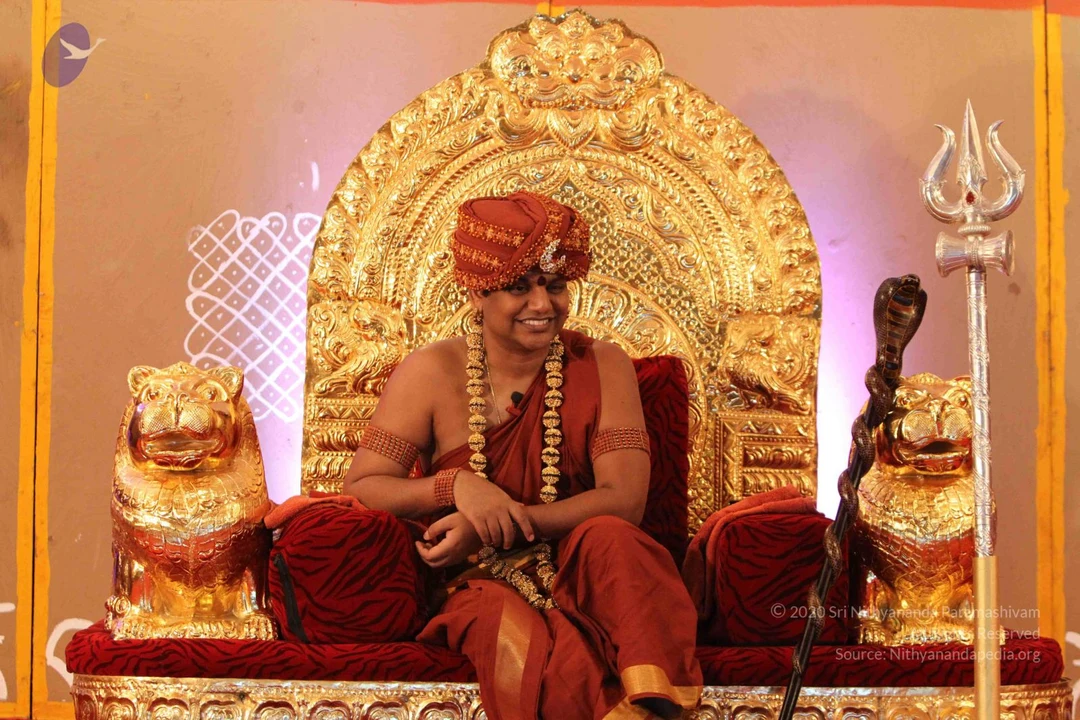
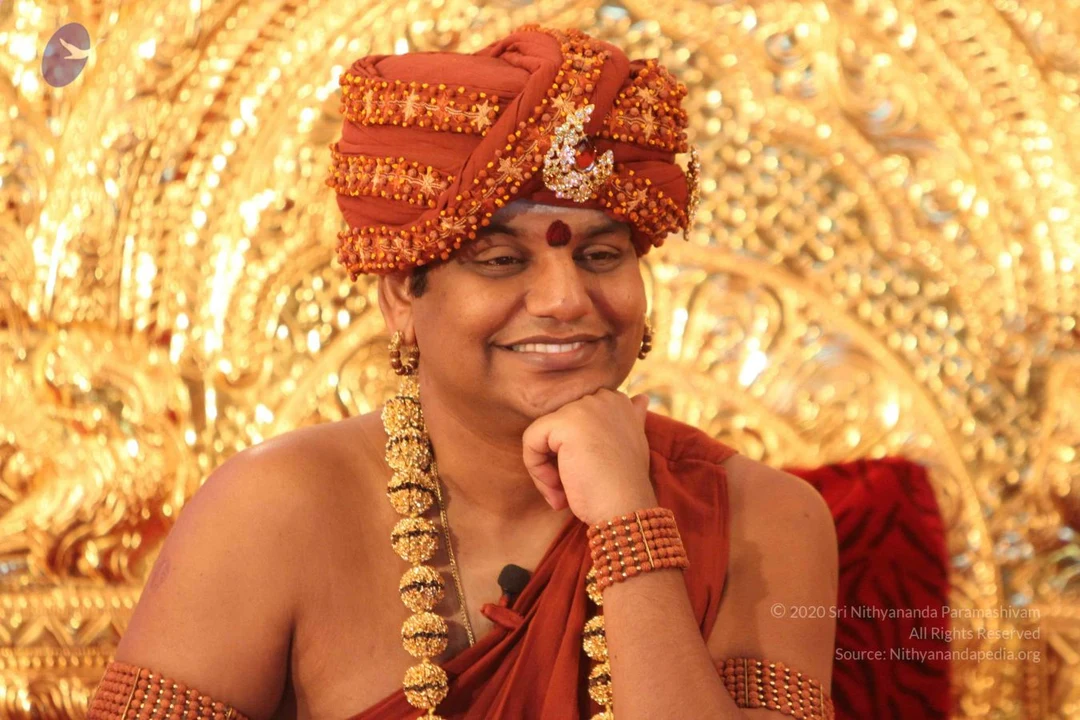
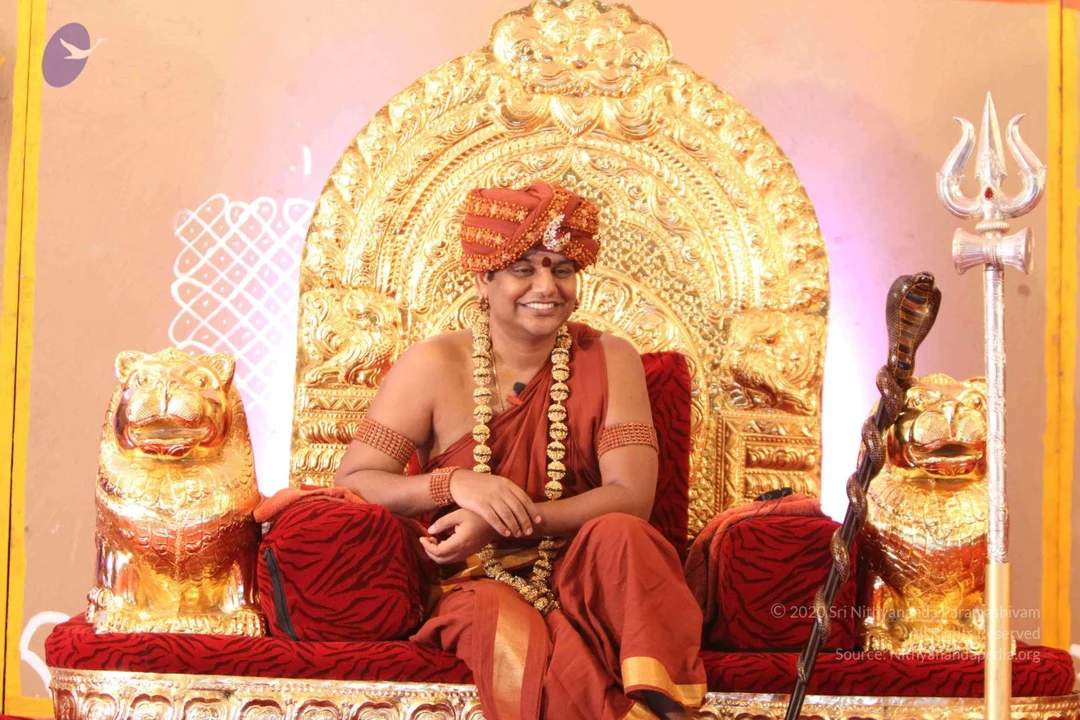
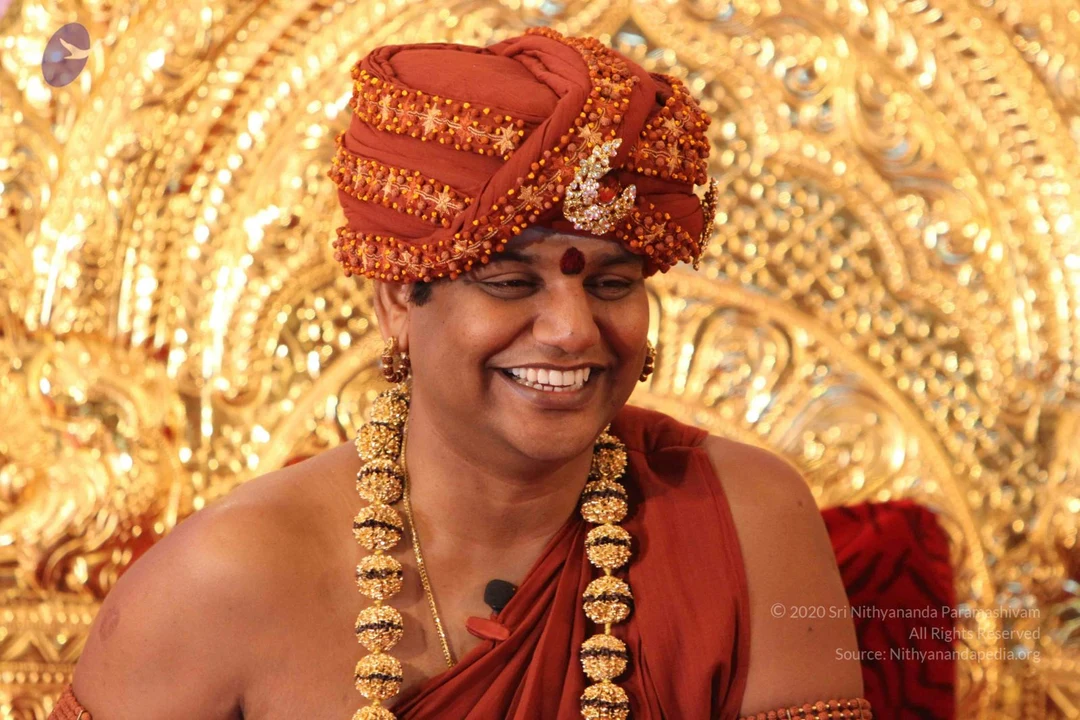
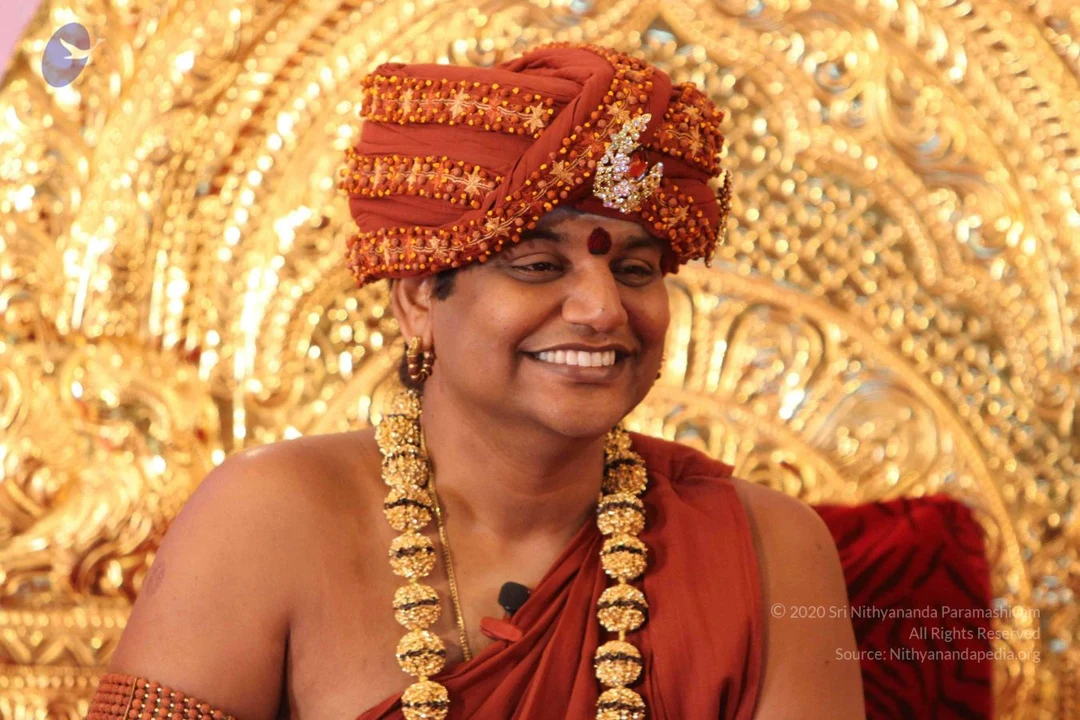
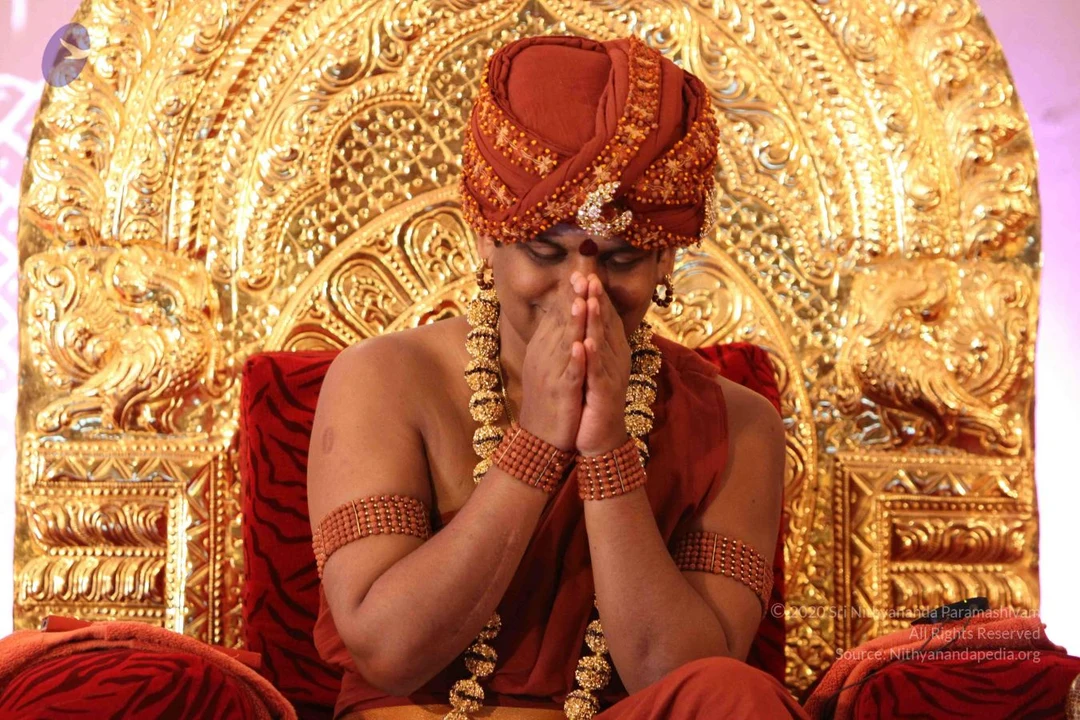
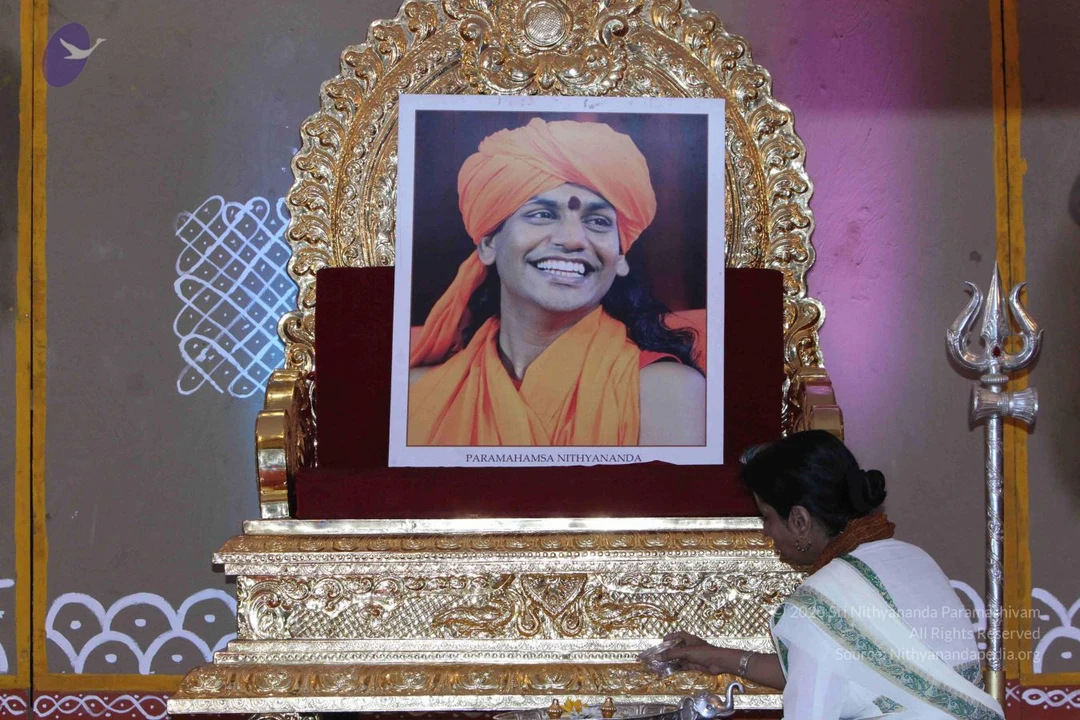
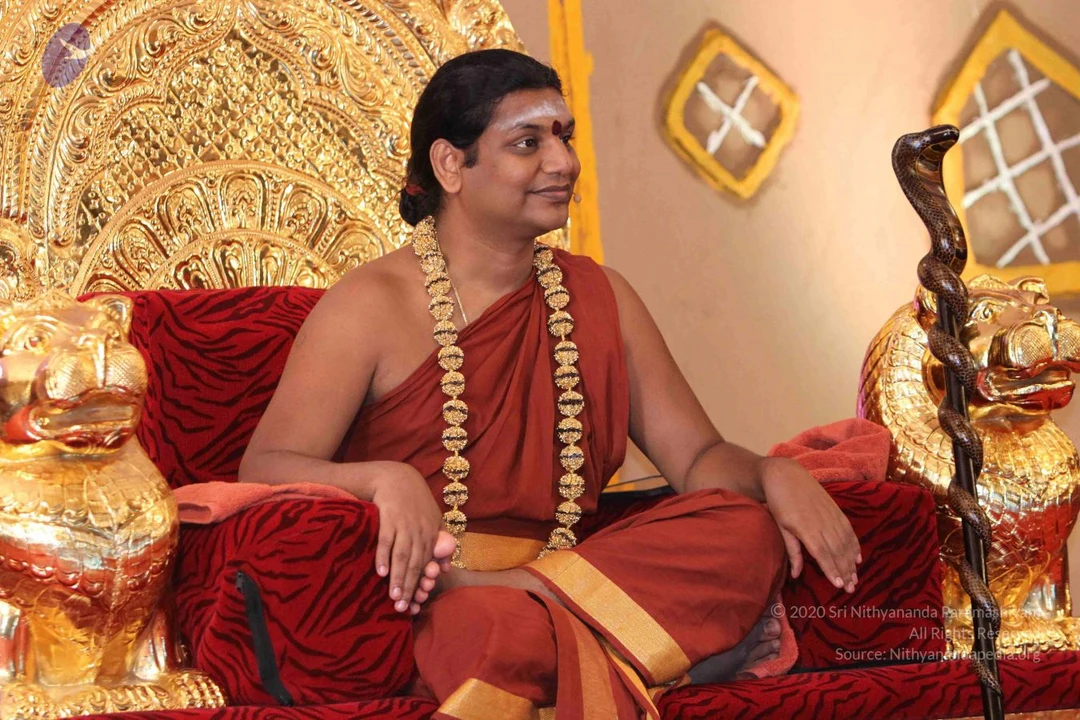
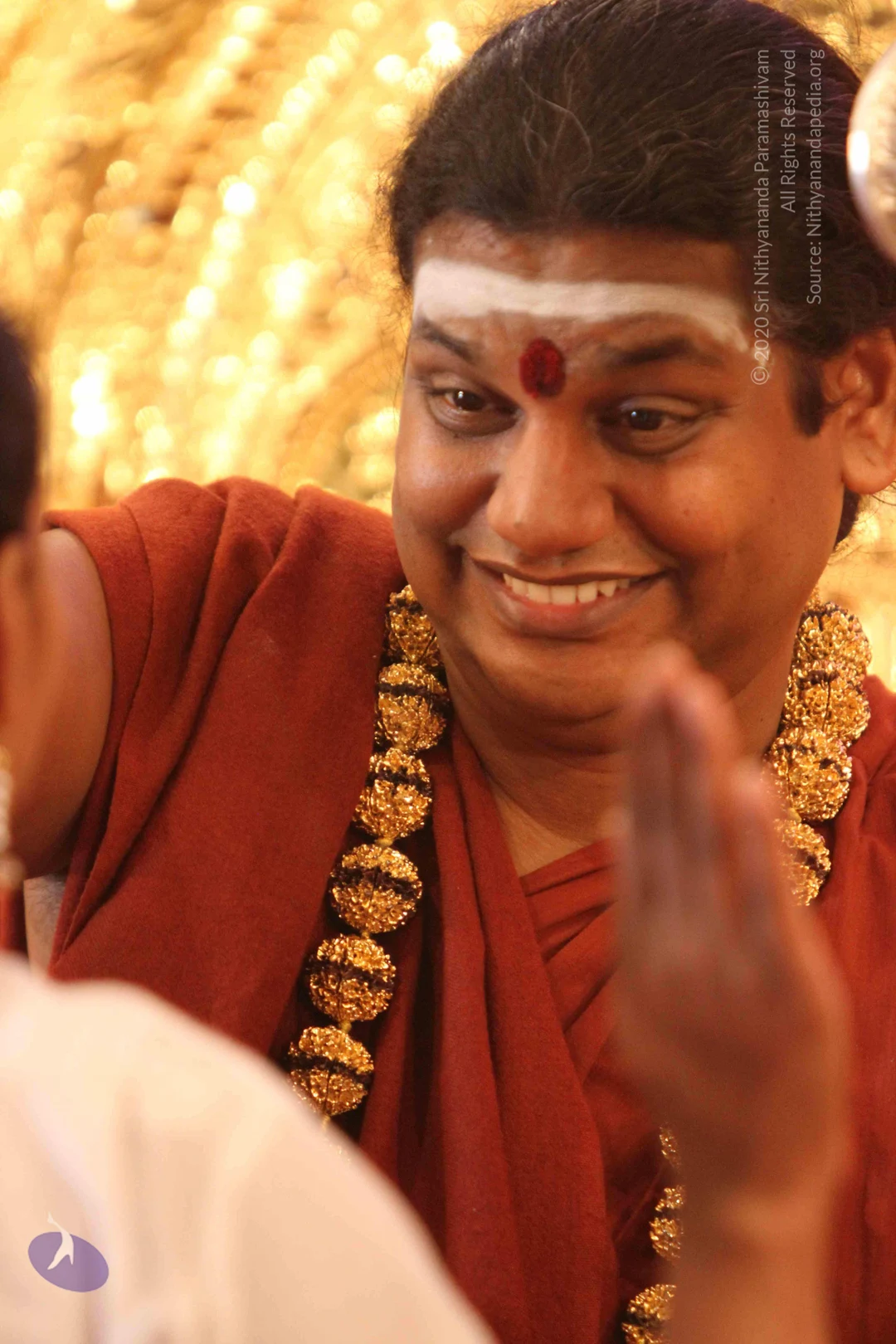
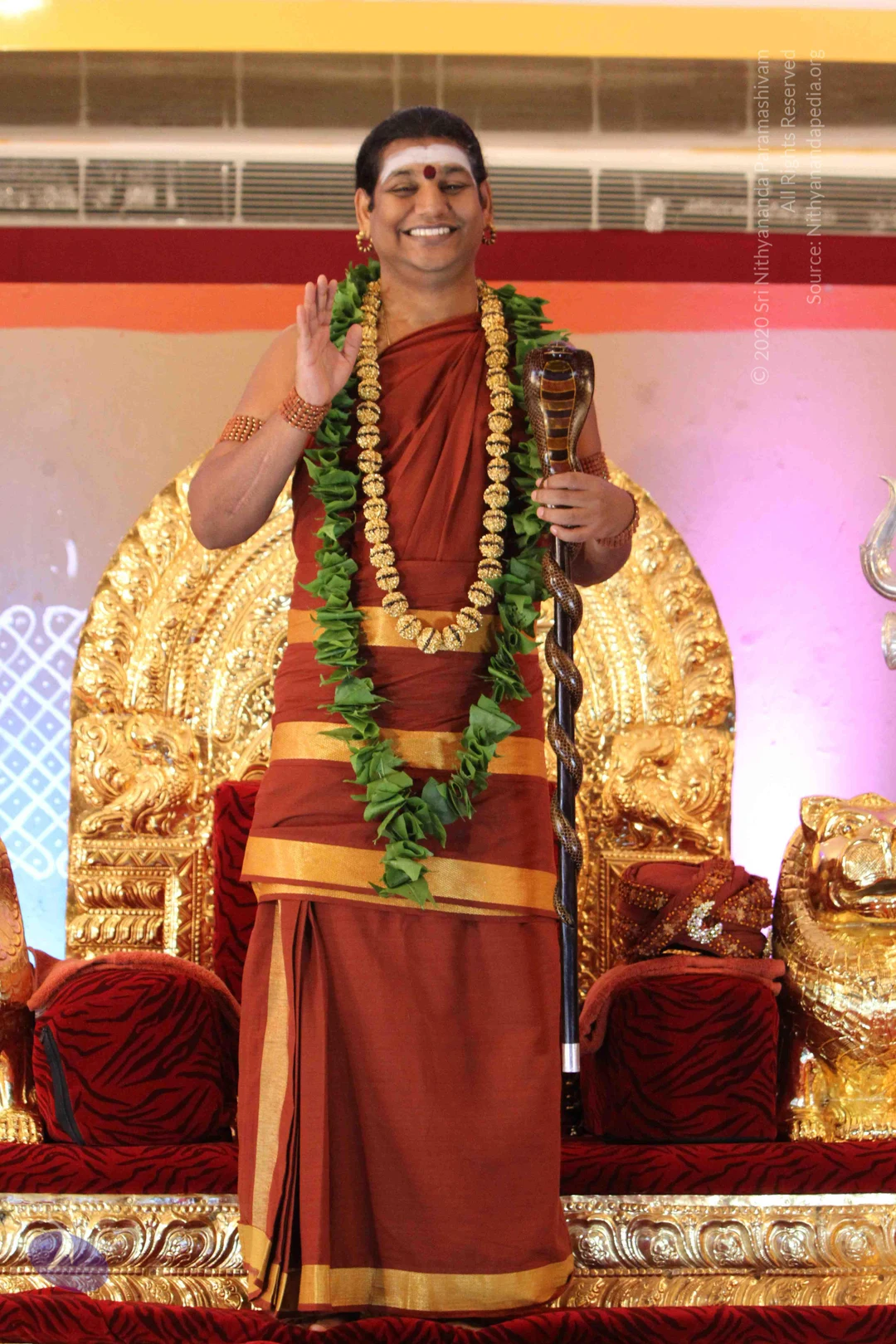
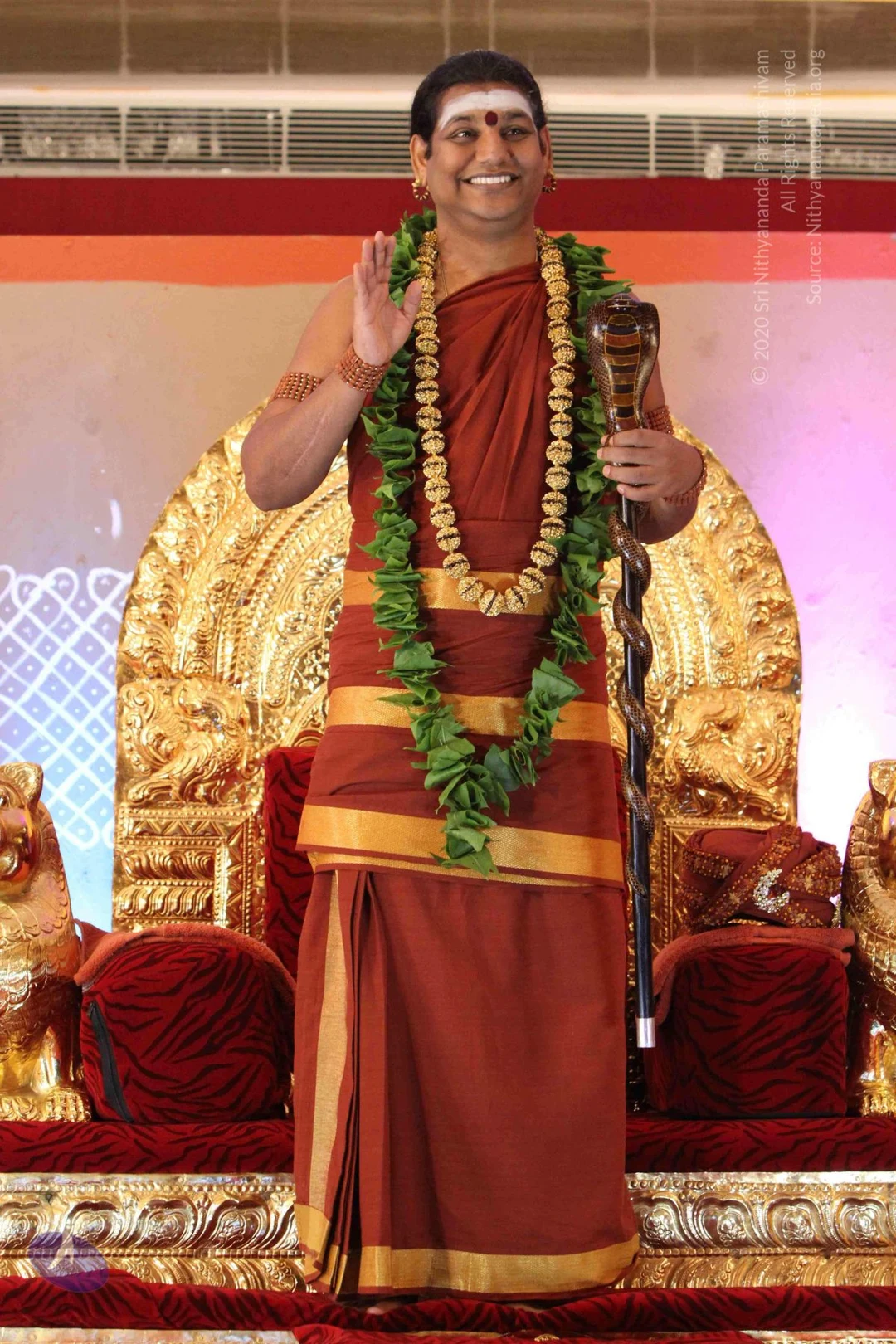
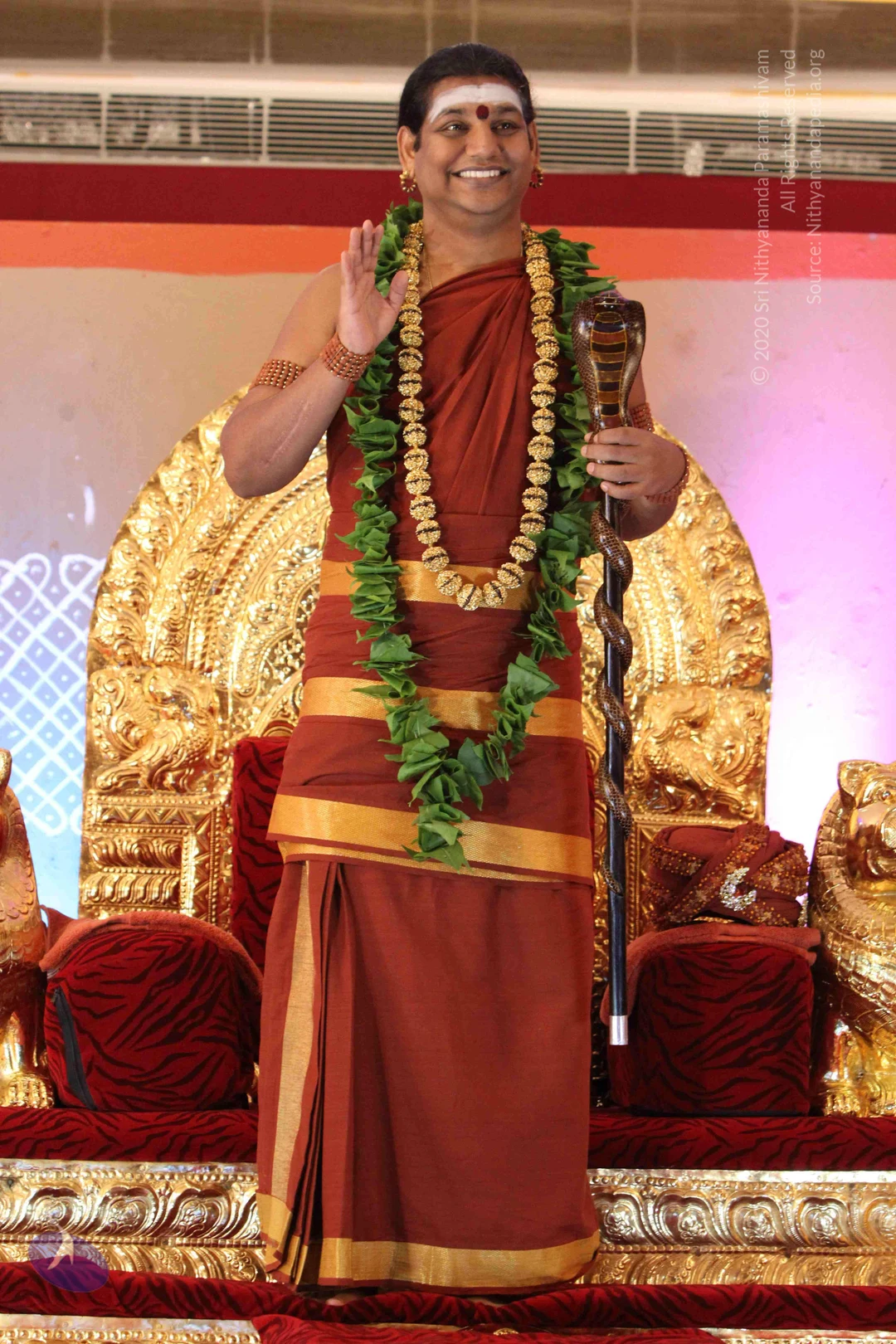
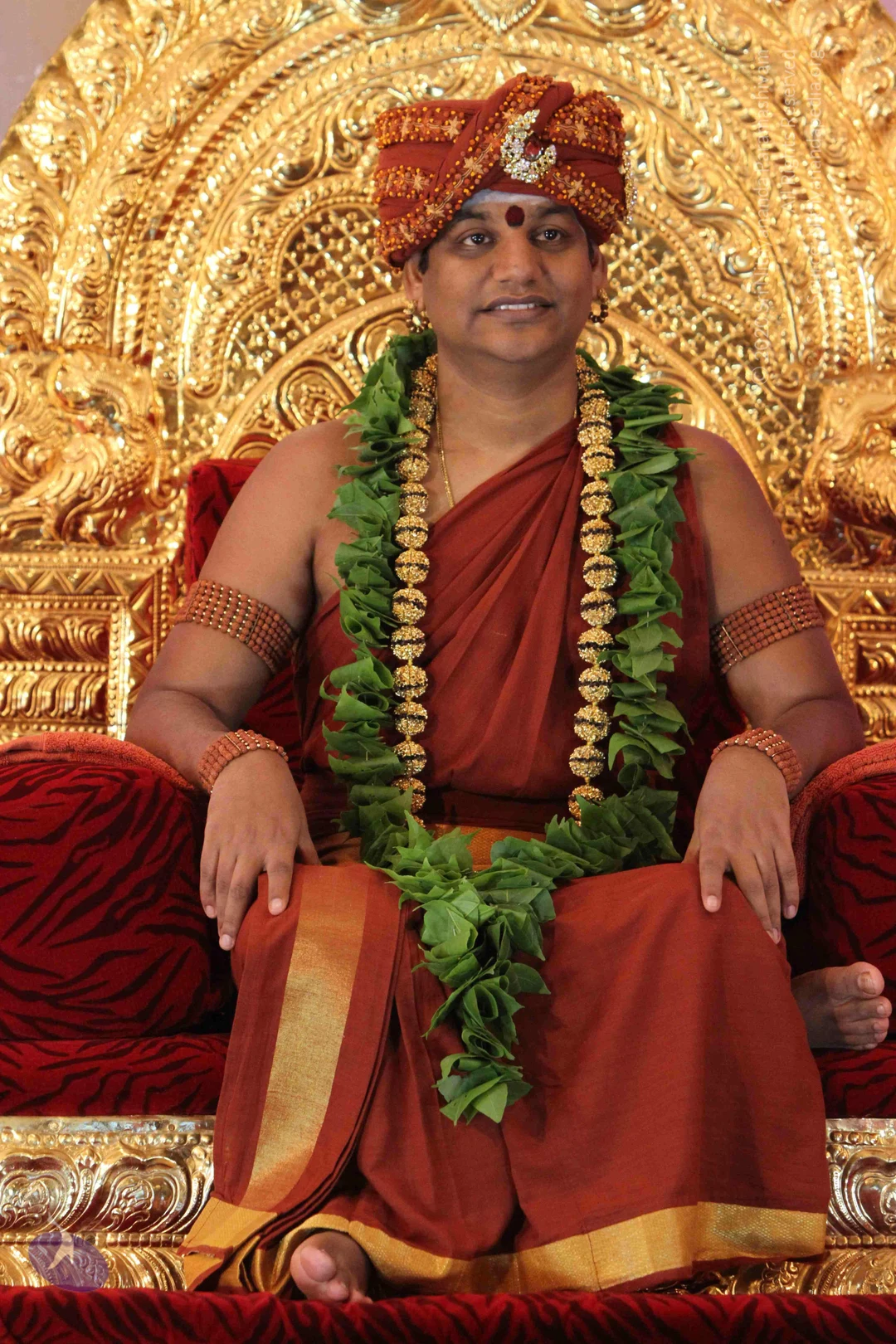
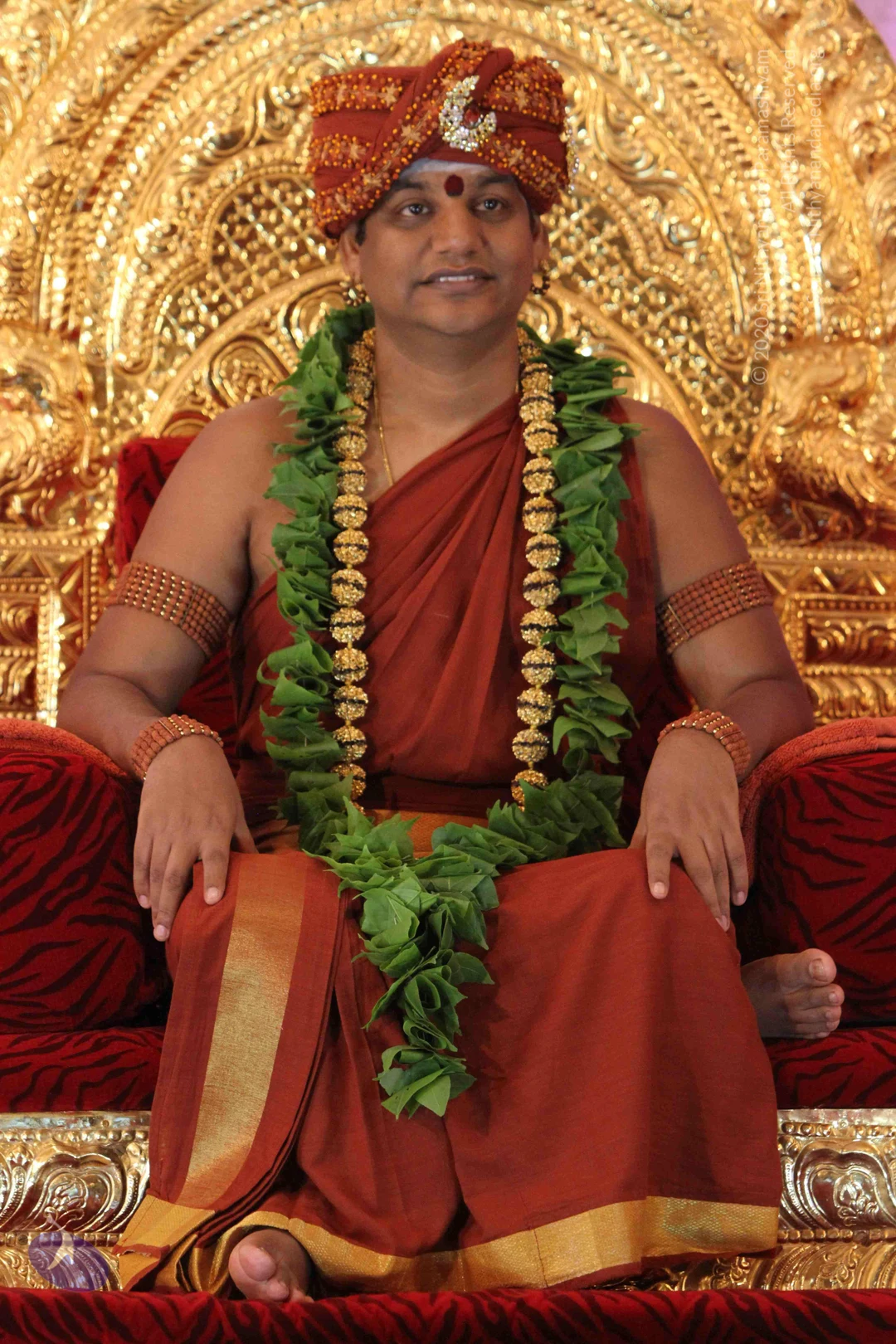
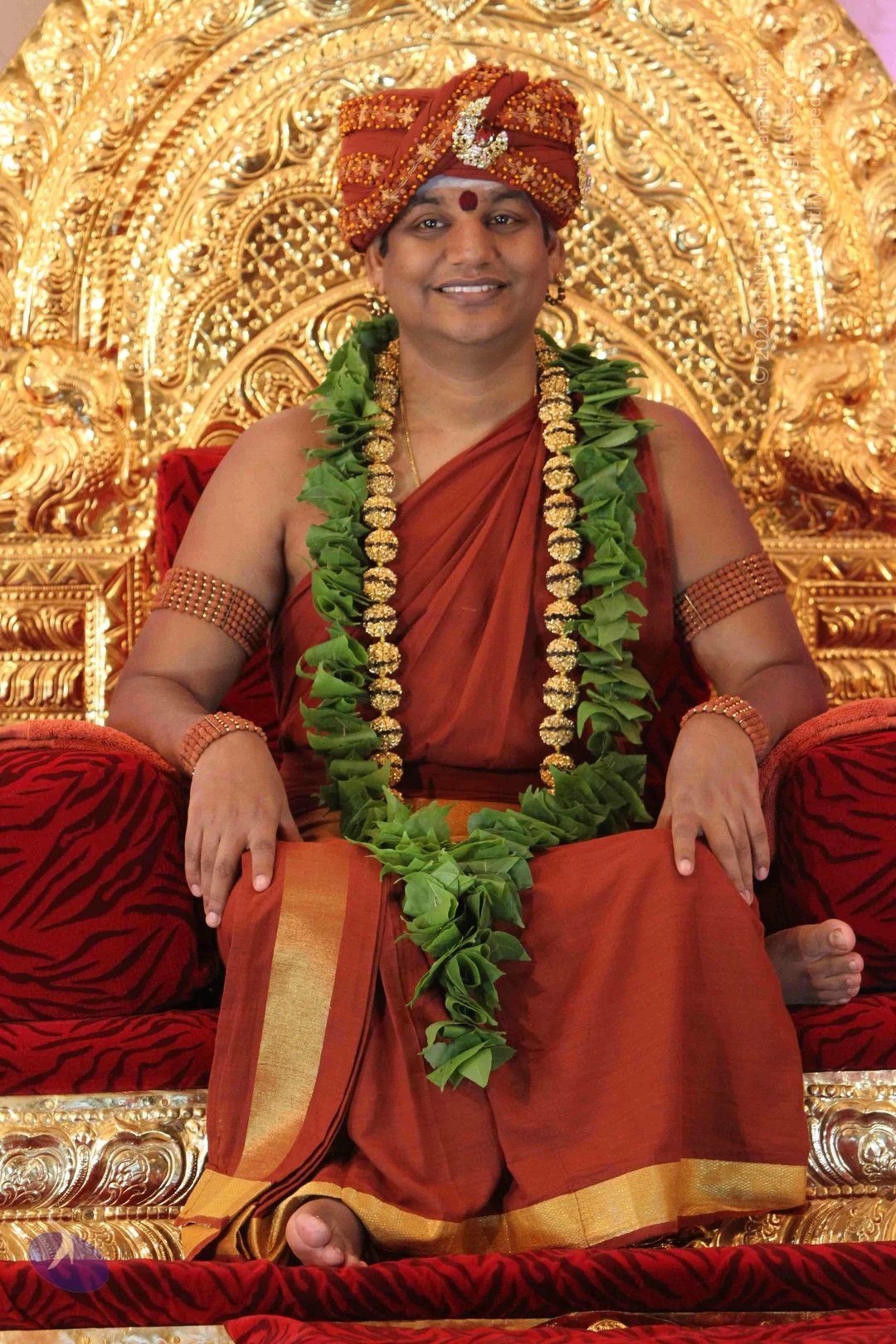
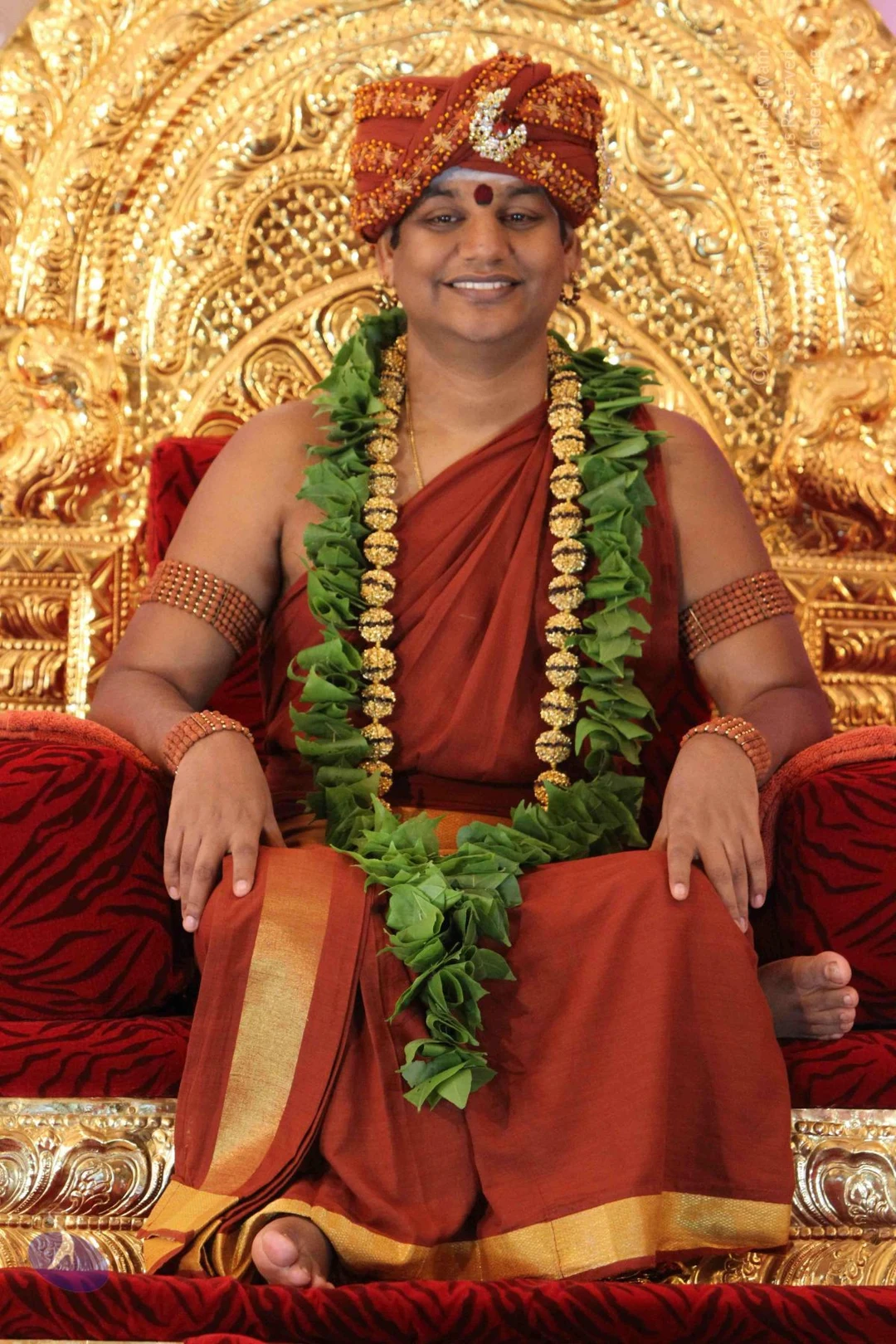
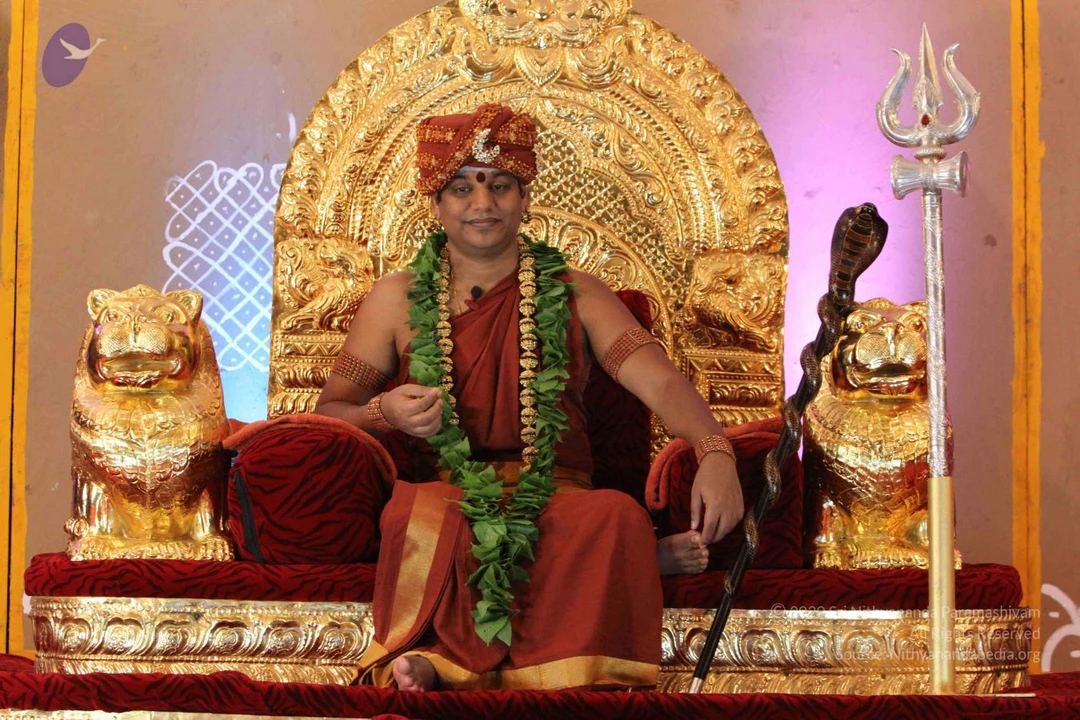
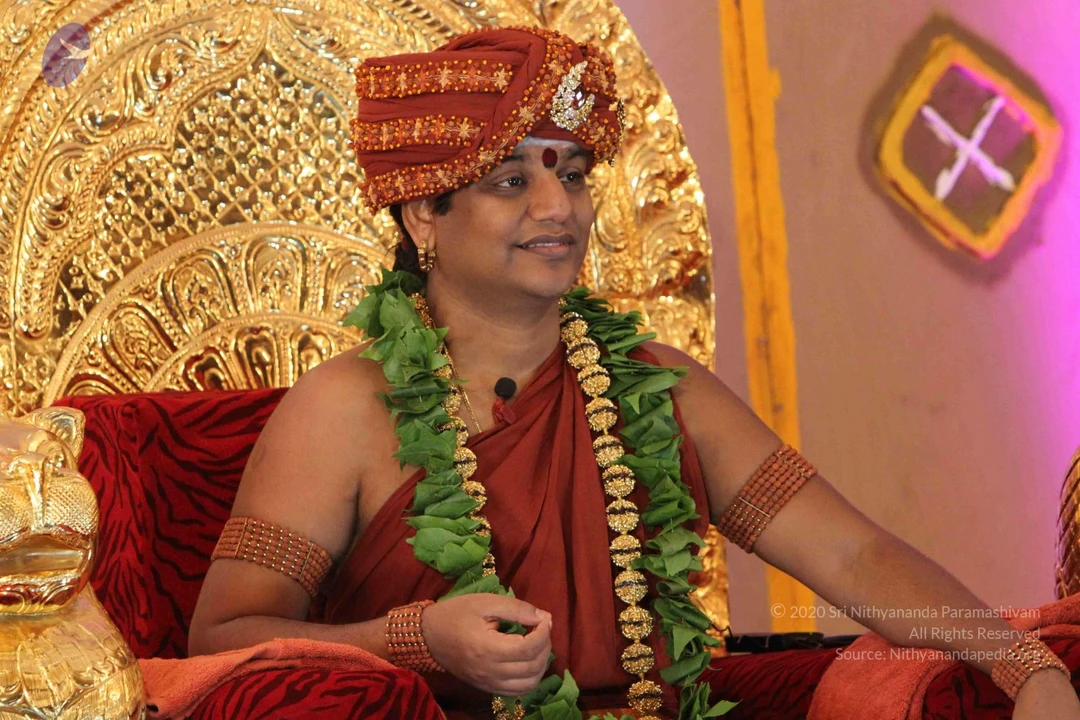
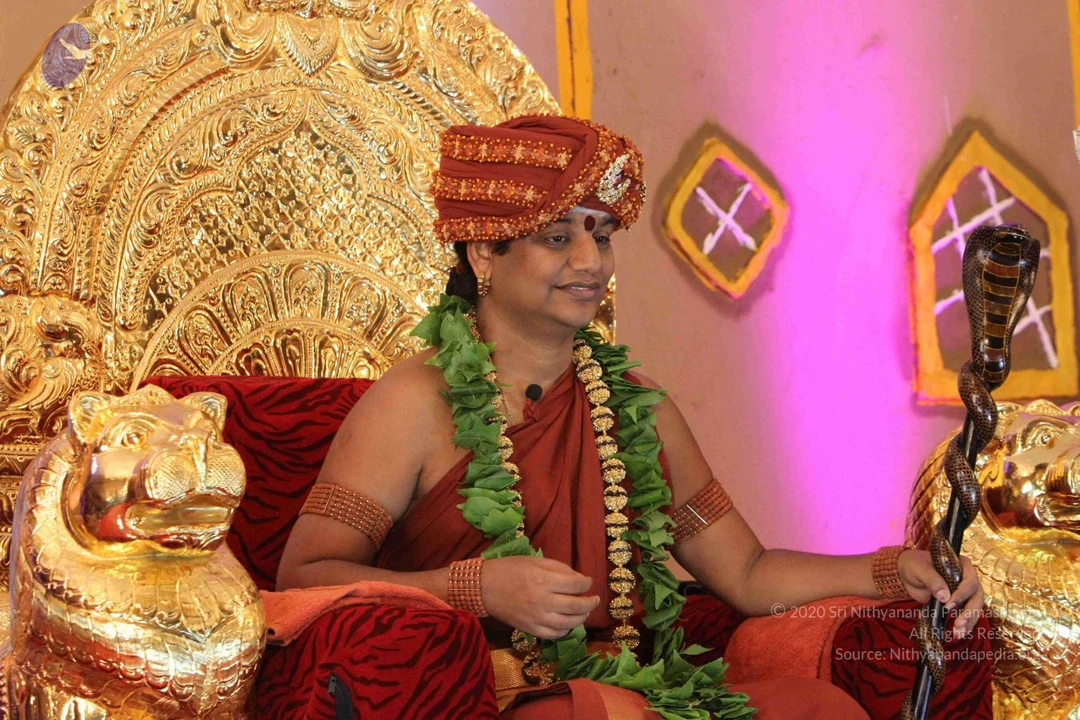
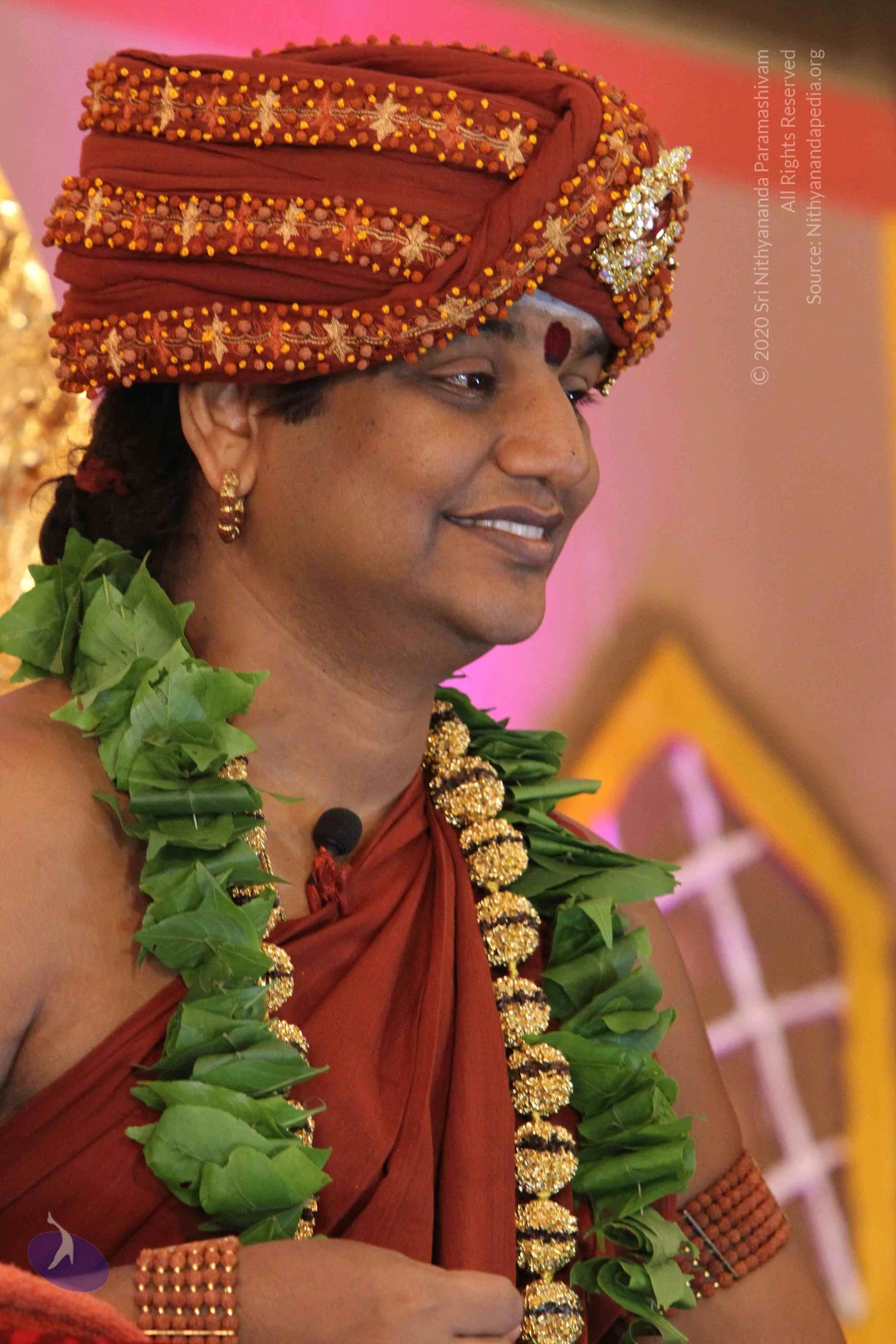
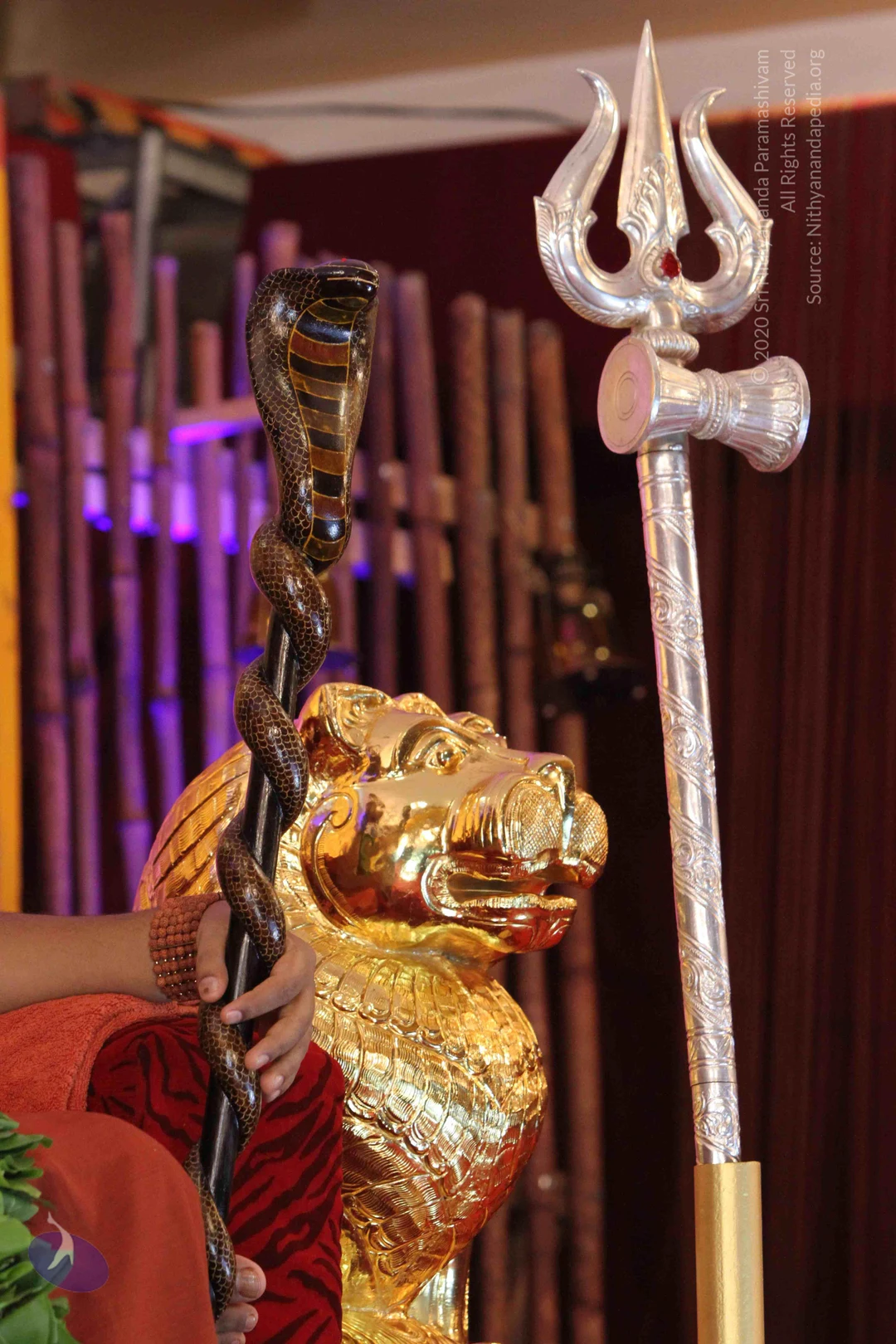
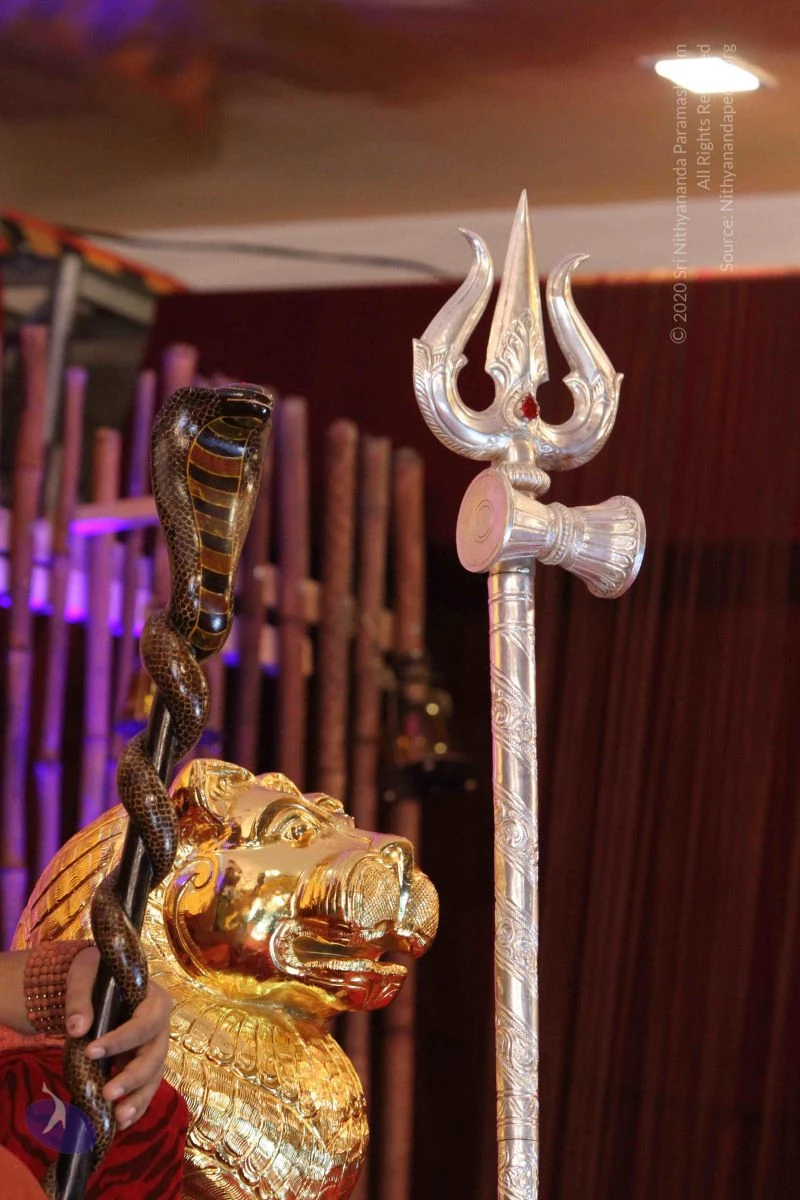
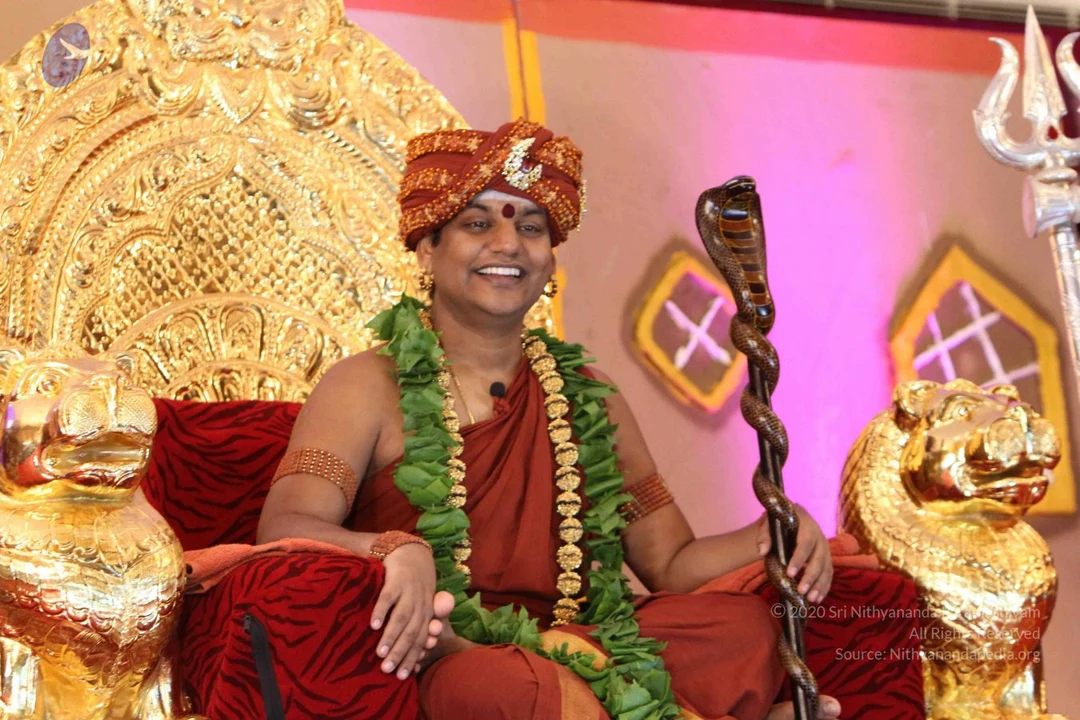
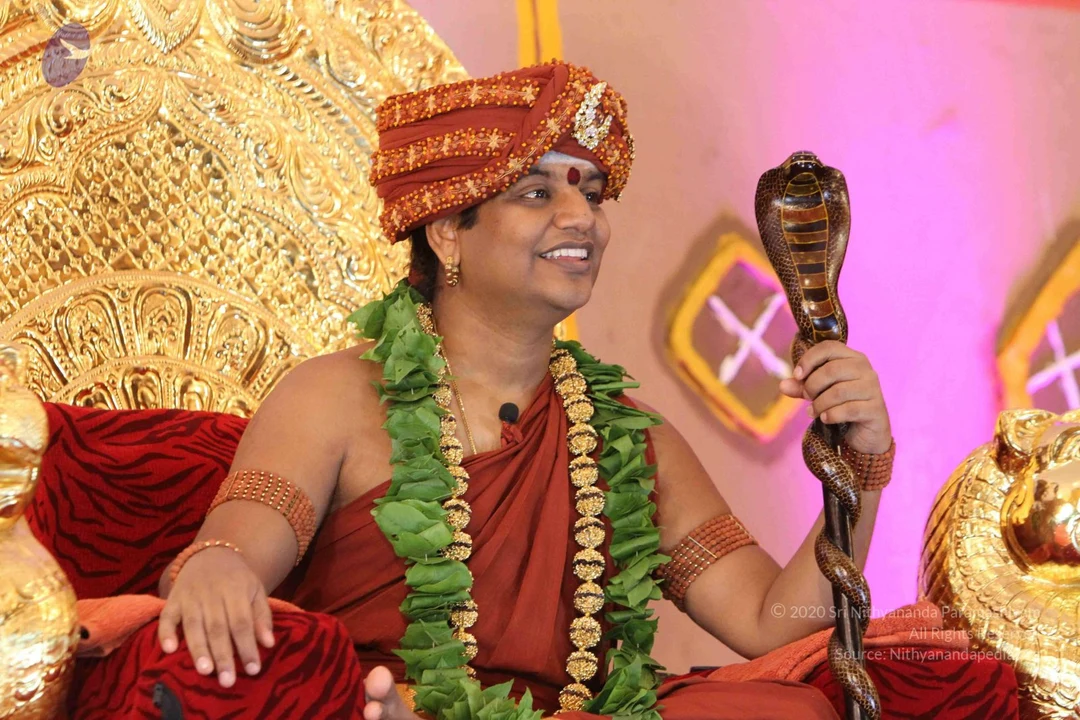
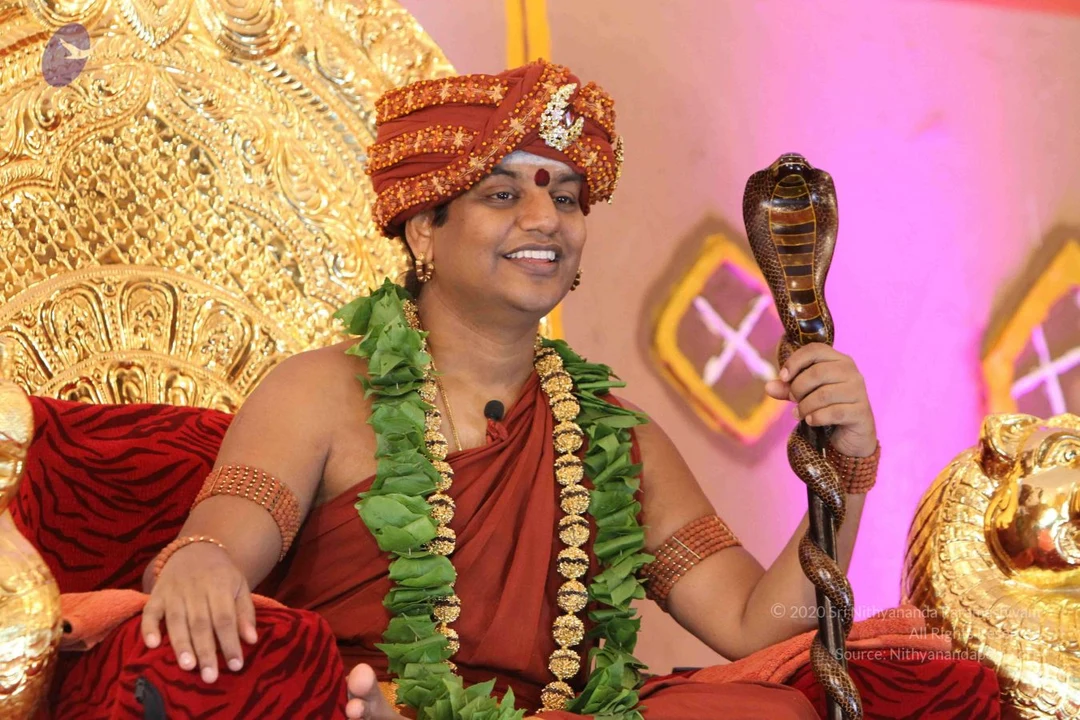
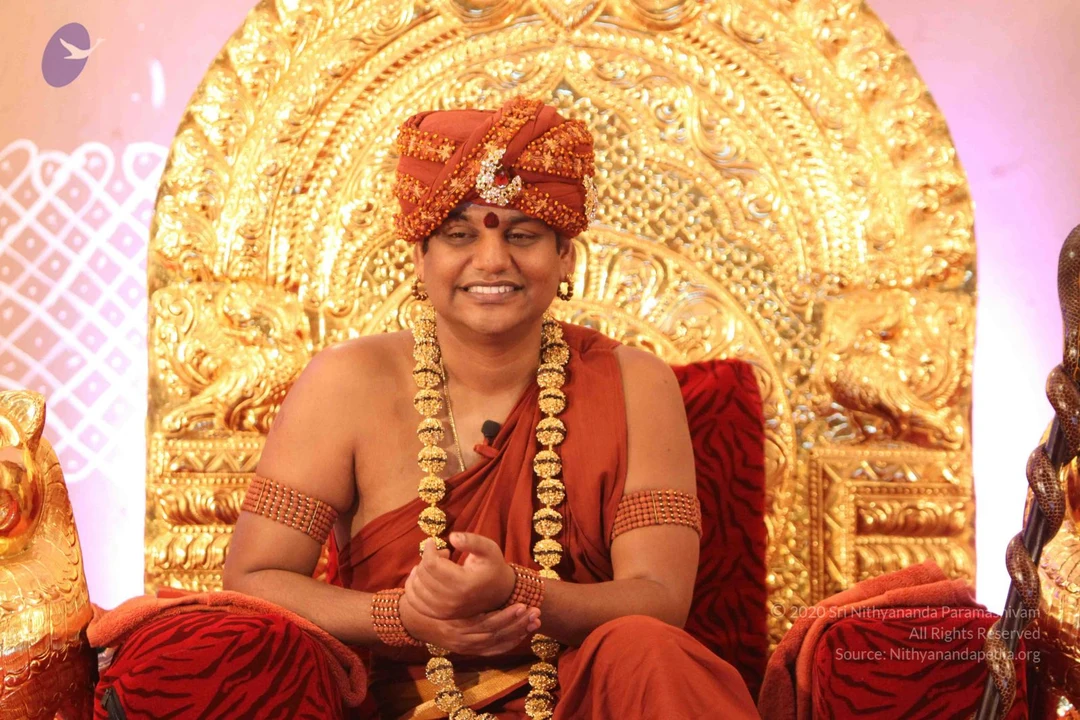
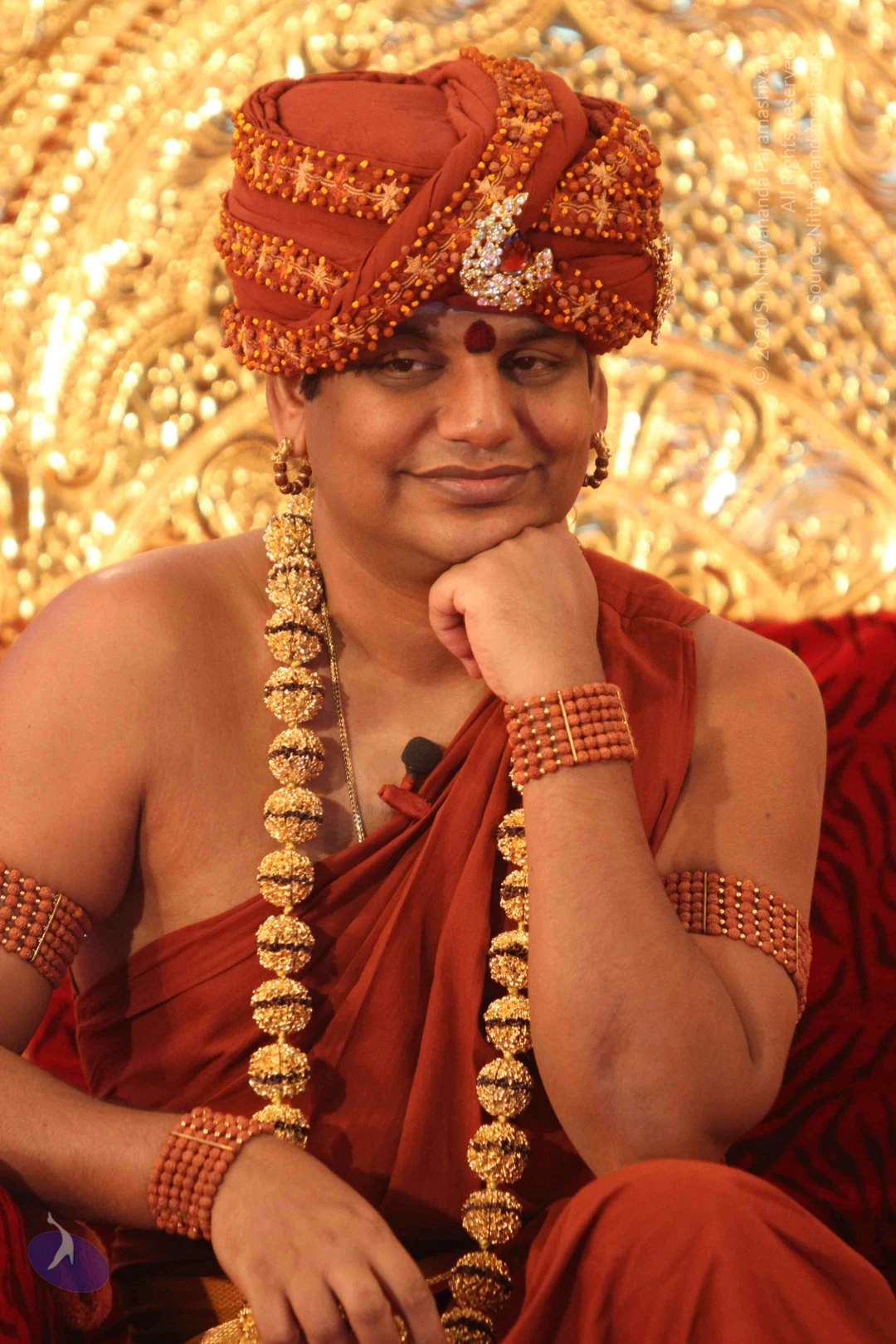
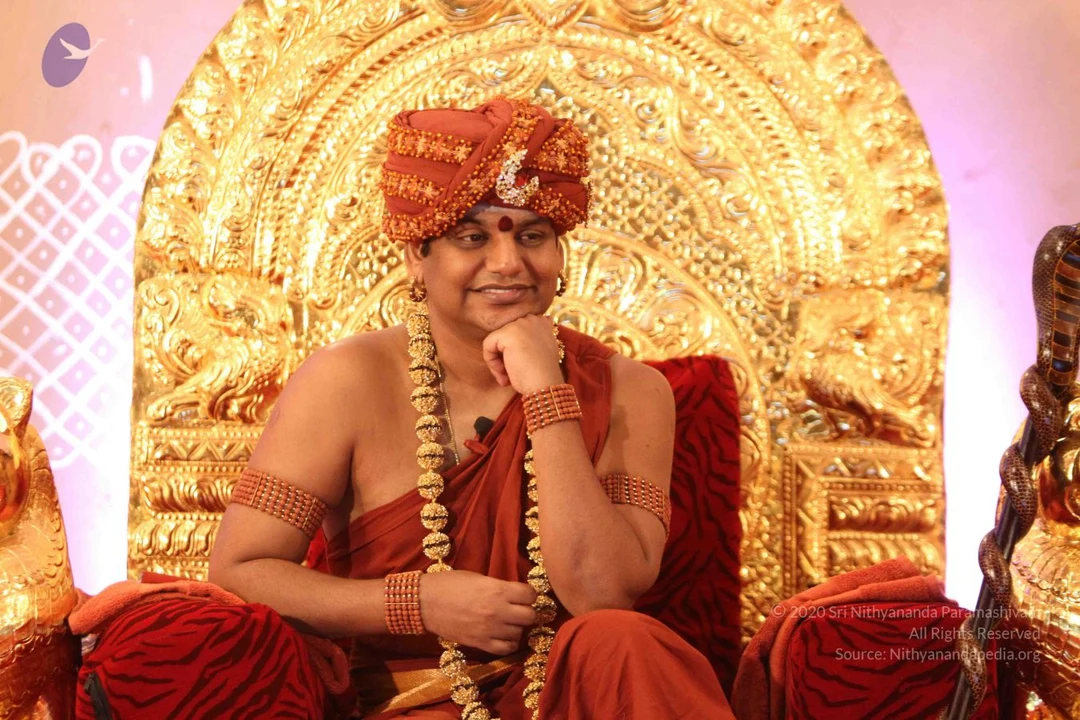
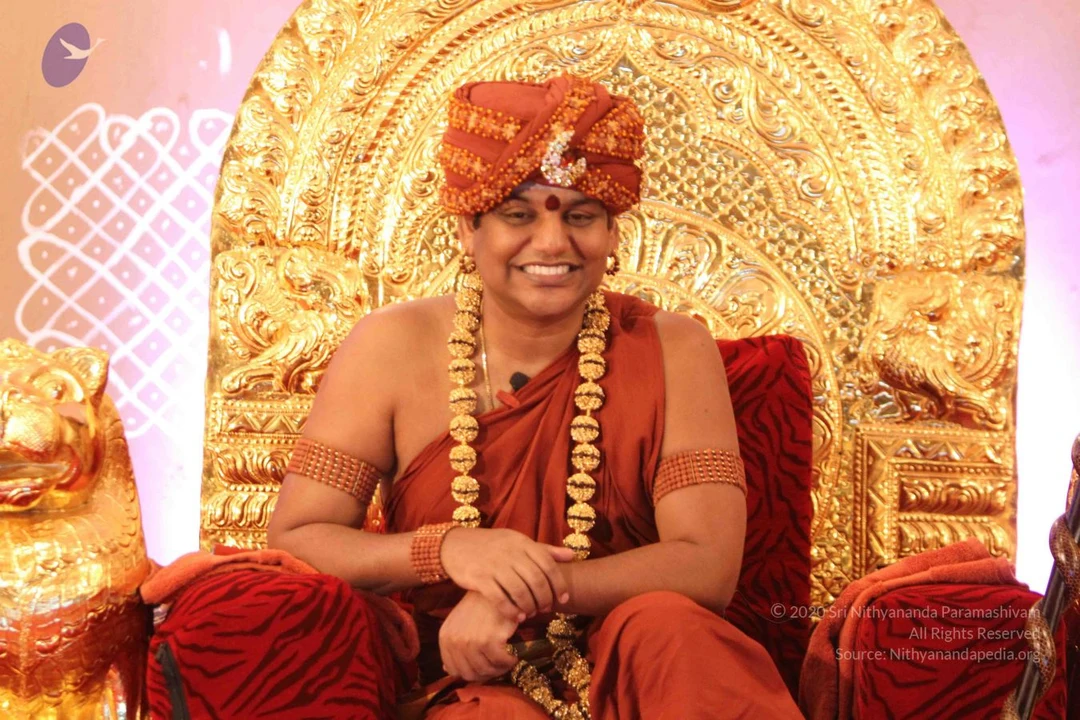
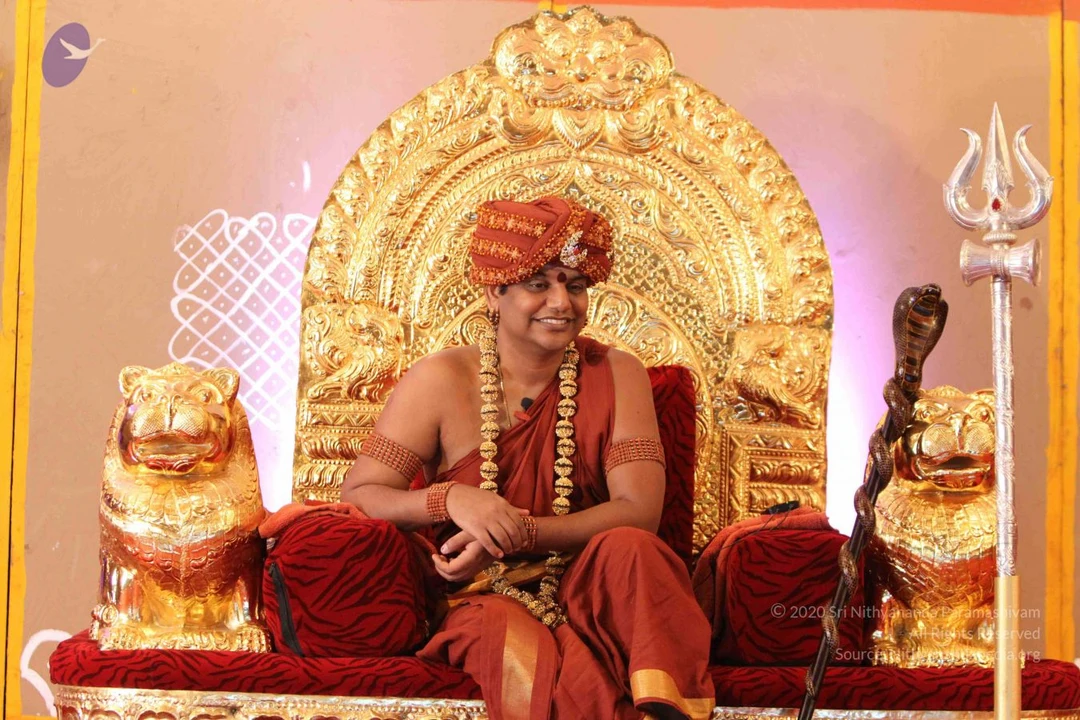
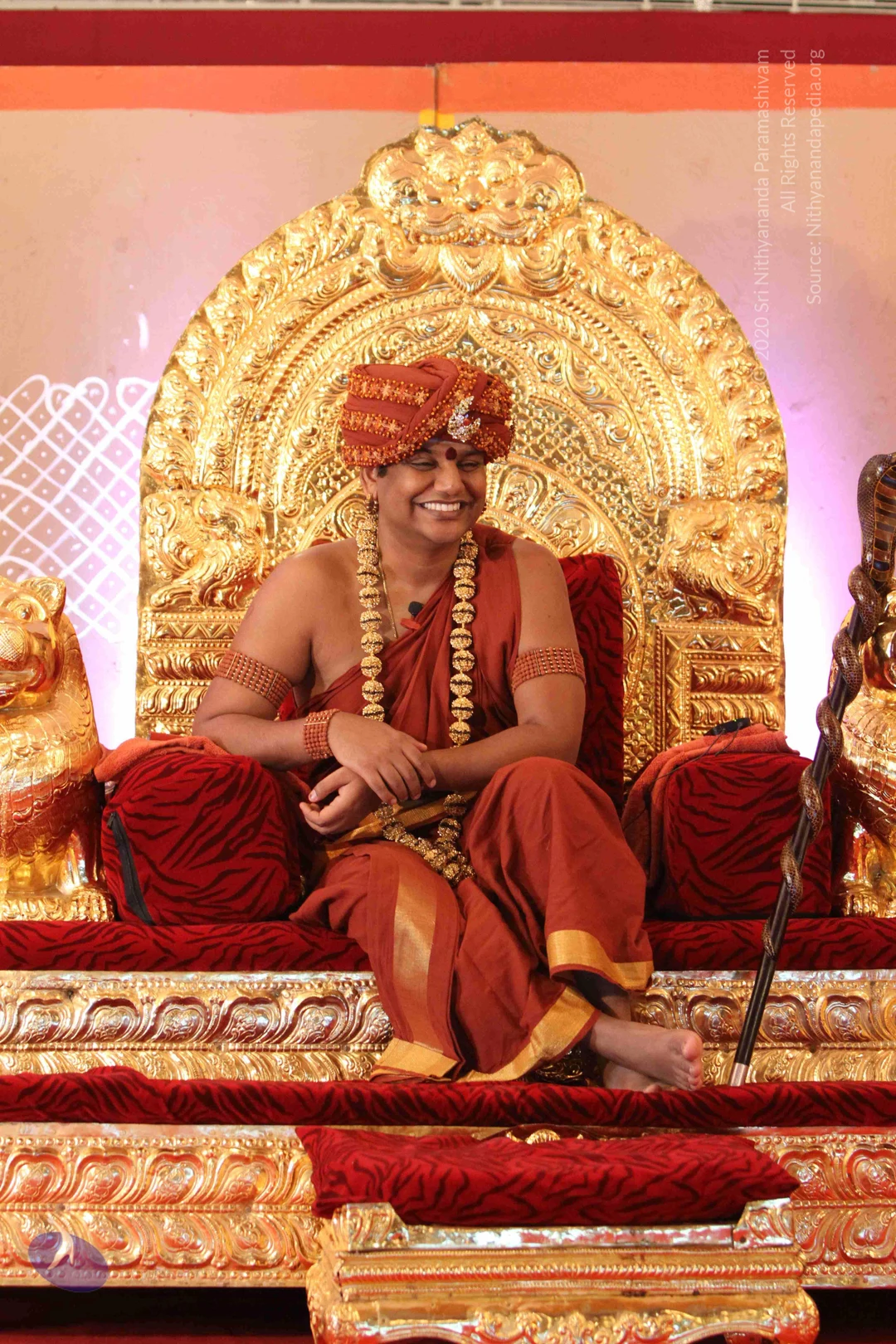
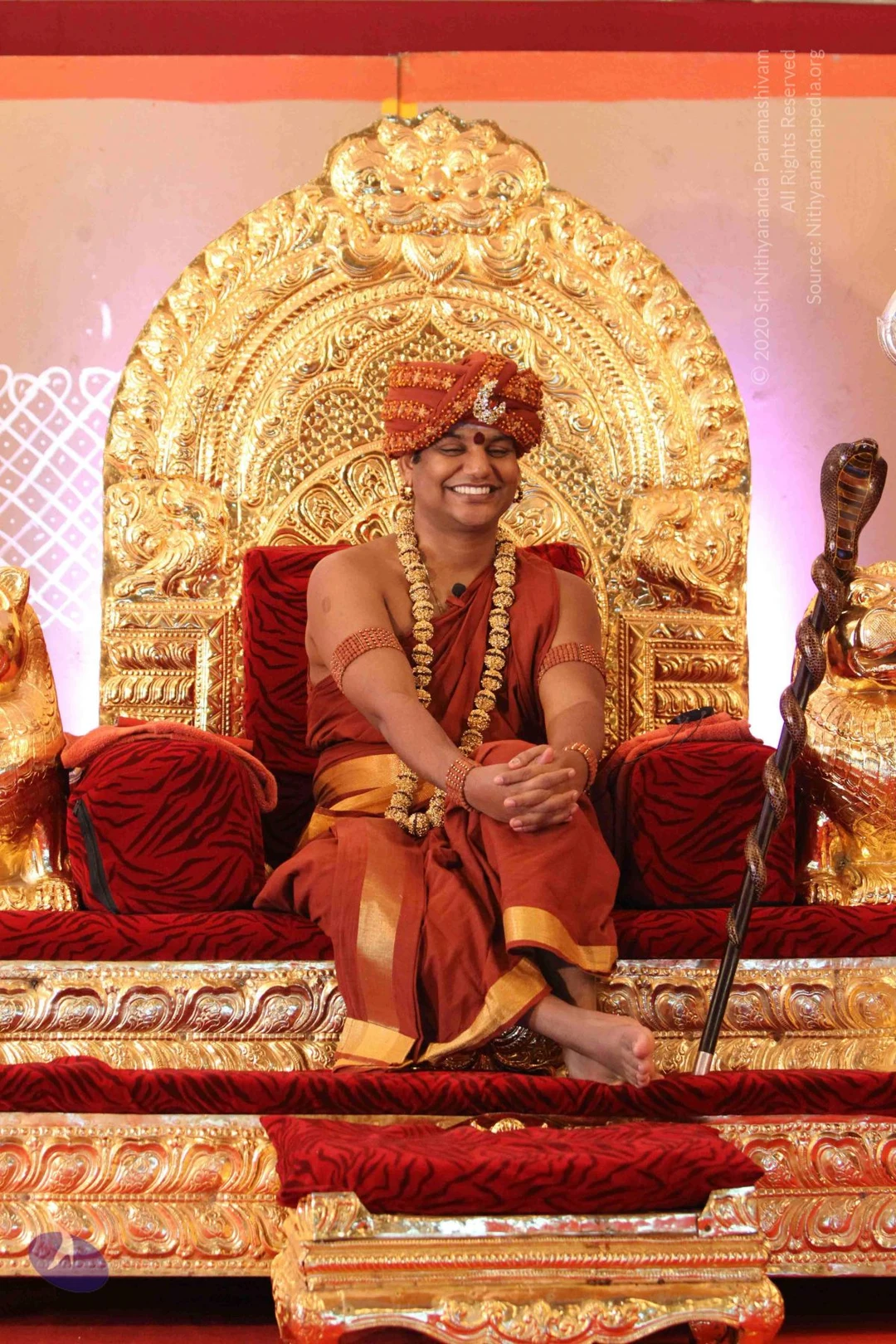
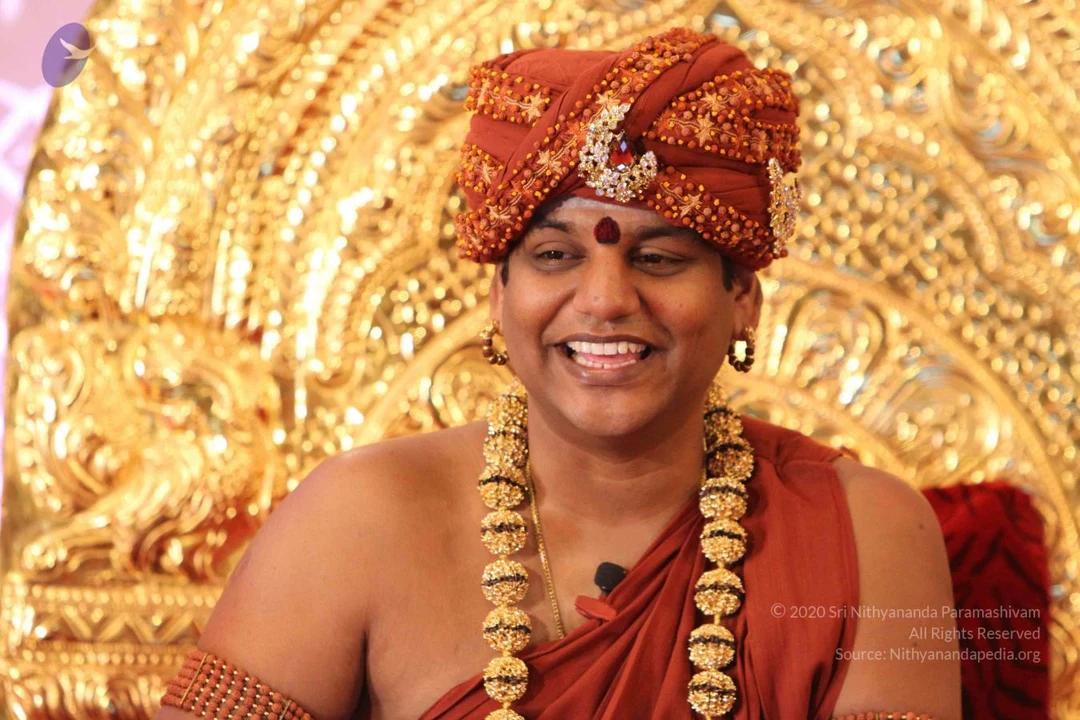
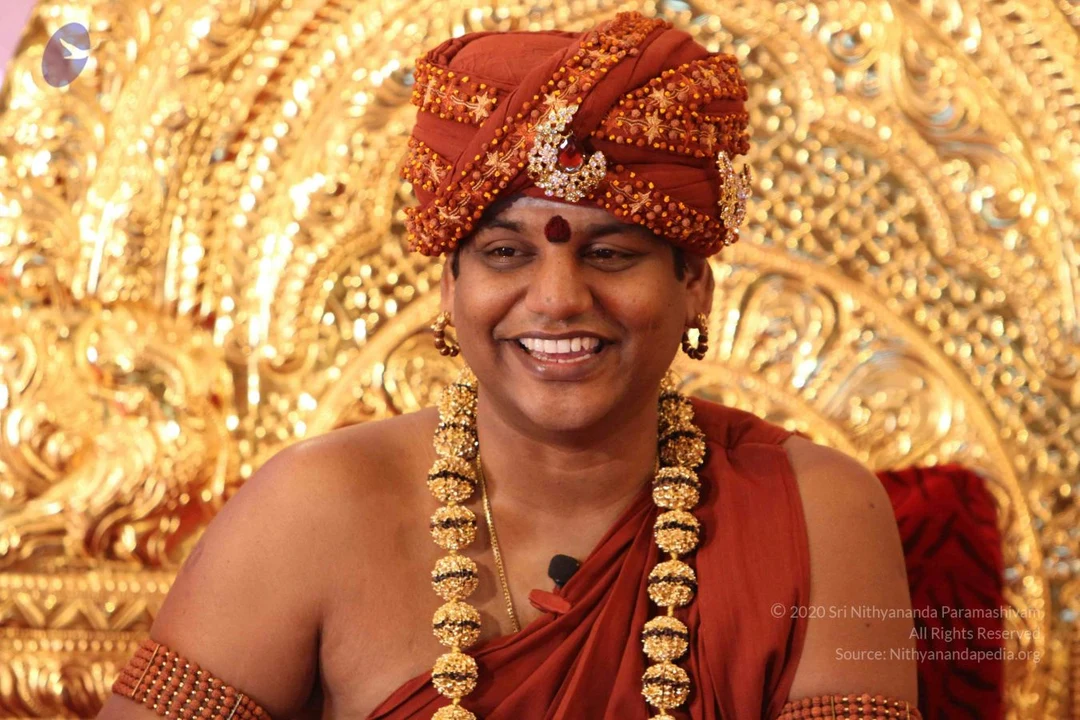
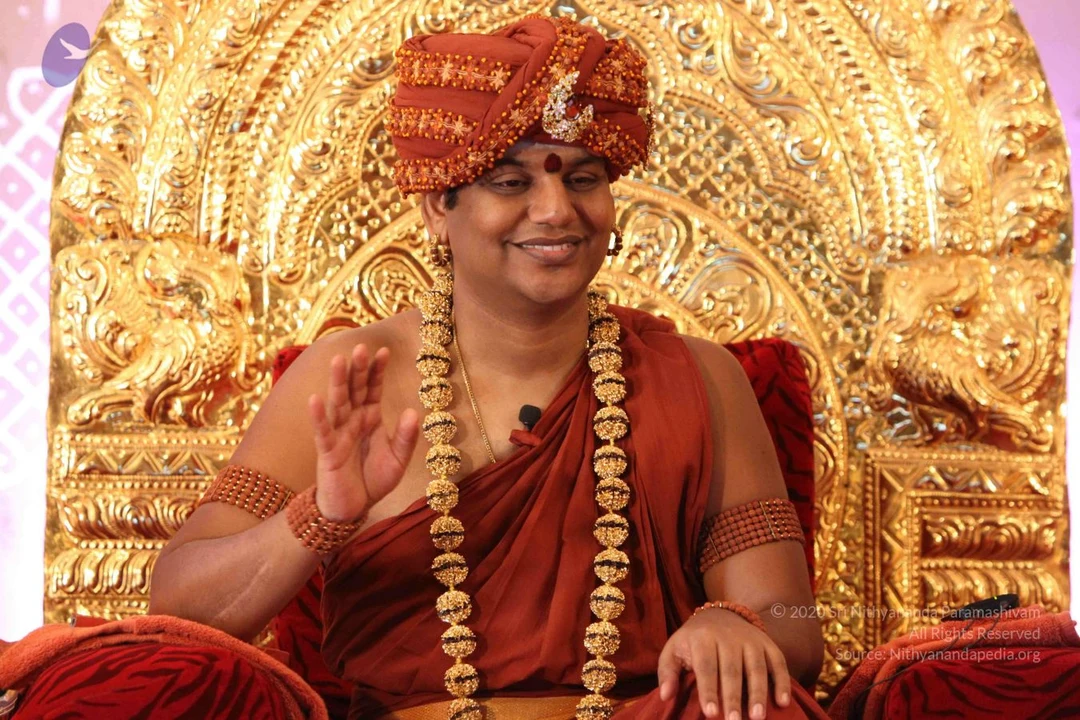
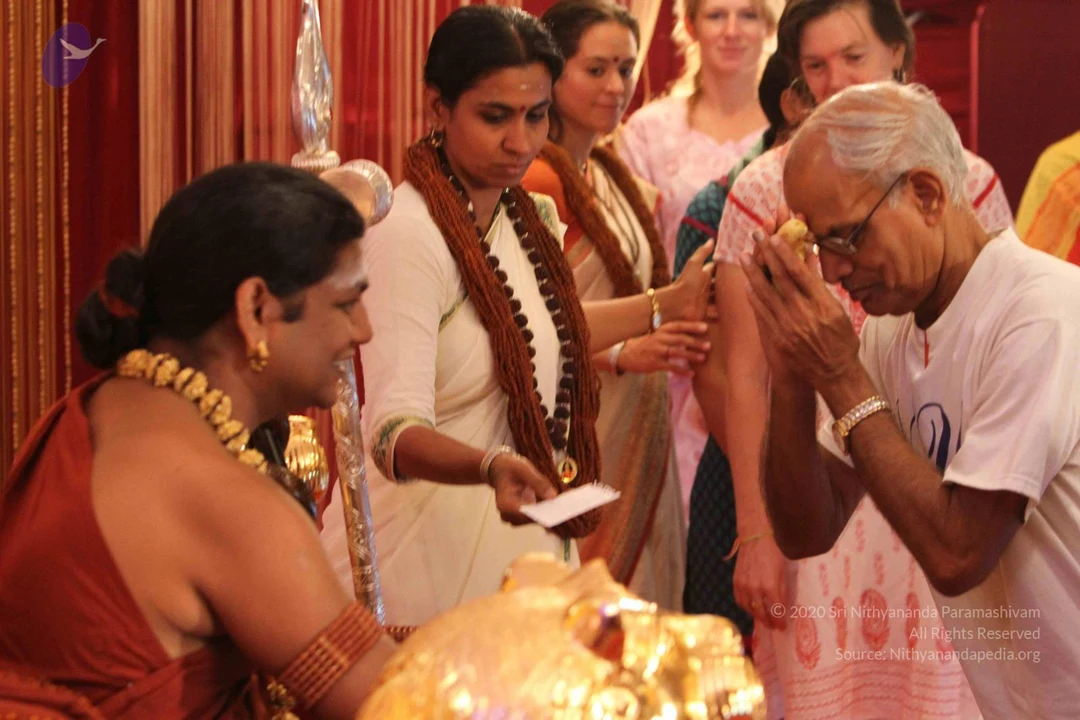
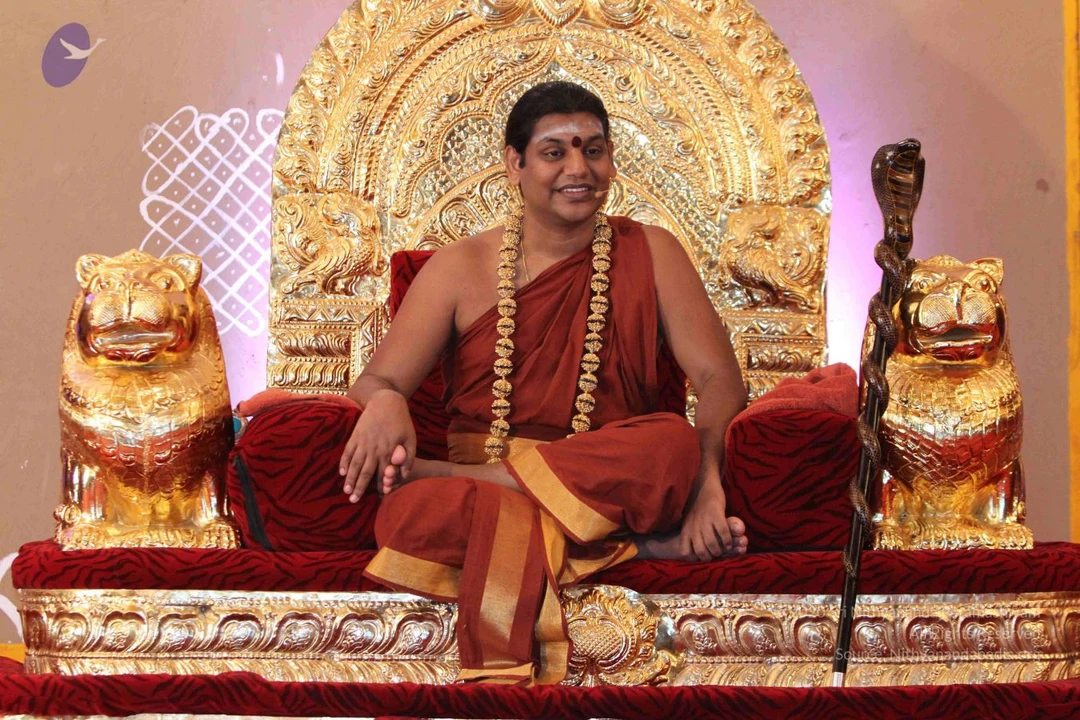
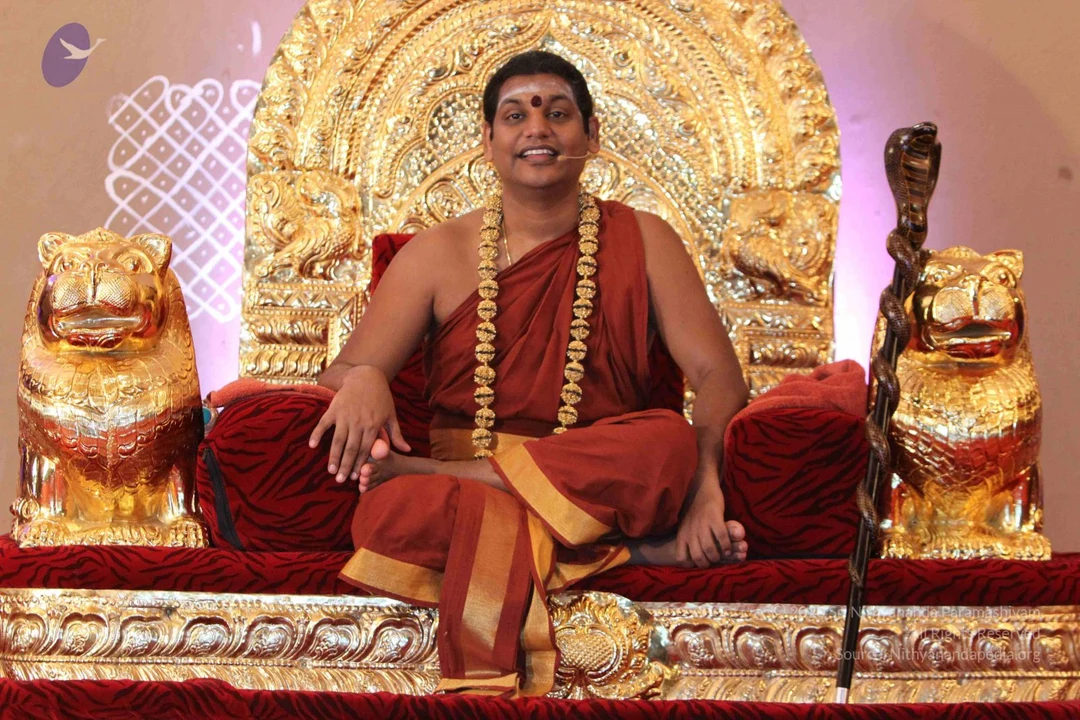
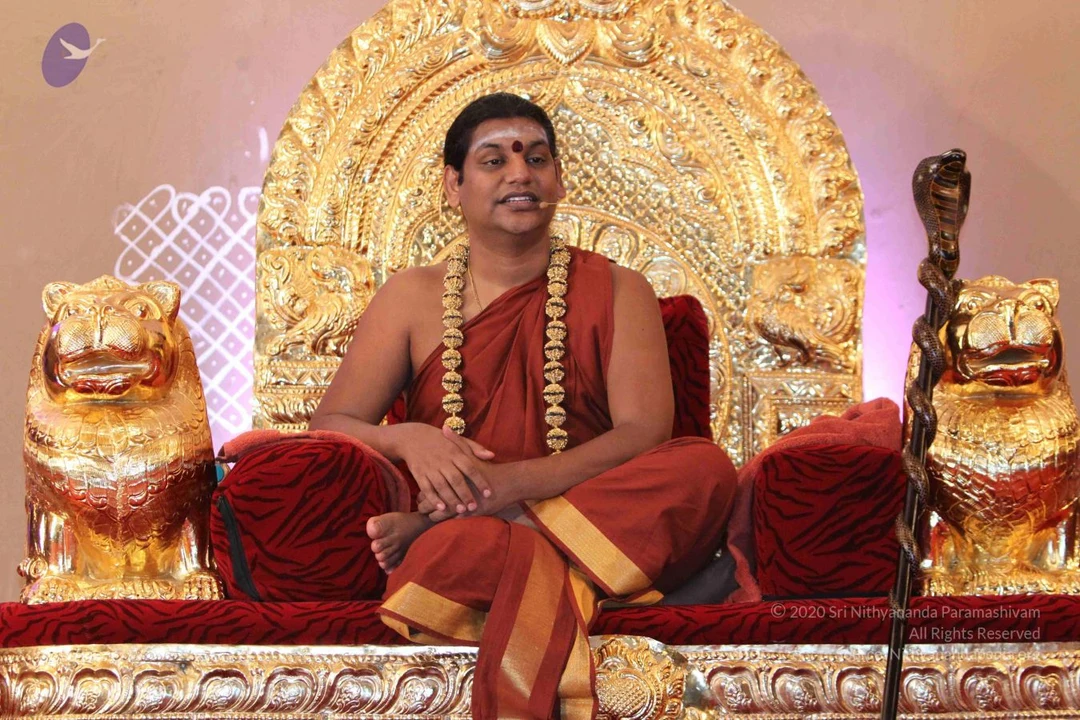
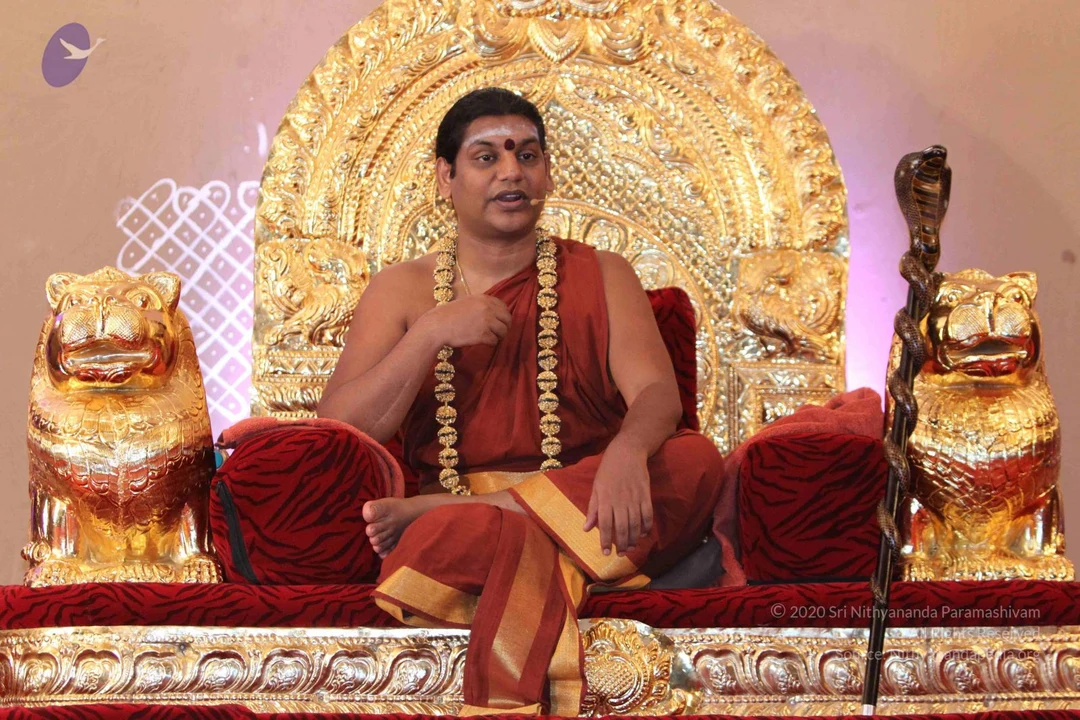
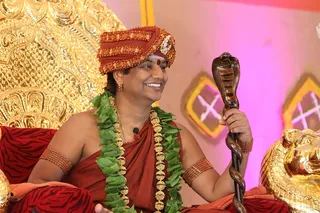
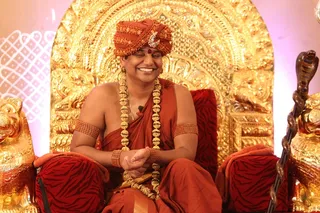
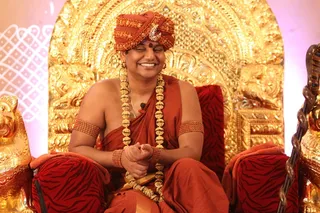
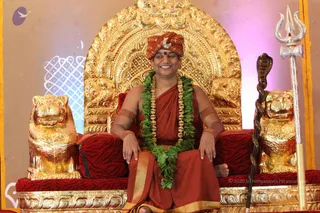
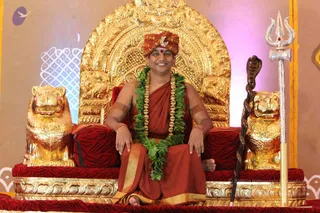
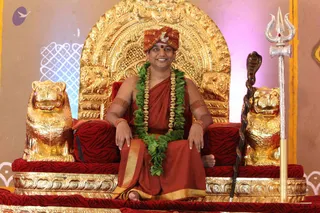
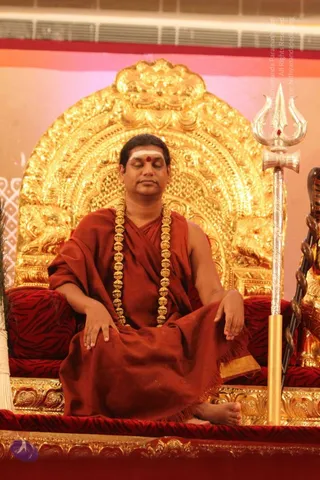
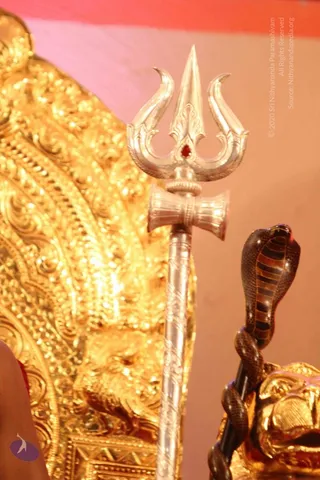
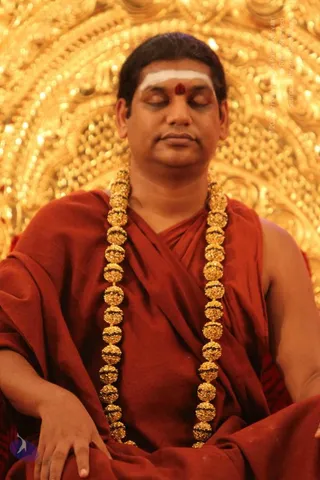
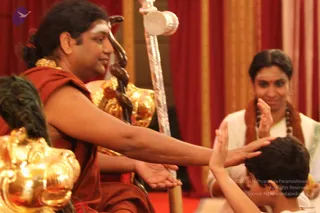
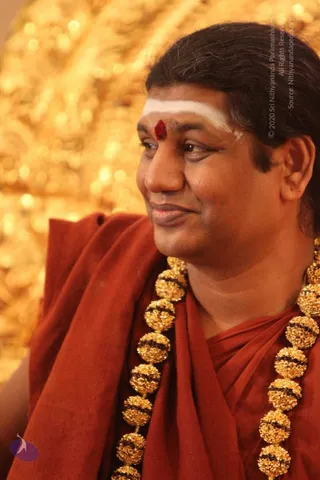
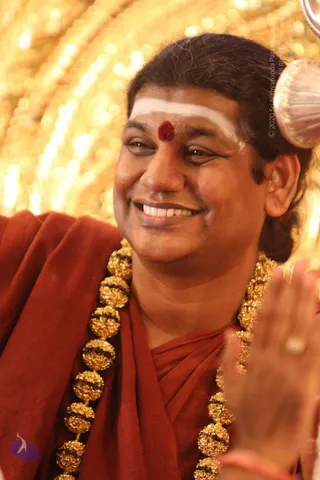
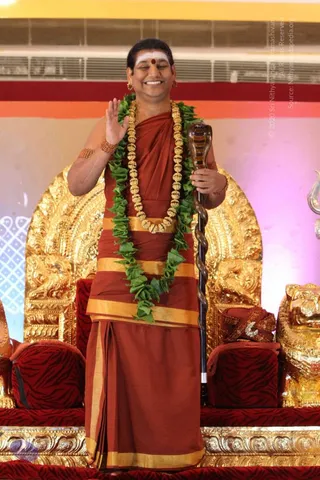
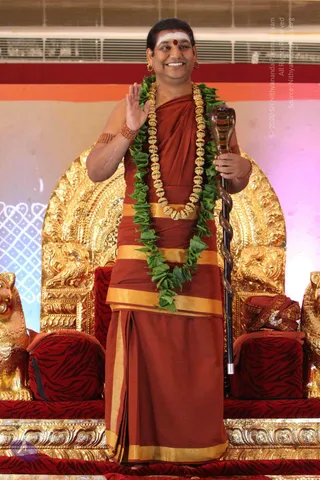
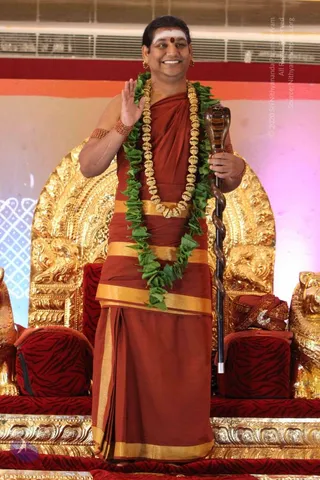
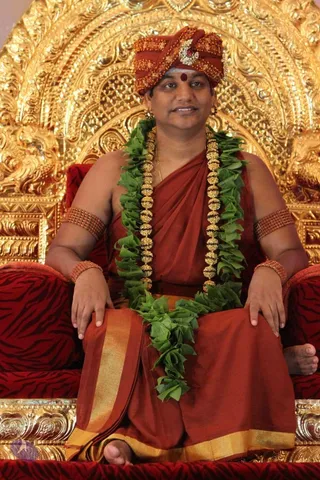
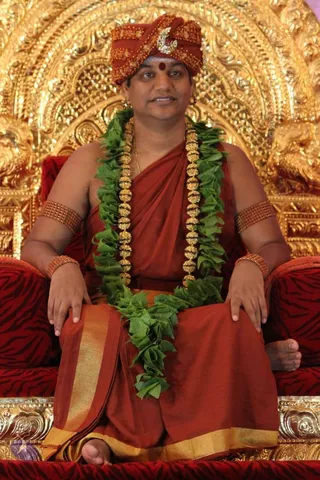
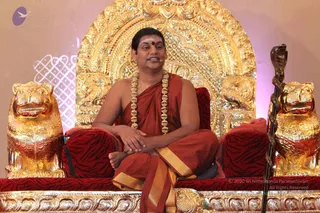
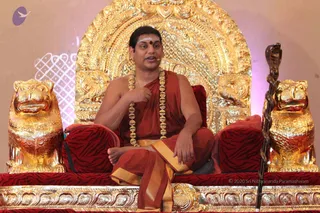
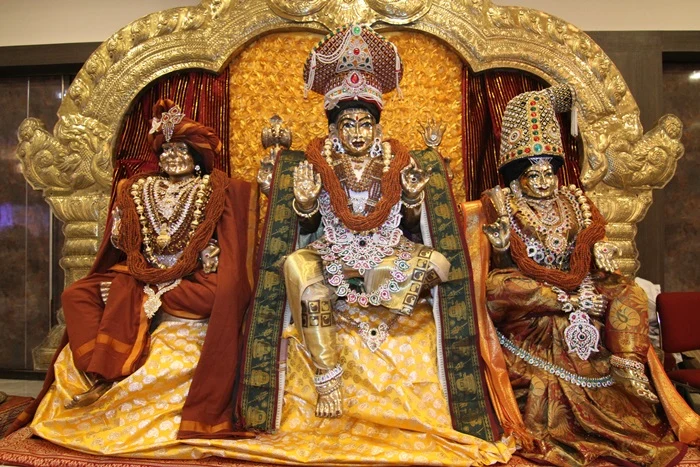
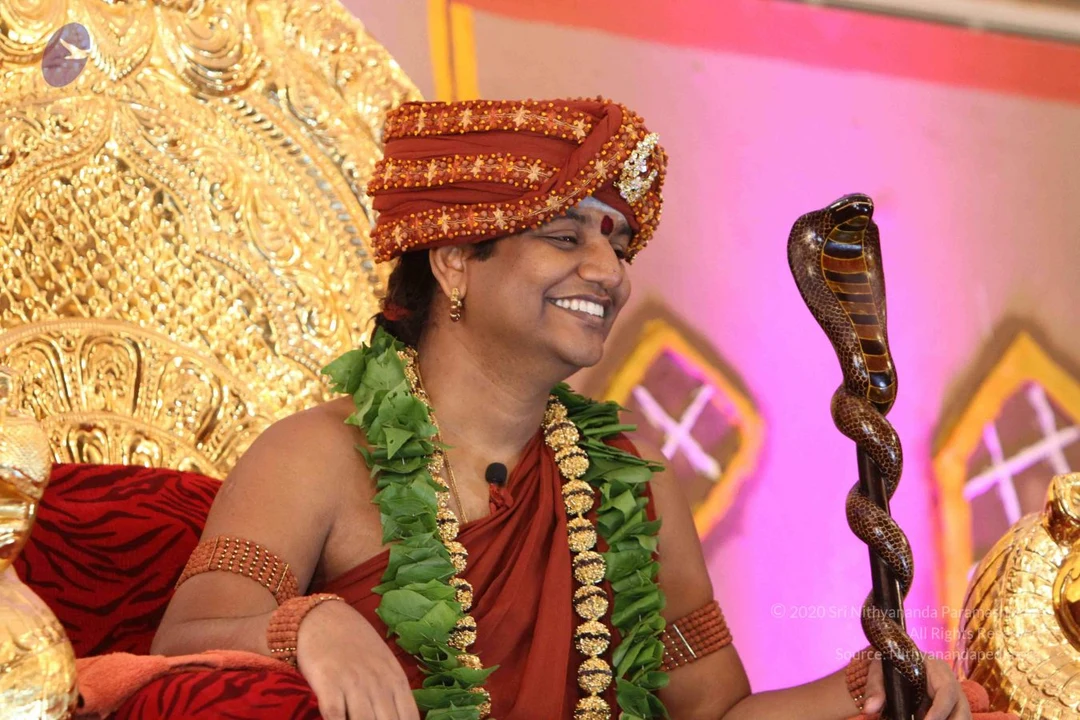
A seated man in a rust-red turban decorated with beads and a pale ornament, wearing a rust-red dhoti with a gold-bordered hem and a rust-red shawl draped over the shoulder. He wears a long green leaf garland strung with gold beads, red coral-style armbands and bracelets, and a red tilak on the forehead. He sits on an ornate red throne with a tiger-stripe upholstery in front of a gold-embossed backrest, smiling, with bare feet. a person: long-haired appearance is not visible here, but the turban, saffron-red robes, ceremonial gold beaded garland and throne fit the page's presentation of a senior teacher receiving honour.A seated figure on an ornate gold throne with carved lion-head armrests, upholstered in red with tiger-stripe fabric. He wears a red-orange turban with beaded trim and a red-orange saffron-toned robe, with a green leaf garland and long gold beaded necklaces. Gold bangles adorn his upper arms and wrists. He holds a black cobra-shaped staff topped with a silver trident at right, and smiles while gesturing with one hand. A small microphone is clipped to his robe. Behind him stand a pink-lit wall with yellow-framed diamond-shaped windows. Appearance-based label: Swamiji (probable), seated in a teaching role, identified by turban, saffron robe, gold necklaces and trident staff.A smiling man in a rust-orange turban decorated with small gold beads and a gold ornament at the front sits before an ornate gold backdrop. He wears a rust-orange shawl draped over bare shoulders, a red tilak on his forehead, a long gold chain and a heavy gold necklace of large bead-like rudraksha ornaments. A small clip-on microphone is attached to his shawl. The image is a close-up photograph. Swamiji (probable) appearance cues: distinctive orange turban, rudraksha-style gold necklace and saffron shawl, seated in a discourse setting.

July 20 2014

Original wiki page
Contents

Title:

Biggest Mistake of Hinduism

Description:

In today’s (20th July, 2014) morning satsang from Haridwar Paramahamsa Nithyananda spoke about completion with others, who are not really others but extensions of ourselves. He spoke of how it is common for a person to do 20 years or more of spiritual practice but not be on speaking terms with his family members. This is a blind spot about the humans in our life. Completion with the people around you is necessary to live in the space of perpetual completion that is Living Advaitha. Watch, Share and Subscribe to our channel to be notified of the next upload click http://www.youtube.com/subscription_center?add_user=lifeblissfoundation to subscribe.

Link to Video:

VideoAudio

Transcript:

Nithyanandeshwara Samaarambham Nithyanandeshwari Madhyamaam | Asmath Aachaarya Paryanthaam Vandhey Guru Paramparaam ||

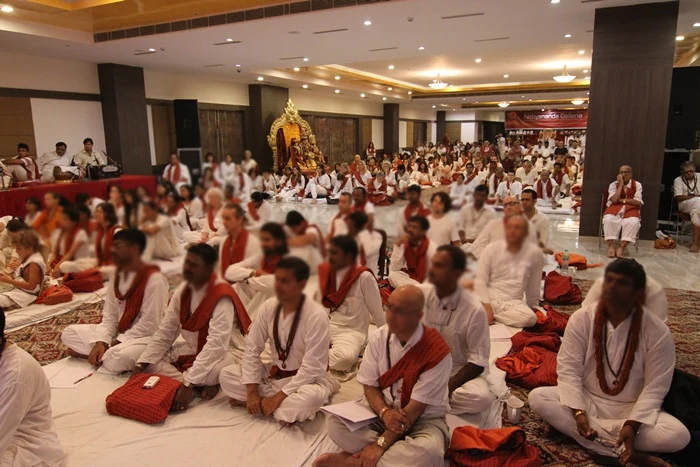
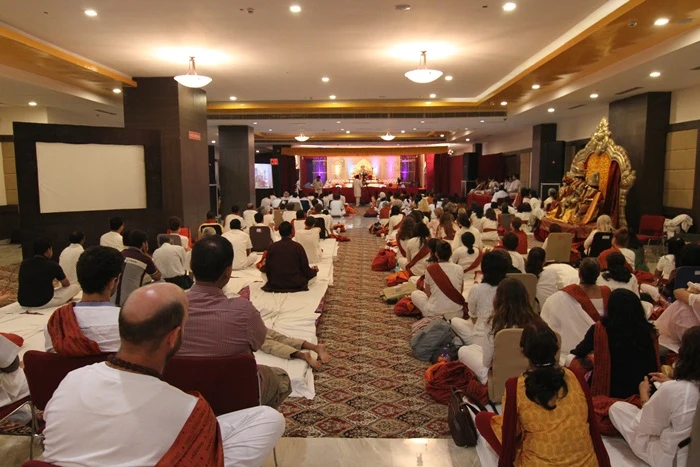
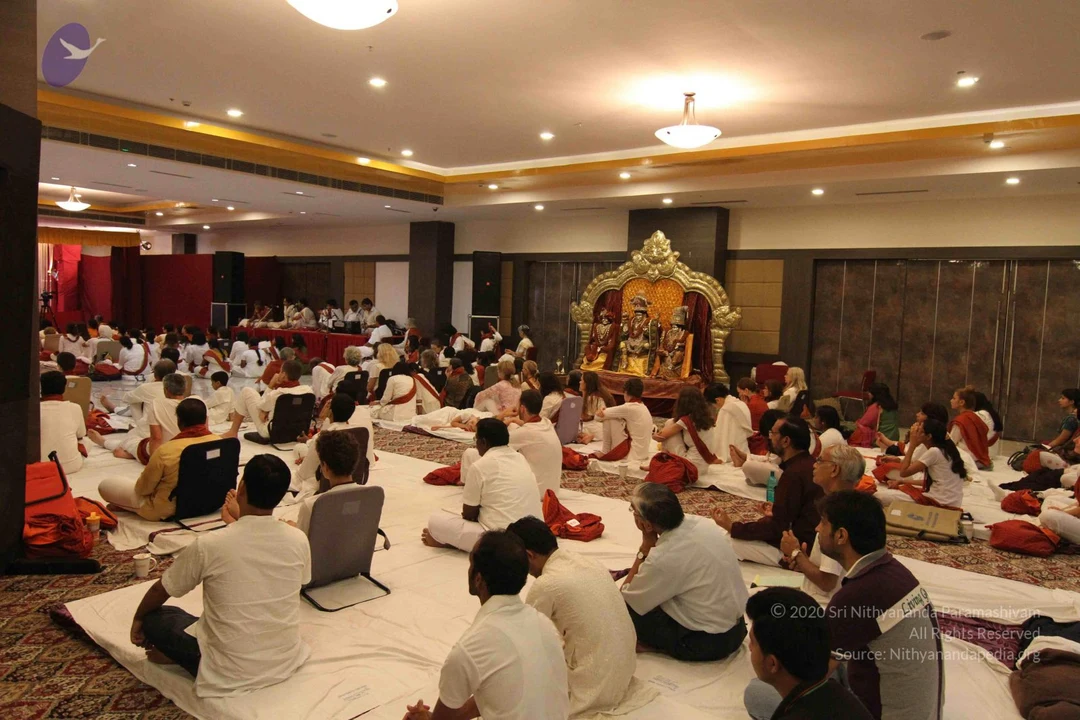
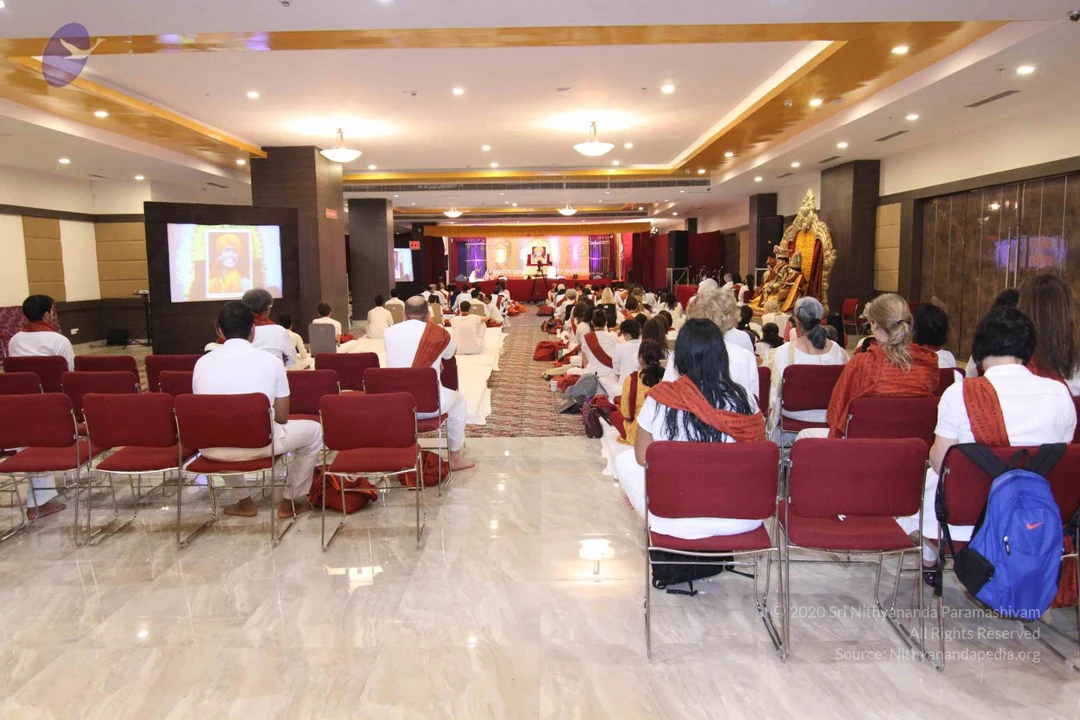
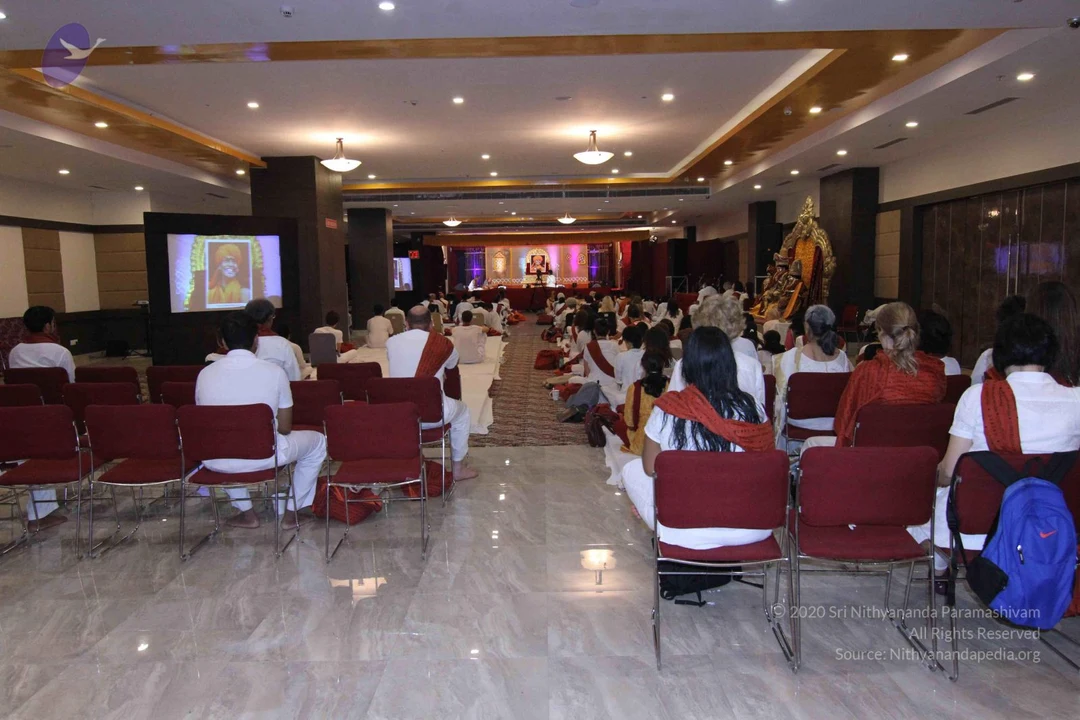
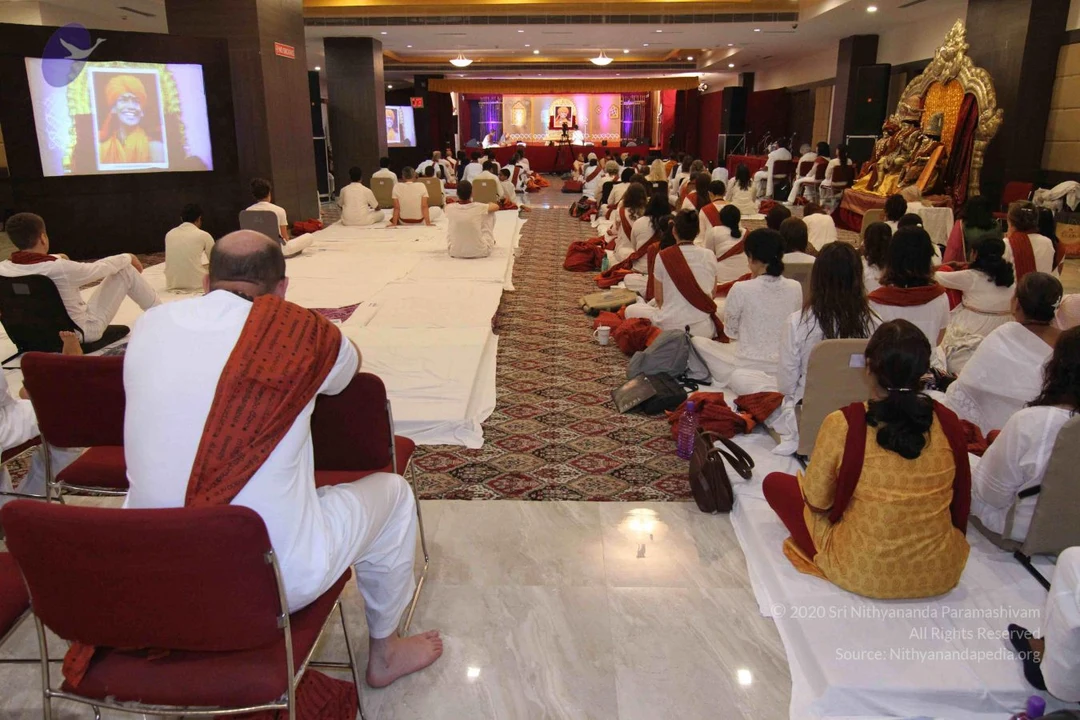
I welcome all the devotees, disciples, samajis, satsanghis, Shrimahants, Mahants, Thanedars, Kotharis, visitors, viewers, sitting with us all over the world through Nithyananda TV, Sadhna TV, and in Nithyananda Sabha in Haridwar, having Nayana Deeksha.

Cities sitting with us all over the world through two-way video-conferencing having Nayana Deeksha: Nithyananda University-Los Angeles, Vancouver-Bhubaneshwar, Phoenix-Kanchipuram, Kuala Lumpur-Palani, Toronto-Kailasam, Seattle-Chidambaram, Houston-Kalahasti, San Jose-Madurai, Washington DC-Sripuram, St. Louis-Tirumala, Singapore-Singapuram, Indrani-New Jersey, Nagercoil, London-Kashi, Jorpati-Nepal, Pooryananda-Germany, Melbourne-Tiruvarur, Philadelphia, Minot-North Dakota, Mumbai-Chembur, New York-Varanasi, San Diego-Tirualavai, Belgium Dhyanapeetam, New Jersey-Omkareshwar, Wellington-New Zealand, Tallahassee-Florida, Granada Hills-California, Port Washington-New York.

I welcome all of you with my love and respects.

I can see Chicago-Srirangam, Devon-UK, and Guadeloupe-Rameshwaram also. And Hebbal-Bangalore. Blessings to all of you!

Yes. Today in the Inner Awakening, sixth day, we will be working on COMPLETION WITH OTHERS, others who are really not “others”. Please understand, whoever you think as others are just extension of you. By the wrong definition you call them as “others”. Especially people directly who are involved in your life, whoever you meet every day, you can never call them “others” unless you are violent. Whoever you meet more than thrice a day is not “others”, please understand. Whoever you meet, when I say “you meet”, not just “seeing”, even if you remember somebody more than thrice a day, that person is no more “other”; he is part of you, very much part of you. He may be your watchman, or security, or old friend, or your guru, god; you may not be seeing them thrice a day. You may even see your god thrice a day, but you can’t see your watchman thrice a day! You may or may not see them thrice a day, even if you remember them, please understand, you can’t call them any more as “others”; they are very much part of you. Incompletion with them is incompletion with yourself. Incompletion with them is nothing but incompletion with yourself. This is one of the biggest blind spots for Advaithis.

Please listen. The Hindus this is one of the biggest blind spot. In every street in India, you will find at least two-three persons who are meditating, doing puja for last twenty-five years. So meditating twenty years, doing puja twenty years, doing some spiritual practice for twenty years and all is not a big thing in India; but if you look into their life they will not even be talking to their spouse, they will not even be on talking terms with their siblings, they will not even be on talking terms with their own kids. Understand, this is one of the biggest blind spot Hindus suffer. They think Advaitha, enlightenment, is like a relationship between you and God where you are individually having a contract with God; what you do to him, he does to you, it is only related to that; and you are like a water-tight compartmented being, island; and whatever you do will be kept in accounts, when you leave the body that God will send a special flight and just airlift you. No, it is one of the most unfortunate belief and blind spots with which we Hindus are suffering.

Please understand, I have seen some of the greatest dharmic people who really, really, are sitting and doing meditation, japa, puja, spiritual practices for years; but just their own spouse, daughter, son, kid, they can’t handle because neither they thought nor they have been told that others are nothing but extension of you, part of you. We never put our energy in that direction. That is one of the biggest blind spot. This is also one of the biggest blind spot missing in our spirituo-socio fabric. Even though we are such a strong religious society, community, the spirituo-socio fabric of Completion amongst us is missing. That is why the Dharma, the Vedic tradition has to face so much of difficulties, so much of suffering. Completion amongst us is one of the important spiritual quality need to be practiced and enriched. Please understand, Completion amongst us.

You will never find these funny things anywhere else in the world. Same village, same temple, morning one group will go and do puja in a different way; in the evening another group will go and do puja in a different way. Both timing cannot clash. If somebody goes early there will be riots and murders and bloodshed in the same temple. Morning, one team will go and decorate the deity with the green saree, evening other one team will go and decorate the same deity with red saree. Green saree team, if they get little delayed red saree team will straight kill them! Red saree team goes little early into the temple, green saree team will straight kill them! Many of the Indian villages suffer this kind of ignorance just because we have not understood this one important factor, we have not told the world, we have not told others, we have not enriched ourselves and others the very important truth: OTHERS ARE NOTHING BUT OUR OWN EXTENSION!

Our parents, our kids, our spouse, our brothers, our siblings, our sisters, everyone is extension of the patterns we carry, understand? If you think, ‘Why should I?’ They will also be thinking, ‘Why should I?’ If you think, ‘Why not me?’ They will also think, ‘Why not me?’ It’s one of the biggest blind spots. And one more thing it is very unfortunate we emphasize so much about this “other world”. Even in Mahabharata, end of the war, both sides’ people know each other, know they will achieve the heaven and there all of them will live happily. Then why don’t you guys settle that before and live here happily? Karna knows if he is killed in the war, he will achieve the Veera Swarga; means the heaven. And he knows the opposite side’s Arjuna also will be there in the same Veera Swarga, and they are going to live peacefully. And Duryodhana knows he is going to live with Dharmaraja, Yudhishtira, in Veera Swarga. Shakuni knows he is going to live with Nakula and Sahadeva in Veera Swarga. Virata knows he is going to live with Drona in Veera Swarga. Bhishma knows he is going to live with everyone in the Veera Swarga. Dhritarashtra knows he is going to be with Pandu in Veera Swarga. They all know it. It was not a belief; they KNOW it! Because, for others only Swarga is a belief; but for them it is a knowledge, it is an experience.

It is so unfortunate we are ready to live together only if there is no other option. We are ready to live together only if there is no other option. Why can’t we consider Completion with others as the first option? Why should we be pushed that Completion with others as the compulsory in life? I can say it is one of the major blind spot. In course of time, due to so much of emphasis on enlightenment and moksha, nirvana, we forgot to look around us and how we are relating with the people around us.

You need to know, Vedanta has only three terminologies: Jeeva, Eshwara, Jagat. Jeeva means the Soul, you. Eshwara means God, the Whole. Jagat means the Nature, Cosmos. They completely missed the component of humanity, society. Only few scriptures added Humanity and Society into Jagat, the World. But most of the scriptures don’t even mention human society, human civilization, humanity as the component of the Cosmos, understand. For you to achieve Completion and enlightenment, the knowledge about these three is enough: Jeeva the individual Self; Eshwara, God; and Jagat, Universe. The amount of knowledge we had about the aliens – Gandharva, Yaksha, Rakshasa, Kinnara, Kimpurusha – we did not give that much of time and energy and intelligence and scriptures to complete with our neighbours! Go to any Indian village, you will find at least a hundred people who will has the mantra to talk to some Lakshmi, some Kali, some Kula Daiva, some Mari Amma; but they will not have mantra to talk to their neighbour! No, really! This guy will be going and sitting in the smashaana whole day and night, chanting some mantra to talk to some Kali, some Kaalabhairava, Karuppuswami. I am not saying trying to talk to them is wrong; but I am saying even if you talk to them finally they will advise you, ‘Please bring Completion between you and others.’

Somehow it became a gig blind spot - I don’t think originally this blind spot existed because our Masters are so powerful, enlightened and brilliant; they did not leave this blind spot. In course of time, priorities and interpretations changed such a way that it became just Jeeva, Eshwara, Jagat; never the society around us was considered. Your relationship with yourself, God and Universe, if these three is complete, that is enough for you to live in the Perpetual Completion and Complete Completion. So in the blind spot the humanity around us was left.

Understand today we are going to work on that blind spot and complete. The humanity around you, the society around you decides your Completion with yourself, your Completion with others, your Completion with God, your Completion with Universe. How much ever you may pay, attend twenty-one day meditation workshop, raise yourself to a different Samadhi, one phone call from your spouse is enough to ground you to the underground reality, not even ground reality! She or he is almost ten times more powerful than me. Here I have to work almost ten hours to bring you to the space of Completion and almost Samadhi; you are there just one push, Energy Darshan, you will be in Samadhi! Unfortunately, before Energy Darshan, the tea break, you got one call. The whole thing I have done from morning to evening, ten hours, is over in ten minutes! For some people, ten minutes is too much time! ‘Ahhhh’. Over! ‘Ahhhh’, is enough! ‘What do you mean sitting with your Swami leaving all this here, letting me pay the bills?’ That’s it! You are not even in ground reality; “underground” reality! You are almost buried.

Understand, unfortunately we have not taken the society around us into consideration to live in the space of Perpetual Completion and Living Advaitha. I think this is going to be one of my unique contribution to live Advaitha. Because in these three – Individual Self and Universe and God – nothing has changed from the time of Adi Shankara to me, now, nothing has changed from the time of Kapila and me now. But the human society around us is completely different from the time of Kapila and now, from the time of Shankara and now. At that time Completion with the people with whom you are living may not be that important due to various reasons and lifestyle. But now due to the lifestyle changes and various reasons that becomes a very important component. That is why I am adding one more component in the three. Instead of just Jeeva , Eshwara , Jagat, - Self, God, Universe - AND Human Society, human-beings around you. You need to be in the space of Completion with all the four. You need to bring Completion with all the four. You need to have a clear knowledge about all the four. You need to remember about all the four. You cannot leave any one as a blind spot in all these four. Clear? You can’t leave anything as a blind spot. You can’t leave Eshwara as a blind spot like atheists, stupid atheists have done.

If you want to put somebody in depression and take revenge, somehow make him an atheist. Give him some stupid atheist books which looks very logical, which suits the rational, radical thinking. I don’t call this rational, radical thinking at all; rational riotical thinking! It’s a new word! Means thinking with so much of violence and discarding anything and everything without having the sensitivity or the intelligence or the patience to listen. See before listening, the moment you see a flyer, ‘Baah! What is there? Kalpataru. Who knows what it is! Throw it away!’ For that you don’t need intelligence. If you are a stupid donkey that’s enough! Only to look into and see, ‘How it can be useful to me, how it can be useful to my family and others?’ Only for that you need intelligence. ‘Come on let me try one day let me wake up early morning and go and see. These guys have put big, big hoardings There must be something lets go once and see.’ And listening and trying once the Kalpataru meditation. For this only you need intelligence.

Just discarding Eshwara, having a blind spot about Eshwara, is not going to solve. And same way, having a blind spot about Jagat is not going to solve. Having a blind spot about Jeeva, Individual Self, is not going to solve. Having a blind spot about the people with whom we are living is not going to solve. It’s not going to bring your life into the space of Completion. The Complete, Completion happens only when you are complete with the people with whom you are living.

I have a story about angry wife on the phone:

Angry wife to her husband on the phone: ‘Where the hell are you?’

Husband: ‘Darling, you remember that jewellery shop where you saw a diamond necklace and totally fell in love with it? But I did not have enough money at that time, and I said, “Maybe, it will be yours one day!”?’

Wife immediately with a smile and blushing: ‘Yeah, yeah, yeah, I remember that my love!’

Husband: ‘I am in the pub just next to that shop.’

Understand, Completion with others is one of the important component need to be added to what Kapila and Shankar taught, to live Advaitha. In their time, Completion with others was not that important priority because of the society’s situation. But now it is very important priority because of society’s situation.

So today we will work on the important component – Completion with Others. Even if you have attended Inner Awakening, I request all of you sincerely, wherever you have incompletion with people whom you are living, whenever you have incompletion, take responsibility for it; don’t allow that tumour to exist; complete, complete, complete. Complete! Bring Completion to it.

I bless you all. Let you all radiate with Integrity, Authenticity, Responsibility, Enriching and Causing eternal bliss, Nithyananda. Thank you.

Photos From The Day:
Tags:

Swami Nithyananda,Nithyananda,Paramahamsa Nithyananda,LifeBlissFoundation, Spirituality,Transformation,Enlightenment,Haridwar,completion with others,extensions of ourselves,spiritual practice,blind spot,humans necessary,space of perpetual completion,Living Advaitha

Photos Of The Day:

Darshan

Morning-Satsang

IA

Photos Of The Day:

Darshan

Morning-Satsang

IA

Photos from this day

View all 198 photos

Photos From The Day:
12 photosSource gallery
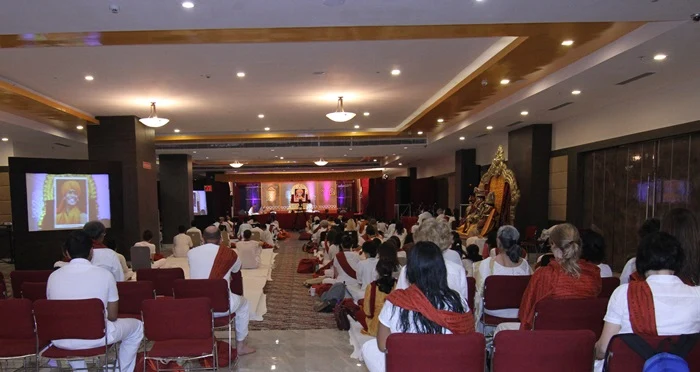
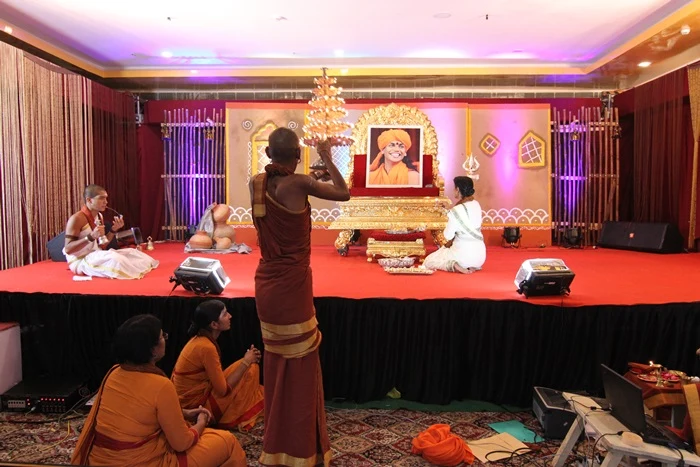
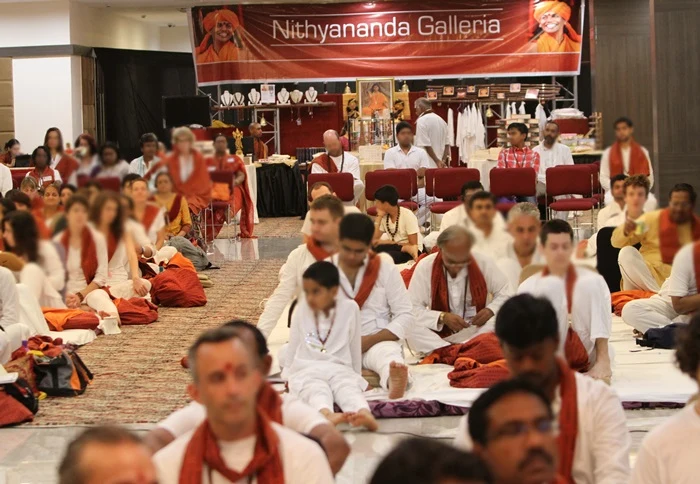
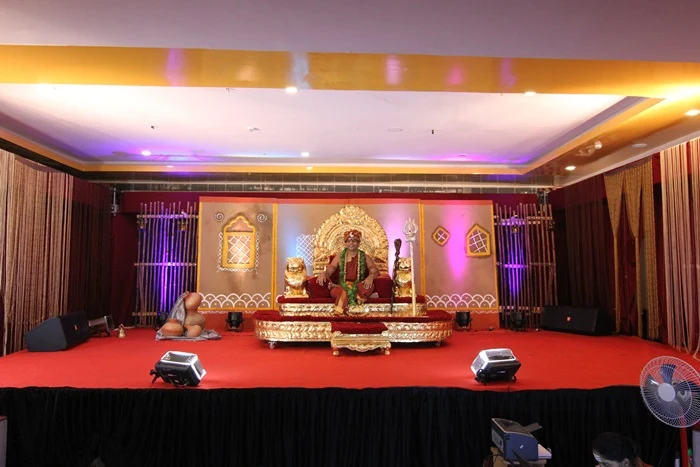
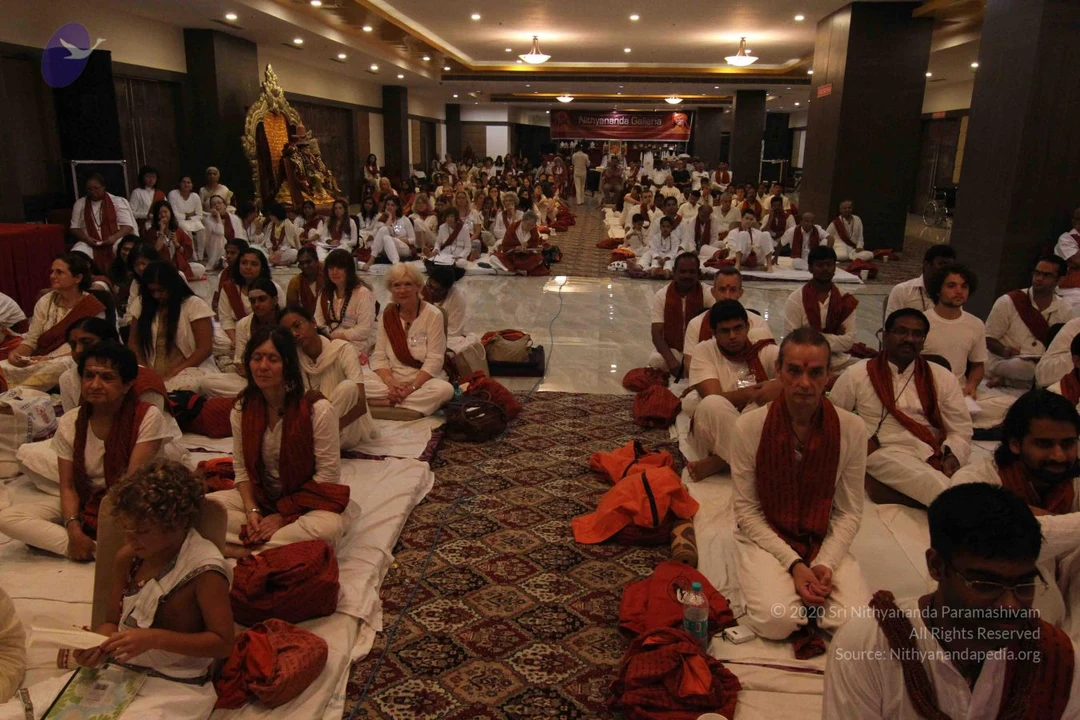
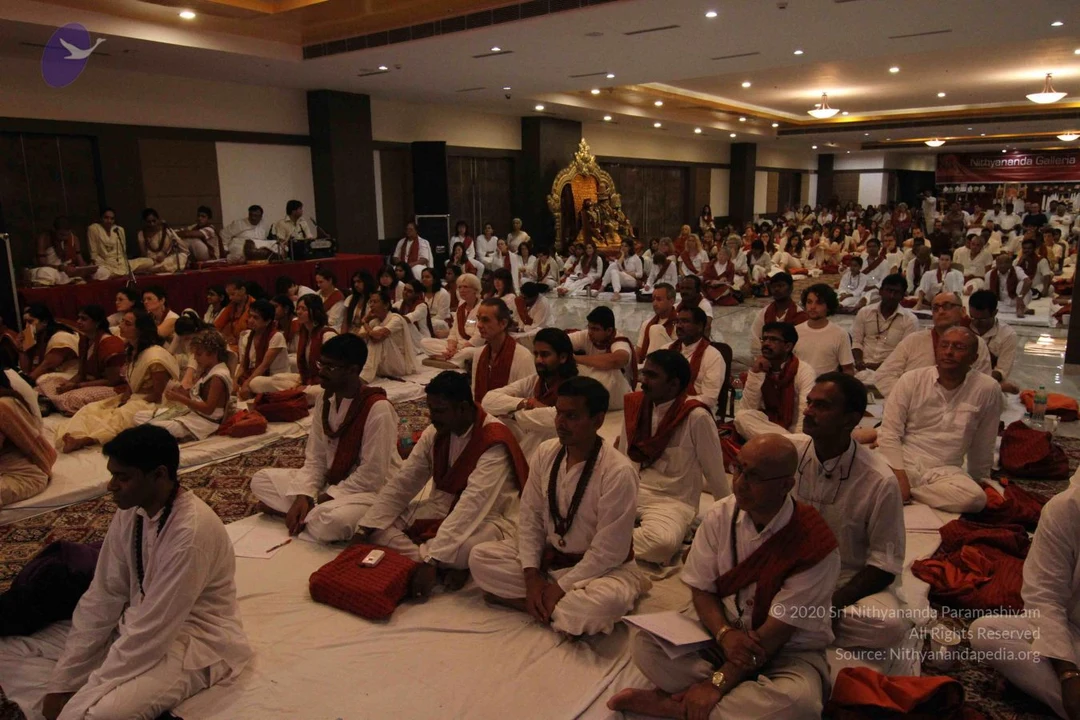
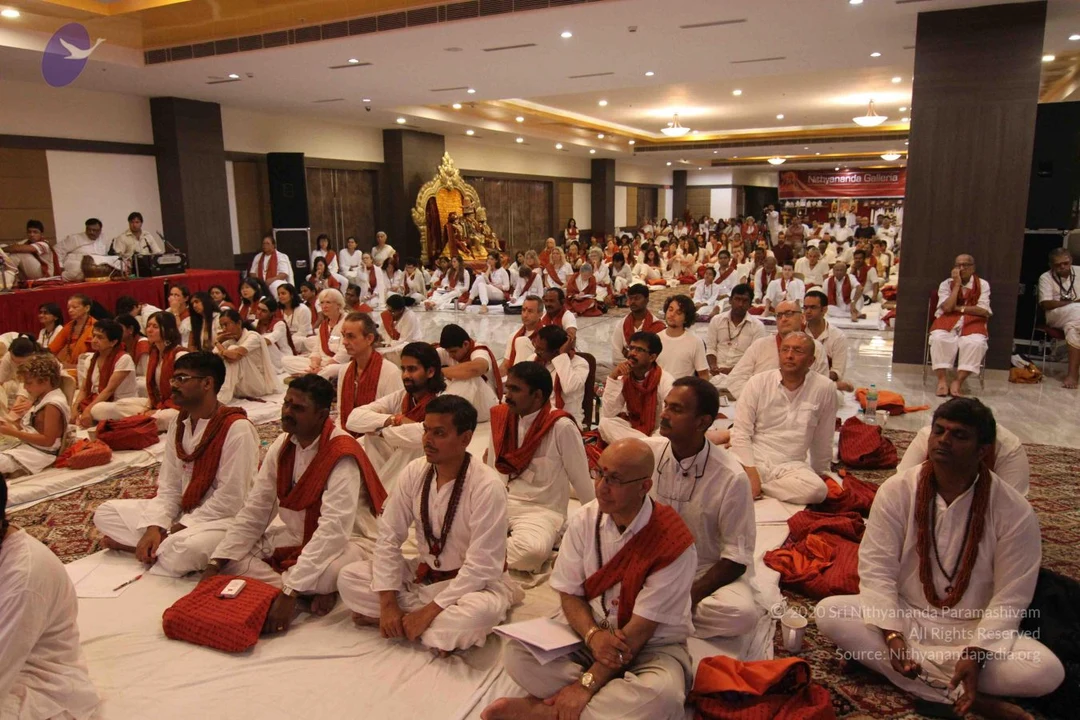
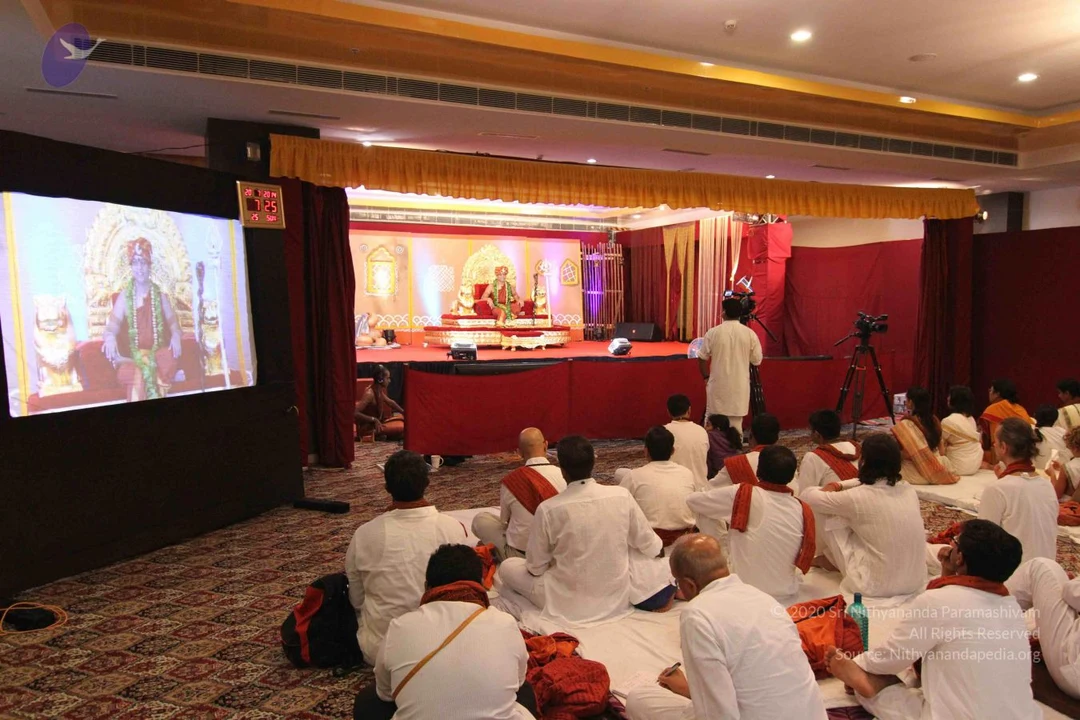
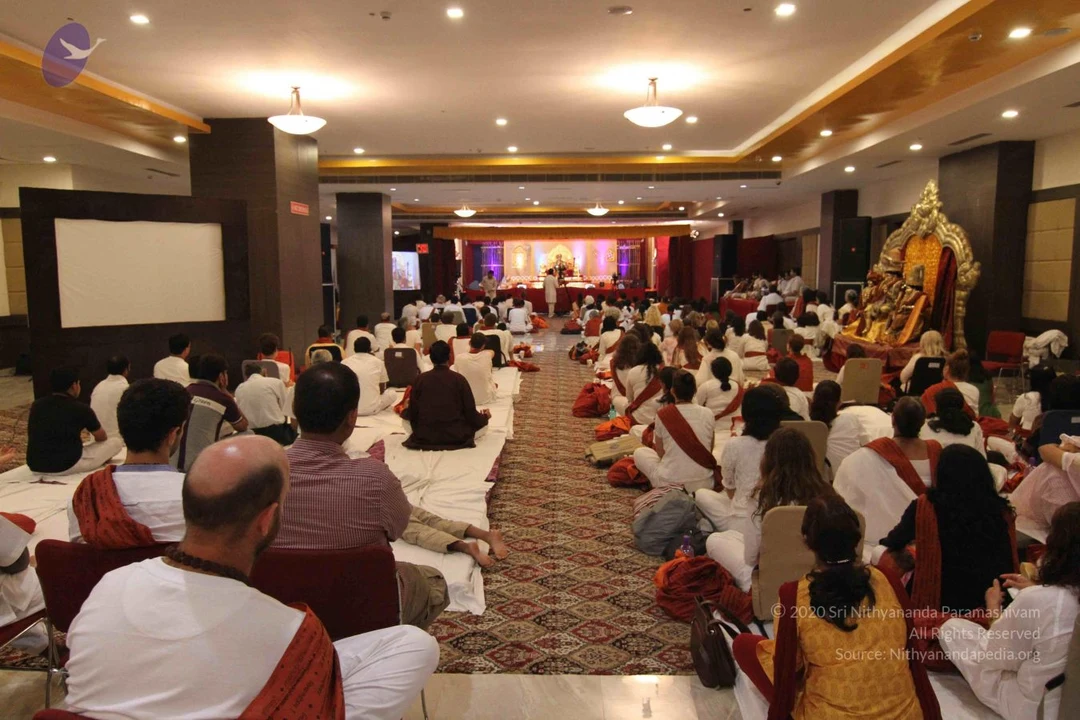
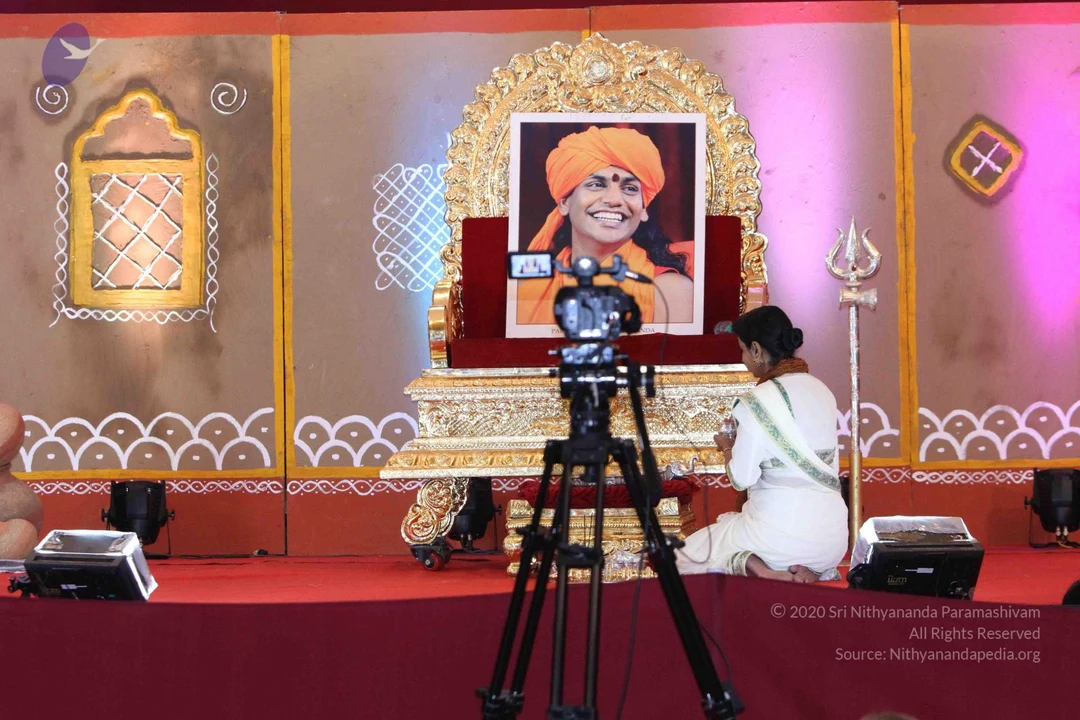
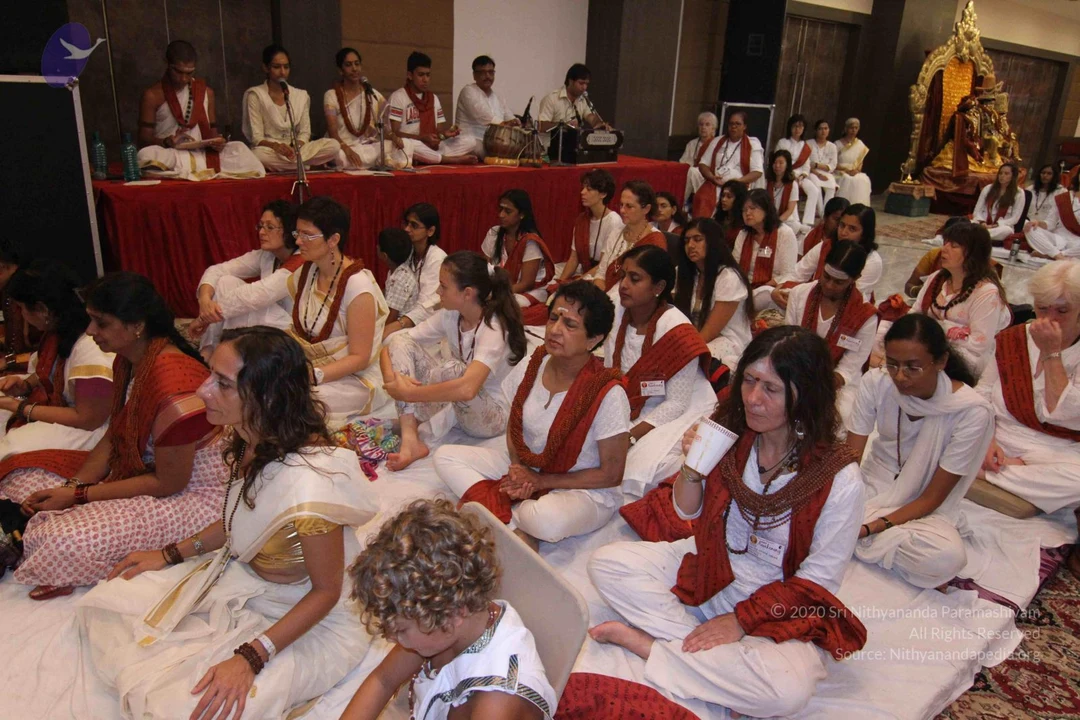
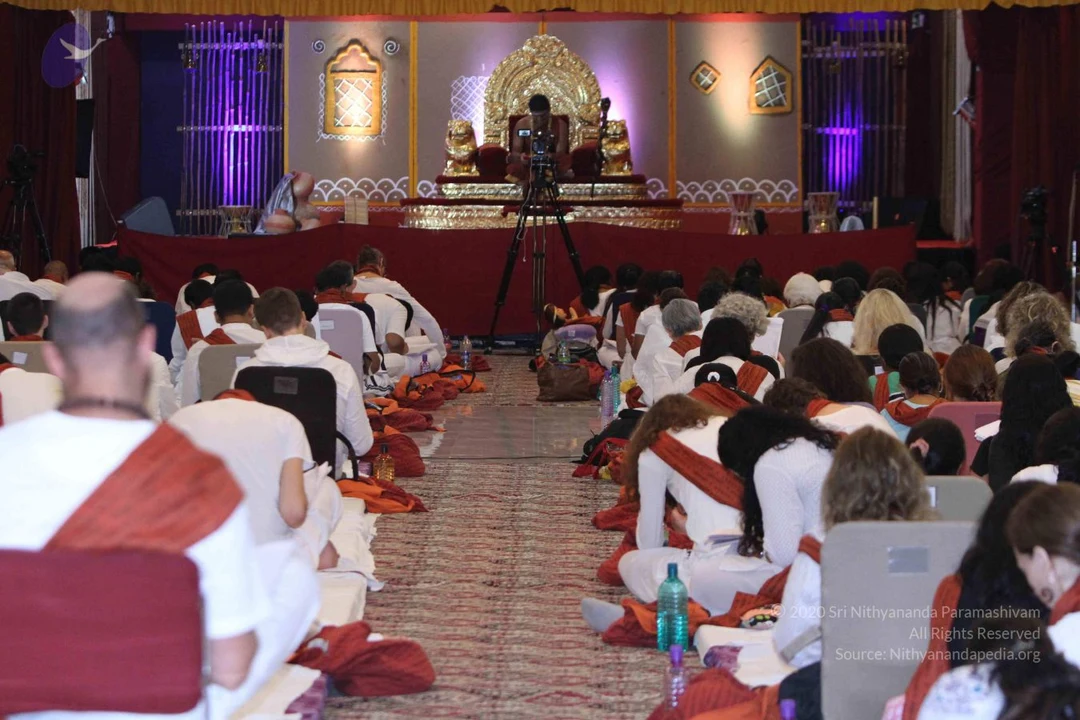
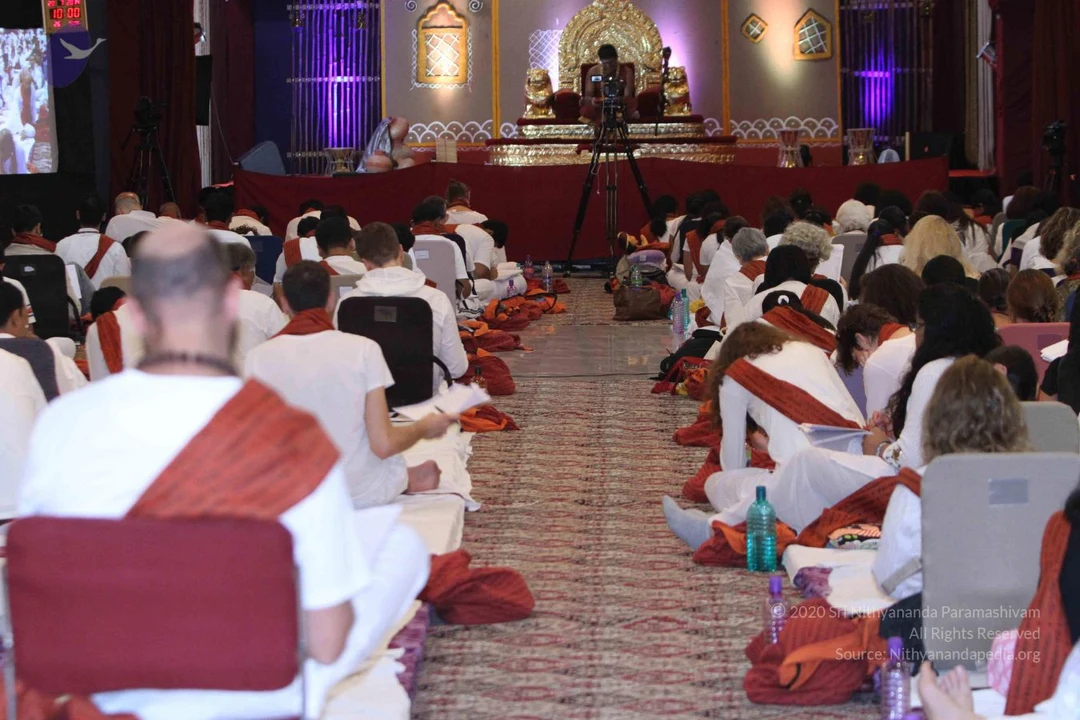
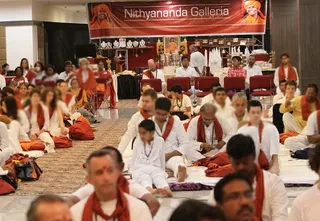
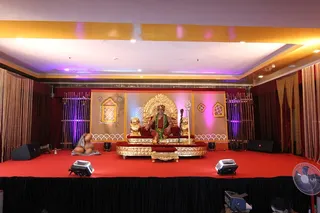
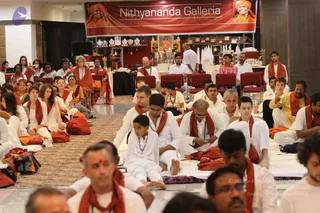
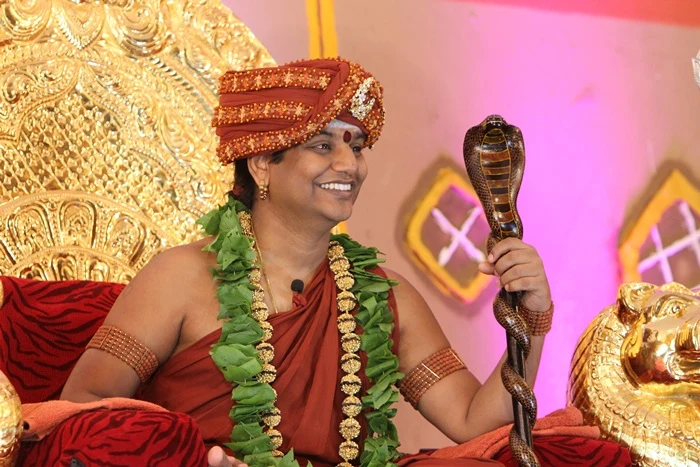
A wide view of a large hall during a satsang gathering in a hotel-style venue with recessed ceiling lights and carpeted floor. Rows of red chairs are filled with seated devotees, many dressed in white with orange-red shawls. In the foreground, several people sit in white clothing near the chairs. At the far end, a raised red-draped dais holds a seated figure before a decorated backdrop with pink and purple lighting, and a golden ornate ratha or palanquin-style structure stands to the right. A large screen on the left shows a video of a saffron-robed figure with long hair and a garland. Roughly two dozen people are visible.Photograph of a large seated satsang gathering in a hall with a red banner reading "Nithyananda Galleria" across the top. Many devotees sit on the floor and on red chairs, most in white clothes with saffron-orange shawls draped over their shoulders. A boy in white with a beaded necklace sits in the front centre, and several people in the foreground wear red and orange scarves. Behind them, a display table holds small decorative items and framed portraits, and a few attendants in white stand near it. The people visible number well over twenty, with many more in the rows behind and at the edges.A stage set for a satsang with a red carpeted platform and black skirting. Centre, a large ornate gold throne with red cushions sits before a gold-and-cream backdrop. A seated figure on the throne wears red and gold clothing and a green garland, with a trident-like staff raised to one side. Golden lion figures flank the throne, and a pair of kalasha-style brass pots sits at the left edge of the stage. Purple and pink stage lights and gold curtains frame the hall, and a floor fan and a small audio monitor are visible at the lower edges. No people are visibly seated in the audience area in this frame.Photograph of a smiling man seated on an ornate gold throne with carved lion-head arms, wearing a red-orange ornate turban with gold embellishments, a red-orange shawl over bare shoulders, a green leaf garland and a long gold-bead necklace, and gold bangles on his arms. He holds a tall carved wooden staff topped with a cobra head in his right hand. A small microphone clips near his chest. Pink backdrop with decorative white and gold panels behind him. Probable Swamiji by visible cues: distinctive turban, ceremonial gold necklace, green garland and cobra-topped staff, seated in a satsang setting.A smiling man sits on a red-upholstered seat in front of an ornate gold throne with carved relief patterns. He wears a saffron-orange turban with a gold emblem, an orange-red shawl over bare shoulders, a long gold necklace with beaded strands, gold bangles on his upper arms and wrists, and a gold earring. He holds his hands together in his lap. On the right, a gold cobra-headed staff rests against a gold lion-shaped armrest. Swamiji (probable): the turban, ornate gold jewellery, saffron clothing and throne setting are consistent with the page's claim of his presence, so the appearance is treated as a probable match.Swamiji (probable) seated on an ornate golden throne with a carved gold backrest, smiling broadly with eyes closed. He wears a saffron-orange turban with a small gold ornament, a saffron-orange shawl draped over bare shoulders, and a long ceremonial gold necklace of beads plus gold armbands. A red bindi marks his forehead and his hands are folded in his lap. Red-and-black striped cushions flank the throne, with gold carved lion-like armrest figures at the sides. A small microphone clip is visible at his chest. The figure is a single seated person; no other physical people are visible.

Darshan

22 photosSource gallery
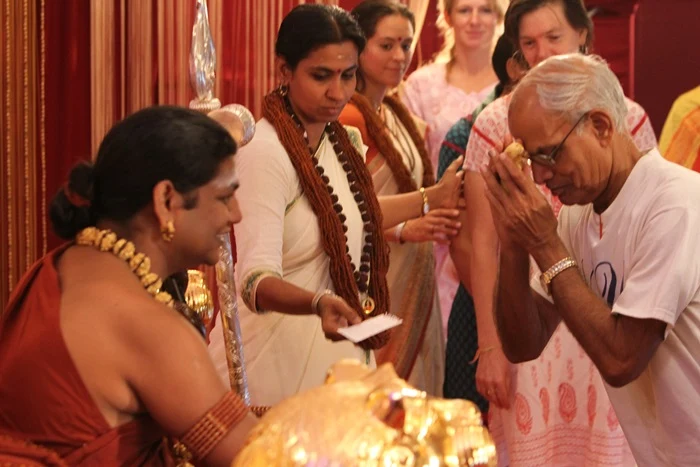
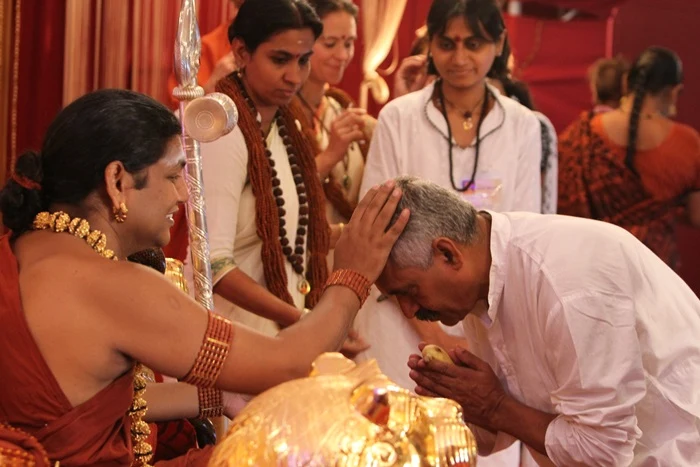
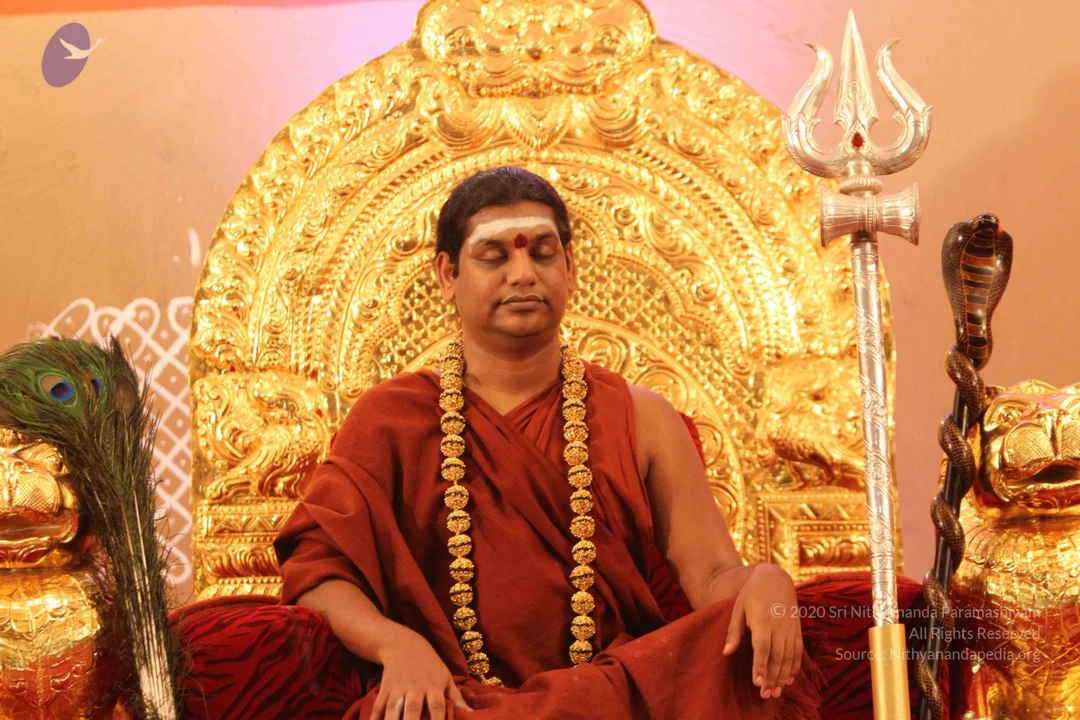
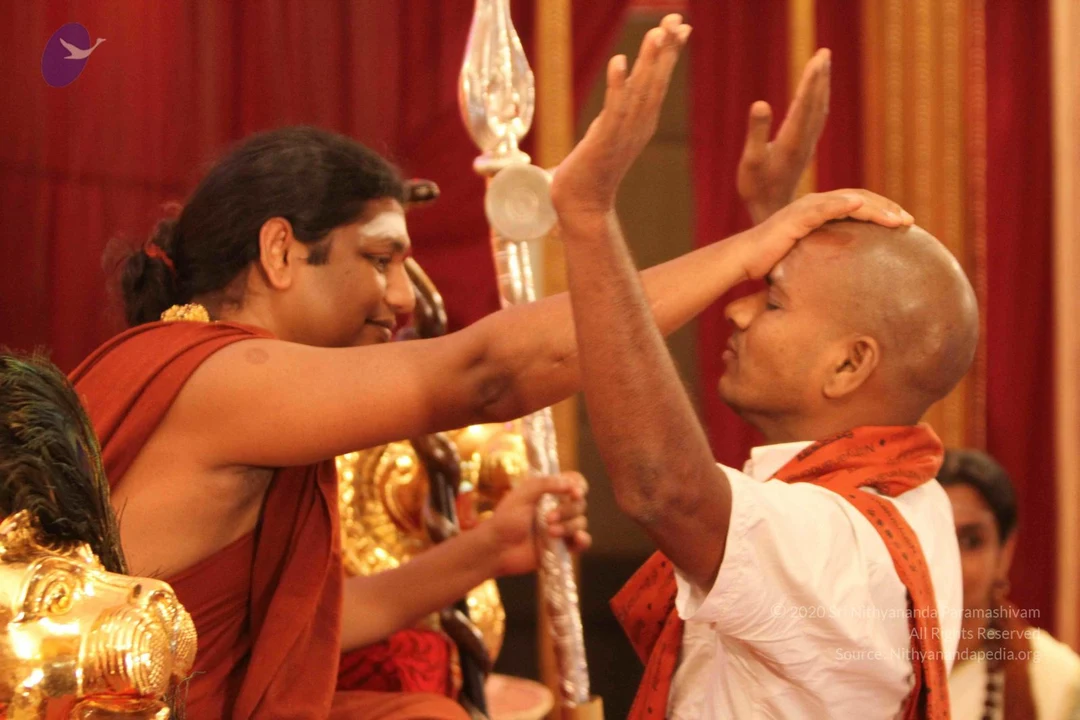
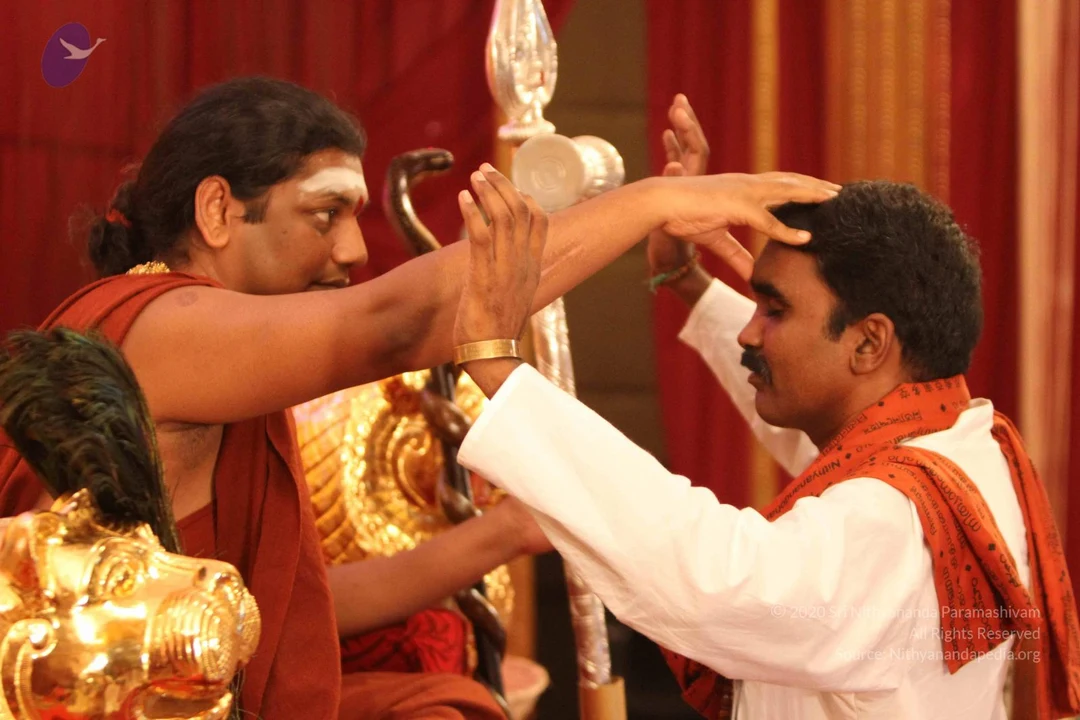
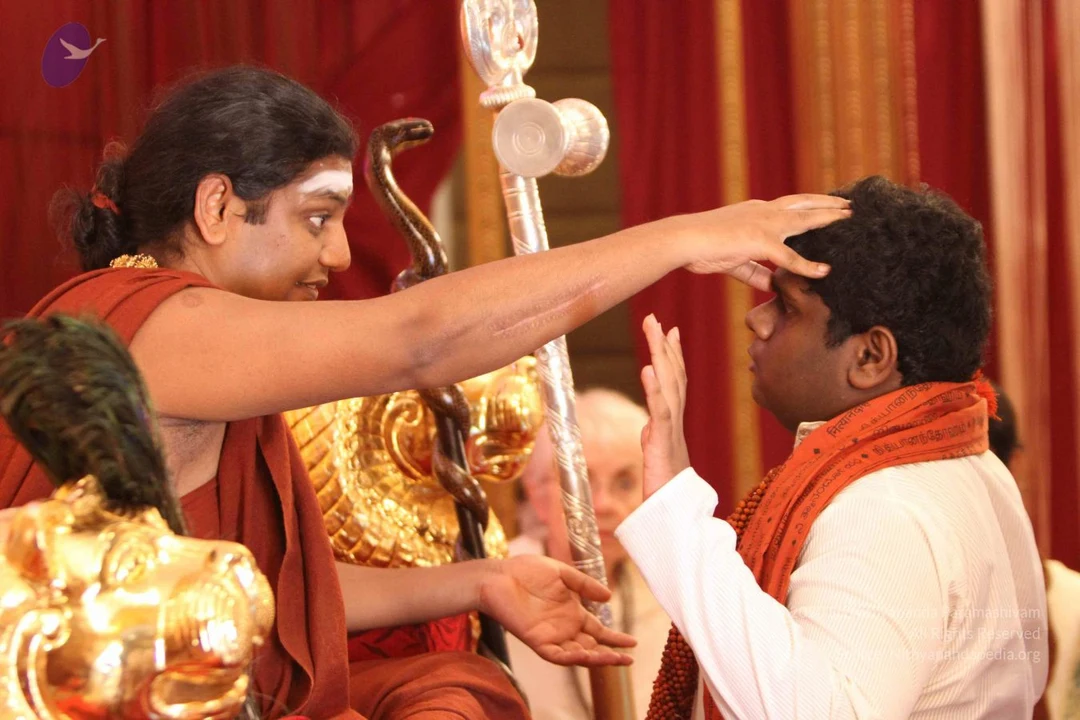
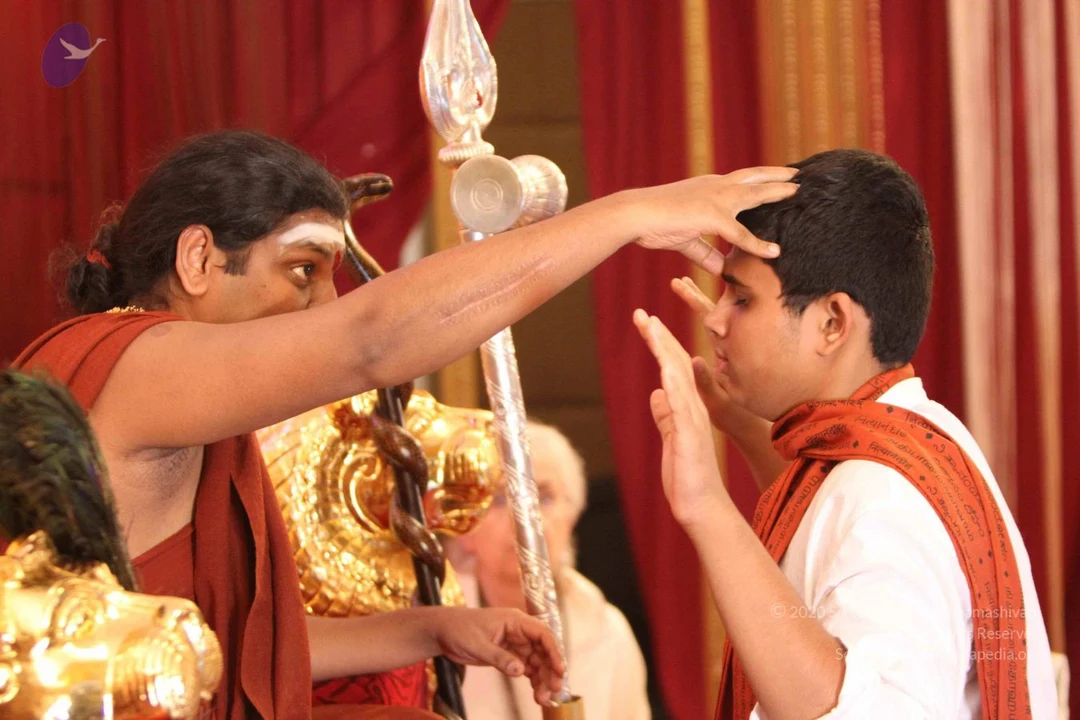
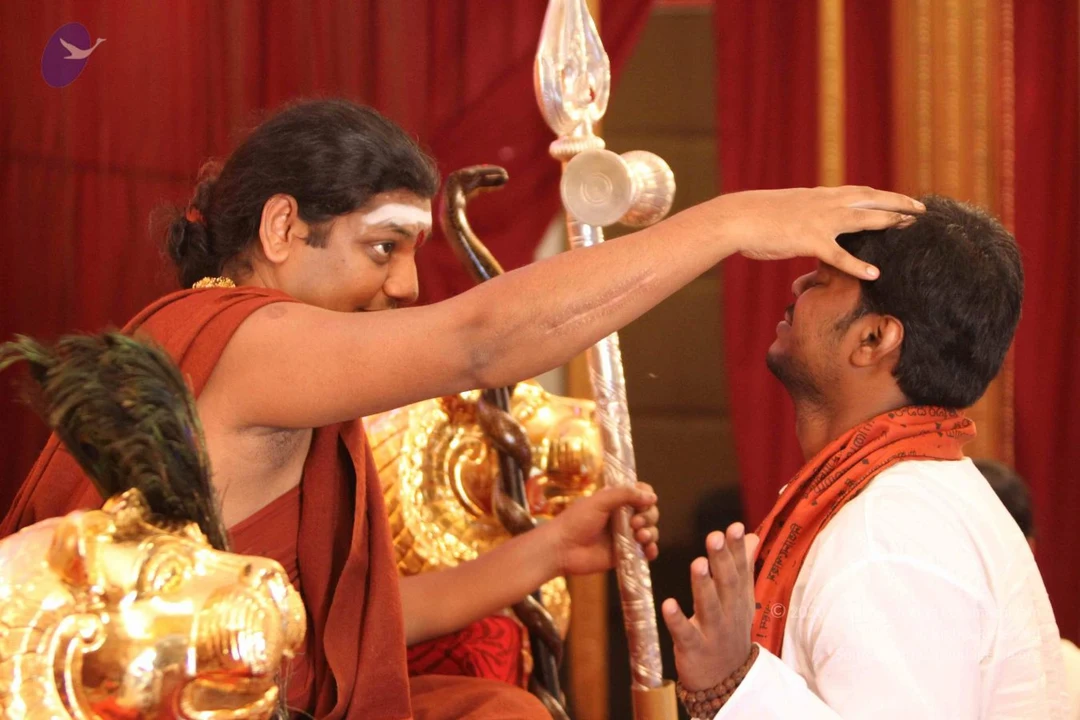
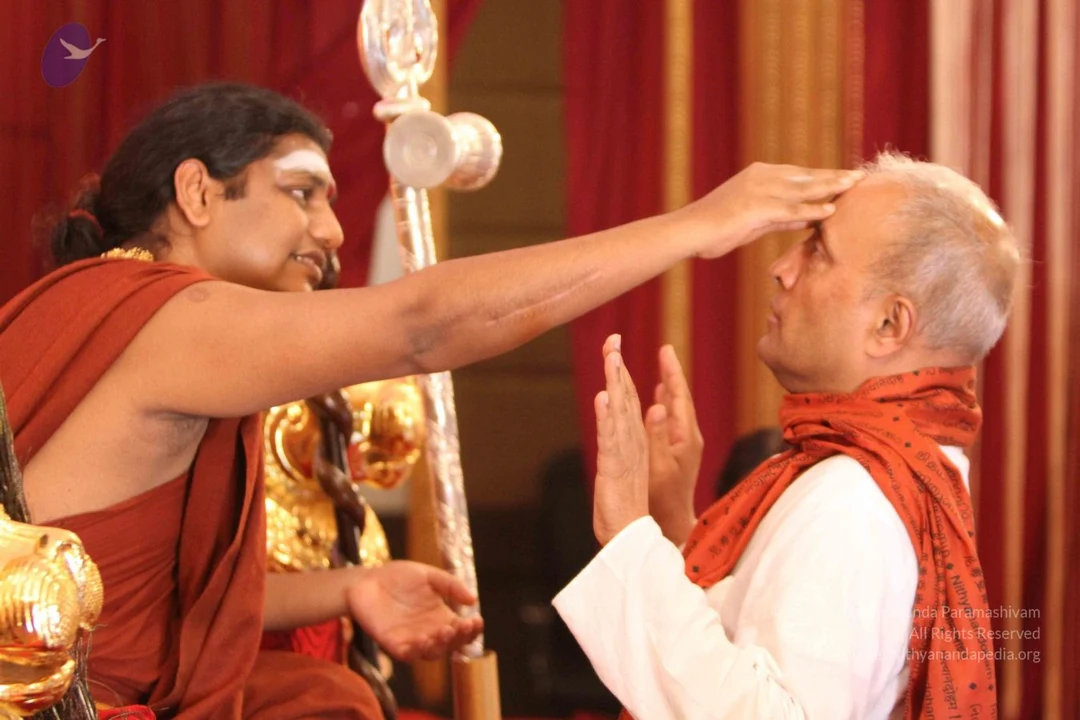
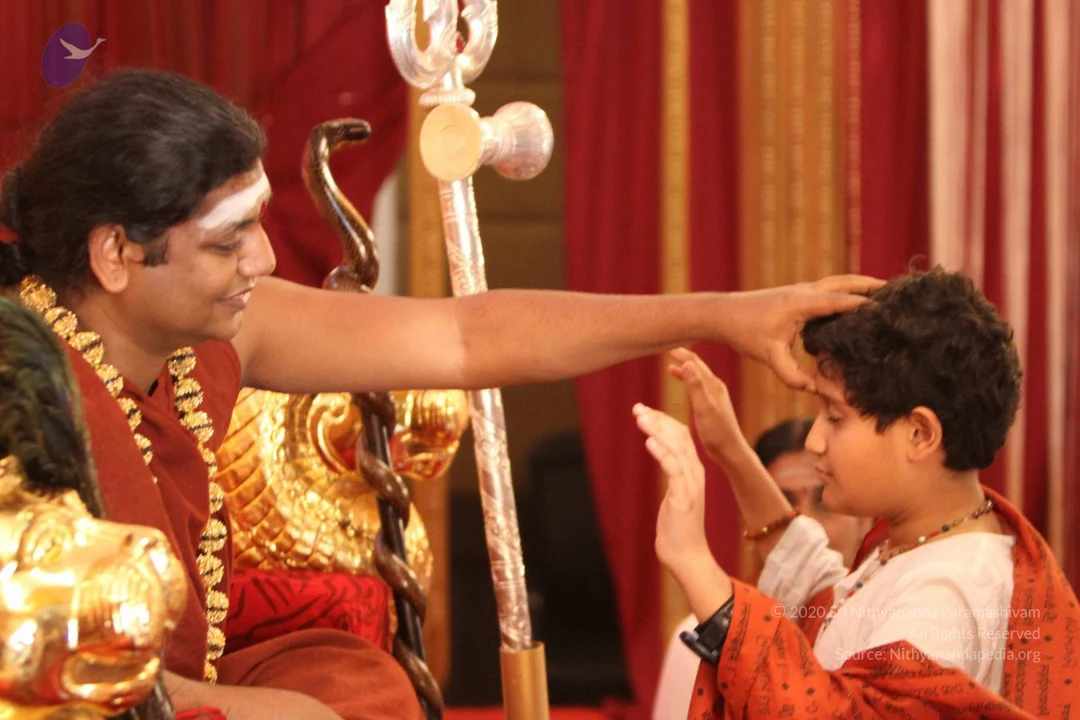
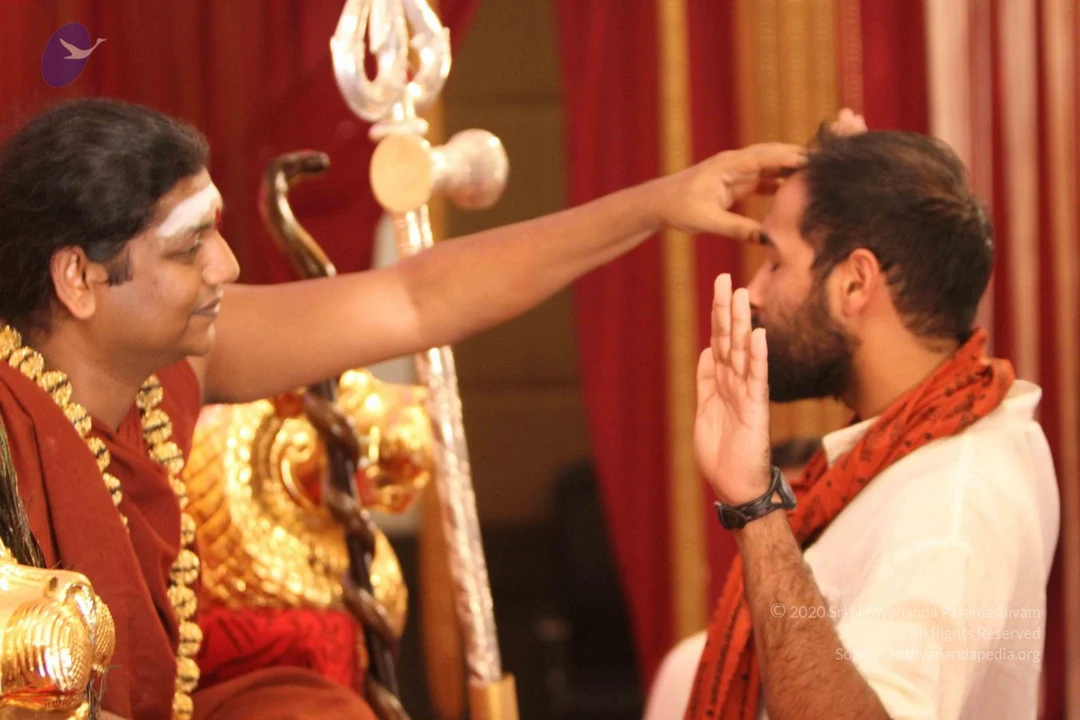
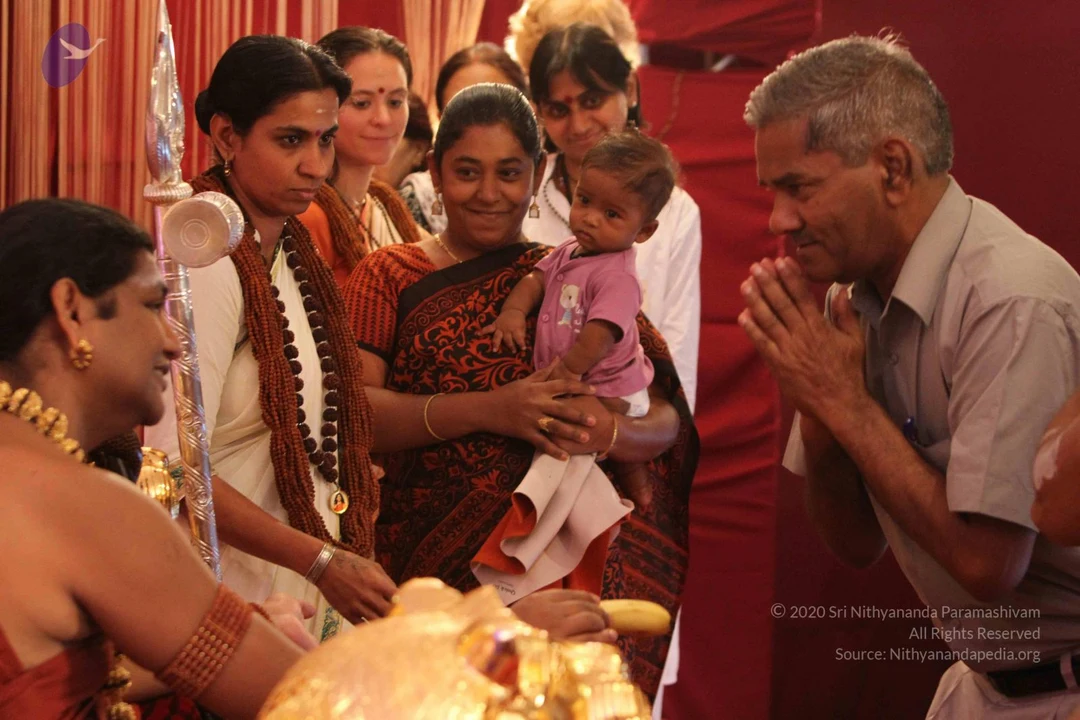
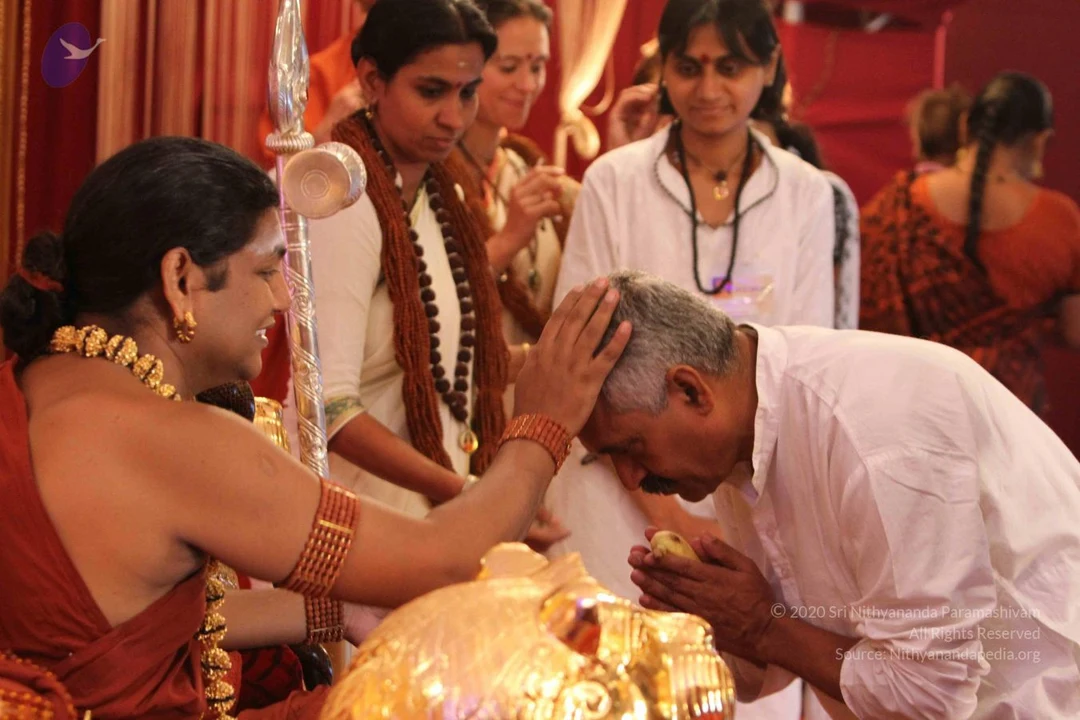
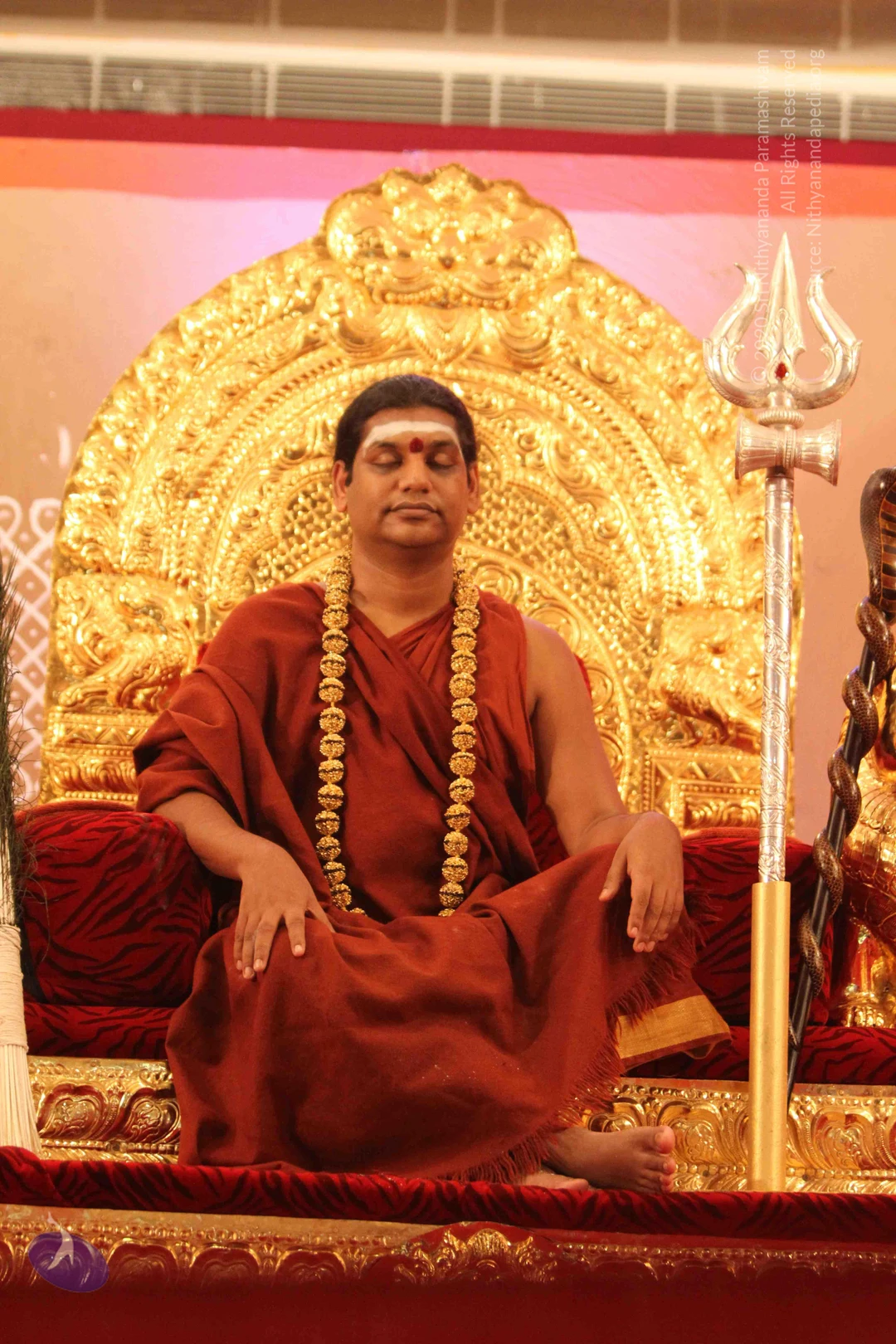
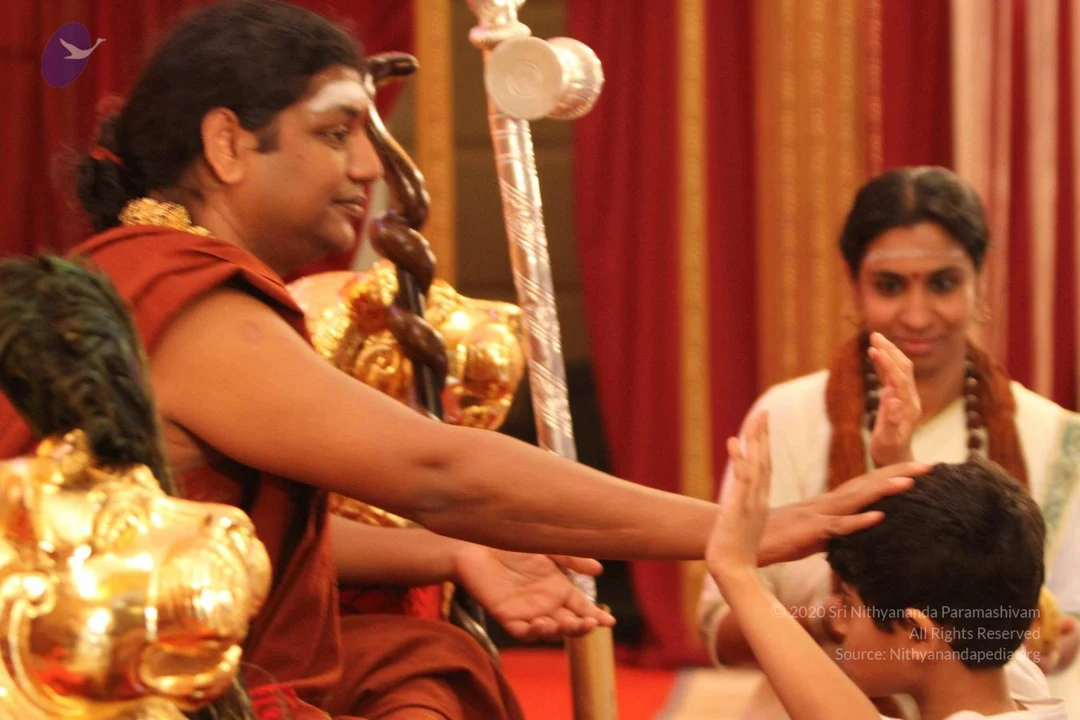
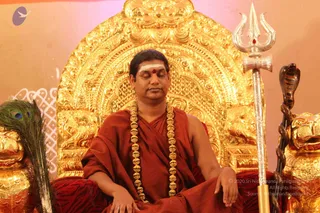
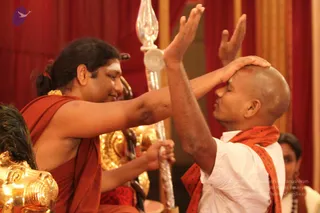
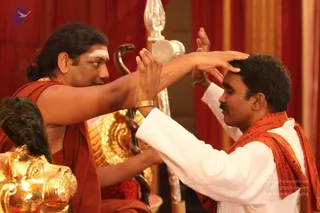
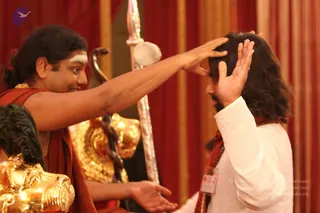
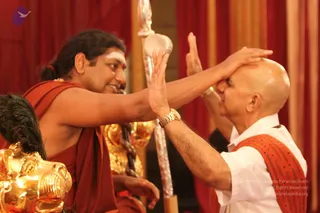
A seated man in a saffron-red robe and a gold necklace of beads sits in a meditative pose with eyes closed on an ornate golden throne. He wears a white tilak with a red bindi on his forehead. Beside him stand a silver trident with a red gem and a silver-and-dark cobra-form staff, and gold lion-shaped figures flank the throne. A peacock feather fan is at left.A photograph of a seated figure in a saffron-orange robe with a long swept-back dark hair and a white tilak on the forehead, placing a hand on the bald head of a kneeling man in a white shirt and orange shawl. a person gives blessing to a devotee; the seated figure wears orange-red robes and a gold ceremonial necklace, and a silver staff and gold throne with a peacock-feather fan appear behind. Red draped curtains form the backdrop. Two people are visible.A photograph of a diksha-style blessing in a red-curtained hall. A man with long dark hair in a knot, bare-chested except for a rust-orange cloth, sits with a white horizontal tilak on his forehead and a gold necklace; he extends his right hand toward the forehead of a man in a white kurta with an orange-and-maroon printed shawl and a gold bracelet, who presses his palms together in receipt. Behind them stand a silver ceremonial staff, a golden peacock-feather fan and an ornate gold seat. a person: the seated man in rust-orange cloth with long hair and a gold necklace is a distinctive cue-matched candidate giving the blessing.A photograph of a shaved-headed figure in an orange-red robe and white forehead markings placing his right palm on the crown of a long-haired devotee dressed in white with a red shawl. Both have eyes closed or lowered toward each other in a blessing gesture. Behind them, a gold lion-headed chair arm and a tall silver staff with a dark carved shaft stand before red draped curtains. Two people are visible, the blessing giver and the recipient, with a conference-style badge hanging on the devotee's chest.A photograph of a seated man with long dark hair in a low knot, wearing a rust-orange wrap and a white tilak on his forehead with a red bindi, extending his right hand to touch the forehead of a bald, smiling man in a white shirt with an orange-red shawl and a gold wristwatch. Behind them stand red drapes, a silver staff and a gold lion-headed carved chair arm with a peacock-feather fan. The seated figure has long hair, rust-orange wrap and ornate chair, consistent with the a person presentation cues; the bald man is a devotee receiving blessing.Close profile photo of a man with dark hair tied back in a bun, wearing a white horizontal tilak on his forehead and a saffron-red shawl draped over his shoulders, with a gold floral garland around his neck. He looks downward with a slight smile beside a dark wooden carved serpent-shaped staff and a polished silver ritual stand with a golden kalasha-like object in the foreground. A deep red draped backdrop fills the background. The appearance is consistent with the a person candidate noted on the page, though identity is uncertain from appearance alone.

Morning-Satsang
44 photosSource gallery
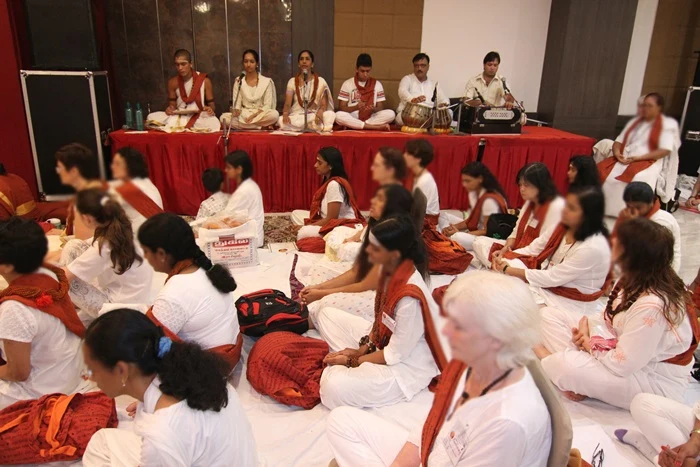
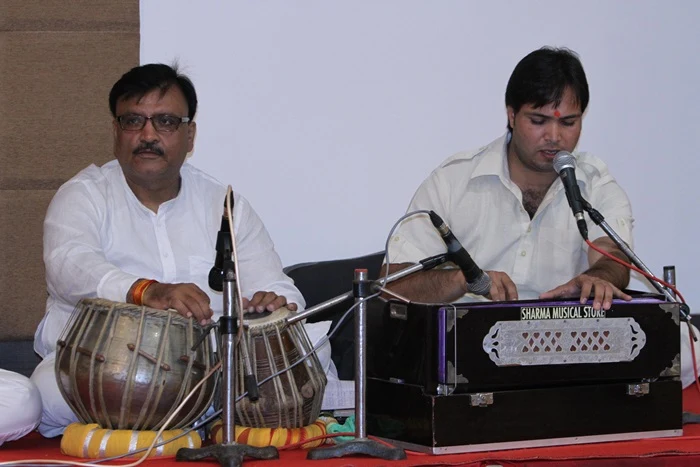
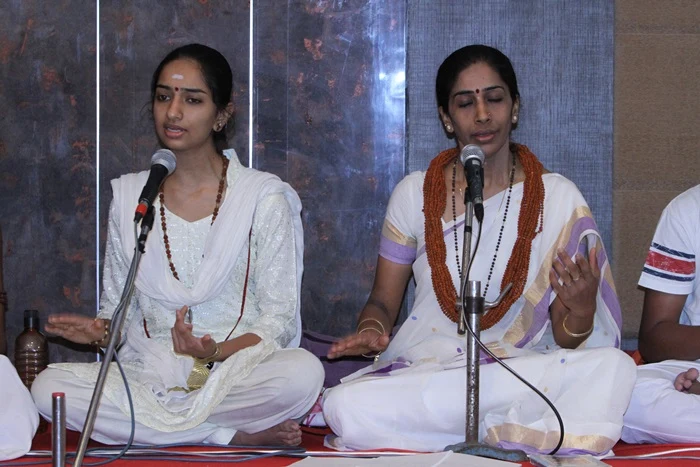
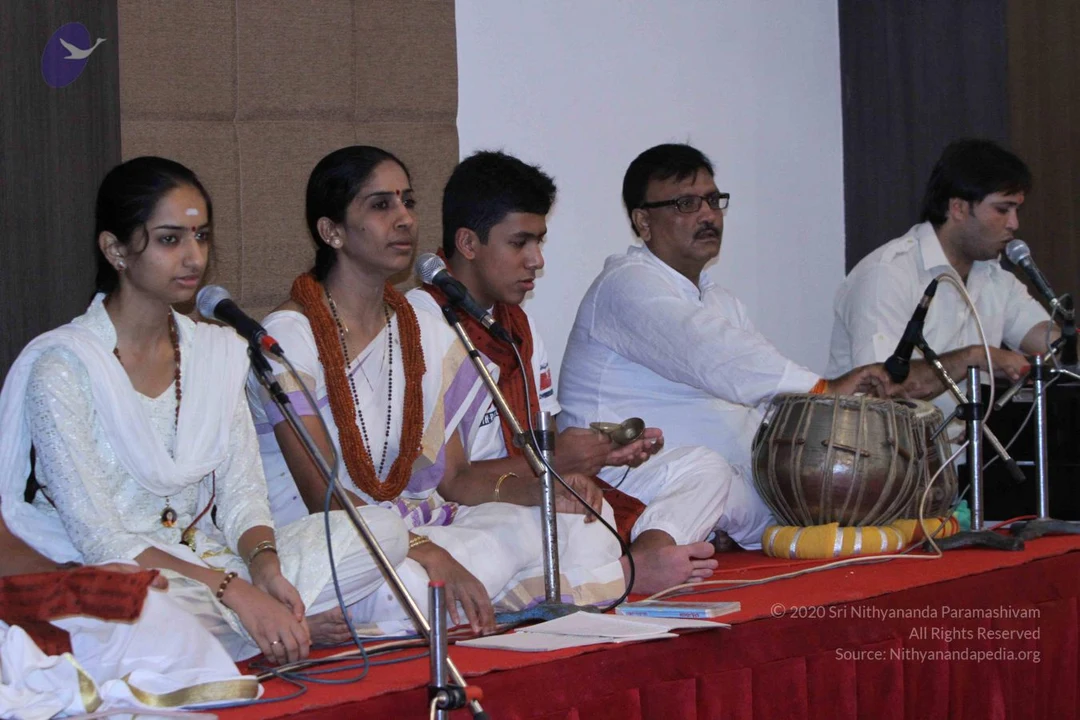
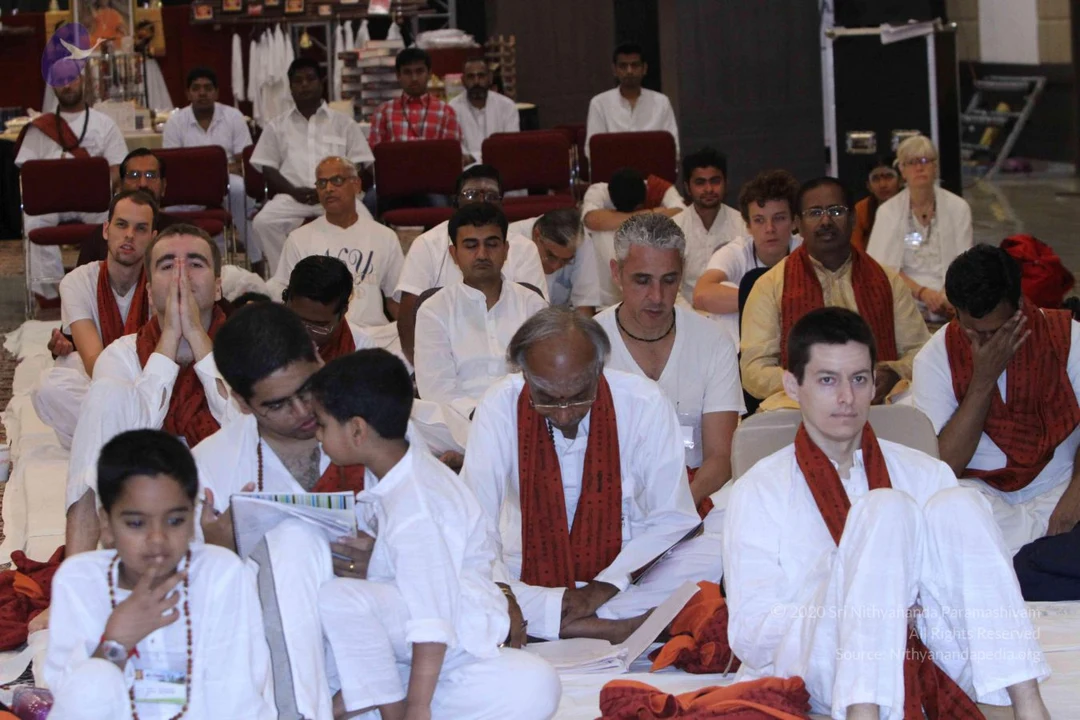
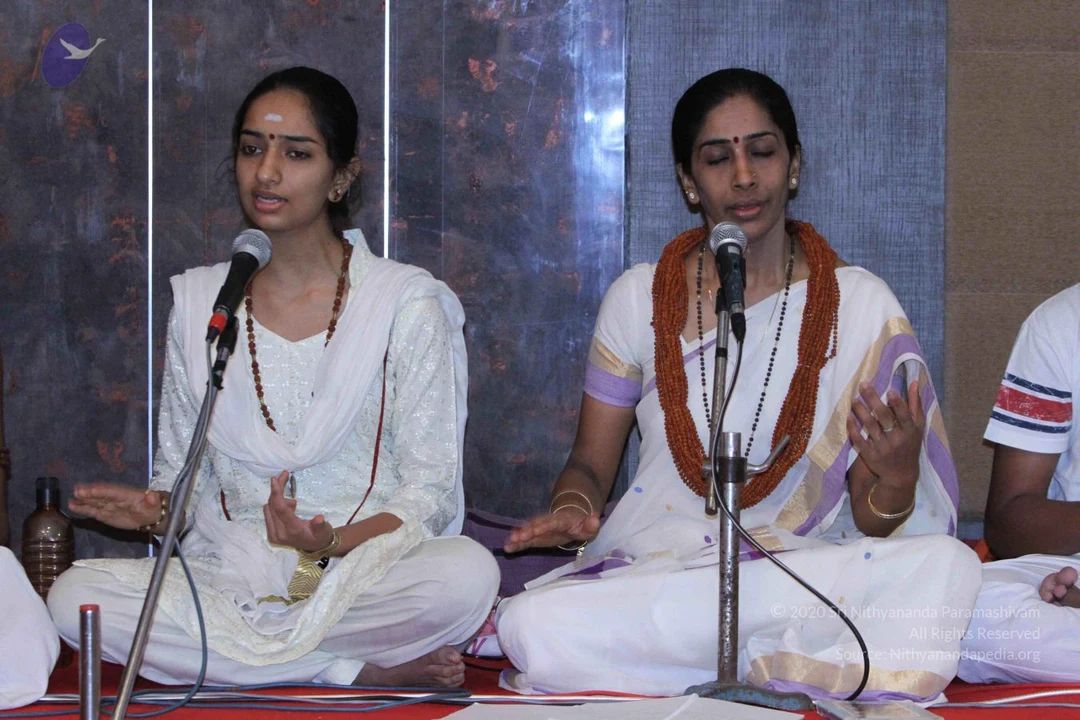
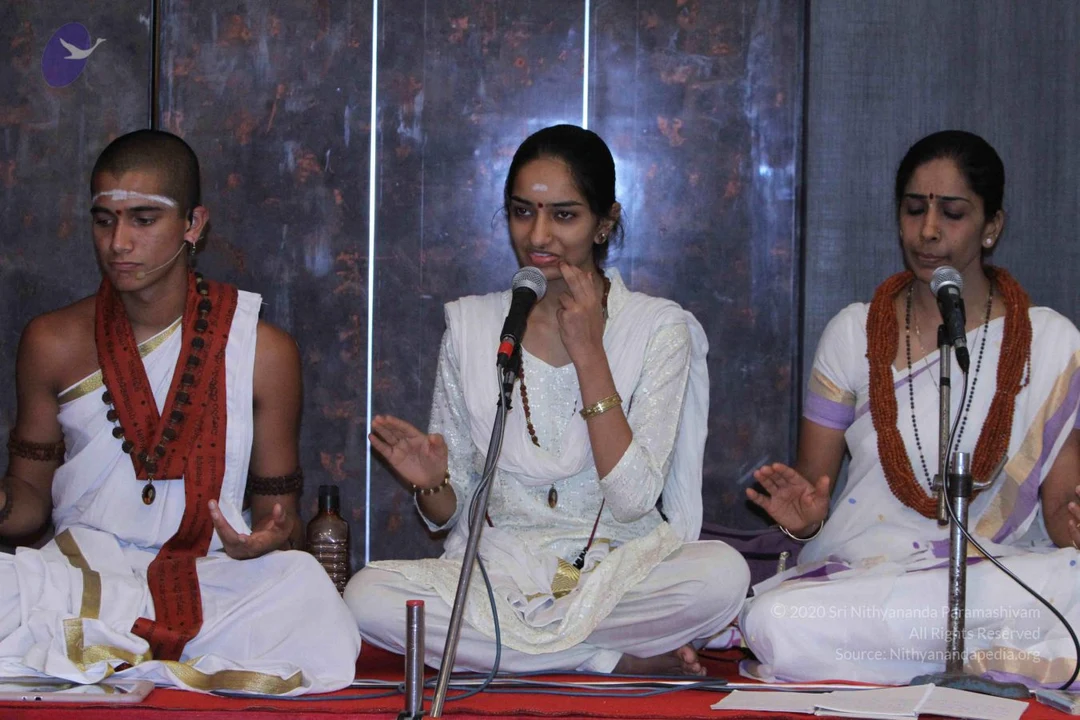
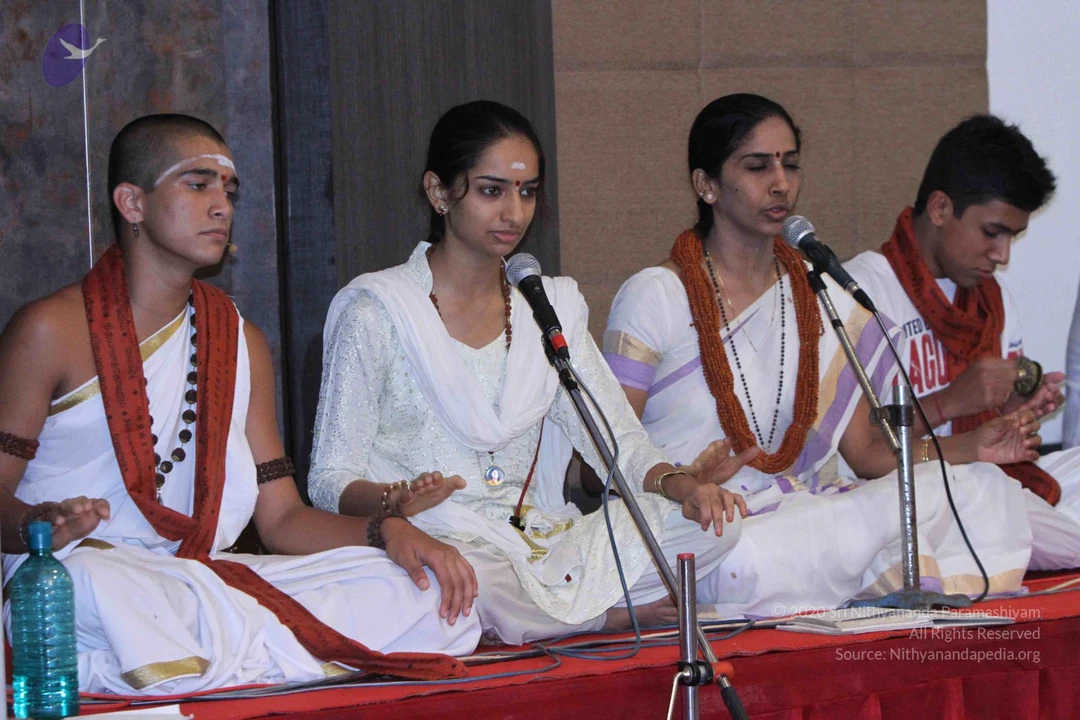
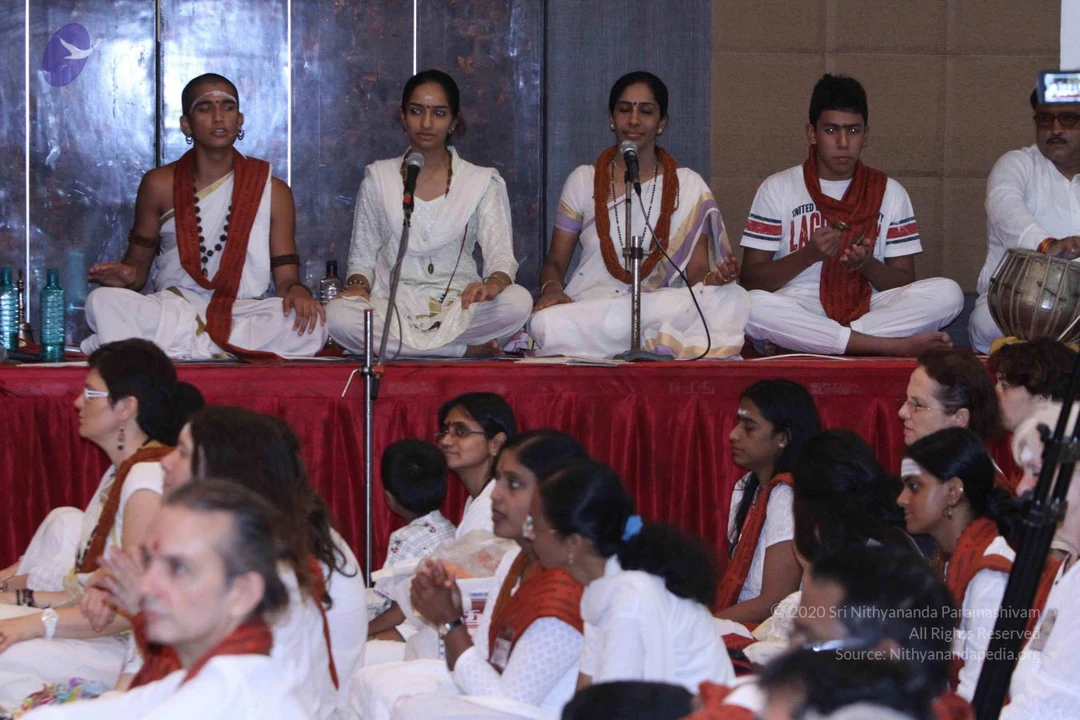
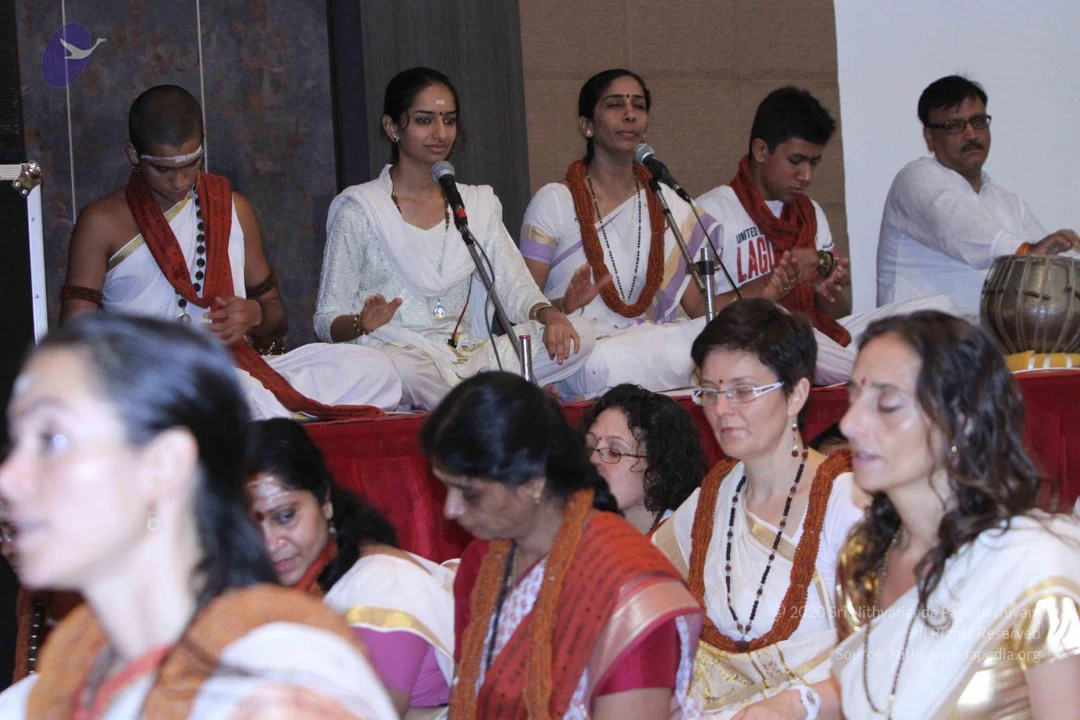
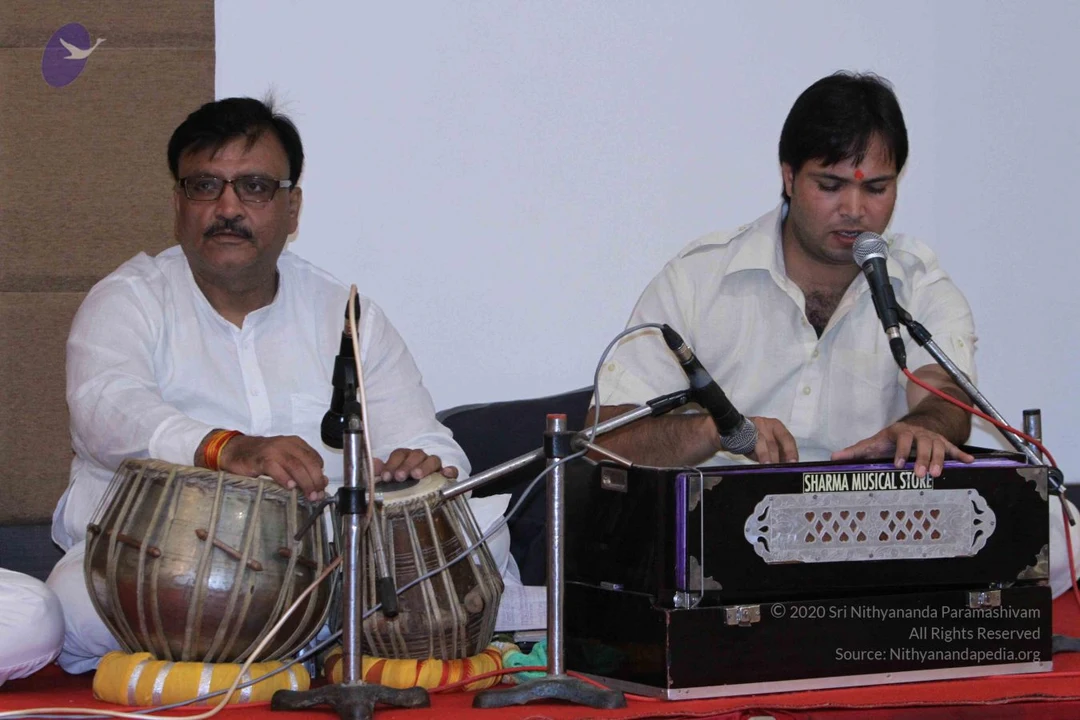
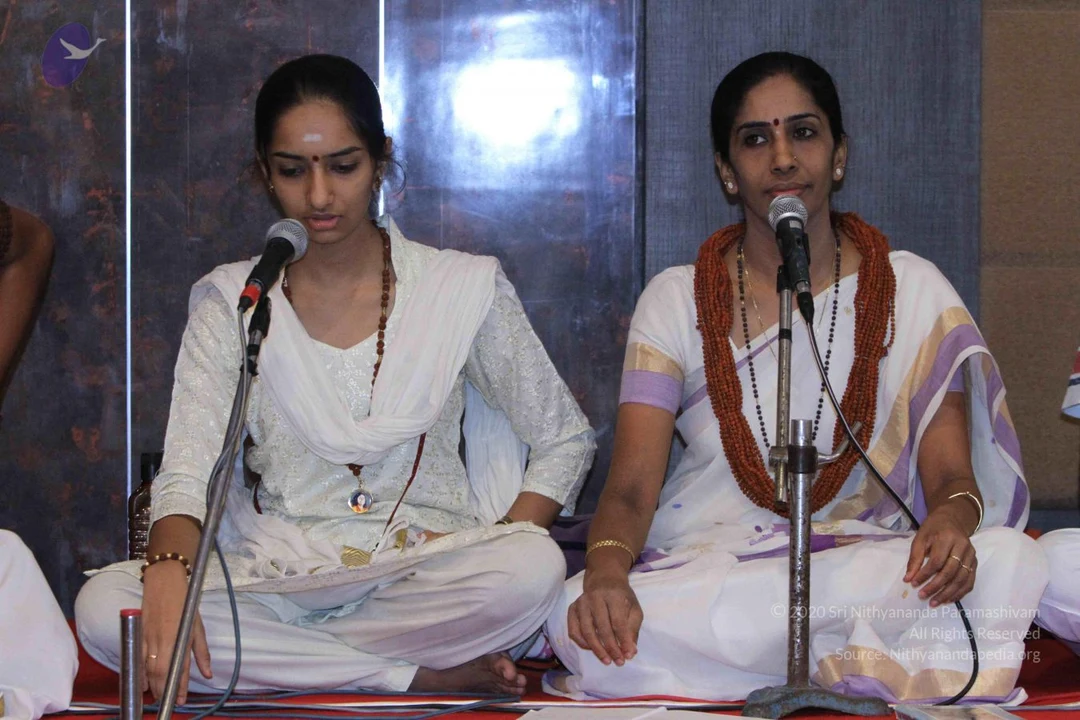
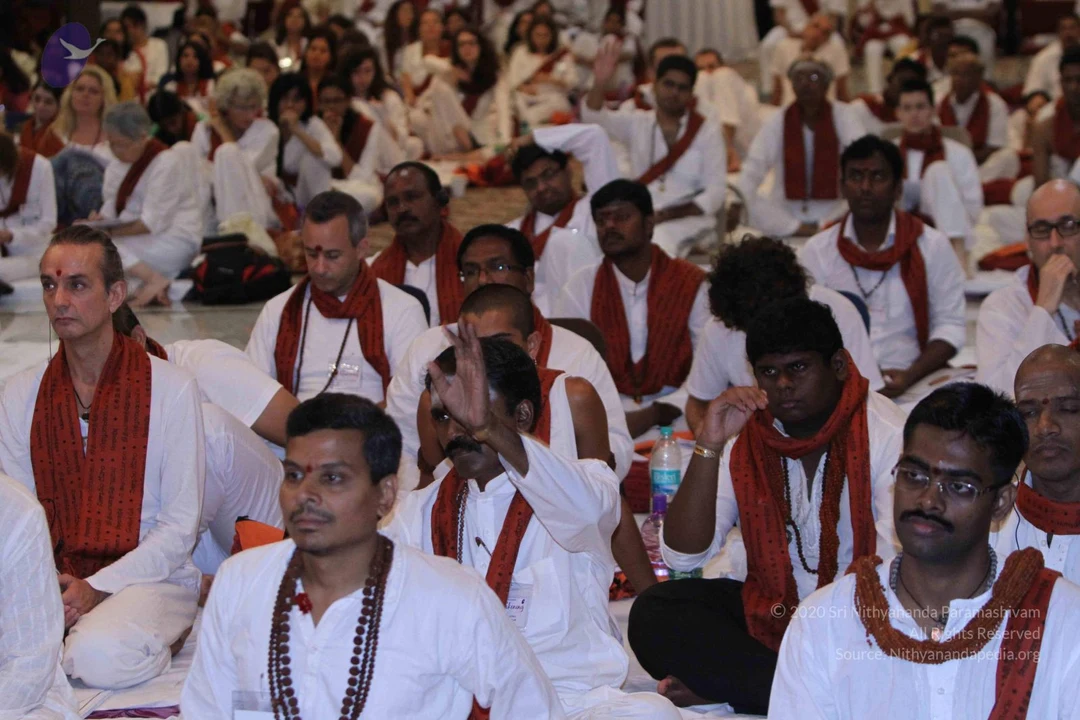
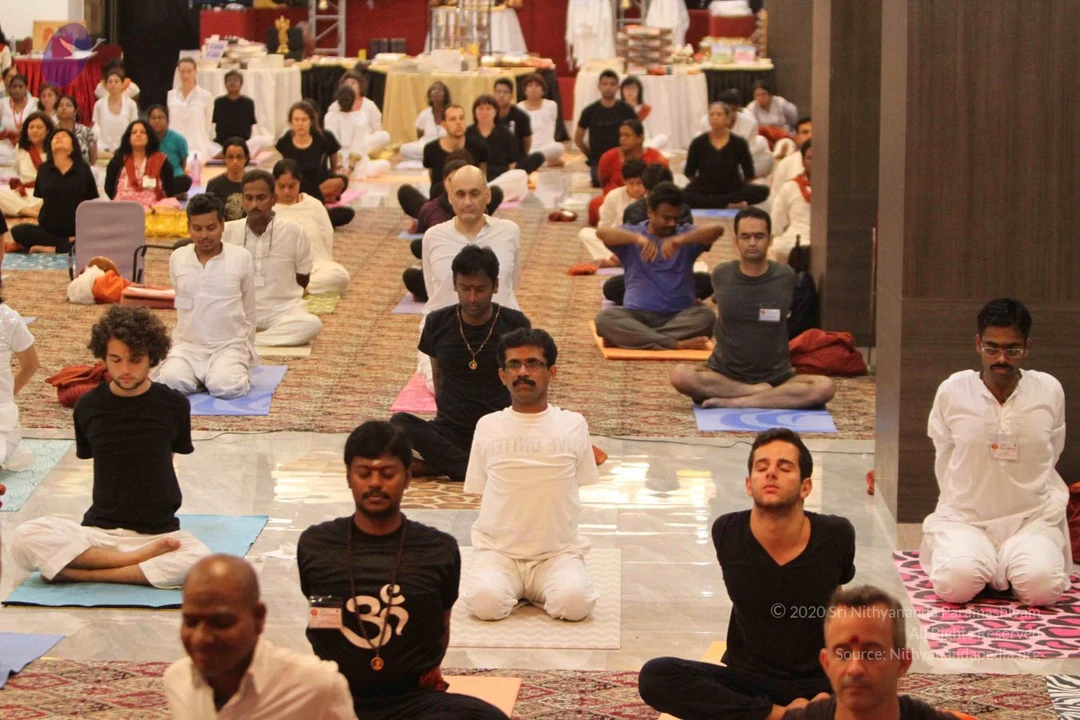
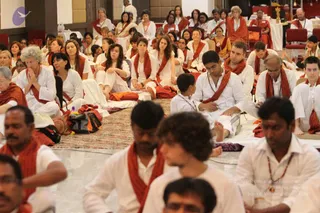
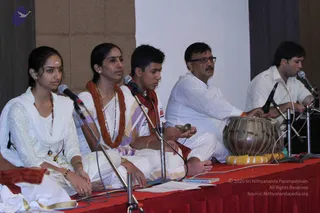
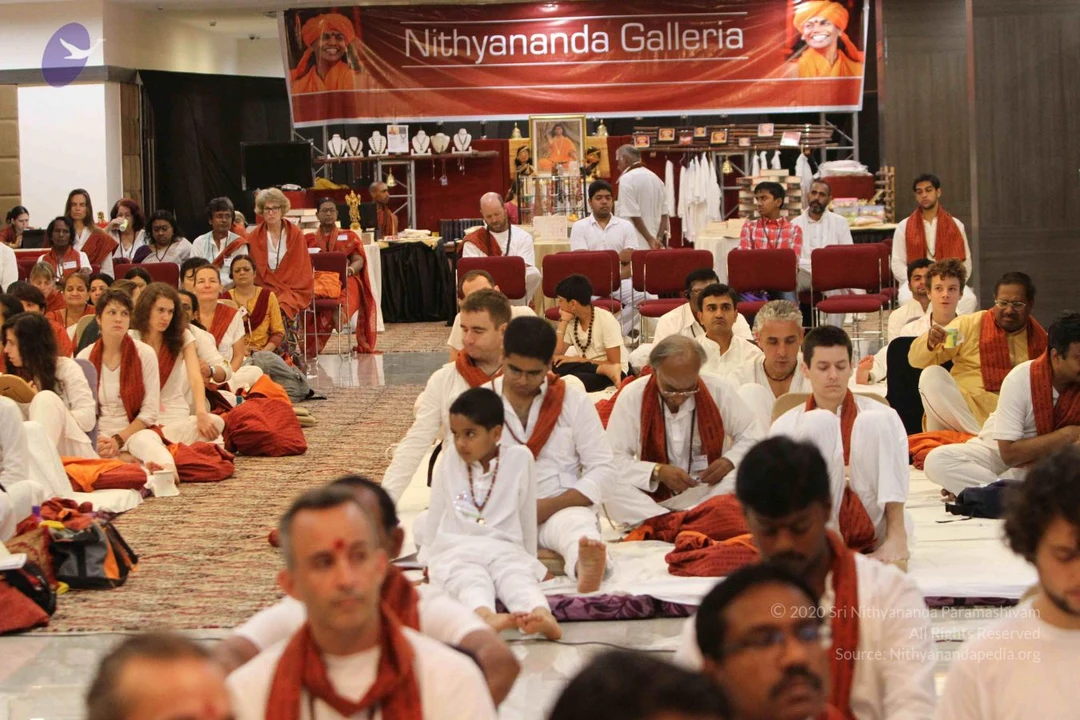
A large seated gathering of devotees inside a hall with a red banner reading "Nithyananda Galleria" with two portrait photos of a saffron-robed figure at the top. Rows of people sit on mats and a patterned rug facing the front, mostly in white clothes with red-orange shawls draped over shoulders. Several men wear white kurtas, a young boy in white with a beaded necklace sits in front, and a few women wear saffron and orange saris. Red chairs stand at the back, and a table with small framed photos, offerings and ritual items is visible at the far end. The foreground shows people partly visible, including a man with a red tilak on his forehead.A large indoor satsang gathering of devotees seated on the floor and on chairs in a hall. Most wear white kurta-style clothes with red-orange shawls draped over their shoulders. Some hold small notebooks or sit cross-legged, and a woman in the front left has her palms pressed together in namaskar. Oriental rugs and a few bags lie on the floor, and a golden deity murti stands on a table near the back right. The crowd is seated and focused, with several people in the foreground, some with rudraksha malas visible. No specific speaker is clearly shown in frame.A photograph of a seated group of five performers on a stage with a red-draped table and microphones. From left: a young woman in a white dupatta and white salwar with a white bindi and a beaded necklace; a woman in a white and lavender sari with an orange-red rudraksha-style beaded garland and a mala, singing into a microphone; a young man in a white kurta with an orange-red shawl holding a small hand cymbal; an older man in white kurta and glasses playing a tabla-style drum; and a young man in a white shirt at the far right playing a harmonium-style instrument. Their attention is directed forward as they perform, with song books on the table. No a person candidate is visible.A smiling man with long dark hair and an orange-red turban sits on an ornate gold throne with carved lion-head arms and red tiger-stripe cushions. He wears a rust-orange robe with a gold-bordered hem, a green leaf garland and layered gold ceremonial necklaces, plus gold armlets and bangles. A silver trident leans to the right and a dark carved serpent staff stands beside the throne. Behind him a pink-lit backdrop and a white patterned panel are visible. The man is probable Swamiji seated on the throne, based on the distinctive turban, ceremonial gold necklaces and orange robes. No other people are visible.A seated man in saffron-red robes and a red turban sits on an ornate gold throne flanked by two gold lion sculptures, smiling with hands resting on his knees. A green leaf garland hangs over his shoulders and gold ornaments adorn his arms and neck. A silver trident stands to his right beside a dark cobra-headed staff, and the red-and-black tiger-striped cushions surround him. Swamiji (probable) appears to be the seated figure, identified by his turban, saffron robes, gold necklace and bangles, and the throne setting.A smiling man in a red-orange turban and saffron-red robe sits on a large ornate gold throne with carved gold lion-shaped armrests and red tiger-striped cushions. He wears a green leaf garland over gold ceremonial necklaces, gold armbands and bangles, and rests his hands on his knees. A silver trident and a dark serpent-entwined staff stand beside the throne against a pink-lit wall. a person is shown seated on the throne, though the appearance cues are only partly visible. Setting appears to be a formal stage darshan.

IA

77 photosSource gallery
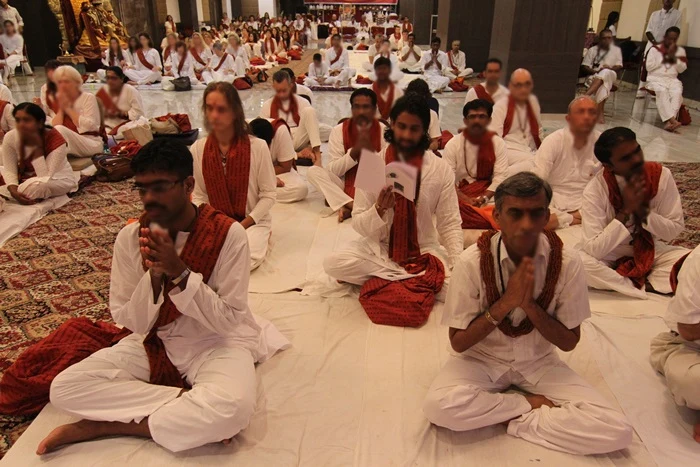
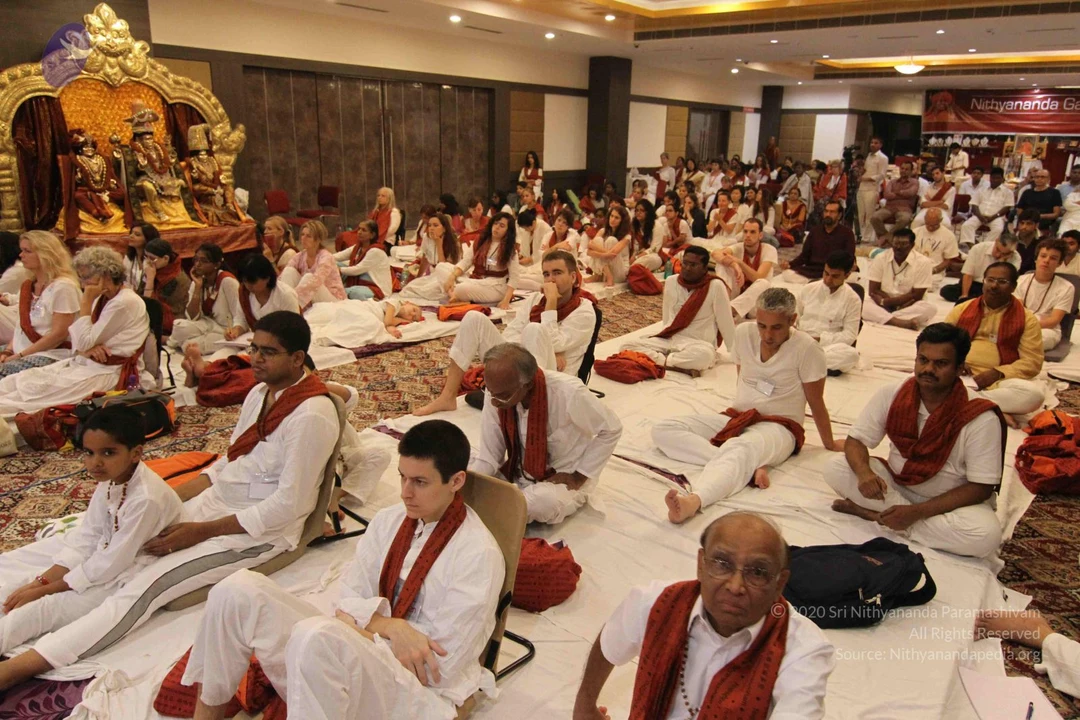
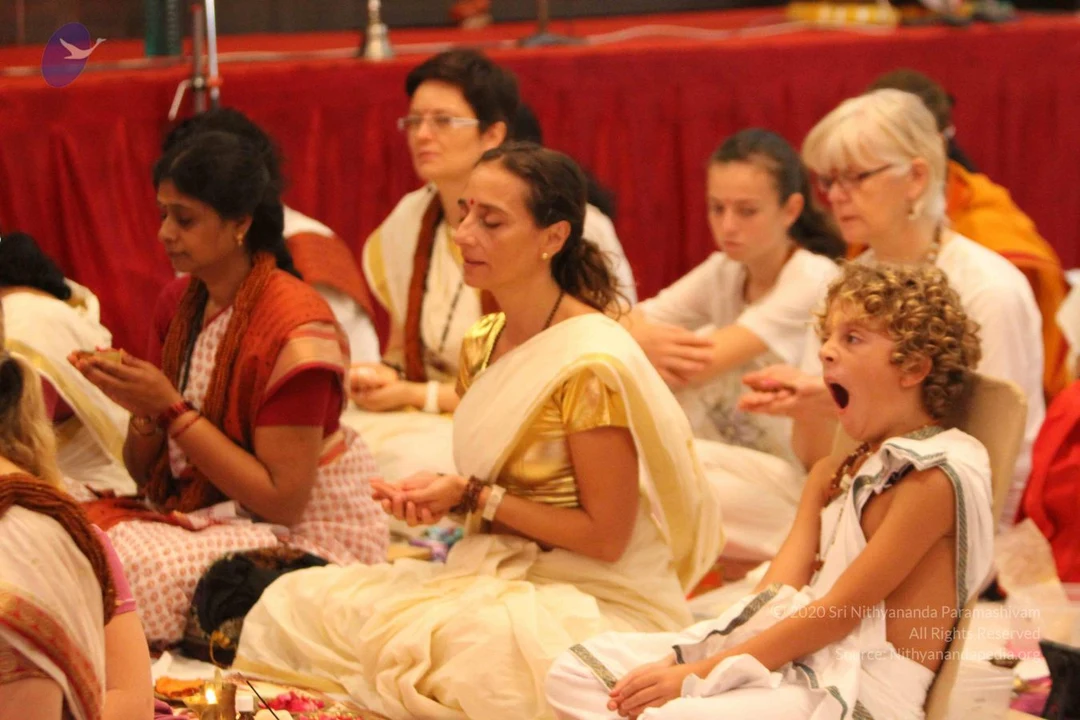
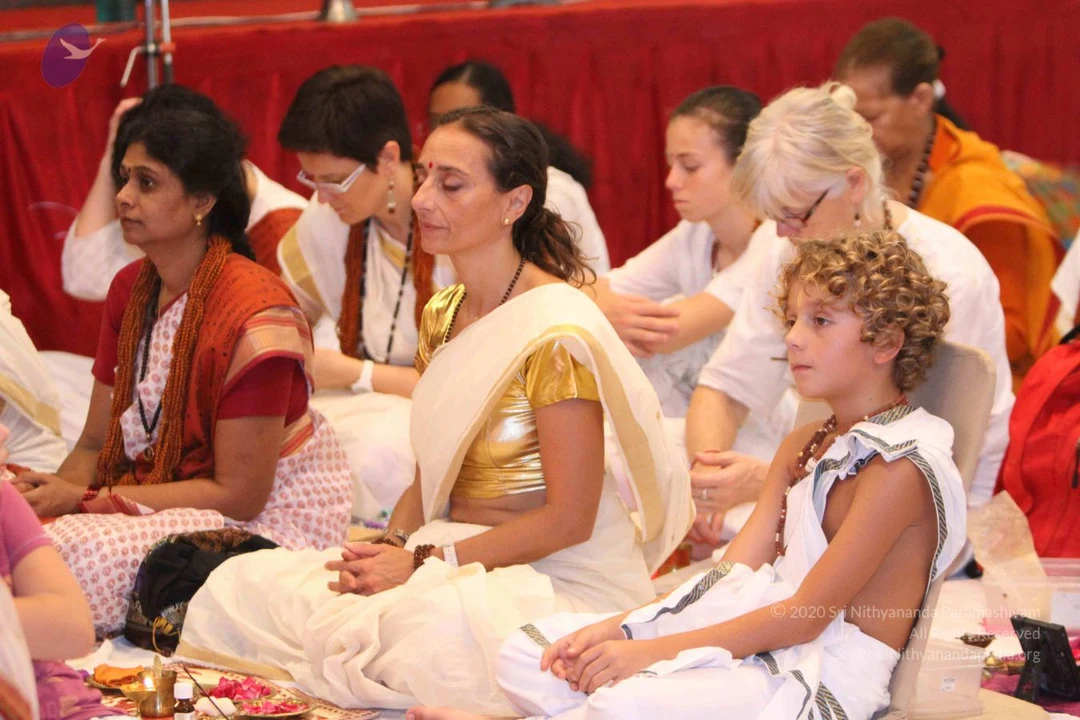
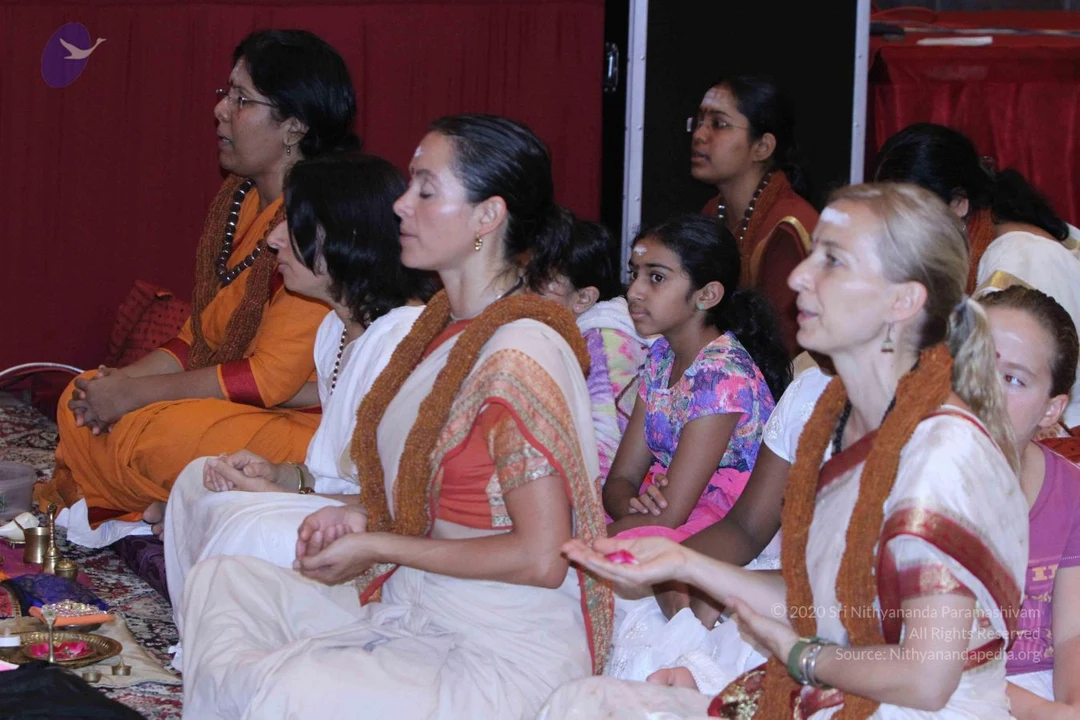
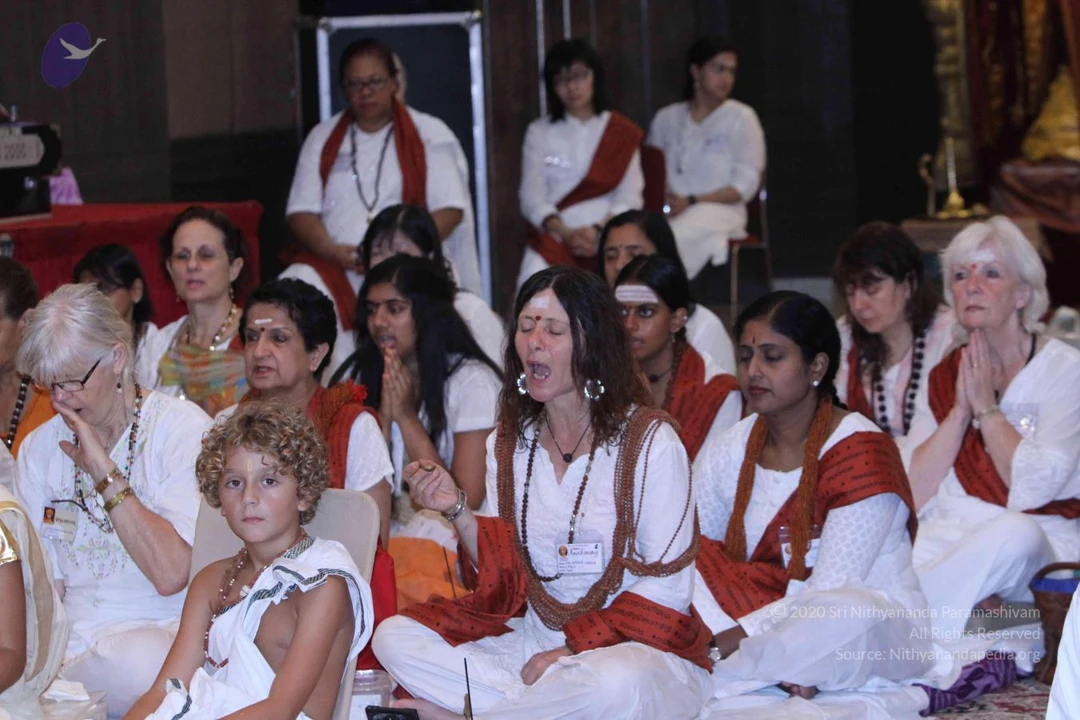
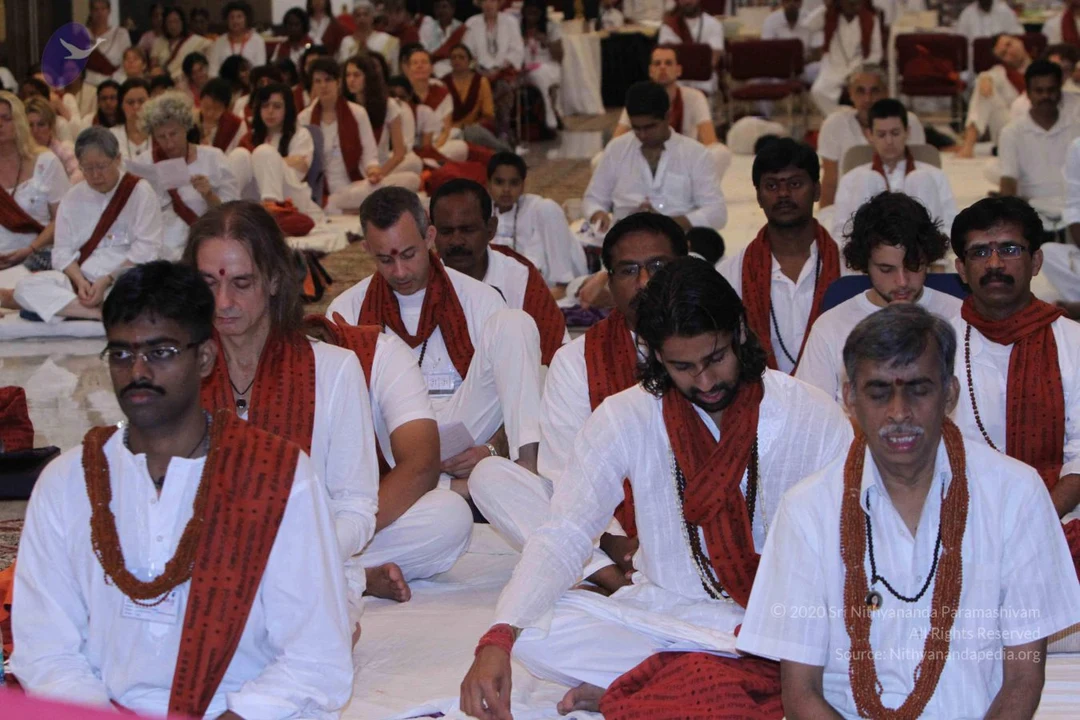
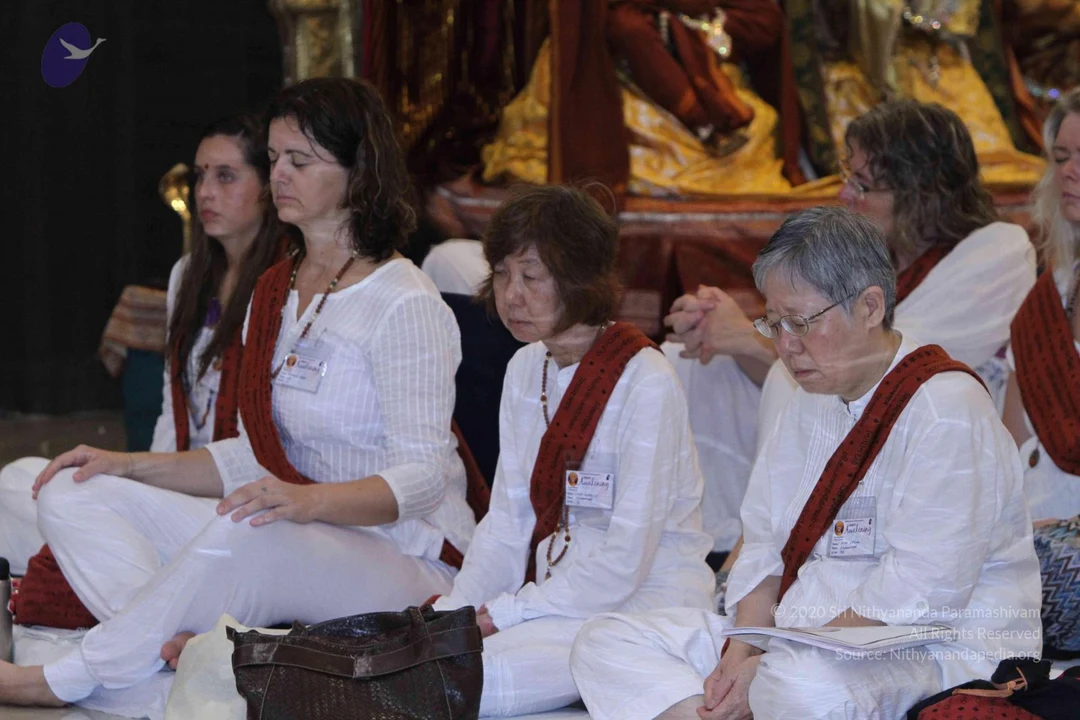
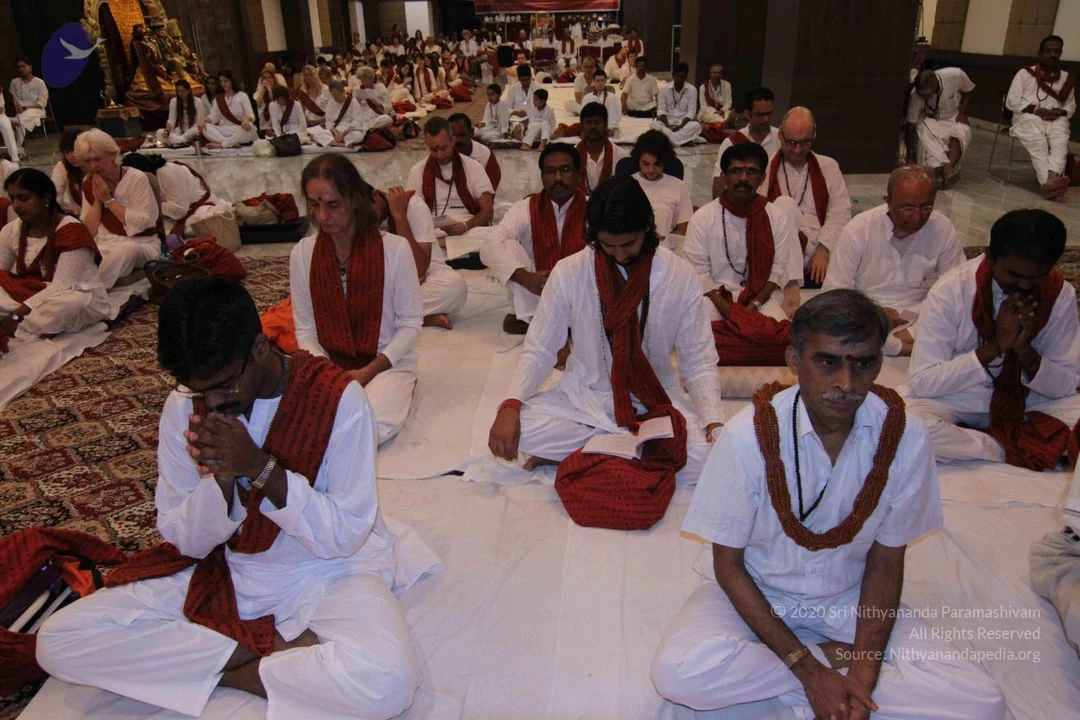
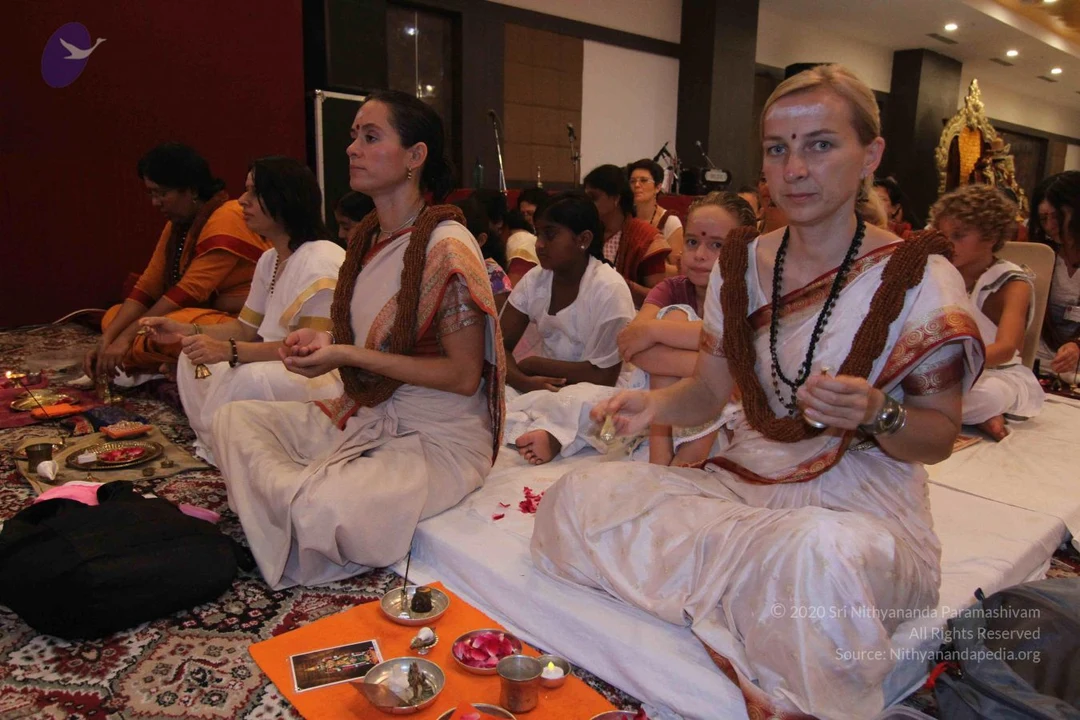
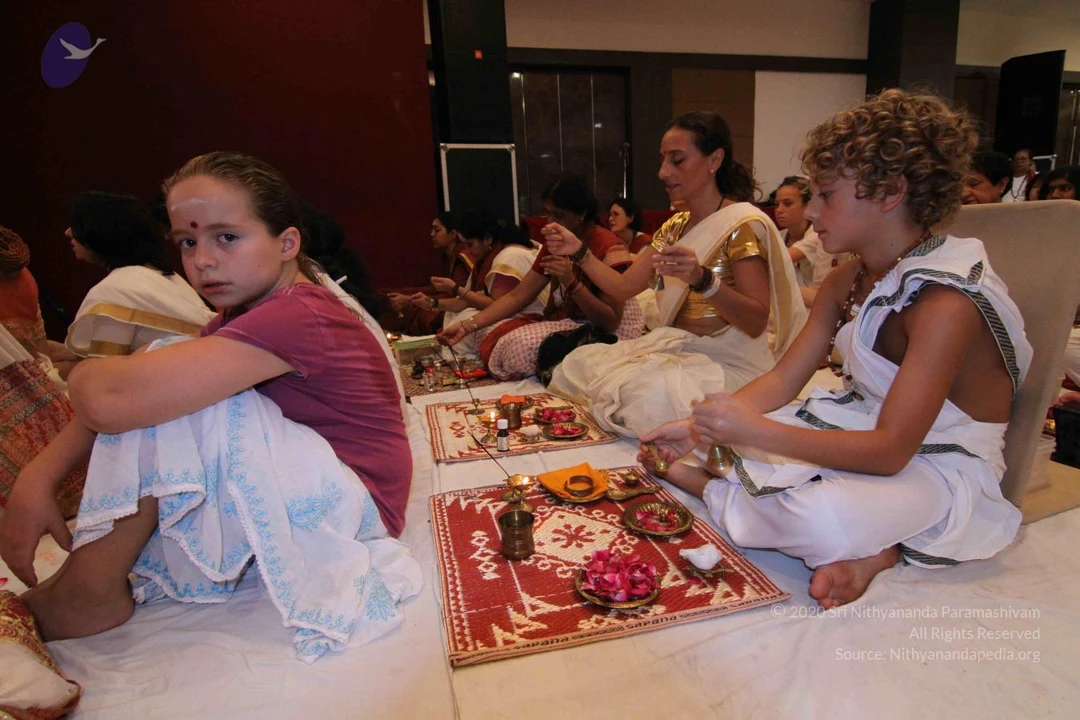
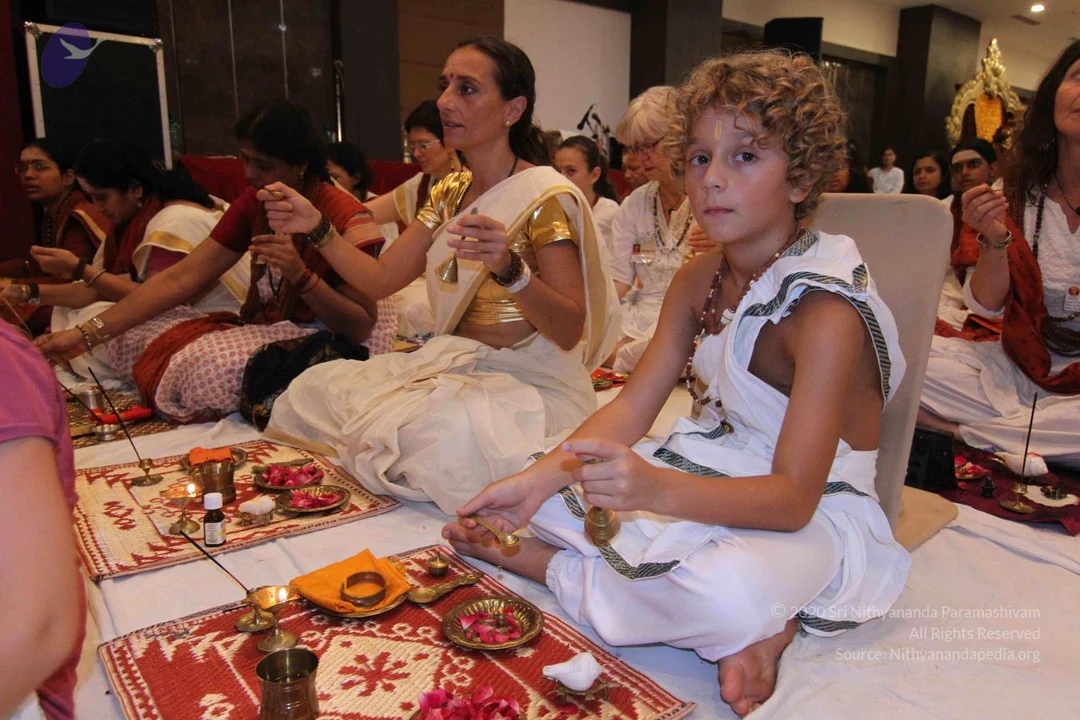
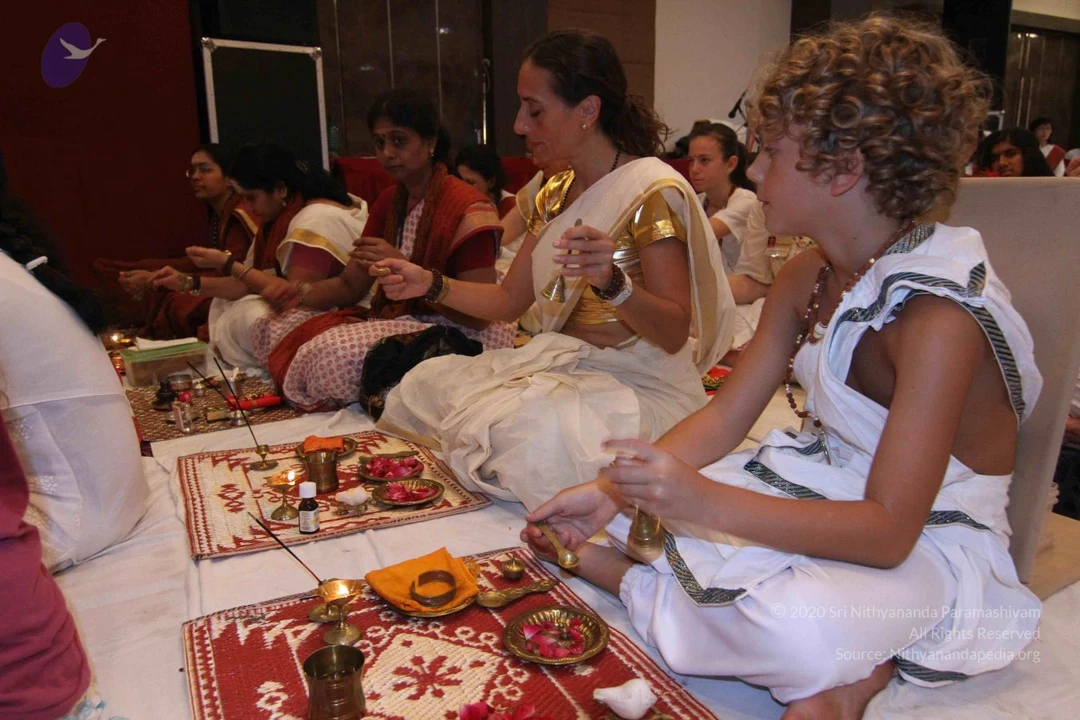
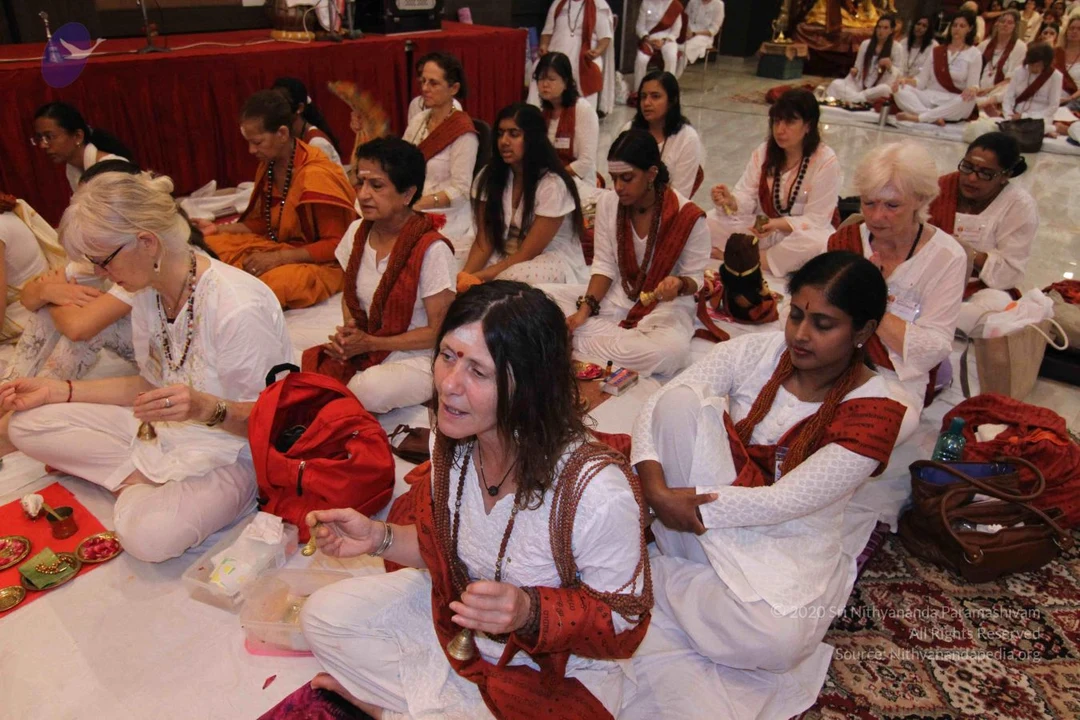
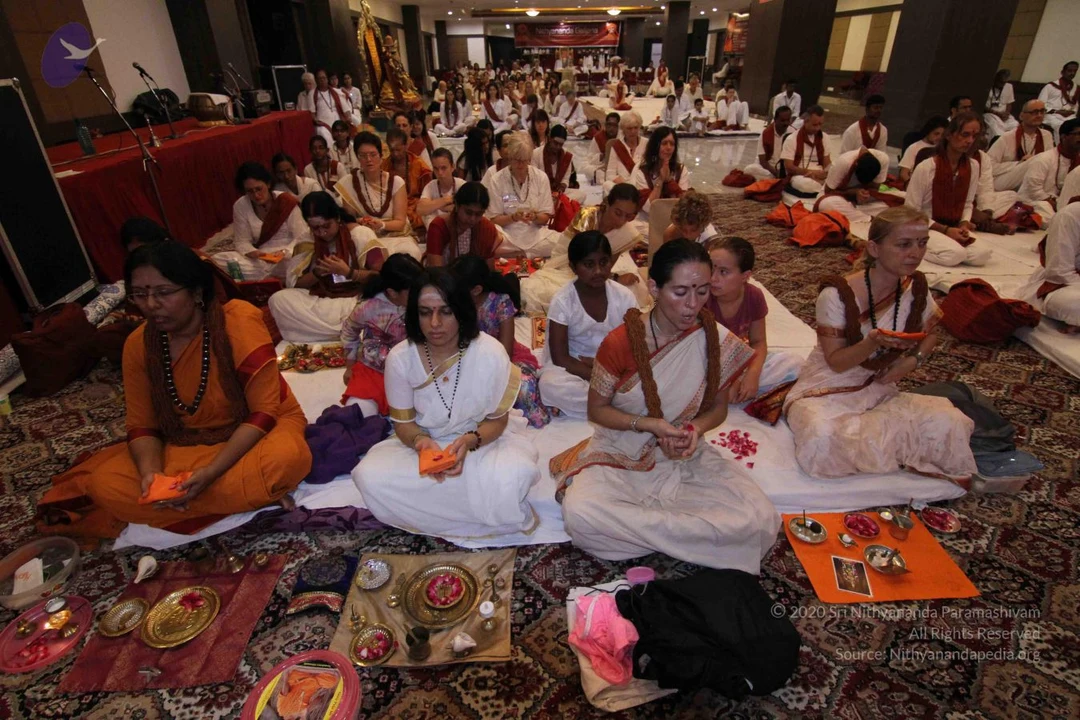
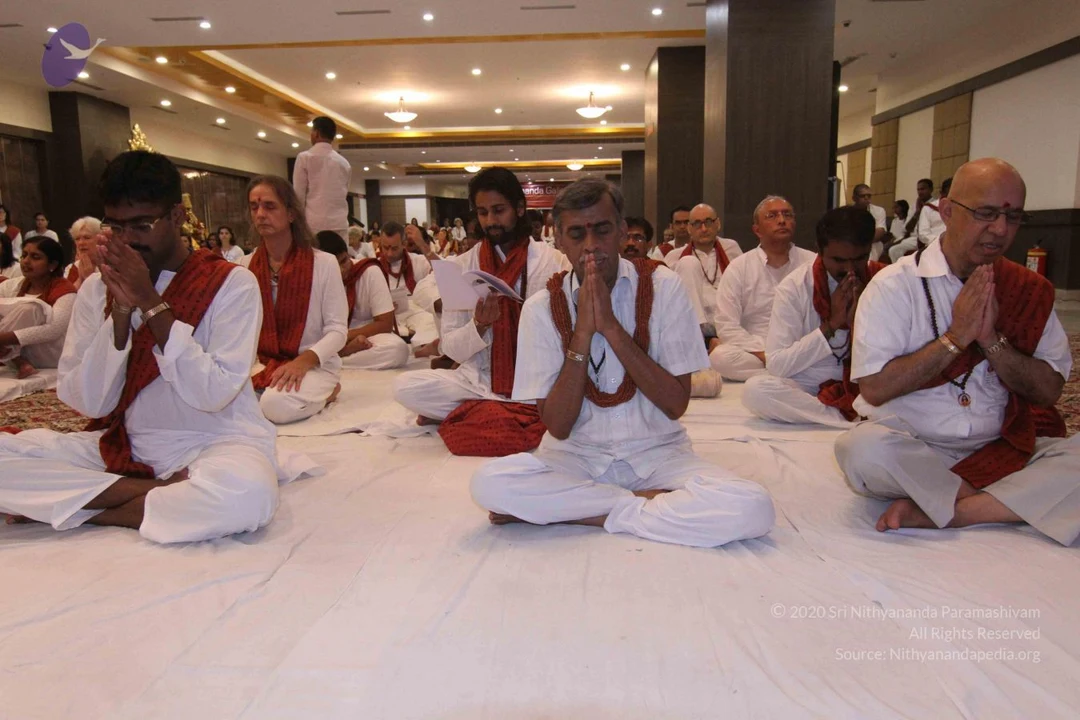
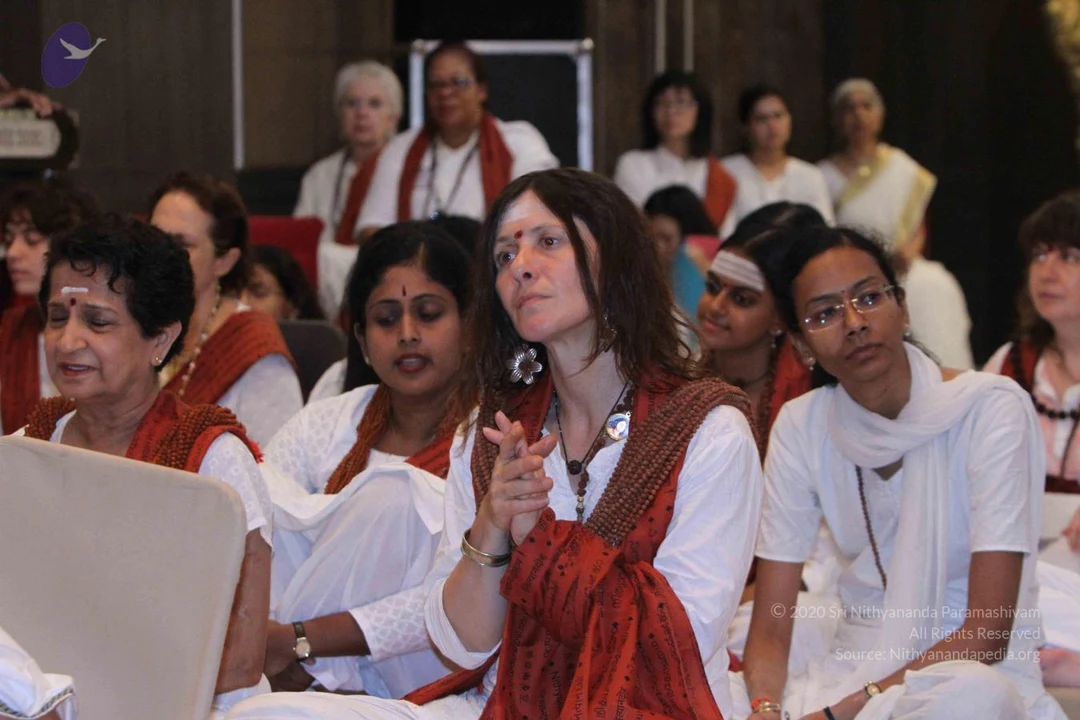
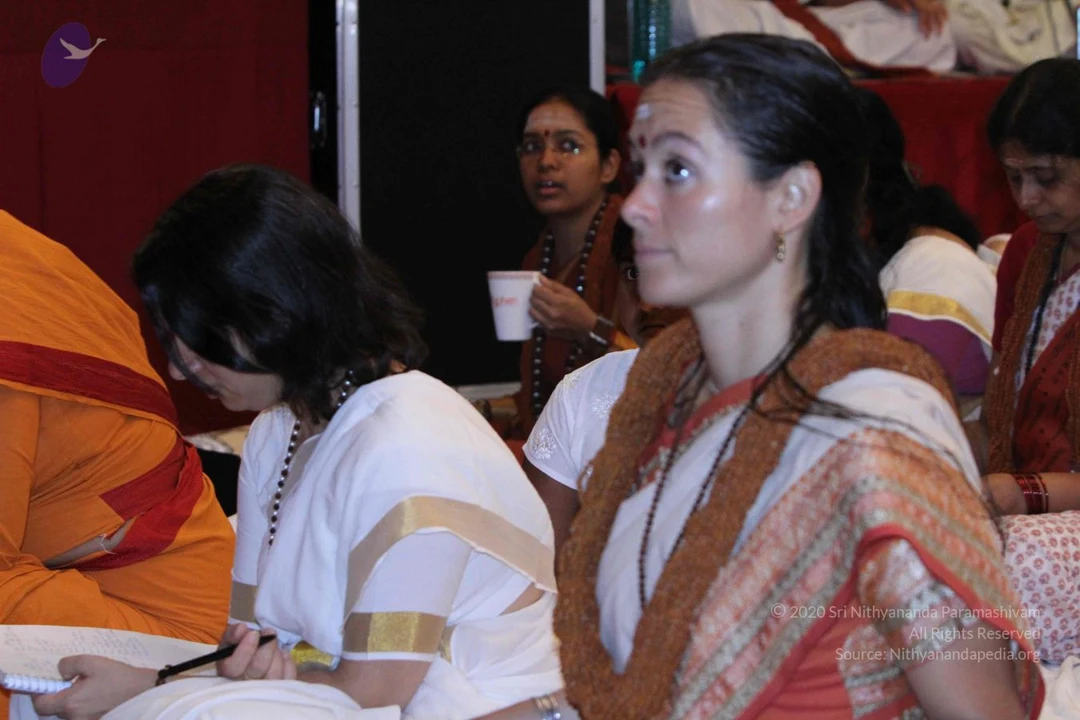
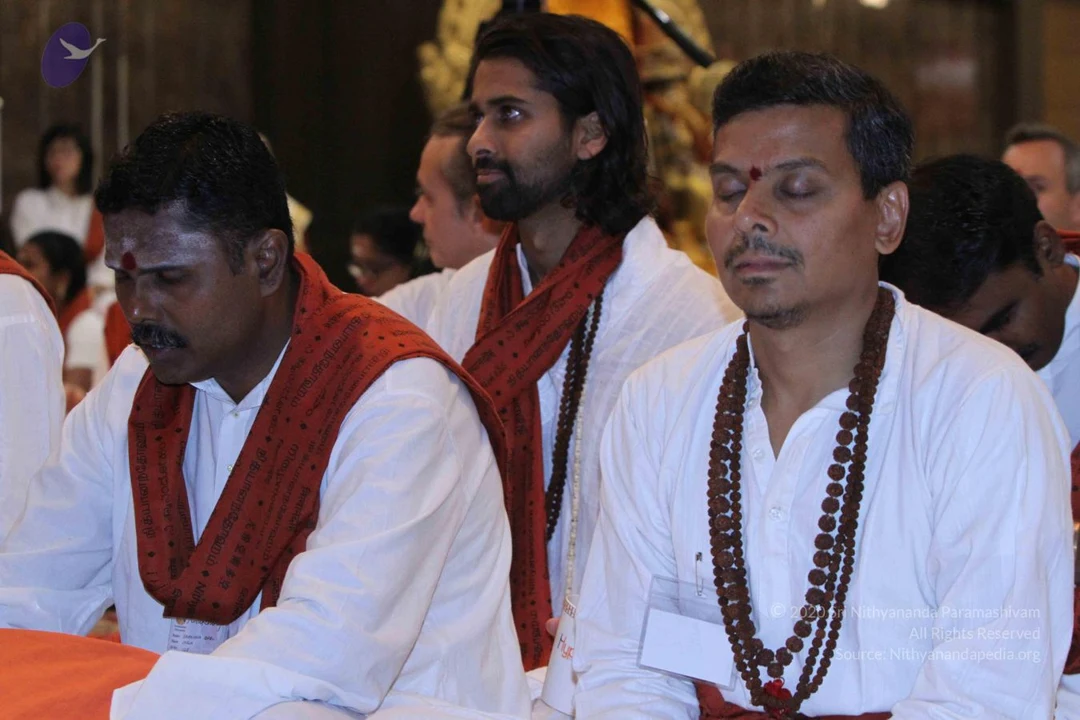
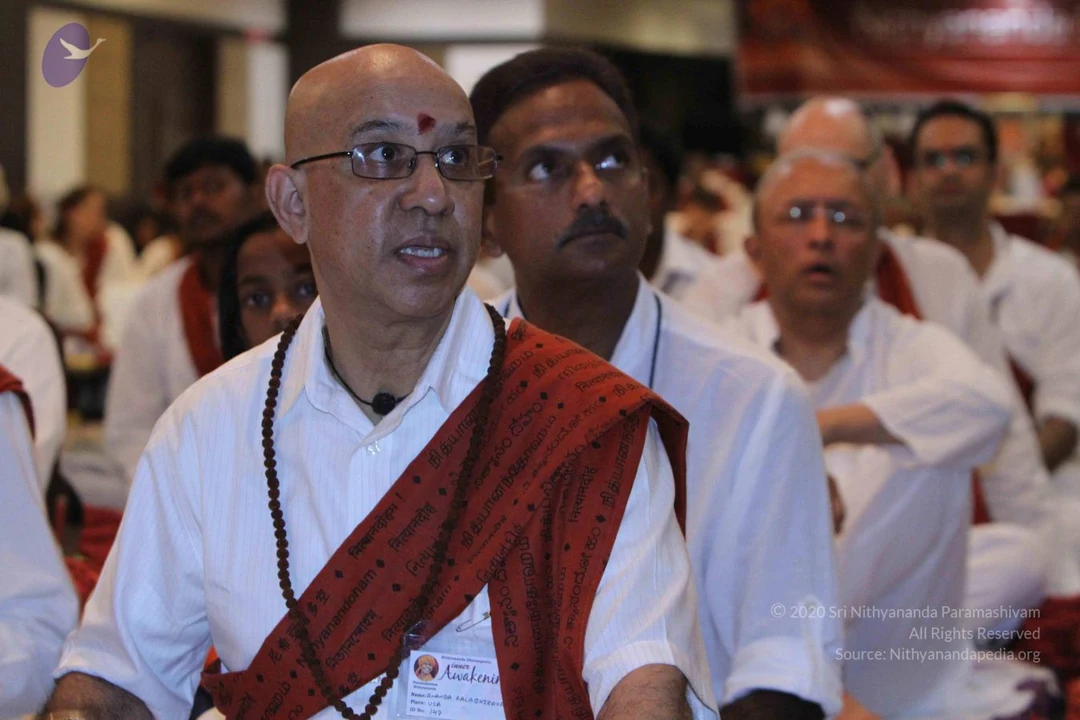
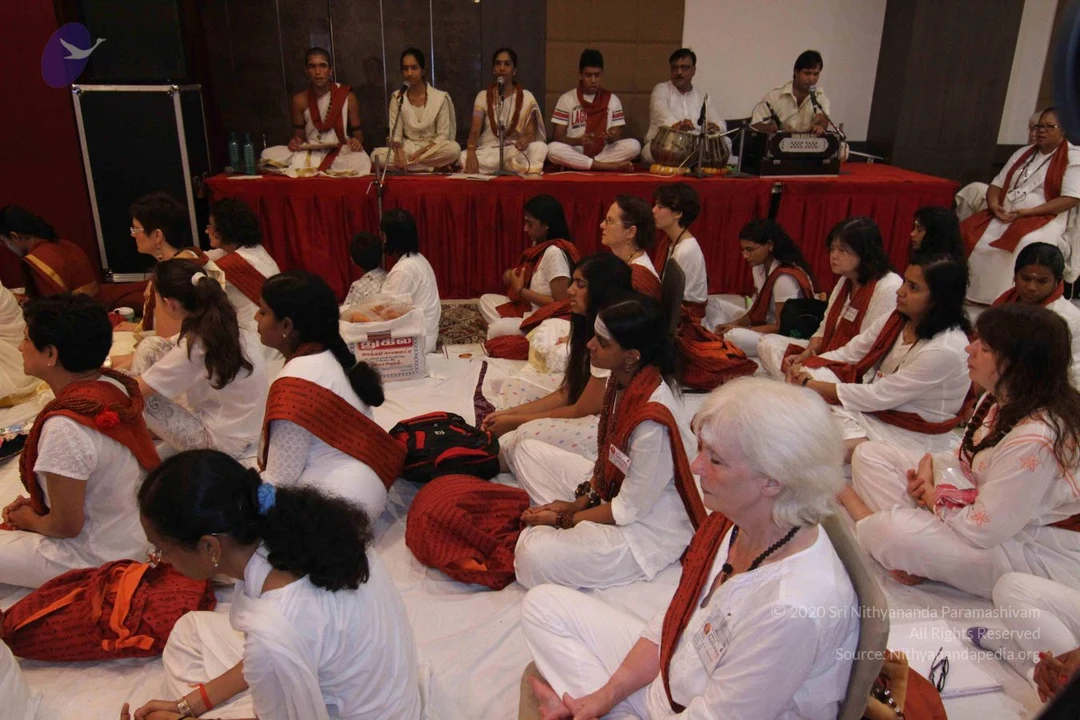
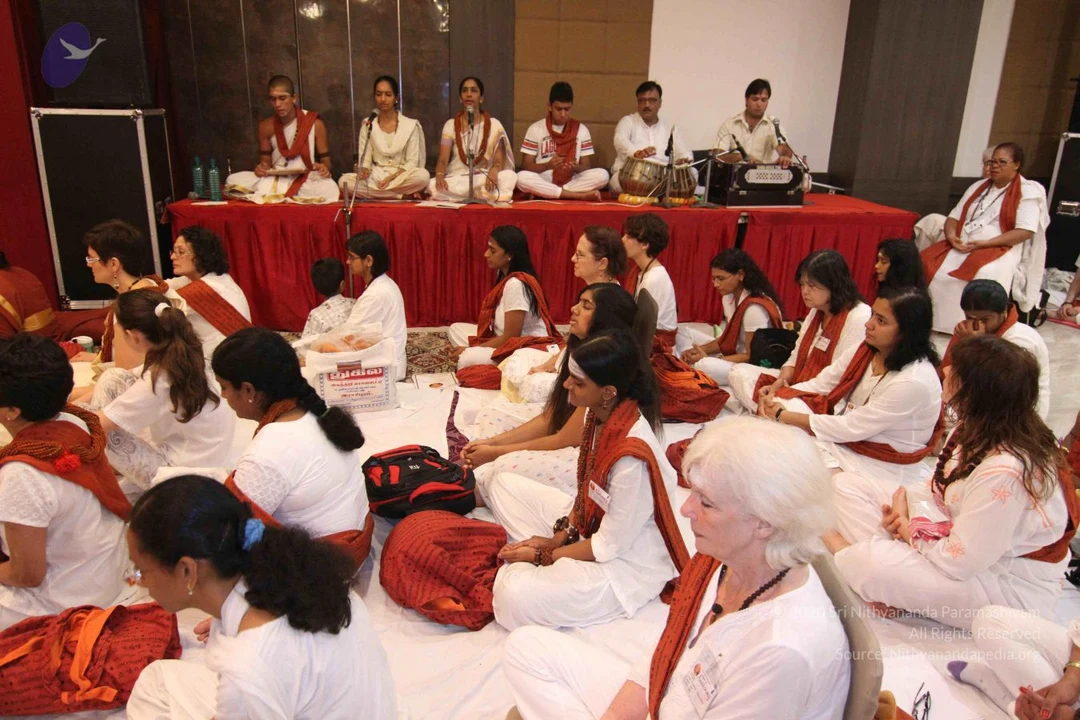
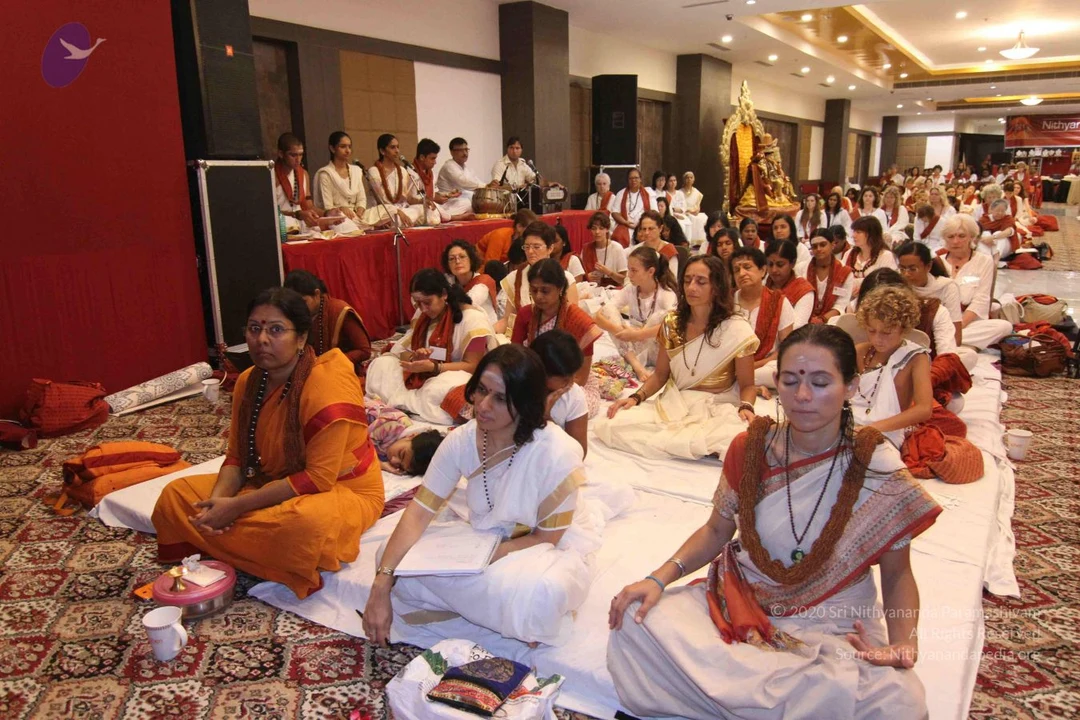
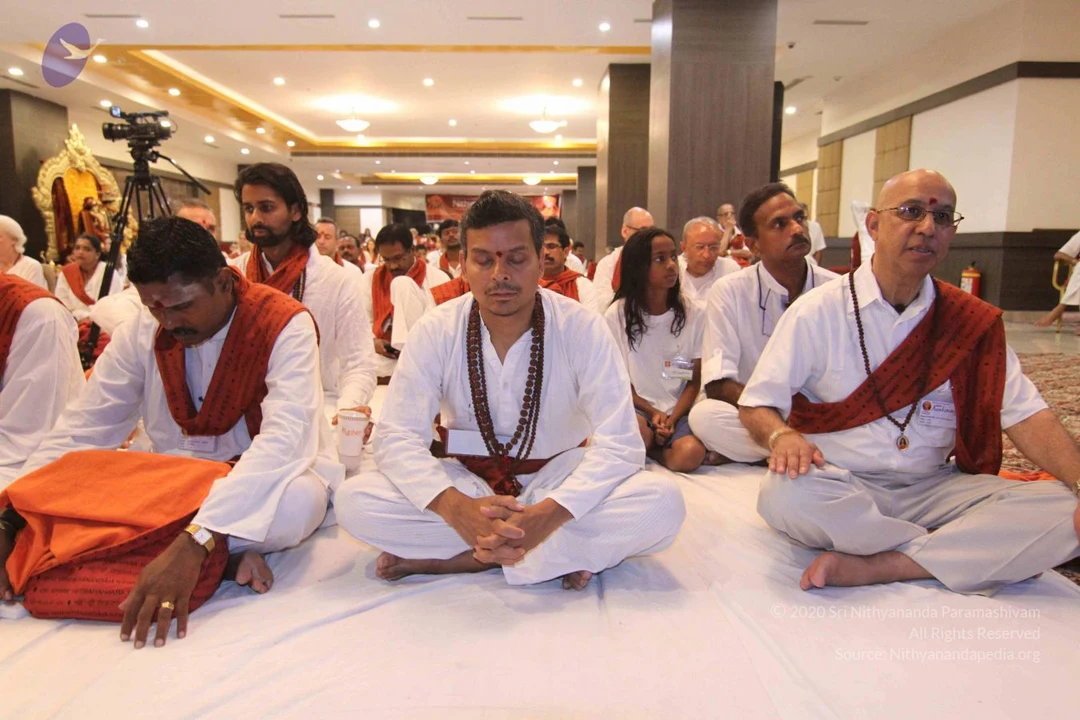
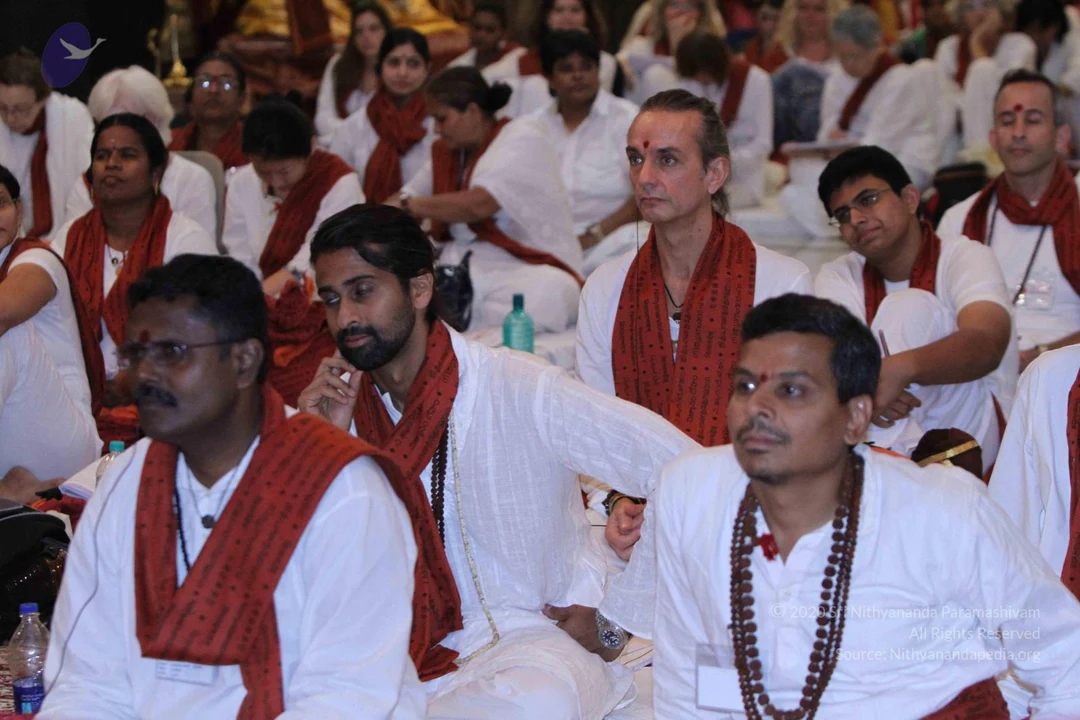
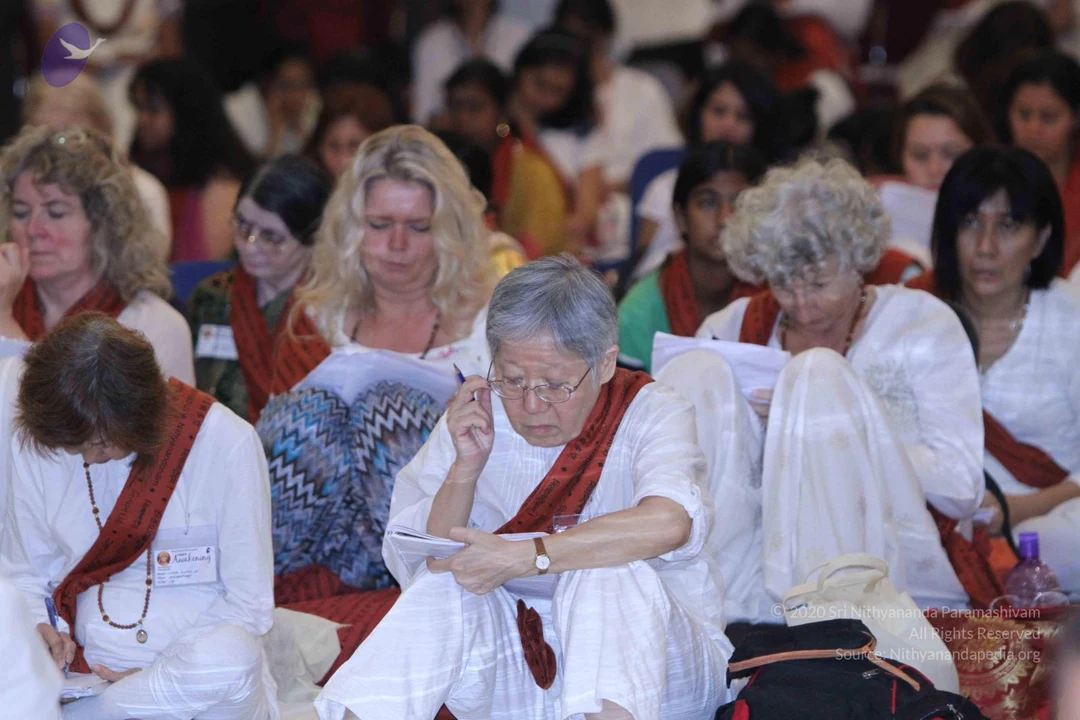
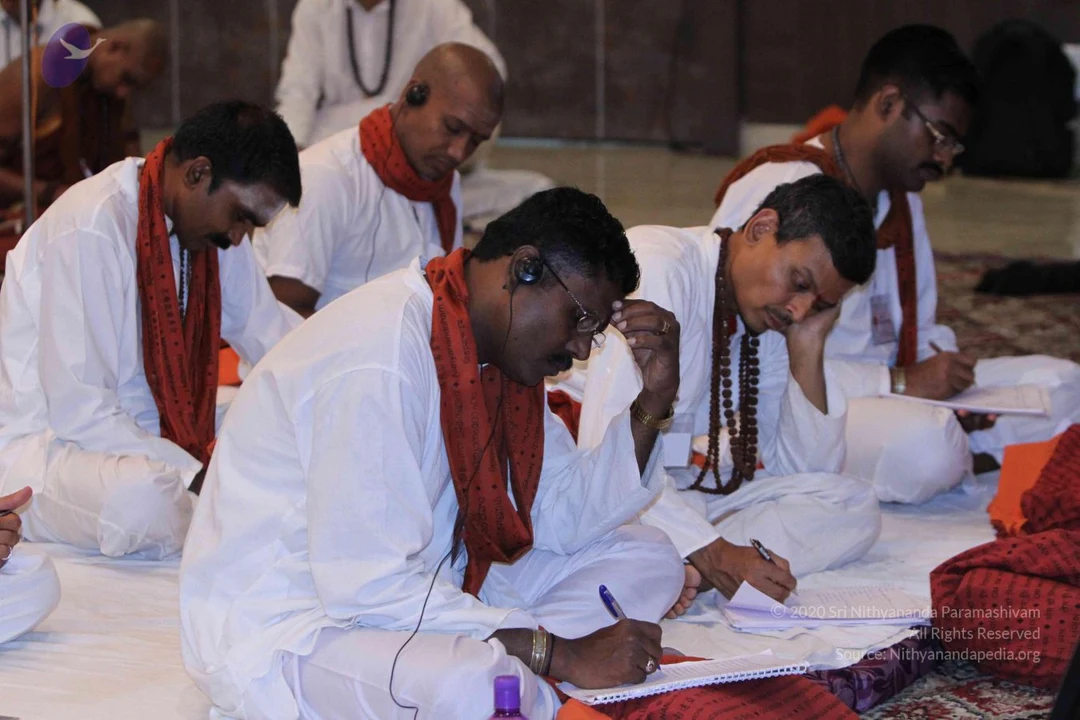
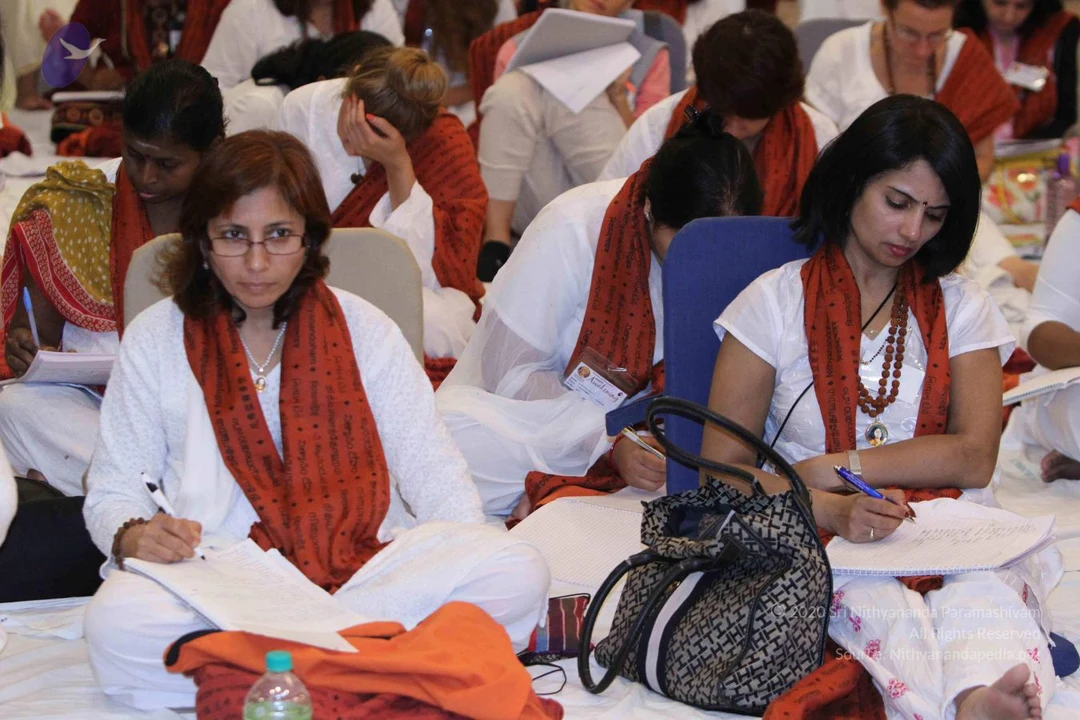
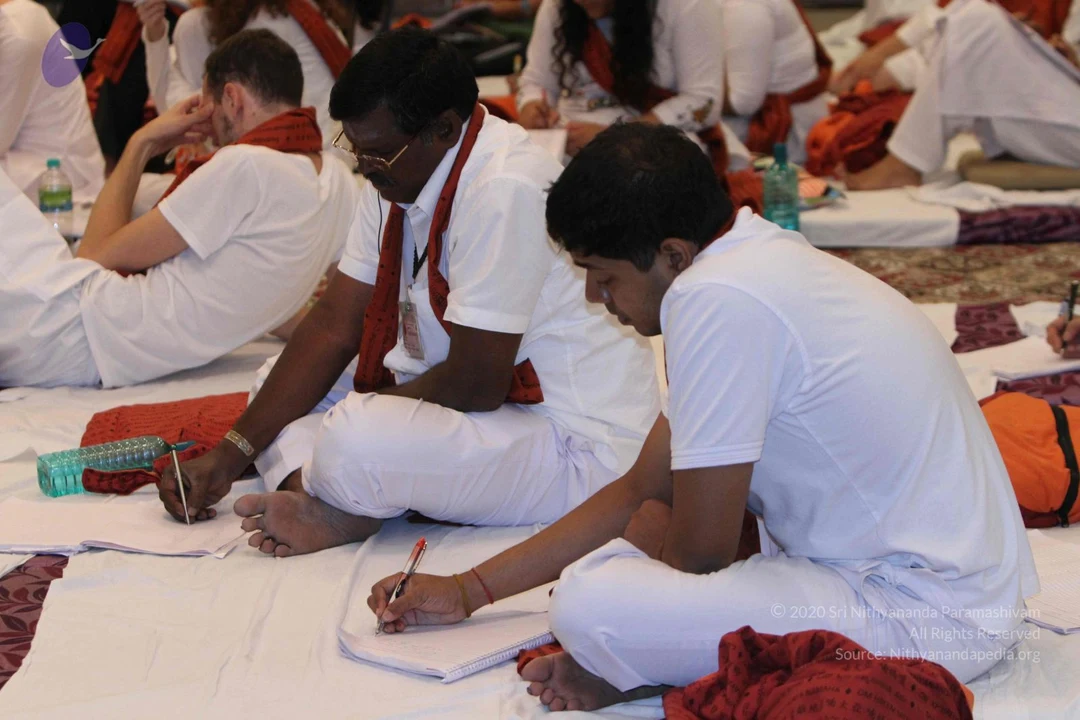
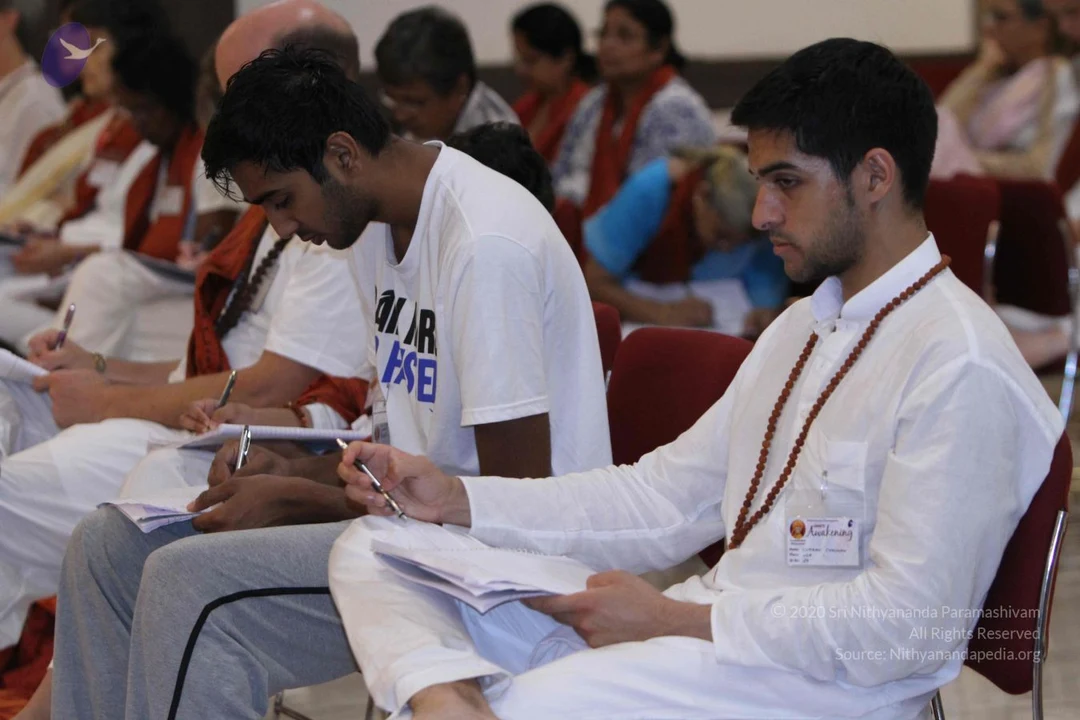
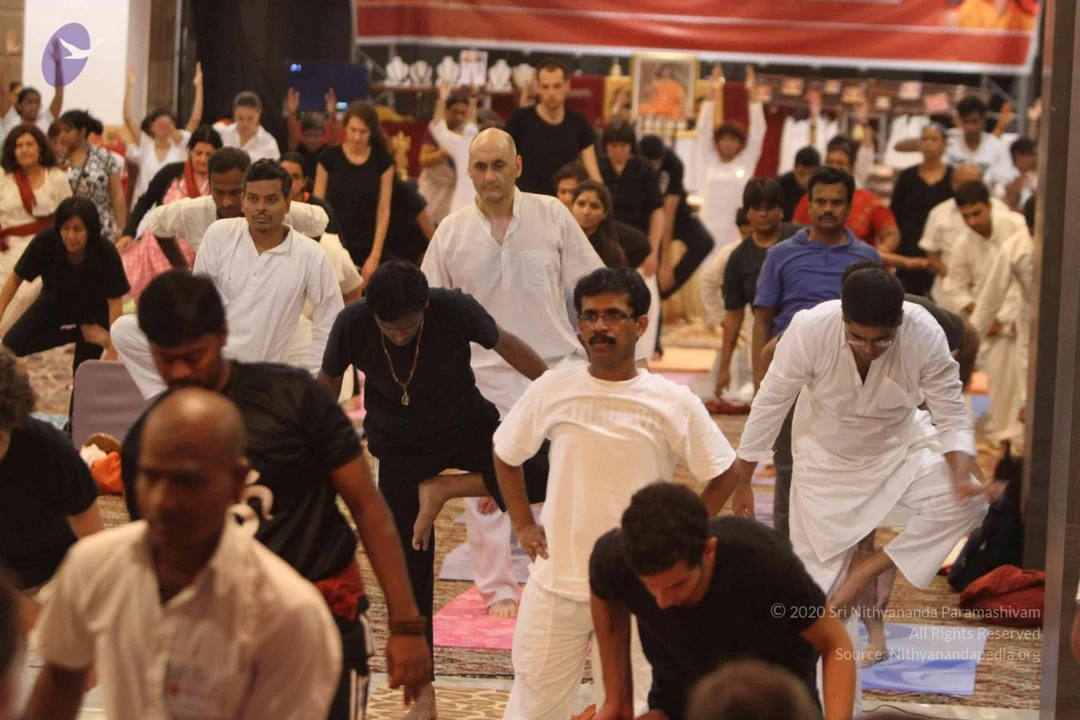
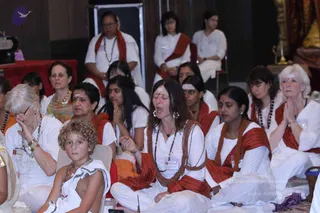
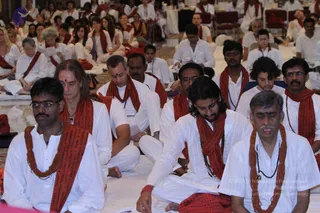
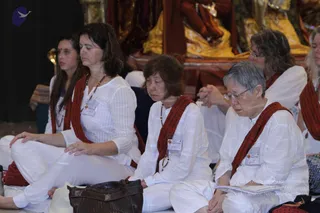
A photograph of a seated group of devotees in a hall with a red draped stage behind them during a ritual sitting. A woman in the centre wears a cream sari with gold blouse and closes her eyes with palms pressed together. To the left, a woman in red and orange shawl and bangles holds her hands in prayer near a small oil lamp on the floor. Behind them, women in white and cream with rudraksha-style beaded necklaces sit with hands folded; one wears glasses. A young curly-haired boy in white dhoti-style clothing sits at right with mouth open. A brass bell and a small oil lamp are visible near the floor offerings. No a person candidate is clearly visible.Seated devotees in a satsang hall with a red backdrop, many in white or cream ritual clothes. In the foreground a woman in a cream sari with gold blouse sits with eyes closed and hands folded in her lap, beside a curly-haired boy in white dhoti-style clothing with a rudraksha mala, also seated with eyes closed. Left, a woman in red and cream clothing wears a rudraksha mala; behind them others in white and orange sit in meditation. Small brass oil lamps and flower petals sit on a cloth in the lower foreground. No a person candidate is clearly visible; the figures are devotees.A seated satsang gathering on a patterned rug before a red draped backdrop. A woman at left wears an orange sari with a rudraksha mala and sits with hands clasped. Beside her, a woman in a white sari with an orange-brown shawl sits with palms together. A woman in the foreground at right, with hair pulled back and a white sari with orange shawl, extends a hand holding a red flower. Other seated attendees include a young girl in a floral top and women in white and orange-brown garments with marigold garlands. Brass puja items and a plate with petals sit at the lower left.A photograph of a seated congregation in white clothes with red-orange shawls and sashes, many with white or red tilaka marks on their foreheads and rudraksha malas around their necks. In the foreground a woman with long reddish-brown hair and large hoop earrings sits cross-legged with her eyes closed and mouth open mid-chant, one hand raised with fingers in a mudra. Beside her a woman in white with a red-orange sash presses her palms together, and a curly-haired young boy in white with a rudraksha mala sits at left looking toward the camera. Behind them, rows of devotees stand and sit against a dark backdrop with a gold-toned altar element at upper right.A photograph of a large seated satsang in a hall with white floor mats. Many devotees wear white kurta-style clothing and red-orange woven shawls with rudraksha malas, sitting cross-legged with eyes closed or lowered in meditation. In the foreground, a bearded man with long hair in white clothes and a red shawl sits with hands folded, next to a man in a white shirt and a red-orange garland. Several participants hold papers. No clearly identifiable a person appearance is visible among the foreground figures.Several women in white kurta-style clothing and red-maroon shawls sit cross-legged on the floor in a satsang hall, eyes closed or lowered in meditation. Some wear rudraksha-style beaded necklaces and small name badges on their shawls. A woman in the foreground holds a notebook; a brown leather bag rests on the floor. Behind them, an ornate altar with gold and red draped fabric and a seated figure in gold-and-red garments is partly visible. No identifiable a person candidate is clearly present in the frame.

Darshan

8 photosSource gallery
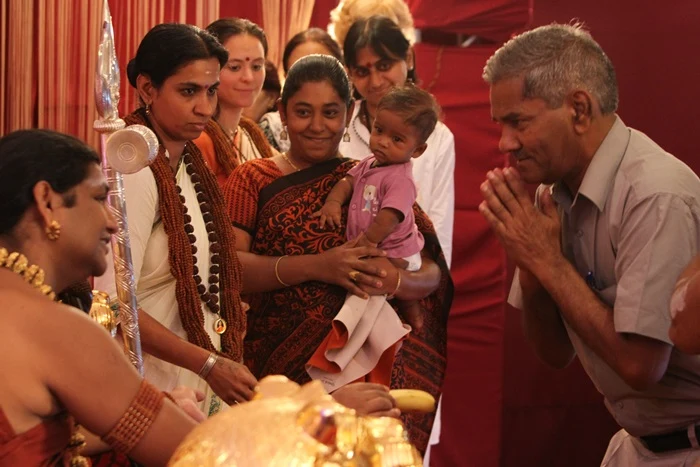
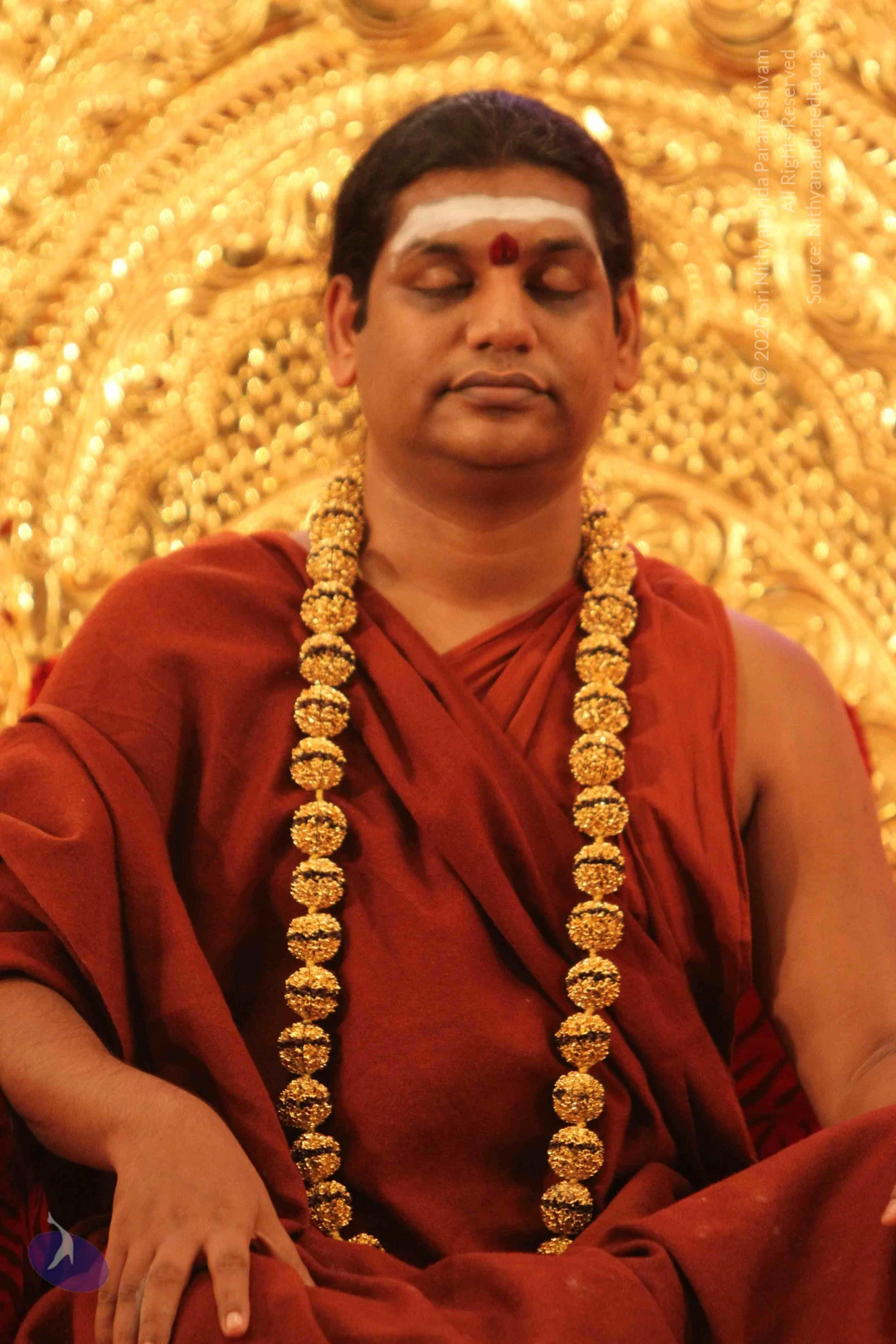
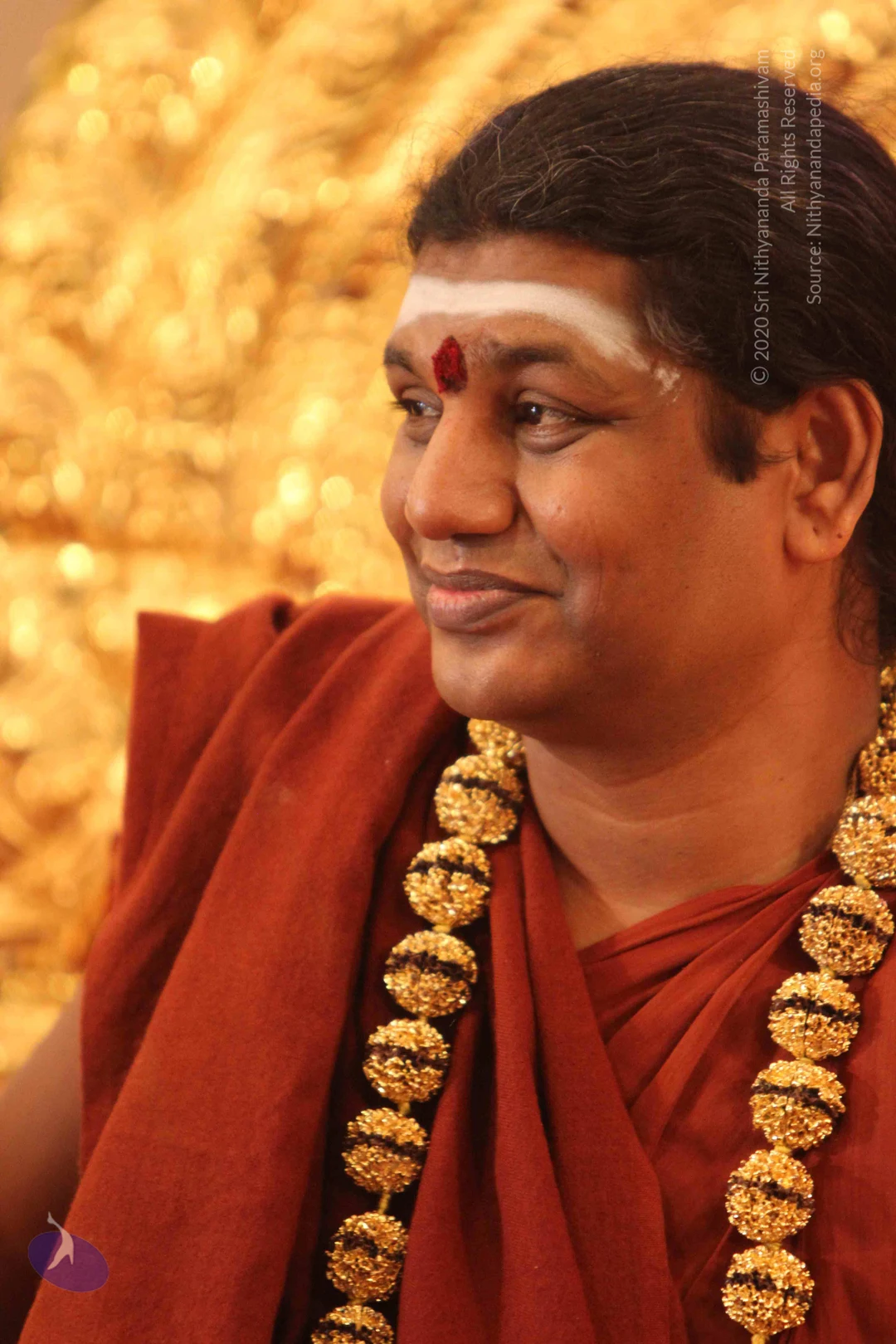
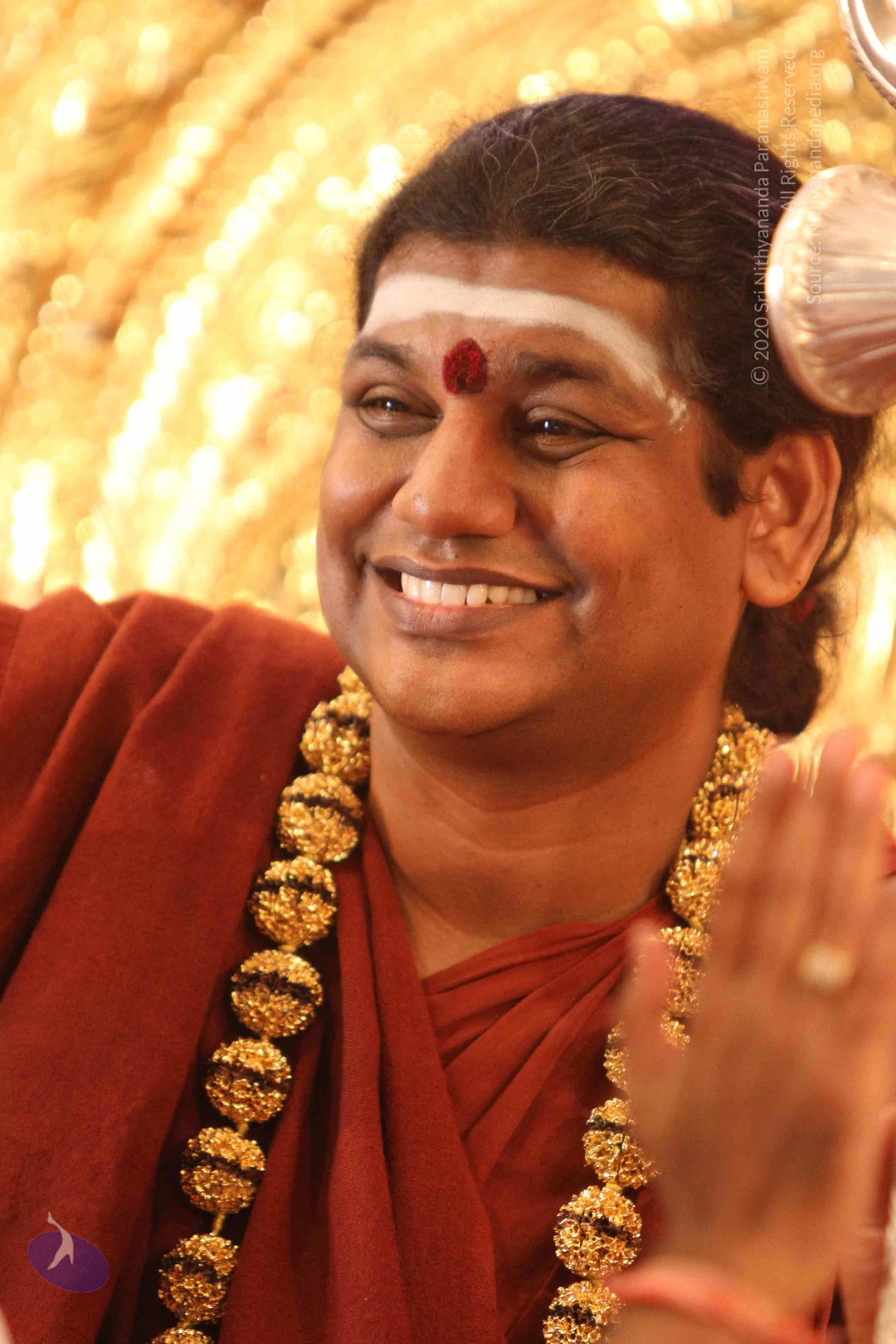
A seated man in deep meditation on a red velvet dais before a large ornate golden throne back with floral and lion-like relief carving. He wears a rust-red sannyasi robe draped over one shoulder and a heavy gold rudraksha-style bead necklace. He has a white vertical tilak with a red bindi on his forehead, eyes closed, hands resting on his knees in a meditative posture. A silver trident stands beside him, and a black cobra with raised hood is coiled on a staff to the right. Bare feet rest on the dais edge.Close-up photo of a polished silver trident (trishul) with a small red gem set at its centre, its shaft wrapped with a dark serpent. Behind it an ornate gold-embossed throne or backdrop with dense floral and scroll relief catches warm light. A cobra-like snake coils around the trishul's lower shaft beside a gilded deity figure or decorative carved base at lower right. A partial person's arm in red fabric appears at the left edge. The setting suggests a temple or satsang stage with ritual symbols.A man with closed eyes sits in meditation against an ornate gold repoussé backdrop. He wears a rust-red saffron-toned robe draped over one shoulder, a white vertical tilak and red kumkum dot on his forehead, and a long double strand of large gold-toned beads with dark bands. His right hand rests on his knee. The image is a close crop of a single seated figure.A seated man in a rust-orange robe with a gold necklace and a white vibhuti mark on his forehead extends his right hand to bless a young child kneeling before him, who has bowed with palms joined. Beside him stand golden lion-headed armrests and a silver-topped staff. Behind them a woman in a white sari with a brown shawl and rudraksha mala smiles and gestures with her hand. Red curtains and gold drapery form the backdrop of a satsang or darshan setting.Close-up photograph of a smiling man in a rust-orange shawl and robe, with a white horizontal forehead mark and a red kumkum dot between the brows, wearing a long gold-toned rudraksha mala with dark beads around his neck. His dark hair is swept back. Behind him is a blurred, glittering gold backdrop. Swamiji (probable): the man has long swept-back hair, a saffron robe and a rudraksha mala with ceremonial gold beads, matching the page's claim of his presence at the satsang. Printed text in the image labels the photo as a pedia imageClose-up photo of a smiling man with short dark hair swept back, wearing a white horizontal forehead mark and a red bindi-style dot between the brows. He wears a rust-red shawl and a heavy necklace of gold-coloured rudraksha beads. His raised hand, adorned with a ring, appears at the right edge, and a silver-toned object is visible at the top right against a warm golden bokeh background. Appearance cues include the rudraksha mala and red shawl, but this is an appearance-based candidate only and the identity remains uncertain.

Morning-Satsang
29 photosSource gallery
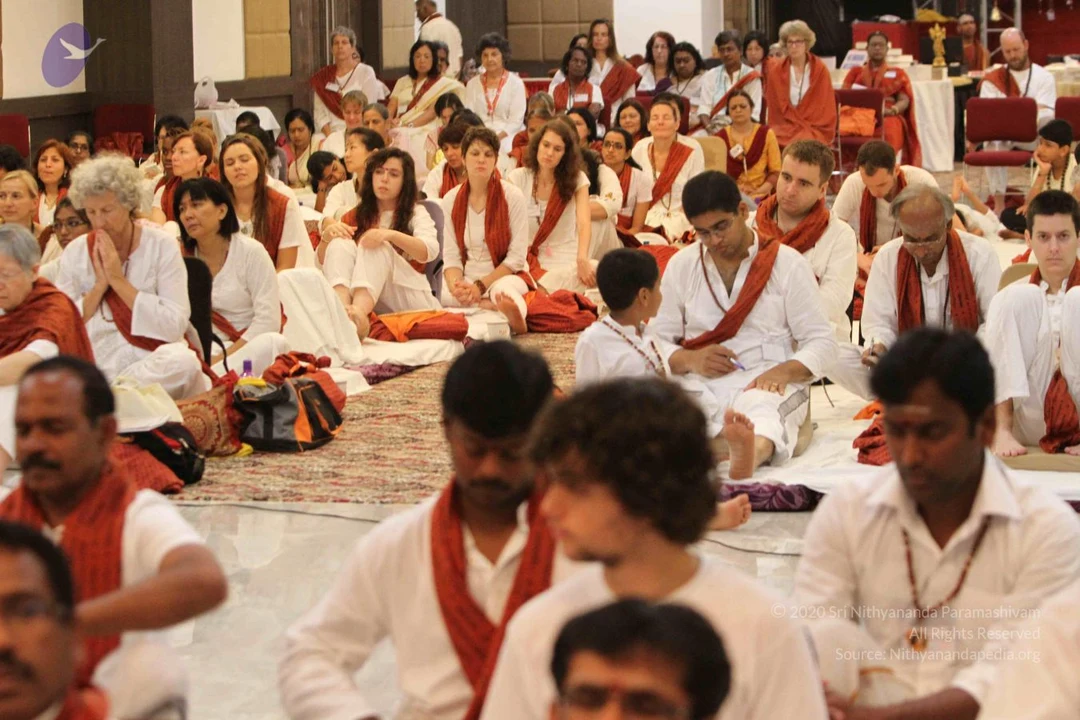
A smiling man stands on a raised stage before an ornate gold throne with carved lion-like armrests and red tiger-striped cushions. He wears a rust-red robe with gold borders, a green leaf garland and a heavy gold bead necklace, and carries a wooden staff topped with a cobra head. He wears a white forehead marking with a red dot and gold earrings, and raises one hand in greeting. This appears to be a person in a satsang or public discourse setting, with one person visible.A man stands on a raised platform in front of an ornate gold throne with carved lion-head arms and red tiger-stripe velvet cushions. He wears a maroon-red cloth with wide gold borders, a long chain of gold beads, and a green leaf garland. His forehead has white vibhuti with a red kumkum dot, and he has gold earrings and gold bangles. He holds a dark wooden staff carved as a coiled cobra in his right hand and raises his left hand in greeting while smiling. a person is shown in person, with the saffron-red robe, gold garlands, cobra staff and wide smile as the qualifying cues.A smiling man in a rust-red saffron-toned robe with gold-bordered dhoti stands on a stage in front of an ornate gold throne with lion carvings and red tiger-striped cushions. He wears a green leaf garland, a heavy gold bead necklace, gold armbands and bangles, and a white and red forehead mark. He raises his right hand in a blessing wave and holds a carved wooden staff with a coiled cobra. a person appearance, based on the saffron robe, distinctive gold ornaments, rudraksha-style adornment and staff, standing centrally on the stage, with no identifying name visible.A seated man in an ornate gold-embossed throne wears a red-orange turban decorated with beadwork and a crescent ornament, a red bindi and white forehead marks, and a red-orange wrap over bare shoulders. He is adorned with a green leaf garland, layered gold-beaded necklaces, rudraksha armbands and wrists. Red velvet tiger-striped cushions and gold carved panels surround him.A seated man in a rust-red turban decorated with beads and a crescent ornament, wearing a rust-red dhoti-style garment with a gold border and a thick green leaf garland with gold beads. He sits on a red tiger-striped throne in front of an ornate gold repoussé backdrop, with a red tilak on his forehead, bangles on his wrists and armlets. Probable Swamiji by appearance cues: crown-like turban, saffron-orange ceremonial clothing, ornate gold beaded necklace and ceremonial adornments on a throne.A seated man in a rust-red turban decorated with beads and a pale ornament, wearing a rust-red dhoti with a gold-bordered hem and a rust-red shawl draped over the shoulder. He wears a long green leaf garland strung with gold beads, red coral-style armbands and bracelets, and a red tilak on the forehead. He sits on an ornate red throne with a tiger-stripe upholstery in front of a gold-embossed backrest, smiling, with bare feet. a person: long-haired appearance is not visible here, but the turban, saffron-red robes, ceremonial gold beaded garland and throne fit the page's presentation of a senior teacher receiving honour.
IA

6 photosSource gallery
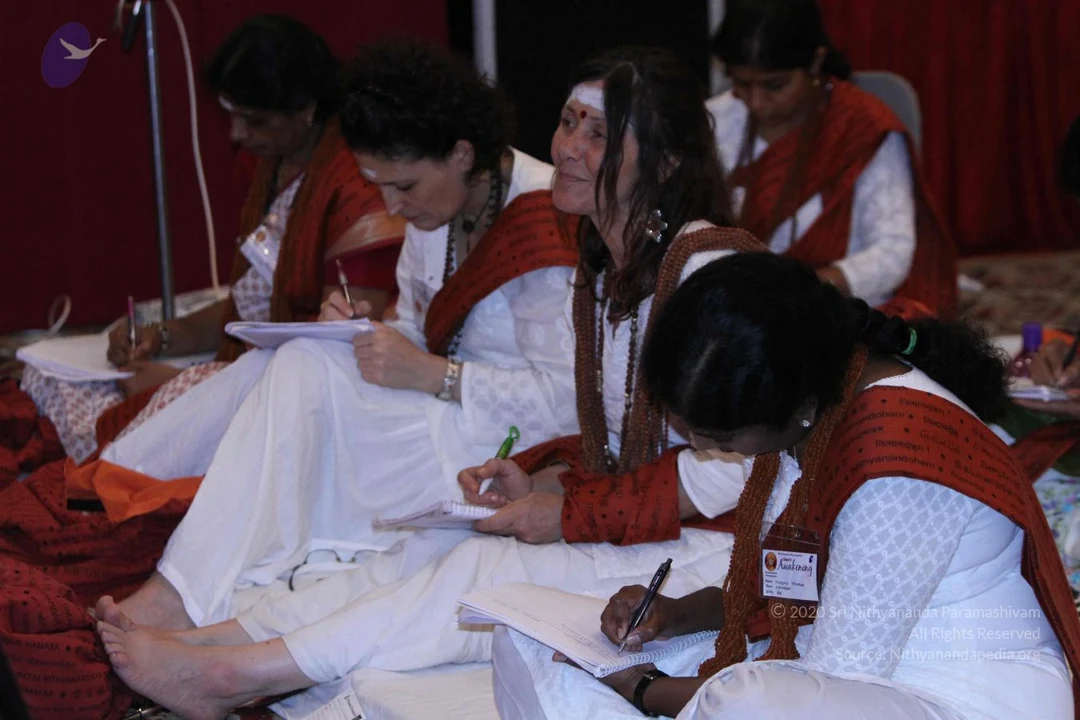
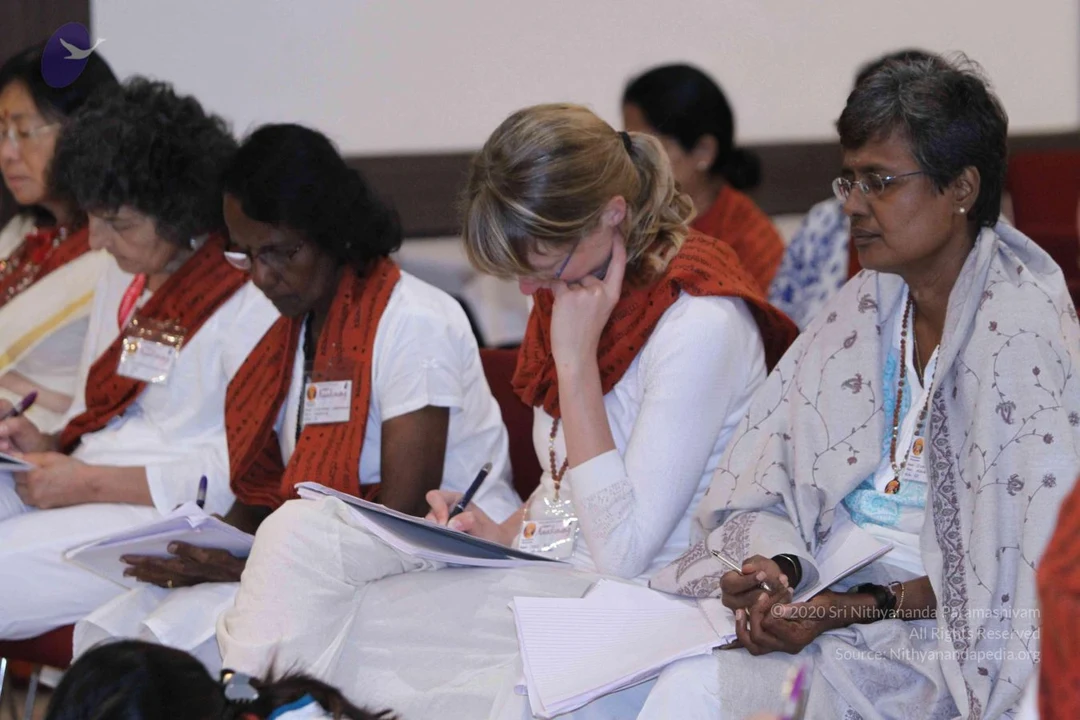
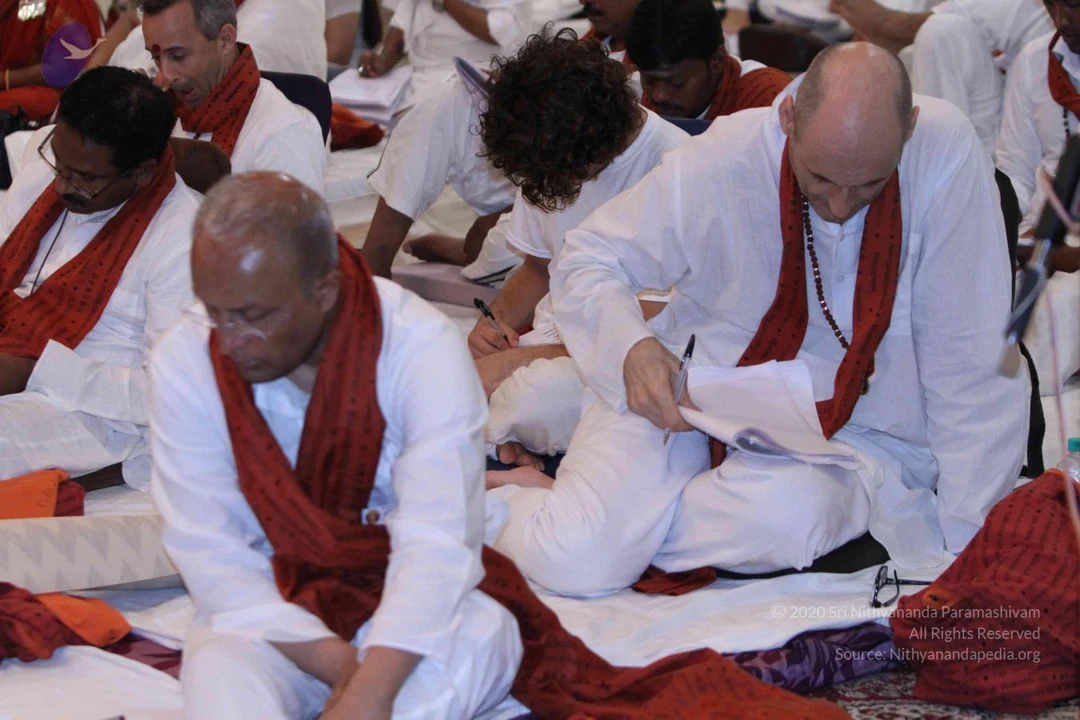
A seated man in a rust-red sannyasi robe with gold-bordered dhoti sits cross-legged on an ornate gold-and-red throne flanked by two gold lion sculptures. He wears a long gold ceremonial necklace of beads and a red tilak on his forehead, and rests one hand on his knee. A gold cobra-headed staff stands at his right. Behind him is a gold-embossed arch and a white kolam design on a pink wall. a person: the figure wears rust-red sannyasi robes, a gold ceremonial necklace and a seated throne presentation consistent with the page's identification. Behind and to the right, a small logo and faint text appear on the photo.A seated man in a saffron-red robe with gold-bordered dhoti sits on a red velvet throne with an ornate gold backrest and gold lion figures on each side. He wears a long gold-beaded garland and a red bindi with white markings on his forehead, smiling while a microphone is attached near his face. A gold-handled staff with a cobra motif rests at the right. Behind the throne is a pink-lit backdrop with a white kolam pattern.A man seated cross-legged on an ornate golden throne with a carved gold back and a pair of gold lion figures at the arms, draped in red-orange robes with gold-bordered dhoti, wearing a long gold bead necklace and a red tilak on his forehead, speaking into a headset microphone with his hands clasped in his lap. A golden staff with a carved serpent sits to the right. Red and black tiger-striped cushions cover the throne. a person: the saffron robes, ornate gold necklace and throne setting are consistent with the page's reference to a person, so this is a satsang discourse scene.A man seated on an ornate golden throne with lion-shaped armrests and a golden arched backrest, a red tiger-striped cushion beneath him. He wears a red-orange saffron-style robe with gold borders, a long gold beaded necklace, and a red bindi with white vibhuti marks on his forehead. He is speaking while gesturing with his right hand, and a golden snake-headed staff leans beside the right lion. The setting is a stage with a pink wall backdrop.A photograph of a seated audience at a satsang or discourse, with several women in white clothing and red-orange shawls taking notes in notebooks with pens. In the foreground a woman with blonde hair tied back wears a red shawl over white and rests her hand on her face while writing. To the right an older woman with short grey hair and glasses wears a white and grey embroidered shawl, a beaded mala around her neck, and holds a pen over an open notebook. Others at left wear white clothes with orange-red shawls, and lanyard name badges are visible.Seated satsang audience in white kurta-style clothing with red-brown shawls, sitting on white floor mats. In the foreground, a bald man in a white kurta and red shawl sits cross-legged, looking down and writing on a notepad with a pen; another bald man in a red shawl sits at left with eyes lowered. Behind them, a curly-haired woman in white leans forward writing, and more devotees sit in rows. A mala-wearing man sits at right.