Monday
21 July 2014
Completion is Healing Power
- Dated photos
- 374
- Source pages
- 1
- Media
- 2
July 21 2014
Original wiki pageTitle:
Completion is Healing Power
Description:
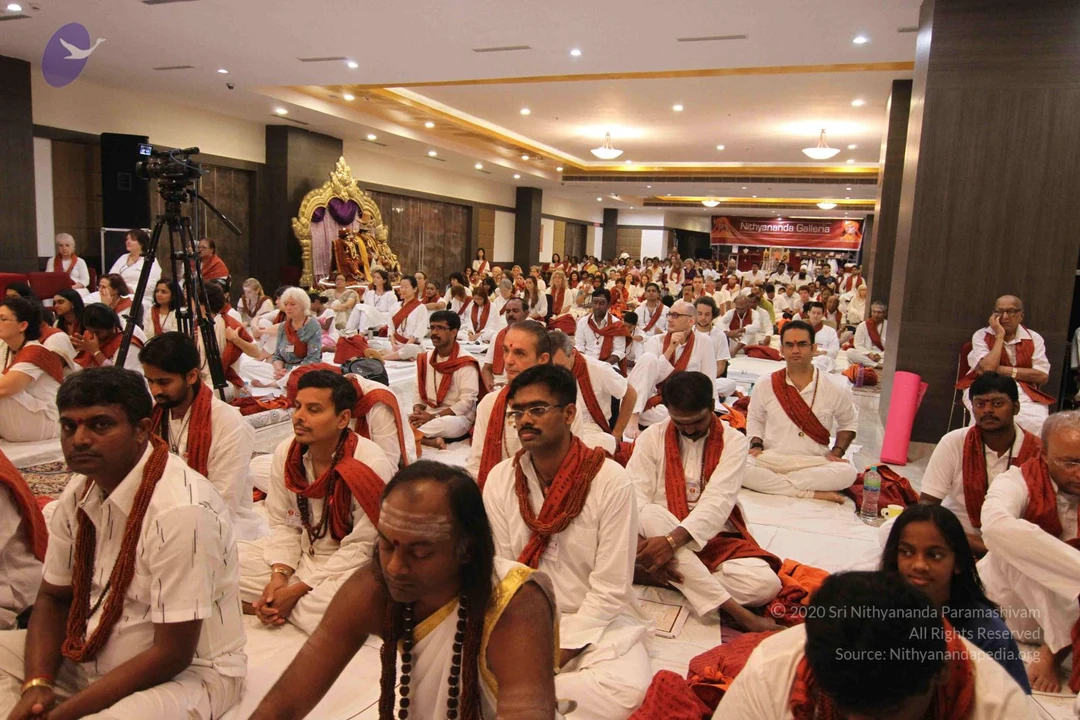
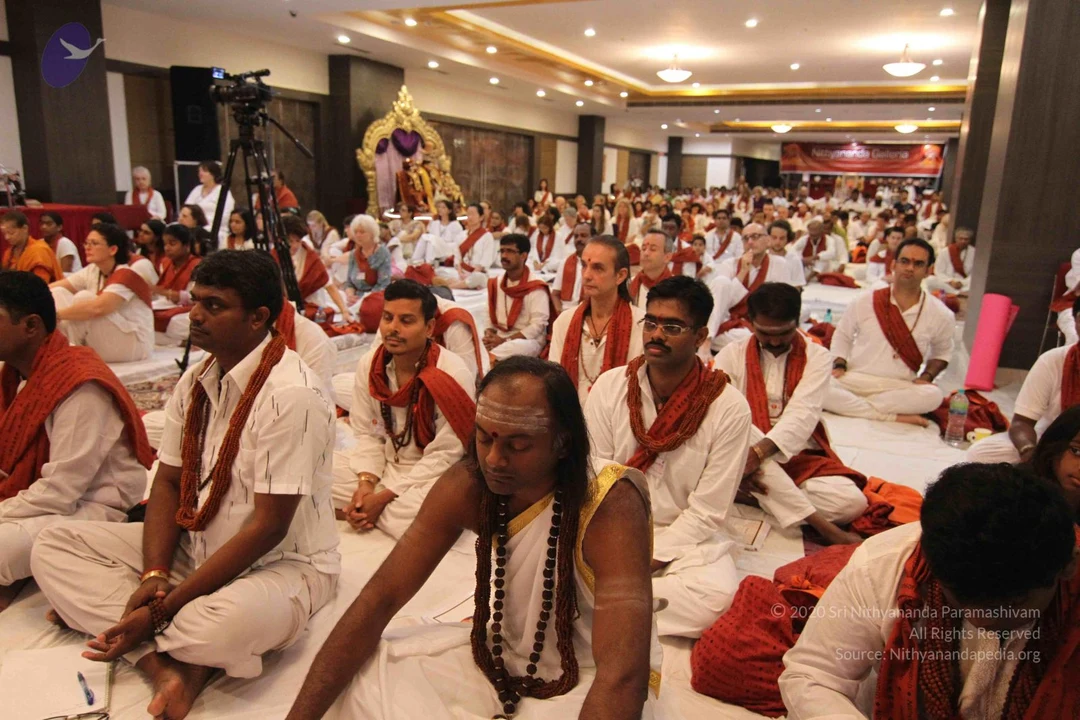
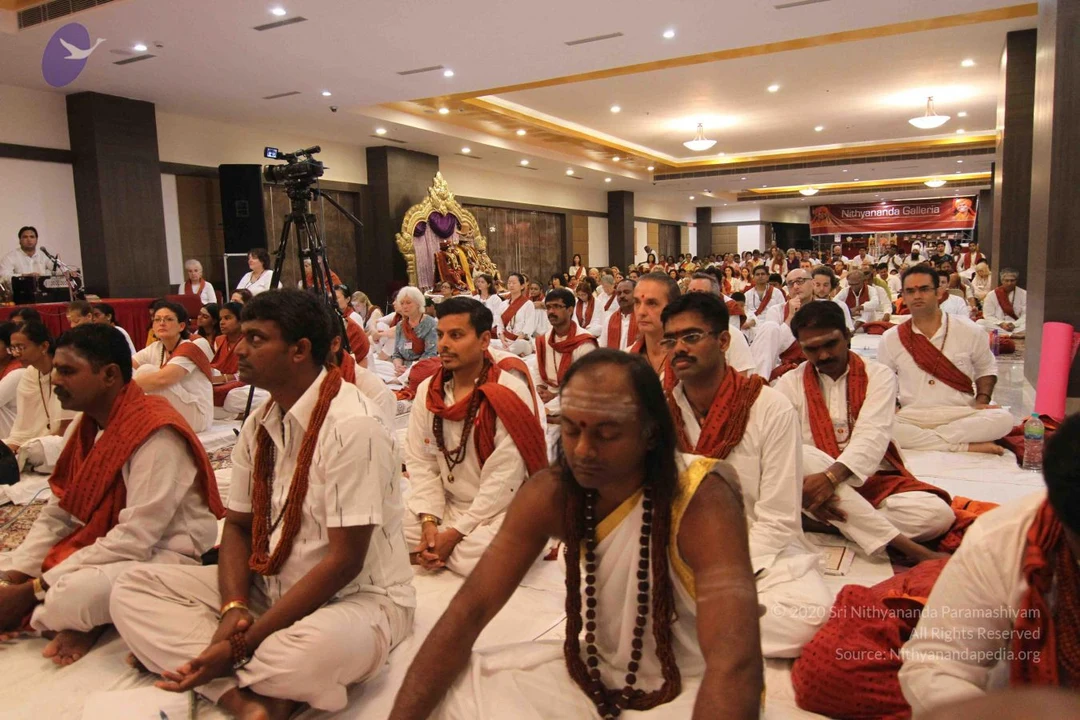
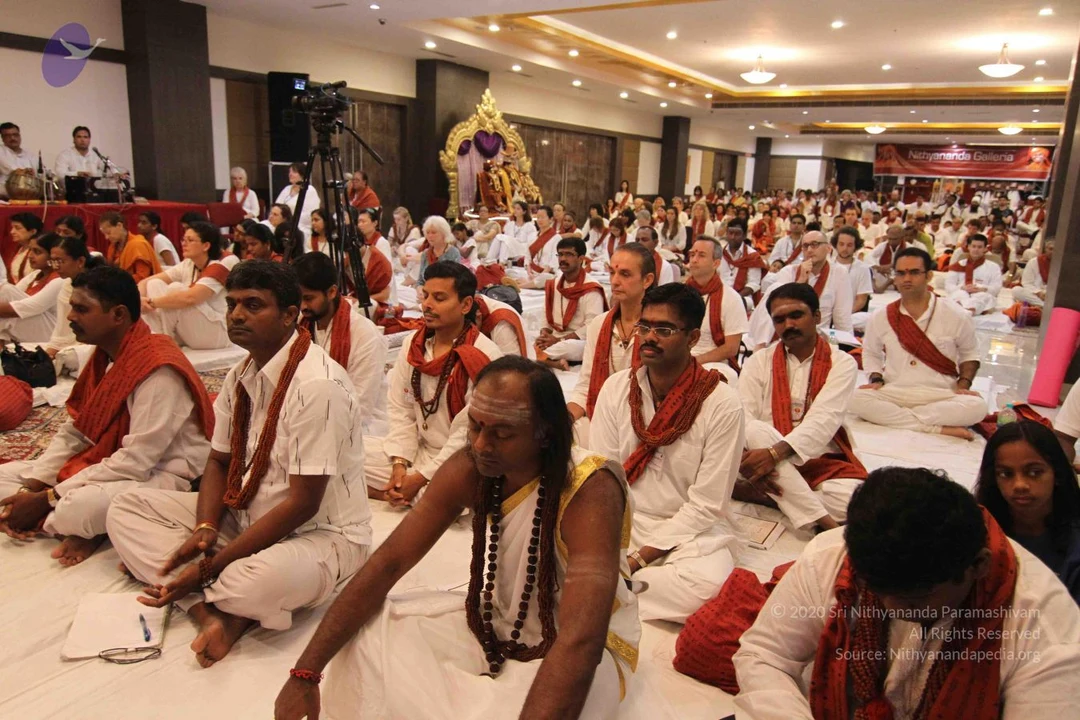
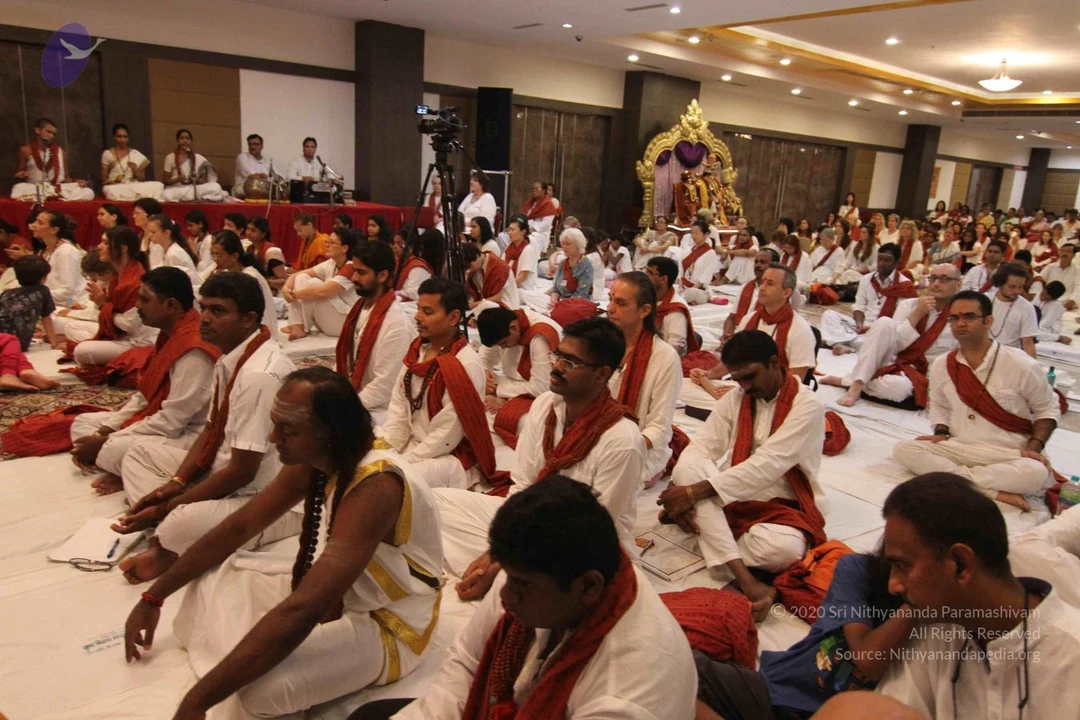
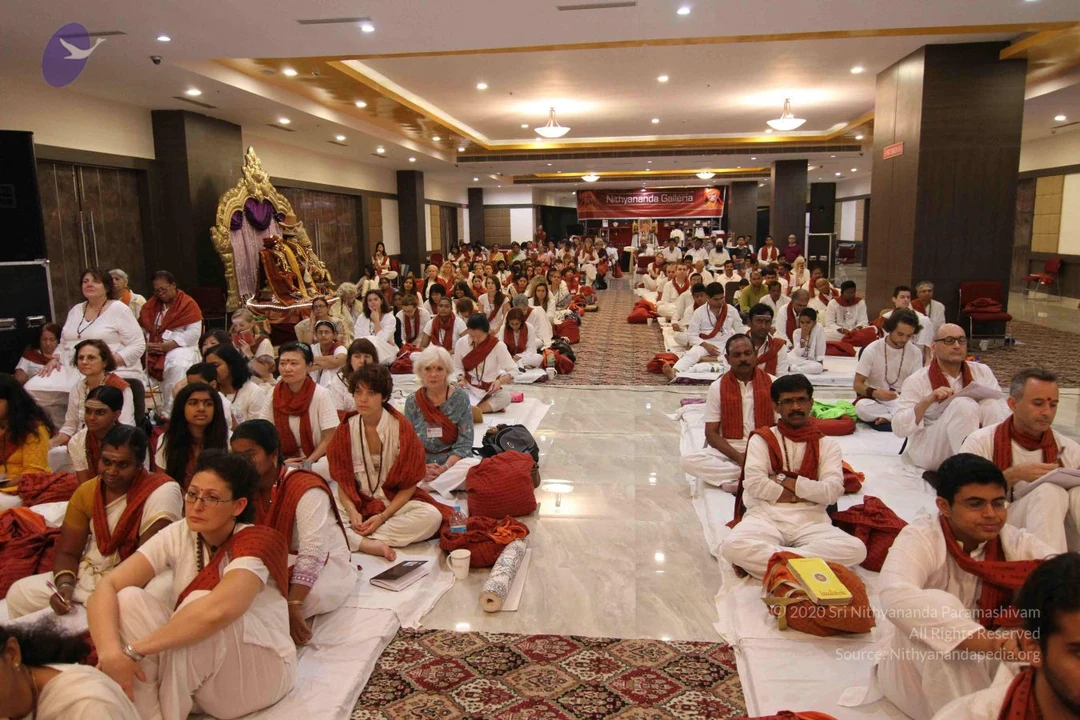
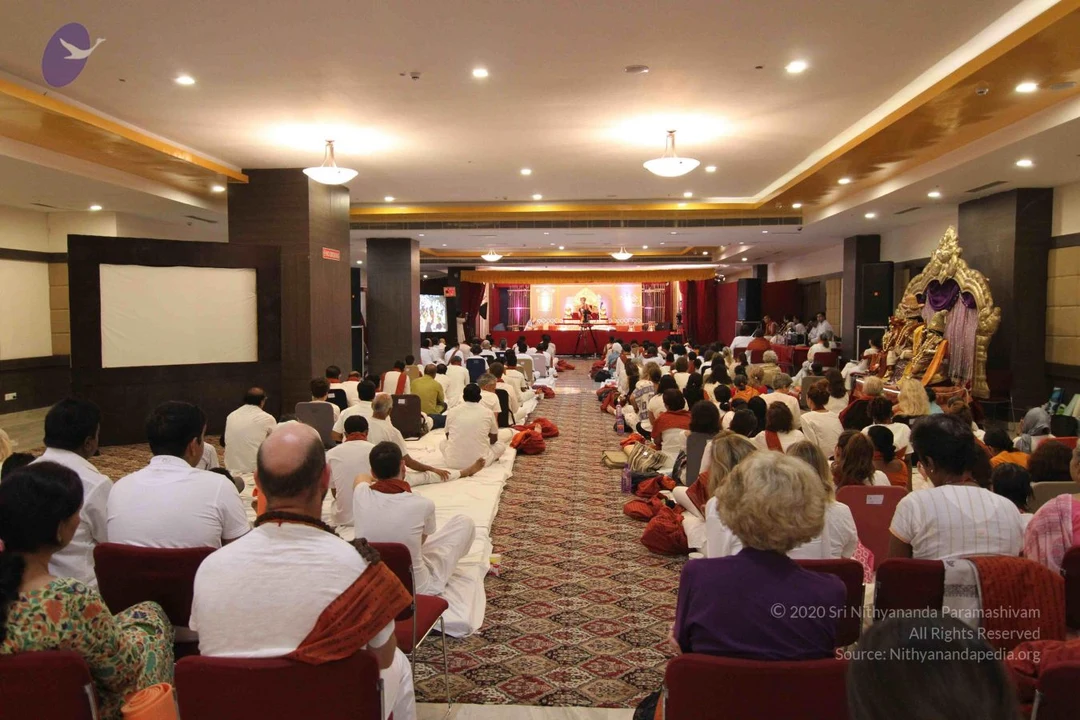
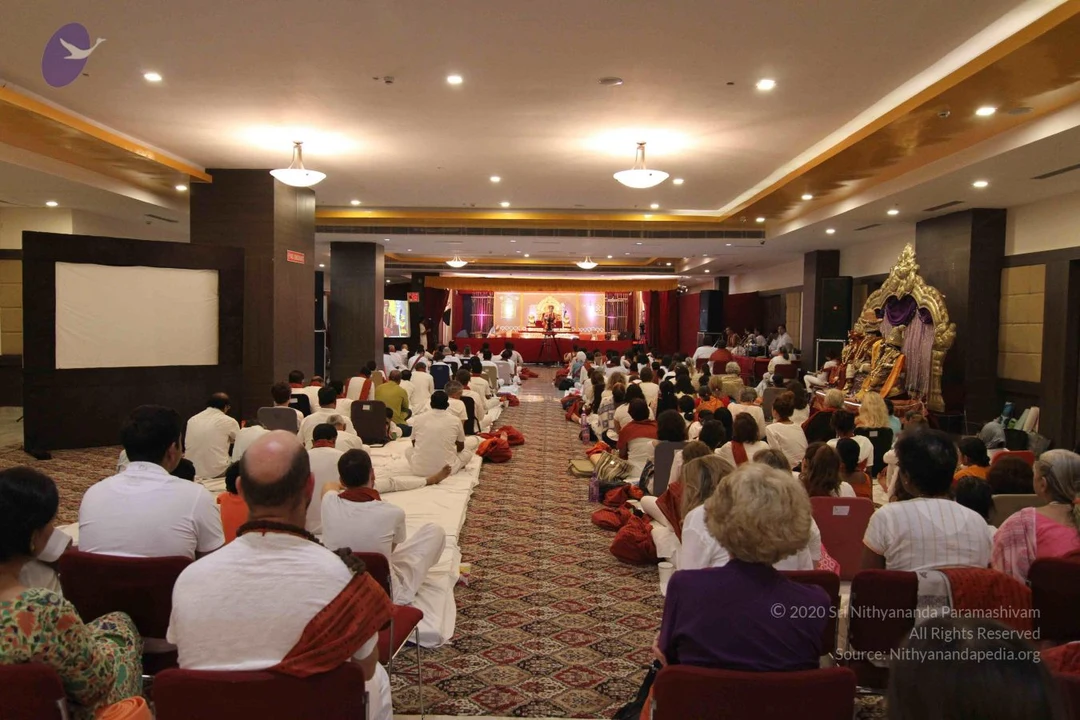
In today’s morning satsang from Haridwar, Paramahamsa Nithyananda expanded on completion with others. He explained how Kala –Lord of time can heal the emotional wounds we carry by making the incidents irrelevant to your life by the long passage of time and how friendliness heals these same wounds instantly. Friendliness is the nectar you need to pour on yourself every day to be able to celebrate your relationships money and health. He told us to radiate friendliness to everyone and everything and make it the energy we run on when completing with others.
Link to Video:
| Video | Audio |
Transcript:
Nithyanandeshwara Samaarambhaam Nithyanandeshwari Madhyamaam | Asmath Aachaarya Paryanthaam Vandhey Guru Paramparaam ||
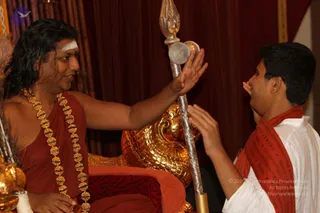
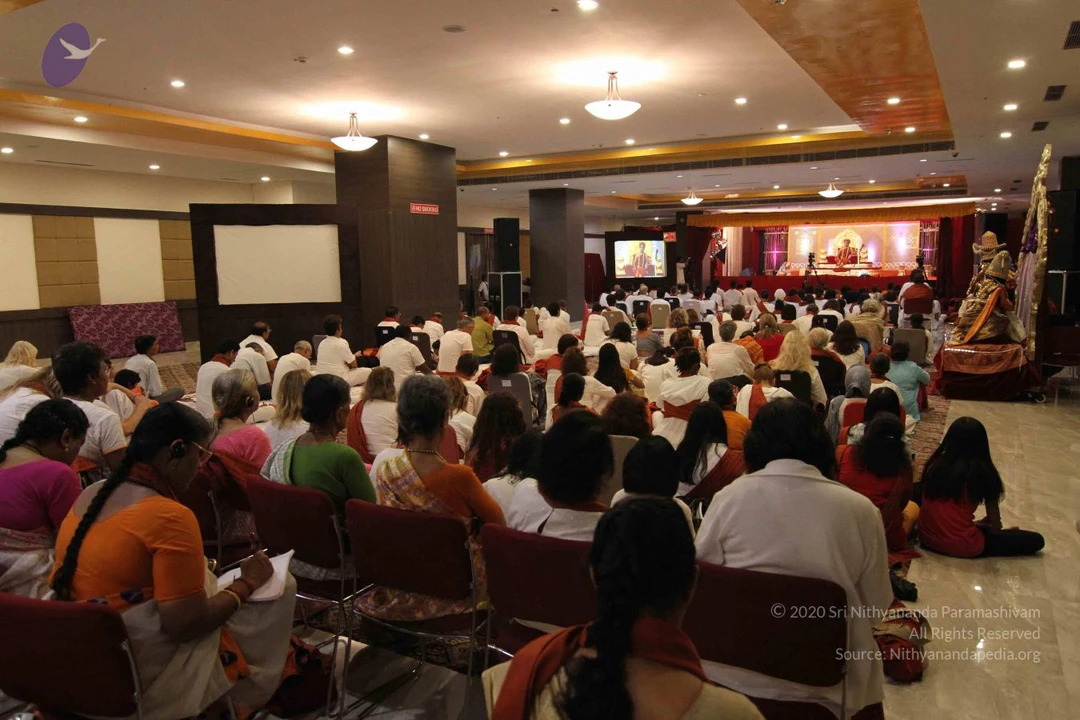
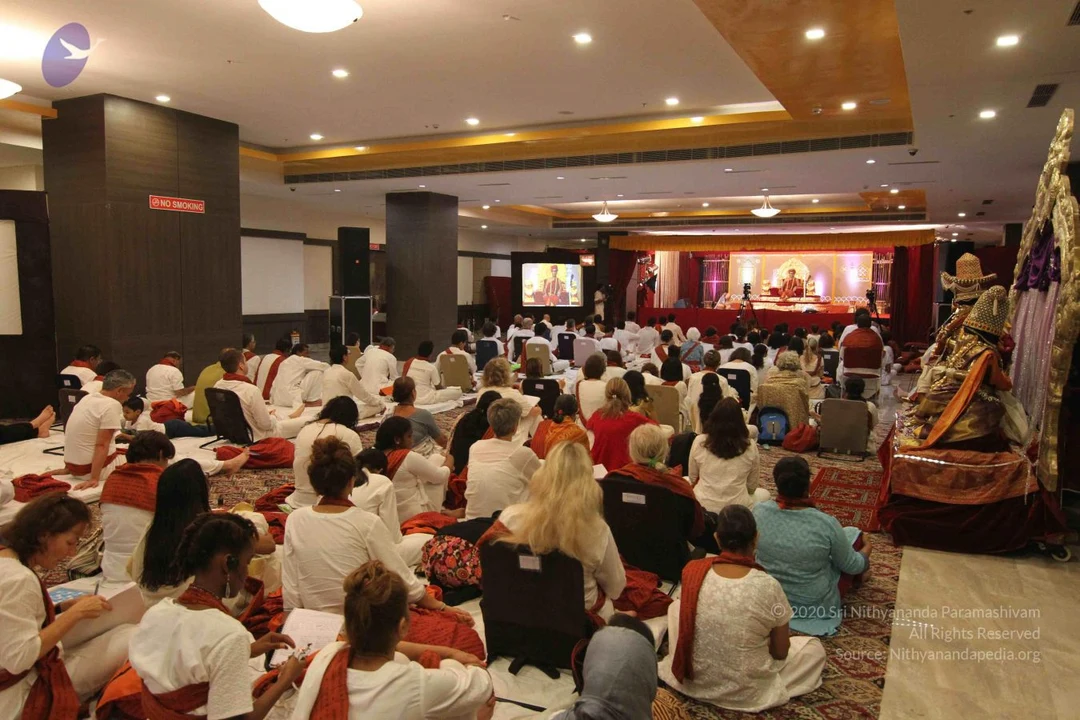
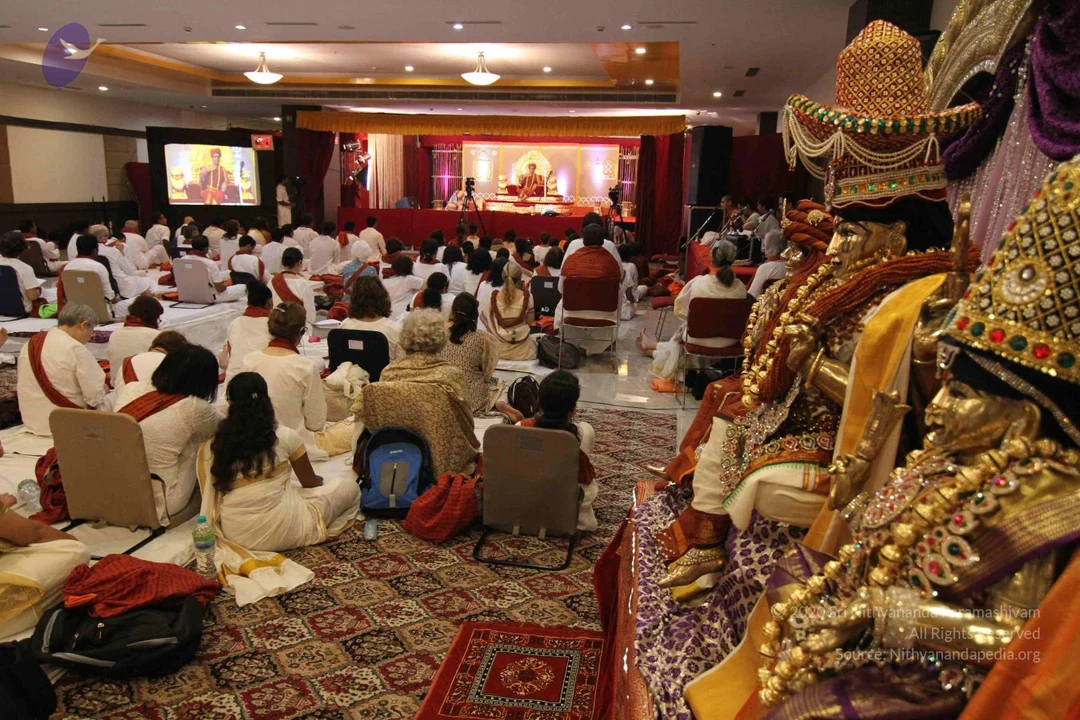
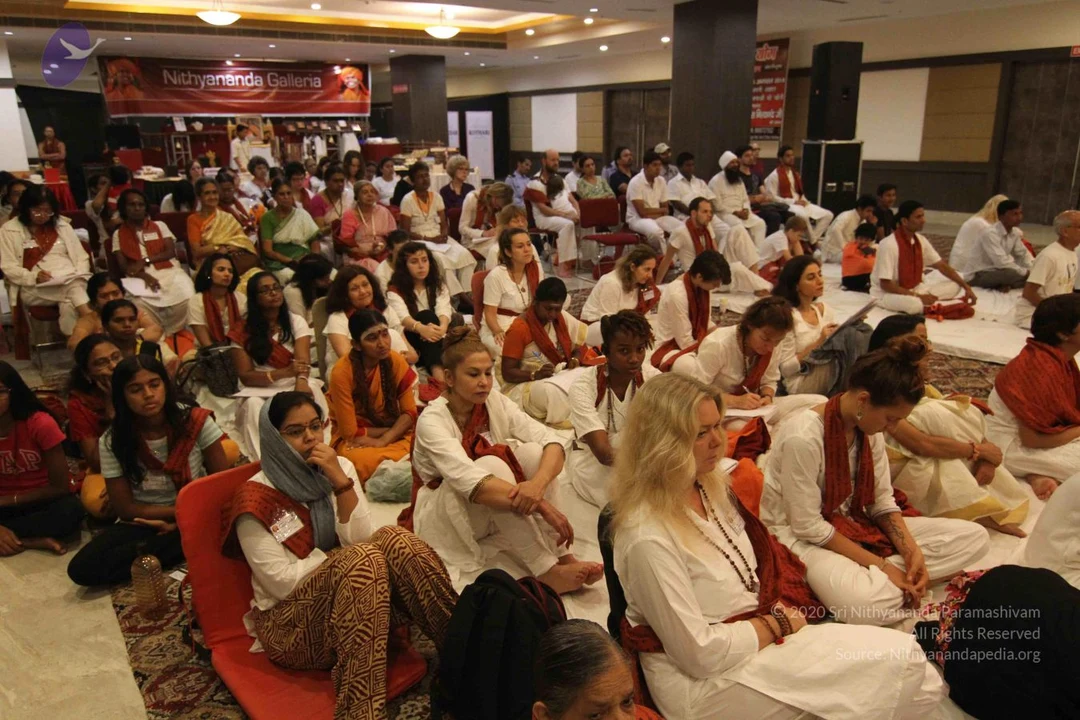
I welcome all the devotees, disciples, samajis, satsangis, Shrimahants, Mahants, Thanedars, Kotharis, sitting with us, visitors, viewers in Haridwar Nithyananda Sabha and all over the world through Nithyananda TV, Sadhna TV, and two-way video-conferencing having Nayana Deeksha.
Cities sitting with us: Ma Poornananda, Kalyanananda, from Malaysia airport, Phoenix-Kanchipuram, London-Kashi, Toronto-Kailasam, Bangalore-Basaveshwaranagar, Houston-Kalahasti, Vancouver-Bhubaneshwar, Seattle-Chidambaram, Nithyananda University-Los Angeles, Washington DC-Sripuram, Nithyananda Nagara-Bidadi, St. Louis-Texas, Ohio-Prayag, San Jose-Madurai, Port Washington-New York, Jorpati-Nepal, Nithyananda University-Paris, Belgium Dhyanapeetam, Dubai-Vaidyanatham, Scottsdale-Arizona, Guadeloupe-Rameshwaram, Alyson-California, Tirunelveli Dhyanapeetam, Calgary-Amarnath, Kuala Lumpur-Palani, Hong Kong-Sirkazhi, New York-Varanasi, Vishweshwara-New York, Hyderabad-Gupta Kashi, Netherlands, Philadelphia...........
I welcome all of you with my love and respects.
Winston-Salem-California and Doncaster-UK, I can see you guys. Today is: 7th day of the 27th Inner Awakening; 7th day of the 24th eN-Genius. We are going to work on Completion with Others. I wanted to expand on this same truth today. This Completion with Others most difficult thing if you are stuck with the pattern of ego-centrism, most easiest thing if you can flow in the space of friendliness, understand? There are only two things that can heal incompletions and wounds in the whole world; nothing else can heal. One is Kaala; another one is Friendliness. Kaala, the Lord of Time, Time can heal by making you forget and removing the impact, and making those wounds, people who gave you those wounds irrelevant to your life. Friendliness can also do the same job, but immediately.
Understand, Kaala takes sweet time, his own sweet time to make you forget, heal, complete and make that whole incident irrelevant to your life. For example, surely you will not be carrying deep wounds related to somebody who was part of your life twenty-five years before, and now he is not even there, he is irrelevant to your life; you may not carry the incompletions, wound. May be the pattern you may carry, but not with him, because he is irrelevant for your life anymore, understand? Kaala also heals, but taking a lot of time. If you just wait for Kaala to heal, I tell you, you will miss a lot in life. You can heal it immediately, you can complete much of your incompletions immediately, you can bring yourself to Completion immediately by friendliness. Friendliness is one of the very important nectars, Amrutha, to heal many of the diseases in your body itself. Please understand, most of the incompletions you carry with others will be stored in your bio-memory only as diseases. The incompletions you carry with others, when they are stored in your bio-memory, don't think they will be sitting in you as a pleasant energy. No! They will be sitting in you as some disorder, disease, discrepancy, disturbance. Friendliness is a powerful nectar which can heal so many of the diseases and disorders in your system before even they express as a full-fledged disease; before even sometimes the pain comes out, it can be healed. Friendliness is the nectar you need to pour on yourself again and again. Friendliness is the nectar you need to drink, take bath in, keep as main source of your life. Only when you awaken the friendliness in you, Completion with others becomes reality. Every day completing with others becomes reality only when you awaken the friendliness.
I tell you, money, health, fulfillment in life, contentment, all these can simply become reality with you, can simply become reality in you, and all these can be your reason for celebration if you carry friendliness. Please understand, if you carry friendliness in you, with you, money can be the reason for celebration. Sometimes money itself becomes reason for fear, understand? I have seen people, money becomes the reason for their fear. They are afraid somebody will kill them and take away their money. Money becomes the reason for their suffering. With friendliness if it is generated, money becomes the reason for your celebration, relationships become the reason for your celebration, your health will become reason for your celebration. Friendliness, I tell you, friendliness is the most auspicious thing in the world which can bring all auspiciousness in your life. This one quality friendliness not just with the human-beings you see, but also with animals, plants, rivers, hills, the seat you are sitting on, everything you see, radiate friendliness.
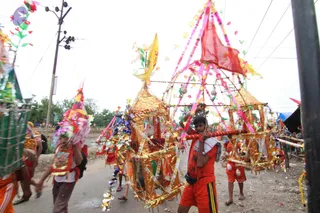
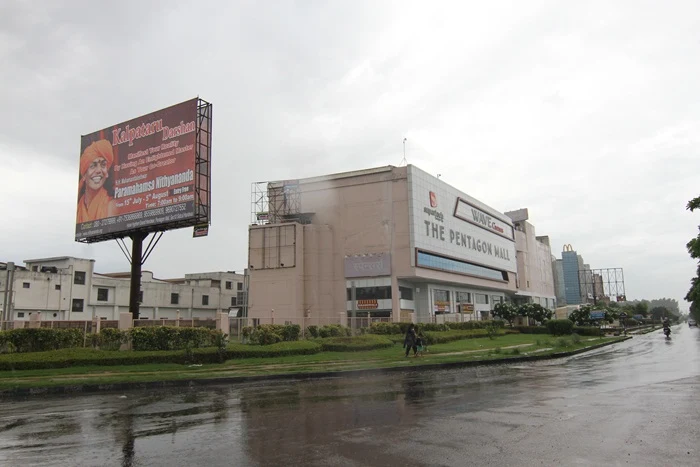
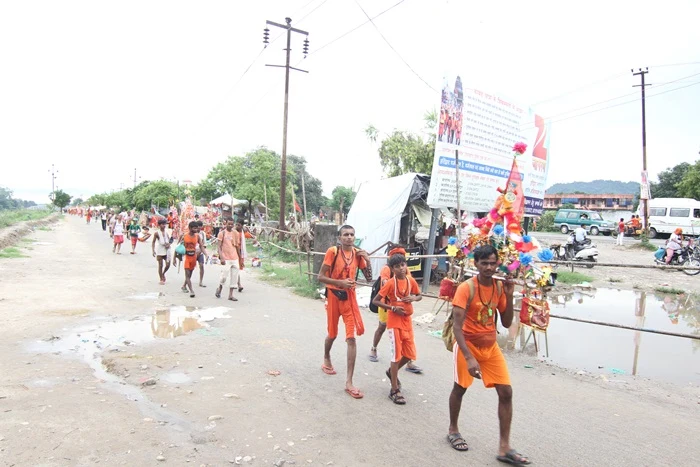
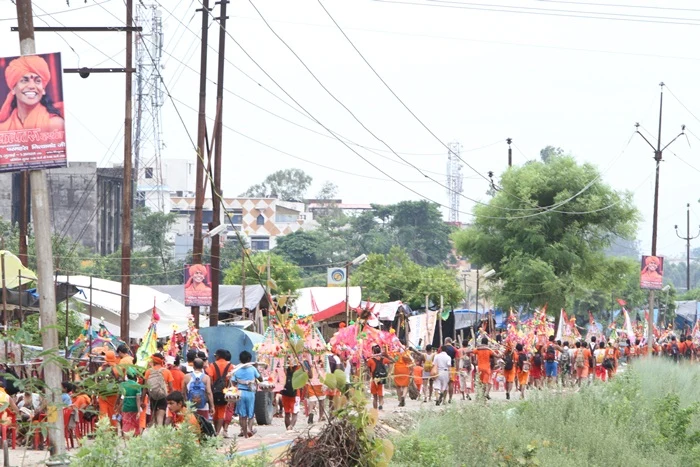
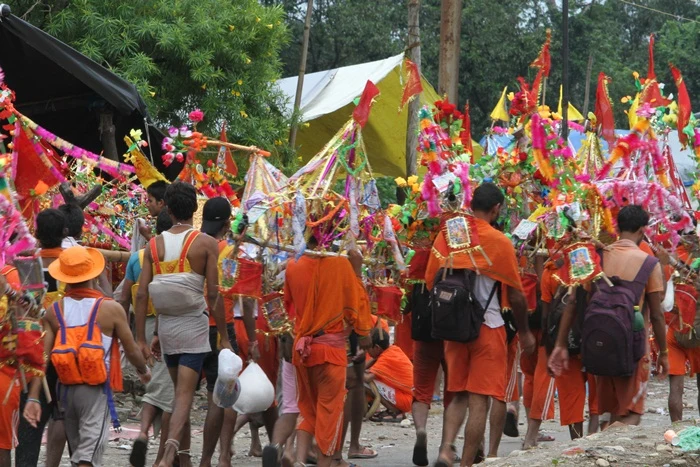
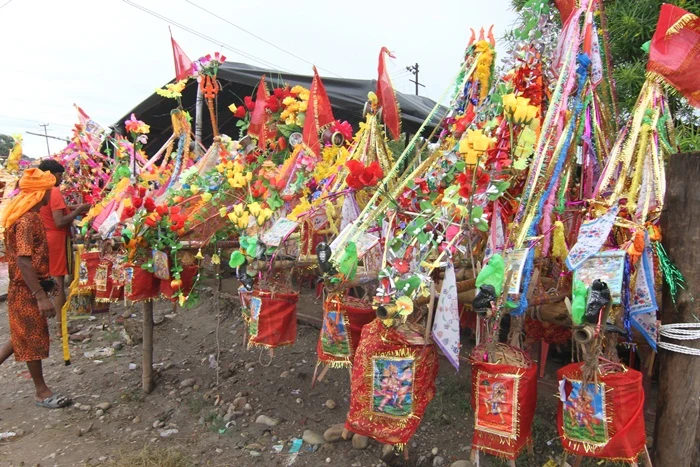
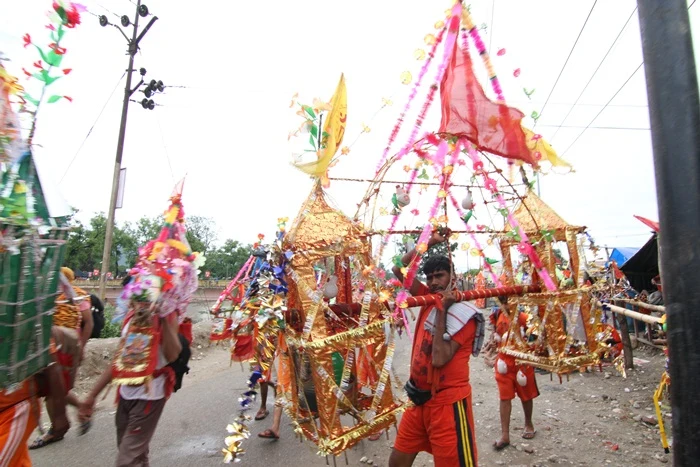
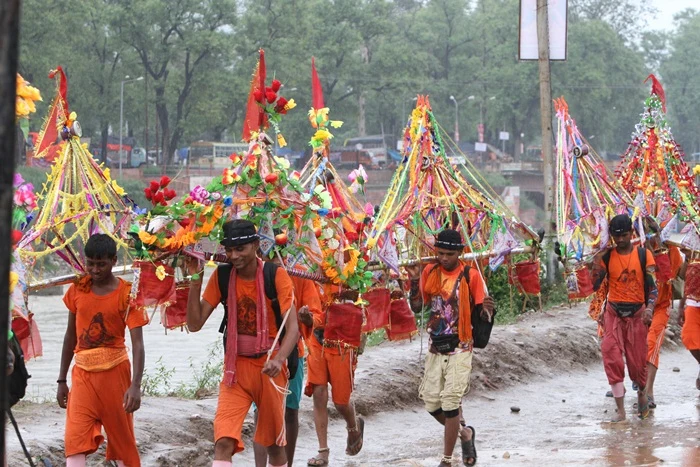
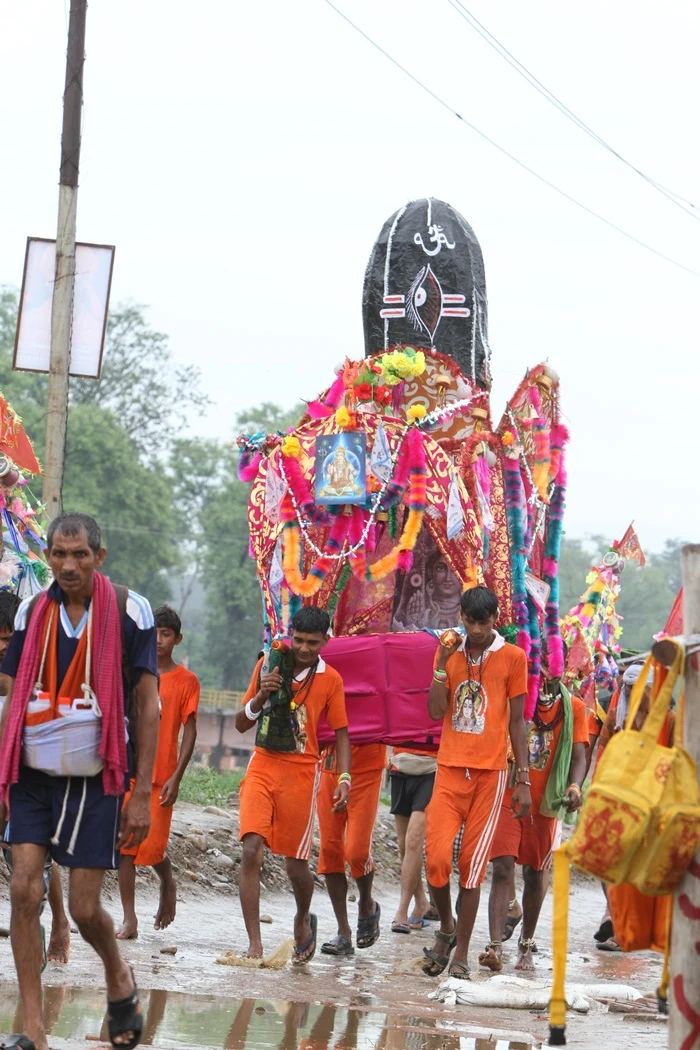
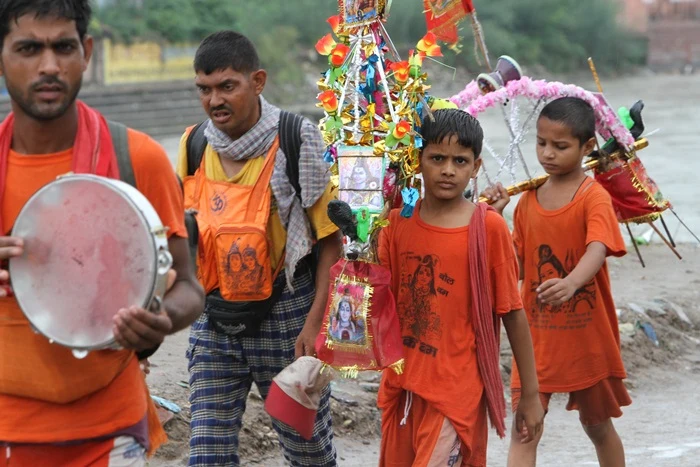
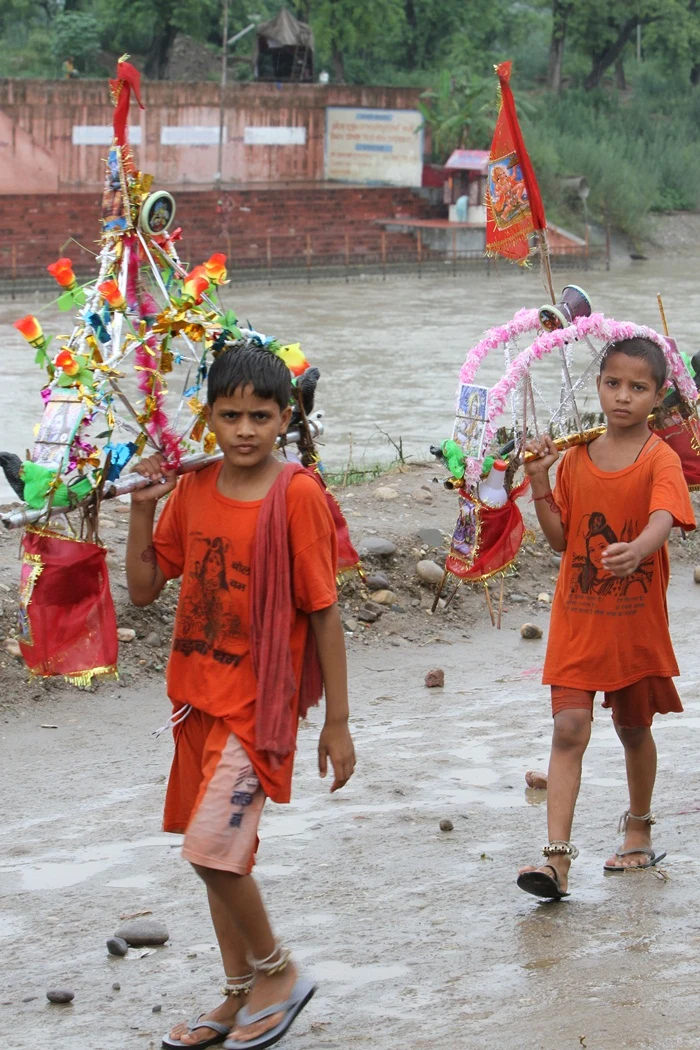
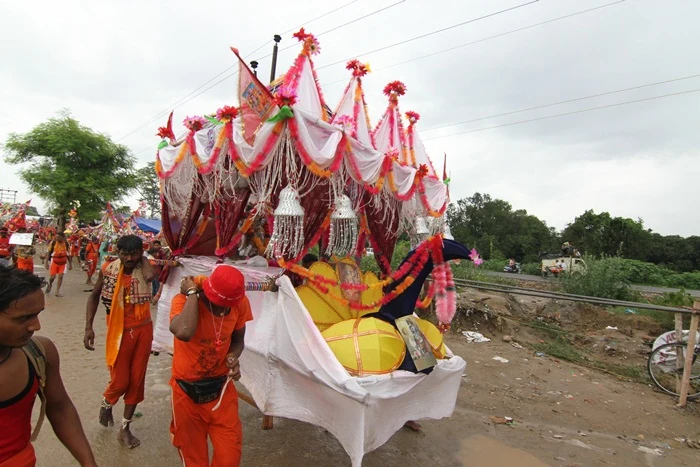
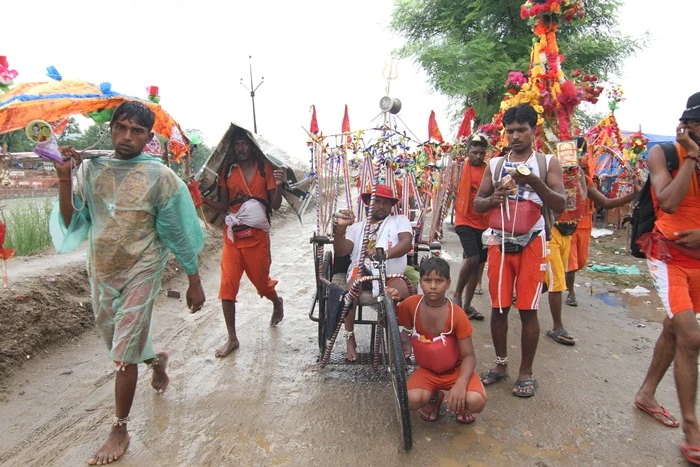
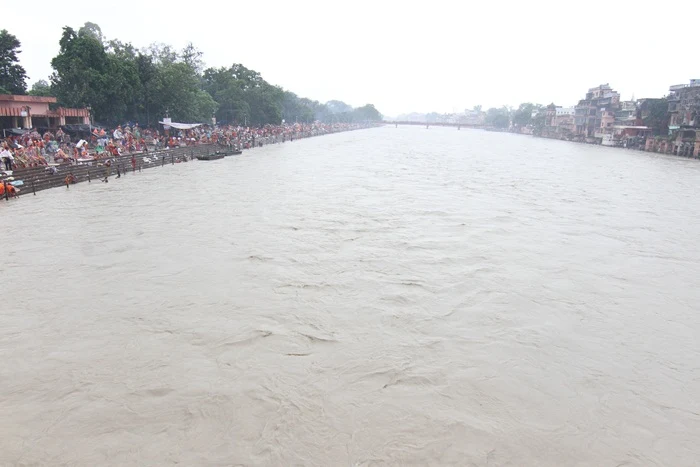
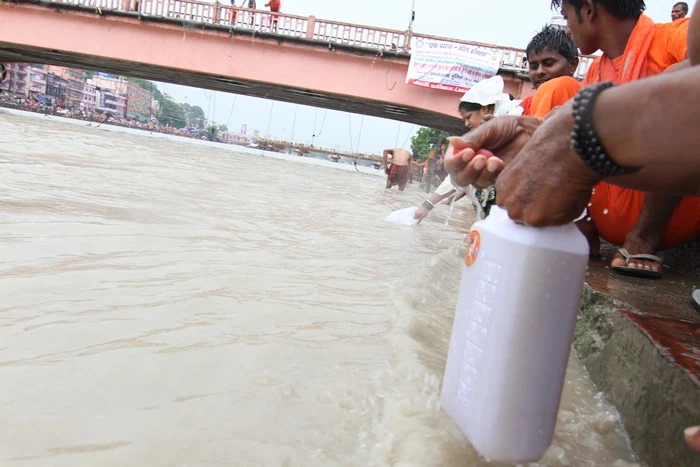
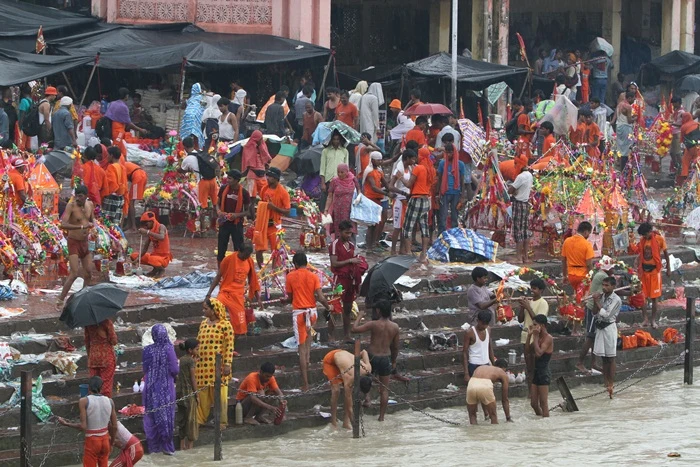
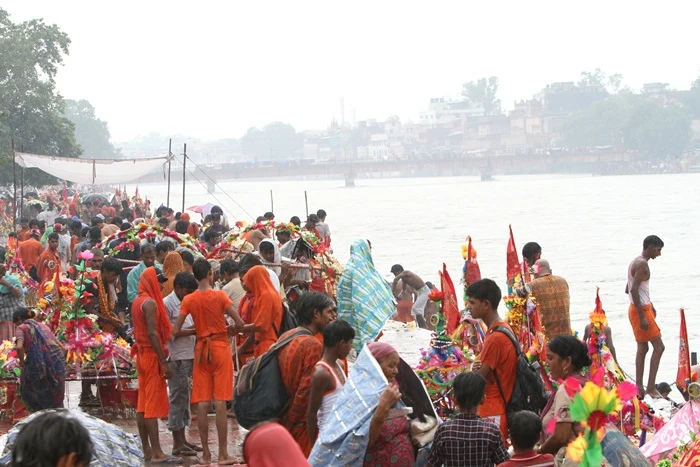
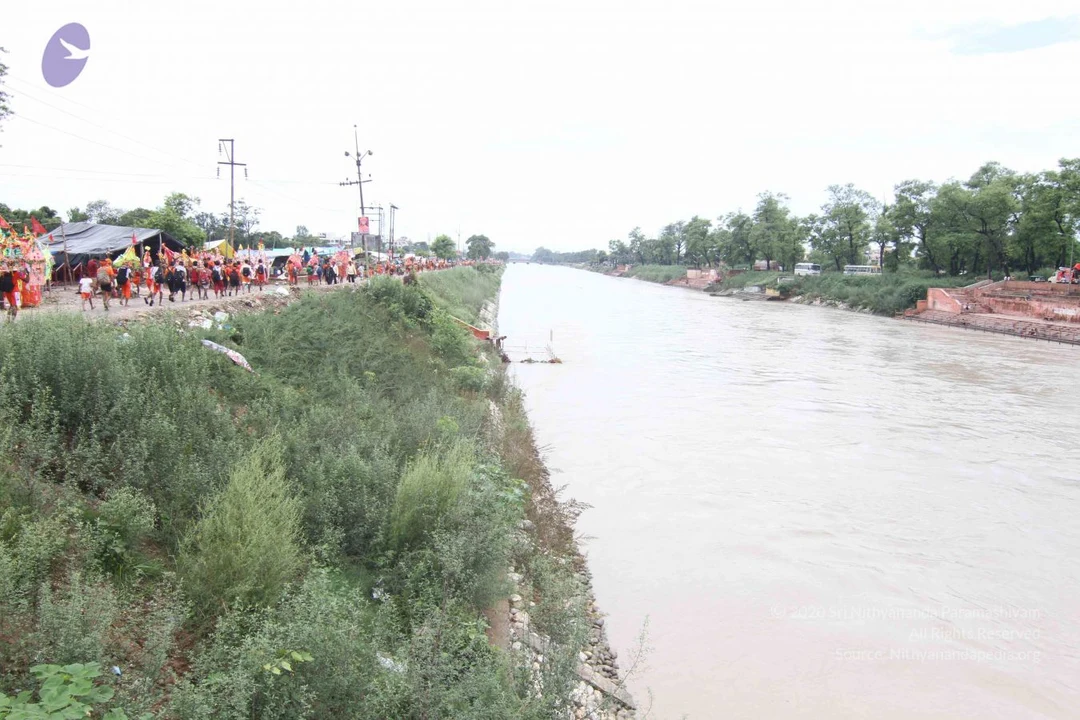
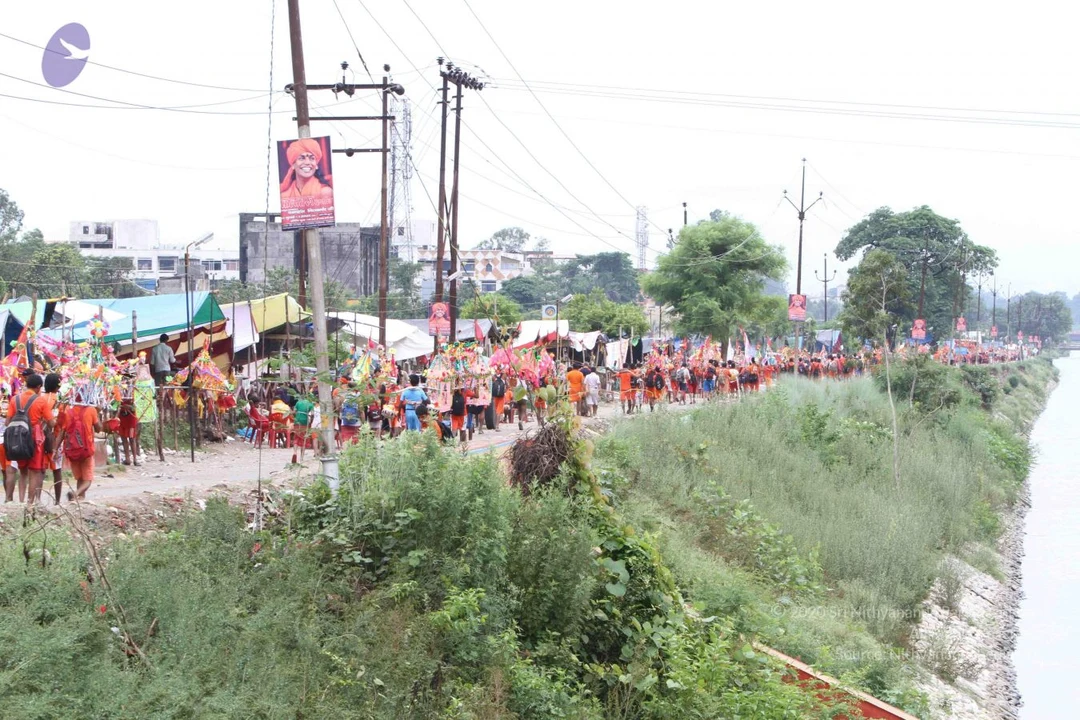
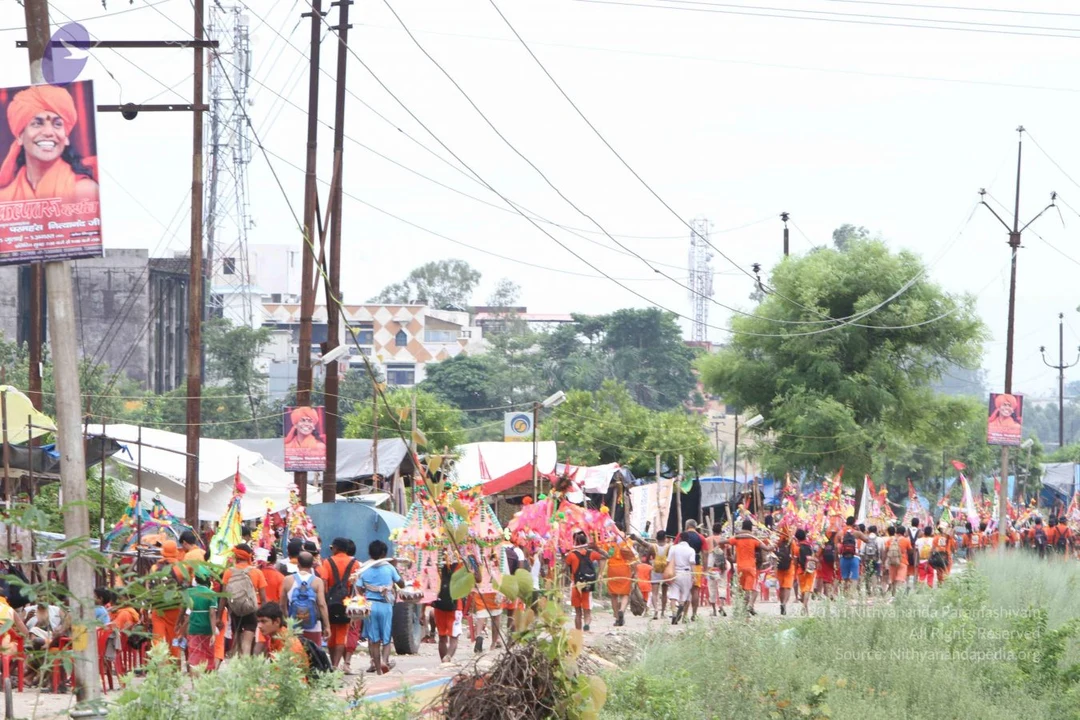
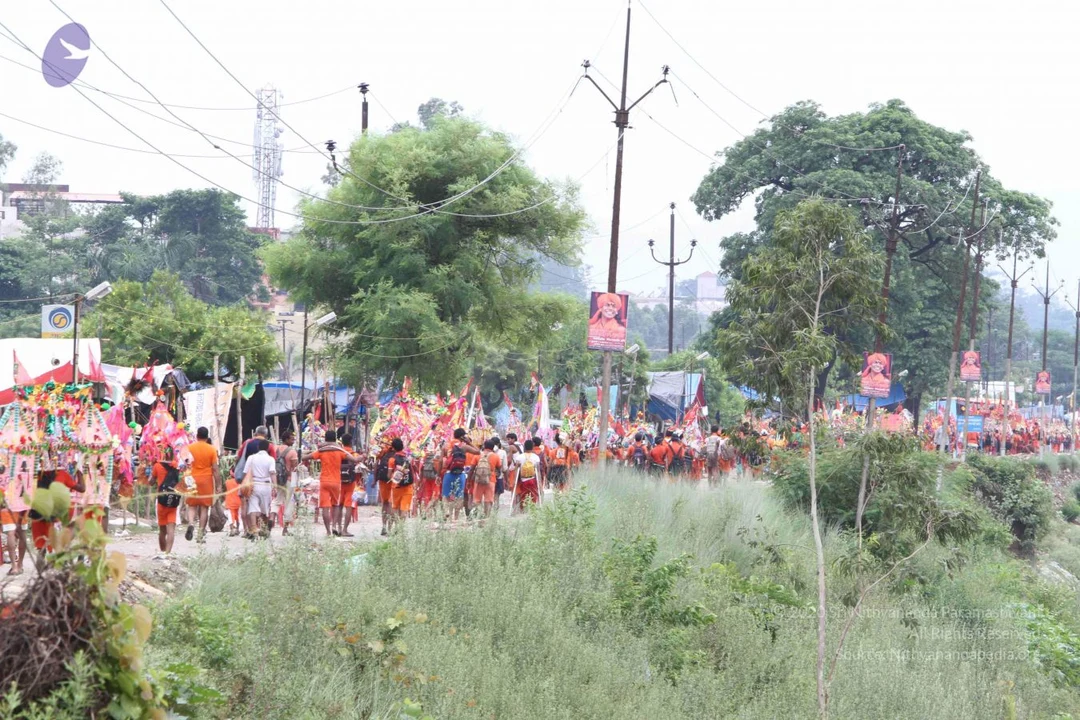
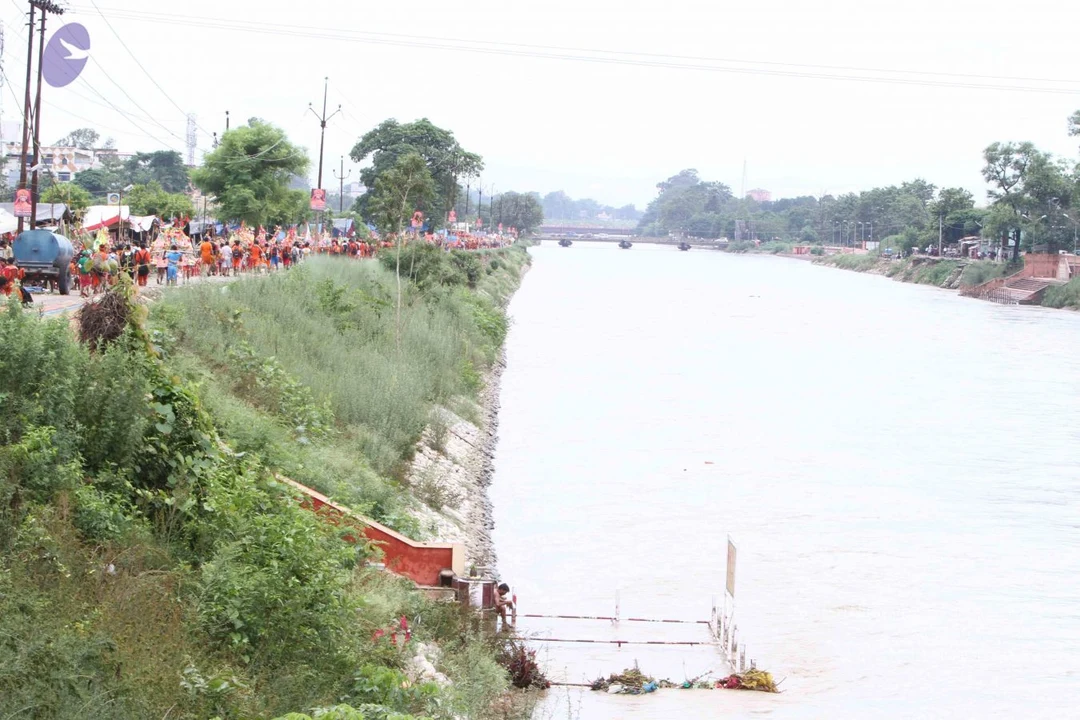
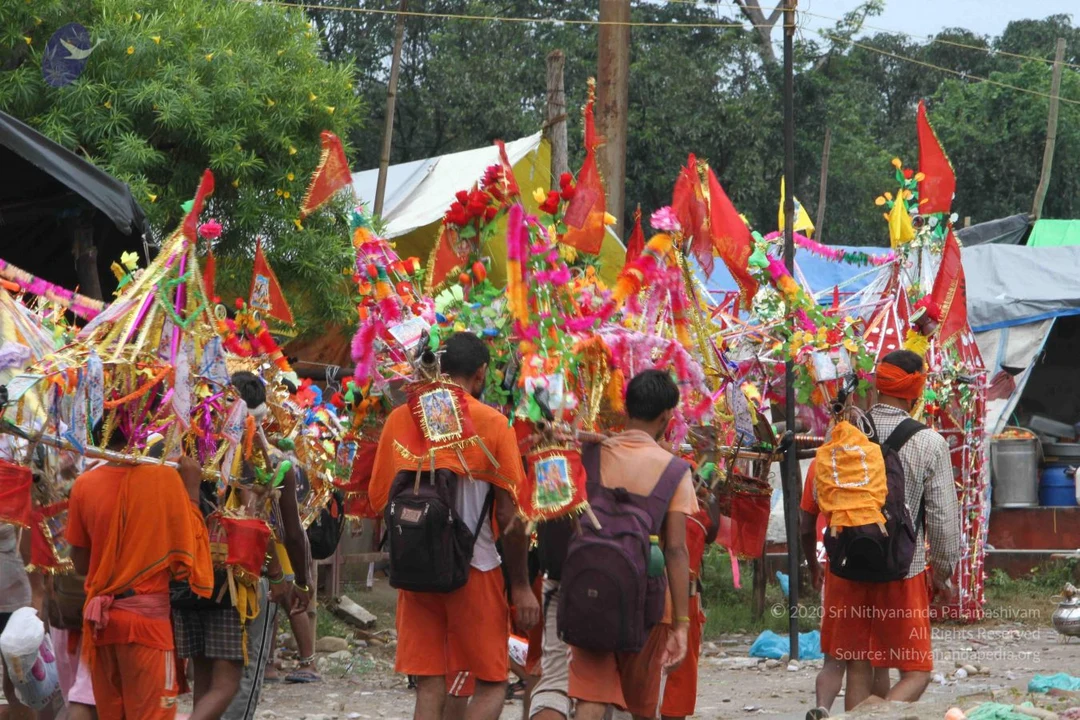
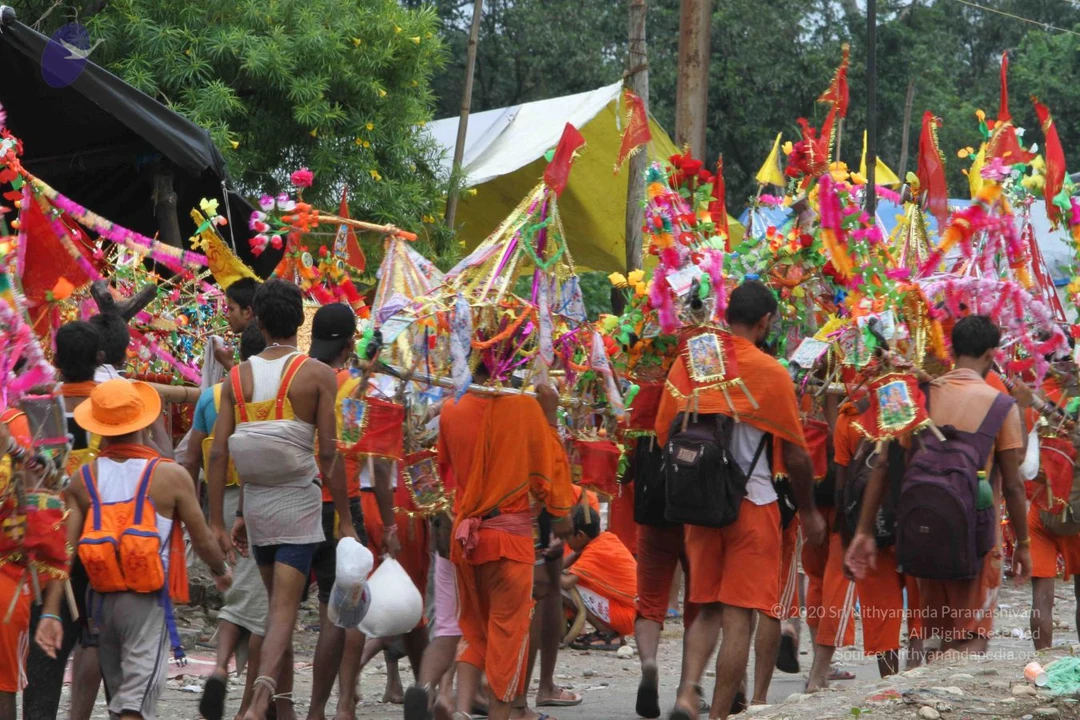
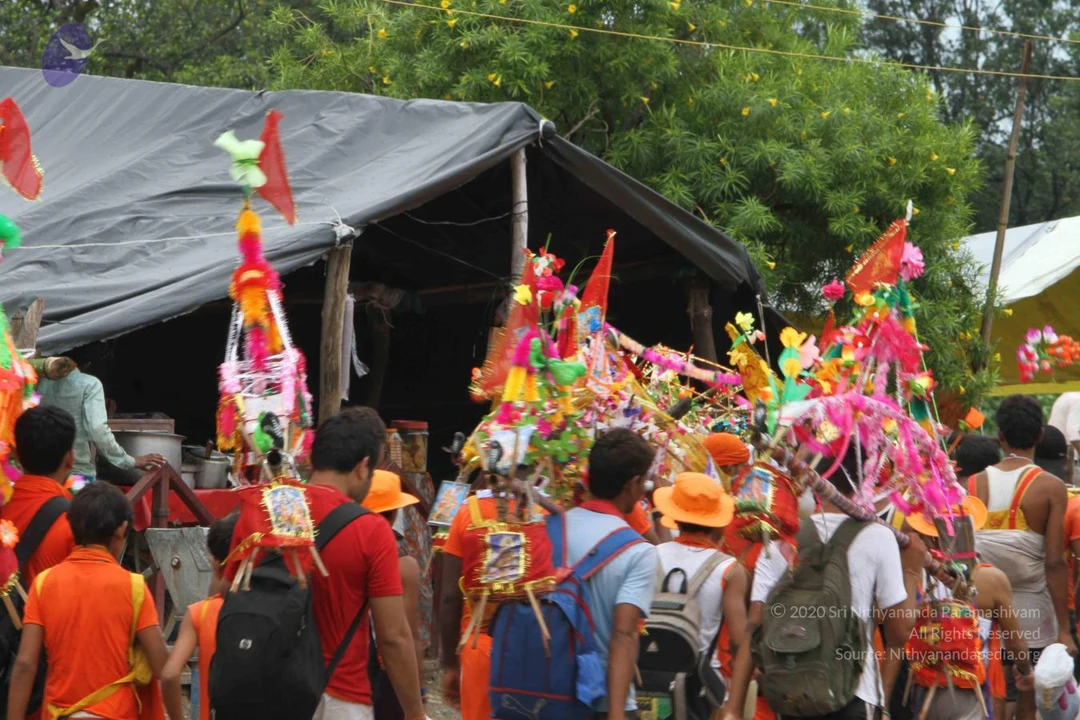
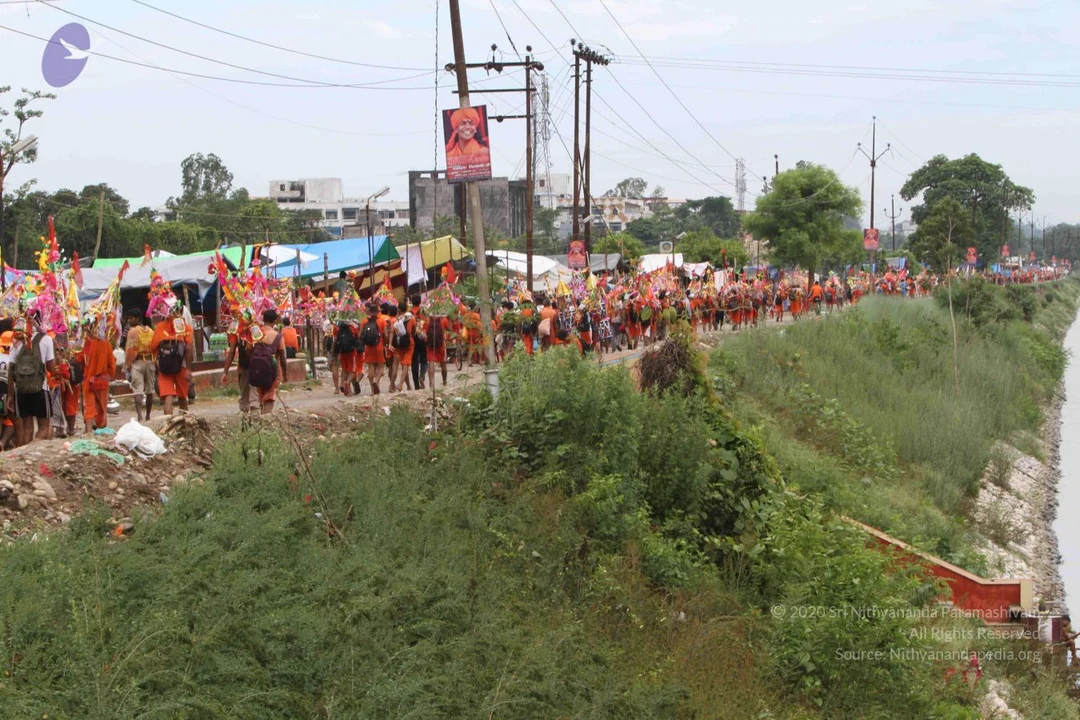
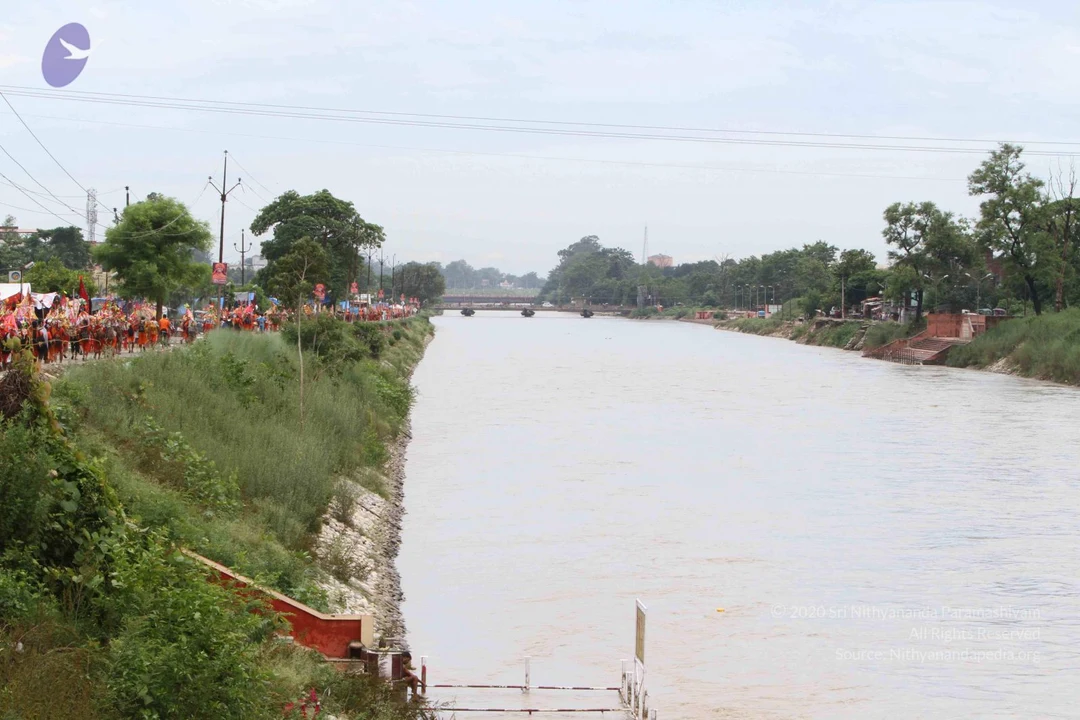
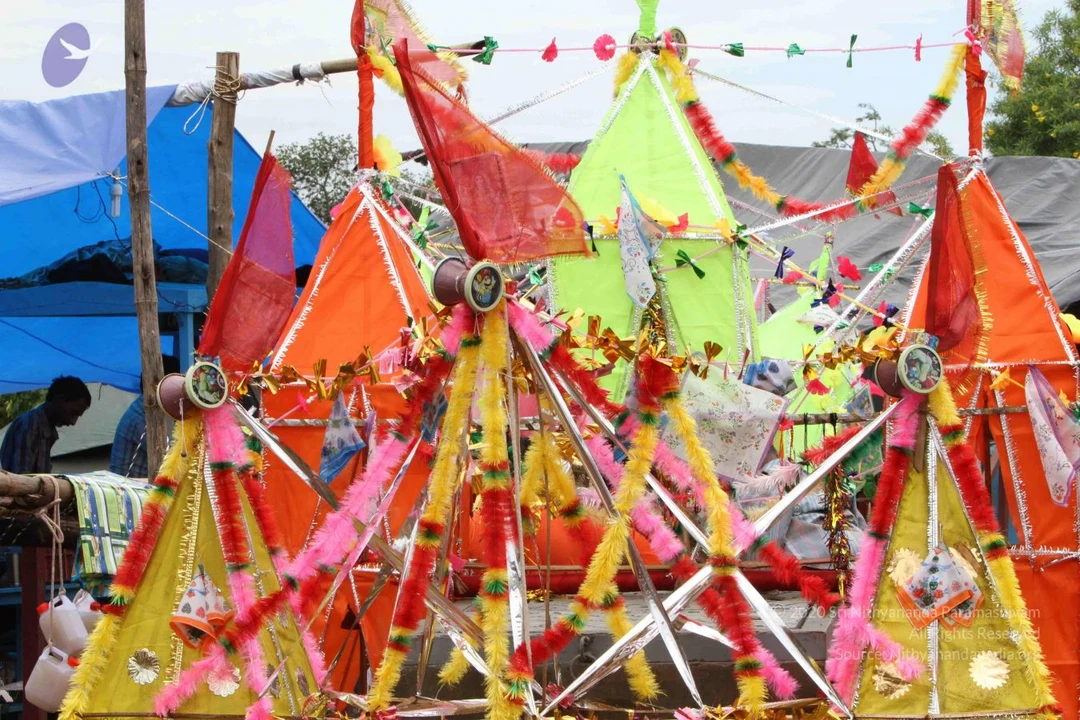
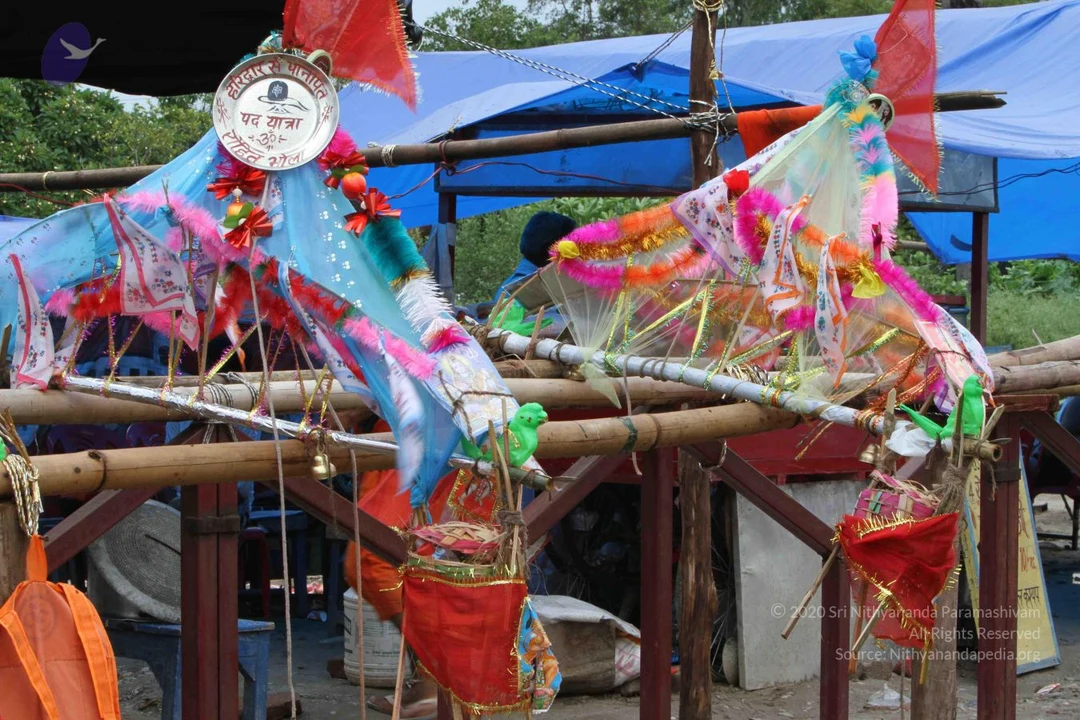
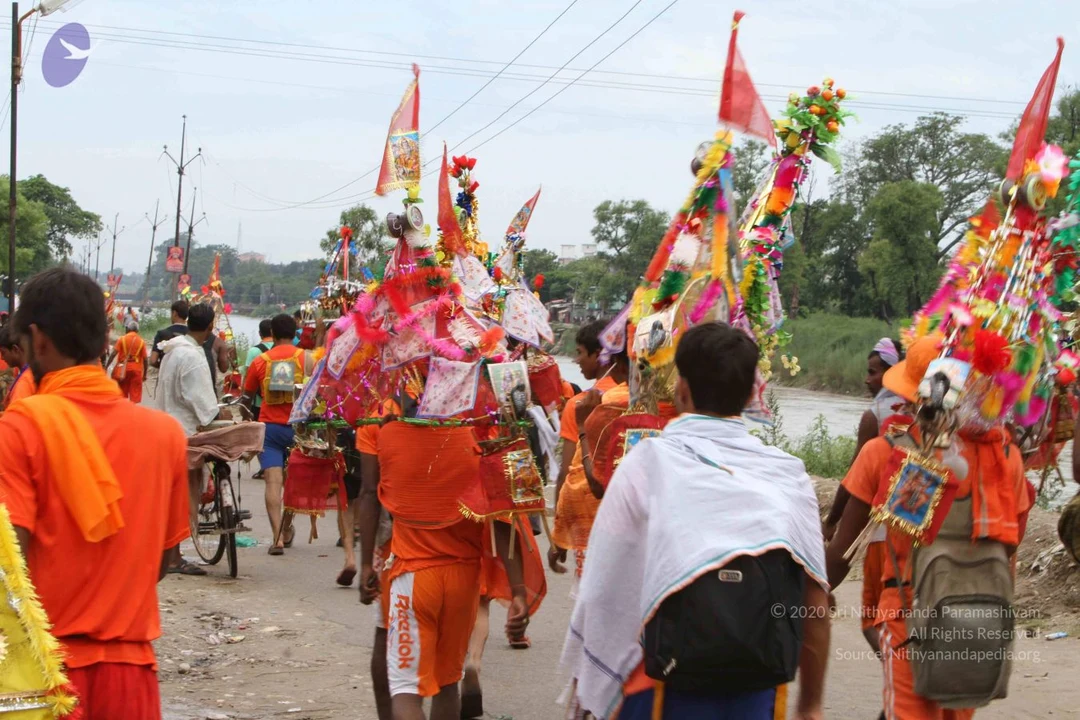
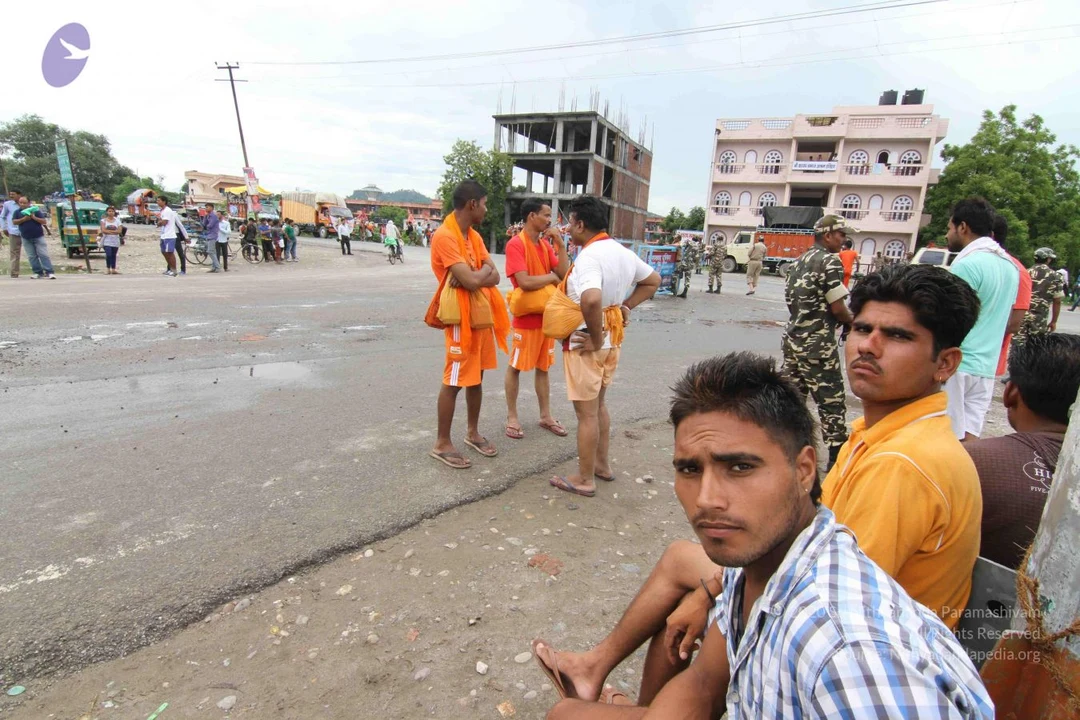
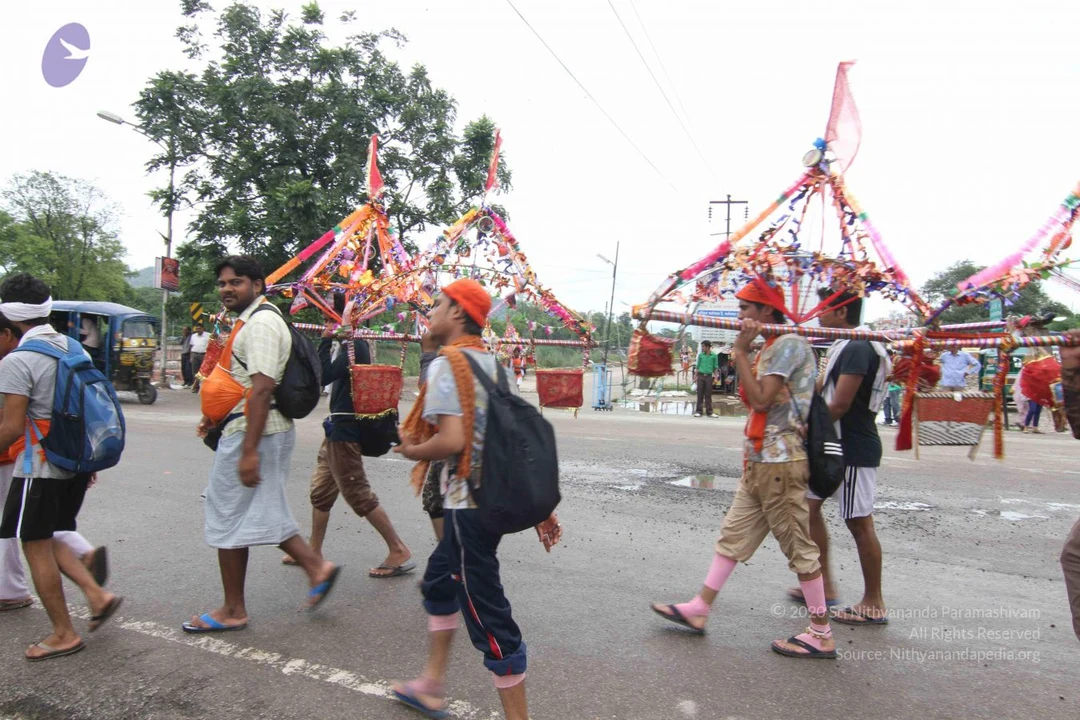
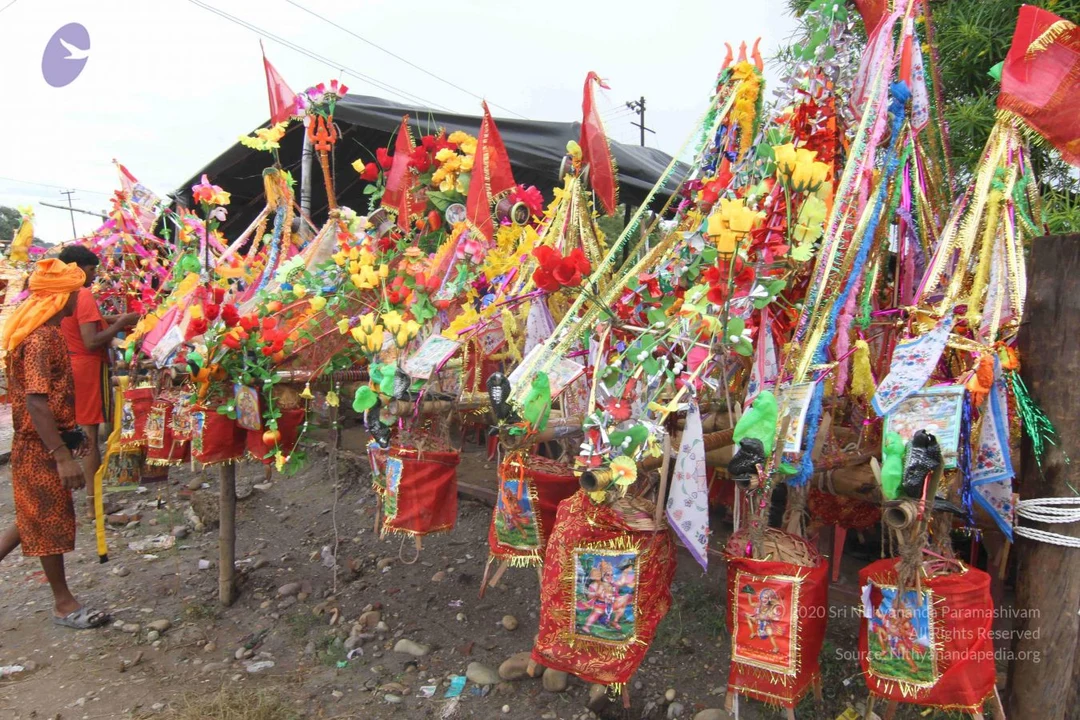
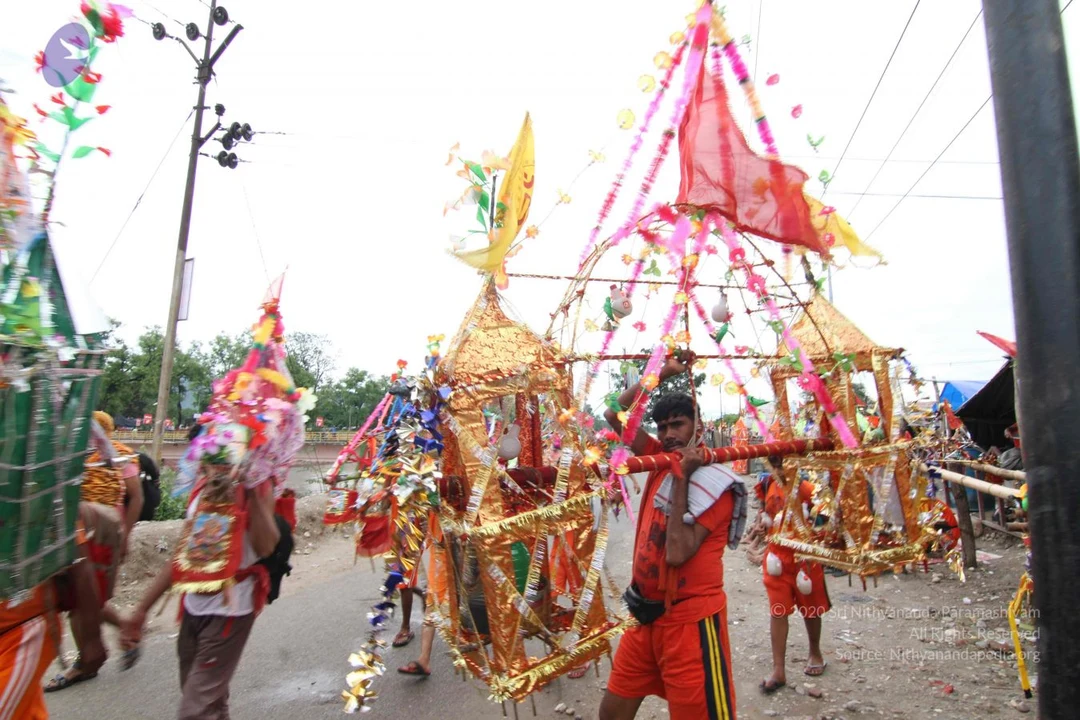
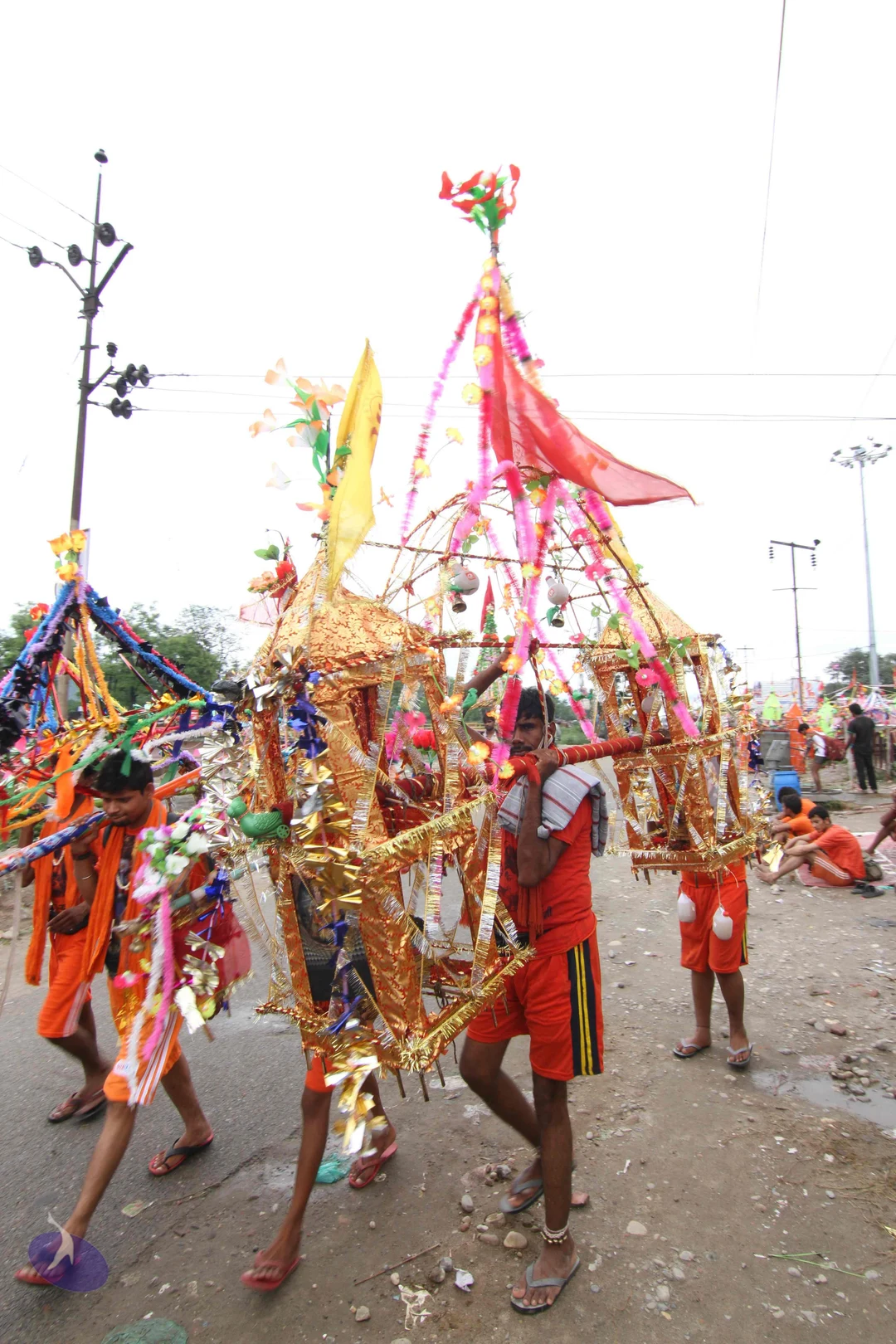
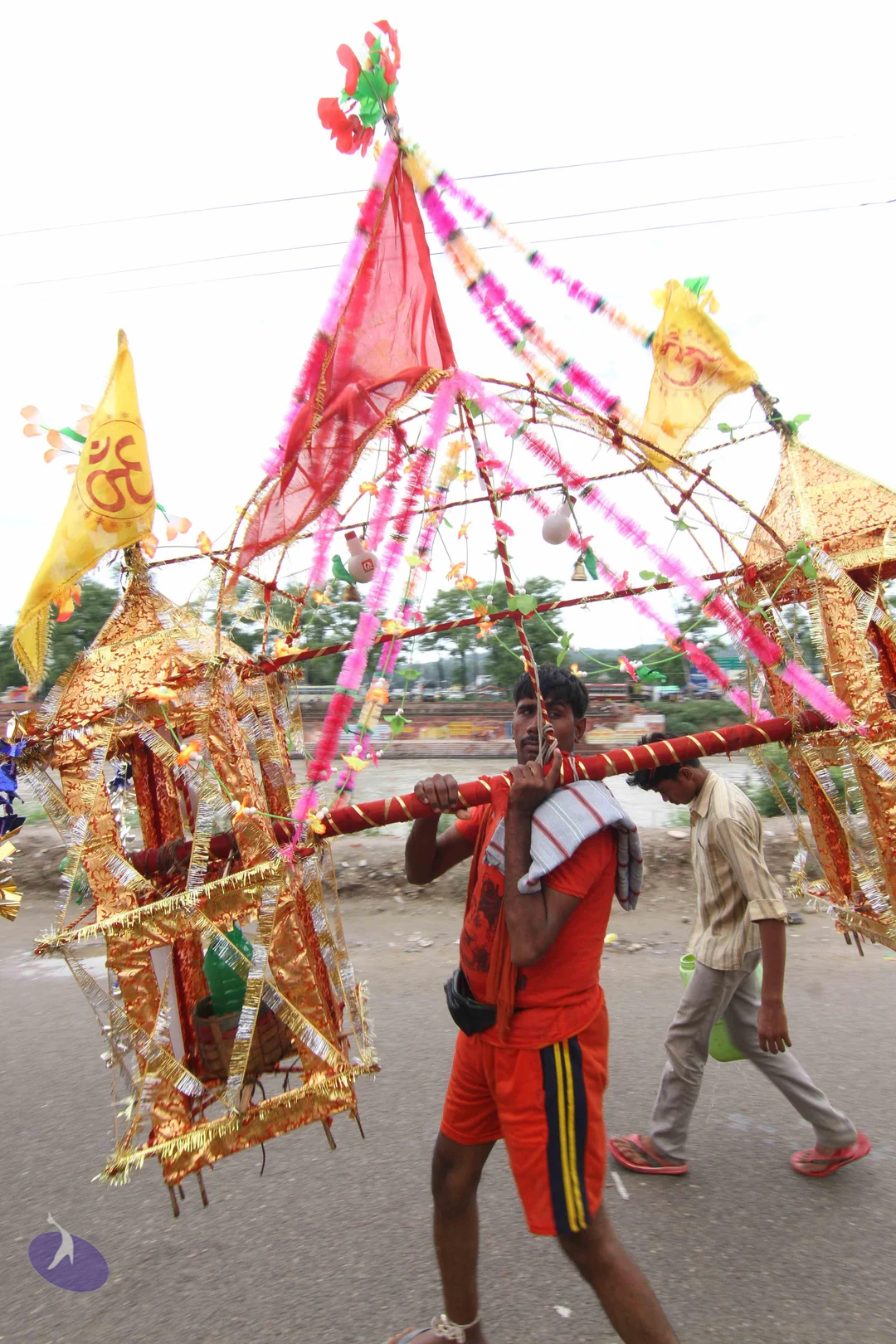
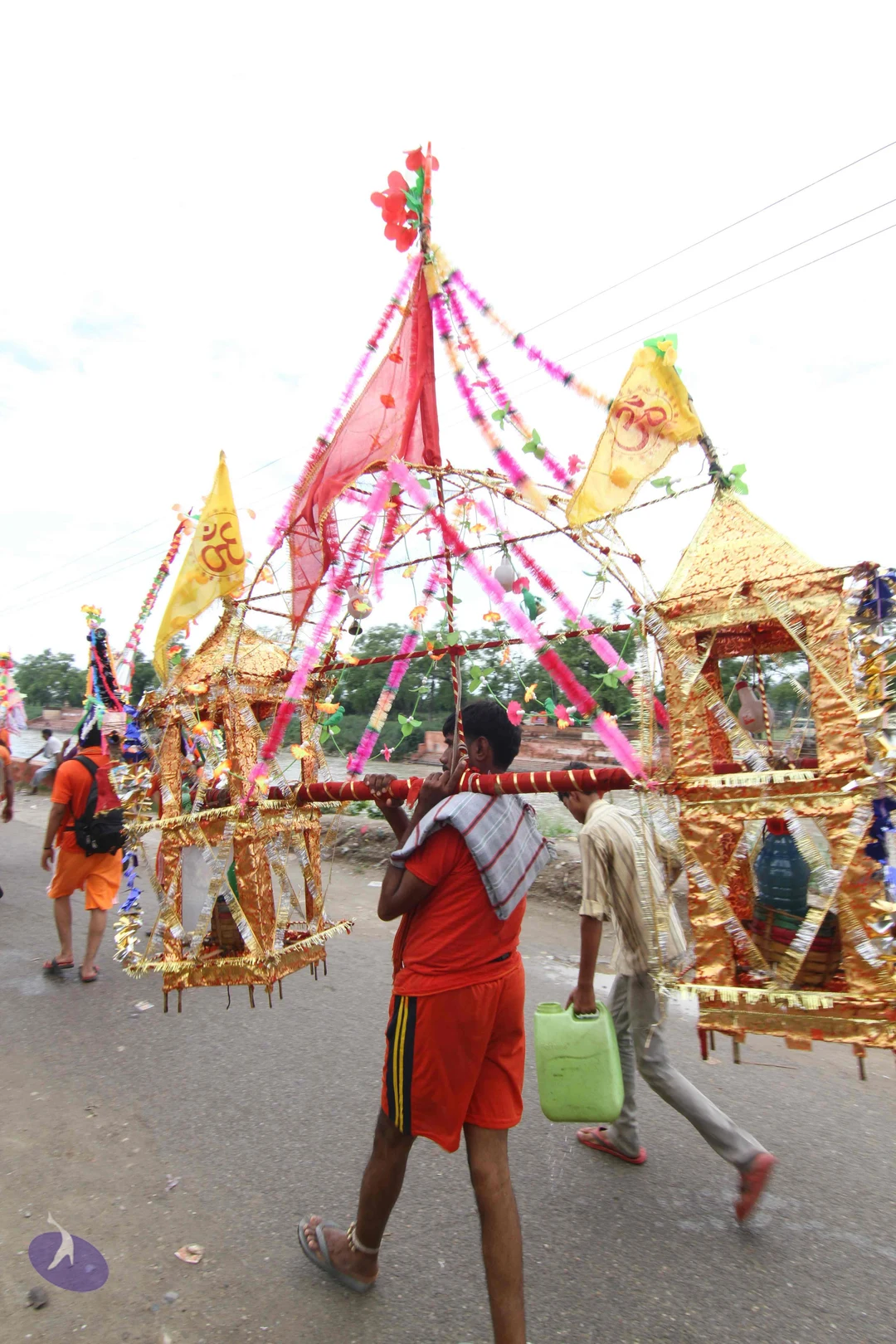
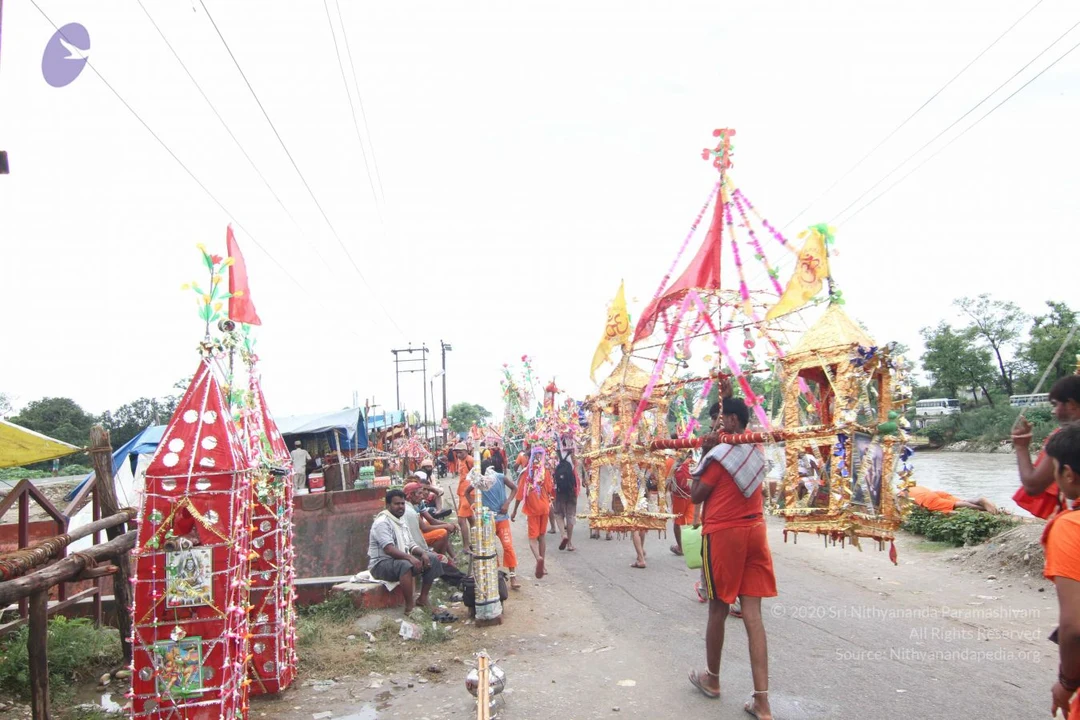
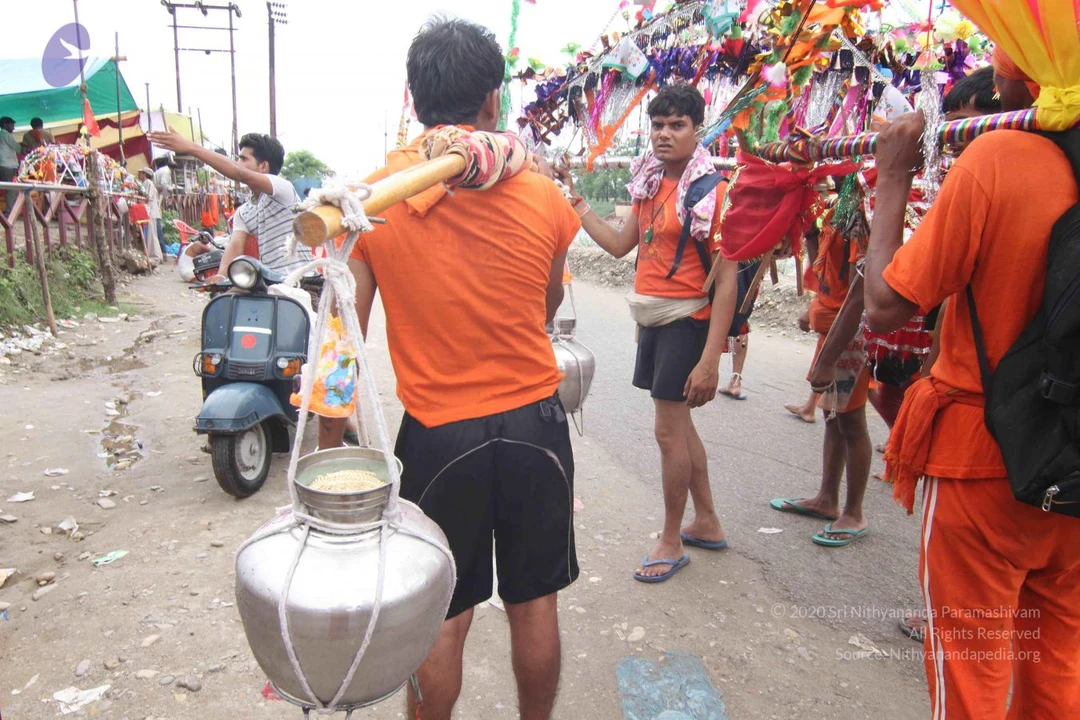
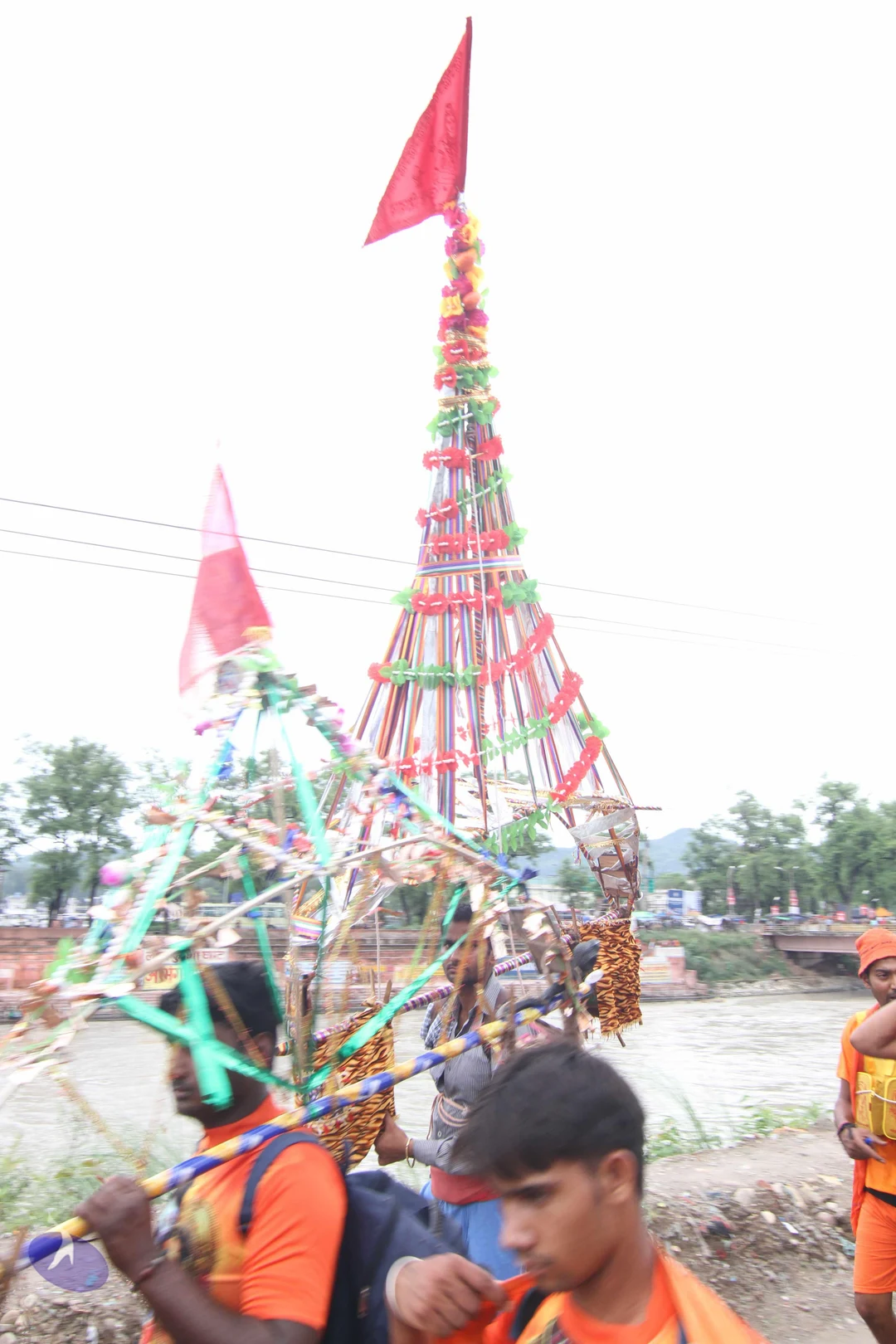
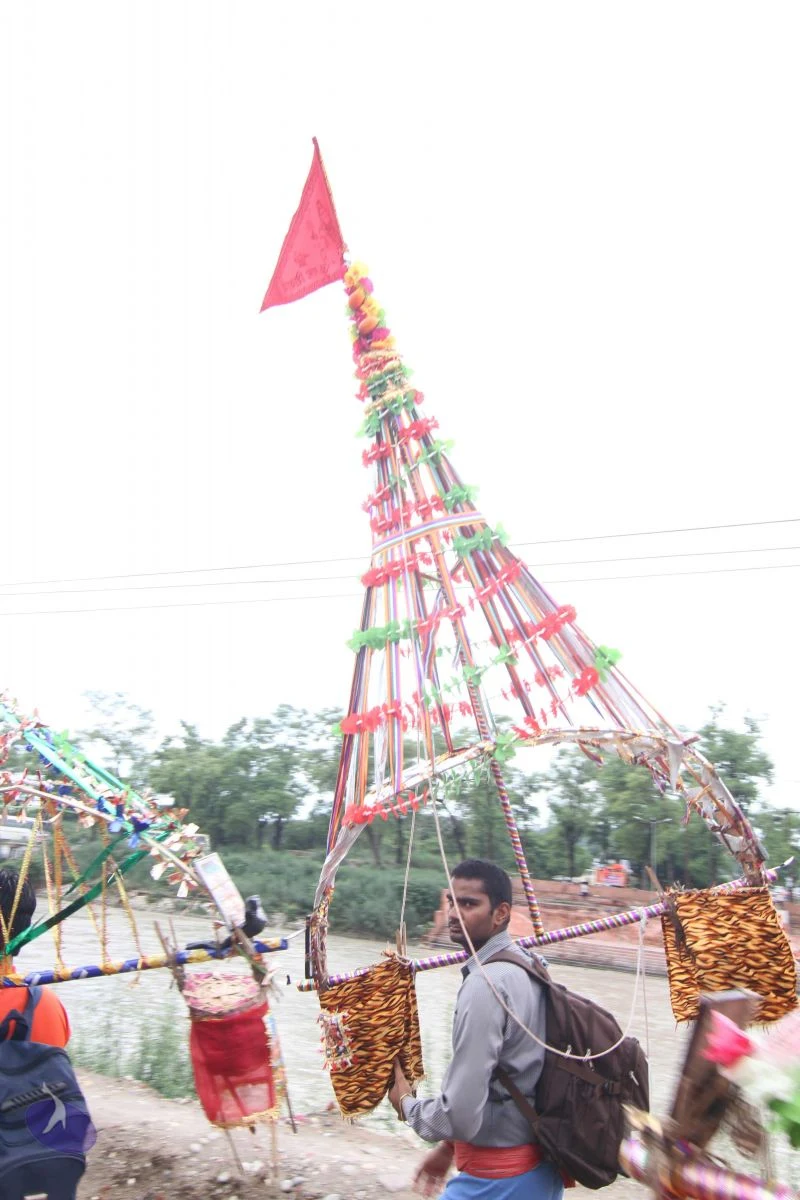
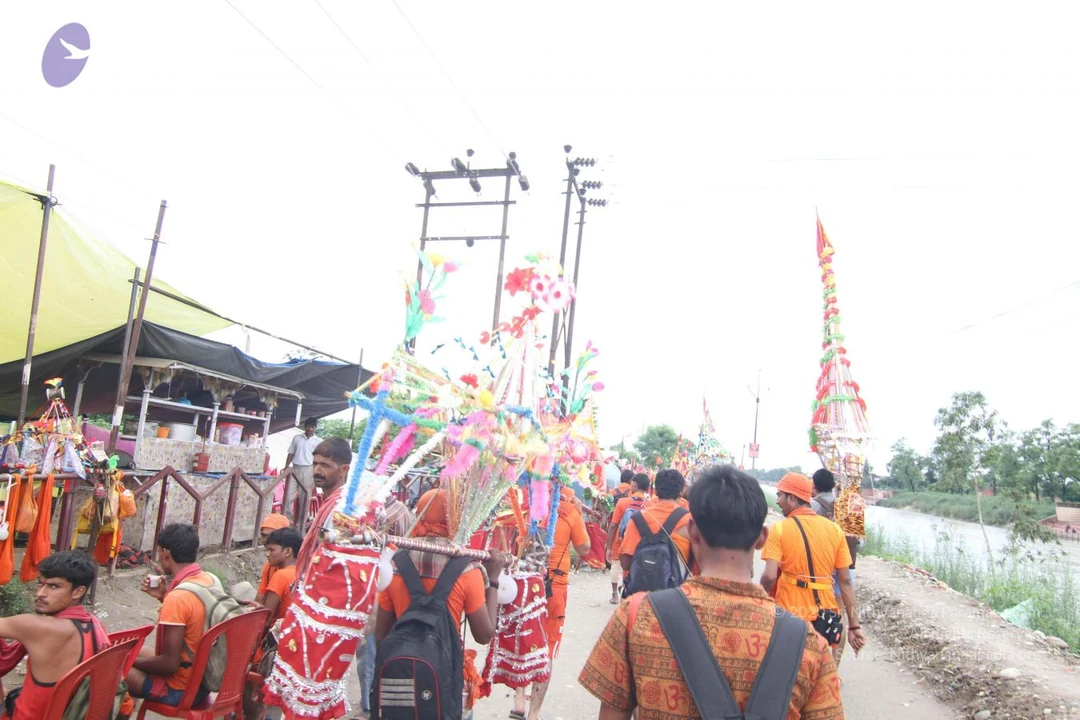
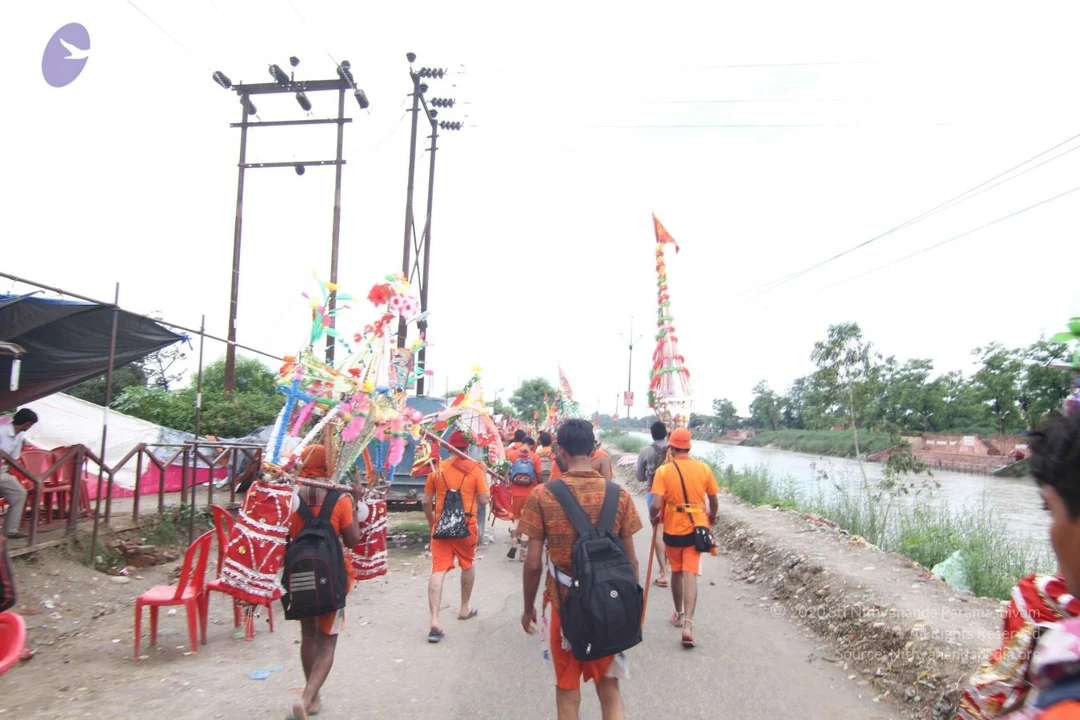
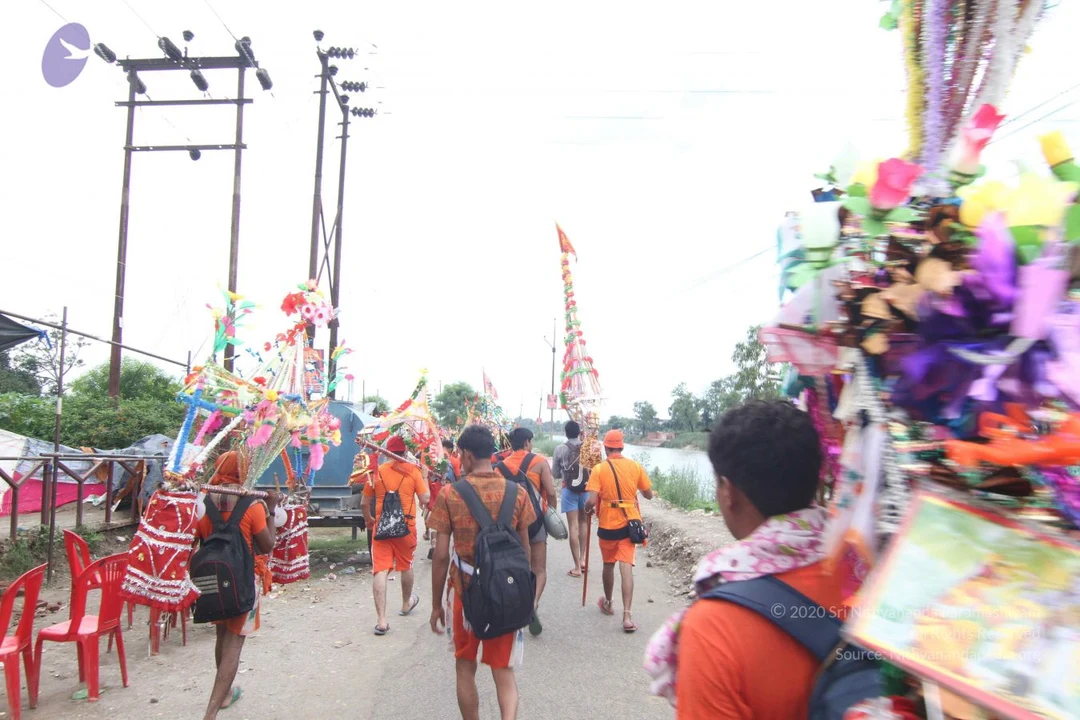
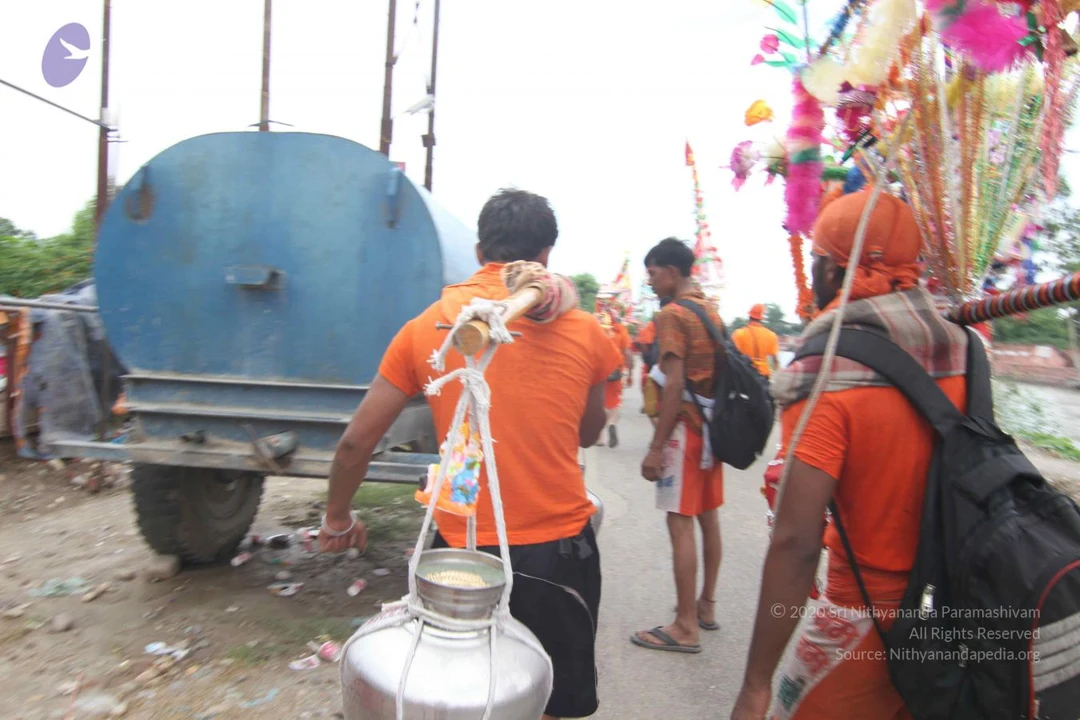
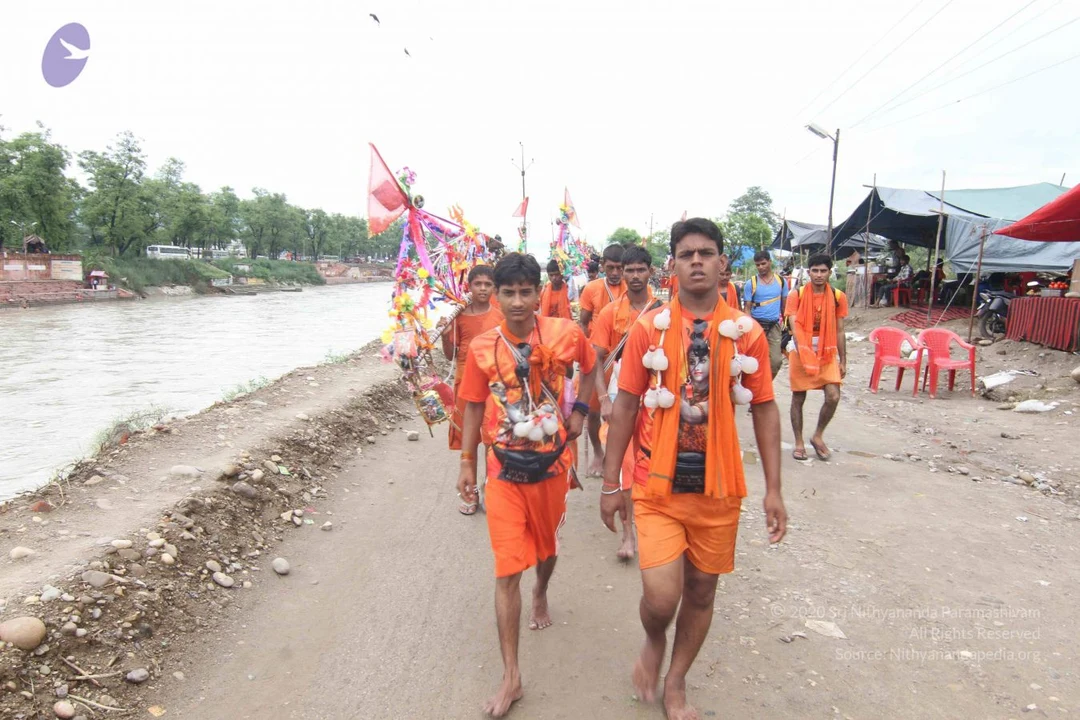
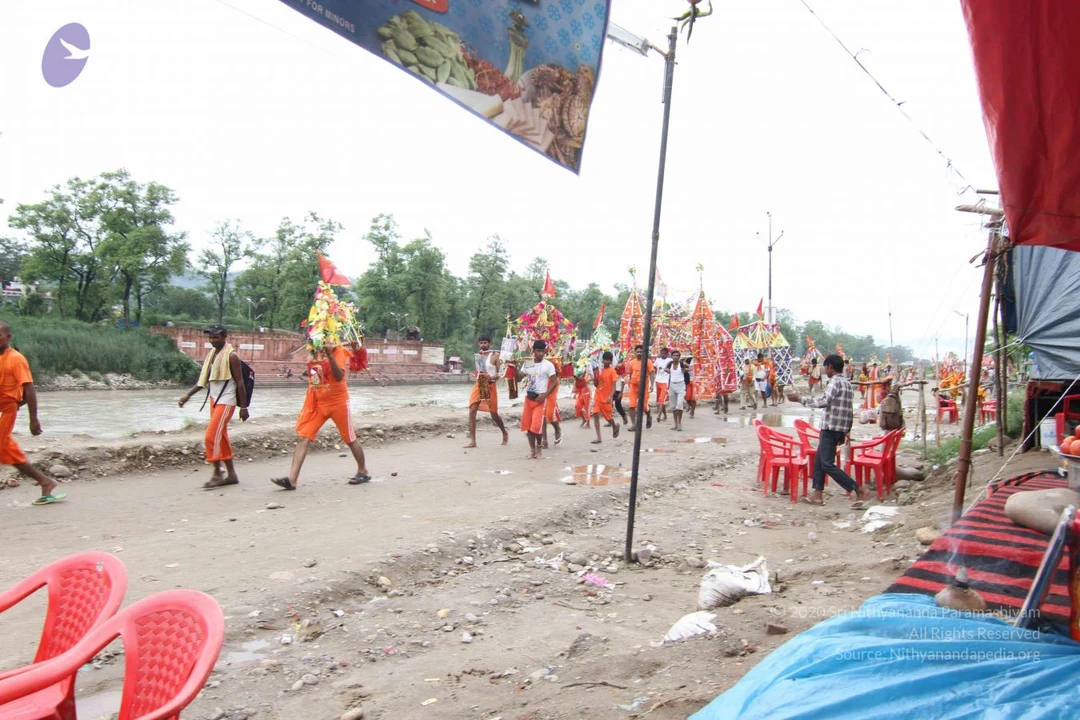
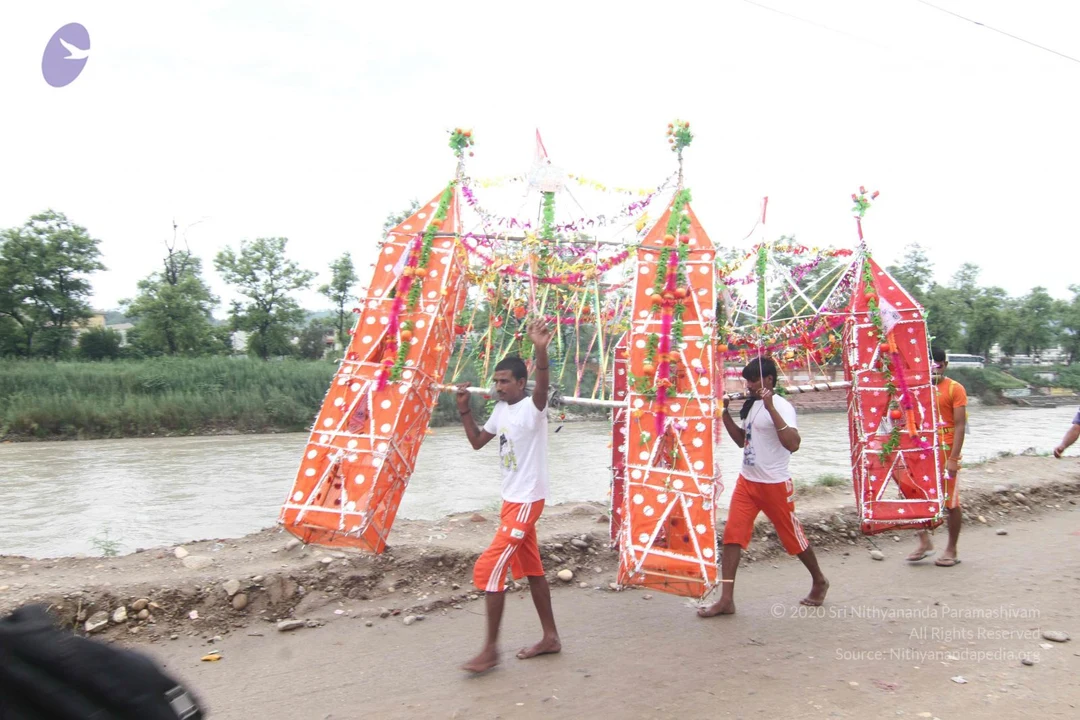
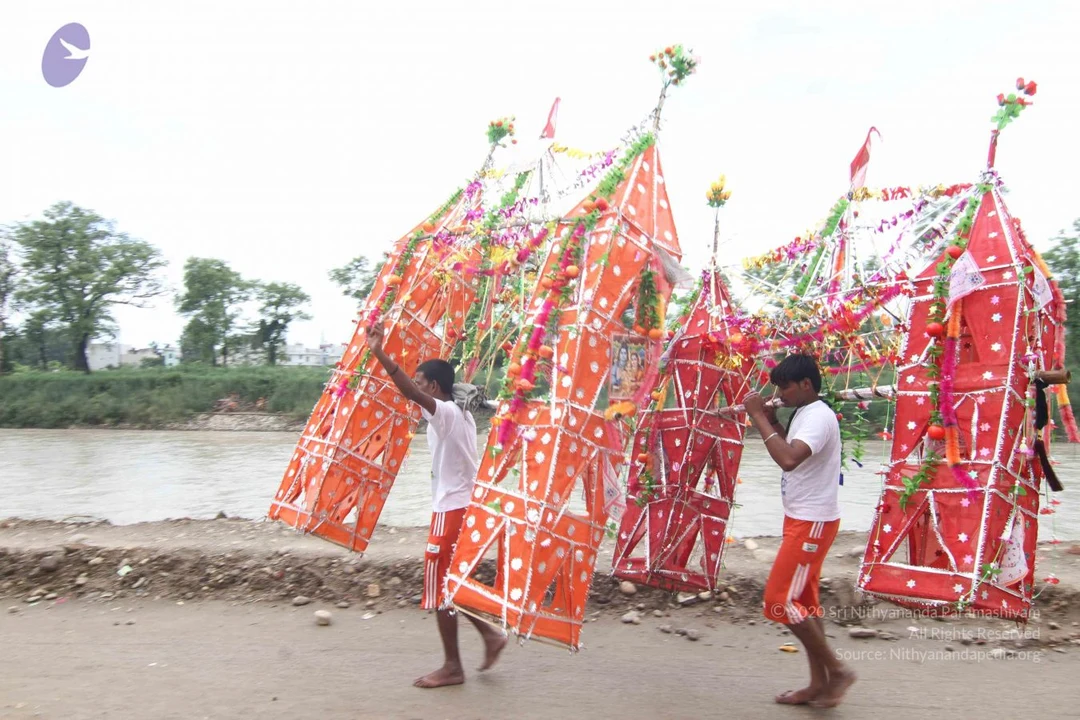
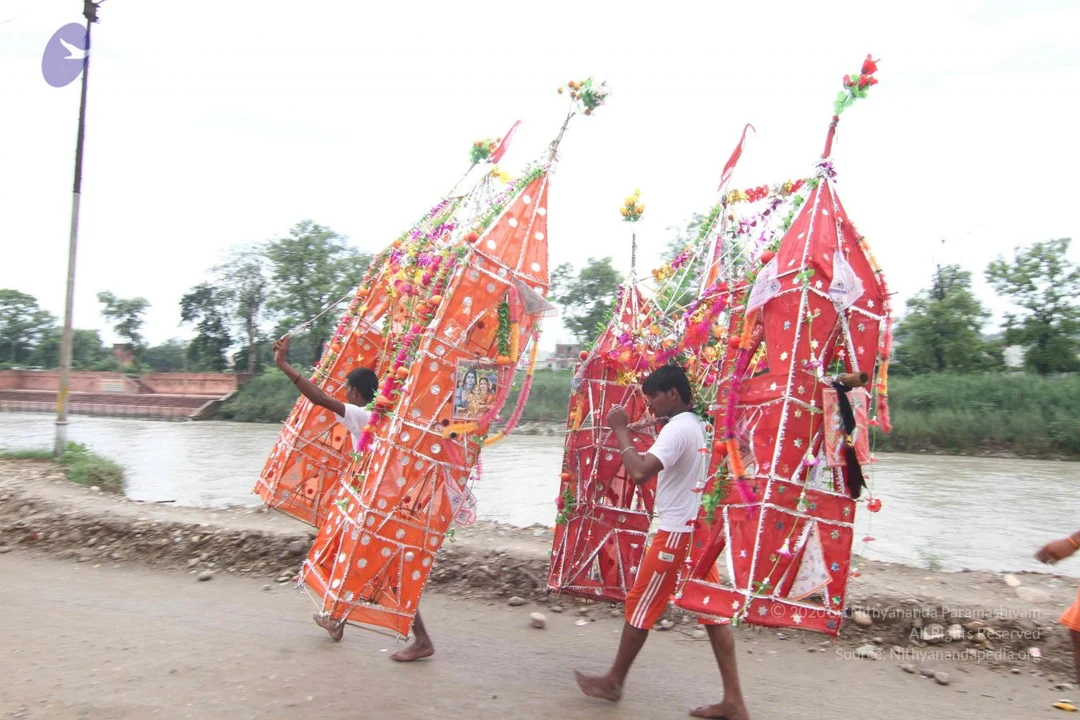
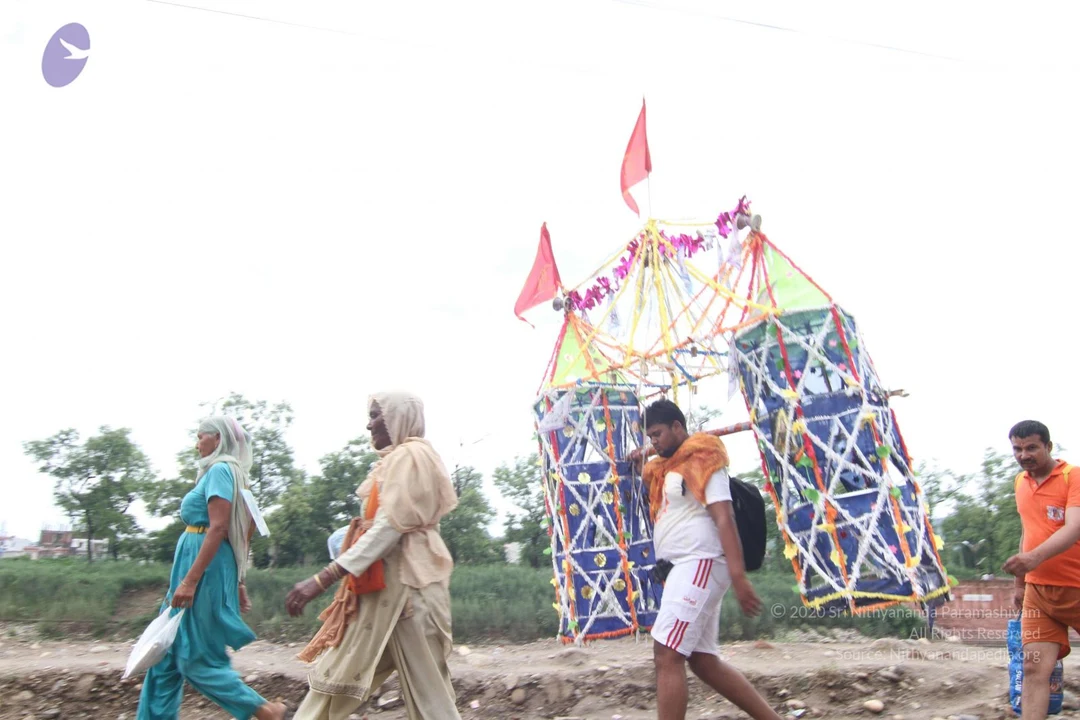
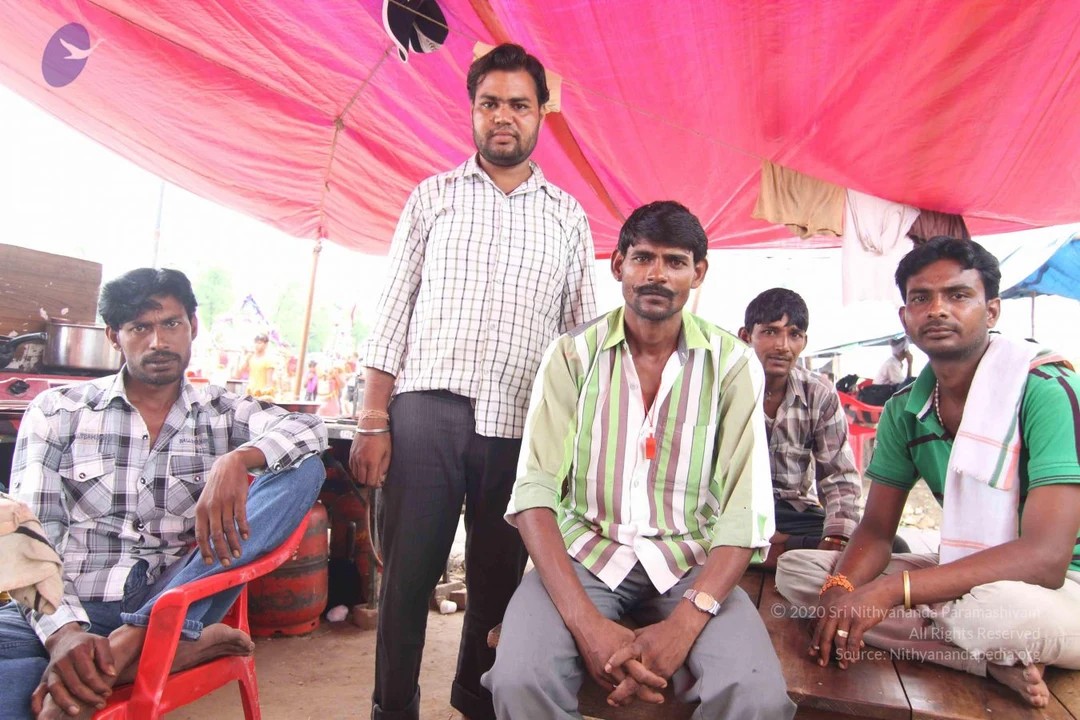
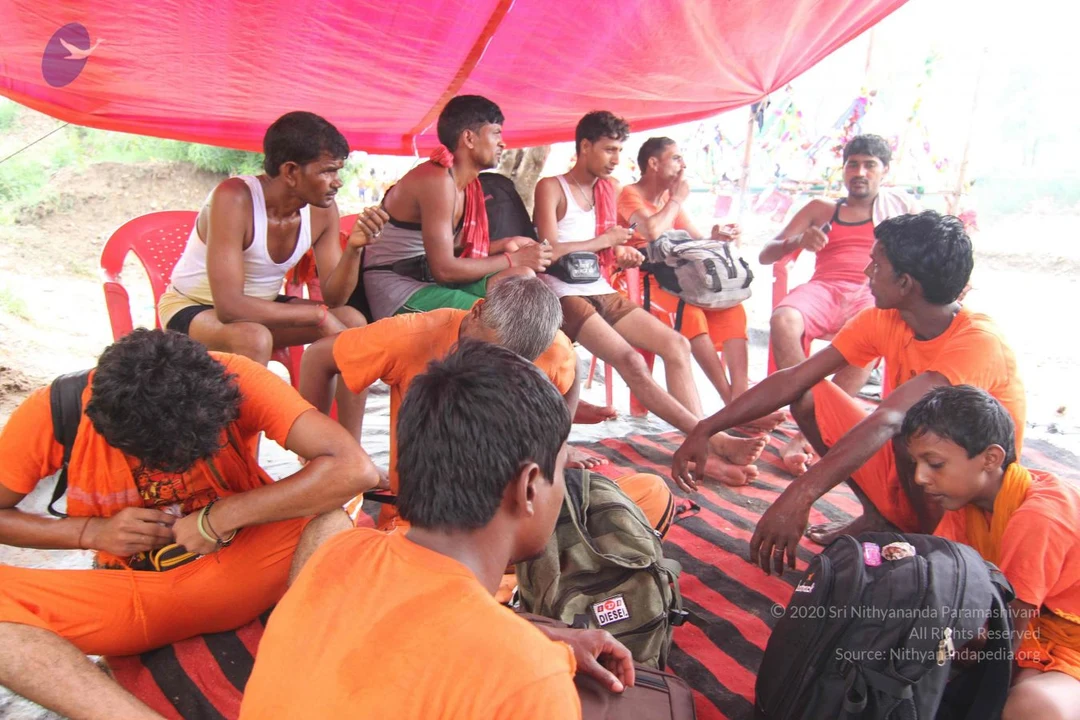
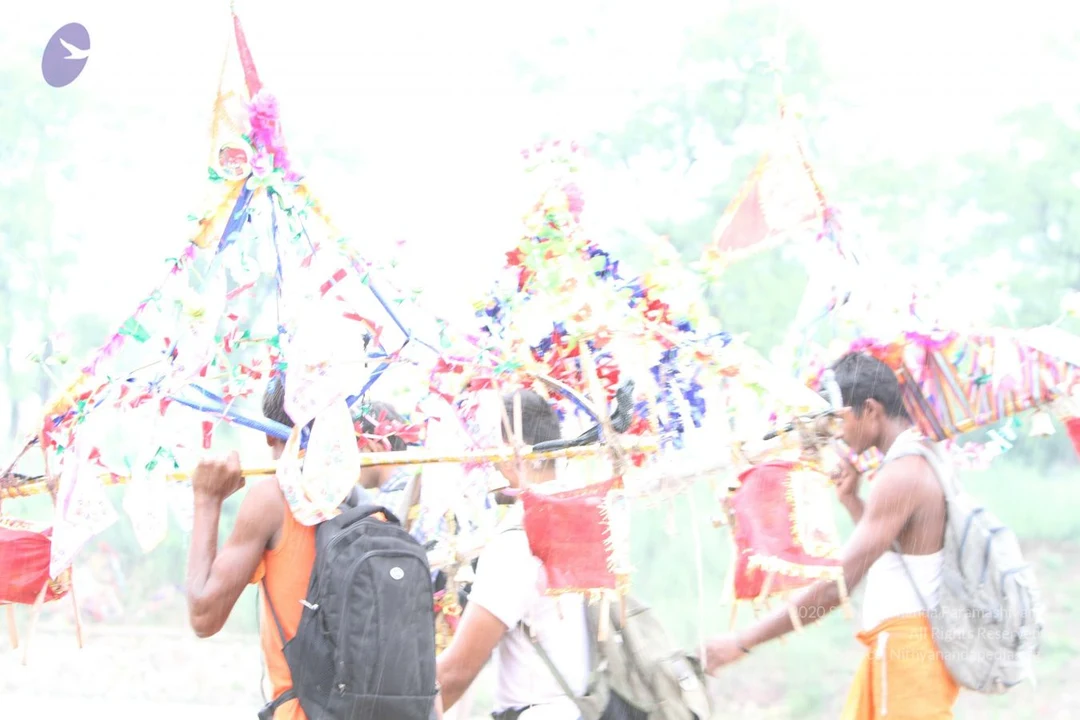
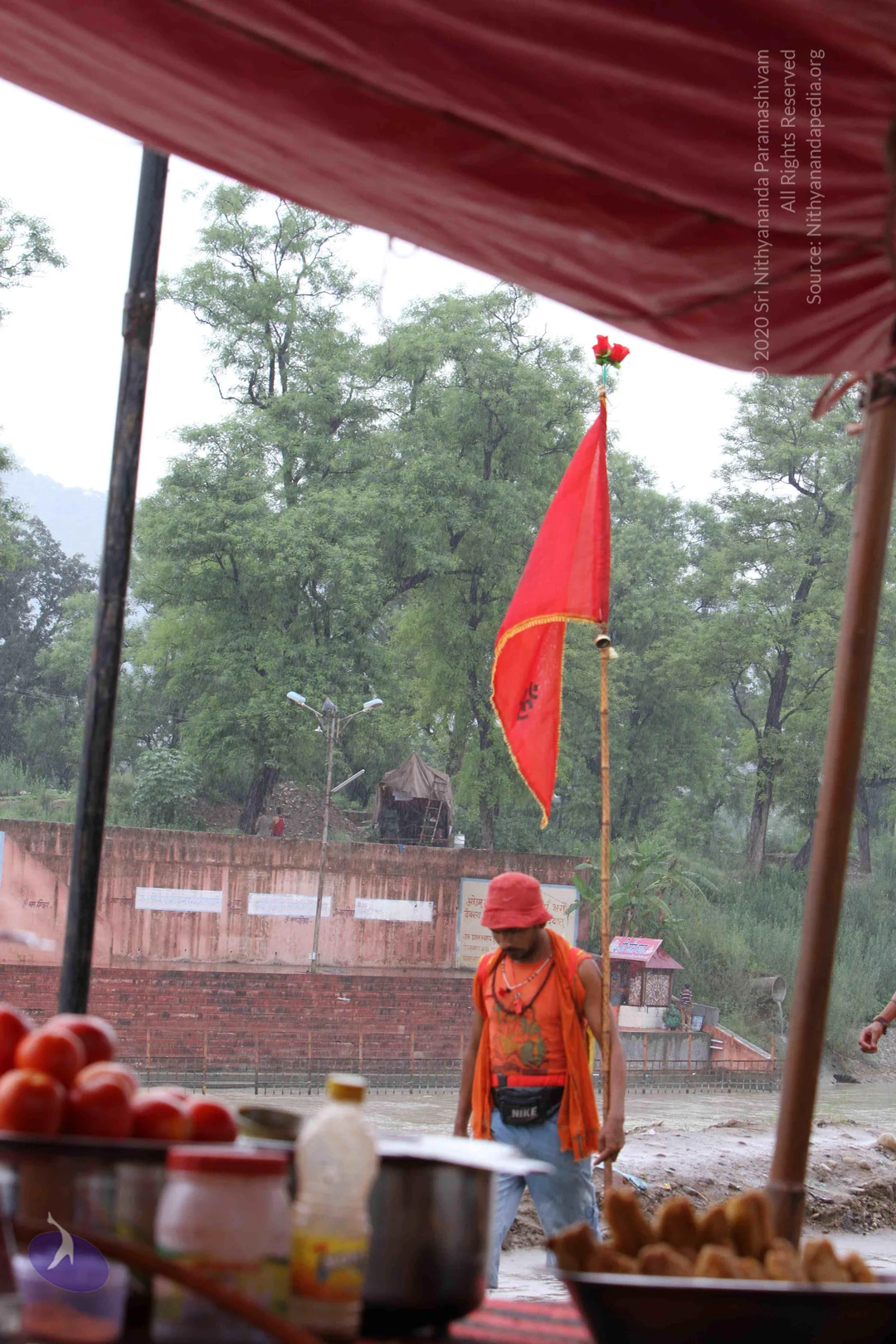
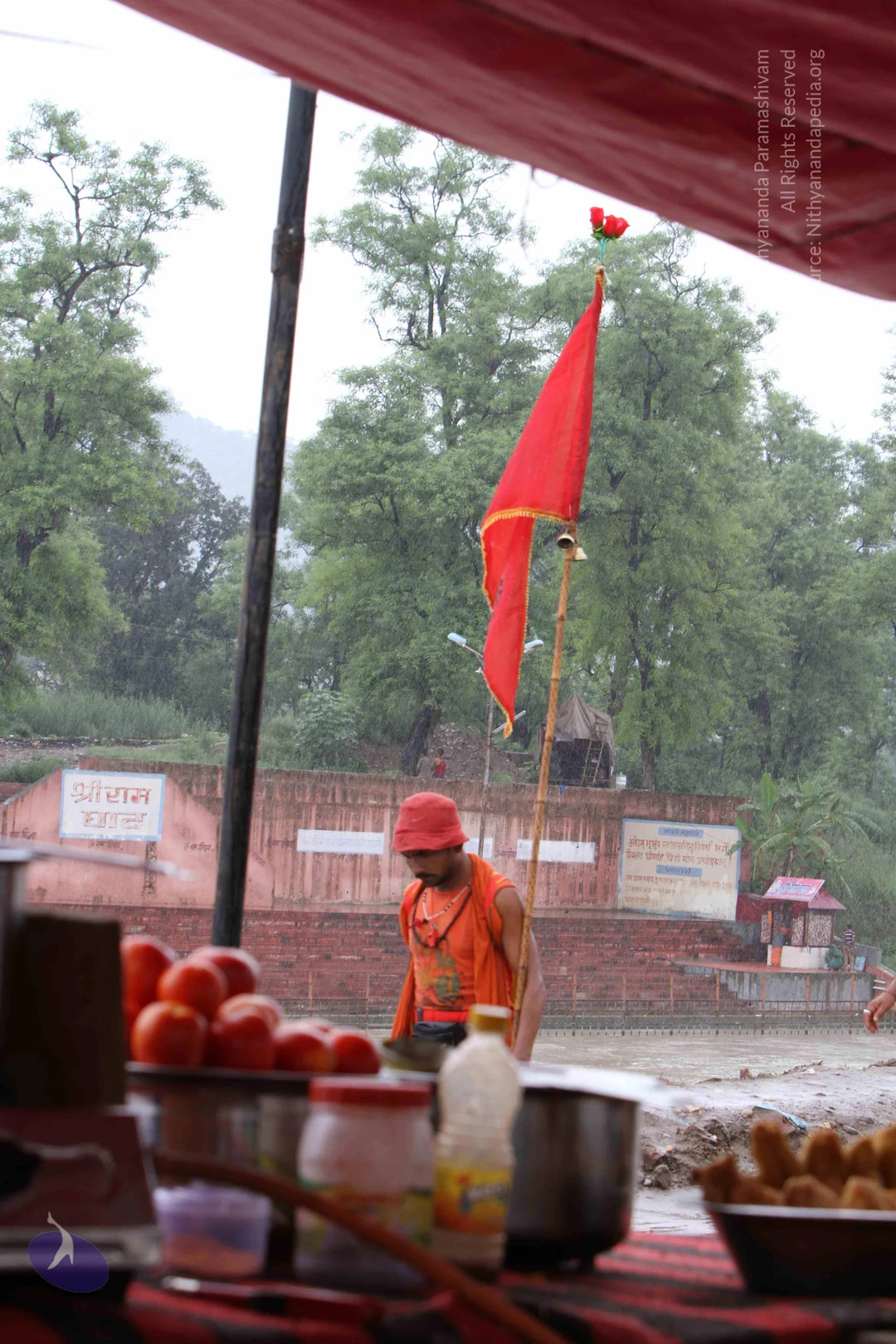
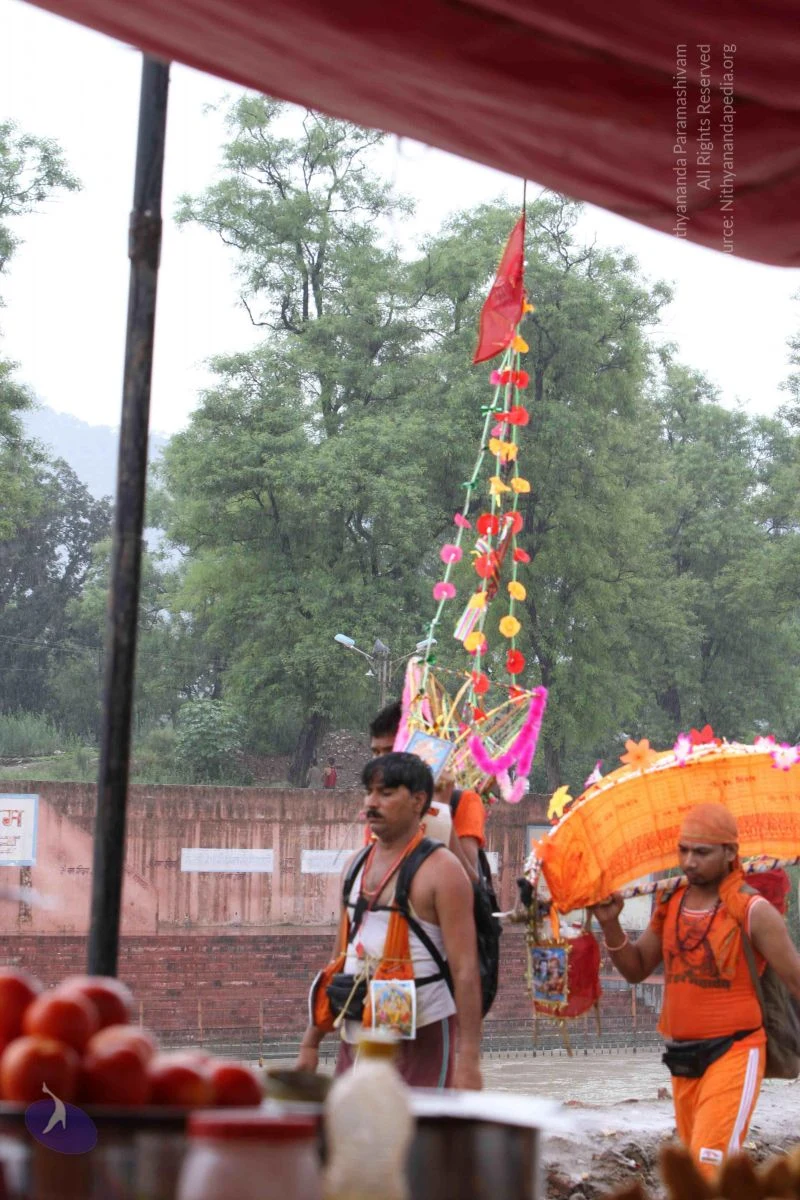
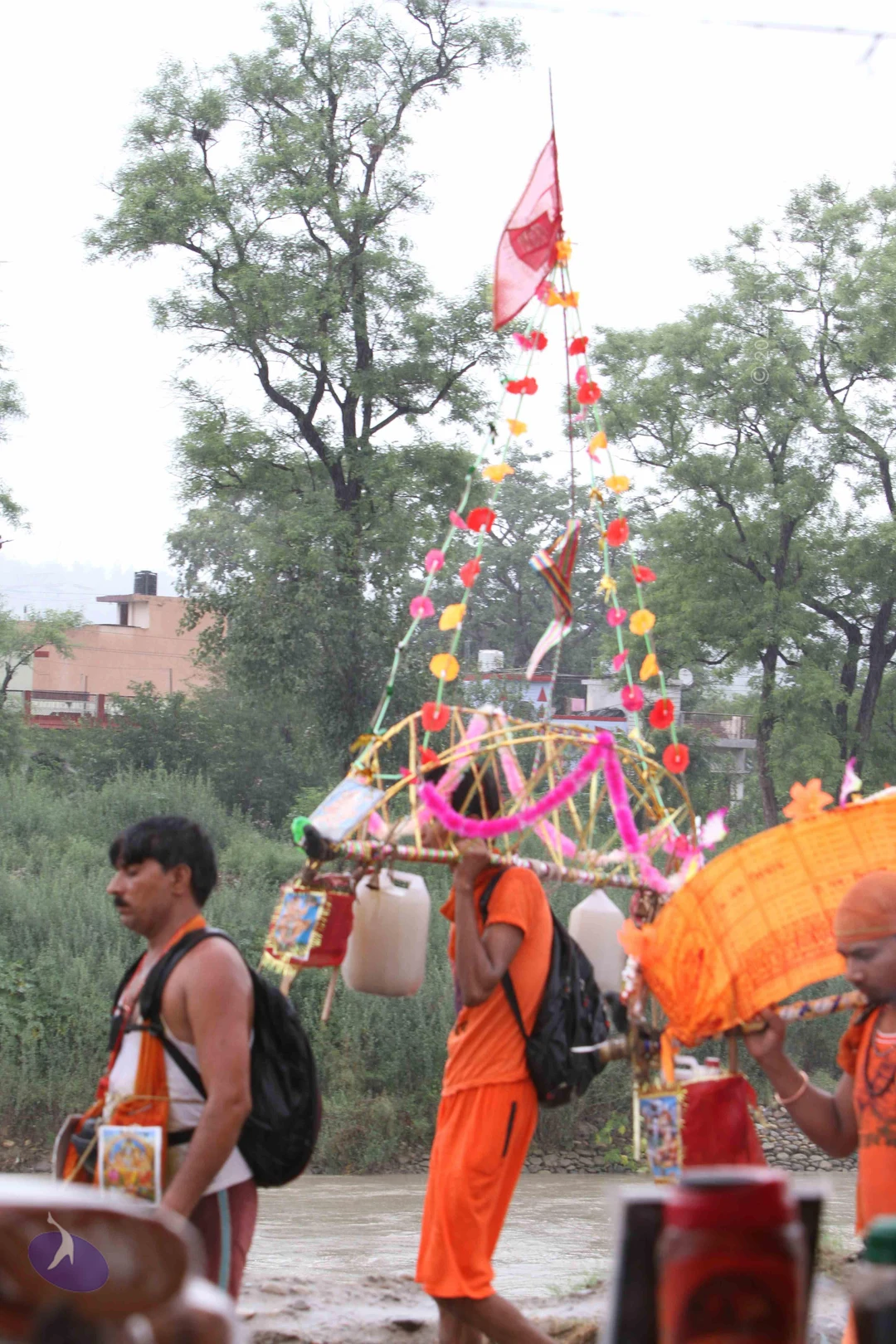
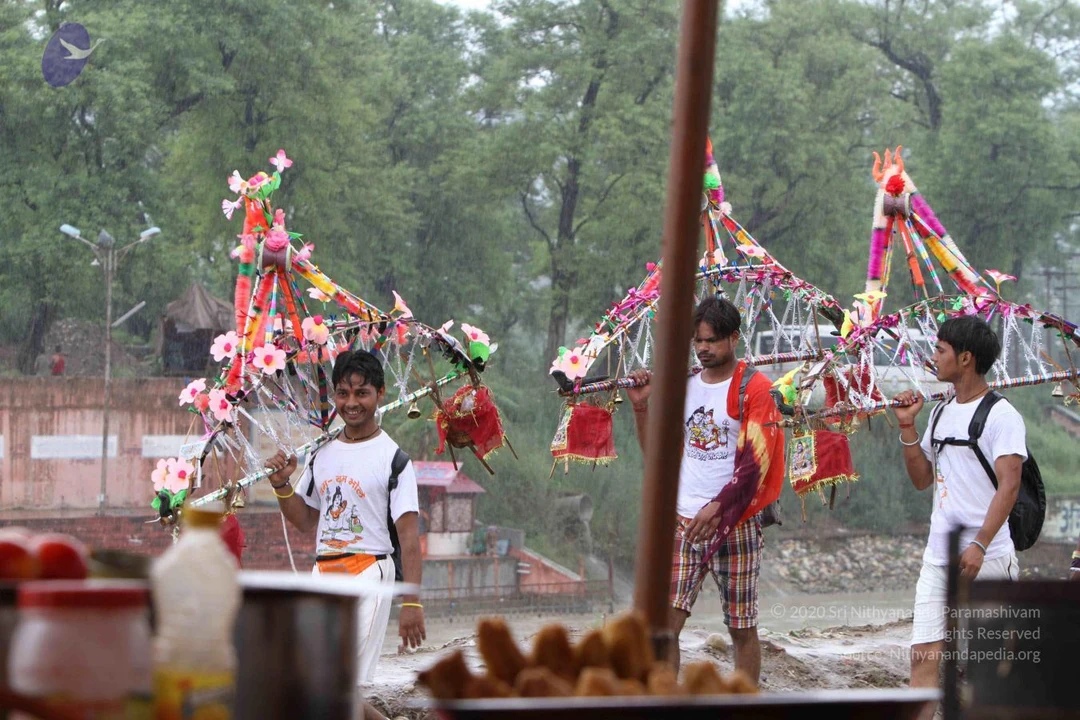
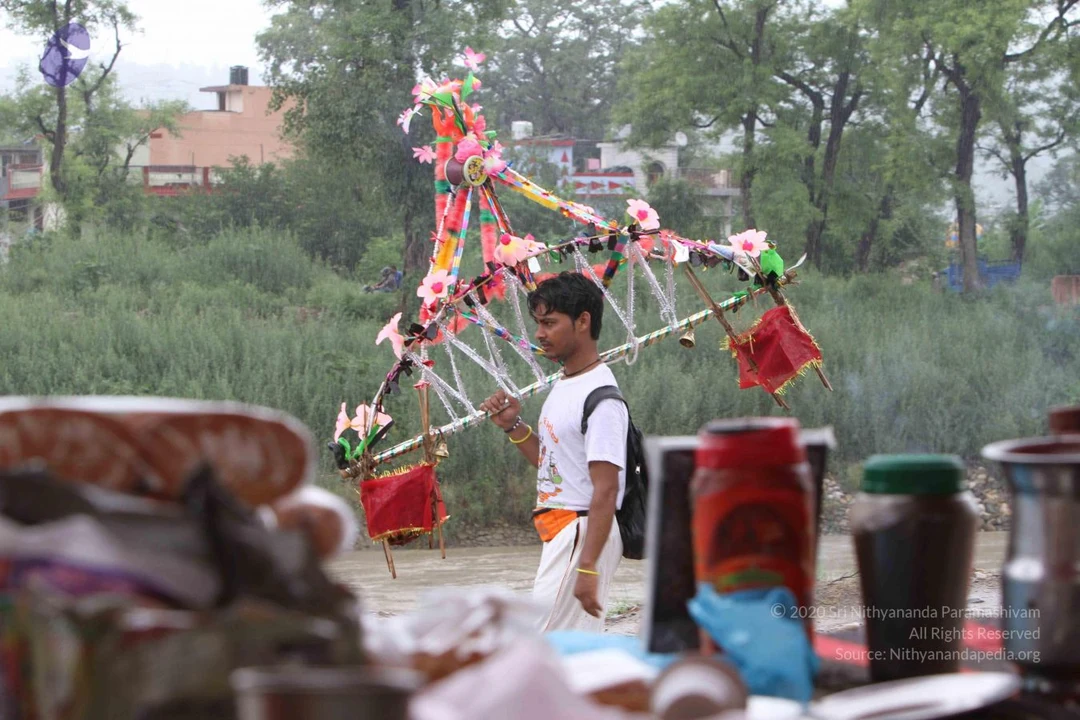
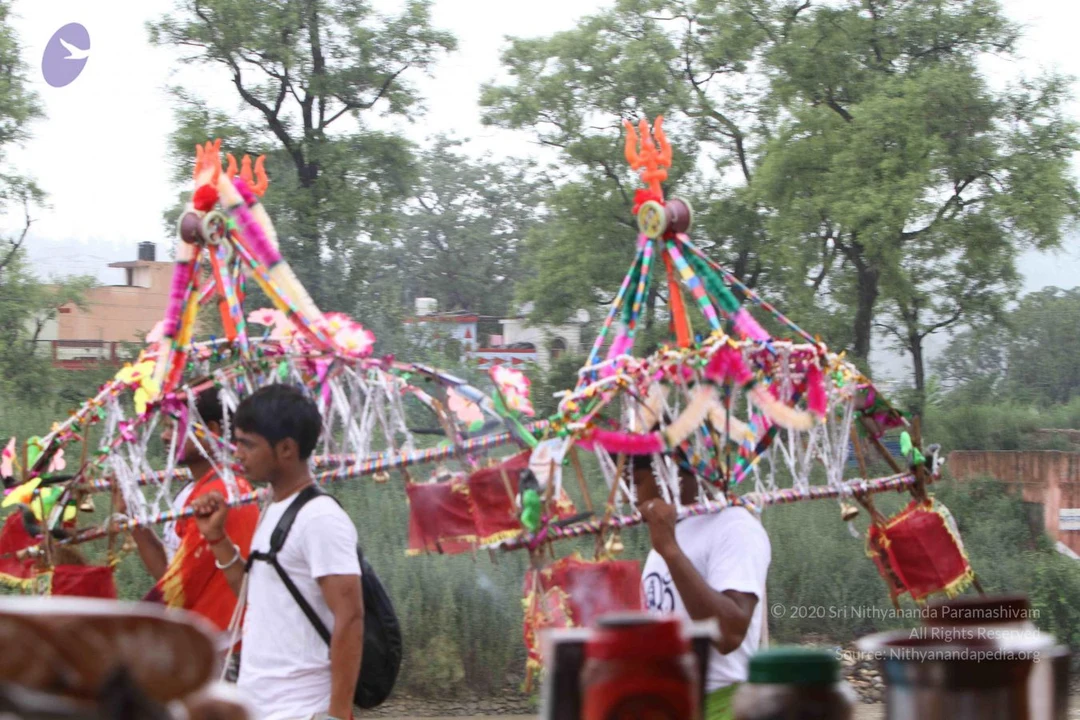
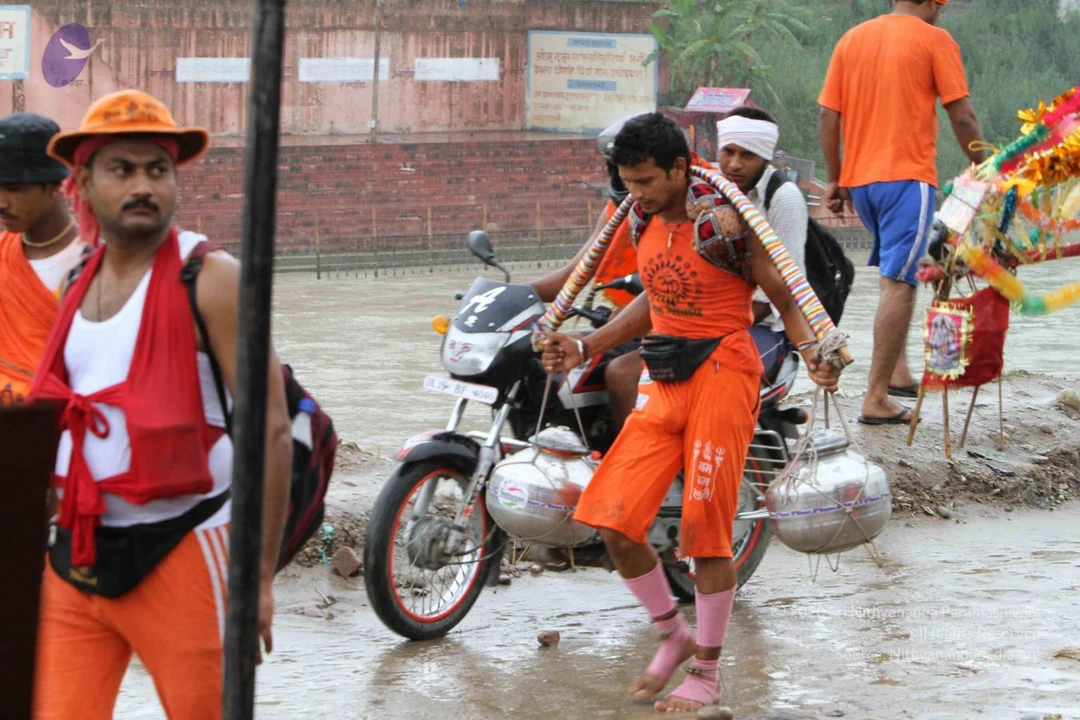
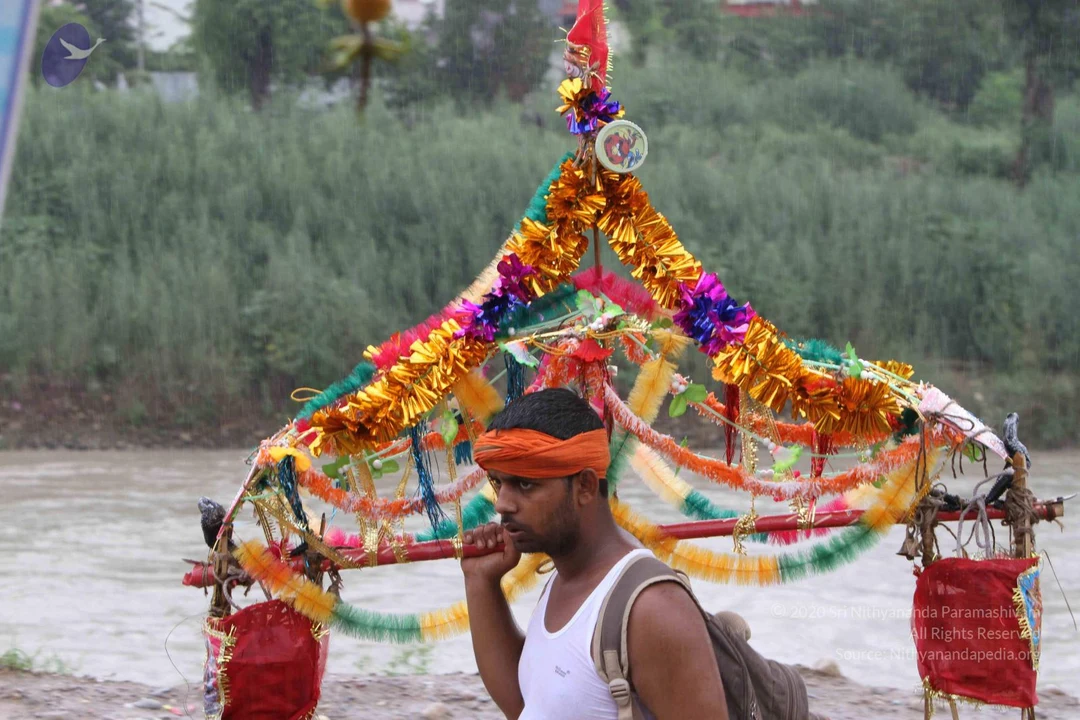
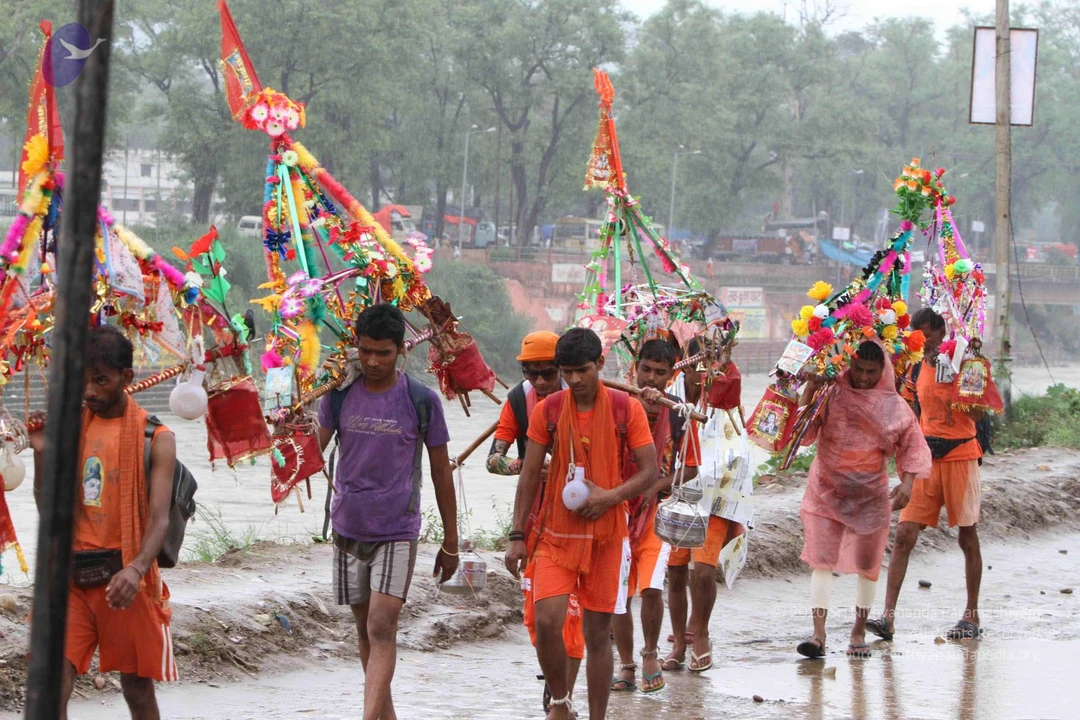
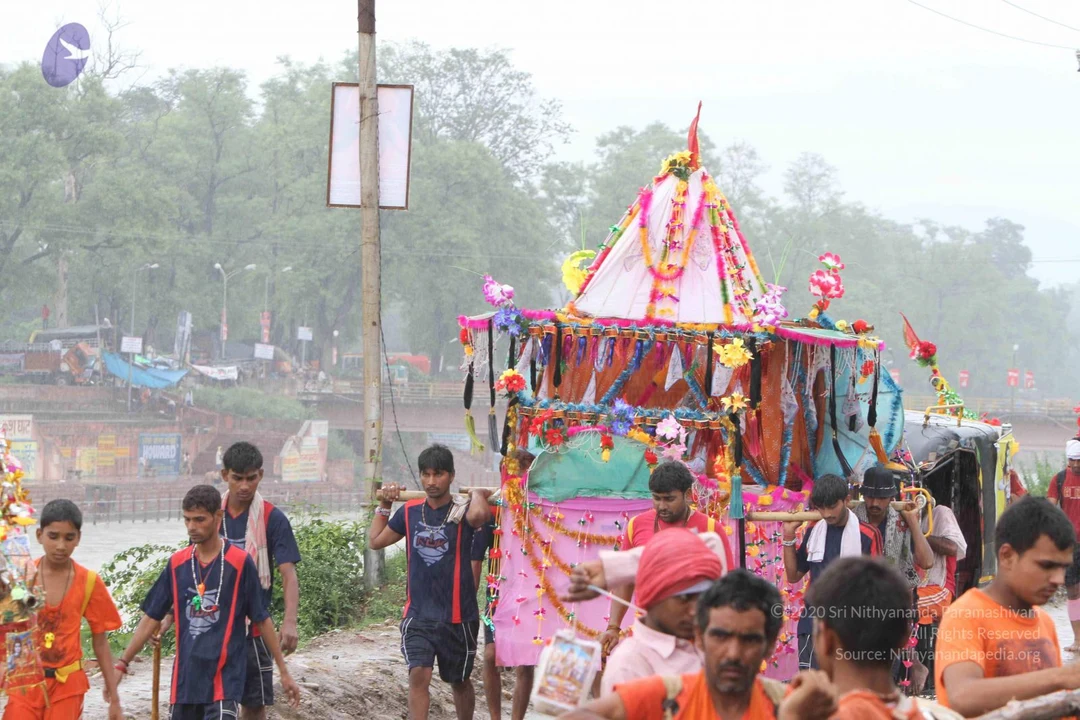
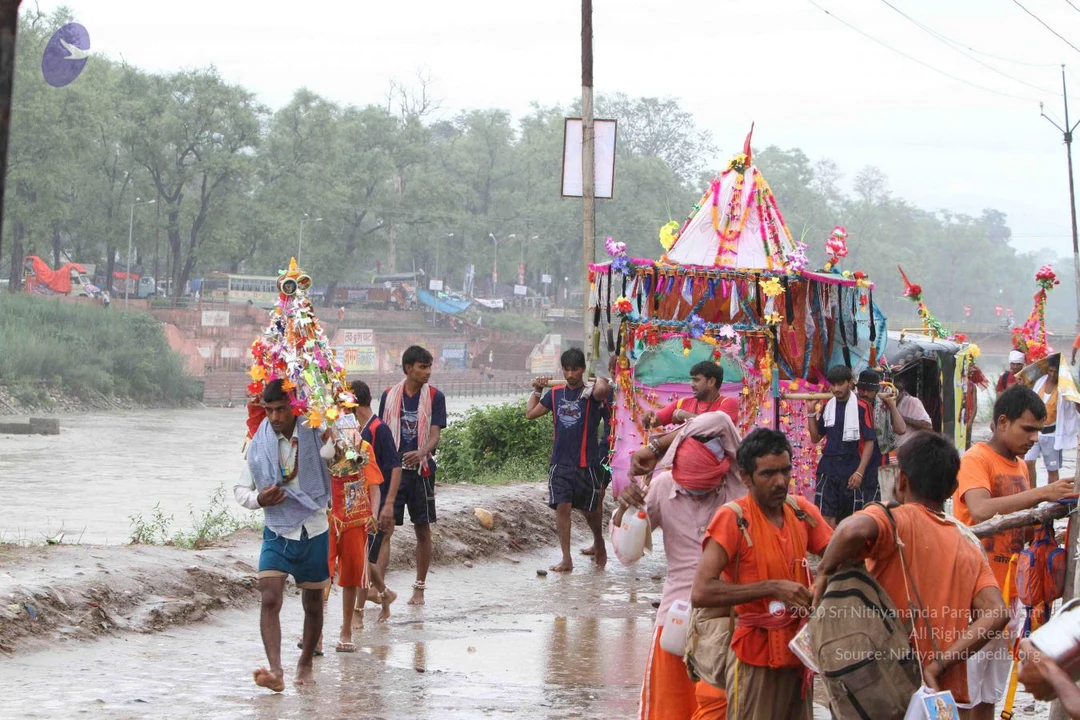
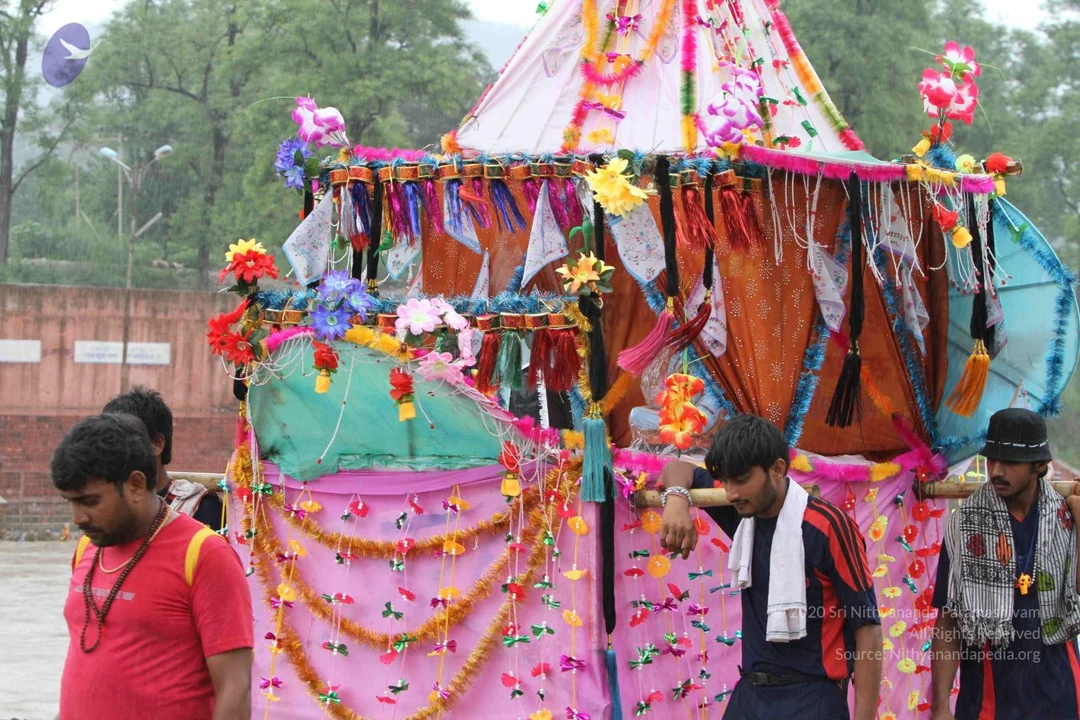
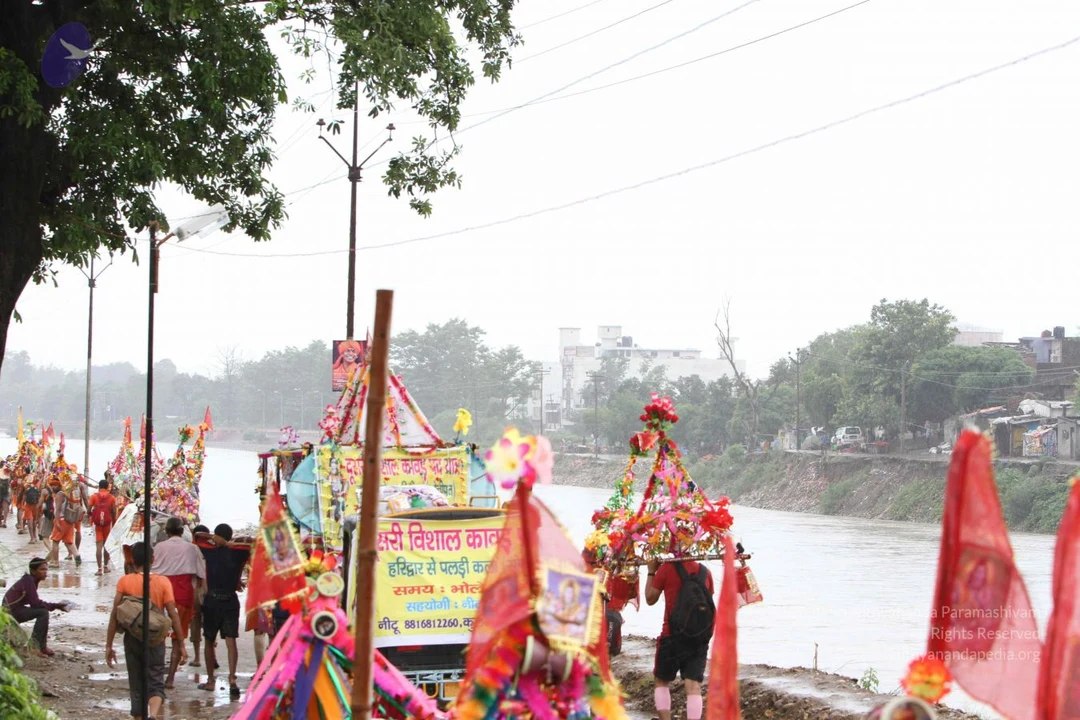
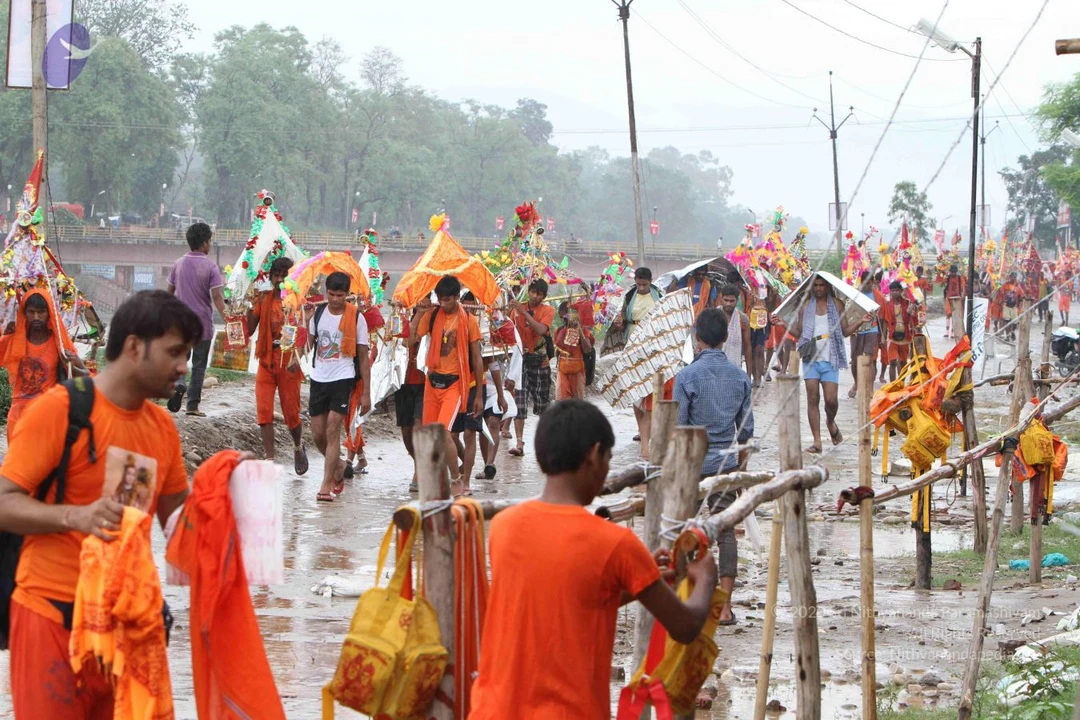
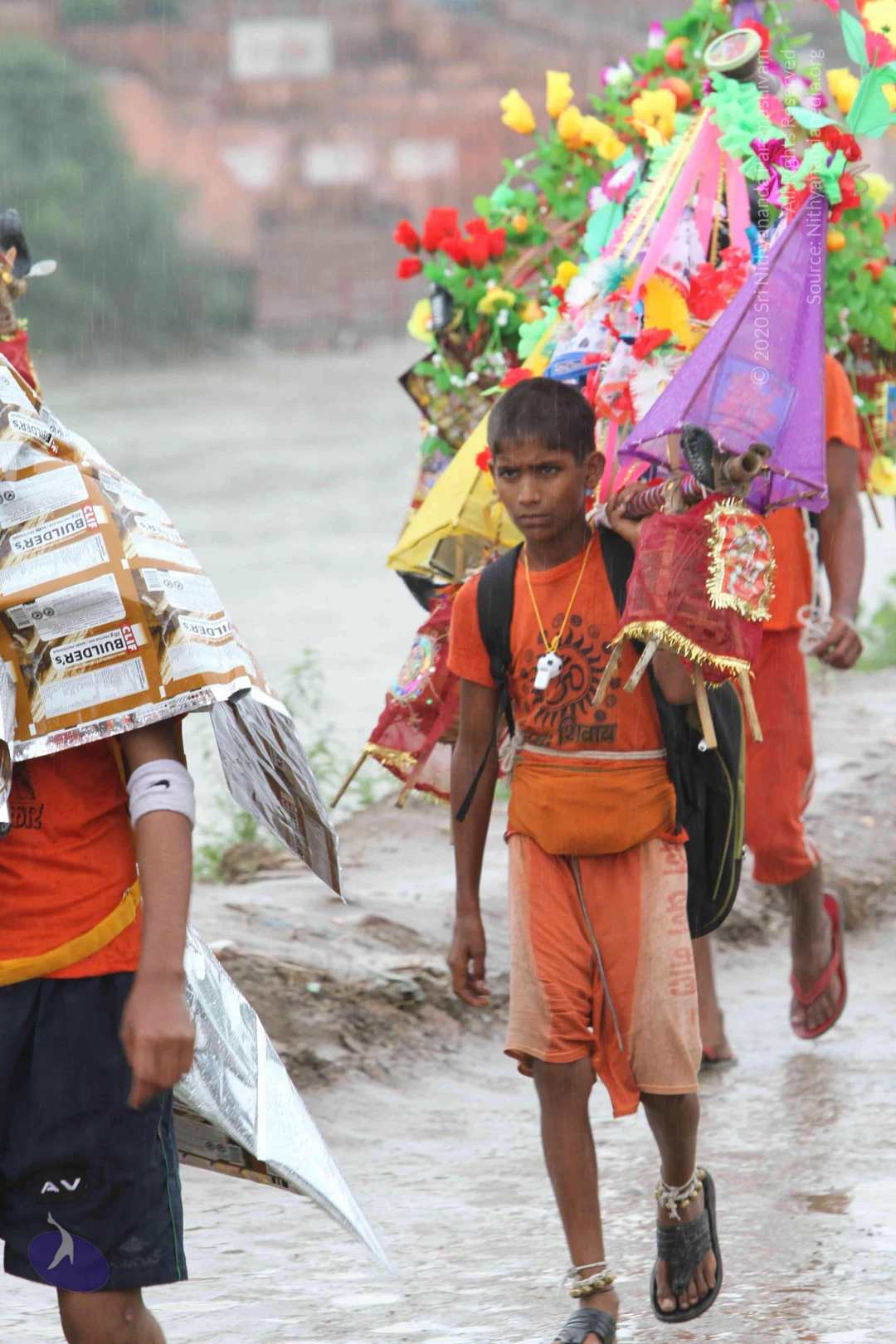
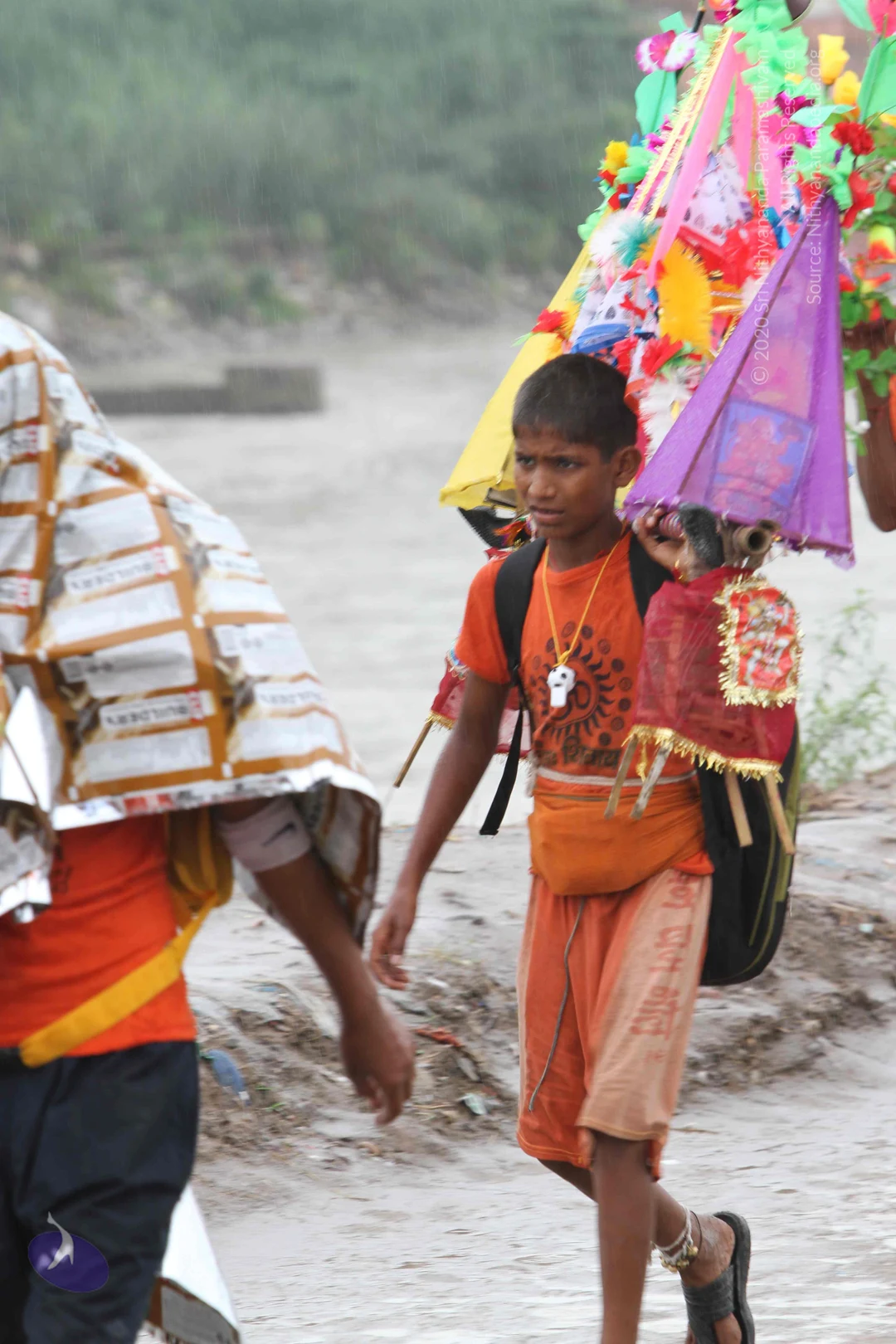
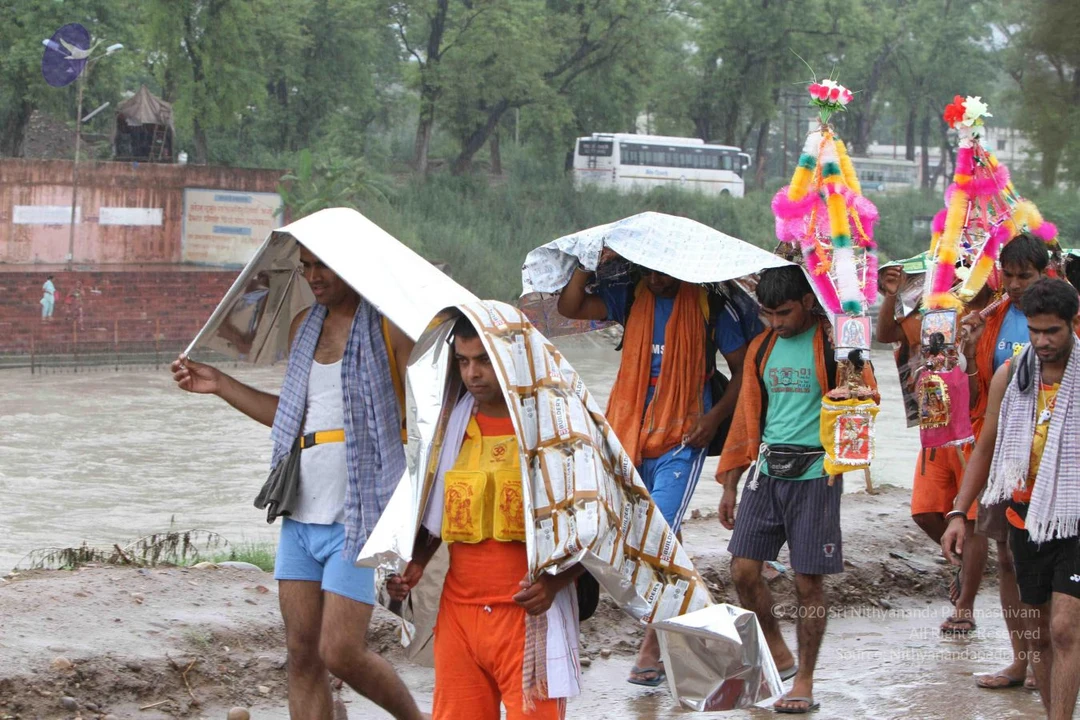
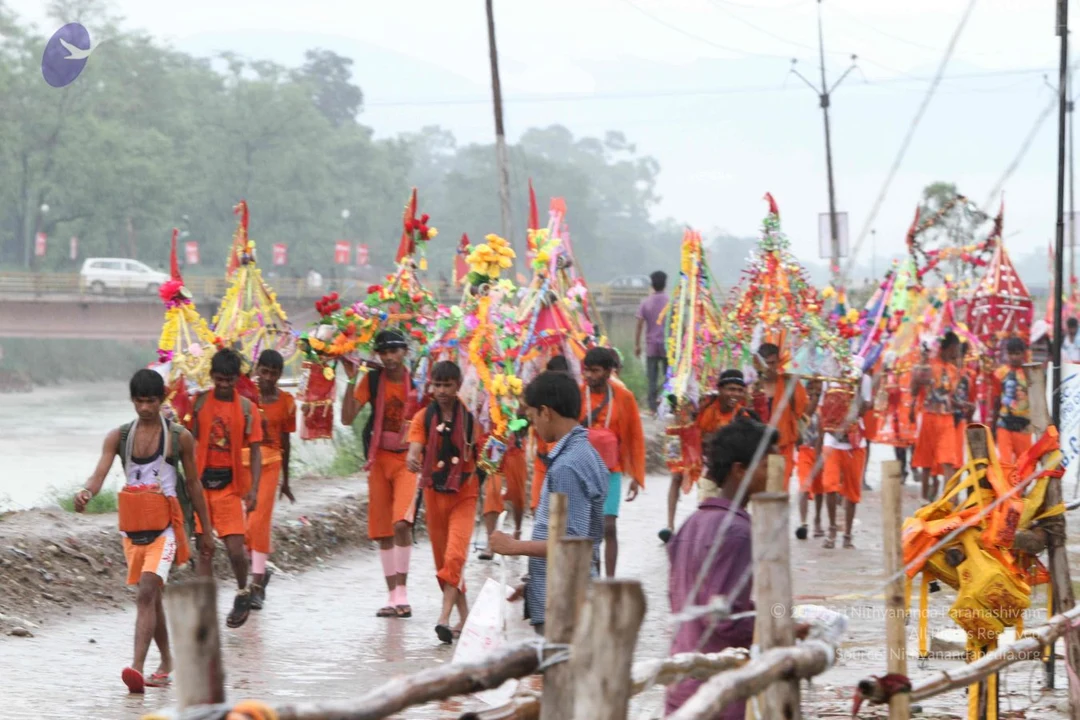
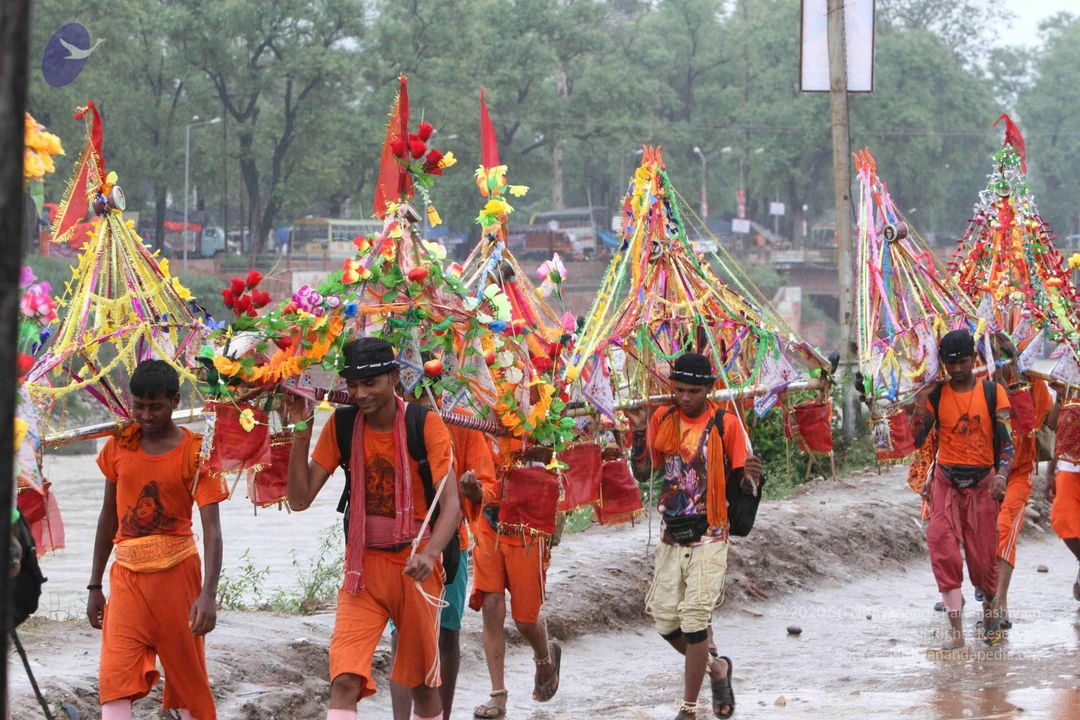
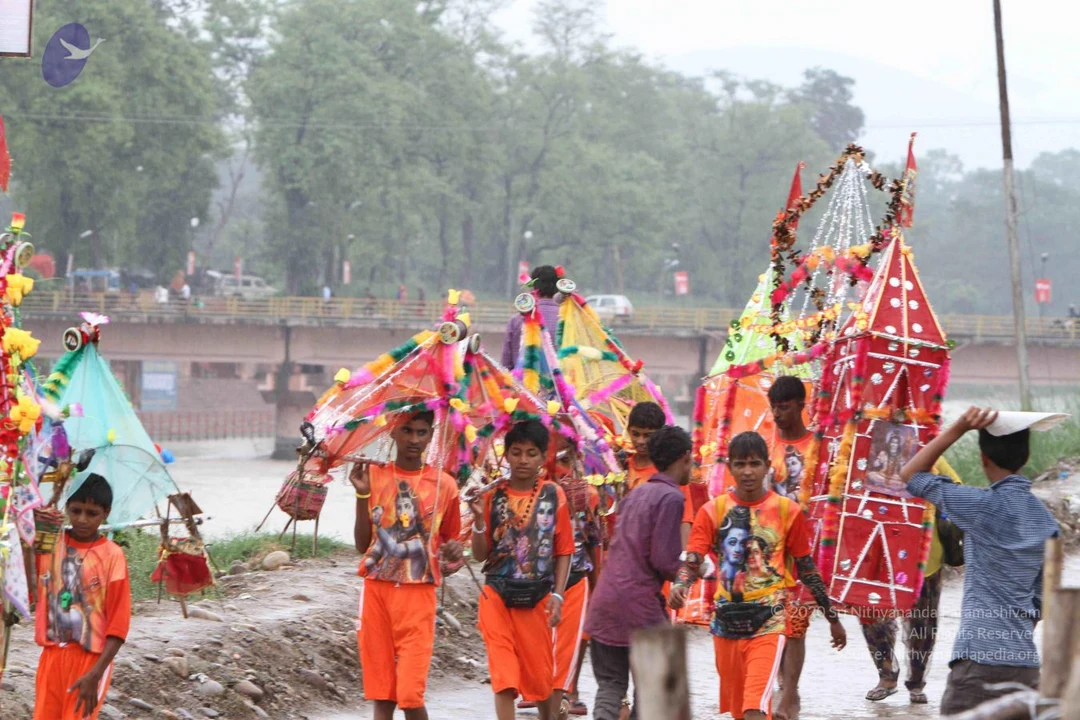
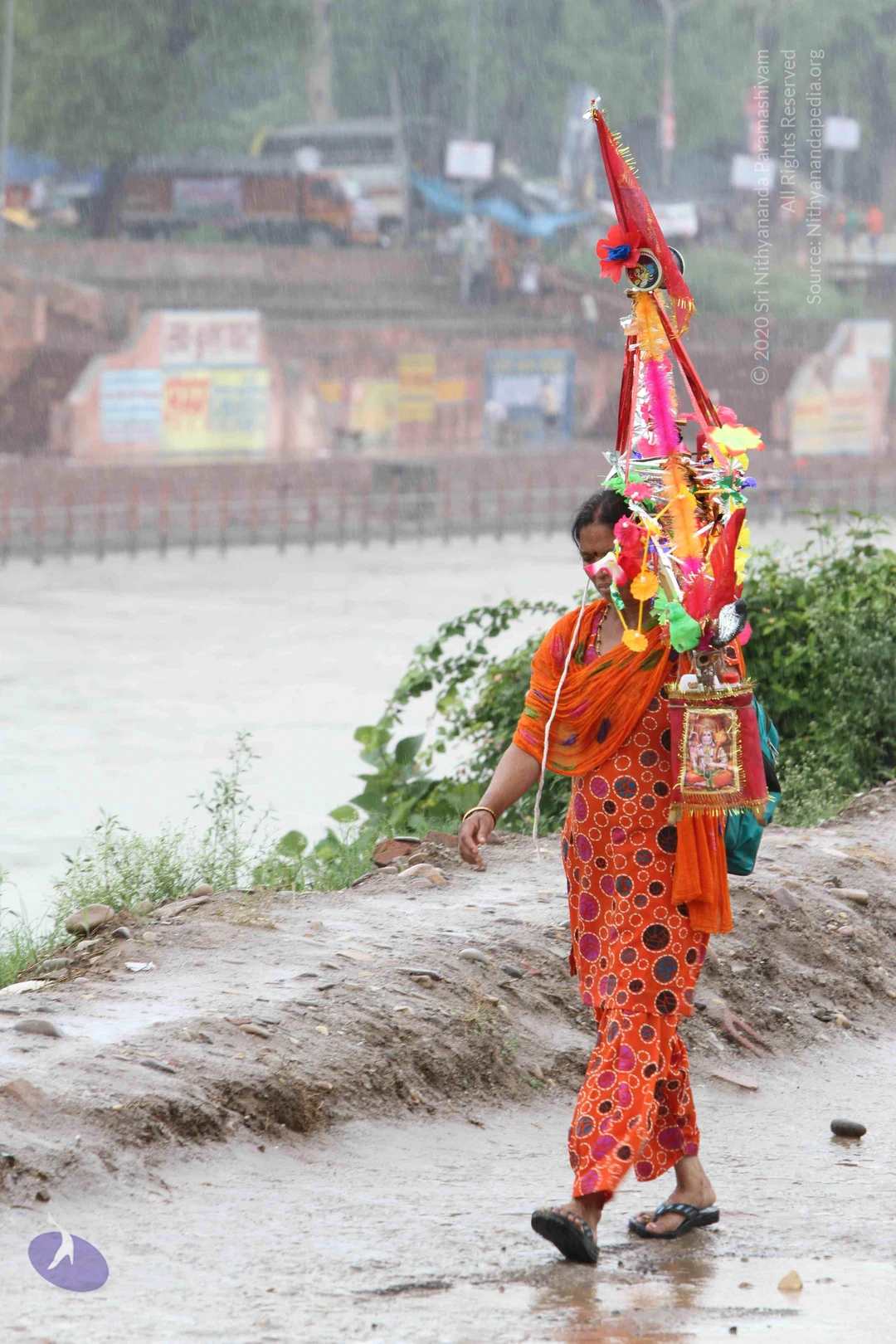
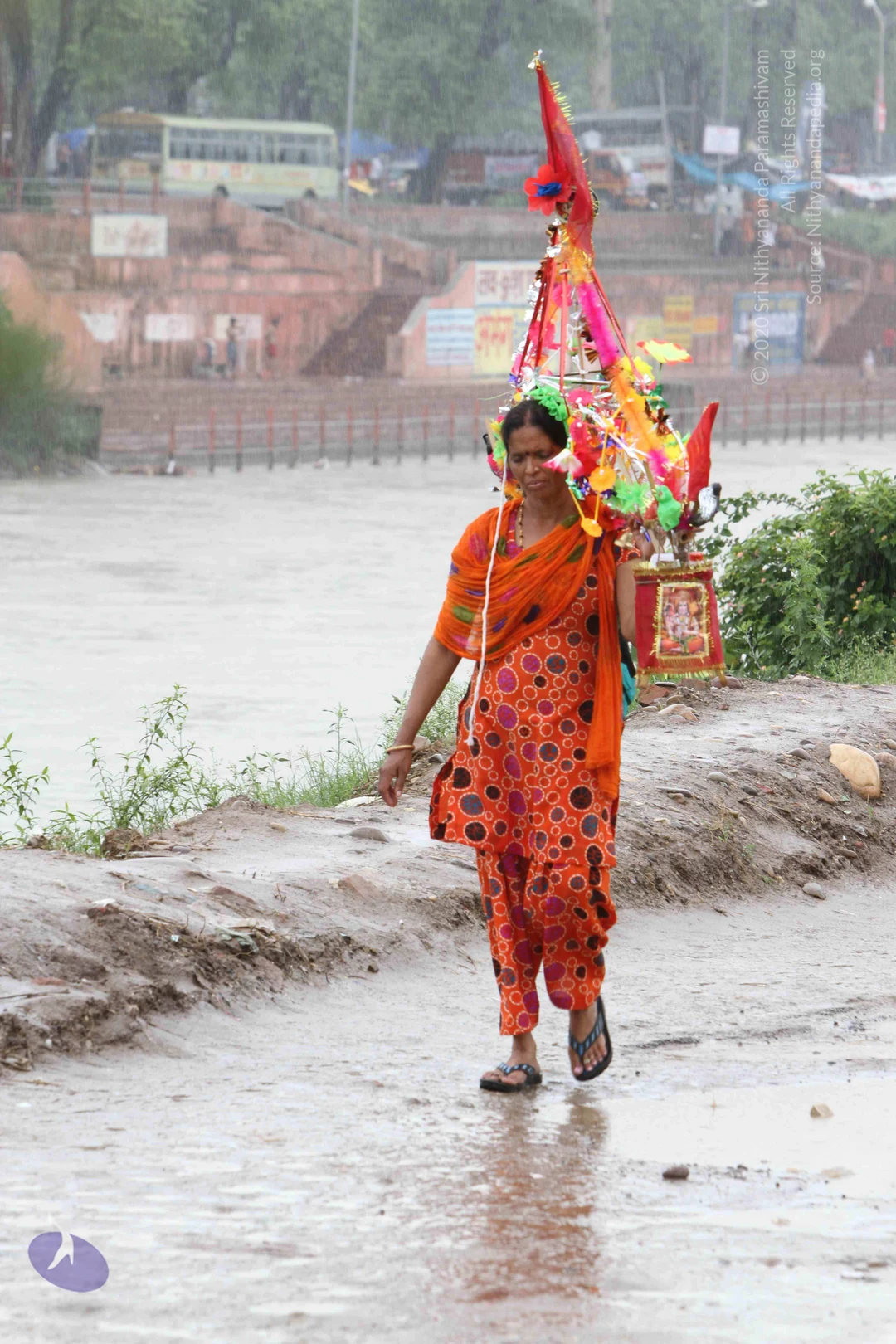
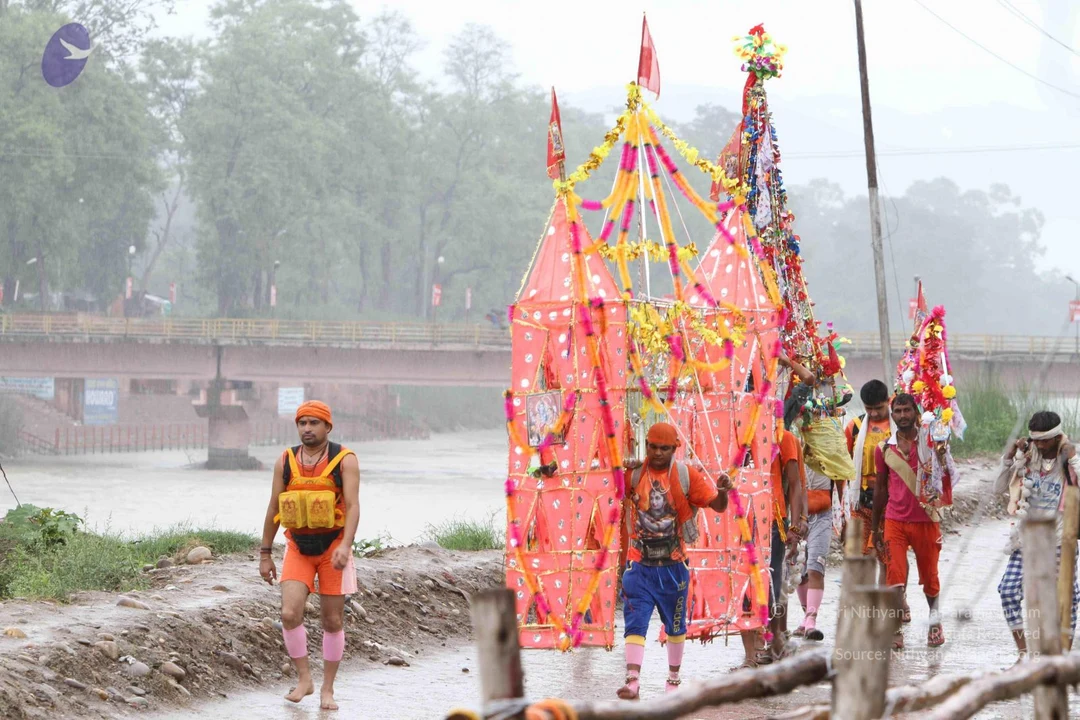
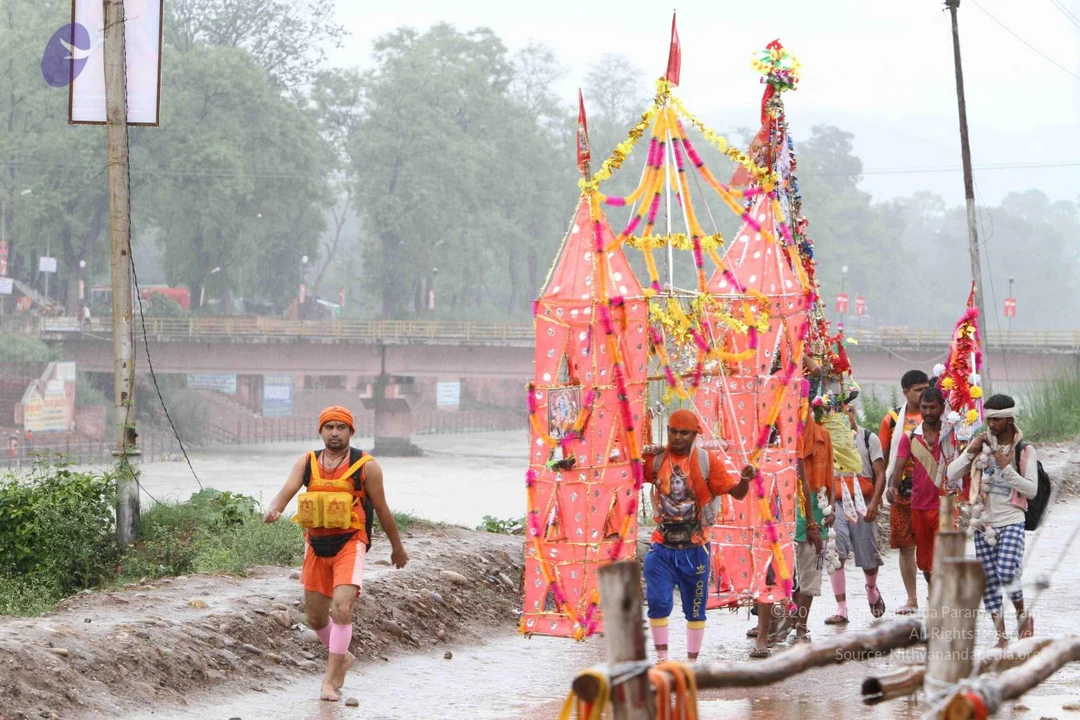
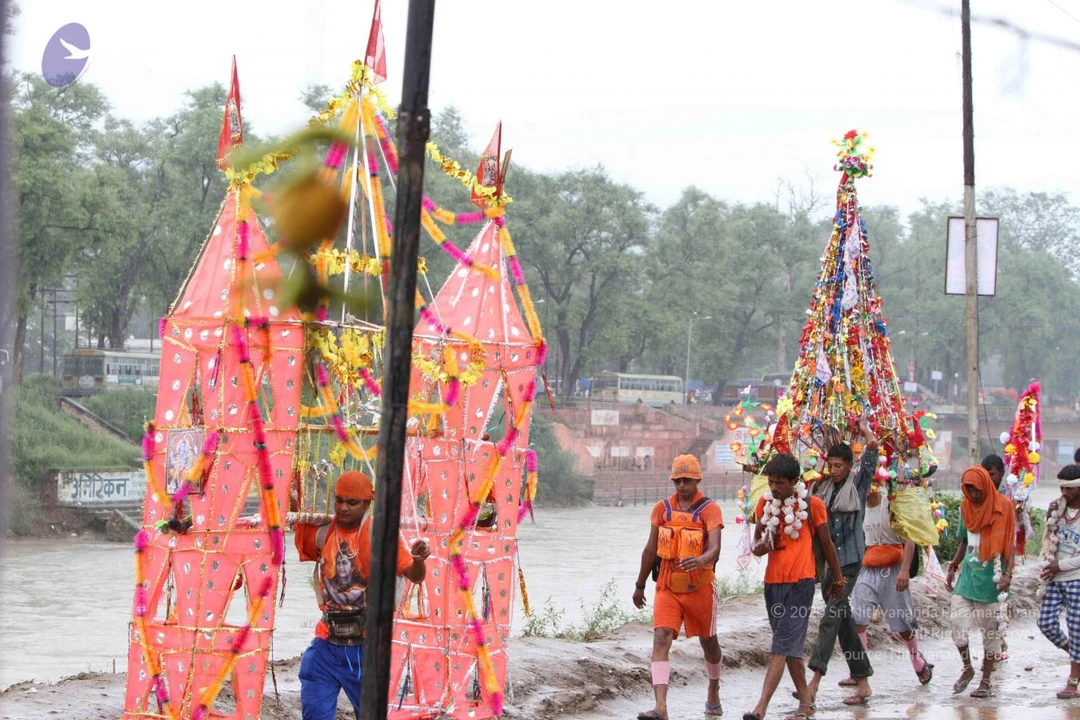
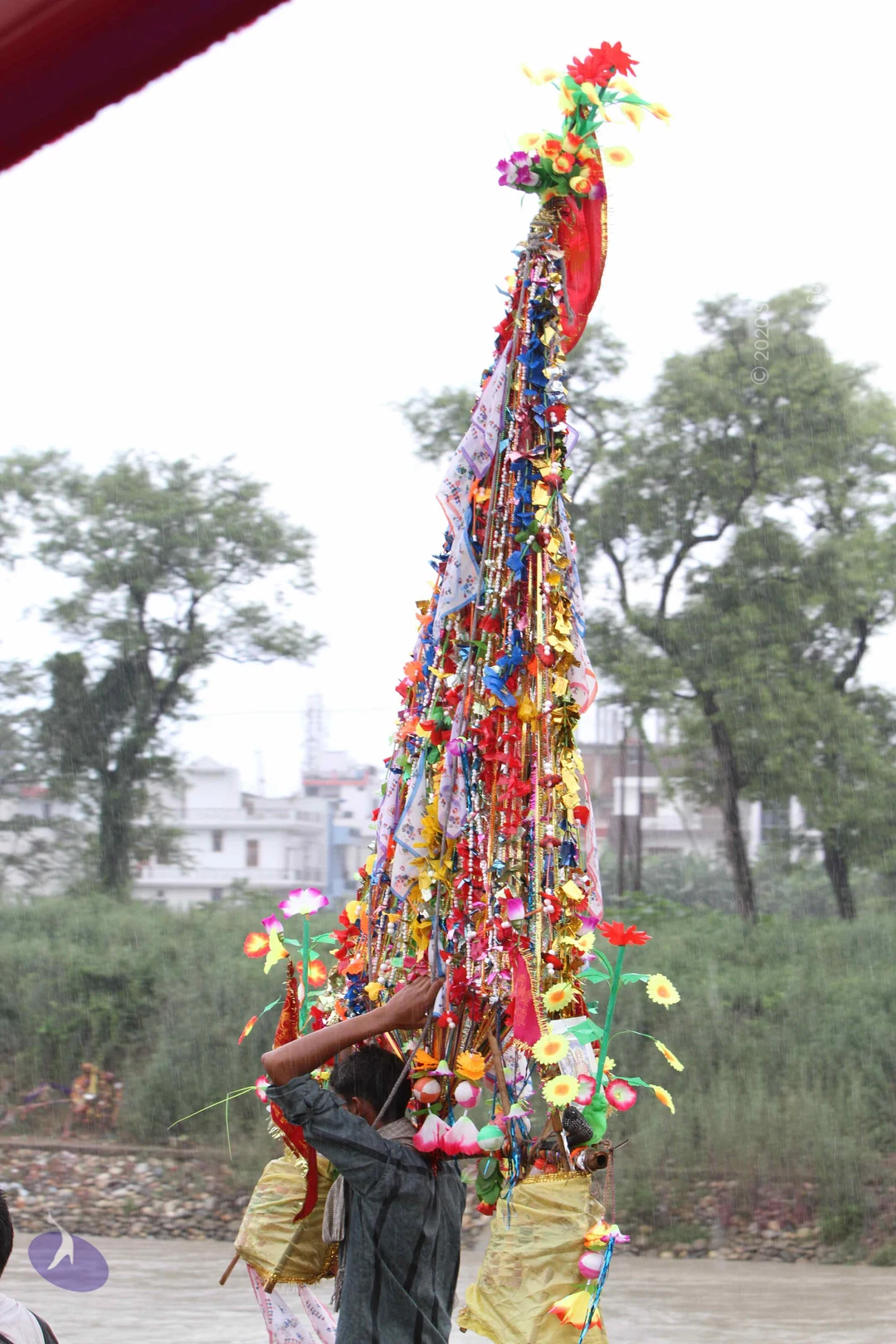
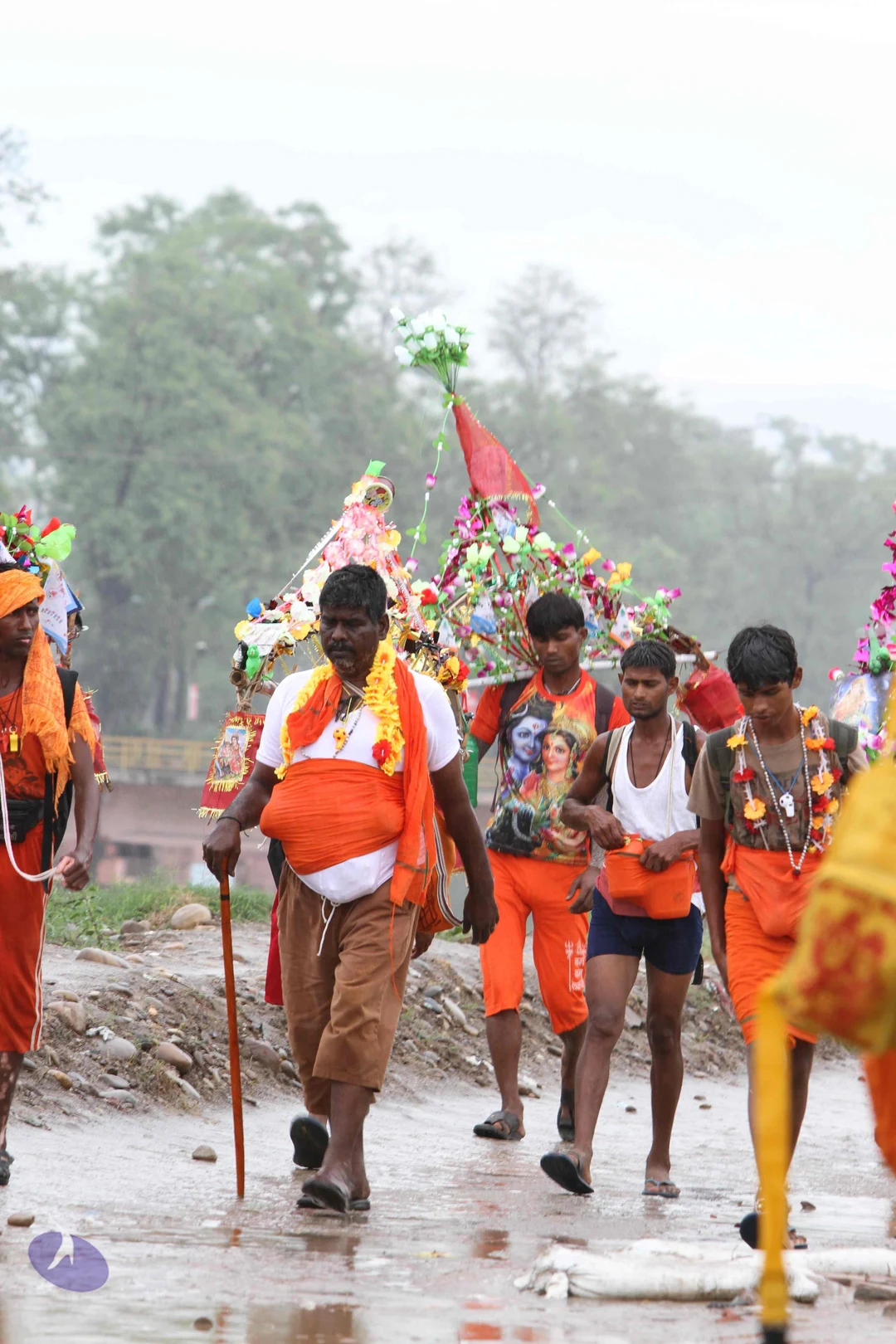
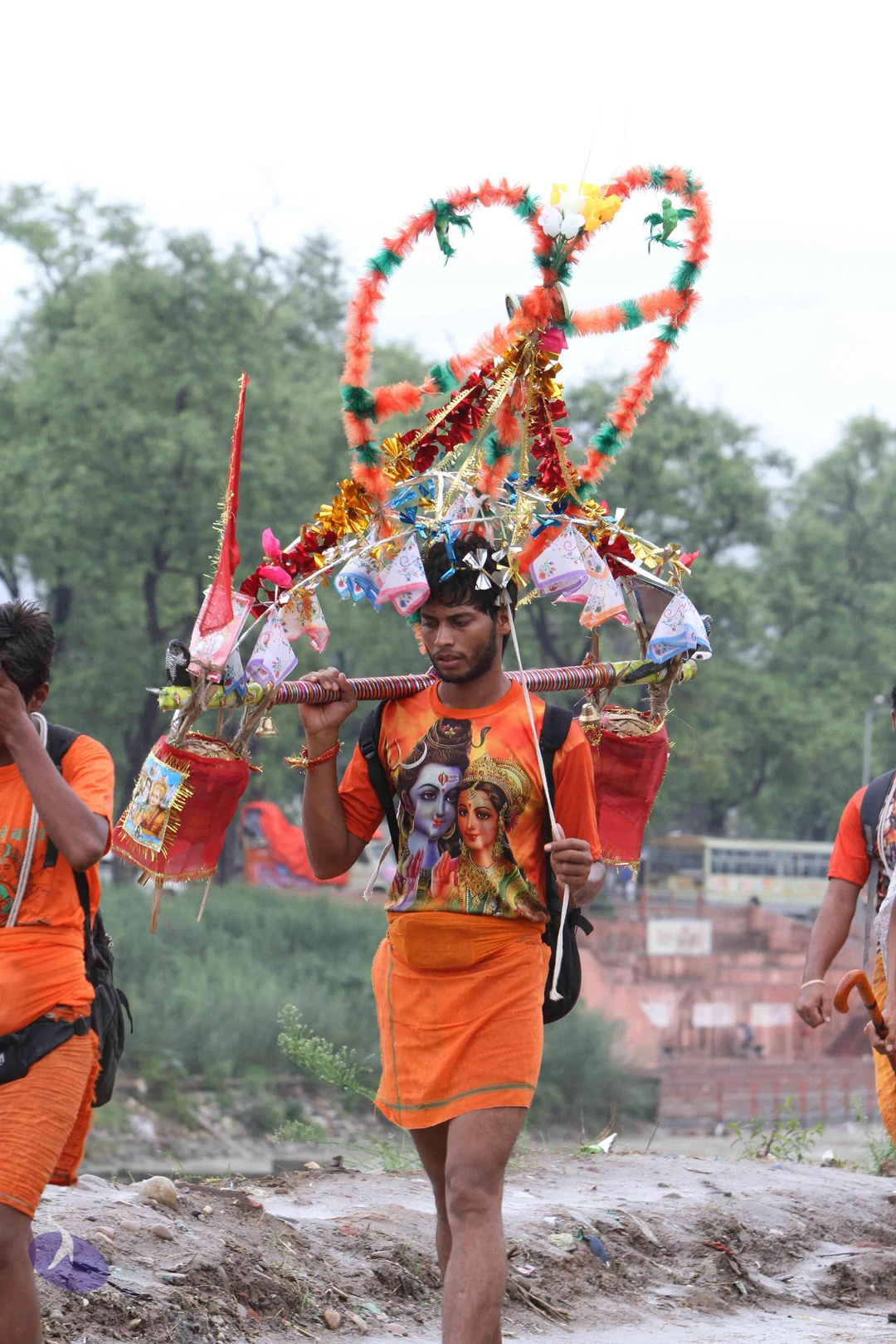
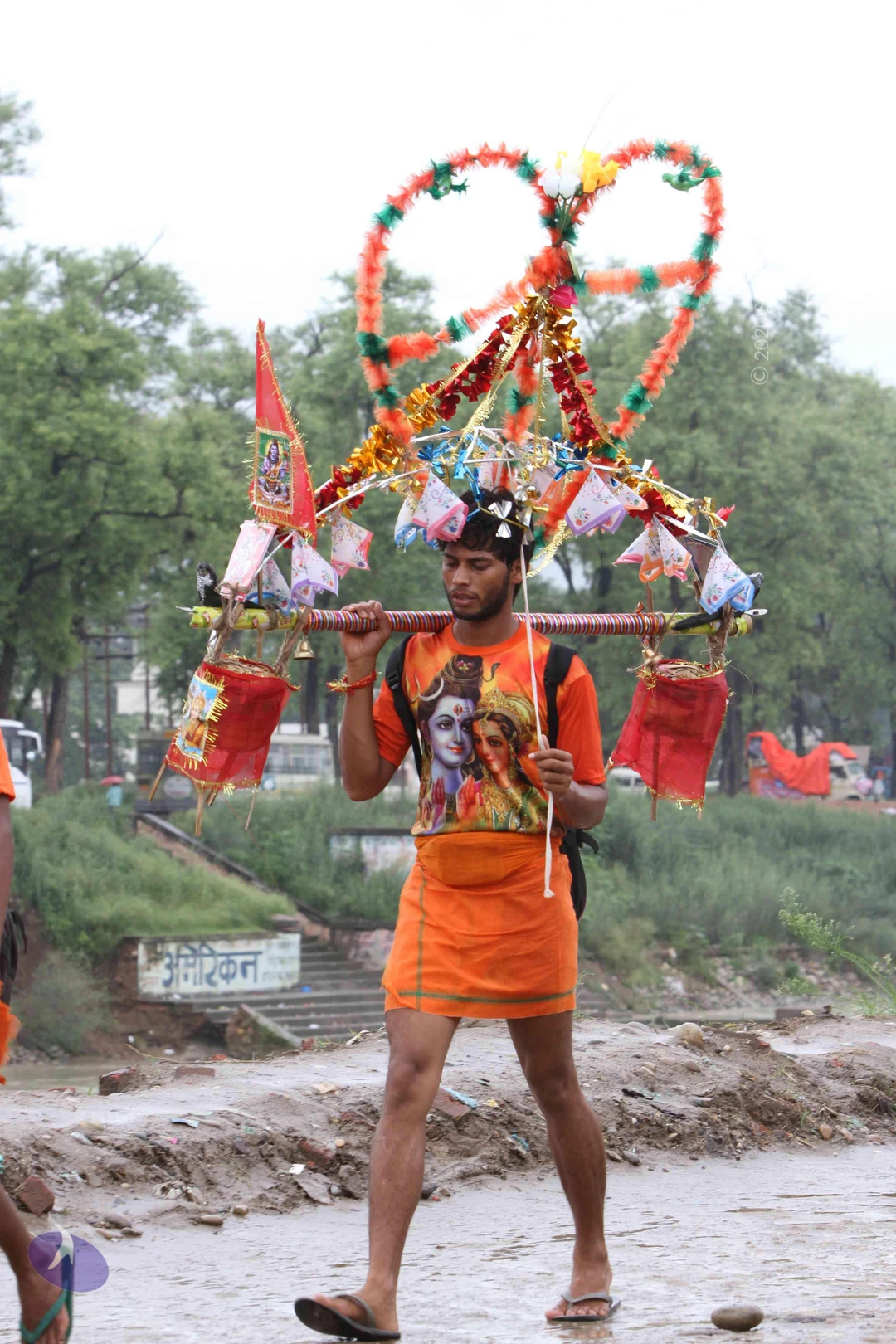
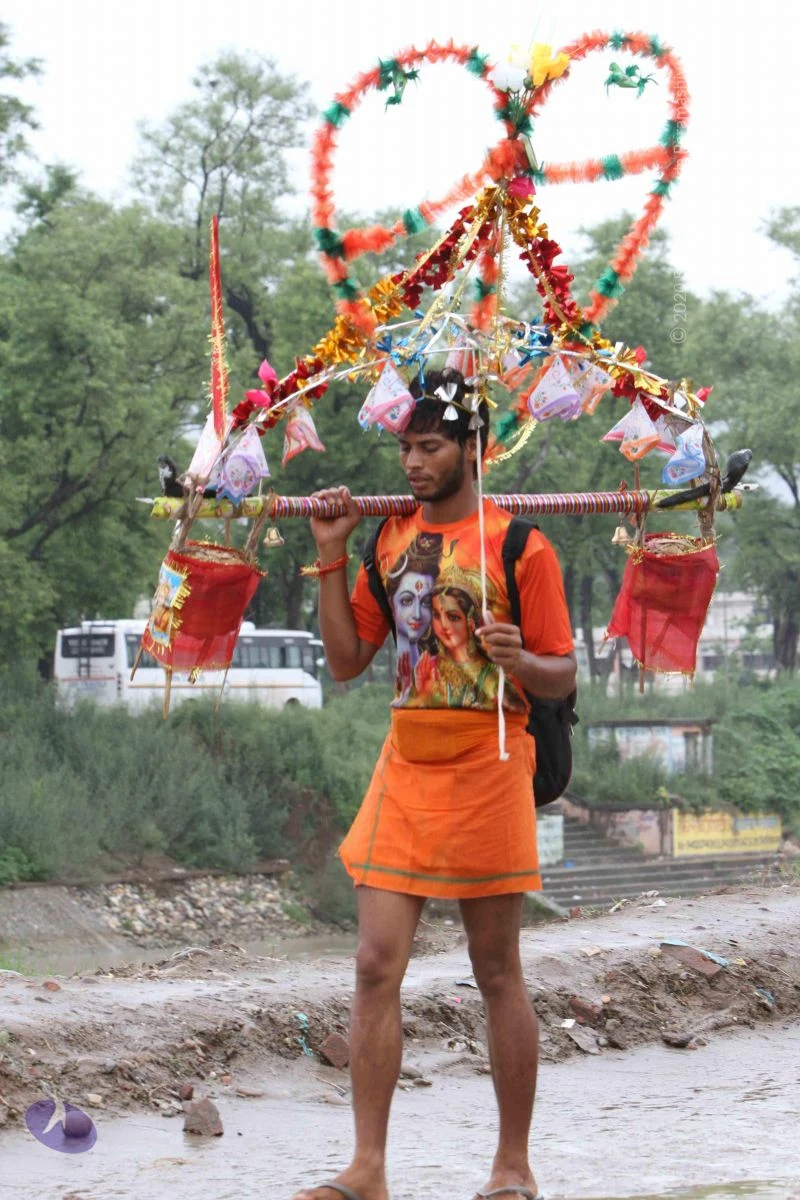
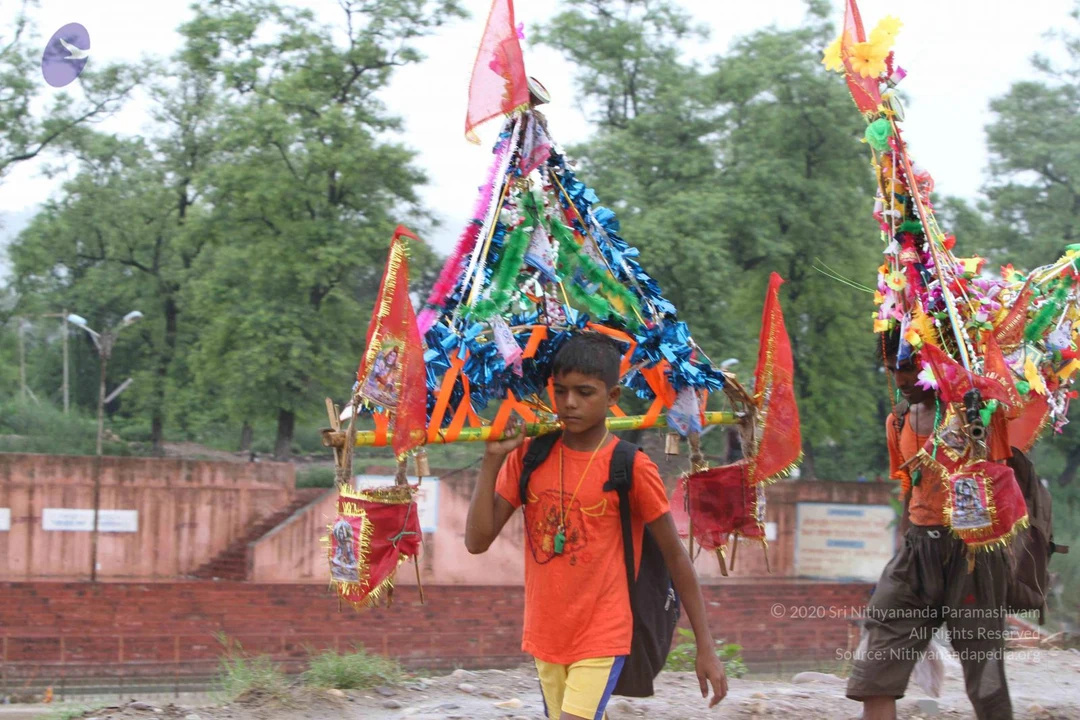
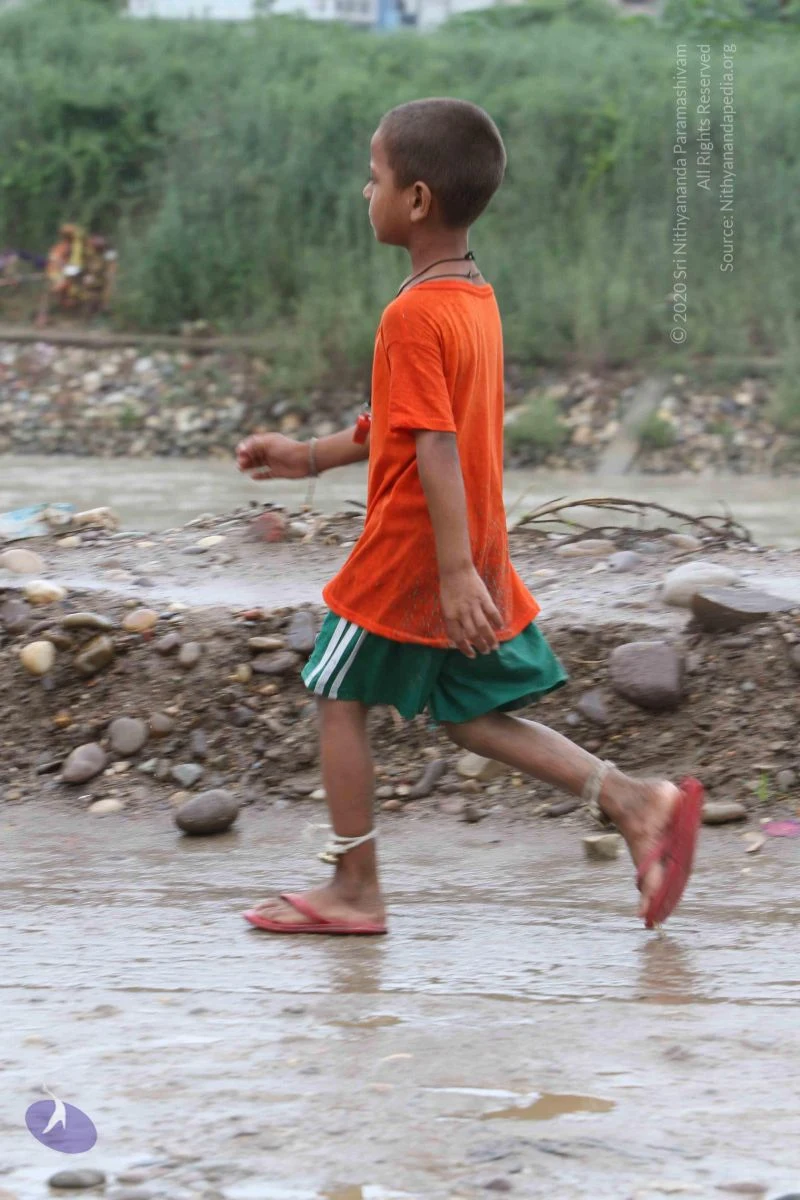
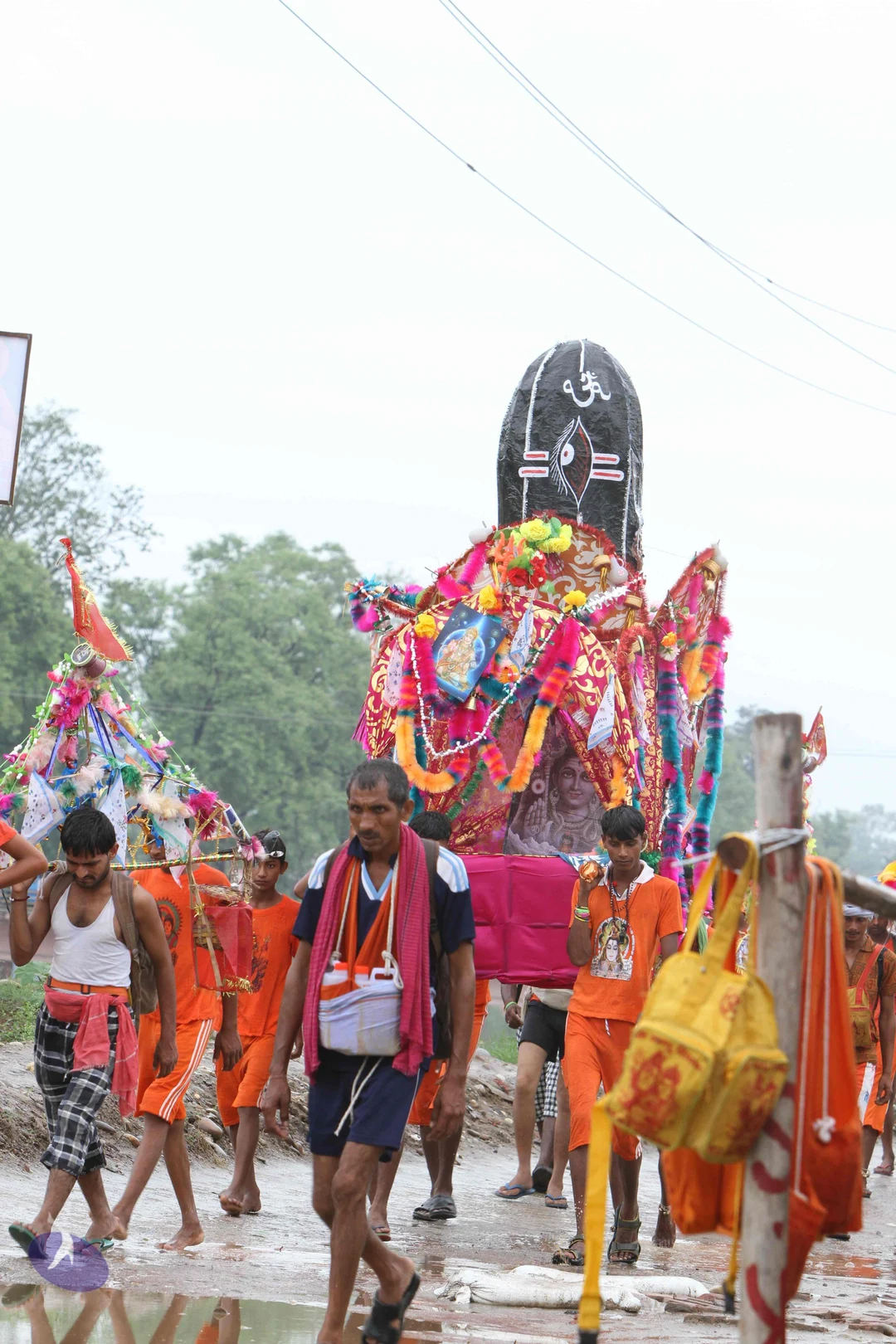
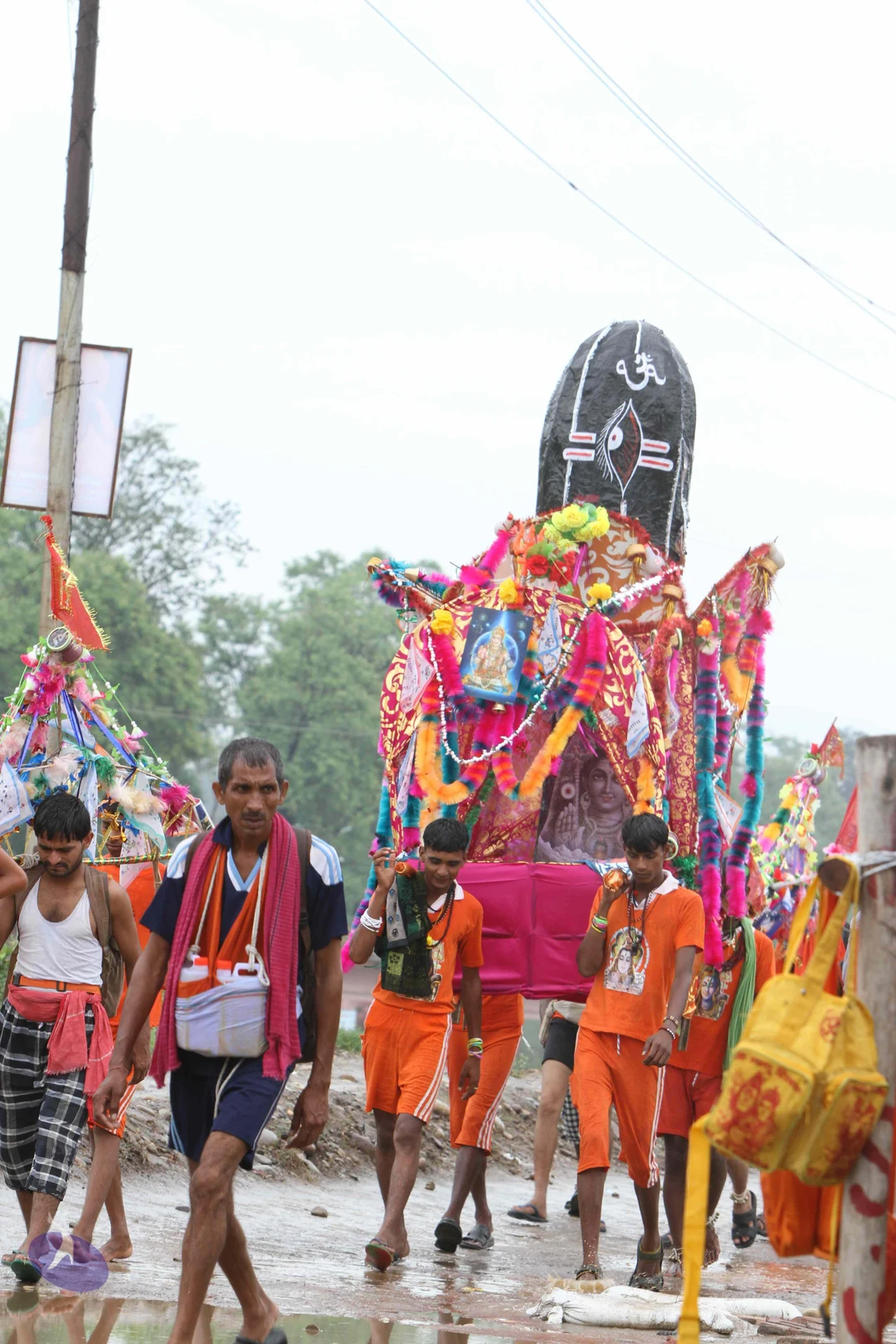
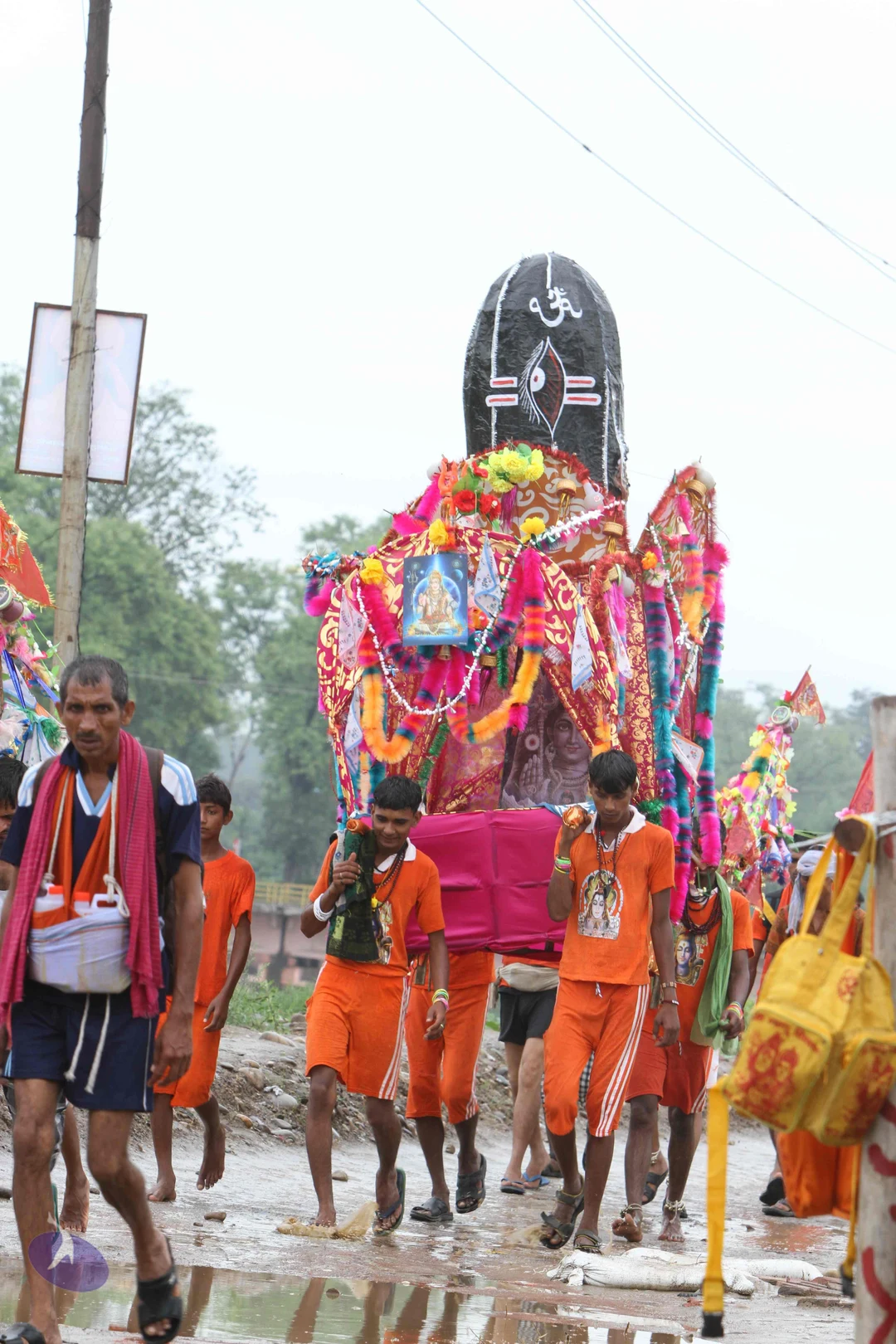
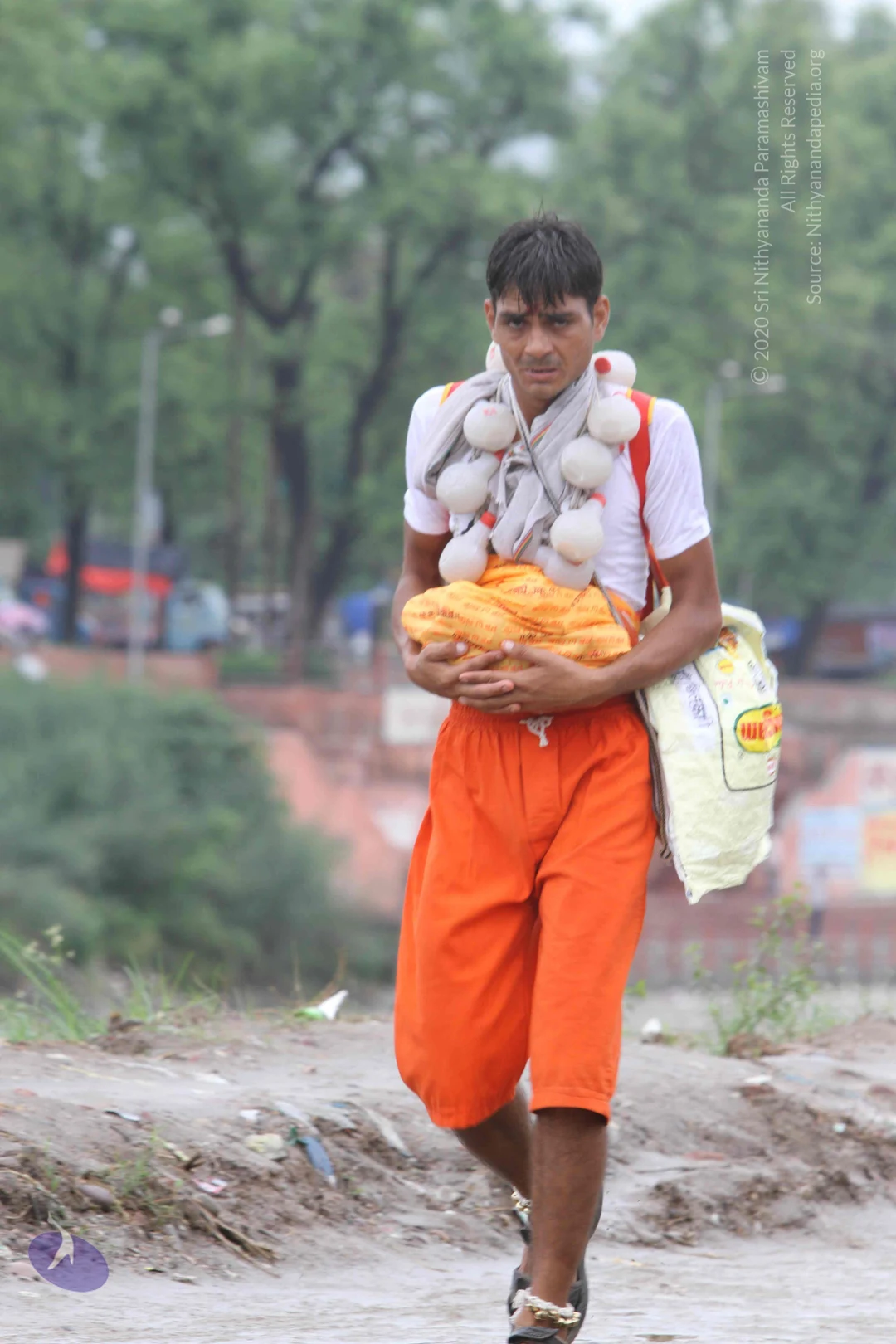
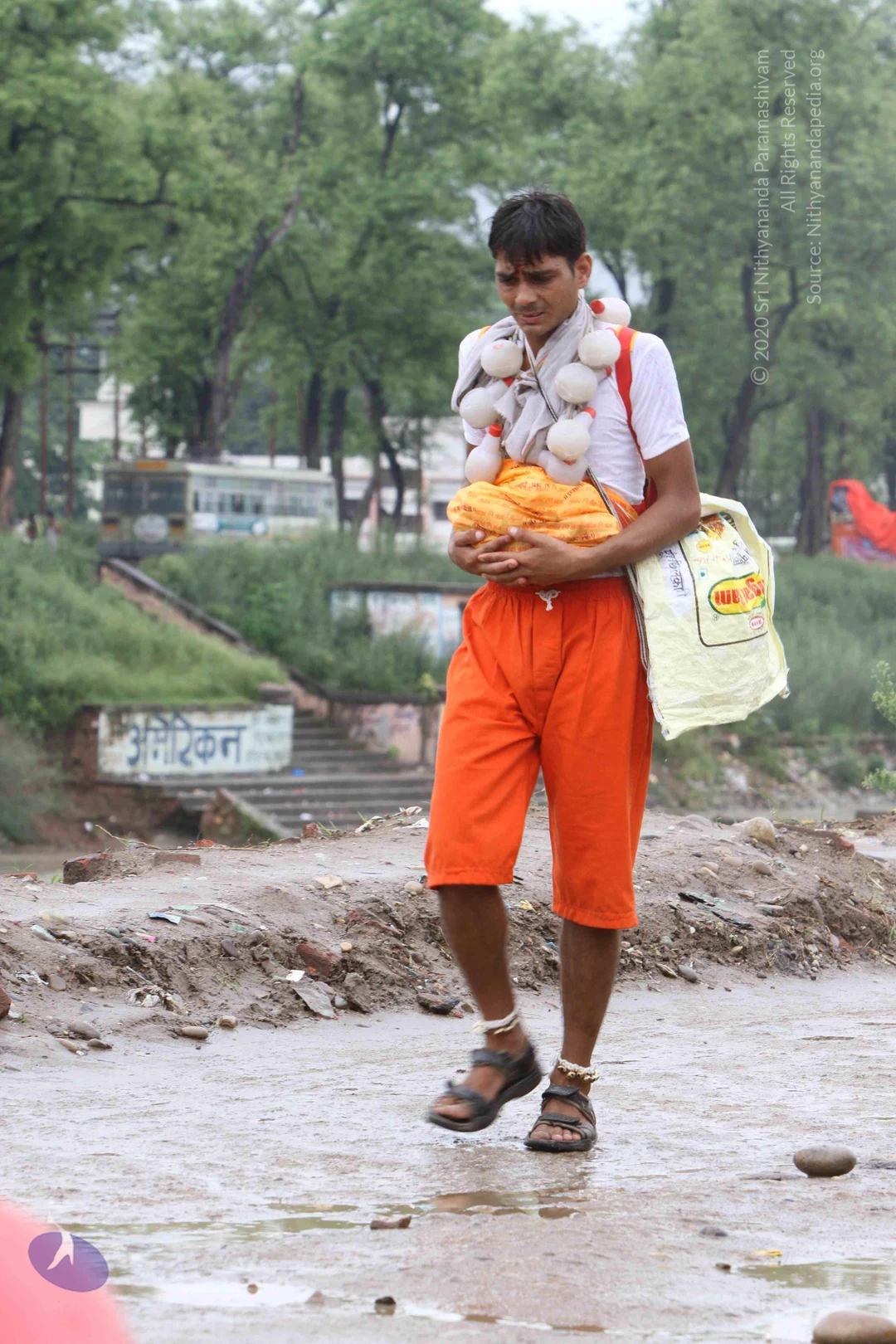
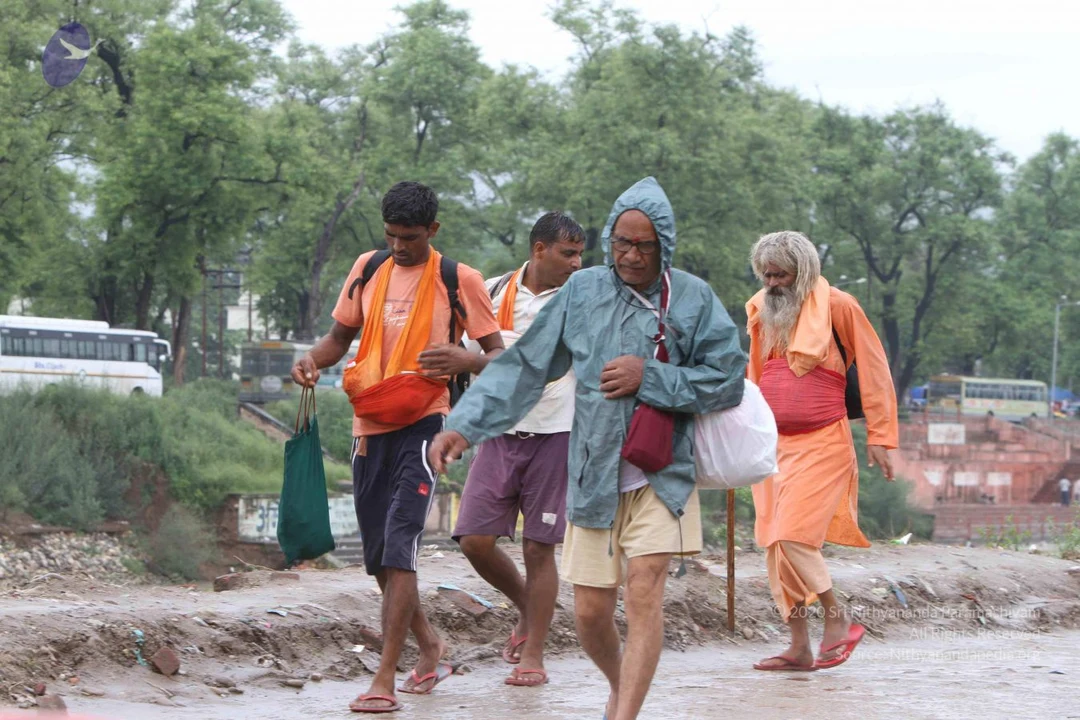
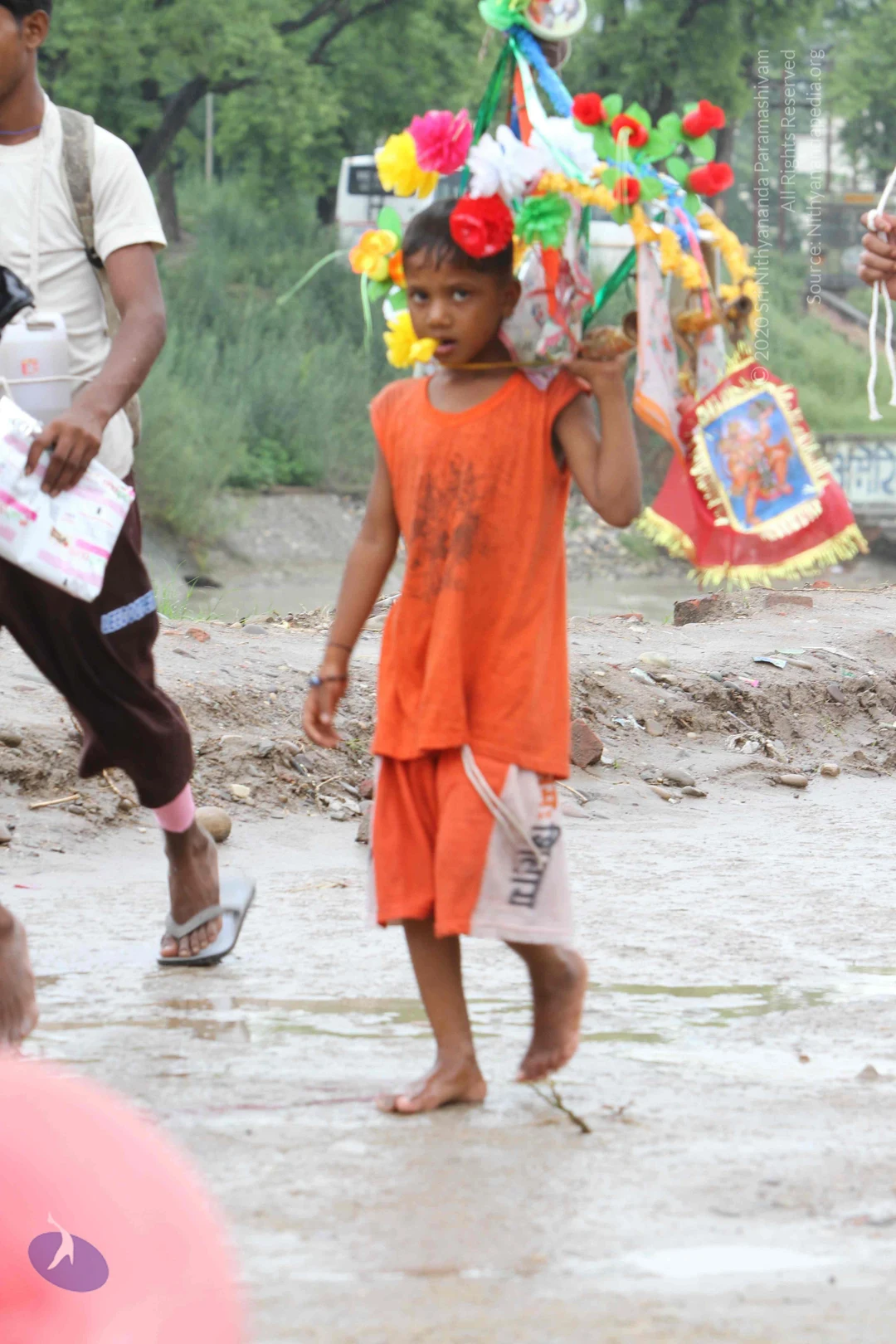
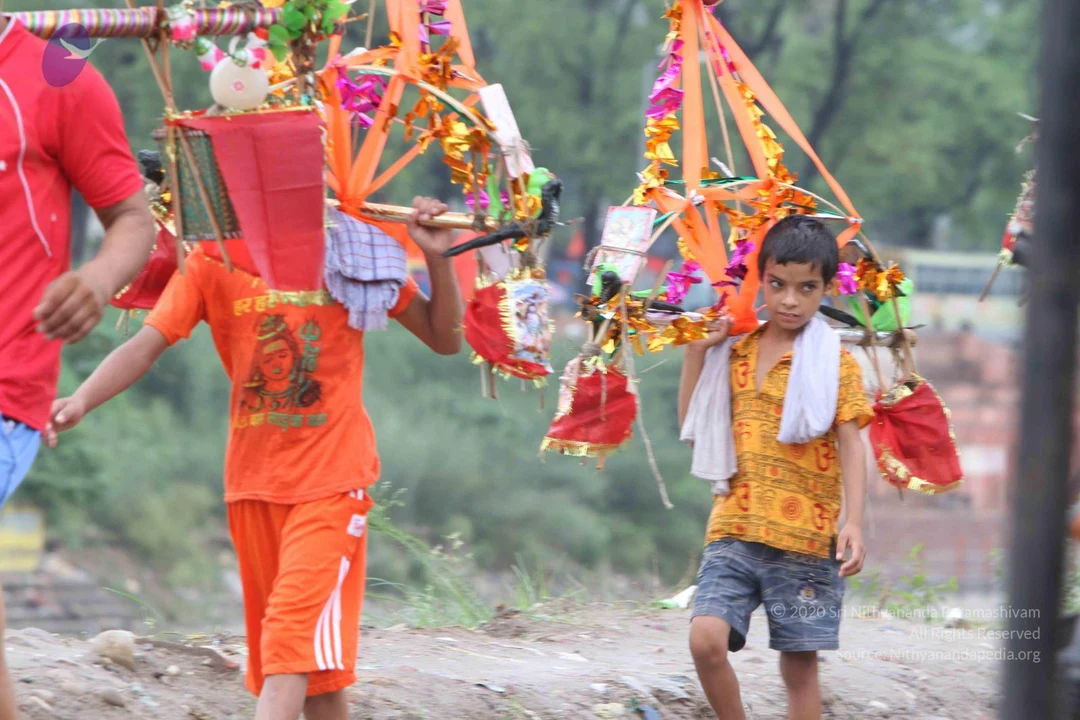
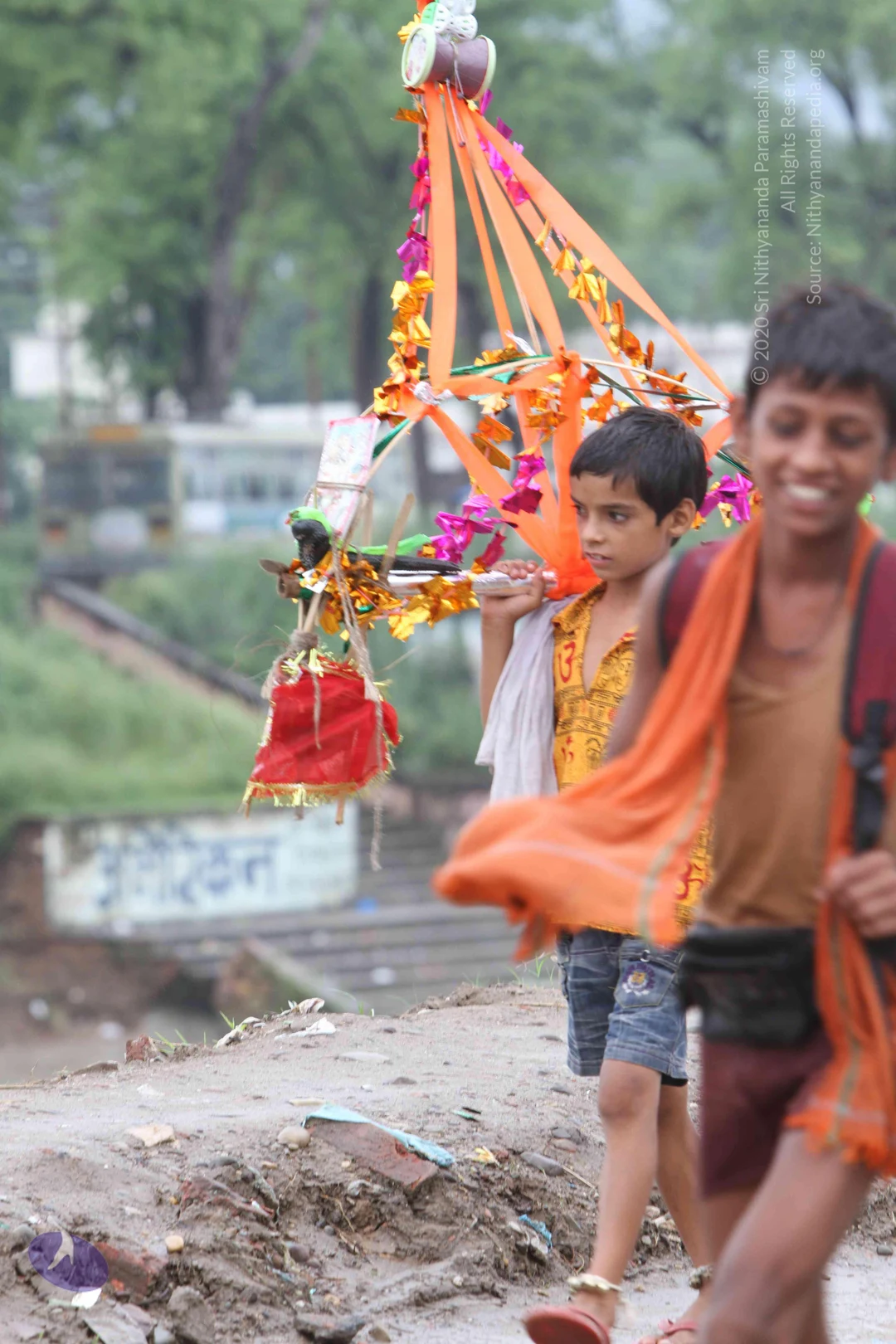
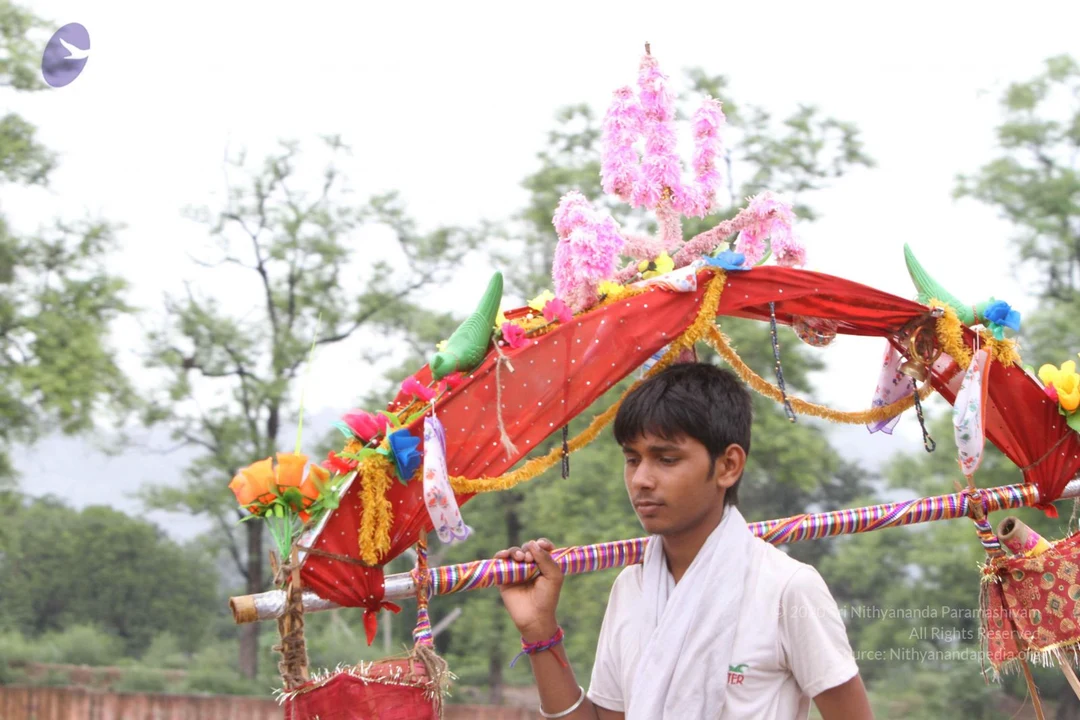
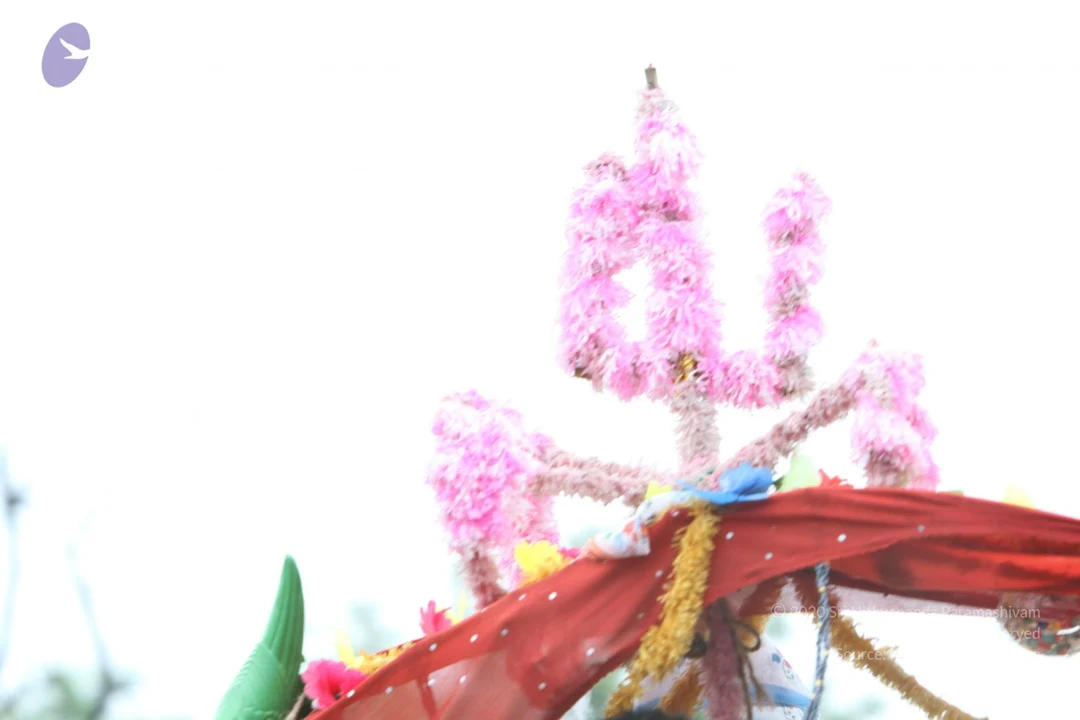
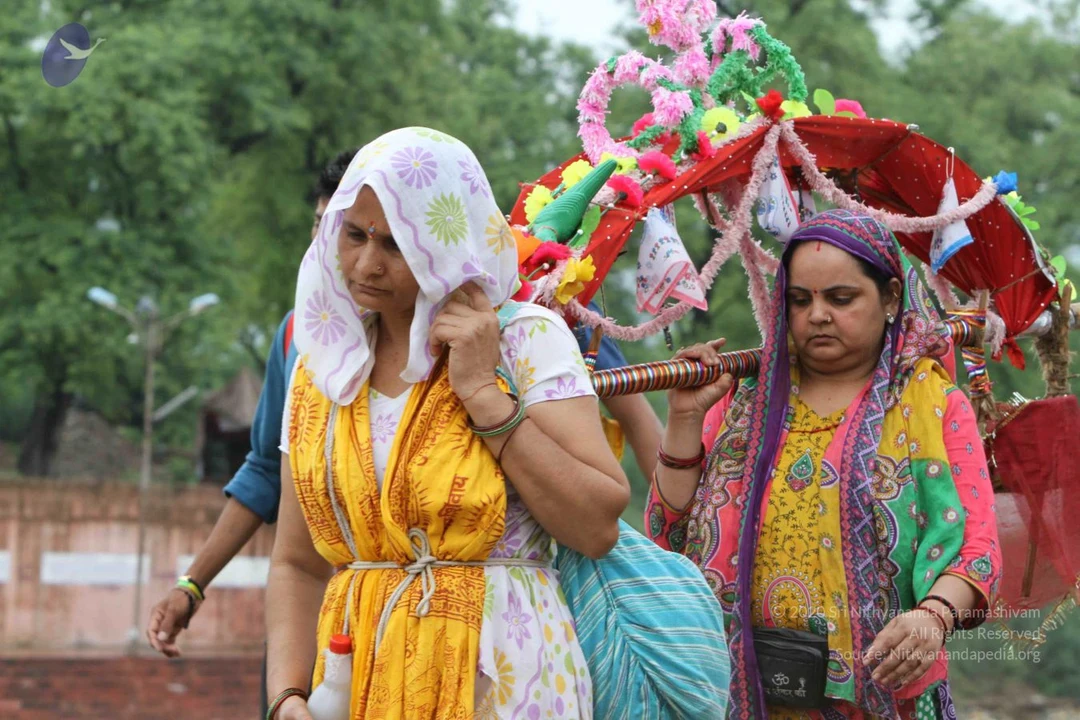
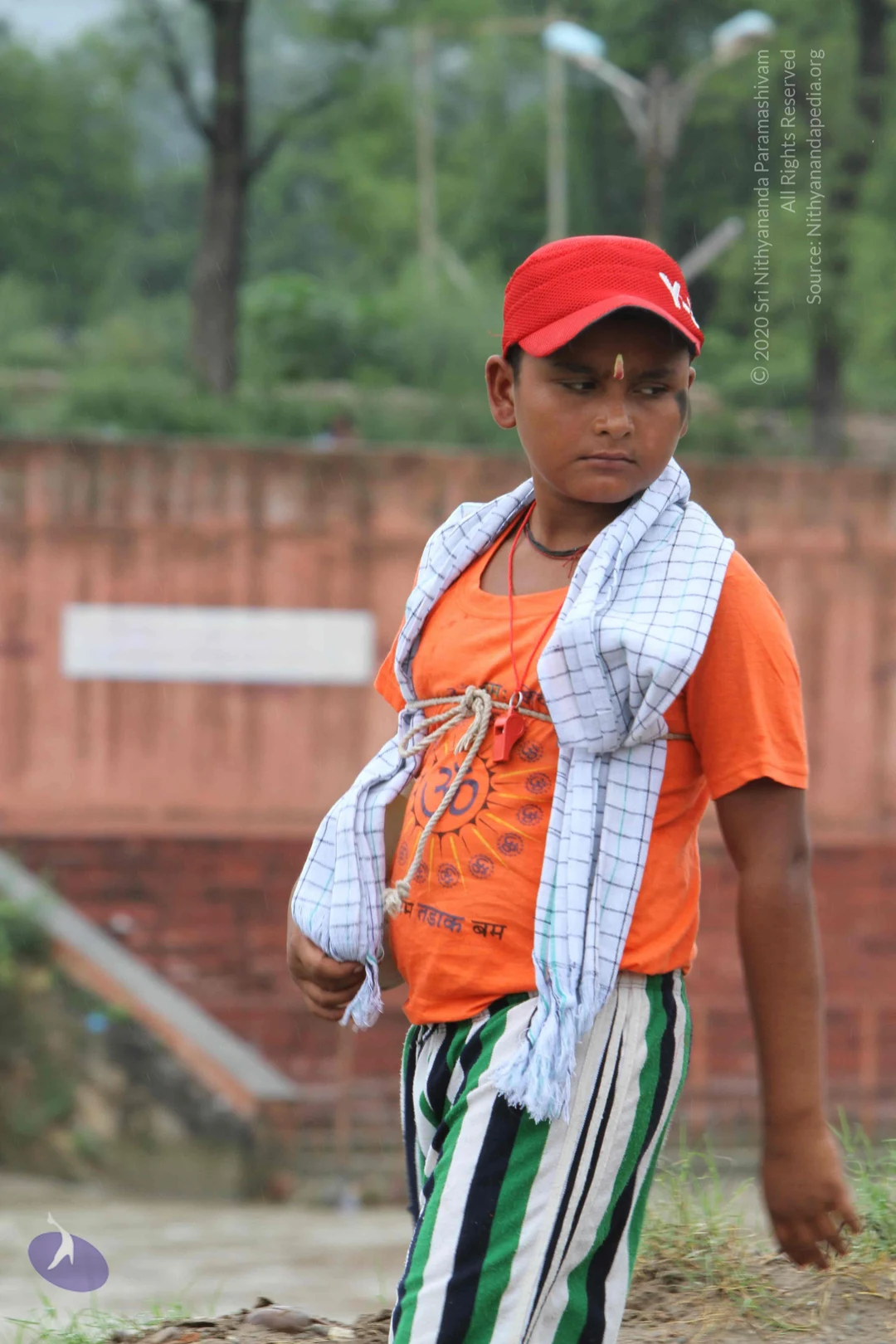
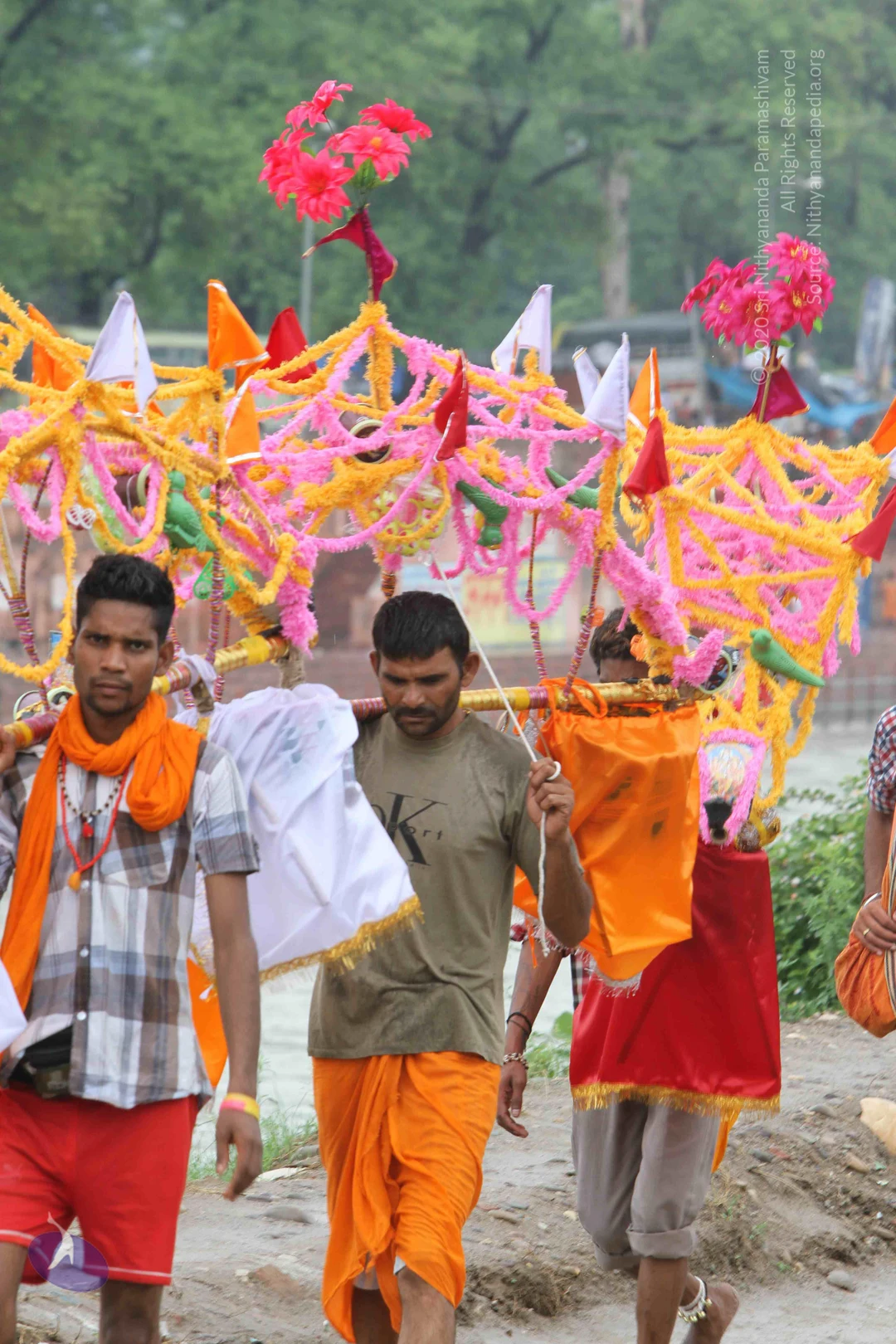
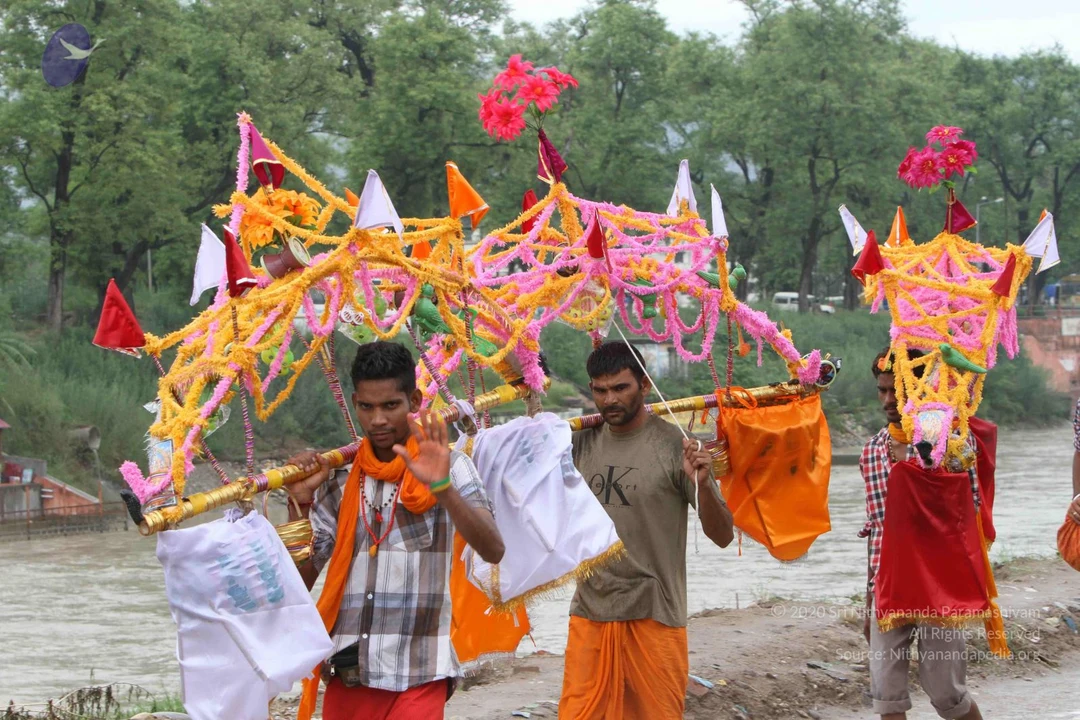
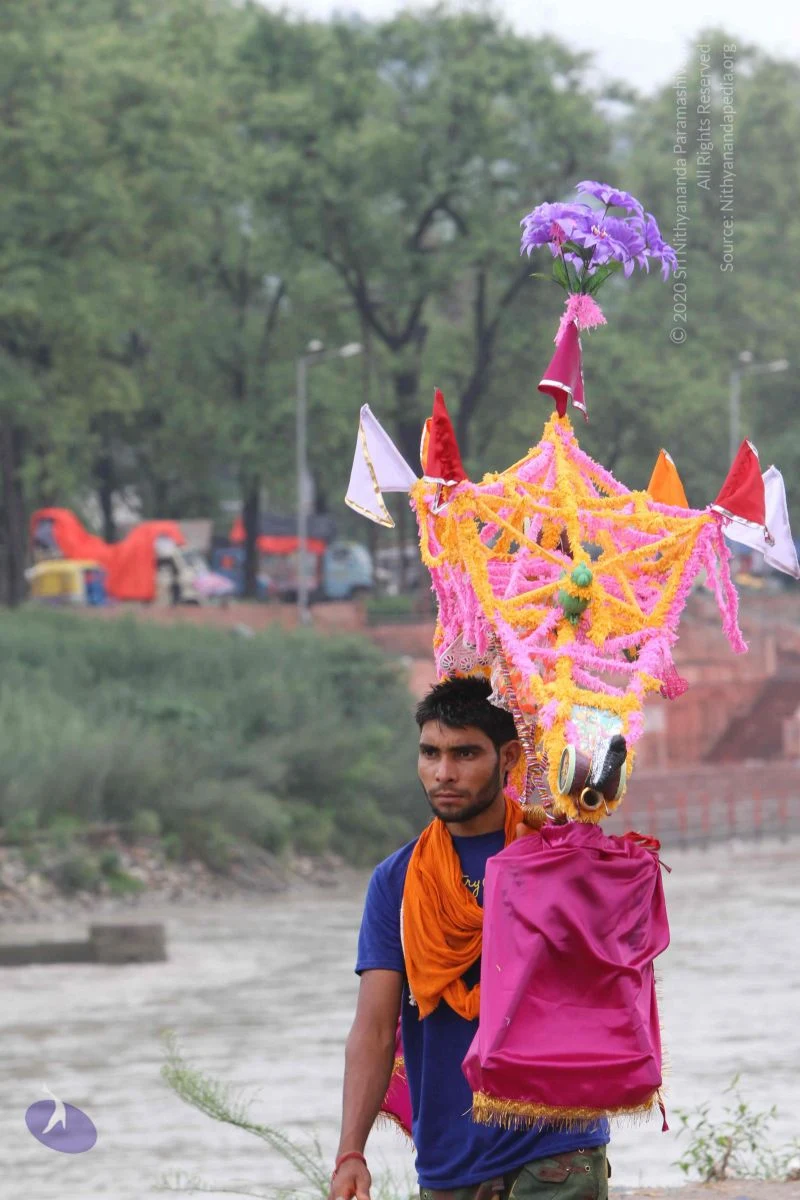
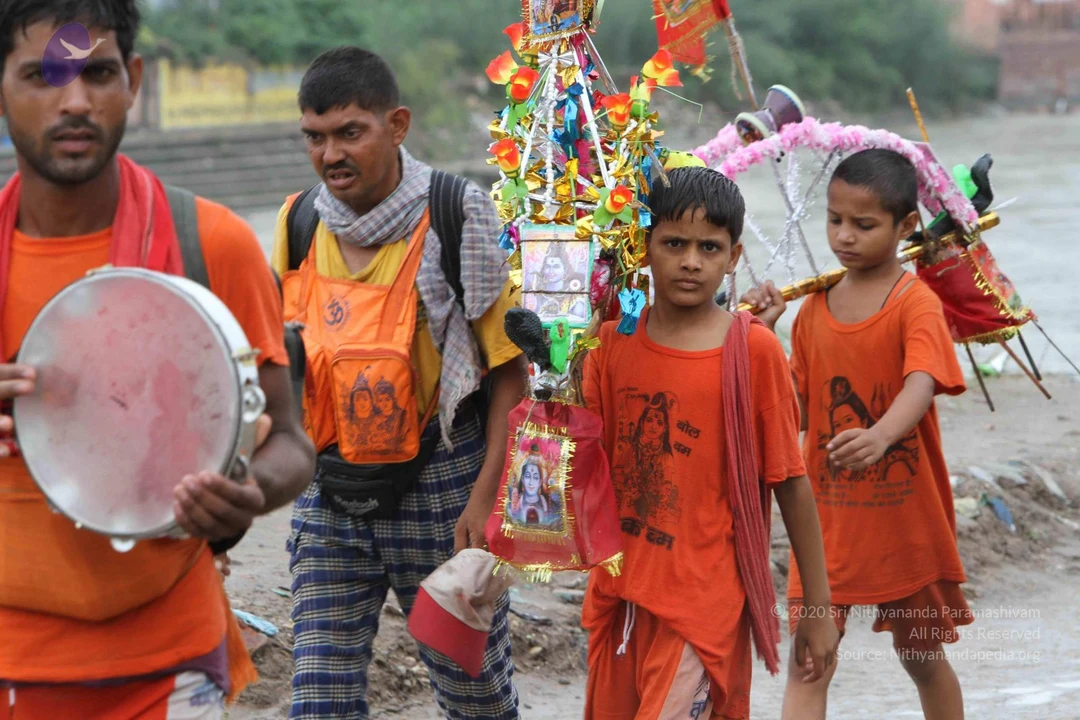
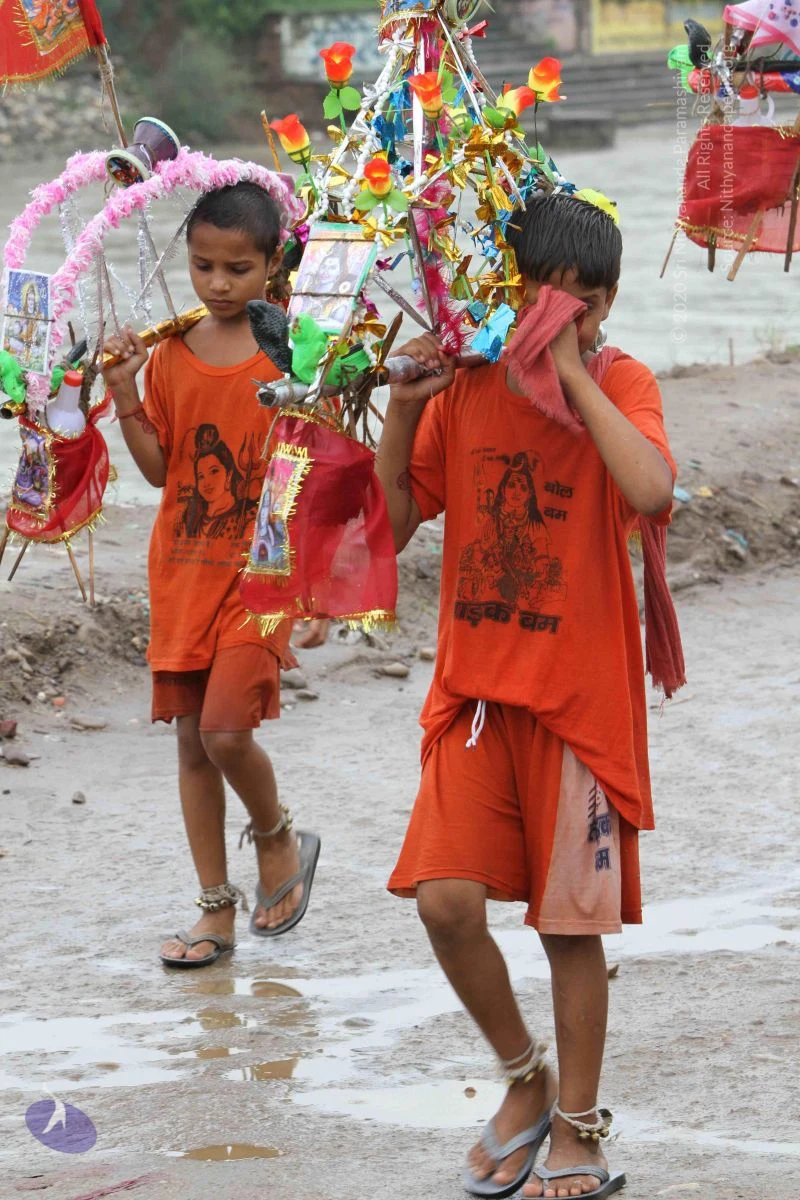
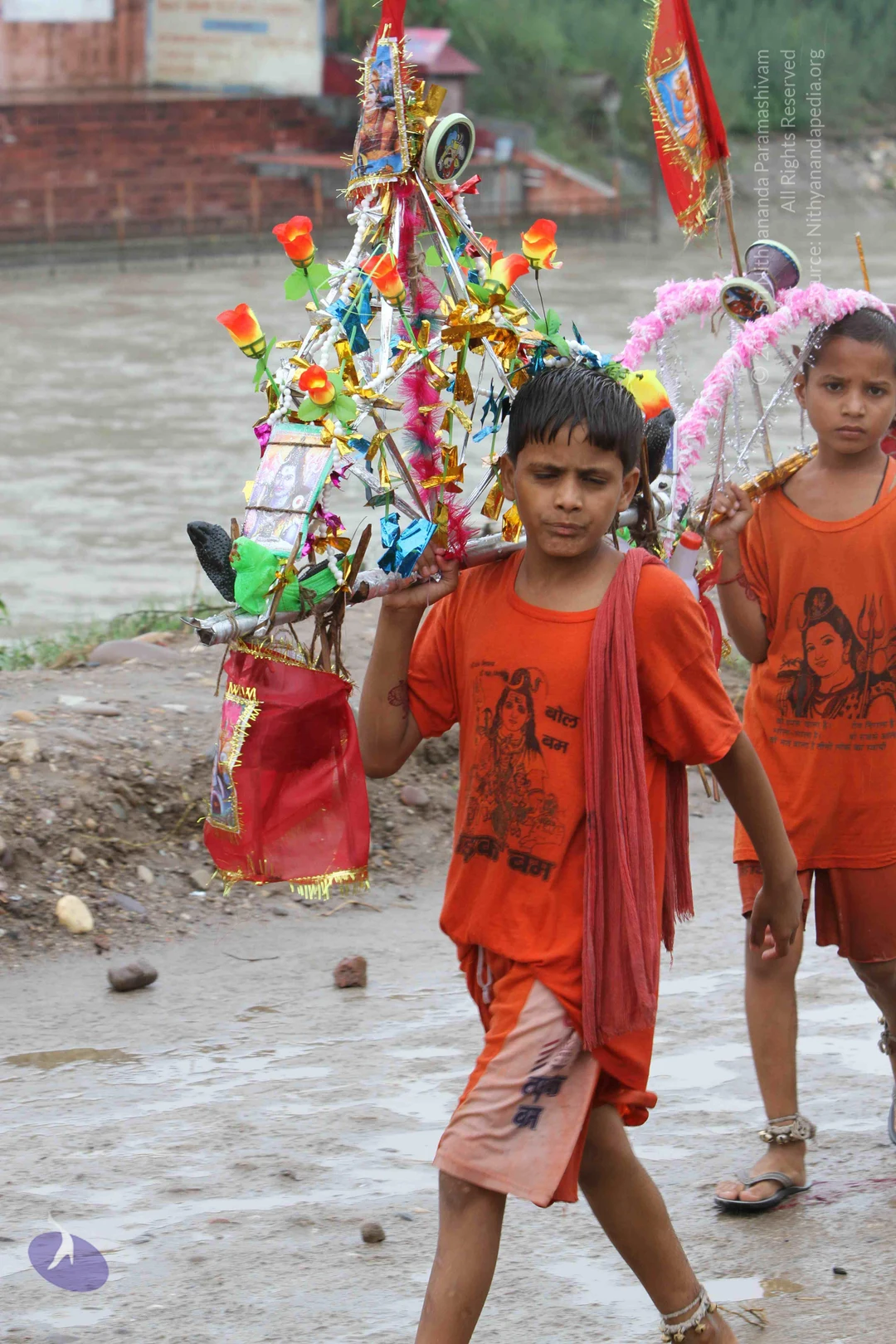
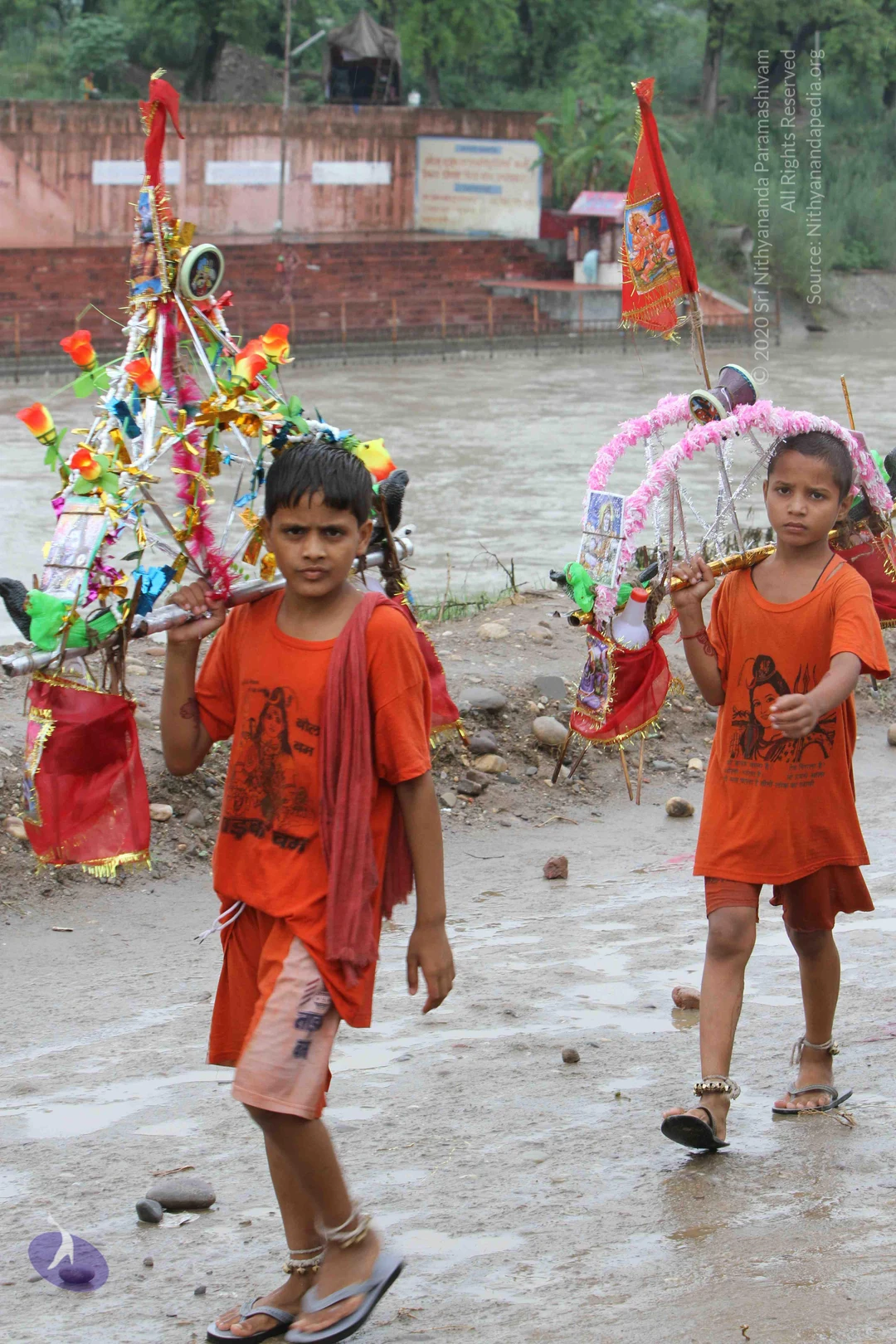
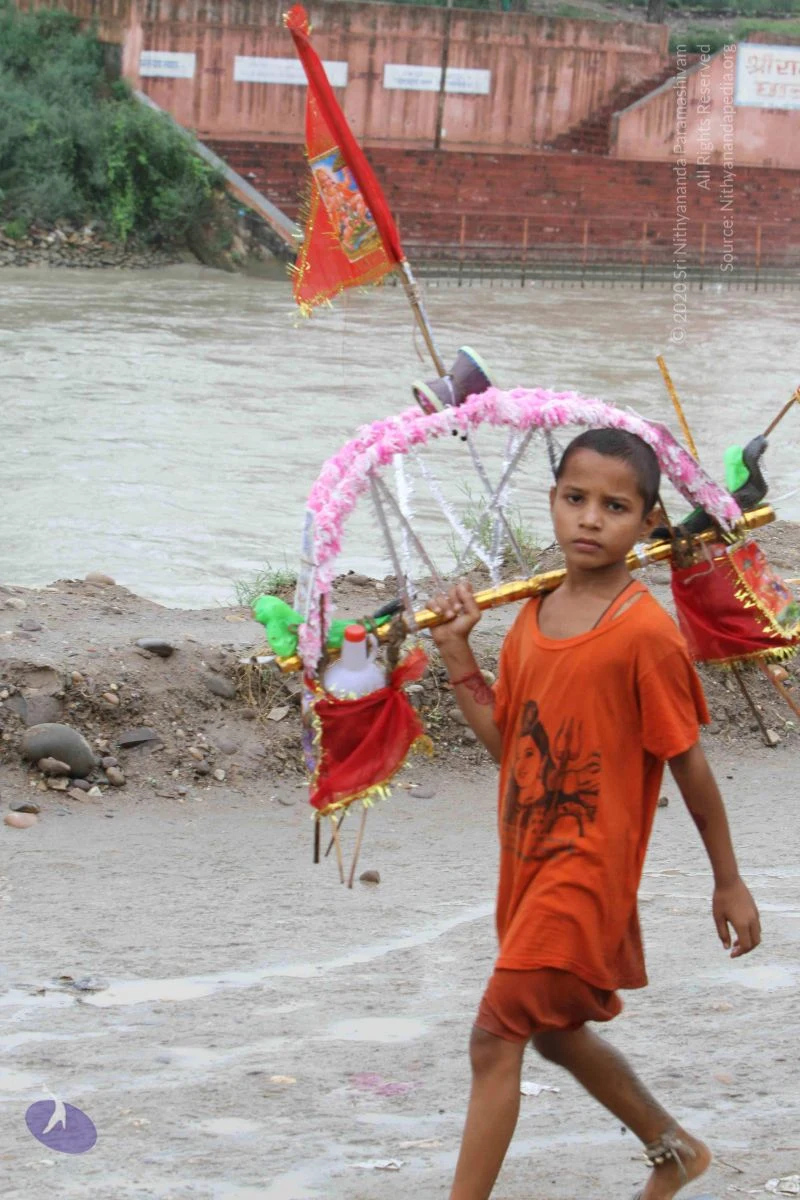
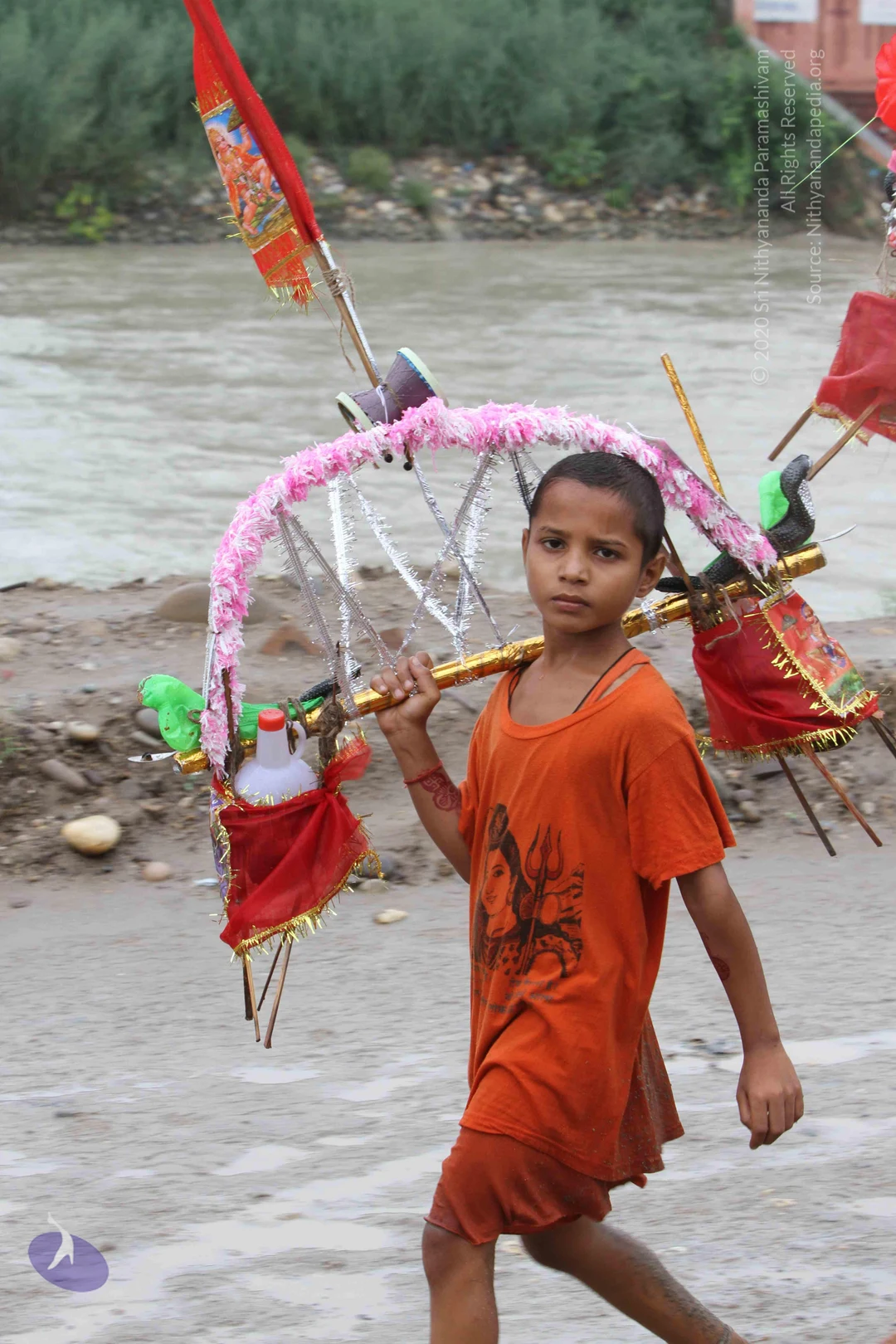
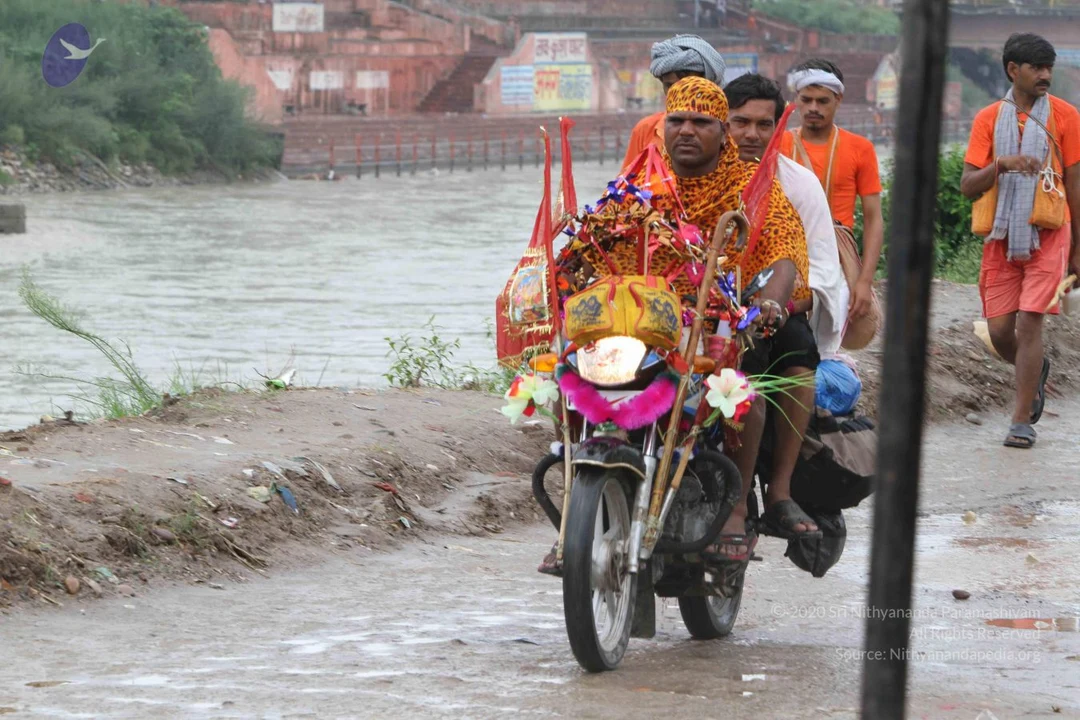
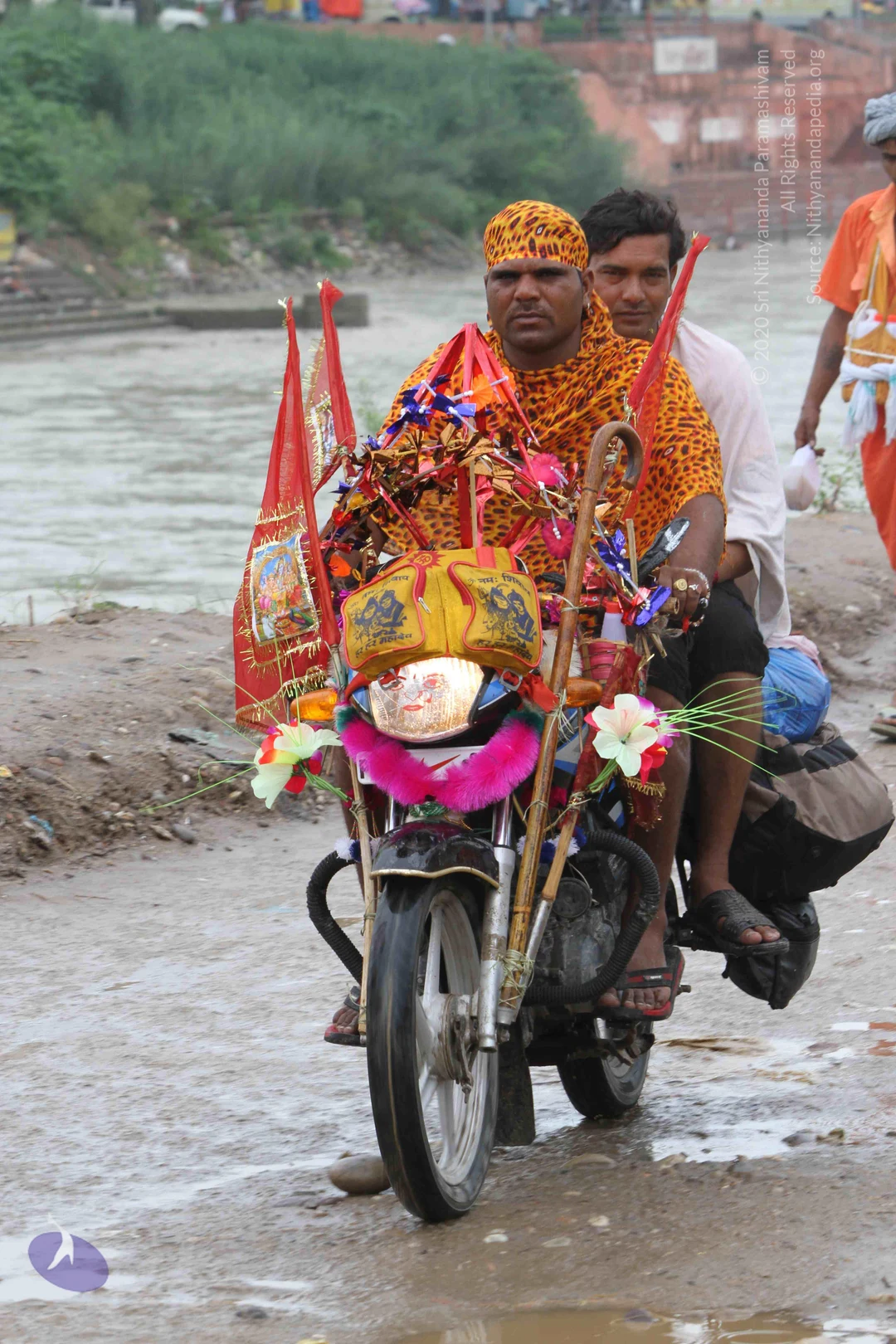
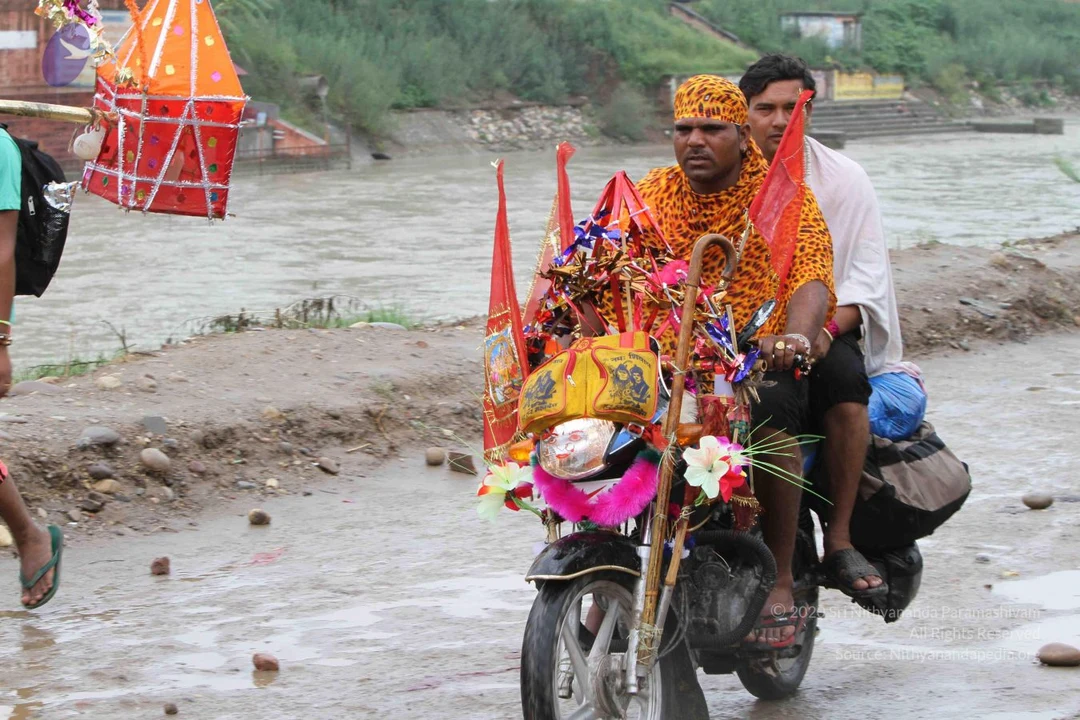
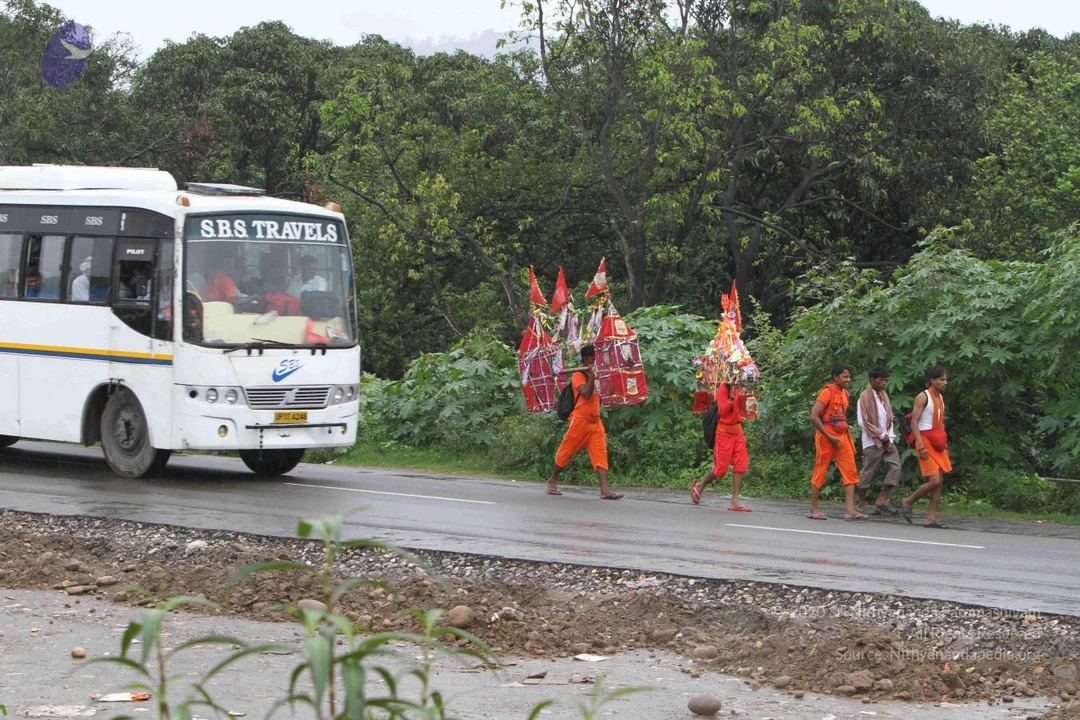
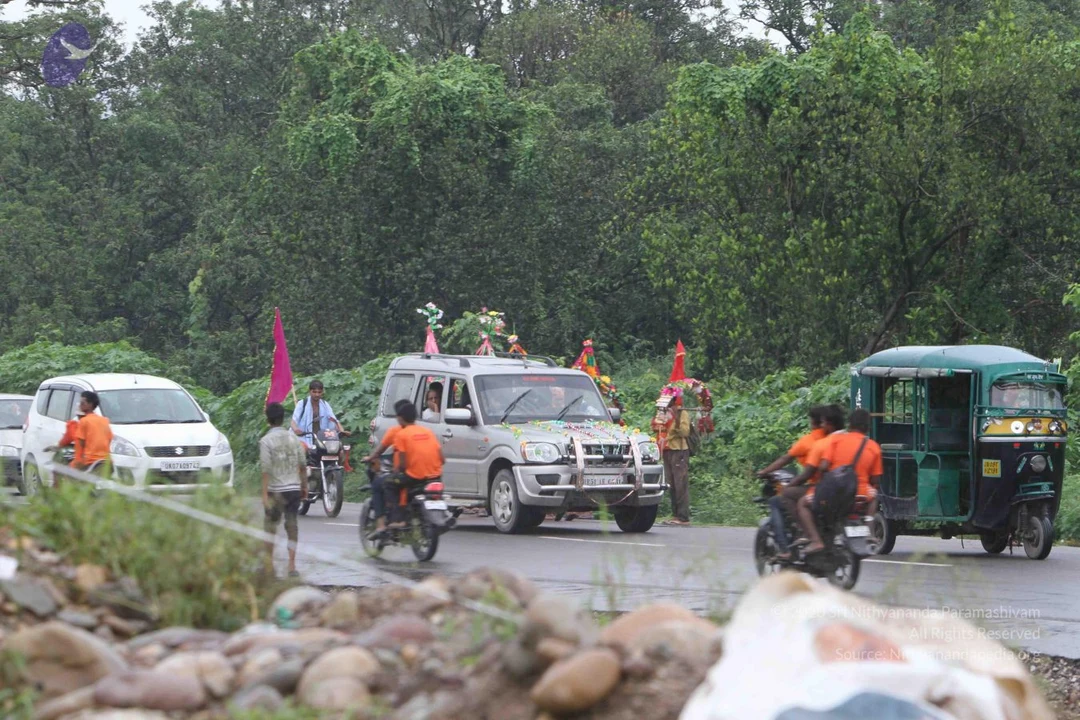
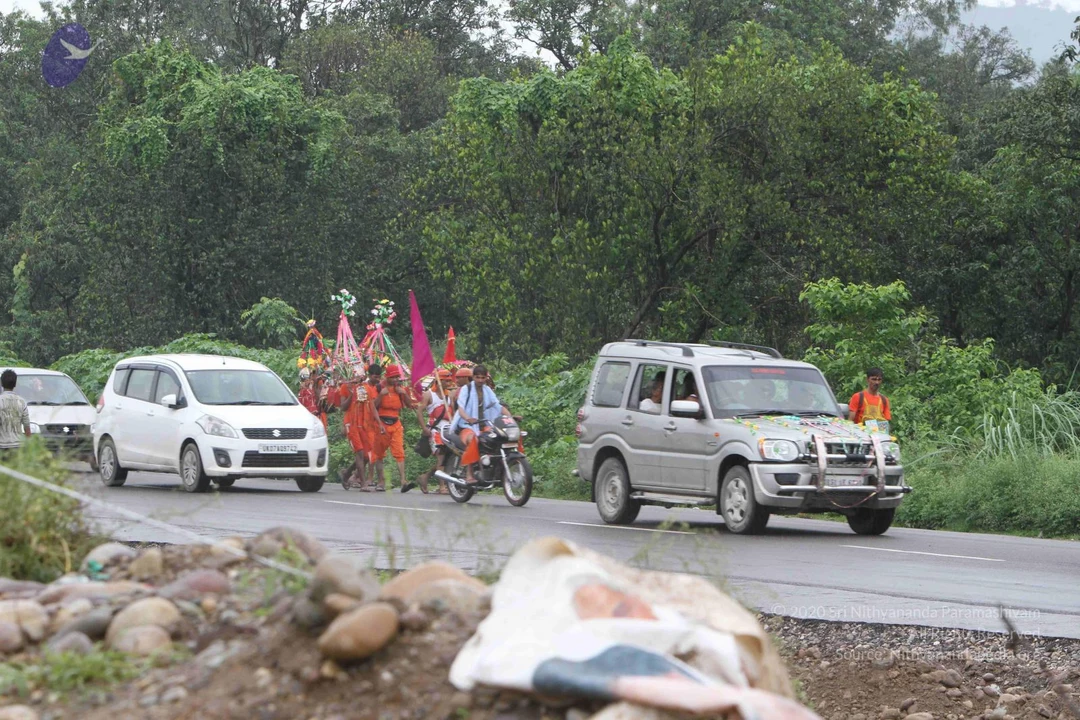
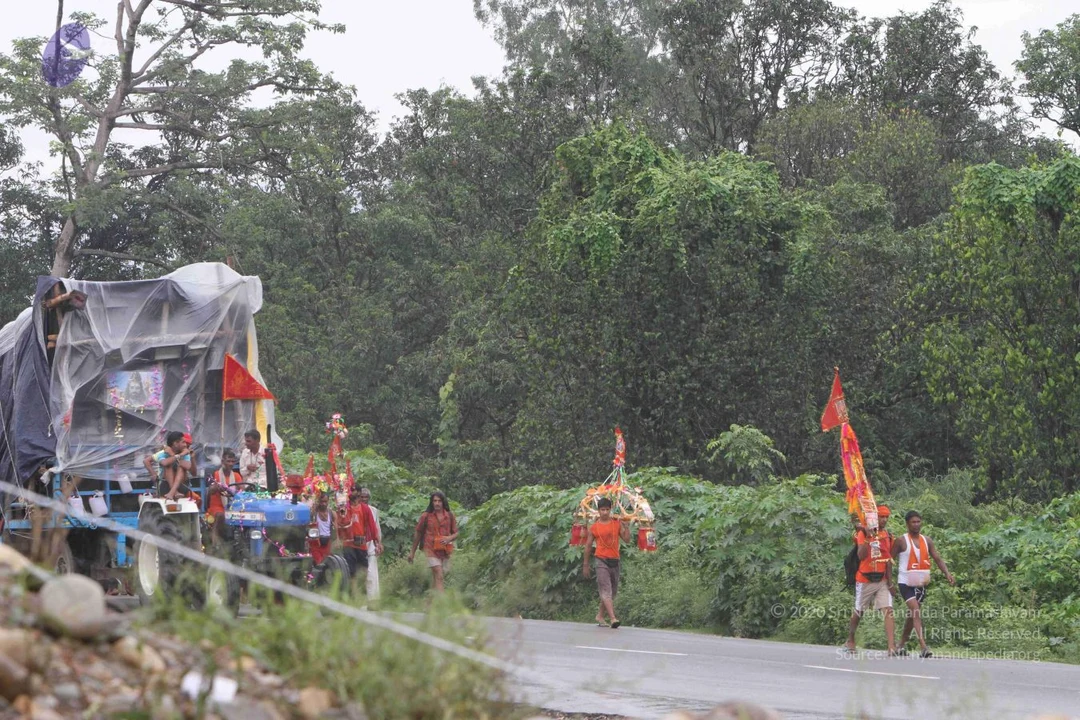
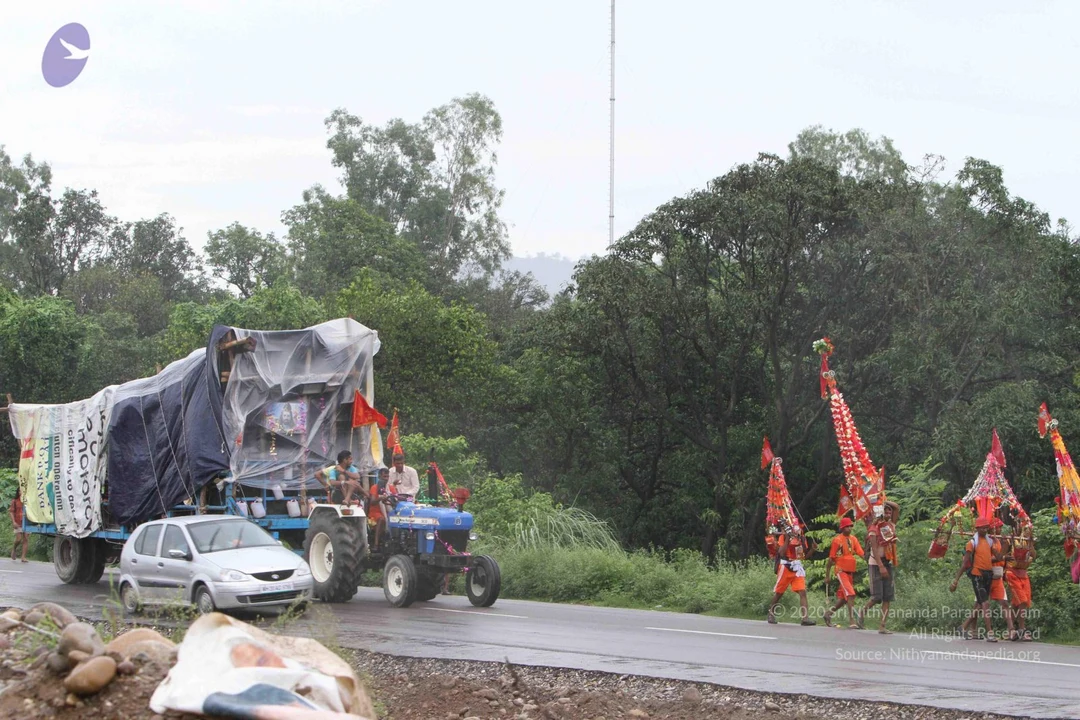
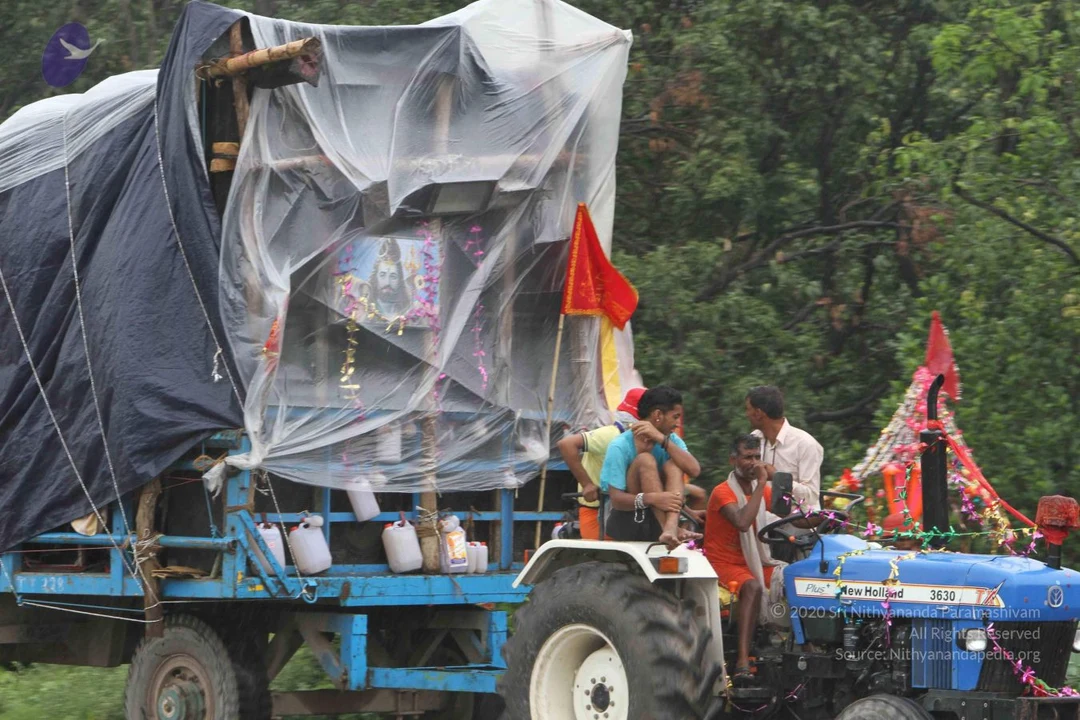
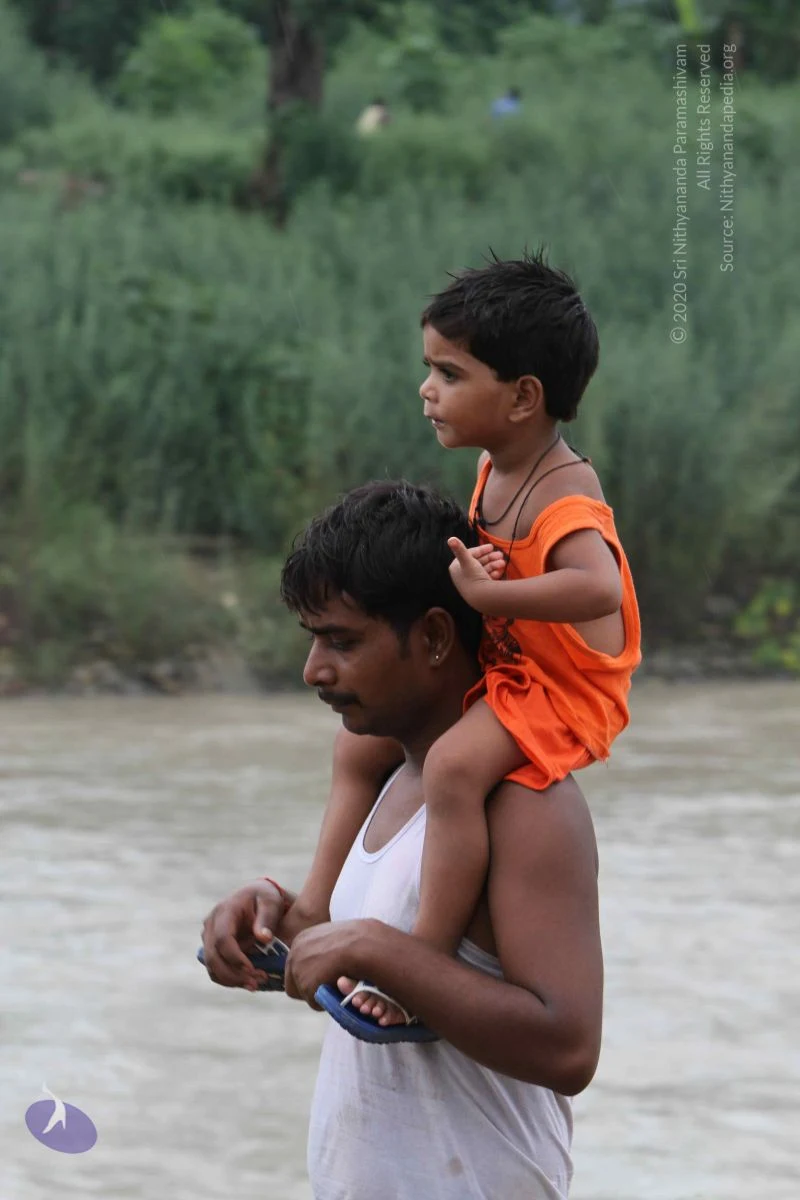
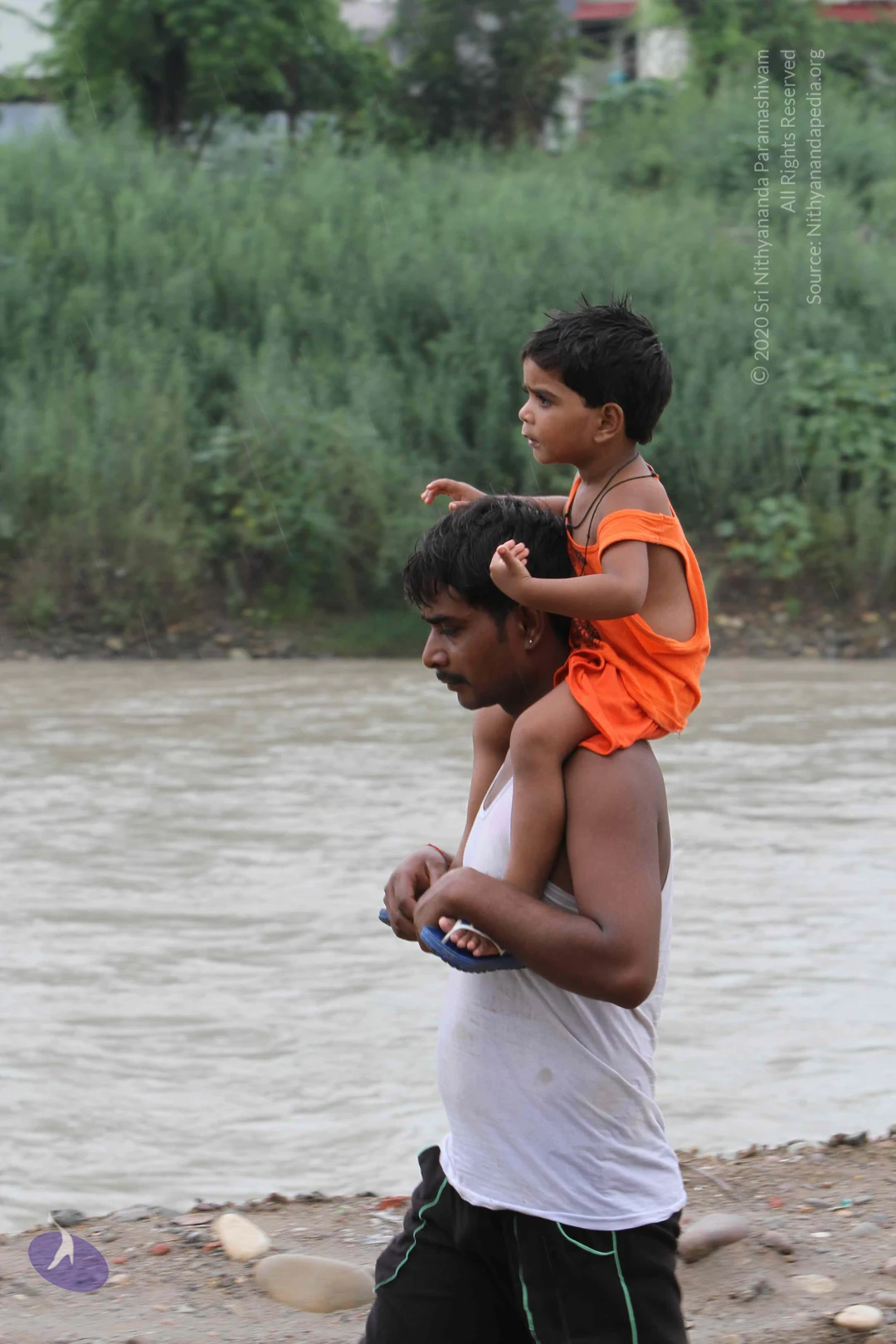
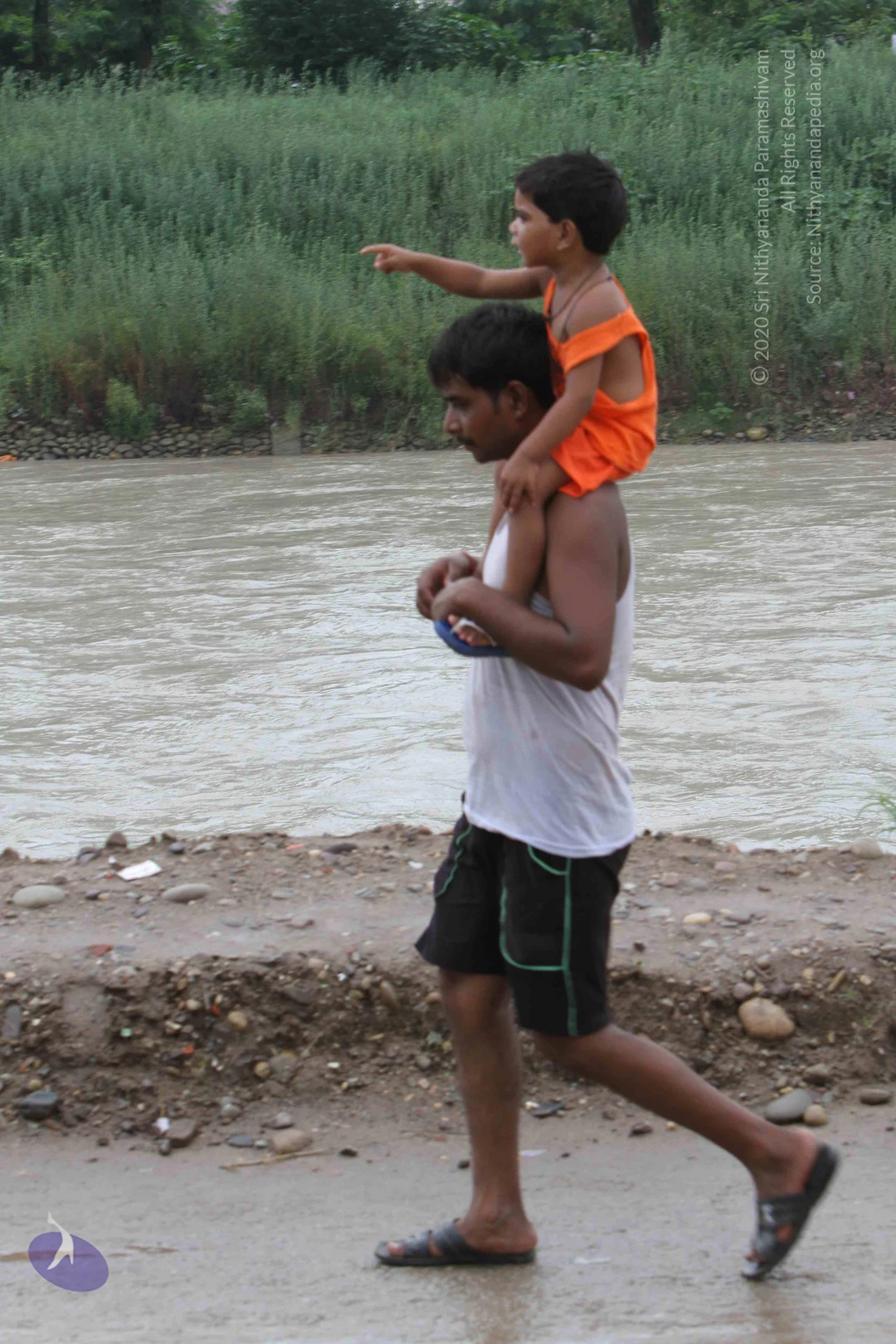
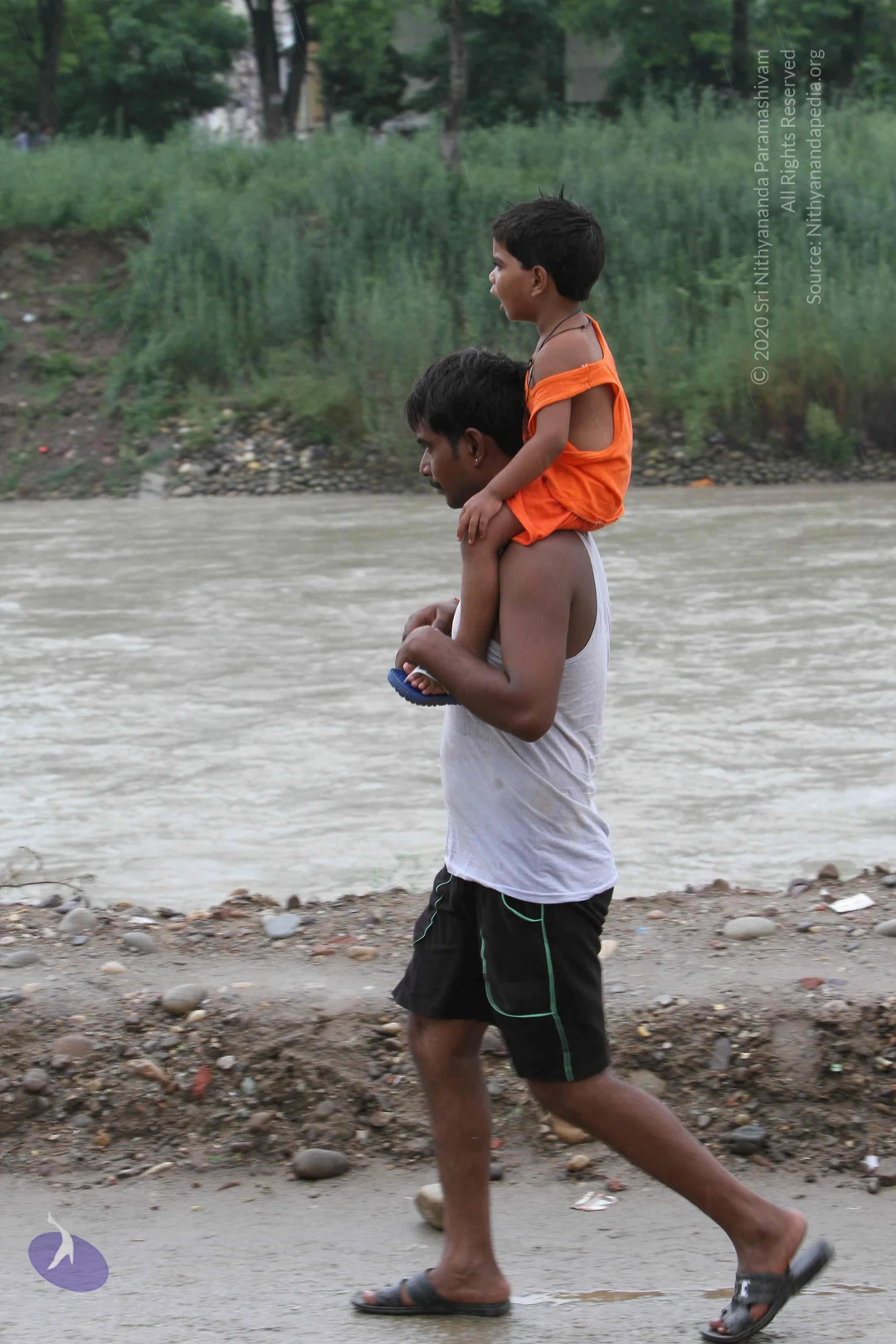
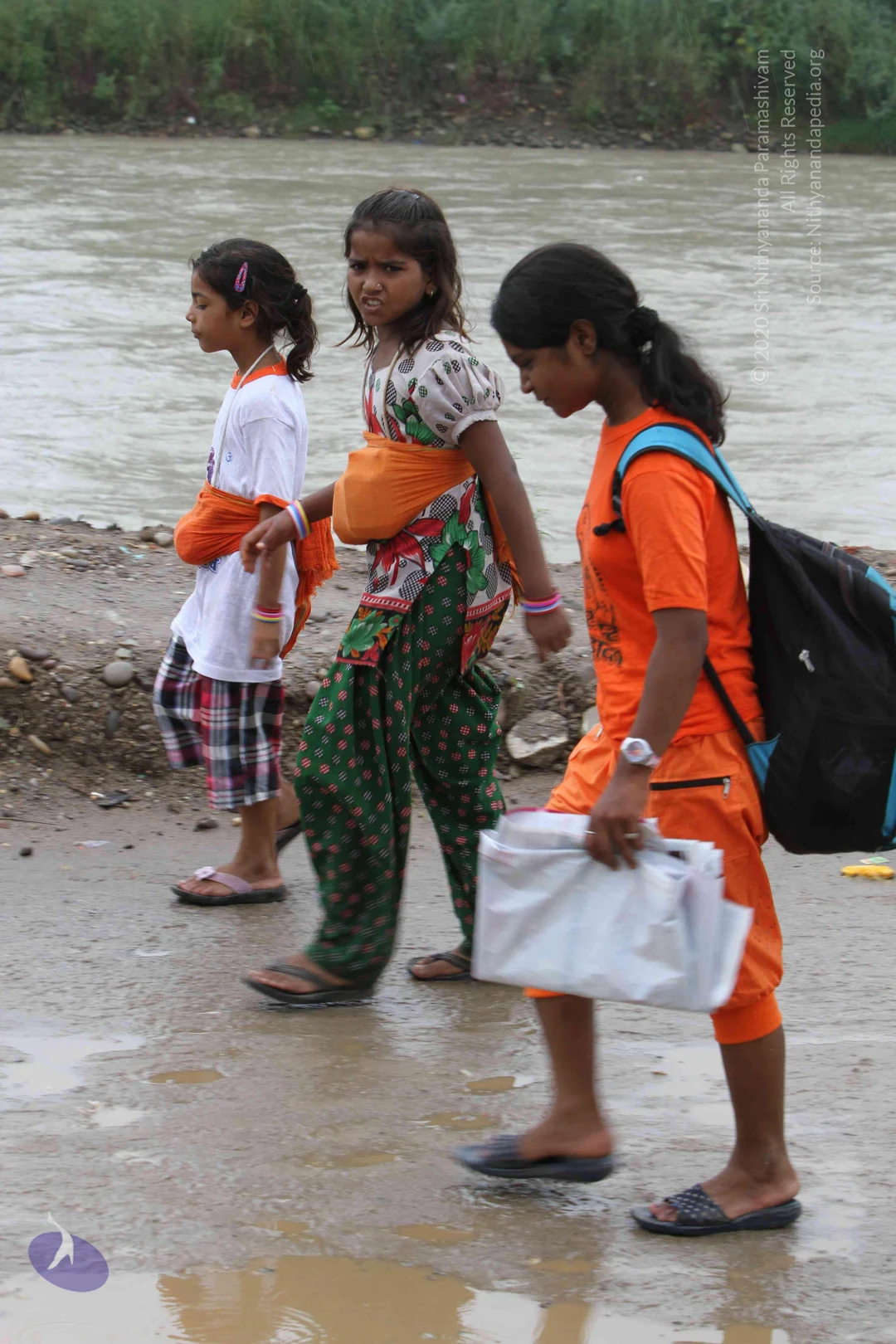
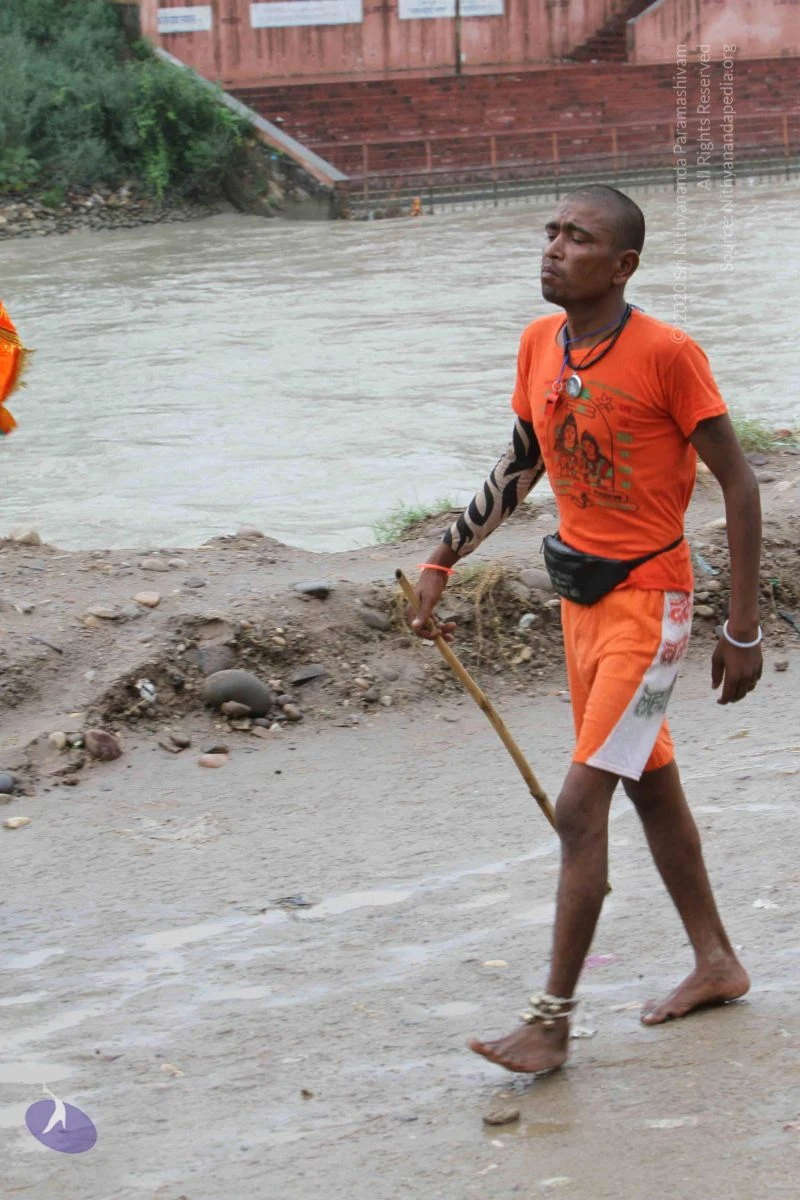
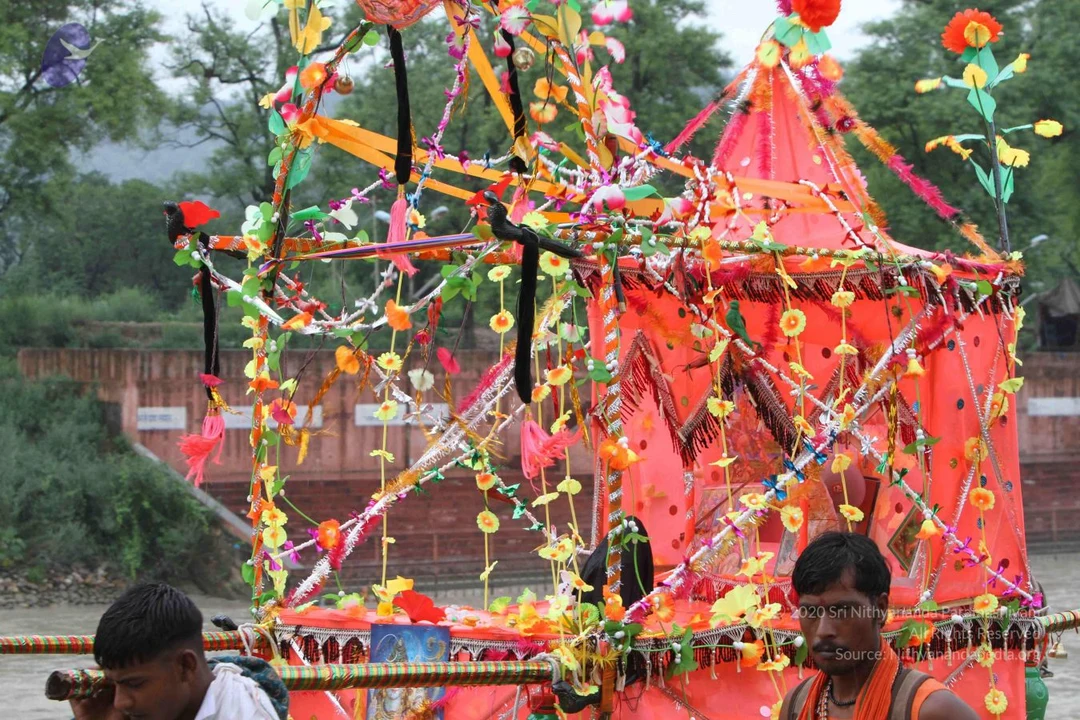
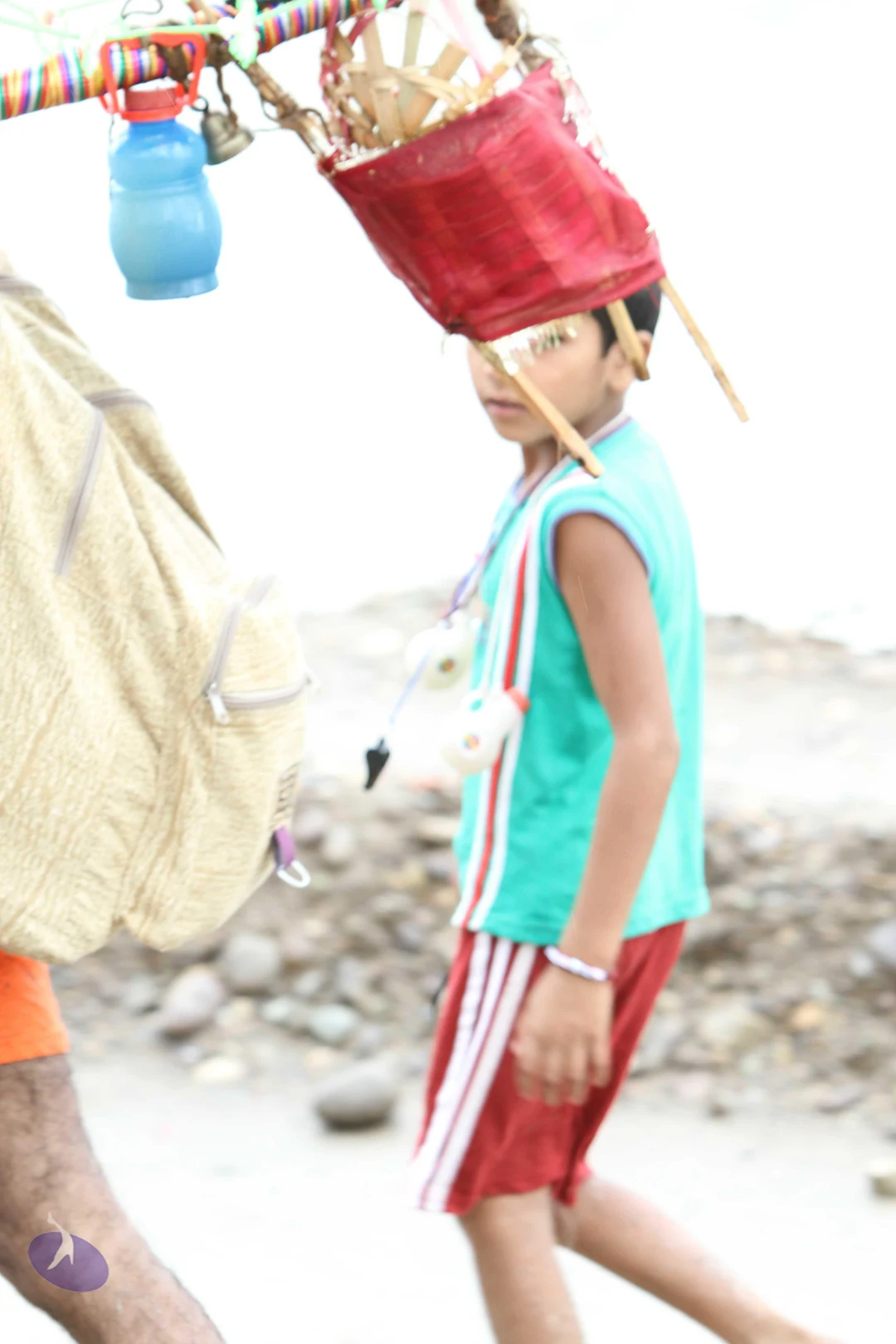
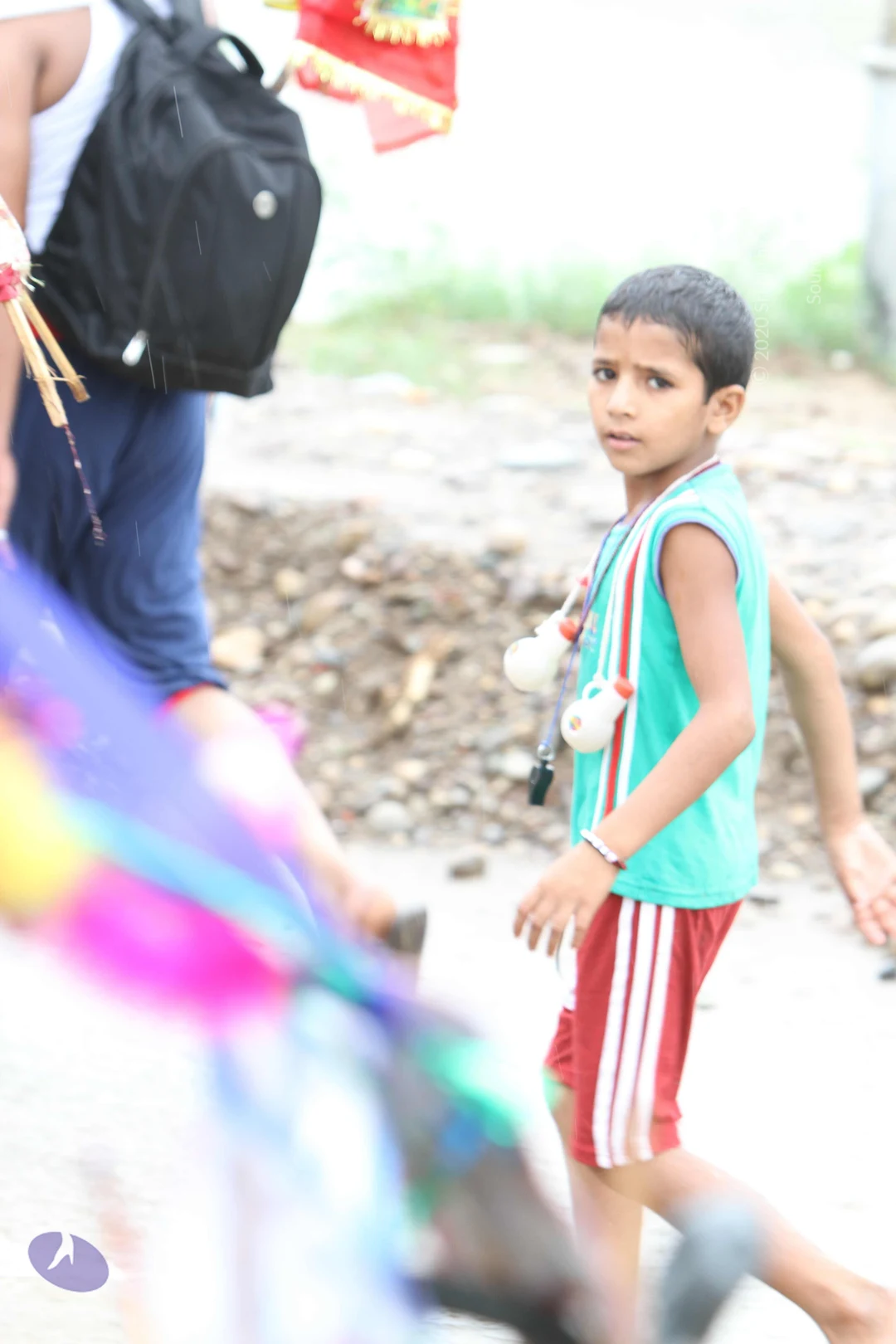
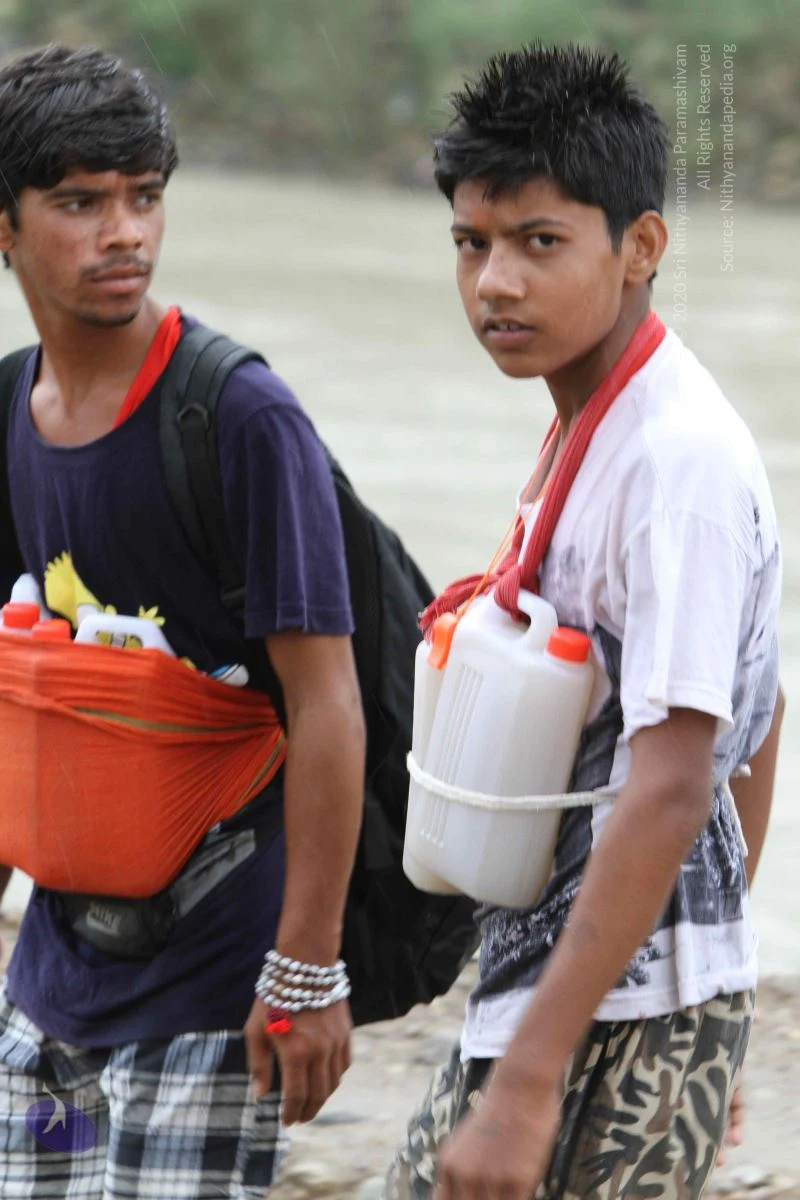
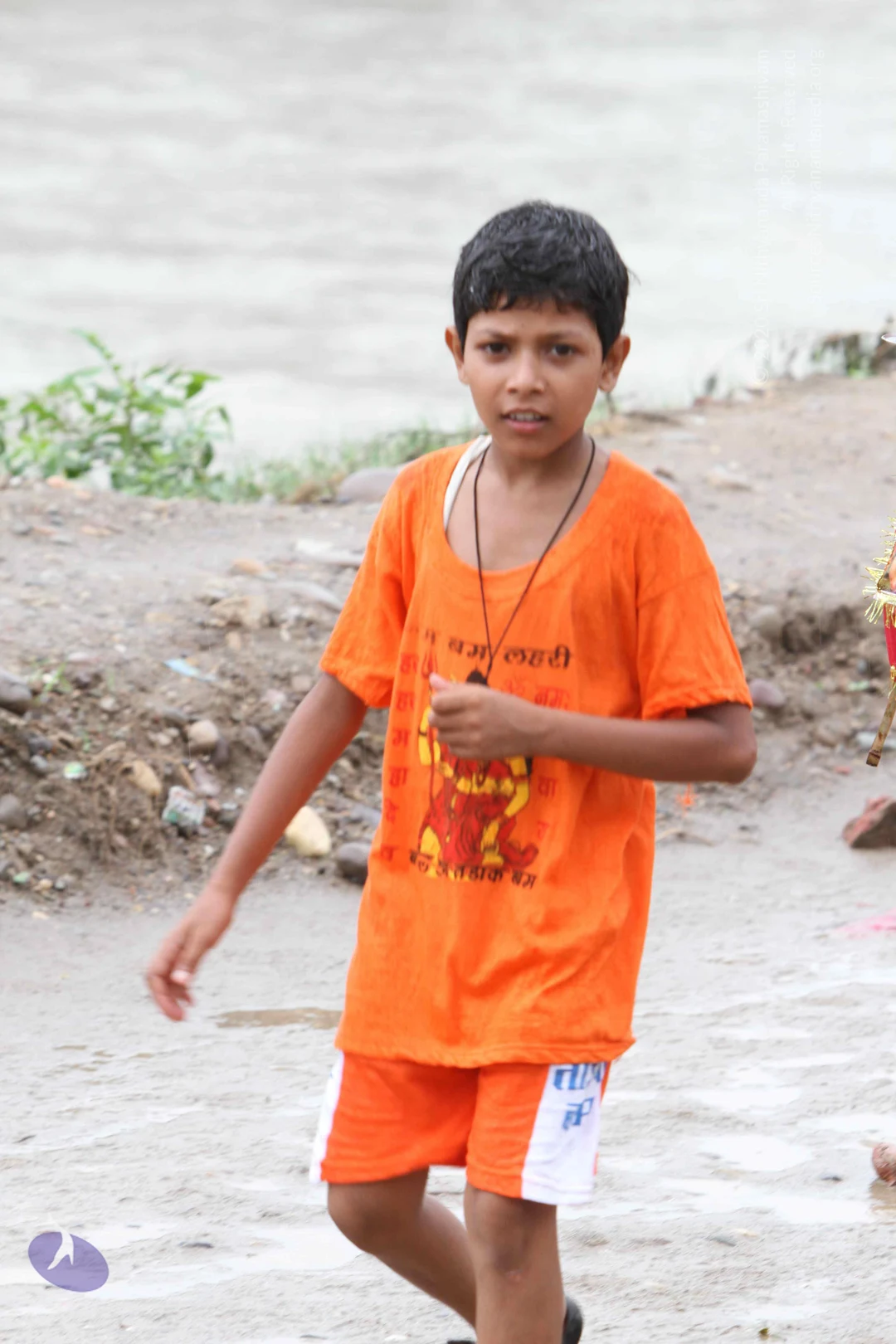
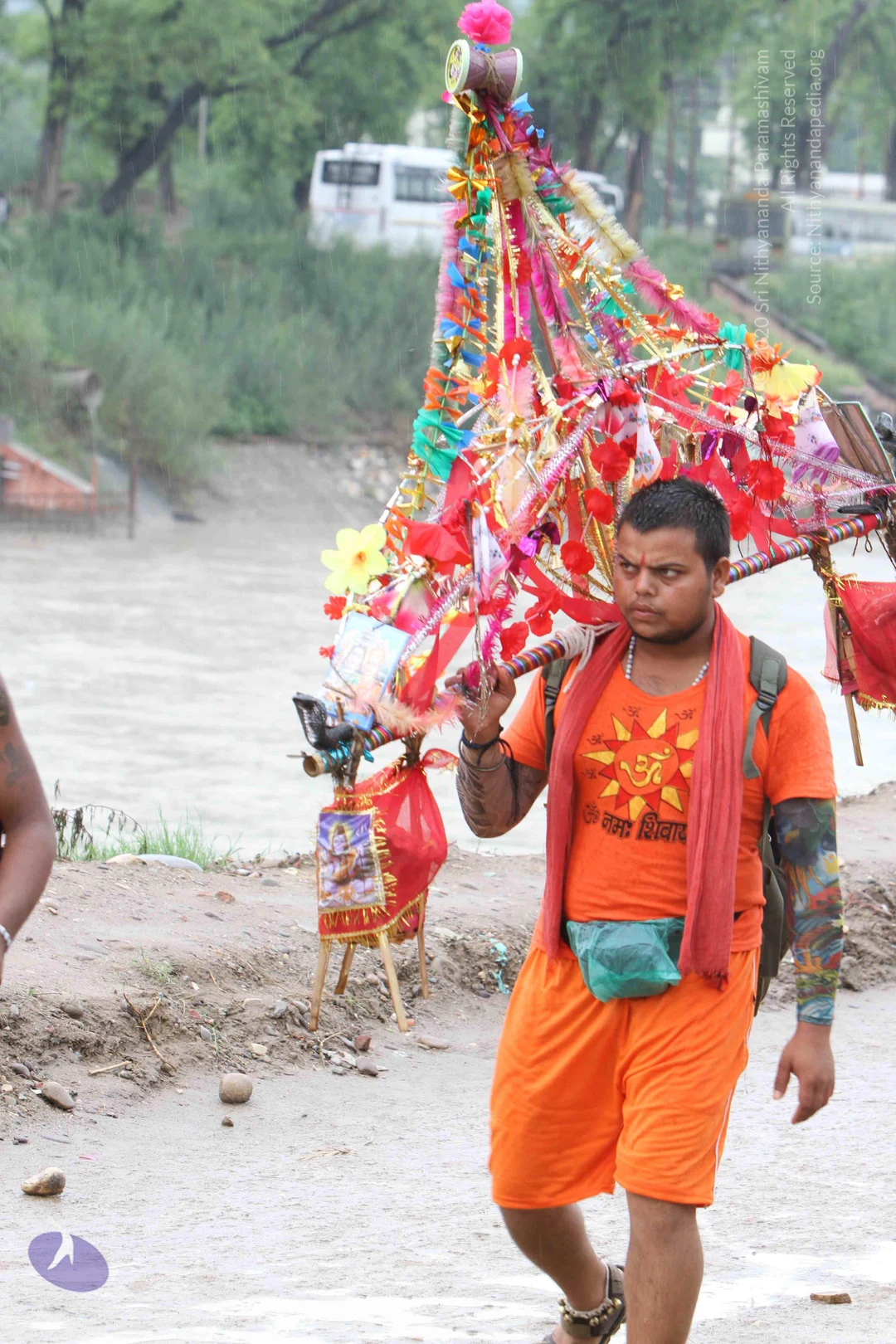
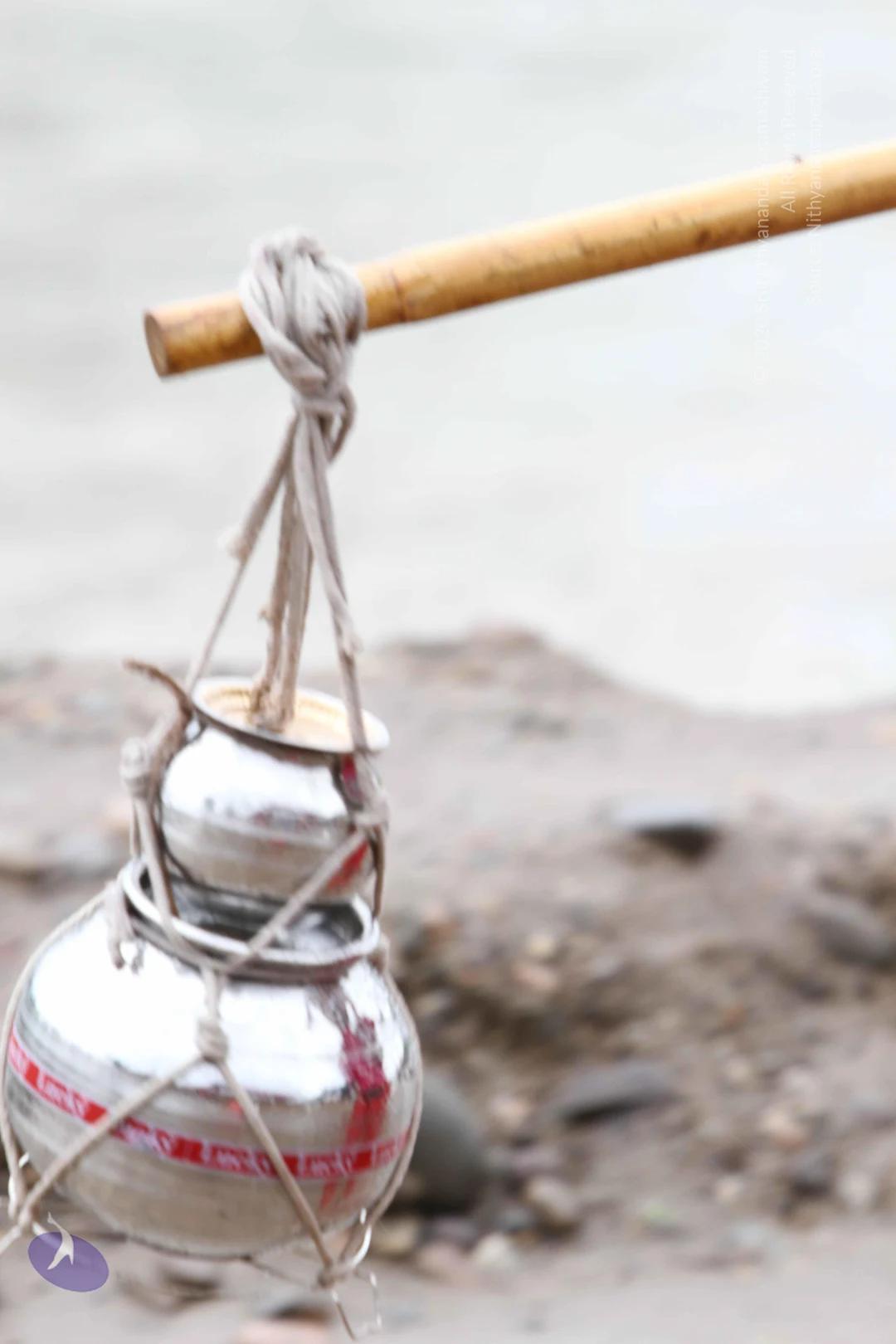
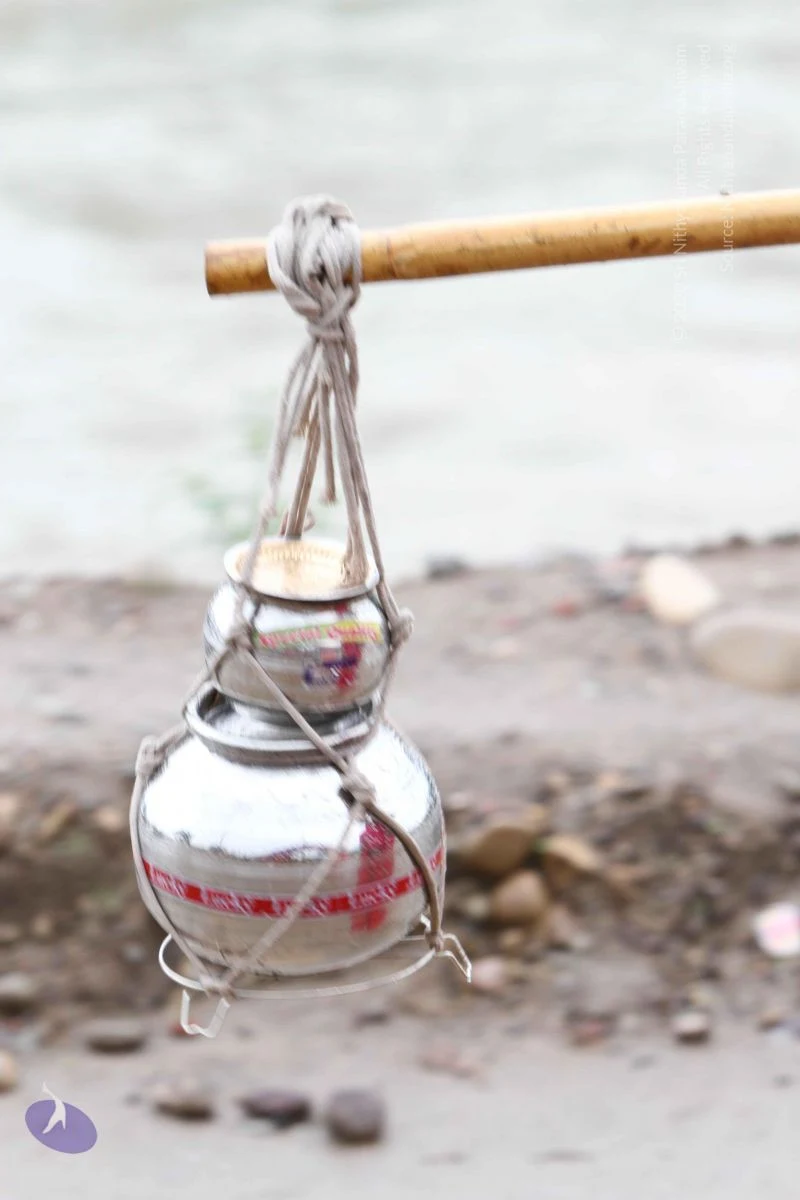
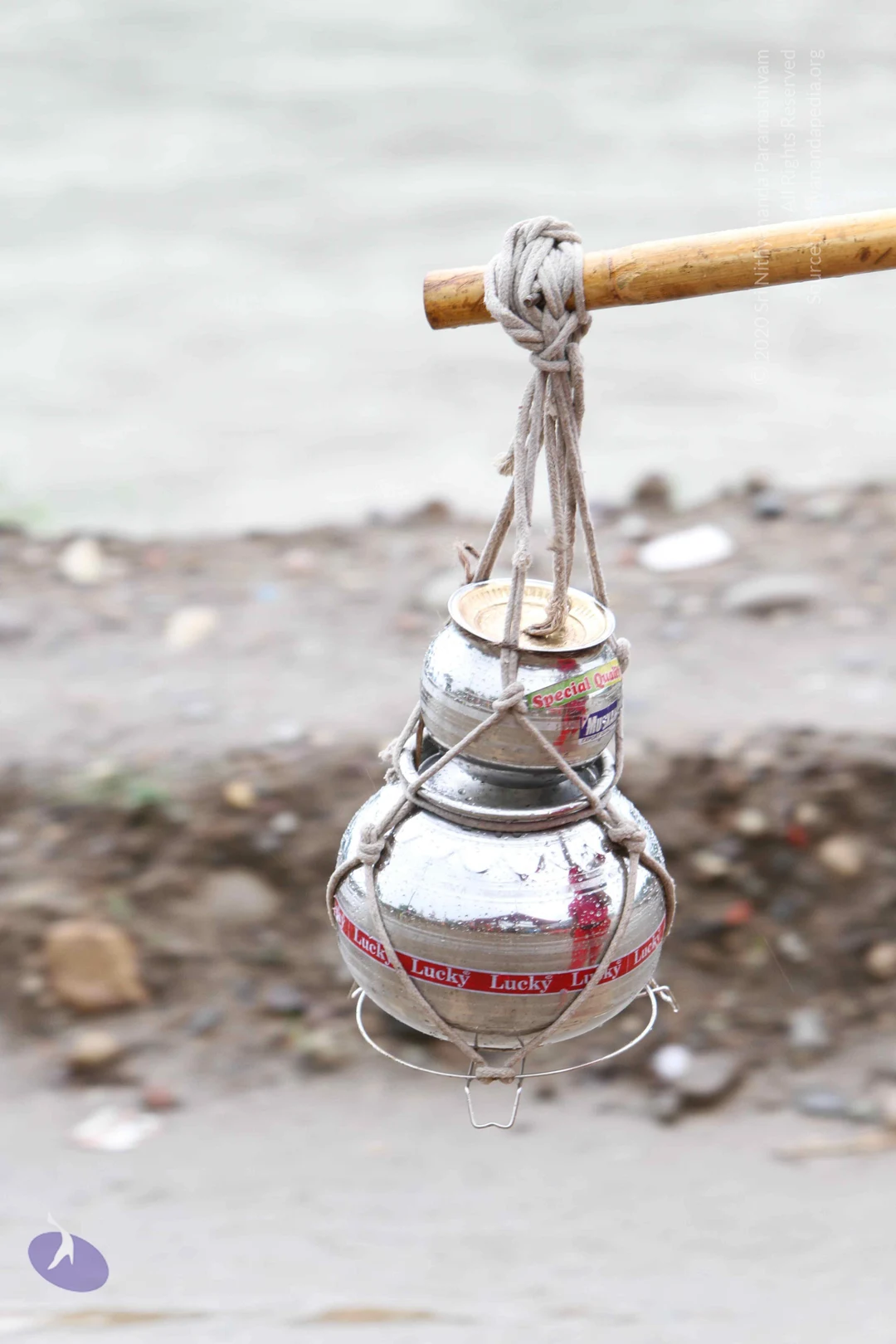
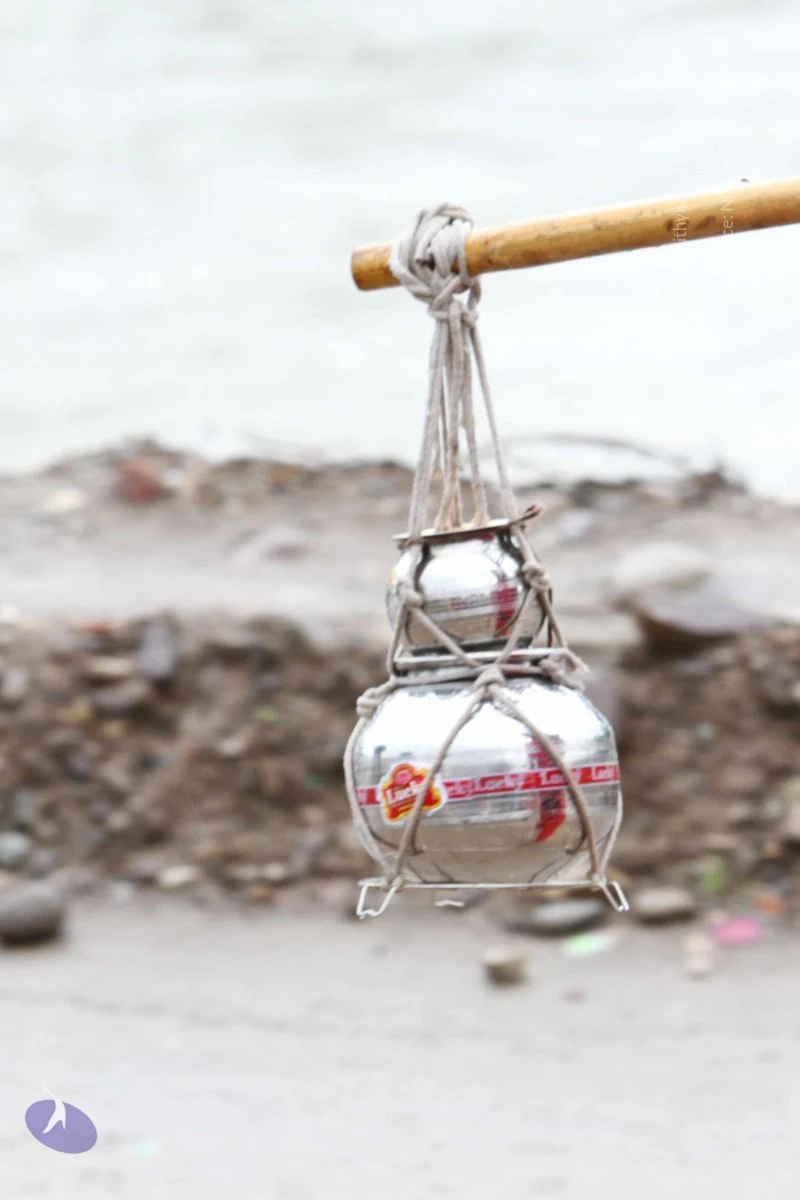
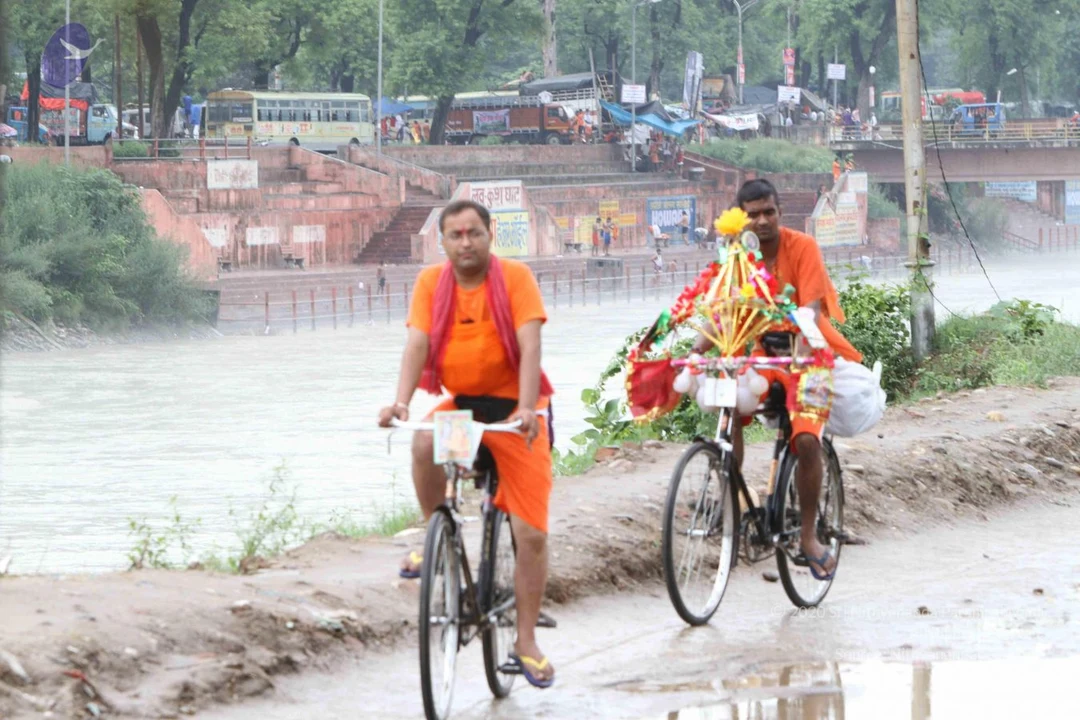
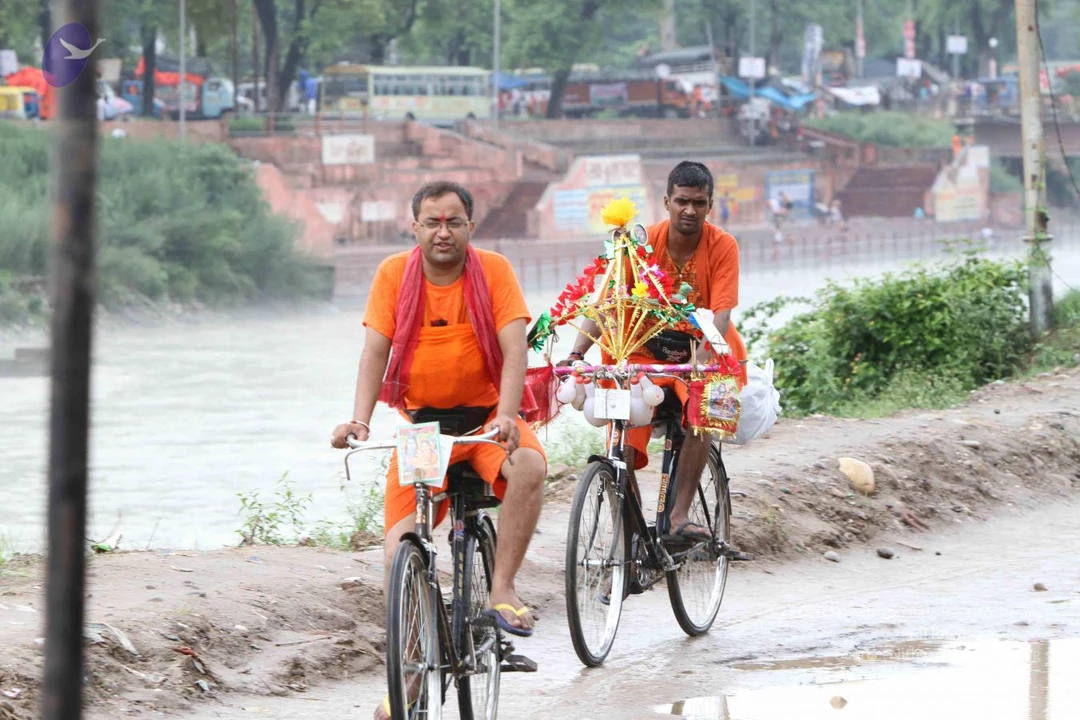
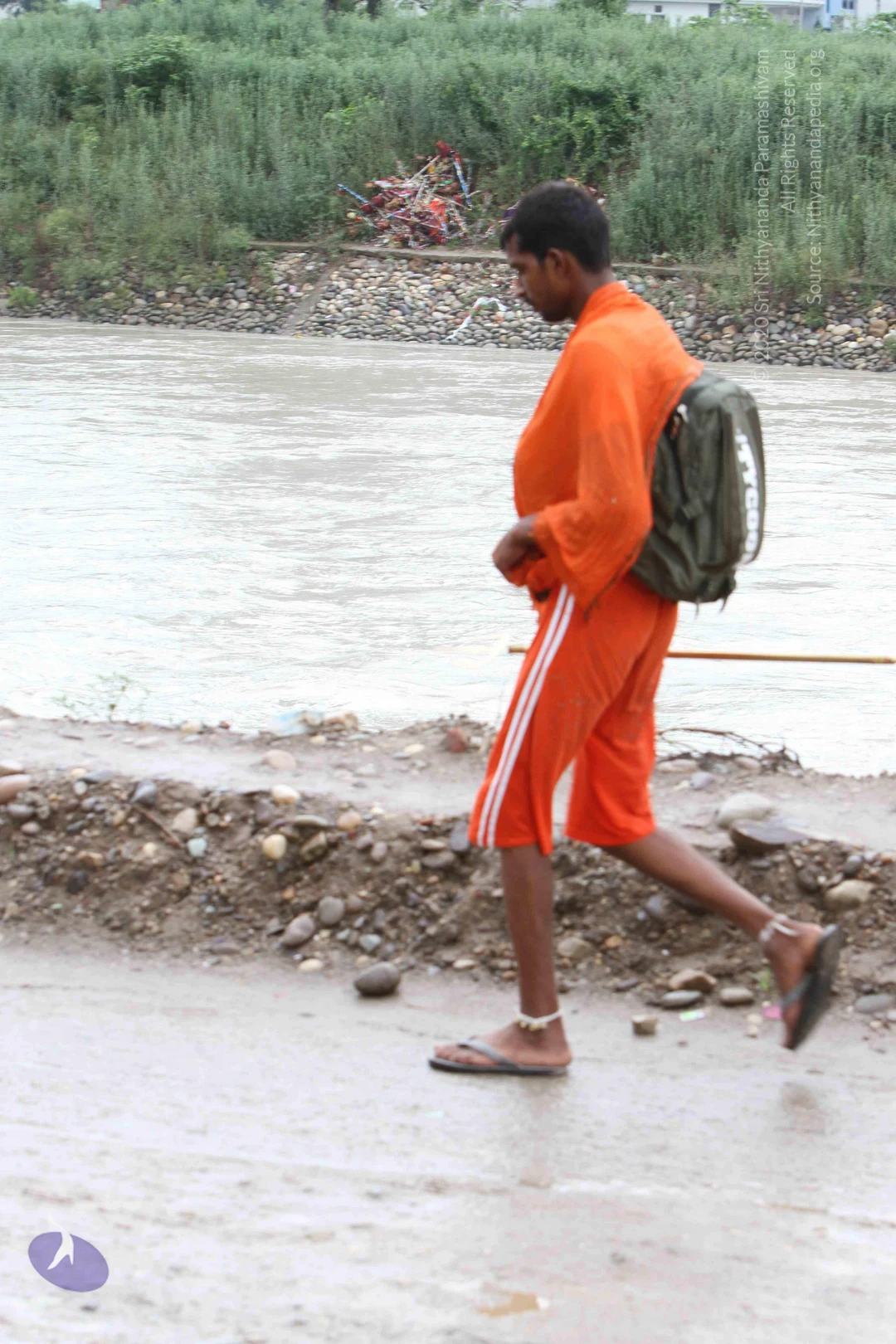
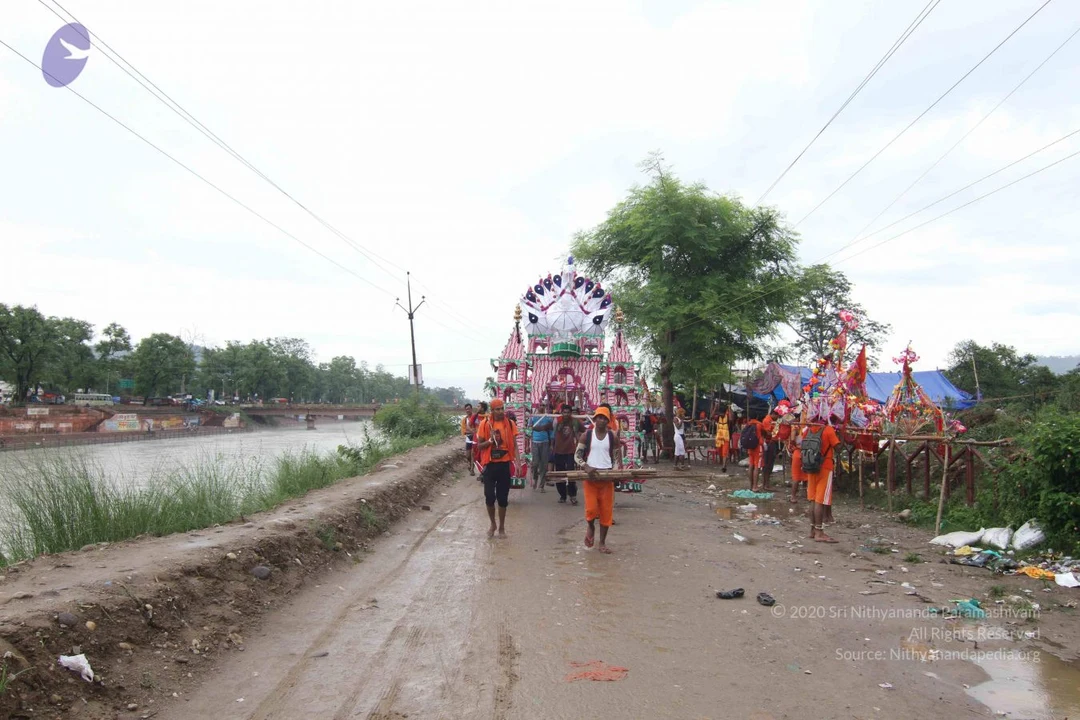
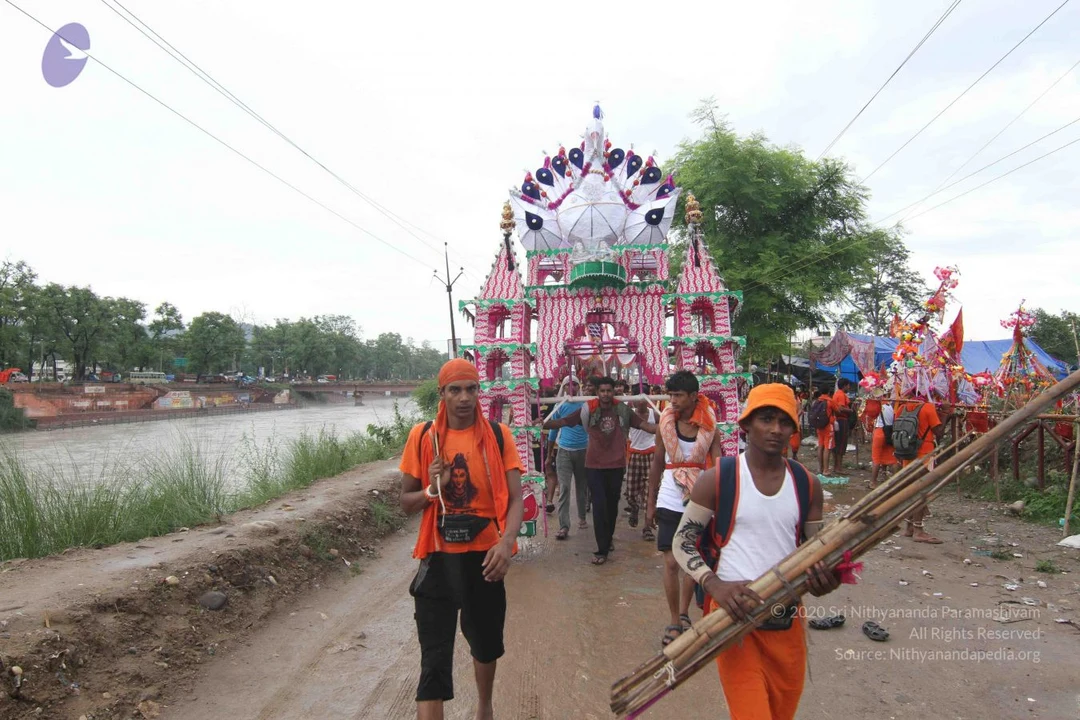
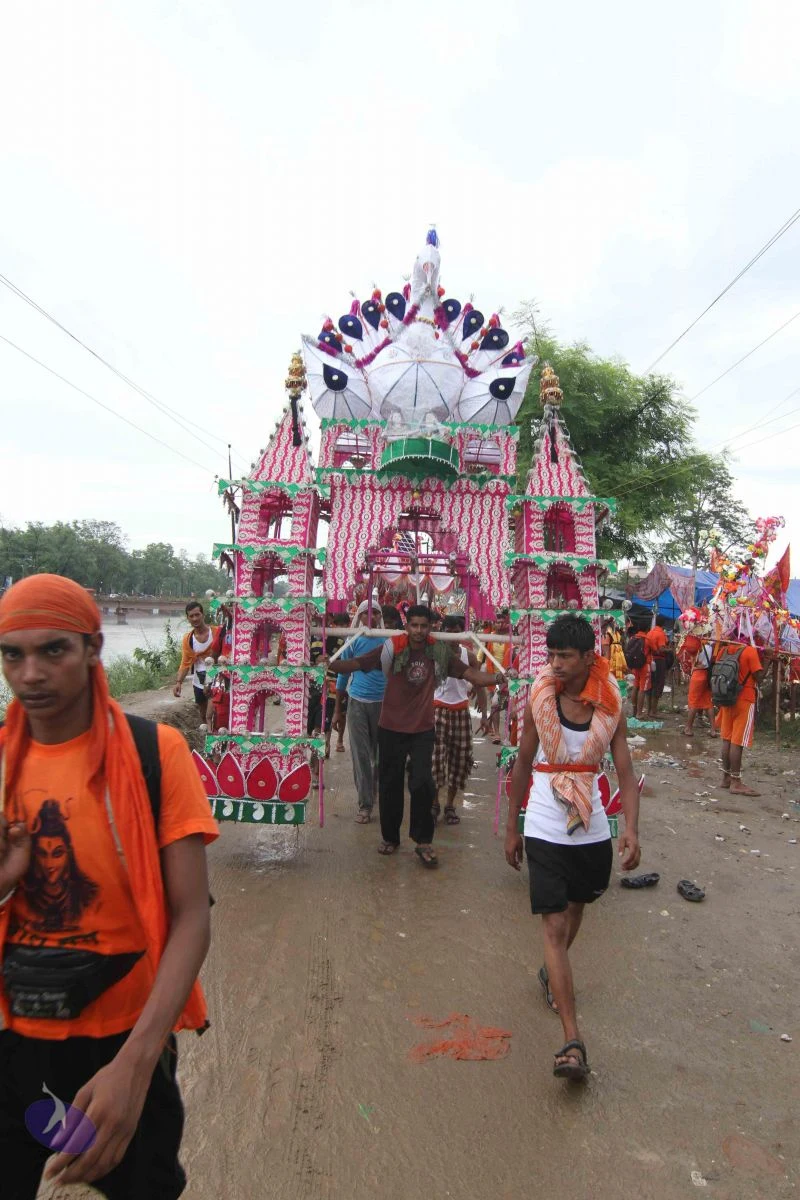
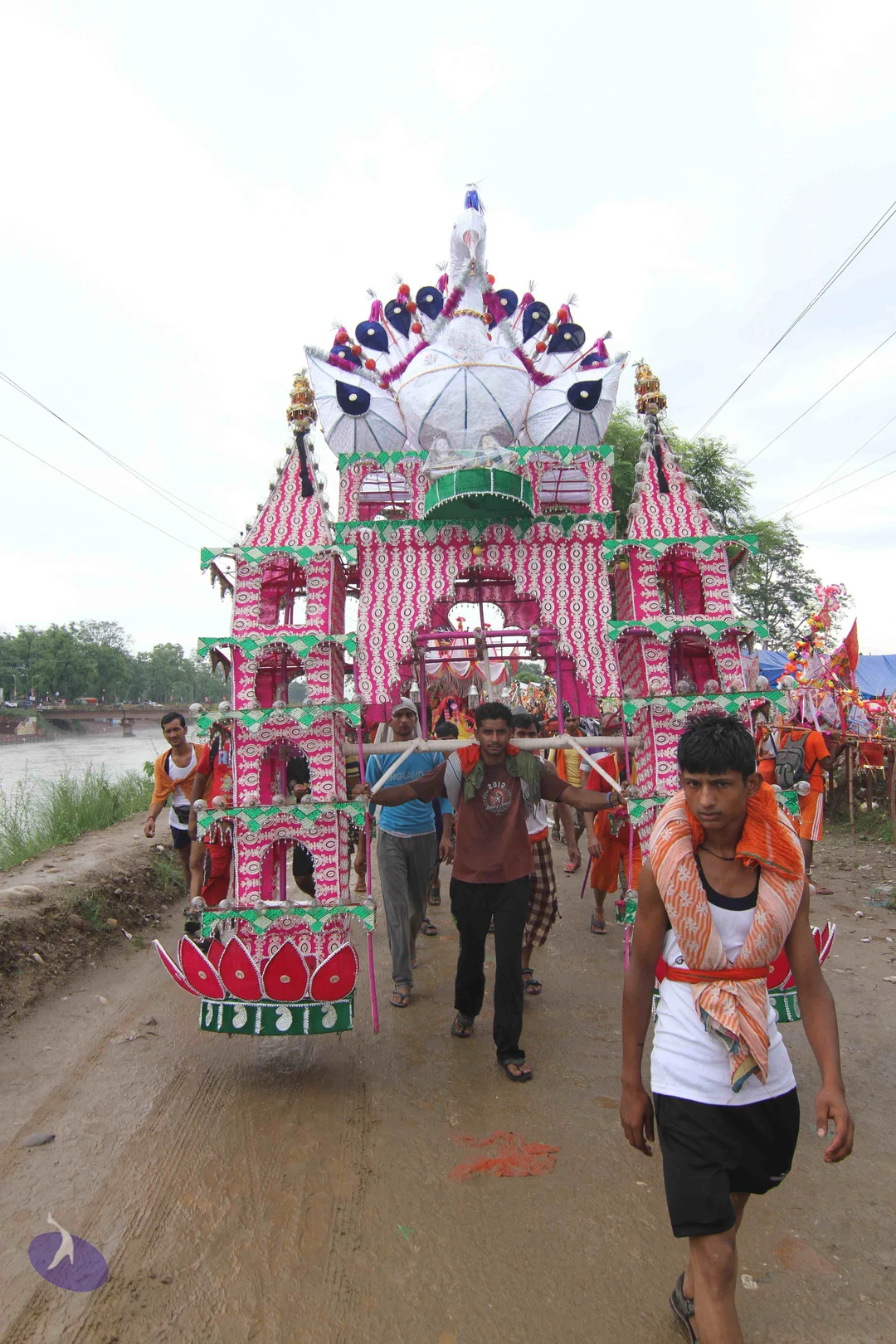
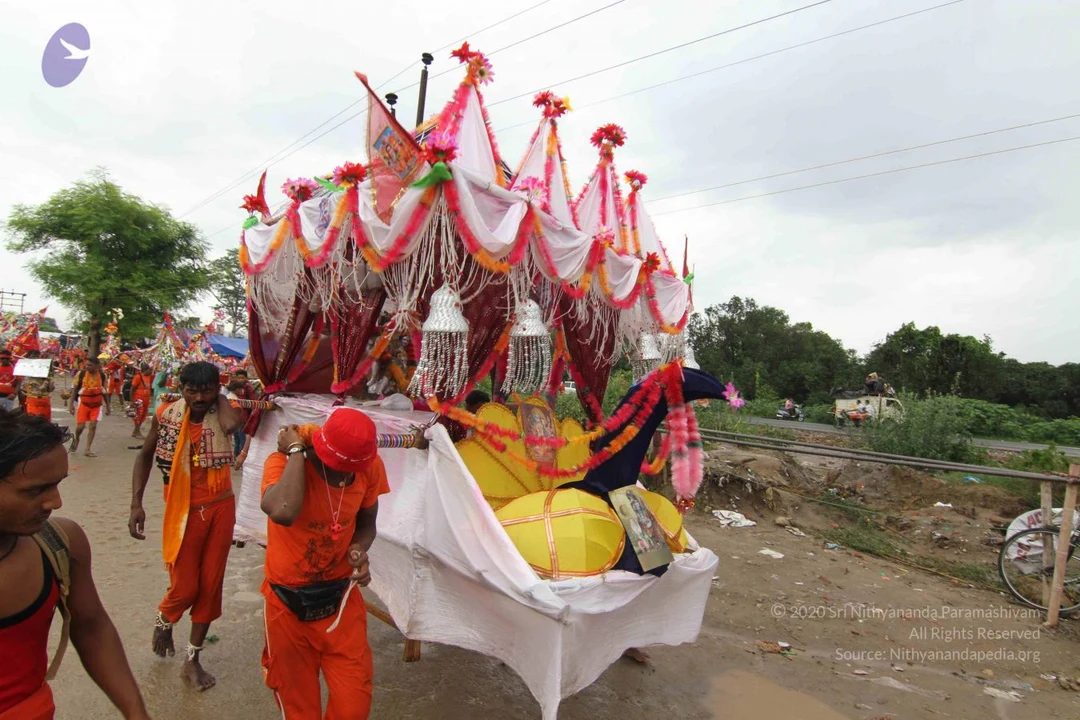
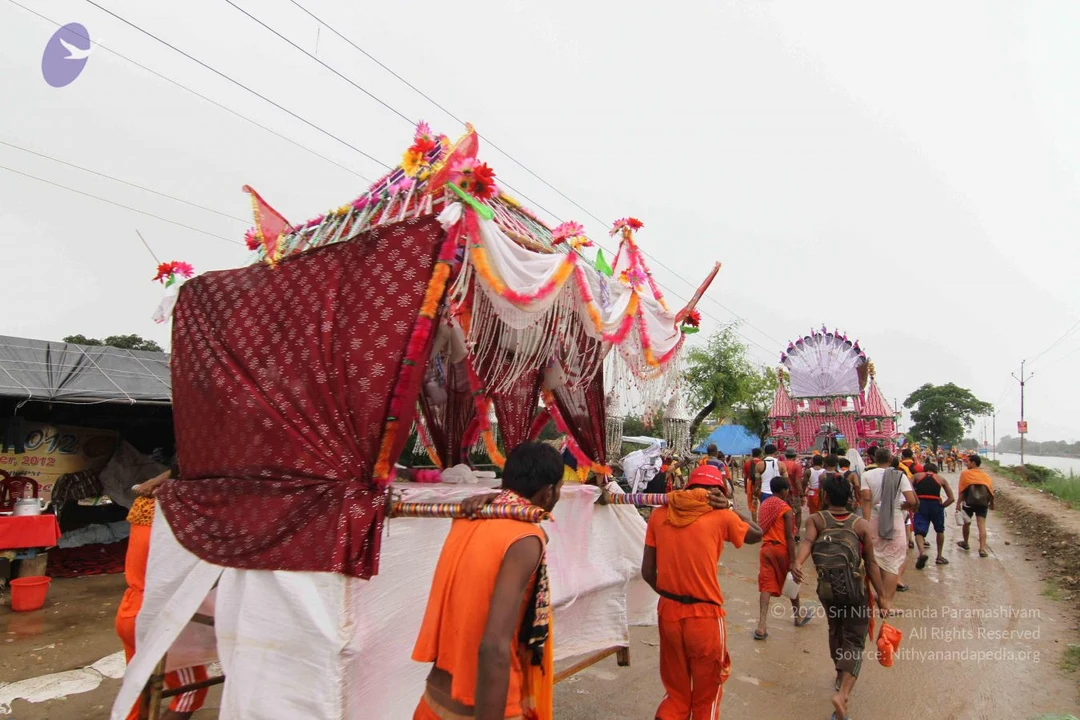
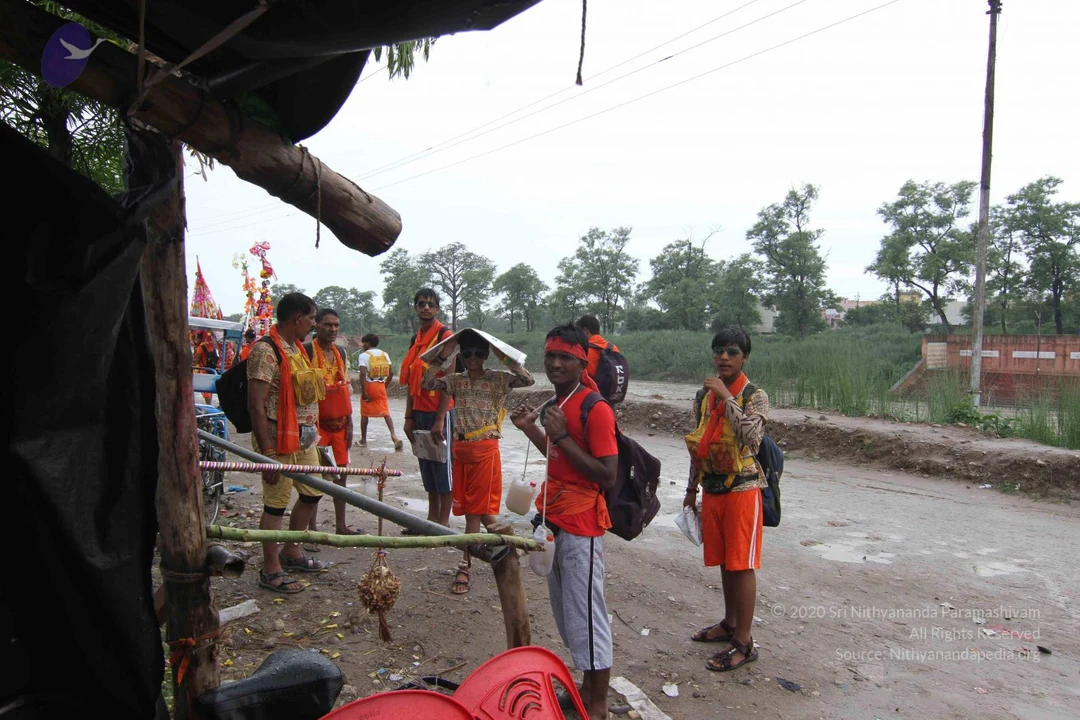
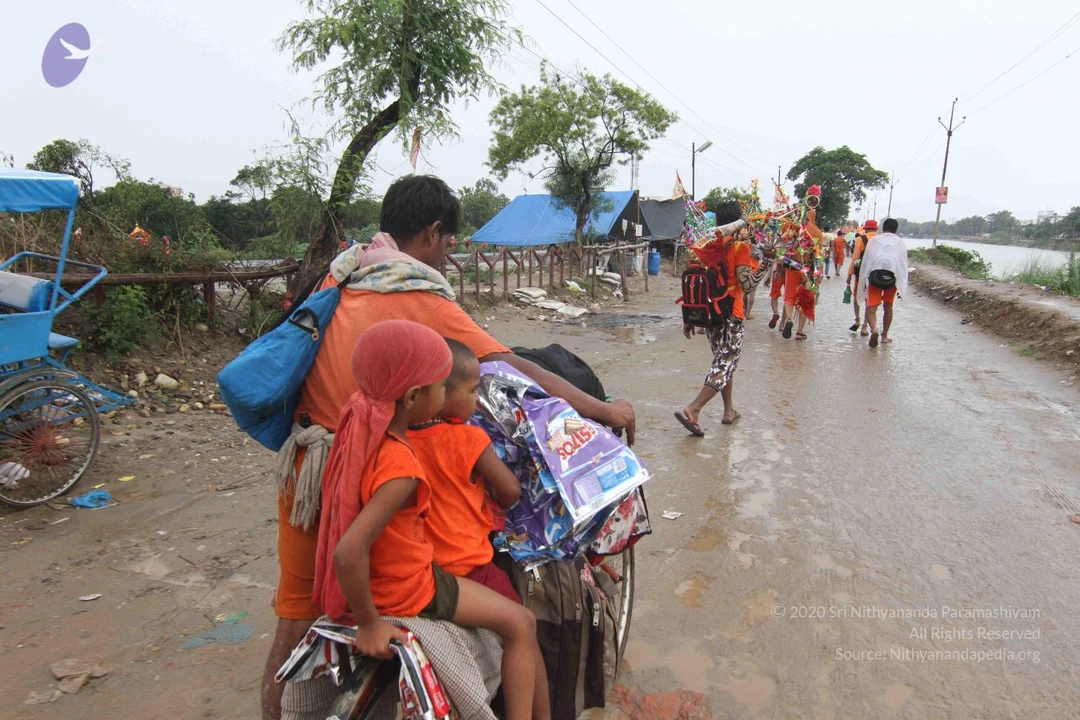
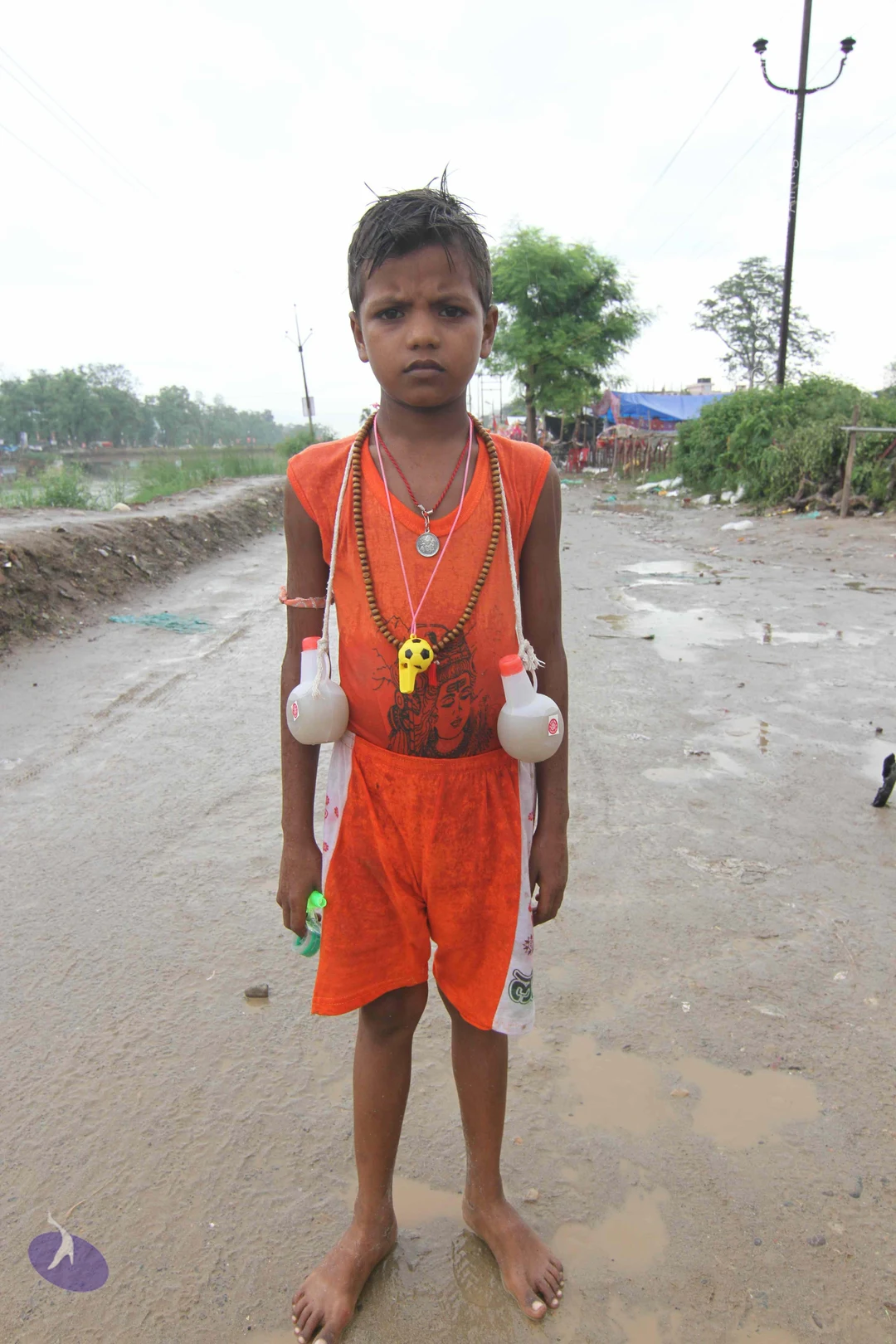
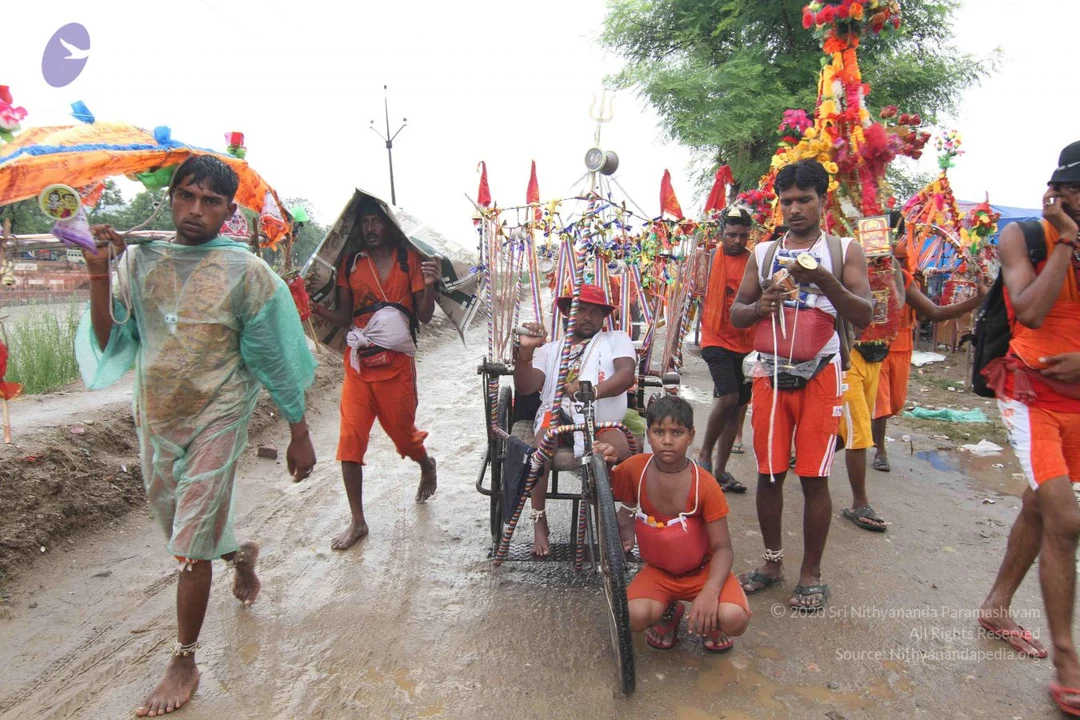
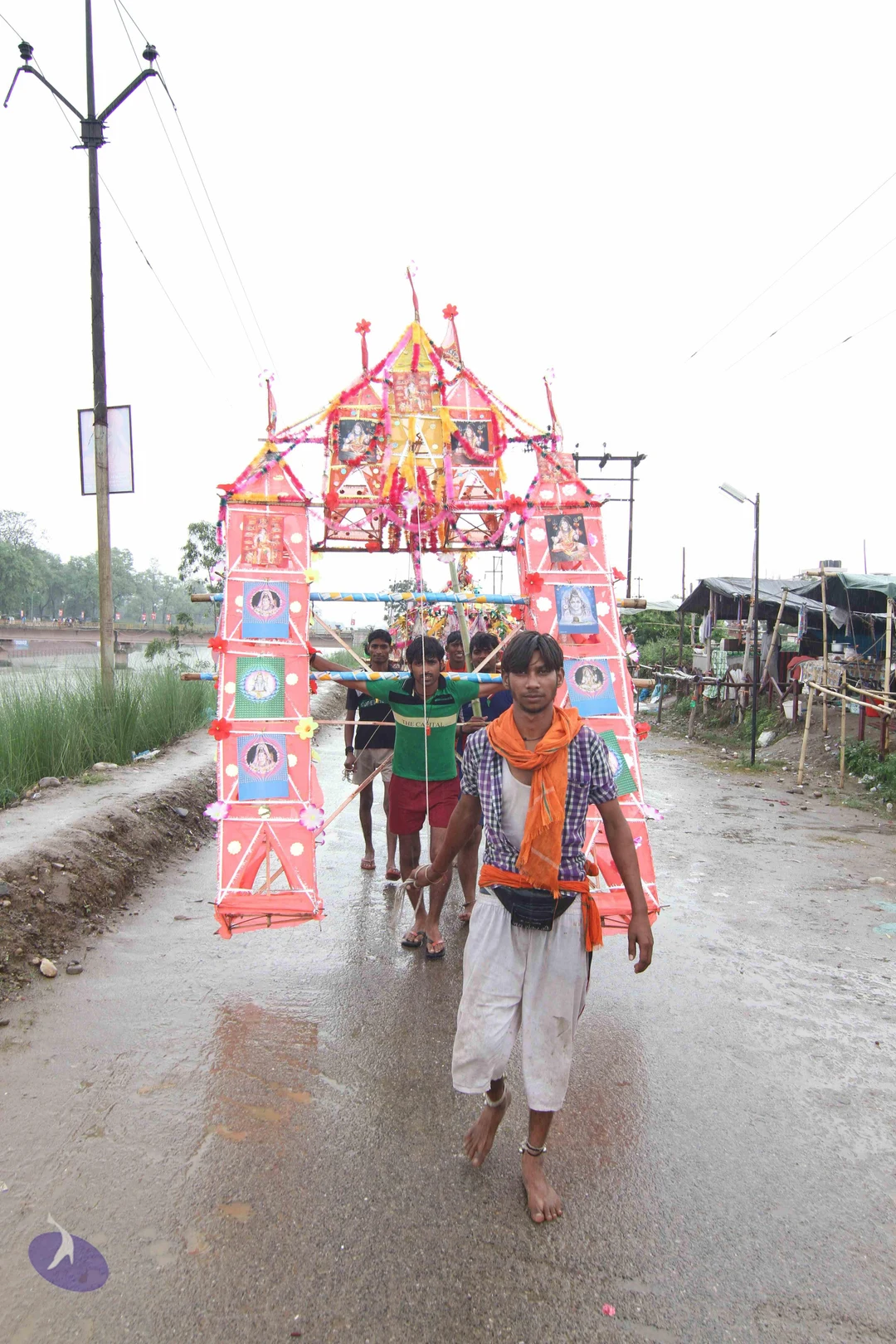
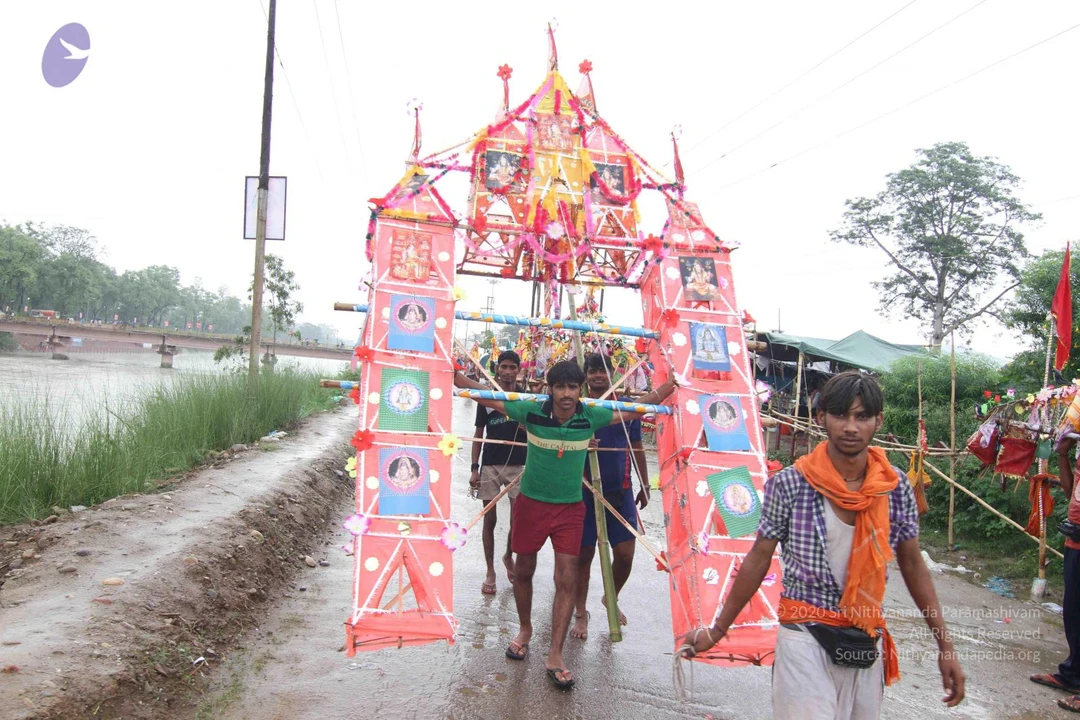
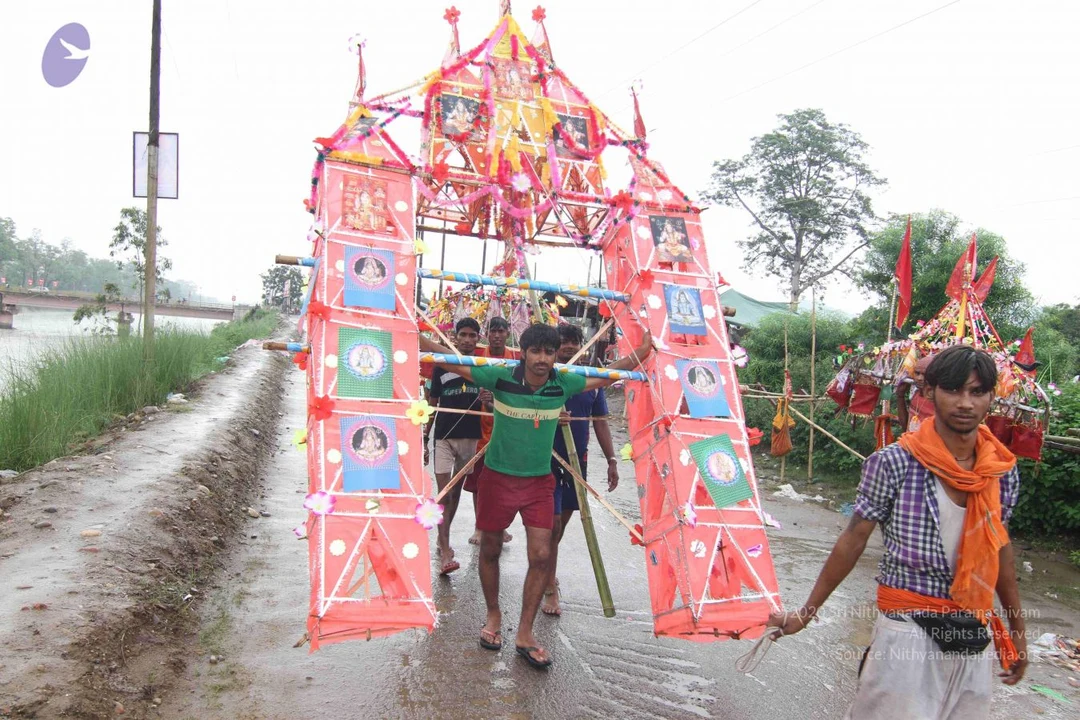
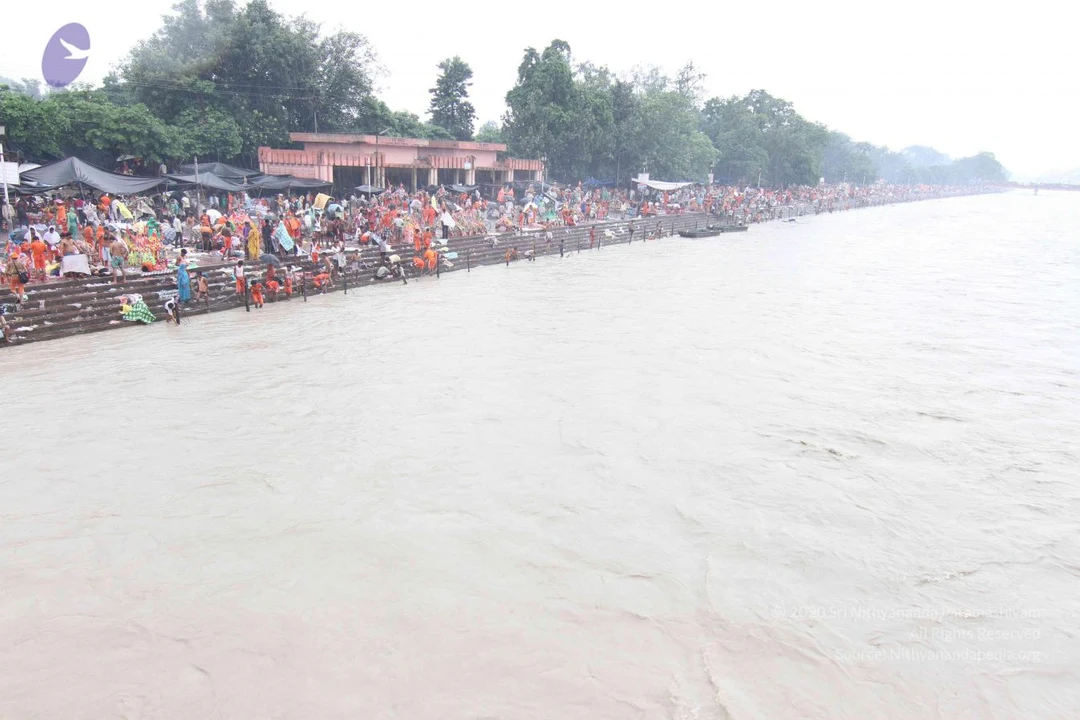
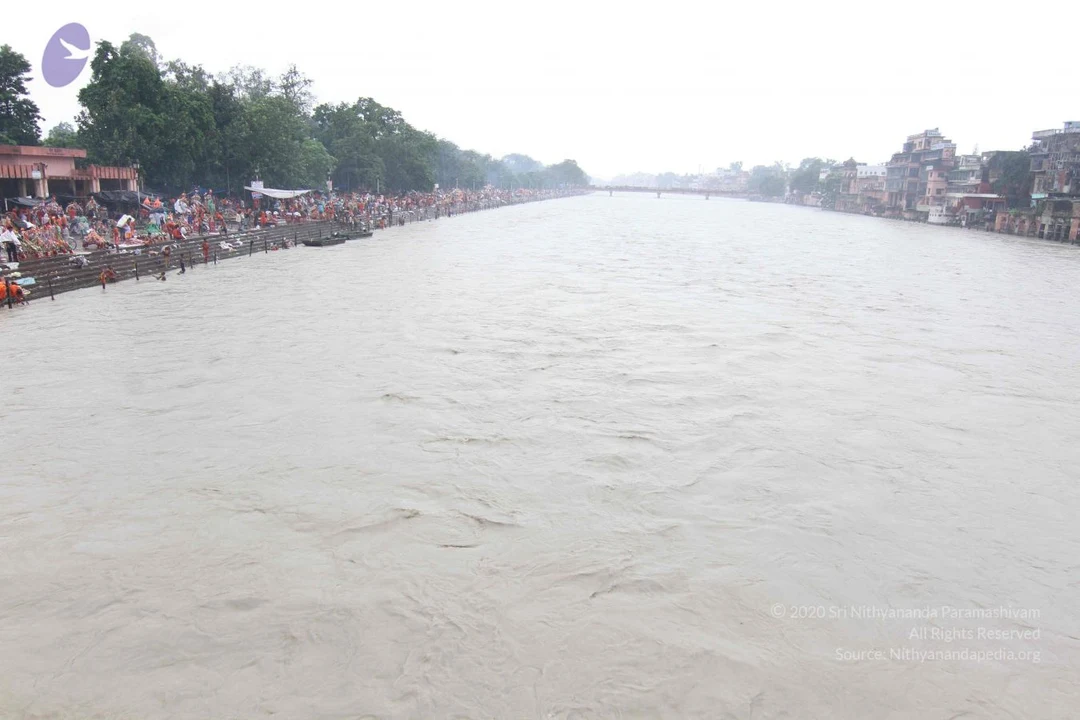
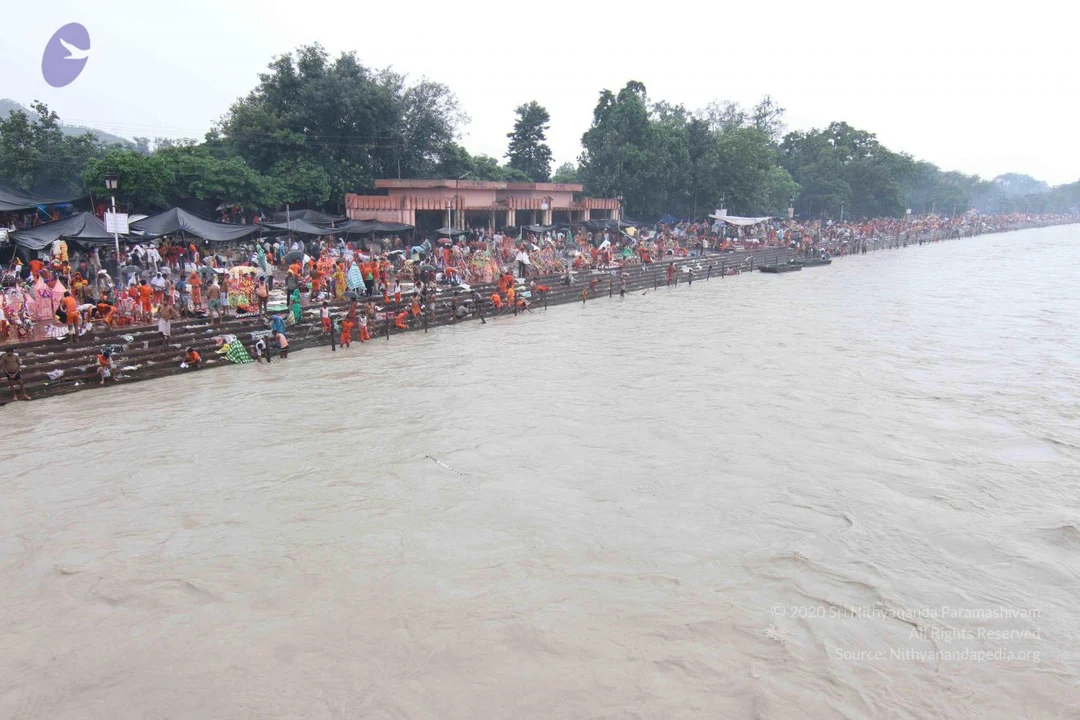
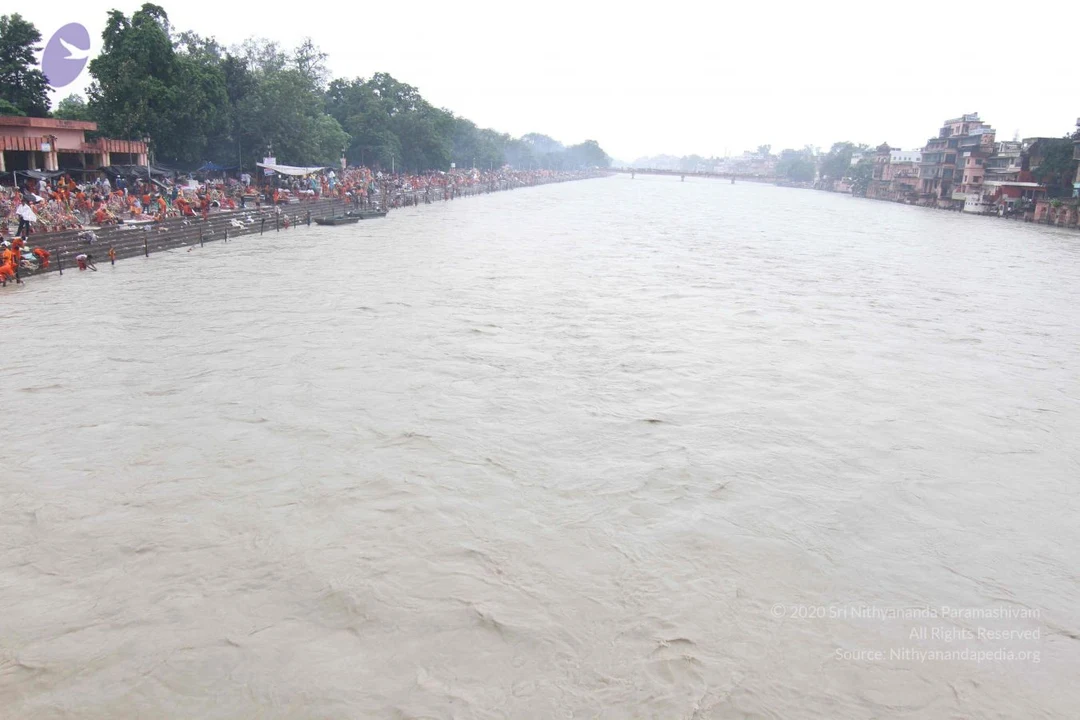
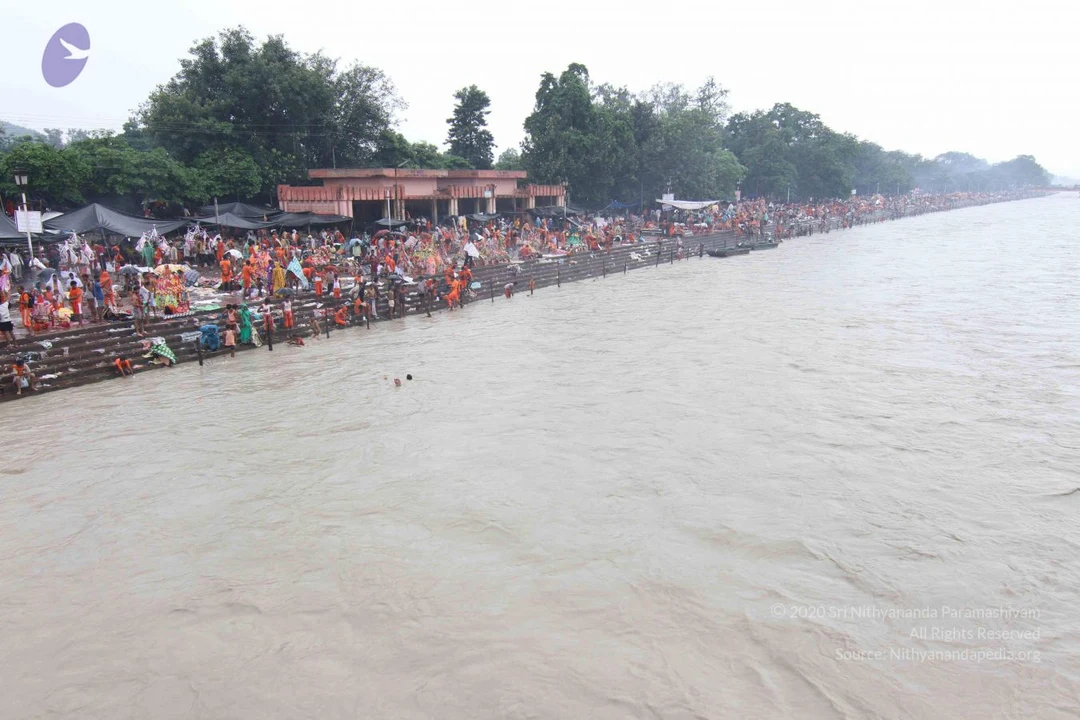
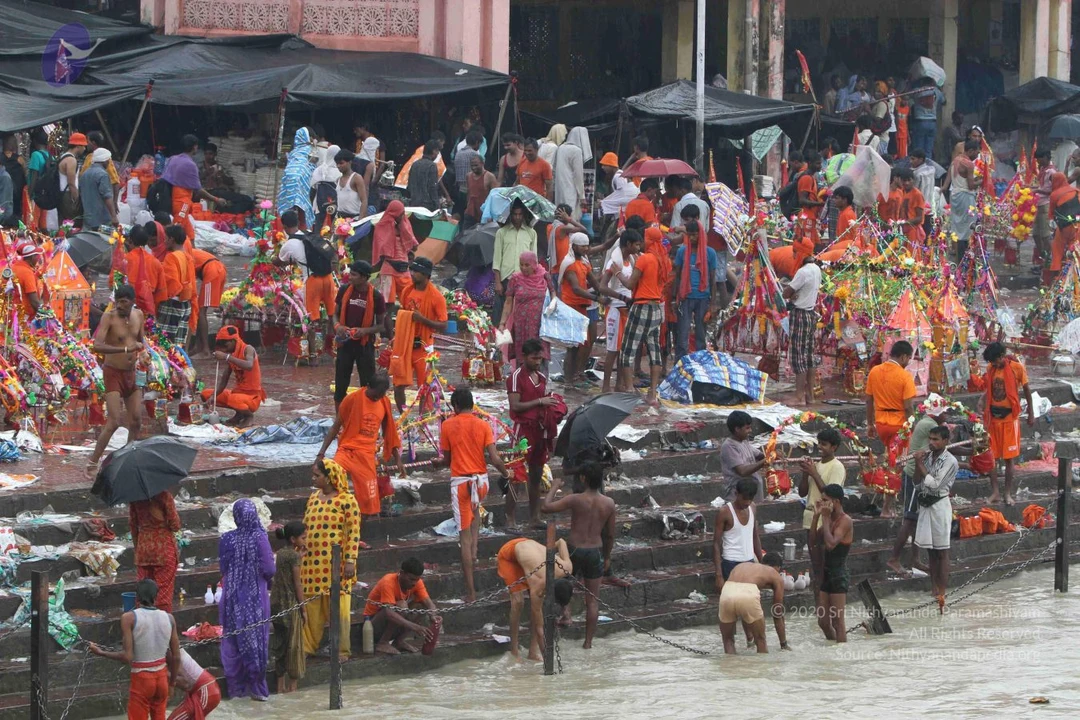
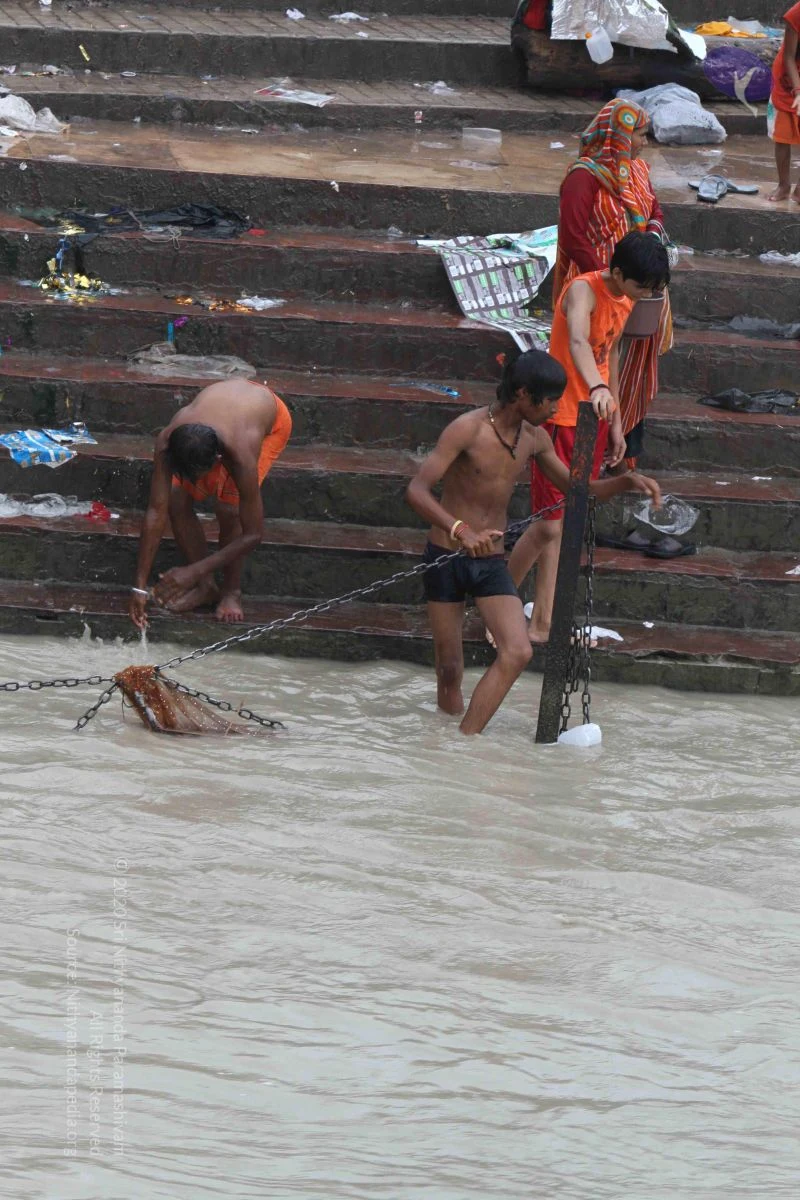
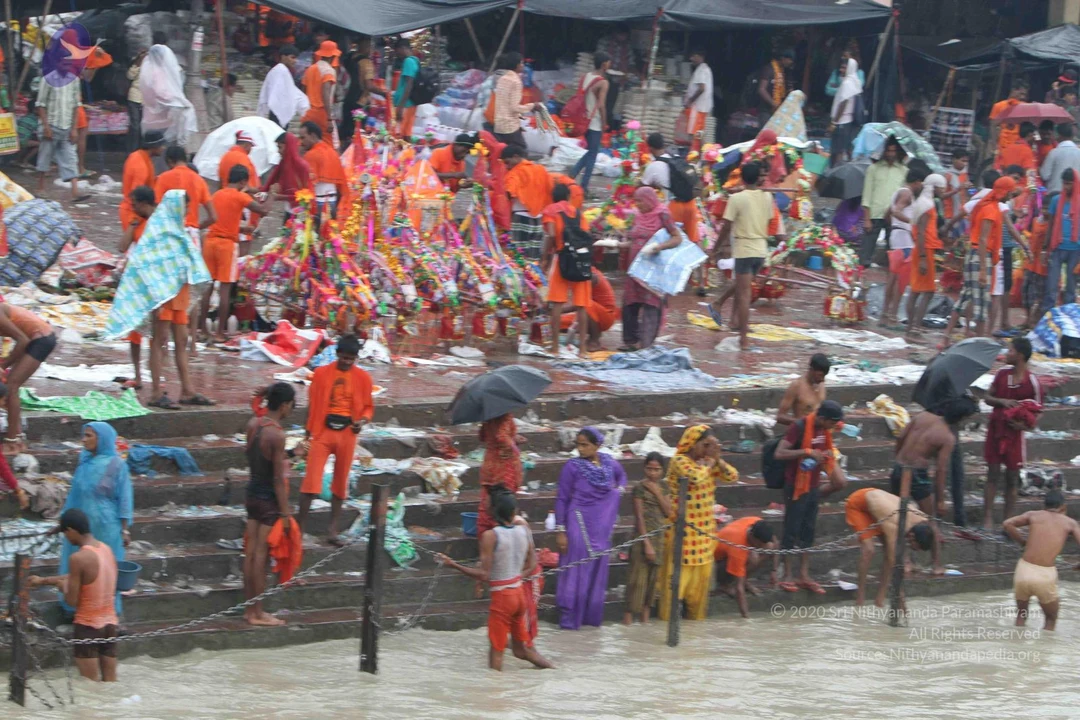
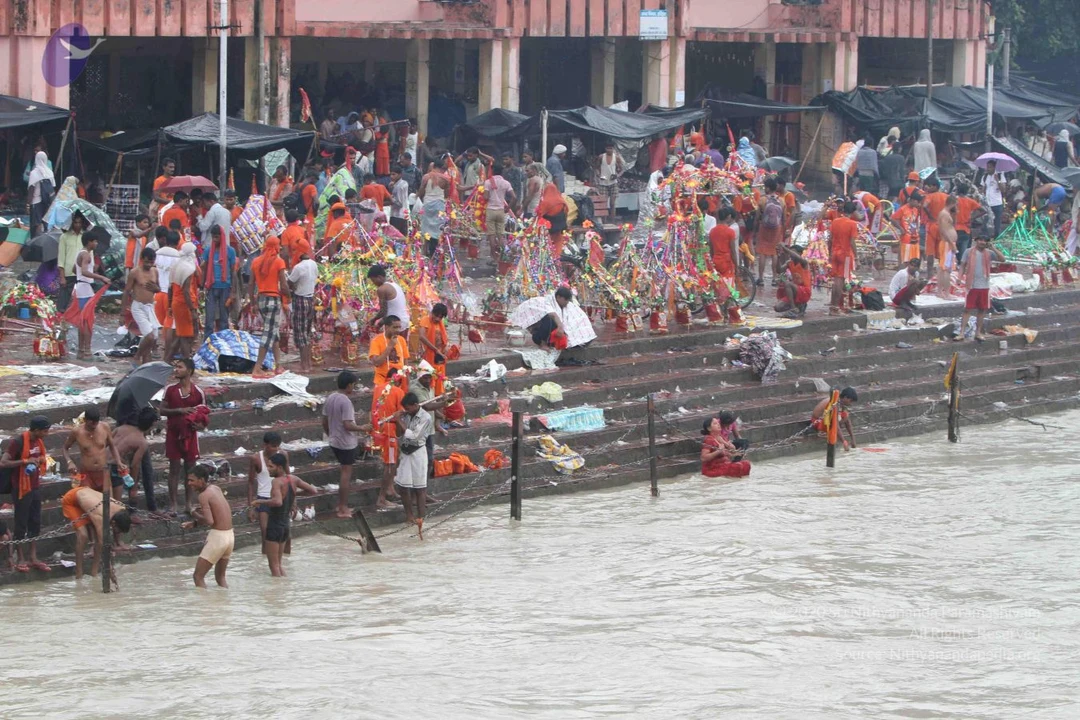
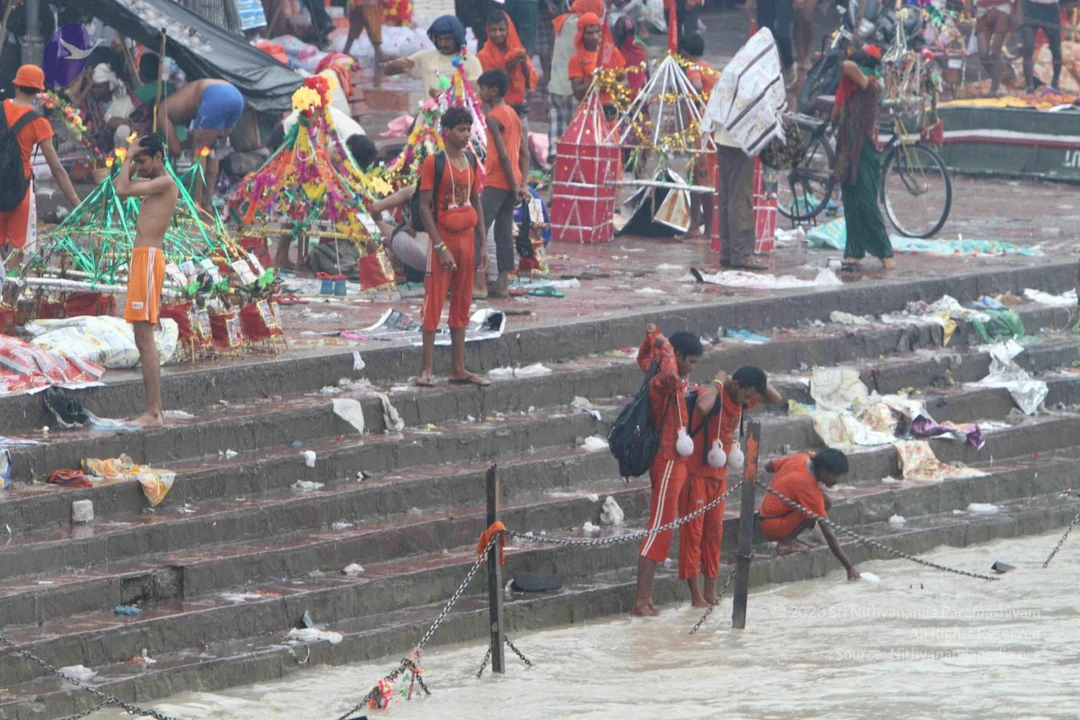
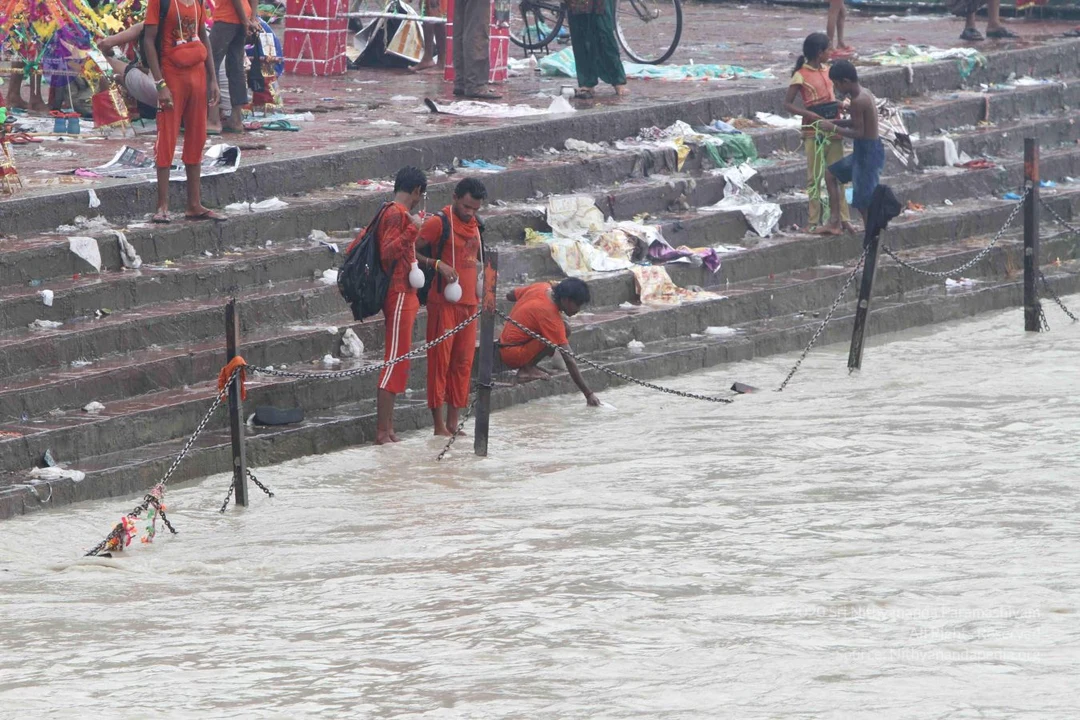
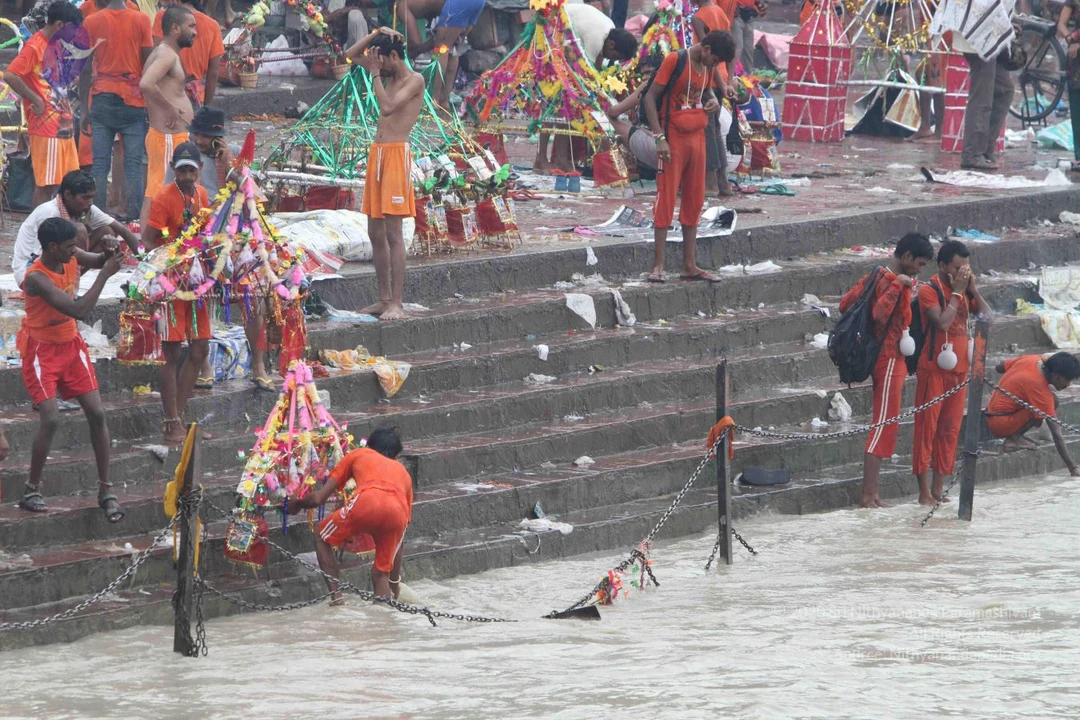
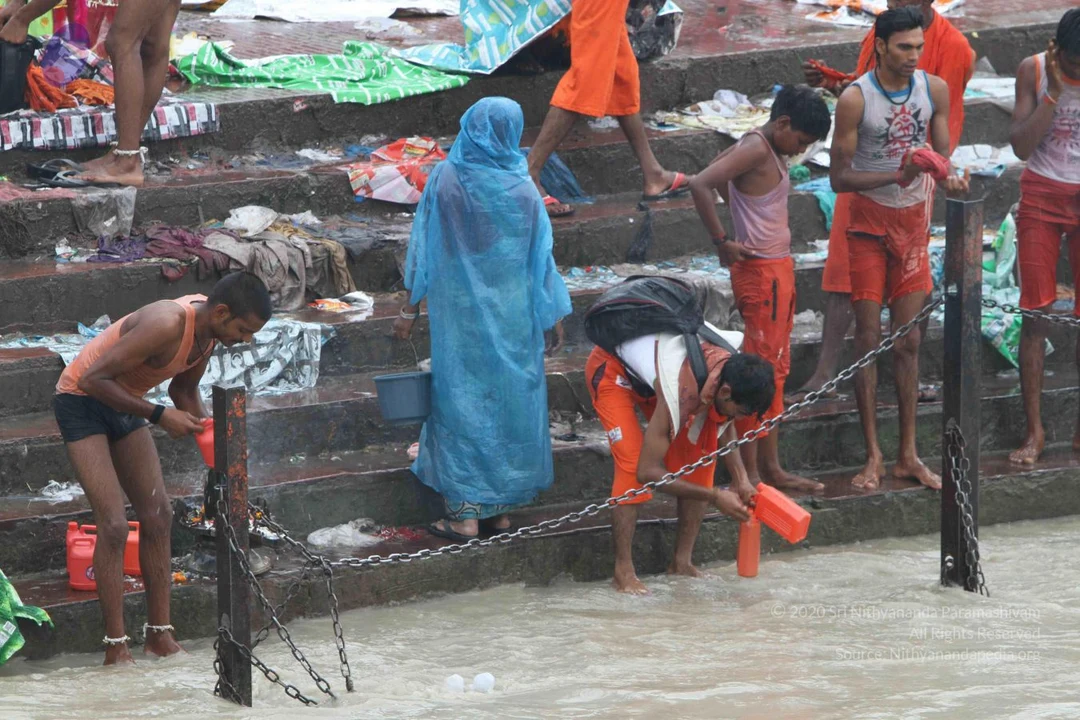
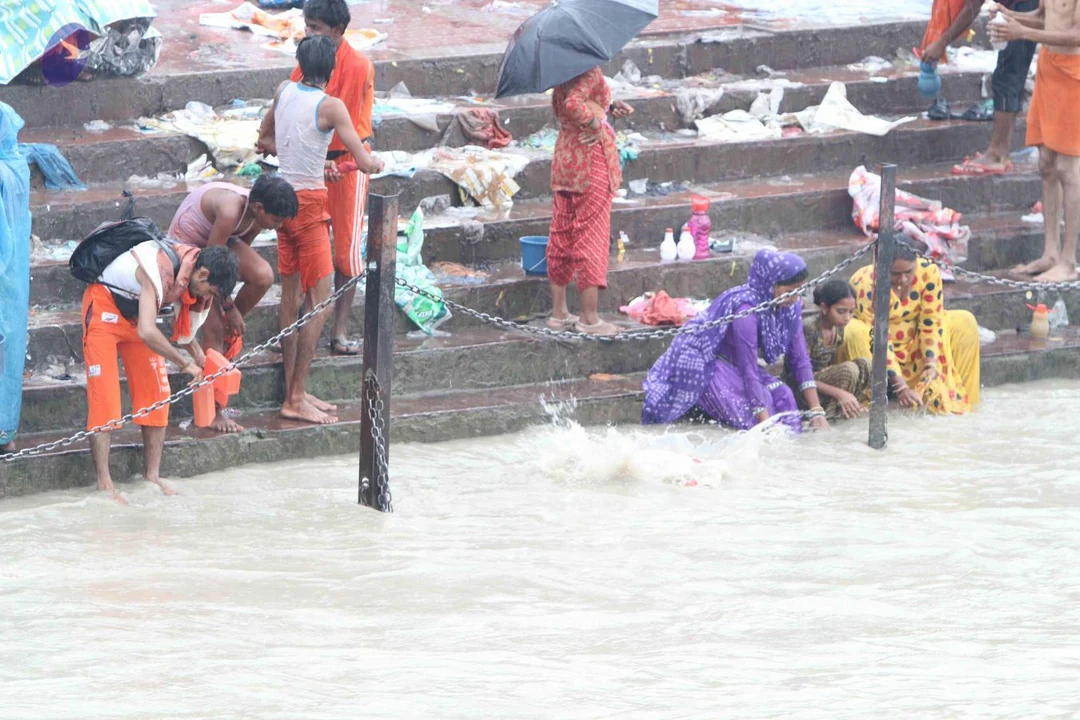
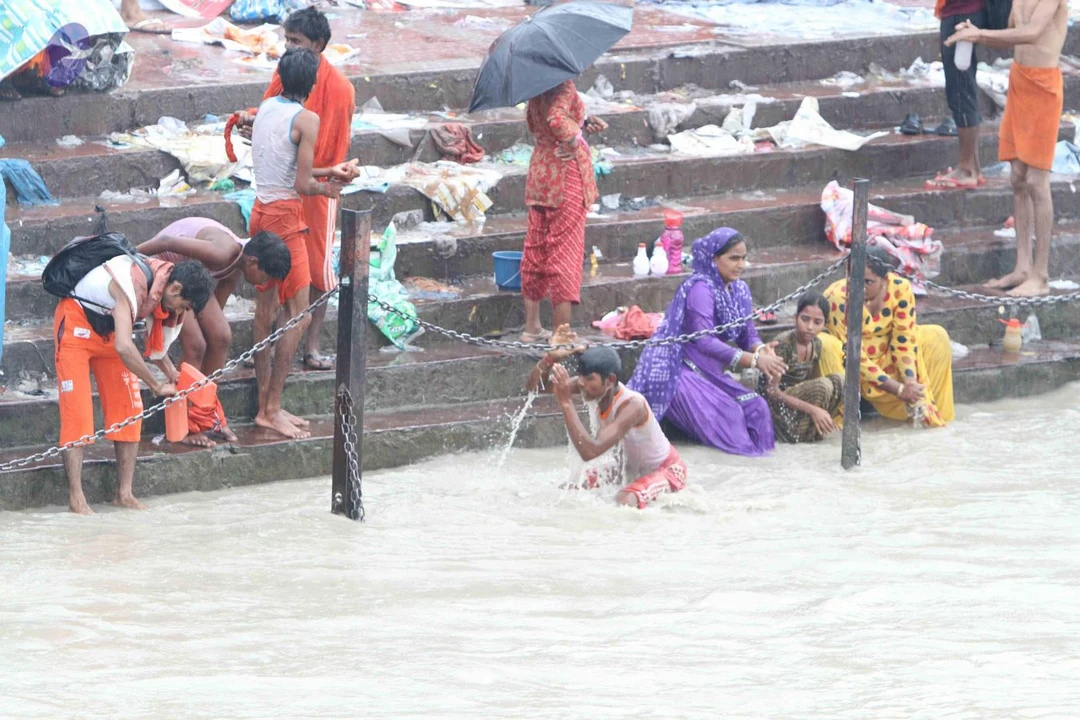
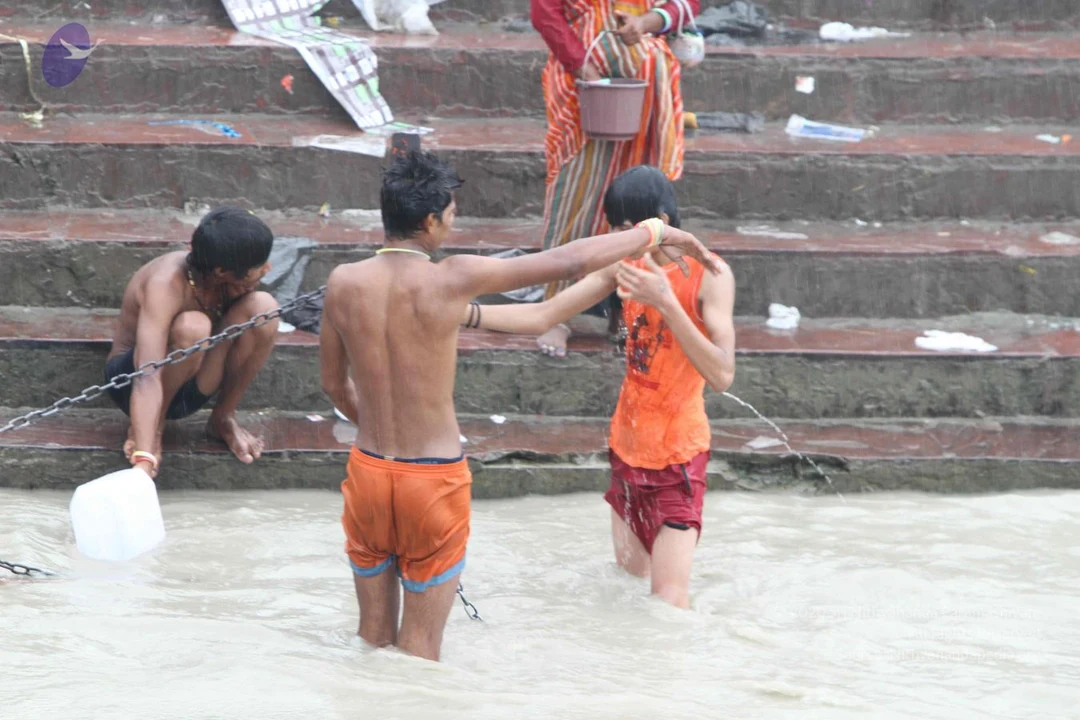
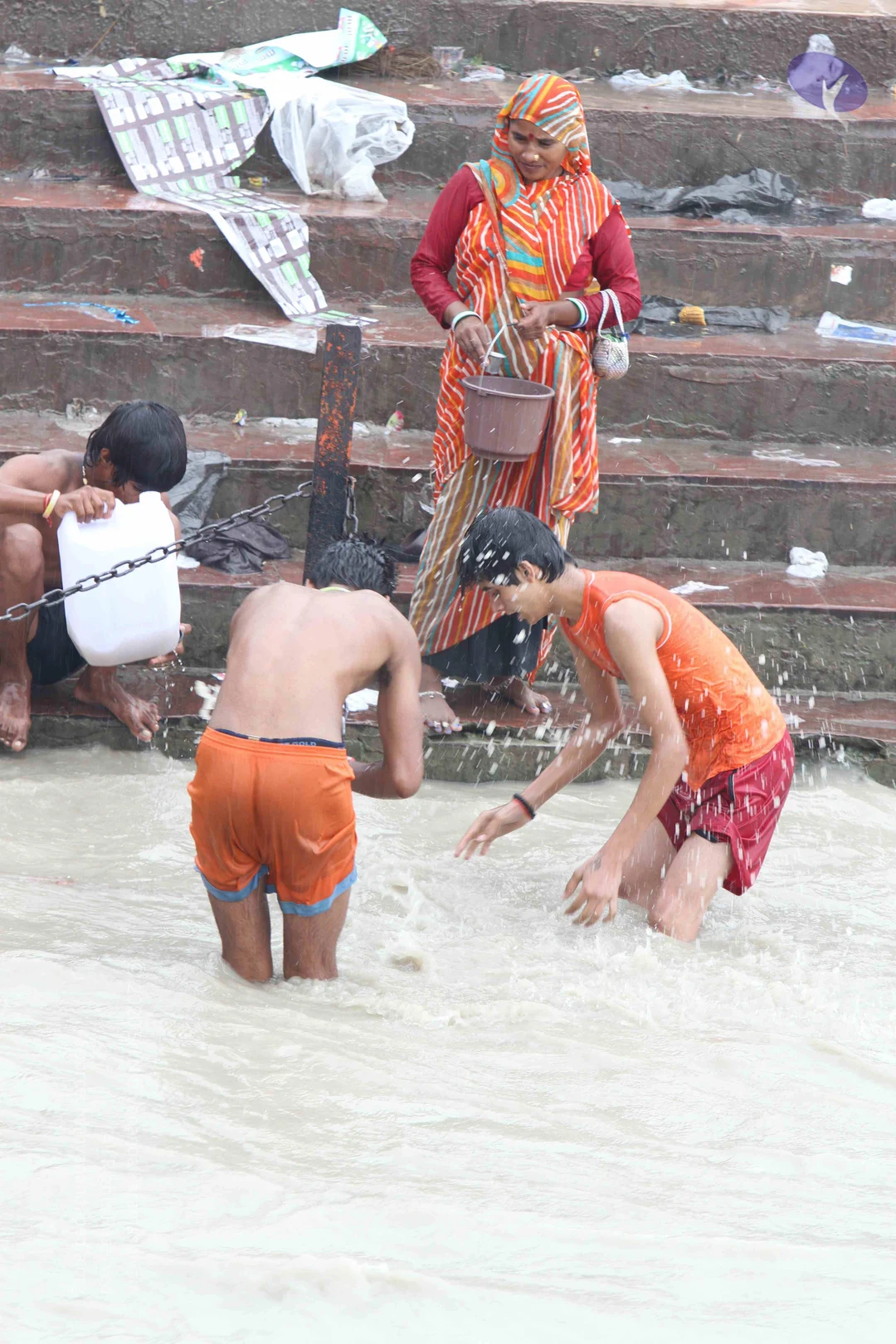
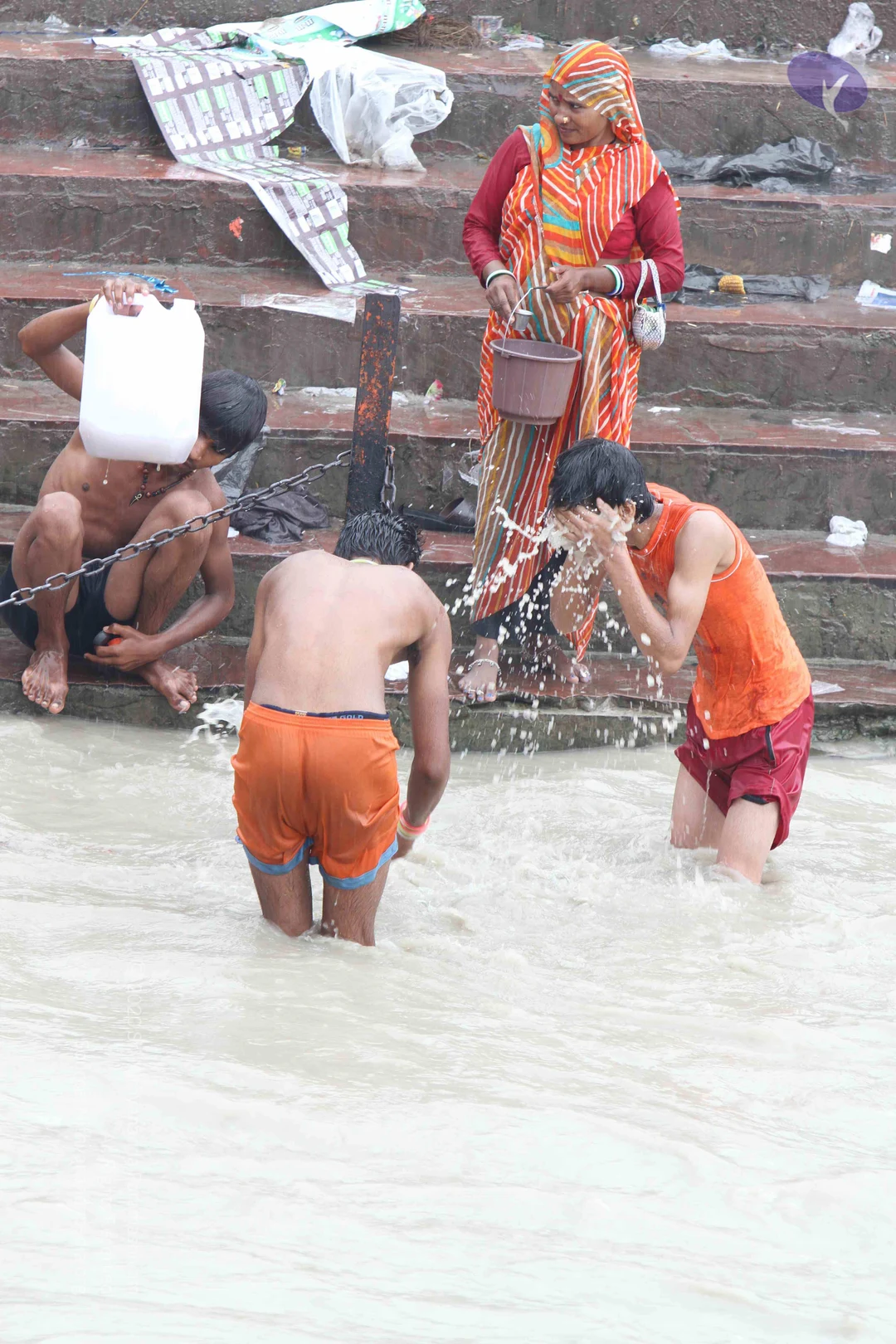
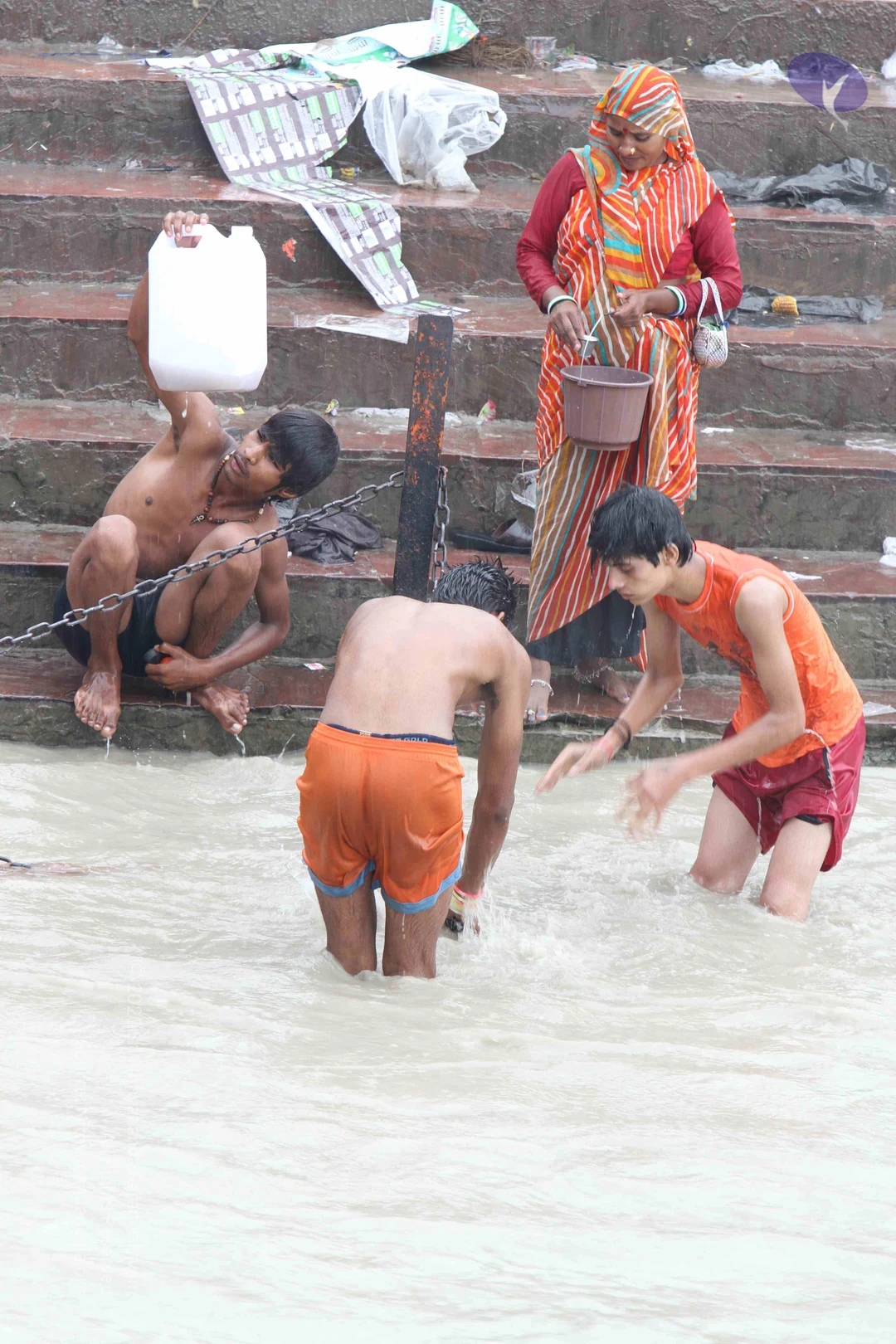
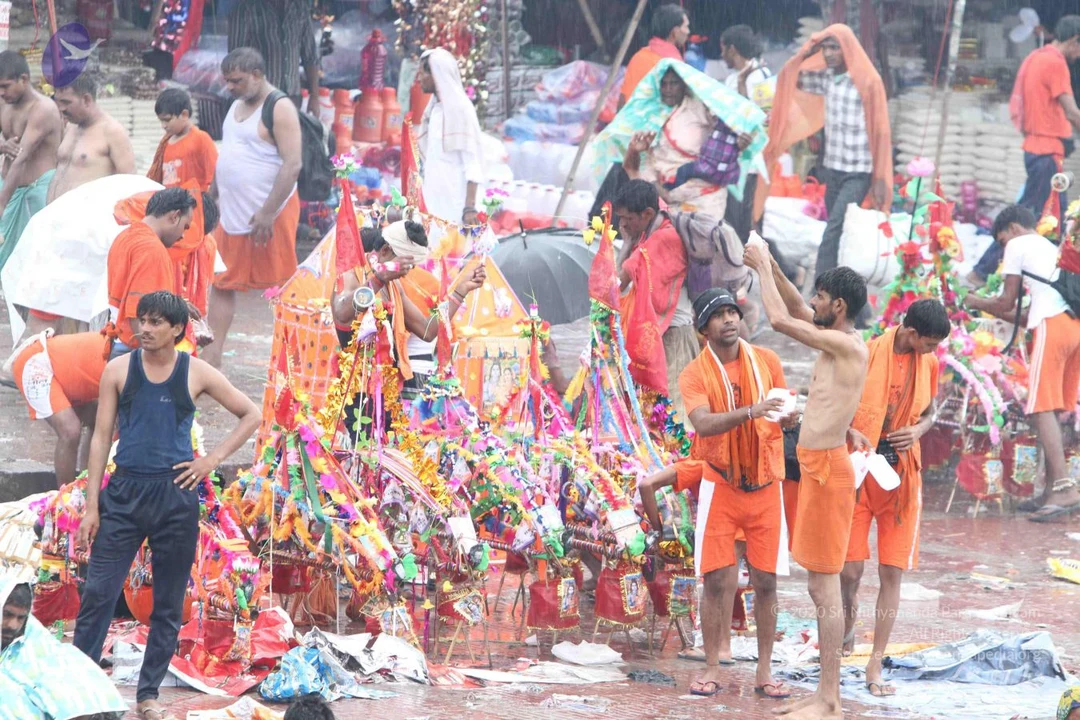
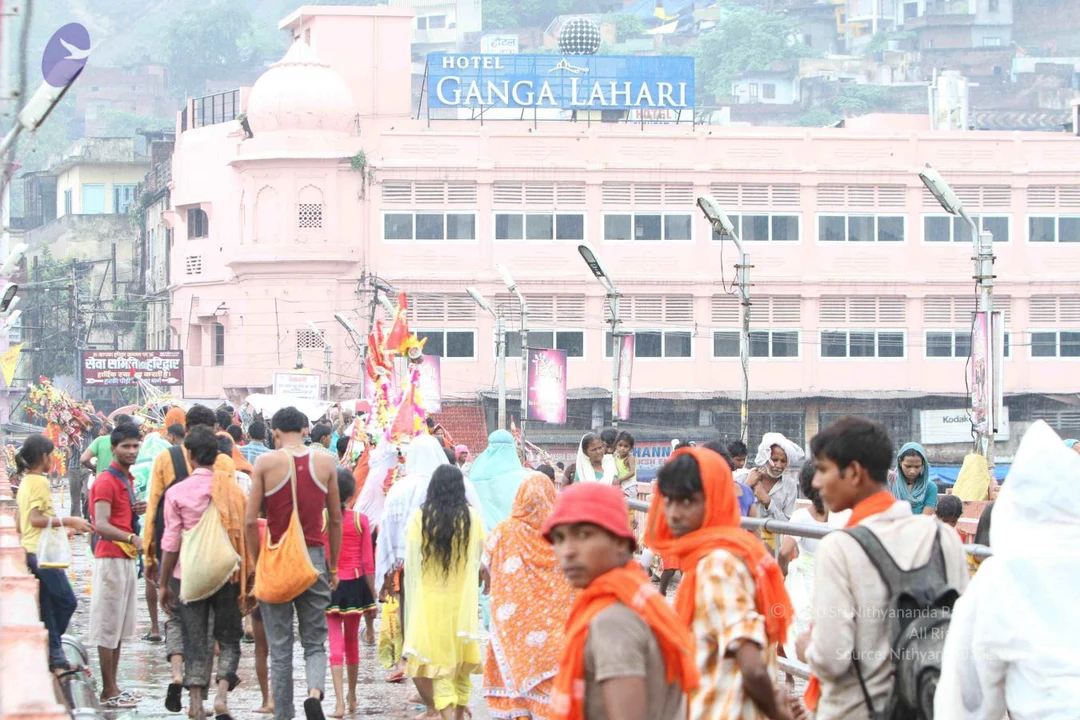
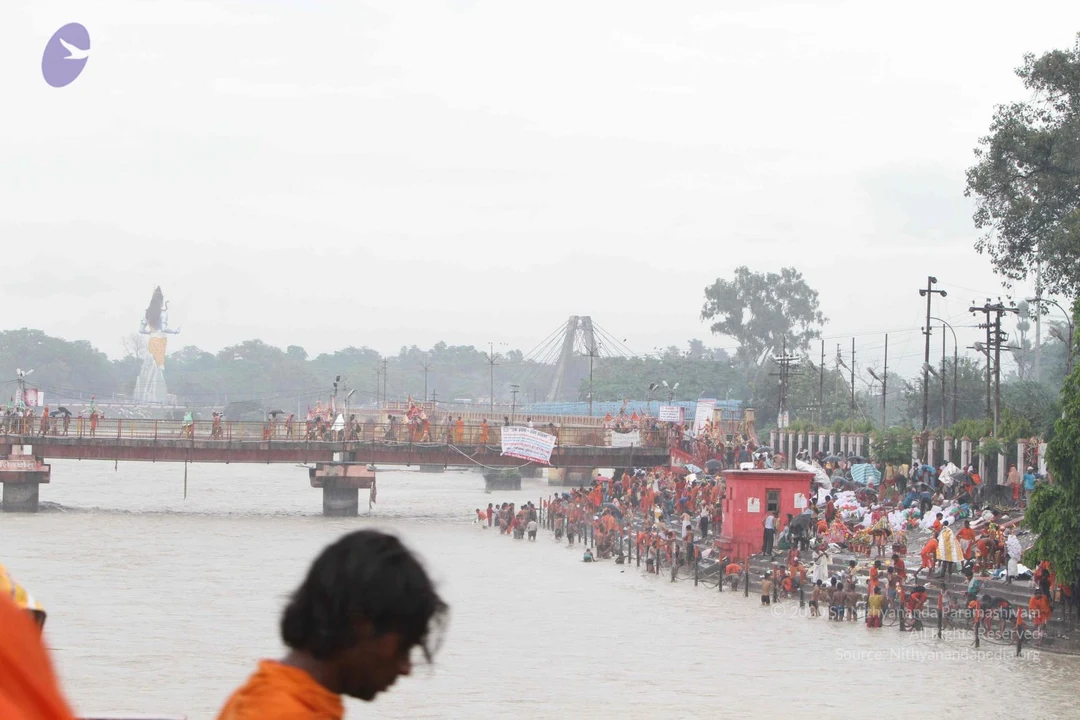
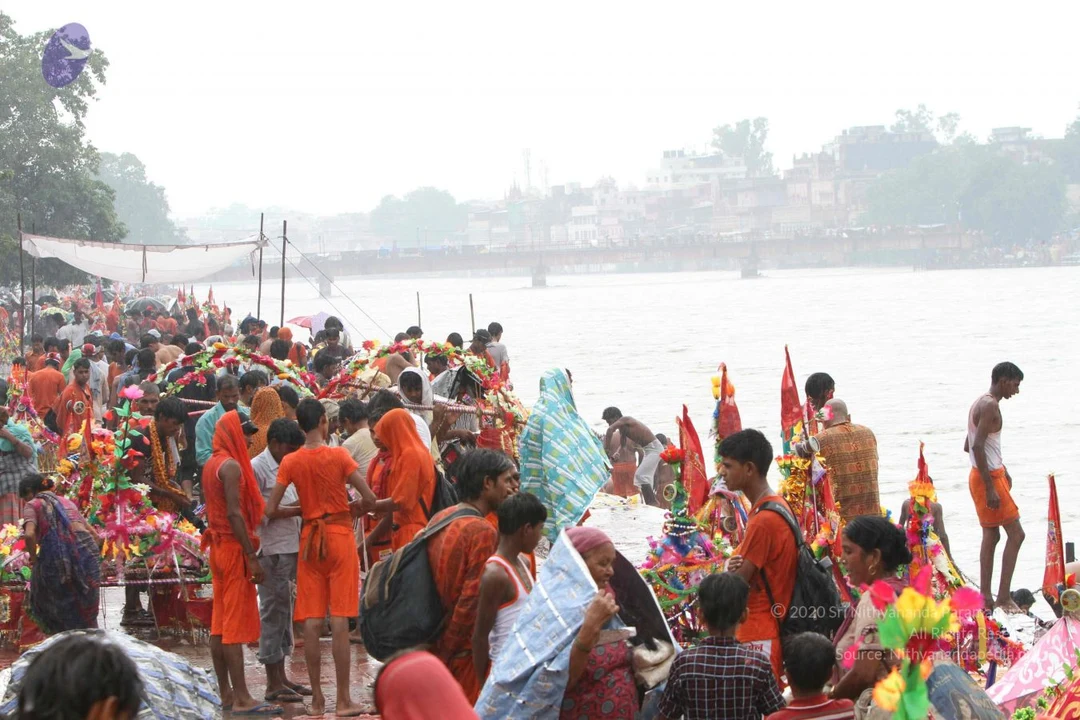
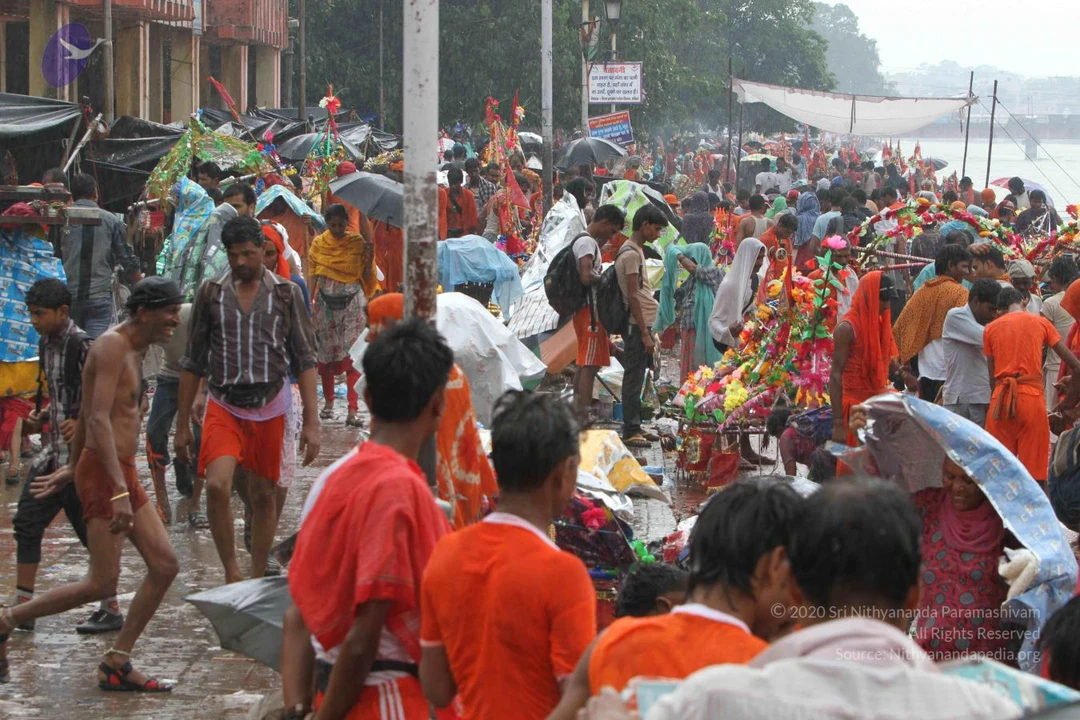
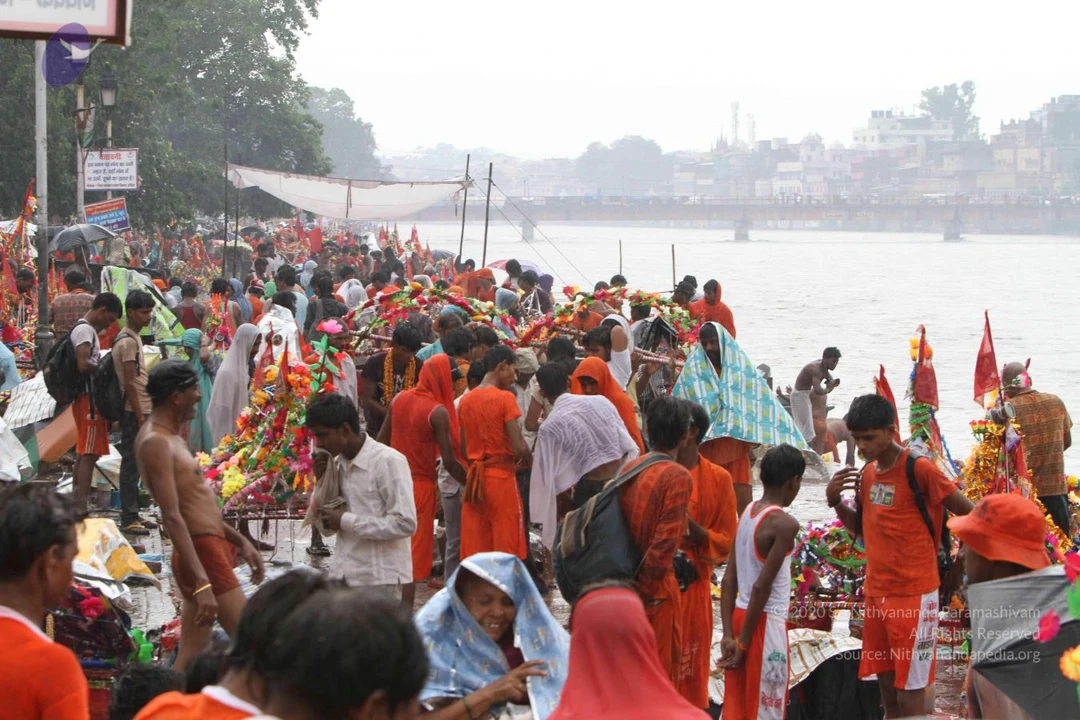
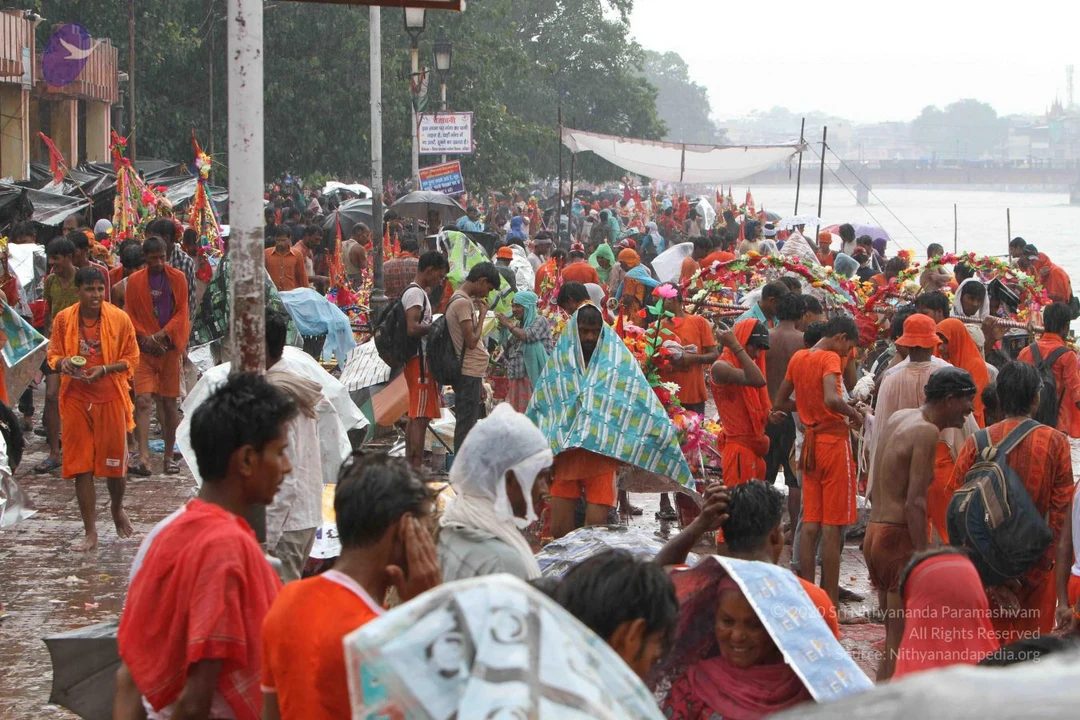
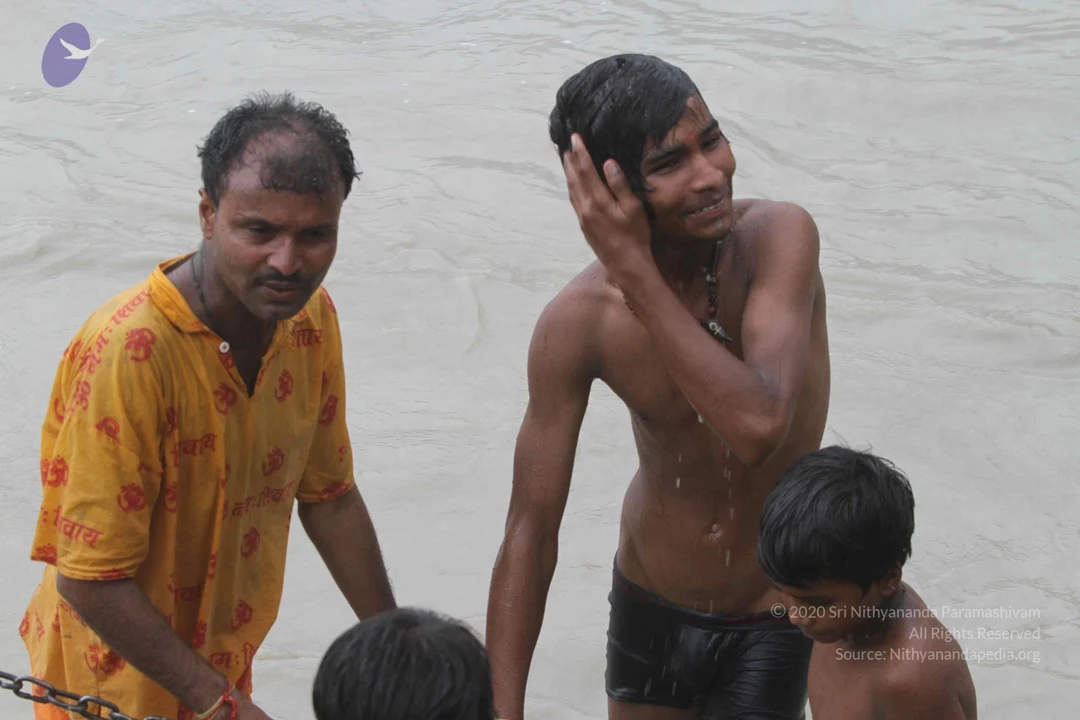
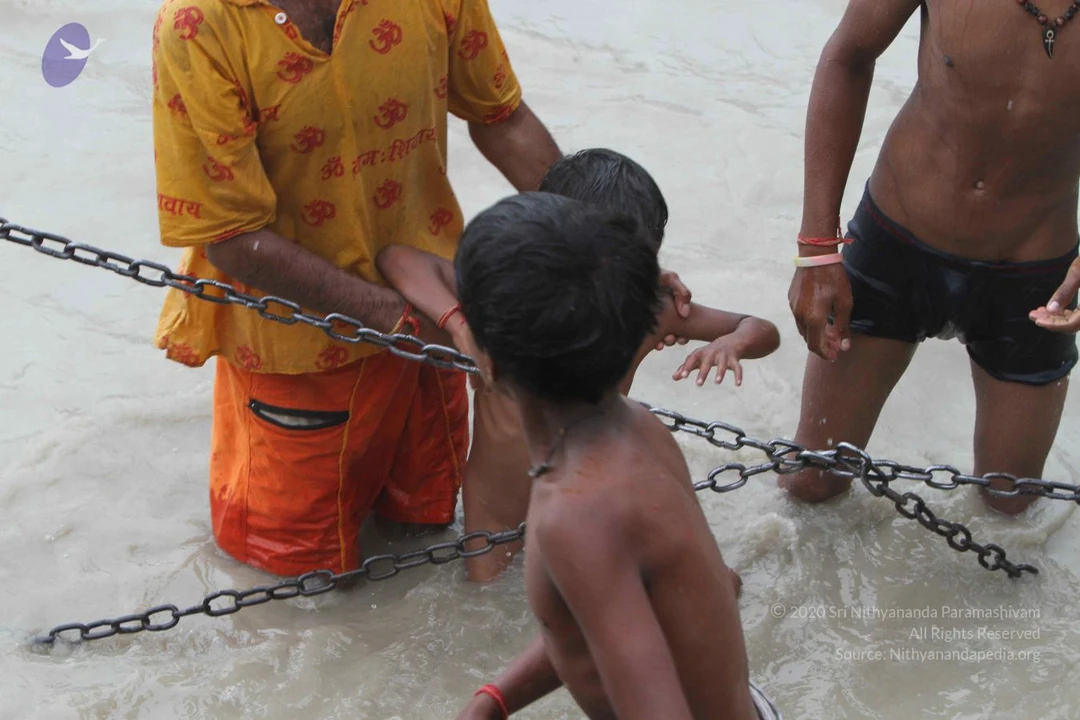
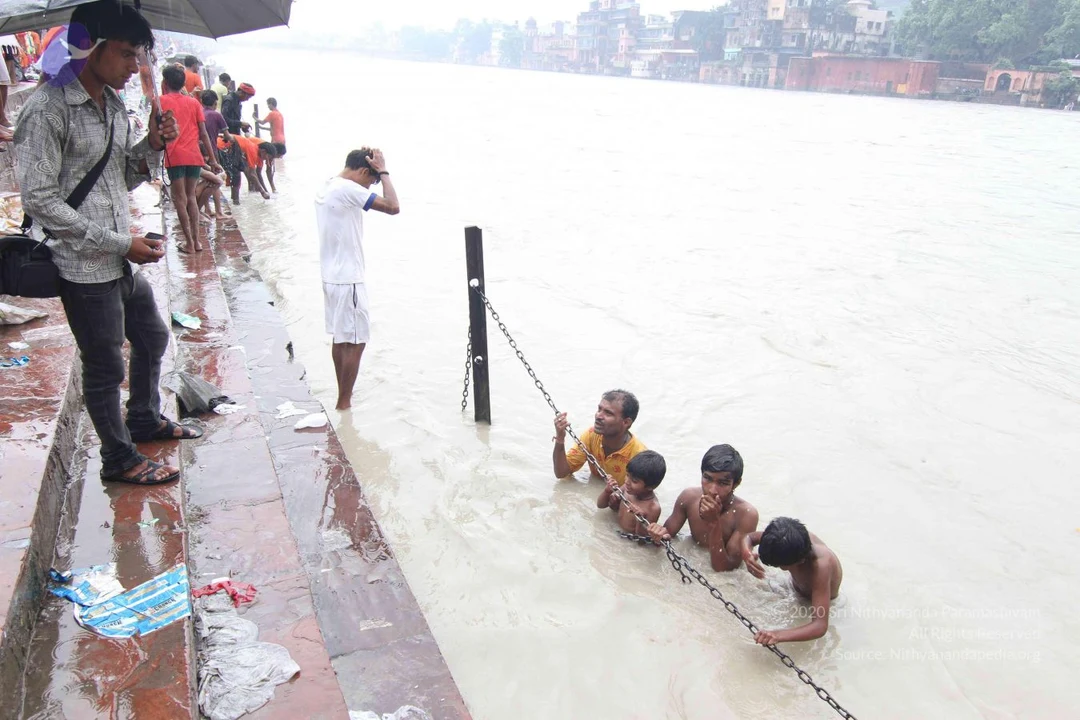
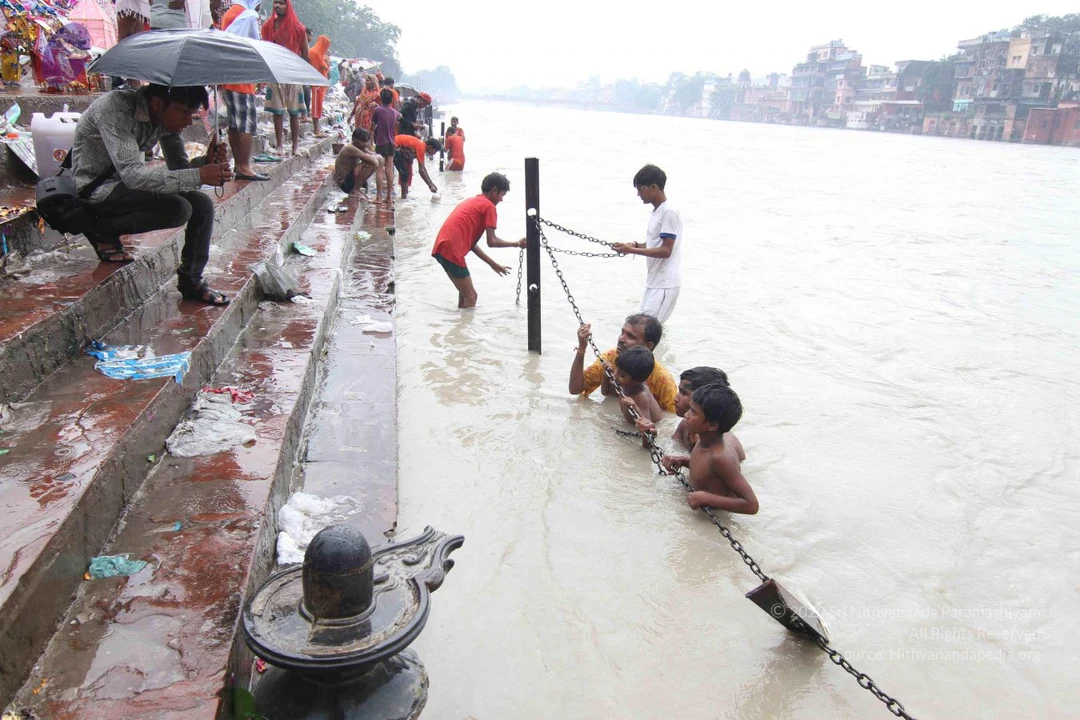
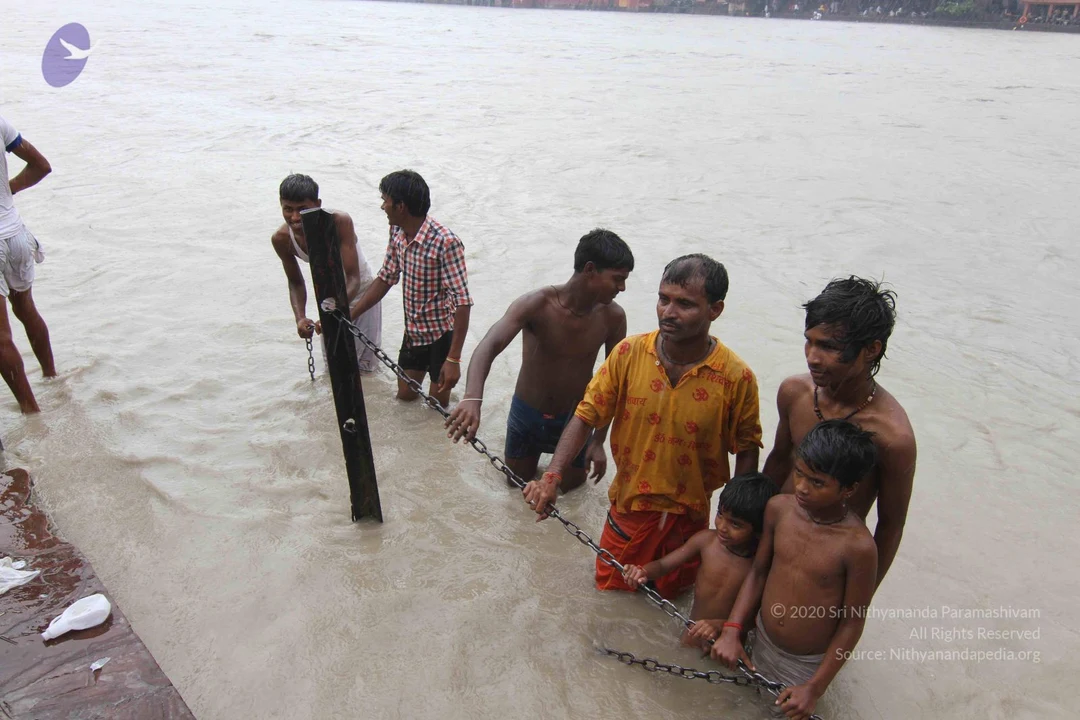
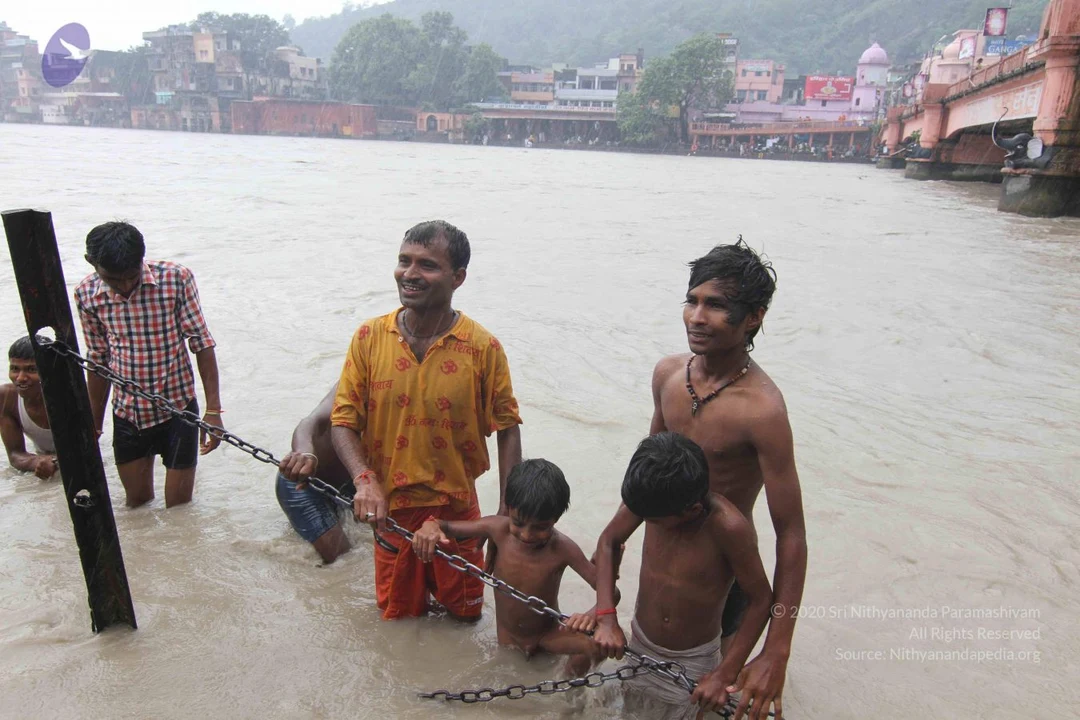
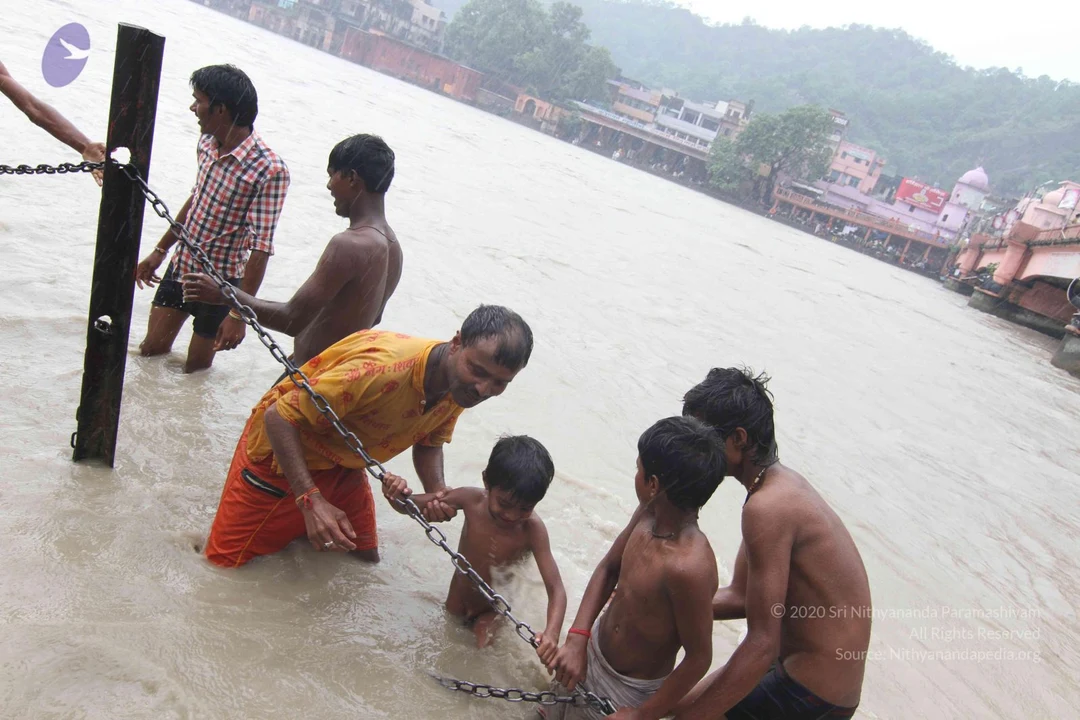
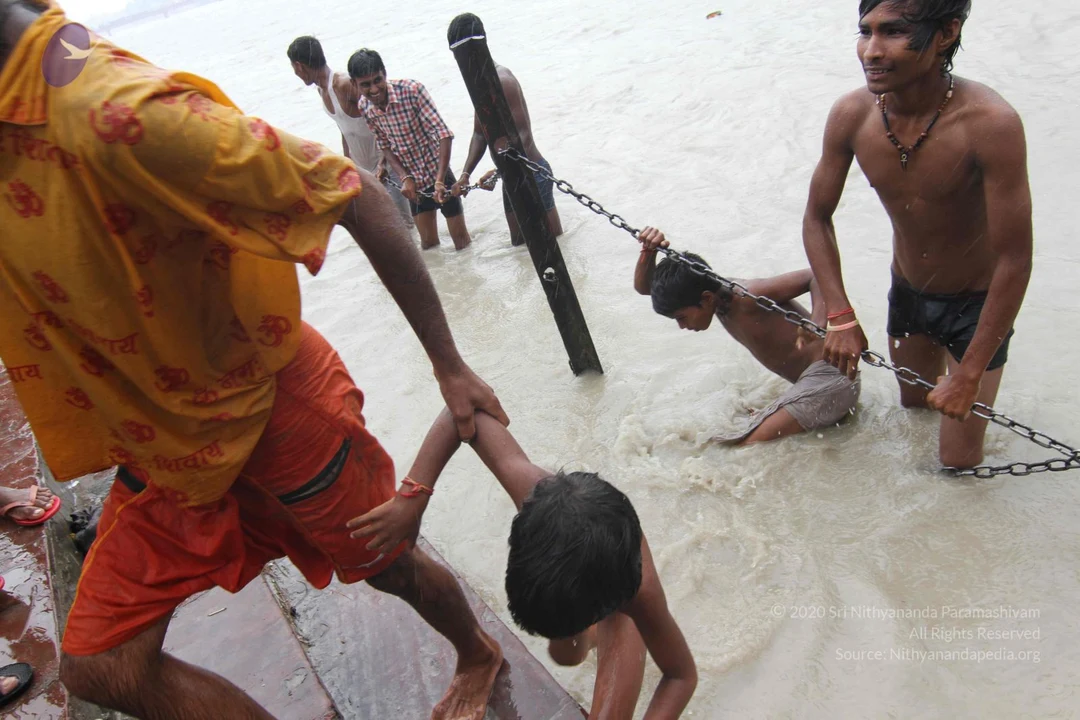
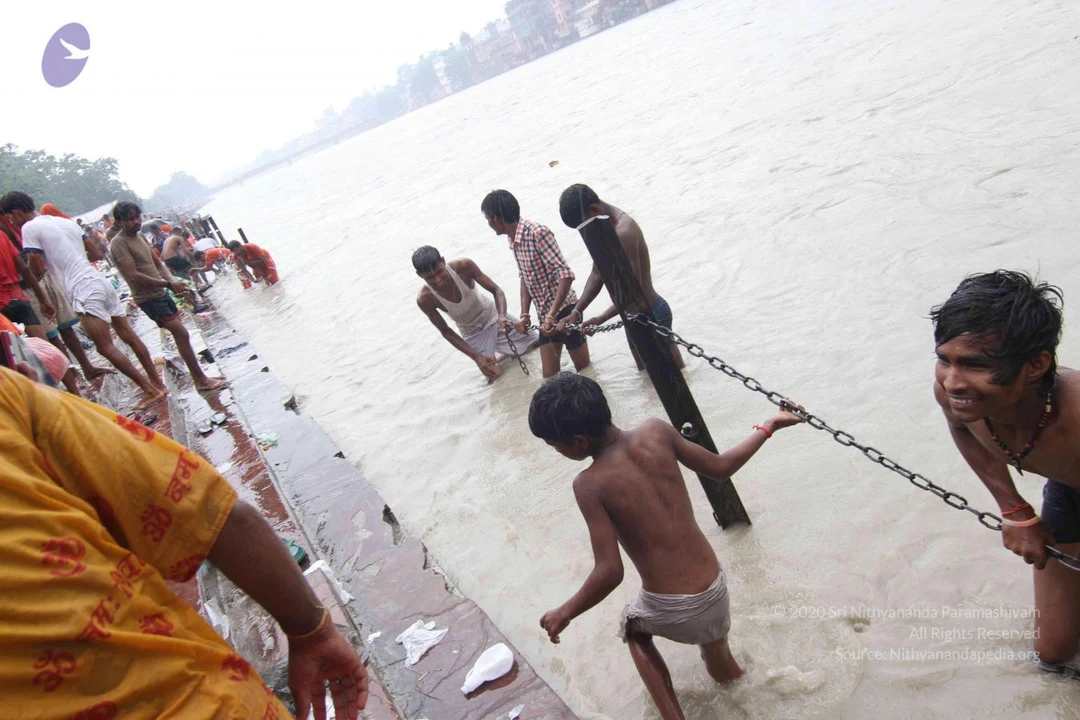
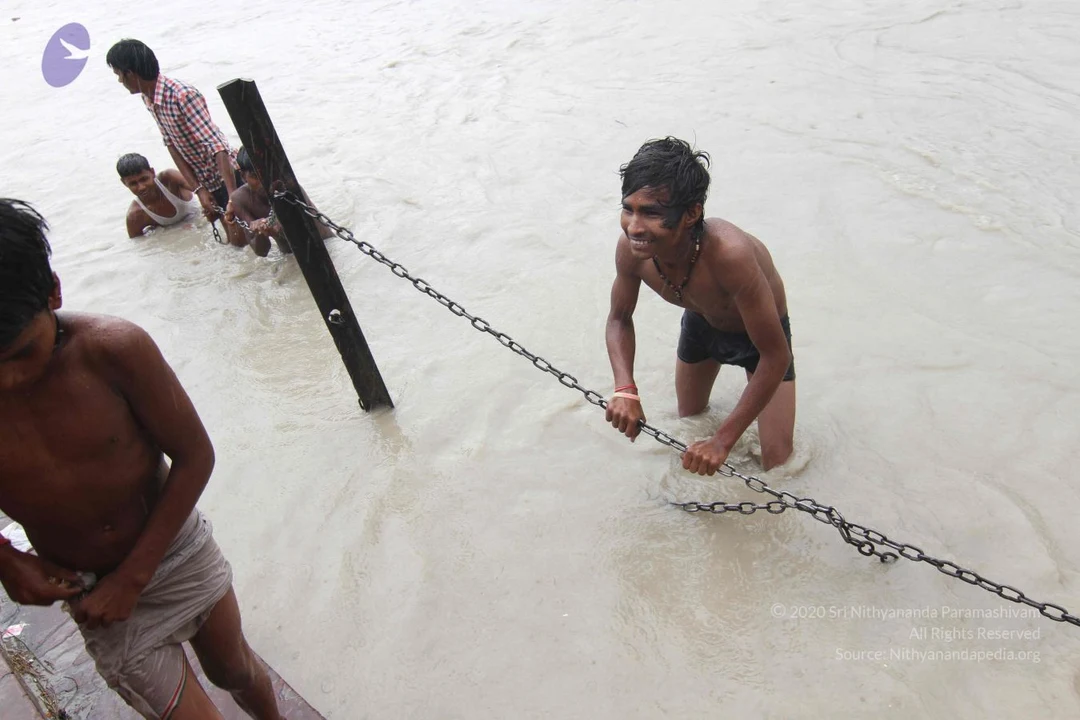
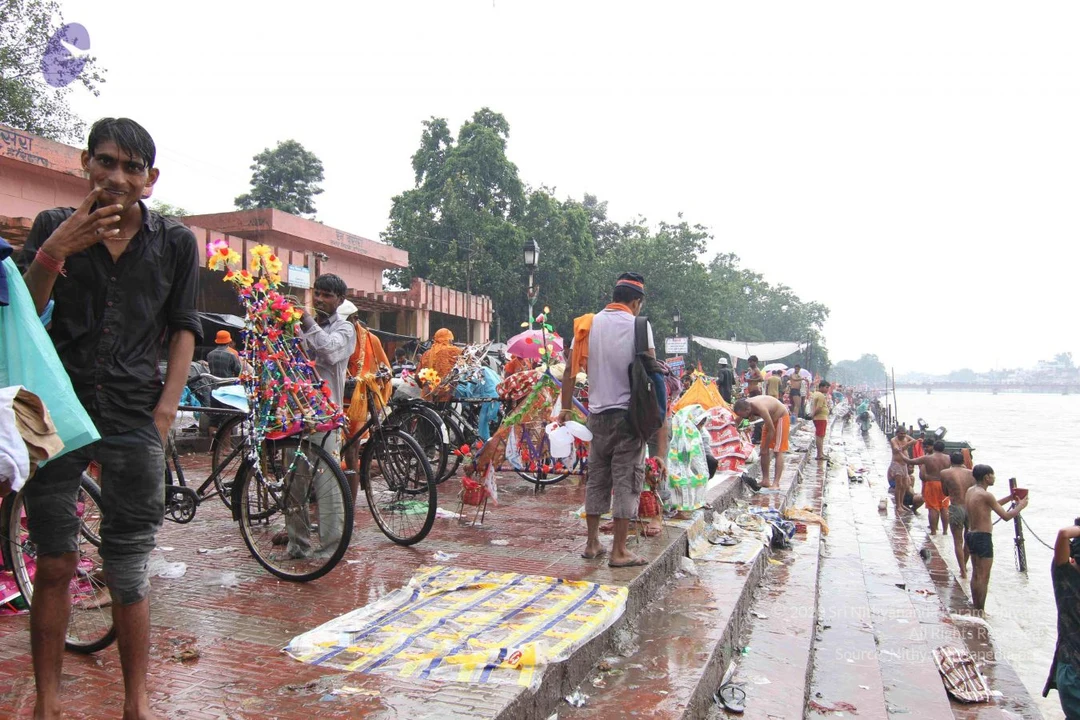
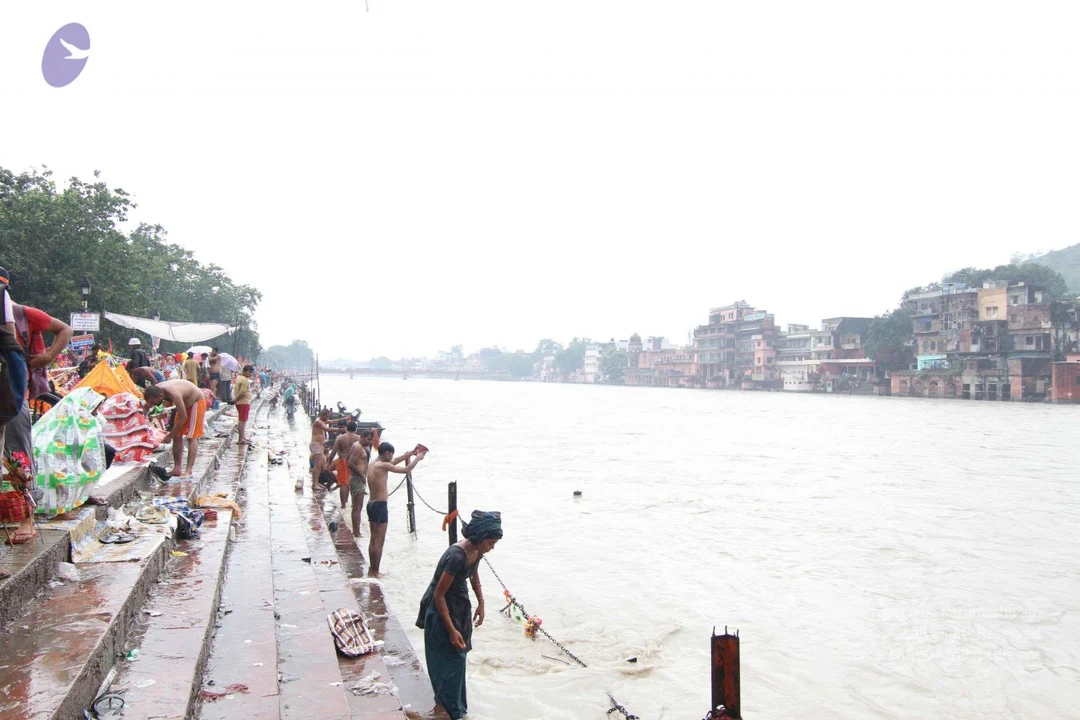
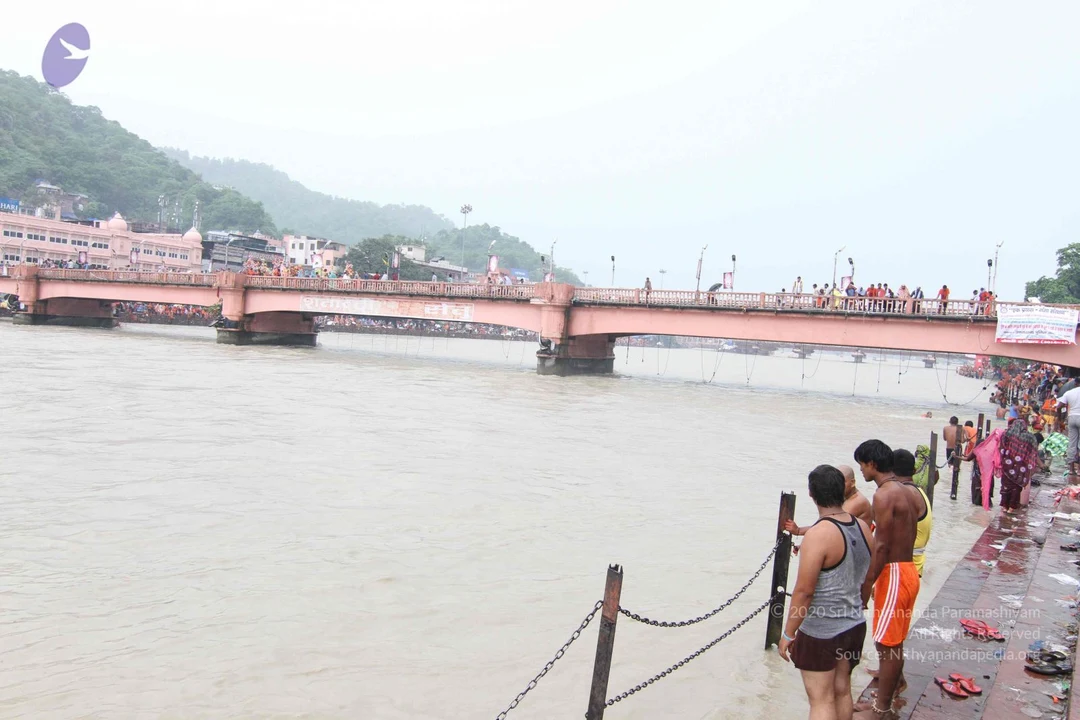
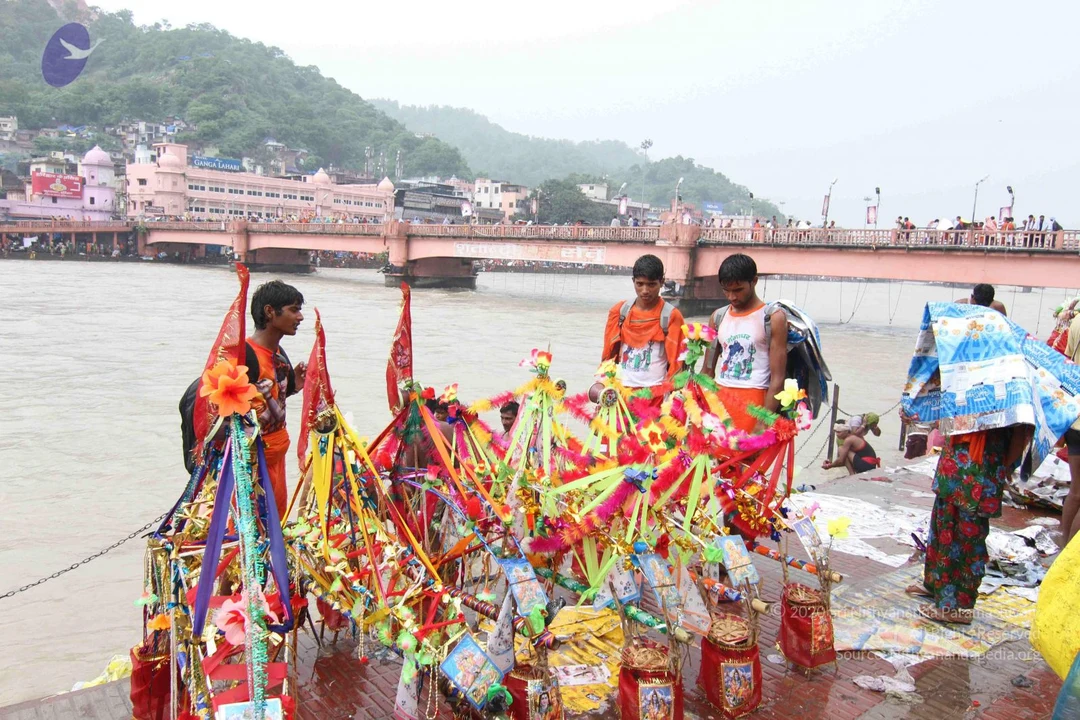
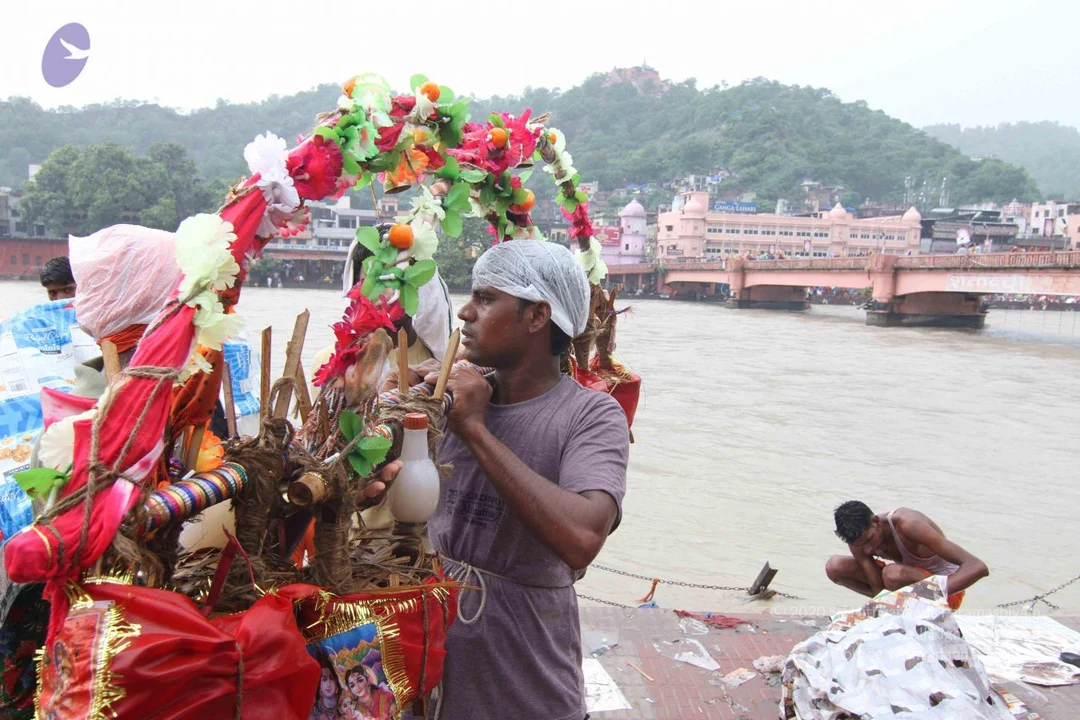
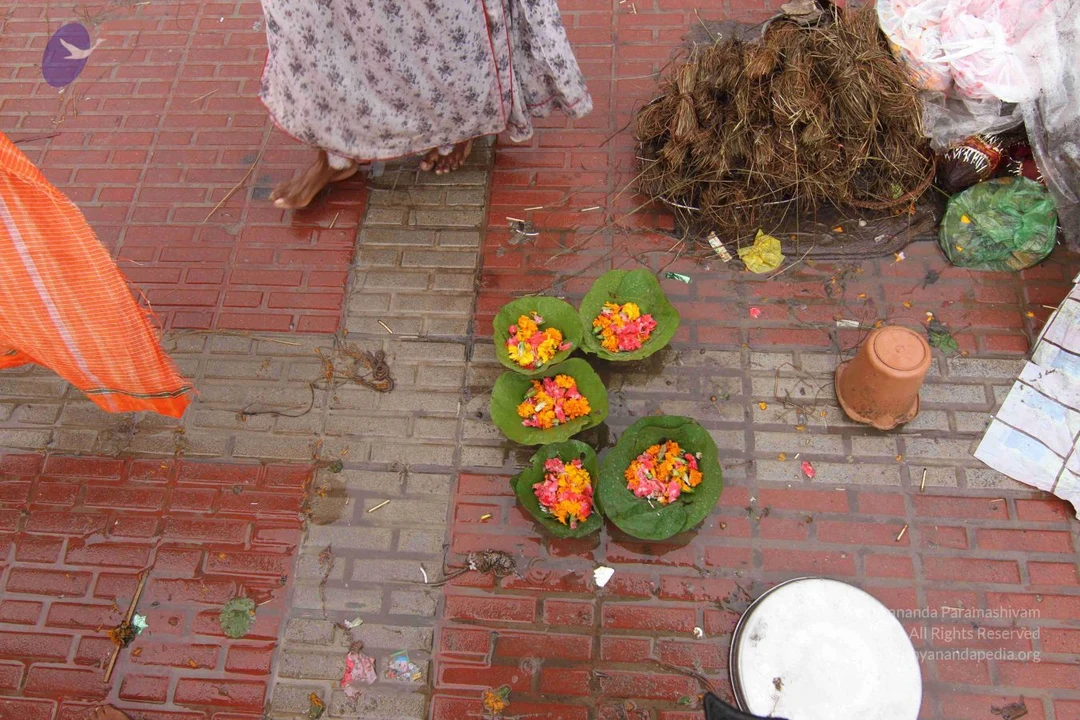
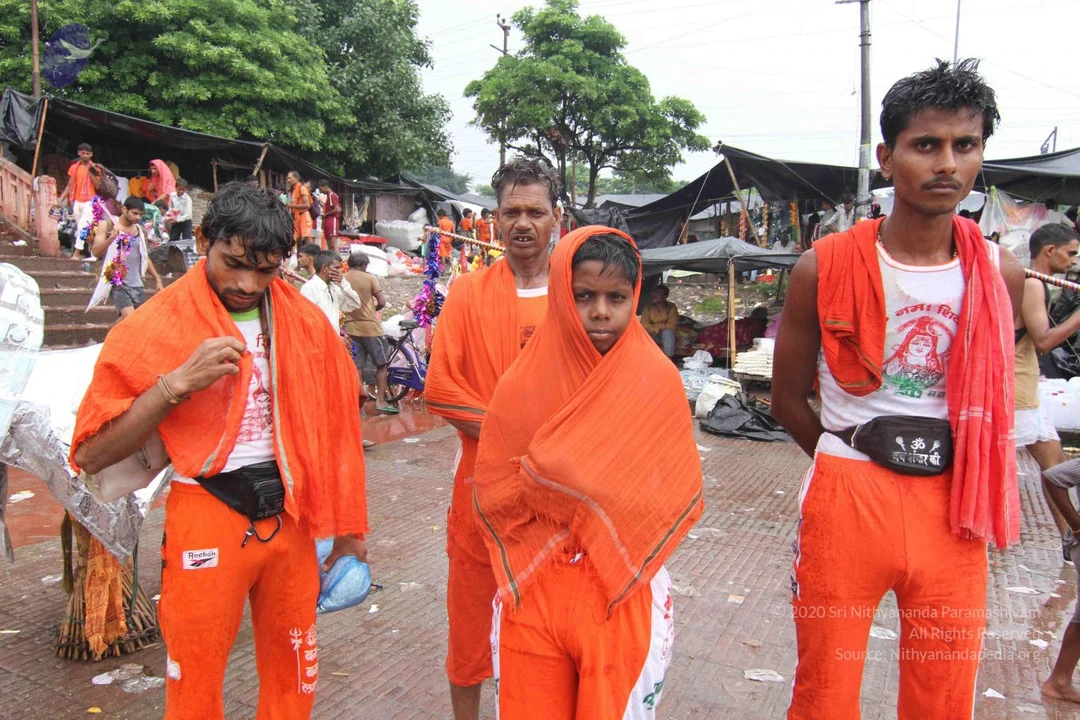
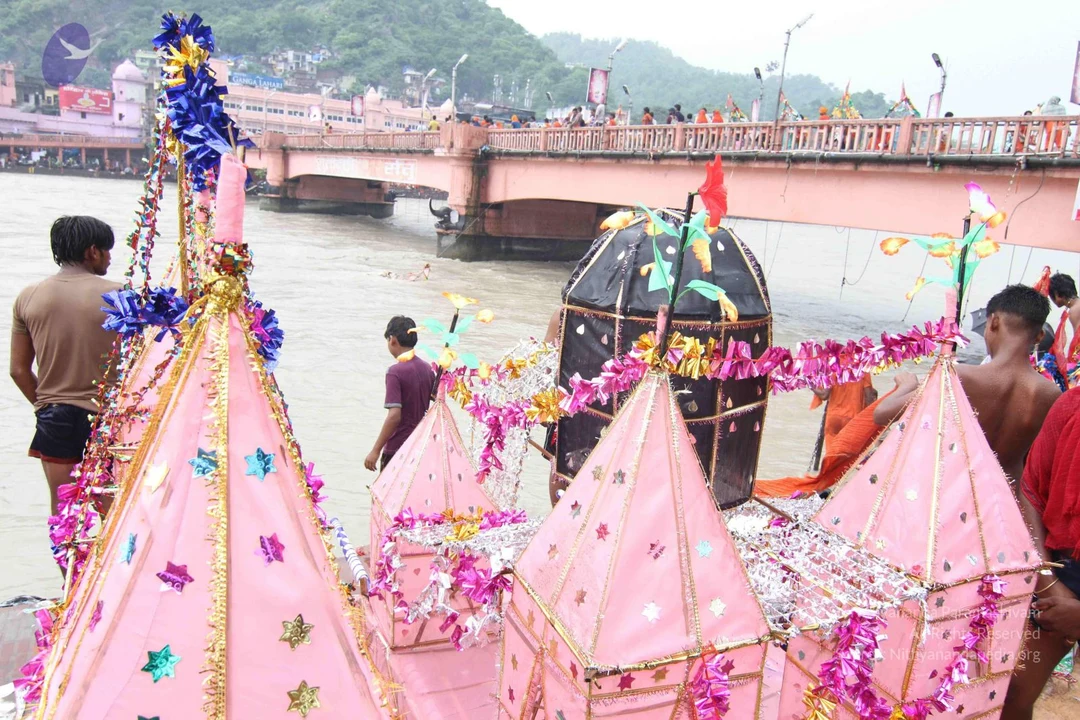
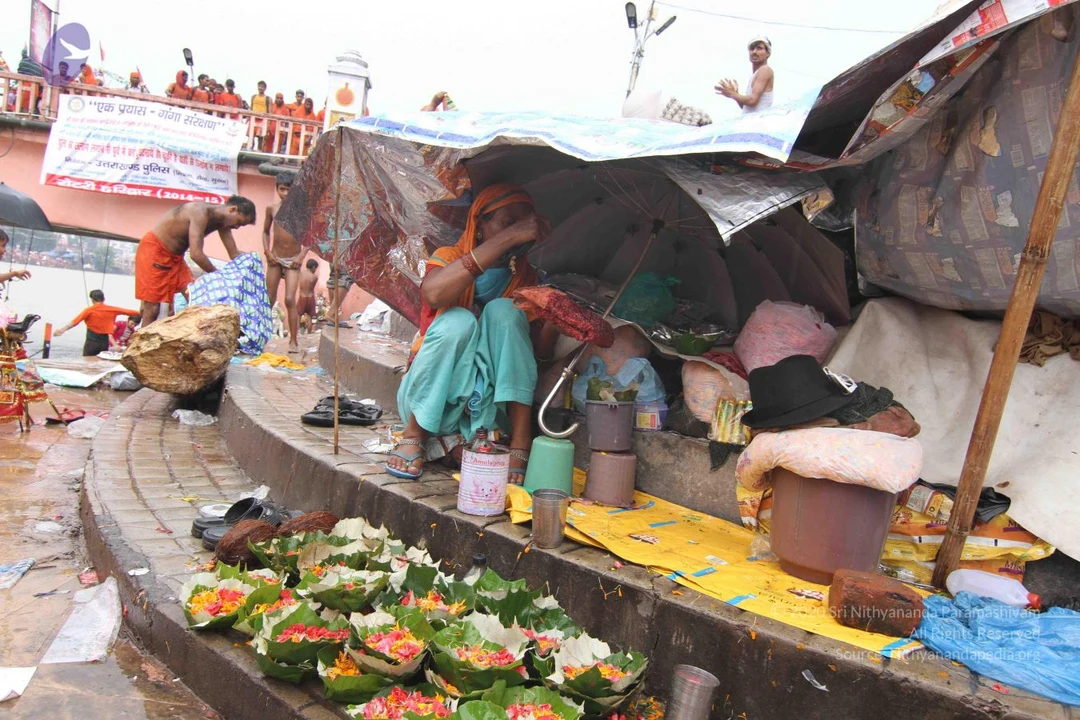
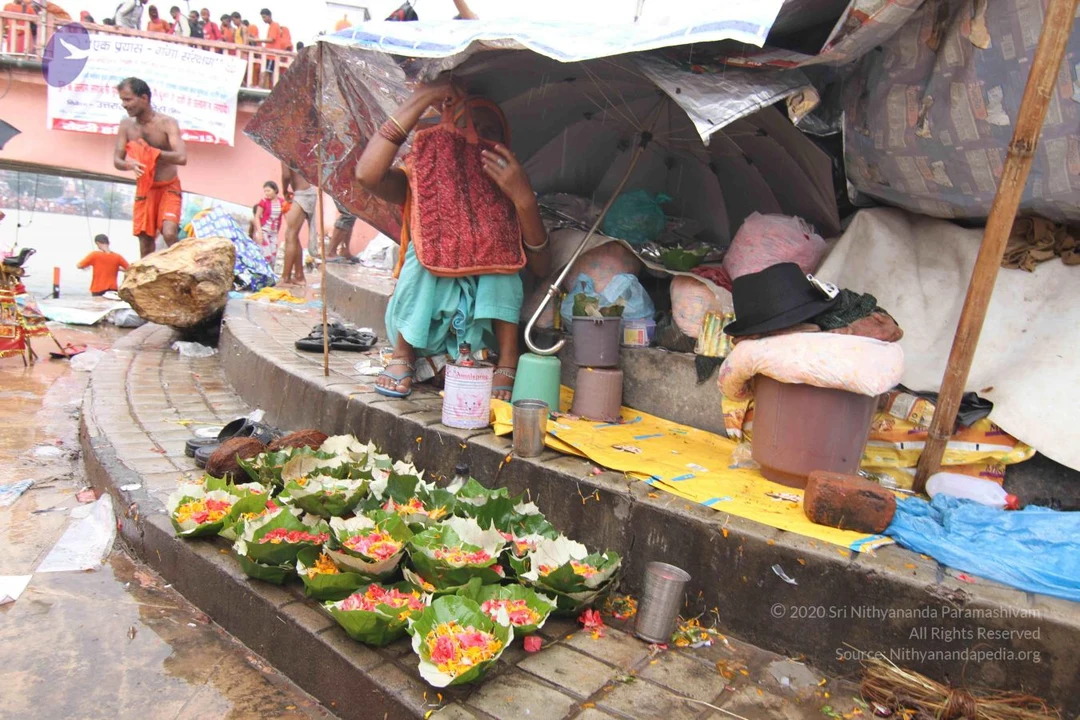
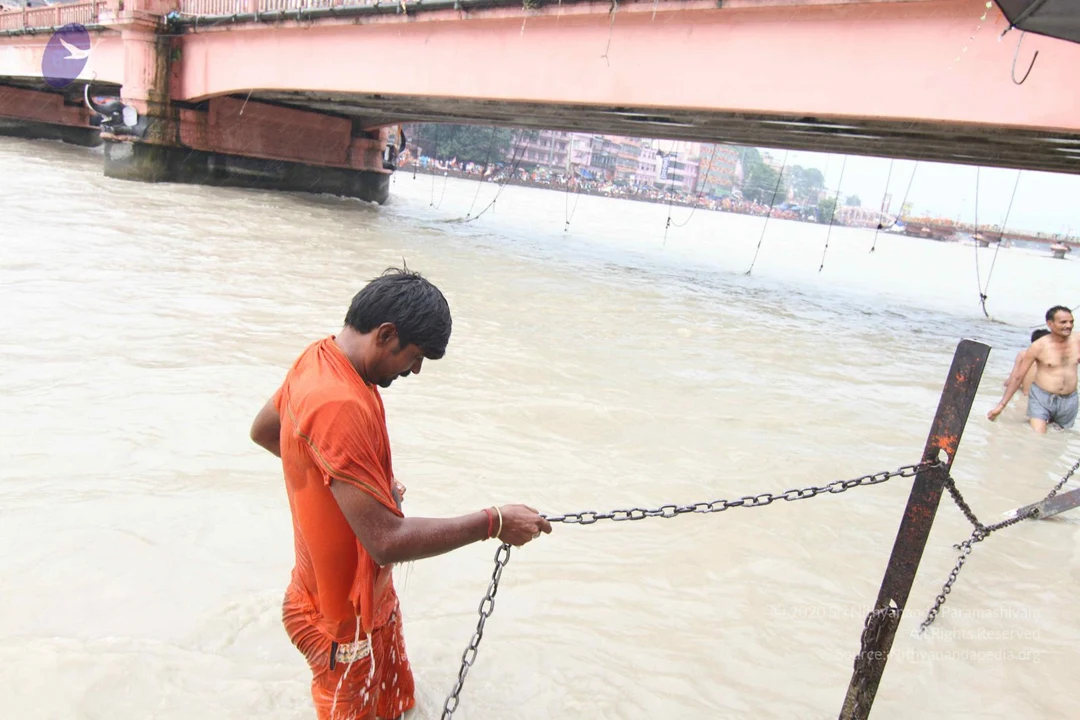
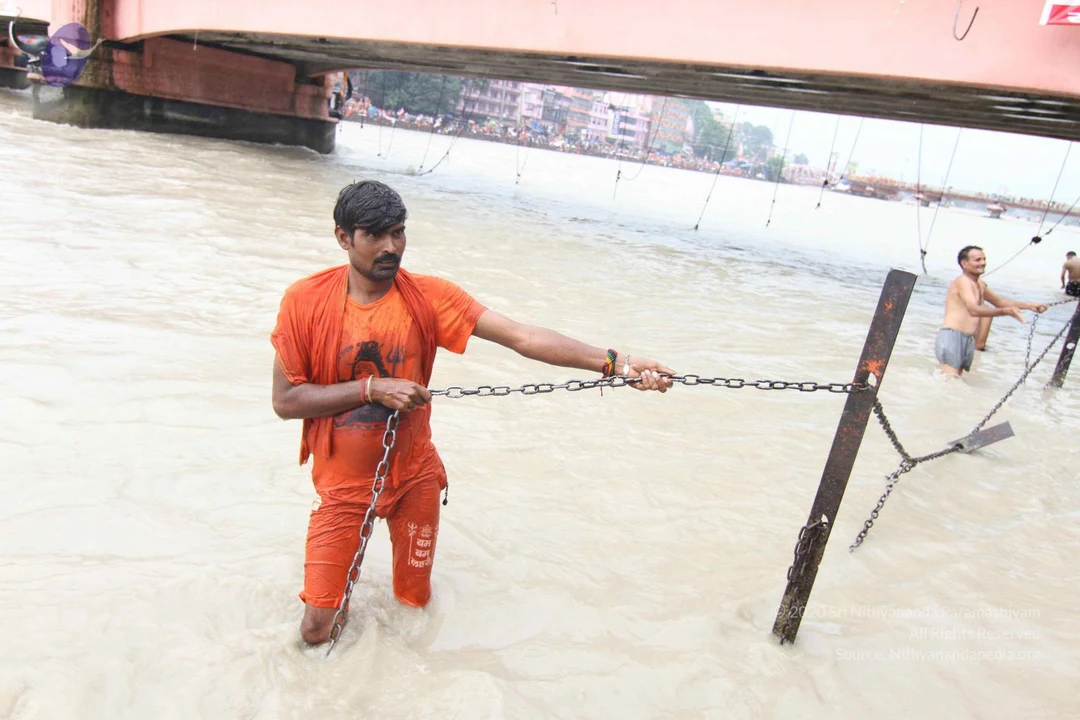
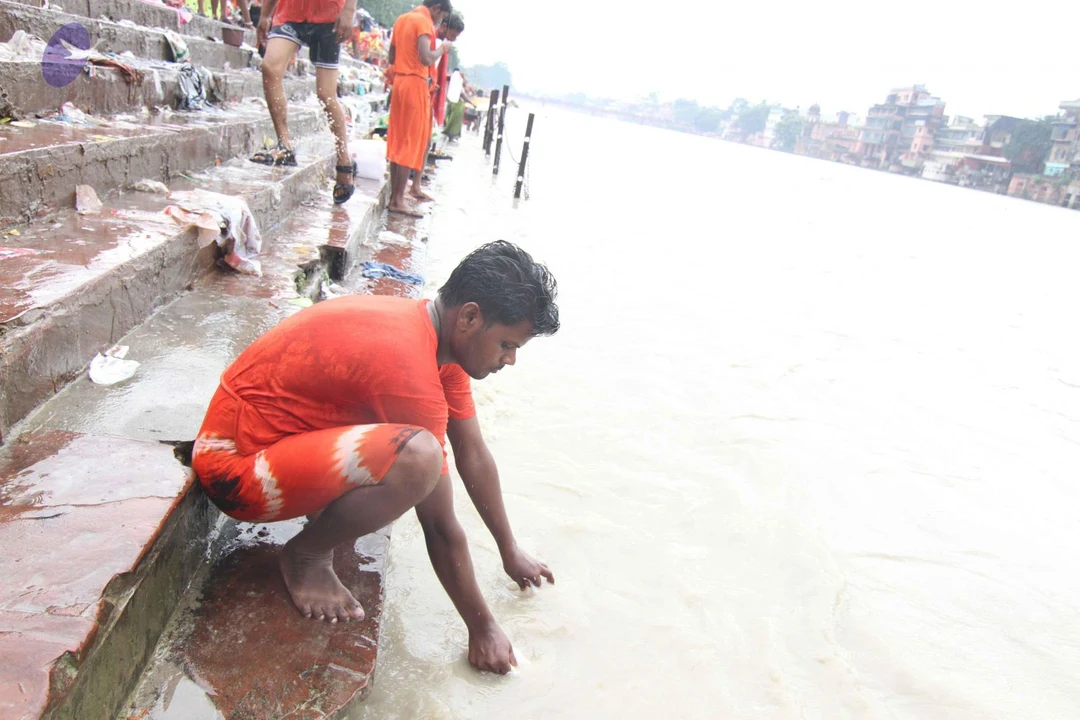
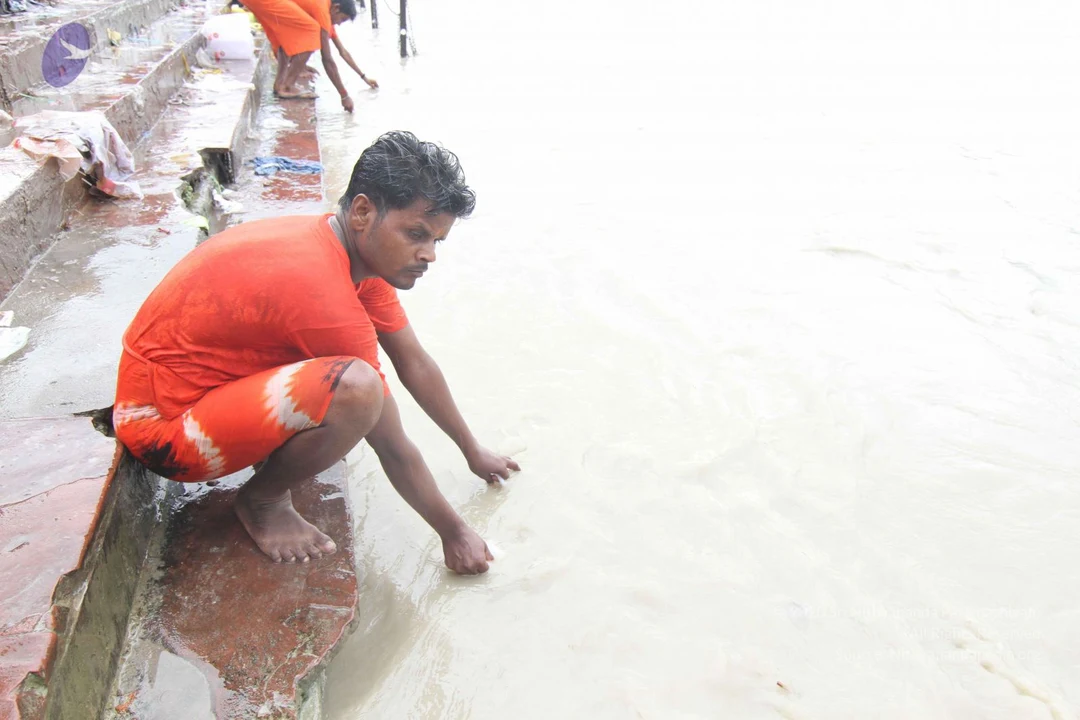
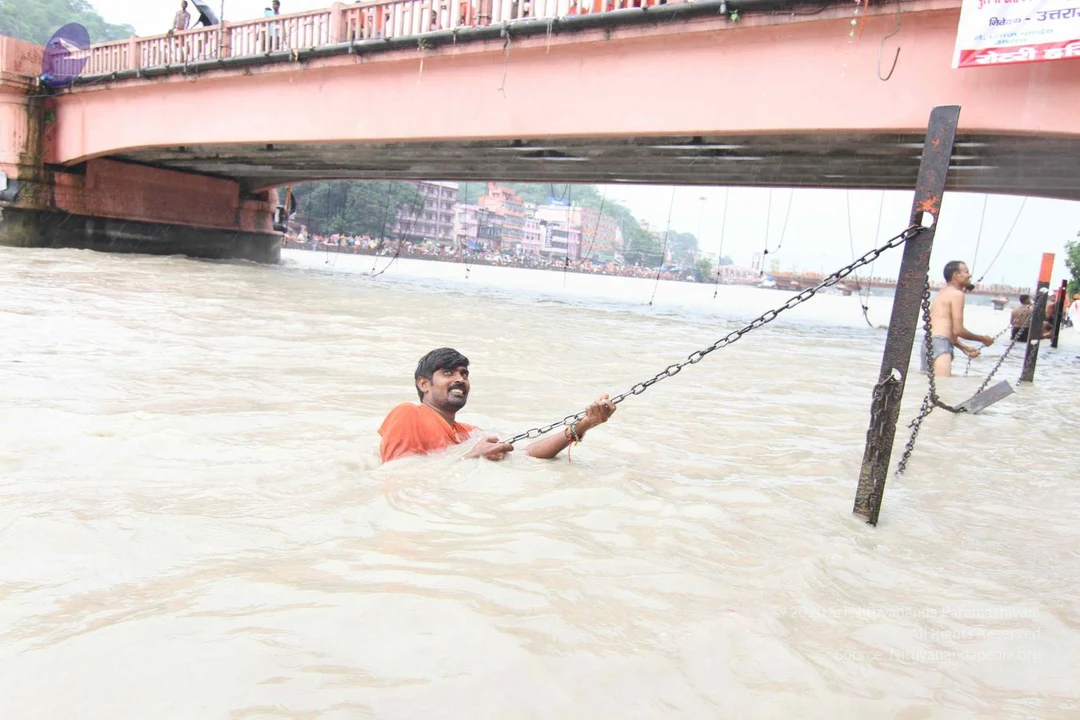
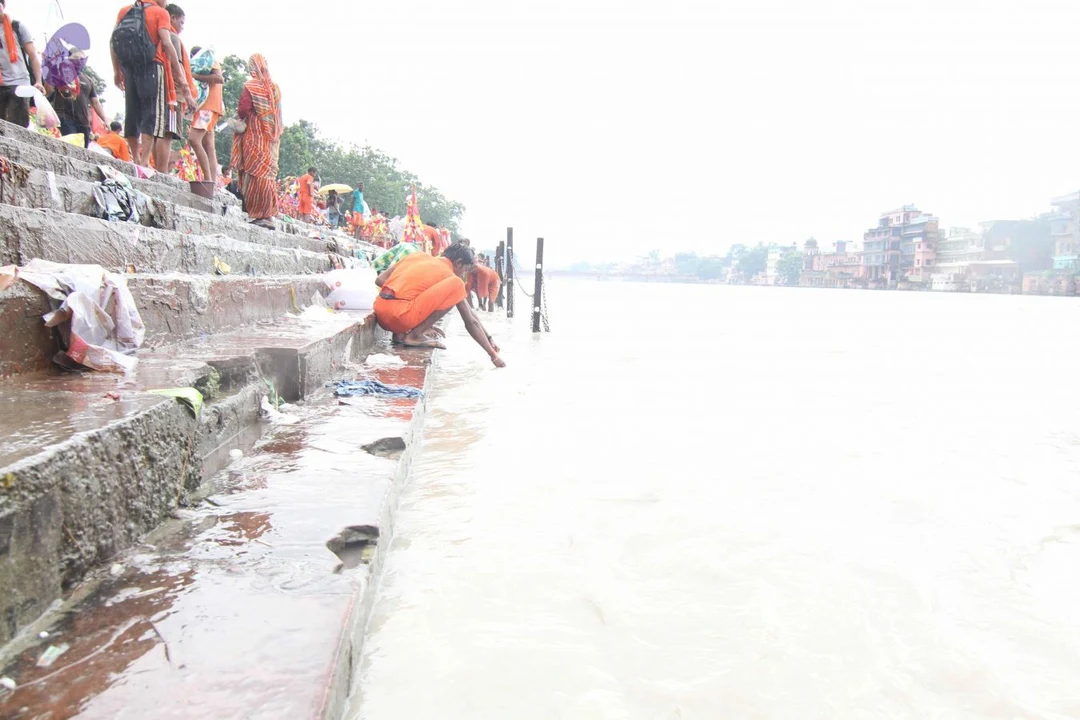
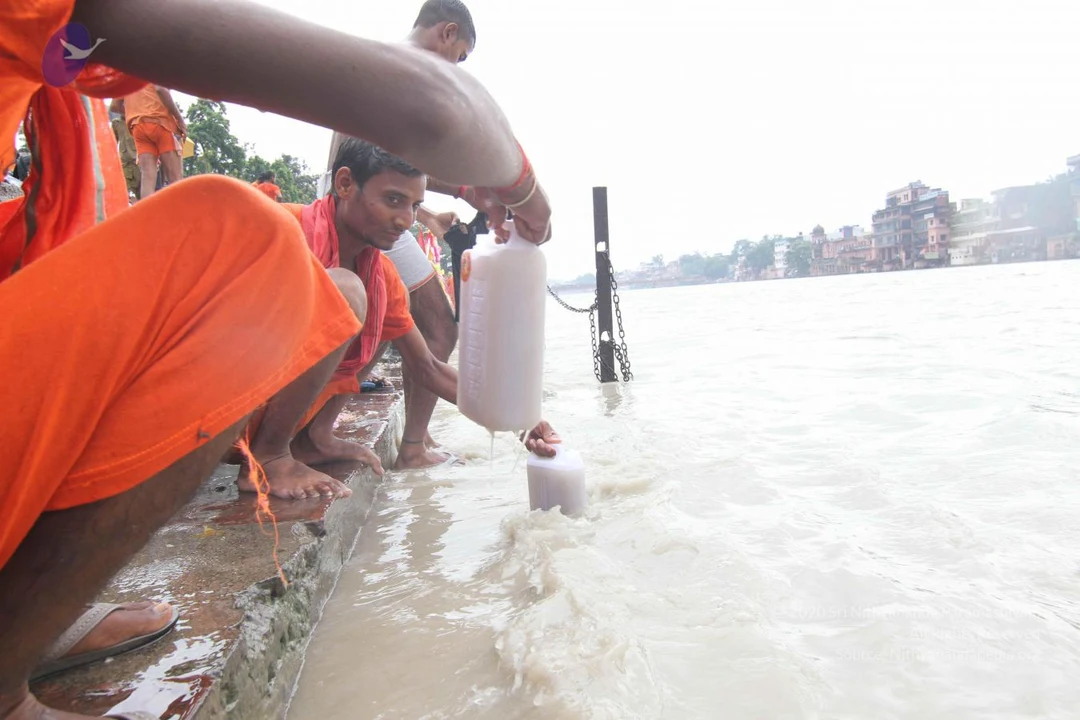
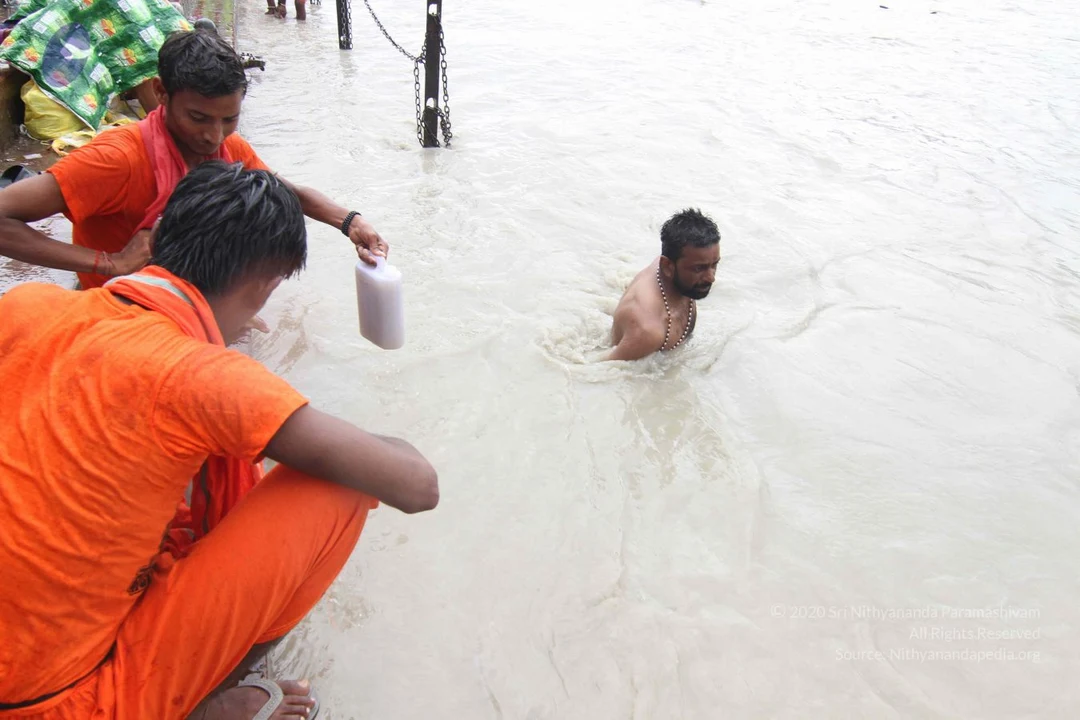
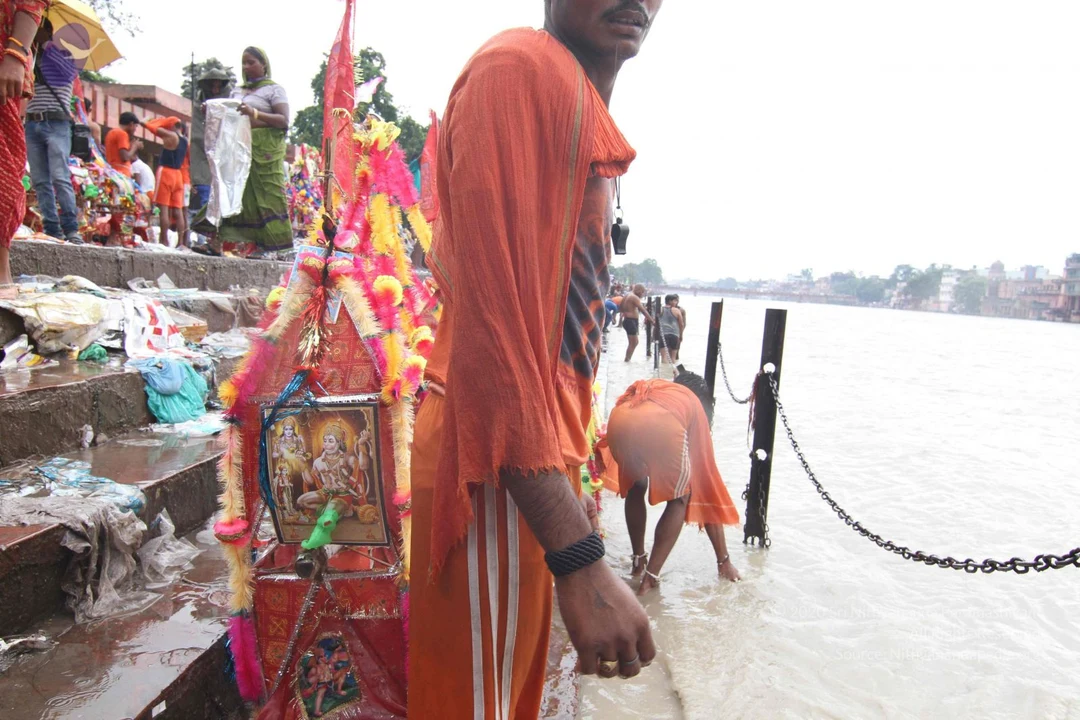
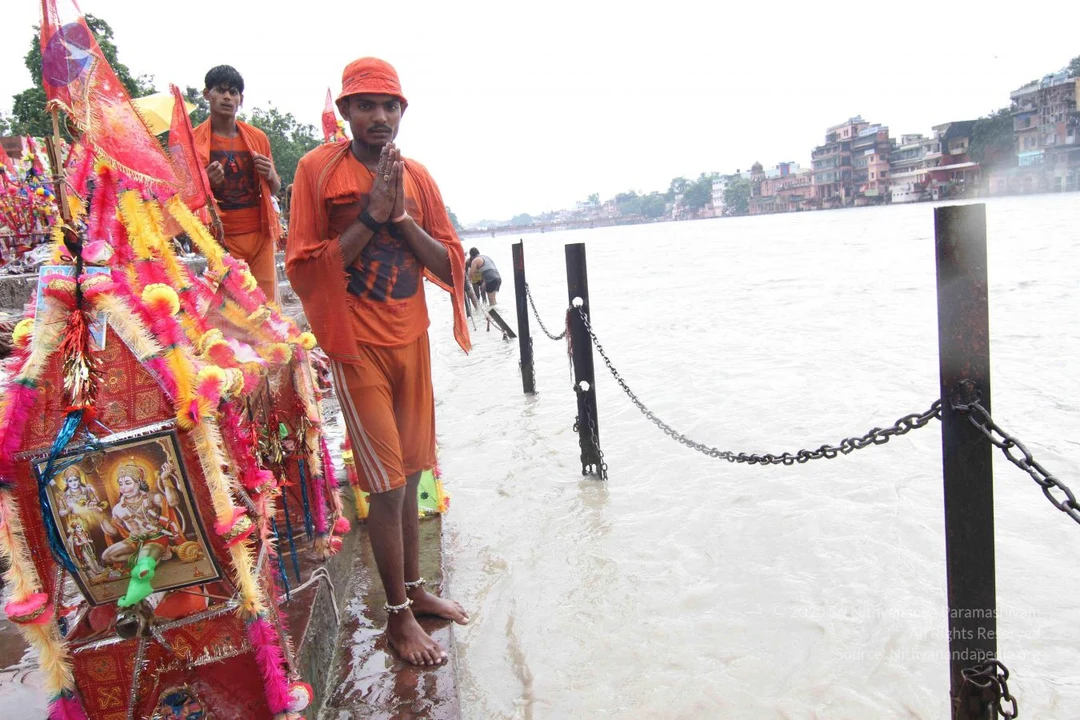
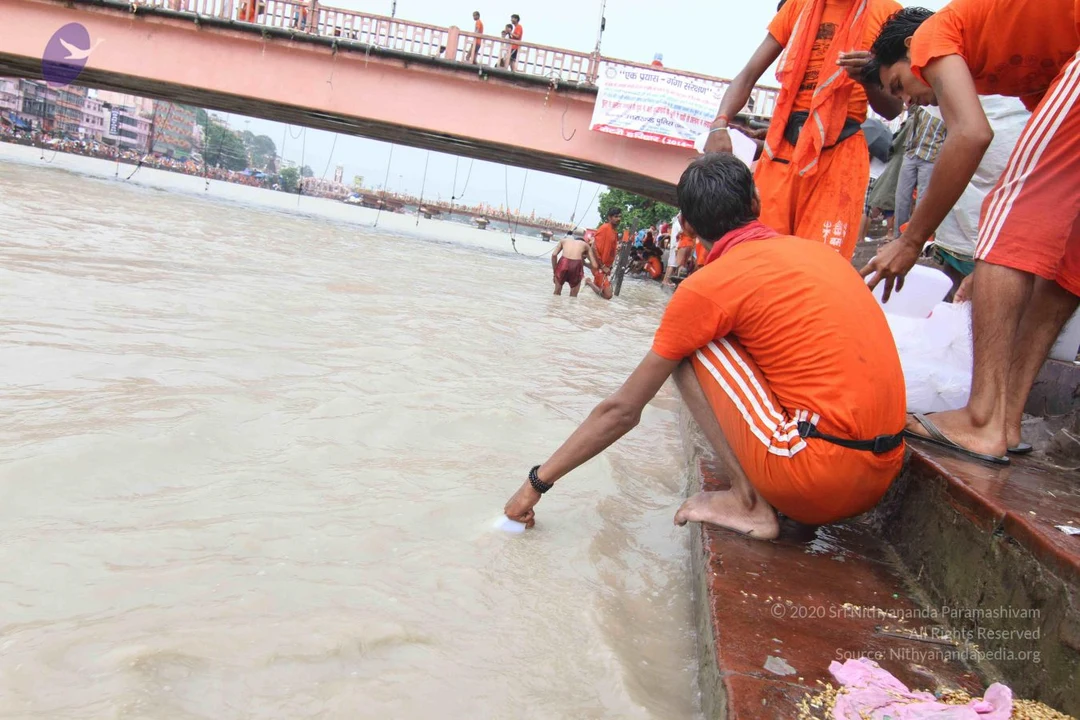
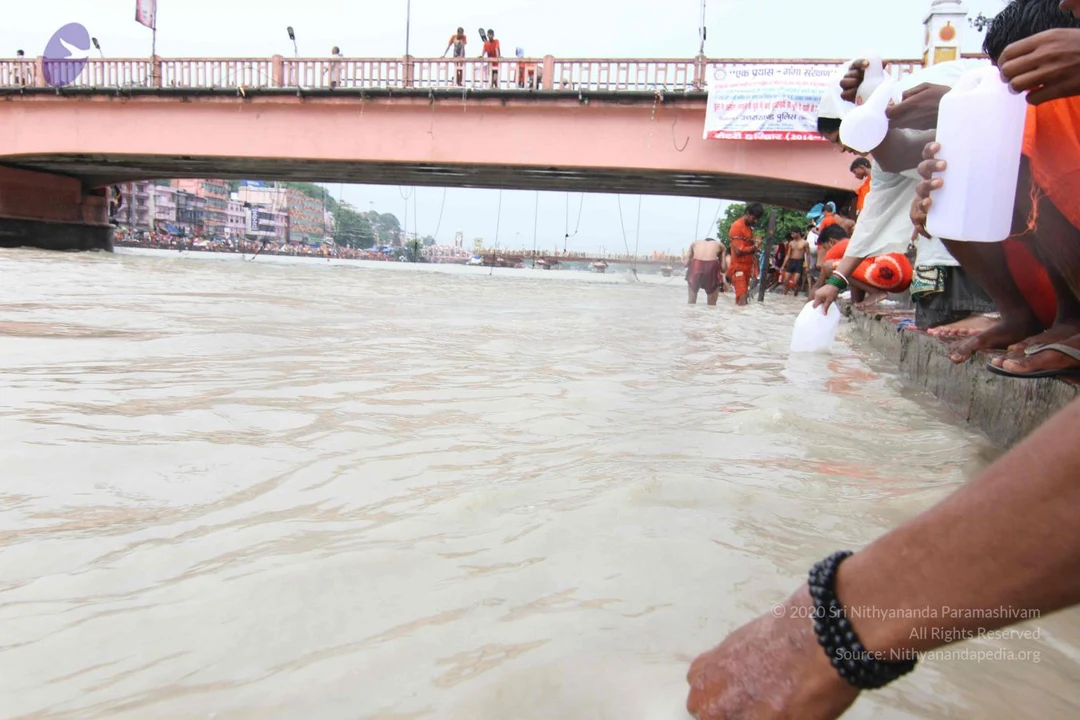
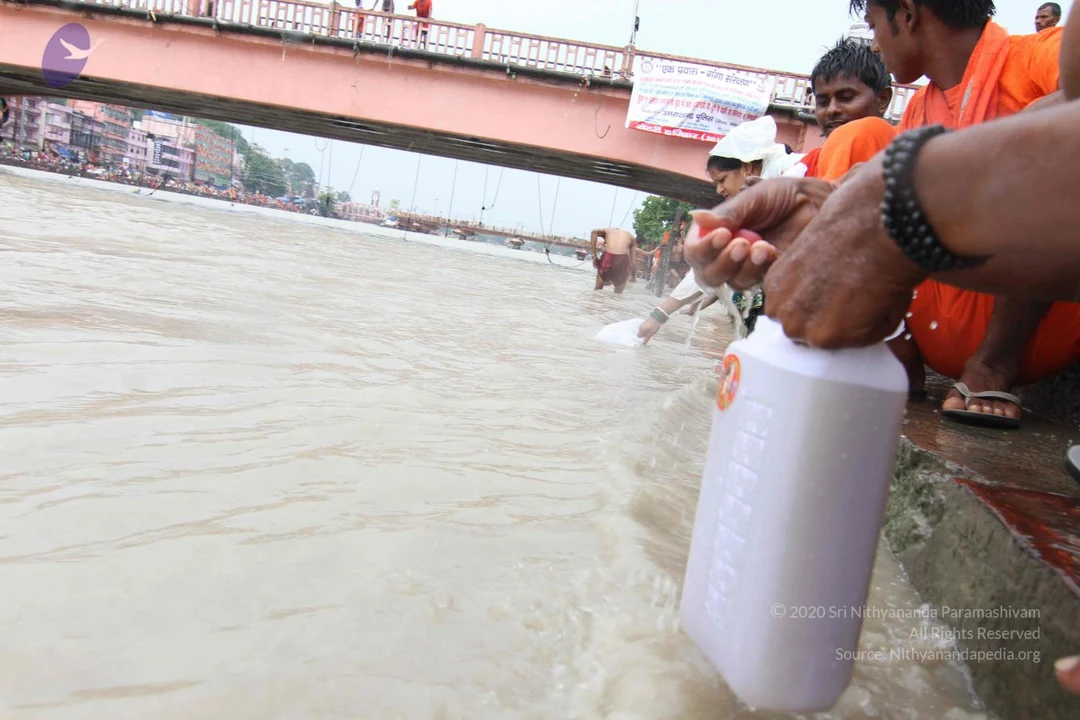
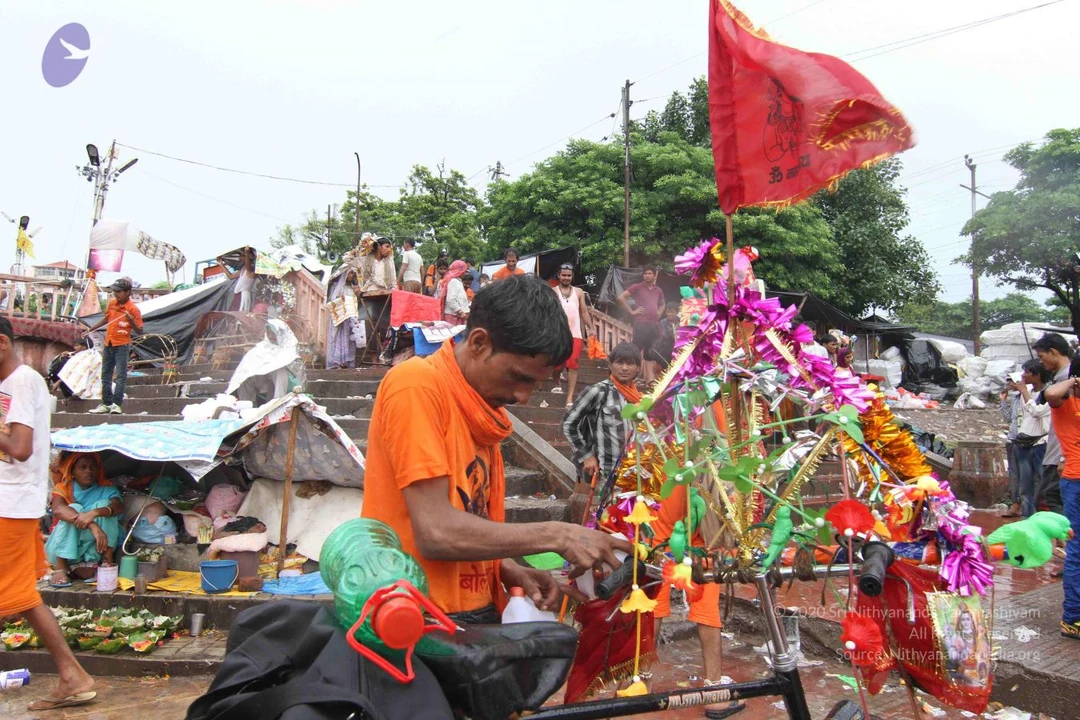
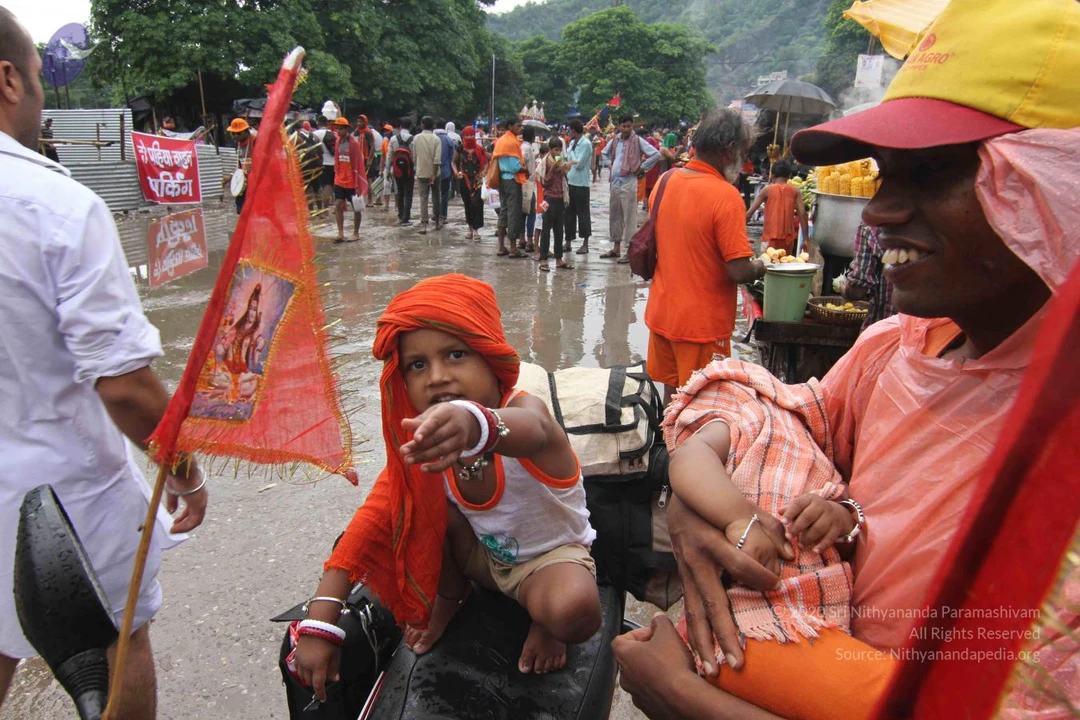
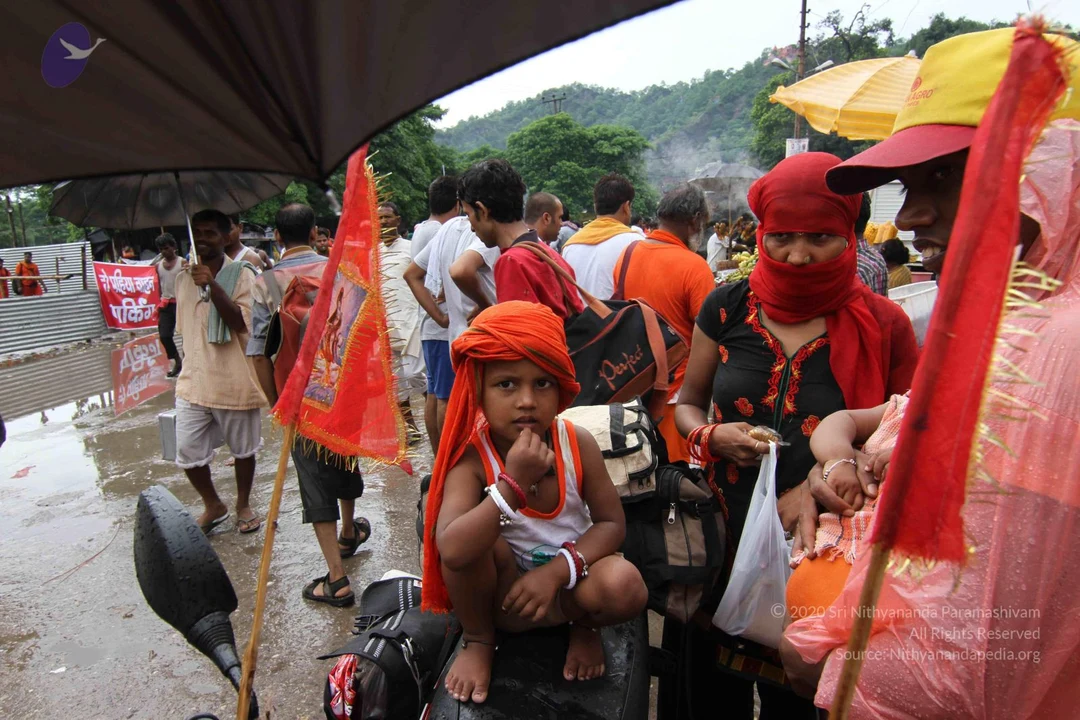
Today, all of you are going to....all the Inner Awakening participants, all of you are going to talk with so many people, complete with so many of them. Today, whole day, decide, in your eyes, in your tongue, in your ears, in your body, in your thinking, everywhere you will carry friendliness. Let friendliness be the nectar. Let friendliness be the Ganga flowing in you. Let friendliness be the energy that runs you. Whatever you see, you touch, you think, today let everything happen with tremendous friendliness. Actually, yesterday I went to Haridwar, the inside city. Don't ask me when! Because whole day you were seeing me in the class, don't ask me when I went! I just went to see whether today I can take you guys and show you a glimpse of what is going on in Haridwar, mainly to make you experience the kind of friendliness people radiate in the name of Mahadeva. This (the Kanvar Yatra or Kavad Yatra ) is the world's longest pilgrimage done by the largest number of people. There are some other pilgrimages like Shabarimala done by more number of people, but the distance of that pilgrimage is less; it is less than fourteen kilometres; but, here, almost two-hundred kilometres, ten million, one crore people are walking! Yesterday itself all roads of Haridwar were blocked. Please understand, the whole Delhi to Haridwar traffic is blocked! The main national highway is blocked! All the traffic is diverted. Today is actually Monday, you can see that. Yesterday itself I saw, any distance, any amount of distance you can see, in any direction, is only the Kavadias! Kavadia means, on the shoulder, on a stick they will put two Ganga-water pots and carry it on the shoulder; and those two Ganga-water pots are decorated with clothes, flowers....as they wish. Some of the Kavadias are twenty feet high and four people carrying! The amount of friendliness they were radiating with each other as a group! It is not a joke, ten million people gathering and doing the same ritual without even a single crime! And with no infrastructure! the youngsters, college kids, school kids getting involved! I really wanted to take you all and give you a glimpse. But the police people yesterday itself said that they will allow only my vehicle. They blocked my vehicle in two-three places. But they said, Oh, Mahamandaleshwar....we will allow only Swamiji's vehicle. But don't try to bring anymore vehicles. Even security's vehicle we cannot allow. It is a scene to be seen! The kind of friendliness! I thought I will send the Vision Department and video record it and bring it and show it to you guys. God! No one gives invitation, no one organizes; that is the beauty of all the great celebrations, festivals which happen in India. No one gives invitation, no one organizes; just people gather! Anywhere I can see, the length and breadth my eyes go, I see people only with the saffron! These Kavadia devotees, Shiva bhaktas, they wear saffron colour during the pilgrimage.It is like a saffron Ganga has entered into the road! If I didn't have Inner Awakening session, I would surely have walked with them!
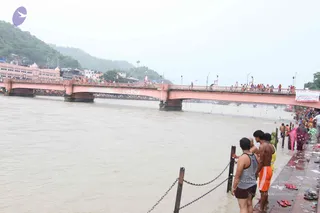
I tell you, whether they know it or not, the friendliness they radiate is what is the amrutha (nectar) Mahadeva accepts. Not just the Ganga water, it is the friendliness they carry, that amrutha only Mahadeva accepts. Friendliness can infuse life into life. Friendliness can bring tremendous joy, tremendous bliss into every being. Friendliness....friendliness is the energy which never makes you powerless, never makes you arrogant, neither makes you resist nor makes you accept. So, the essence of today's satsang: When you call, talk to people, do Completion with others today, you will breathe, think, see, hear friendliness, radiate friendliness just like these devotees of Kavadia. Means, actually these devotees who are walking in Haridwar, they come from various parts of the country, even various parts of the world. They take bath in Haridwar Ganga, and carry the Ganga-water pot, go up to Neelkant Mahadev Temple; after the abhishekam they pour the sacred water on Neelkant Mahadev after that again they take bath in Neelkant in the Ganga and carry the same water pot and walk up to Bada Mahadev Temple which is near Meerut, and pour the water on that Shiva deity and do abhishekam. After that, many of them walk even up to their home-town, home village, native....by walk! This is what they do during this pilgrimage. Almost one crore people do this yatra. The whole road is like a flood of saffron colour! And the amount of support and help they give to each other is amazing!
Today, carry friendliness, breathe friendliness, see friendliness, hear friendliness, radiate friendliness, and complete with all the incompletions with others. That's all!
I bless you all! Let you all radiate with Integrity, Authenticity, Responsibility, Enriching and Causing eternal bliss, Nithyananda! Thank you!
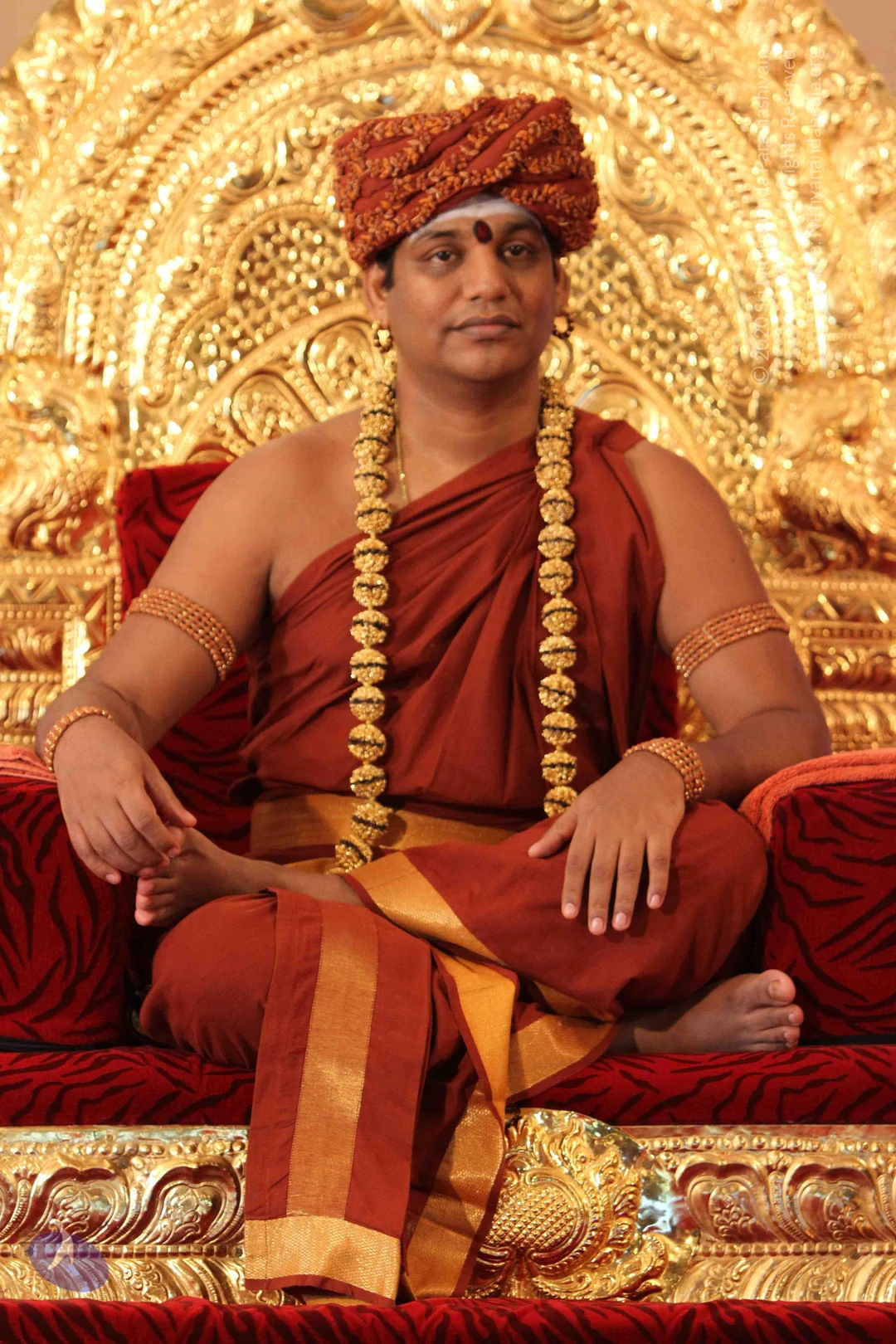
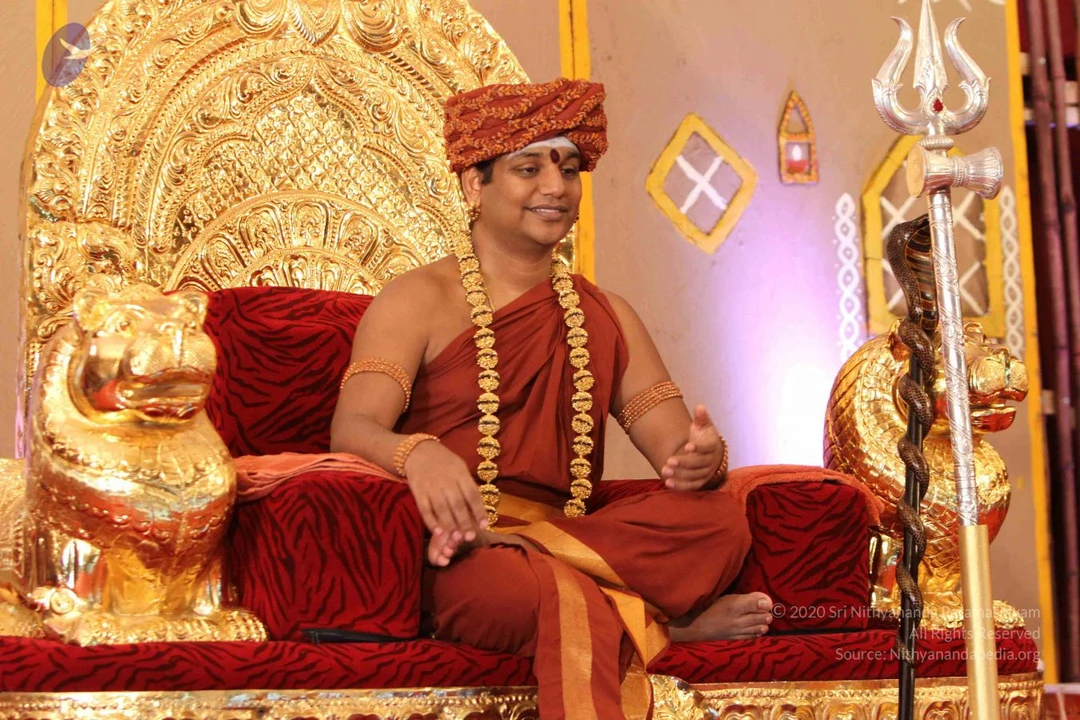
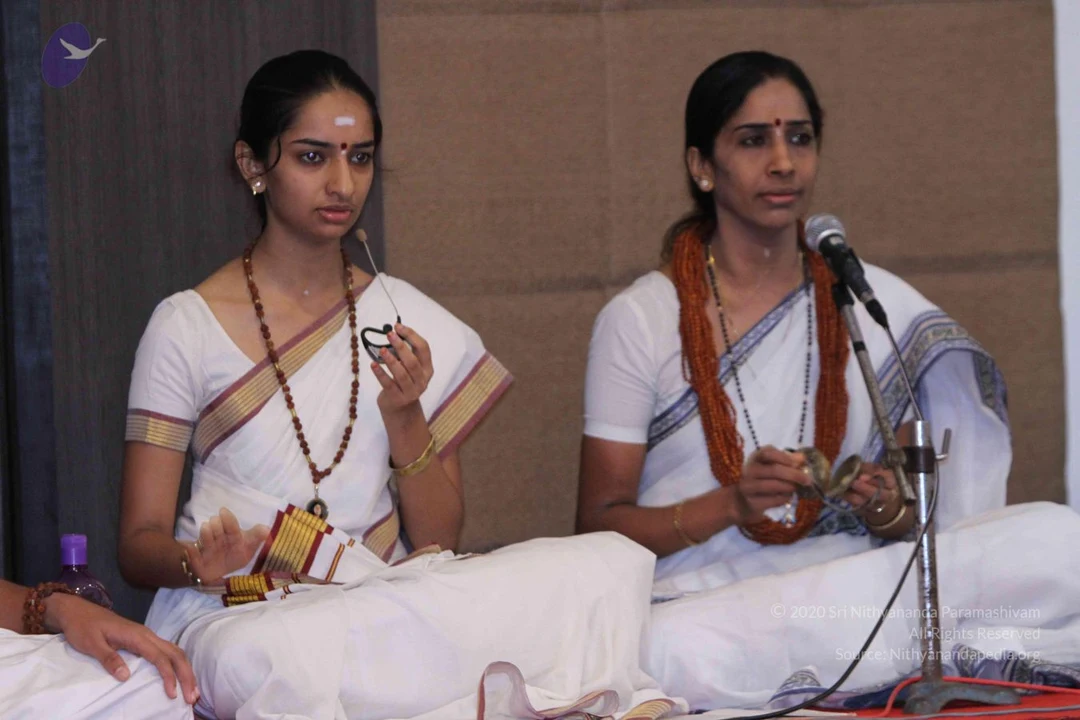
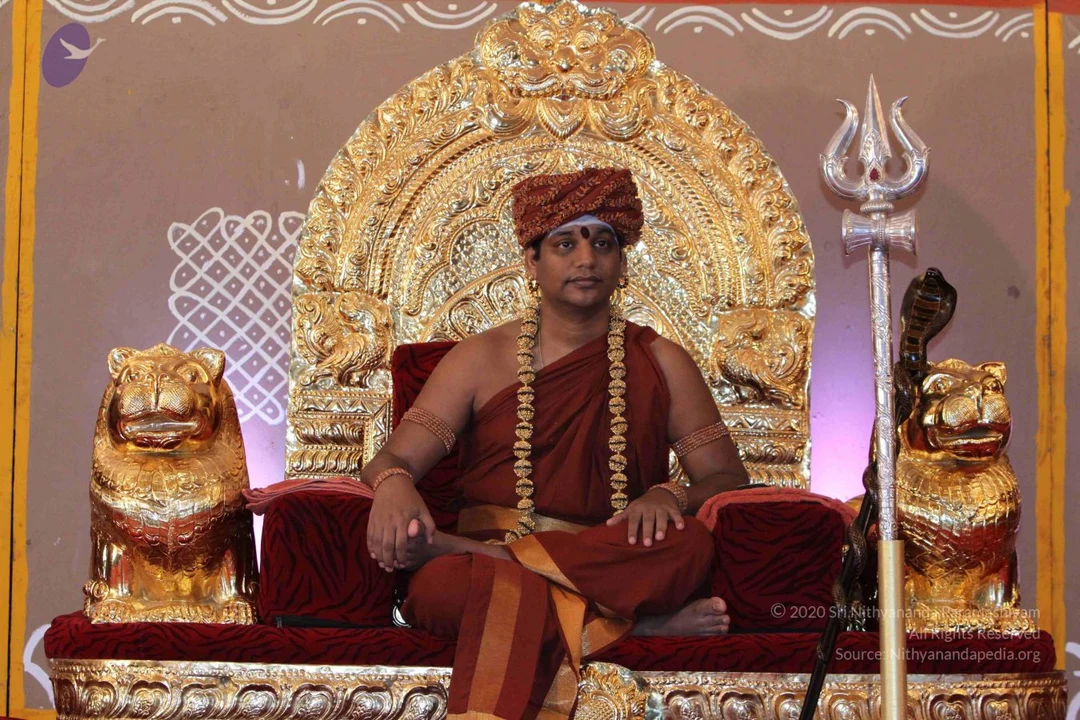
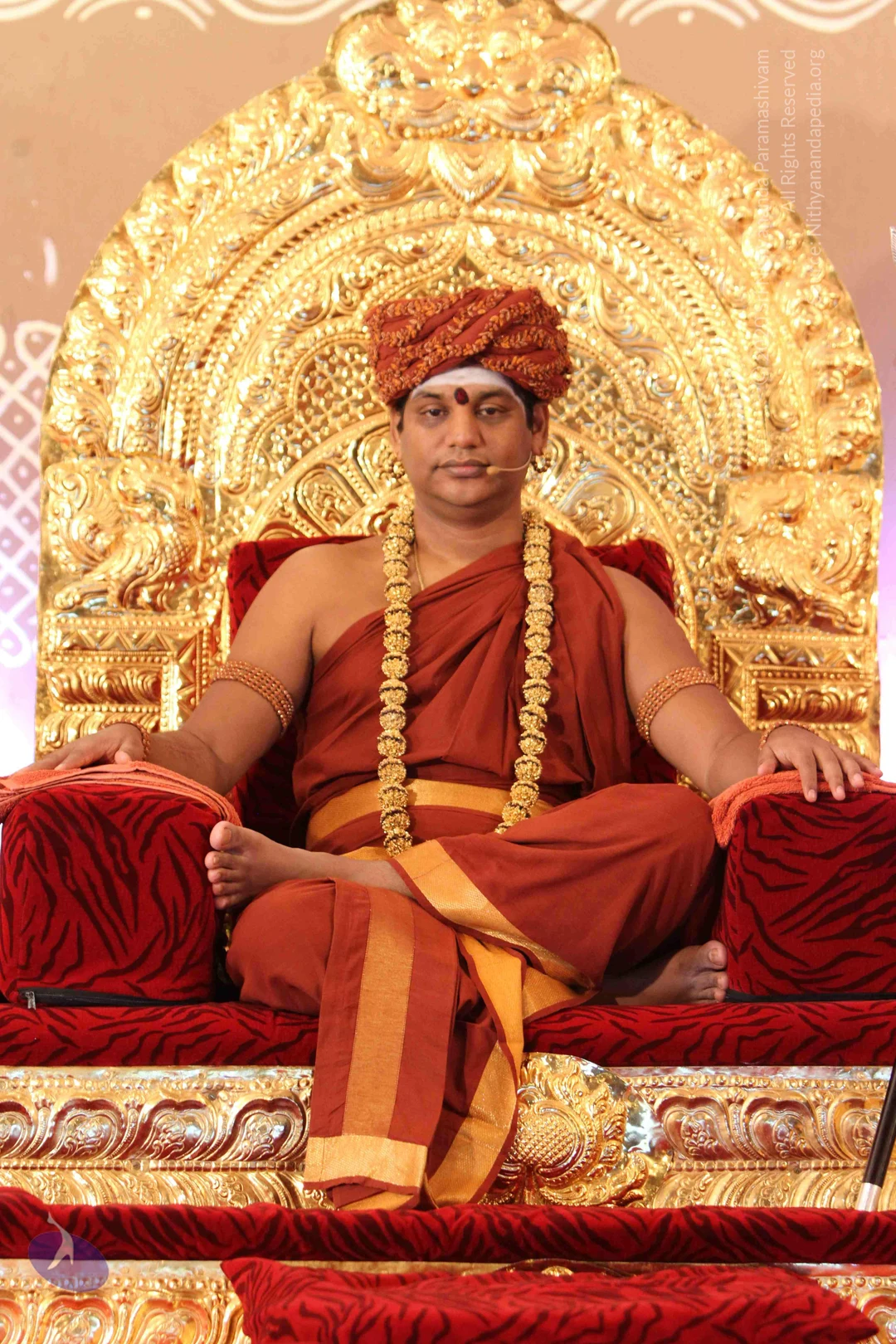
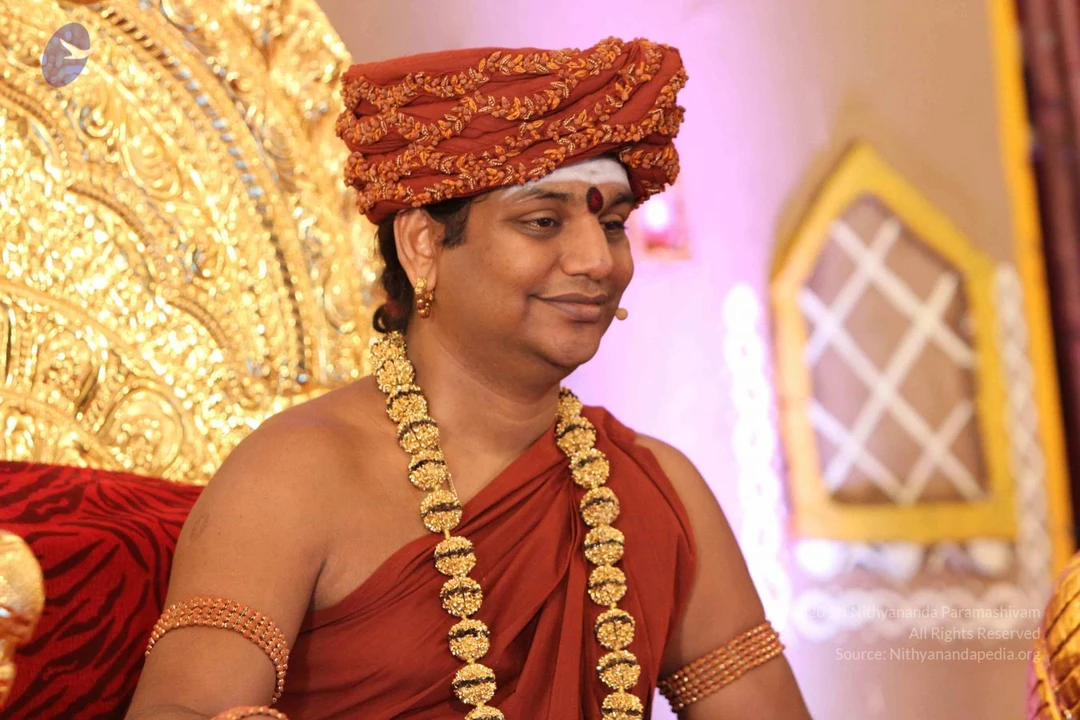
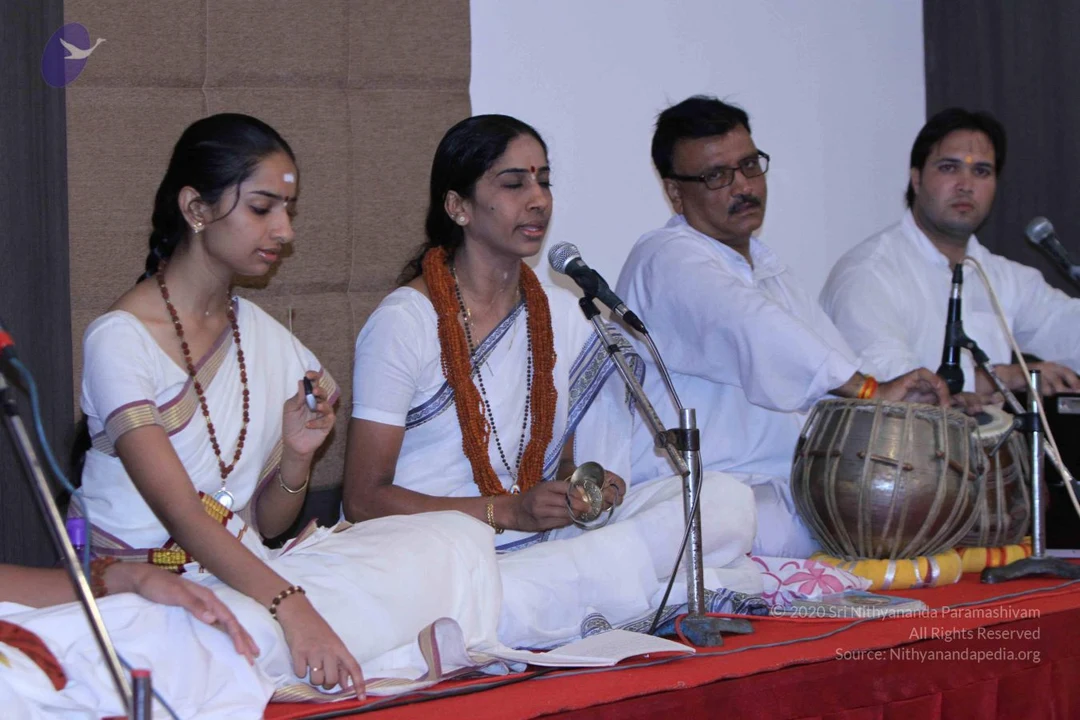
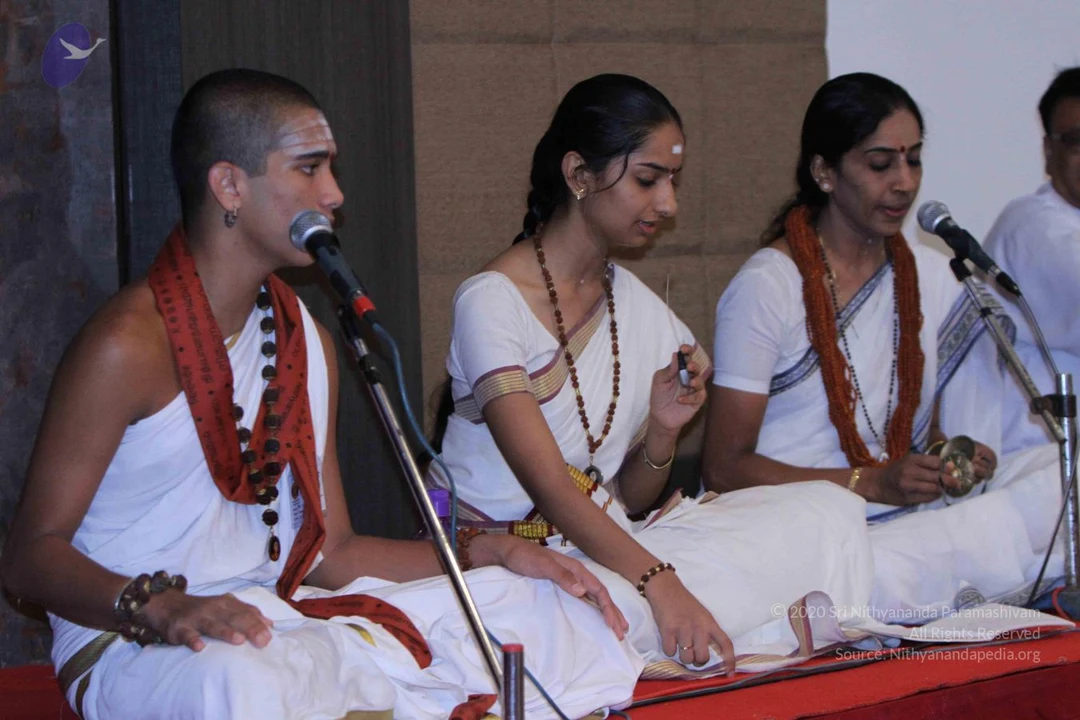
Photos From The Day:
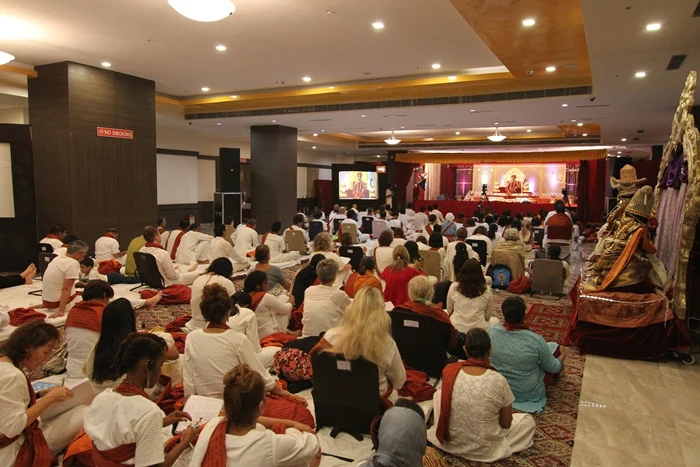
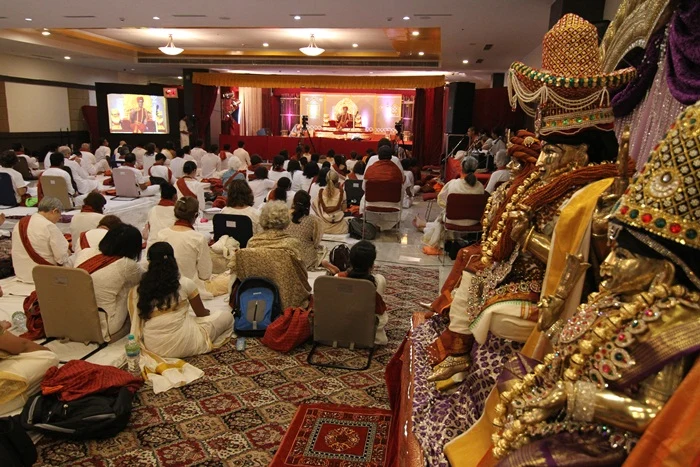
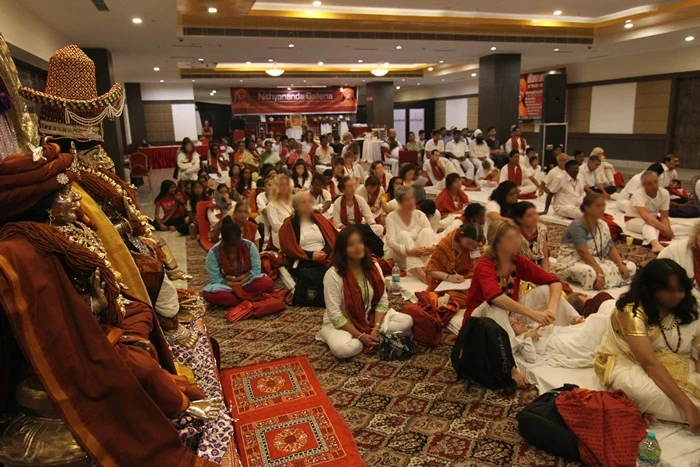
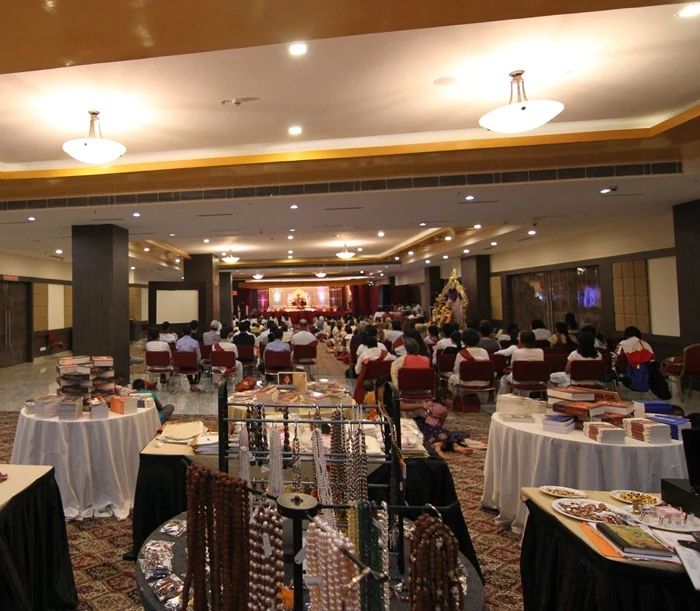
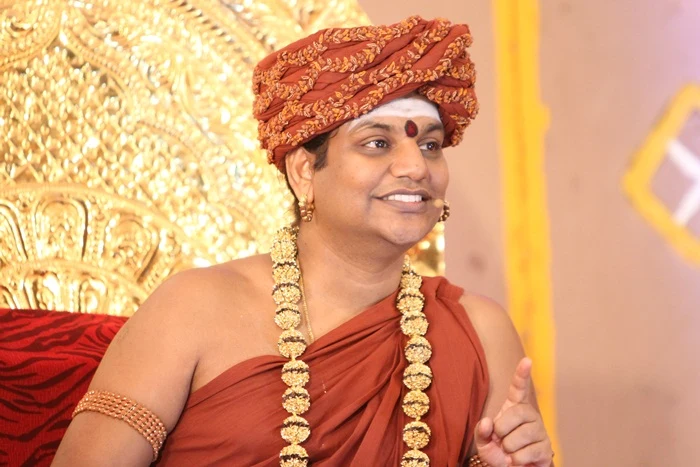
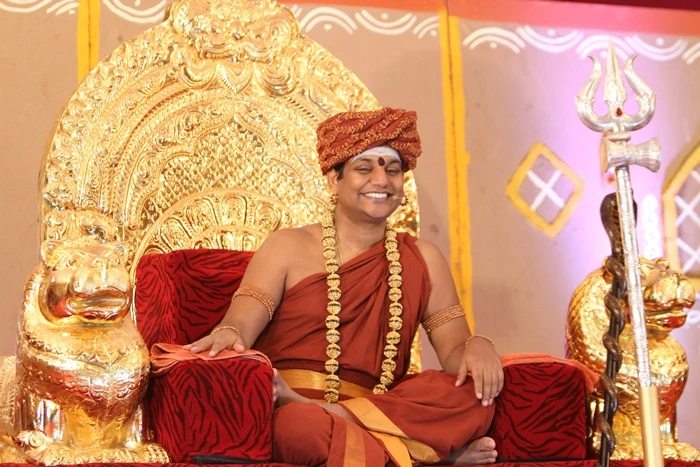
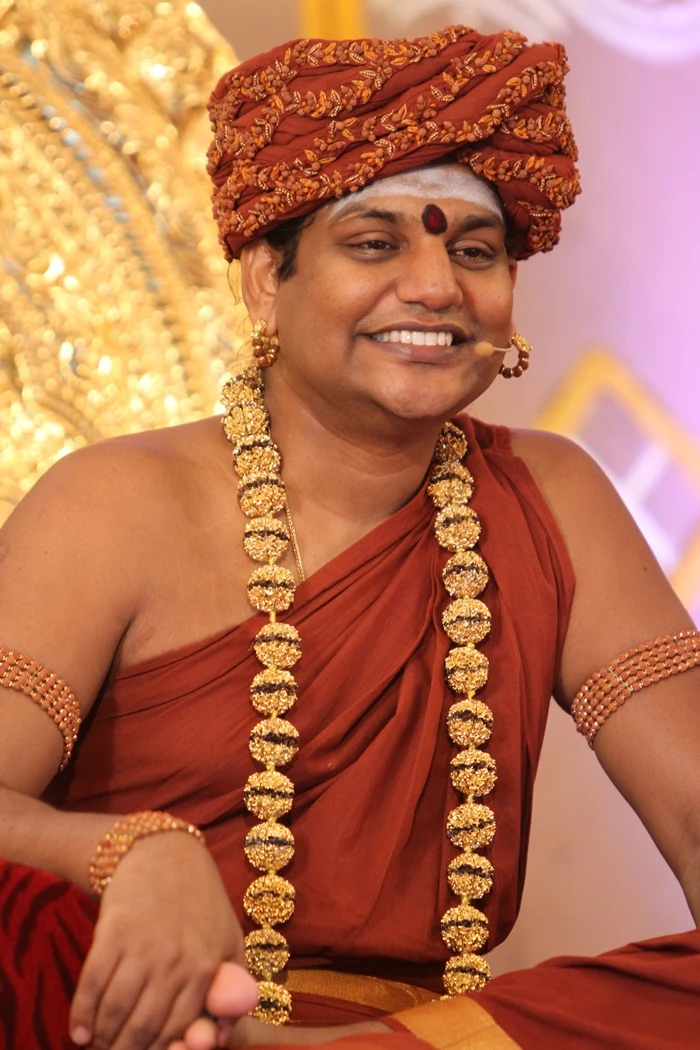
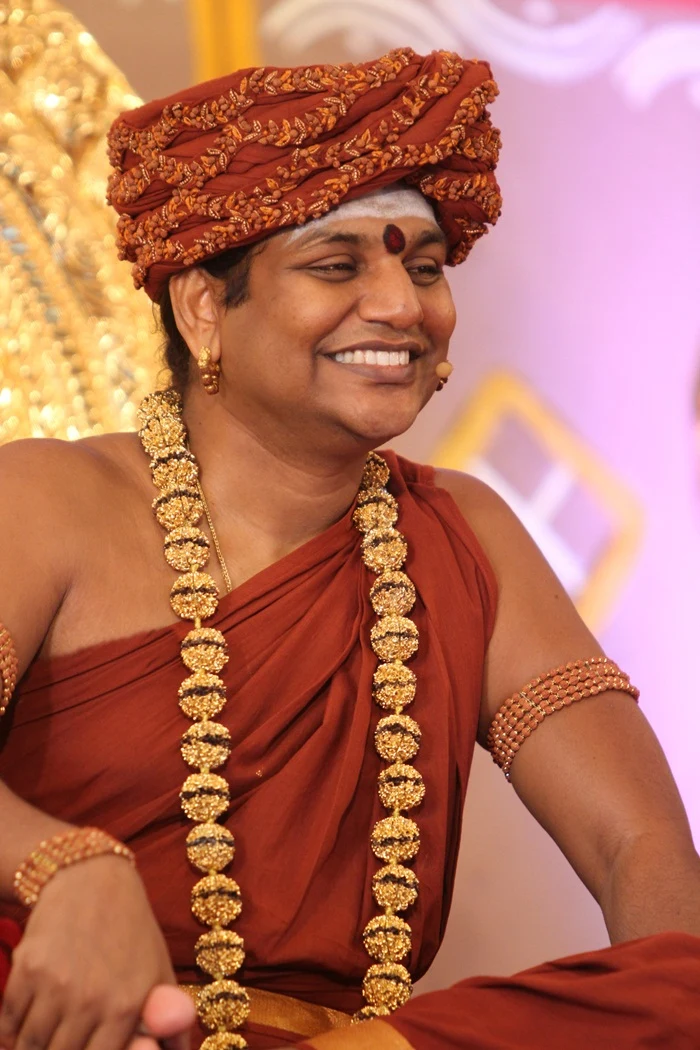
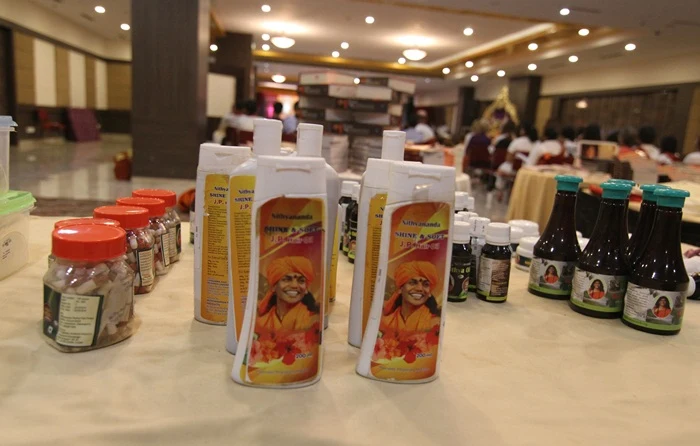
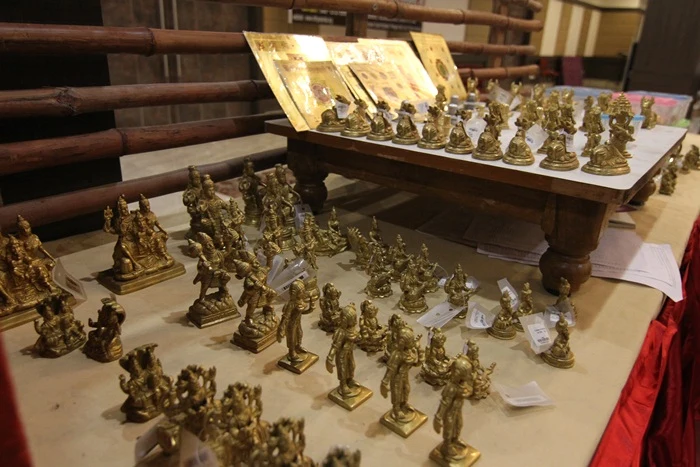
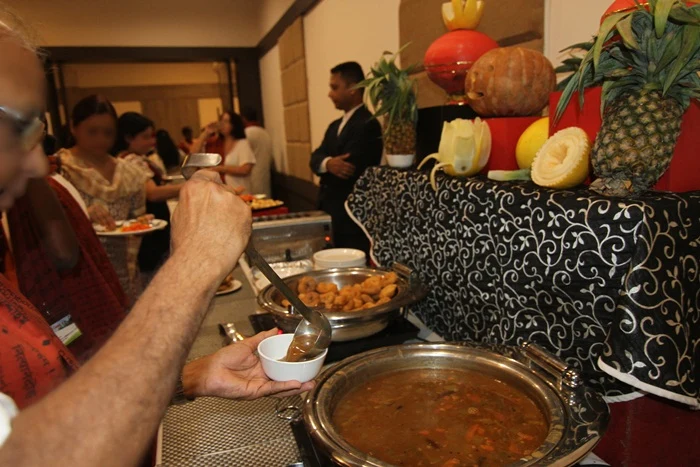
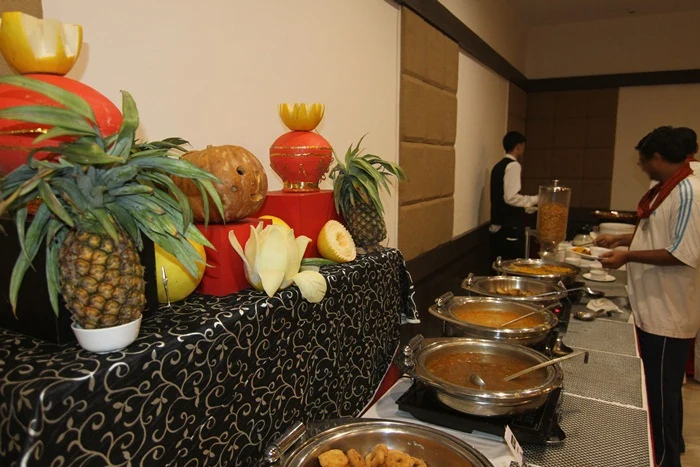


Tags:
Haridwar, Paramahamsa Nithyananda, completion with others, Kala-Lord of Time, heal emotional, wounds, irrelevant, life, time, friendliness, instantly, nectar,celebrate, relationships, money, health,radiate,everyone, everything energy.
Photos Of The Day:
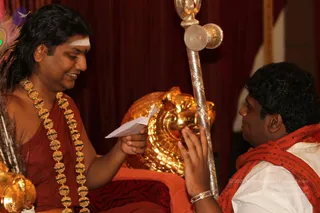
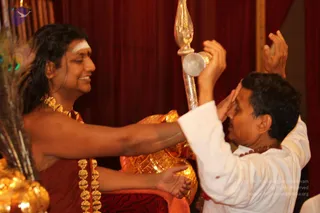
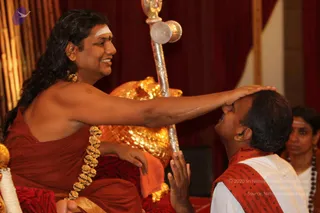
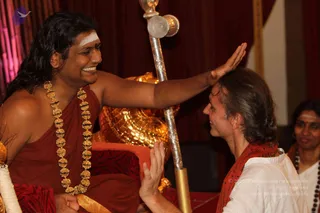
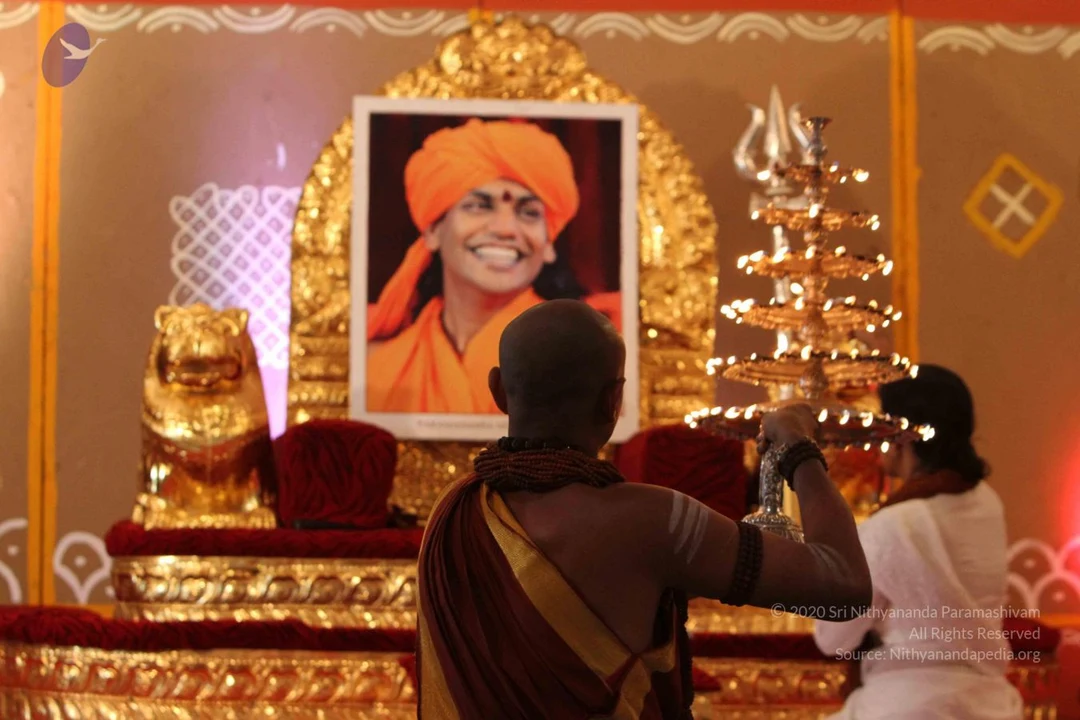
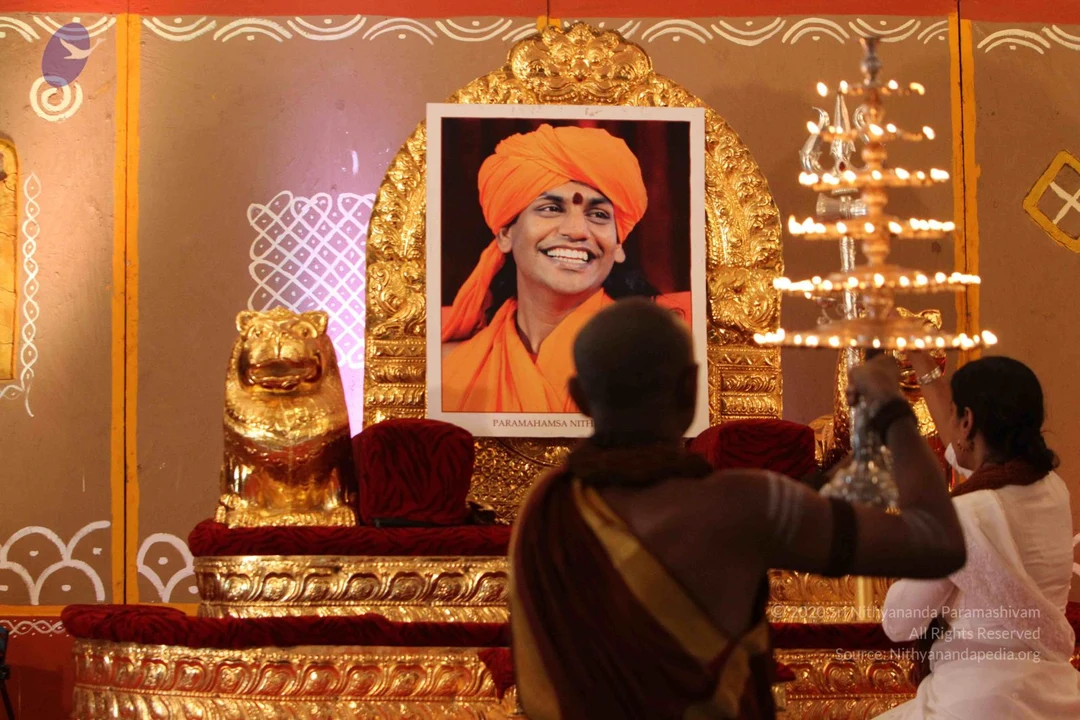
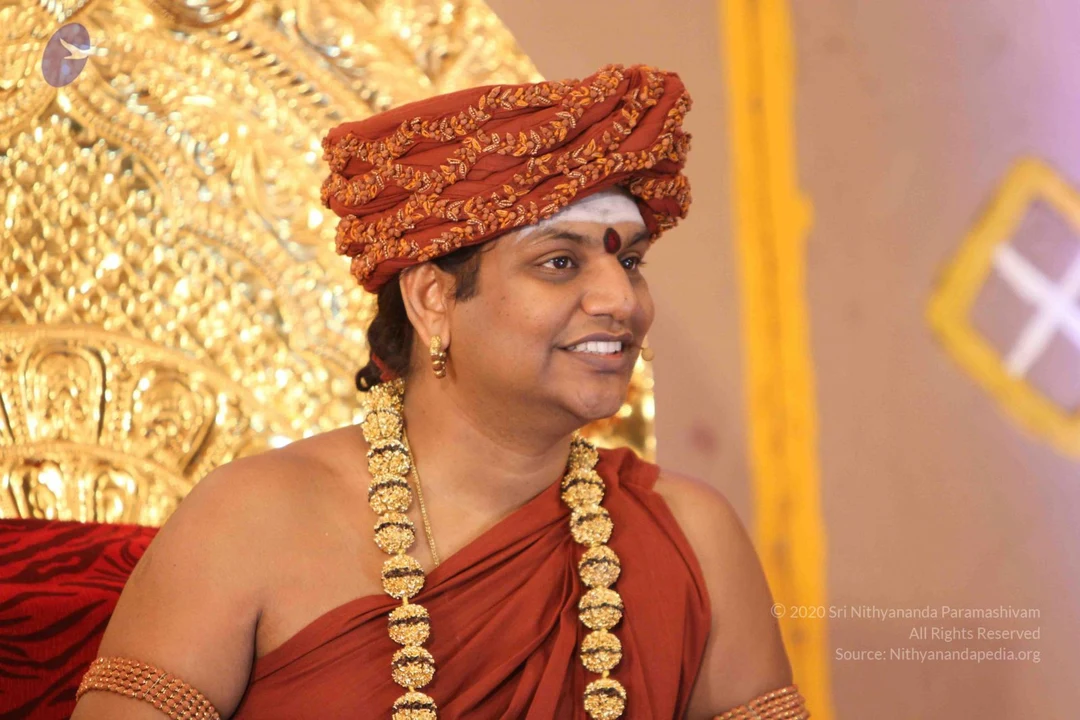
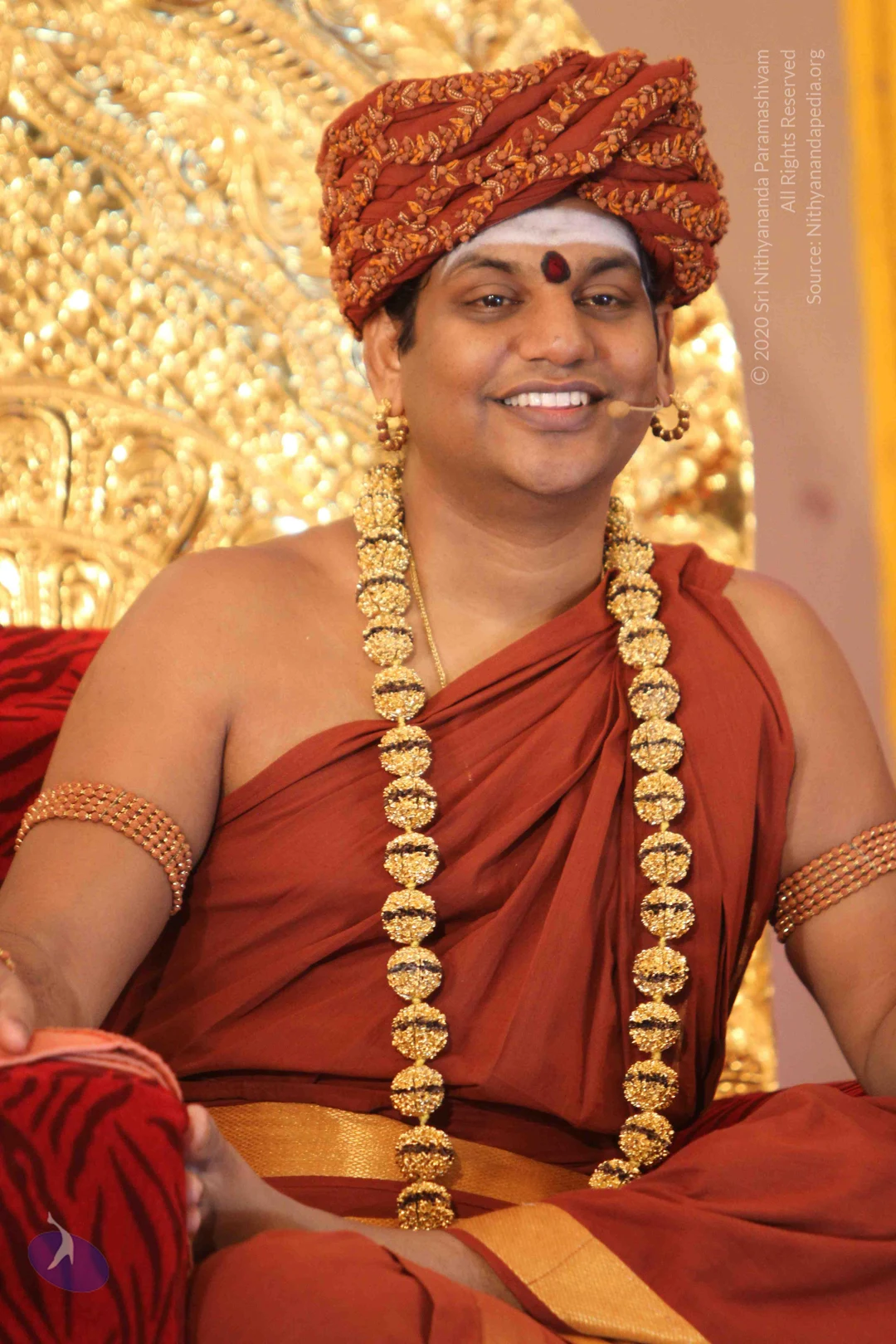
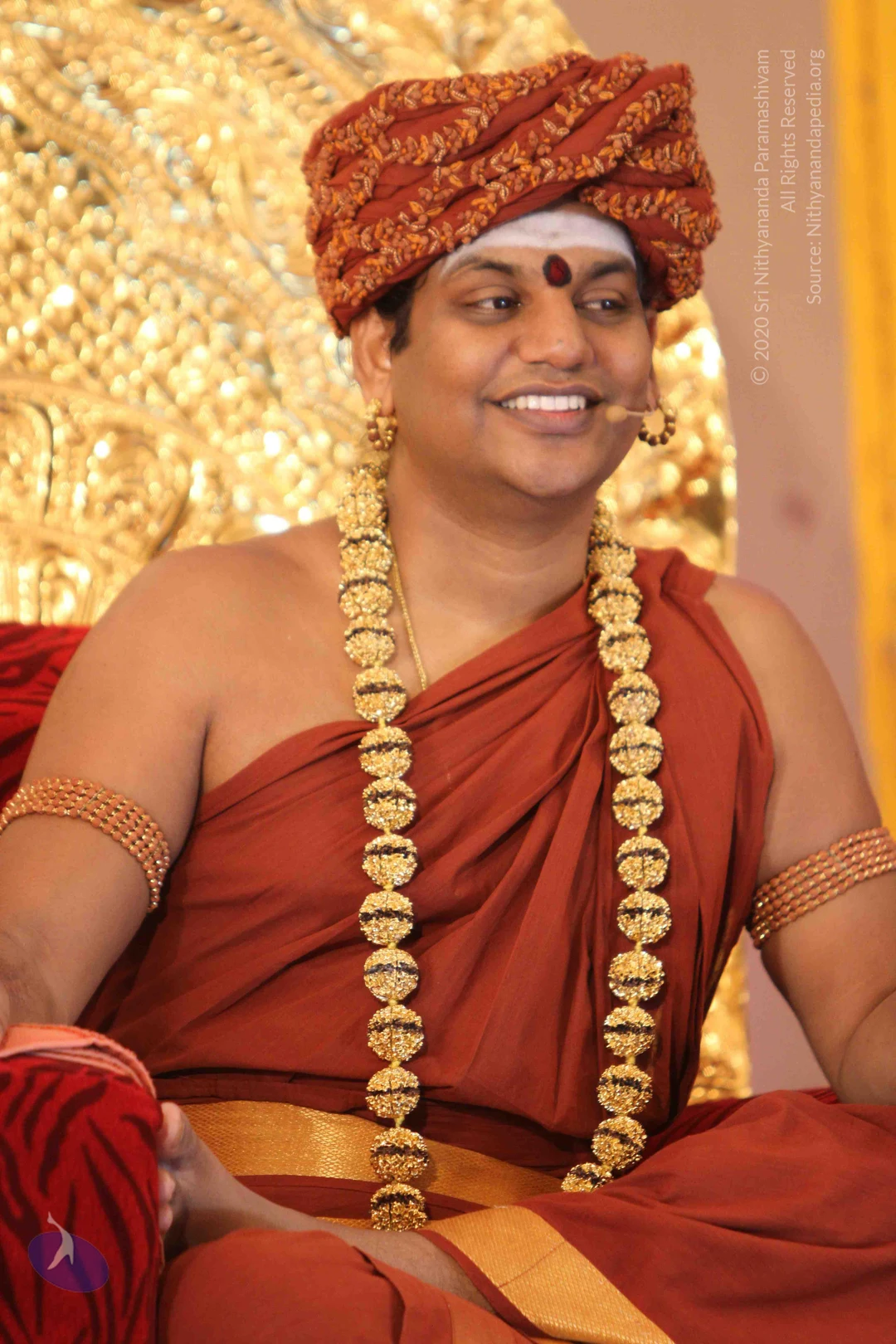
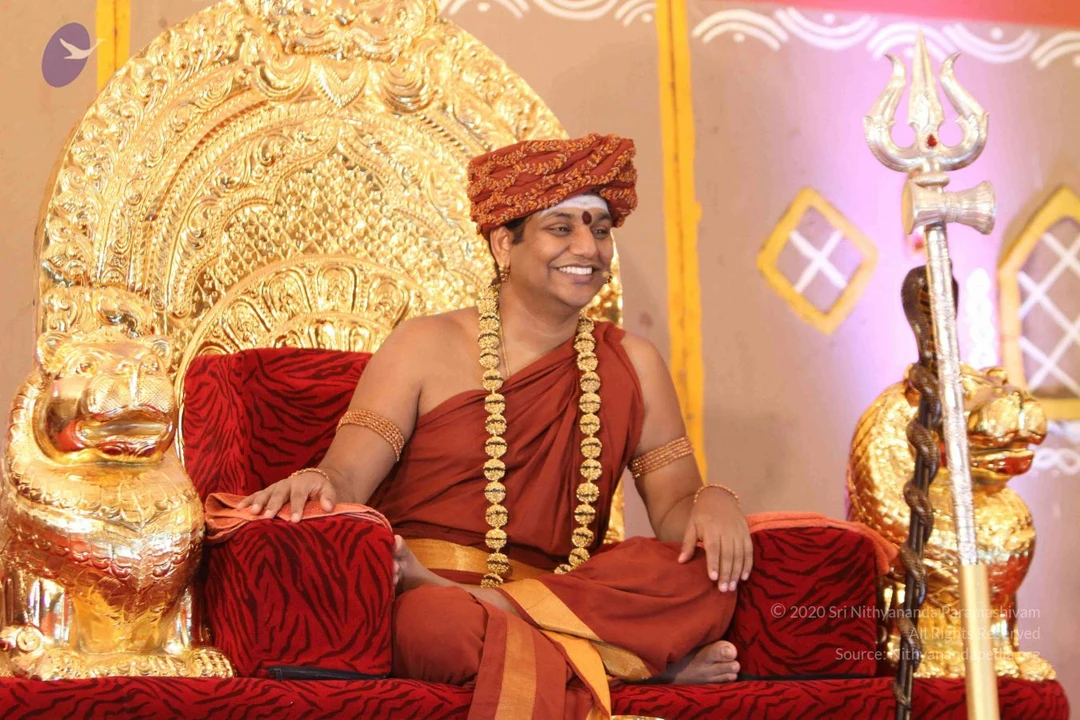
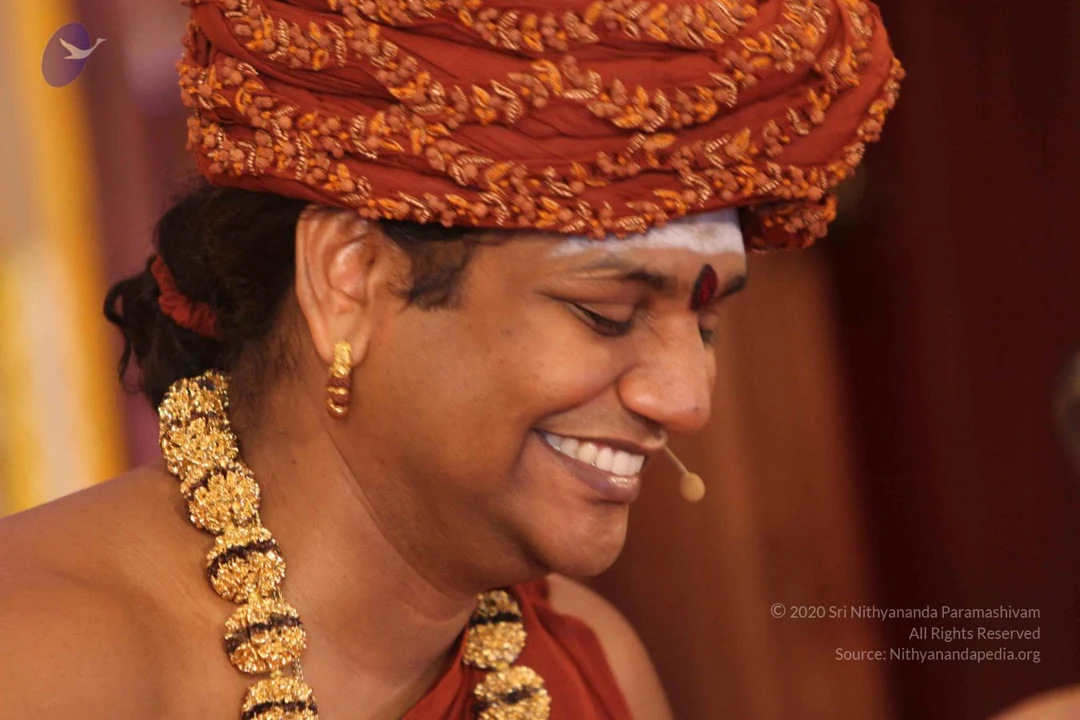
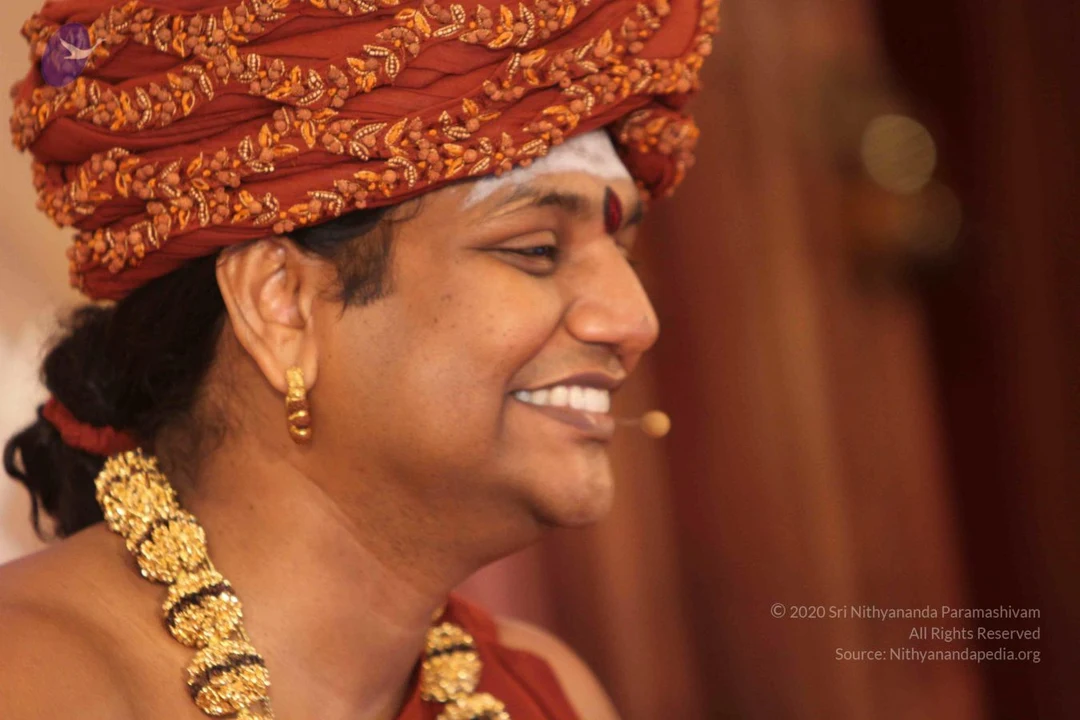
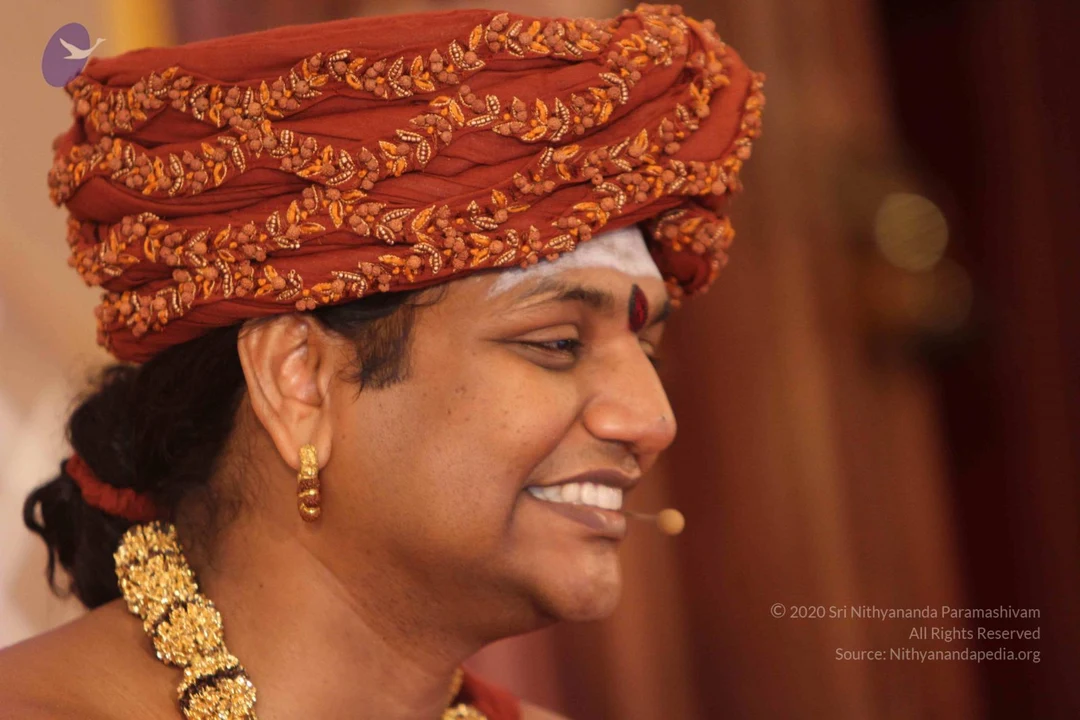
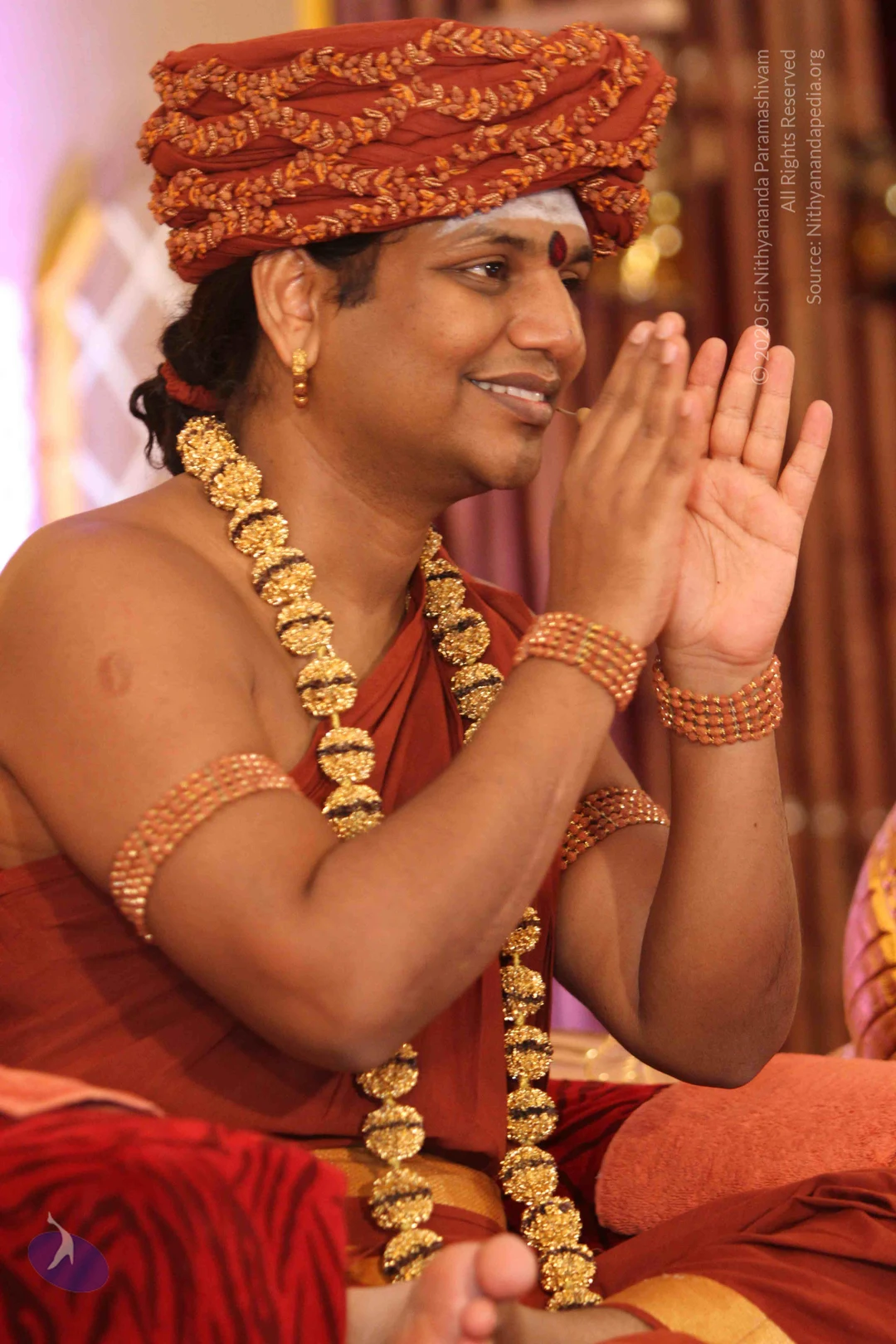
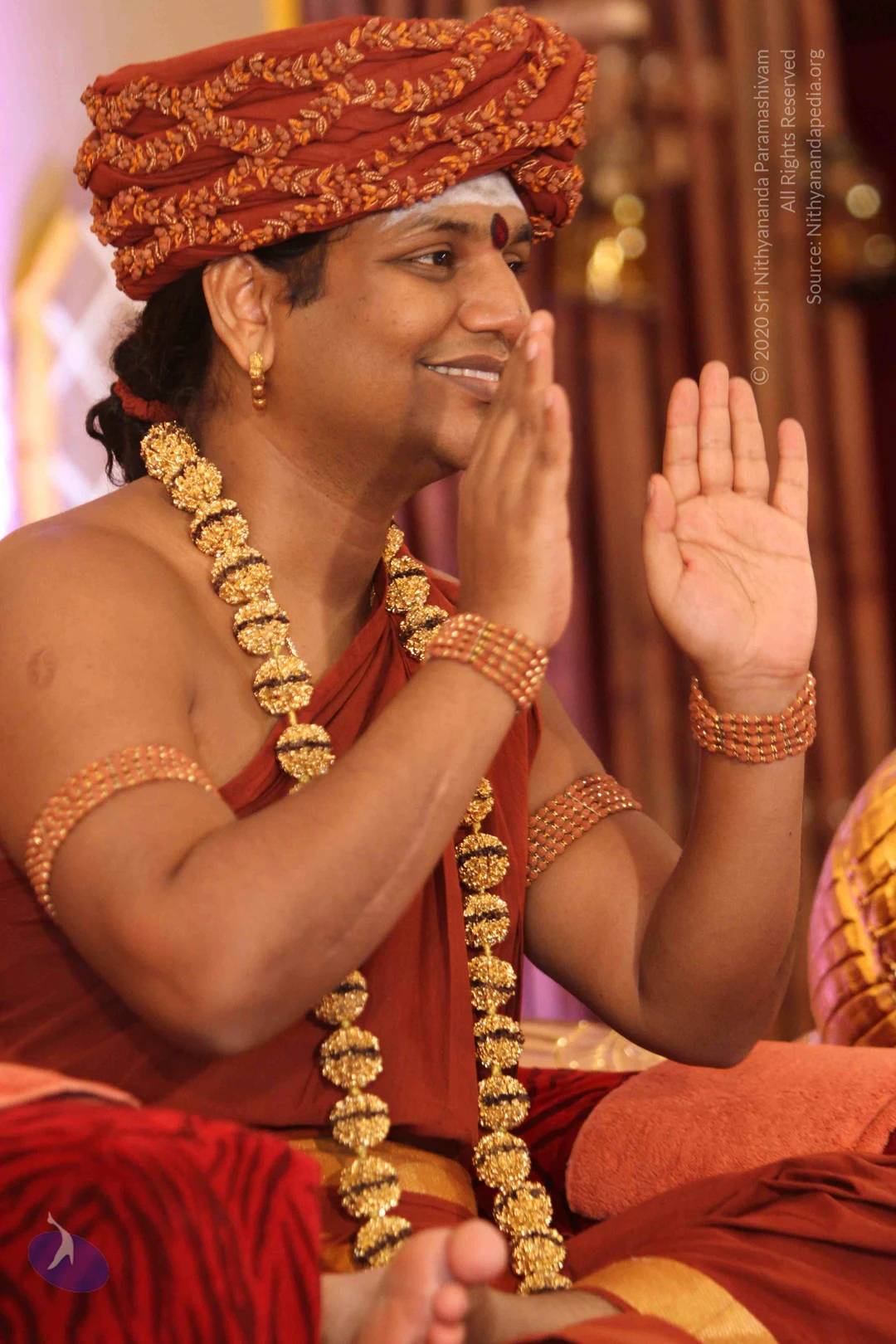
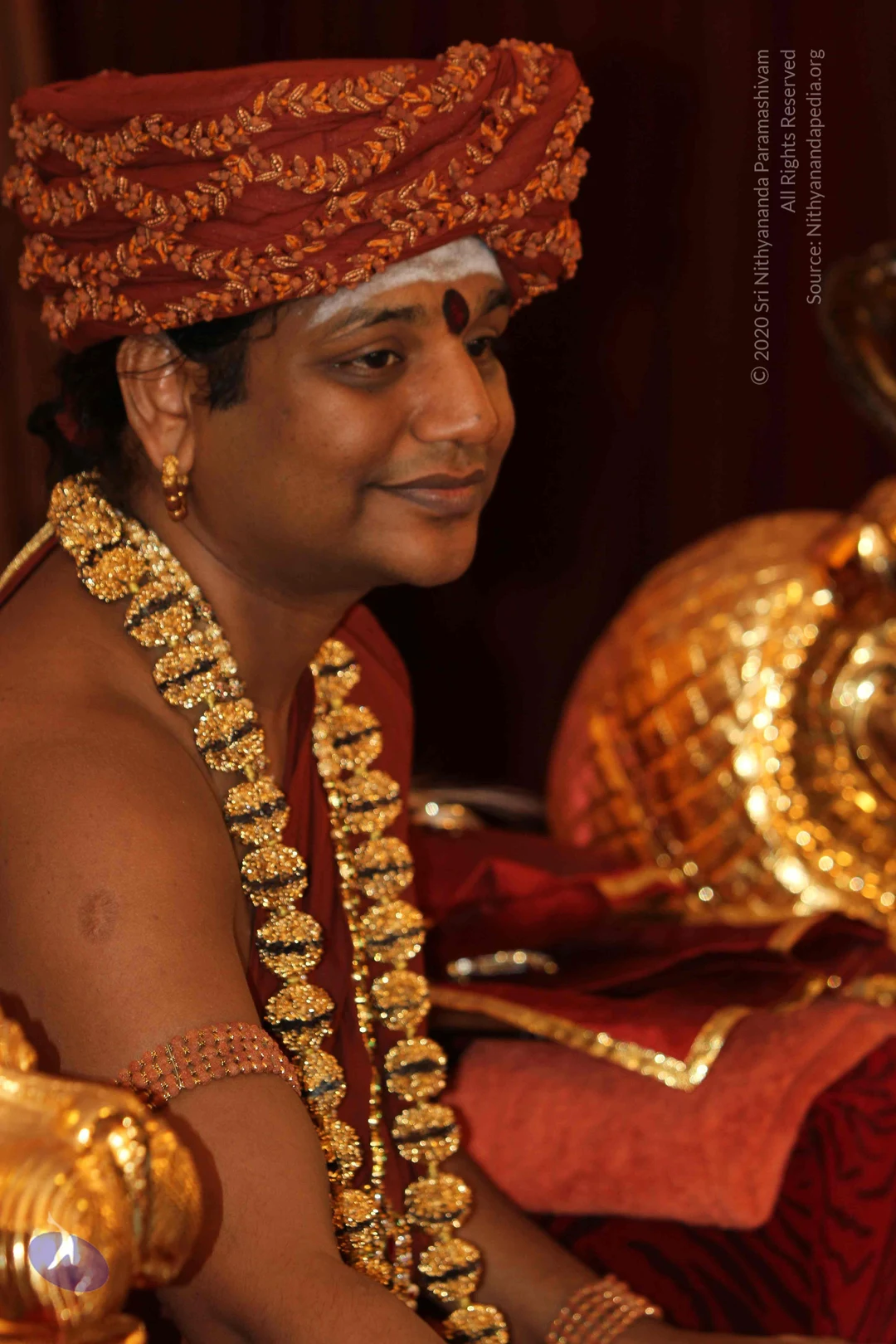
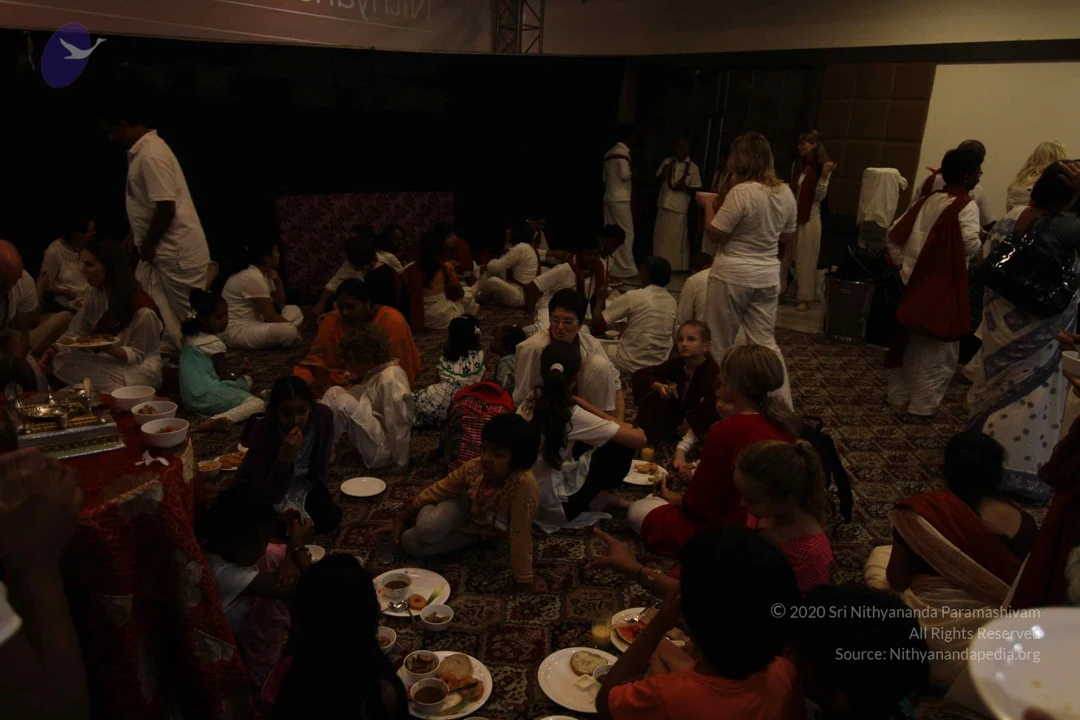
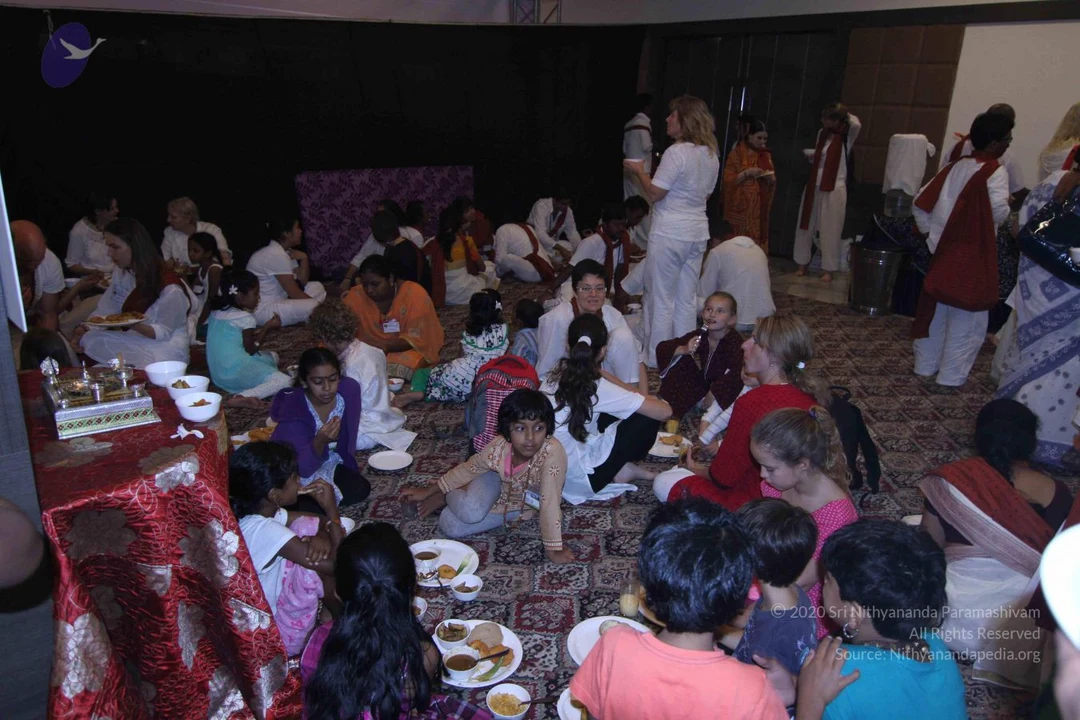
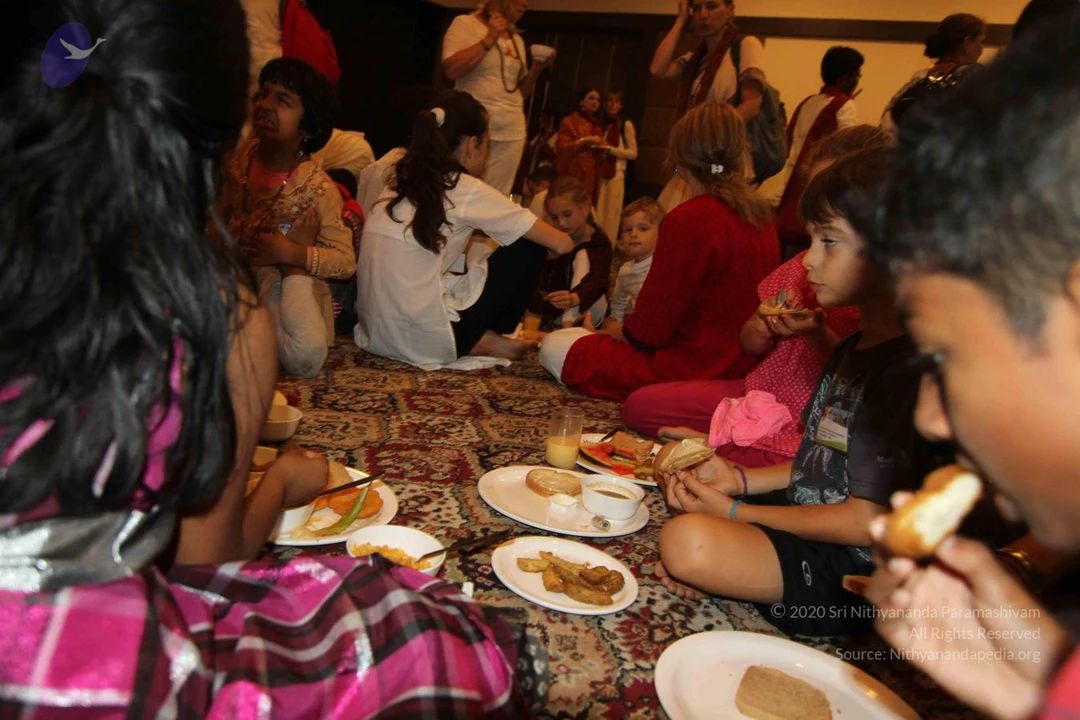
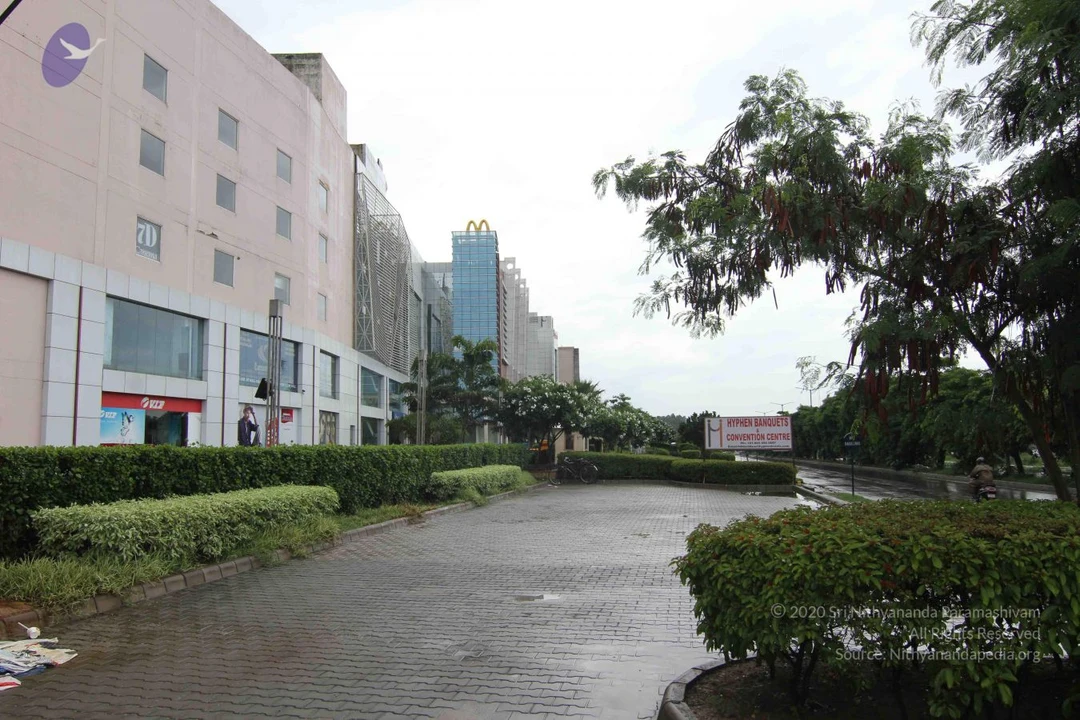
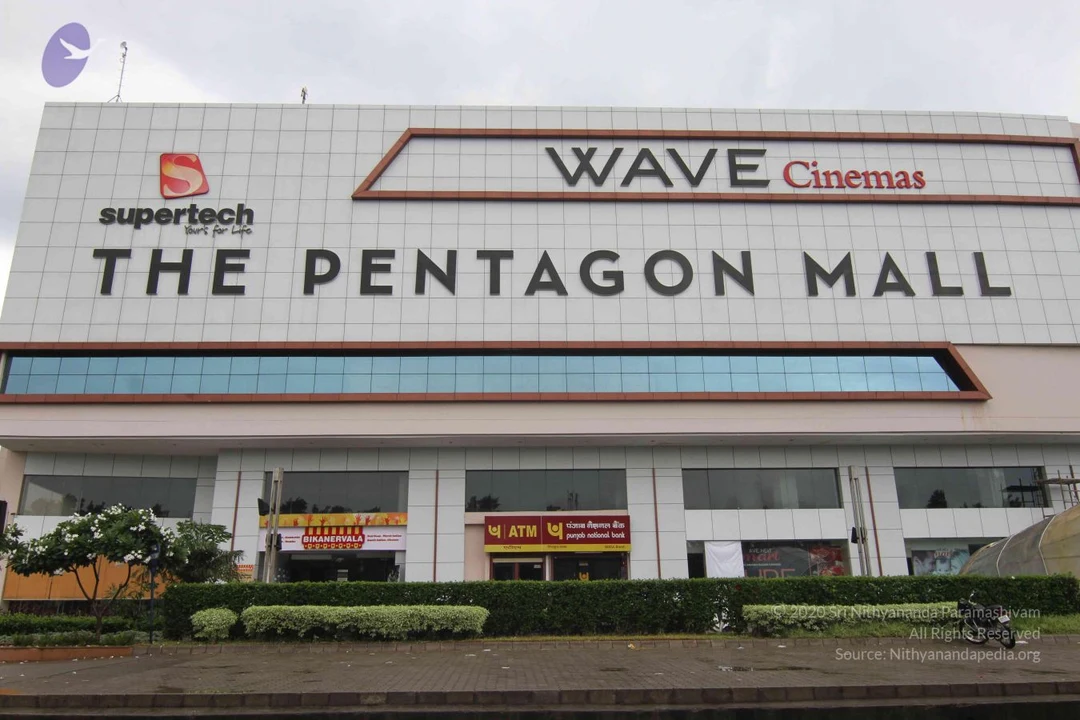
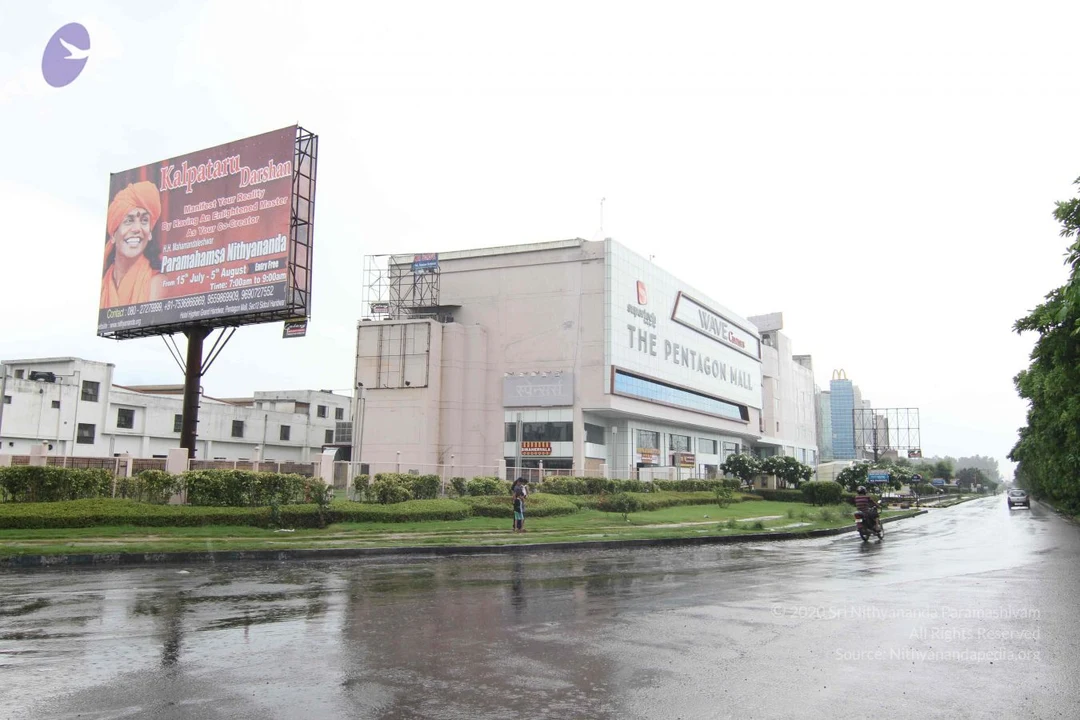
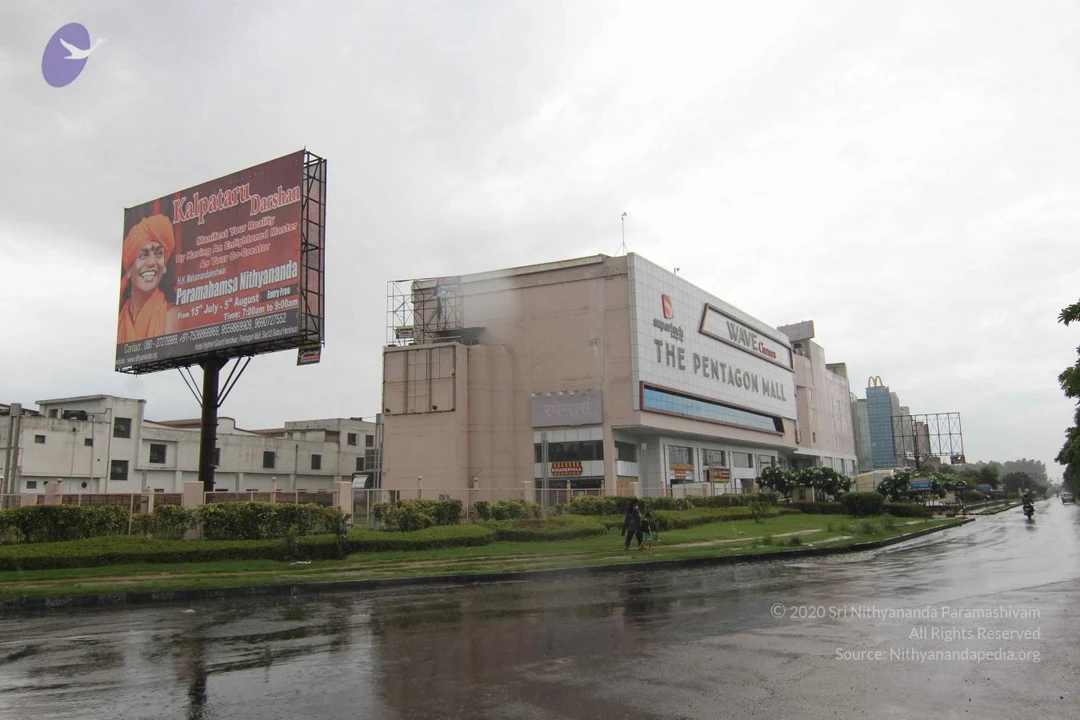
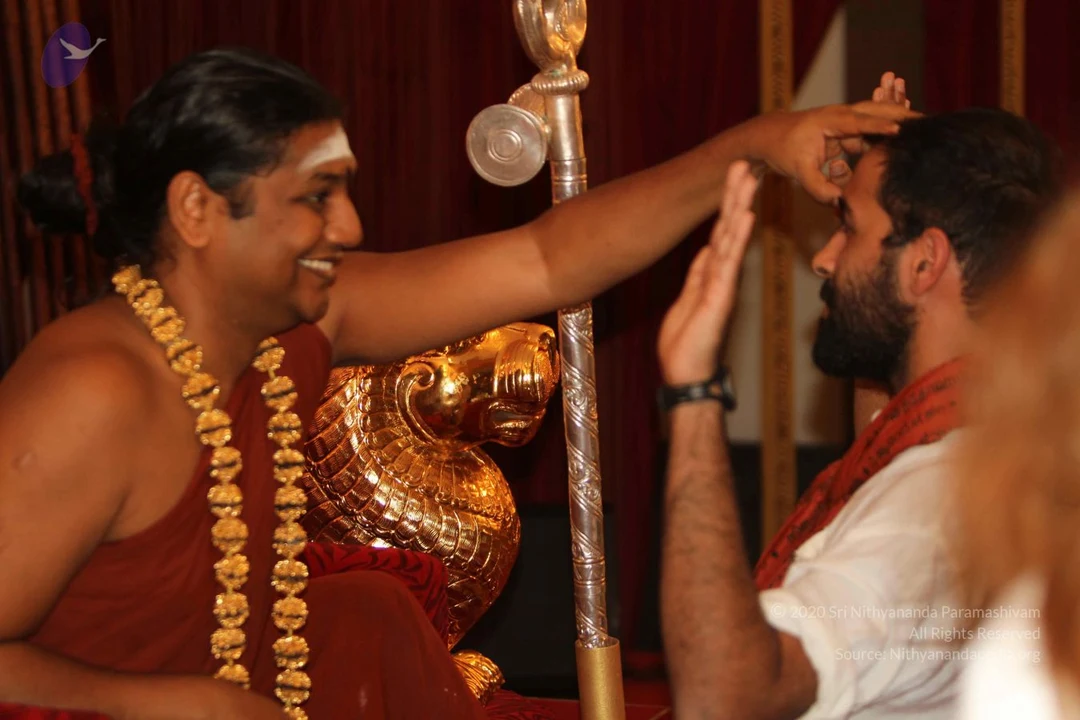
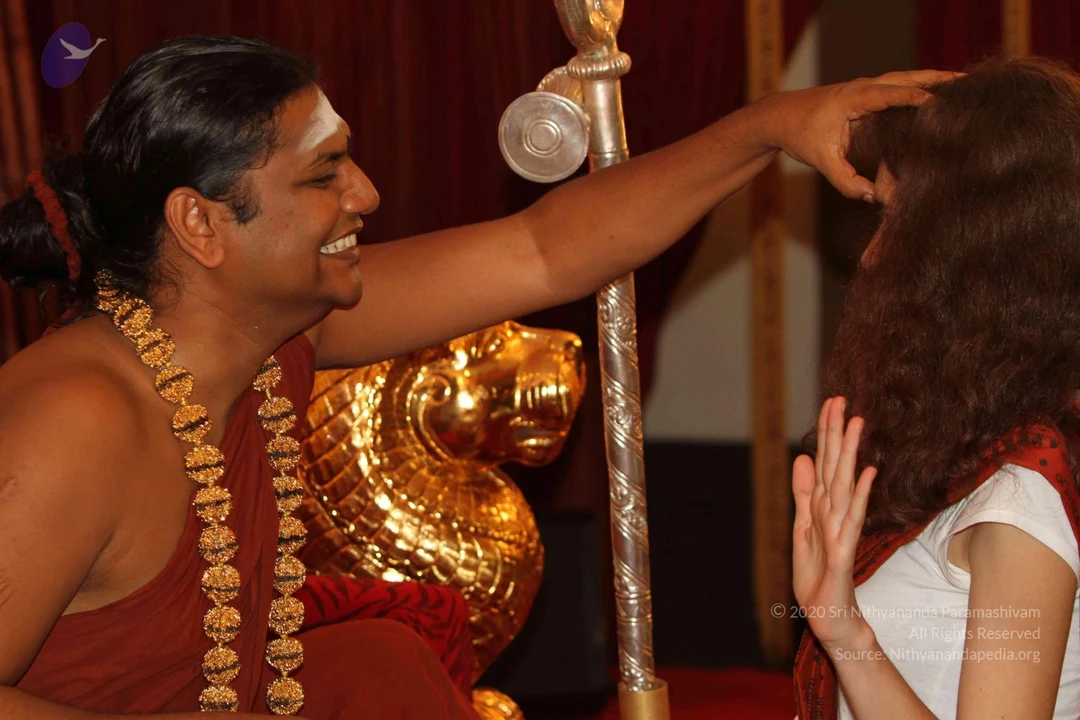
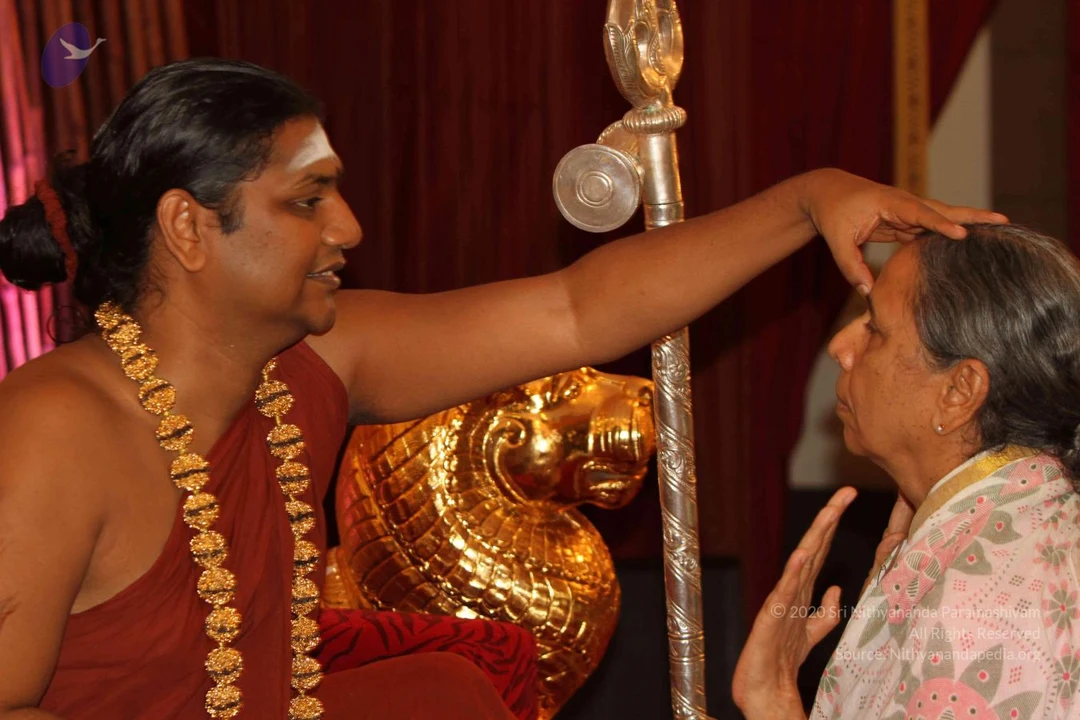
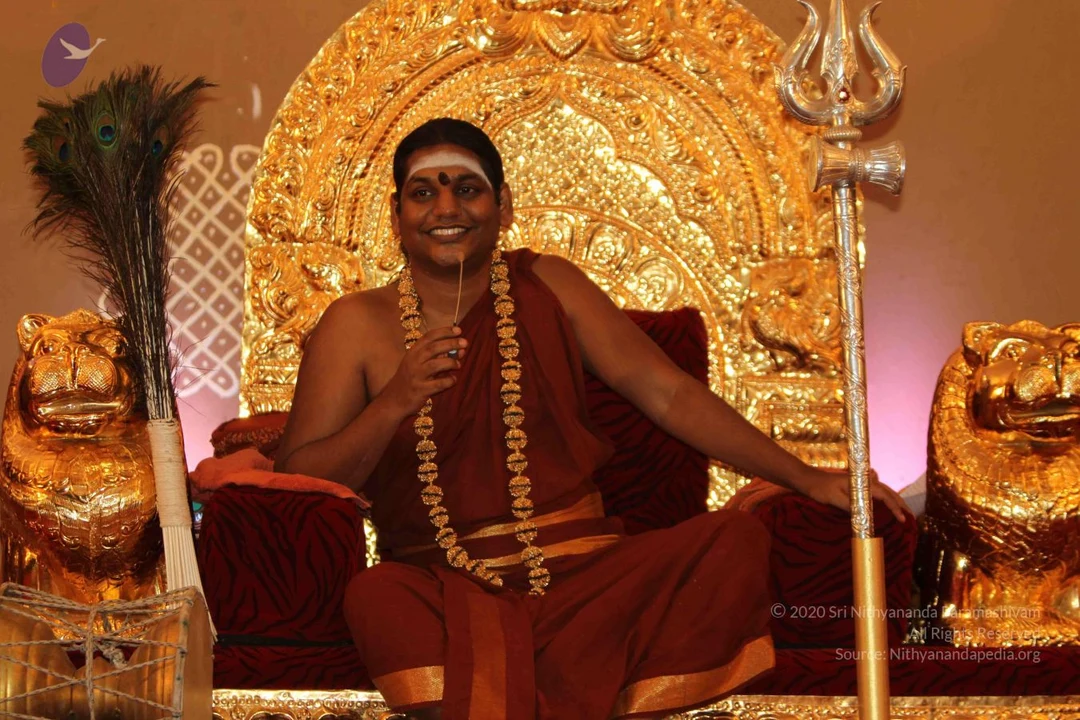
Satsang-Kapataru-Kavidiya
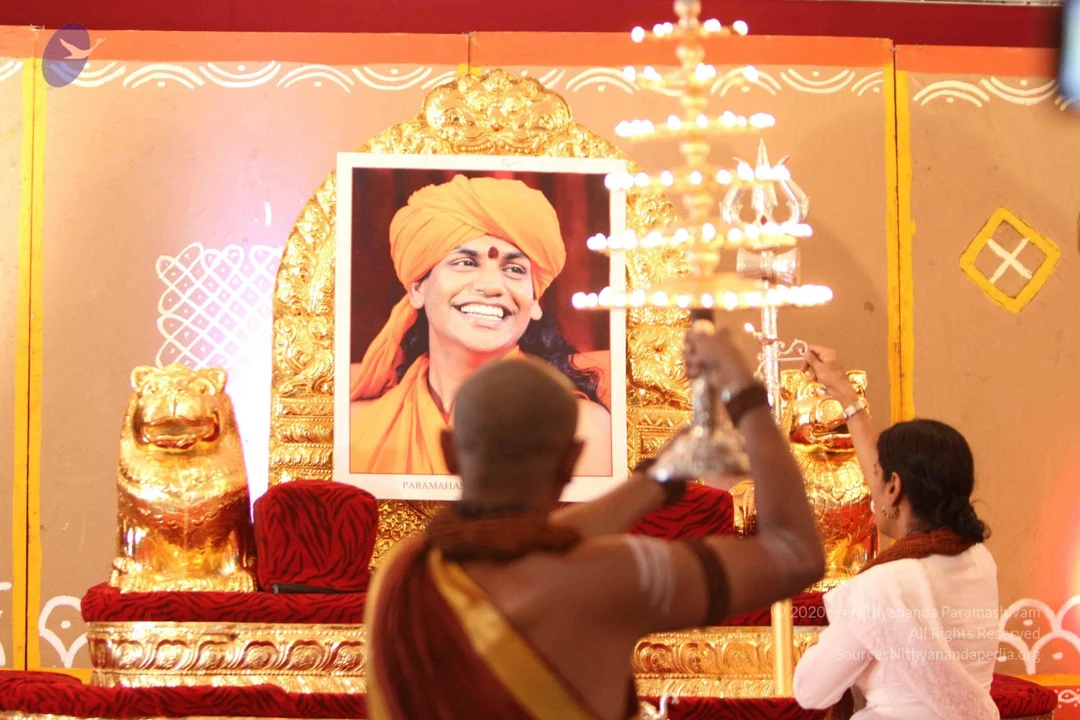
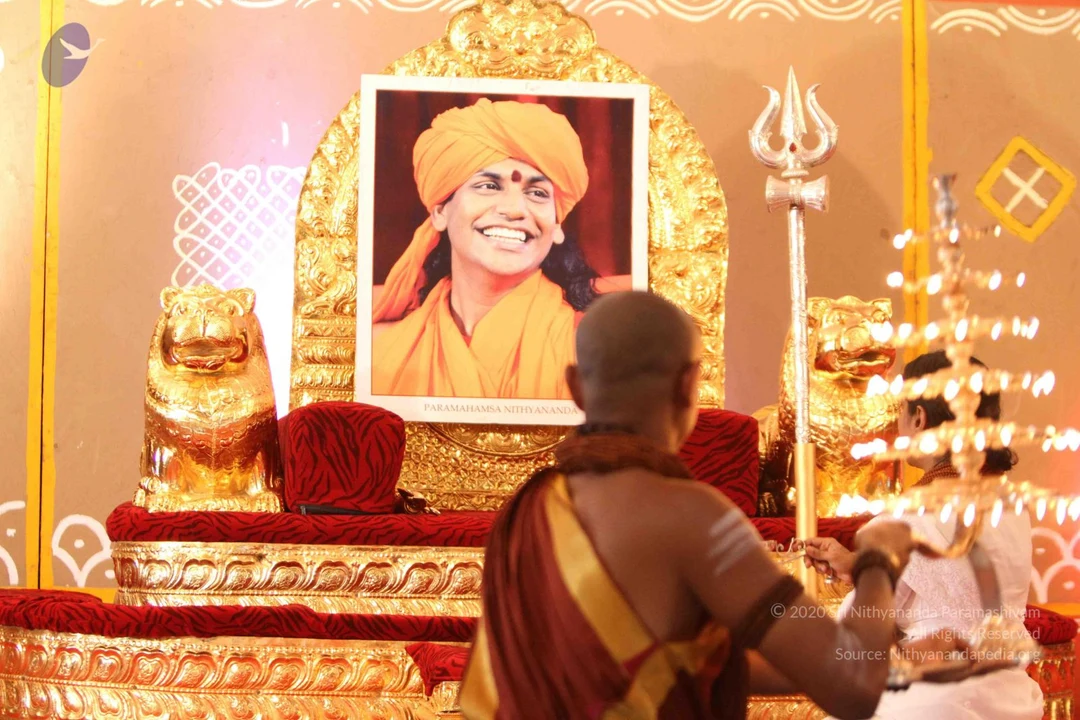
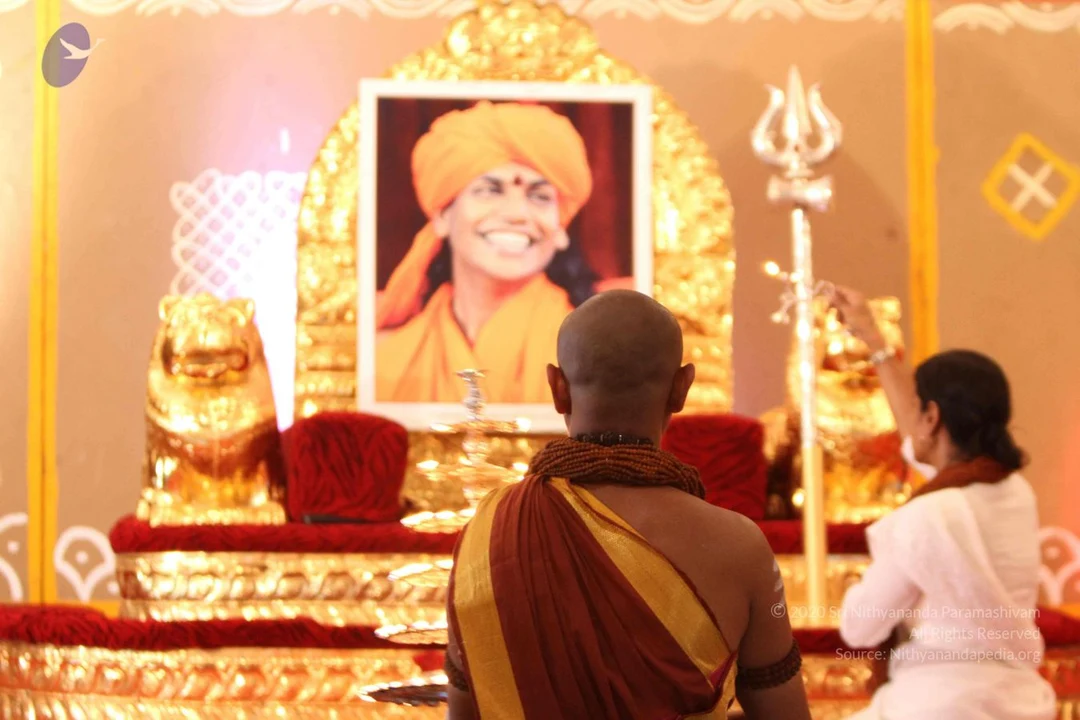
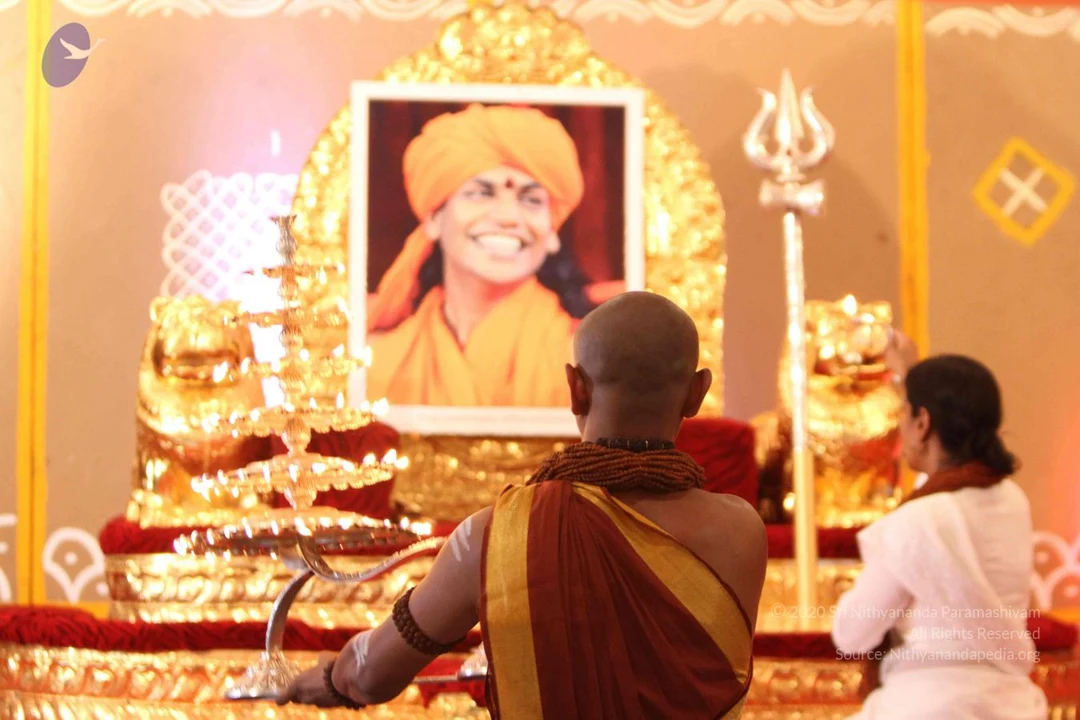
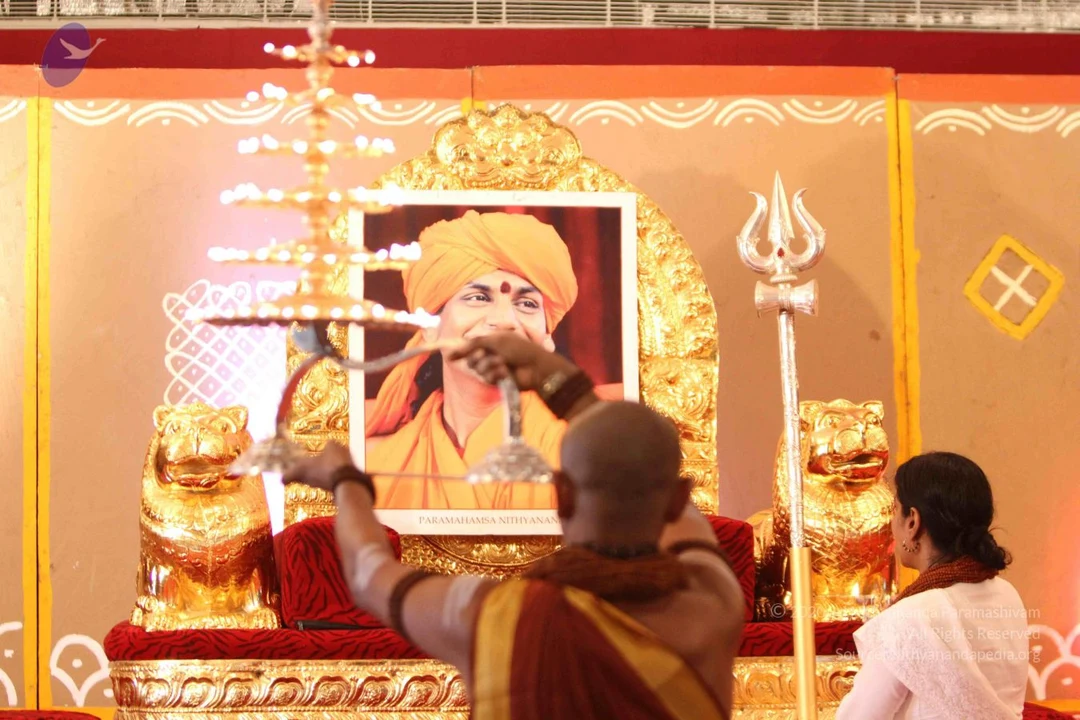
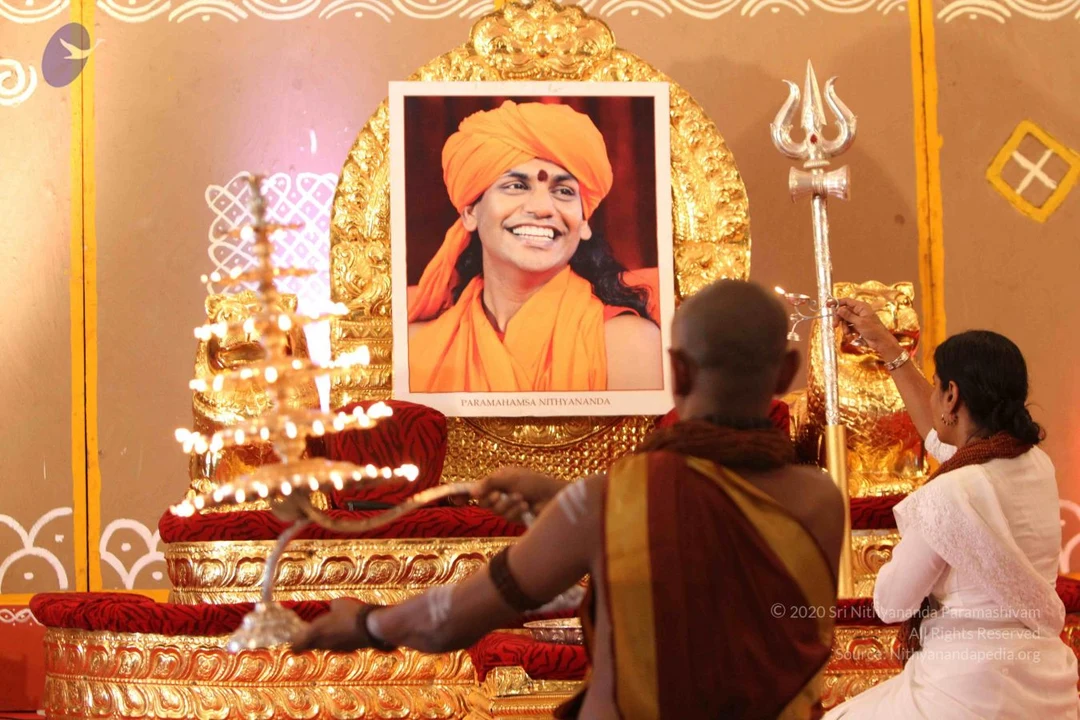
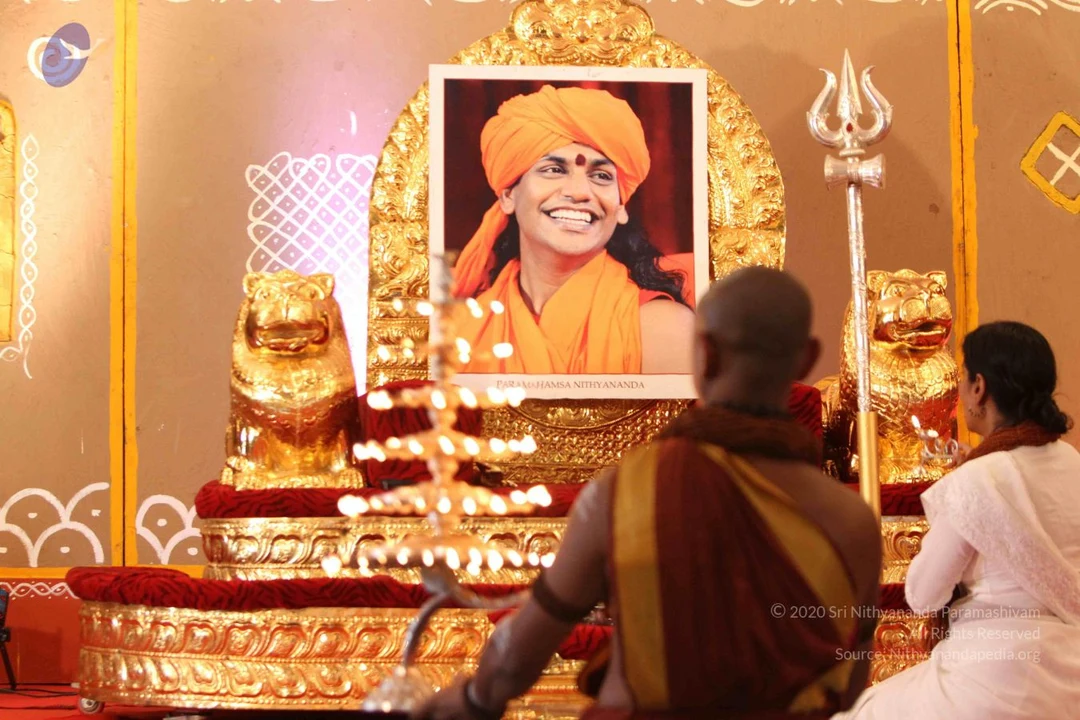
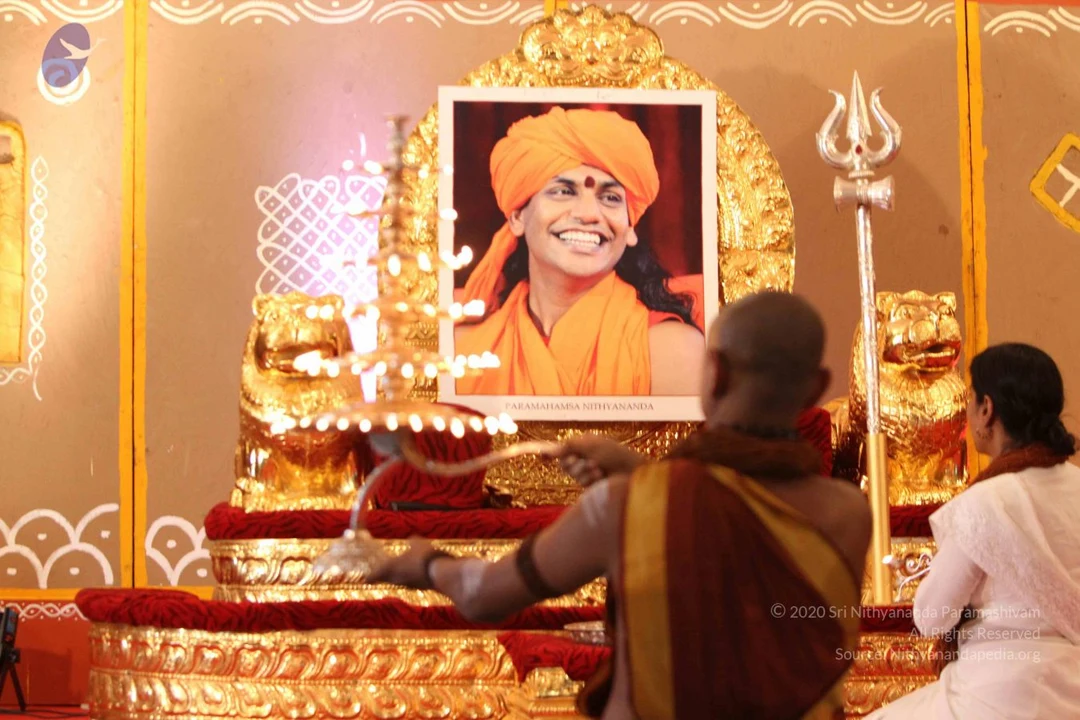
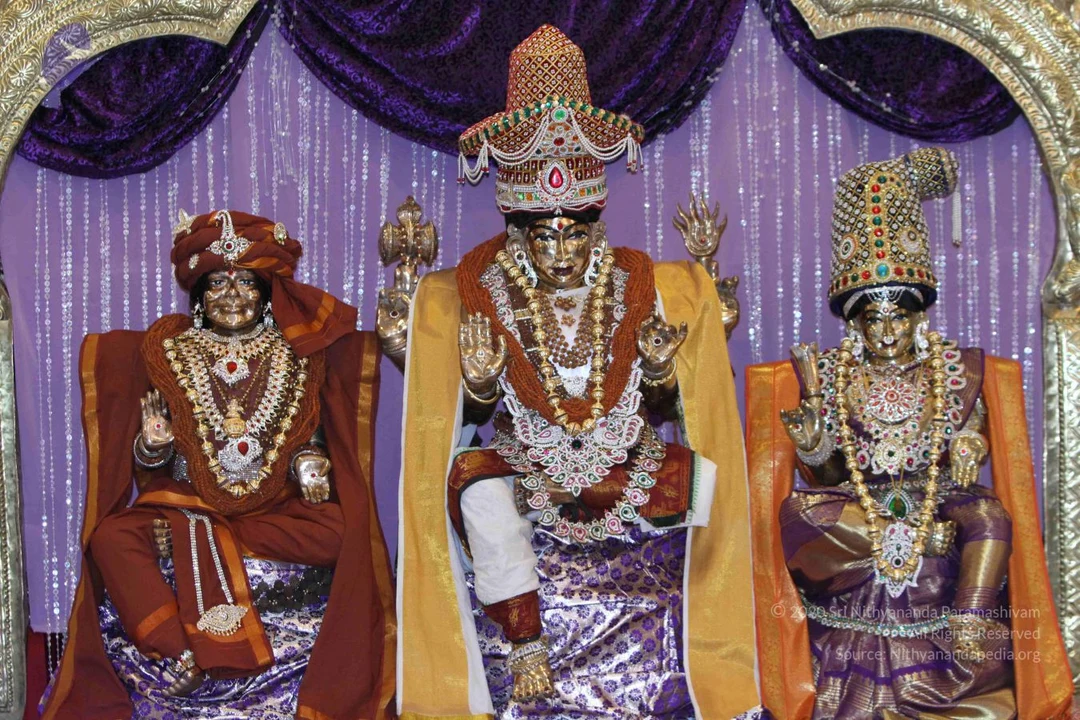
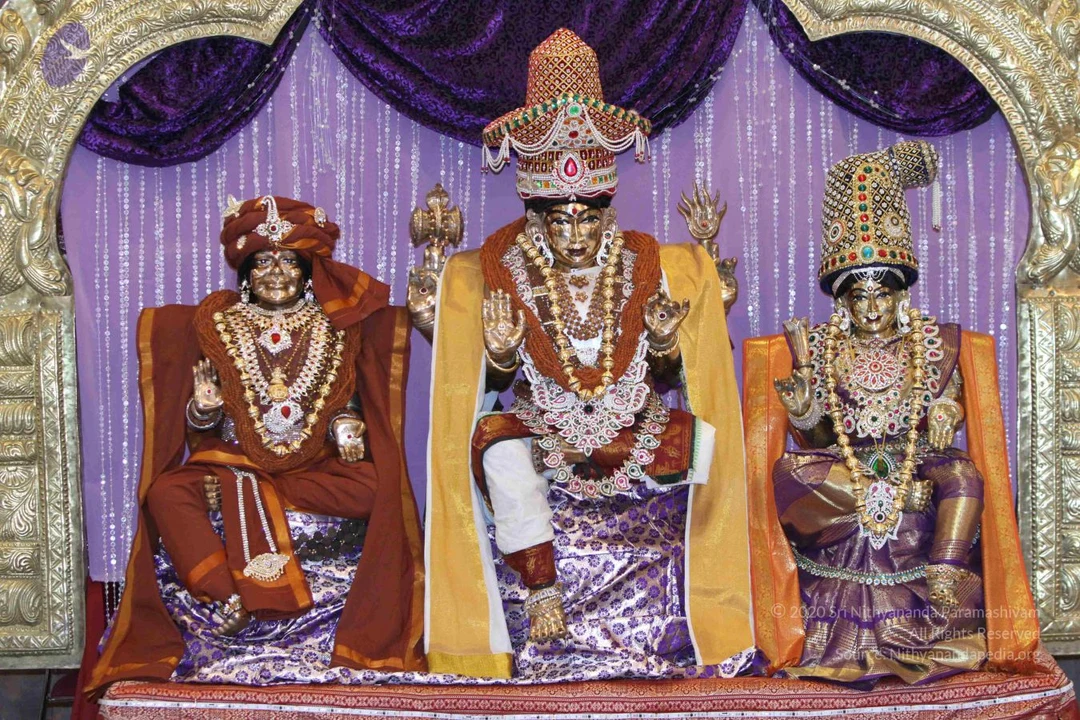
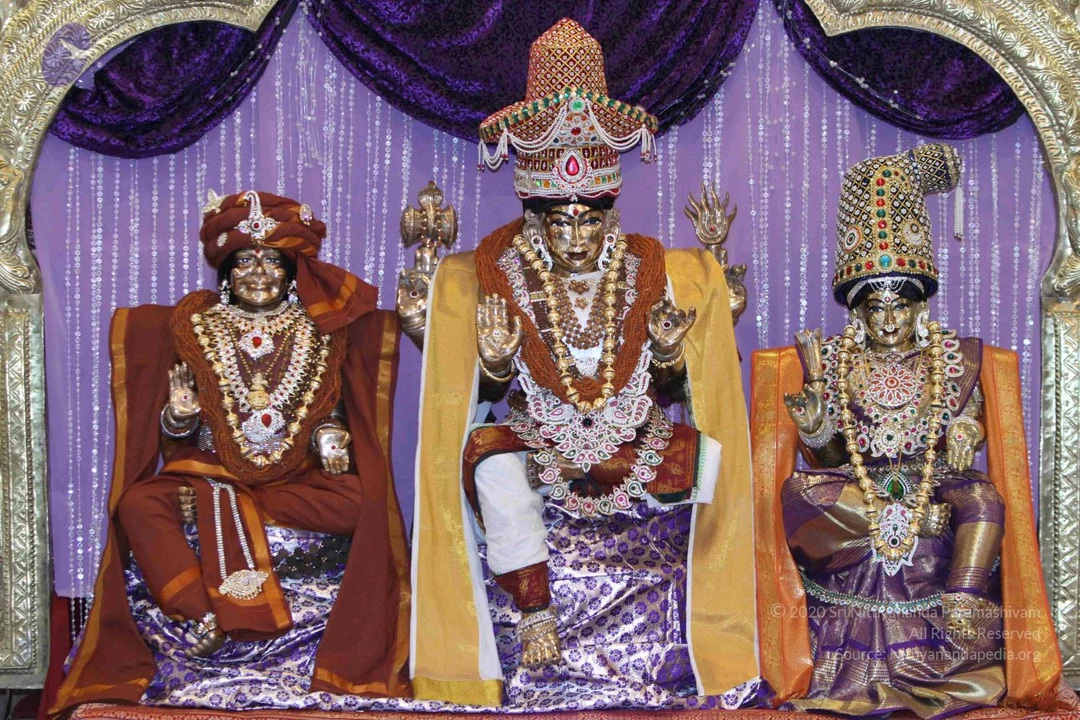
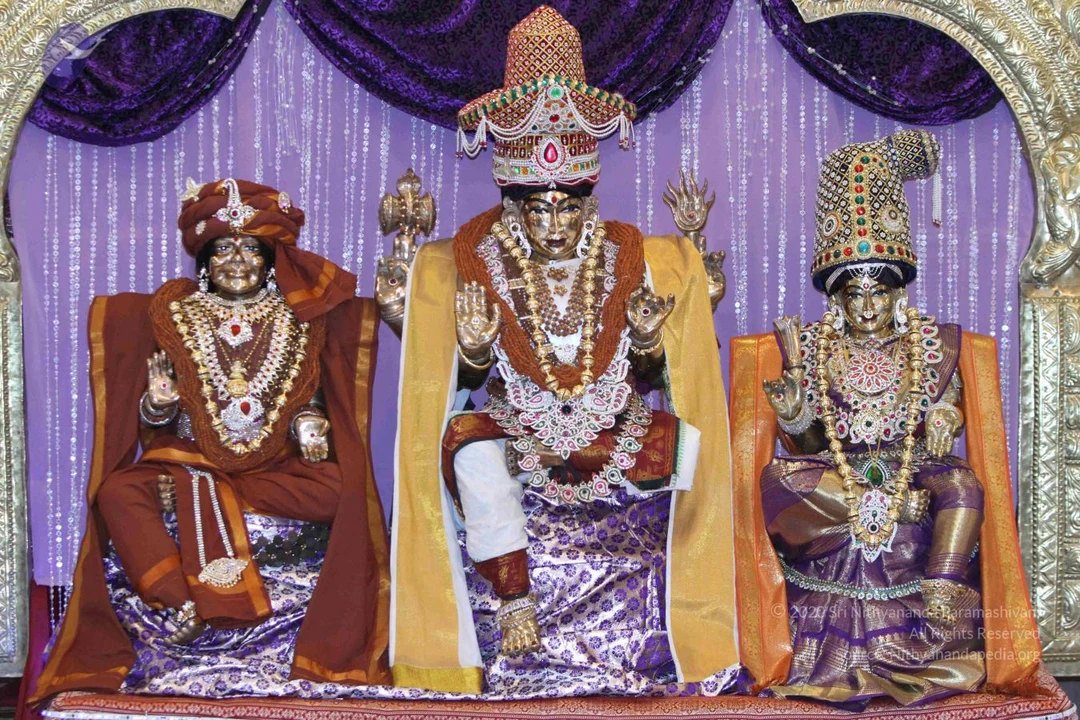
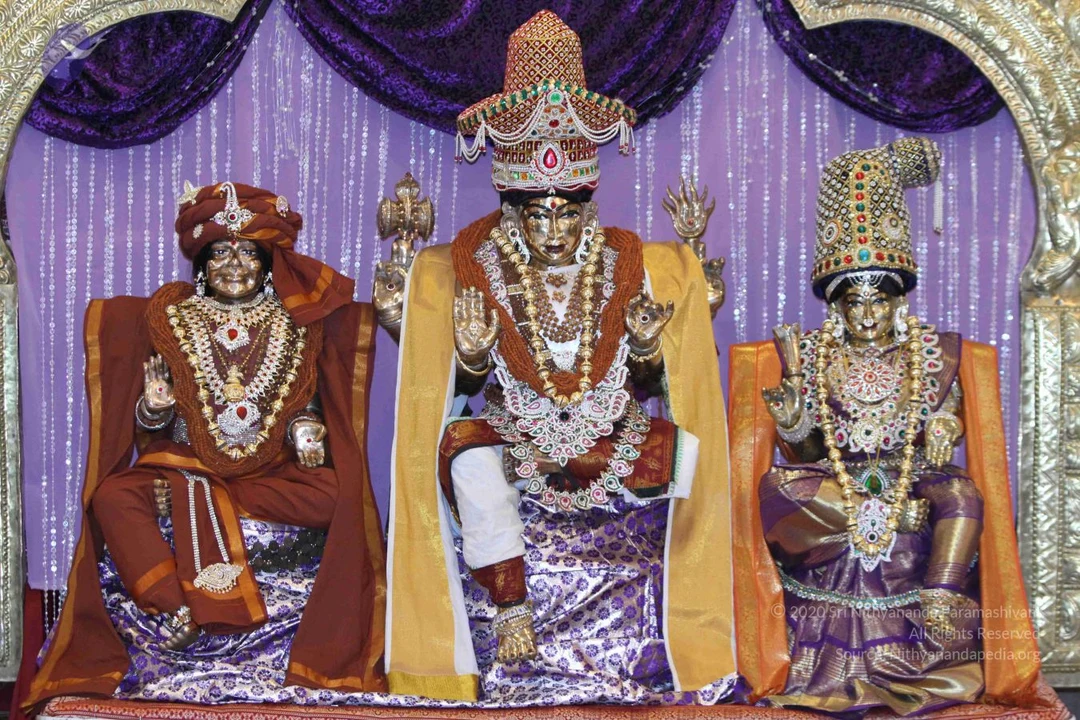
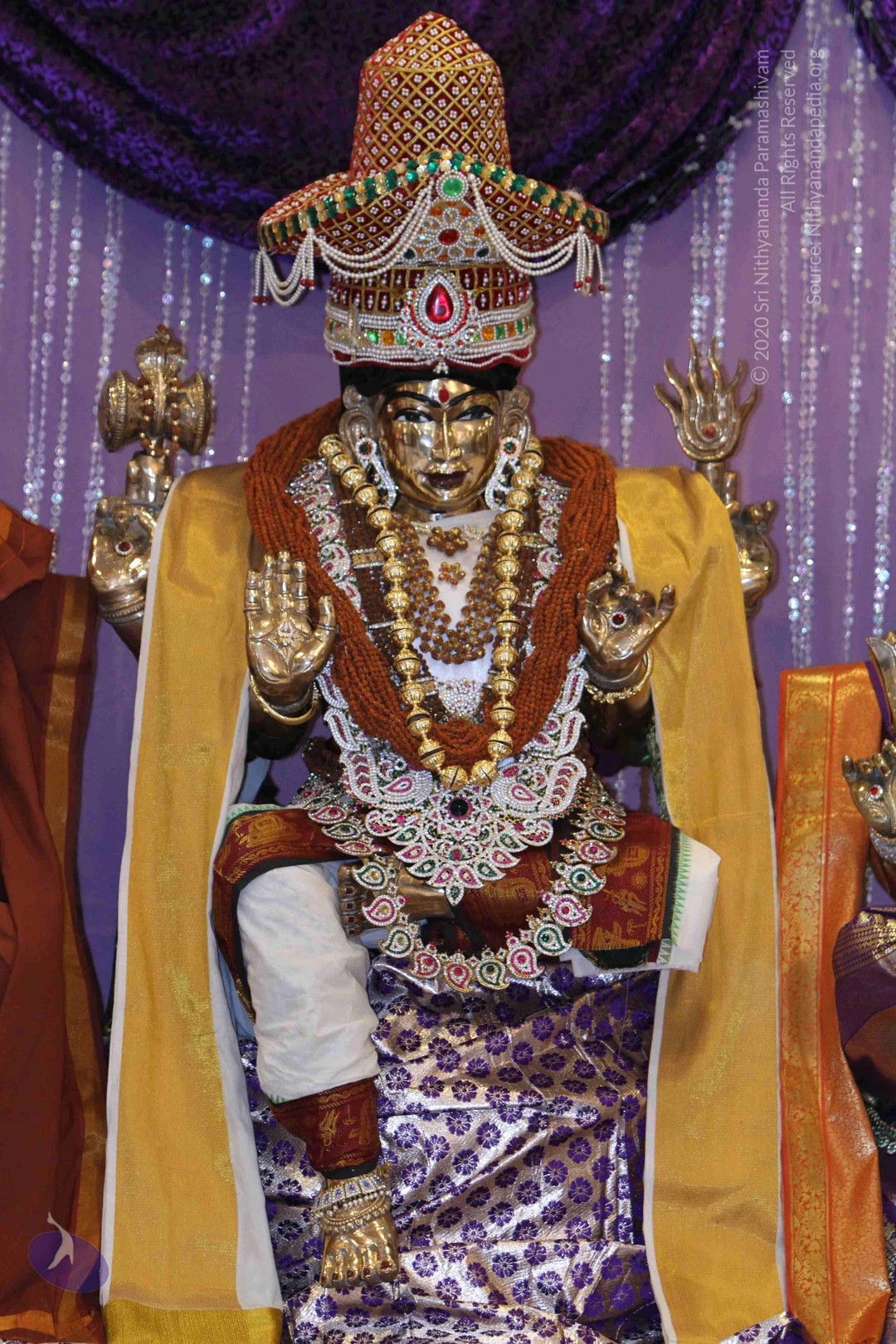
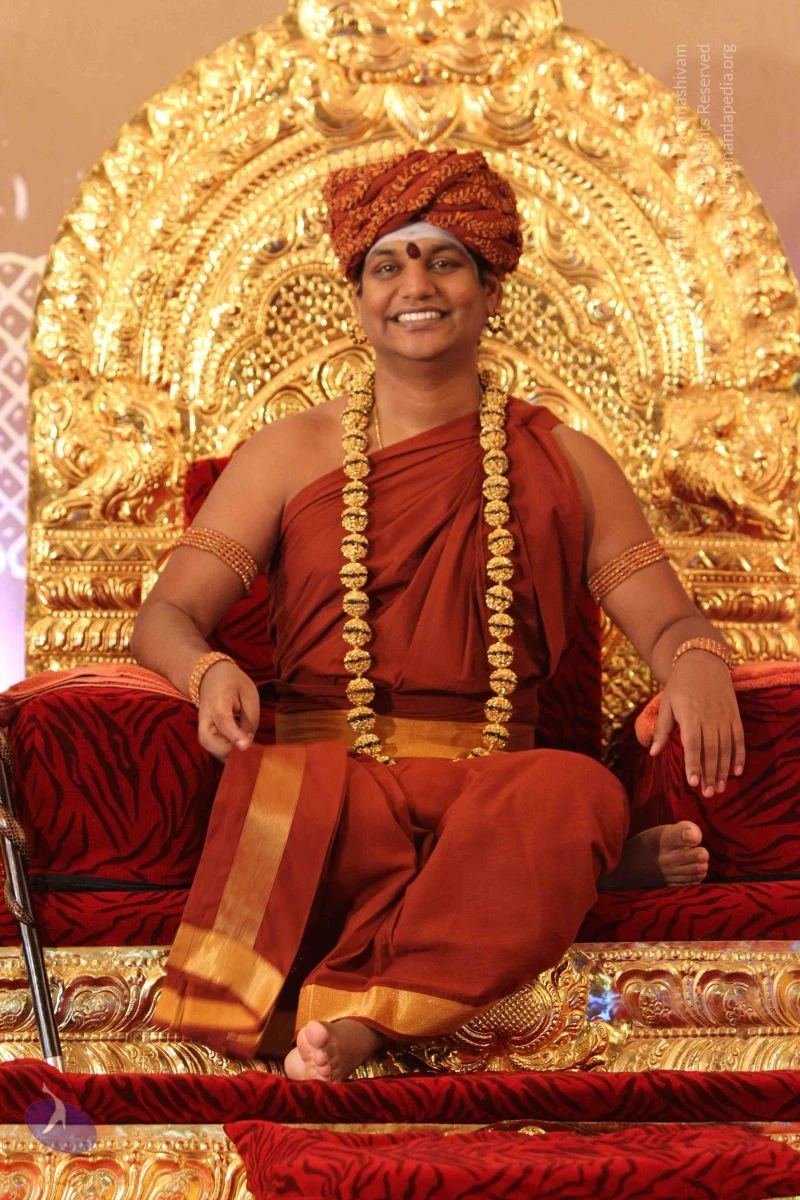
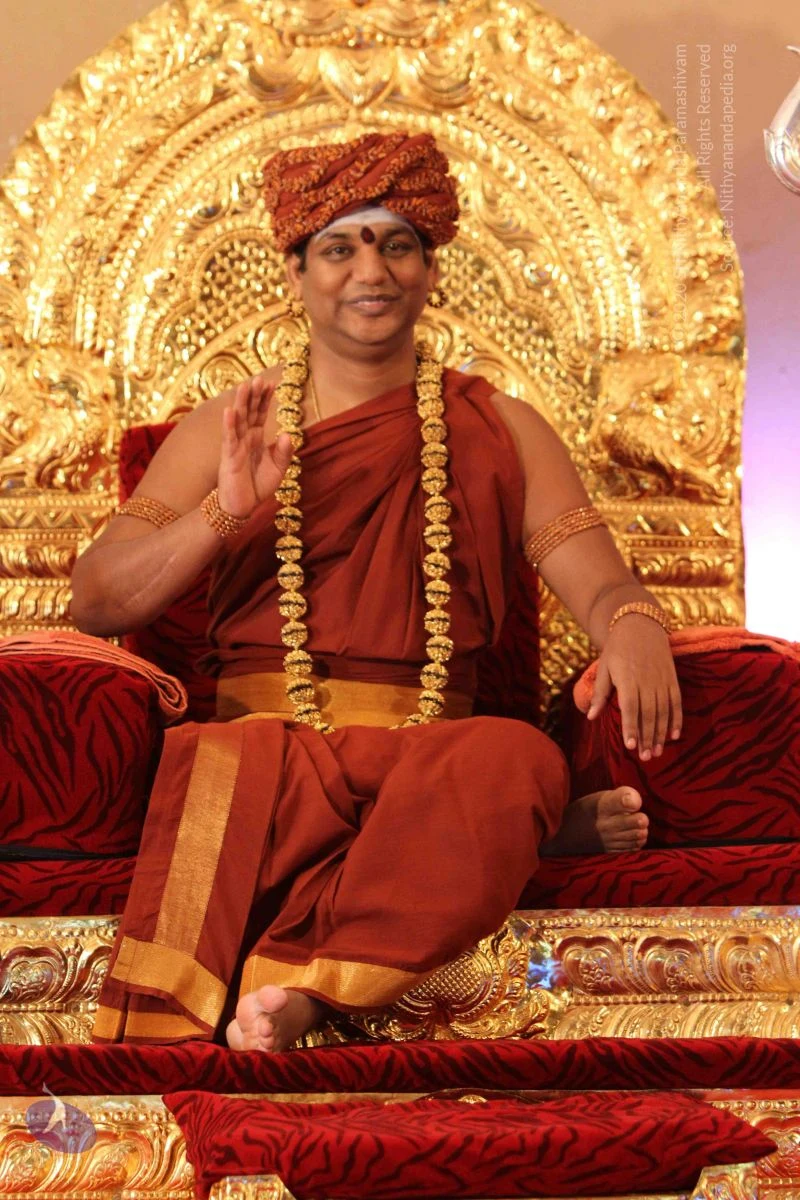
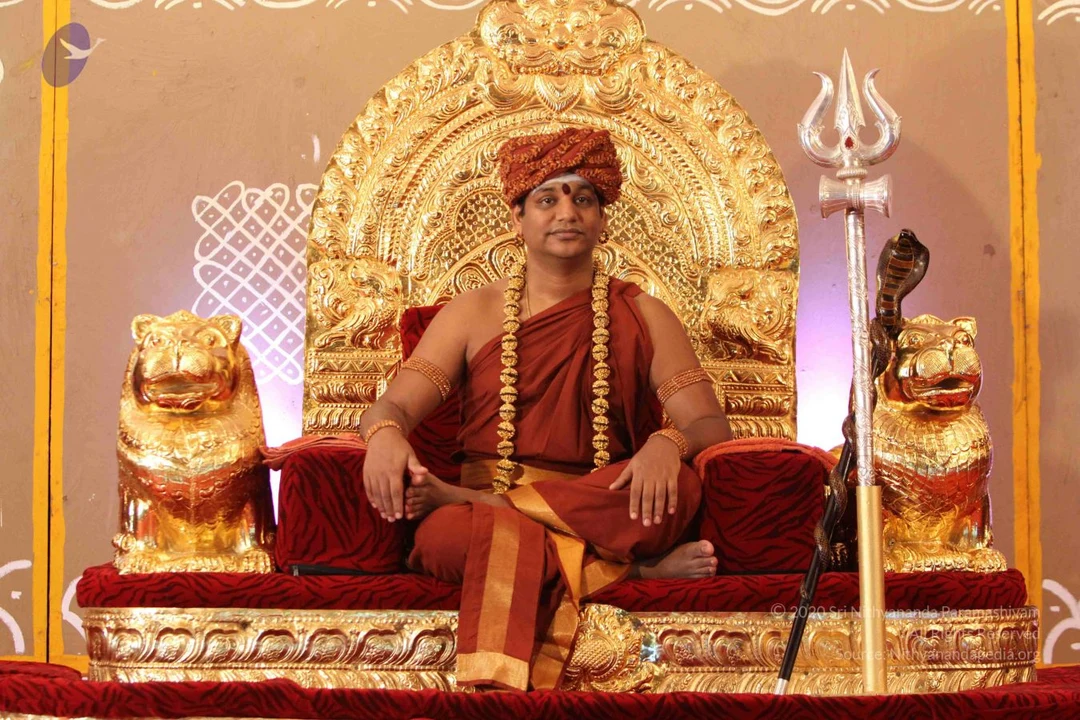
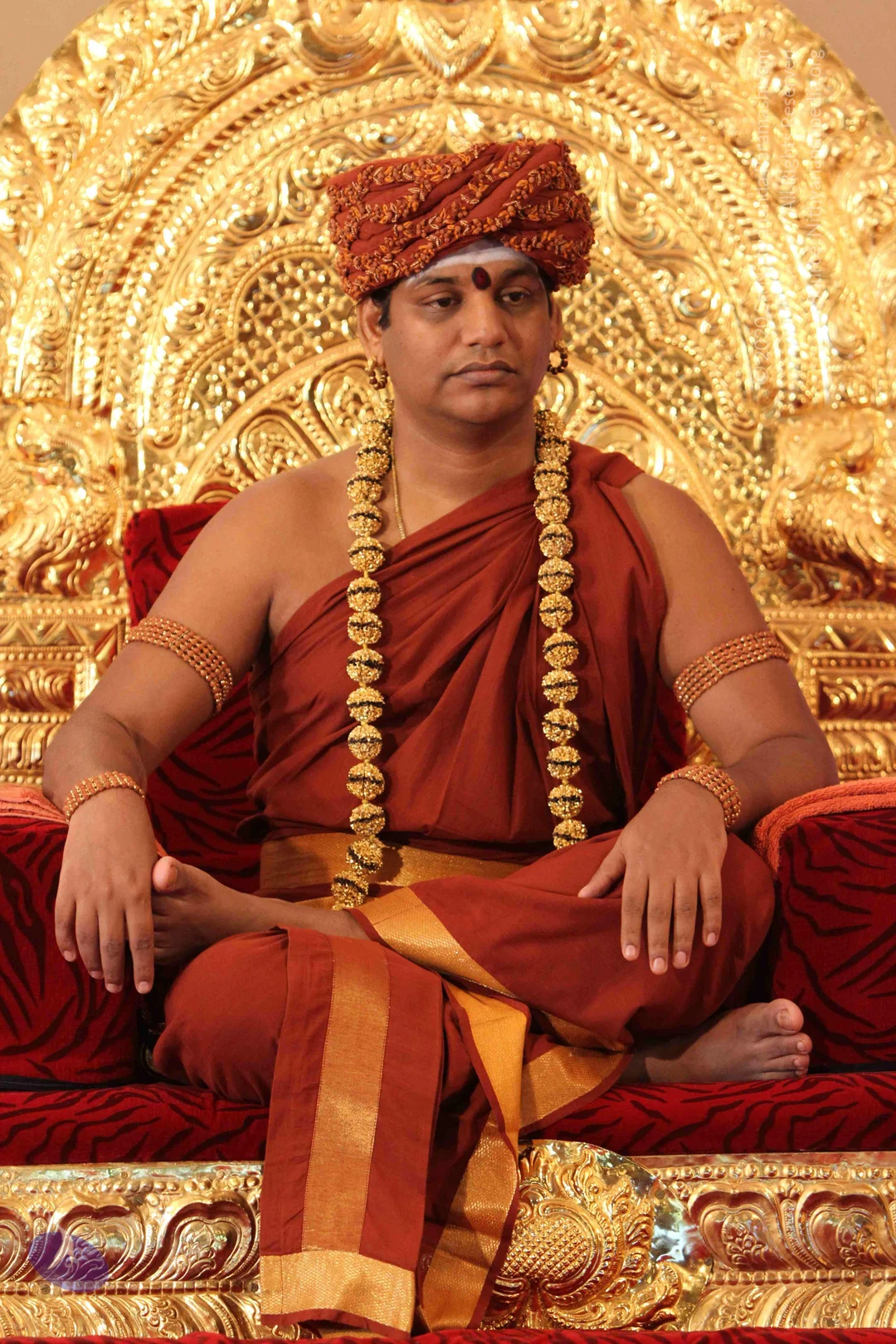

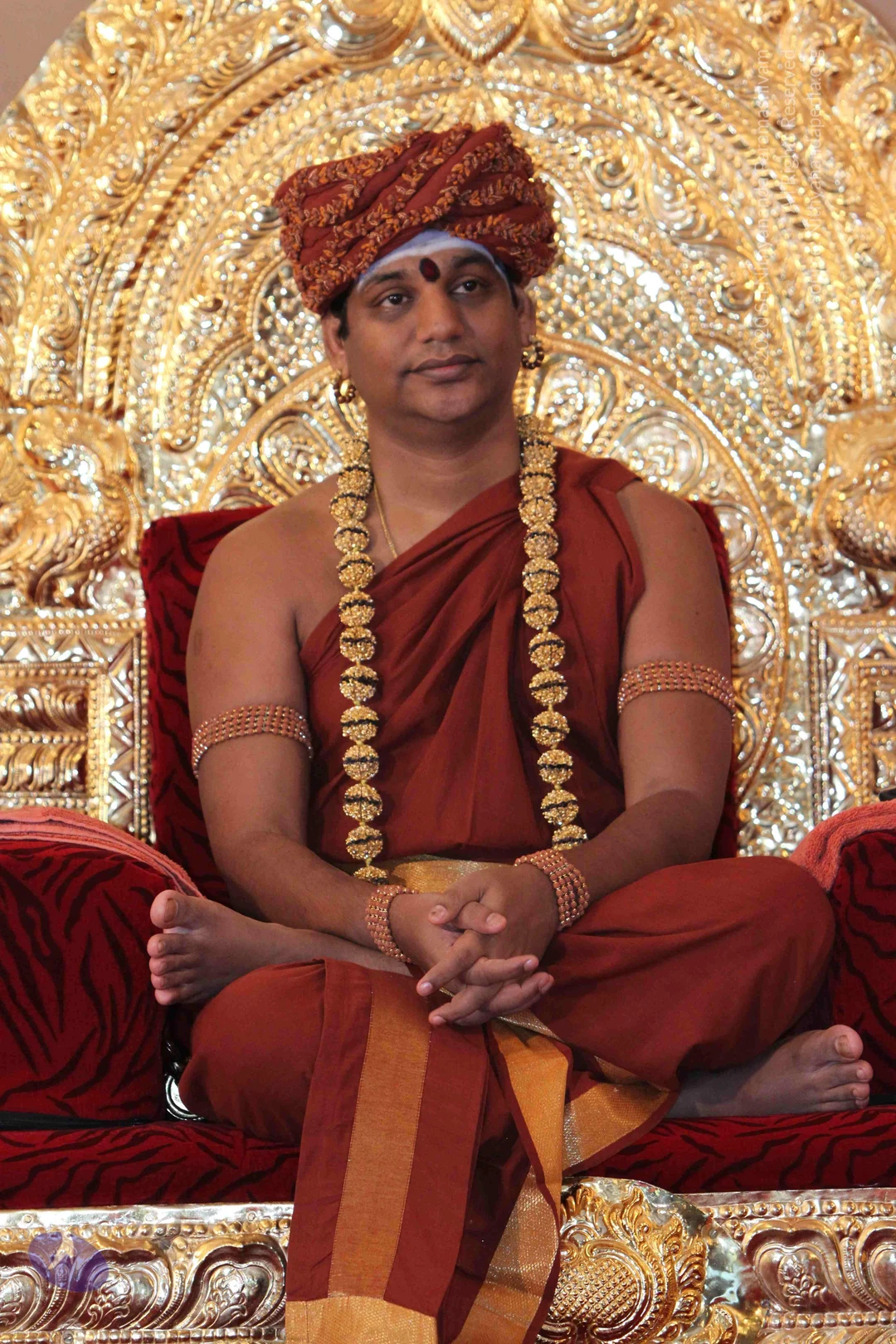
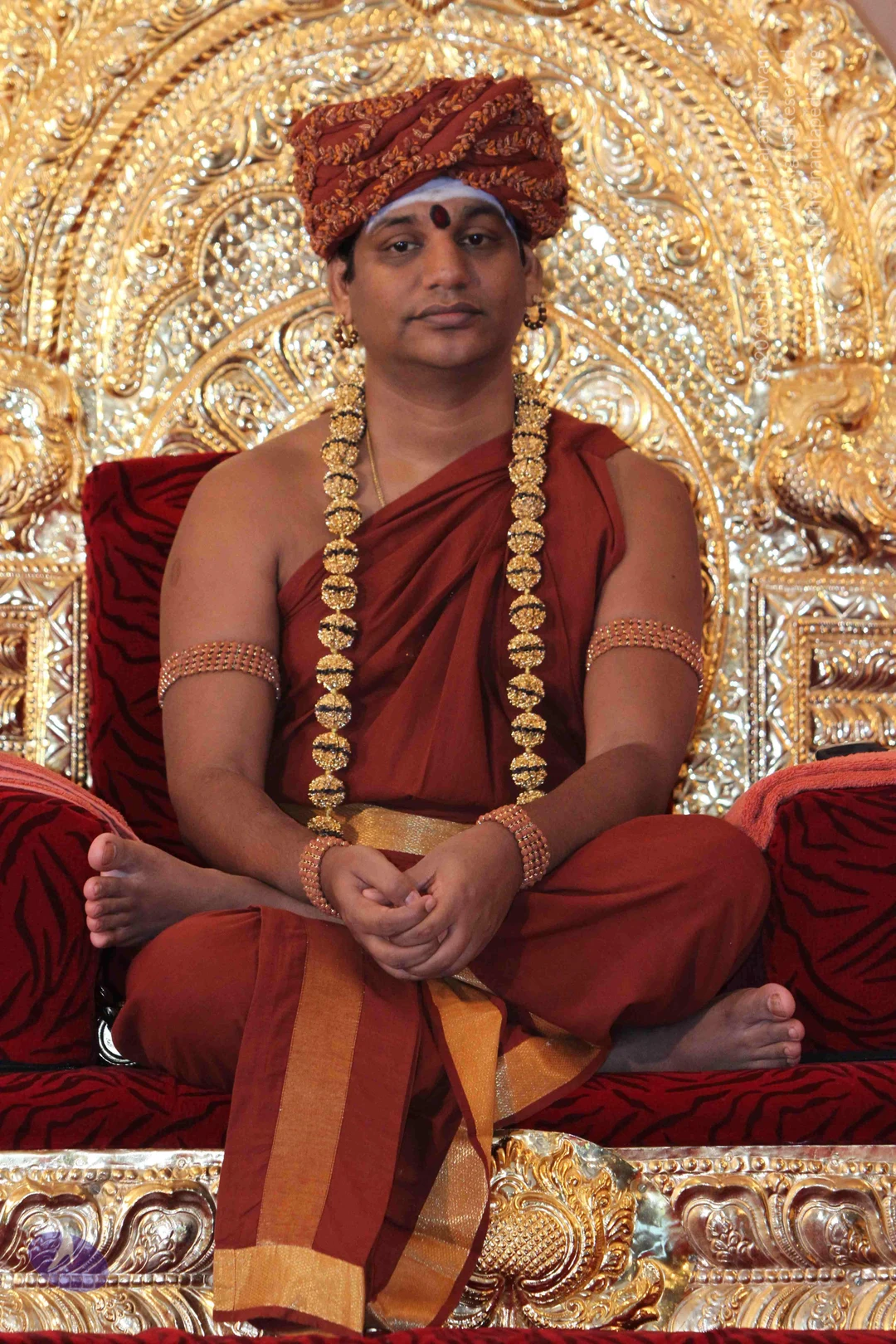
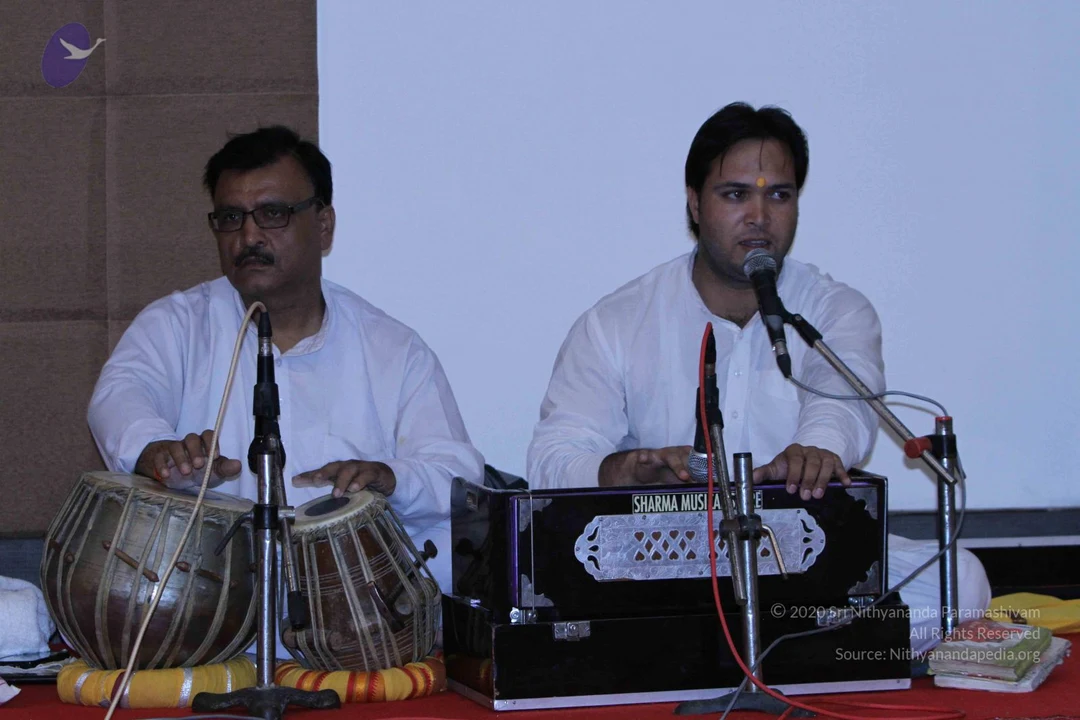
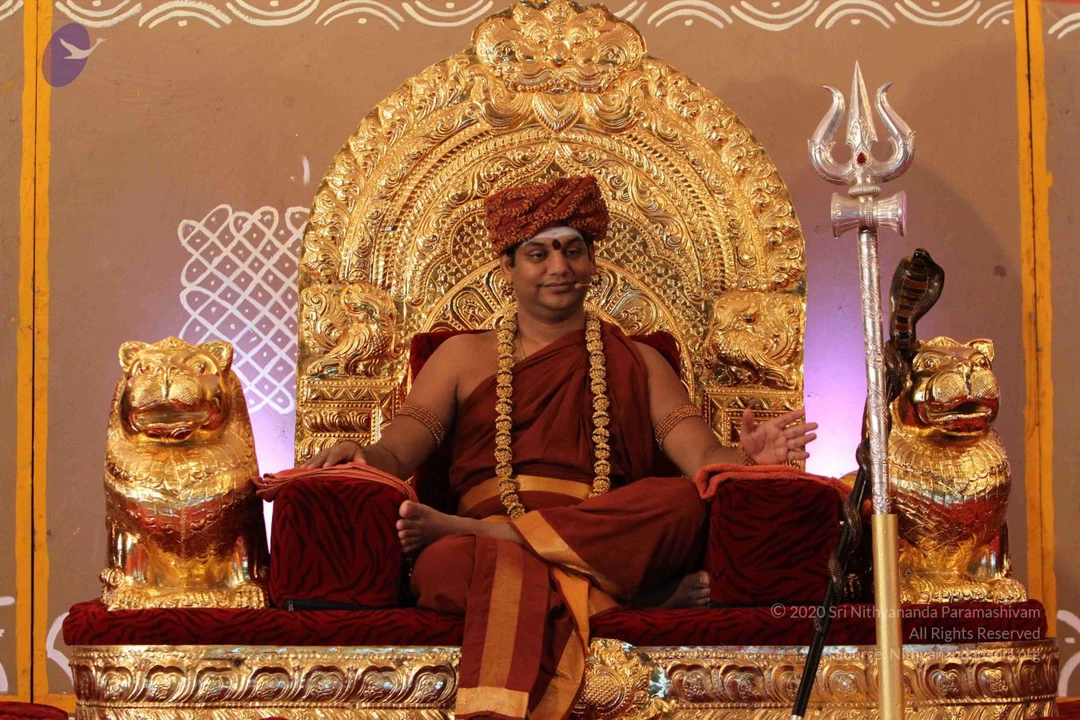

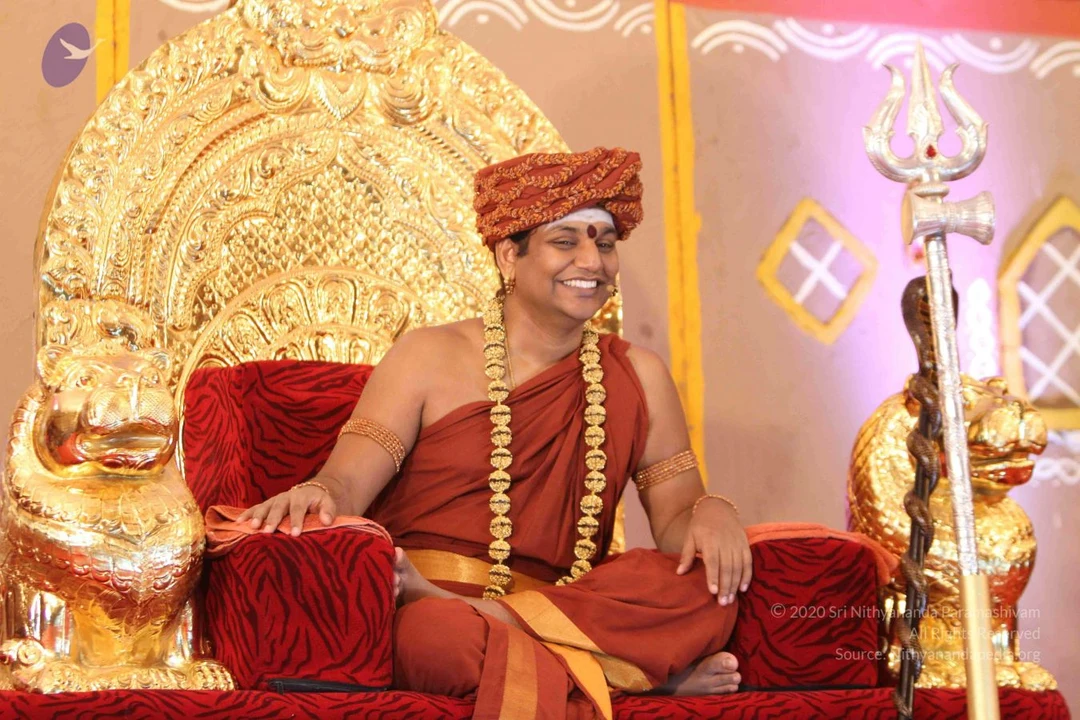
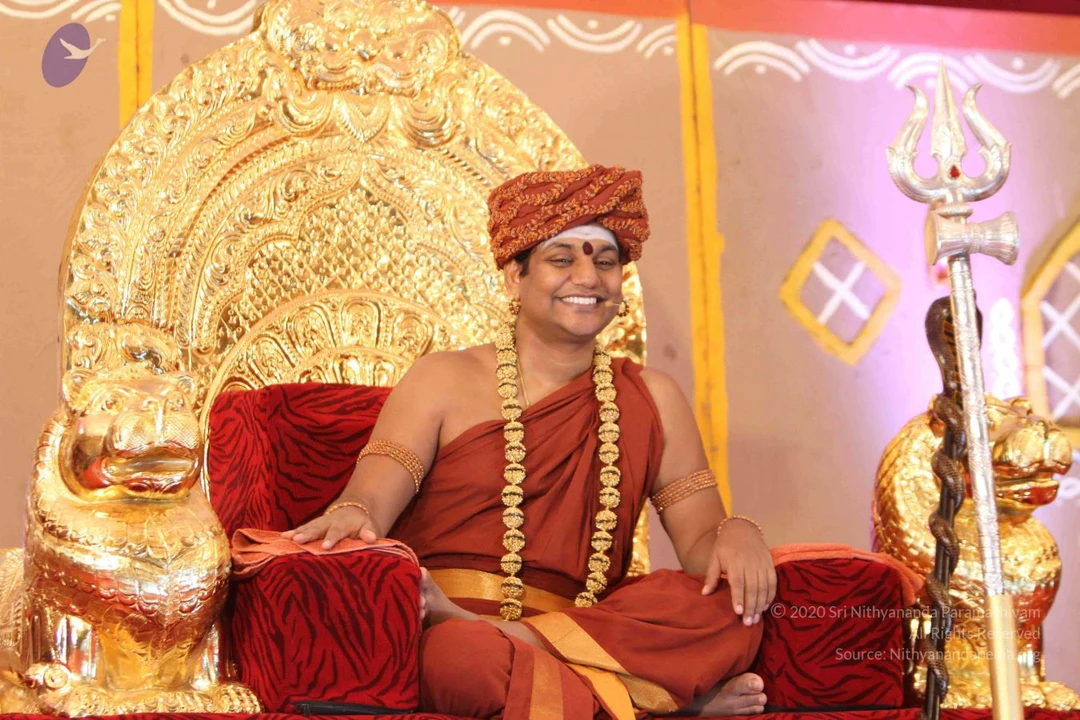
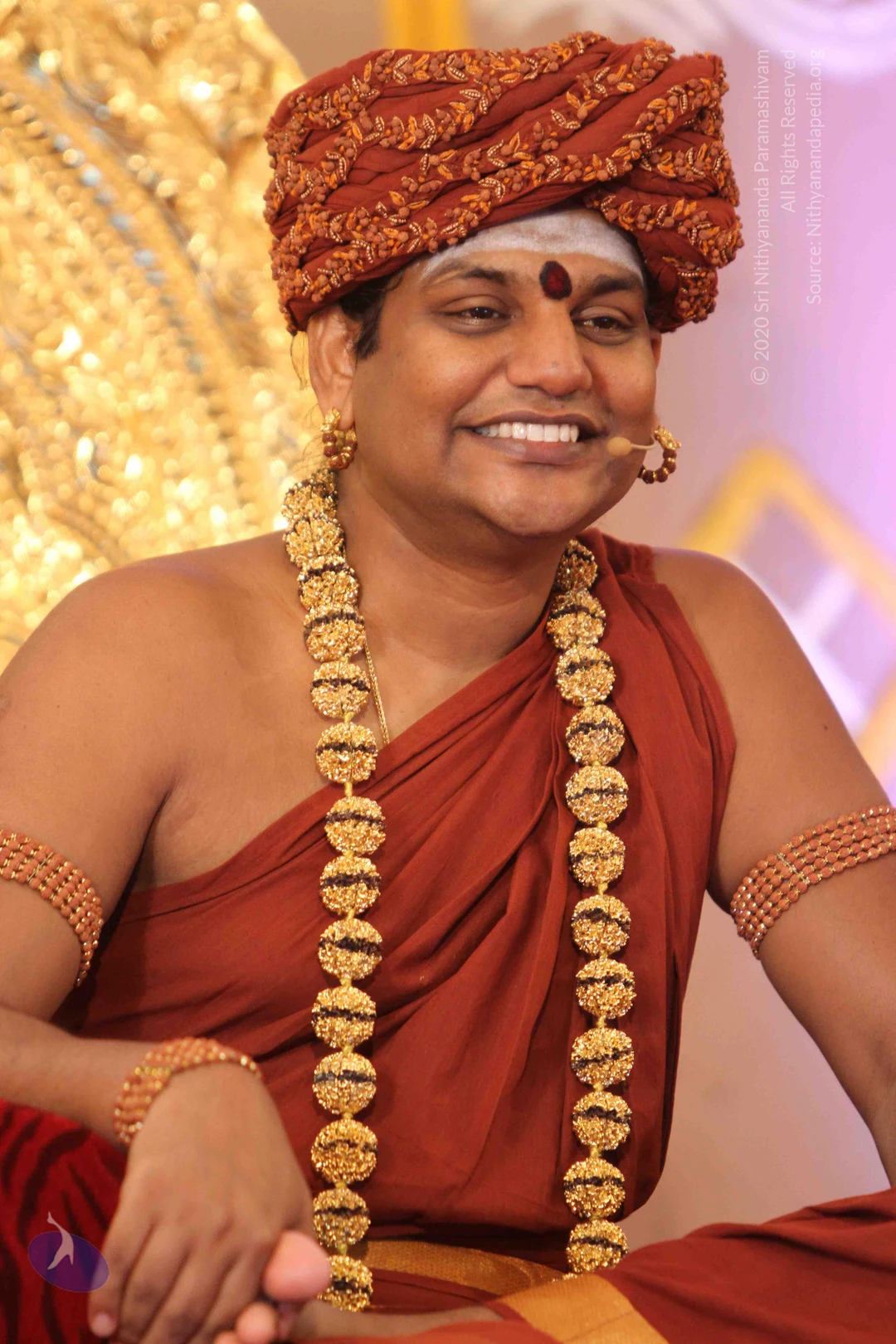
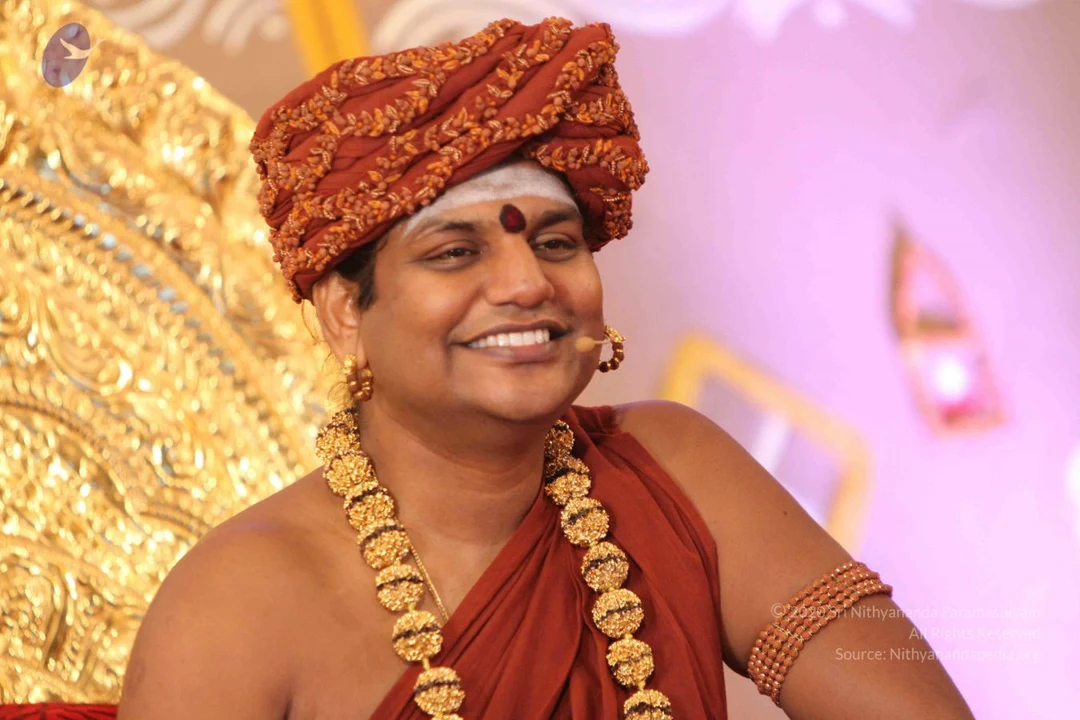
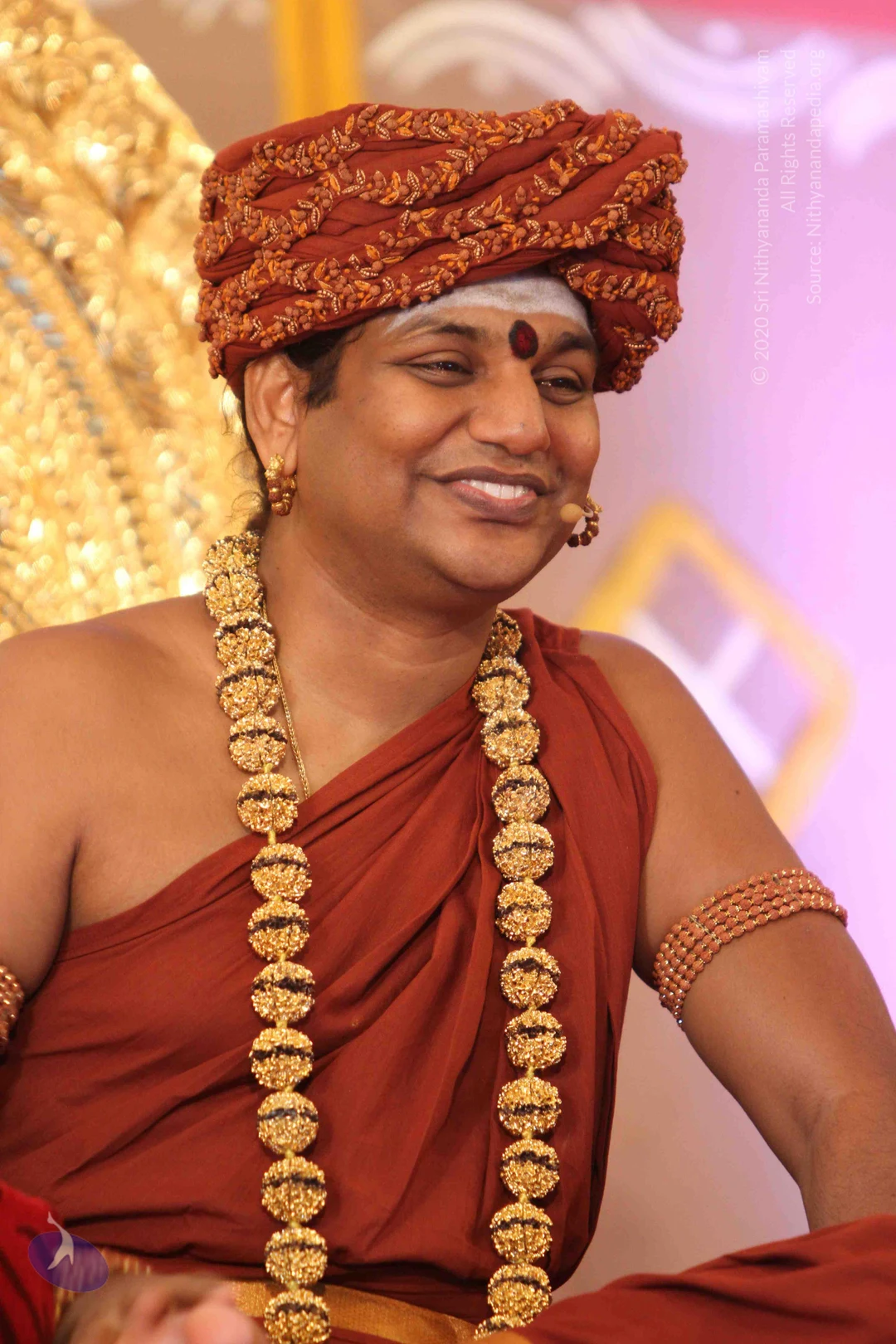
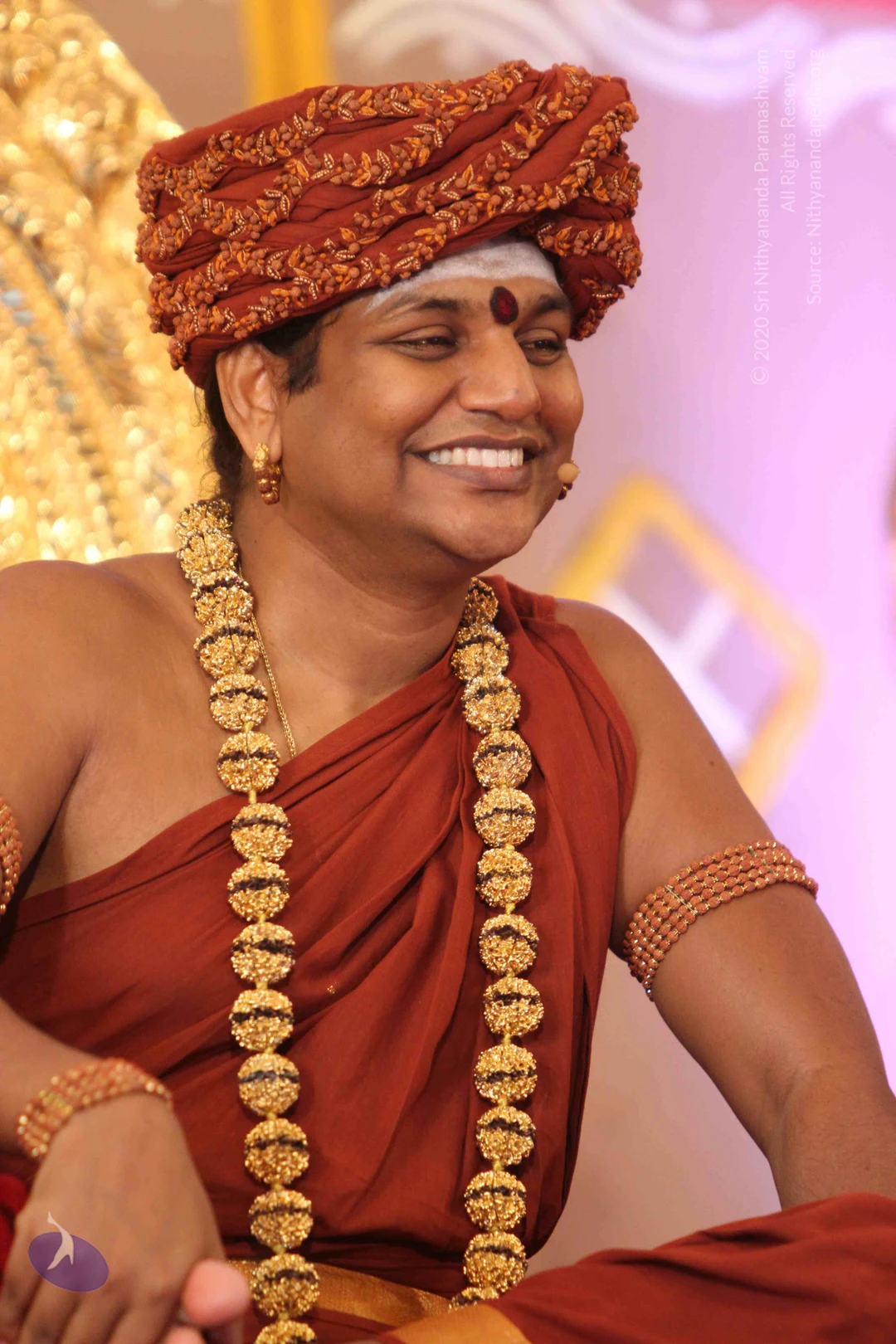
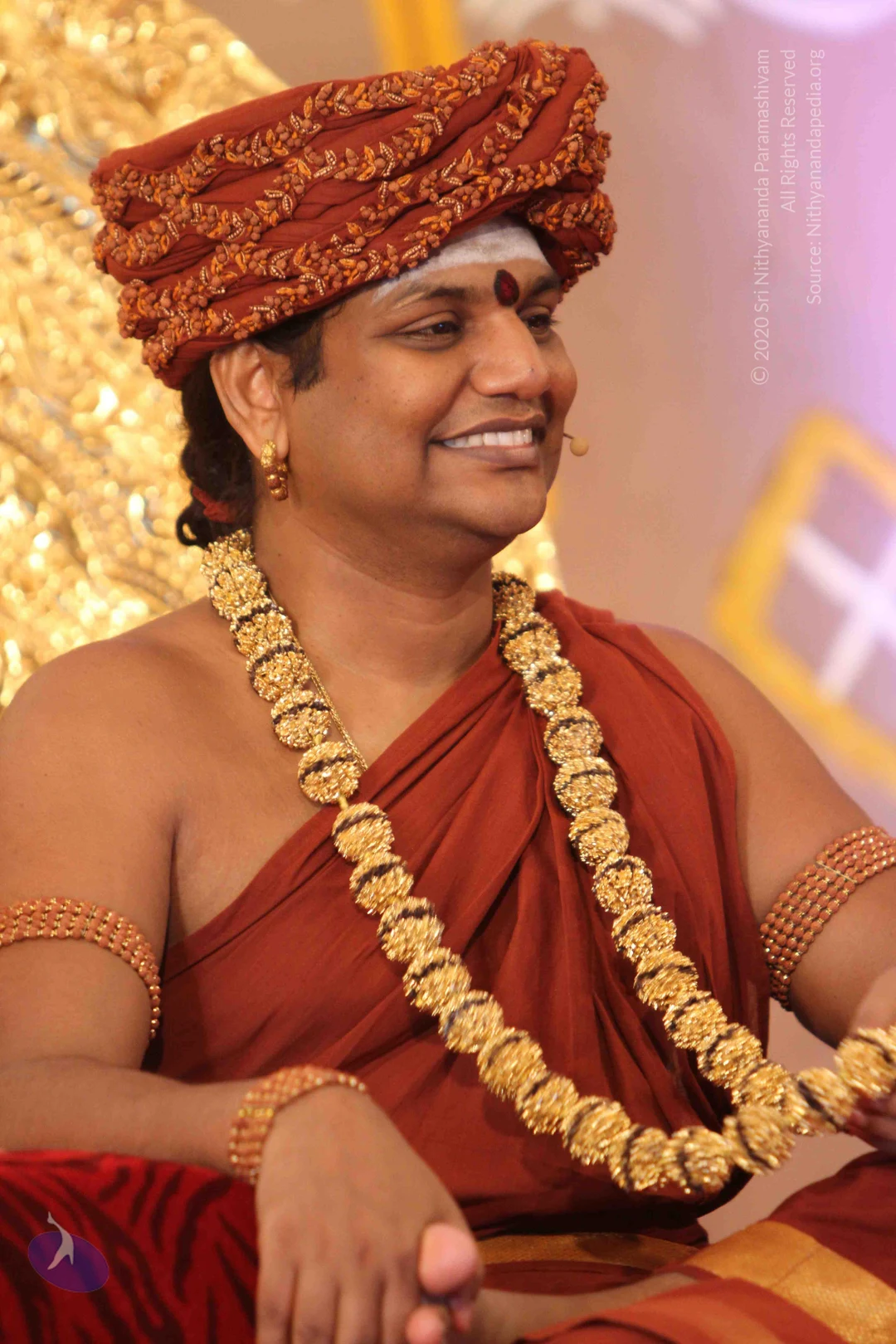
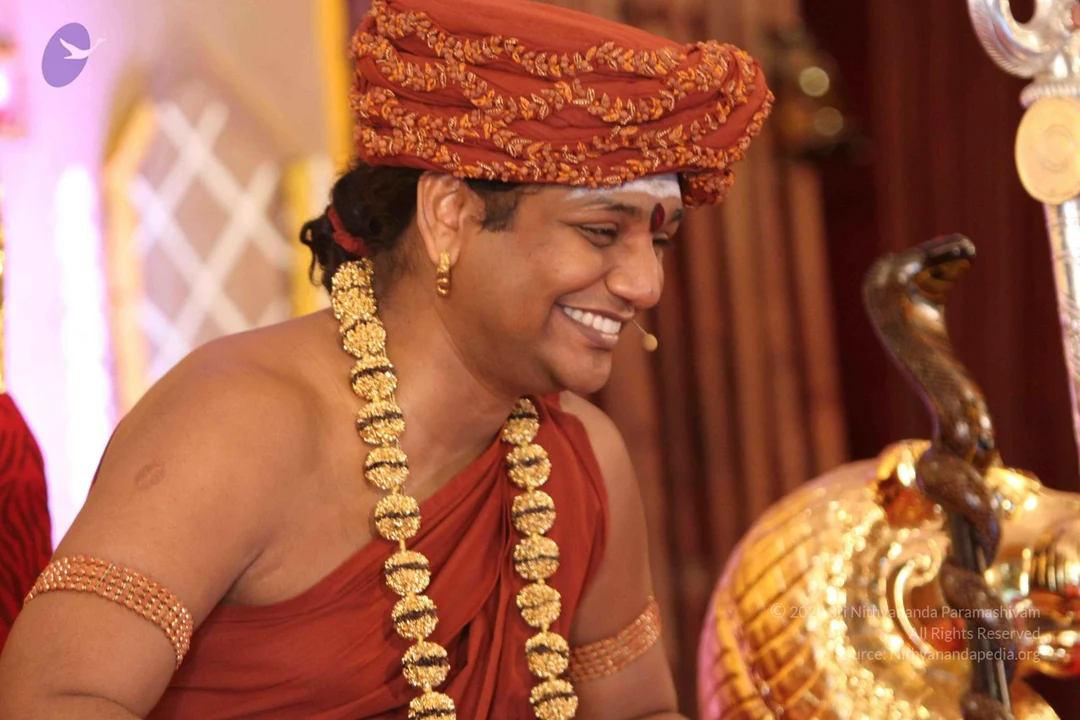
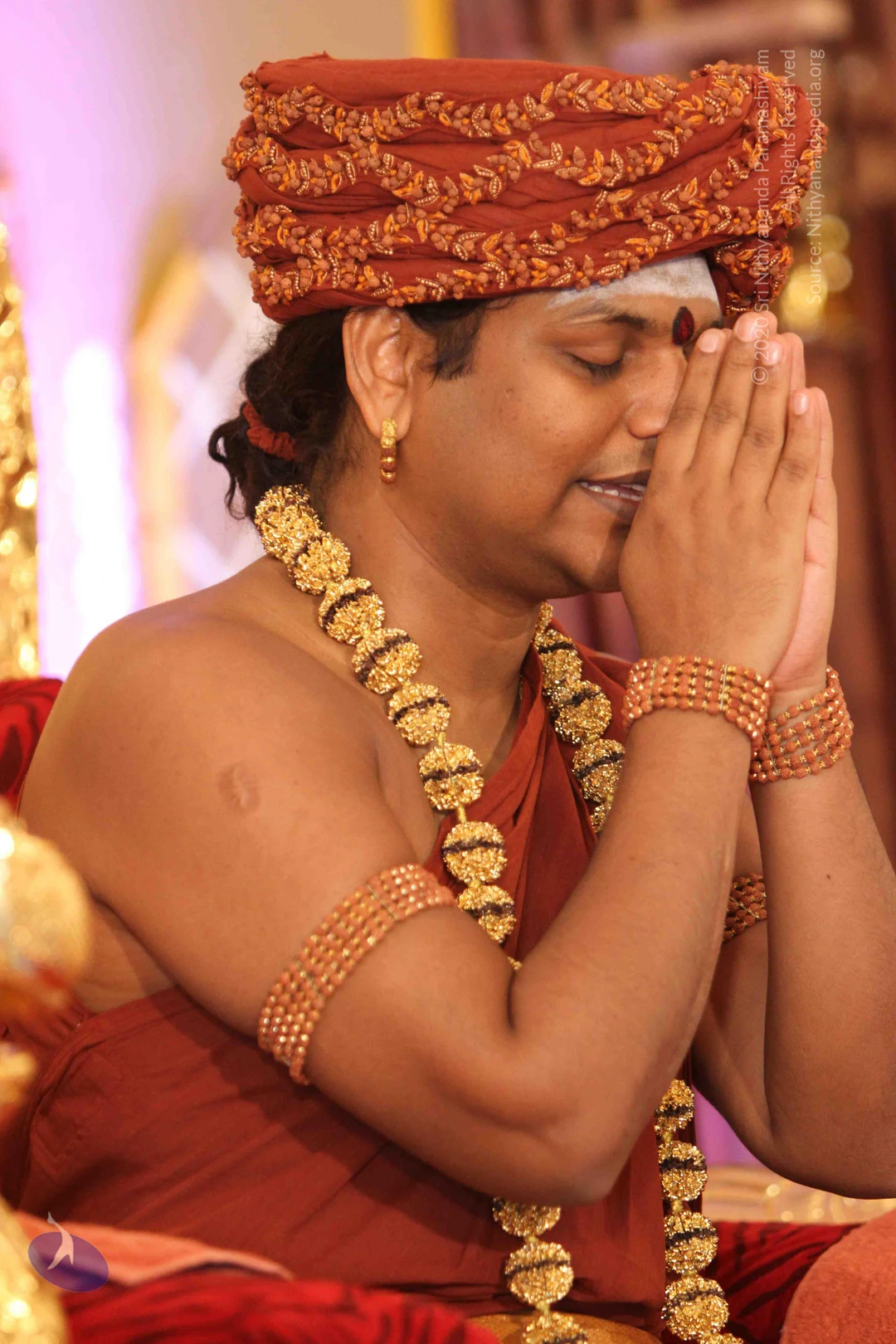
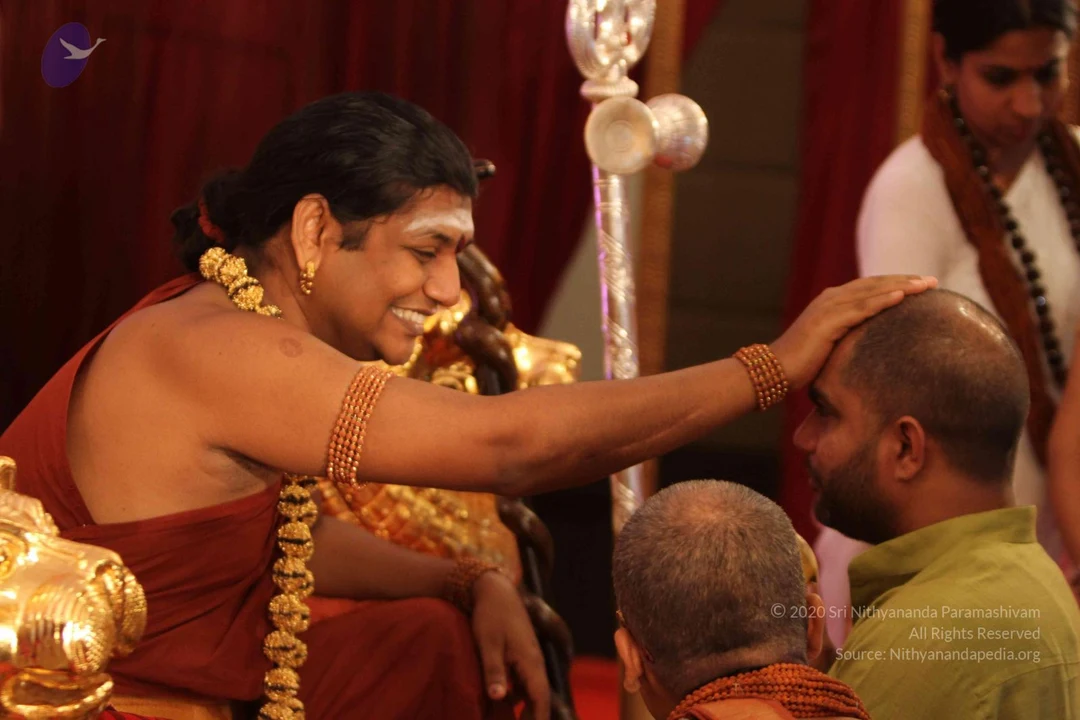
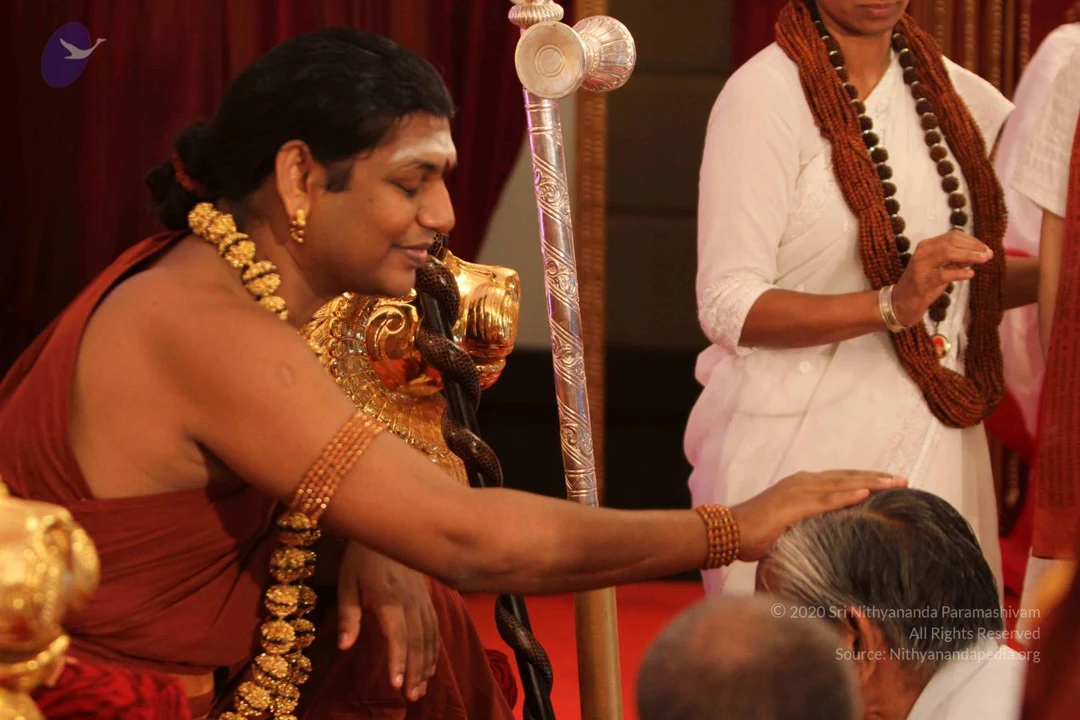
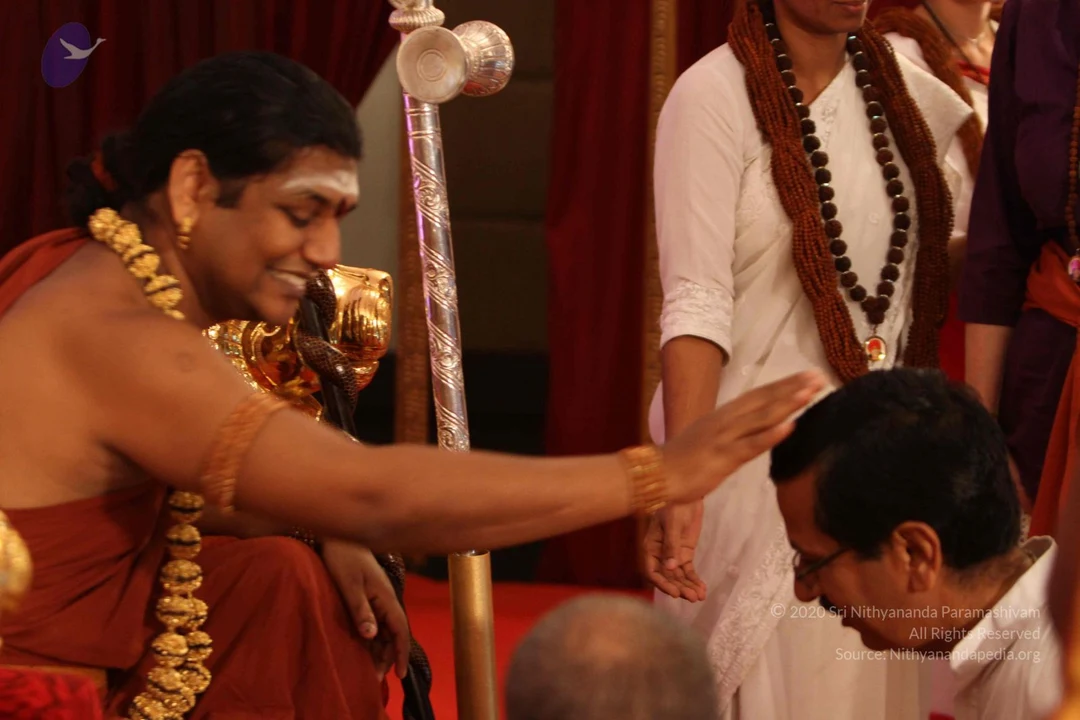
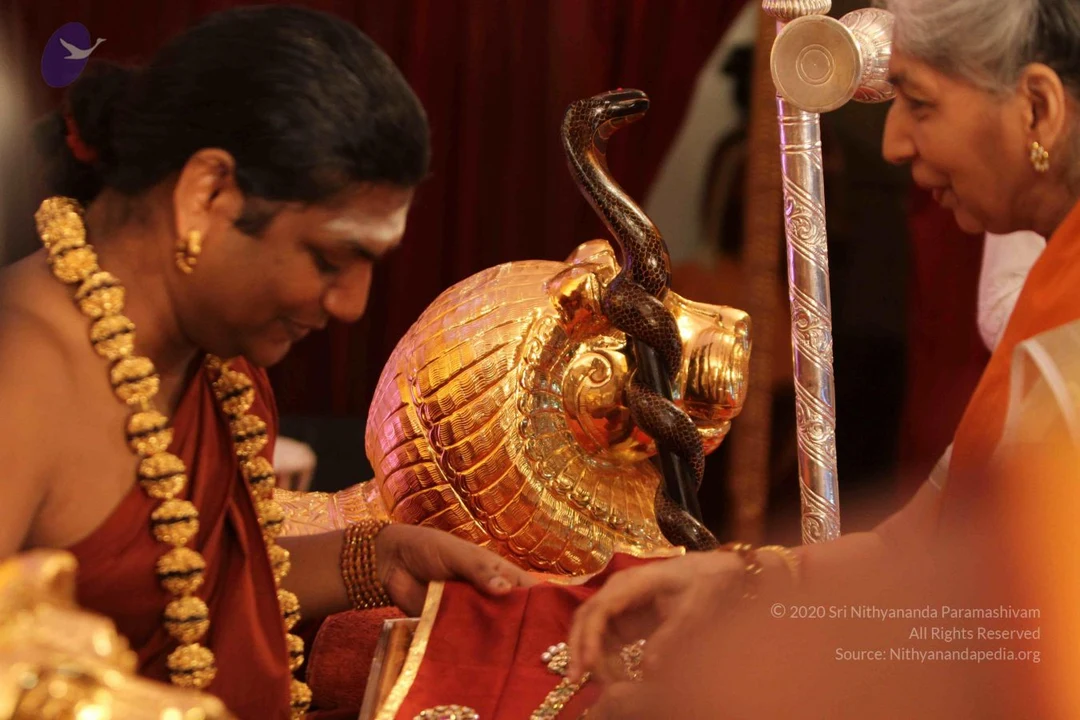
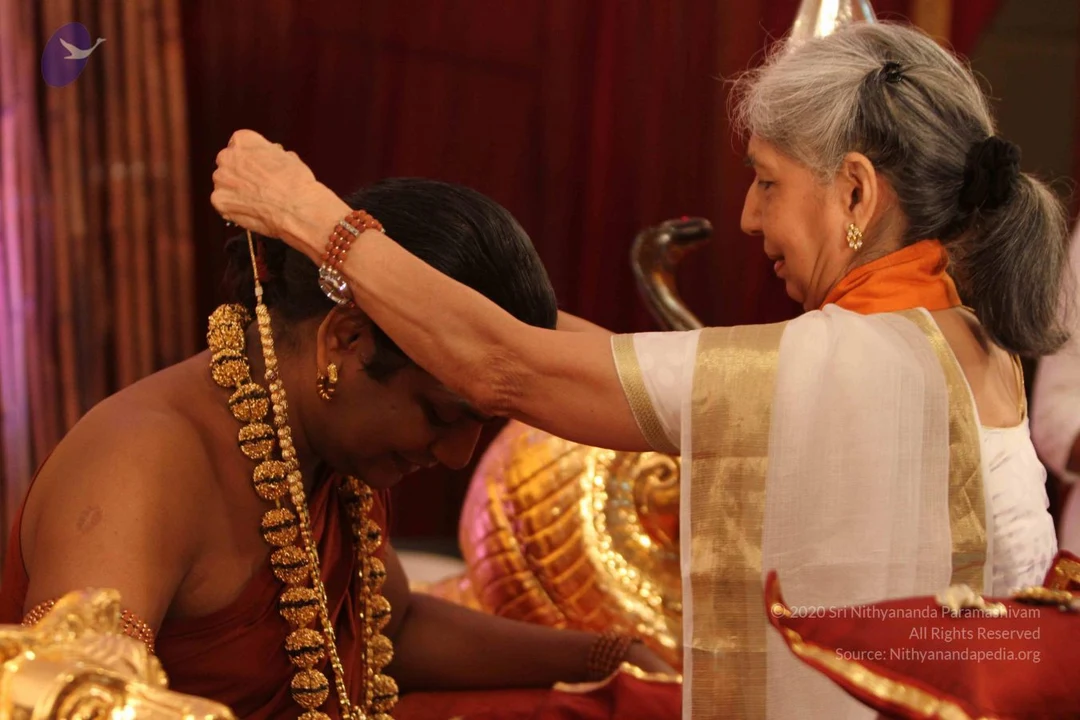
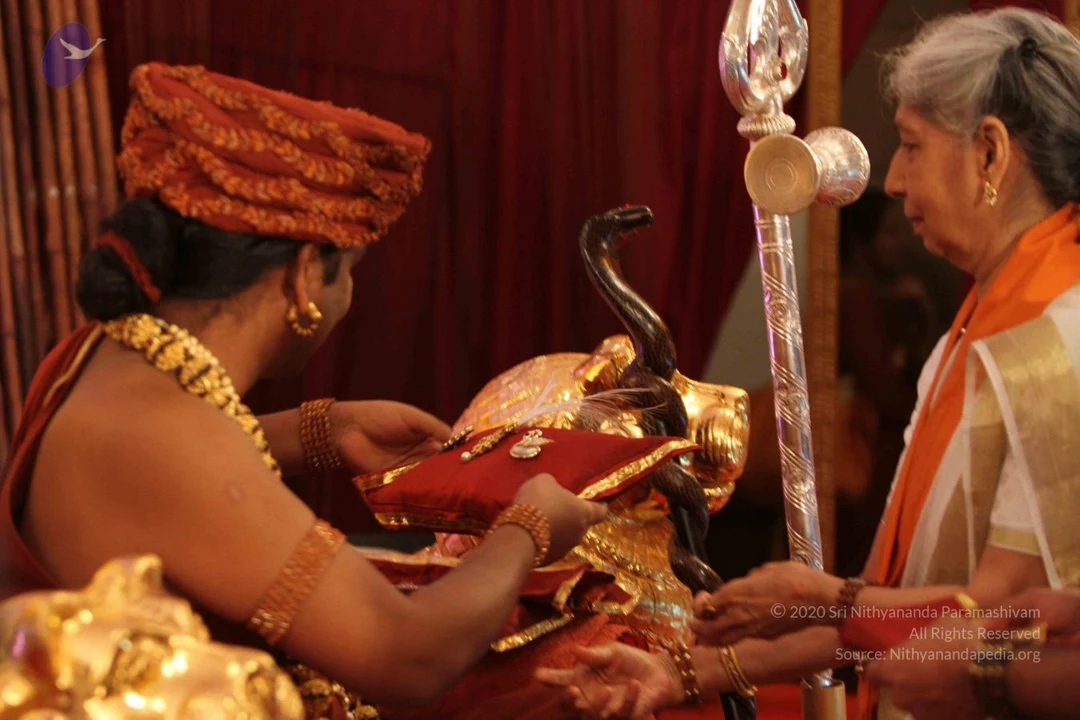
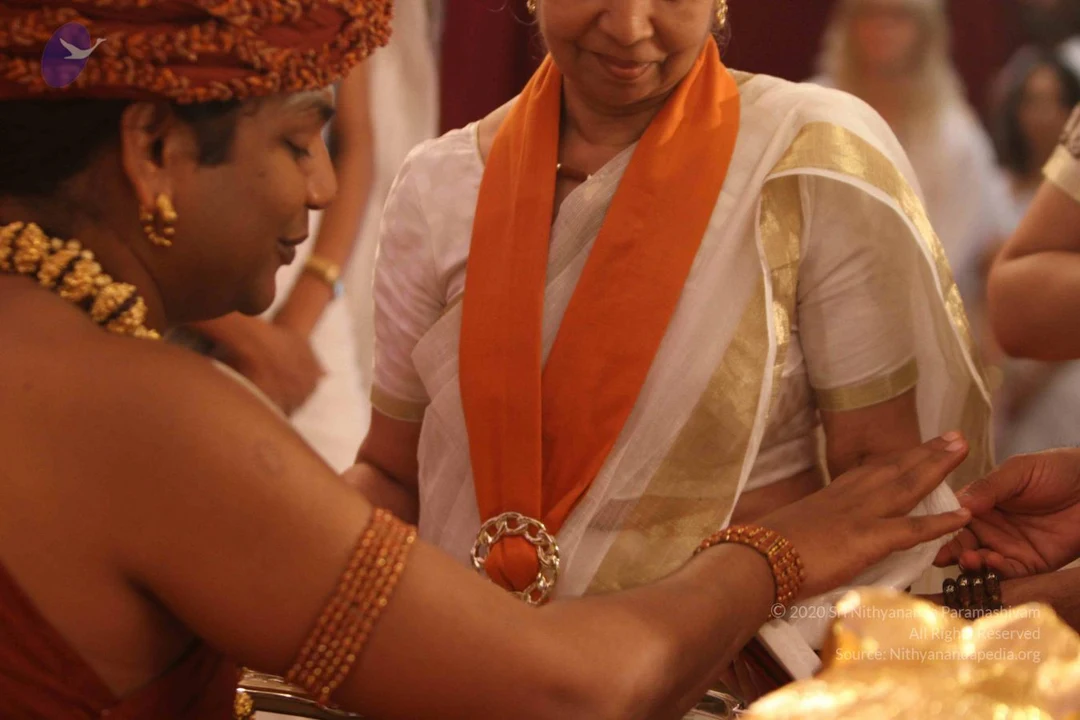
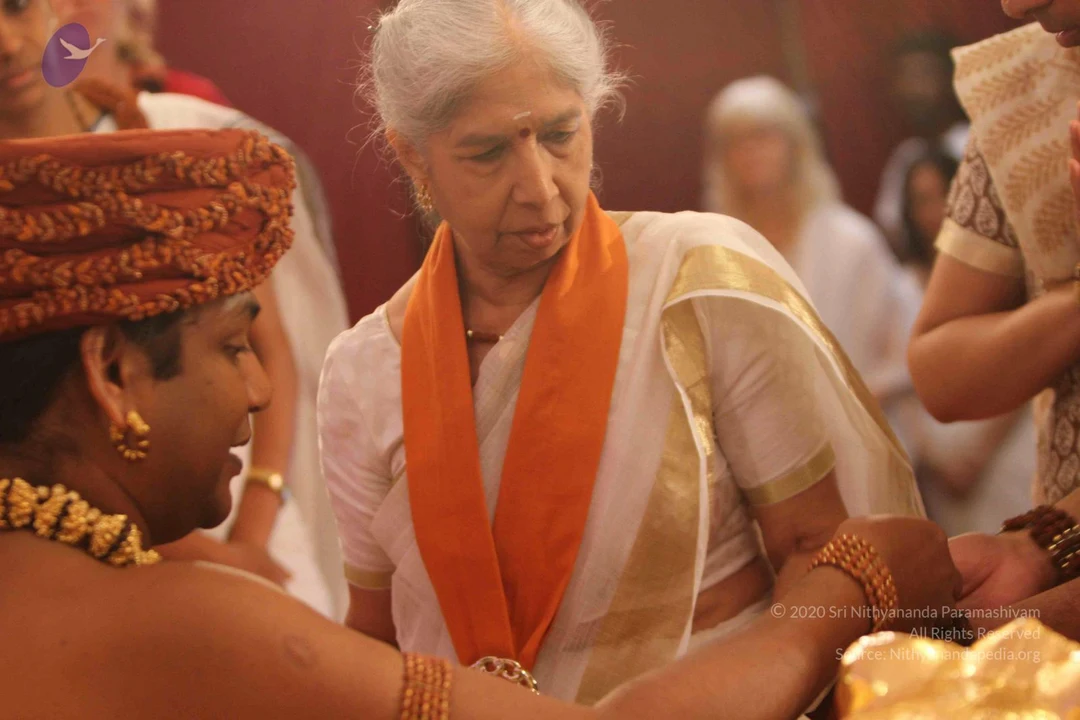

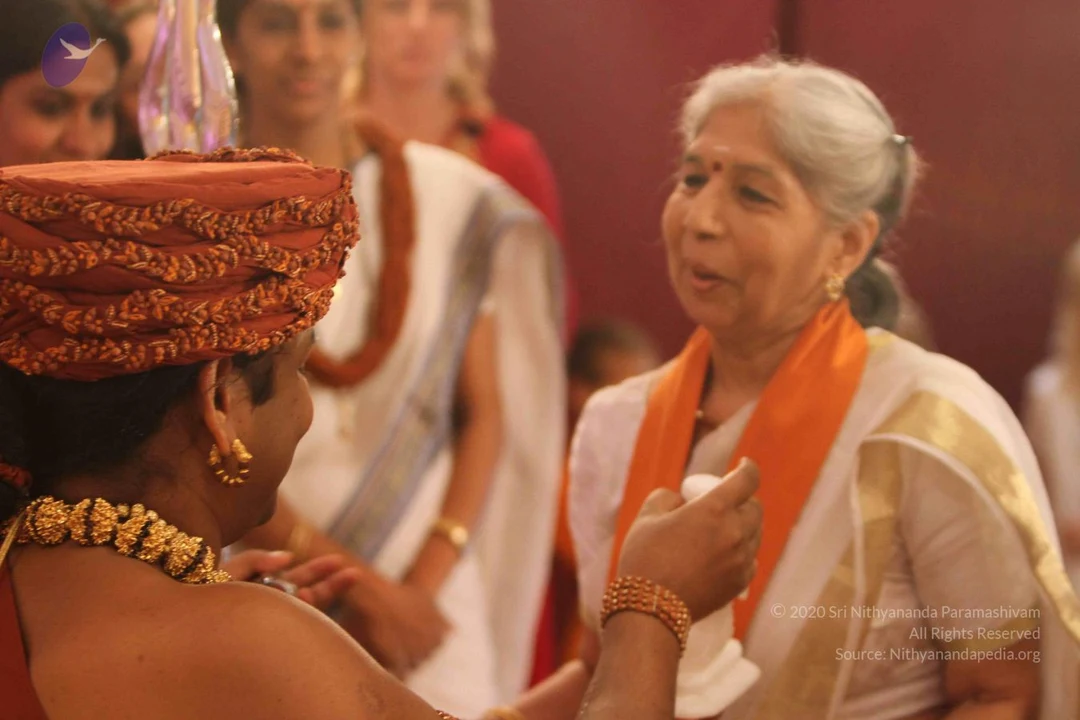
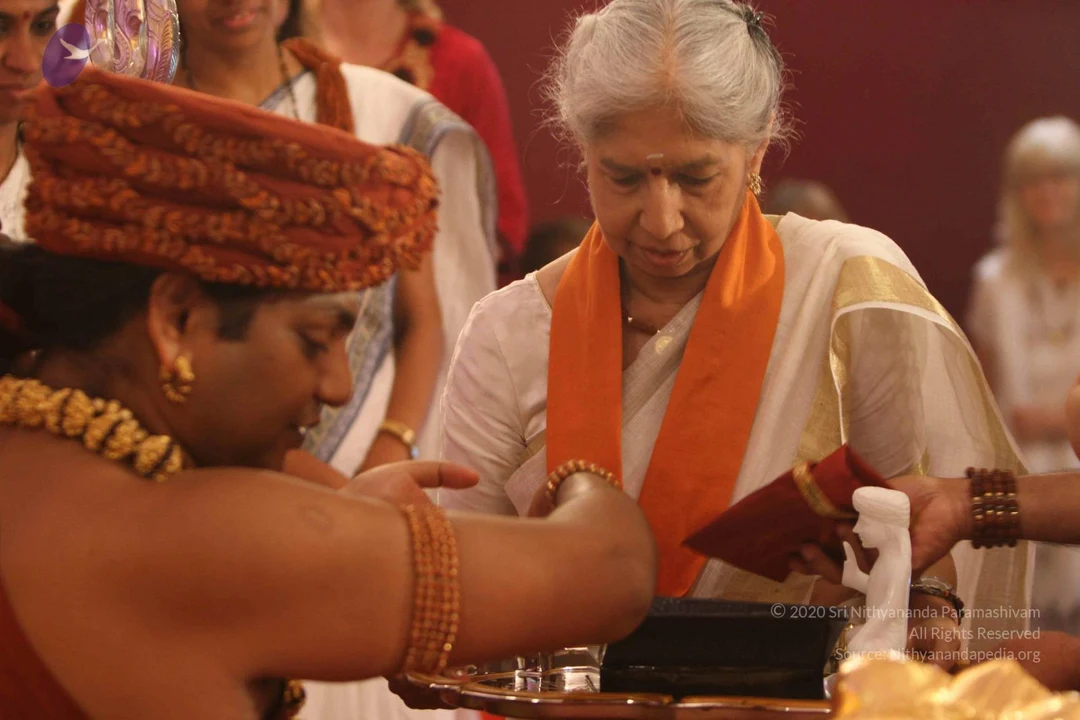
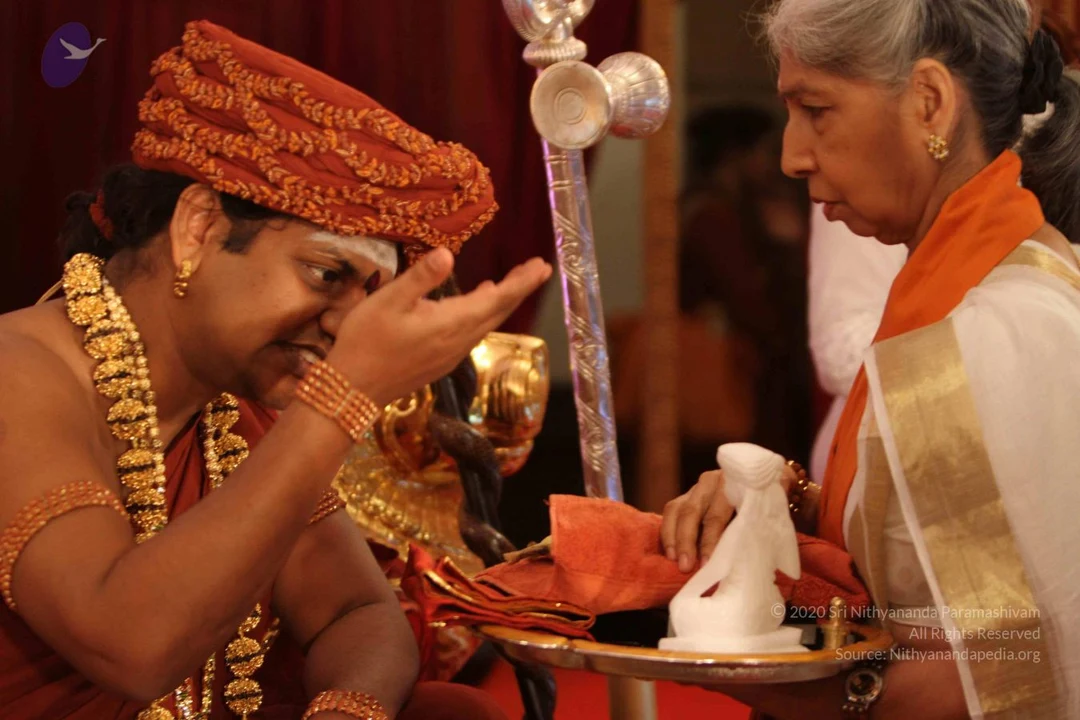
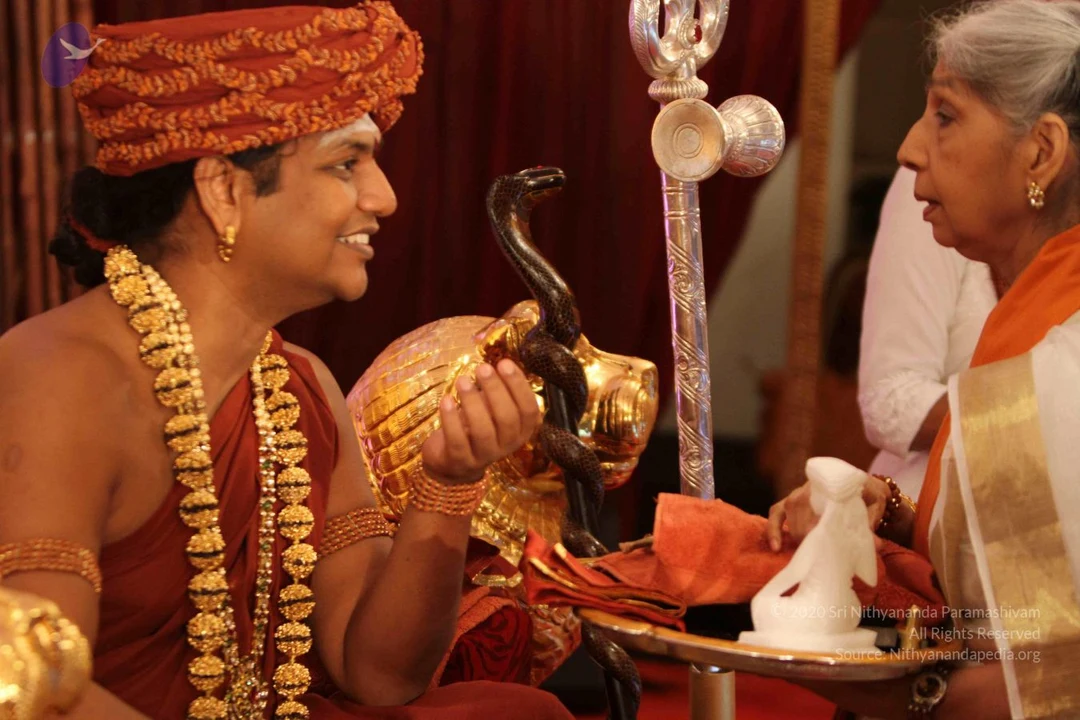
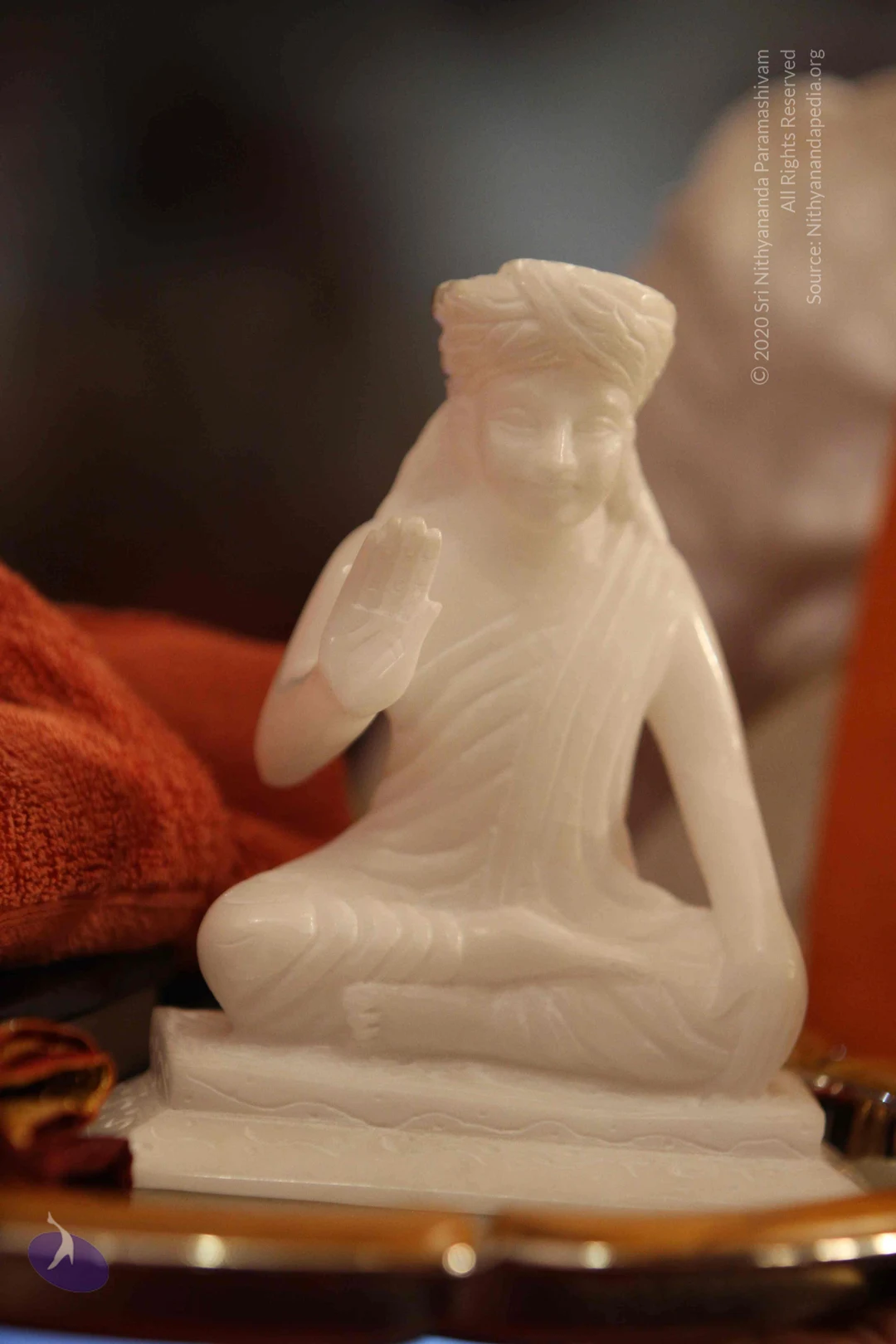

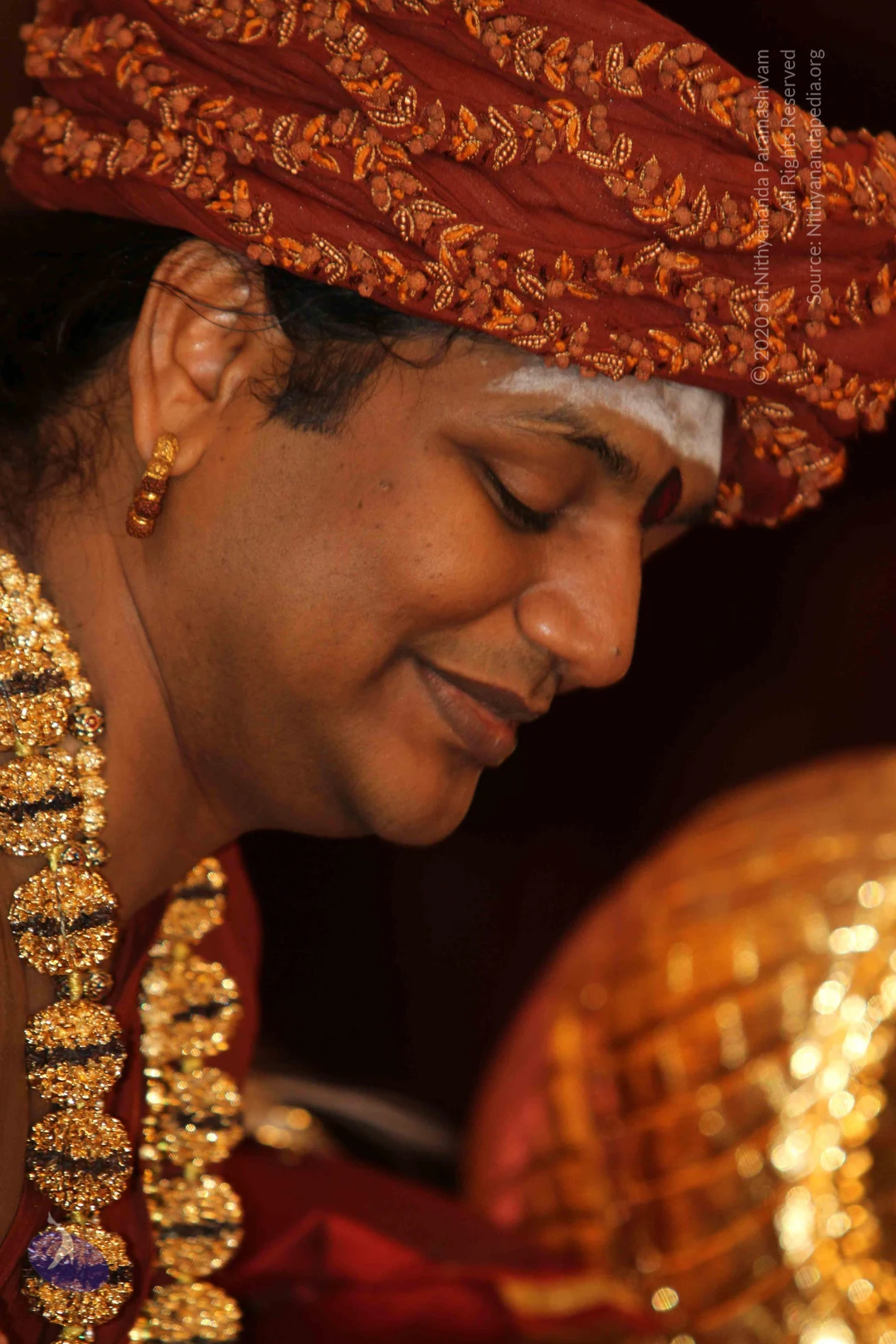
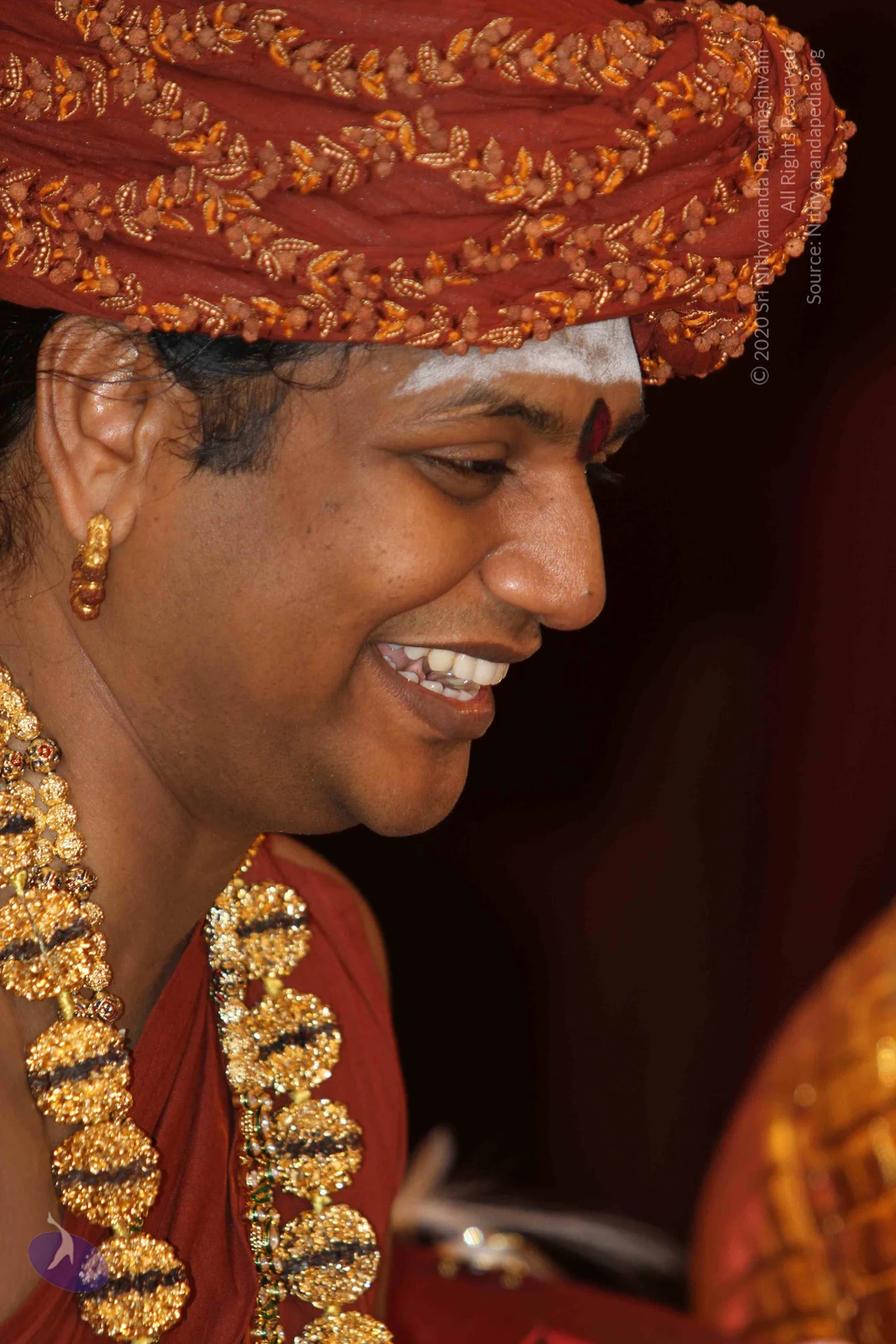
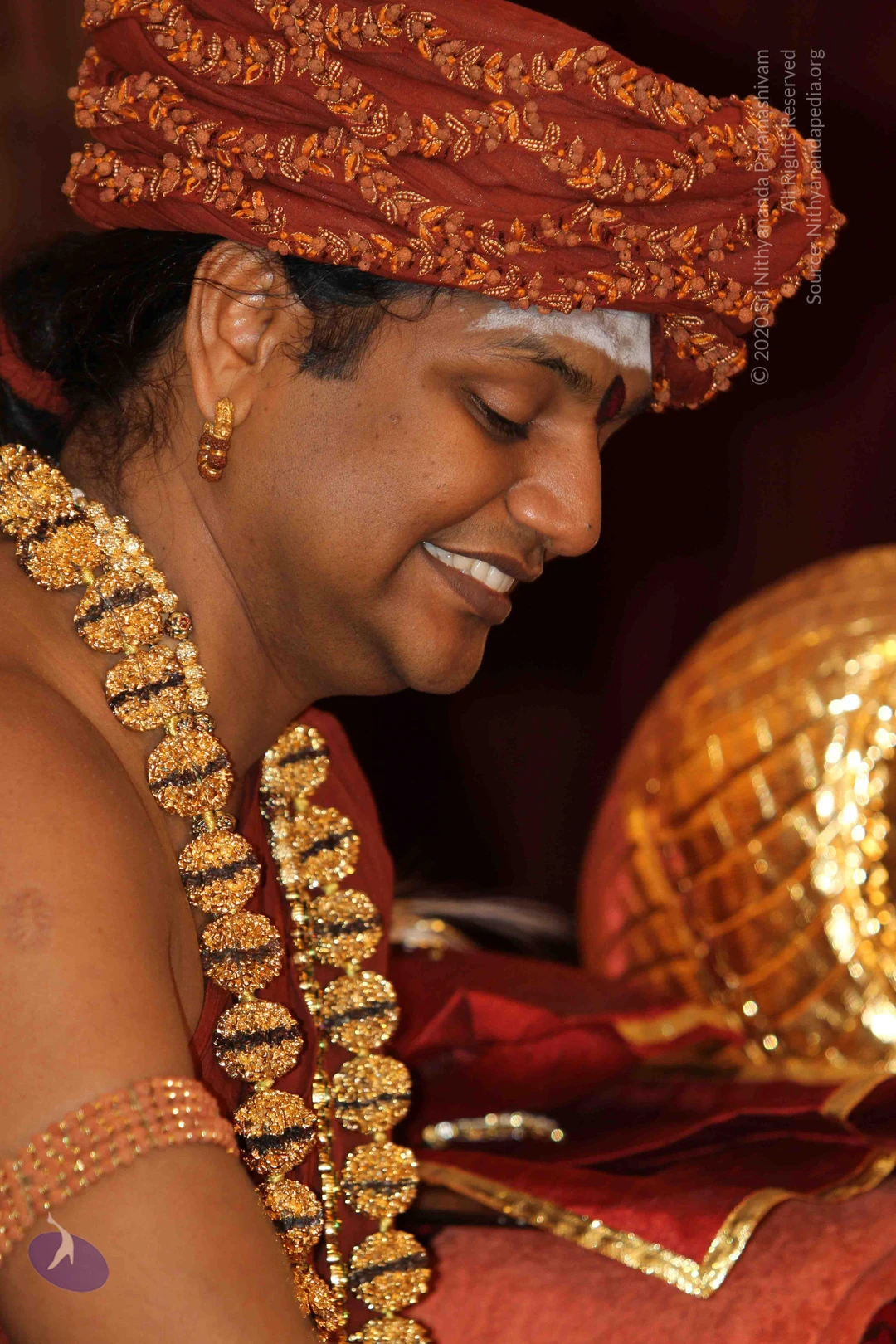




















Darshan
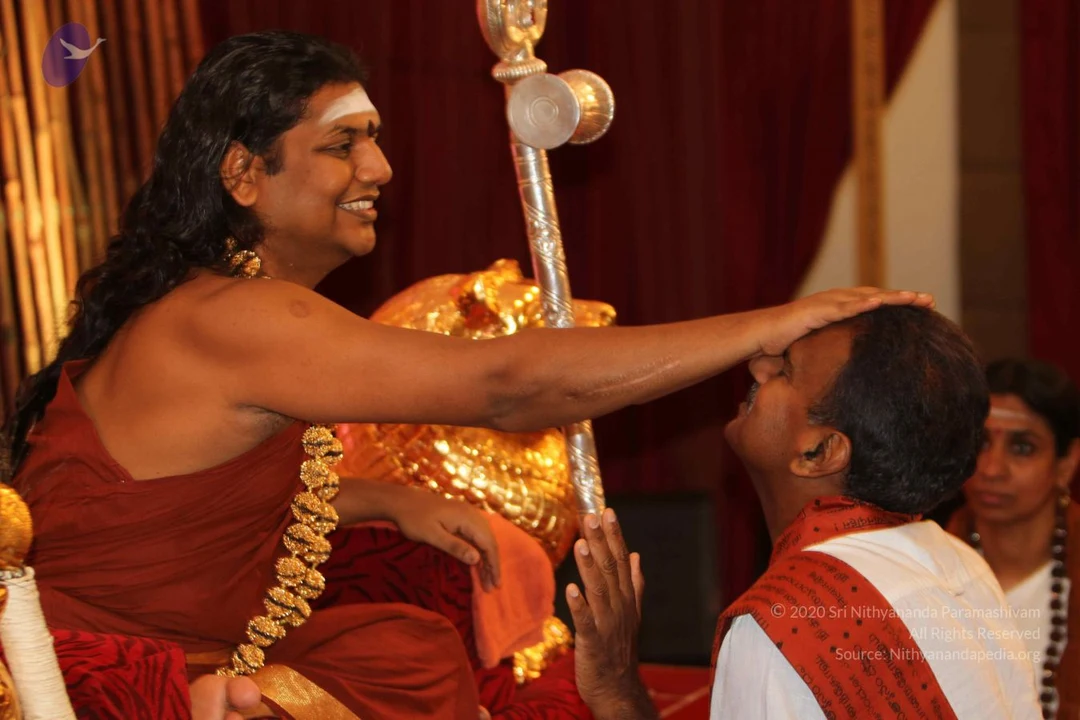
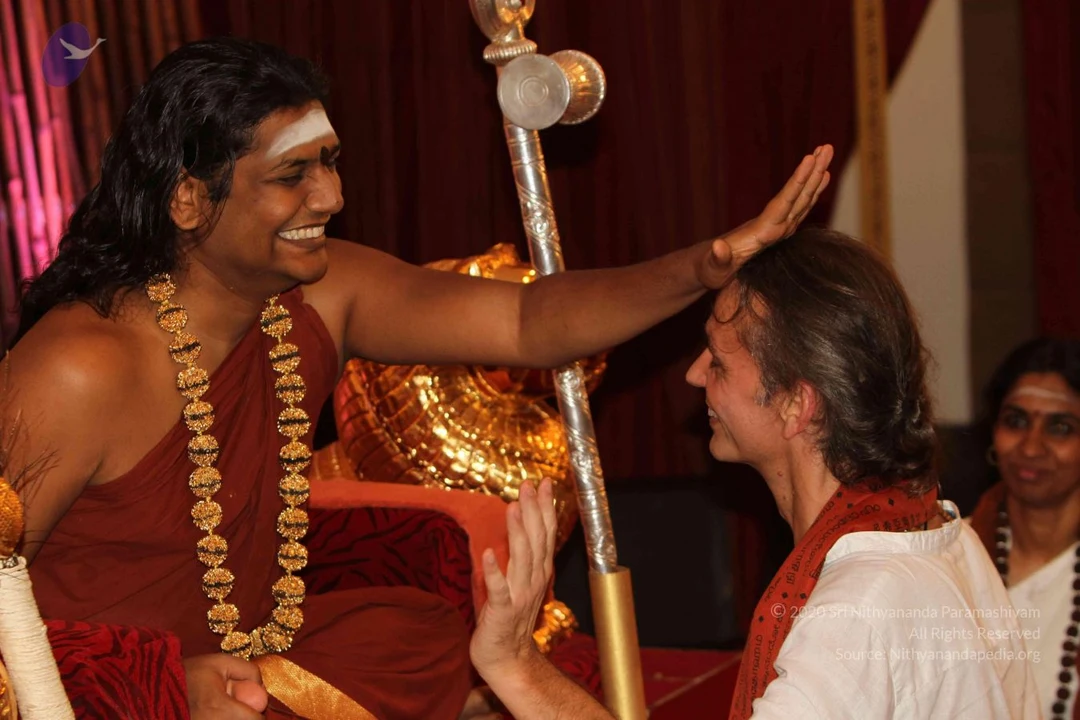
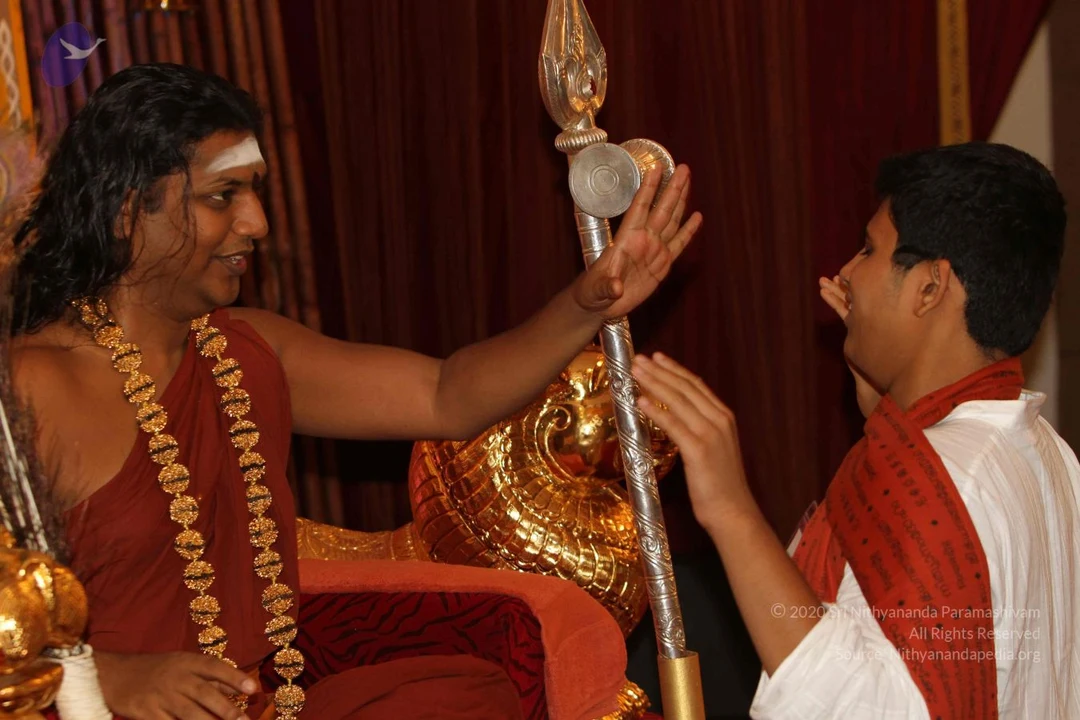
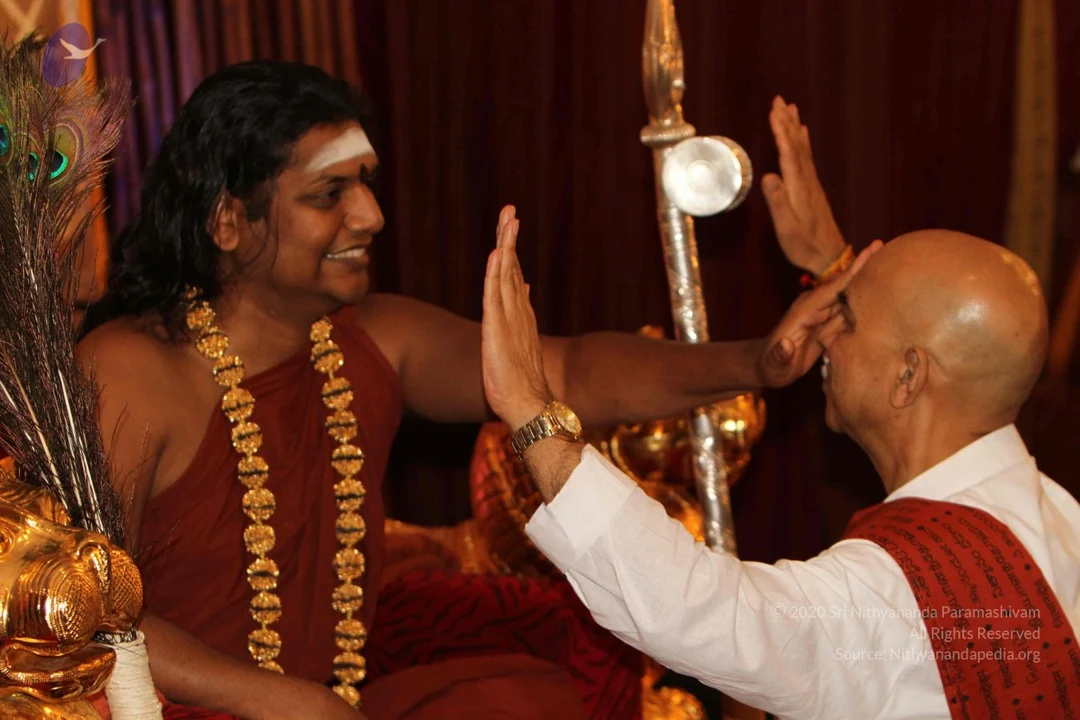
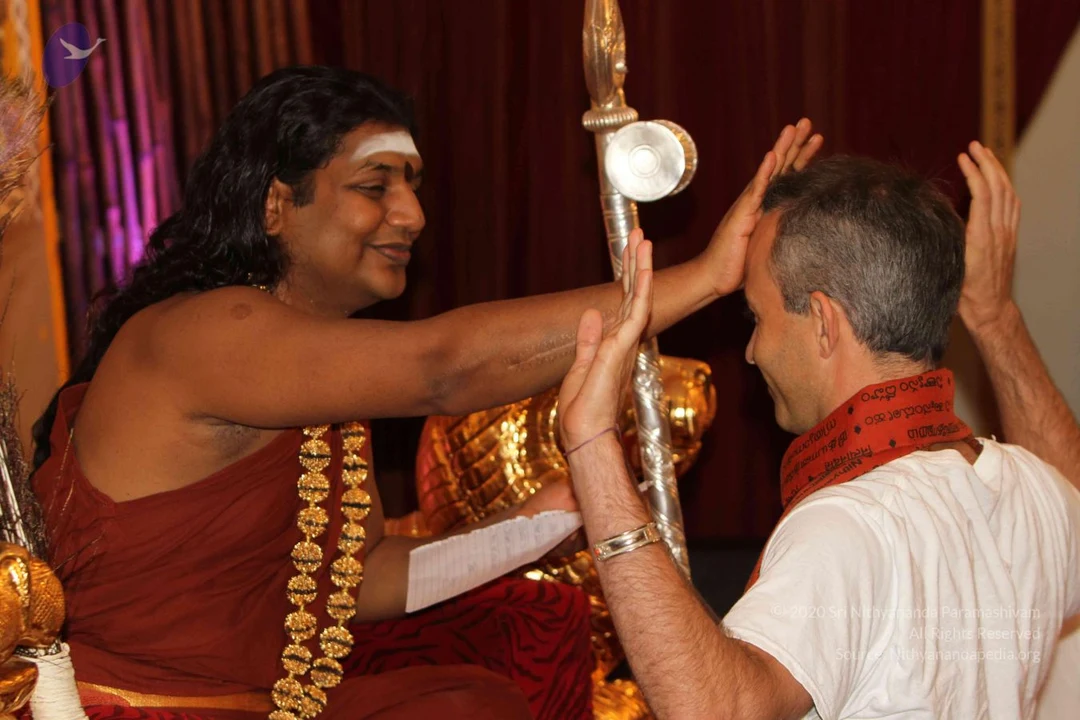
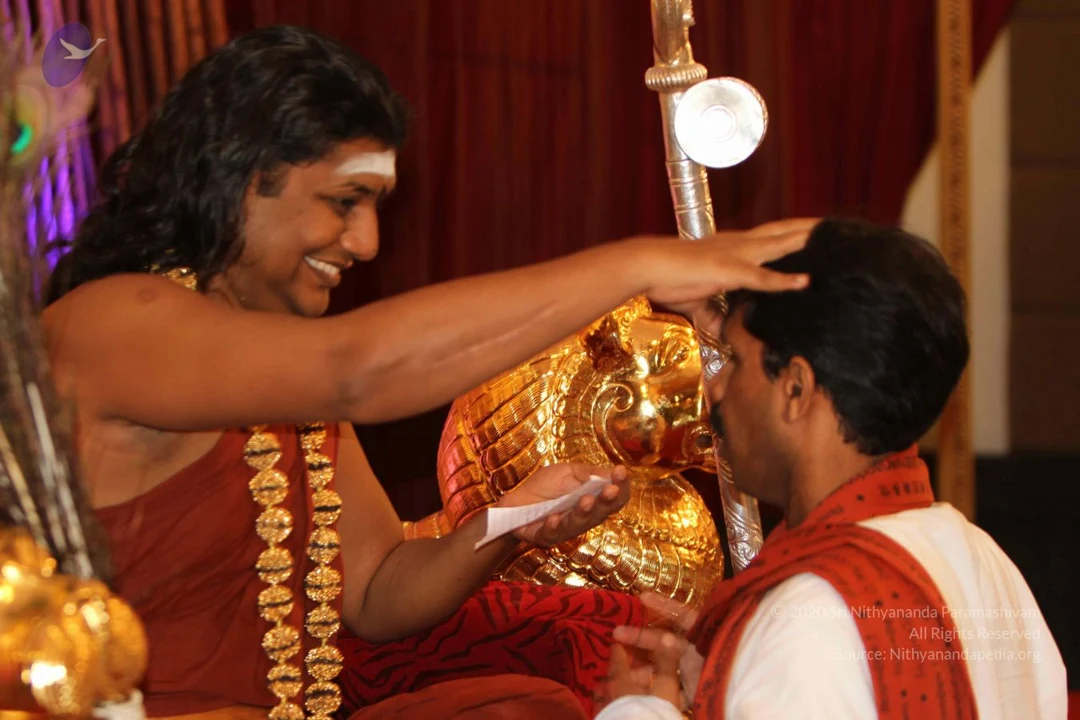
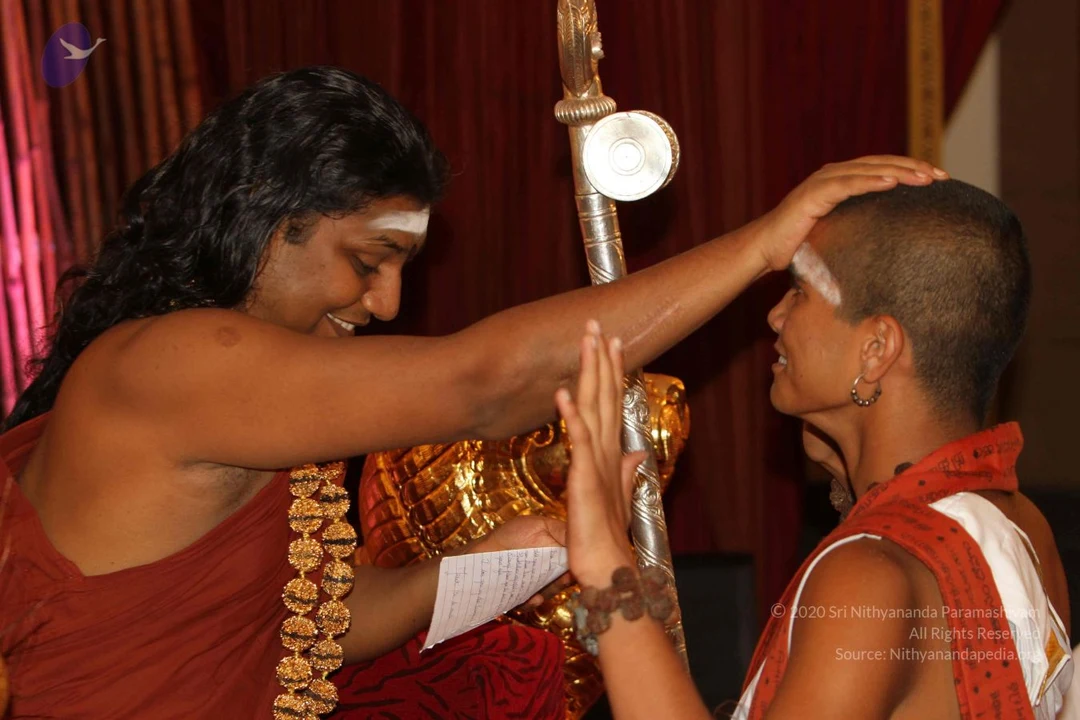
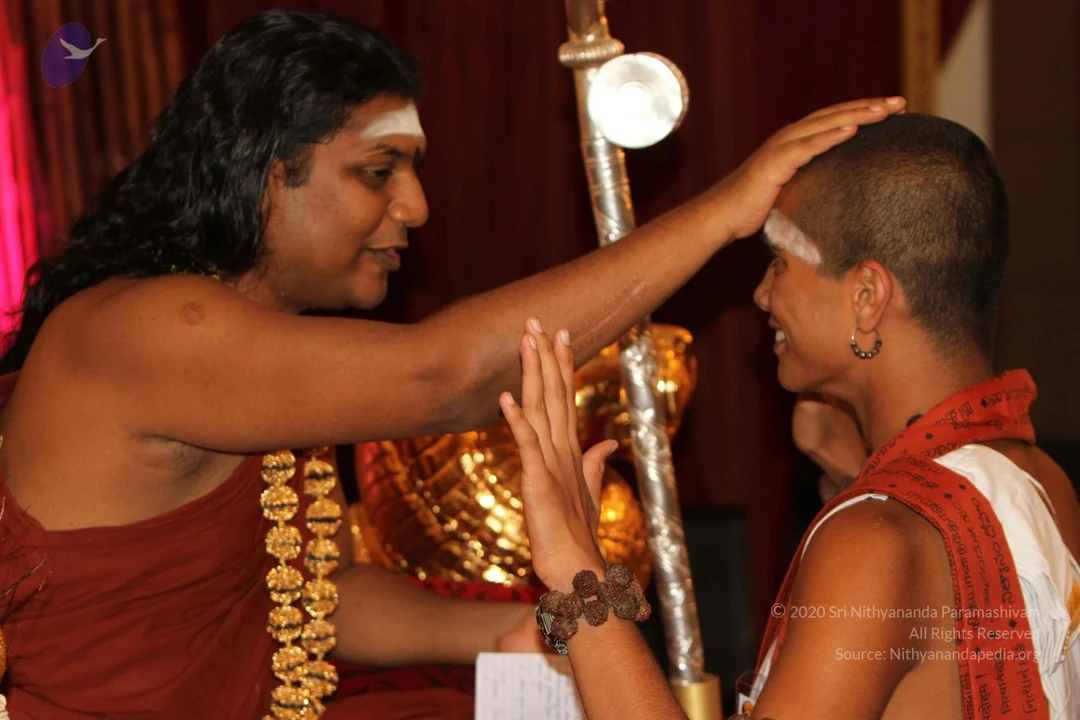
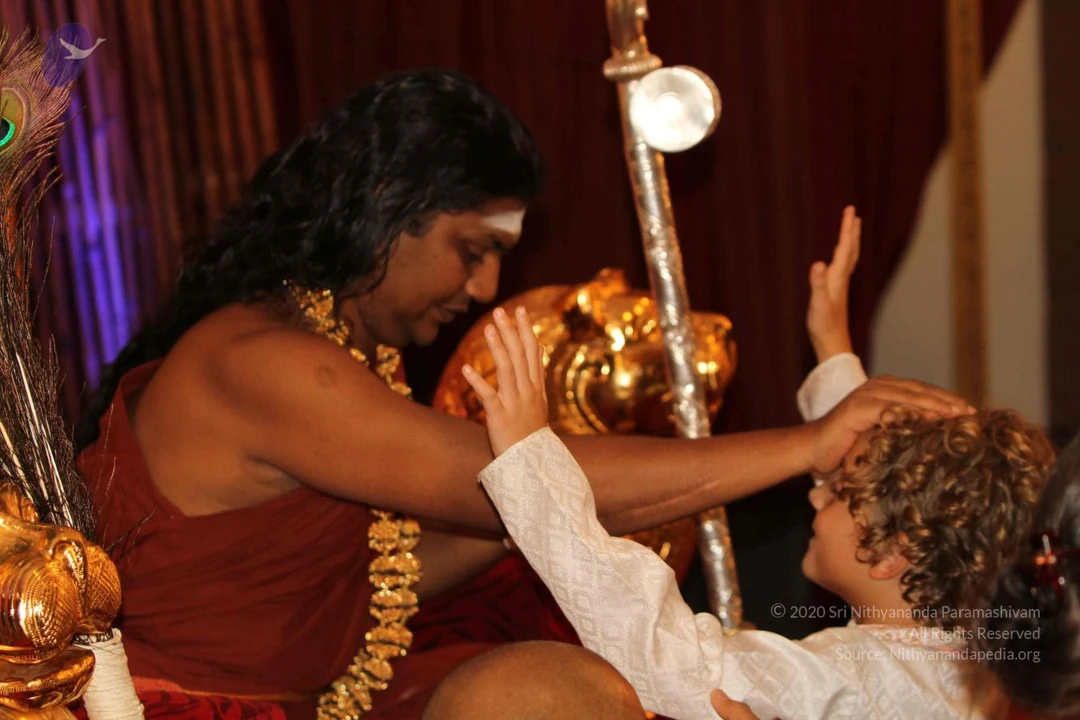
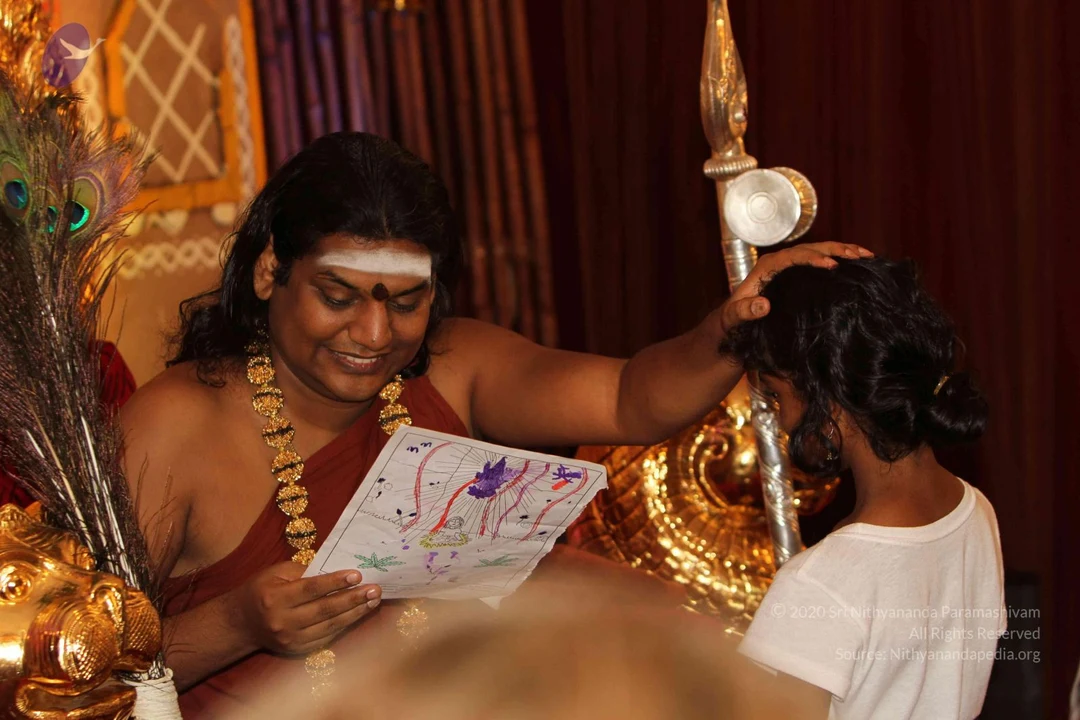
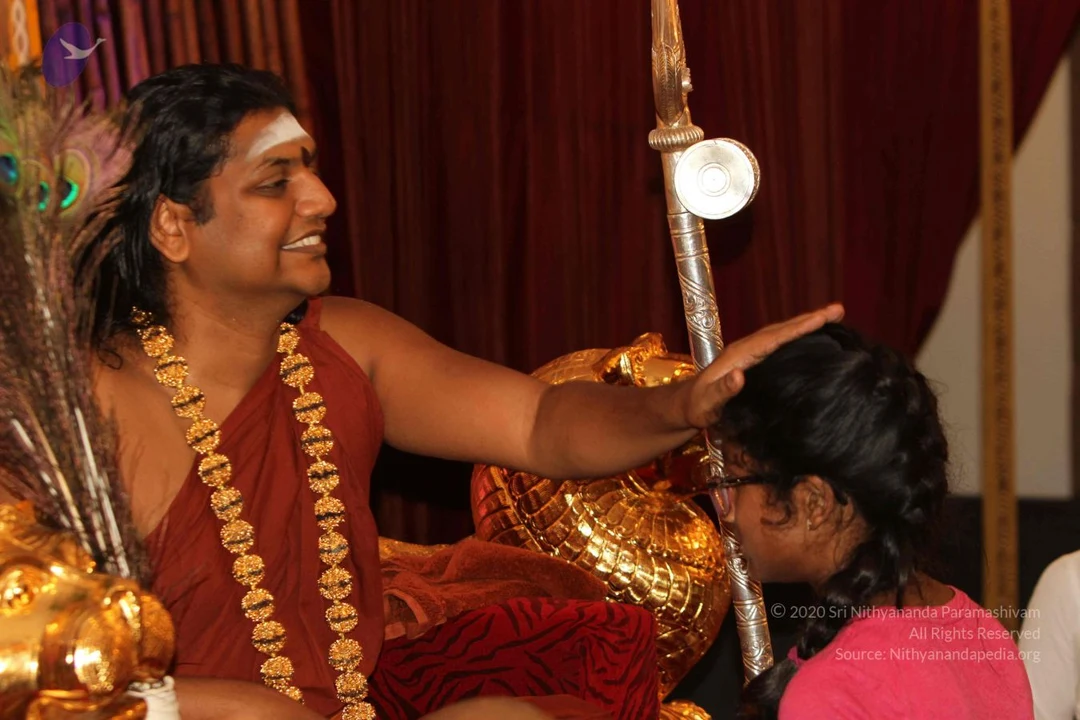
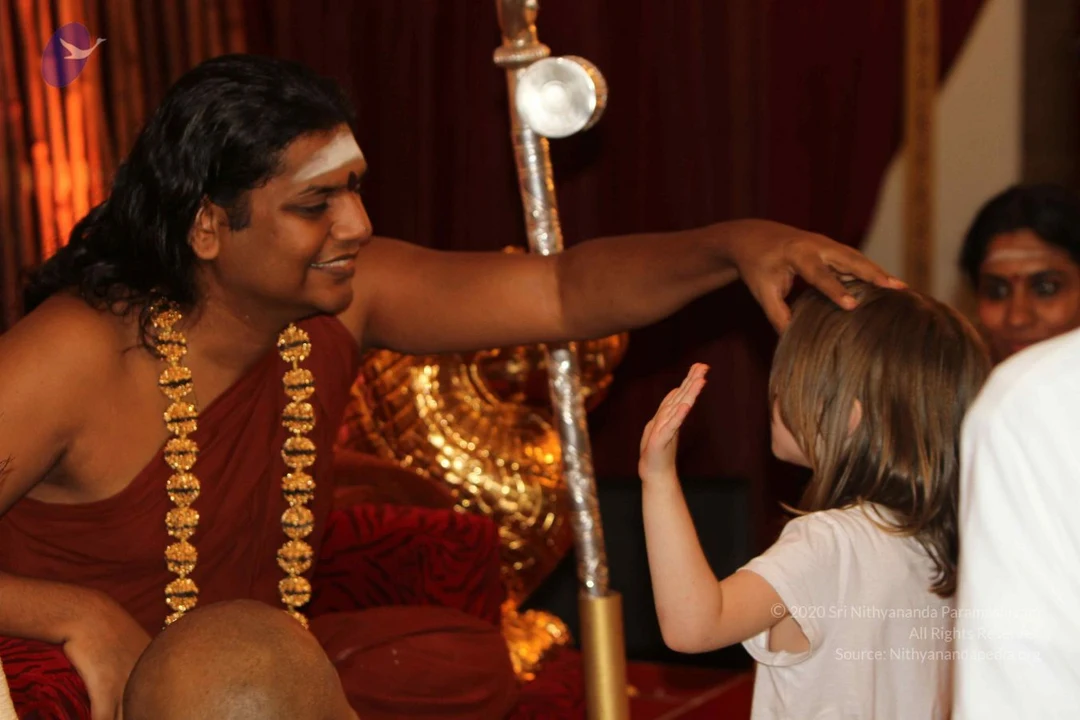
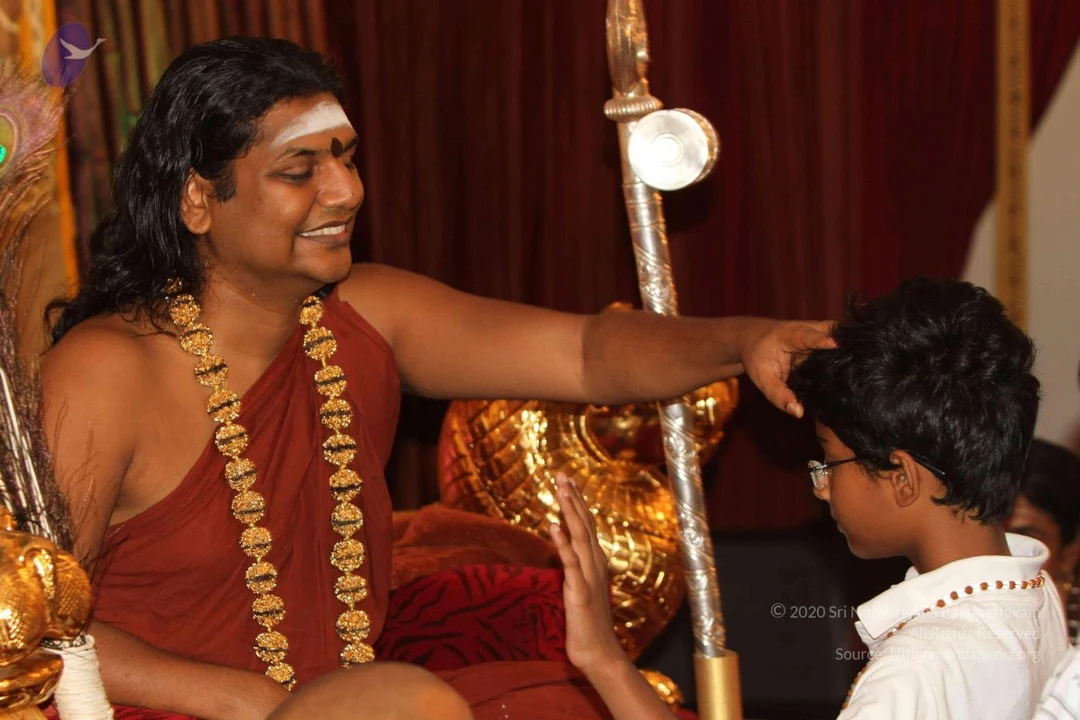
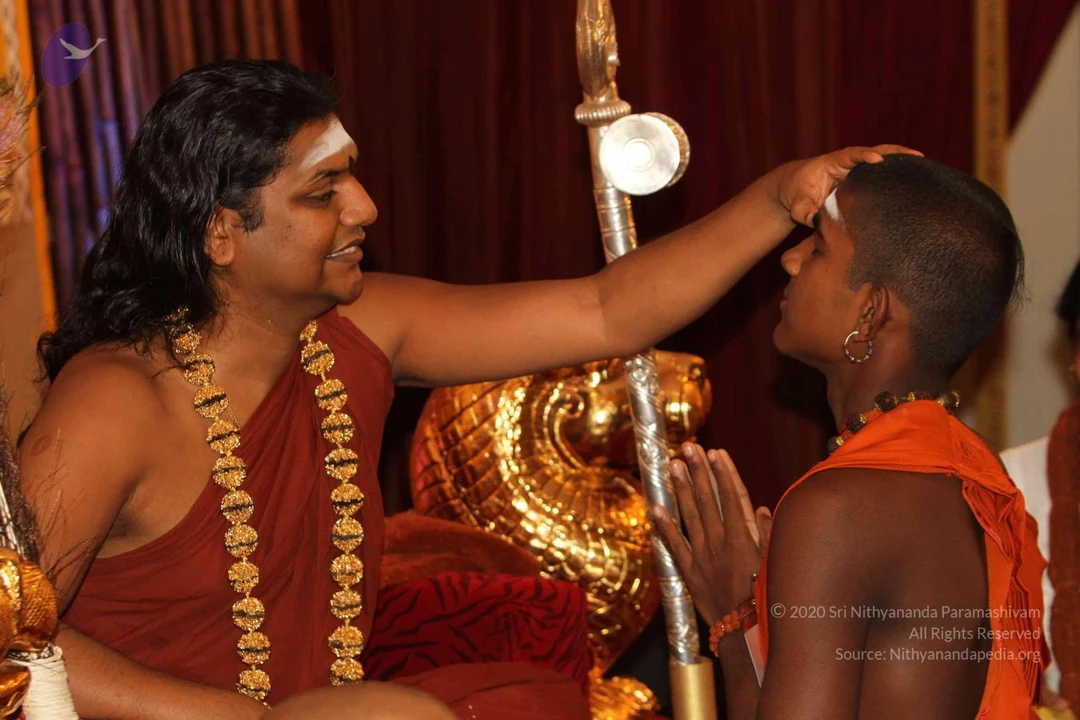
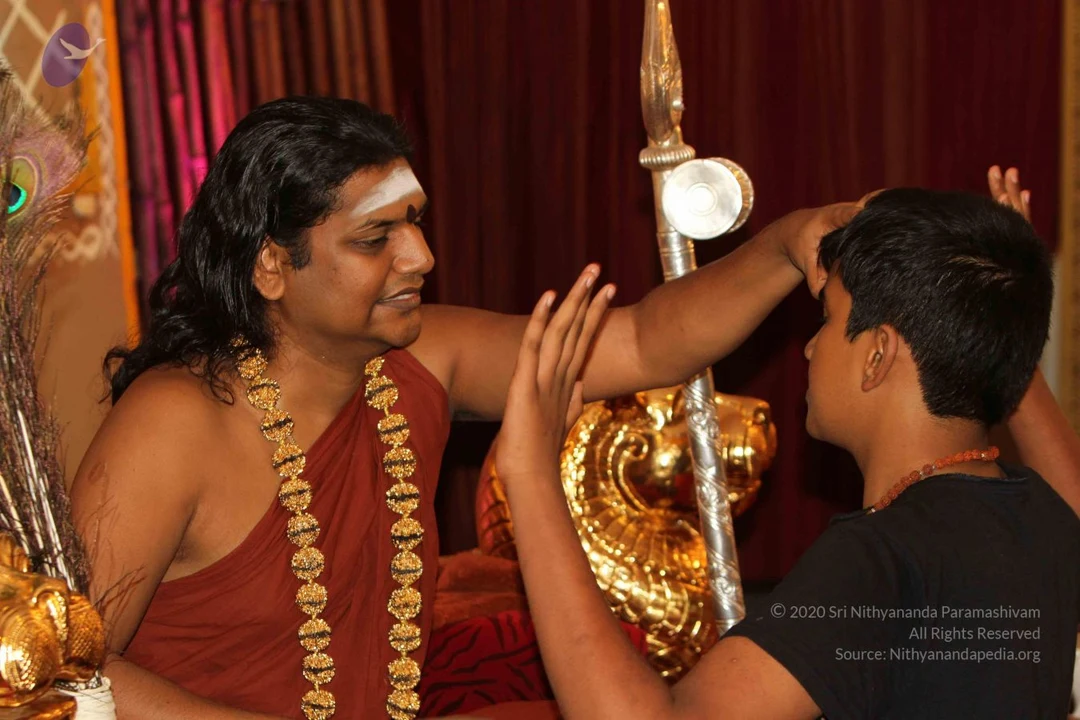
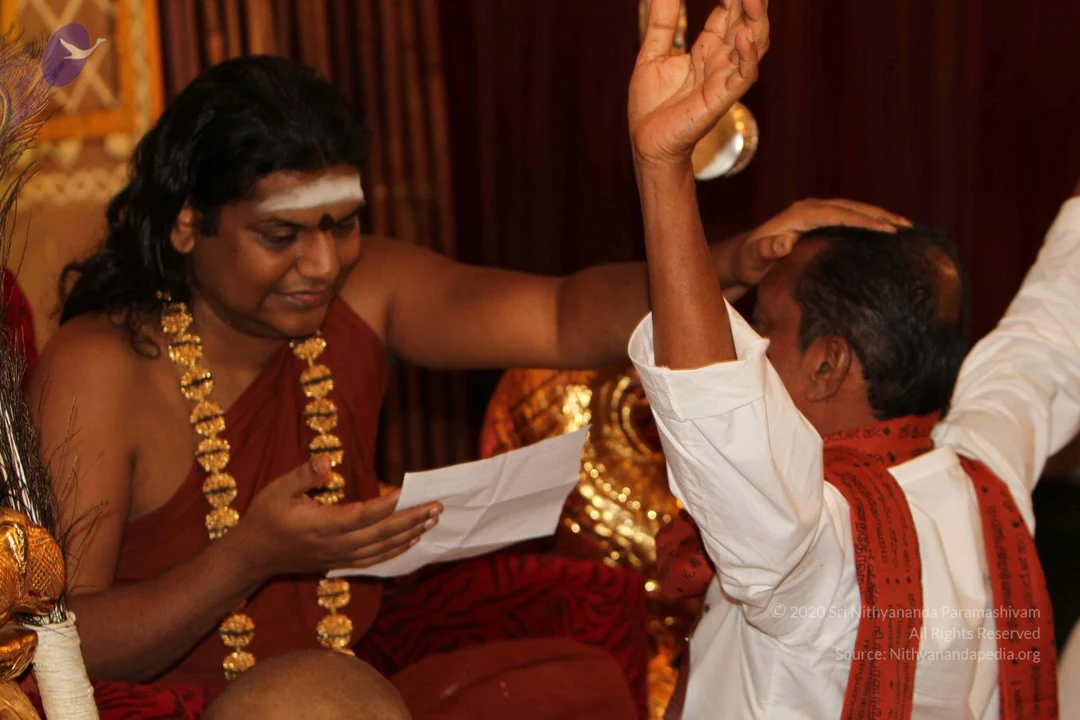
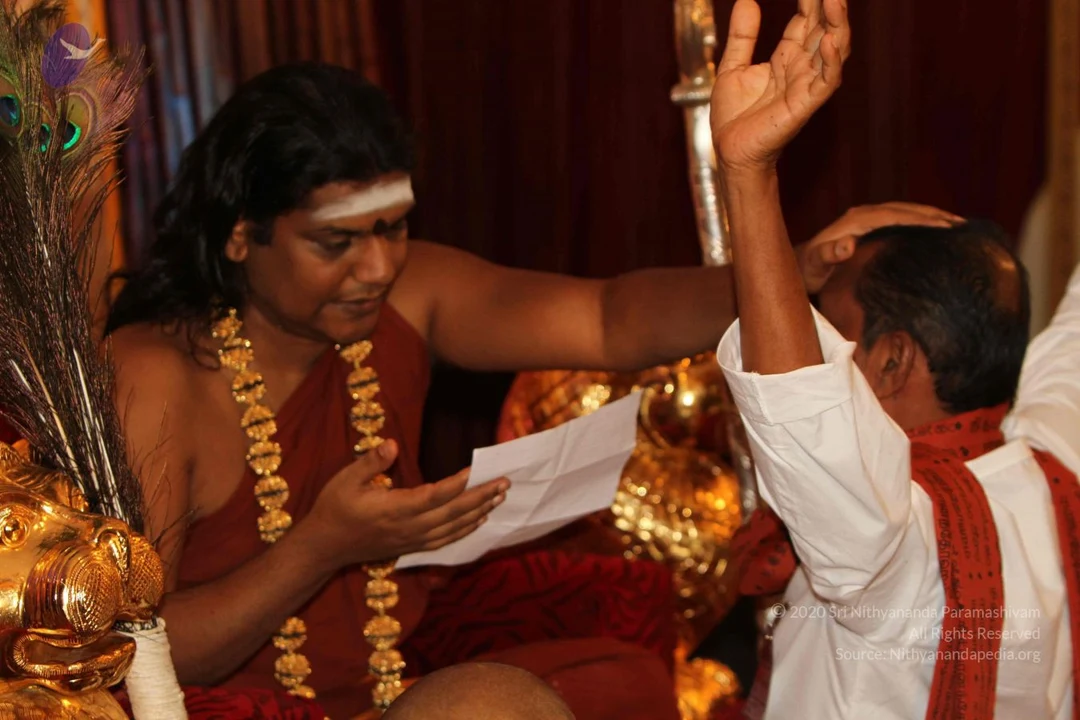
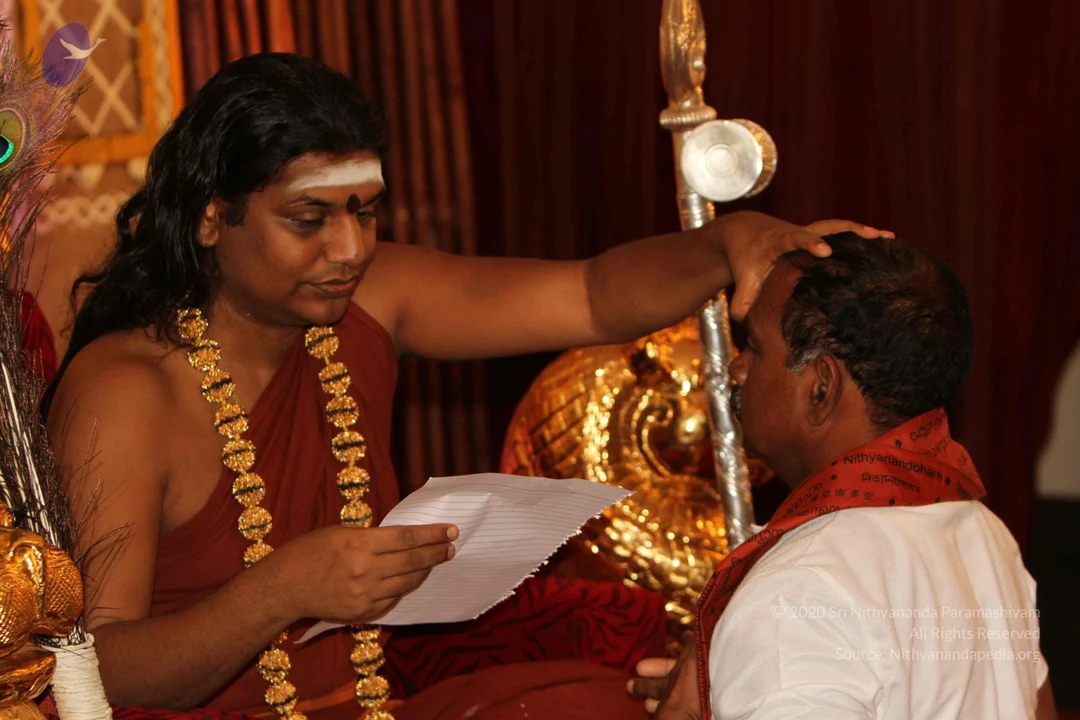
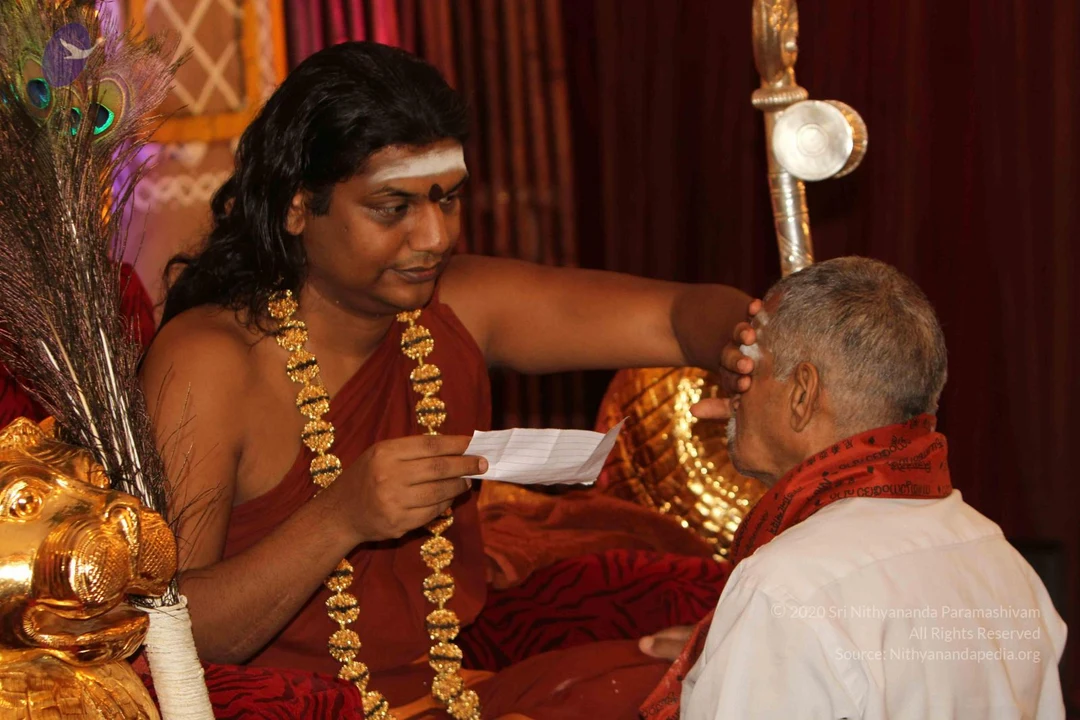
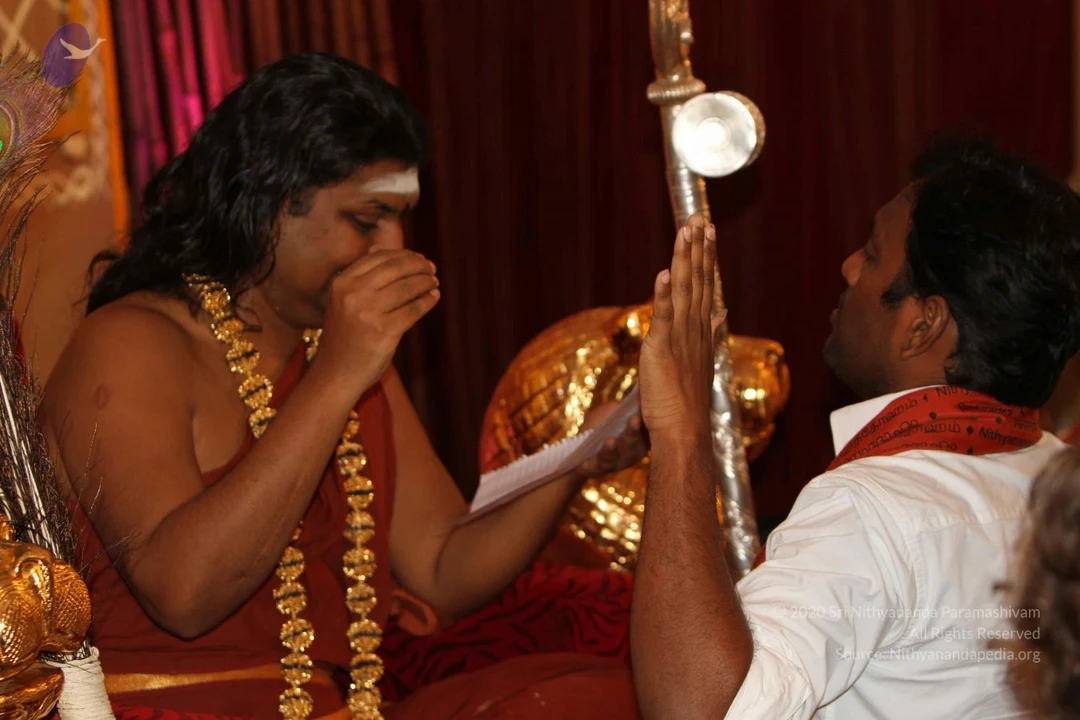
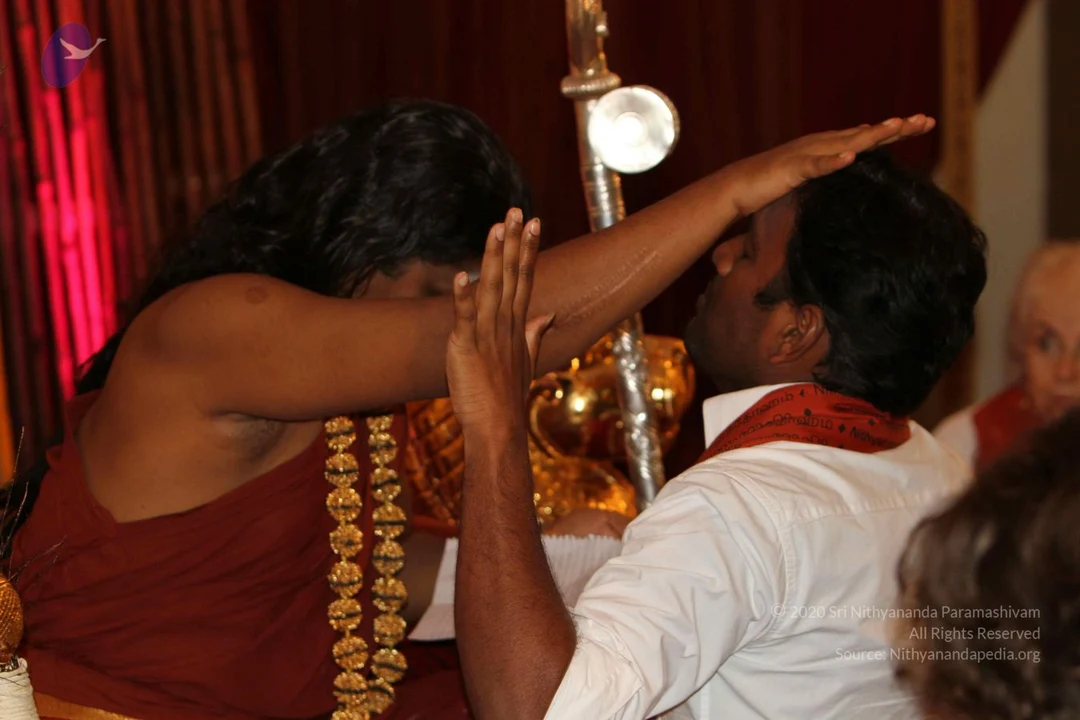
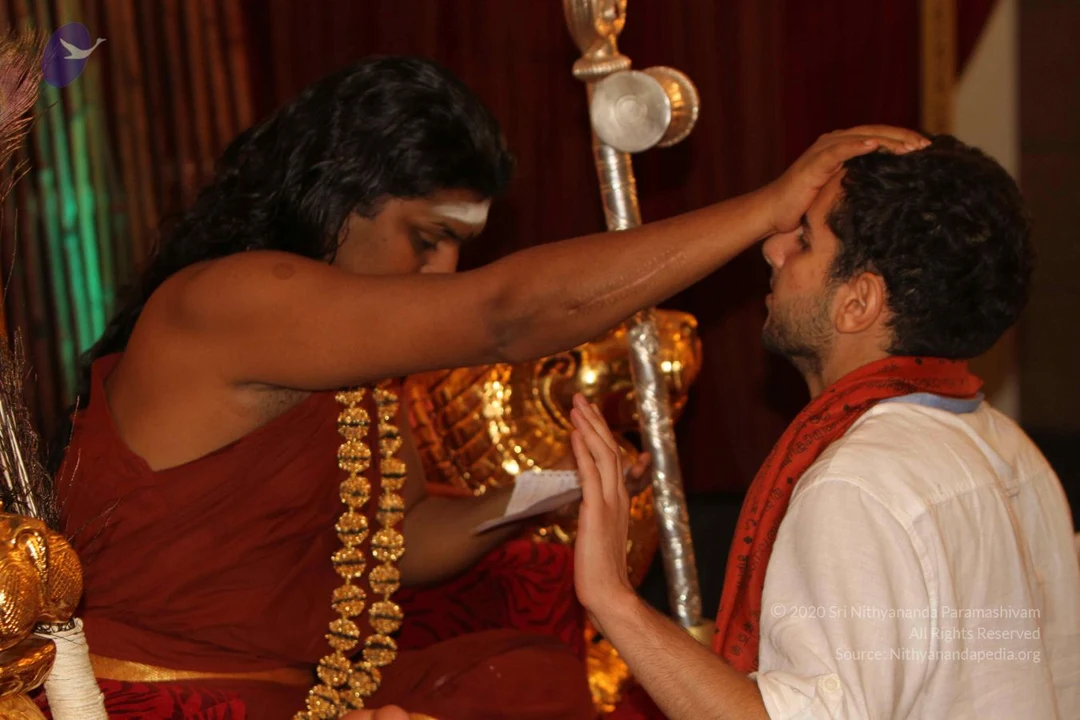
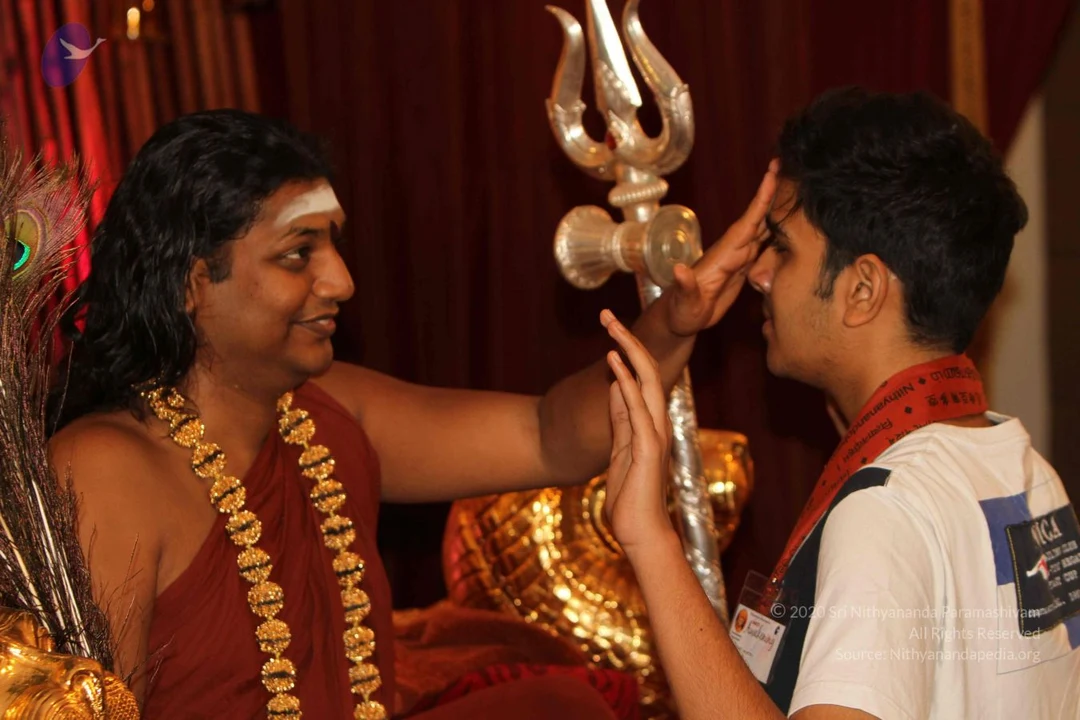
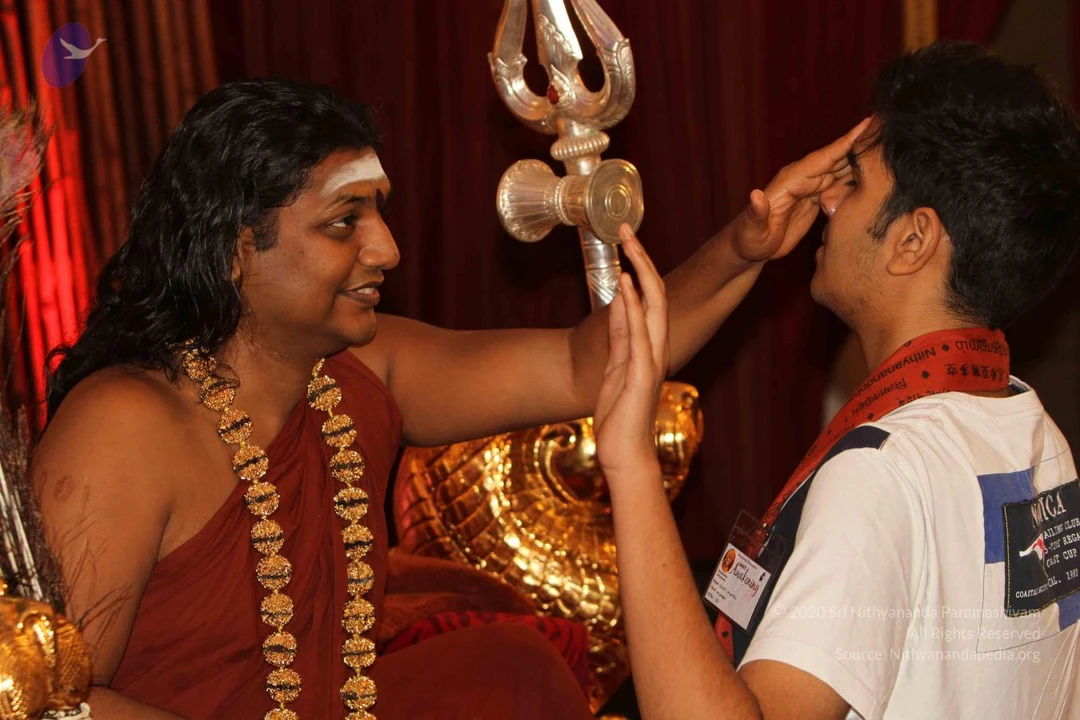
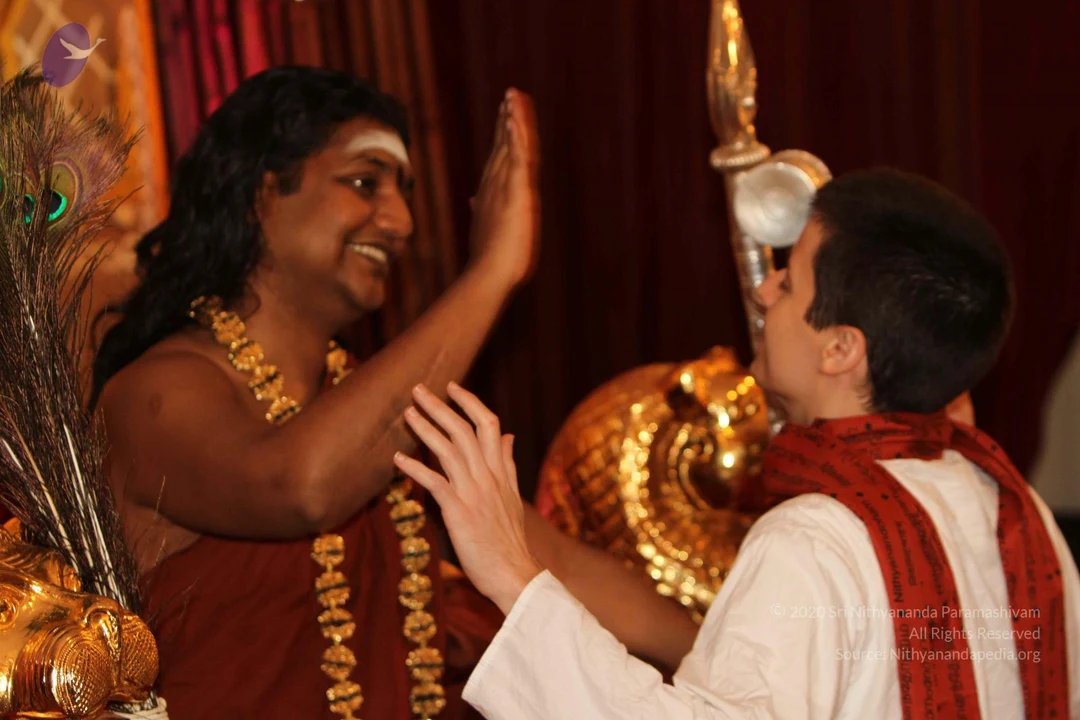
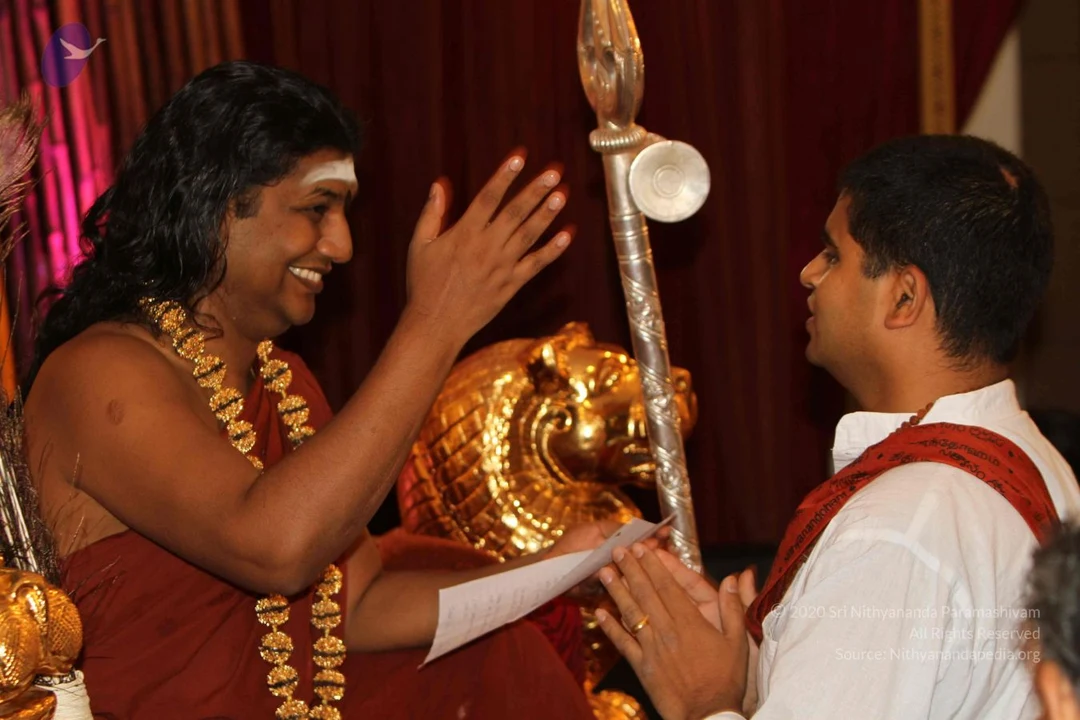
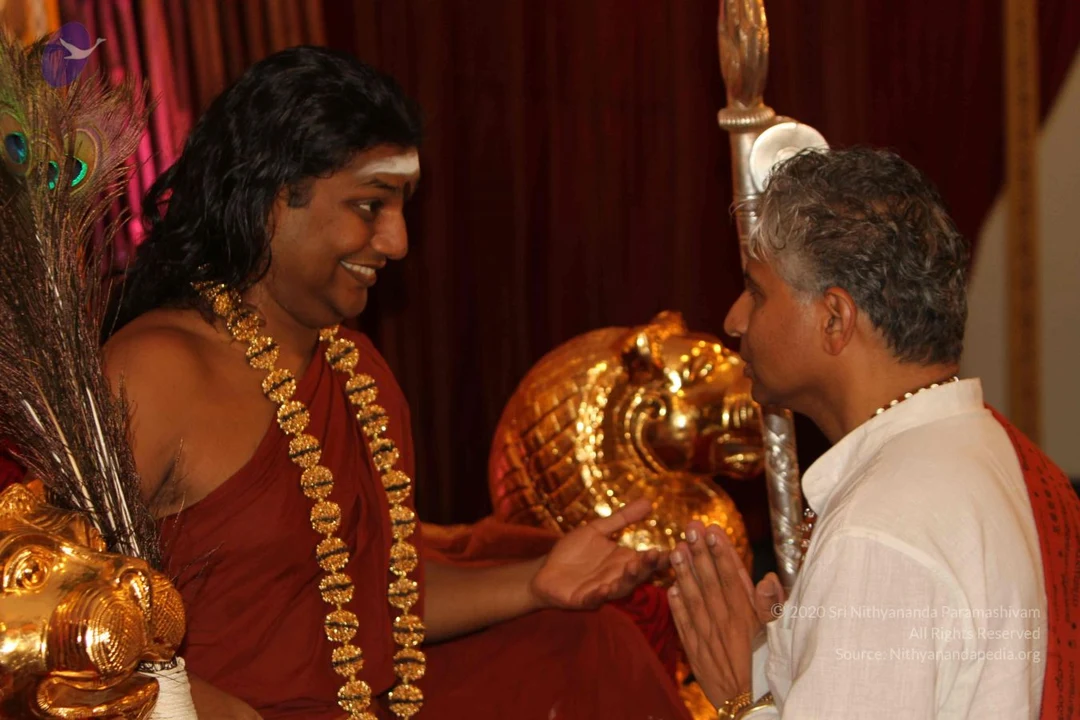
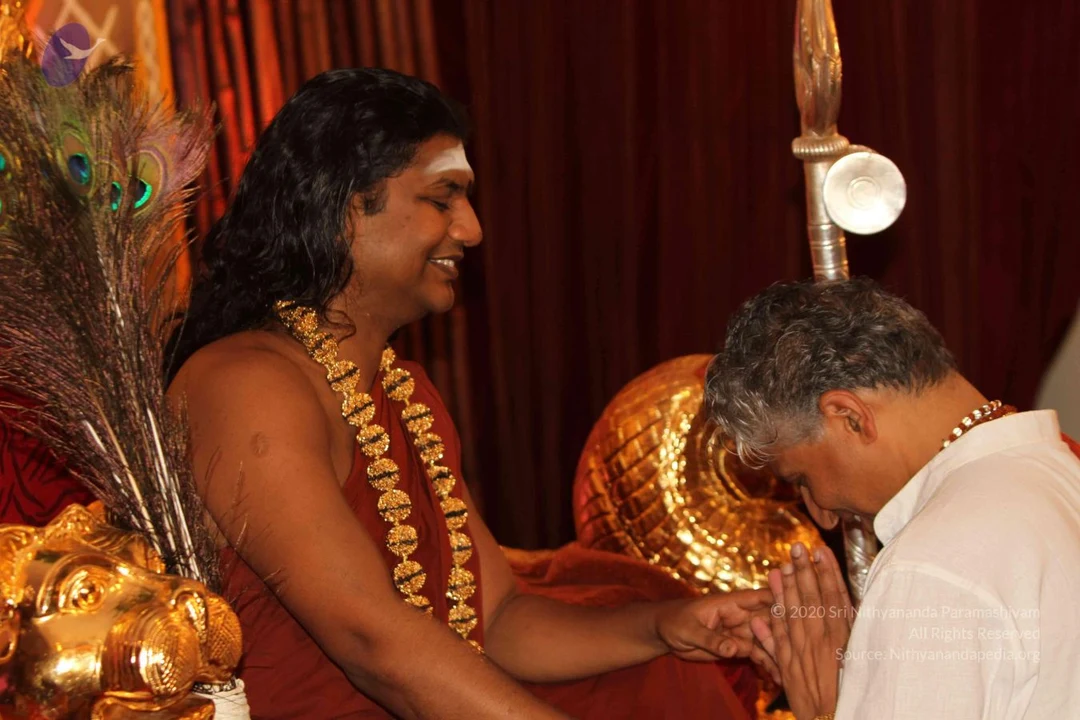
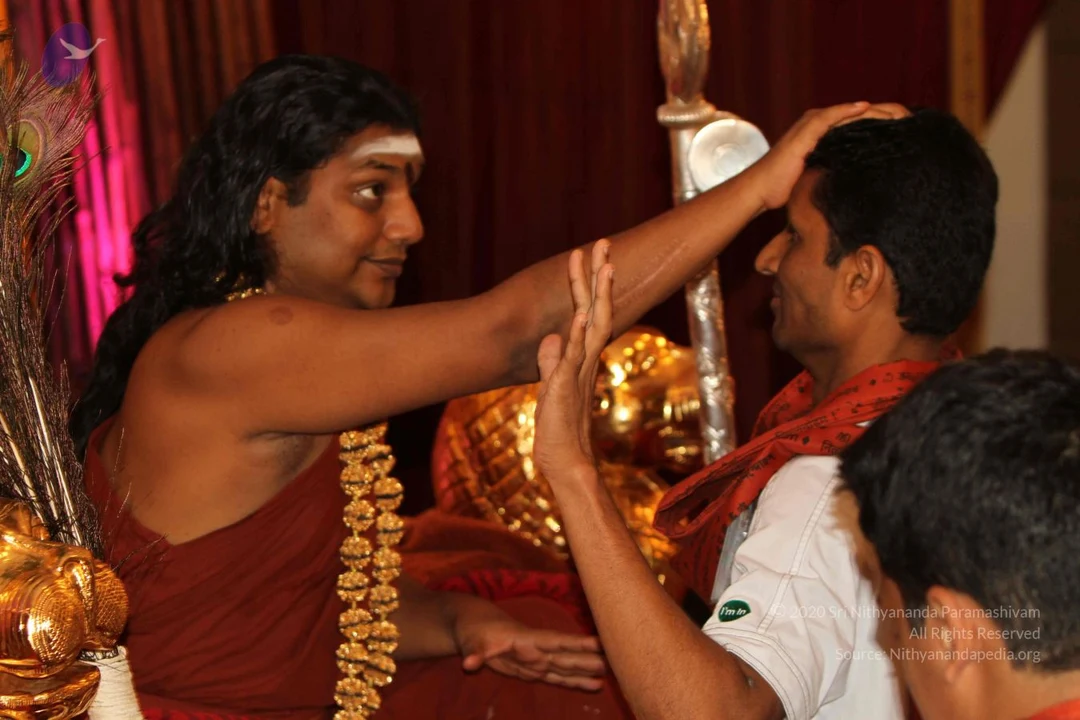
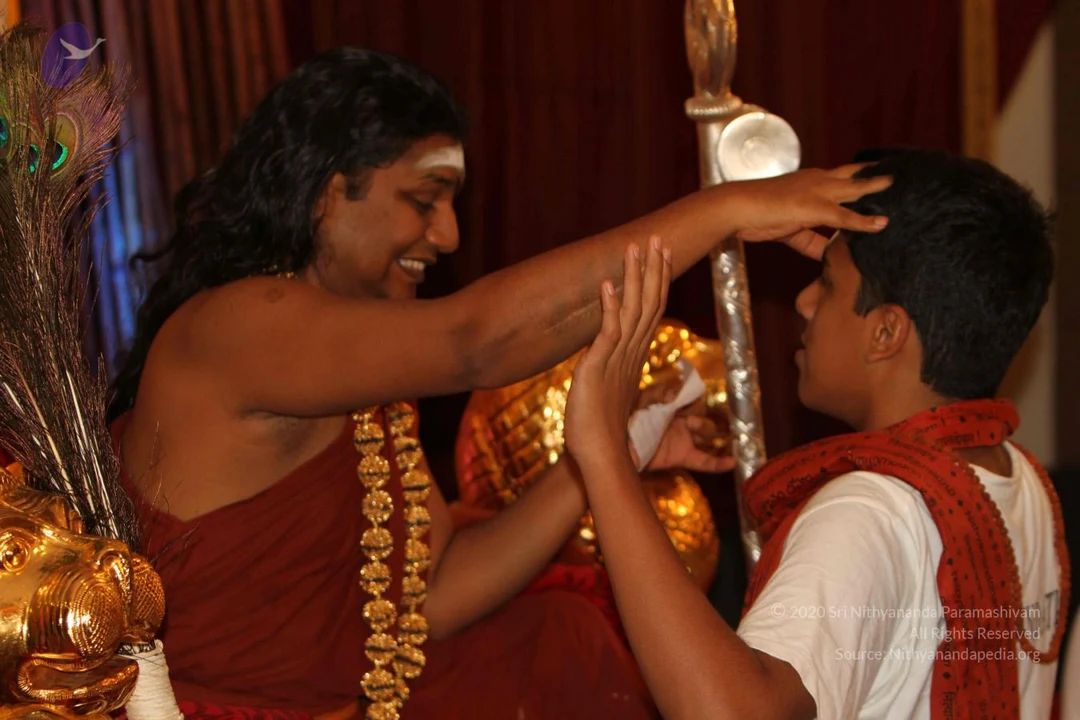
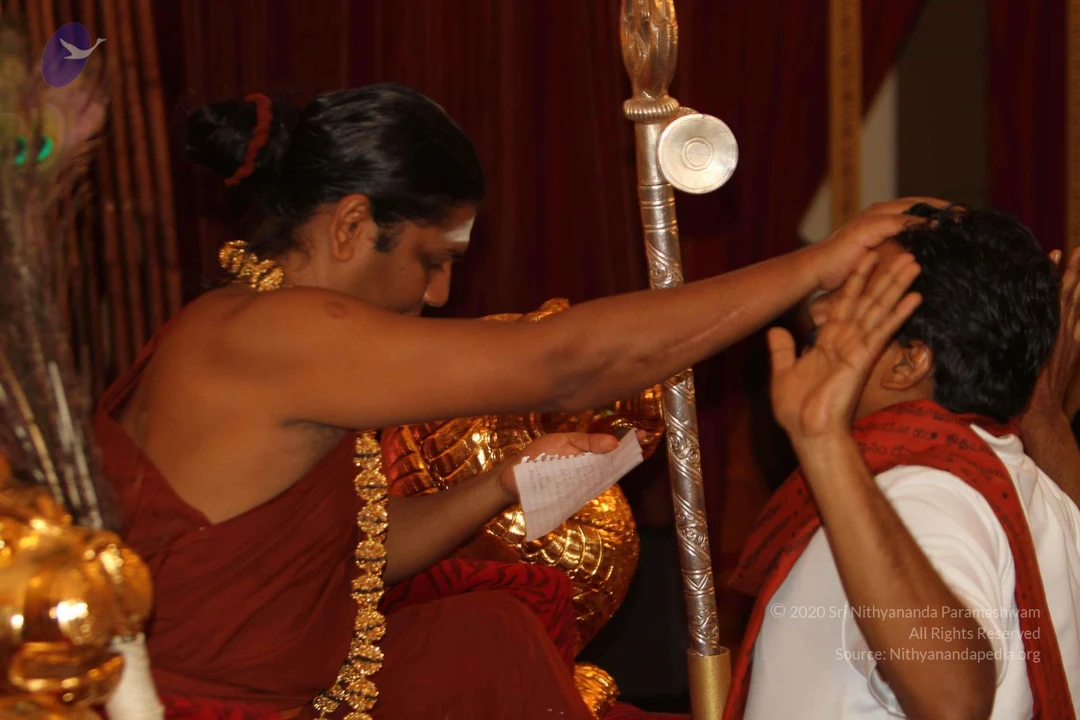
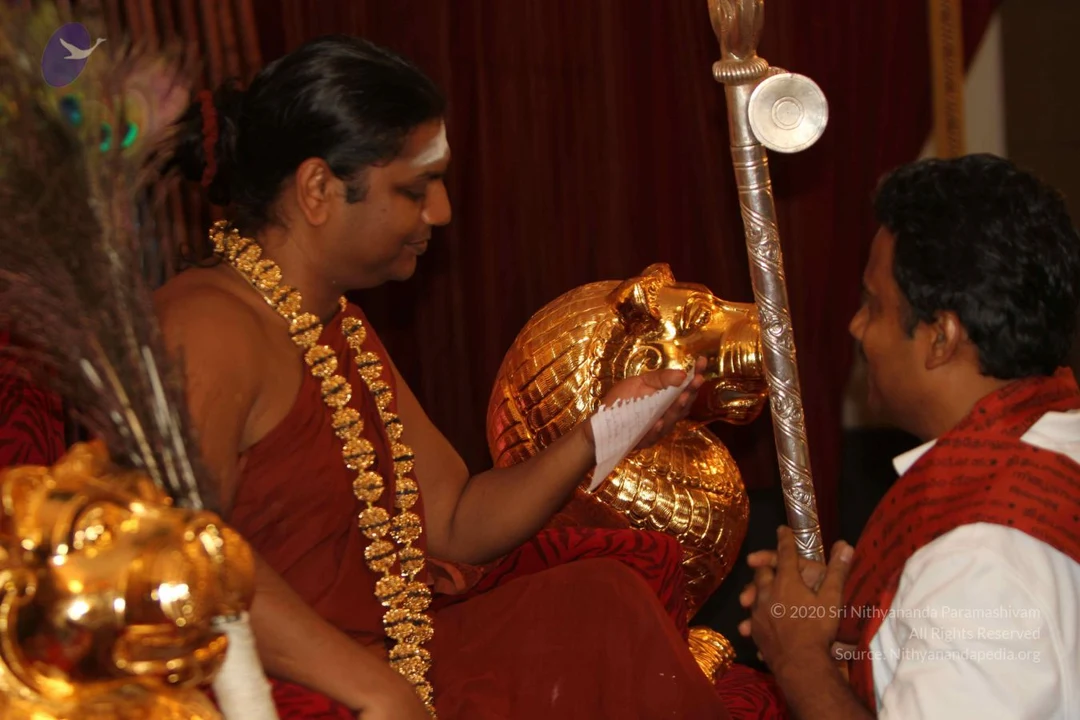
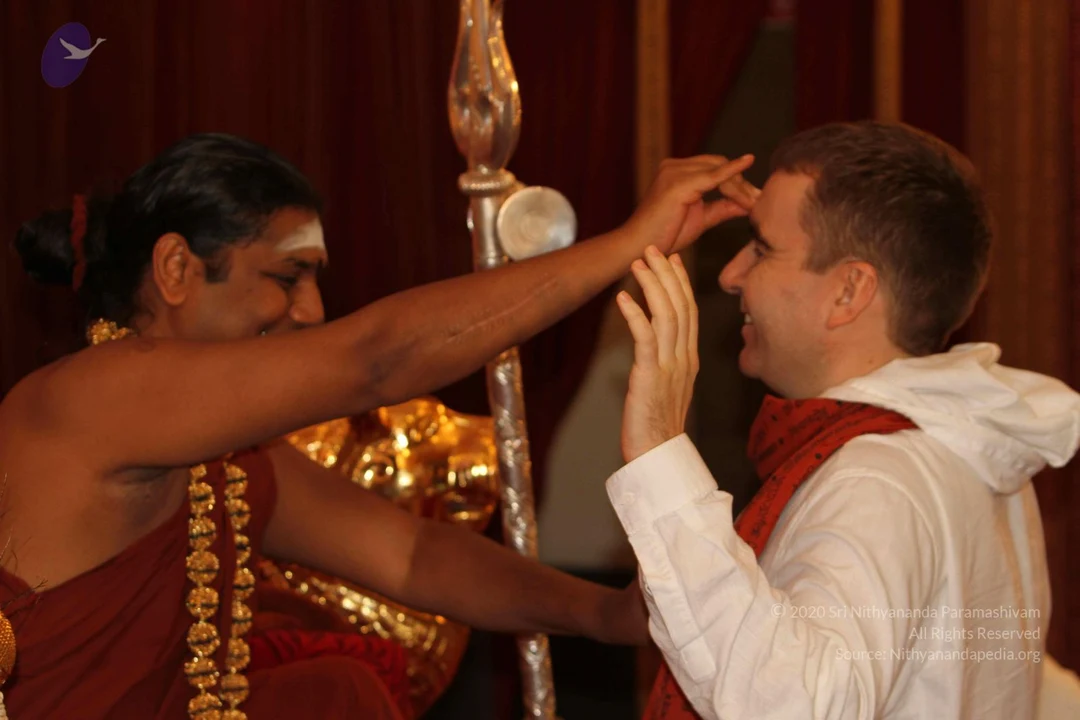
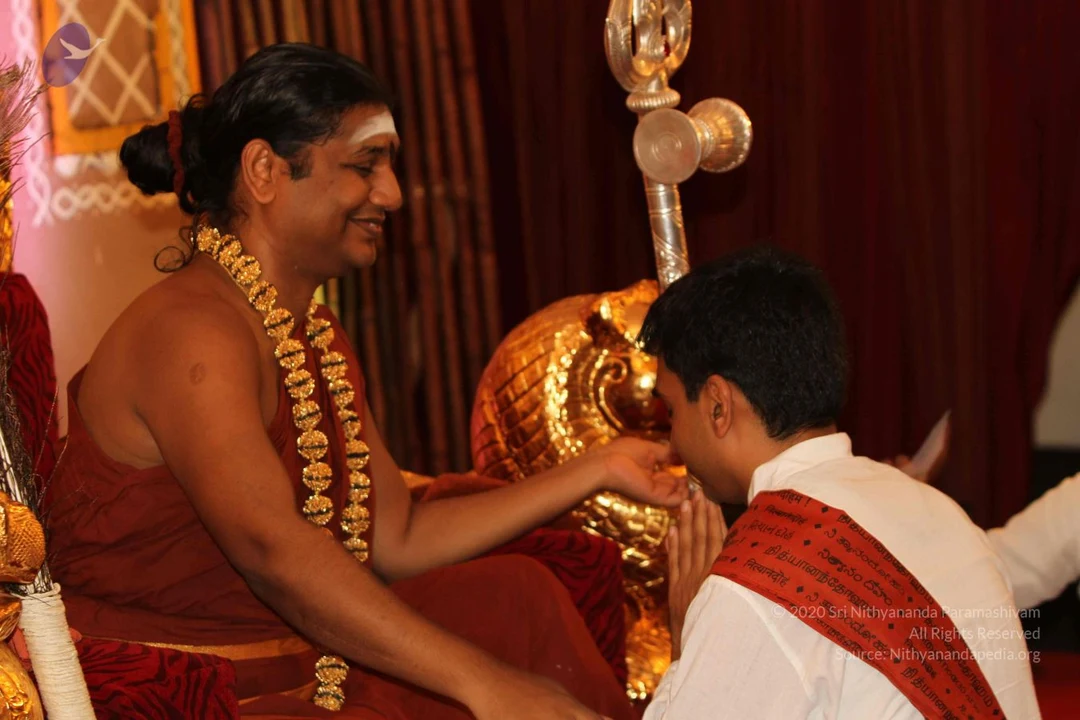
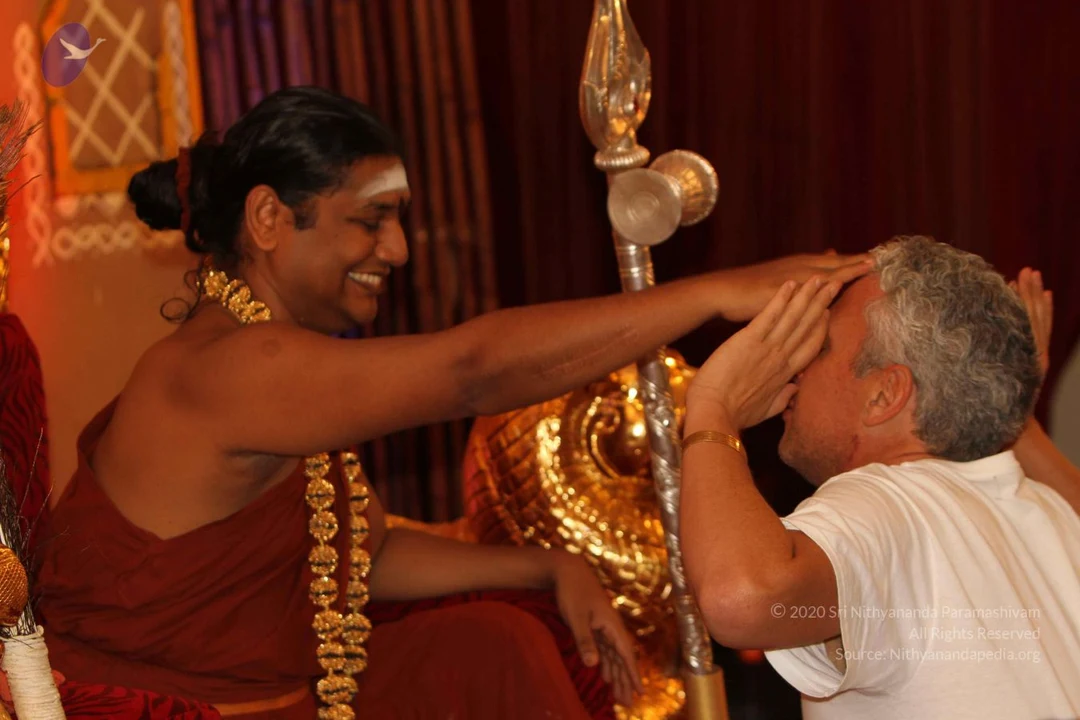
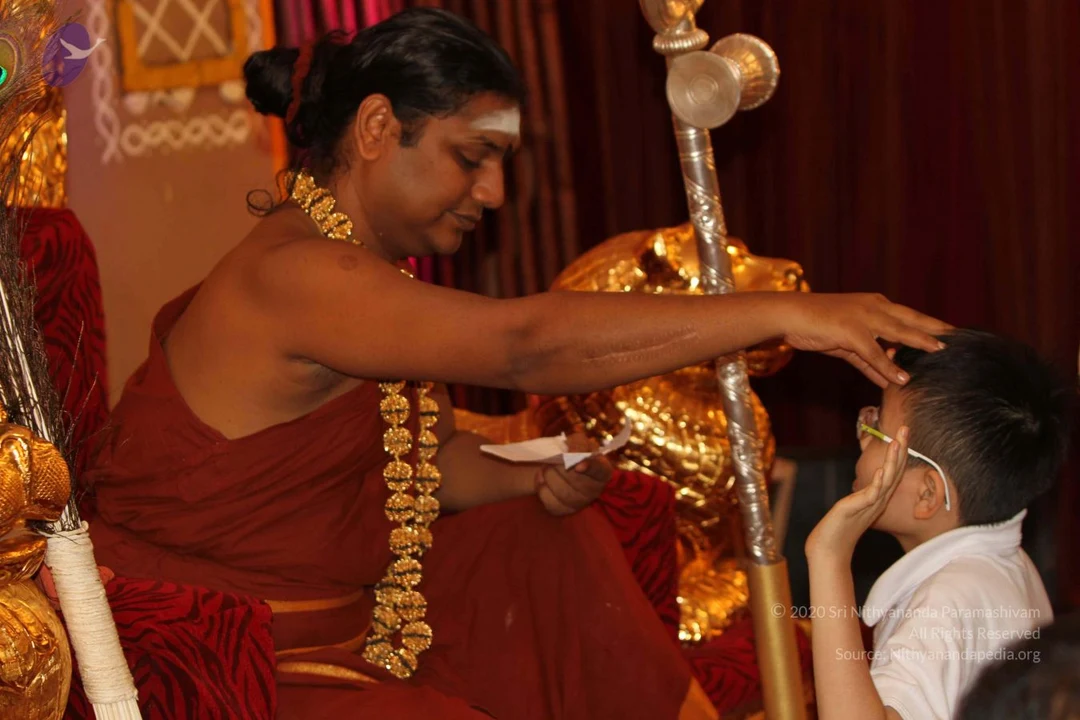
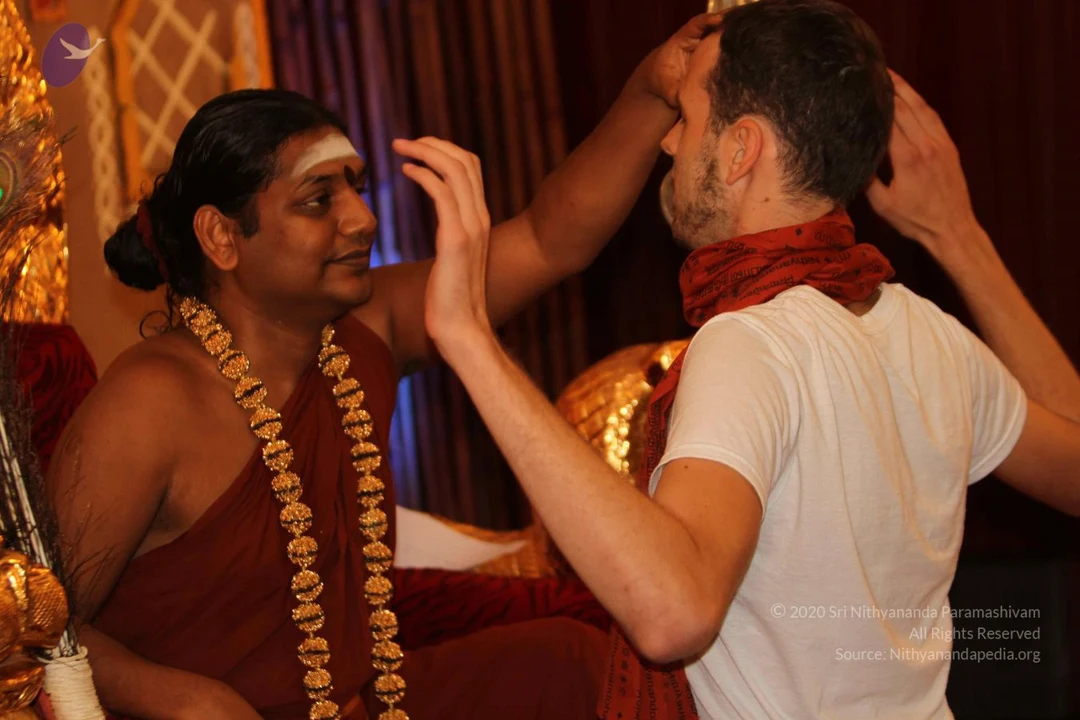
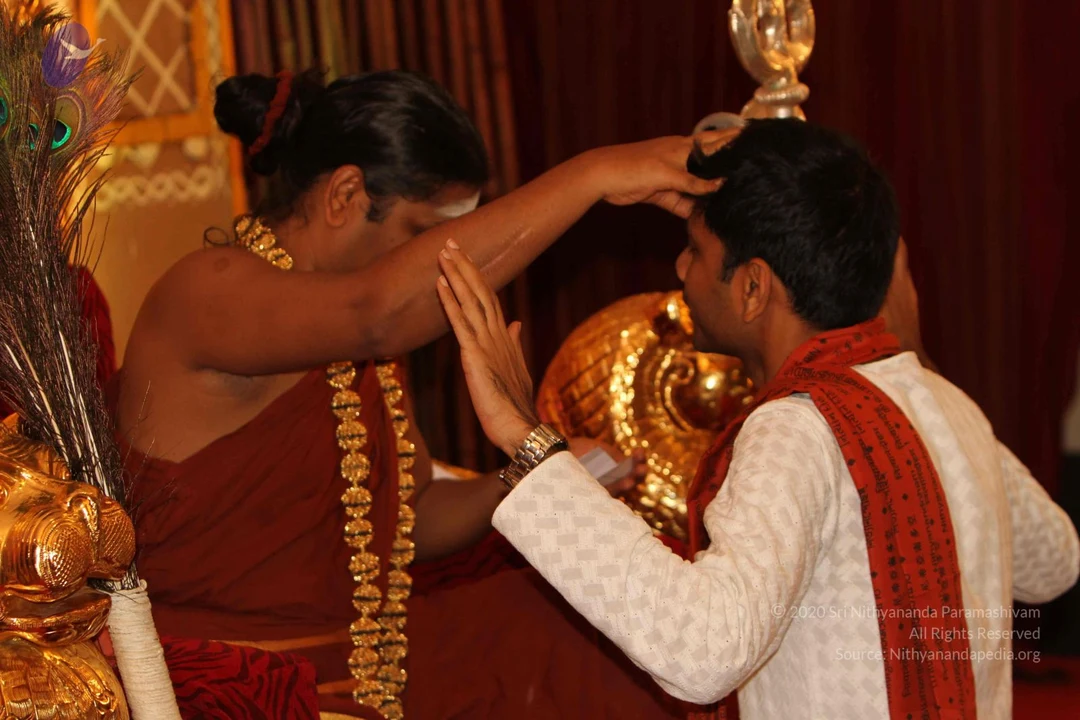
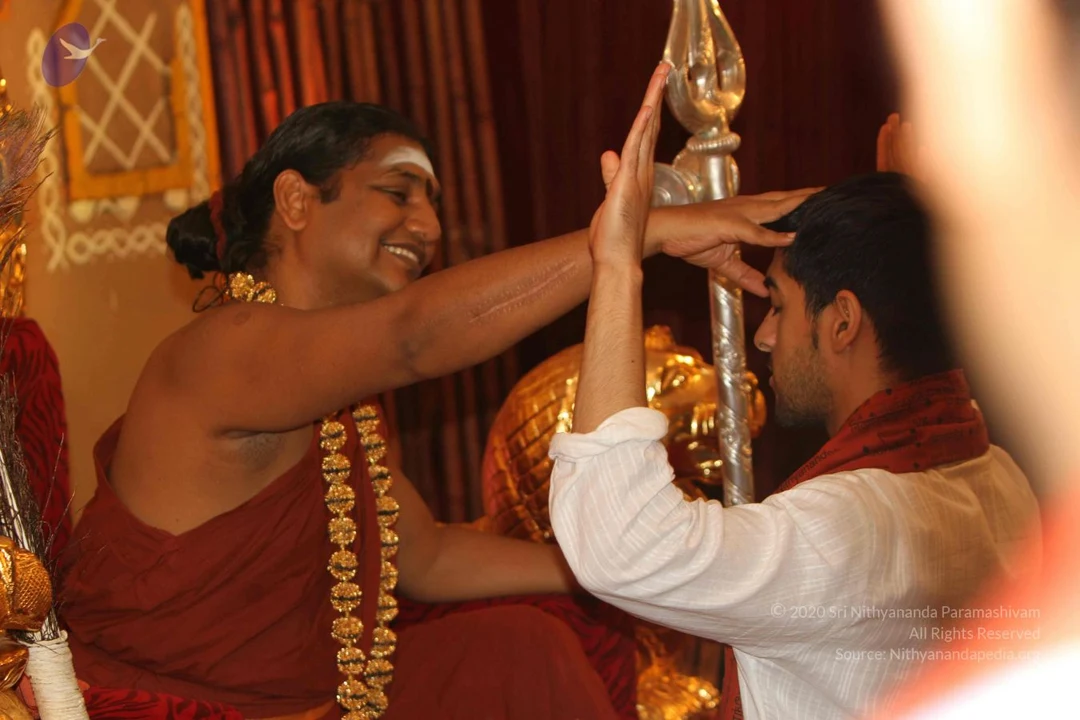
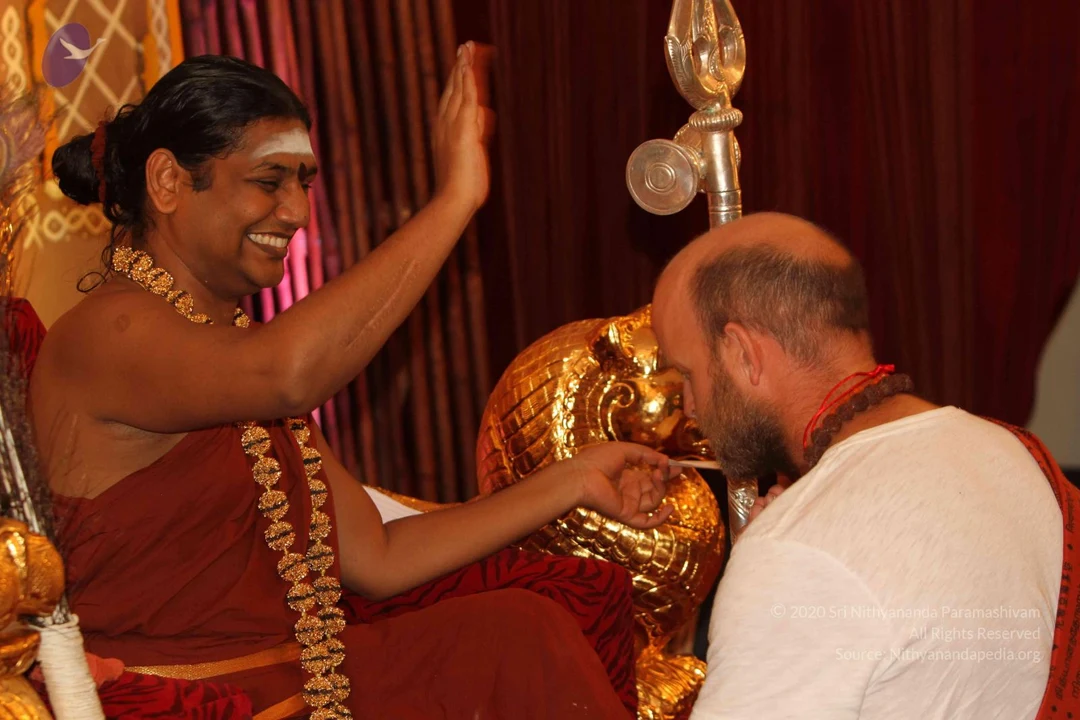
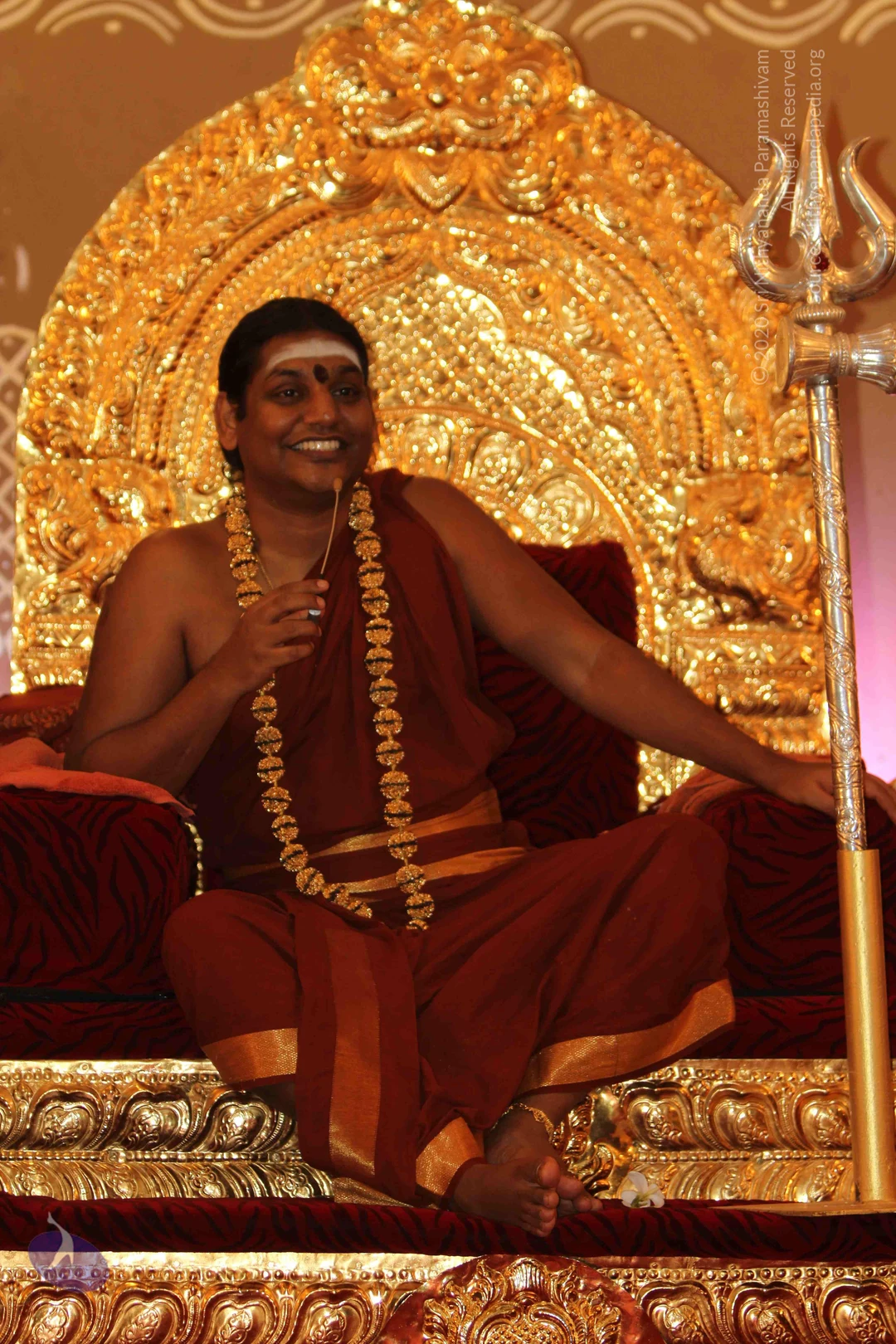
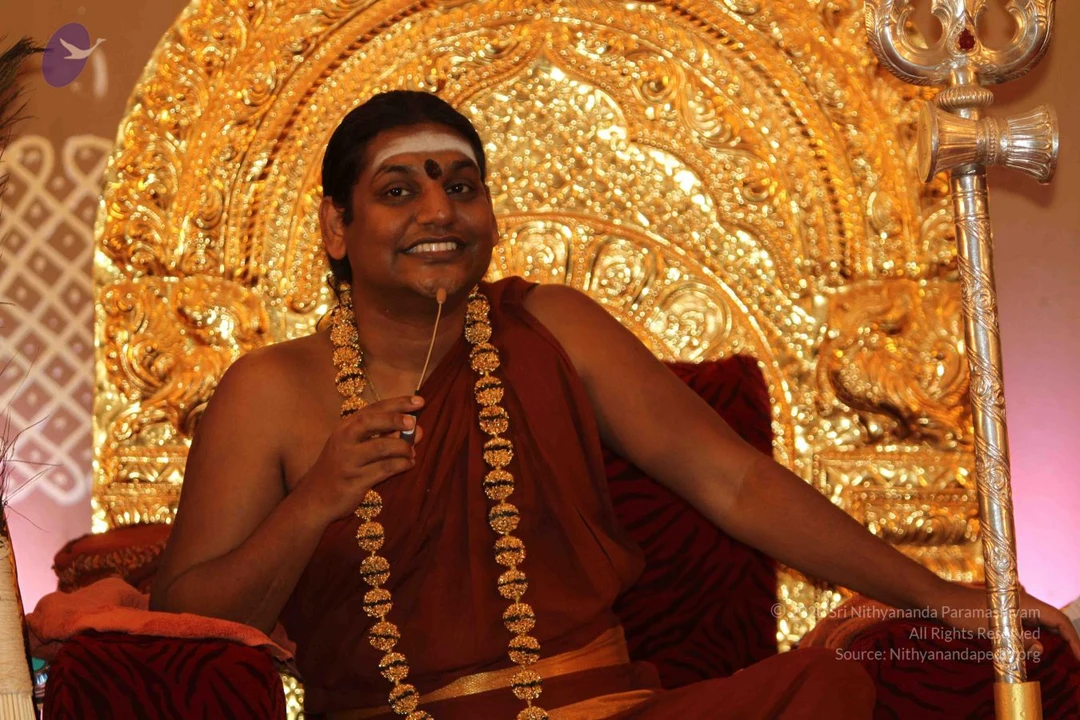
Photos from this day
View all 374 photosPhotos From The Day:
7 photosSource gallery


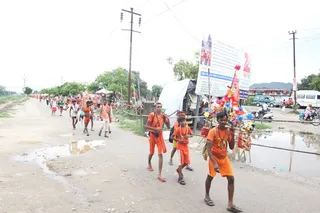
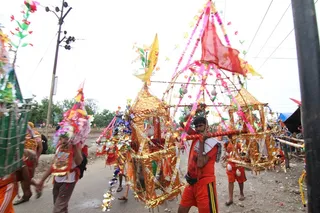
Satsang-Kapataru-Kavidiya
318 photosSource gallery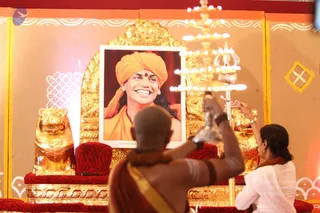
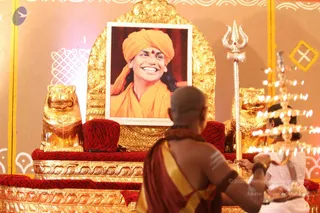
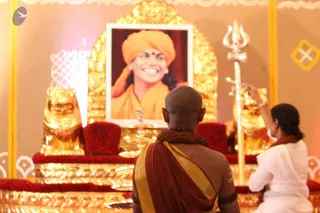
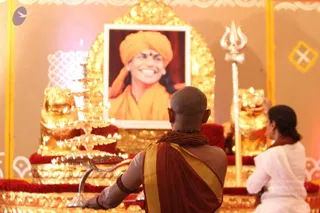
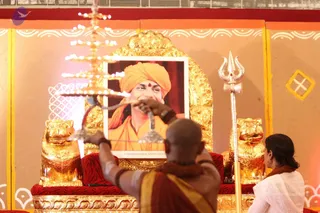
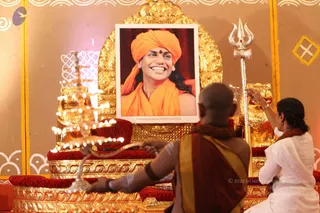
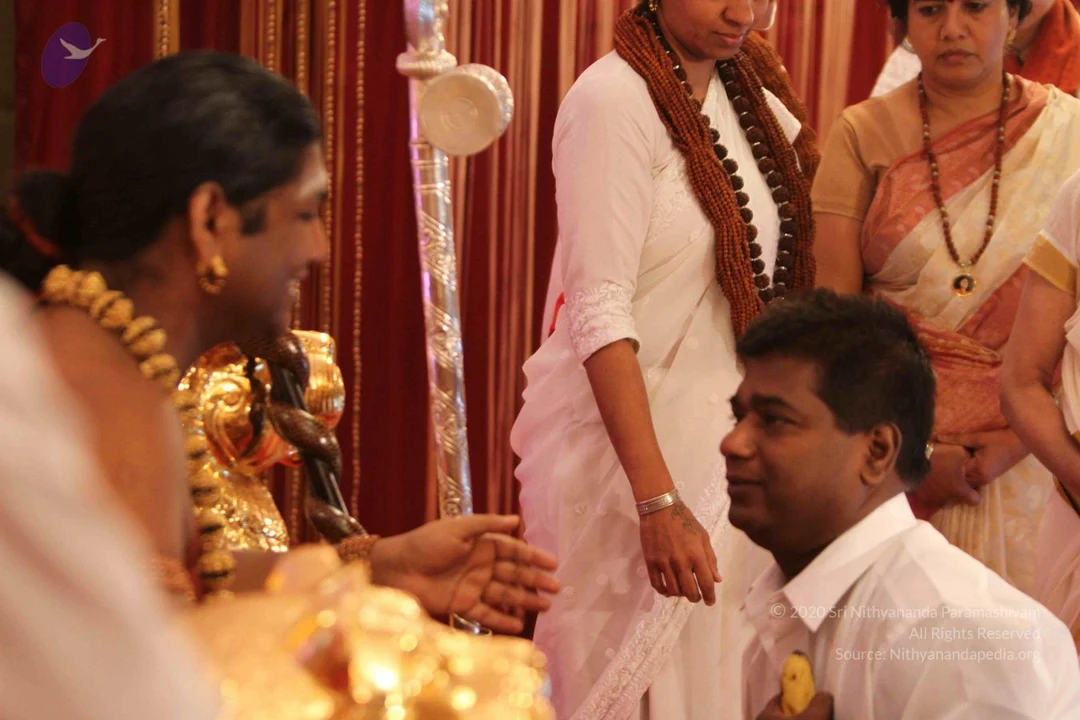
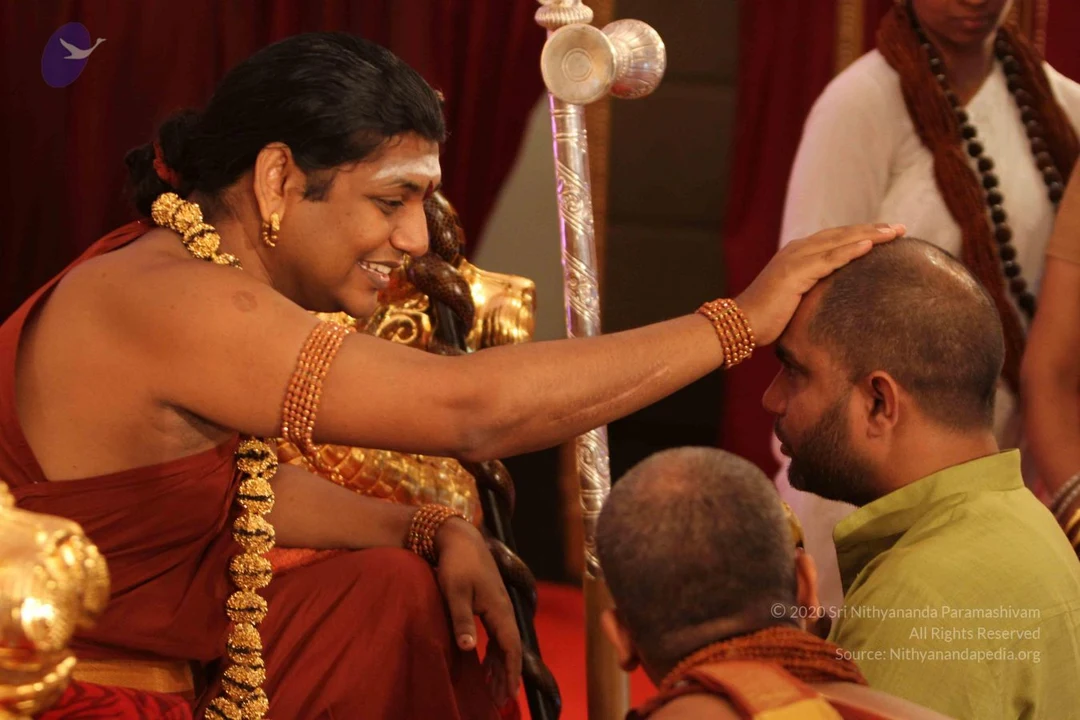
Darshan
49 photosSource gallery