Thursday
20 July 2017
ADHEENAM- Creating the Veda-Agamic cities as per Sadashiva
- Dated photos
- 311
- Source pages
- 1
- Media
- 6
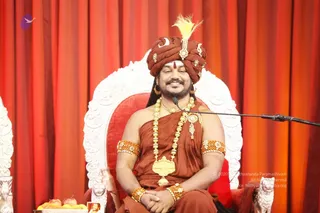
July 20 2017
Original wiki pageTitle
ADHEENAM- Creating the Veda-Agamic cities as per Sadashiva
Description
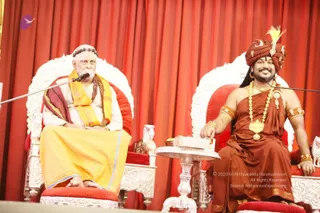
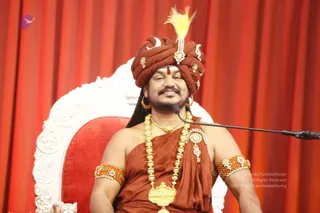
On this day 20 July 2017 we are having a special guest of 232 Guru Mahasannidhanm of Thondaimandalam, His Holiness Paramahamsa Sri Nithyananda Swamiji continuous to explain about the Veda-Agamic cities. Human settlement to realise the state,space and manifest the powers of Sadashiva is called Adheenam.
Link to Video:
| Video | Audio |
Title
Three Dimensions of Yoga from Sadashiva's Original Sourcebook: the Agamas
Description
In this powerful discourse from 20 June, 2017, His Holiness Bhagwan Paramahamsa Sri Nithyananda Swamiji expounds on the three forms through which Yoga expresses and which we can implement in our lives to manifest a Yogic body, mind and being.
Link to Video
| Video | Audio |
Transcription
(0:07) nithyānandeśvara sadāshiva samārambhām nithyānandeśvari adīshakti madhyamām | asmat āchārya paryantām vande guru paramparām ||
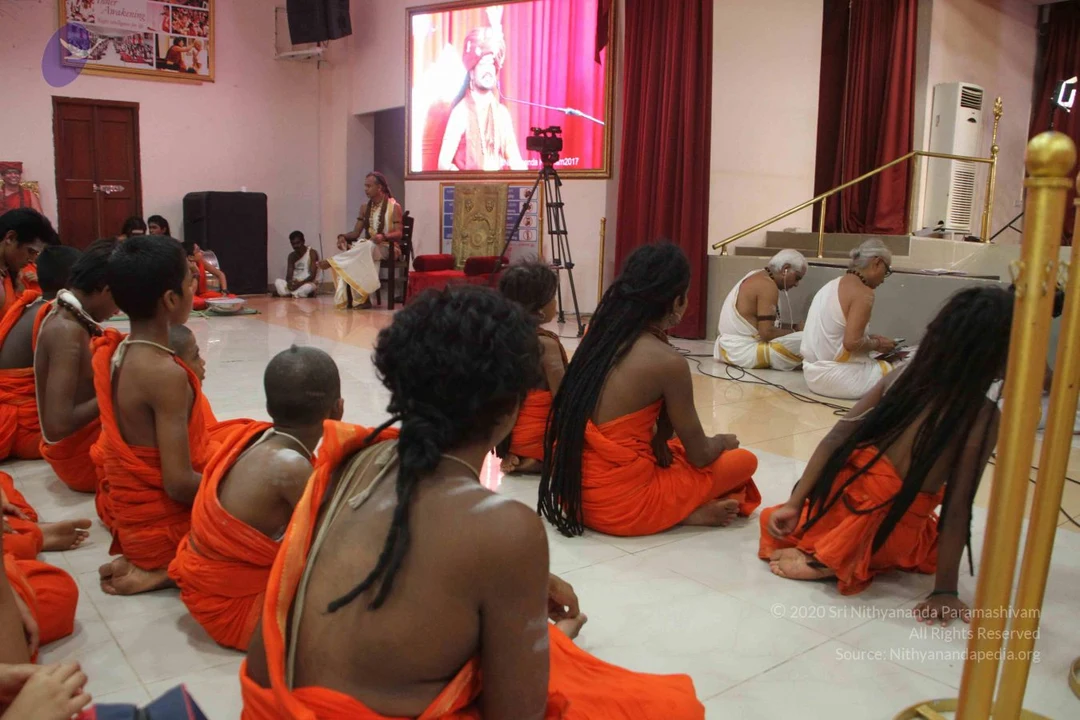
(0:45) I welcome all of you with My love and respects. I welcome all the Sarvajna Peeta Yajamans, Nithya Satsangis, Sri Mahants, Mahants, Kotharis, Thanedar, everyone who is sitting with us all over the world, through Nithyananda TV, Facebook Live and 100s of Aadheenavasis channels, Kalki TV, YouTube Live, Twitter Live and 2-way Video Conferencing, having Nayana Deeksha all over the world. I welcome all of you with My love and respects. (1:28) Before continuing the ‘Aadheenam Chalo Series’, today we have a special guest in our morning Satsang - the 232nd Guru Maha Sannidhana of Thondaimandala Aadheenam - Srila Sri Thiruvambaladesika Gnanaprakasha Paramacharya Swami ( Srila Sri Thiruvambaladesika Gnanaprakashaswamigal) - so let me first welcome him with My humble respects, then we will continue to have the morning Satsang. (2:29) At least our Sangha does not need introduction to Swamiji, because they all know, Swamiji is My Kula Guru. The Guru of the community I am born and brought up and My personal association with Swamiji goes more than 15 or I think around 20 years and if you see the old photographs, the first Aadheenam I started, the first Ashram I started in Erode, was inaugurated by Swamiji. It was Swamiji, who inaugurated the whole Sangha. We have photographs. In 2000, in 2000 end, Swamiji personally came and visited the land we were suppose to have the first Aadheenam in Erode, the banks of Kaveri, then 2001, he came and did a formal inauguration of the Aadheenam. We have photographs. Yes, we have photographs of Swamiji visiting the land, where the first Aadheenam - Adi Nithyanandeshwara Devasthanam is standing now and…..the Swam....another Swamiji who is there, is from Thiruvavaduthurai Aadheenam. He is the Thambiran from Thiruvavaduthurai Aadheenam - Kumar Swami Thambiran and also we had a public function, where Swamiji came and inaugurated. That will be a function on the stage. That is the first public function we had. It was April 14 2001, Swamiji came and inaugurated the first Aadheenam, first Ashram we inaugurated and Swamiji has...had full education and life, as Government Officer in Electricity Board and then took up the Peetha - Thondaimandala Aadheenam - which is the literally oldest Aadheenam in the whole south, which has a unbroken lineage of till now 232nd, 232 Guru Maha Sannidhanam, from Sadāshiva himself. It is direct Sampradaya from Mahadeva - Sadāshiva Himself and Swamiji is here today, as a special guest. So, I welcome him again, with My love and respects. (6:03) And I also wanted to put it on record, which I did not do yesterday - “Srimad Swami Smarananandaji has been elected as President of Ramakrishna Math and Mission and as Mahamandaleshwar of Maha Nirvani Akhada and the Head of the Multani Madi, which was headed by Totapuri, who was Guru of Sri Ramakrishna, as representative of Maha Nirvani Akhada and the Head of the Multani Madi, I offer My best wishes and humble respects to Srimad Smarananandaji Maharaj and I pray to Sadāshiva, Kapila Muni, Totapuri and Sri Ramakrishna, the Sampradaya Vridhi, let Sampradaya Vridhi happen under the blessings and guidance of Srimad Swami Smarananandaji Maharaj. I already sent My personal respects through Swami Atmapoojananda, who is in charge of our Varanasi Ashram. Varanasi Mahant went and offered our respects. Here formally, I am conveying My best wishes and respects to Swami Smarananandaji Maharaj and whole Ramakrishna Math and Mission. With this I’ll continue on the ‘Aadheenam Chalo Series’. (7:40) Yesterday, I was expanding on Veda-Agamic Cities. Understand. Human settlements to realize the state of Sadāshiva, space of Sadāshiva, manifest the powers of Sadāshiva, is called Aadheenam. It is not just a monastery, it is not just a nunnery, it is not just the place where Grihisthas lived, understand, ‘Aadheenam is not Ashram’. In Kamika Agama, Sadāshiva expands on His vision of Aadheenam. Understand. His vision about Aadheeanam is first introduced in Kamika Agama, seventh chapter, 3 chapter He talks about it. Fortunately, 2 chapters are already translated in English, available. The third one is available in original Sanskrit. He introduces the concept of Aadheenam in Kamika Agama. In Karana Agama He expands. The exact definition is - “It’s a place, human settlement….”, of course not just human beings,” human settlement along with animals and nature and everything….”, because all Aadheenams have to have animal husbandry. Understand. Around 47 components has to be there for a complete Aadheenam as per Sadāshiva’s description. Till now we have done only 30, we have not completed the remaining things, maybe in next six months, by the end of this year, we will complete the whole definition of Aadheenam, as per Sadāshiva. He says,” There should be a large Goshala, there should be the place, separate place for Brahmanas and Adi Shaivas, and there should be separate place for Rudra Kanyas, there should be separate place for Vidhyarthis, a separate place for Vaishiyas, separate place for Kshatriyas, a separate place where people who don’t want to fall into any of these structures, who disowned the Grid, we call them Chandalas. There should be a separate place for them. A whole settlement, which decides to manifest Sadāshivatva, means - live the state, radiate the space, manifest the powers of Sadāshiva. (11:29) It’s a human settlement for those beings. Fortunately, we have Sadāshiva’s vision document, available to us. It is time, we make it happen. He says,” One/tenth of the land, means 10% of the land should be water body. It can be flowing or stagnant, but any human settlement, 10% of the land should be water body.” I was surprised by His vision about the agriculture, His water consumption, His economy, the way He balances the economy. You see, if you make a Aadheenam as per Sadāshiva’s vision, it will be literally like a Veda-Agamic city. If you make a city, the way He talks, it will be complete self sustaining city. It will be a complete self sustaining establishment. All these modern day ecological communities, self sustaining communities, all these ideas maybe 60 to 70000 years before, elaborately He has described. Elaborately He has described and it is time. We have created human beings, successfully we have created 1000s of human beings who are living, wants to live sincerely, the Sadāshiva’s lifestyle. The way Sadāshiva describes the life. Understand. It is time and our responsibility, to create first modern day Veda-Agamic cities. First modern day Veda-Agamic cities and Veda-Agamic Universities. It’s our responsibility to create and fortunately Sadāshiva has blessed us, with enough intelligence, enough wealth, above all enough spiritual powers to make it happen. (15:00) See, all the major settlements of India, I do not want to call them as cities, because the modern day cities have nothing to do with Agamas and nothing to with original grand narrative of Bharat, India and Hinduism. They are big mess, that is why so much of disturbance in nature and human consciousness. But all the ancient settlements - Kasi, Kanchi, Madurai, Thiruvannamalai, and now the digging is happening in Madurai, the place called Keeladi. Keeladi means the east feet, means east side, just east of Thirupparankundram Madurai. The whole research excavation is happening, which is establishing the age of the Madurai, at least seven times more than what any historians have predicted as and now. Understand. In the series of satsangs, I gave in Madurai Aadheenam, I predicted the age of Madurai’s city and the time Meenakshi was in the physical body. Maybe six months before, the researchers who are excavating Keeladi, are coming to the same conclusion. When I gave the timeline of Madurai, people were laughing at Me and few were commenting, even the so called reputed journals and media was reporting,” Oh, He is talking stupid things.” And now, the Keeladi excavation is suddenly establishing My claim of Madurai’s history and it’s antiquity. Soon we will have more evidences to establish, how Meenakshi planned the whole city, as per Kamika Agama and ran the whole city, the whole administration was done as per Manu Needhi Shastra. The Sivalilarnava, the earliest recorded history of Meenakshi and Sadāshiva, describes very clearly - Kamika Agama was the spiritual scripture - Somasambhu Paddhati was operational ritual manual, Manu Needhi Shastra was the administrative law book. All these are recorded elaborately in Sivalilarnava. Now, I establish the timeline recorded in Sivalilarnava, through the modern day excavation, in the banks of Vaigai - Keeladi, the ancient civilization. Actually, when I gave the time limit, the Keeladi excavation has not yet happened and Keeladi excavation did not reveal their…..Keeladi excavation did not reveal their discoveries. Now they are revealing, whatever they revealed and very coincidentally the number of site they explored - is 293. And now, the carbon dating of everything they discovered in Keeladi, establishes the timeline I claimed for Madurai. (20:22) From Sivalilarnava, the history of Madurai, the earliest history of Madurai and maybe little more research will prove, the whole city was built as per Kamika Agama. The whole settlement lived a pure shaivite life. It was a grand shaivite city to celebrate Shaivism. It’s time and our responsibility to build a modern day Veda-Agamic city, as per Sadāshiva’s guidance in Agamas, as per his vision document. And I am….I can very comfortably visualize, a very doable way, 100000 - 1 lakh people settling here. A settlement of 1 lakh people, completely built as per the vision document of Kamika Agama, Karana Agama, as per the vision document of Agamas, following Agamic Vastu and all the inputs of Agamas, we will be able to make the city. Understand. Already we are living here, so we can’t use the word ‘liveable’, we will be able to comfortably operate the city, with 100000 people, as per Mahadeva - Sadāshiva’s vision. Maybe when I am 42, in next 3 years. See, the speed with which we are growing and expanding, I am looking at 42. By 42, we should be able to operate, a full Veda-Agamic city, with all the 47 characteristics Sadāshiva explains. He...He describes the kind of a tree is suppose to be, flowers suppose to be, the garden suppose to be developed, roads suppose to be built. And I do have a very strong feeling - there were electricity based vehicles for human transportation in those days. I do not find any trace of petrol, fuel. But I do find the references of electricity based vehicles. There was methodology of producing electricity through traditional batteries and they were using that knowledge, maybe by His grace, we will decode those circuits and bring that knowledge back, discover it back and present it to the whole world. (24:37) Musical instruments, rituals, incense, perfume, dress, jewellery, the methods of battering and dance, what not, He has spoken elaborately about everything. Festivals, celebrations, processions, cooking, literally He has spoken about everything and it’s time and our responsibility to revive, the Mahadeva’s vision document of Veda-Agamic city. We thank Swamiji sincerely, for coming and blessing all of us. I need to mention this important thing, few days before, I was talking about this Kumbha Mela and one religious leader came and when we invited him for the...for taking bath in the Ganga, he said,”No, no, no, jalpuchuchikam….” Understand. In this age, Swamiji came and took bath in Ganga. Swamiji also came to Kumbha Mela, he was in our Camp, without missing, regularly he went and did all the rituals - taking bath, doing...visiting all the temples, everything. In this age, I have not seen anybody, who is so continuously active. I don’t know how many of you know - still Swamiji attends the marriage when devotees call, Kumbha Abhishekams. Kumbha Abhishekams are inaugurating of temples and any other ceremonies, festivals, which he is supposed to attend. See, as a Sannidhanam, he will be invited to many public conferences, public dialogues, the temple rituals, festivals and there are many rituals, festivals, he is suppose to go. Even now in this age, surely Swamiji is Octogenarian, means in 80s. He has crossed 70….80 Swamiji? 85!! 85! 85 completed on 1/7/17. So Swamiji is more than double of My age. I am only 39 - 85, more than double. In this age, he attends all the functions, he attends all the celebrations, he attends all the festivals. I am shocked, at least 30 functions a month, he attends. 30 public appearances a month, means almost at least everyday - one. Sometimes 2-3 in day, he attends. And when he came to Kumbha Mela, he was completely active and alive, going to different temples, having darshan, taking bath, everything. (28:38) In this age, he never even once told Me,” Jalpuchuchikam”, that...that person whom I said,” Jalpuchuchikam”, he was not a Swami, he was a religious leader. I don’t want to mention his name but he is much, much, younger. So this attitude has nothing to do with age. Swamiji is a great inspiration, for his age - 85! If all of us even move out of our bed, or if we are in the bed also is a big thing. And not only he moves out of the bed, he travels. He travels and he is still goes and attends if some devotees call, any marriage ceremony or any family functions or public functions, that is something unimaginable. The energy and inspiration to be active and energy and inspiration to be active. Swamiji was telling that I sent some of the Brahmacharis there to spread My teachings. Tell you honestly, I sent them to learn from Swamiji, study under Swamiji, be his disciples and learn all the things he can contribute. You see, in this age being so alive and active, going around, talking Shaiva Siddhantam, teaching Shaivism. Few days before, Sundareshwara has uploaded a video, where Swamiji was teaching about the Aadi…(?????), the first day of the Aadi month and the history and the introduction about it to all the Brahmacharis. You should see the video. I have shared it actually in My Facebook already. Already I have shared it in My Facebook page, it is there. You should see, in this age without tiredness, he goes on sitting and telling the stories. Understand. In Hinduism, something called ‘Oral tradition’ exists. It’s called Karnabharambharai - means listening from the Gurus, not just reading from the books, because reading from the books,you’ll only get the standard factual information. When you listen from the Gurus, you’ll get the deeper secrets, the details and the video is already uploaded. It is...I’ve also shared in My Facebook page, where Swamiji is teaching about the Aadi month, the beginning of the Aadi month. Some of the deeper insights from the Hinduism and Shaivite traditions. I actually sent Brahmacharis to be with Swamiji, to learn from Swamiji, his inspiration, his activism and the way he spreads Shaivism. We are fortunate and happy to have Swamiji and learn from him and have his guidance and blessings on all of us. (32:00) So with this, I invite you, all of you, batch by batch, to Kanchipuram. Yes Swamiji, now I officially announce, we will make this as a syllabus for all our Gurukul. Batch by batch, go and stay with Swamiji in Kanchipuram and so as many people as possible Swamiji can accommodate there, you all can go batch by batch and stay with Swamiji, as many days as possible and learn. And Swamiji has amazing knowledge about the whole… not only Shaivism…. See, Kanchipuram itself is the Moksha Puri, the place where enlightenment is given and it is a city with a largest number of temples in the world. It’s called Temple City. more than 1000 temples are there, in that one city. More than 1000 temples are there in that one city and all stone temples, don’t think RCCs. No! All stone temples. You should go and stay there with Swamiji and with Swamiji, you should go to those temples. So Swamiji will tell all the stories and the hidden secrets of the temple traditions, so we will surely make this as part of our syllabus. Batch by batch, all of you can go and be with Swamiji and request Swamiji to take you guys to the temples, where he can tell all the...many stories. You see, I am the product of Karnabharambharai. I heard all these stories from My elders, from My Gurus, from My ancestors. That is the way, I was introduce to Hinduism. Understand. 10000 times more intensely what you listen from elders will get into your system than what you read from books. What you read from books, will not get into you so deeply, but what you hear from the elders, the Karnabharambharai Kadaigal, the oral tradition, gets into your system deeply. When we have Swamiji, we should have his blessings and use his intelligence, his guidance, his expertise, his experience and that will really wonderful. Thank you Swamiji for inviting and all the Gurukul kids, we can have a schedule. You guys can go and stay with Swamiji and we will also request Swamiji to take all of you to the temples in Kanchipuram. There are many temples, (Veda..????????), Varadharaja Perumal and so many temples. Swamiji can give all the stories. Actually if you listen to all the temple stories, you will listen Shaivism. You will learn Shaivism. Just with the temple stories, you will learn whole Shaivism and the whole Shaivite concepts. (35:33) So with this, I bless you all, let’s all radiate with Integrity, Authenticity, Responsibility, Enriching, Causing, Living Shuddhadvaita Saivam, Sadāshivoham, the Eternal Bliss - Nithyananda.
Thank you. Be Blissful.
(35:56)
Description
Link to Video:
Photos
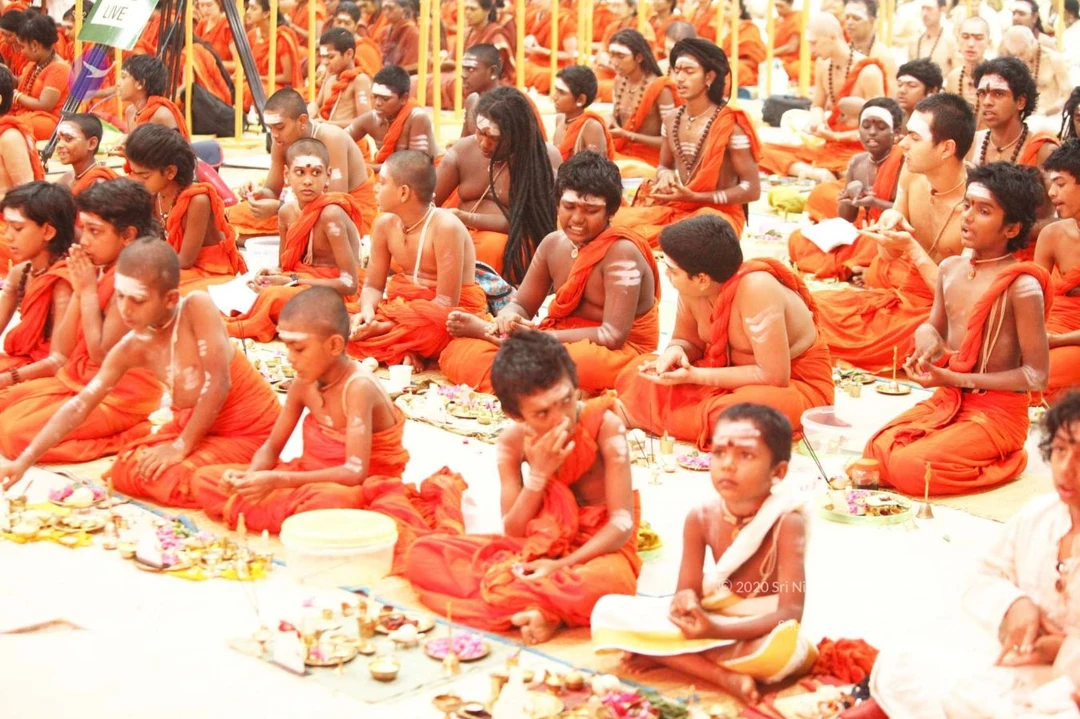
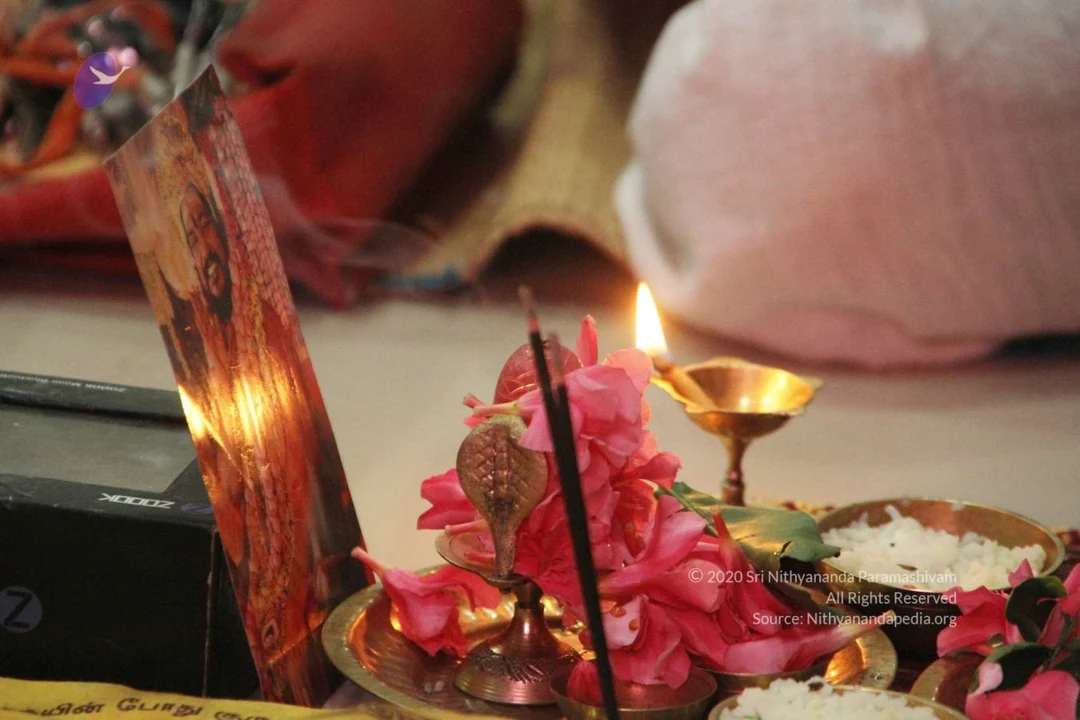
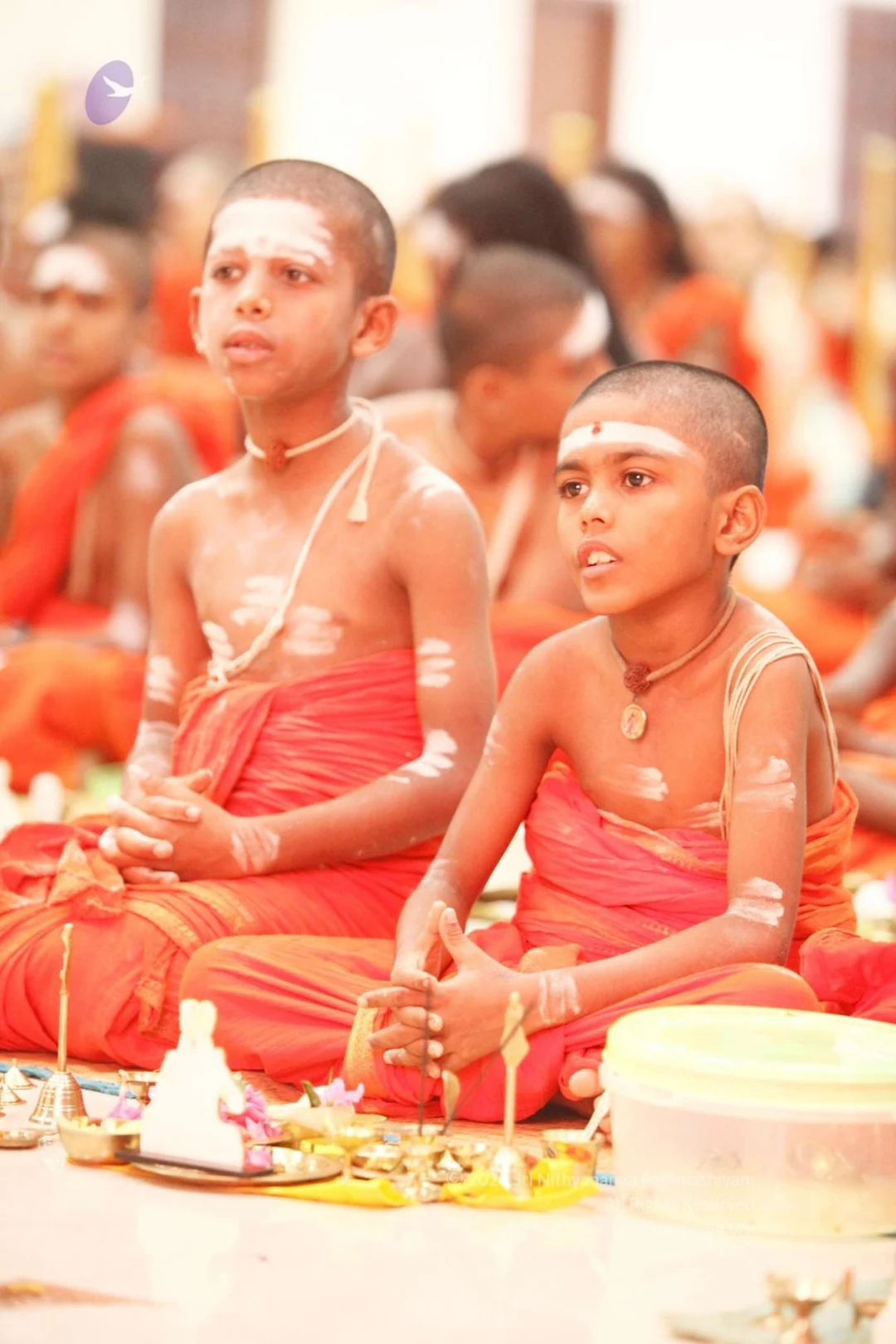
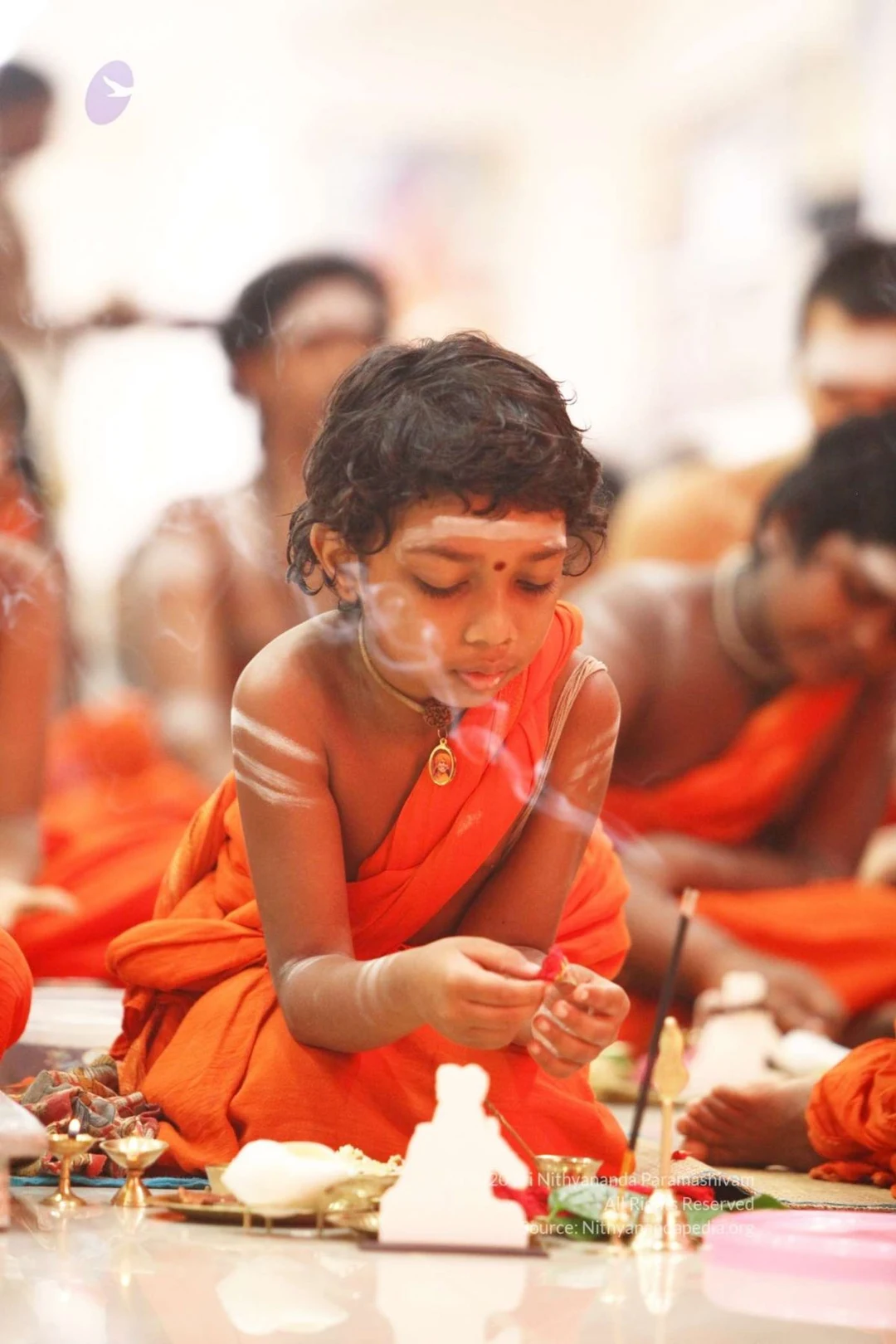
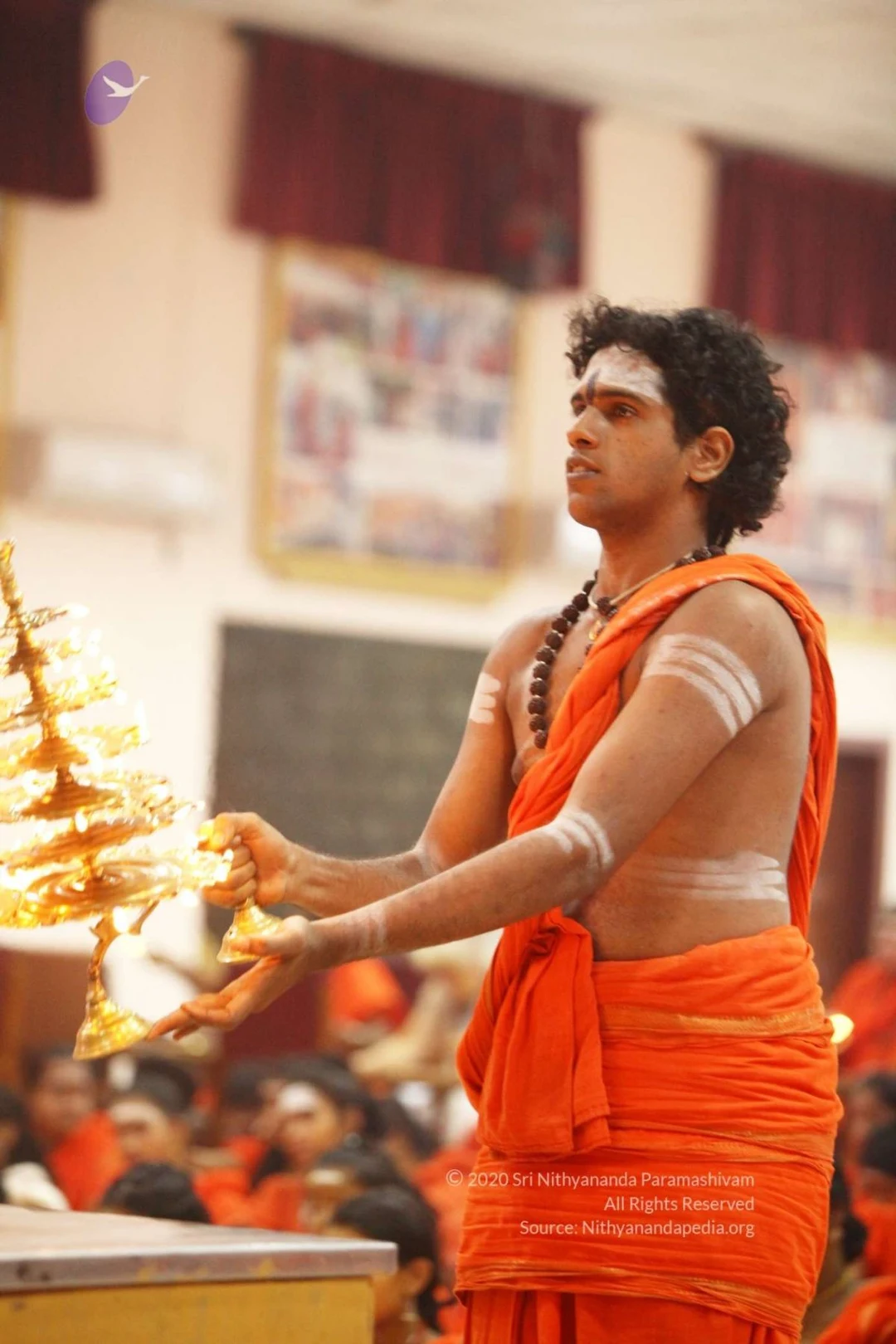
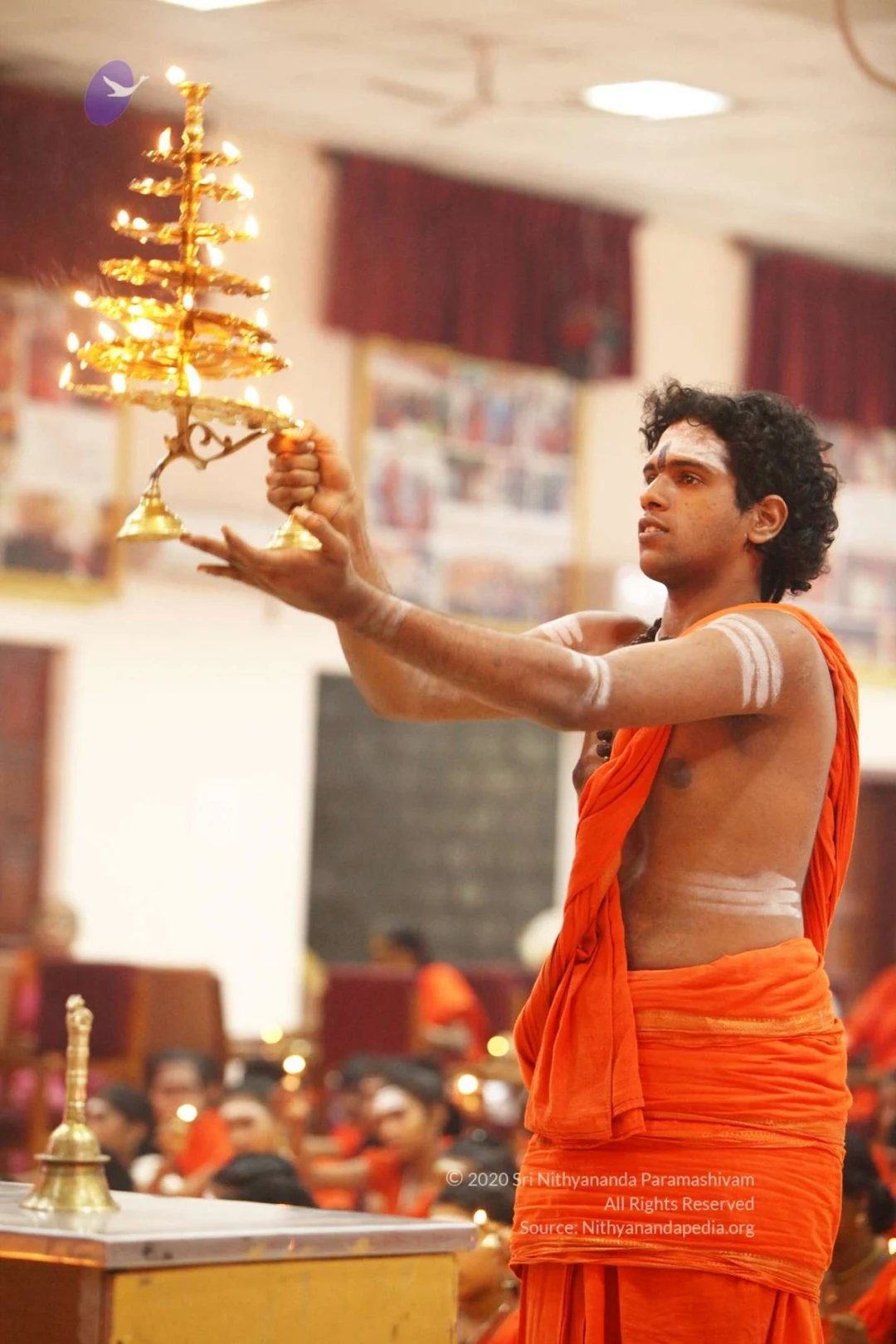
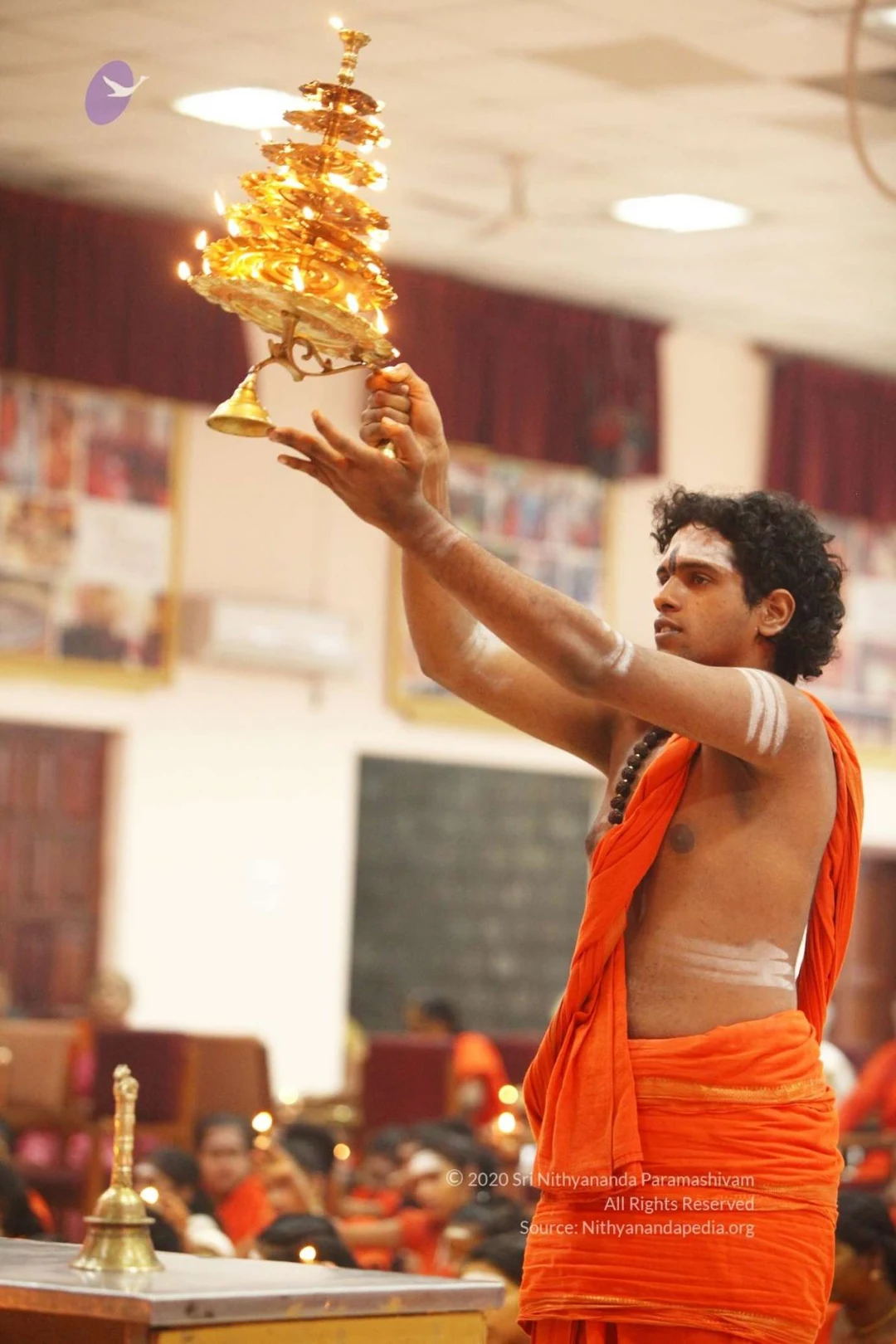
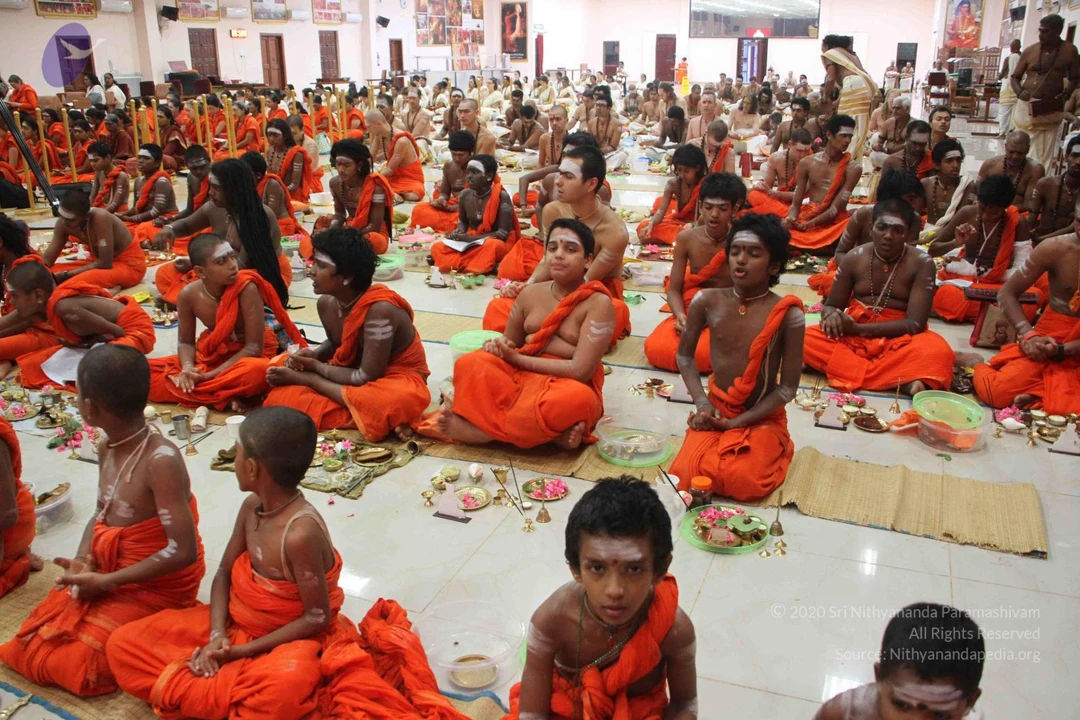
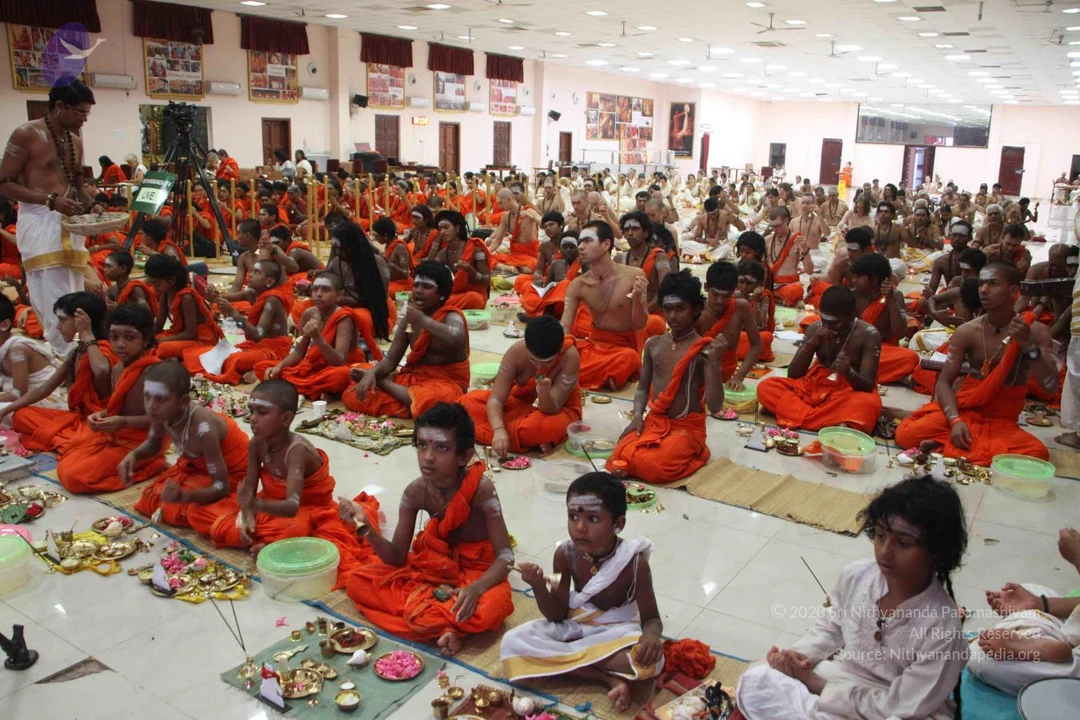
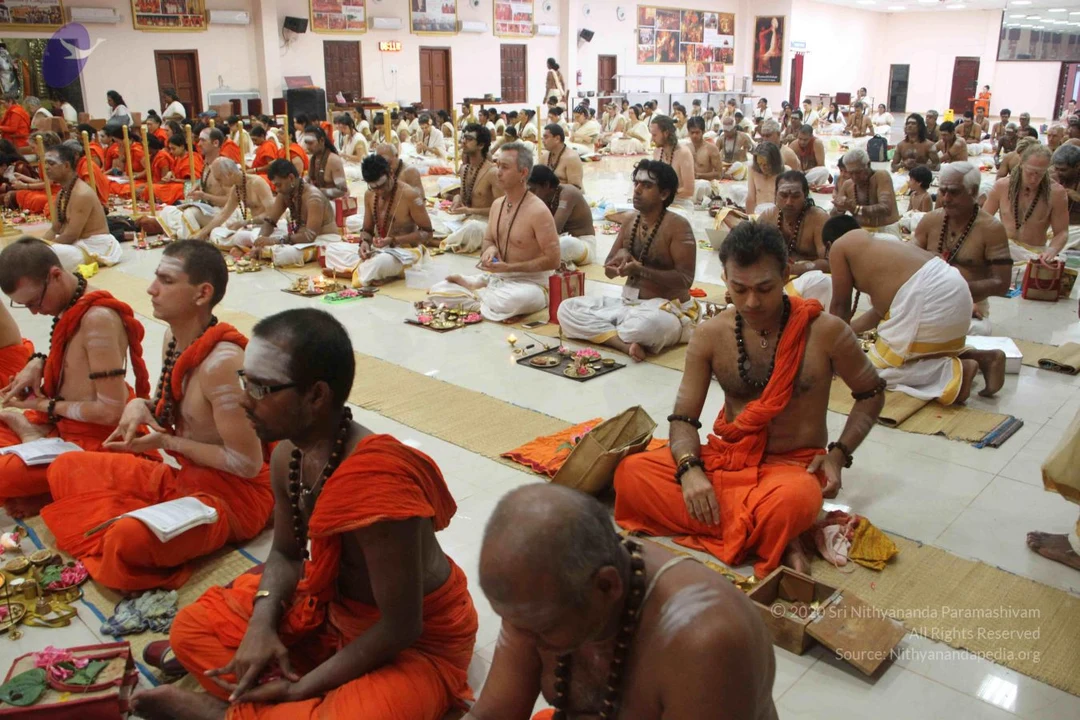
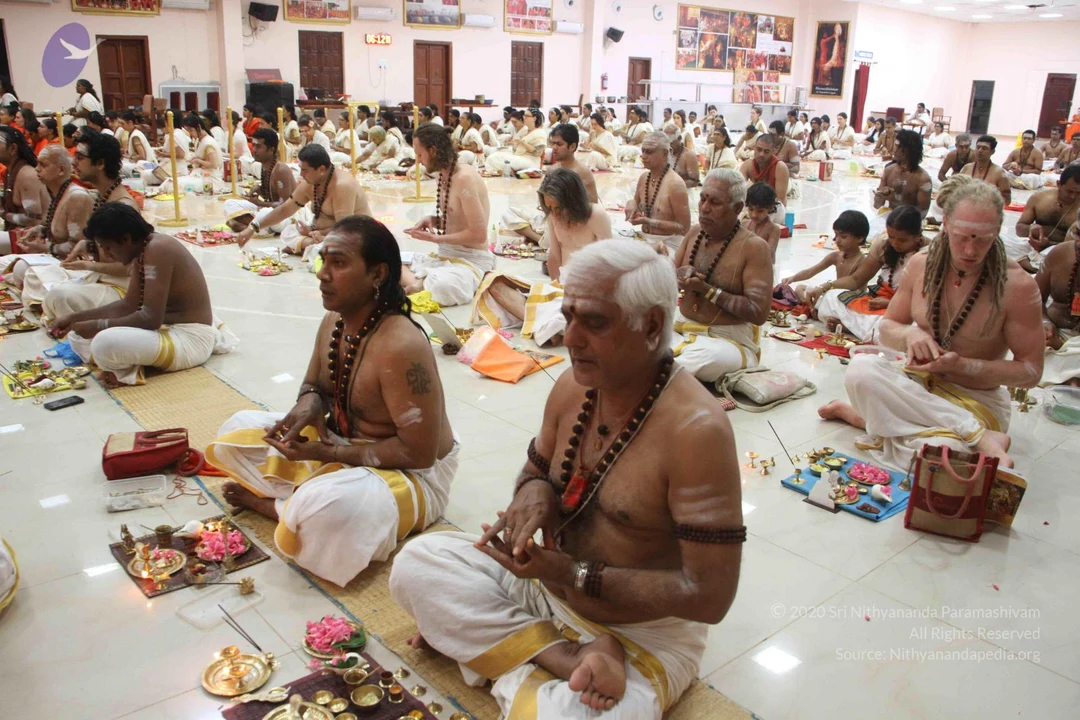
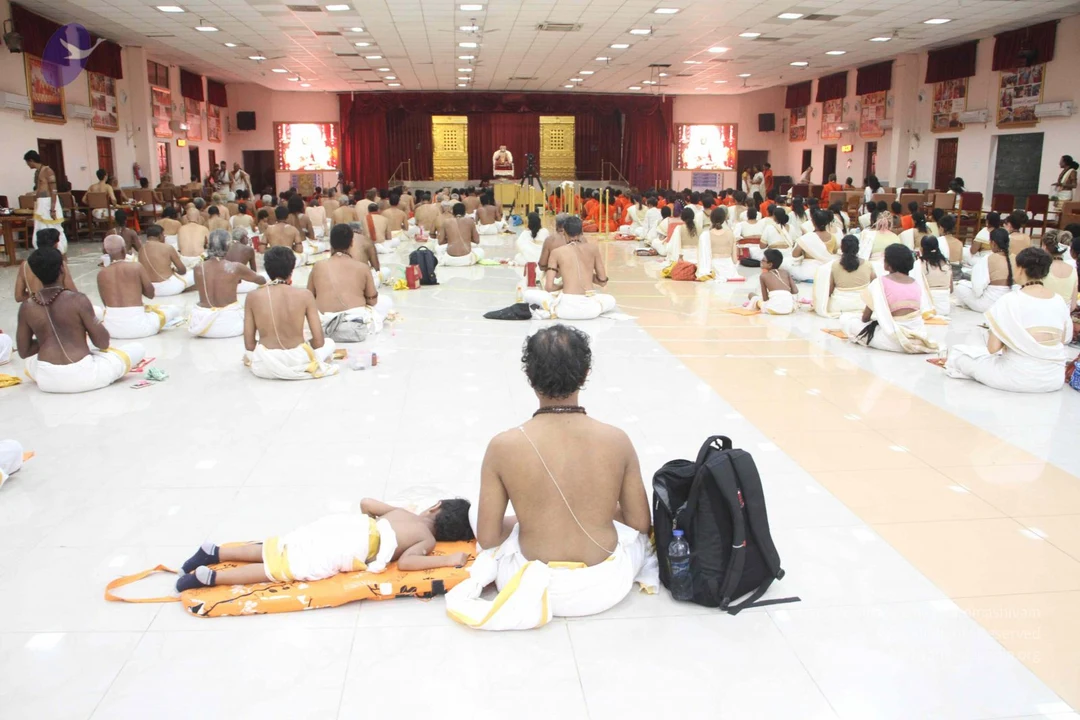
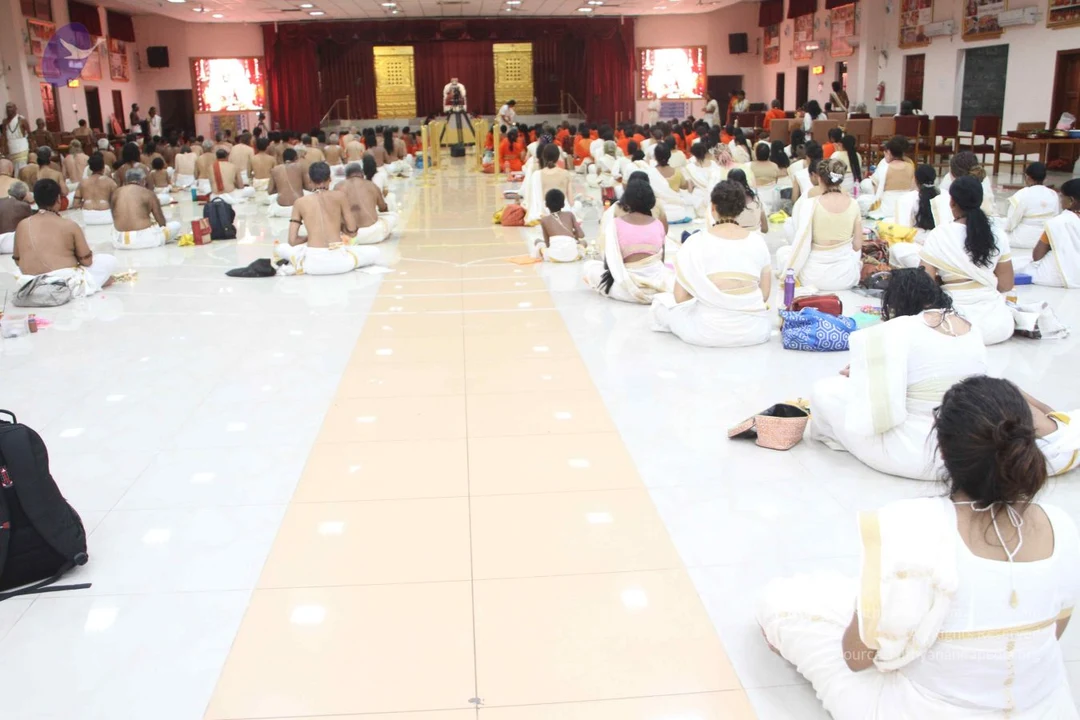
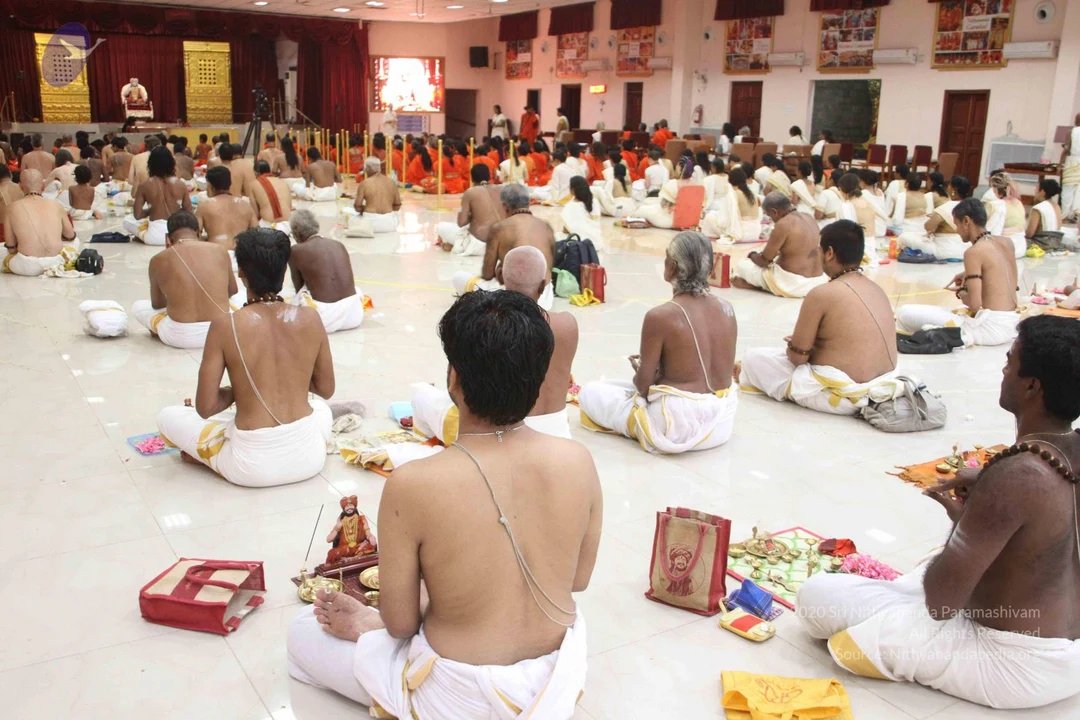
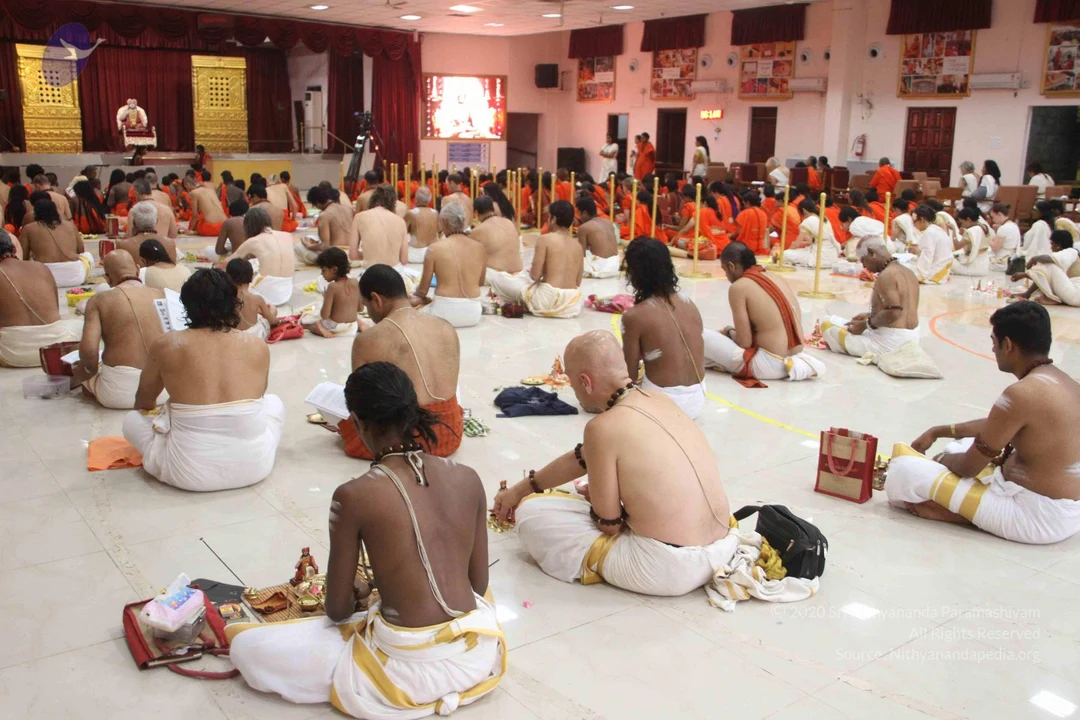
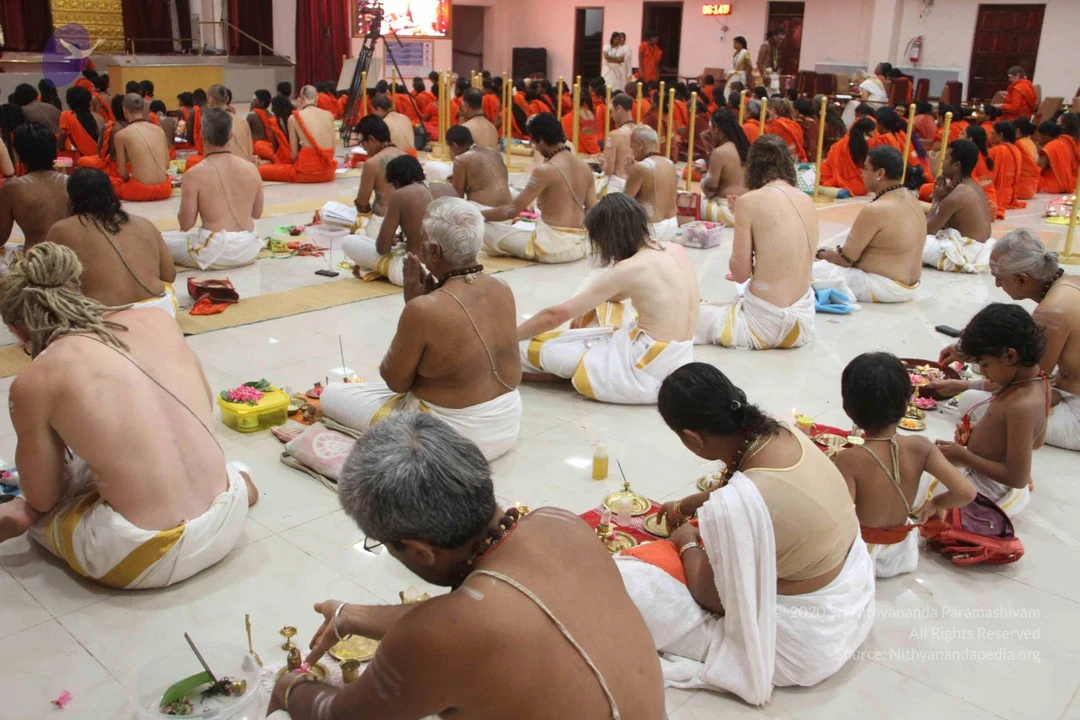
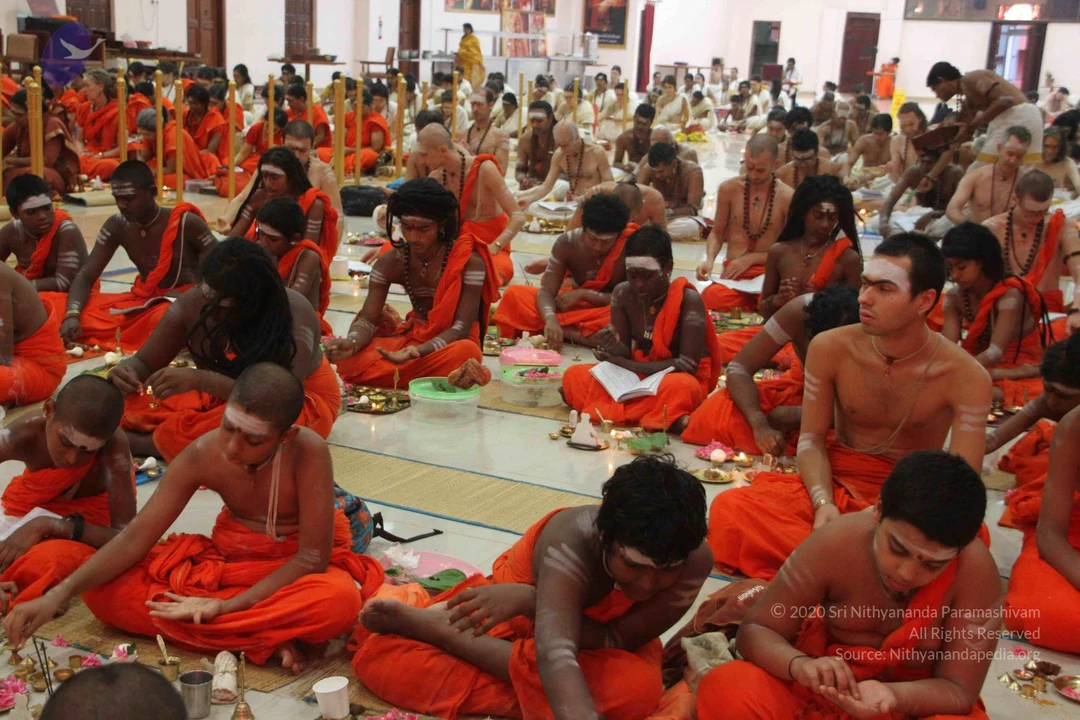
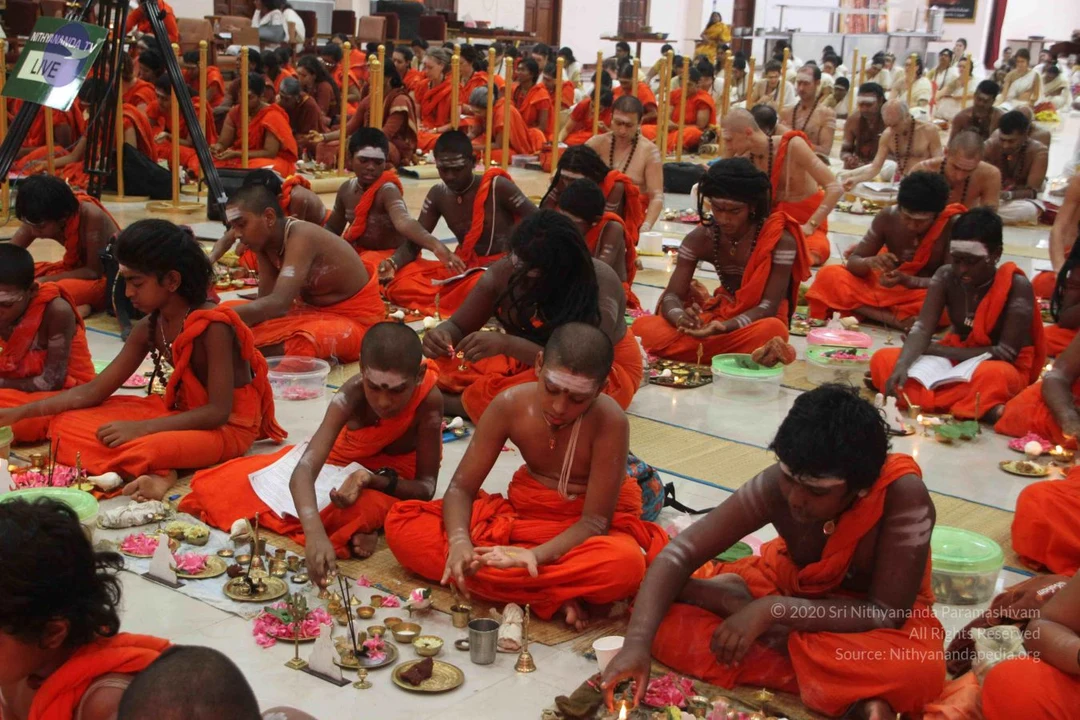
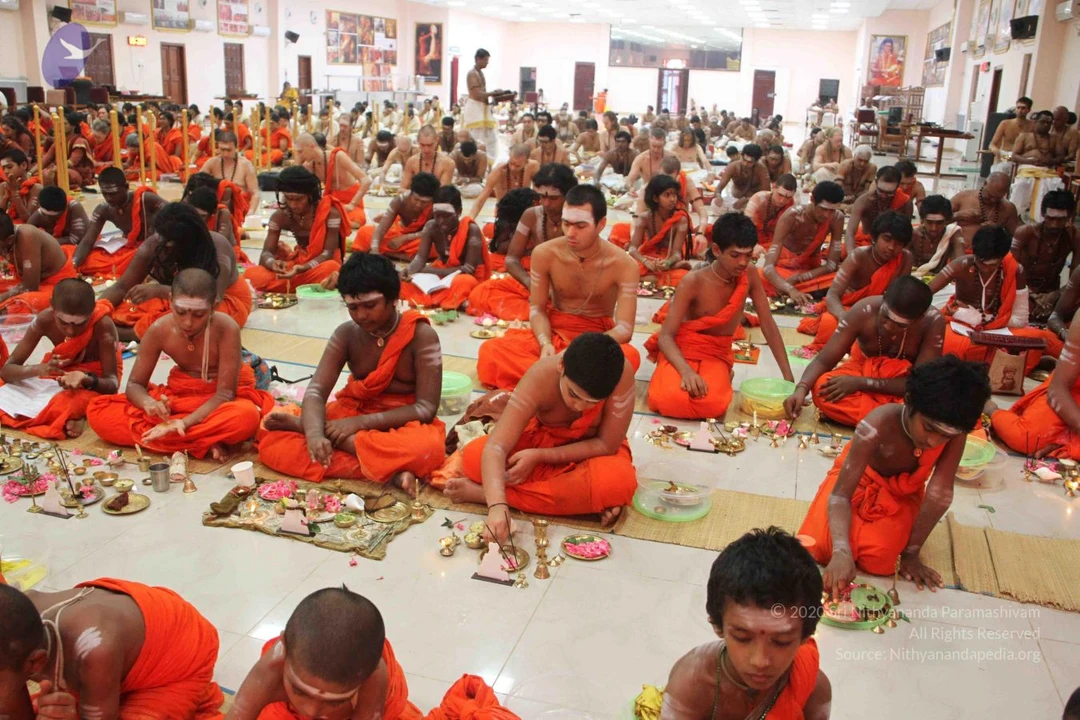
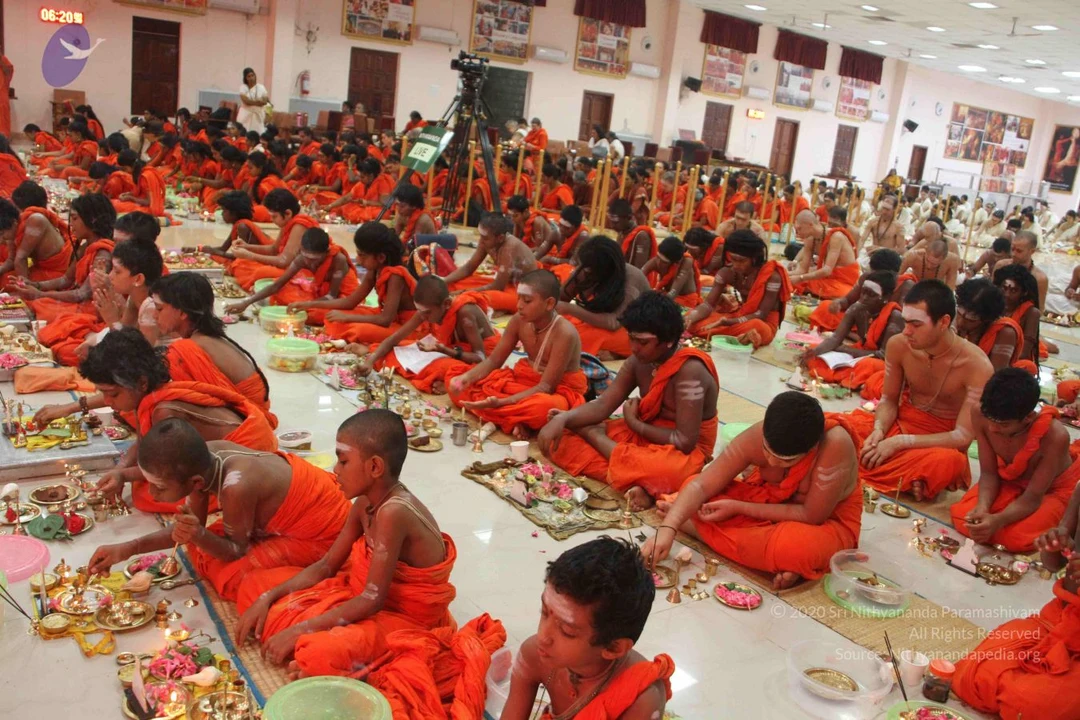
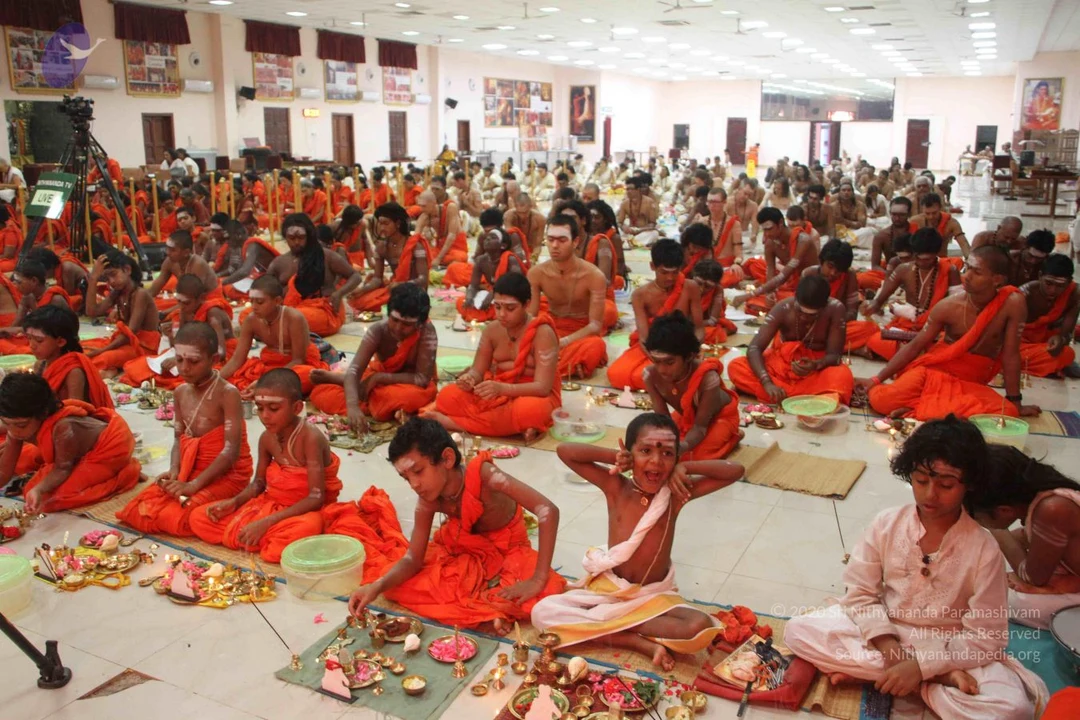
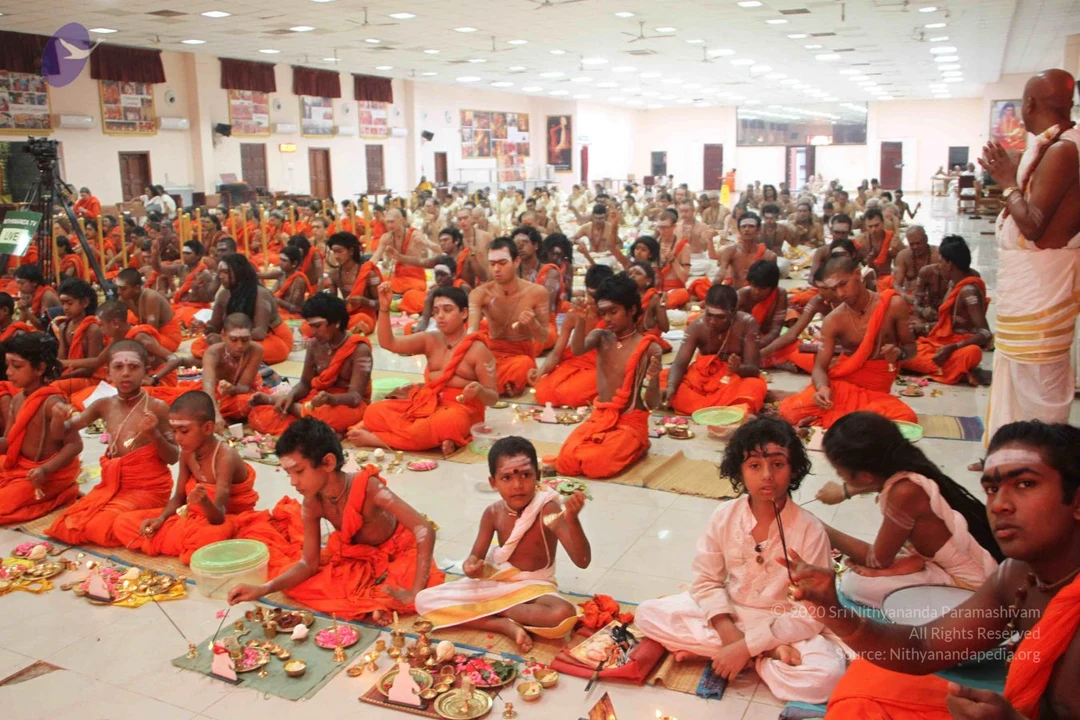
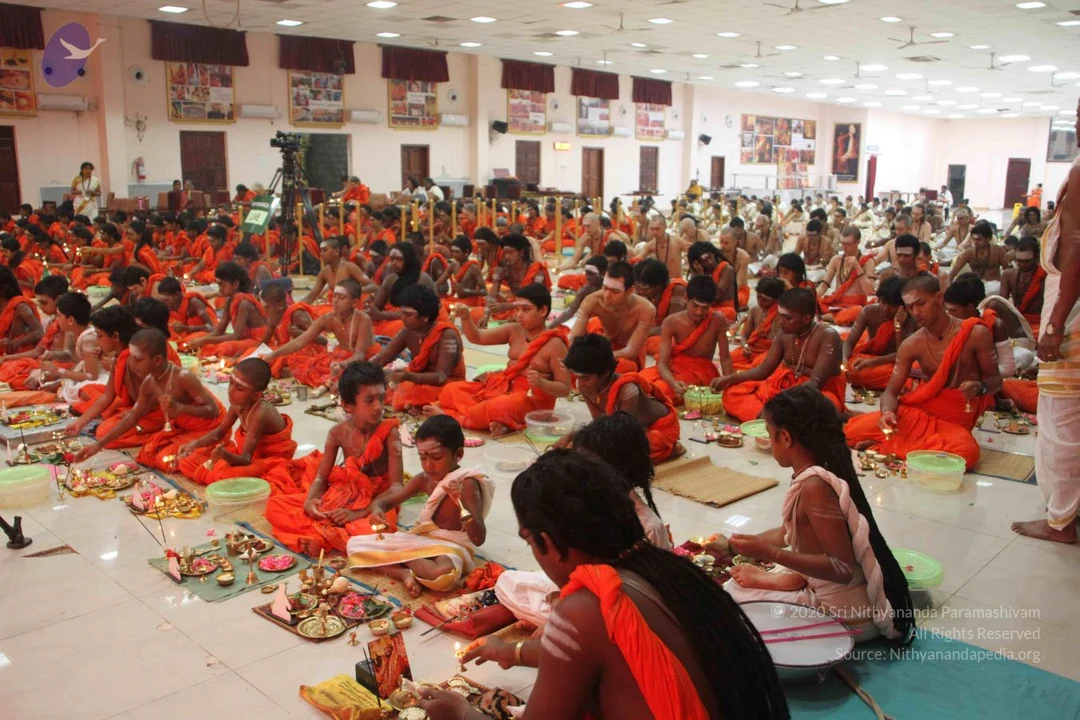
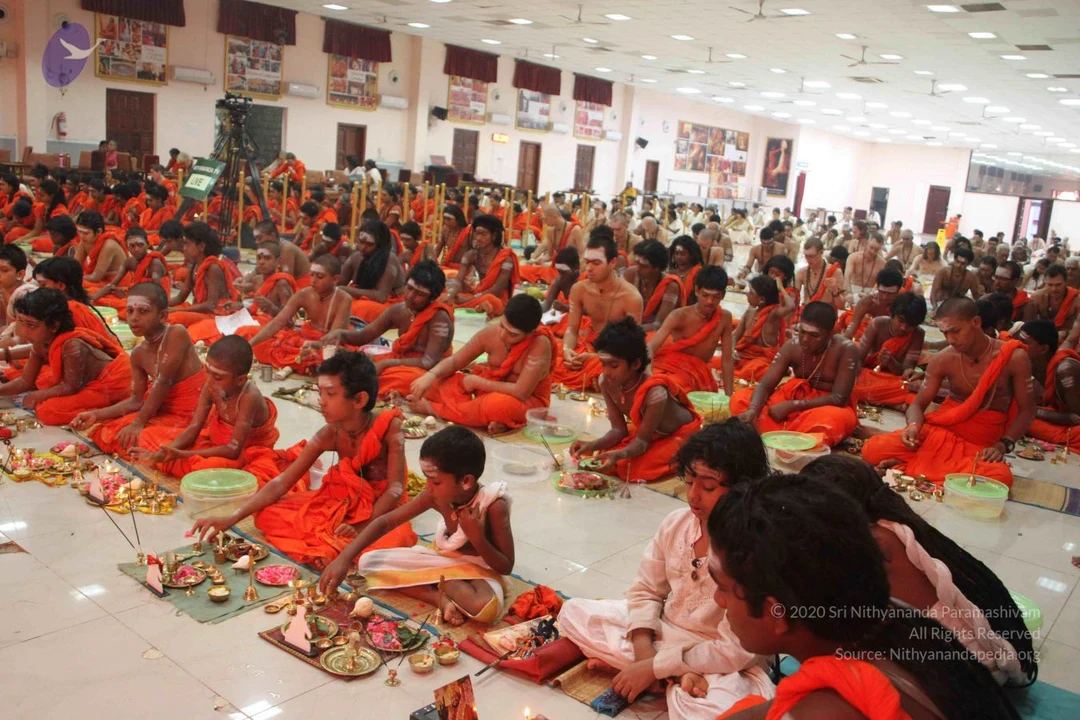
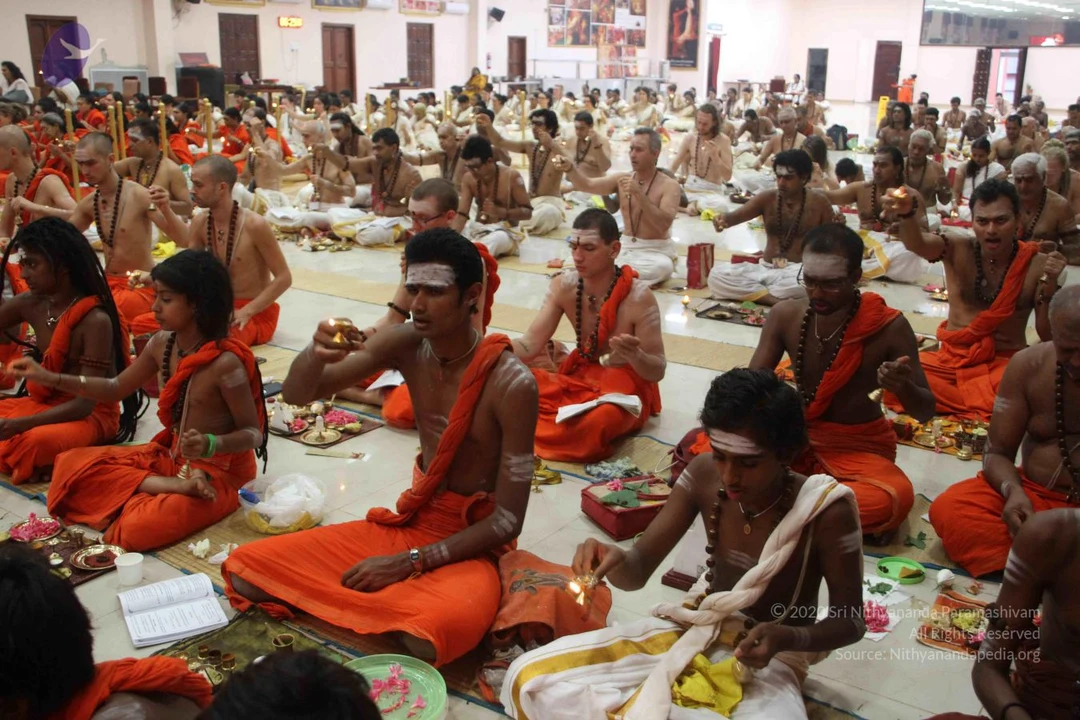
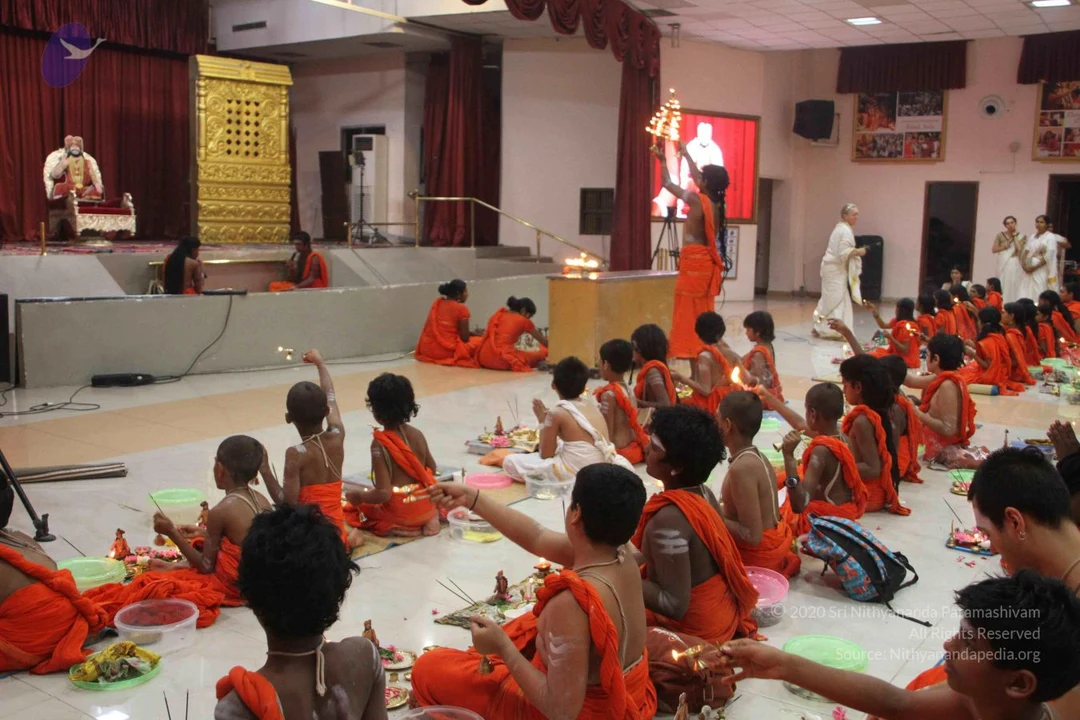
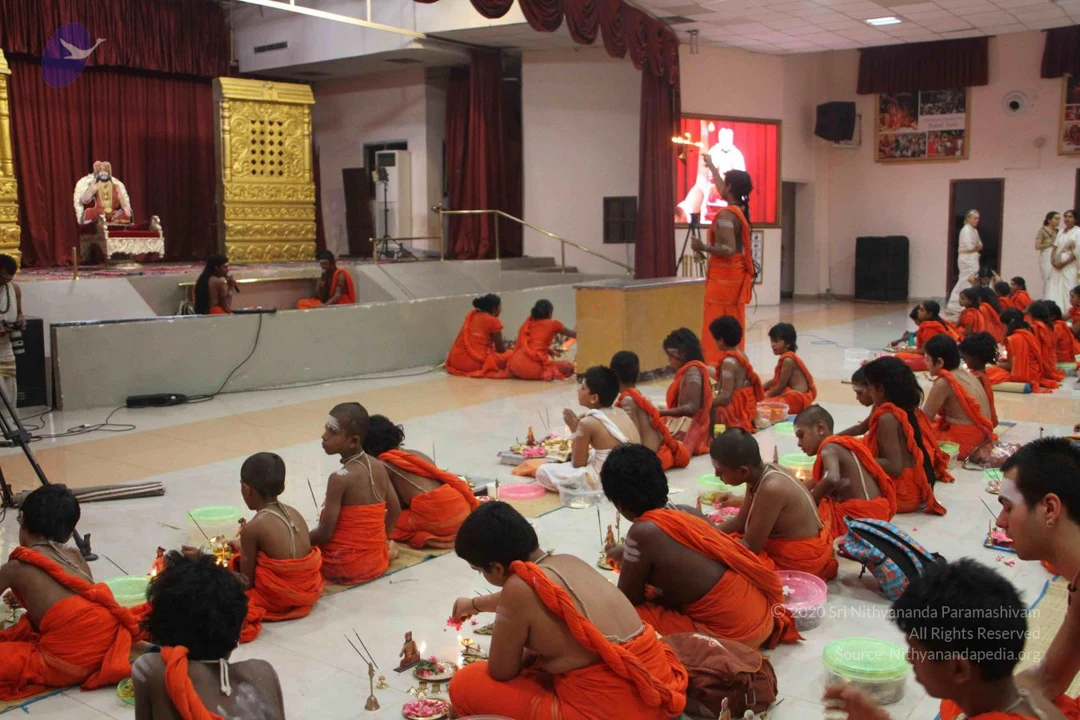
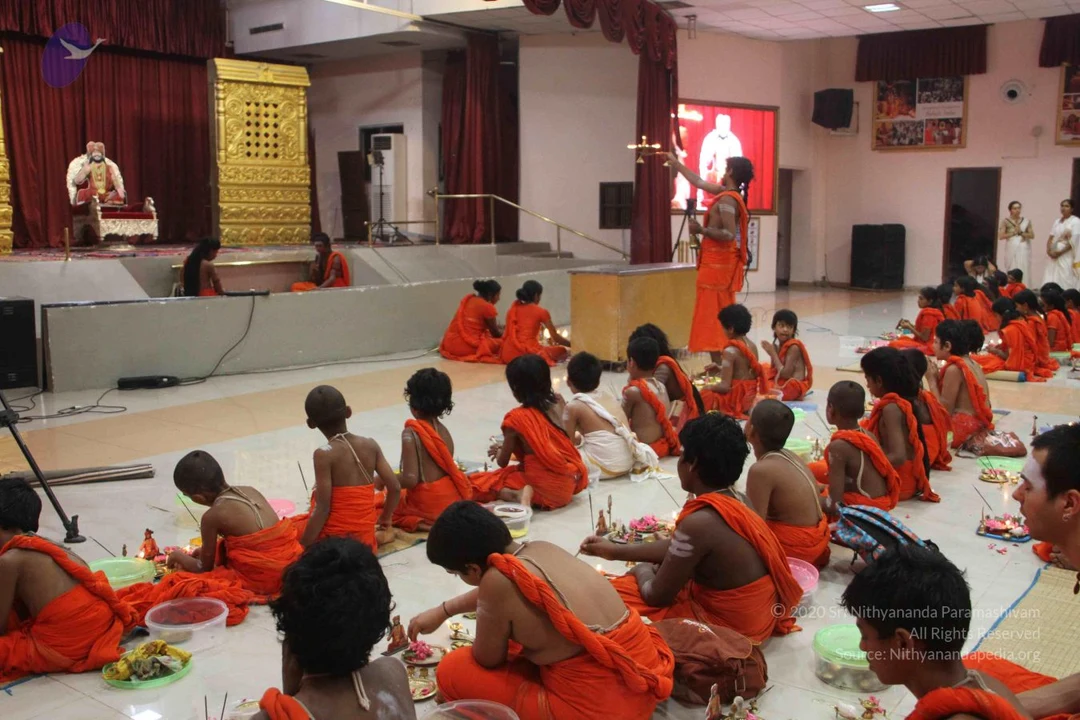
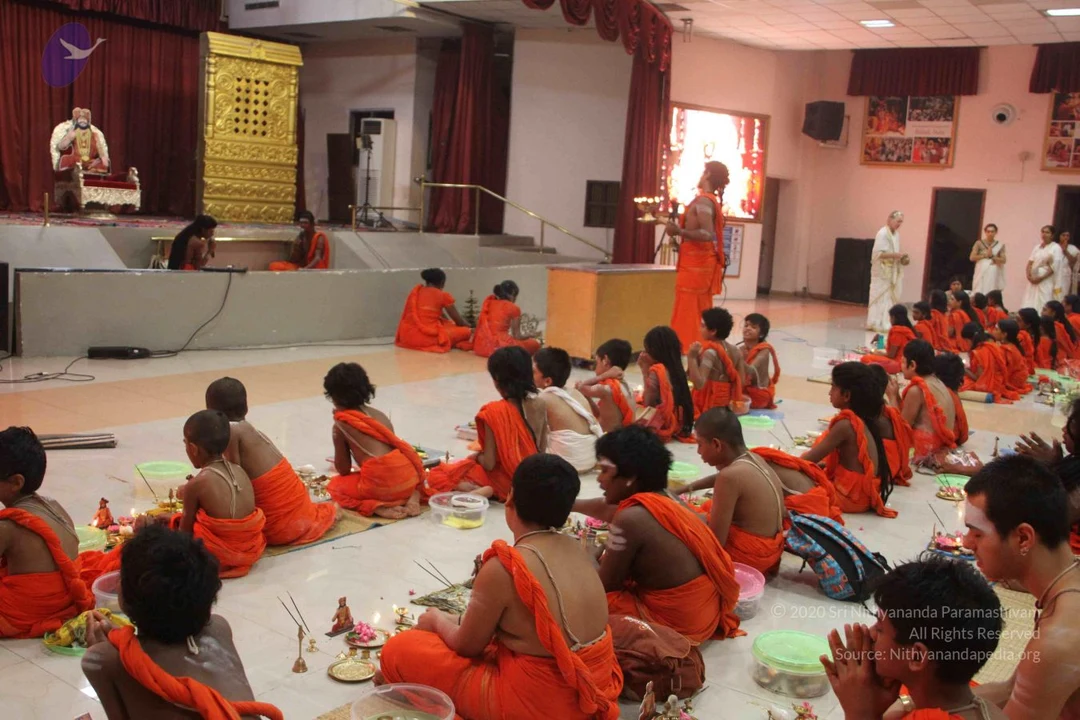
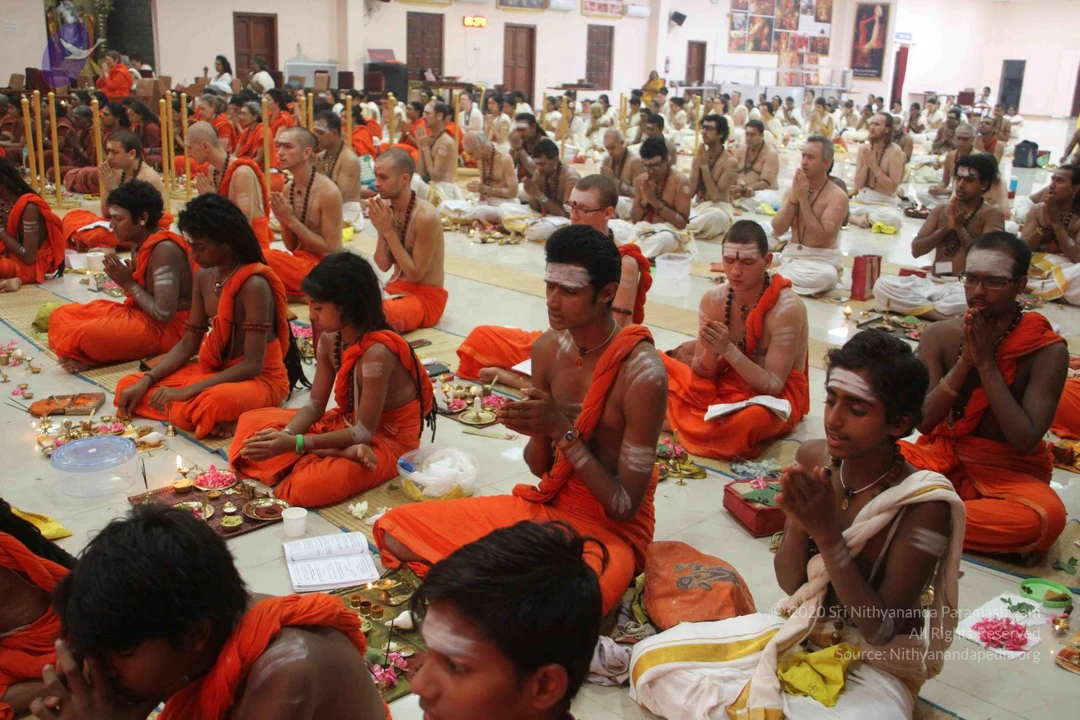
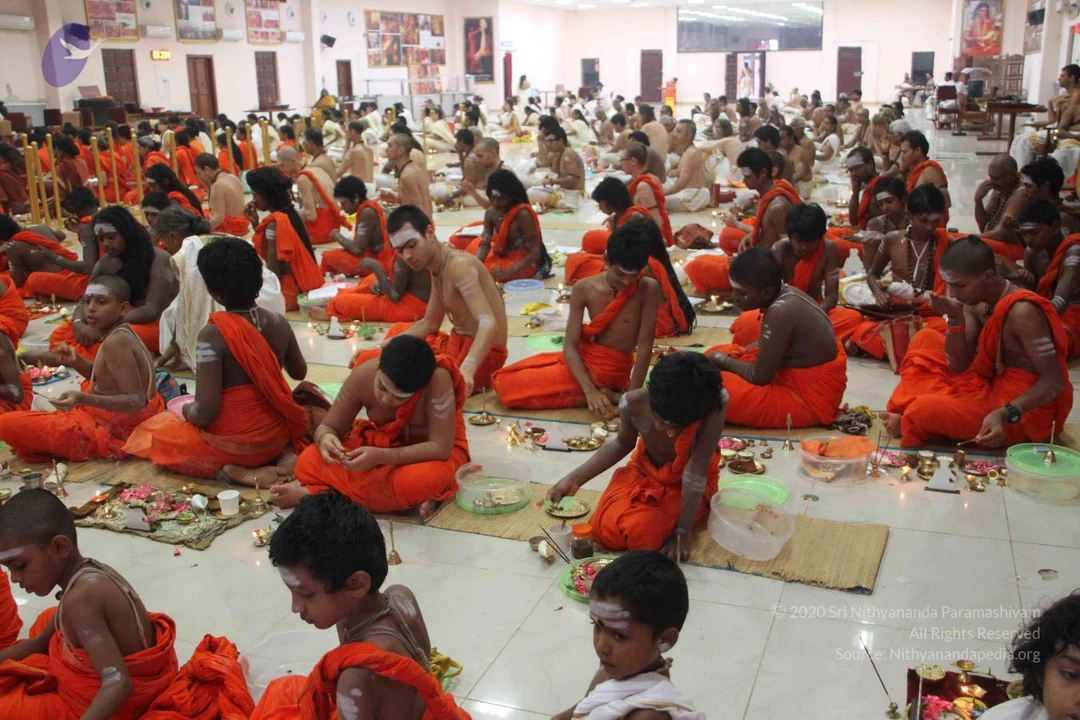
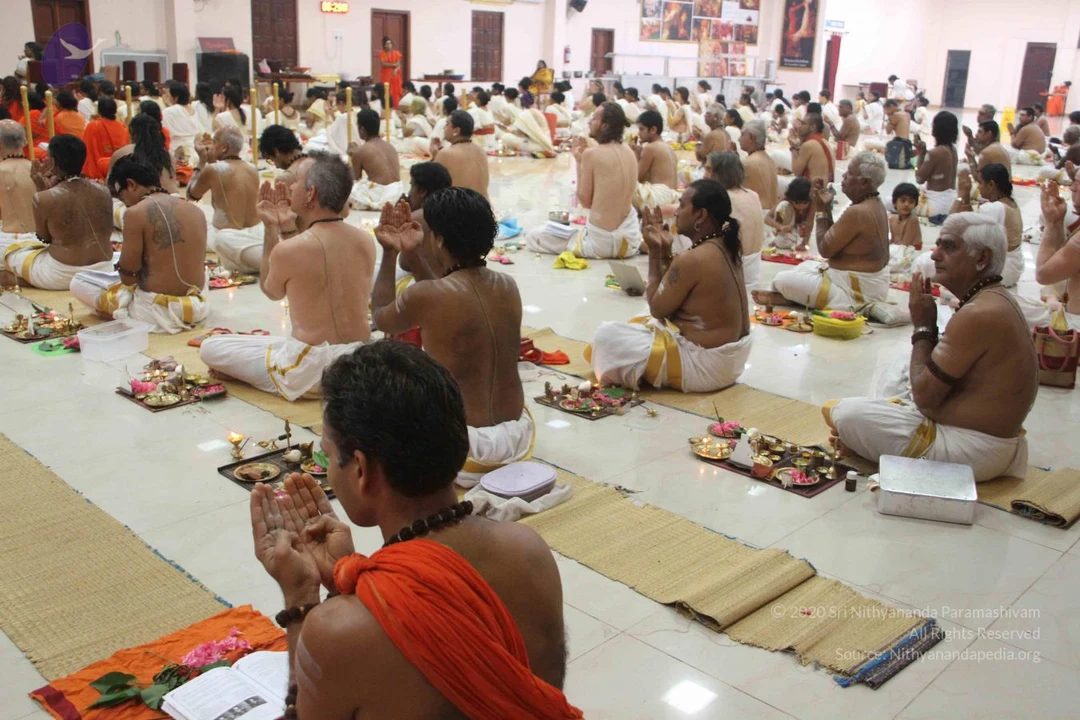
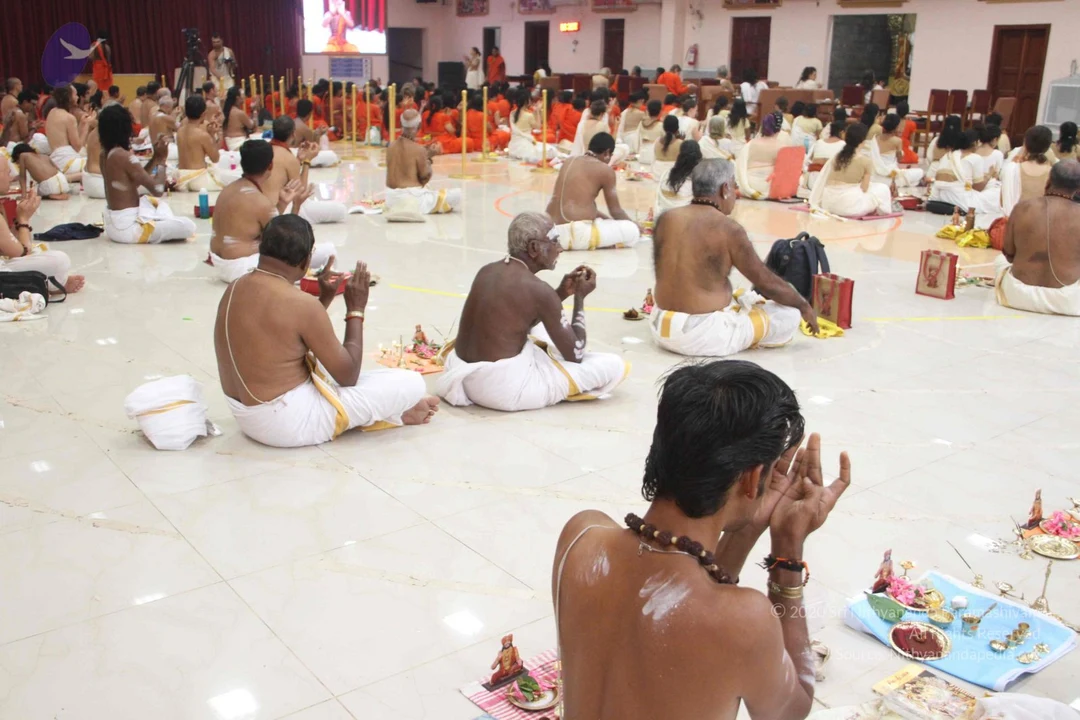
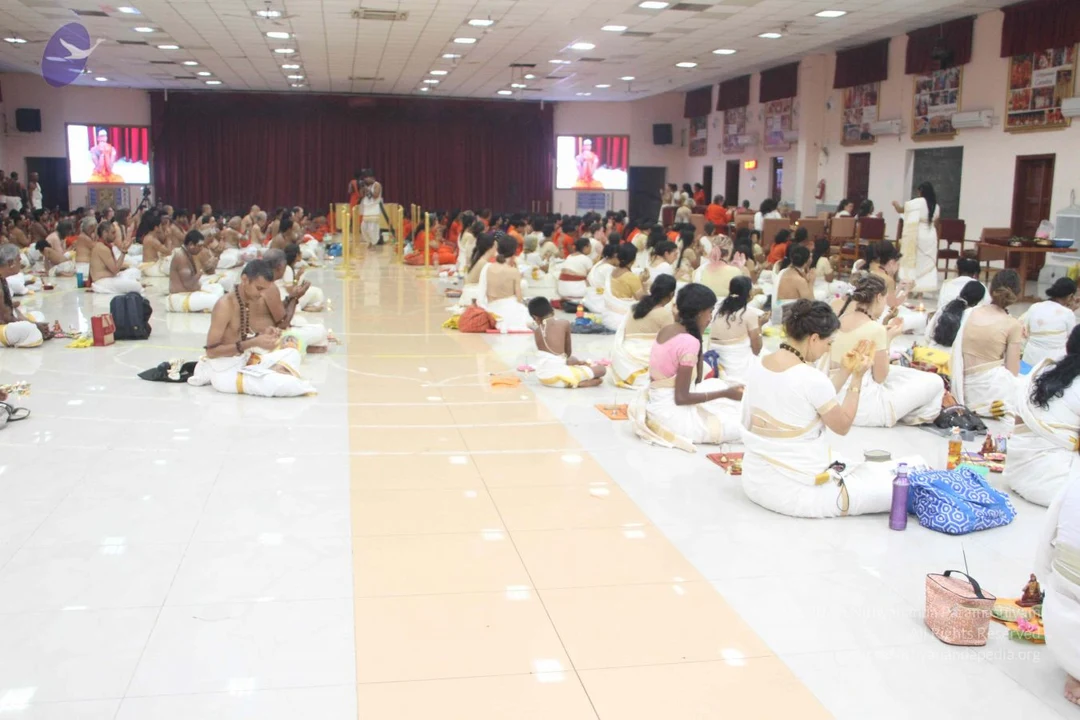
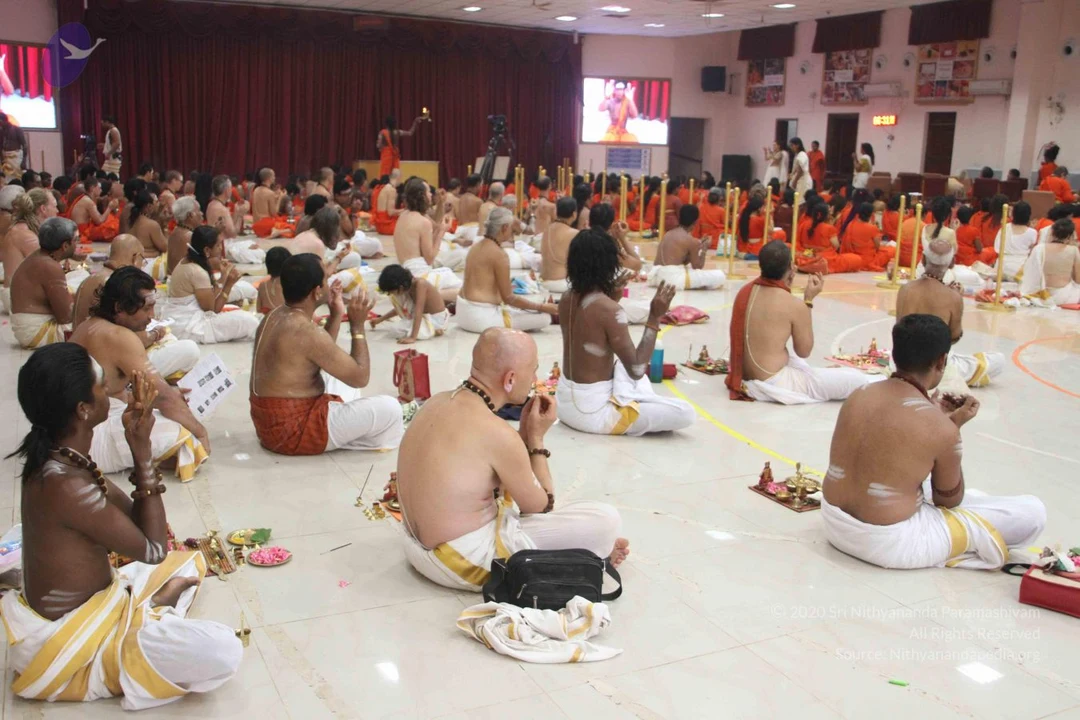
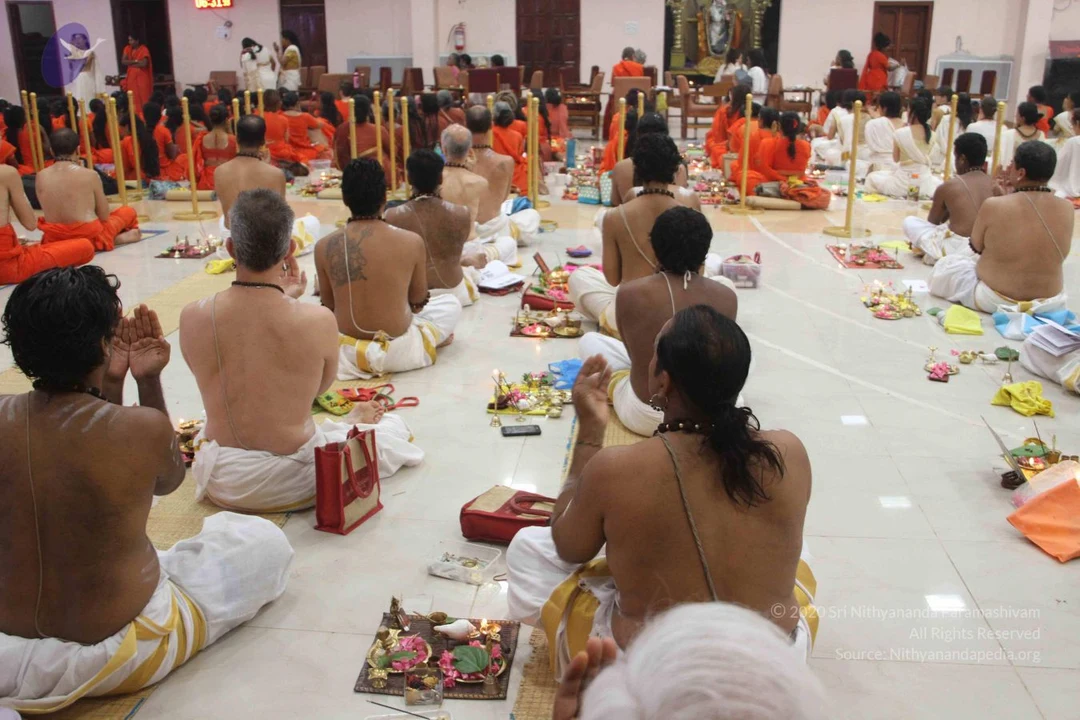
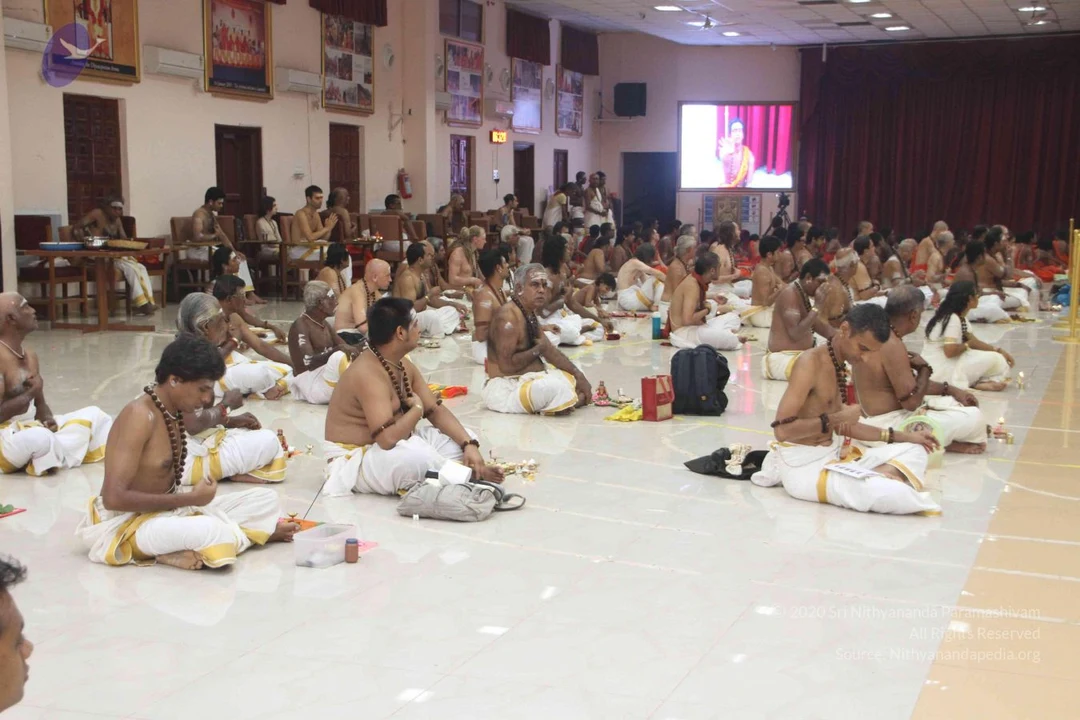
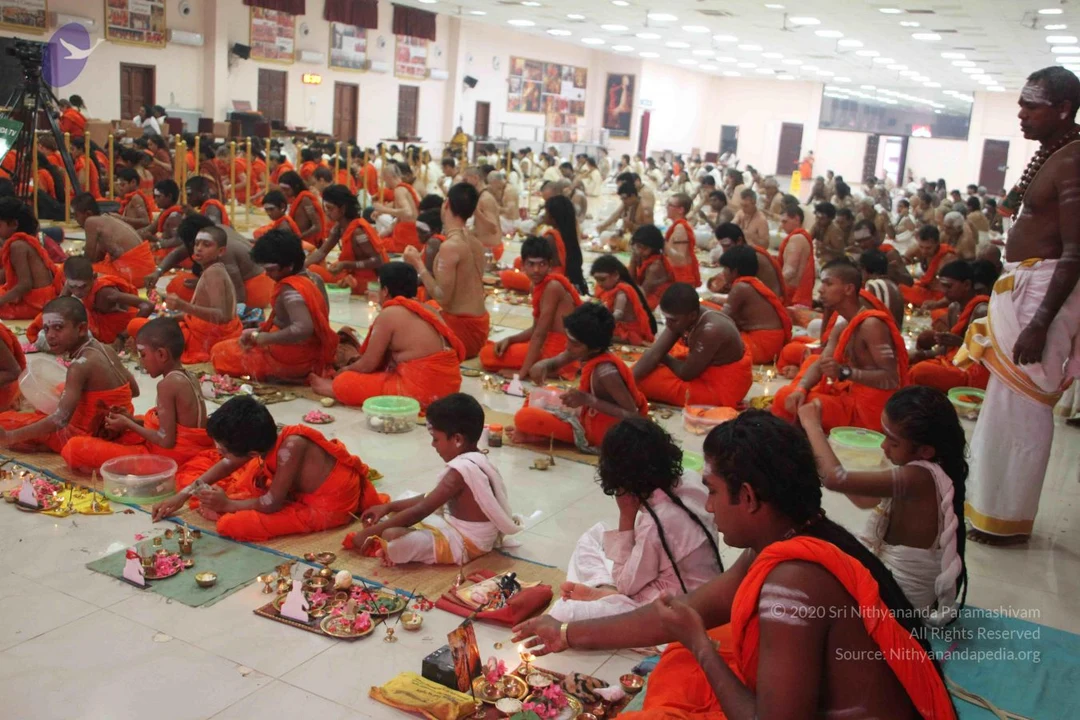
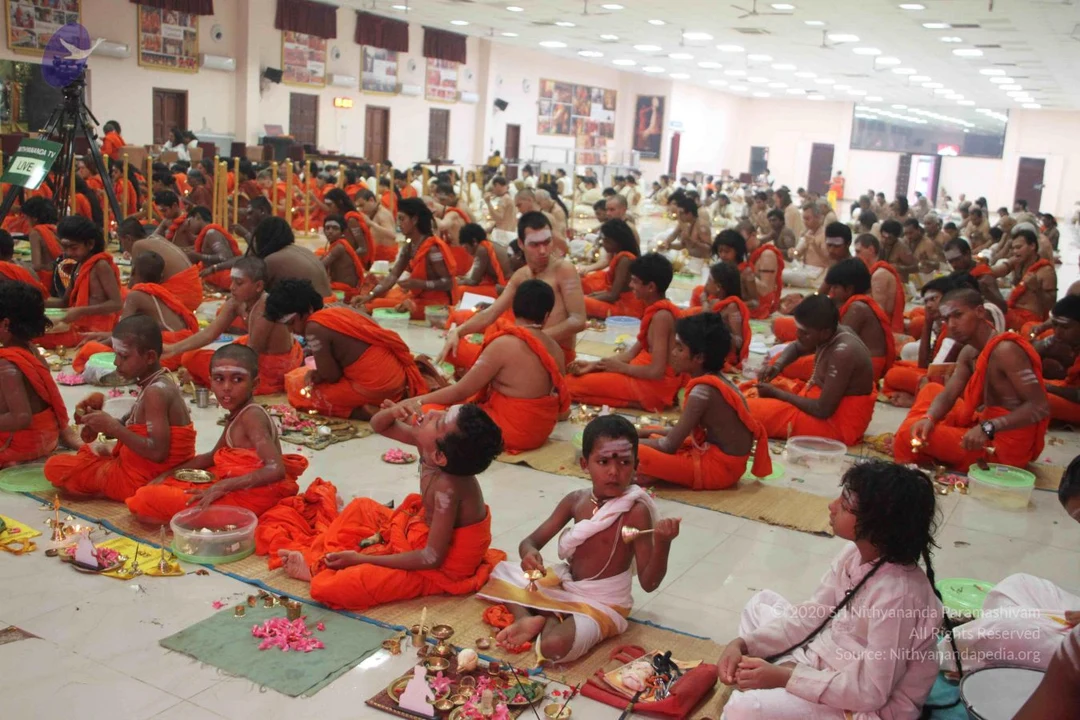
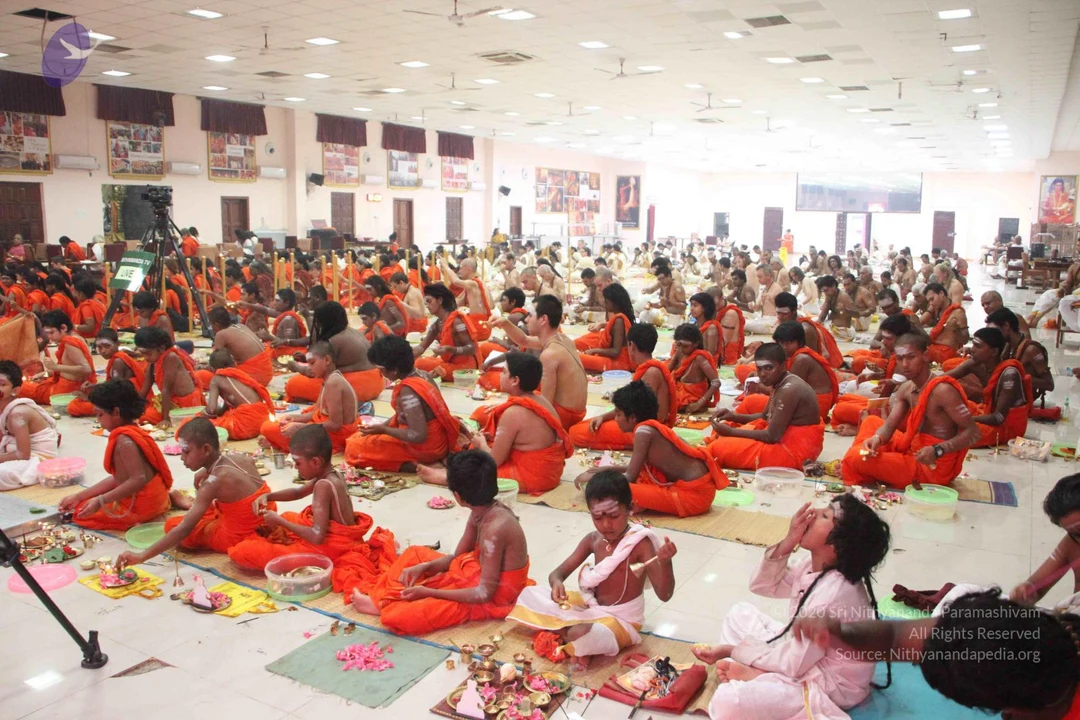
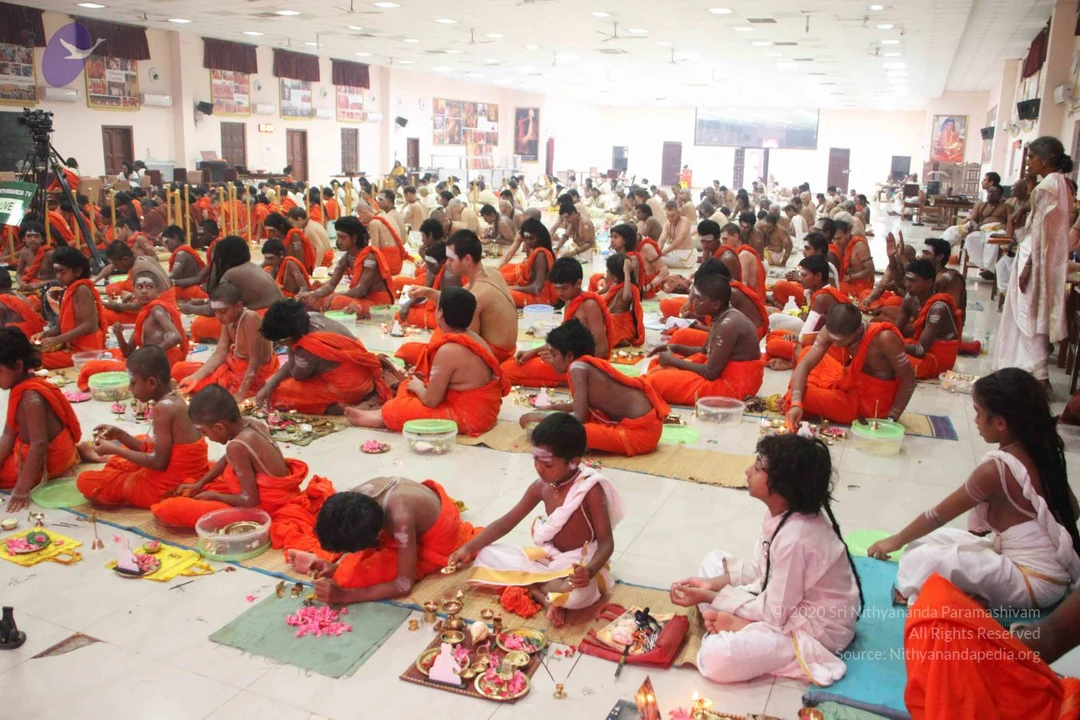
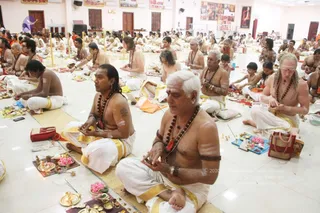
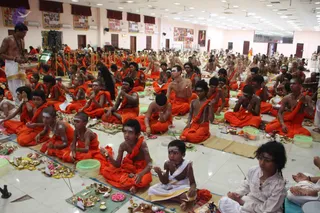
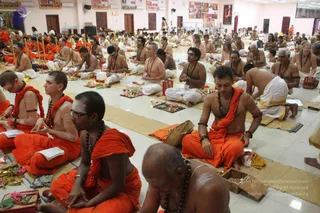
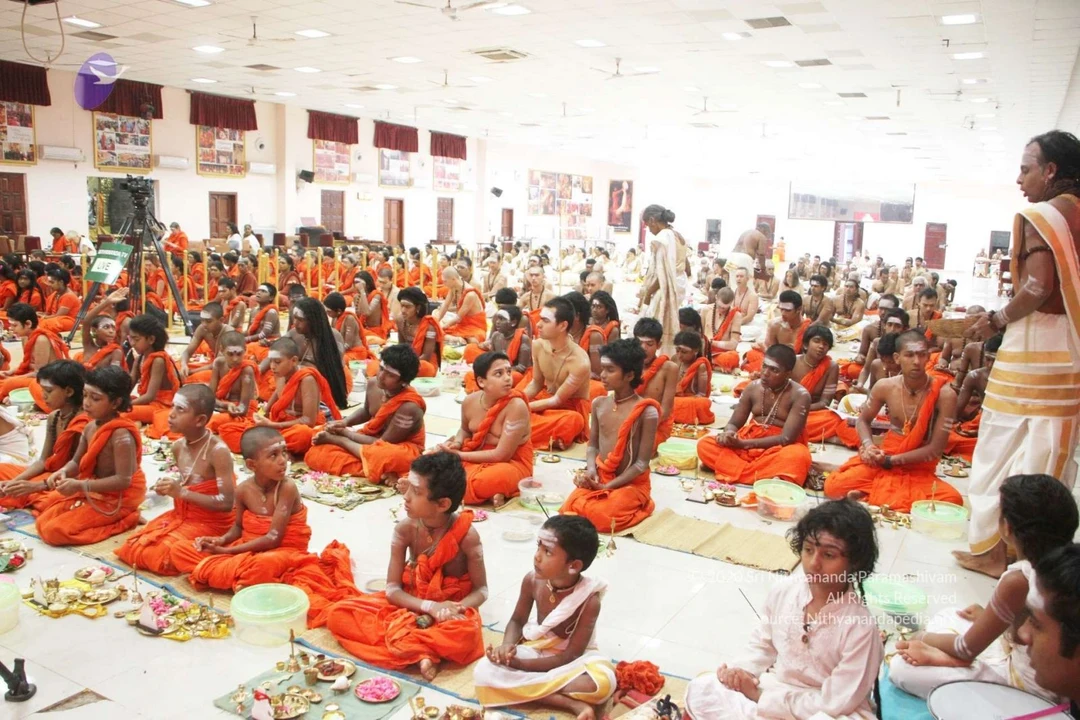 KRIYA PADA means ritual to do NITHYA PUJA - GURU PUJA AND SHIVA PUJA
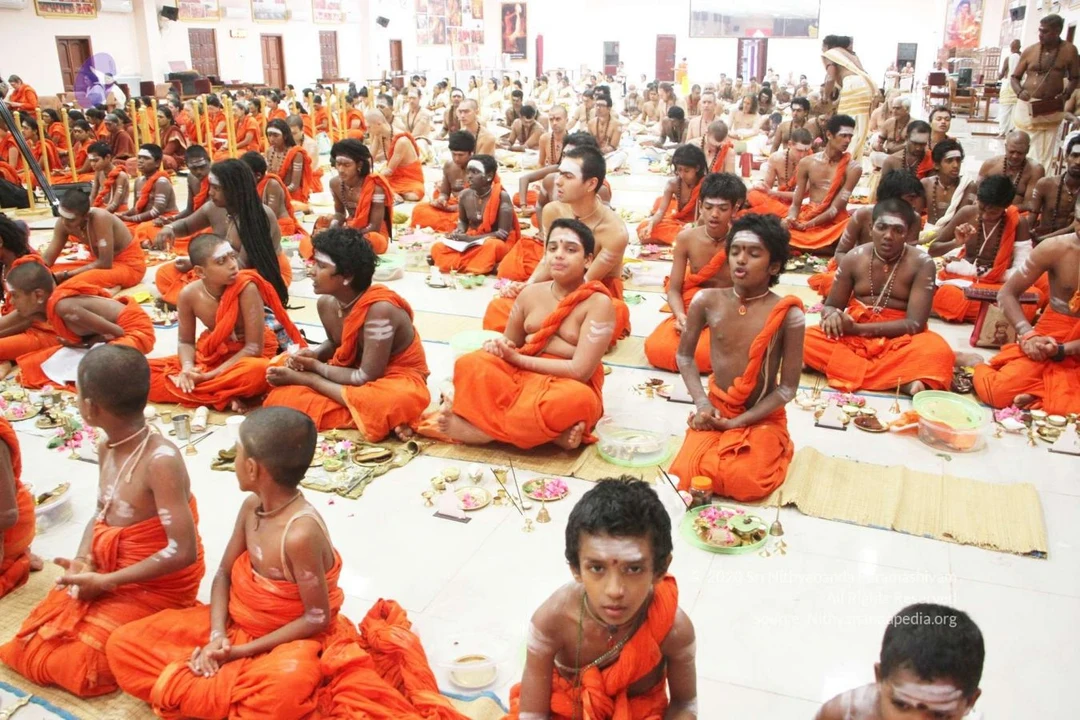 KRIYA PADA means ritual to do NITHYA PUJA - GURU PUJA AND SHIVA PUJA
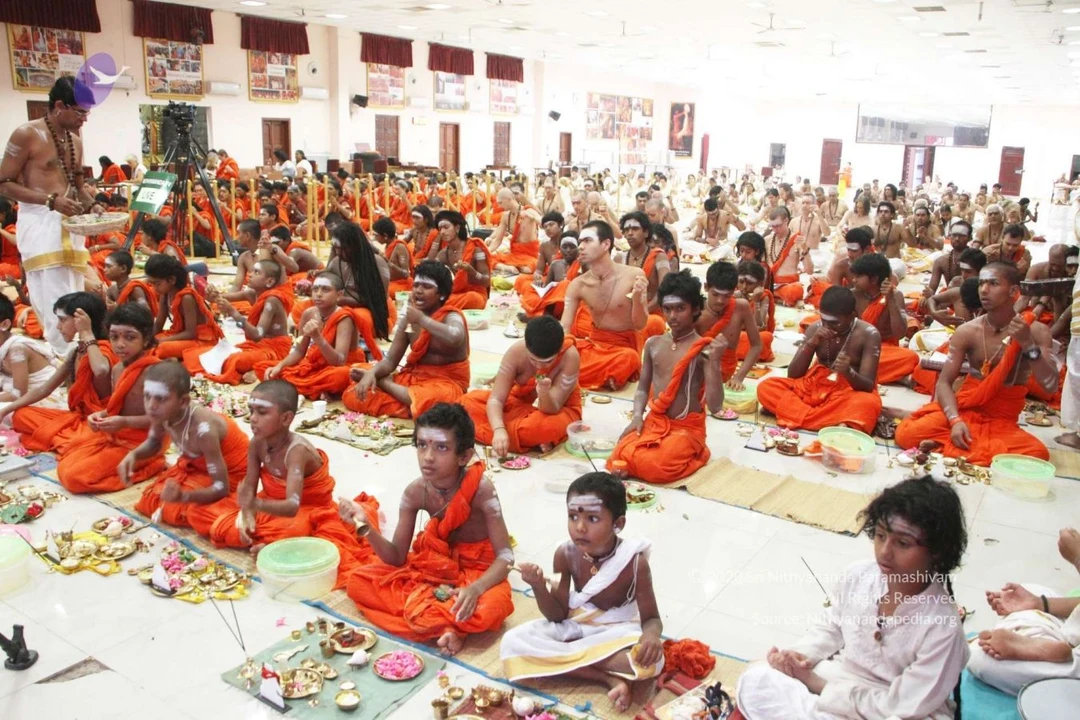 KRIYA PADA means ritual to do NITHYA PUJA - GURU PUJA AND SHIVA PUJA
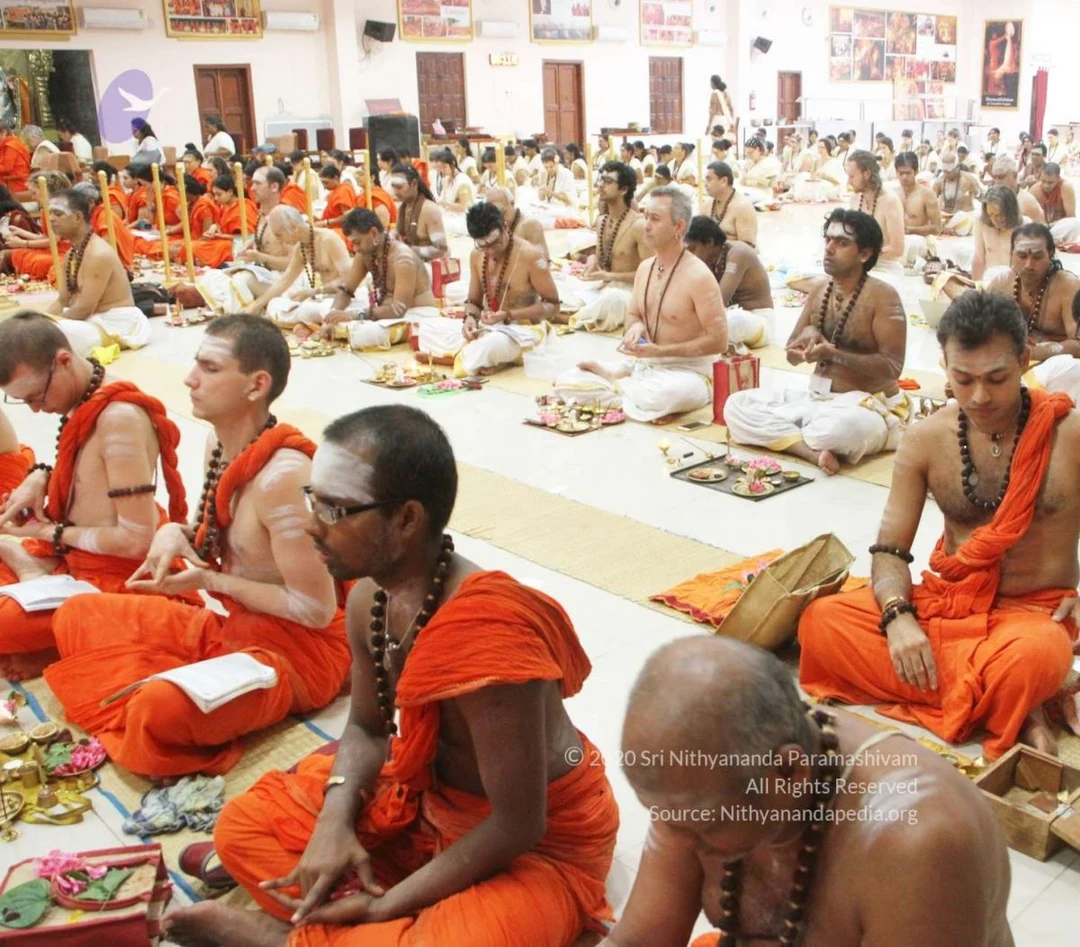 KRIYA PADA means ritual to do NITHYA PUJA - GURU PUJA AND SHIVA PUJA
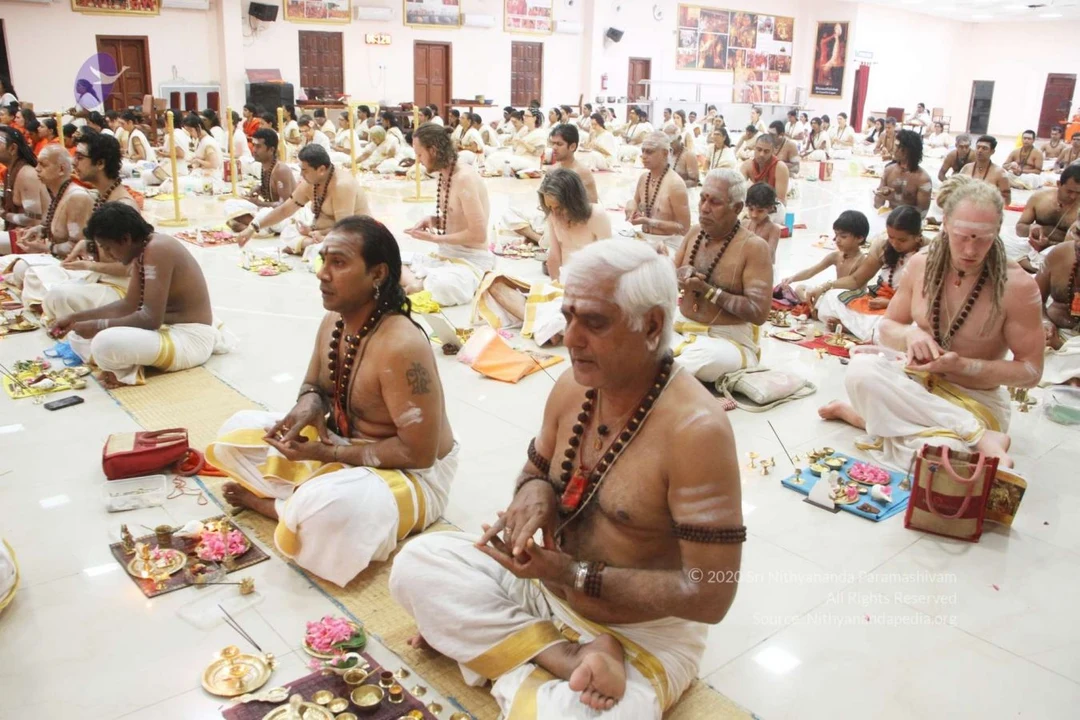 KRIYA PADA means ritual to do NITHYA PUJA - GURU PUJA AND SHIVA PUJA
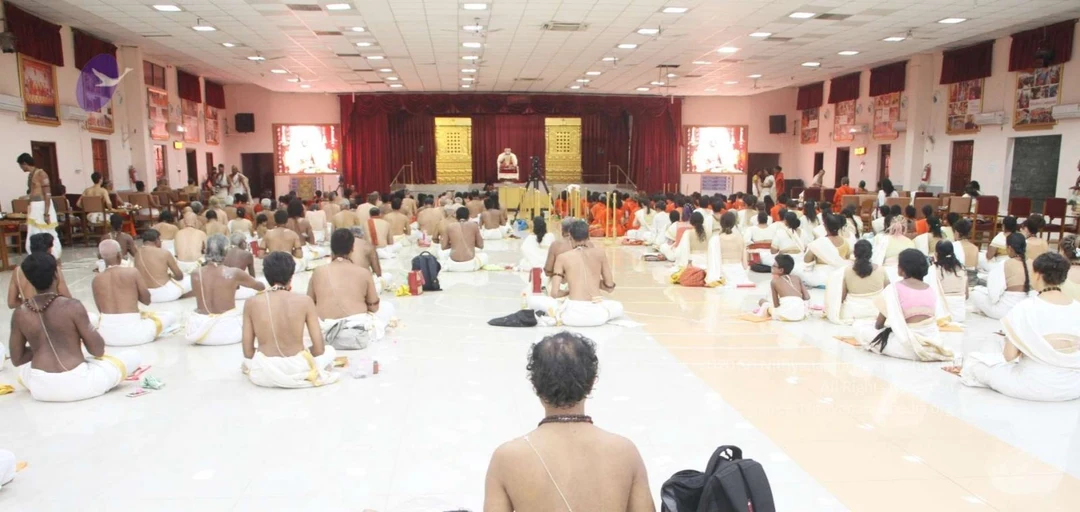 KRIYA PADA means ritual to do NITHYA PUJA - GURU PUJA AND SHIVA PUJA
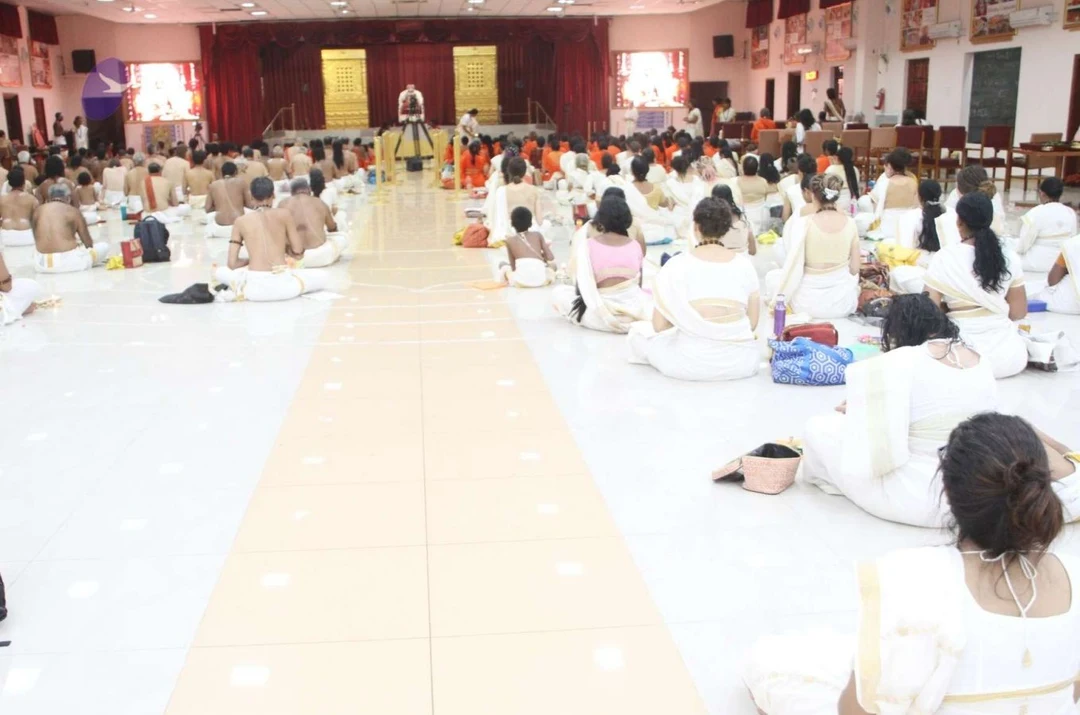 KRIYA PADA means ritual to do NITHYA PUJA - GURU PUJA AND SHIVA PUJA
 KRIYA PADA means ritual to do NITHYA PUJA - GURU PUJA AND SHIVA PUJA
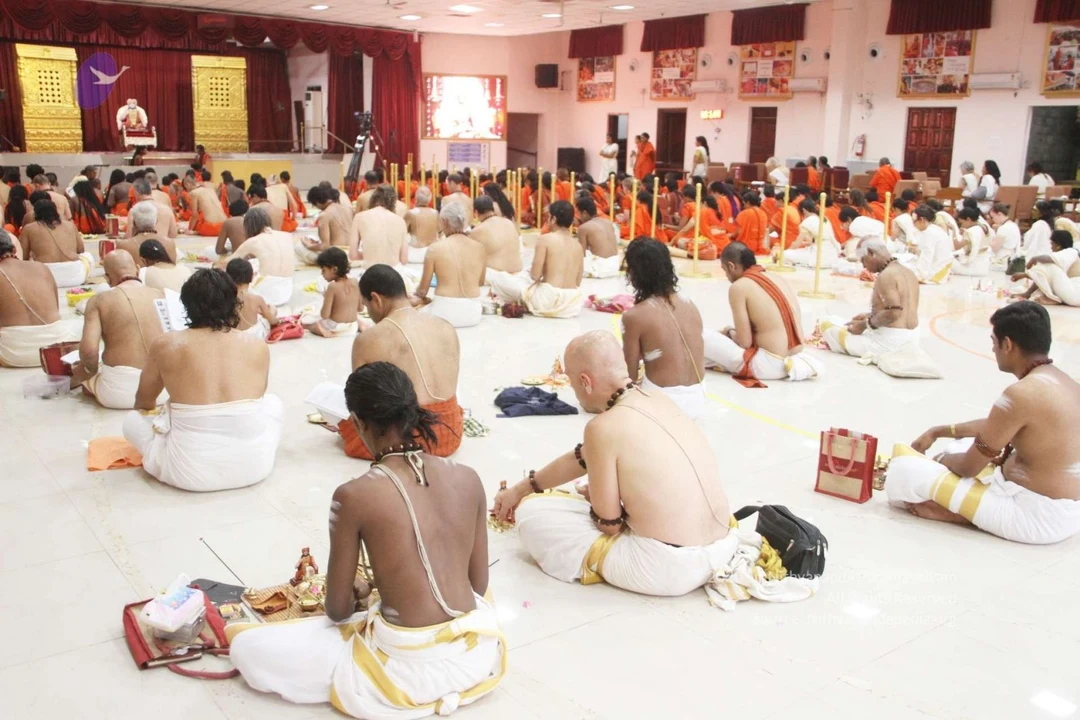 KRIYA PADA means ritual to do NITHYA PUJA - GURU PUJA AND SHIVA PUJA
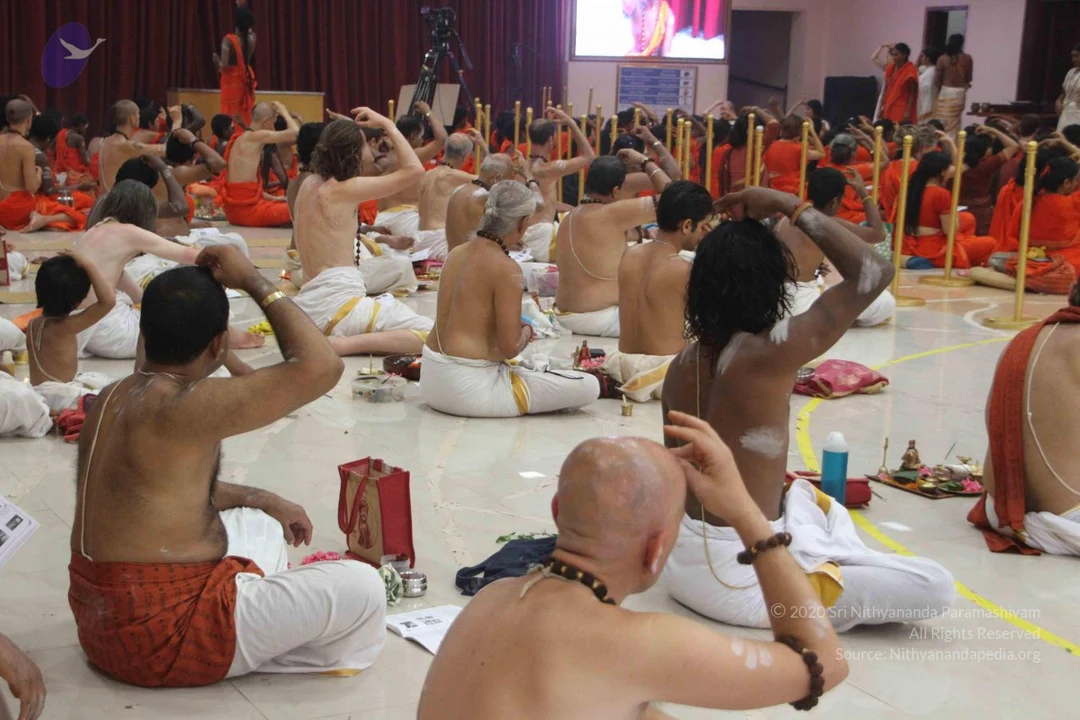
 The disciple is given a Shiva linga for personal Puja (Atmartha Puja)
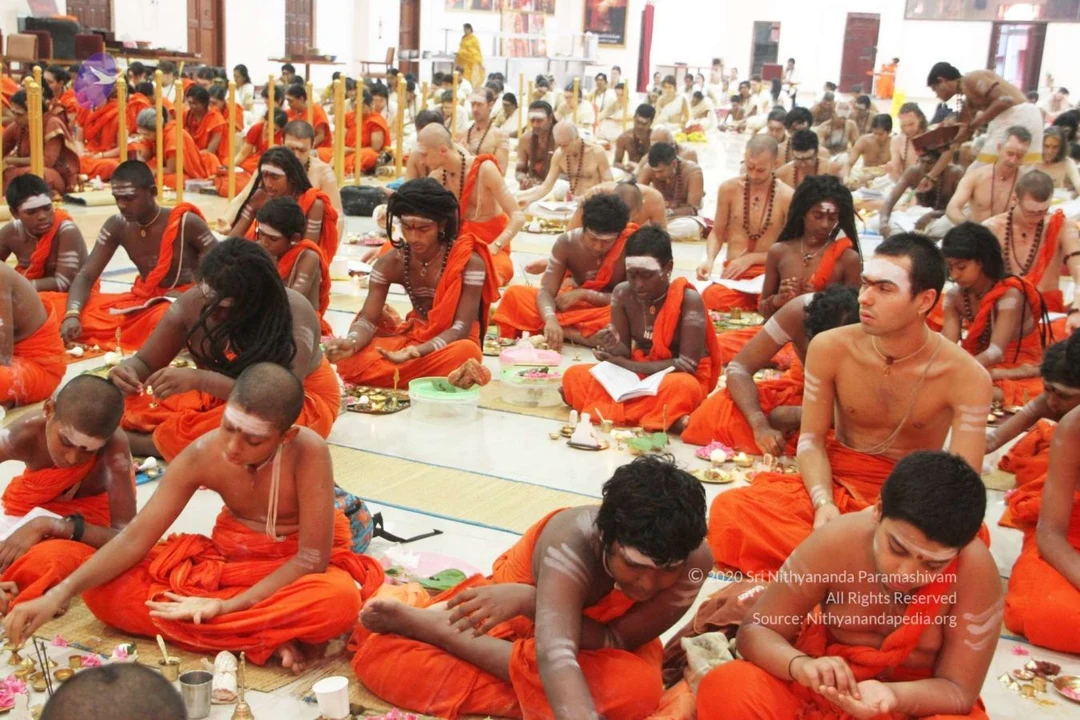 The disciple is given a Shiva linga for personal Puja (Atmartha Puja)
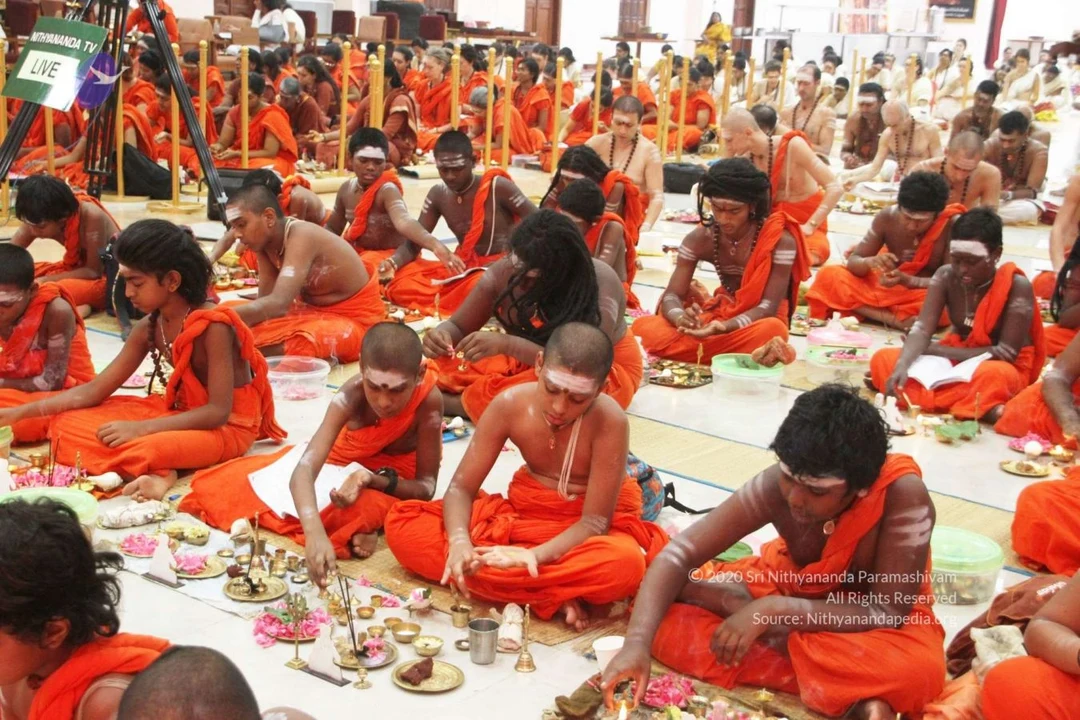 The disciple is given a Shiva linga for personal Puja (Atmartha Puja)
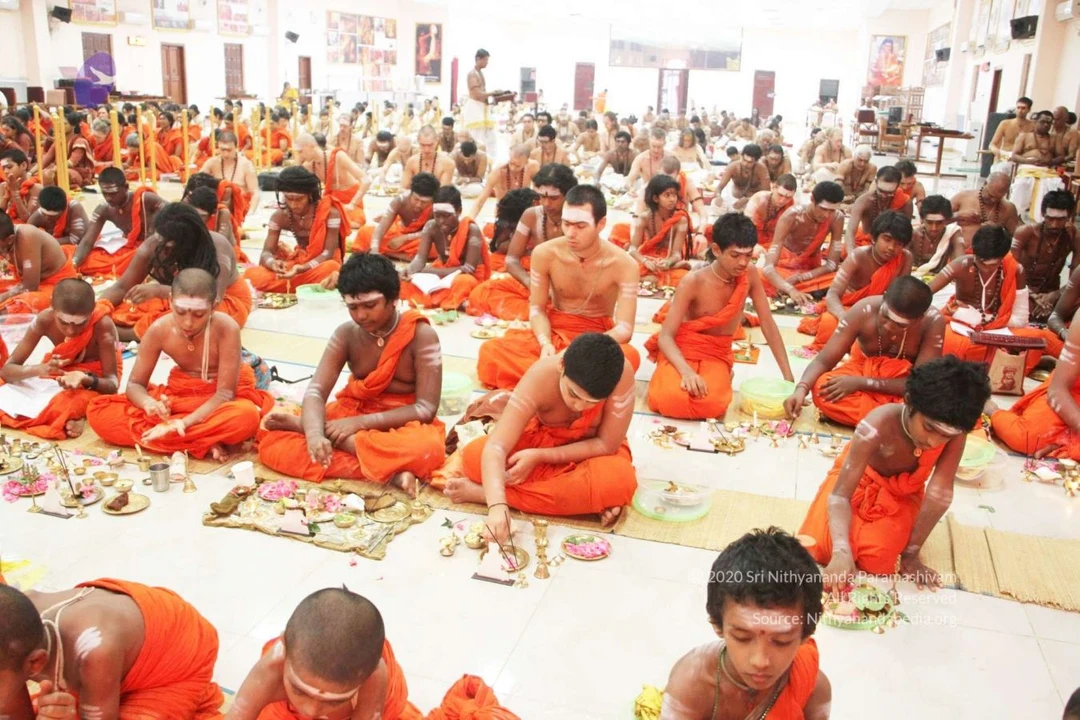 The disciple is given a Shiva linga for personal Puja (Atmartha Puja)
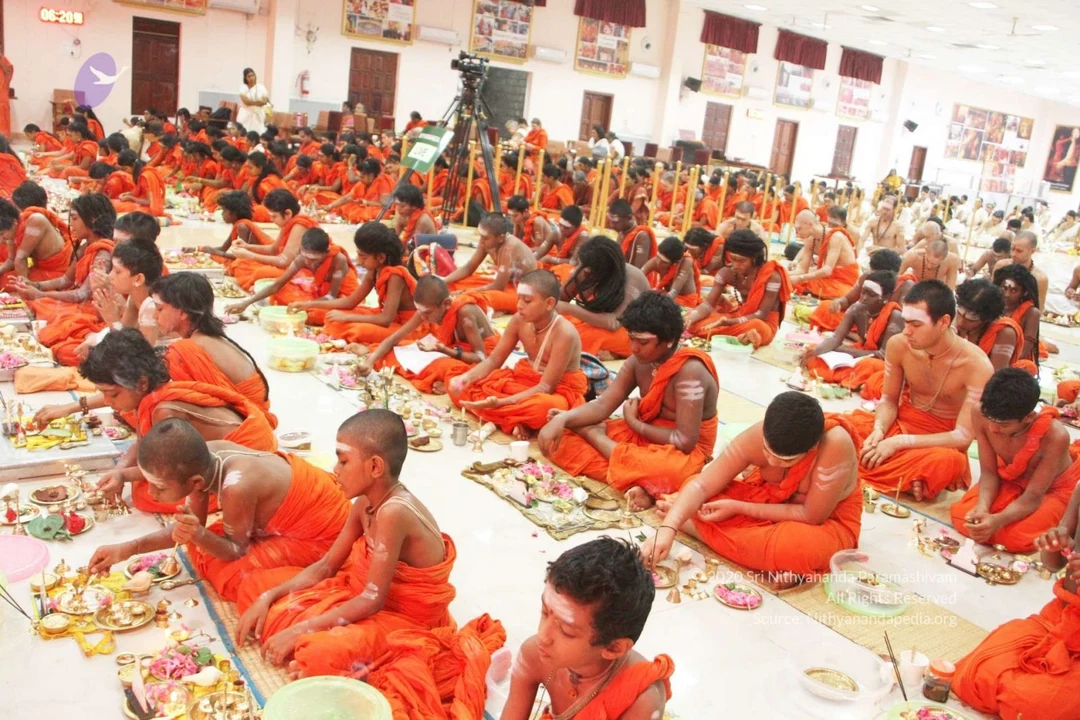 The disciple is given a Shiva linga for personal Puja (Atmartha Puja)
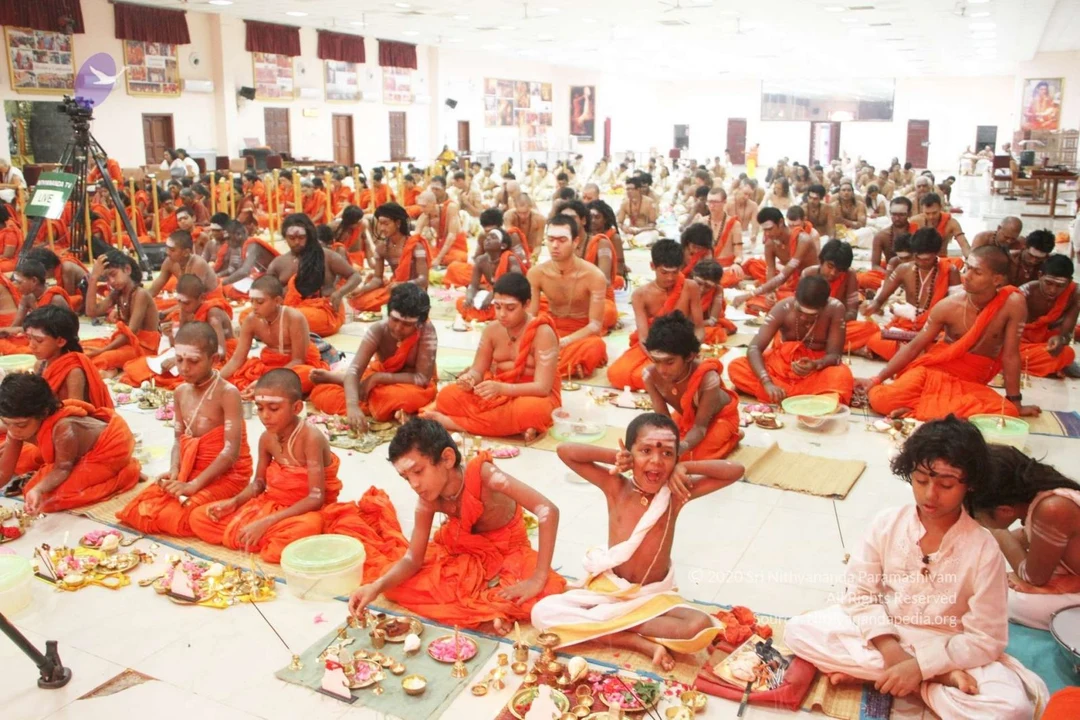 The disciple is given a Shiva linga for personal Puja (Atmartha Puja)
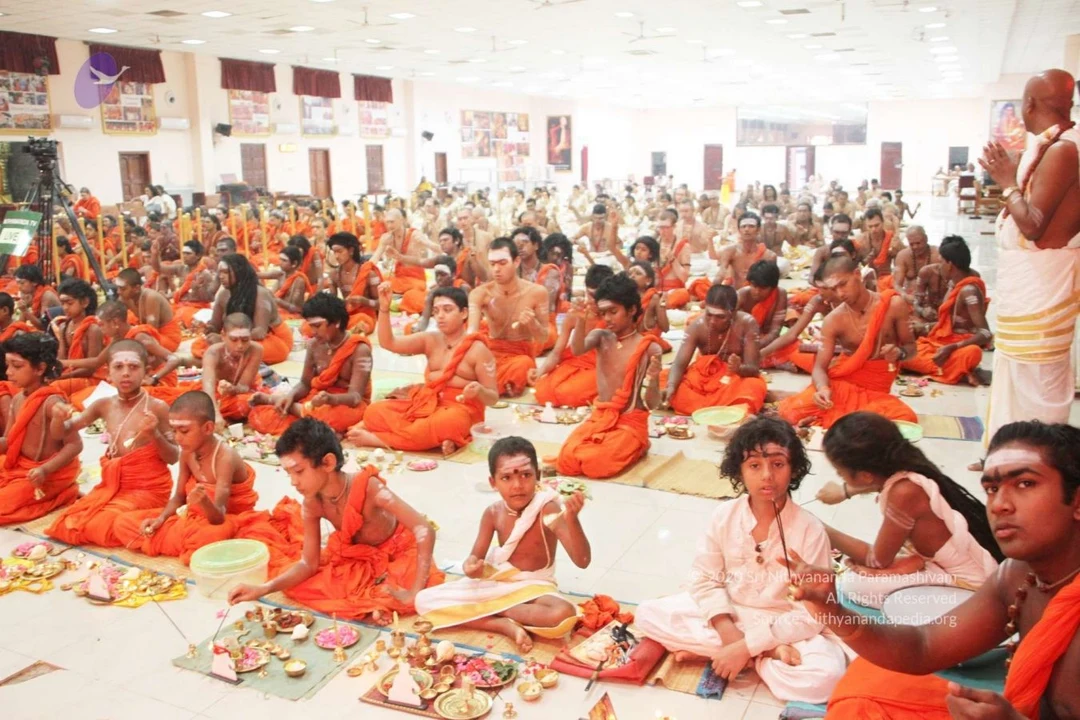 The disciple is given a Shiva linga for personal Puja (Atmartha Puja)
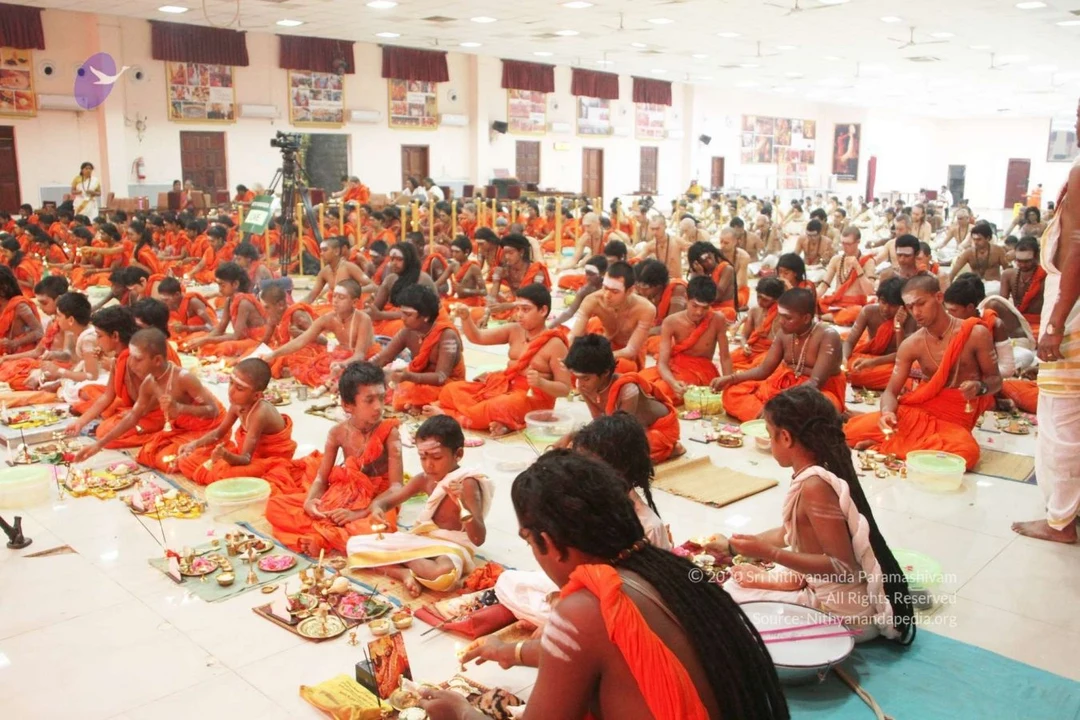 The disciple is given a Shiva linga for personal Puja (Atmartha Puja)
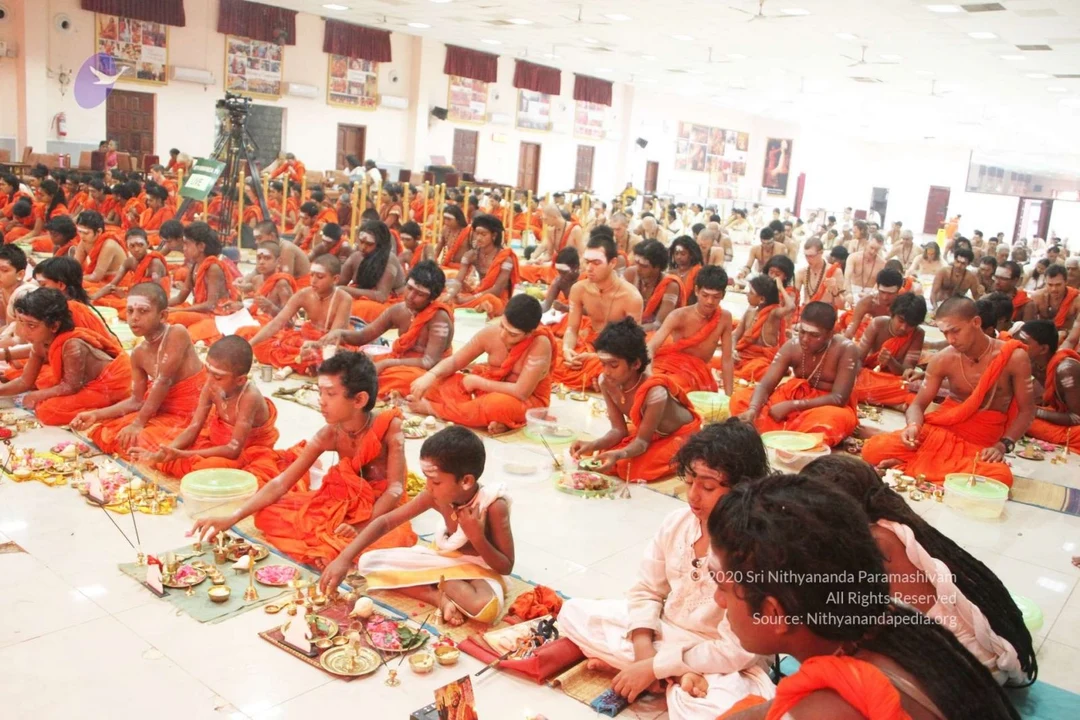 The disciple is given a Shiva linga for personal Puja (Atmartha Puja)
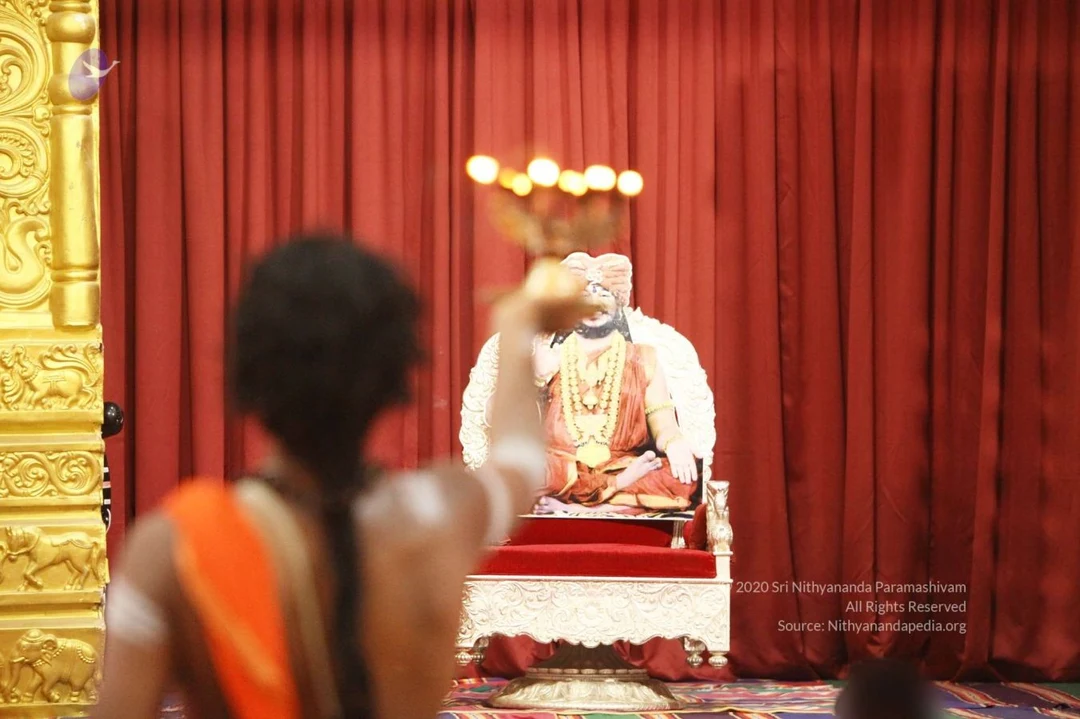 The disciple is given a Shiva linga for personal Puja (Atmartha Puja)
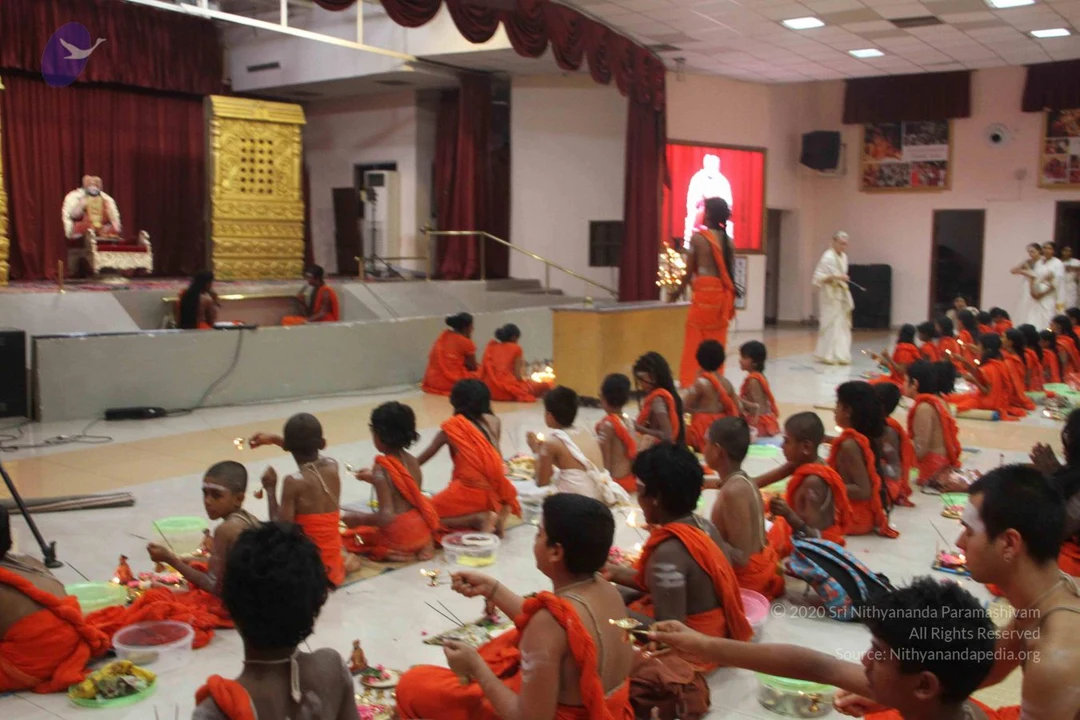
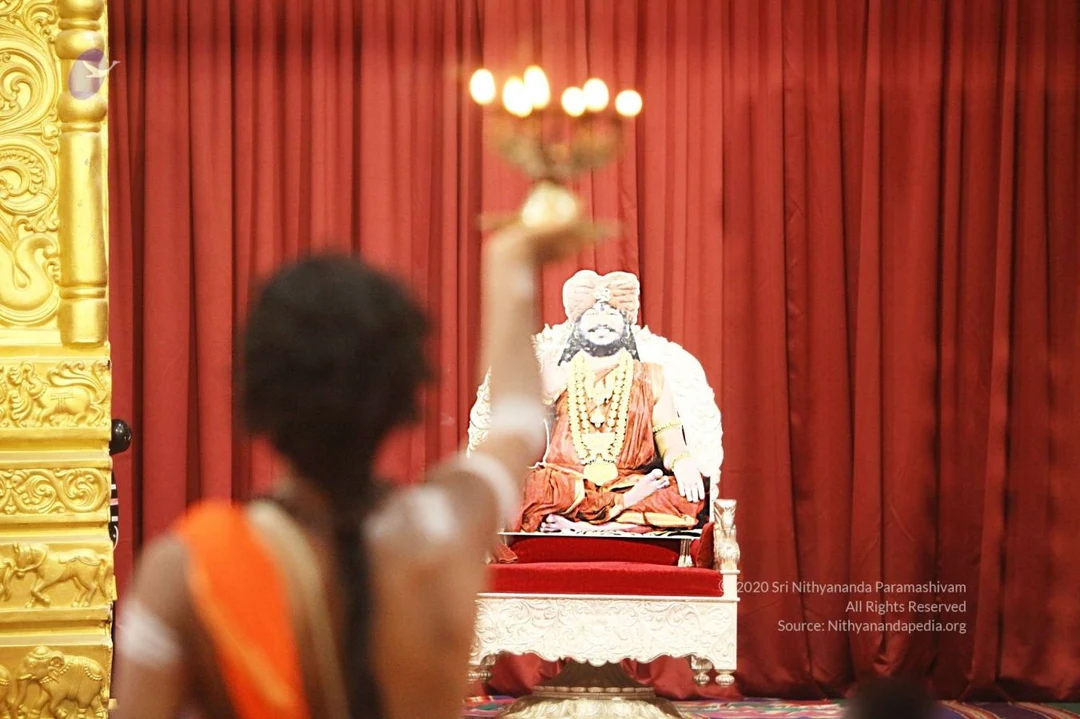 AARTI performed Let's all enjoy the Innocence of Existence
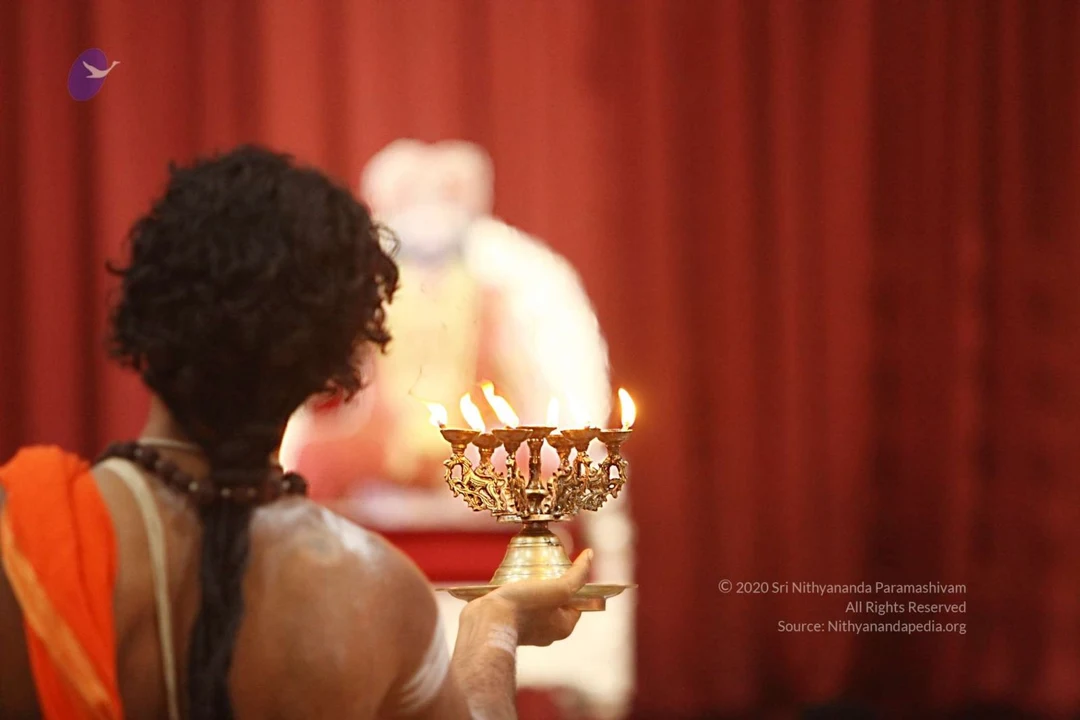 AARTI performed Let's all enjoy the Innocence of Existence
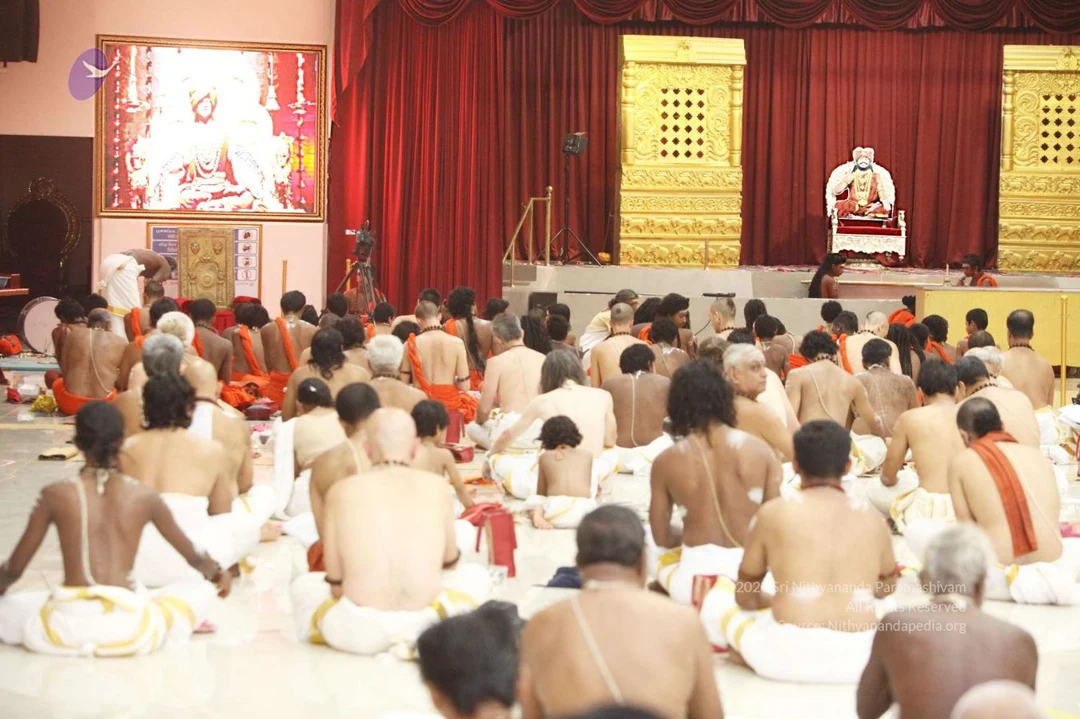
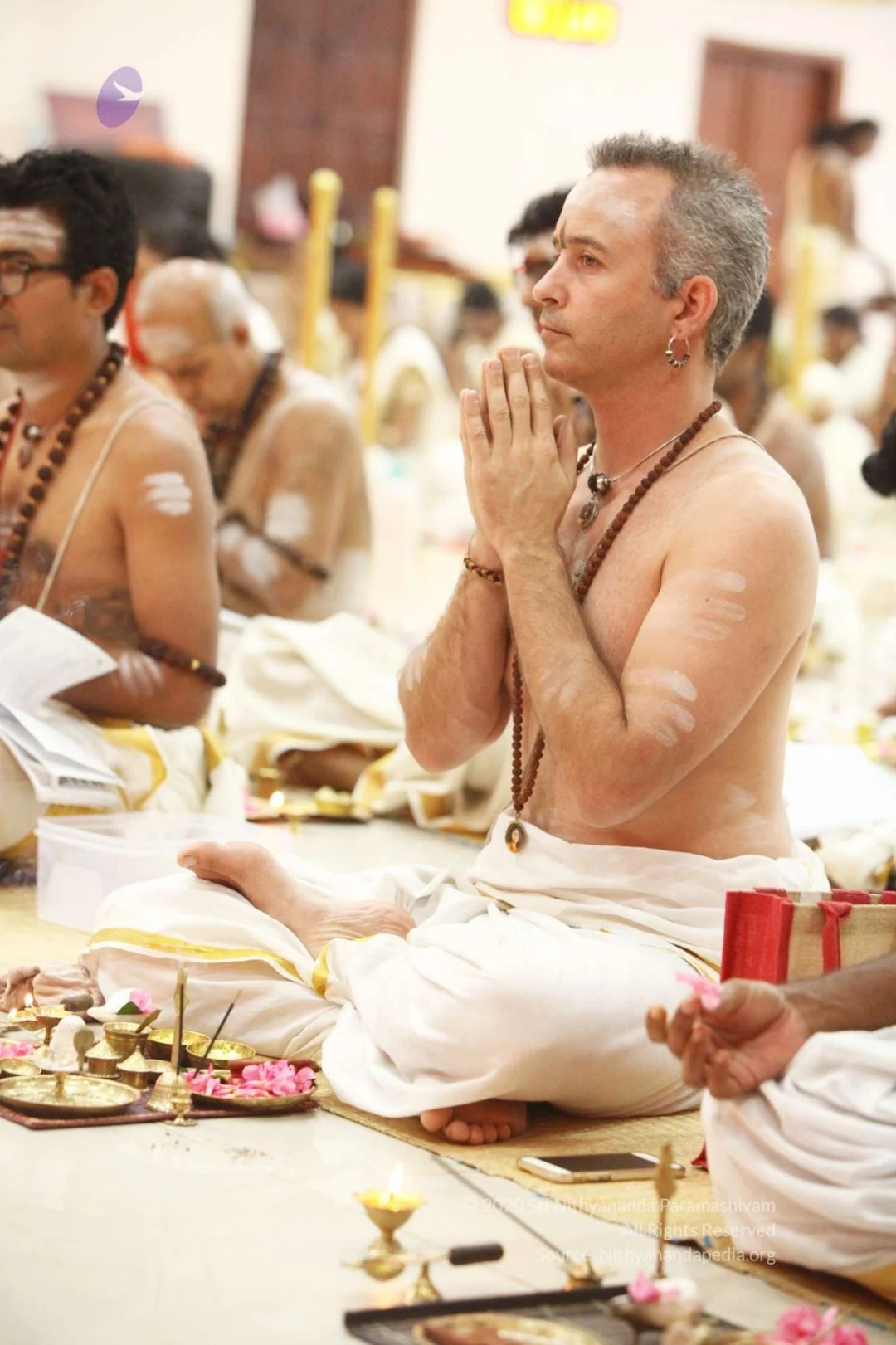
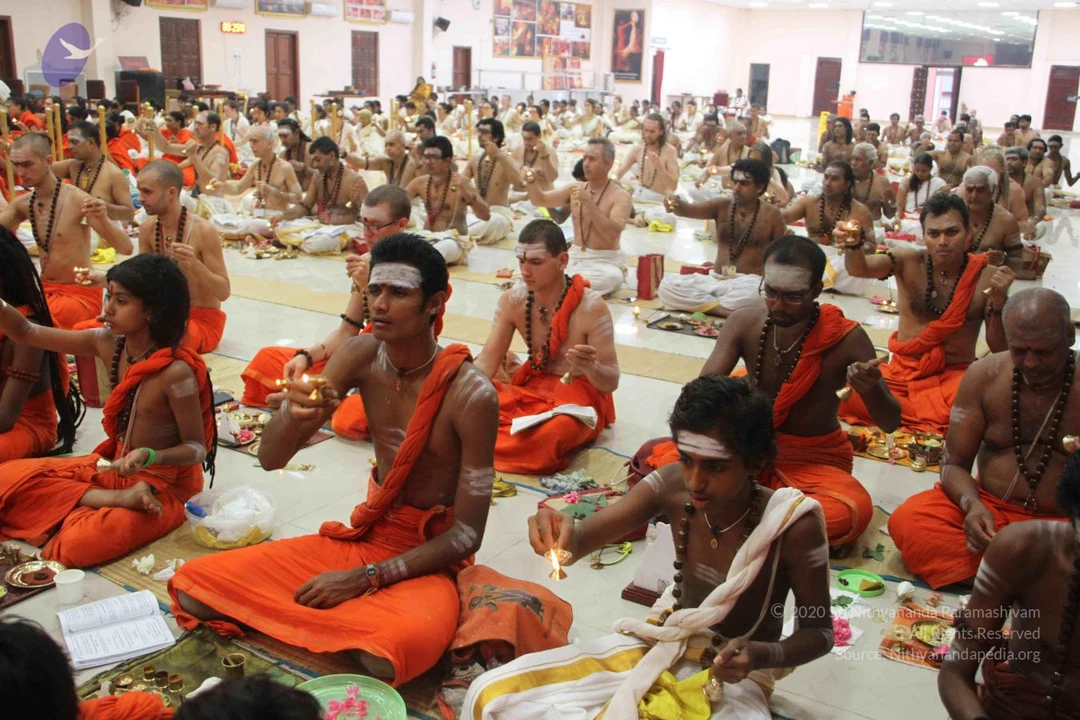
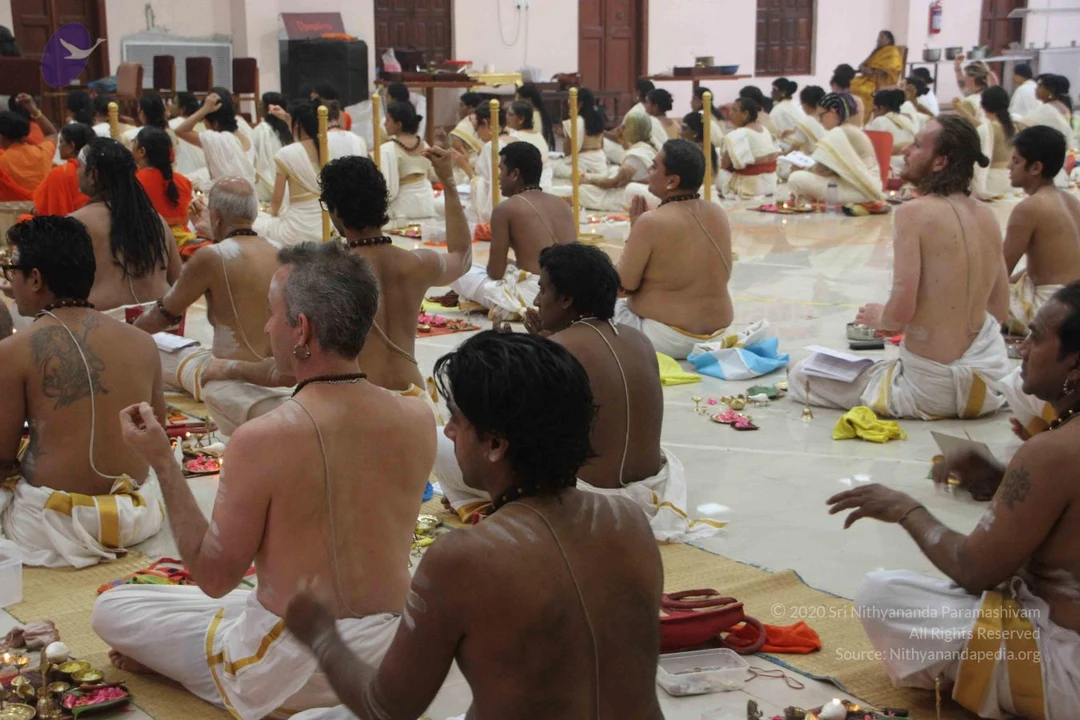
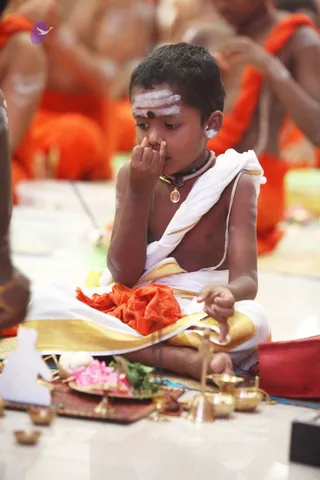 Right to connect with Sadashiva through NITHYA PUJA
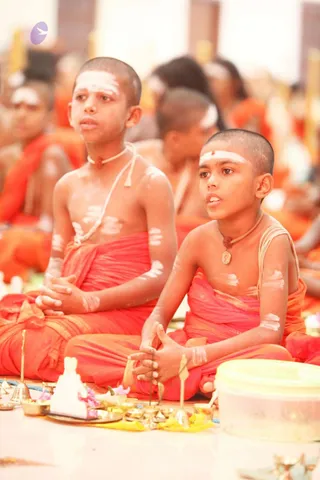 Right to connect with Sadashiva through NITHYA PUJA
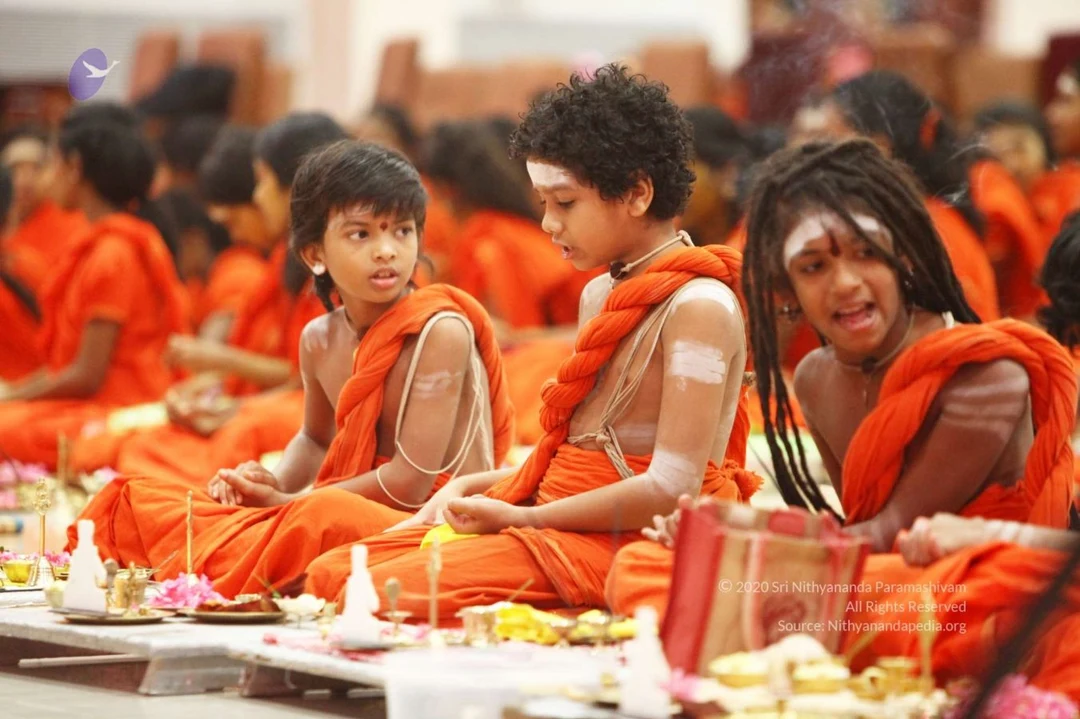 Right to connect with Sadashiva through NITHYA PUJA
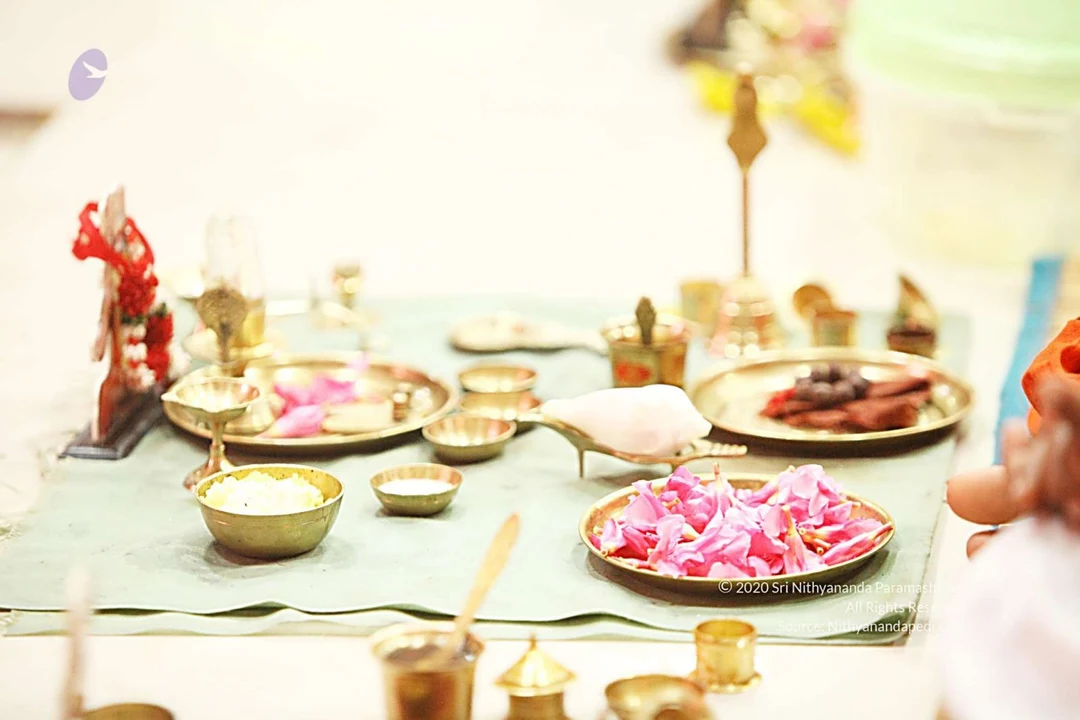 Right to connect with Sadashiva through NITHYA PUJA
 Right to connect with Sadashiva through NITHYA PUJA
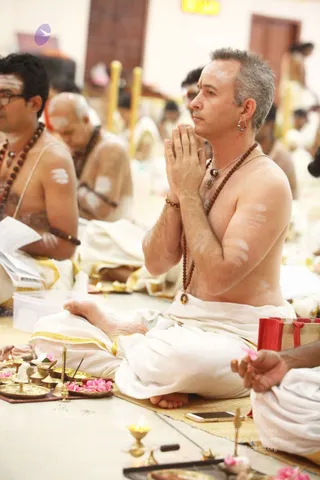
 Right to connect with Sadashiva through NITHYA PUJA
 Right to connect with Sadashiva through NITHYA PUJA
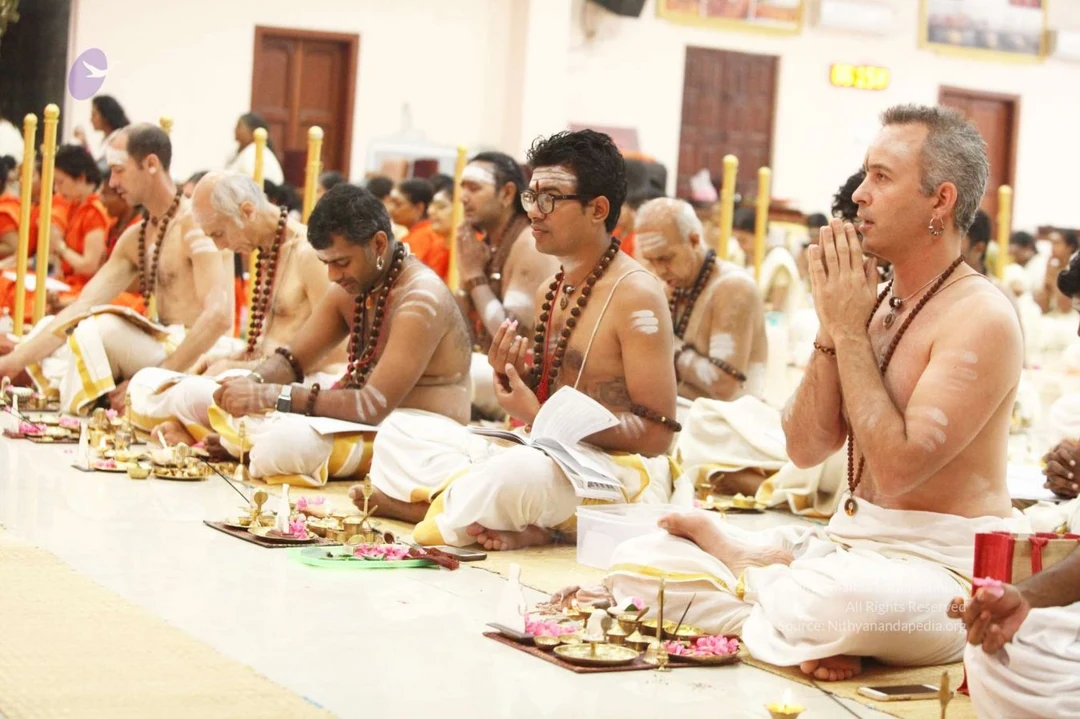 Right to connect with Sadashiva through NITHYA PUJA
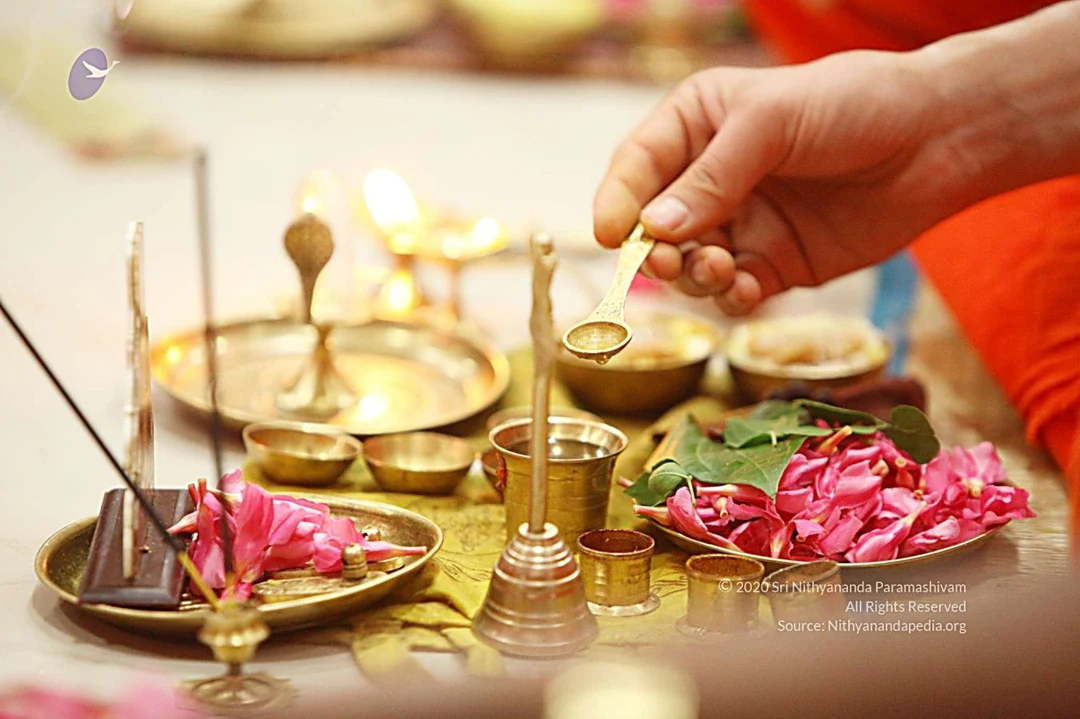 Right to connect with Sadashiva through NITHYA PUJA
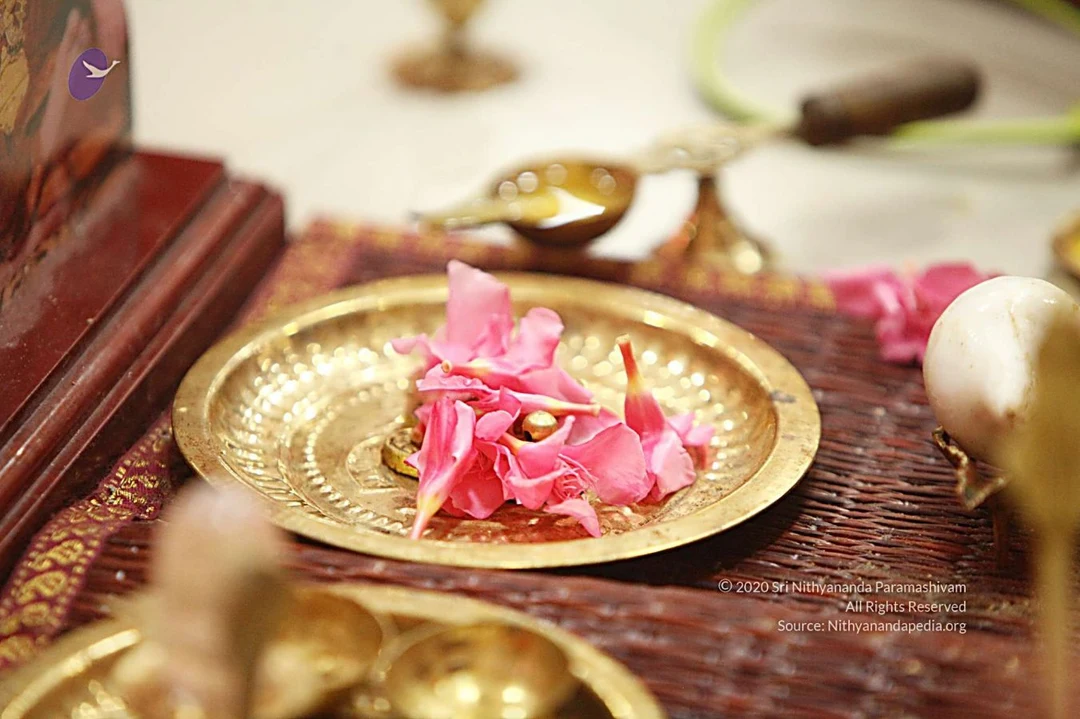 Right to connect with Sadashiva through NITHYA PUJA
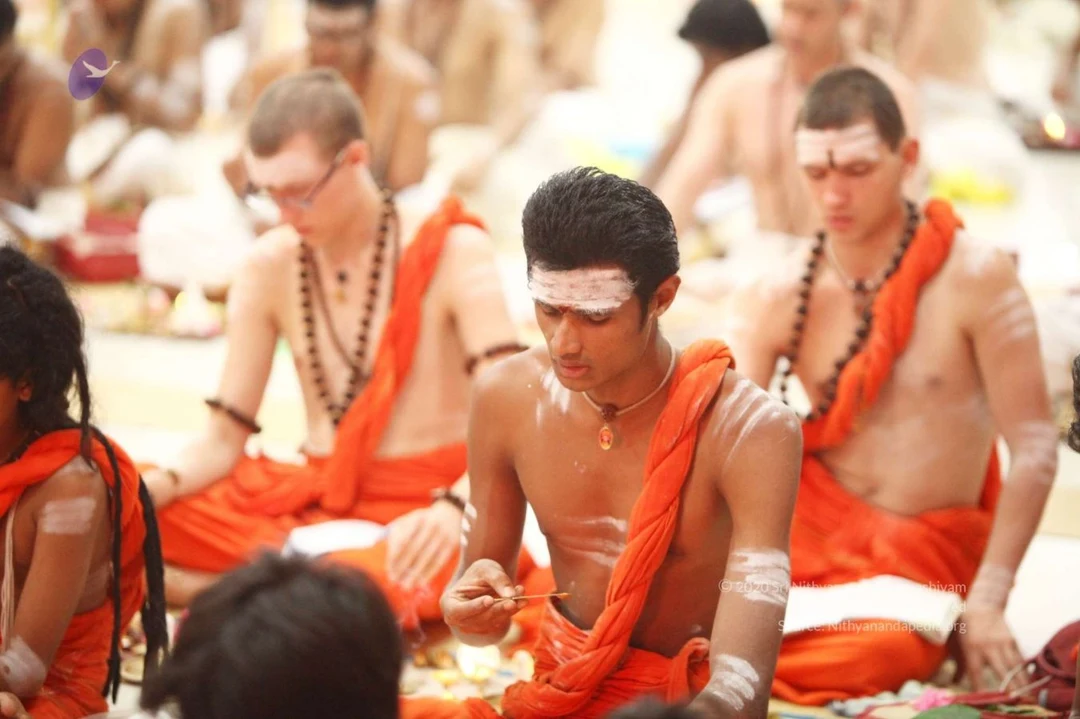 Right to connect with Sadashiva through NITHYA PUJA
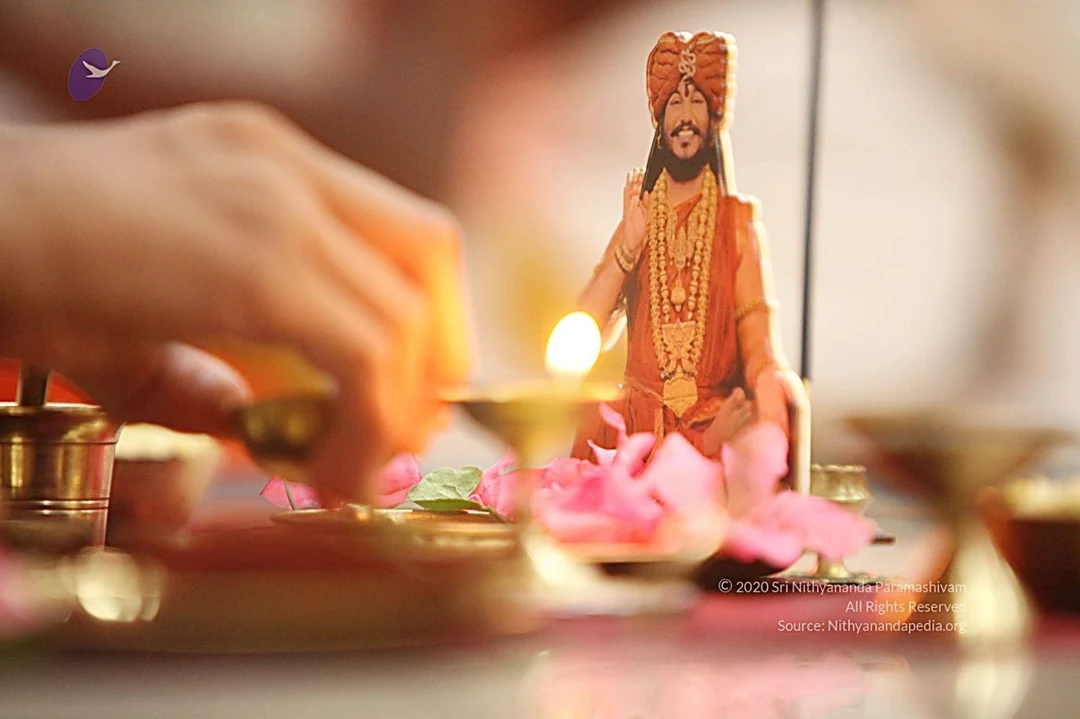 Right to connect with Sadashiva through NITHYA PUJA
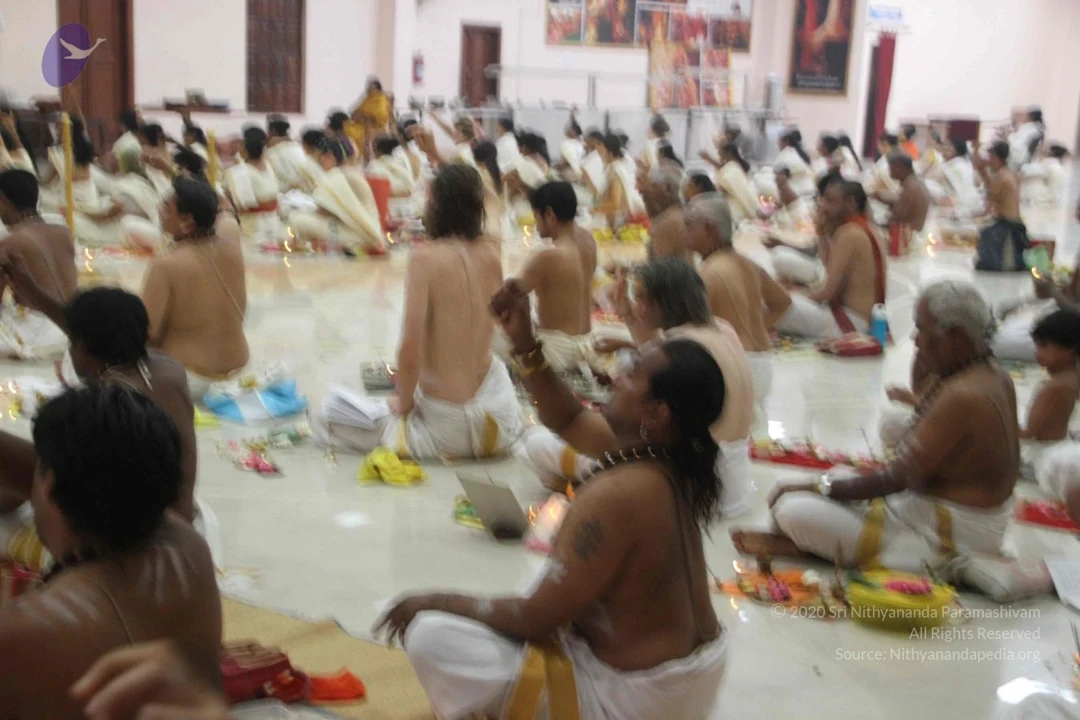
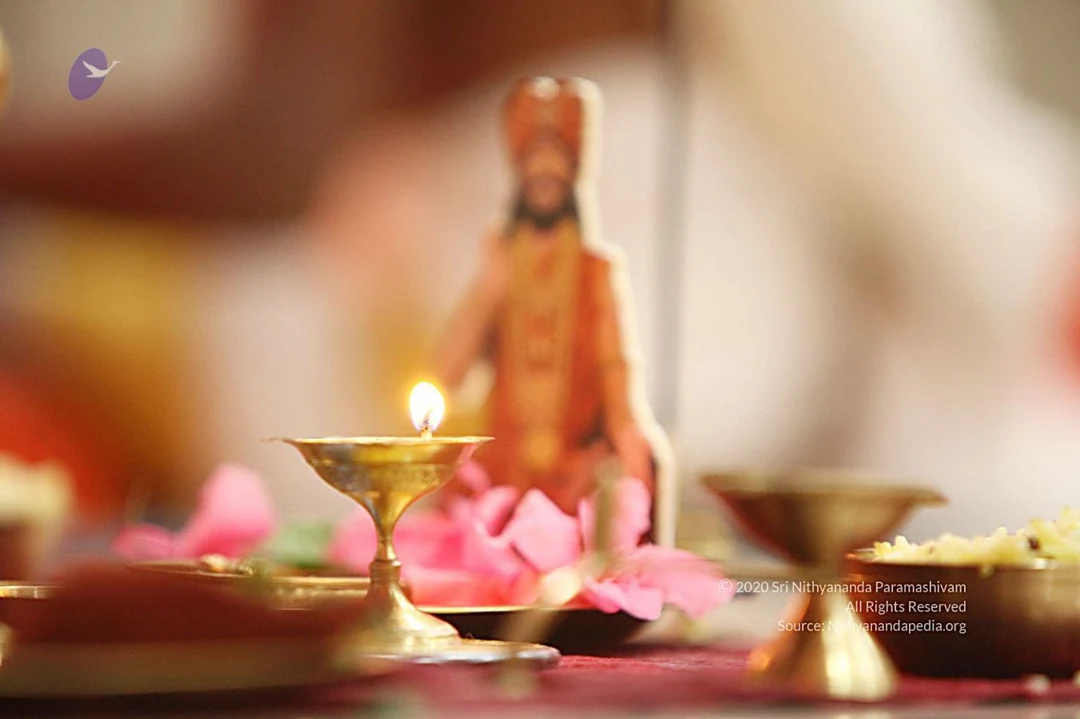 NITHYA PUJA WILL HELP YOU BUILD ONENESS-BASED RELATIONSHIP
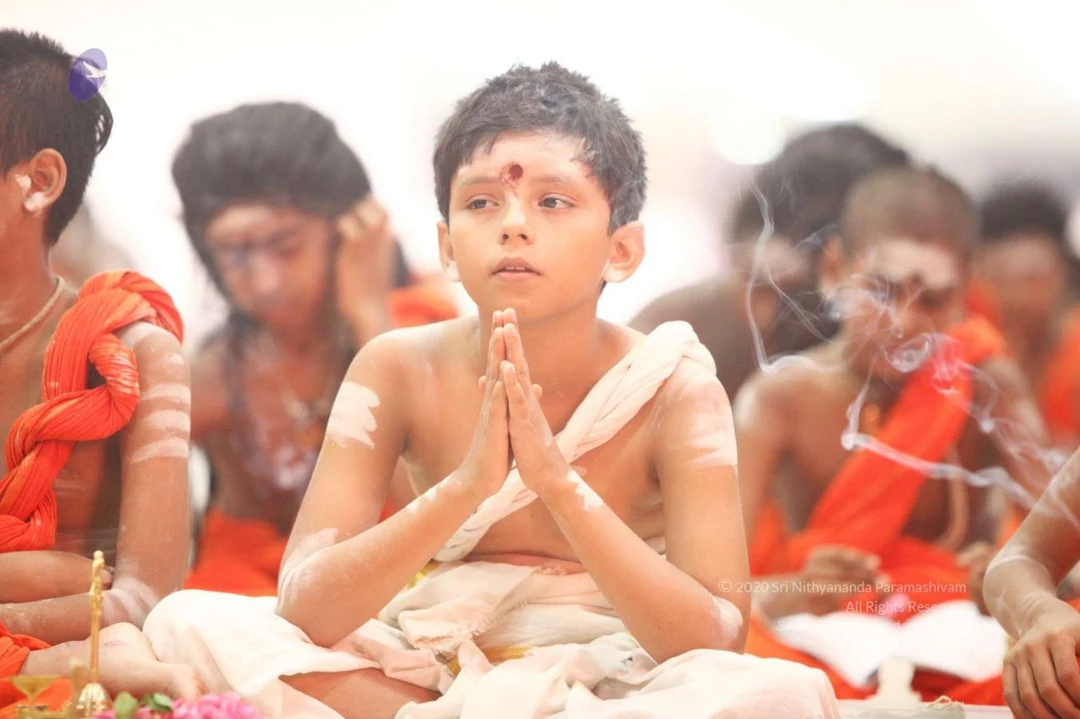 NITHYA PUJA WILL HELP YOU BUILD ONENESS-BASED RELATIONSHIP
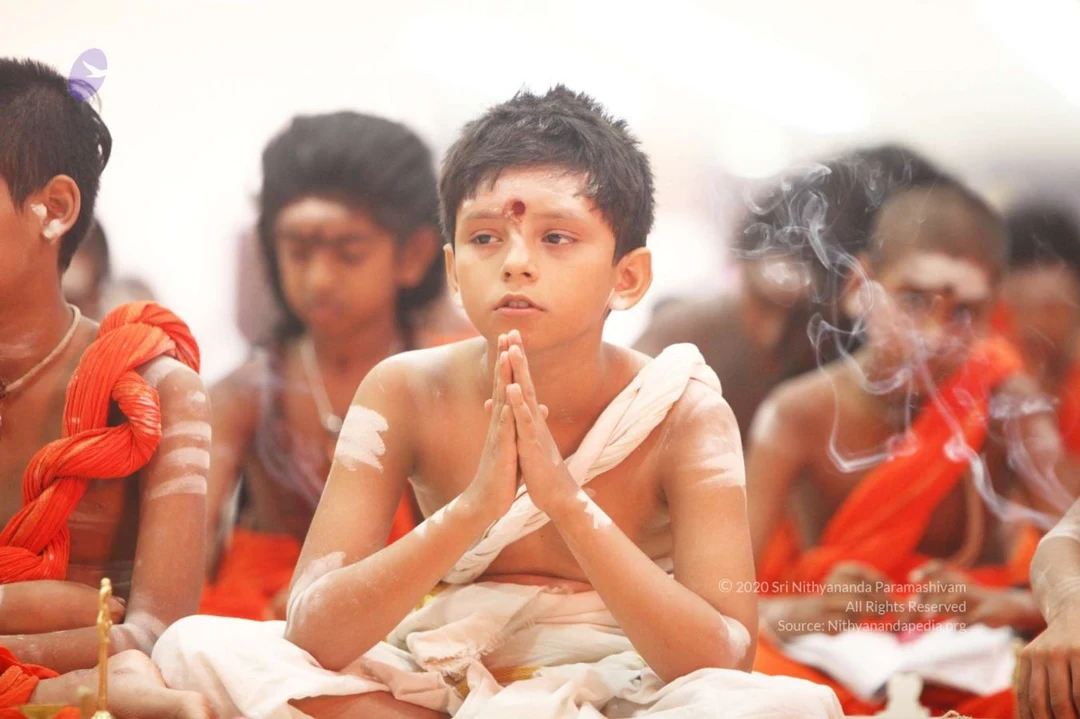 NITHYA PUJA WILL HELP YOU BUILD ONENESS-BASED RELATIONSHIP
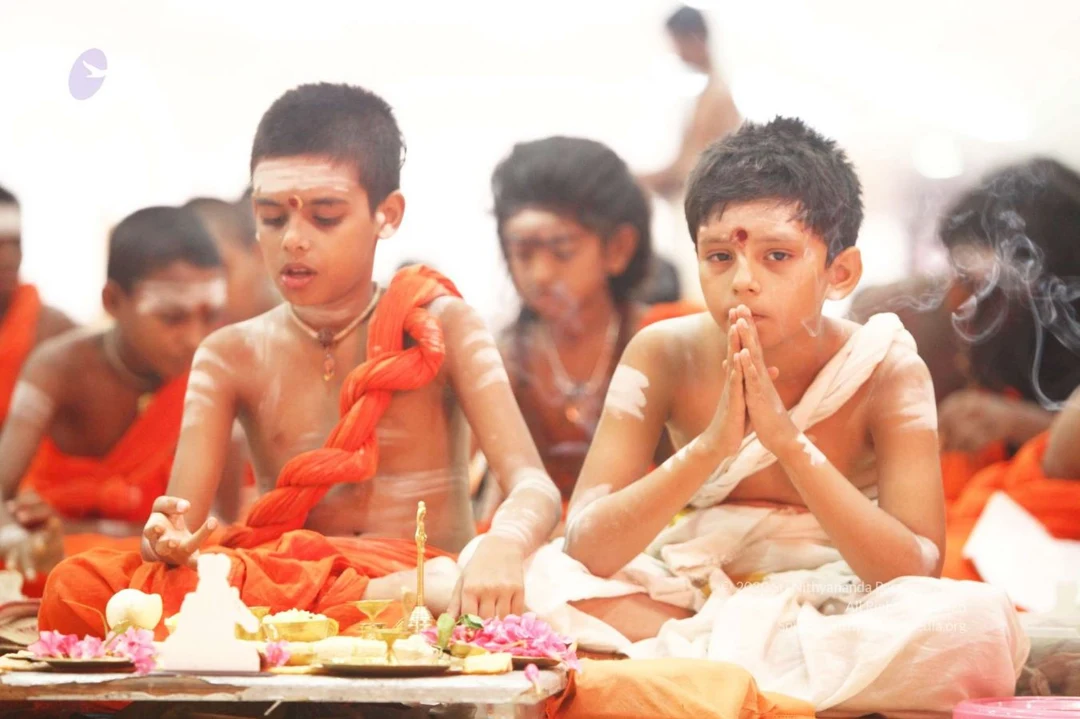 NITHYA PUJA WILL HELP YOU BUILD ONENESS-BASED RELATIONSHIP
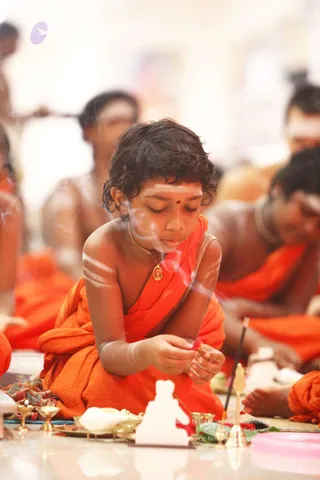 NITHYA PUJA WILL HELP YOU BUILD ONENESS-BASED RELATIONSHIP
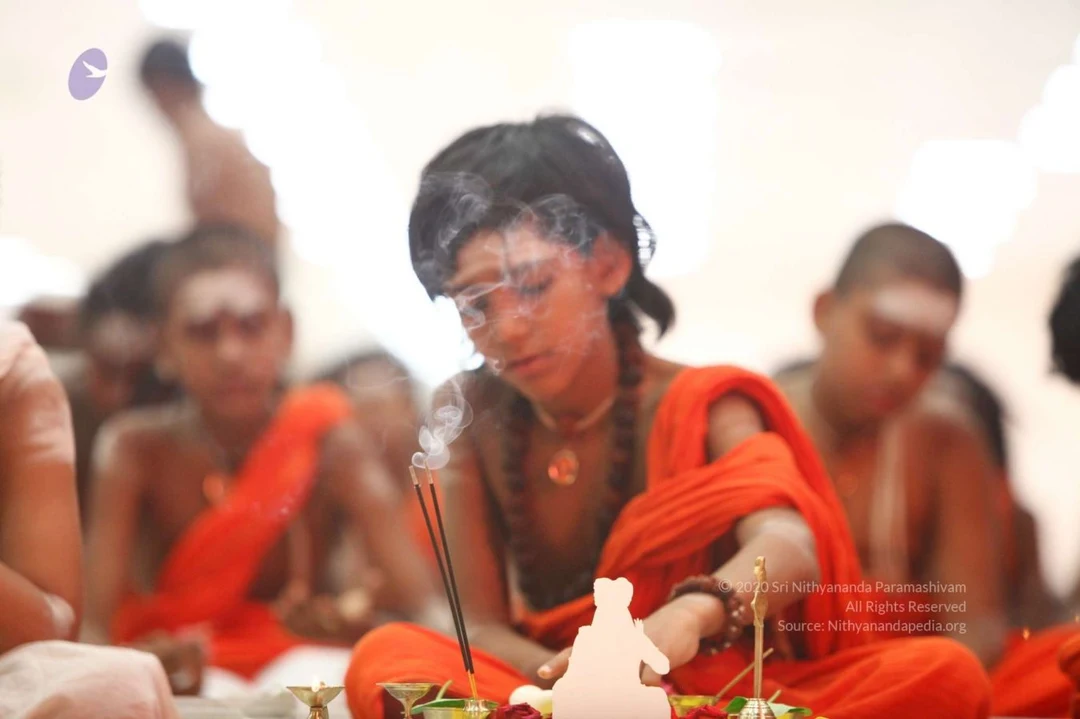 NITHYA PUJA WILL HELP YOU BUILD ONENESS-BASED RELATIONSHIP
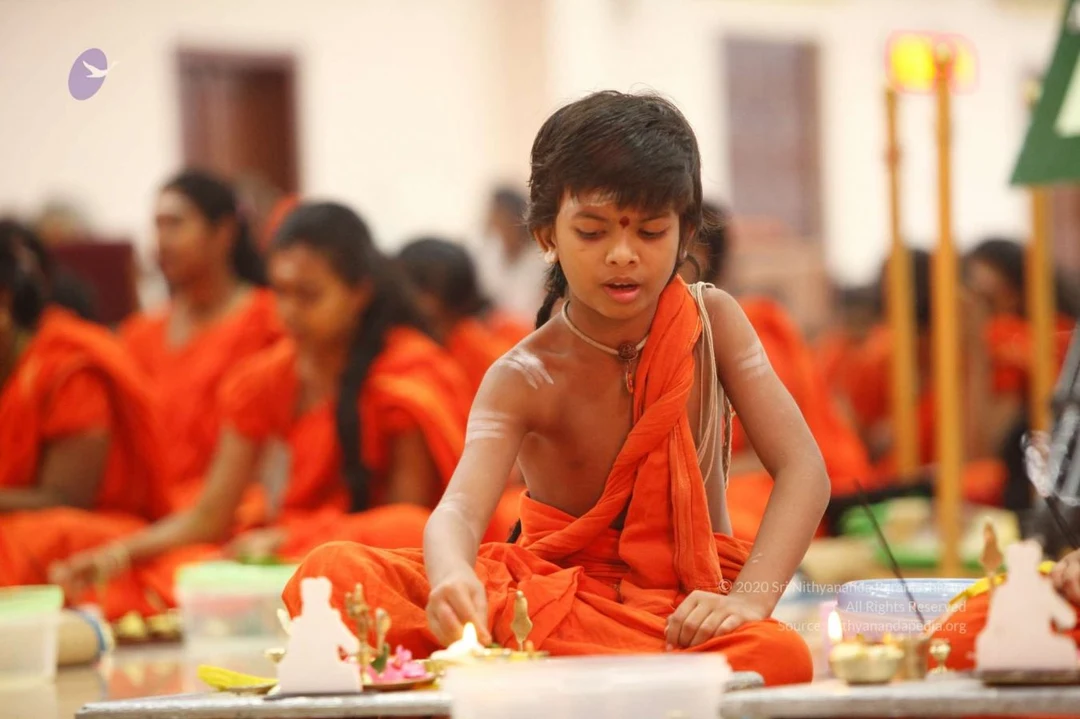 NITHYA PUJA IS THE MOST ORGANIC WAY OF ORGANISING YOUR BRAIN AND AWAKENING THE NON-MECHANICAL PARTS OF YOUR BRAIN.
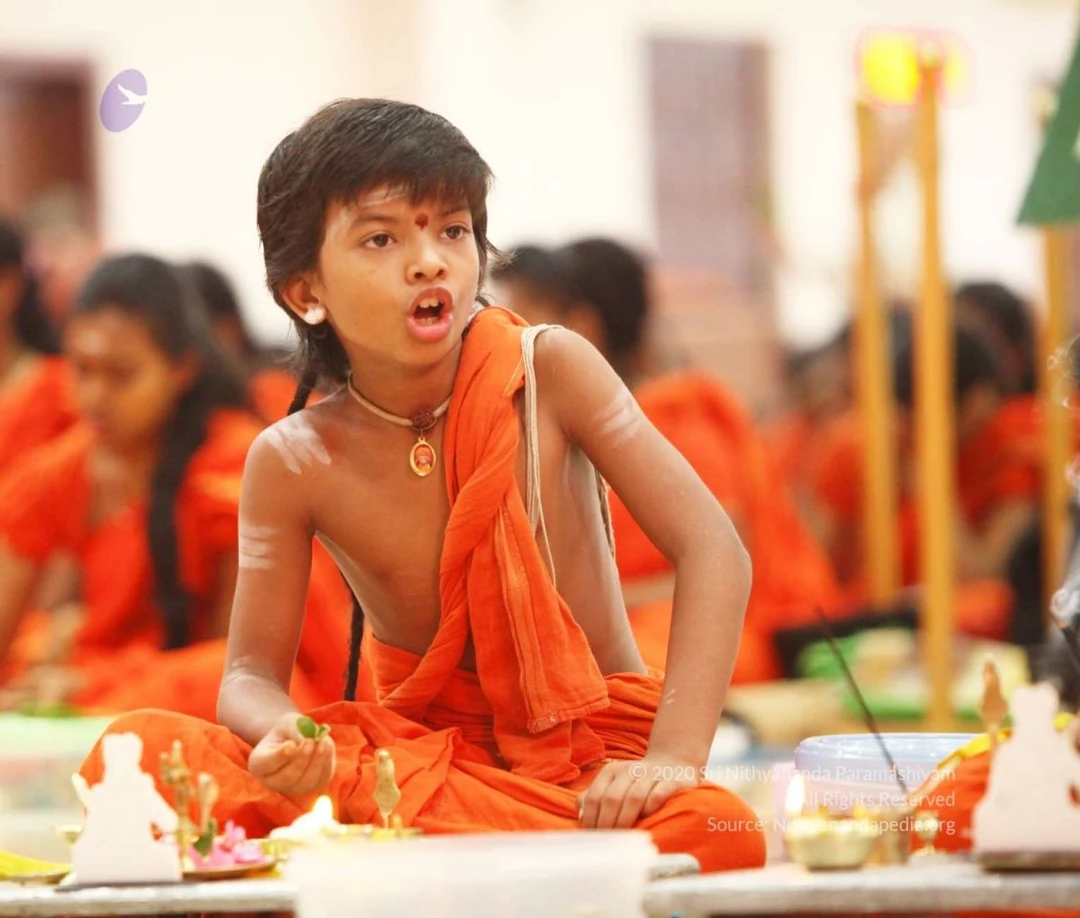 NITHYA PUJA IS THE MOST ORGANIC WAY OF ORGANISING YOUR BRAIN AND AWAKENING THE NON-MECHANICAL PARTS OF YOUR BRAIN.
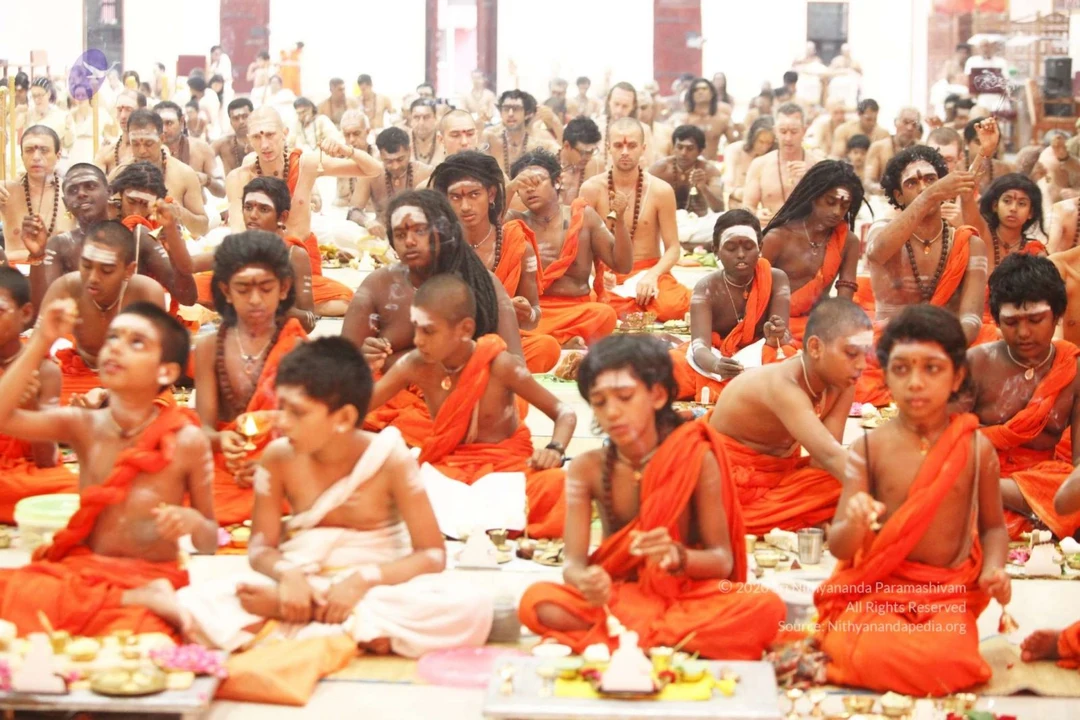 NITHYA PUJA IS THE MOST ORGANIC WAY OF ORGANISING YOUR BRAIN AND AWAKENING THE NON-MECHANICAL PARTS OF YOUR BRAIN.
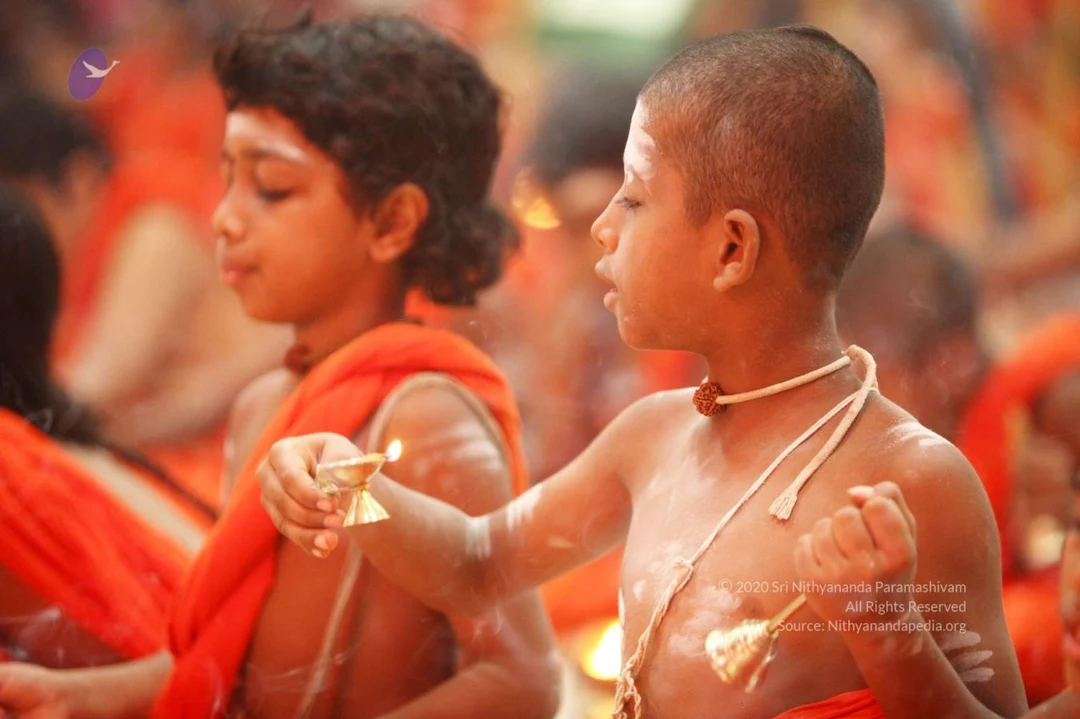 NITHYA PUJA IS THE MOST ORGANIC WAY OF ORGANISING YOUR BRAIN AND AWAKENING THE NON-MECHANICAL PARTS OF YOUR BRAIN.
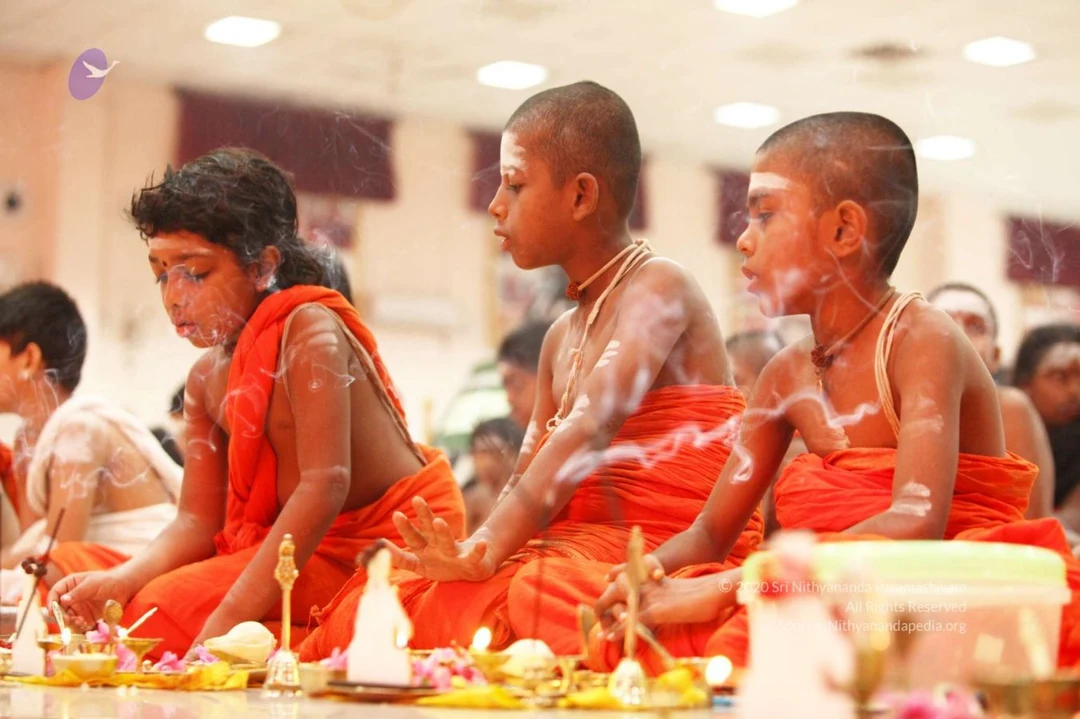 NITHYA PUJA IS THE MOST ORGANIC WAY OF ORGANISING YOUR BRAIN AND AWAKENING THE NON-MECHANICAL PARTS OF YOUR BRAIN.
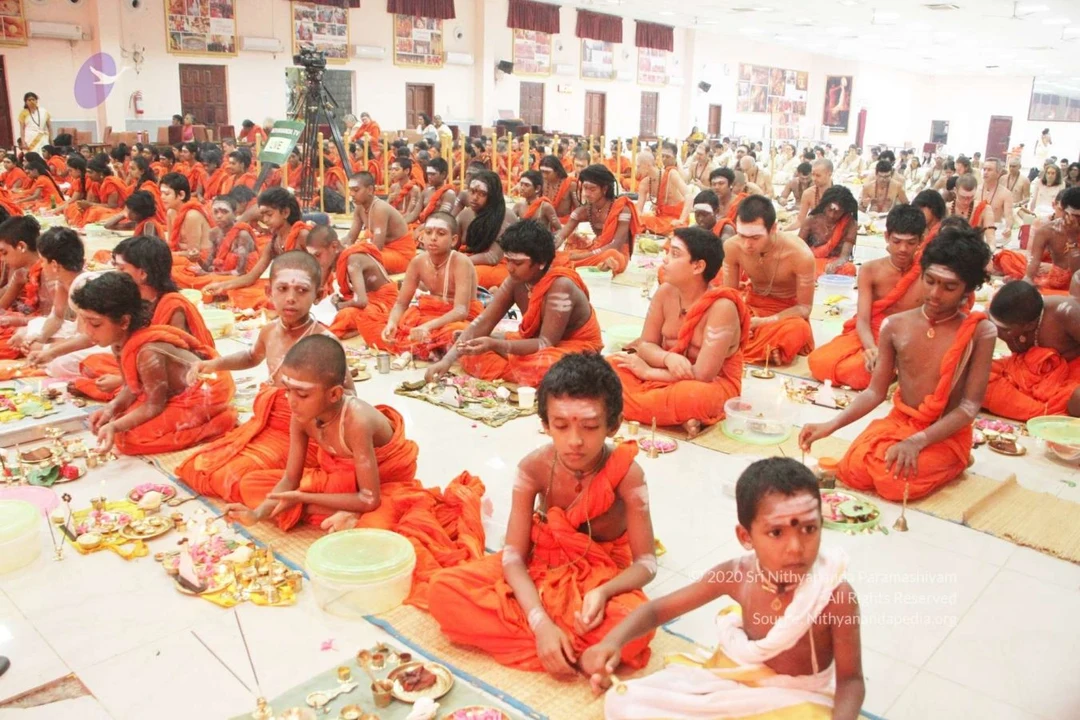 NITHYA PUJA IS THE MOST ORGANIC WAY OF ORGANISING YOUR BRAIN AND AWAKENING THE NON-MECHANICAL PARTS OF YOUR BRAIN.
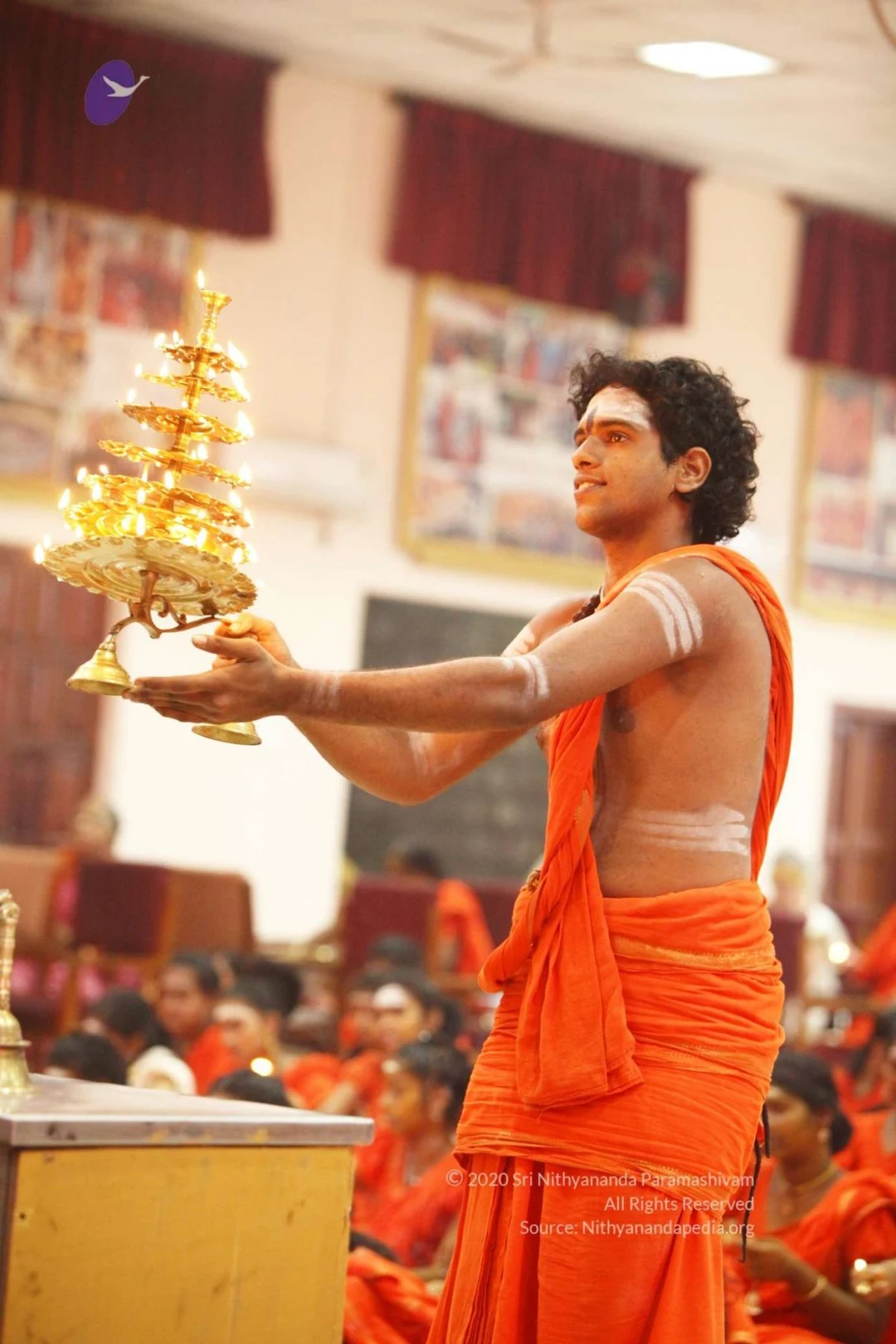
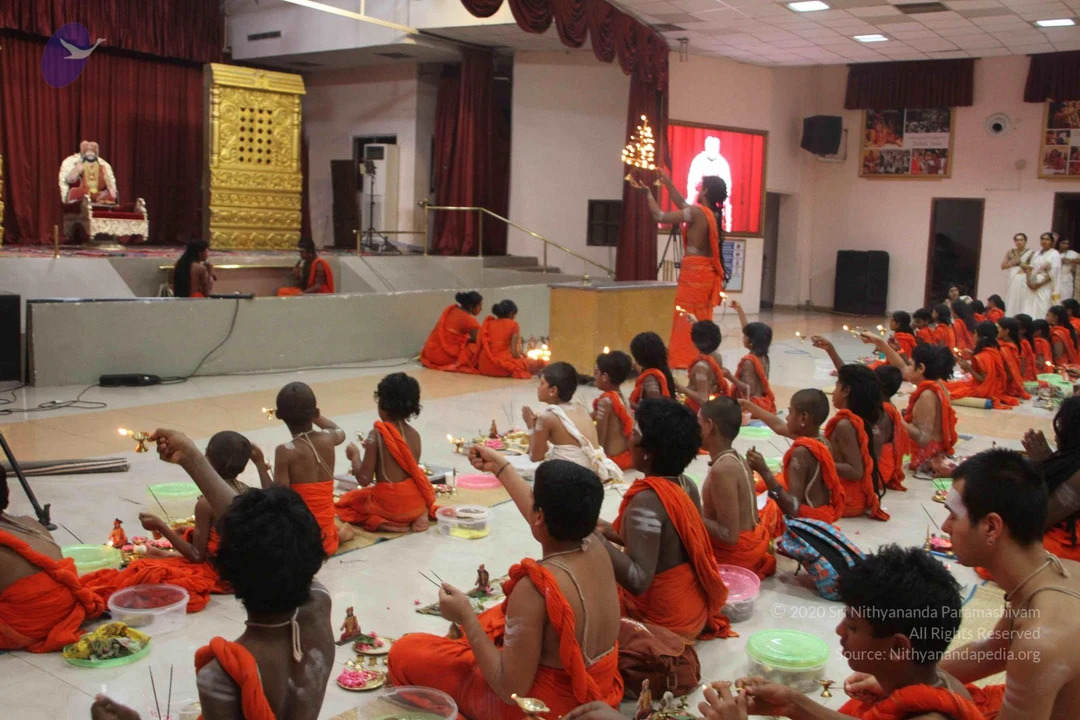
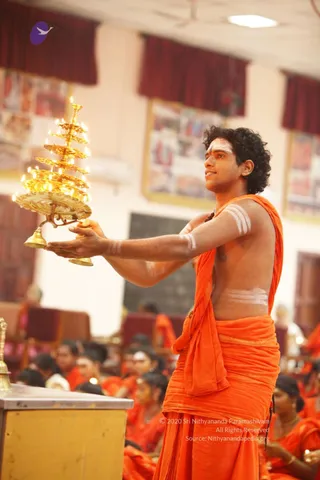 MAHAAARTI performed for AVATAR is LIVING healing energy FIELD
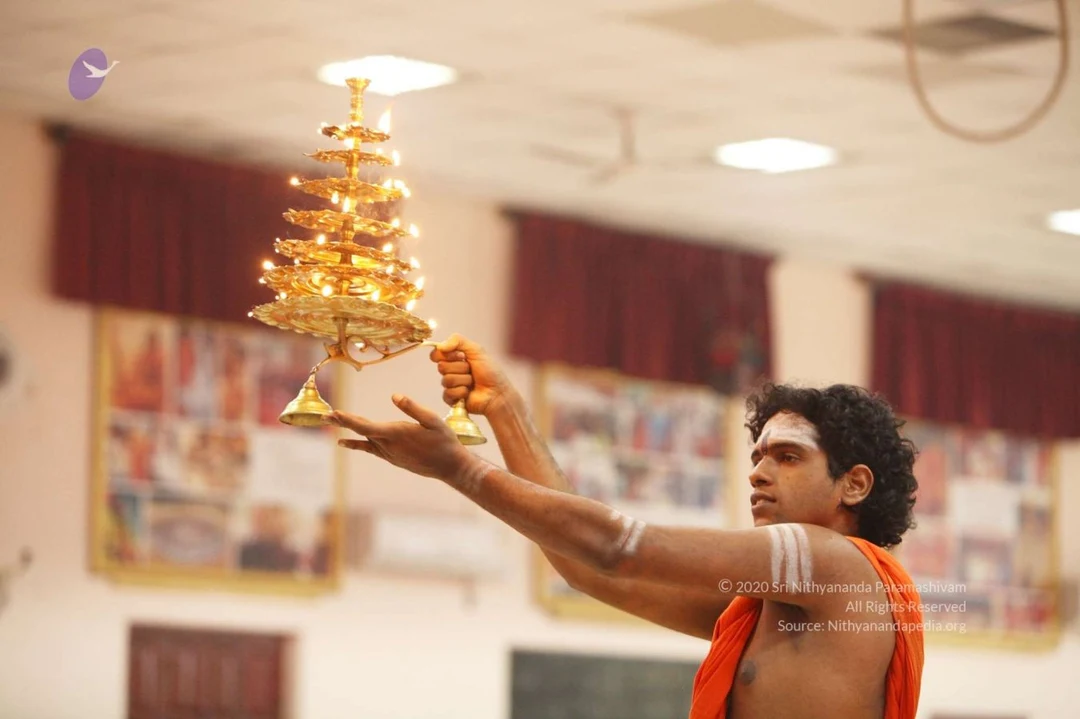 MAHAAARTI performed for AVATAR is LIVING healing energy FIELD
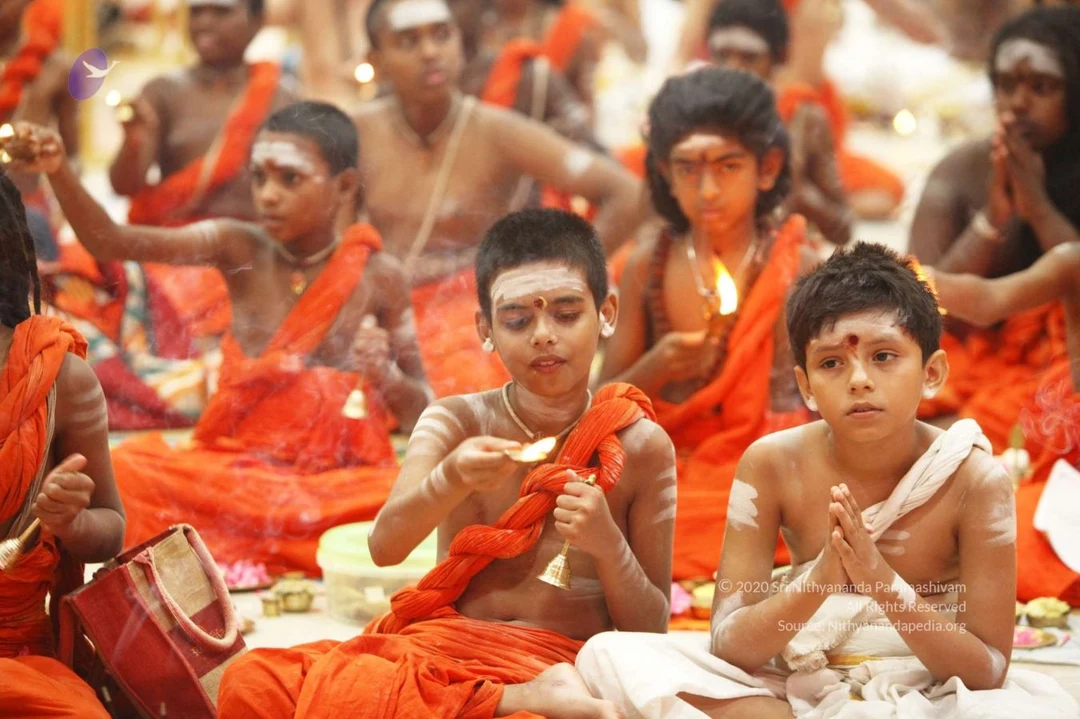 Deeksha, the disciple receives from Guru to connect with Sadashiva- BLISSFUL
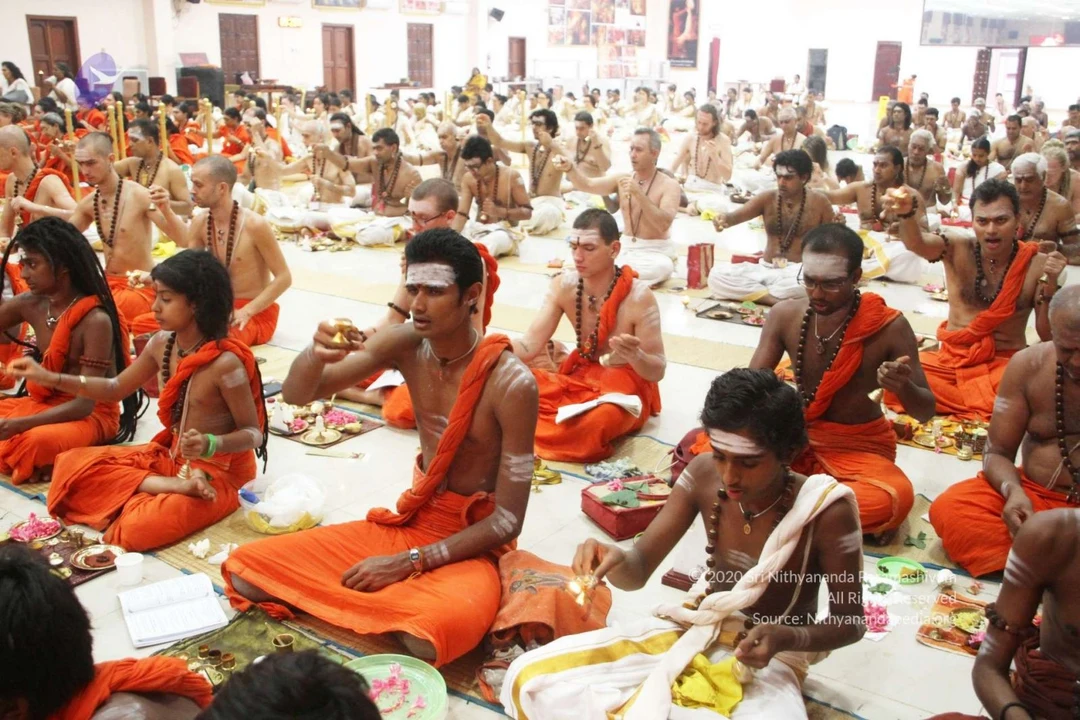 Deeksha, the disciple receives from Guru to connect with Sadashiva- BLISSFUL
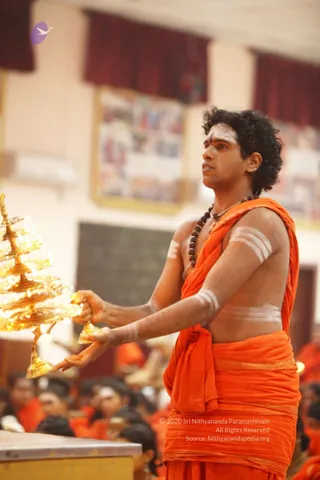 MAHAAARTI performed for AVATAR is LIVING healing energy FIELD
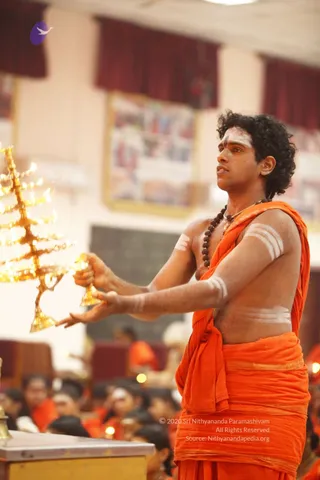 MAHAAARTI performed for AVATAR is LIVING healing energy FIELD
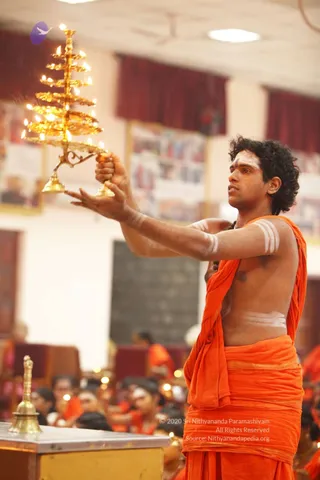 MAHAAARTI performed for AVATAR is LIVING healing energy FIELD
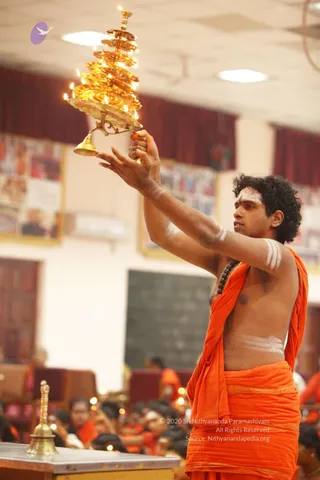 MAHAAARTI performed for AVATAR is LIVING healing energy FIELD
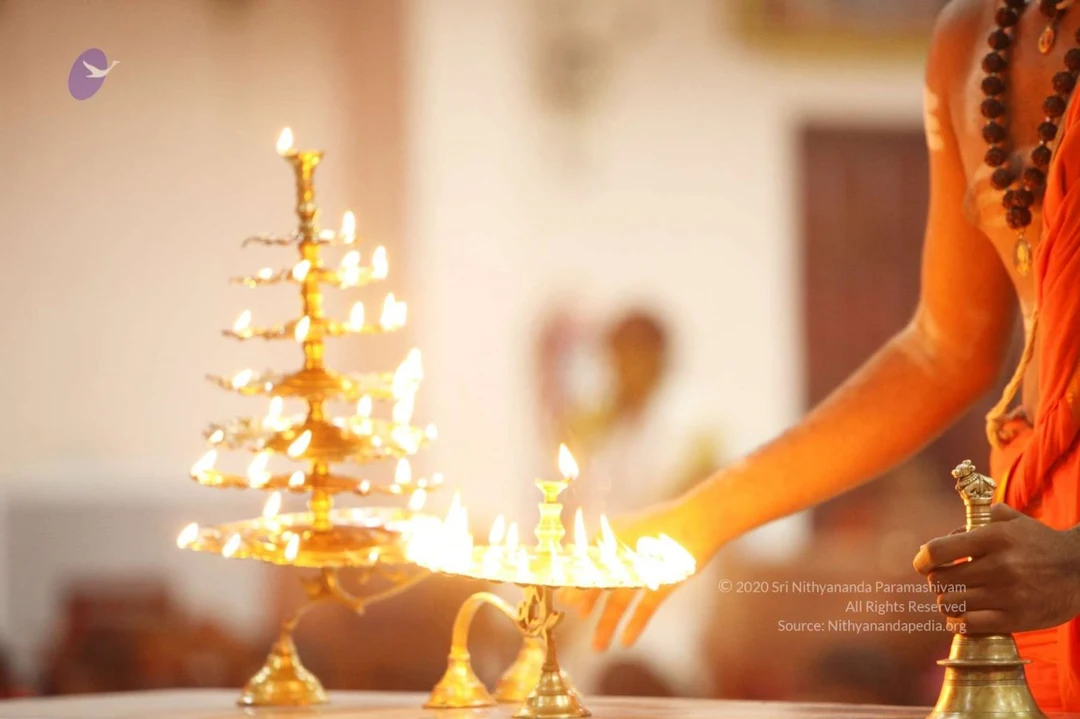 MAHAAARTI performed for AVATAR is LIVING healing energy FIELD
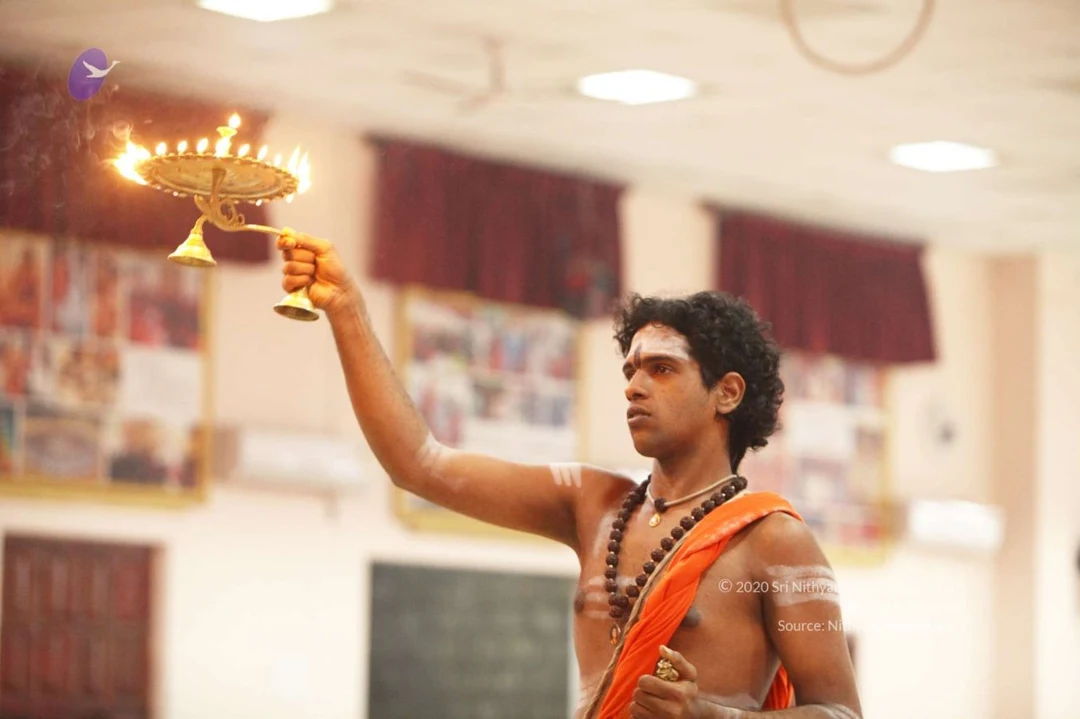 MAHAAARTI performed for AVATAR is LIVING healing energy FIELD
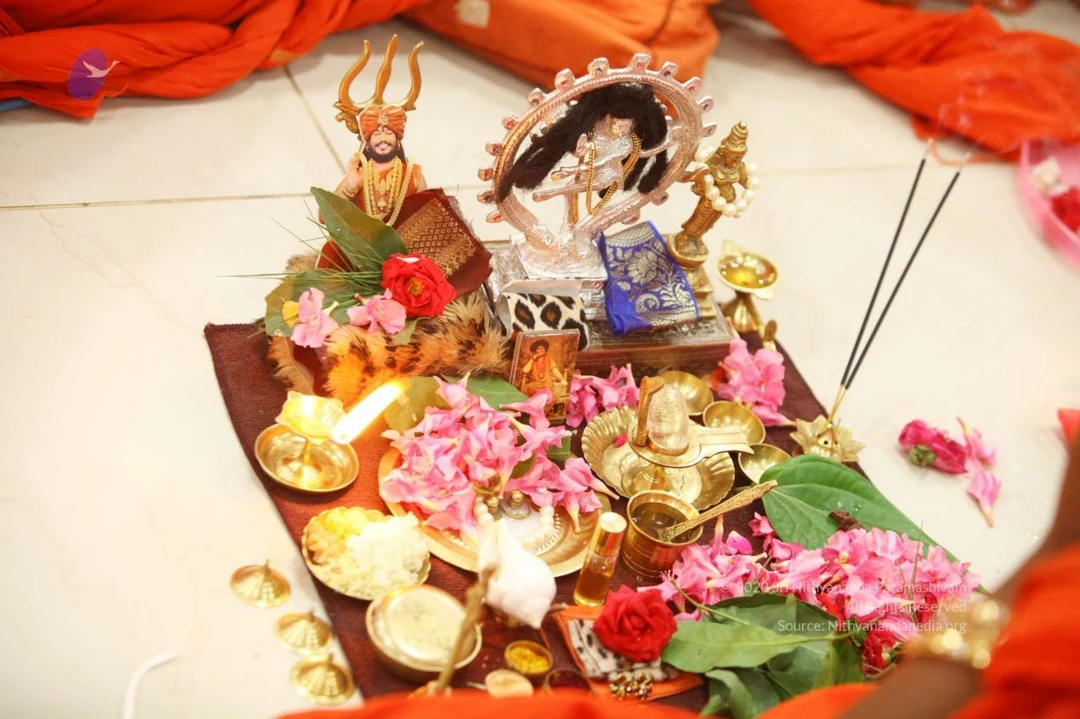 THE PURE SPACE OF PEACE MANIFESTS ONLY FROM ONENESS.
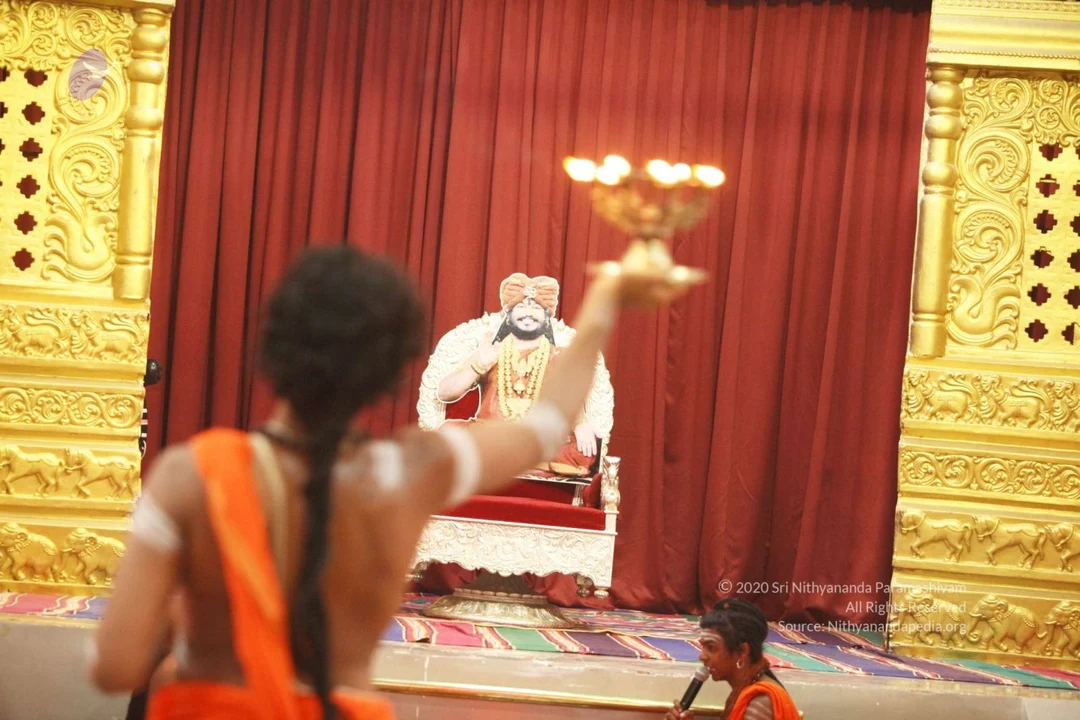 MAHAAARTI performed for AVATAR is LIVING healing energy FIELD
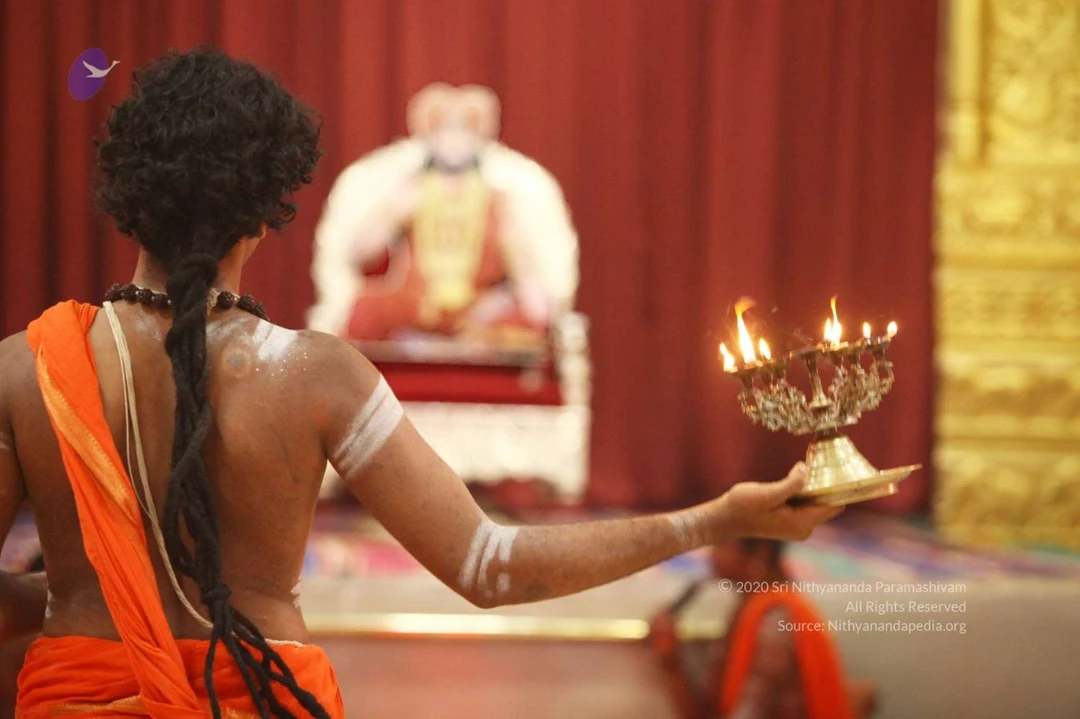 MAHAAARTI performed for AVATAR is LIVING healing energy FIELD
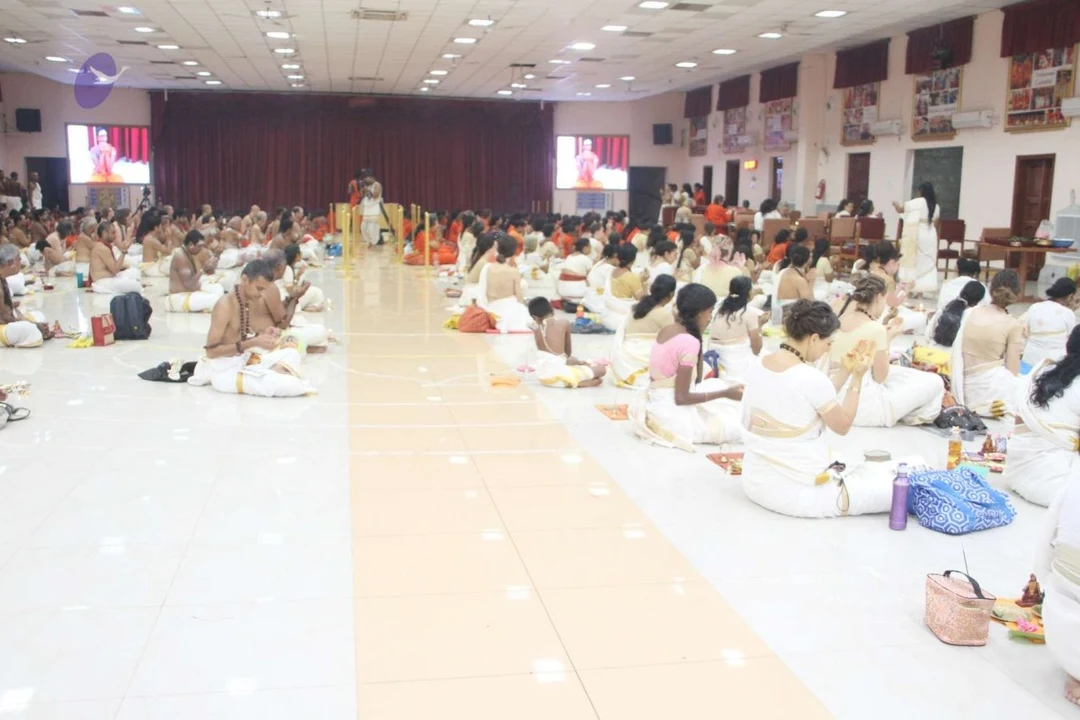 ALL THE BEST THINGS, YOU CAN GET EVERYTHING OUT OF NITHYA PUJA
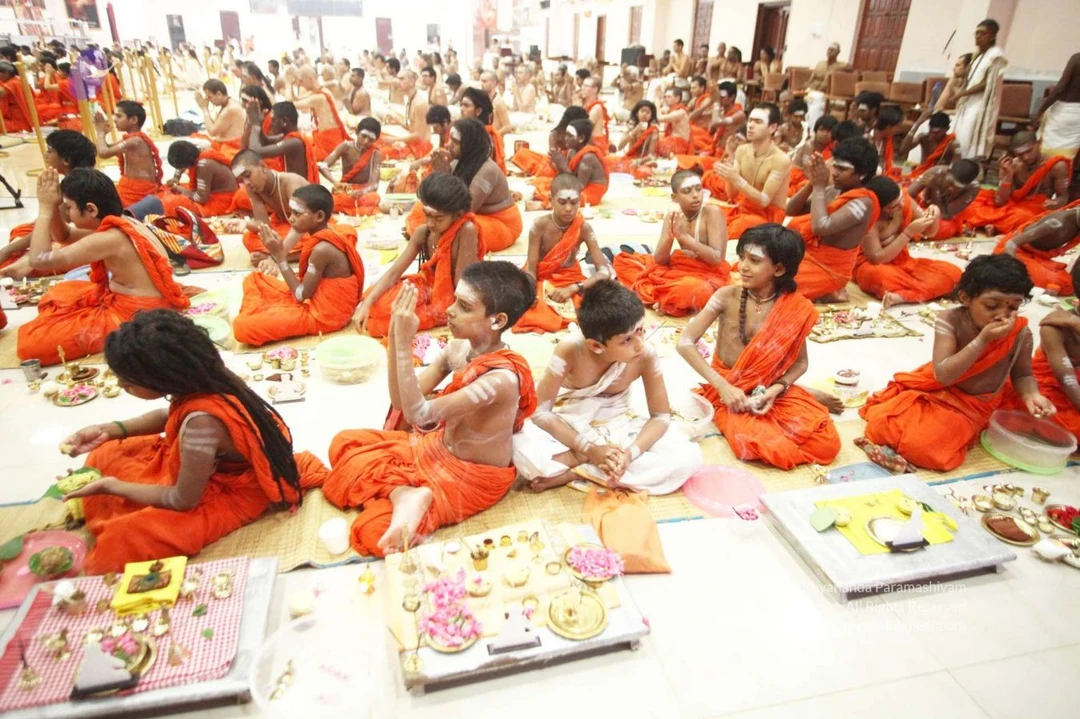 ALL THE BEST THINGS, YOU CAN GET EVERYTHING OUT OF NITHYA PUJA
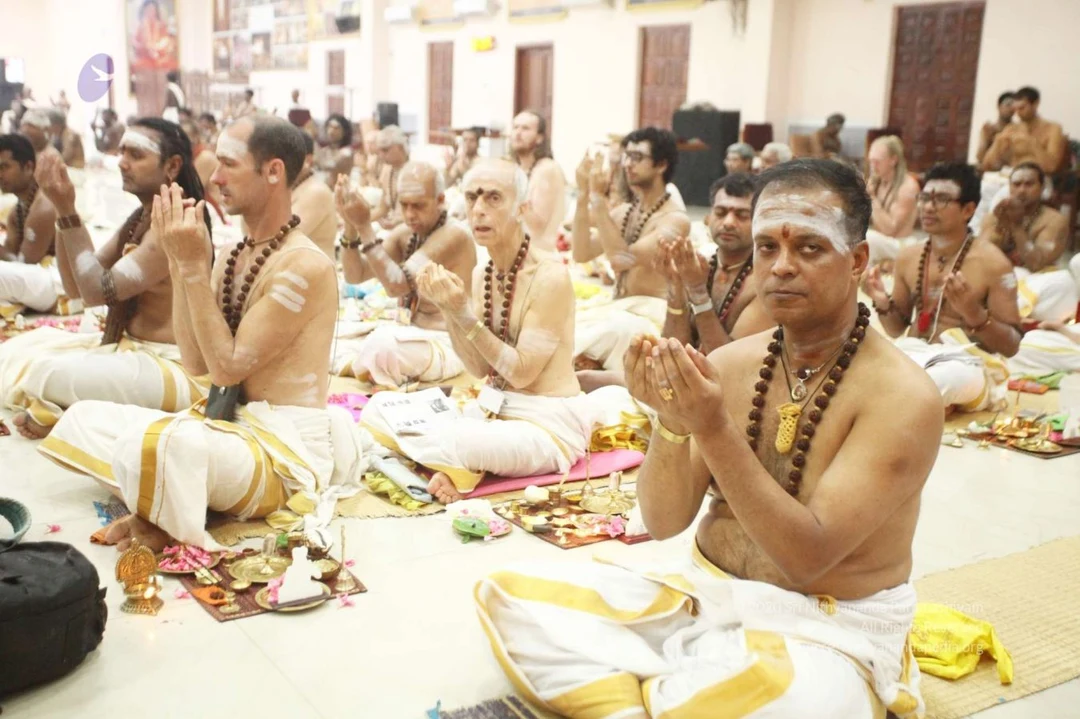 ALL THE BEST THINGS, YOU CAN GET EVERYTHING OUT OF NITHYA PUJA
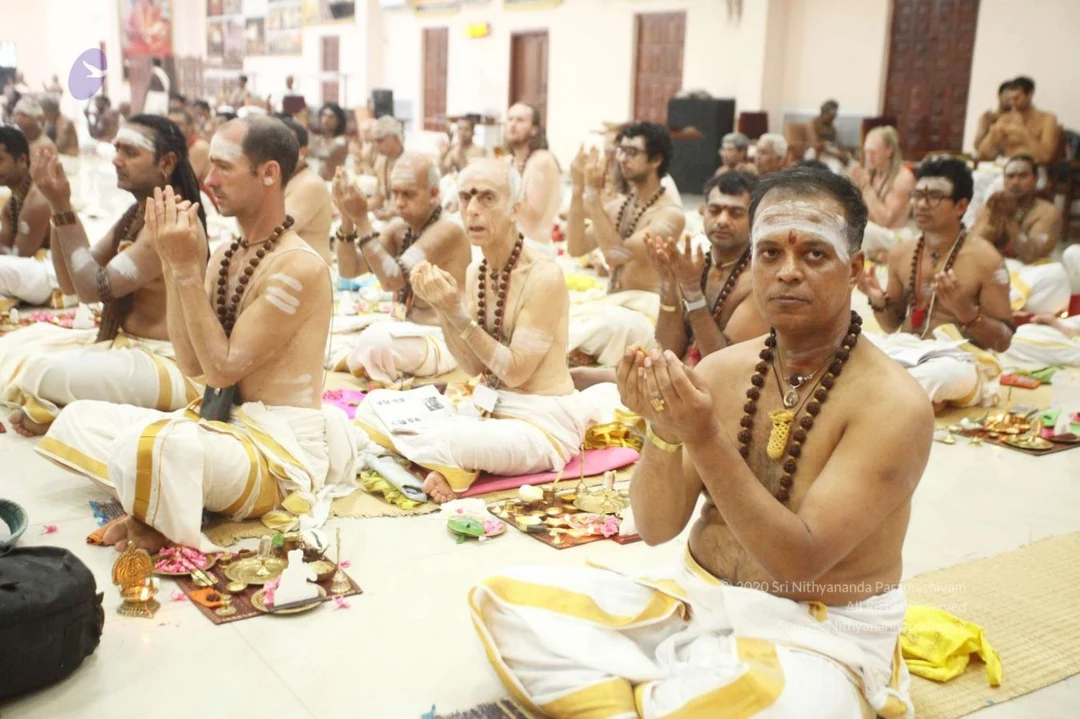 ALL THE BEST THINGS, YOU CAN GET EVERYTHING OUT OF NITHYA PUJA
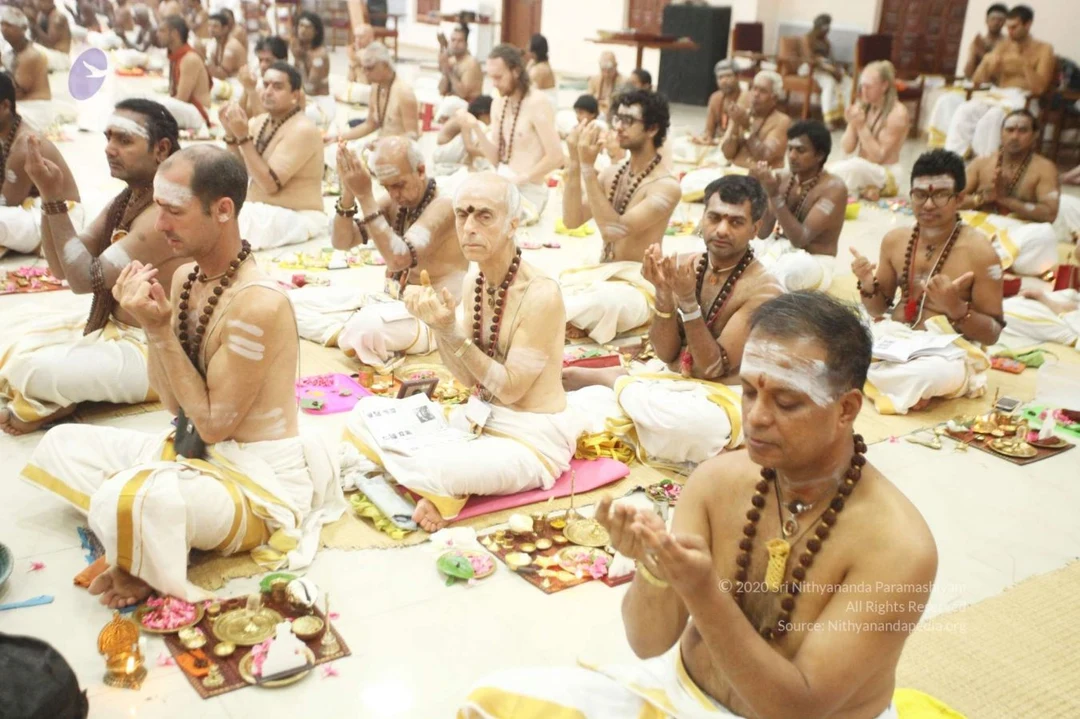 ALL THE BEST THINGS, YOU CAN GET EVERYTHING OUT OF NITHYA PUJA
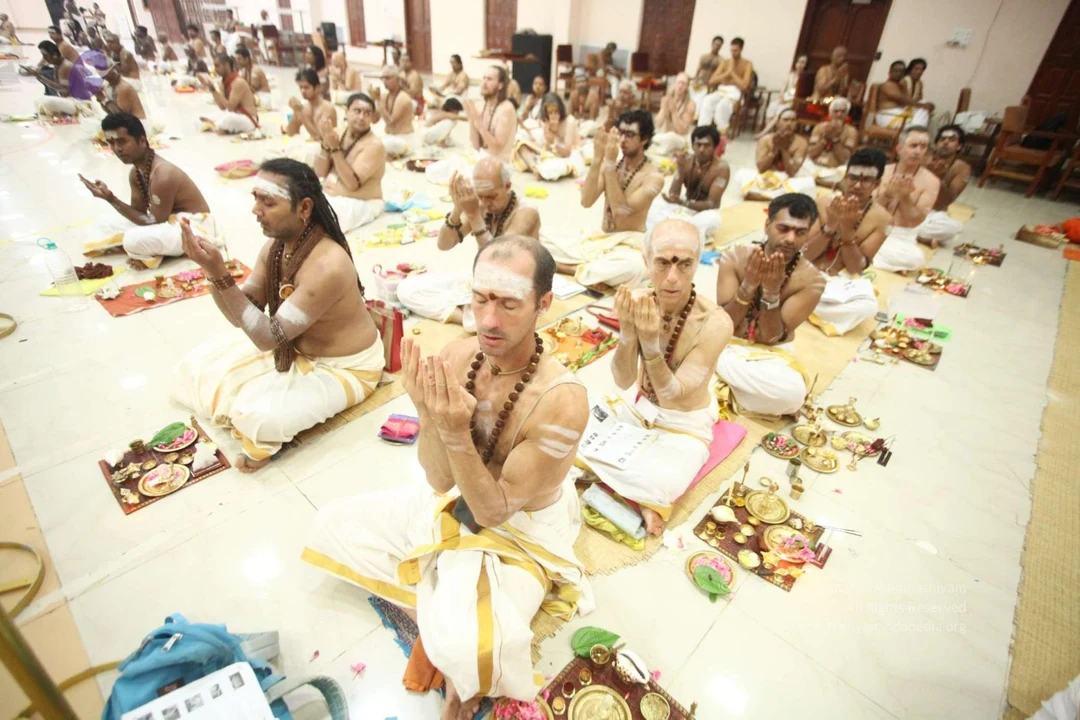 ALL THE BEST THINGS, YOU CAN GET EVERYTHING OUT OF NITHYA PUJA
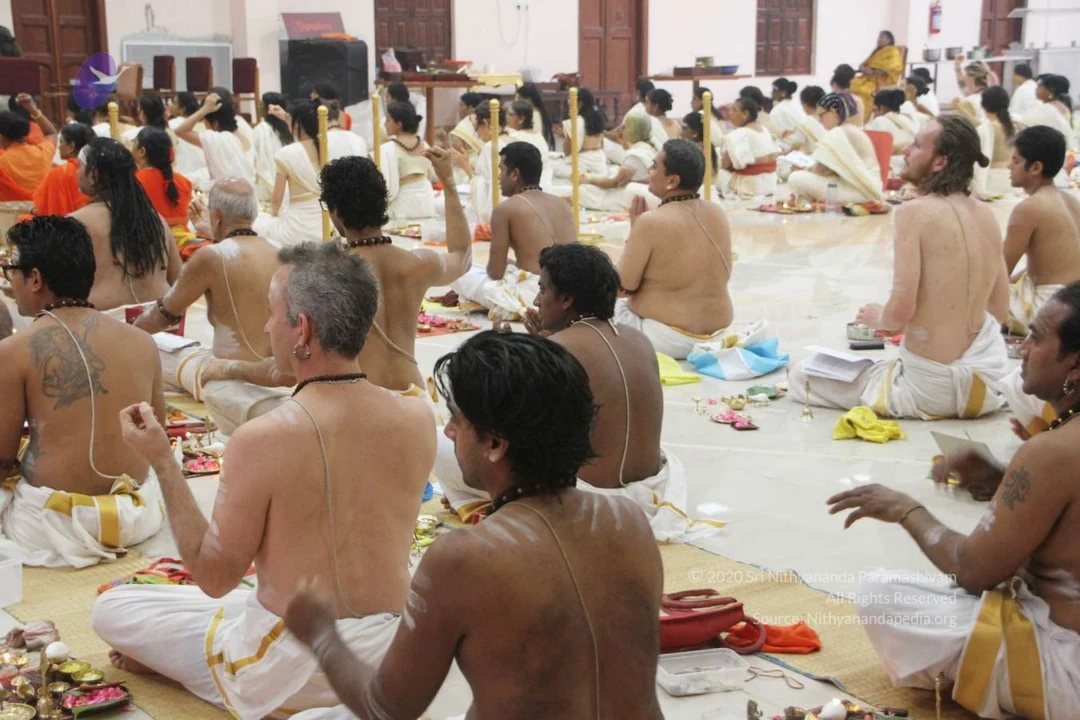 ALL THE BEST THINGS, YOU CAN GET EVERYTHING OUT OF NITHYA PUJA
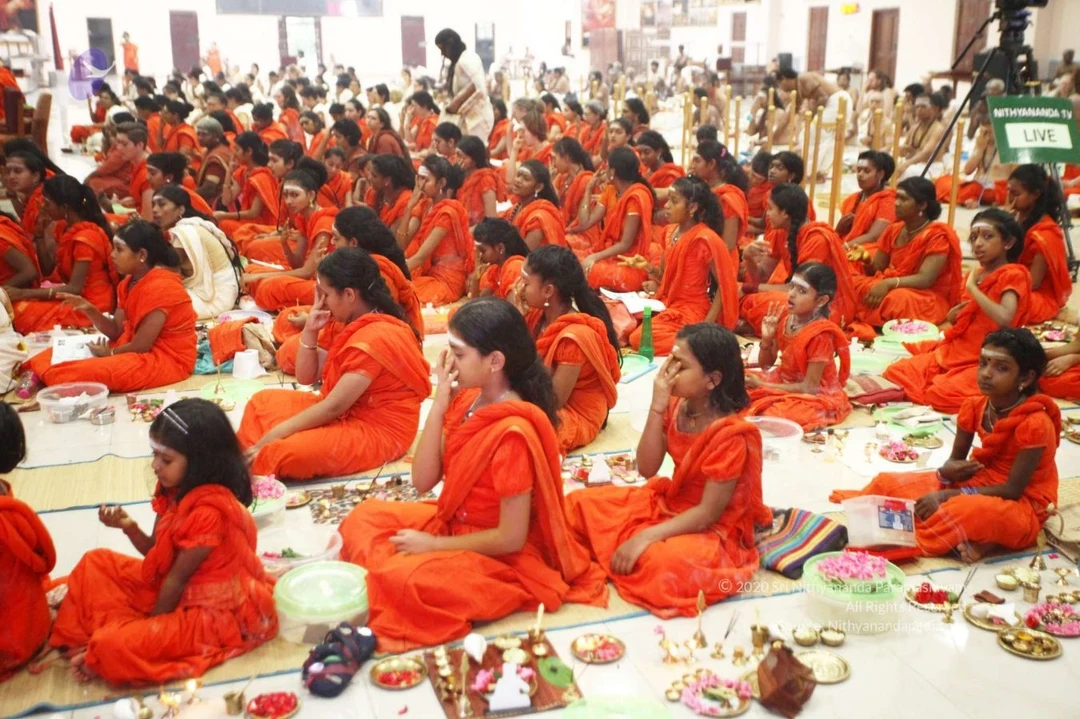 ALL THE BEST THINGS, YOU CAN GET EVERYTHING OUT OF NITHYA PUJA
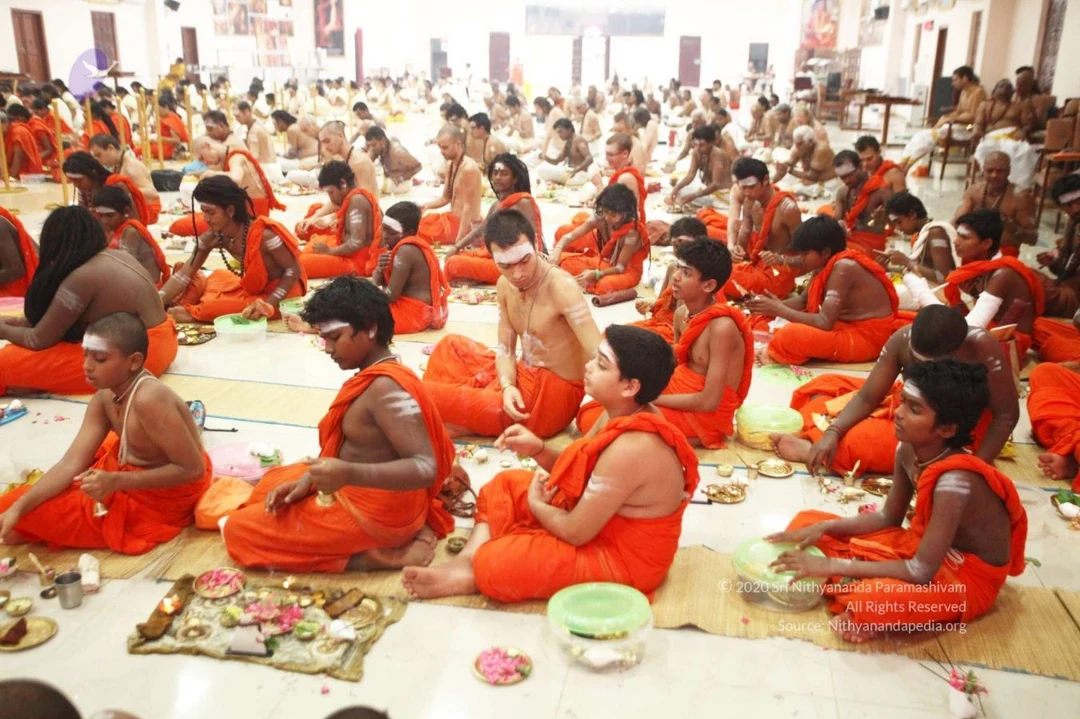 ALL THE BEST THINGS, YOU CAN GET EVERYTHING OUT OF NITHYA PUJA
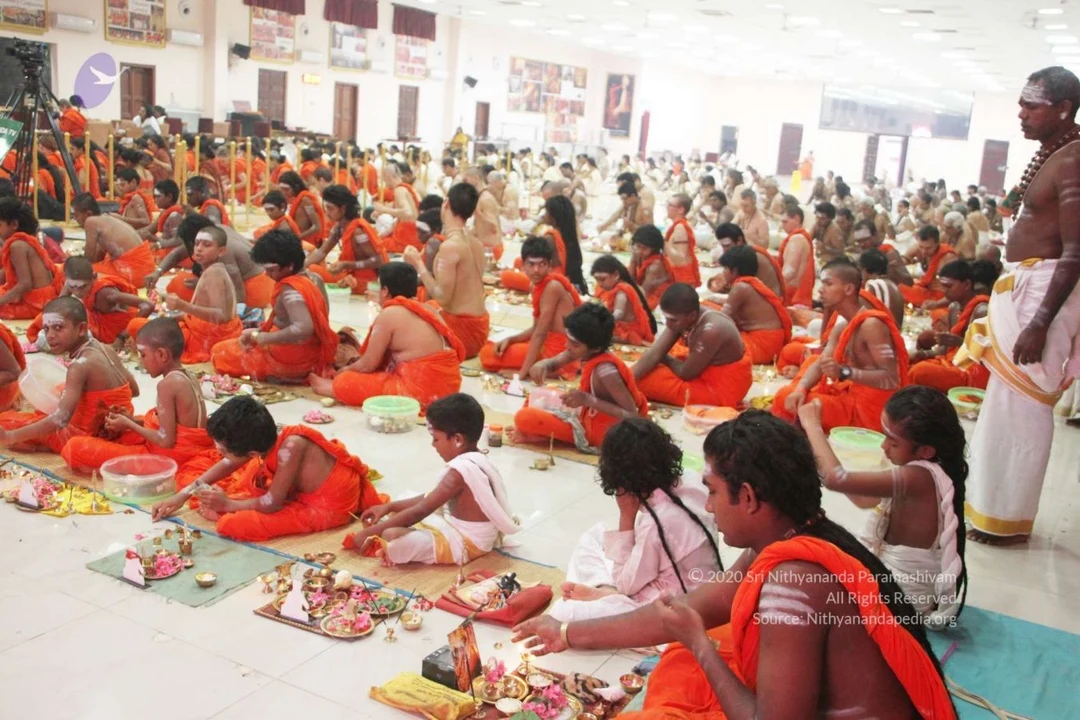 ALL THE BEST THINGS, YOU CAN GET EVERYTHING OUT OF NITHYA PUJA
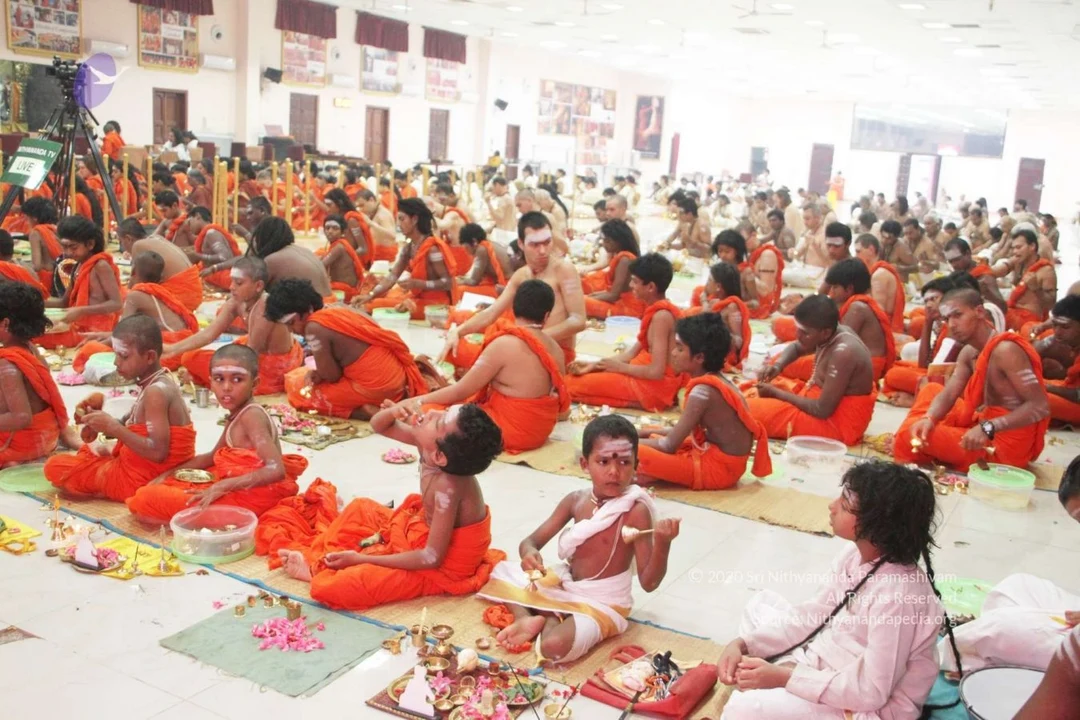 NITHYA PUJA WILL HELP YOU BUILD ONENESS-BASED RELATIONSHIP WITH OTHER HIGHER BEINGS
 NITHYA PUJA WILL HELP YOU BUILD ONENESS-BASED RELATIONSHIP WITH OTHER HIGHER BEINGS
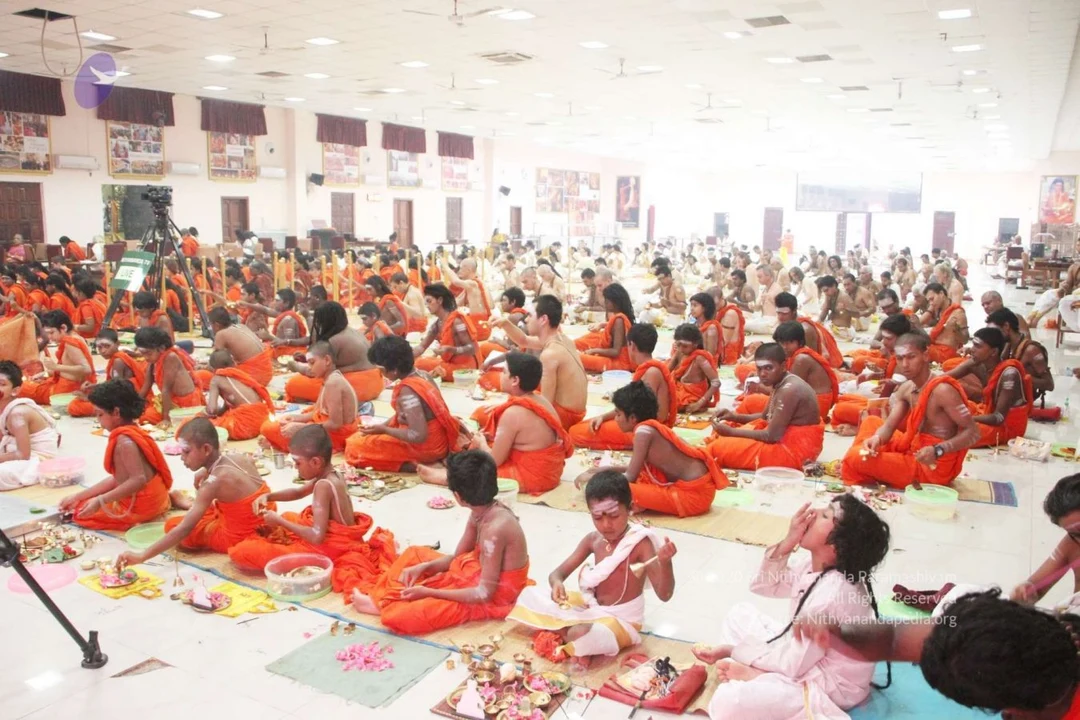 NITHYA PUJA WILL HELP YOU BUILD ONENESS-BASED RELATIONSHIP WITH OTHER HIGHER BEINGS
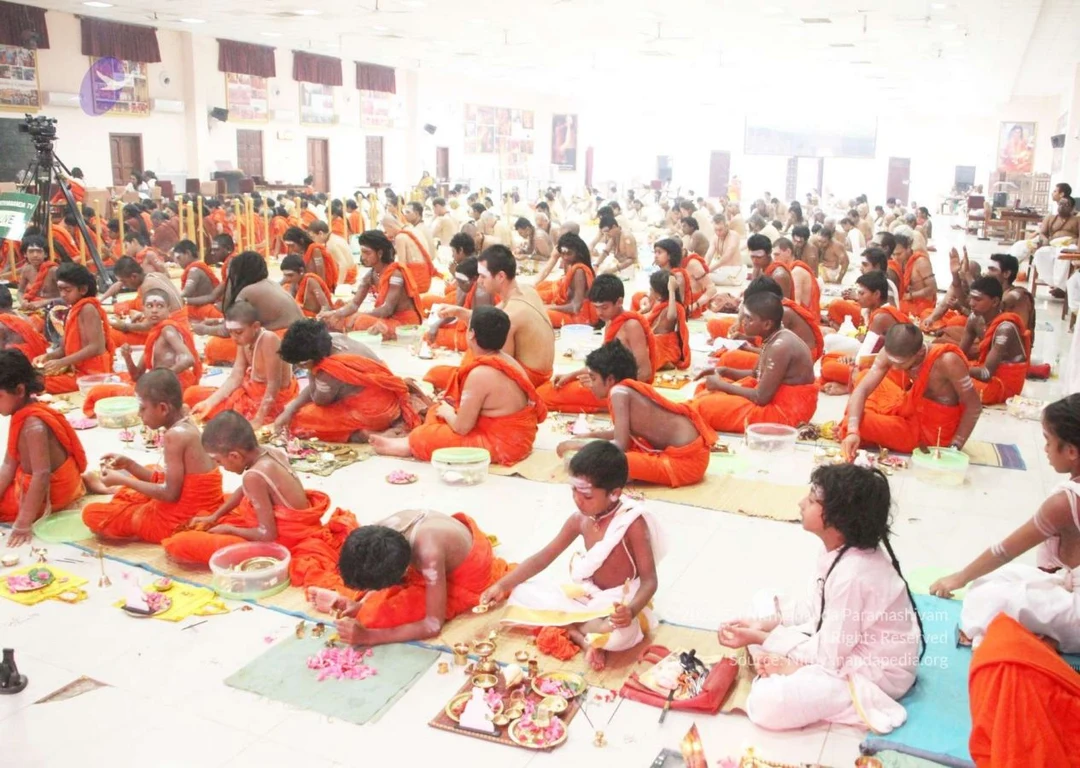 NITHYA PUJA WILL HELP YOU BUILD ONENESS-BASED RELATIONSHIP WITH OTHER HIGHER BEINGS
 NITHYA PUJA WILL HELP YOU BUILD ONENESS-BASED RELATIONSHIP WITH OTHER HIGHER BEINGS
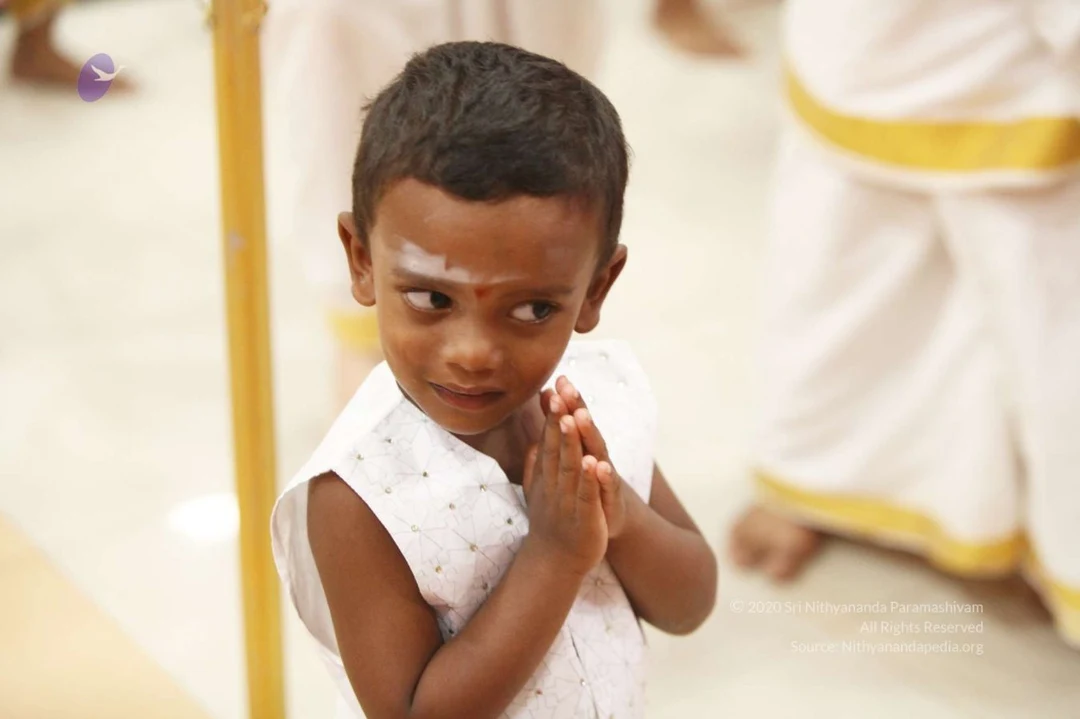 NITHYA PUJA WILL HELP YOU BUILD ONENESS-BASED RELATIONSHIP WITH OTHER HIGHER BEINGS
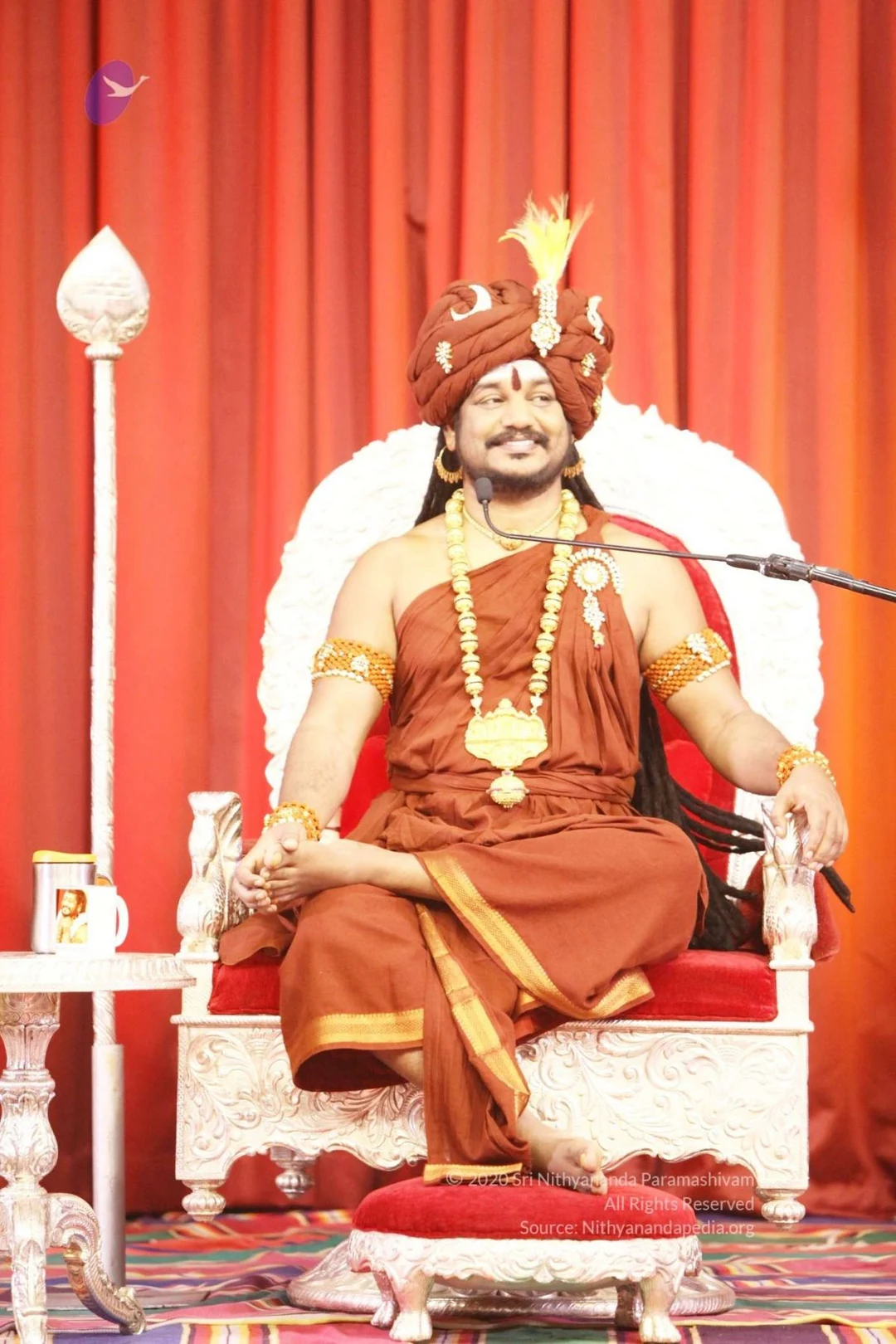
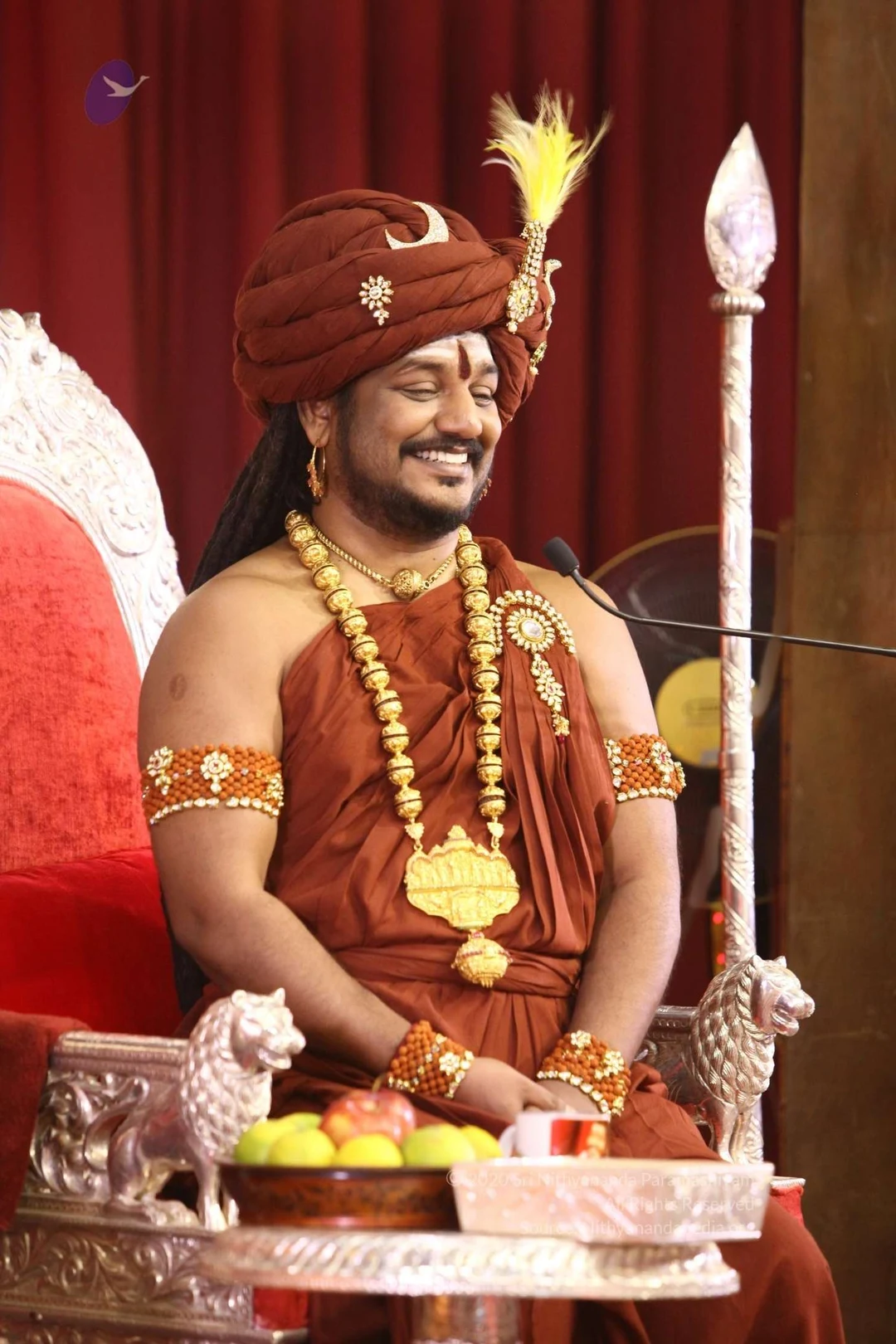
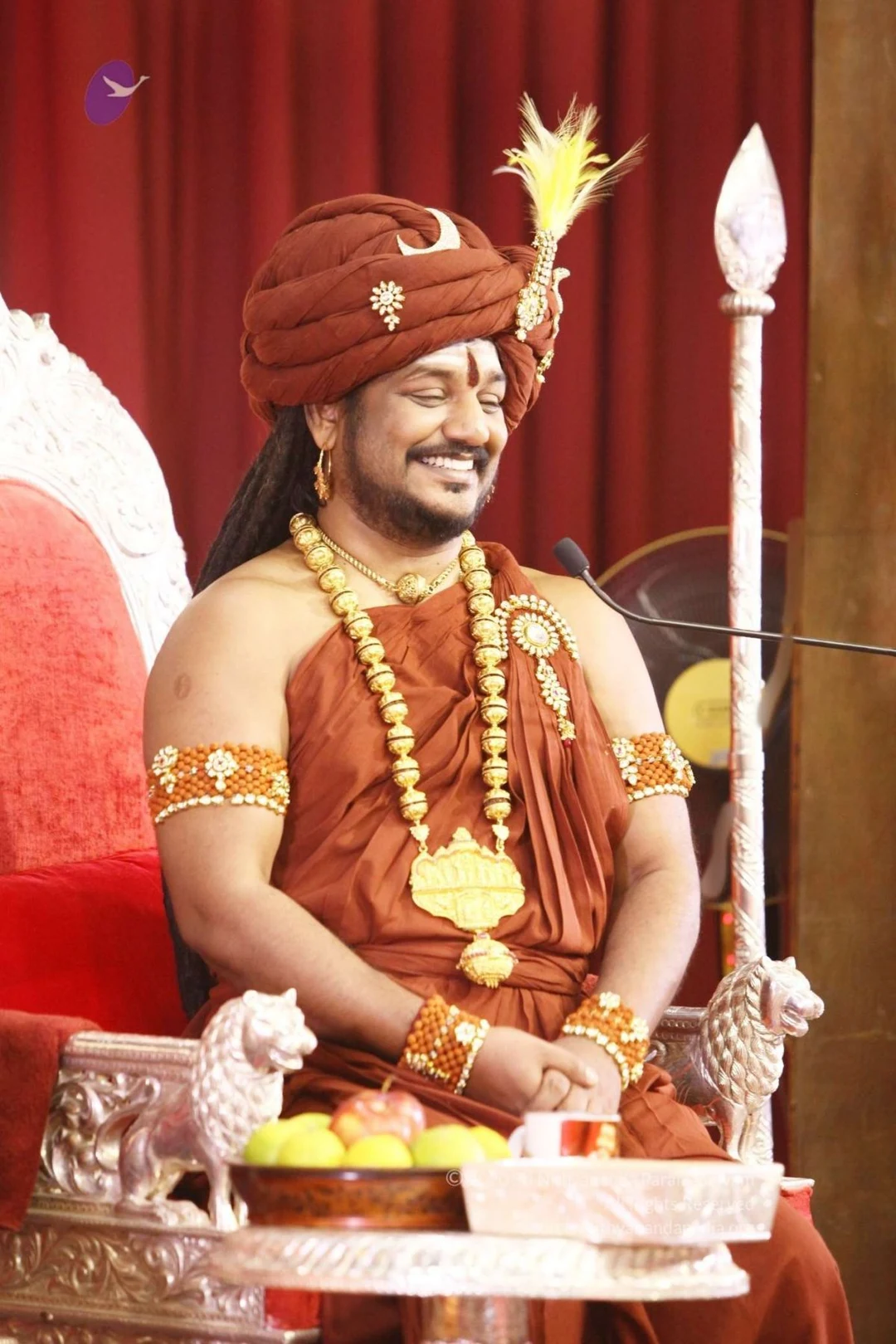
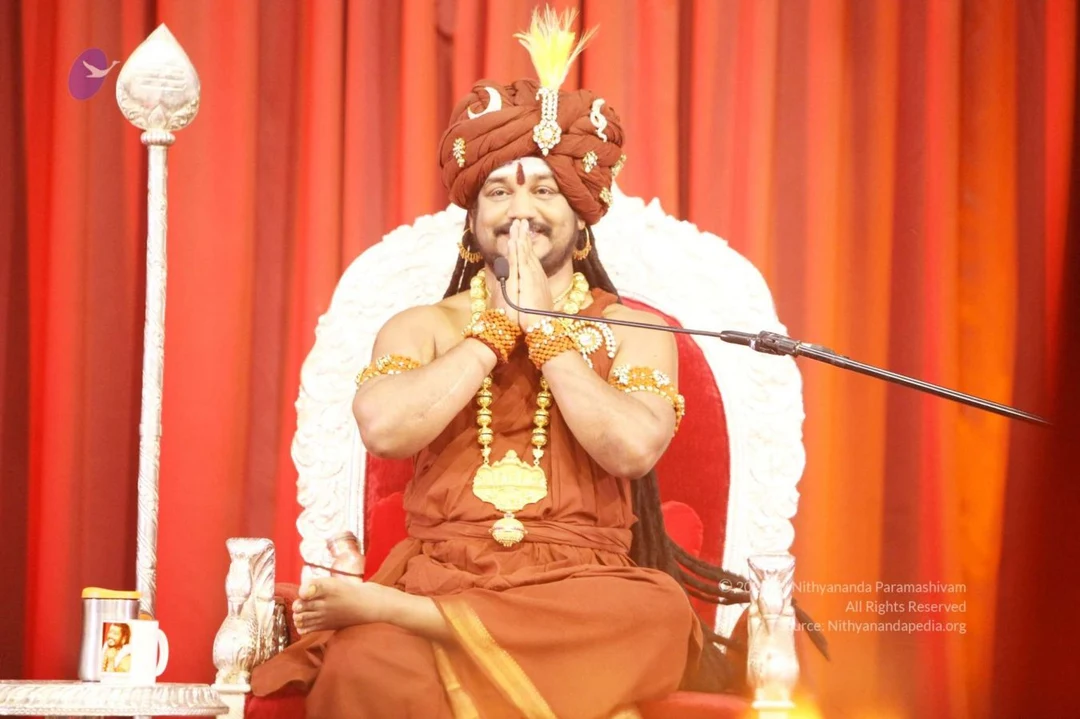 HDH Nithyananda Paramashivam Compassionate Loving Guru
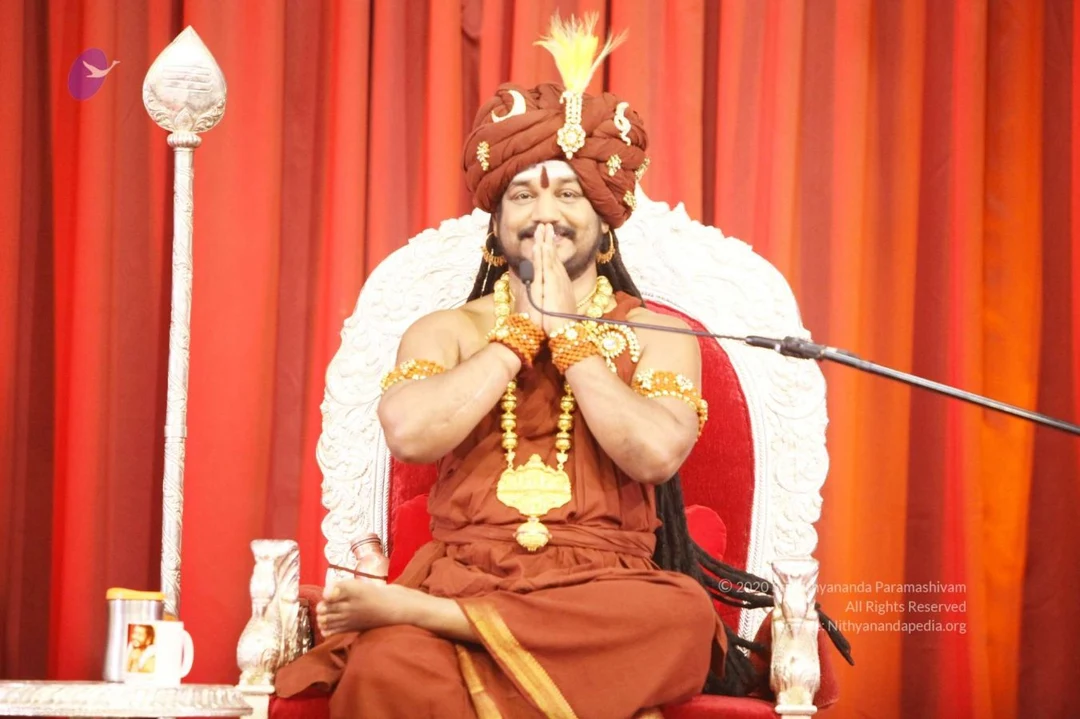 HDH Nithyananda Paramashivam Compassionate Loving Guru
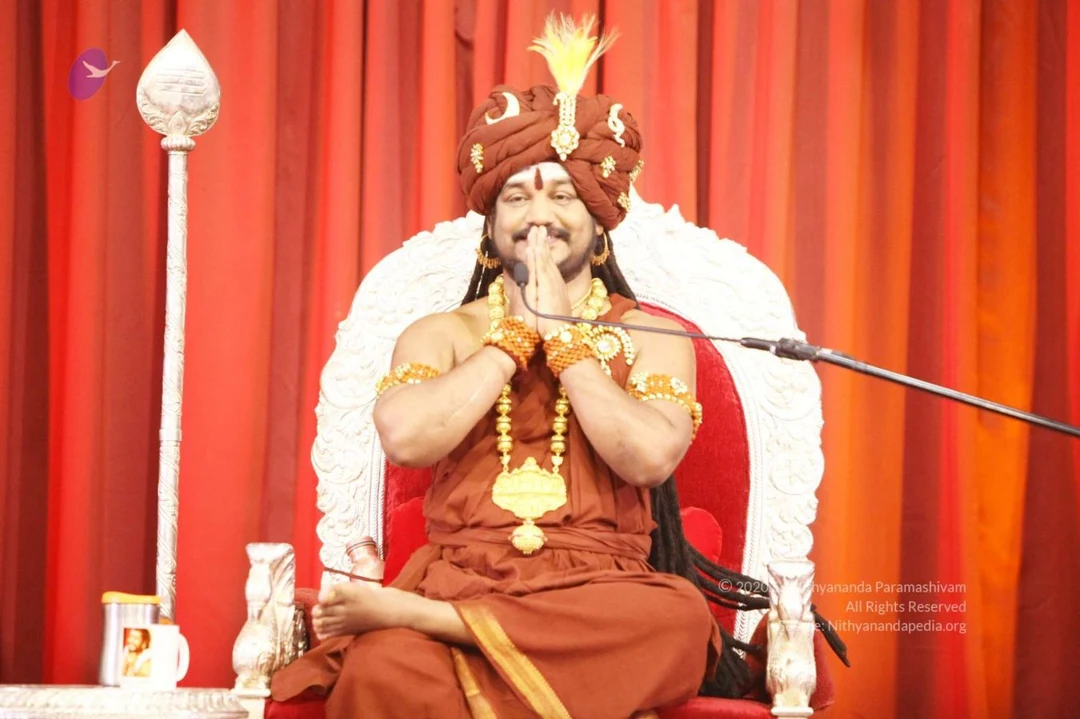 HDH Nithyananda Paramashivam Compassionate Loving Guru
 HDH Nithyananda Paramashivam Compassionate Loving Guru
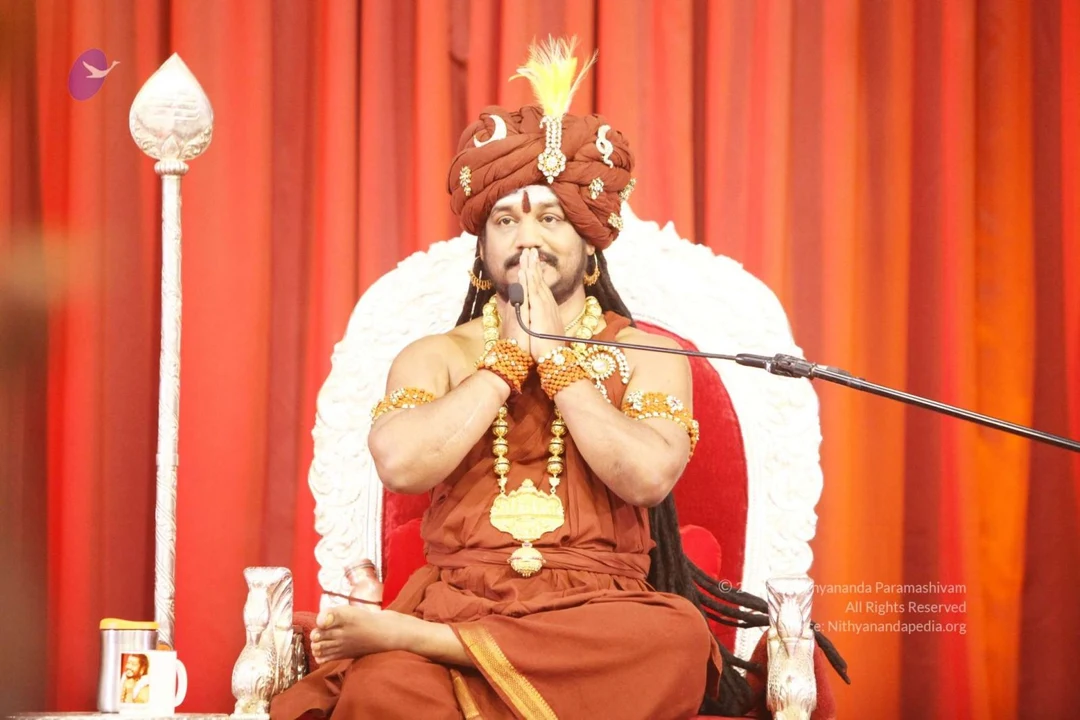 HDH Nithyananda Paramashivam Loving Guru
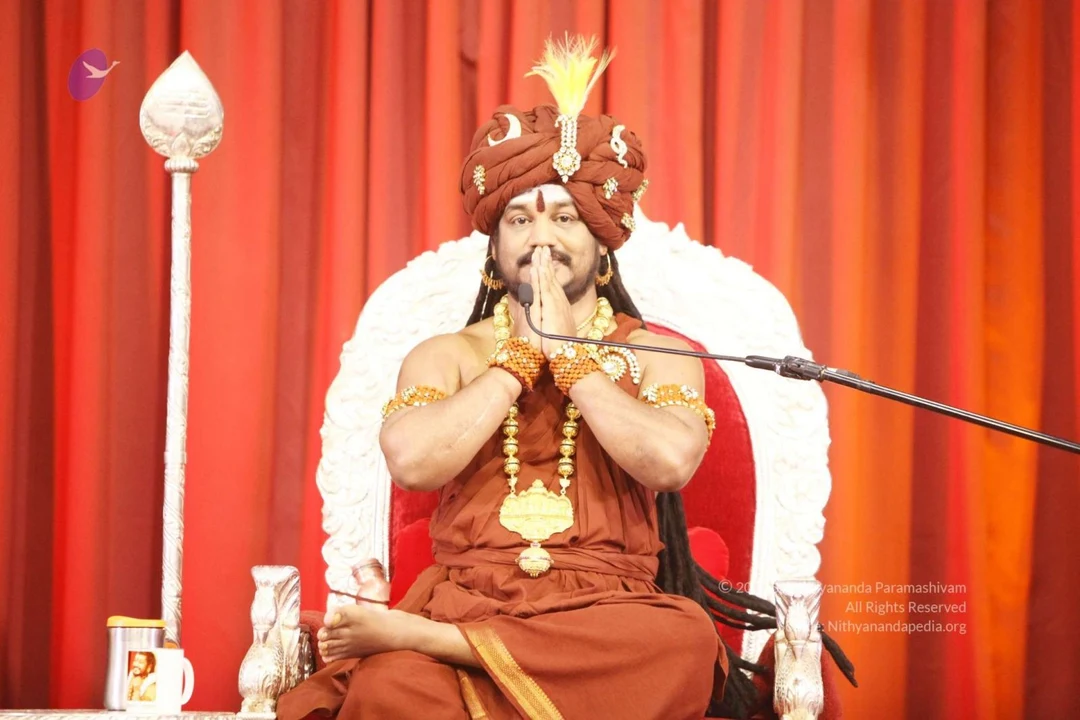 HDH Nithyananda Paramashivam Compassionate Loving Guru
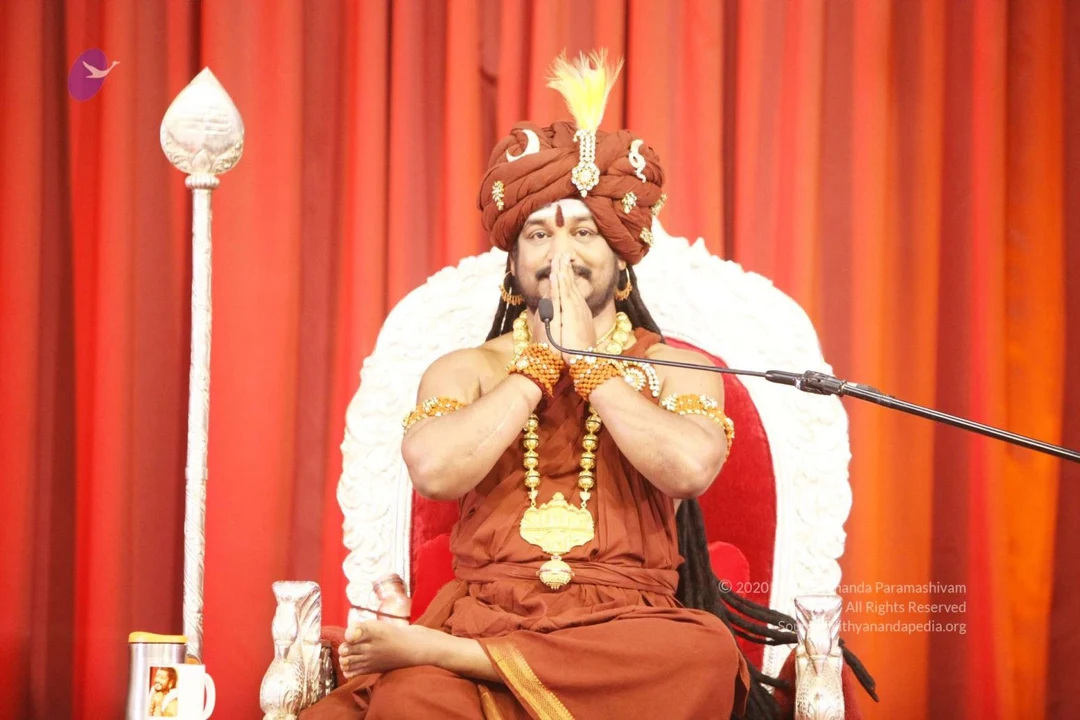 HDH Nithyananda Paramashivam Compassionate Loving Guru
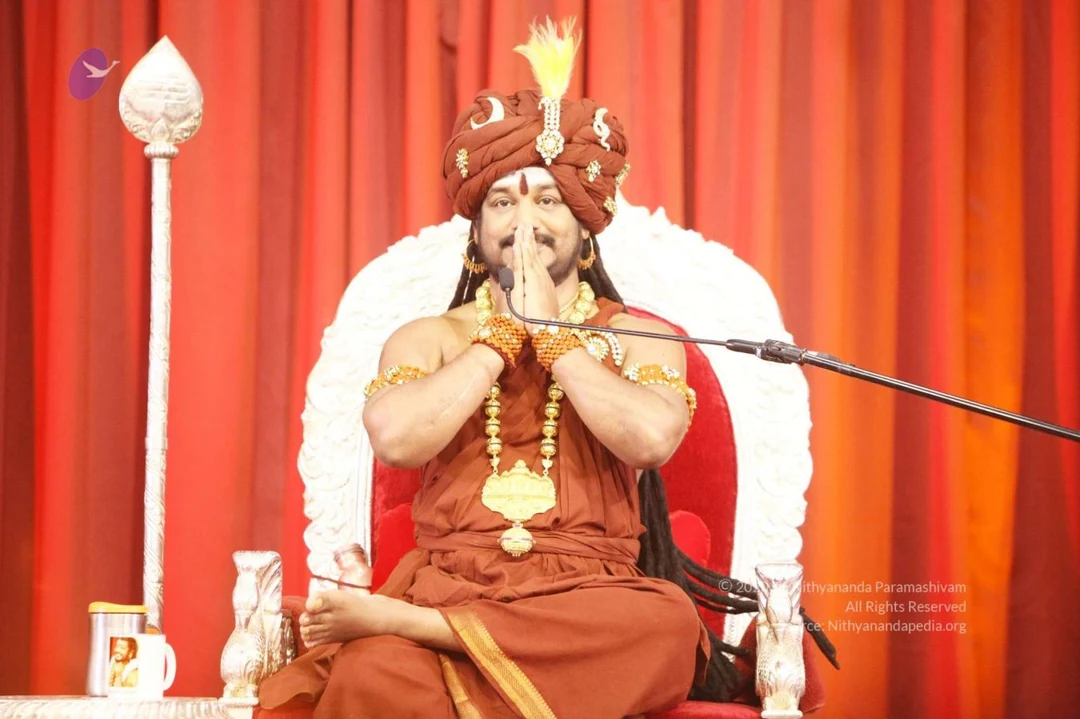 HDH Nithyananda Paramashivam Compassionate Loving Guru
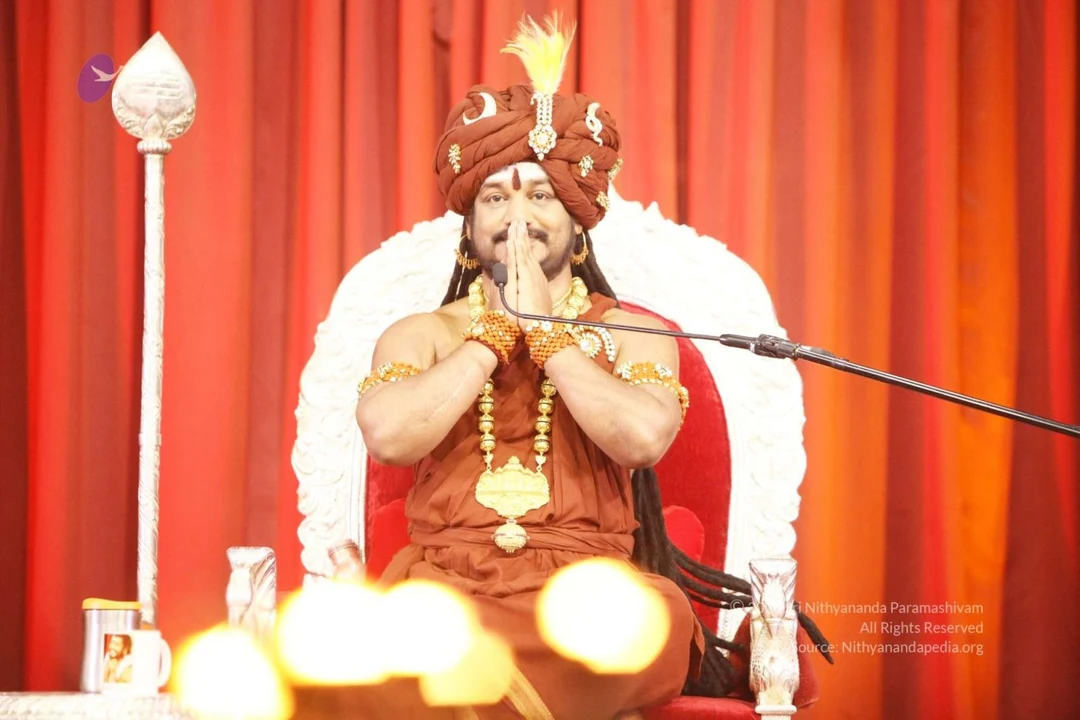 HDH Nithyananda Paramashivam Compassionate Loving Guru
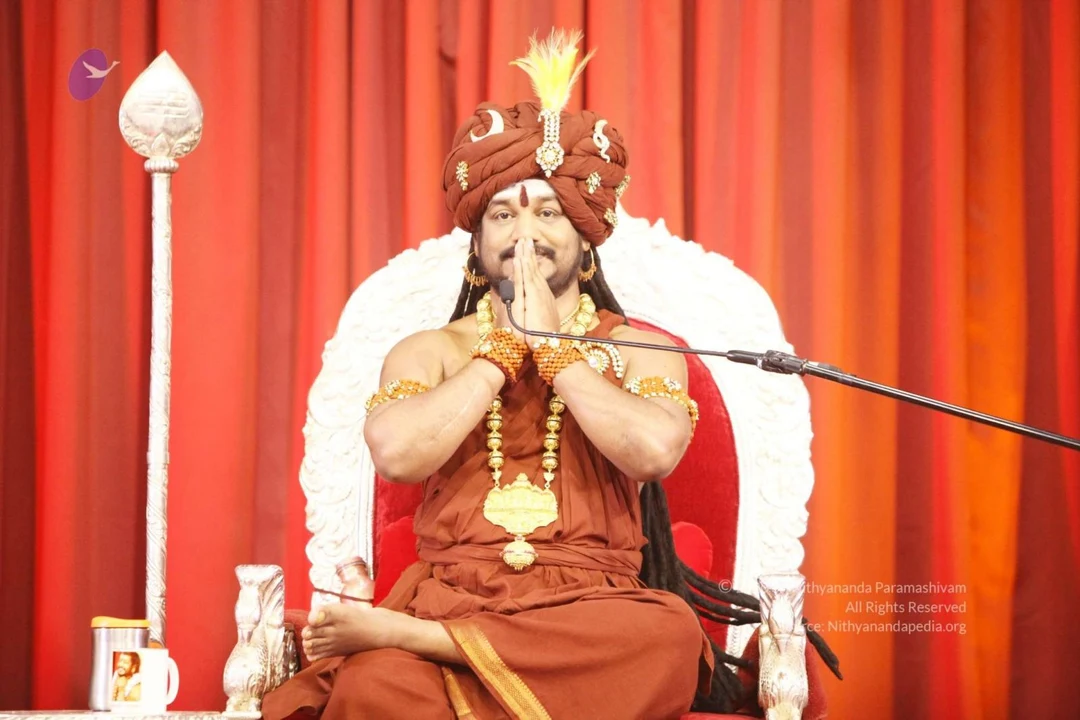 HDH Nithyananda Paramashivam Compassionate Loving Guru
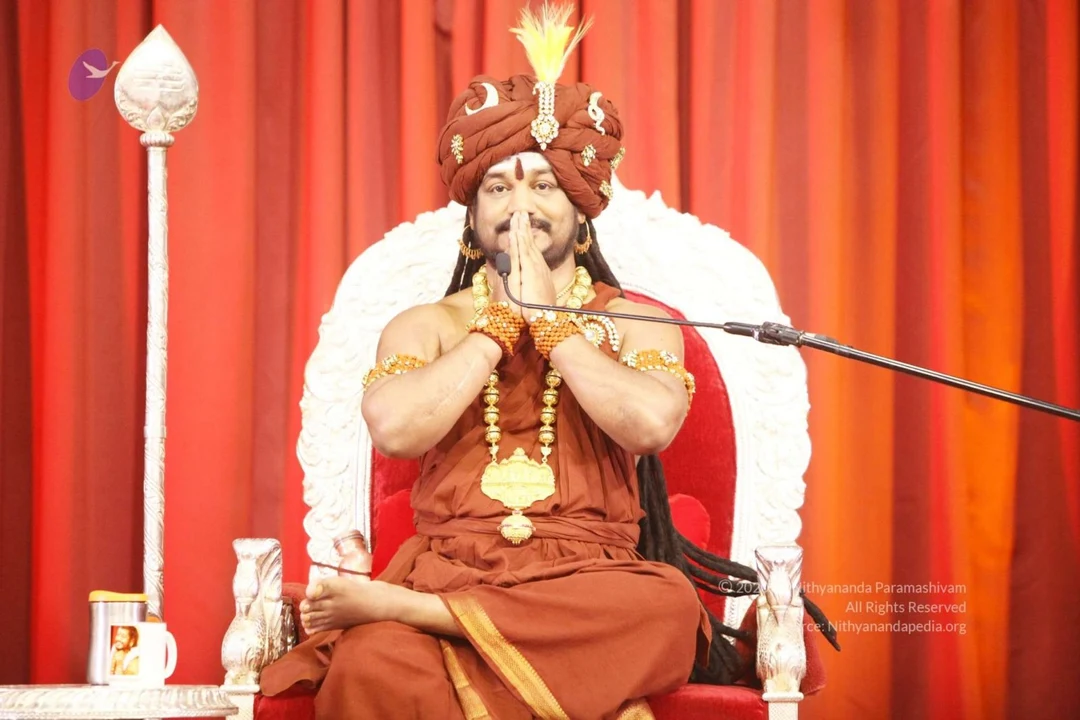 HDH Nithyananda Paramashivam Compassionate Loving Guru
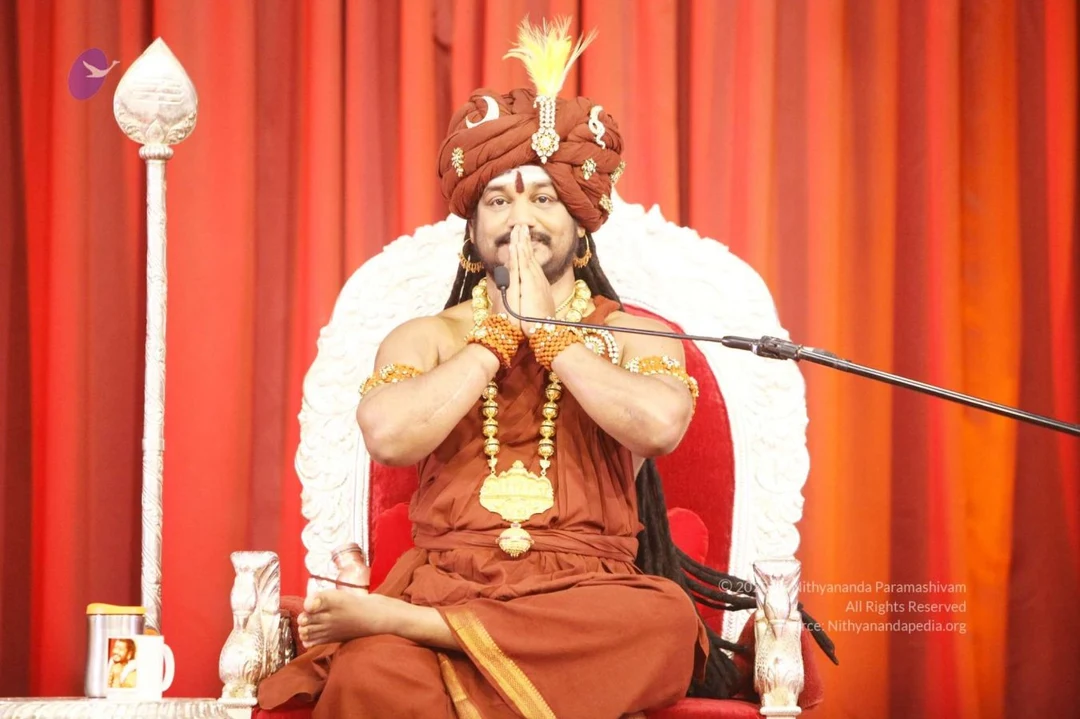 HDH Nithyananda Paramashivam Compassionate Loving Guru
 HDH Nithyananda Paramashivam Compassionate Loving Guru
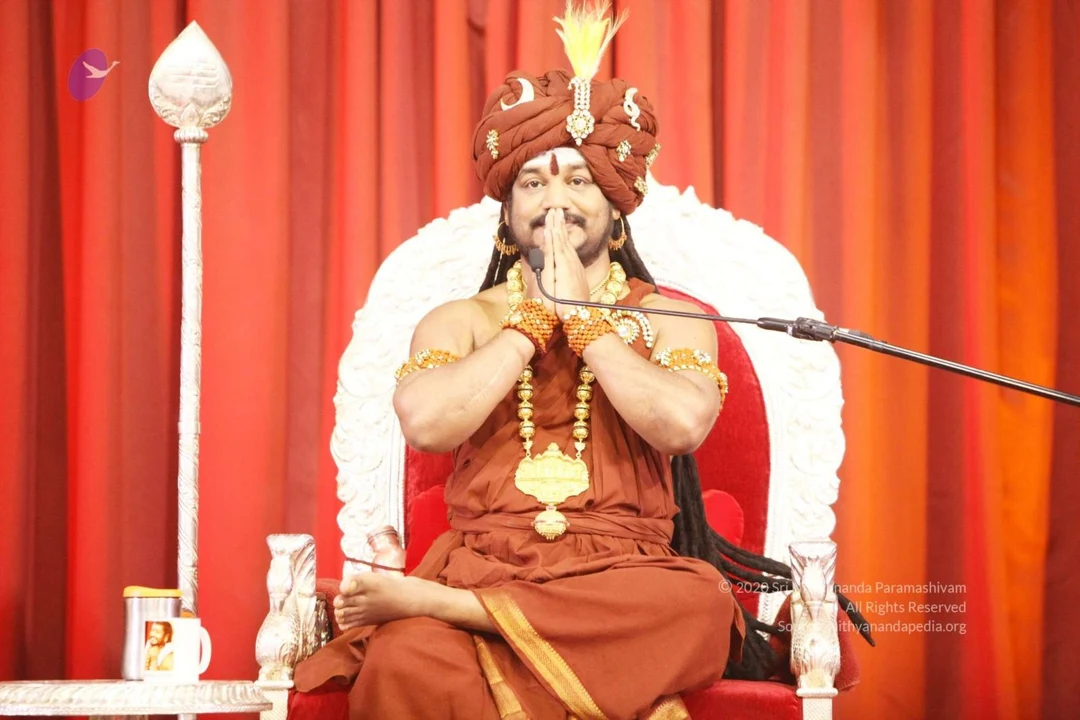 HDH Nithyananda Paramashivam Compassionate Loving Guru
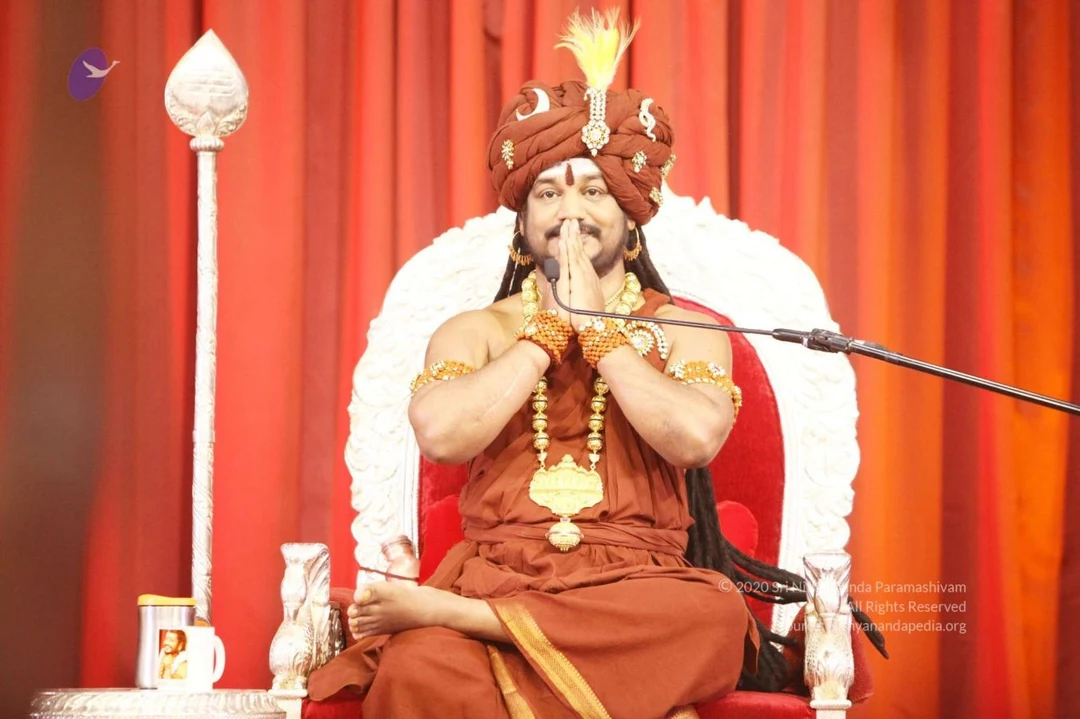 HDH Nithyananda Paramashivam Compassionate Loving Guru
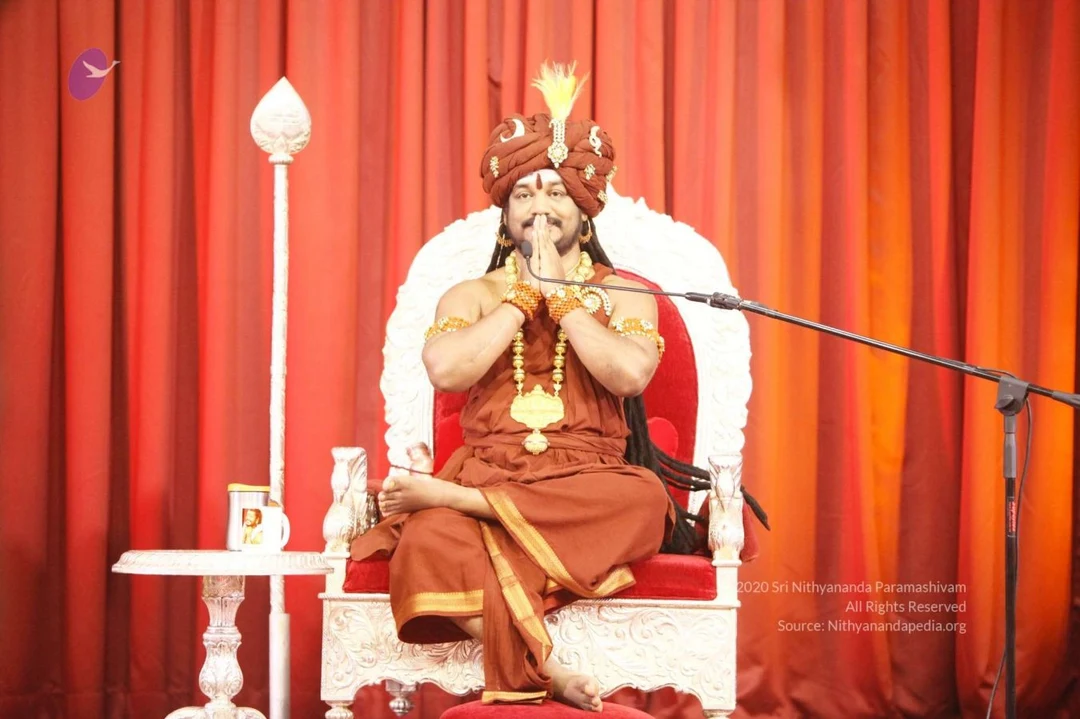 HDH Nithyananda Paramashivam Compassionate Loving Guru
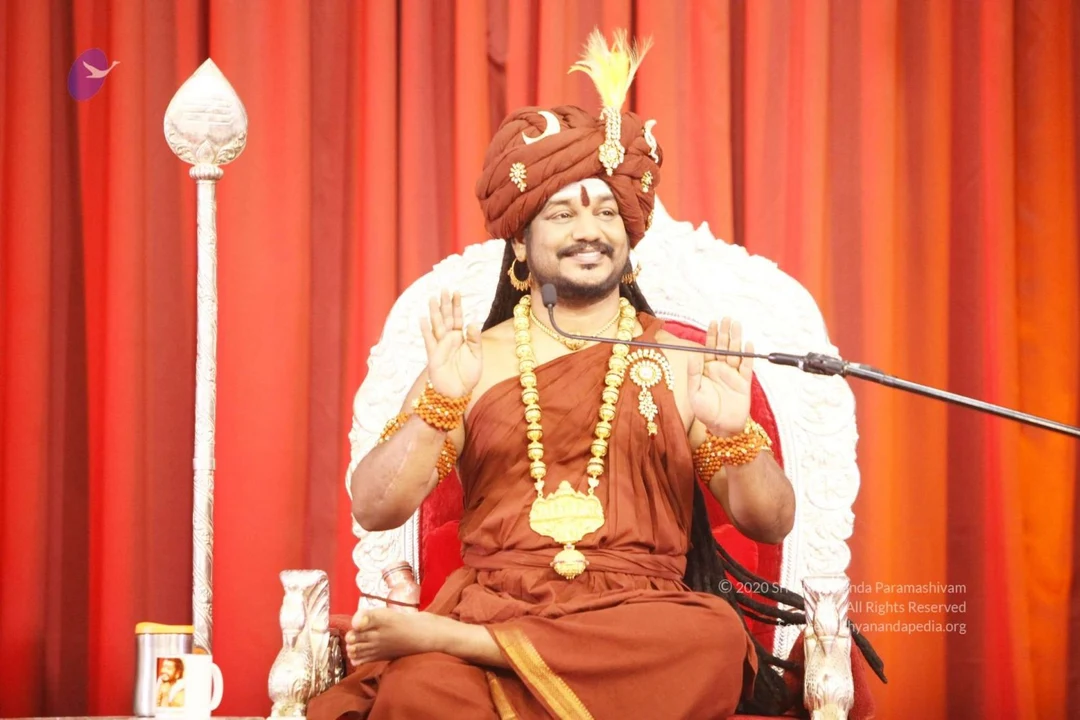 SWAMIJI beautifully blessing
 SWAMIJI beautifully blessing
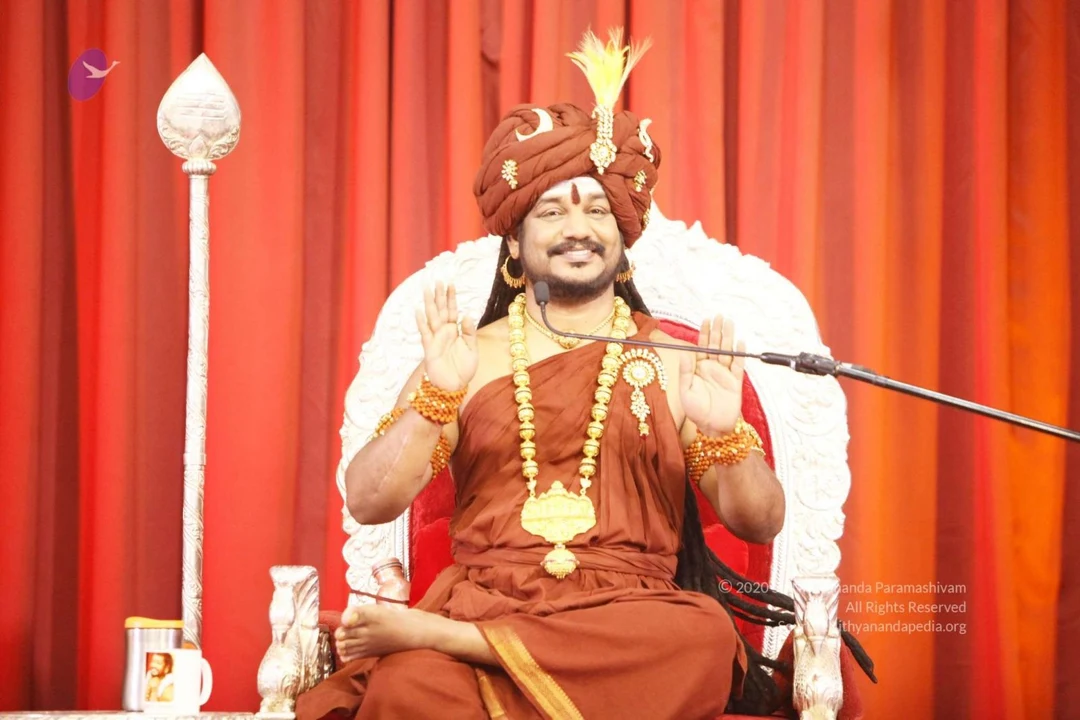 SWAMIJI beautifully blessing
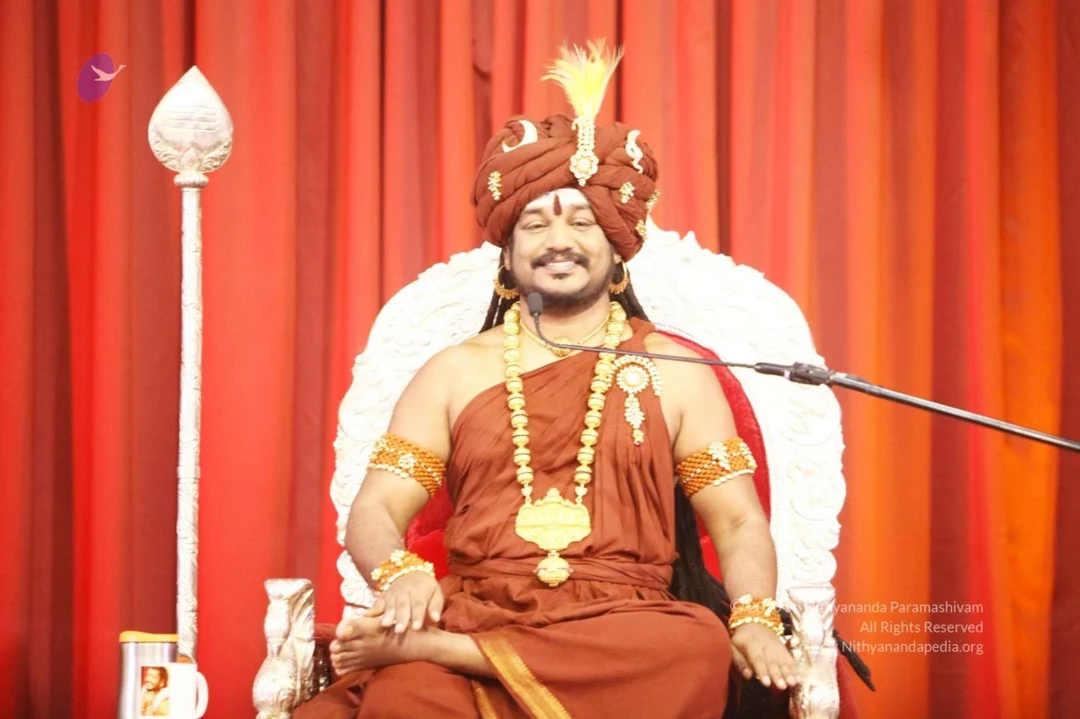 SWAMIJI beautifully blessing
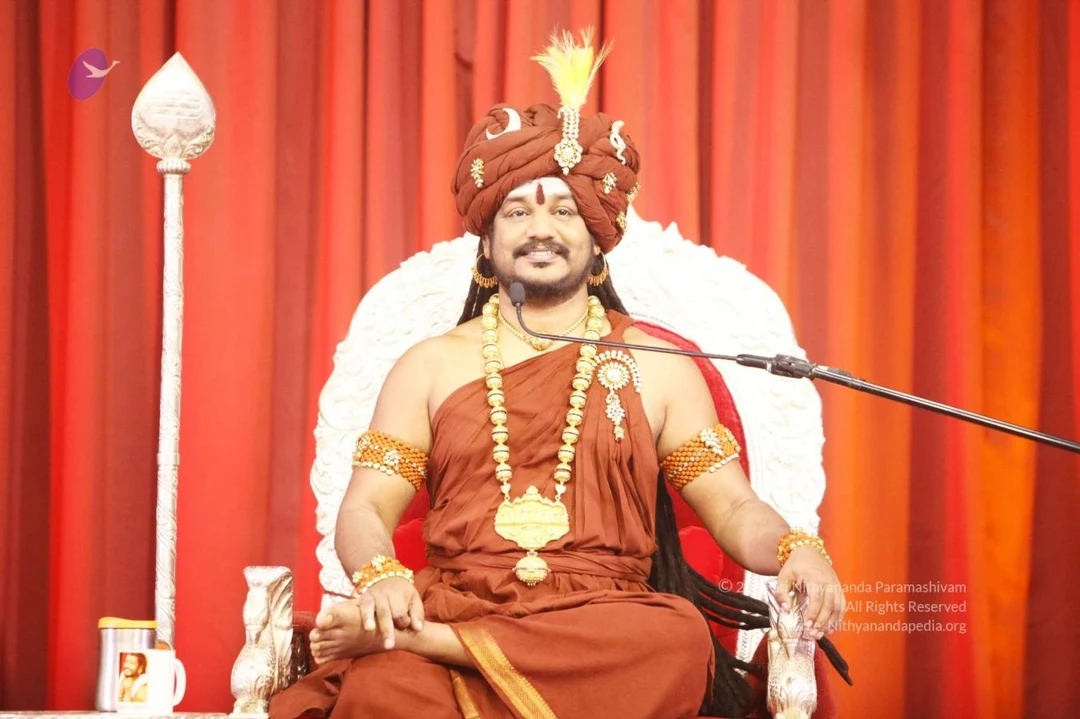 SWAMIJI beautifully blessing
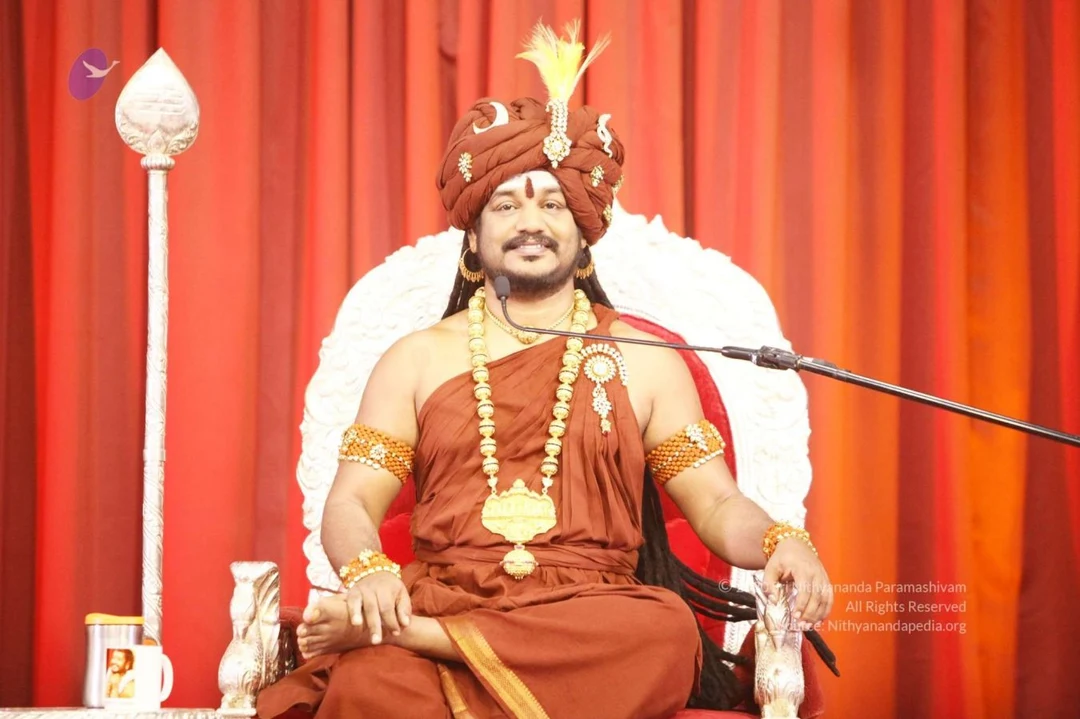 SWAMIJI beautifully blessing
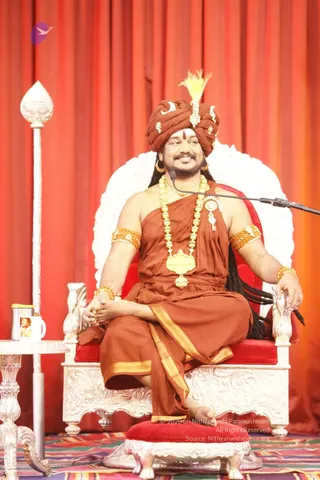 SWAMIJI beautifully blessing
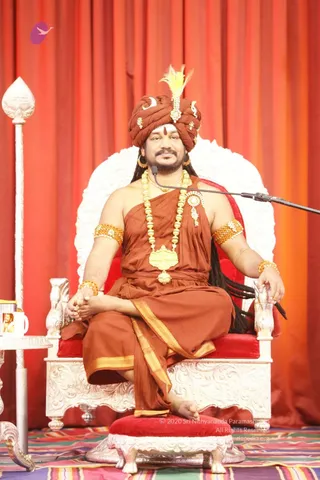 SWAMIJI beautifully blessing
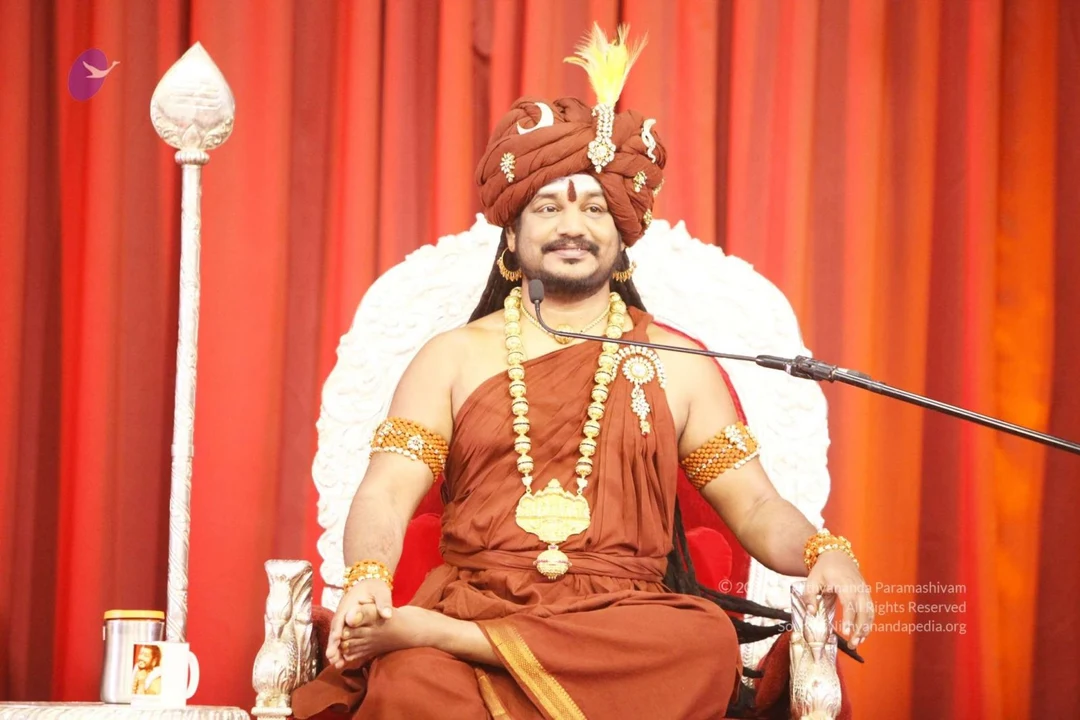 SWAMIJI beautifully blessing
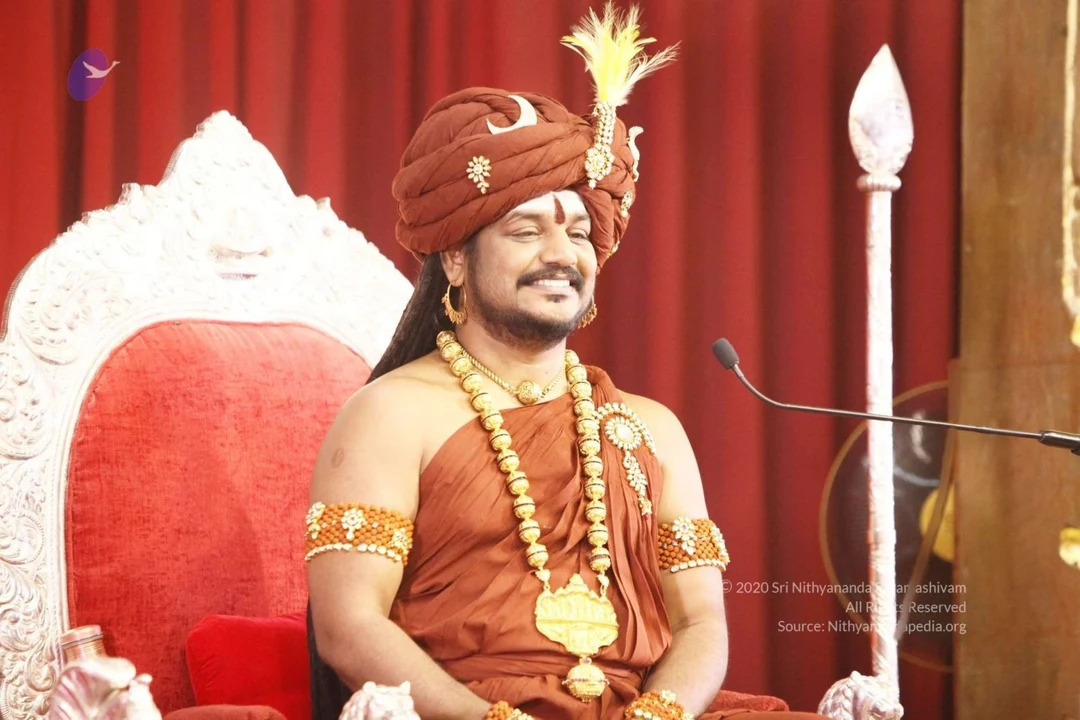 SWAMIJI beautifully blessing
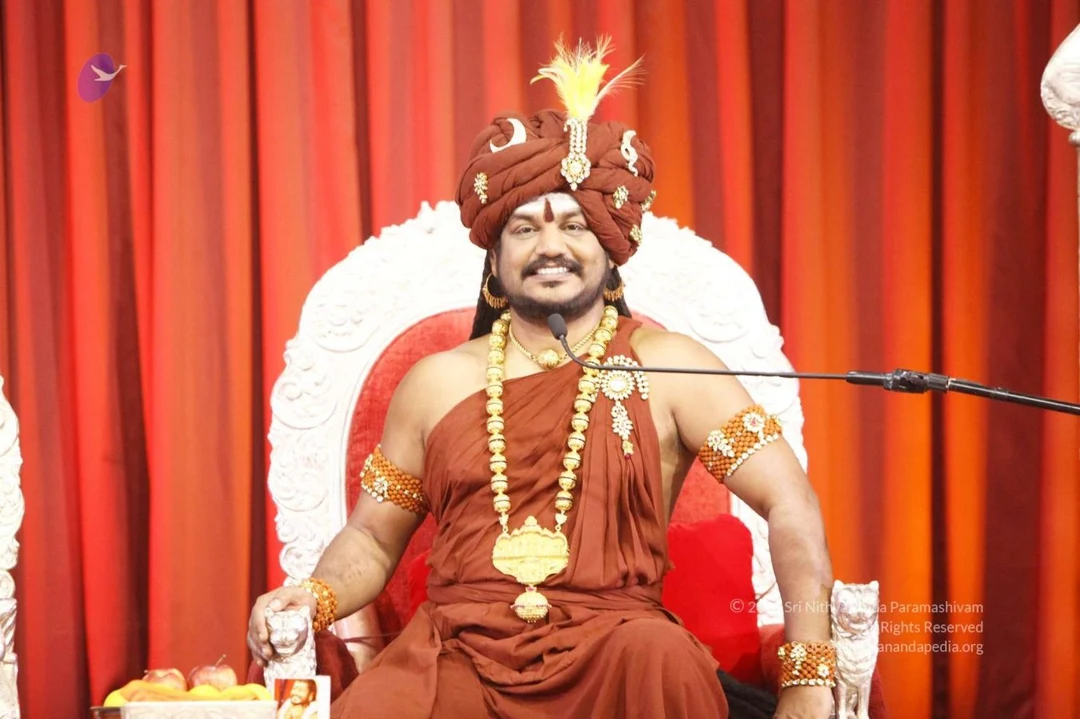 SWAMIJI beautifully blessing
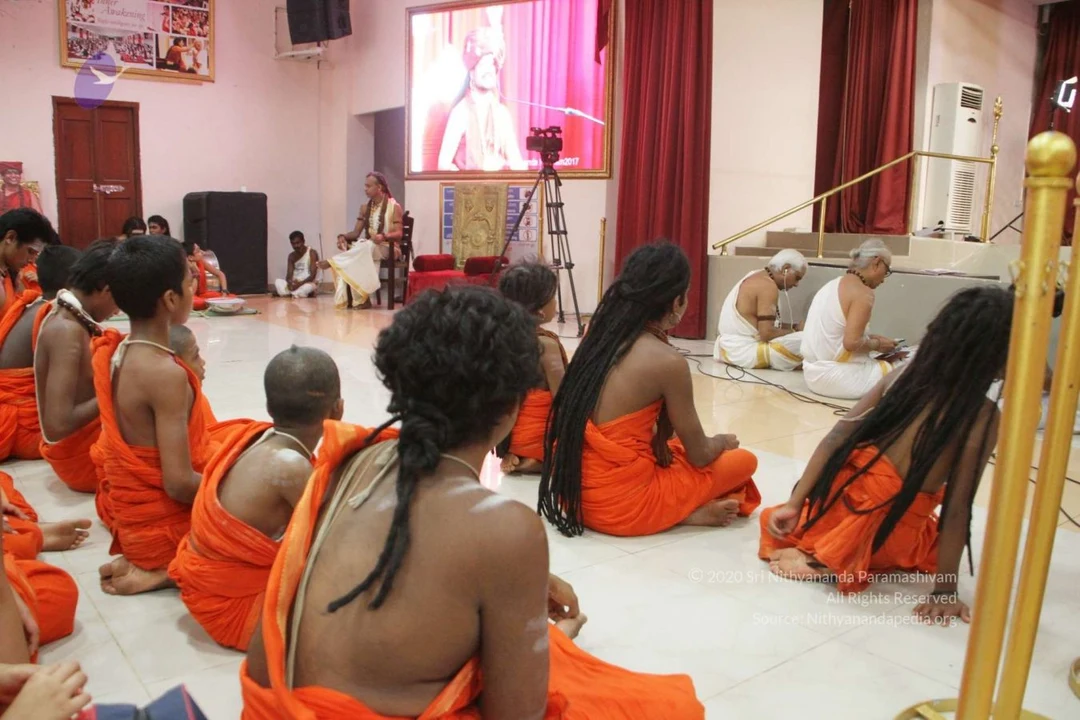
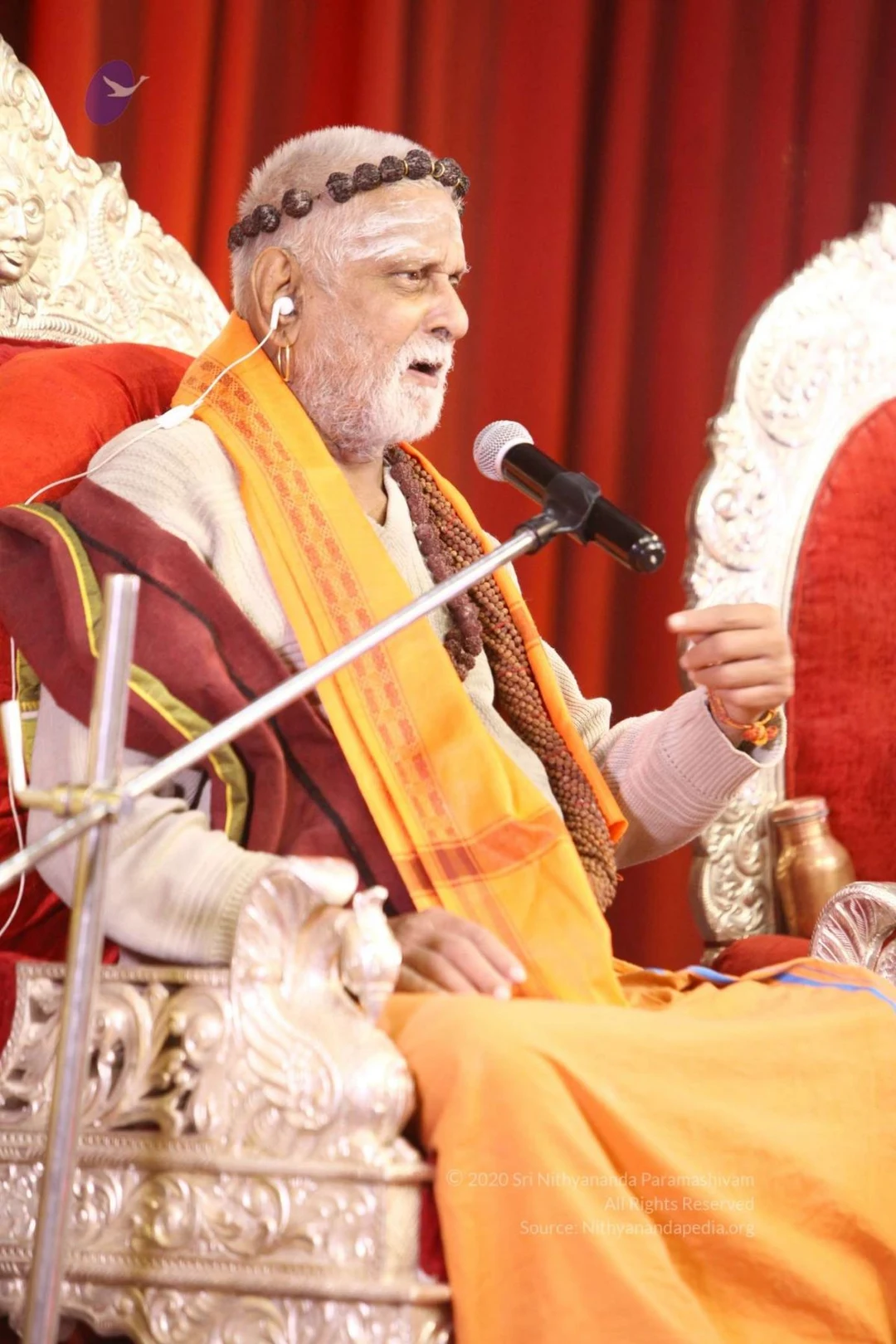
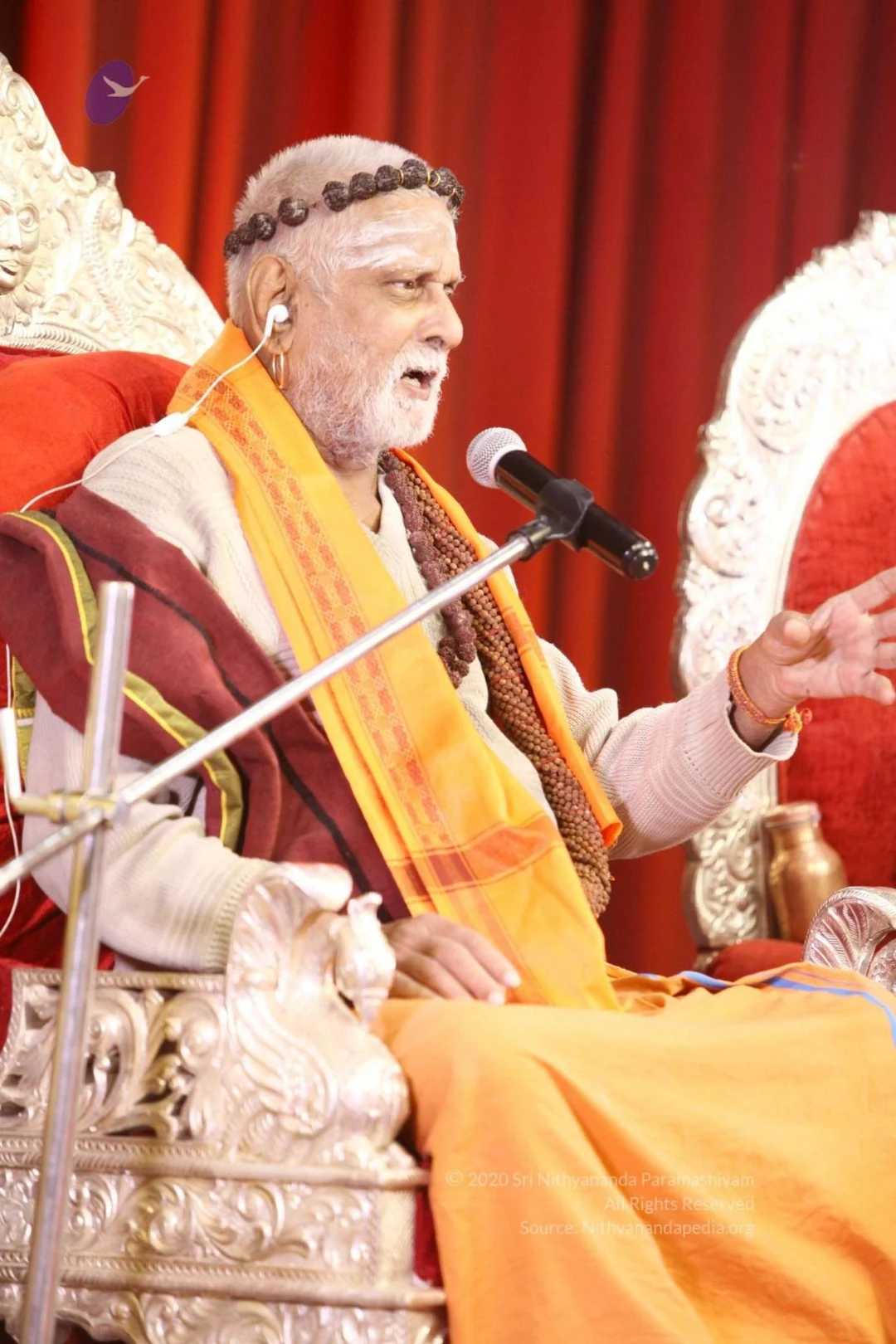
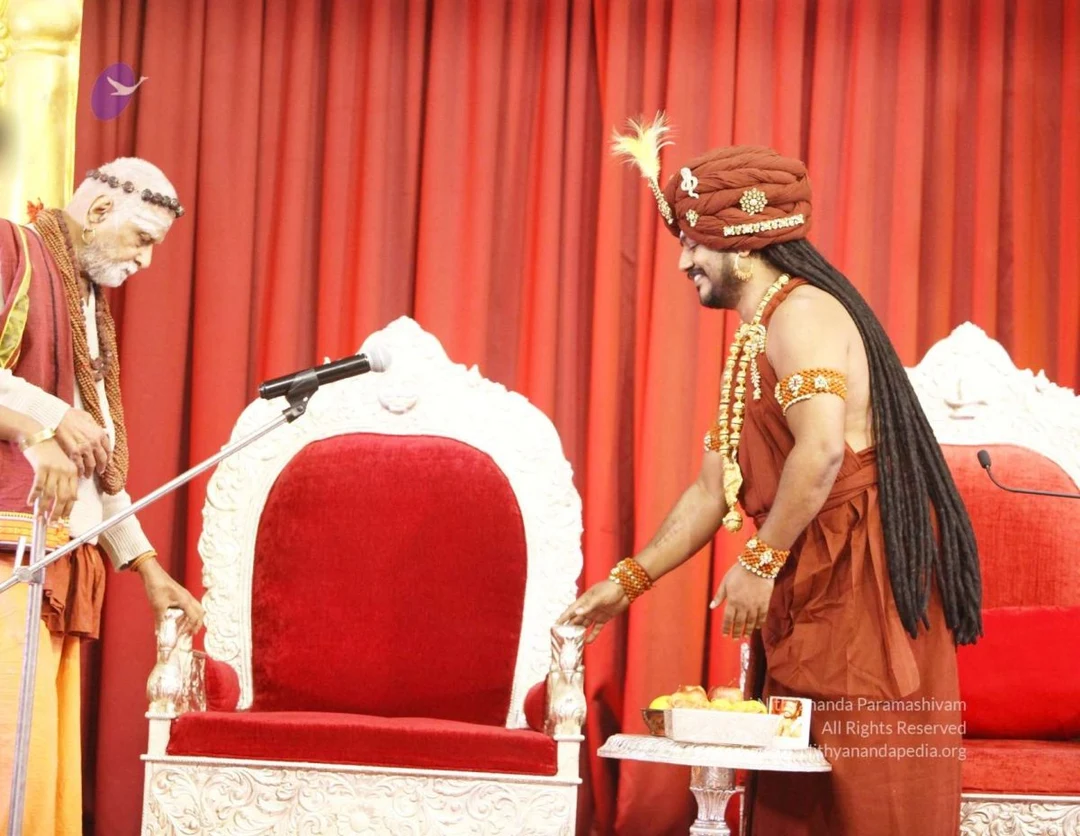 232nd Guru Maha Sannidhana of Thondaimandala Aadheenam - Srila Sri Thiruvambaladesika Gnanaprakasha Paramacharya Swami
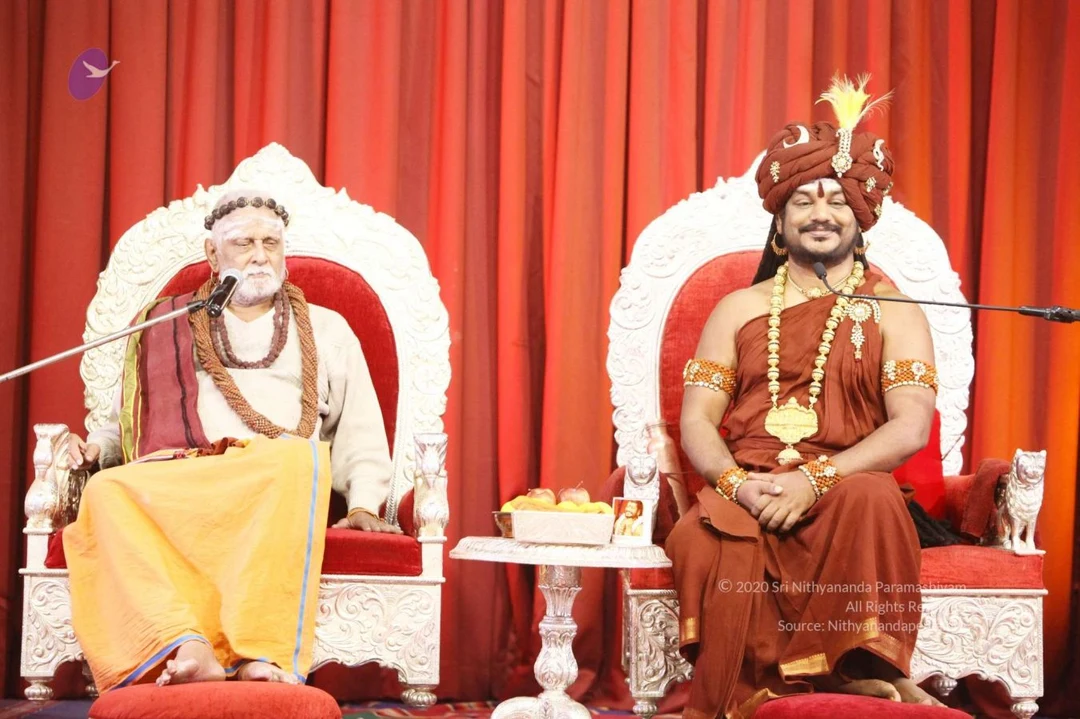 Darshan of Srila Sri Thiruvambaladesika Gnanaprakashaswamigal and His Holiness Paramahamsa Nithyananda
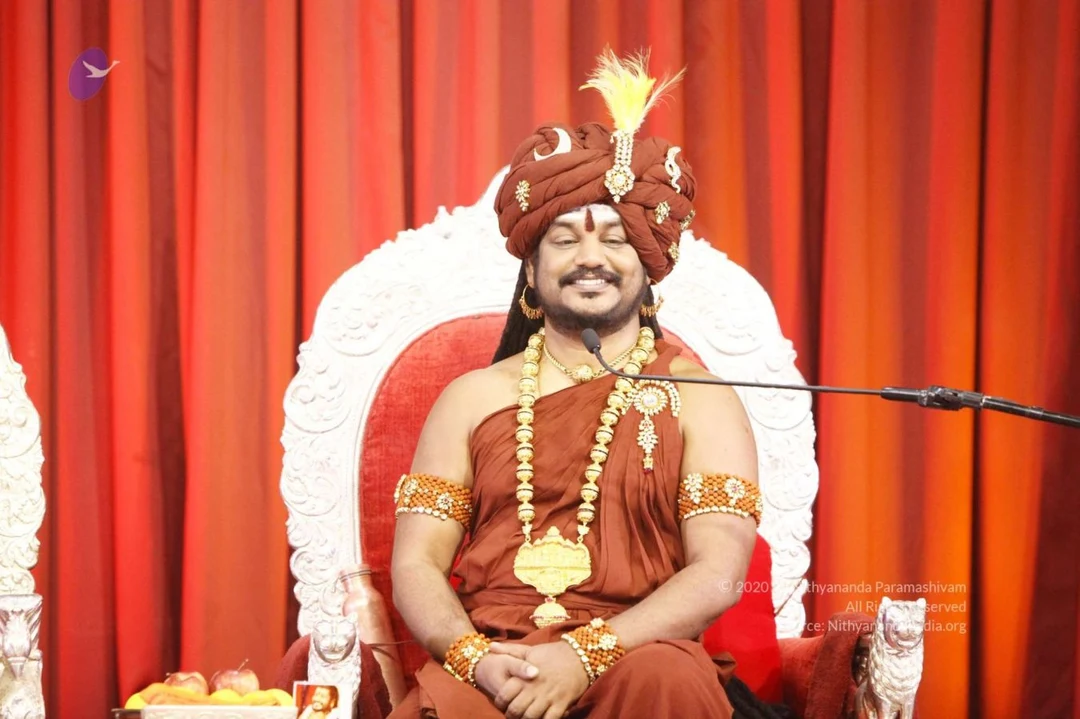 Darshan of Srila Sri Thiruvambaladesika Gnanaprakashaswamigal and His Holiness Paramahamsa Nithyananda
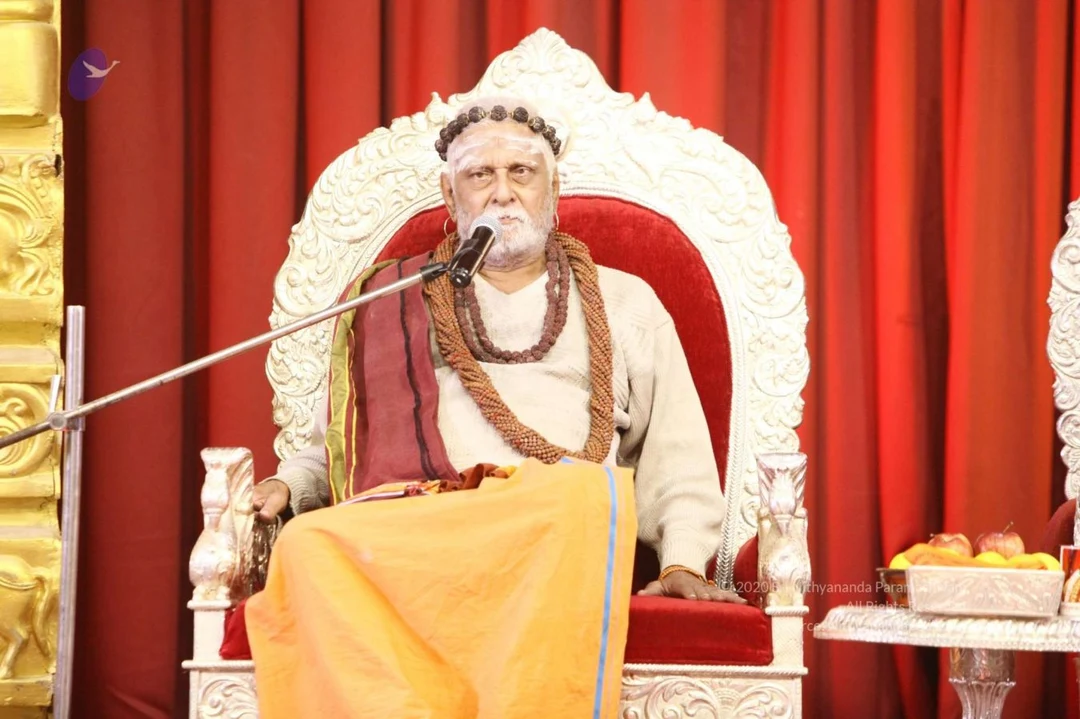 Darshan of Srila Sri Thiruvambaladesika Gnanaprakashaswamigal and His Holiness Paramahamsa Nithyananda
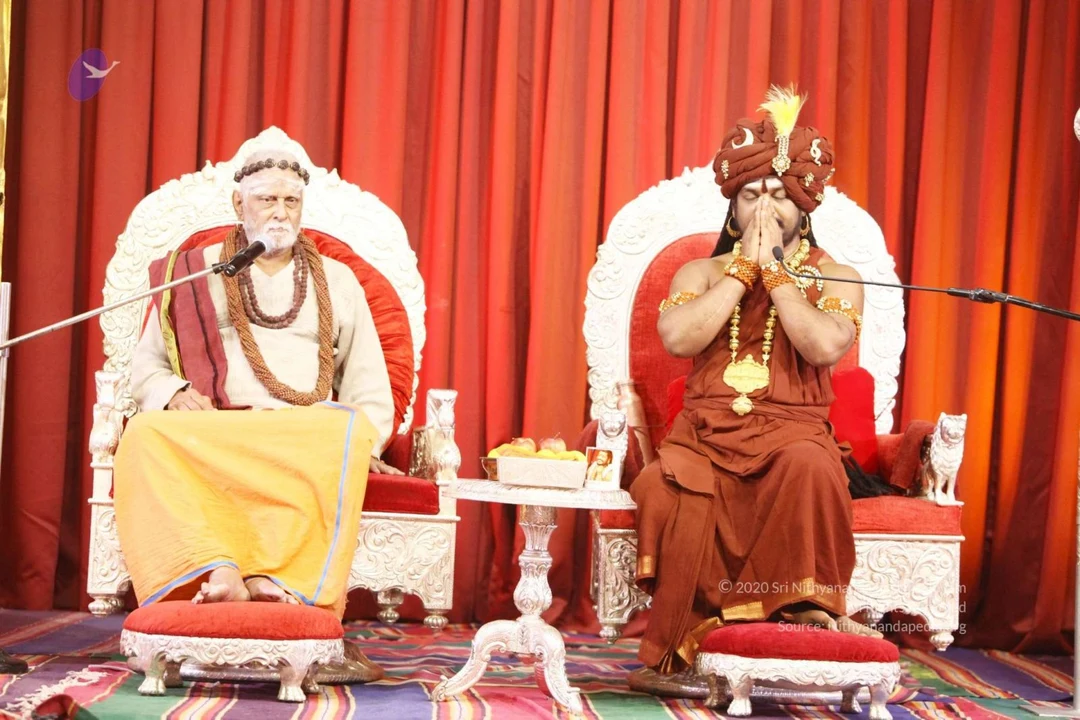 Darshan of Srila Sri Thiruvambaladesika Gnanaprakashaswamigal and His Holiness Paramahamsa Nithyananda
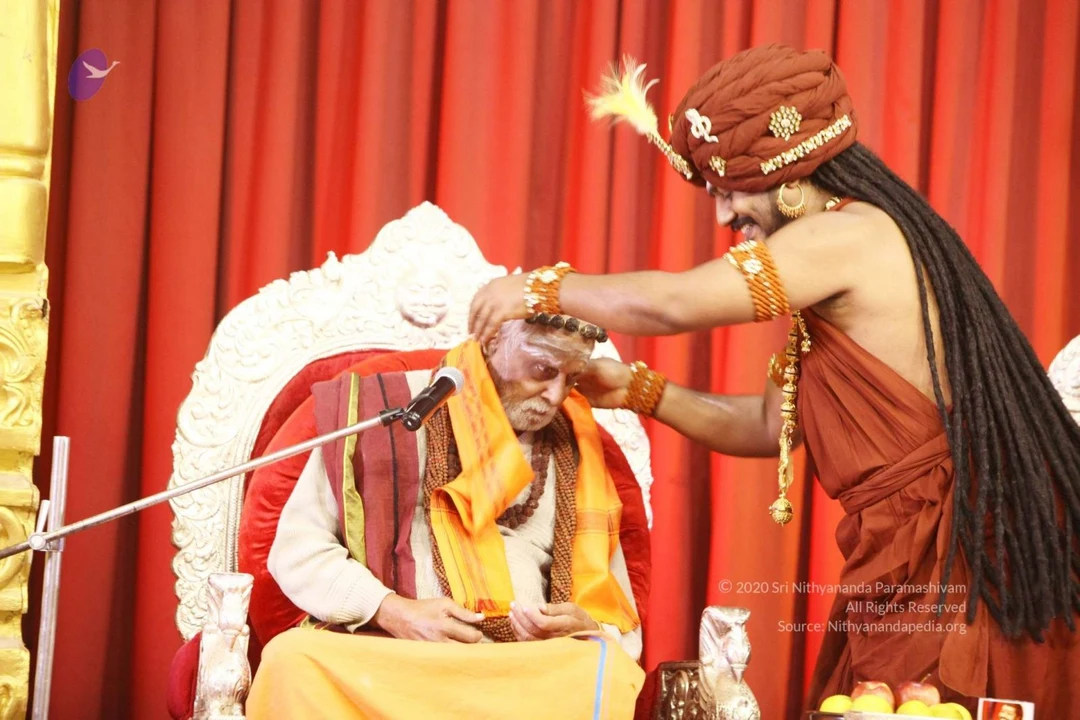 Honoring Srila Sri Thiruvambaladesika Gnanaprakashaswamigal
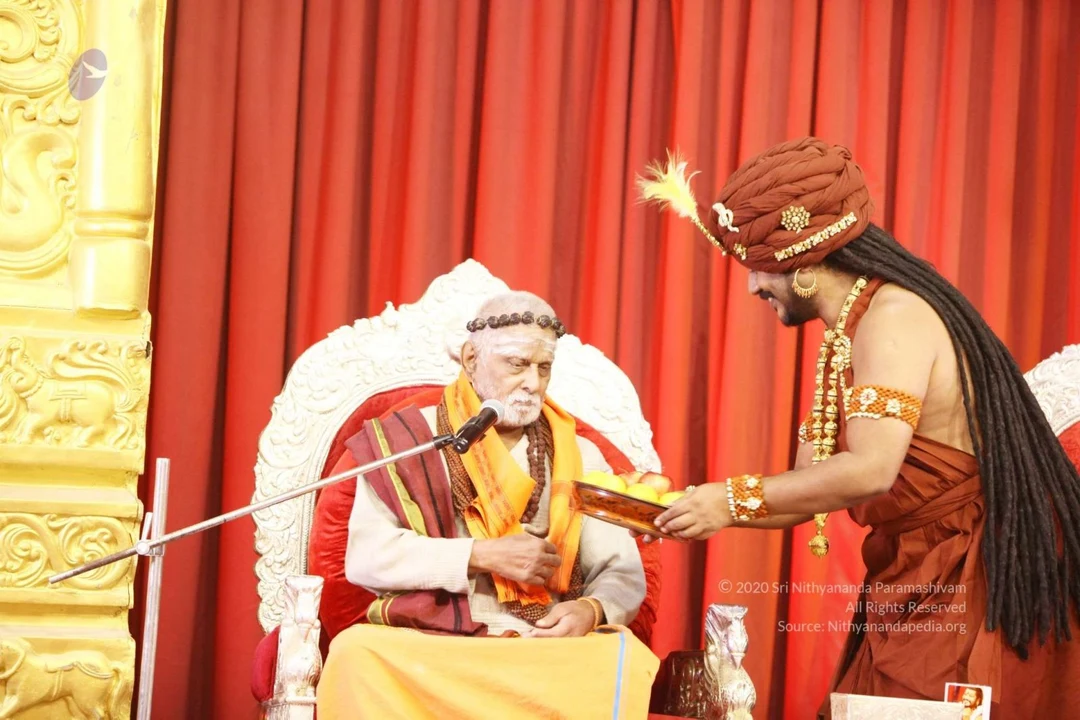 Honoring Srila Sri Thiruvambaladesika Gnanaprakashaswamigal
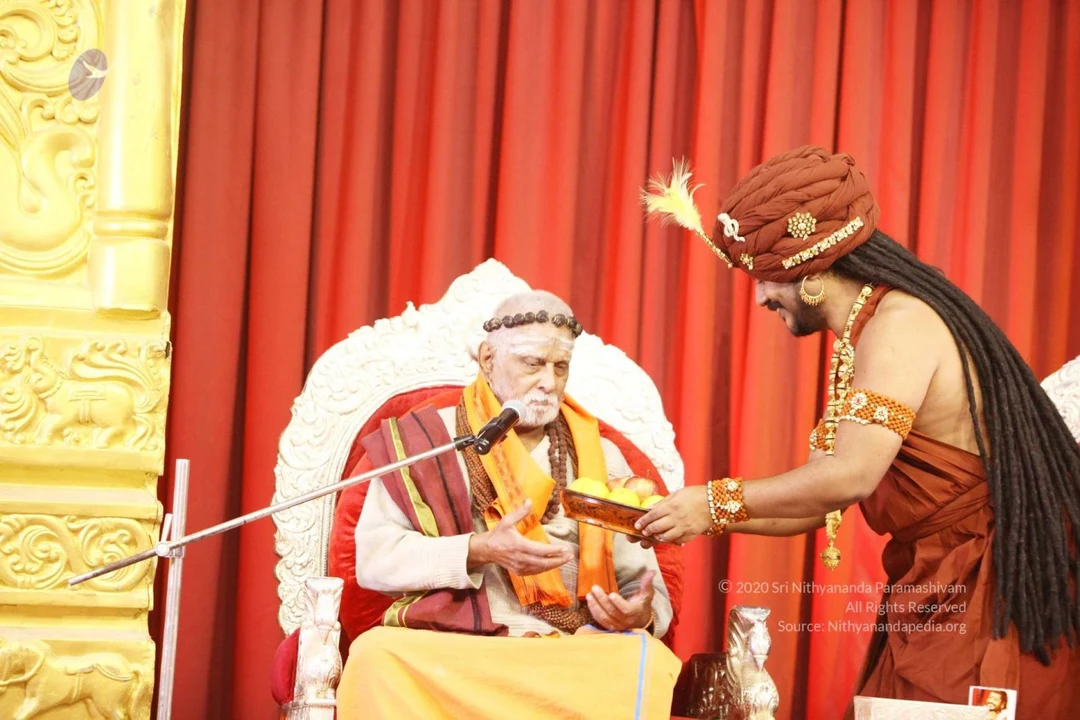 Honoring Srila Sri Thiruvambaladesika Gnanaprakashaswamigal
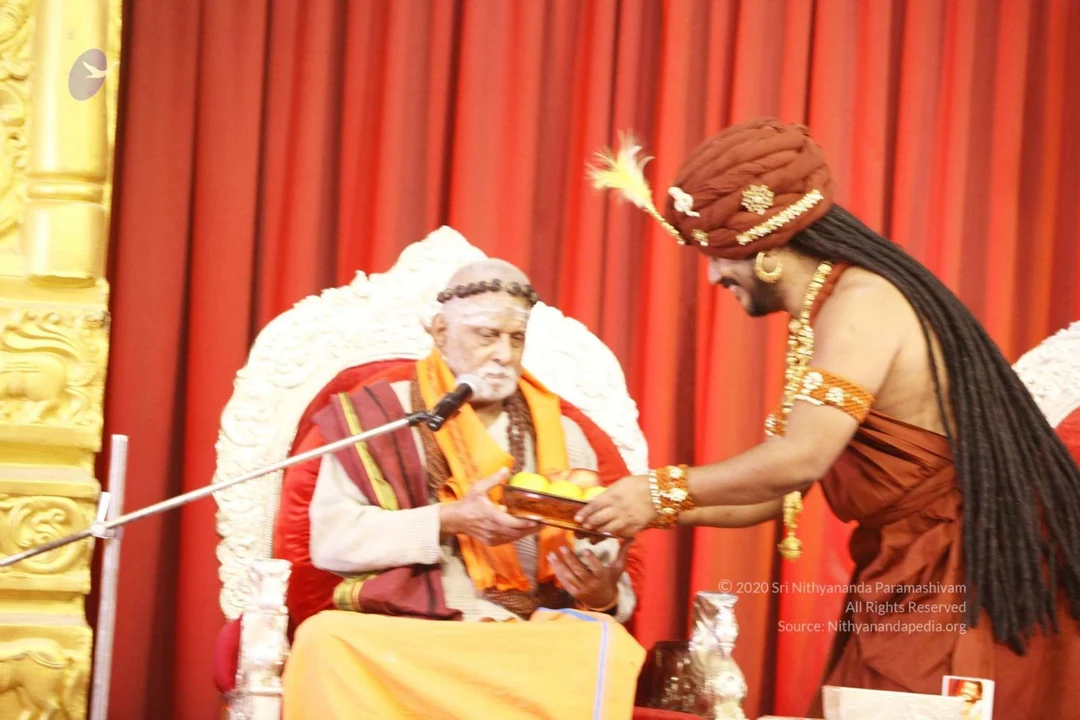 Honoring Srila Sri Thiruvambaladesika Gnanaprakashaswamigal
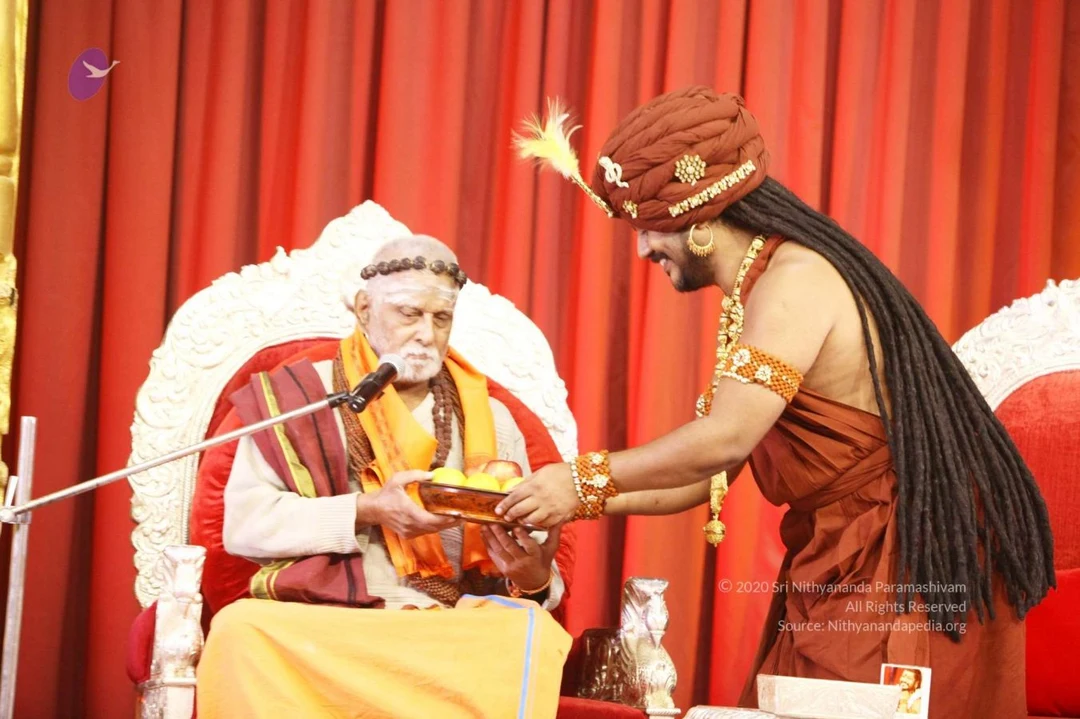 Honoring Srila Sri Thiruvambaladesika Gnanaprakashaswamigal
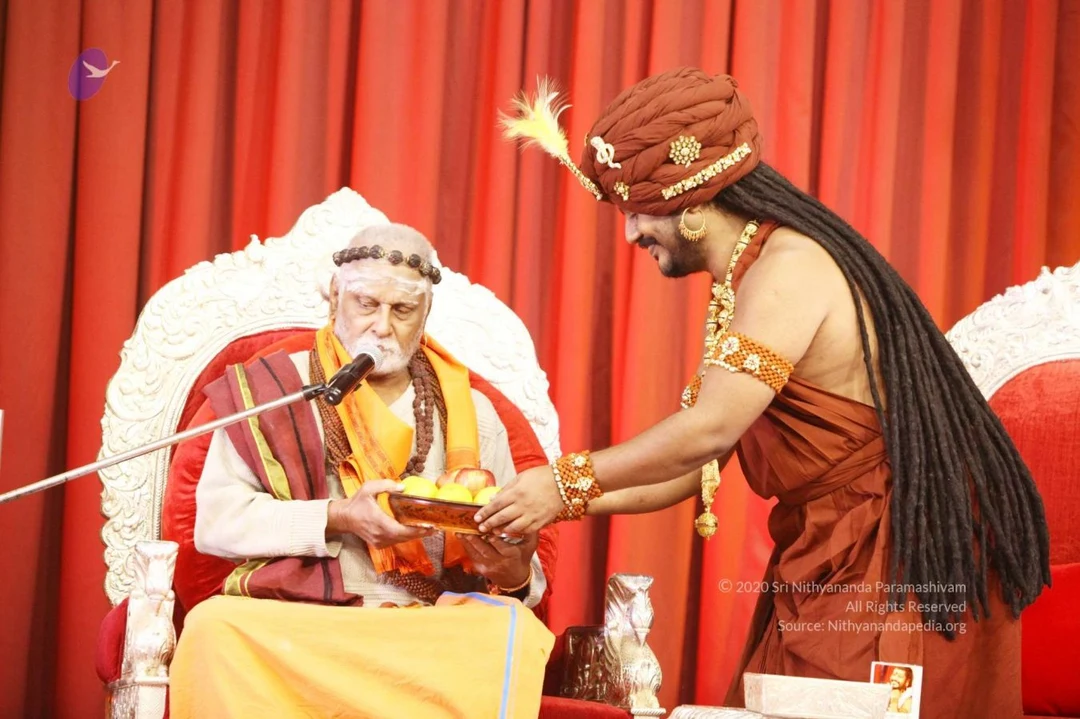 Honoring Srila Sri Thiruvambaladesika Gnanaprakashaswamigal
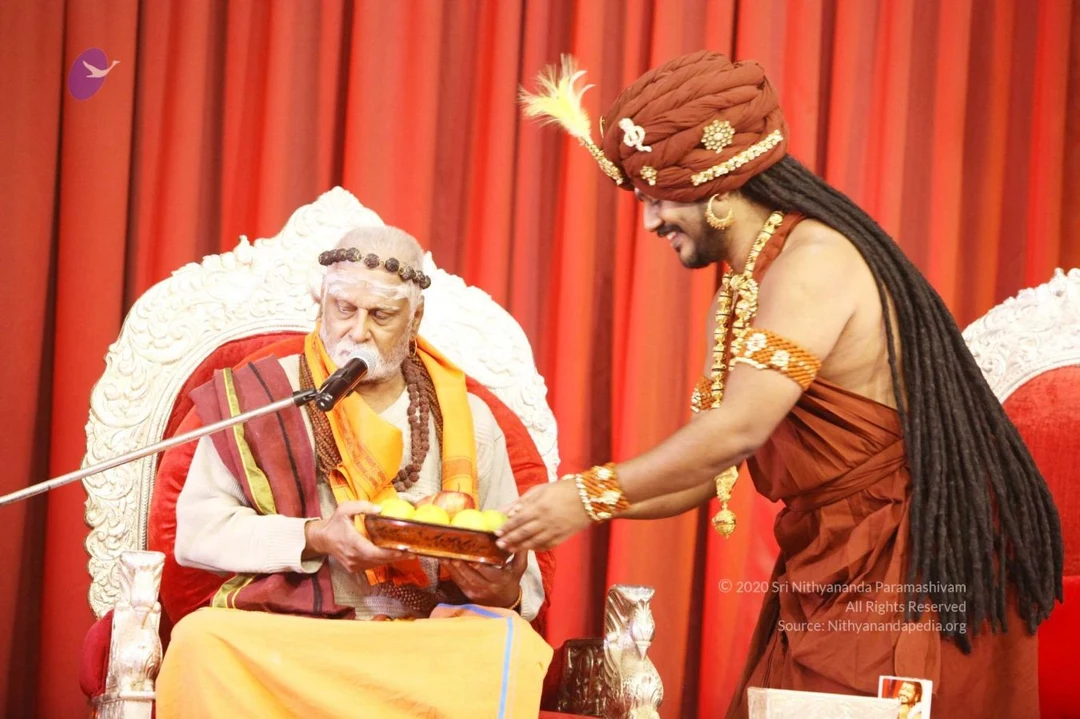 Honoring Srila Sri Thiruvambaladesika Gnanaprakashaswamigal
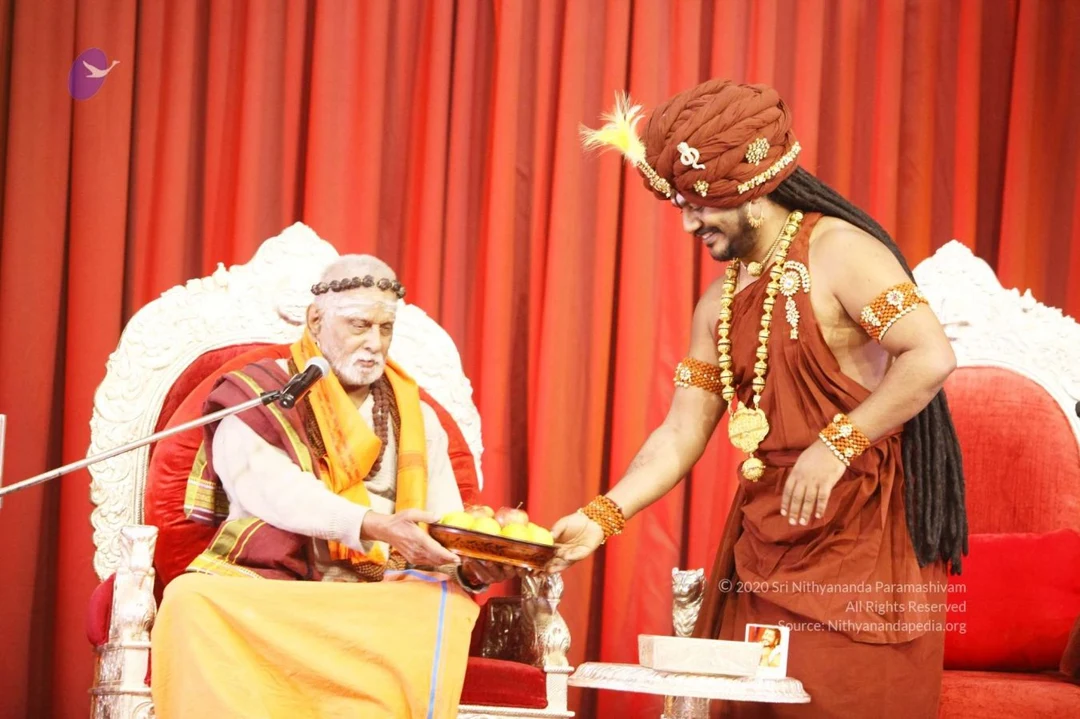 Honoring Srila Sri Thiruvambaladesika Gnanaprakashaswamigal
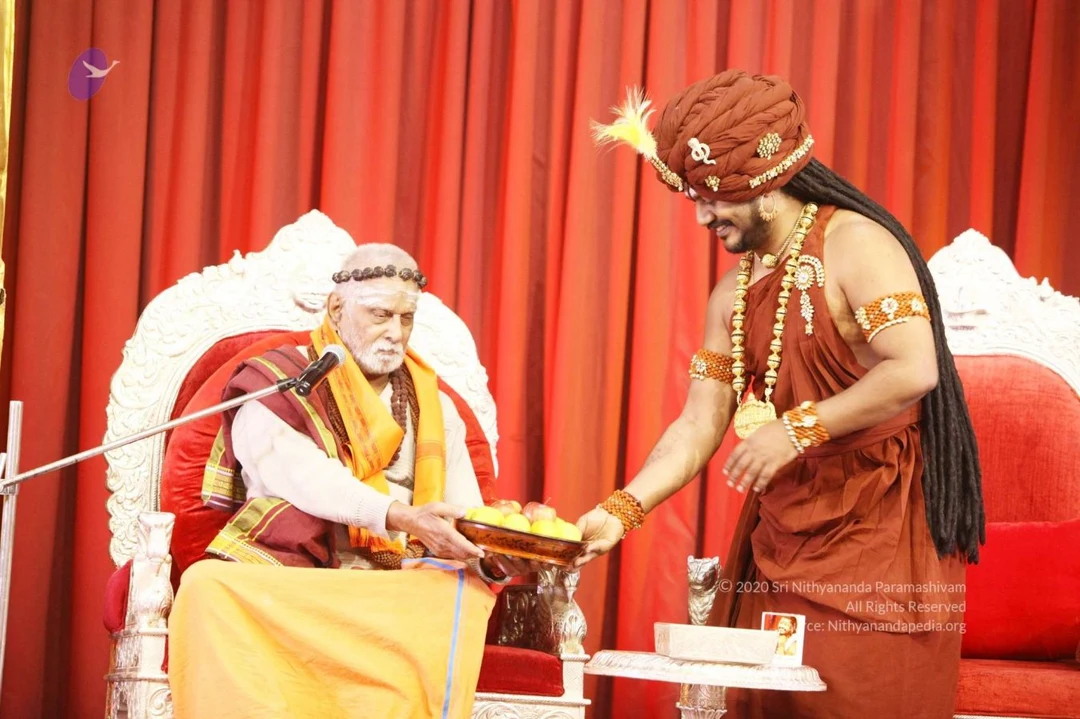 Honoring Srila Sri Thiruvambaladesika Gnanaprakashaswamigal
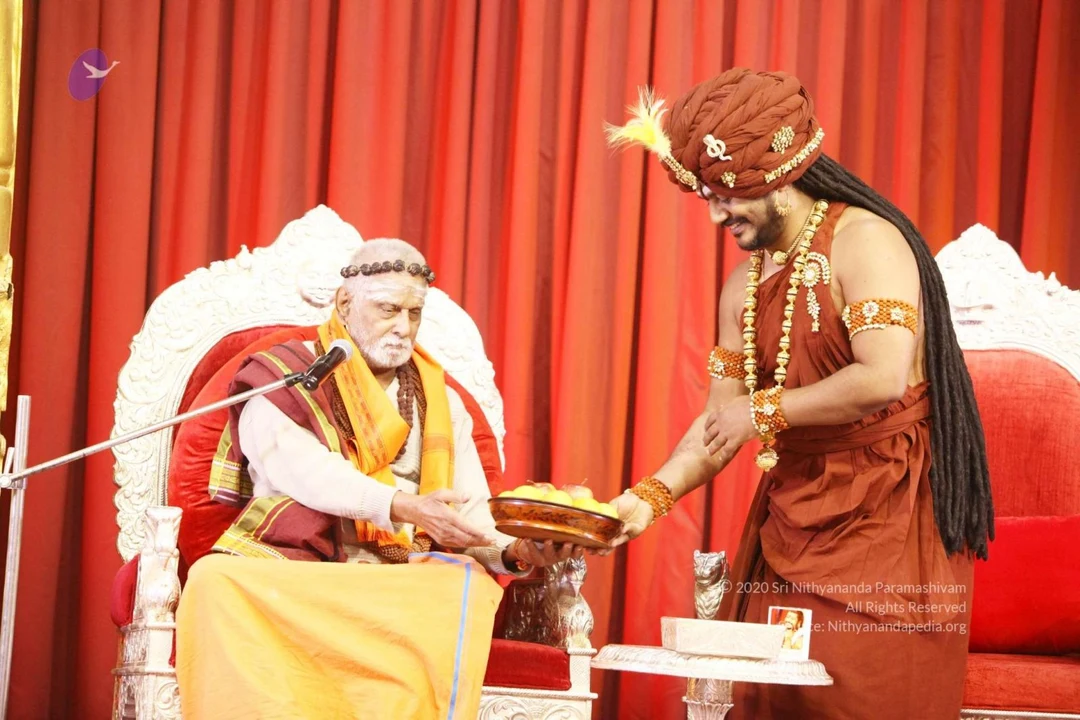 Honoring Srila Sri Thiruvambaladesika Gnanaprakashaswamigal
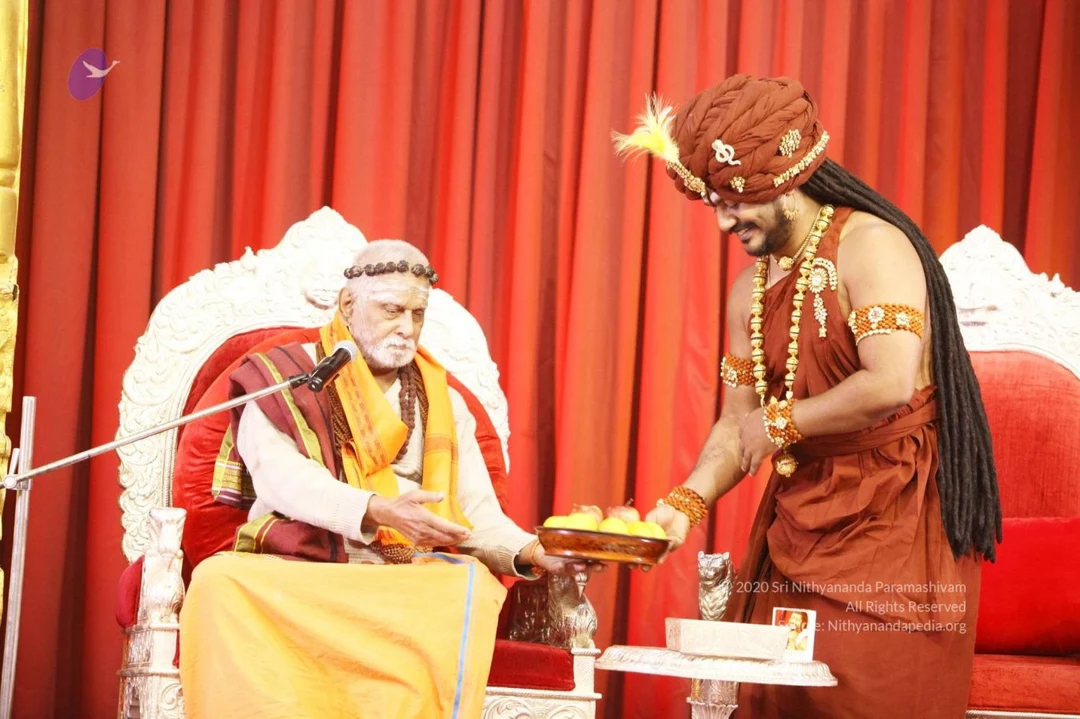 Honoring Srila Sri Thiruvambaladesika Gnanaprakashaswamigal
 Honoring Srila Sri Thiruvambaladesika Gnanaprakashaswamigal
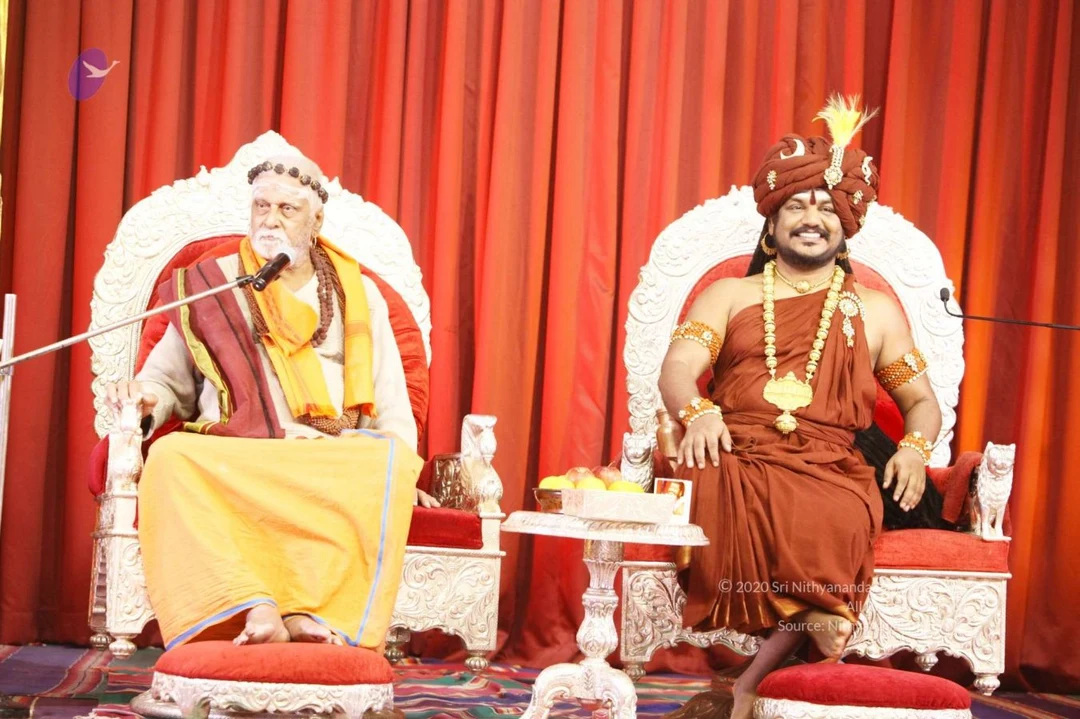 Hinduism, something called ‘Oral tradition’ exists-called Karnabharambharai - means listening from the Gurus
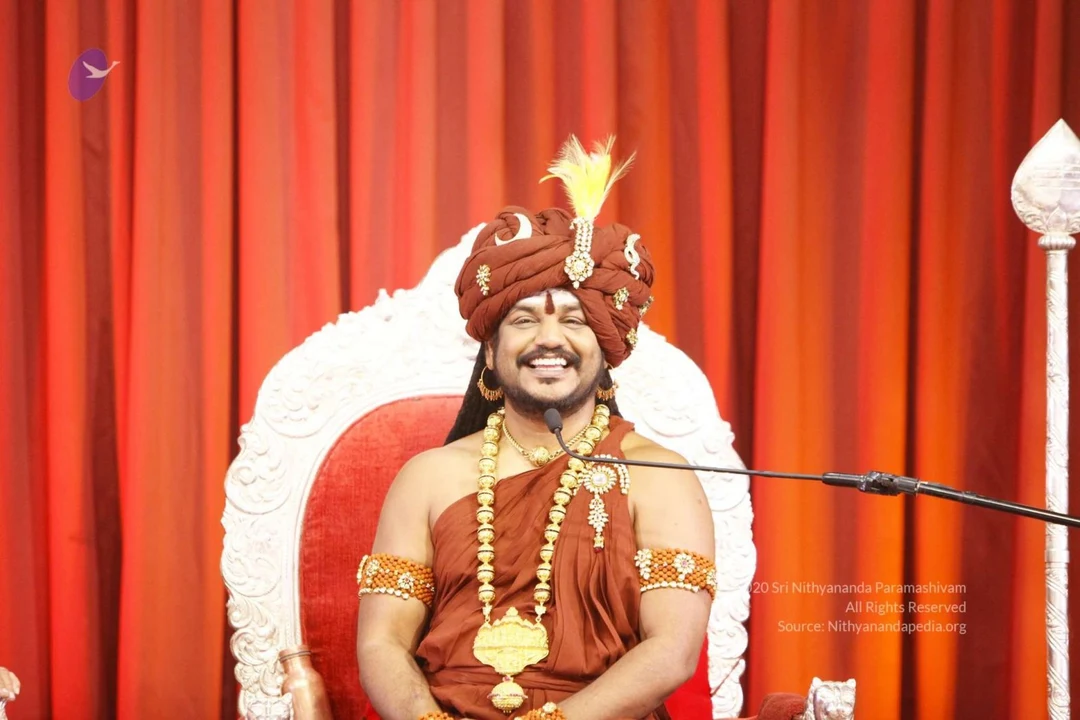 Hinduism, something called ‘Oral tradition’ exists-called Karnabharambharai - means listening from the Gurus
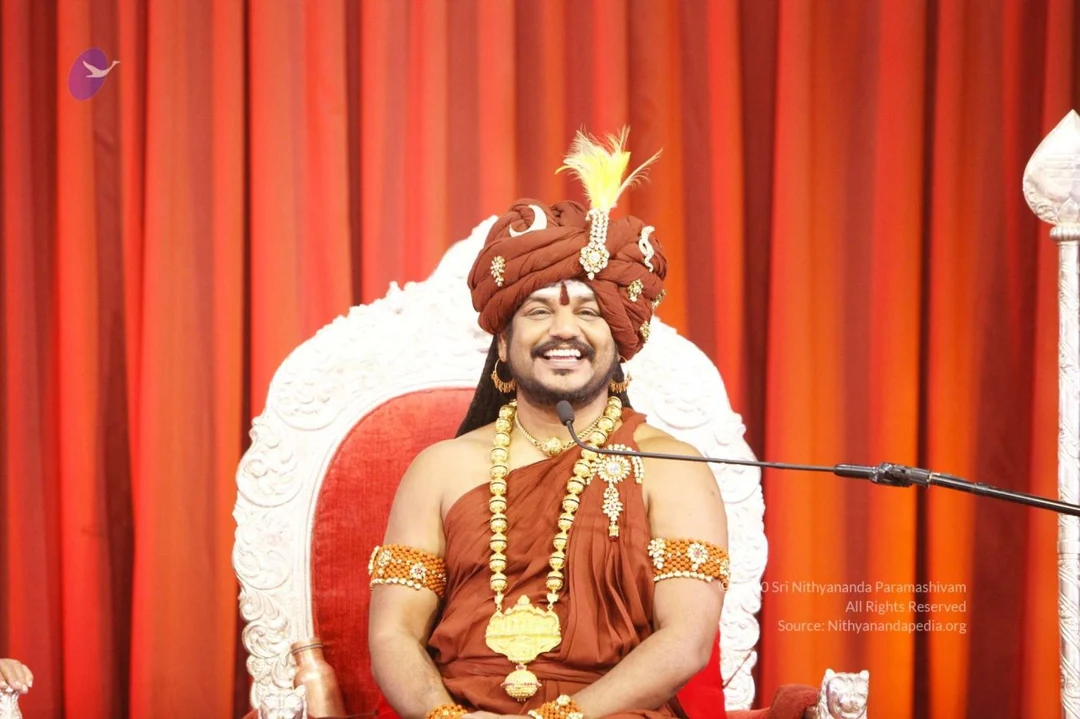 Hinduism, something called ‘Oral tradition’ exists-called Karnabharambharai - means listening from the Gurus
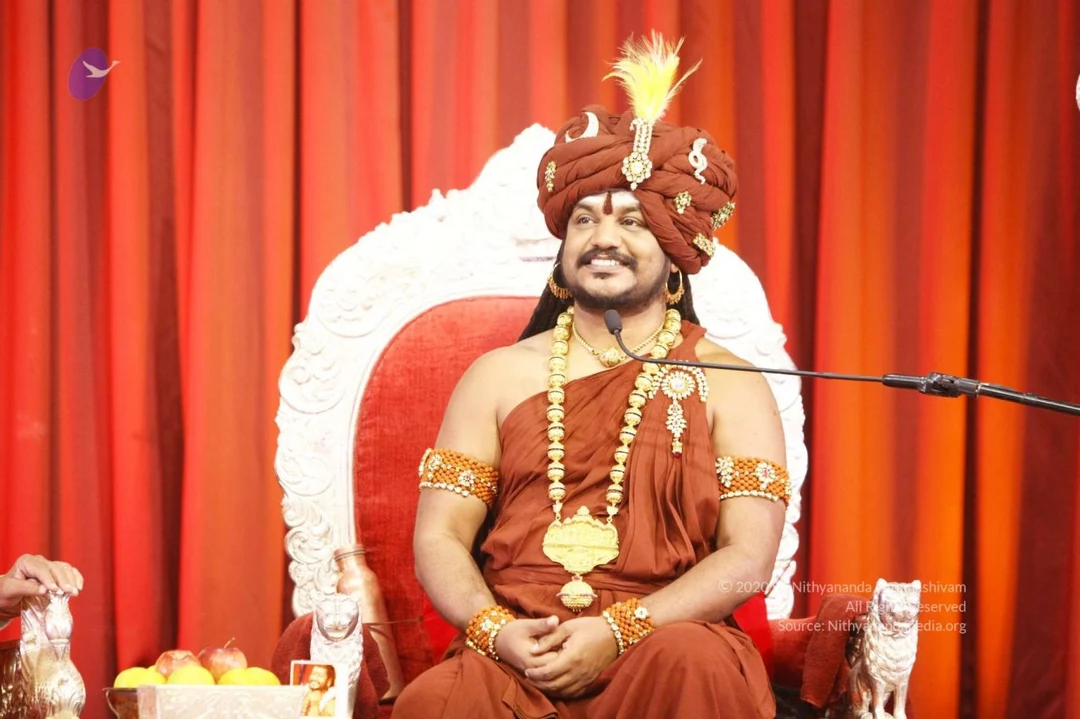 Hinduism, something called ‘Oral tradition’ exists-called Karnabharambharai - means listening from the Gurus
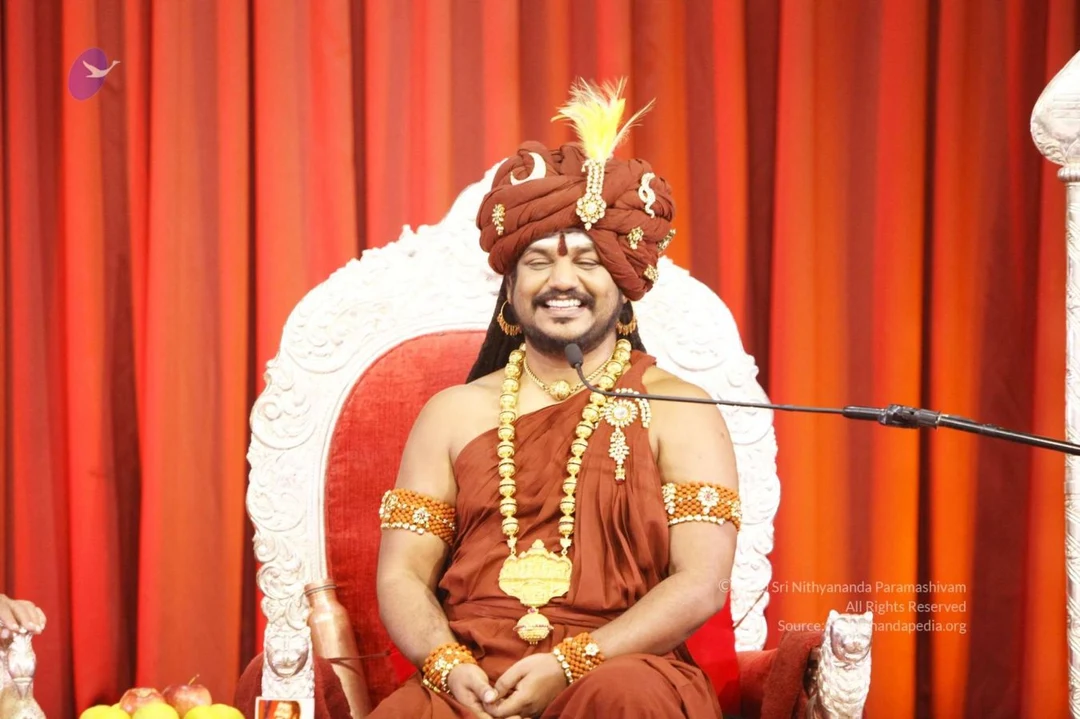 Hinduism, something called ‘Oral tradition’ exists-called Karnabharambharai - means listening from the Gurus
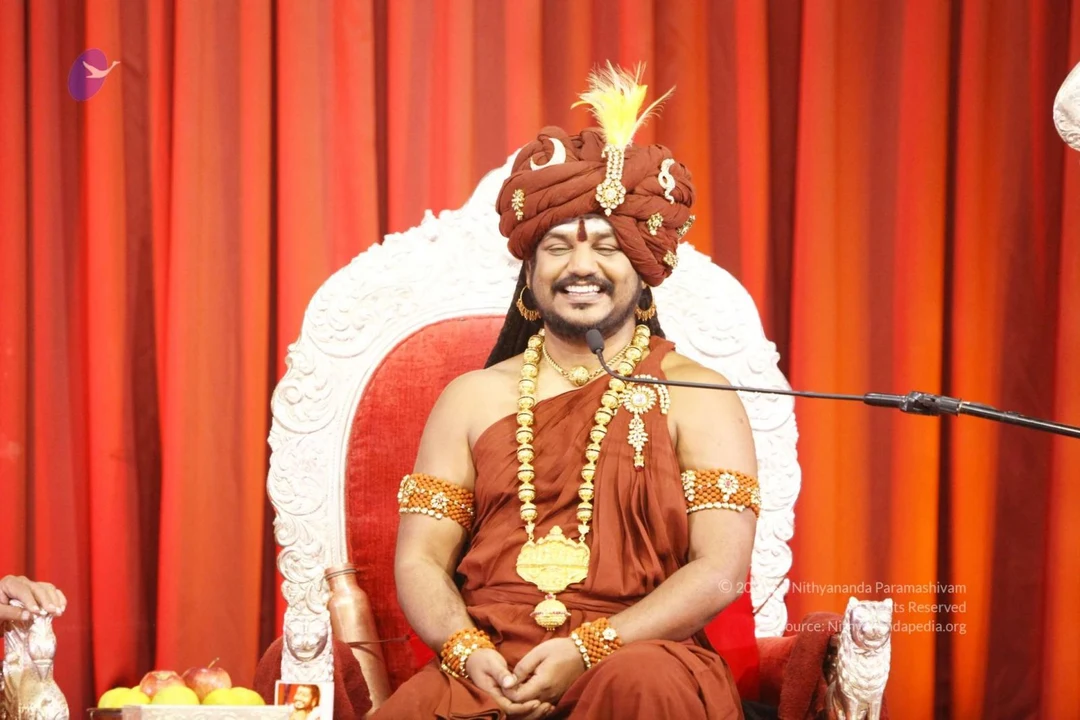 Hinduism, something called ‘Oral tradition’ exists-called Karnabharambharai - means listening from the Gurus
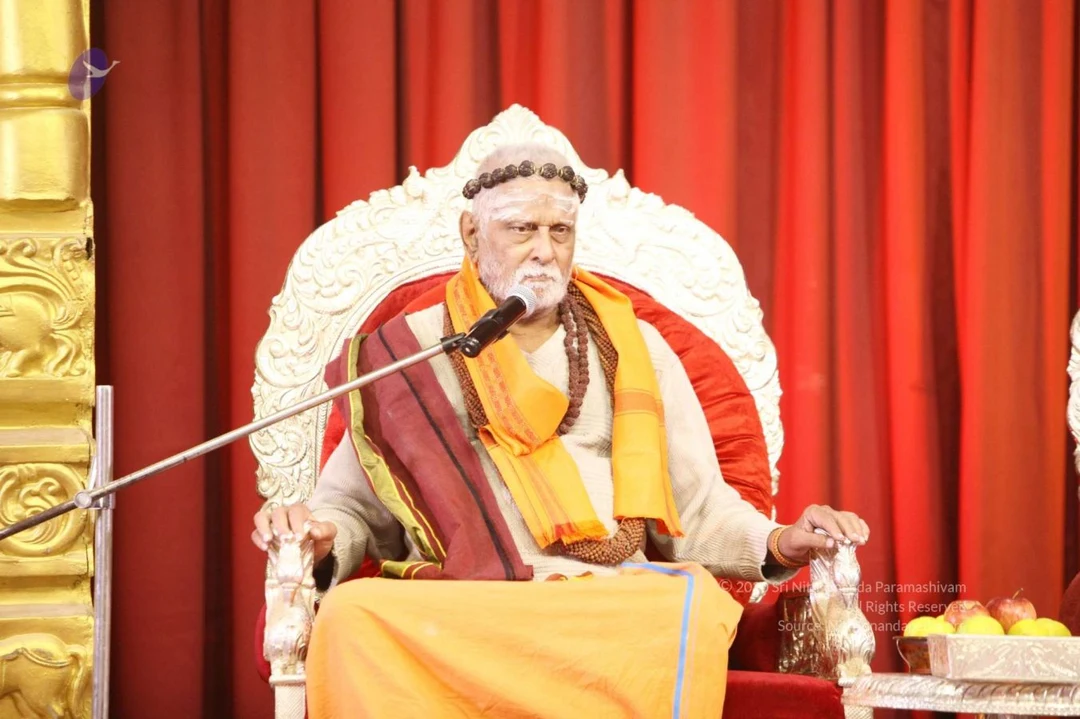 Hinduism, something called ‘Oral tradition’ exists-called Karnabharambharai - means listening from the Gurus
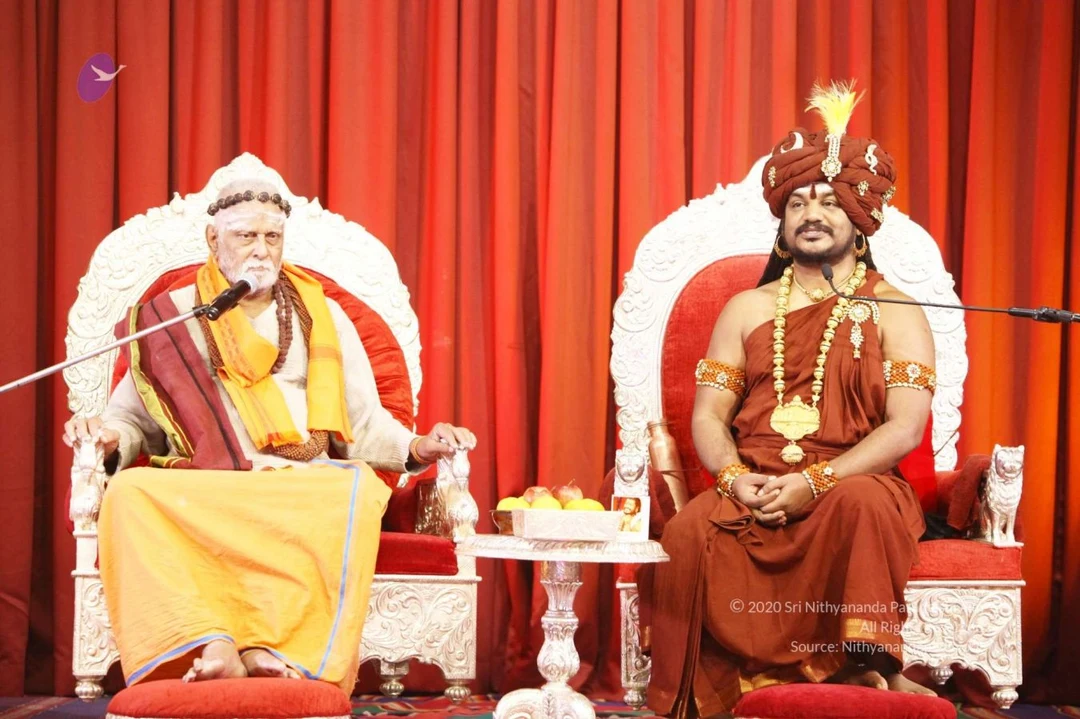 Hinduism, something called ‘Oral tradition’ exists-called Karnabharambharai - means listening from the Gurus
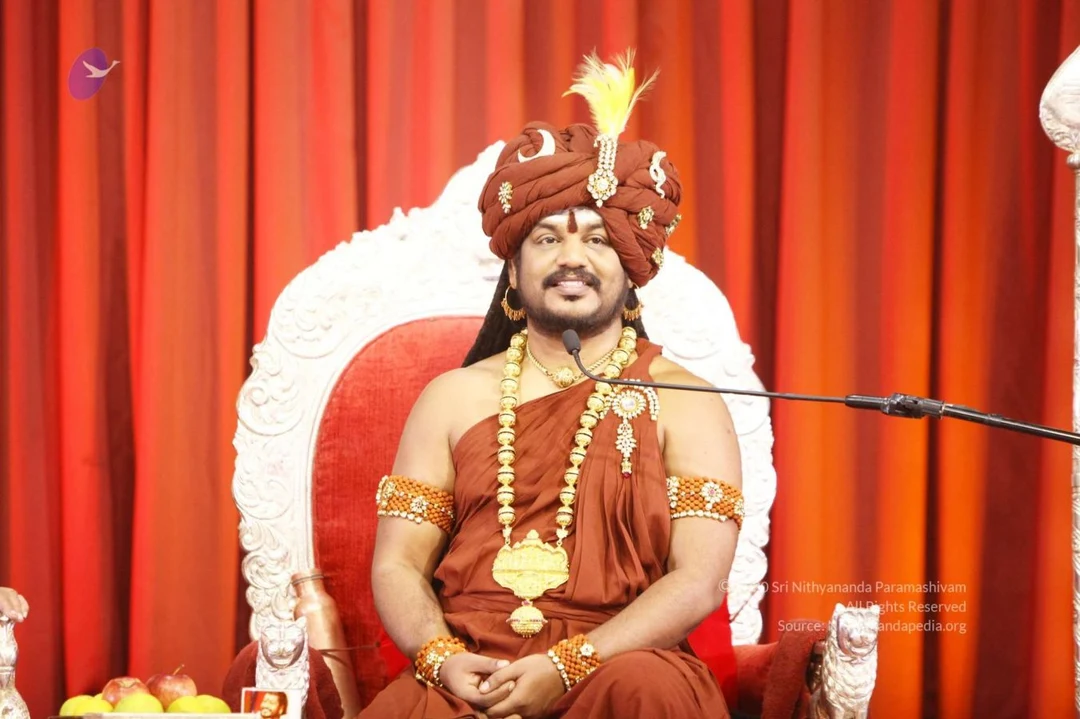 Hinduism, something called ‘Oral tradition’ exists-called Karnabharambharai - means listening from the Gurus
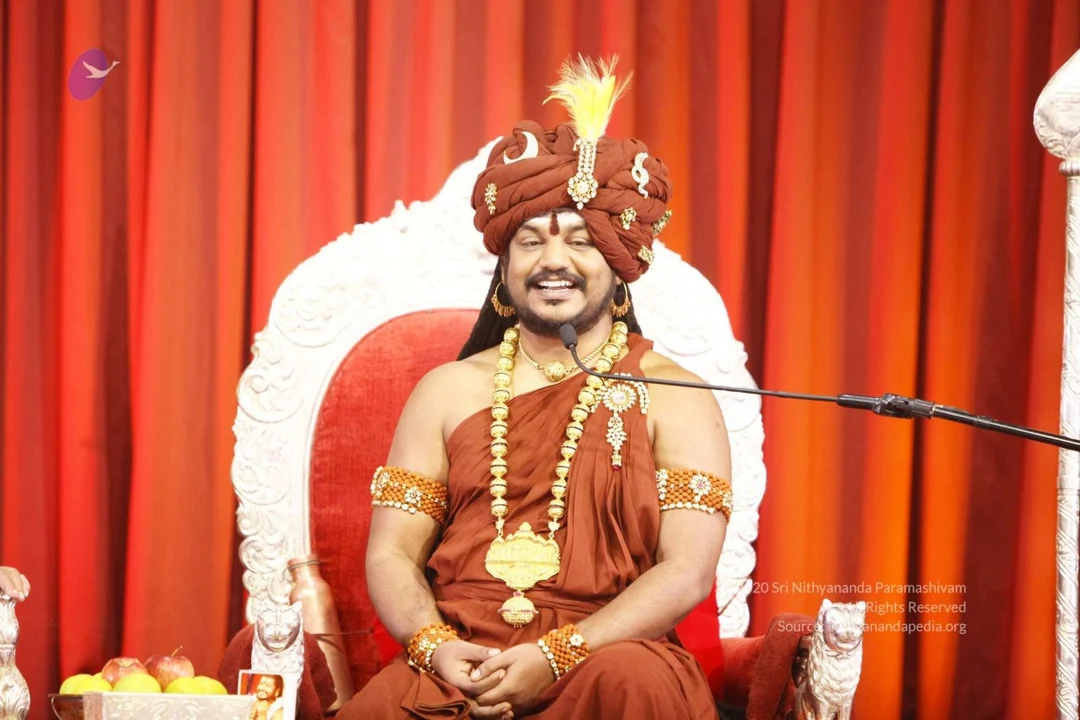 Hinduism, something called ‘Oral tradition’ exists-called Karnabharambharai - means listening from the Gurus
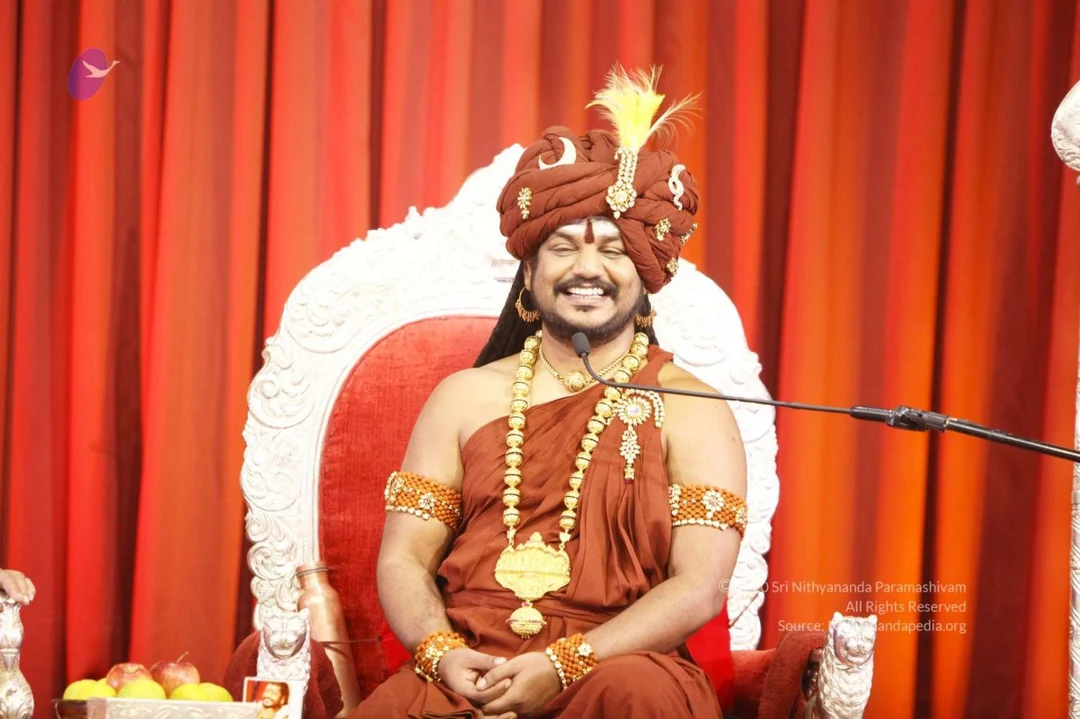 Hinduism, something called ‘Oral tradition’ exists-called Karnabharambharai - means listening from the Gurus
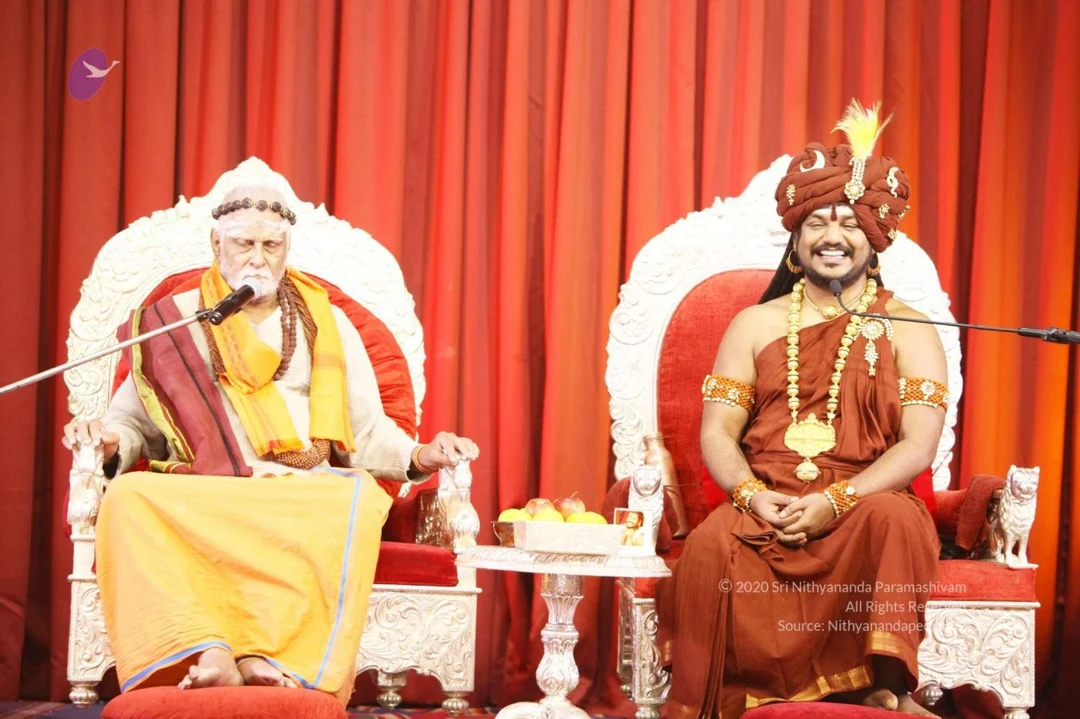 Hinduism, something called ‘Oral tradition’ exists-called Karnabharambharai - means listening from the Gurus
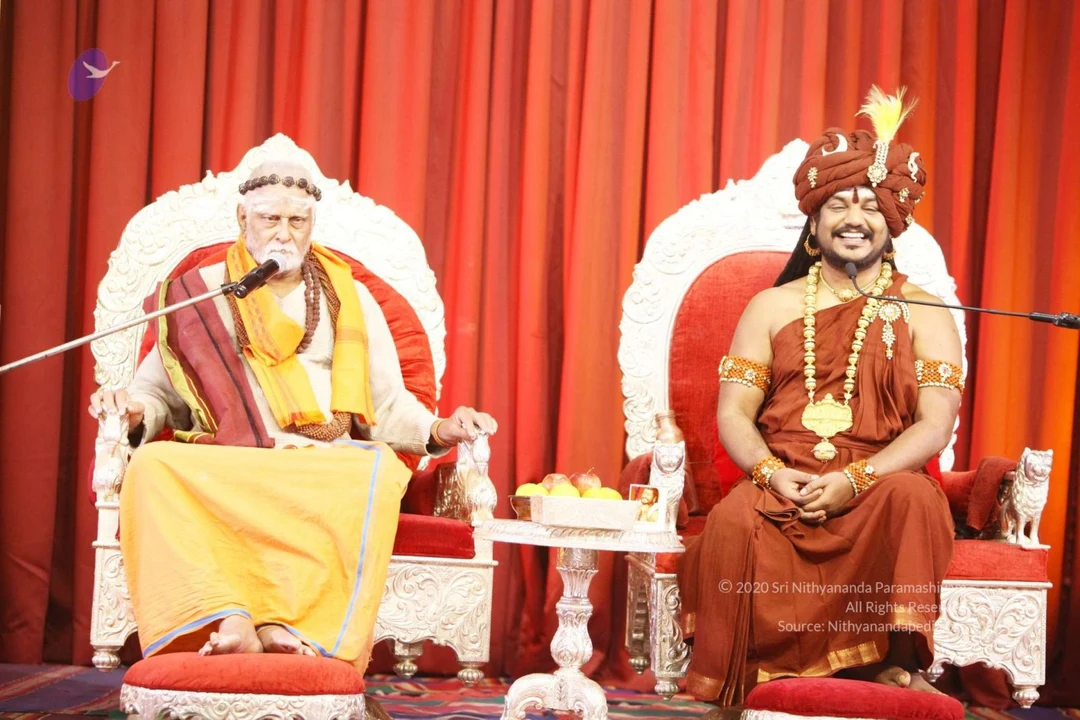 Hinduism, something called ‘Oral tradition’ exists-called Karnabharambharai - means listening from the Gurus
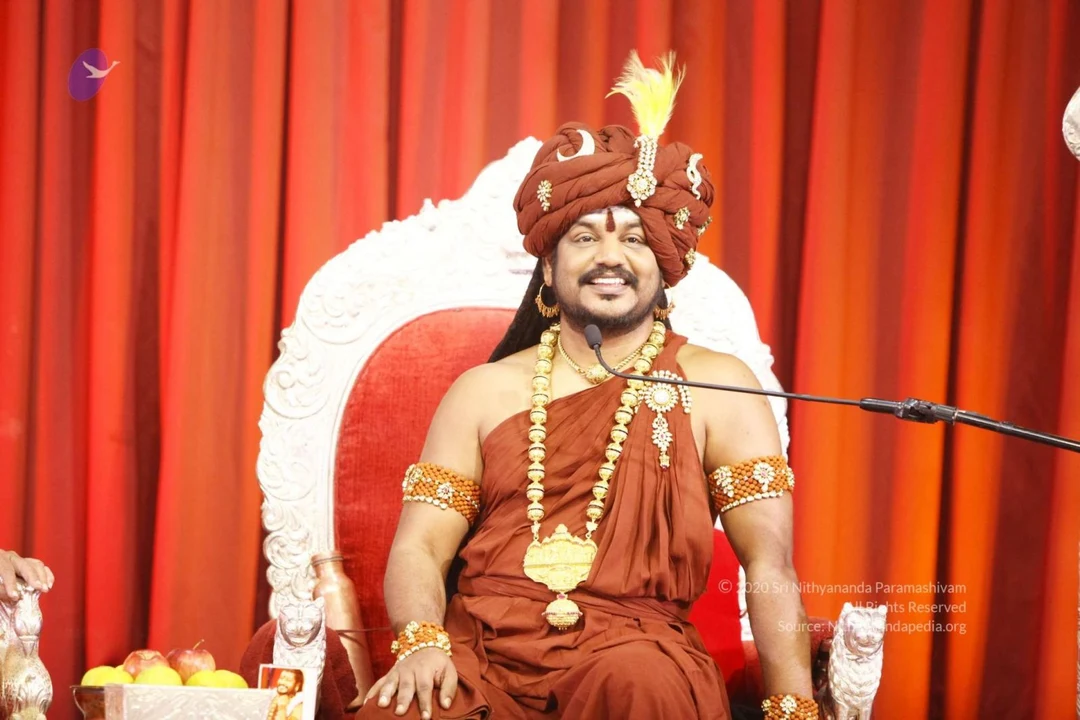 Karnabharambharai - means listening from the Gurus, not just reading from the books
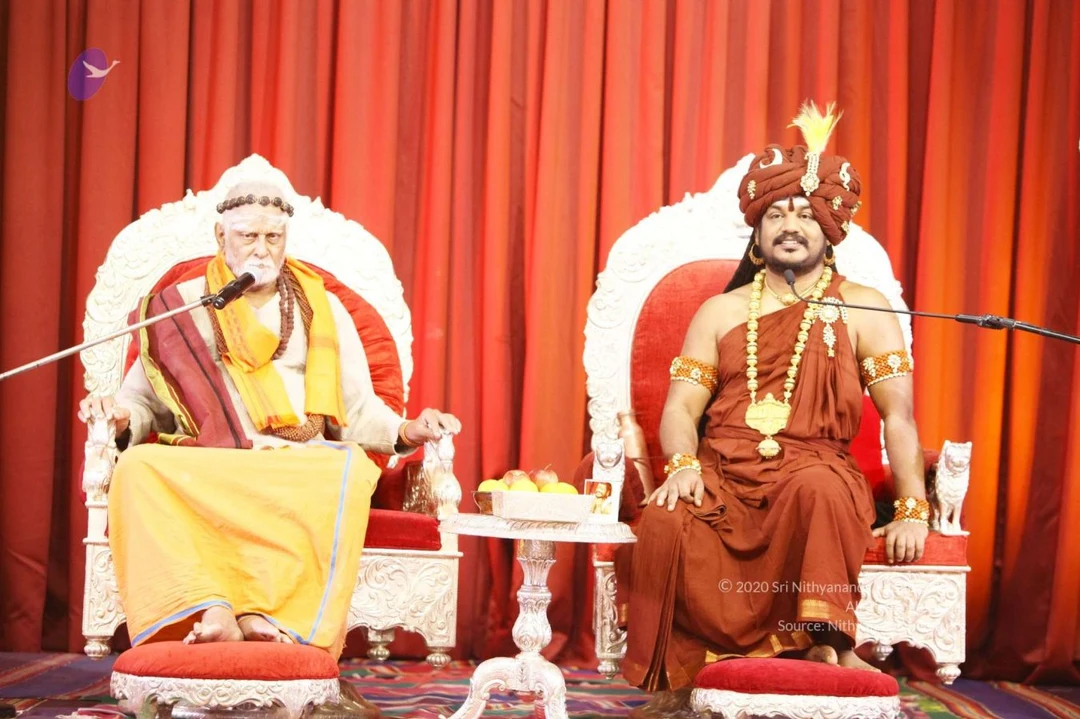 Karnabharambharai - means listening from the Gurus, not just reading from the books
 Karnabharambharai - means listening from the Gurus, not just reading from the books
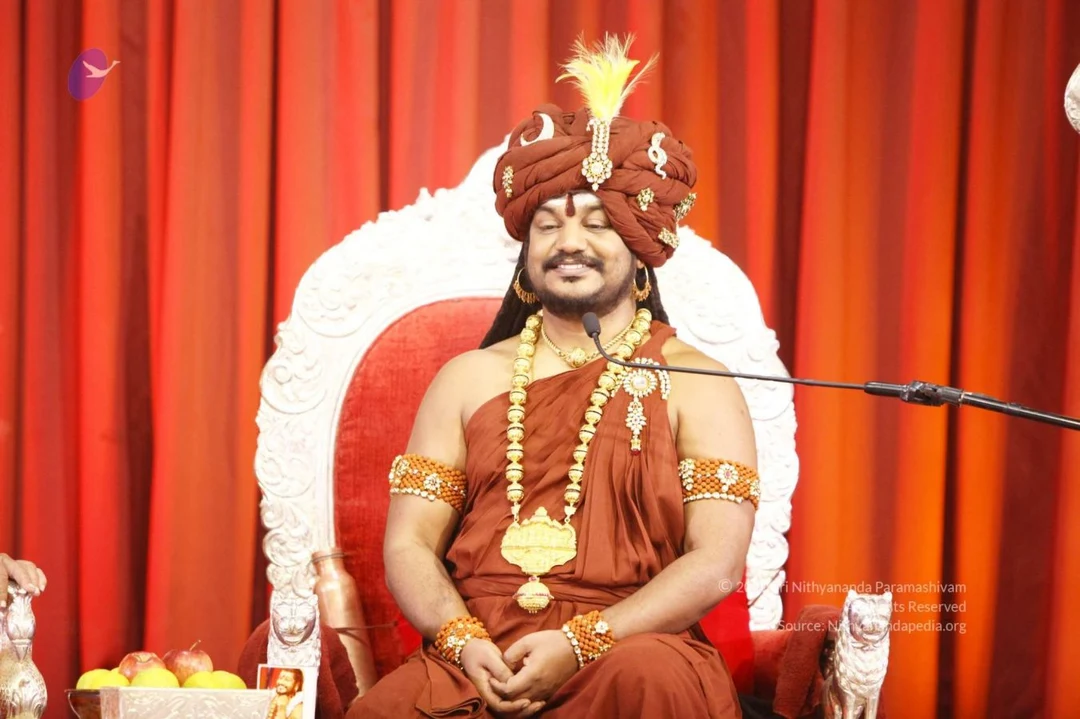 Karnabharambharai - means listening from the Gurus, not just reading from the books
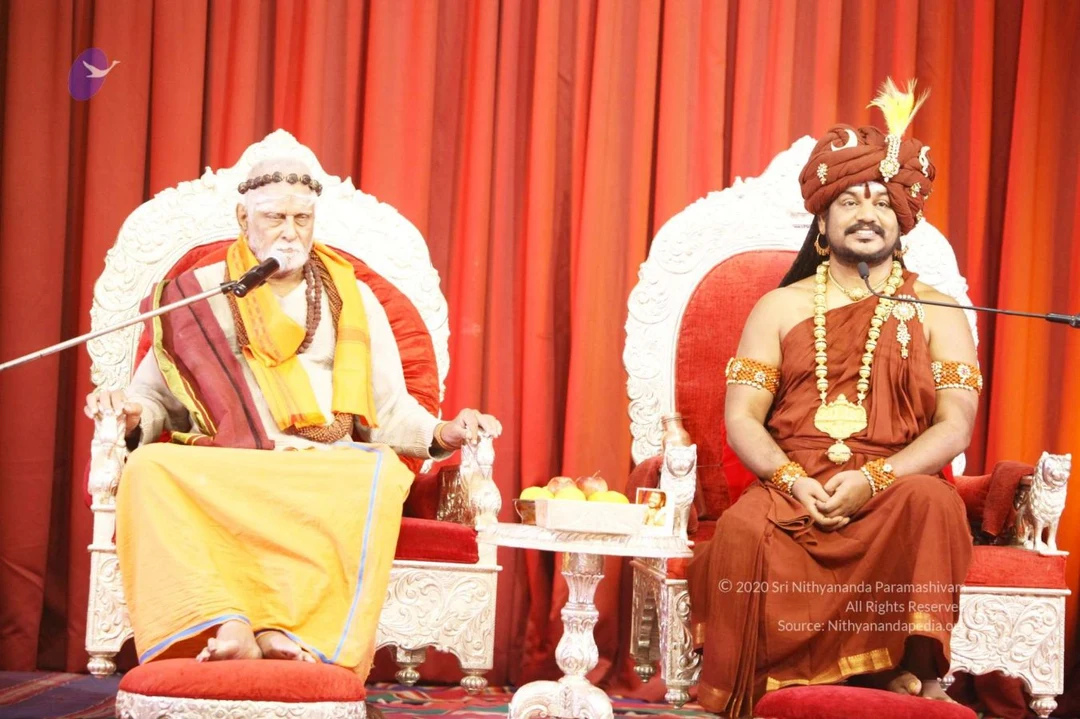 Karnabharambharai - means listening from the Gurus, not just reading from the books
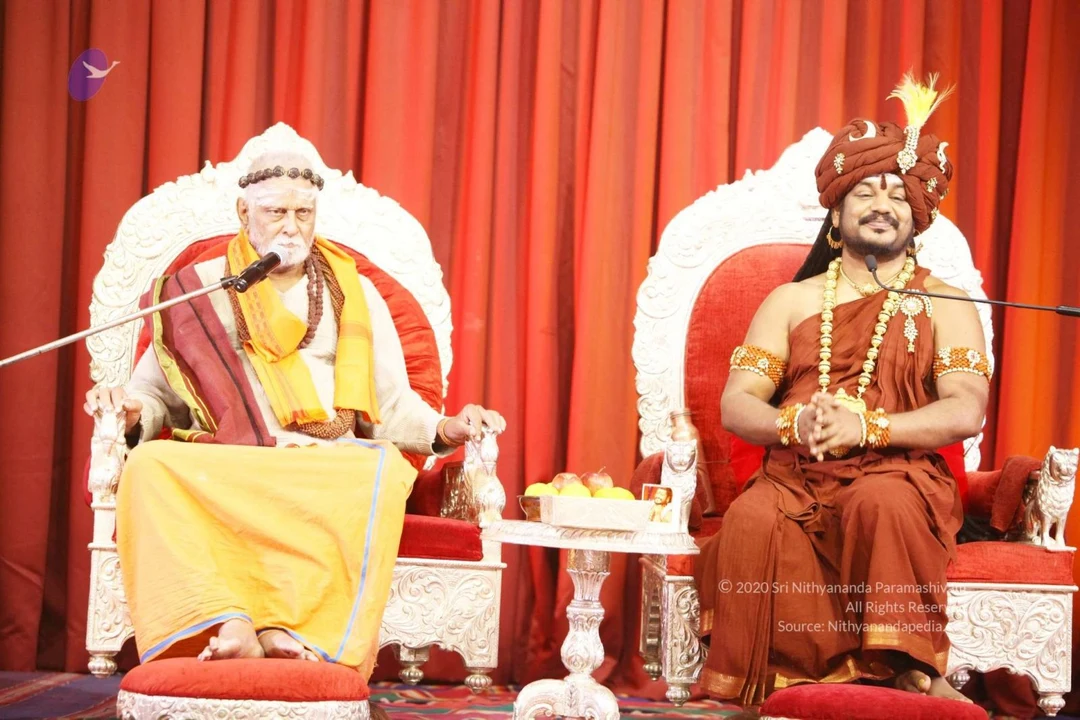 Karnabharambharai - means listening from the Gurus, not just reading from the books
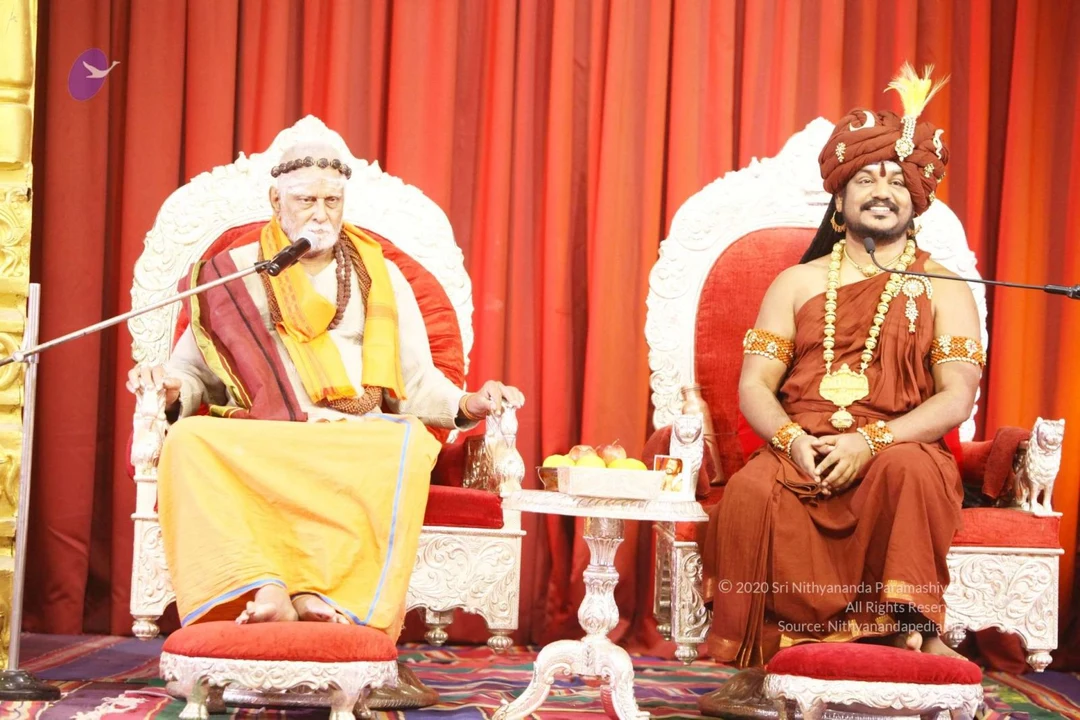 Karnabharambharai - means listening from the Gurus, not just reading from the books
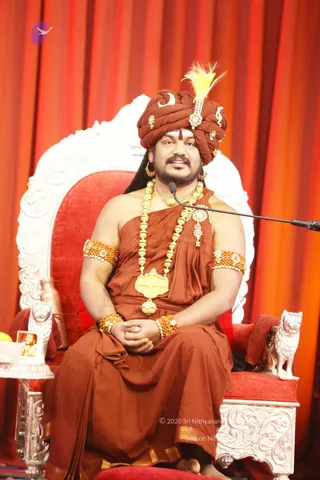 Karnabharambharai - means listening from the Gurus, not just reading from the books
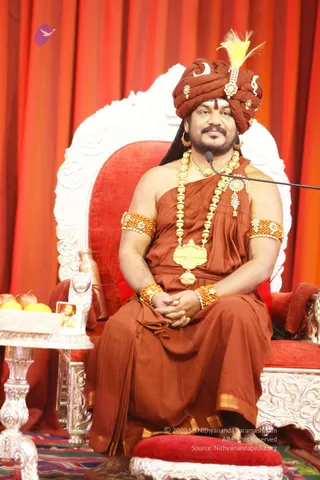 Karnabharambharai - means listening from the Gurus, not just reading from the books
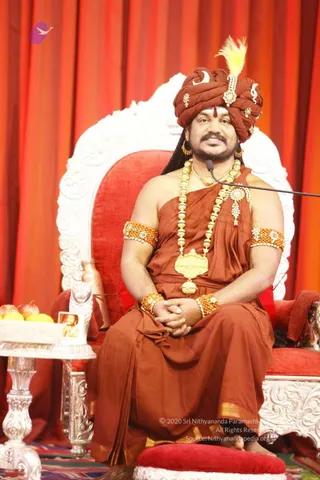 Karnabharambharai - means listening from the Gurus, not just reading from the books
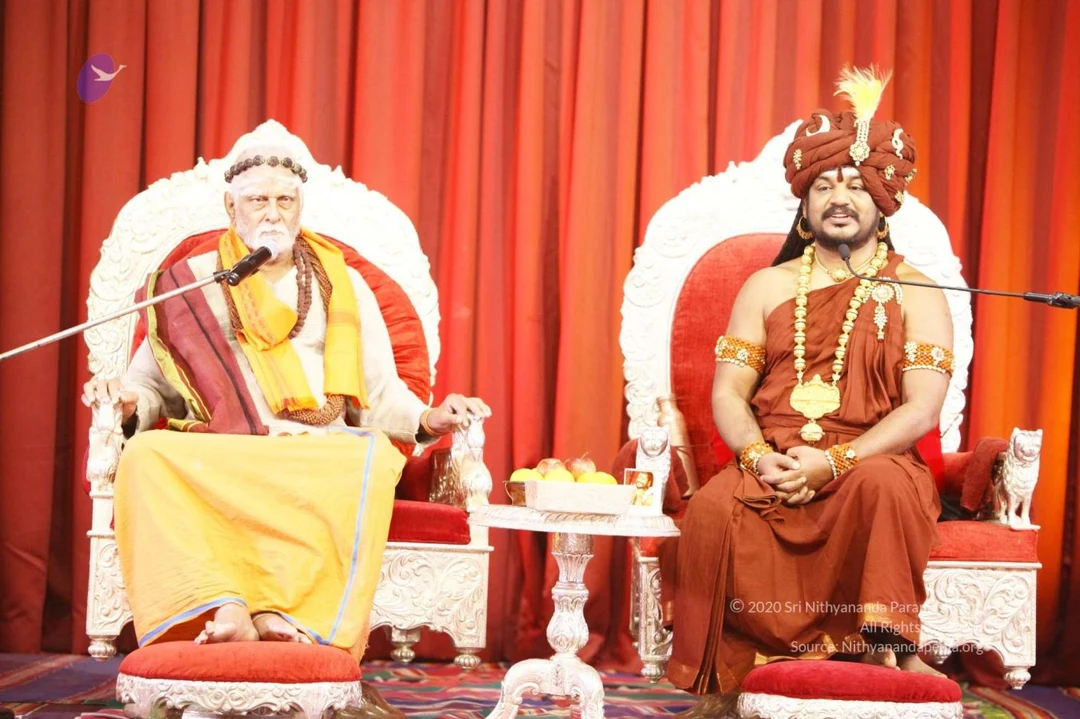 Karnabharambharai - means listening from the Gurus, not just reading from the books
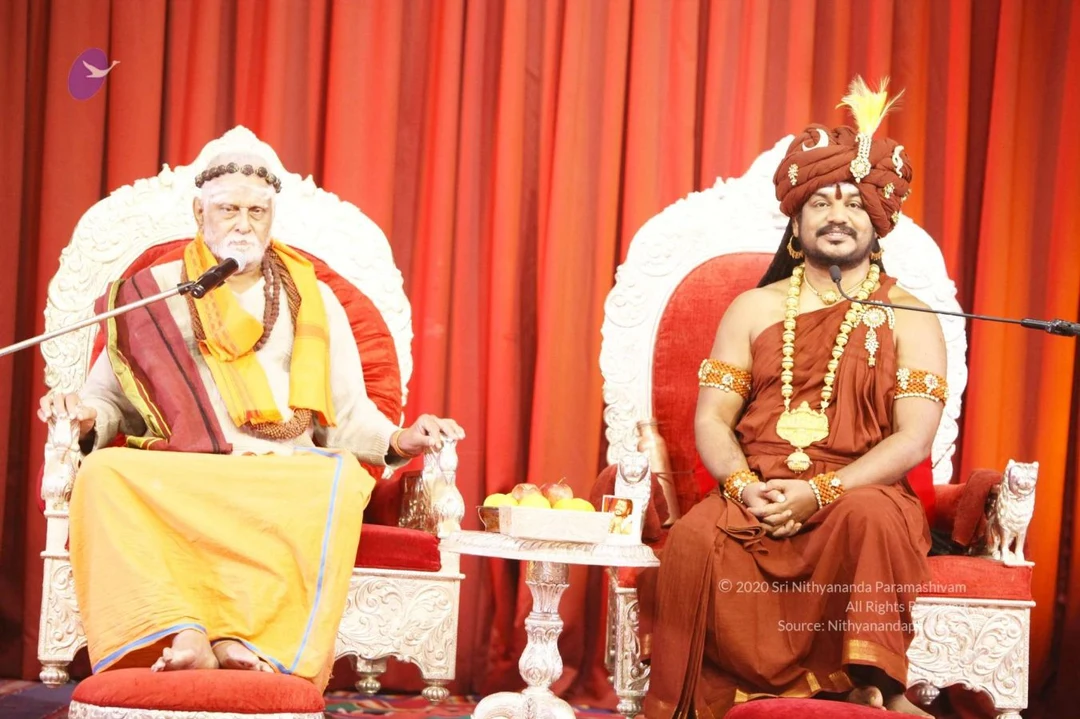 YOU LISTEN from the Gurus, you’ll get the deeper SECRETS
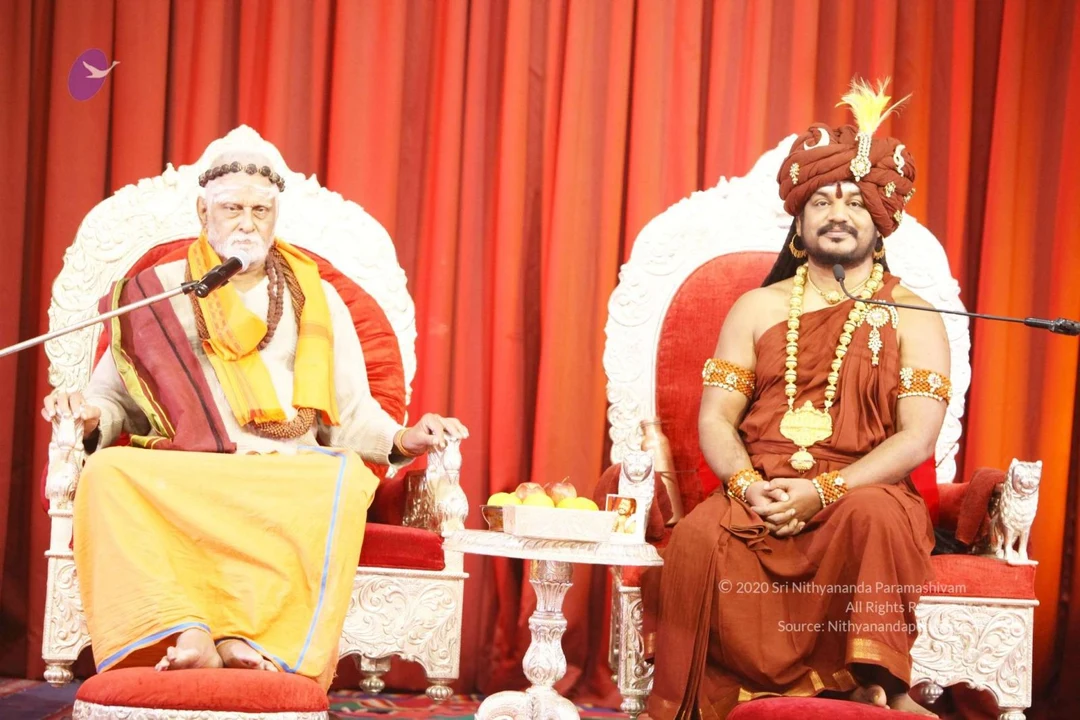 YOU LISTEN from the Gurus, you’ll get the deeper SECRETS
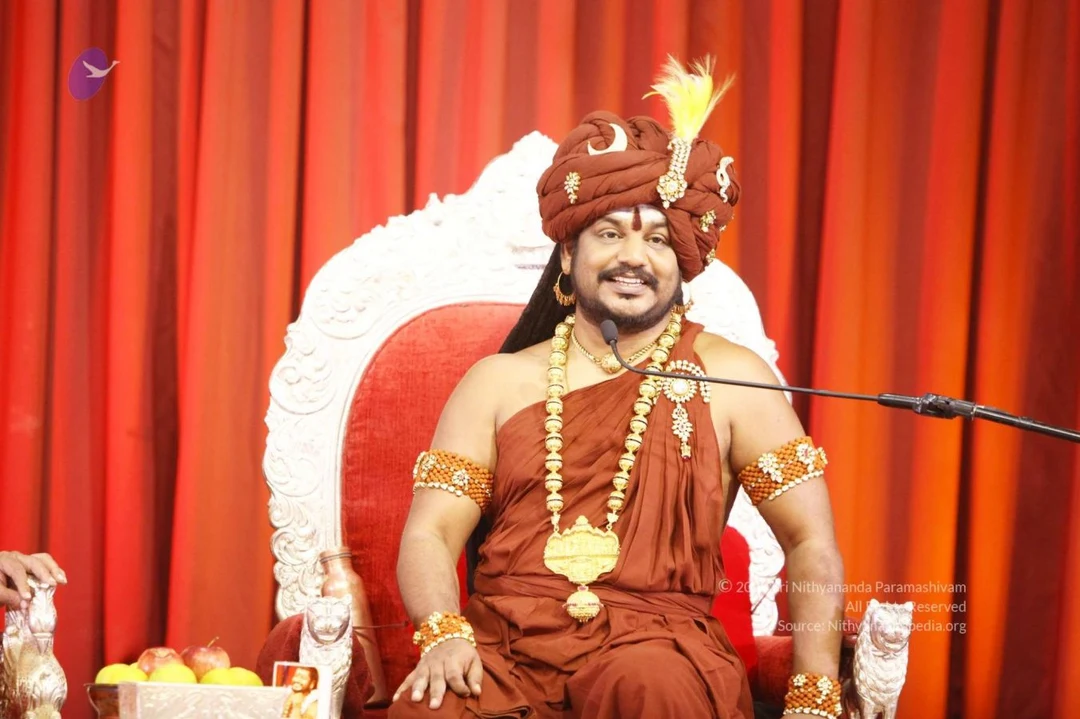 YOU LISTEN from the Gurus, you’ll get the deeper SECRETS
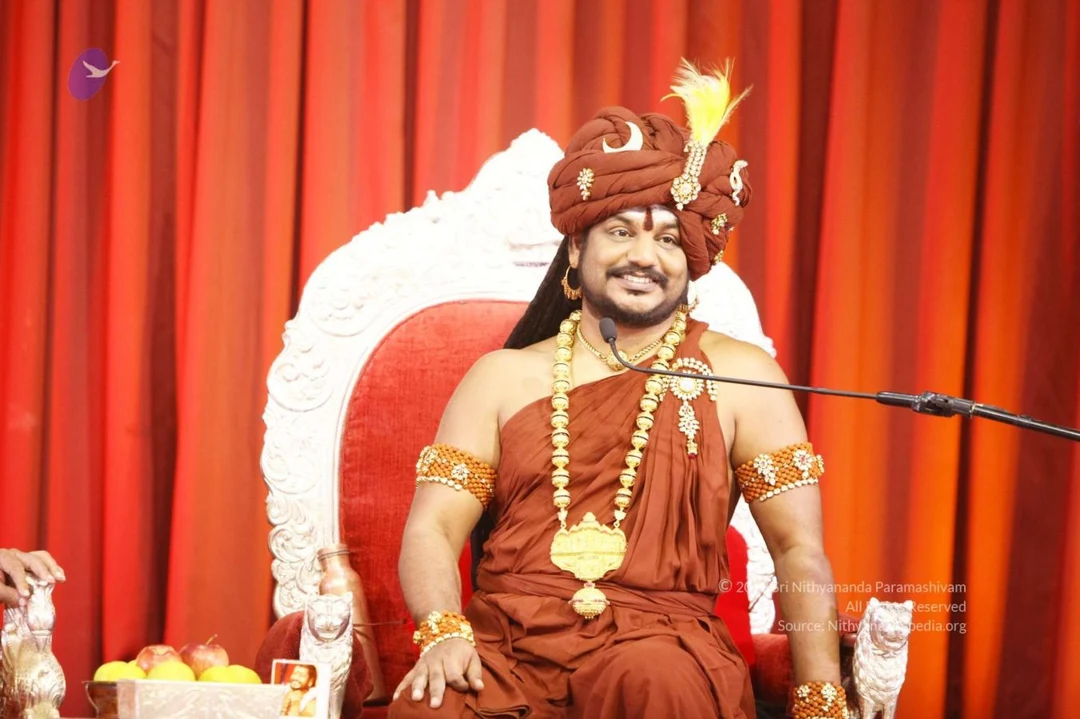 YOU LISTEN from the Gurus, you’ll get the deeper SECRETS
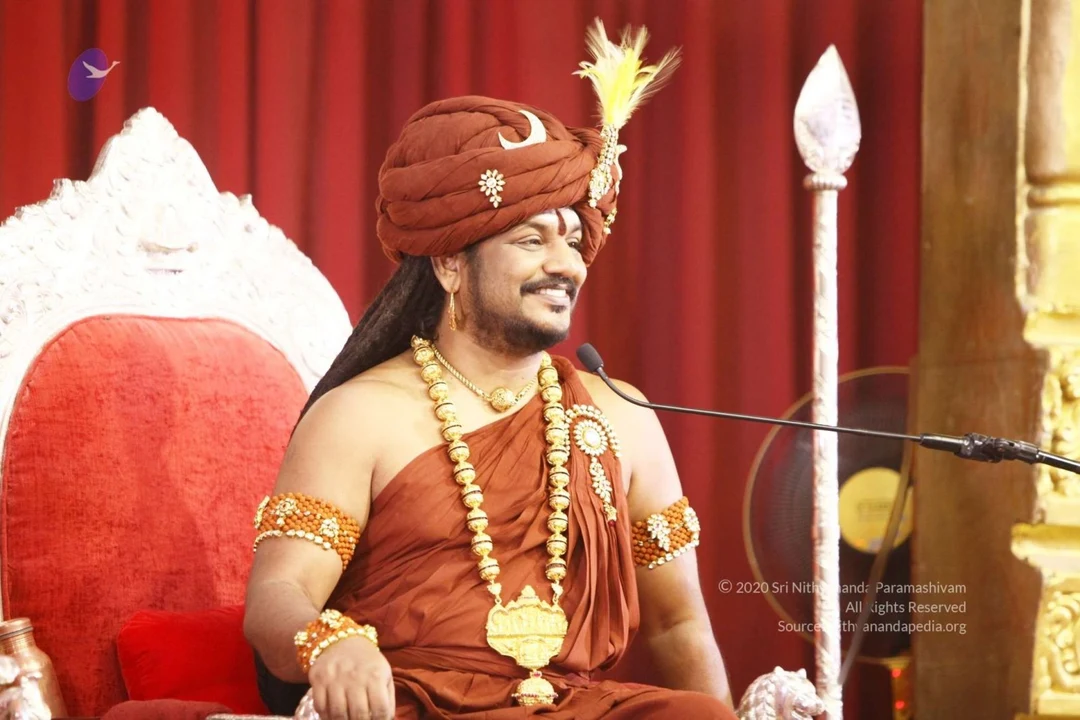 YOU LISTEN from the Gurus, you’ll get the deeper SECRETS
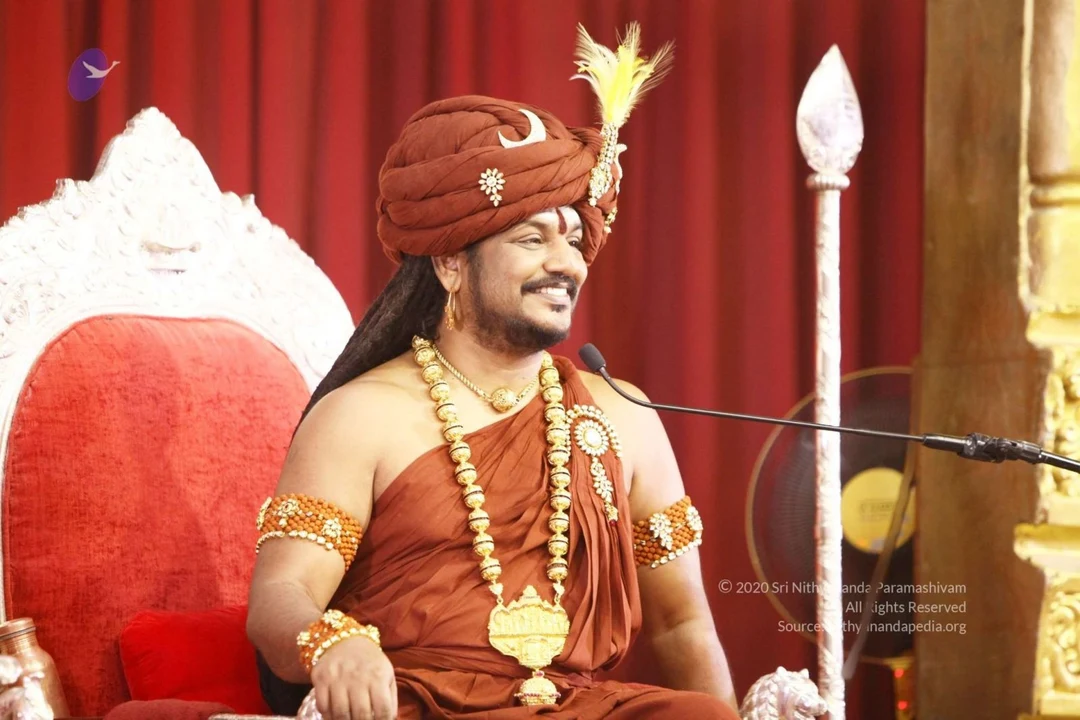 YOU LISTEN from the Gurus, you’ll get the deeper SECRETS
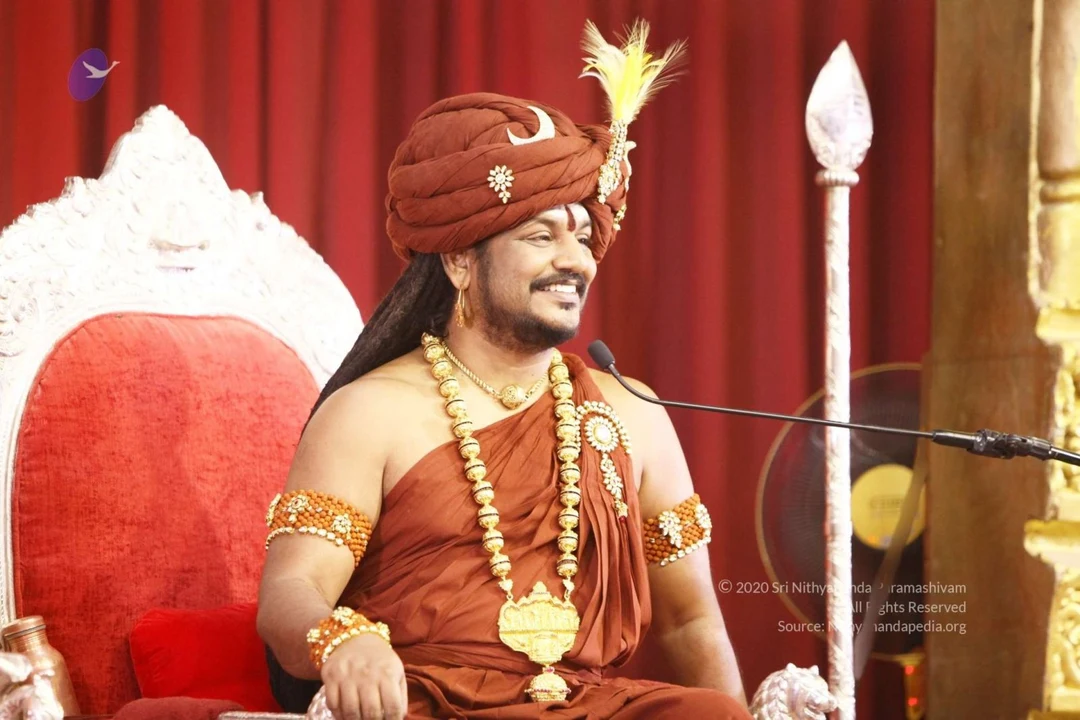 YOU LISTEN from the Gurus, you’ll get the deeper SECRETS
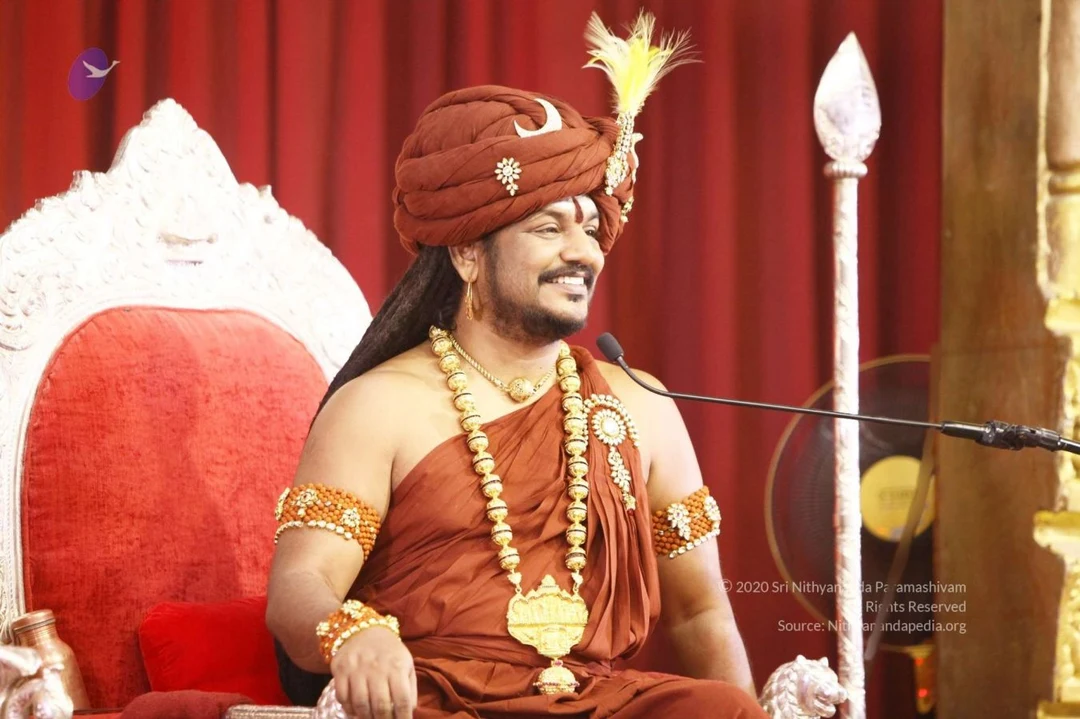 YOU LISTEN from the Gurus, you’ll get the deeper SECRETS
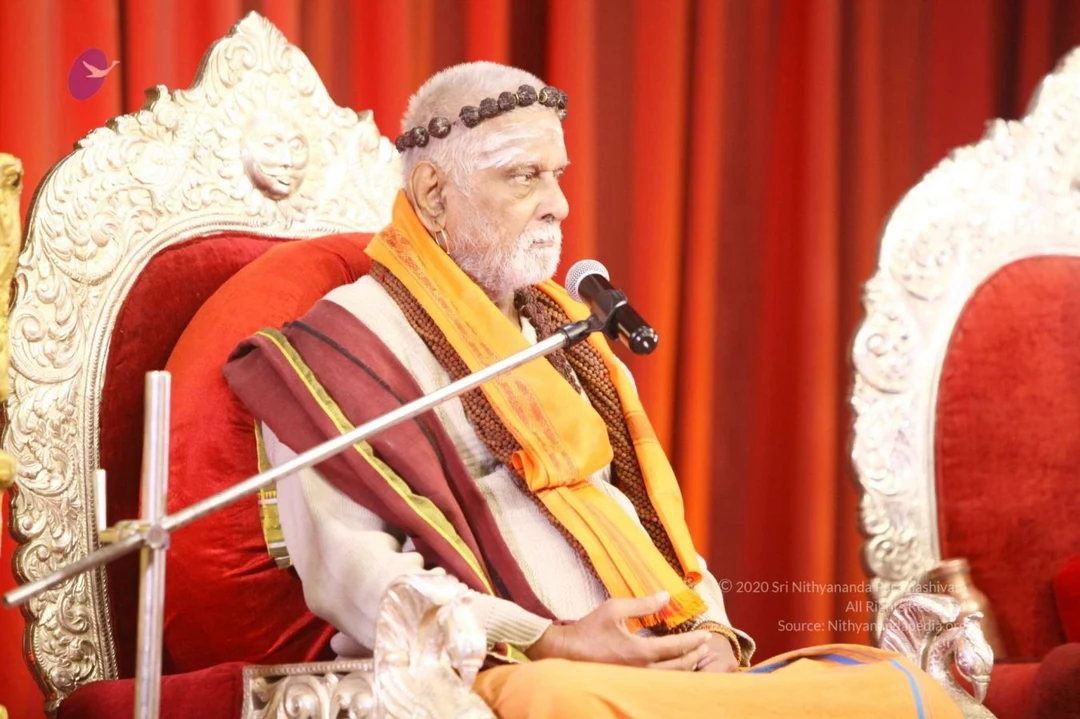 YOU LISTEN from the Gurus, you’ll get the deeper SECRETS
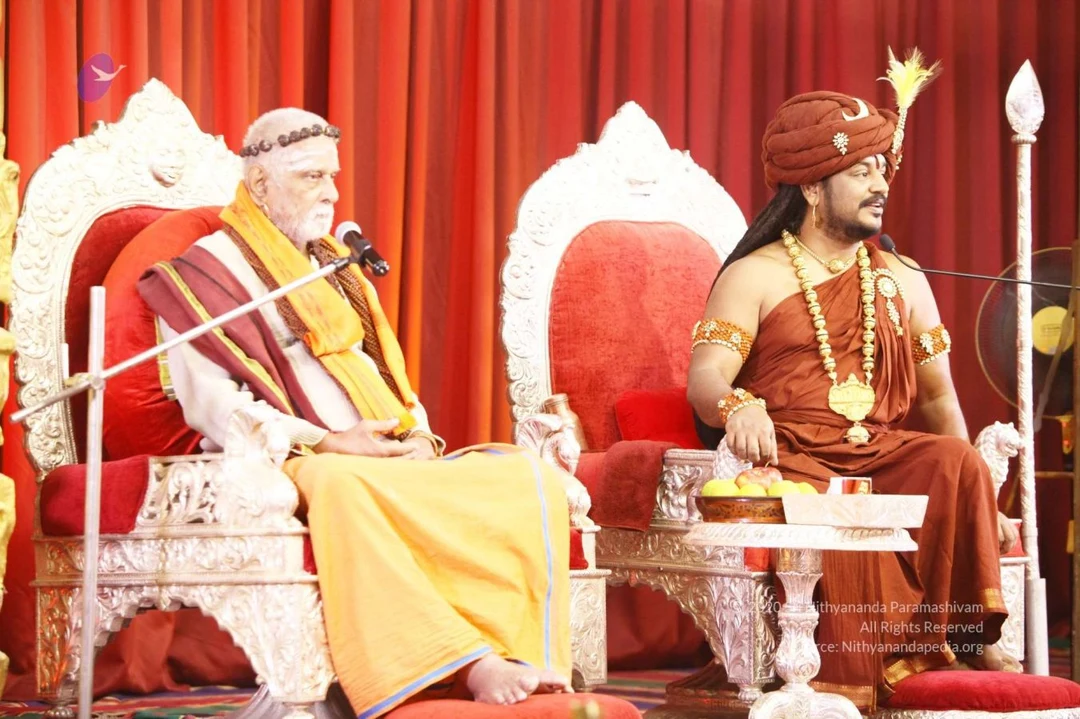 YOU LISTEN from the Gurus, you’ll get the deeper SECRETS
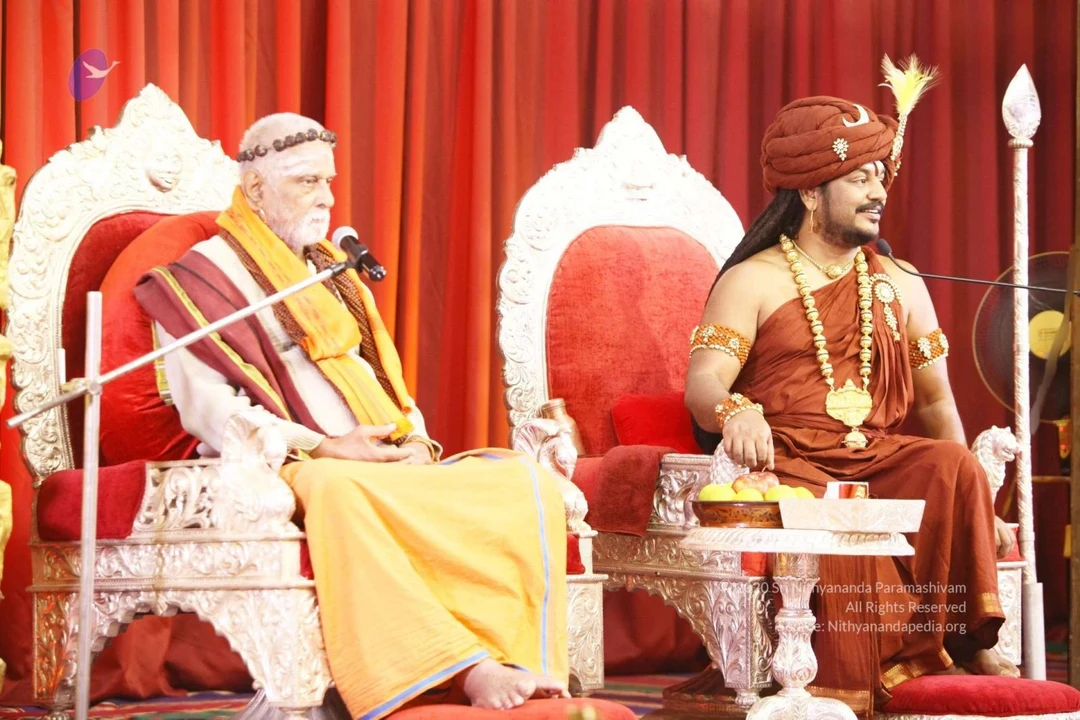 YOU LISTEN from the Gurus, you’ll get the deeper SECRETS
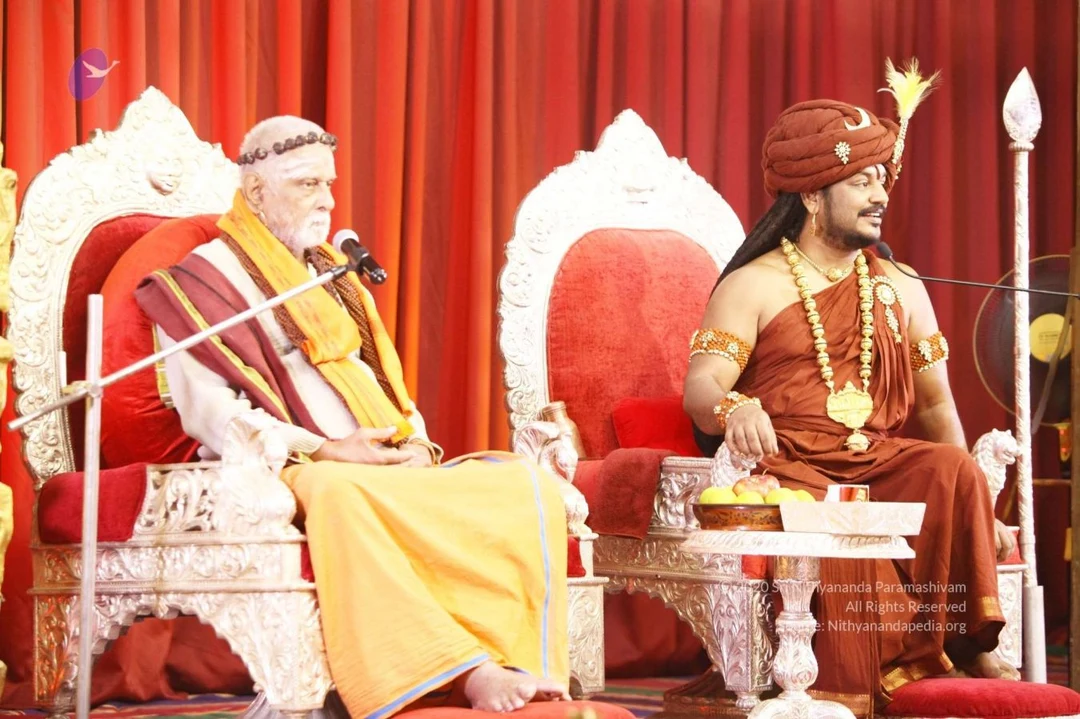 YOU LISTEN from the Gurus, you’ll get the deeper SECRETS
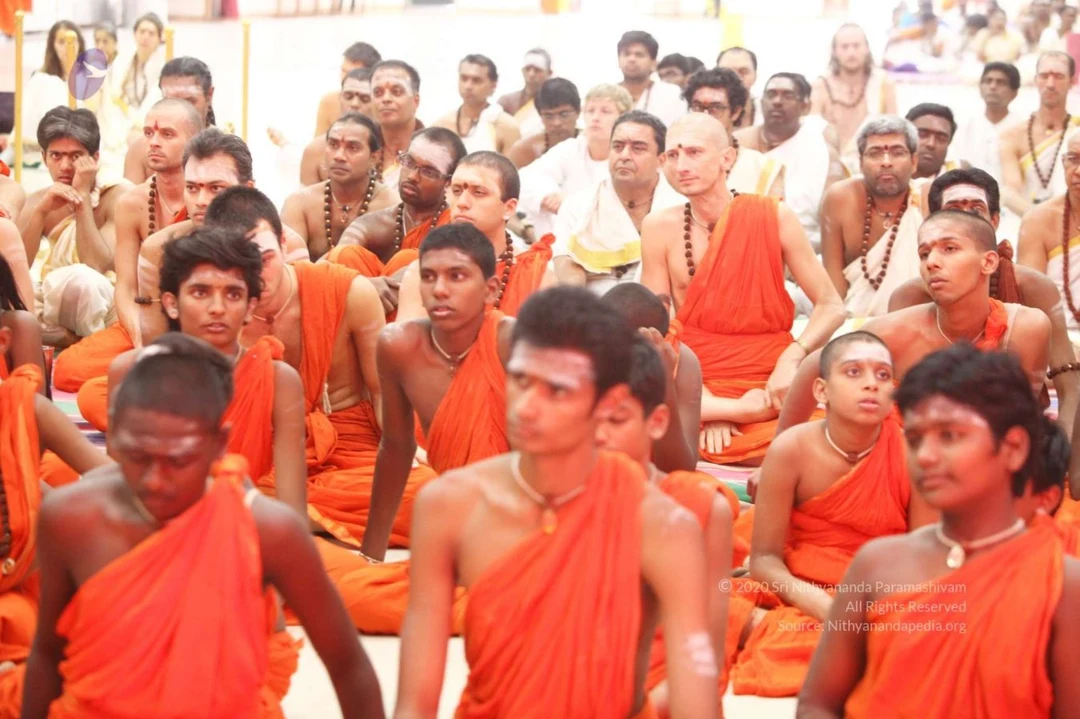 HDH Nithyananda Paramashivam SHARING history of Madurai existence
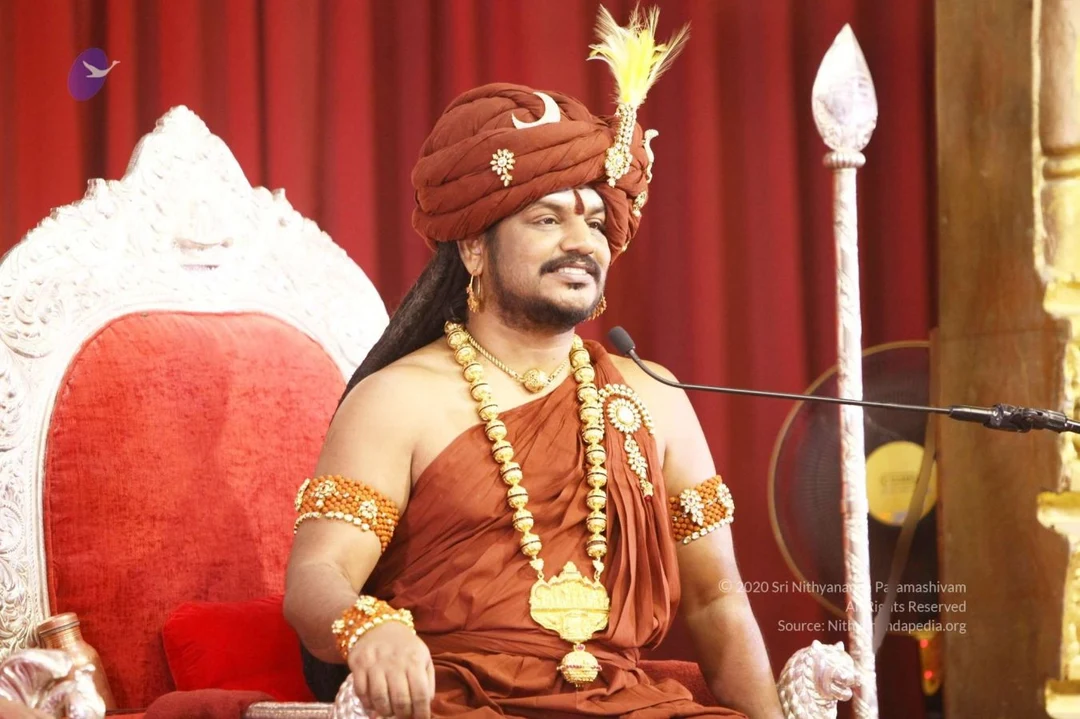 HDH Nithyananda Paramashivam SHARING history of Madurai existence
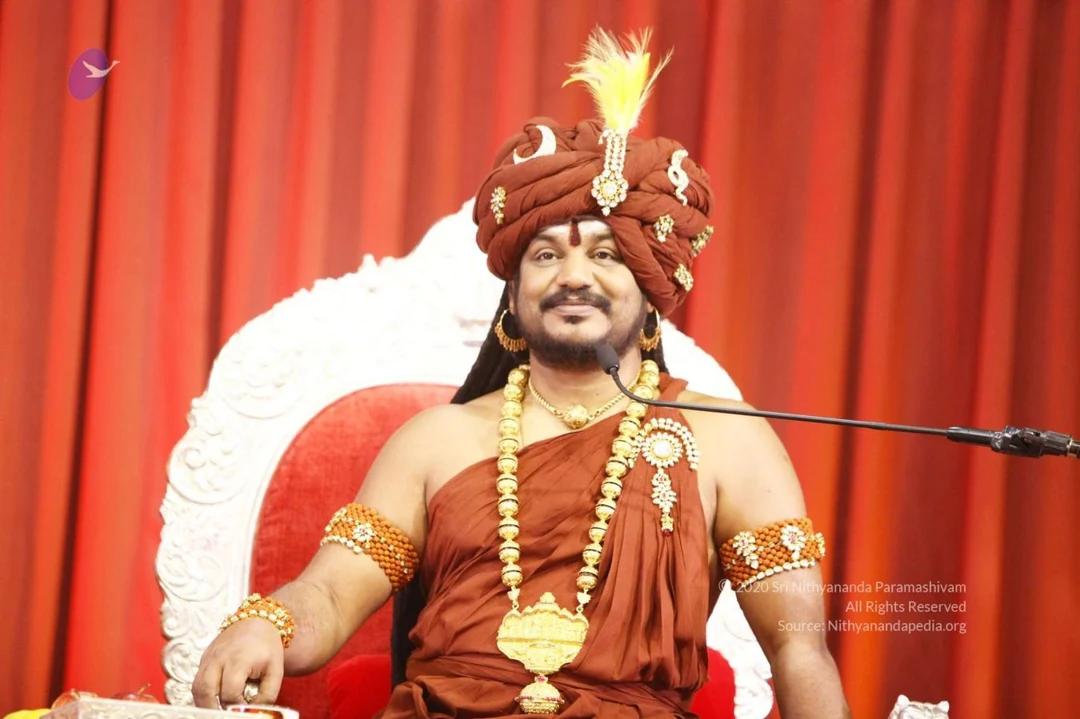 HDH Nithyananda Paramashivam SHARING history of Madurai existence
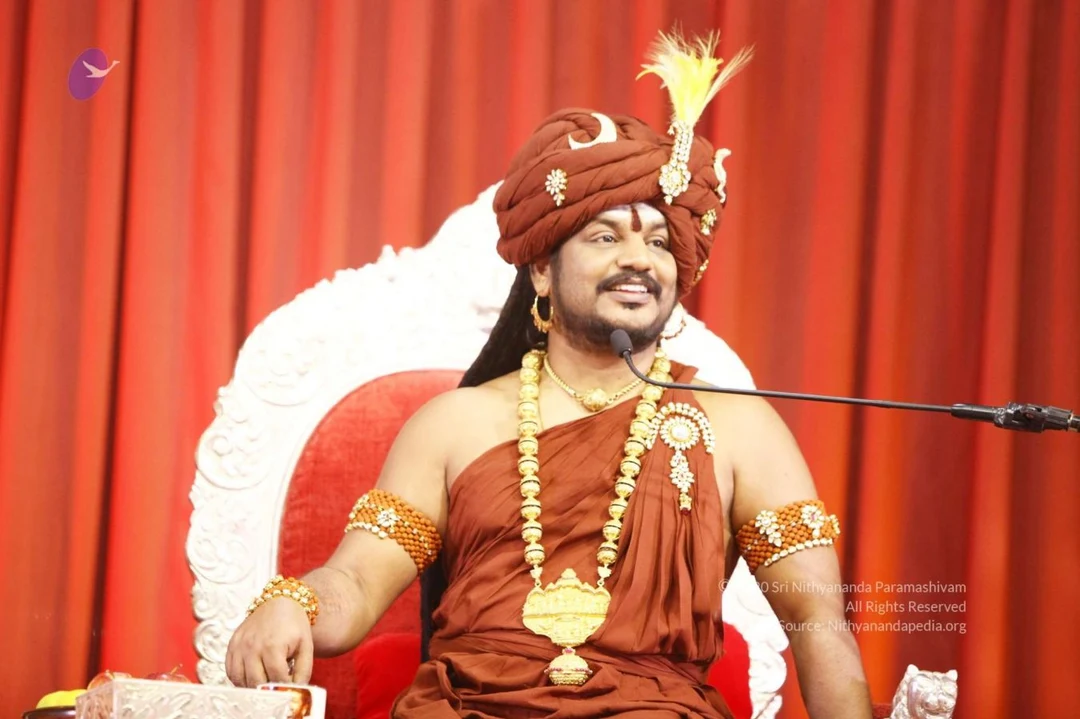 HDH Nithyananda Paramashivam SHARING history of Madurai existence
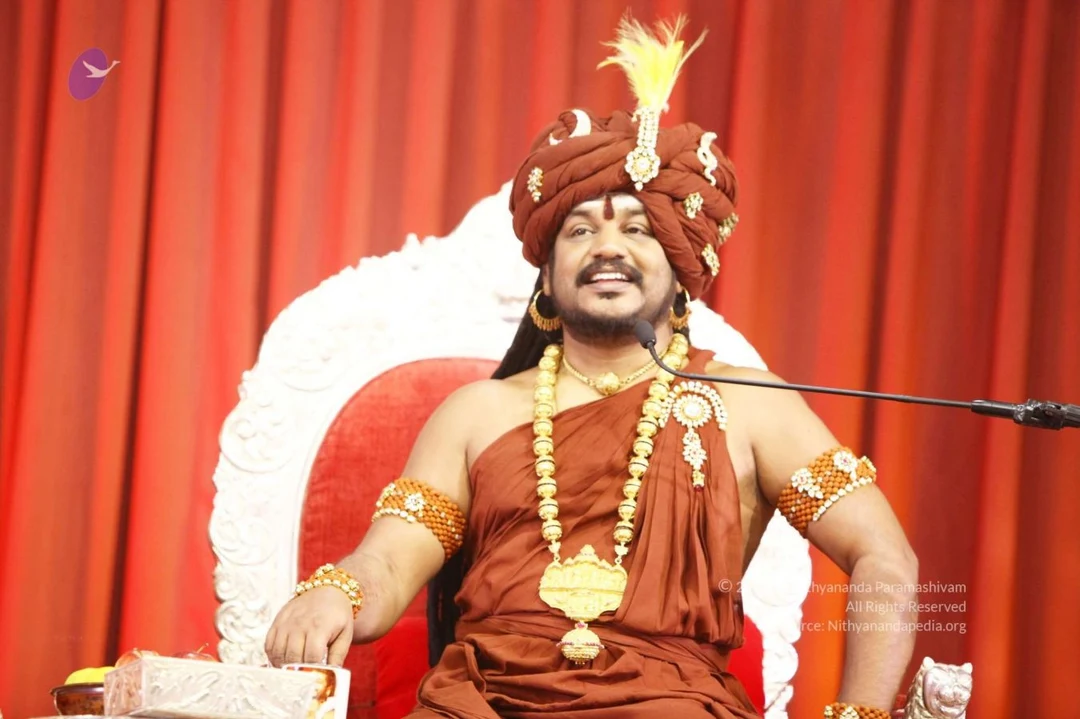 HDH Nithyananda Paramashivam SHARING history of Madurai existence
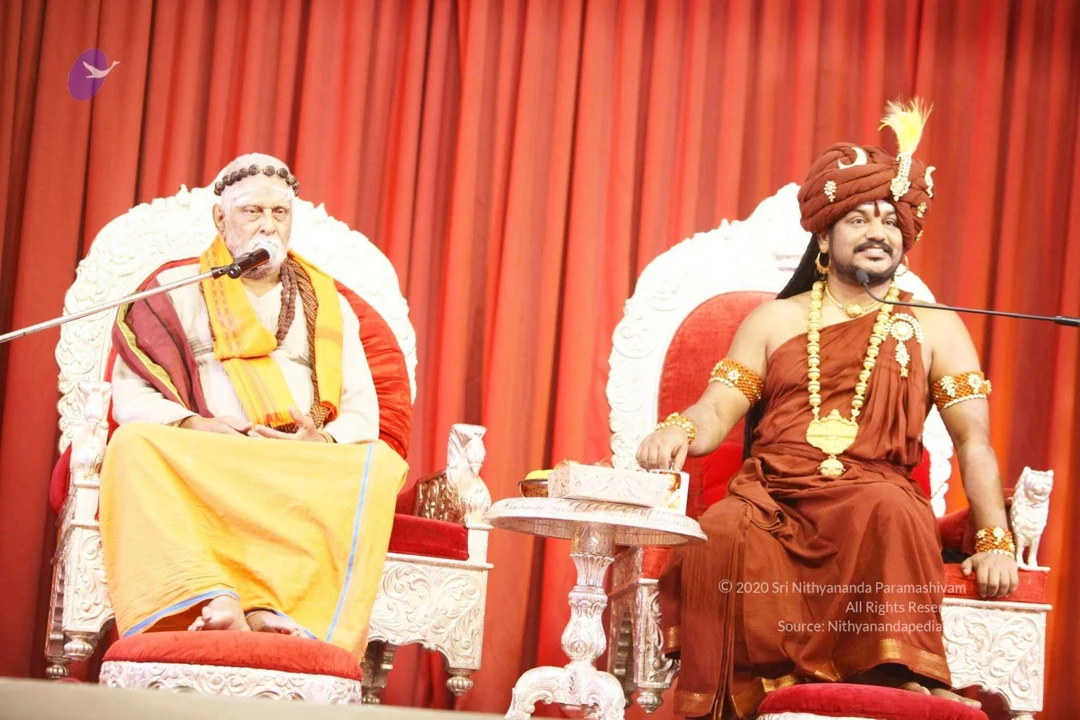 HDH Nithyananda Paramashivam SHARING history of Madurai existence
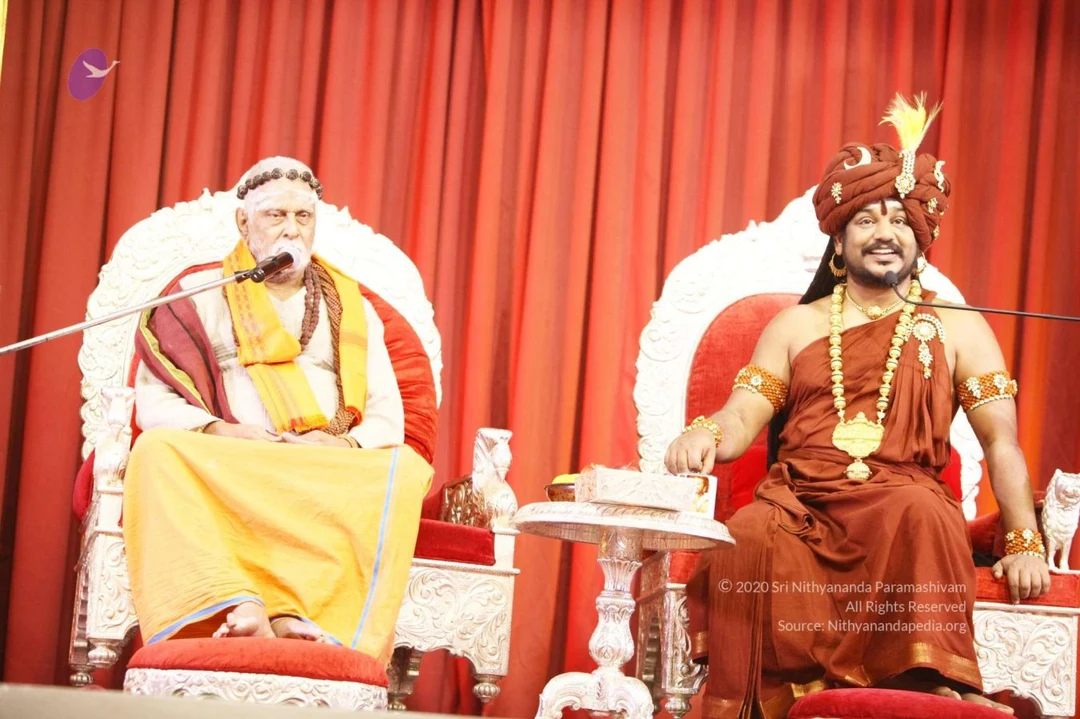 HDH Nithyananda Paramashivam SHARING history of Madurai existence
 HHDH Nithyananda Paramashivam SHARING history of Madurai existence
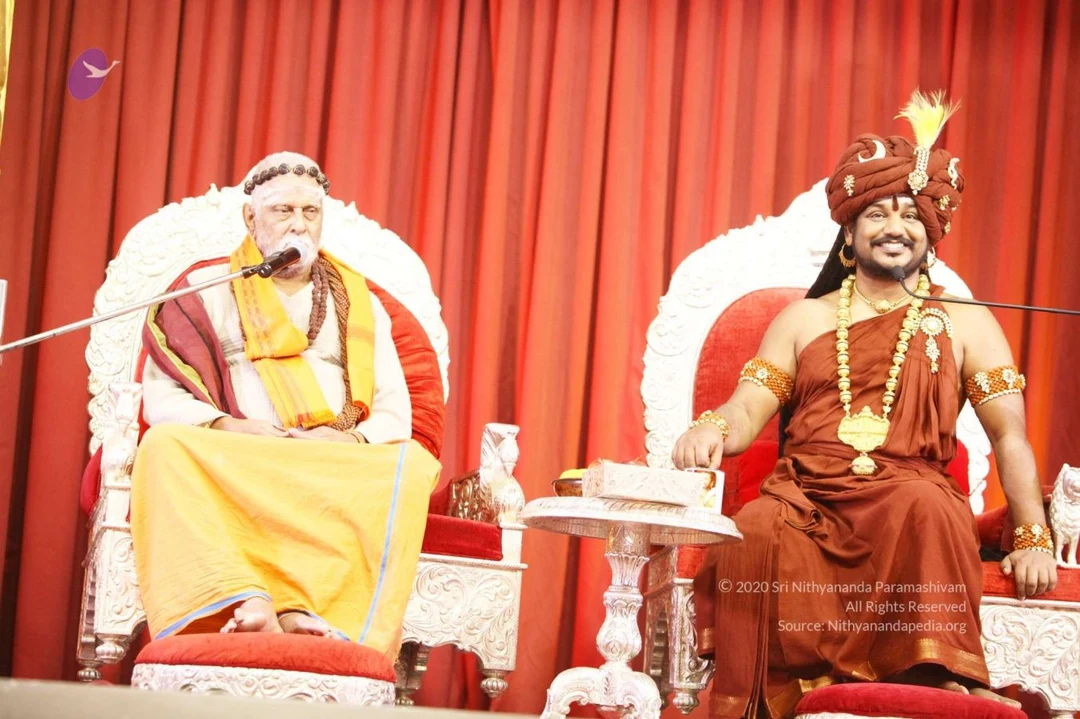 HDH Nithyananda Paramashivam SHARING history of Madurai existence
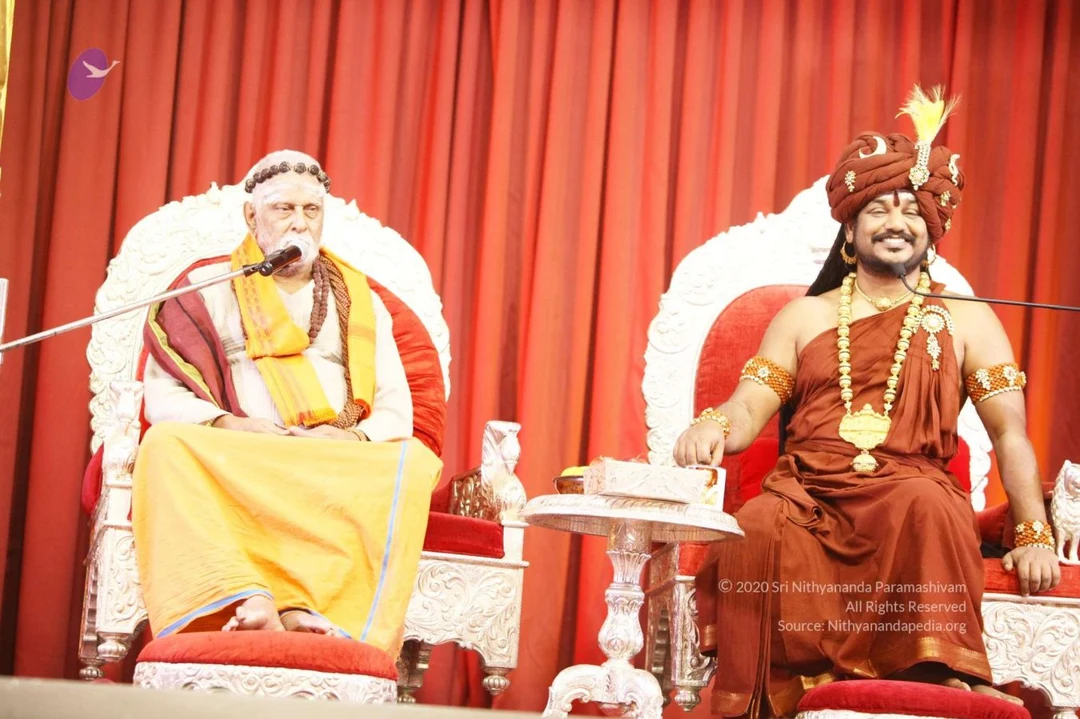 REALIZE the state of Sadāshiva, space of Sadāshiva, manifest the powers of Sadāshiva
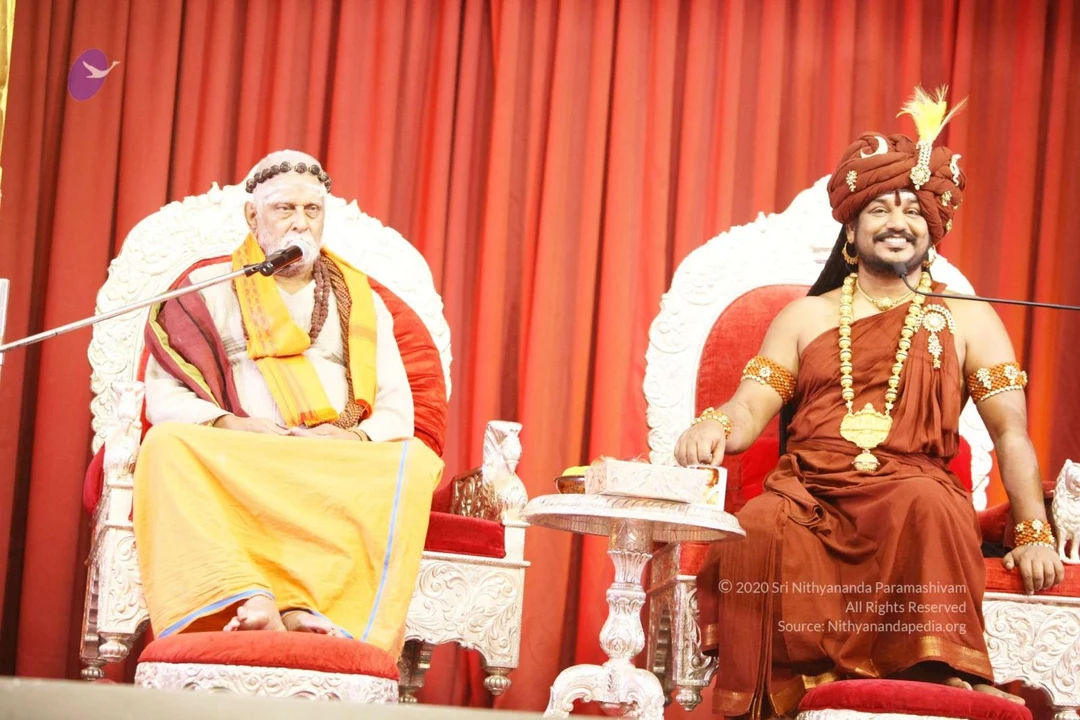 REALIZE the state of Sadāshiva, space of Sadāshiva, manifest the powers of Sadāshiva
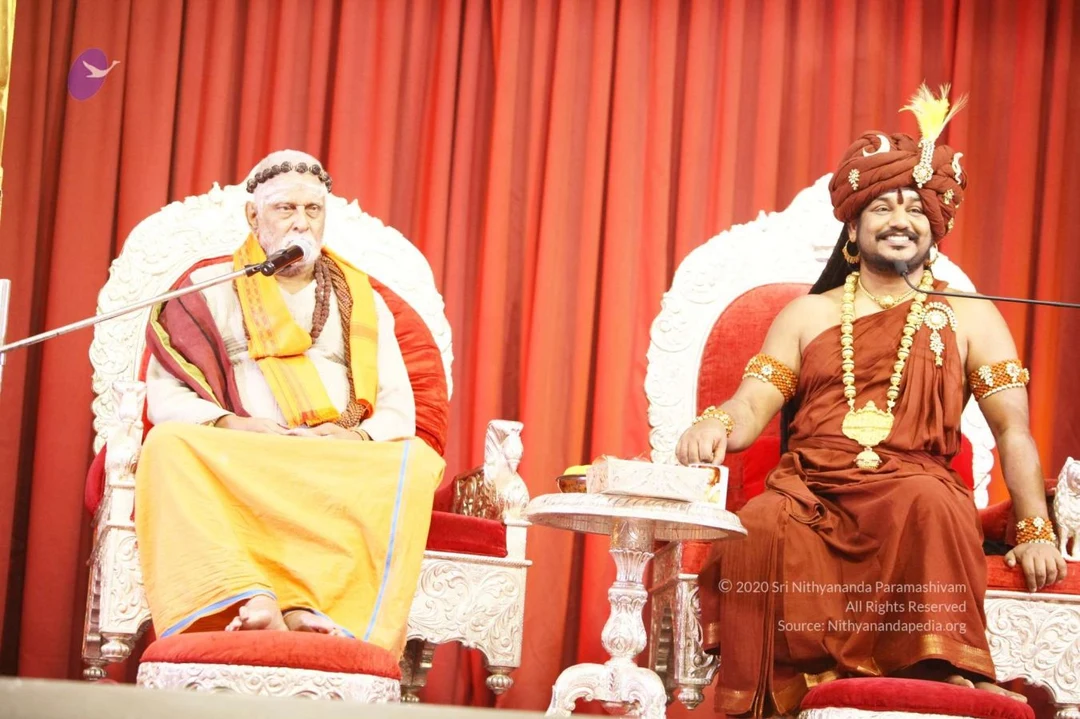 REALIZE the state of Sadāshiva, space of Sadāshiva, manifest the powers of Sadāshiva
 REALIZE the state of Sadāshiva, space of Sadāshiva, manifest the powers of Sadāshiva
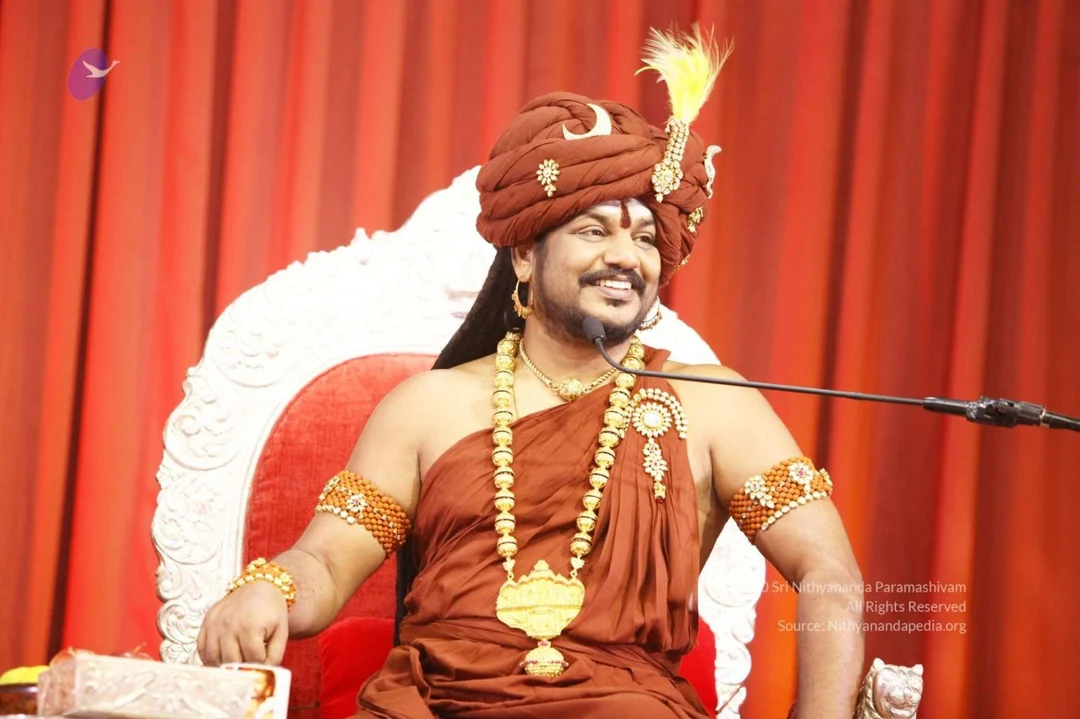 REALIZE the state of Sadāshiva, space of Sadāshiva, manifest the powers of Sadāshiva
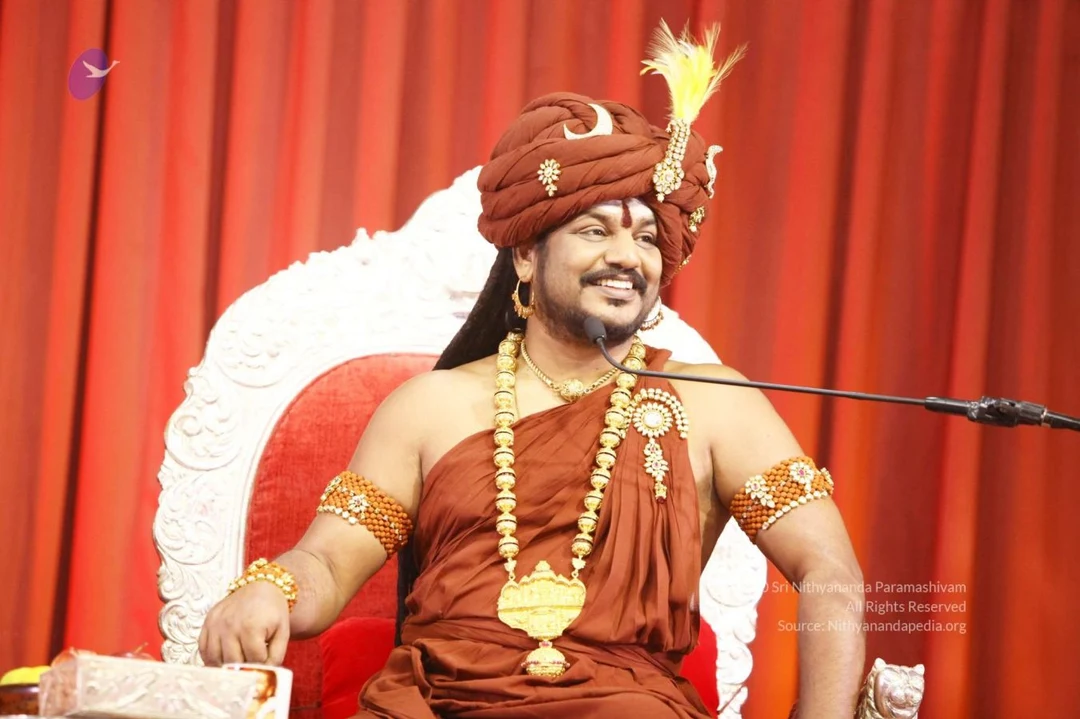 REALIZE the state of Sadāshiva, space of Sadāshiva, manifest the powers of Sadāshiva
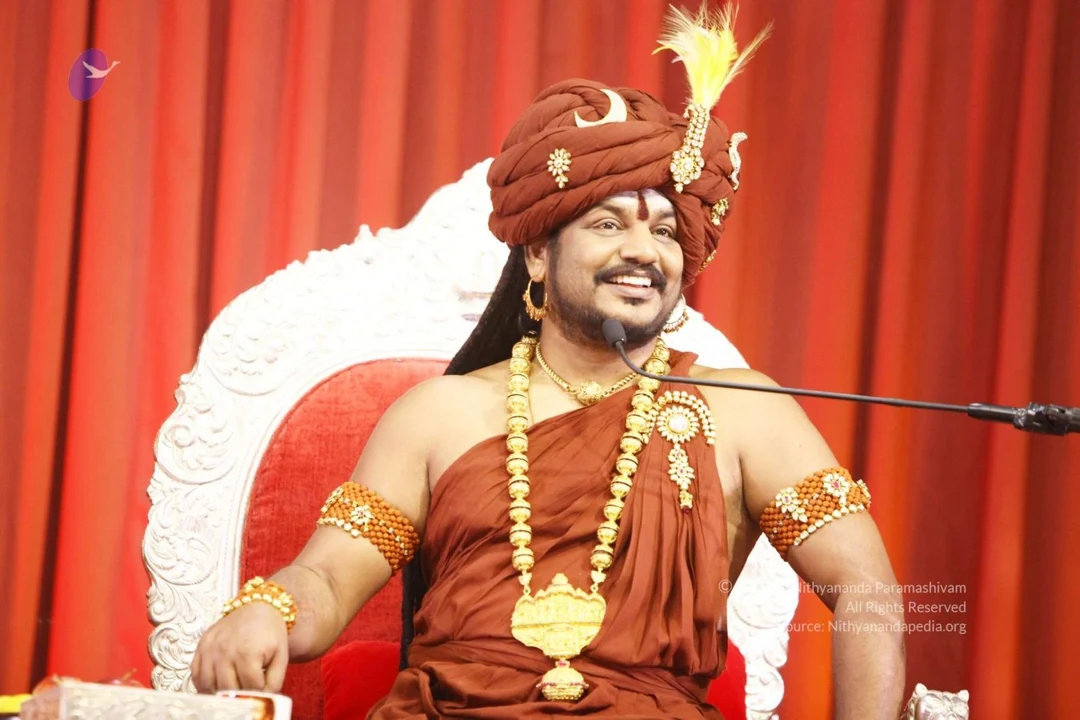 REALIZE the state of Sadāshiva, space of Sadāshiva, manifest the powers of Sadāshiva
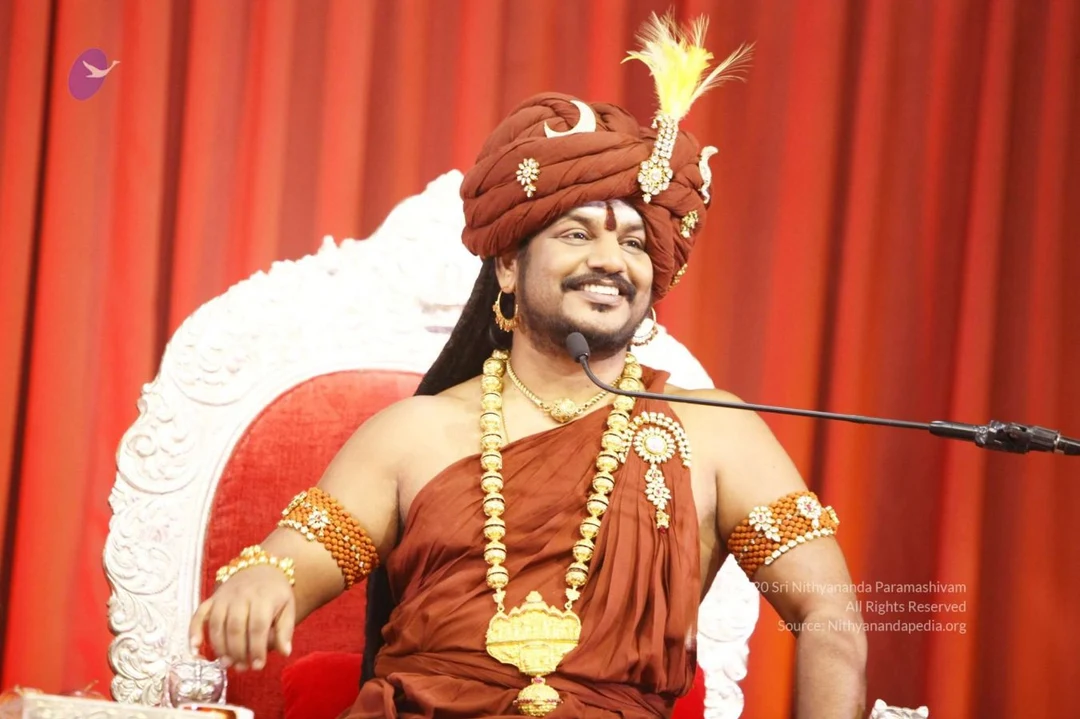 REALIZE the state of Sadāshiva, space of Sadāshiva, manifest the powers of Sadāshiva
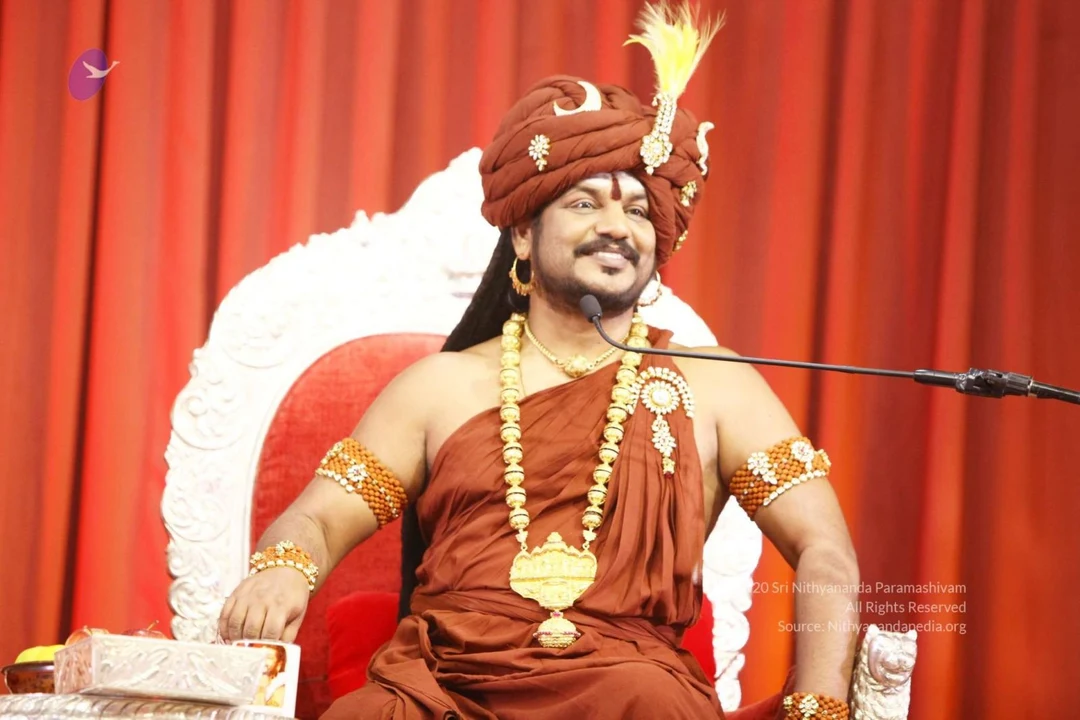 MANDIFEST Sadāshivatva, means - live the state, radiate the space, manifest the powers of Sadāshiva
 MANDIFEST Sadāshivatva, means - live the state, radiate the space, manifest the powers of Sadāshiva
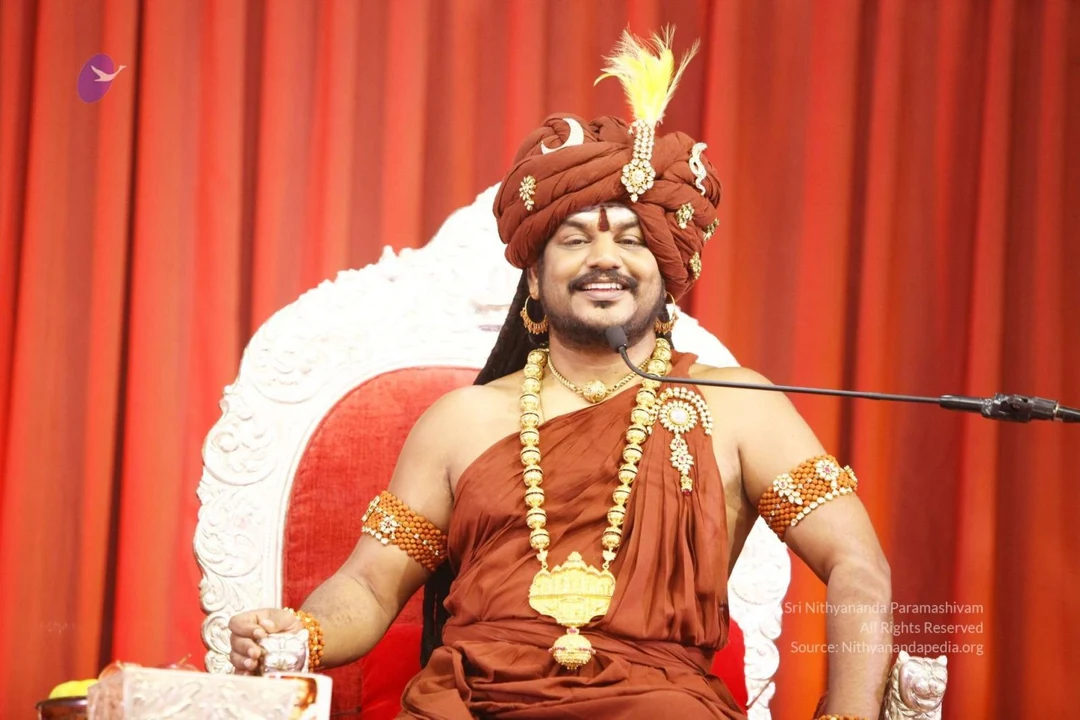 MANDIFEST Sadāshivatva, means - live the state, radiate the space, manifest the powers of Sadāshiva
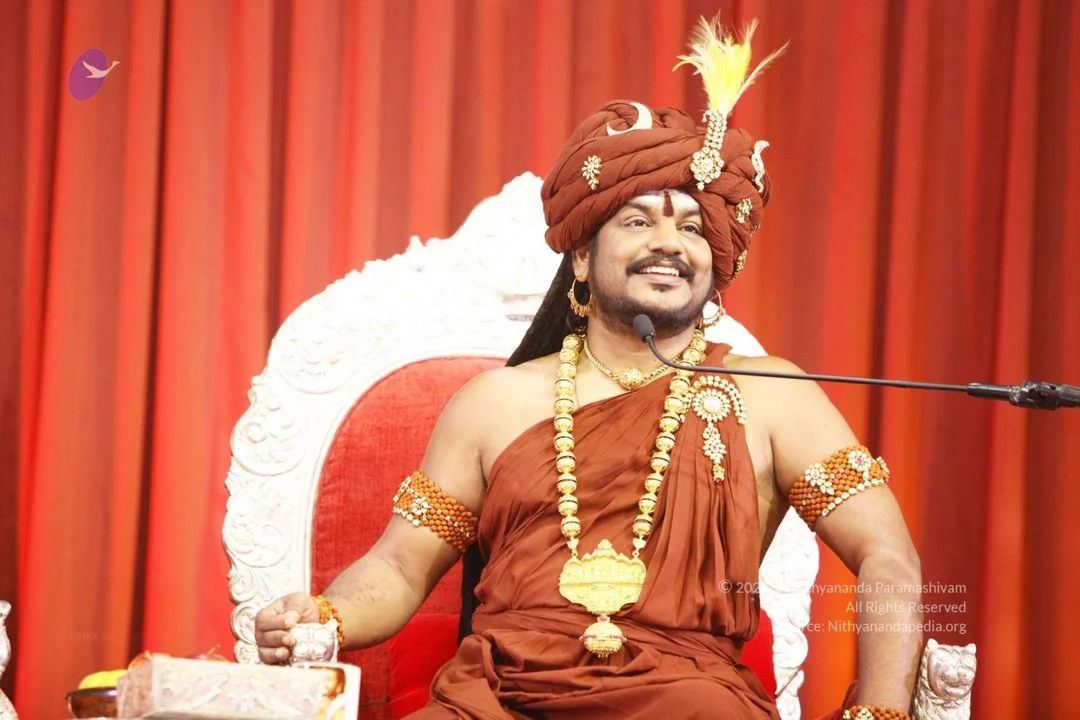 MANDIFEST Sadāshivatva, means - live the state, radiate the space, manifest the powers of Sadāshiva
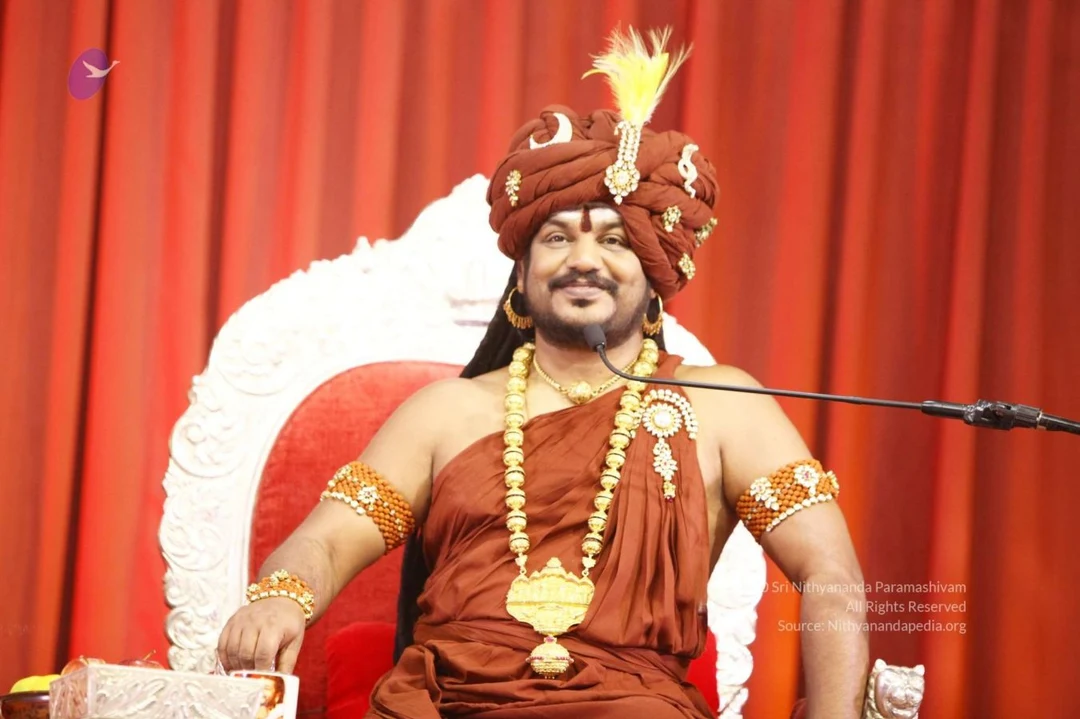 MANDIFEST Sadāshivatva, means - live the state, radiate the space, manifest the powers of Sadāshiva
 MANDIFEST Sadāshivatva, means - live the state, radiate the space, manifest the powers of Sadāshiva
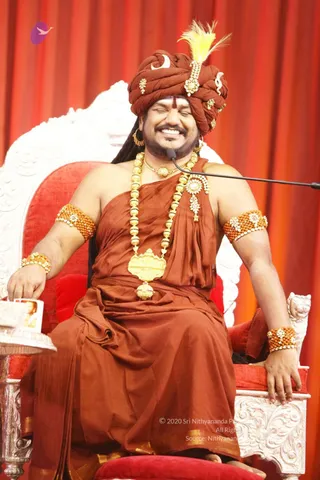 MANDIFEST Sadāshivatva, means - live the state, radiate the space, manifest the powers of Sadāshiva
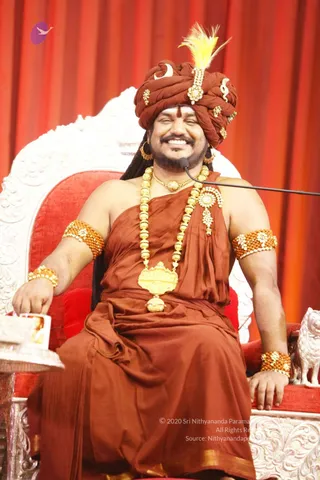 DEEPER insights from the Hinduism and Shaivite traditions SHARED
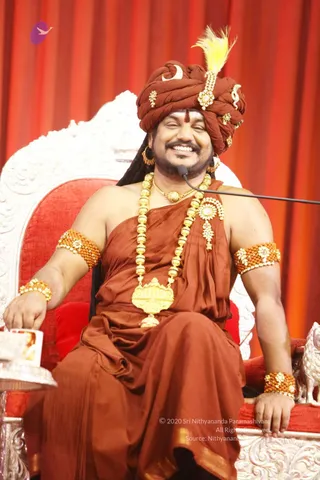 DEEPER insights from the Hinduism and Shaivite traditions SHARED
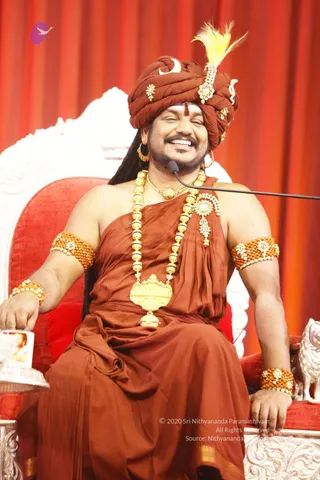 DEEPER insights from the Hinduism and Shaivite traditions SHARED
 DEEPER insights from the Hinduism and Shaivite traditions SHARED
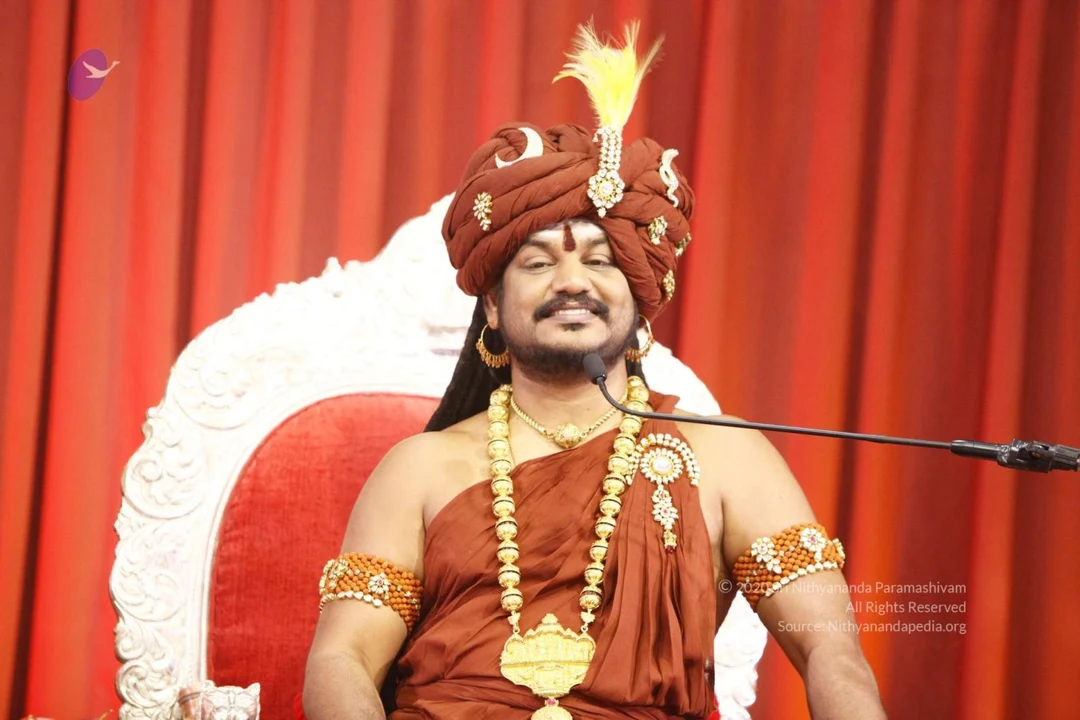 DEEPER insights from the Hinduism and Shaivite traditions SHARED
 DEEPER insights from the Hinduism and Shaivite traditions SHARED
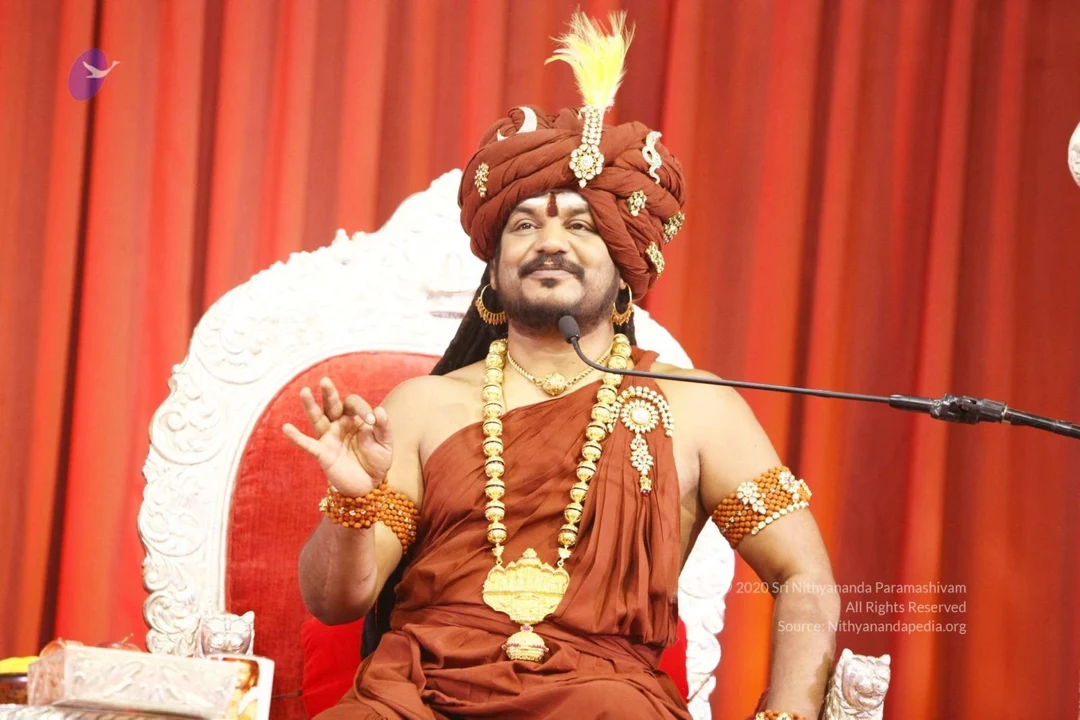 DEEPER insights from the Hinduism and Shaivite traditions SHARED
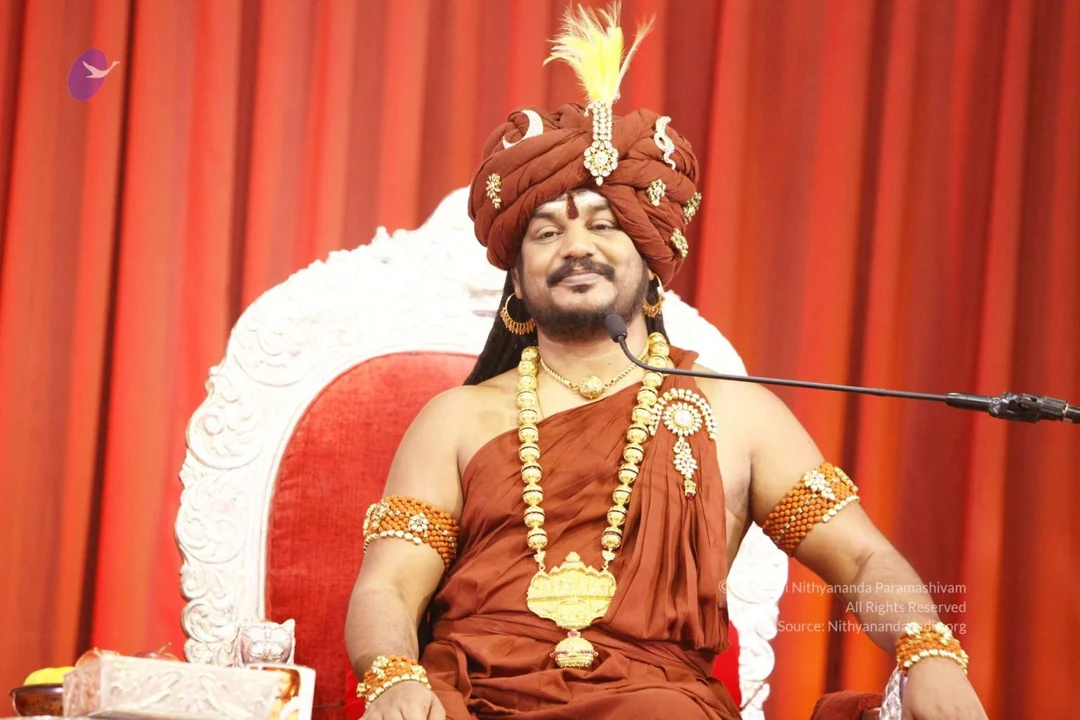 DEEPER insights from the Hinduism and Shaivite traditions SHARED
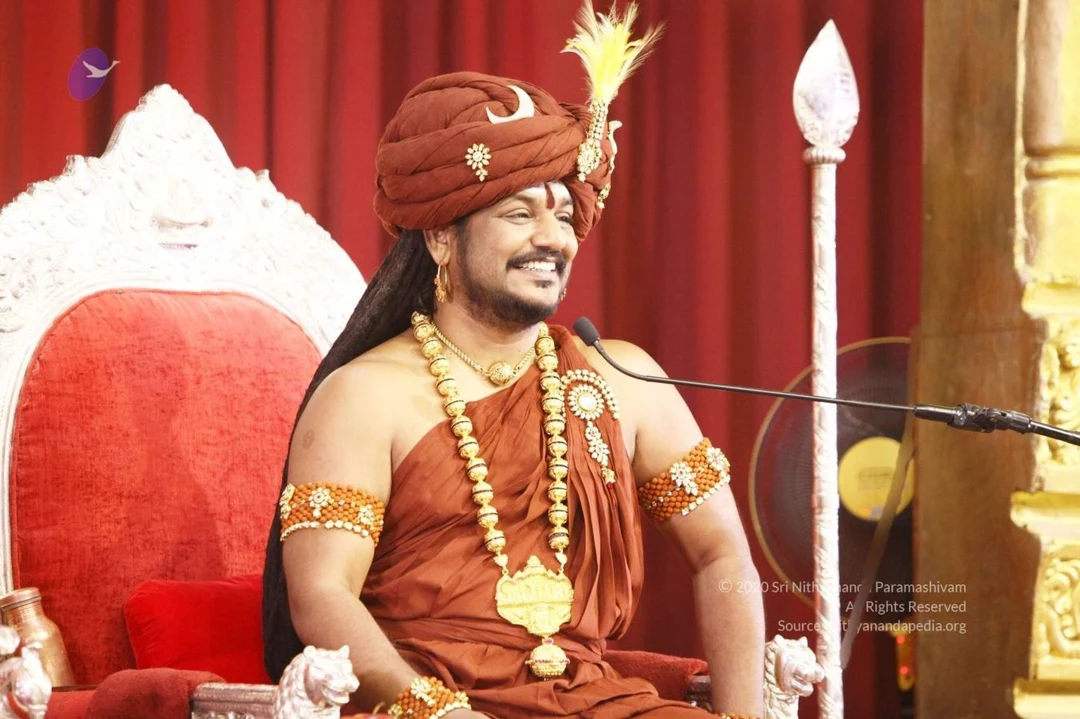 DEEPER insights from the Hinduism and Shaivite traditions SHARED
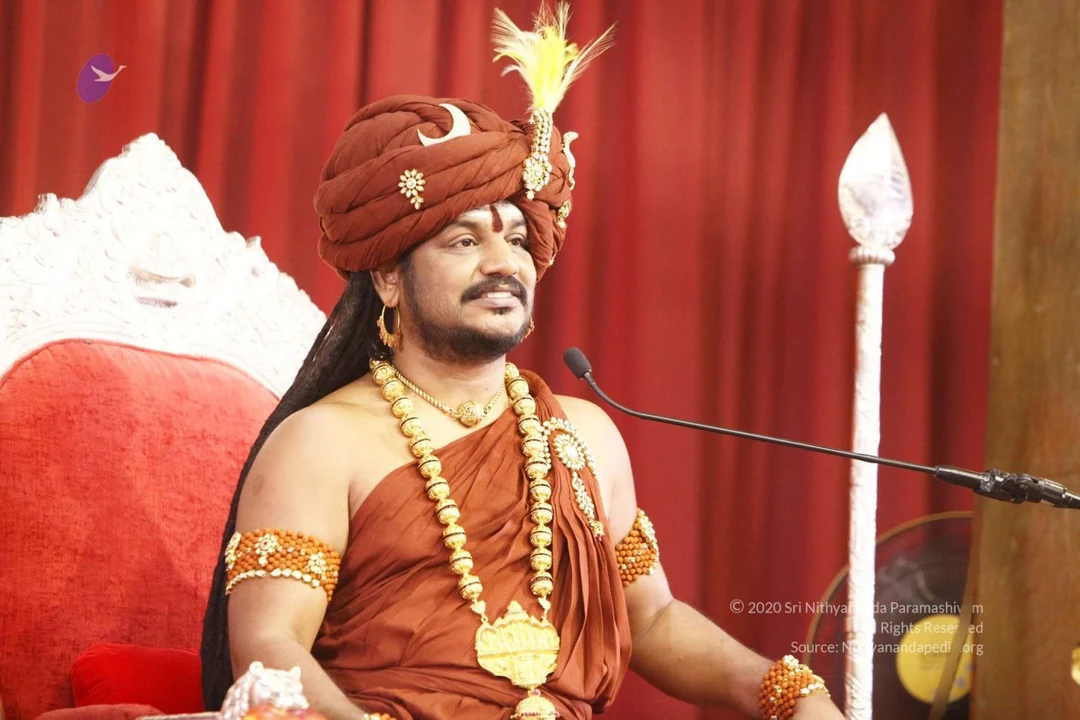 DEEPER insights from the Hinduism and Shaivite traditions SHARED
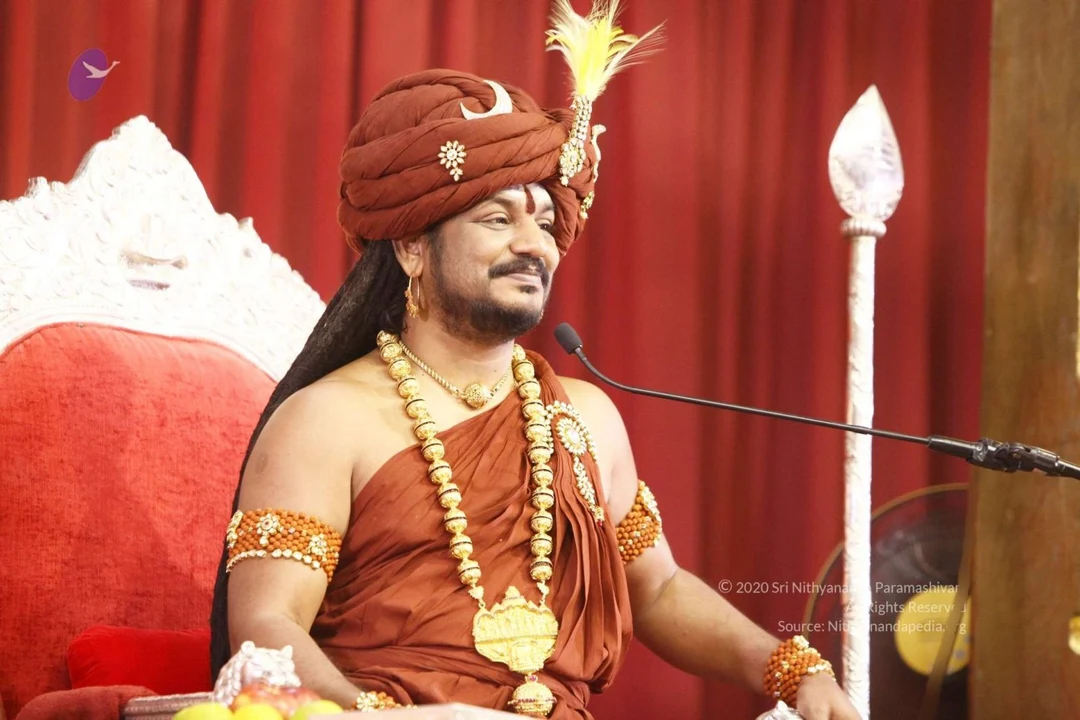 DEEPER insights from the Hinduism and Shaivite traditions SHARED
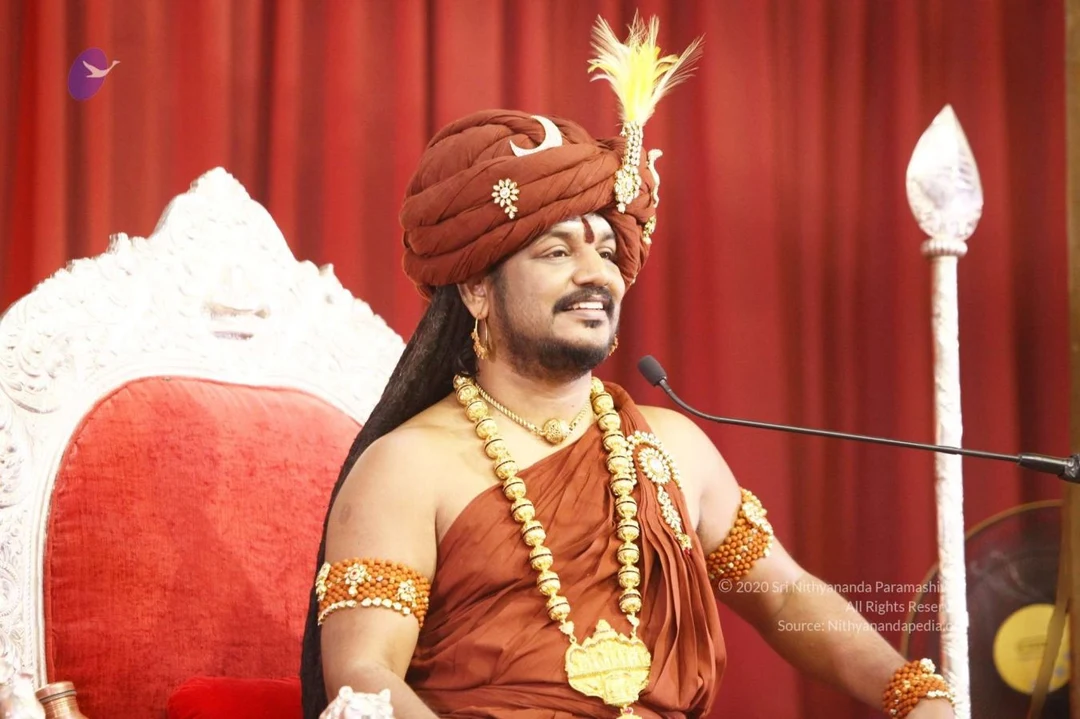 DEEPER insights from the Hinduism and Shaivite traditions SHARED
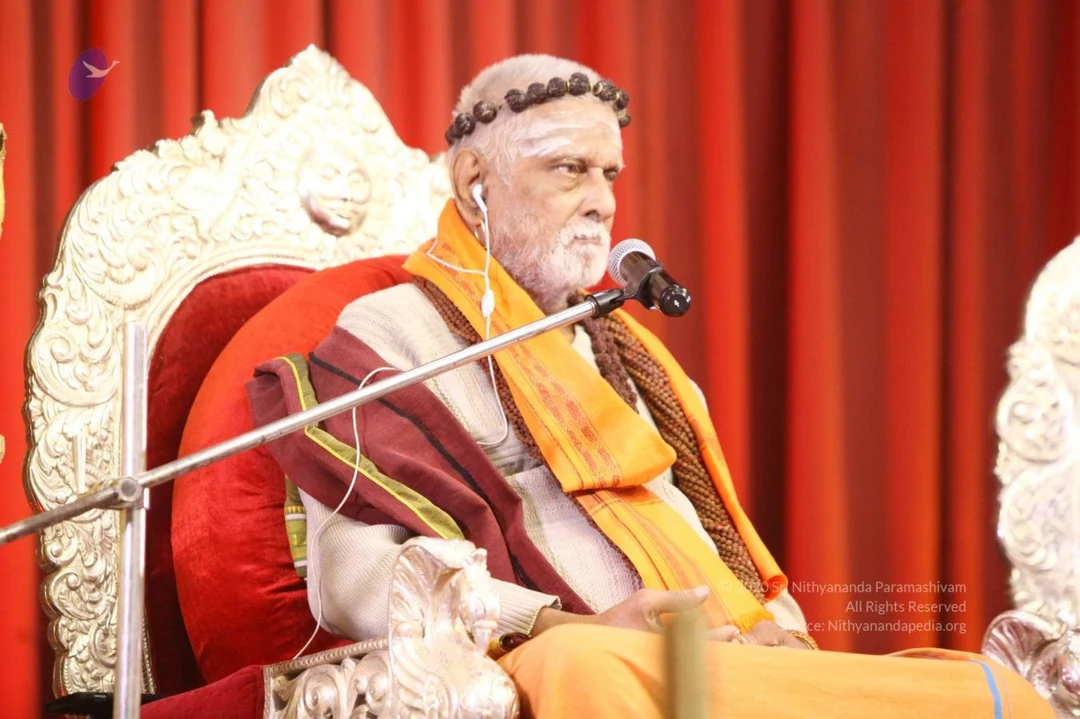 DEEPER insights from the Hinduism and Shaivite traditions SHARED
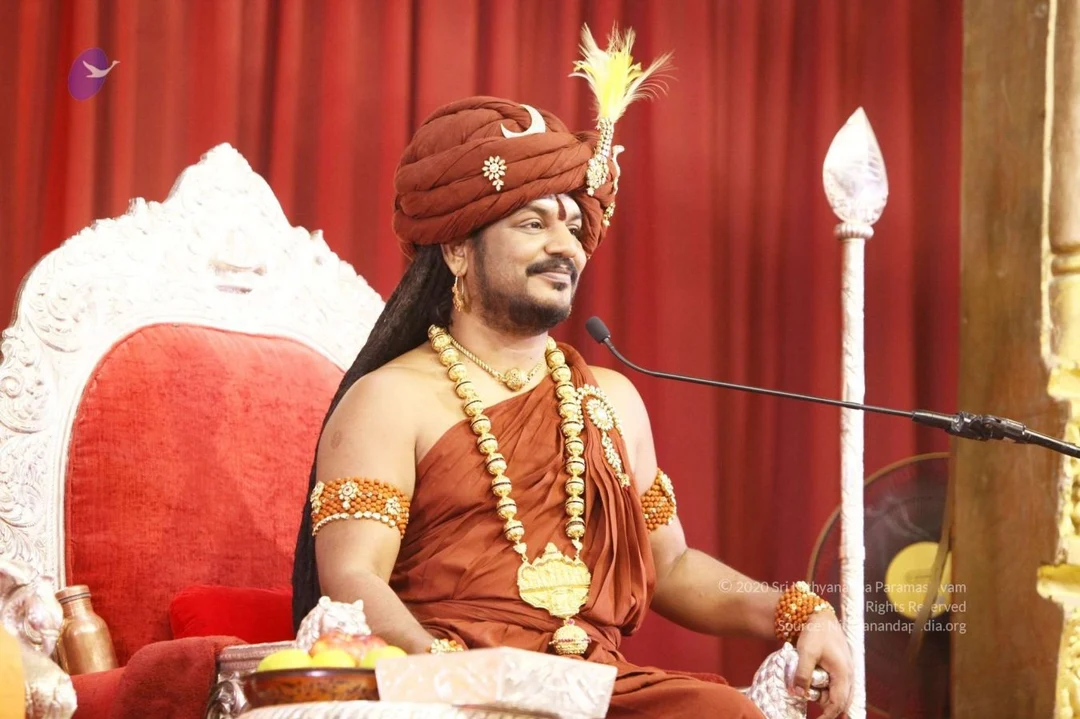 DEEPER insights from the Hinduism and Shaivite traditions SHARED
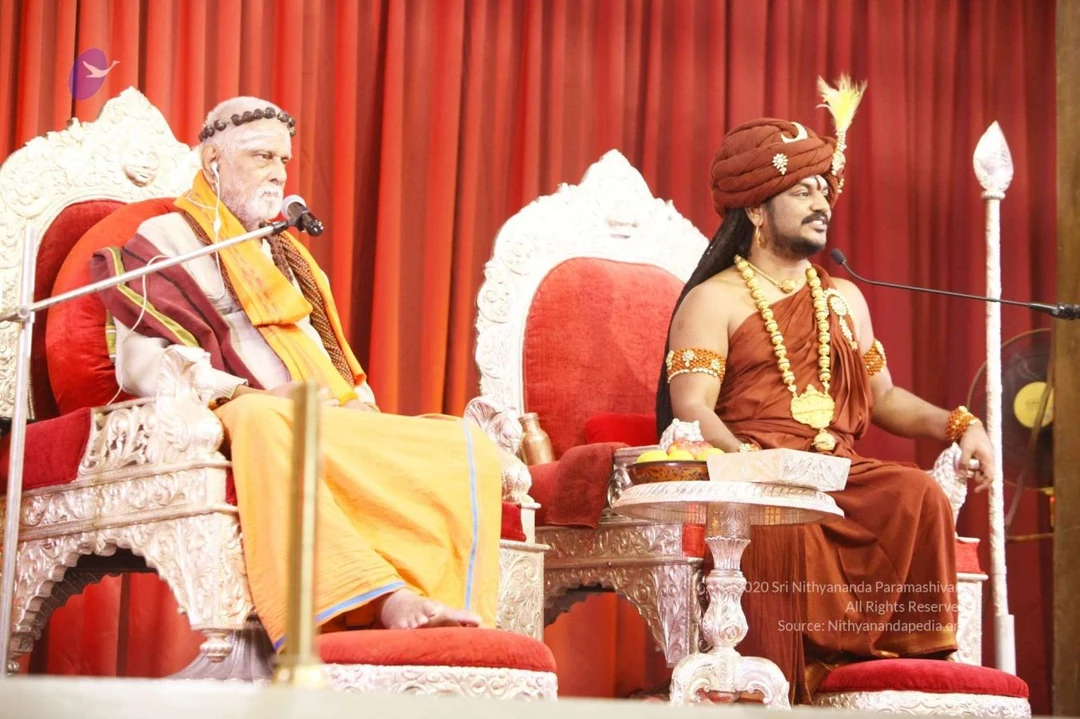 DEEPER insights from the Hinduism and Shaivite traditions SHARED
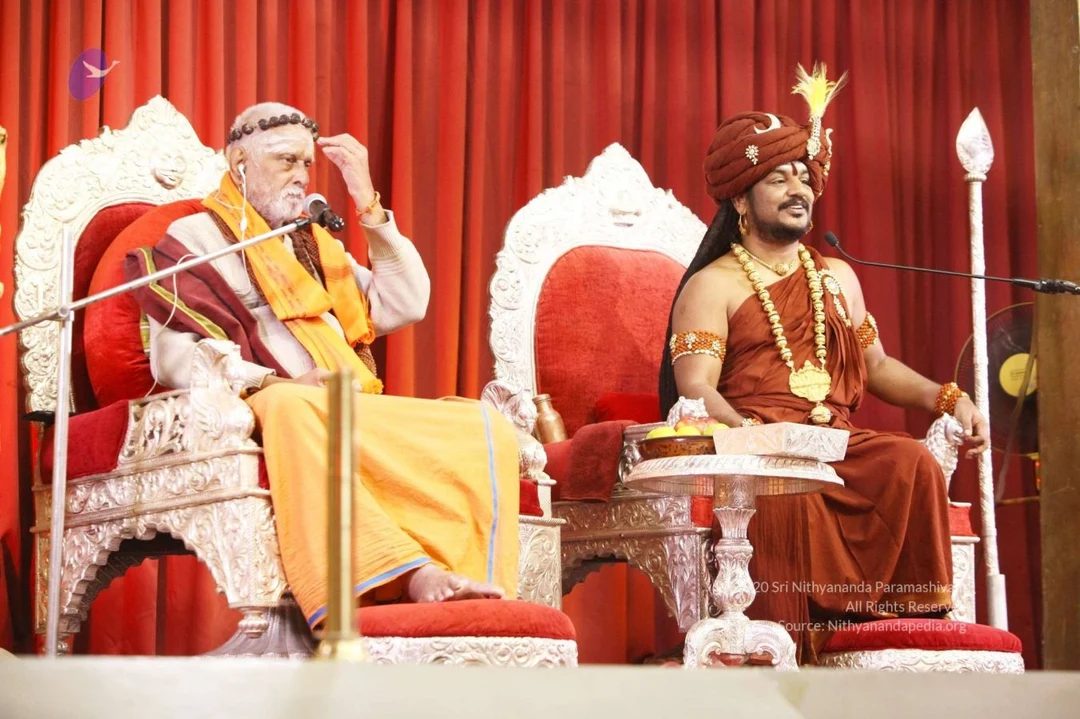 DEEPER insights from the Hinduism and Shaivite traditions SHARED
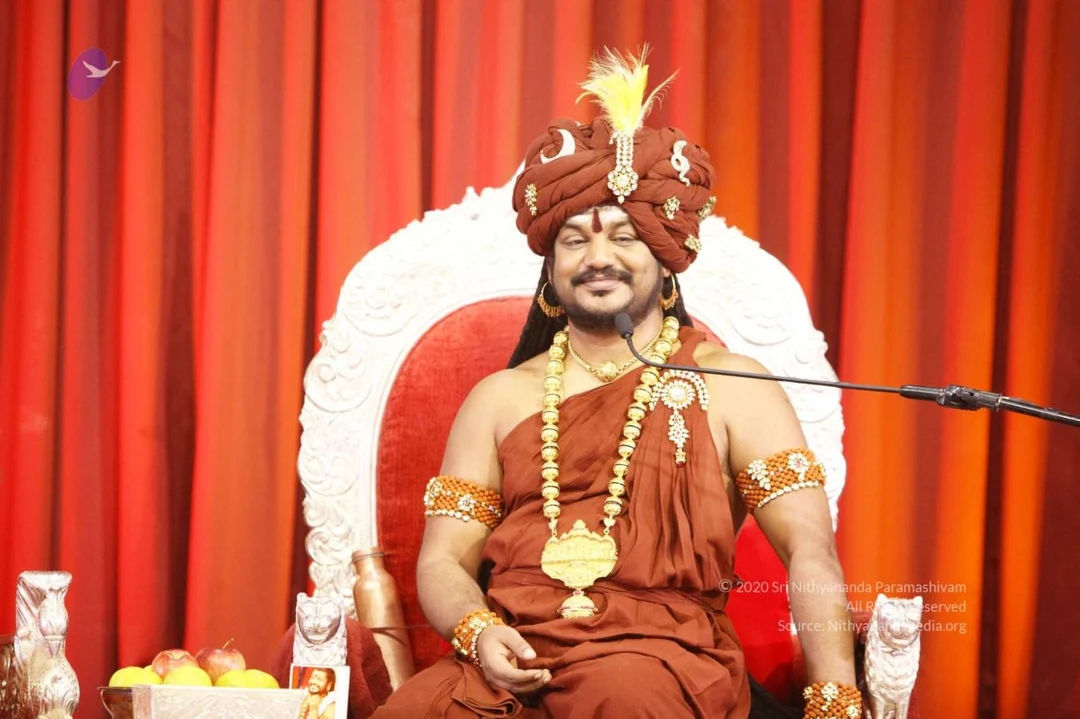 DEEPER insights from the Hinduism and Shaivite traditions SHARED
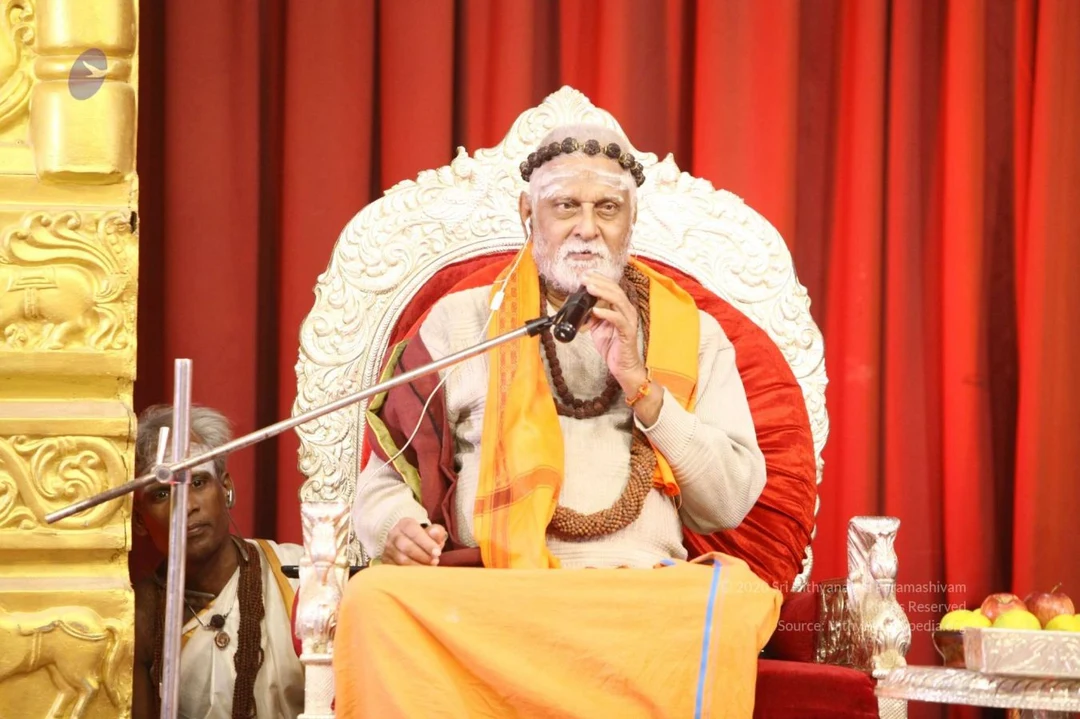 DEEPER insights from the Hinduism and Shaivite traditions SHARED
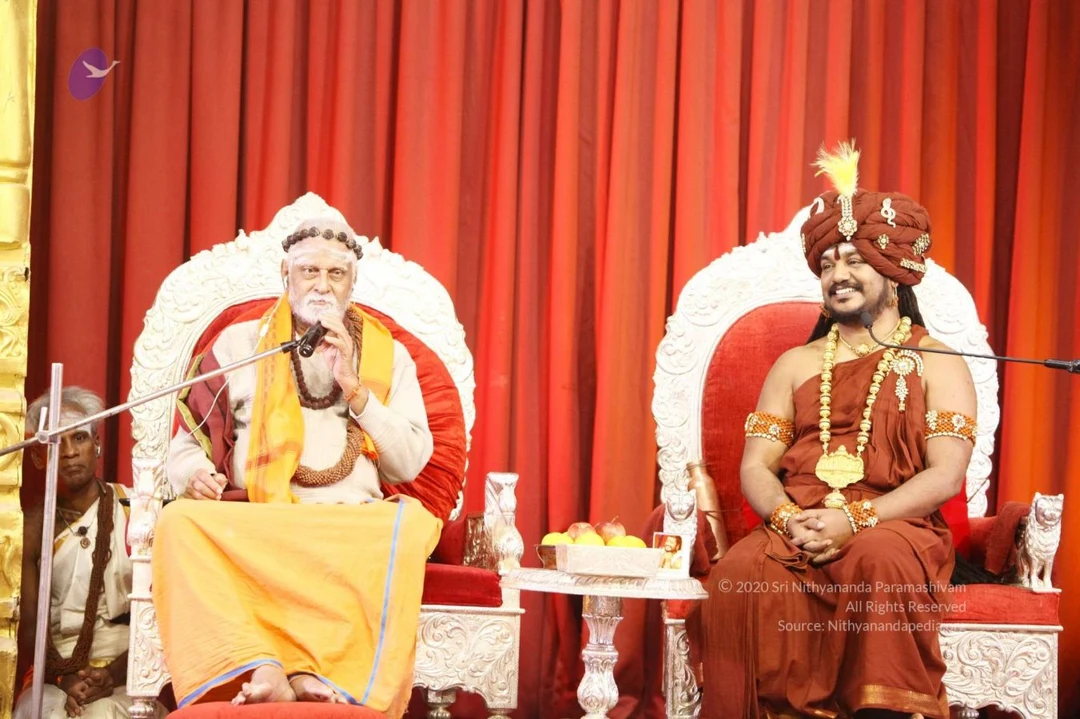 DEEPER insights from the Hinduism and Shaivite traditions SHARED
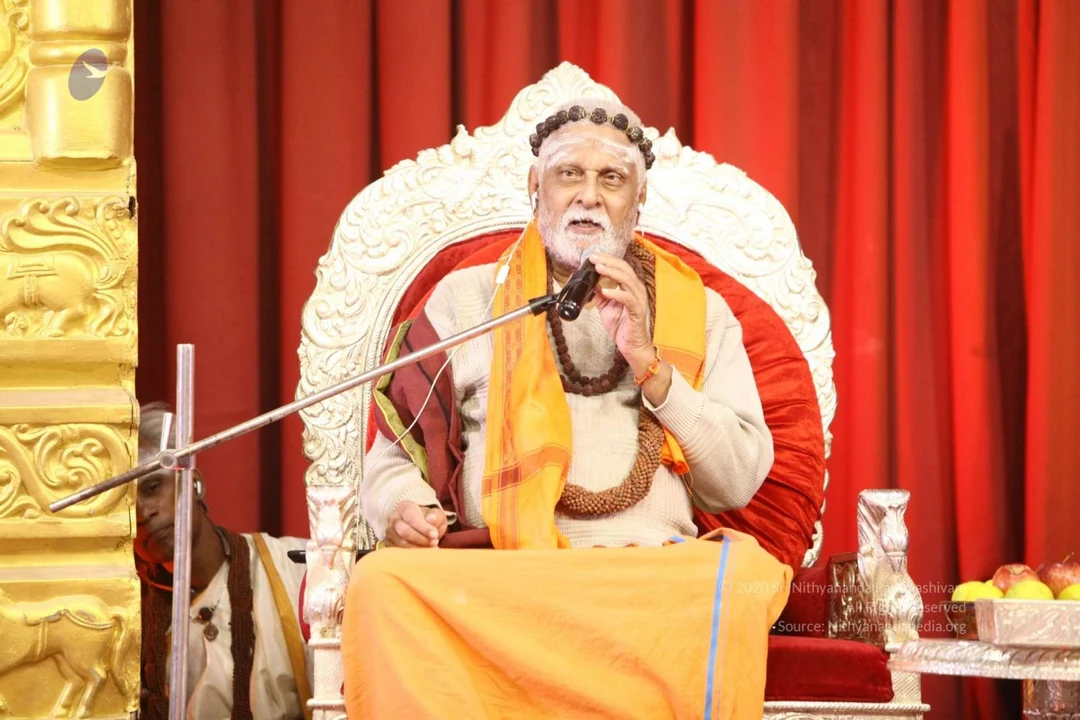 DEEPER insights from the Hinduism and Shaivite traditions SHARED
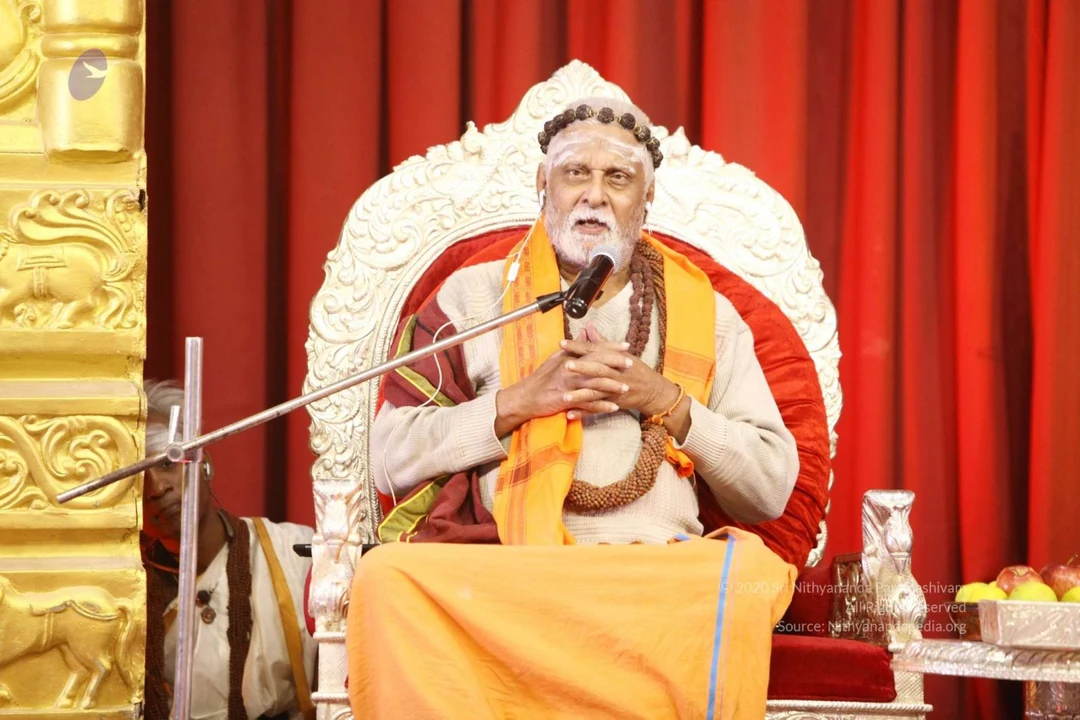 DEEPER insights from the Hinduism and Shaivite traditions SHARED
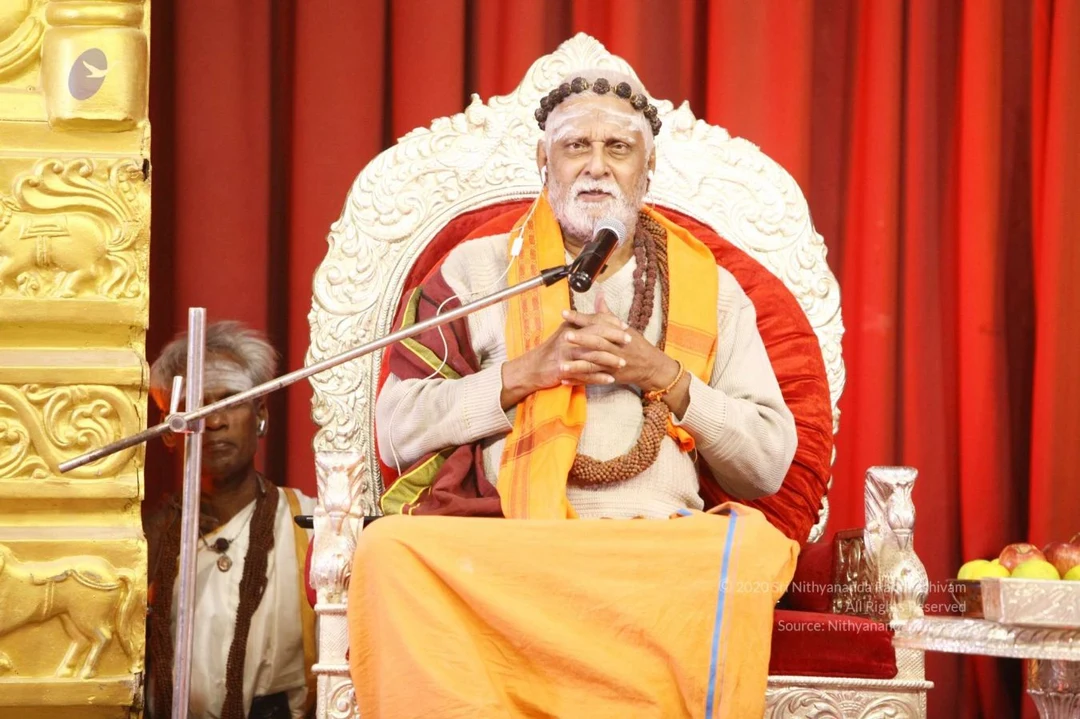 DEEPER insights from the Hinduism and Shaivite traditions SHARED
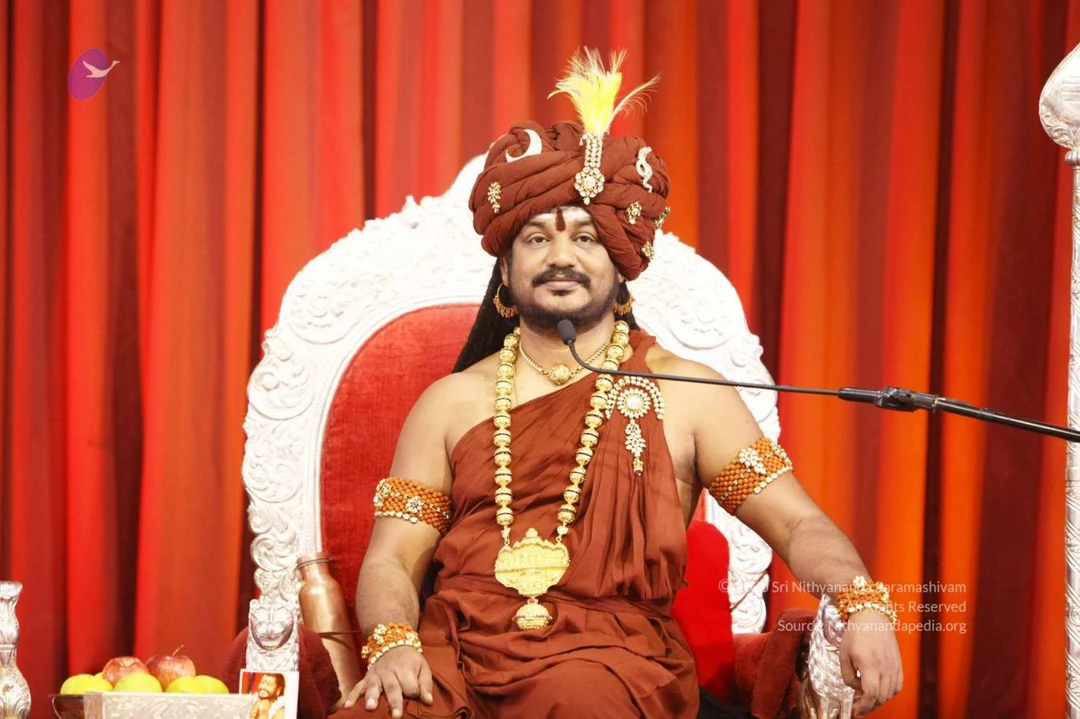 YOU ARE HERE TO CELEBRATE COSMOS
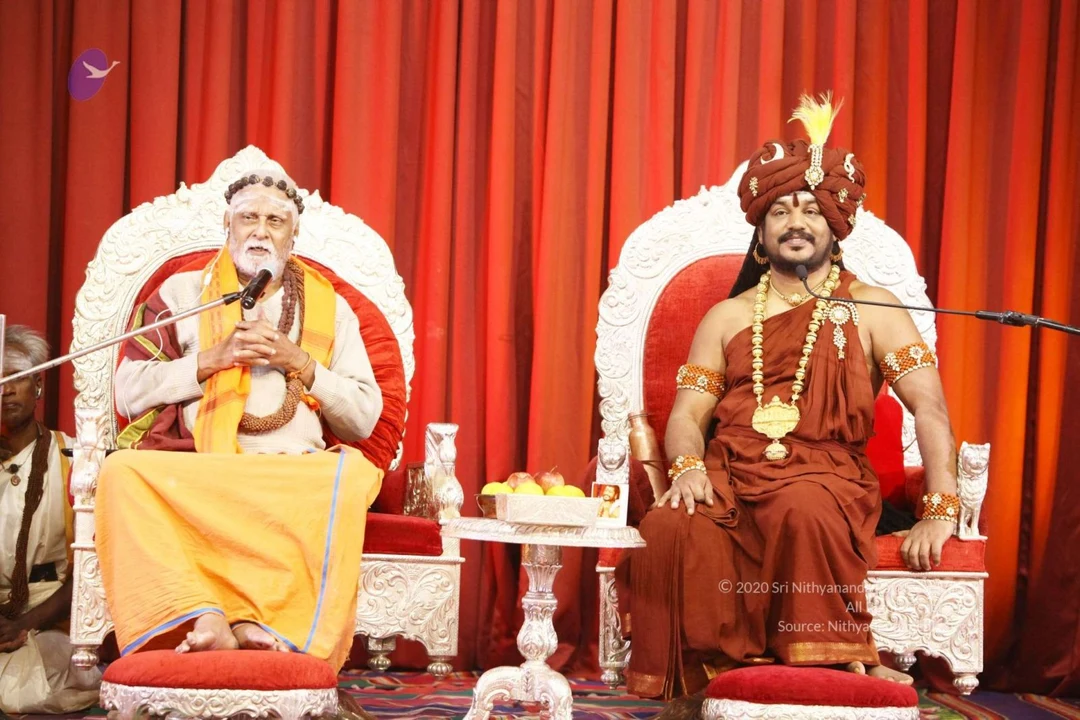 YOU ARE HERE TO CELEBRATE COSMOS
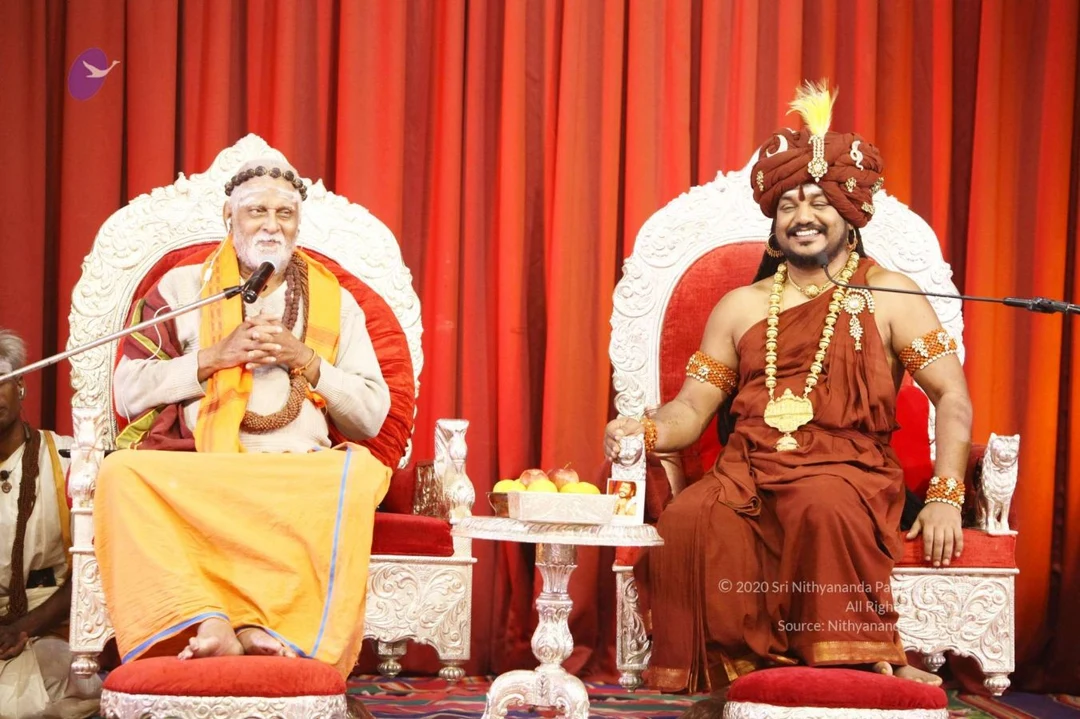 YOU ARE HERE TO CELEBRATE COSMOS
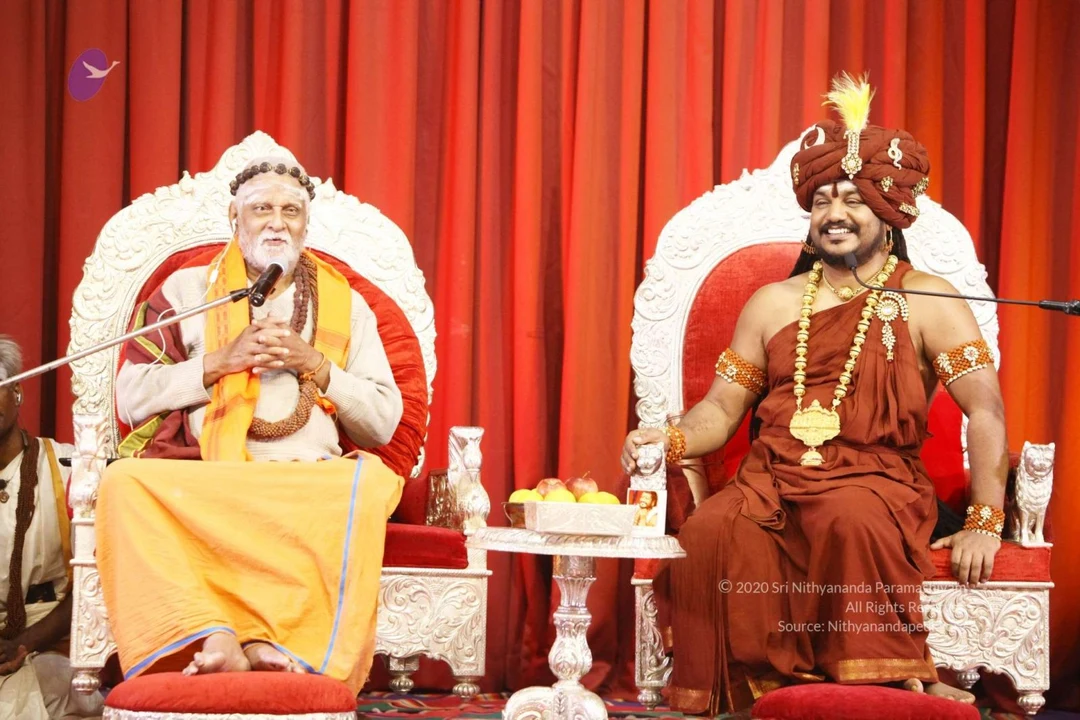 YOU ARE HERE TO CELEBRATE COSMOS
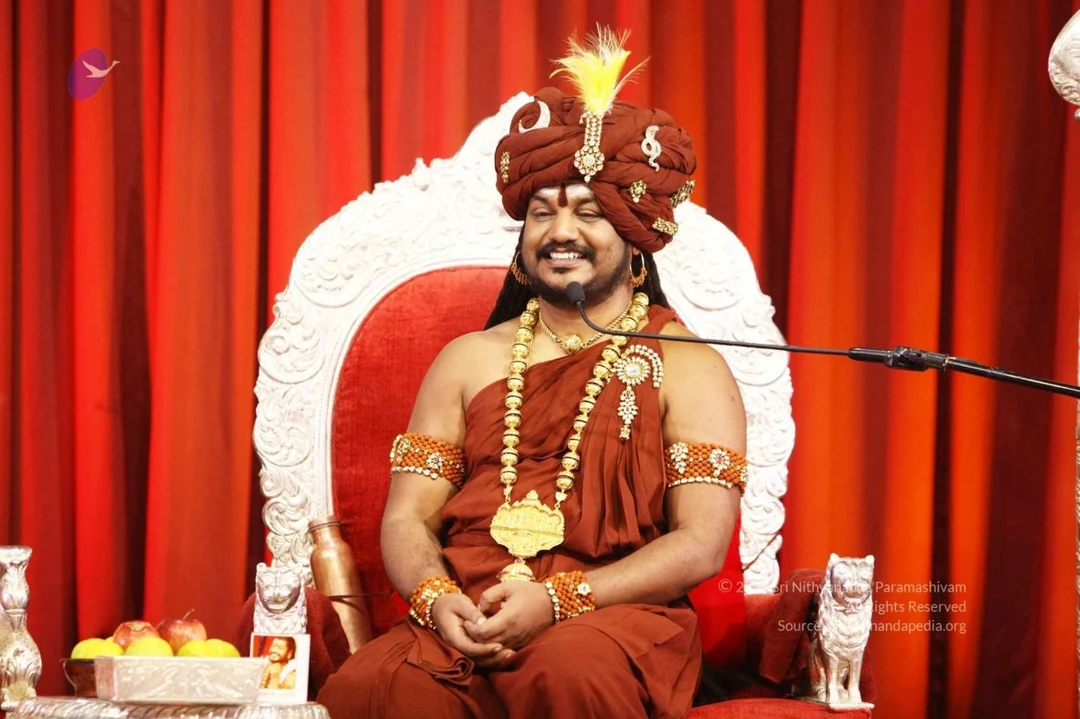 YOU ARE HERE TO CELEBRATE COSMOS
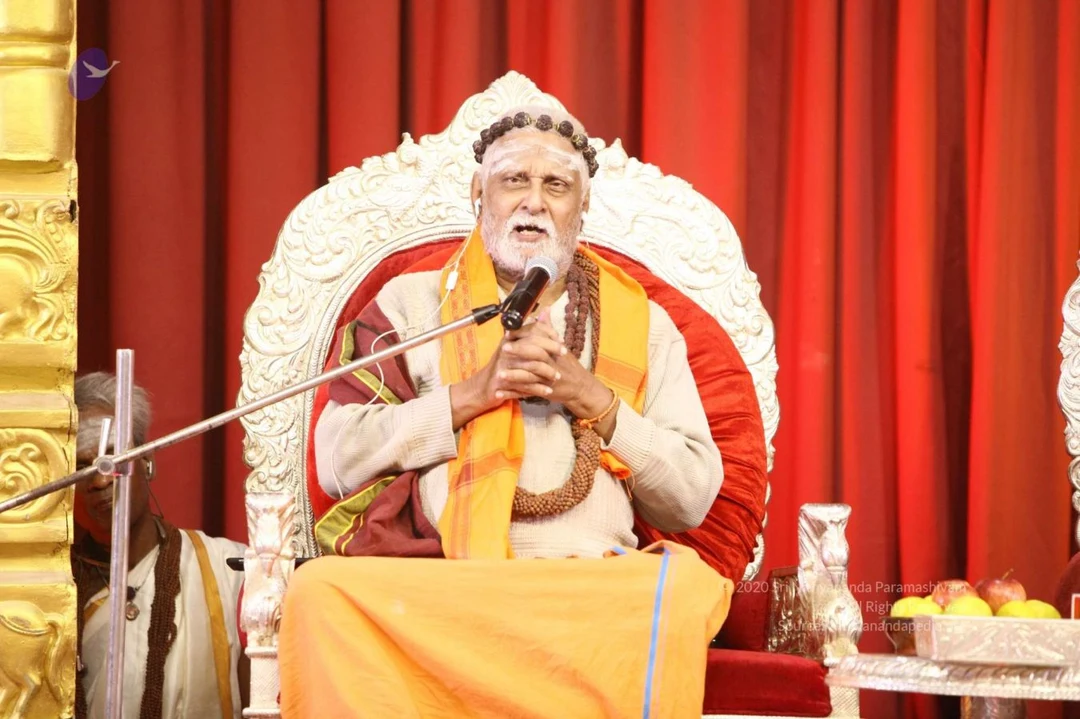 YOU ARE HERE TO CELEBRATE COSMOS
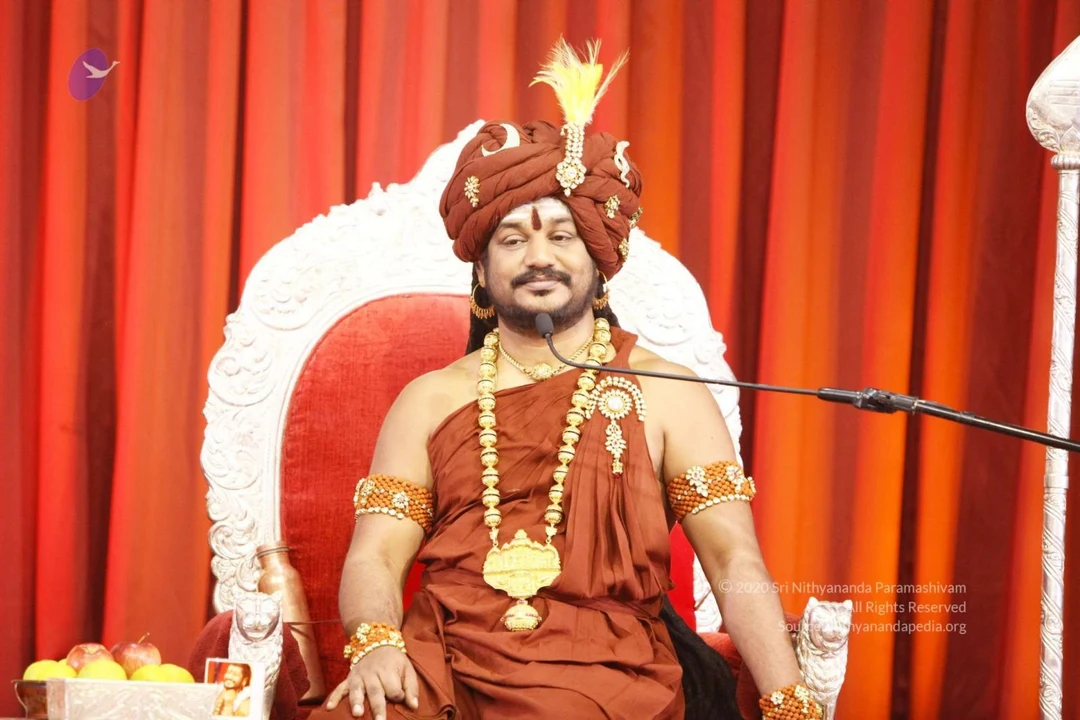 YOU ARE HERE TO CELEBRATE COSMOS
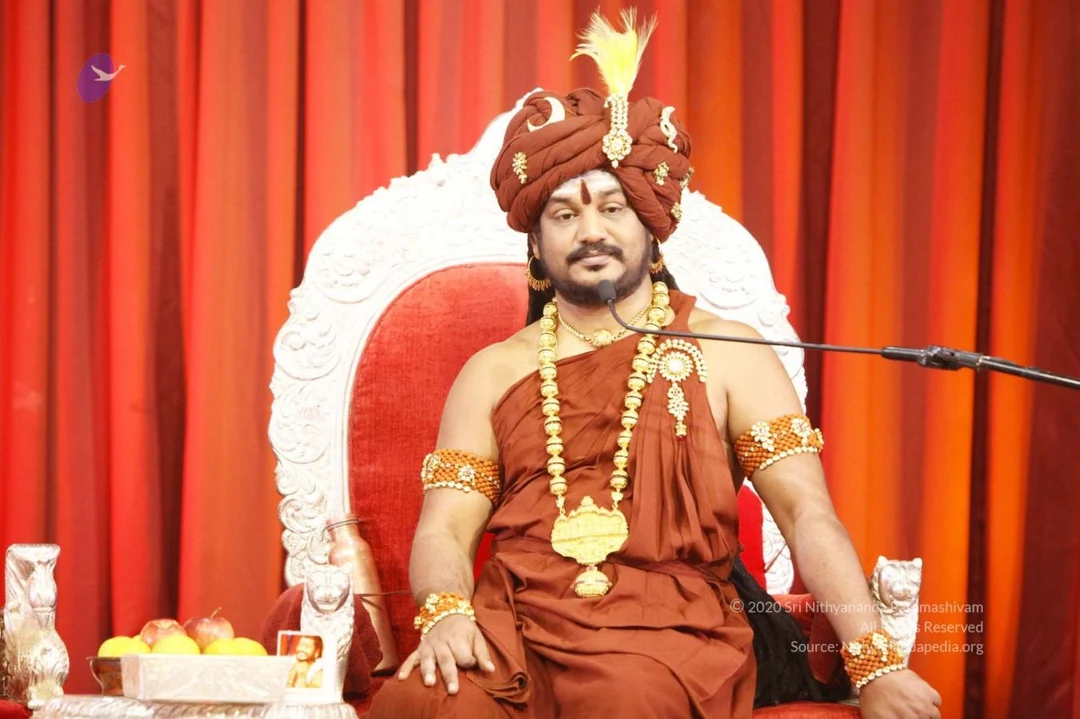 YOU ARE HERE TO CELEBRATE COSMOS
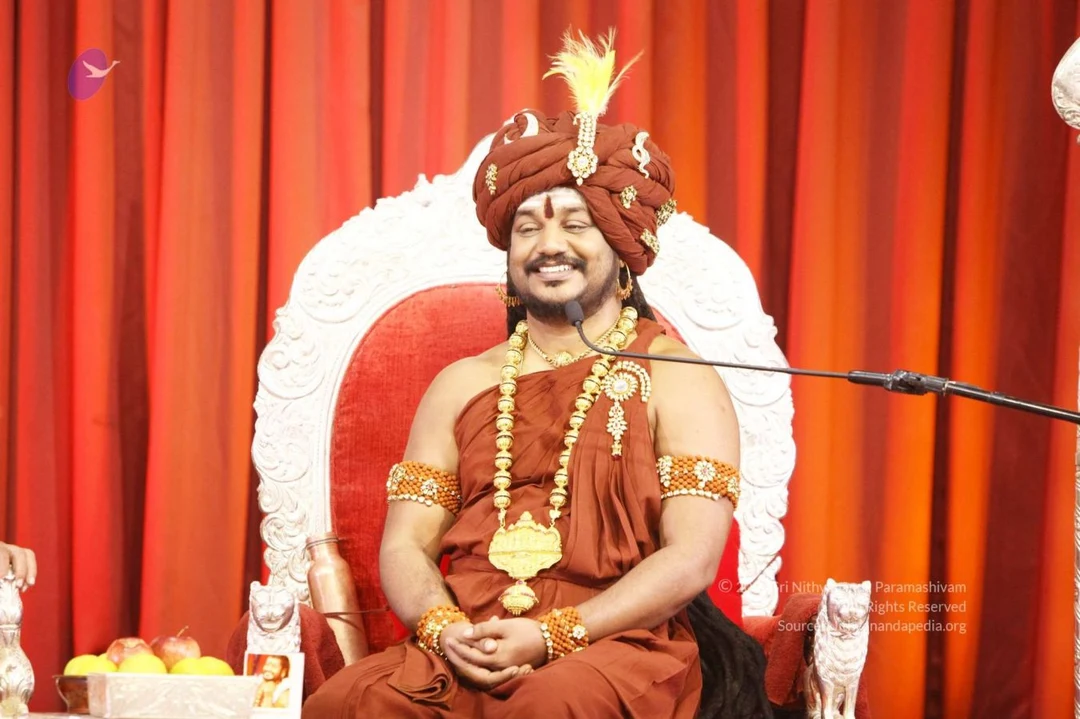 YOU ARE HERE TO CELEBRATE COSMOS
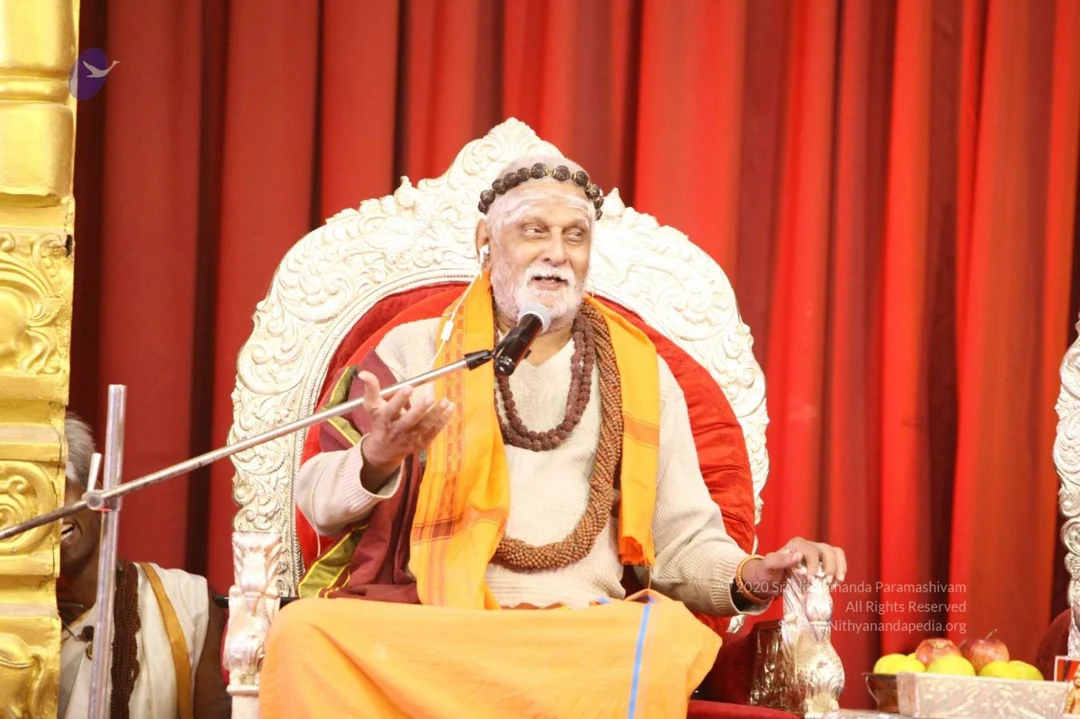 YOU ARE HERE TO CELEBRATE COSMOS
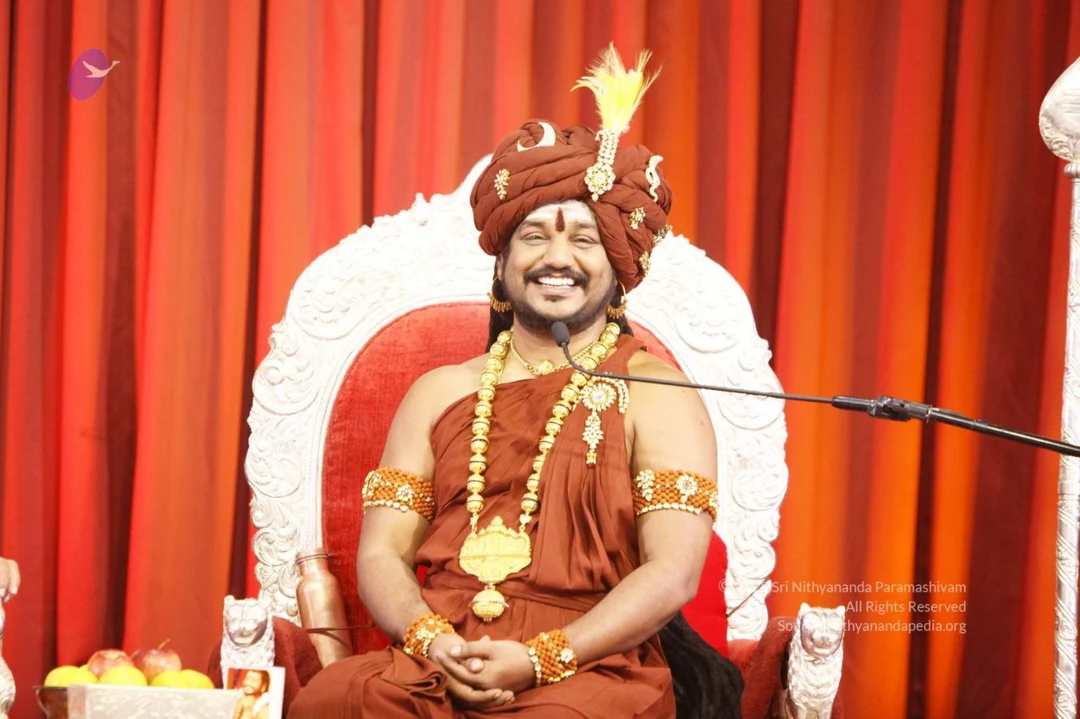 YOU ARE HERE TO CELEBRATE COSMOS
 YOU ARE HERE TO CELEBRATE COSMOS
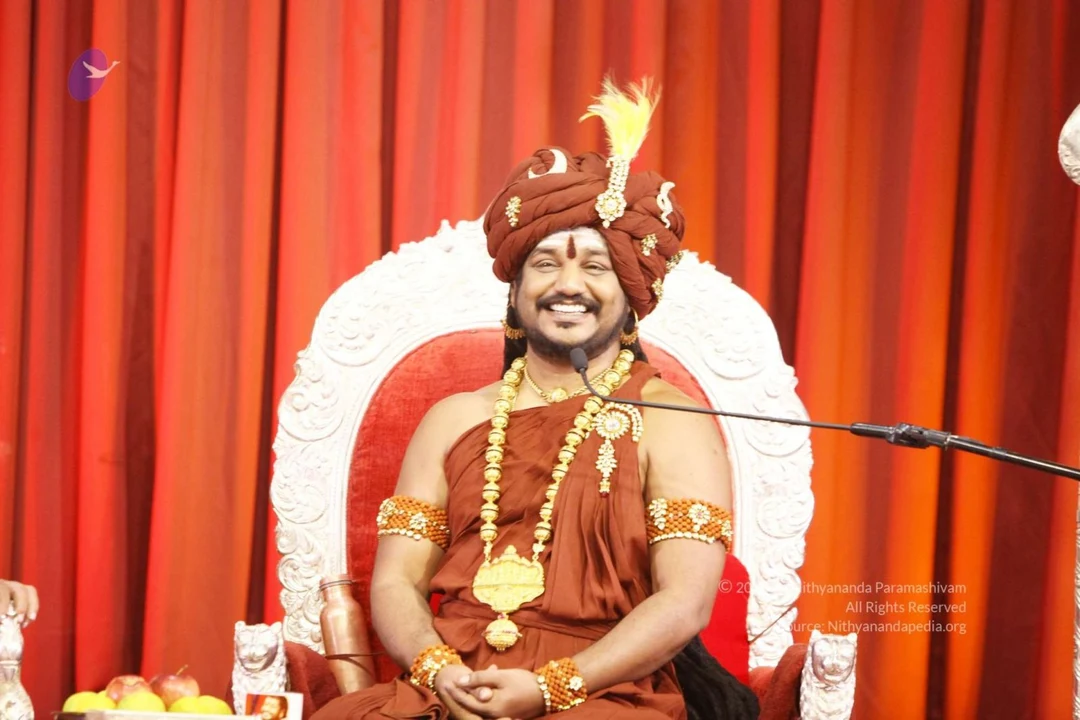 YOU ARE HERE TO CELEBRATE COSMOS
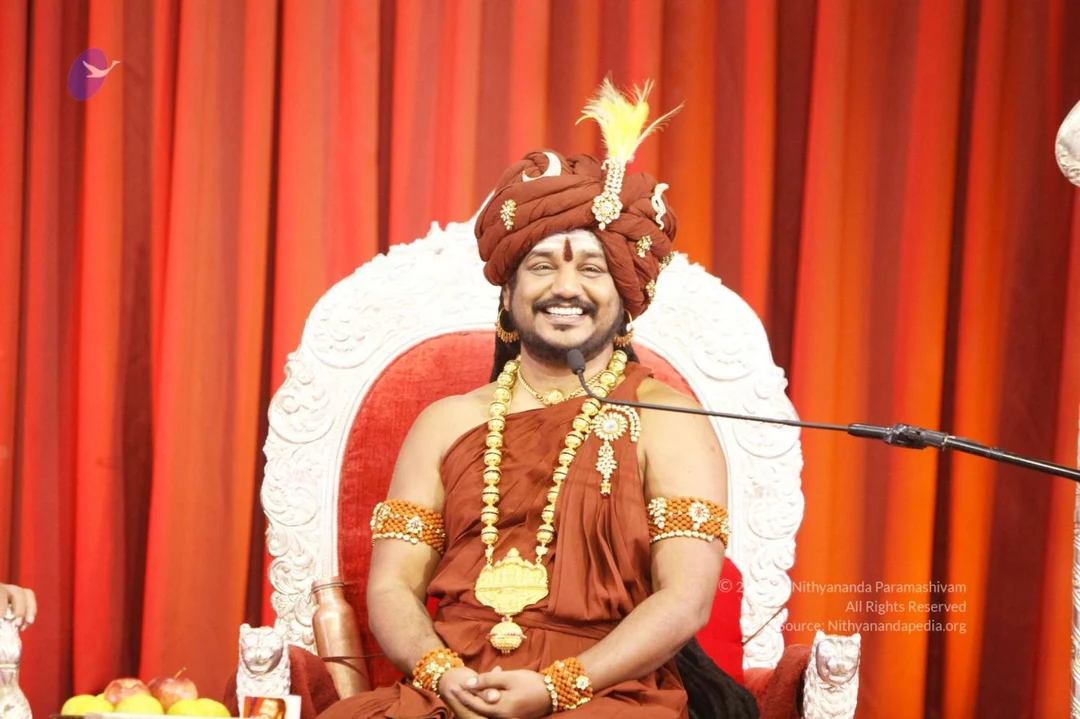 YOU ARE HERE TO CELEBRATE COSMOS
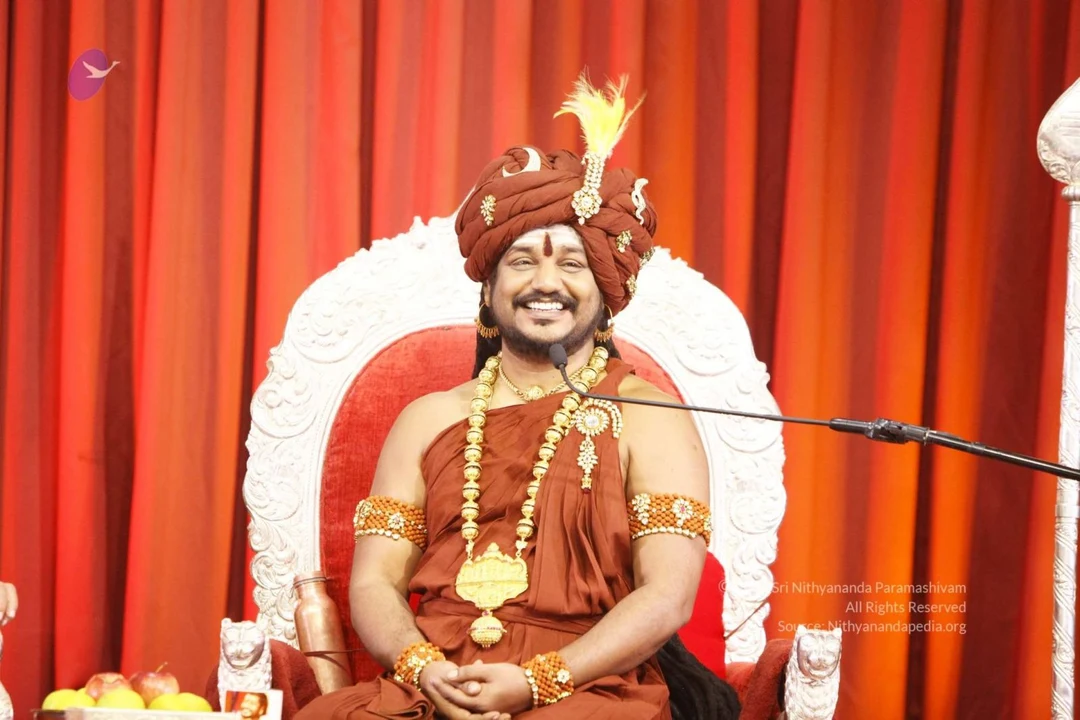 YOU ARE HERE TO CELEBRATE COSMOS
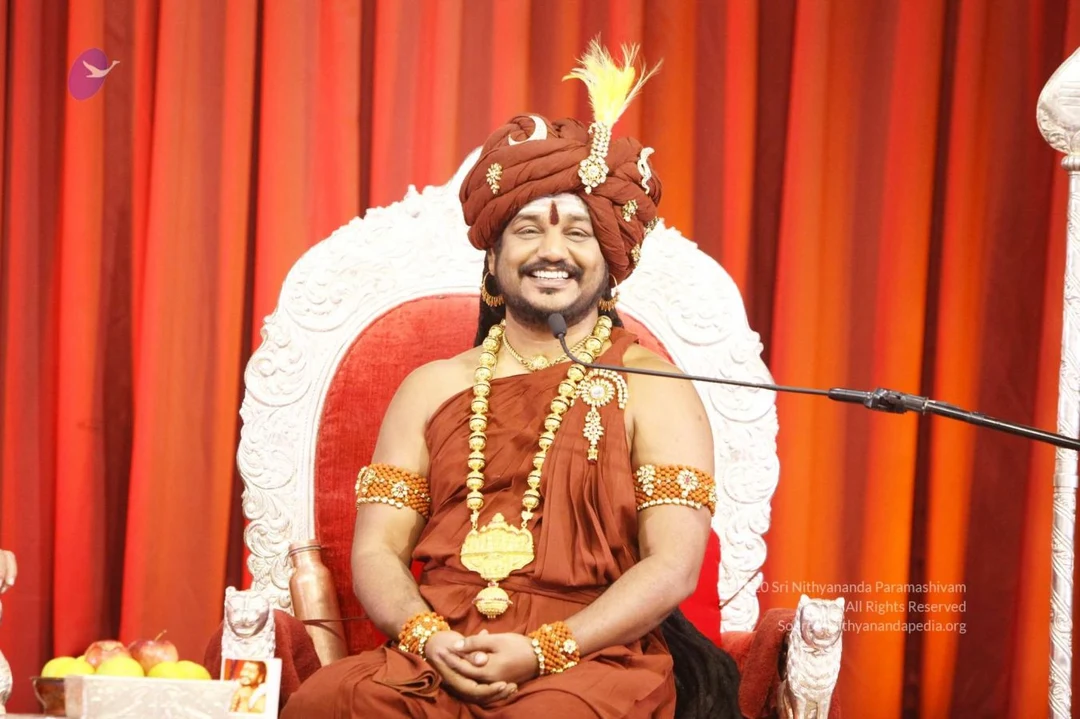 YOU ARE HERE TO CELEBRATE COSMOS
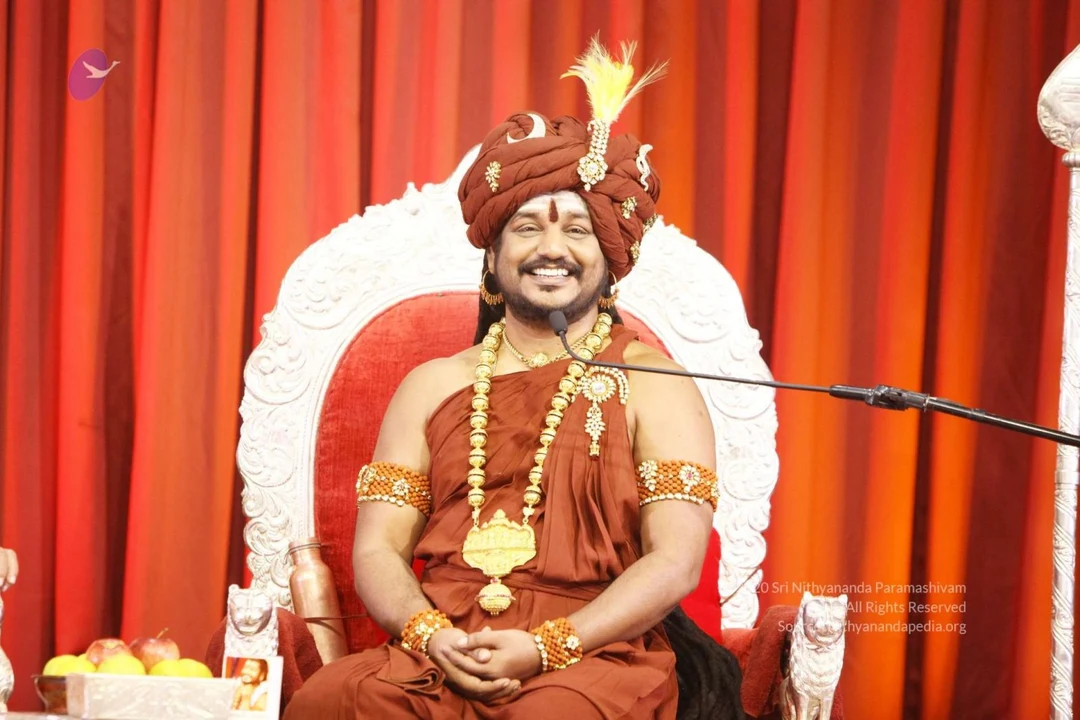 YOU ARE HERE TO CELEBRATE COSMOS
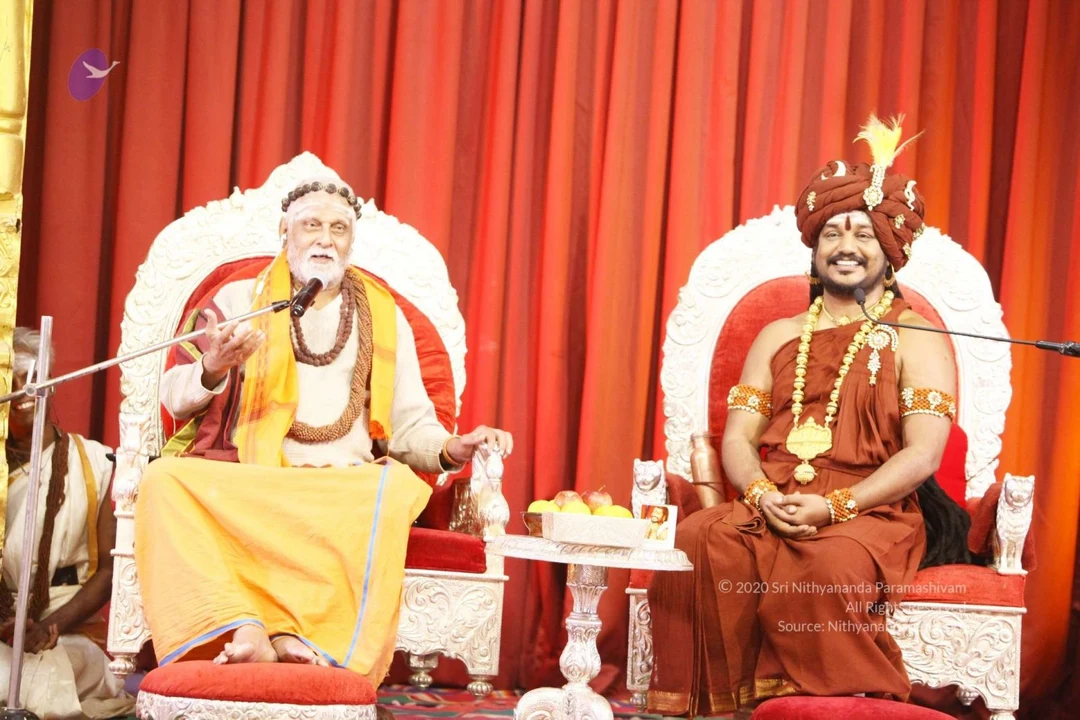 YOU ARE HERE TO CELEBRATE COSMOS
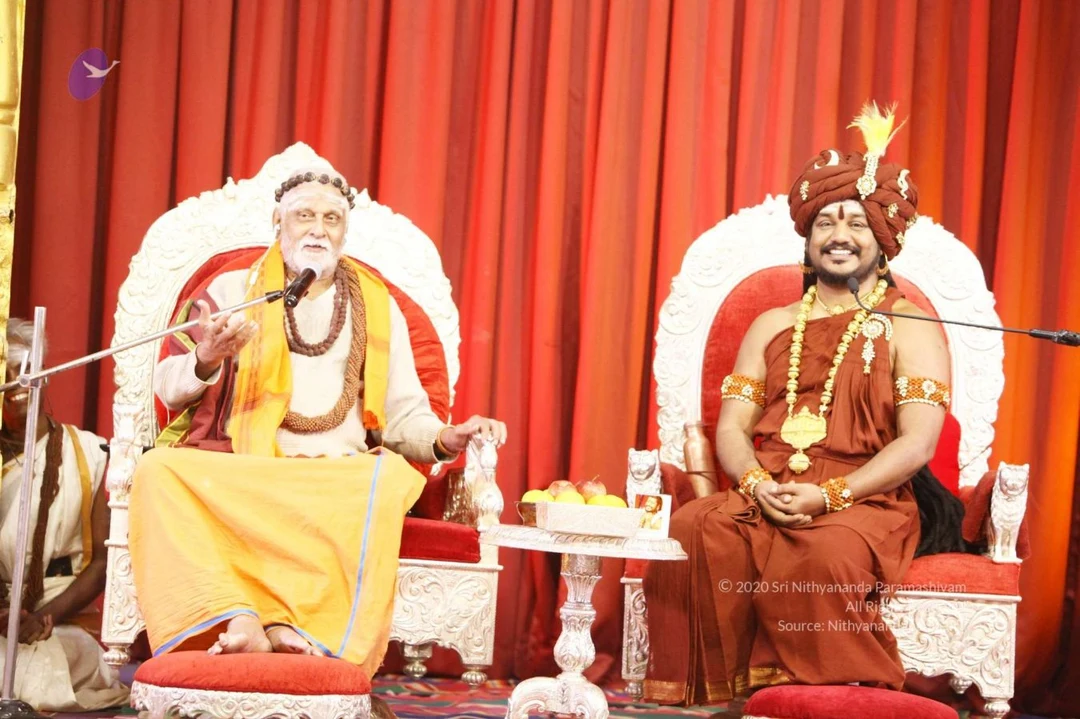 YOU ARE HERE TO CELEBRATE COSMOS
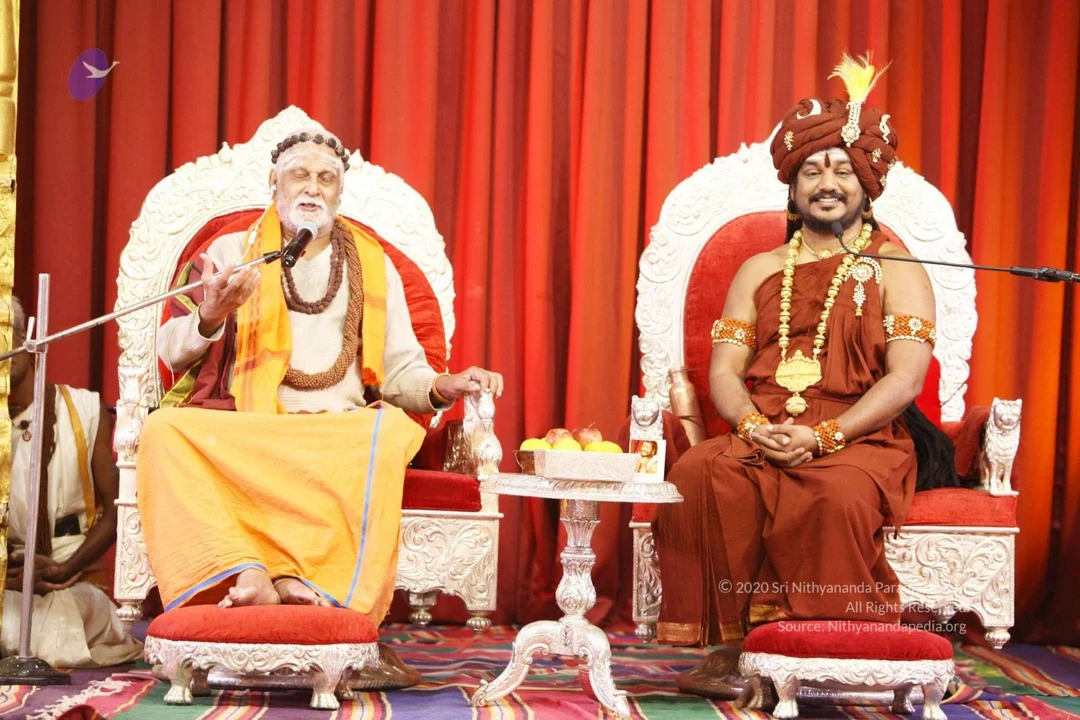 Celebrartion in ADIKAILAASA -BANGALORE Shaivite traditions shared
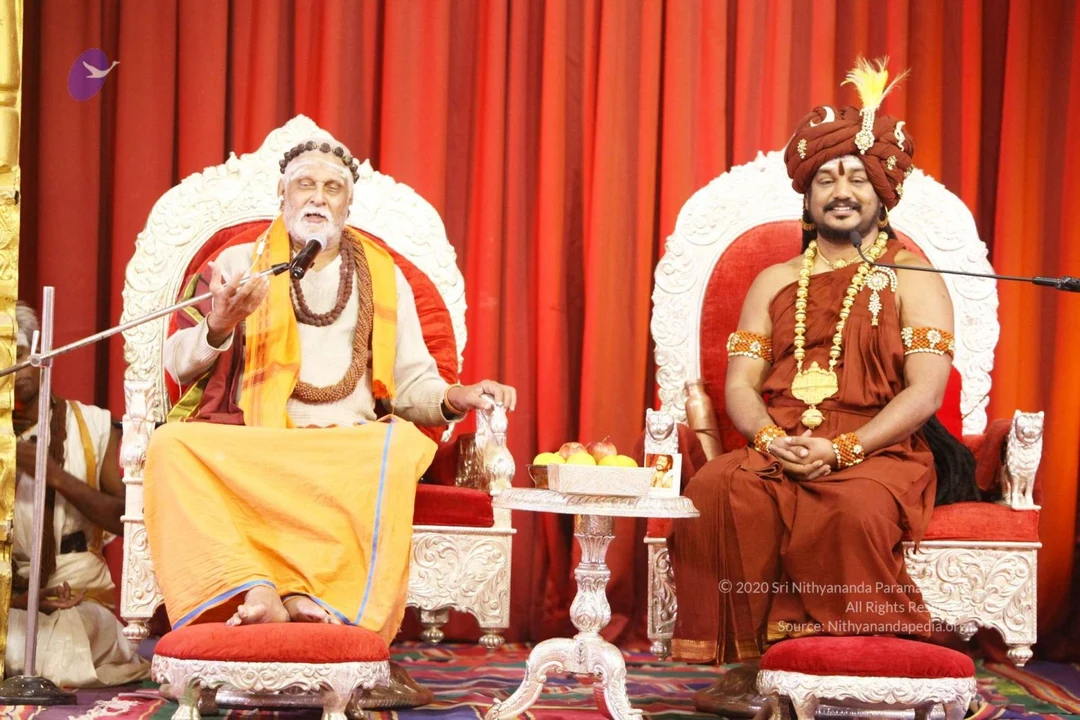 Celebrartion in ADIKAILAASA -BANGALORE Shaivite traditions shared
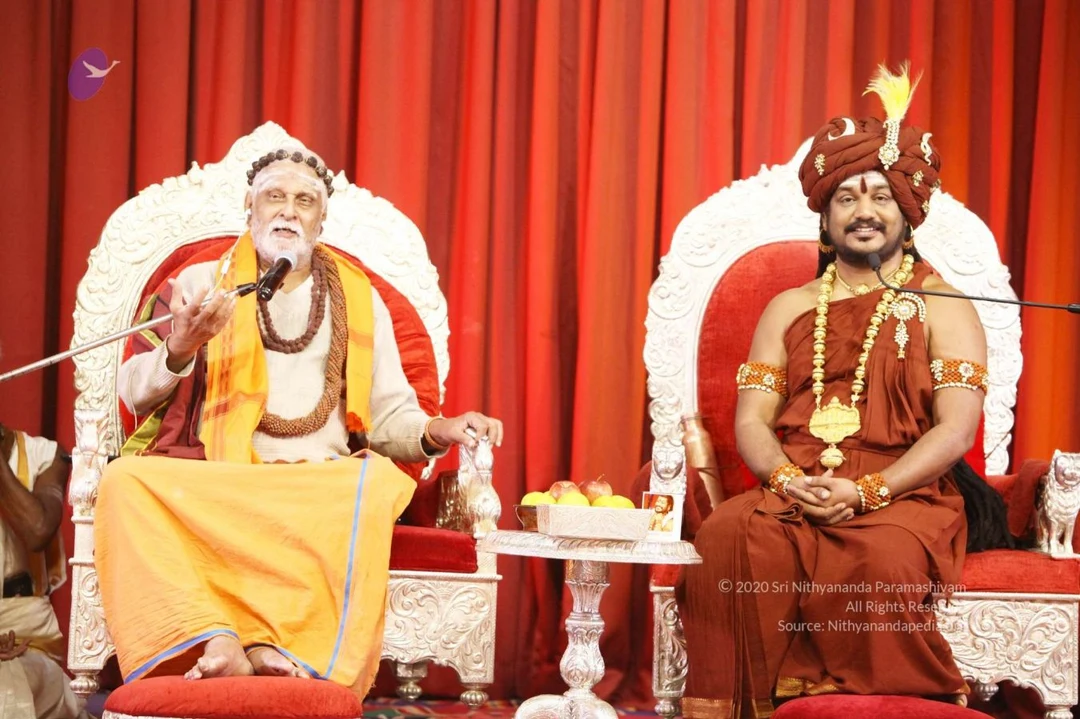 Celebrartion in ADIKAILAASA -BANGALORE Shaivite traditions shared
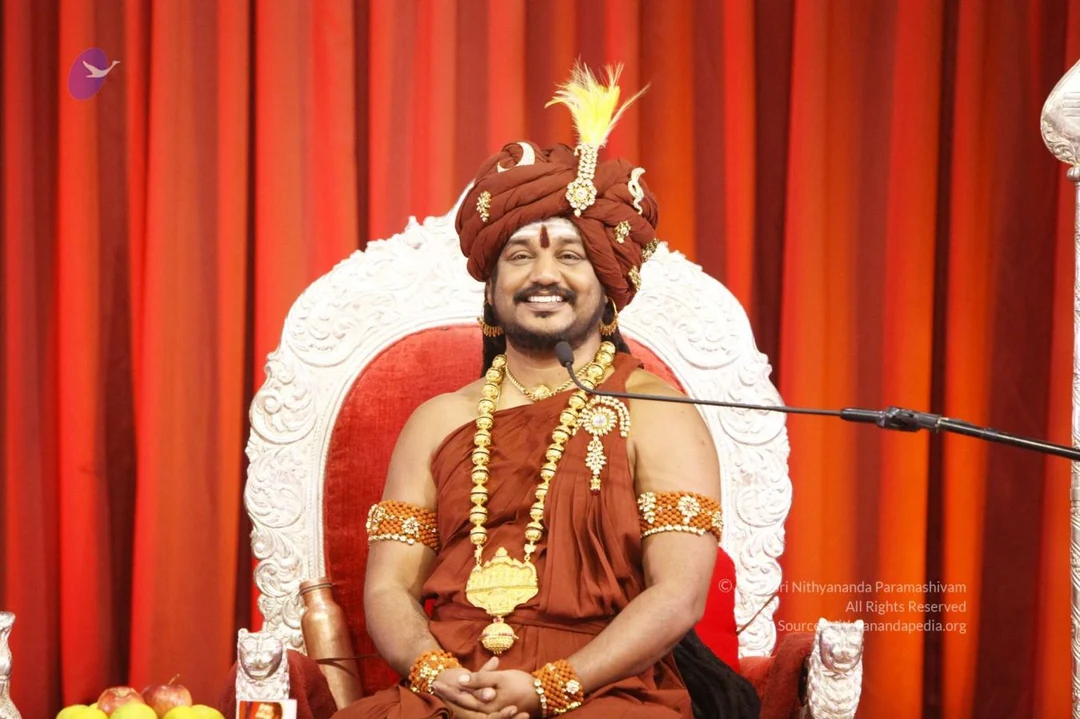 Celebrartion in ADIKAILAASA -BANGALORE Shaivite traditions shared
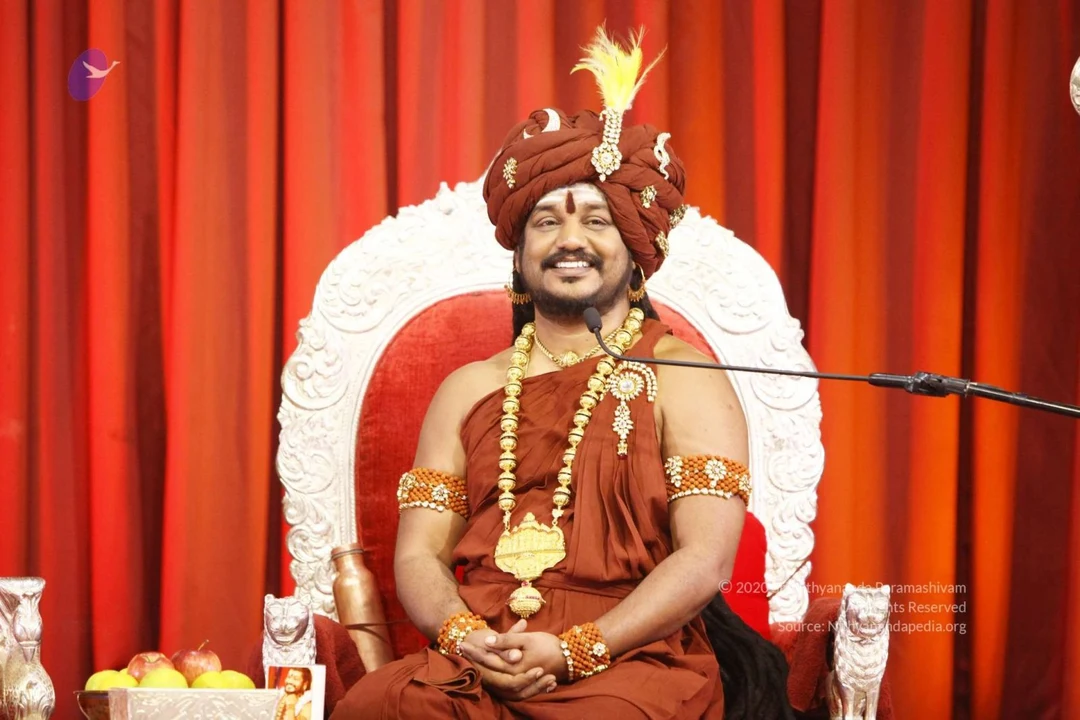 Celebrartion in ADIKAILAASA -BANGALORE Shaivite traditions shared
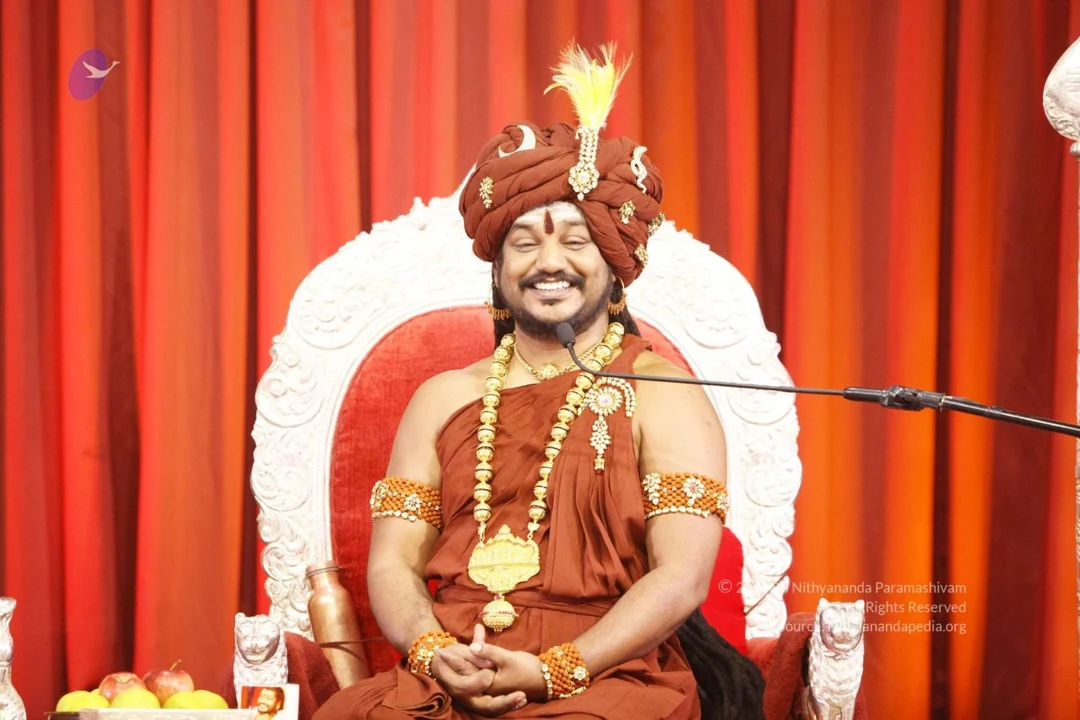 Celebrartion in ADIKAILAASA -BANGALORE Shaivite traditions shared
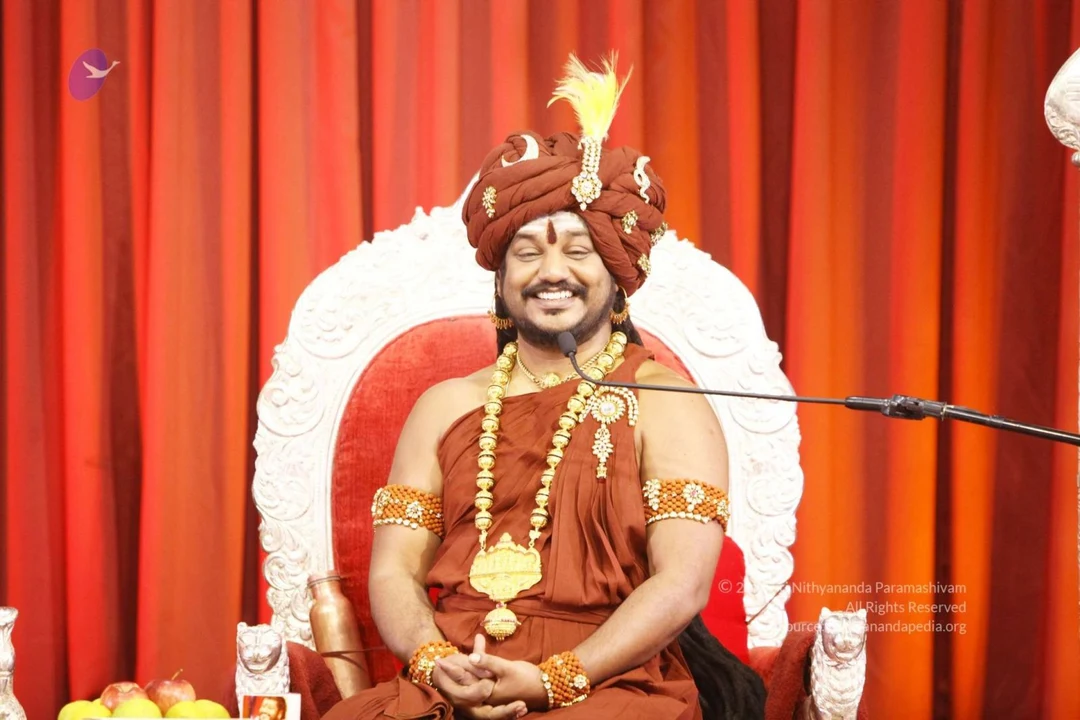 Celebrartion in ADIKAILAASA -BANGALORE Shaivite traditions shared
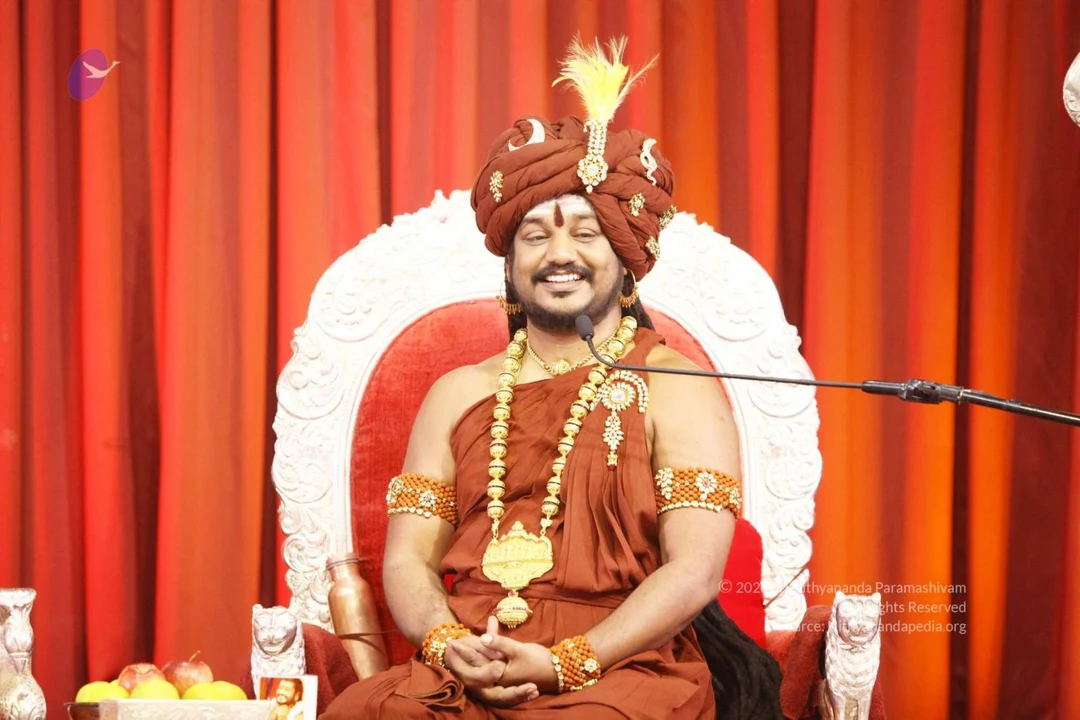 Celebrartion in ADIKAILAASA -BANGALORE Shaivite traditions shared
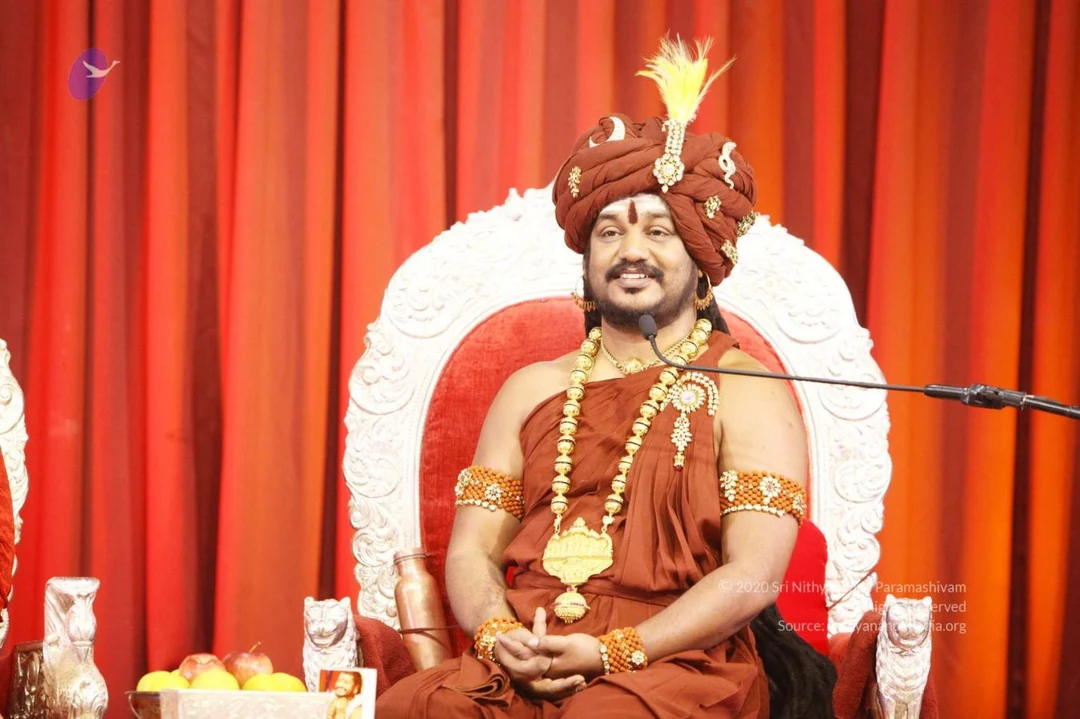 Celebrartion in ADIKAILAASA -BANGALORE Shaivite traditions shared
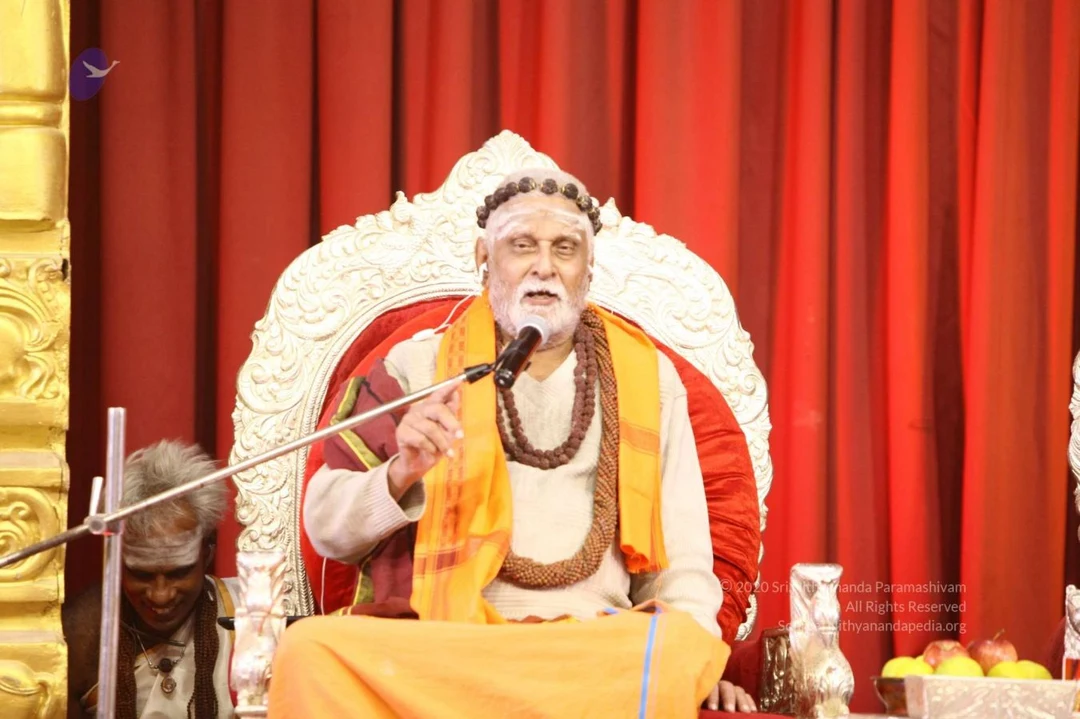 Let's all enjoy the Innocence of Existence
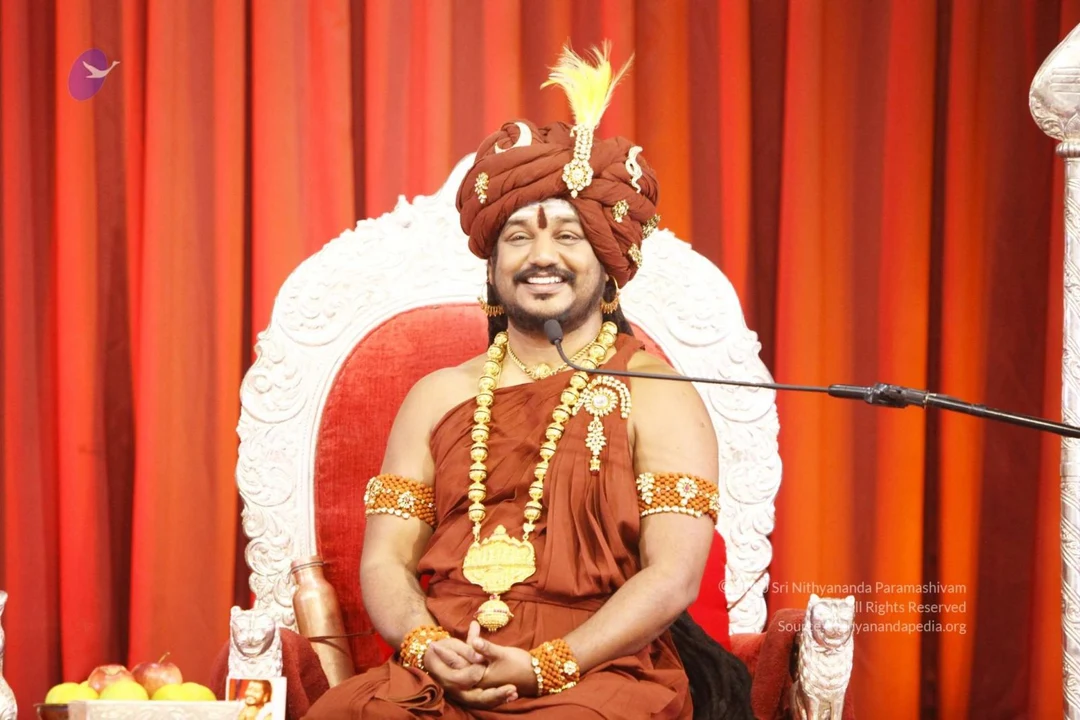 Let's all enjoy the Innocence of Existence
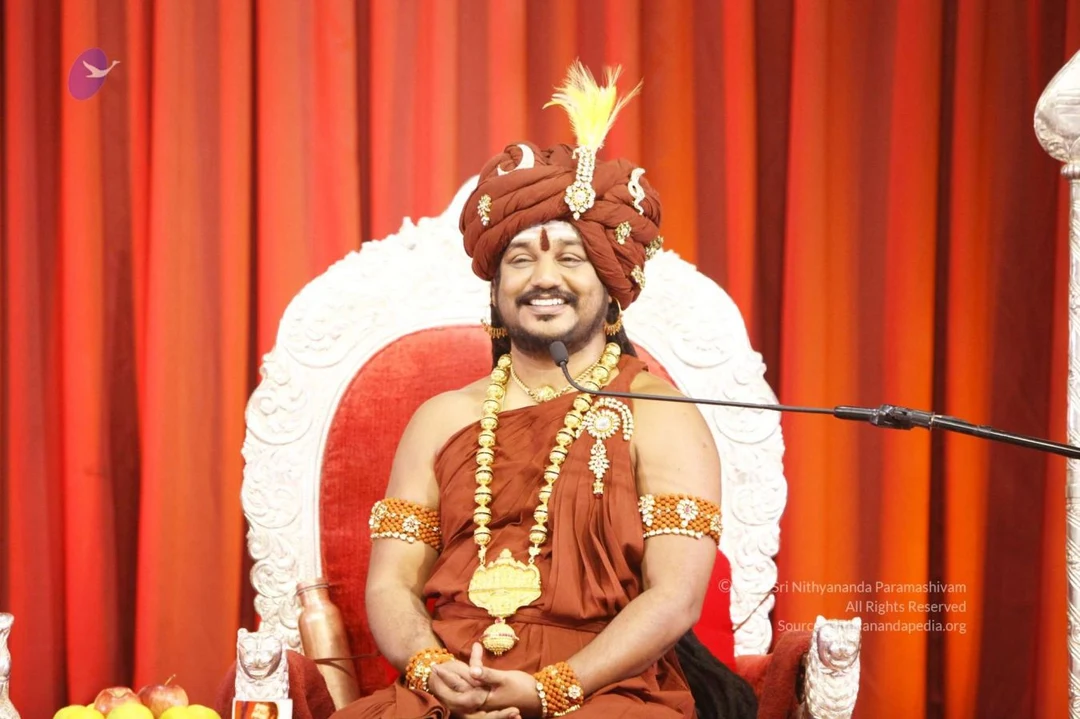 Let's all enjoy the Innocence of Existence
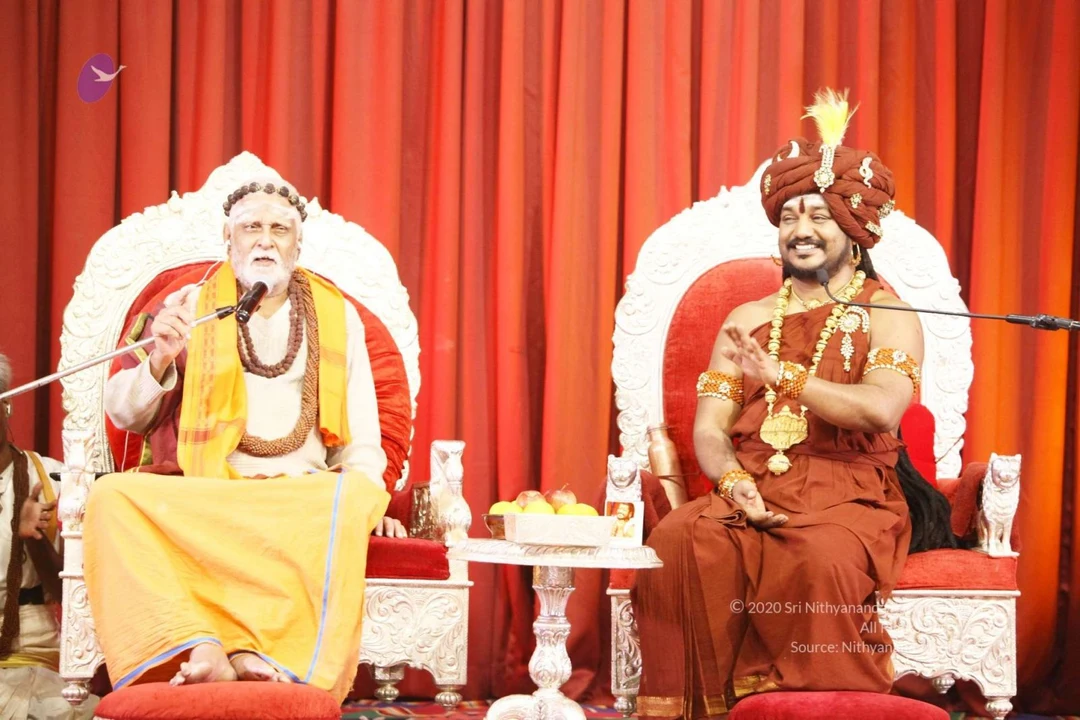 Let's all enjoy the Innocence of Existence
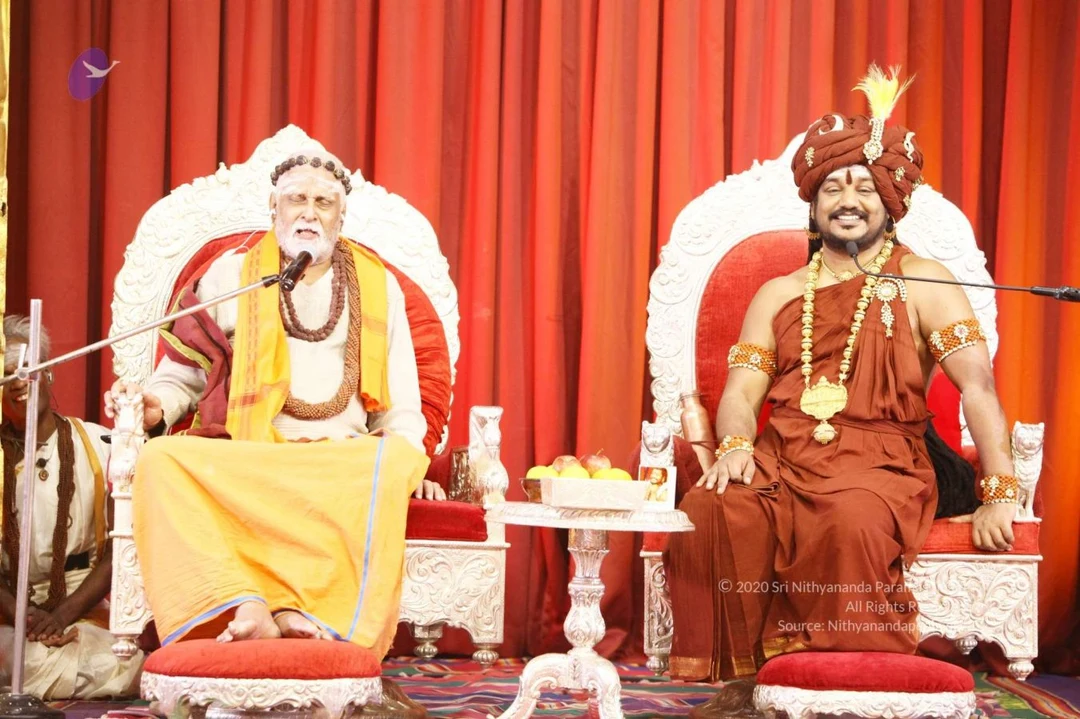 Let's all enjoy the Innocence of Existence
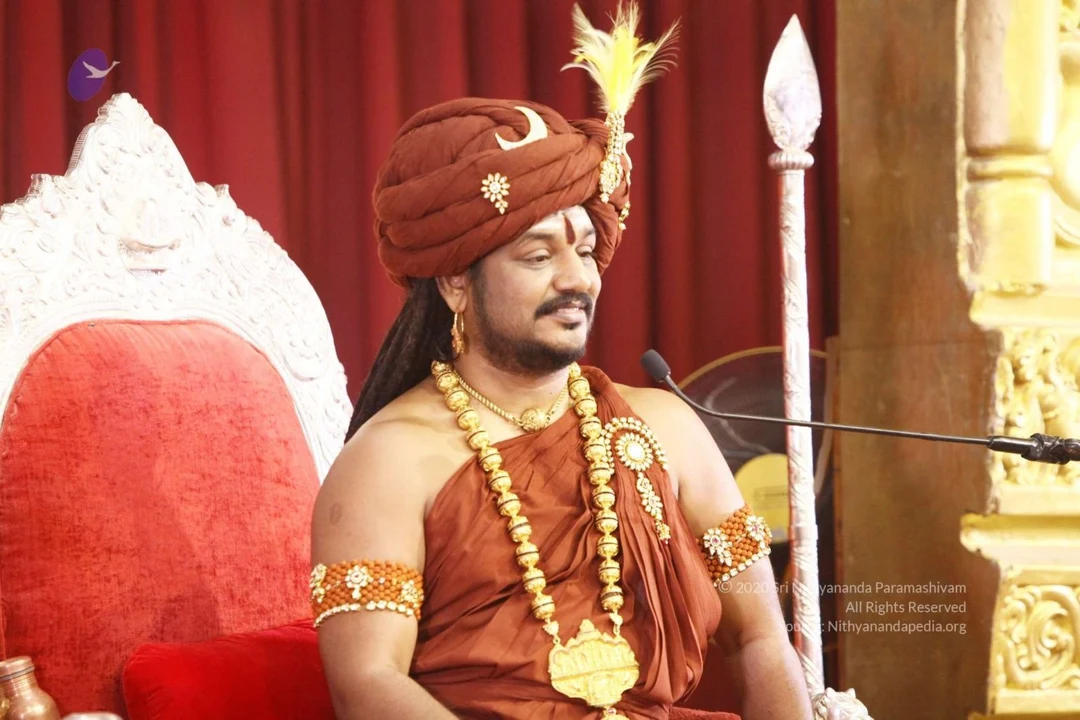 Let's all enjoy the Innocence of Existence
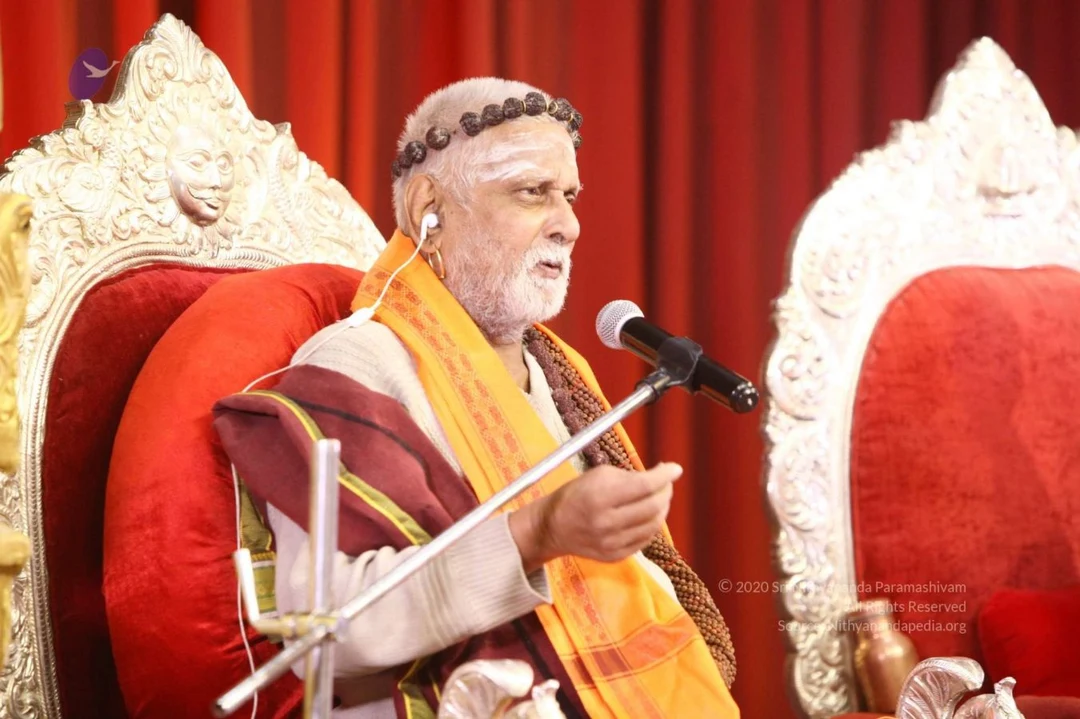 Let's all enjoy the Innocence of Existence
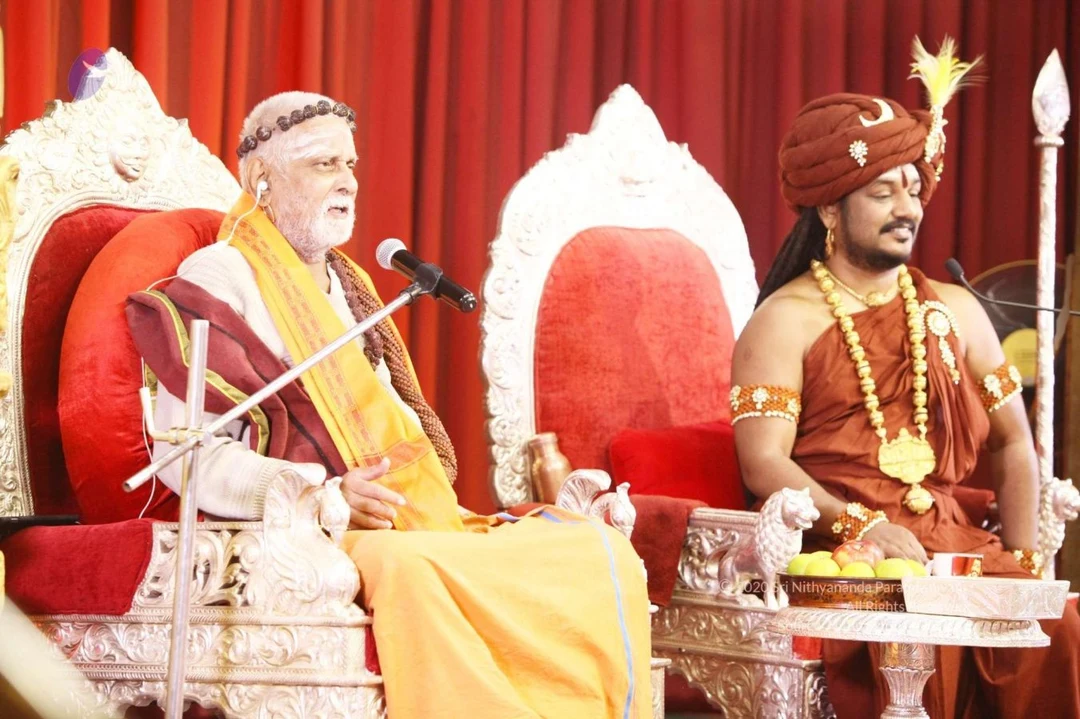 Let's all enjoy the Innocence of Existence
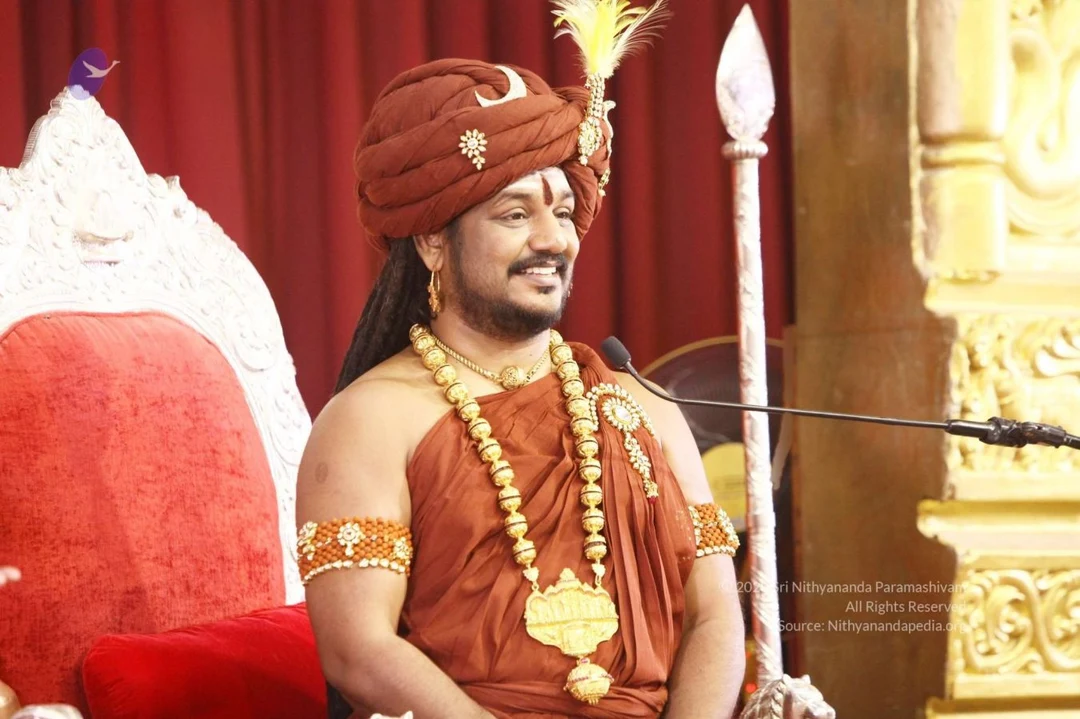 Let's all enjoy the Innocence of Existence
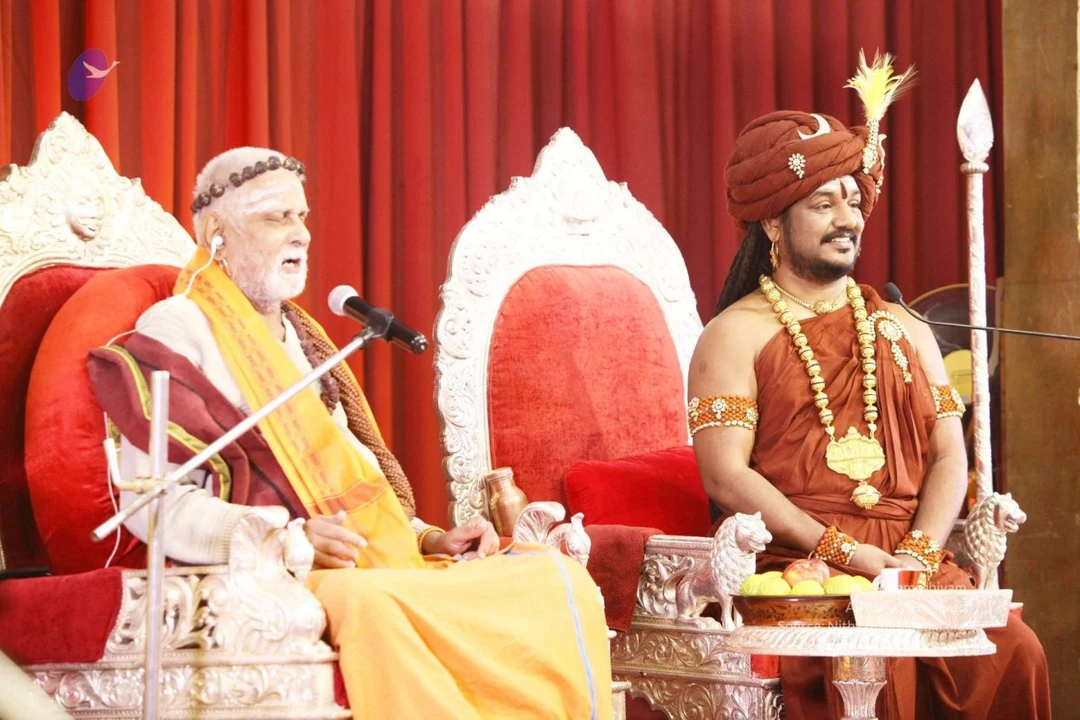 Let's all enjoy the Innocence of Existence
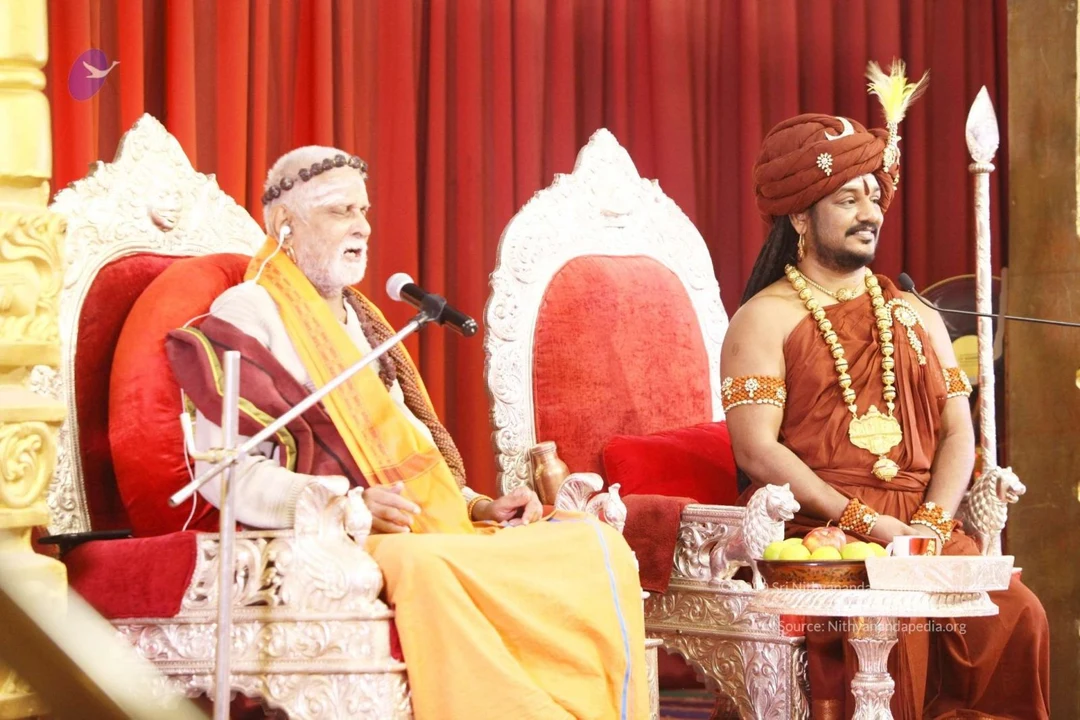 Let's all enjoy the Innocence of Existence
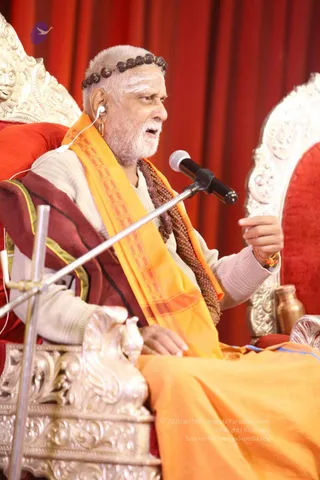 MADURAI is a grand shaivite city to celebrate Shaivism
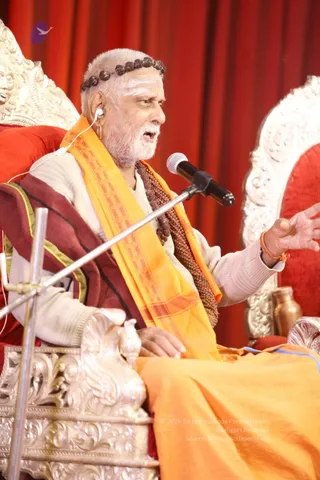 MADURAI is a grand shaivite city to celebrate Shaivism
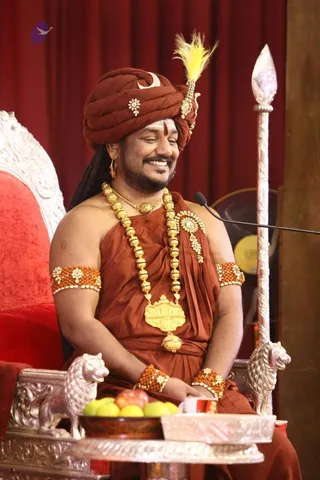 MADURAI is a grand shaivite city to celebrate Shaivism
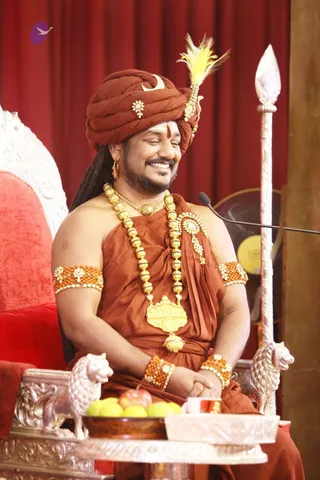 MADURAI is a grand shaivite city to celebrate Shaivism
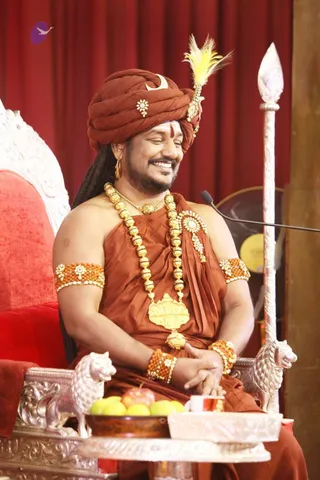 MADURAI is a grand shaivite city to celebrate Shaivism
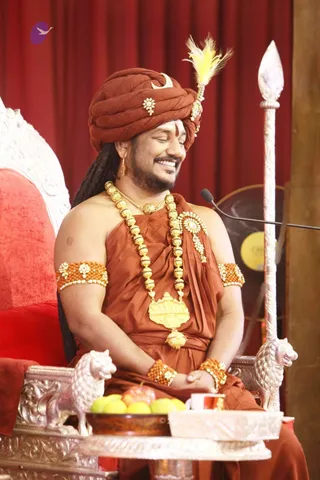 MADURAI is a grand shaivite city to celebrate Shaivism
 MADURAI is a grand shaivite city to celebrate Shaivism
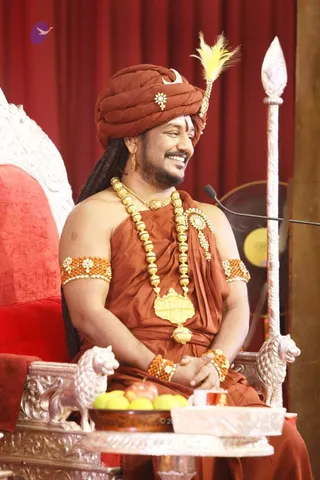 MADURAI is a grand shaivite city to celebrate Shaivism
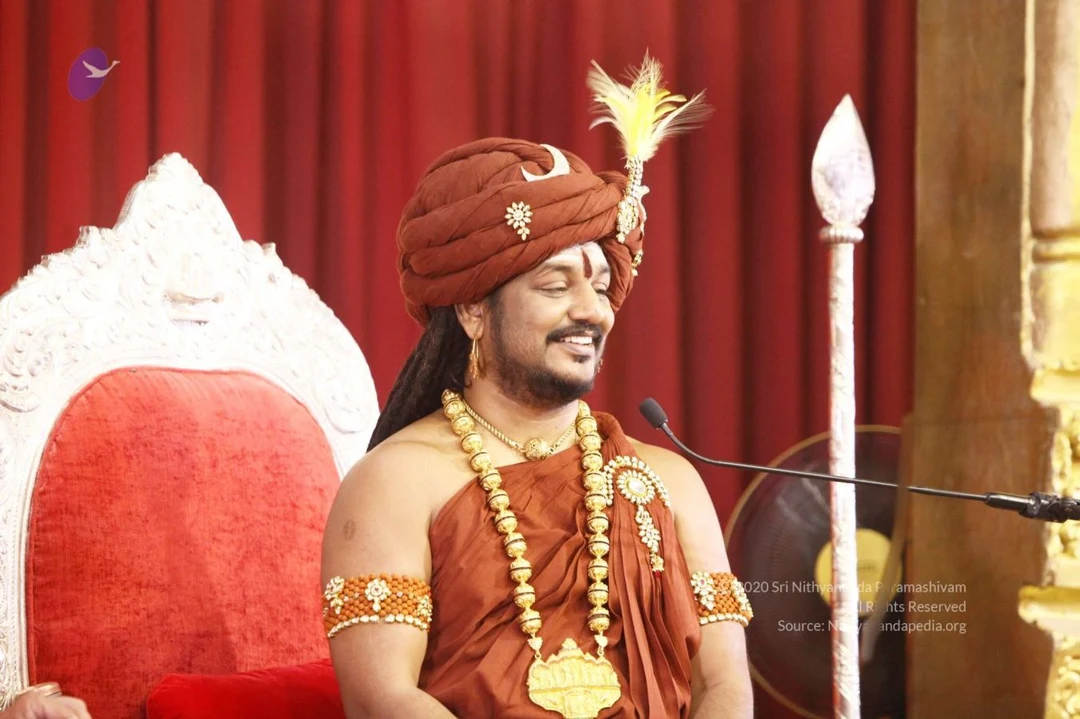 MADURAI is a grand shaivite city to celebrate Shaivism
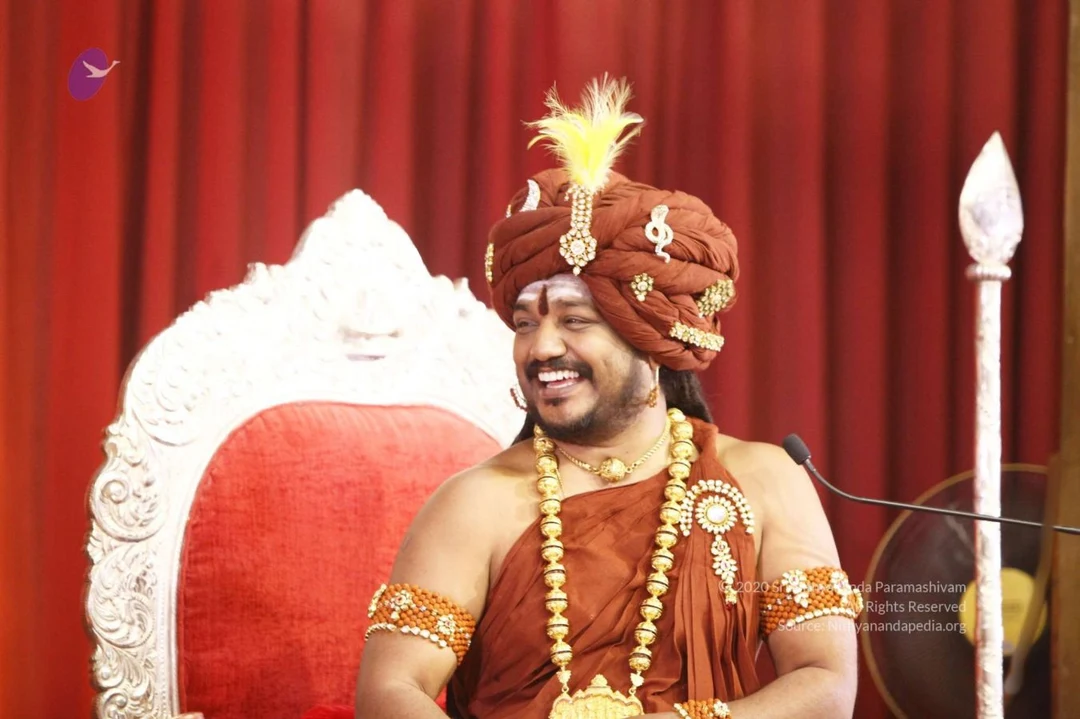 MADURAI is a grand shaivite city to celebrate Shaivism
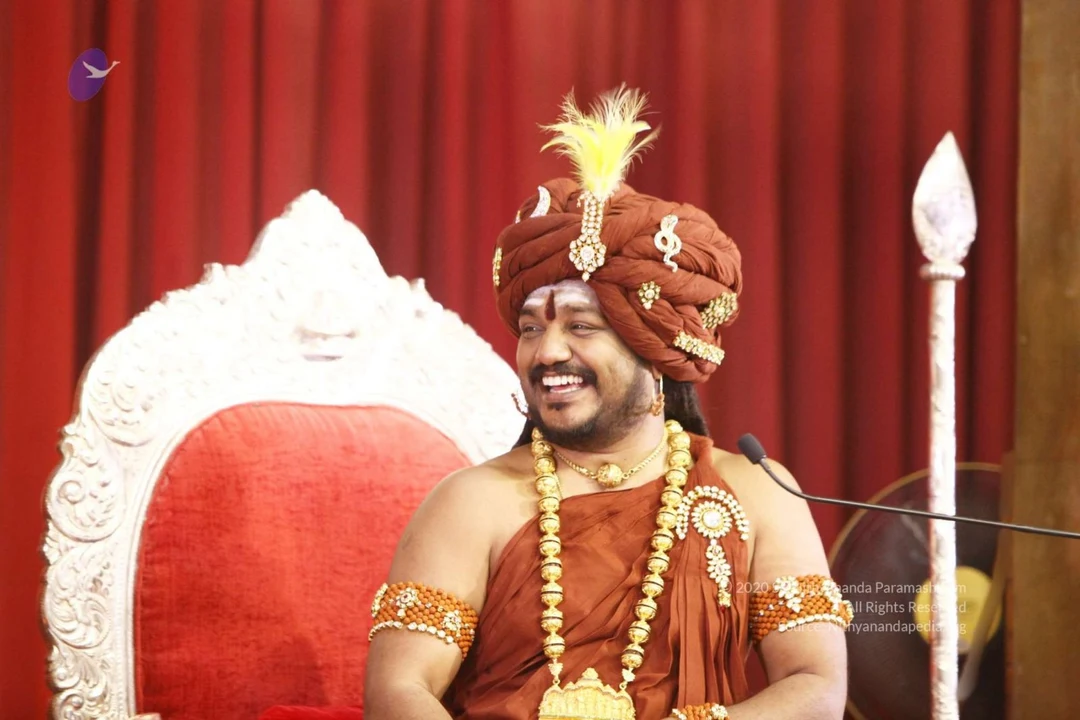 MADURAI is a grand shaivite city to celebrate Shaivism
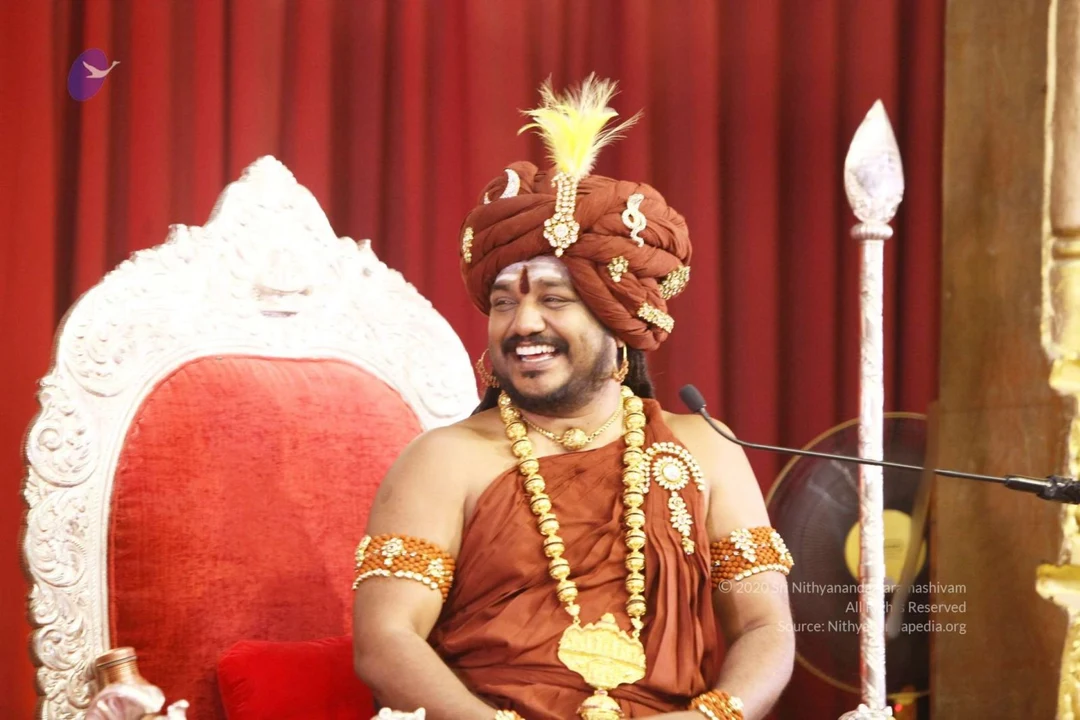 MADURAI is a grand shaivite city to celebrate Shaivism
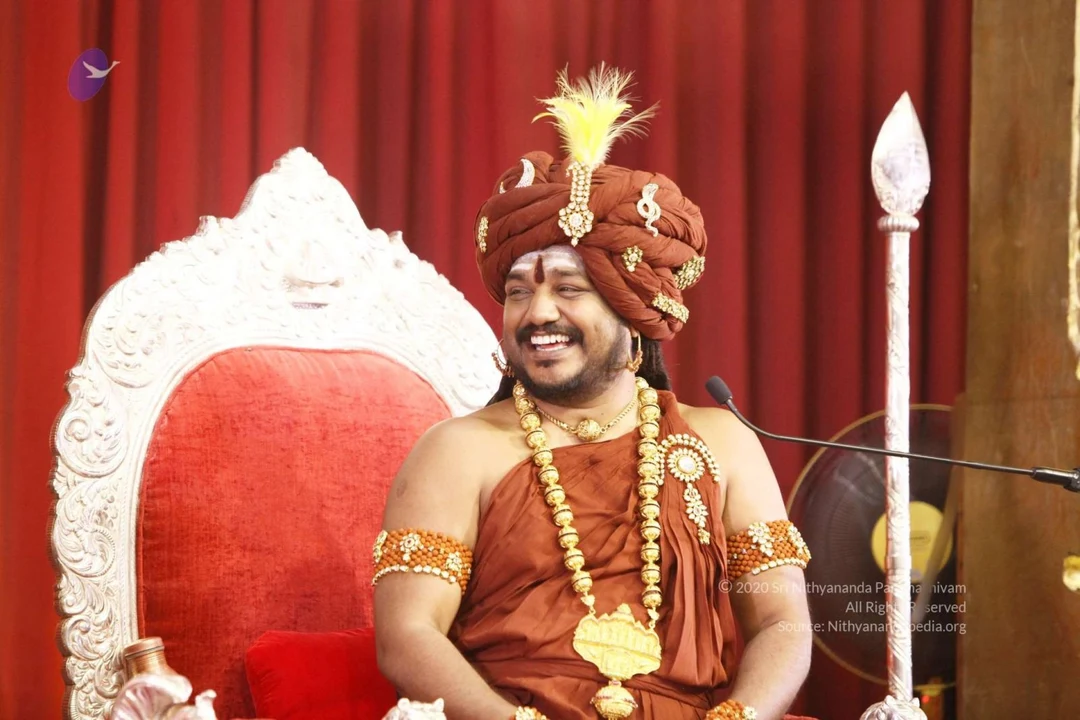 MADURAI is a grand shaivite city to celebrate Shaivism
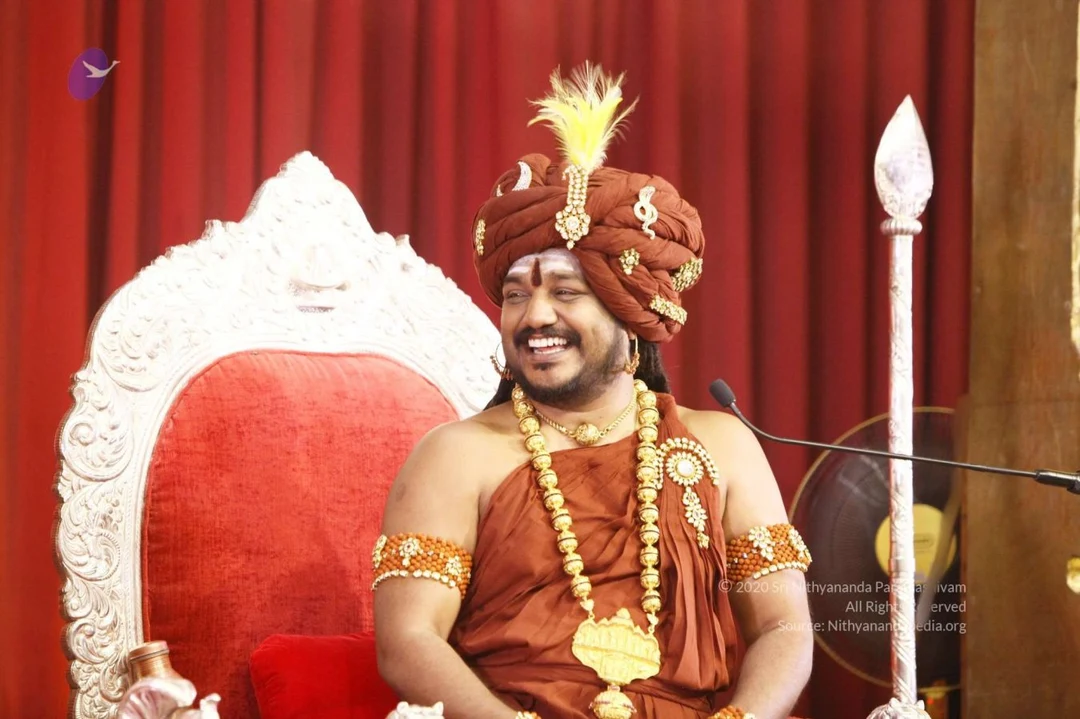 MADURAI is a grand shaivite city to celebrate Shaivism
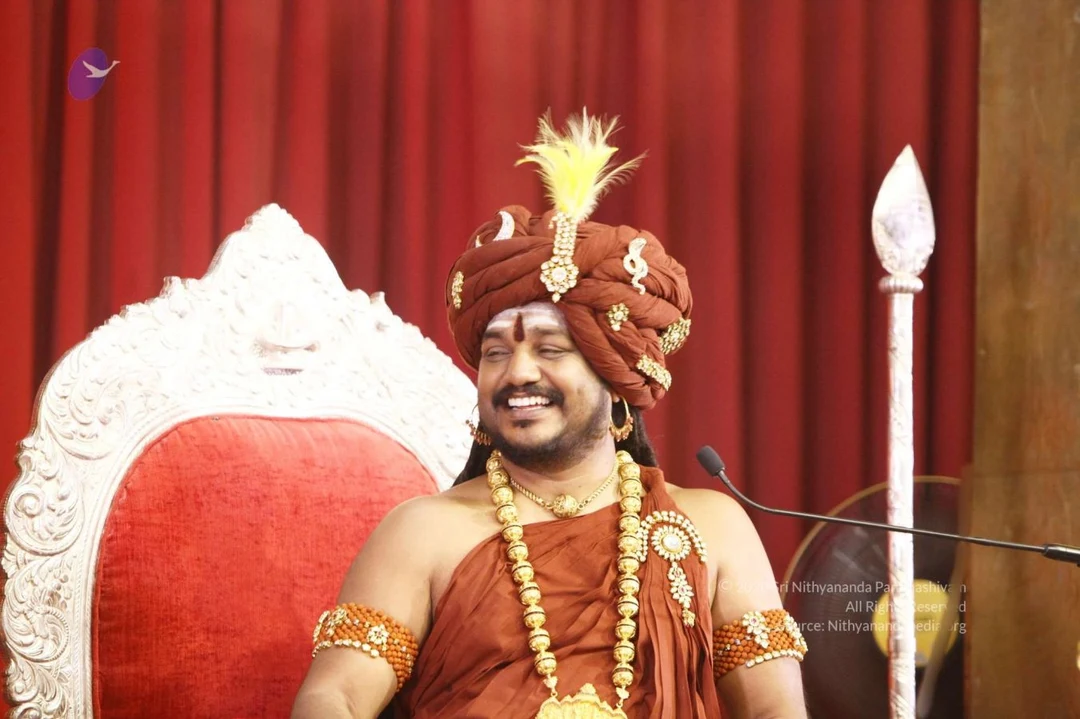 MADURAI is a grand shaivite city to celebrate Shaivism
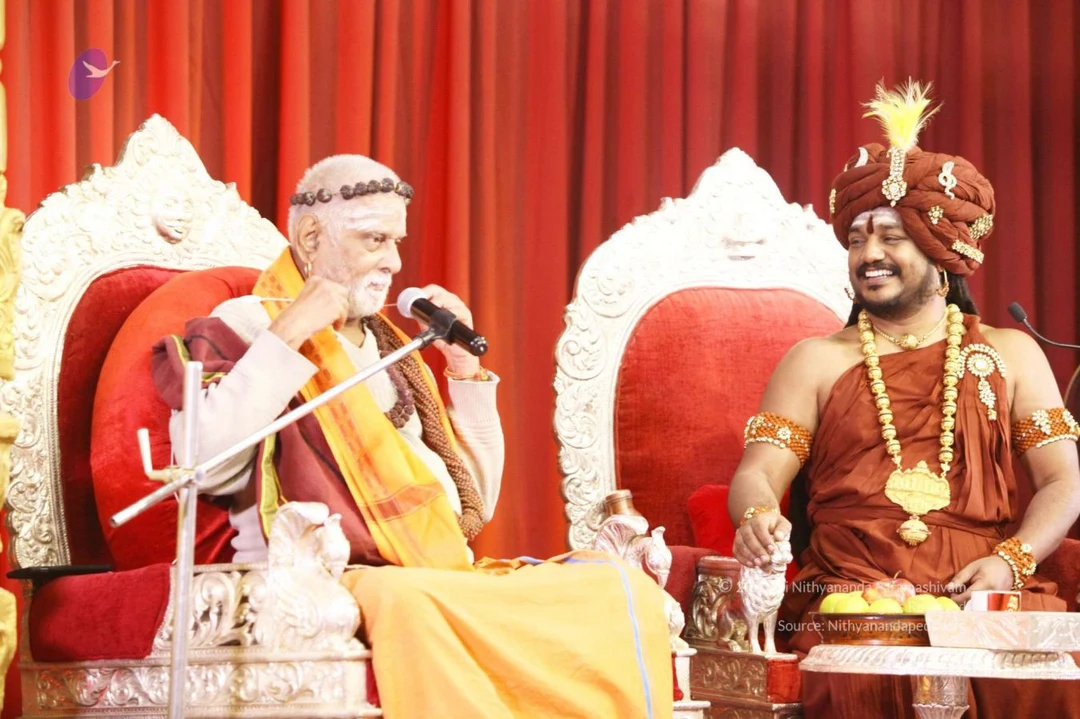 MADURAI is a grand shaivite city to celebrate Shaivism
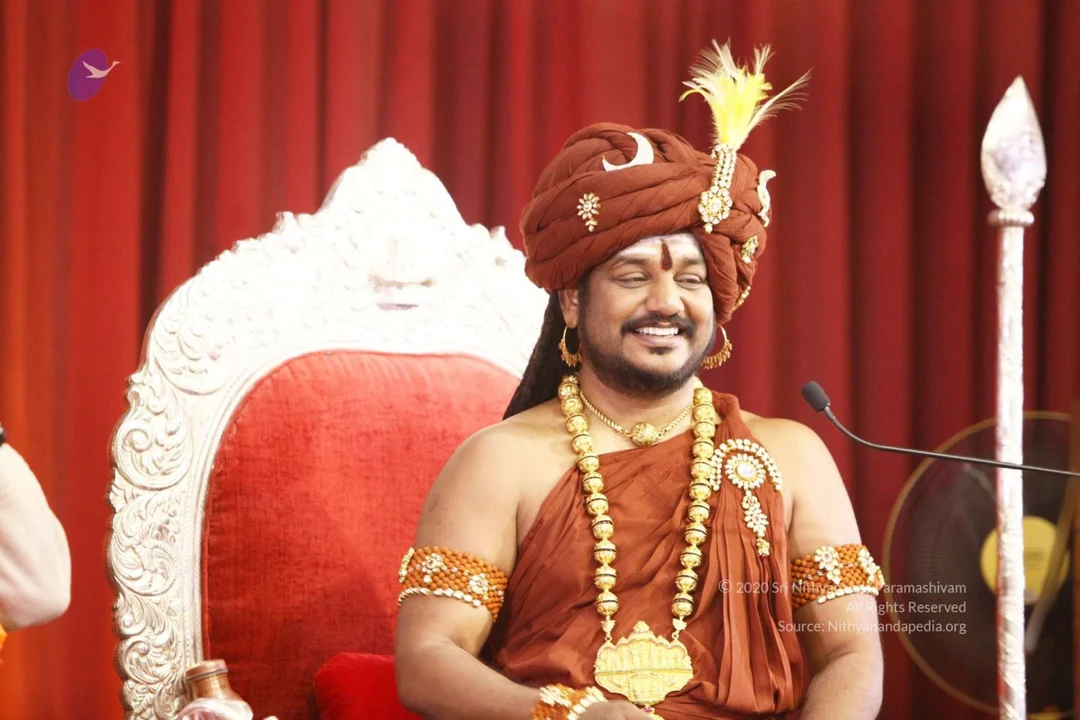 LISTEN to all the temple stories, you will listen Shaivism
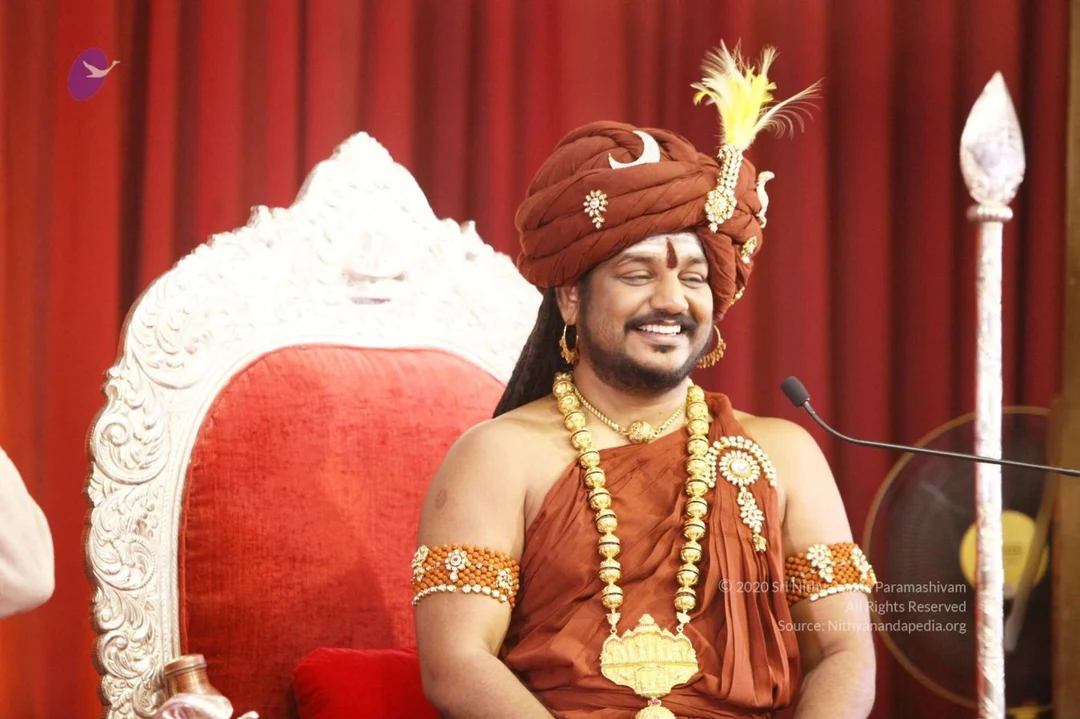 LISTEN to all the temple stories, you will listen Shaivism
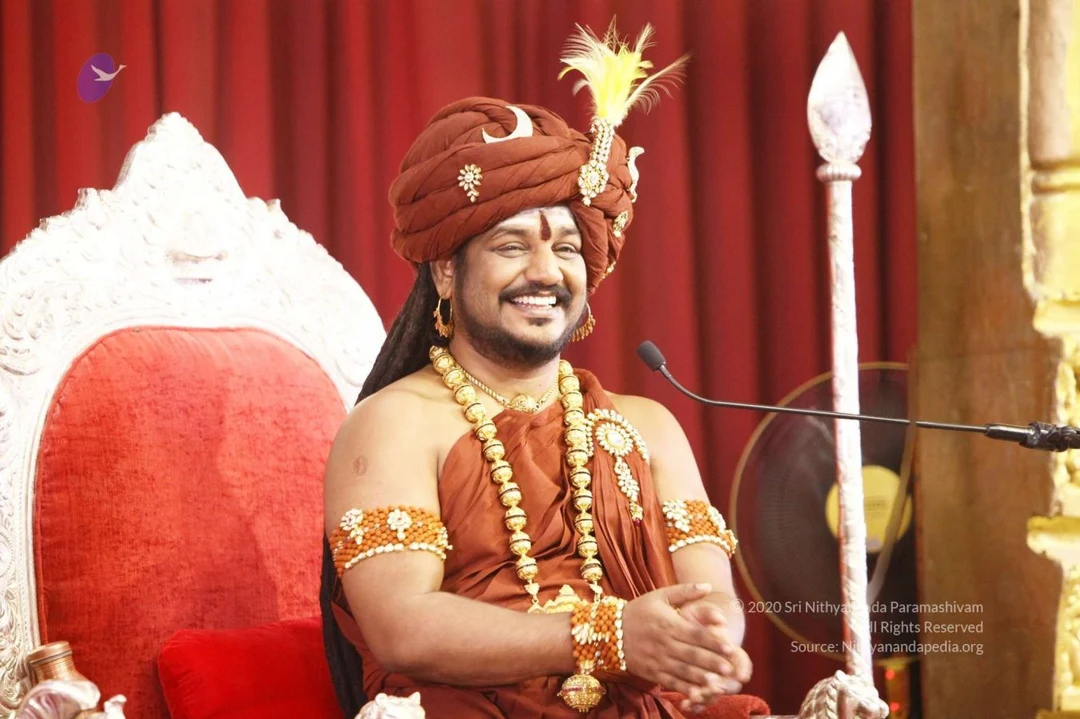 LISTEN to all the temple stories, you will listen Shaivism
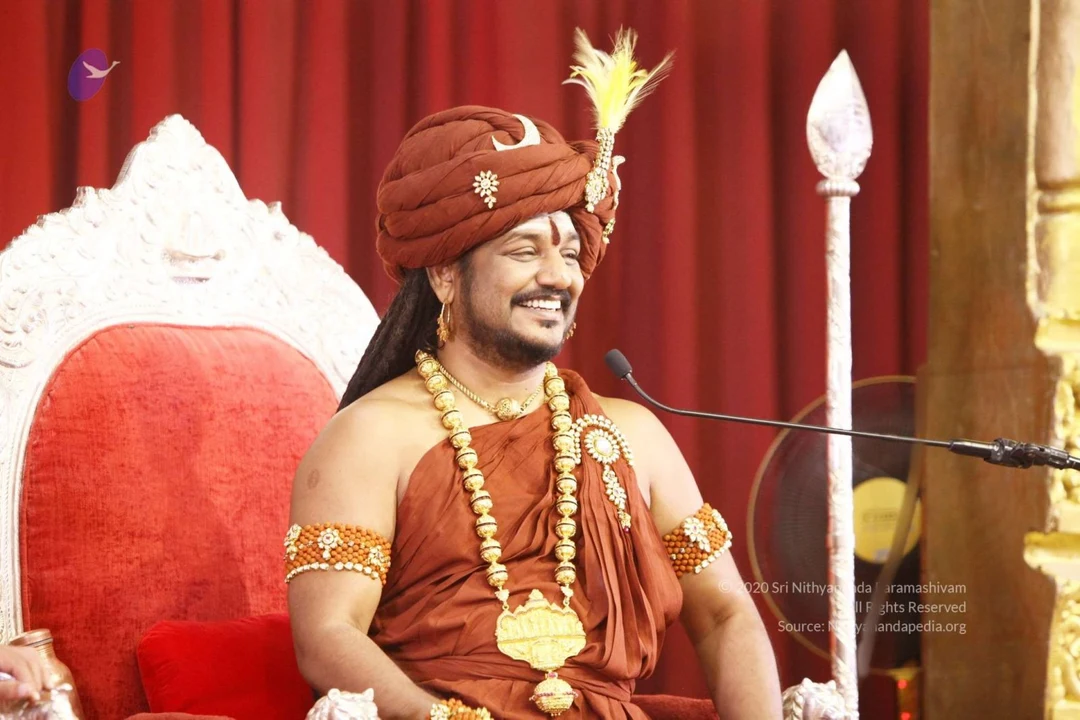 LISTEN to all the temple stories, you will listen Shaivism
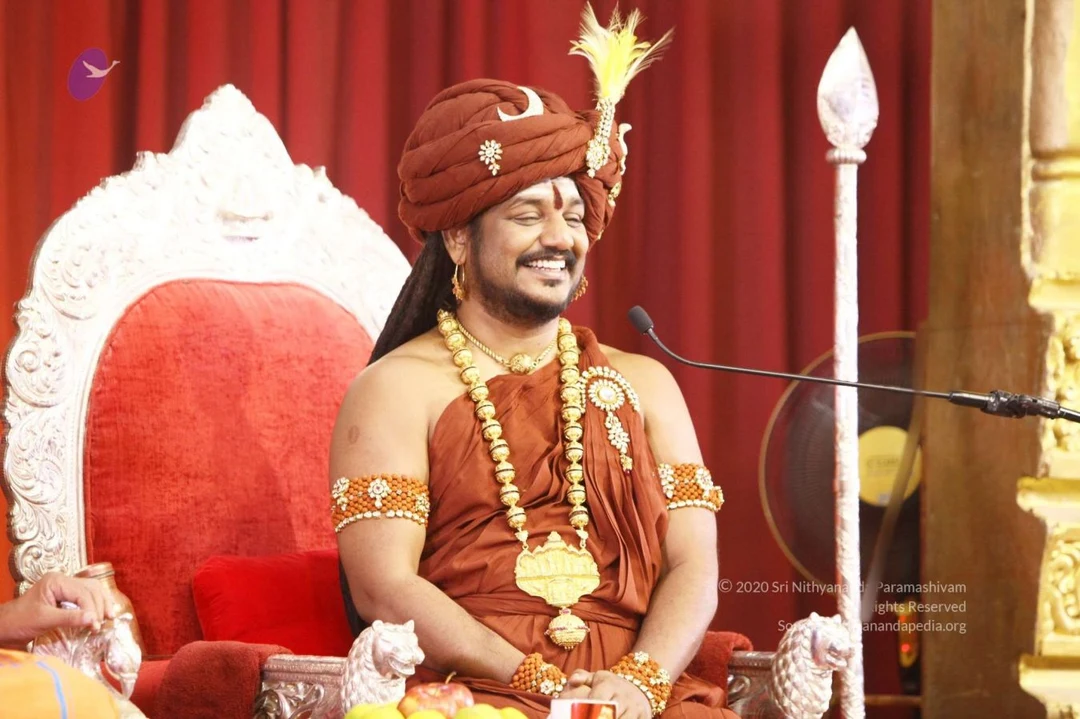 LISTEN to all the temple stories, you will listen Shaivism
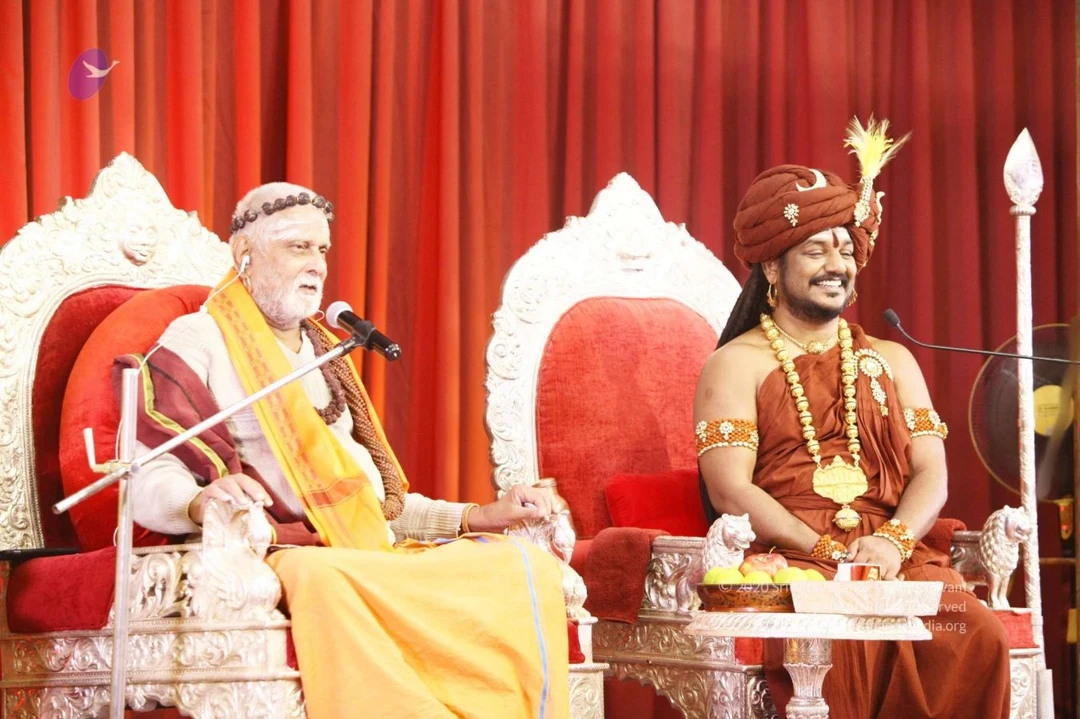 LISTEN to all the temple stories, you will listen Shaivism
 LISTEN to all the temple stories, you will listen Shaivism
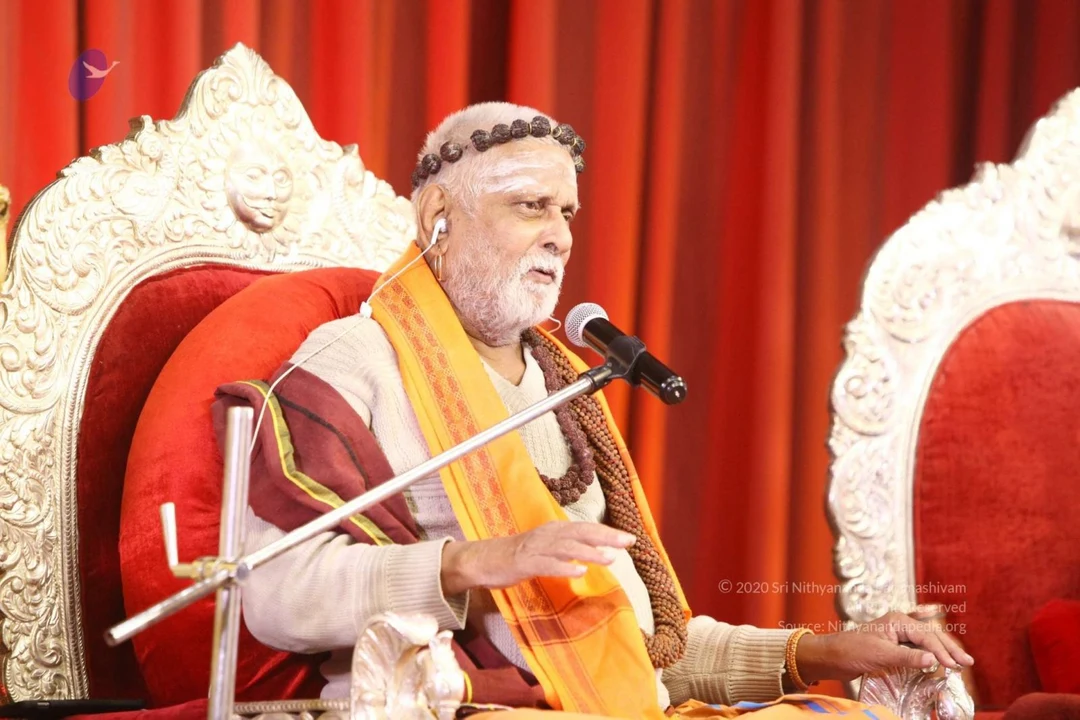 LISTEN to all the temple stories, you will listen Shaivism
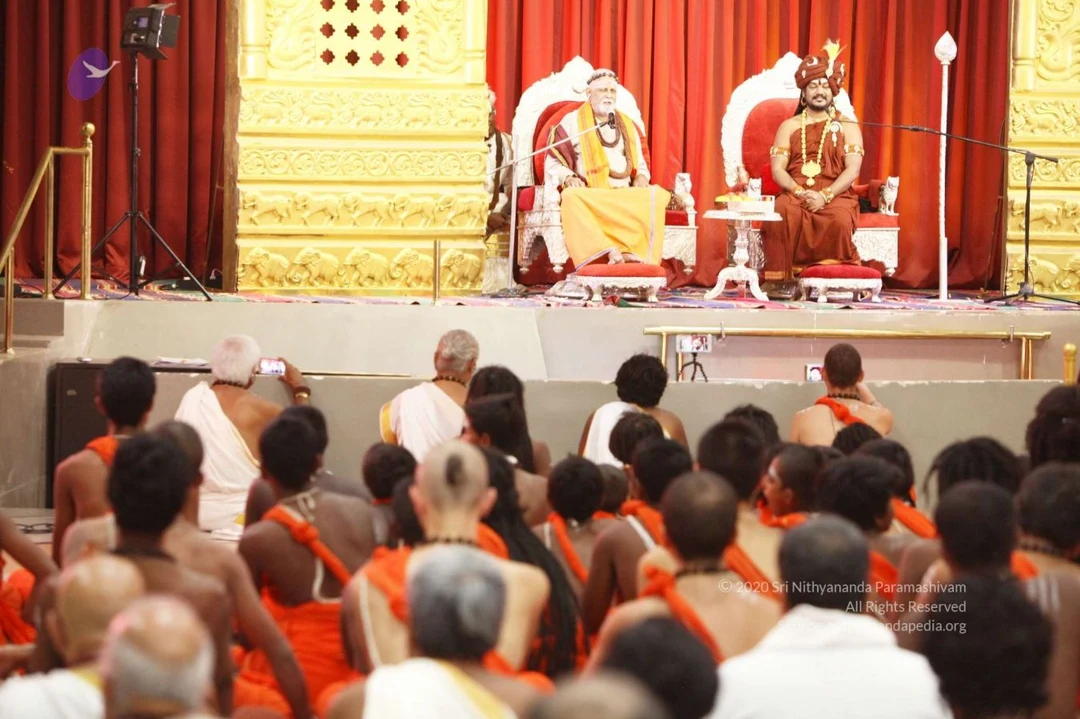 LISTEN to all the temple stories, you will listen Shaivism
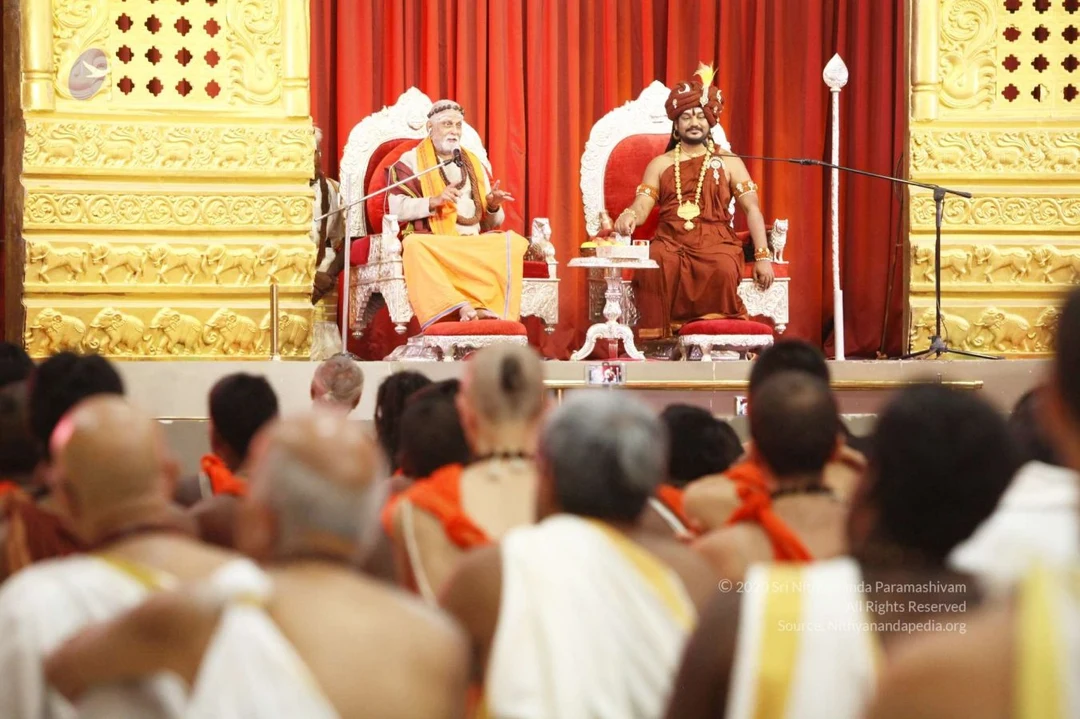 LISTEN to all the temple stories, you will listen Shaivism
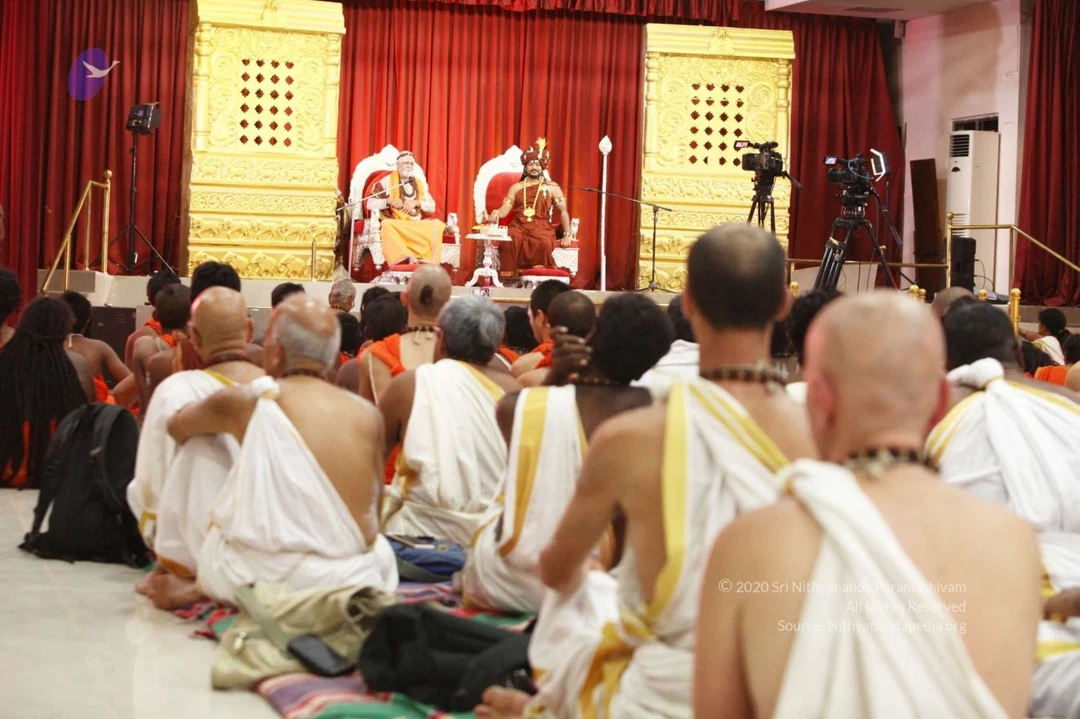 LISTEN to all the temple stories, you will listen Shaivism
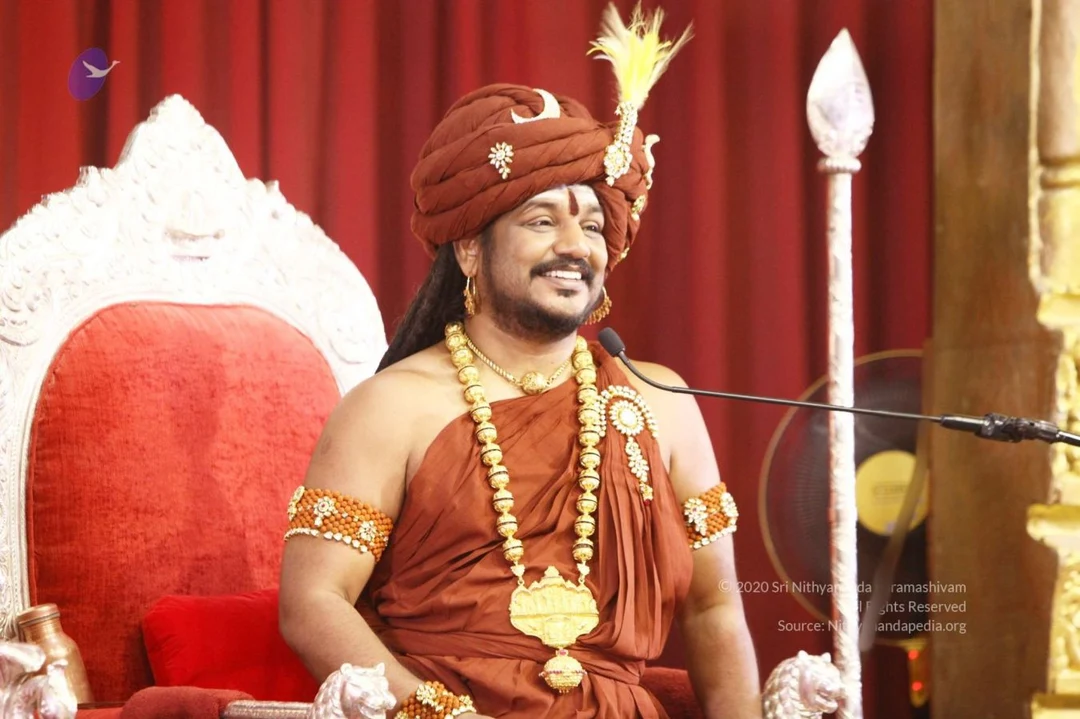 LISTEN to all the temple stories, you will listen Shaivism
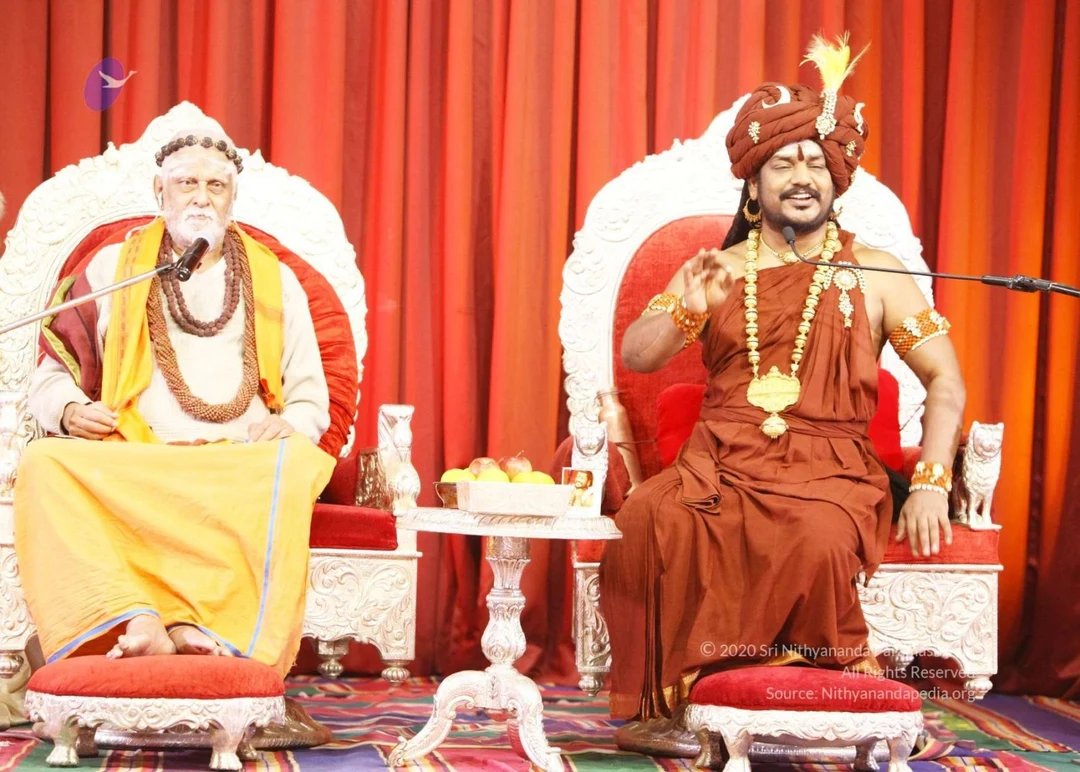 LISTEN to all the temple stories, you will listen Shaivism
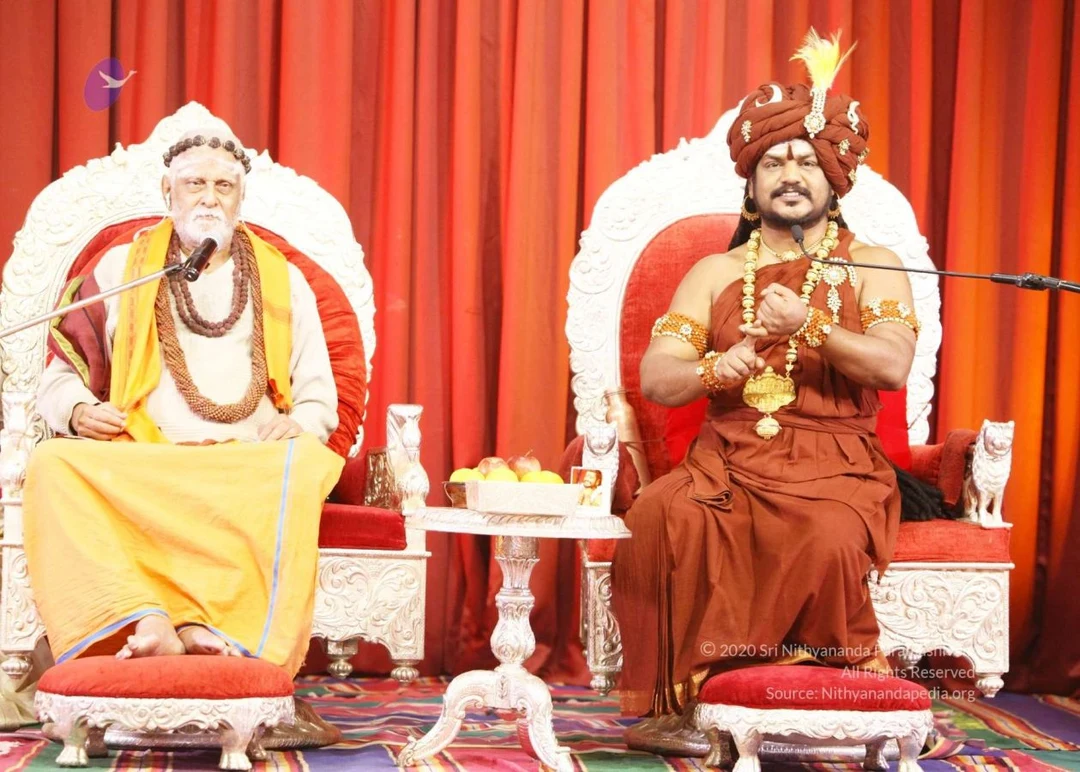 LISTEN to all the temple stories, you will listen Shaivism
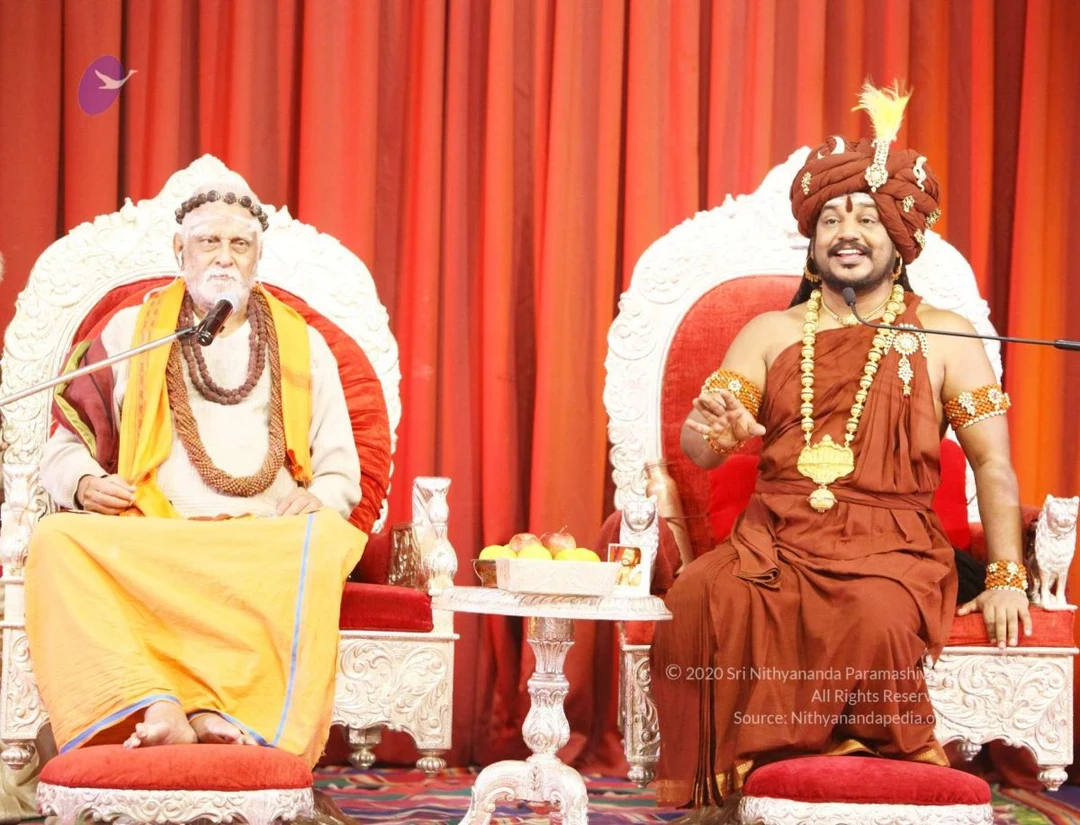 LISTEN to all the temple stories, you will listen Shaivism
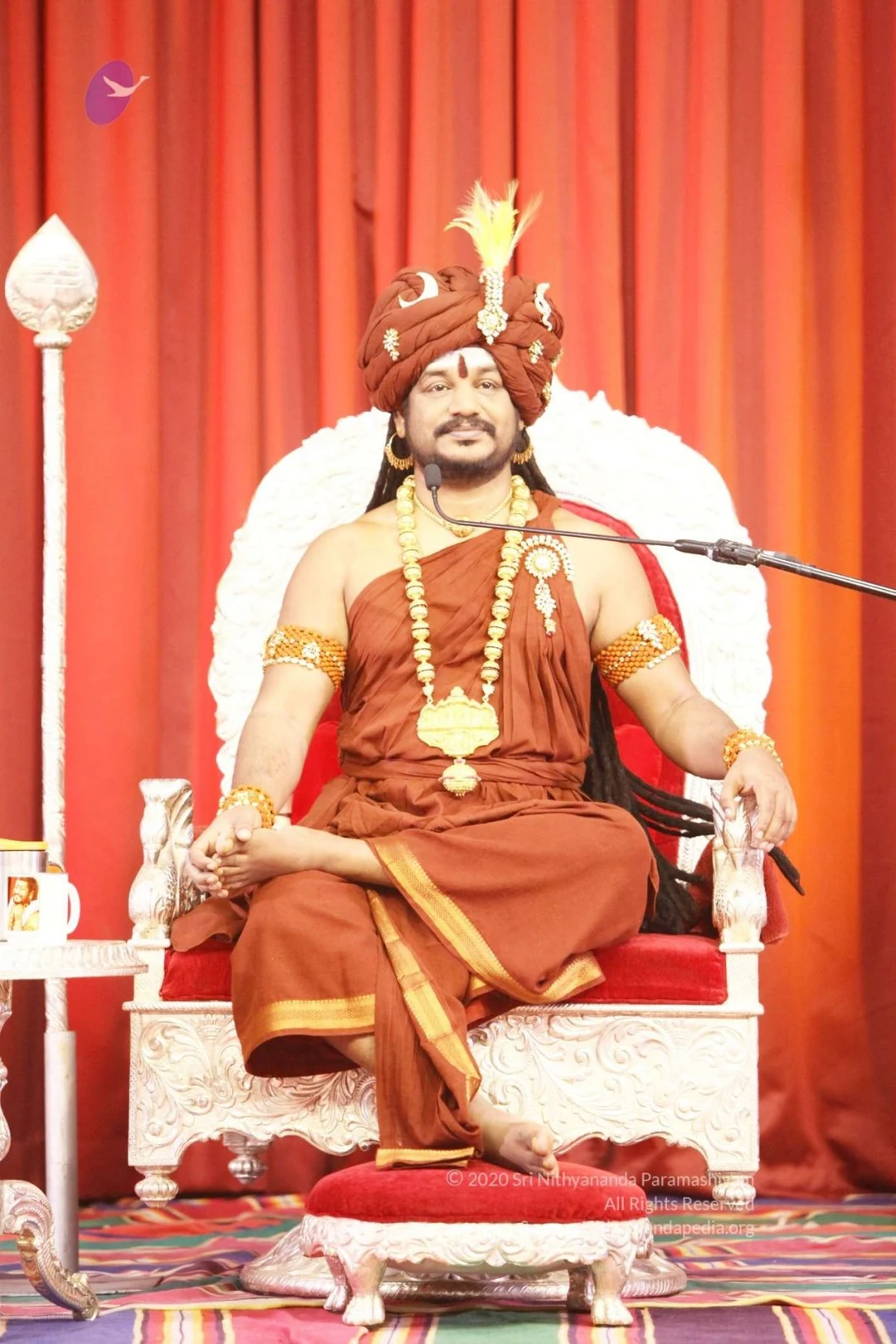
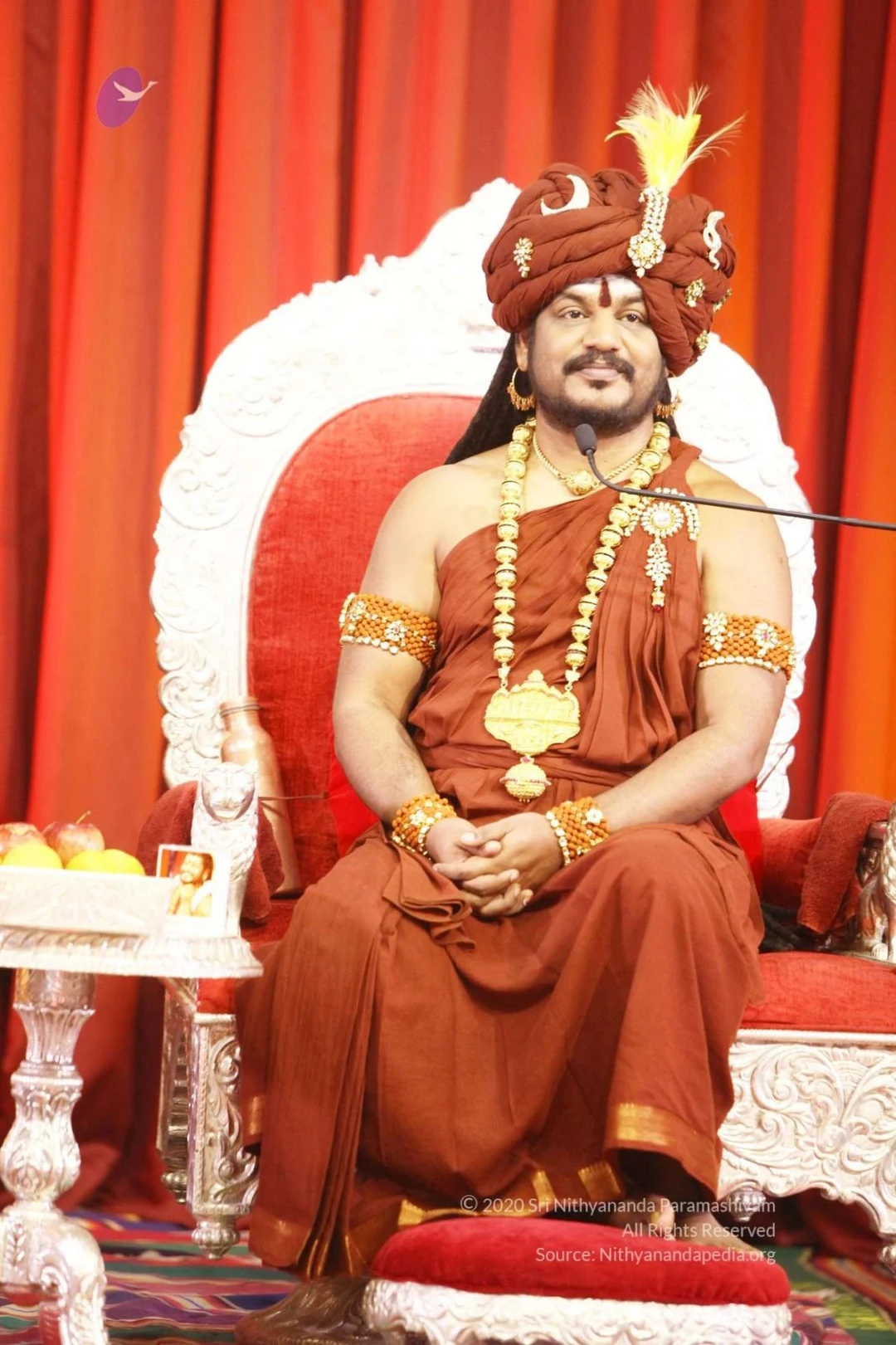
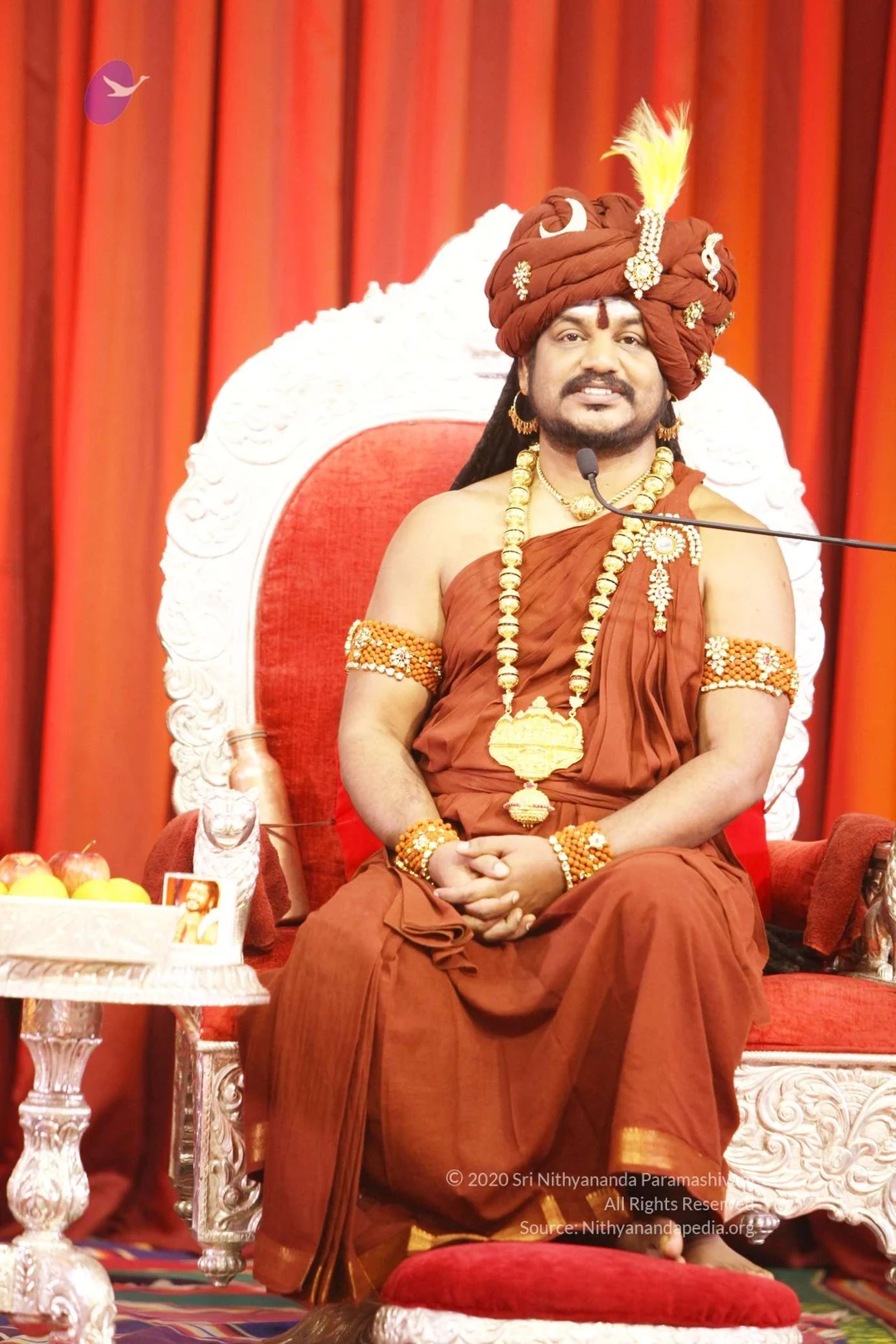
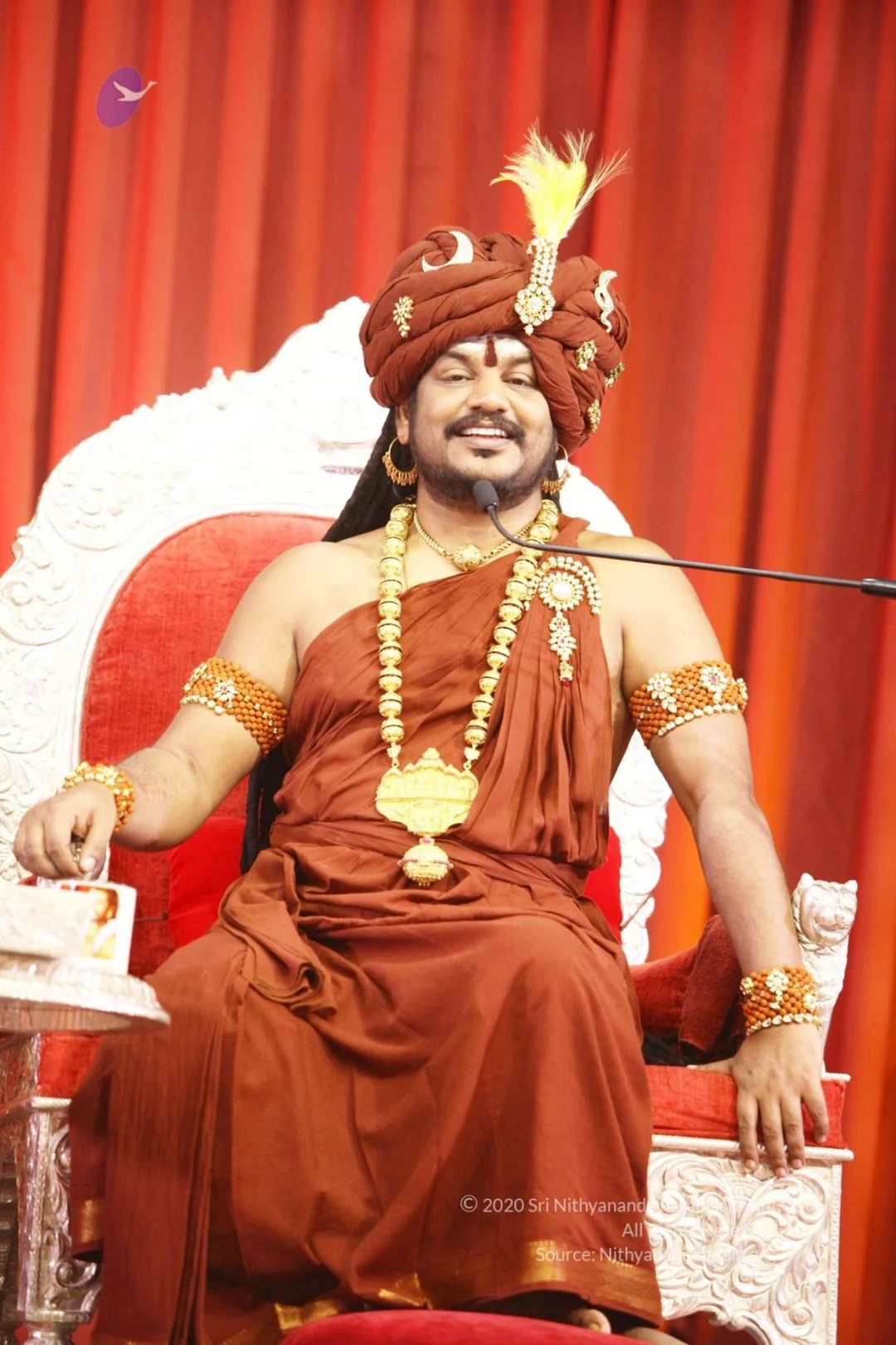
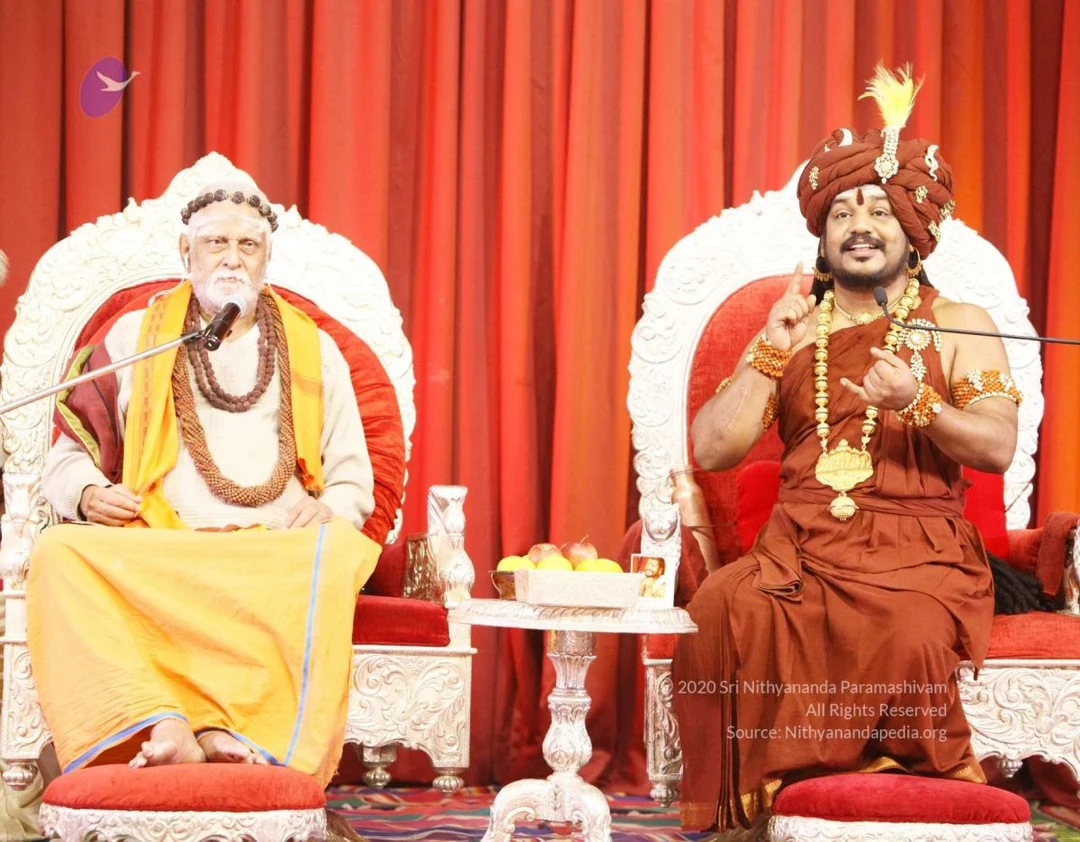 His powerful Presence as an experience
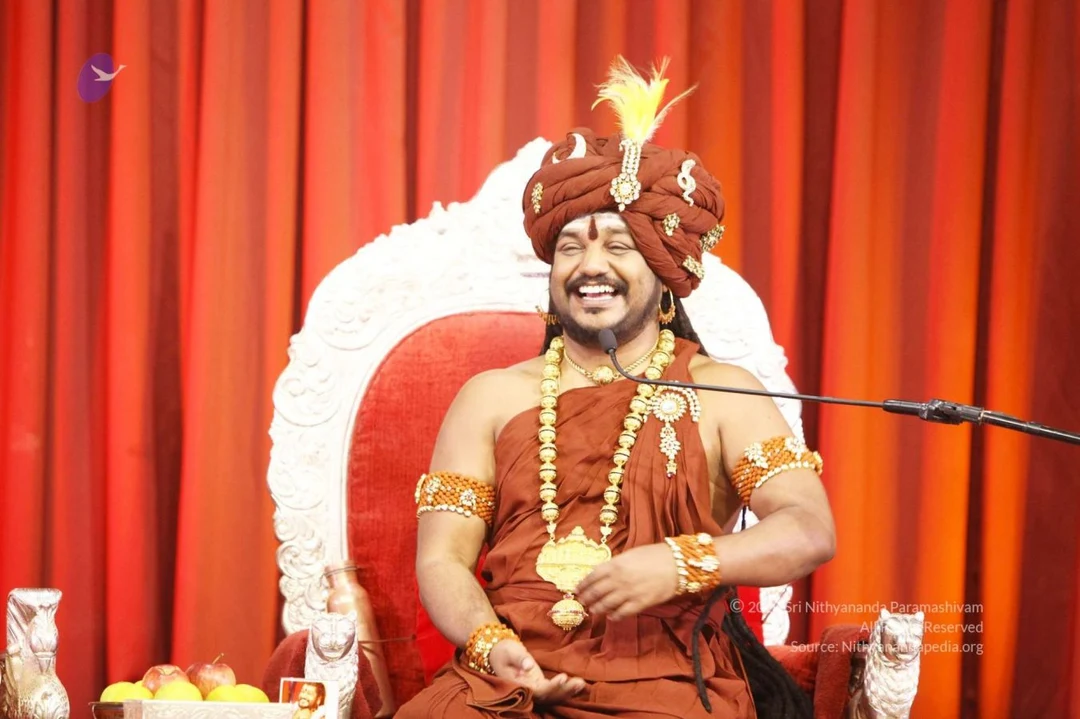 His powerful Presence as an experience
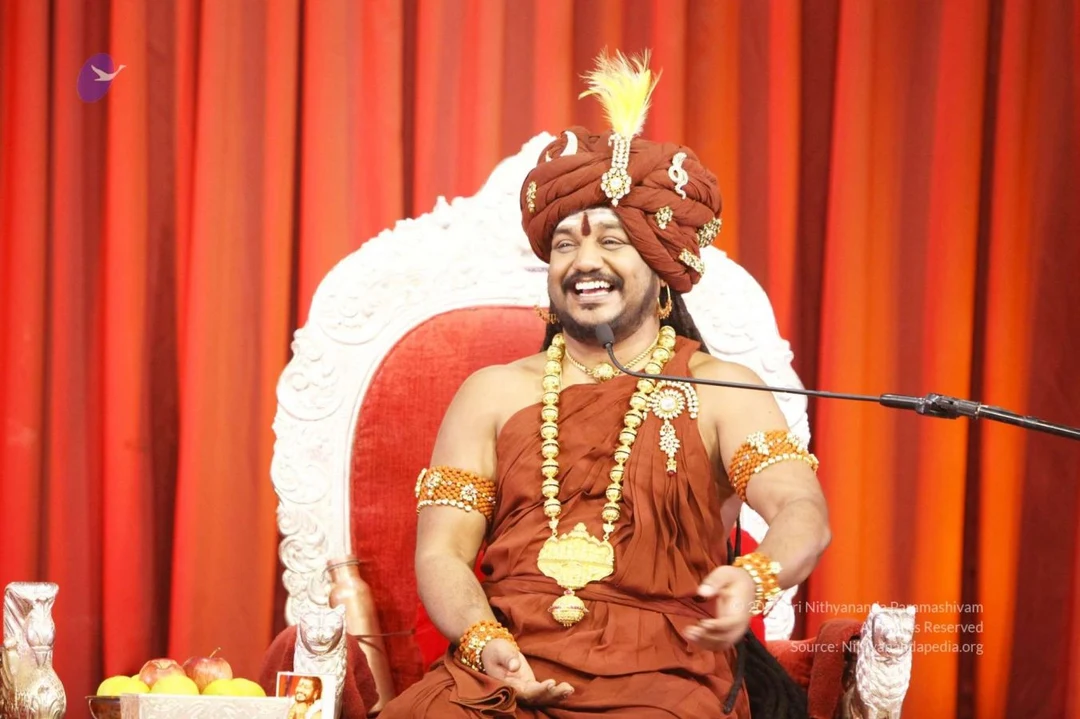 His powerful Presence as an experience
 His powerful Presence as an experience
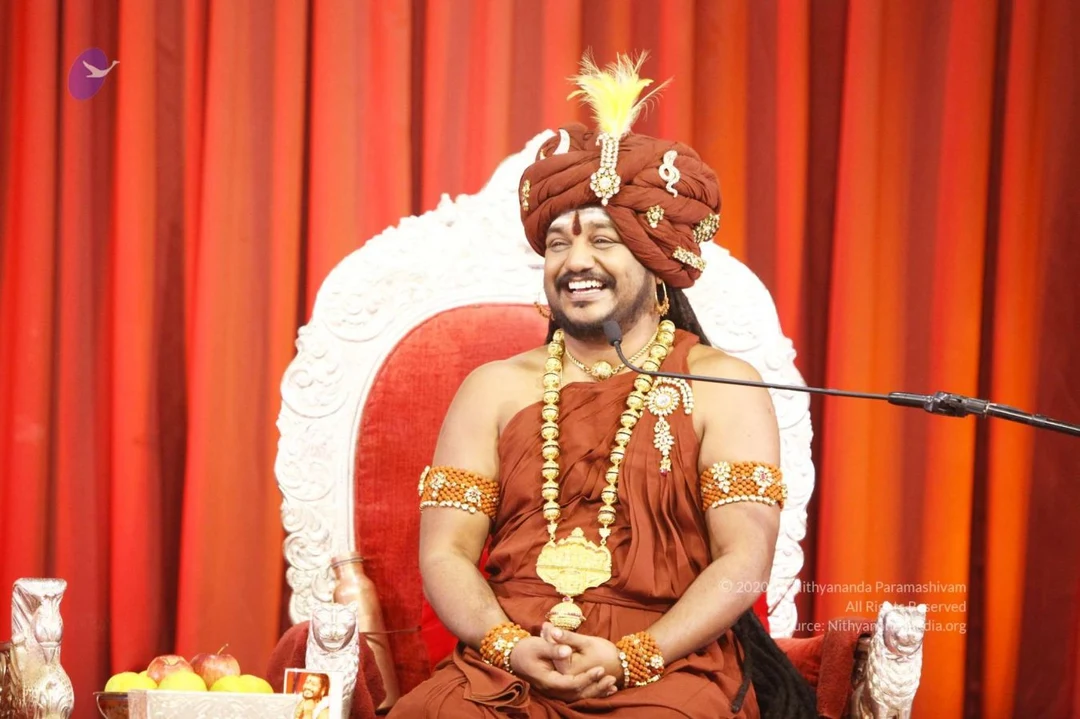 His powerful Presence as an experience
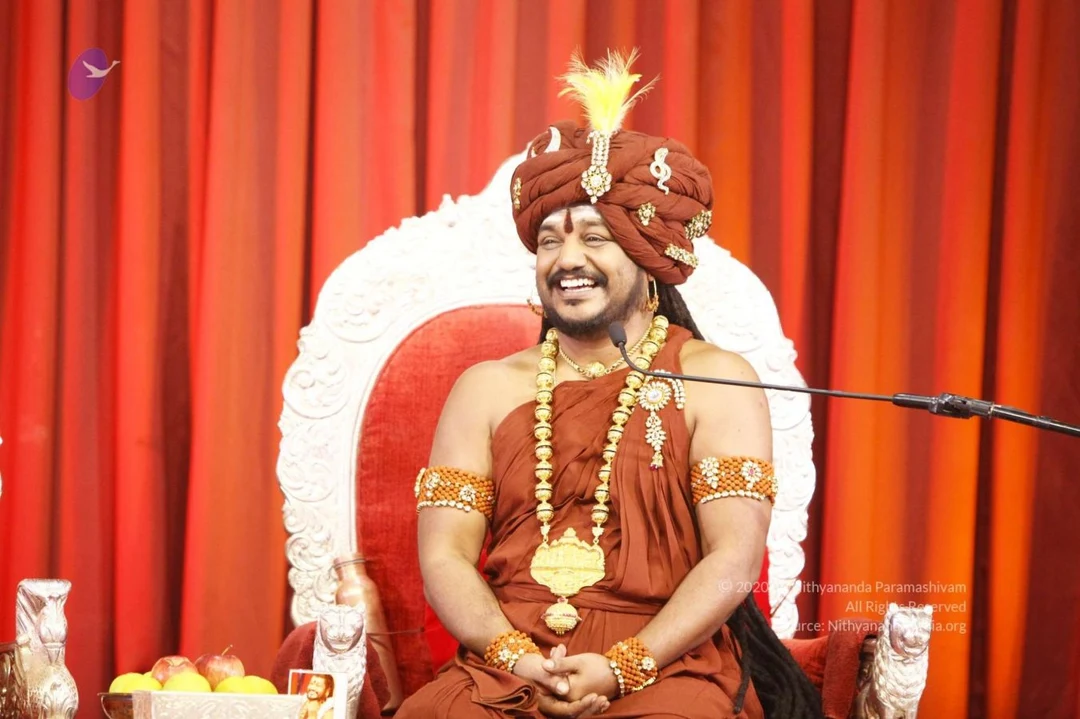 His powerful Presence as an experience
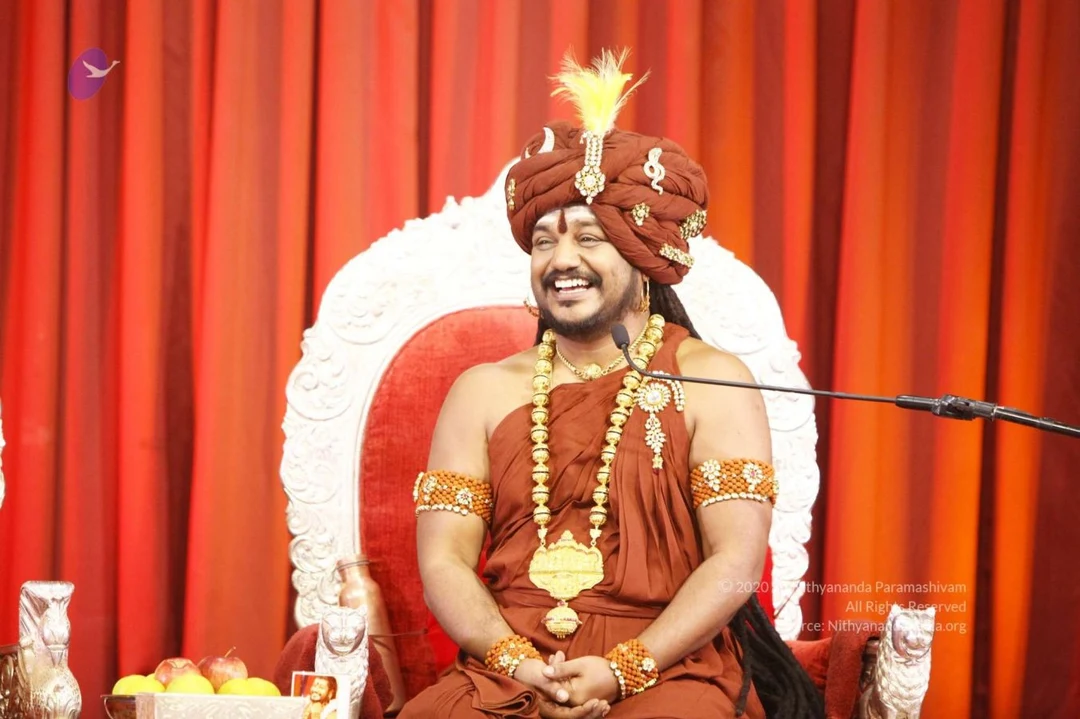 His powerful Presence as an experience
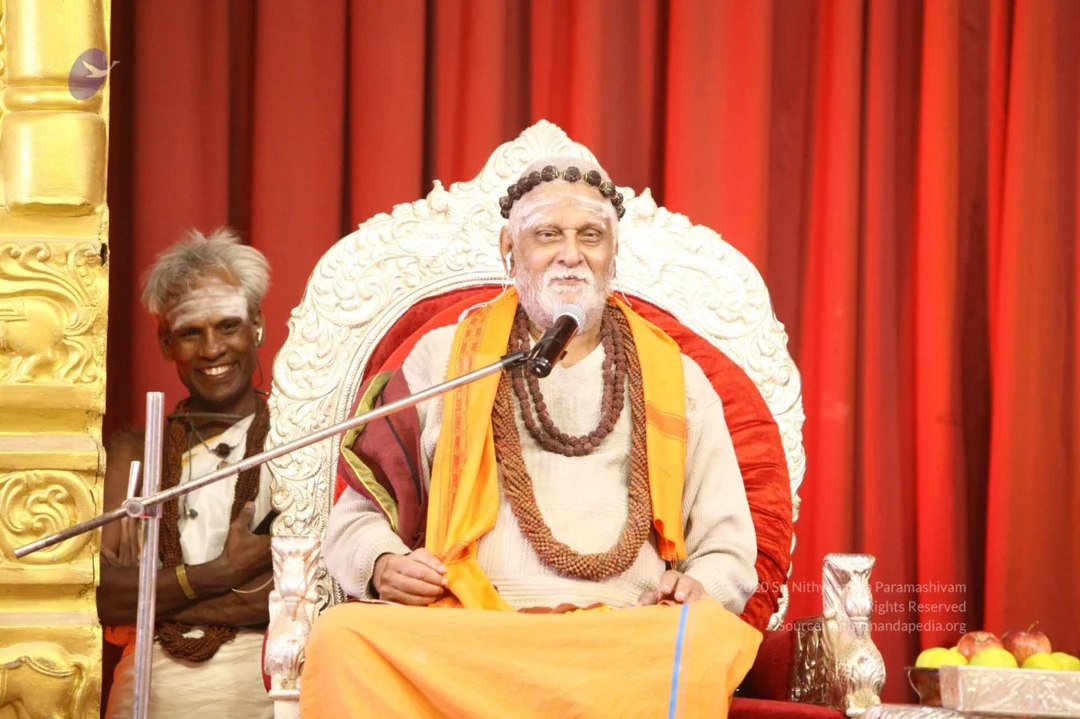 His powerful Presence as an experience
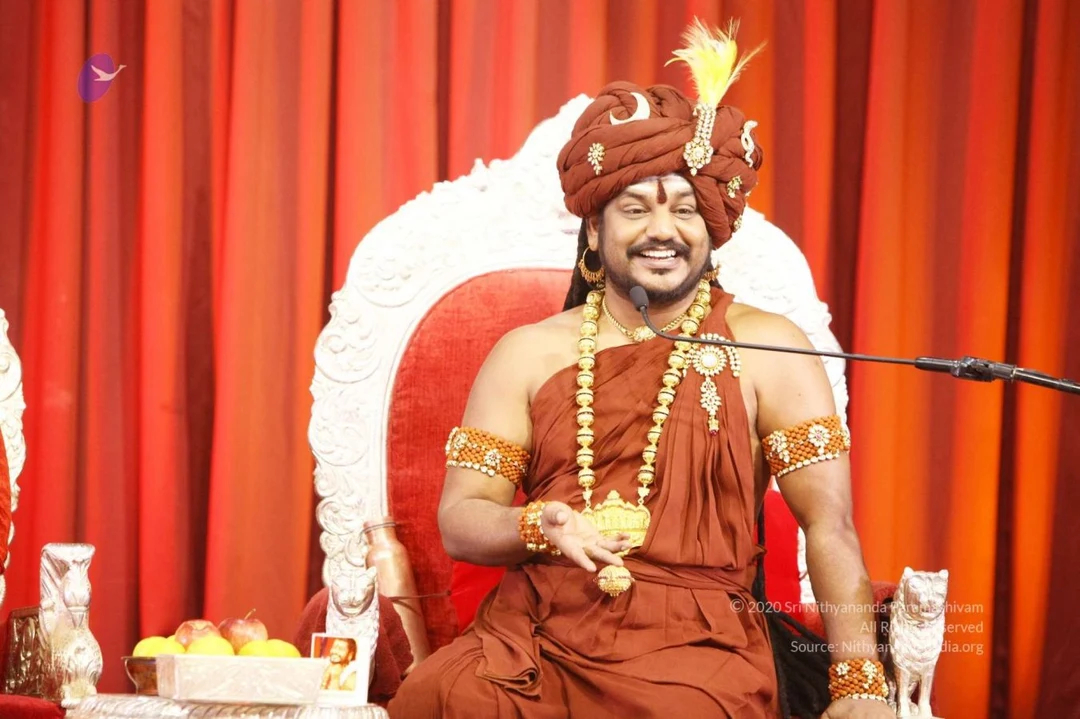 His powerful Presence as an experience
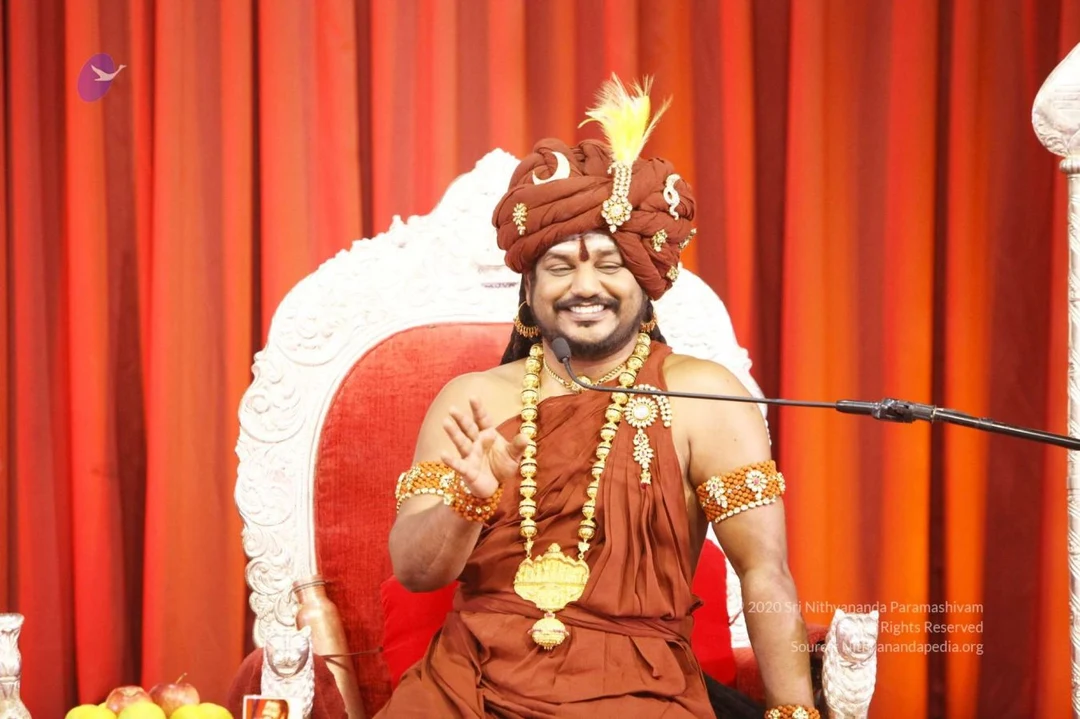 His powerful Presence as an experience
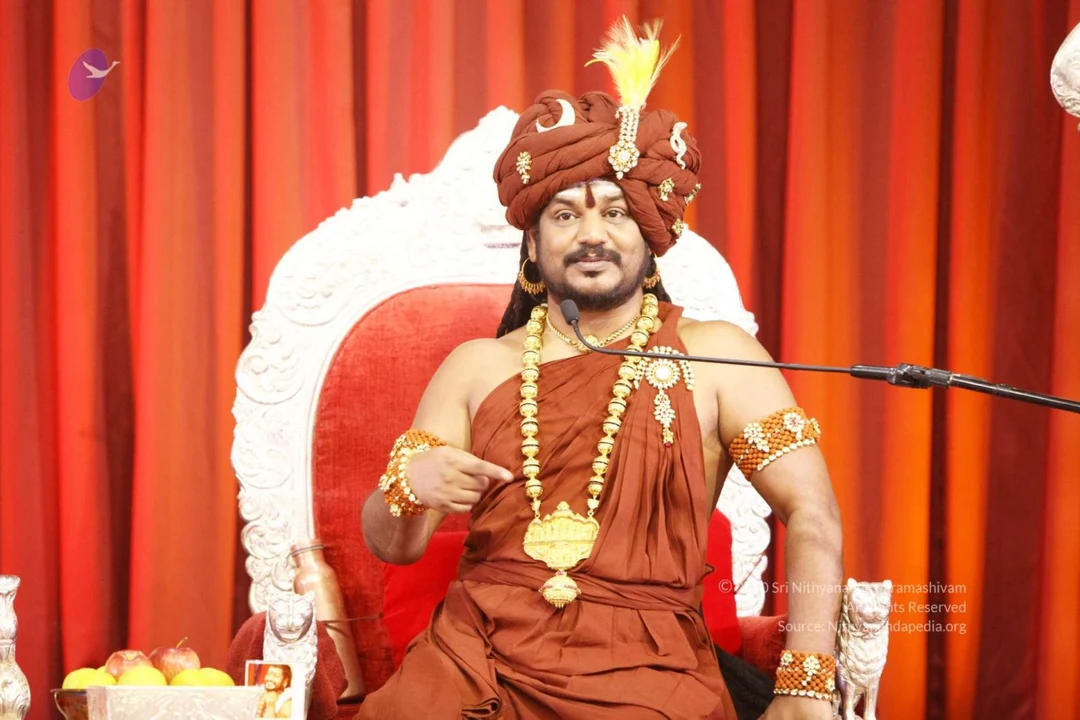 His powerful Presence as an experience
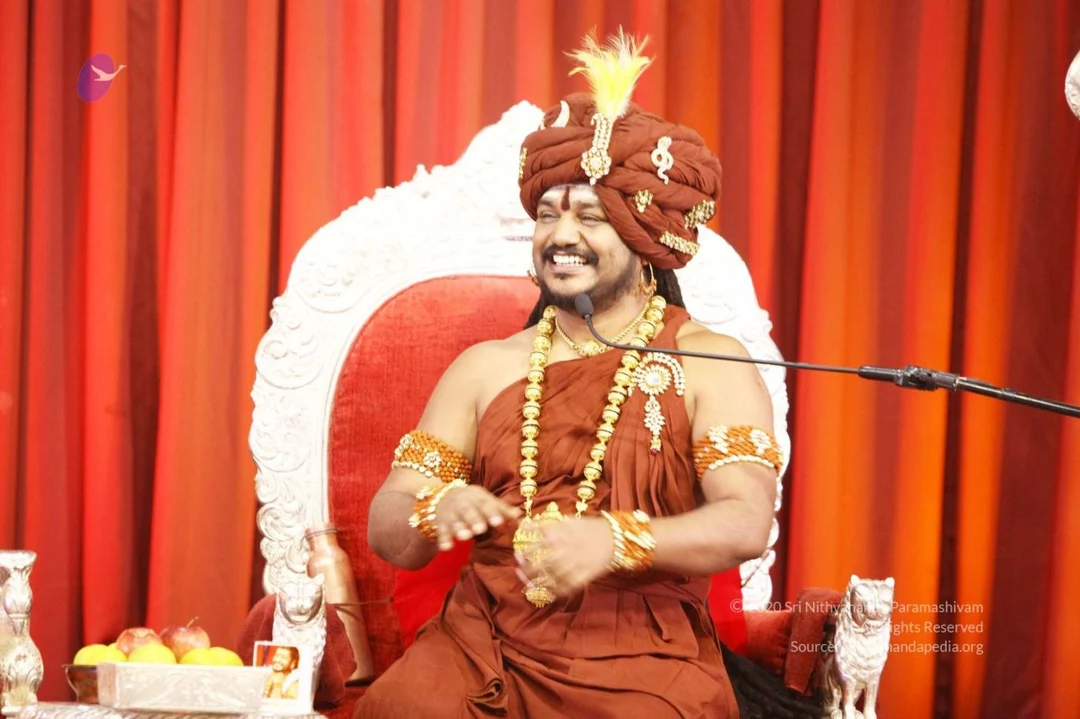 His powerful Presence as an experience
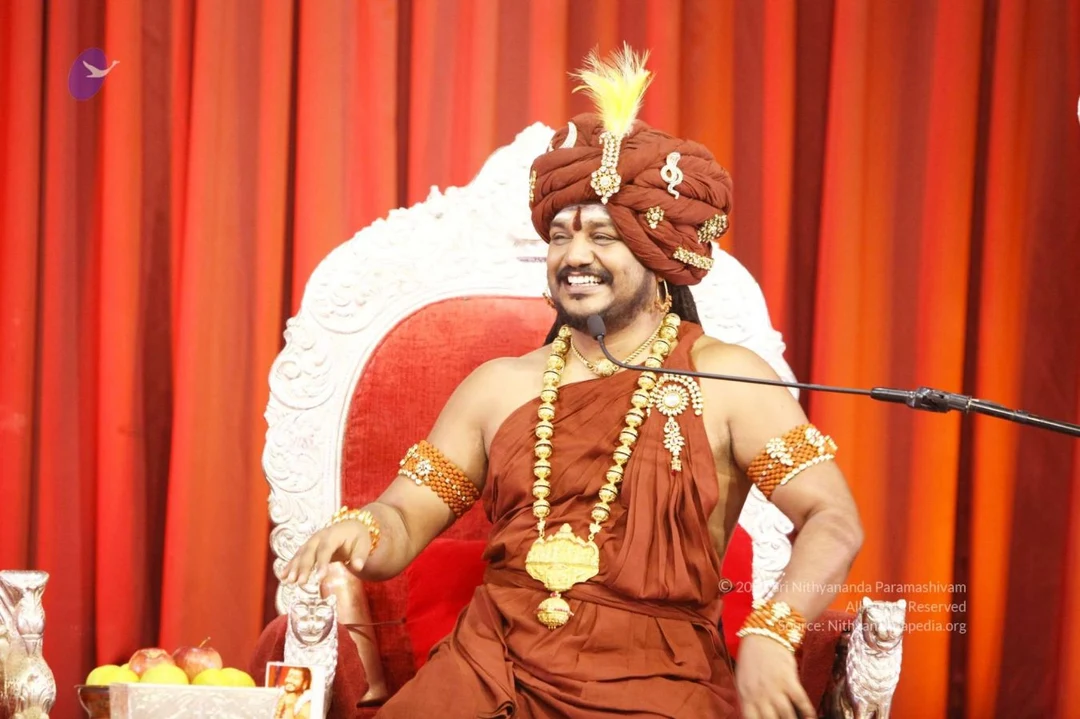 His powerful Presence as an experience
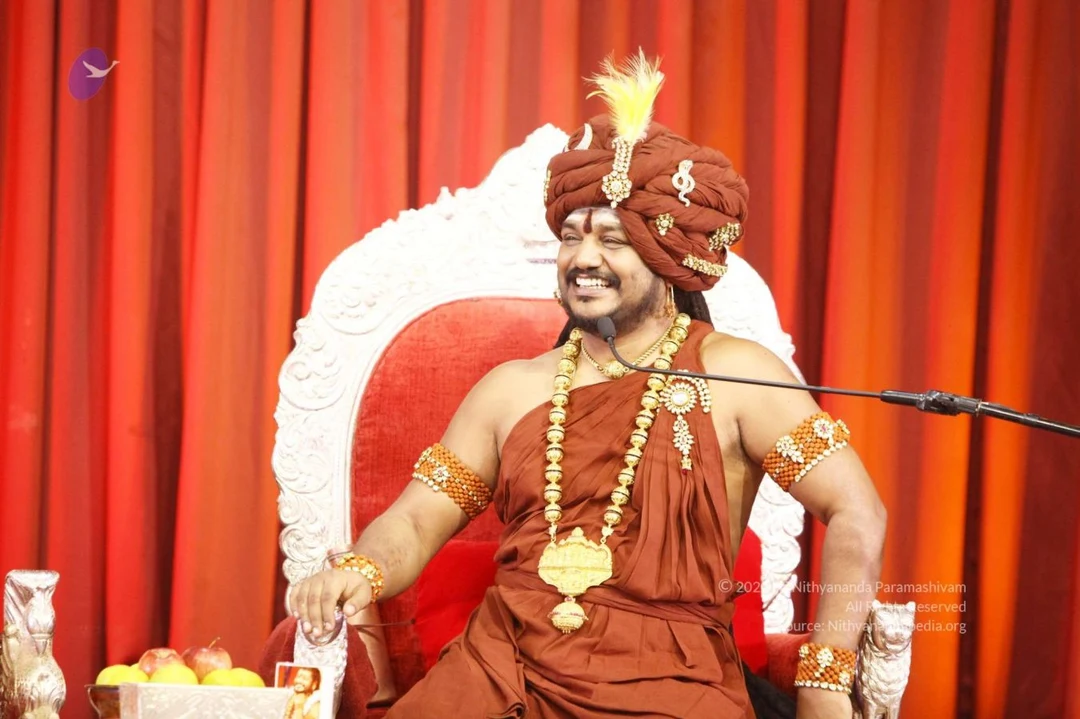 His powerful Presence as an experience
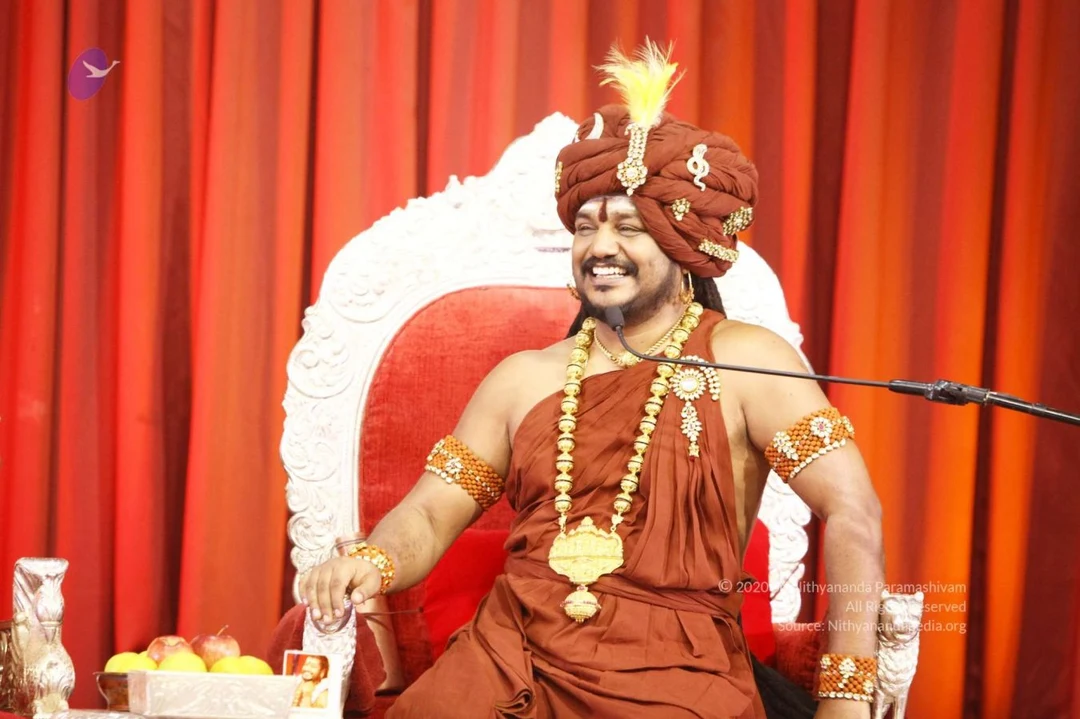 His powerful Presence as an experience
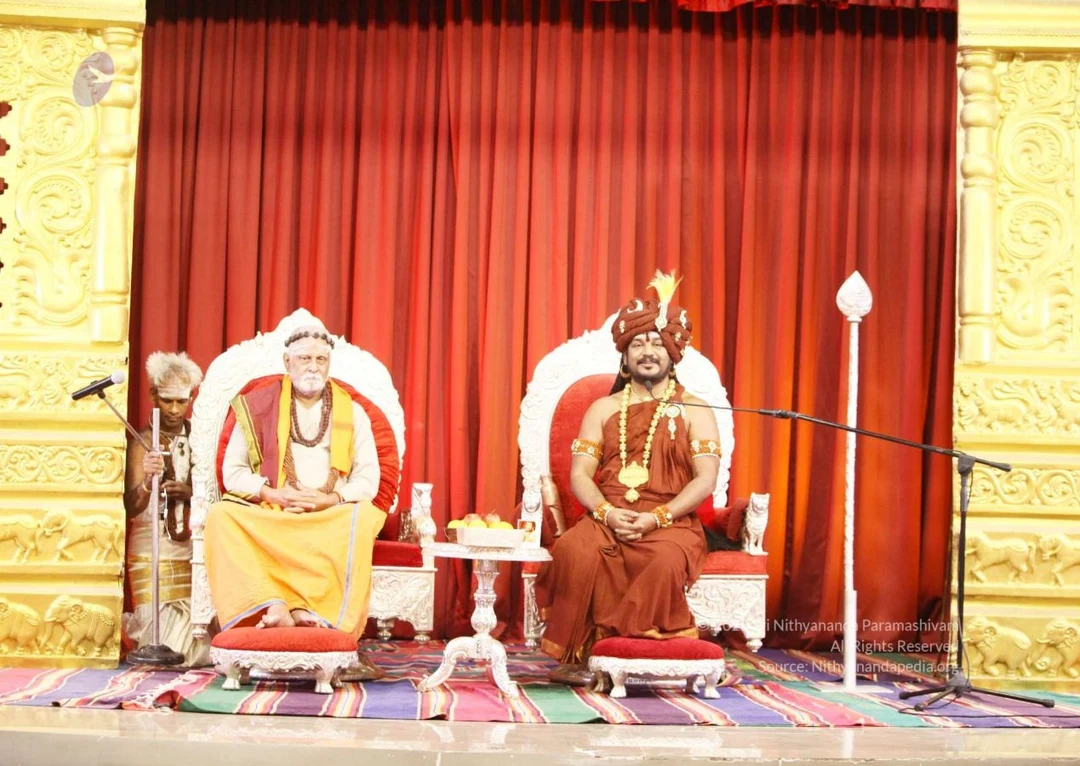 His powerful Presence as an experience
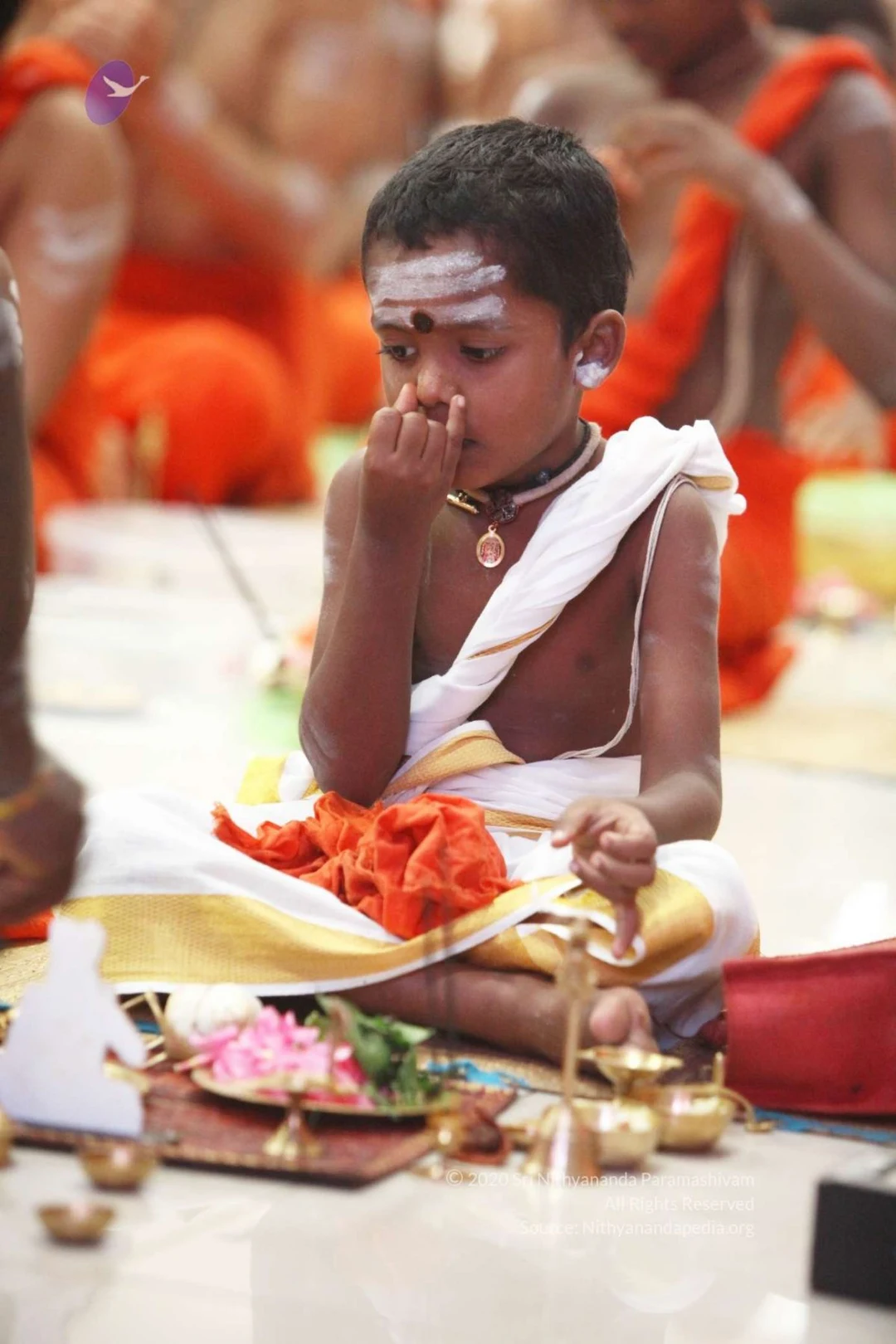


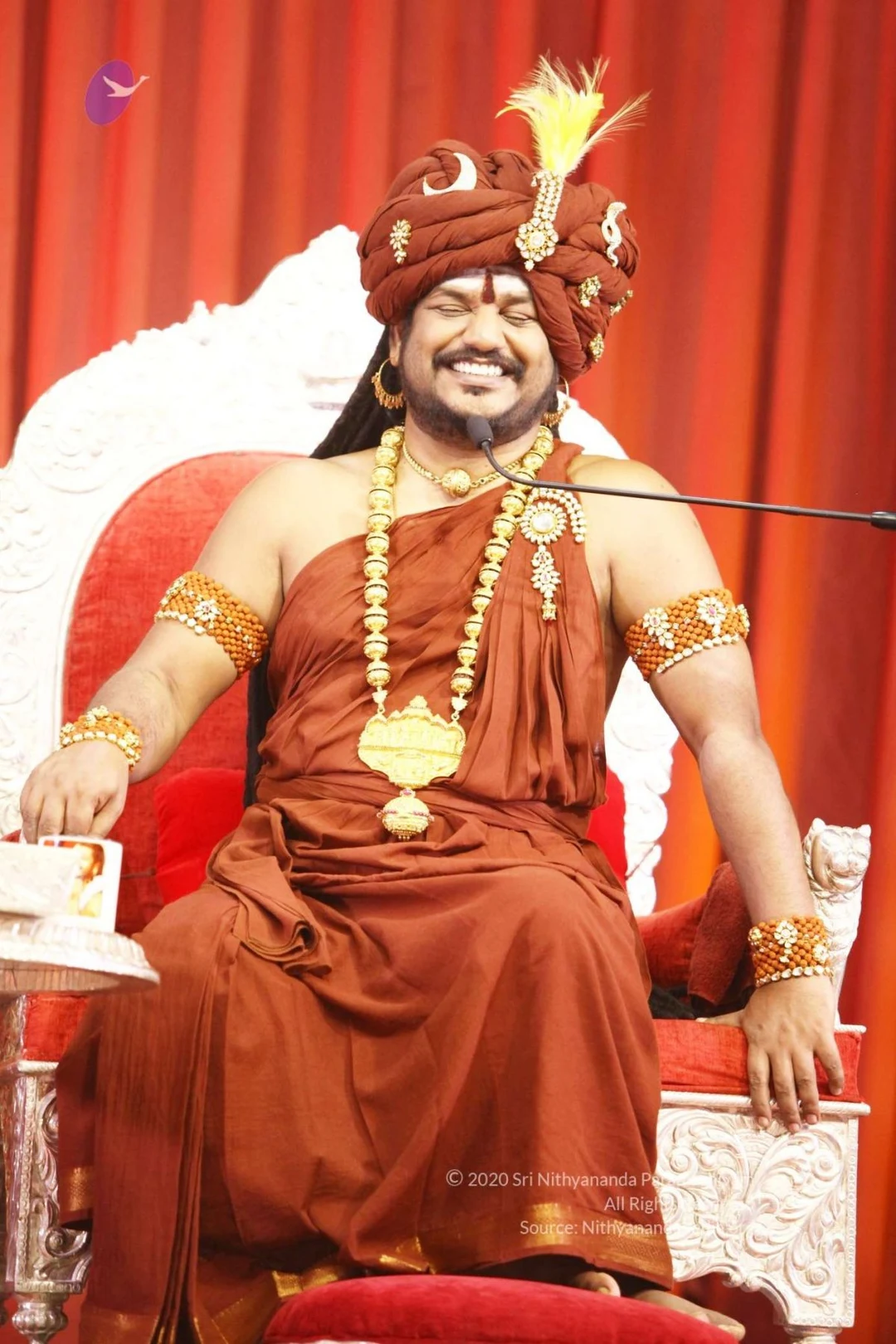
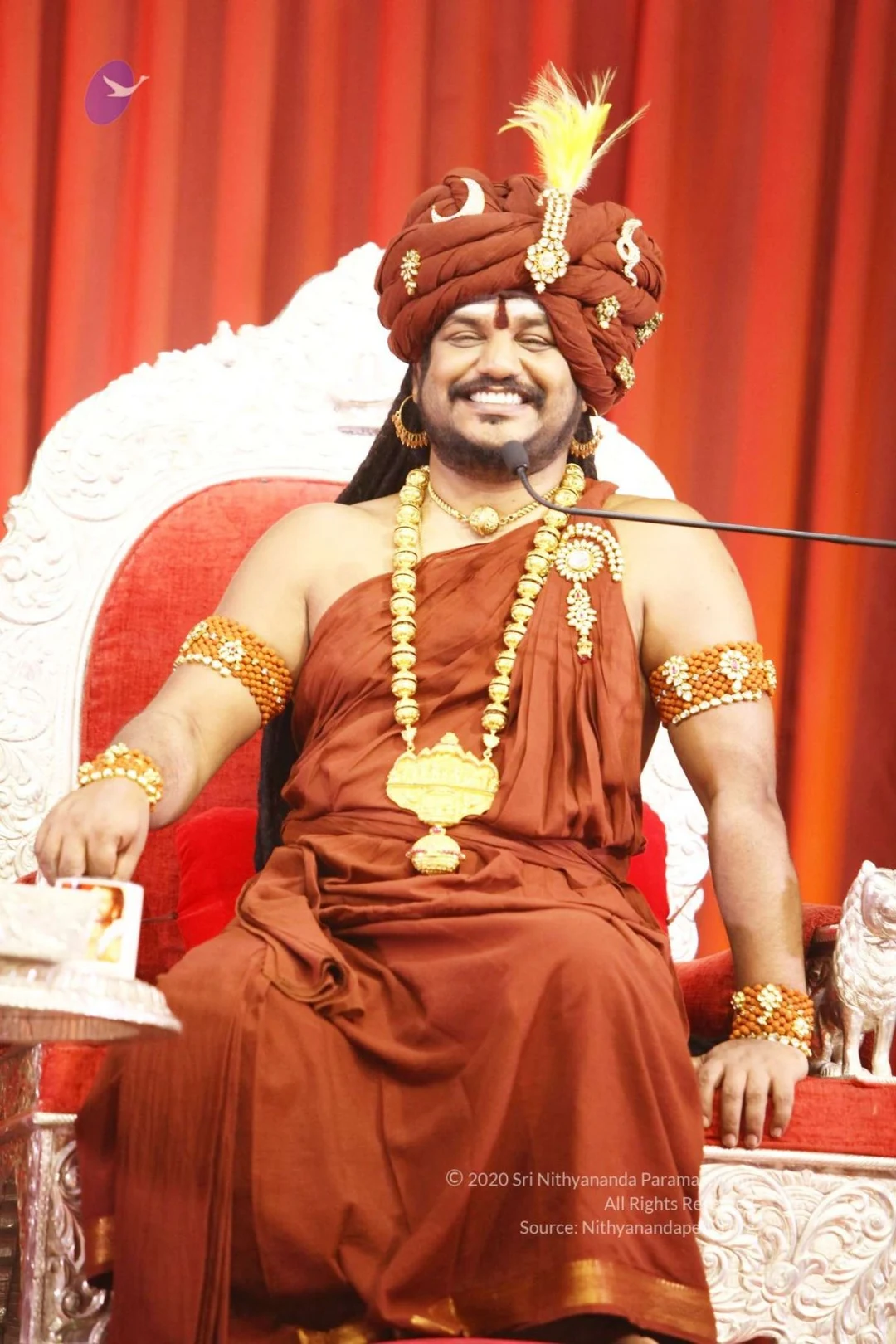
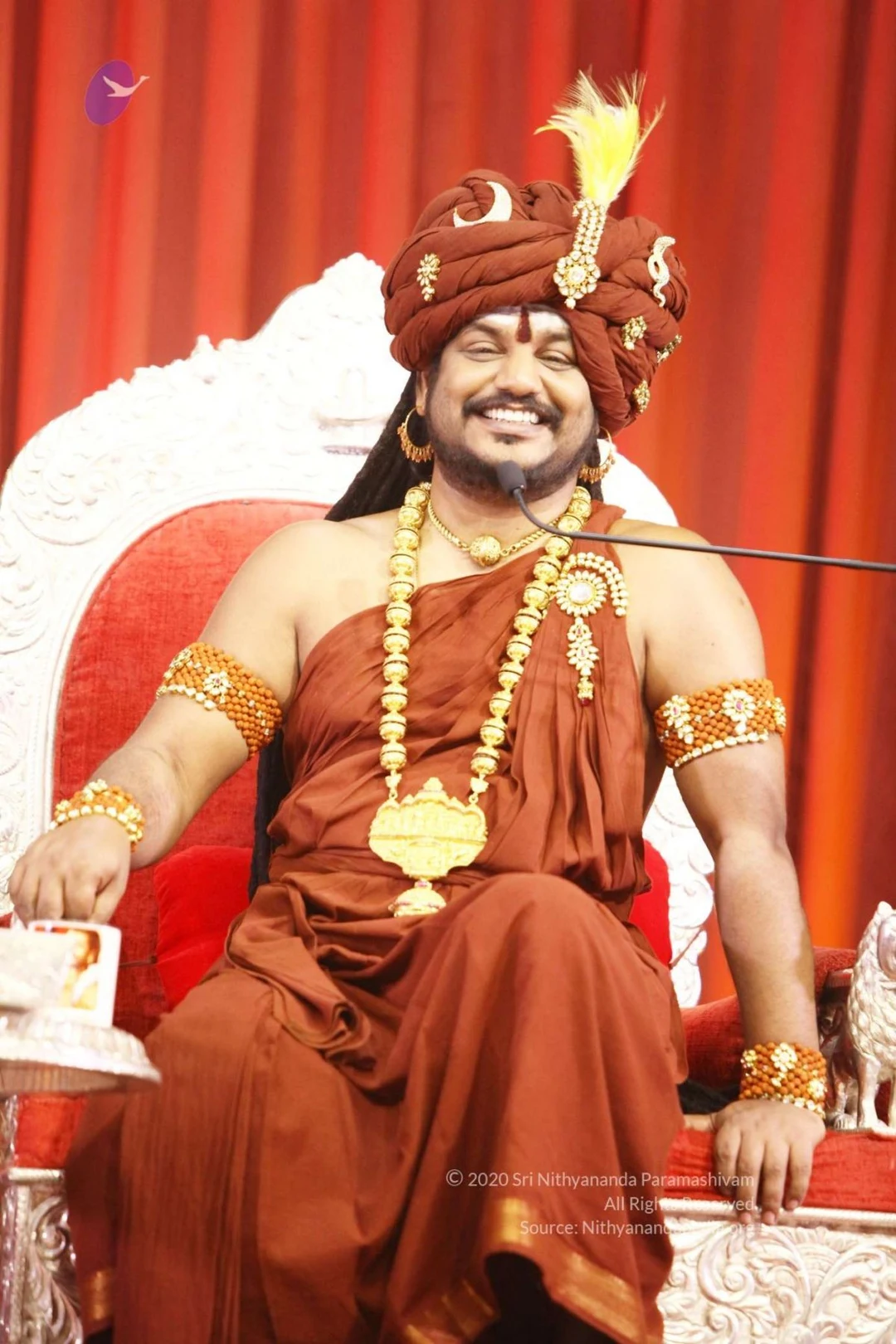
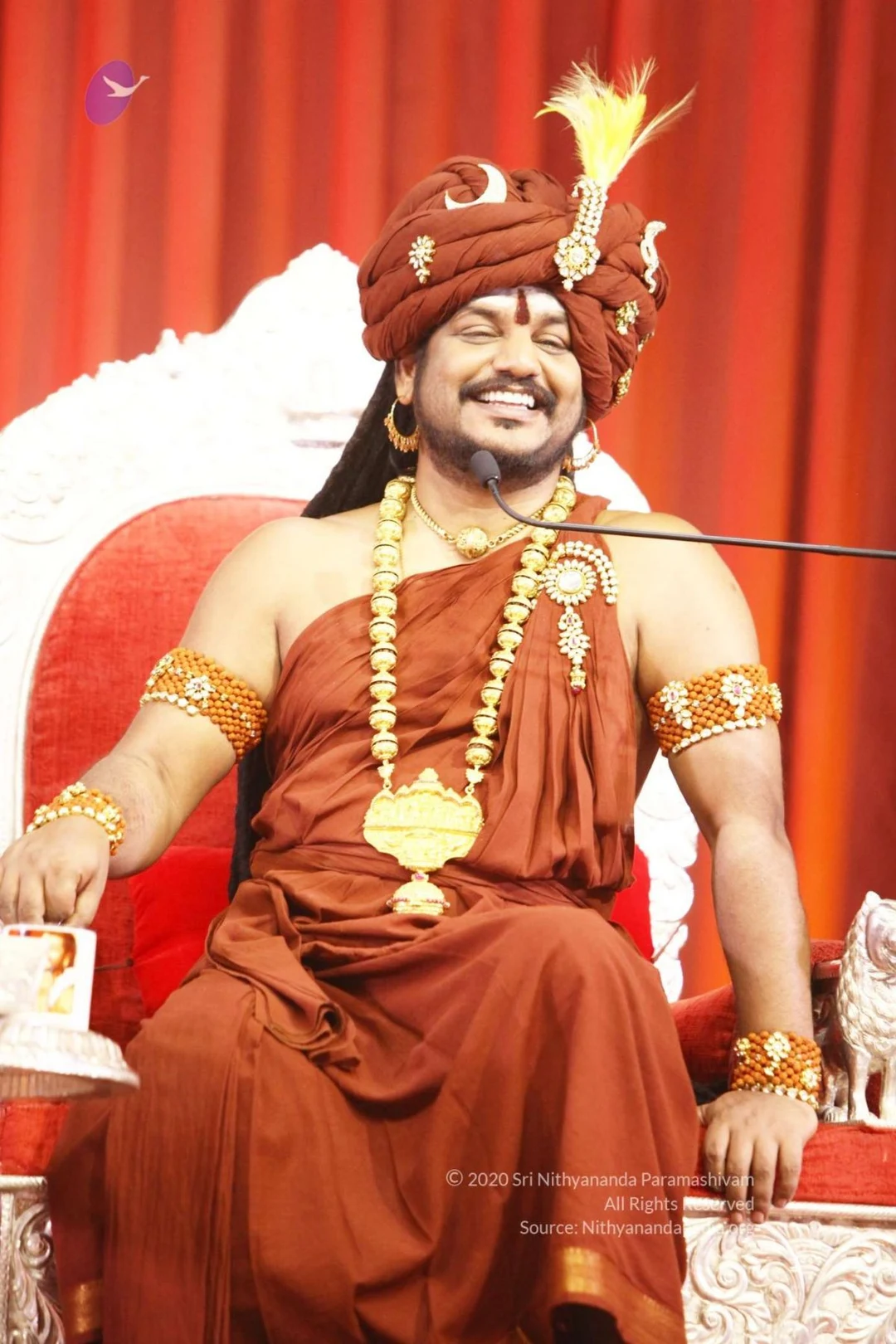
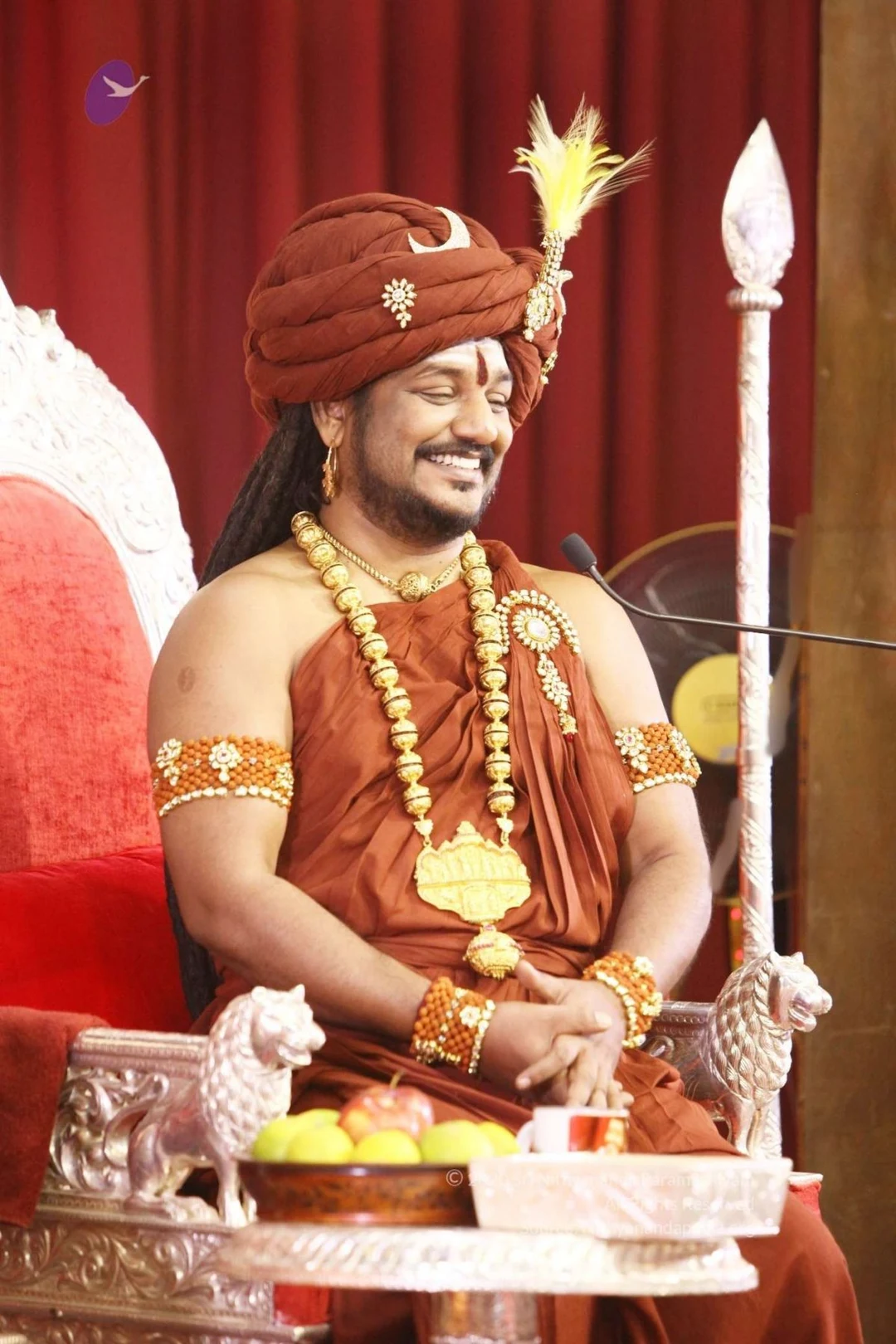
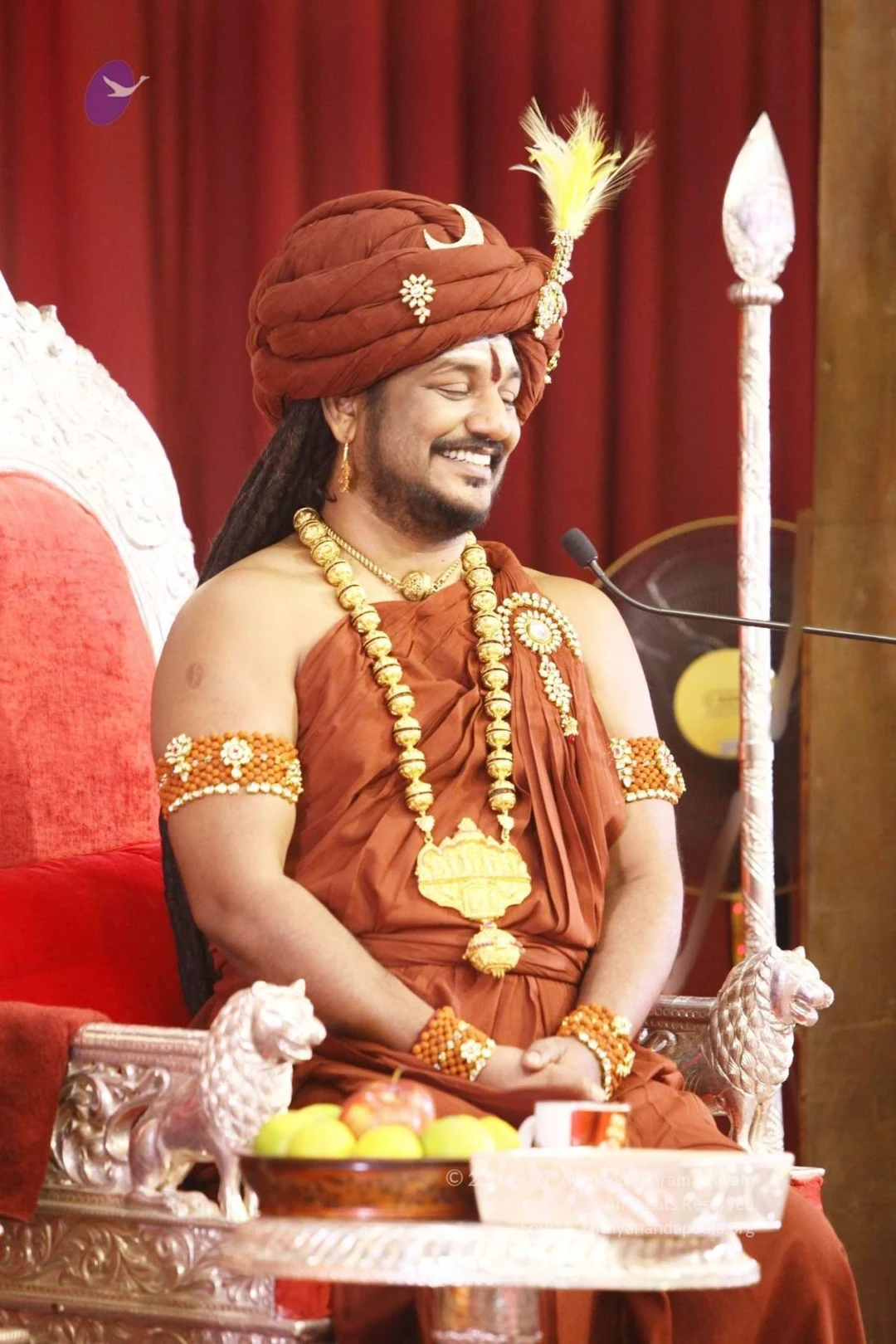
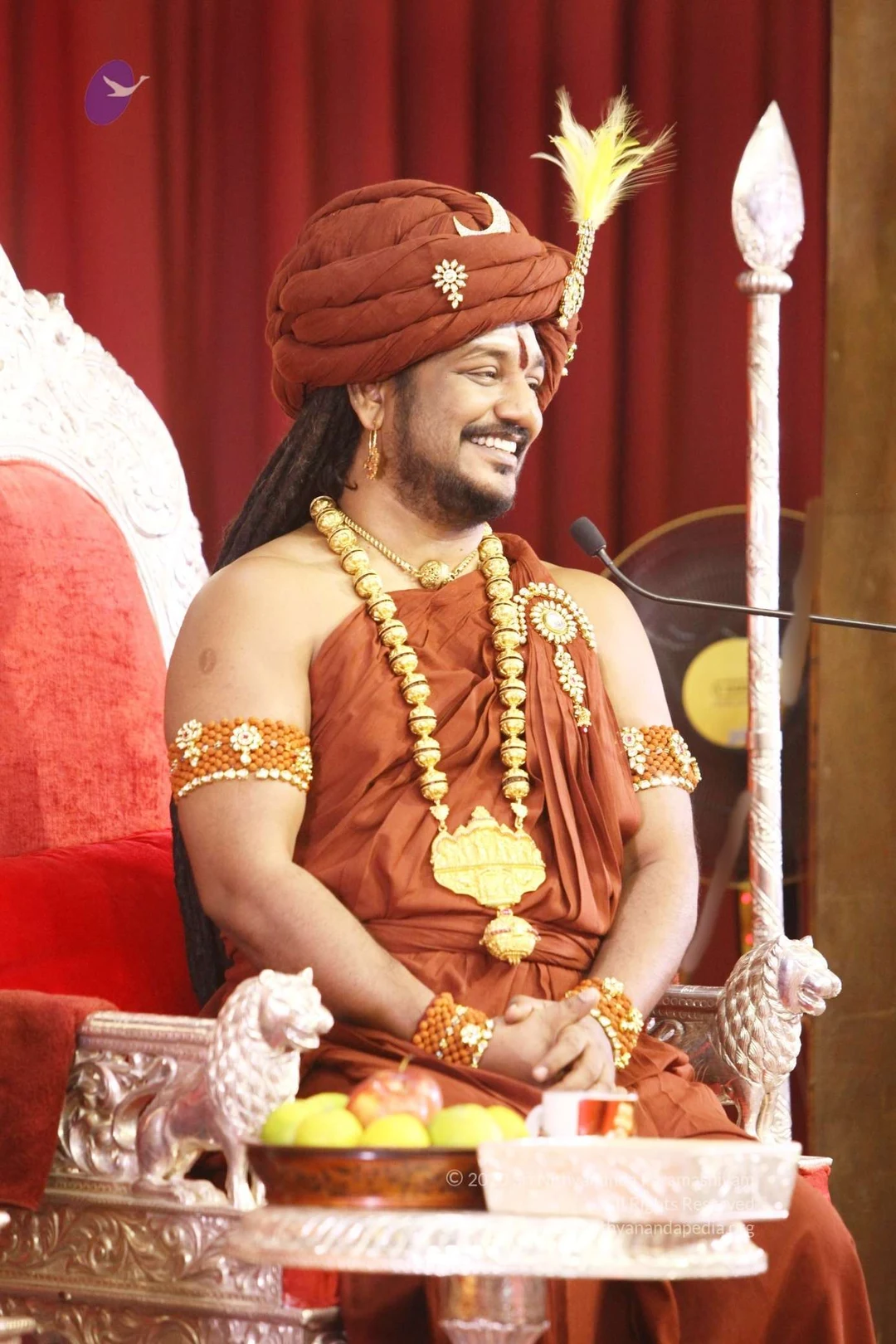
Sakshi Pramana:
Sharing from inner awakening
Link to Facebook page
https://www.facebook.com/ParamahamsaNithyananda/photos/a.321615927926264/1454408661313646
https://www.facebook.com/ParamahamsaNithyananda/photos/a.321615927926264/1454455467975632
Photos Of The Day:
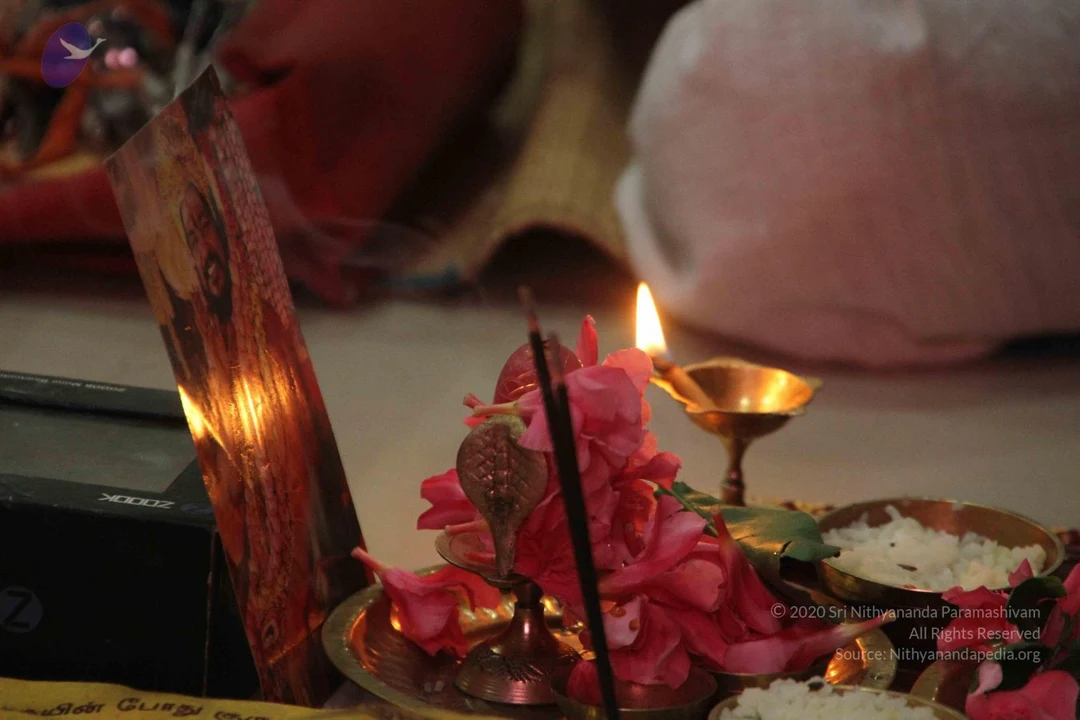
PADA-POOJA
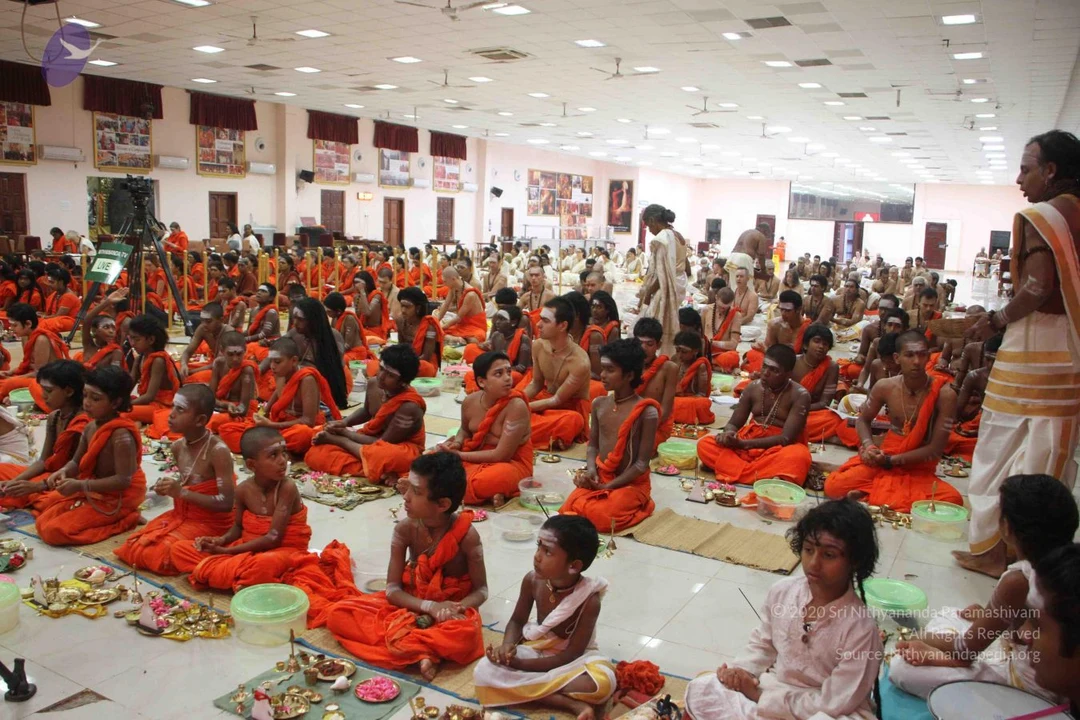


Photos Of The Day:
FB-photo-of-the-day
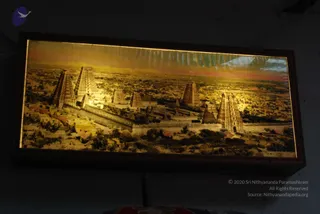
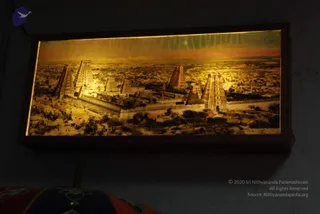
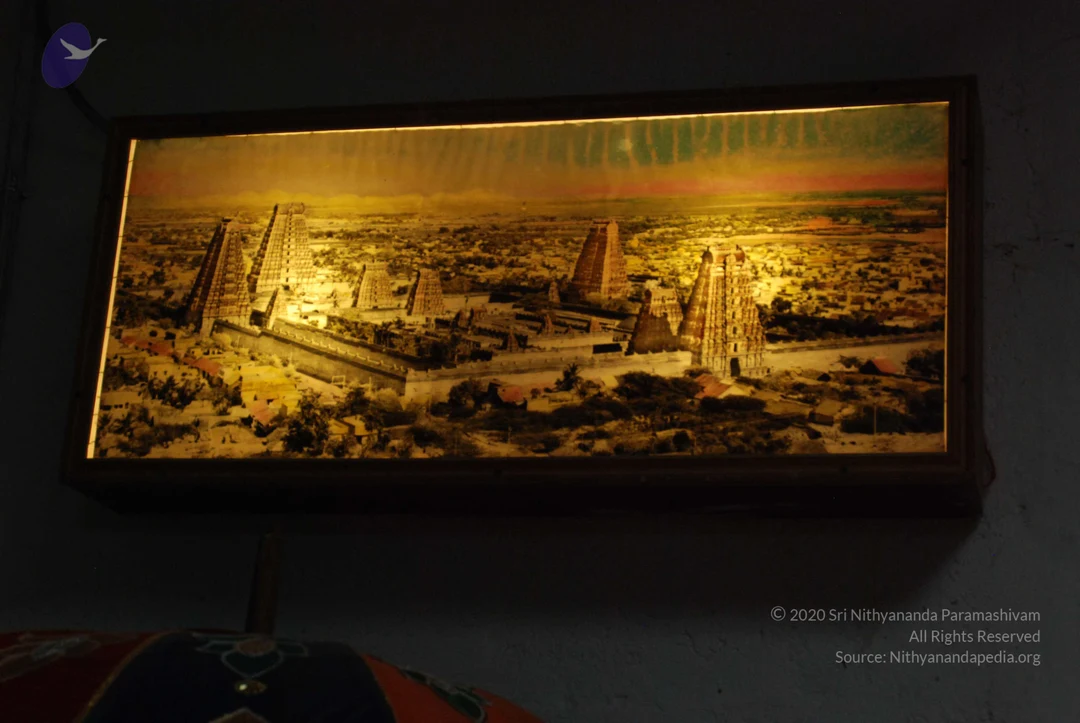
09--TVmalai-painting
Photos from this day
View all 311 photosPhotos
266 photosSource gallery

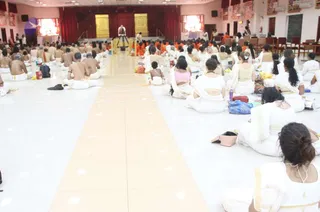
PADA-POOJA
42 photosSource gallery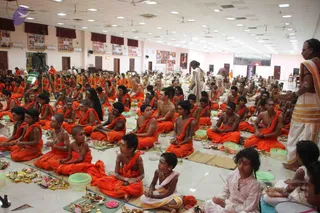
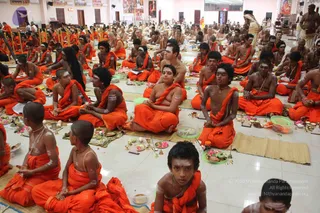
FB-photo-of-the-day
1 photoSource gallery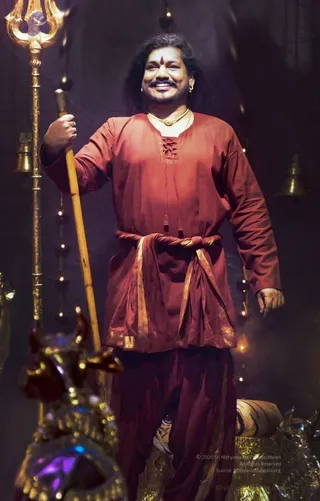
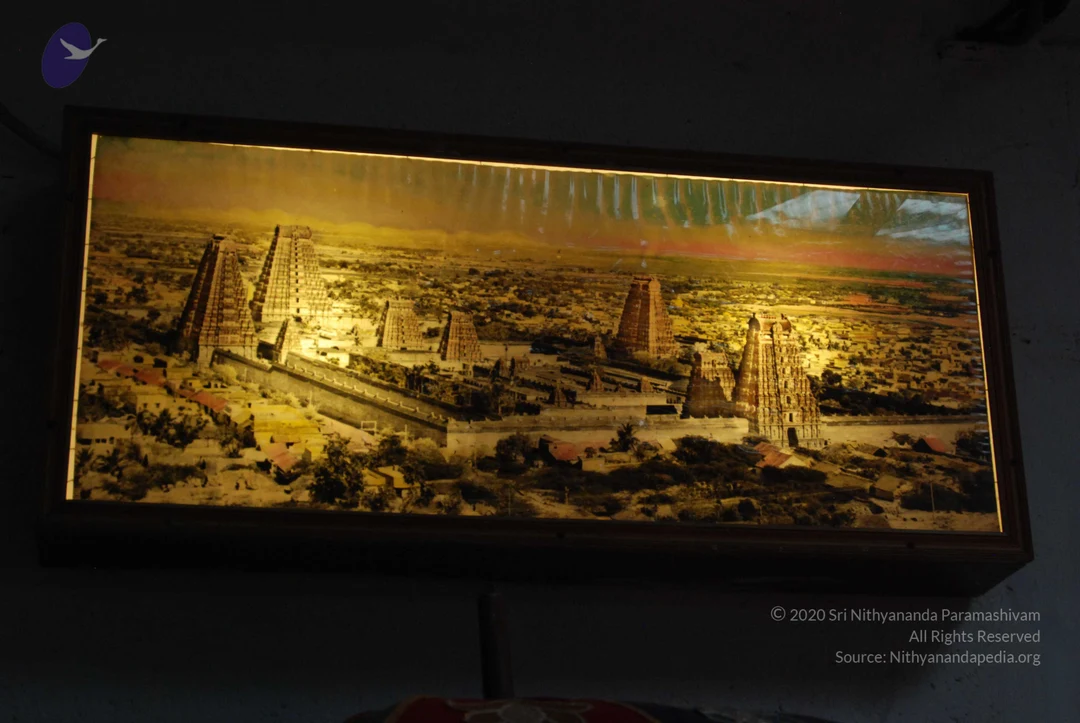
09--TVmalai-painting
2 photosSource gallery