Skip to content
Friday

20 July 2018

Why ‘Lethargy’ after Waking || Uttamotama seva offered to Nithyandeshwara Parashiva and Nithyanandeshwari Parashakti at Nithyananda Sadashiva Devasthanam || Global Sevas and Power Manifestations || Gurukul Nithya nanda Yoga || Day 2 of Nithya Dhyan Yoga program ||

Dated photos
21
Source pages
1
Media
1
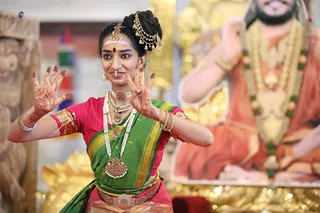
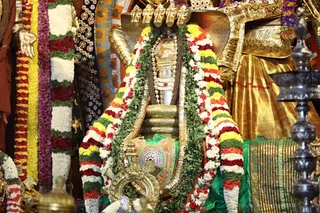
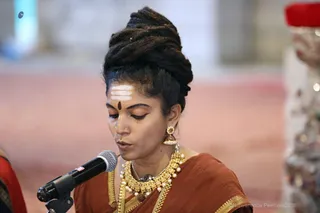
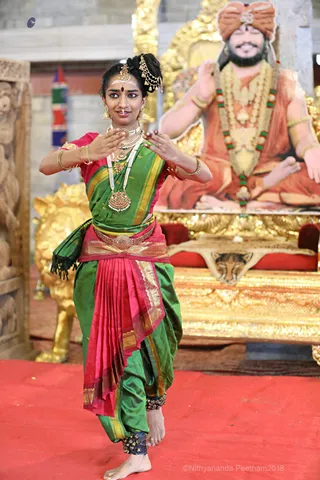
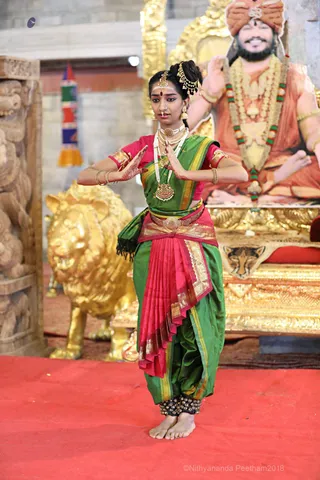
A young woman in a pink blouse and green silk sari with gold border performs a classical dance, her hands raised with palms outward and hennaed fingers spread. She wears gold jewelry including a layered necklace, a large red-stoned pendant, a headpiece with hanging gold ornaments, nose ring and earrings, and a white pearl necklace. Behind her, a large blurred printed backdrop shows a smiling, bearded figure in orange robes with a jeweled garland and green-and-red beaded mala, seated with raised hand. Gold decorative elements and a carved wooden pillar frame the scene.A silver lingam-shaped deity form is decorated for worship, dressed with long garlands of red roses, white flowers, yellow blossoms and green leaves. Strands of pearls hang from its upper part and a gold and silver face-like adornment rests at its base. Behind it, a gold and green silk cloth with striped border and gold-embroidered textiles fills the frame, and a tall silver lamp stands at the right edge. No people are visible; the scene is a decorated murti during a ritual offering.A woman with her dark hair piled high in a bun with loose strands, wearing a rust-brown saree with gold border, is seated before a black microphone on a stand, eyes lowered as she speaks or chants. She wears white horizontal tripundra lines and a red bindi on her forehead, a gold necklace with pearls and a gold jhumka earring. The background is a blurred pink-red floor and a decorated pillar with colourful ornaments at the right edge.

July 20 2018

Original wiki page
Contents

Title

Why ‘Lethargy’ after Waking || Uttamotama seva offered to Nithyandeshwara Parashiva and Nithyanandeshwari Parashakti at Nithyananda Sadashiva Devasthanam || Global Sevas and Power Manifestations || Gurukul Nithya nanda Yoga || Day 2 of Nithya Dhyan Yoga program ||

Narration

The Supreme Pontiff of Hinduism, Jagatguru Mahasannidhanam, His Divine Holiness, Bhagavan Nithyananda Paramashivam, is the visionary through whom this whole revival of KAILASA is made possible. A segment from the Teachings of His Divine Holiness was shared on the topic of “Integrate your Body” - the mechanics of Sleeping and Waking States and why you feel lethargic after waking up along with other sharings from His Teachings from previous years on this day.

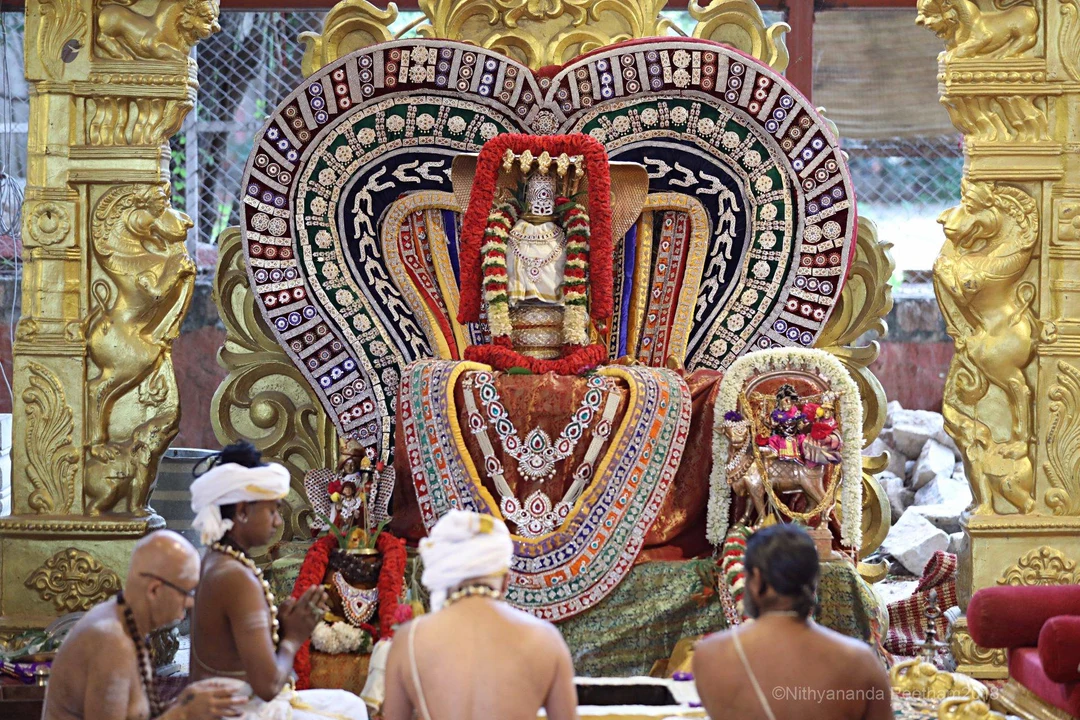
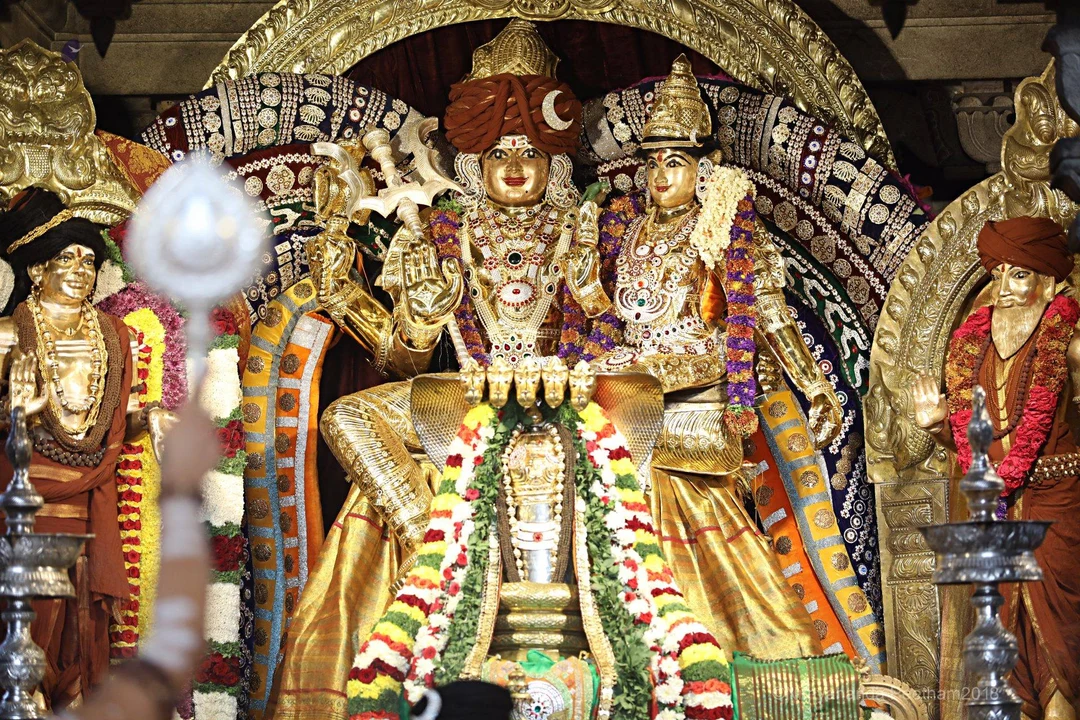
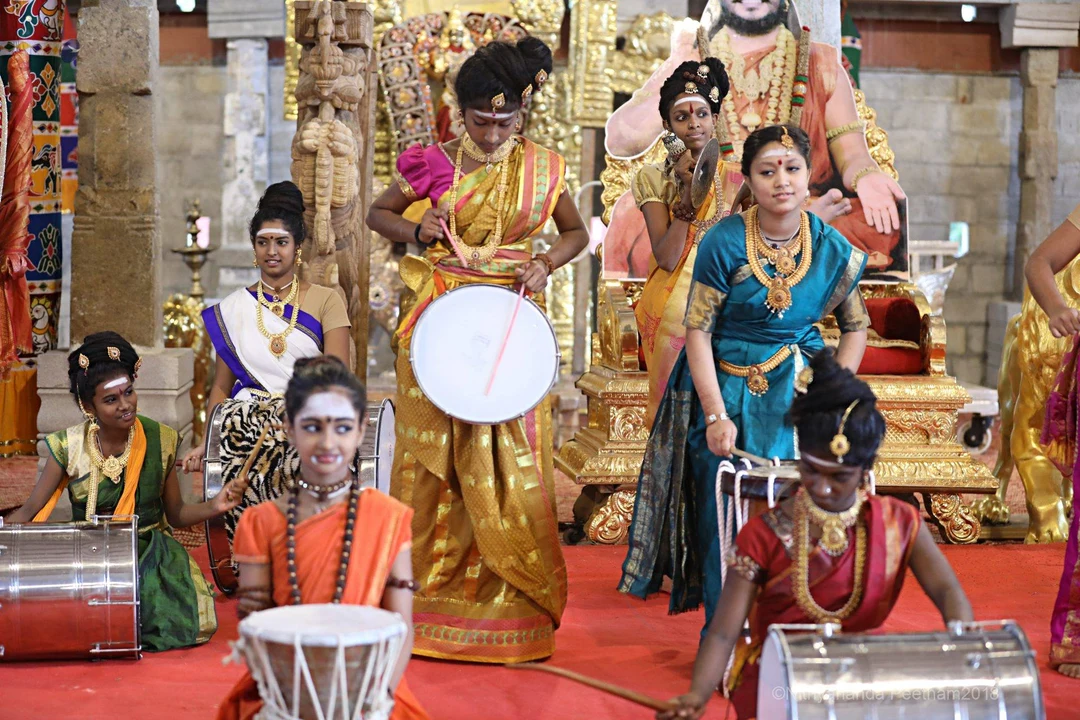
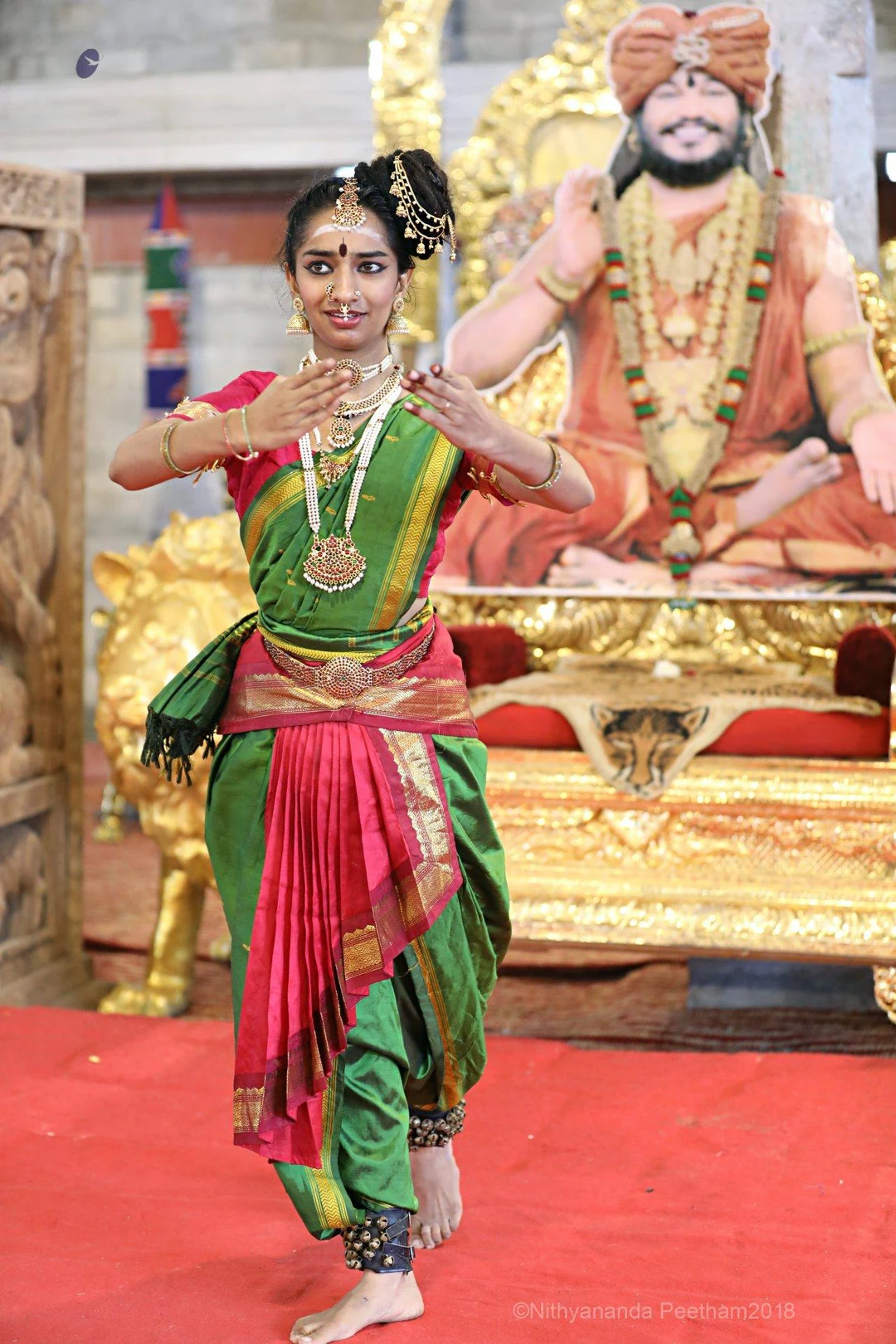
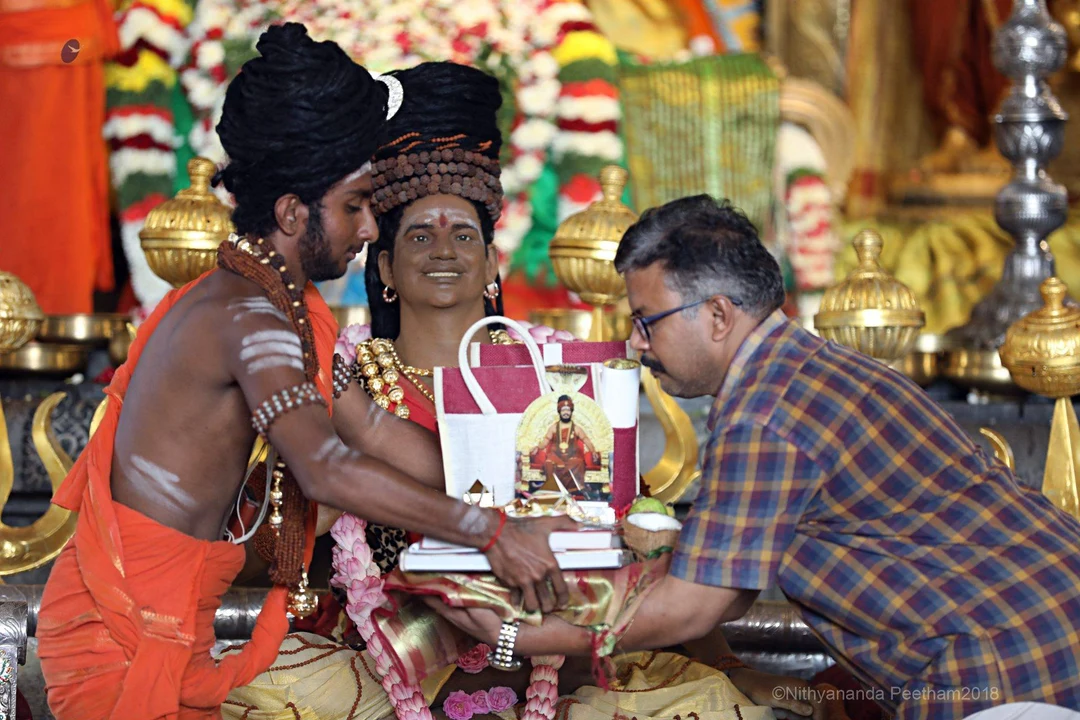
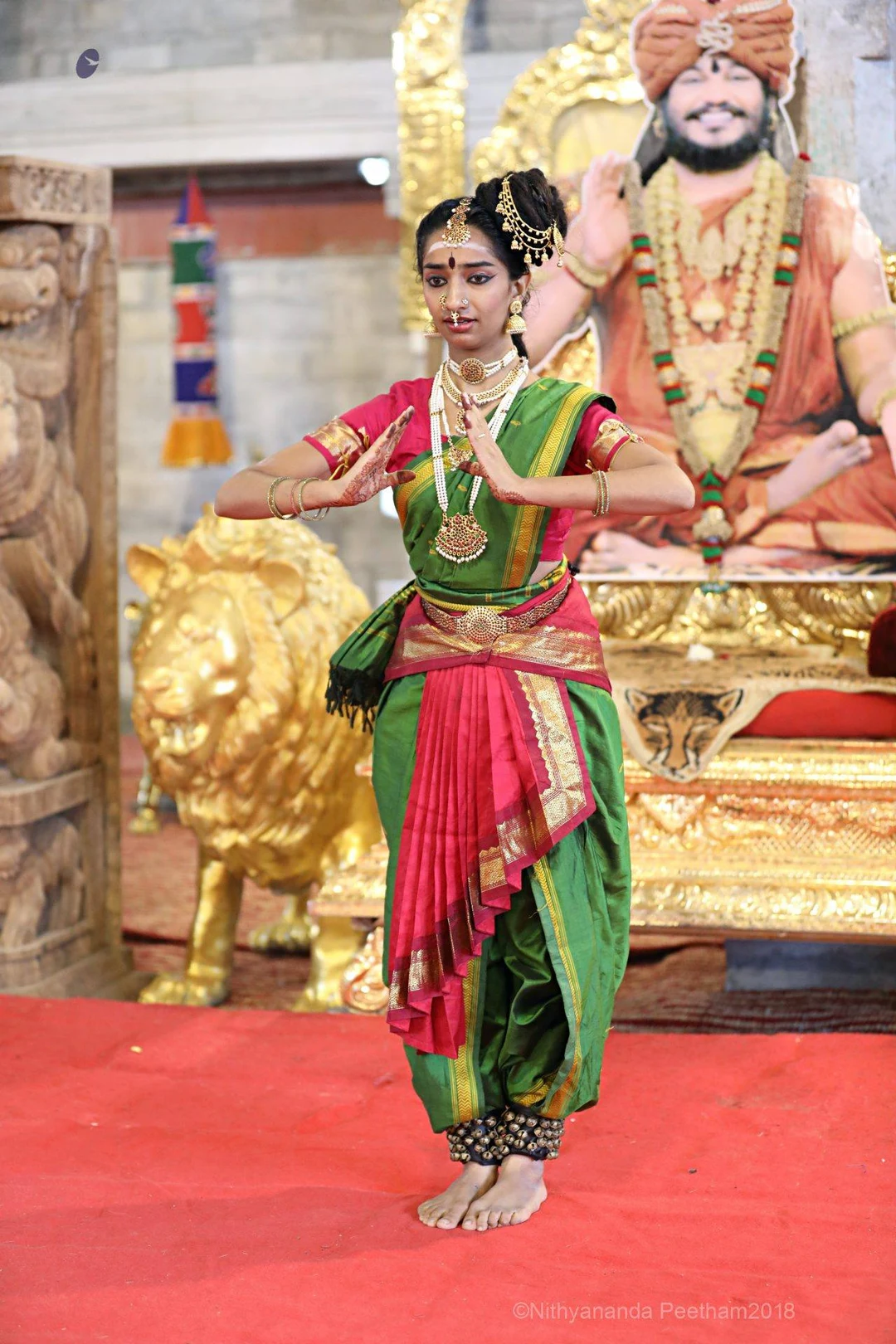
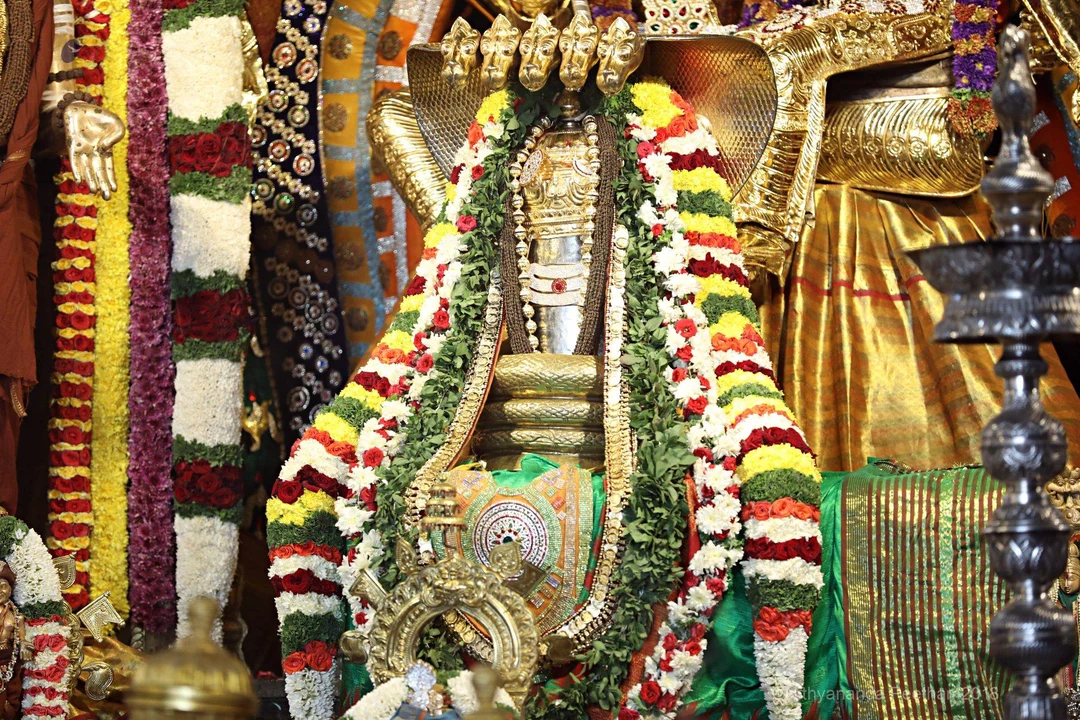
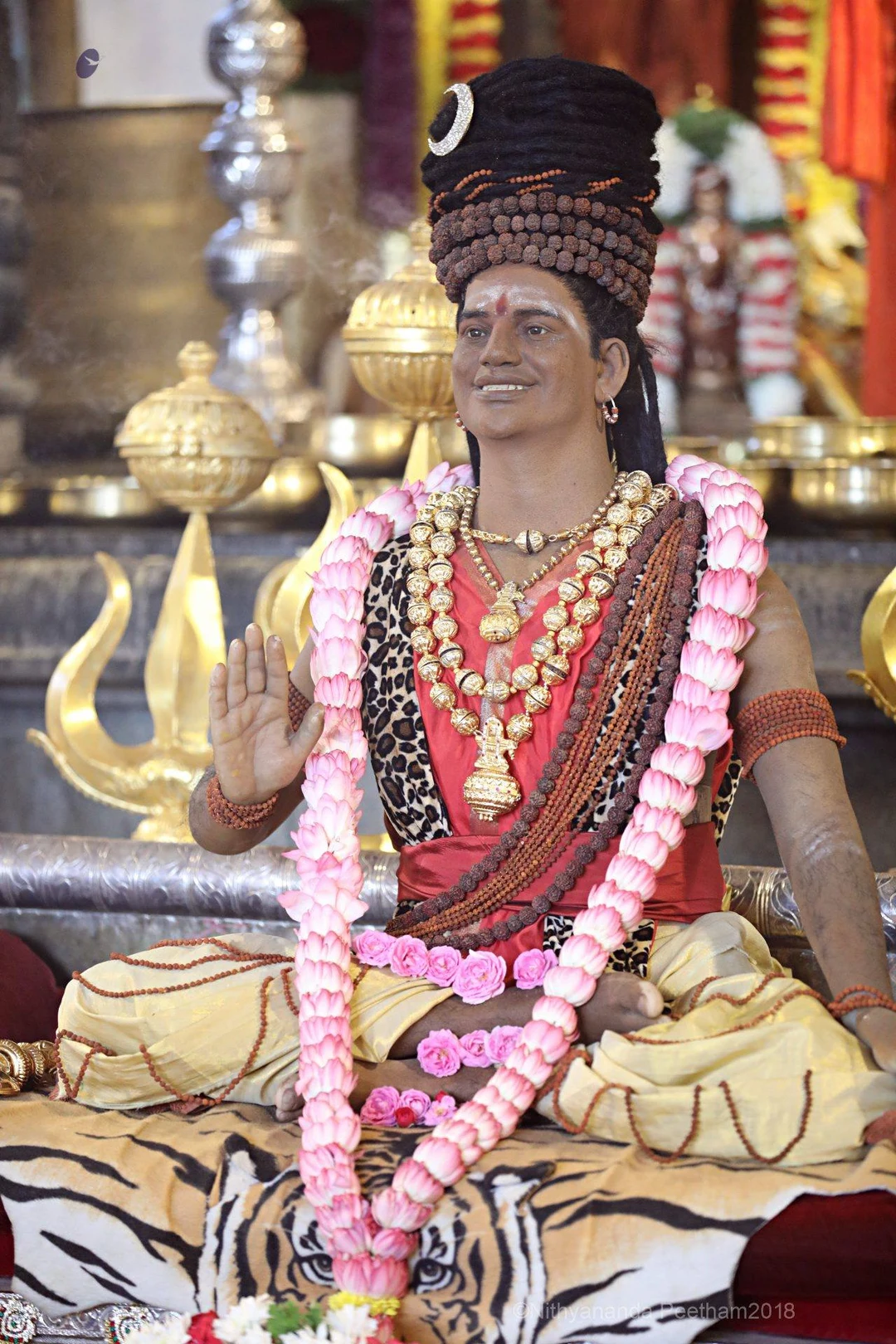
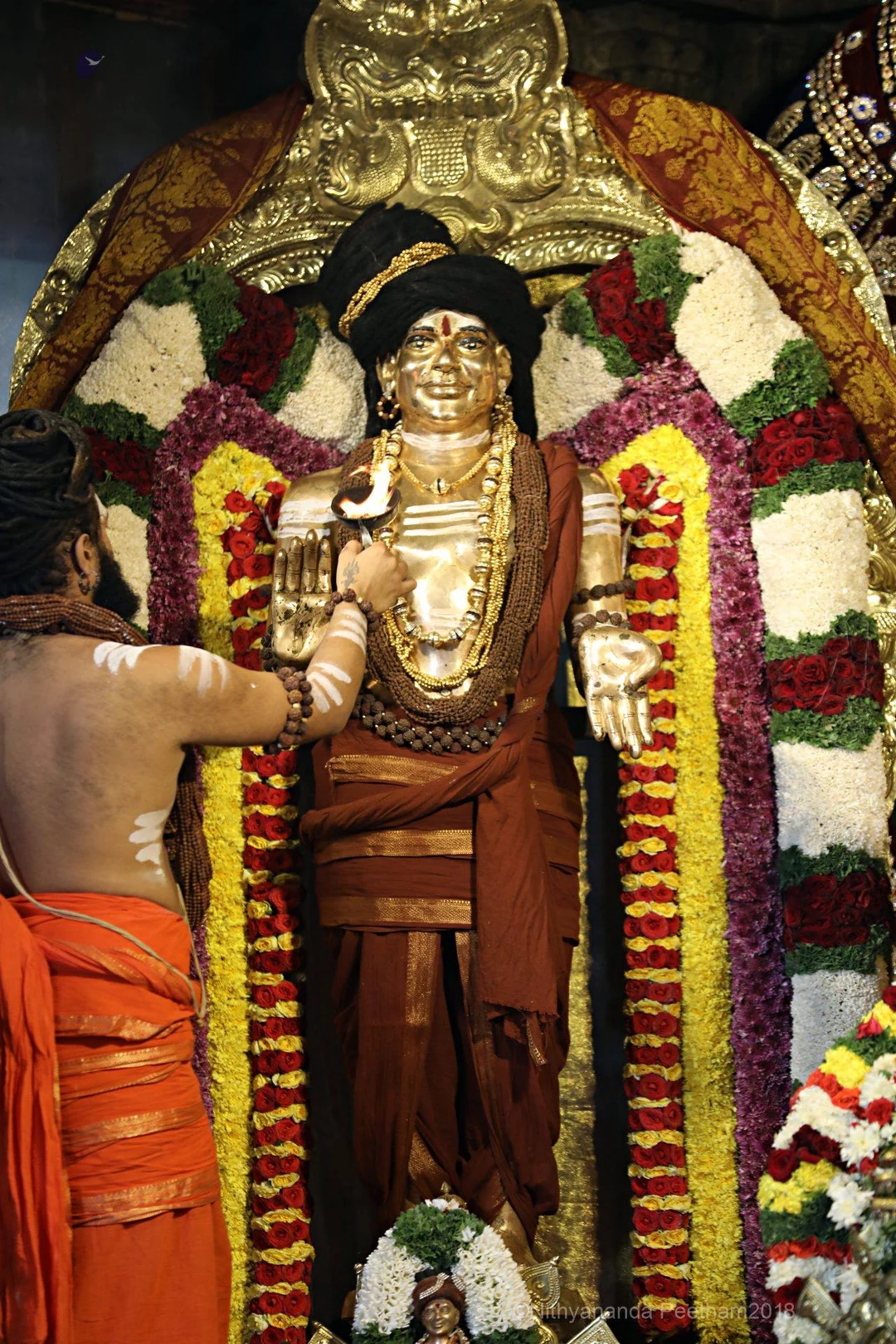
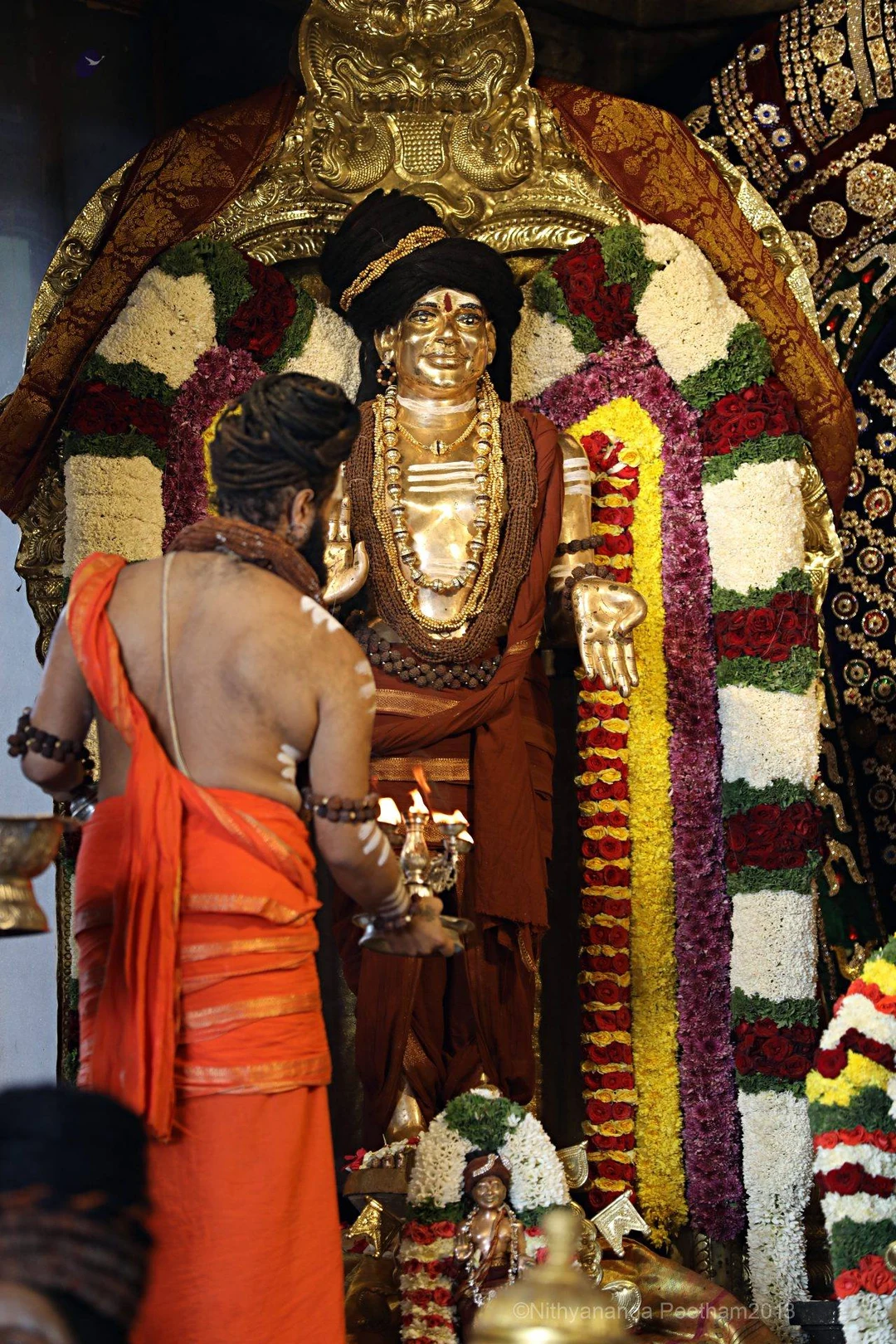
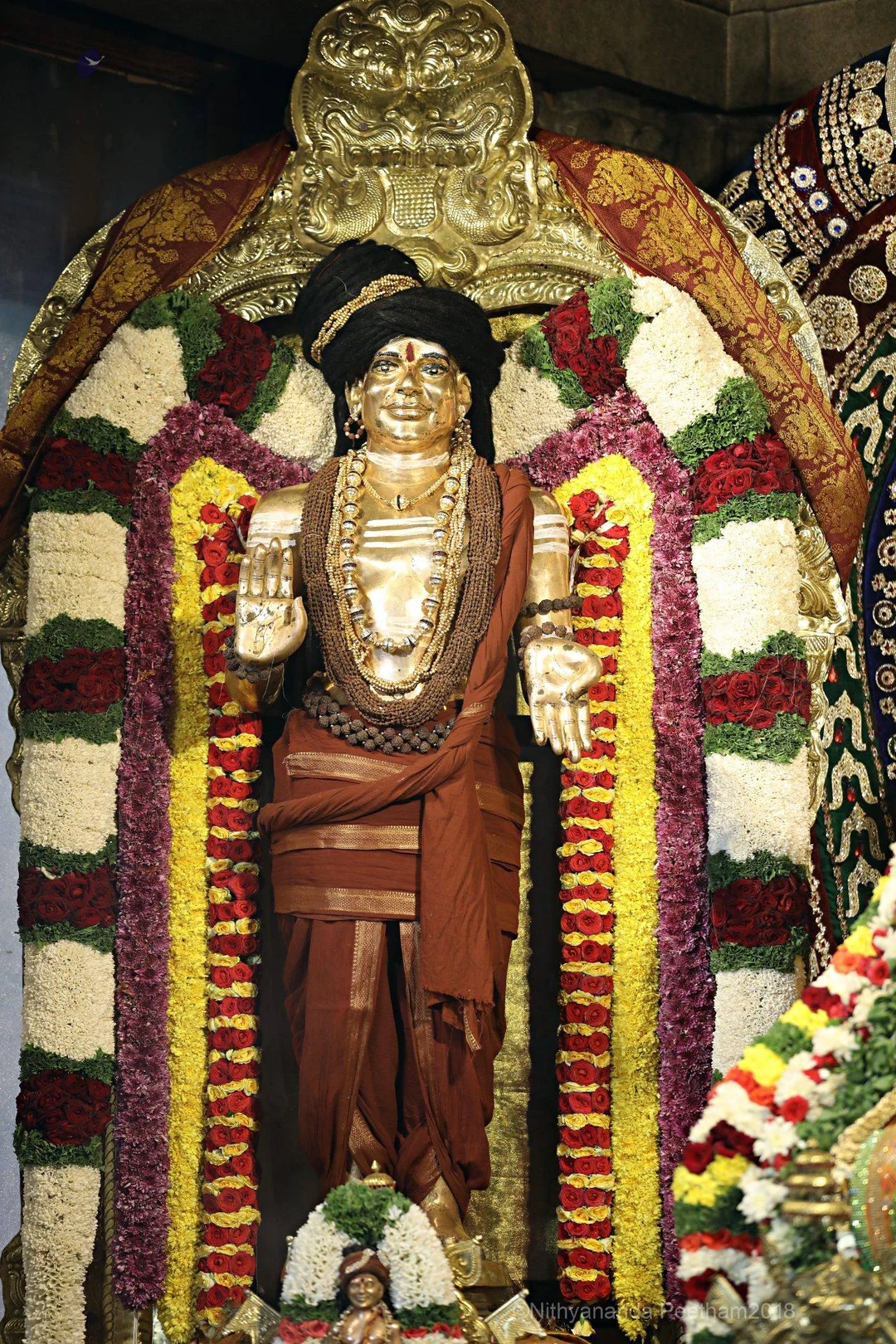
Uttamotama Seva was offered at Nithyanandeshwara Sahashiva Devasthanam to Nithyanandeshwara Mahasadashiva Parashiva and Nithyanandeshwari Parashakti, with various rituals, Sevas, activities and Power Manifestations, inspiring millions towards the Science of Hinduism.

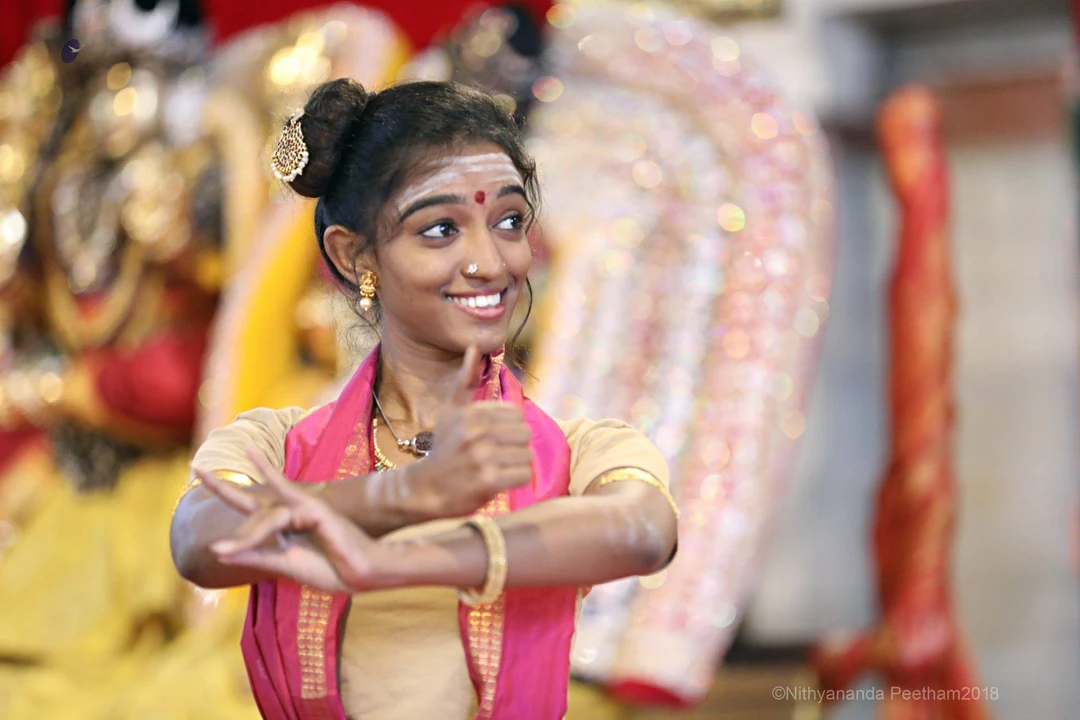
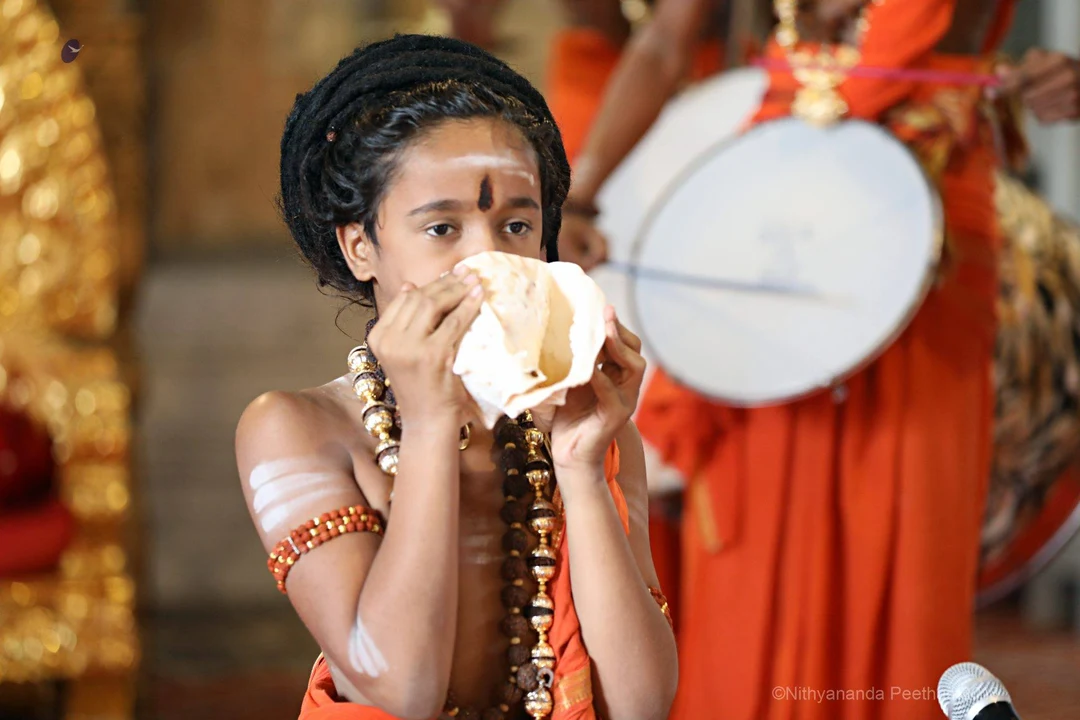
Around the world several Sevas as well as Power Manifestation, Gurukul Nithyananda Yoga and Day 2 of Nithya Dhyana Yoga Program took place in local communities. See video below. Announcements were made of upcoming programs and shared with all globally via Nithyananda TV and social media platforms for Gurupoornima Celebrations, Nithyananda Kriya Yoga, Kalpataru Yogam and other available offerings of worship for Temple Sevas.

Link to Video:

Photos

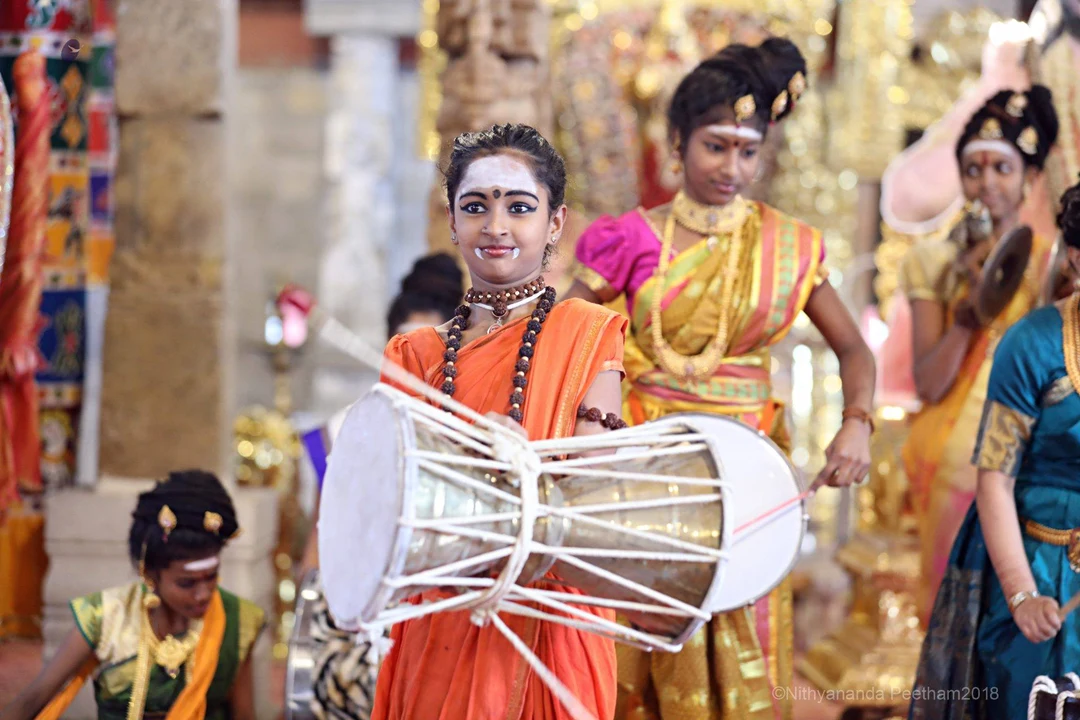
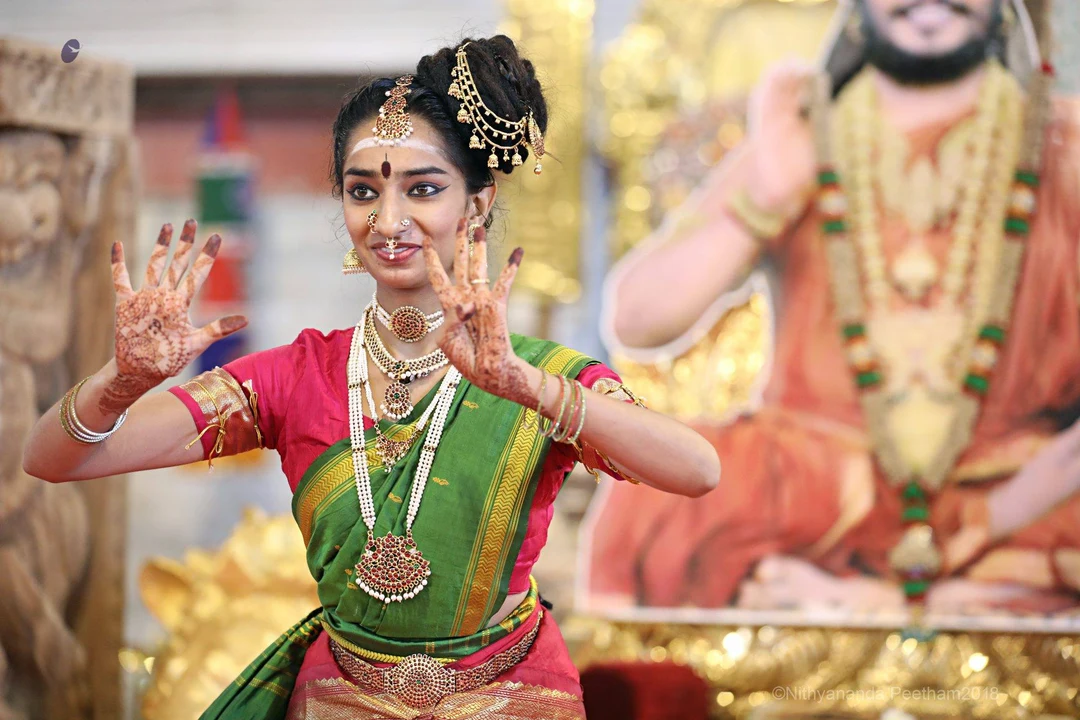
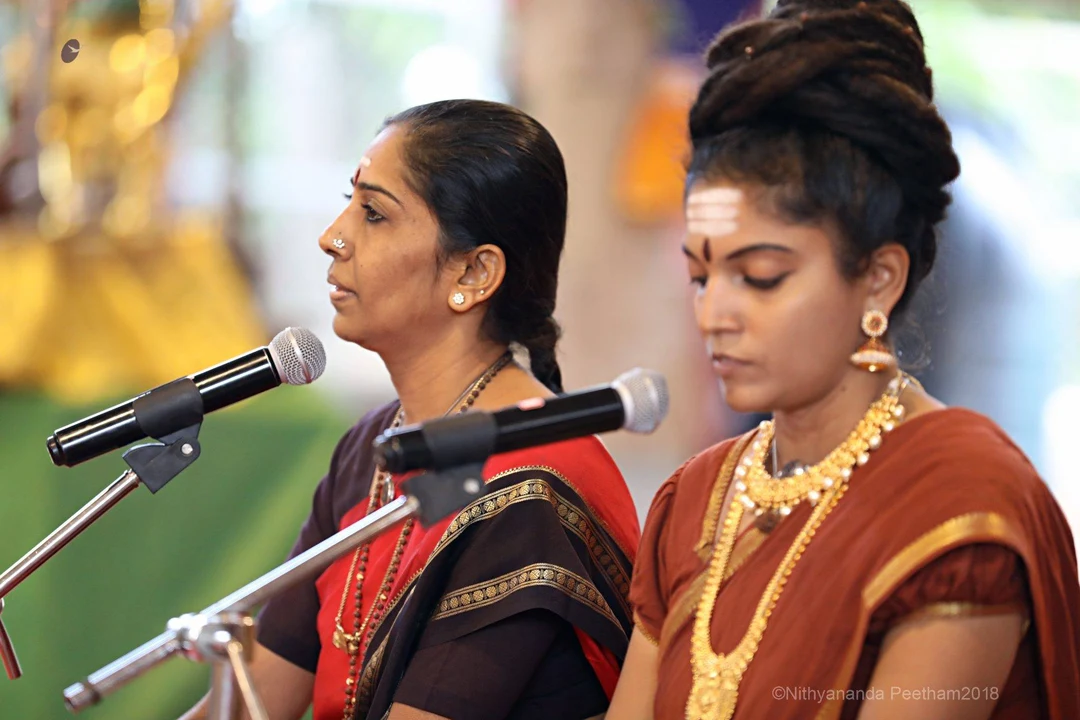
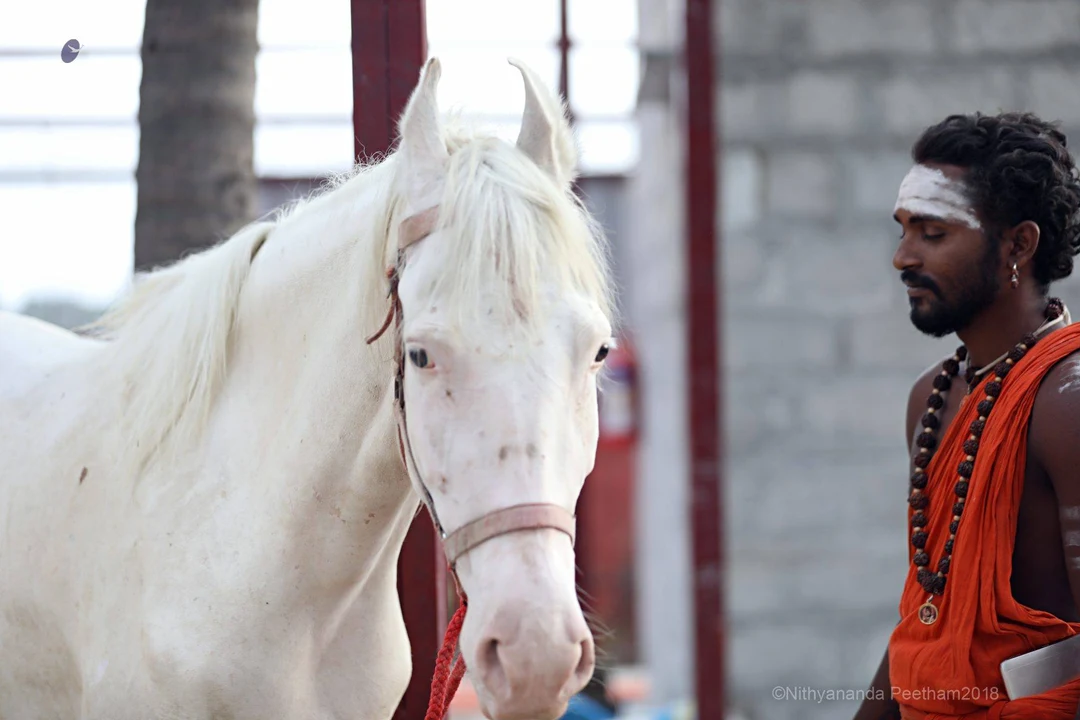
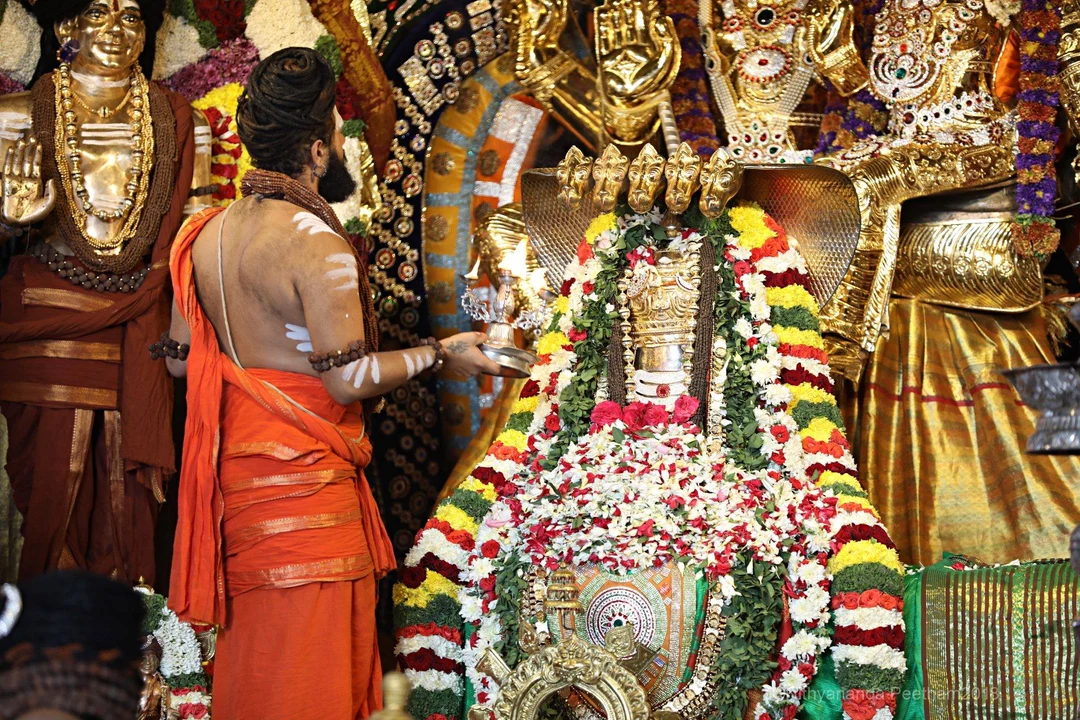
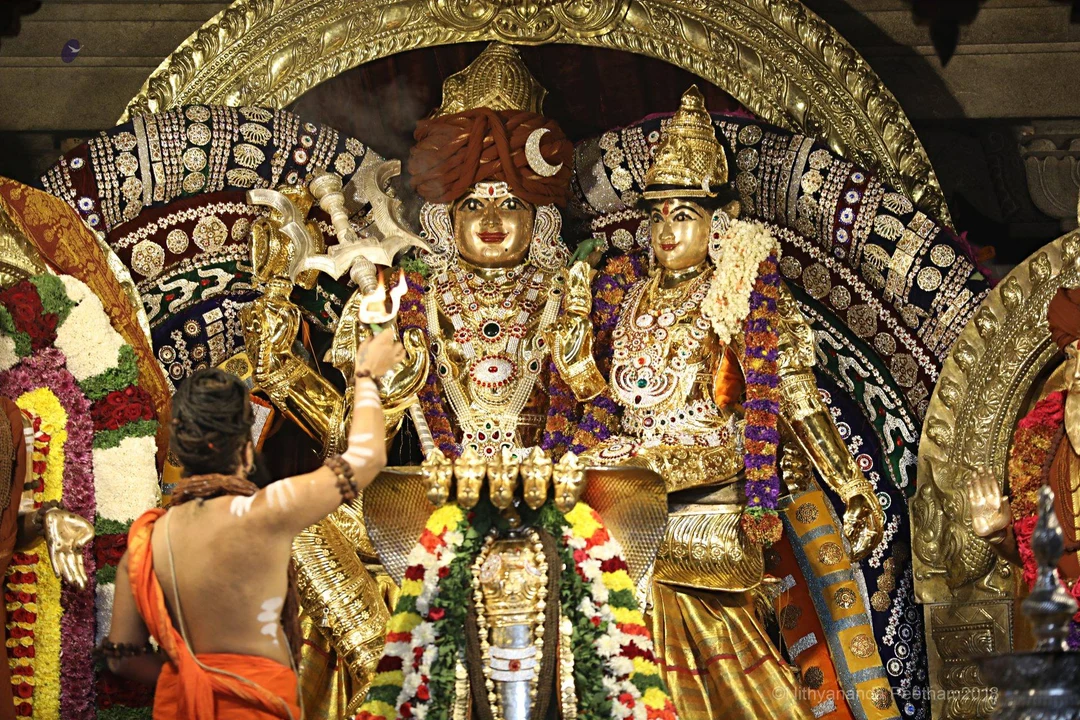
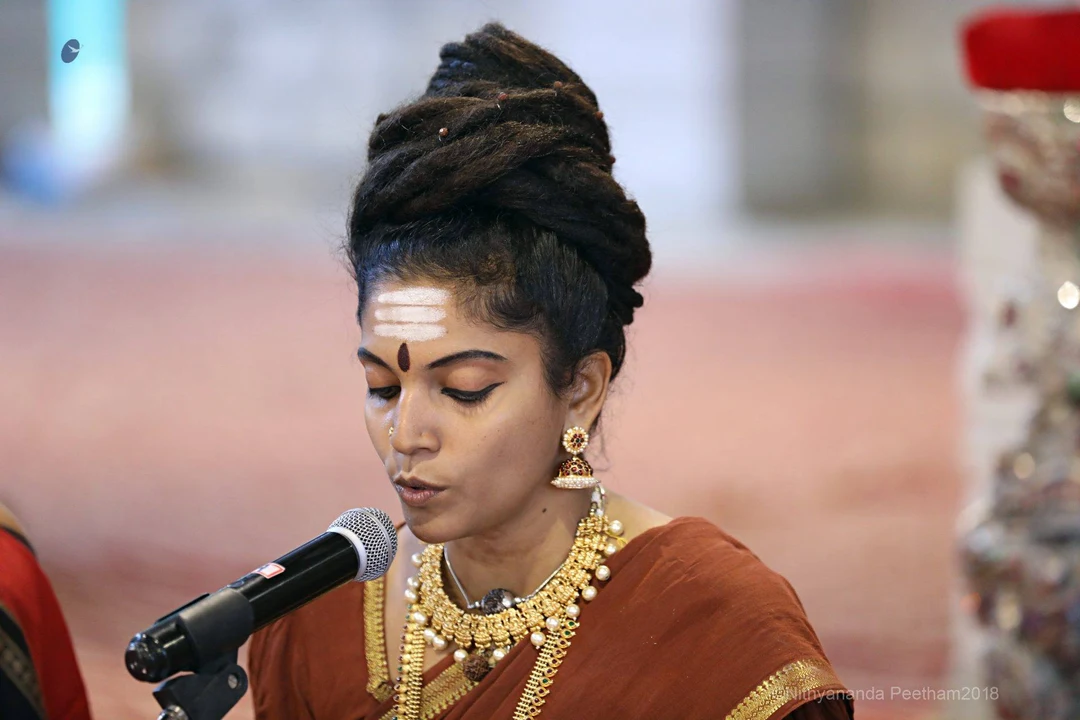
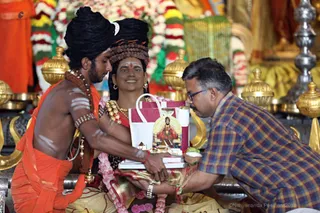
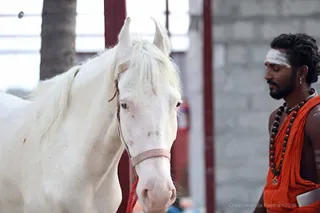
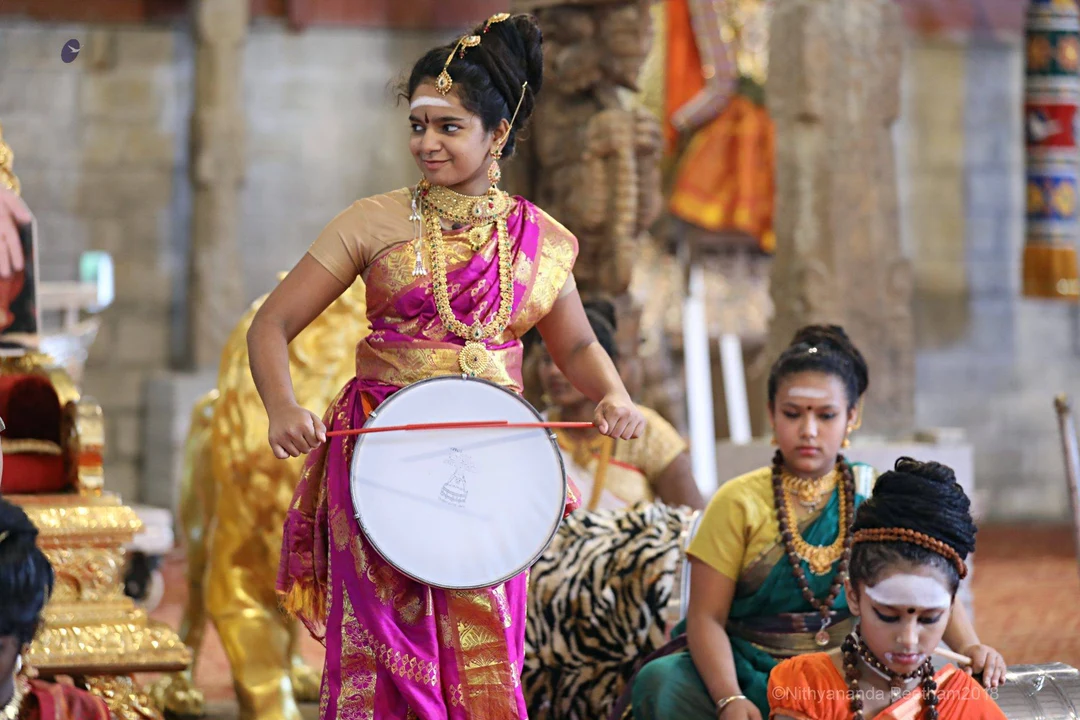
Glimpses from Uttamottama Seva offered to Sri Nithyanandeshwari Parashakti Sametha Sri Nithyanandeshwara MahaSadashiva Parashiva at the Nithyanandeshwara Sadashiva Devasthanam
Link to Facebook Page

https://www.facebook.com/ParamahamsaNithyananda/posts/1847973575290484,

Photos from this day

View all 21 photos
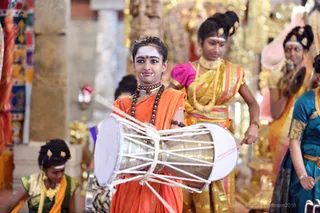
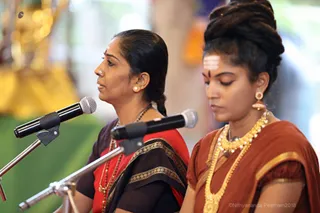
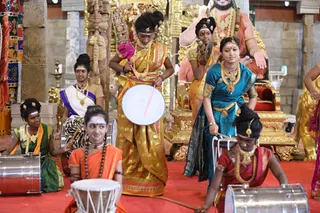
A photograph of a temple hall during a drumming performance. A young woman in the foreground, wearing a magenta and gold silk sari with a gold blouse, gold jewellery and a gold head ornament, plays a white drum with a stick. Behind her, two young women in green and yellow saris and orange-and-gold attire play drums, wearing rudraksha malas, white vibhuti marks on their foreheads and gold necklaces. Golden statues, a tiger-striped cloth and gold-painted pillars fill the background, and a red cushioned seat is visible at left.A gilded statue of a standing sage is decorated for worship, framed by an arch of garlands in white jasmine, red roses, yellow marigold and green leaves. The figure wears a black turban with a red tilak on the forehead, a rudraksha mala and layered gold necklaces, a brown dhoti and a brown shawl with gold border. Its hands are raised in blessing, and a gold ornamental canopy stands behind. Ornate red and gold textiles hang at the right edge. A smaller garlanded deity figure sits at the bottom. Hand-printed text appears in the lower right corner.A temple ritual before an ornate deity murti seated on a decorated throne with a heart-shaped mandapa backdrop of mirror-work and colourful patterns, flanked by gold lion-pillar columns. The murti wears a red garland, a jewelled necklace and a crown. Four men sit in the foreground facing the altar: a bald man in glasses on the left, a man in a white head cloth and bare upper body with rudraksha beads holding a ritual item, another in a white turban and sacred thread seen from behind, and a bare-backed man at the right. Offerings, a brass vessel and floral garlands surround the altar. Shown is an abhishekam or puja-style seva at a temple.Golden murti of a deity pair seated on an ornate throne under a gold arch in a temple shrine. The central figure wears a red and gold turban with a crescent moon, holds a trident and a damaru-like hand gesture, and is draped in jewelled necklaces and garlands. The consort beside him wears a golden crown, red bindi, layered jewelled necklaces and a bright garland of white flowers. Flanking the central pair are smaller golden figures of attendant sages in saffron-orange cloth with rudraksha malas and marigold garlands. Floral garlands in red, white and yellow drape the base, with silver oil lamps at the right edge and a white ceremonial staff at the left. The scene is a decorated temple deity display with no physical people visible.Photograph inside a temple hall decorated with gold-toned deity figures and colourful pillars. In the foreground a young girl in an orange saree and rudraksha beads plays a large white-laced drum, smiling, with white and black face markings. Behind her, several girls in gold and pink sarees, gold jewellery and flower hair ornaments play cymbals and move in procession. A girl at lower left in a green and gold saree sits or kneels.A young woman in a pink blouse and green silk sari with gold border performs a classical dance, her hands raised with palms outward and hennaed fingers spread. She wears gold jewelry including a layered necklace, a large red-stoned pendant, a headpiece with hanging gold ornaments, nose ring and earrings, and a white pearl necklace. Behind her, a large blurred printed backdrop shows a smiling, bearded figure in orange robes with a jeweled garland and green-and-red beaded mala, seated with raised hand. Gold decorative elements and a carved wooden pillar frame the scene.Two women sit side by side at microphones on stands, seemingly performing or chanting. The woman on the left wears a red blouse under a dark maroon and black sari with gold border, a small red bindi, a nose stud, earrings and a beaded necklace, her hair in a low braid, and she speaks into the mic. The woman on the right has her hair in a high topknot, wears a white tilak with a red dot on her forehead, and dresses in a rust-orange sari with gold border and layered gold necklaces and large jhumka earrings; her eyes are lowered. The background is blurred with golden and green tones.A photograph of a group of young women and girls playing drums in a temple hall with a red carpet. Several drummers in saree-style dress sit or stand: one in a golden-yellow saree with a pink blouse plays a white-headed drum, another in a teal-blue saree with gold jewellery plays a small hand drum, one in green with a gold border sits at a silver drum, one in orange plays a drum with white bindings, and one in maroon kneels at a silver drum. Behind them, a large golden throne stands beside a painted cutout of a seated figure with a long beard and garlands, holding one hand raised. The hall has ornate golden pillars and a carved wooden column, and the performers wear gold necklaces, vermilion and tilak marks.A young woman performs a classical Indian dance on a red stage mat, wearing a green and magenta silk sari with gold zari borders, a gold waist belt, layered gold and pearl necklaces, jhumka earrings, a maang tikka and bells on her ankles. Her hands are raised in mudras. Behind her, a large cutout of a seated saffron-robed figure with a crown-style turban, rudraksha-style green and red garlands and gold ornaments sits on a gold throne draped with a tiger-skin cloth; a gold lion sculpture stands to the left. The figure is a printed image, not a physical person, and no name is printed. Photo credit reads Nithyananda Peetham 2018.A ceremonial offering scene at a temple shrine decorated with marigold and white flower garlands and brass lamps. A bare-chested man in saffron cloth with white body markings and a tall dark matted topknot kneels beside a seated figure in gold-trimmed clothing and a crown-like headdress, who is smiling with a red tilak. The seated figure appears to be a deity murti or statue rather than a living person. A middle-aged man in a checked shirt and glasses bends forward to present a white bag with a printed portrait, along with books and a coconut on a tray.A female dancer performs Bharatanatyam on a red carpeted stage in front of a golden lion statue and a large printed backdrop. She wears a green and magenta silk saree with gold zari borders, a gold waist belt, pearl and gold necklaces, jhumkas, a nose ring and a maang tikka, with bangles and anklet bells. Her hands are in a mudra with henna on her palms. Behind her a large printed portrait shows a bearded man with orange-saffron robes, a turban, long garlands and a gold chain, seated in a meditative pose, a figure whose identity cannot be confirmed from appearance.A photograph of a white horse with a red rope halter standing beside a man in orange sannyasi clothing. The man has a white horizontal tilak across his forehead and curly dark hair, wears a saffron-orange wrap, multiple rudraksha malas, and a pendant, and gazes down toward the horse. A red-painted pillar and a grey block wall form the background.