Friday
7 March 2014
The power of Vak Siddhi
- Dated photos
- 146
- Source pages
- 1
- Media
- 2
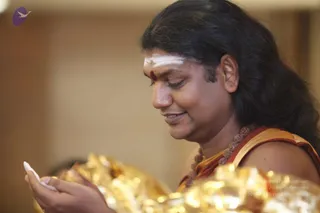
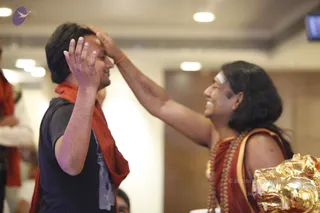
March 07 2014
Original wiki pageTitle:
The power of Vak Siddhi
Description:
In today’s morning Satsang, Paramahamsa Nithyananda reveals the sacred secret for how to make our words come true. Often, we poison ourselves by using negative words. Just as the lungs become polluted with smoking, our Intra-organ called Vak, which is responsible for all words, becomes contaminated by uttering negative words. The good news is that, by practicing the Vedic Science of Completion, cleansing our Vak is as easy as brushing the teeth. The words we express can be transformed into powerful words of blessing, making good things happen!
Link to Video:
| Video | Audio |
Transcript:
Nithyanandeshwara Samaarambhaam
Nithyanandeshwari Madhyamaam |
Asmath Aachaarya Paryanthaam
Vandhey Guru Paramparaam ||
HINDI
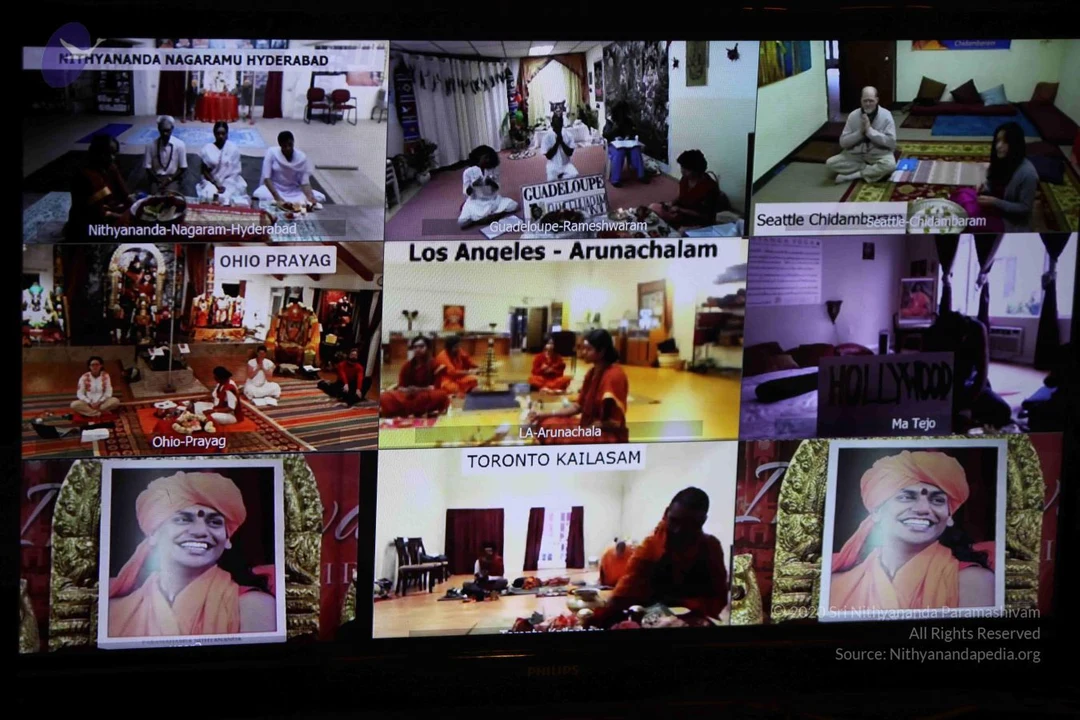
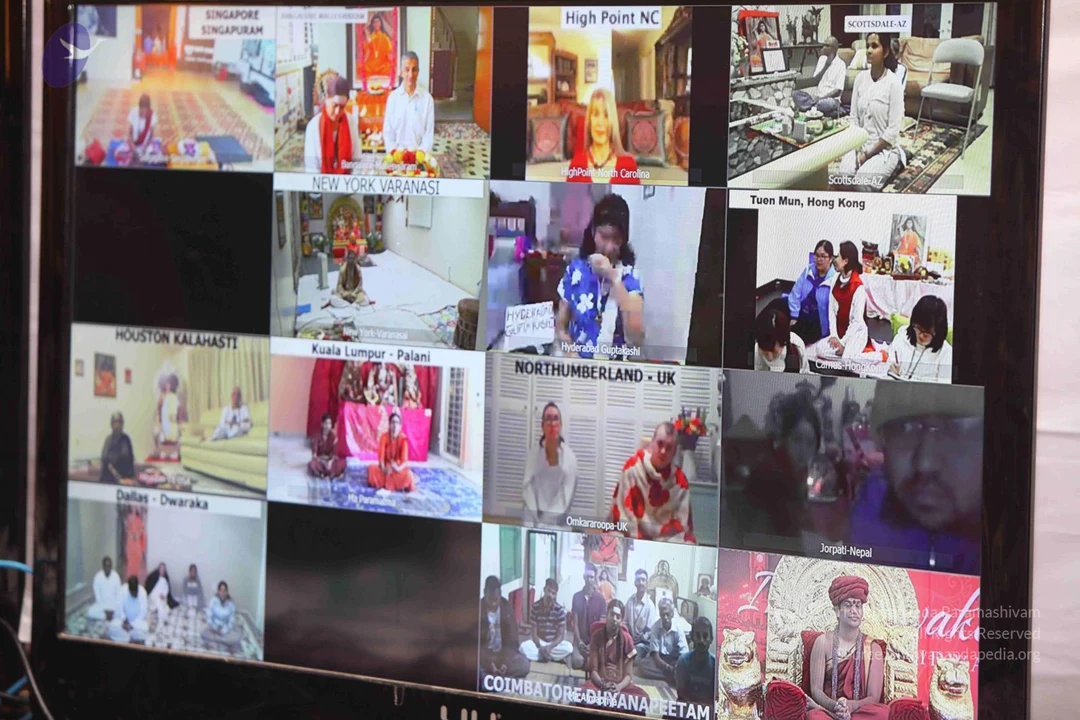
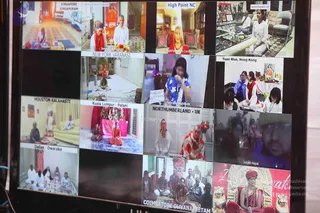
I welcome all the devotees, disciples, samajis, satsanghis, Shrimahants, Mahants, Kotharis, Thanedars sitting with us all over the world through Nithyananda TV, Lotus News Channel, Sadhna TV, Janashree TV, Eshwar TV, and through two-way video-conferencing having Nayana Deeksha all over the world in many cities, many countries, around the world.
I welcome all of you with all my love and blessings.
Cities sitting with us in two-way video-conferencing: Ohio-Prayag, Guadeloupe-Rameshwaram, Nithyananda Nagaramu-Hyderabad, Los Angeles-Arunachalam, Toronto-Kailasam, Seattle-Chidambaram, Oklahoma-Somanatham, Hollywood-California, Tiruvanmiyur-Chennai, Charlotte-Srisailam, Newfoundland-Canada, Bangalore-Malleshwaram, Belgium Dhyanapeetam, Indrani-New Jersey, Tuen Muen- Hong Kong, Kuala Lumpur-Palani, Bogota-Colombia, Dakota Dunes, Paris-Home Temple, Northumberland-UK, Jorpati-Nepal, High Point-North Carolina, Coimbatore Dhyanapeetam, Talahassee-Florida, London-Kashi, Dallas-Dwaraka, Houston-Kalahasti, Hyderabad-Gupta Kashi, New York-Varanasi, San Jose-Madurai, Scottsdale-Arizona, Singapore-Singapuram, Oman-Sivagangai, Philadelphia, Guadalajara-Mexico, San Antonio-Texas.....................
I welcome all of you with my love and blessings.
Morning itself I have a beautiful message for all of you! It is like, every morning I get pregnant and deliver through satsangh! When I take bath, that is the time I feel I get pregnant....pregnant with that consciousness to reveal something! And, in the satsangh, I feel the joy that I delivered!
Please listen! Listen! Today I wanted to expand on the Power of Vaak Siddhi, your Vaak, means the ….
Please listen! Just because your inhaling and exhaling happens again and again at different times in different speeds, almost not connected to each other, don’t think your breathing, the morning breathing and evening breathing and night breathing is independent of each other.
Please listen! The way you breathe in the morning, the way you breathe in the noon, the way you breathe in the night are completely different, totally different! The heat of the exhaling air, quantity which goes inside, quantity which comes outside, quality which goes inside, quality which comes outside, everything is different! But that does not mean each of your breath is independent.
Same way, sometimes you utter beautiful, sweet words. Sometimes you utter defensive words. Sometimes you utter offensive words. Sometimes you utter abusive words. But your Vaak is one and the same. Please listen! Your words may be different, unconnected.
Why do you think people enjoy this kind of “Big Boss” kind of reality shows? Because it is so foolish! Morning you behave in one way, and evening you behave in another way, and night you behave in a different way! You can see very clearly the play of your hormones which is happening in your life and you can also feel you are not responsible for it. That is why all these “Big Boss” kind of reality shows became super hits. Morning the same couple fight bitterly; noon they try to help each other; evening they get cosy; night they cuddle up; Again, morning starts the war! Just with the flow of your hormones, your actions, your words, your response to life, everything changes! This kind of reality shows, shows you the reality!
Actually, if you fix a camera in your own room, office, and see your life itself, after ten days you will understand the fun going on. How completely broken you are! Your words are broken from your actions, your actions are broken from your thinking. If somehow we can have a camera which can capture your thinking also, that will be real fun! You don’t need so many people to run a “Big Boss” show. Your own body, mind, words, action, these five-six fellows are enough to give you a lot of entertainment! Your body will be running in a different direction, your mind will be running in a different direction, your words will be running in a different direction, your thinking will be running in a different direction. All of them when they meet, there will be a lot of fun! You can see the greatest war, greatest comedy, greatest romance, all the “navarasas” – nine emotions – between your body, mind, words, emotion and thinking, action. Between these itself, you can see all the “navarasas” going on!
Listen! You may be uttering completely different words in the morning, in the noon, in the night, in the middle of the night, in the early morning; but you have something called “Vaak” which connects, which is responsible for all your words. Please listen! Listen! You may have fast breathing, slow breathing, shallow breathing; but there is something called “lungs” which is responsible for all your breathing. Same way, you may be uttering right words, wrong words, positive words, negative words, good words, bad words; there is an organ called “Vaak” exists in you. Please understand, this organ is referred to by yogic physiology. In yogic physiology we refer this organ. Still the Allopathy physiology is not able to equate any part to this organ, because this organ exists in the cross-section of body and mind. Unfortunately, the western medicine believes body is a bio-mechanism. But fortunately, the yogic tradition believes, body is the sheath of consciousness, “kosha”, not mechanism. “Kosha” means, living independent intelligence responds to the consciousness.
This “Vaak”, the organ, I am introducing to all of you. Please listen! This organ – I wanted to use the word “organ”, so that you understand it exists very solid. Just like your lungs, heart, kidneys, liver, intenstine, eyes, ears, you have an organ at the inter-section of body and mind. It is somewhere between the heart and the throat; in that region the inter-section happens; but it happens in slightly different places for every human-being. But for every human-being it is between the throat and the heart; in this area, where your body and mind intersects, in that region this organ exists. This organ is made out of the material of mind, but used in the field of body. Please listen! The base material out of which this organ is made is mind, but it is used in body. See, the heart and lungs, these organs are made out of flesh....skin....made out of the physical matter, and used in the physical body. That is why western medicine is able to diagnose it and catch it. There are organs which are made out of mind, but used in the body. The “Vaak” is one of that kind of organs. Please listen! It is not metaphysical, imaginary, hallucination. It is an organ which is inside you, responsible for all the words you utter.
Every non-integrated word you utter, that organ gets polluted, it is literally like every cigarette you take, how every cigarette pollutes your lungs, every non-integrated word you utter pollutes your “Vaak”. The good news is, because it can be polluted easily, it can be cleaned easily. One lie, the “Vaak” will get polluted, will be loaded. Just if you complete it, immediately it will be healed! It will be free! Listen! Even one lie, one word which is non-integrated – for example, if you tell “now the time is 8 o’clock”, that is all; it will be polluted! Because, it is not 8 o’clock! And same way, cleaning it also is not a big job. ‘Oh, I withdraw this word I uttered that time is 8 o’clock. I complete with it. Now the time is not 8 o’clock’, that is enough! Because the word corrupts the “Vaak”, the word can purify the “Vaak”.
Understand, the diseases which are created in your body because of wrong breathing can be completely healed by the right breathing. The disease created in your body due to wrong way of handling the body, means, the wrong way of sitting, wrong way of lying down, that can be healed by the right way of sitting and right way of stretching. The disease created in your system by wrong usage of the body can be healed by the right usage of the body. The disease created in your system by wrong usage of the word can be healed by the right usage of the word. Understand, the whole science of Integrity is based on this. The whole science of Vaak Siddhi is based on this.
I tell you, whoever thinks they are my followers, my disciples, my devotees, all of you should have Vaak Siddhi! That is the gratitude you show for me. And it is not difficult! That is the good news you have! It is not difficult; that is the good news you have! It is as simple as brushing your teeth! As simple as brushing your teeth! As simple as brushing your teeth! Just like every morning how you sit, brush your teeth, clean your body, havedo neti, dhauti, panchakriy. Every morning, every human-being should spend at least two hours in cleaning himself! Not just physical cleaning, body external, body internal. Being internal also should be cleaned! Please listen! Not just body external, body internal; the Being internal also should be cleaned! After sometime you may not even need a separate time to clean your Vaak; you will start living Integrity as a lifestyle!
I tell you, once you master Pranayama, your breathing style will itself become Pranayama, your body language will become Yoga. When your body language becomes Yoga, how many hours ever you sit, you will not have back pain! Your body knows how to align itself! Same way, only first few days you need Integrity training, the Vaak Shuddhi, Vaak Shuddhi, Vaak Shuddhi.
“Vaak” is the organ which is there at the cross-section of body and mind. It is polluted, weakened by the wrong, non-integrity words. It is purified by Completion. Understand, how much ever you have corrupted your “Vaak”, it can be cleaned, it can be completed Now! Because, how much ever pollution you dump on the Ganga, it can be purified now, the moment more water comes. By the nature of Ganga, you cannot pollute it! It is flowing! You should stop continuous pollution. That is where the problem is, Understand. If you decide to stop, ‘Today we will stop all pollution’, tomorrow the Ganga is completely clean! Because, one day’s water is enough to clean the whole Ganga of all the pollution! Because we are continuously polluting, the Ganga is polluted. The Ganga is not polluted by one action; it is by the continuous pollution, understand. We all forget this important obvious fact. We are go on saying, ‘Ganga is polluted! Ganga is polluted! Ganga is polluted!’ It is actually, ‘Ganga is “getting” polluted! Ganga is “getting” polluted! Ganga is “getting” polluted! “Polluted” is not past-tense. We should use the word “getting polluted”; past-continuous tense. Because of continuous pollution, Ganga is polluted. Otherwise, the very nature of Ganga, you cannot pollute it! If it is just once, you can’t pollute it; it purifies itself. Same way, your “Vaak”. You are continuously telling lies; that is why your “Vaak” remains polluted! Even if you stop one day lying, by its very nature your “Vaak”, will clean itself, it will complete itself!
Ganga and “Vaak” are one and the same. Just if you declare today, ‘O, Vaak Devi...’ “Vaak” is described as a feminine energy – Vaak Devi. She is one of the “mantrinis” of Sharada, Saraswathi. ‘O, Vaak Devi, today I declare I complete with you, and all the incompletions I created in you, I am completing. From now I will live Integrity. I will be in the space of Integrity. If I miss, I will immediately complete and align myself to you. O, Vaak Devi, you reside in my Vaak auspiciously.’ This one request and Completion is enough! Declaration is enough! She is already alive, you are pure! Again don’t pollute; that is the only thing.
Understand, Ganga does not get polluted by the past pollution; it is getting polluted by continuous pollution. If all of us decide from today no more pollution of Ganga, you don’t need a separate cleaning mechanism; she is a self-cleaning mechanism! It takes just one season!
The other day I was reading a very important research paper, very beautiful research paper. I just wanted to tell you all. In the Ganga Purana – actually it is part of Shiva Purana; Ganga avatarana is described in three puranas; Means, the Ganga landing on Planet Earth and moving and reaching Ganga Sagar – you need to know, the day she landed in Gangotri, this Purana describes this whole thing; may be ten-thousand years before they described! and the day she reached Ganga Sagar. You will be shocked! Unless it’s a fact and happened, our guys cannot record so precisely! Because, it exactly matches the speed and flow of the water, how much time and days it takes for the water of this volume to travel towards these regions and reach the ocean! The date and time are so precise, it can never be an imaginary description! For example, if they say, “Ashtami Tithi, she landed at this place; Dashami Tithi, she was in this Jahnu’s ashram”, the description is perfect, completely matching with the speed and the flow of this volume water river! I was shocked! The research paper beautifully presents our Puranic record and the scientific support!
It takes only a few days for Ganga to clean herself if you stop pollution. It is your continuous polluting which keeps Ganga polluted. It is your continuous non-integrity which keeps your “Vaak” polluted. Just declare today; and, I tell you, whatever may be the pollution, Ganga can clean it! Her volume is hundred times more powerful than any pollution you add to it
Same way, whatever may be the non-integrated corruption you created, damaged your “Vaak”, the power of the Vaak Devi, Vaak Shakthi is thousand times more than any amount of corruption, pollution you can do to her! The moment you tell her, ‘From this moment, O, Mahadevi, Vaak Devi, I decide I will not pollute you, corrupt you any more with non-integrity. I will live Integrity. And if I miss any time, I will immediately restore myself to my Integrity, complete the non-integrity. O, Mahadevi, Vaak Devi, you reside in me auspiciously, blissfully, radiat4 the Vaak Siddhi, Vaak Shakthi, Vaak Siddhi in me.’ Immediately you will see she is alive, giving you Vaak Siddhi!
Ganga is not angry with you because you polluted her. She will be angry with you if you continue to pollute her. Vaak Siddhi, Vaak Devi will never be angry with you because you polluted her due to your non-integrity. She will be angry with you only if you continue to pollute her with non-integrity. Vaak Devi is the “mantrini” means, minister of Saraswathi. All the schools, our Gurukuls especially should teach the kids, the science of Vaak, the power of words and how to keep your “Vaak” pure.
Understand, whatever I am talking is not fiction. If you pollute Ganga, you will see the smell. If you pollute your “Vaak”, you will see so much of pollution in your thinking. Pollution in your thinking is depression. Pollution in your thinking is depression! At least in Ganga, if you pollute in Varanasi, the pollution doesn’t come to Gangotri; it only goes down to Kolkata; it doesn’t come to Gangotri. But, in your Vaak if you pollute, it comes out in your word and goes into your thinking, both!
I request all my disciples, if you think you are my follower, or sympathizer, disciple, you SHOULD have Vaak Siddhi! Not for showing miracles! Not for egoistic, arrogant, exploiting, No! manipulating! No! When you have Vaak Siddhi, if you have Vaak Siddhi, it means you are happy with “Vaak” and Vaak Devi is happy with you!
Pain is related to physical organs, internal organs. Suffering is related to intra organs. I am introducing new word – “intra”. This “Vaak” is intra organ. Whichios there in the cross-section of body and mind. Listen! Vaak, Ananda Gandha, don’t think imagination! No! Illusion...No! They are all intra organs. “Intra organs”, that is the exact word I will use. Intra organs!
Today, the first Completion we are all going to do in the Inner Awakening is working on our “Vaak”. Please understand, how the lungs are the source responsible for your breathing, the “Vaak” is the source responsibility for your thinking. Cleaning of the lungs happens by Pranayama. If you master Pranayama, your breathing style itself becomes Pranayama. Same way, cleaning of your “Vaak” happens by Completion with all the non-integrity. Once you come to Integrity, the nature of your “Vaak” becomes “Ajapa Japa” and Vaak Siddhi. A completely integrated “Vaak” will always be in the space of Ajapa Japa. You may be chanting “Shiva”, or “Namah Shivaya”, or Shivoham”, or “Nithyanandoham”, as per your temperament. What you chant is not the main; but you will be in the space of Ajapa Japa and completely integrated, radiating Vaak Siddhi. See, if you think through the worship of Shiva, you will achieve the Ultimate, you will have “Namah Shivaya” as Ajapa Japa. If you think through the worship of Krishna you will achieve the Ultimate, You will have “Hare Krishna” mantra as the Ajapa Japa. If you think you are experiencing a powerful space by understanding the truth you are Shiva, “Shivoham” can be the Ajapa Japa mantra. If you feel Nithyananda is a more fact in your life than anybody else, anything else, so I feel more powerful with that mantra “Nithyanandoham”, then that will be your Ajapa Japa. It is up to you. But an integrated Vaak will always be in the space of Ajapa Japa without any effort!
Please understand without any effiort and you will be radiating Vaak Sidhi. I have seen people trying to carry Japa mala 24 hours and go on …… ( chanting)… Great, I am not saying it is wrong, but just the japamala rolling 24 hours, may not establish you in the Ajapa Japa. If ypou do the completion with Vaak, you will achieve Ajapa Japa within 21 hours. It will be so nice if the followers of ISCKON can get to access this great truth. They can all get established nin Ajapa Japa in no time. For which they are struggling for years. Getting established in Ajapa Japa, Ajapa Japa means the constant repetition of the sacred syllable. It can be a god’s name of a Beecha mantra or a great word denoting certain idea or the great word awakening certain experience and idea in you, It can be anything. Unfortunately, many of the Hindu organisations lost this science of “How to establish yourself in the Ajapa Japa and they… You see its like, you use 10 bucket and just claen the Ganga, it can be a beautiful photograph for the media publicity but that can never clean Ganga. You can have 10 boys and 10 Buckets and say Ganga cleaning movement. By that will ever Ganga be cleaned. You can have publicity, nothing wrong. But Ganga can never be cleaned. Because Ganga cleaning is a different science. You don’t even need to clean. Just stop pollution, that’s enough. Same way just by picking up Japa mala and trying to chant Rama-Rama, Krishna-Krishna is not going to complete or clean your Vaak.
Your Vaak needs to be cleaned by stop being non-integrated. Stop the non-integrity. Your Vaak will be cleaned. Then any mantra you want to use, whether its Rama-Krishna-Govinda or Shiva, whatever, that mantra will become Vaak Sidhi. Ajapa Japa in you. Ajapa Japa in you. I sincerely wish all the people who do Japa gets the access to this knowledge, this science.
Vaak is the intra organ. Cleaning it happens through Integrity. Pollution happens due to continuous Non-integrity.
I will give the essence of today’s satsang in HINDI.
Please understand, good news is, your “Vaak” can be purified very easily! There is no bad news! Don’t think if there is good news, always there should be bad news. No! It is a wrong pattern. the Good news is, it can be completed! See, the lungs, if you pollute it beyond a certain limit, it becomes cancerous, and you cannot heal it. But “Vaak”, you can complete it, heal it, any extent you polluted it! Any extent you would have polluted your “Vaak”, you can heal it and complete it today....now! The moment you decide that you will not pollute it any more, you will live with Integrity, already cleaning has started! The moment you decide you will stop the pollution happening to Ganga, already the cleaning has started! Otherwise, all your buckets, few boys can be media gimmick, Ganga can never become clean!
HINDI
Let us all, create sincere completion with our Vaak. Let us all align ourself to be integrated. Essence of today’s satsang Vaak Shudhi, cleaning your Vaak is possible. It happens by aligning yourself to Integrity. When you align ypurself to Integrity, Vaak Sidhi, the power of words, happens in you.
I bless you all! Let you all radiate with Integrity, Authenticity, Responsibility, Enriching and Causing eternal bliss, Nithyananda! Thank you!
Tags:
Paramahamsa Nithyananda, sacred secret, true, poison, polluted, smoking, intra-organ, Vak, news, Vedic Science, Completion, powerful, blessing, good.
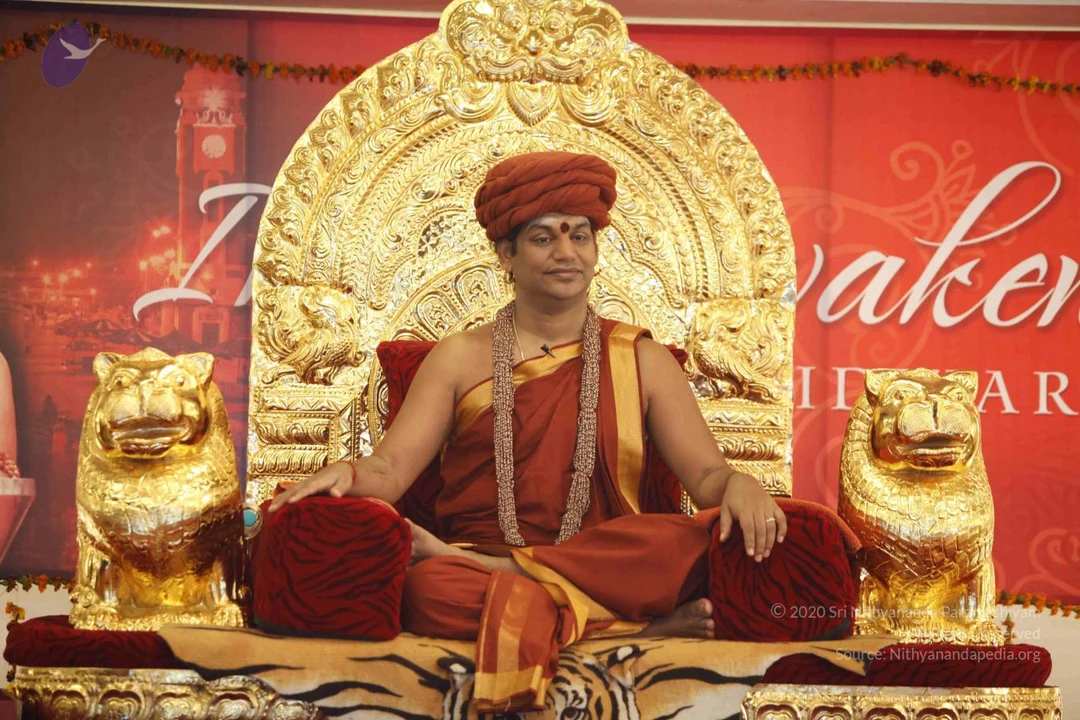
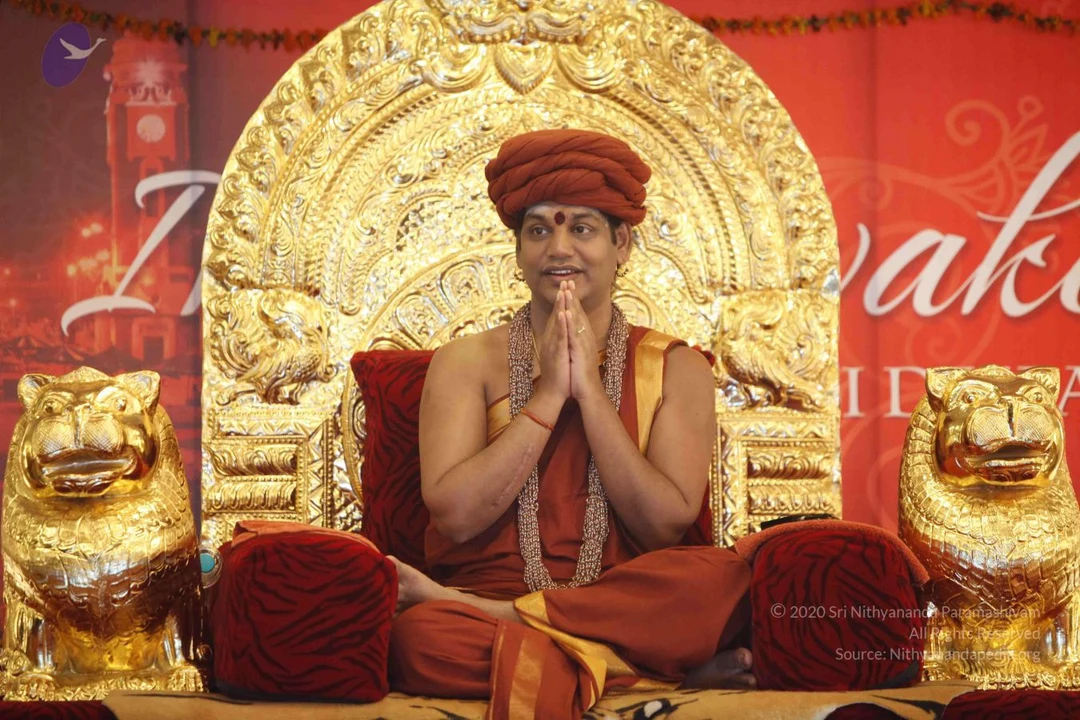
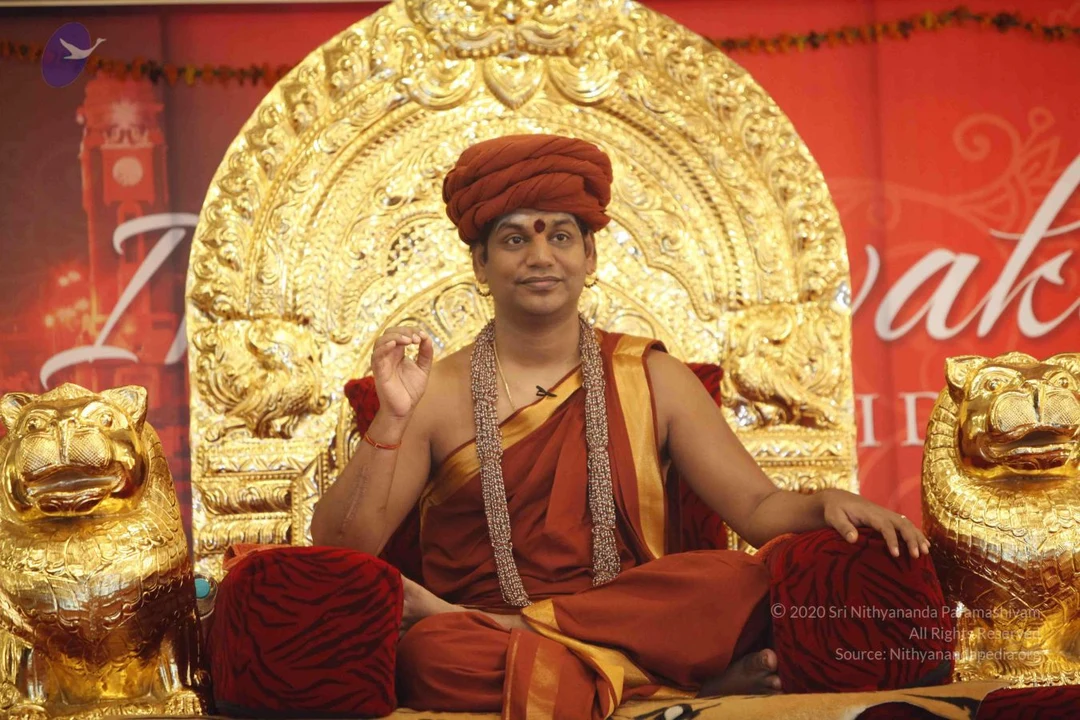
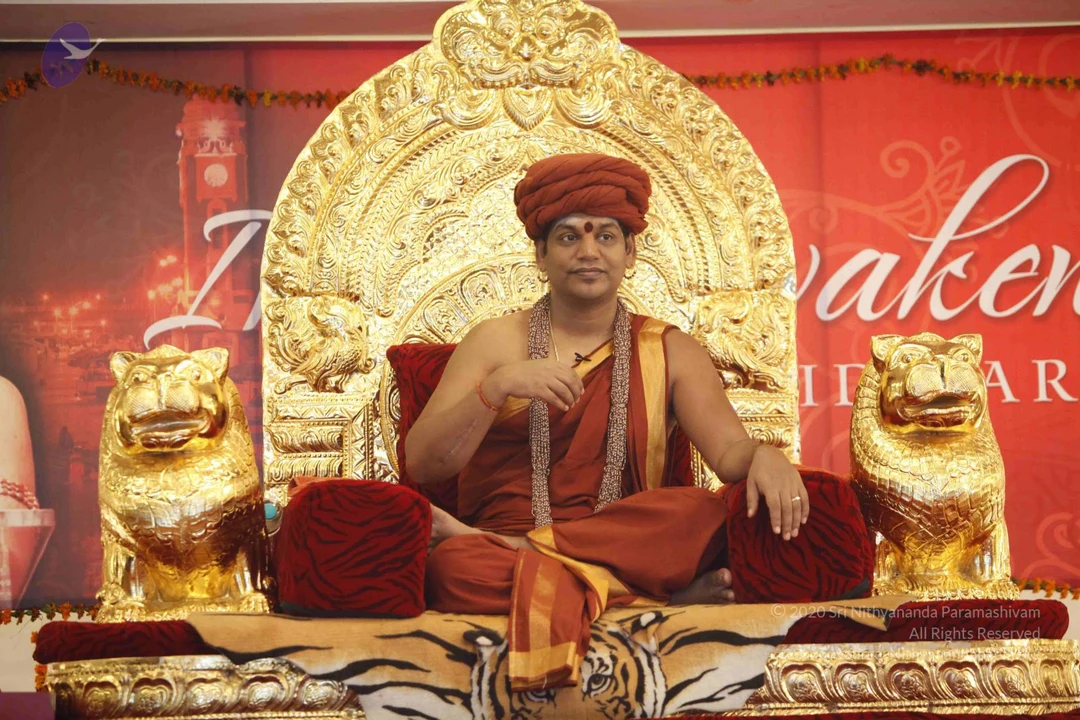
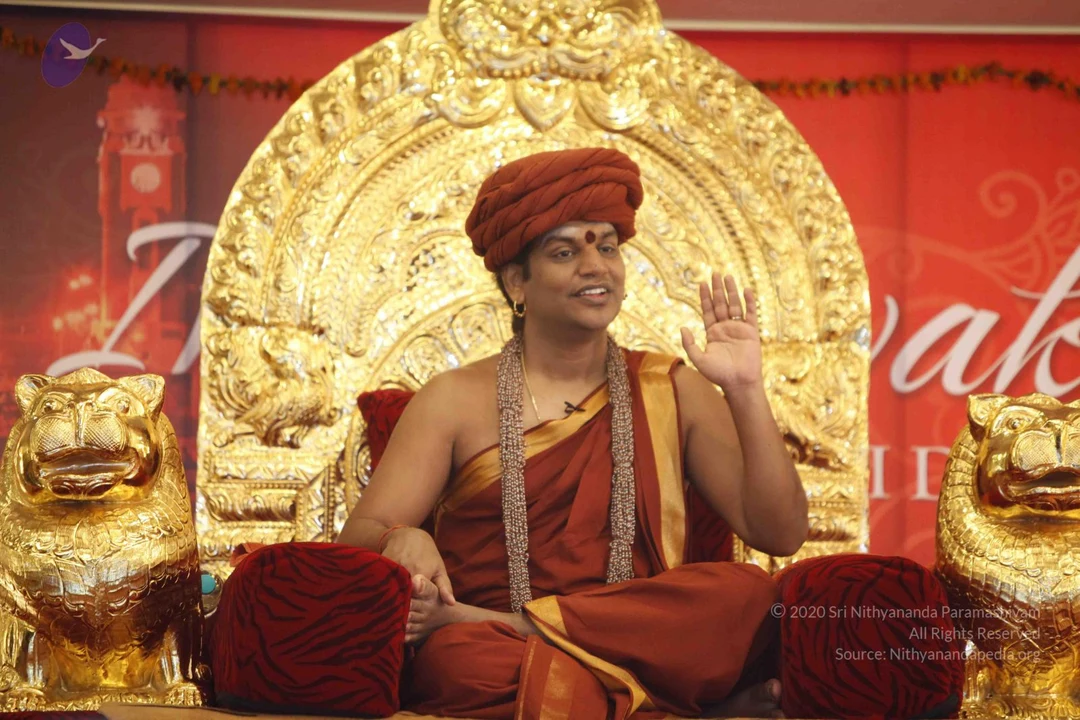
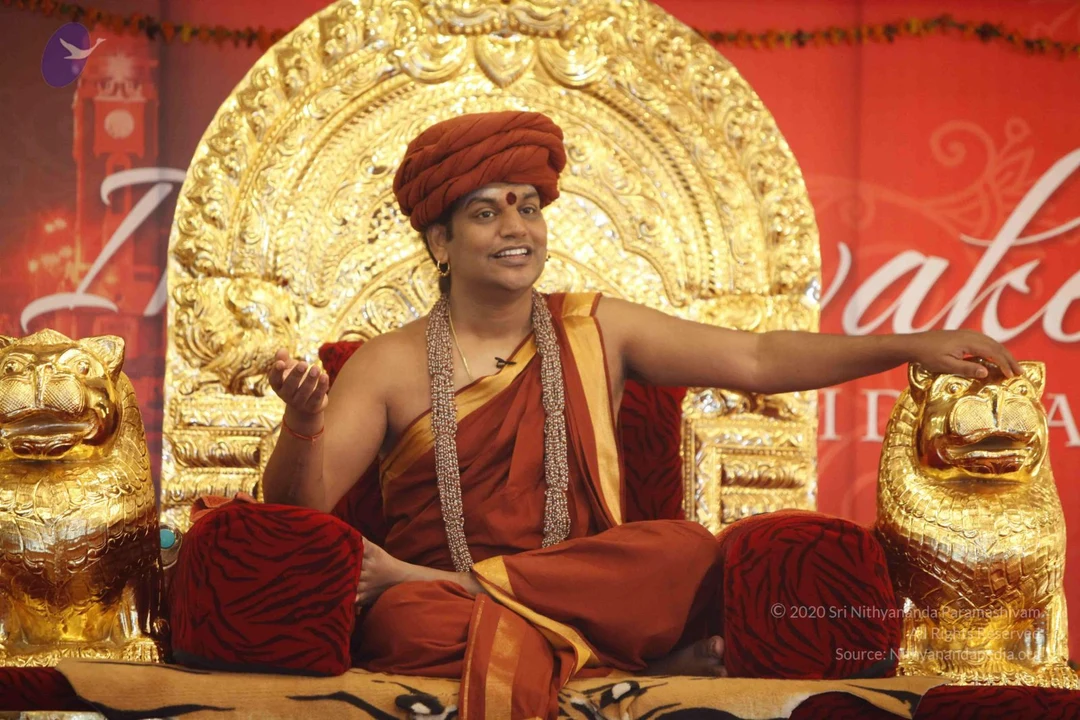
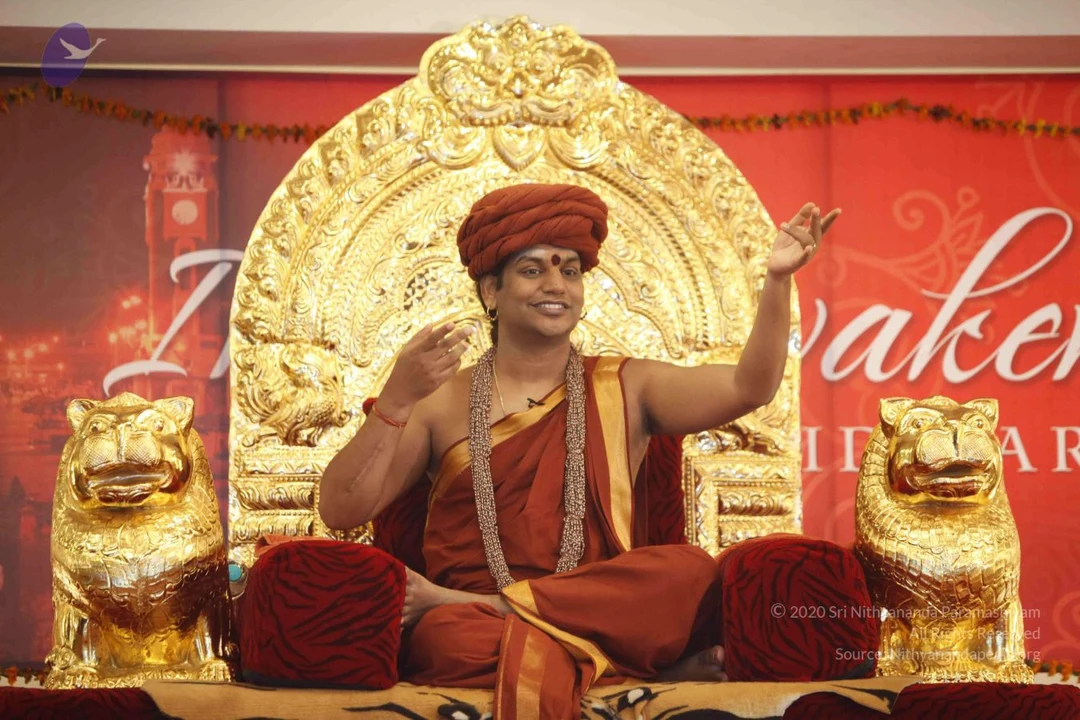
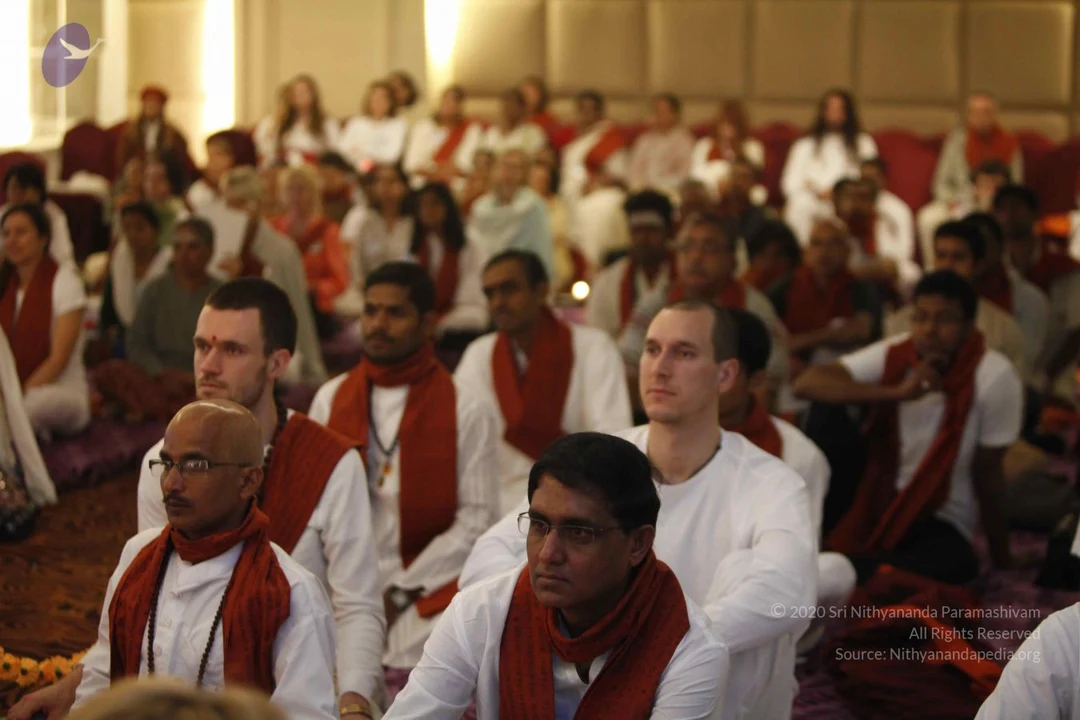
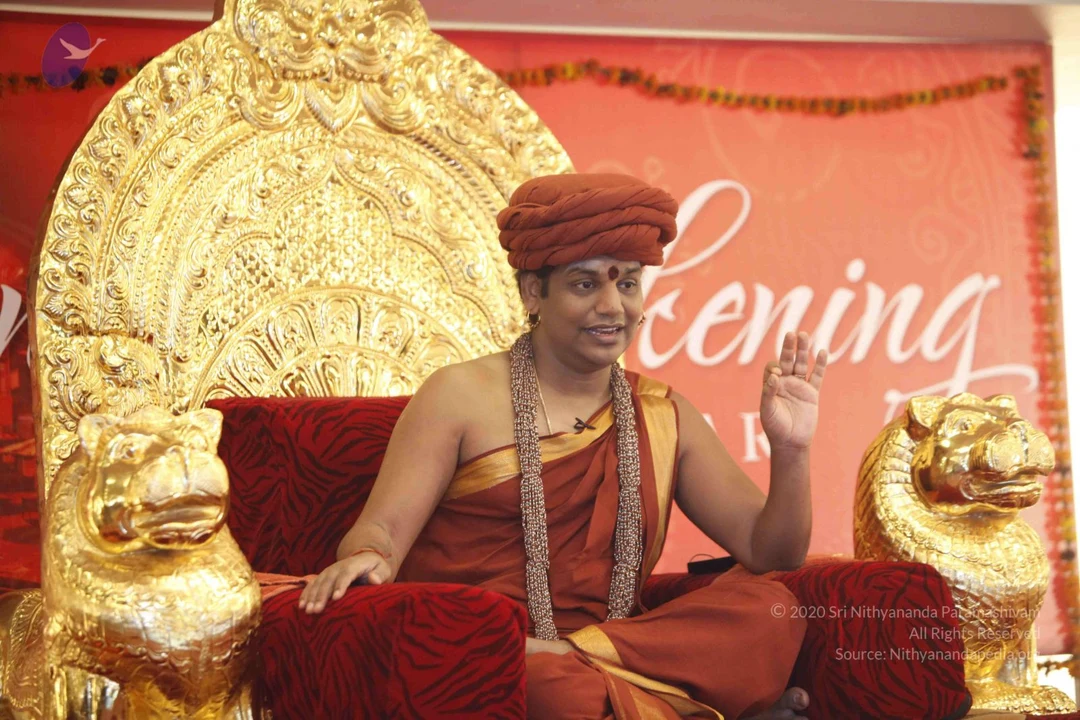
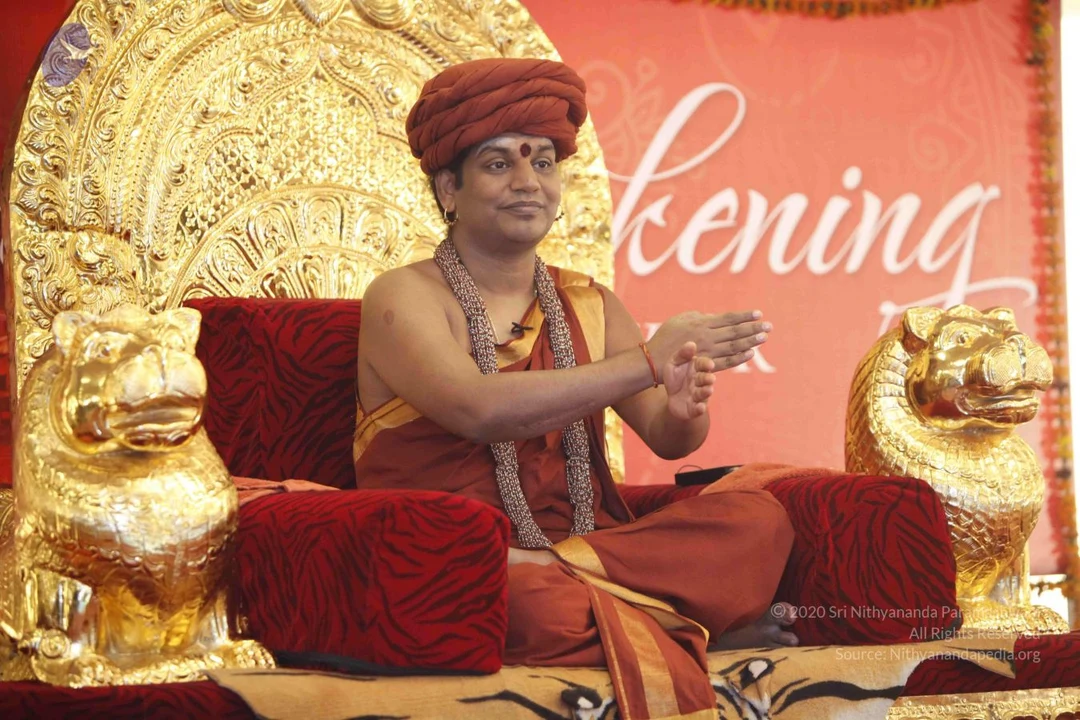
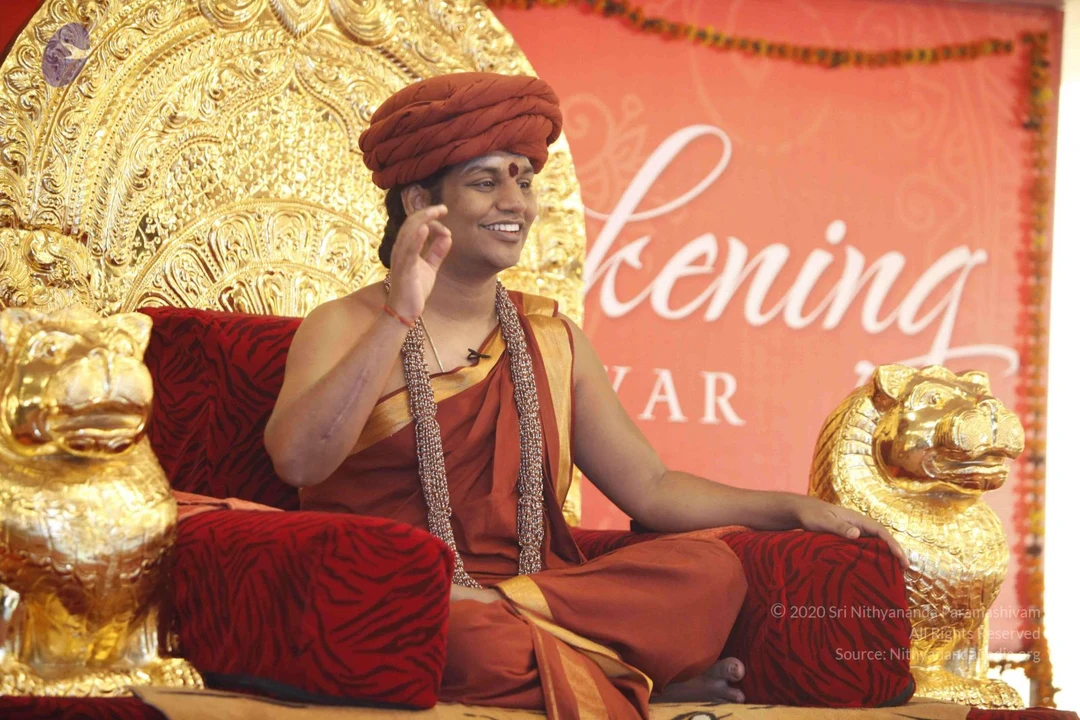
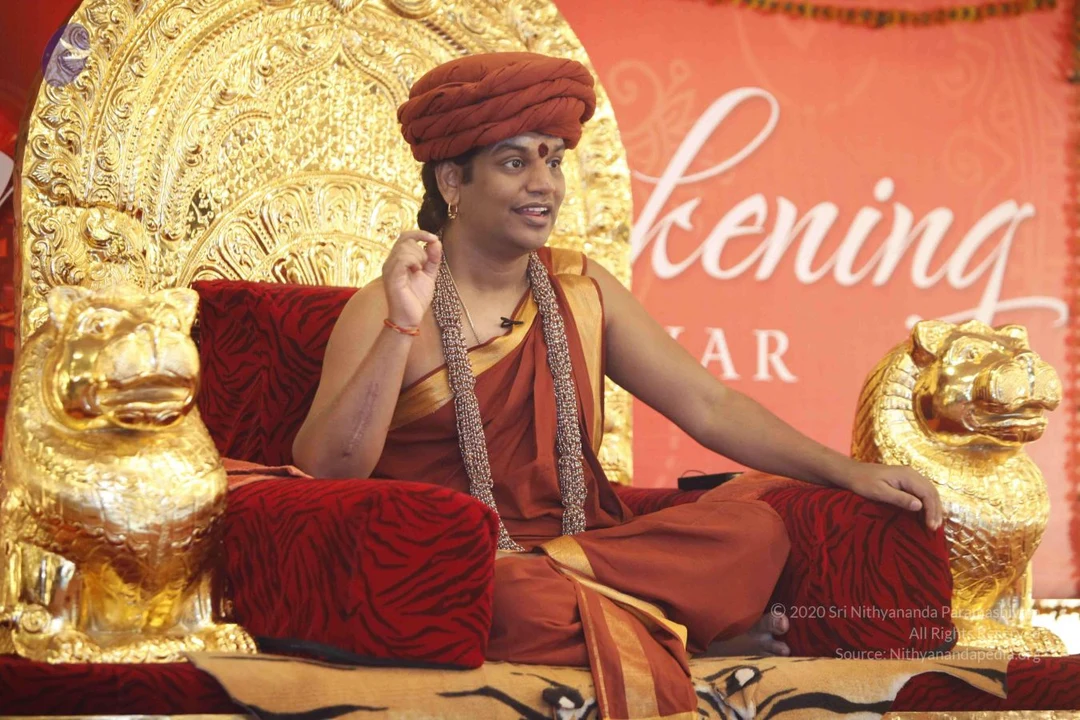
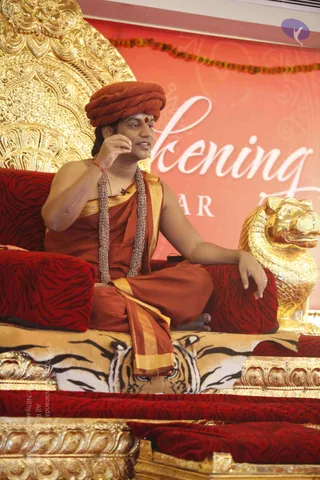
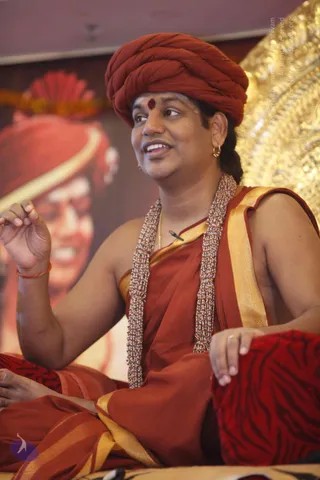
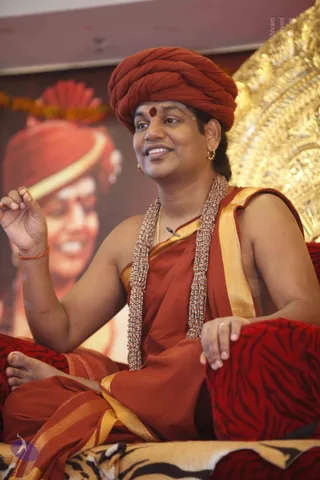
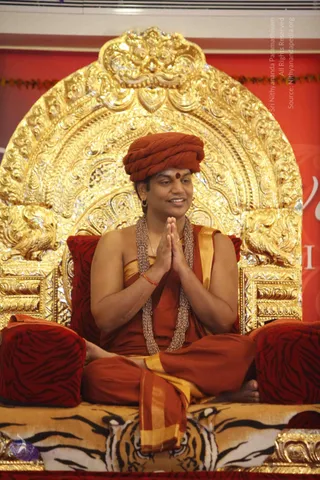
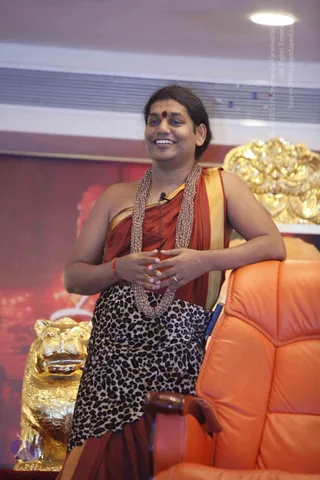
Photos Of The Day:
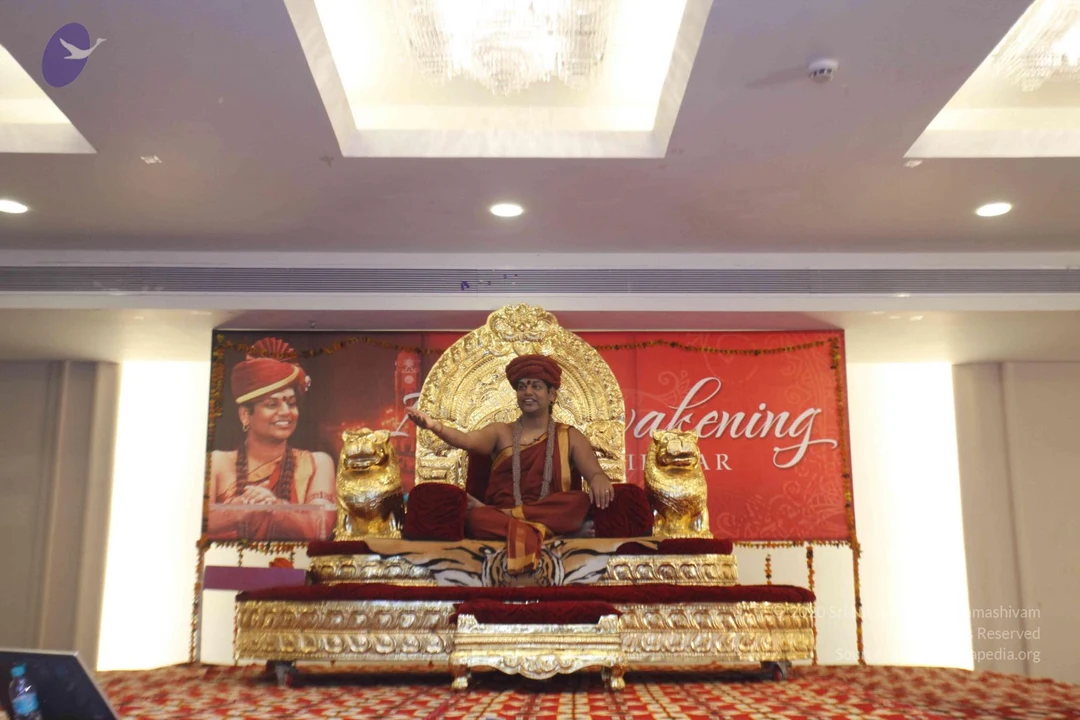
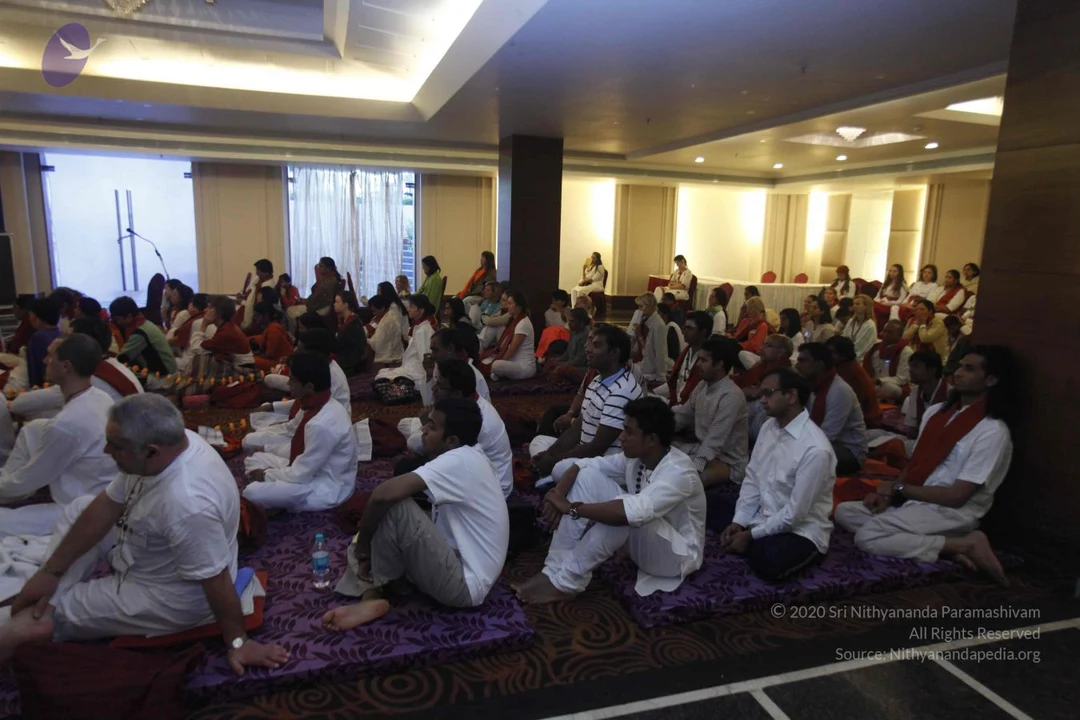
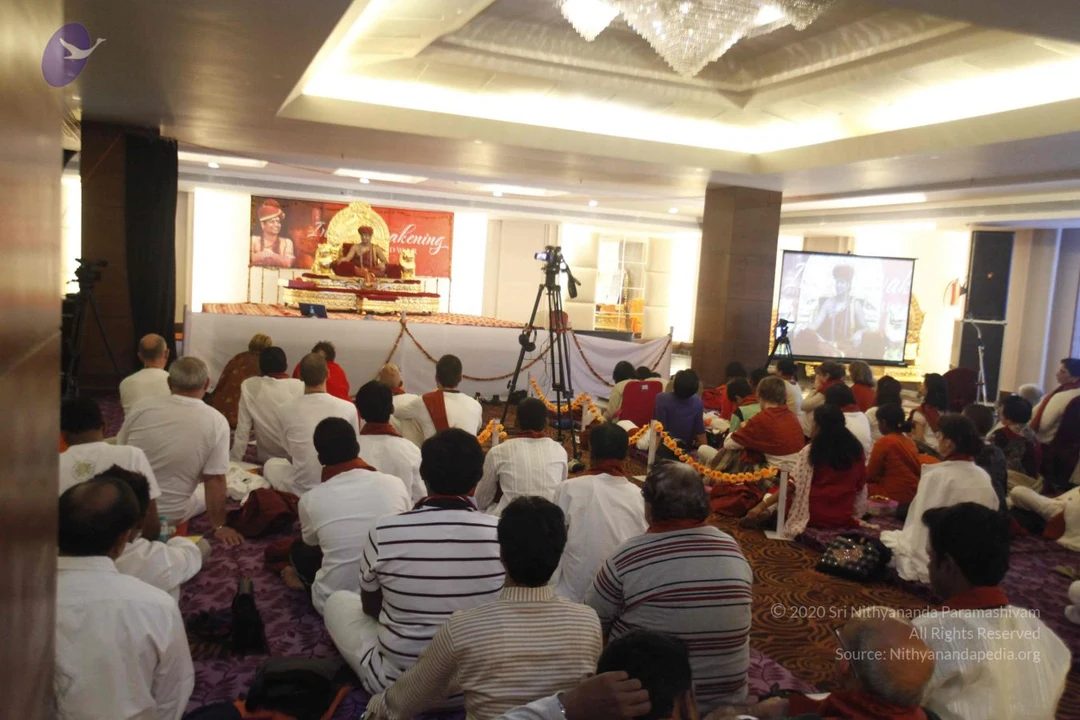
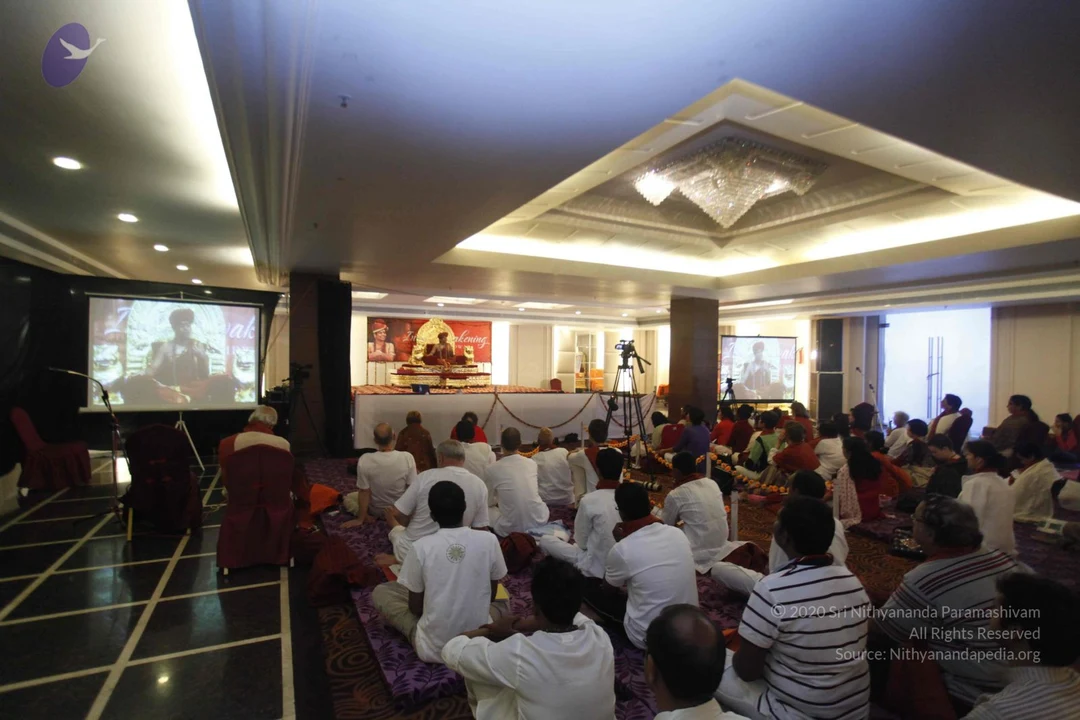
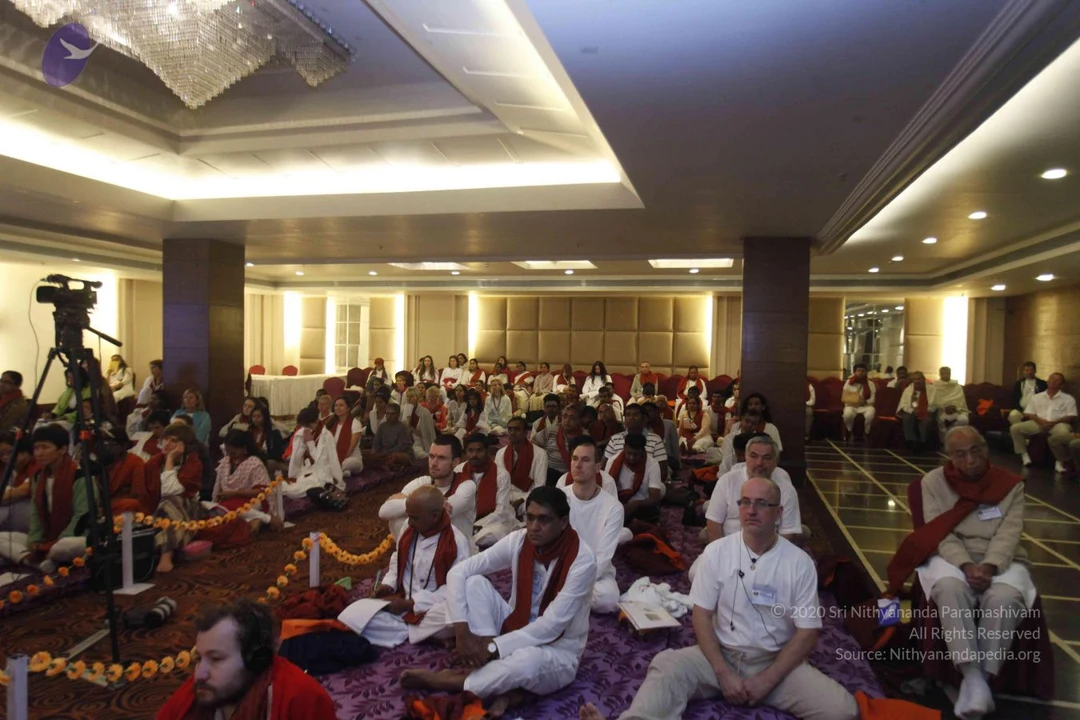
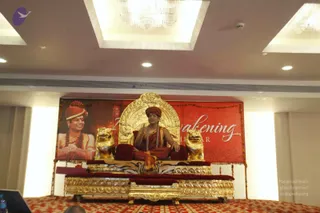
Inner Awakening Session on AUTHENTICITY
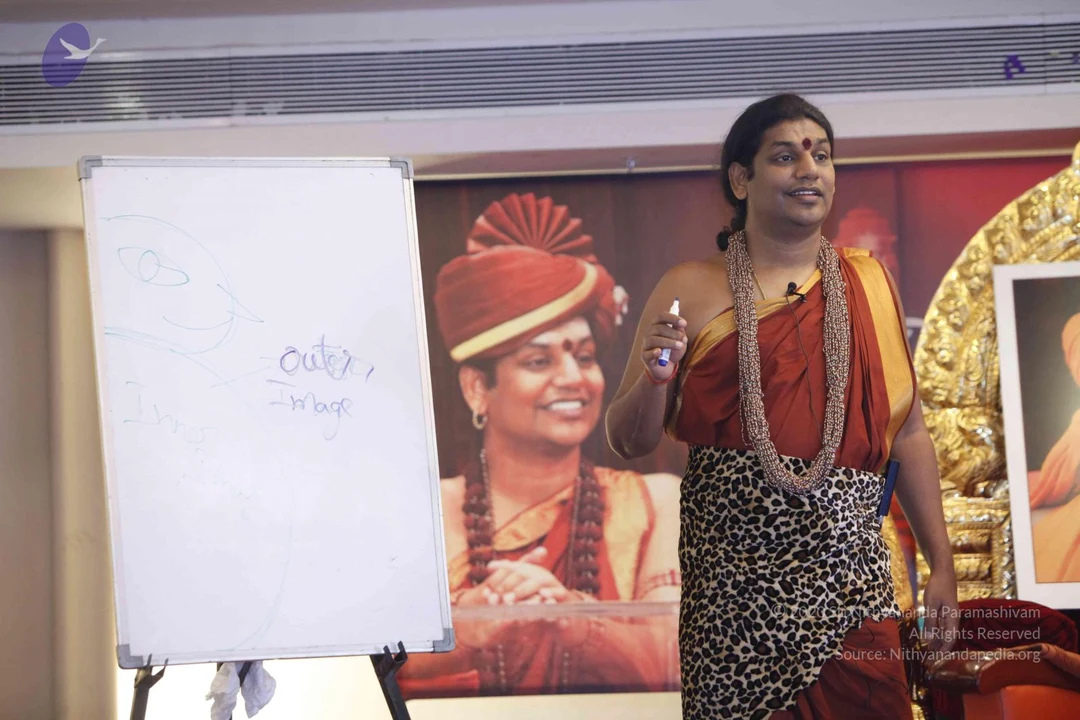
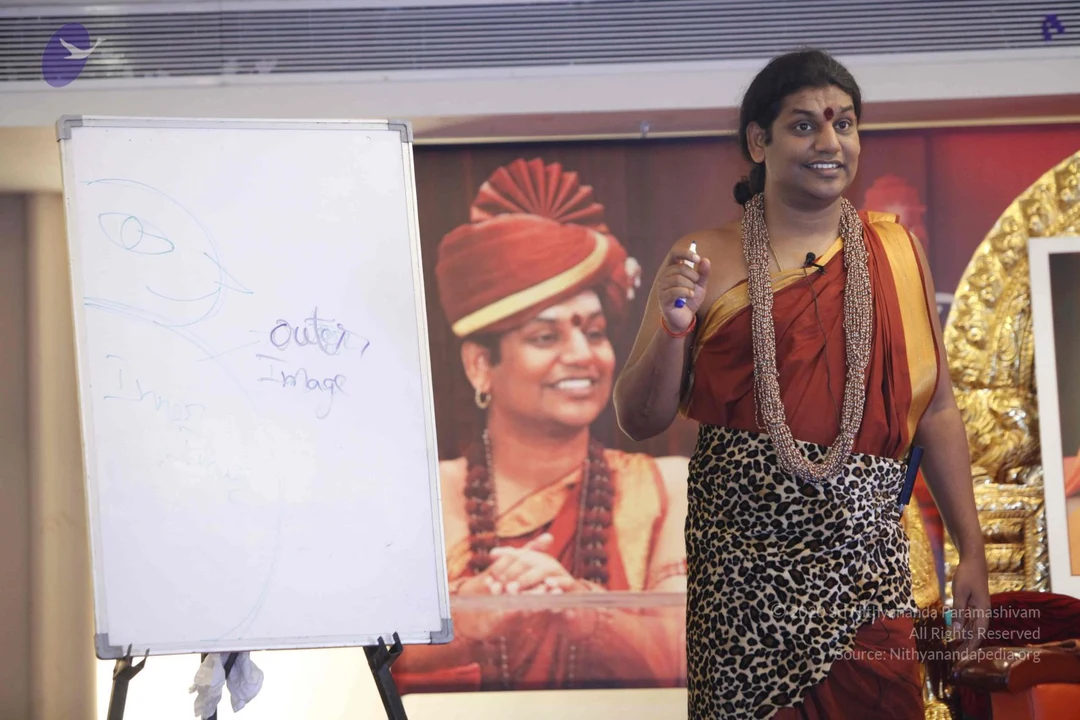
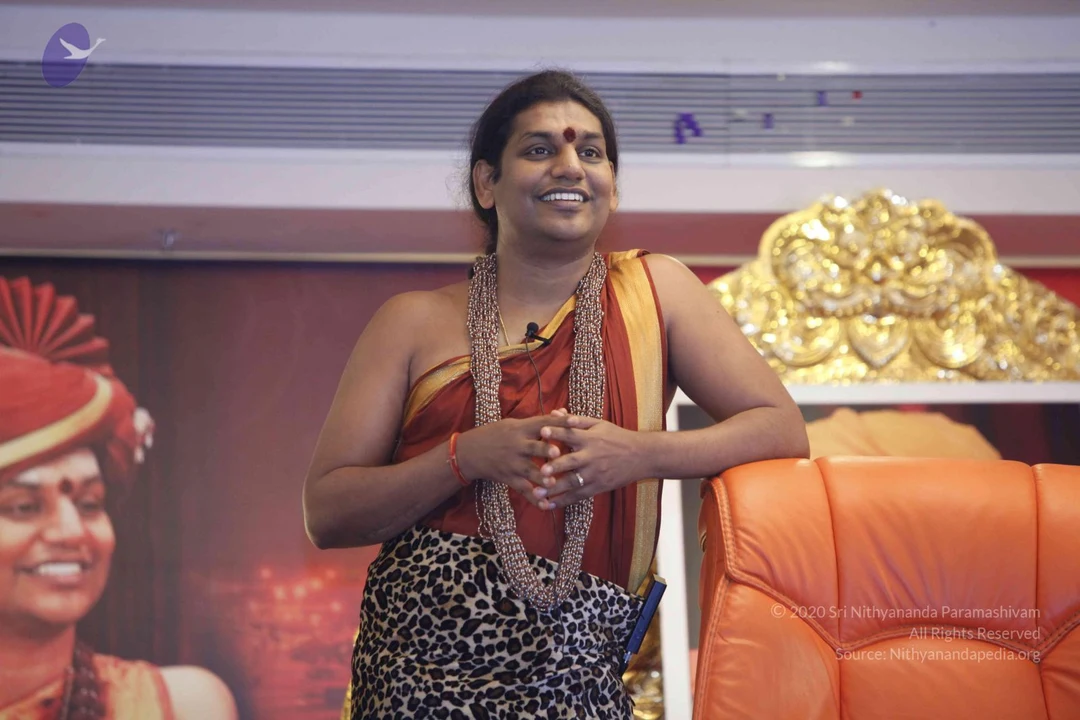
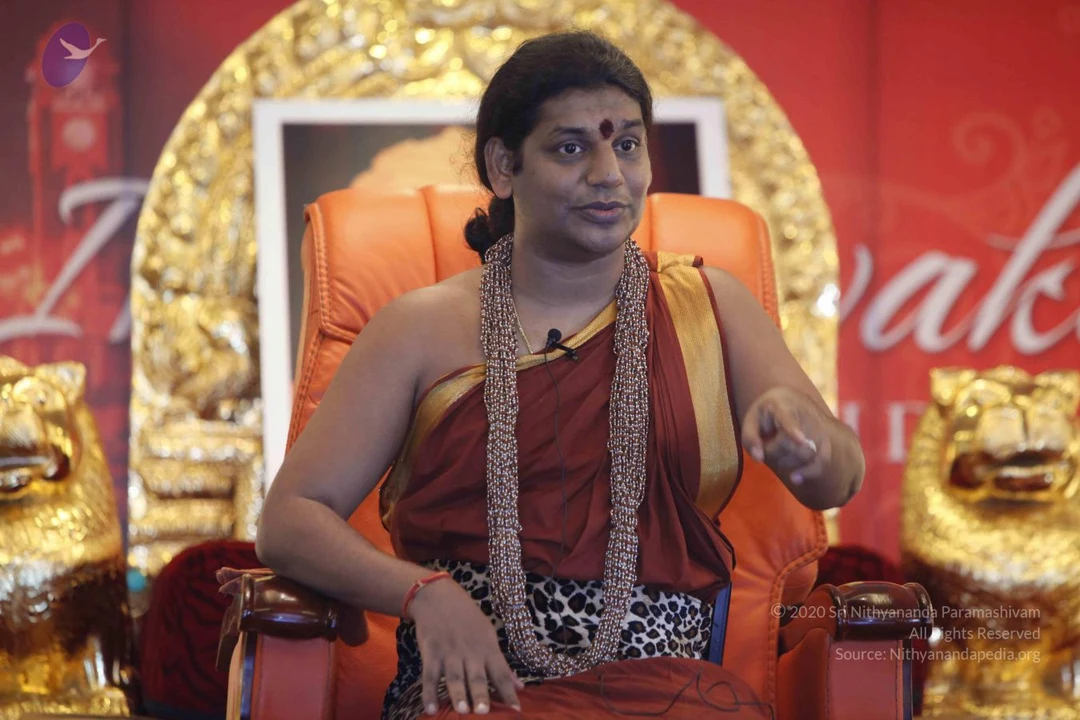
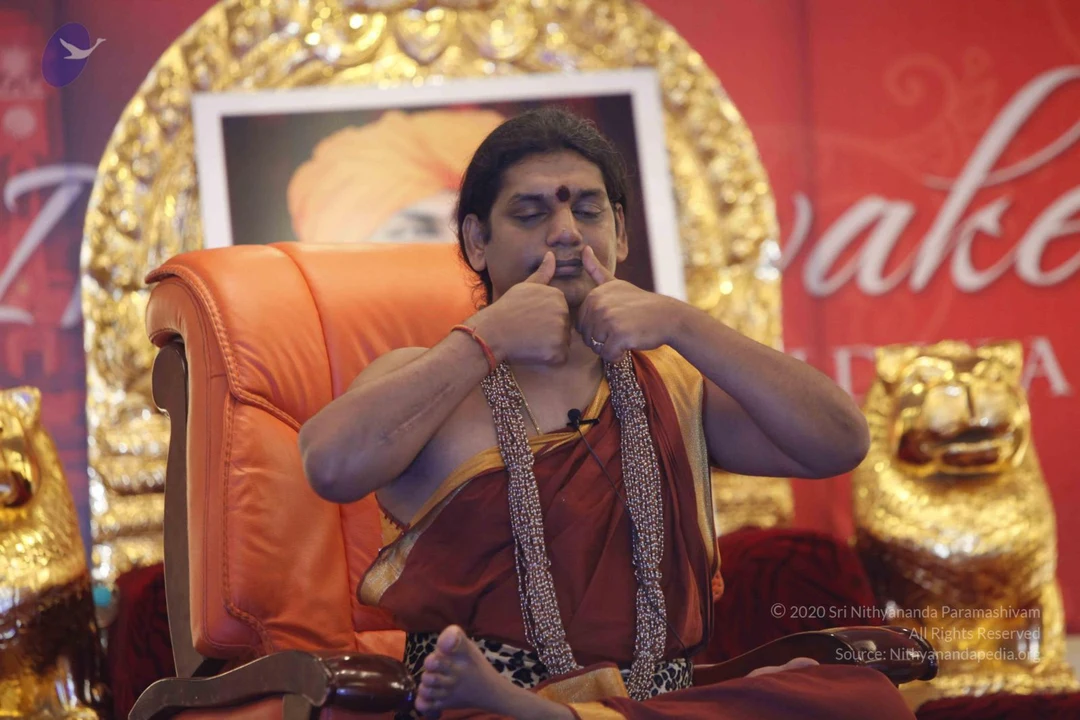
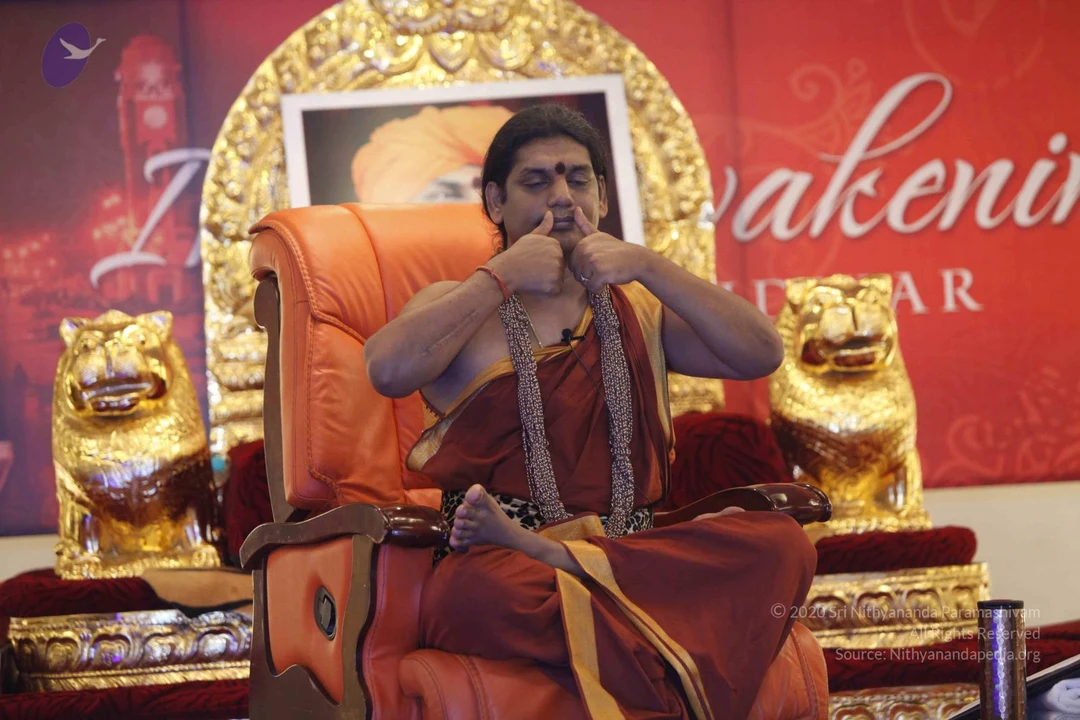
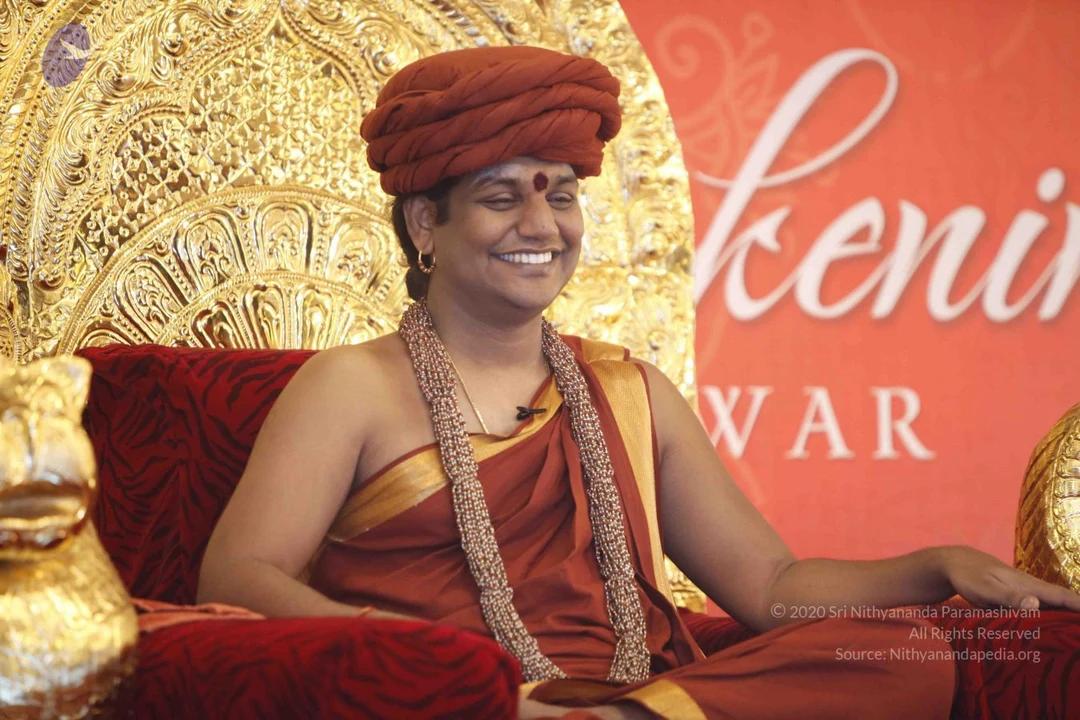
Inner Awakening DARSHAN


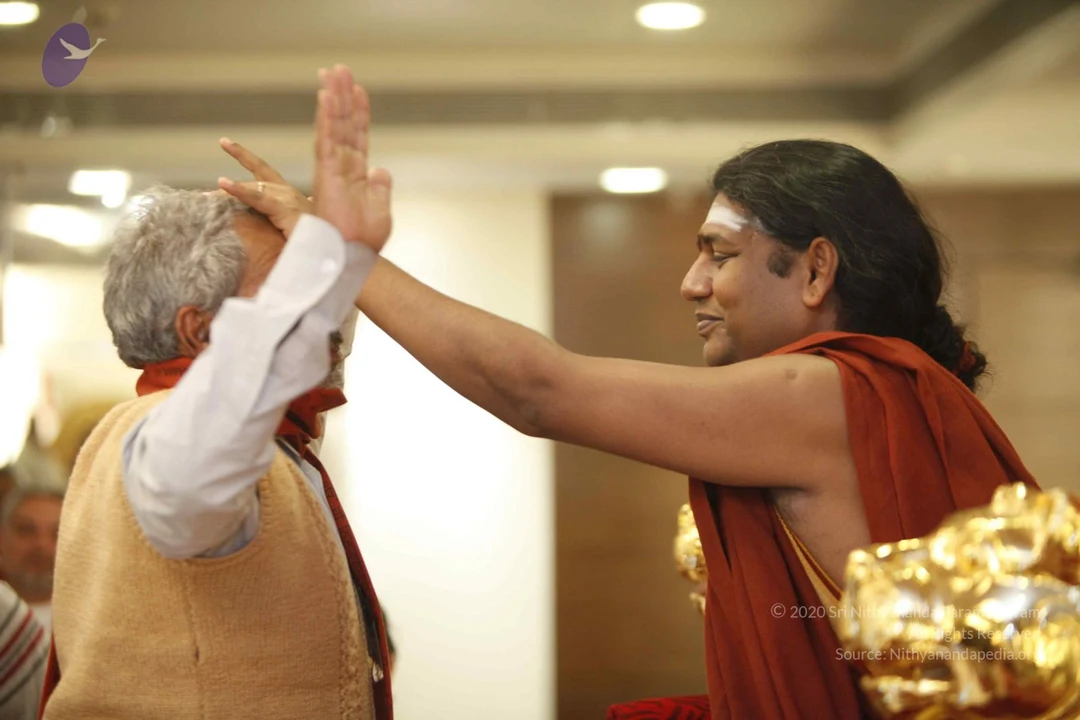
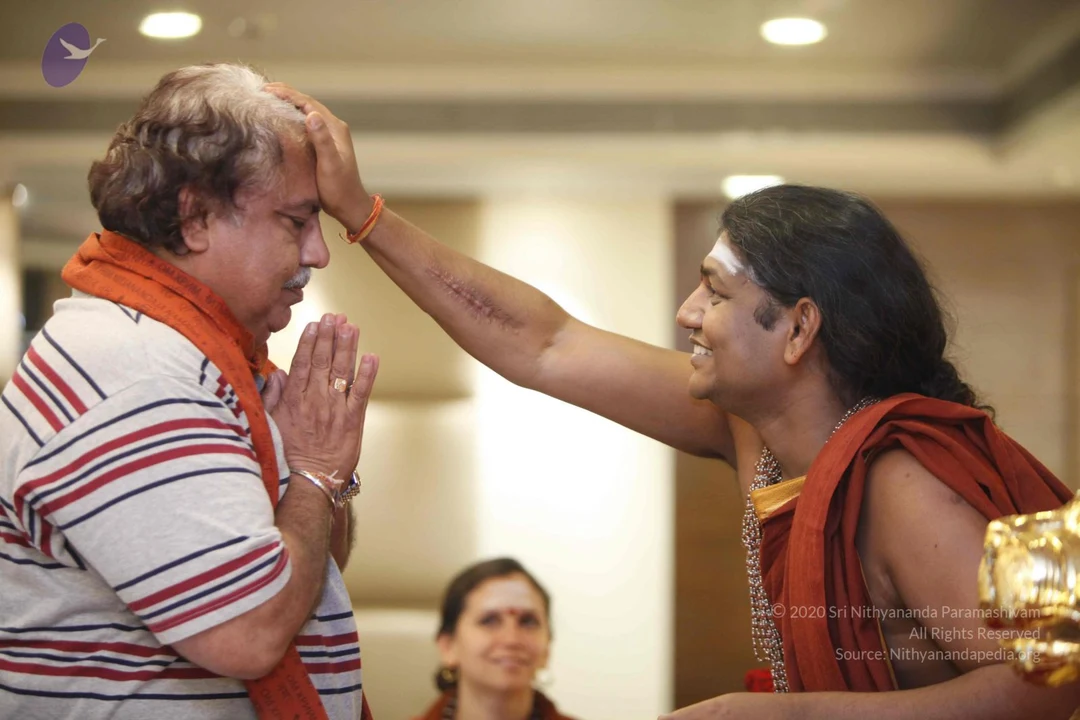
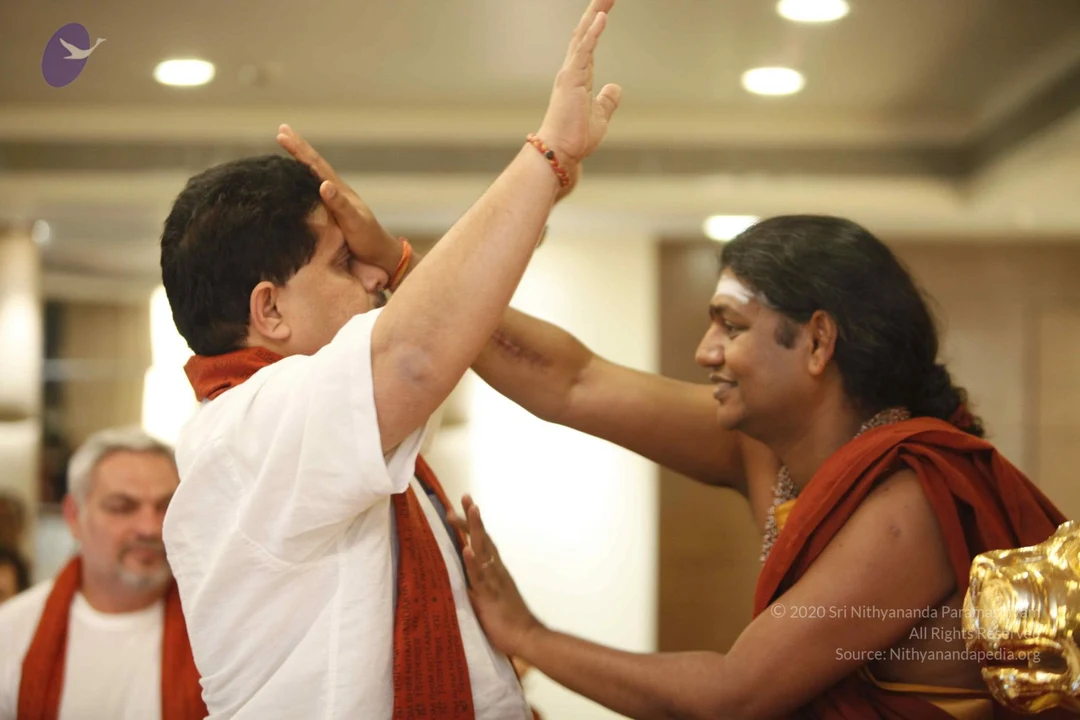
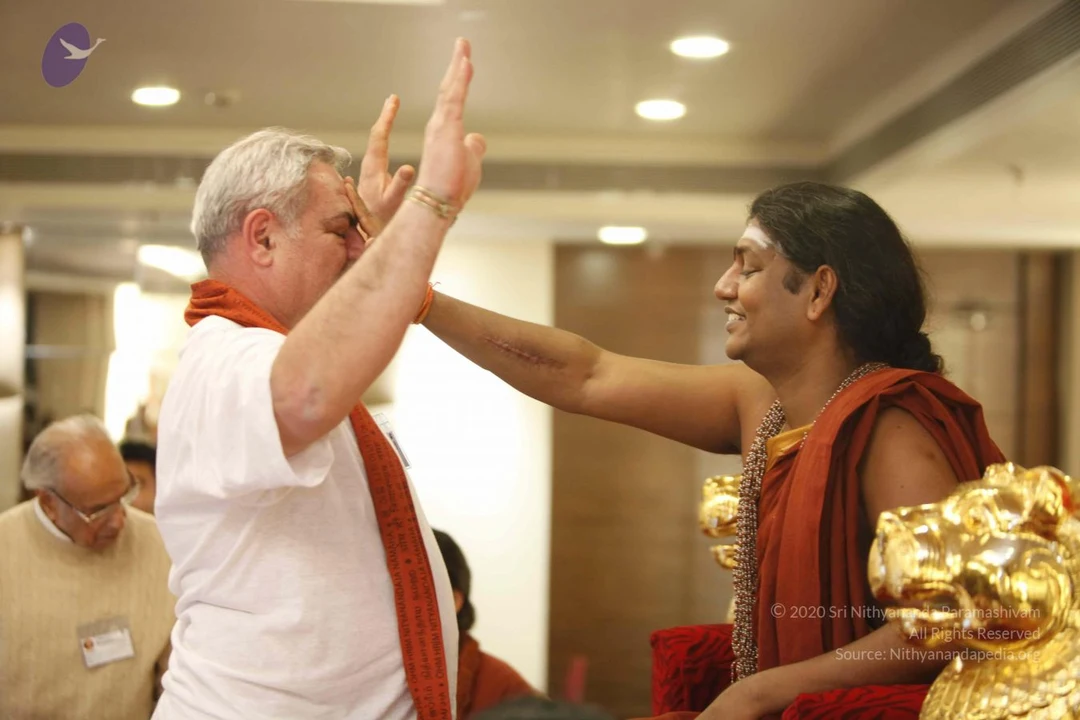
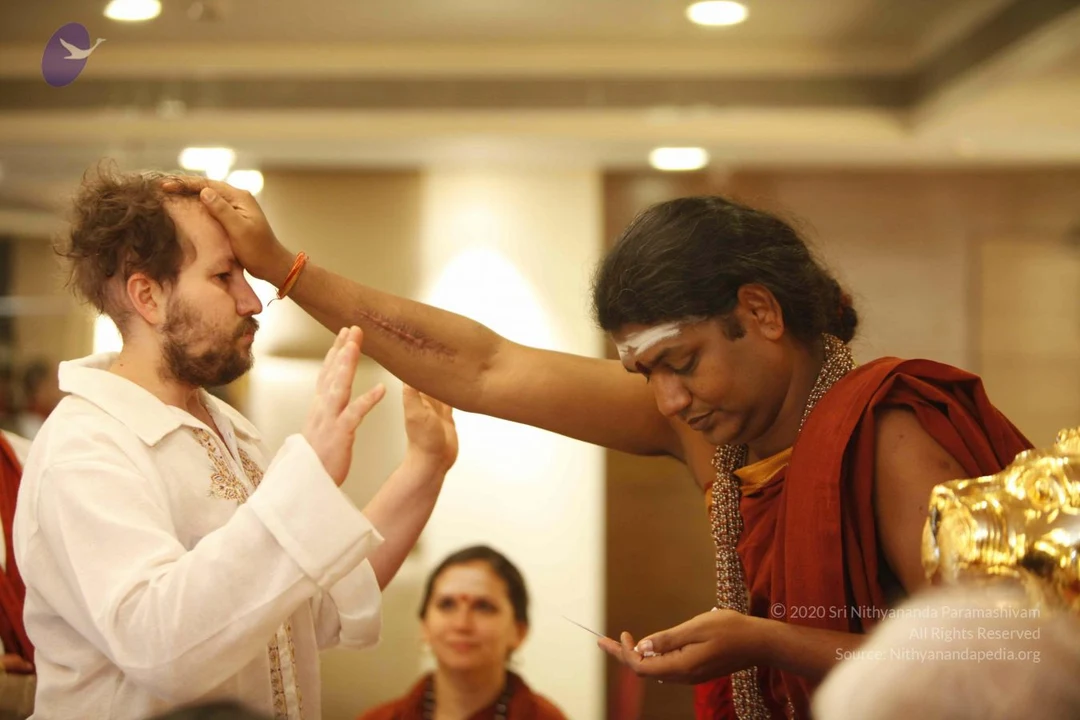
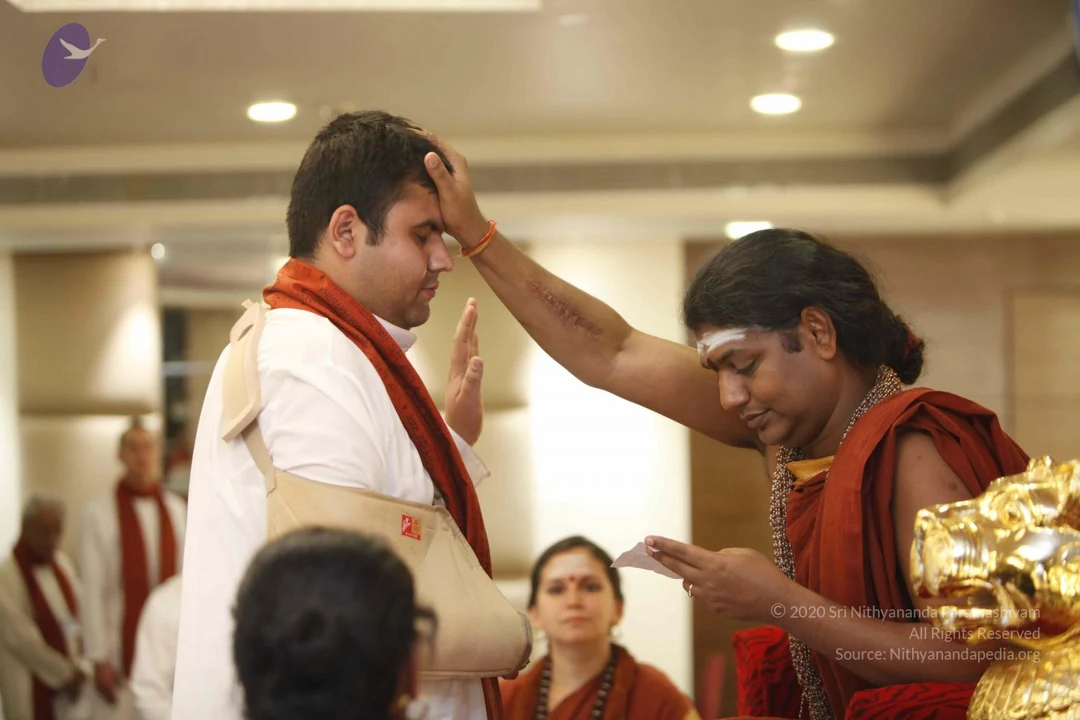
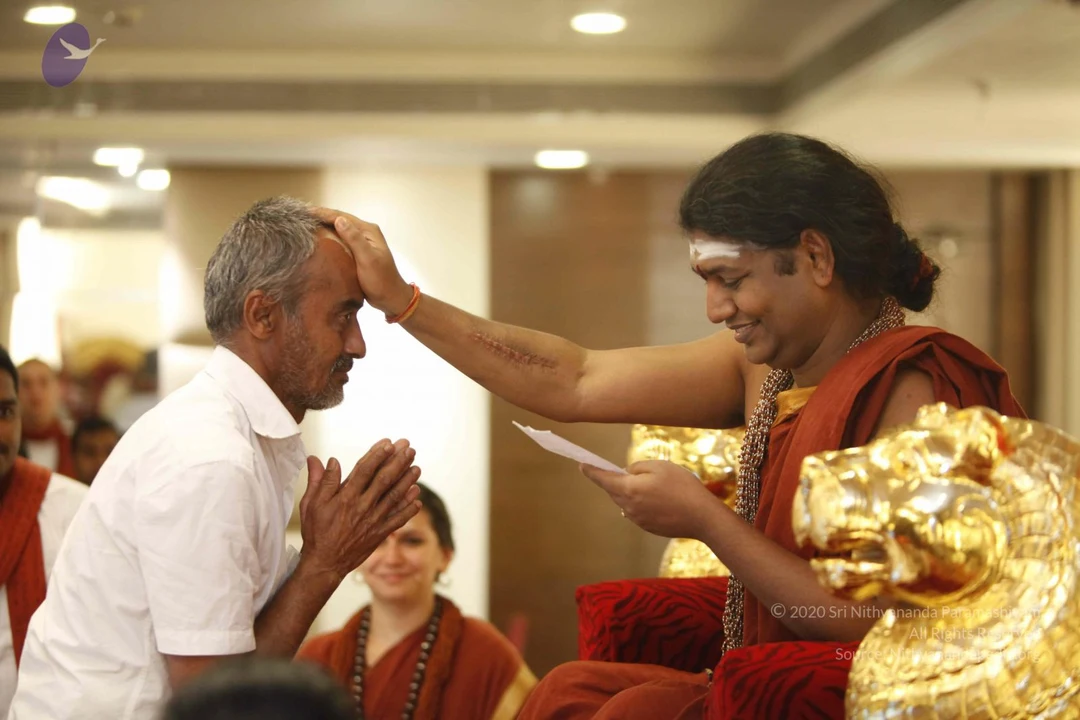
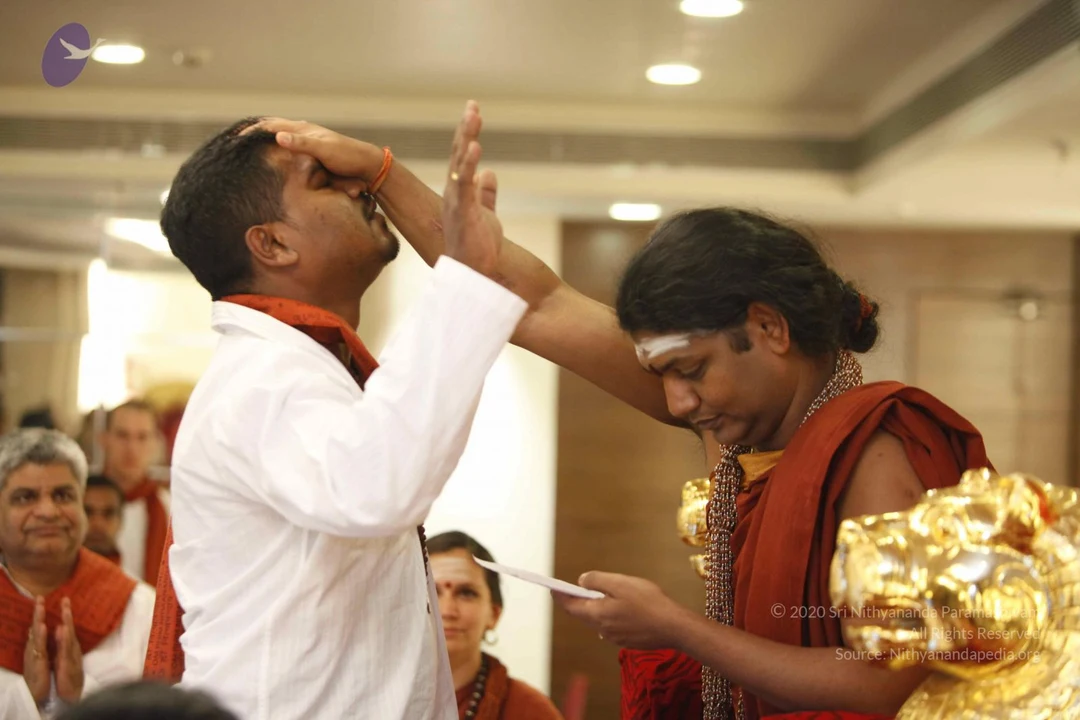
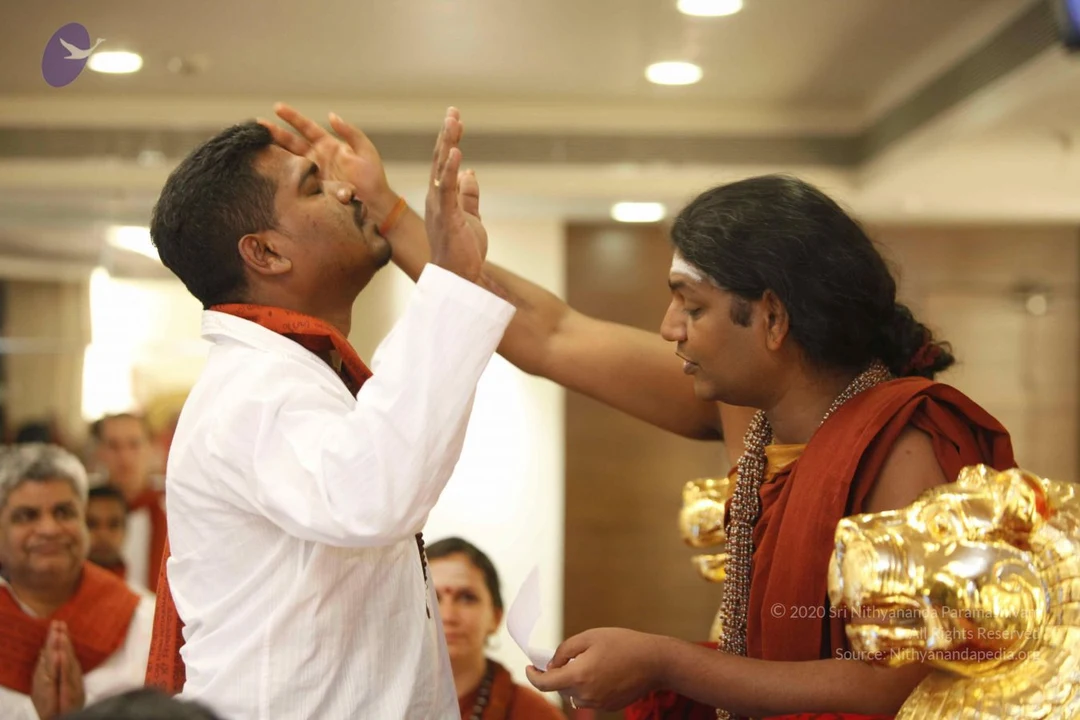
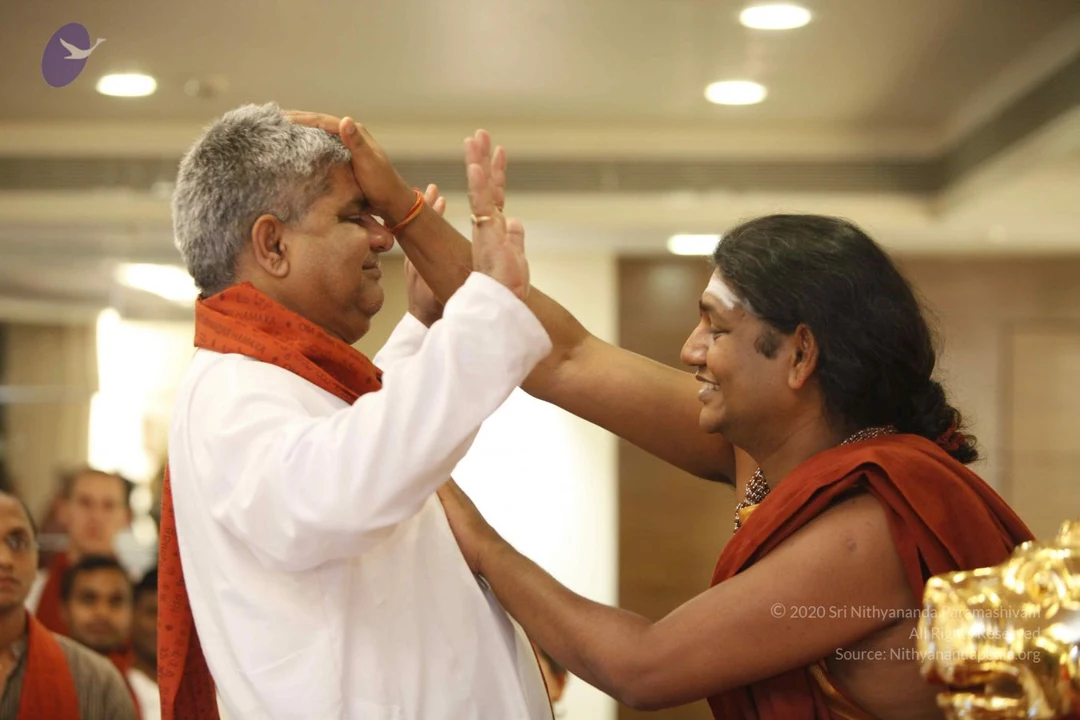
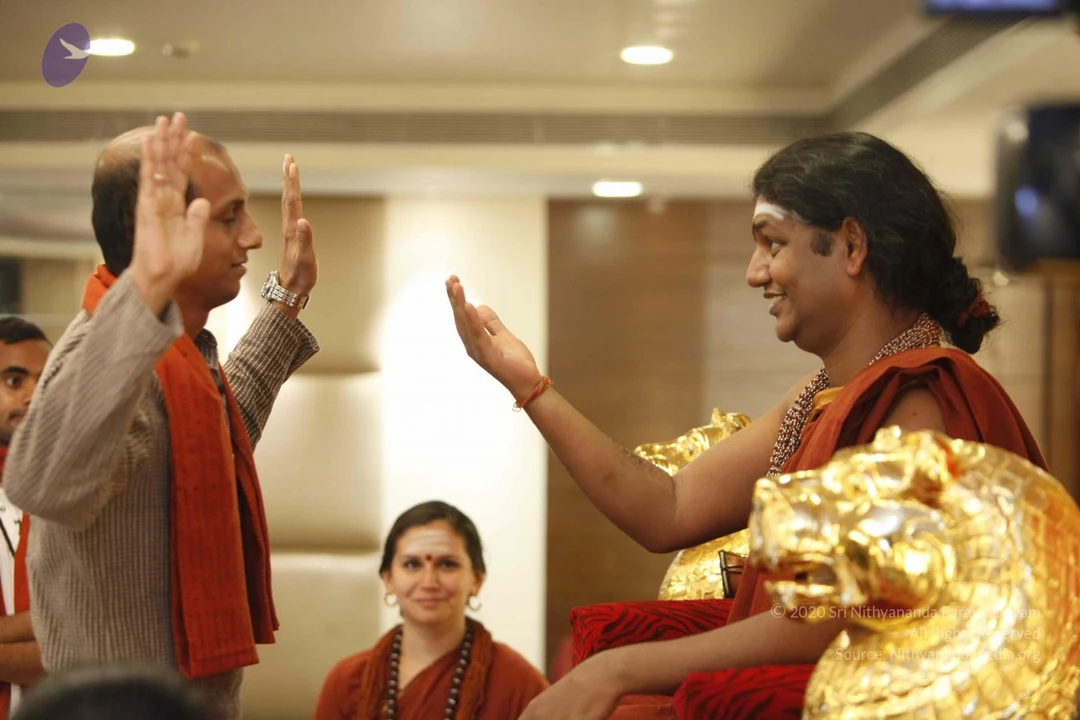
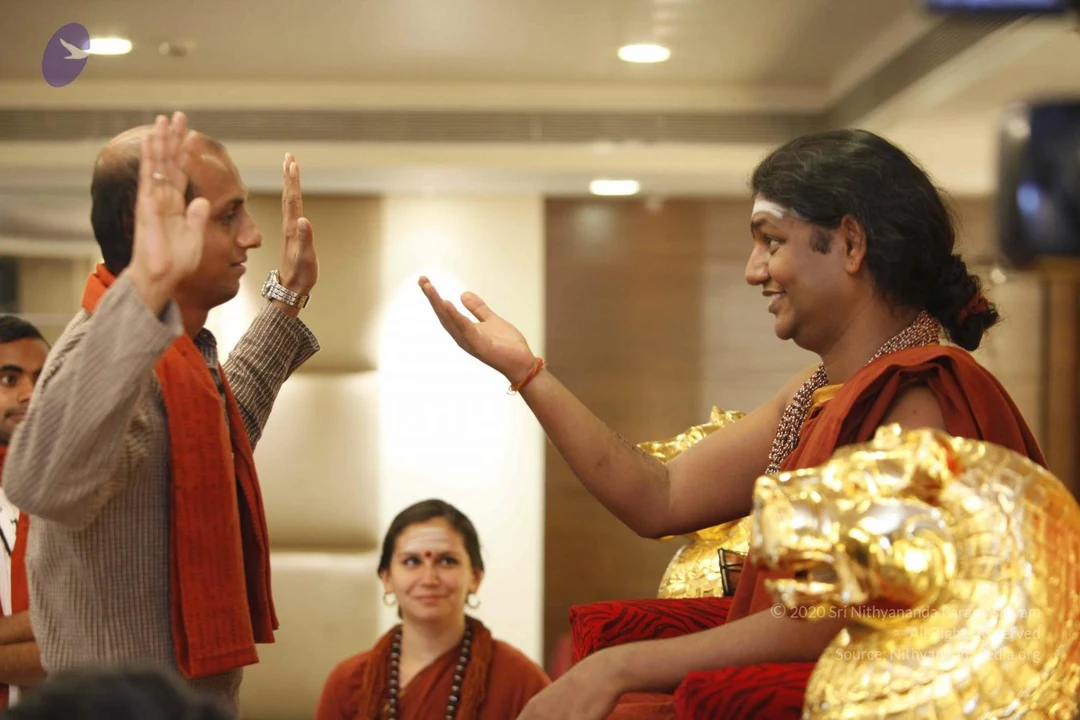
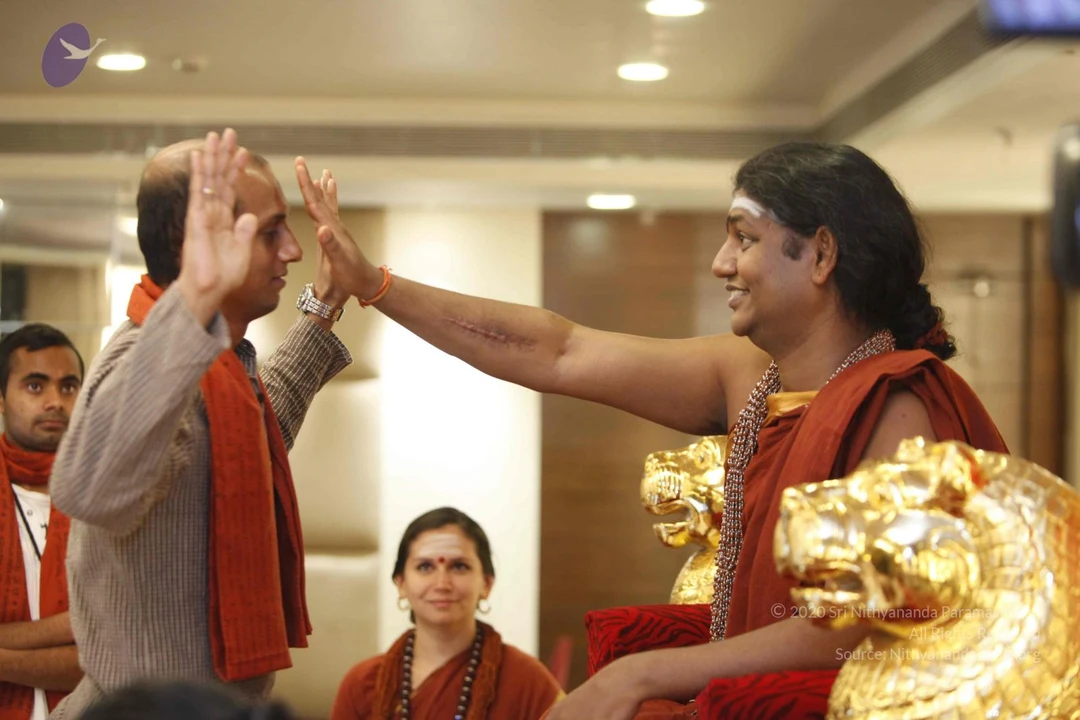
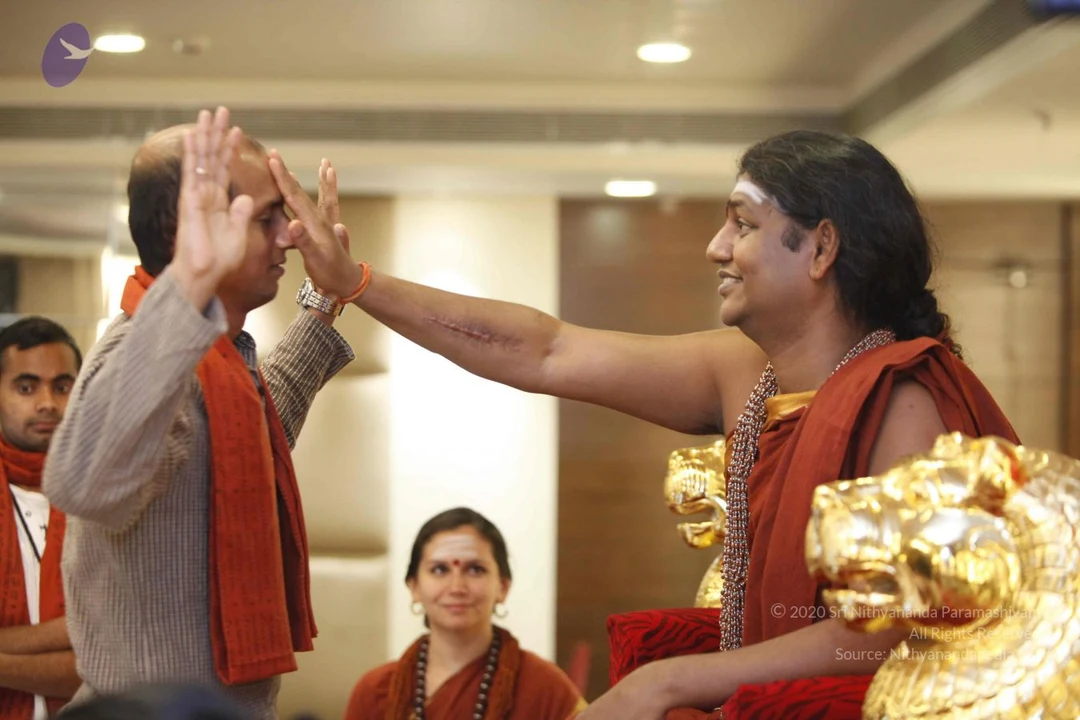
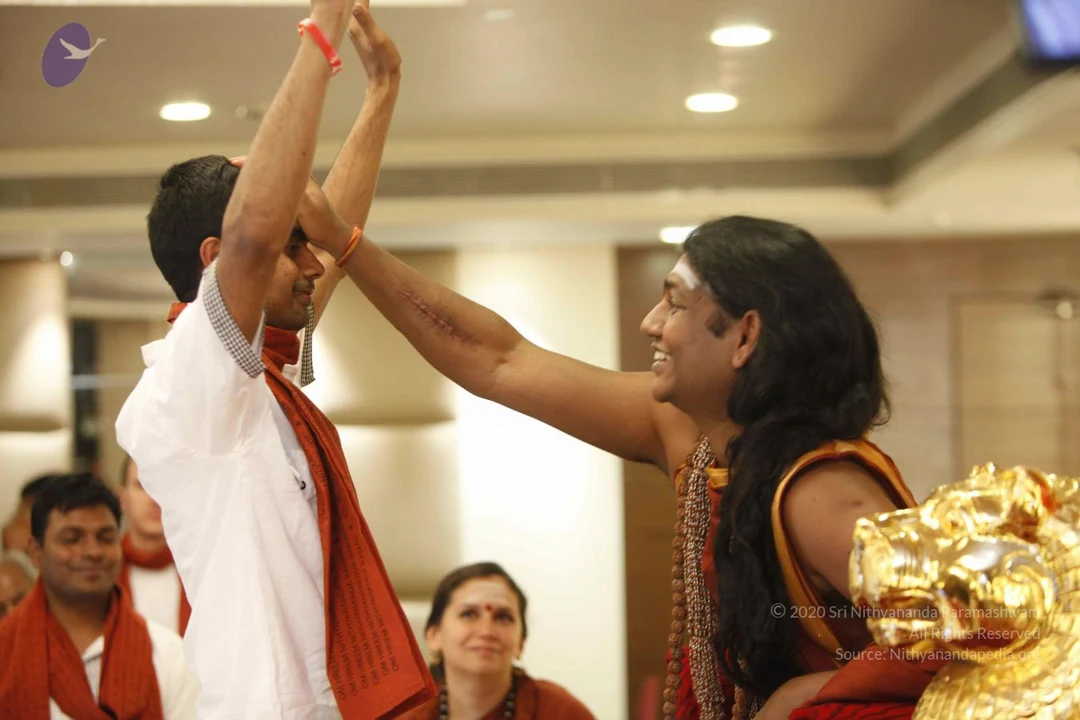
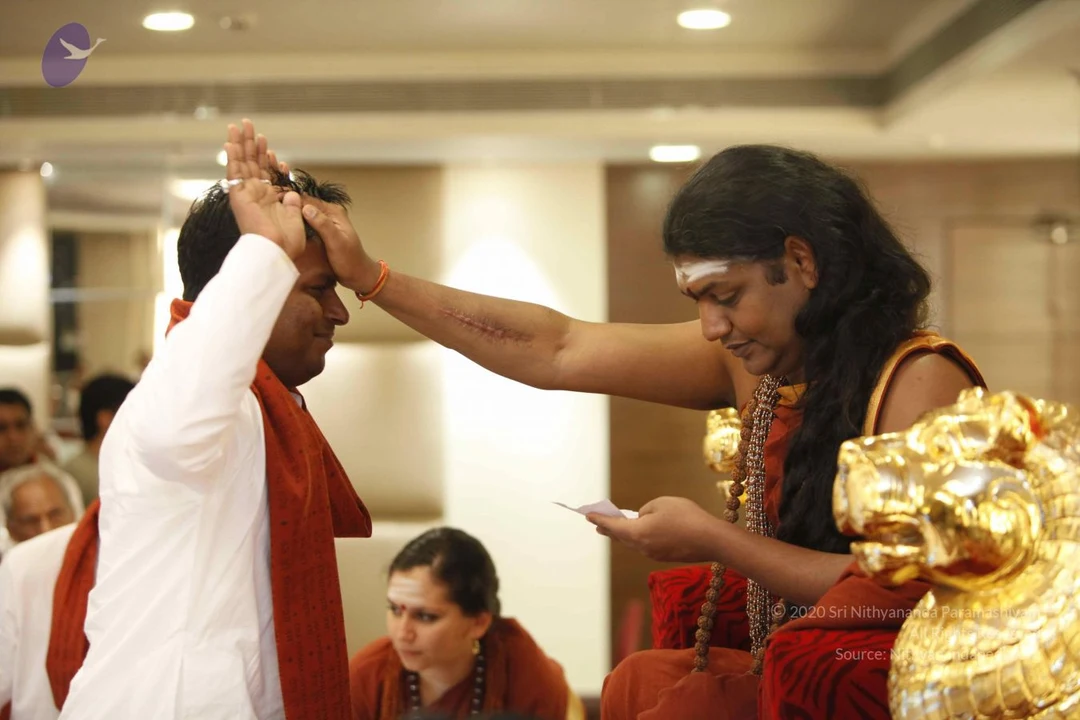
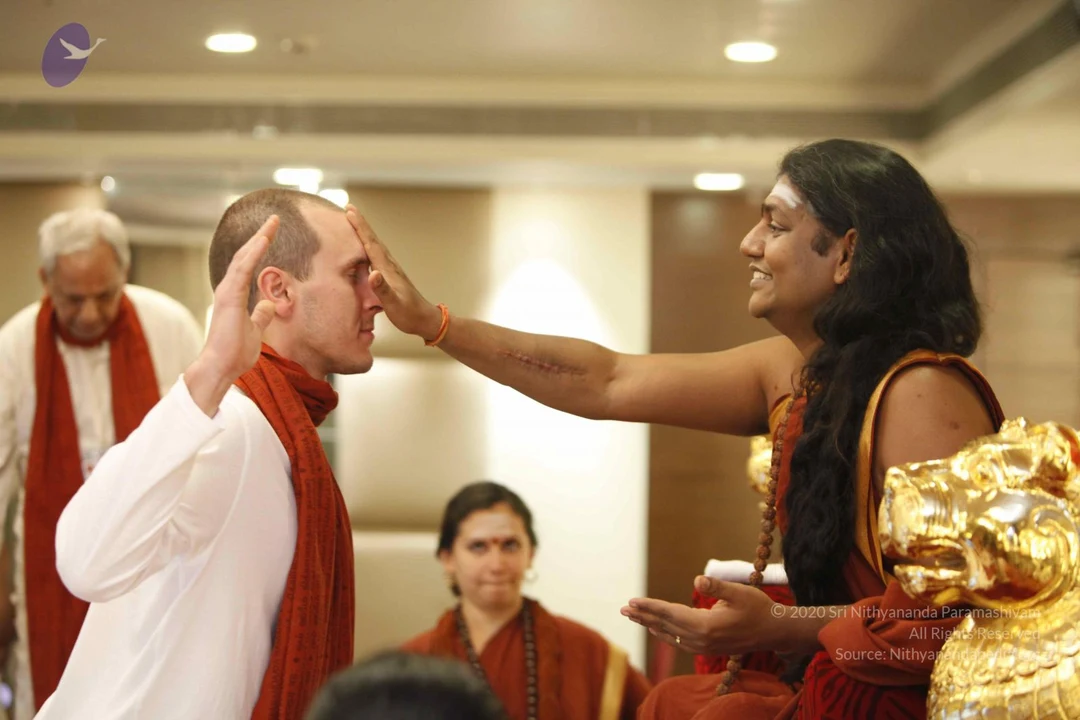
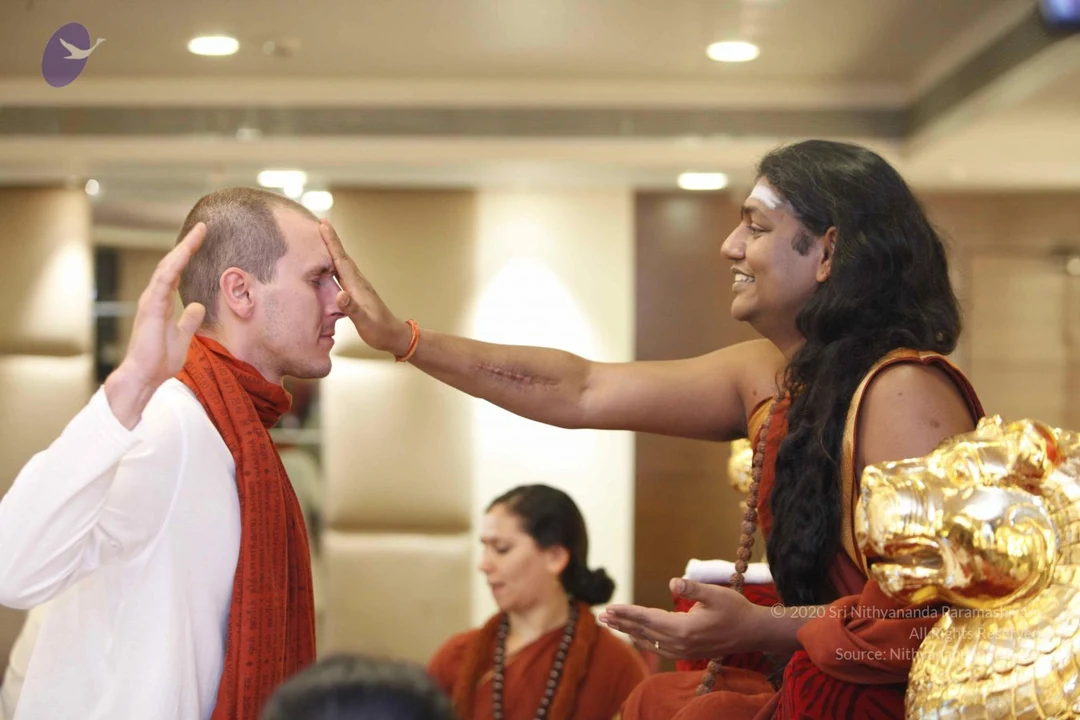
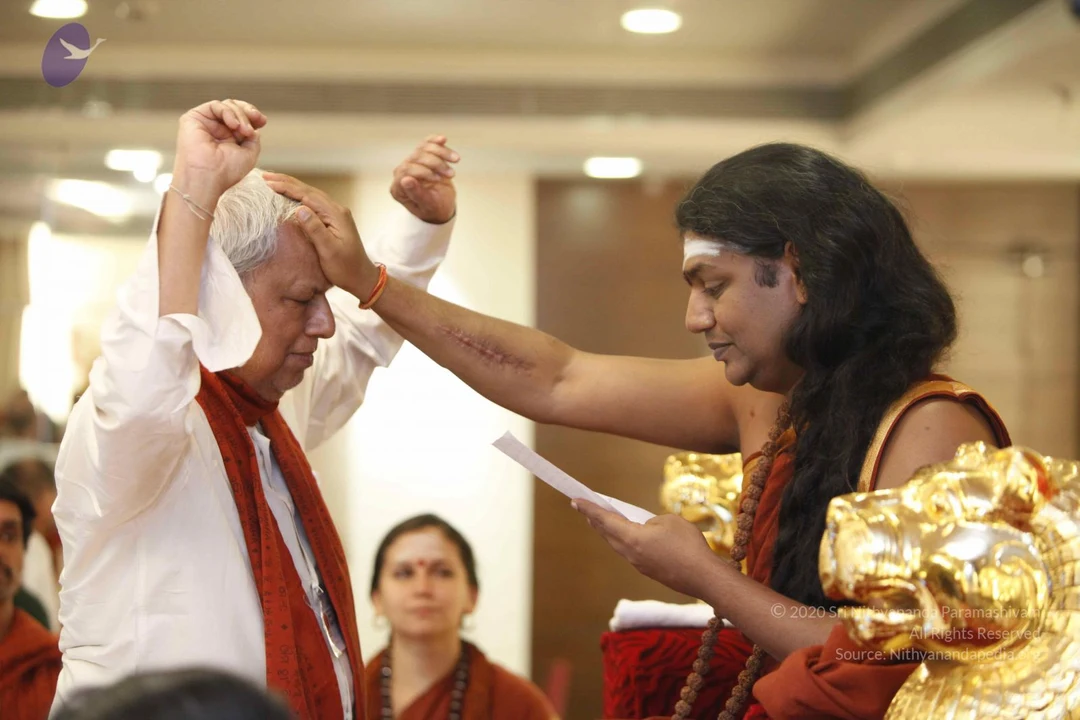
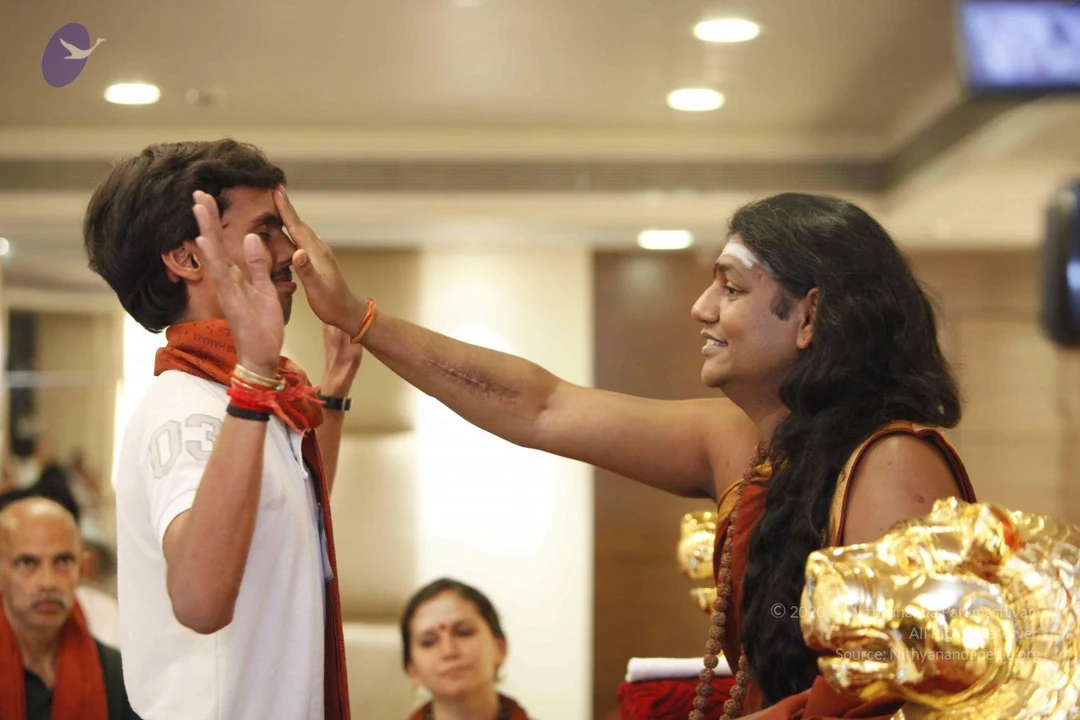
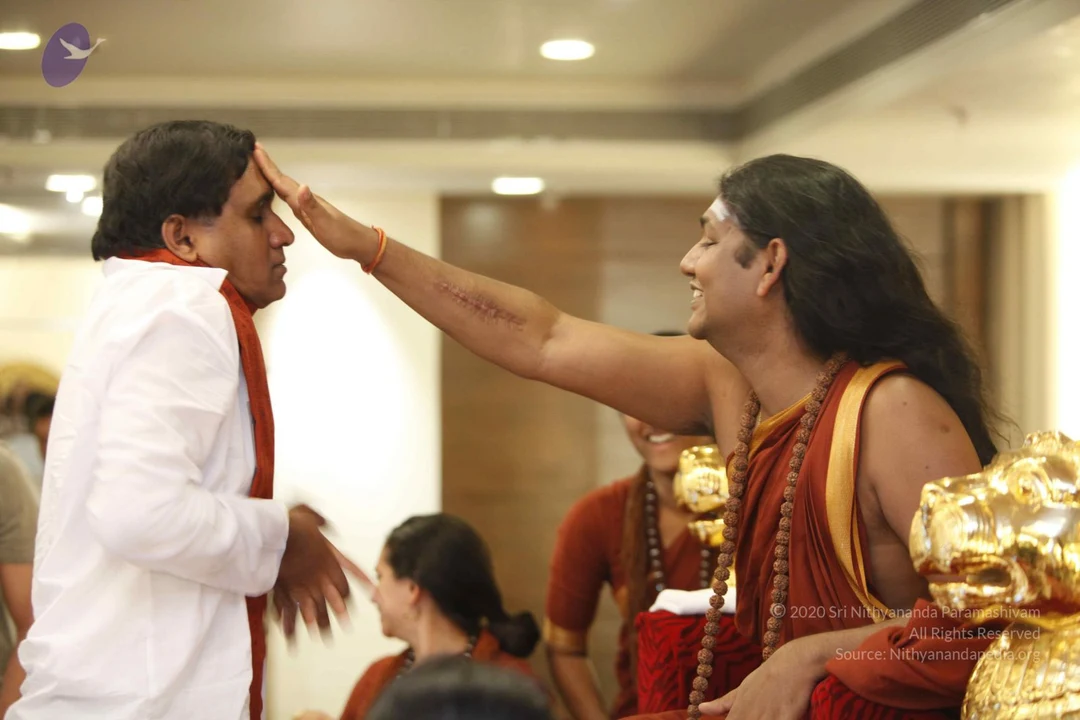
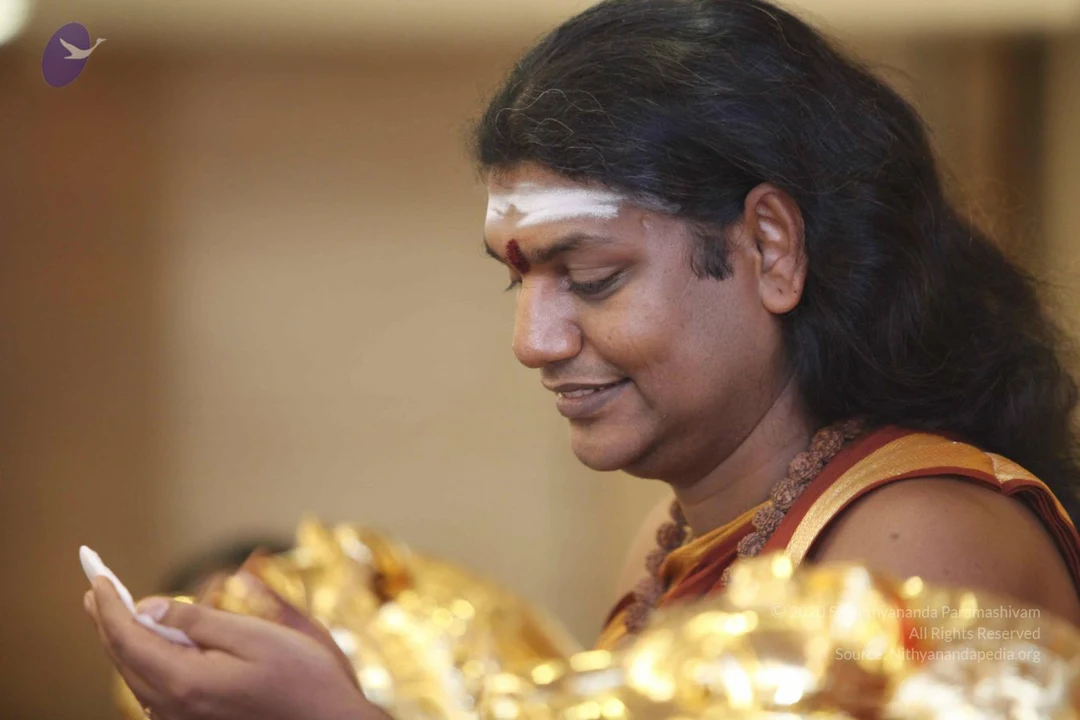
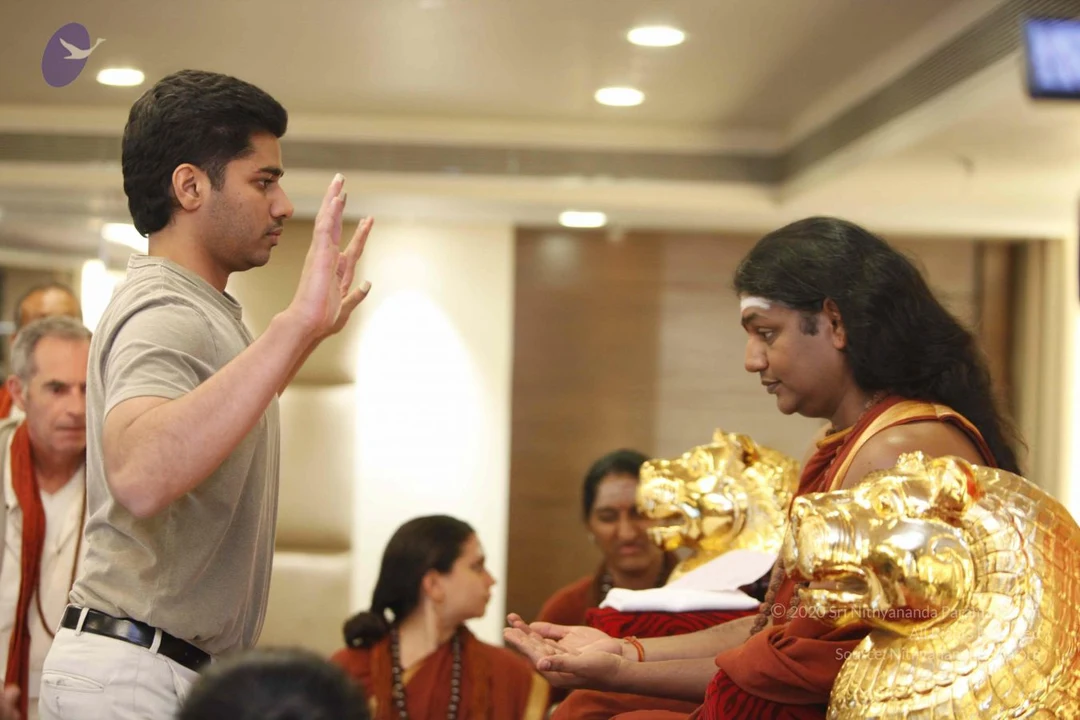
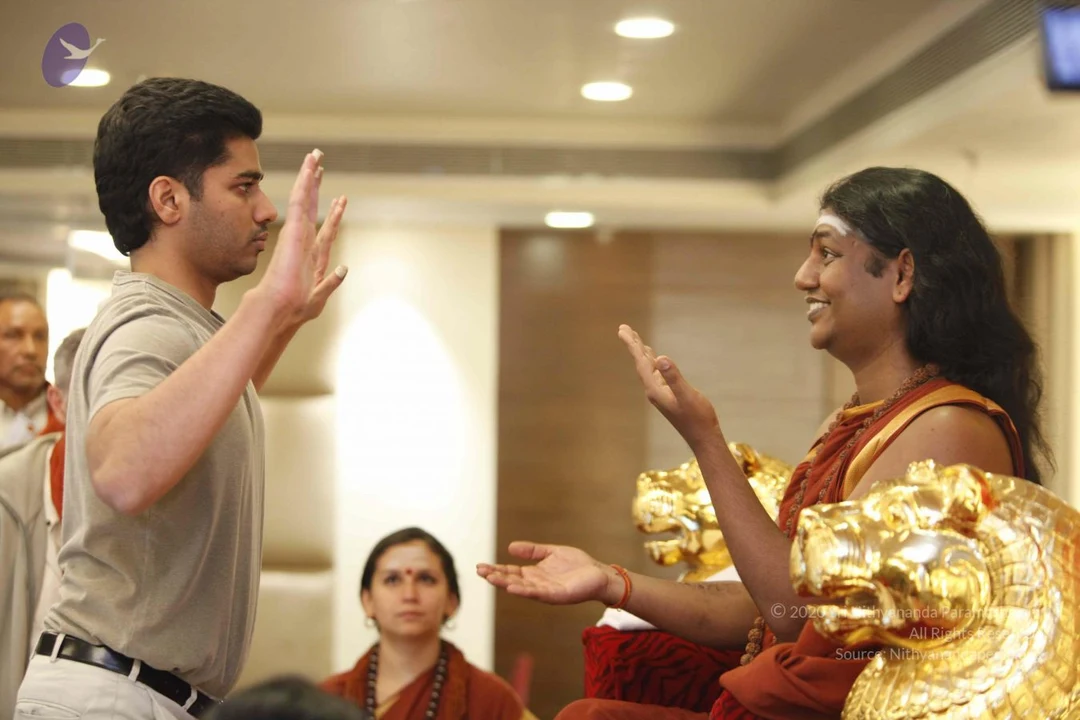
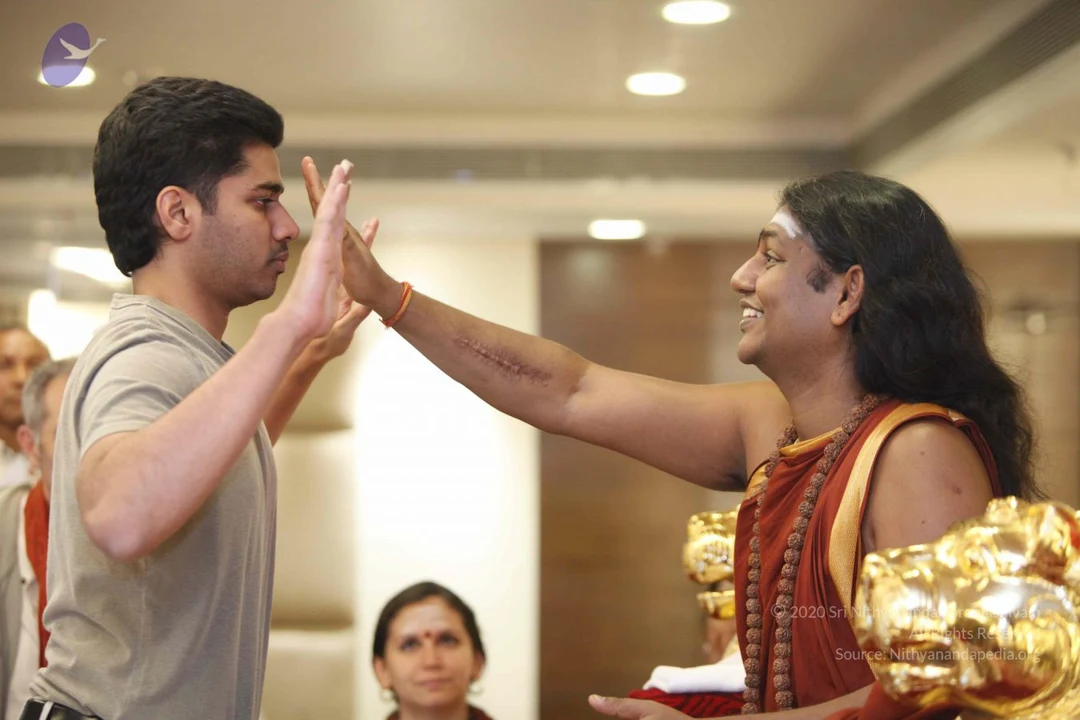
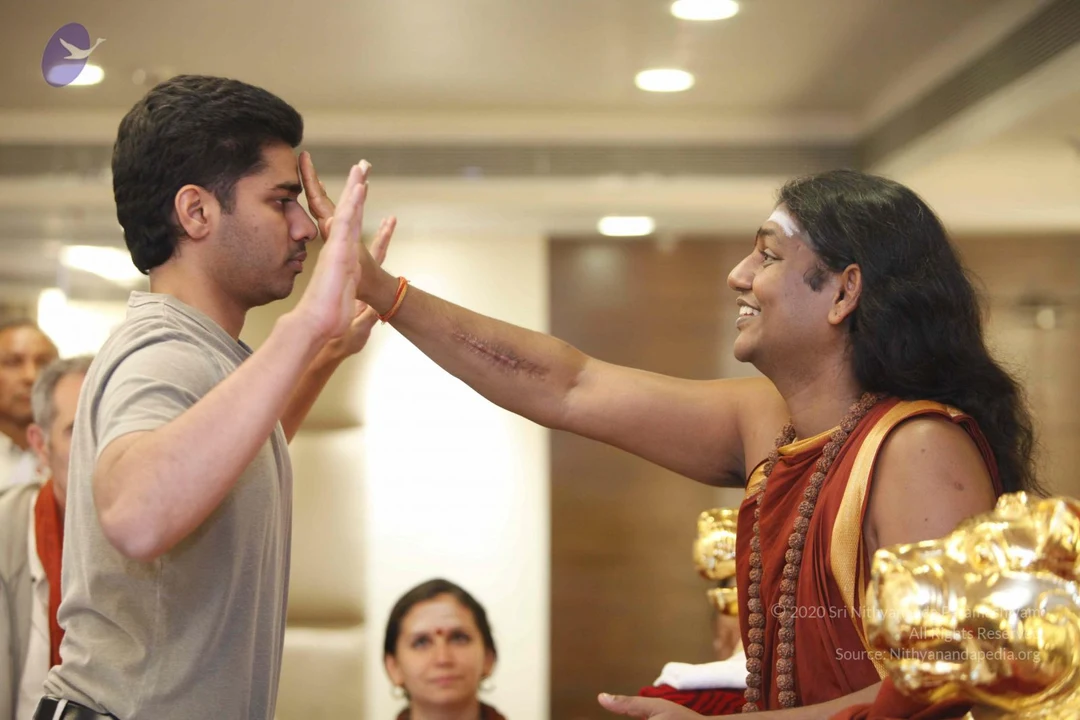
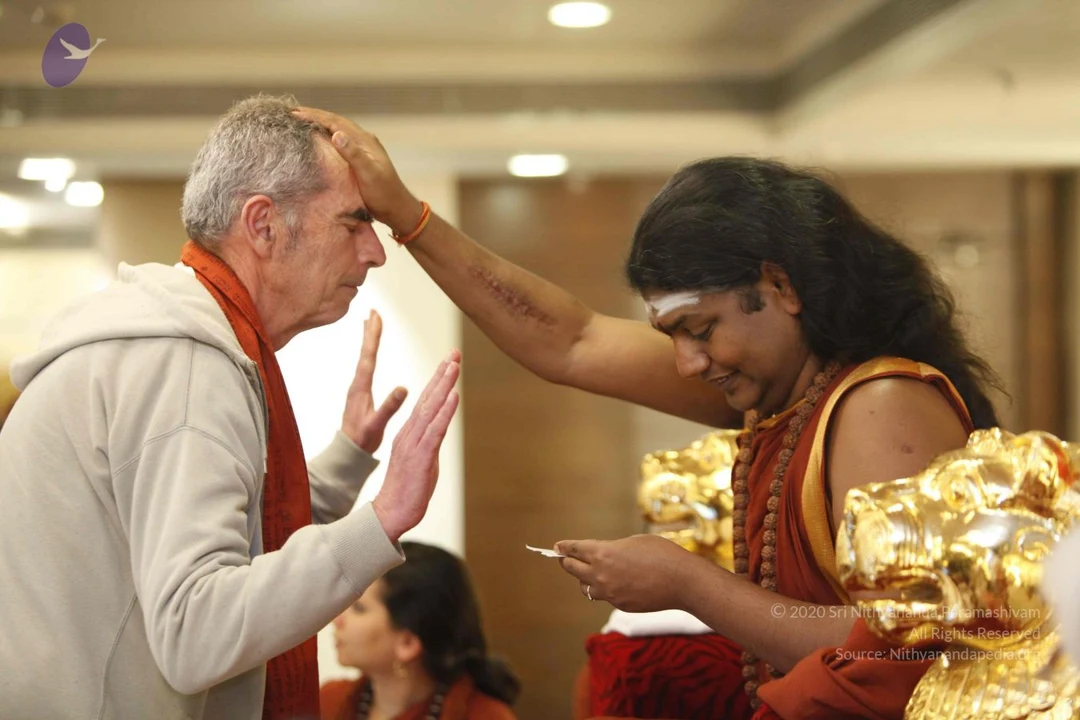
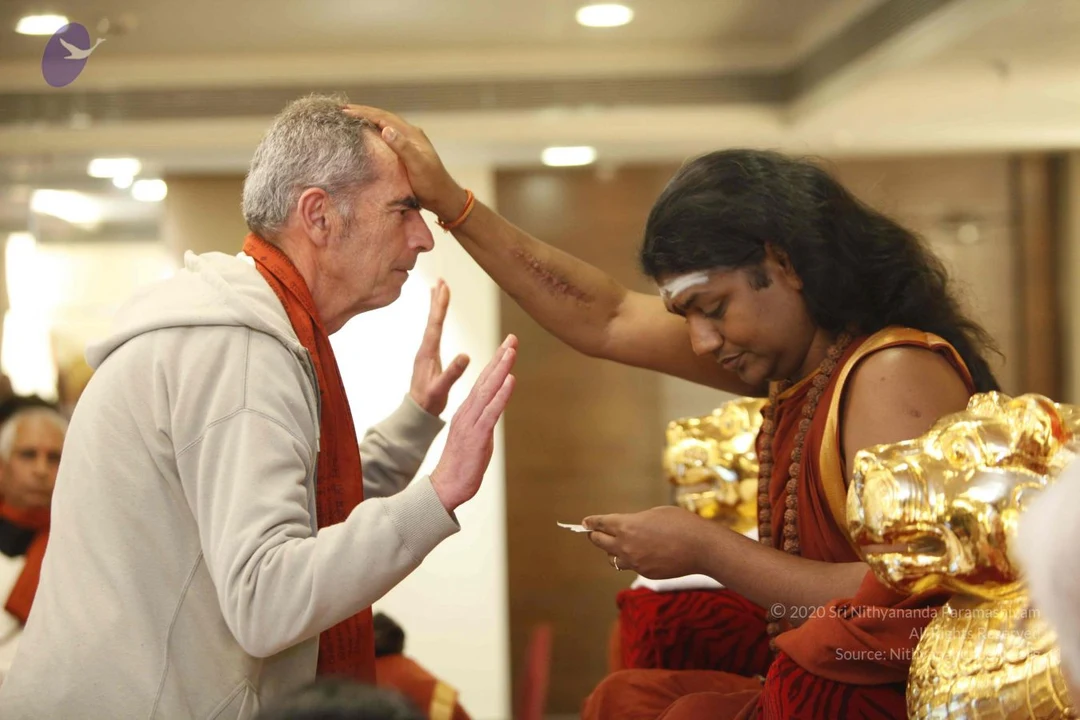
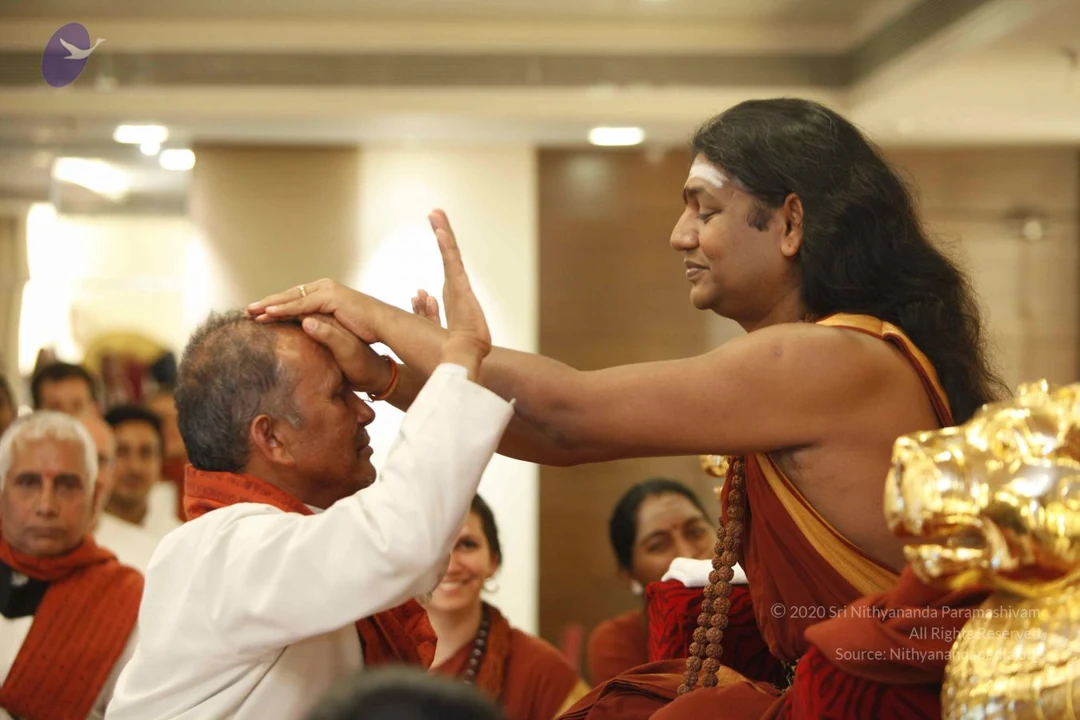
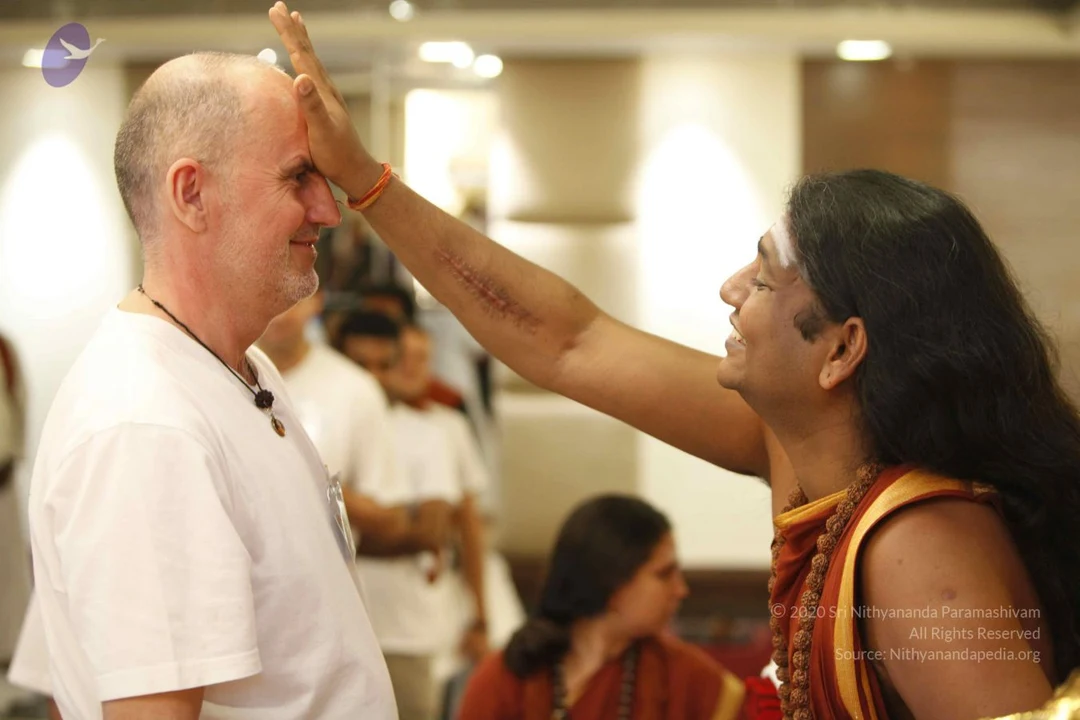
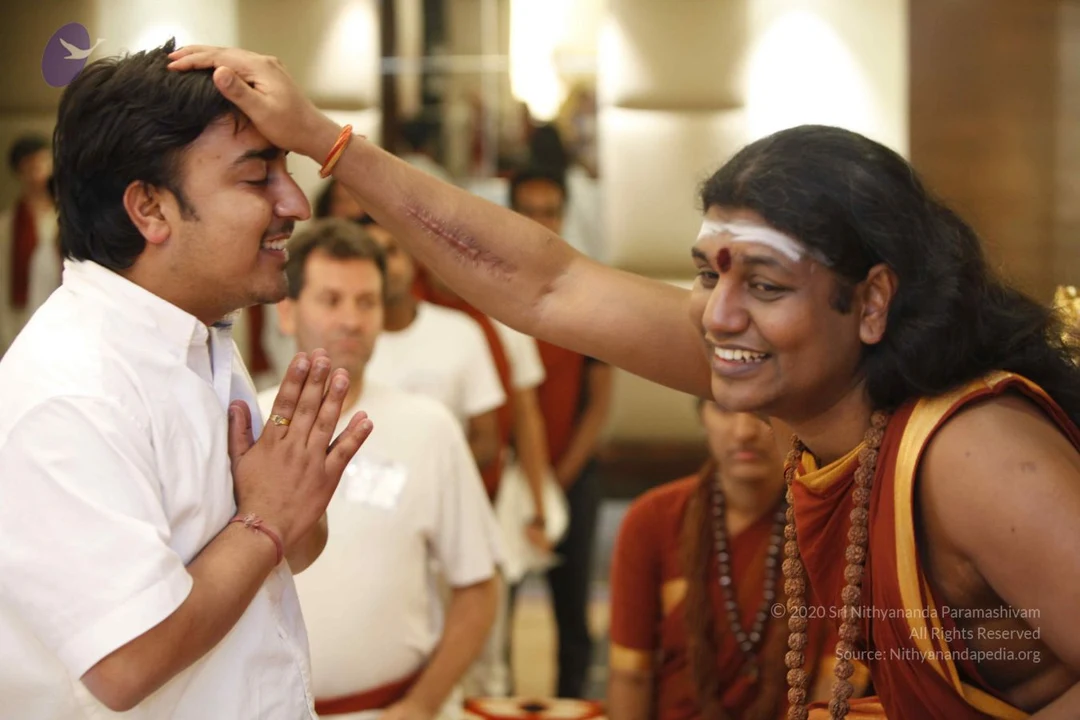
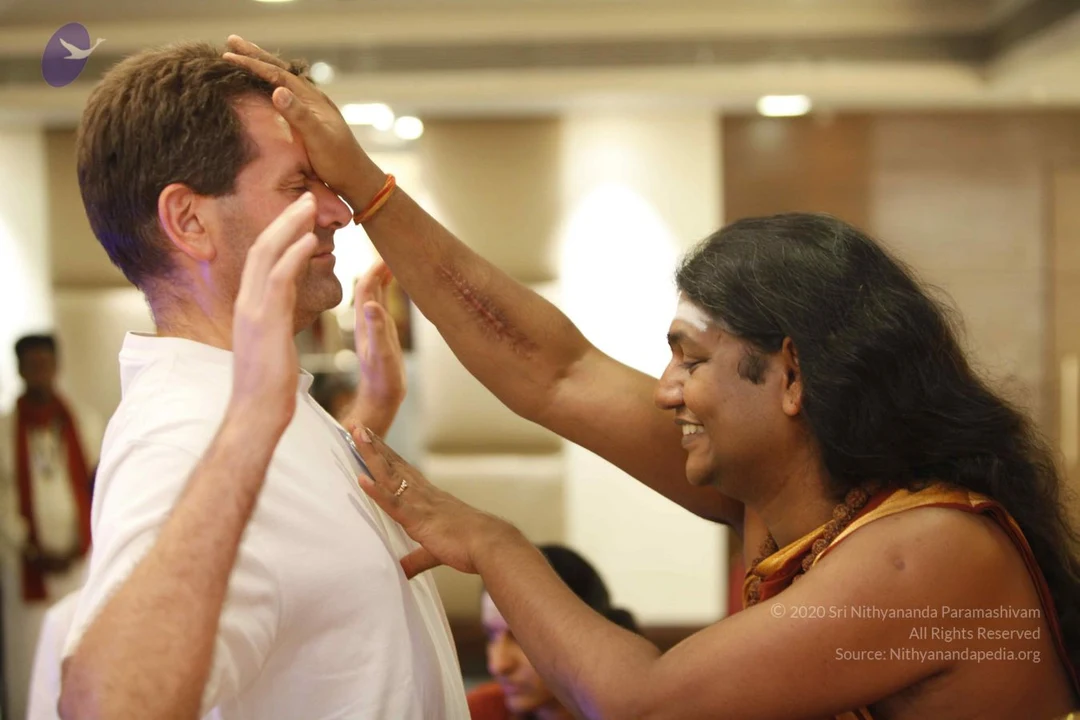
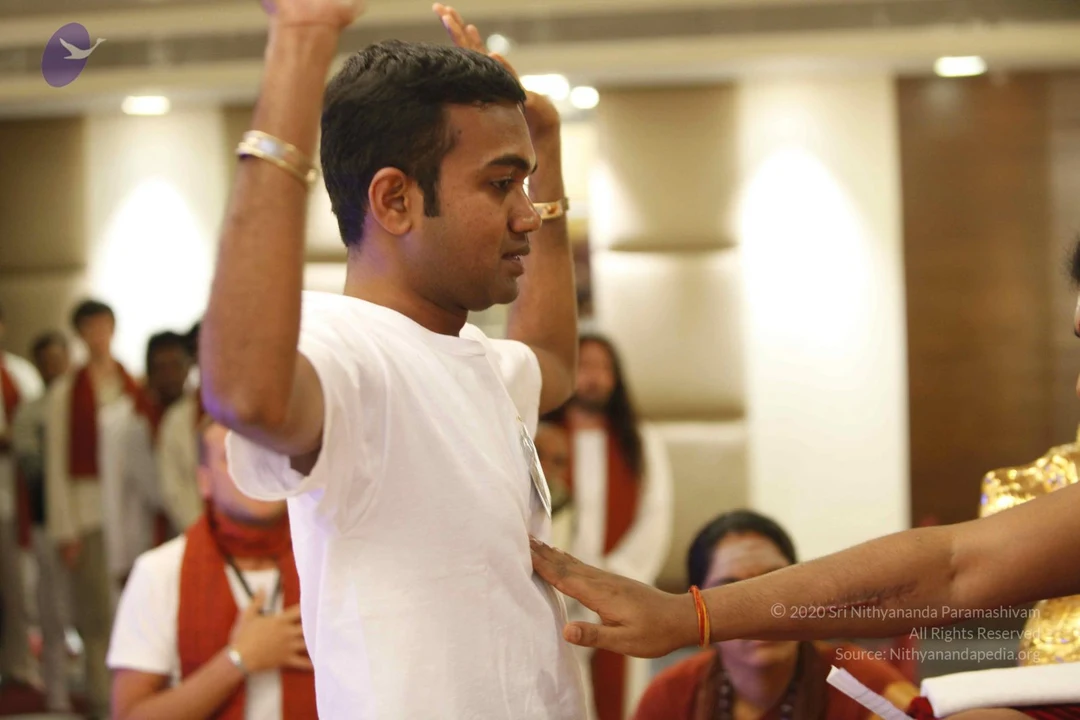
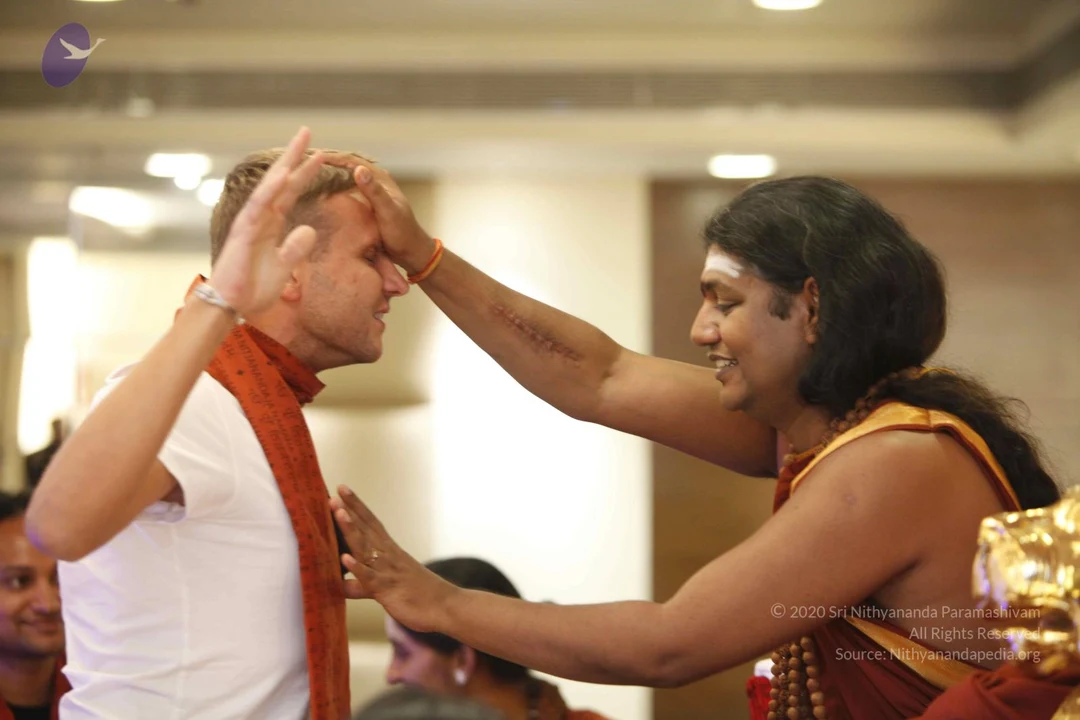
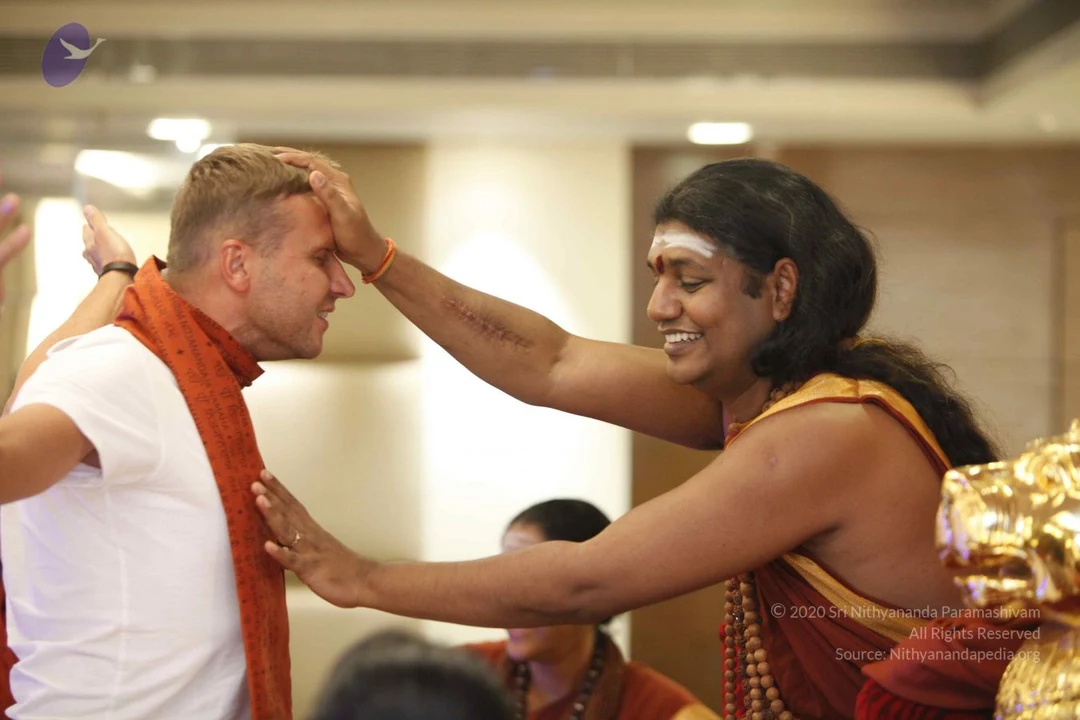
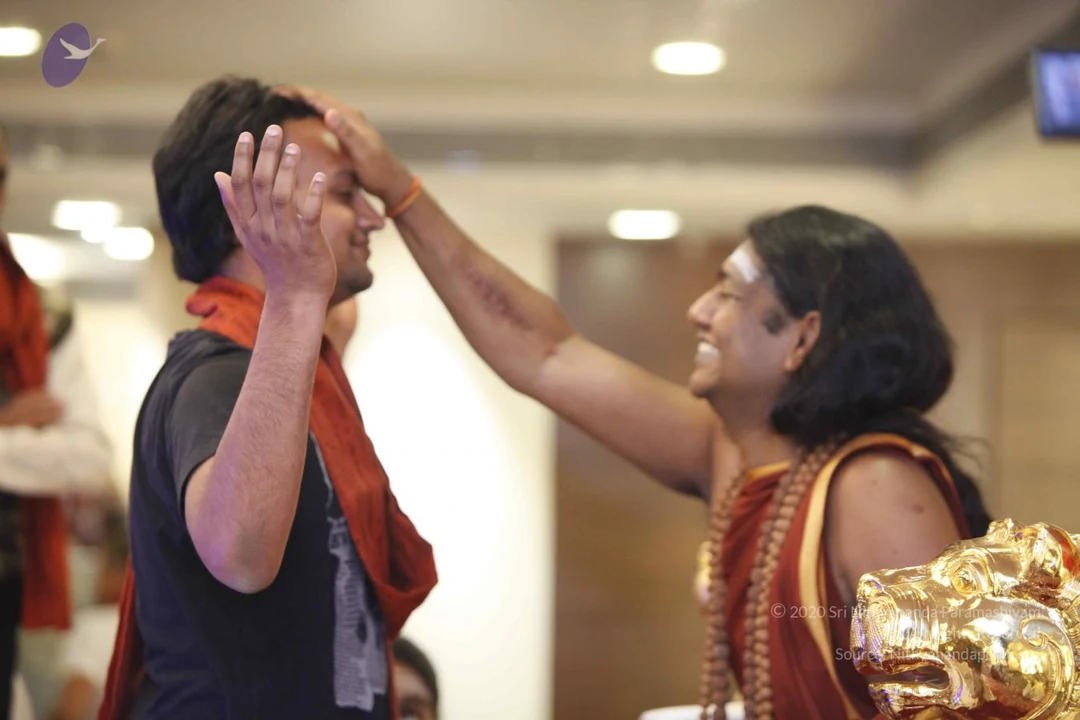
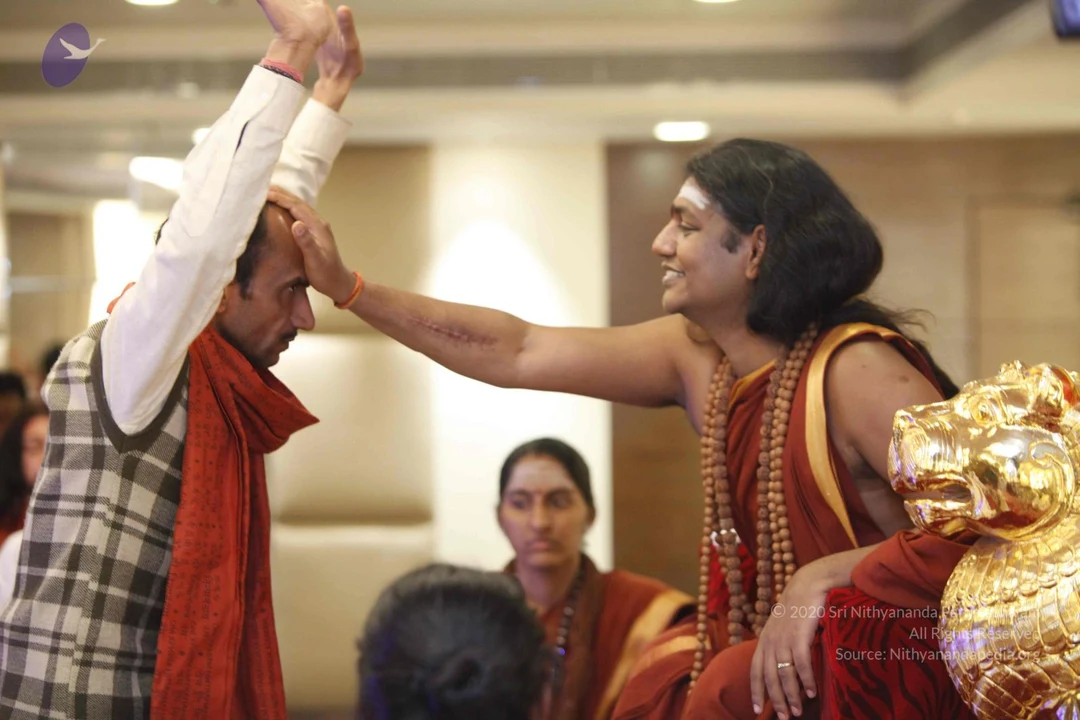
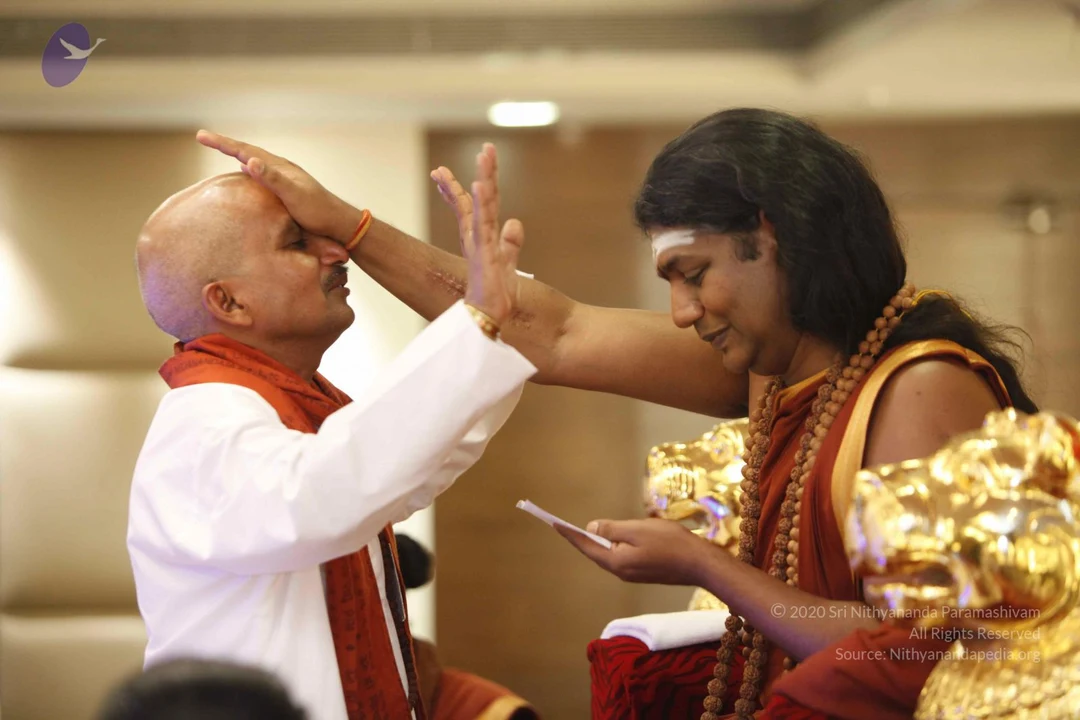
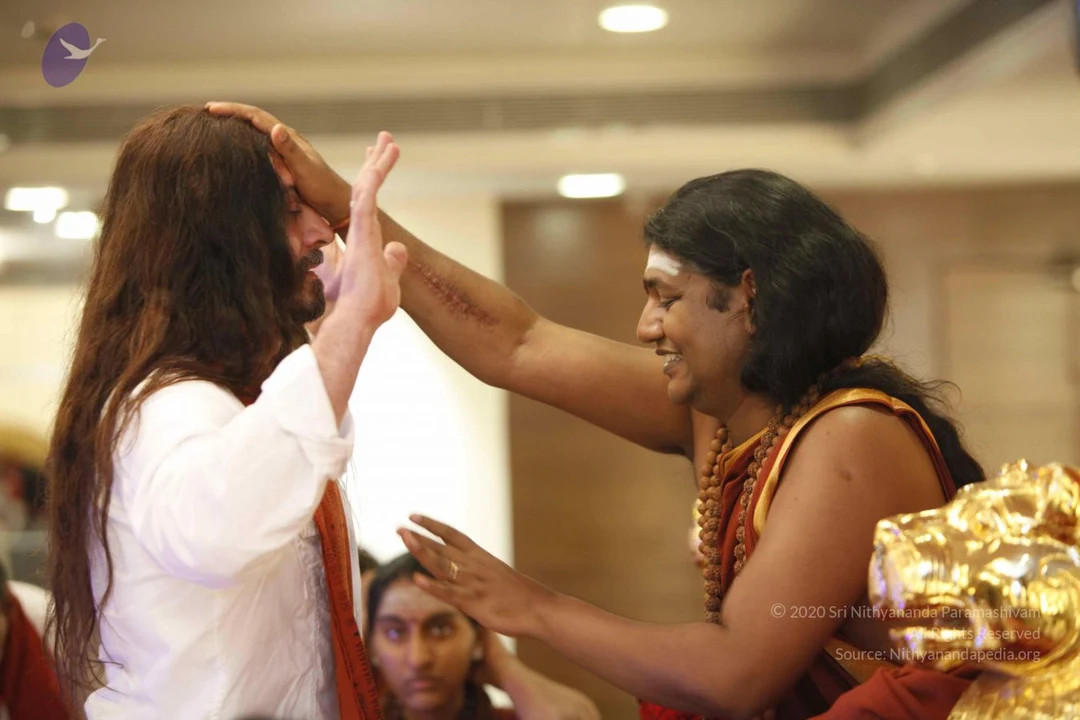
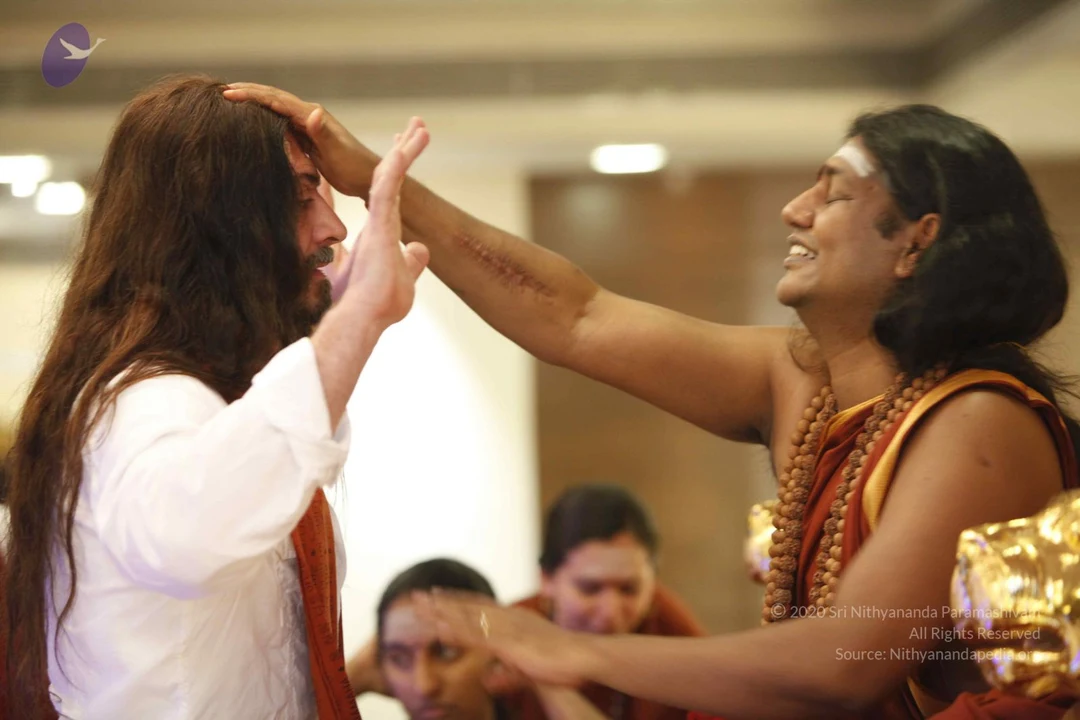
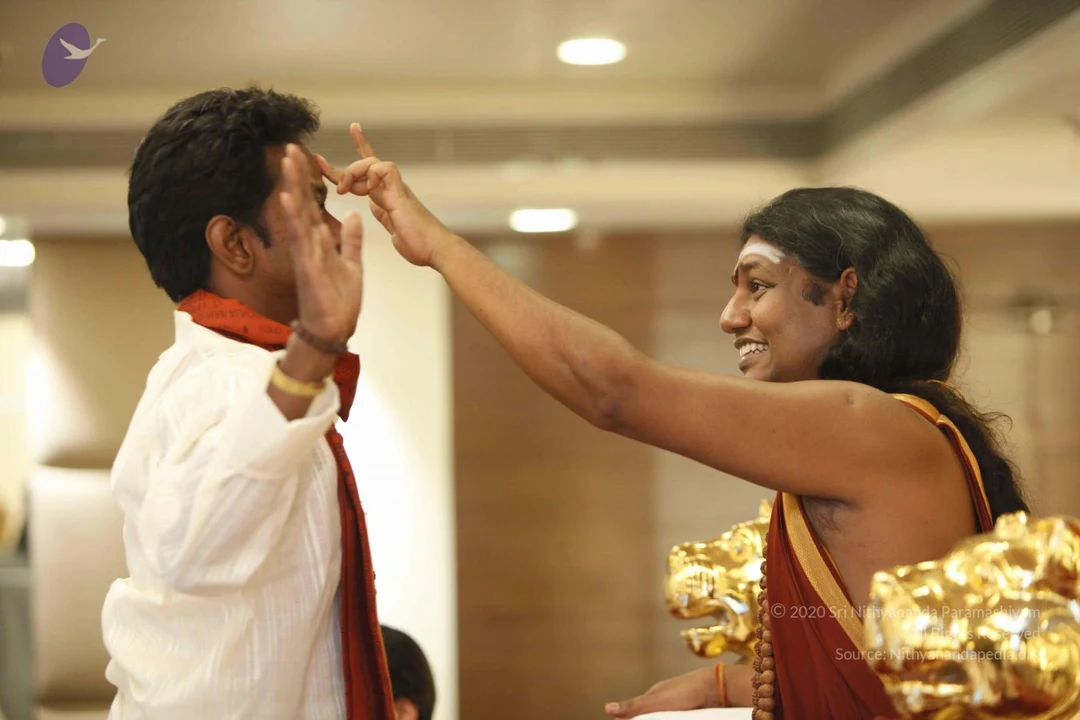
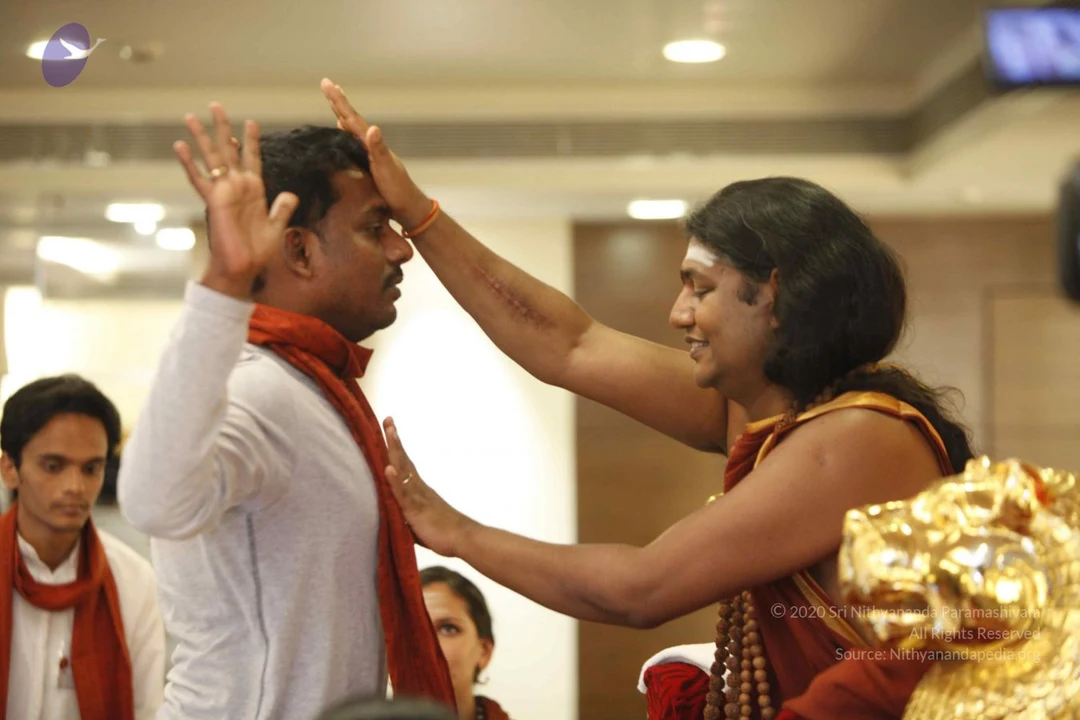
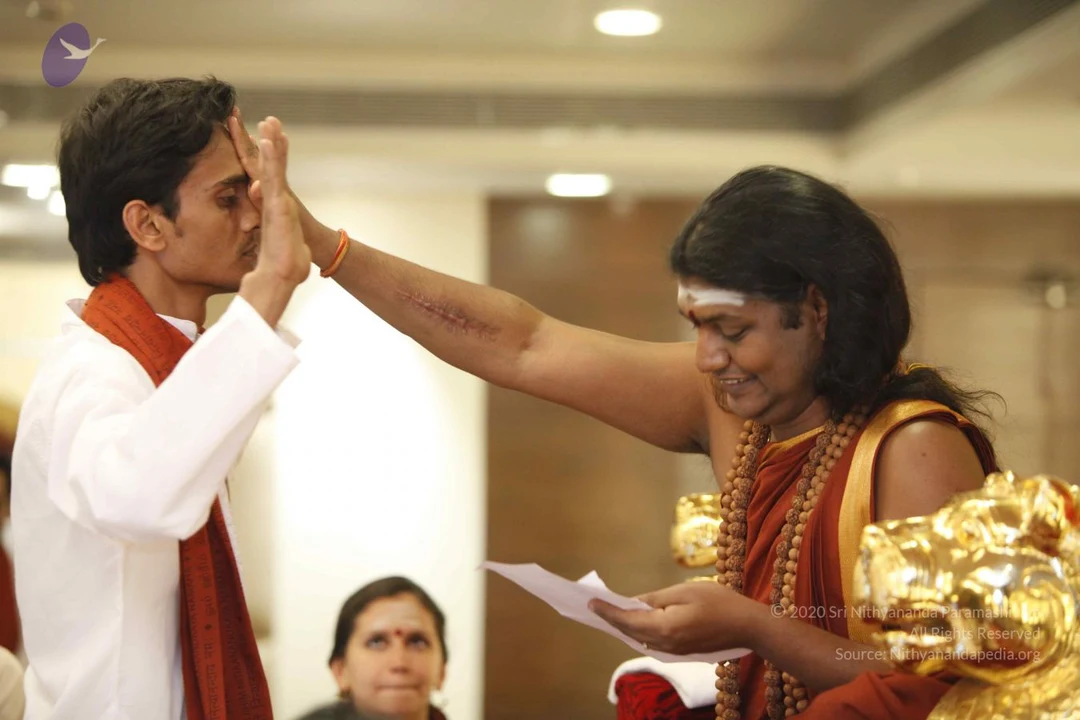
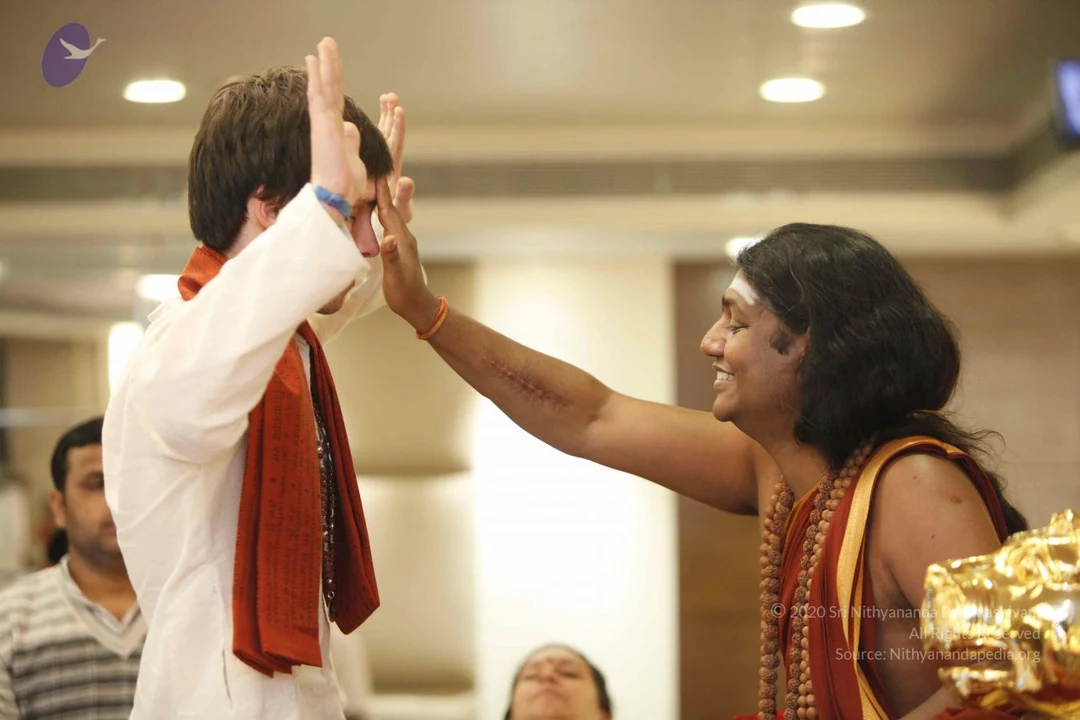
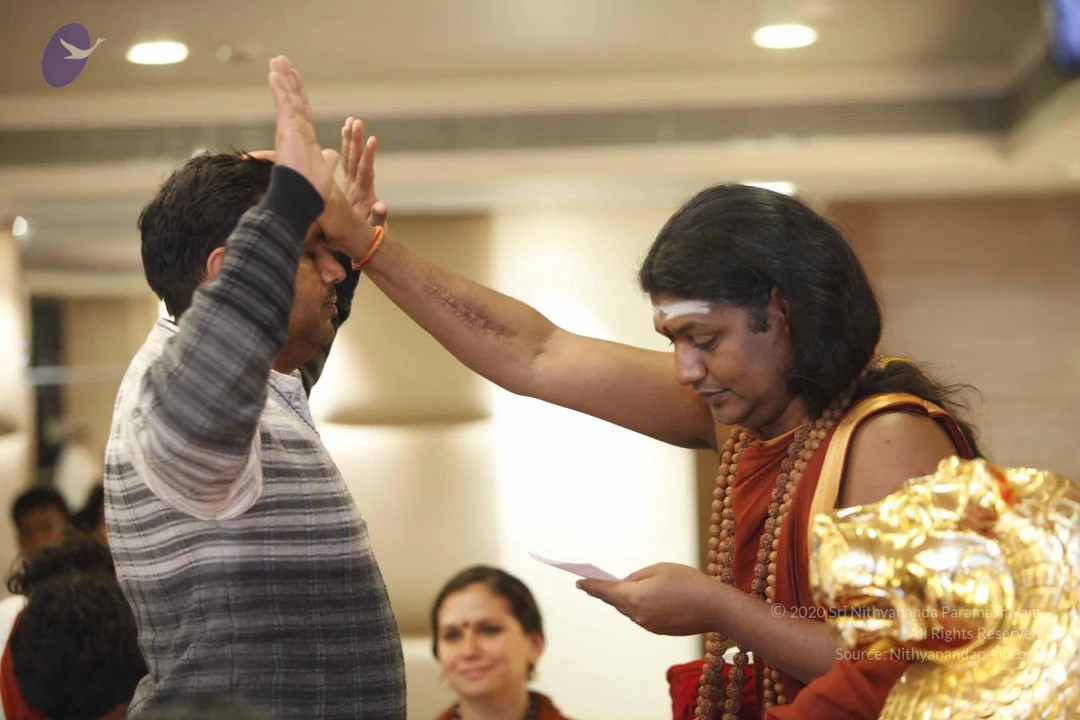
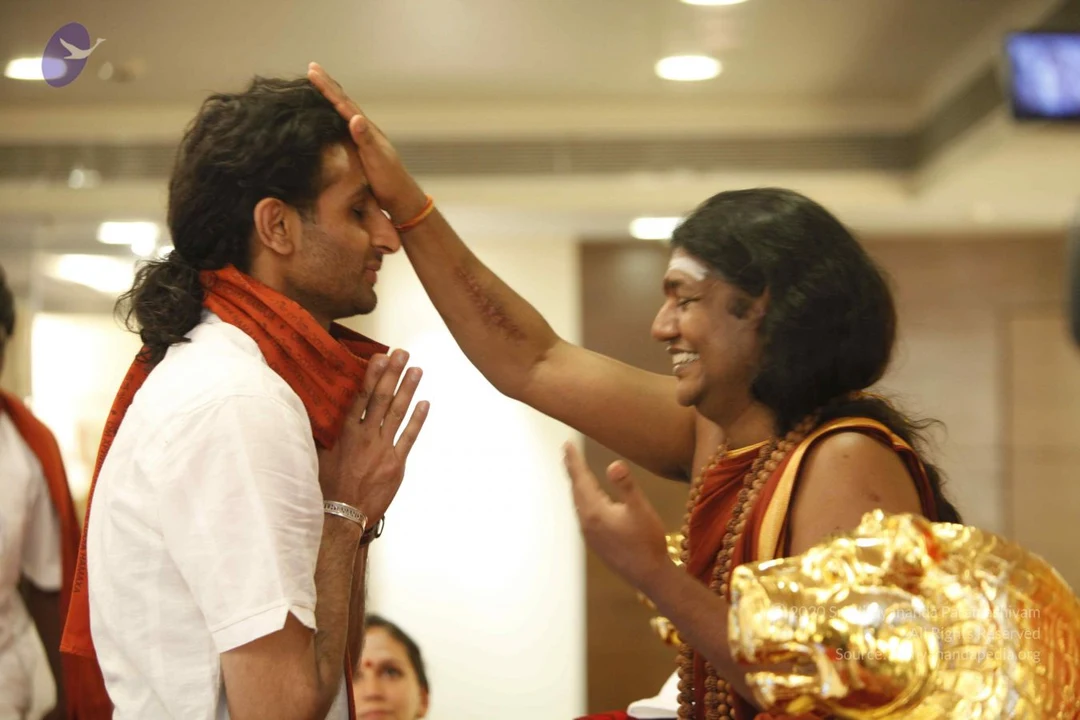
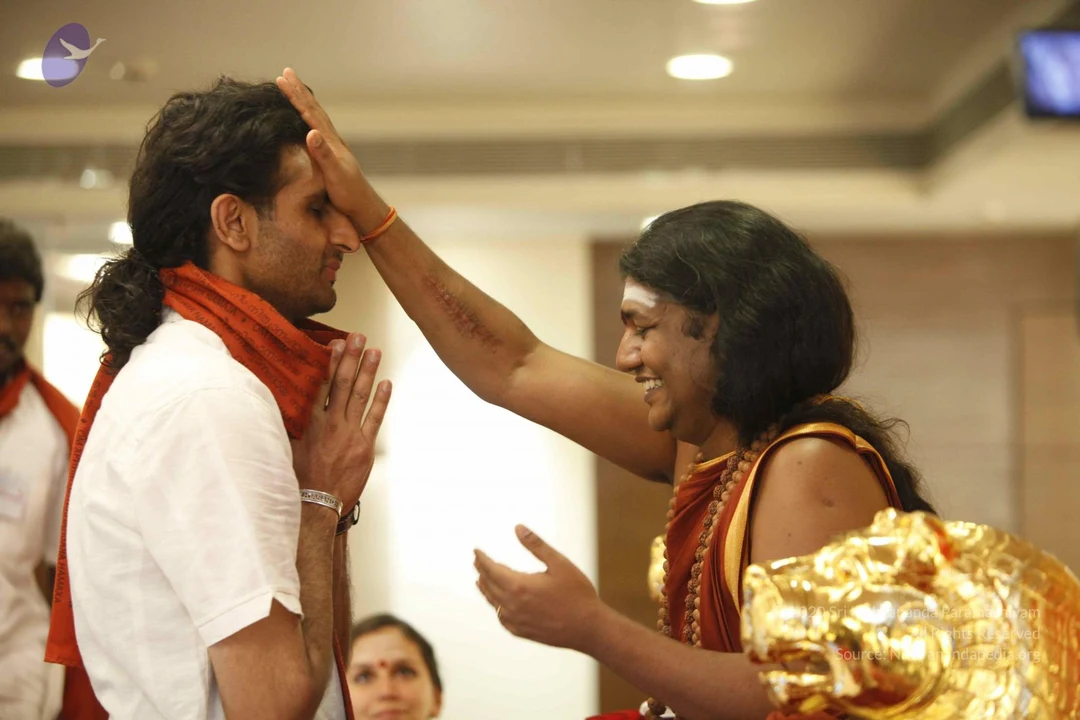
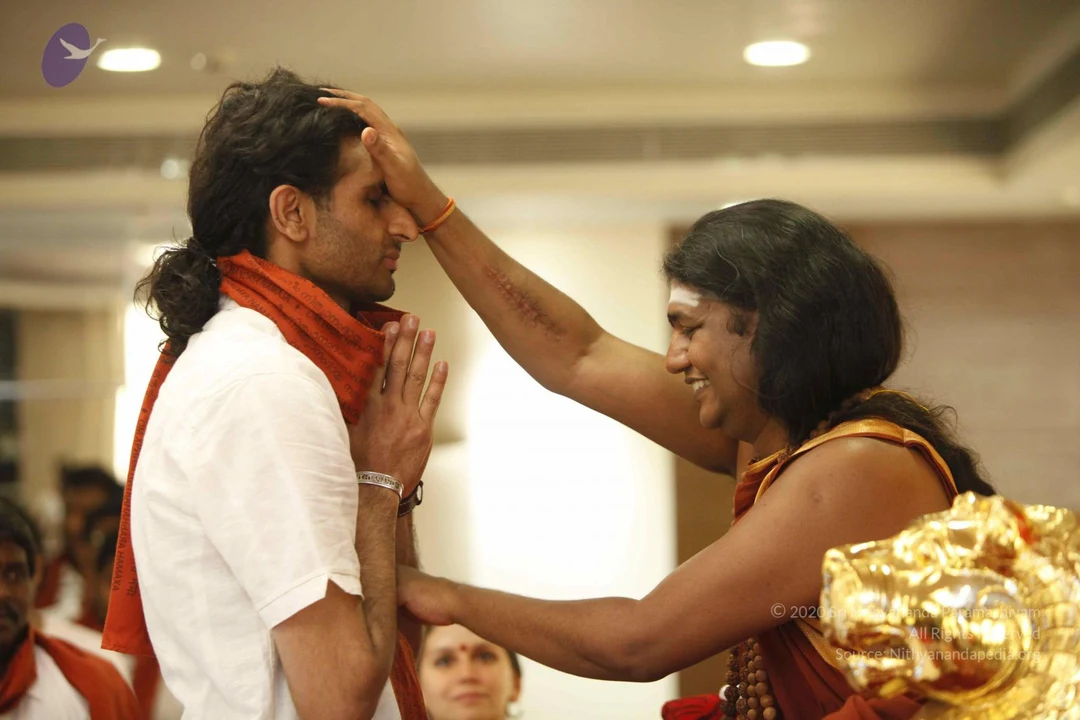
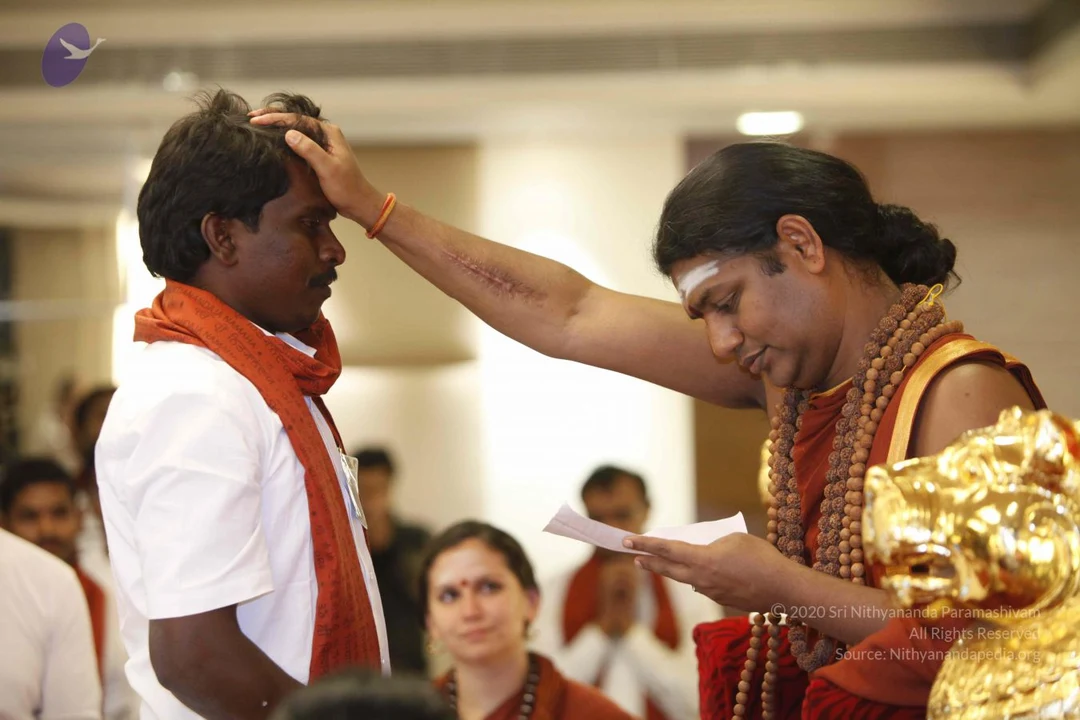
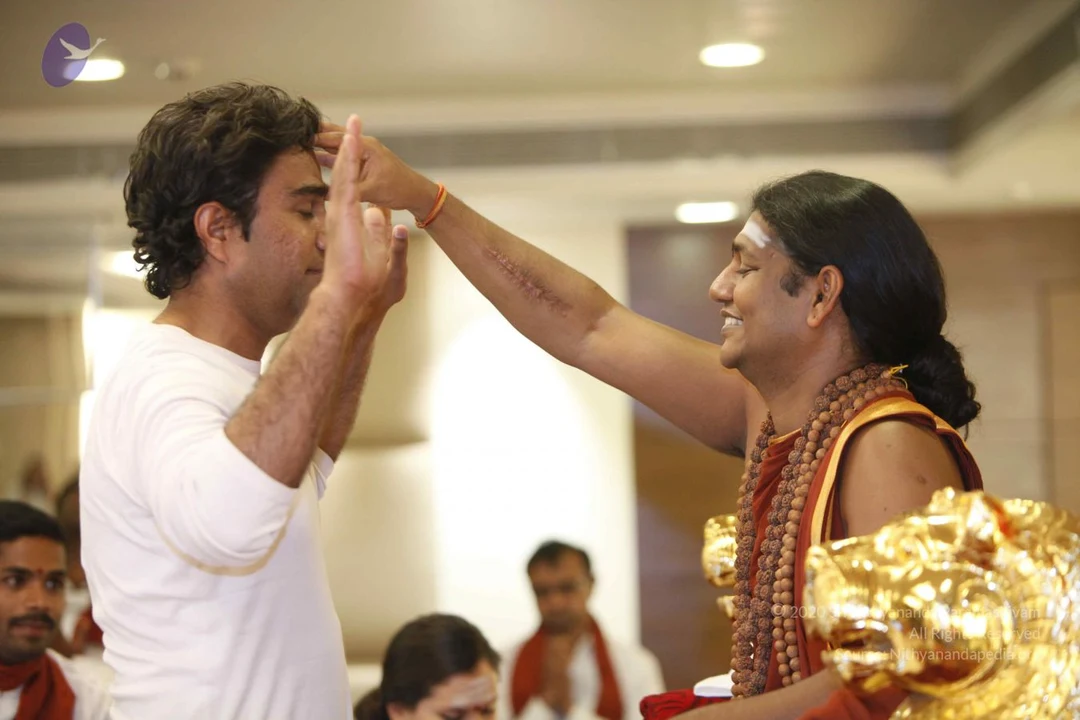
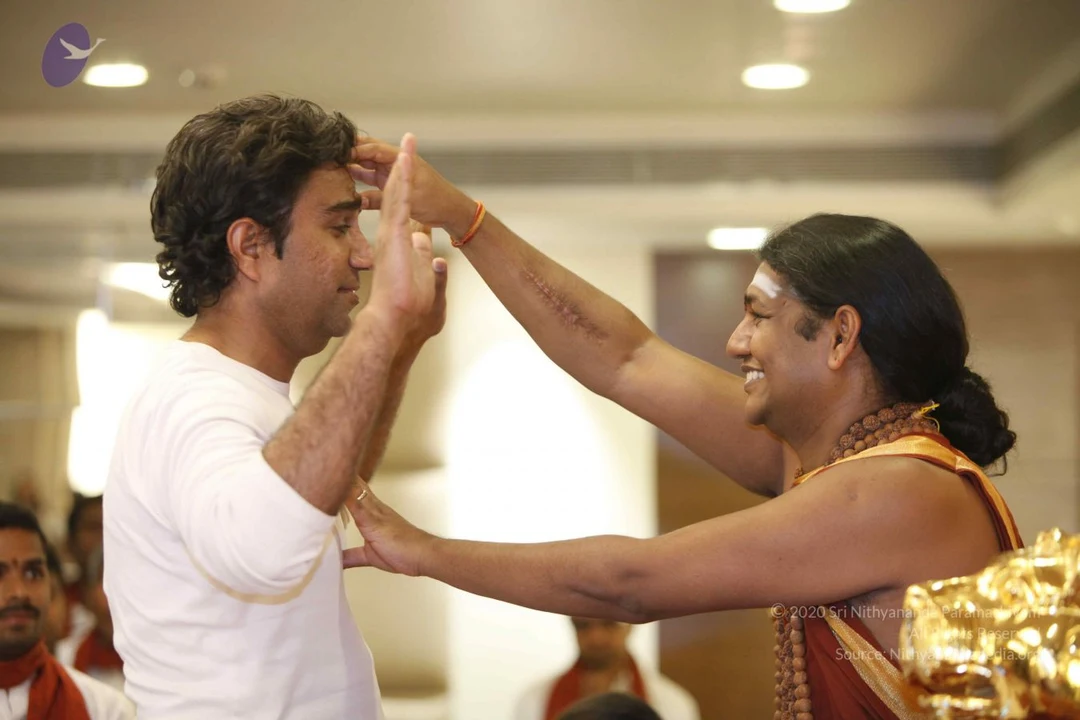
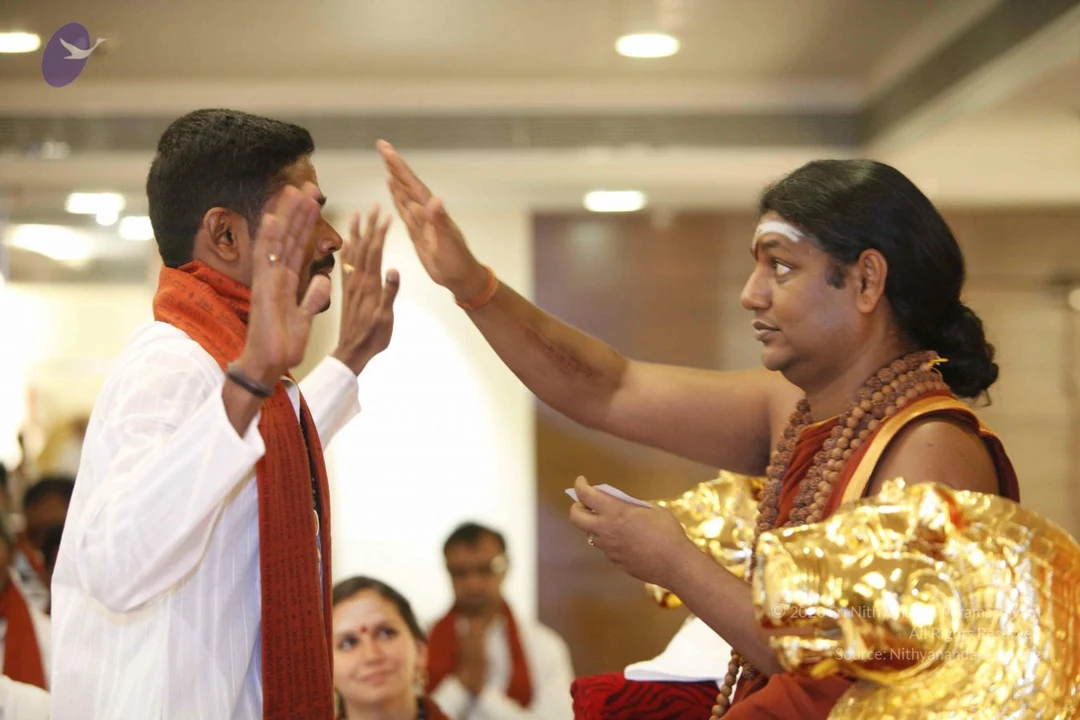
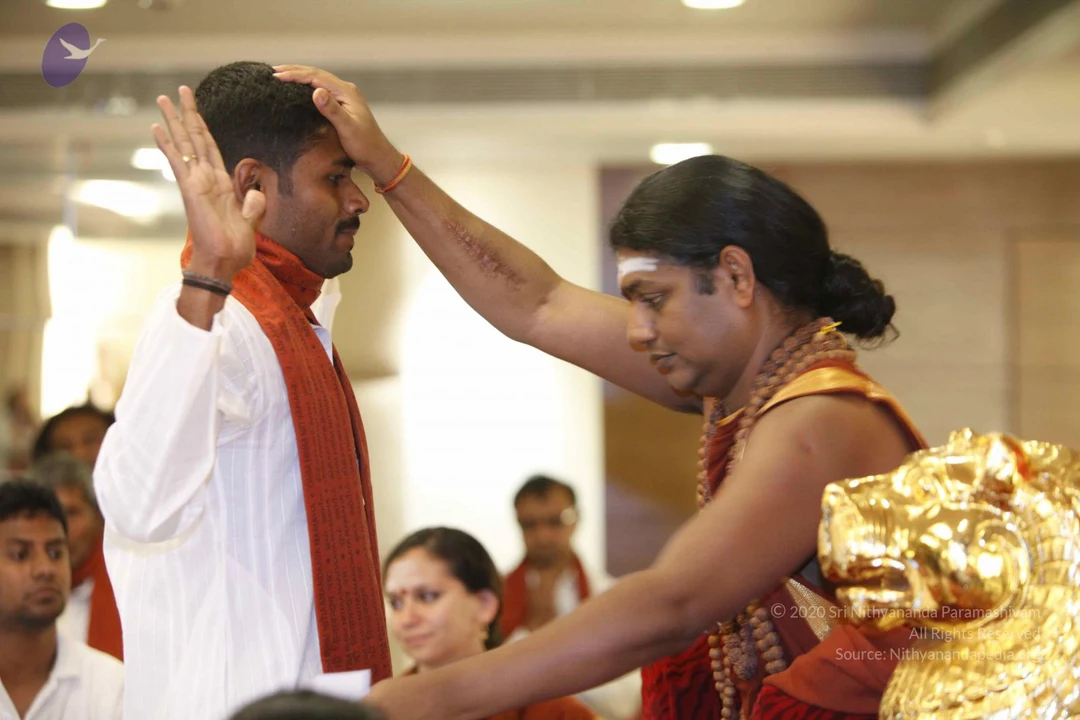
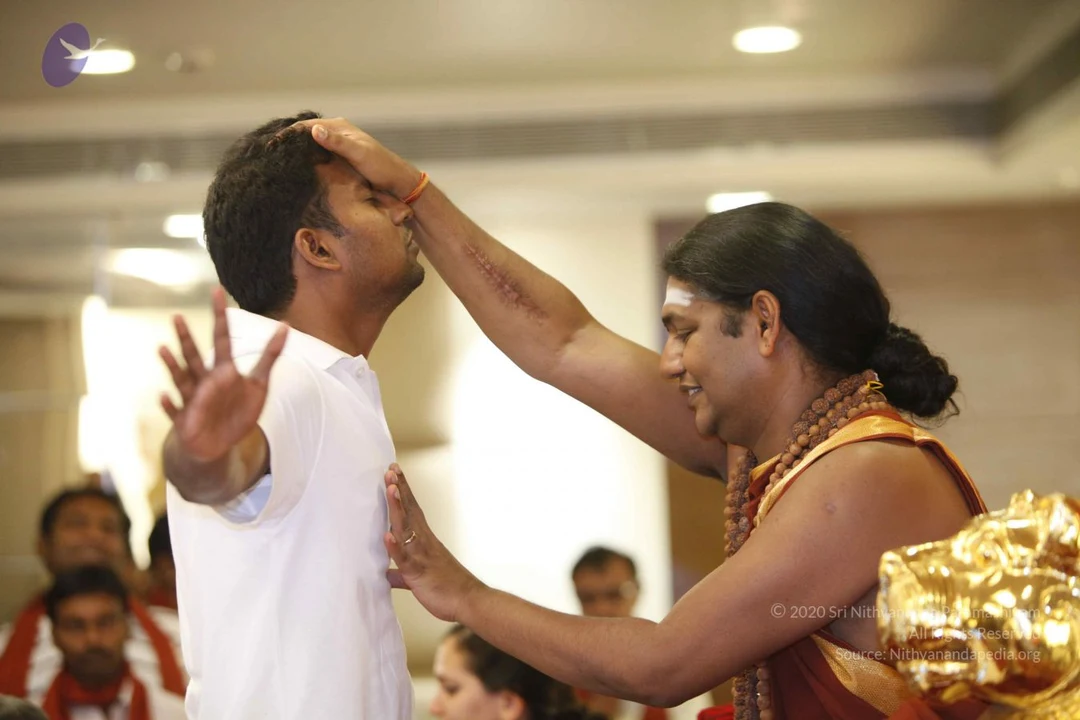
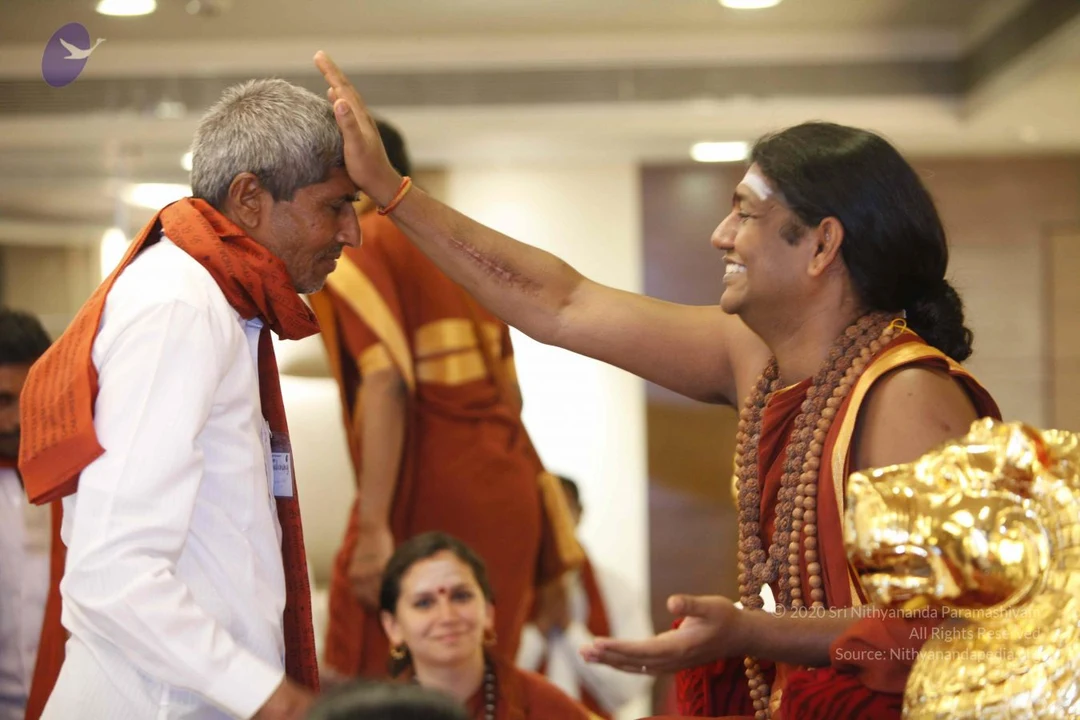
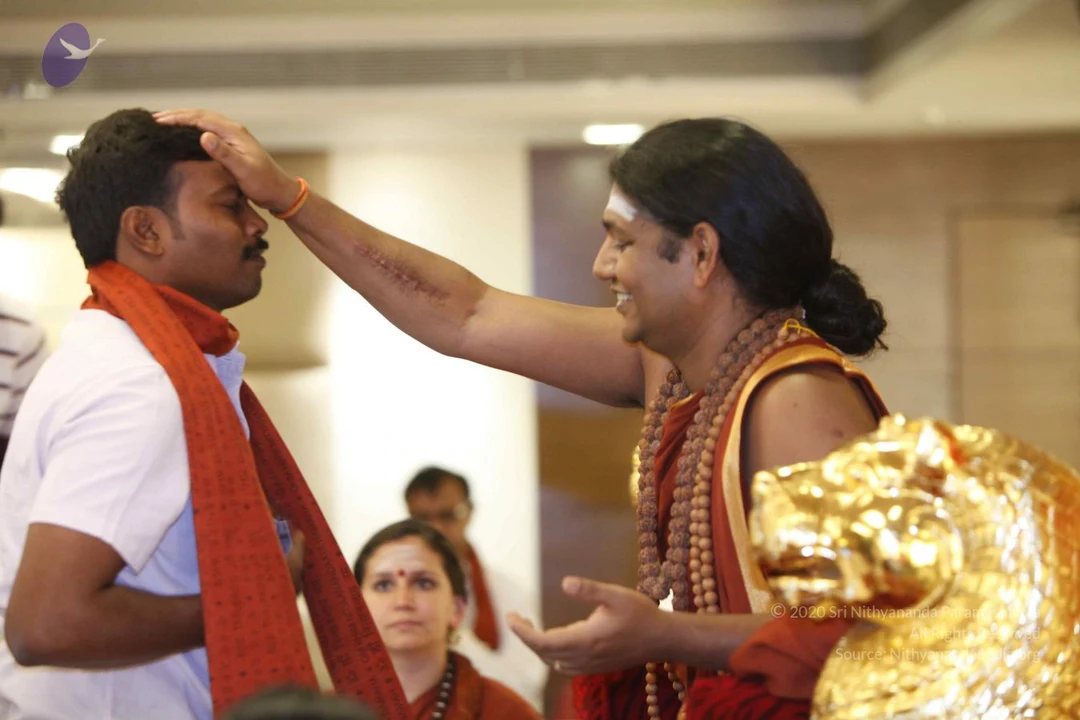
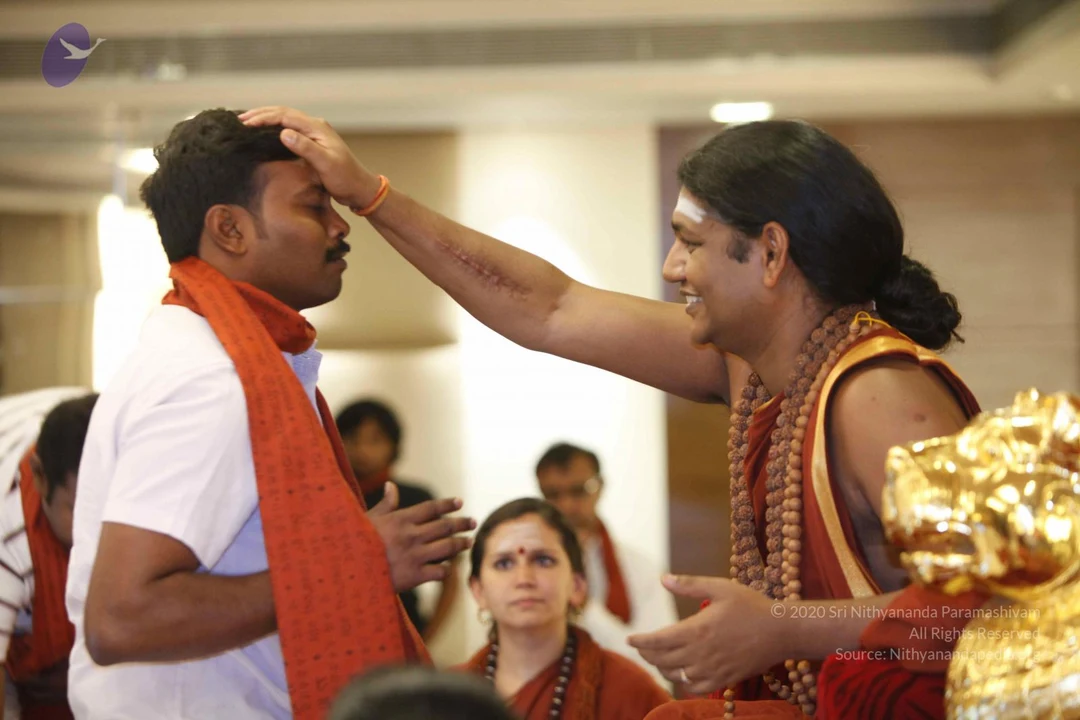
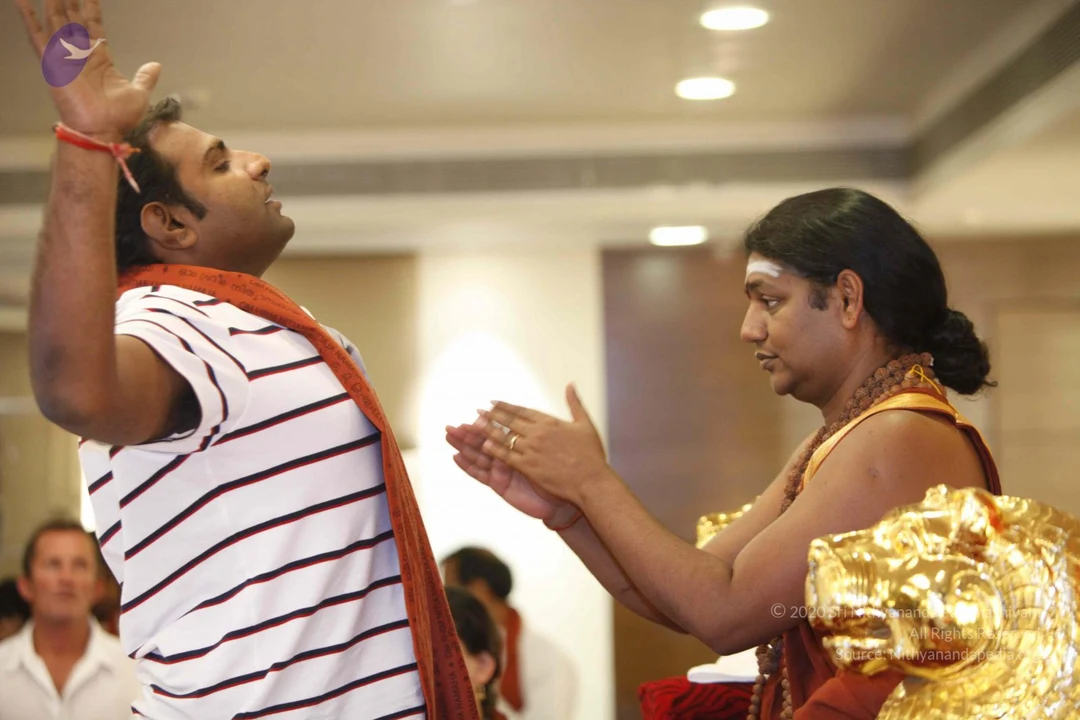
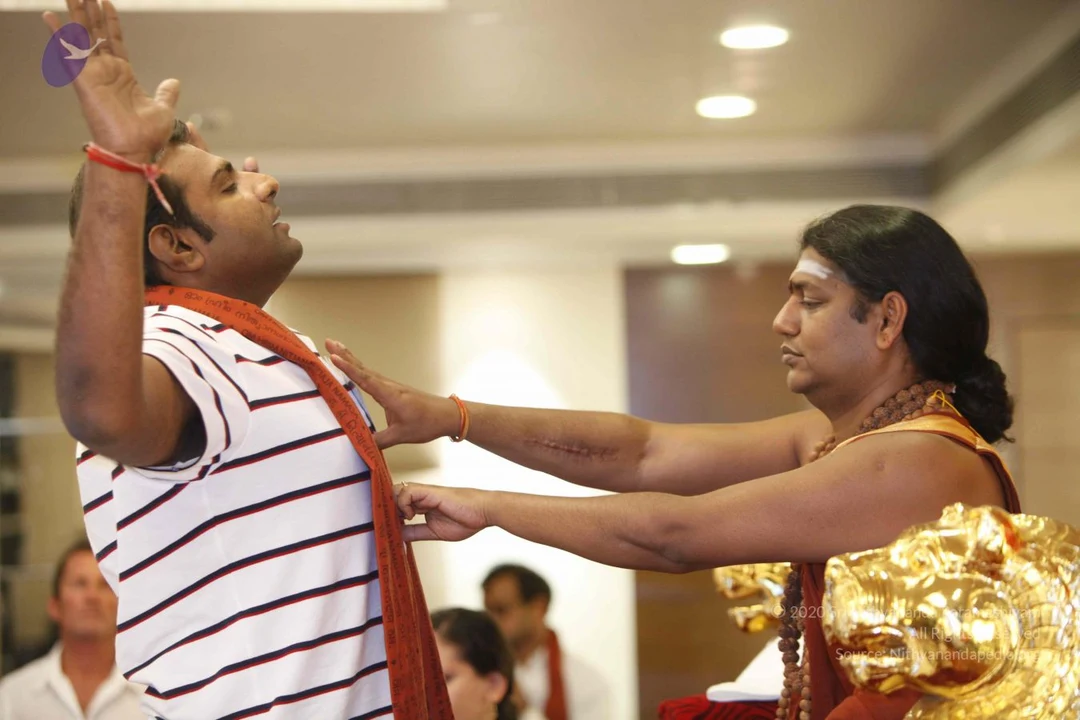
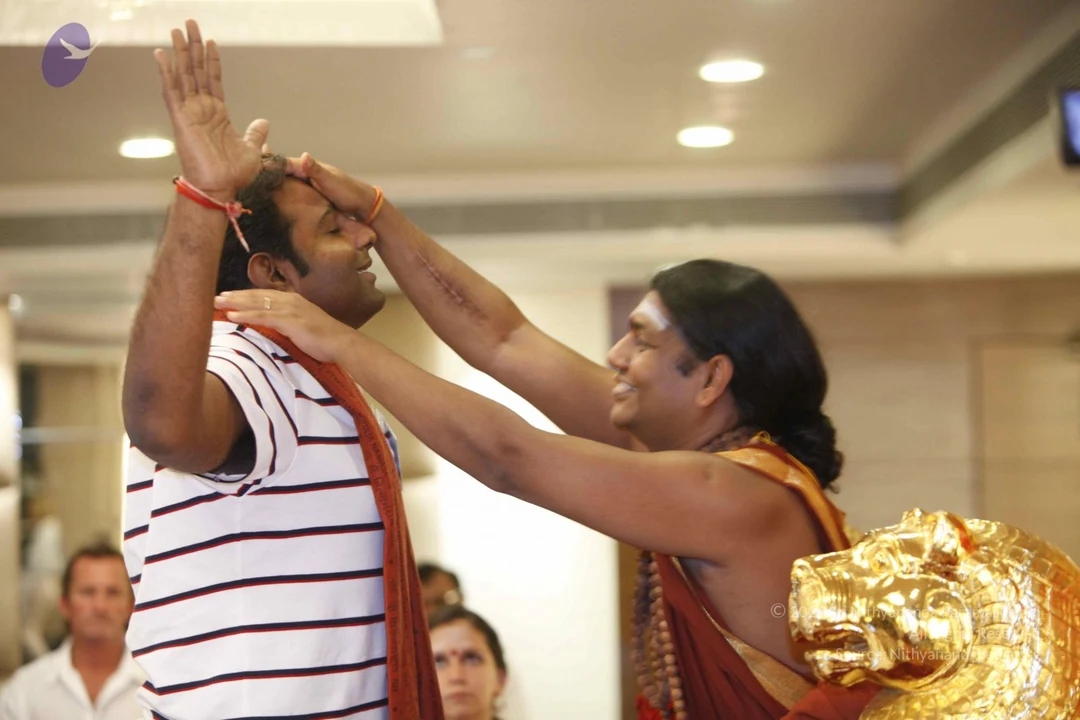
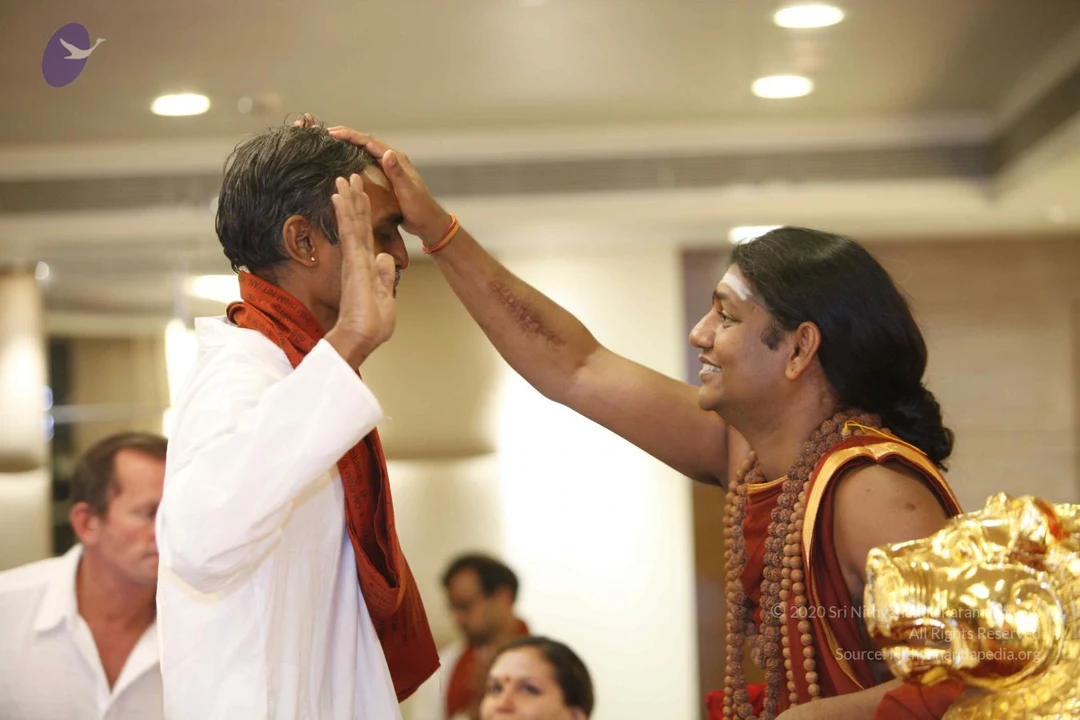
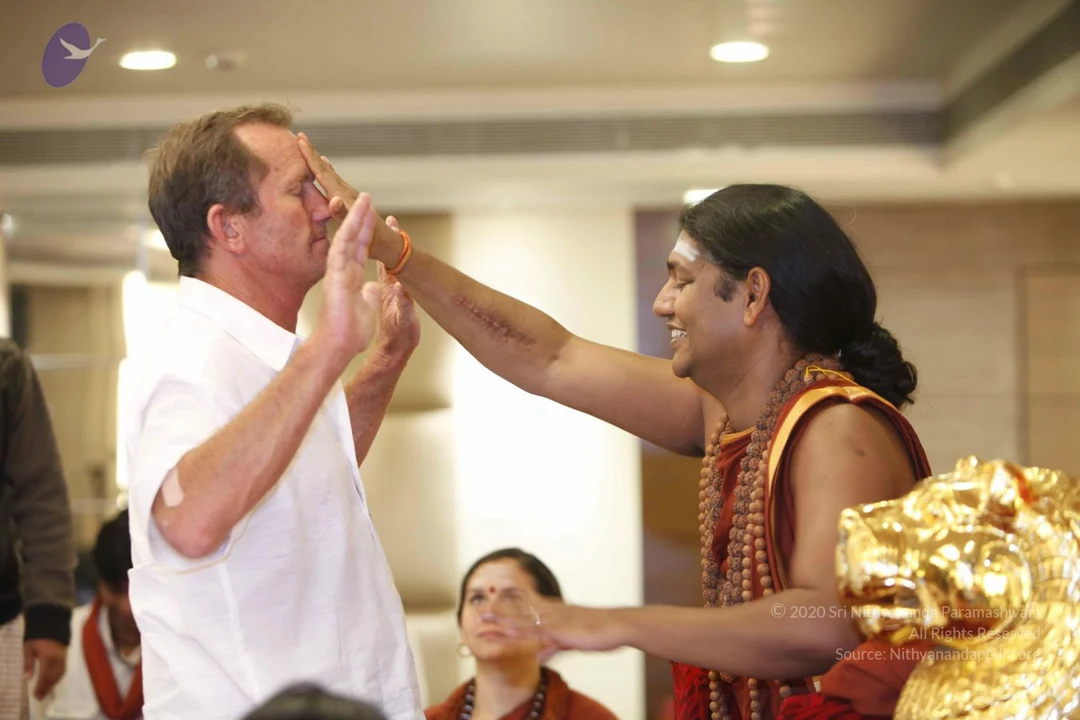
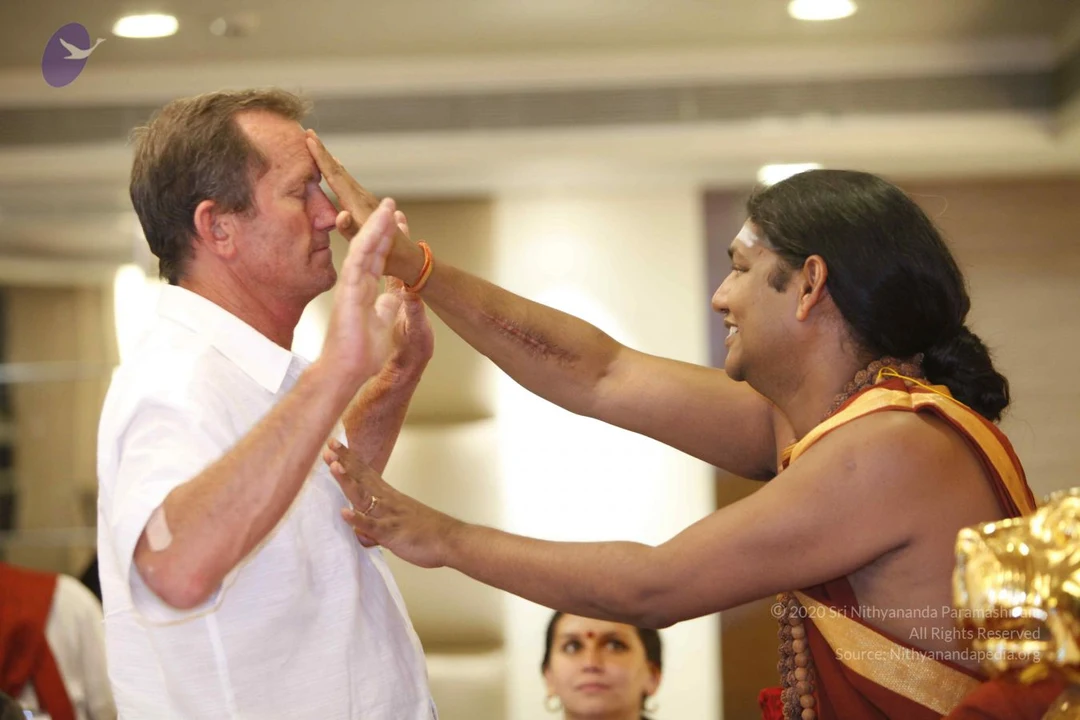
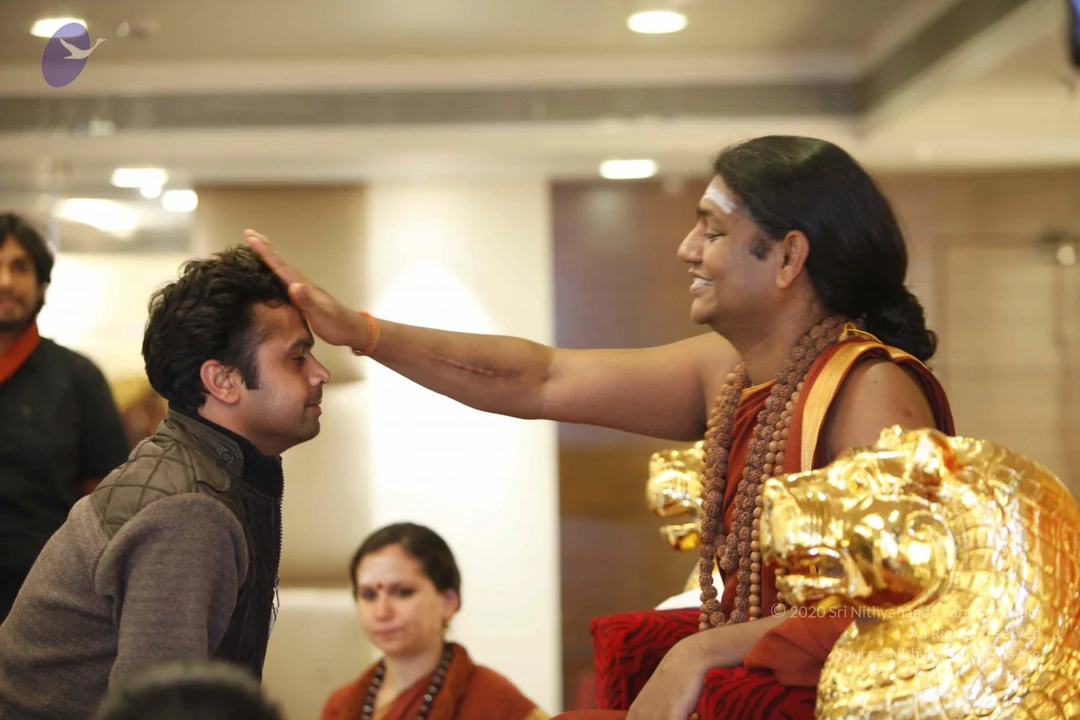
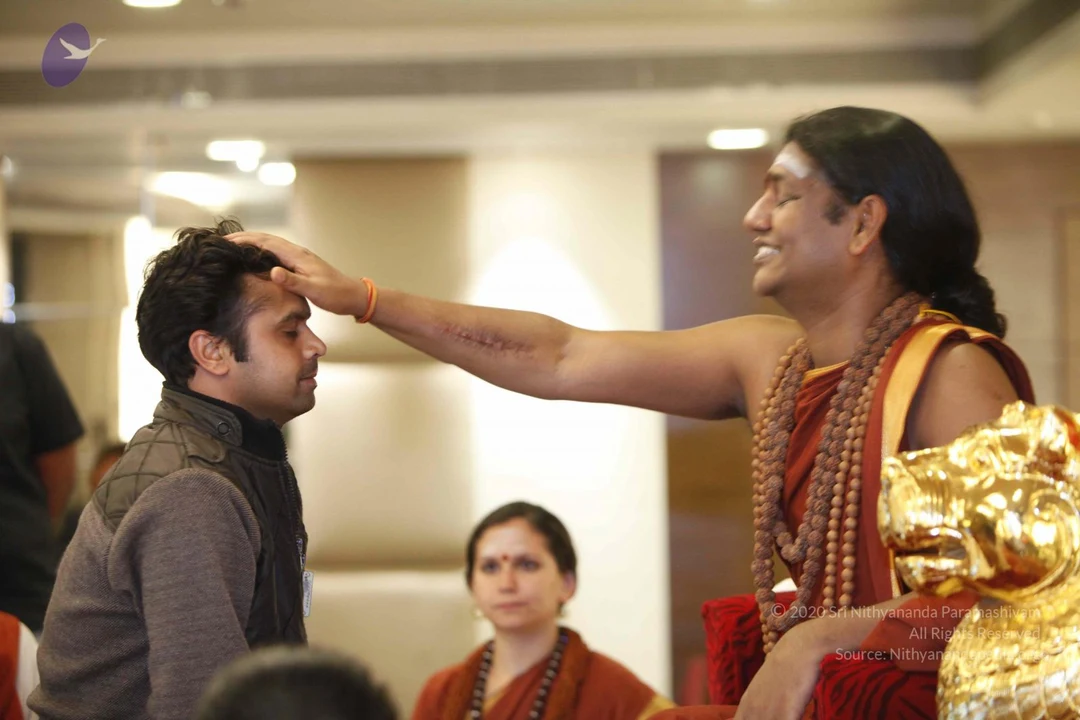
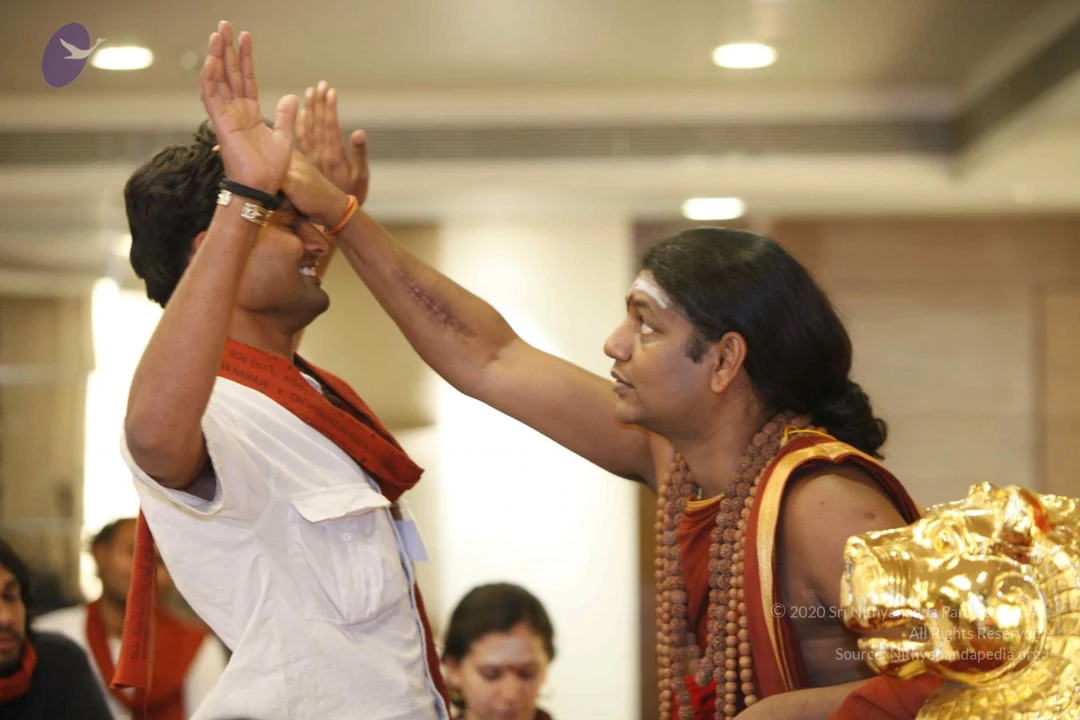
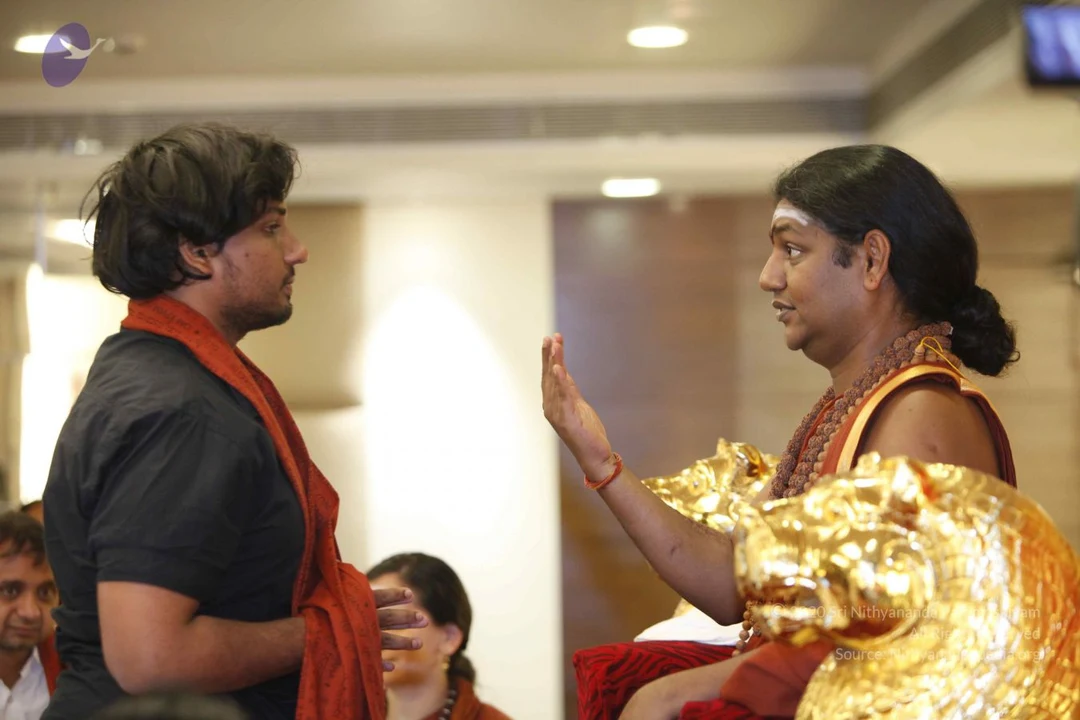
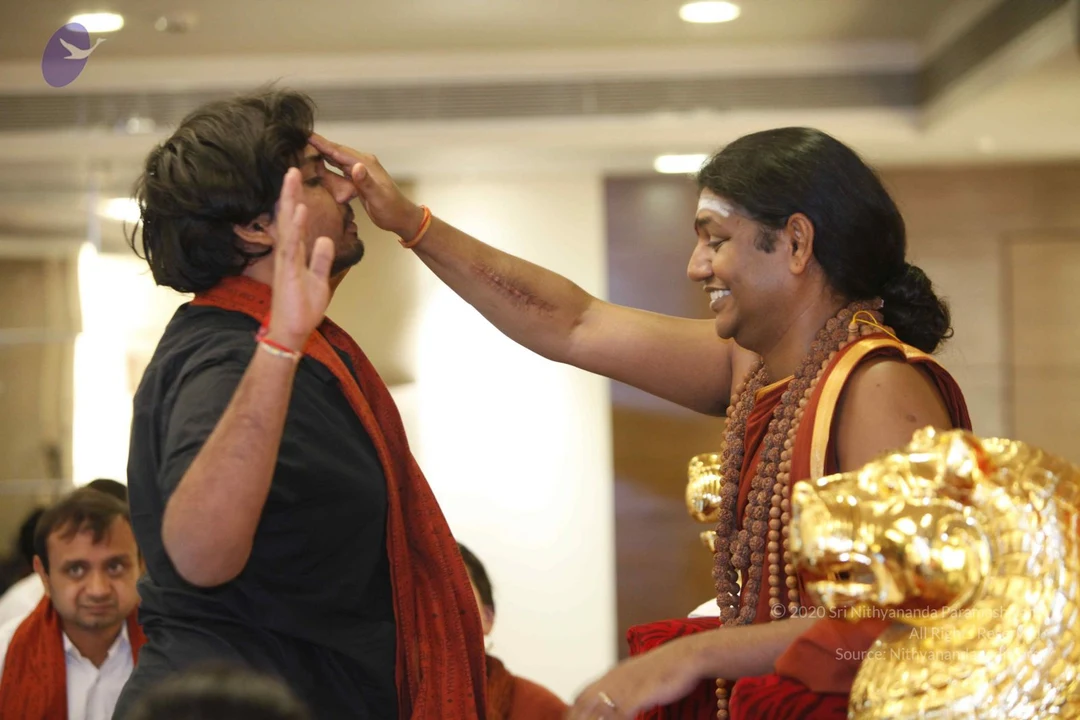
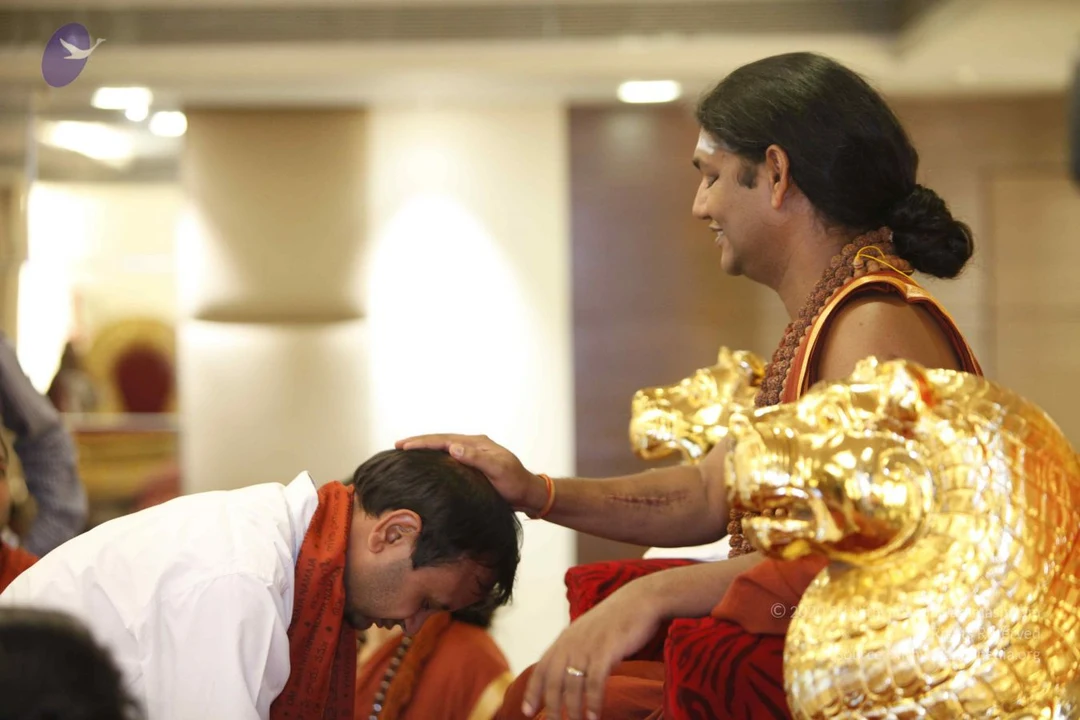
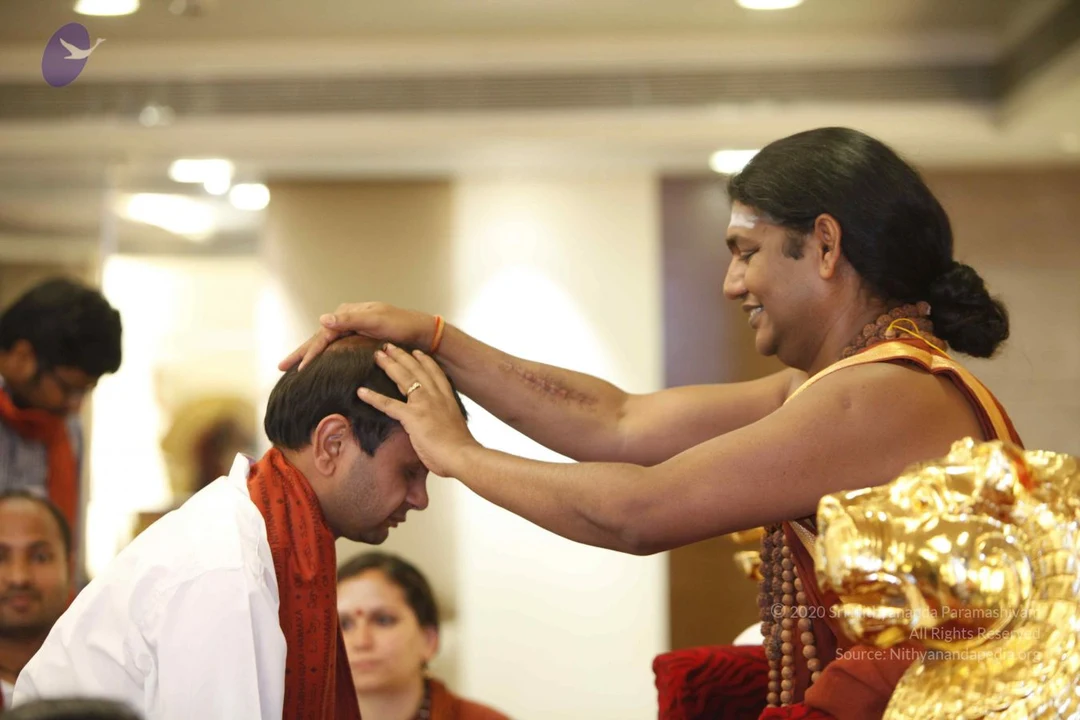
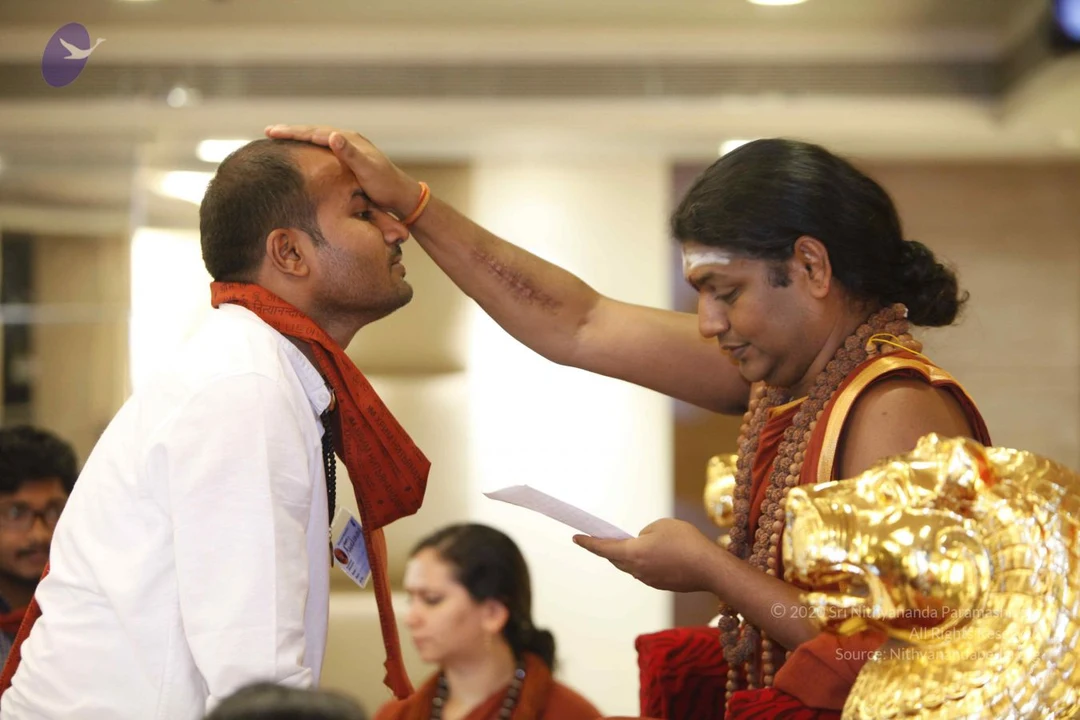
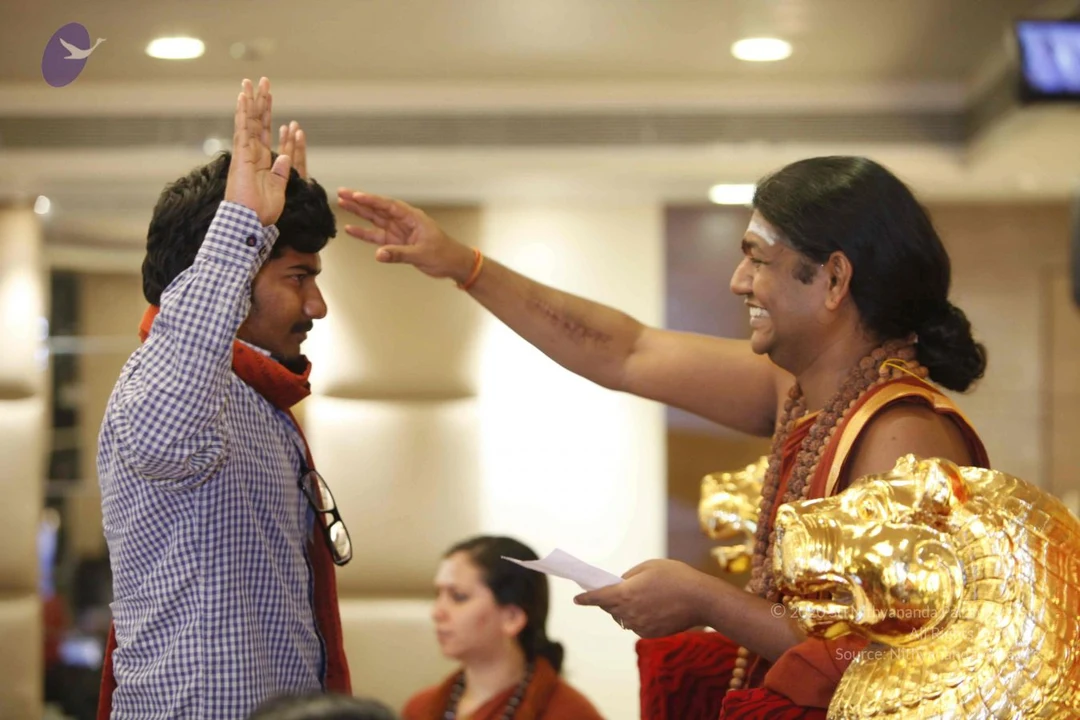
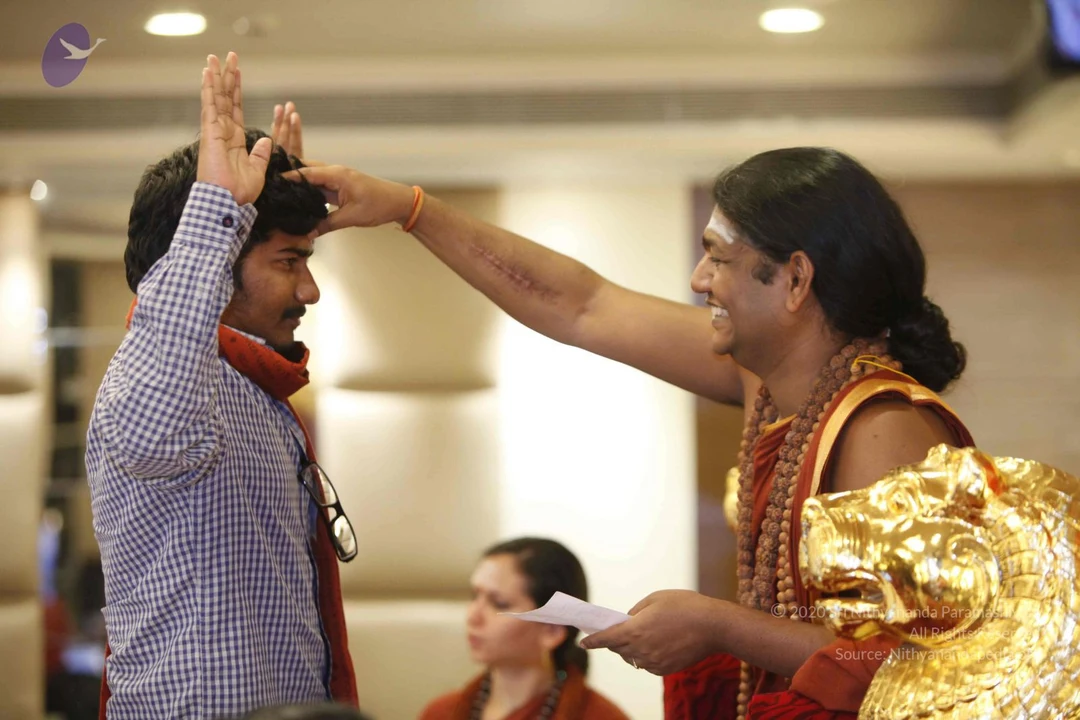
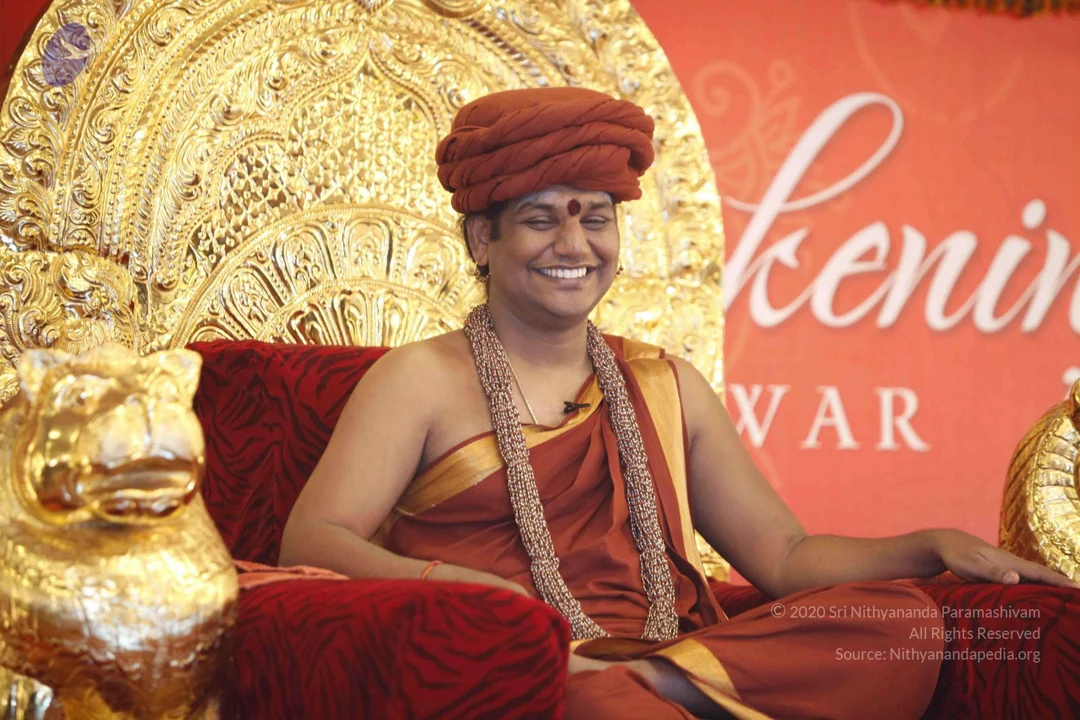
KALPATARU DARSHAN
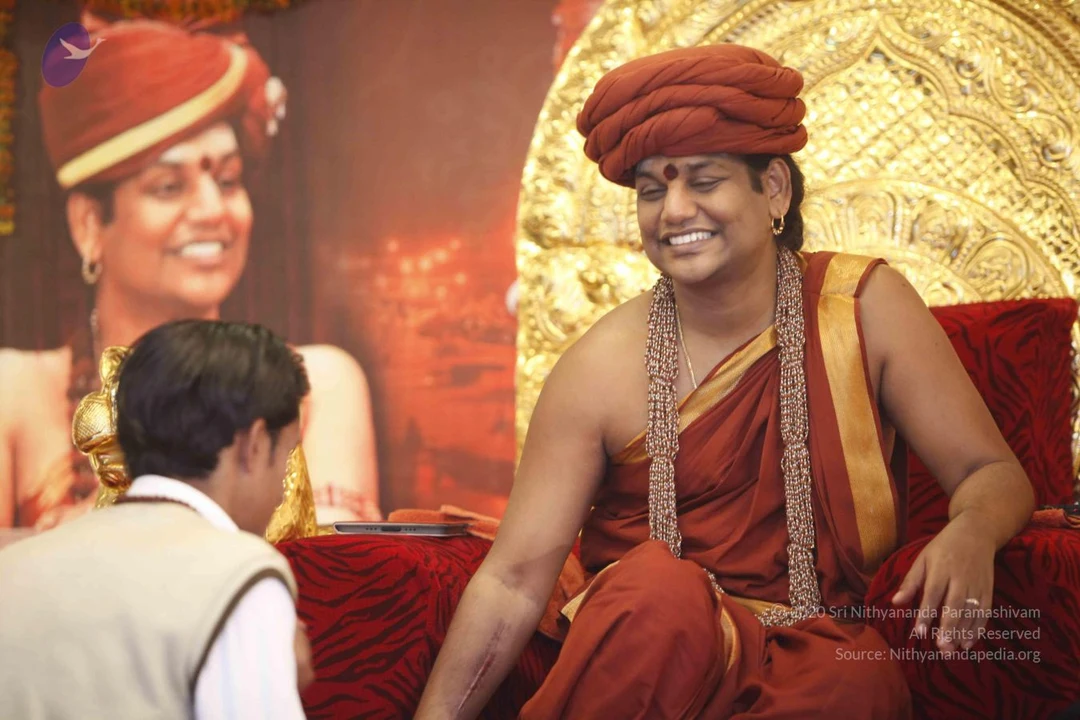
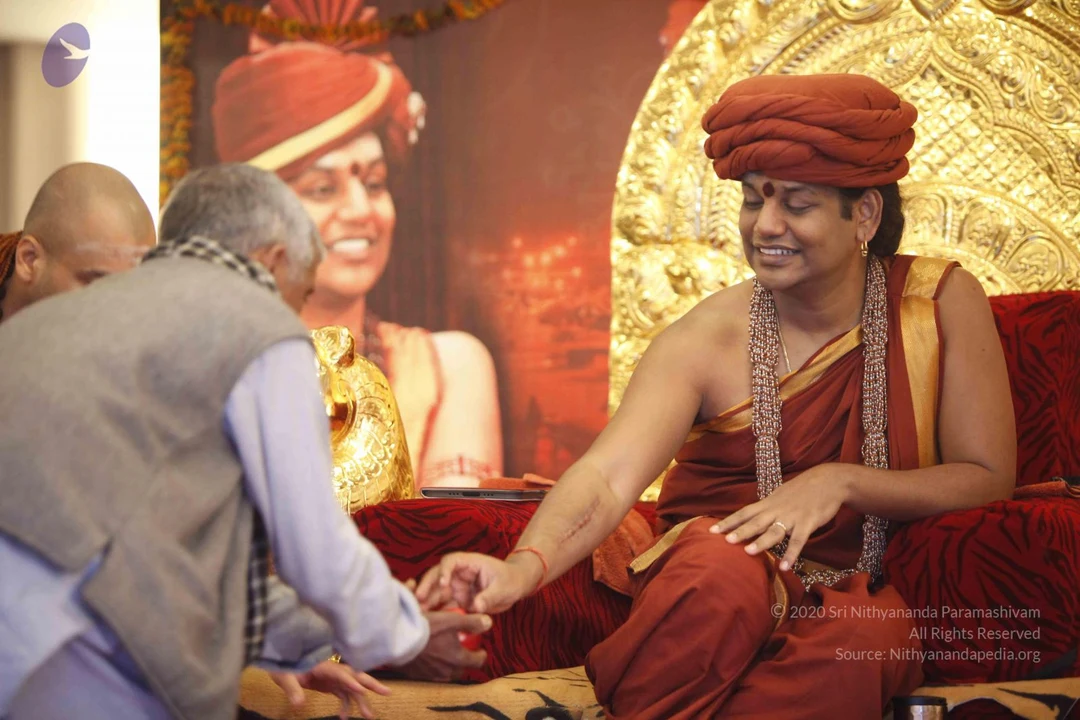
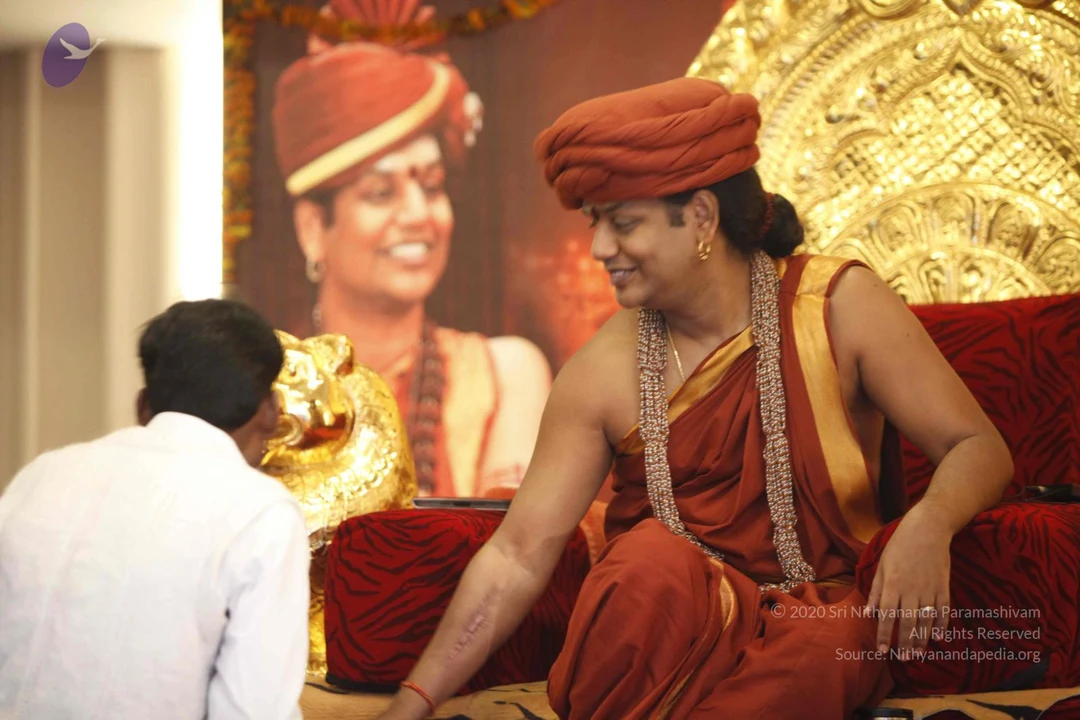
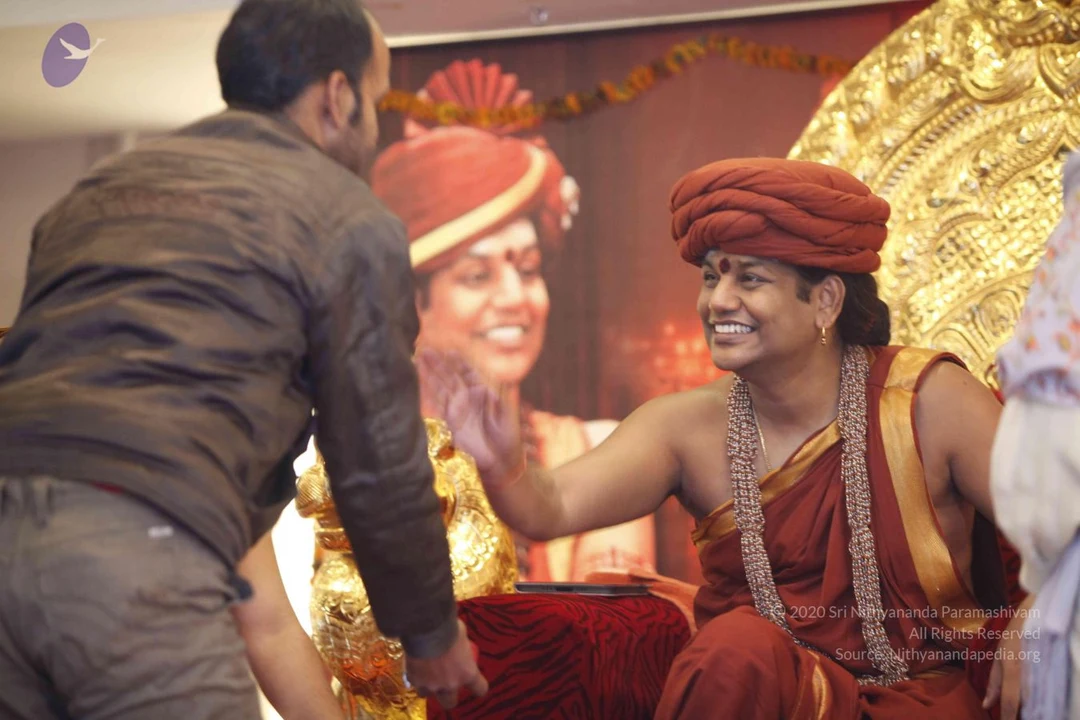
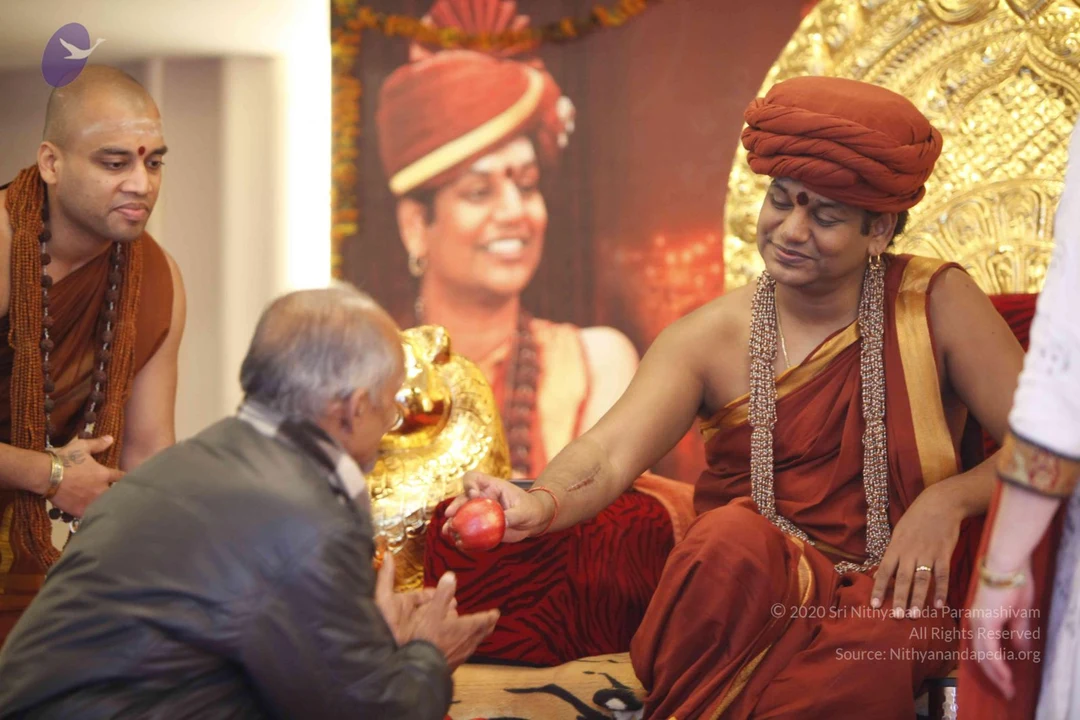
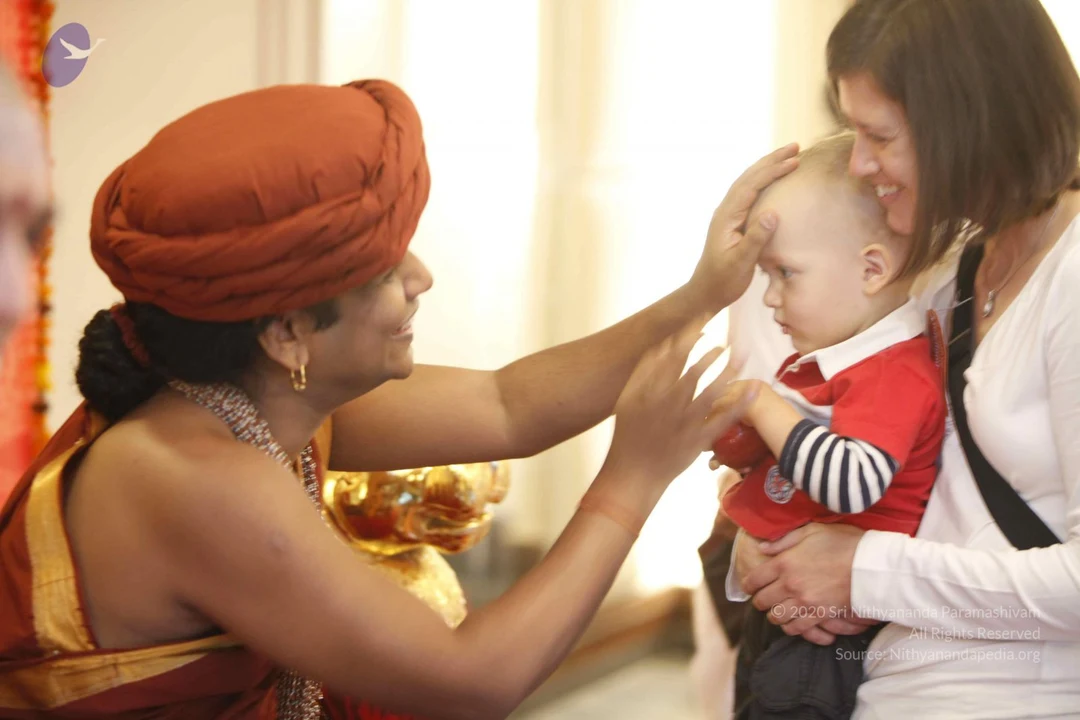
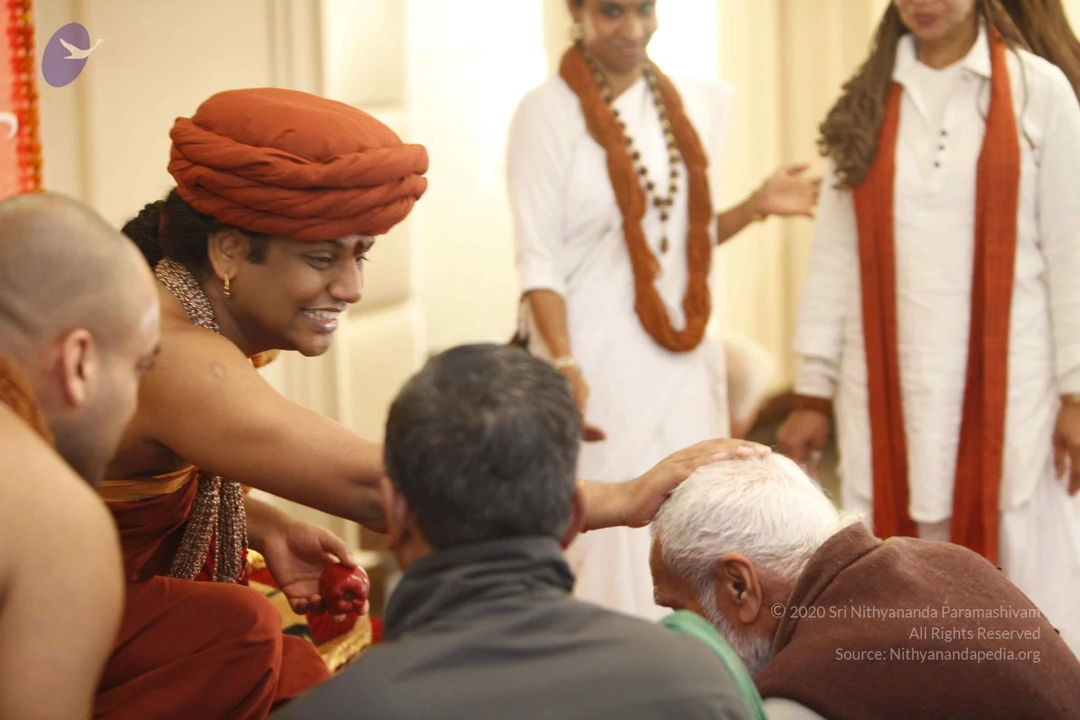
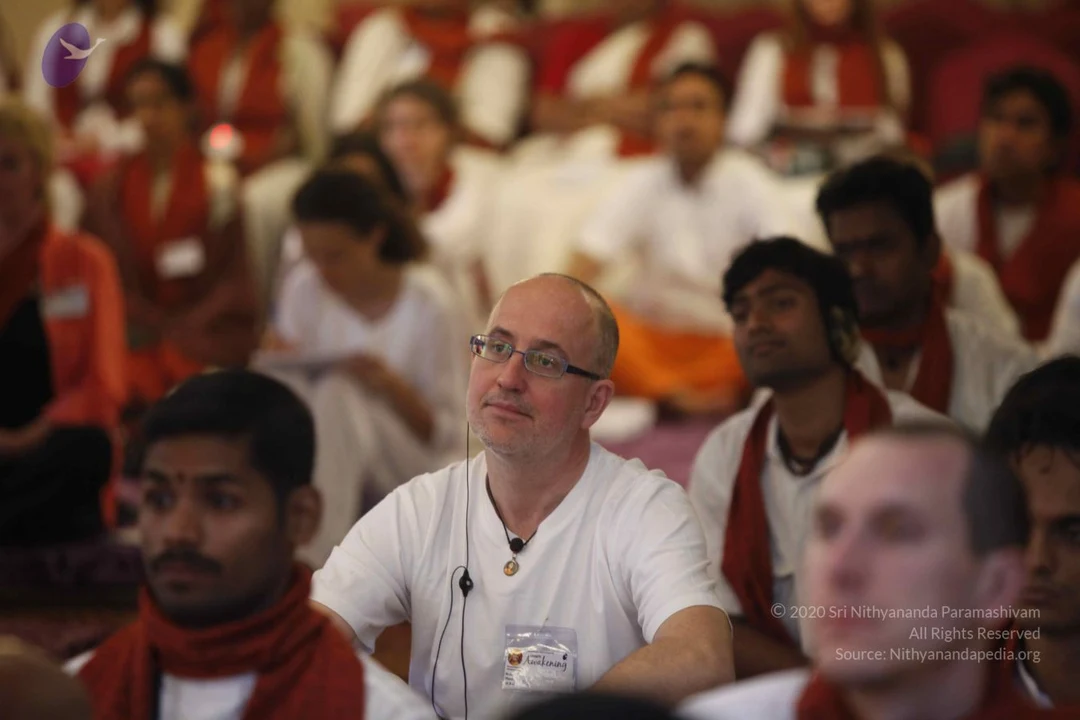
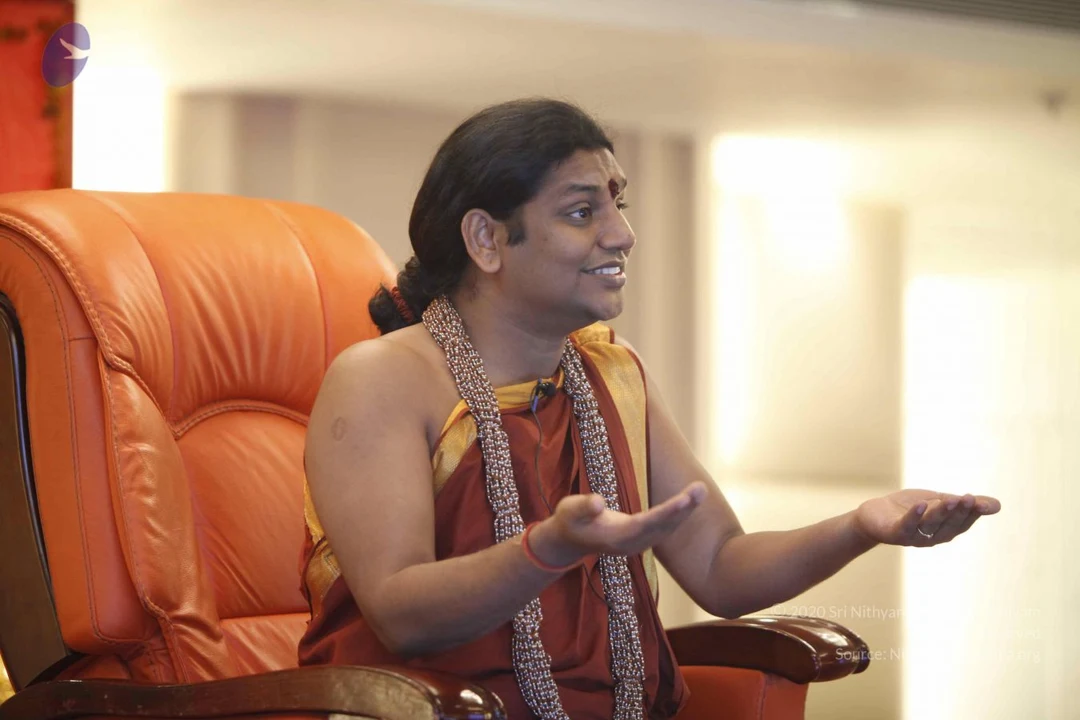
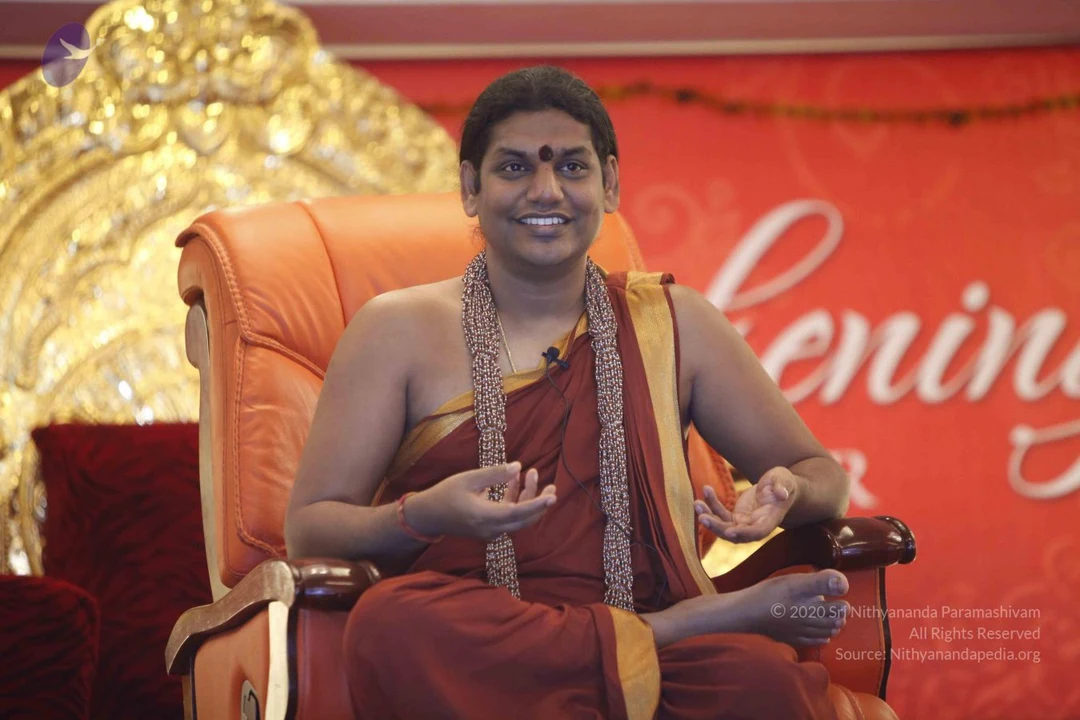
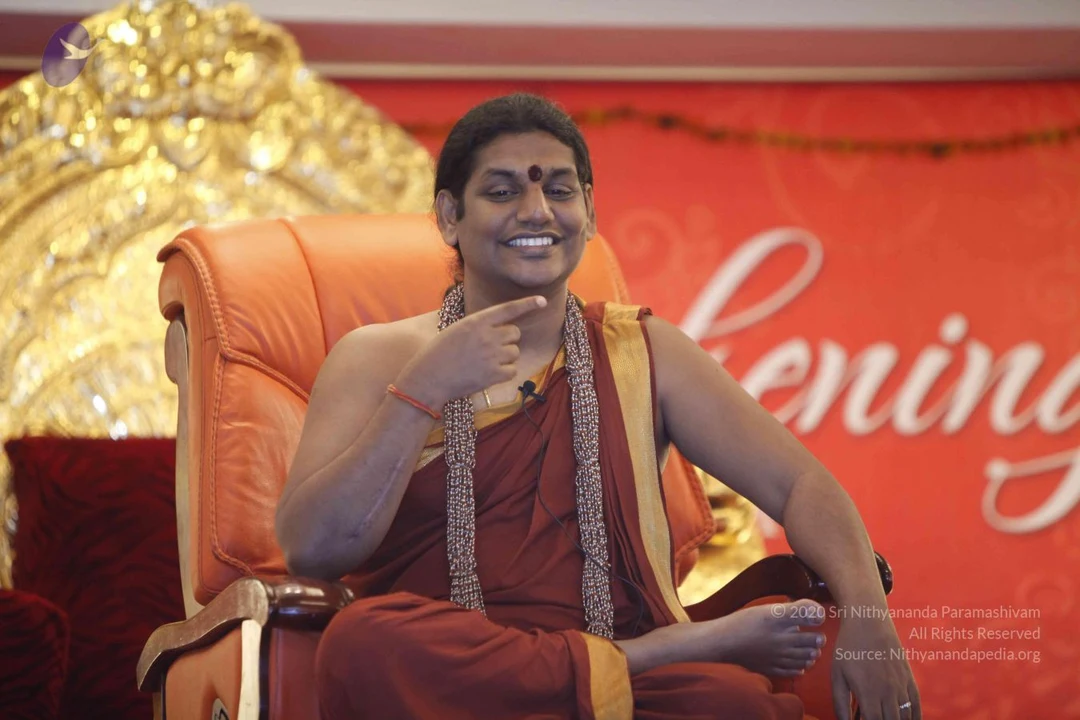
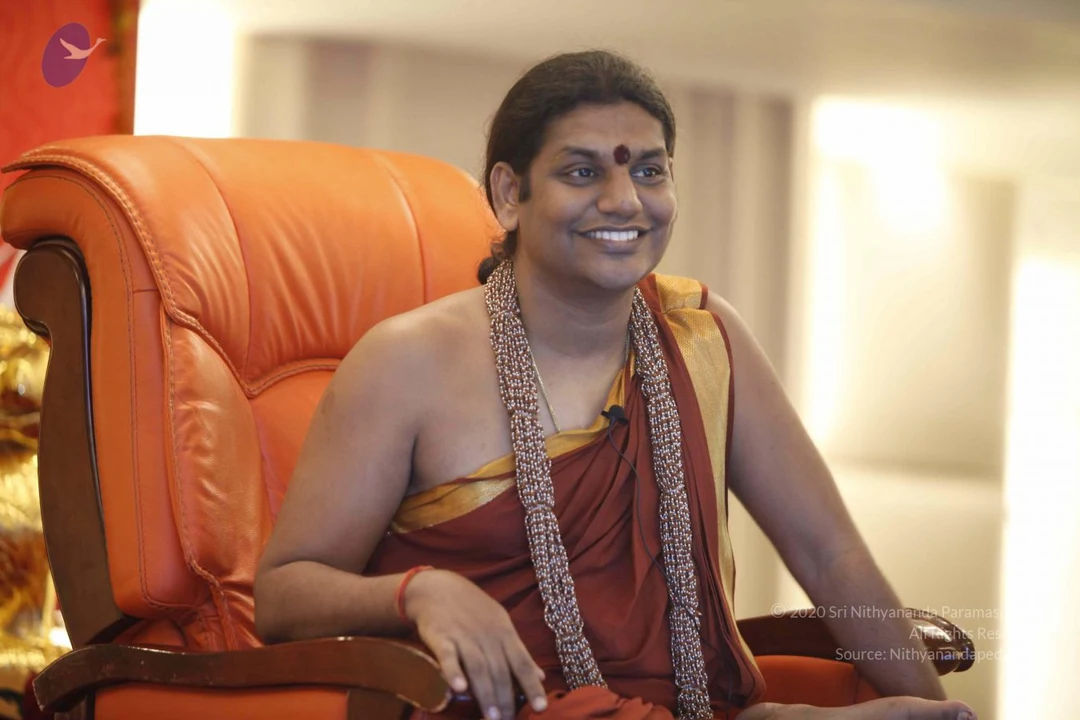
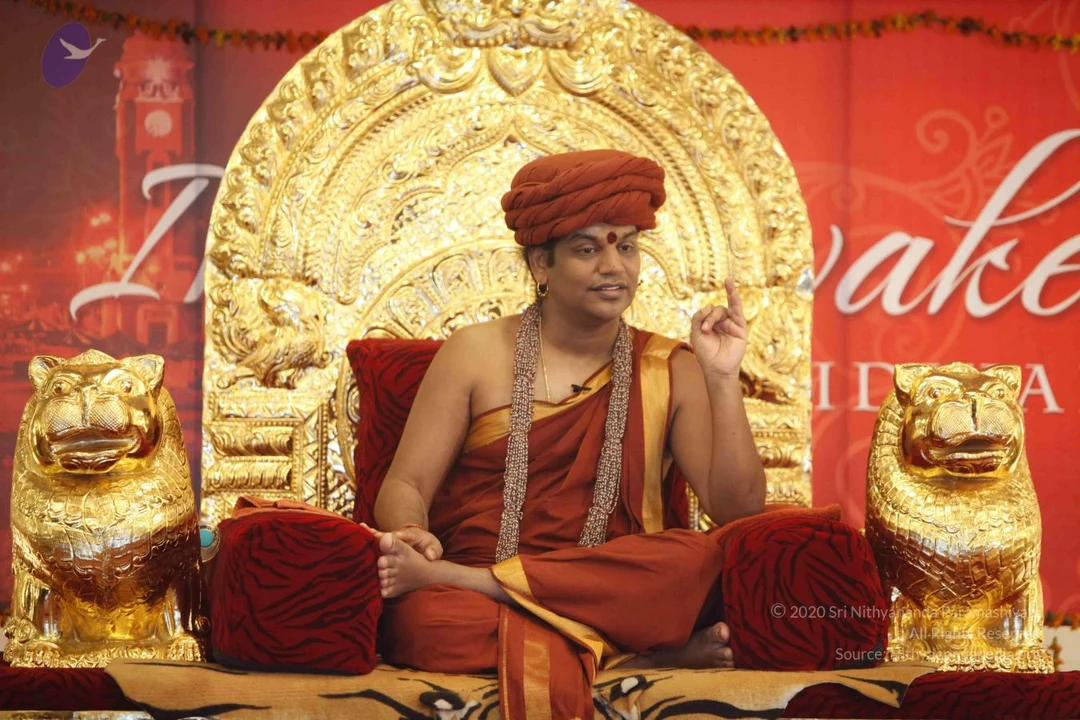
NITHYA SATSANG
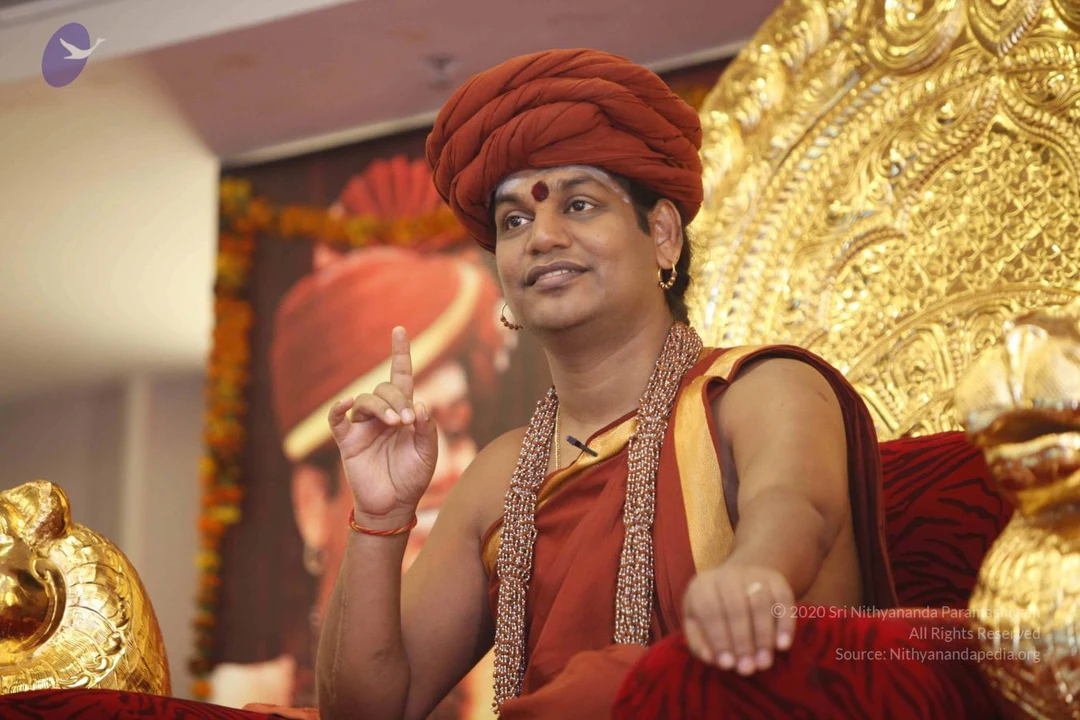
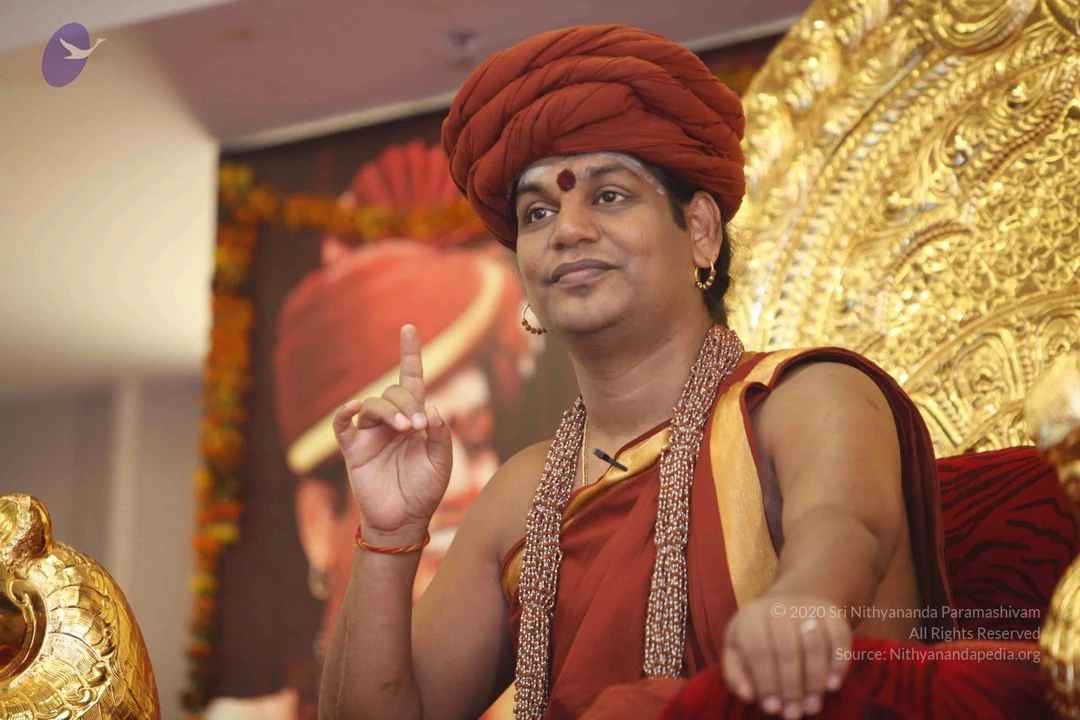
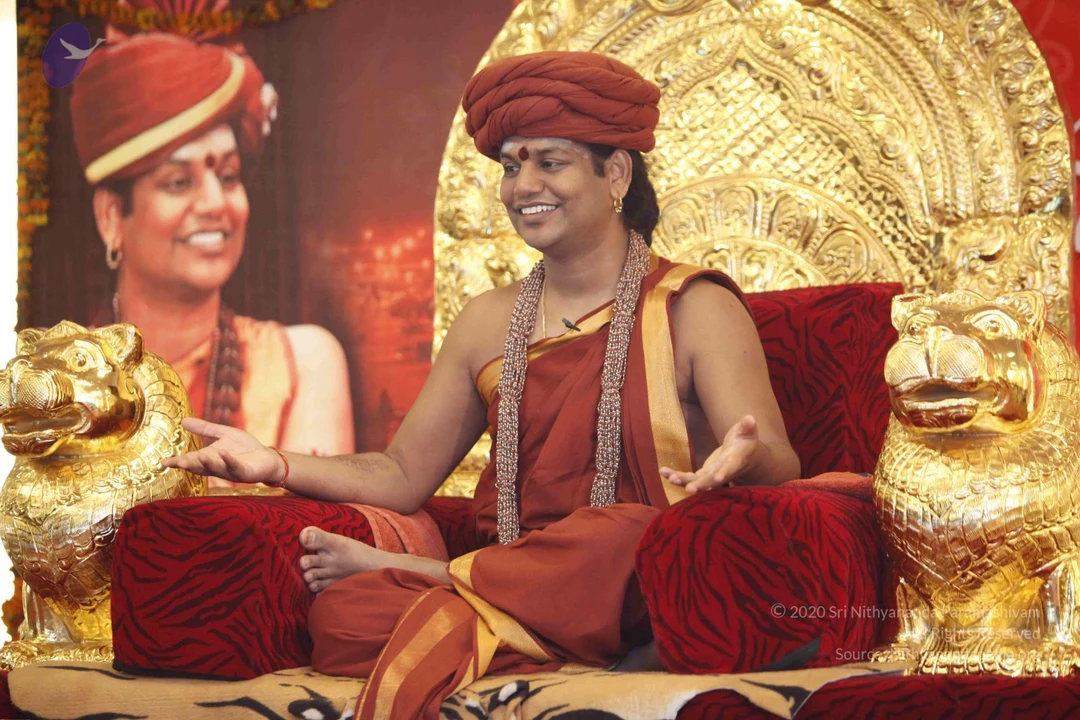
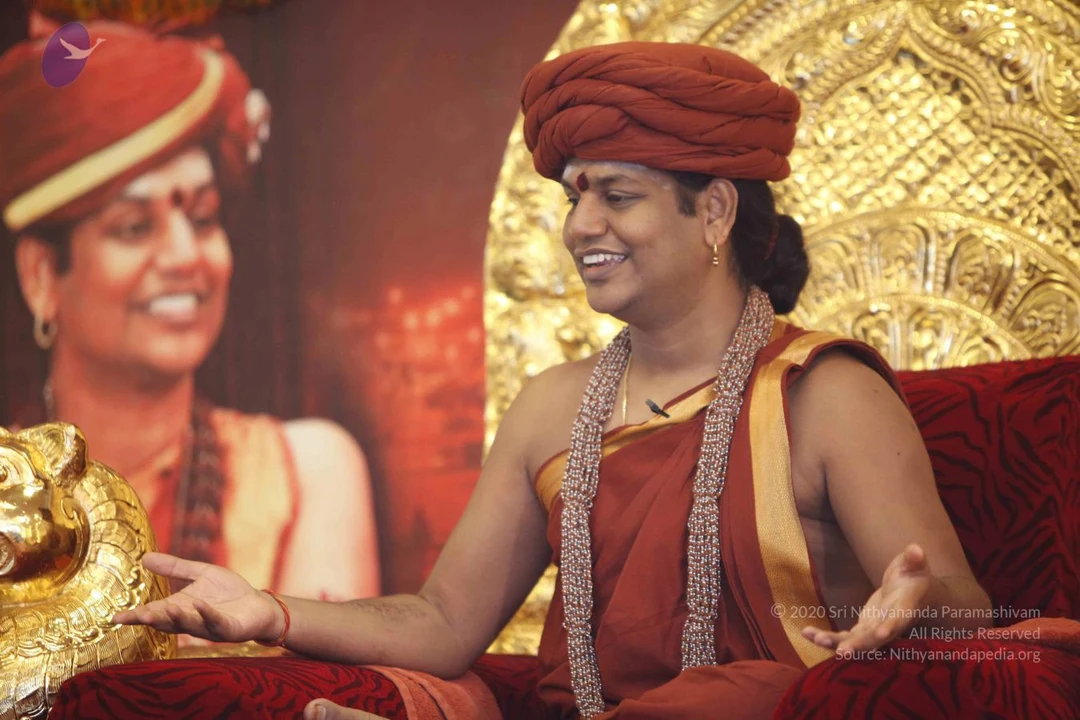
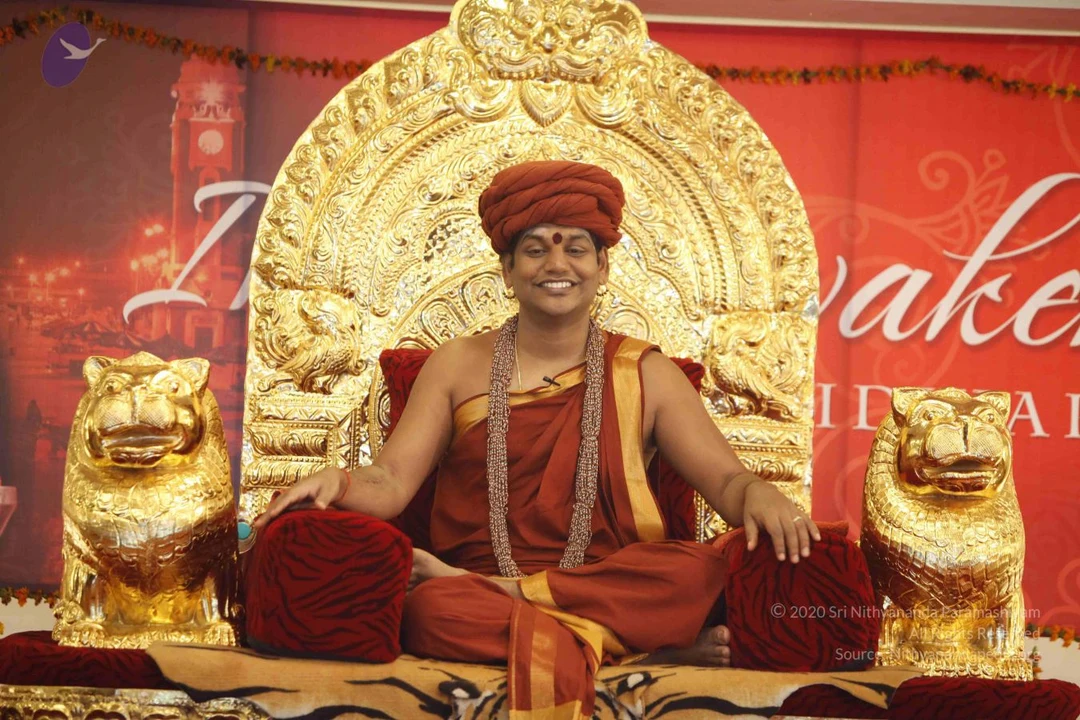
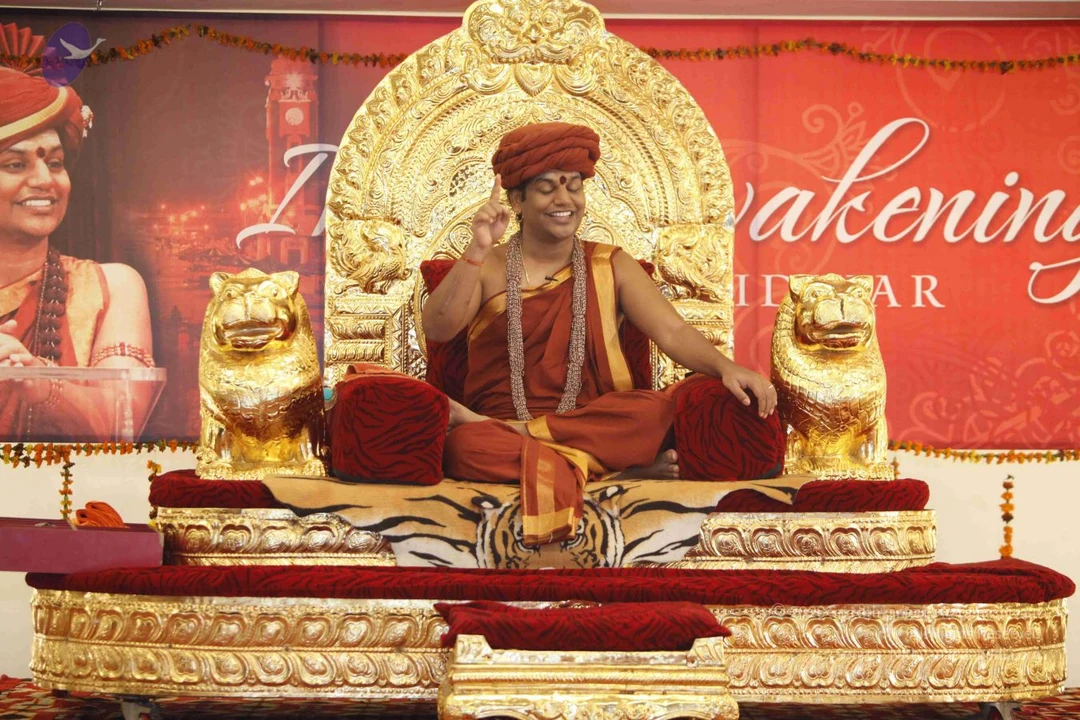
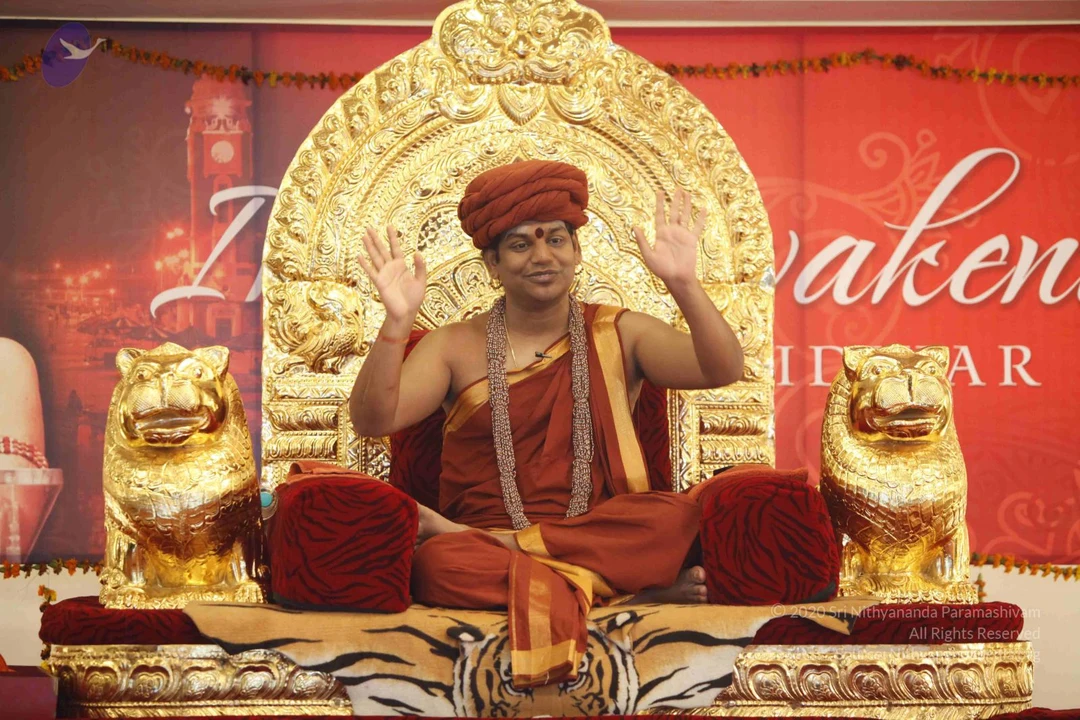
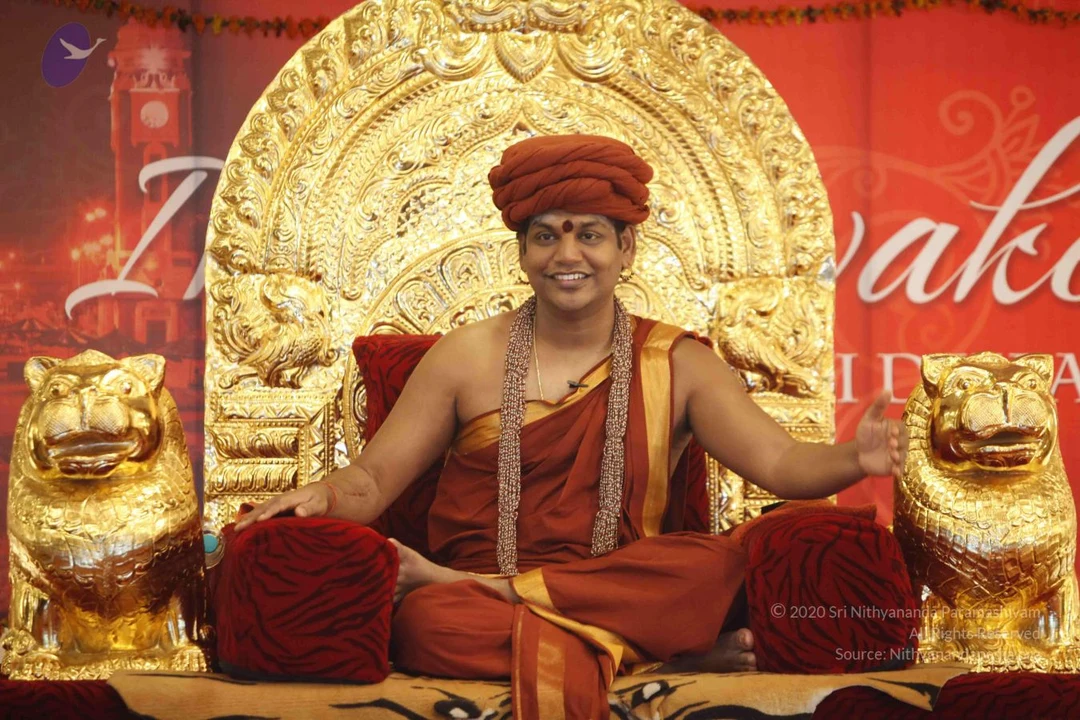
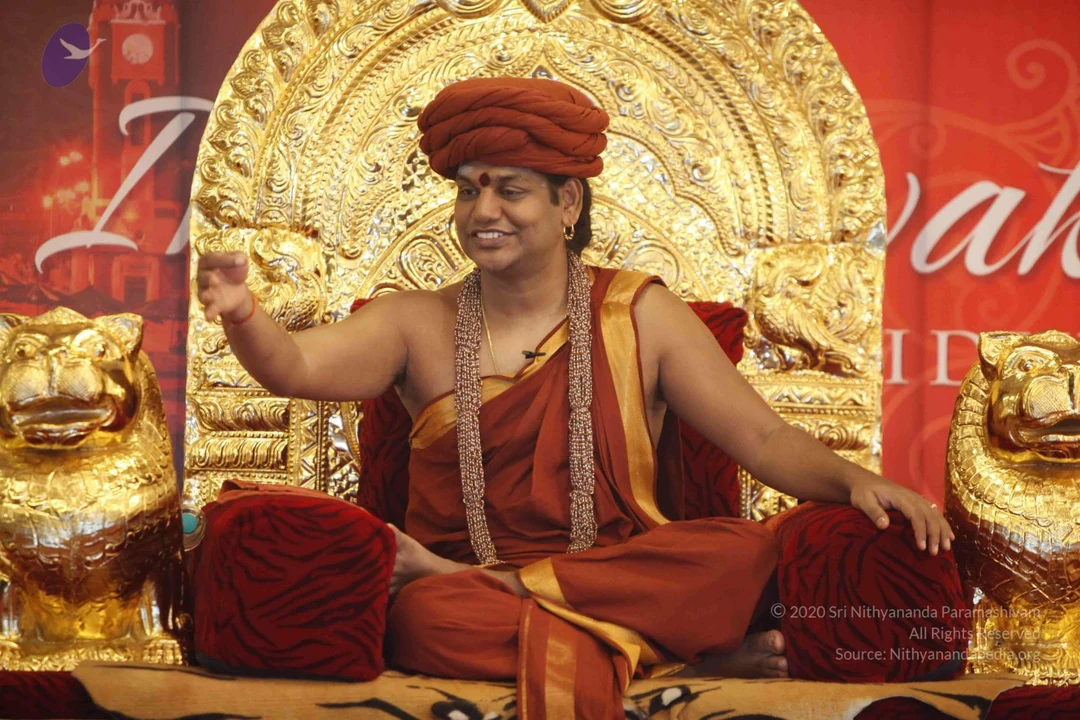
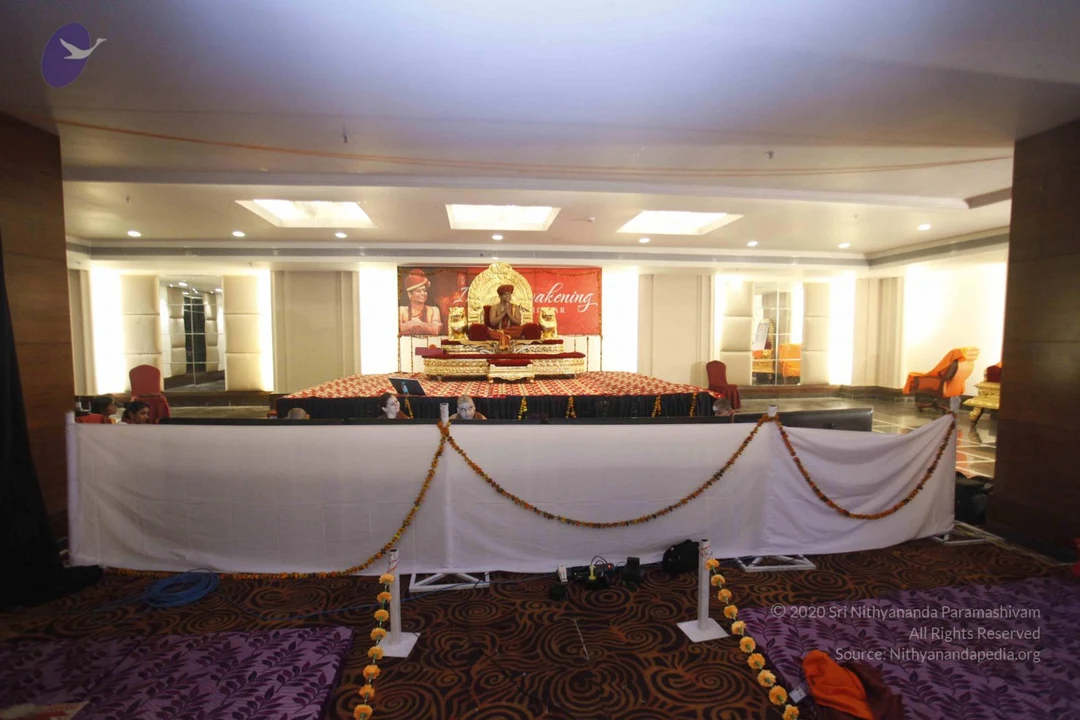
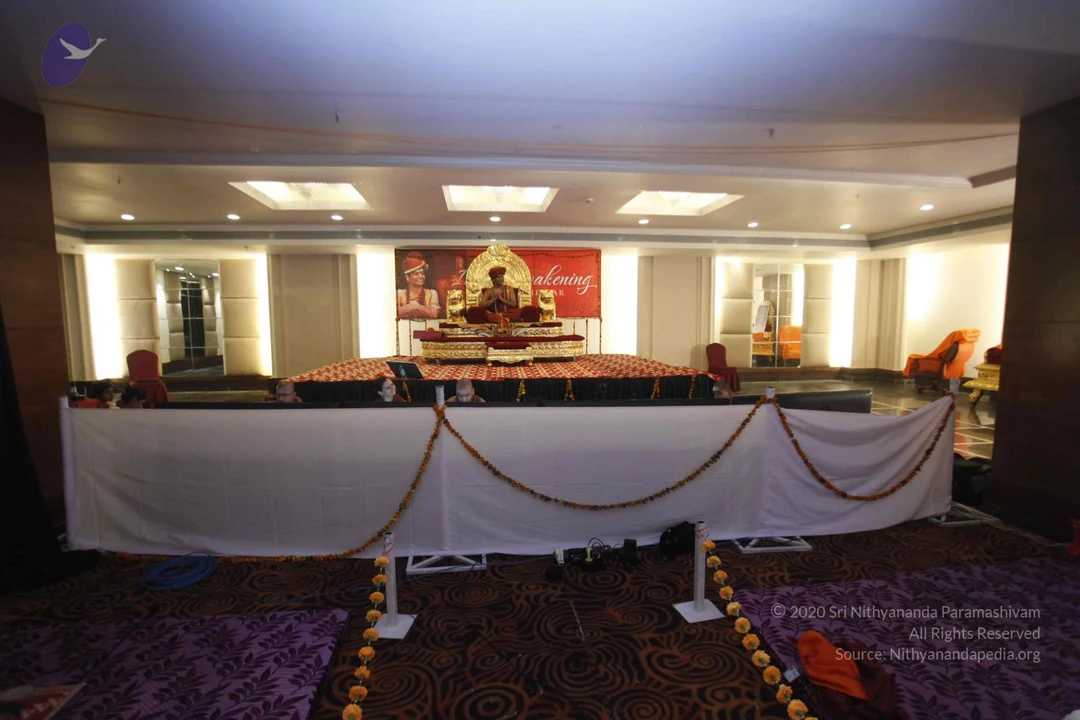
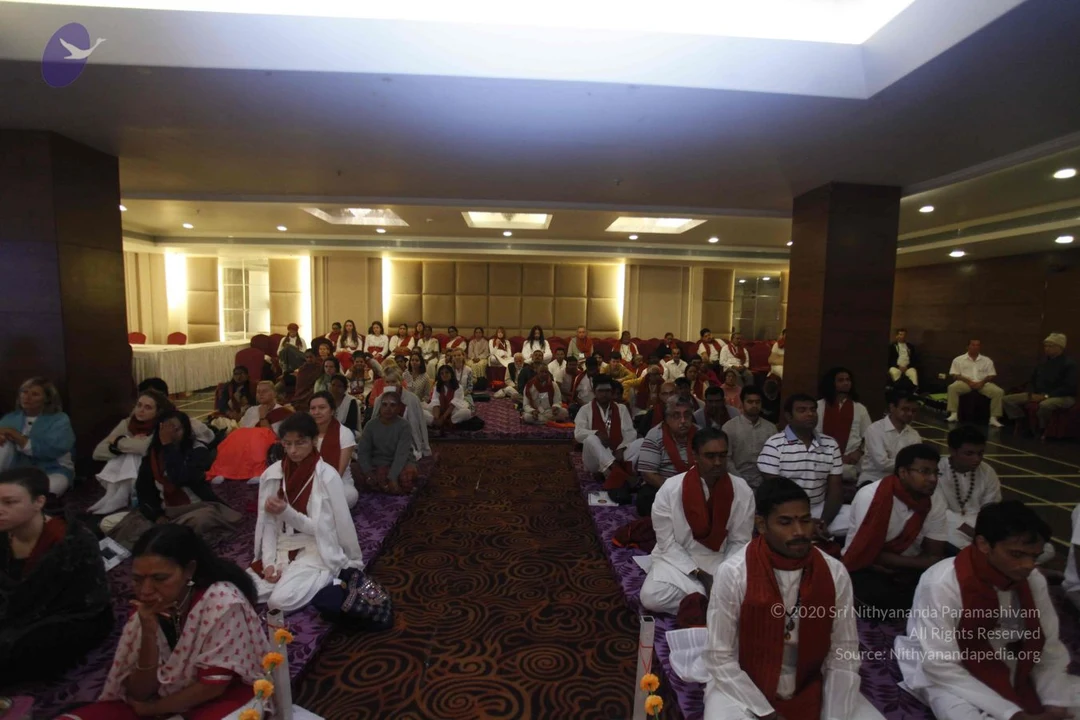
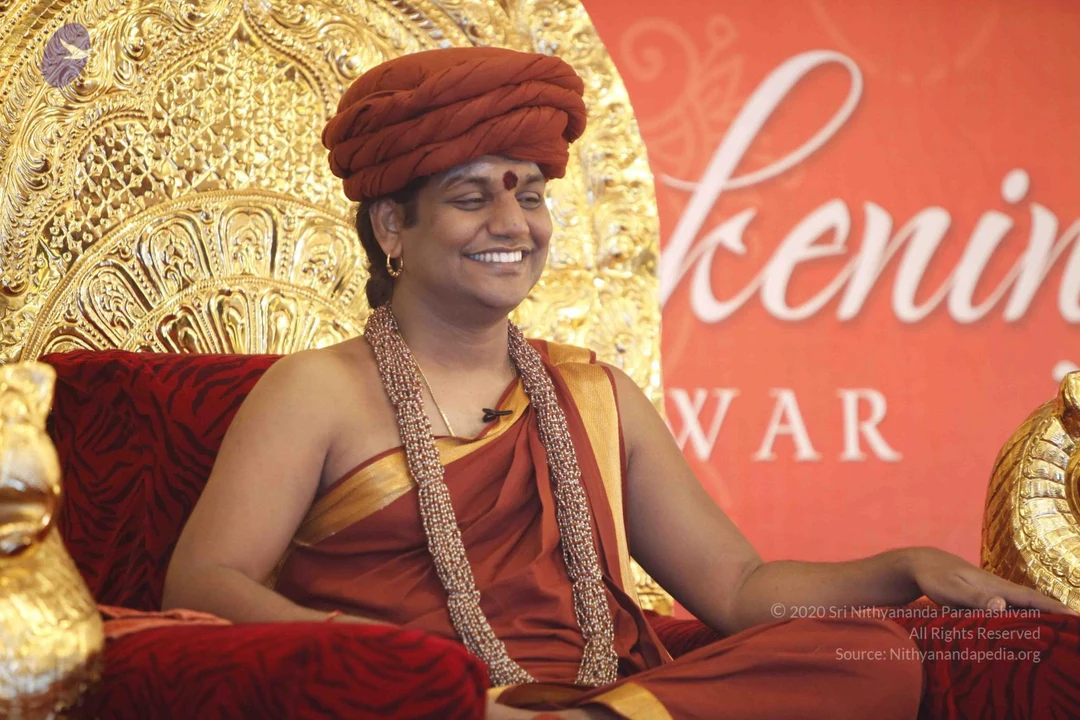
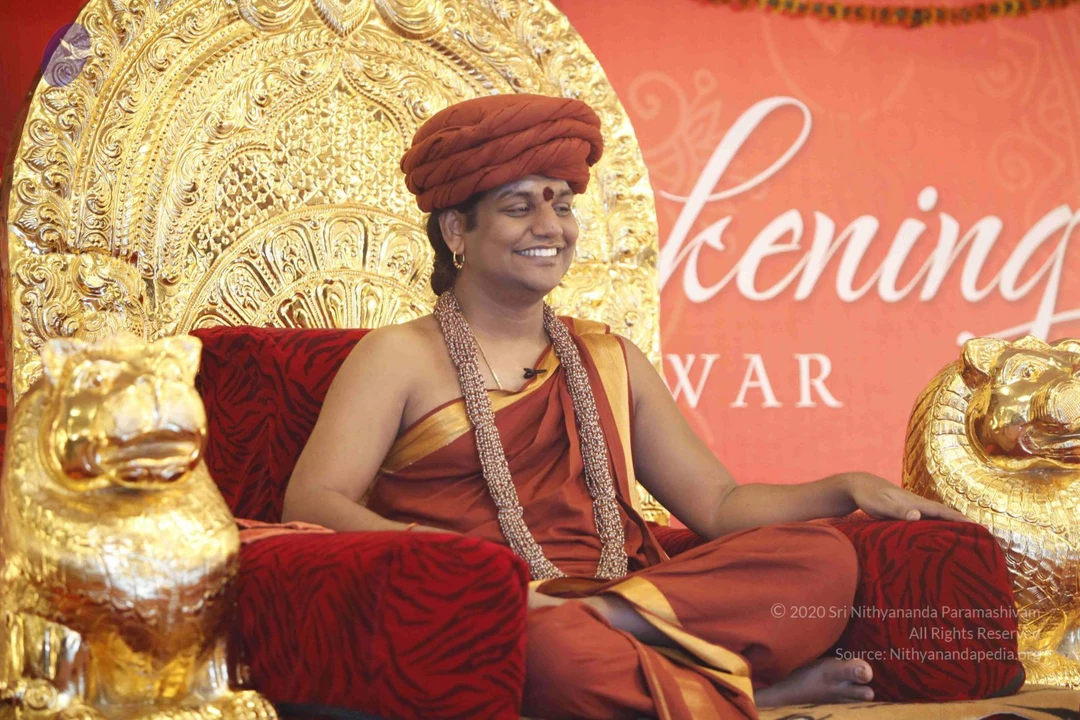
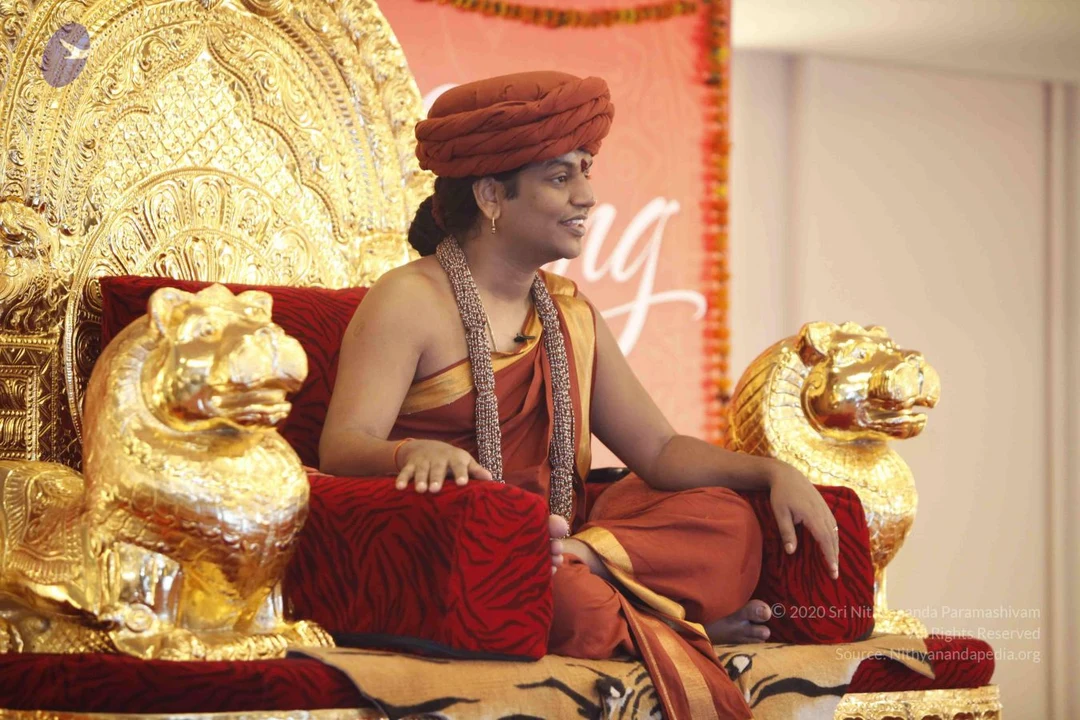
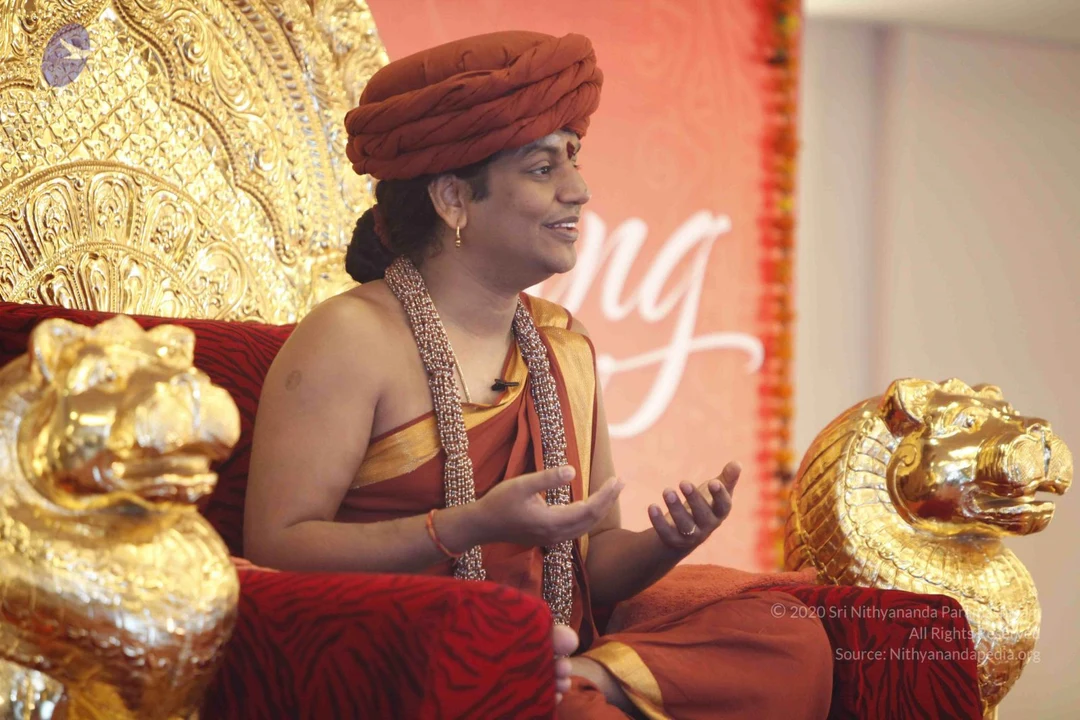
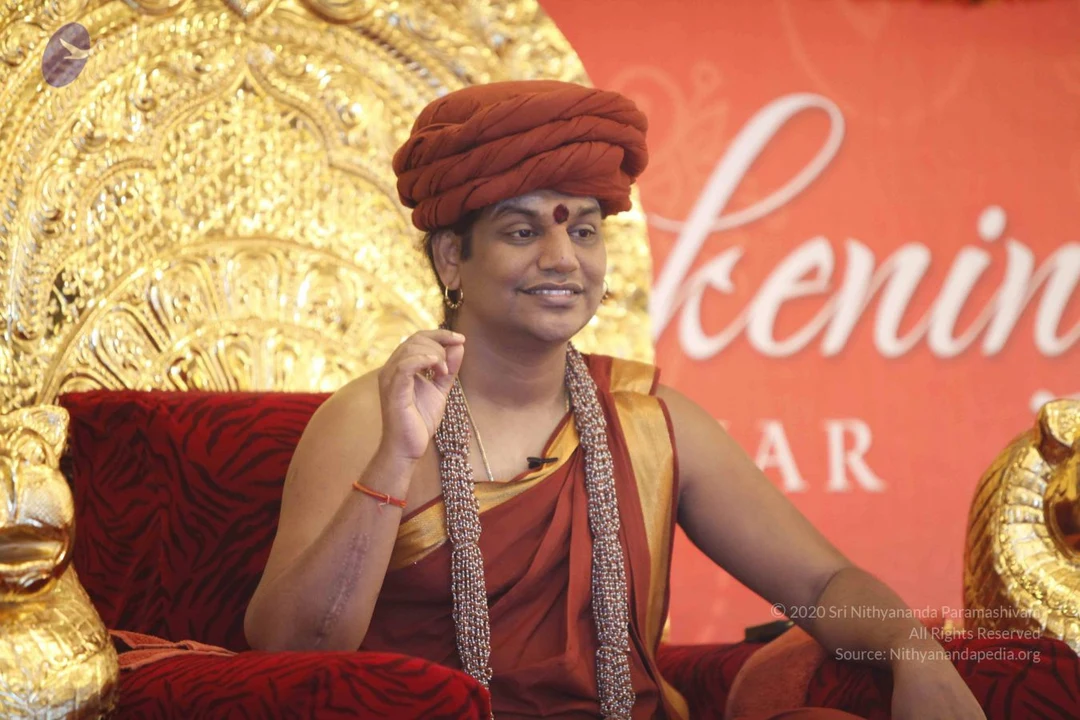
Photos Of The Day:
FB-photo-of-the-day
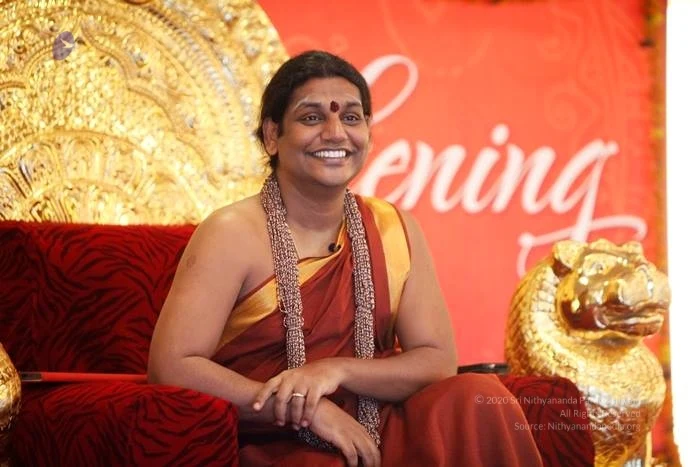
1-Nithya-Satsang
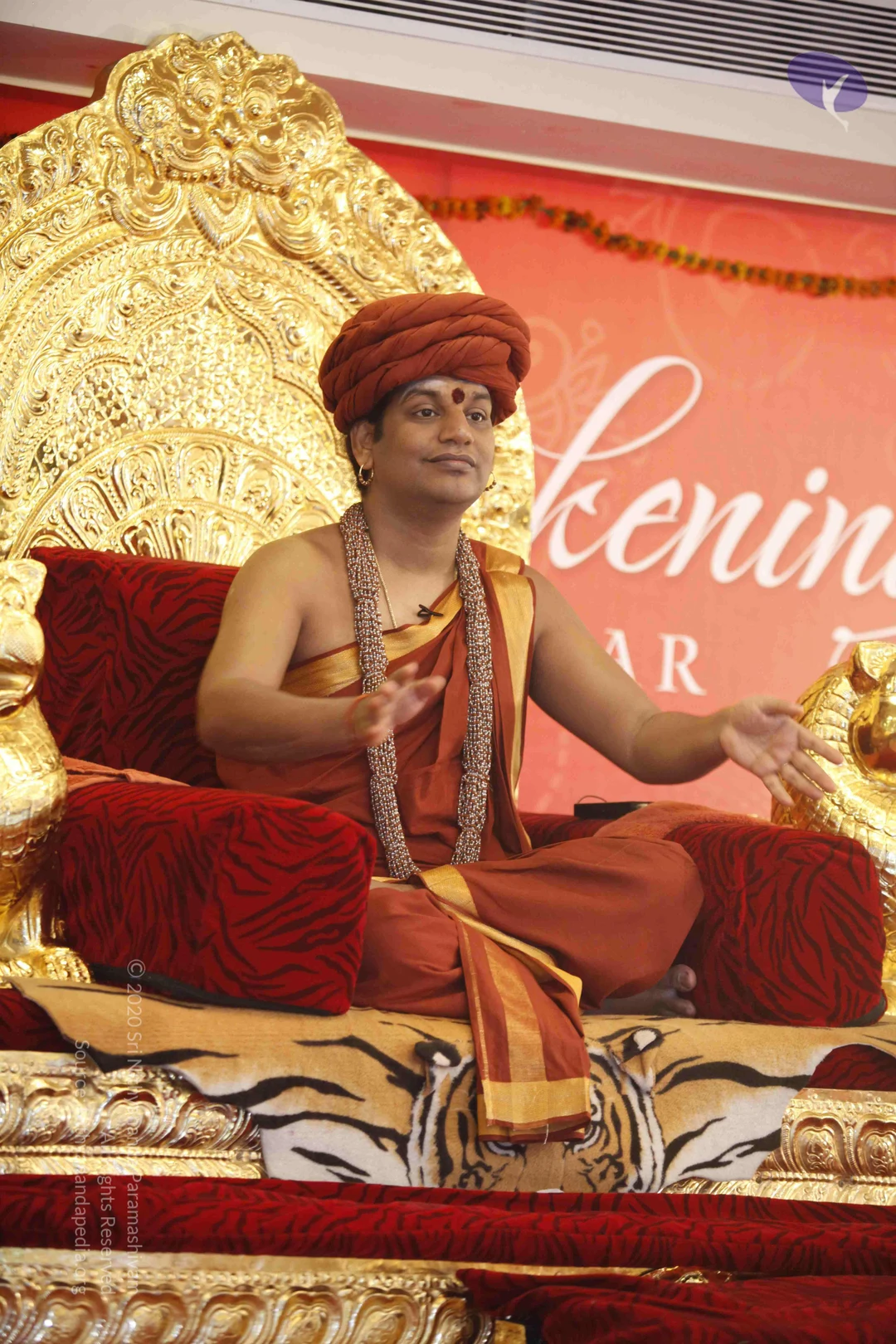
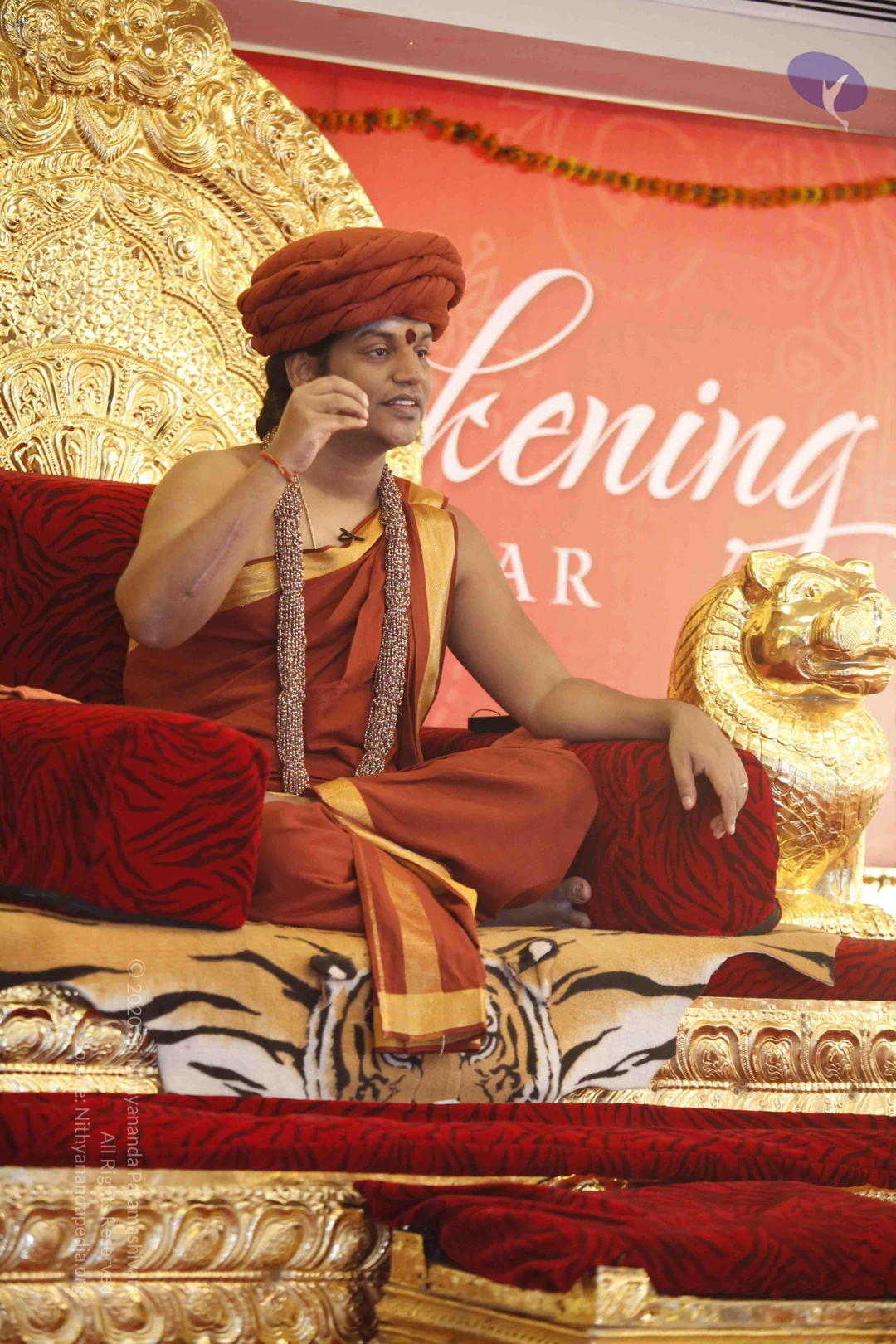
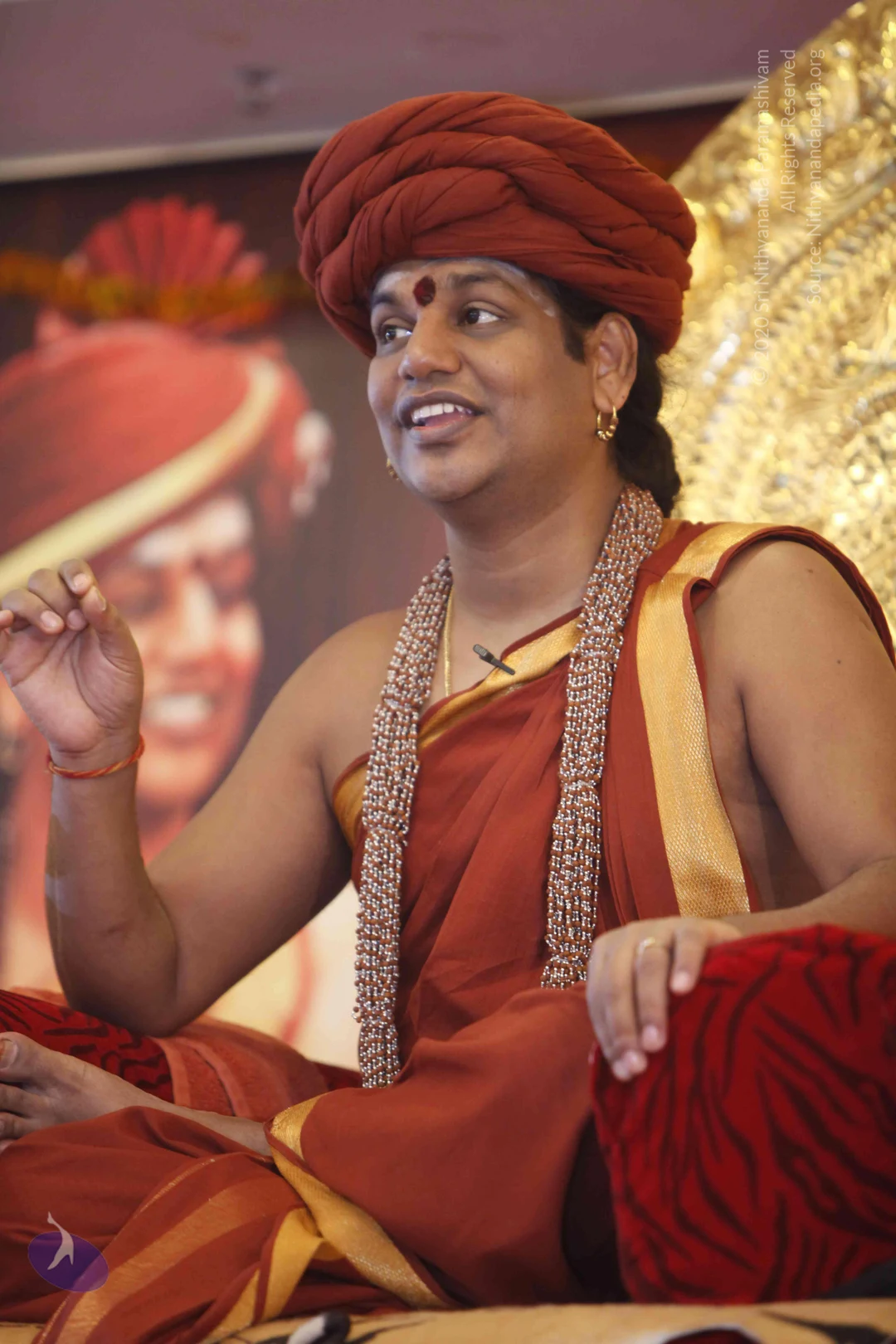
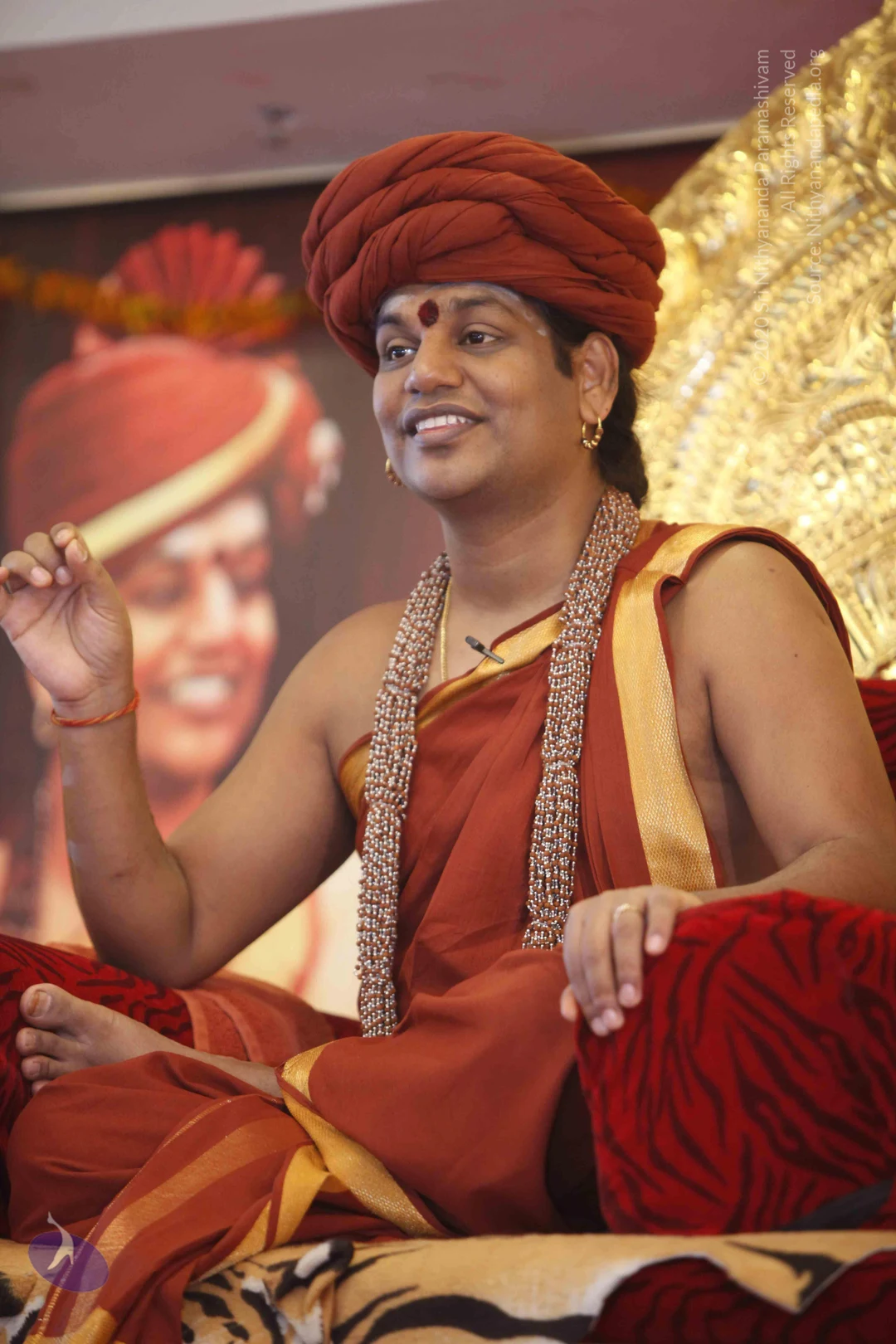
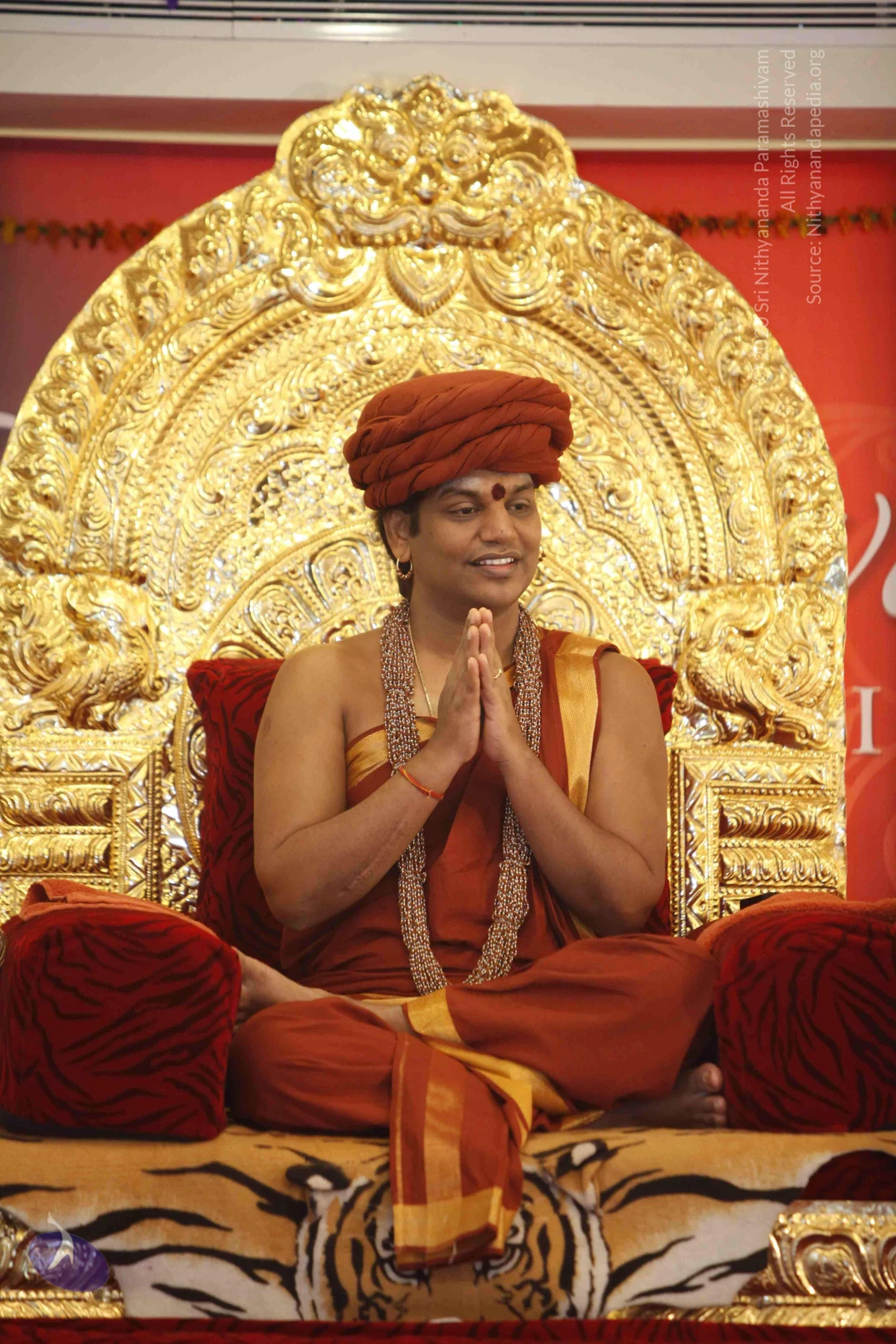
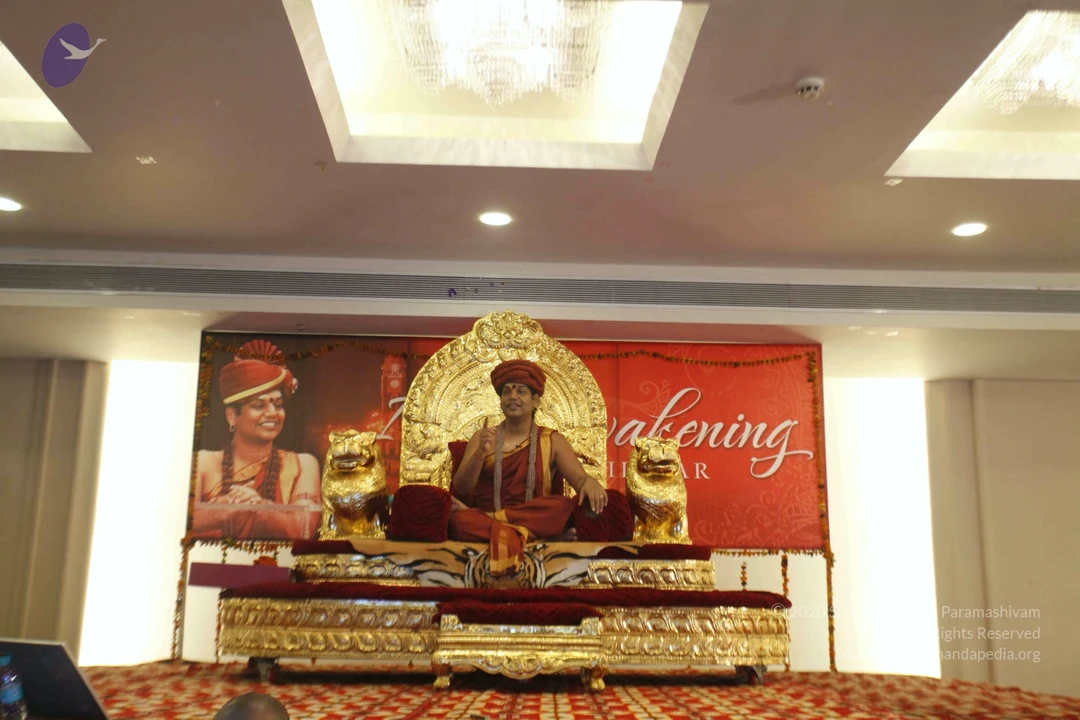
2-Kalpatharu-Darshan-and-IA-Session
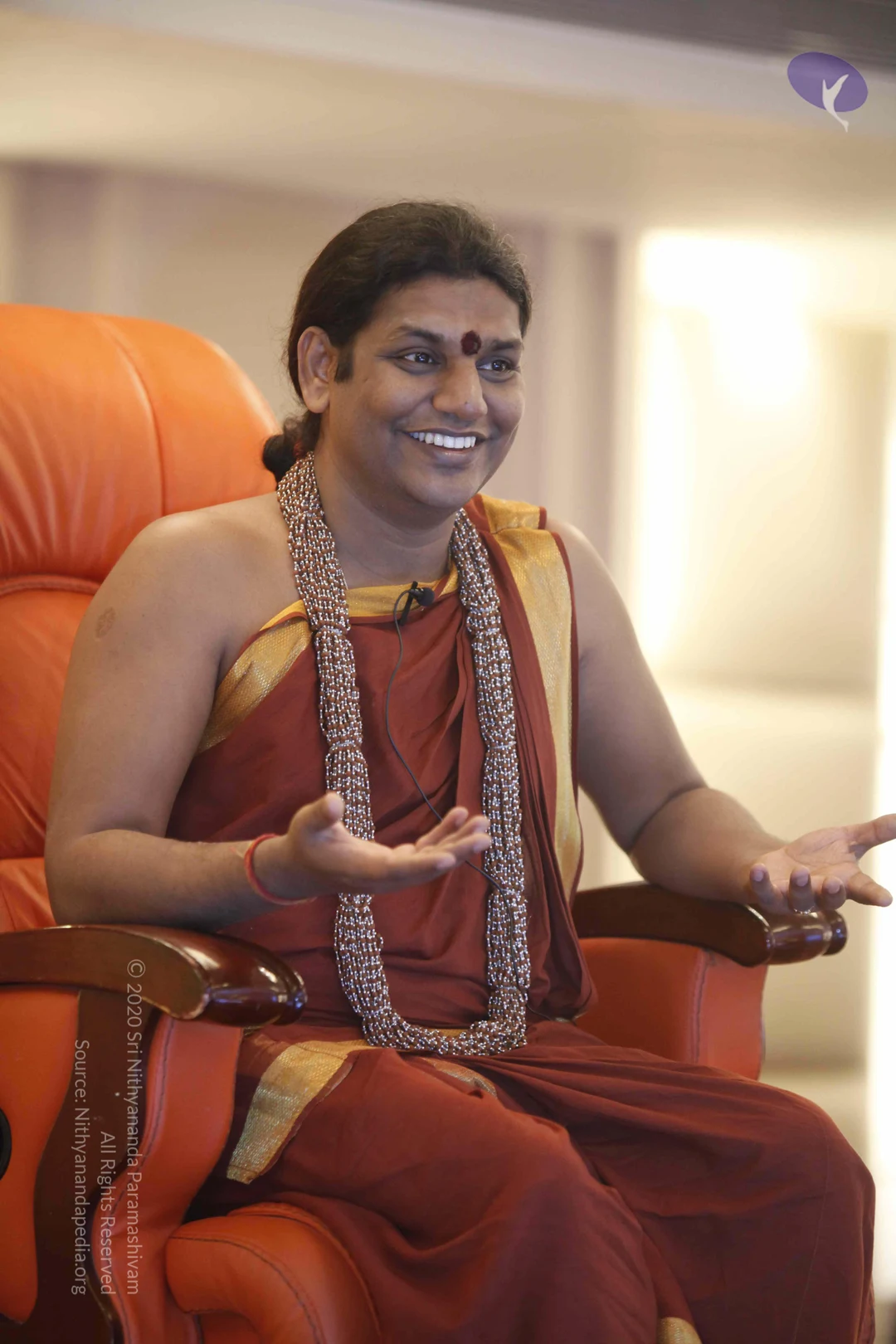
3-IA-Authenticity
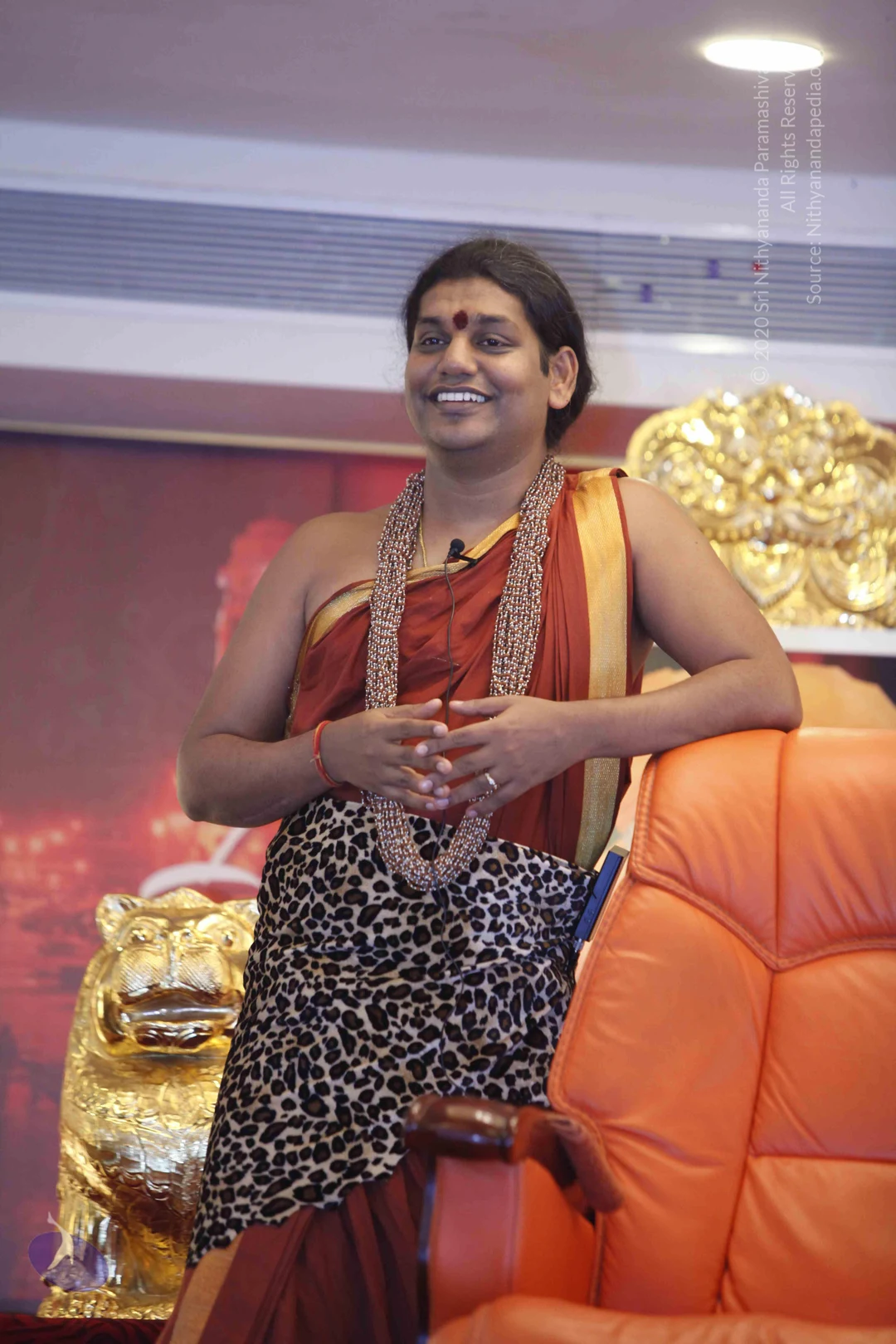
Photos from this day
View all 146 photosInner Awakening Session on AUTHENTICITY
6 photosSource gallery
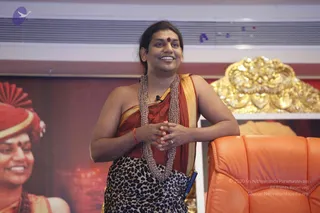
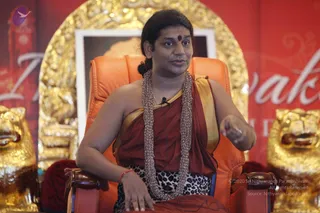
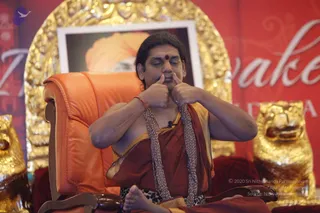
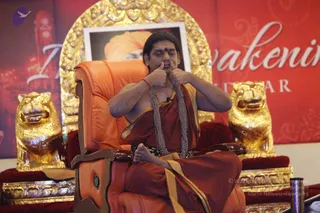
Inner Awakening DARSHAN
72 photosSource gallery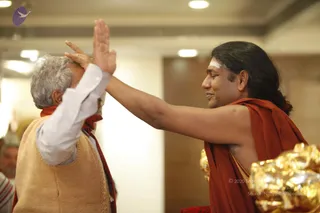
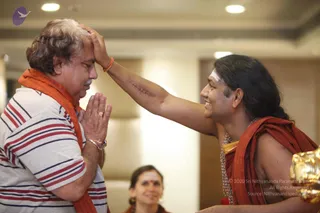
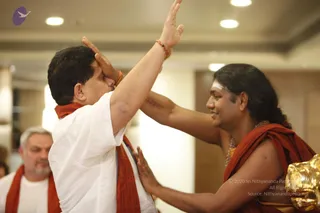
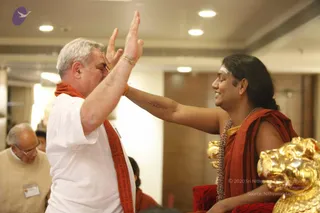
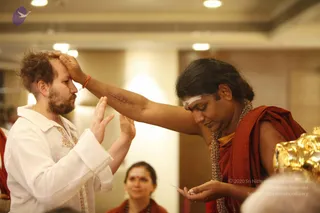
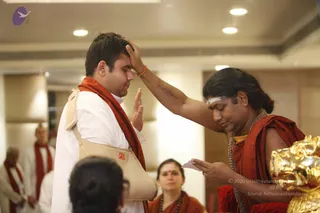
KALPATARU DARSHAN
12 photosSource gallery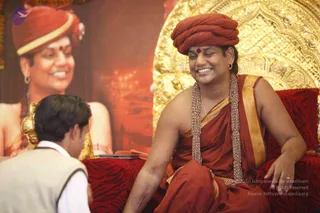
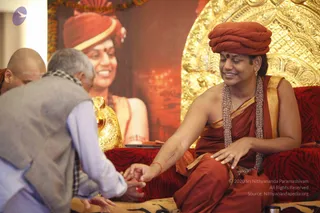
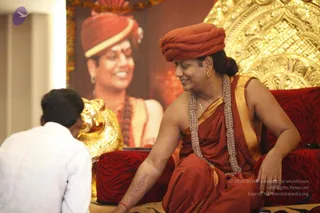
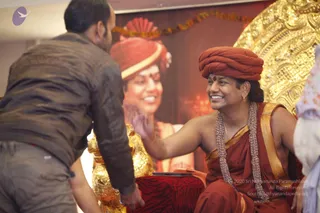
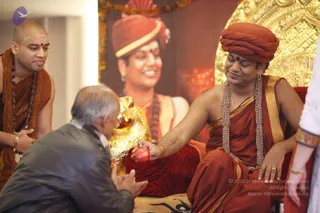
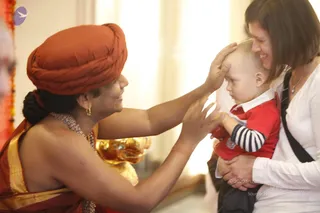
NITHYA SATSANG
44 photosSource gallery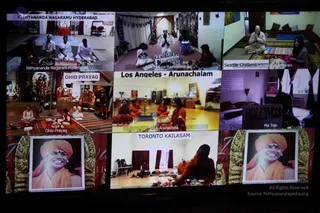
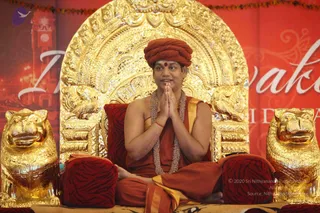
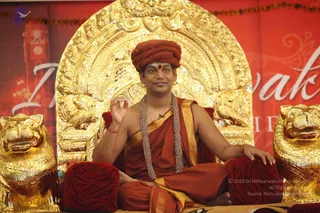
FB-photo-of-the-day
1 photoSource gallery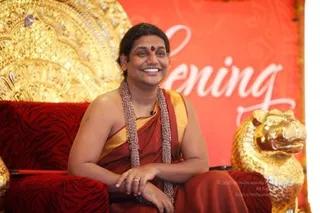
1-Nithya-Satsang
6 photosSource gallery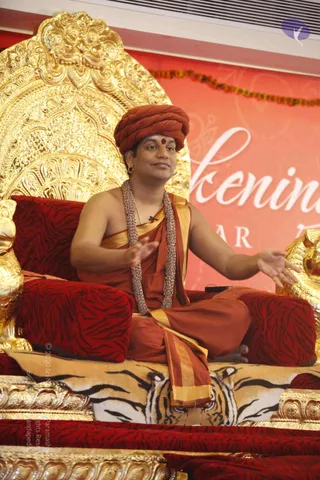
March 07 2014
2 photosView all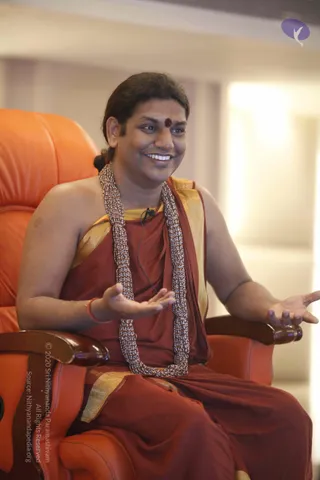
More photos
3 photosView all