
Friday
19 August 2016
Technique to Reach Sahaja Samadhi
- Dated photos
- 39
- Source pages
- 1
- Media
- 5
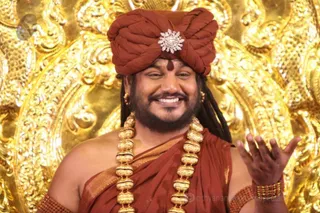
August 19 2016
Original wiki pageTitle:
Technique to Reach Sahaja Samadhi
Description:
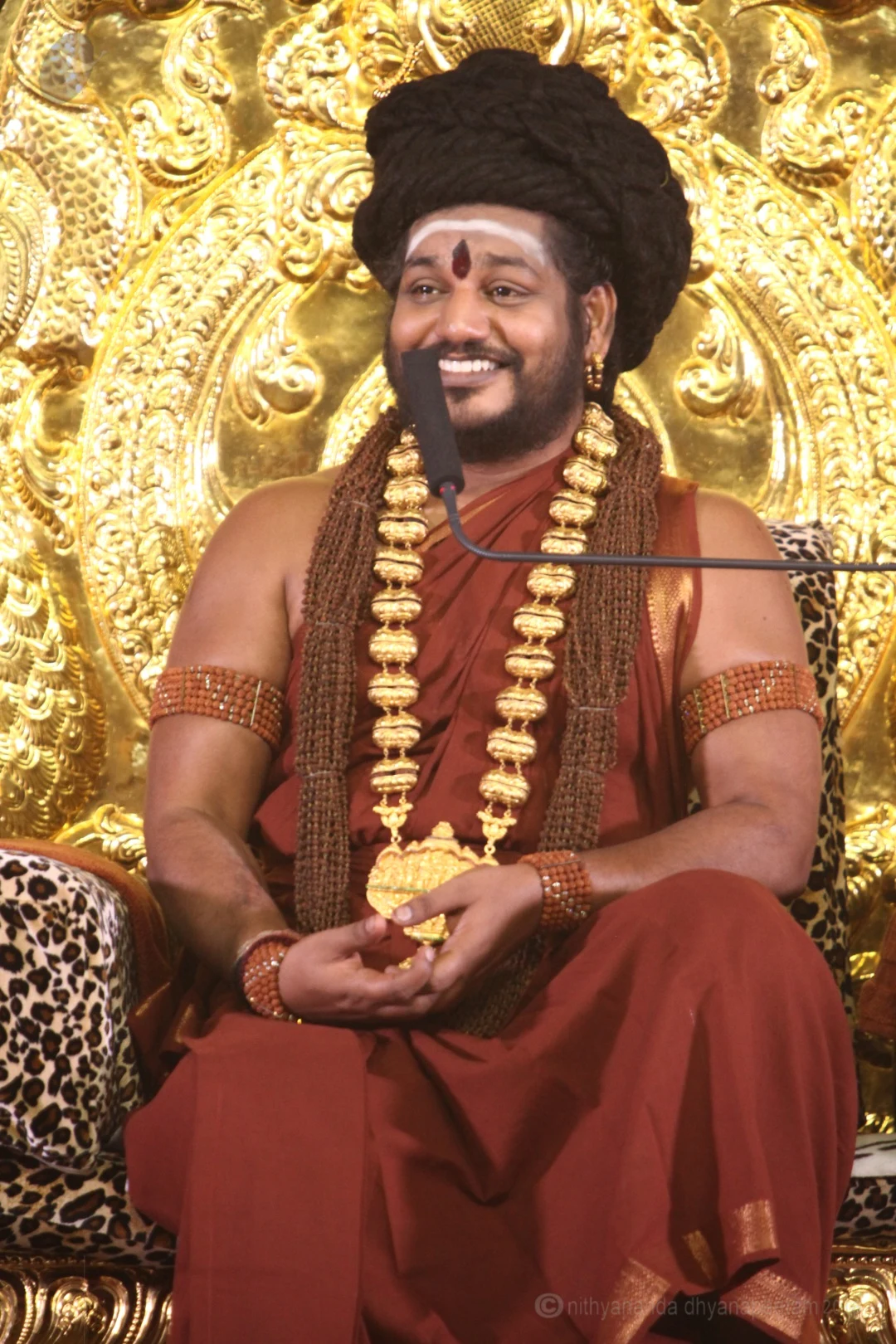
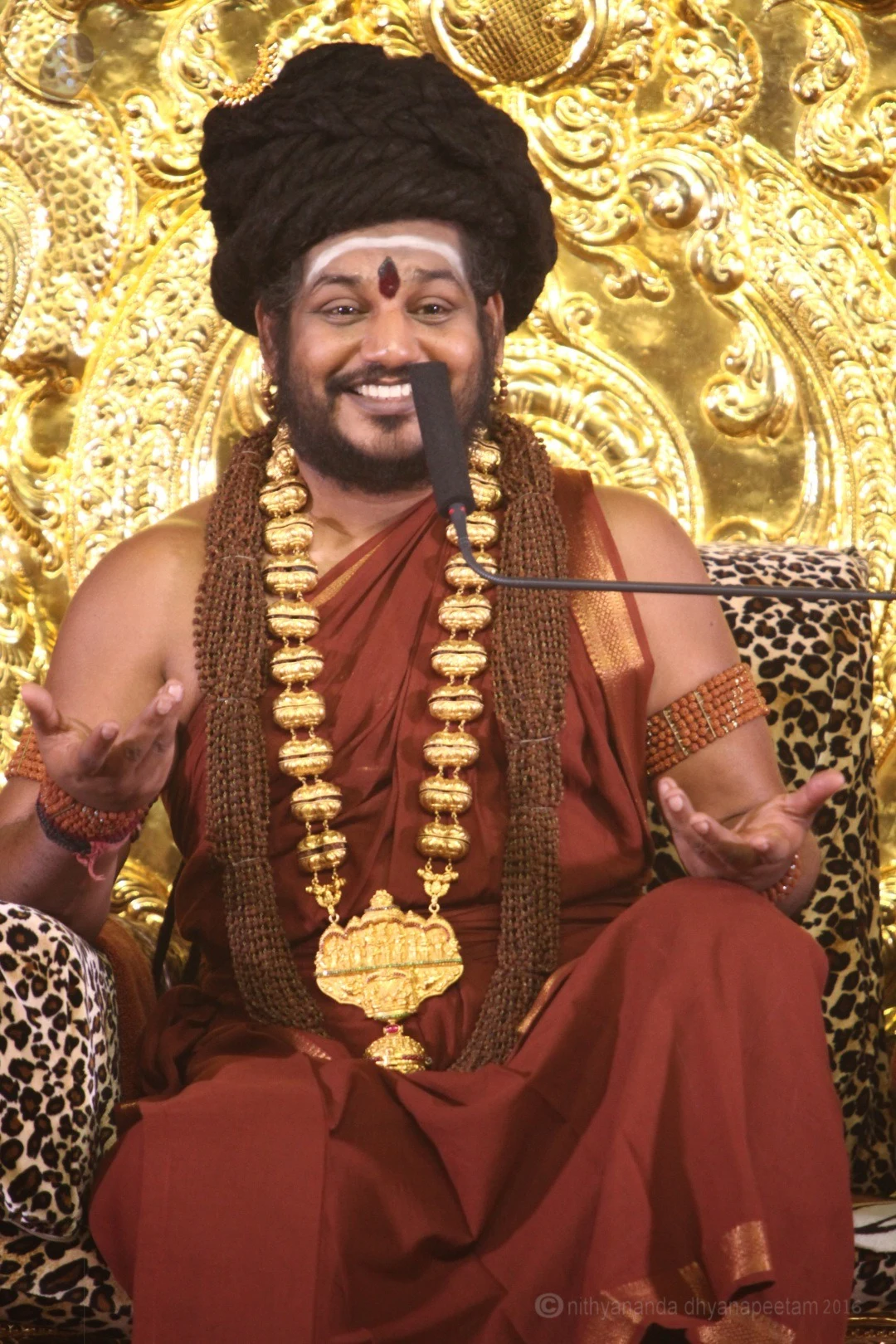
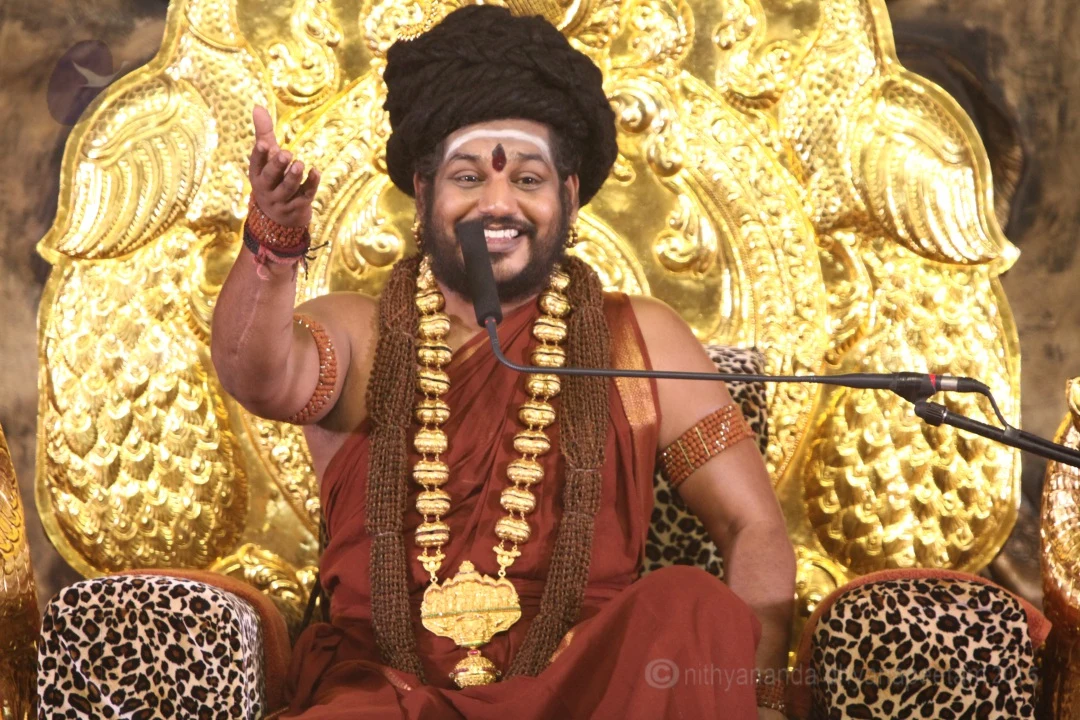
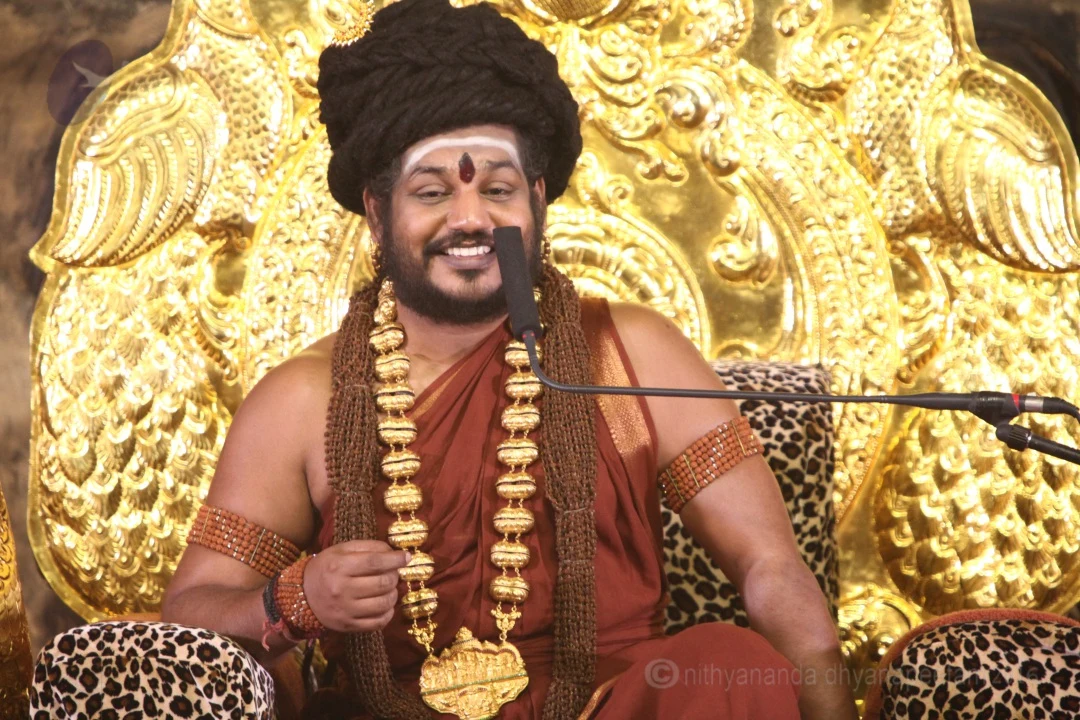
Paramahamsa Nithyananda decodes the 5th, 6th, 7th, 8th, 9th verse of Kena Upanishad, in the Nithya Satsang of 19th August 2016. Through these 5 verses the Upanishad is telling us to get into the DEPTH, not superficial, leading us to the Pure Questioning.
Link to Video:
| Video | Audio |
Transcript:
nithyānandeśvara samārambhām nithyānandeśvari madhyamām | asmat āchārya paryantām vande Guru paramparām ||
I welcome you all with my love and respects. I welcome all the devotees, disciples, Sarvajnapeetha Yajamans, Nithya Satsanghis, SriMahants, Mahants, Kotharis, Thanedars, visitors, everyone sitting with us through Nithyananda TV, Facebook live, YouTube live and two-way video conferencing having Nayana Deeksha all over the world. I welcome all of you with My love and respects.
Please recite the Kenopanishad mantra – 5, 6, 8, 9 along with me because all that you need to explore together.
yad-vācānabhyuditaṁ yena vāgabhyudyate tadeva brahma tvaṁ viddhi nedaṁ yadidamupāsate || 5 ||
yanmanasā na manute yenāhur-mano matam tadeva brahma tvaṁ viddhi nedaṁ yadidamupāsate || 6 ||
yaccakṣuṣā na paśyati yena cakṣūṁṣi paśyati tadeva brahma tvaṁ viddhi nedaṁ yadidamupāsate || 7 ||
yacchrotreṇa na śṛṇoti yena śrotramidaṁ śrutam tadeva brahma tvaṁ viddhi nedaṁ yadidamupāsate || 8 ||
yatprāṇena na prāṇiti yena prāṇaḥ praṇīyate tadeva brahma tvaṁ viddhi nedaṁ yadidamupāsate || 9 ||
Listen. The essence of all these verses – not which can be seen, but through which IT is seen.
Listen. This verse has two dimension. For example, you are seeing the hill, large hill ranges covered with snow, THE WORLD, that hill and when it is perceived, the perception and experience you go through in MY WORLD, means in ‘your world’ both are not ultimate. See, who is perceiving inside ‘My World’ and who is showing outside as ‘The World’, in both if you start seeing the Source, you will find SADASHIVA.
If you find, if you start looking – who is showing ‘my world’, your world, you will straight have the experience of SADASHIVA. If you start looking who is showing here [Swamiji points outward] as THE WORLD, who is manifesting, you will experiencing directly ADISHAKTI; but both are one and the same, ultimately. Adishakti or Sadashiva.
Listen, the essence is looking with DEPTH. Listening from the depth, breathing to the depth, everything, if you start looking at the Source, you will do it from the depth. Understand, all the sufferings of human beings because you are superficial. Depth brings powerfulness, joy. Anything, whether it is breathing, seeing, listening, cognizing, anything happens from the SOURCE, from the DEPTH is Parā Vidyā. Anything happens superficially, Aparā Vidyā. Understand, I never studied the regular Aparā Vidyā not because it is difficult, but because it was too shallow. That is what I am teaching to My Gurukul kids. I am seeing everyday, they are evolving – able to make the aparā vidyā redundant. I will make these schools, textbooks all that too easy for the kids. They will know – saparā vidyā is too shallow so that they will start putting their energy into Parā Vidyā, Parameshwari, Sri Vidyā, Adishakti. The science of Enlightenment is Sri Vidyā. The science of finding the Source is Sri Vidya. The science of finding who is seeing, who is listening, who is breathing and who is cognizing.
Listen. Repeat the verses once more and you will understand.
The 5th verse.
yat vācānabhyuditaṁ yena vāgabhyudyate – which cannot be described by words but which is the source of the vāk, the speech does not illumine, reveal but which makes the speech happen.
First. Second, the 6th verse.
yanmanasā na manute yenāhur-mano matam – means cannot be cognized by the mana, but which makes mana cognize, which makes mana operate.
Next,
yat cakṣuṣā na paśyati– not which can be seen, but through which the organ of seeing is lit, functions.
yat chrotreṇa na śṛṇoti – not by the listening, but through which the listening happens in you.
yat prāṇena na prāṇiti yena prāṇaḥ praṇīyate – not which can be breathed, but by which the breathing happens.
This is one of the most powerful Sahaja Samādhi technique – constantly whole day whenever you can, just try to remember –
Who is making me see?
What is the energy in me which makes me listen?
What is the Source of me which makes me cognize and think?
What is the Source of me which makes me breathe and breathe out?
Suddenly you will, your eyes will be open, but you will be sitting like a hatching mother bird whose eyes are open but she is not looking outside. The mother bird which sits on the eggs for hatching, her eyes will be open but she will not be seeing. Your eyes will be open but you will not be seeing, because you are seeing the SEER. Whenever you find time, just try to sit even for few minutes, you will pick up Sahaja Samādhi. Your eyes are open, but you are not seeing. Your ears are open, but you are not hearing. Your are not sleeping, your cognition is alive but you are not cognizing, that is the state called Sahaja Samādhi. After sometime even if you are cognizing, you will not move out of that state. You will continue to be in that state and you will continue to cognize, that is the perfect of Sahaja Samadhi.
Understand, these five verses of Kenopanishad is the most powerful technique, method for Sahaja Samadhi.
The Gummi Song, whatever we are playing, it was from the great Siddha Purusha, Mahasiddha, Konganavar. He is Devi upasaka, shākta. Originally the tradition says the Konganavar Jeeva Samadhi is there in Tirumala temple and I do strongly believe it. Please understand, all the great Incarnations were worshipped with the name of Siddha Purushas in the South. The 18 great incarnations happened in South, one of them is Konganavar, exactly the word Konganavar means ‘Lord of hills’, ‘konga’ means ‘hill’, ‘anavar’ means ‘the lord’. Konganavar means ‘lord of hills’, and he is supposed to be a Shāktā [worshipper of Shakti, Devi] when he was in the body, and it matches because in the Venkateshwara temple, if you see the main garbha griha vimāna, you will not see Garuda [divine bird, vehicle of Lord Vishnu] you will see Simbha [lion, vehicle of Devi], even the traditional informations available proves very clearly, he lived in Tirumala and has Maha Samadhi, Jeeva Samadhi in Tirumala. Anyhow in his song beautifully he describes the same truth, same truth he describes – the Gummi song today morning you sang, that song is directly from him. He describes the same truth of the Upanishads in at least 10 verses.
(15.56)
Actually that unique style of dancing for that song, that Gummi songs churns your whole bio memory and muscle memory, the way you need to turn around, rotate your body, its called whirling. In Siddha tradition, it is used as a technique, when you are whirling again and again, the sounds which is created directly gets into your guts. Because when you are whirling, the pitta will open up, your guts will record the verses sung. So such beautiful mantra like verse and you are whirling, it will just become your bio memory and muscle memory. Its one of the most powerful spiritual techniques. So even if you miss kirtans, don’t miss Gummi songs. Its one of the ancient method of creating right bio-memories and muscle memories.
Its called, the Konganavar songs are called Valai Gummi. There are other two Siddhas, actually totally 16 Gummi songs are there on Sadashiva, well-known, one is from Kalangi, one is from Sattanathar, Sattamuni, and one is very recently from Vallalar, just few 100 years before. These are some of the most traditional, powerful mantras. Please understand, these words came from the great Enlightened Masters, Incarnations. When you whirl with that Gummi and these words enter into your system they work as mantra, they just manifest in you like a bio-memory and muscle-memory. I commit with you guys, I will also compose some Gummi songs in Tamil and English. Because many who can’t understand Tamil for their sake I’ll do English also. First time in the world, English Gummi songs.
(19.34)
Through these five verses the Upanishad is trying to tell you to get into the DEPTH, DEPTH. Don’t be superficial. Being superficial will never let you live the life, somewhere you need to break, somewhere you need to break the ice, somewhere you need to evolve. Decide today should be the day you should start practicing Sahaja Samadhi, Sahaja Sthiti. Whole day whenever you find time, start looking at –
What is it in me which is letting me cognize me and everything around me?
What is it in me which is letting me see what I see?
What is it in me which is making me hear, what I am hearing?
What is it that is in me which is letting me breathe in and breathe out?
Start the Pure Questioning, you will see automatically your attention will get centered on something which cannot be verbalized. This question will not lead to answer, it will lead to an experience – embodied state. The embodied state is the answer for this question. Sahaja Samadhi is the answer for Pure Questioning. Start the Pure Questioning and come back. I will expand on the second khanḍah, now the prathamaḥ khanḍah is over
|| iti prathamaḥ khanḍah ||
The first chapter is over in Kenopanishad. Lets move to the next chapter in further satsangs.
With this I bless you all: Let you all radiate, with integrity, authenticity, responsibility, enriching, causing Living Shuddhadvaita Saivam, the eternal bliss. Nithyananda. Thank you. Be blissful.
Title:
Kirtan, Gummi song dance: Siddha Whirling Technique
Link to Video:
Kirtan, Gummi song dance: Siddha Whirling Technique - Ancient Method of Creating Right Bio Memories & Muscle Memories
In this short video, taken from the morning satsang of 19 August 2016, Paramahamsa Nithyananda explains about the origin and the significance of the Gummi songs created by the Mahasiddha’s of South India, and the dancing style that goes with it. These songs, created by 18 great incarnations, are powerful mantra’s. When we dance to them in the prescribed way, which is to whirl and move all nine points of the body simultaneously (knees, hips, elbows, shoulders and neck), continuously whirling.
When we dance like that, our system opens, because of the churning the pita in the body opens up. Because of that, the ancient mantra’s enter our guts and change our bio-memory and muscle memory in us. It is an ancient and very powerful method for creating the right bio-memory and muscle memory.
| Video | Audio |
Transcript:
The Gummi Song, whatever we are playing, it was from the great Siddha Purusha, Mahasiddha, Konganavar. He is Devi upasaka, Shākta. Originally the tradition says the Konganavar Jeeva Samadhi is there in Tirumala temple and I do strongly believe it. Please understand, all the great Incarnations were worshipped with the name of Siddha Purushas in the South. The 18 great incarnations happened in the South, one of them is Konganavar, exactly the word Konganavar means ‘Lord of hills’. ‘Konga’ means ‘hill’, ‘anavar’ means ‘the lord’. Konganavar means ‘Lord of hills’, and he is supposed to be a Shāktā when he was in the body. Even the traditional informations available proves very clearly, he lived in Tirumala and has Maha Samadhi, Jeeva Samadhi in Tirumala. Anyhow in his song beautifully he describes the same truth, same truth he describes – the Gummi song today morning you sang, that song is directly from him. He describes the same truth of the Upanishads in at least 10 verses.
(2:32)
Actually that unique style of dancing for that song, that Gummi songs, churns your whole bio memory and muscle memory, the way you need to turn around, rotate your body, it's called whirling. In Siddha tradition, it is used as a technique, when you are whirling again and again, the sounds which is created directly gets into your guts. Because when you are whirling, the pitta will open up, your guts will record the verses sung. So such beautiful mantra like verses and you are whirling, it will just become your bio memory and muscle memory. It's one of the most powerful spiritual techniques. So even if you miss kirtans, don’t miss Gummi songs. It's one of the ancient method of creating right bio-memories and muscle memories.
Its called, the Konganavar songs are called Valai Gummi. There are other two Siddhas, actually totally 16 Gummi songs are there on Sadashiva, well-known, one is from Kalangi, one is from Sattanathar, Sattamuni, and one is very recently from Vallalar, just few 100 years before. These are some of the most traditional, powerful mantras. Please understand, these words came from the great Enlightened Masters, Incarnations. When you whirl with that Gummi and when these words enter into your system they work as mantra, they just manifest in you like a bio-memory and muscle-memory.
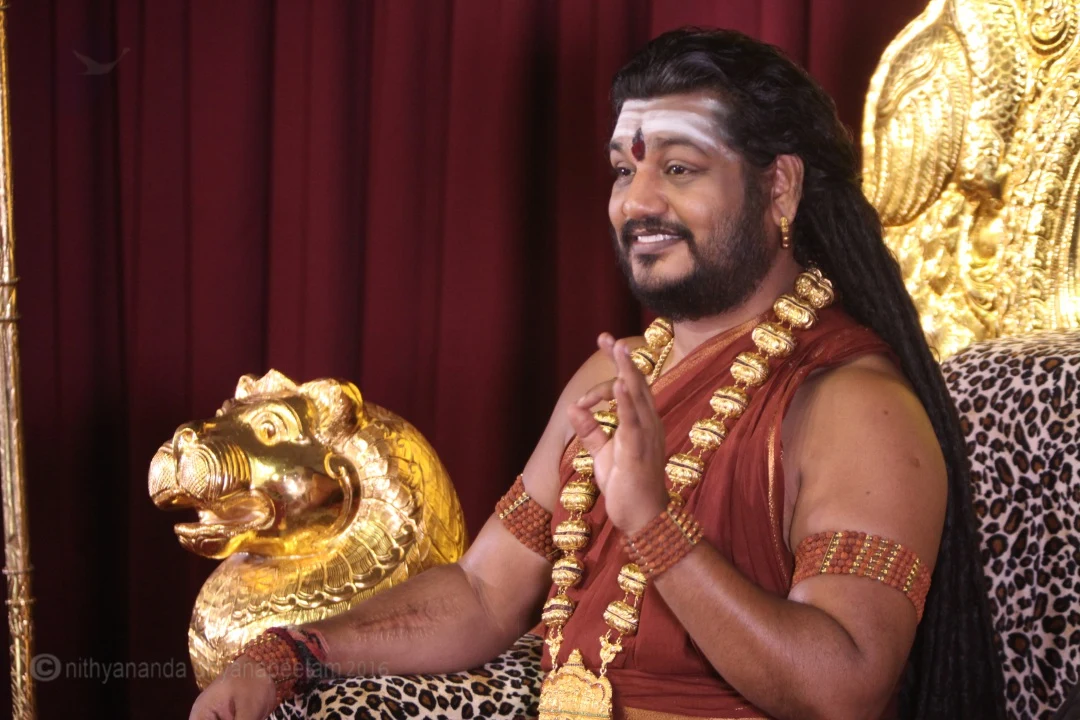
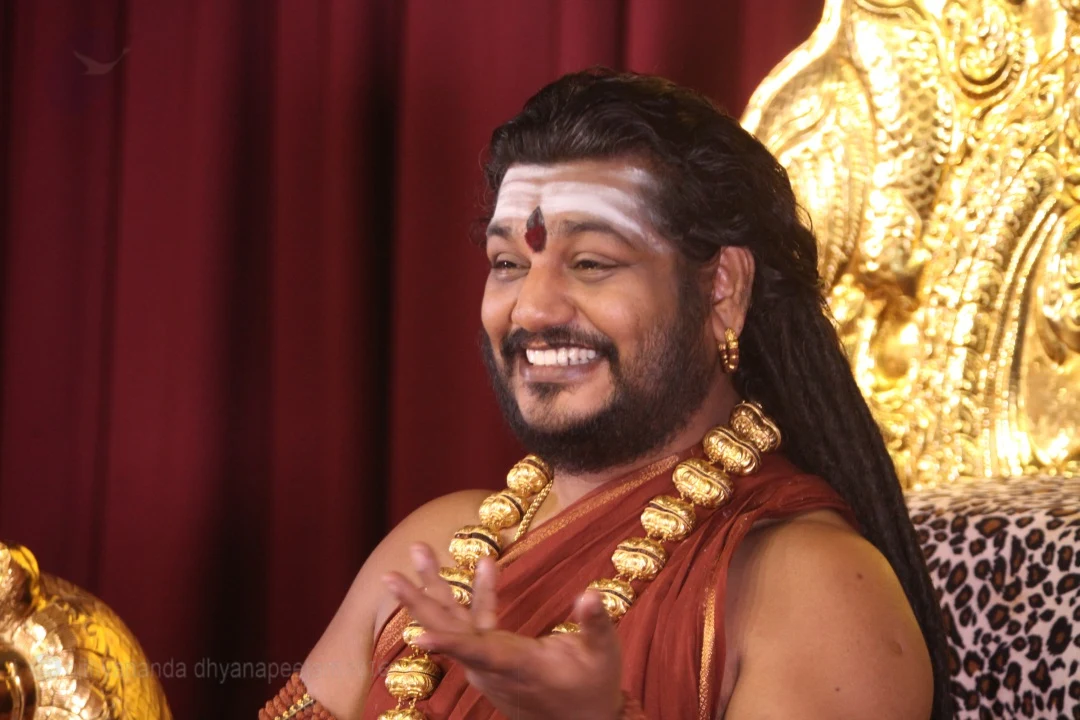
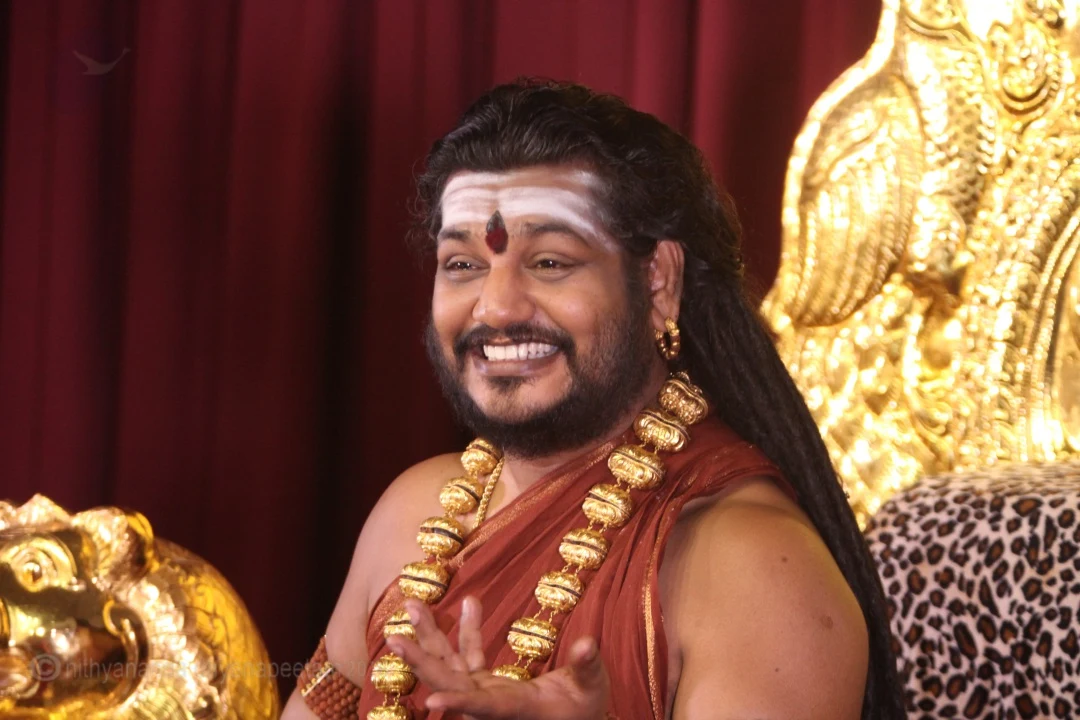
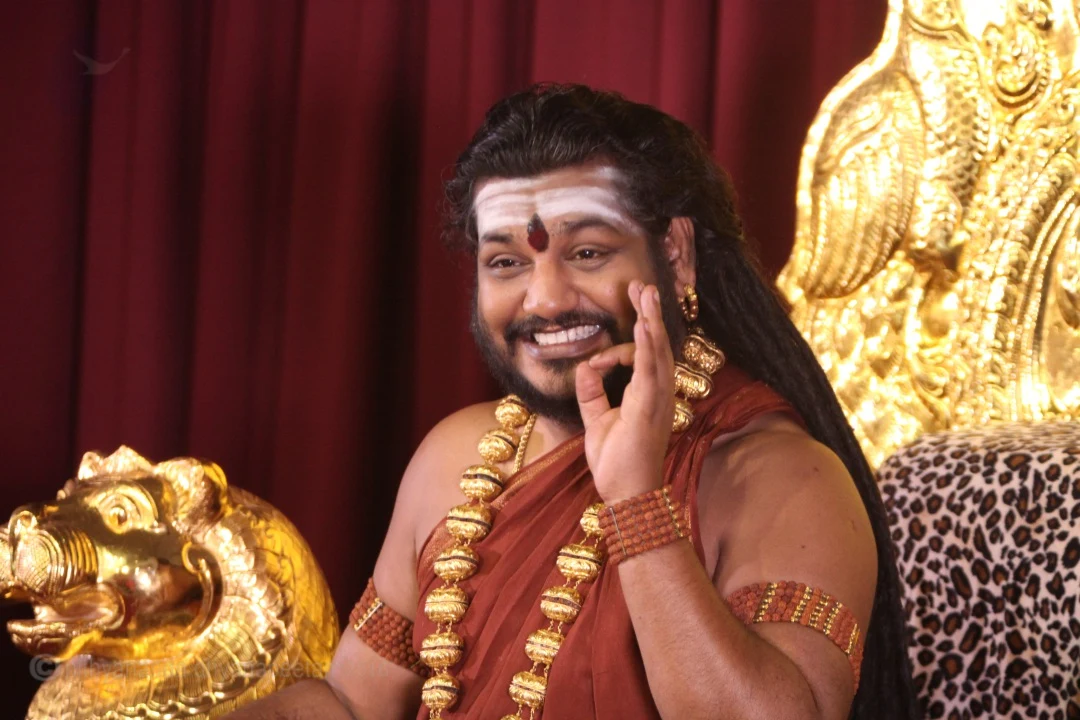
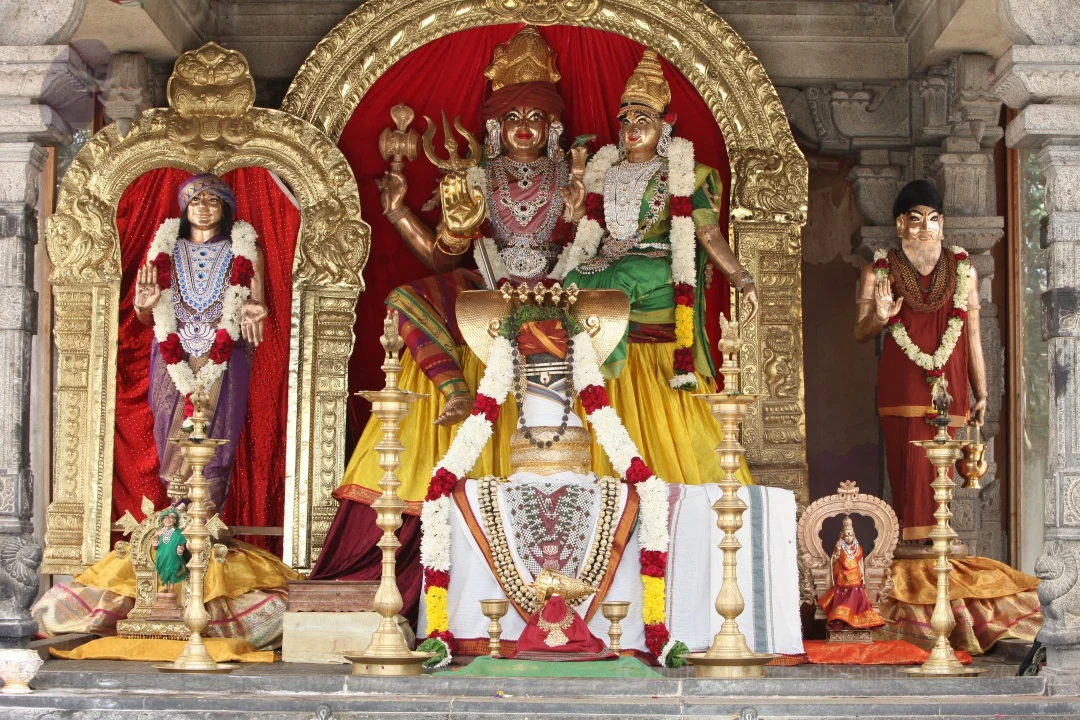
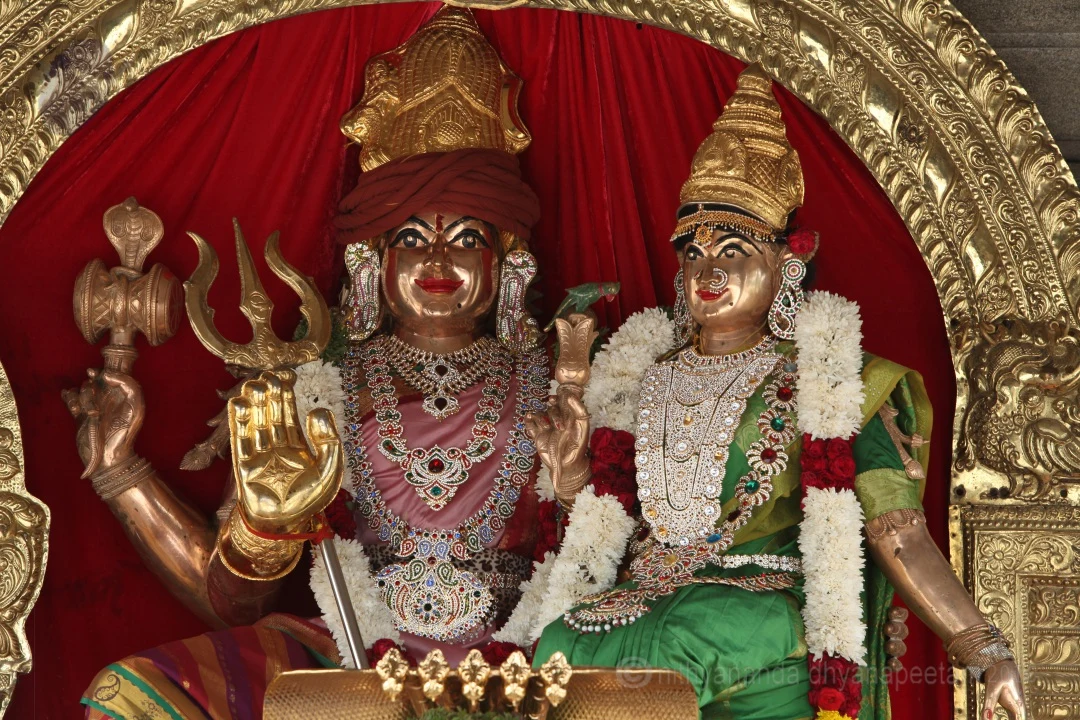
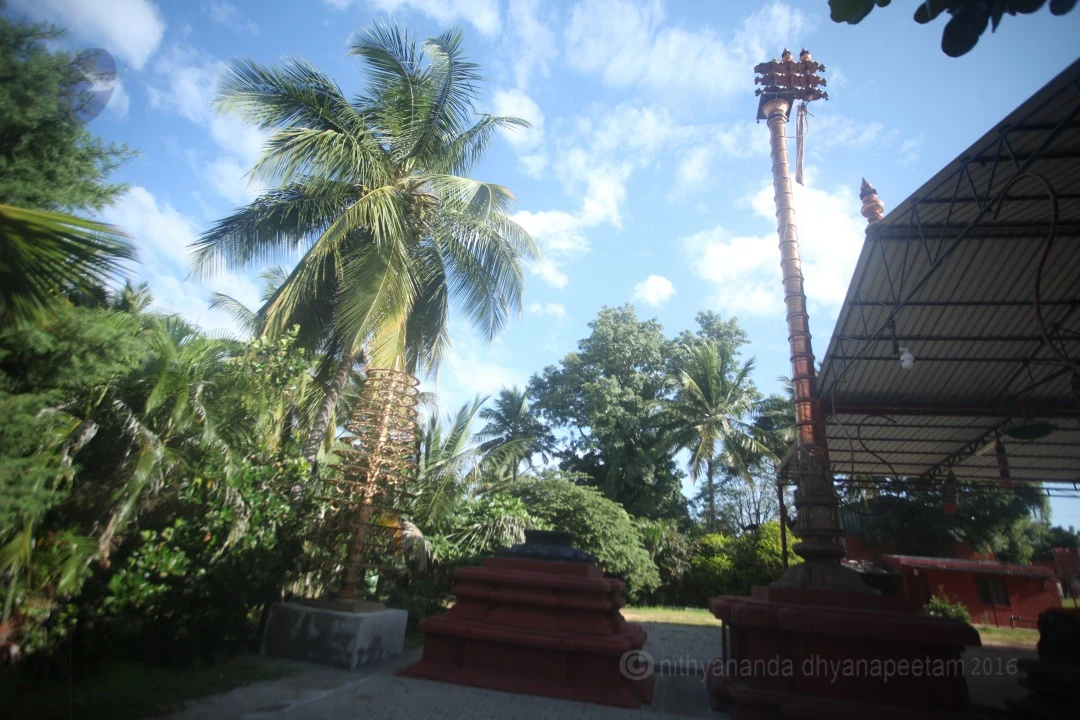
Photos From The Day:
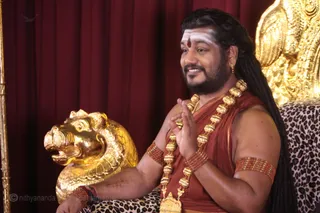
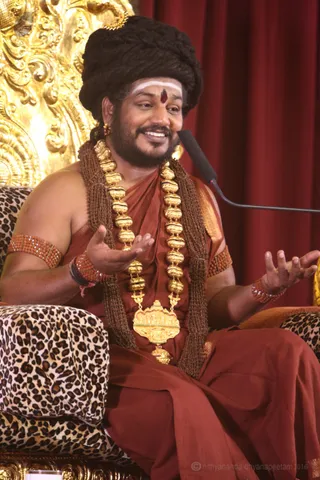
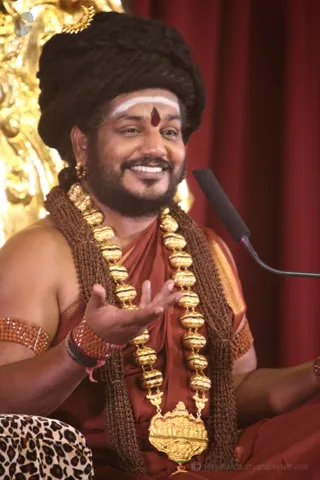
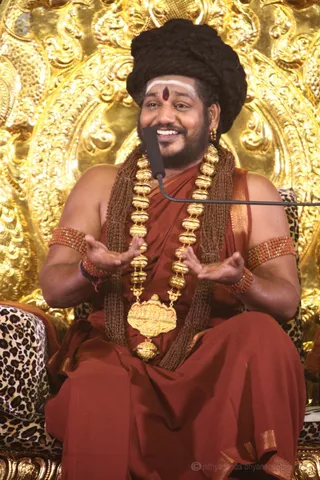
Satsang
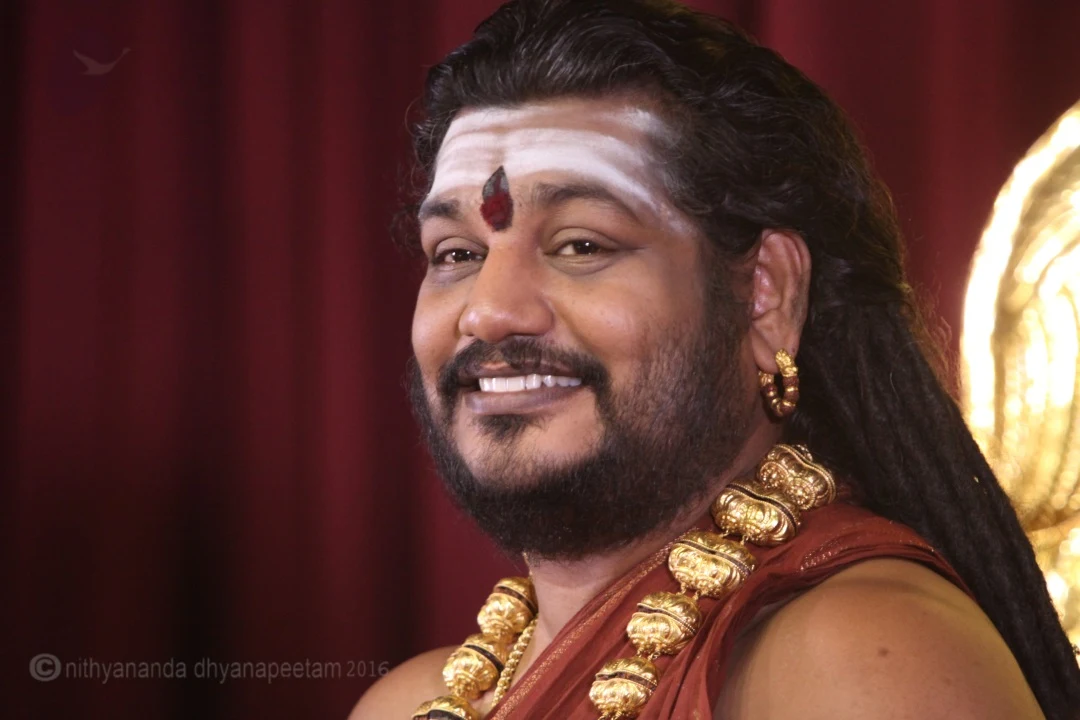
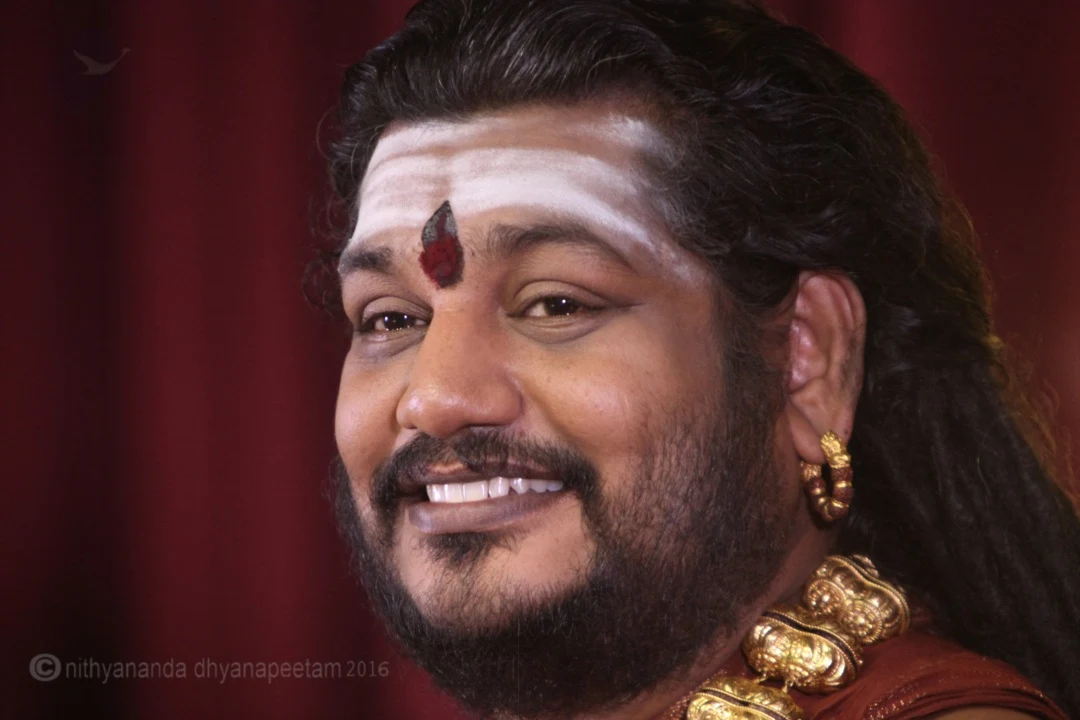
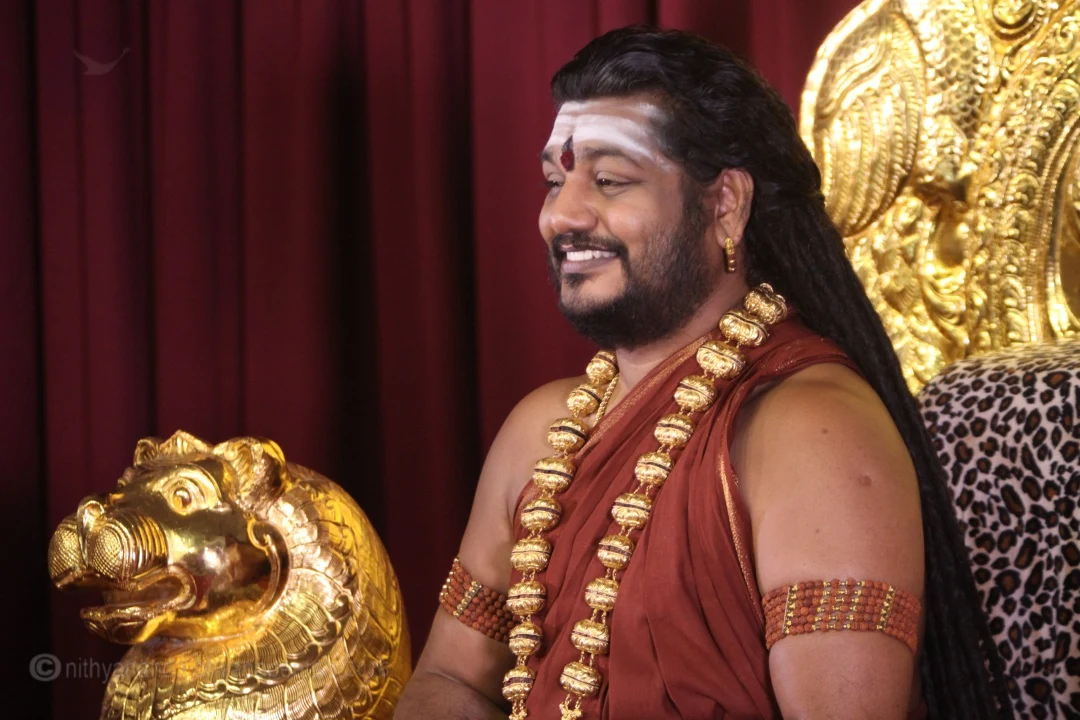
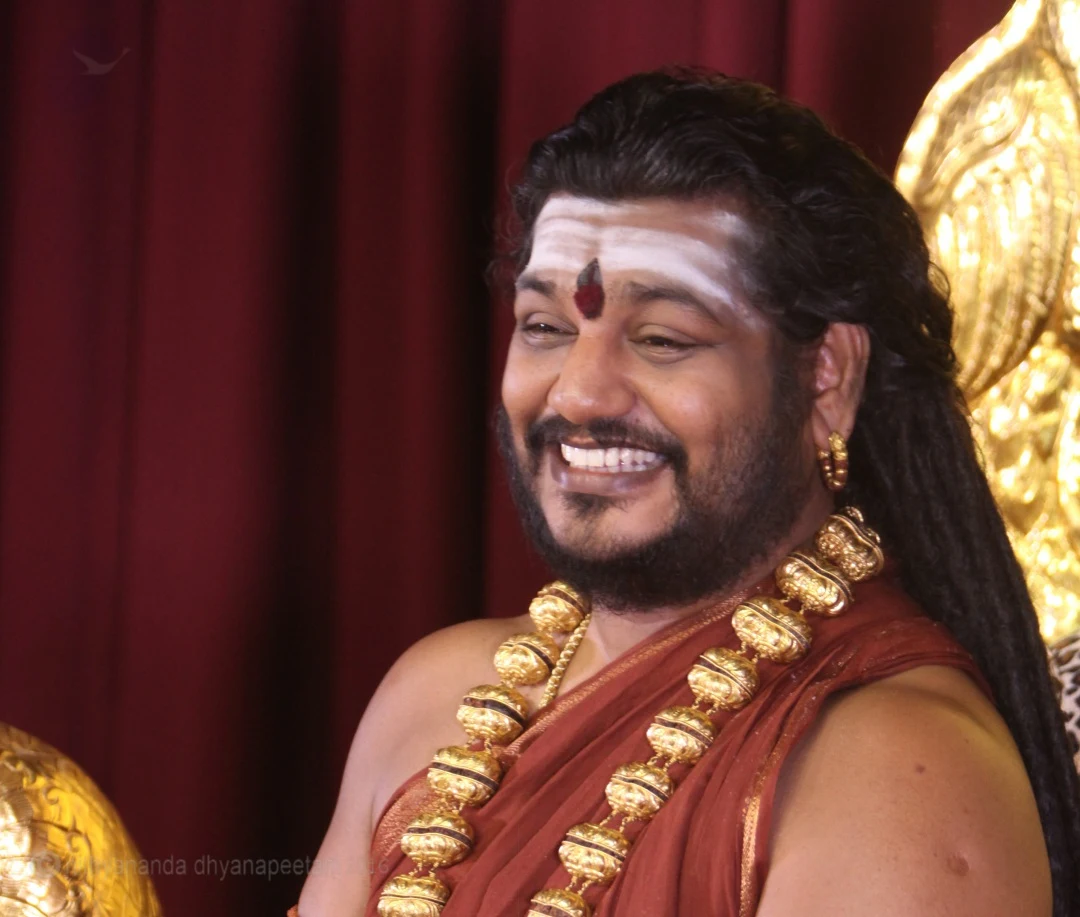
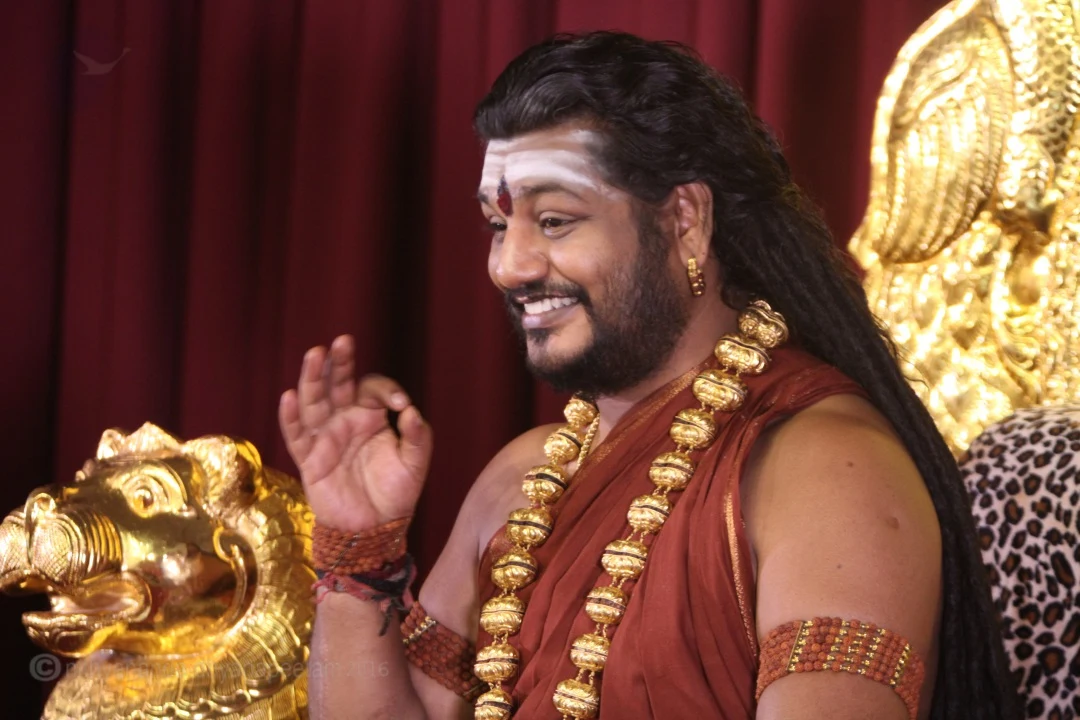
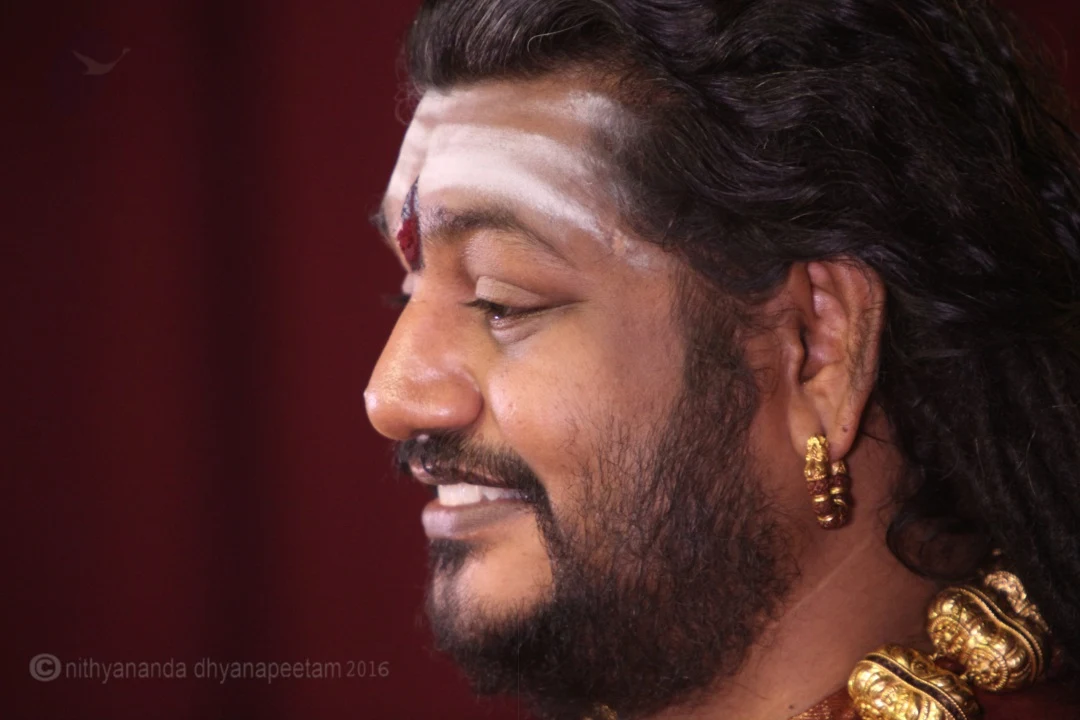
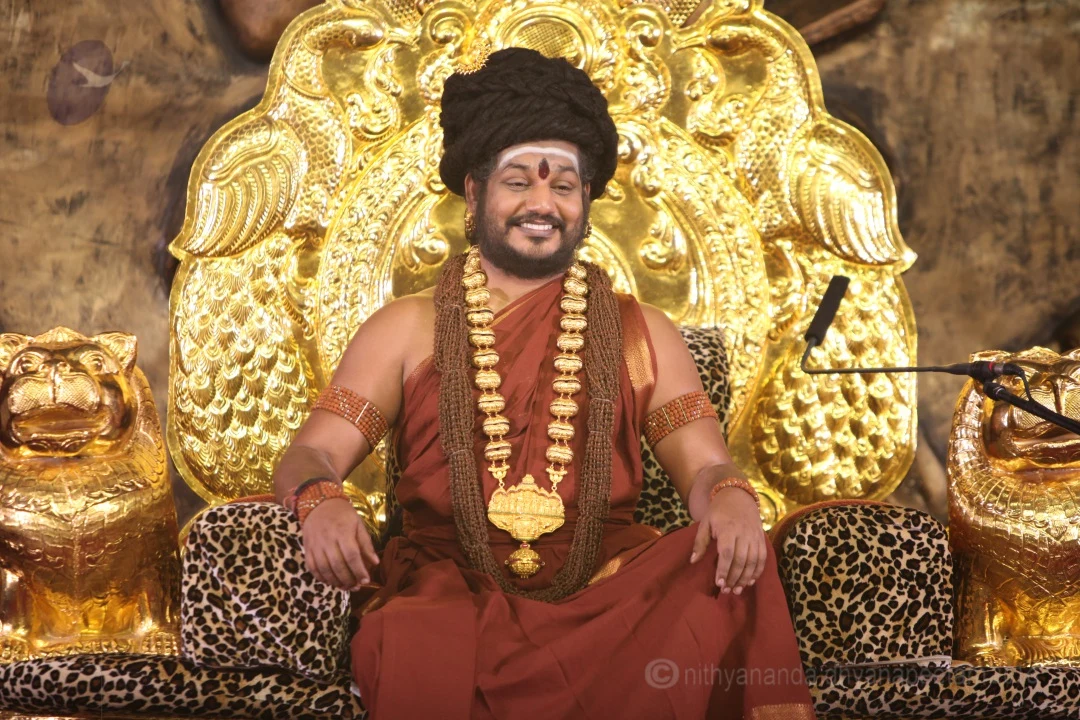
Tamil Satsang
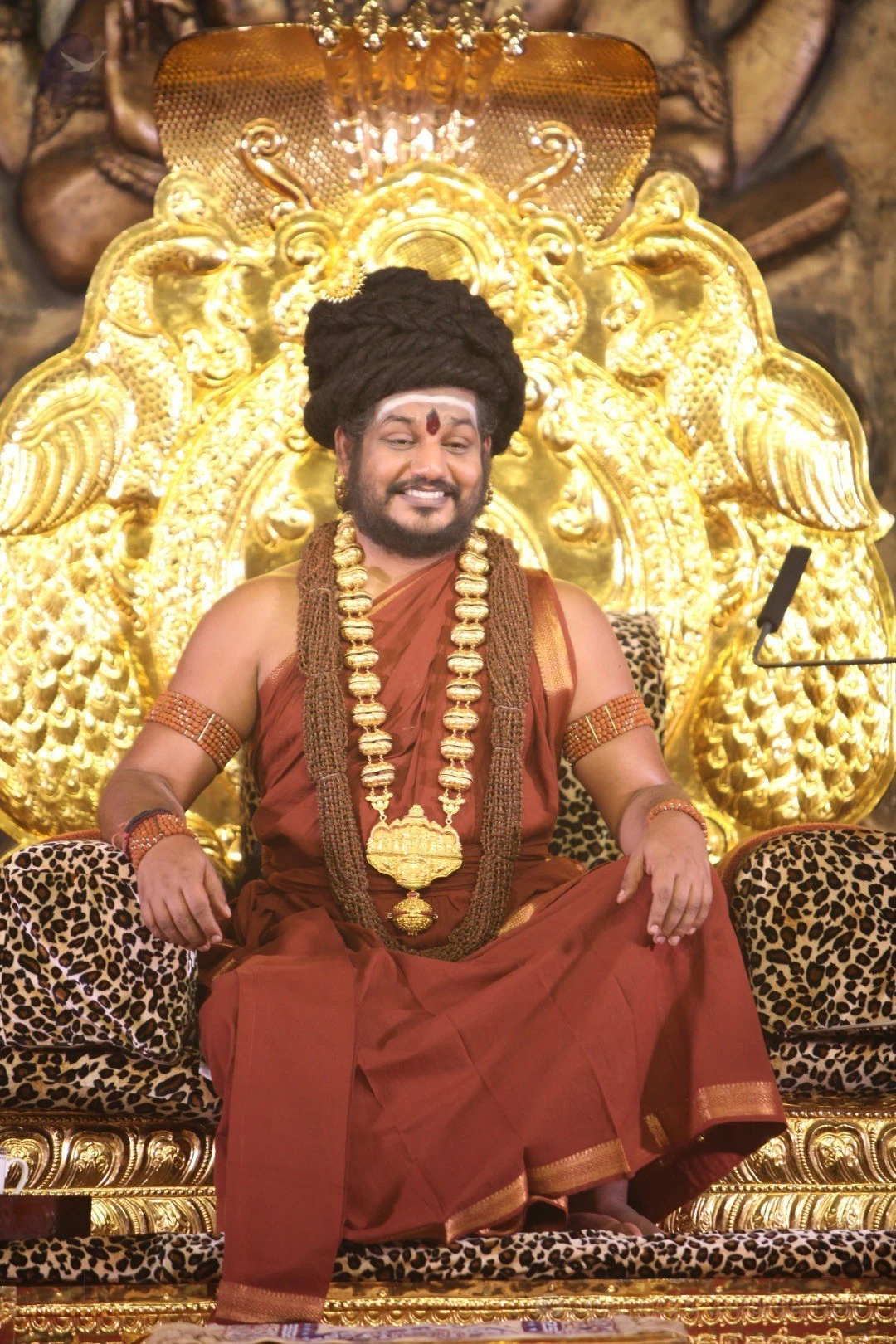
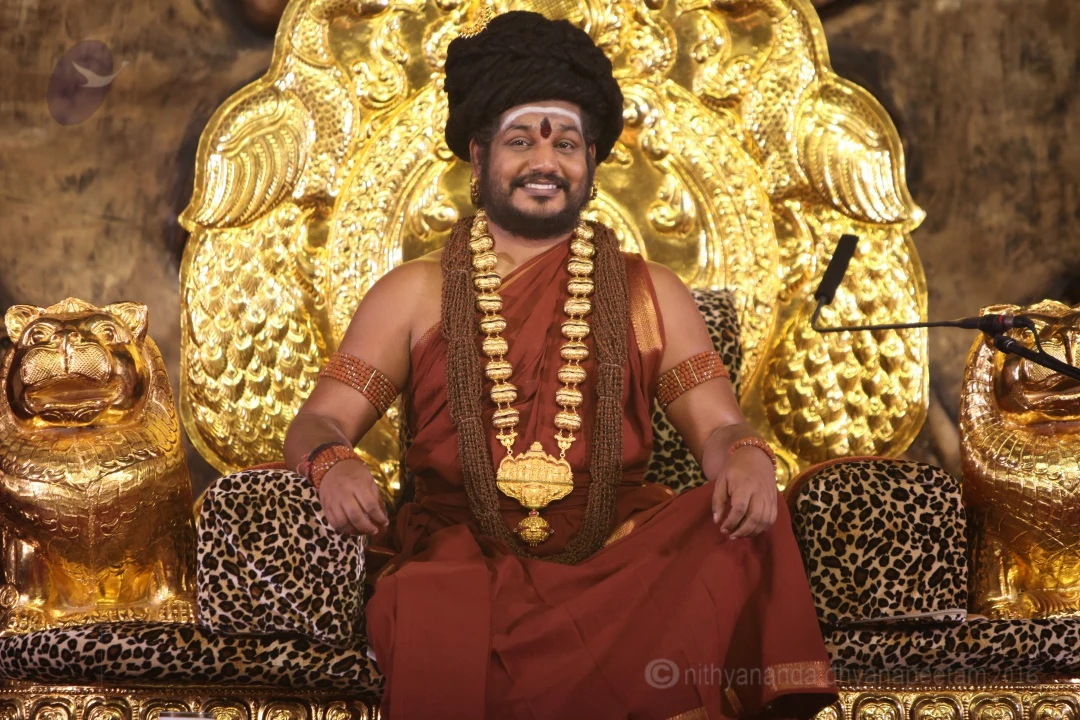
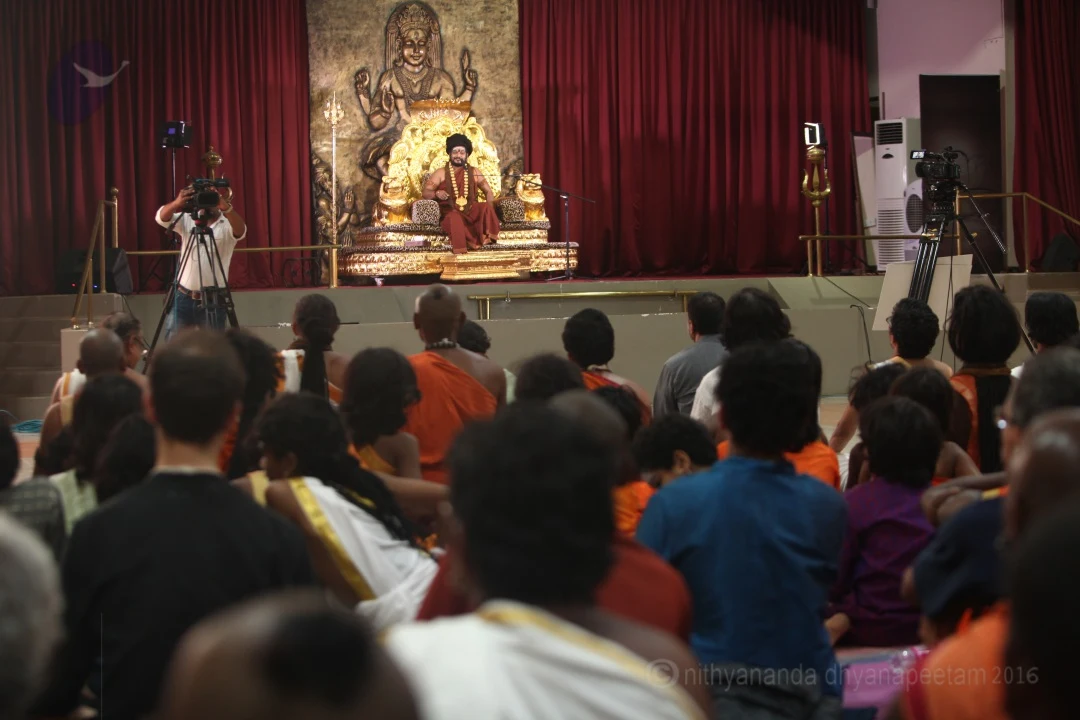
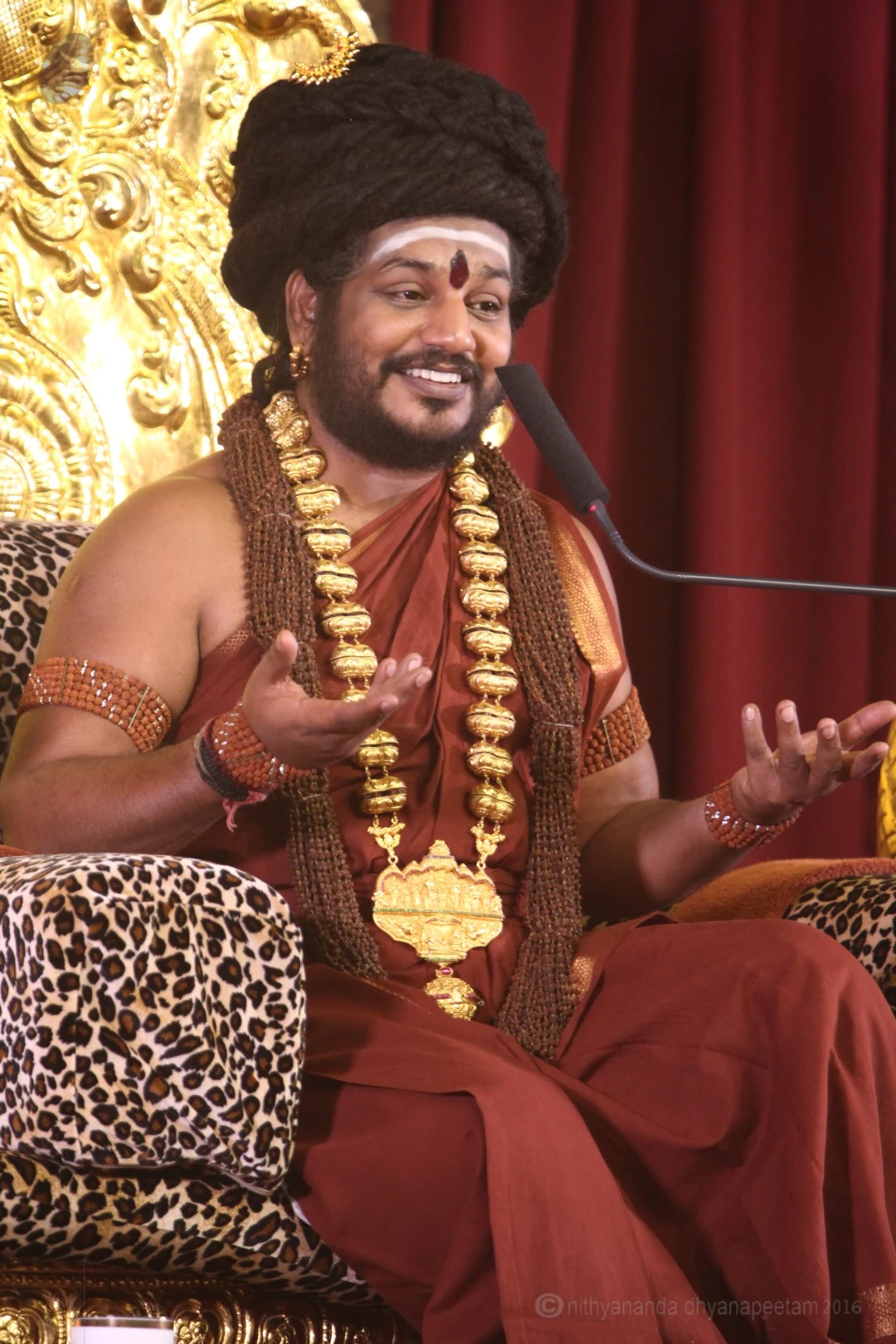
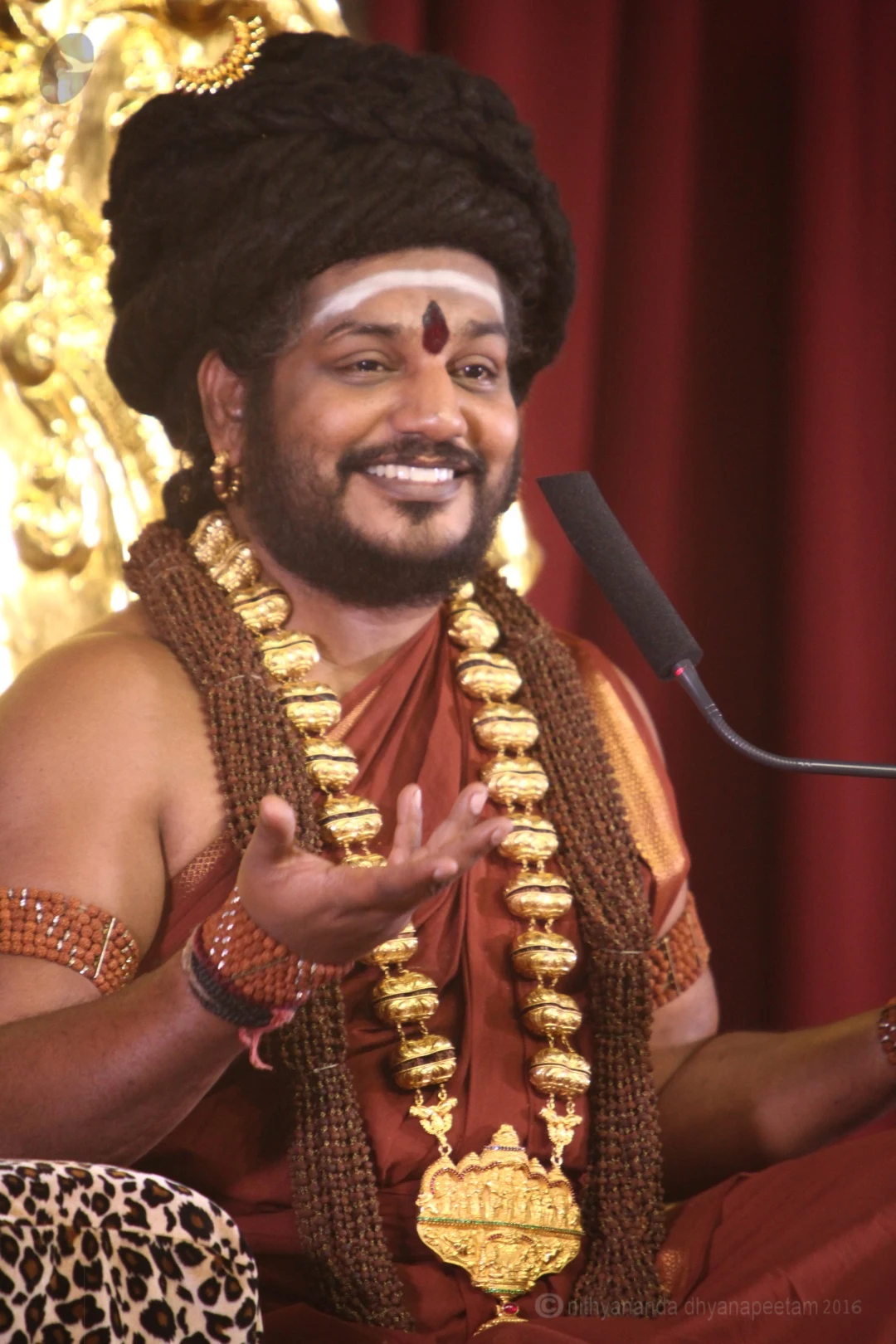
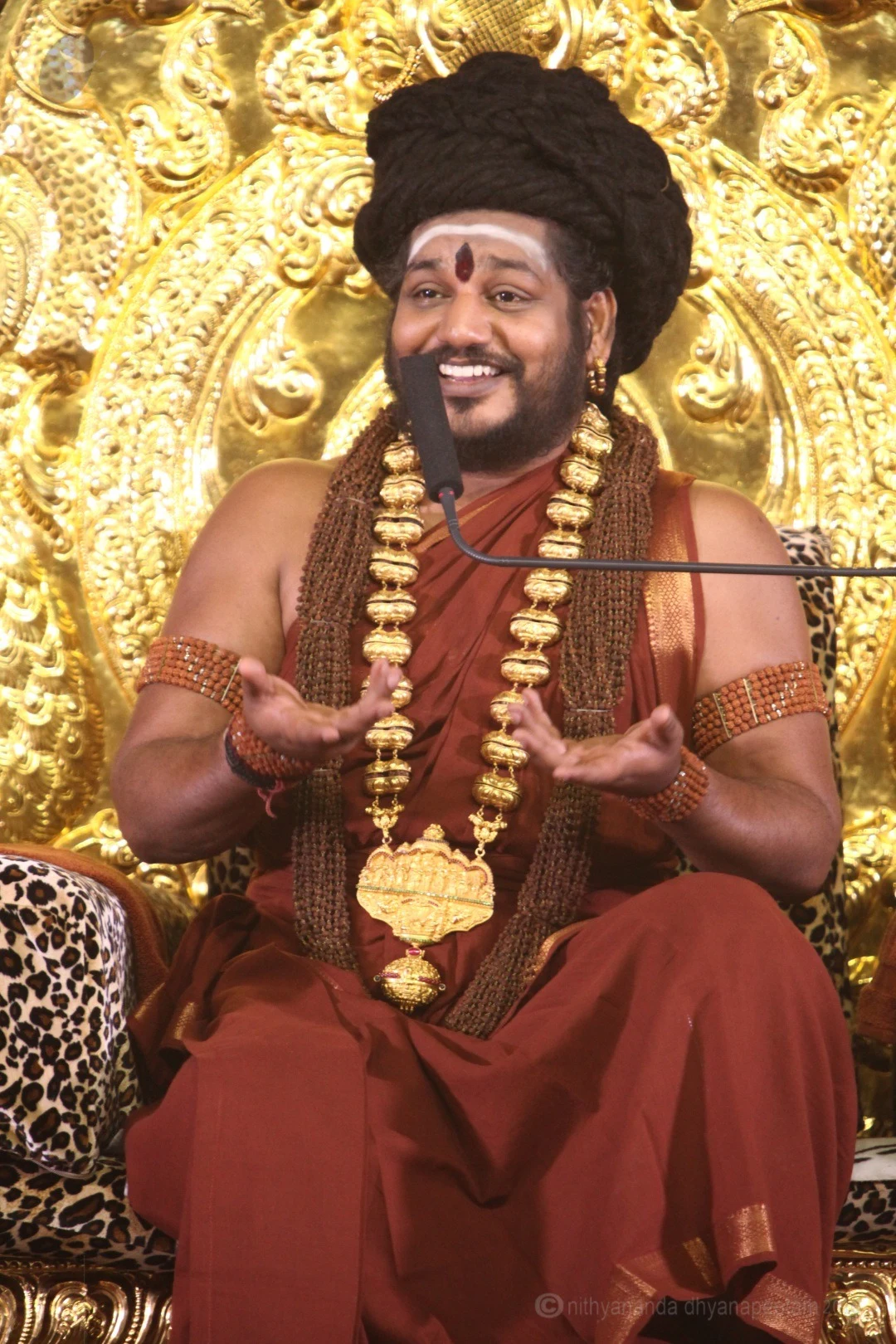
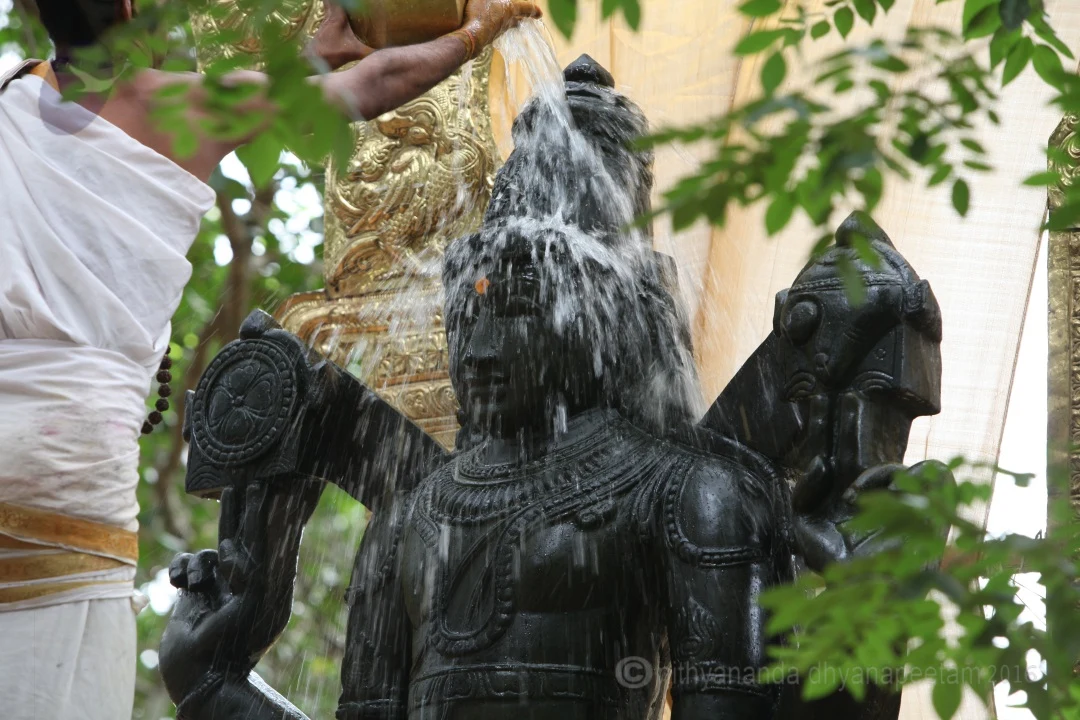
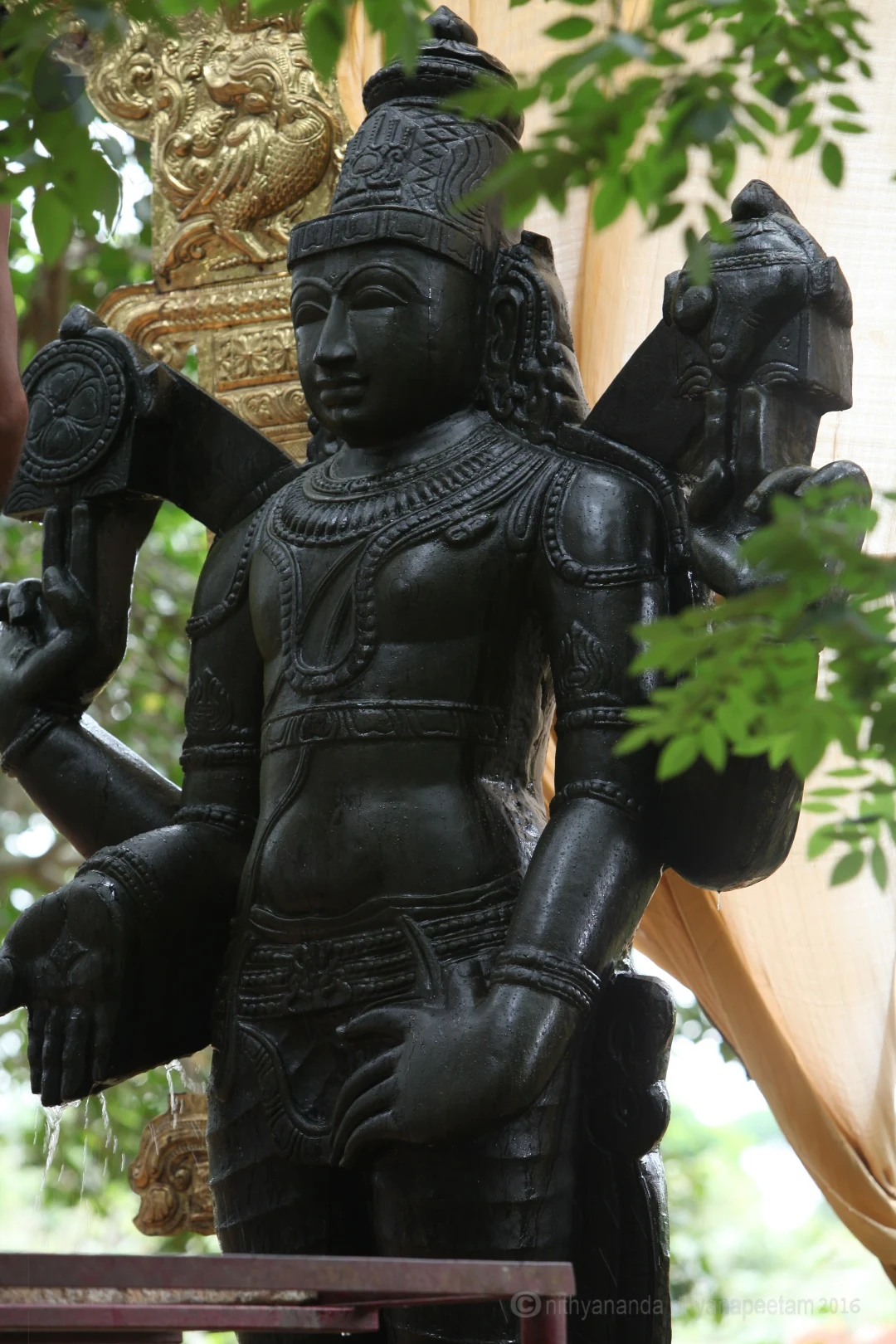
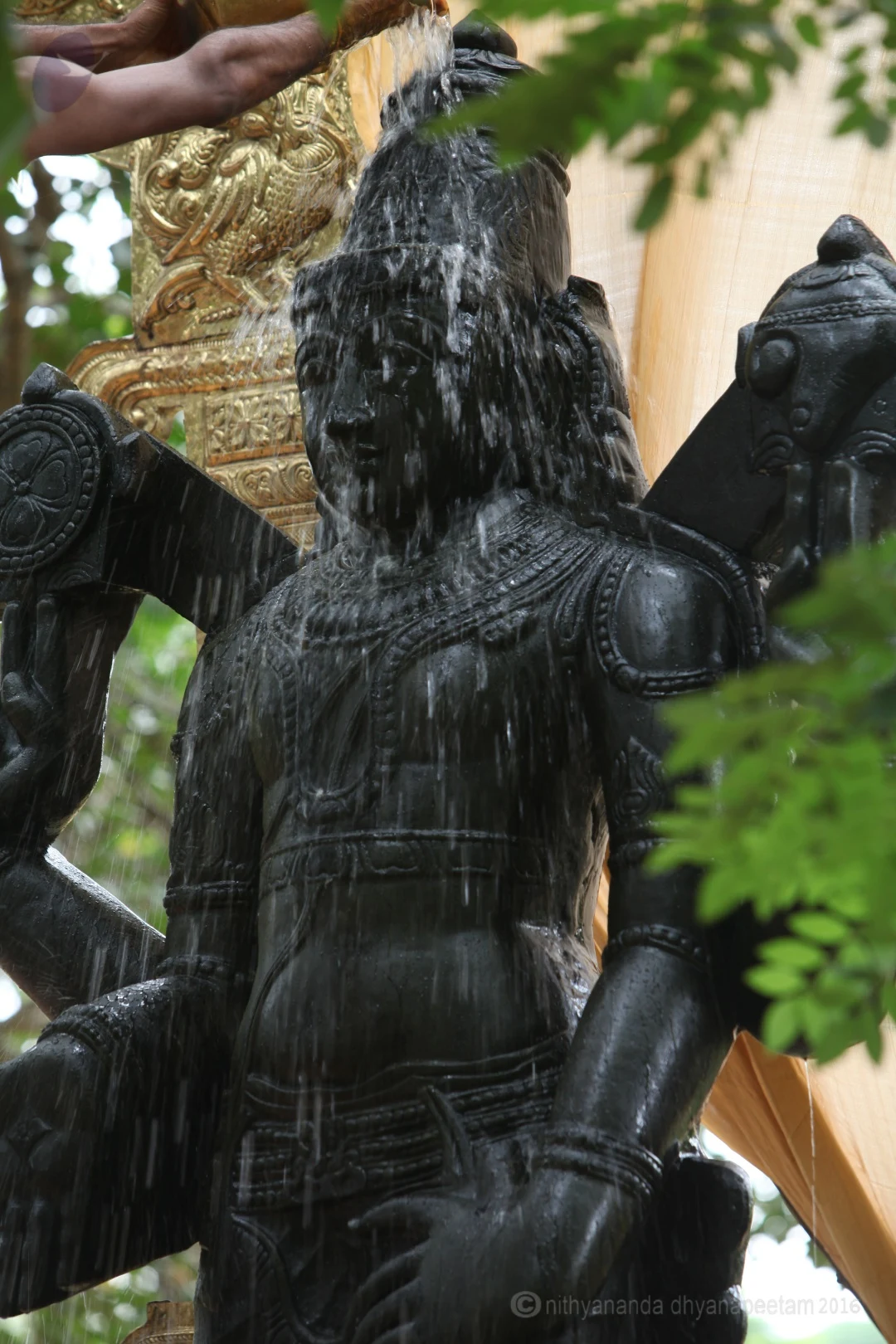
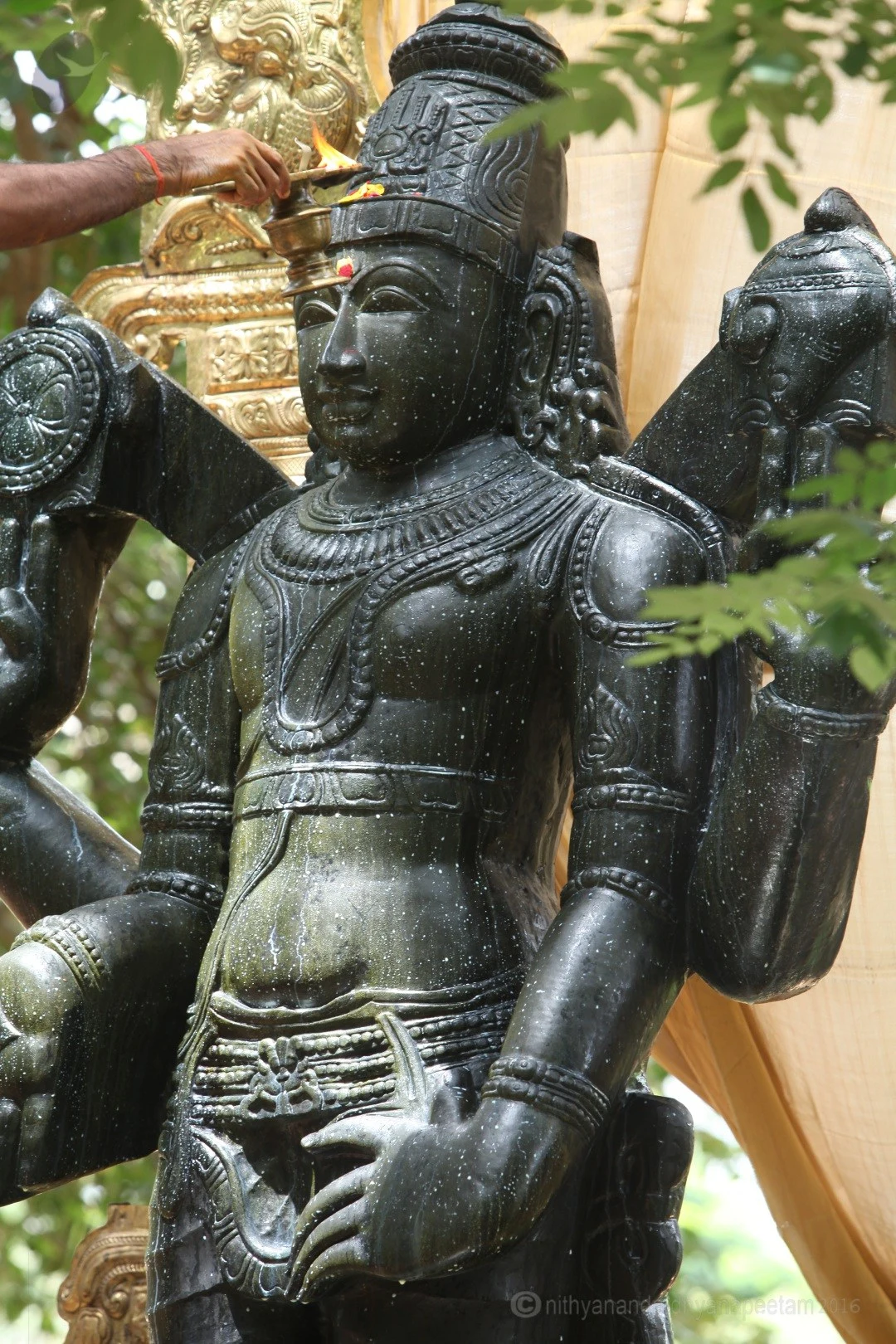
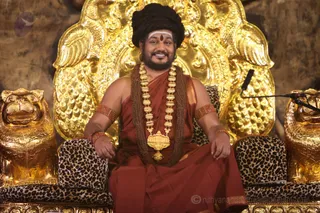
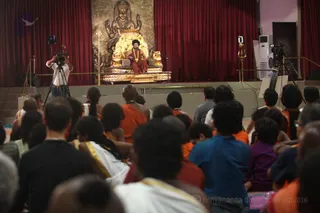
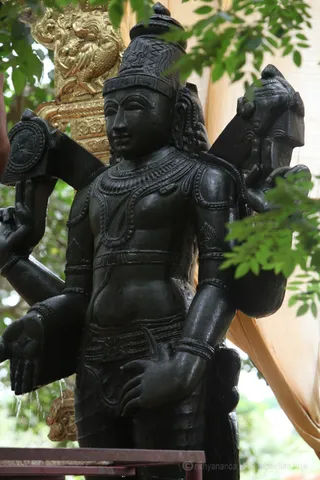
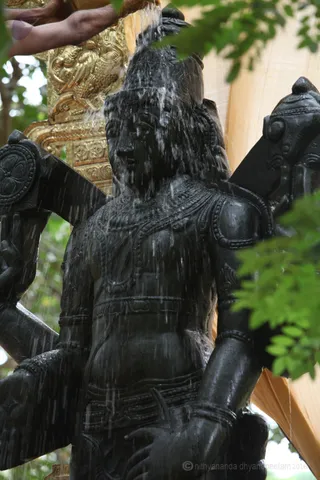
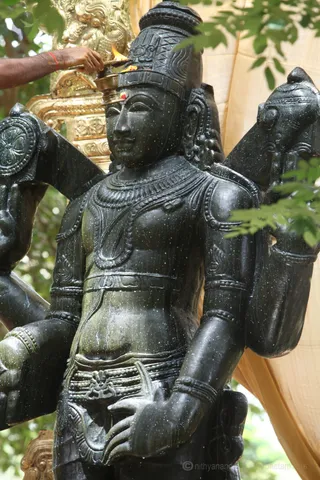
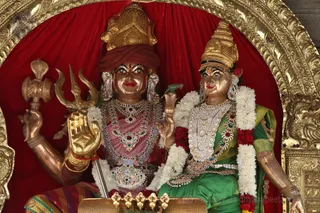
Abhishekam

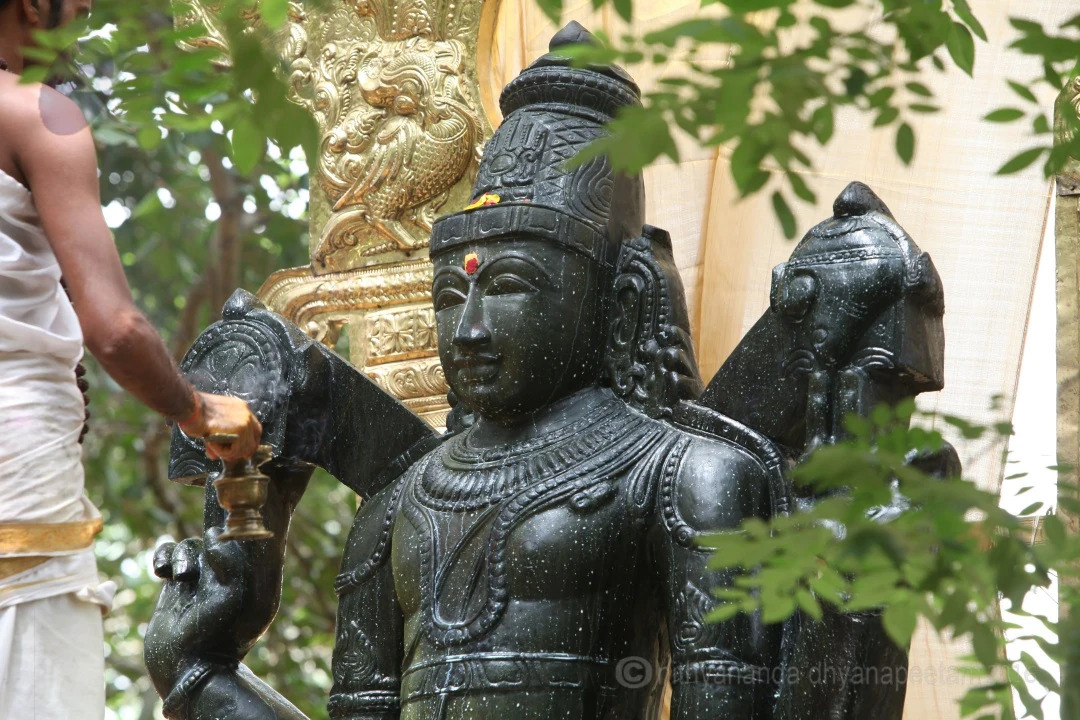
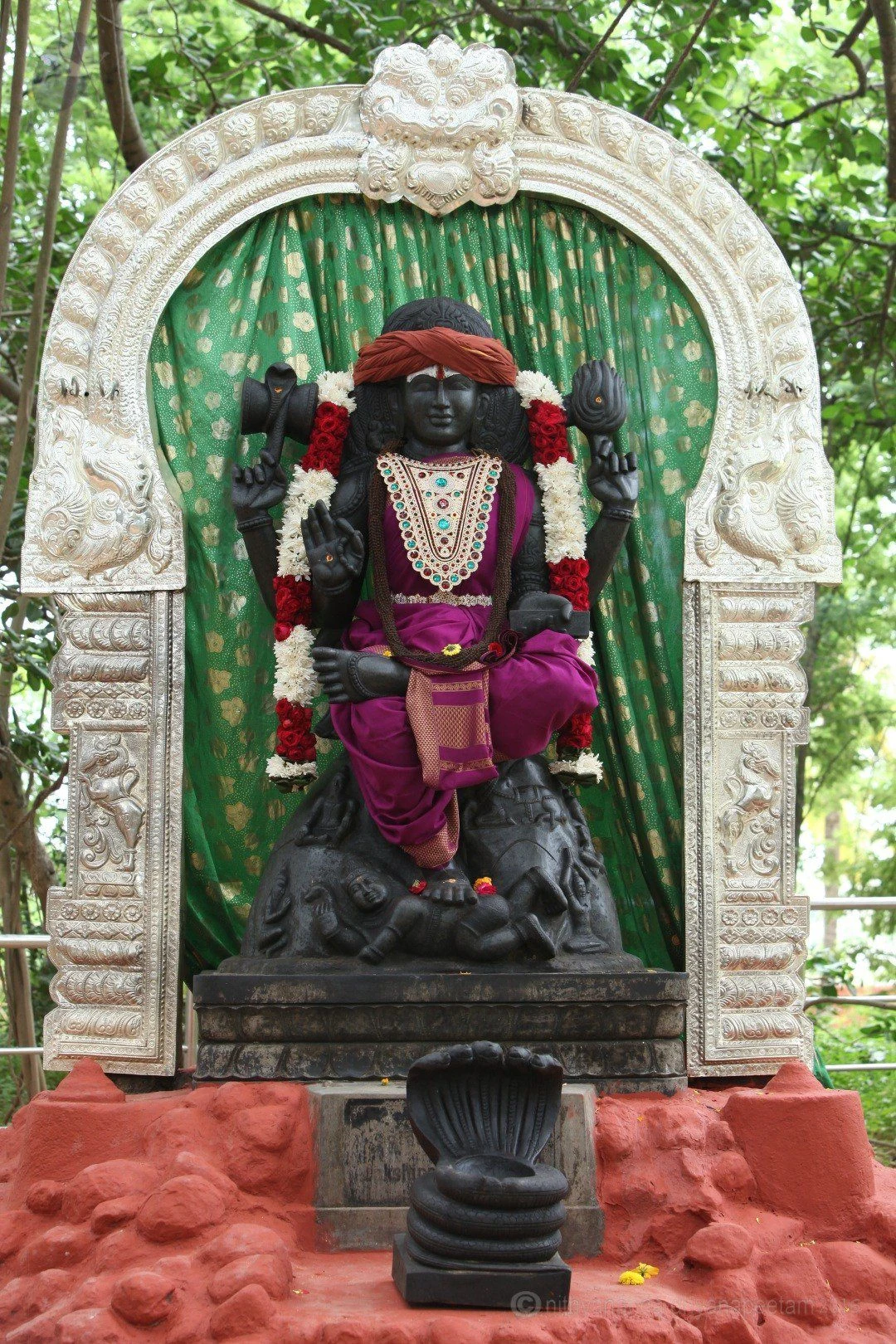
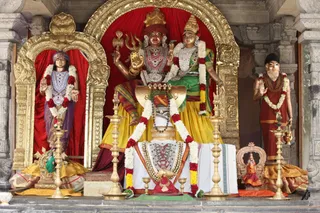
Temple
Sakshi Pramana:
Sharing from INNER AWAKENING
Photos Of The Day:
FB-Photos-of-the-Day
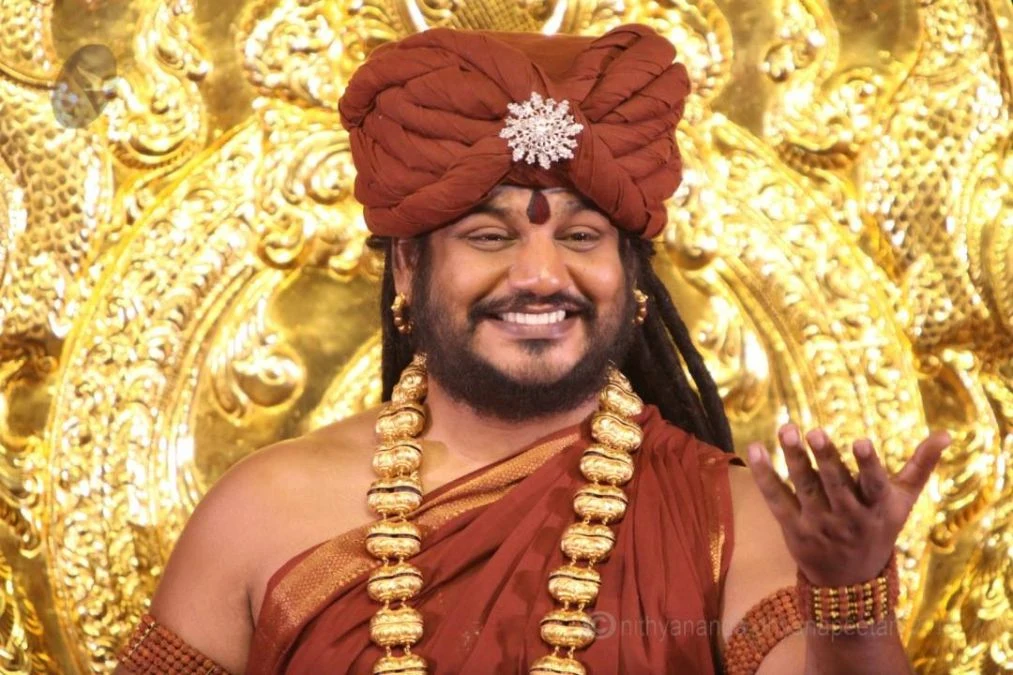
Tags:
Sahaja Samadhi, Adishakti and Sadashiva, Looking with Depth, The World and My World, Gummi Song, 18 Siddhas, Para Vidya, Apara Vidya, See the Source, Powerful Technique for Sahaja Samadhi, Gummi Song, Konganavar, Jeeva Samadhi, Tirumala temple
Photos from this day
View all 39 photosSatsang
11 photosSource gallery
Tamil Satsang
10 photosSource gallery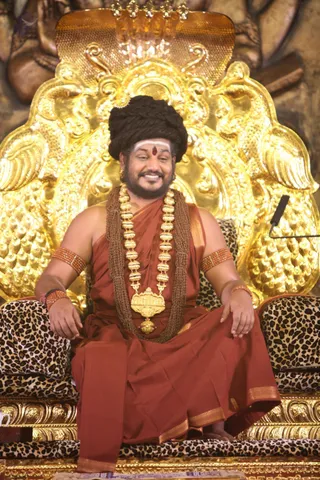
Abhishekam
6 photosSource gallery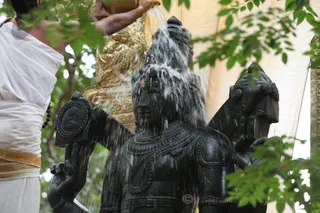
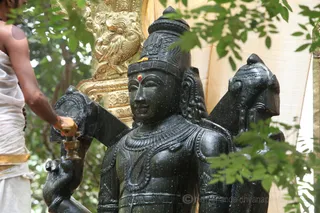
Temple
11 photosSource gallery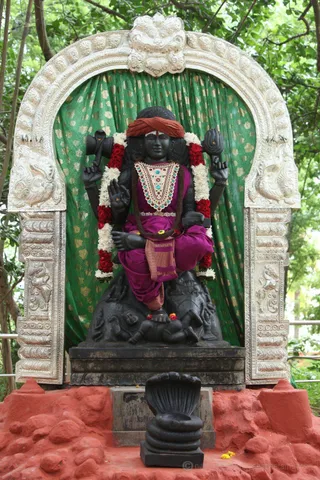
FB-Photos-of-the-Day
1 photoSource gallery