Saturday
20 August 2016
Are you a Fan or a Devotee?
- Dated photos
- 132
- Source pages
- 1
- Media
- 4
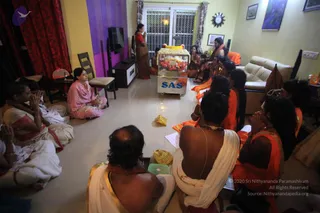
August 20 2016
Original wiki pageTitle:
Are you a Fan or a Devotee?
Description:
Paramahamsa Nithyananda morning satsang 20 August 2016: Are You a Fan or a Devotee?
Link to Video:
| Video | Audio |
Transcript:
nithyānandeśvara samārambhām nithyānandeśvari madhyamām | asmat āchārya paryantām vande Guru paramparām |
I welcome all of you with my love and respects.
I welcome all the Sarvajnapeetha Yajamans, Devotees, Disciples, Nithya Satsanghis, SriMahants and Mahants, Kotharis, Thanedar, Visitors, Viewers, sitting with through Nithyananda TV, Facebook live, YouTube live, and through two way Video Conferencing, having Nayana Deeksha, all over the world.
I welcome all of you with my love and respects.
(1:32)
So, let me enter into the Kenopanishad, Dvitiyaḥ Khanḍah, the 2nd chapter, 2nd part of the Kenopanishad. Chant along with me, then I’ll expand on it, reveal the sacred secret.
yadi manyase suvedeti dabhramevāpi nūnaṁ tvaṁ vettha brahmaṇo rūpam | yadasya tvaṁ yadasya deveṣvatha nu mīmāṁsyameva te manye viditam || 1||
Recite once more.
yadi manyase suvedeti dabhramevāpi nūnaṁ tvaṁ vettha brahmaṇo rūpam | yadasya tvaṁ yadasya deveṣvatha nu mīmāṁsyameva te manye viditam || 2.1||
Recite once more.
yadi manyase suvedeti dabhramevāpi
nūnaṁ tvaṁ vettha brahmaṇo rūpam | yadasya tvaṁ yadasya deveṣvatha nu mīmāṁsyameva te manye viditam || 2.1||
Recite.
yadi manyase suvedeti dabhramevāpi nūnaṁ tvaṁ vettha brahmaṇo rūpam | yadasya tvaṁ yadasya deveṣvatha nu mīmāṁsyameva te manye viditam || 1||
(3:51)
Listen.
“If you think I know It very well, then you certainly have known only, very little expression of Brahman’s true nature and form. What you know is conditioned by your limited perception of Brahman’s expression, in yourself and it’s expression among the Gods too. Therefore, Brahman the Absolute Truth is still, to be sincerely enquired into, contemplated and intranalyzed by you.”
Listen. Actually this is like a conversation between Guru and the disciple.
Guru says,
“If you think I know It very well, then you certainly have known only, very little expression of Brahman’s true nature and form. What you know is conditioned by your limited perception of Brahman’s expression in yourself and it’s expression among the Gods too, therefore, Brahman the Absolute Truth is still, to be sincerely enquired into, contemplated and intranalyzed by you.”
Listen, at certain level, attacked by tiredness, self-inflicted boredom, makes you feel, you know IT, that’s all can be known. You give up on you, and you feel, everything is okay. I have seen this during the manifestation of powers. People actually fight with the so-called will power, it is not will power, will arrogance, “If I make it now, it has to happen now. If it is not happening, then it is not for me, leave it.” Will power, what you think as will power, is nothing but will arrogance.
Real will power comes by WILL persistence. When you are bit by the snake called will arrogance and that poison spreads inside you, as tiredness and self-inflicted boredom. I have always seen this. When people first start seeing Me, they are all AWE... excited, go gaga about, all over. If they don’t convert that excitement into responsibility and assimilate it as part of them, then slowly fssshhhh. That’s the difference between fan and devotee. Fan— just fans away all the excitement. Devotee – makes the excitement into responsibility.
(7:48)
Whoever has converted their excitement and devotion into responsibility, they will never be bitten by tiredness and self-inflicted boredom. Understand I am using two words – tiredness, can sometimes can come even externally or...but boredom only from internally, it can come. That is why I am using the word, self-inflicted boredom. When this two attacks you, you come to a decision, that’s all for me, leave me. When you say, that’s all for me, leave me, your life has ended. Your life has ended. Even I don’t tell that. Even, still I sit and work — how can the system be more and more stronger. So it can radiate more and more. It can manifest more and more. It can support more and more. It can share more and more?
(9:09)
All of you know the story of Brahma, went to find the head of the Sadāshiva, Vishnu went to find the feet of Sadāshiva. Brahma was inflicted by tiredness and self-inflicted boredom. The problem is, when you are tired and bored, not only you are a dead weight on you, sometimes you even become cunning, to cheat others. This fellow looks around and he does not want to accept his failure. Tries to show, he is successful. So one flower was falling, from Sadāshiva’s head.
He catches that flower and asked that flower, “Hey from where are you coming?” “No, I am coming from Sadāshiva’s head.” “How long, you are traveling?” “Oh, I am traveling for four Brahma’s age.”
This fellow is shaken, “What? Four Brahma’s age, you are coming down and……….”
Then that flower asked,” Who are you?” He says, “I am the Brahma of this age.” “Oh, I have seen, four, your grandfather, grandfather and great grandfather, four of your fathers, I am coming down. Why are you coming here?”
Brahma says,” No, by the way, I wanted to come to reach Sadāshiva’s head, so I am coming up.”
That flower laughs and tell,” Fool! I have not been kept on the top of the head, I have been kept on the ears. So from ears, I am landing. From ears, Sadāshiva put me, from there I slipped and I am landing for four Brahma’s age. Fool, when are you going to reach there, forget about it.”
Then that Brahma says,” Alright, can you do one favor for me, can you be a witness for me that I reached Sadāshiva’s head and brought you from there.”
That flower says,” After all, anyhow I am going there. What is there? Let me support.”
(11:30)
This is what the disciple-disciple relationship crime. You support, be a witness with a lot of sympathy, for the crime that fellow is trying to commit. That is why both of you are cursed. Sadāshiva curses that flower, “You will never ever again be used in my Puja. You can never have my sparsha [touch].” God! That’s a worst, worst curse. Even Brahma did not have, that worst curse. Even Brahma had, “You will never be worshipped.” Then, that fellow, did some prayaschitta and all that, falls at the feet of Sadāshiva and say, “Alright, at least in all My temples, the Vamabhāga, I give it to you.”
In all Shiva’s temples, where the gaumukha, the water, the abhisheka tirtha comes out, Brahma will be standing, to fill his kamandalu and do the Creation. It is from the pāda tirtha caranamrta [feet-washed sacred nectarine] water of Sadāshiva, Brahma creates Brahmānḍas [universes]. He stands there. If you see all temples built as per Agama, in the Vamabhāga, where the gaumukha, where the pāda tirtha, pādodaka of Sadāshiva, comes out, the ācamana, arghyaḥ, snāna, punarācamaniya tirtha comes out, there Brahma will be standing, with his kamandalu [sacred water pot] to fill from the pādodaka, caranāmruta, he creates Brahmānḍas.
That fellow at least got little blessings and place at the feet of Sadāshiva’s caranāmruta. But this false witness, the supported fellow, gone! Gone! That is why that flower, Thazhampu [Ketaki] never is used, even that’s the most, good smelling, lot of herbal quality, it’s a medicine, and very good smelling flower. If Sadāshiva has accepted, that flower would have been the best flower, for His puja. Just because, it is cursed. It has done one mistake. In no Shiva temples, it is used. From My experience, that is the most auspicious smelling flower, but useless. Just because of this, one crime. Understand, never ever support somebody’s tiredness, and self-inflicted boredom. Never ever support somebody’s tiredness and self-inflicted boredom.
(14:41)
yadi manyase suvedeti dabhramevāpi nūnaṁ tvaṁ vettha brahmaṇo rūpam | yadasya tvaṁ yadasya deveṣvatha nu mīmāṁsyameva te manye viditam || 2.1 ||
If you think I know It very well, then you certainly have known, only very little expression of Brahman’s true nature and form. What you know is conditioned by your limited perception of Brahman’s expression, in yourself and It’s expression among the Gods too, therefore, Brahman, the Absolute Truth is still, to be sincerely enquired into, contemplated and analyzed by you.
Listen, whenever you are stuck with this boredom and tiredness and you start believing, you know it all or you think, even if you come to the conclusion, “I can know only this much,” both are dangerous. Both are dangerous.
Constantly, constantly keeping the pure questioning alive.
The Guru says, “Therefore, Brahman the Absolute Truth is still, to be sincerely enquired into, contemplated and intranalyzed by you.”
I tell you, this one line, “Therefore, Brahman, the Absolute Truth is still, to be sincerely enquired into, contemplated and intranalyzed by you.”
Anybody who follows this one line, becomes My favorite. The pure questioning. The whole training is all about, retaining your ability to pure questioning. Retaining your ability, to pure questioning. Nothing else. That is all actually I am sitting and doing, with this Nithyananda Yogam participants. A small group, which I selected from inside the Sangha, and from…..sorry, inside the campus and from the Sangha, all over the world. That is all I am sitting and doing. Not only making them, manifest powers, constantly reminding them, to be in the space of pure questioning.
(17:37)
Pure questioning leads you to the deeper and deeper space. I tell you, I am never afraid of your questions. I am always afraid of your answers. The tons of answers you carry, where questioning is not allowed, is the frozen part of you. The frozen part of you, is pain for you. That is corruption for you. I have seen, as long as people, are ready to drop their answers and keep the pure questioning alive, they remain in my favorite list—the Brahmanyam Bahuputratām. Once they try to develop some answers and get frozen, not ready to let themselves to the space of Pure Questioning that is when the pain starts, suffering starts. All of our Training Centers, Gurukuls, Temples, Ashrams, should be a place, where we teach, the pure questioning. Soon, not only Bidadi, Bangalore Aadheenam…. few more Aadheenams are going to be declared as Training Centers. Melbourne and Houston, is in the list. I am going to declare, both the Aadhenams also as Training Centers. Once we have little….the infrastructure, everything is ready. No, the whole Training Center, quality of the Training Center is nothing but, retaining, the pure questioning. Retaining the ability, to pure questioning. Once we have the Klang Aadheenam property, properly available, organized, we can have, even a Training Center in Malaysia. No, it is all about, the person. It is not about property. It is about, the person. It is about, the person. Ability to retain the pure questioning. Ability to retain, the pure questioning.
yadi manyase suvedeti dabhramevāpi nūnaṁ tvaṁ vettha brahmaṇo rūpam | yadasya tvaṁ yadasya deveṣvatha nu mīmāṁsyameva te manye viditam || 2.1 ||
(21:05)
“If you think I know It very well, then you certainly have known only, very little expression of Brahman’s true nature and form. What you know is conditioned, by your limited perception of Brahman’s expression, in yourself and it’s expression among the Gods too. Therefore, Brahman the Absolute Truth is still, to be sincerely enquired into, contemplated and intranalyzed by you.”
The important sacred secret you need to know from this verse is – when you are hit by tiredness, when you bring boredom on you, do not give up on your seeking. Do not give up your pure questioning. Go on, go on, go on. Keep your pure questioning alive. Anybody who keeps pure questioning alive, never gets tired of manifesting powers. You try, create a will power and if it does not happen, then you come to the conclusion — it is will arrogance, not will power. Because will is built by persistence, not by egoistic arrogant attitude of,“ I’ll try few times, if not I’ll give up or I’ll come to the conclusion, this much is only is for me.”
(23:04)
So, pure questioning and manifestations….manifestation of powers, is one and the same. It is one and the same. Again and again and again, bring yourself to the pure questioning, sincerely enquire into the inner space of Sadāshiva, meditate on it, intra-analyze it.
I bless you all, let you all radiate with Integrity, Authenticity, Responsibility, Enriching, Causing, Living Shuddhādvaita Saivam, the Eternal Bliss, Nithyananda. Thank you. Be Blissful.
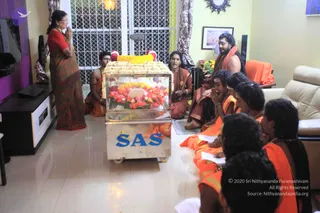
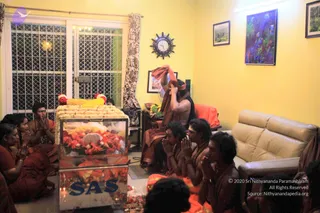
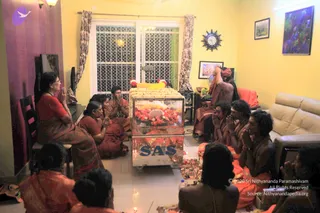
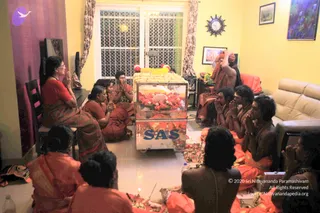
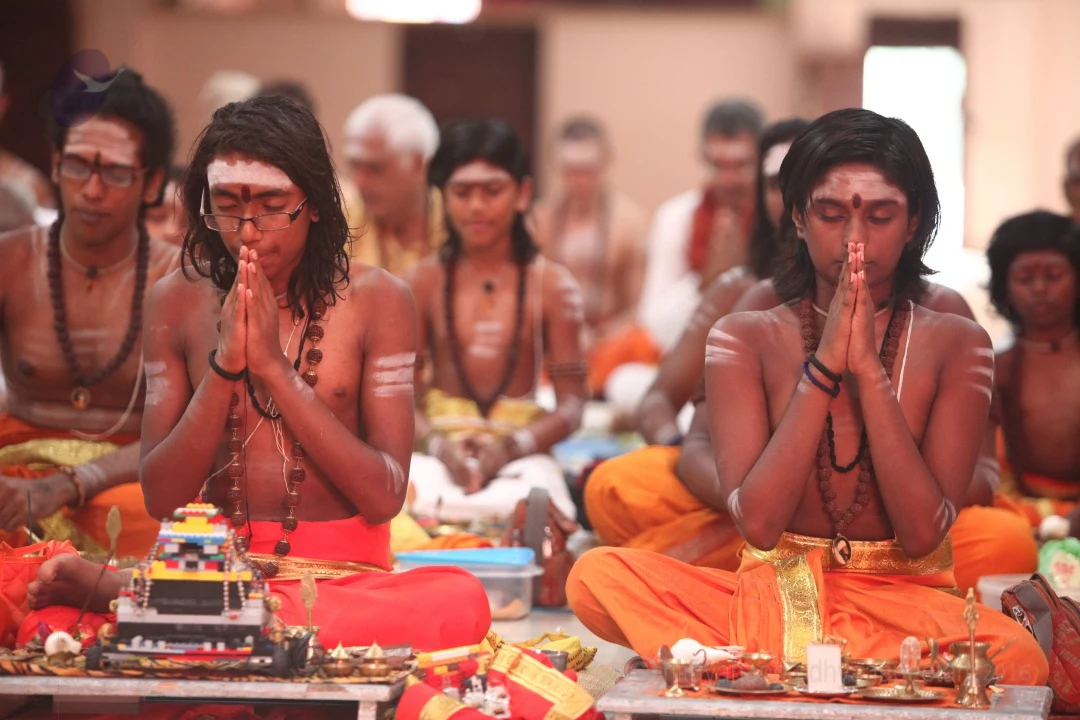
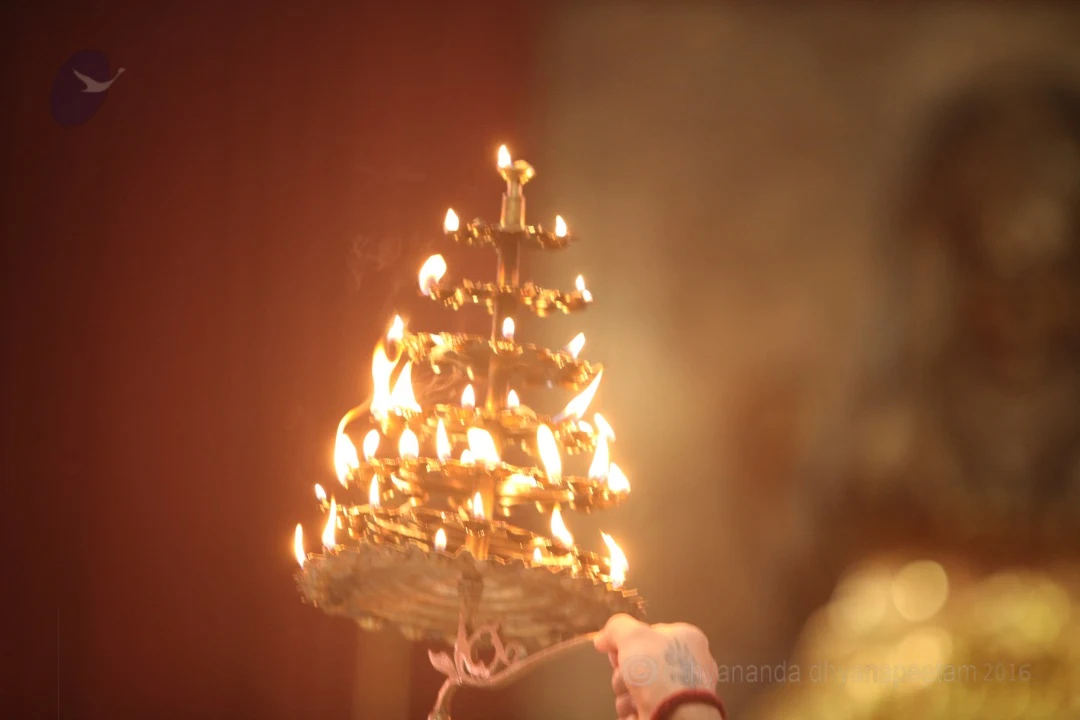
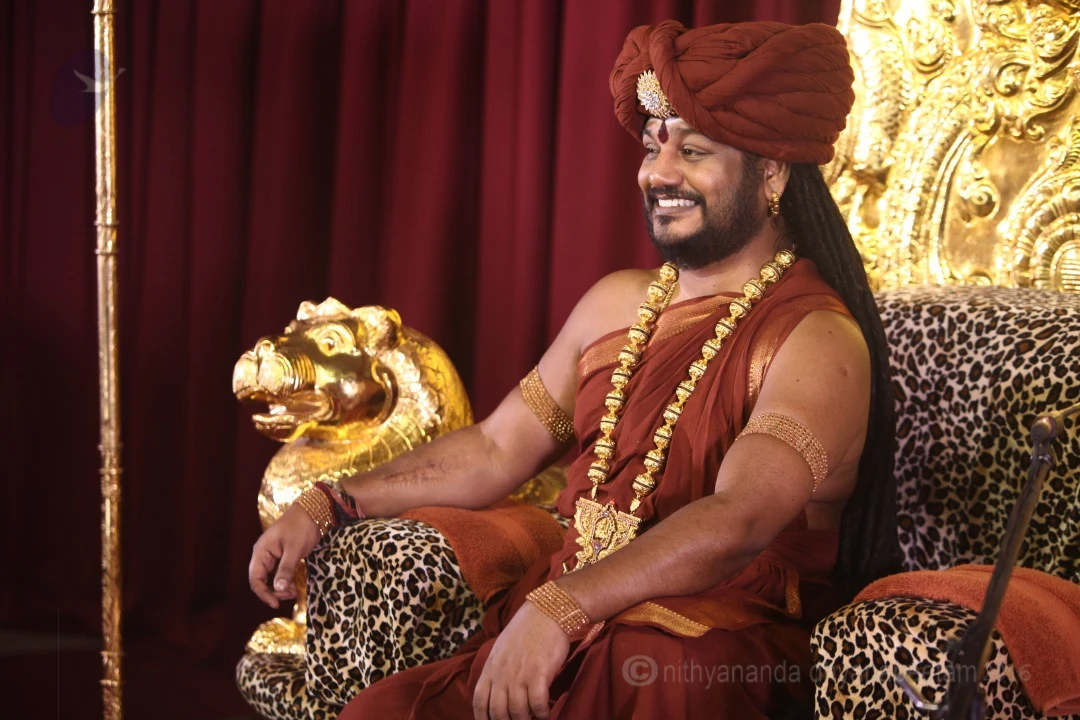
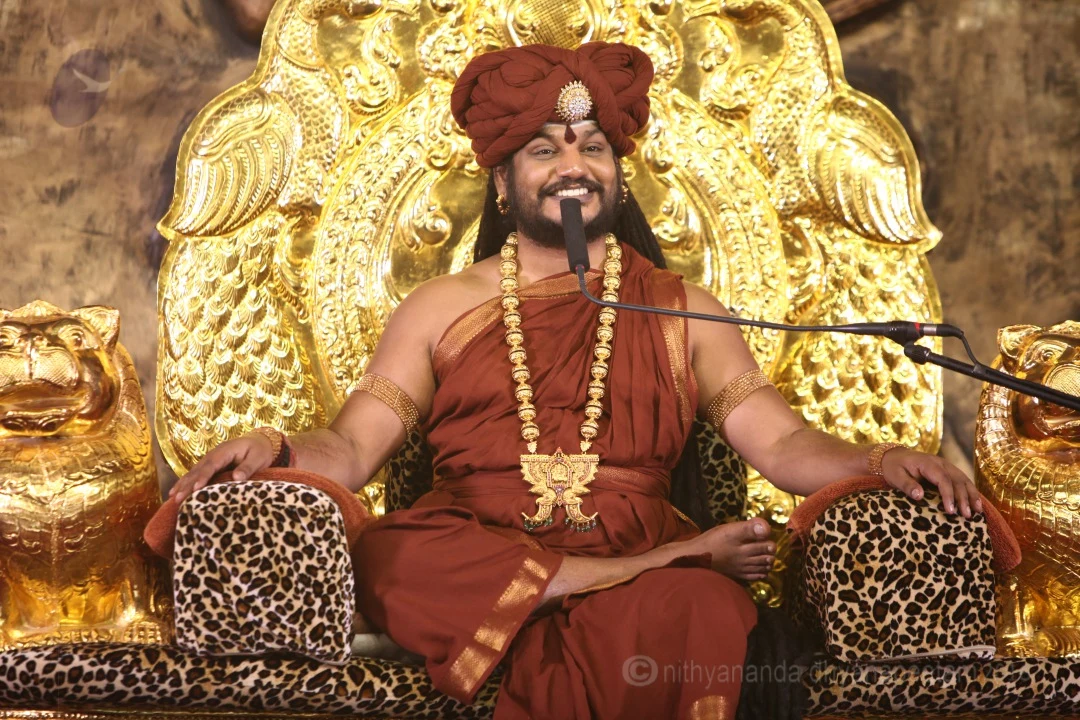
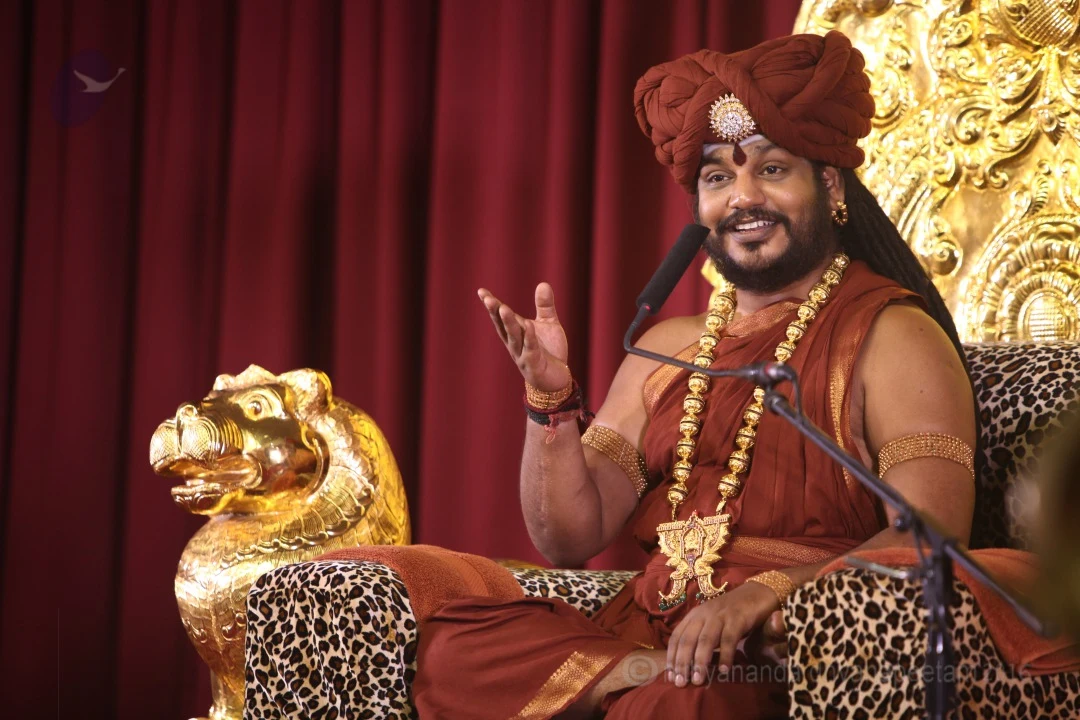
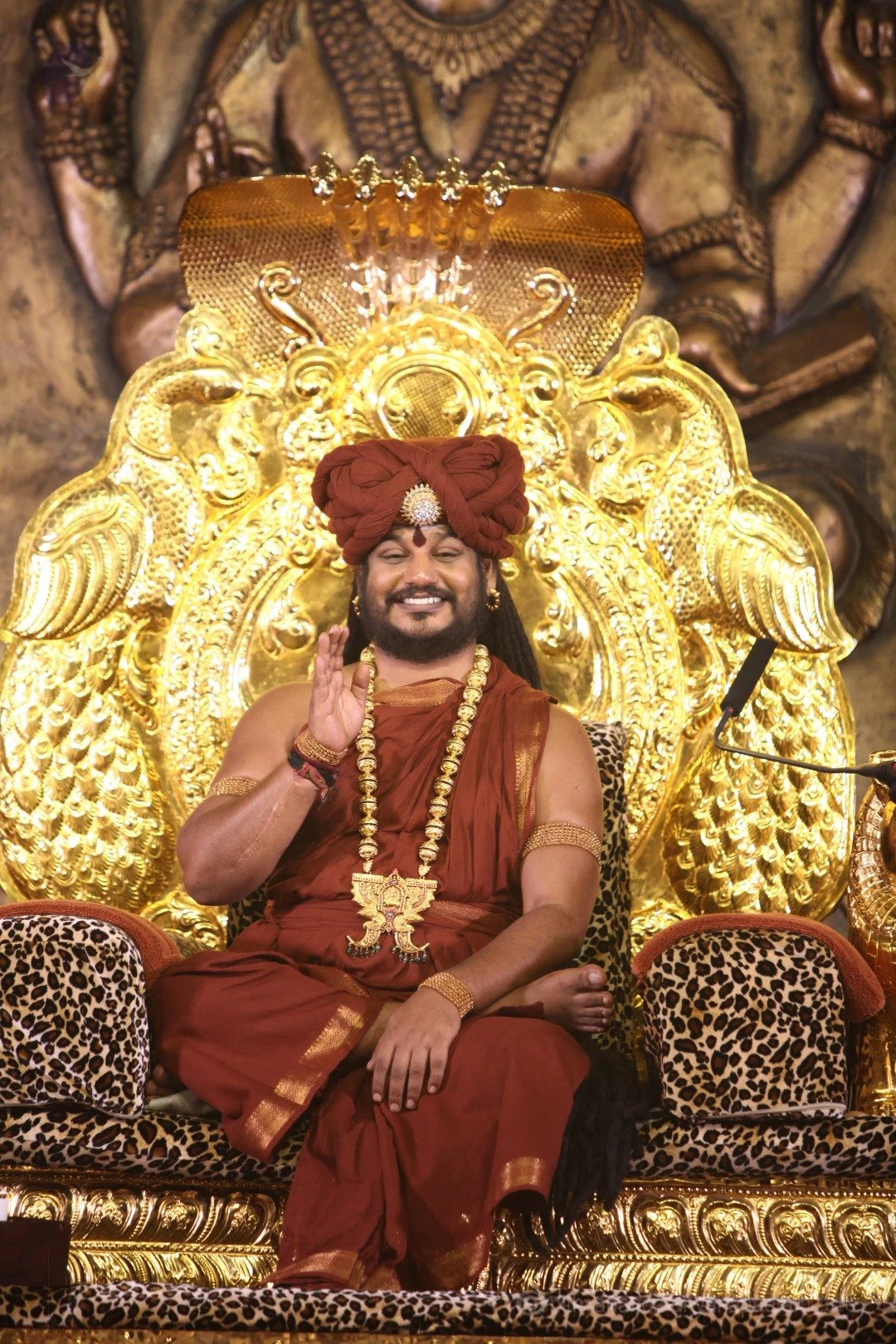
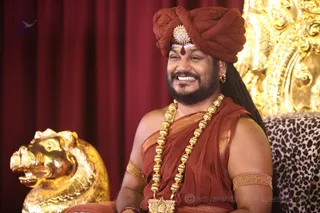
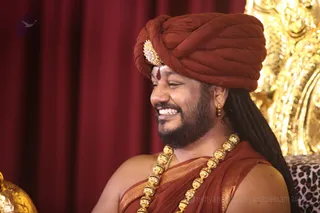
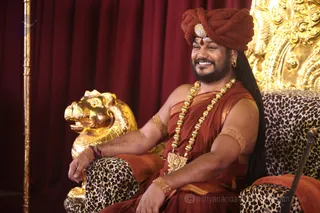
Photos From The Day:
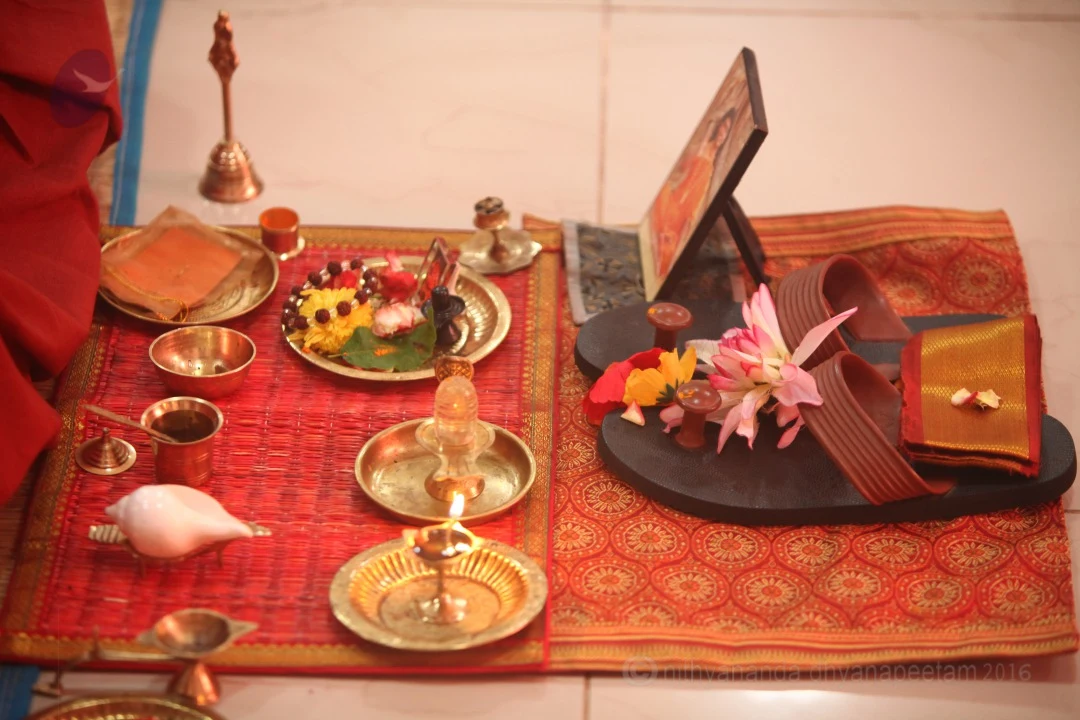
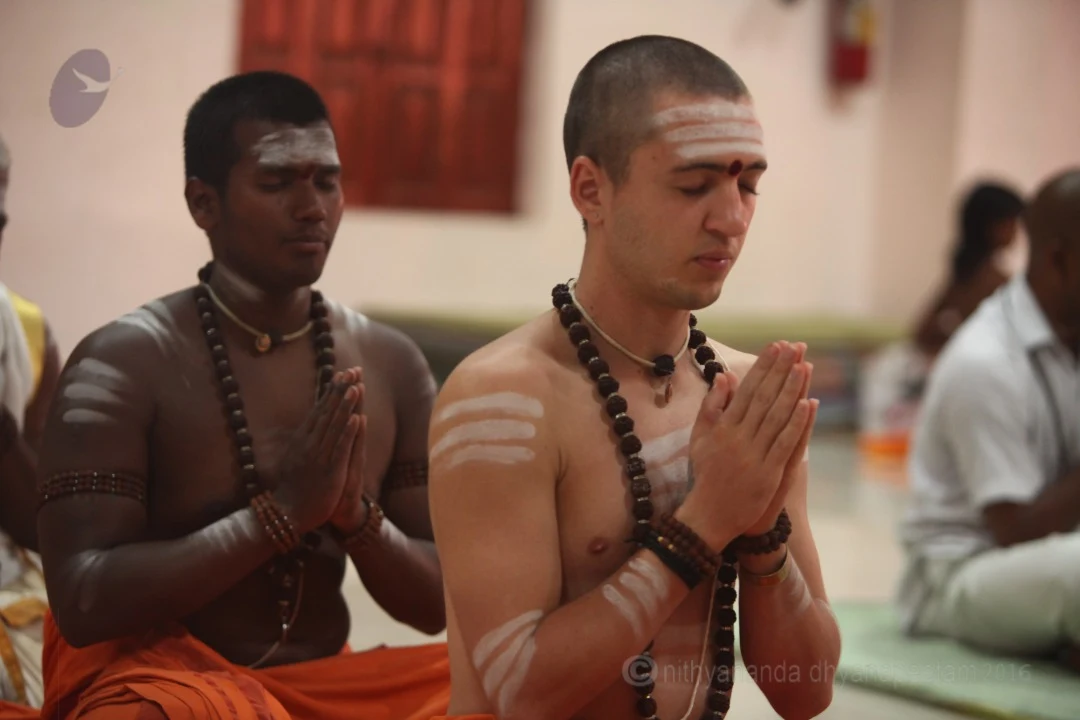
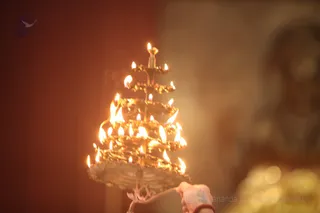
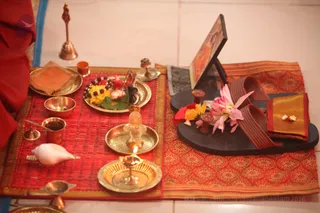
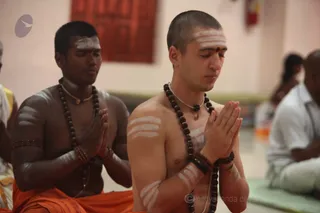
Puja
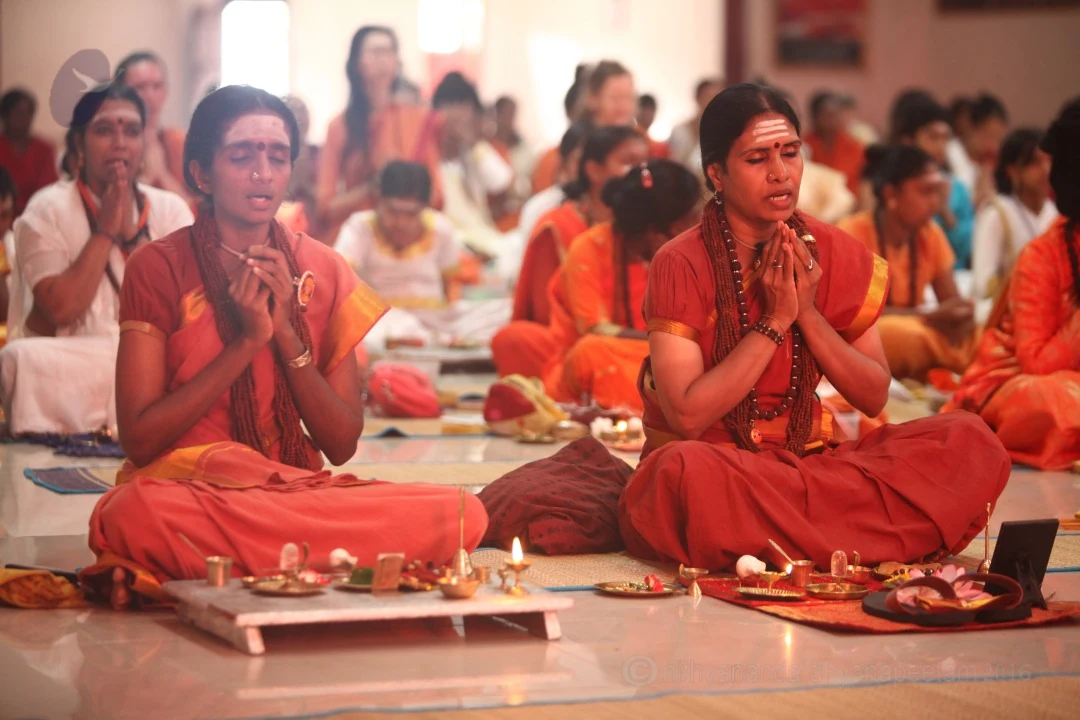
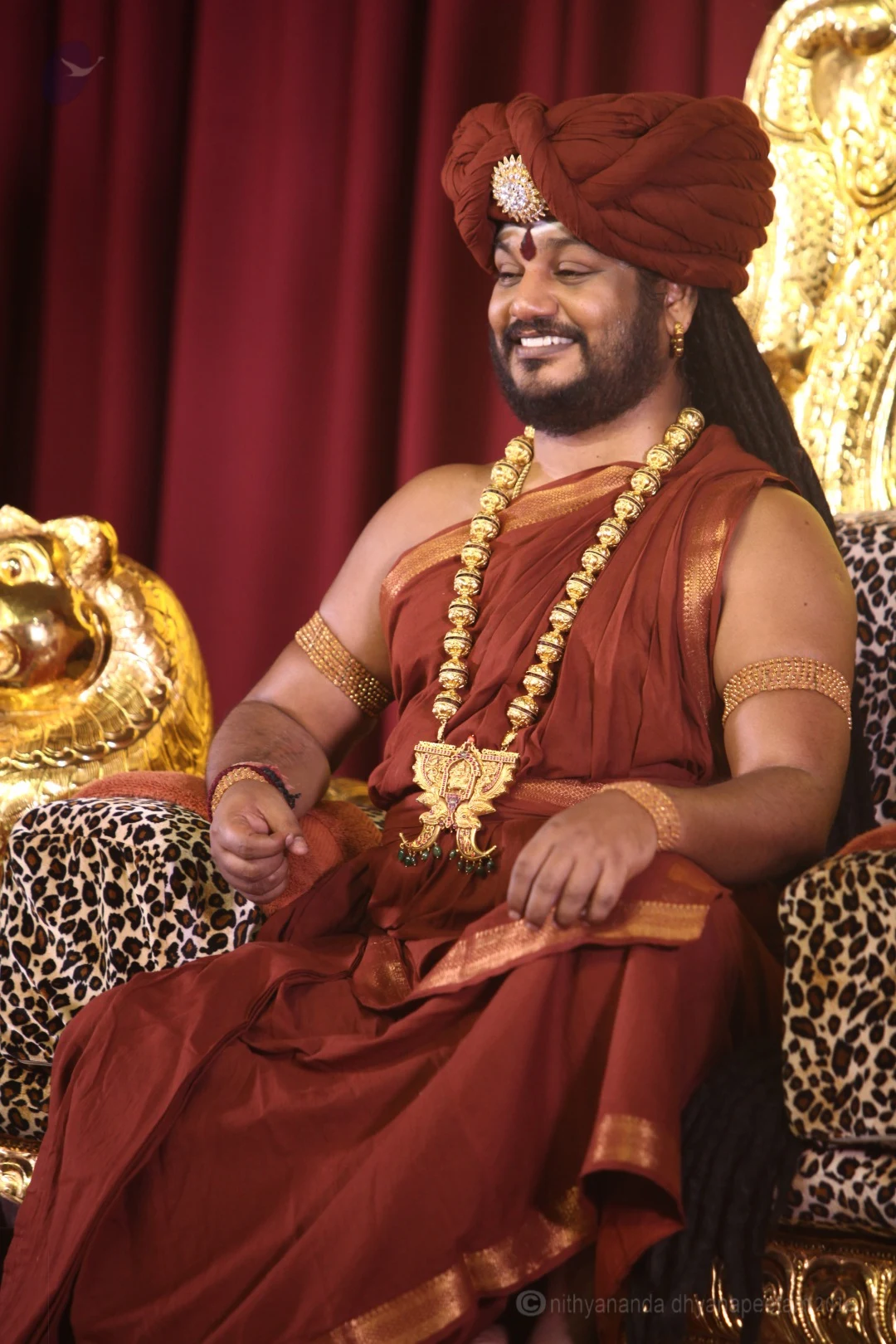
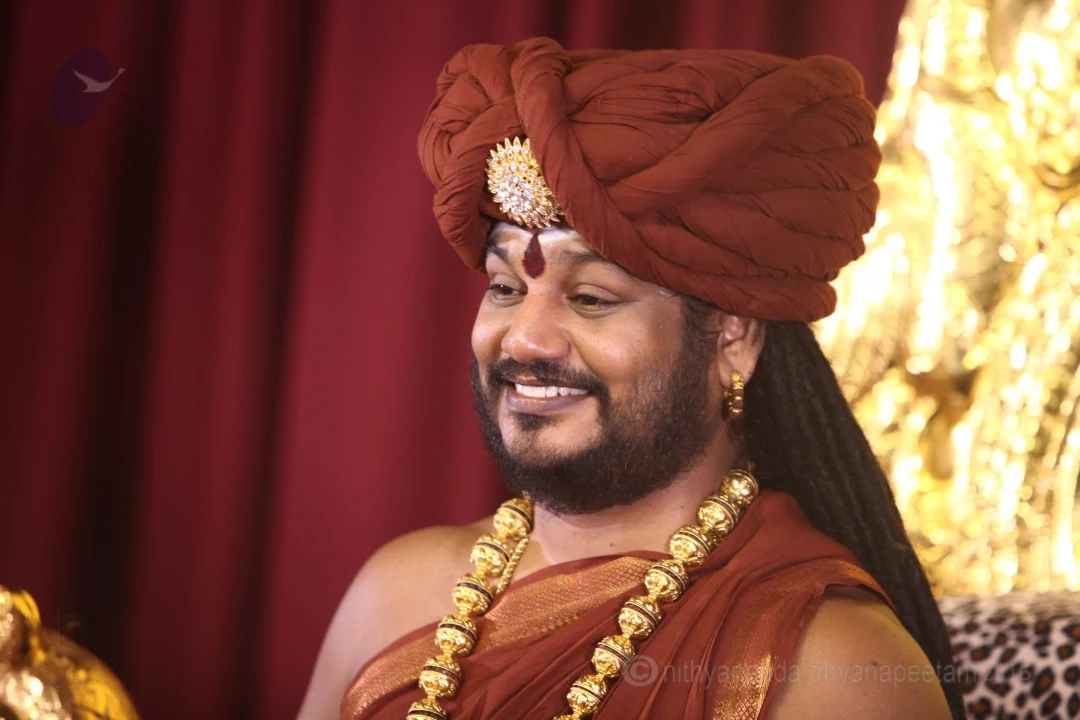
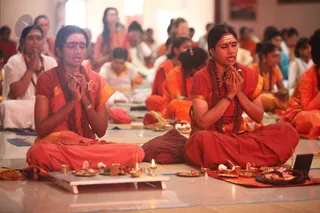
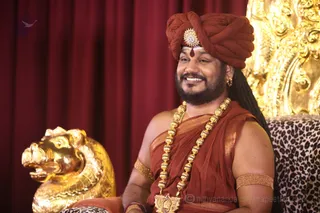
Satsang
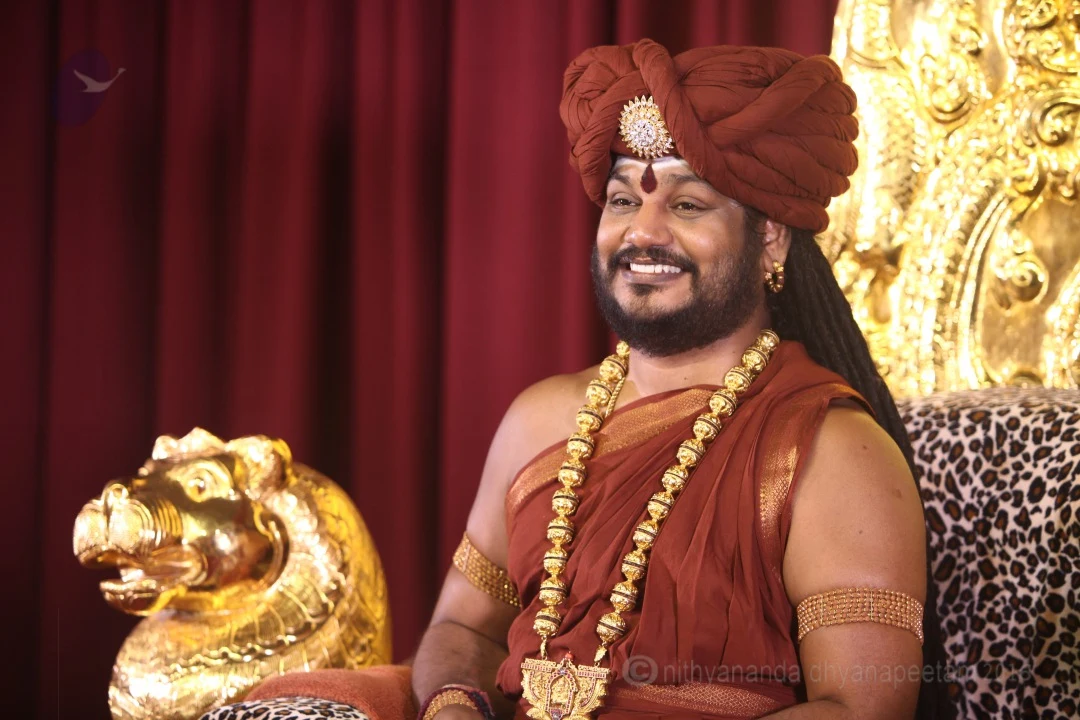
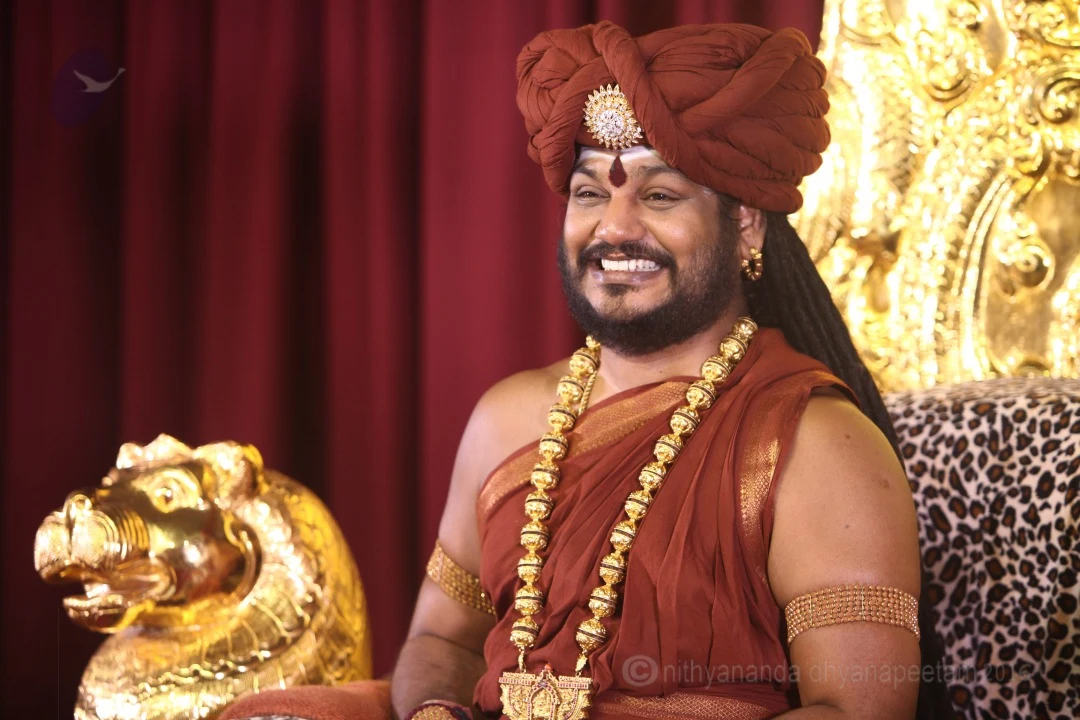
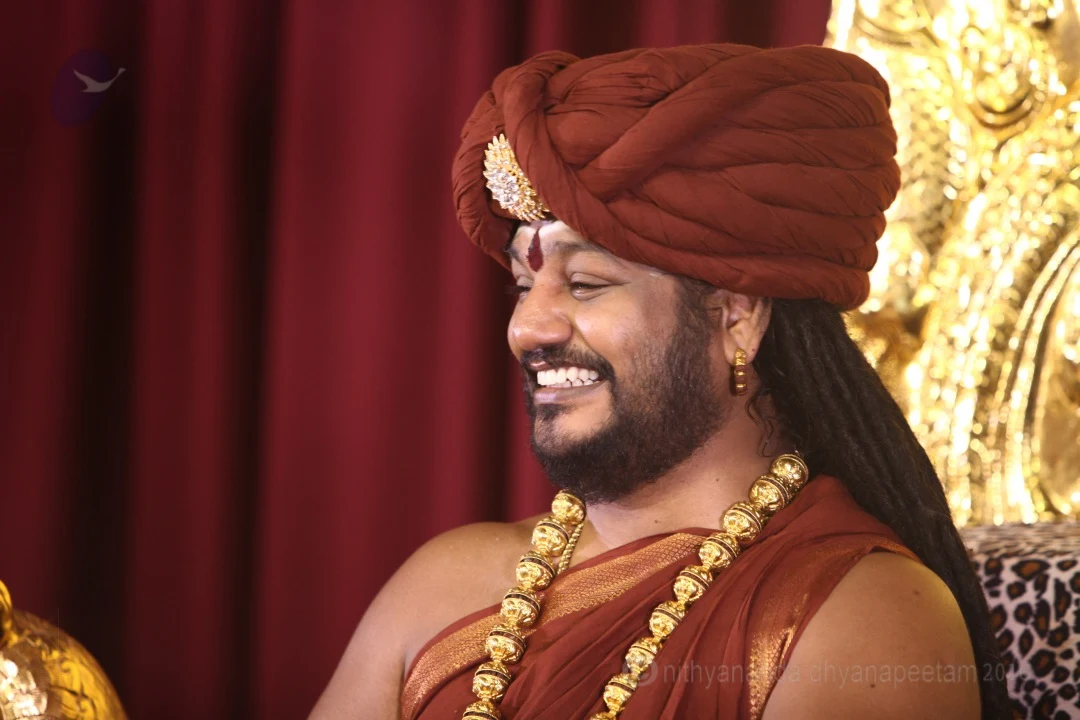
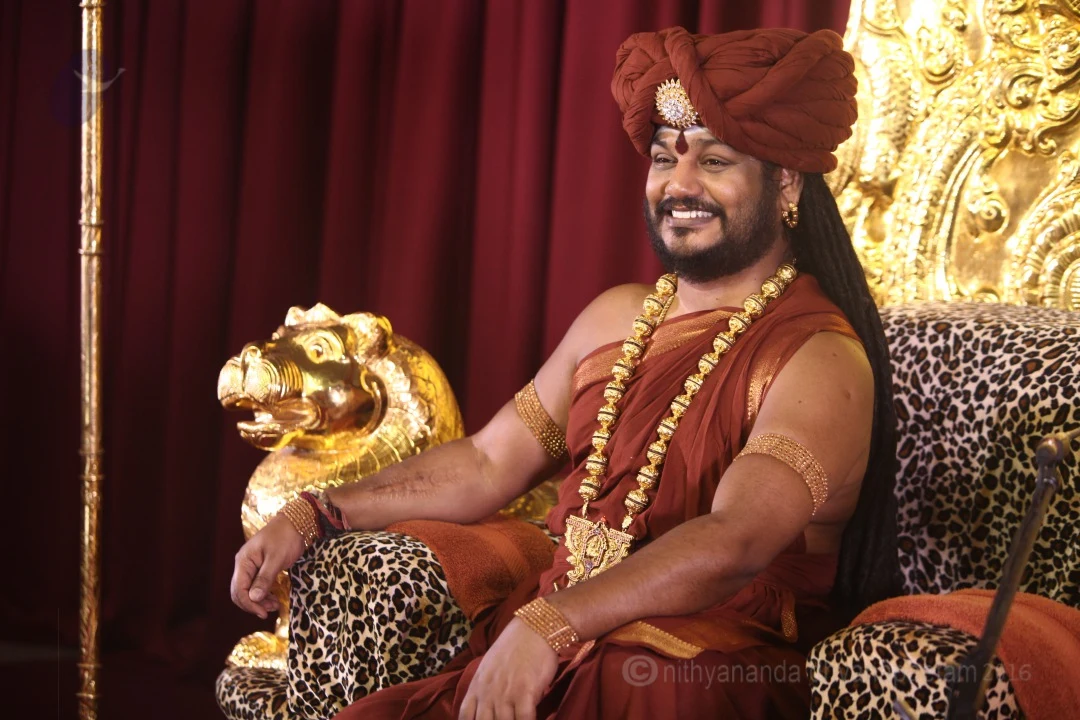
Link to Video:
Description
The word "Darshan" means "to have a glimpse of". Having Darshan of an Avatar can cleanse the karmas of lifetimes, and create a deep and lasting transformation in the receiver. Darshan is something far beyond mere physical "seeing". Darshan is the powerful superconscious vibration that is present around an Avatar at all times. It is a word that cannot be translated; it has to be experienced. During Darshan, His Divine Holiness Paramahamsa Nithyananda creates Mandalas with His hands. Mandalas are secret decoded Agamic energy circuits that harness the multi-dimensional energy of the universe. The energy He creates falls on you and settles in your system. Even if the Mandala enters into your system three times, you will manifest powers and powerful cognitions. Nothing more is required other than a ferocious intention to manifest them. Paramahamsa Nithyananda has breathed power into these videos. Even if you were not physically present during Darshan, just by watching this video you will experience Kundalini Awakening, manifestation of powers and the ultimate space of Oneness - Advaita. During these sessions, Paramashiva manifests Himself through Swamiji intensely. Look carefully through your Third Eye, as you watch this Oneness Capsule, you will powerfully experience the energy. Look through the third Eye, lightly but intensely, like how you would look at a rose. These Darshans do not have a past, present or future. They are just happenings. There is no "was" or "will" for these happenings. Just by watching, you can get the same experience as watching it live, in-person. To get a live experience of this Darshan, come and experience PARAMASHIVOHAM.
Link to Video:
Tags:
Paramahamsa Nithyananda, Nithyananda, Kena Upanishad, Kenopanishad, Will power, Will arrogance, Will persistence, Brahma, Vishnu, Sadashiva history, Absolute Existence, Brahman, Boredom, Tiredness, Devotion into Responsibility, Fan or Devotee, Pure Questioning, Self-inflicted, Manifestation of Powers, Disciple-disciple relationship crime, Shiva Temple, Gurukuls, Training Centers, Padodaka, Pada Tirtha, Brahma creates Brahmandas, Brahma flower story
Photos Of The Day:
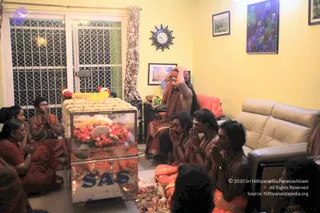
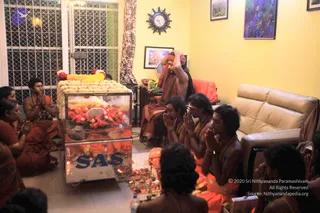
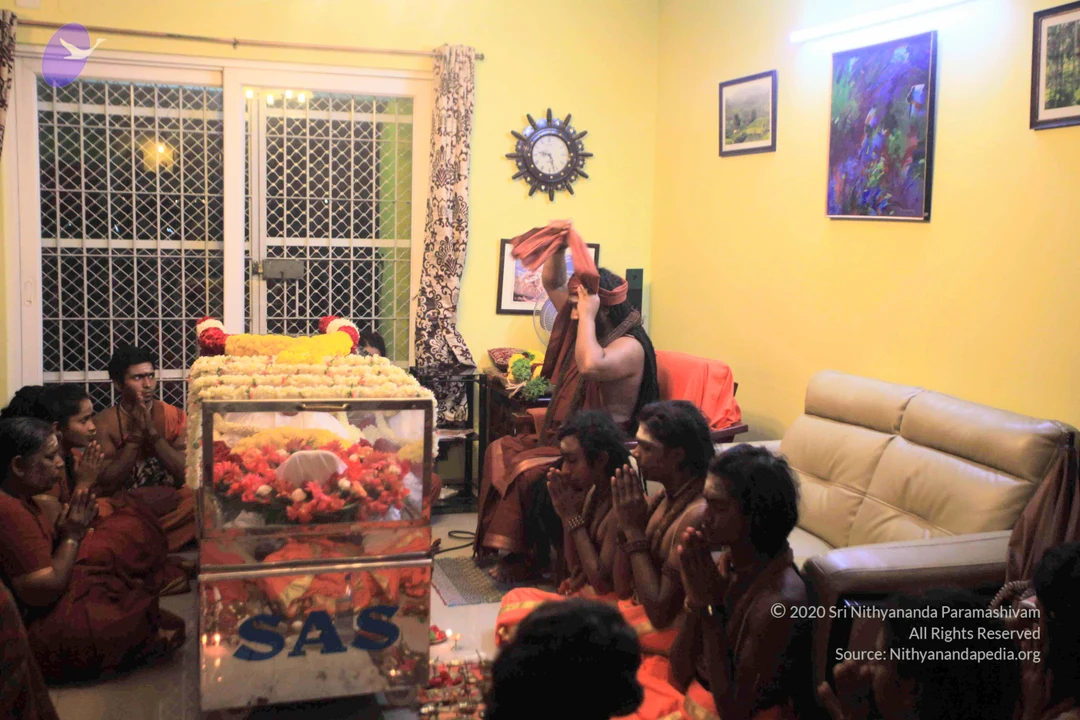
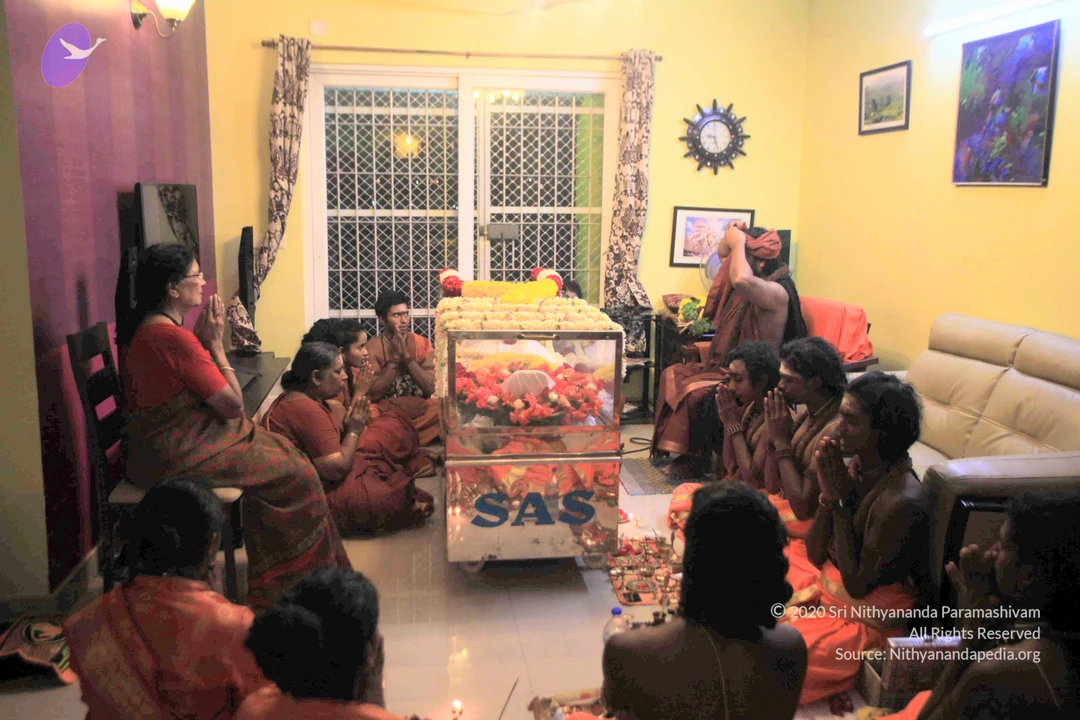
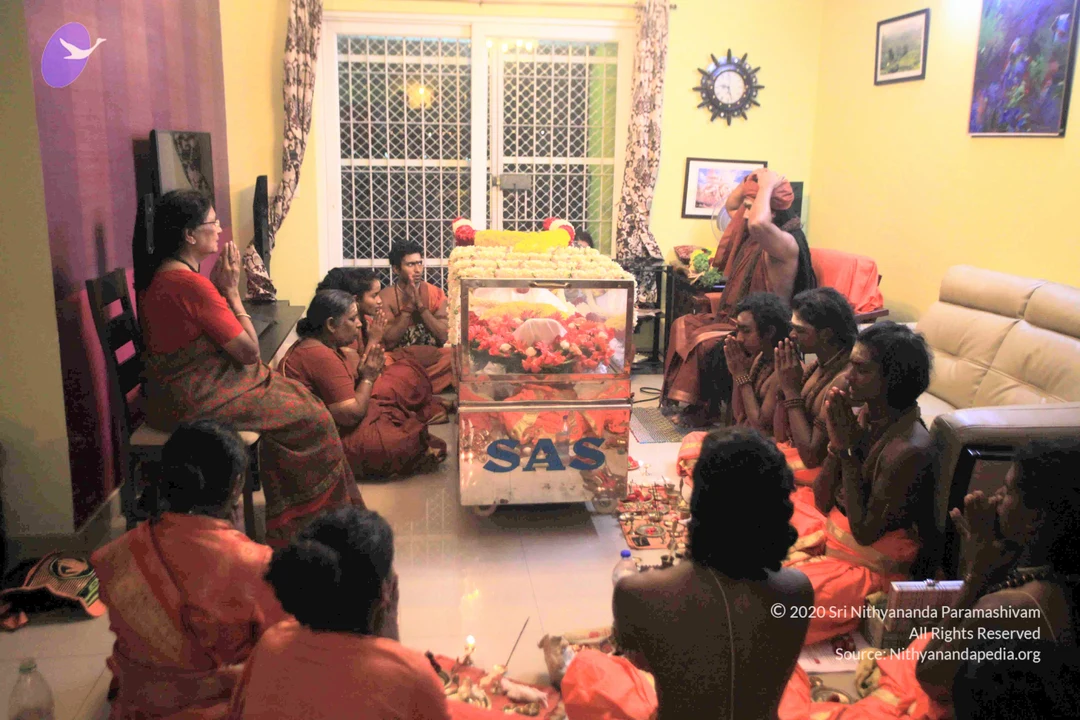
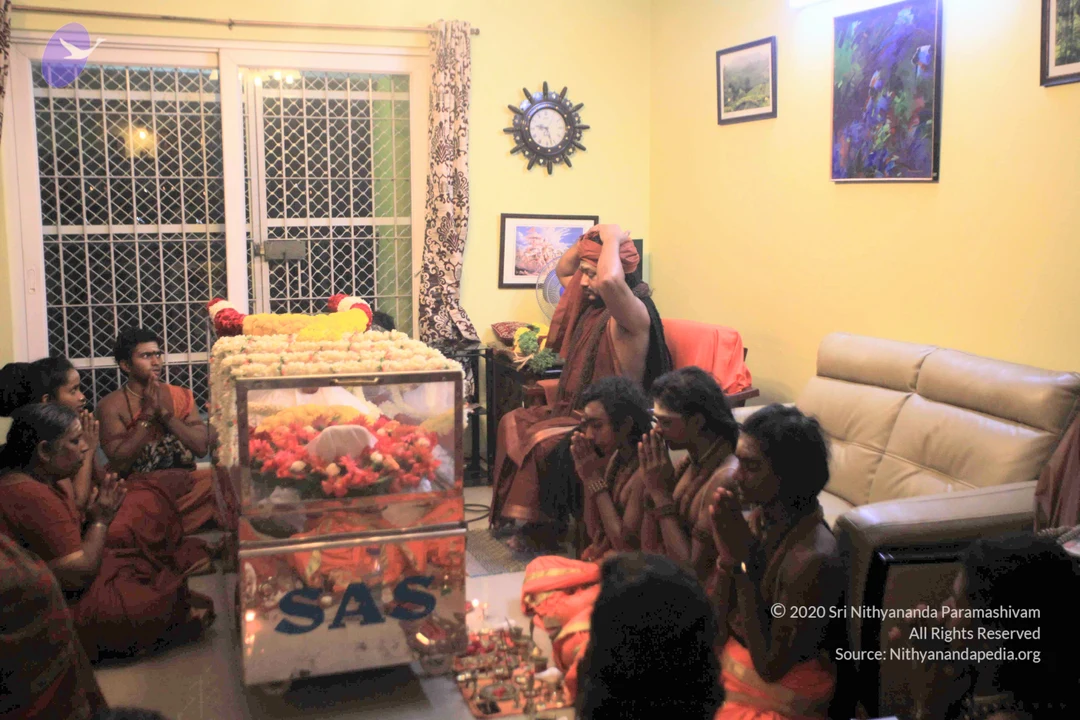
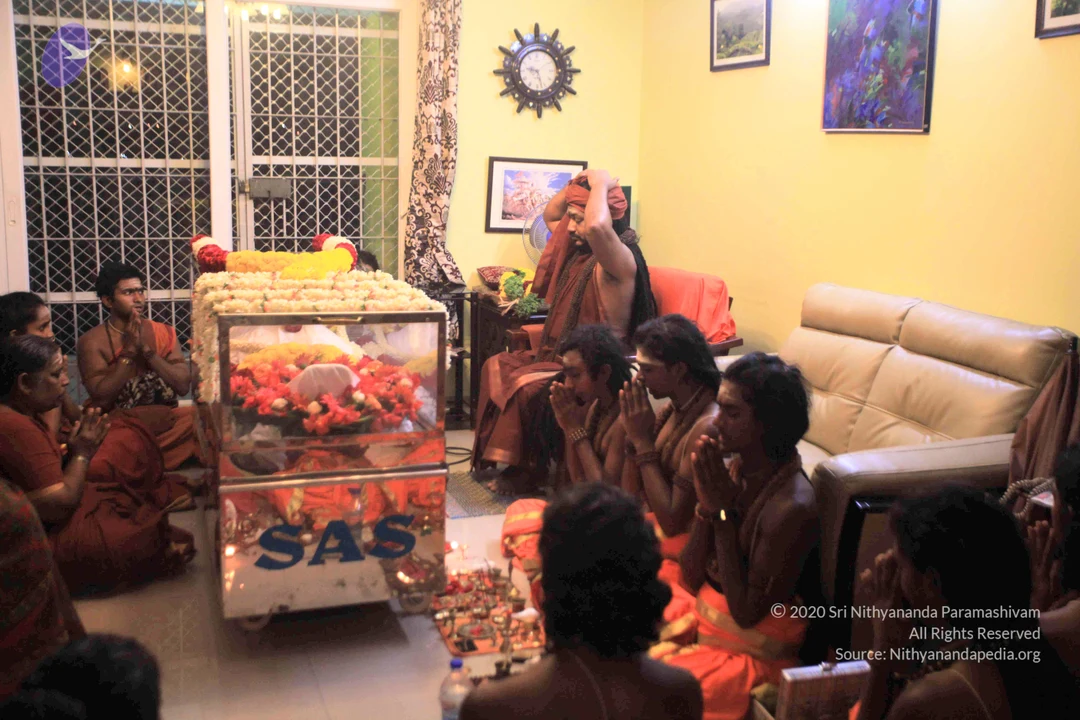
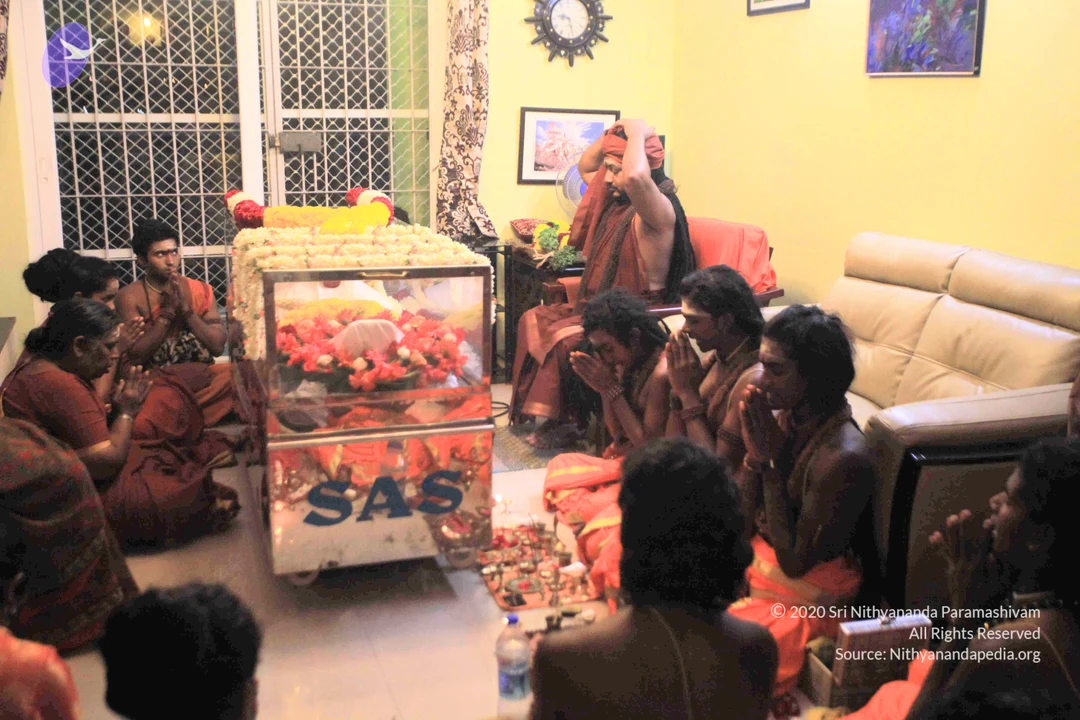
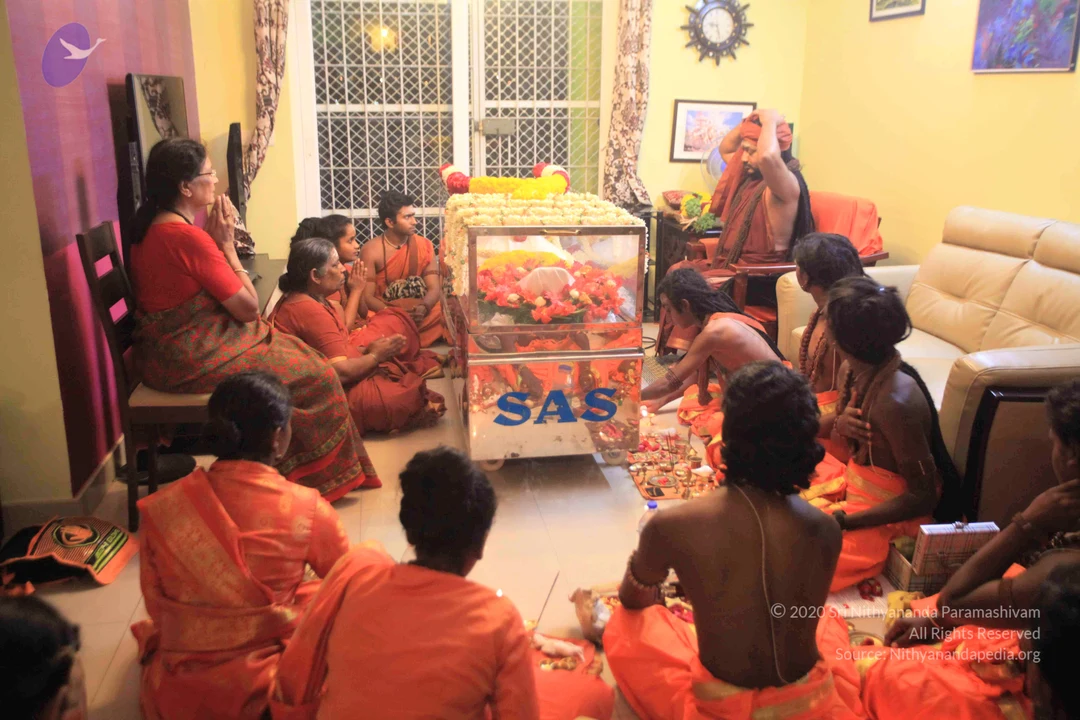
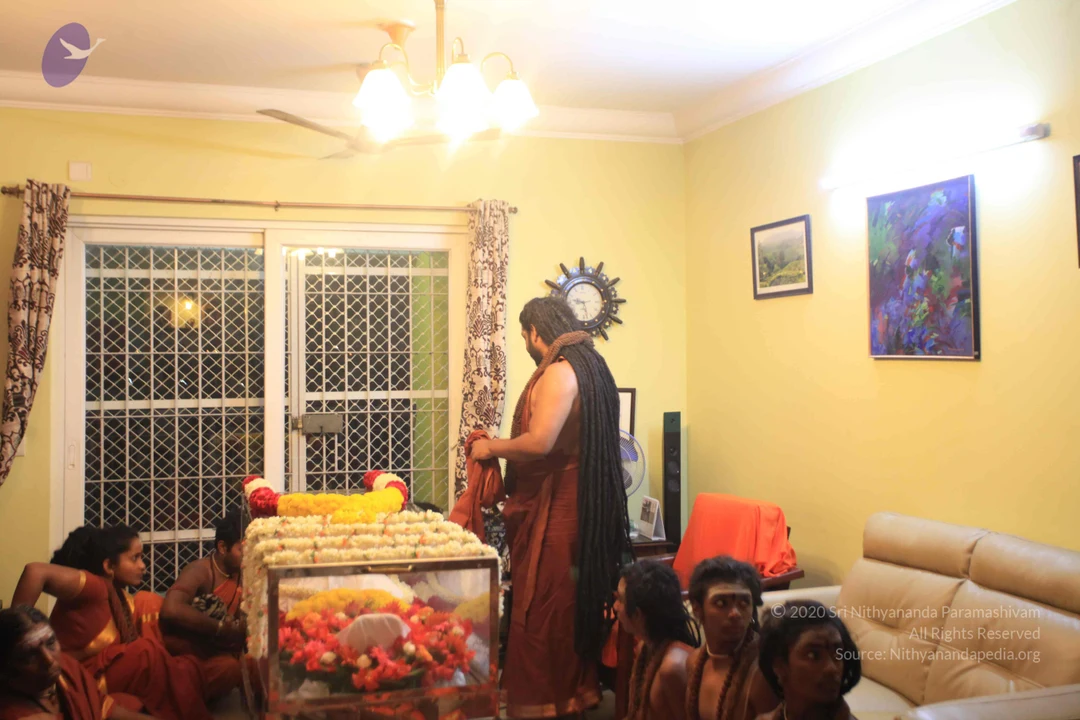
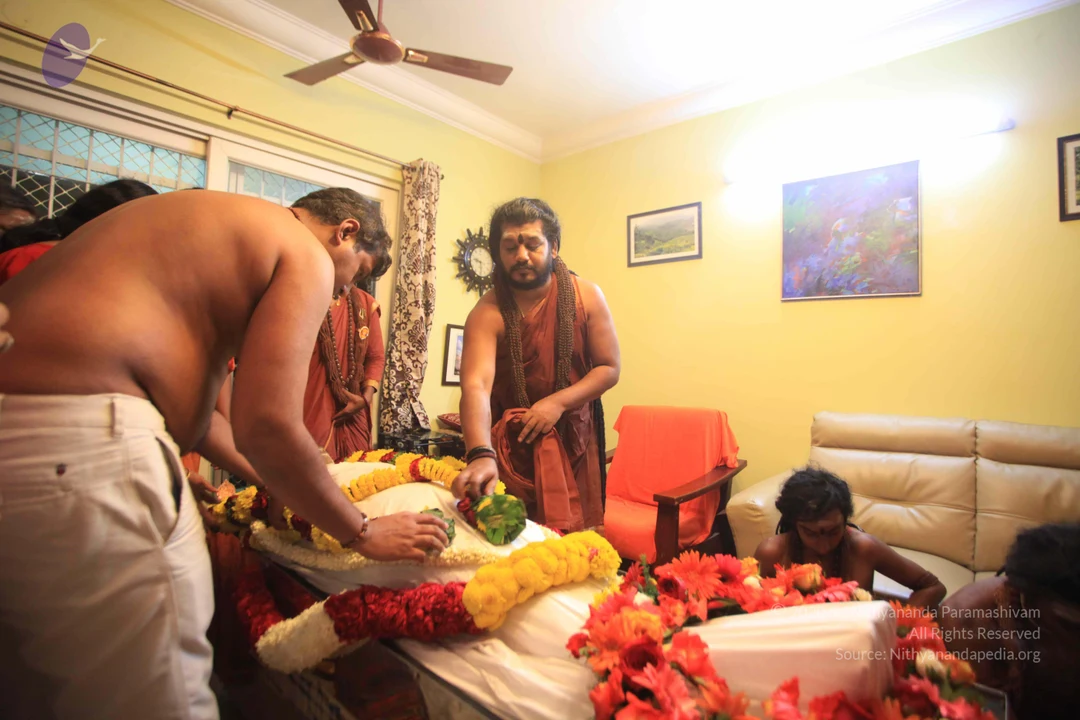
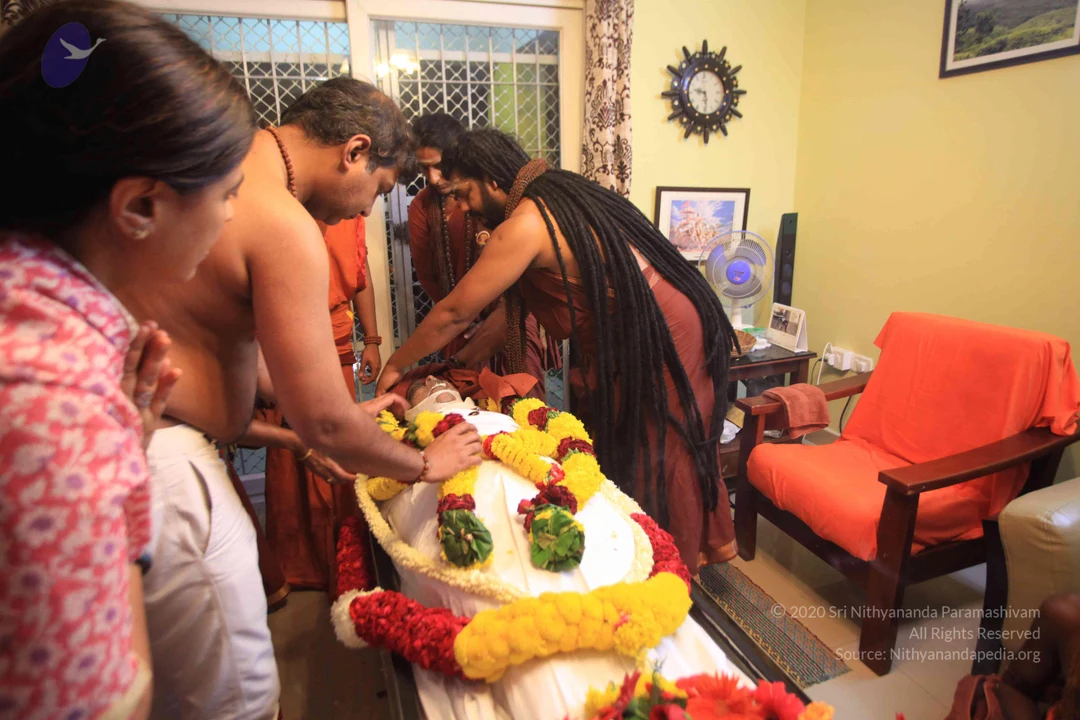
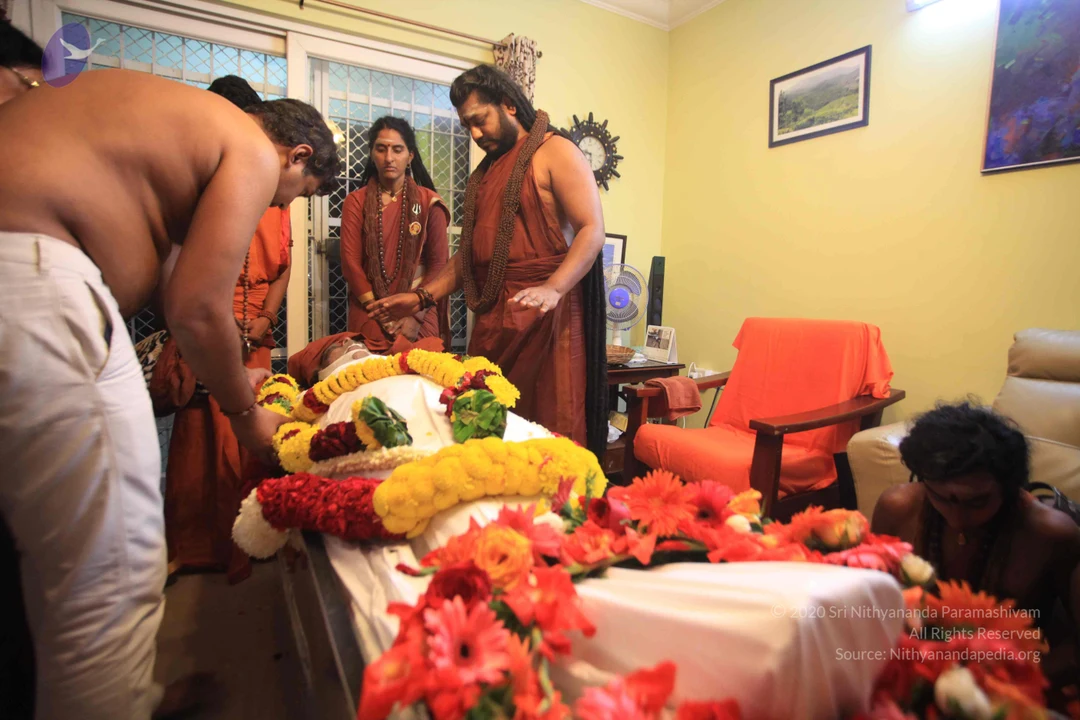
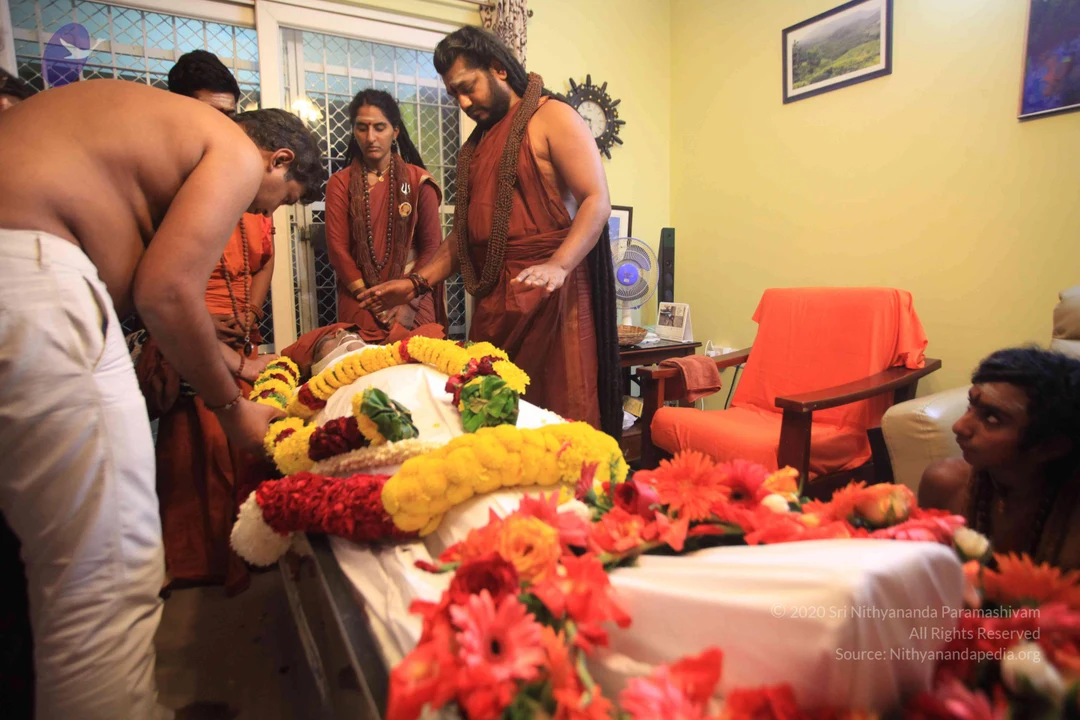
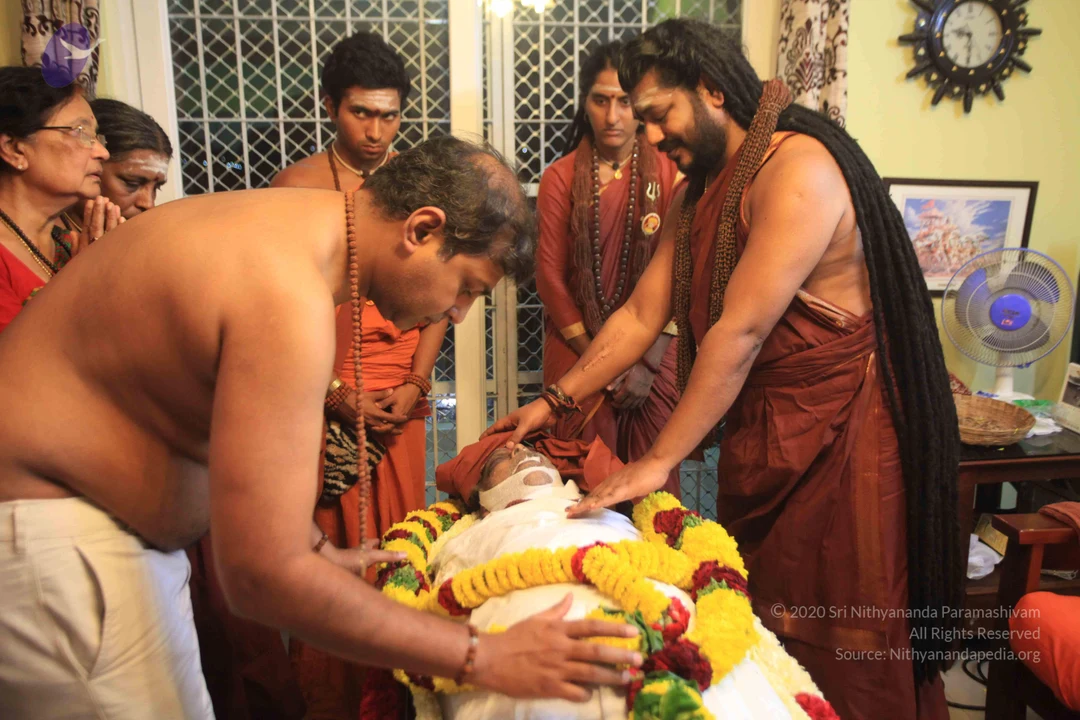
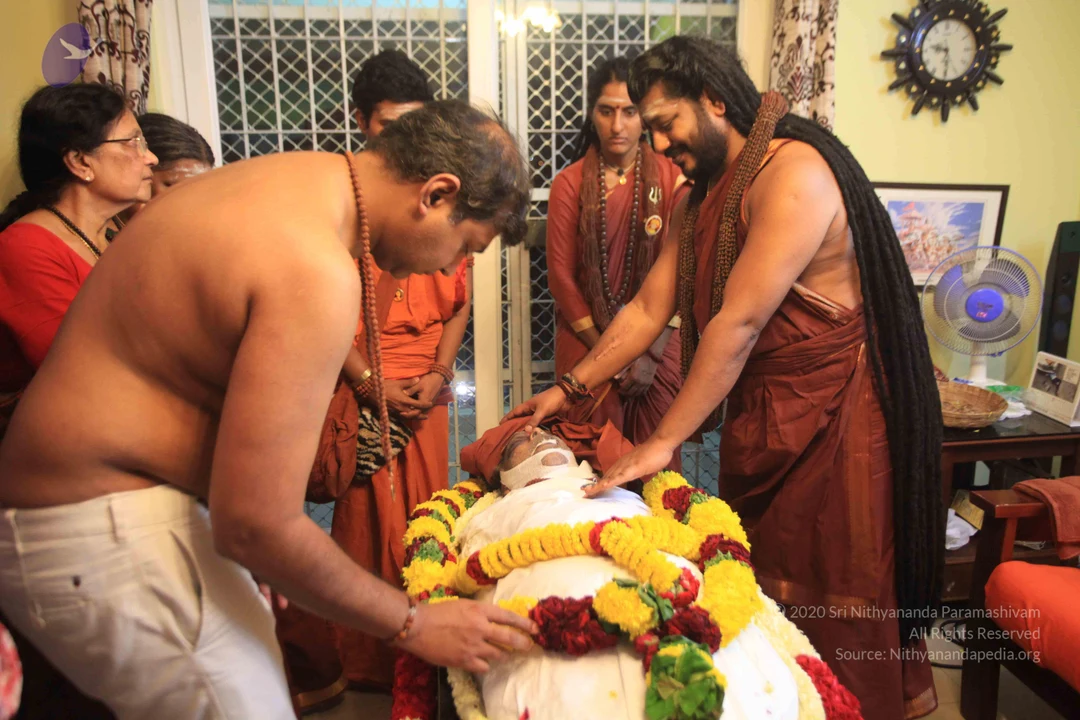
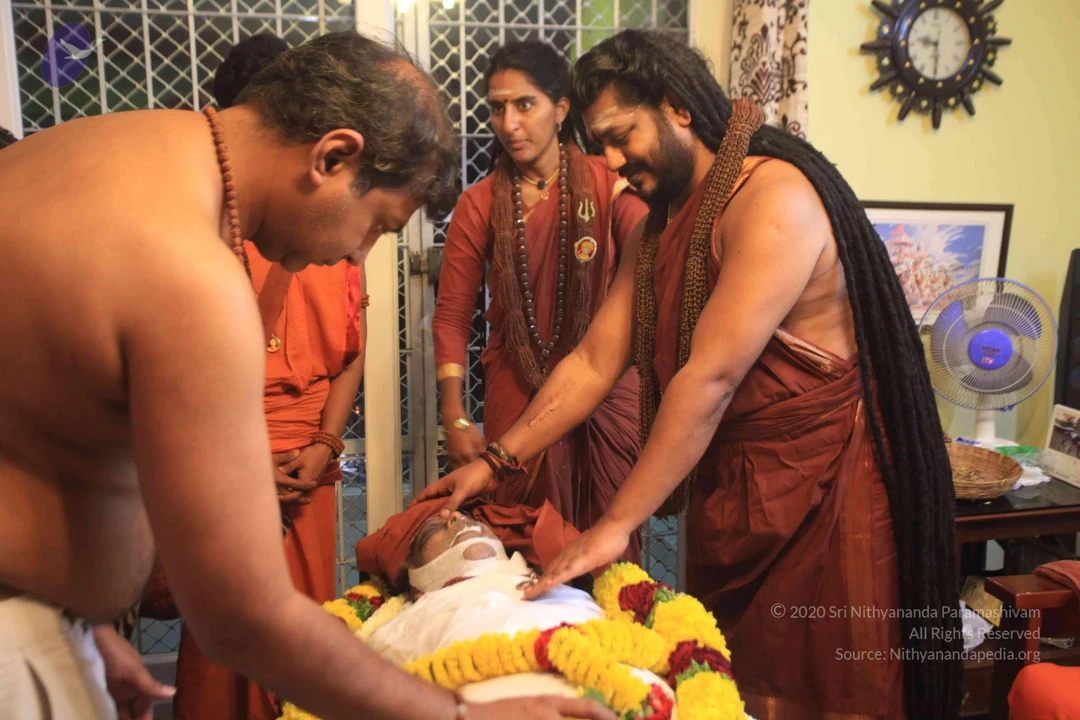
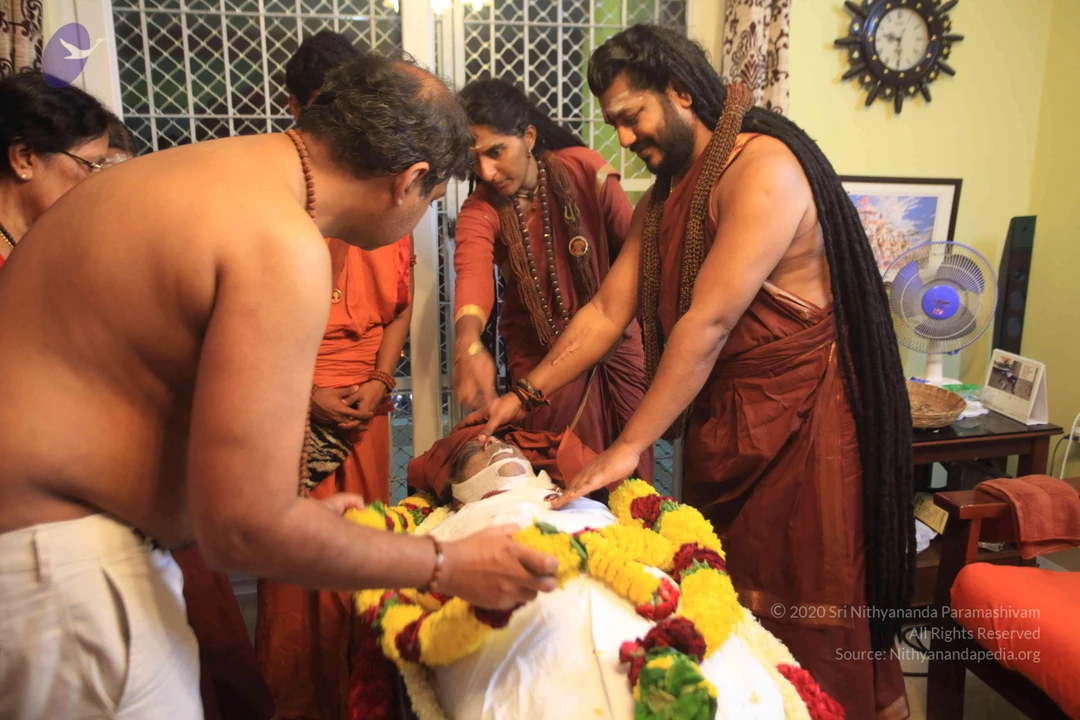
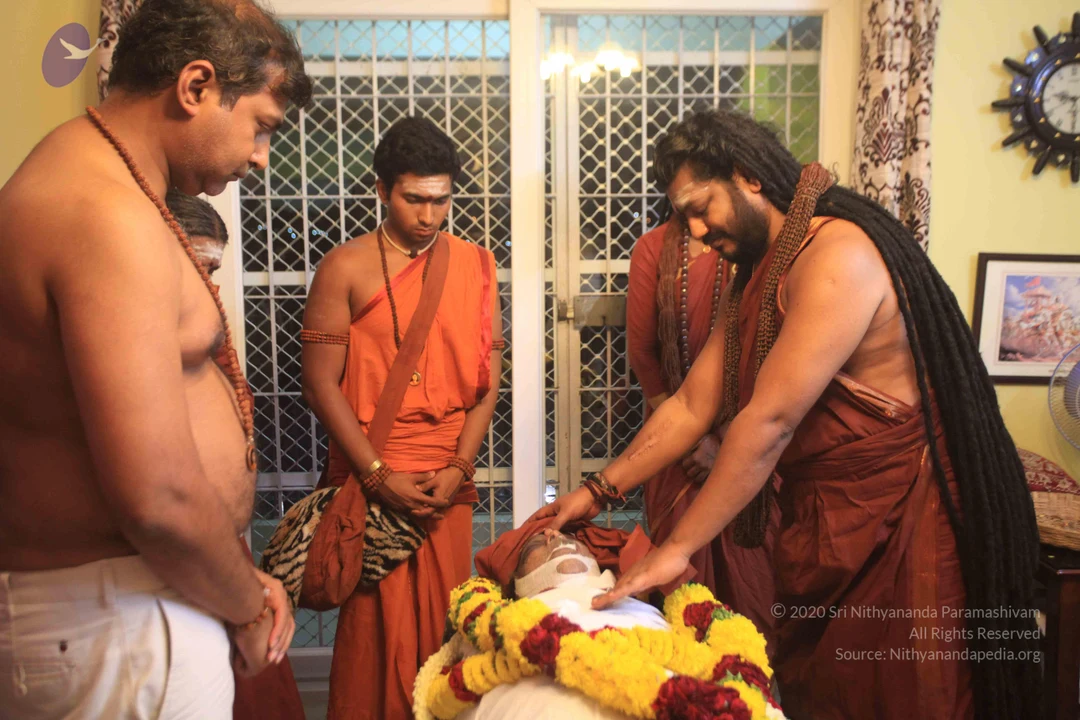
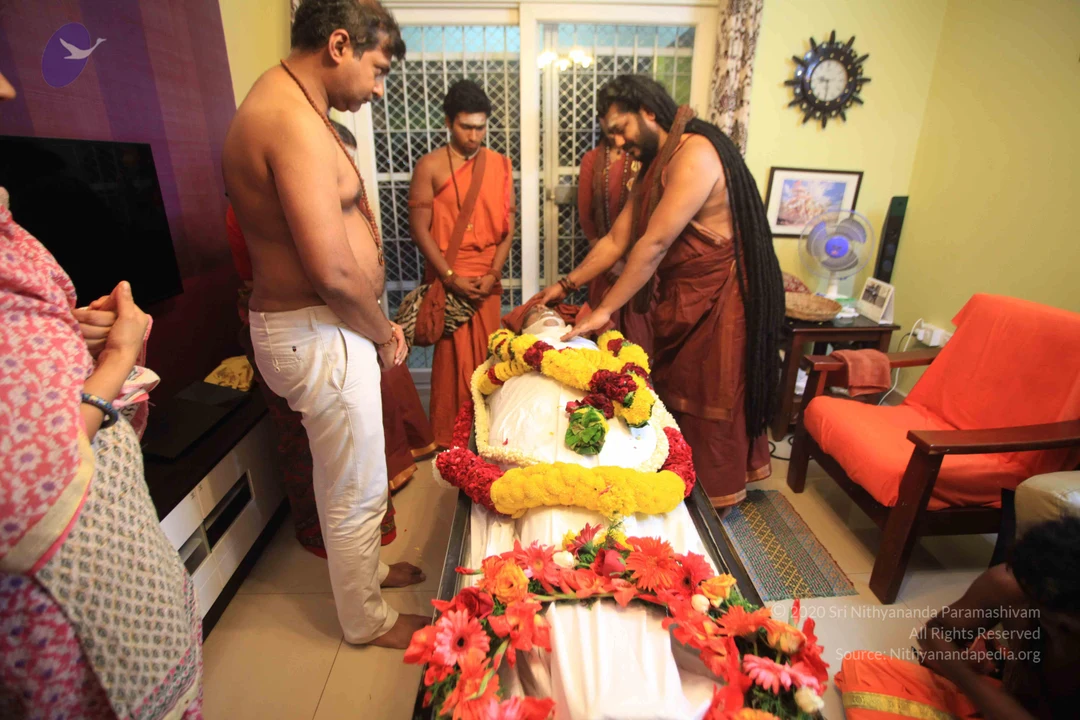
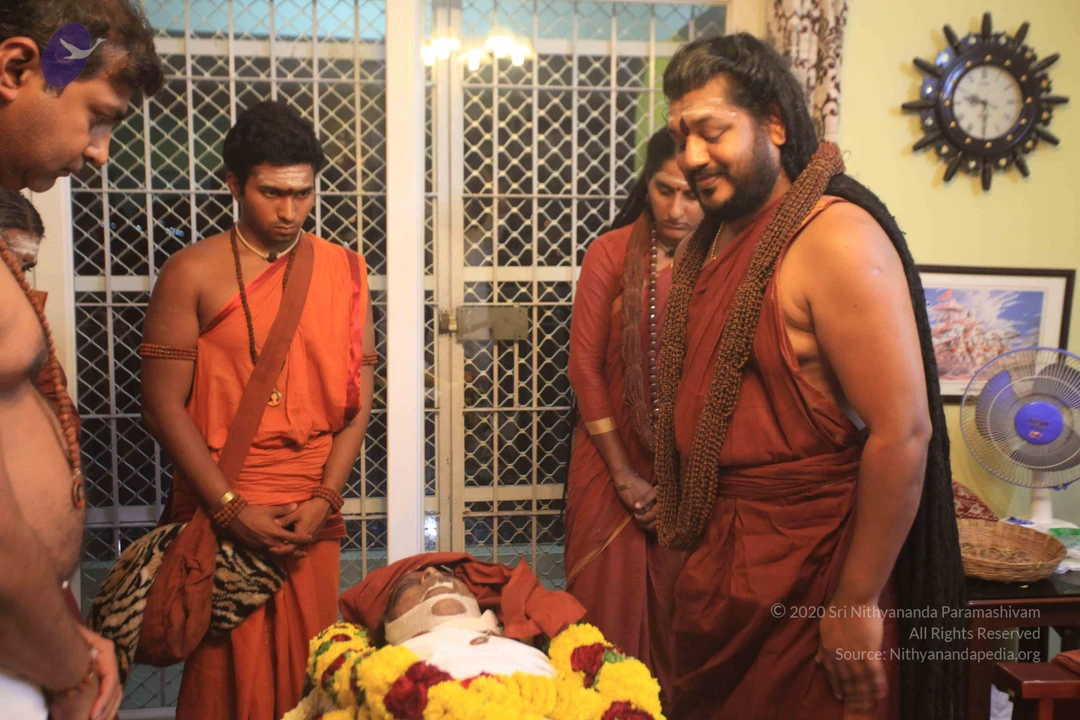
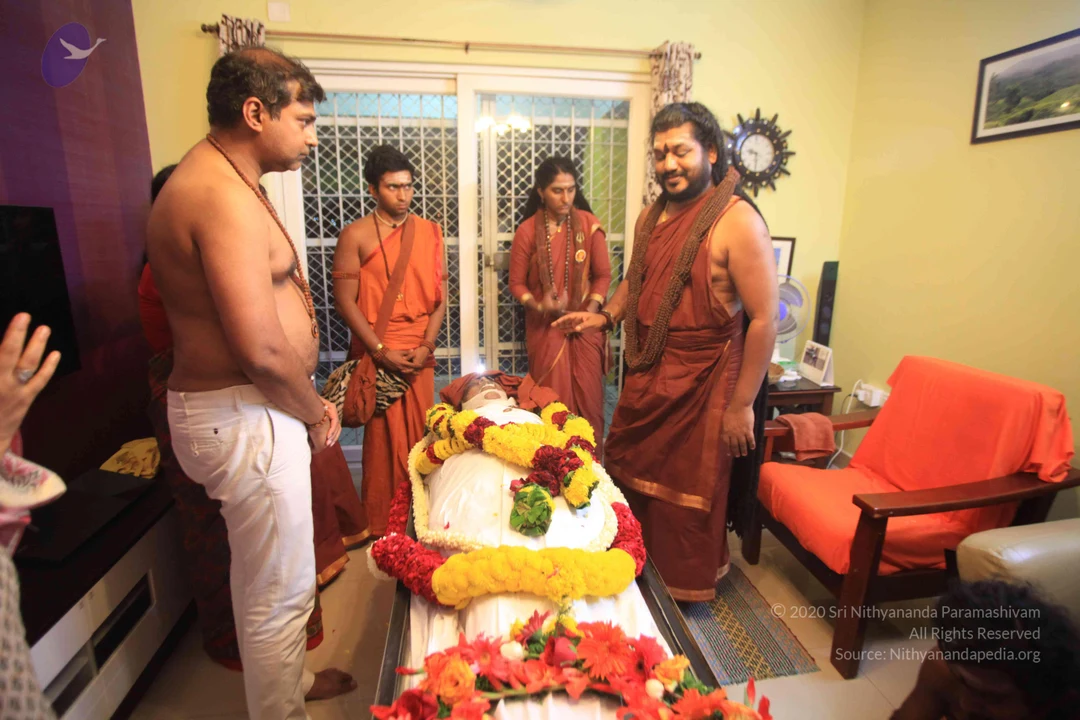
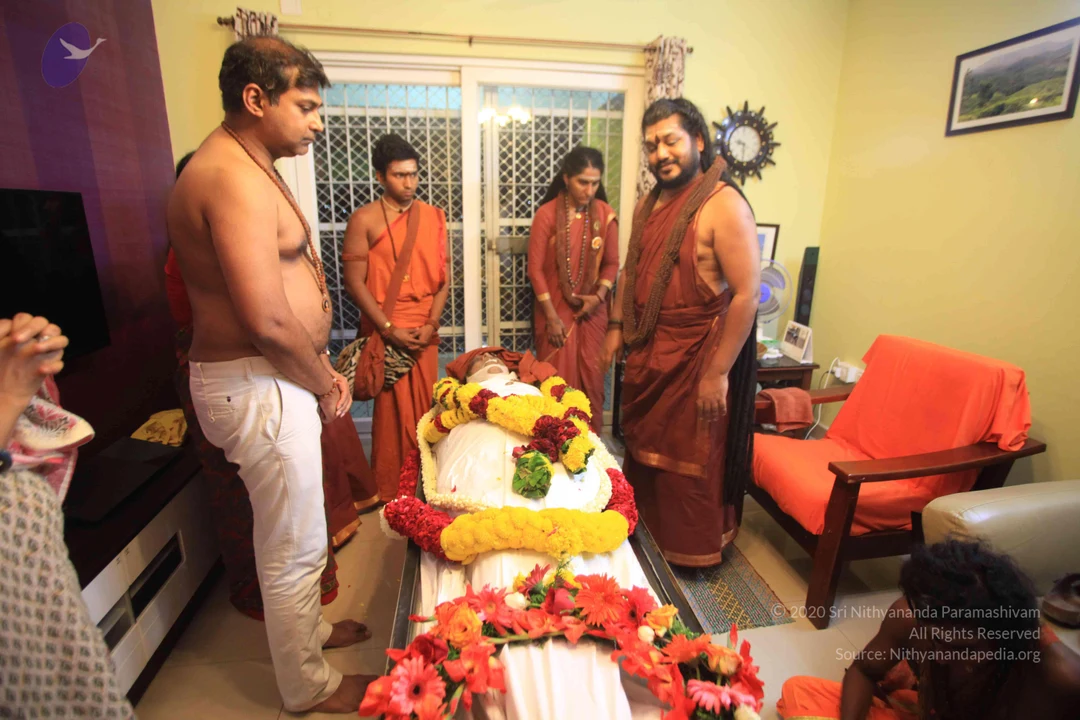
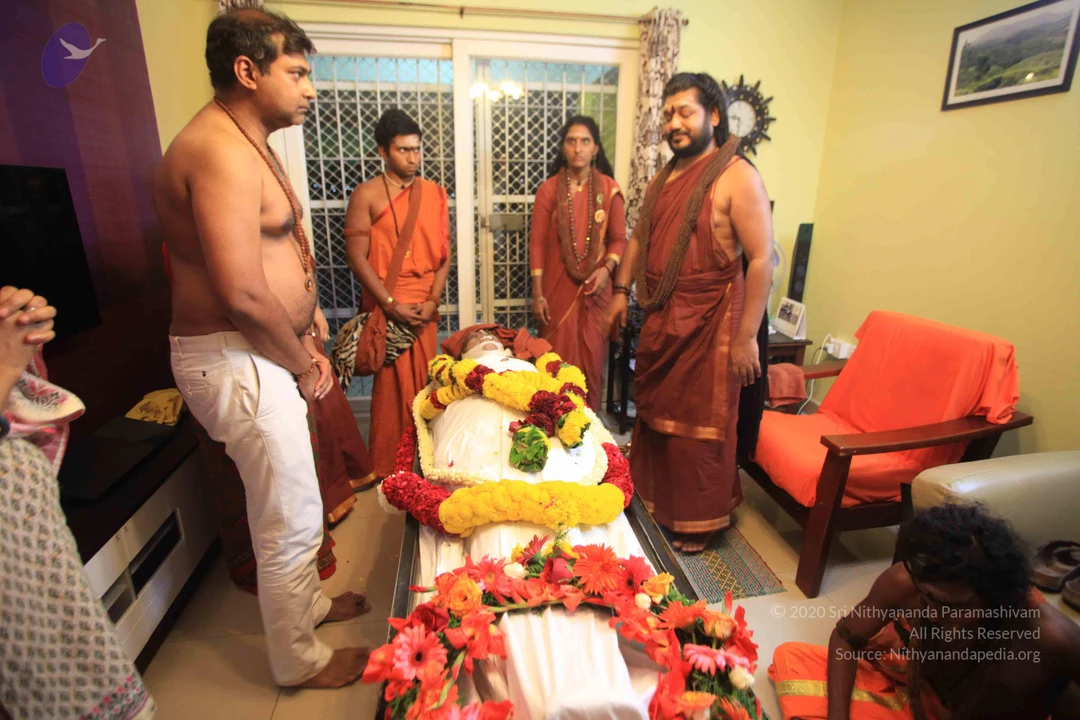
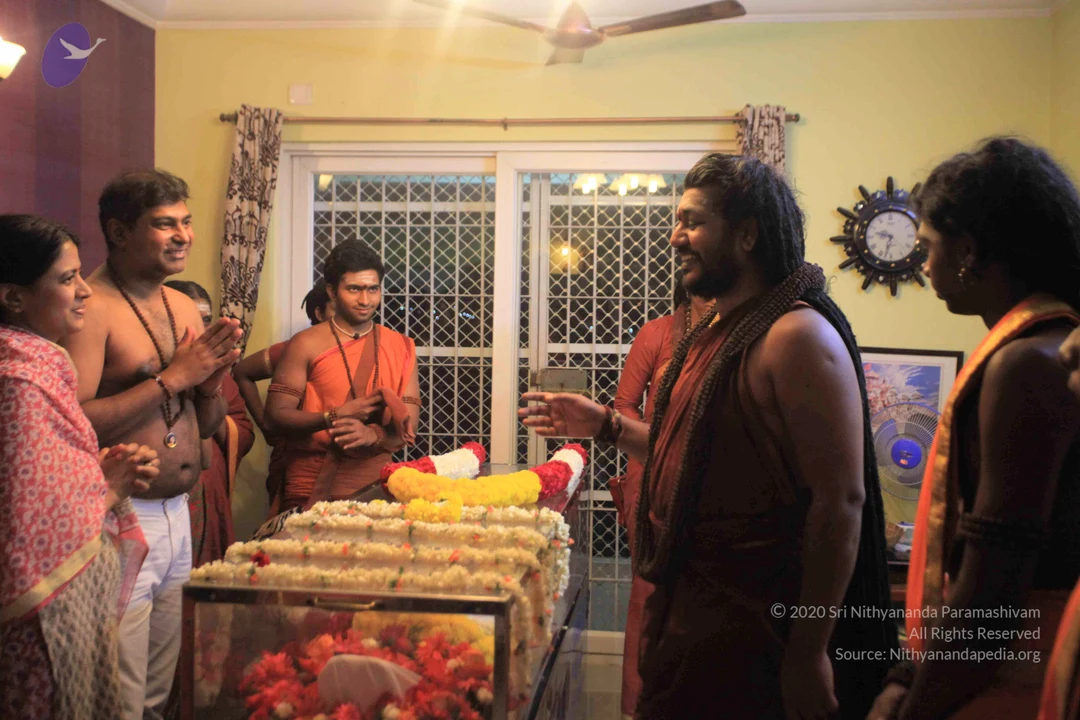
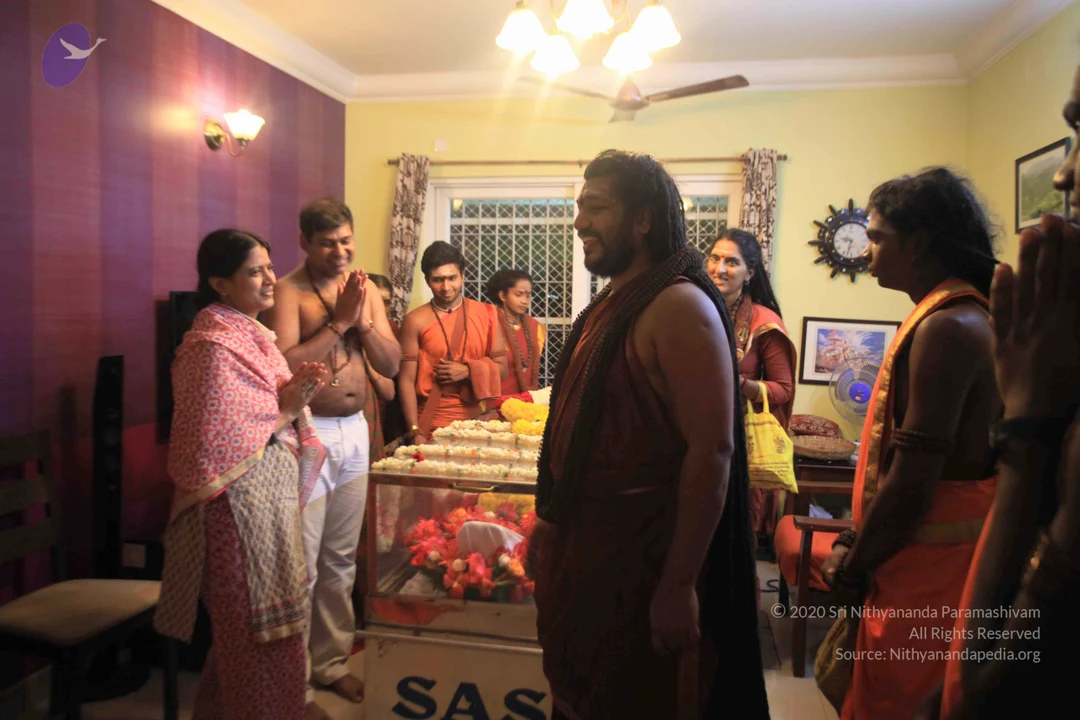
CHANDRAMOHAN-DEATH-VISIT
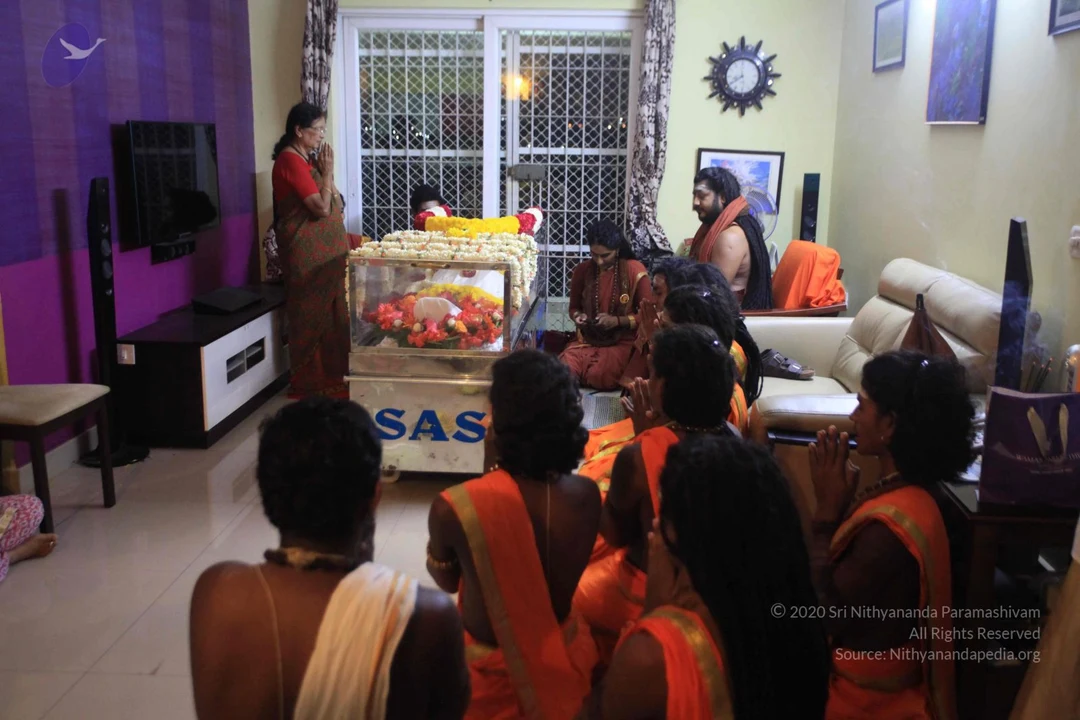
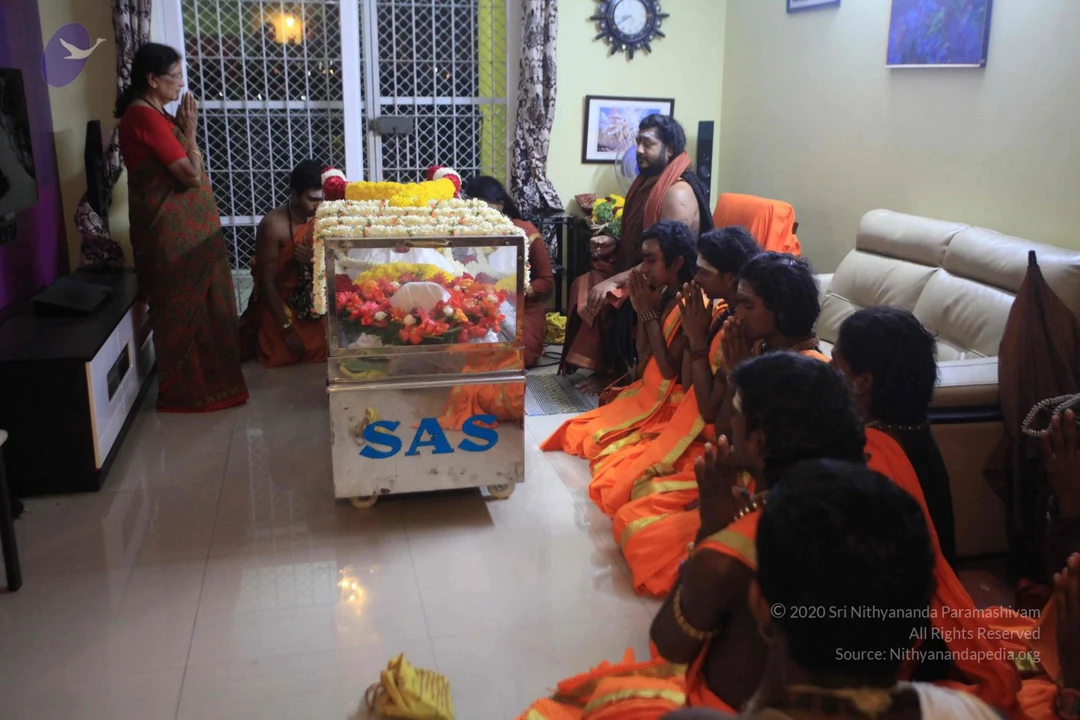
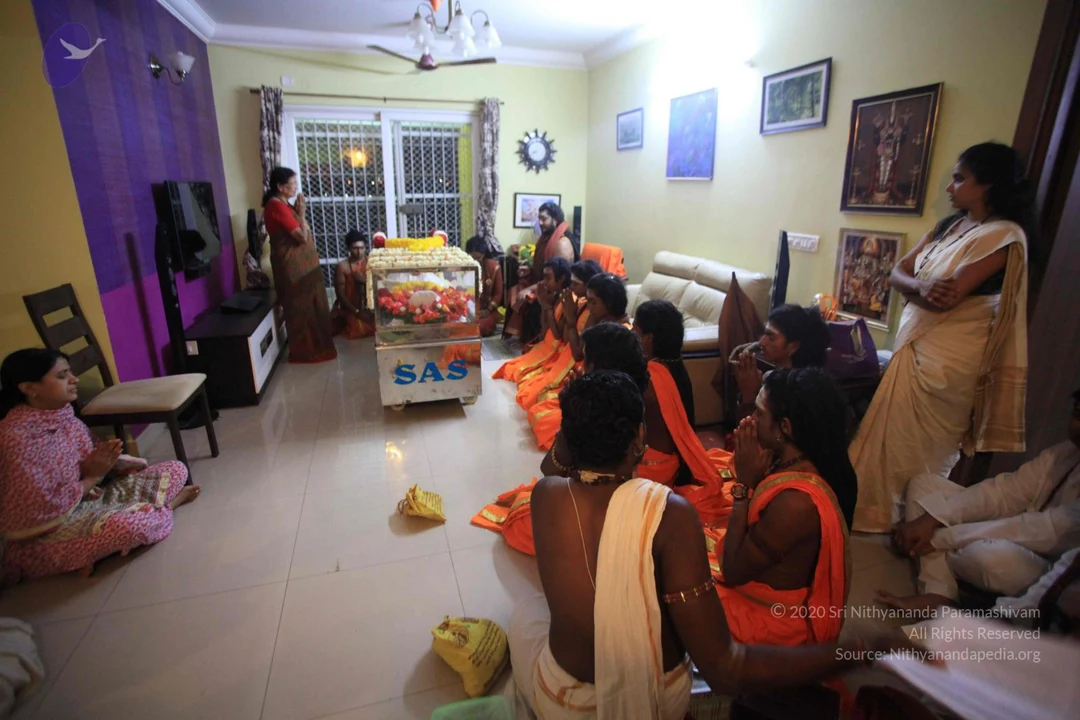
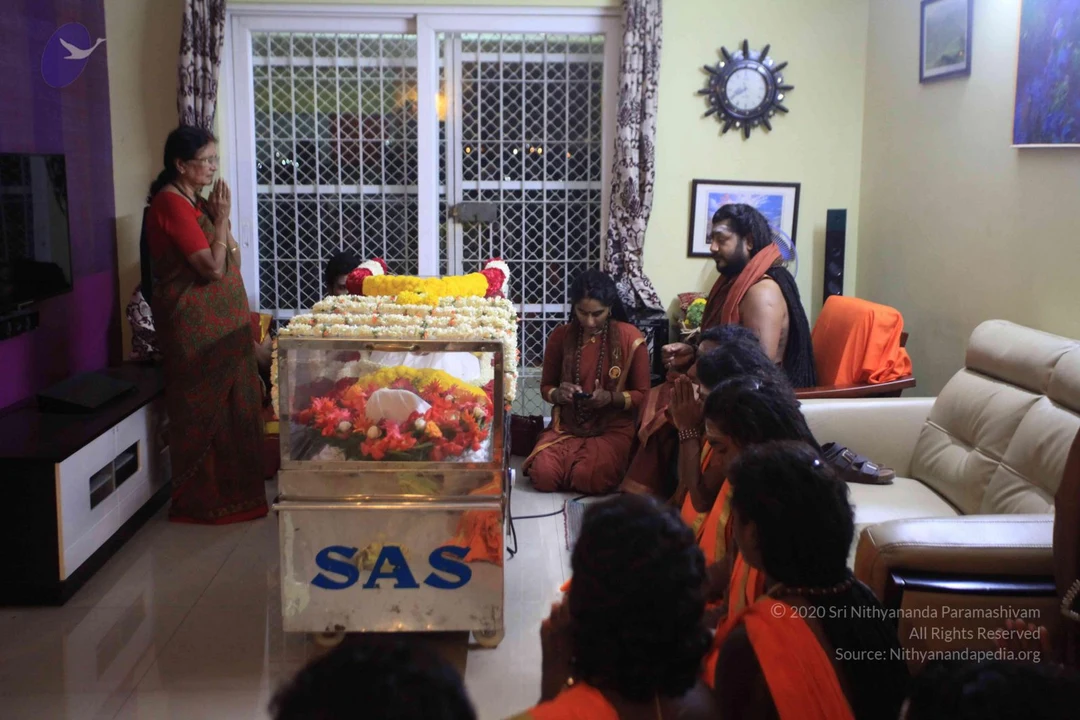
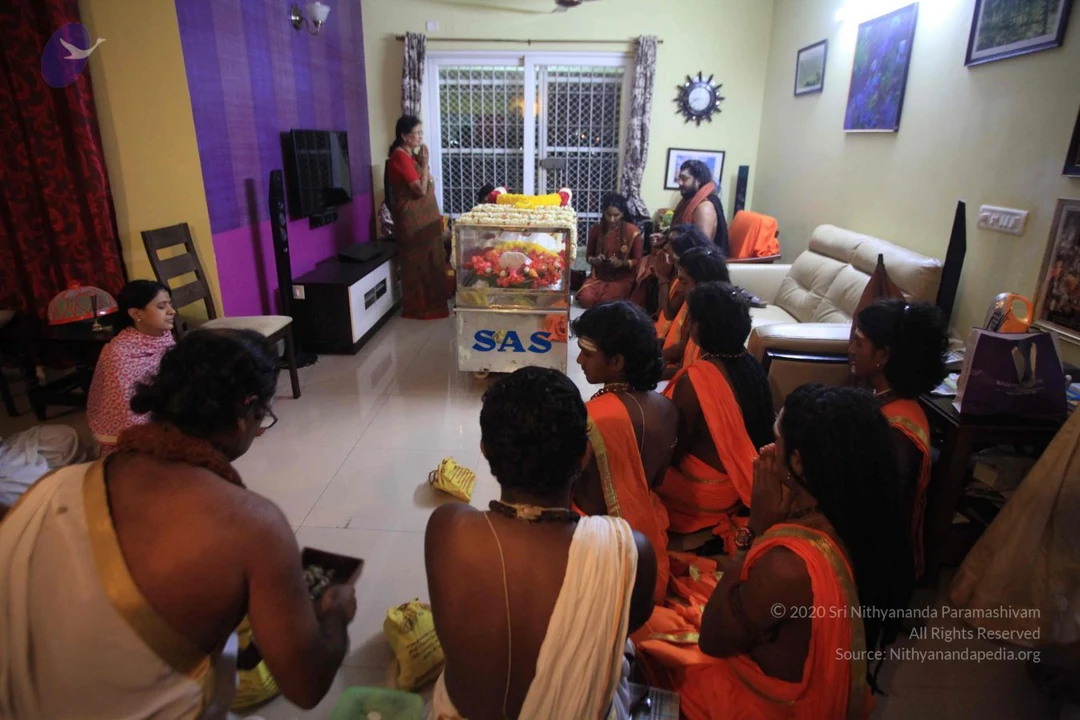
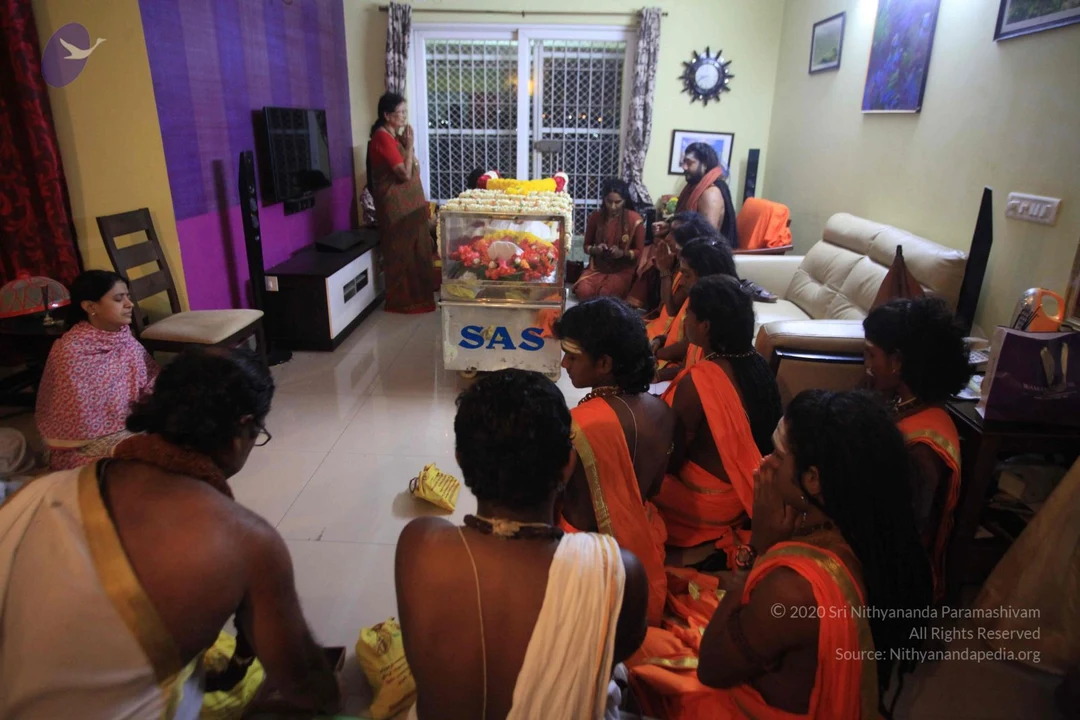
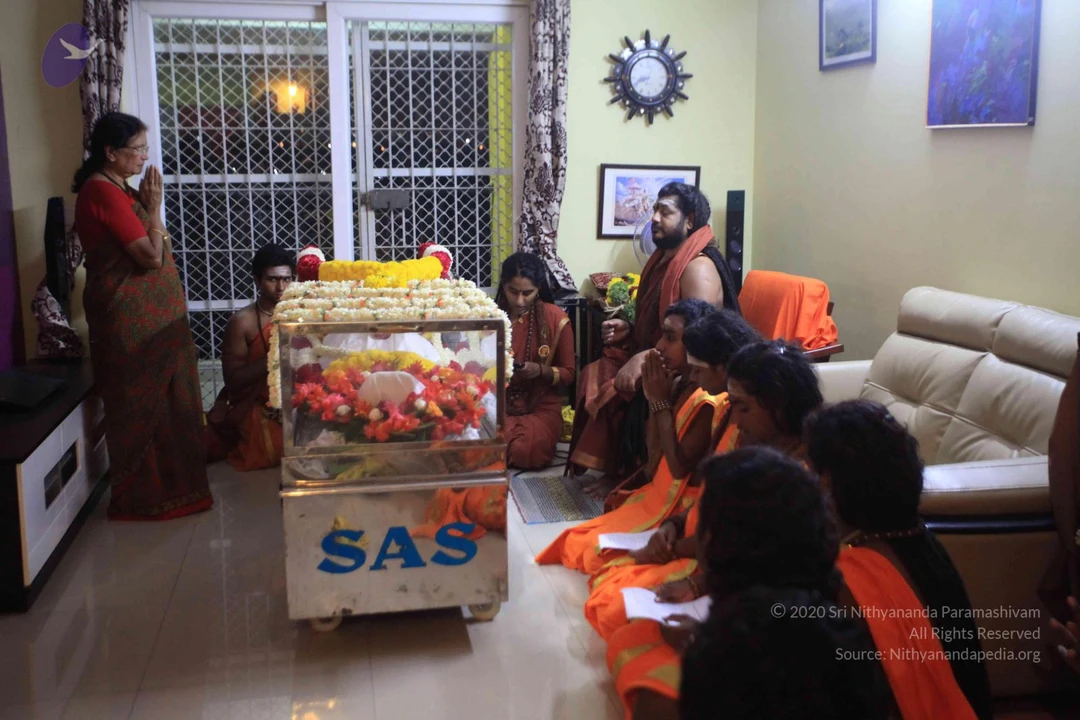
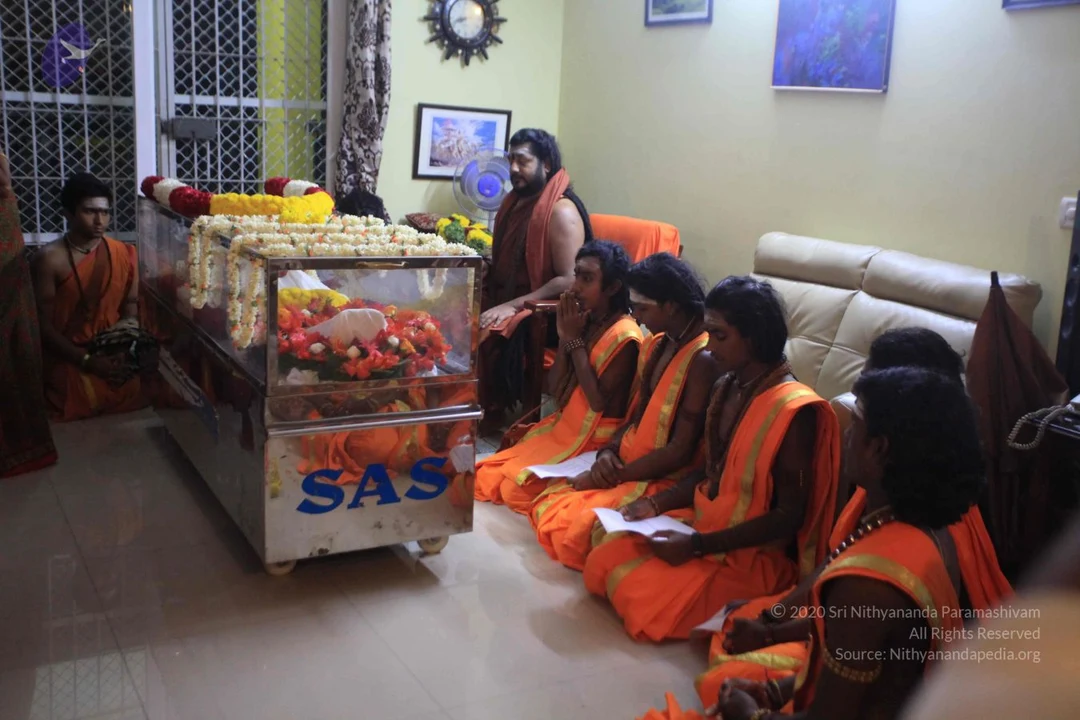

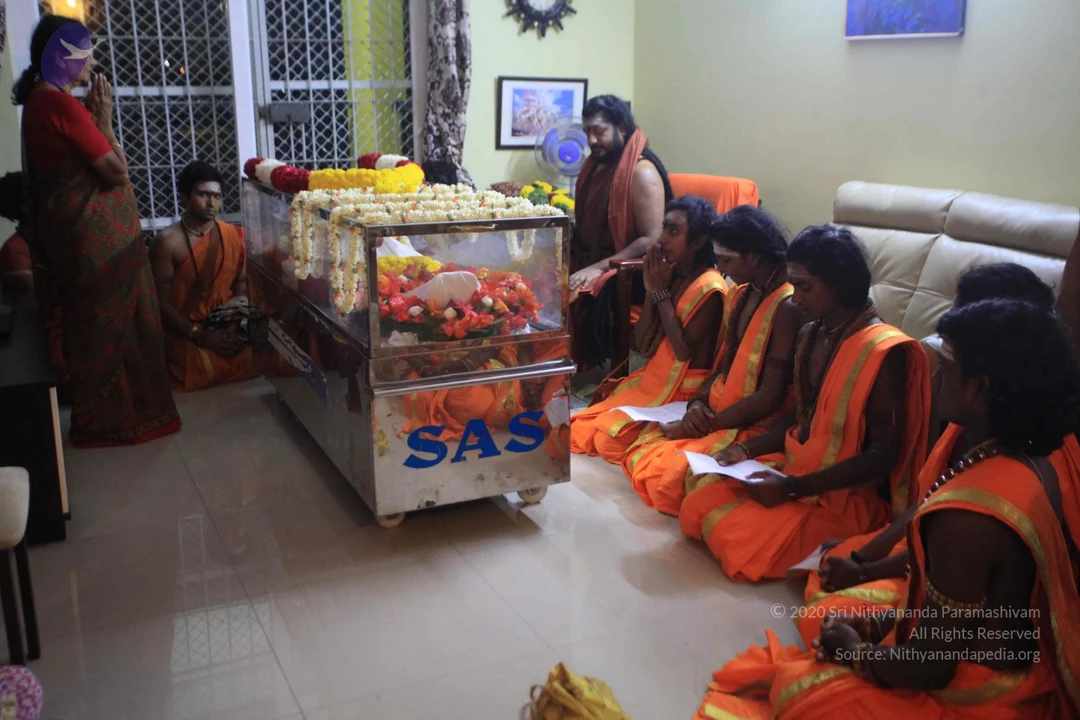
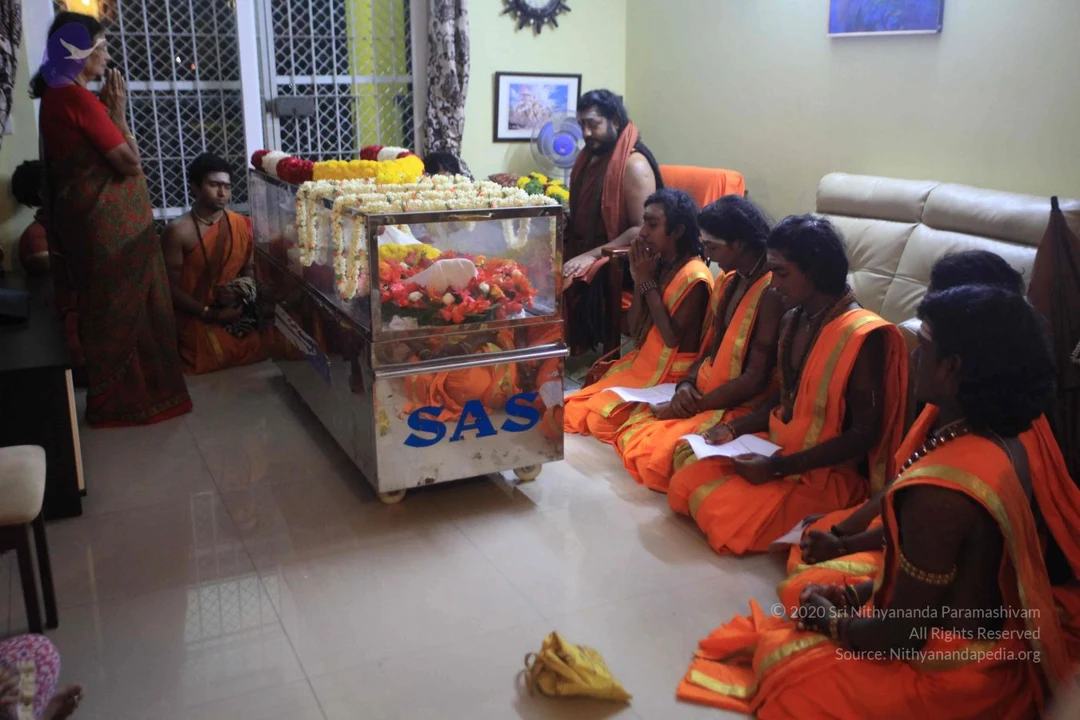
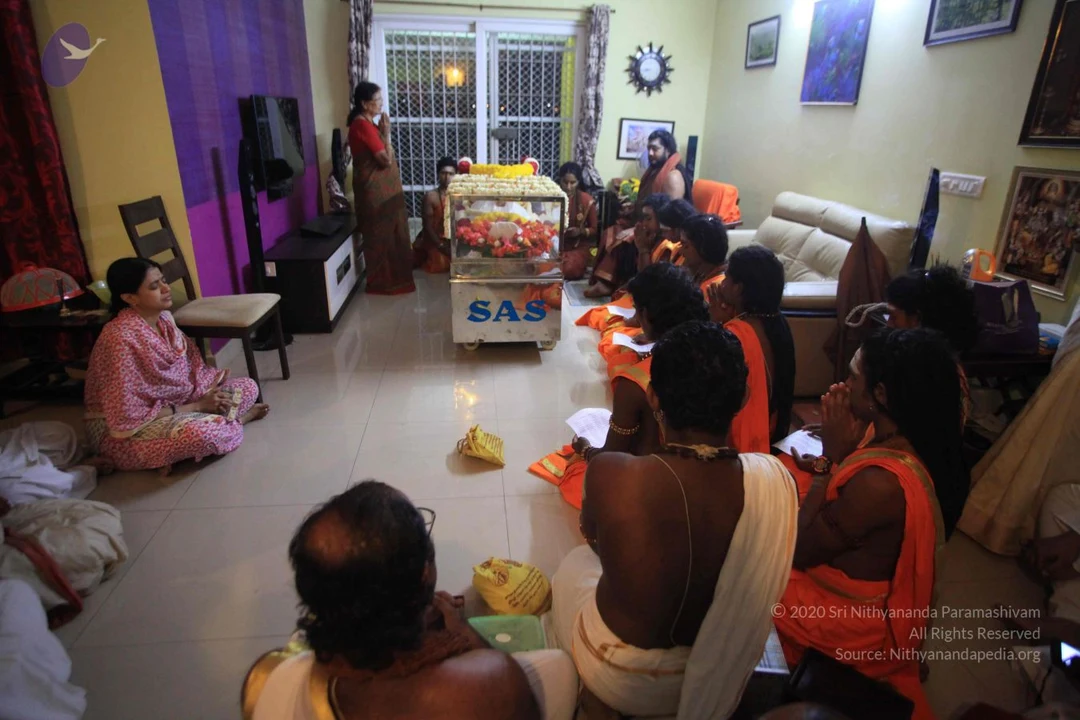
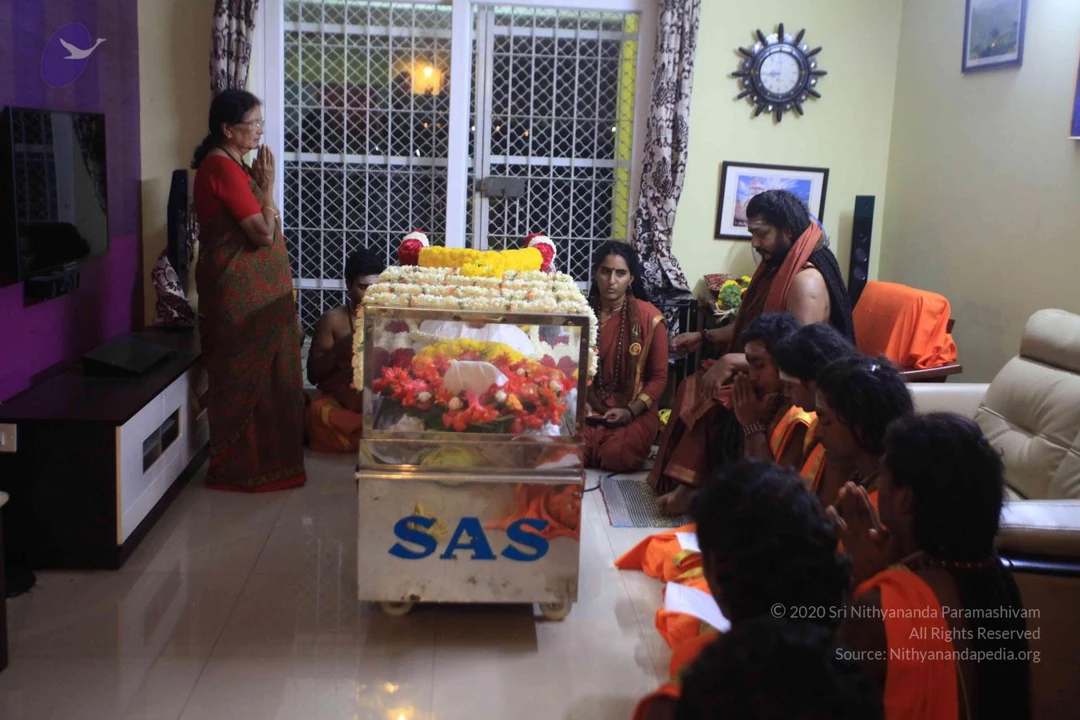
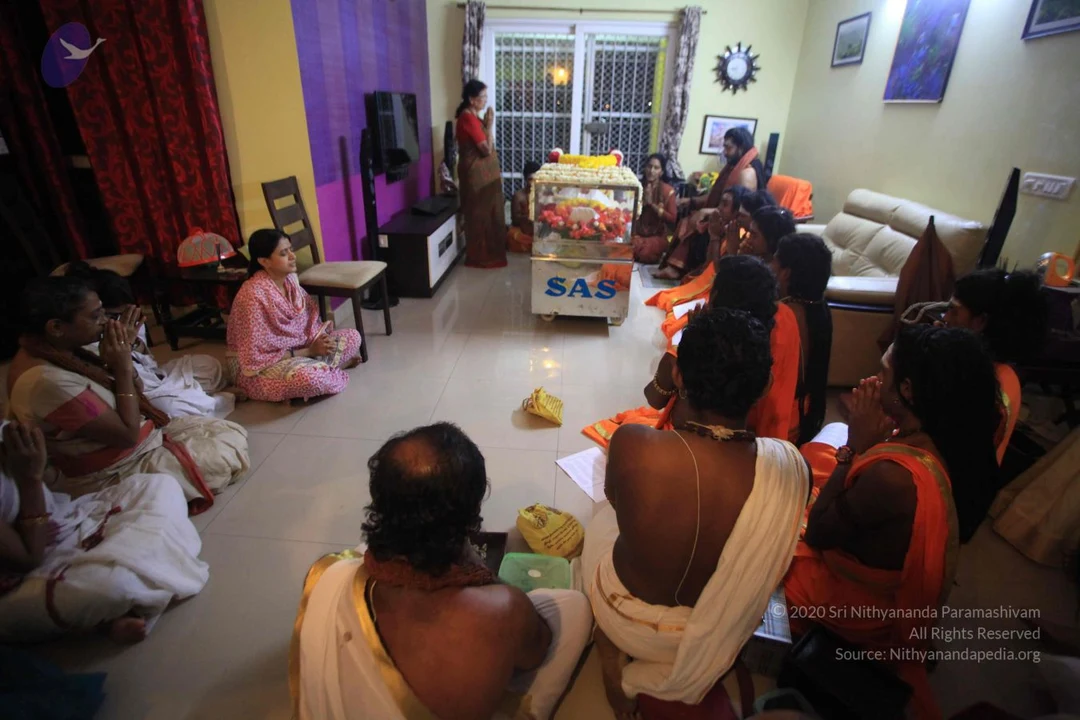
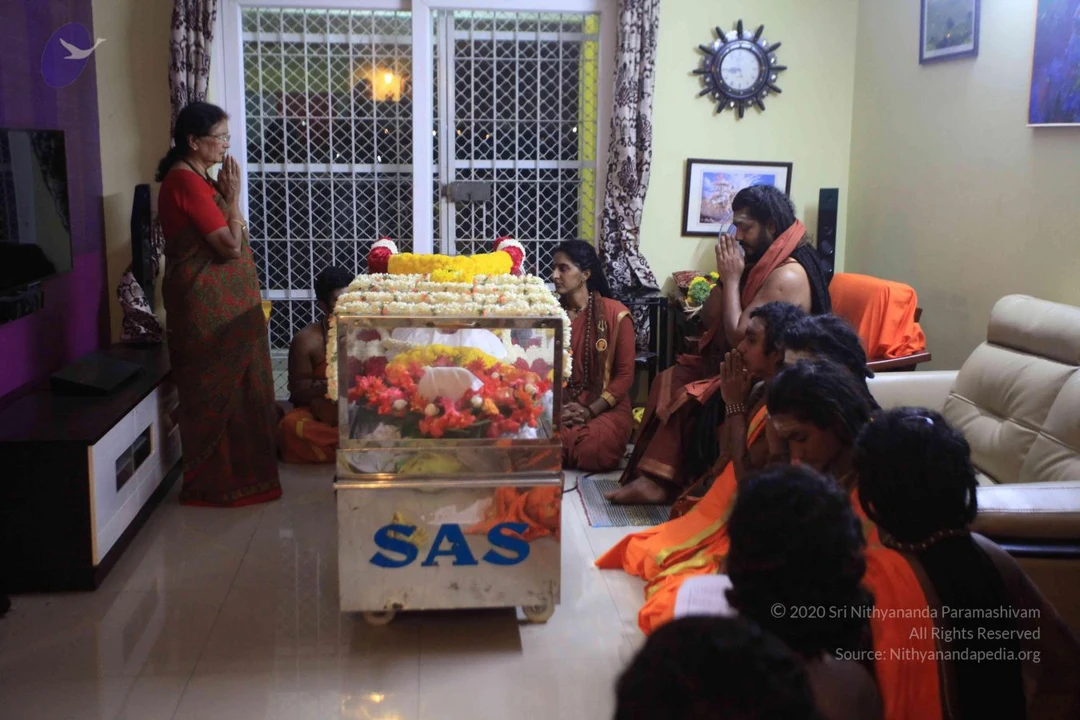
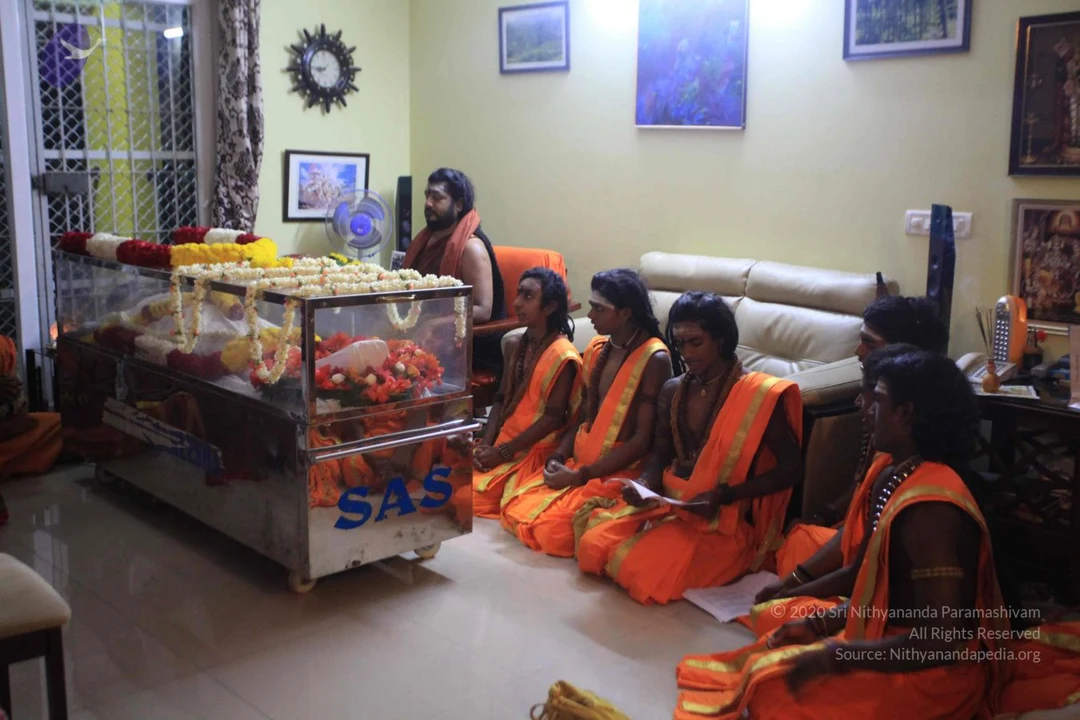
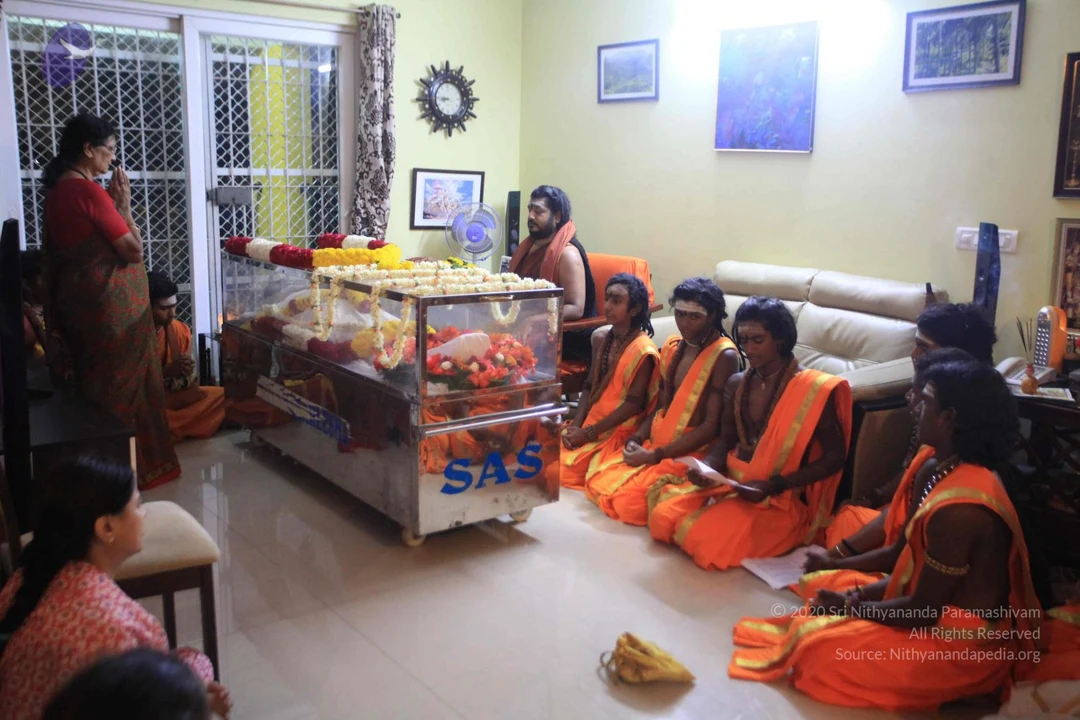
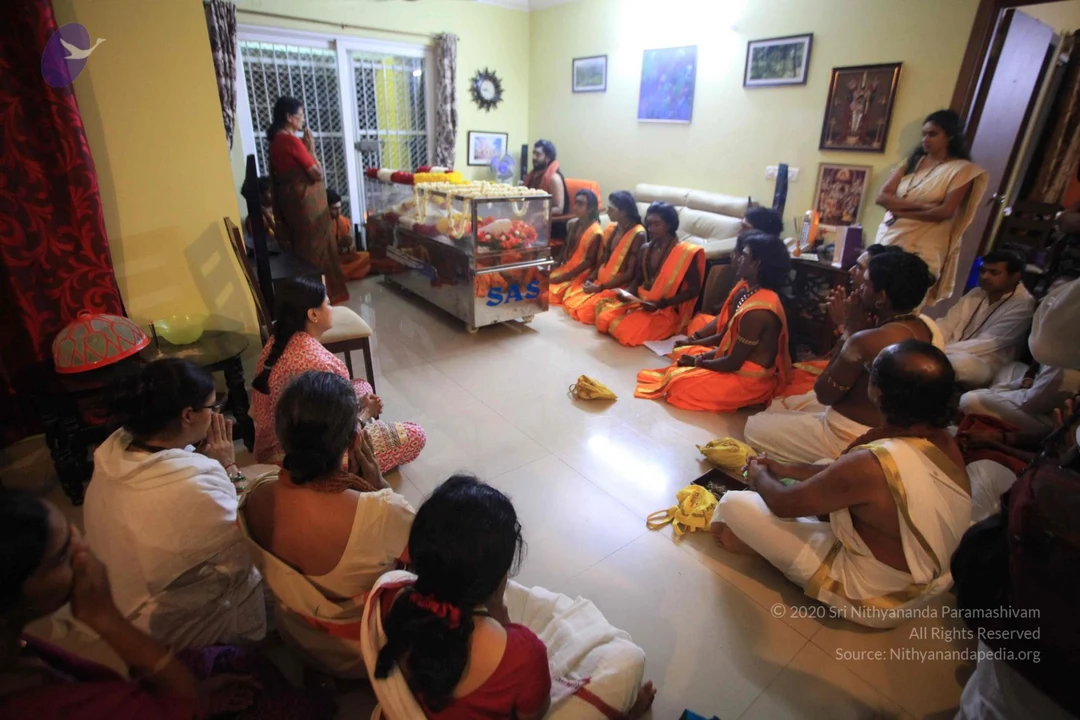
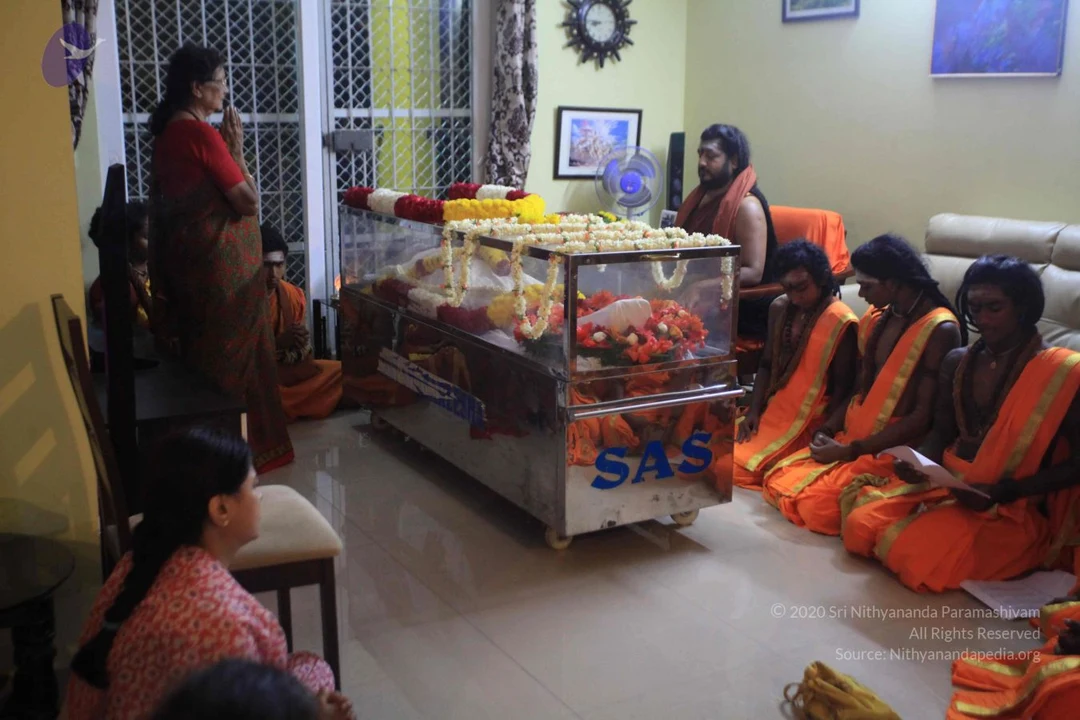
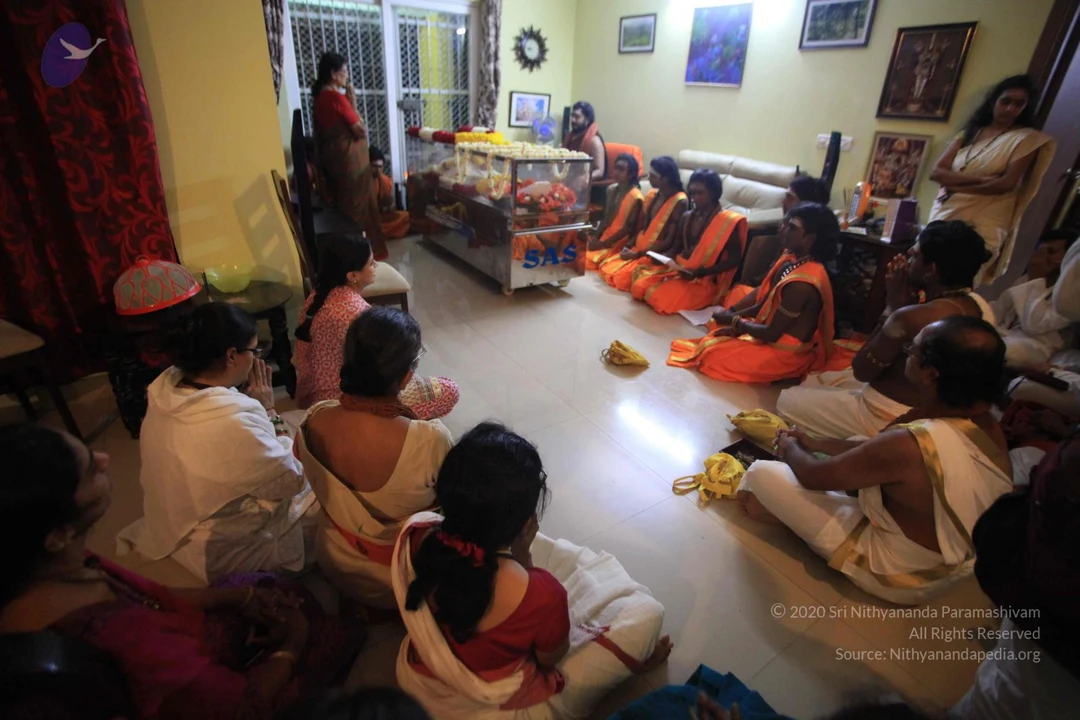
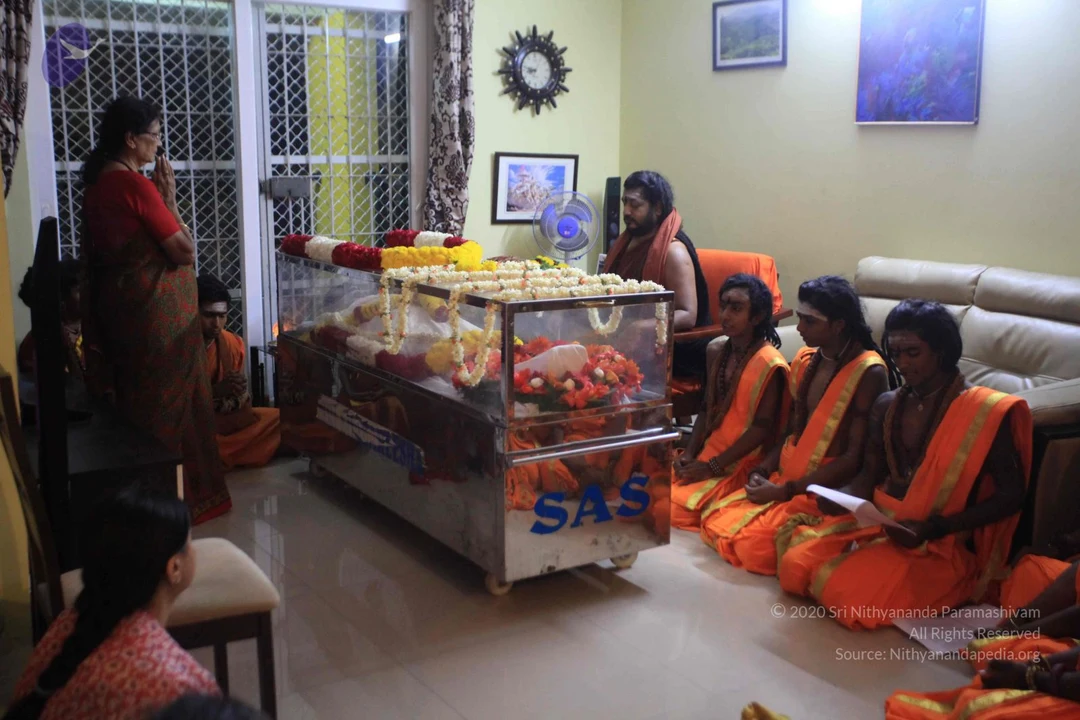
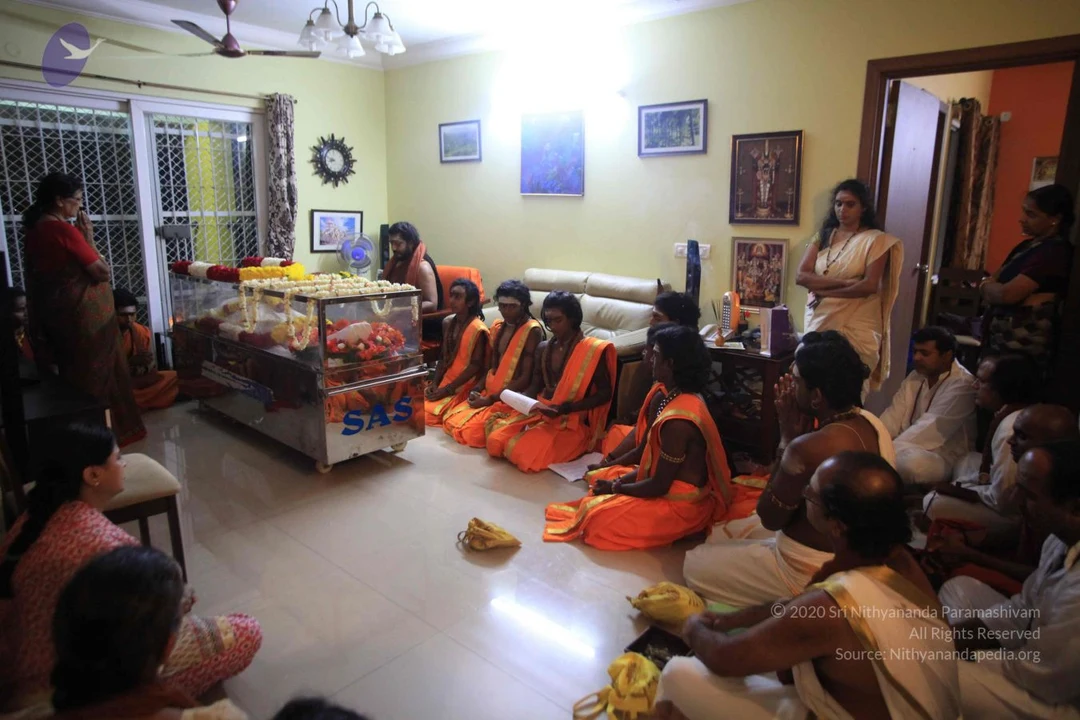
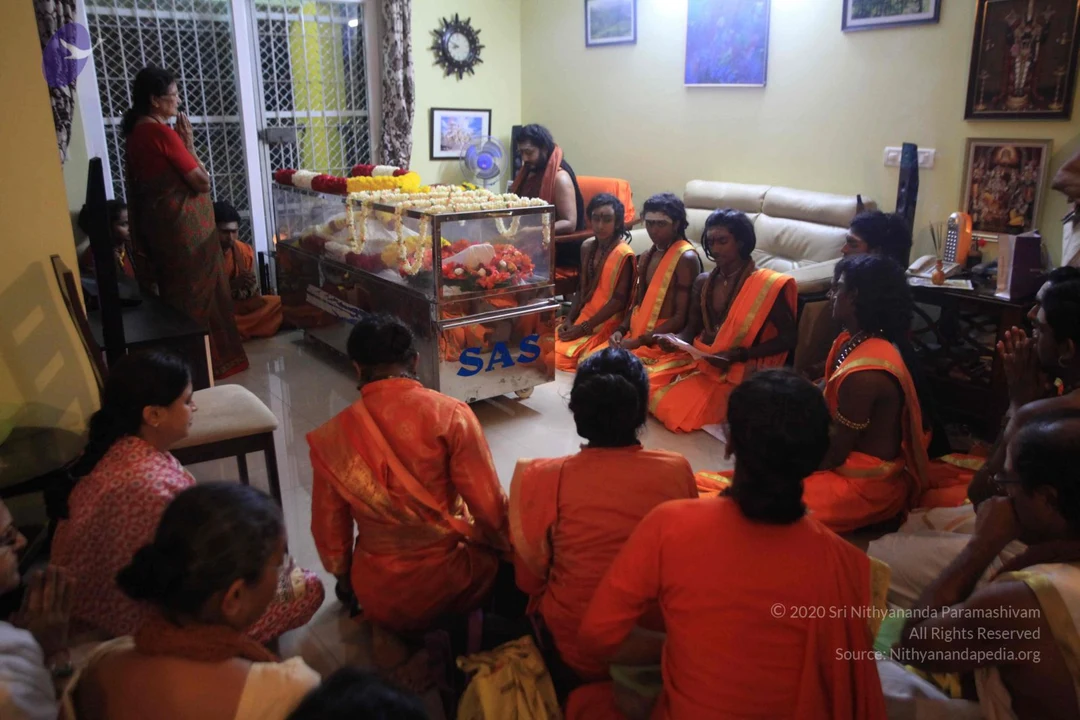
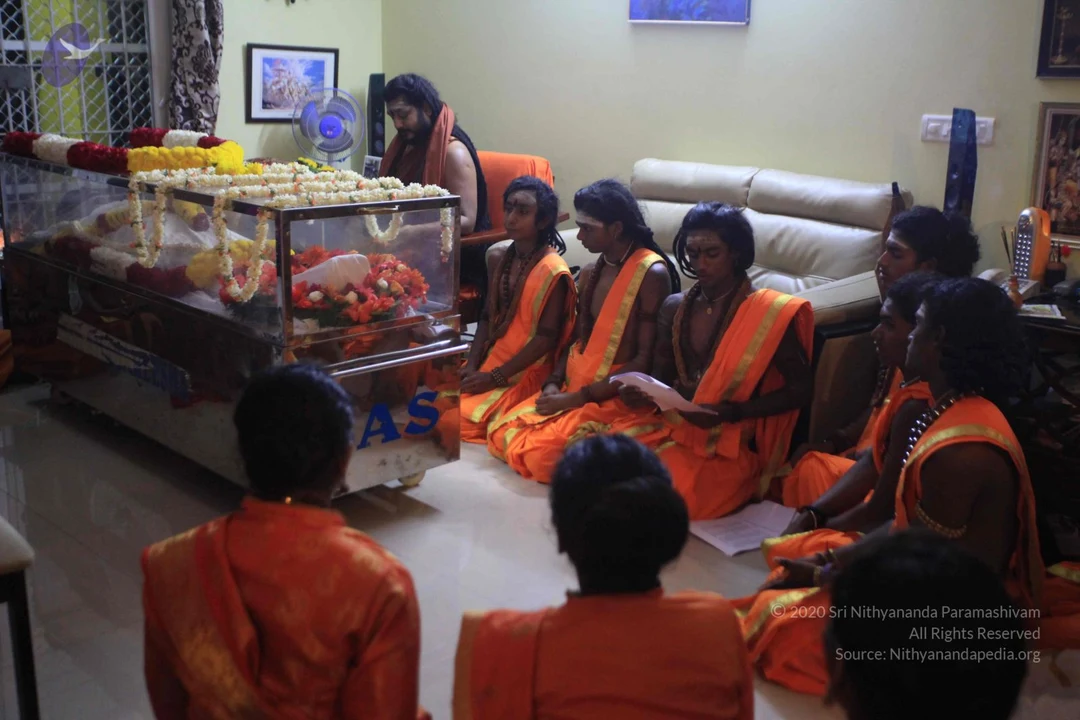
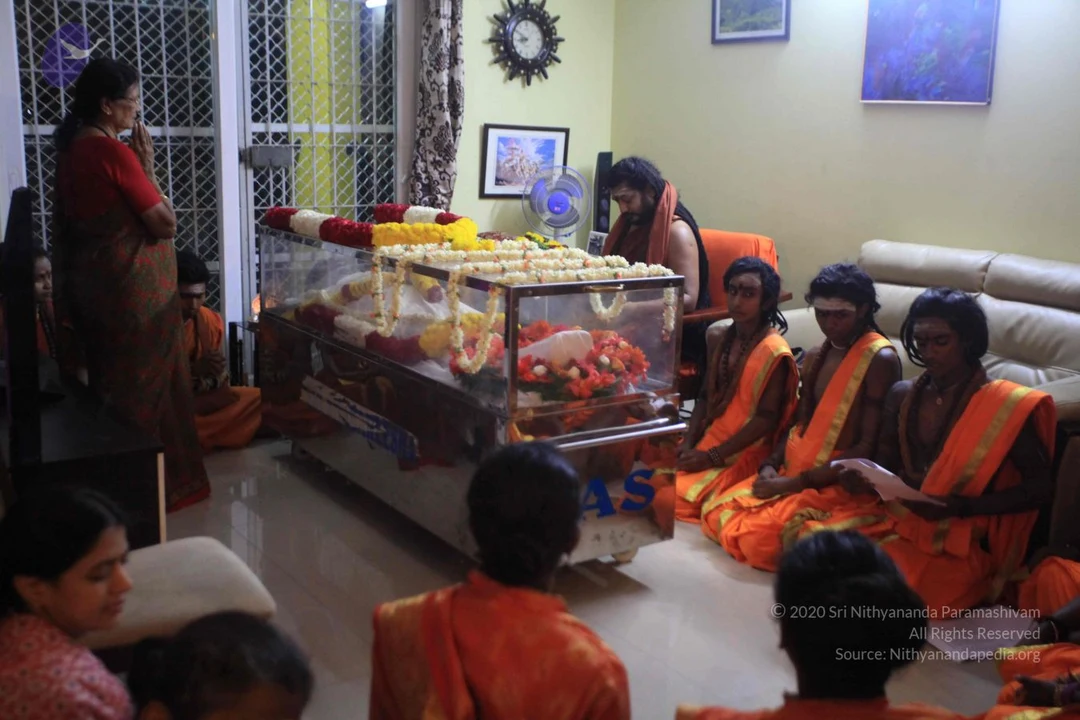
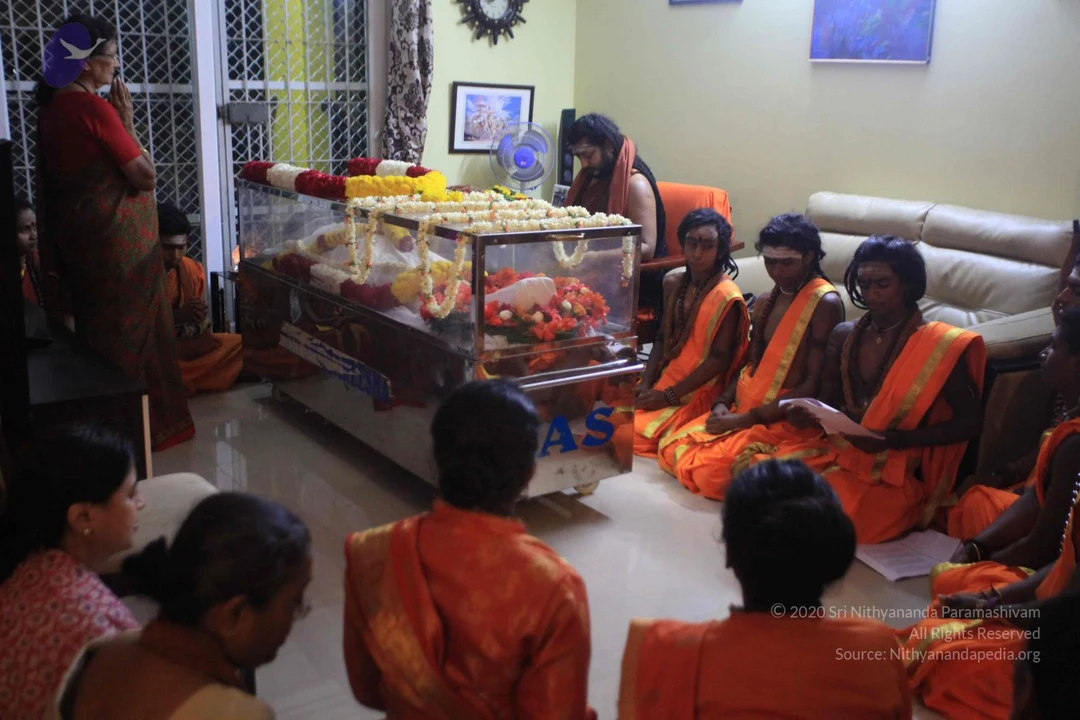
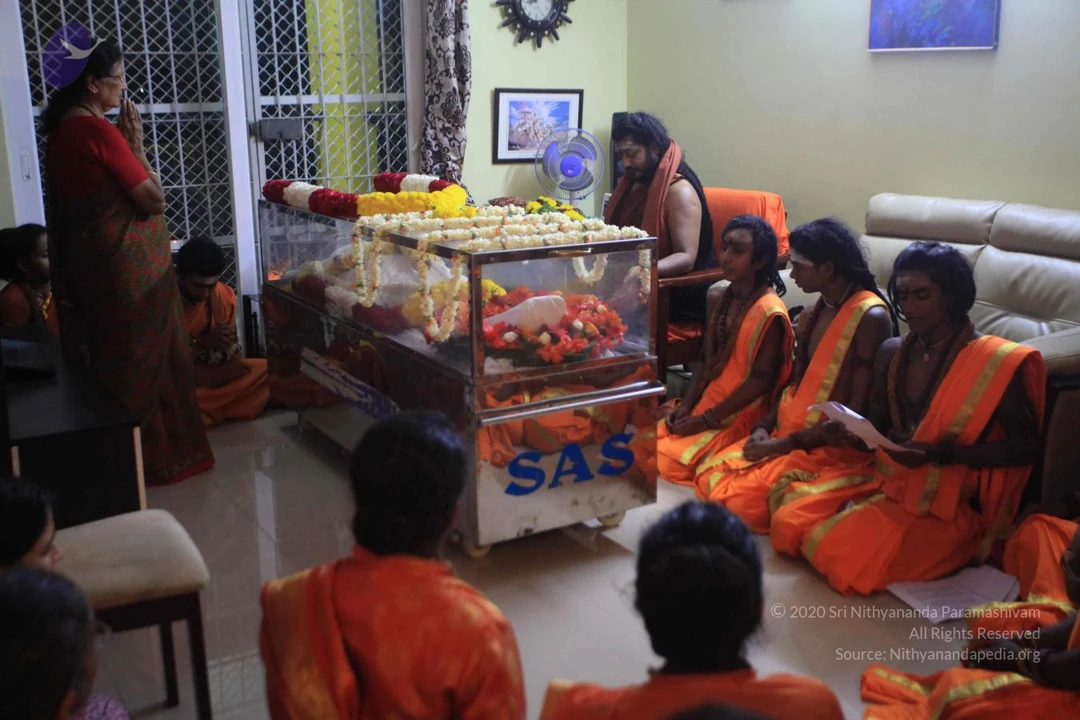
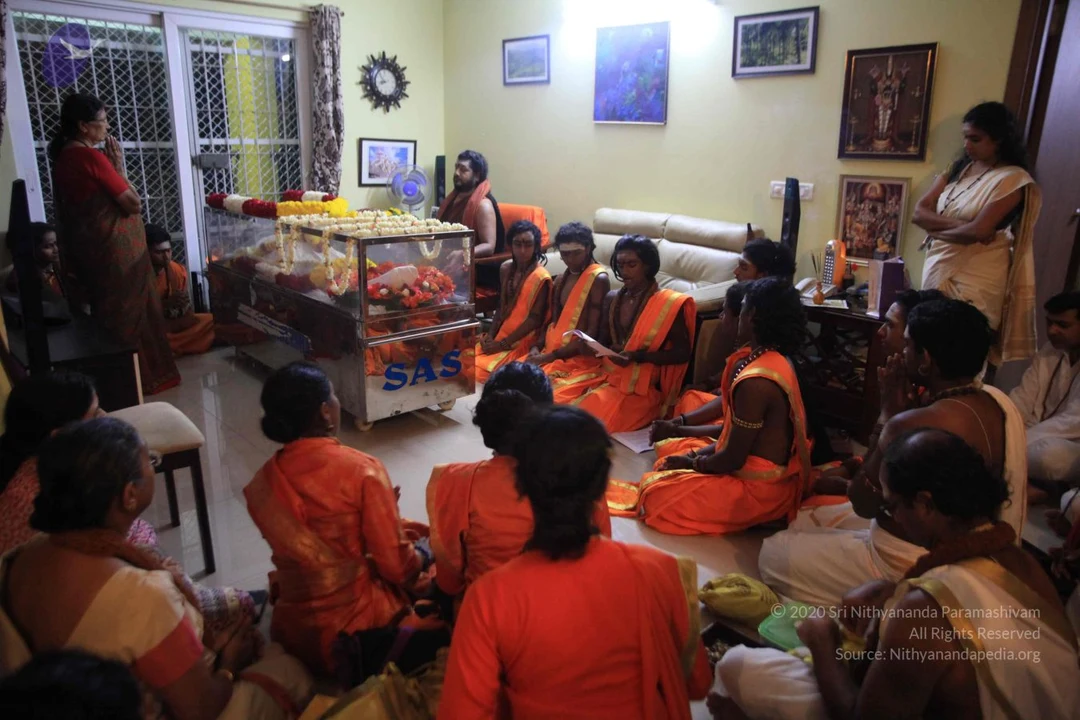
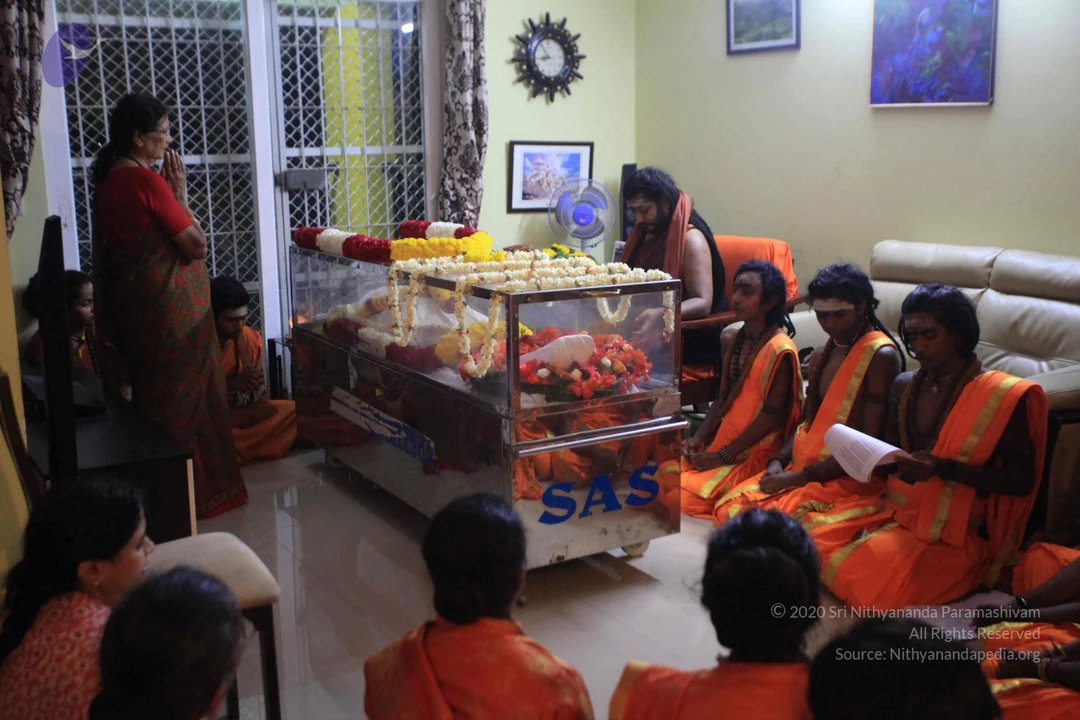
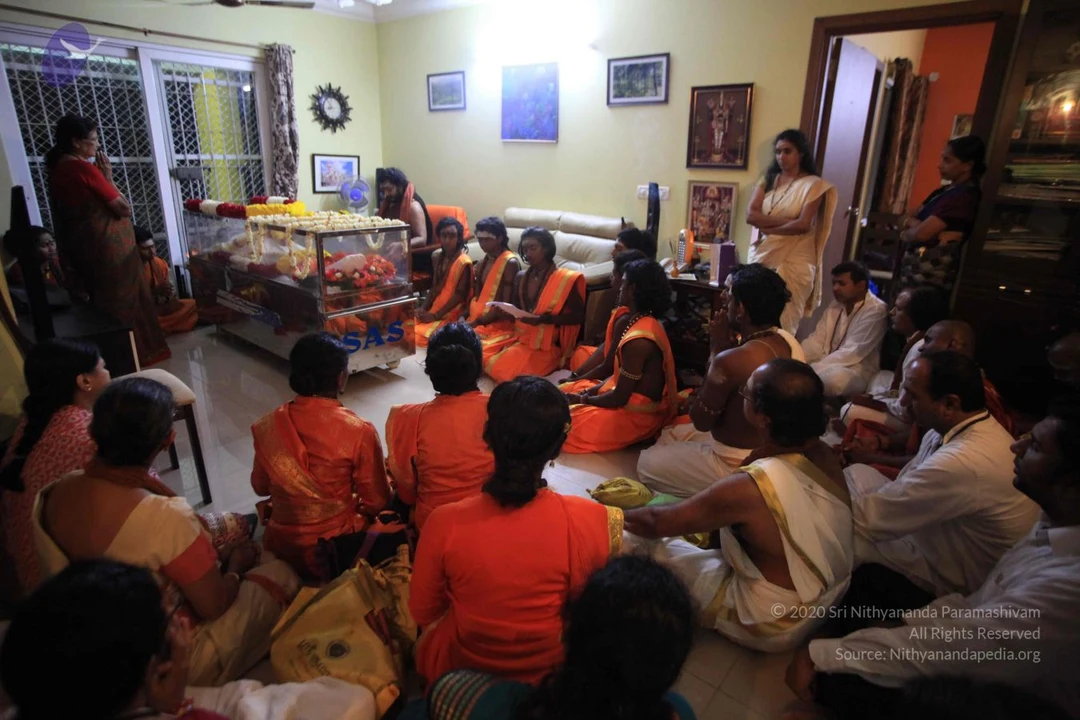
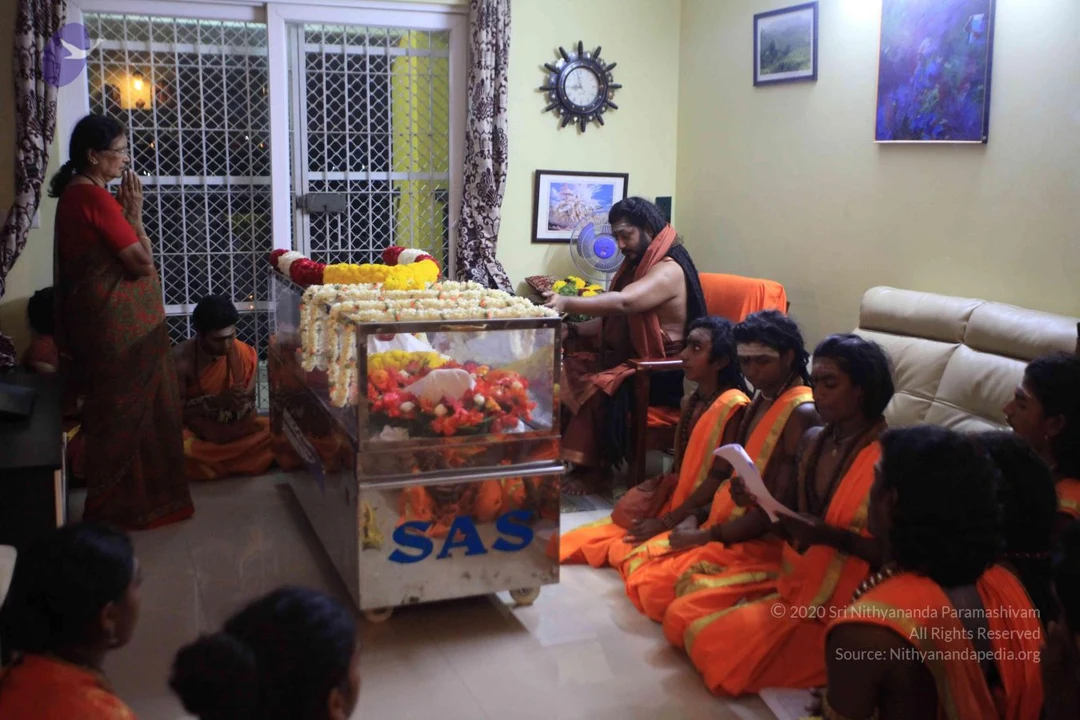
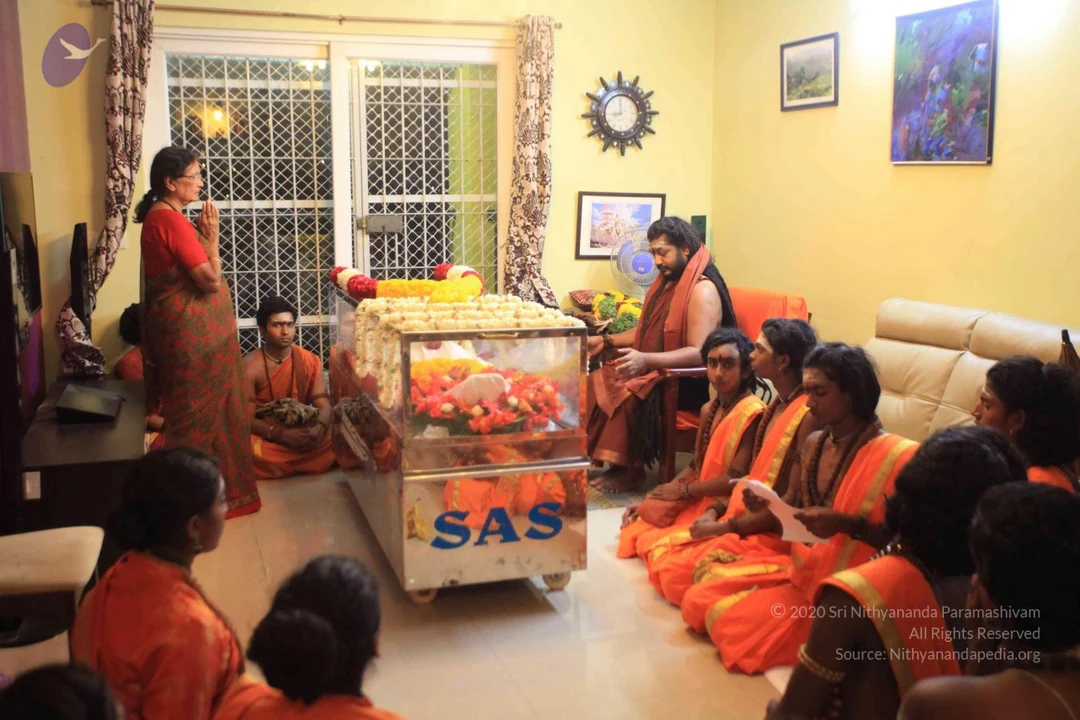
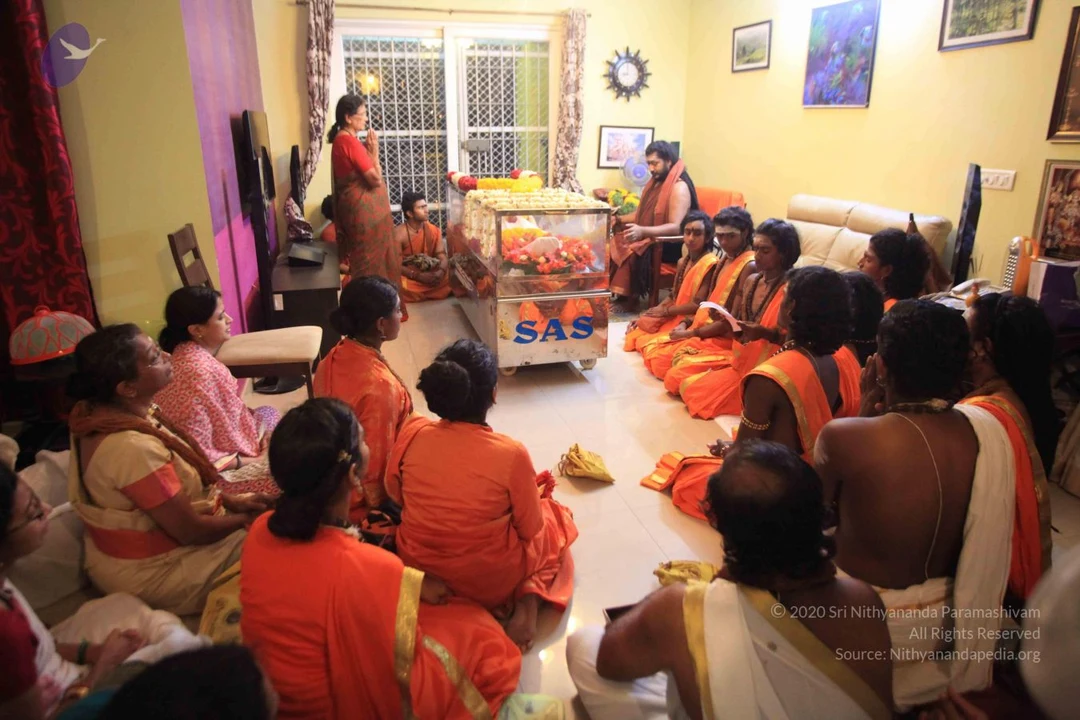
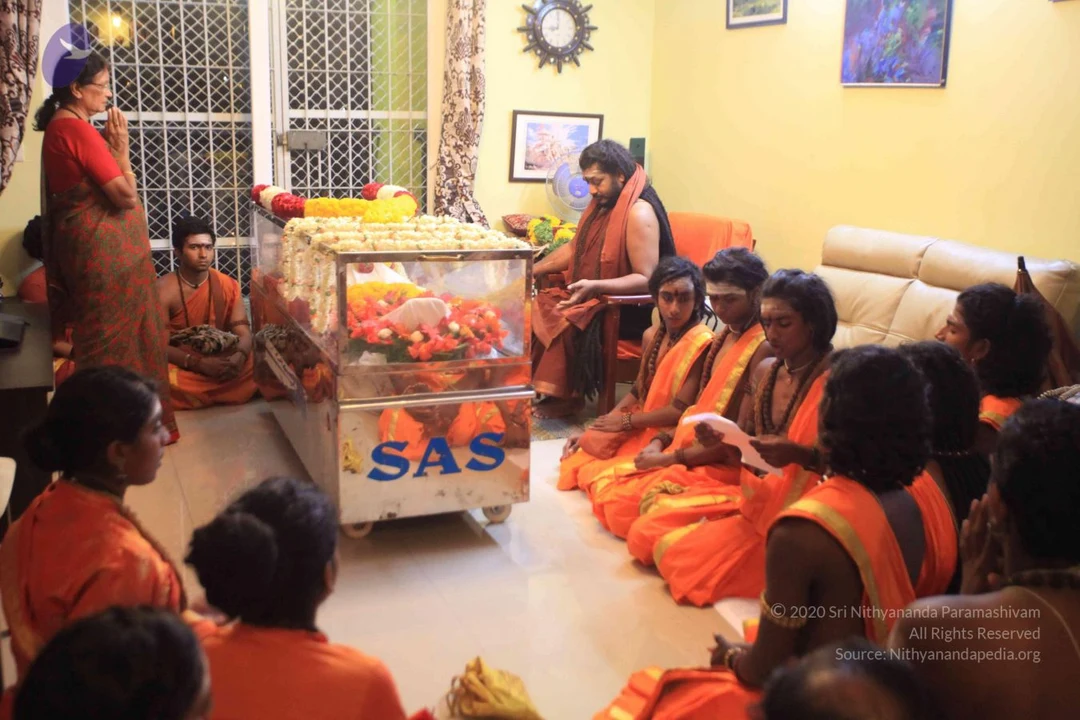
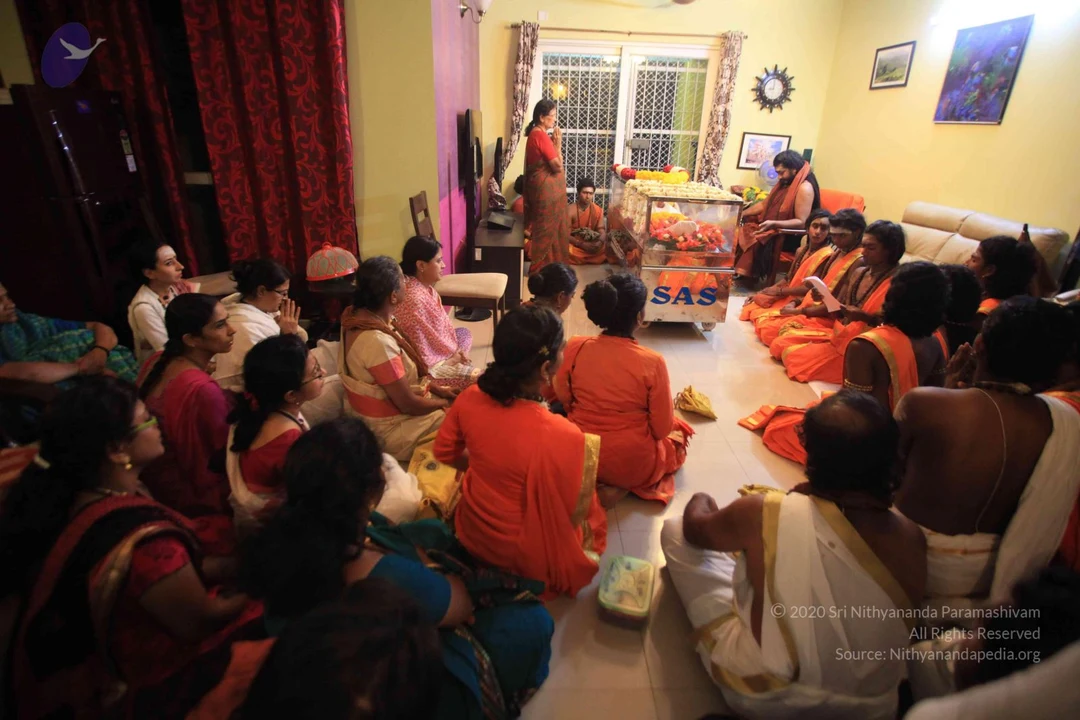
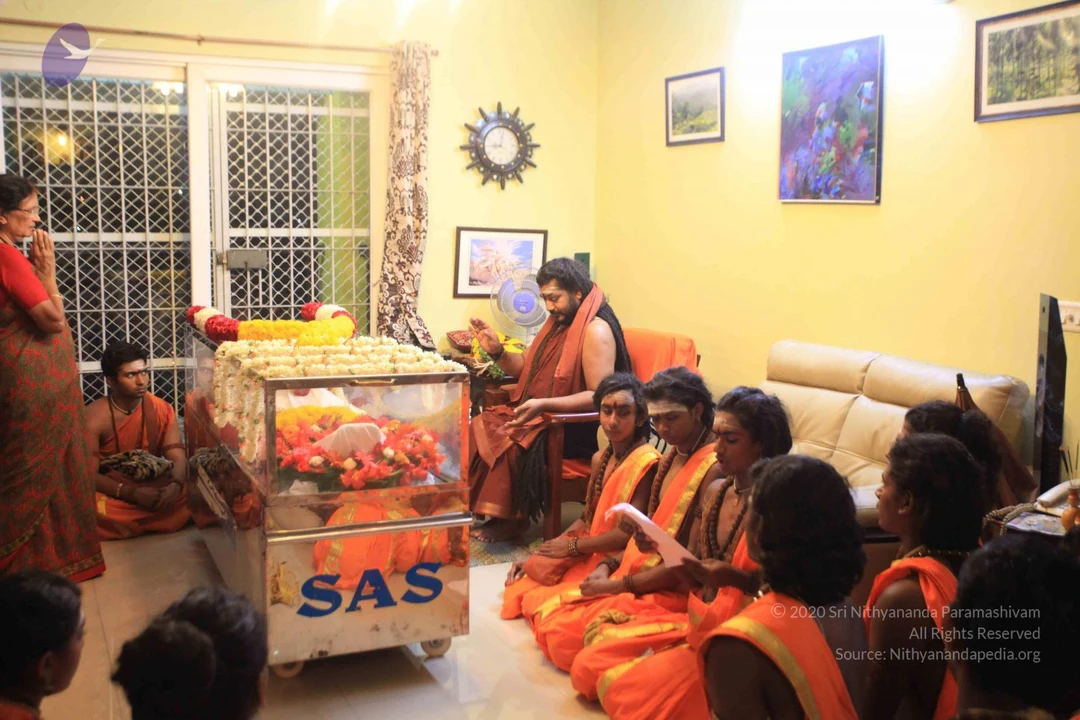
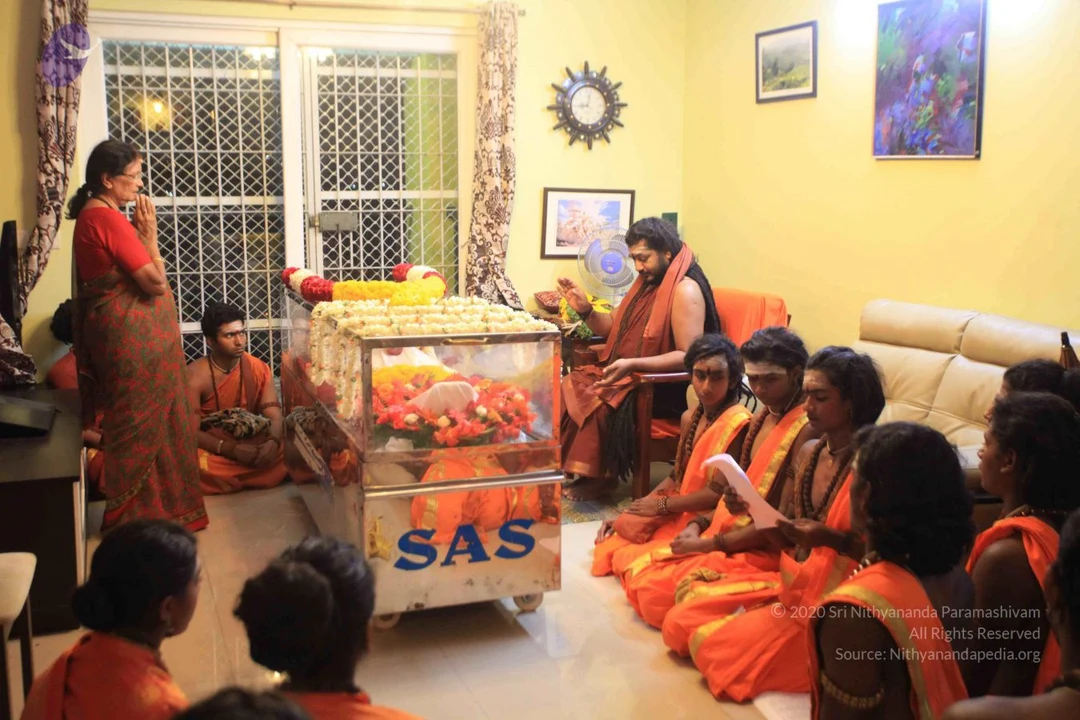
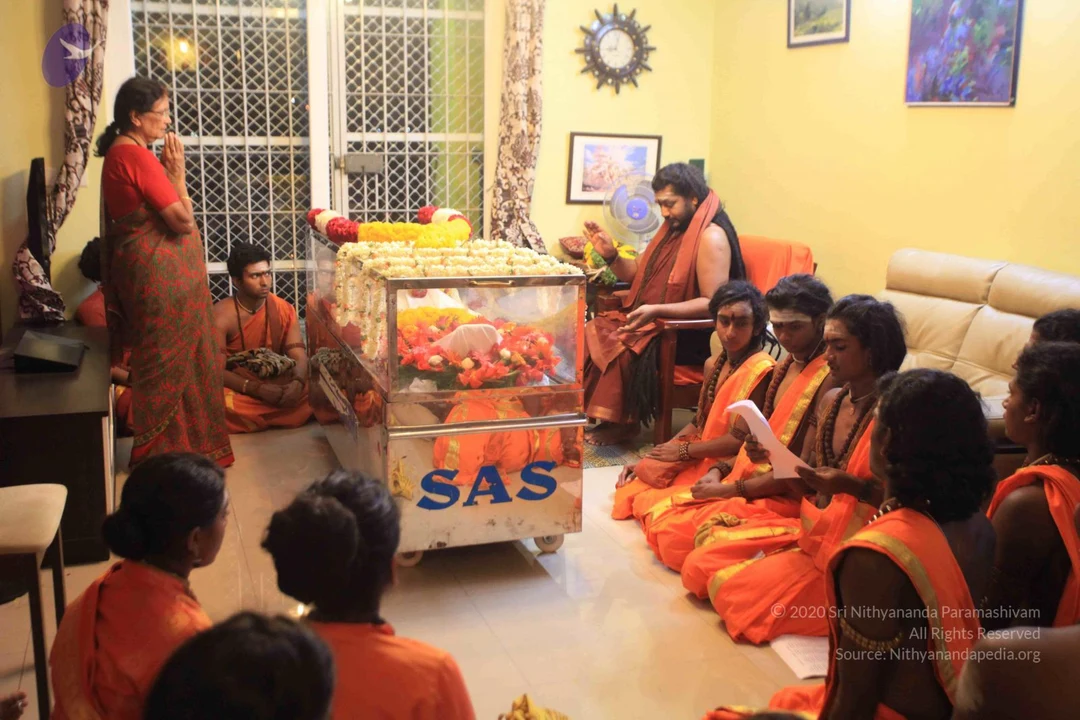
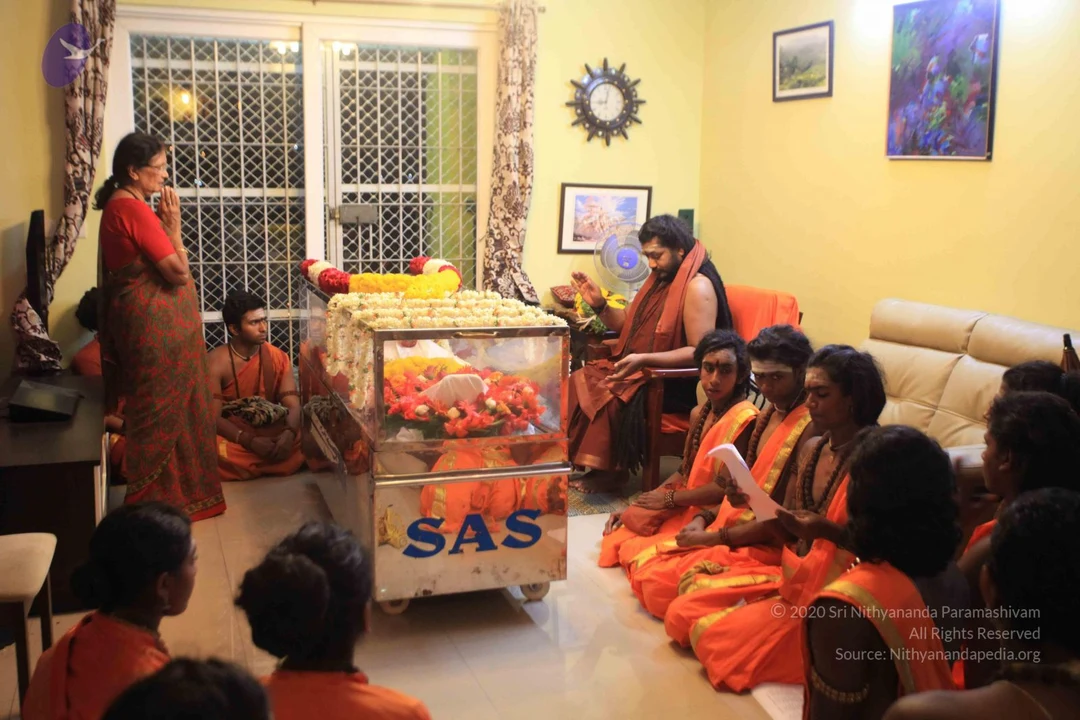
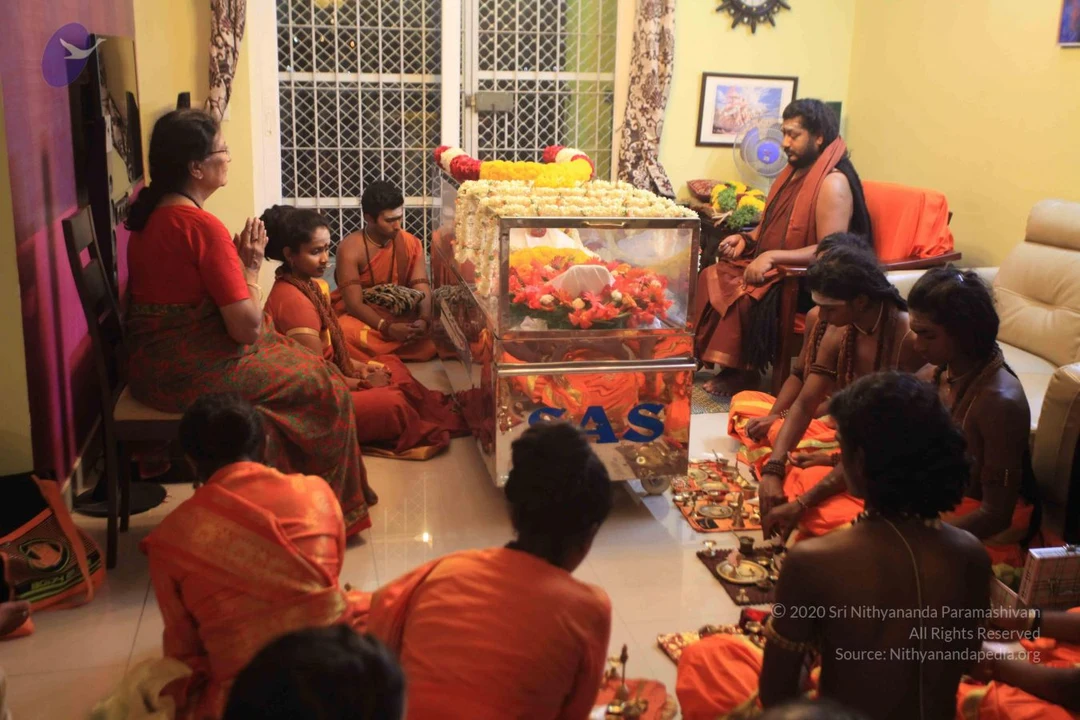
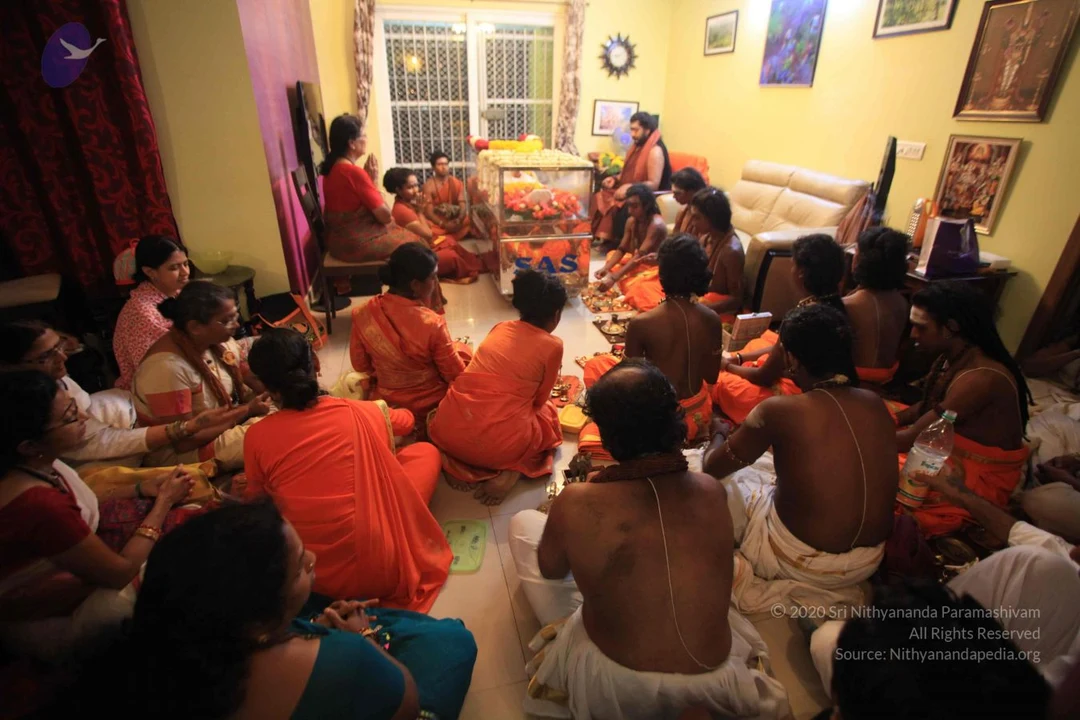
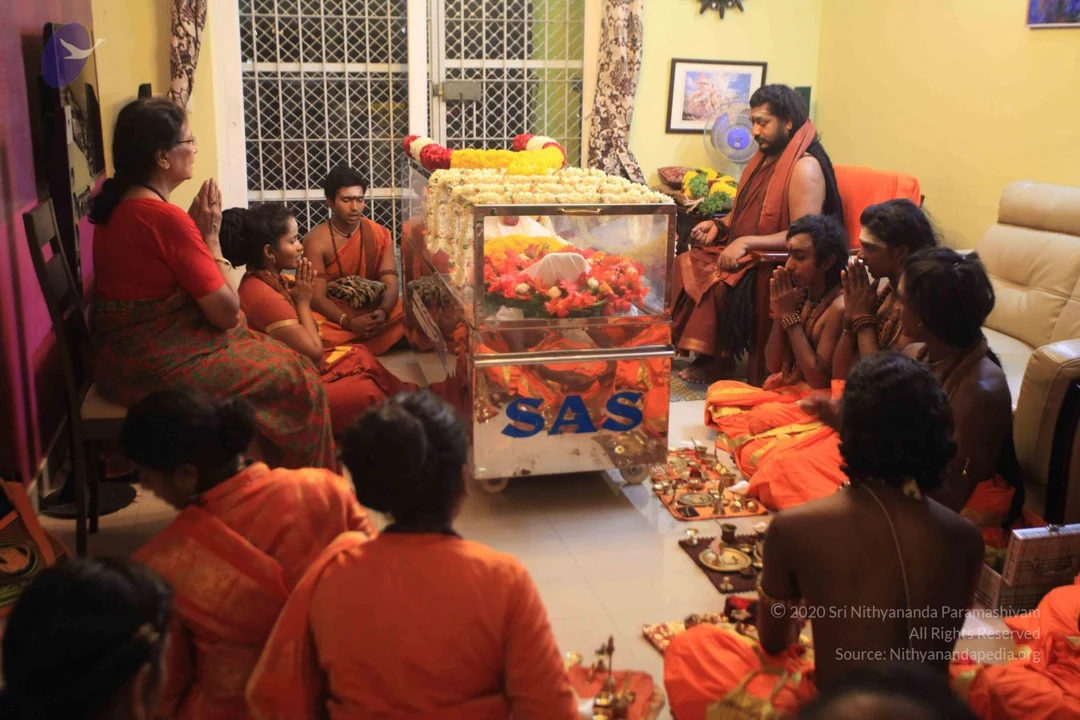
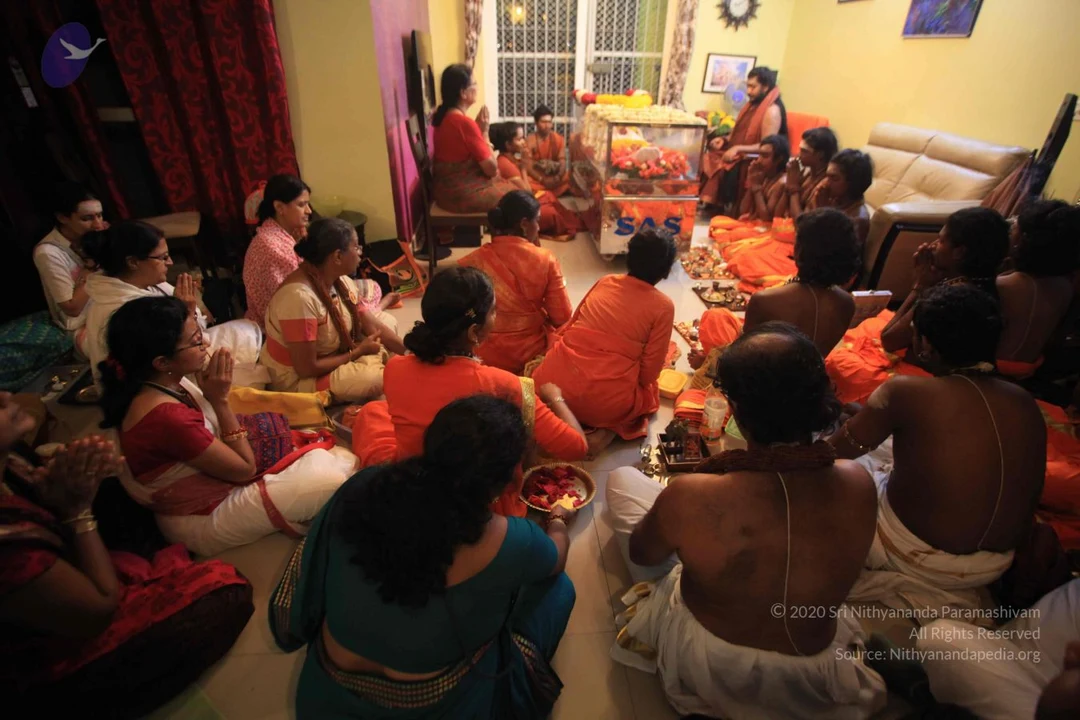

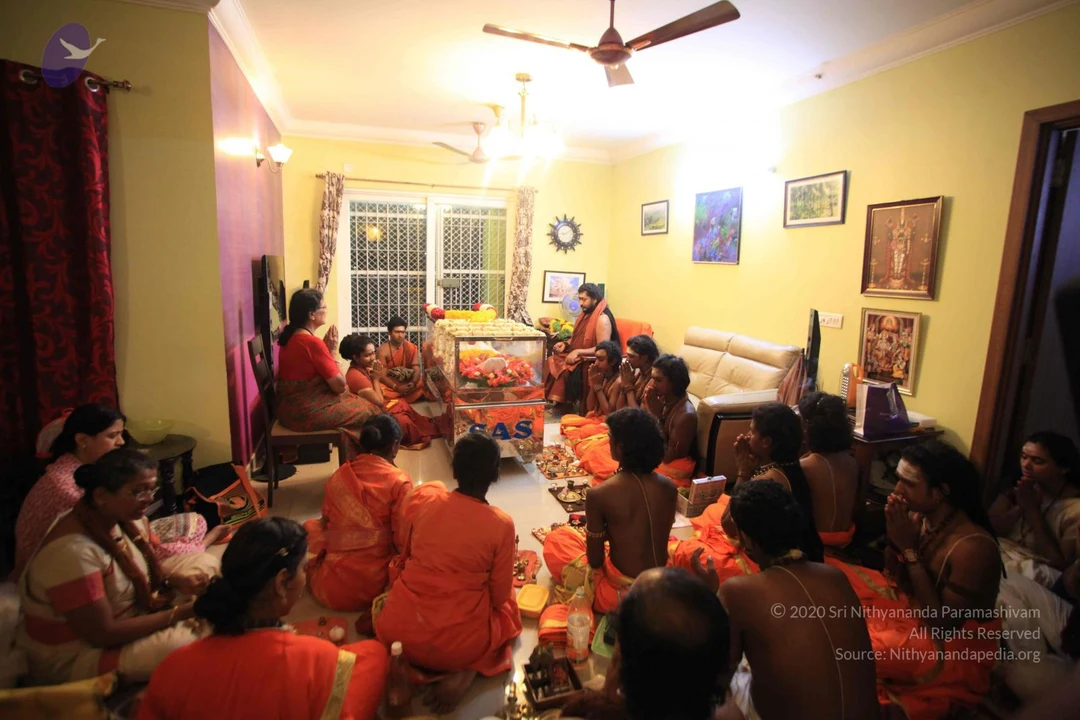
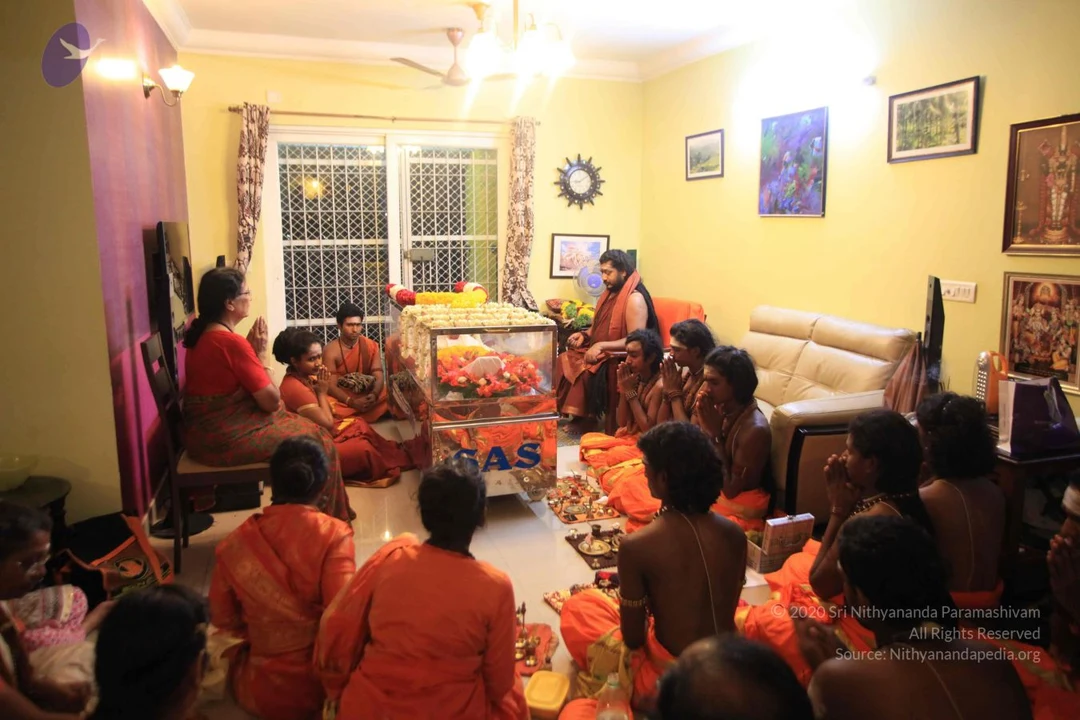
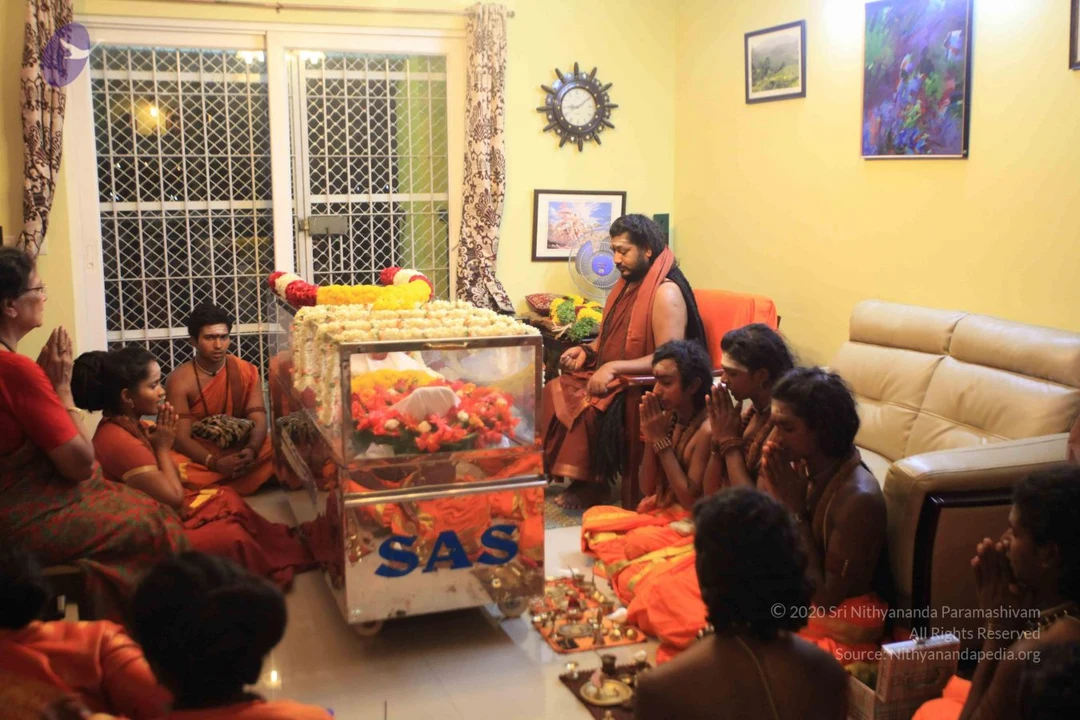
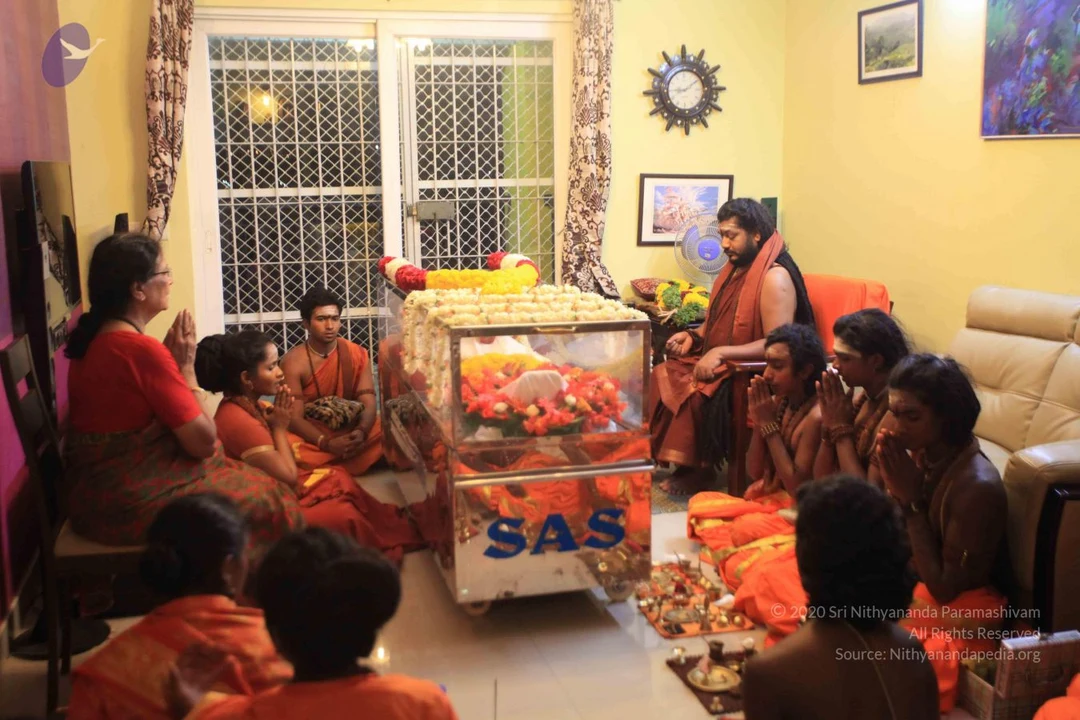
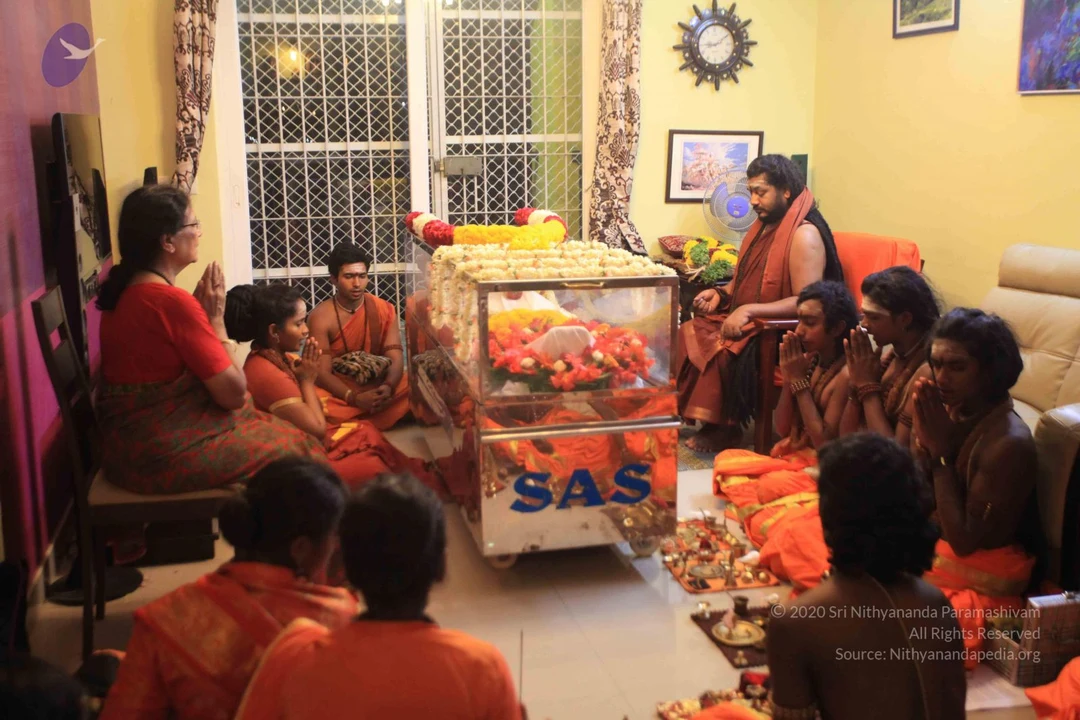
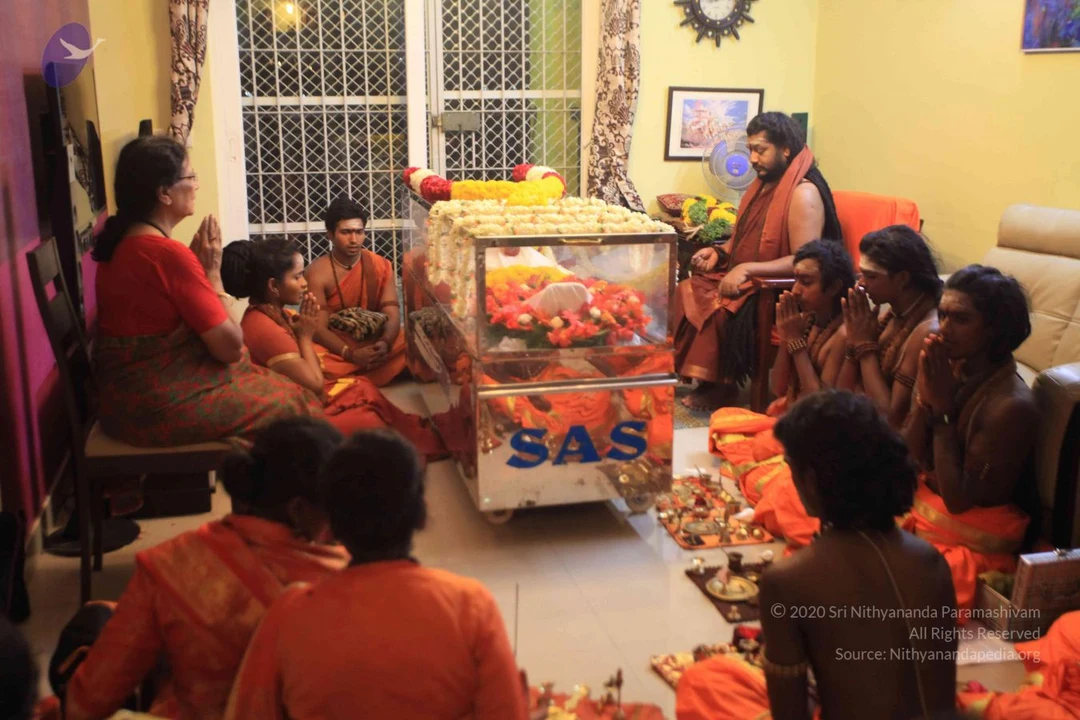
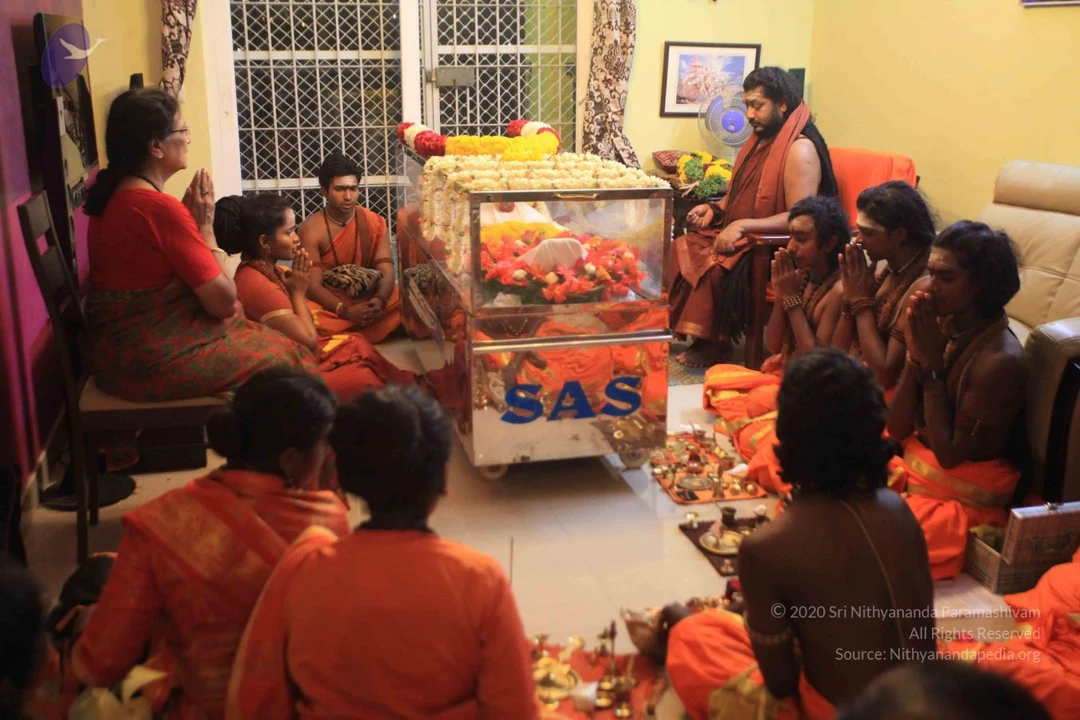
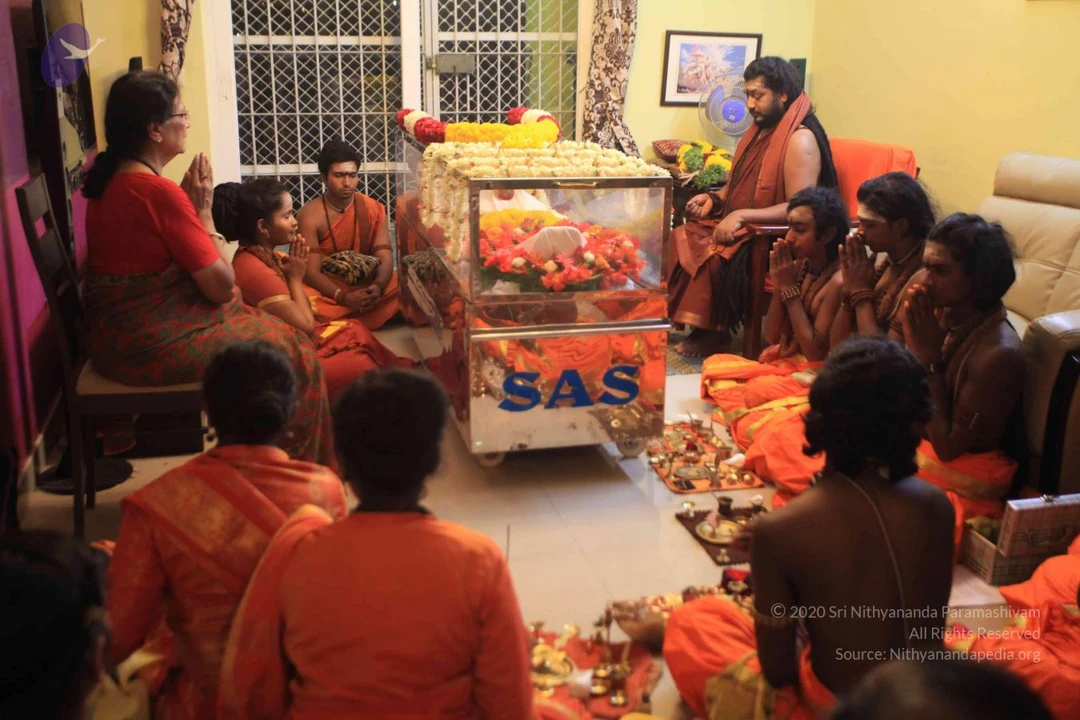
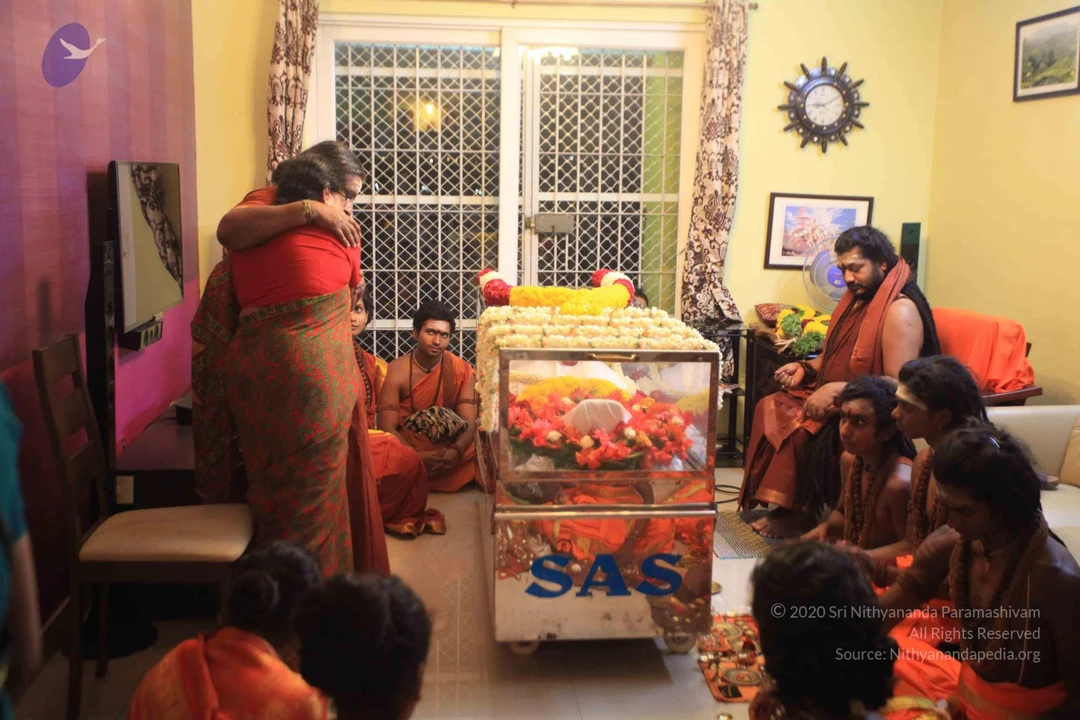
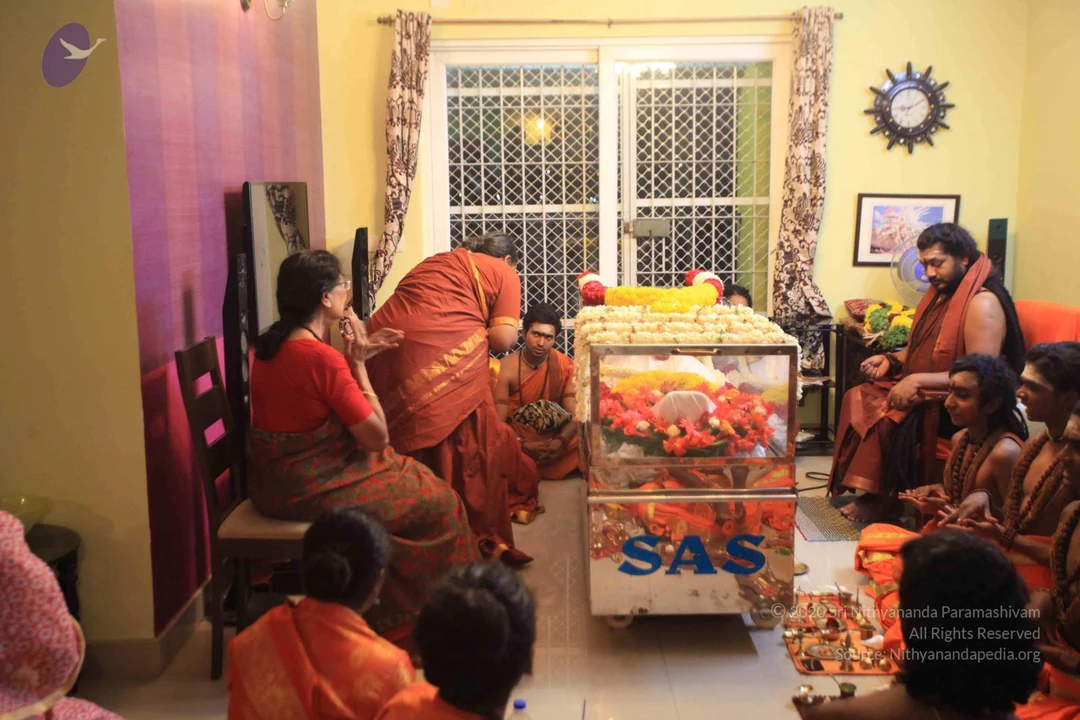
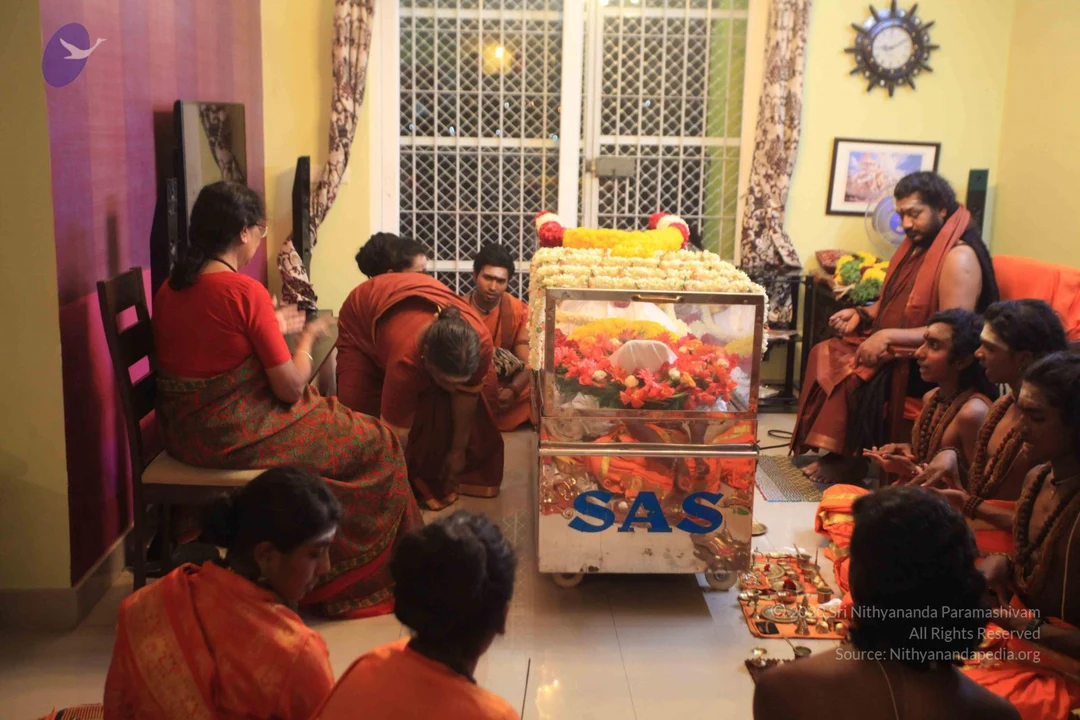
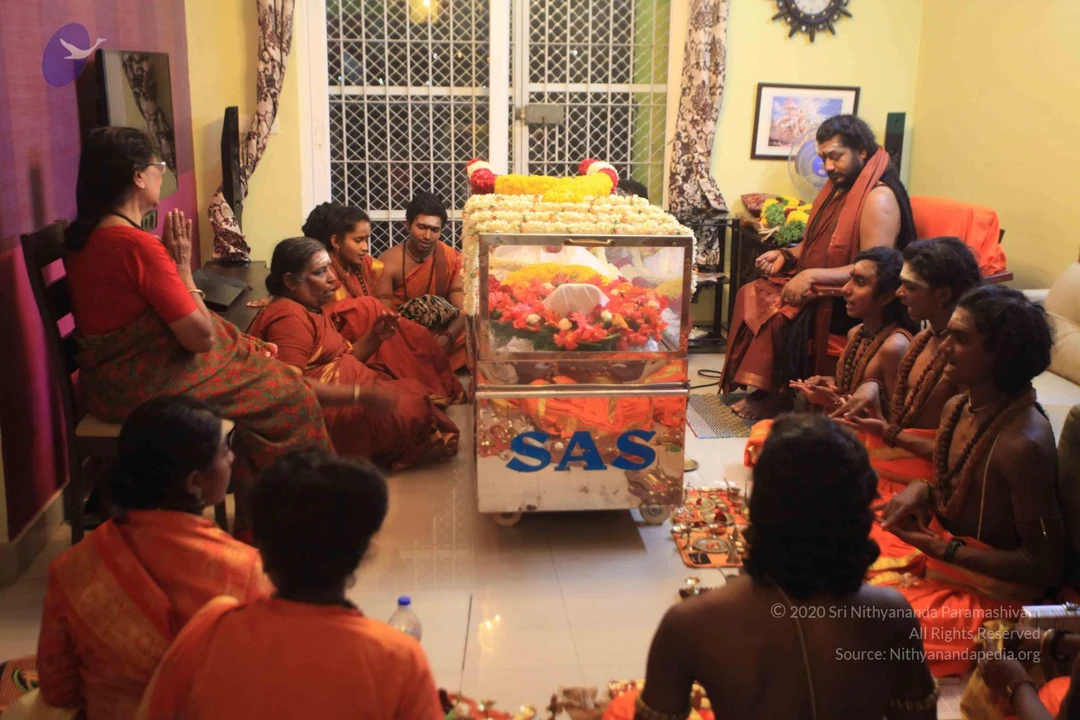
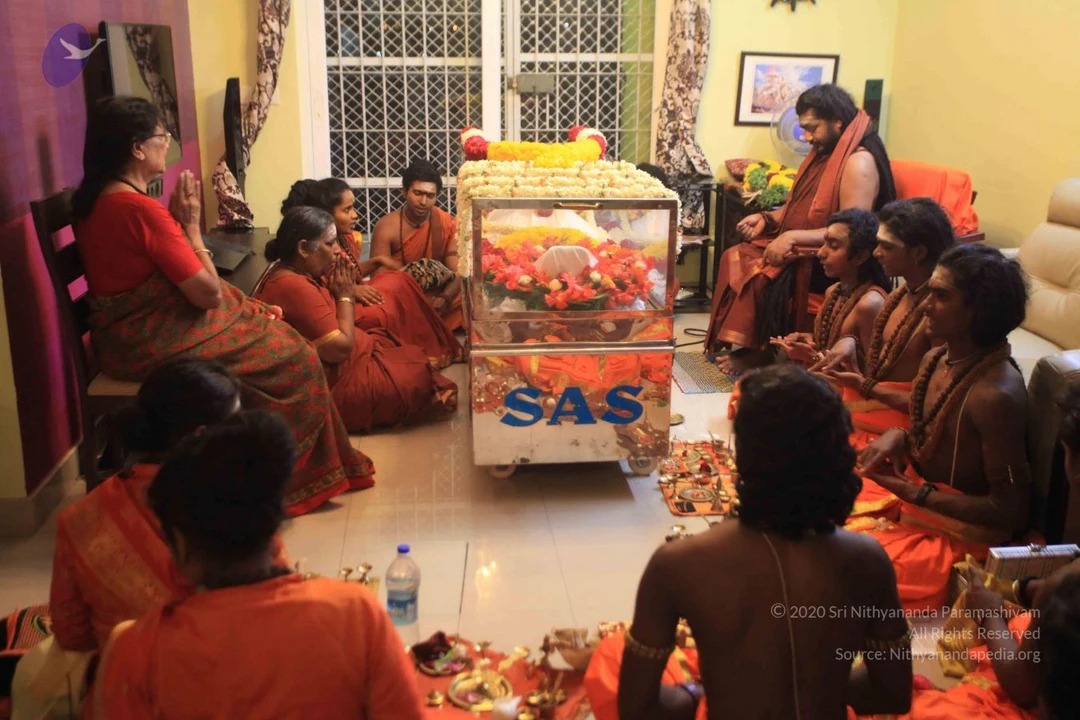

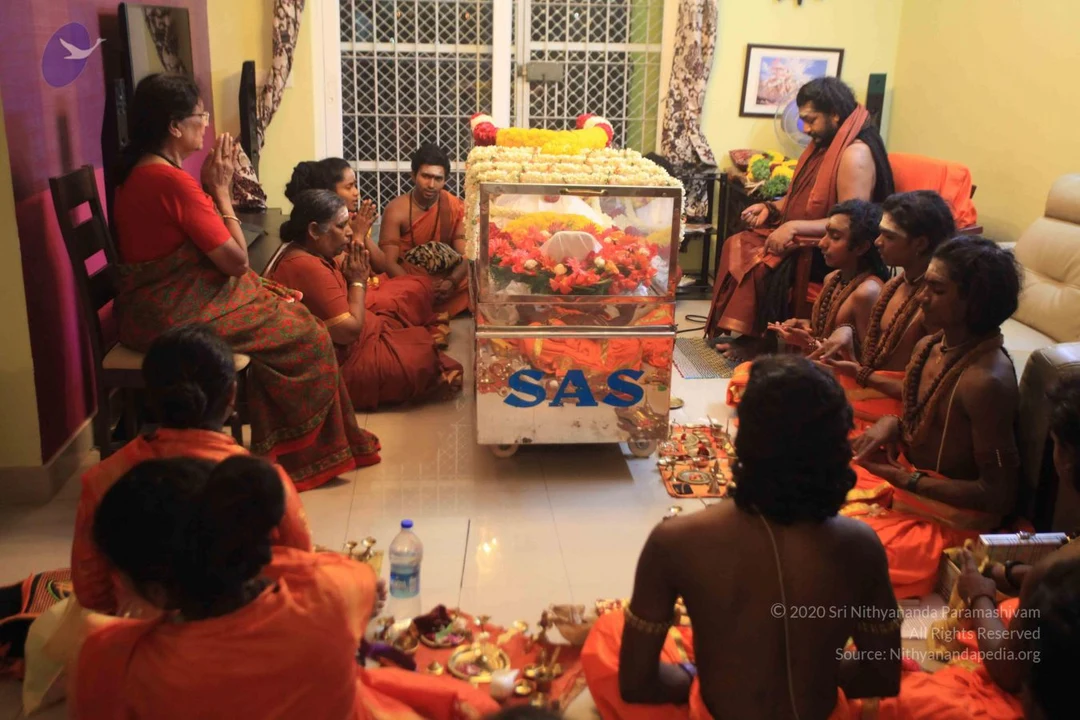
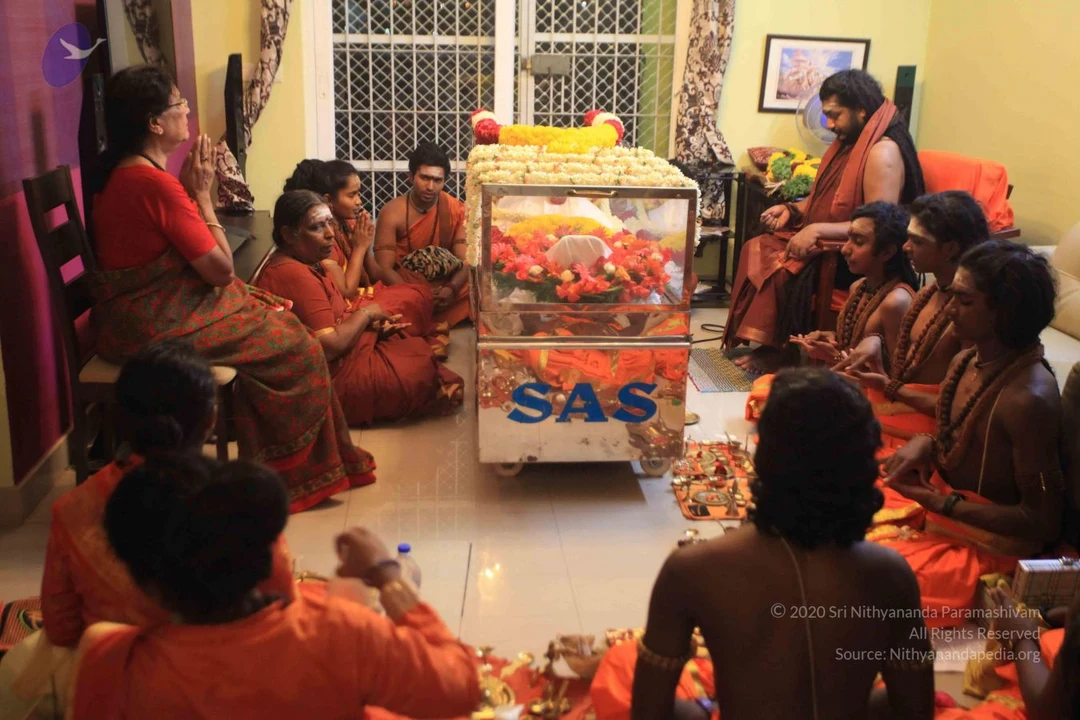
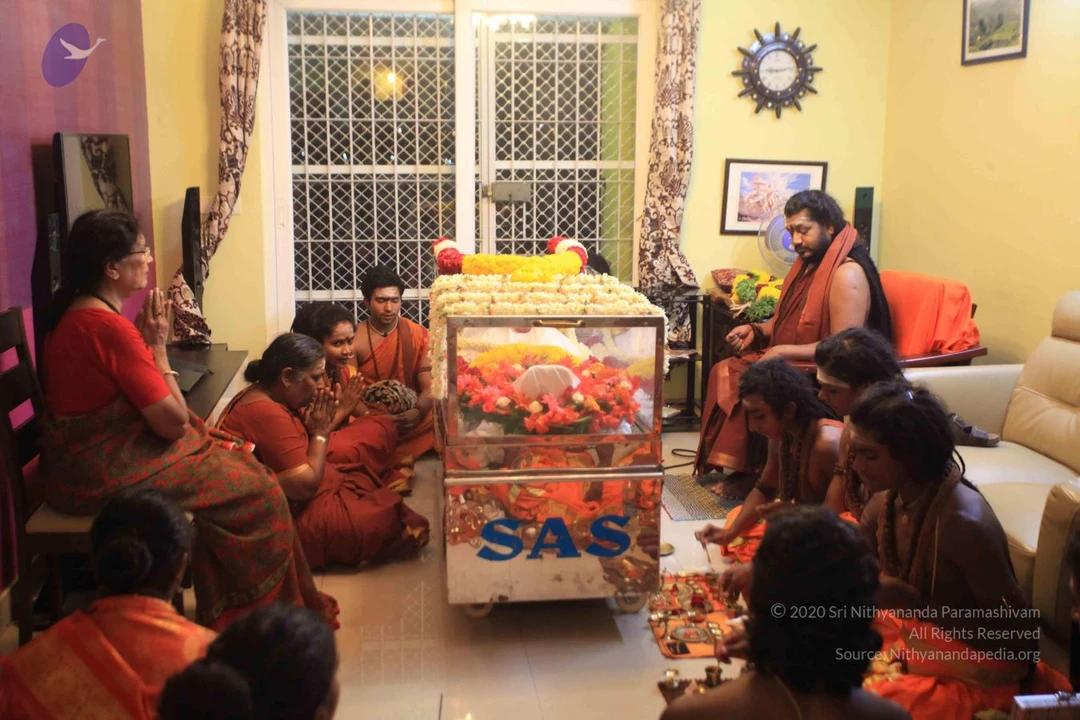
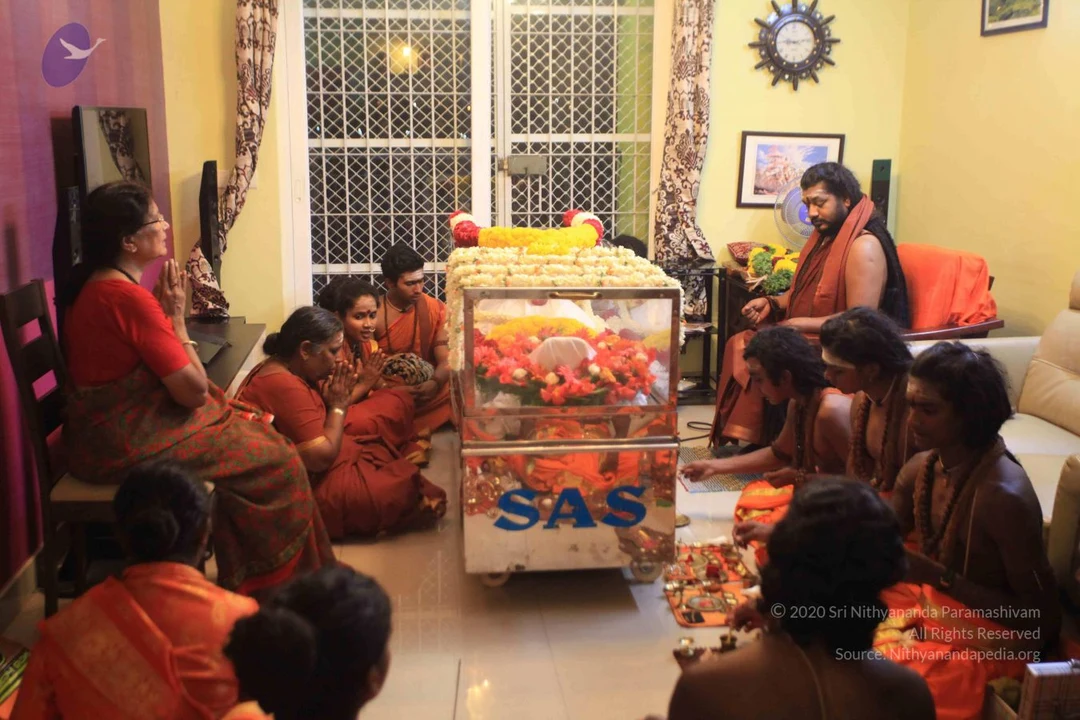
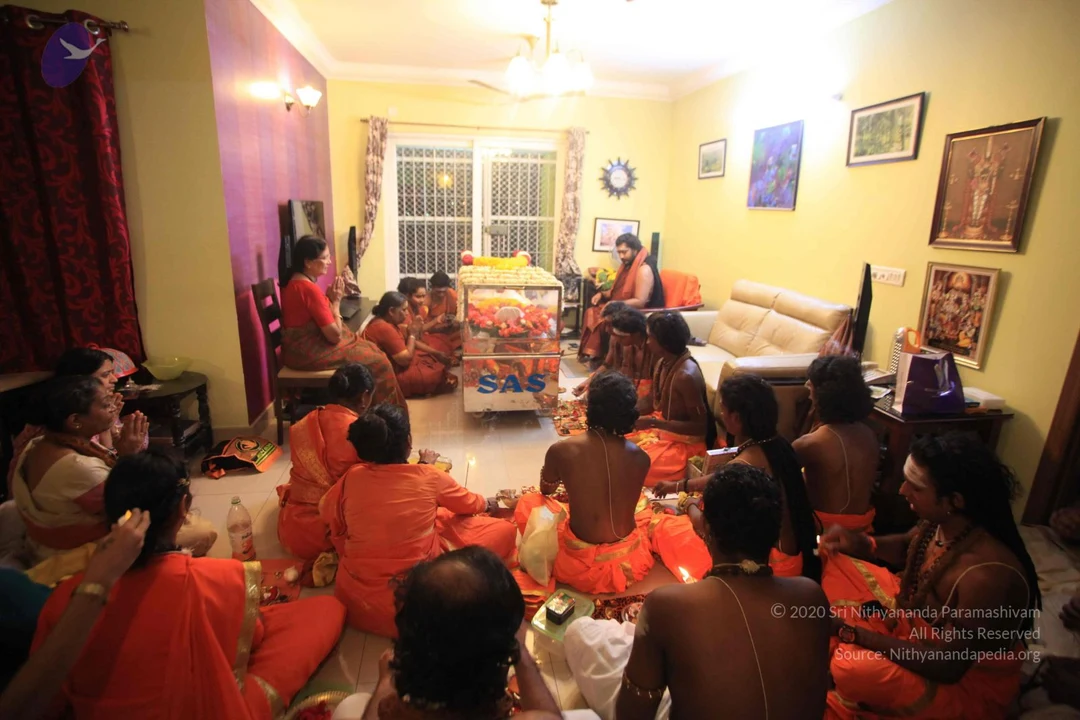
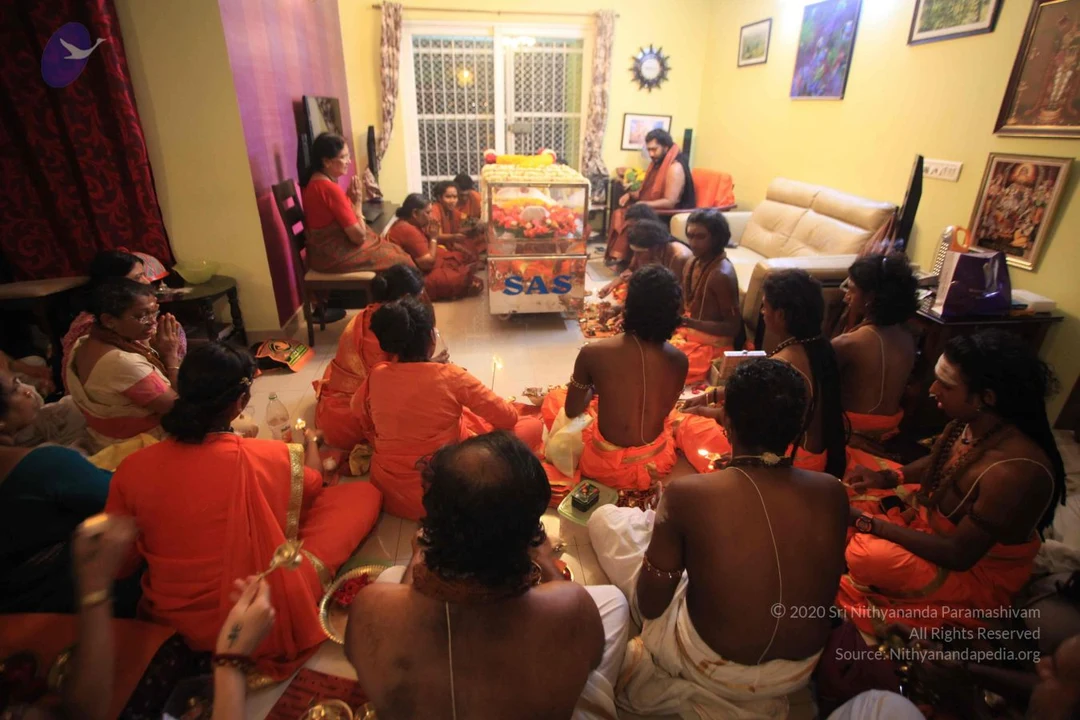

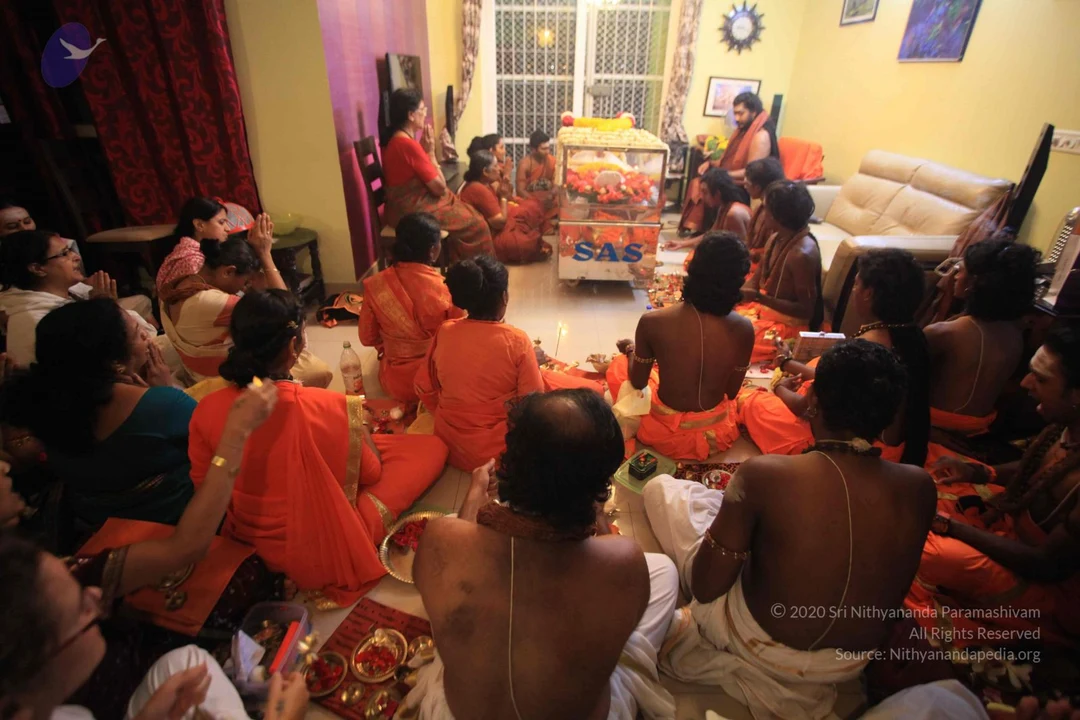
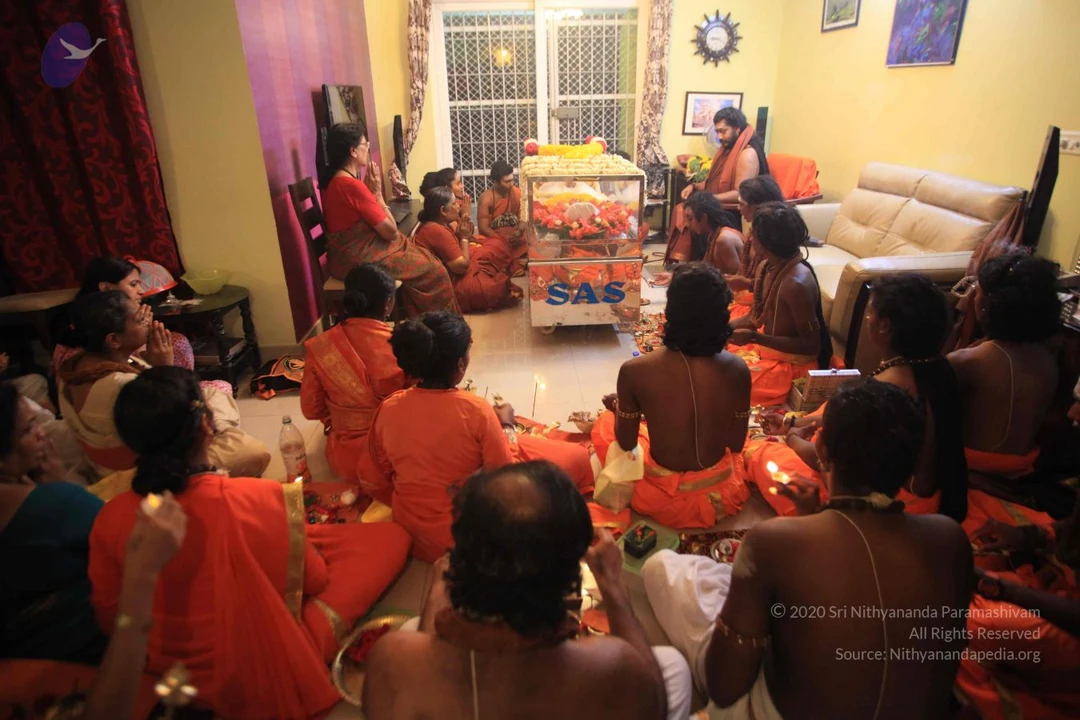
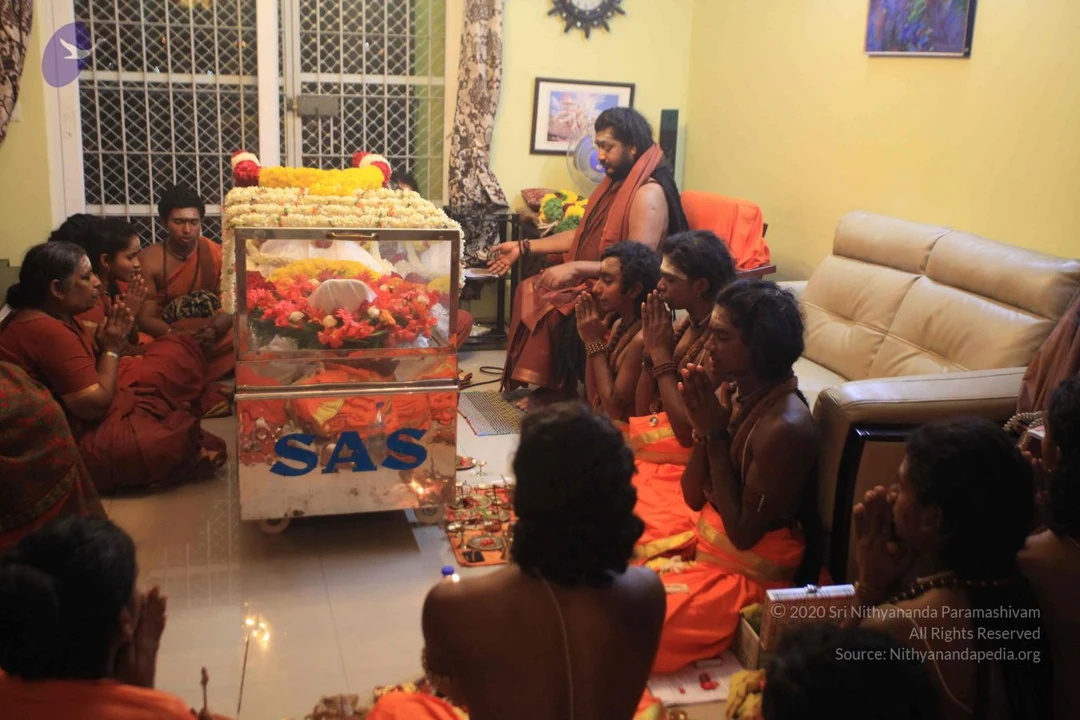
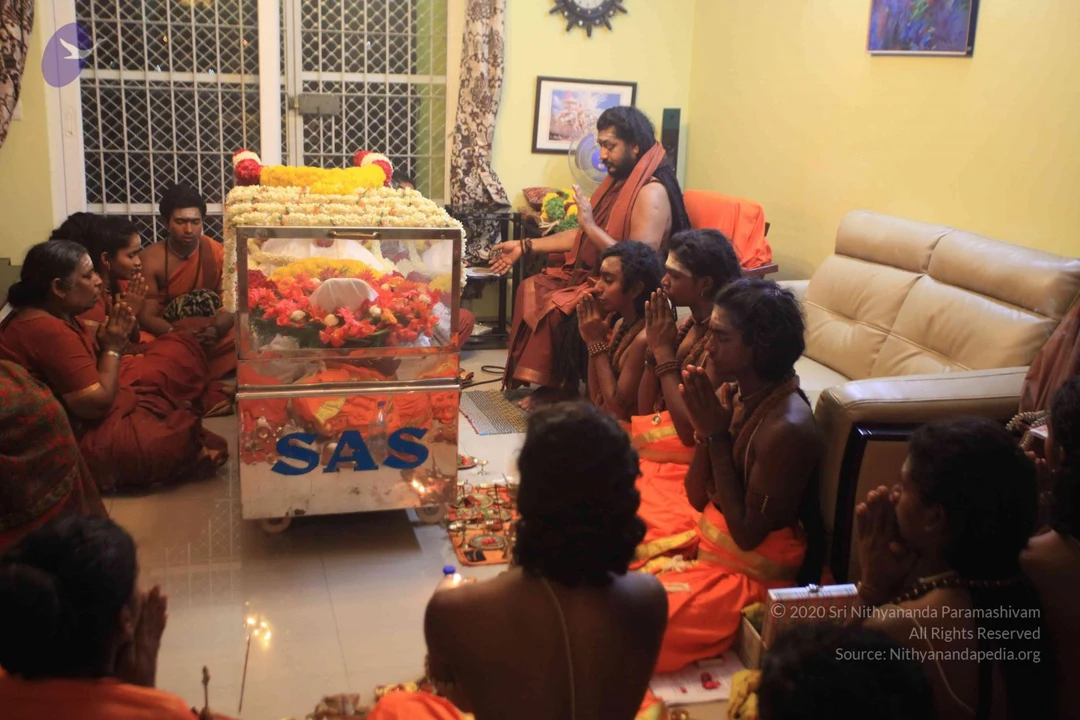
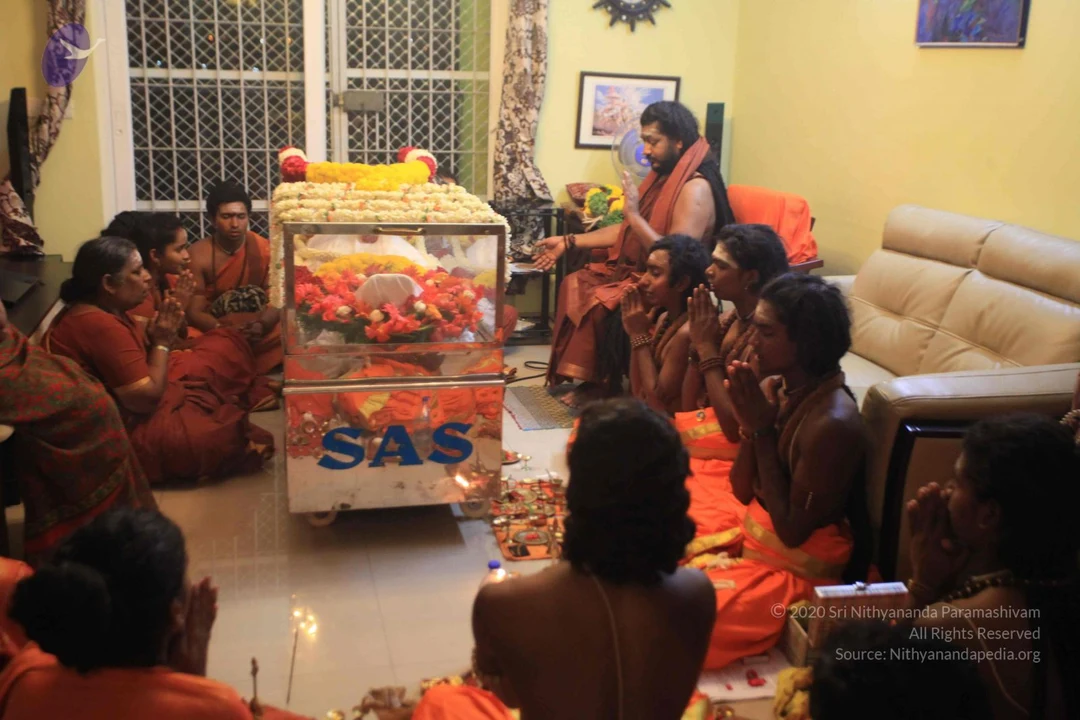
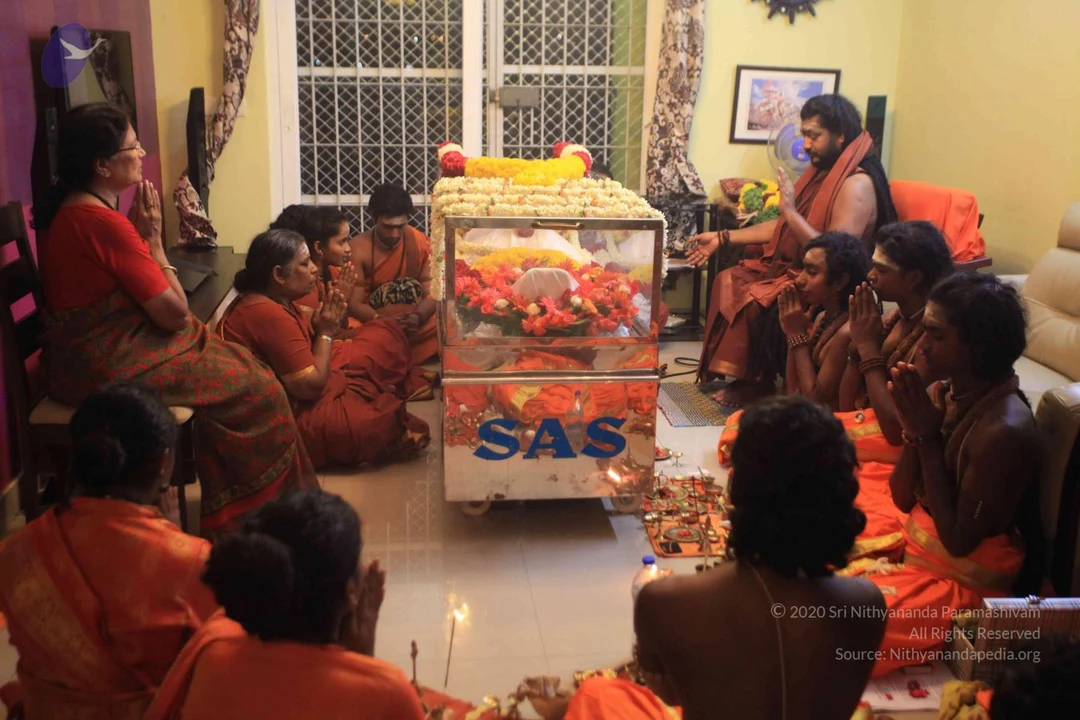
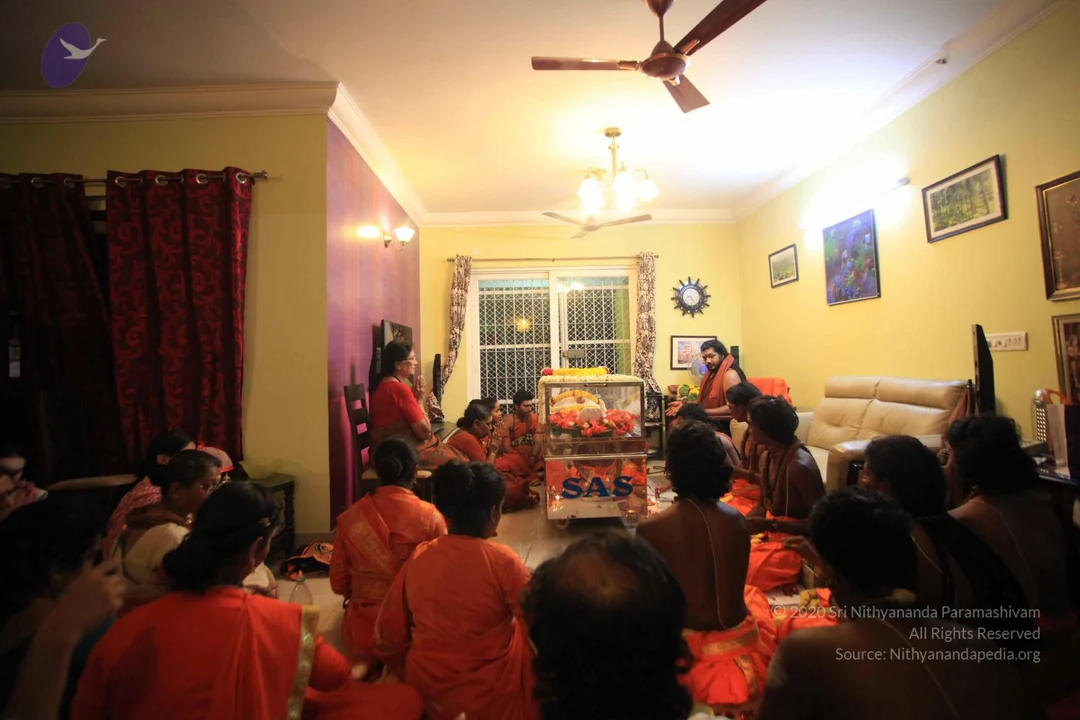

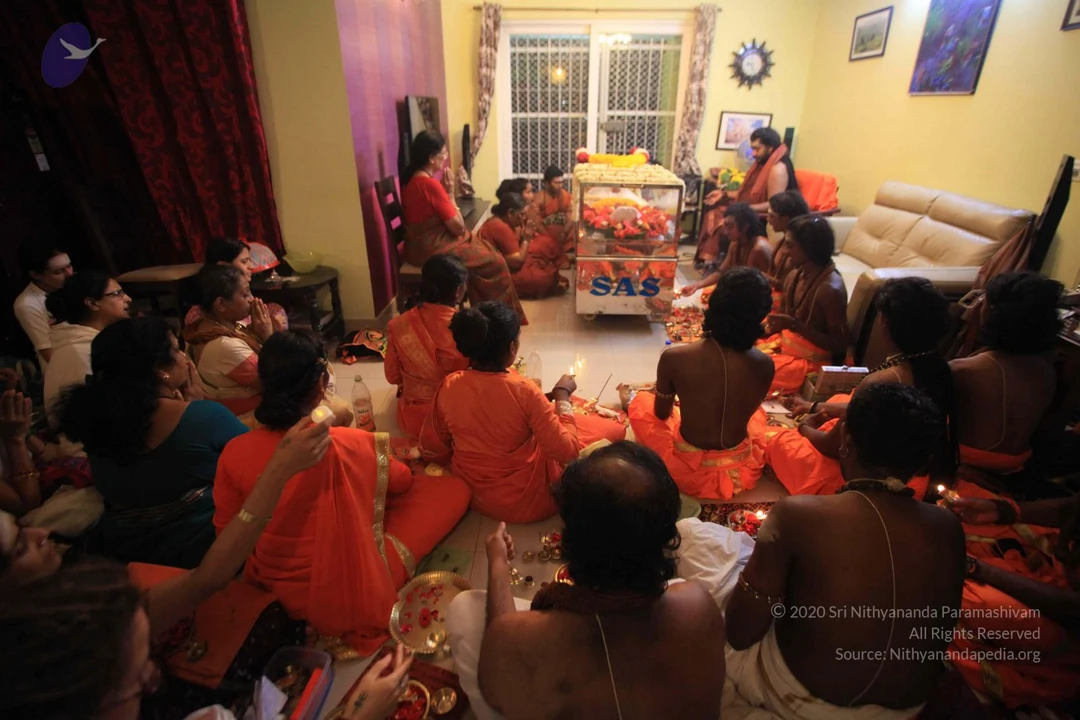
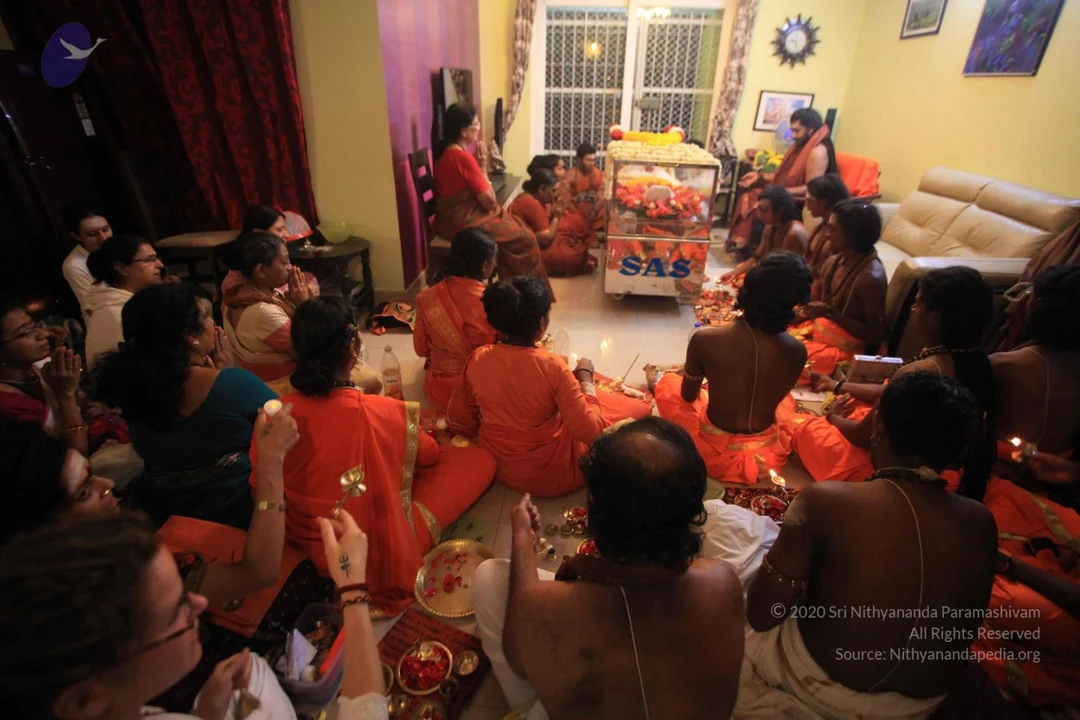
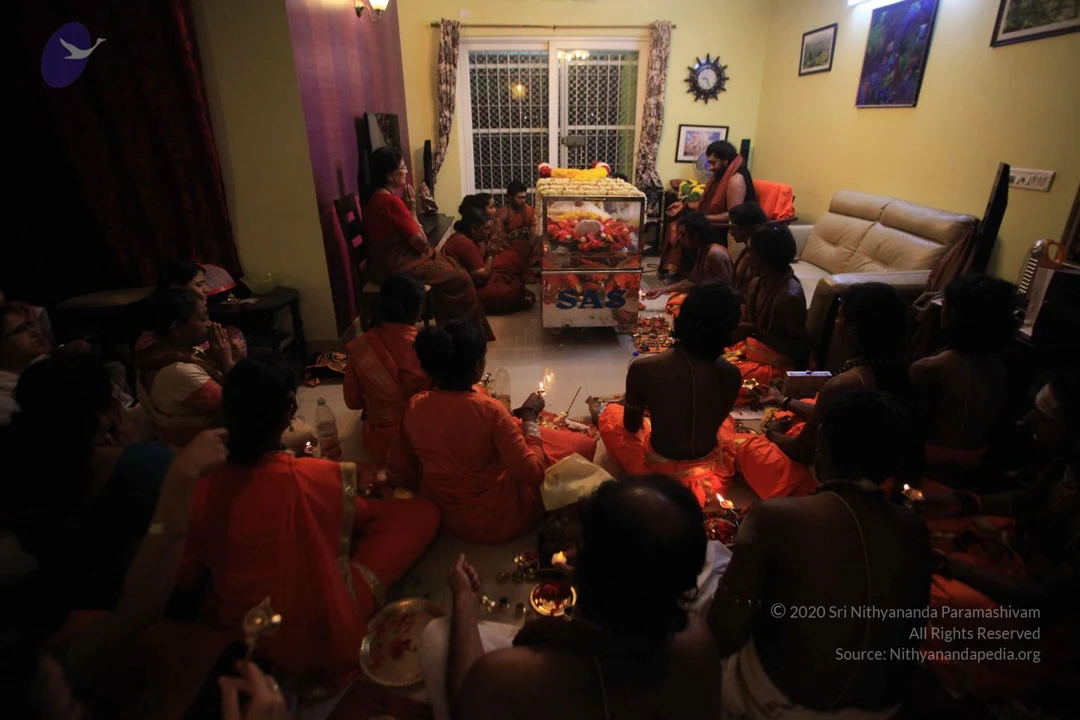
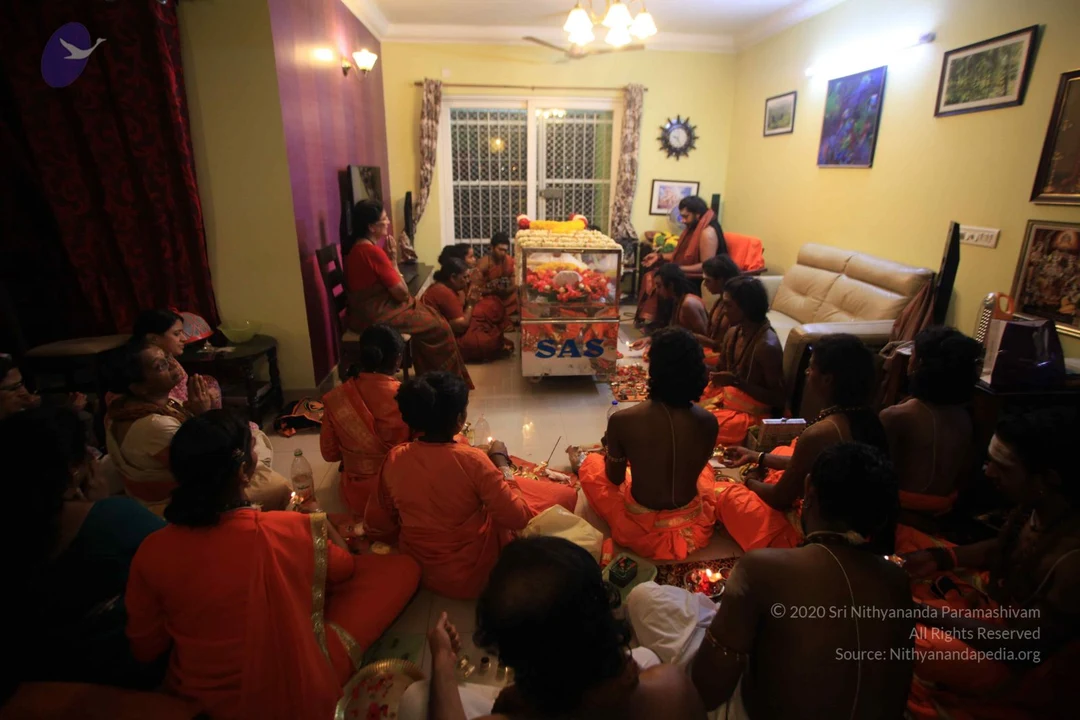
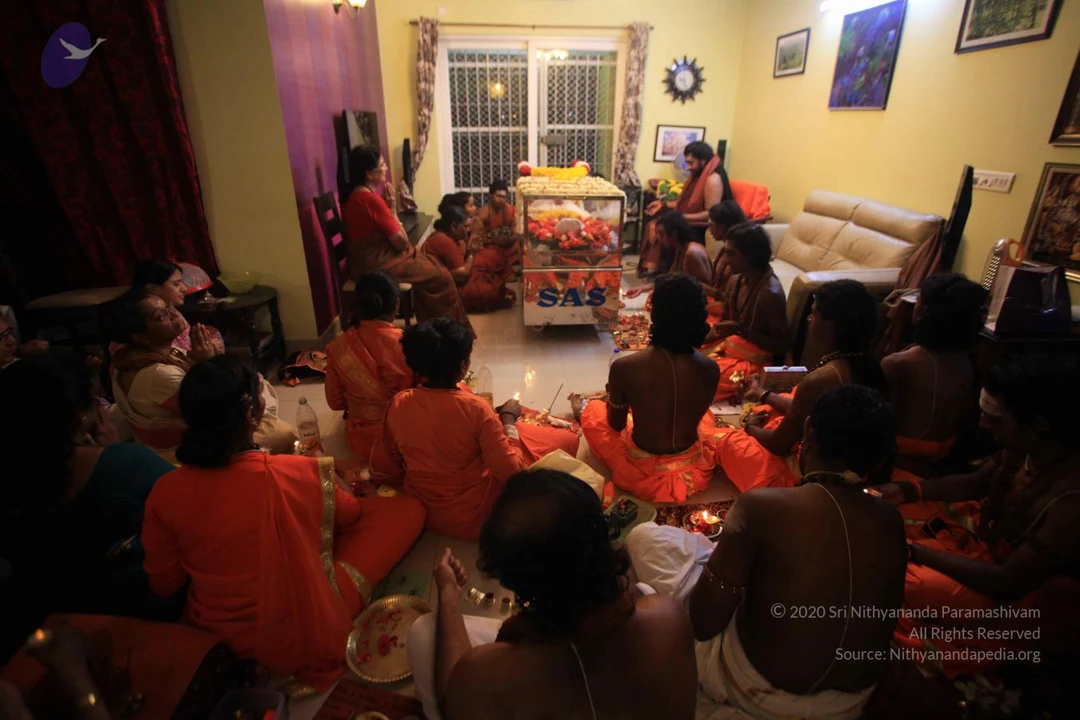
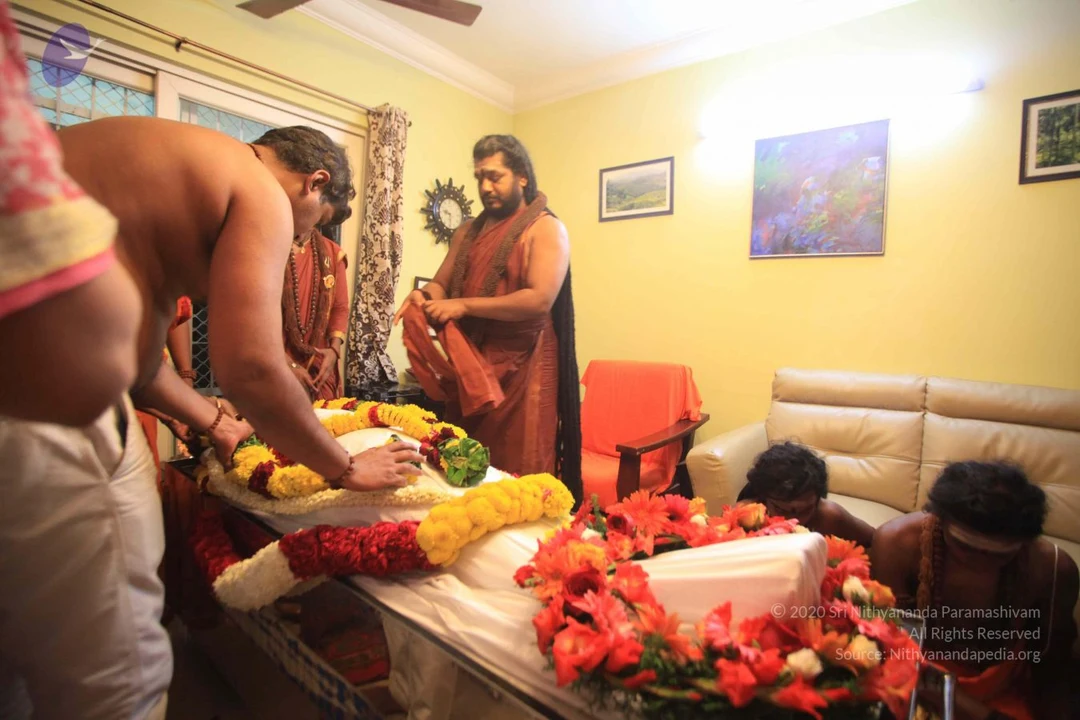
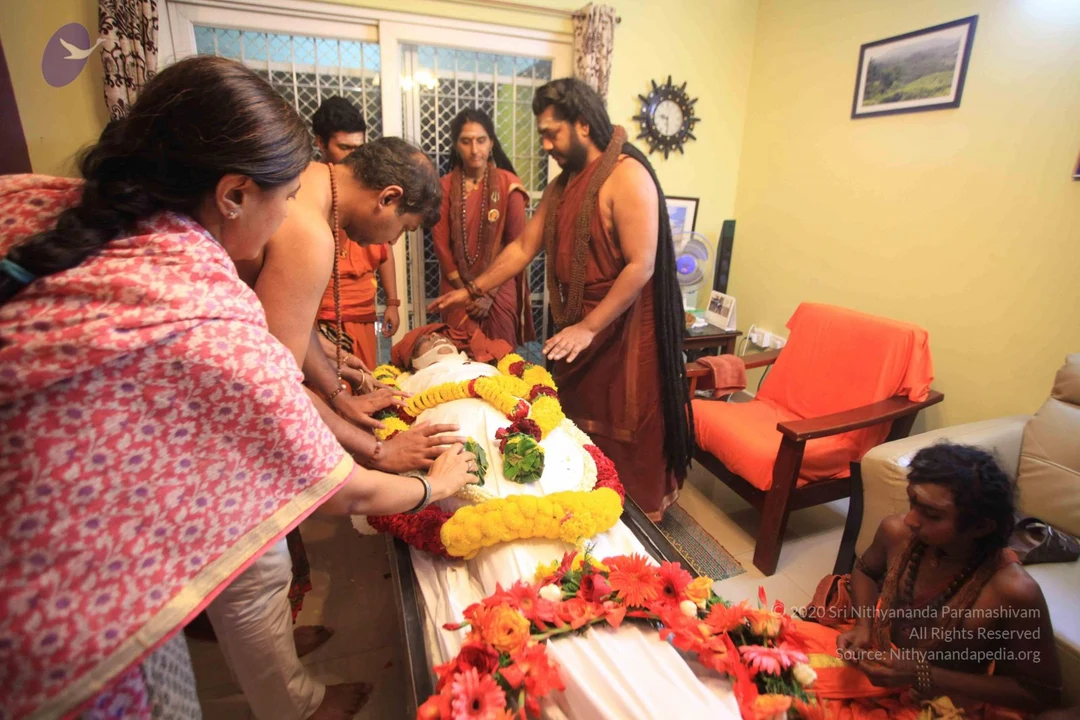
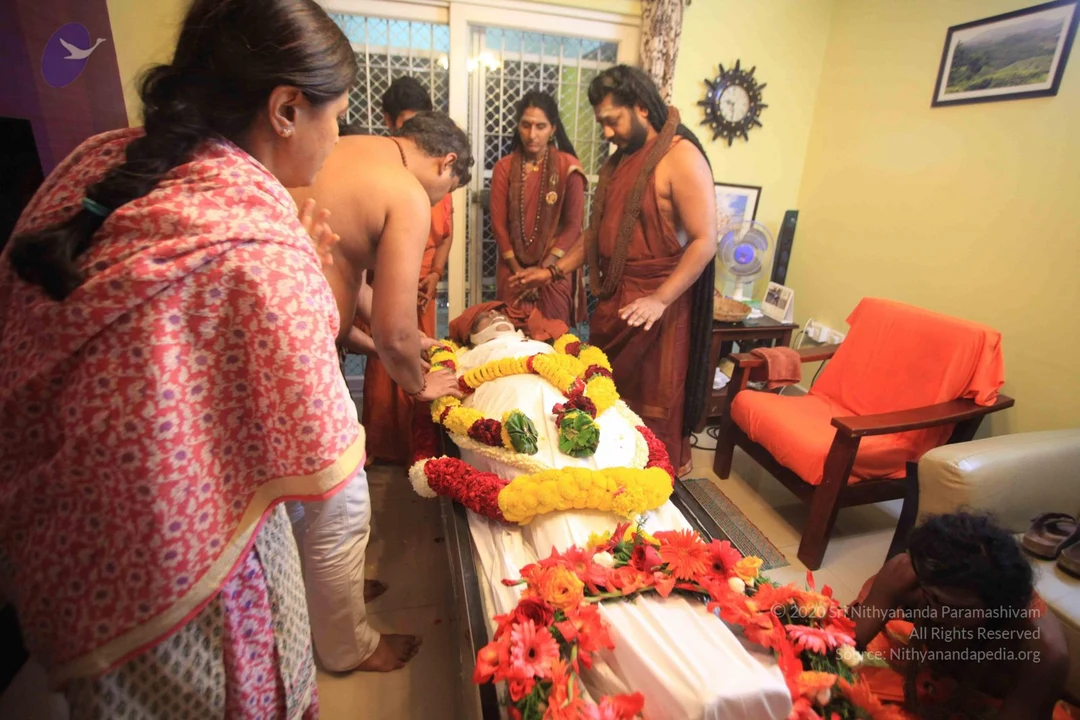
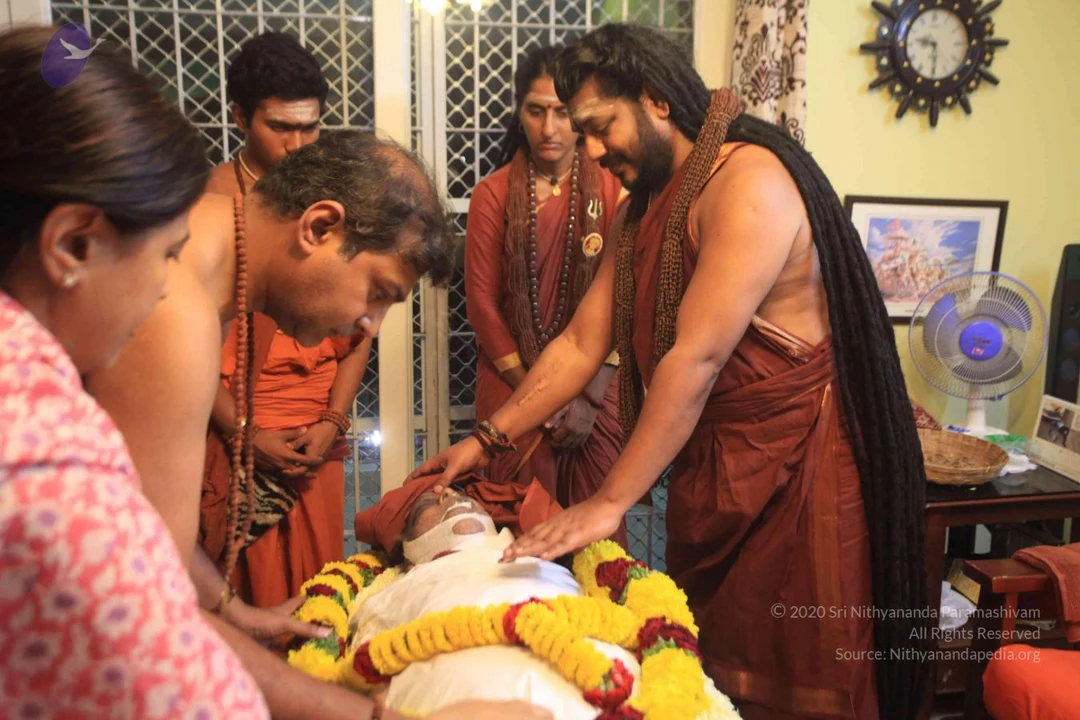
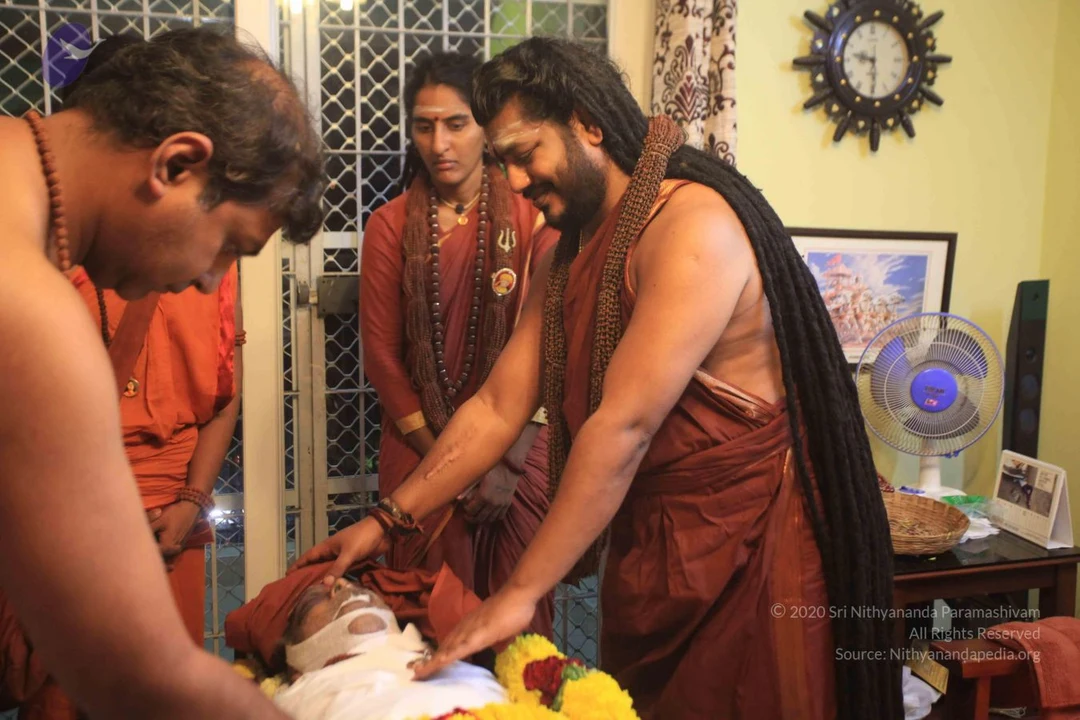
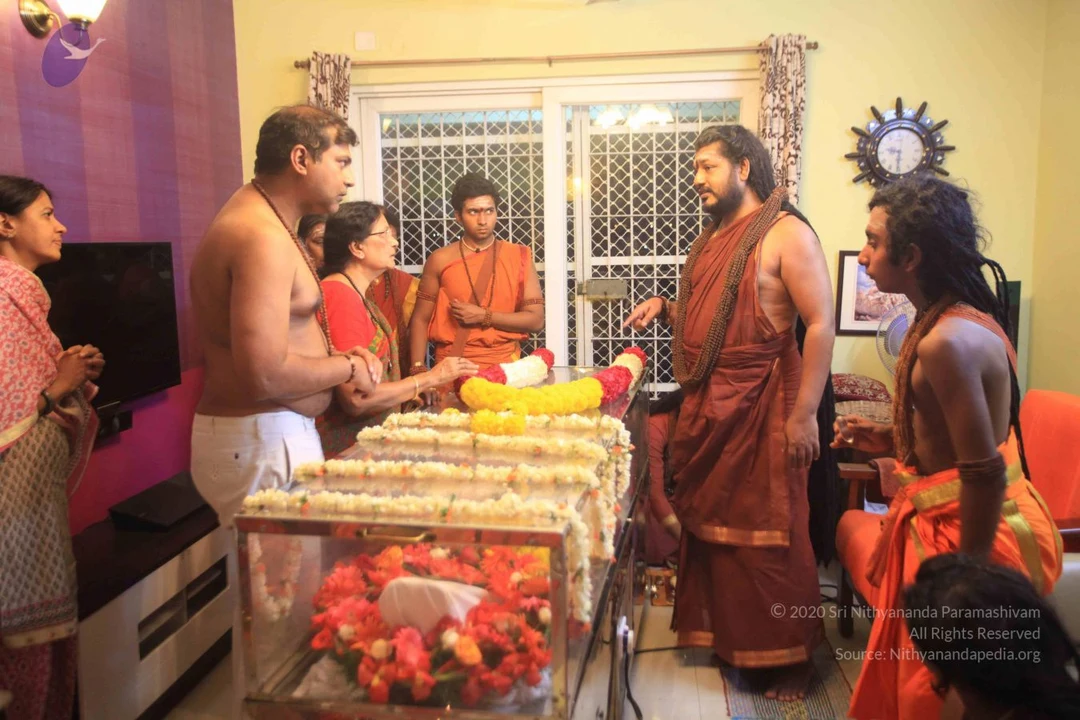
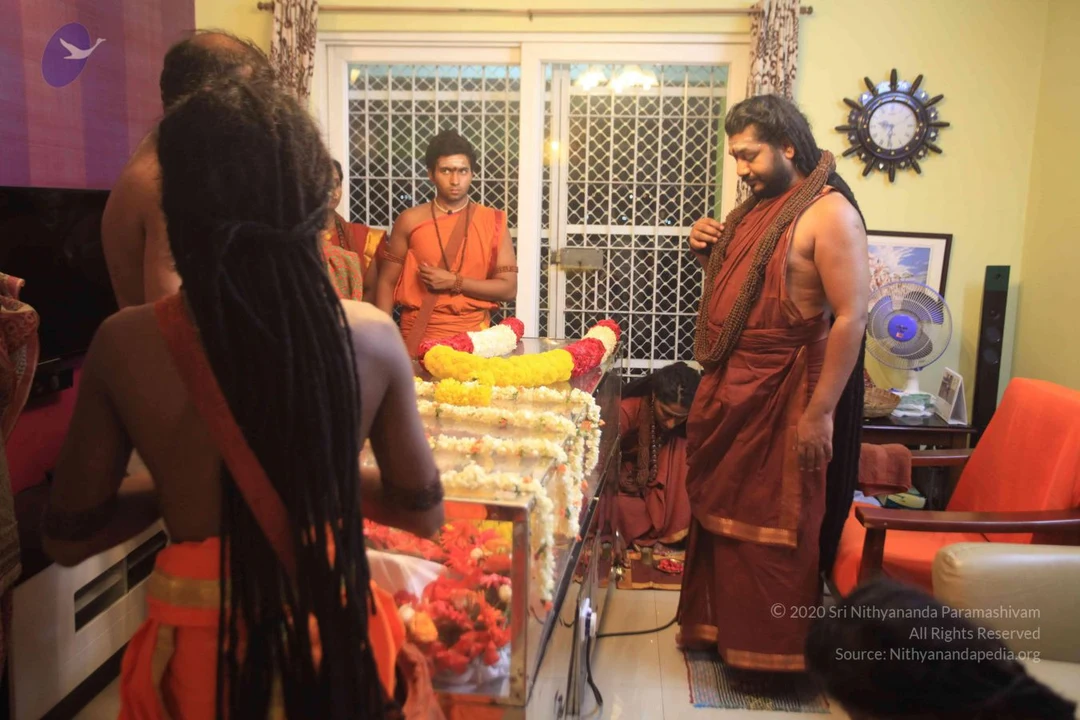
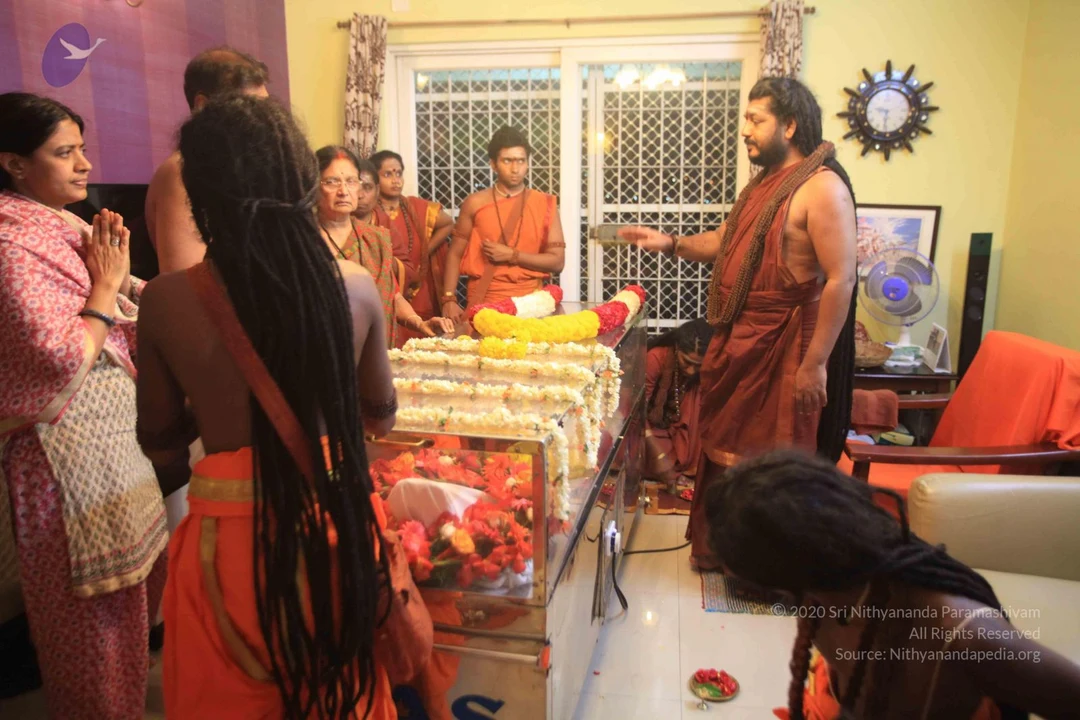
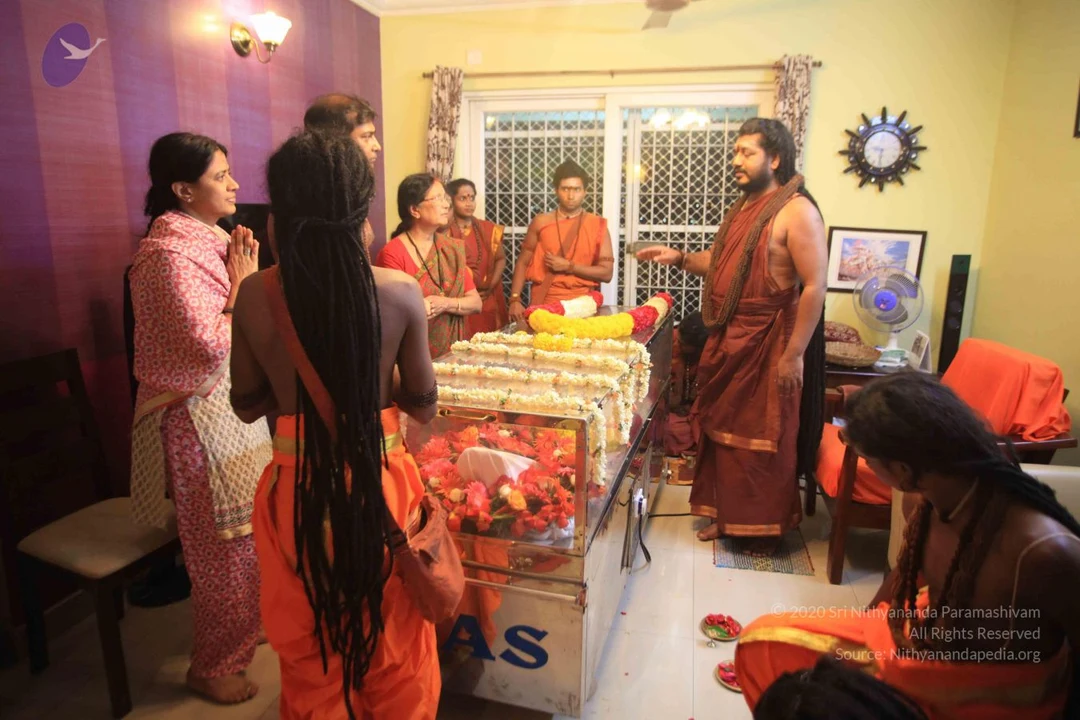
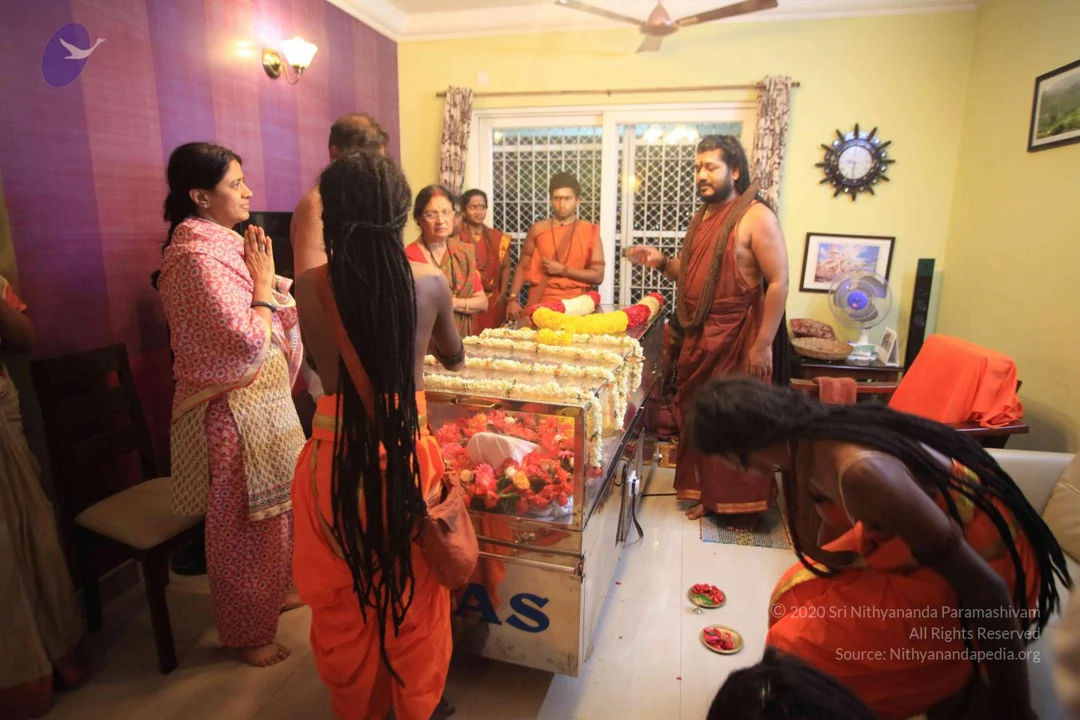
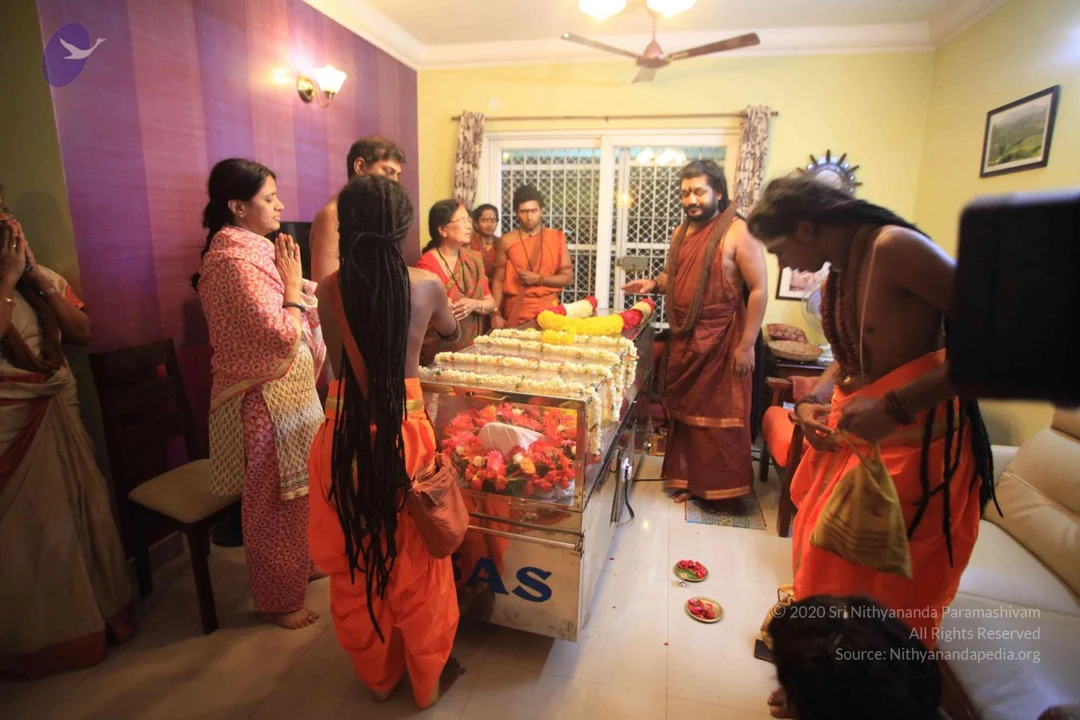
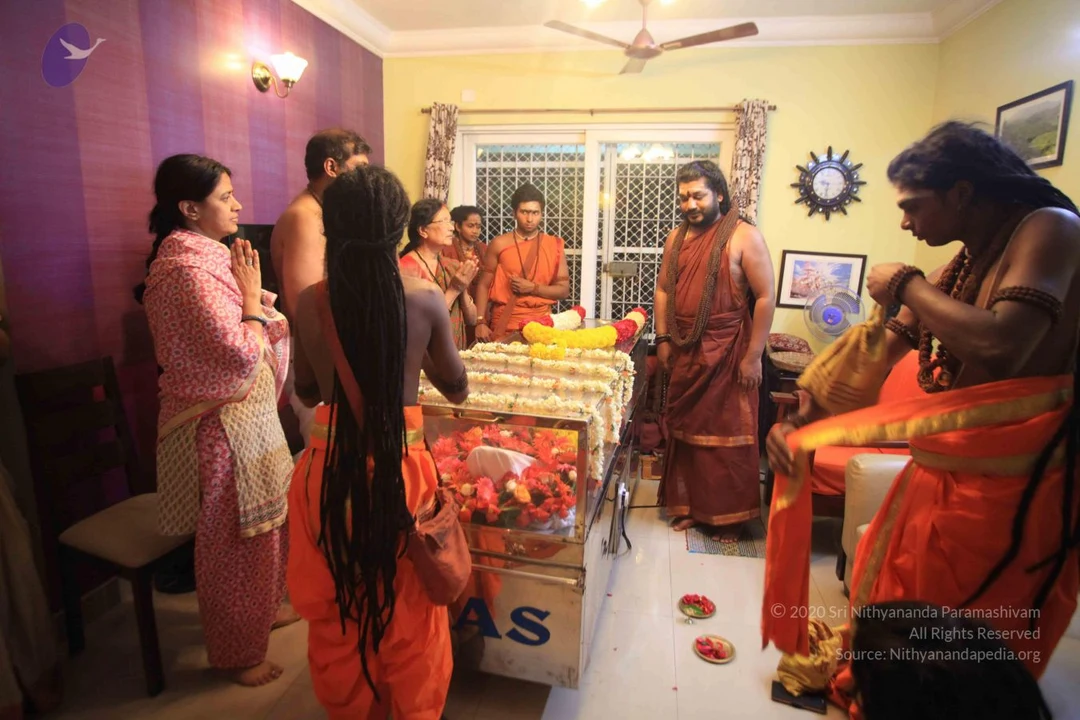
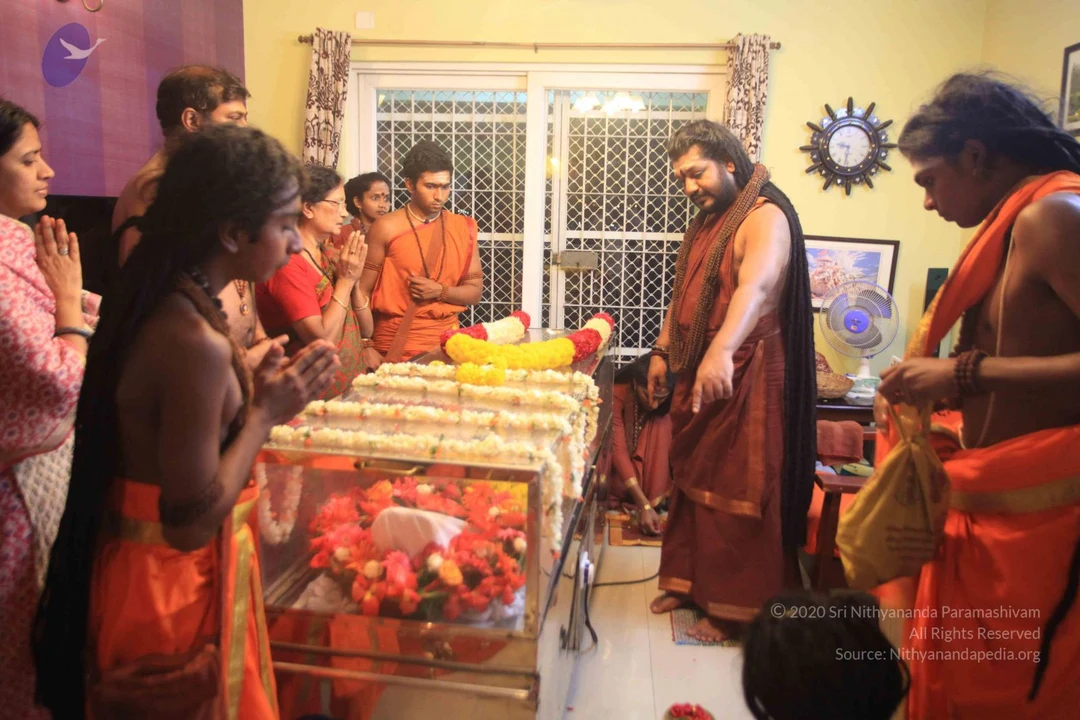
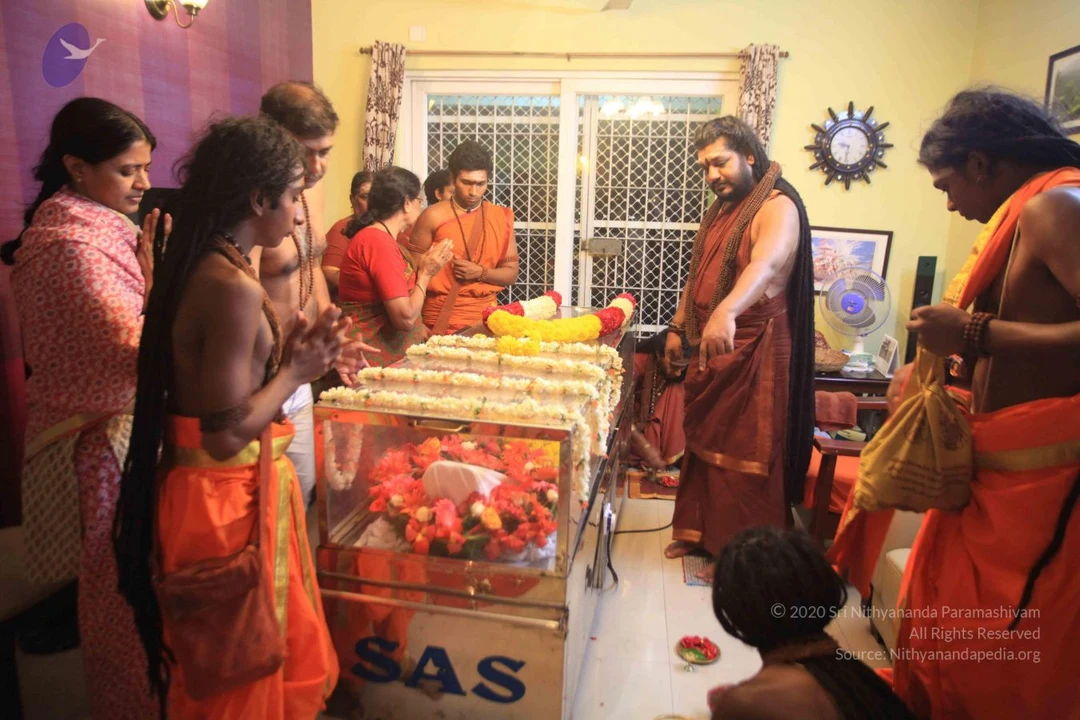
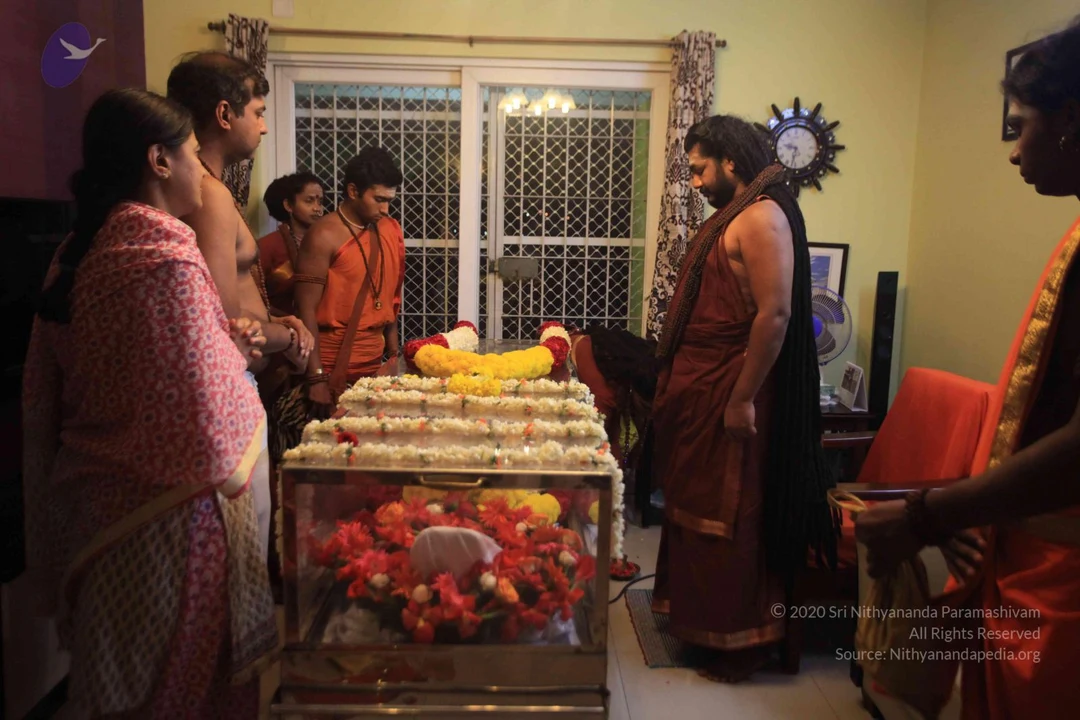
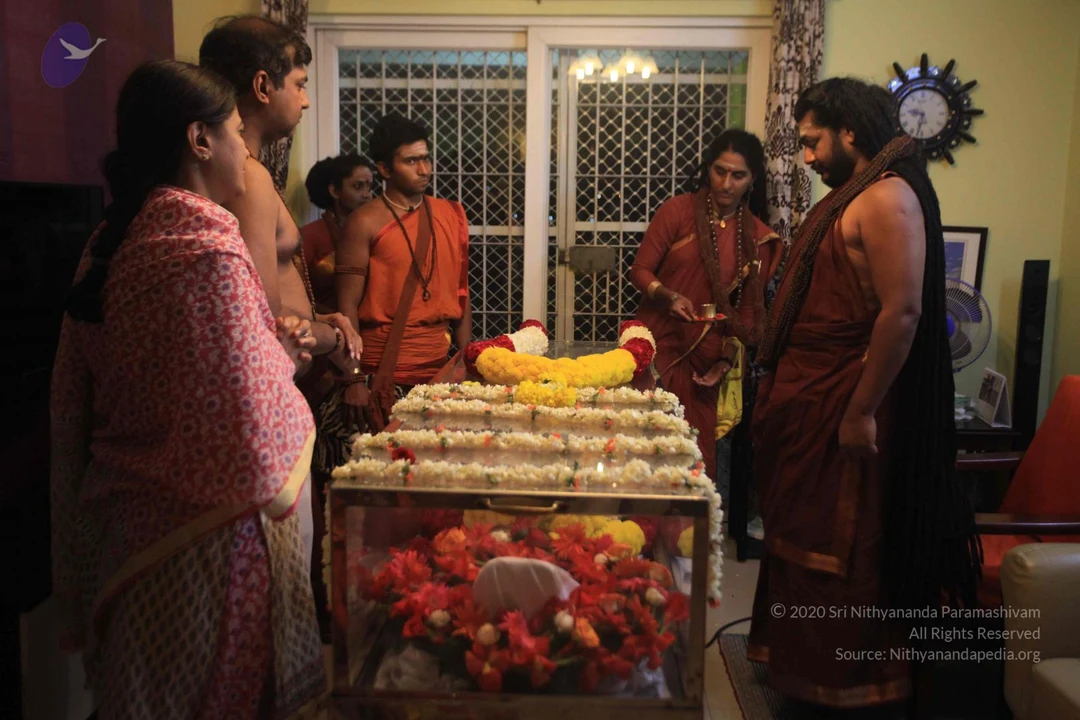
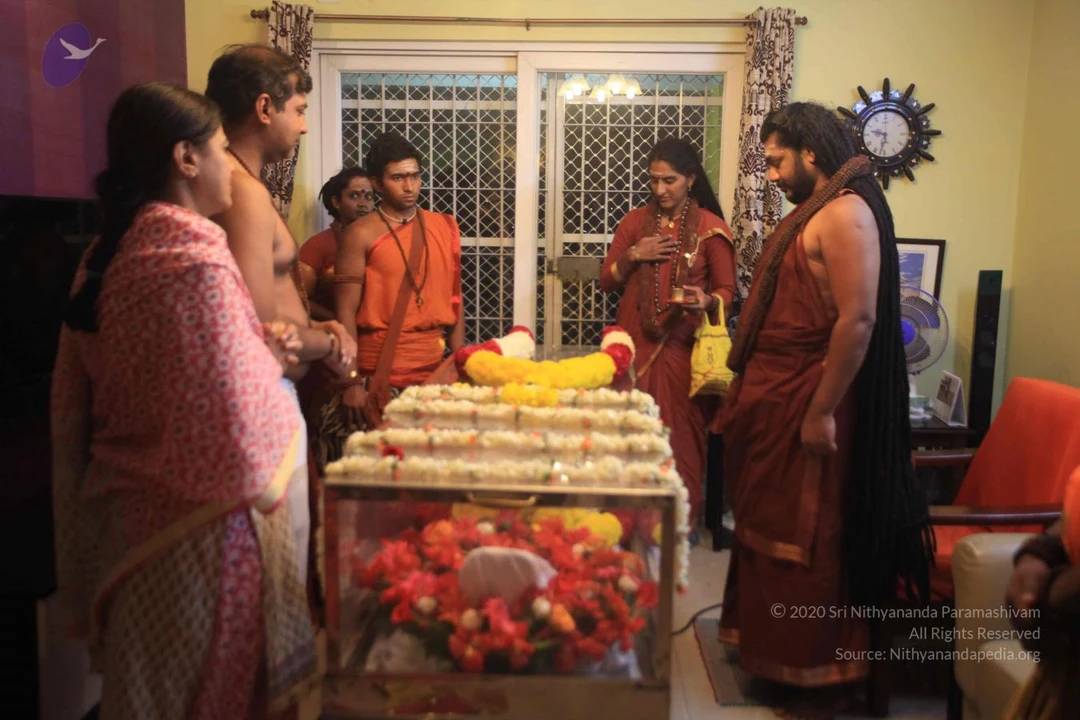
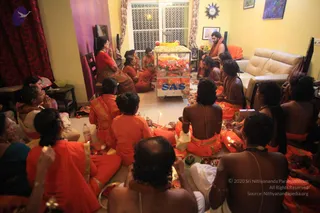
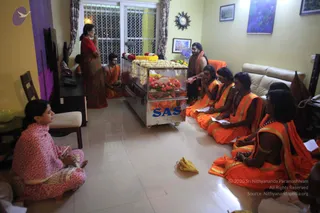
01-CHANDRAMOHAN-DEATH-VISIT
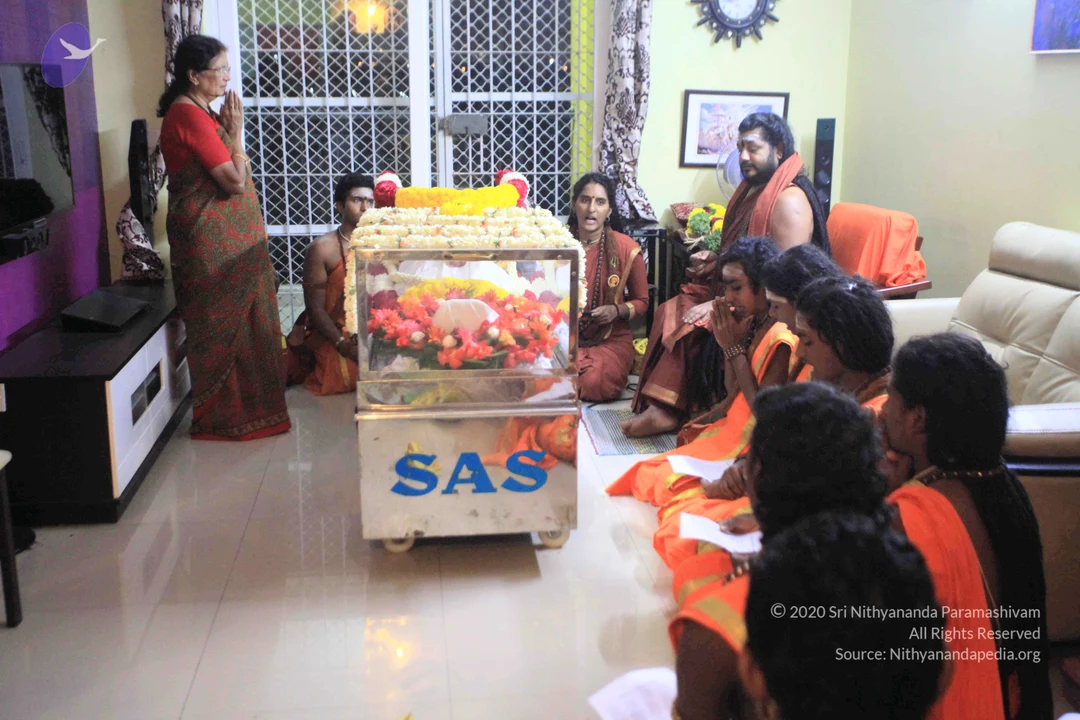
Photos from this day
View all 132 photosPuja
5 photosSource gallery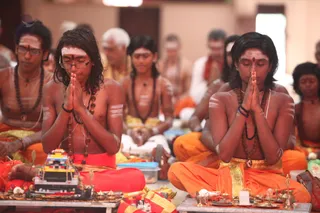
Satsang
10 photosSource gallery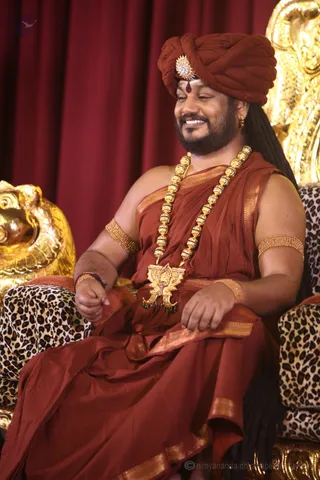
CHANDRAMOHAN-DEATH-VISIT
92 photosSource gallery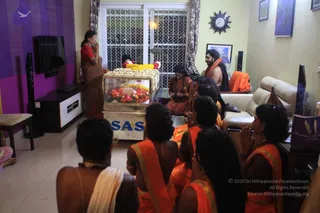
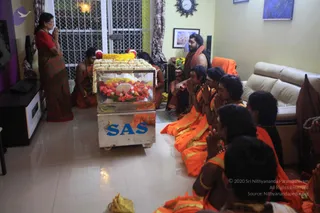
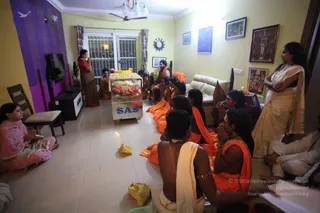
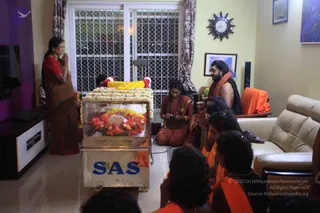
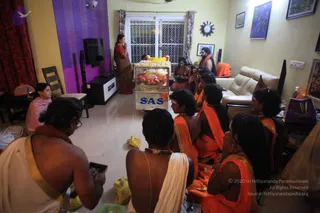
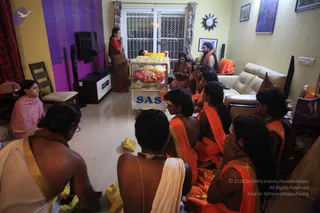
01-CHANDRAMOHAN-DEATH-VISIT
25 photosSource gallery