Wednesday
20 August 2014
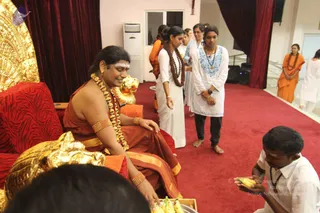
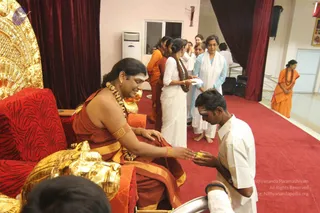
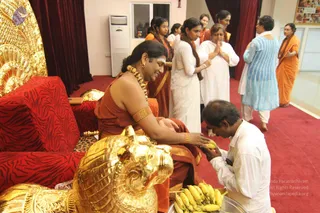
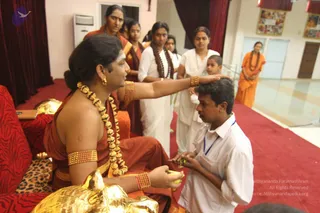
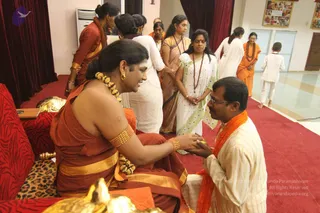
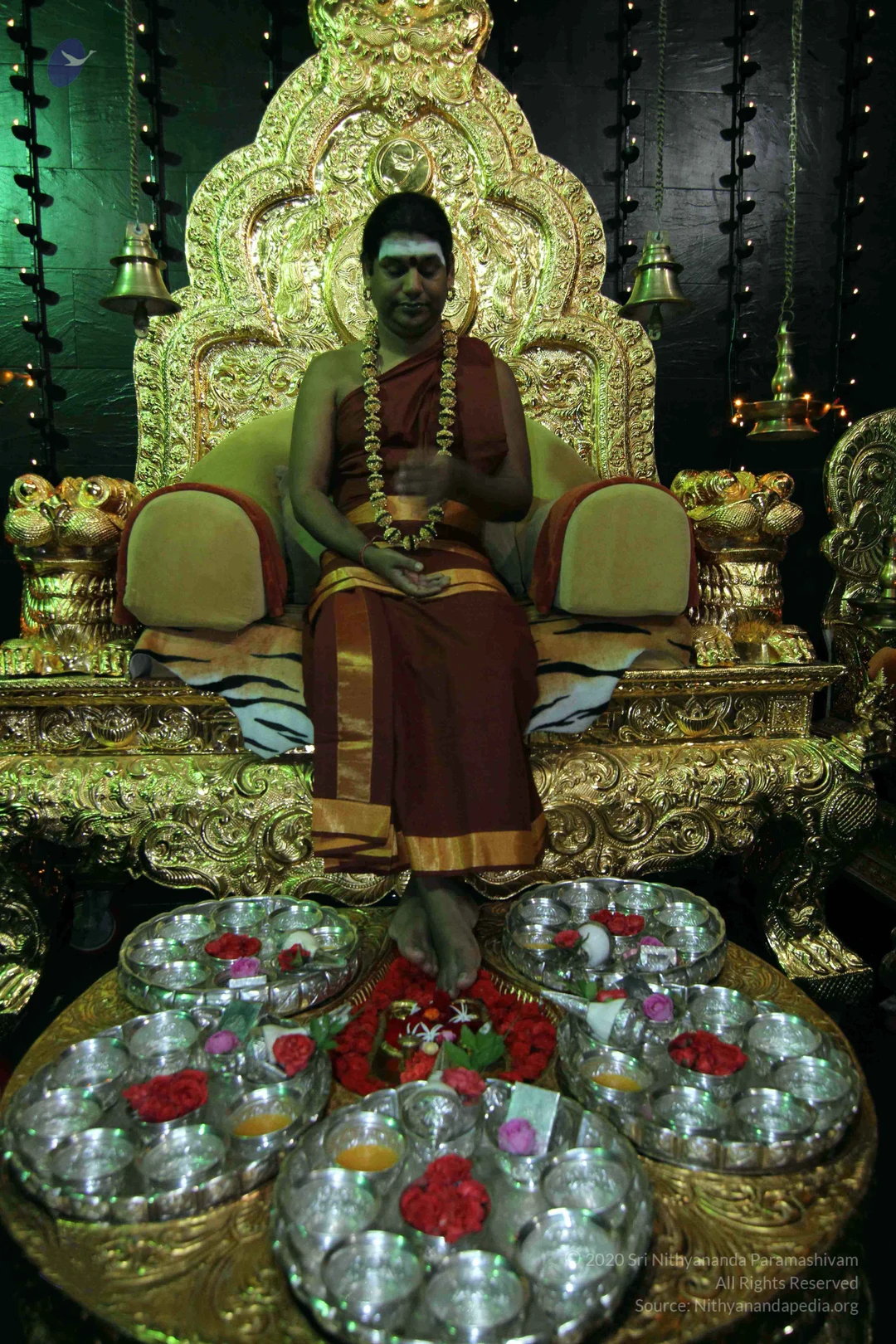
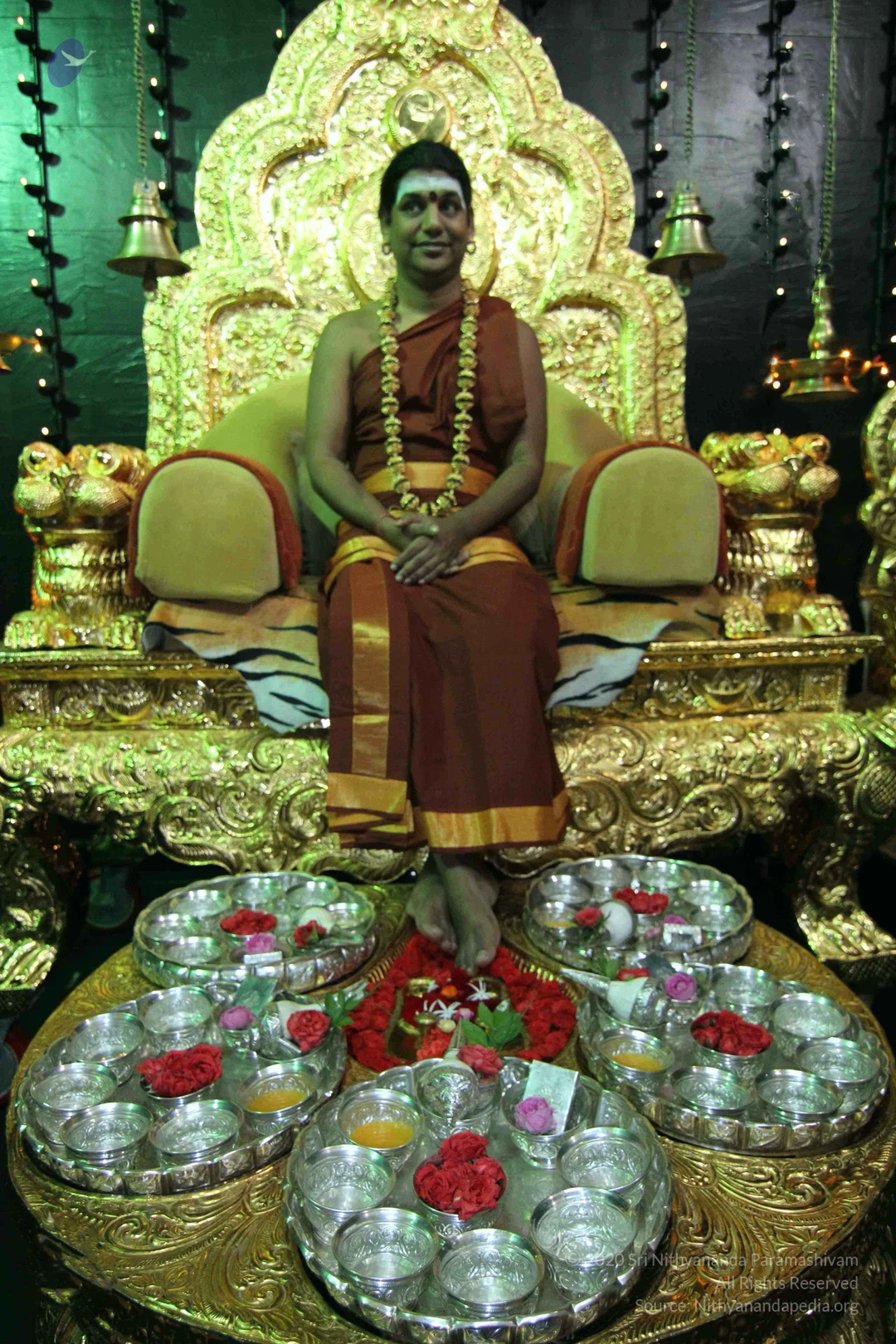
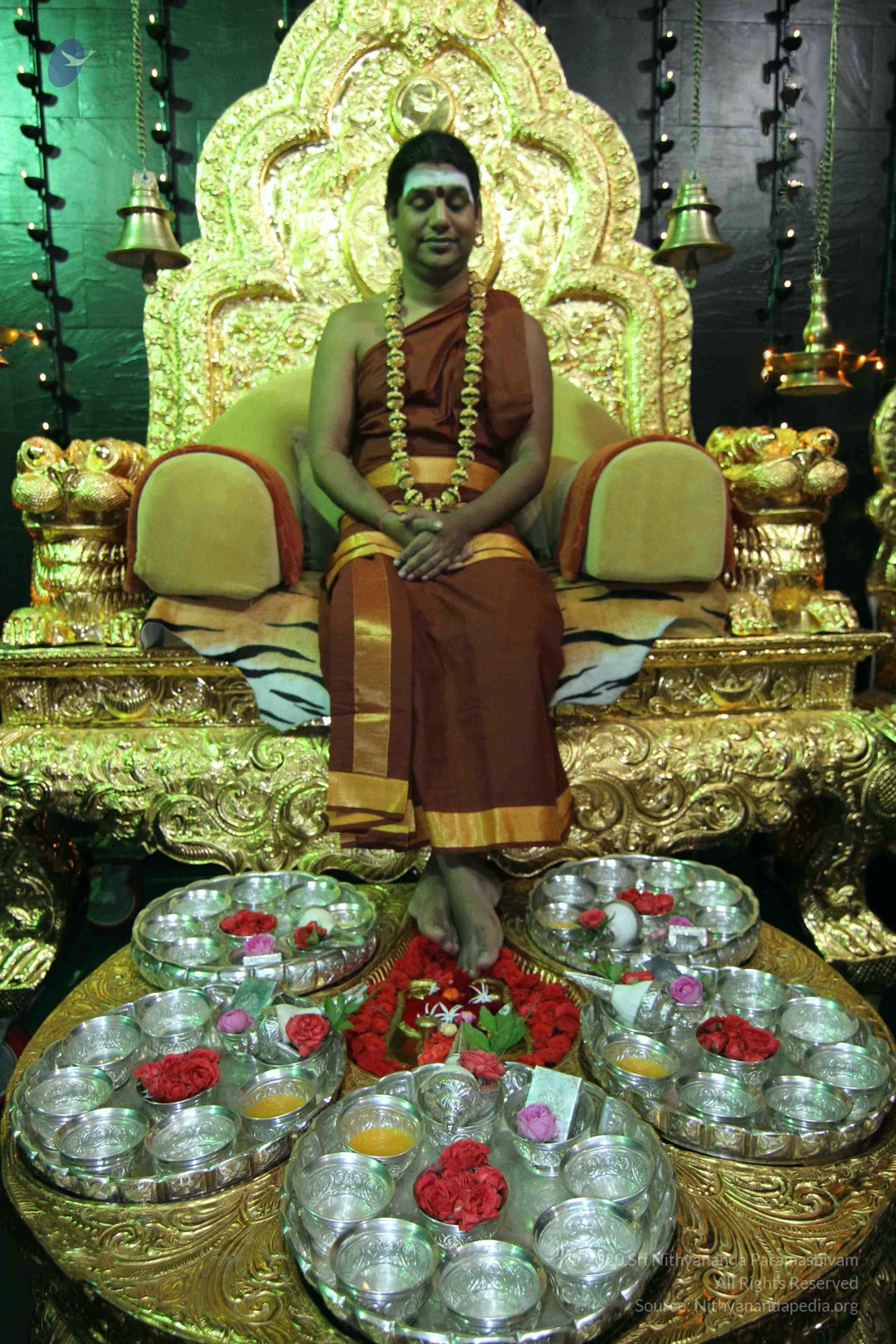
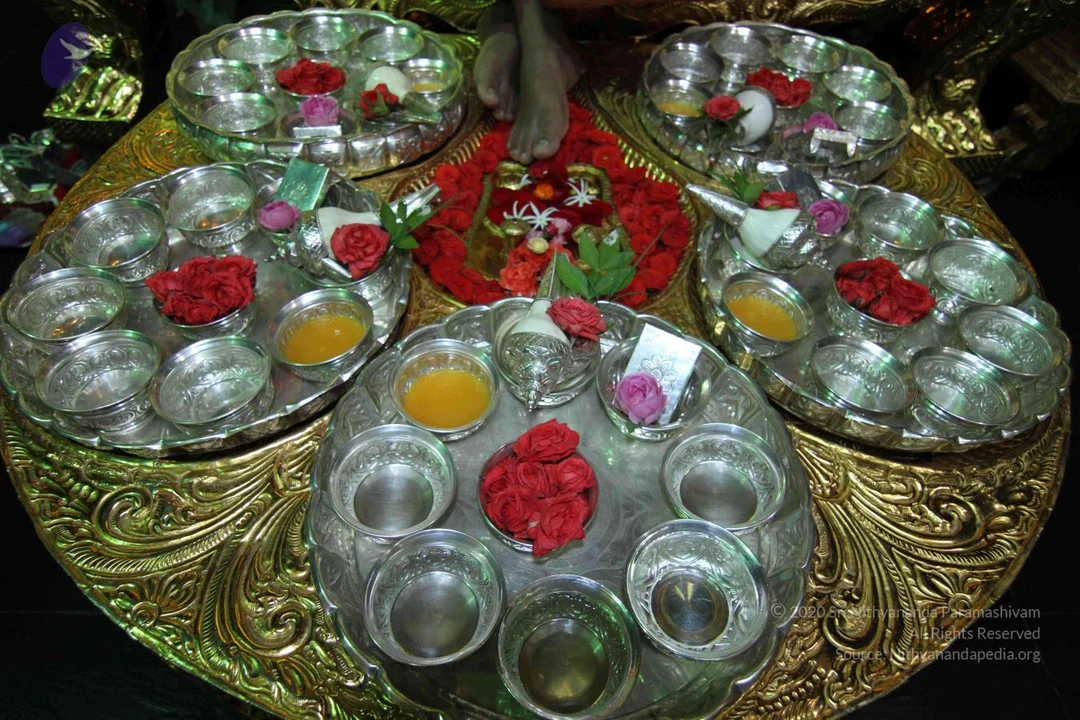
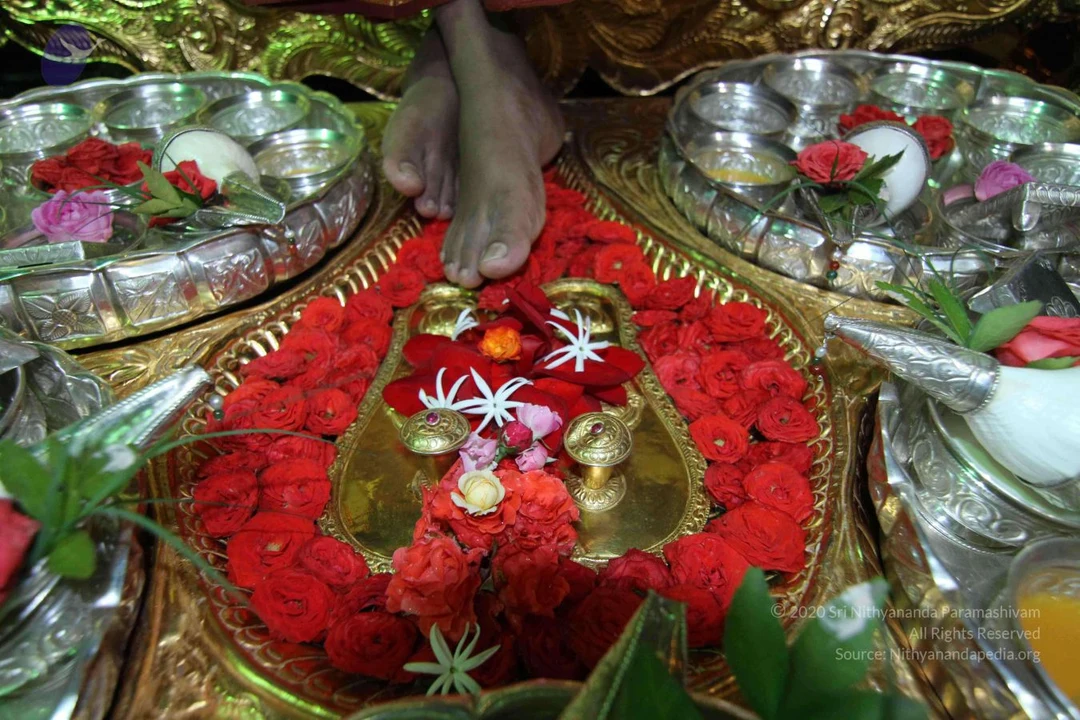
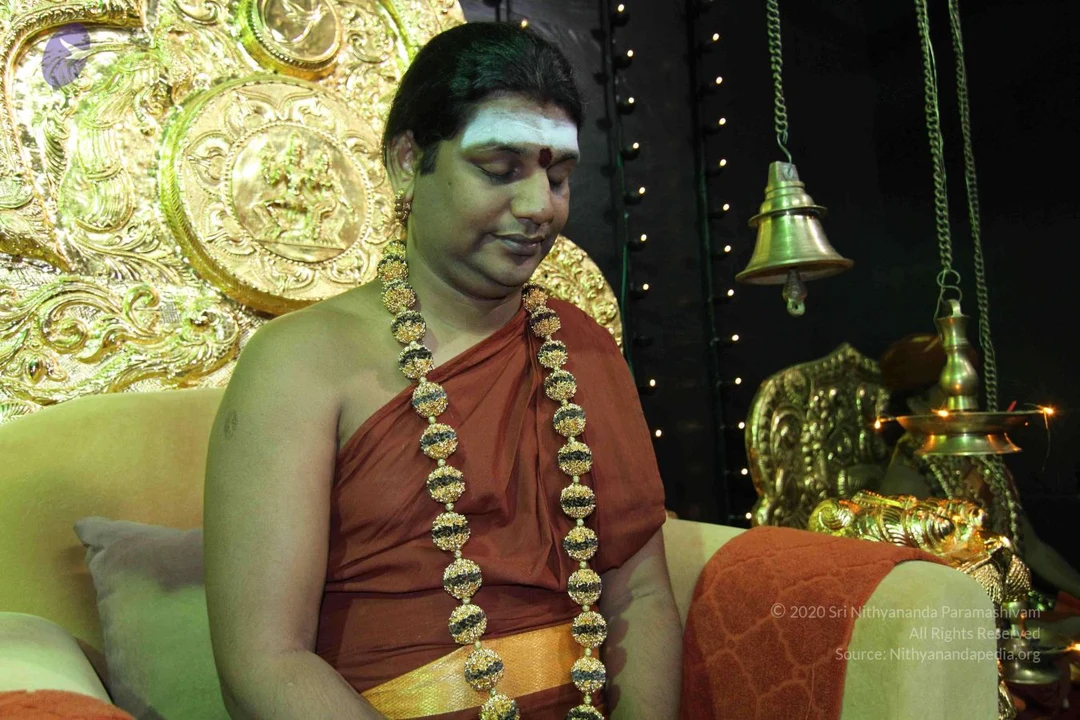
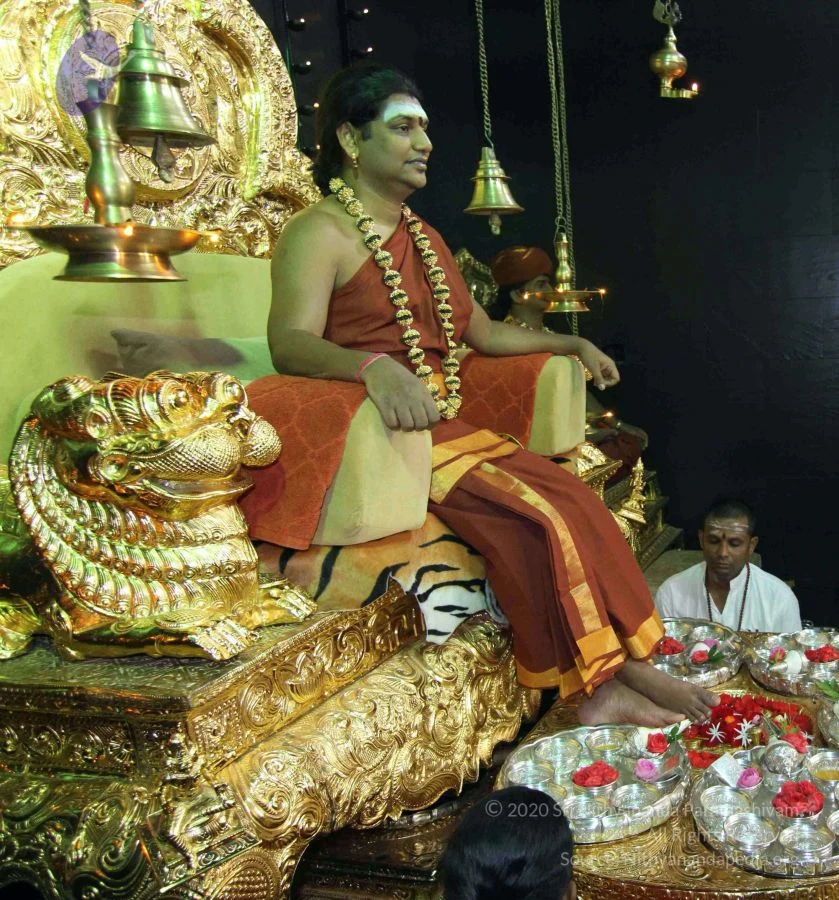
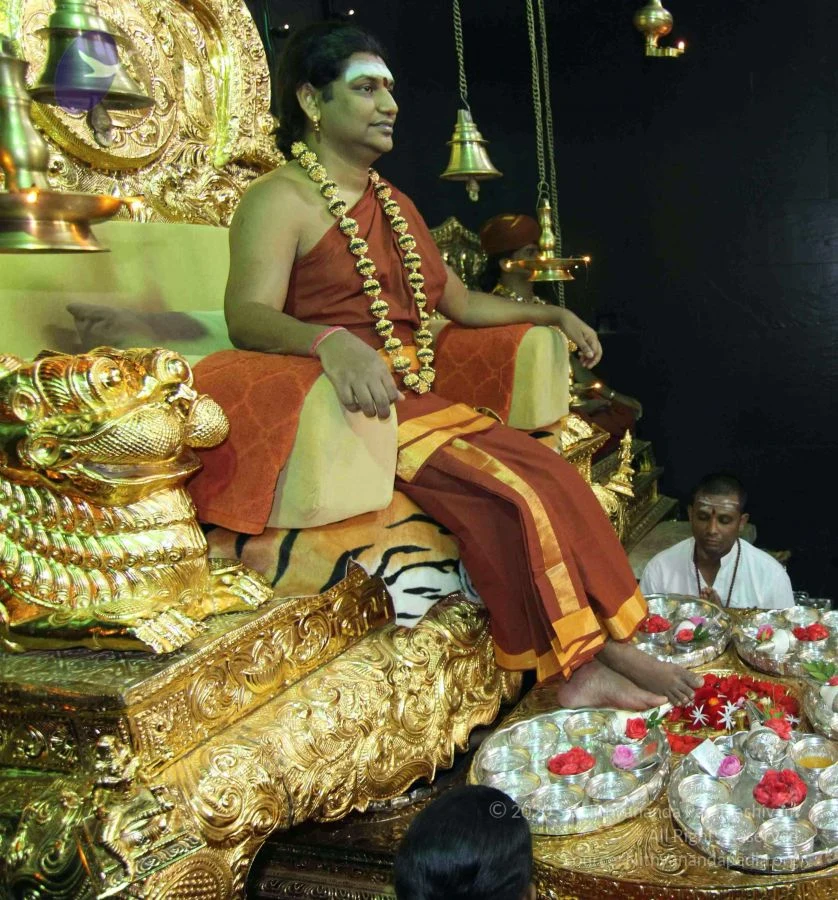
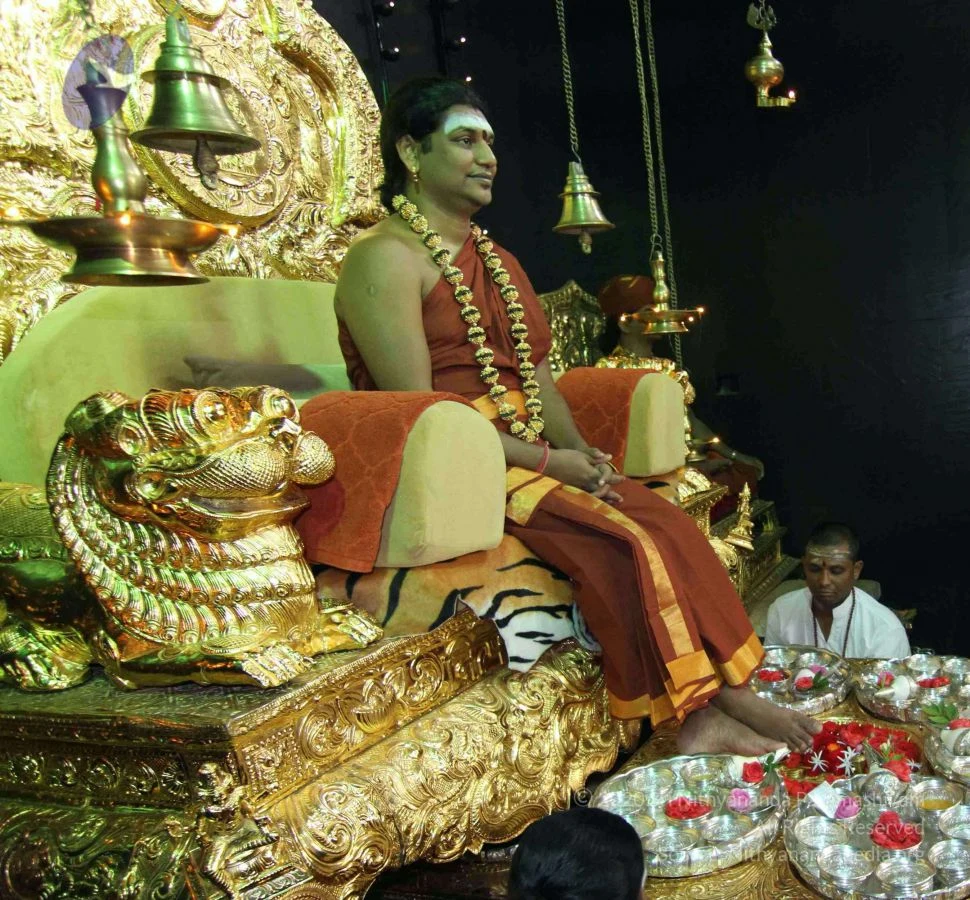
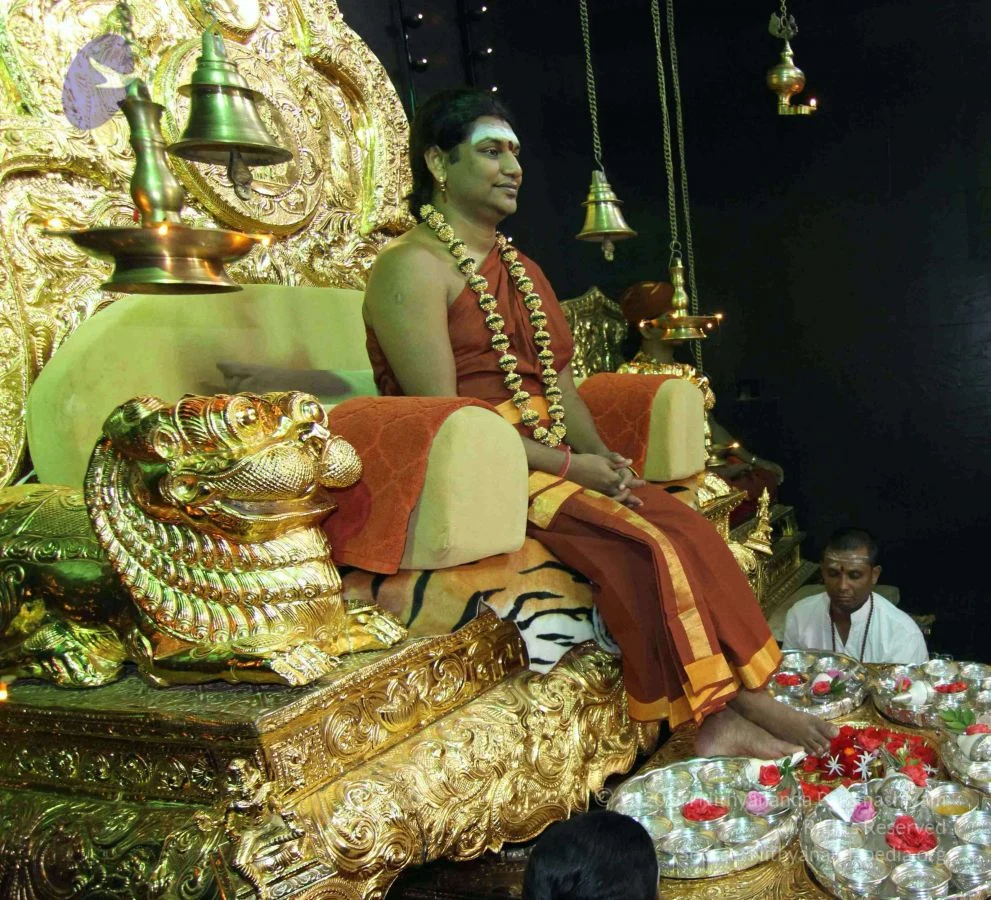
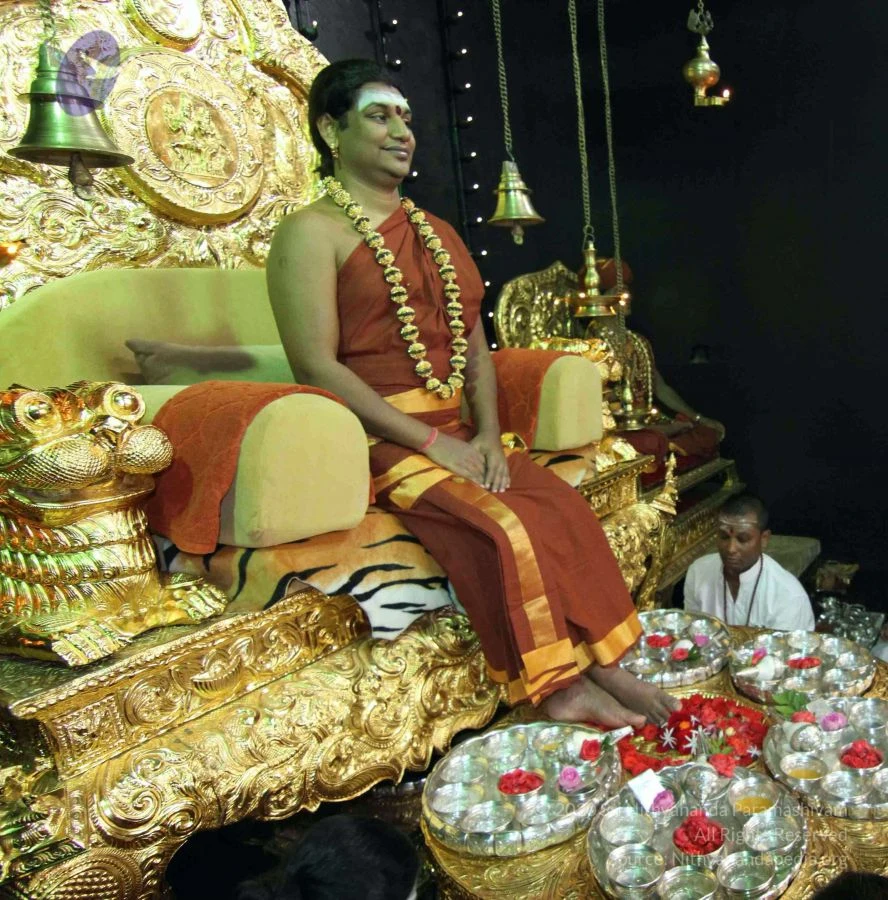
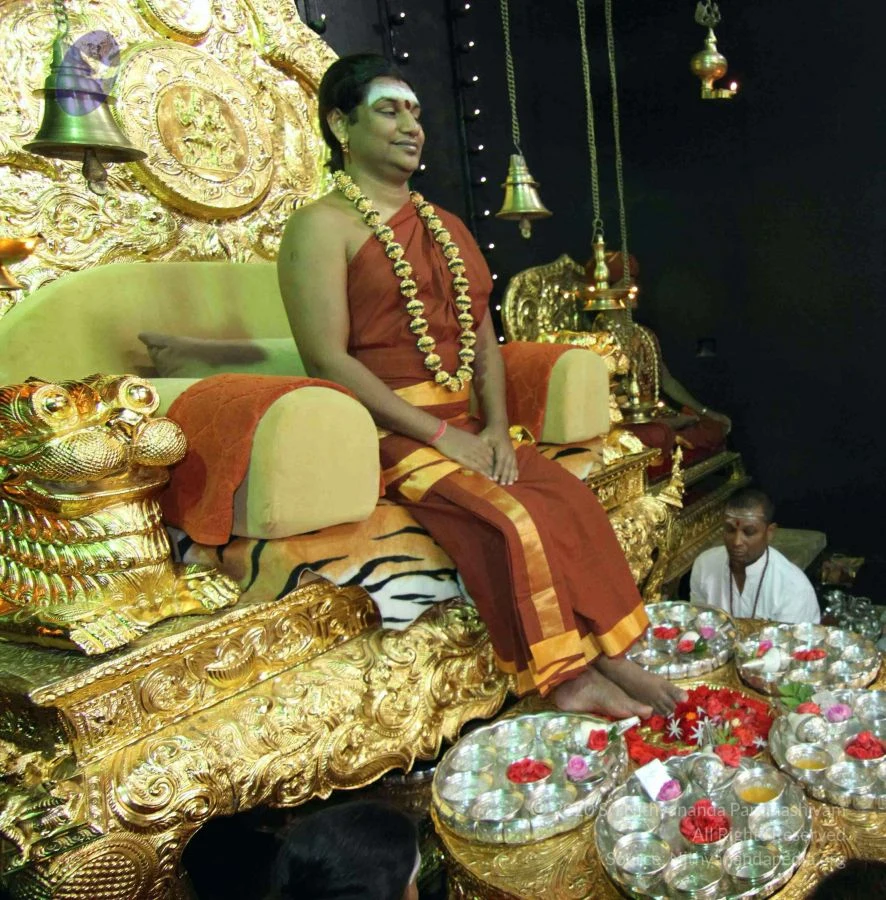
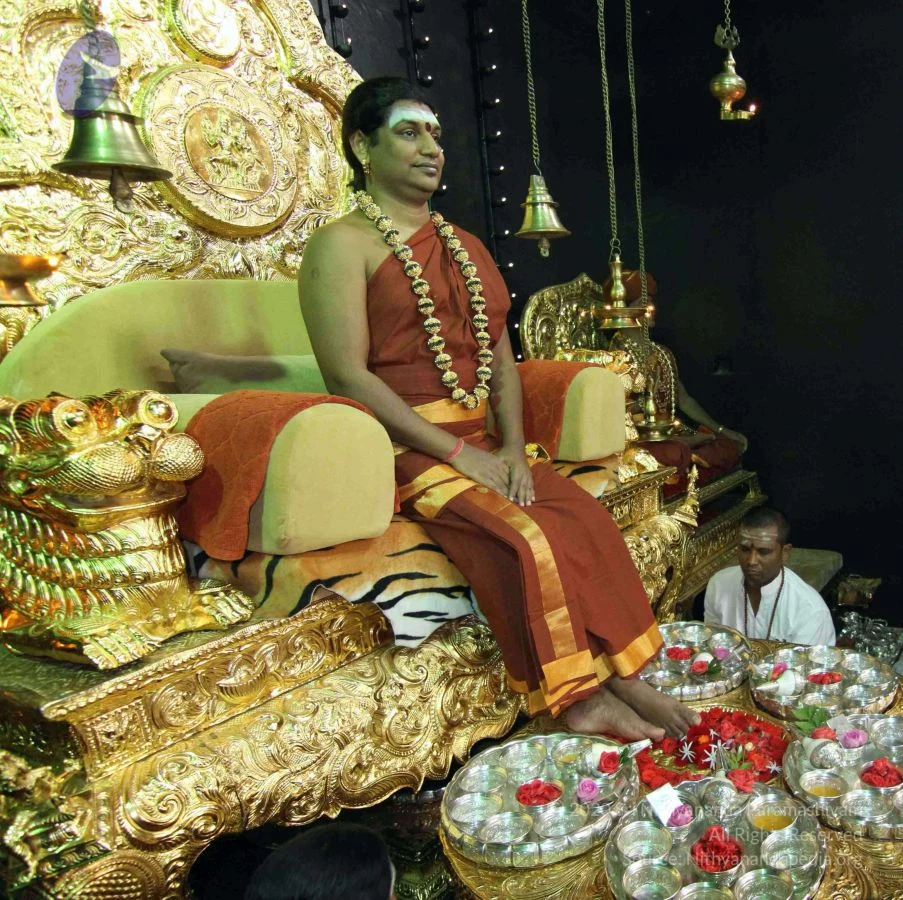
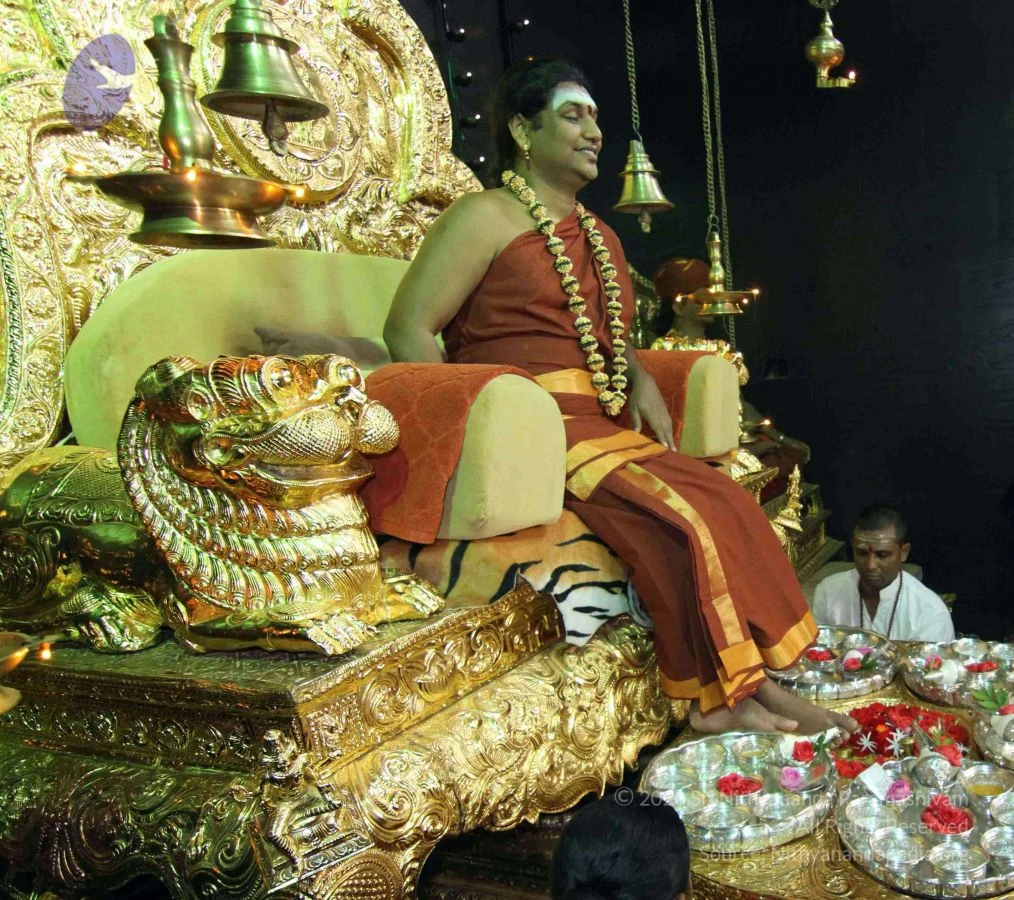
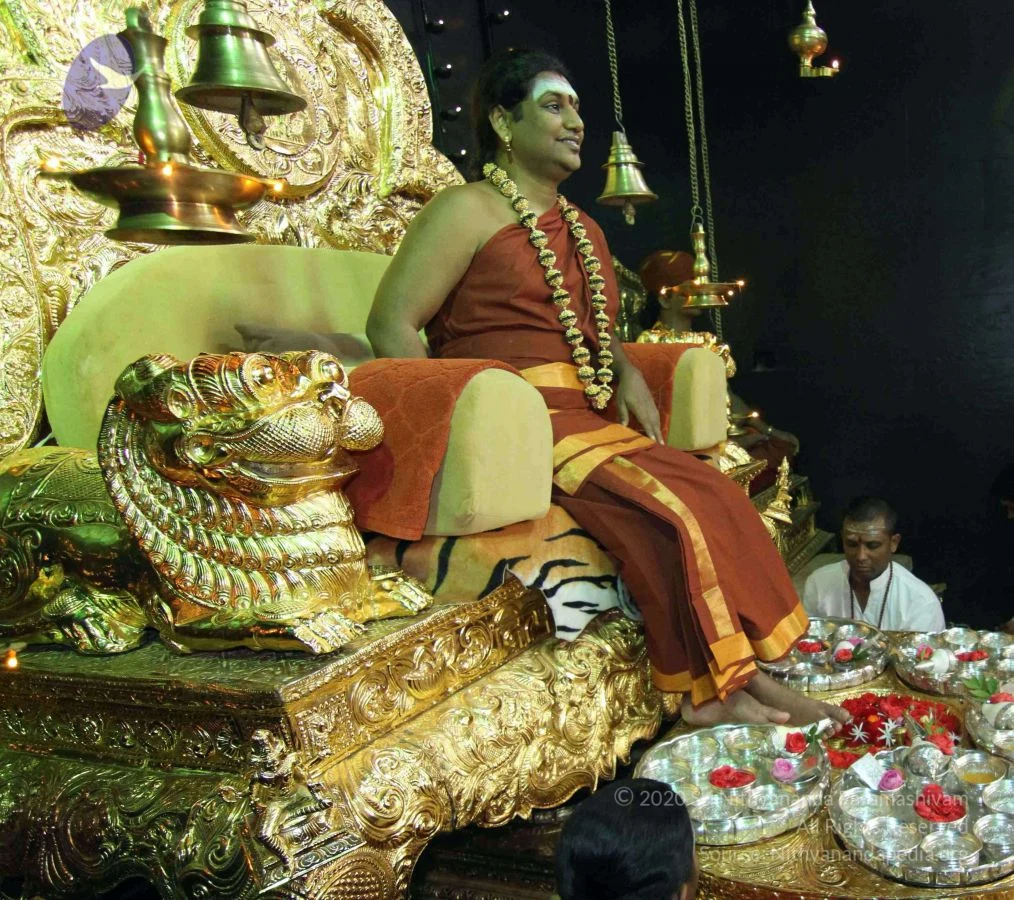
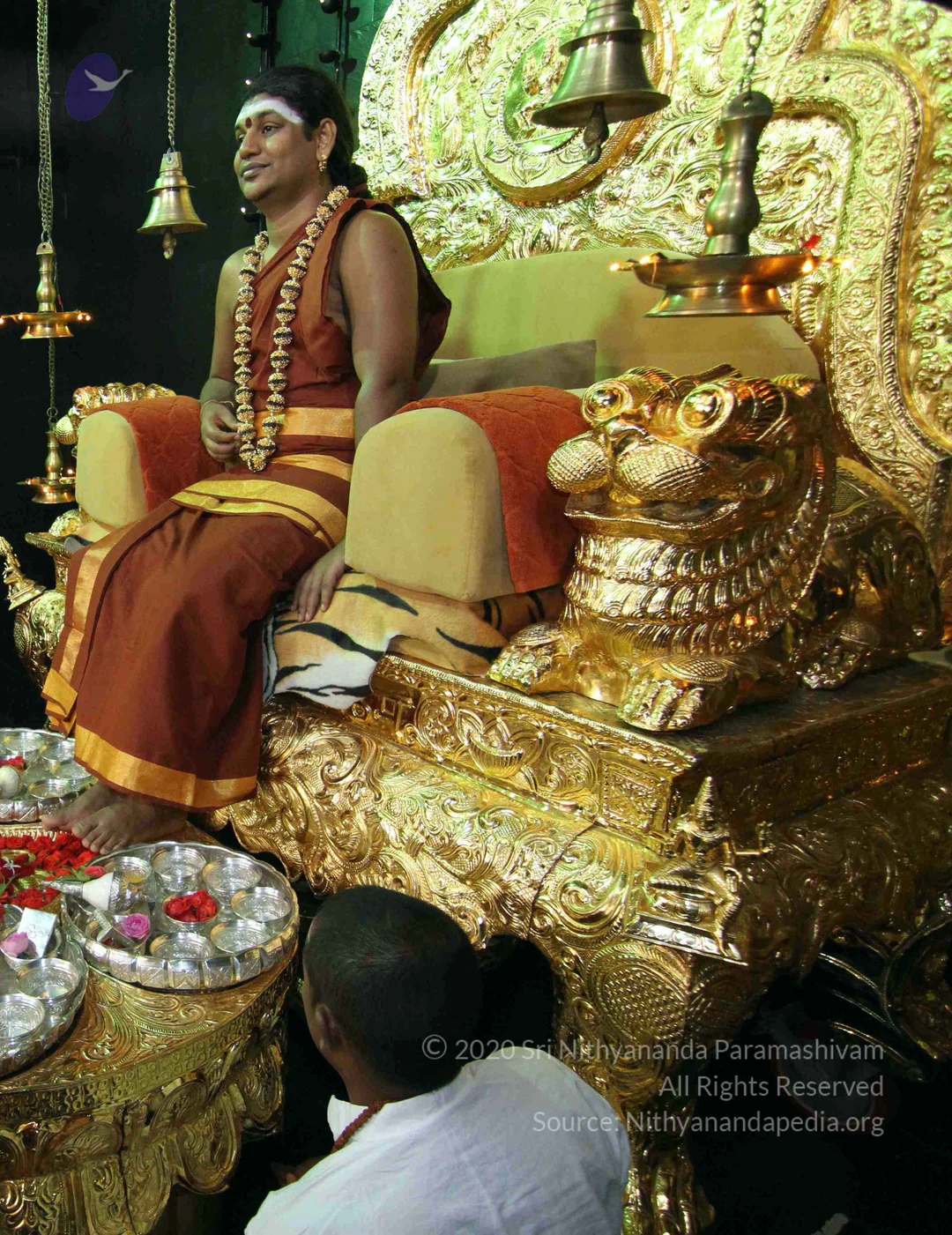
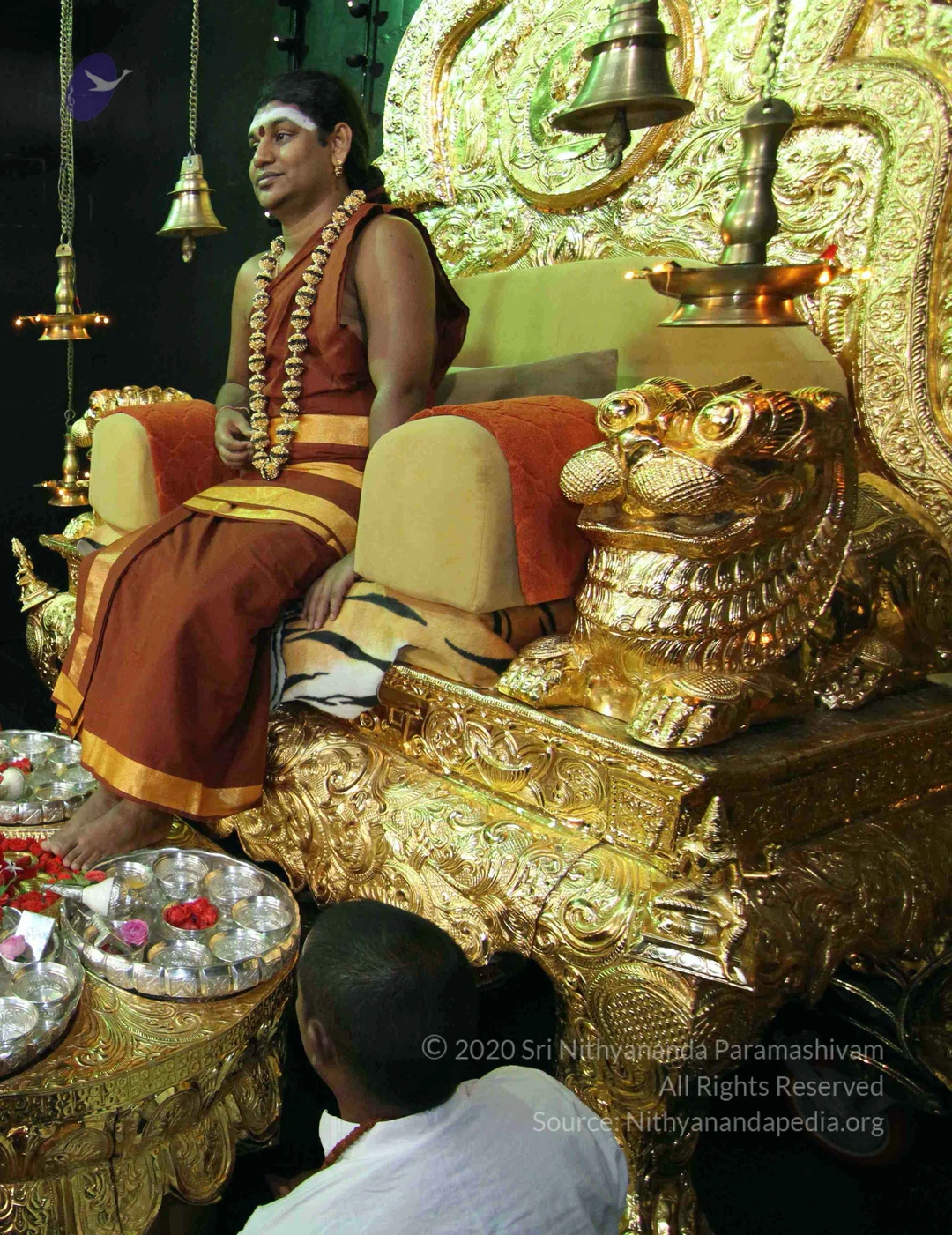
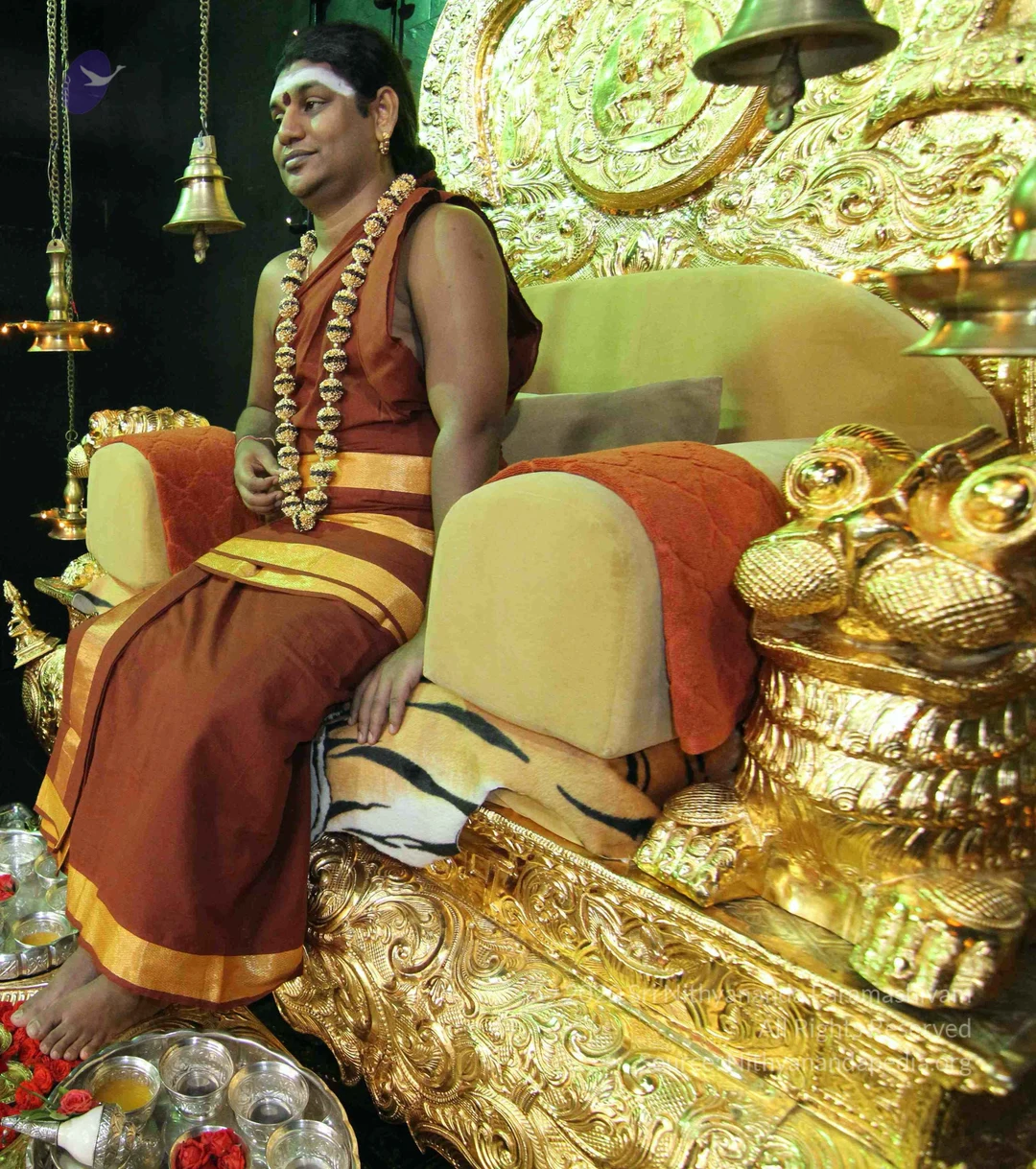
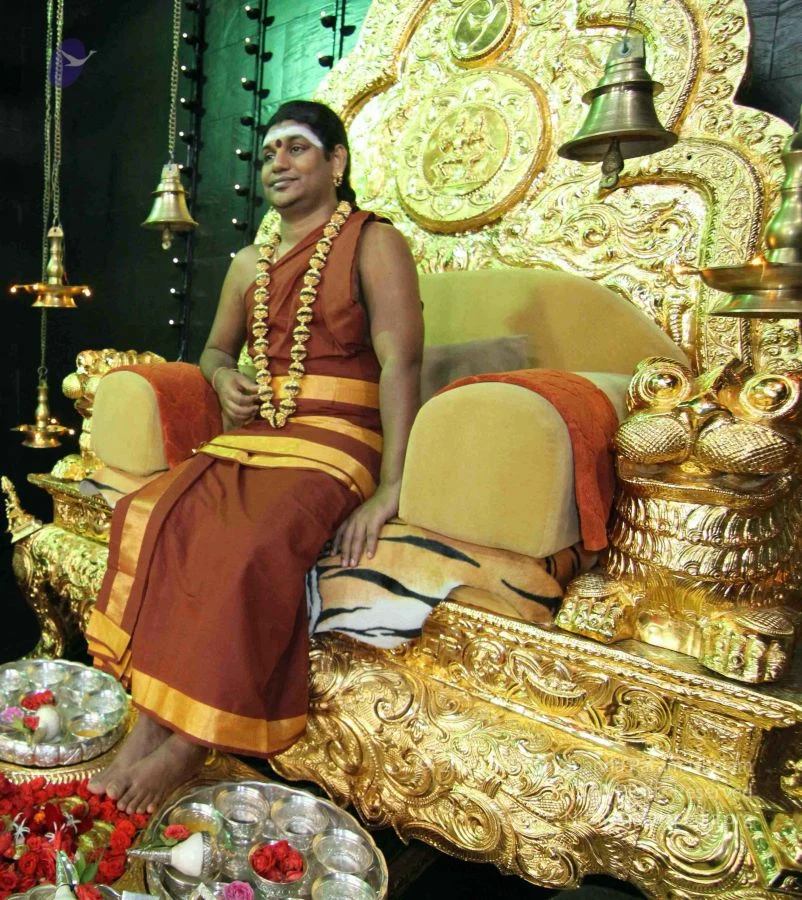
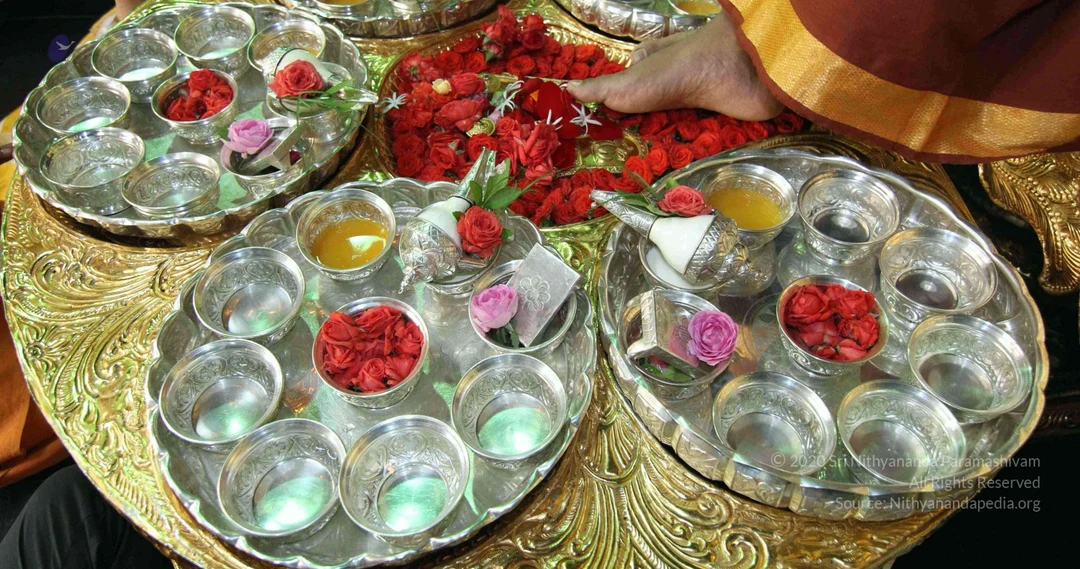
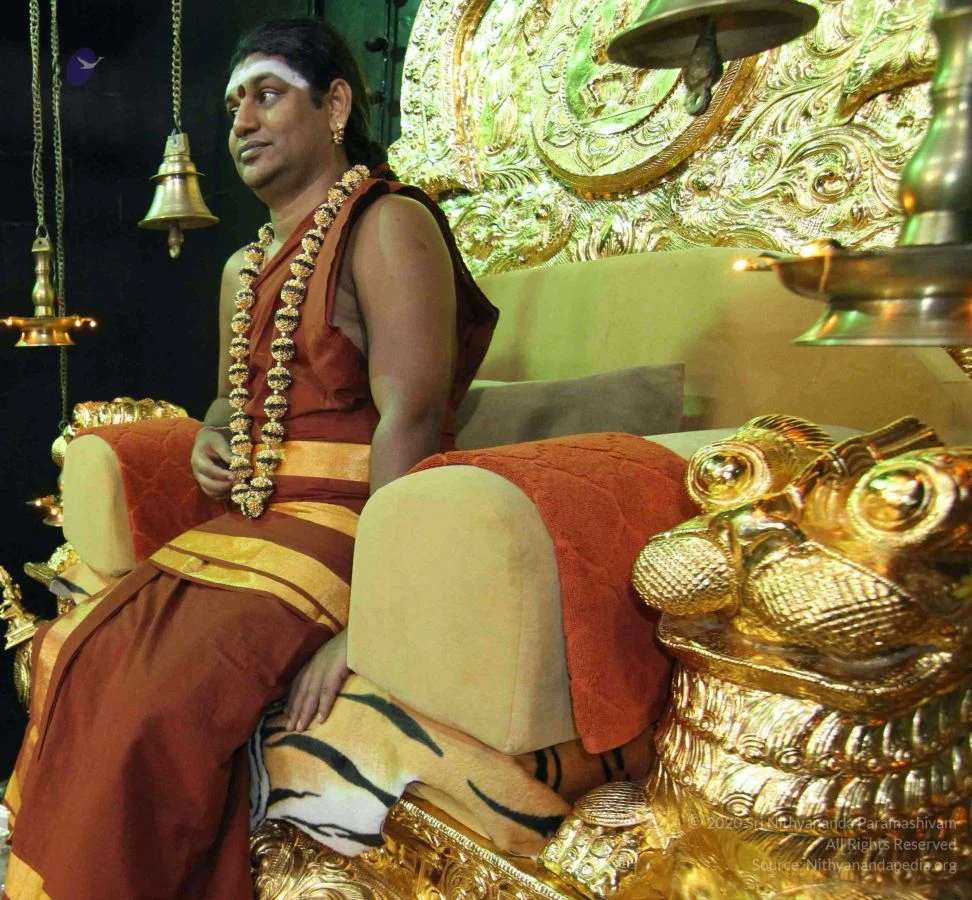
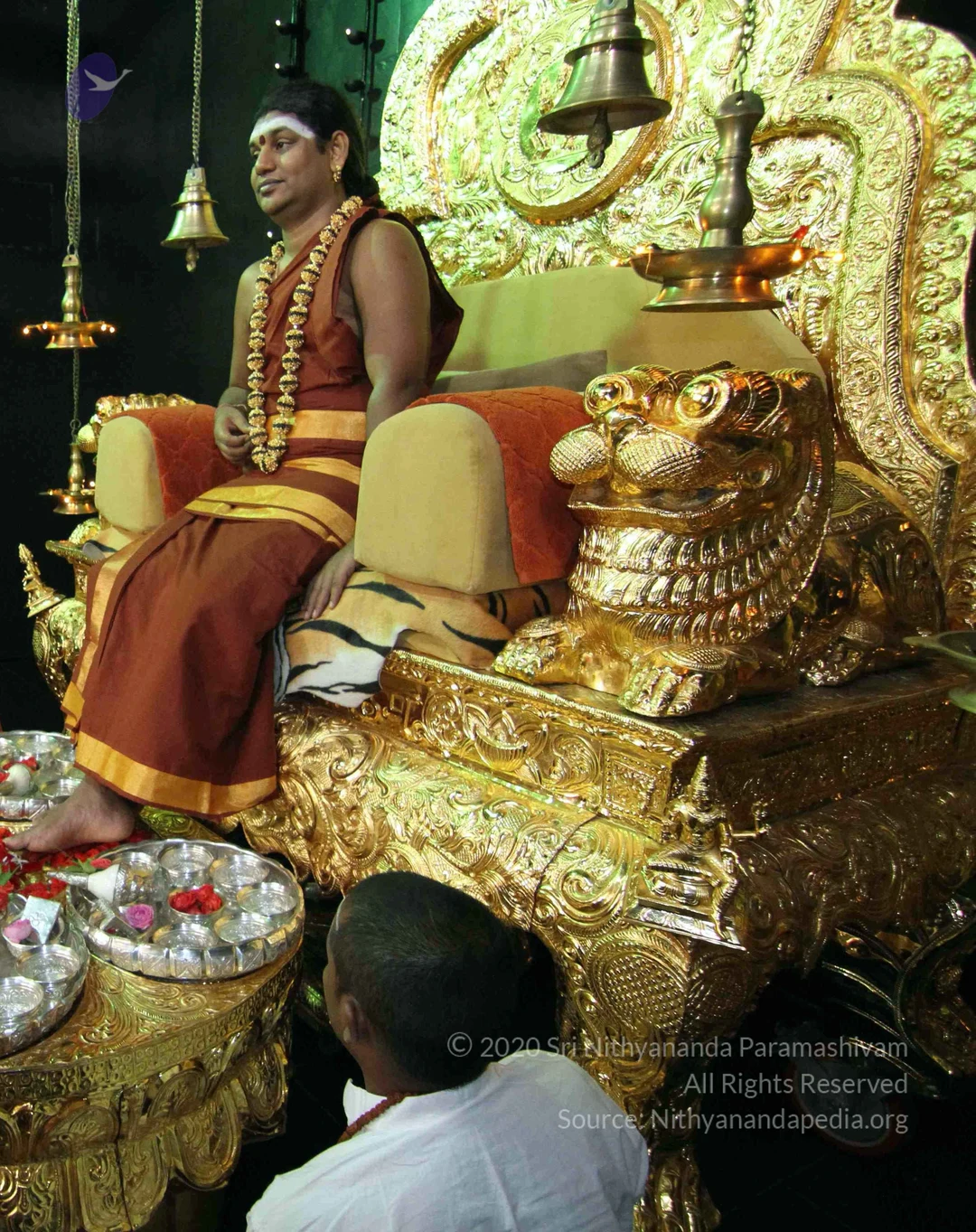
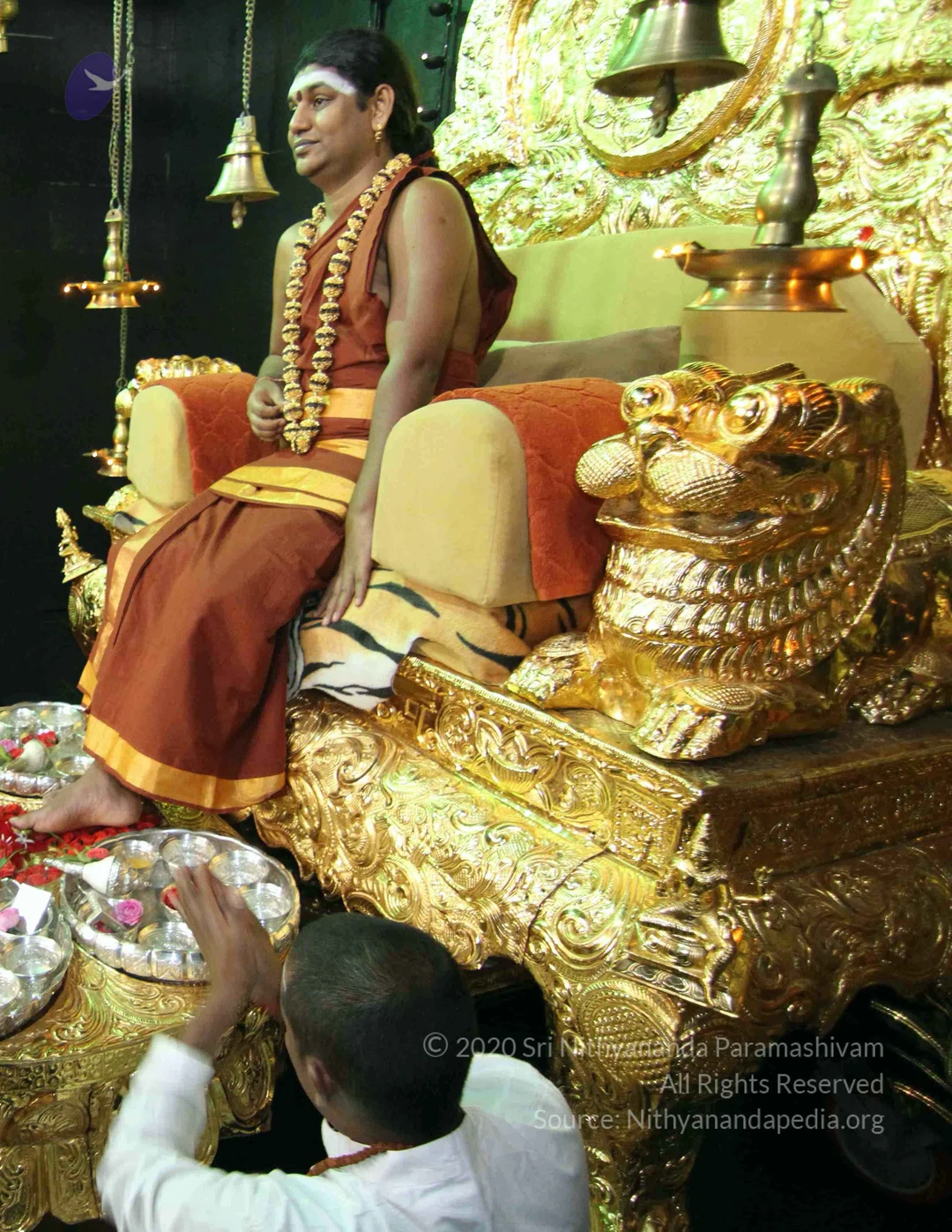
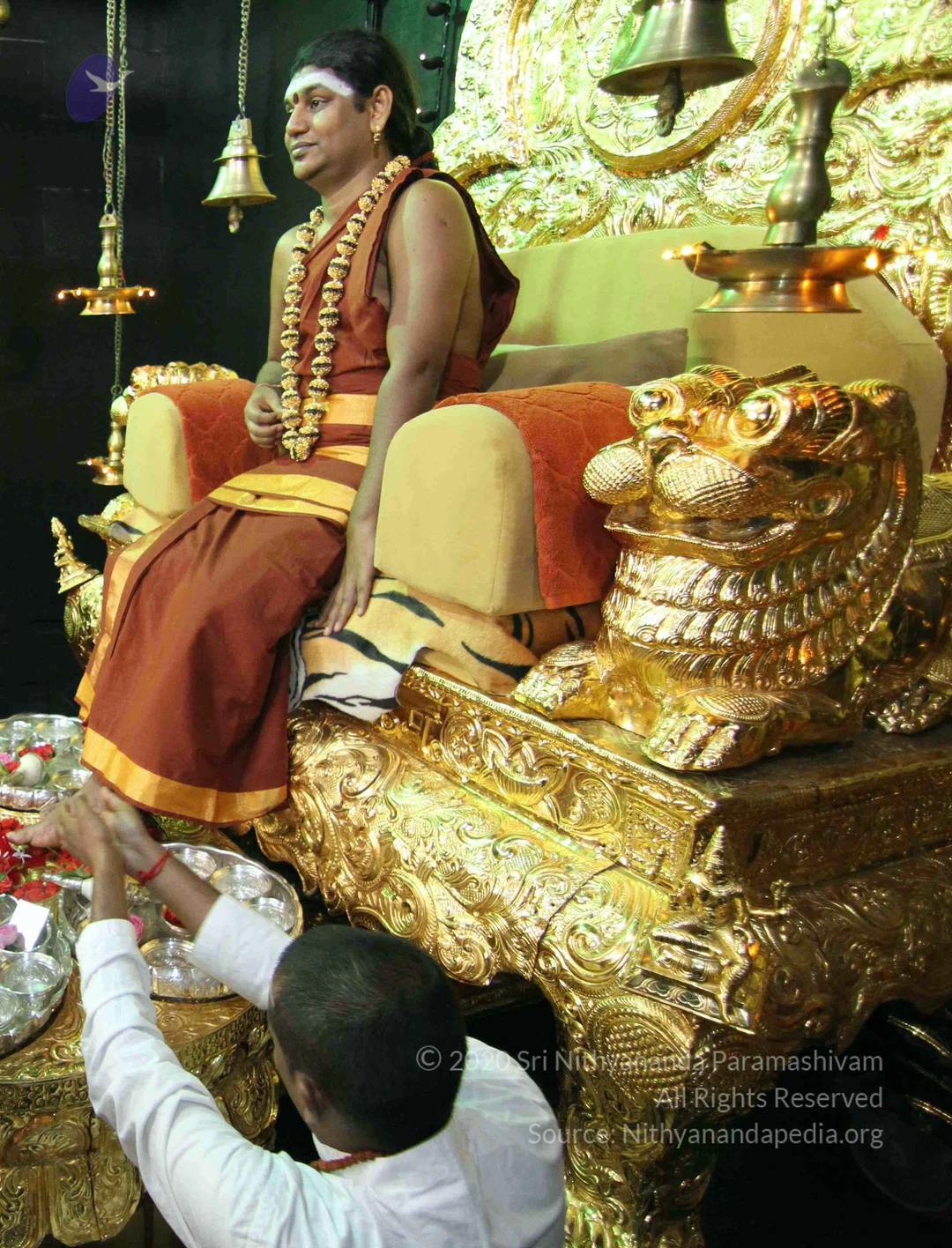
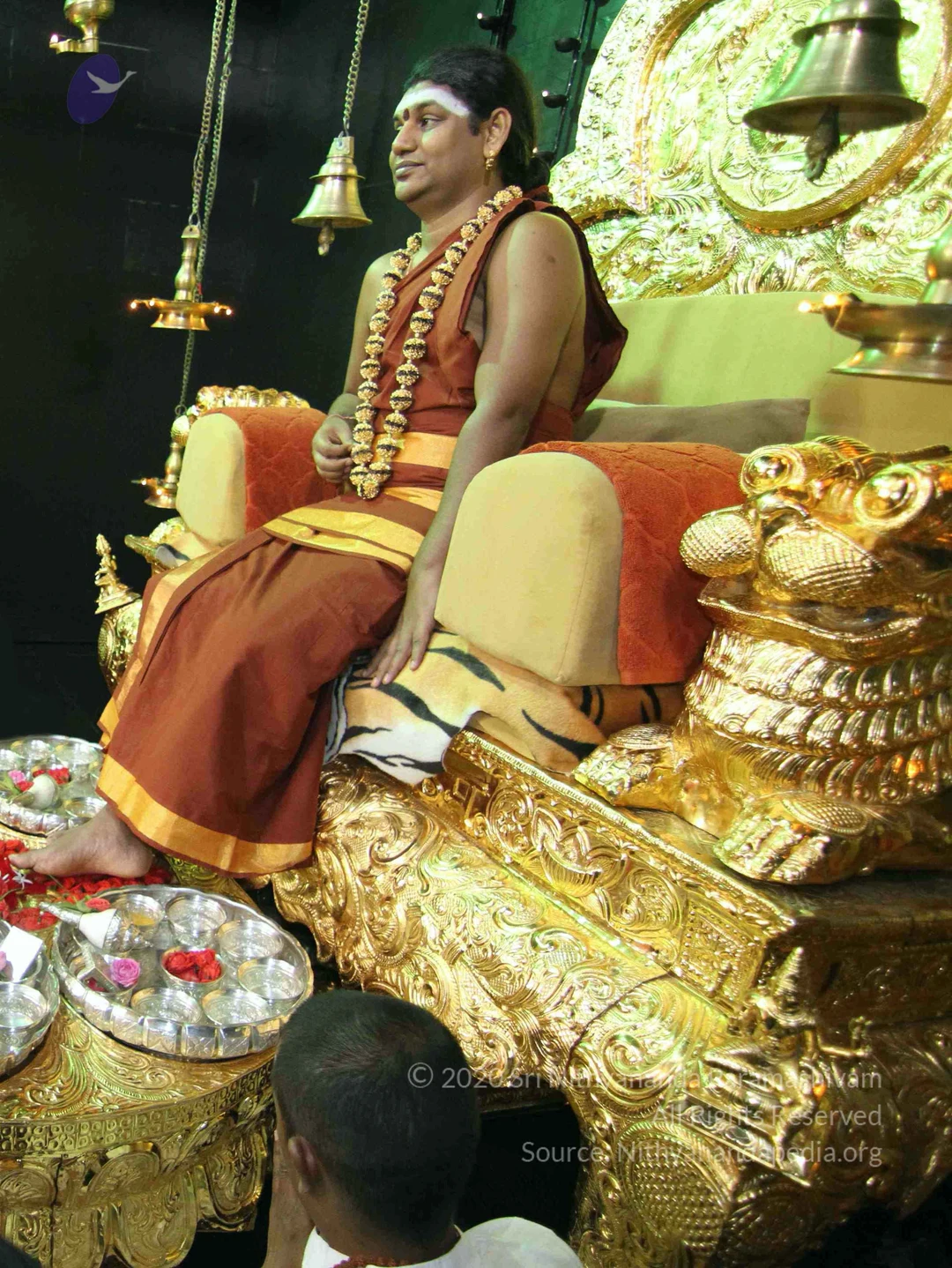
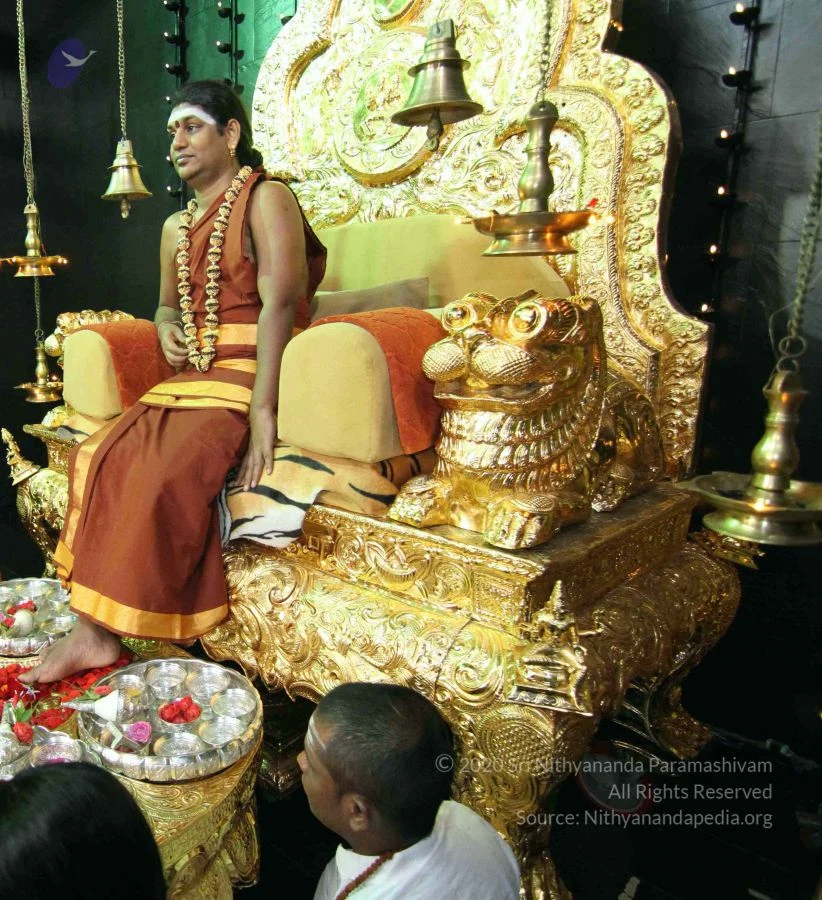
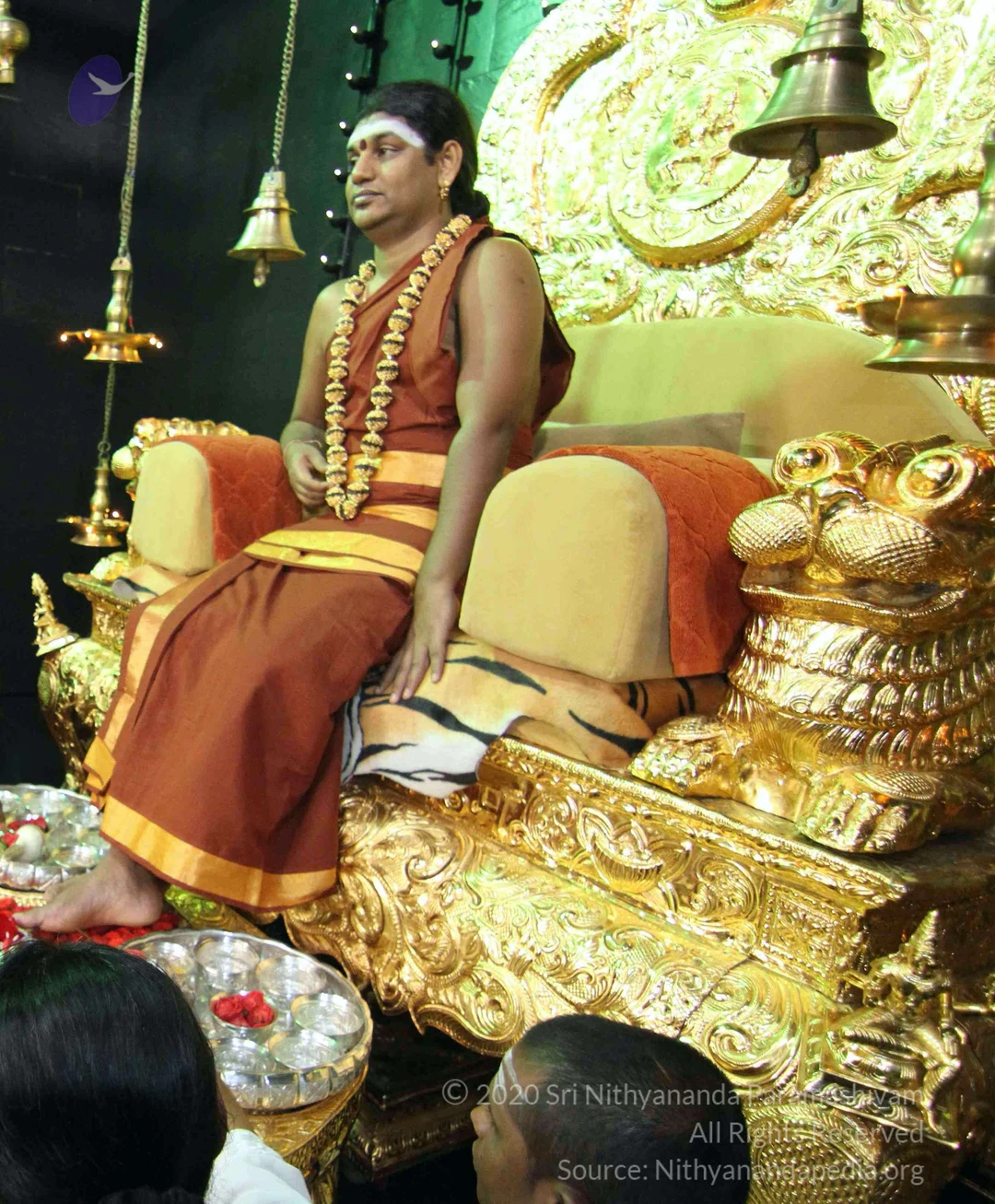
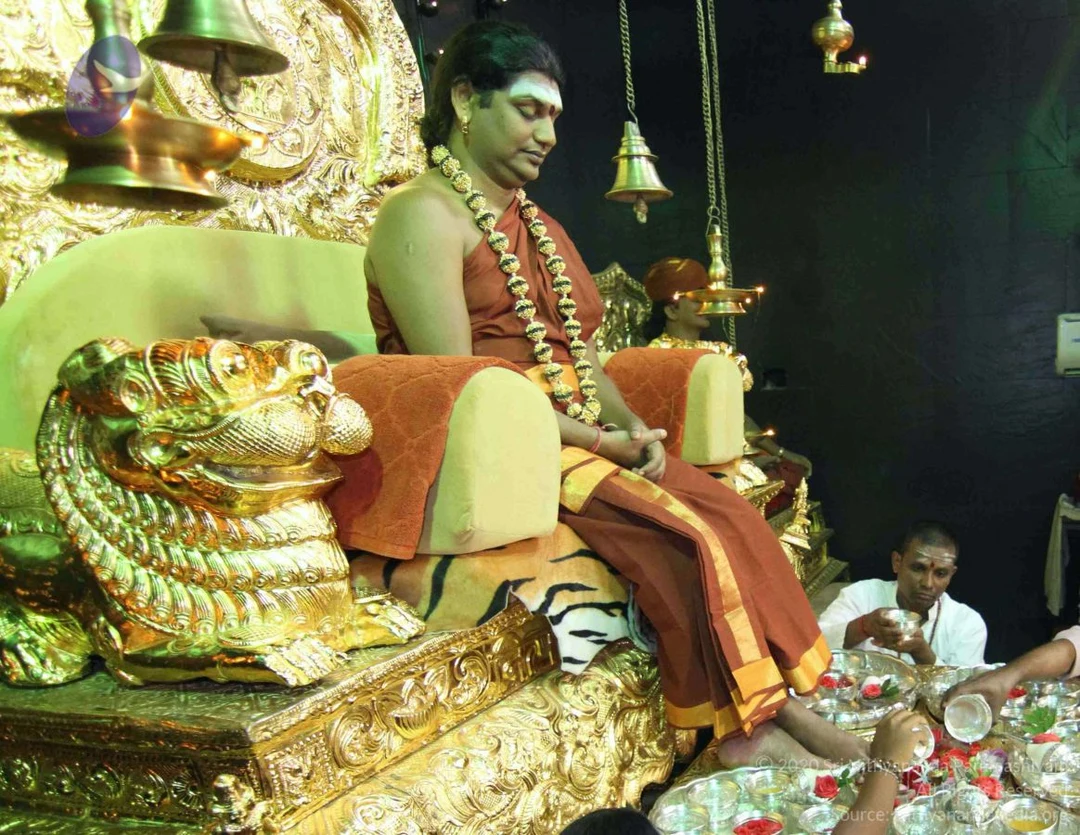
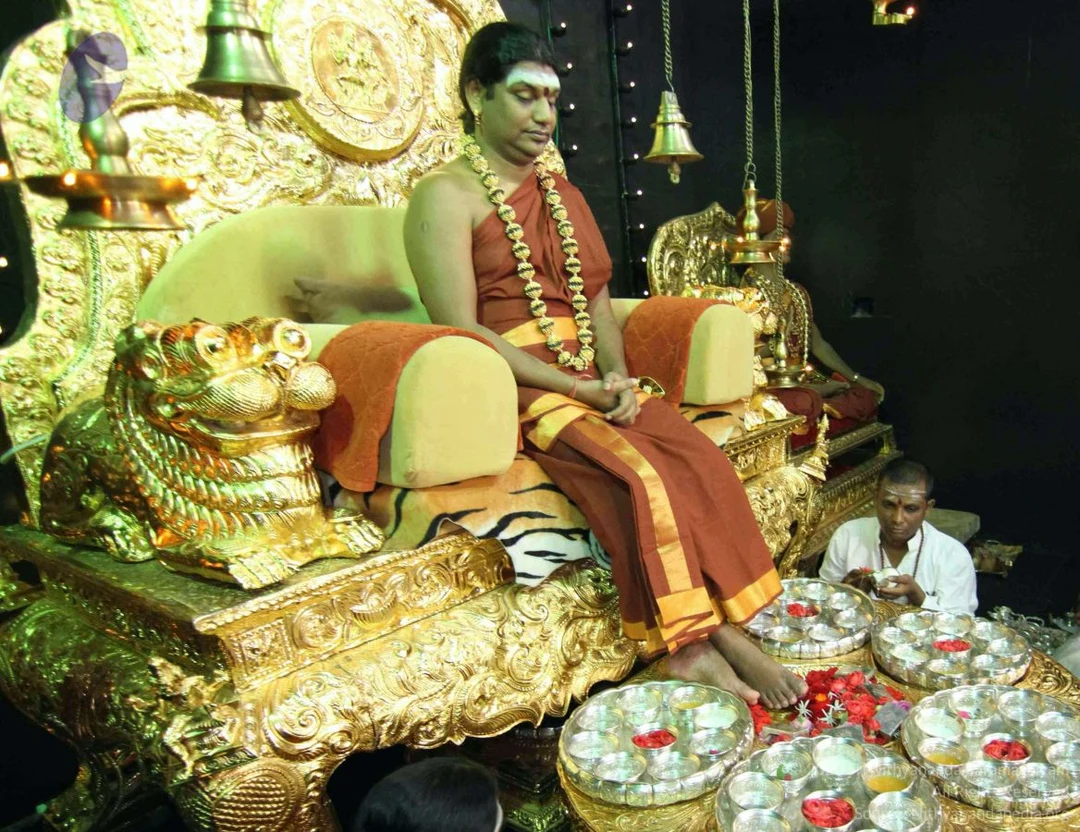
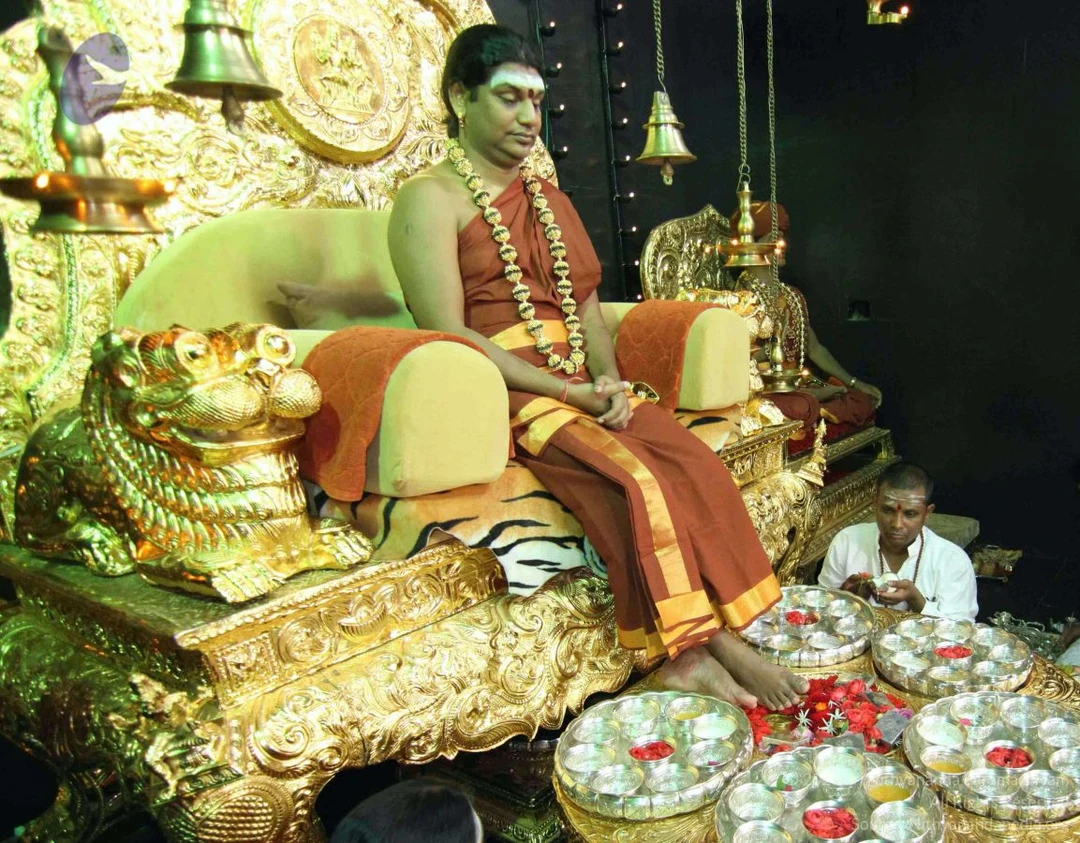
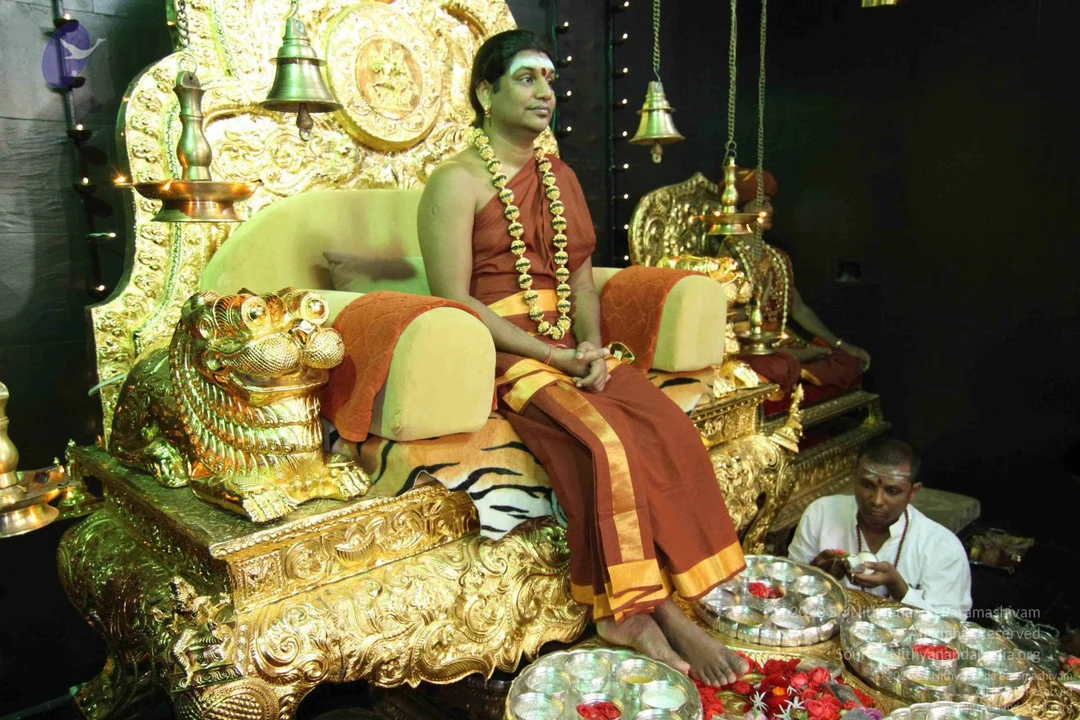
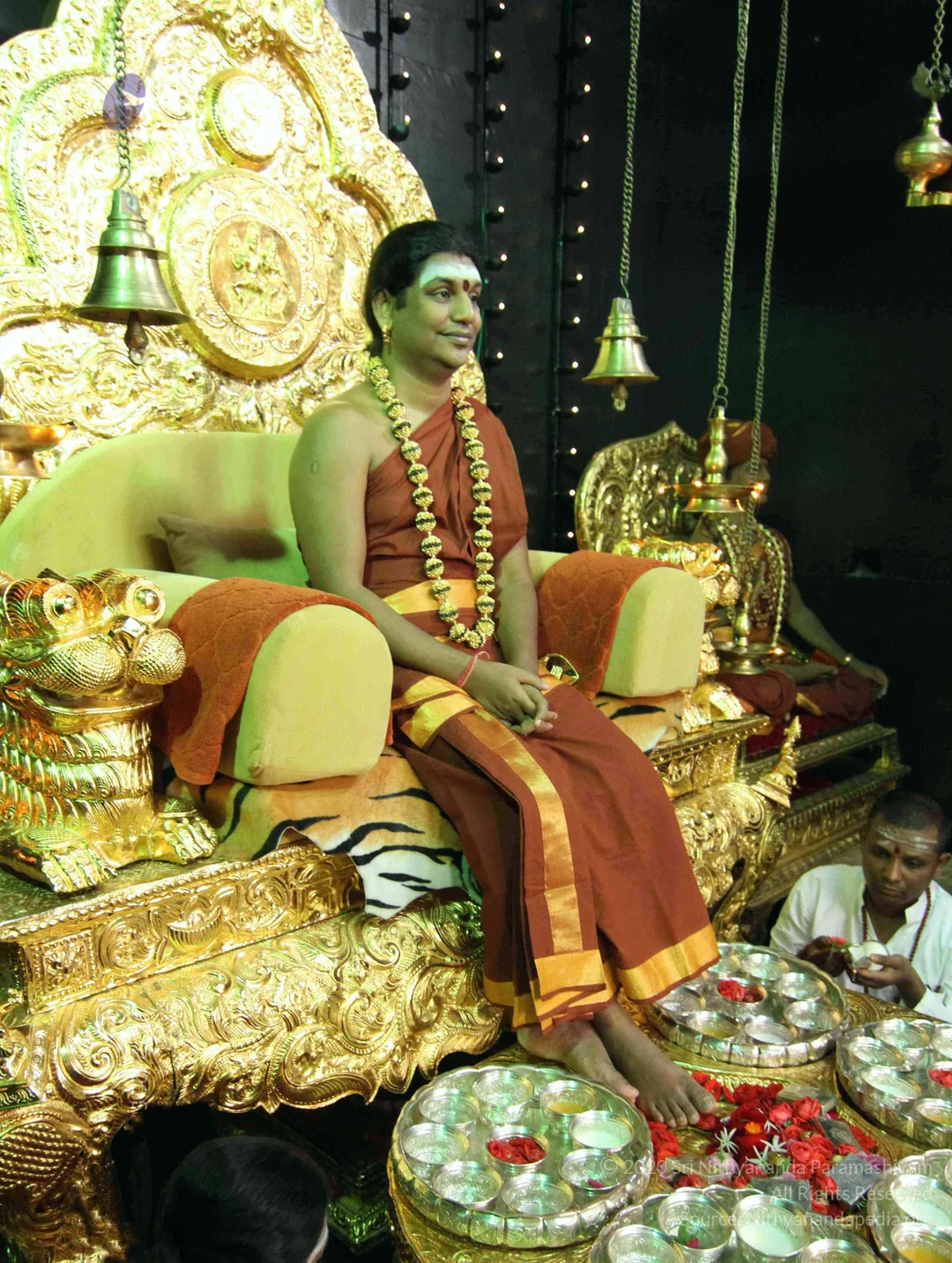
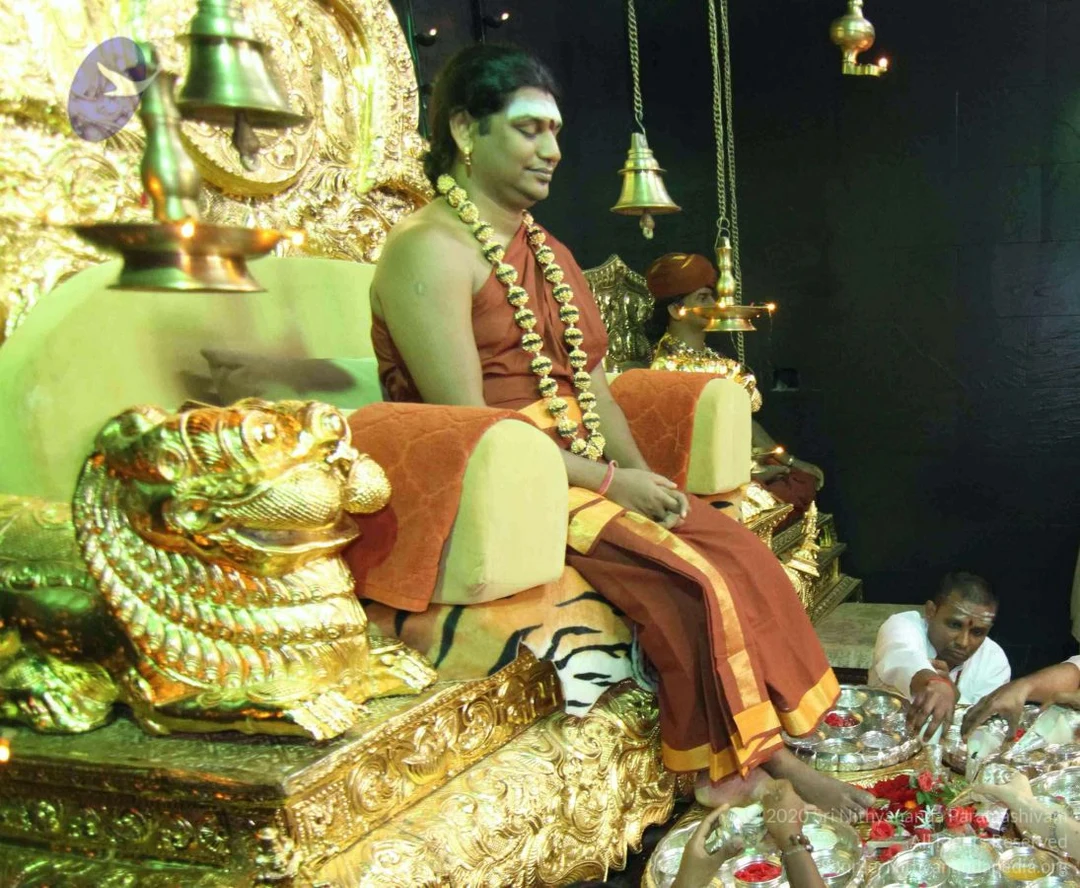
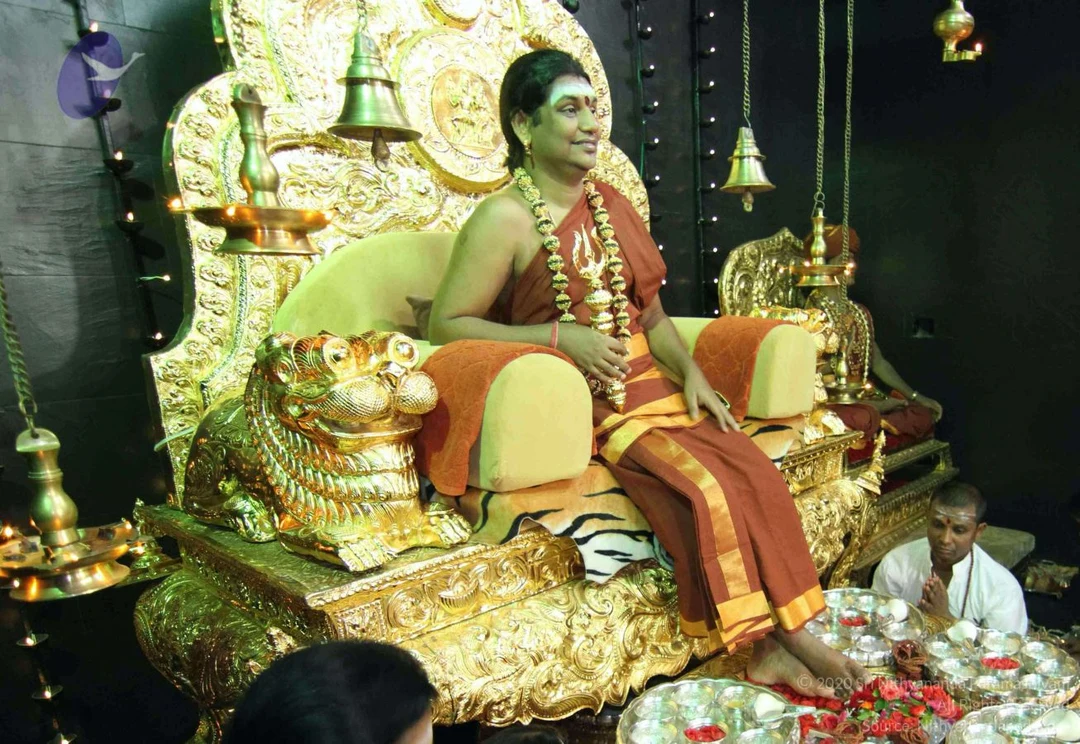
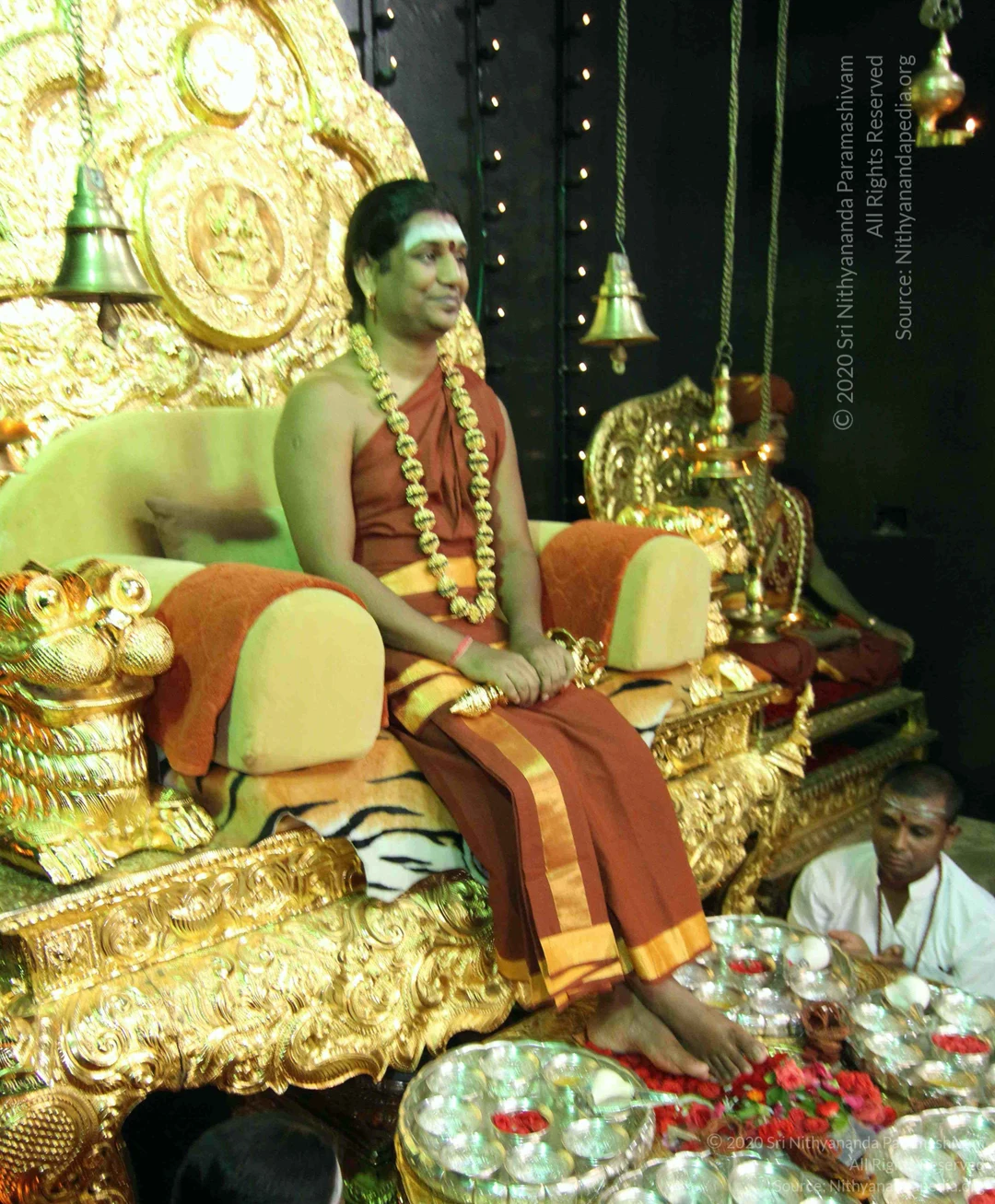
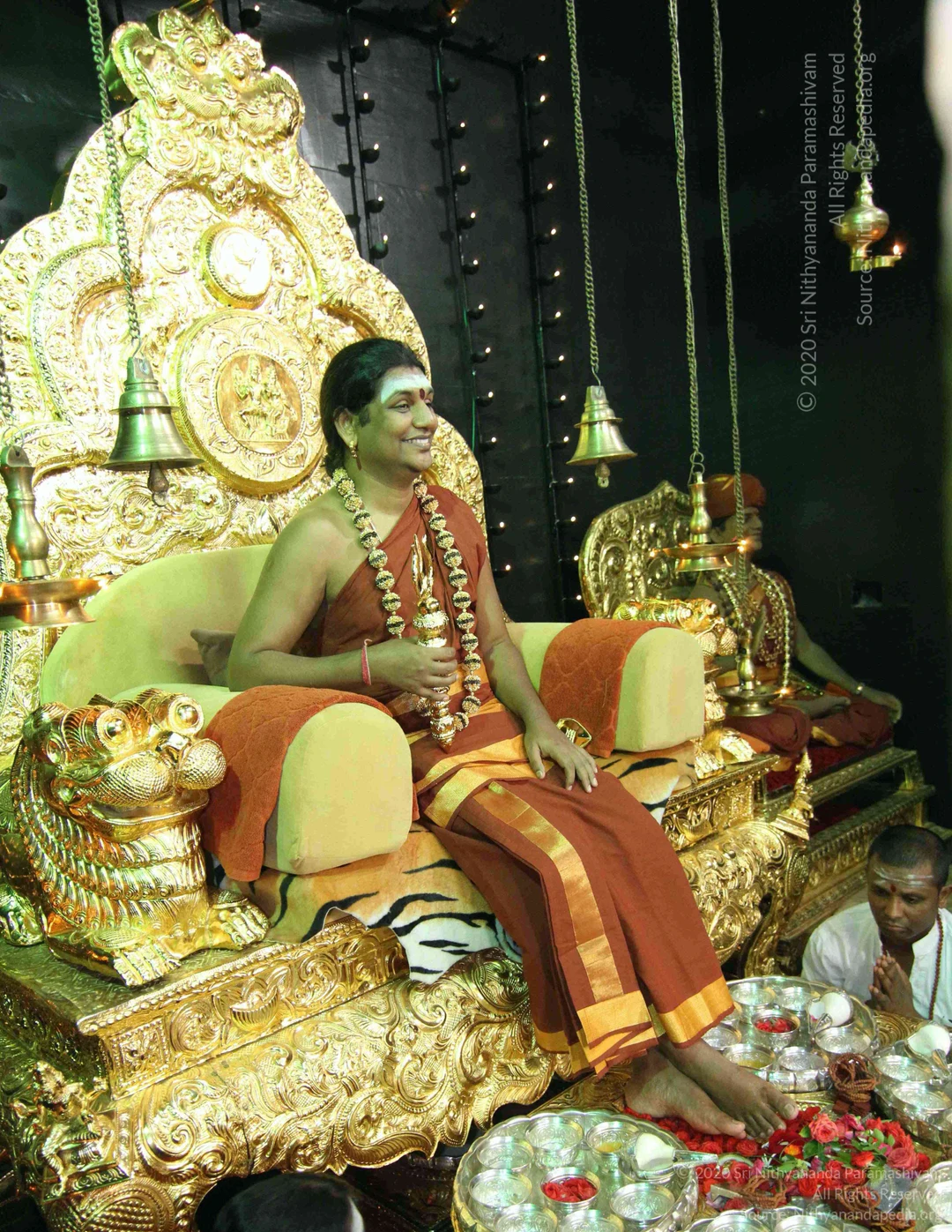
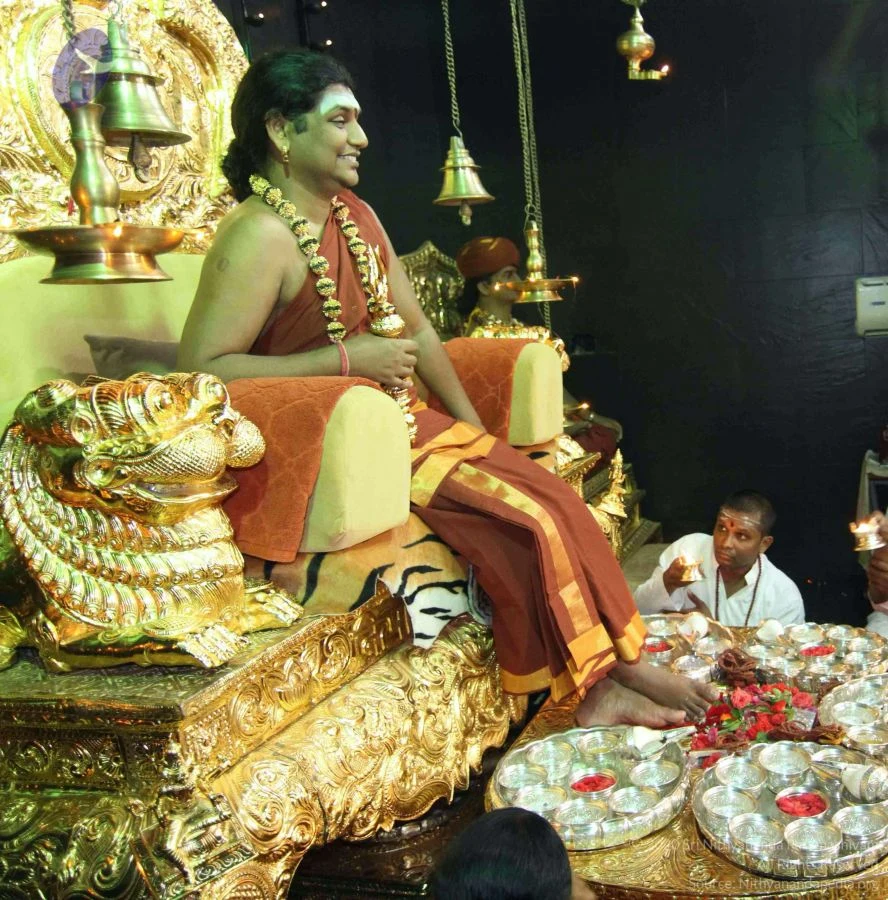
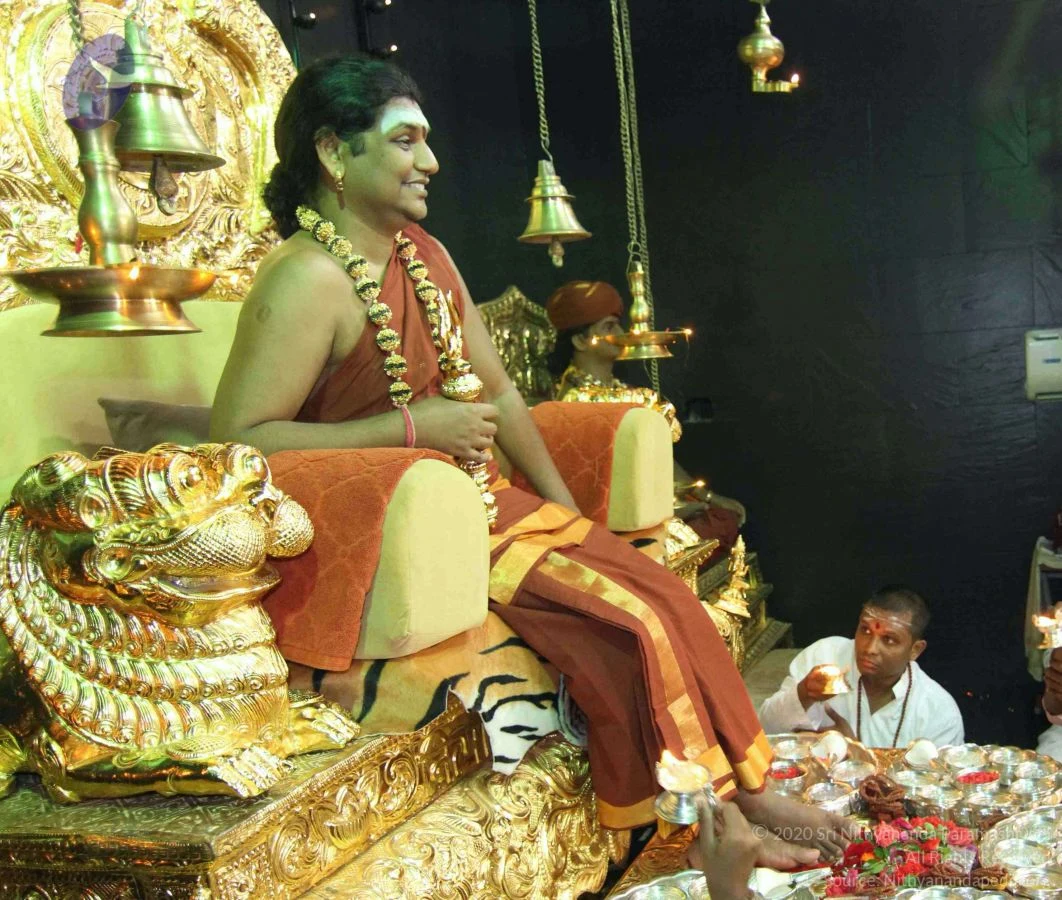
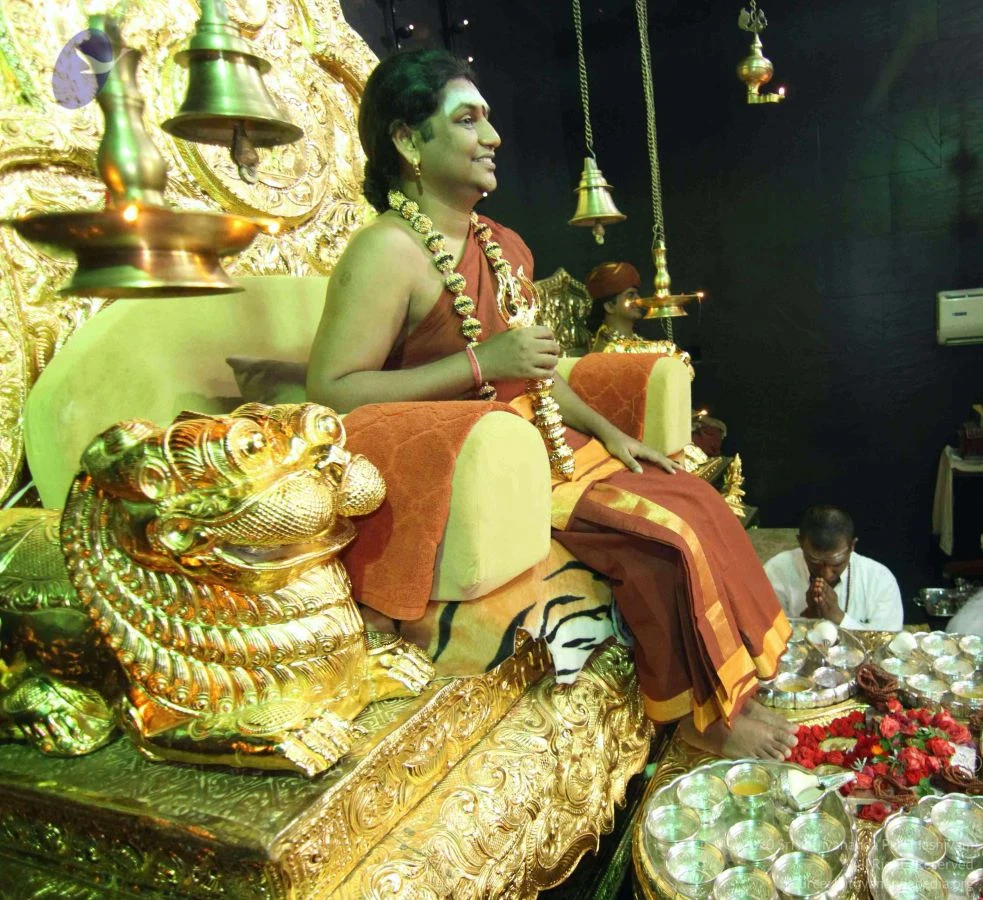
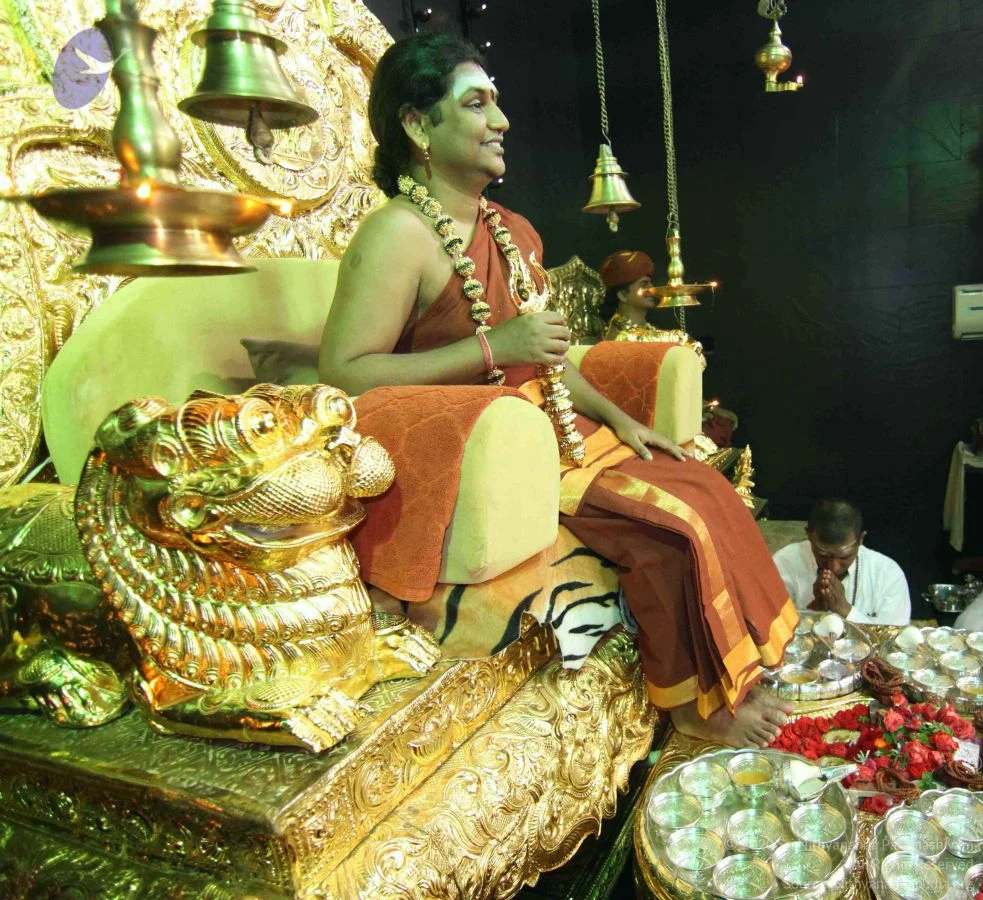
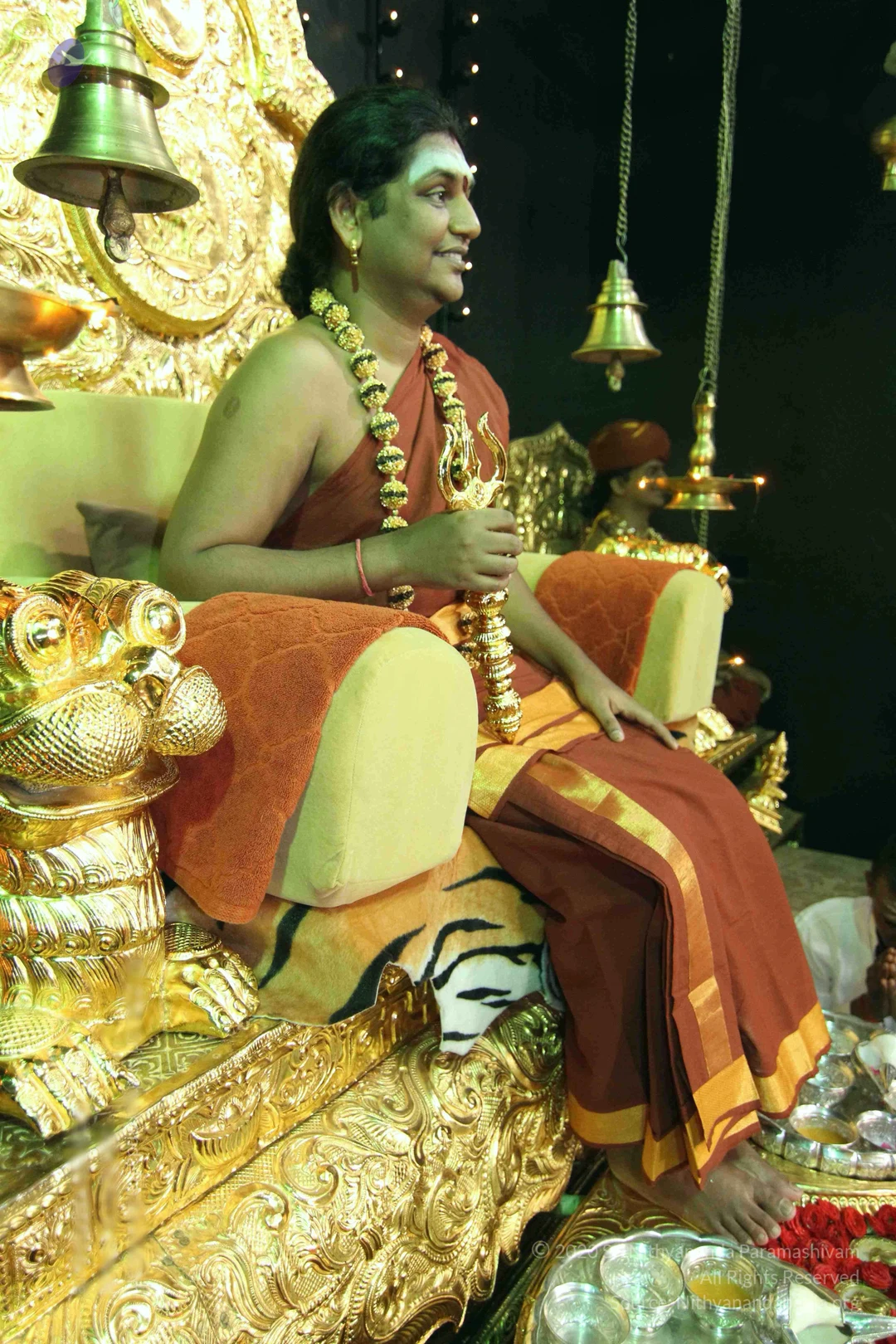
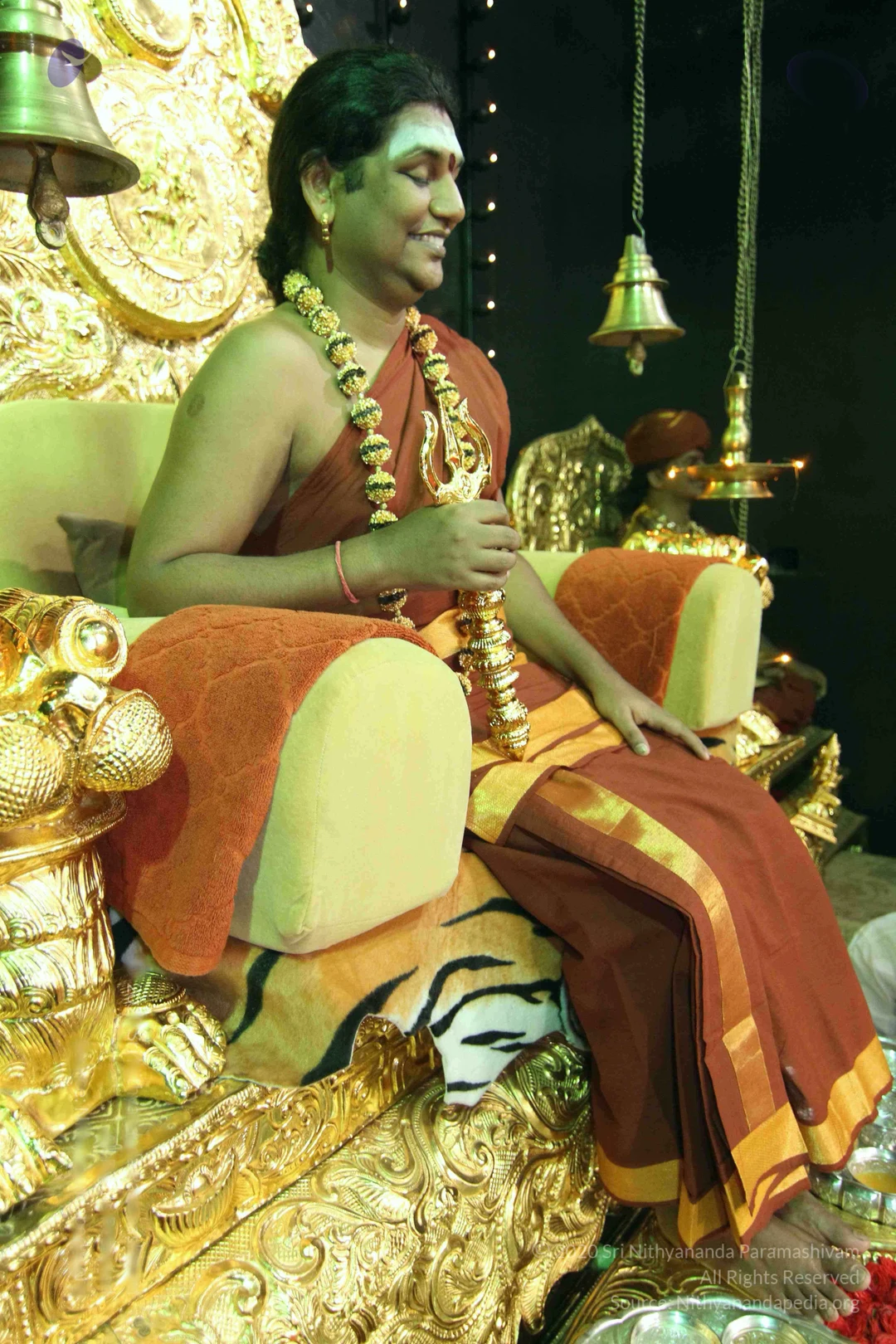
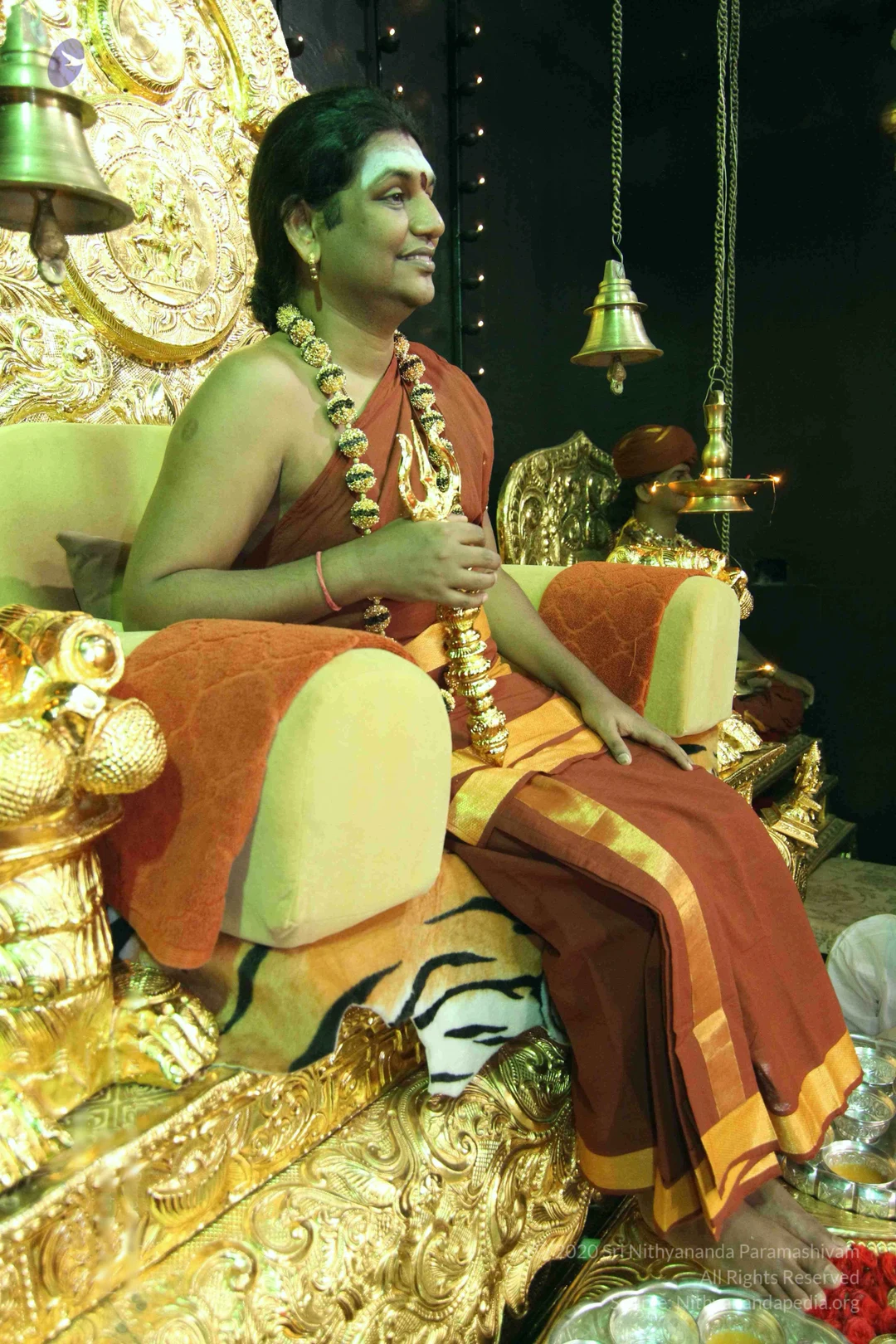
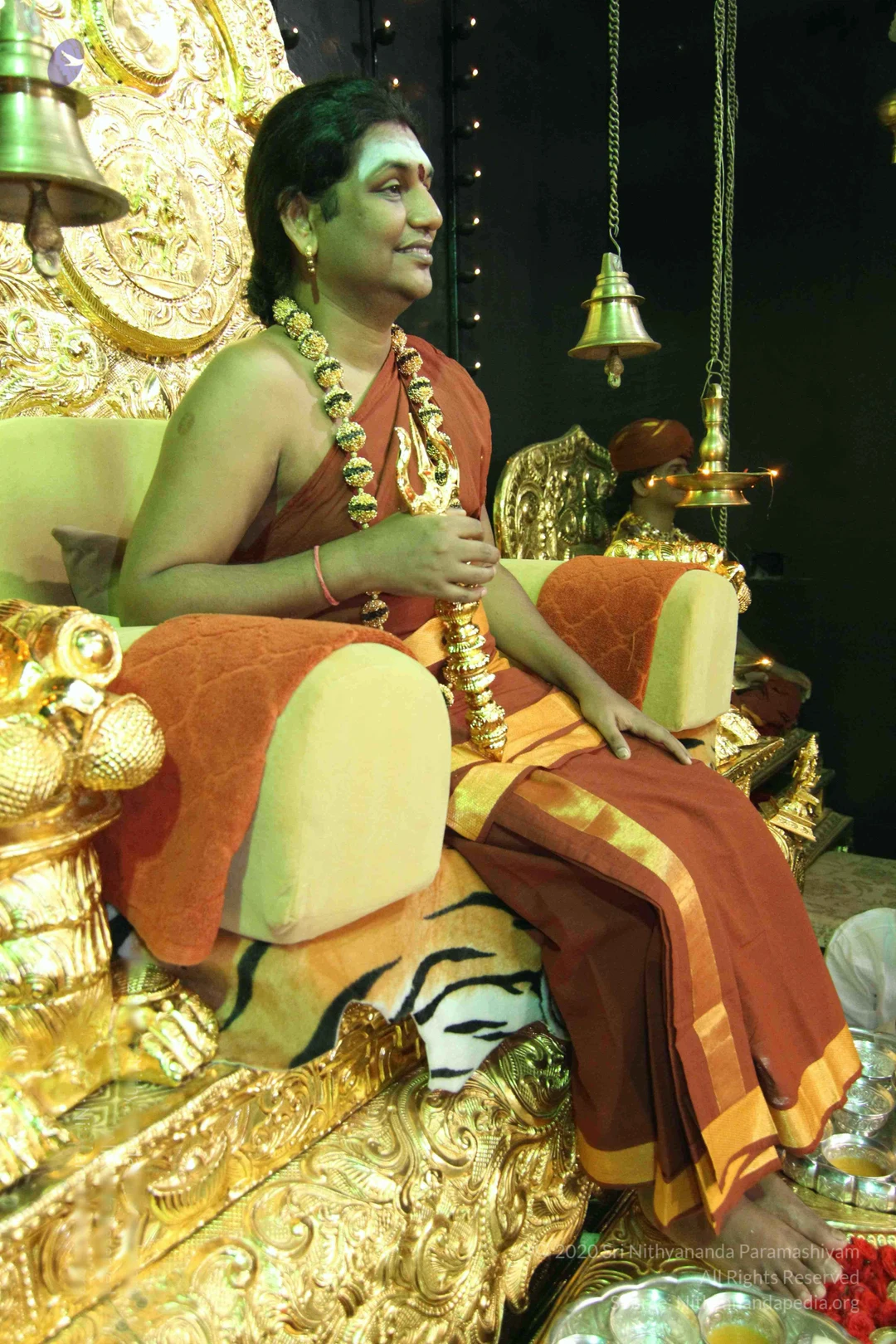
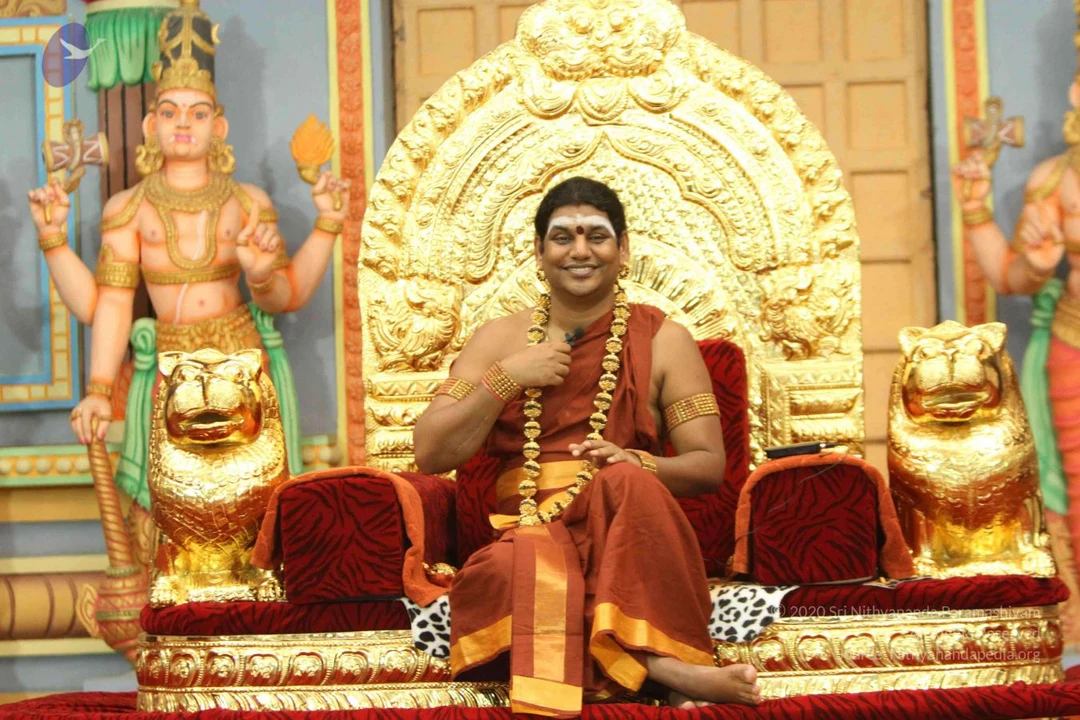
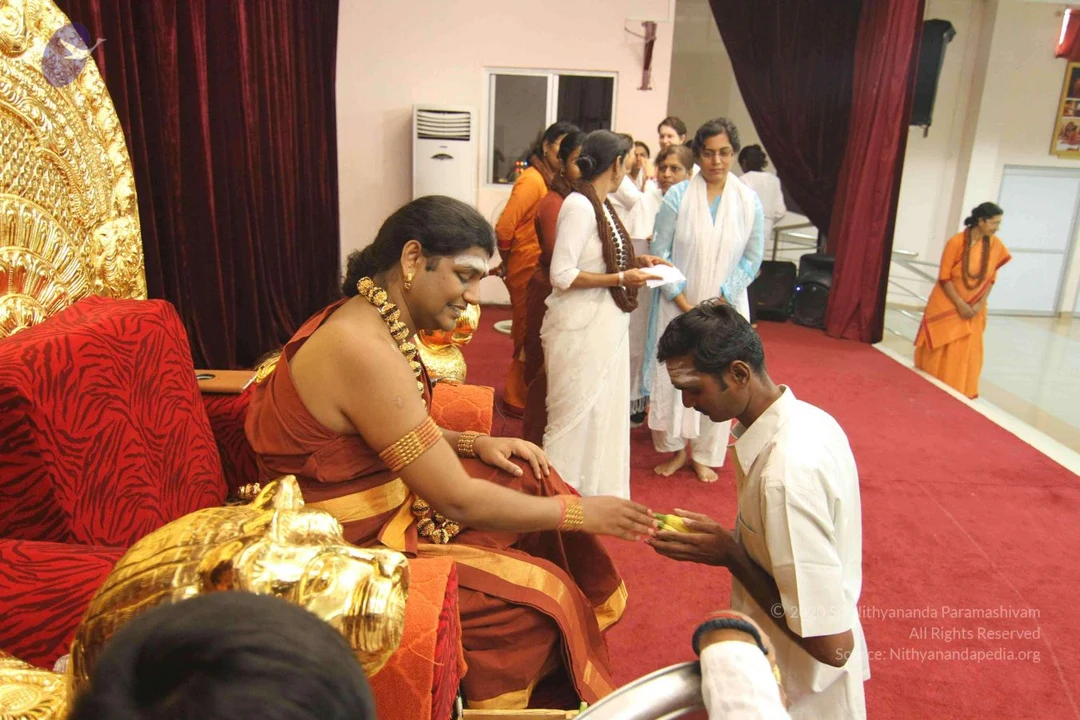
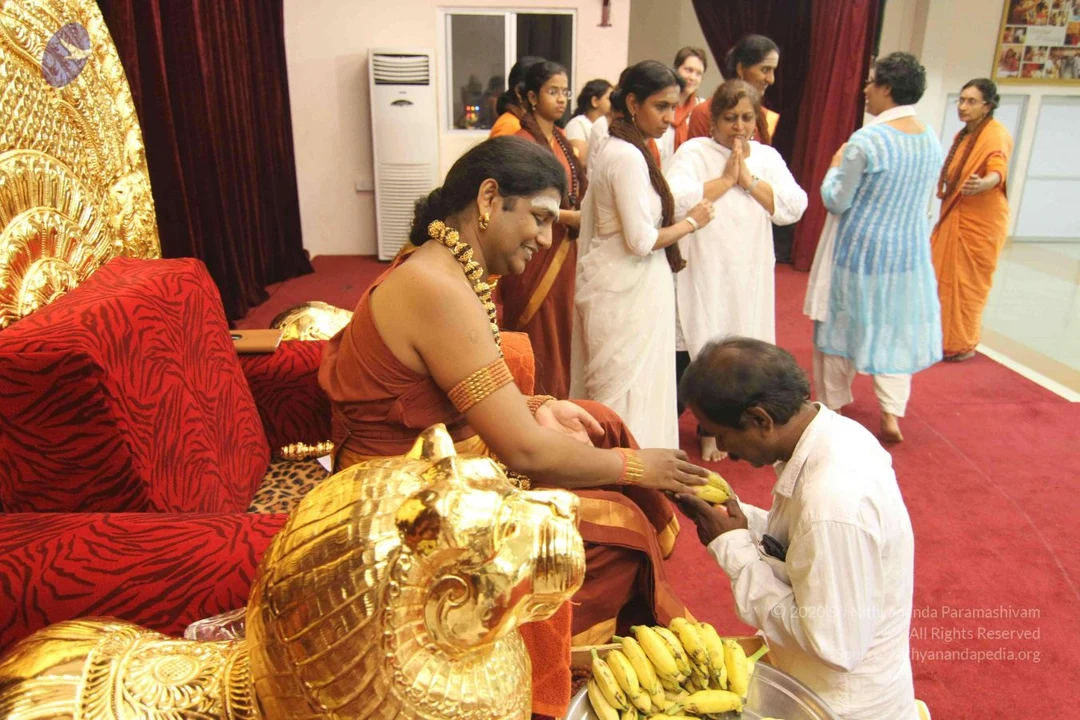
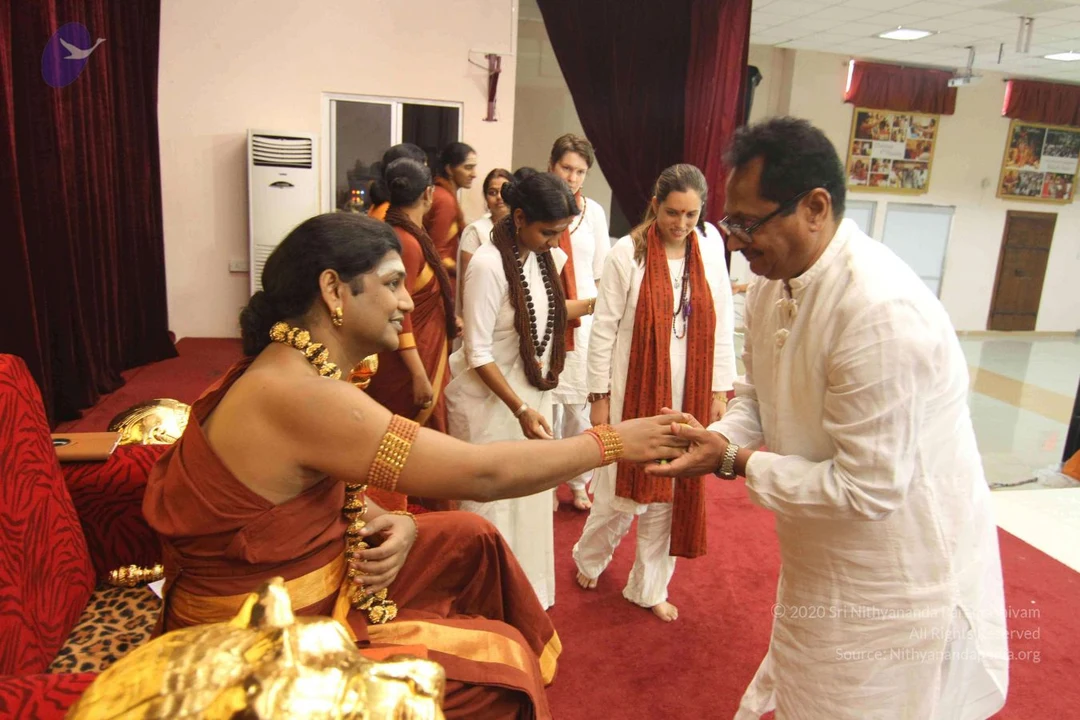
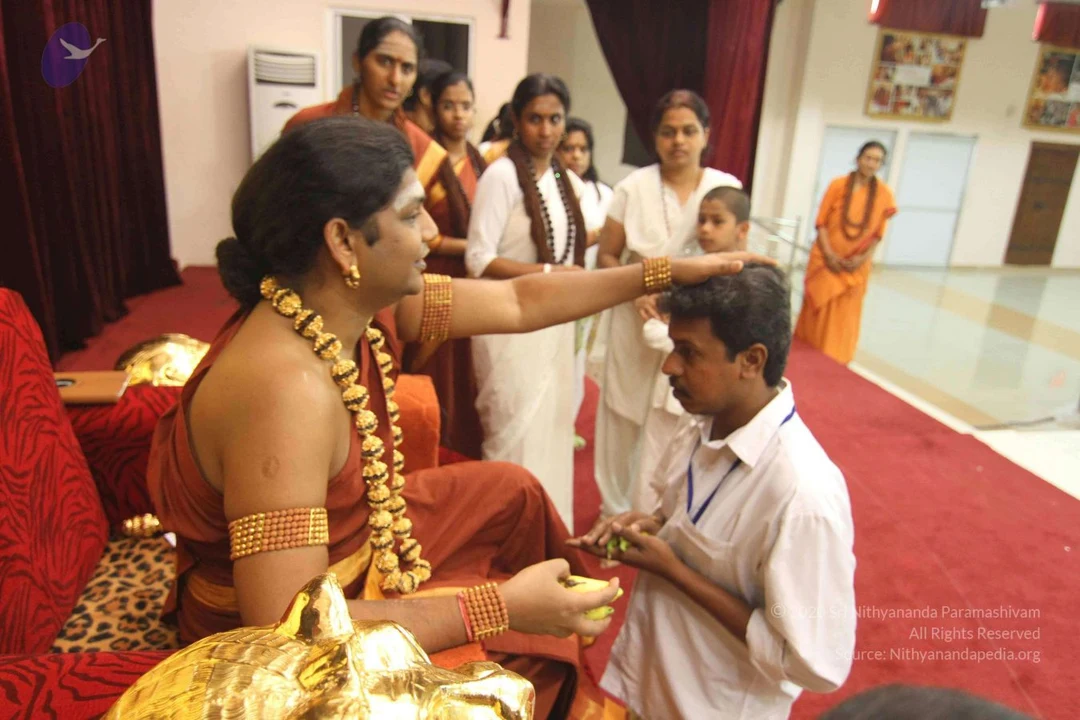
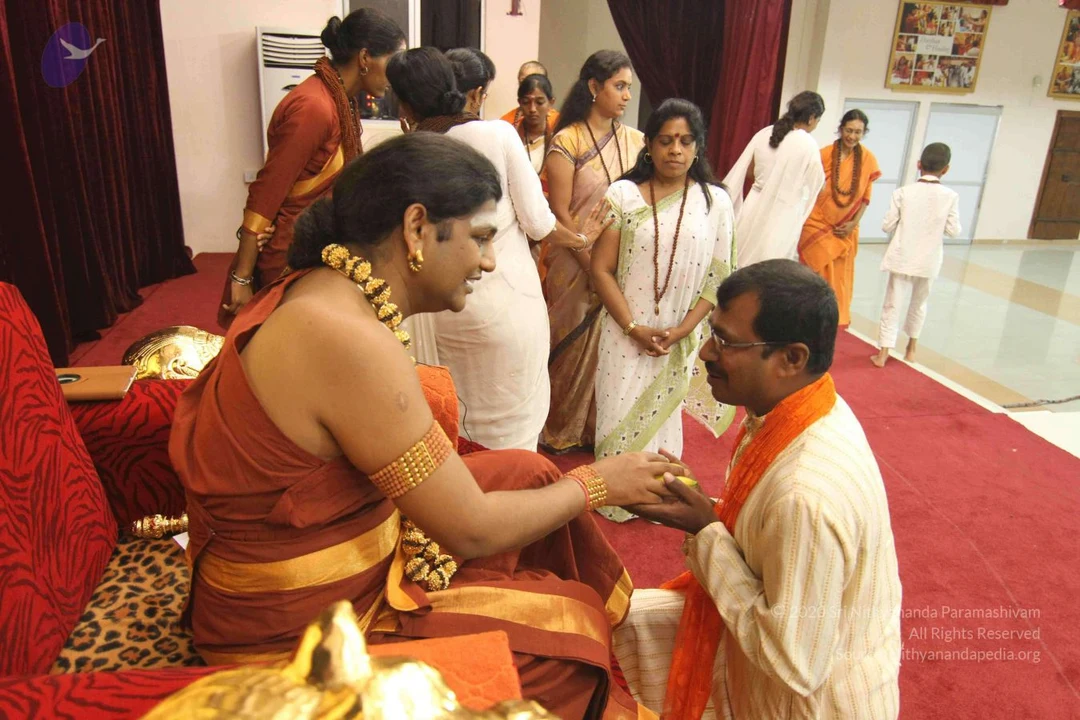
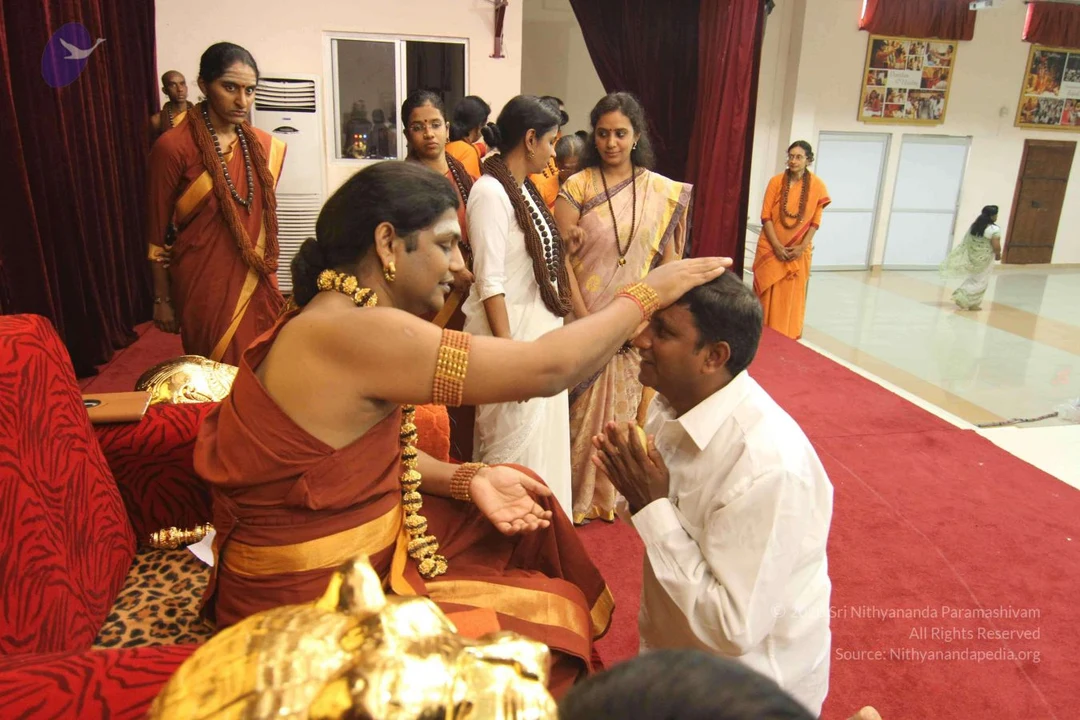
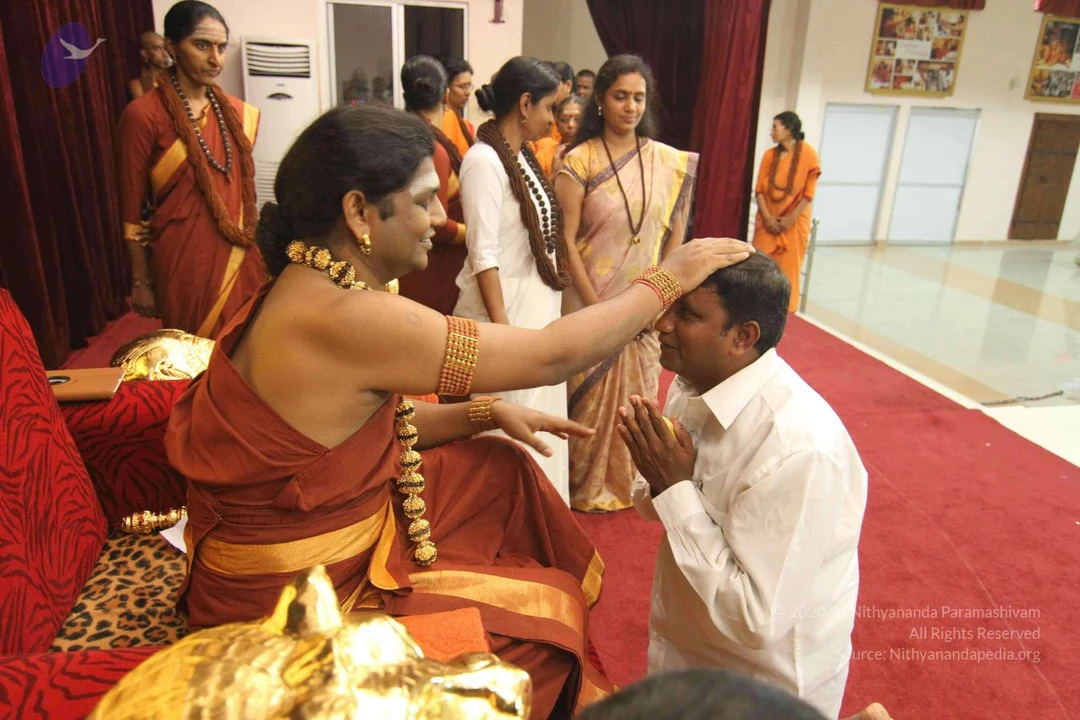
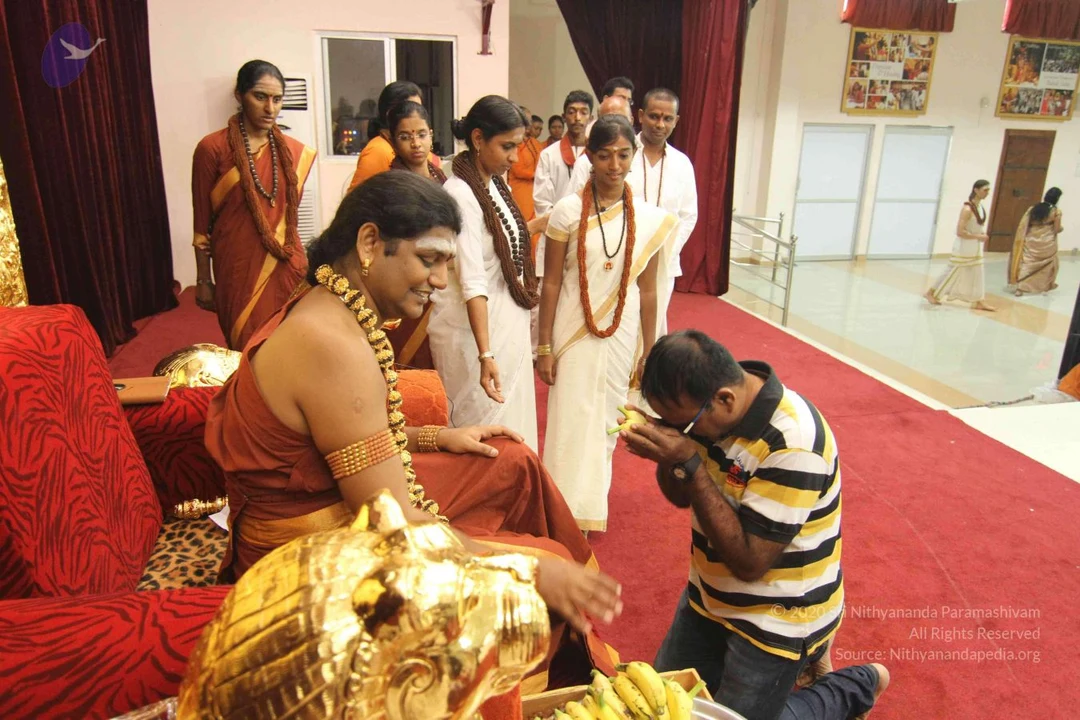
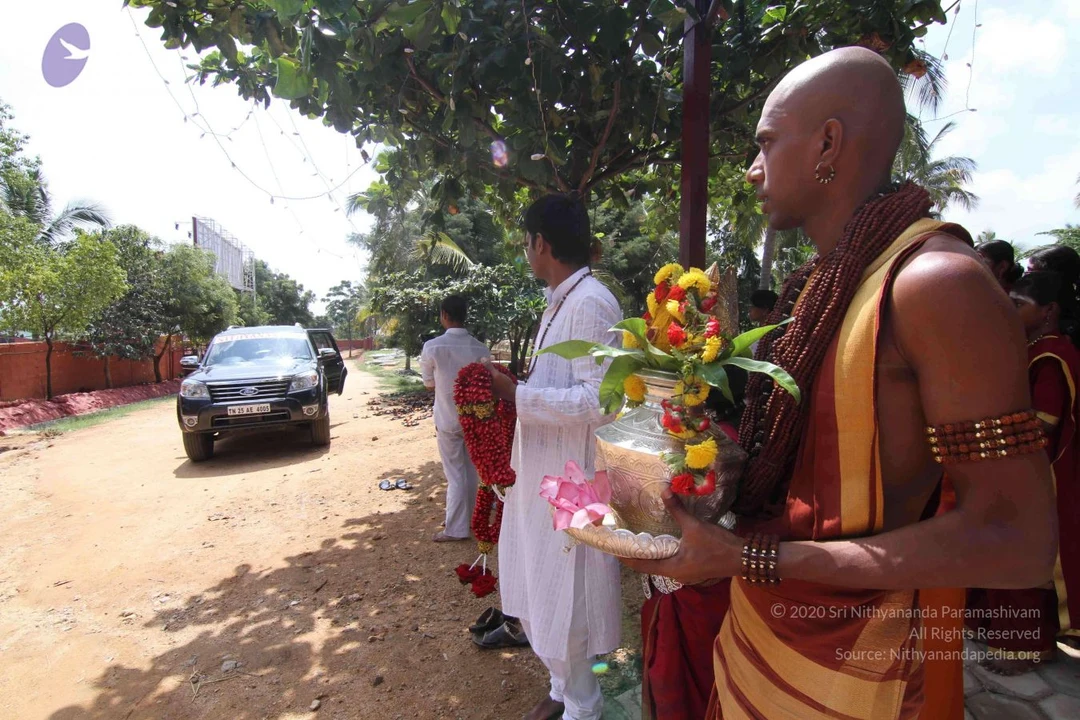
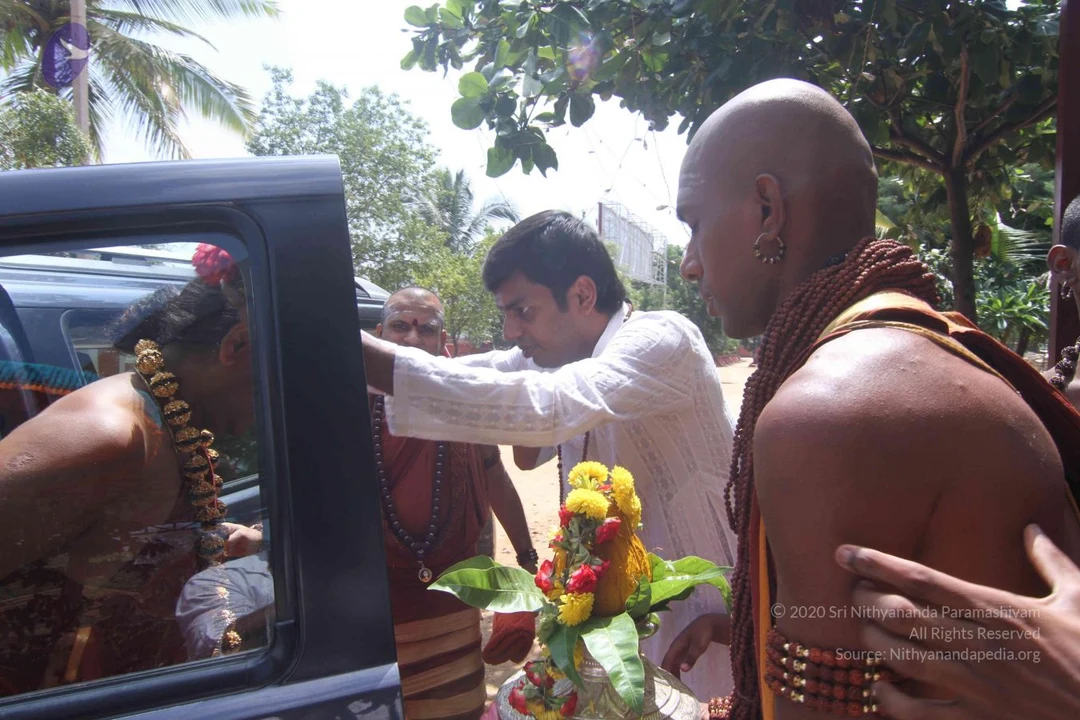
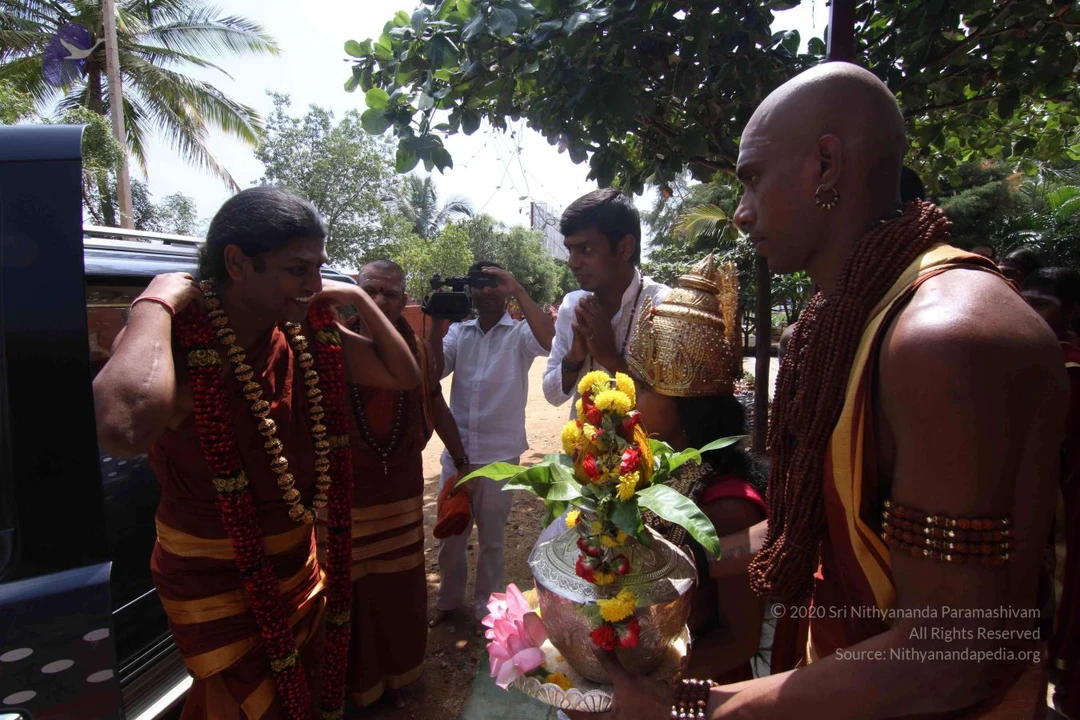
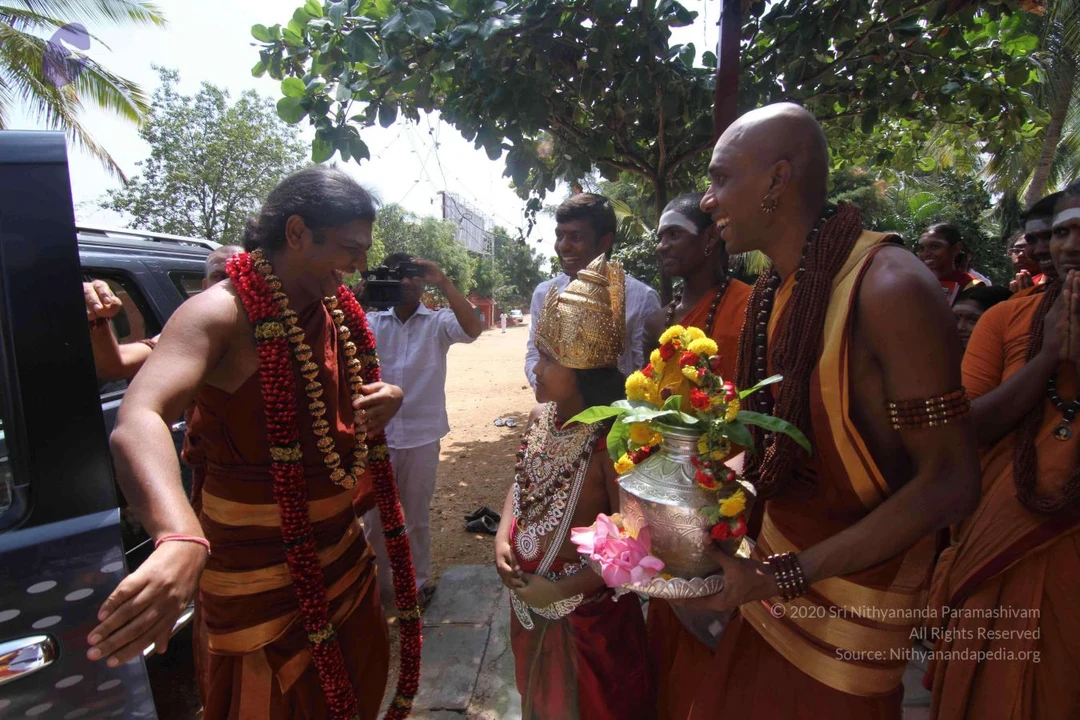
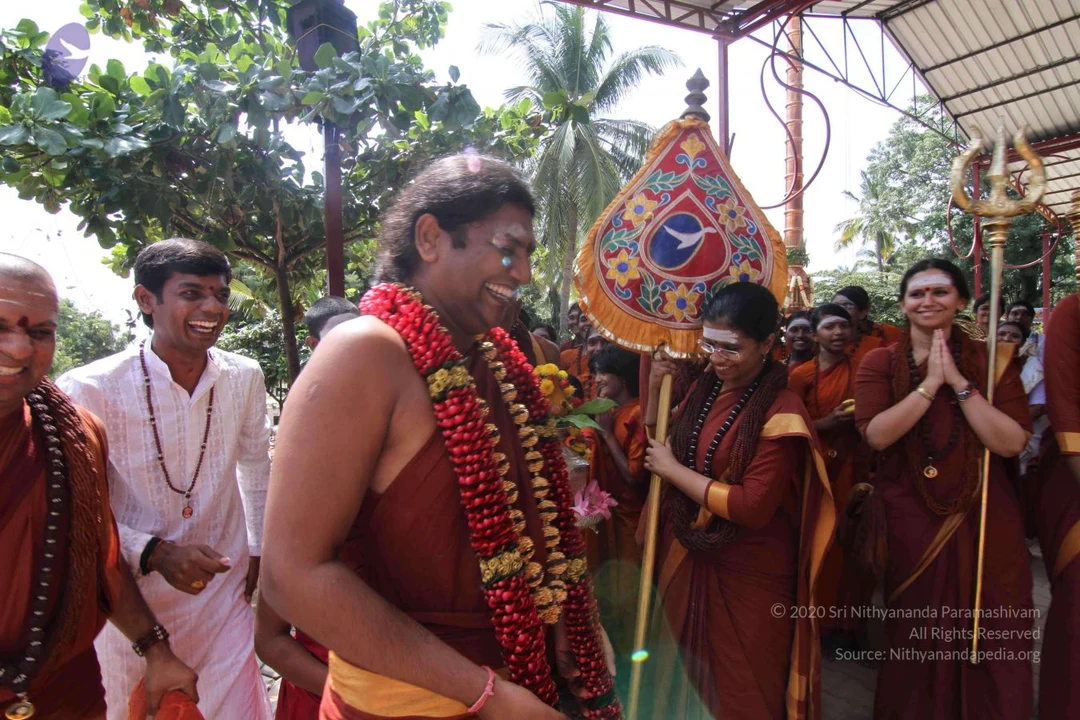
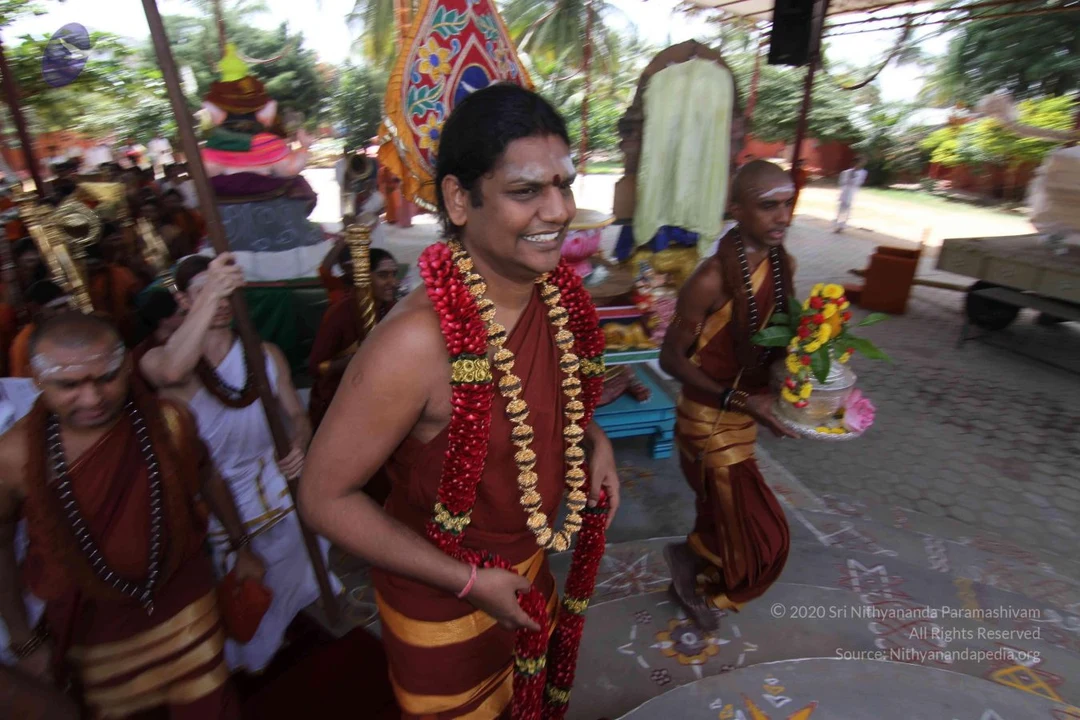
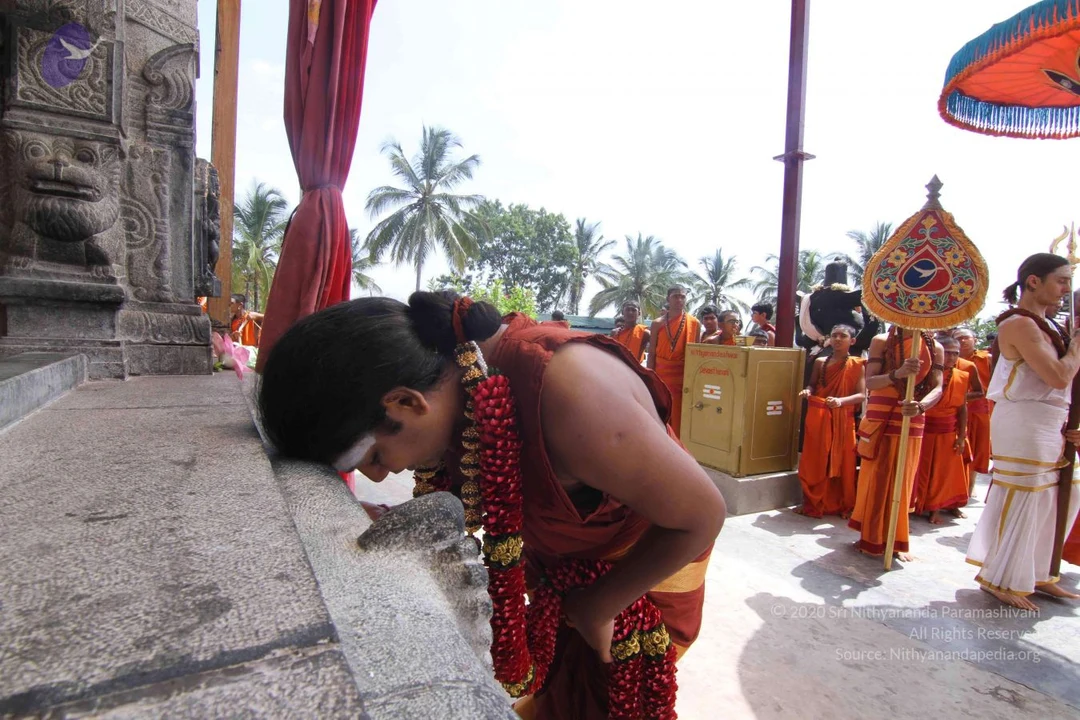
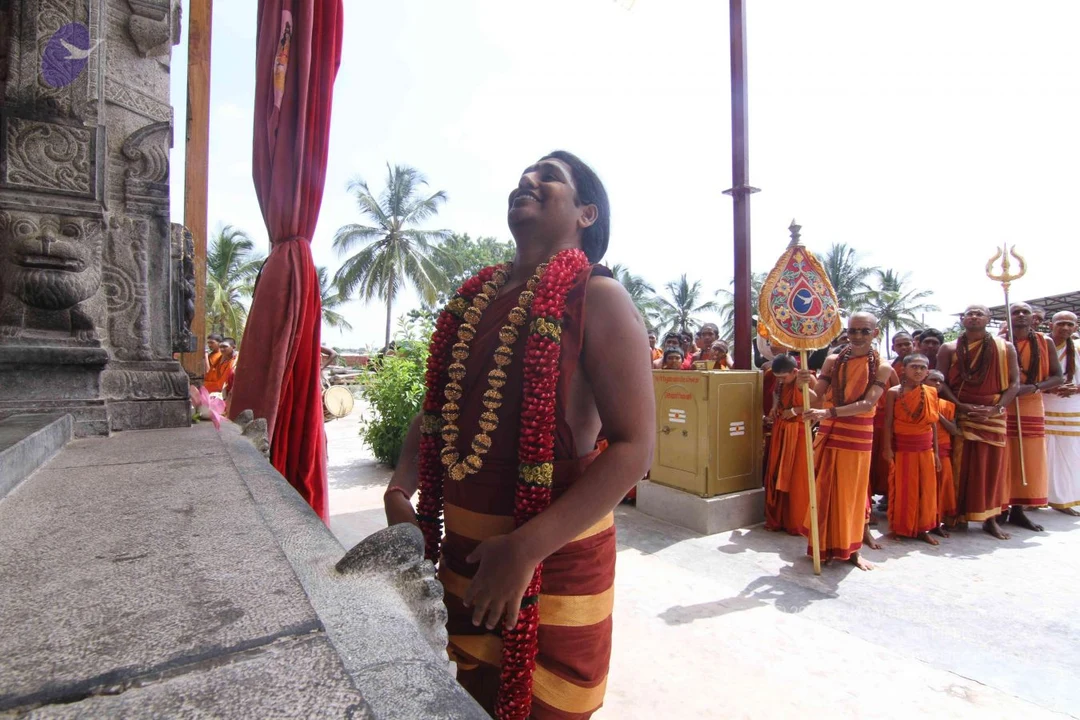
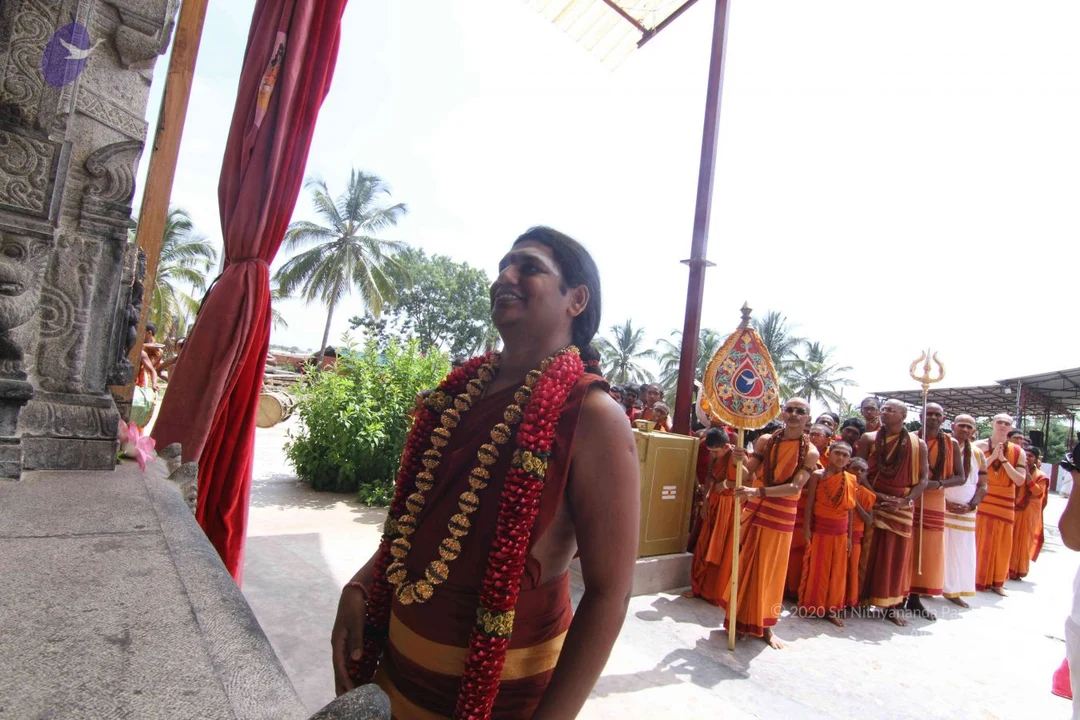
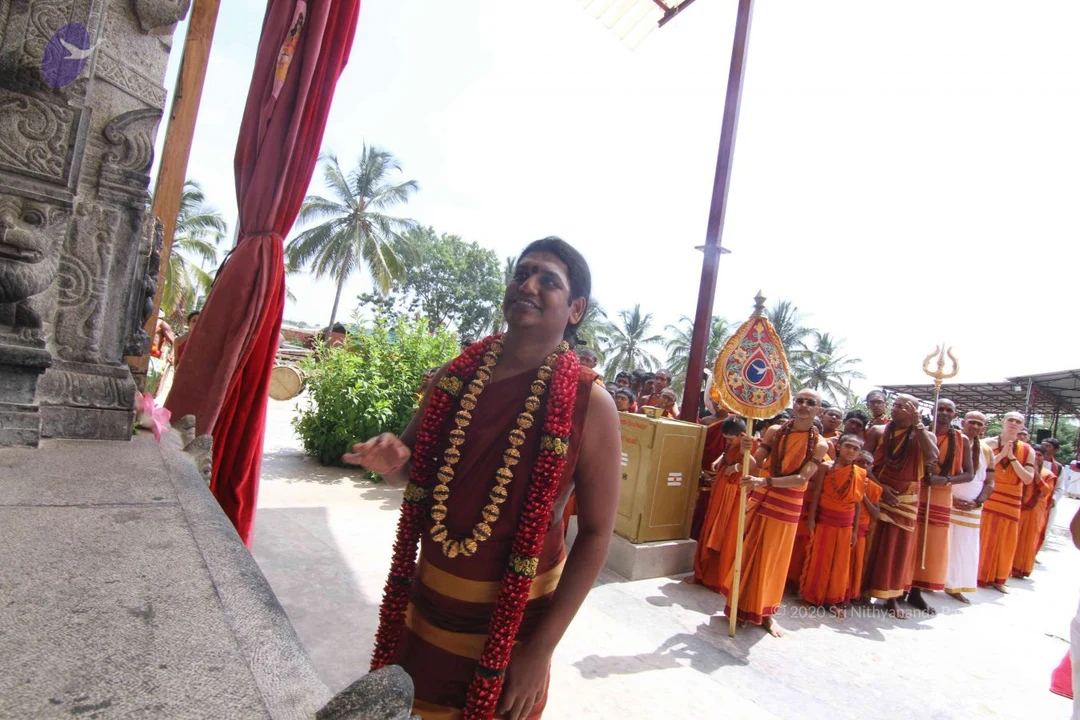
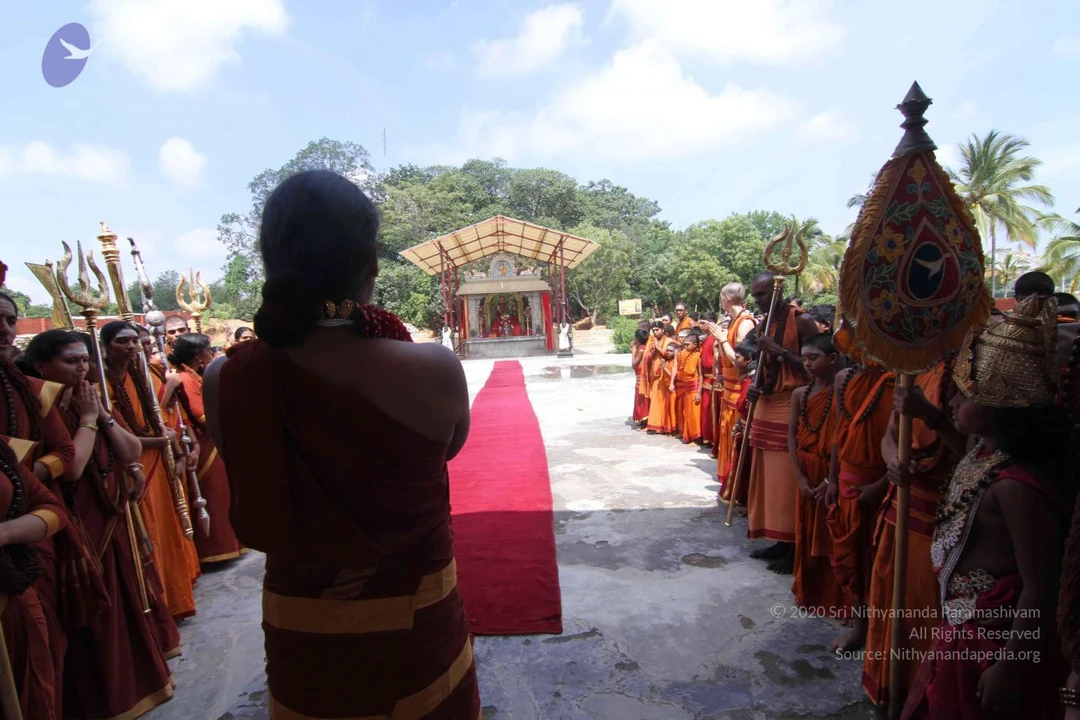
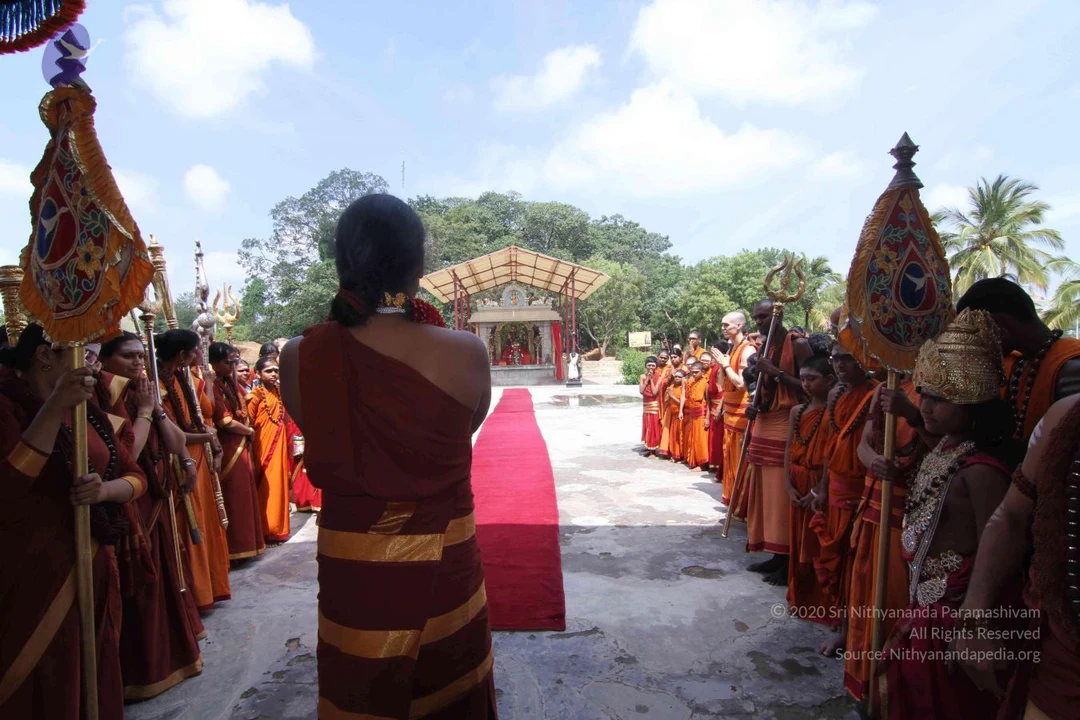
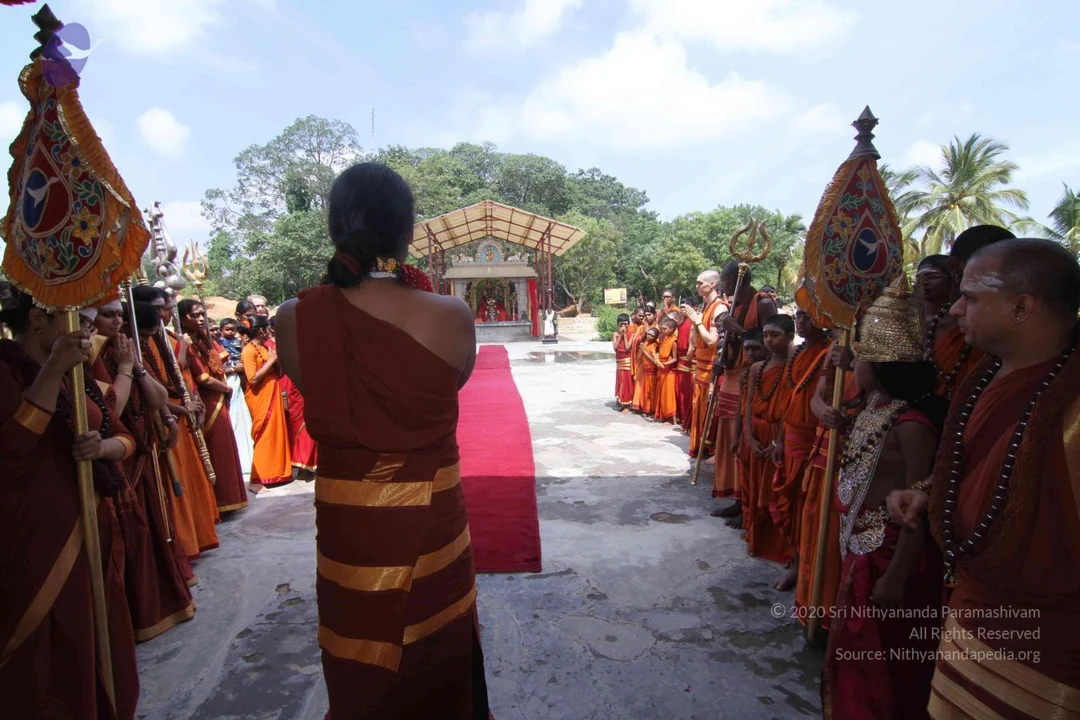
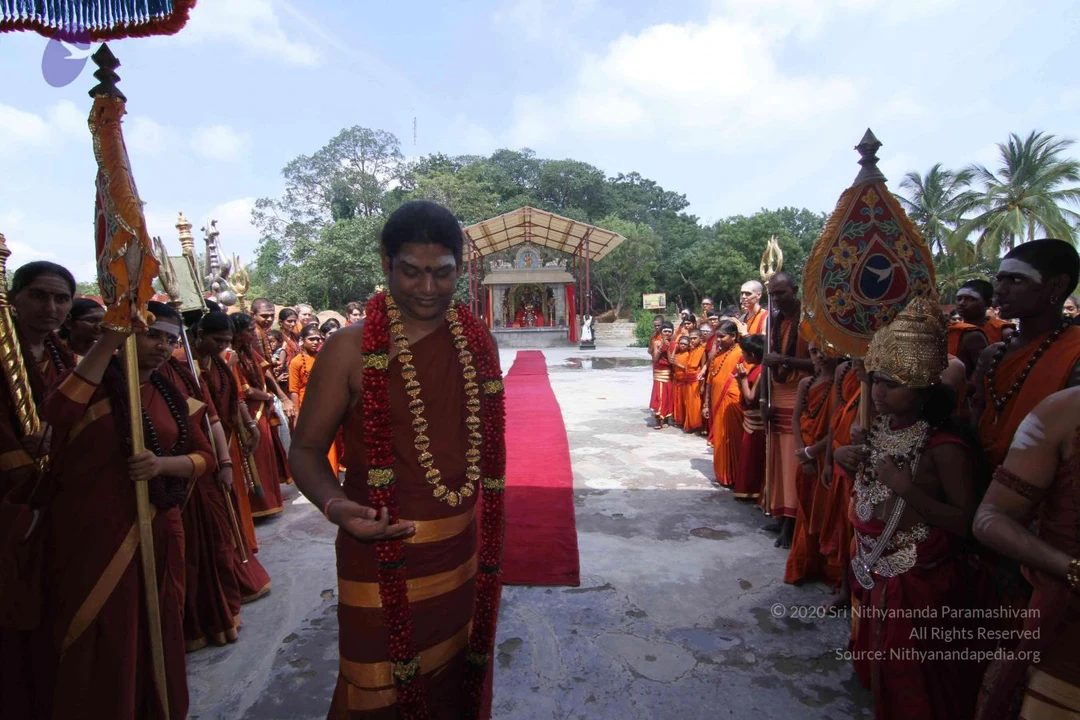
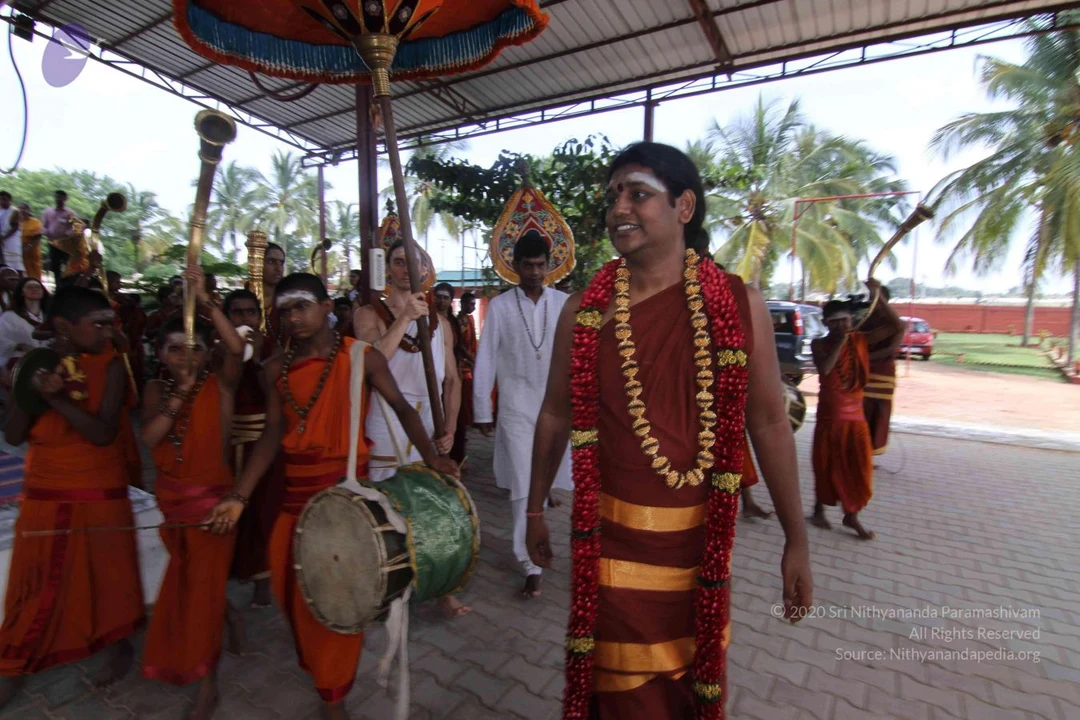
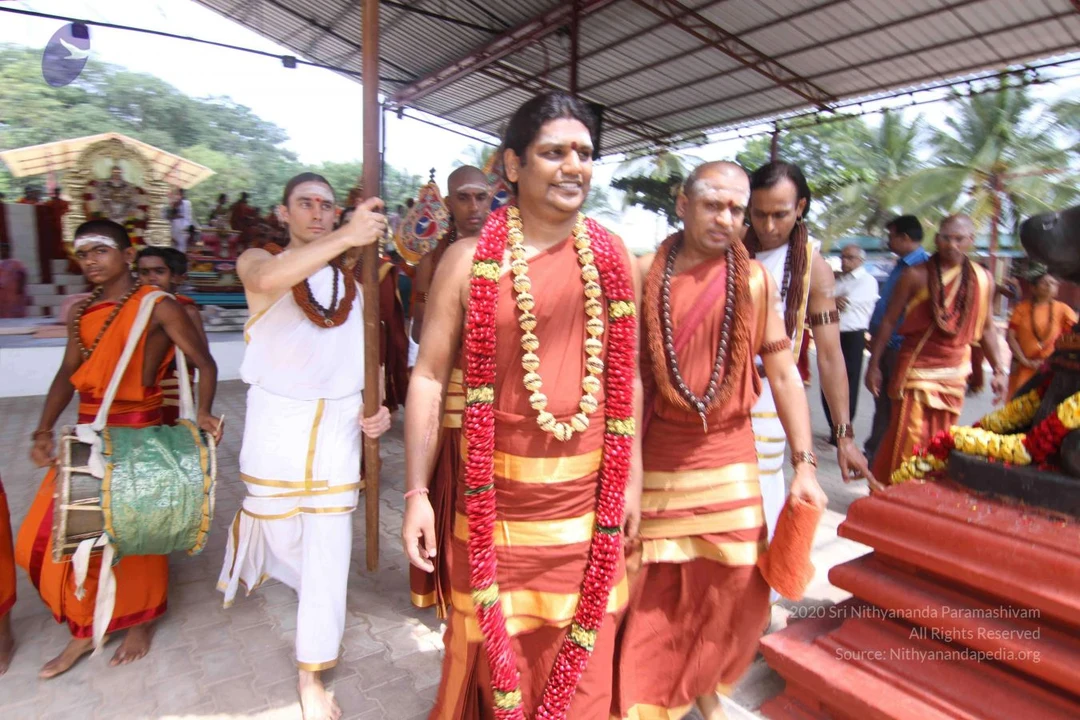
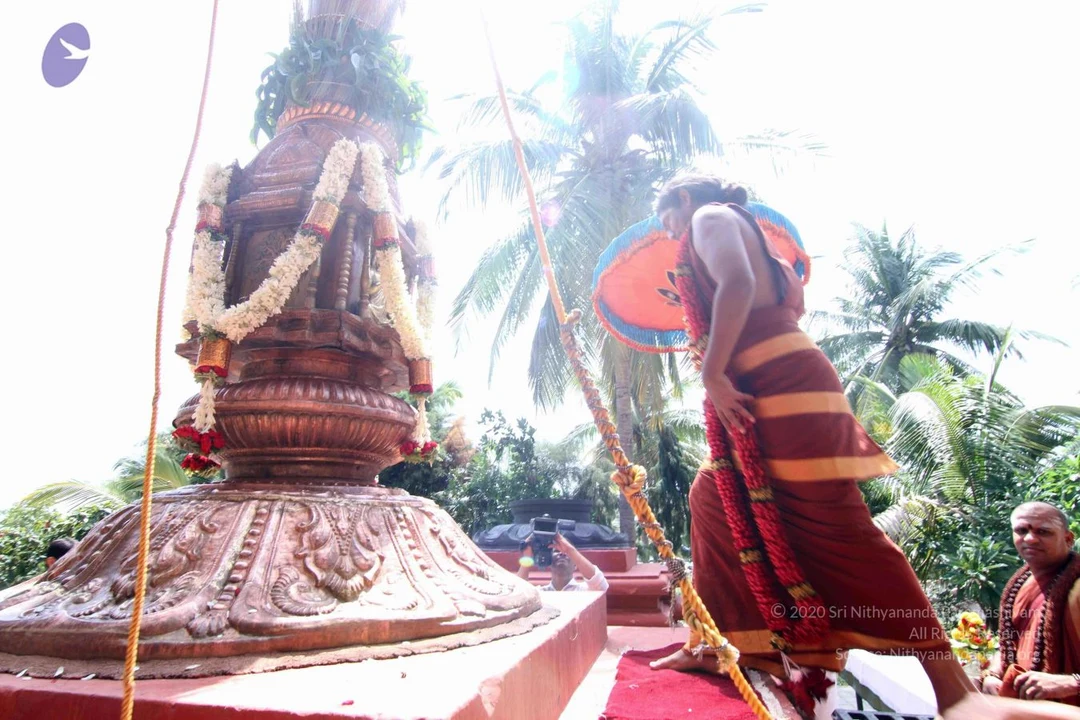
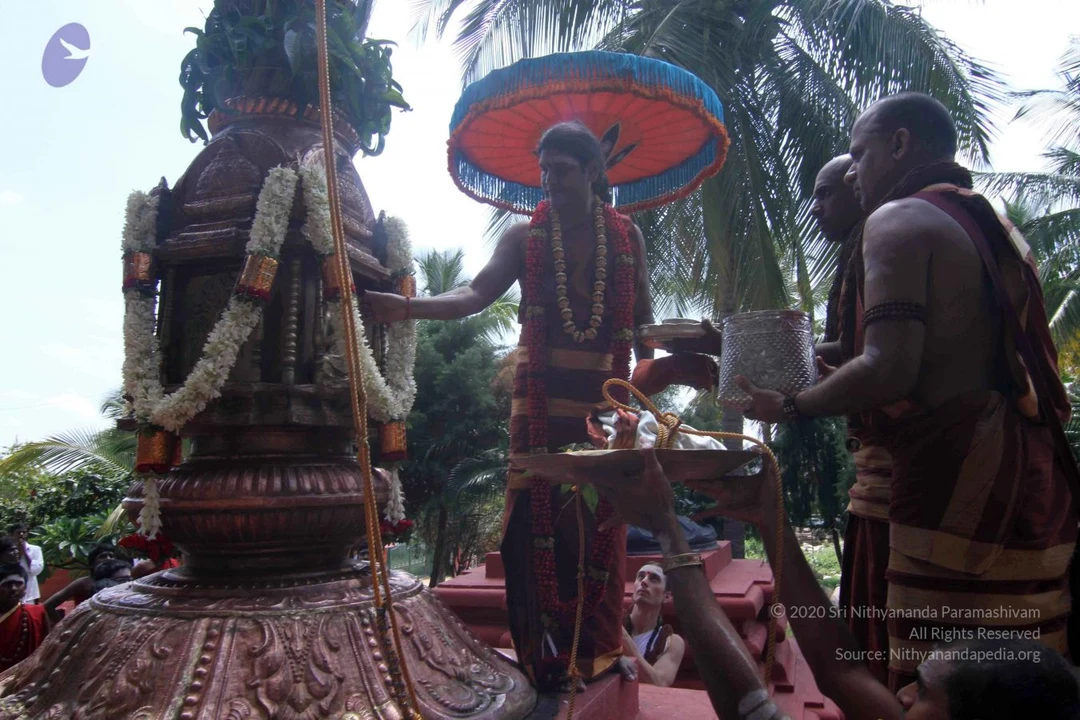
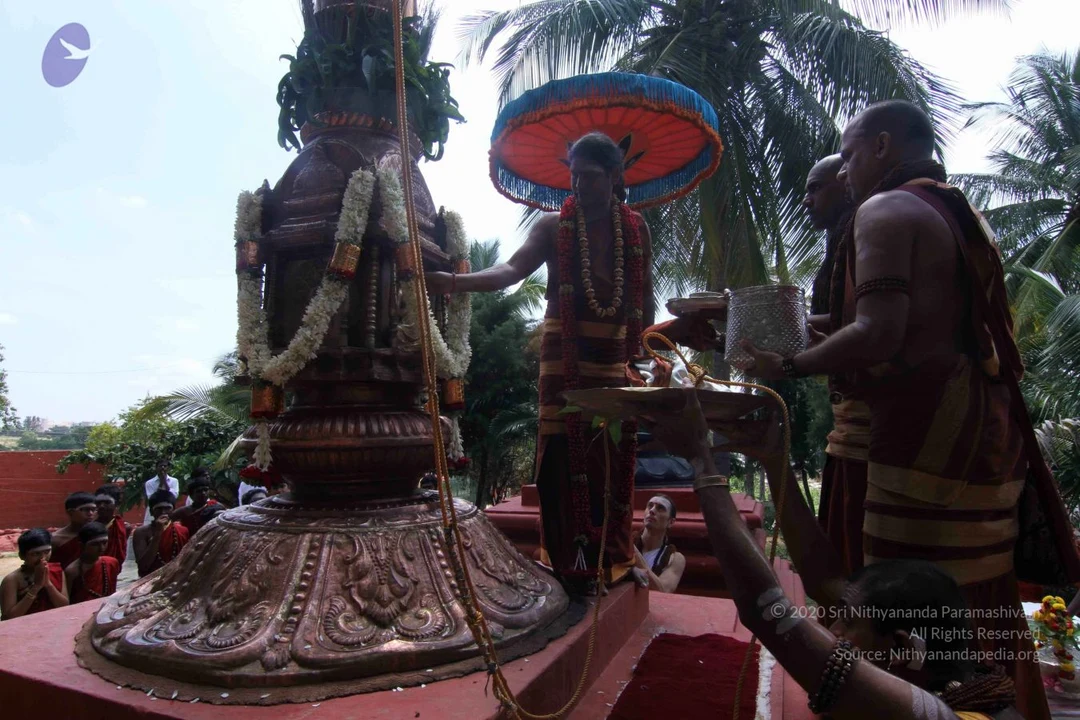
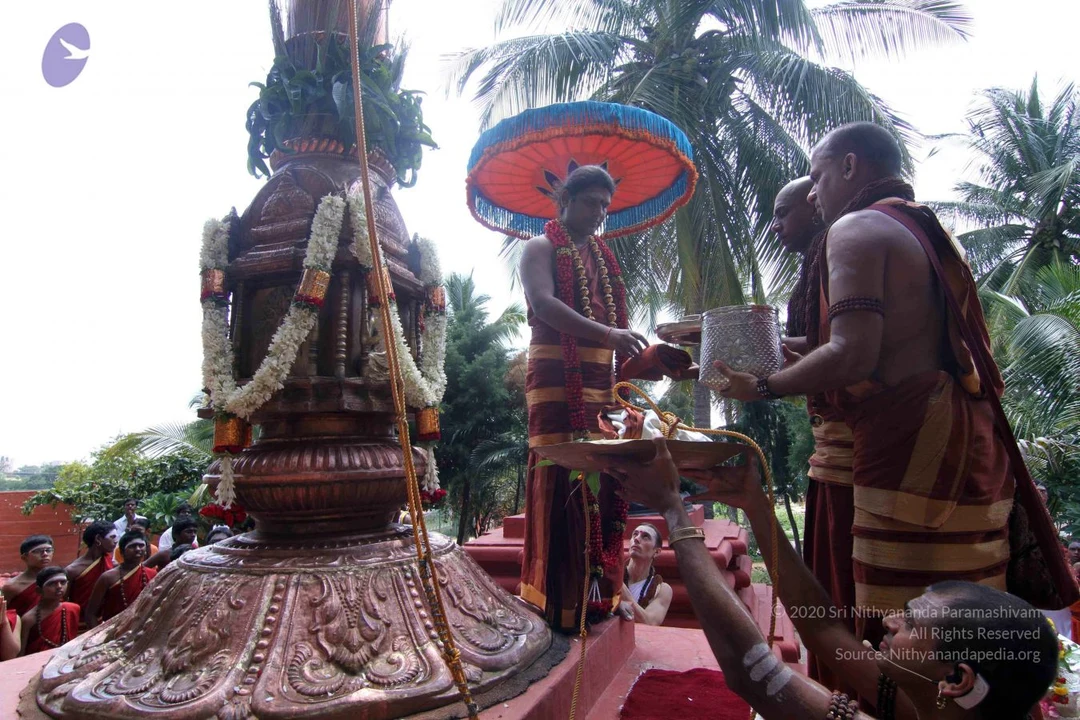
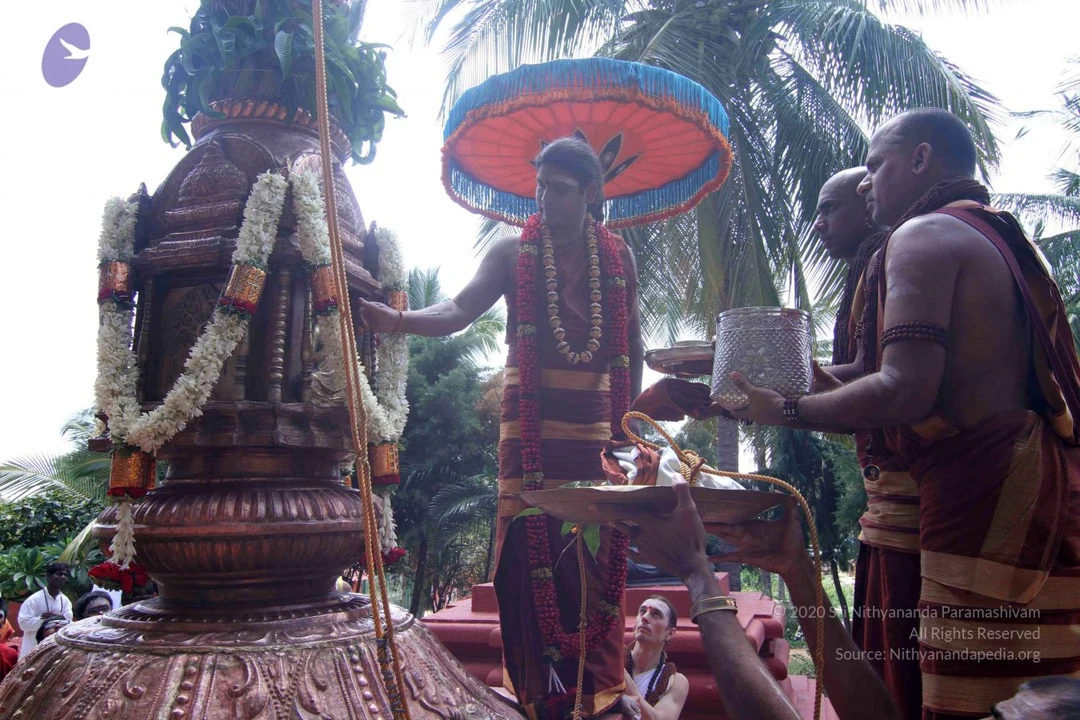
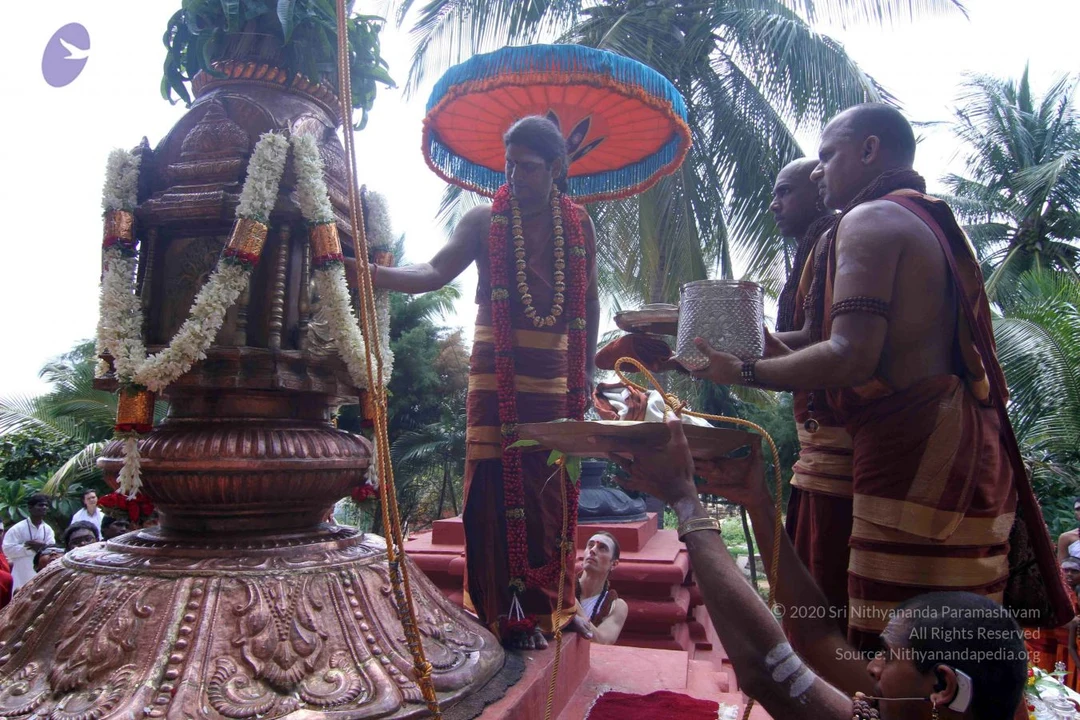
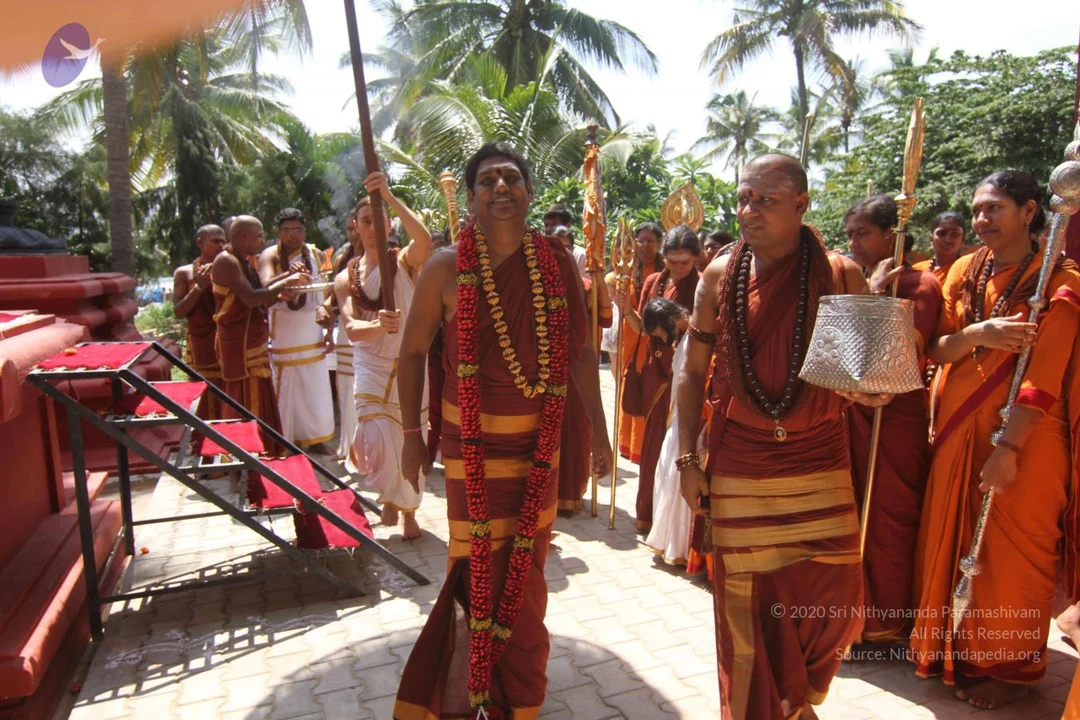
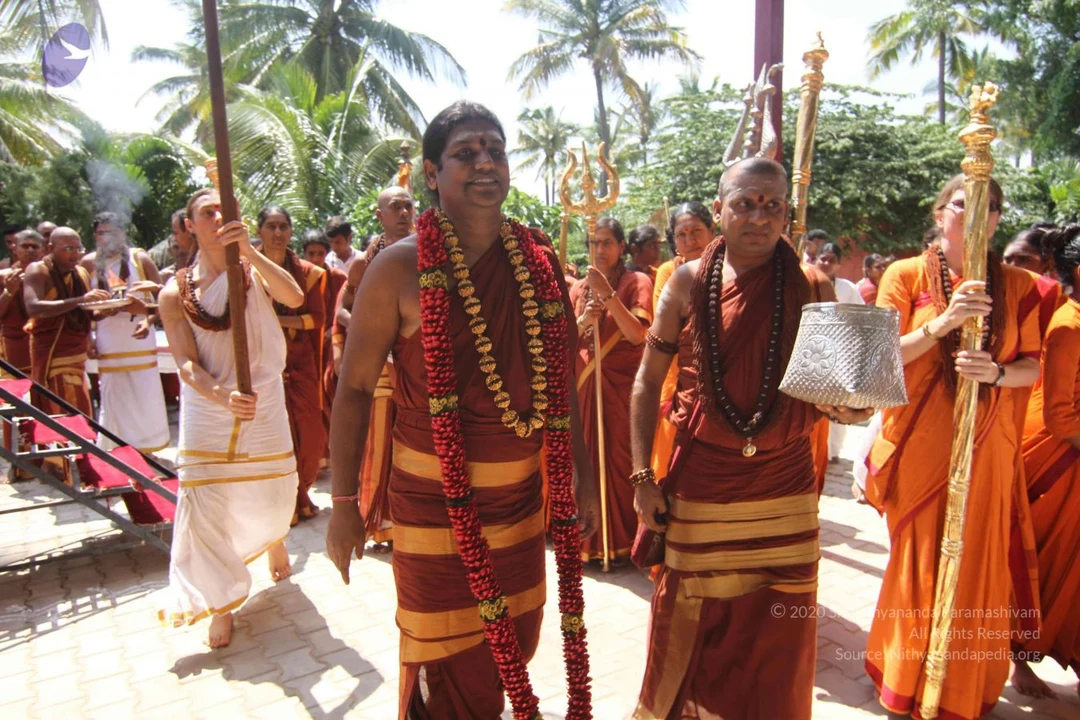
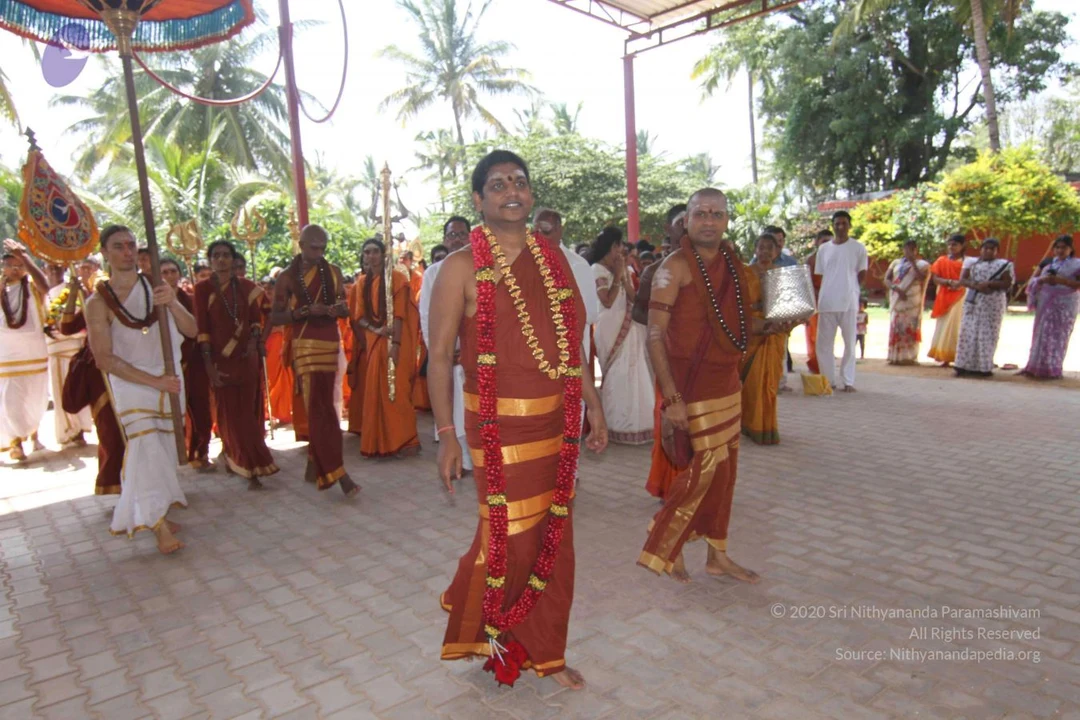
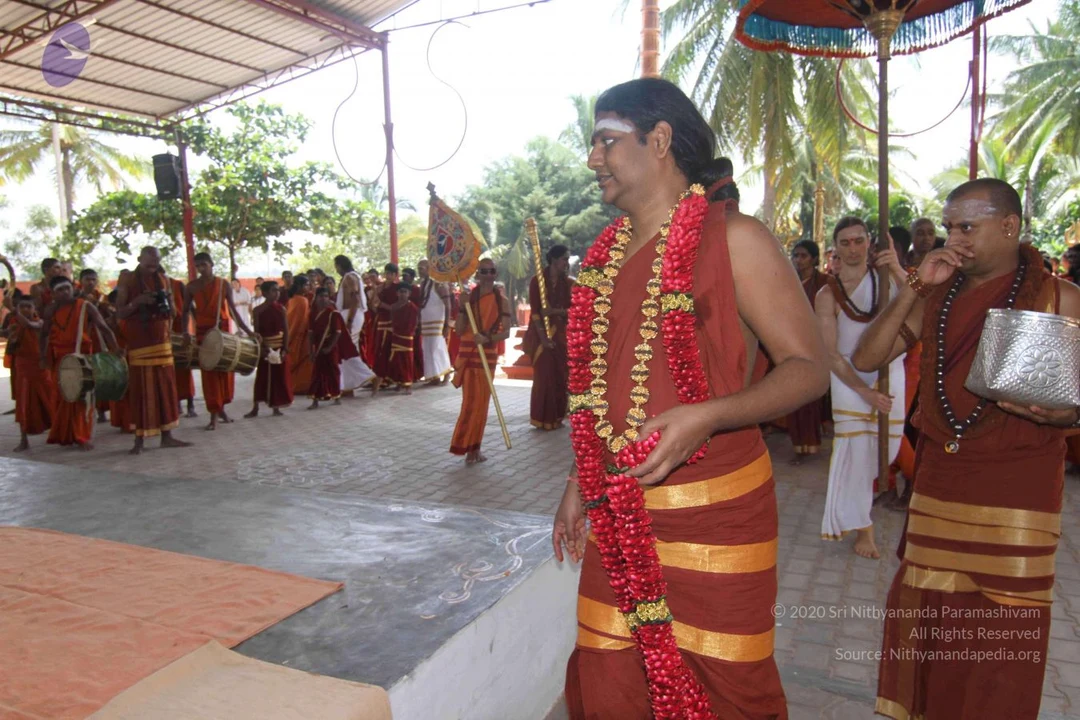
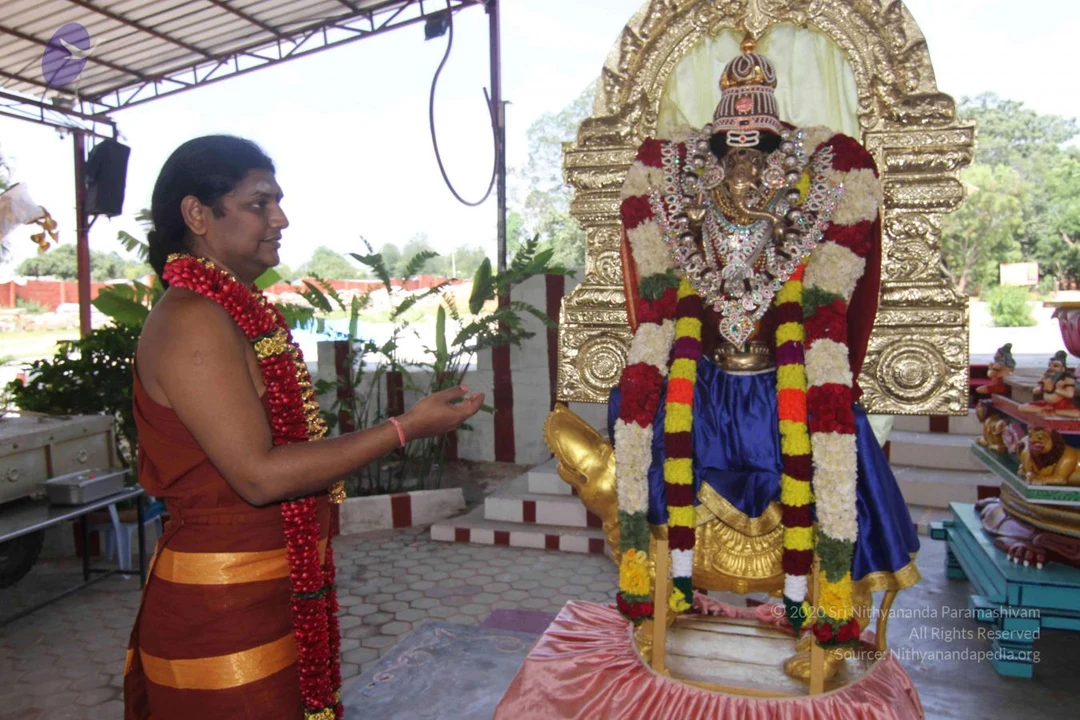
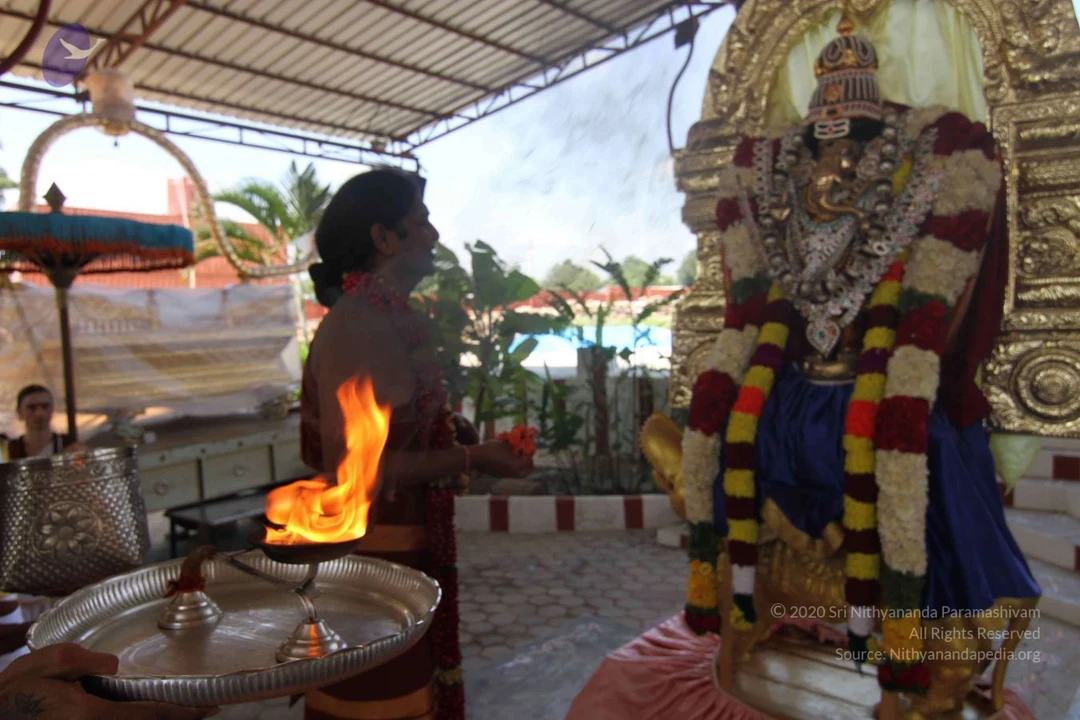
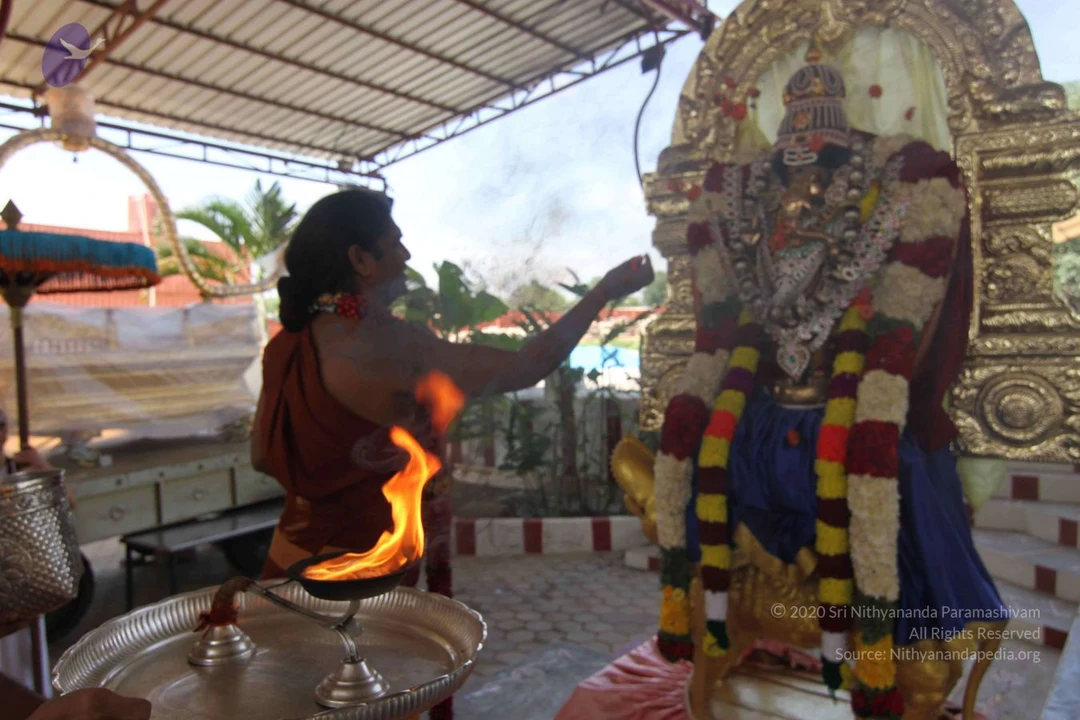
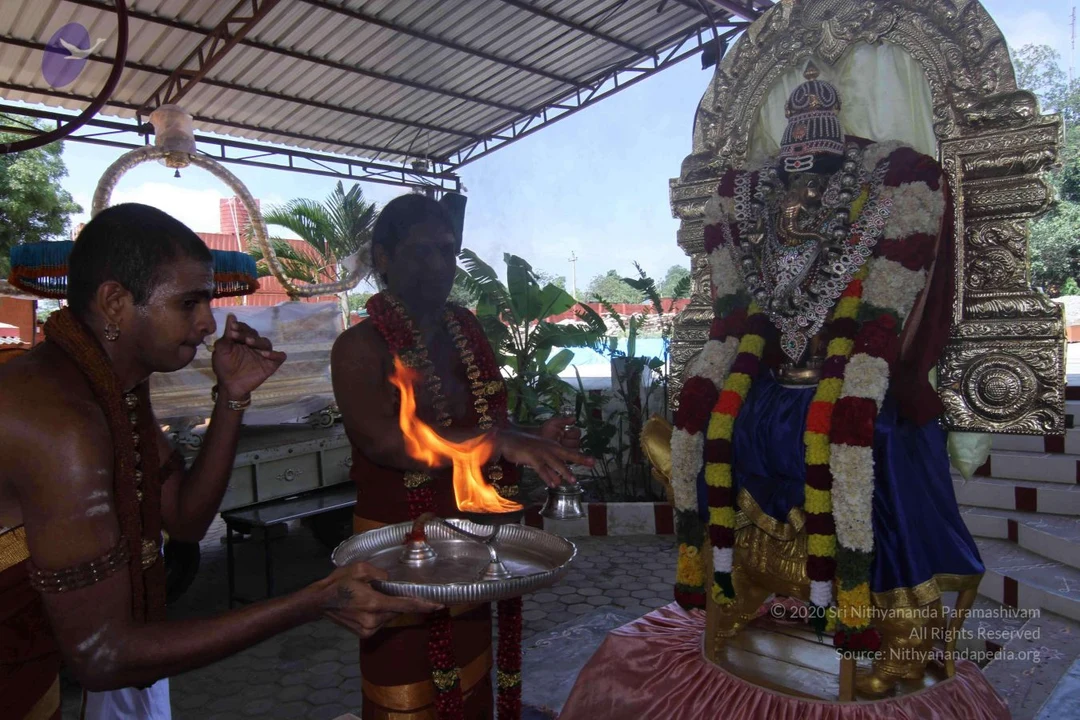
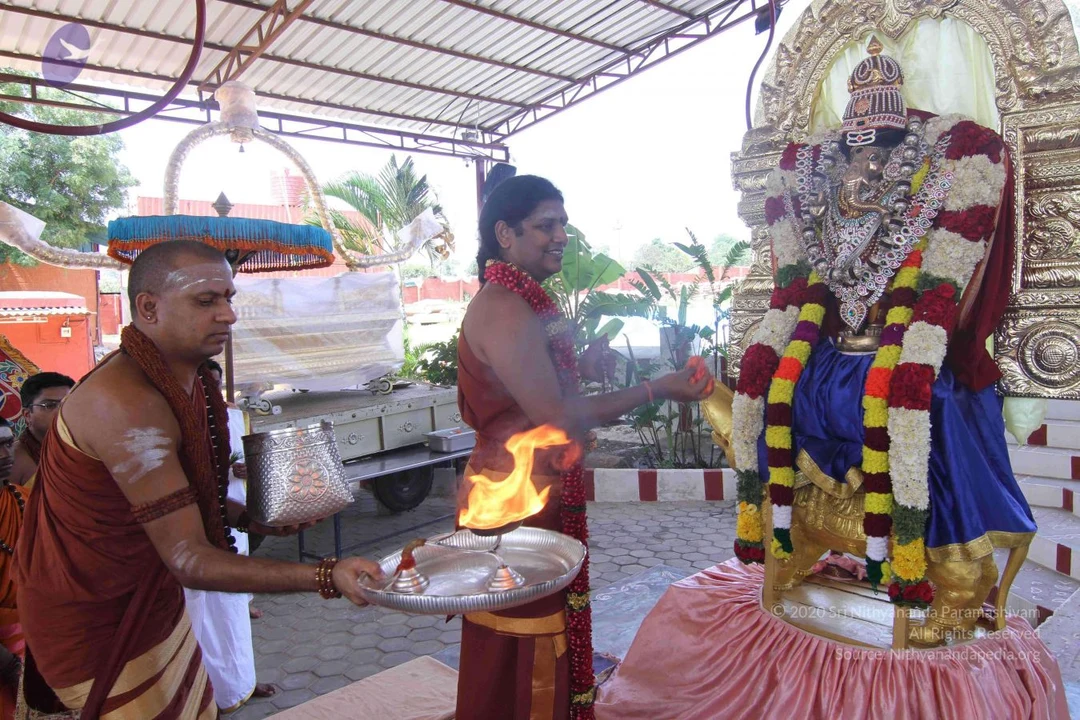
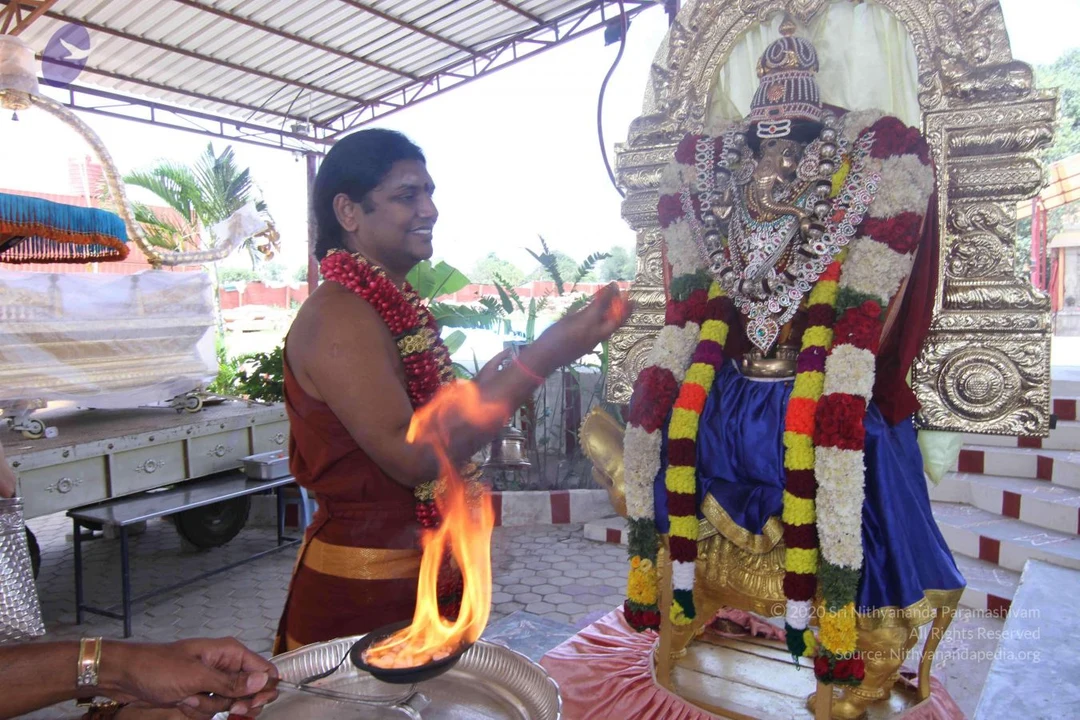
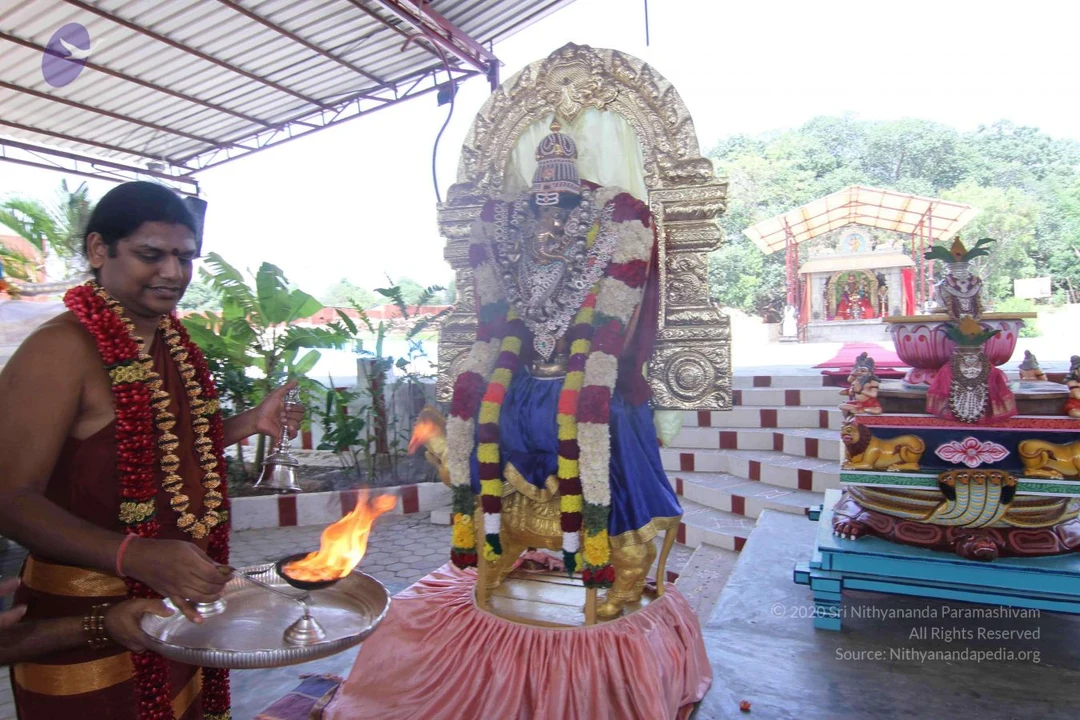
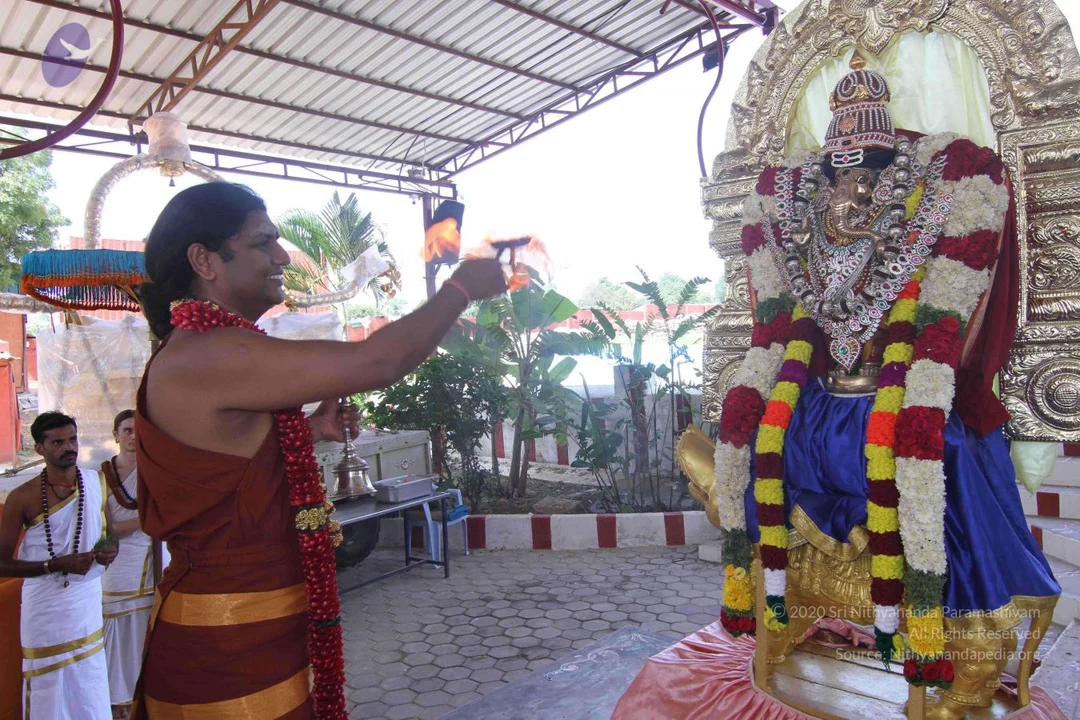
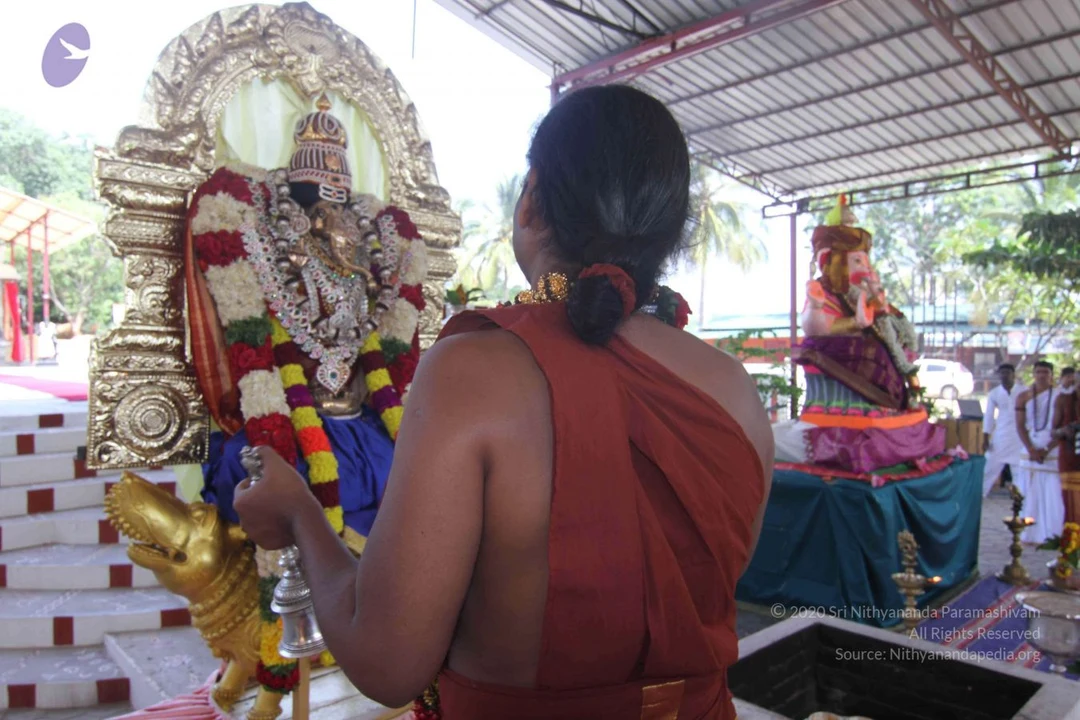
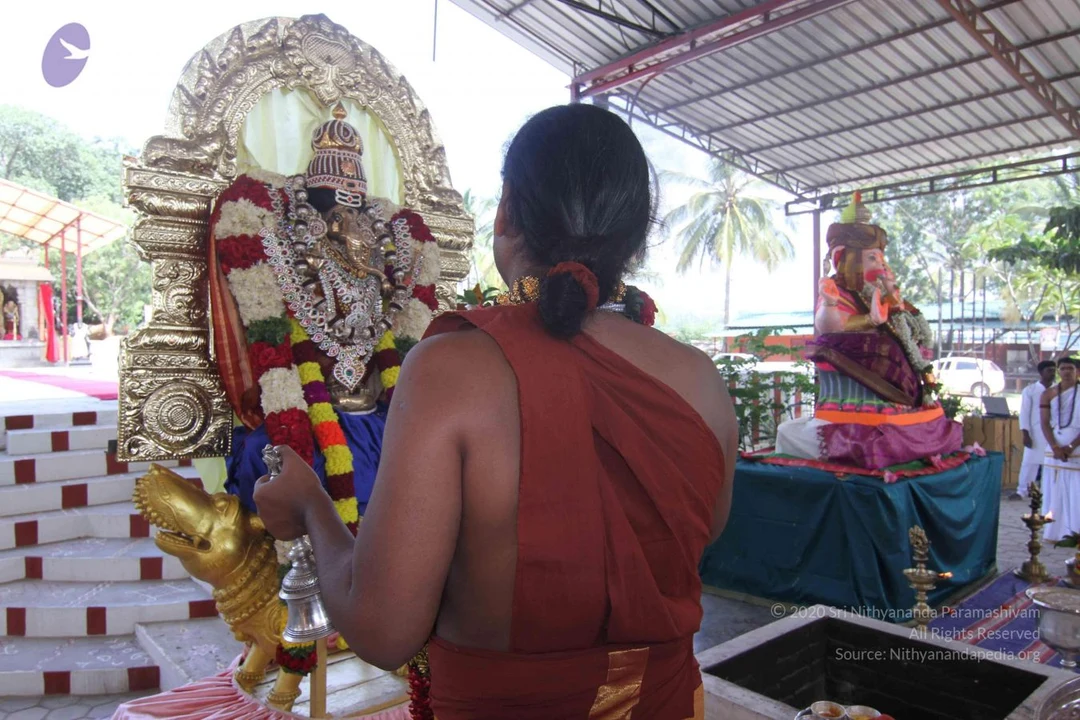
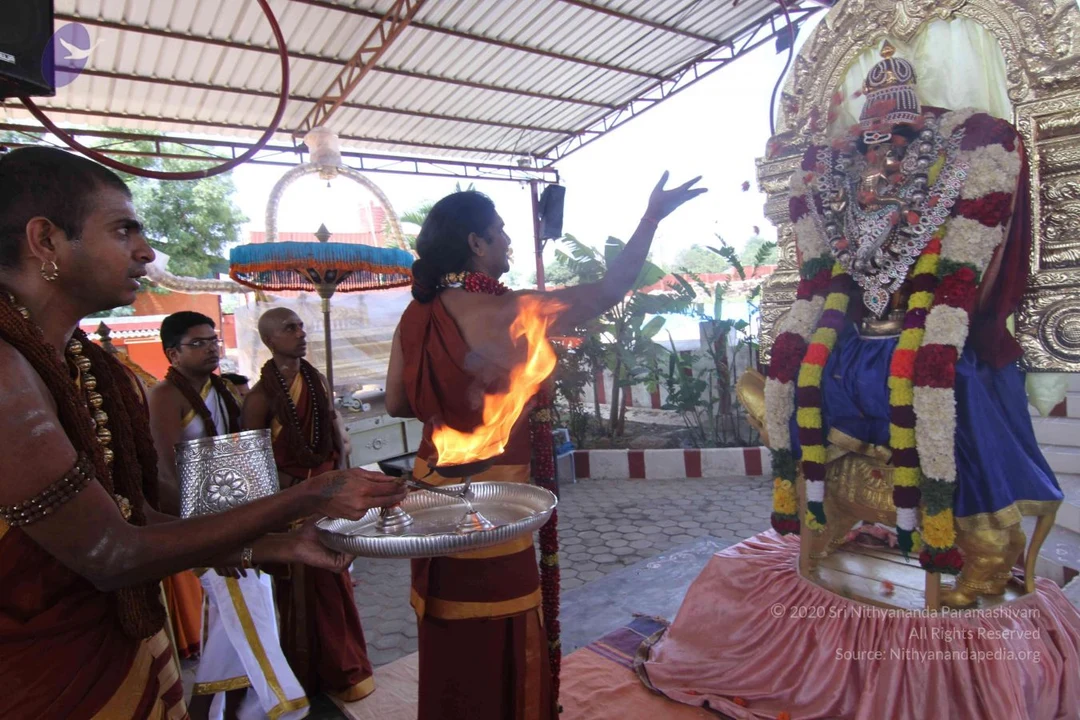
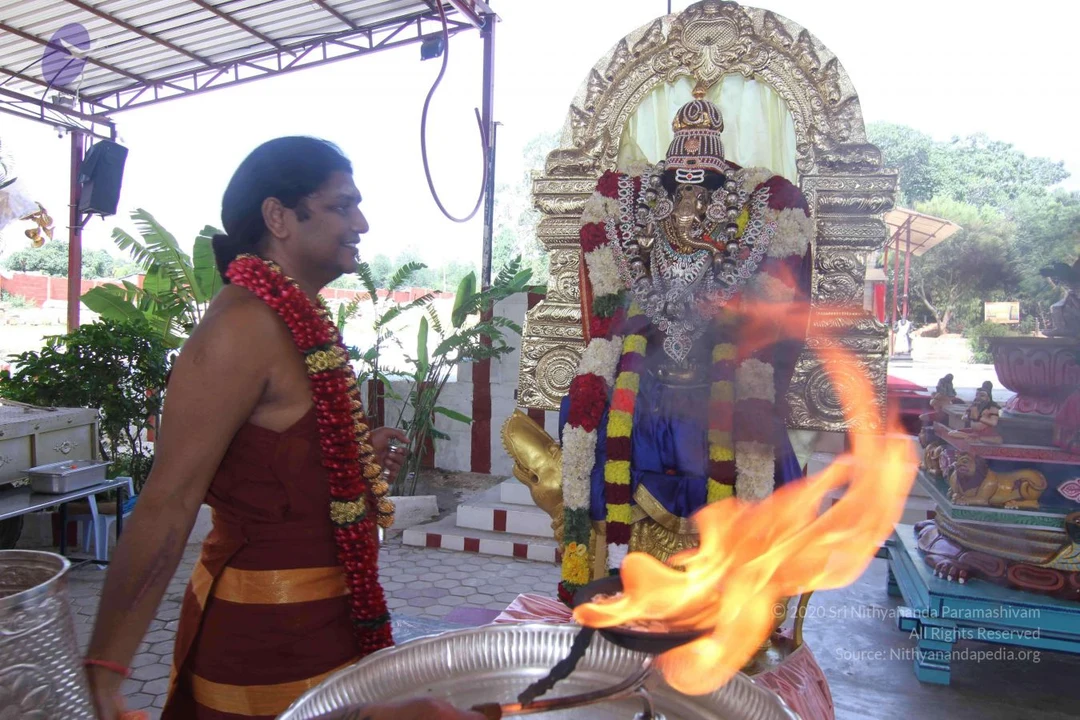
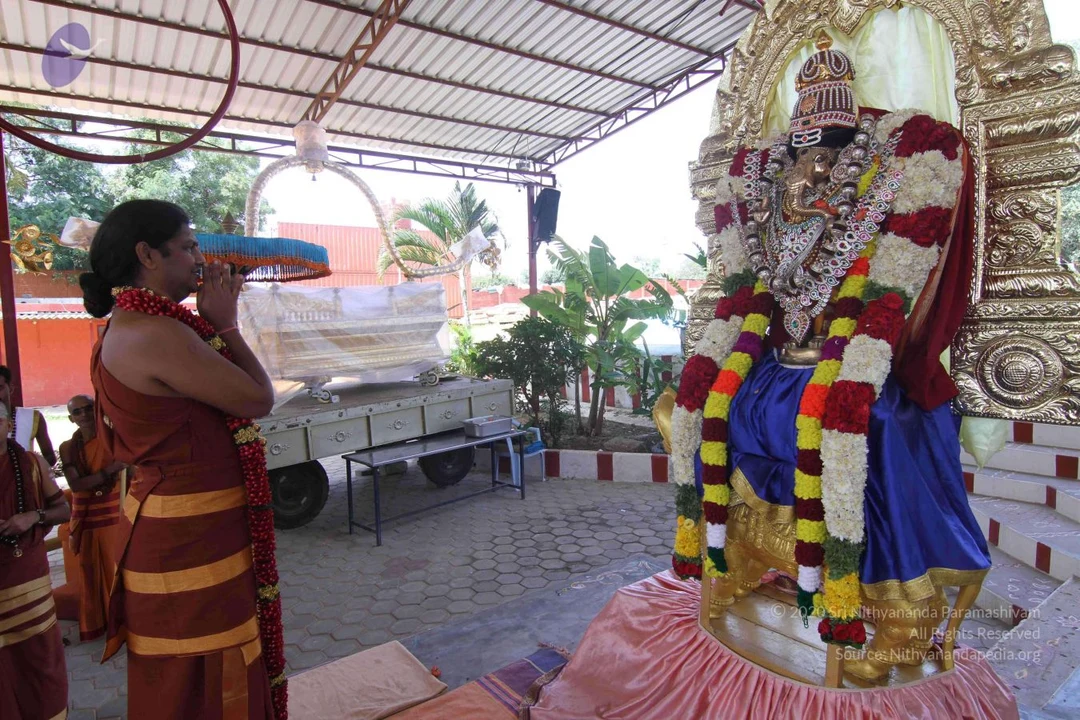
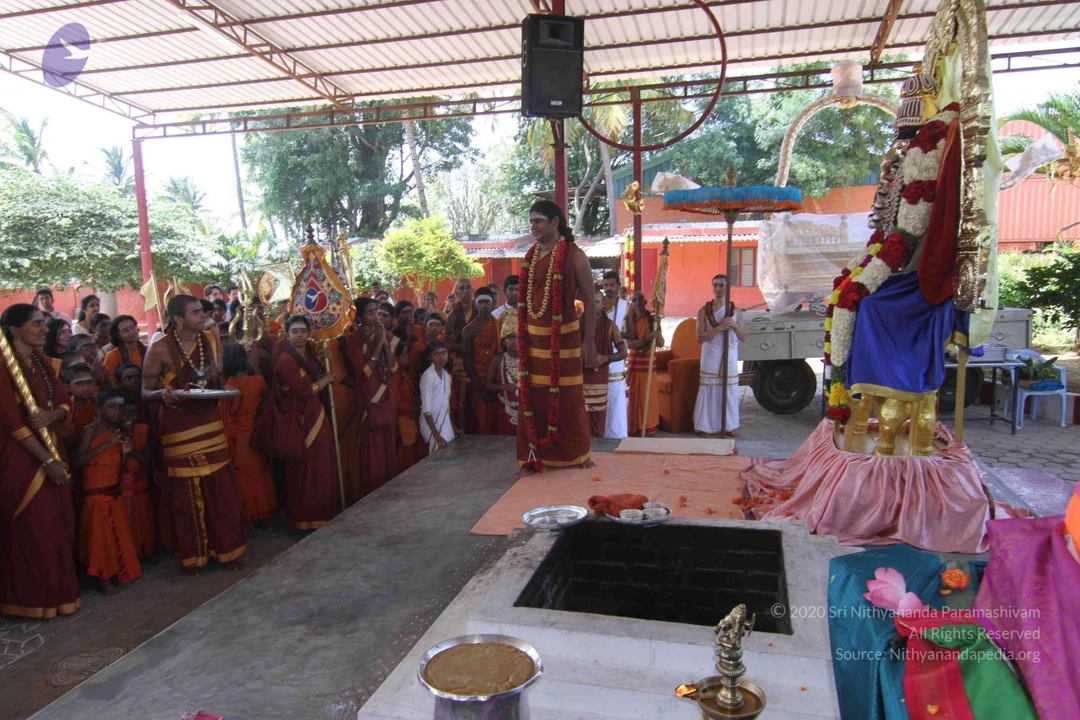
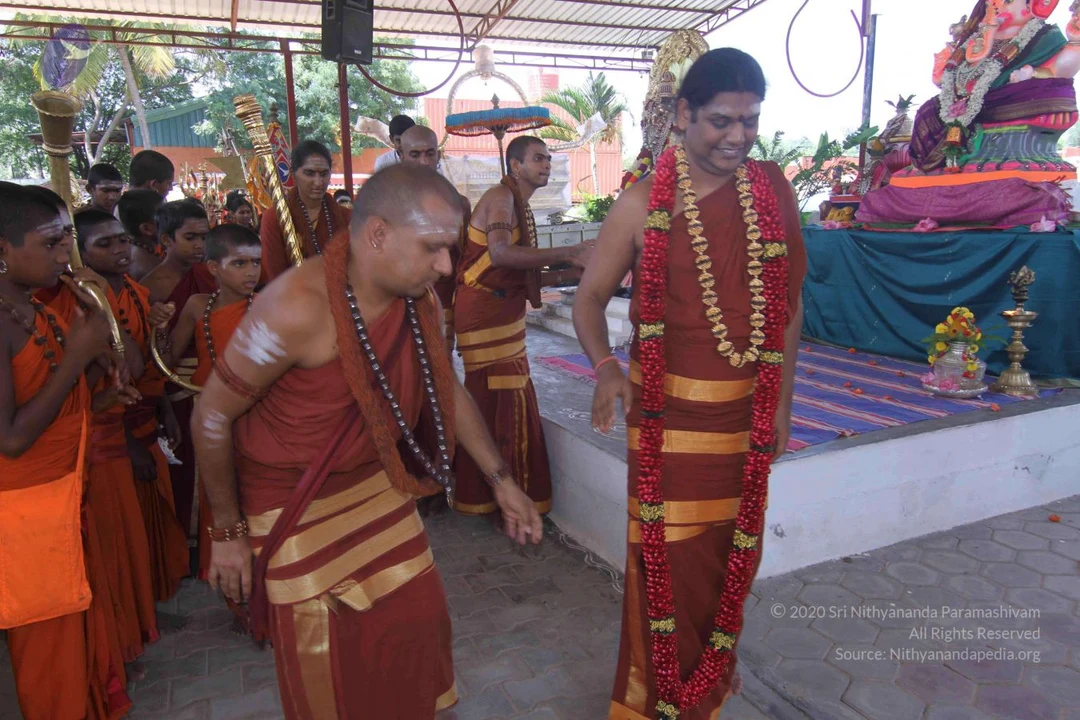
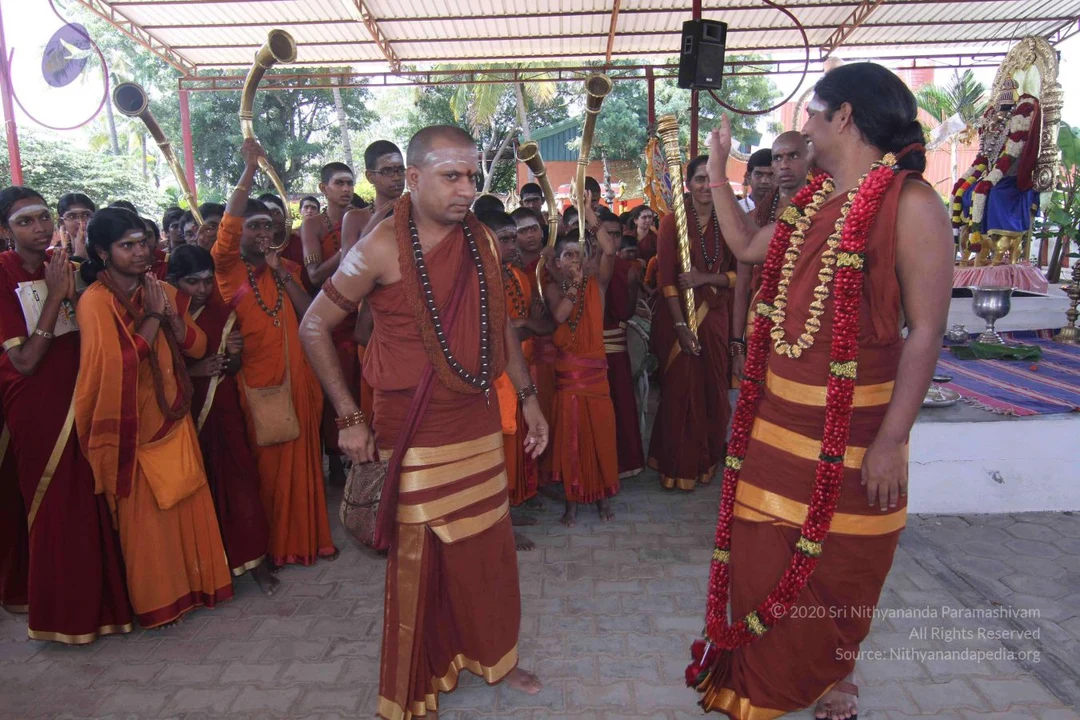
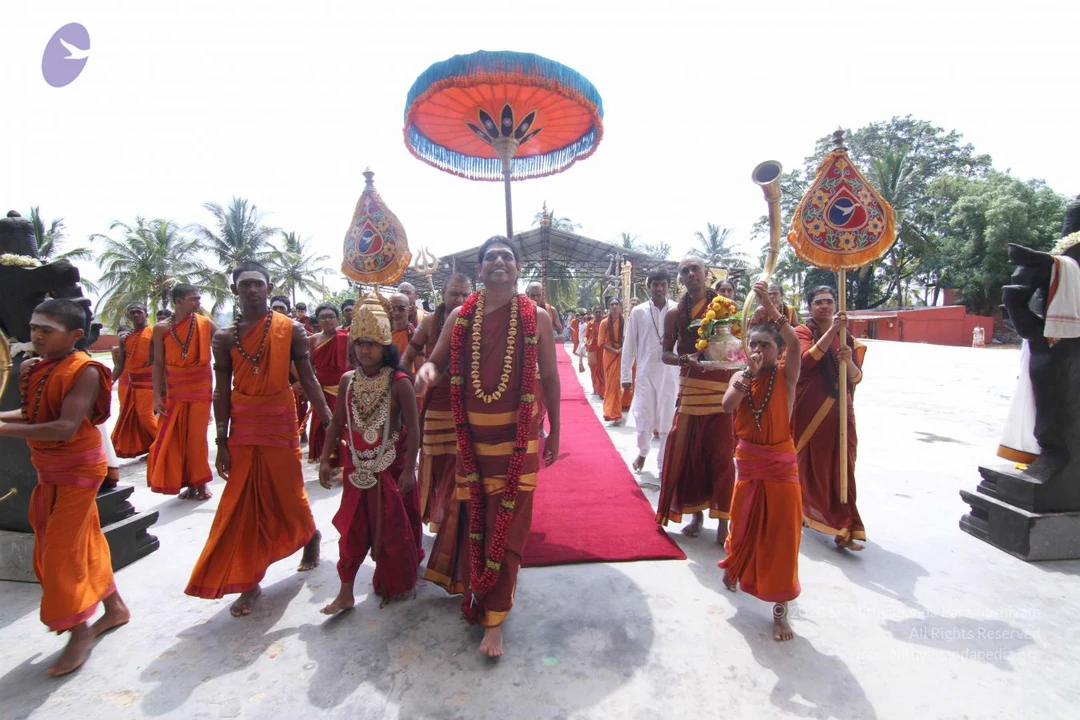
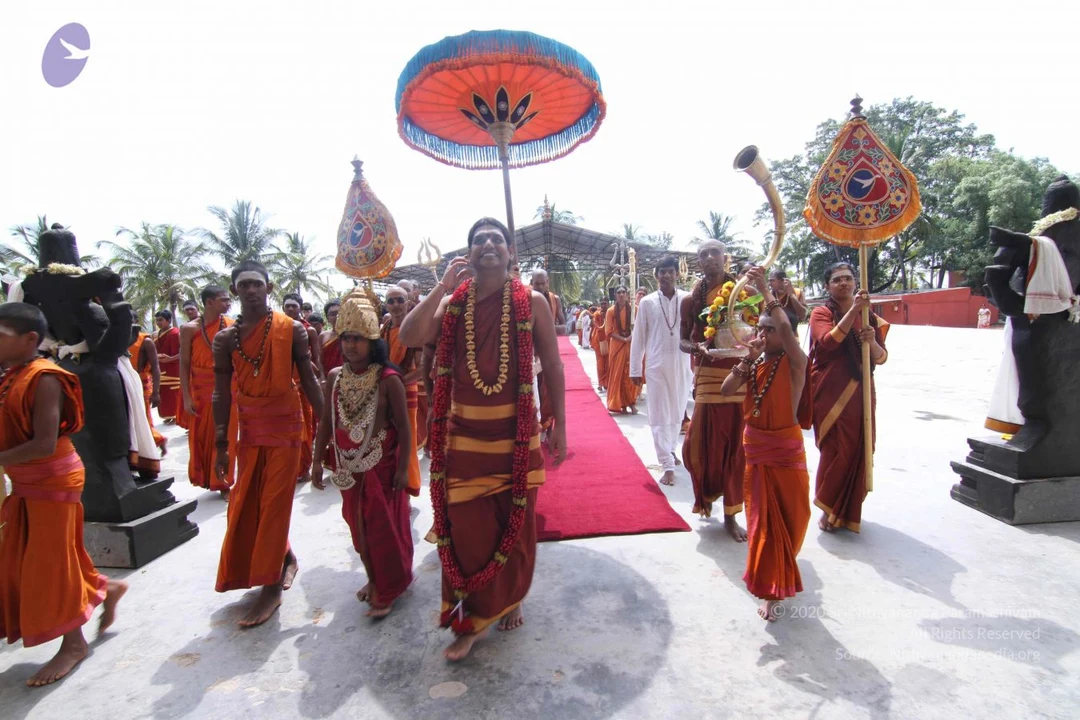
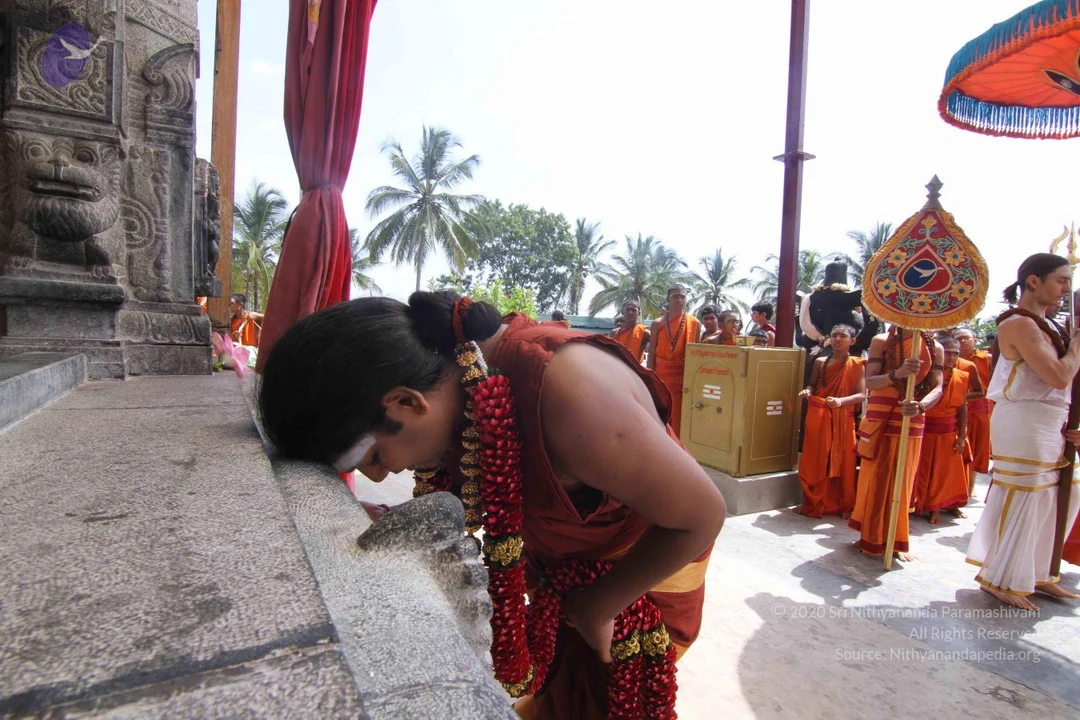
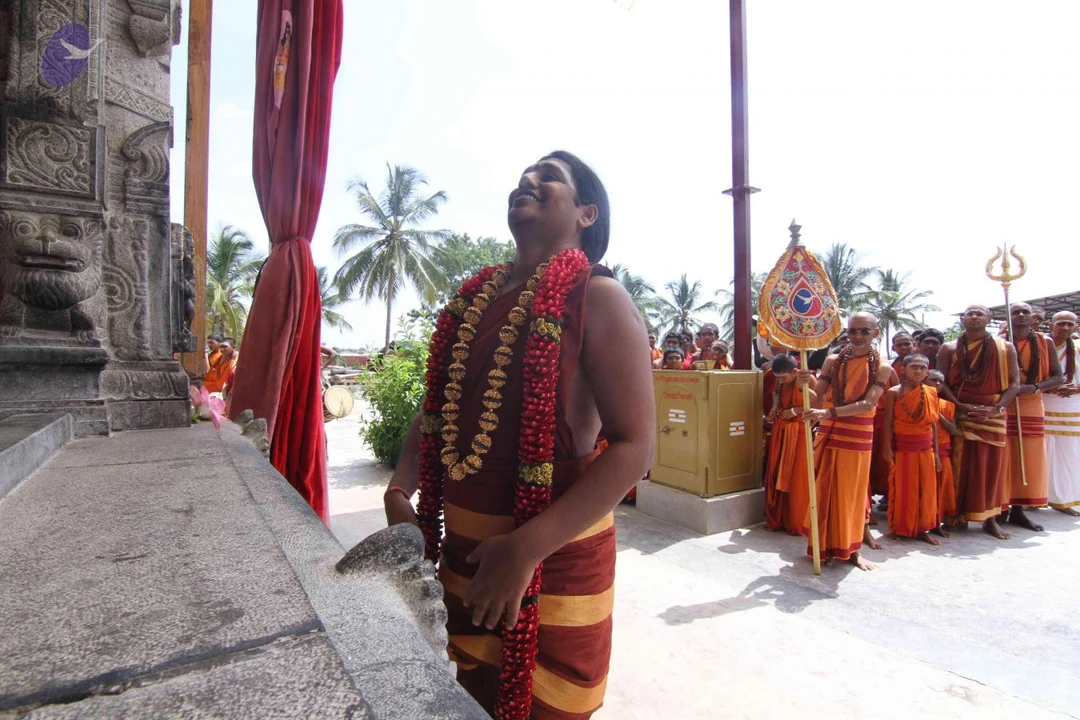
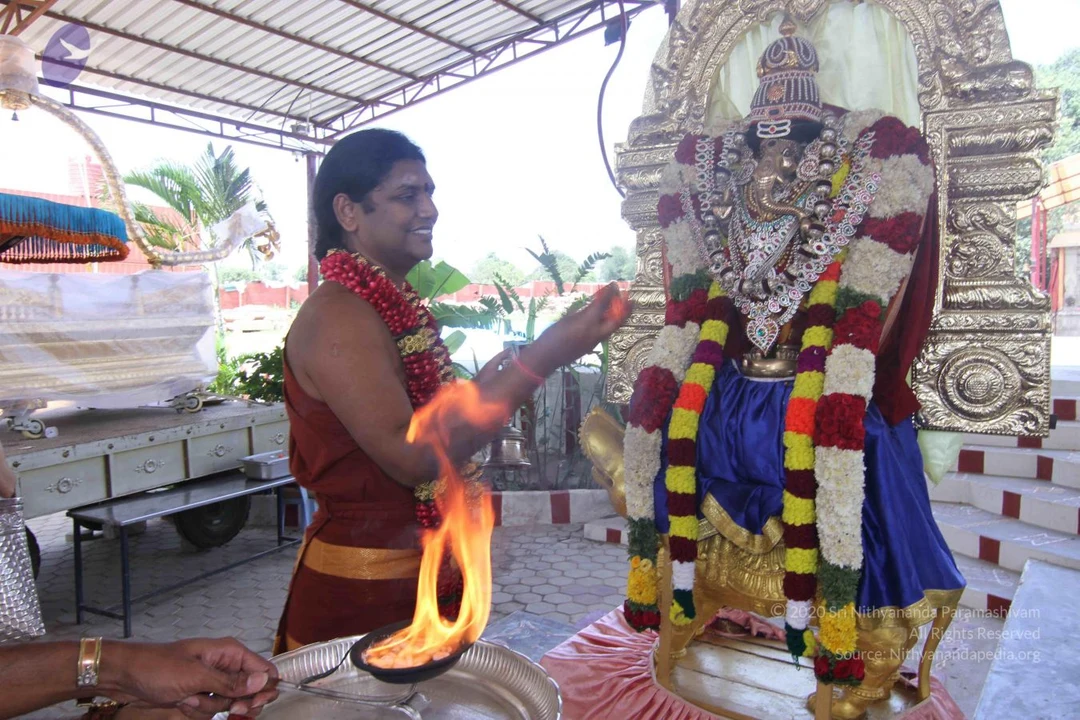
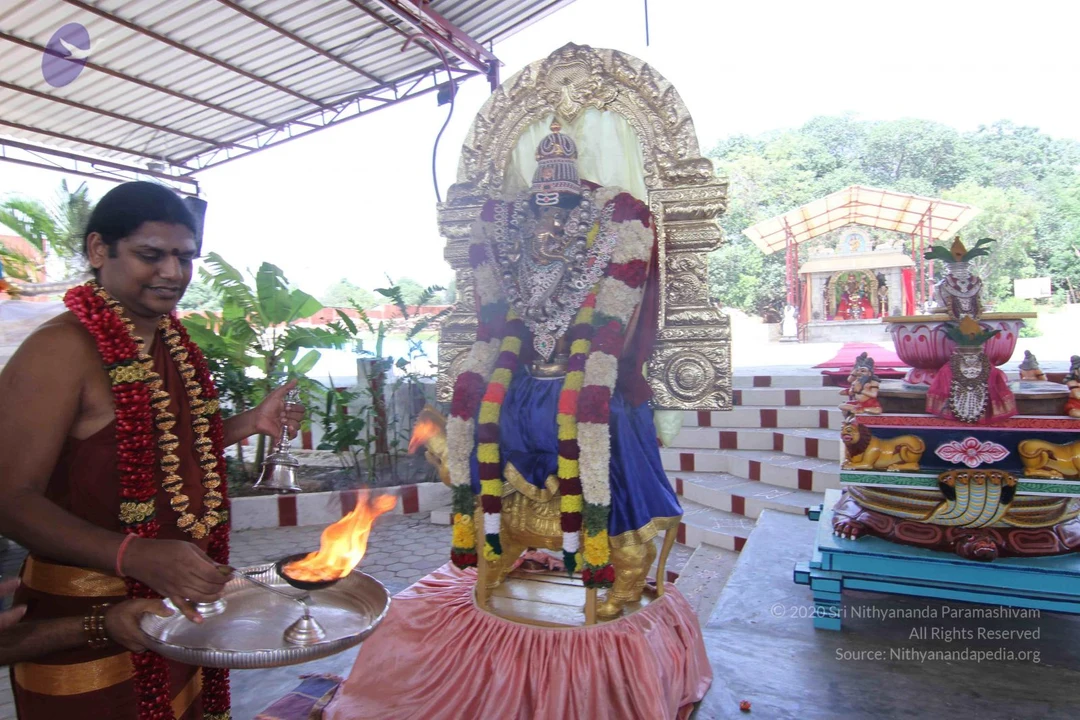
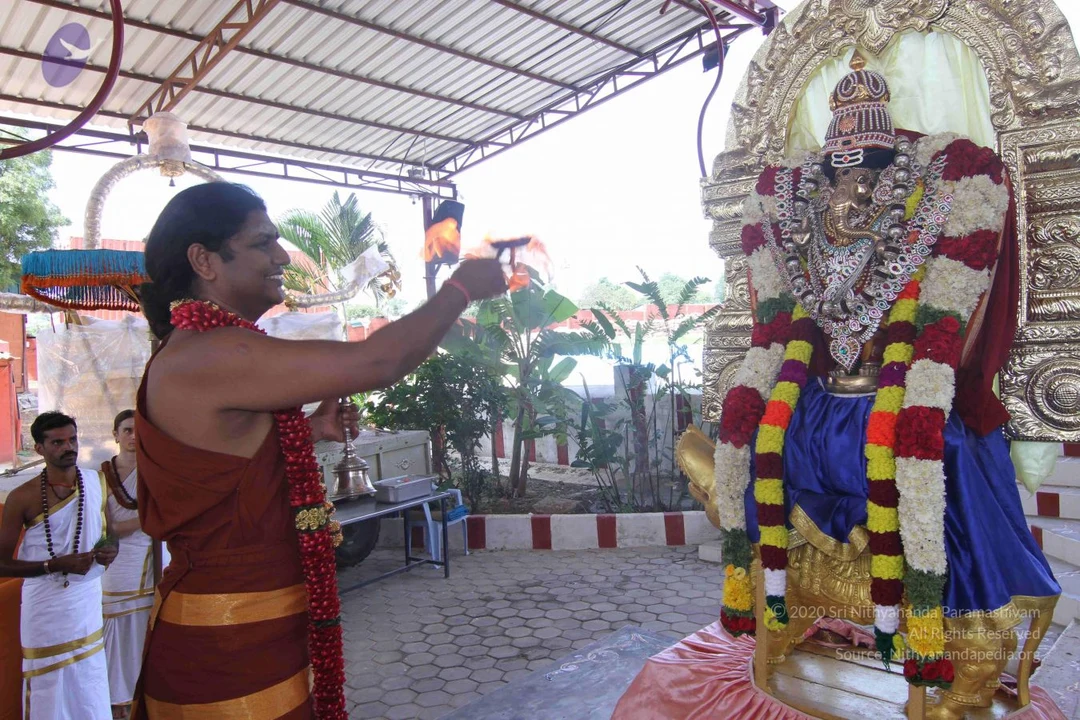
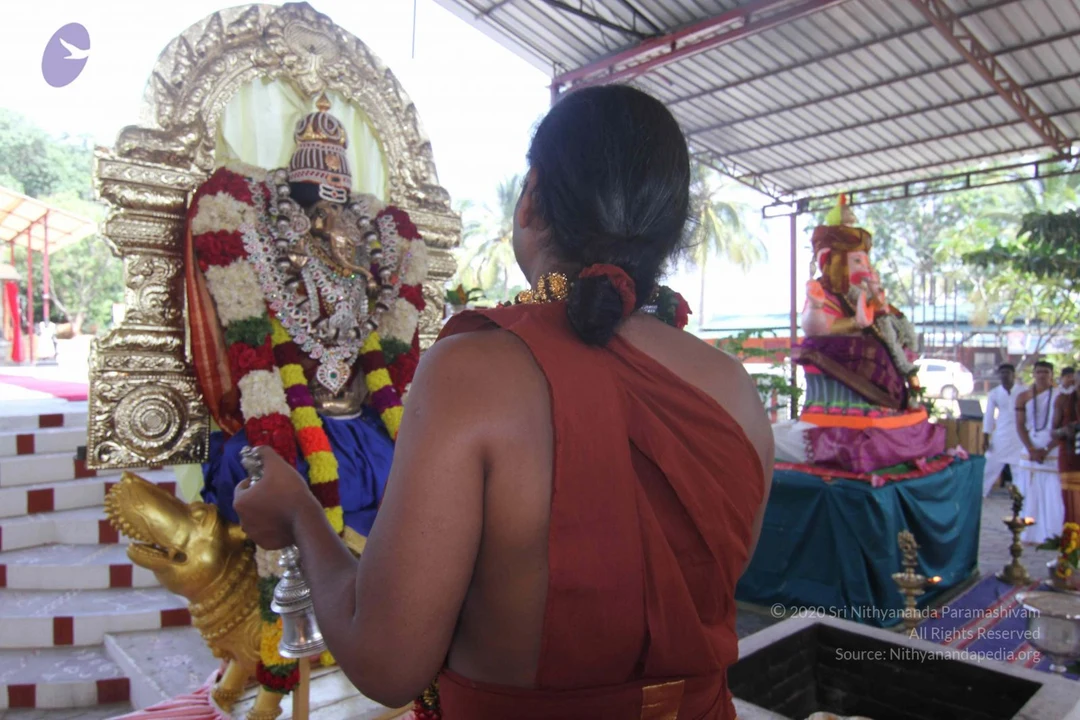
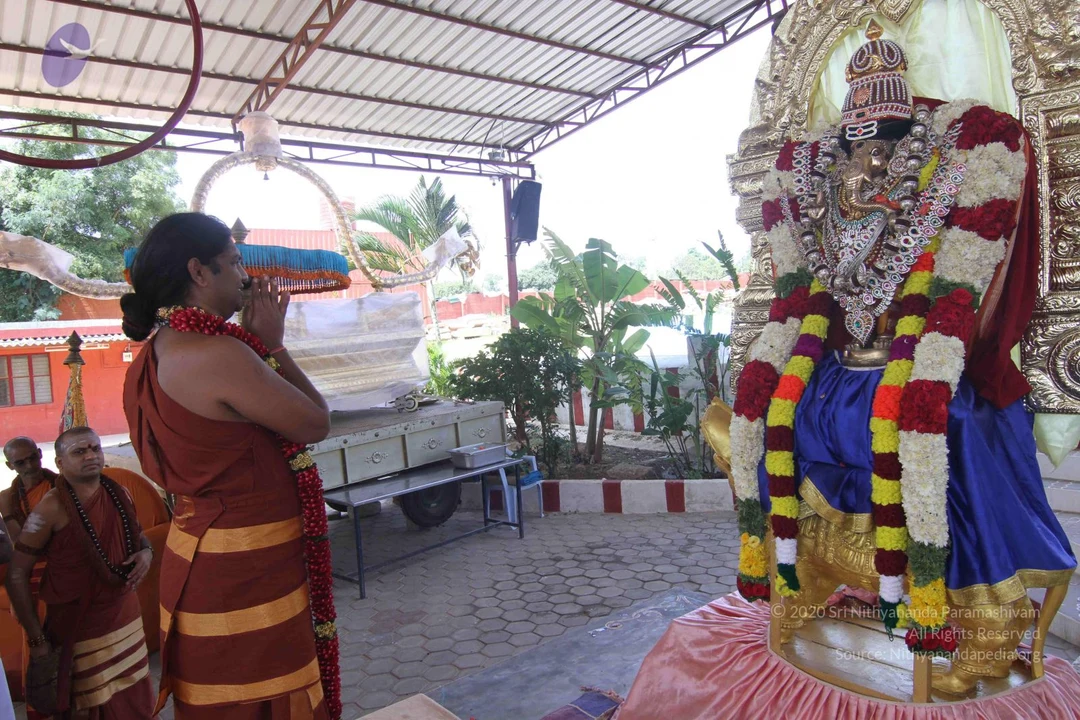
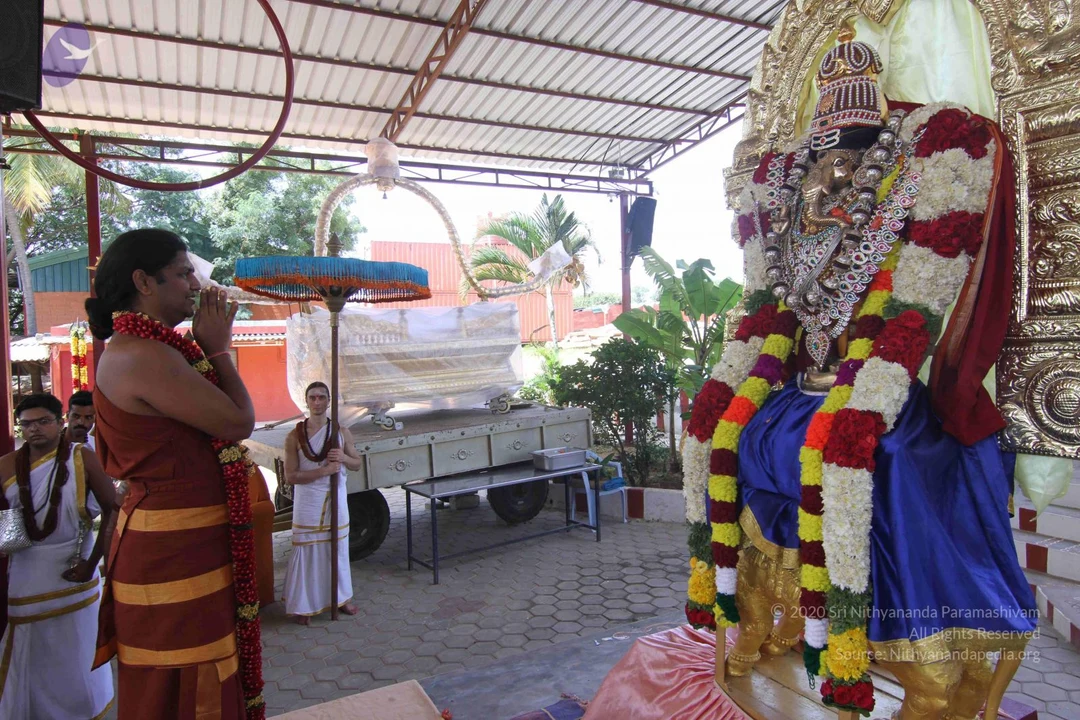
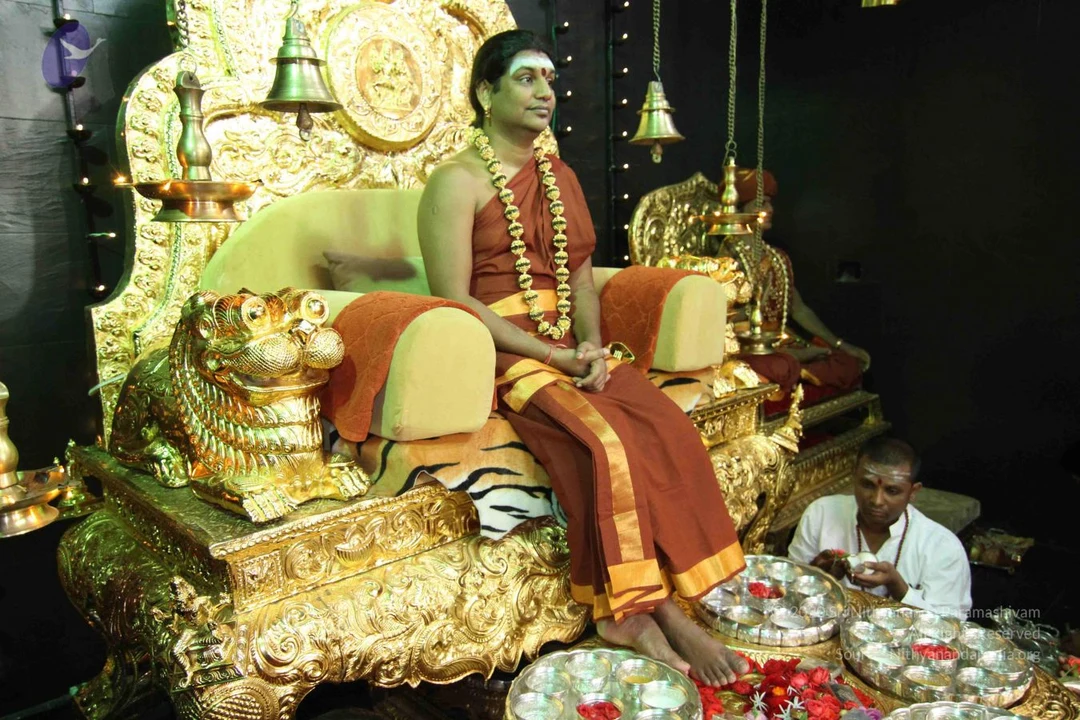
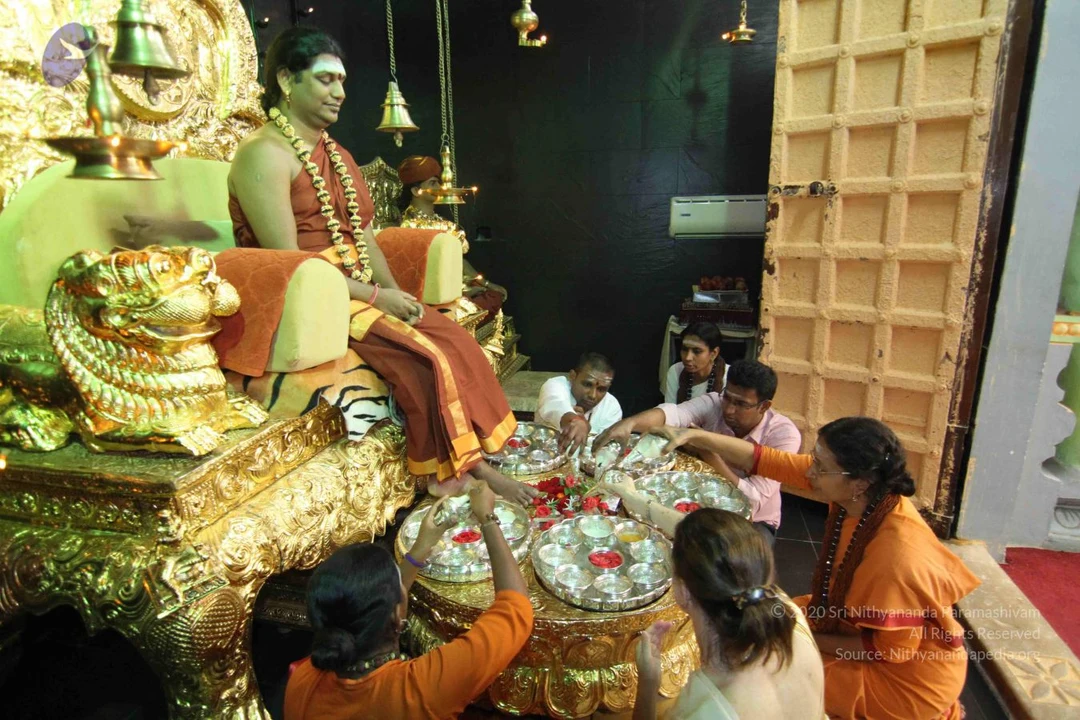
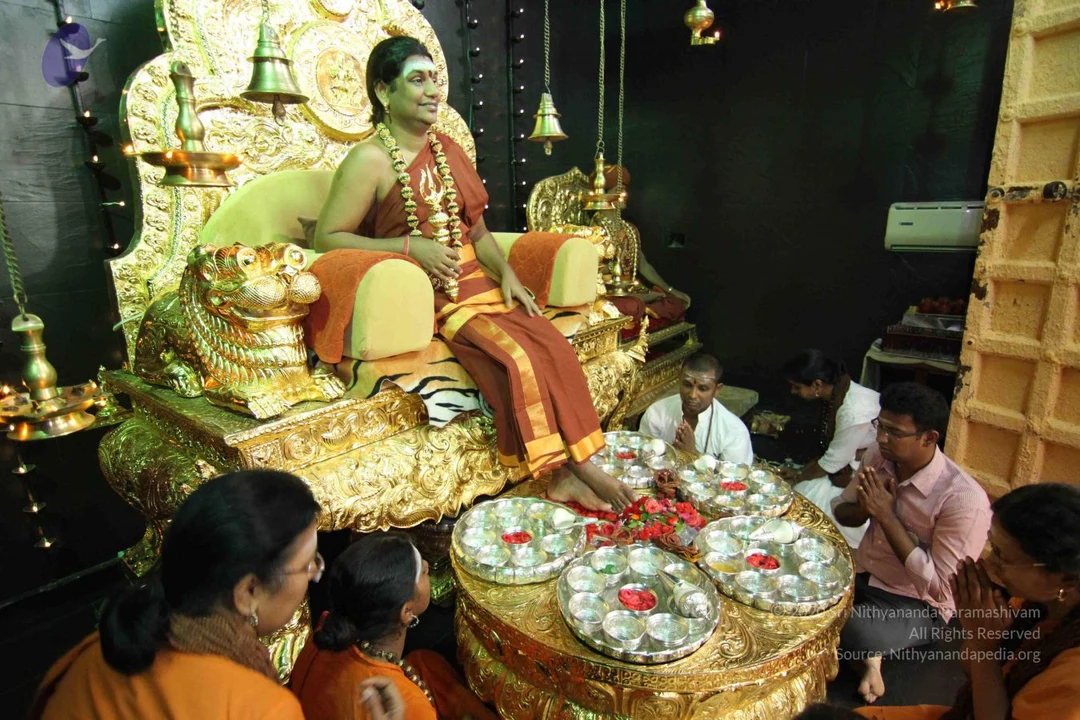
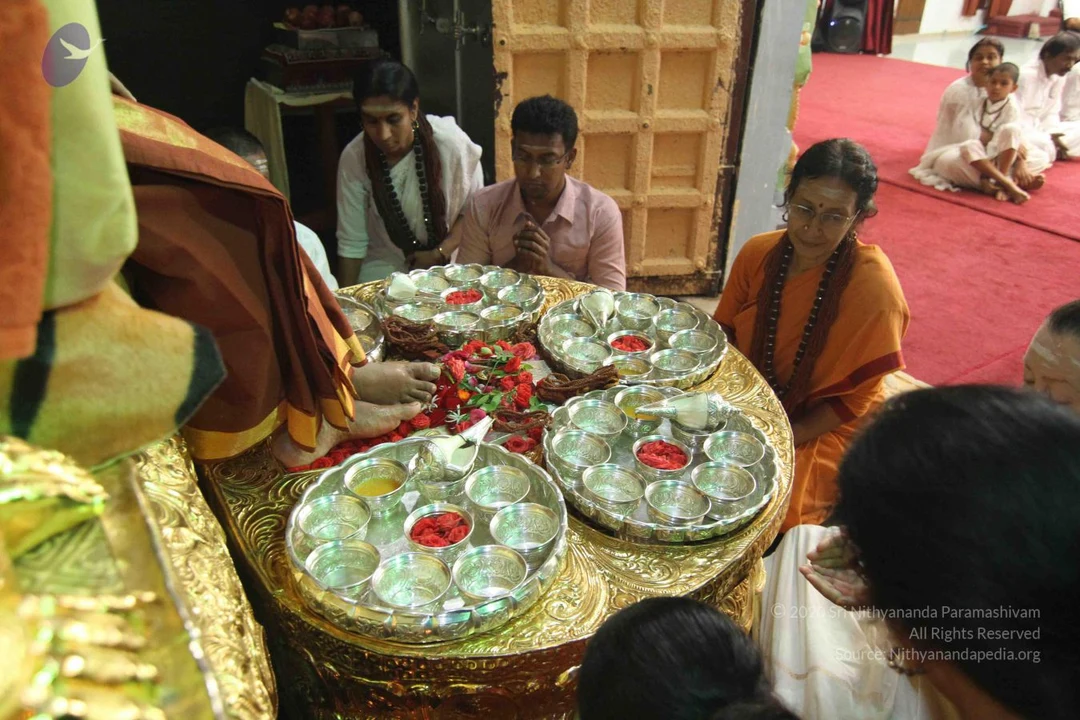
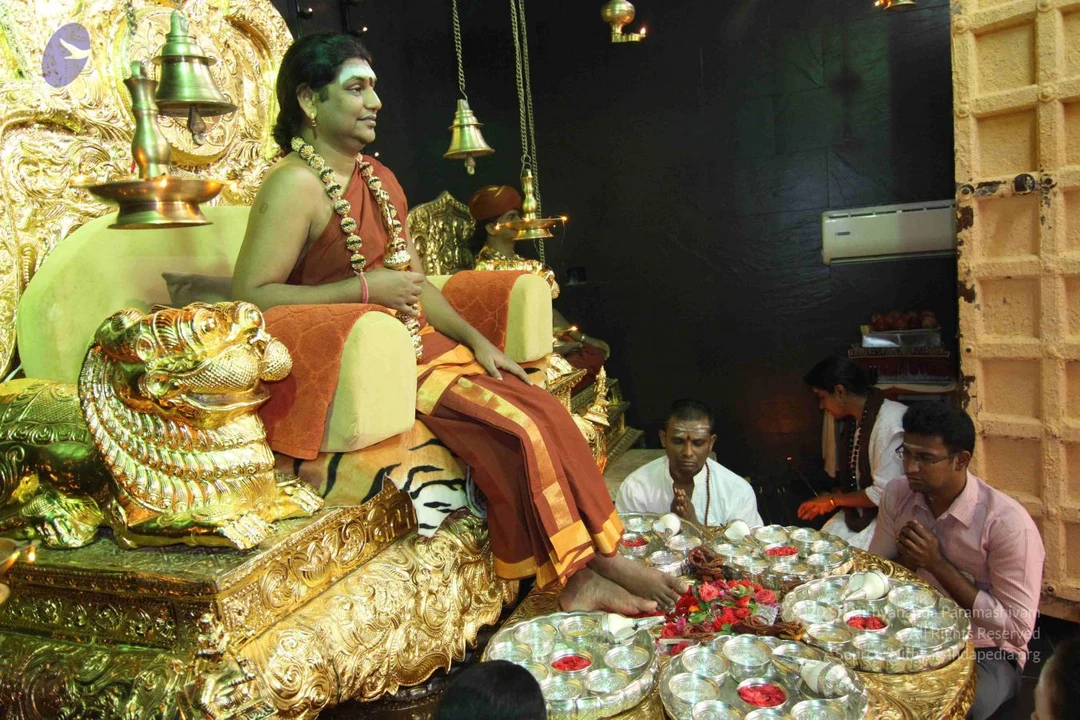
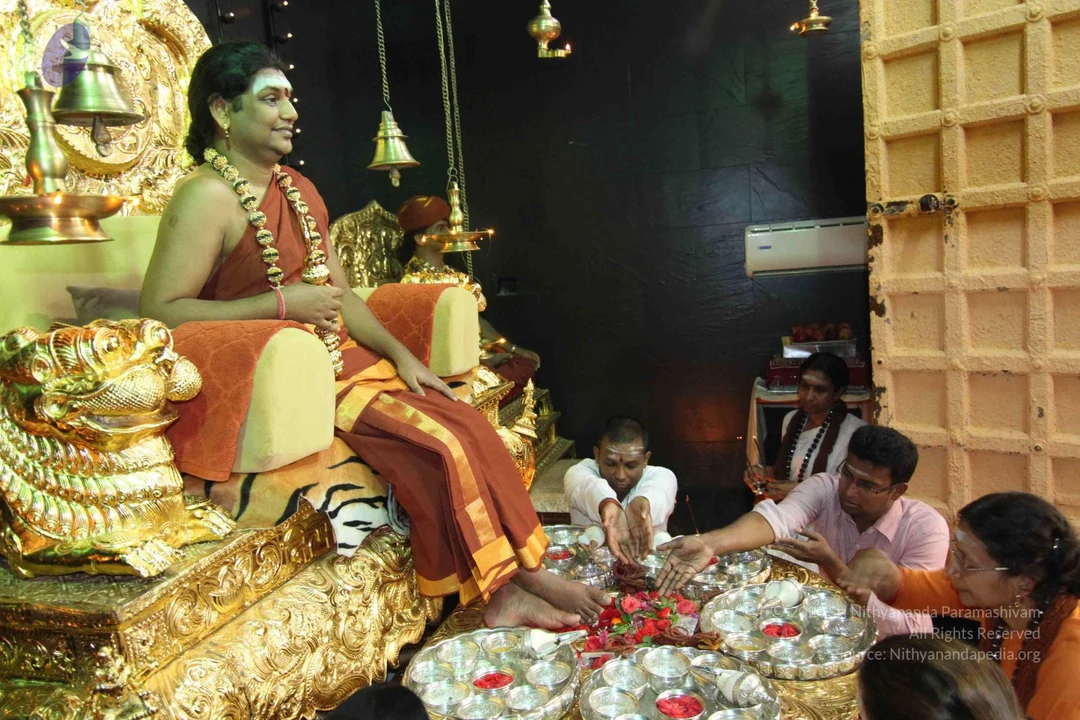
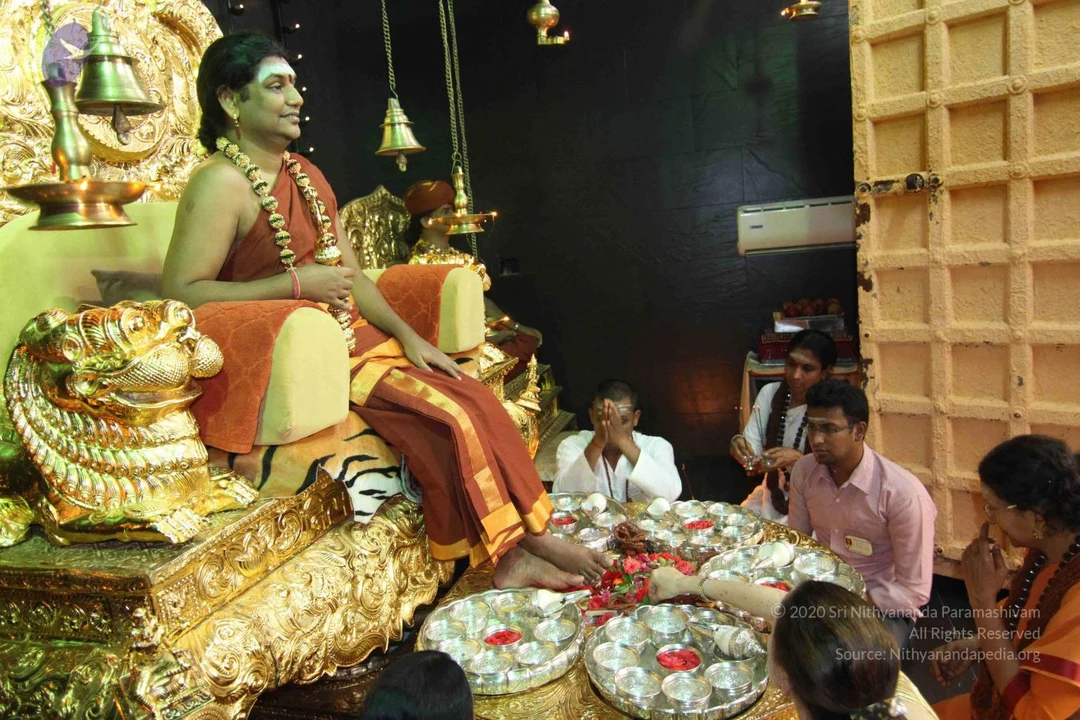
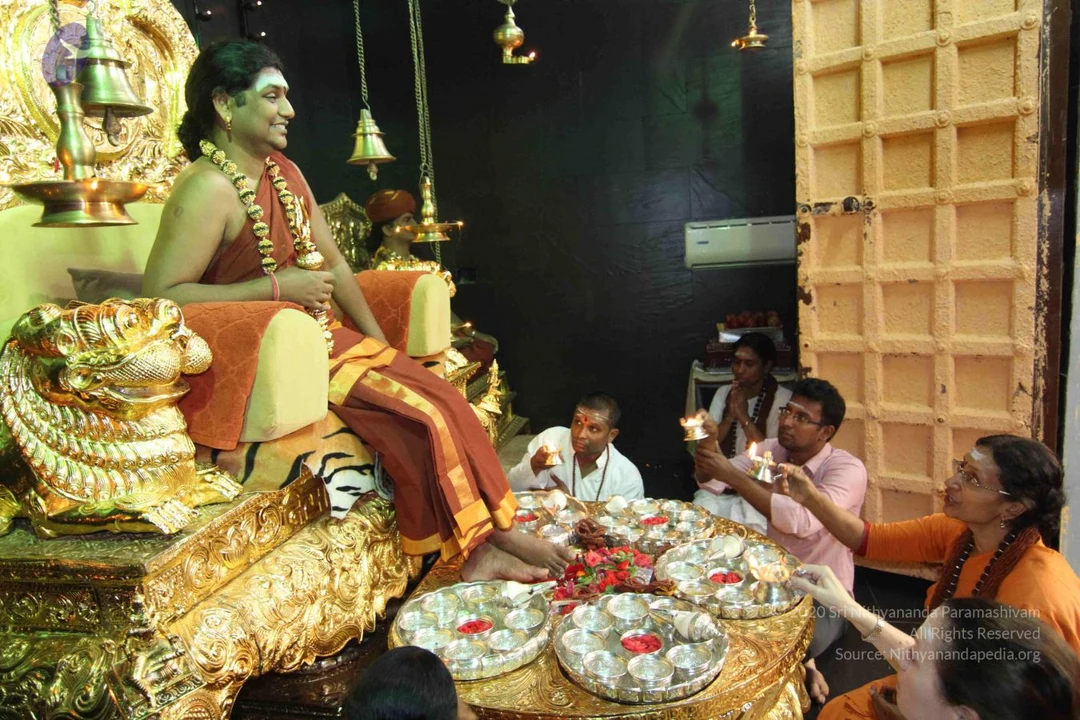
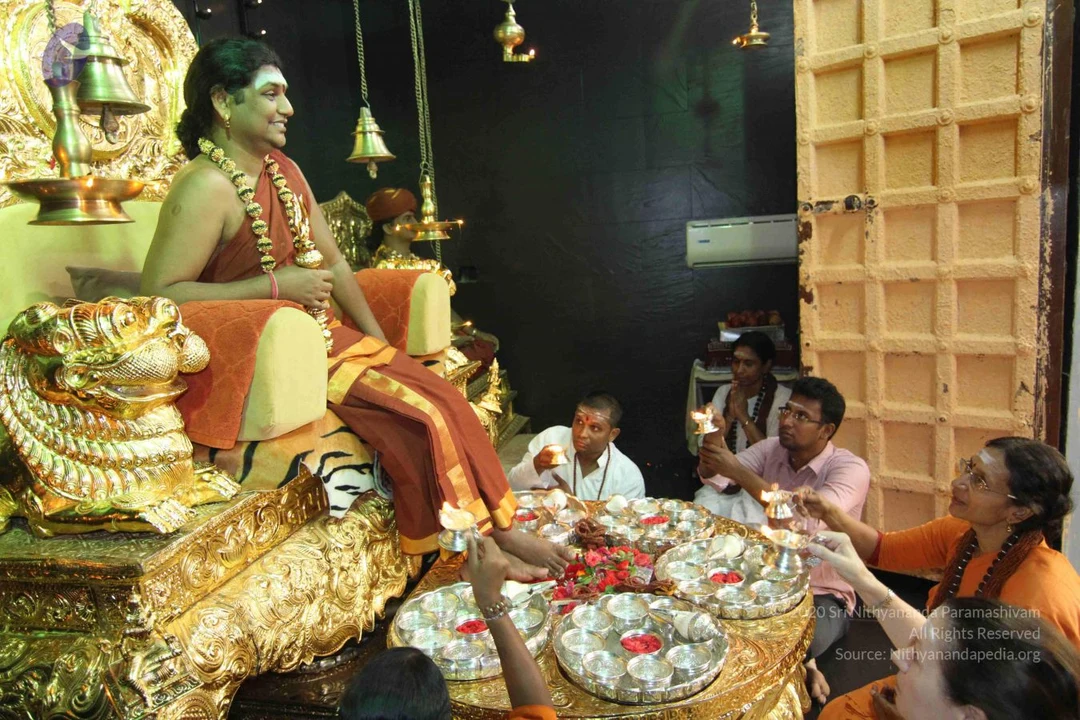
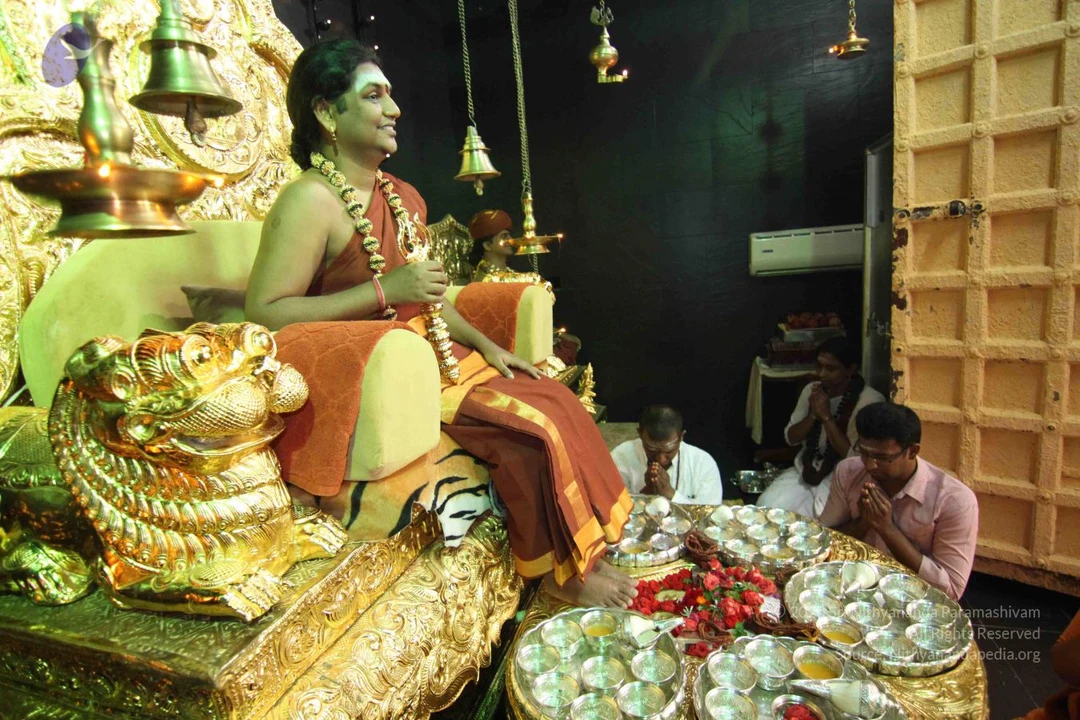
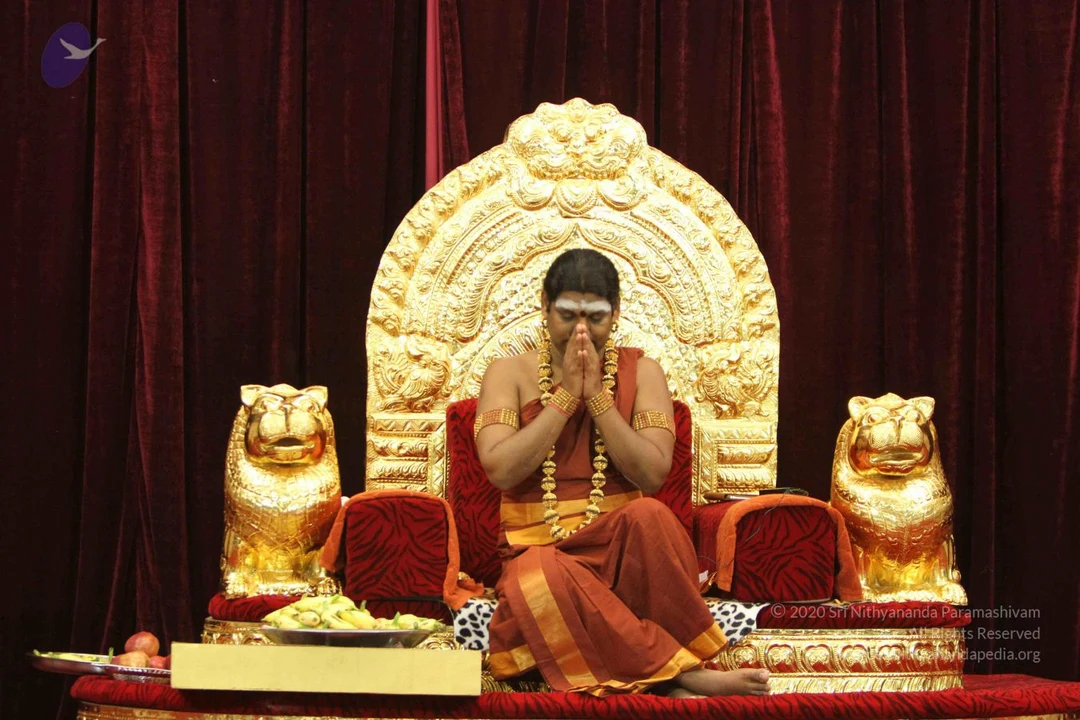
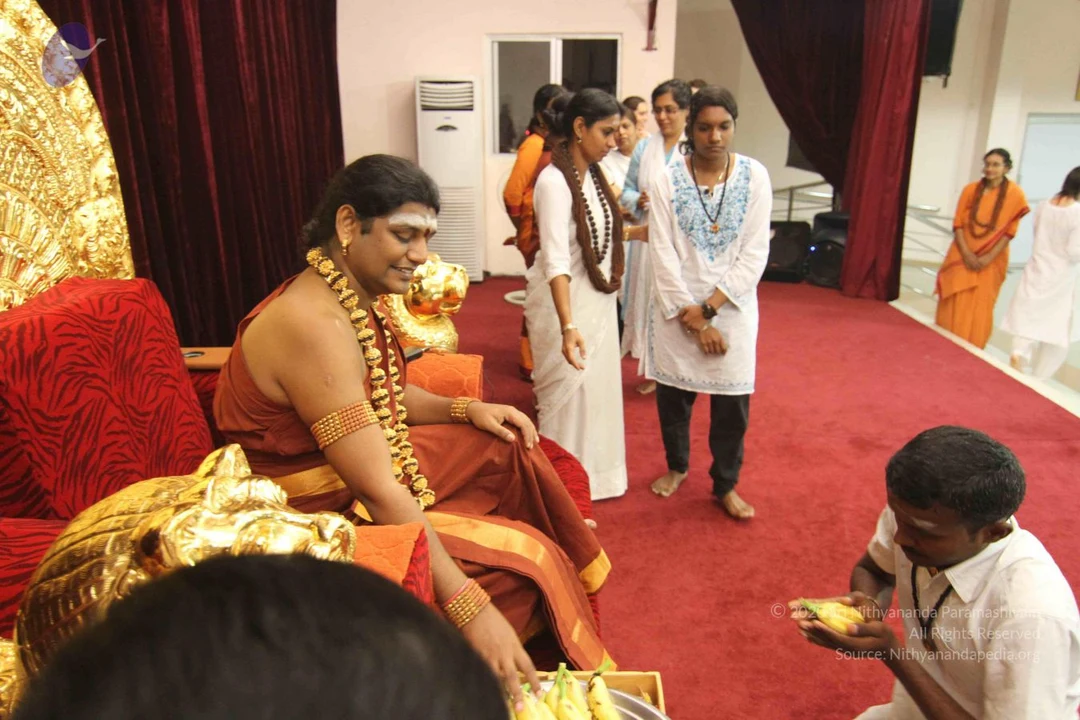
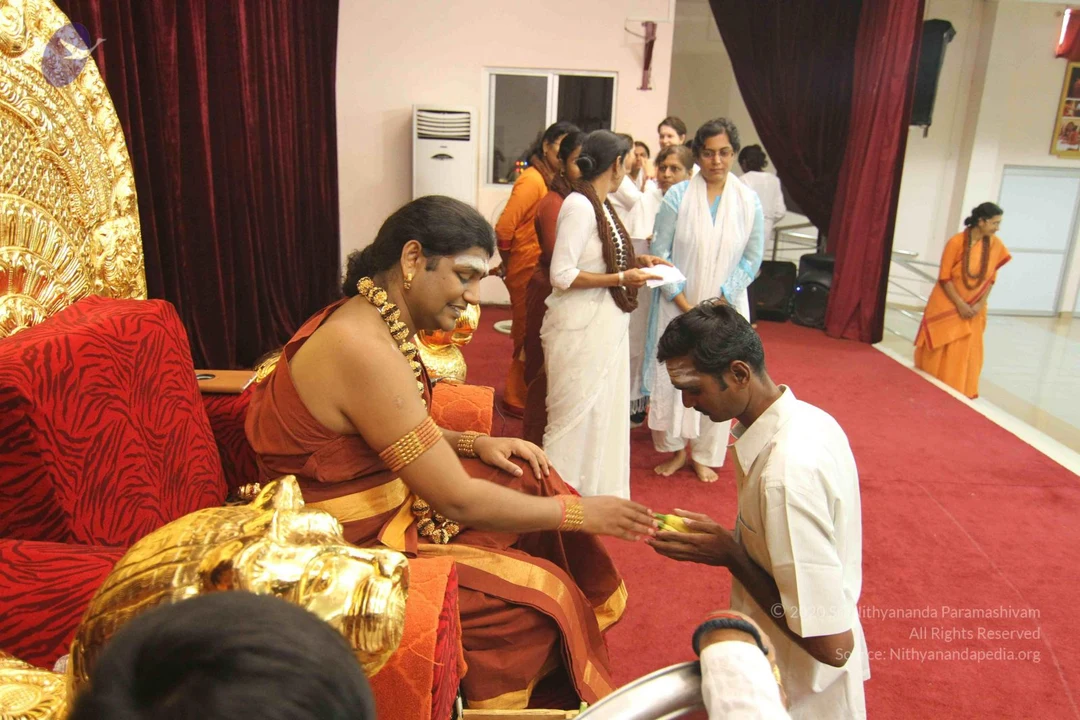
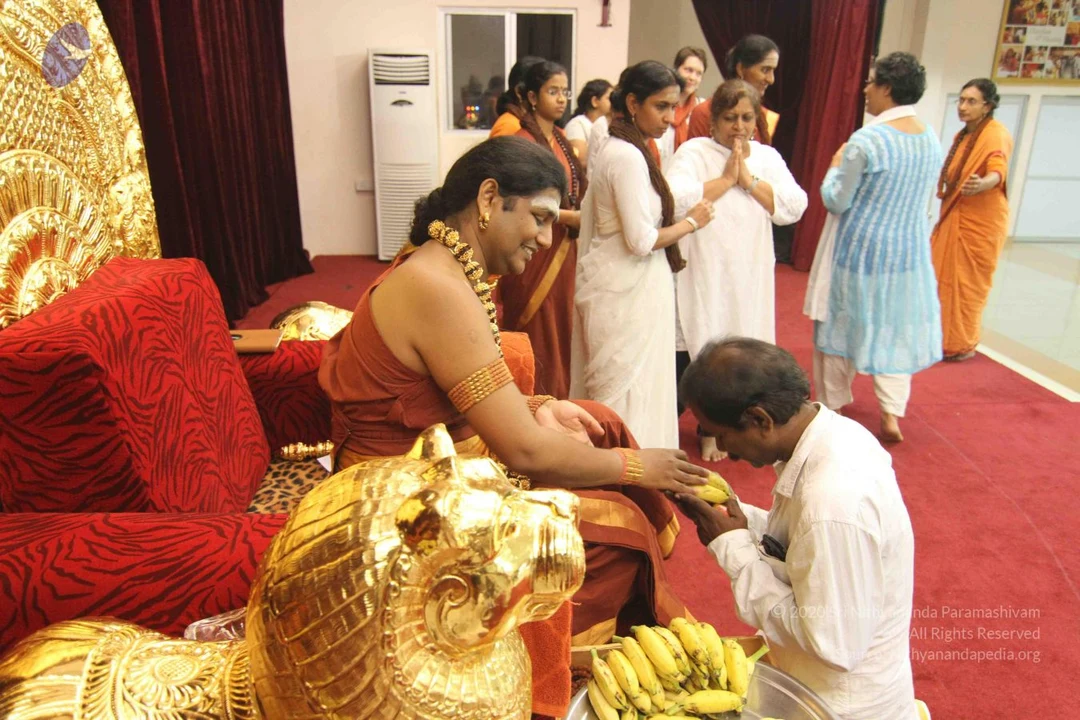
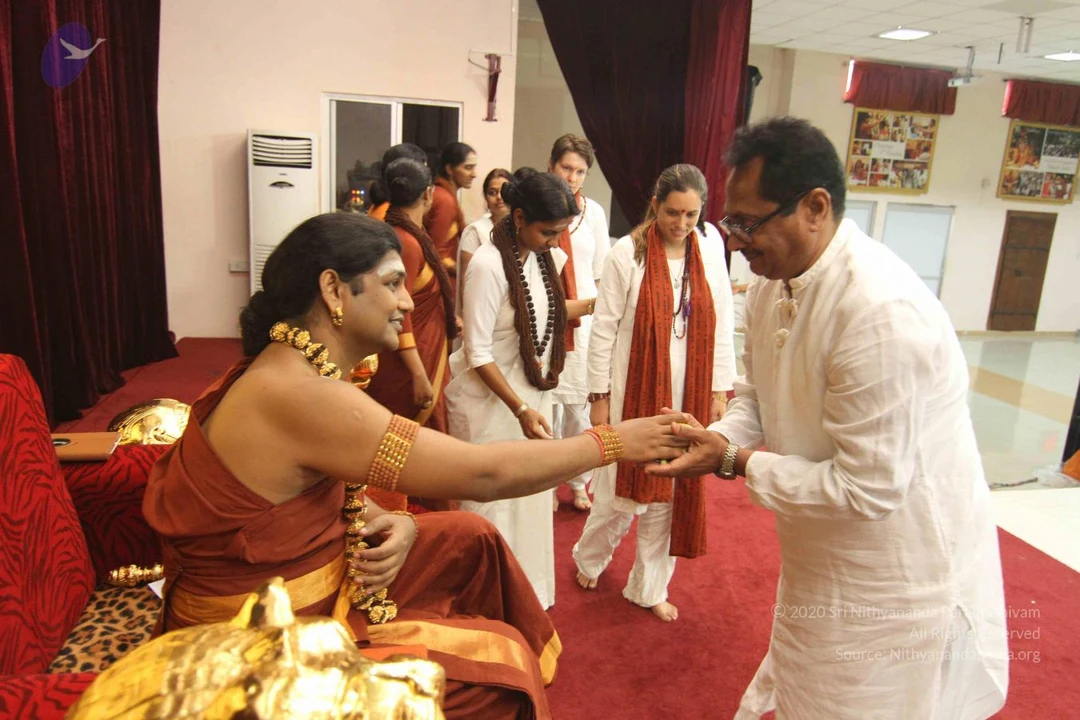
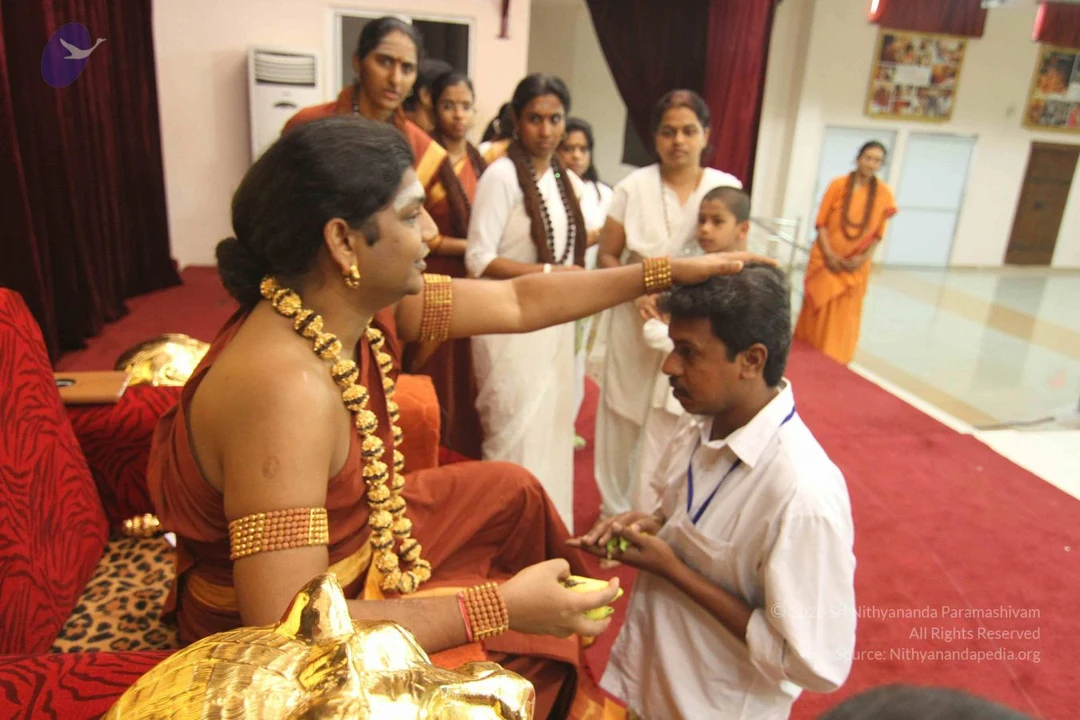
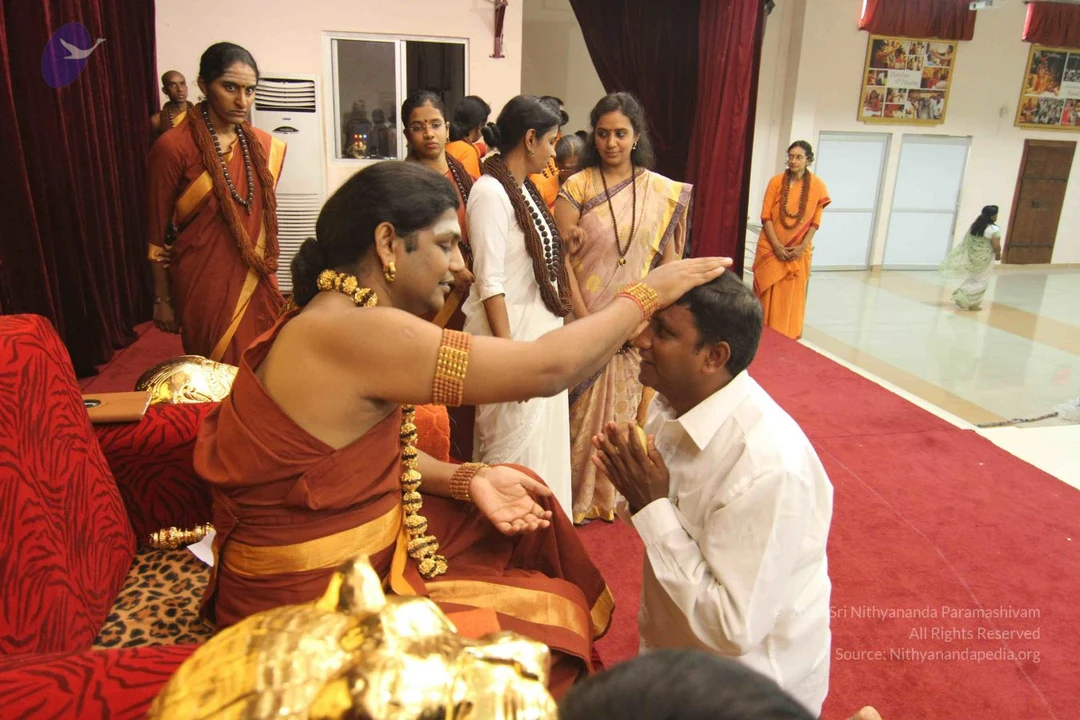
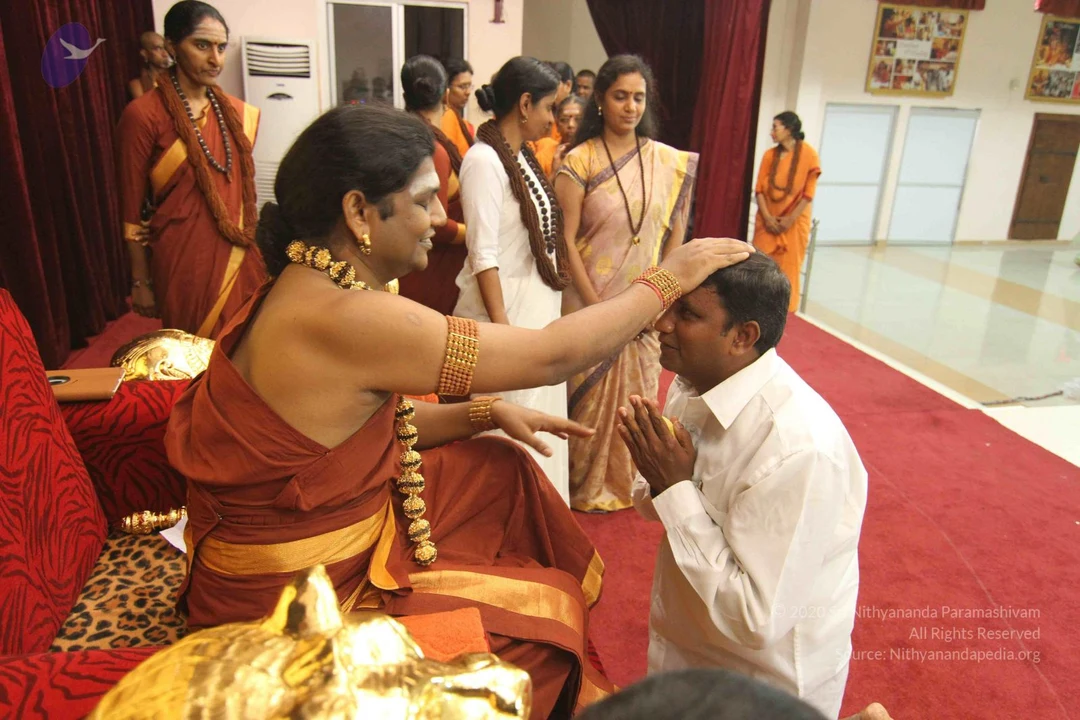
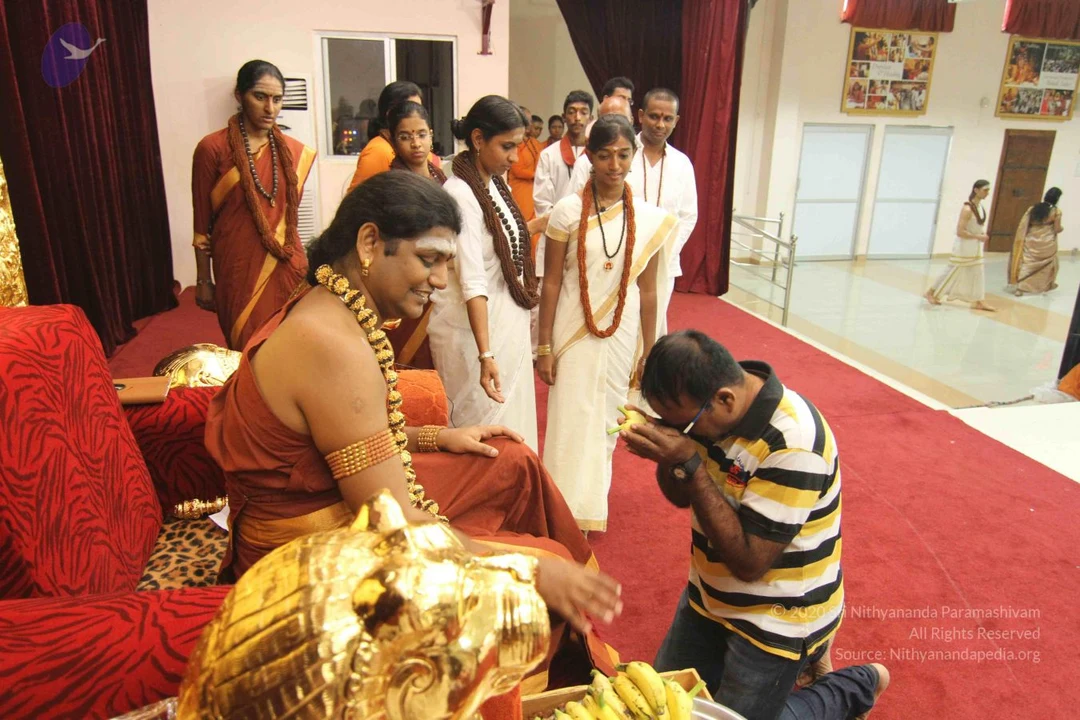
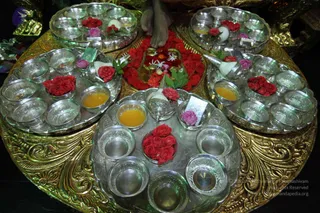
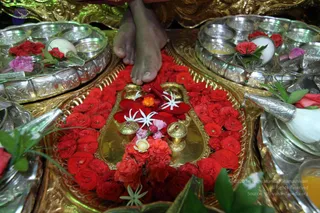
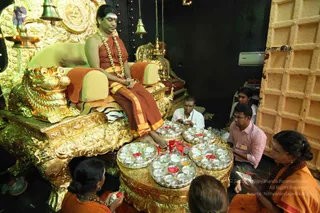
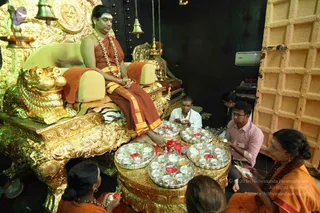
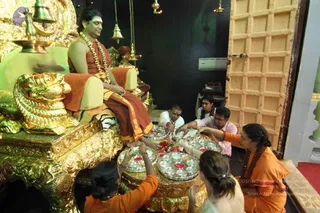
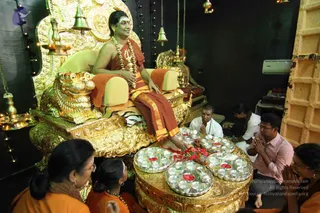
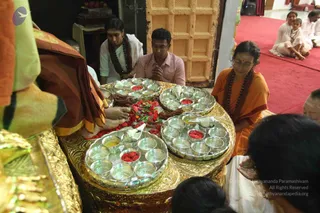
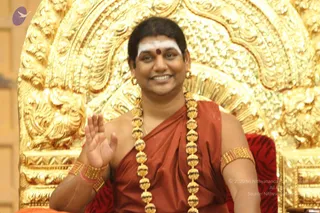
At The Feet Of The Divine || Pratyaksha Pada Puja || 20 August 2014
- Dated photos
- 304
- Source pages
- 1
- Media
- 7
August 20 2014
Original wiki pageTitle
At The Feet Of The Divine || Pratyaksha Pada Puja || 20 August 2014
Link to Video:
Title:
Say Yes to the Master
Description:
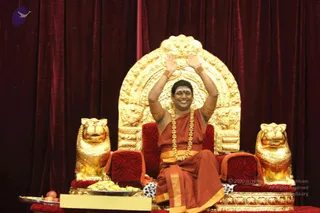
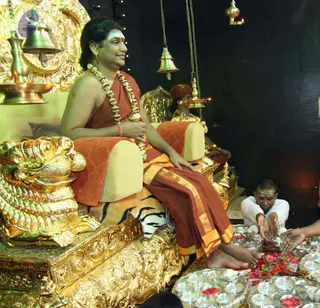
In today’s (20th August, 2014) morning satsang, Paramahamsa Nithyananda expanded on completion. He started by telling us that Ganesha is the embodiment of completion. Incompletion he defined as memory entering into your present and trying to corrupt your future. He then explained how just remembrance can lead to either completion or incompletion depending on what picture you choose to remember. Samskara Dhahana Kriya should be done until you achieve complete completion and the causal body and pain body are healed.
Link to Video:
Link to Audio
'Description: Say Yes To The Master by HDH Bhagavan Nithyananda Paramashivam on 20 August 2014'
Transcript:
[00:00:14] nithyānandeśvara samārambhām nithyānandeśvari madhyamām | asmat āchārya paryantām vande guru paramparām ||
[00:00:43] I welcome all the devotees, disciples, samajis, satsangis, Sri Mahants, Mahants, Kotharis, Thanedars… sitting with us,... visitors, viewers through Nithyananda TV, Sadhna TV, two-way video conferencing having Nayana Deeksha. Cities sitting with us: Singapore - Singapuram, Dakota Dunes, Wilmington - North Carolina, Hebbal - Bangalore, Toronto - Kailasam, Seattle - Chidambaram, and Netherland, Houston - Kalahasti, Enriching Temple - Bidadi, Guadalupe - Rameshwaram, Hong Kong - Sirkazhi, Nithyananda University - Paris, Scottsdale - Arizona, Nithyananda Nagaramu - Hyderabad, Madurai Dhyanapeetam, Indrani - New Jersey, Winnipeg - Canada, San Jose - Madurai, Kuala Lumpur - Palani, Ravensburg - Germany, Oklahoma - Somanatham, Jorpati - Nepal, Hyderabad - Gupta Kashi, St Louis - Tirumala, Ohio - Prayag, Nithyananda University - Los Angeles, Kulim - Tiruttani, Phoenix - Kanchipuram, San Antonio - Texas, Kathmandu - Nepal. I welcome all of you with my love and blessings.
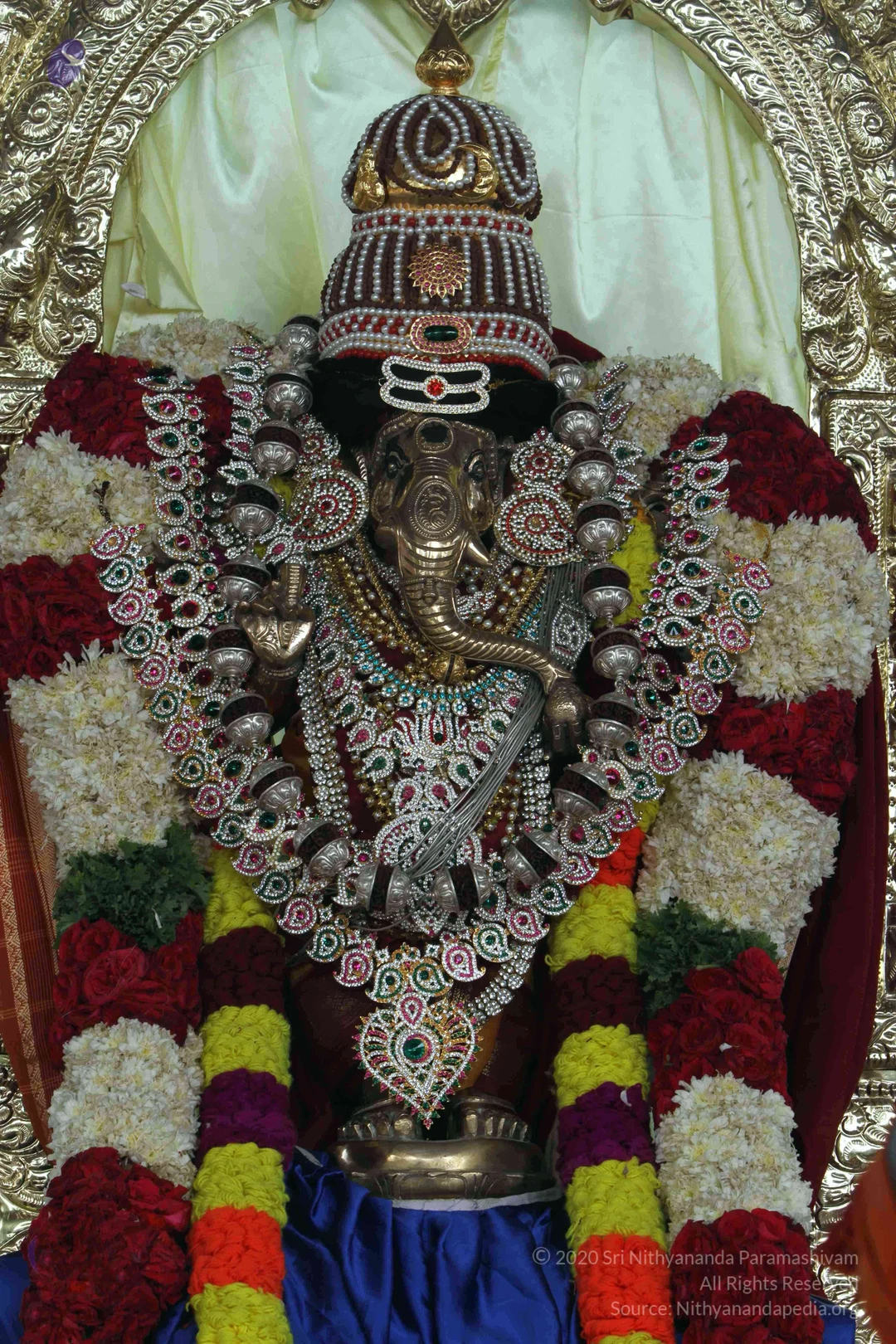
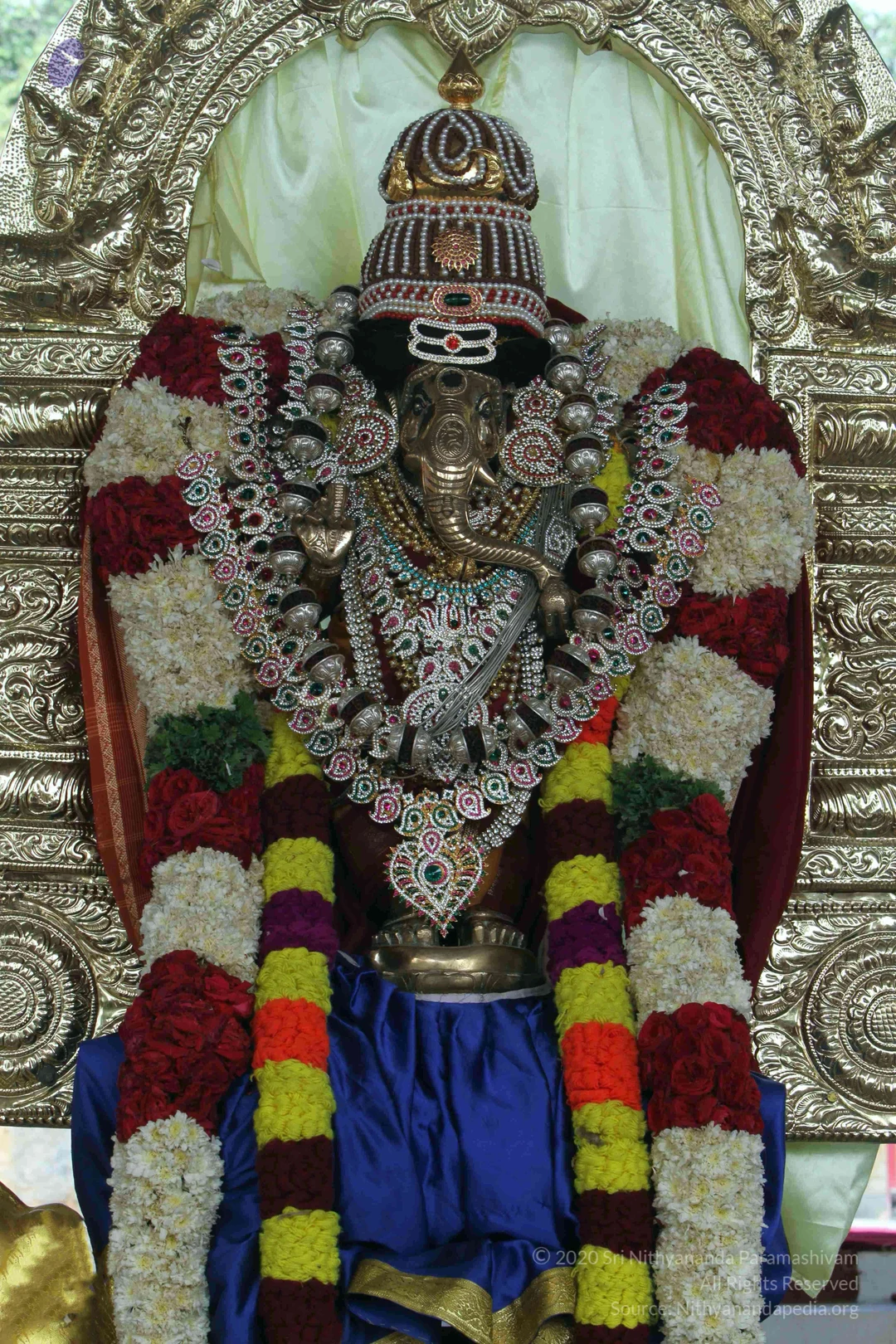
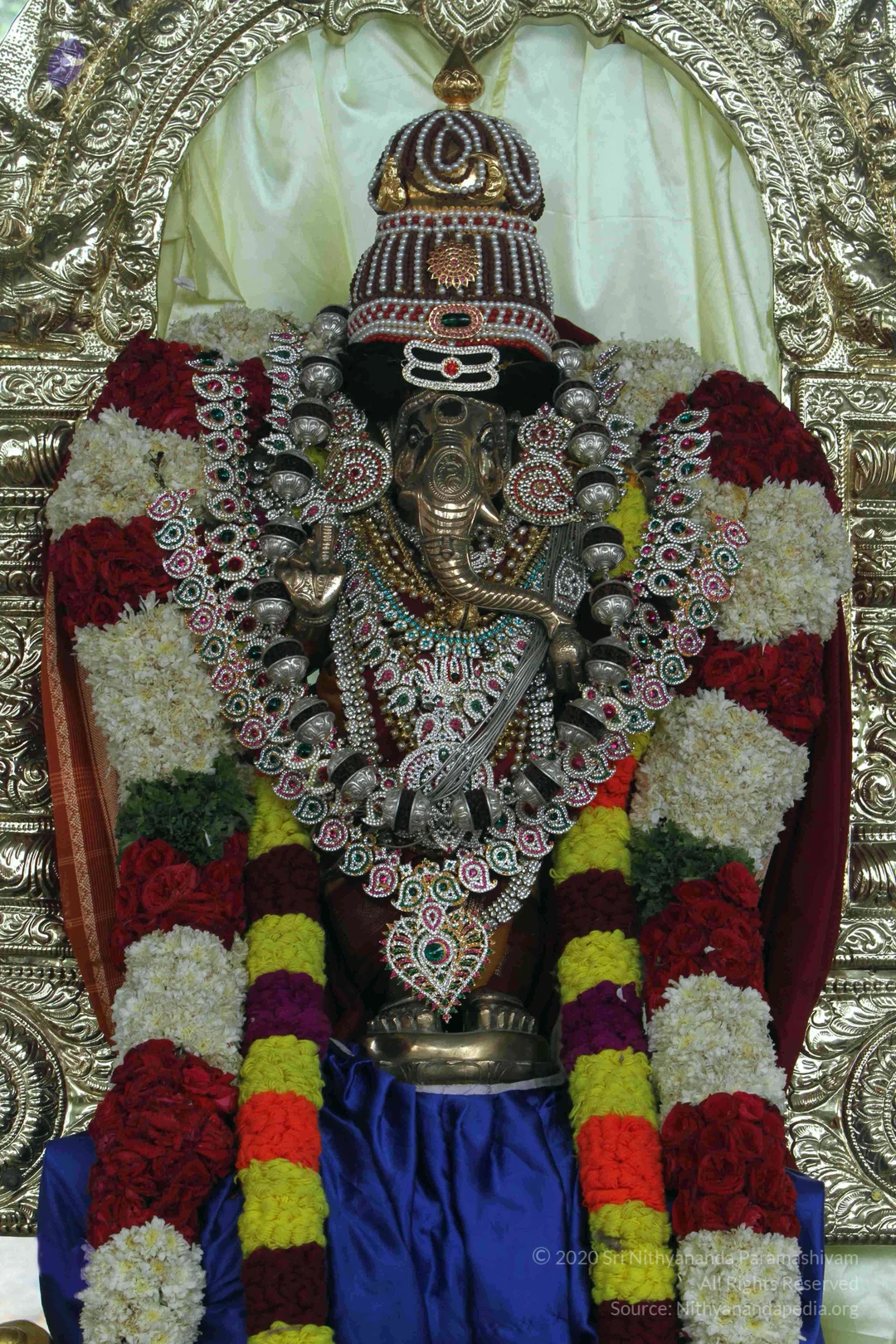
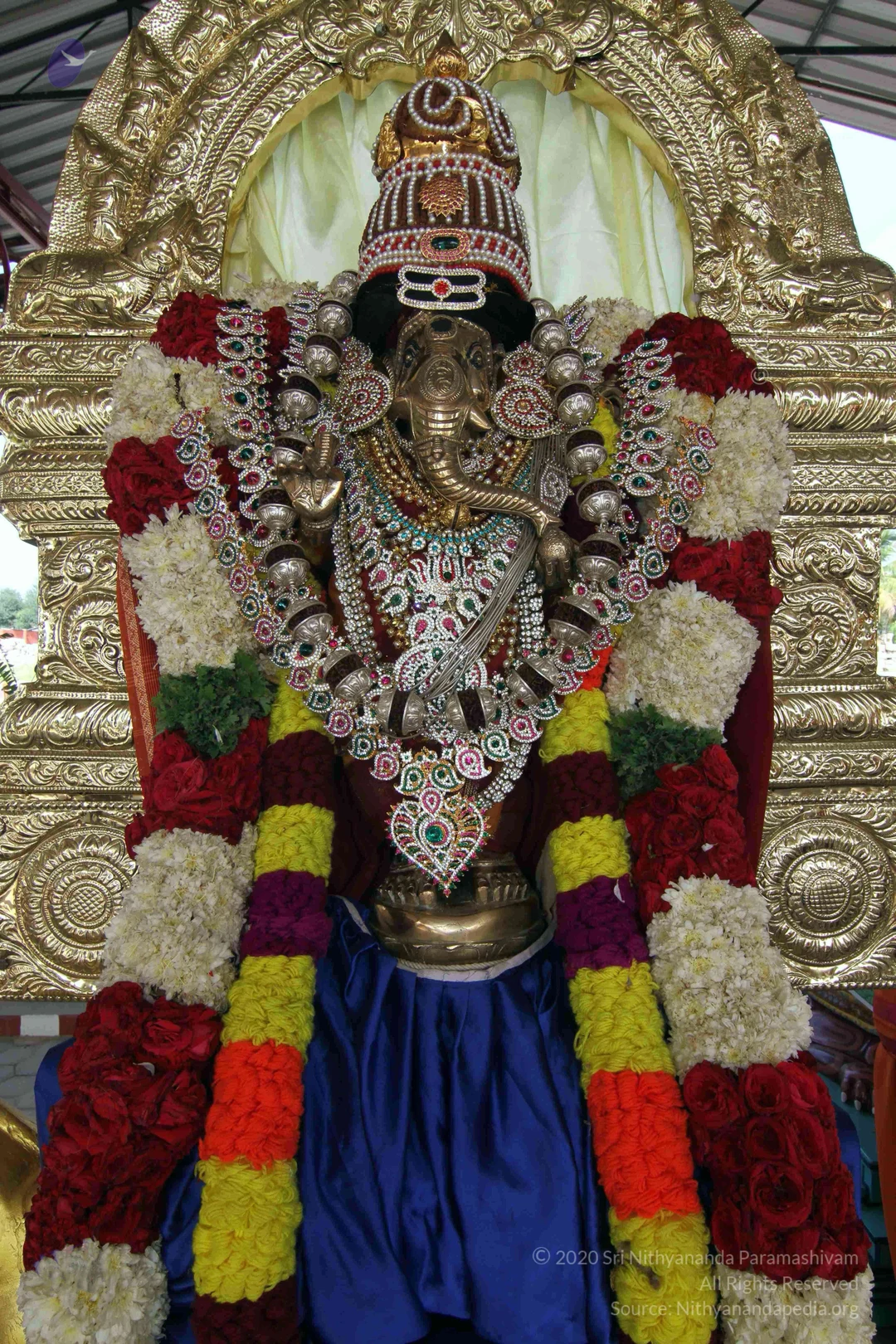
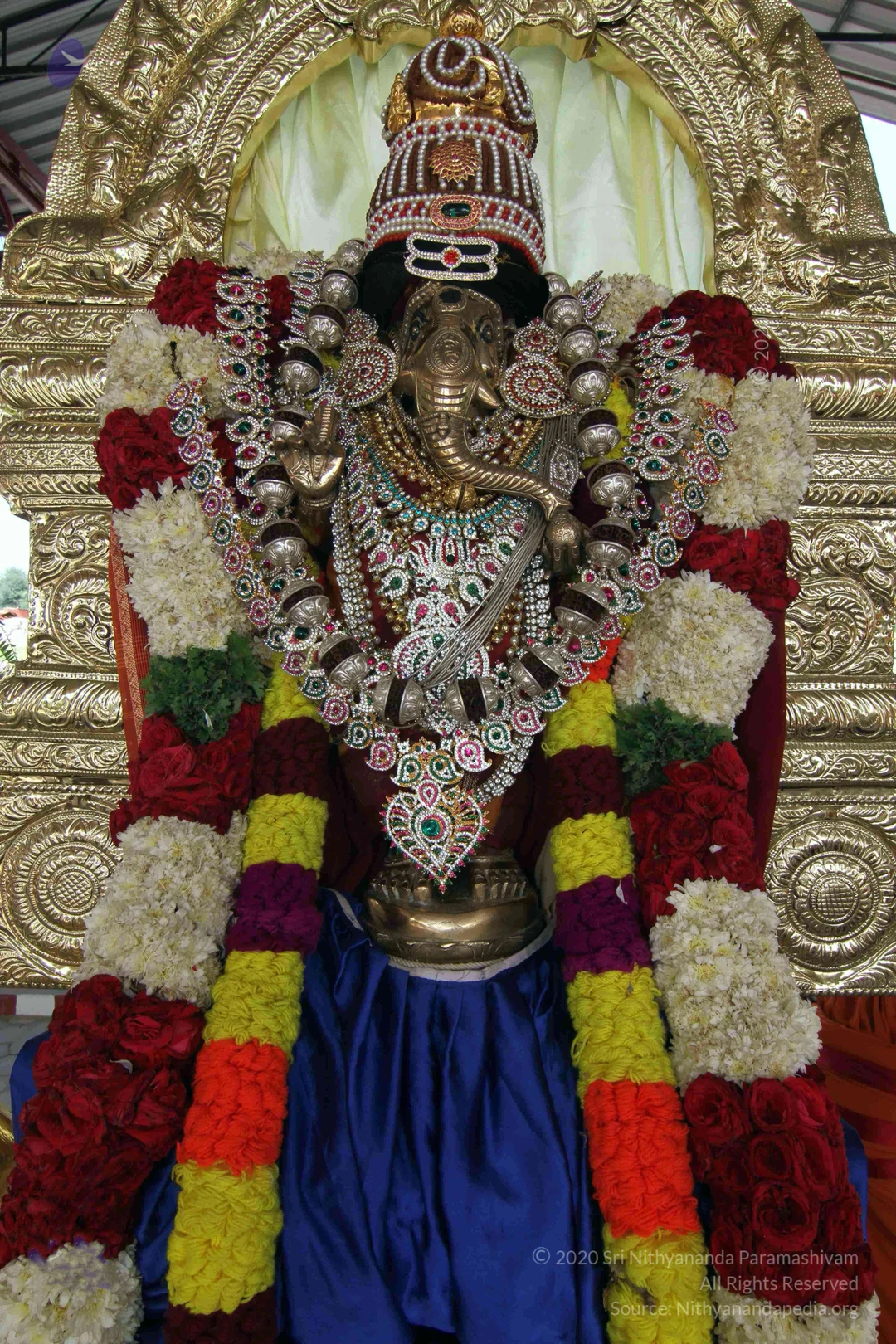
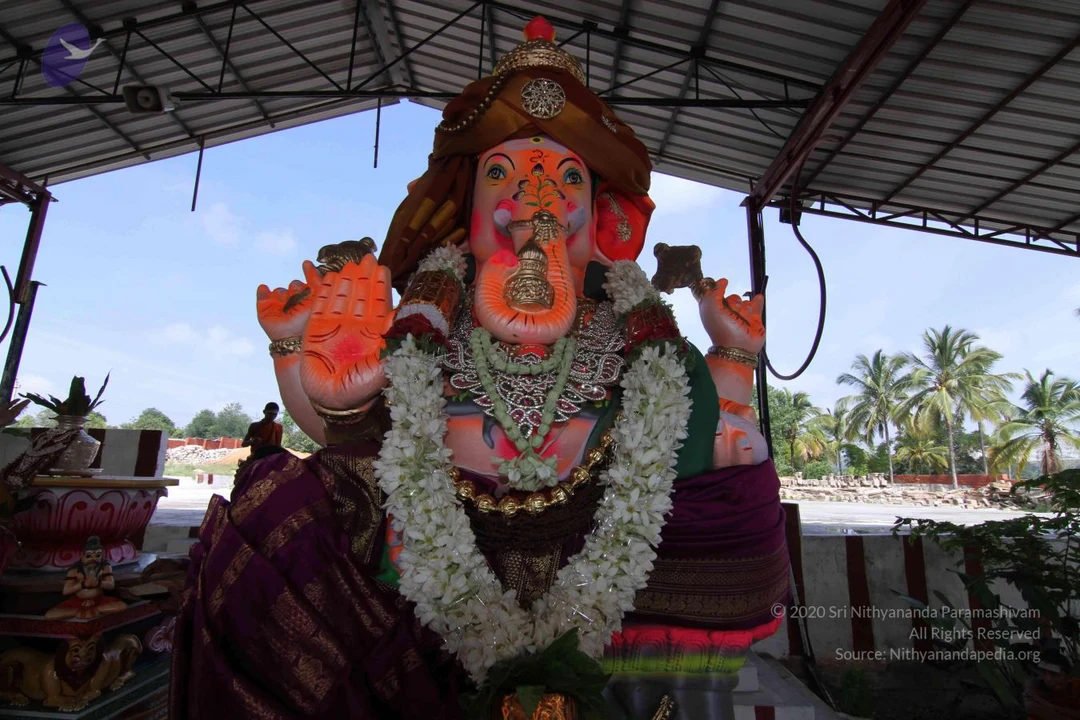
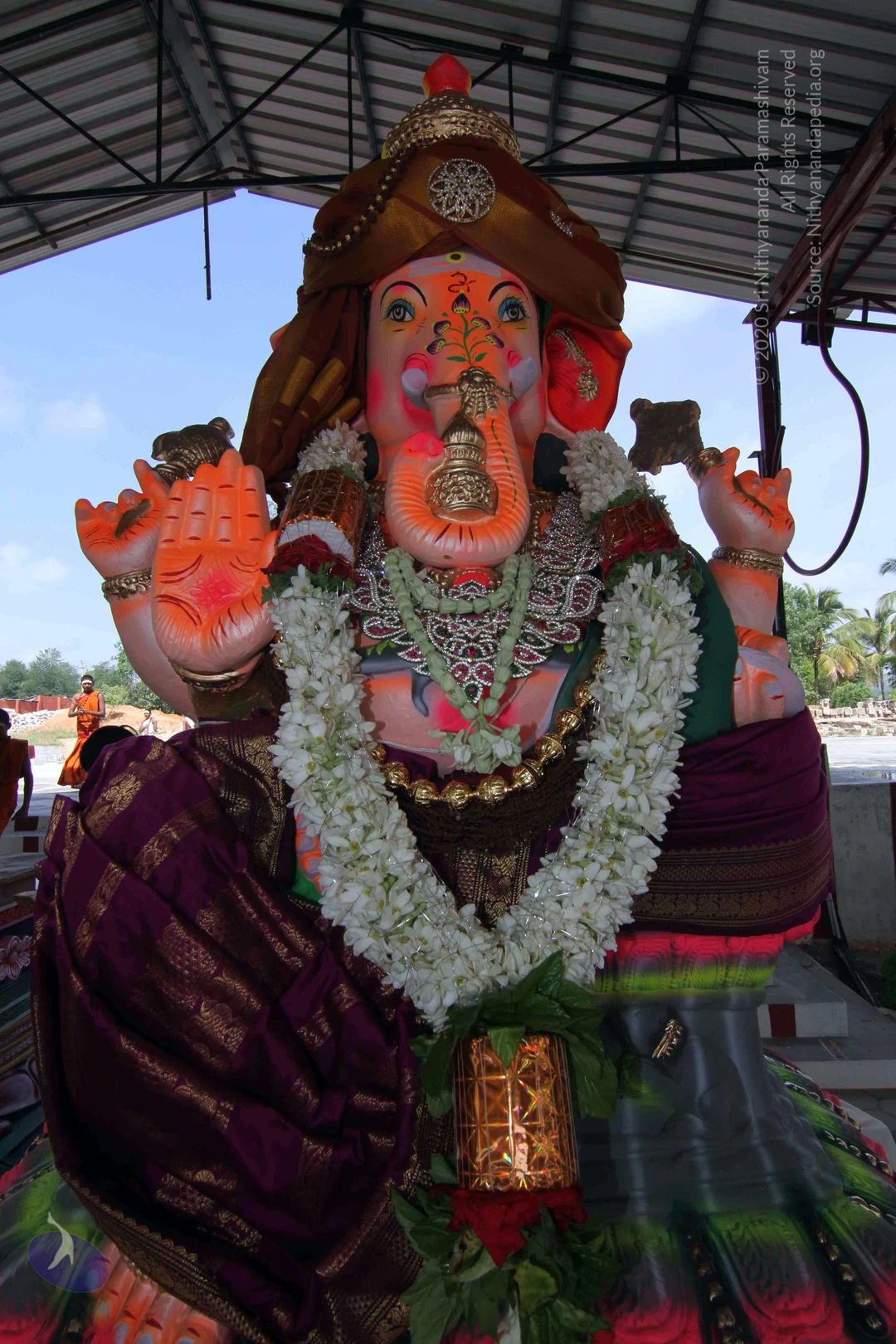
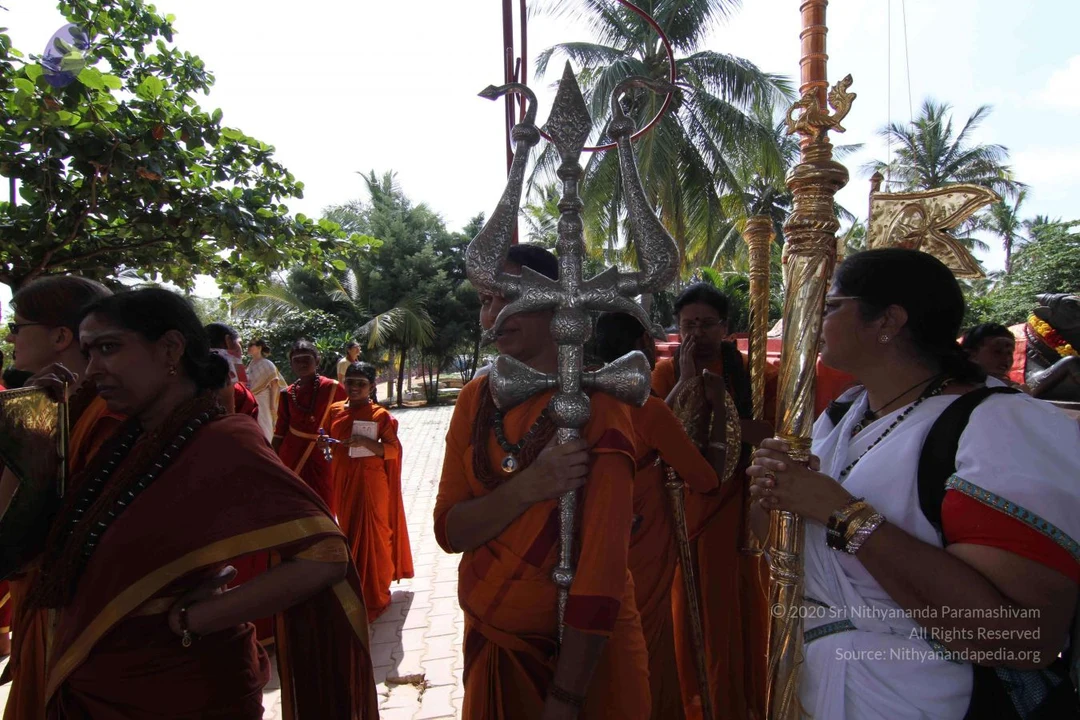
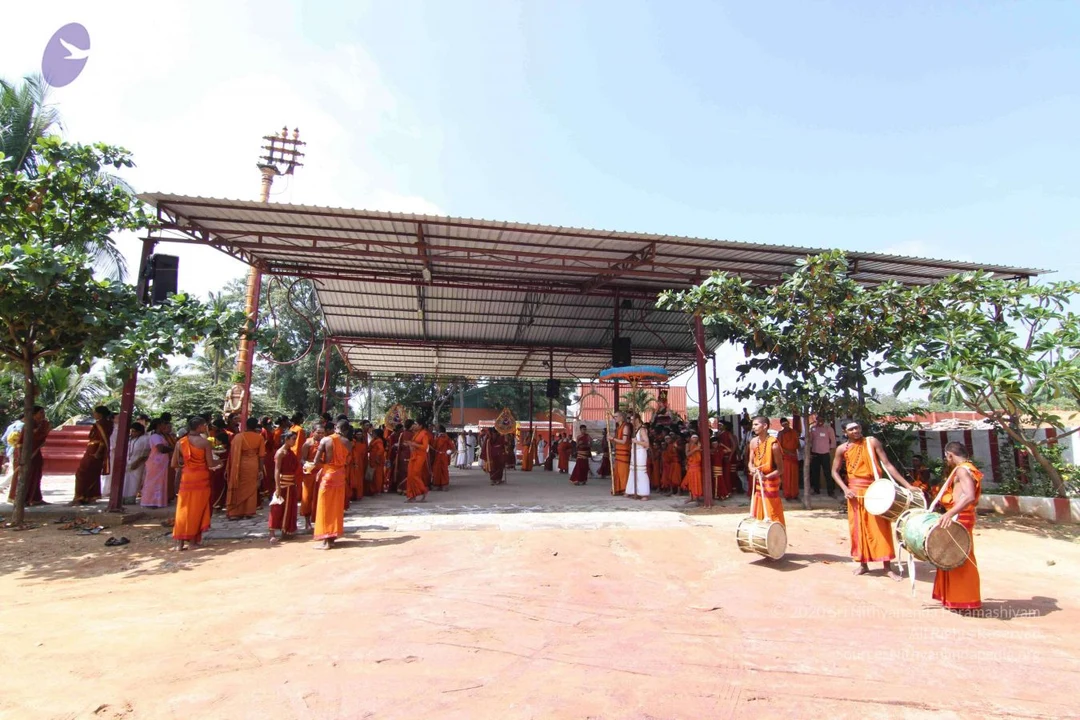
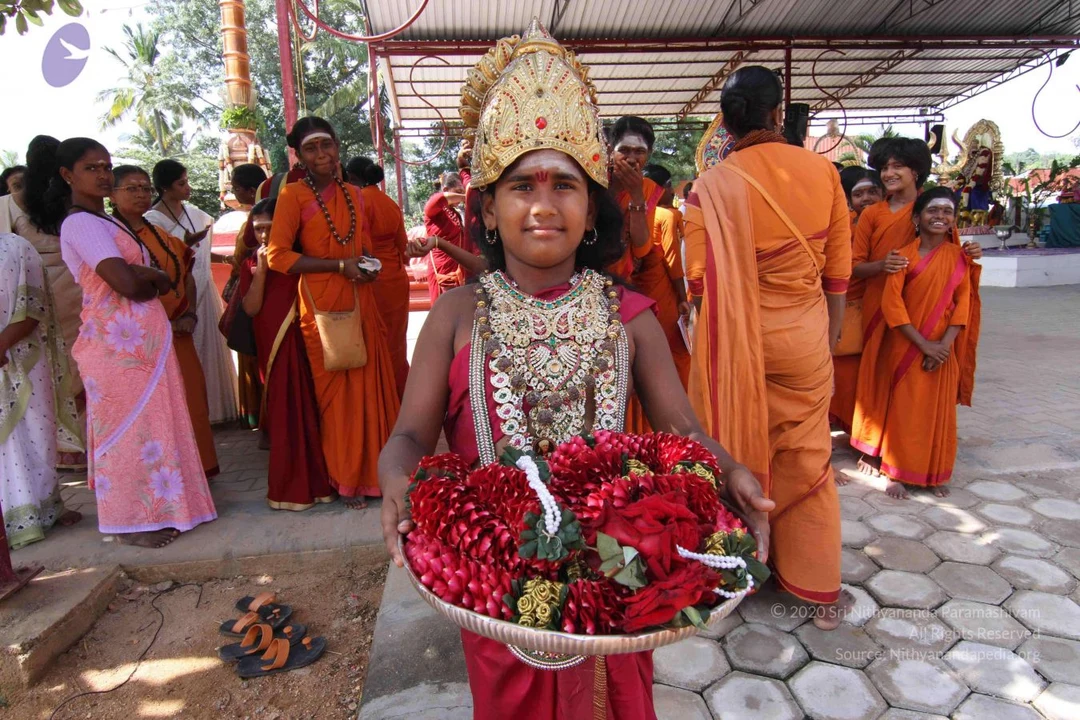
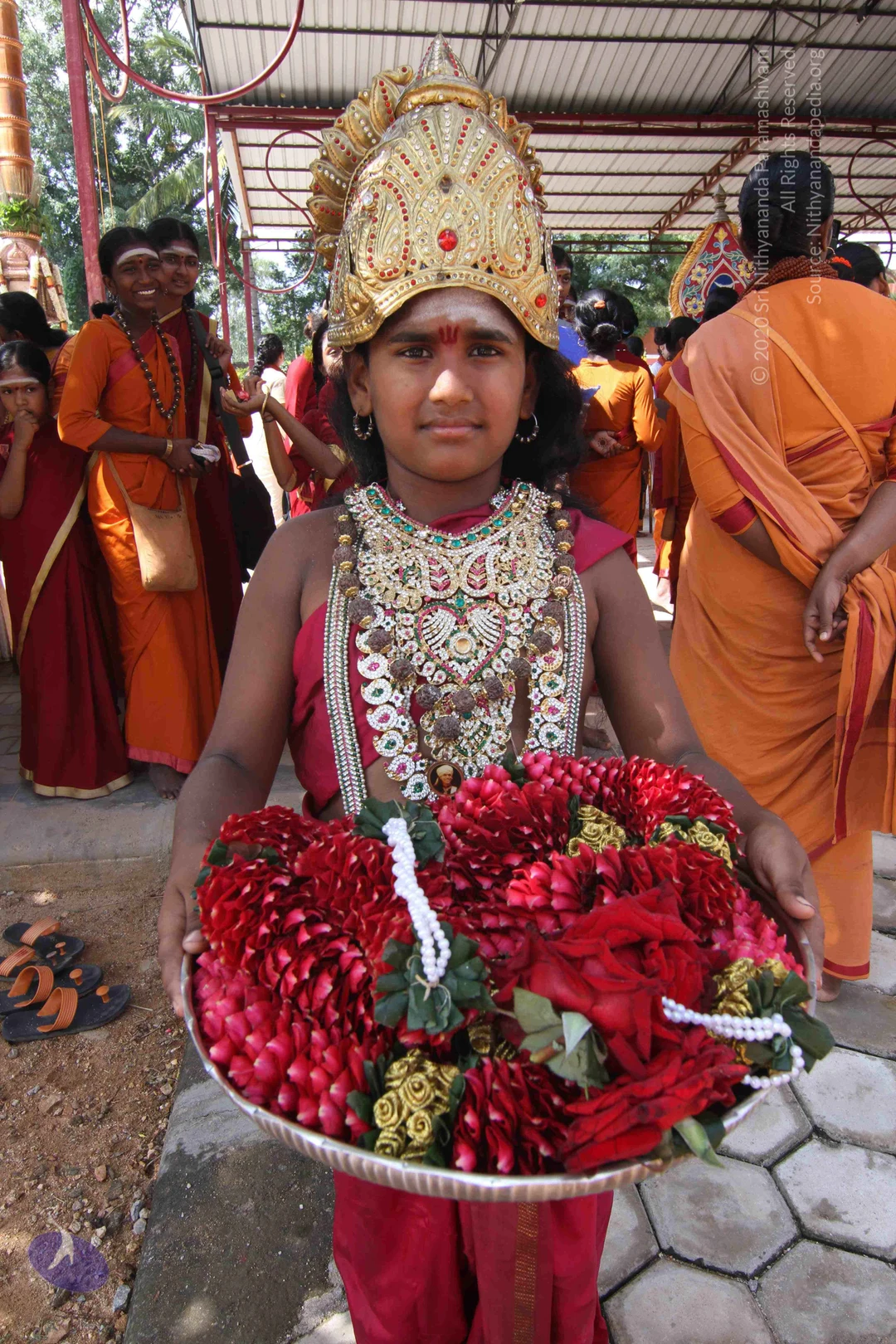
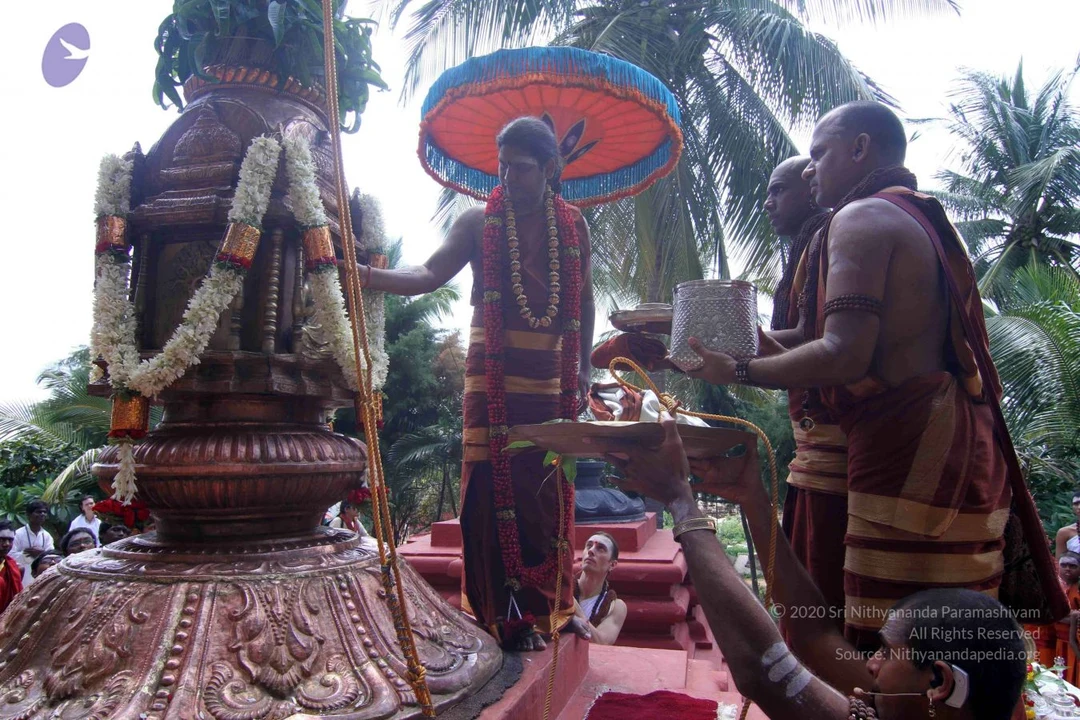
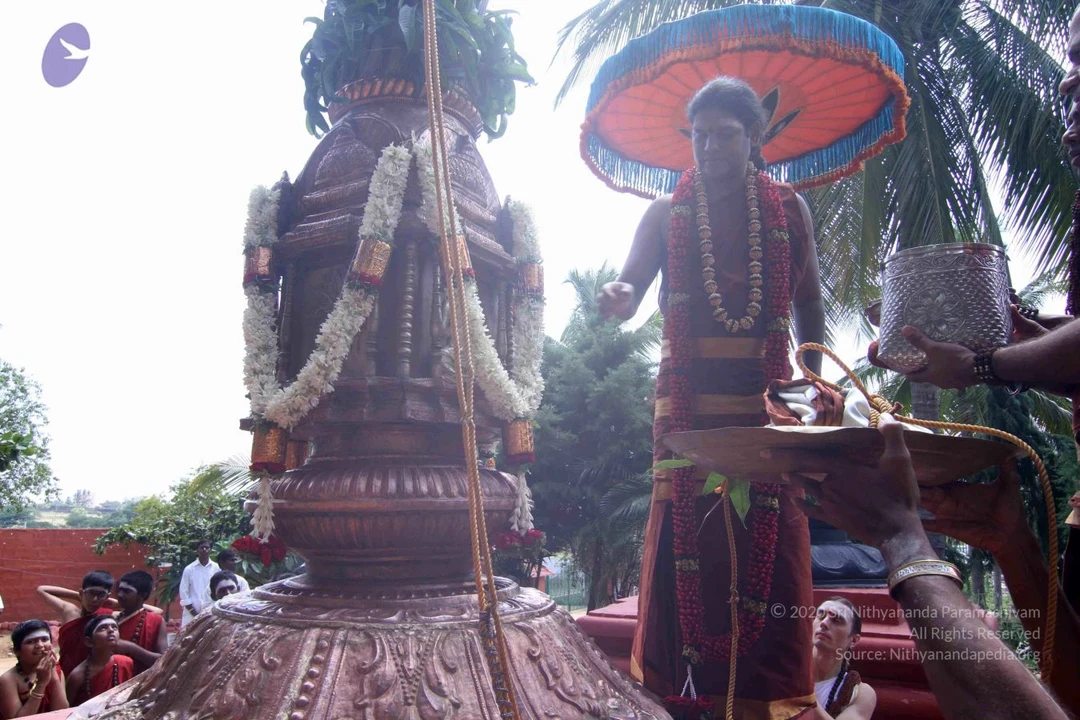
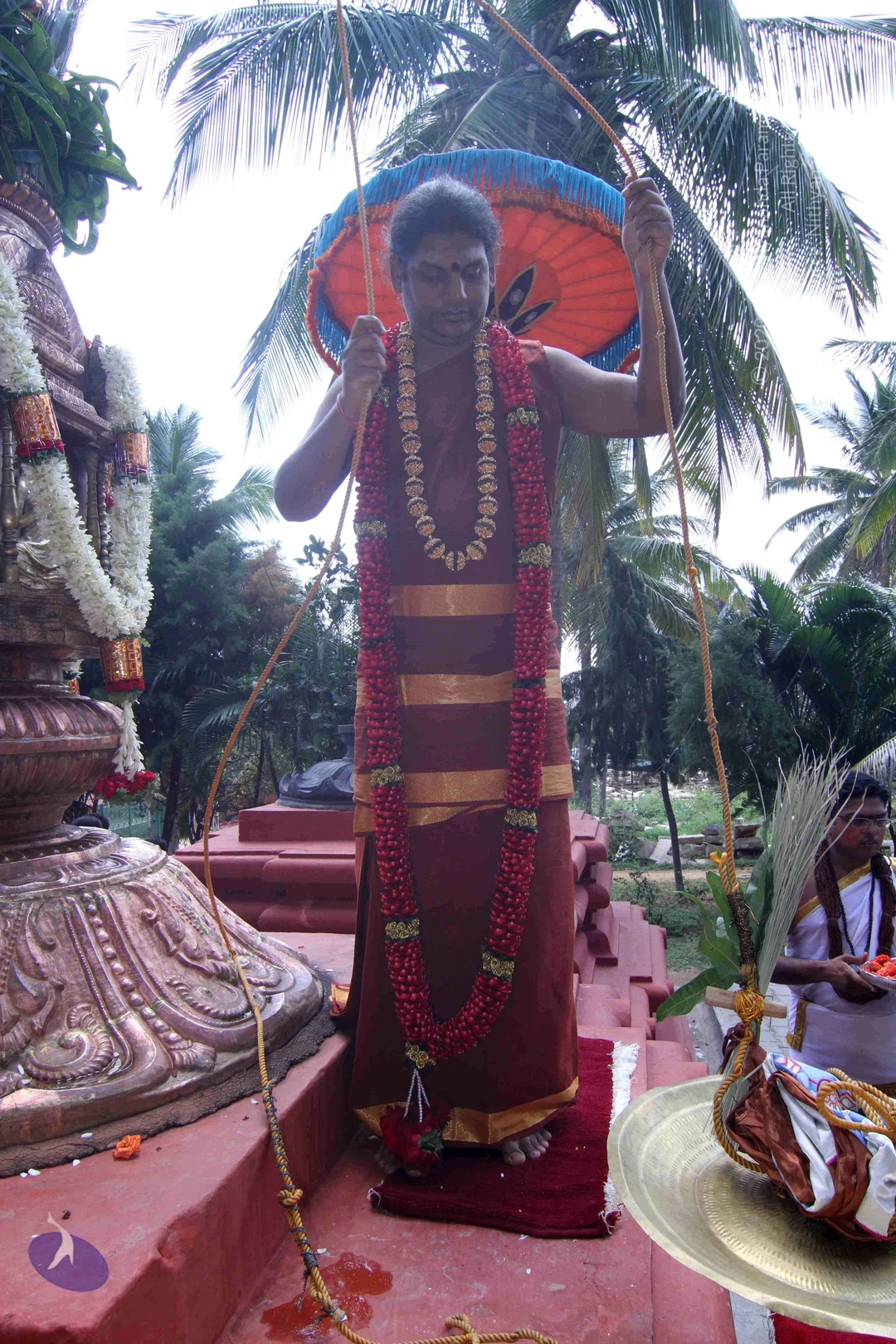
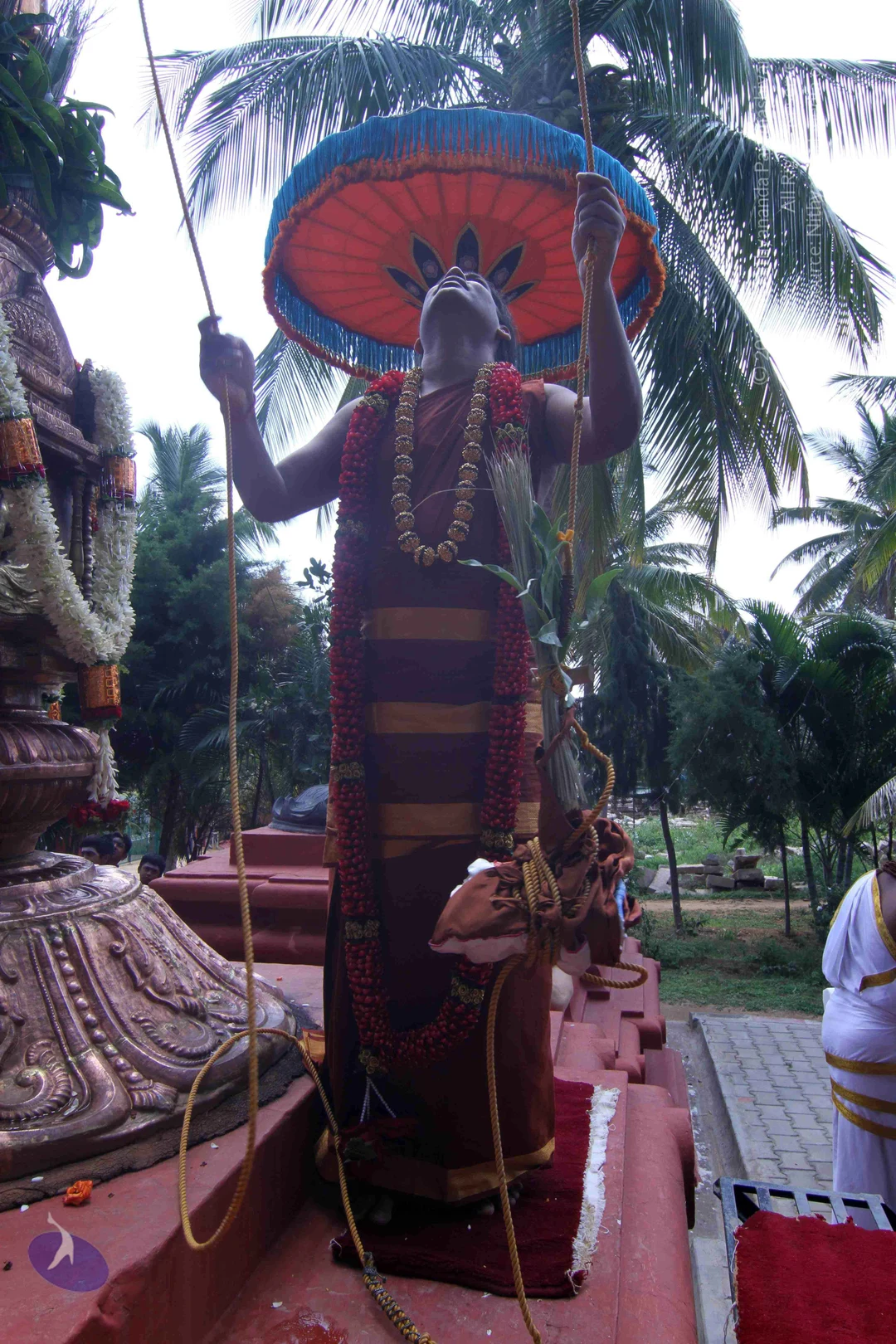
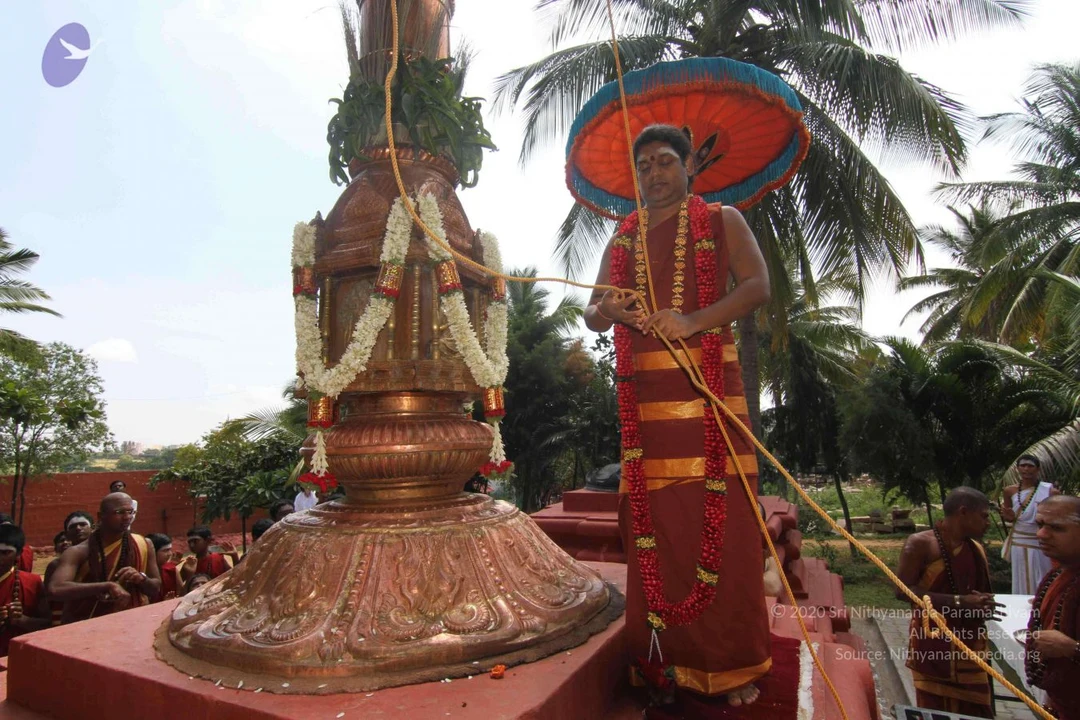
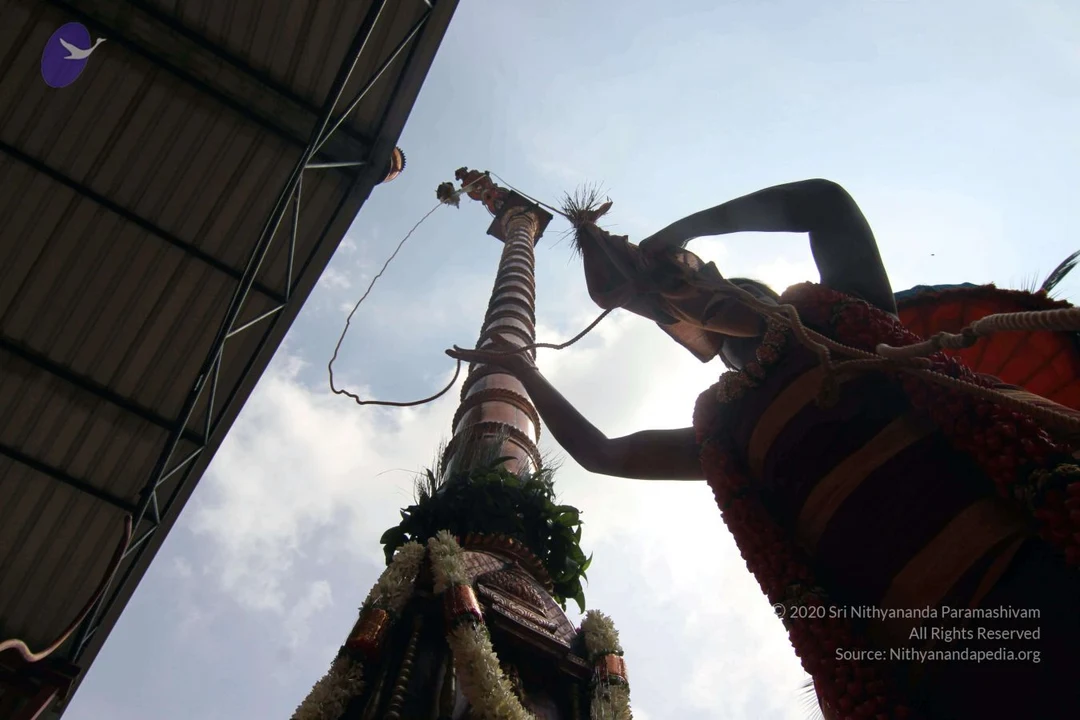
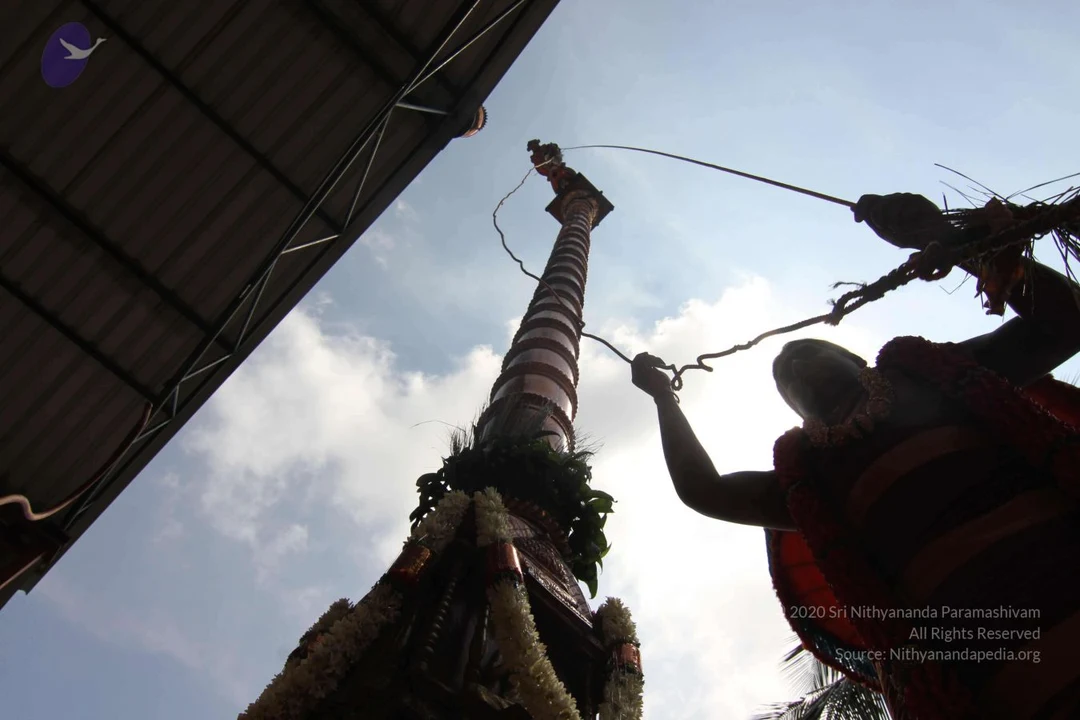
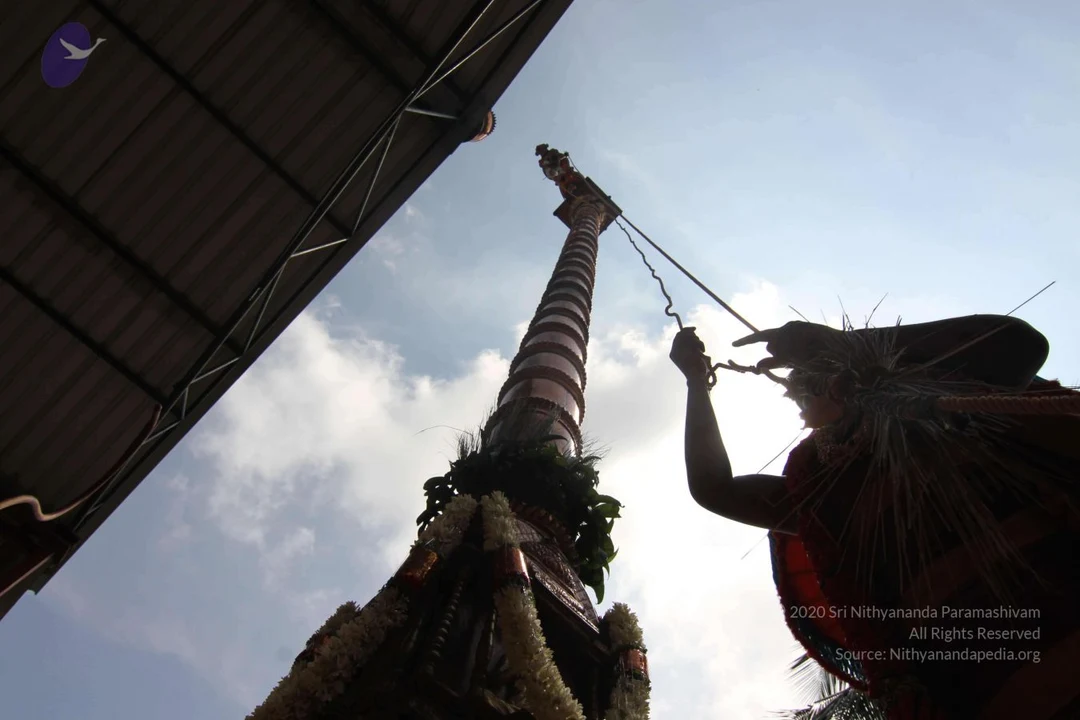
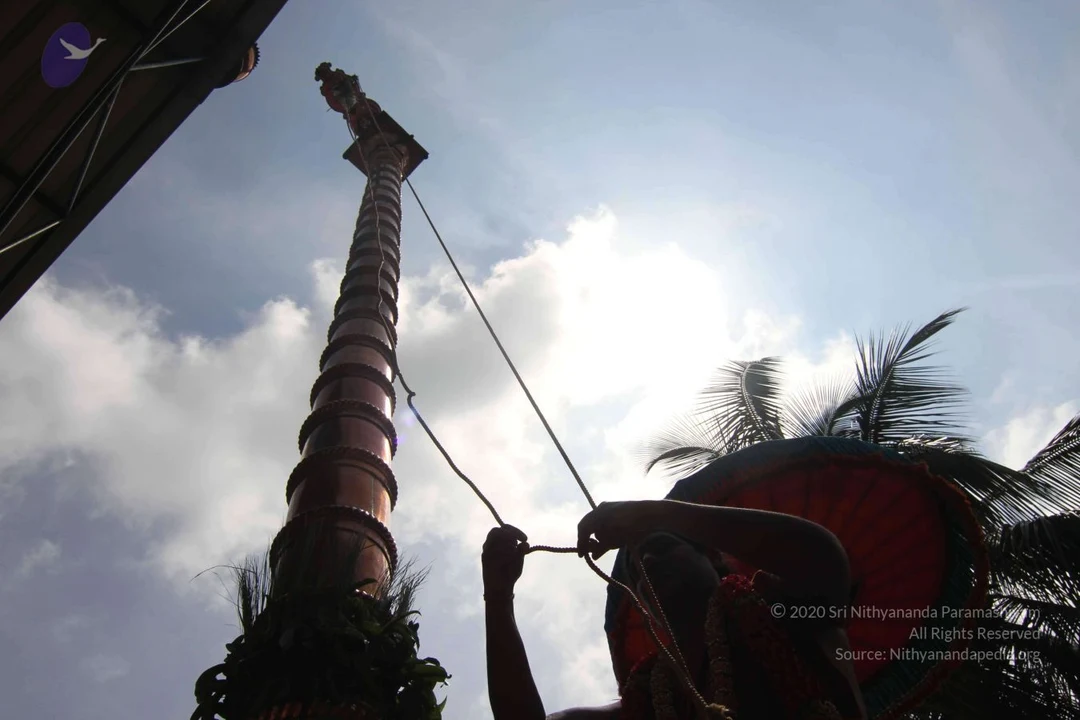
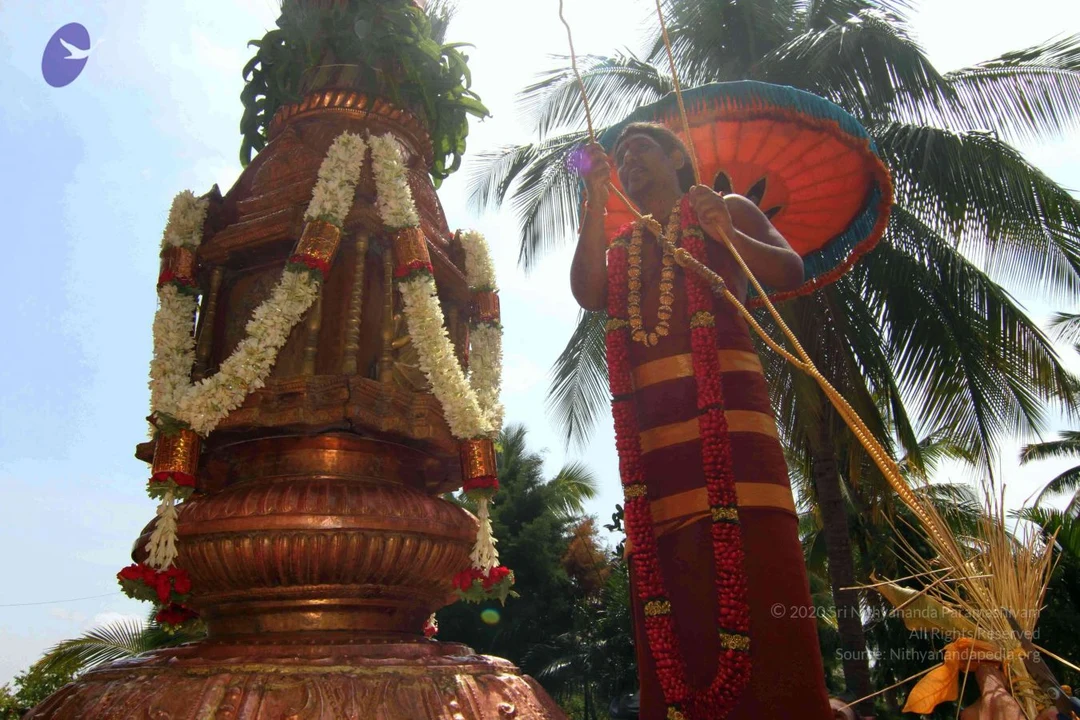
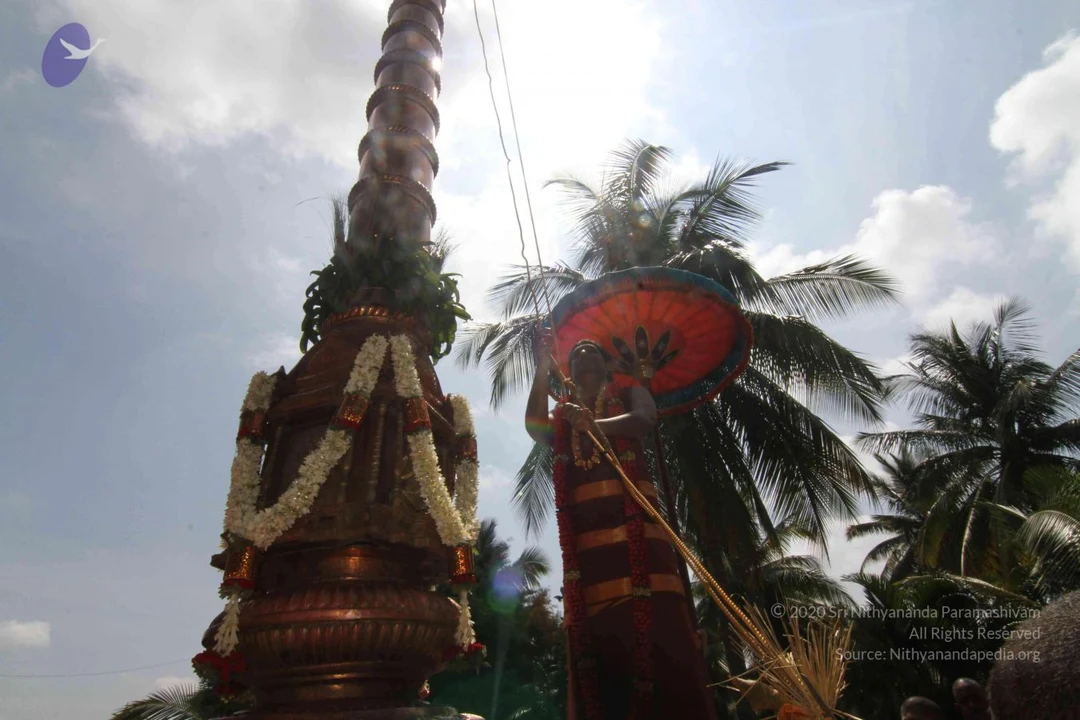
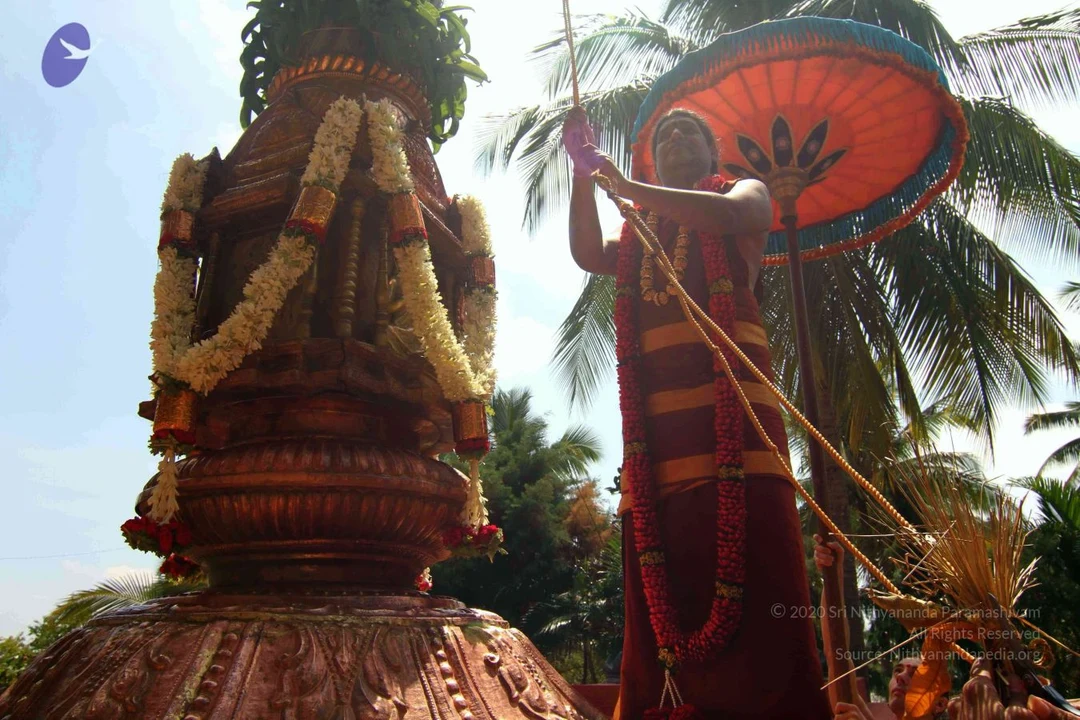
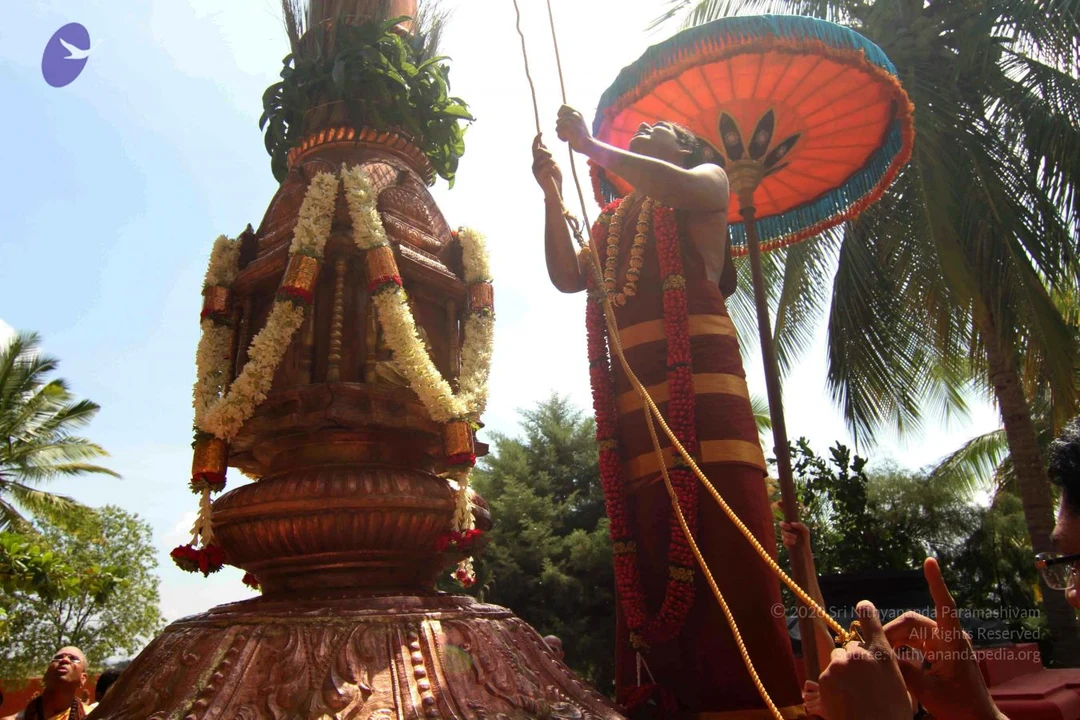
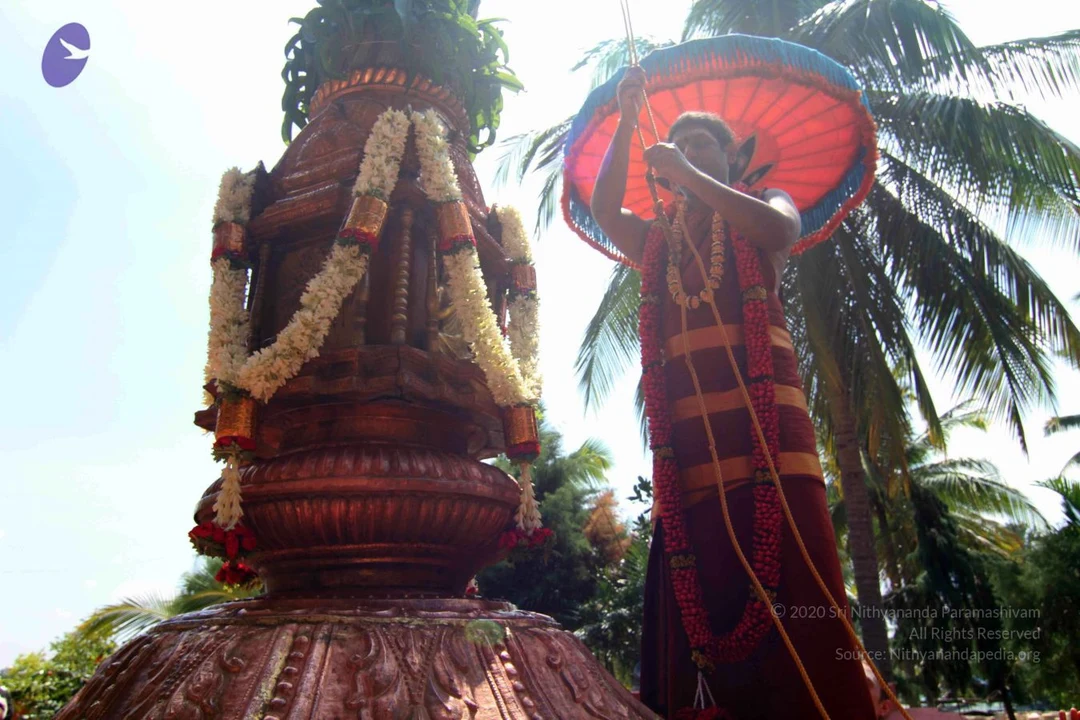
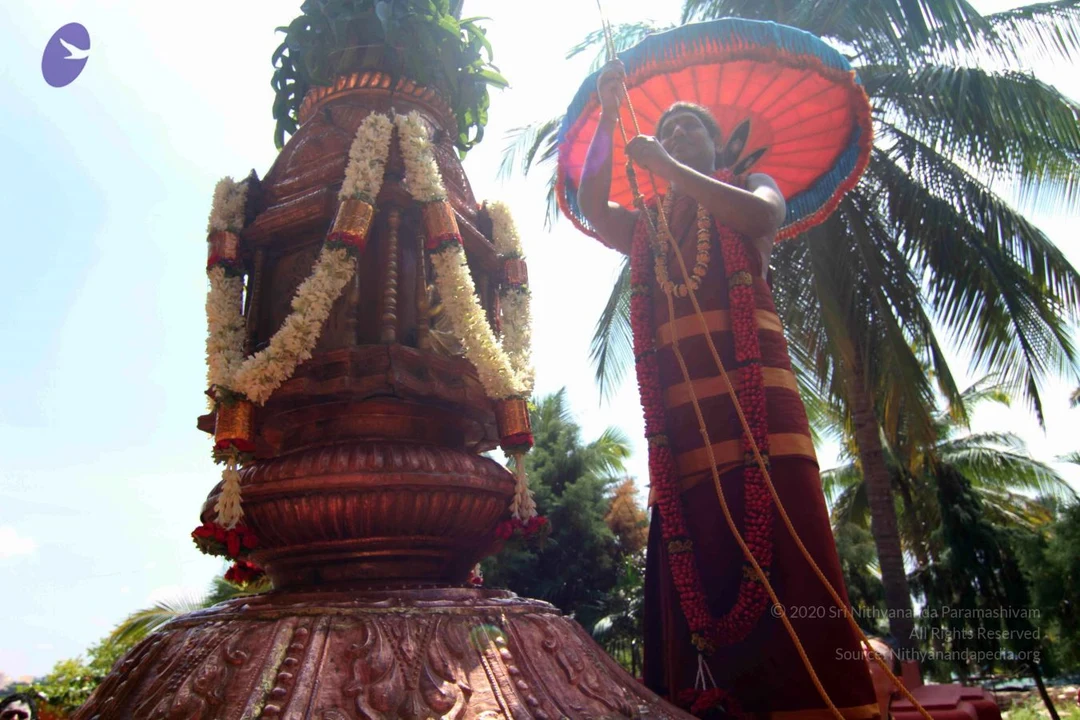
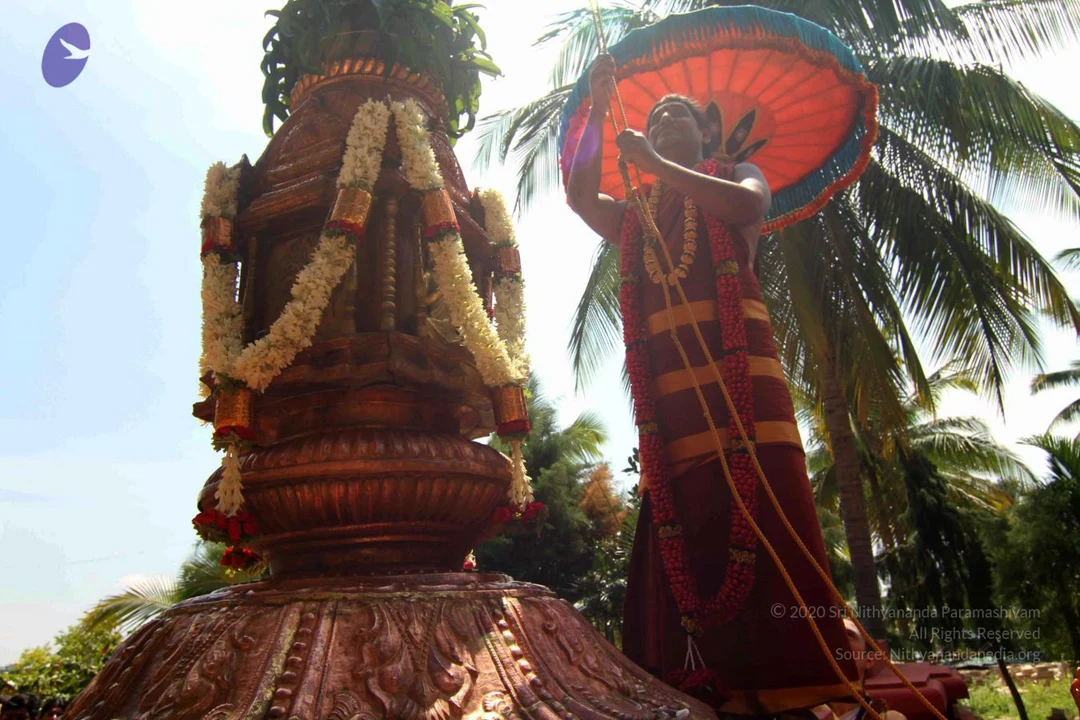
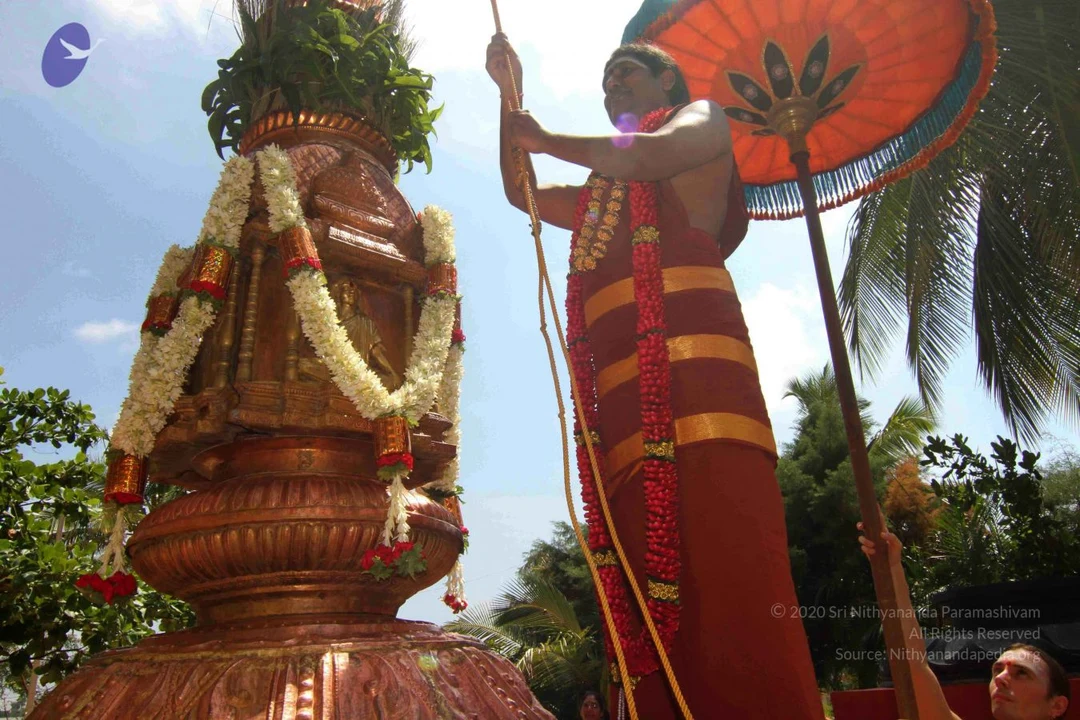
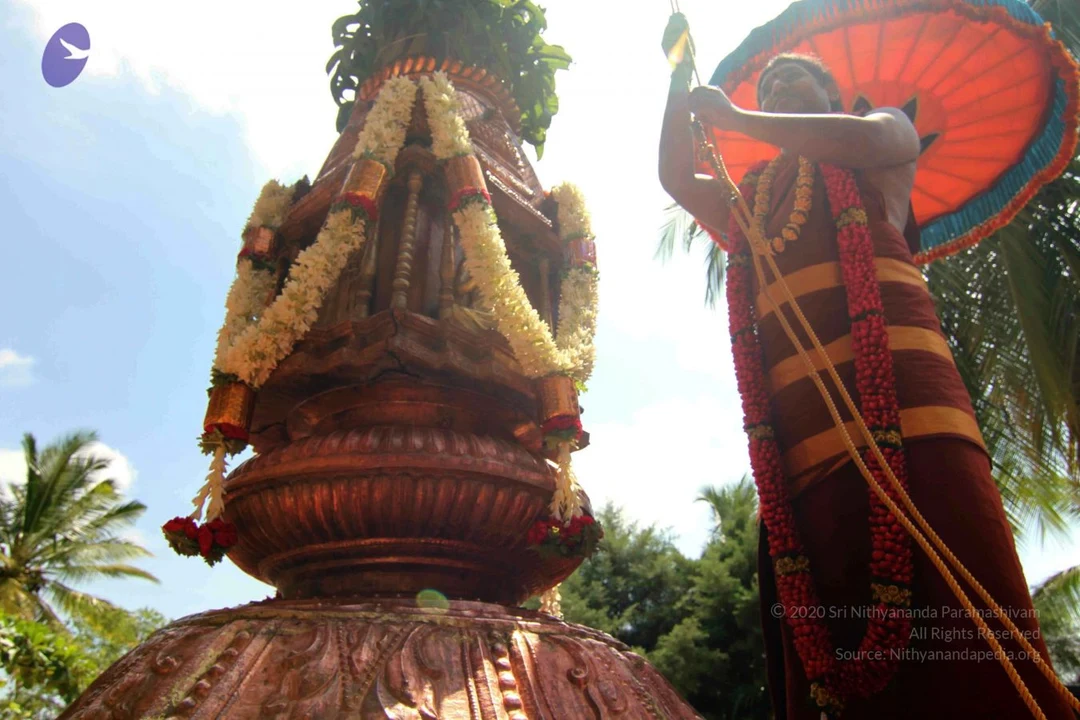
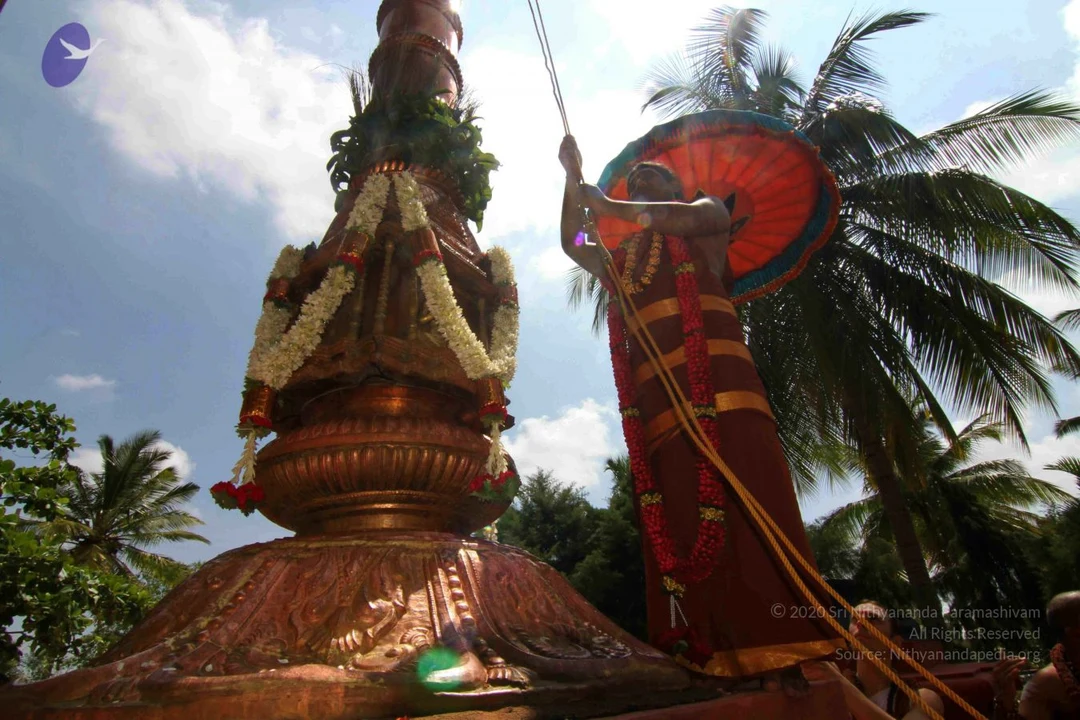
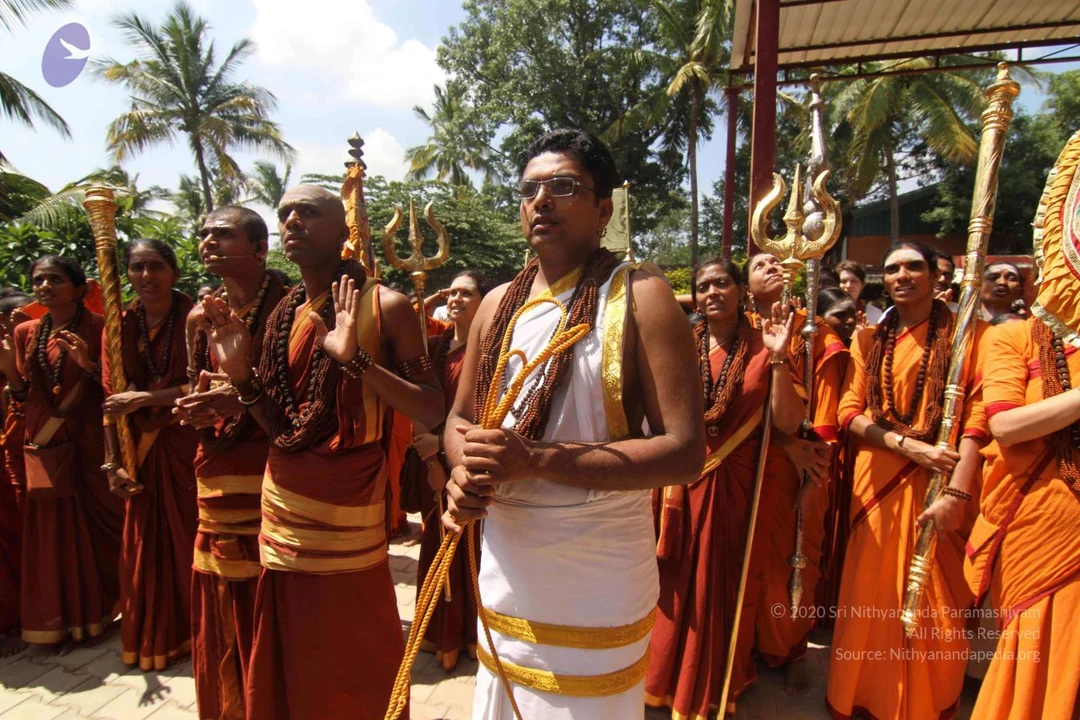
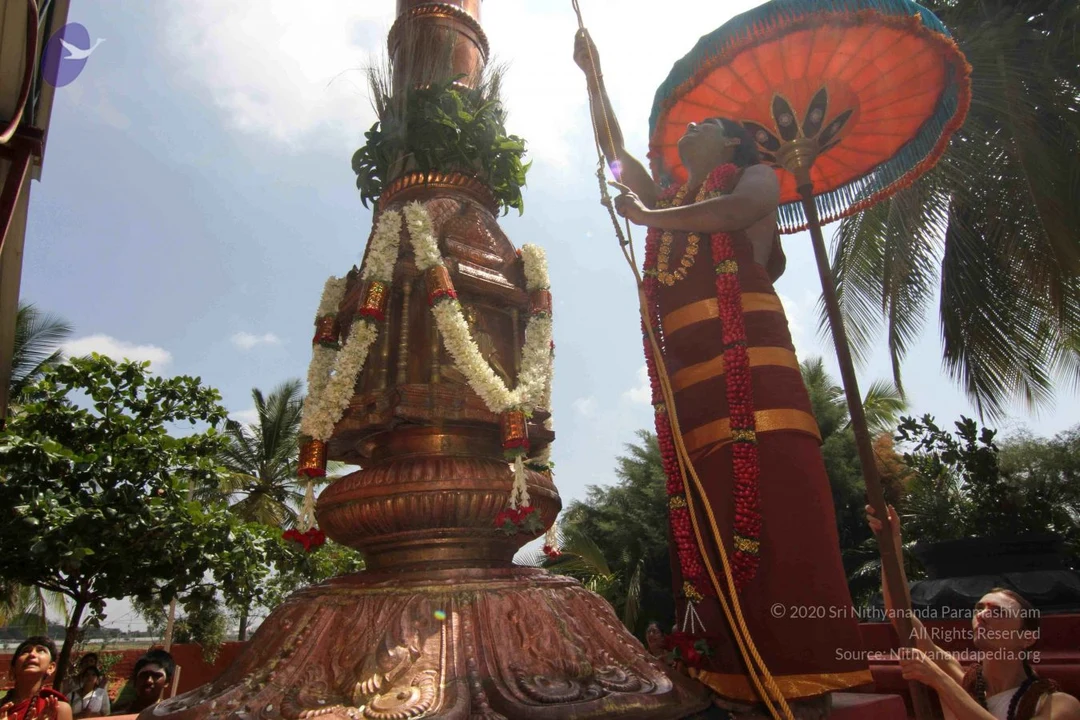
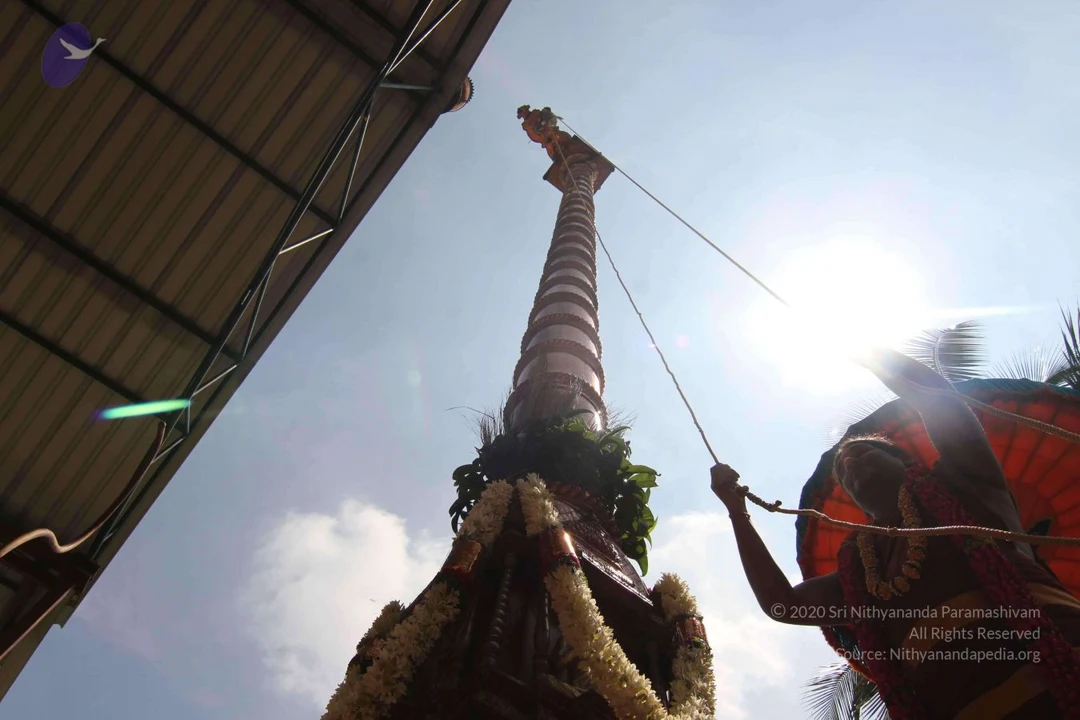
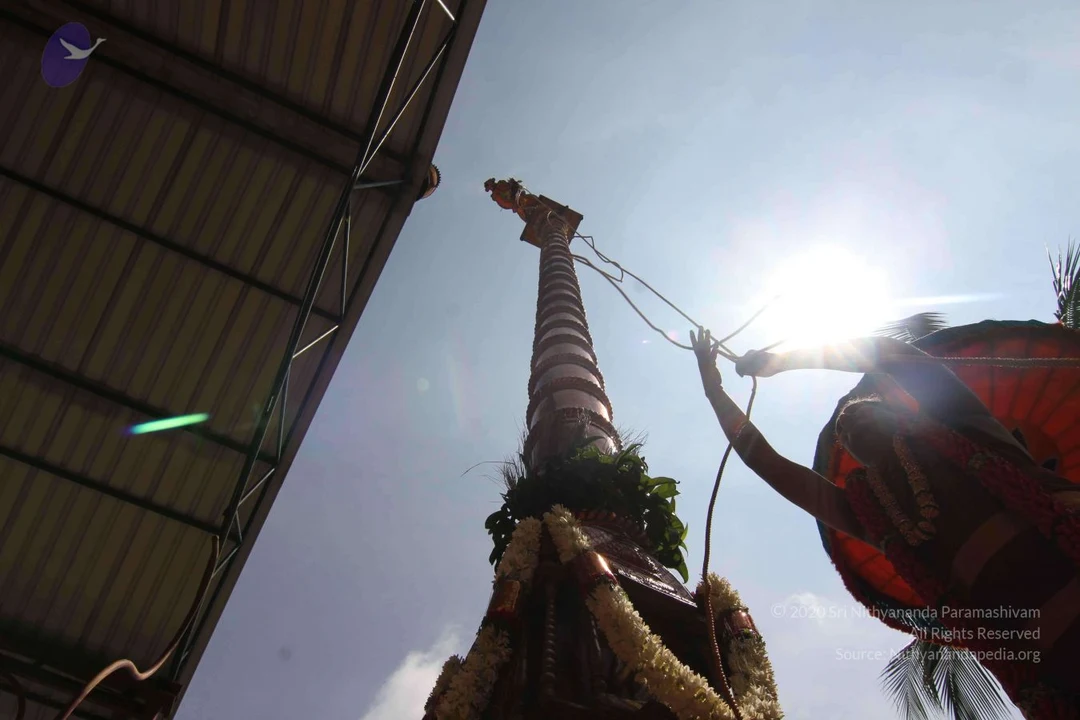
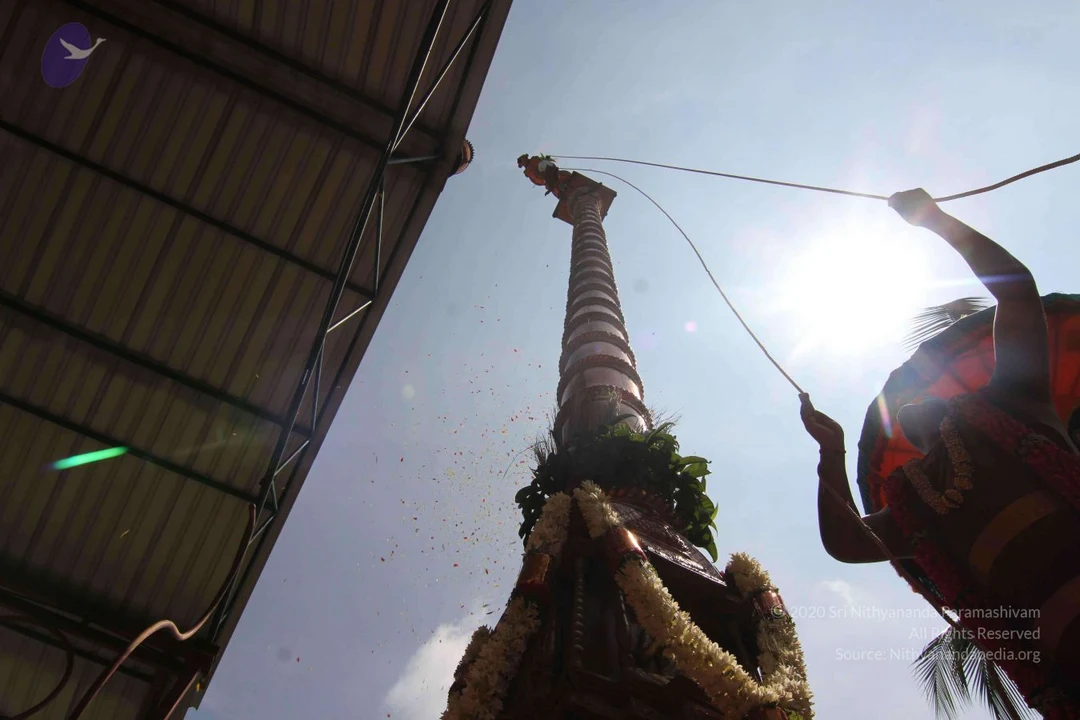
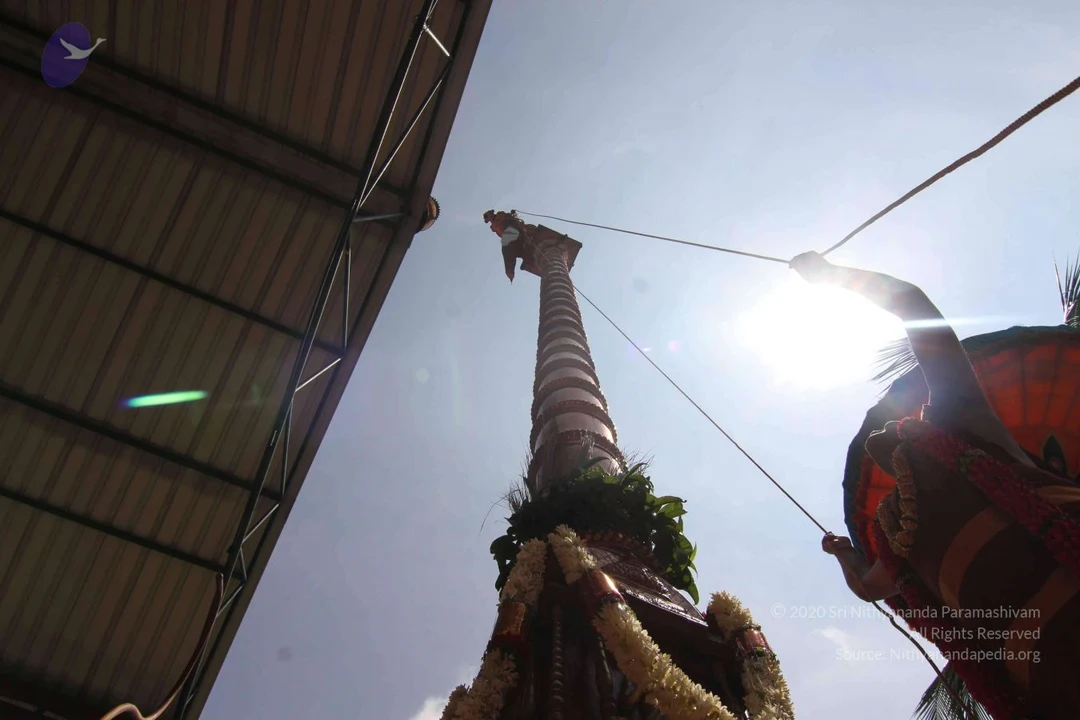
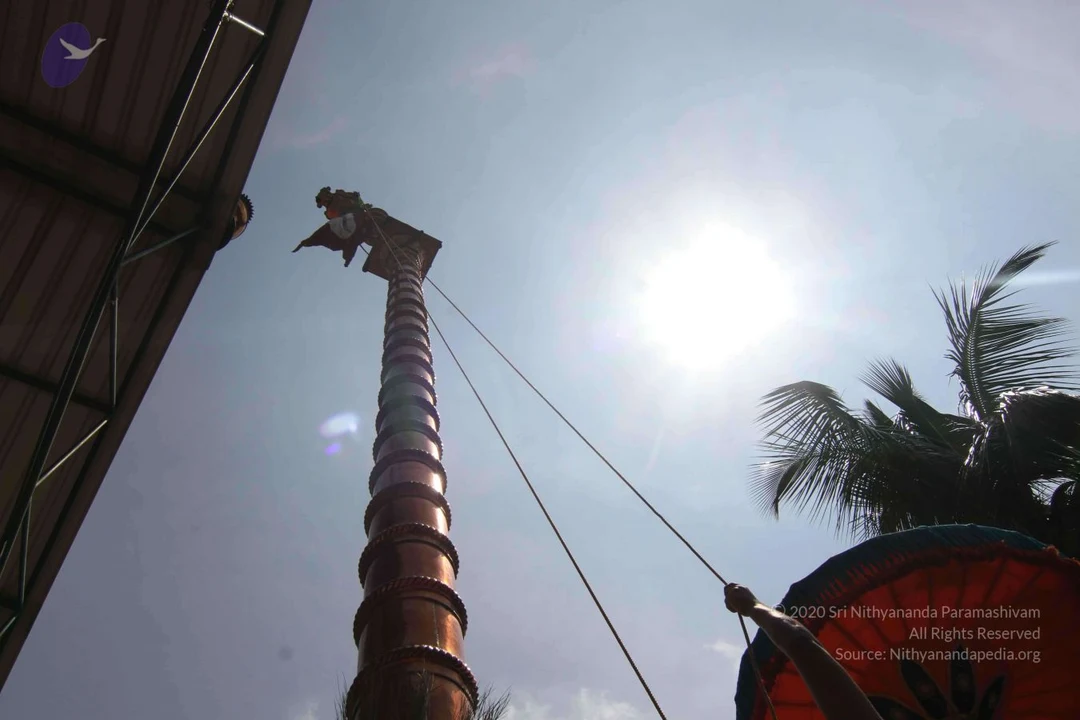
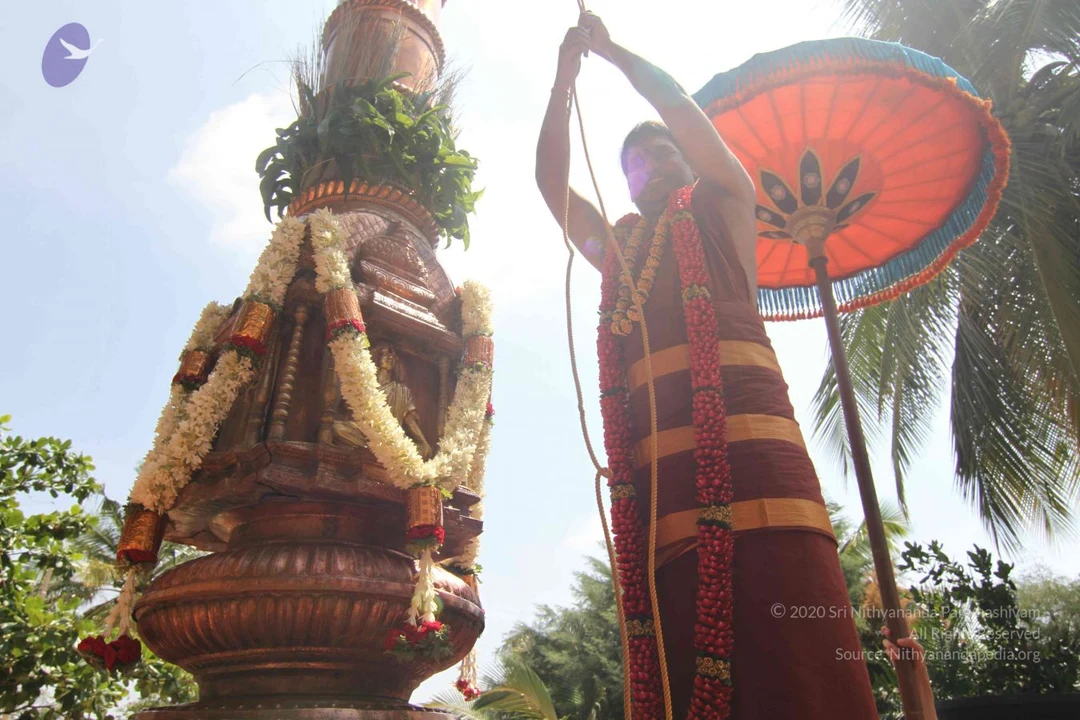
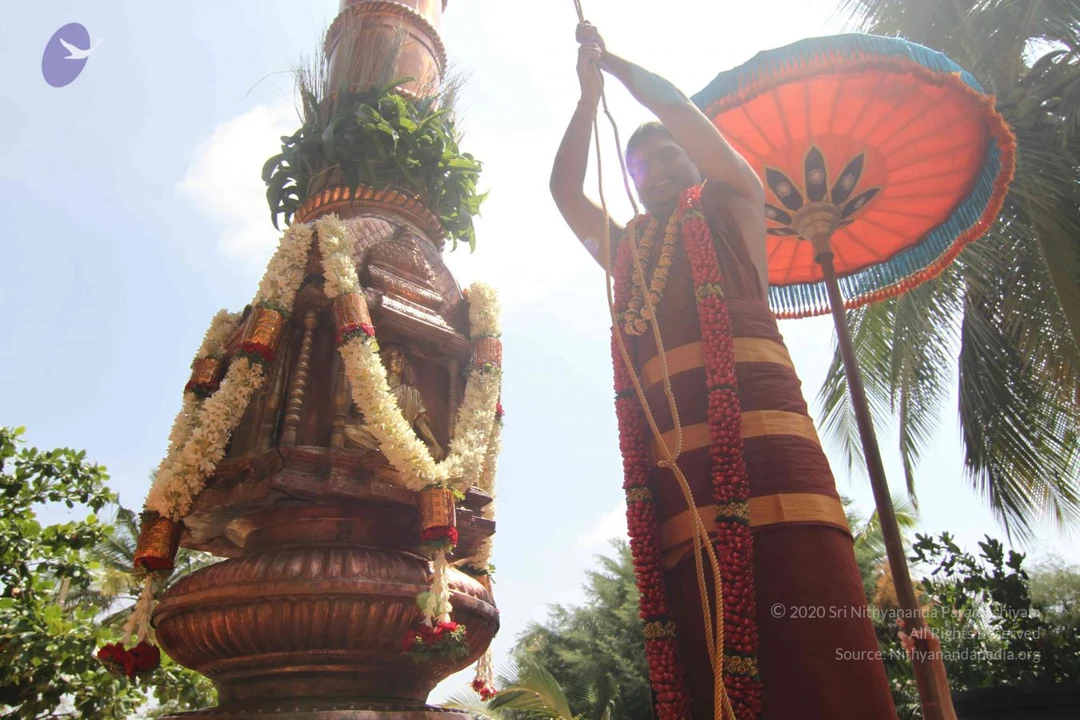
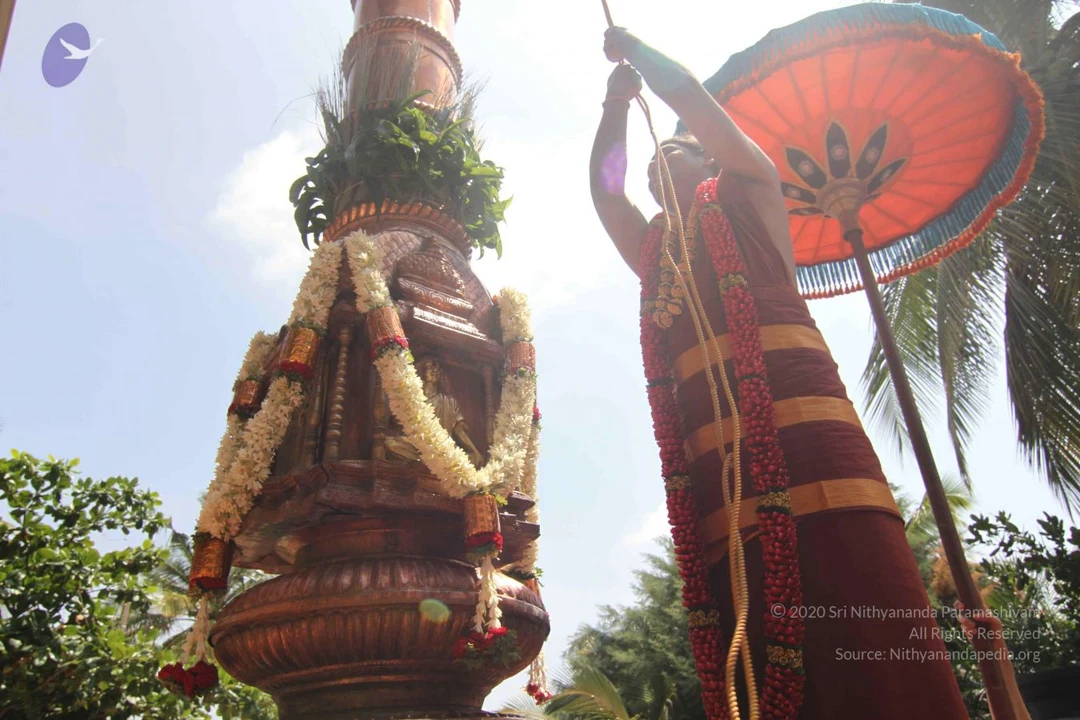
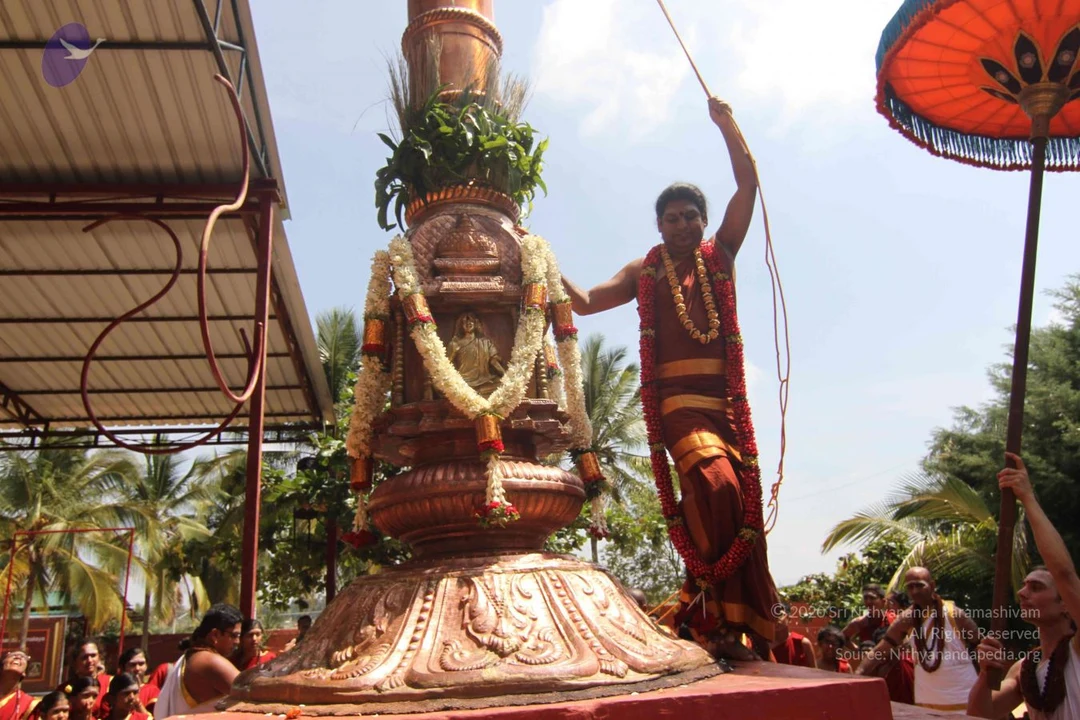
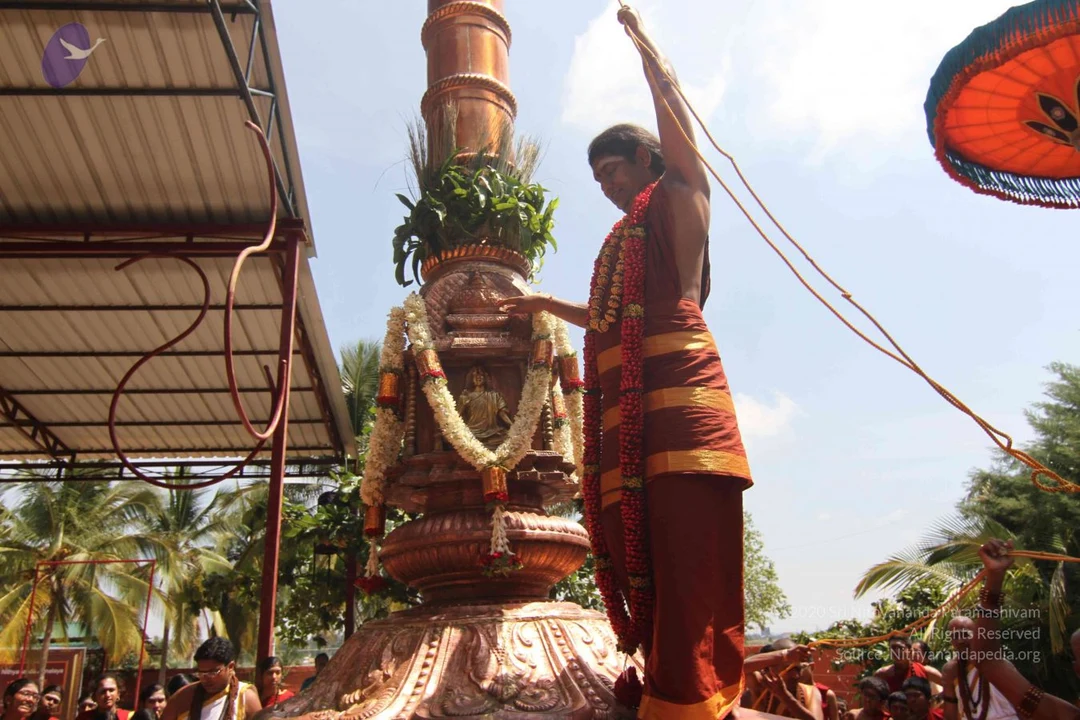
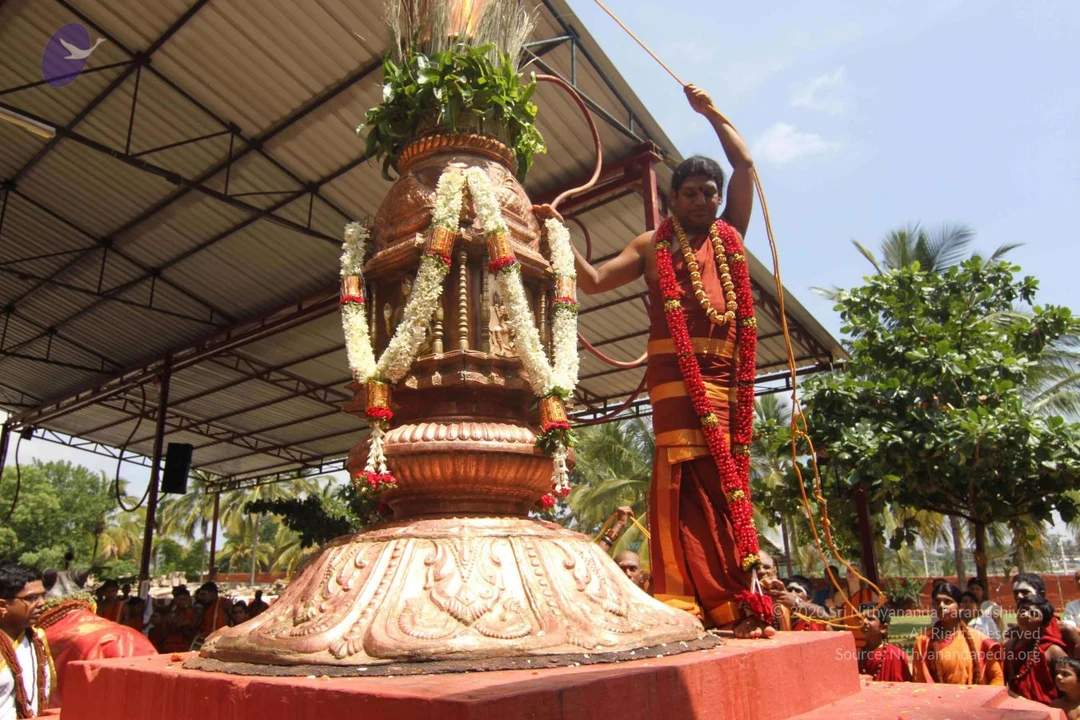
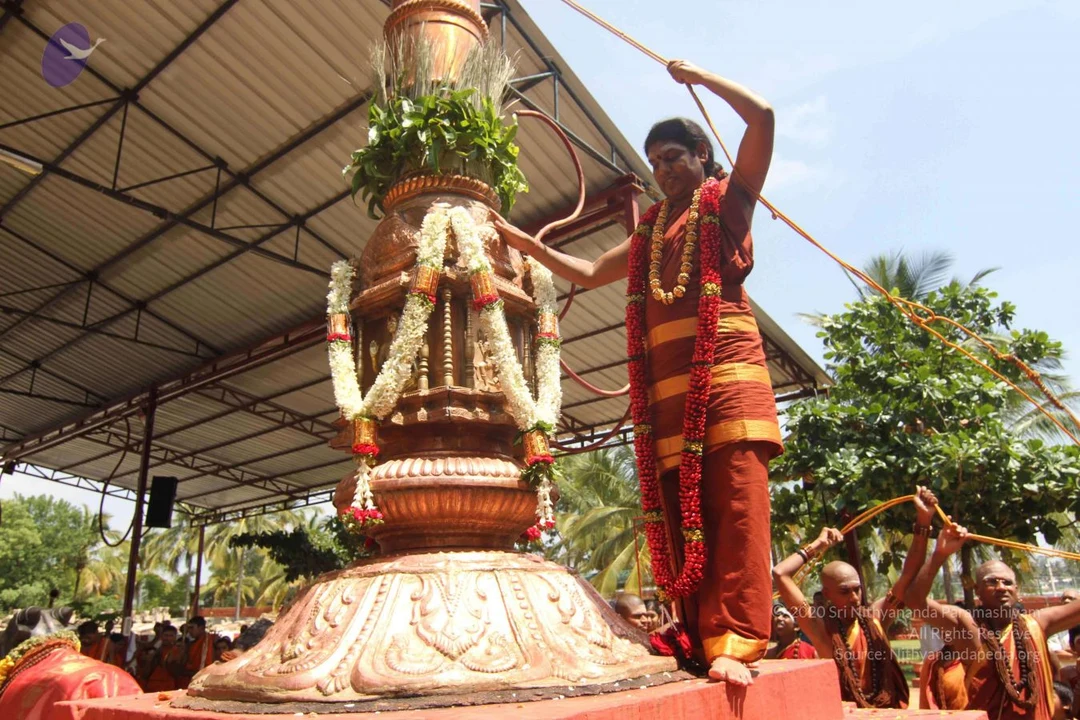
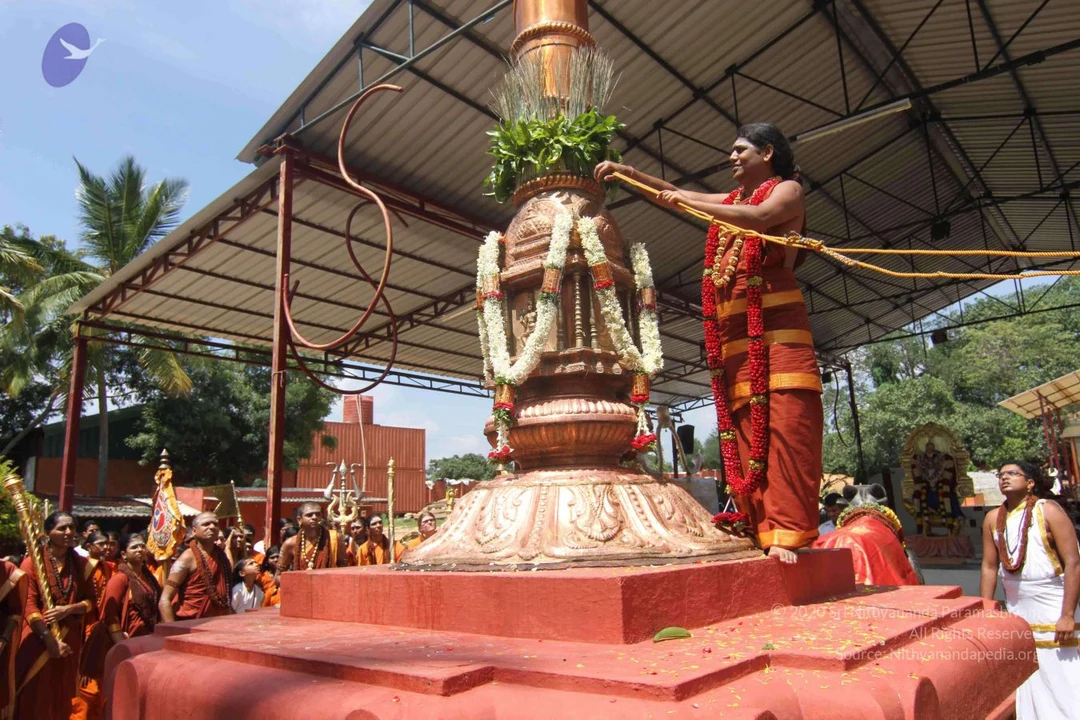
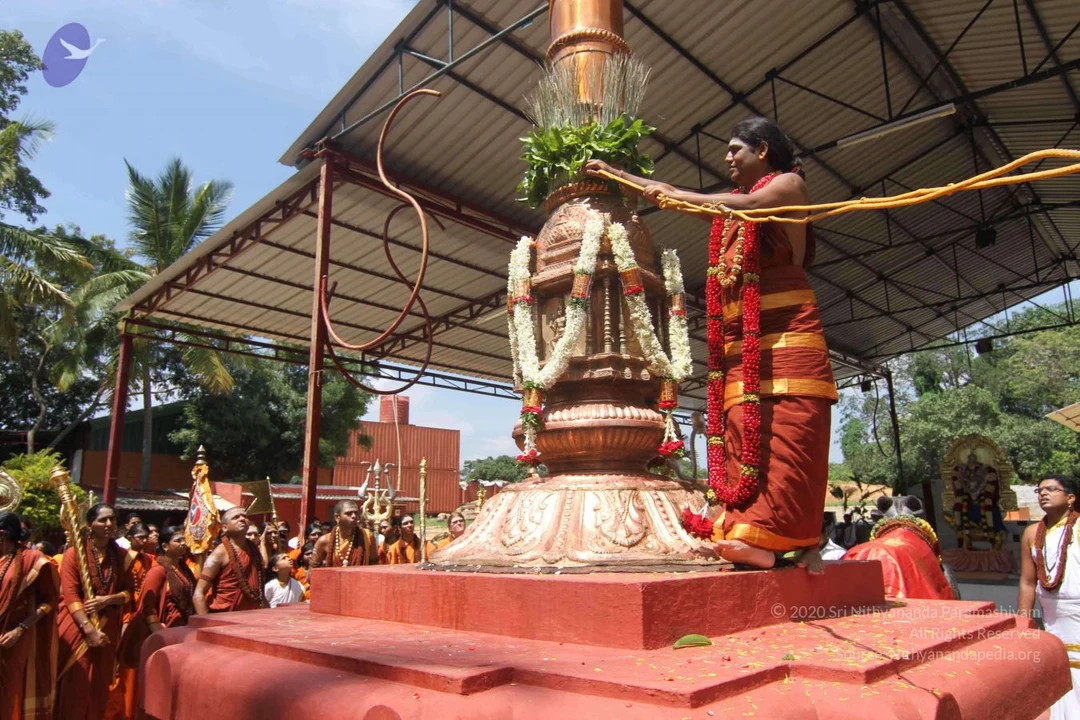
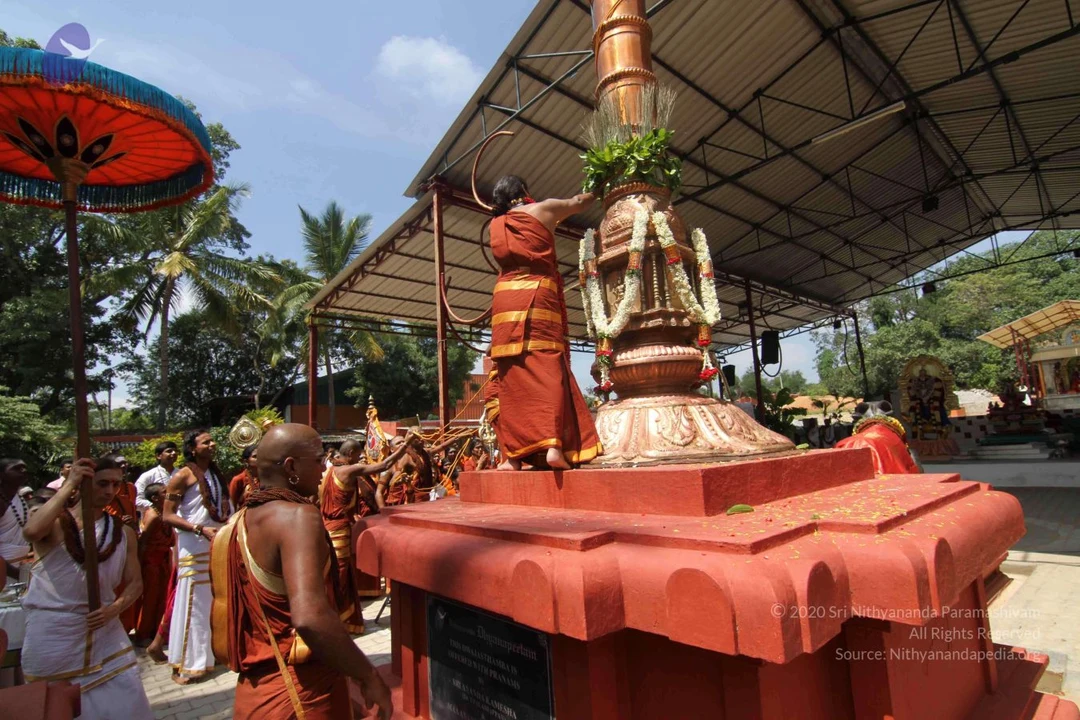
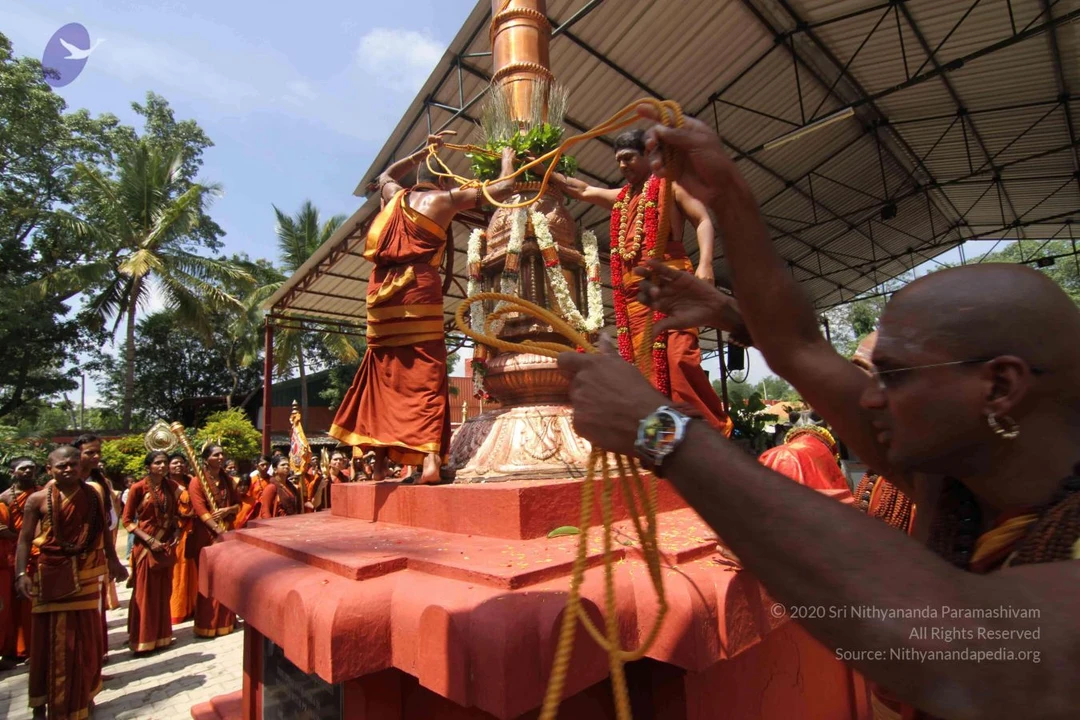
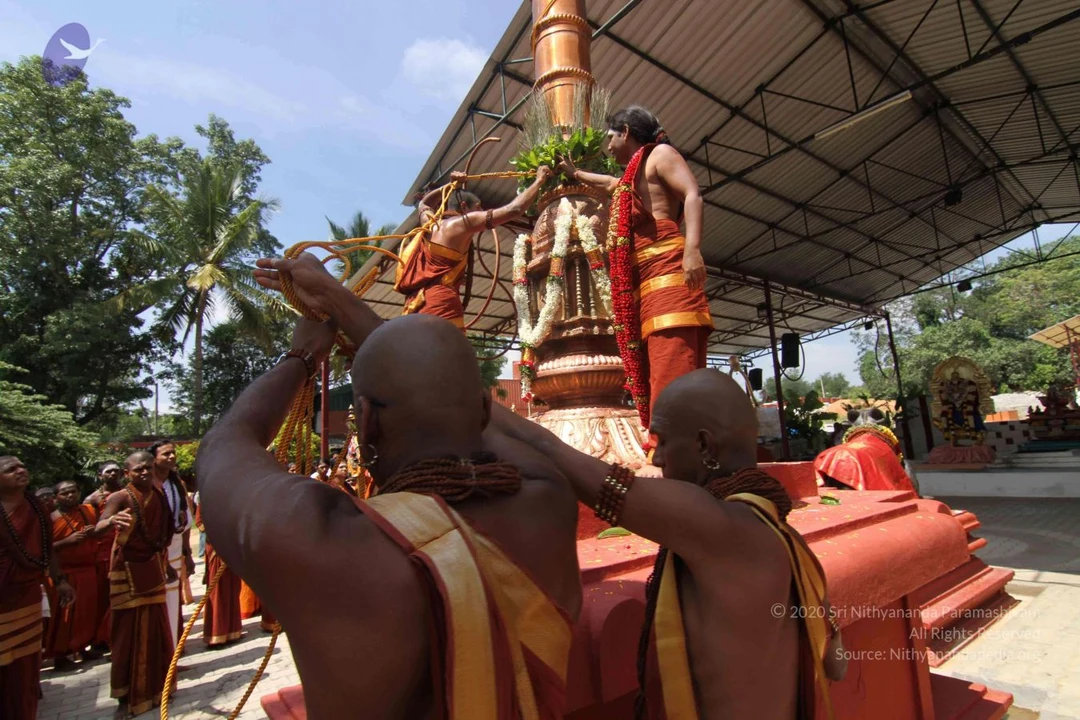
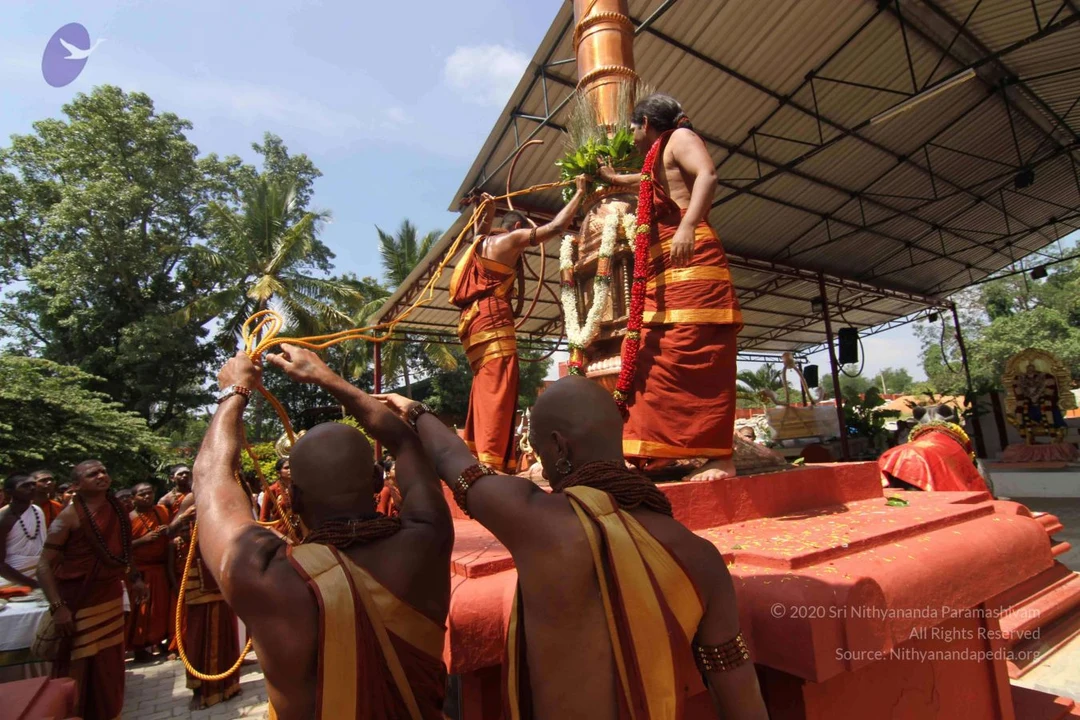
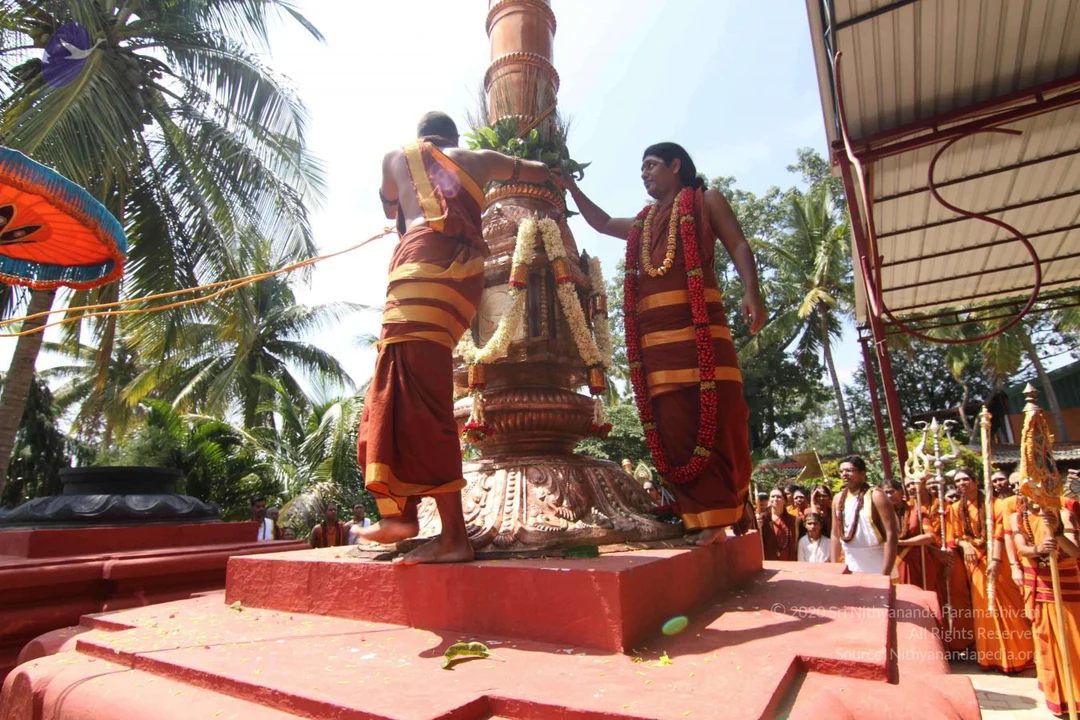
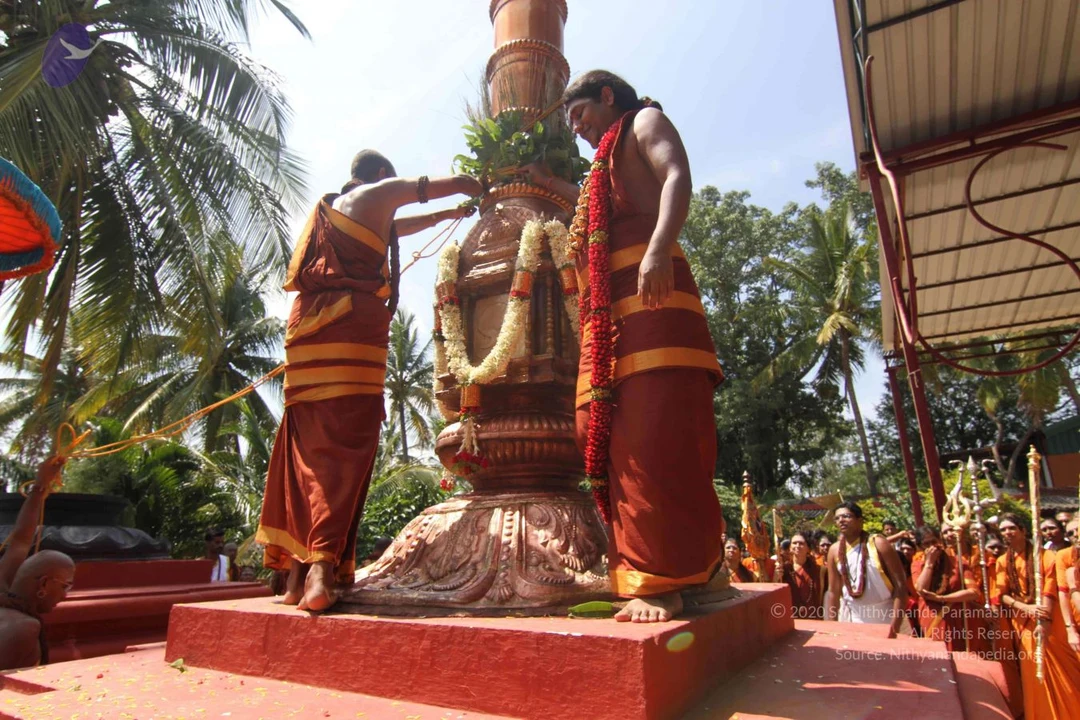
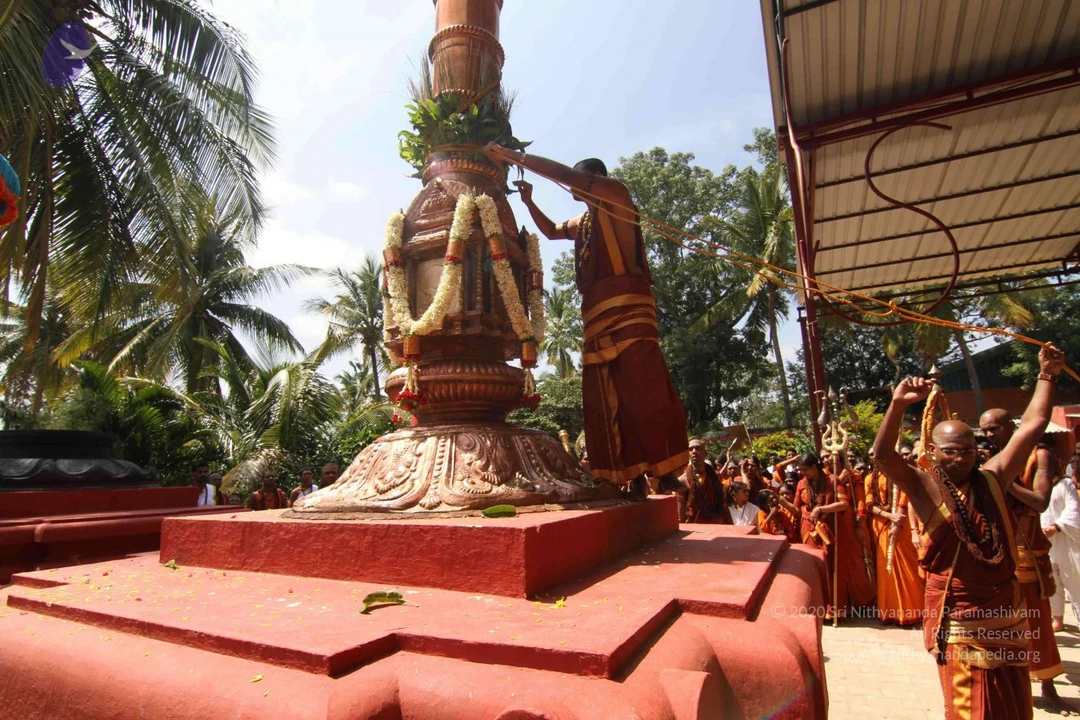
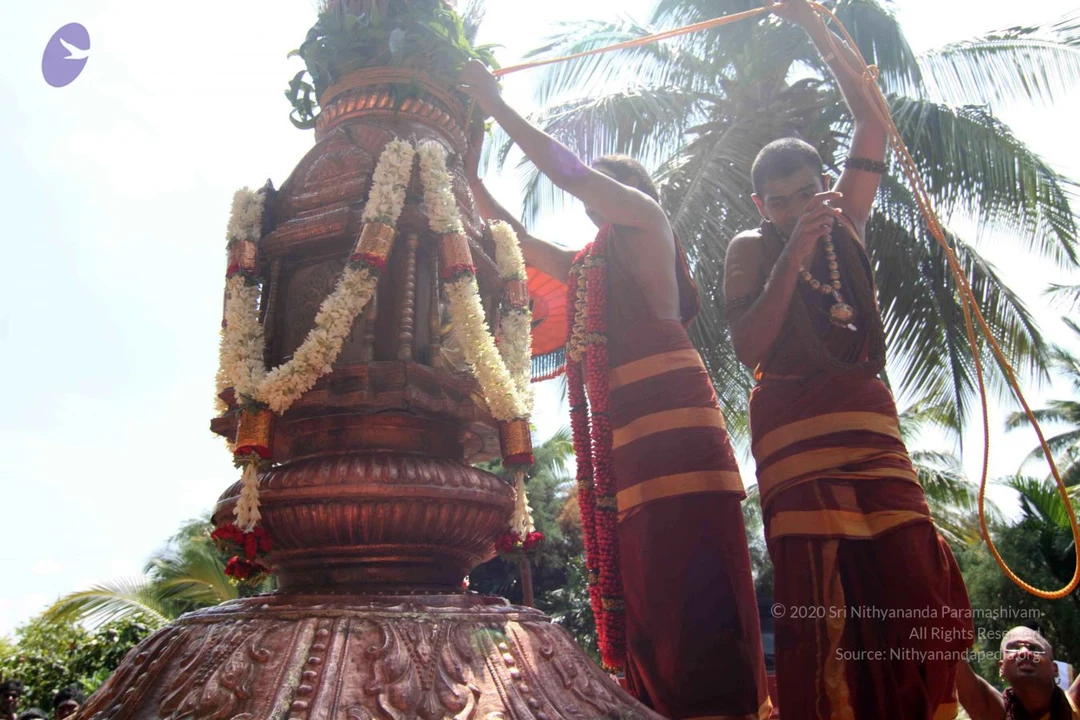
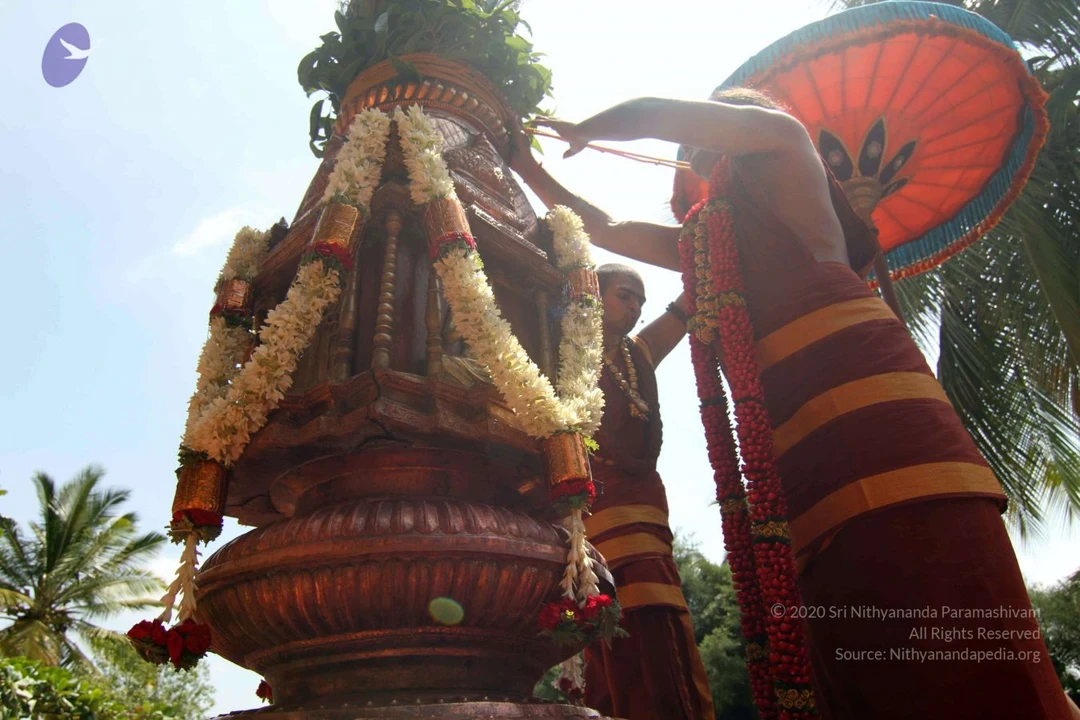
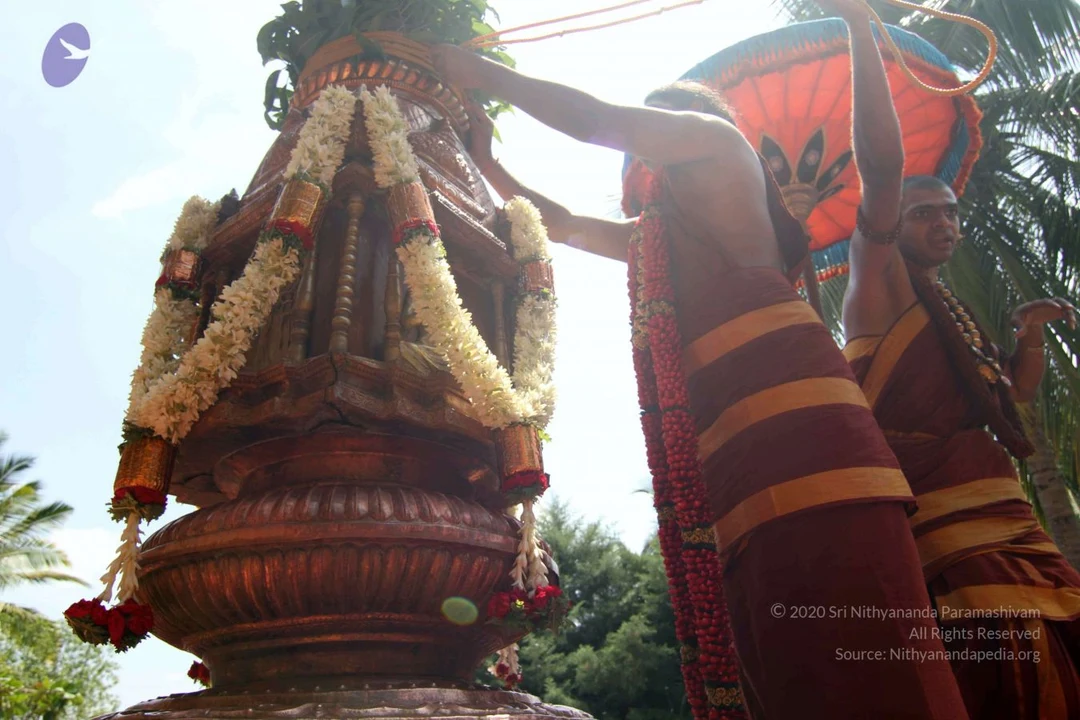
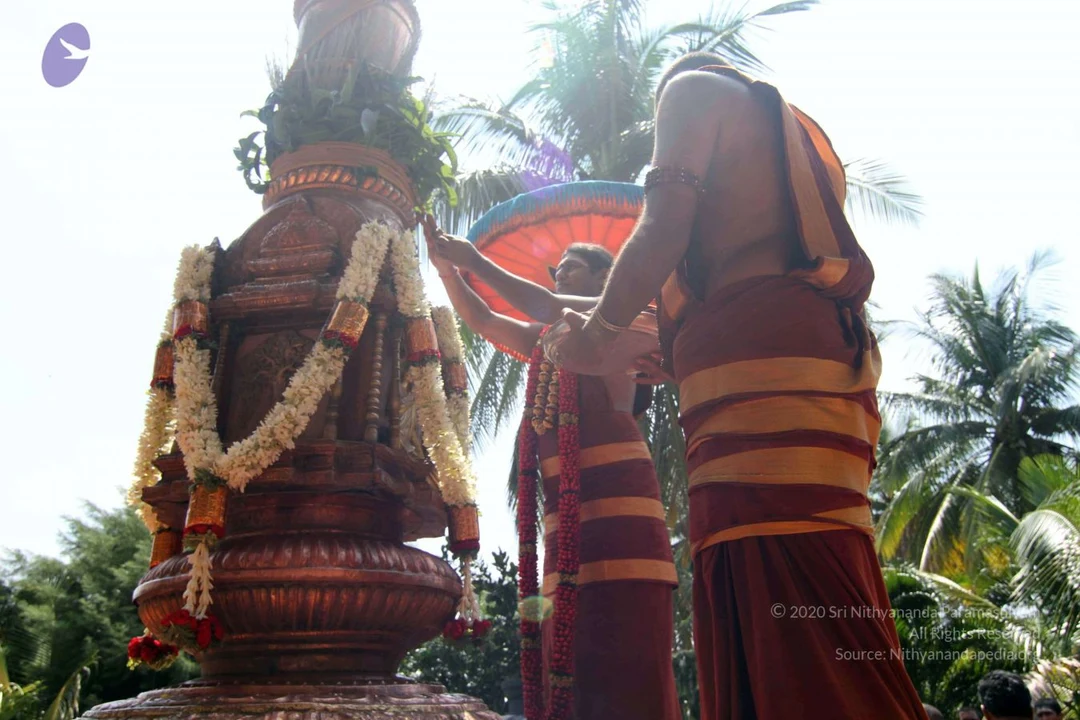
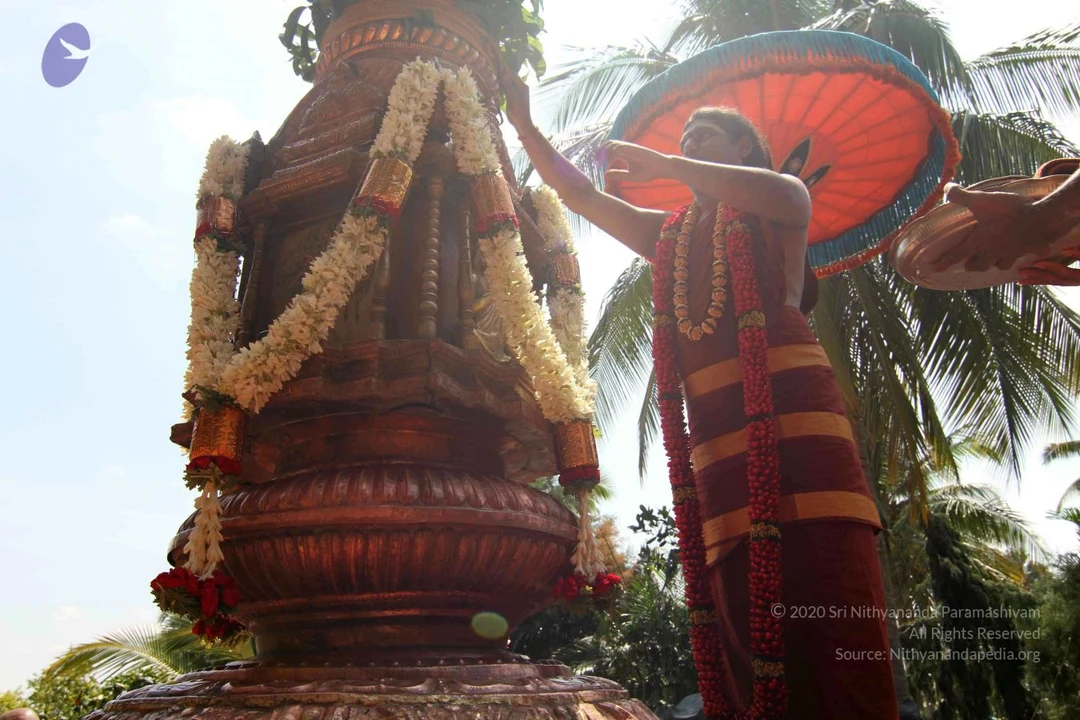
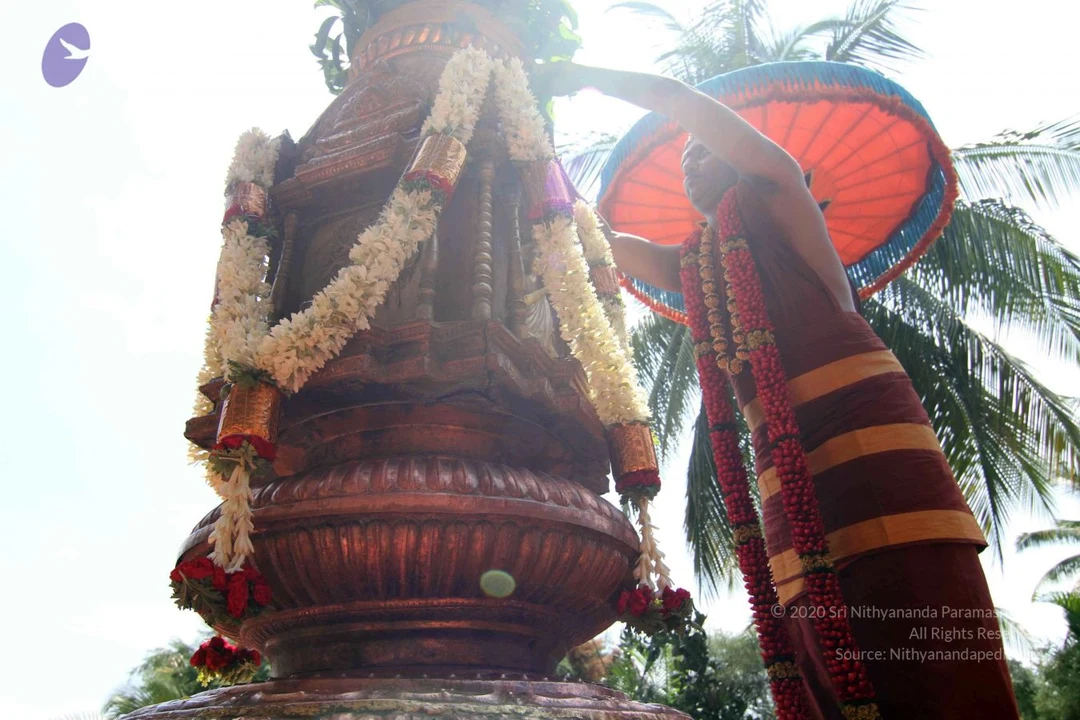
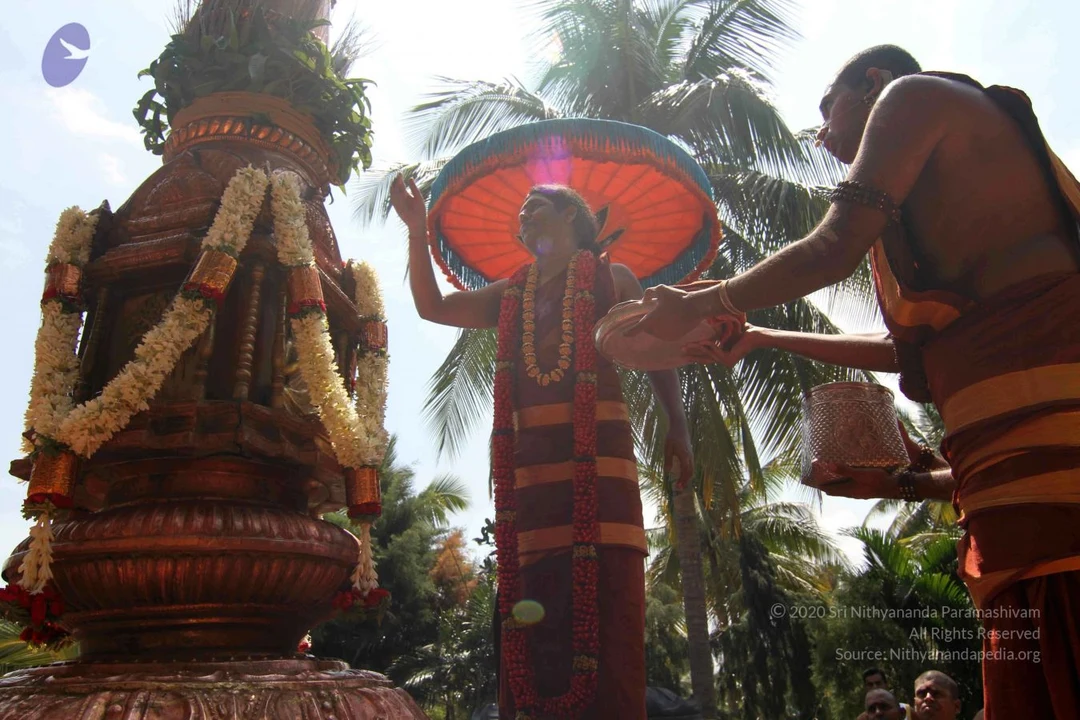
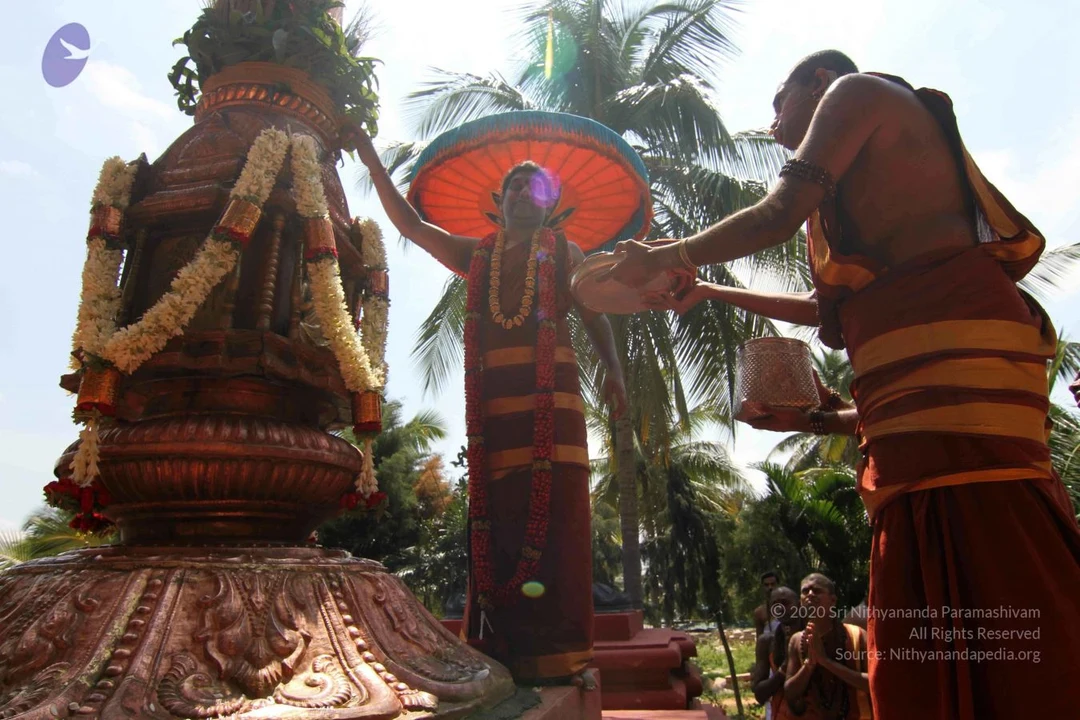
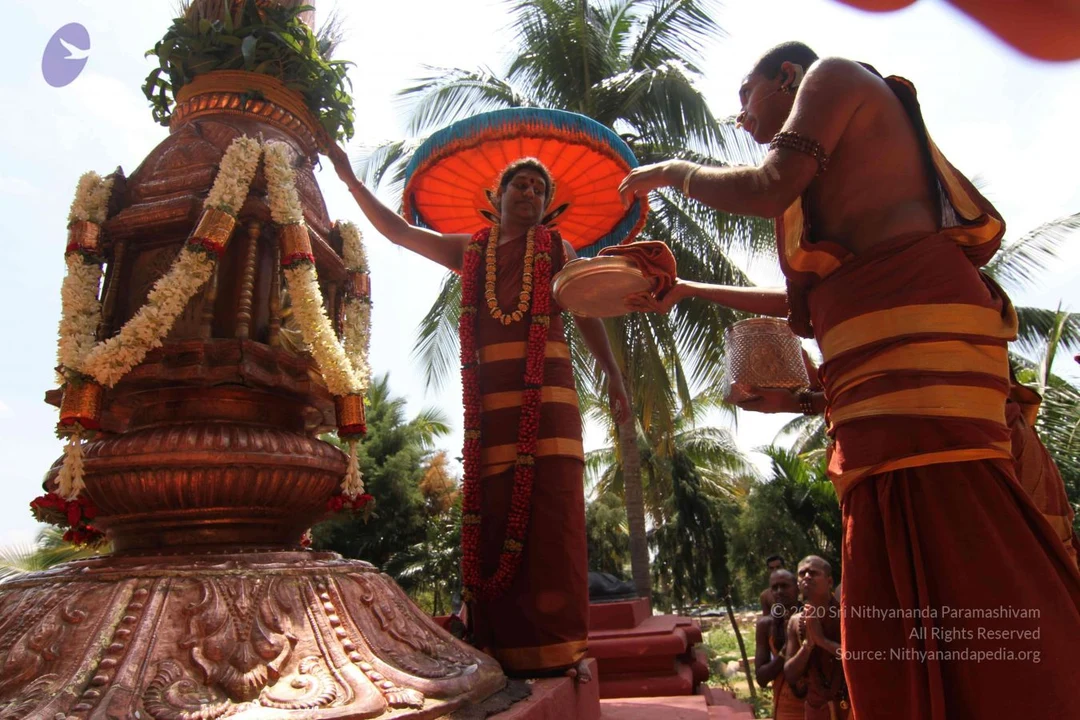
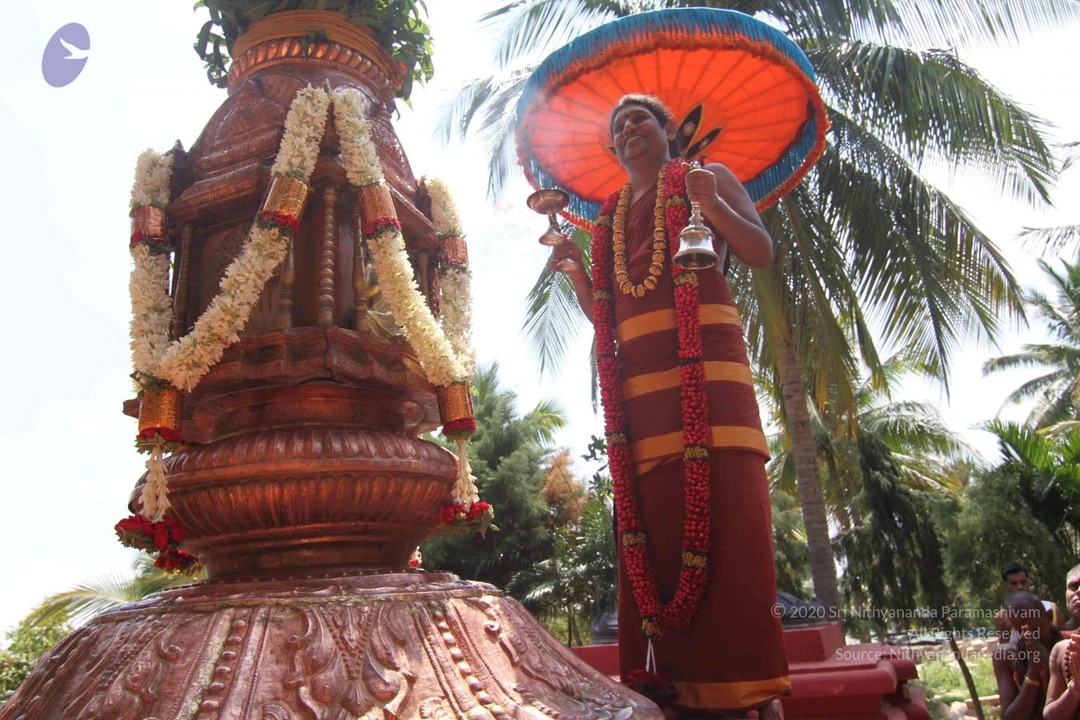
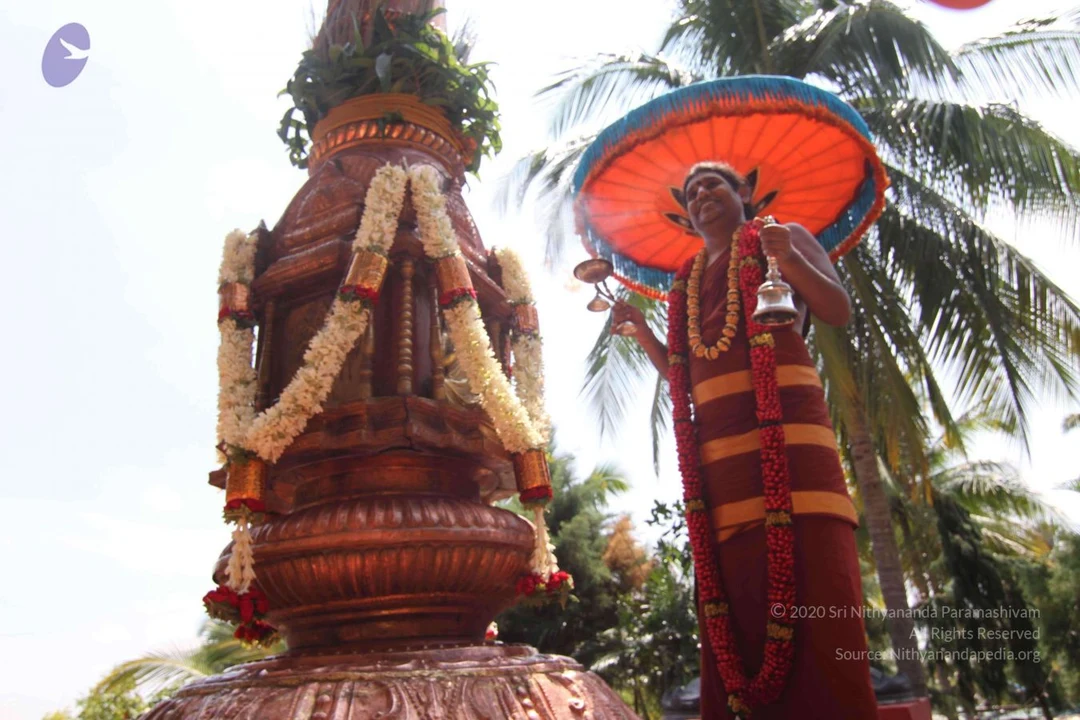
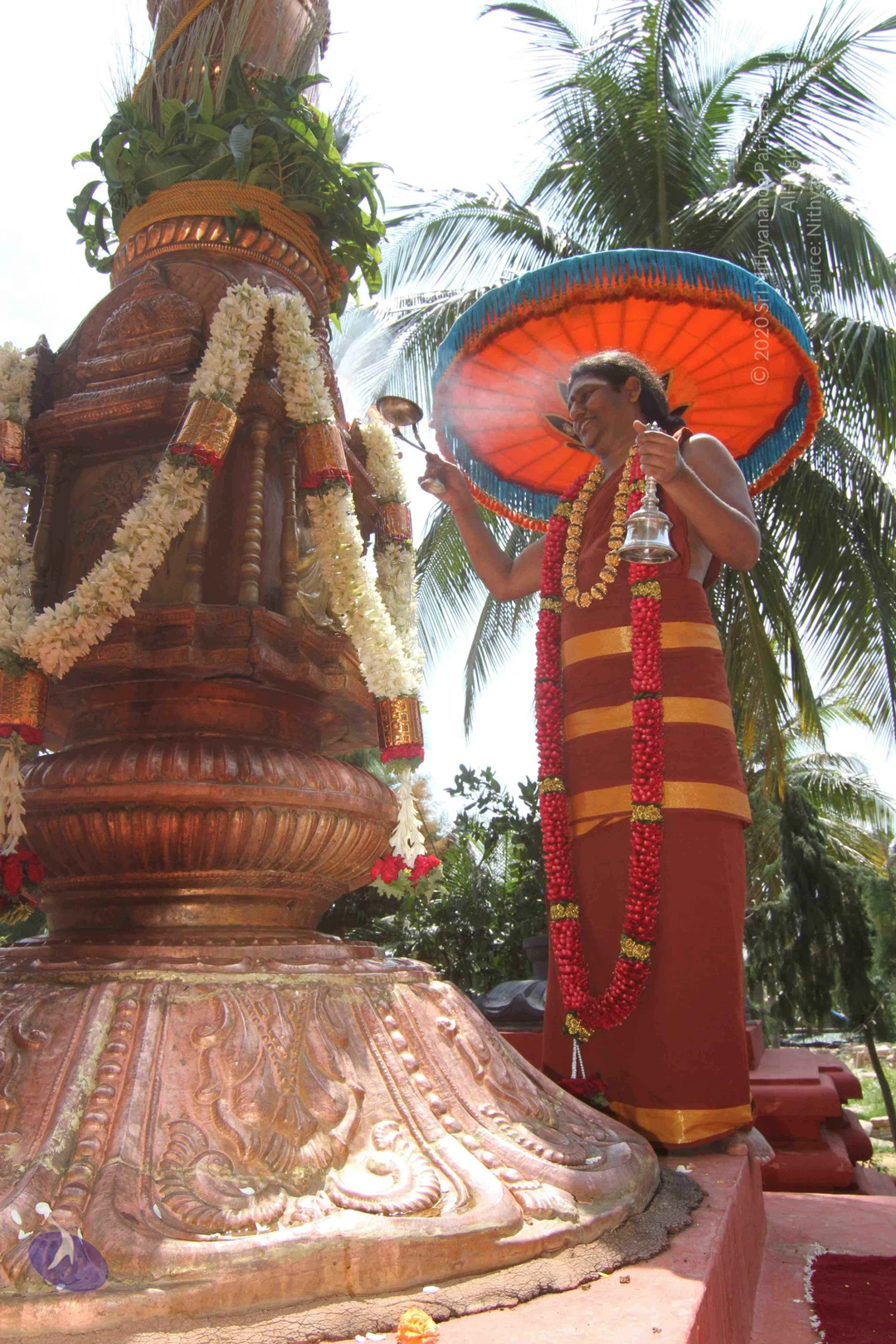
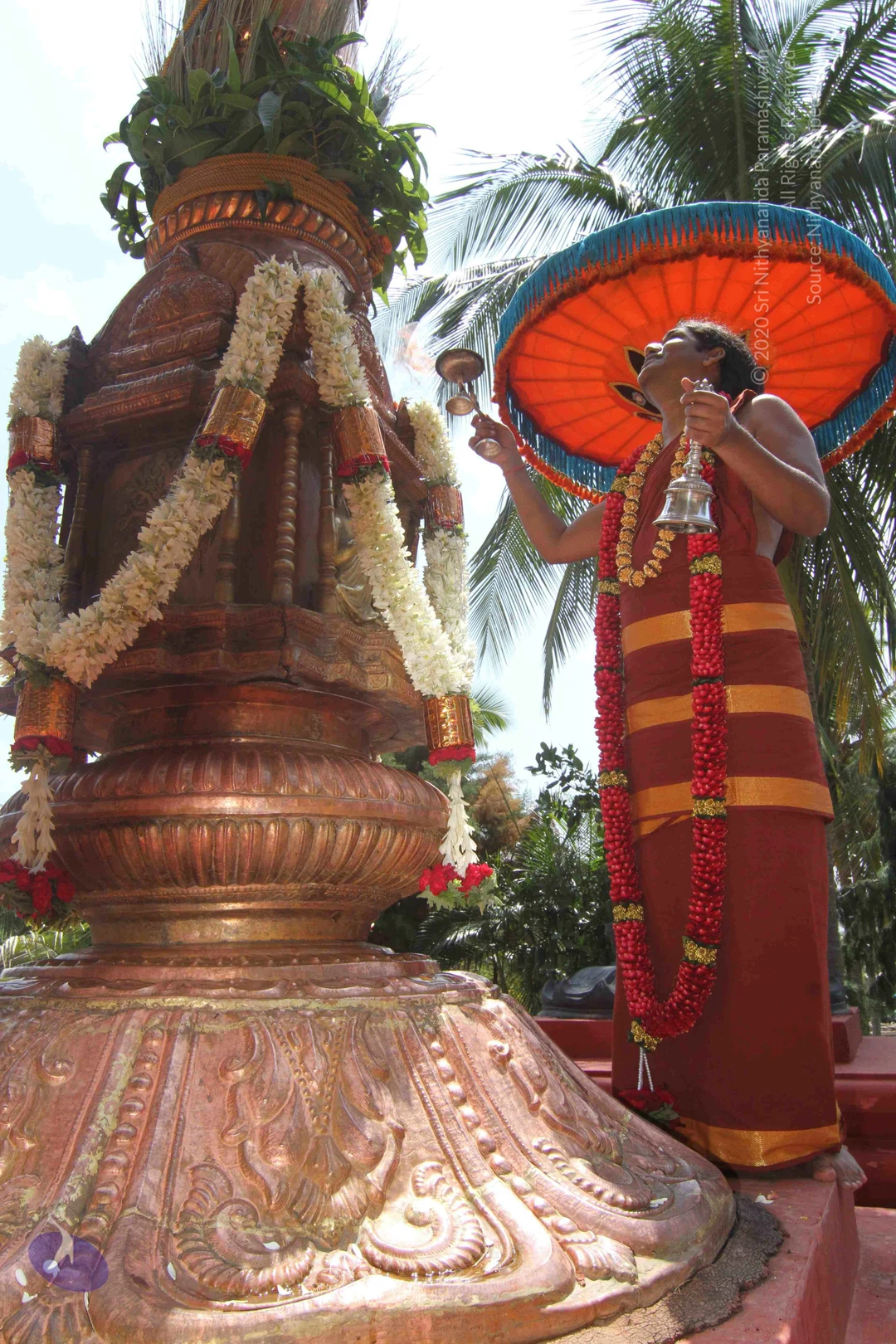
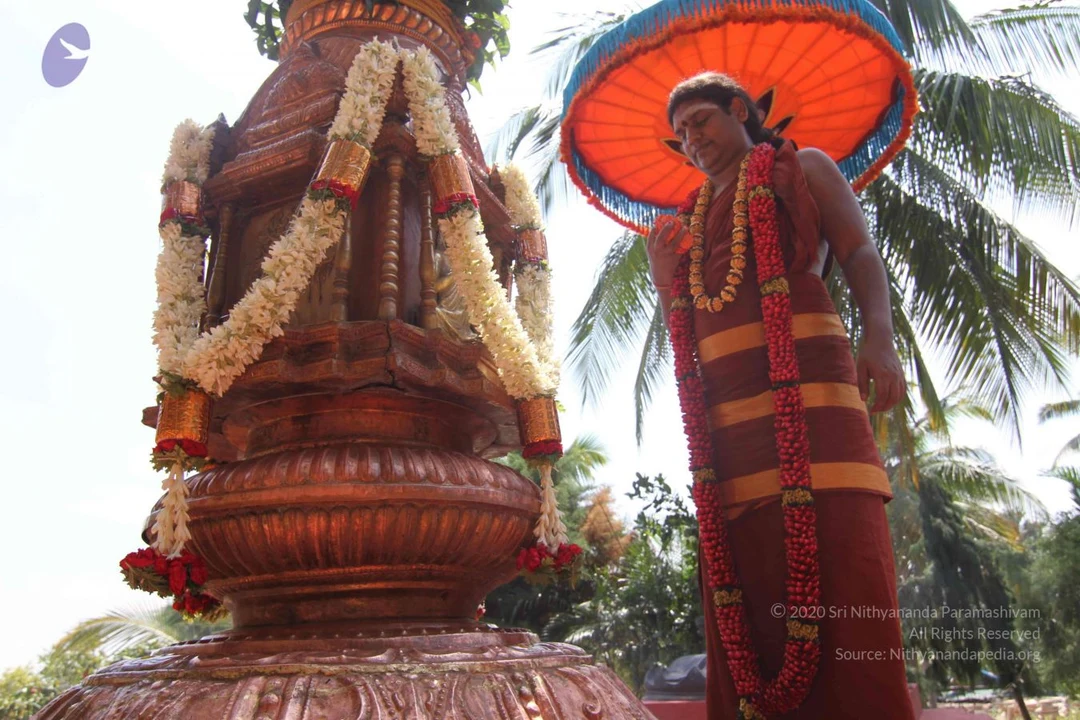
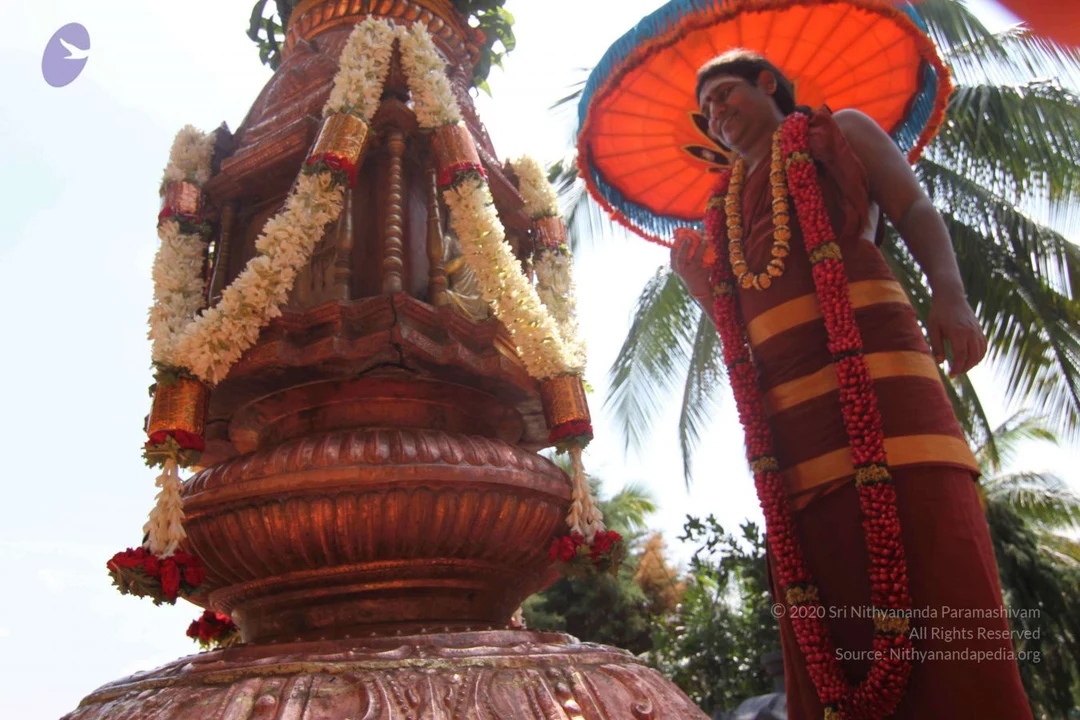
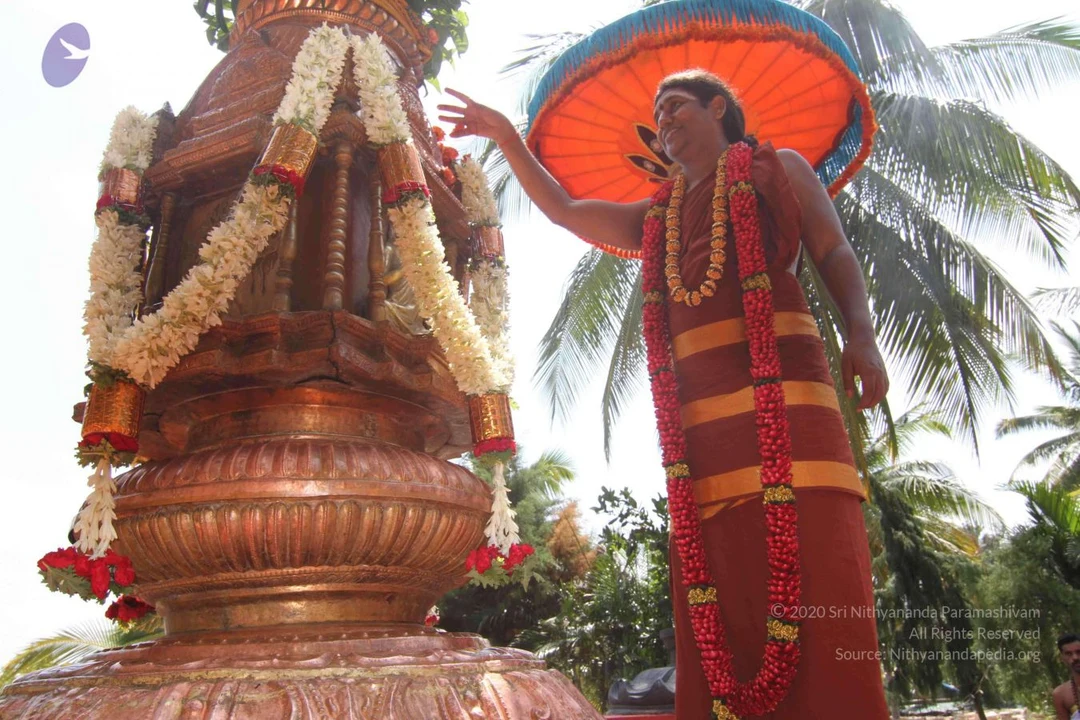
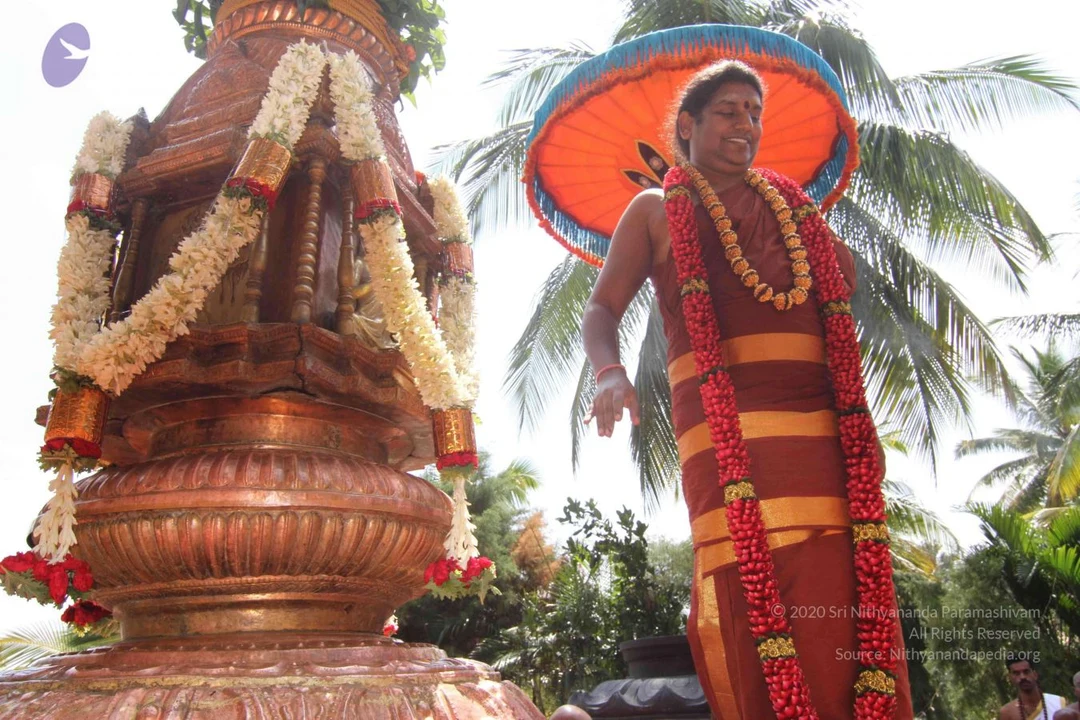
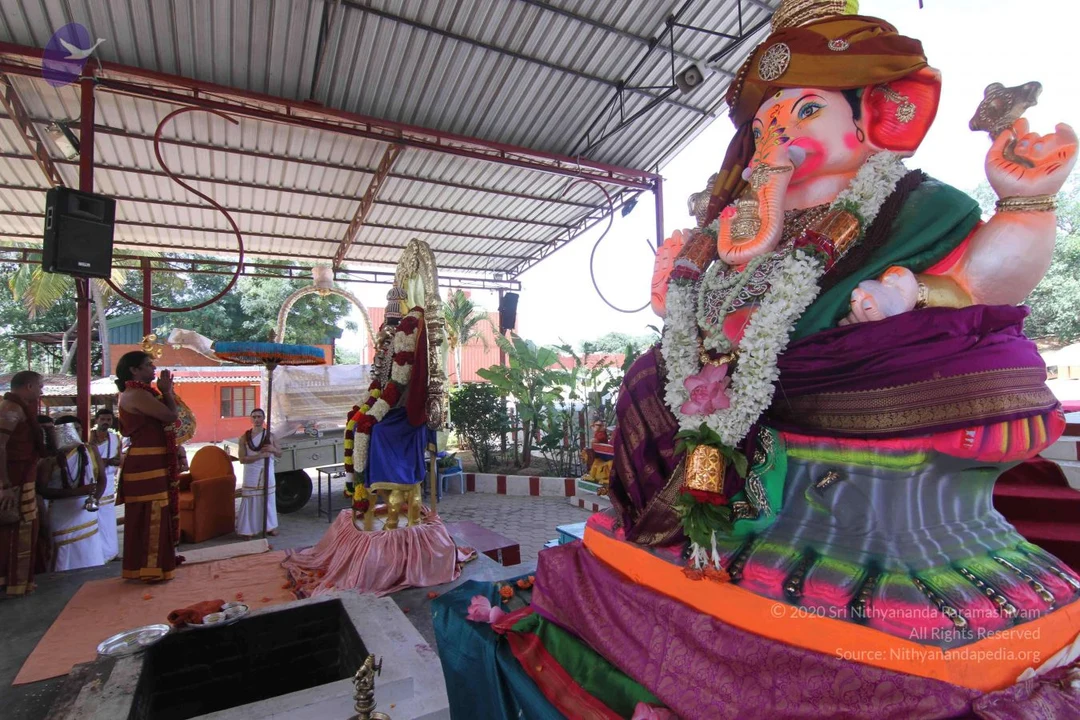
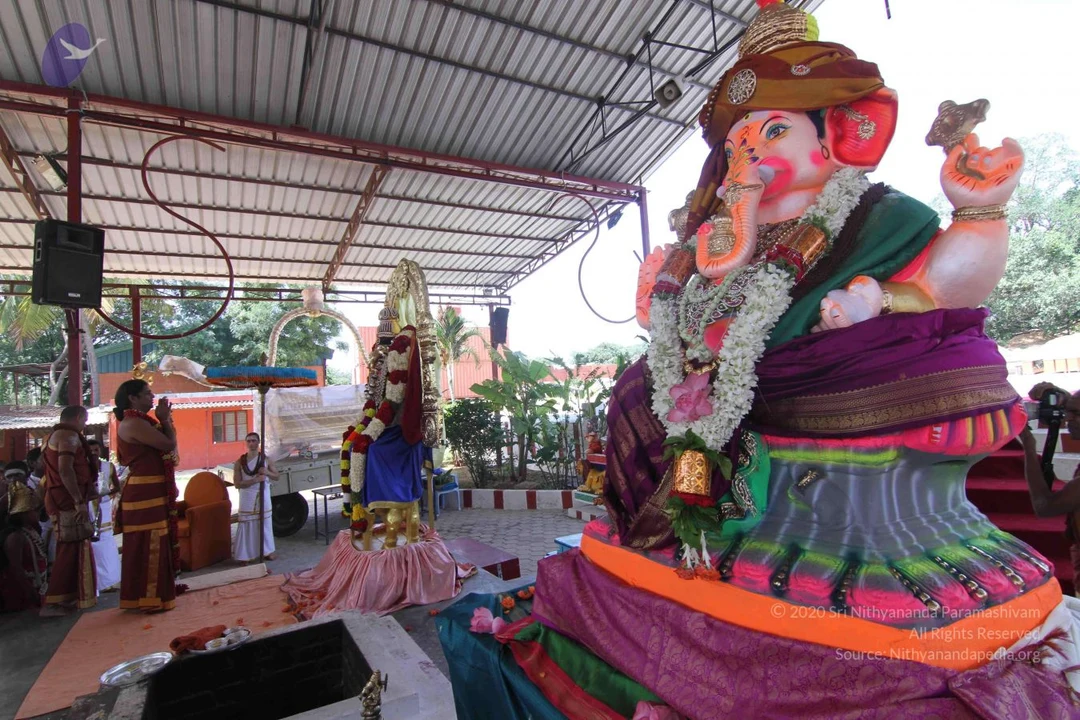
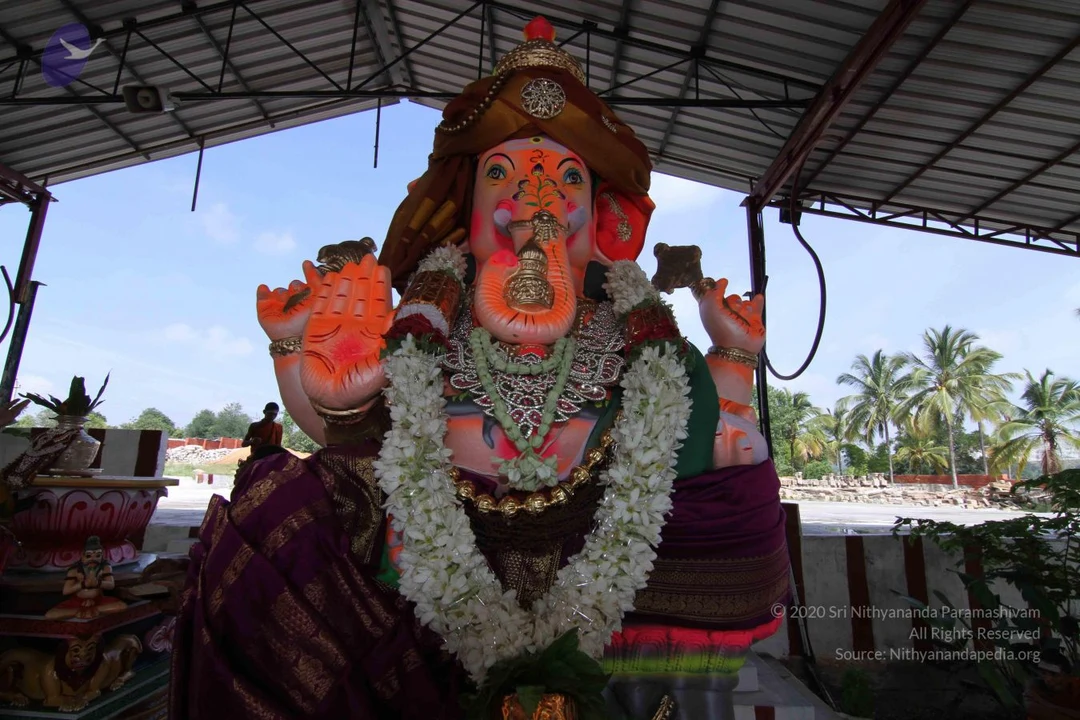
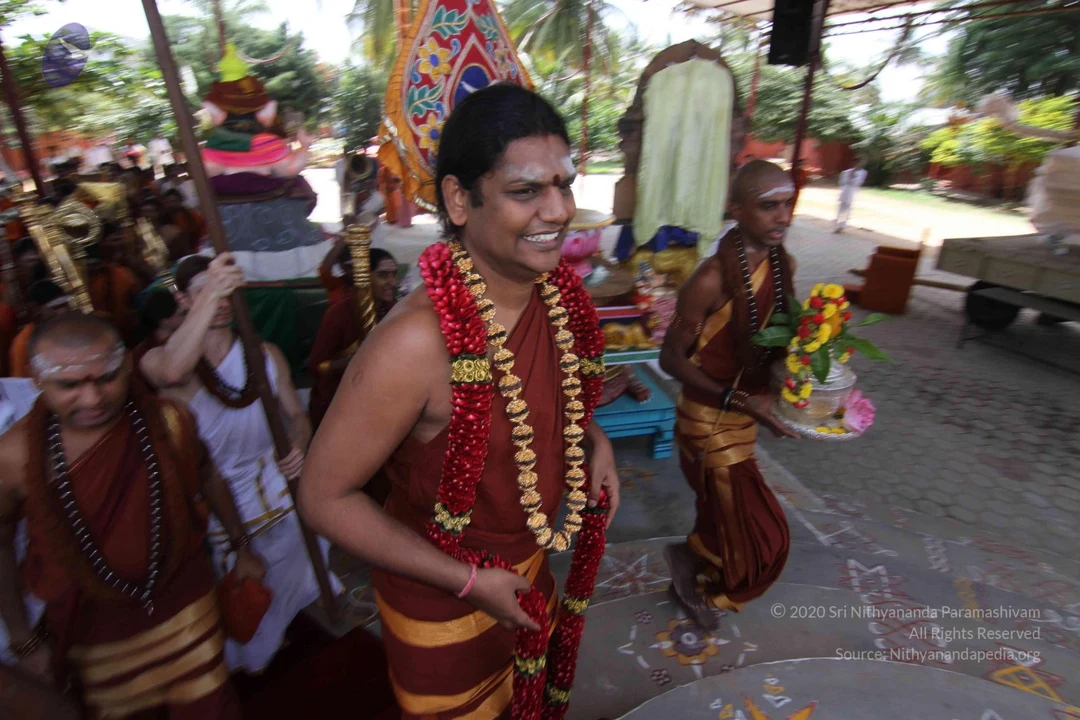
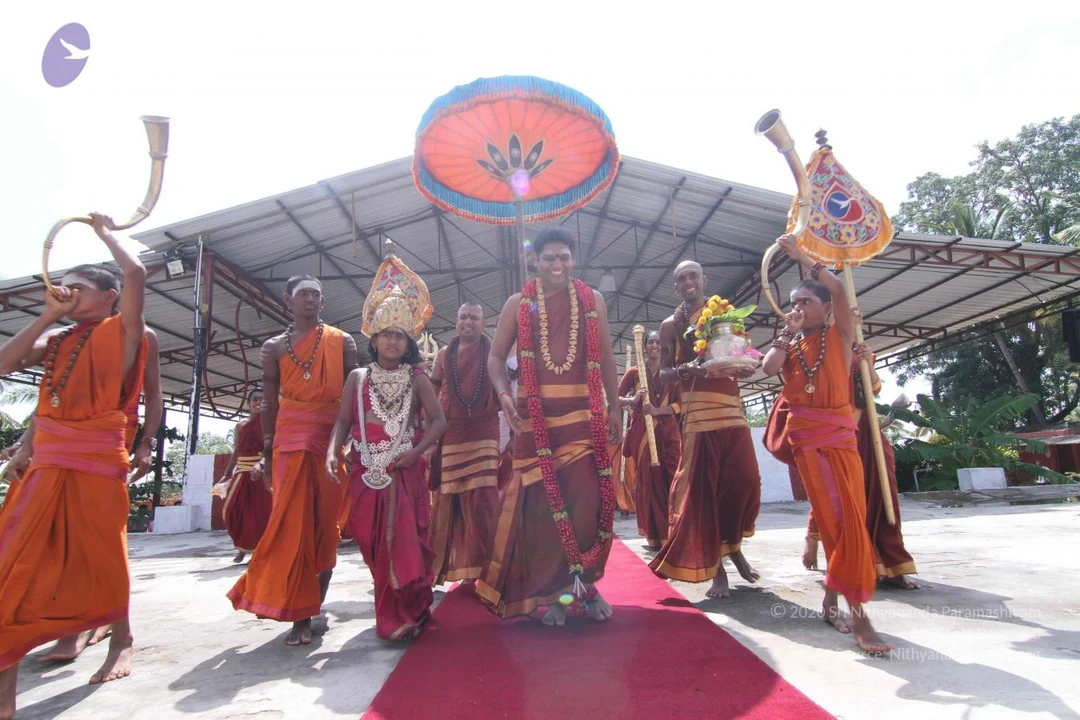
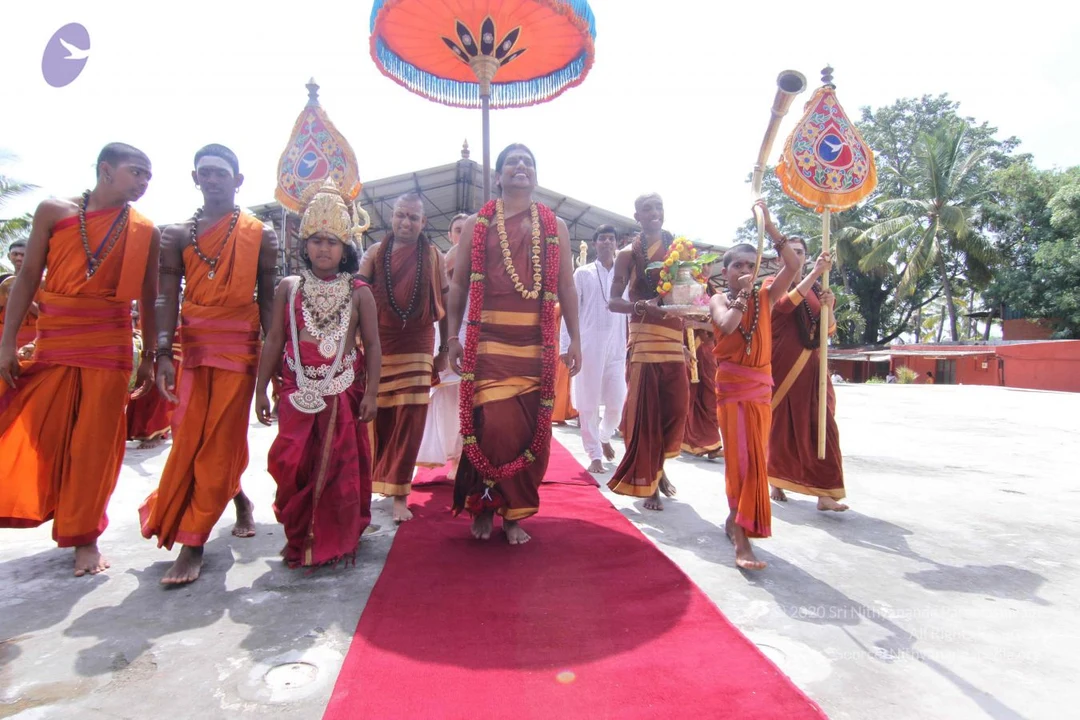
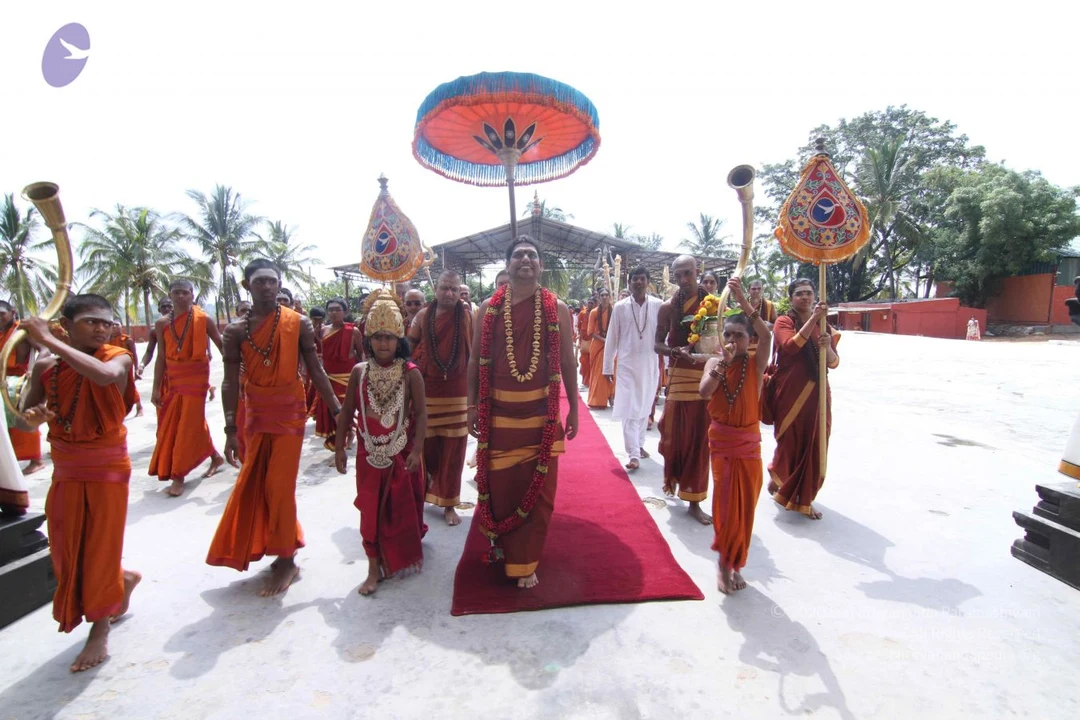
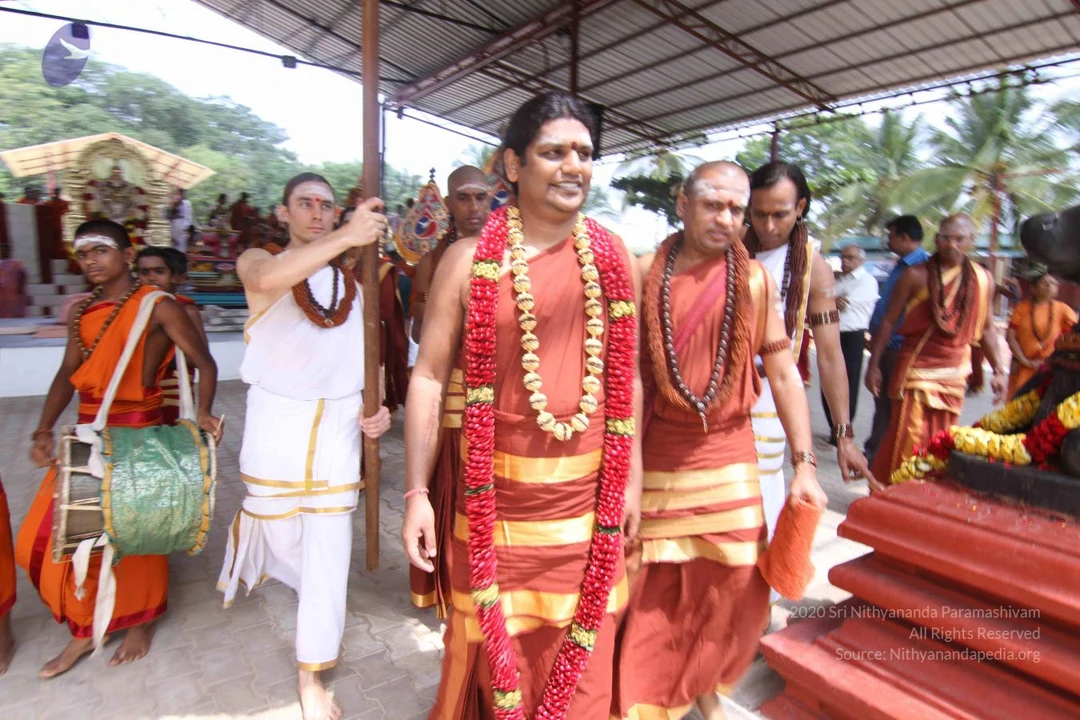
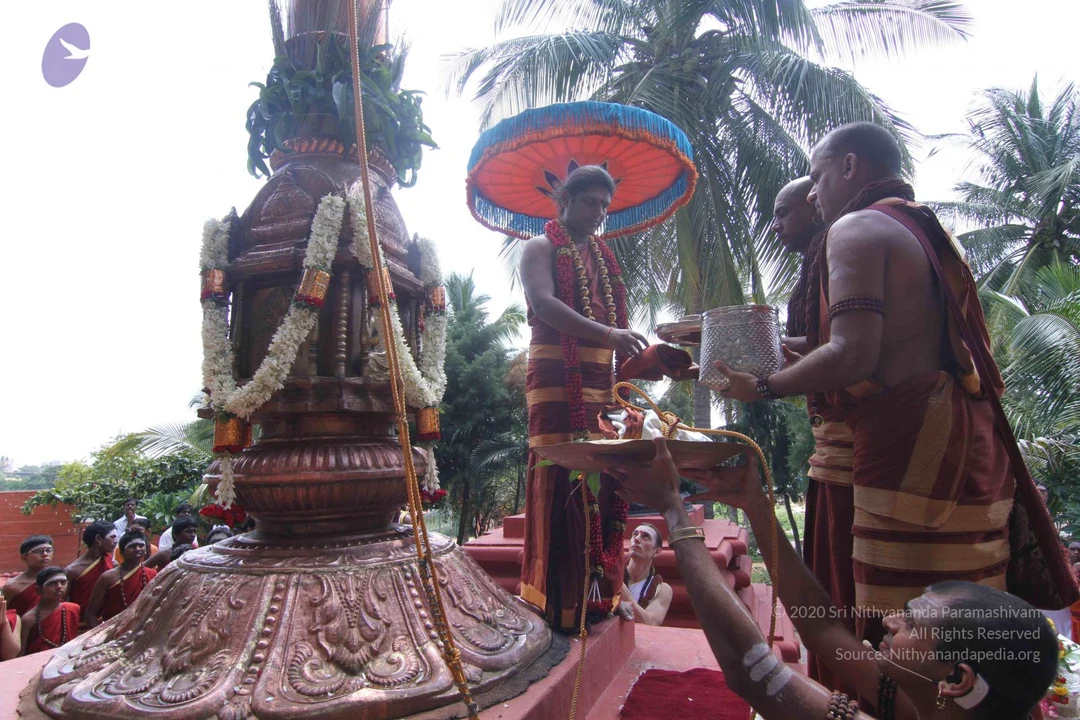
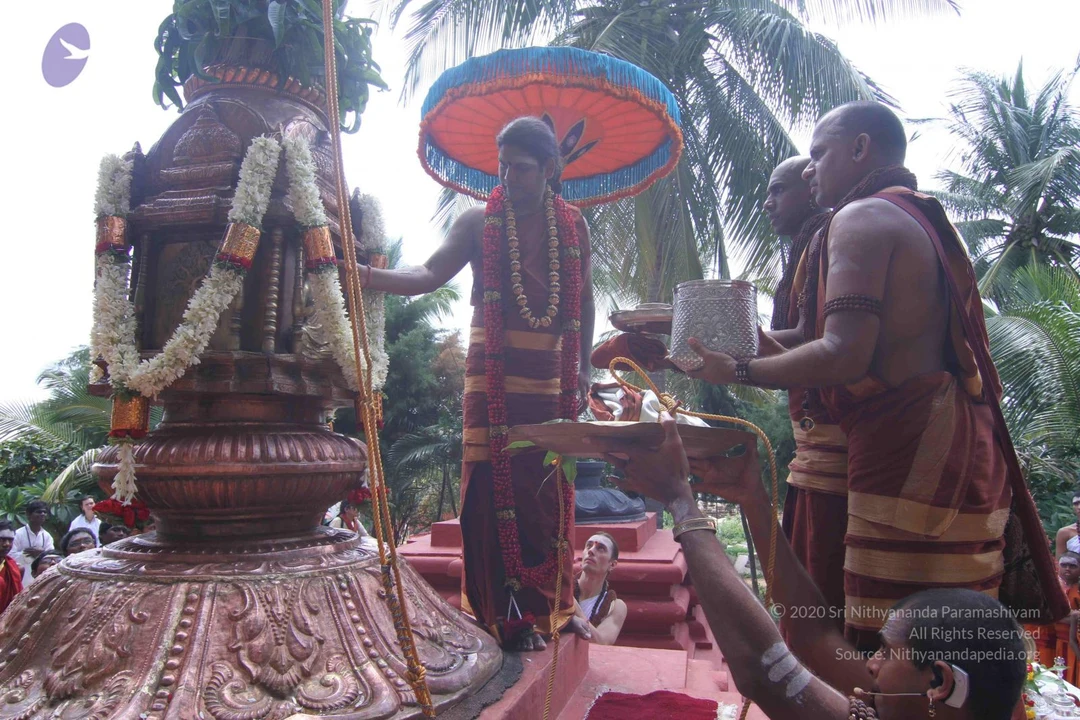
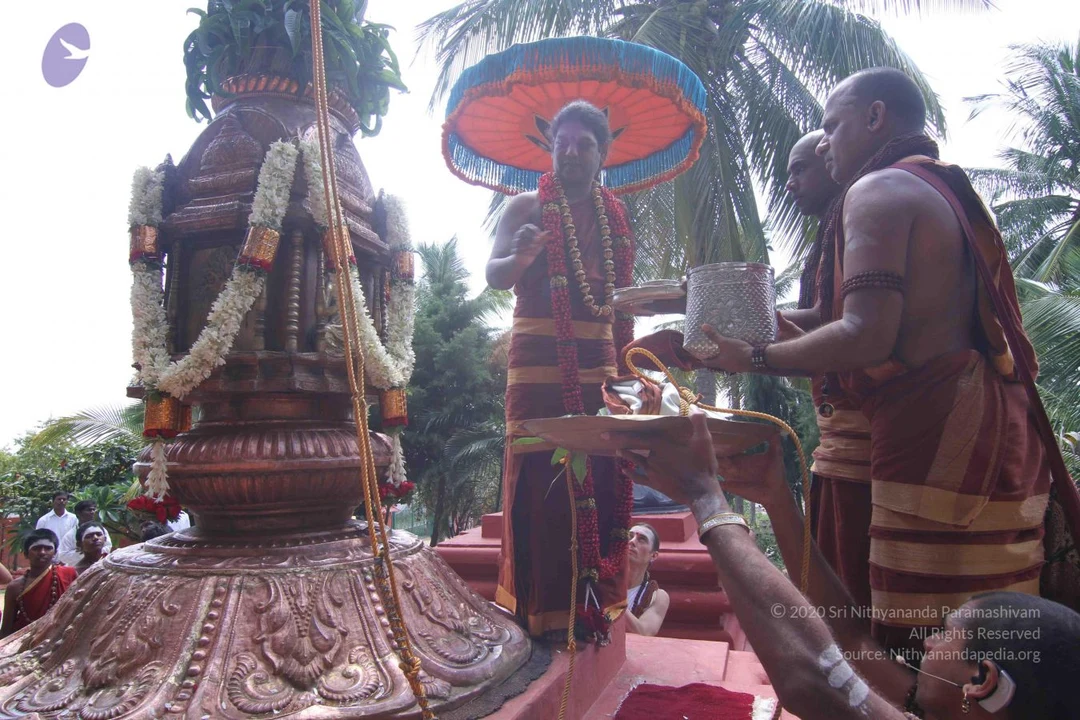
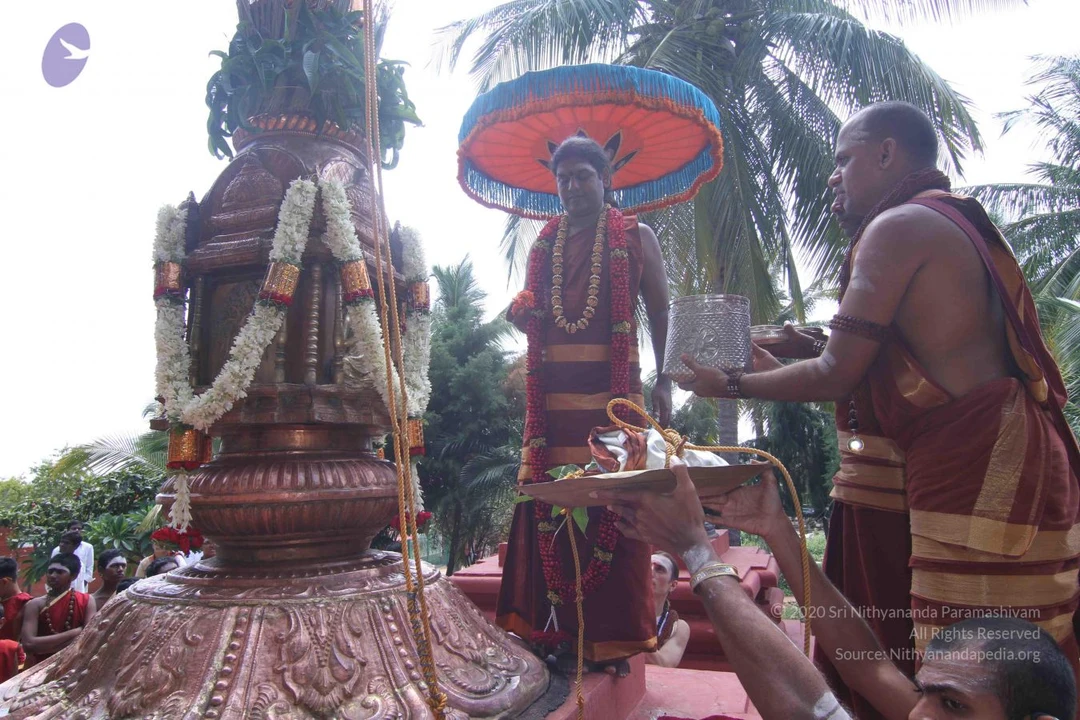
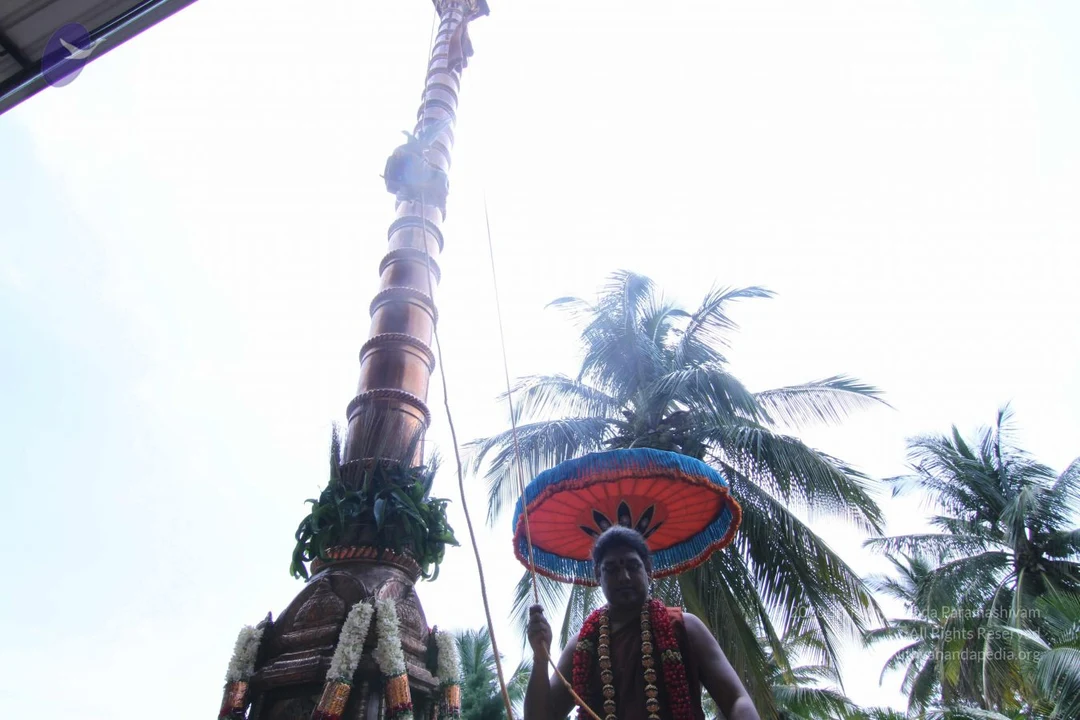
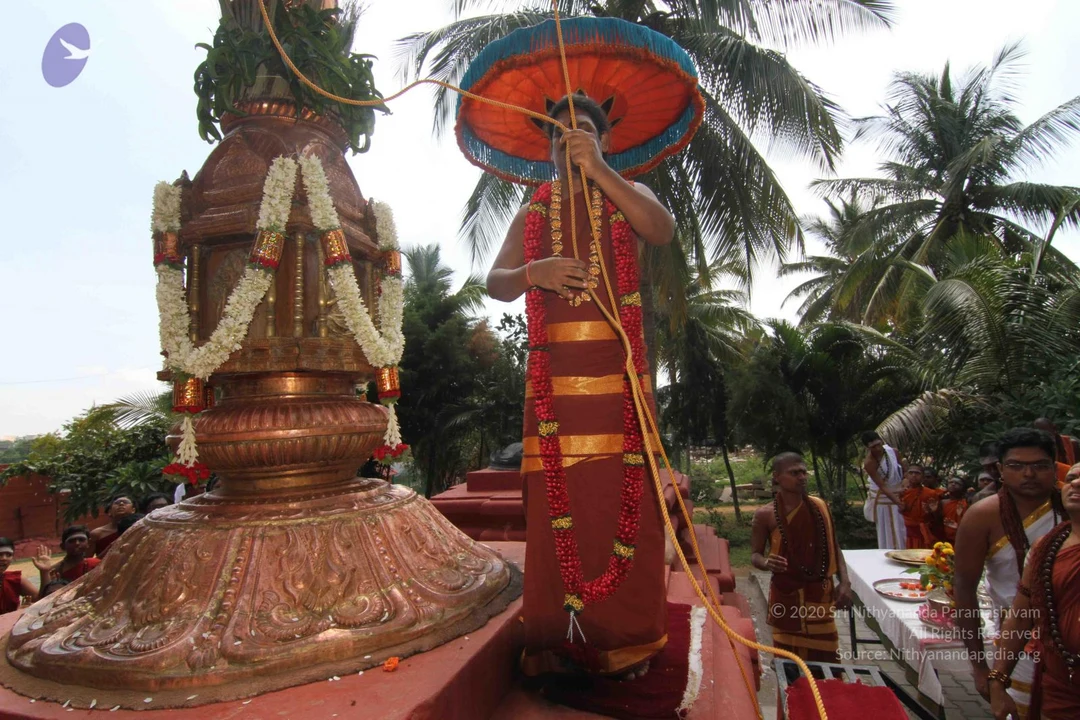
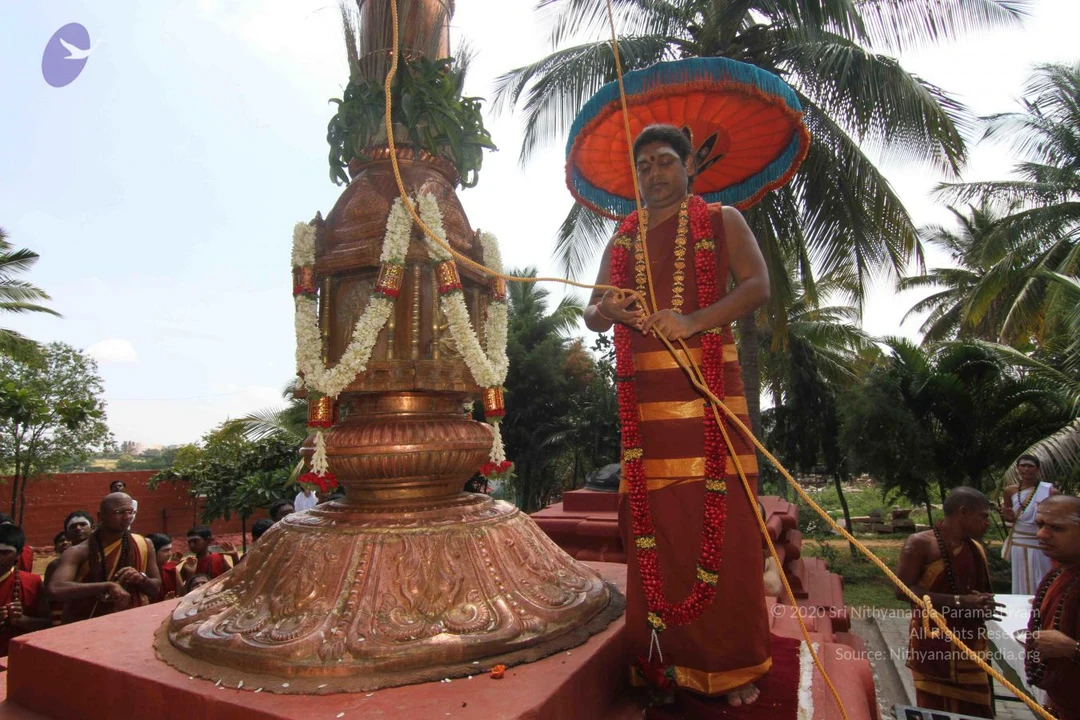
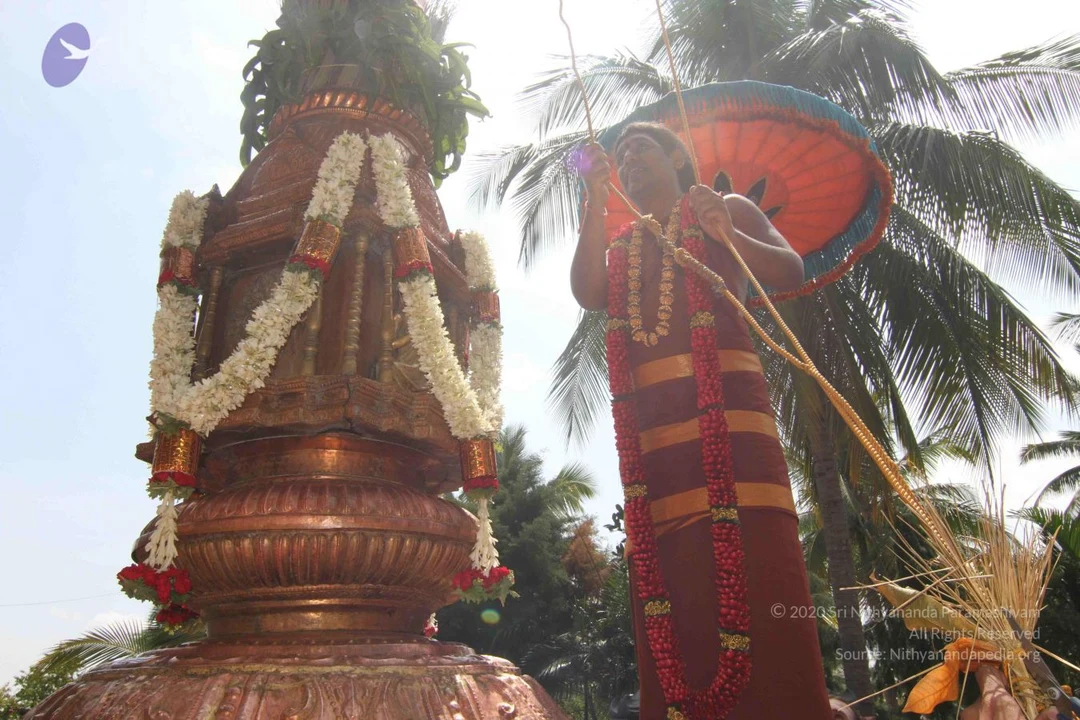
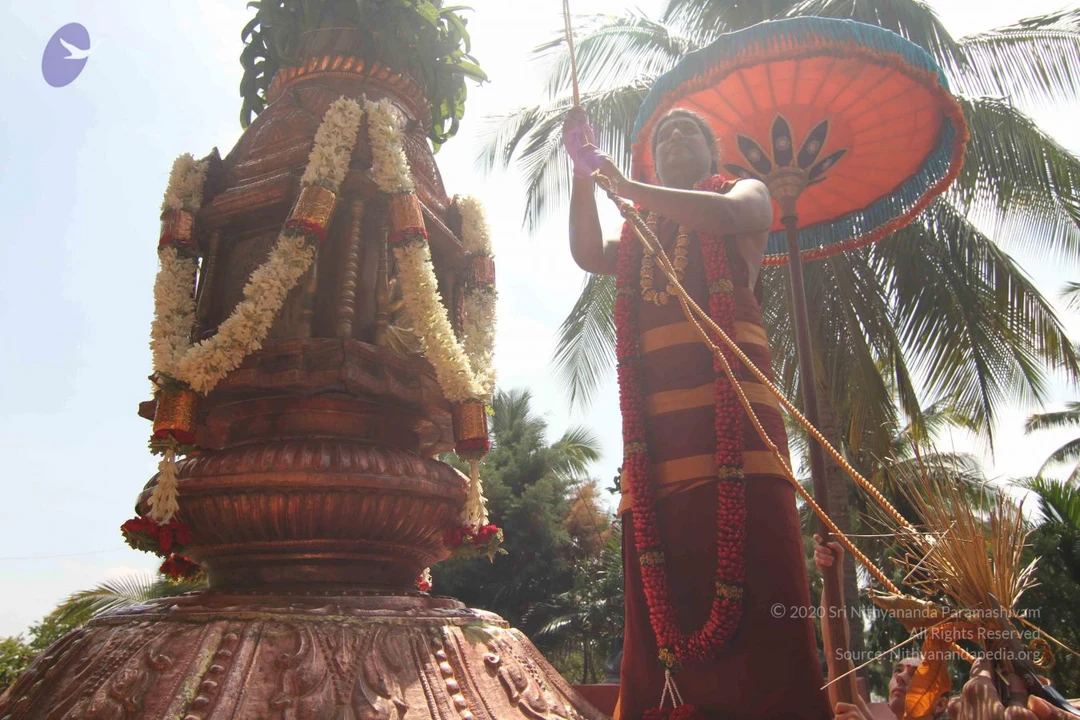
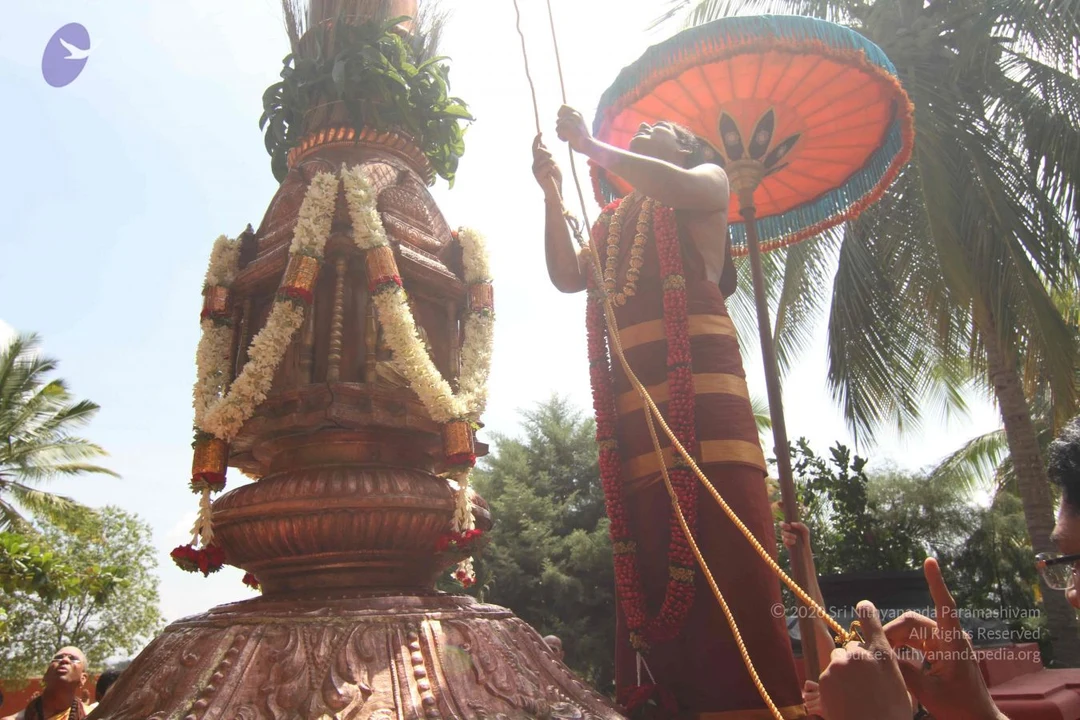
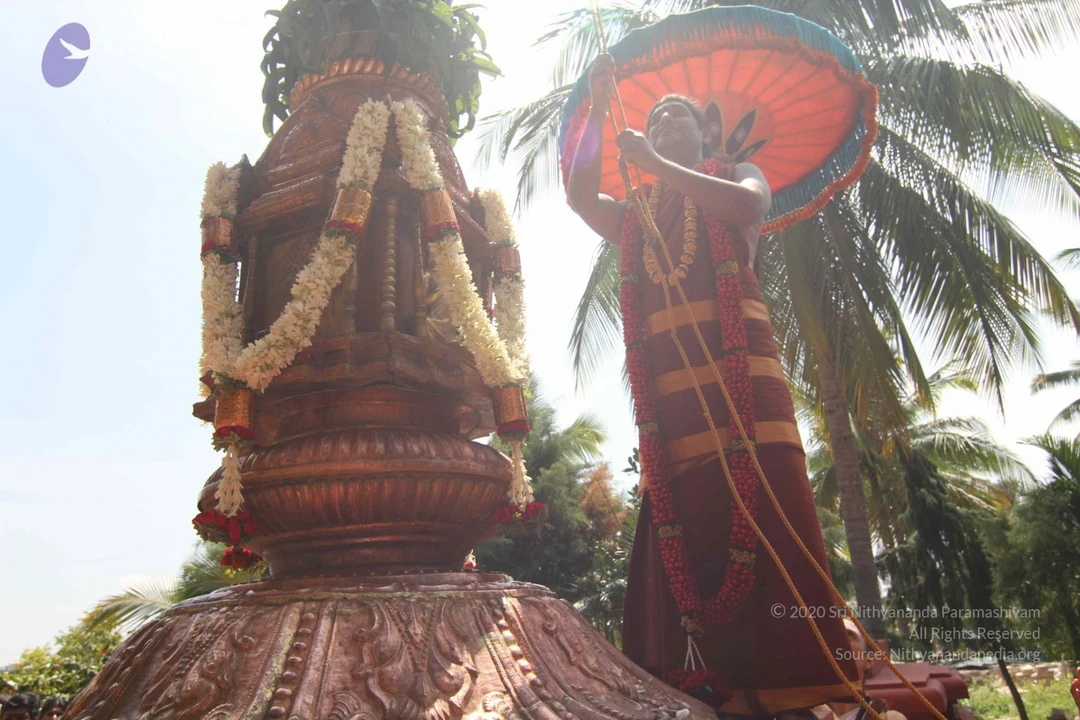
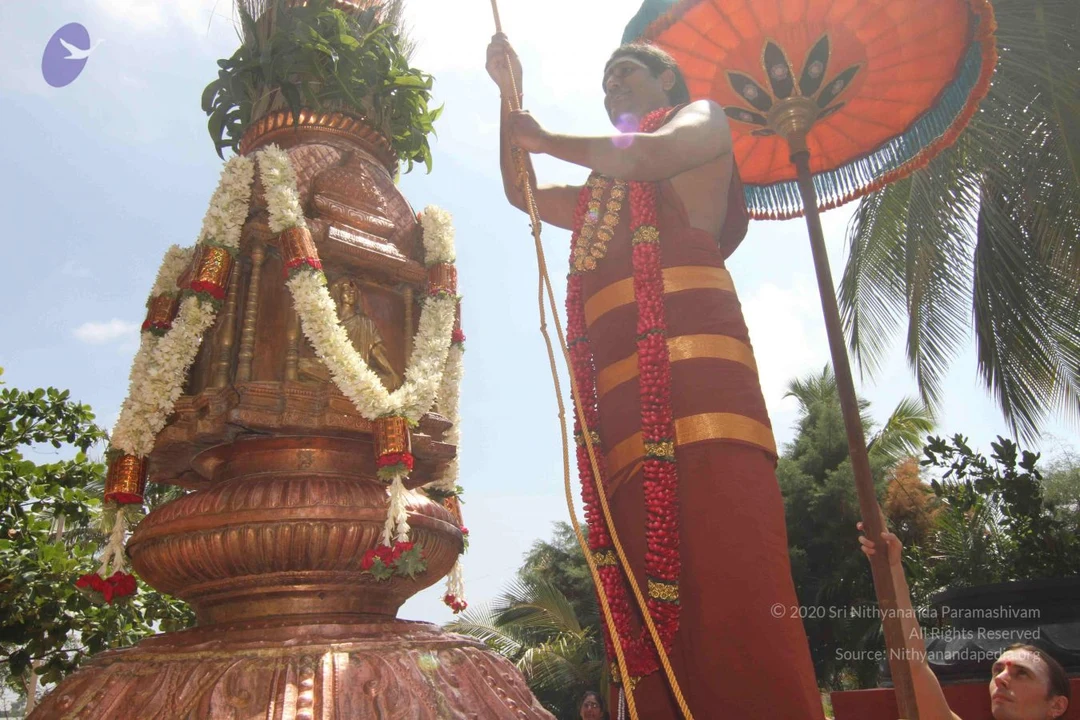
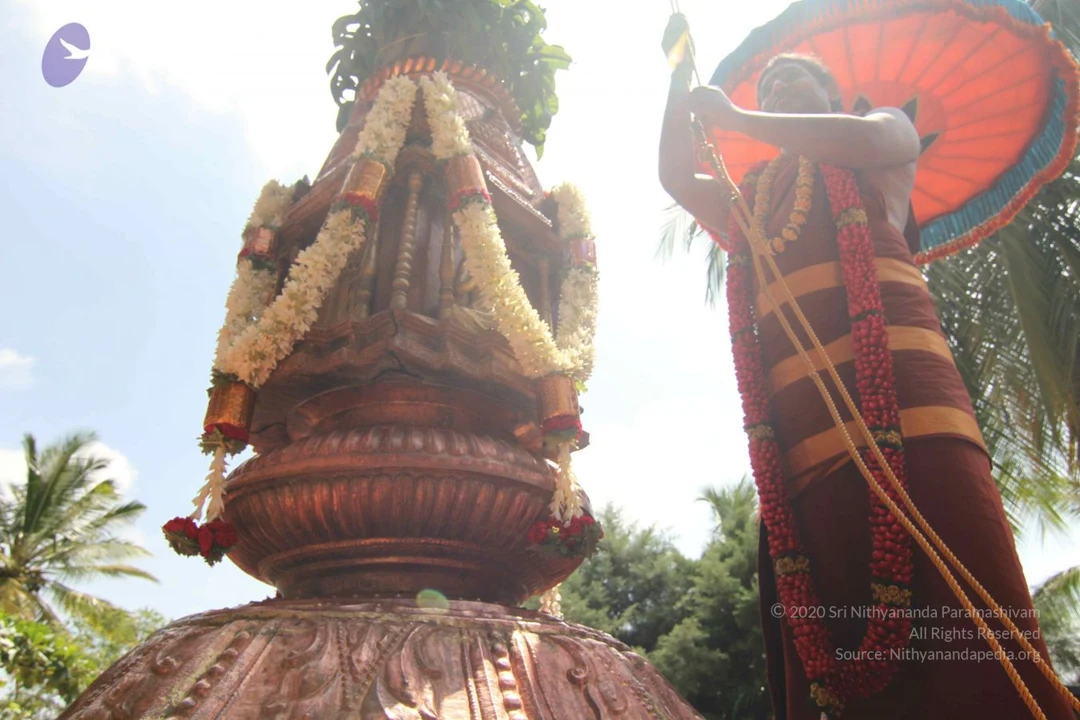
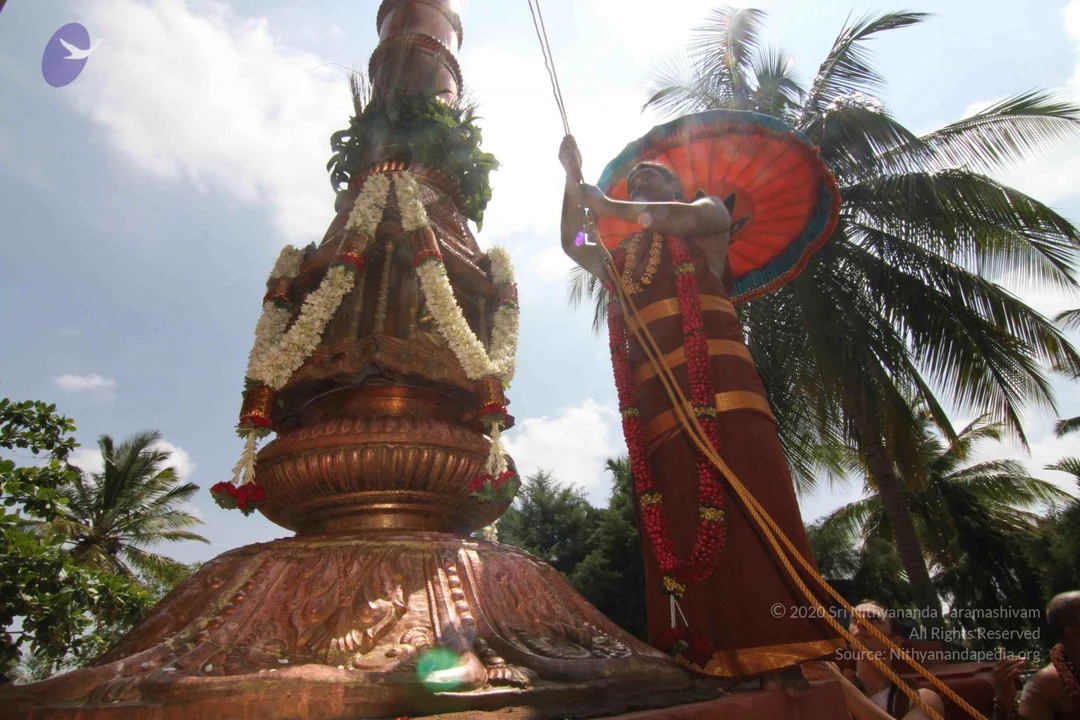
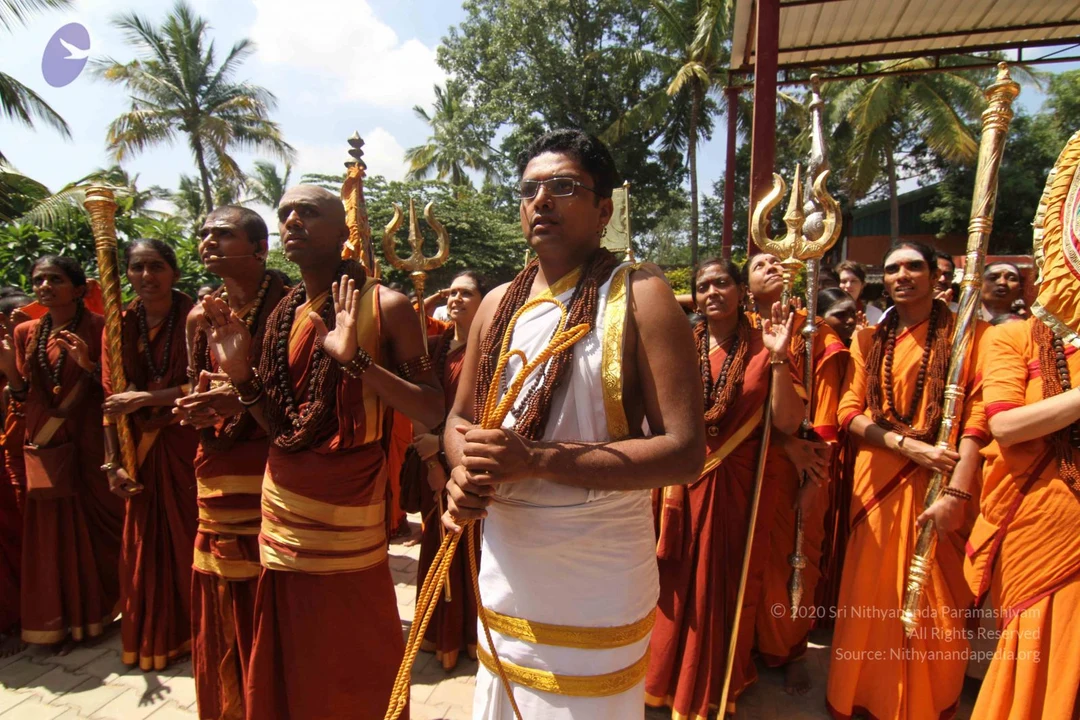
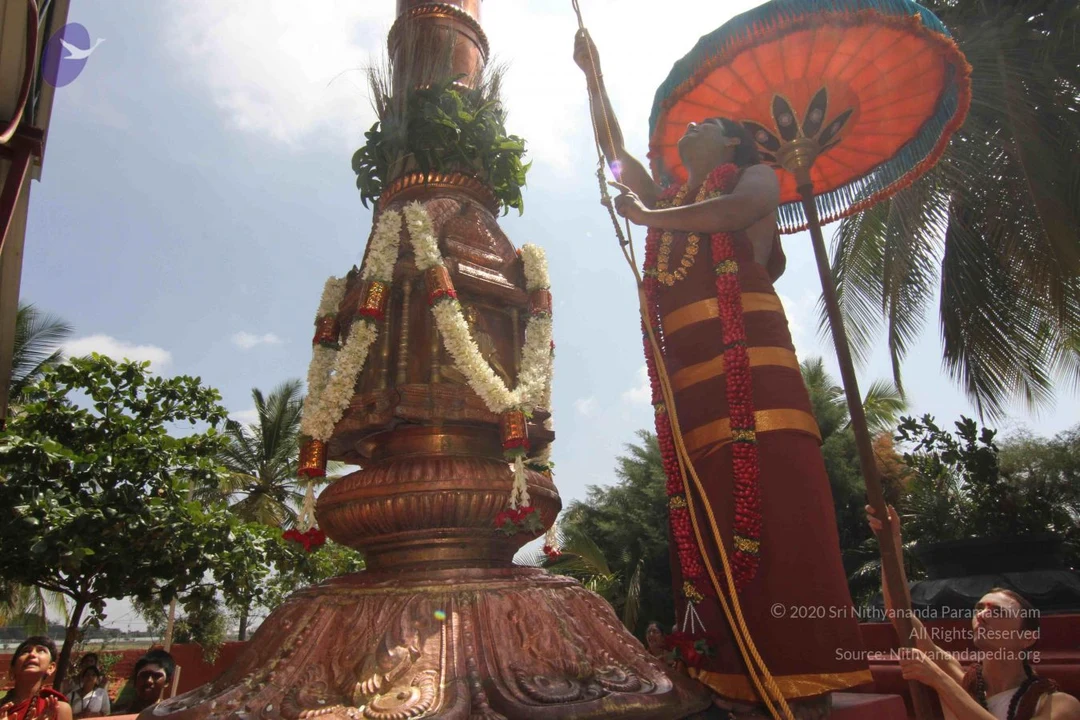
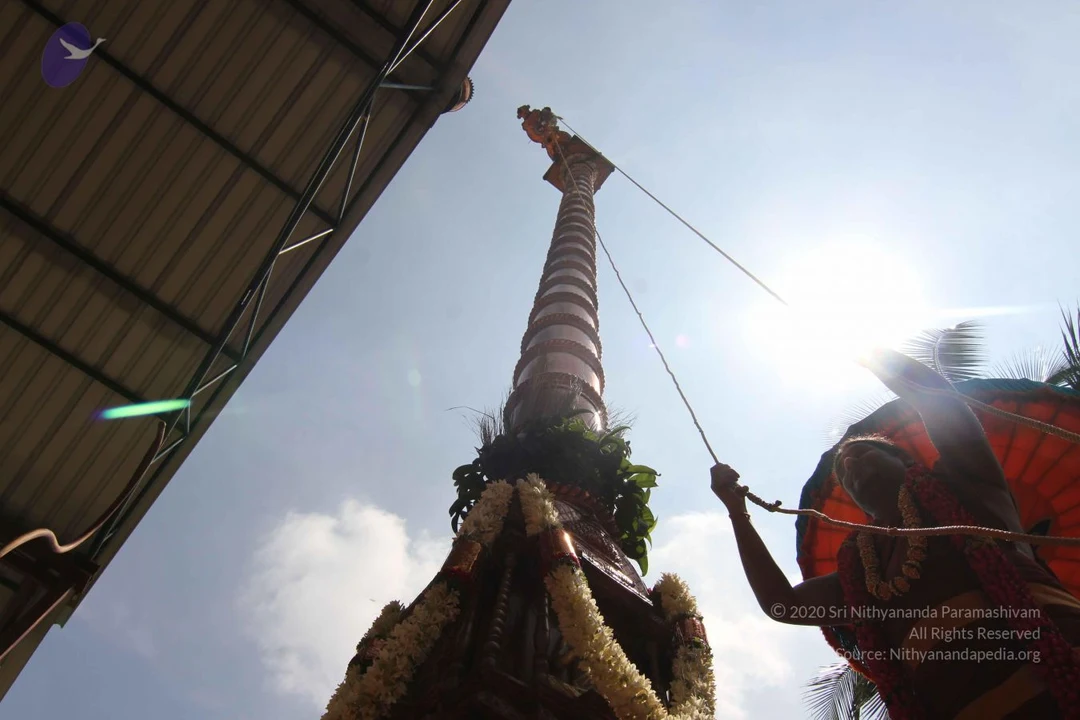
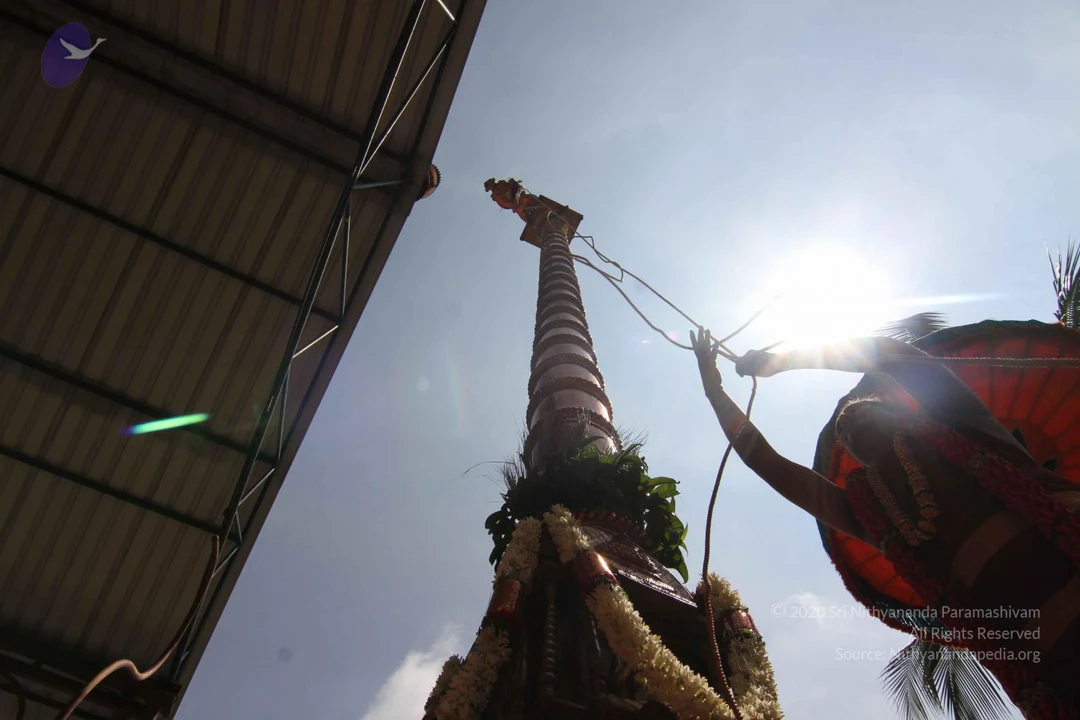
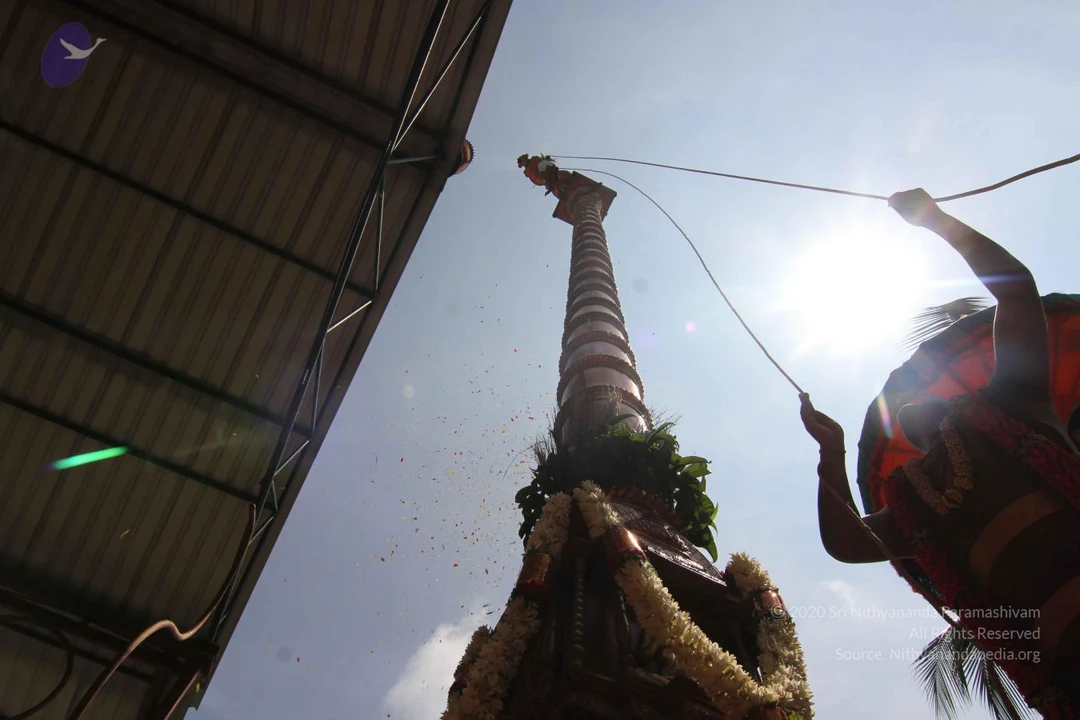
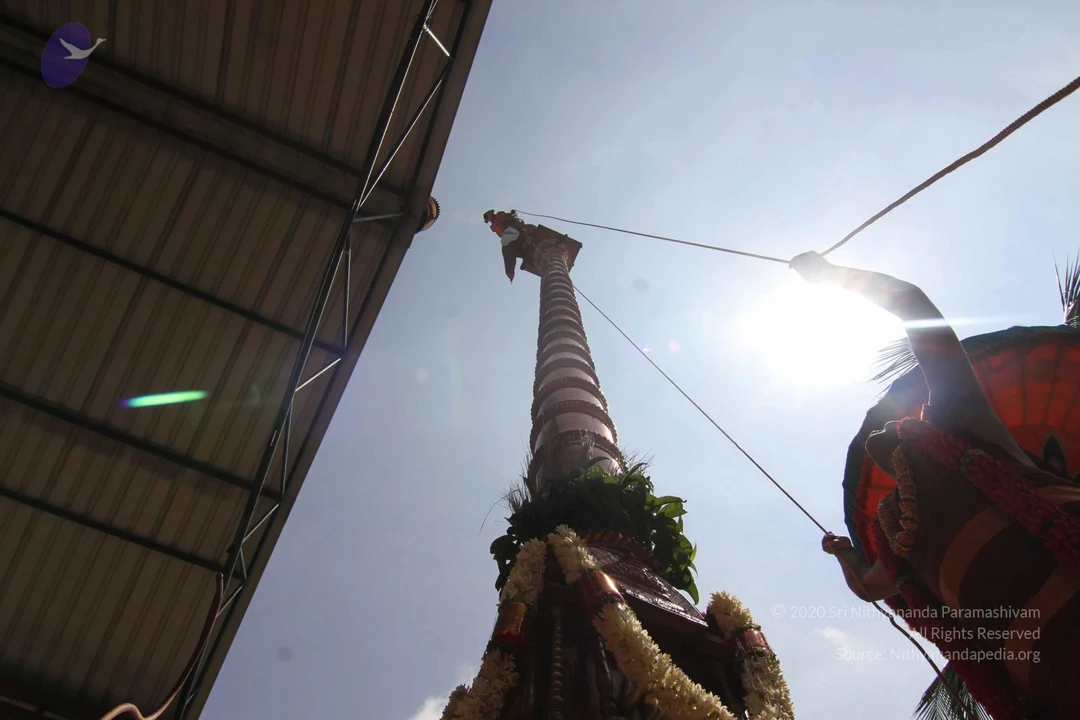
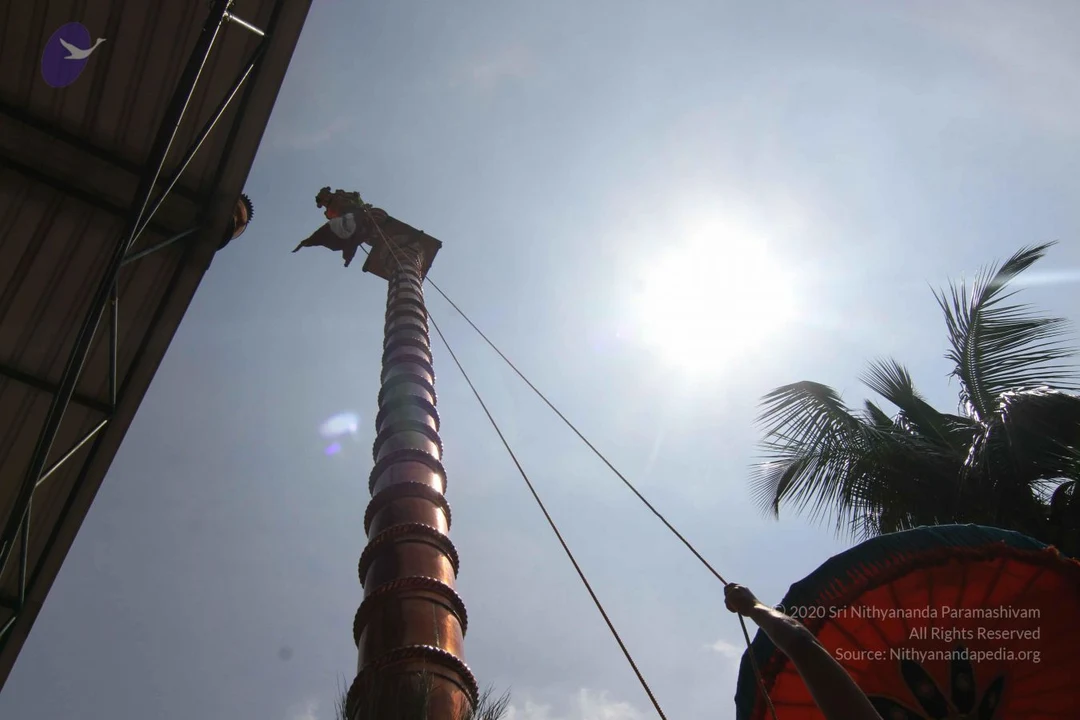
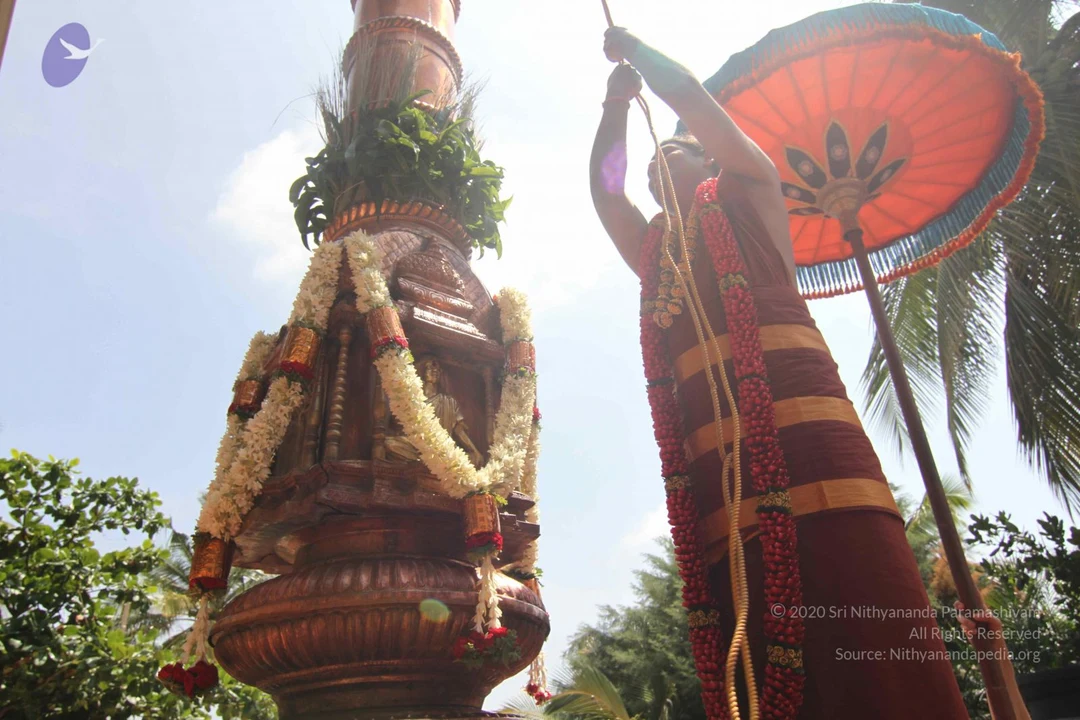
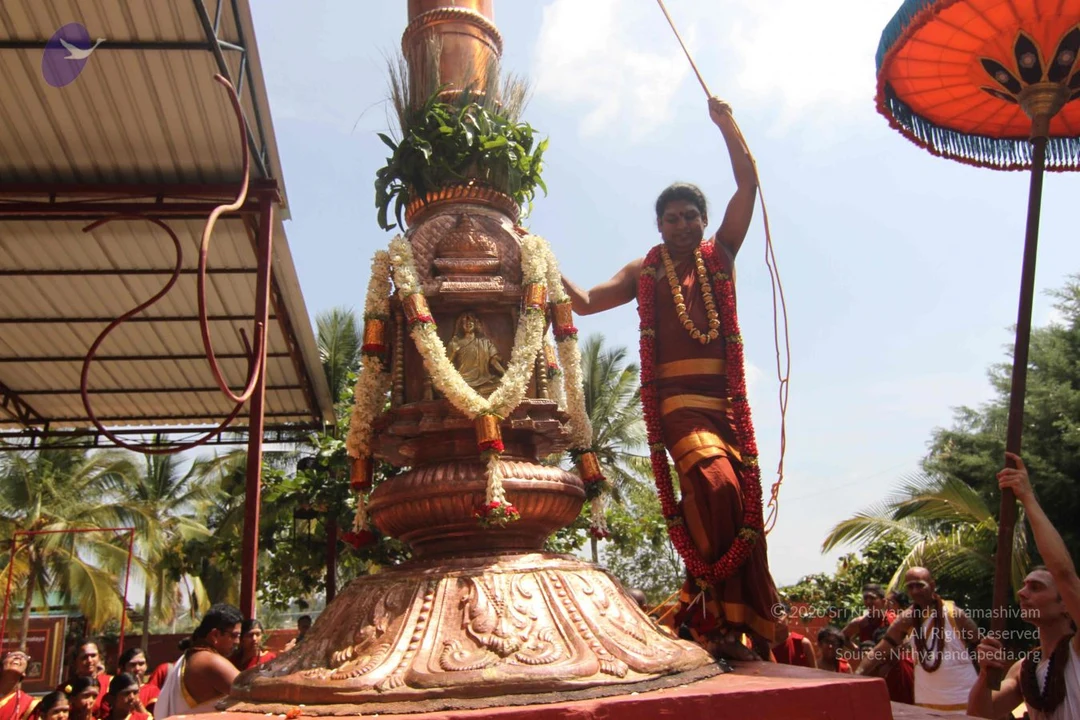
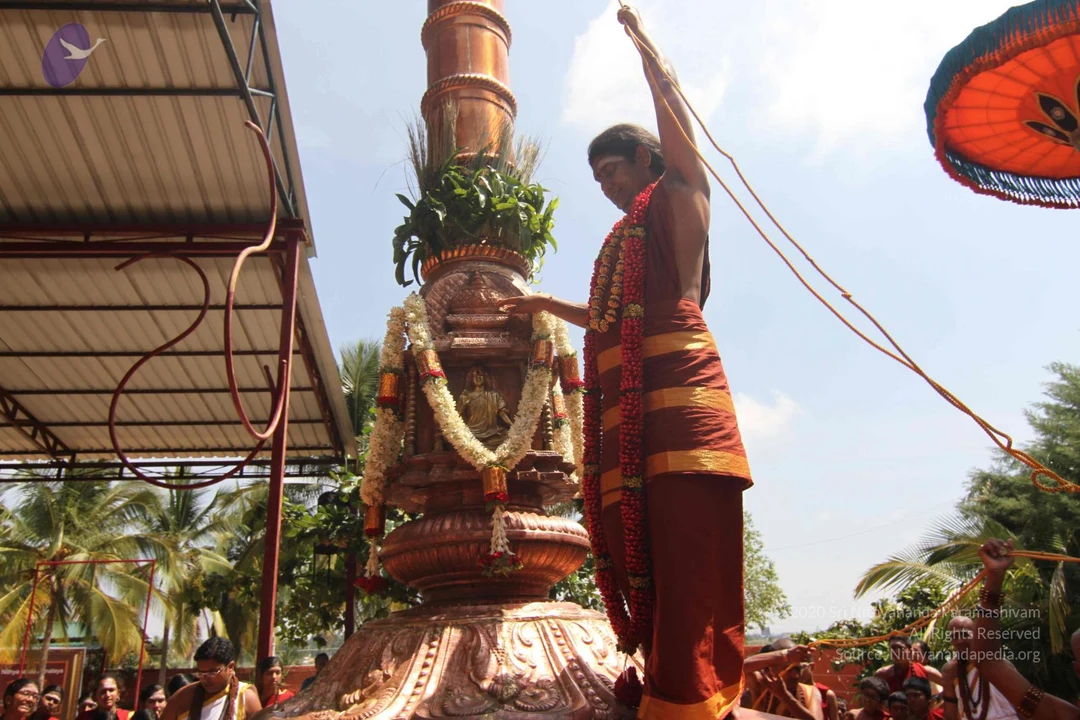
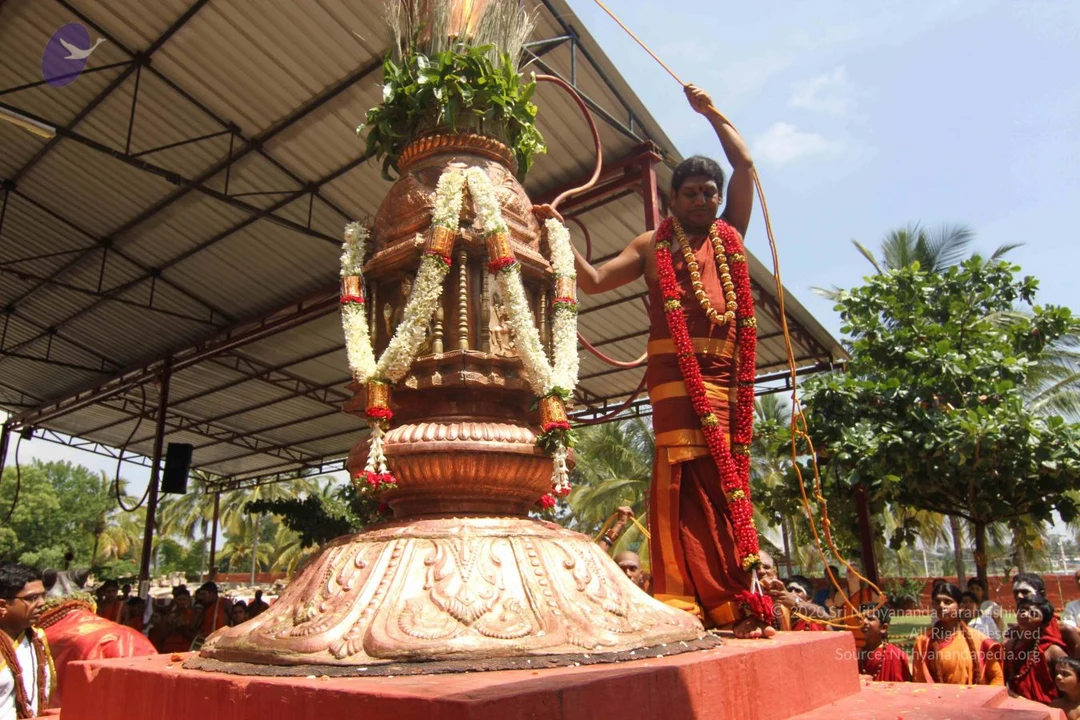
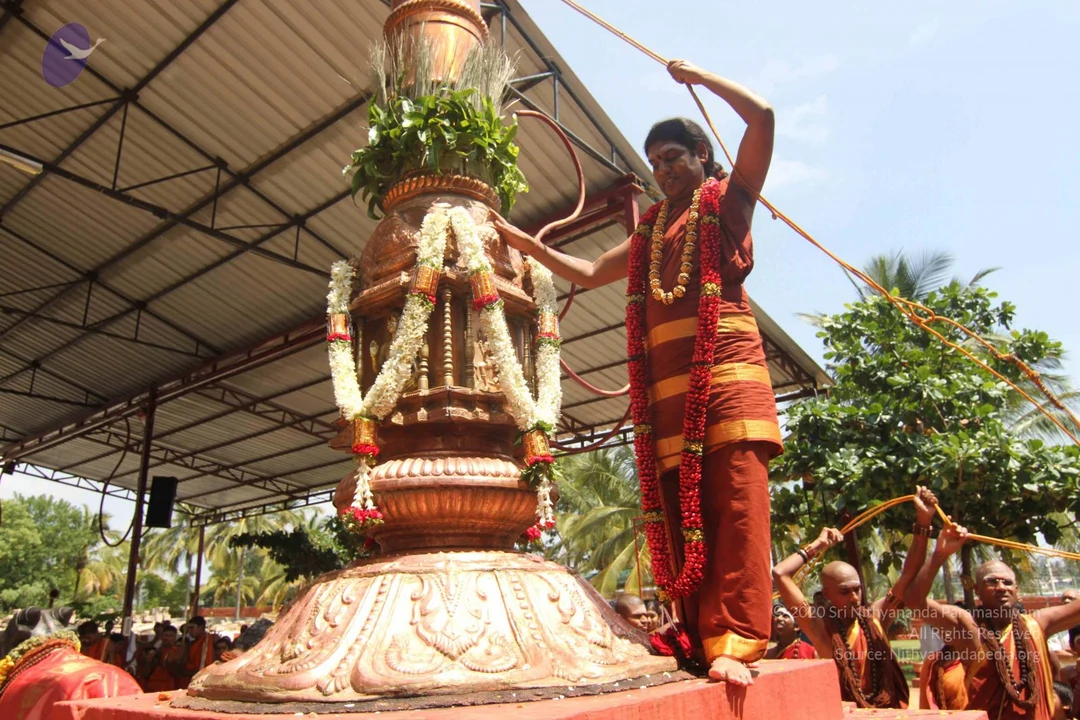
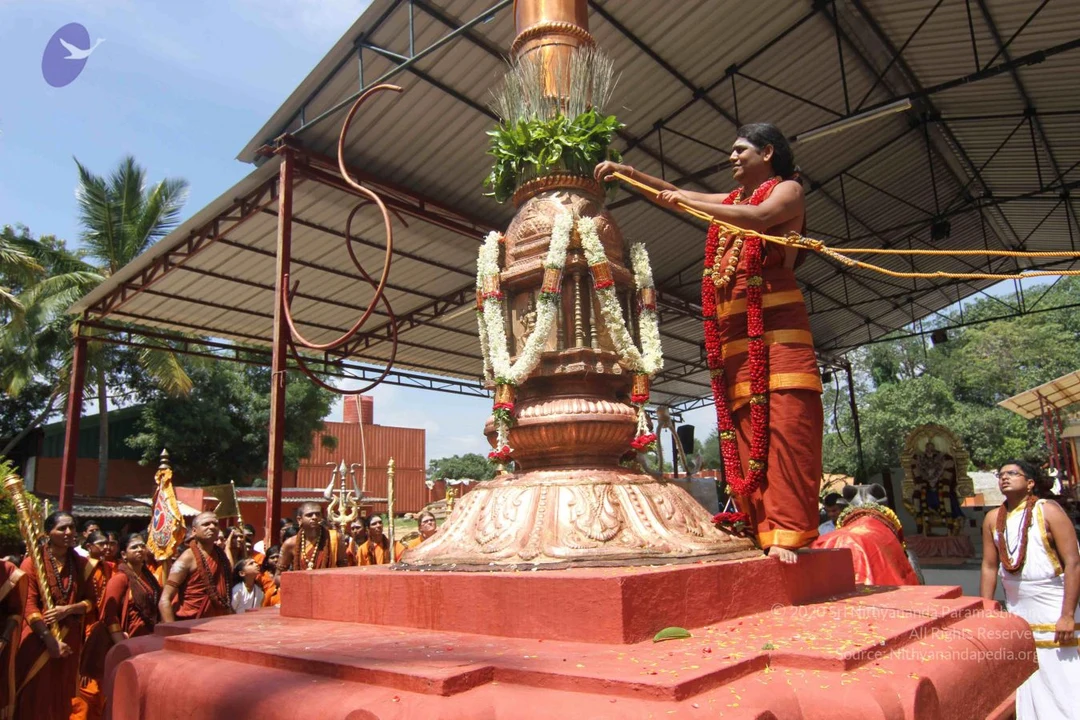
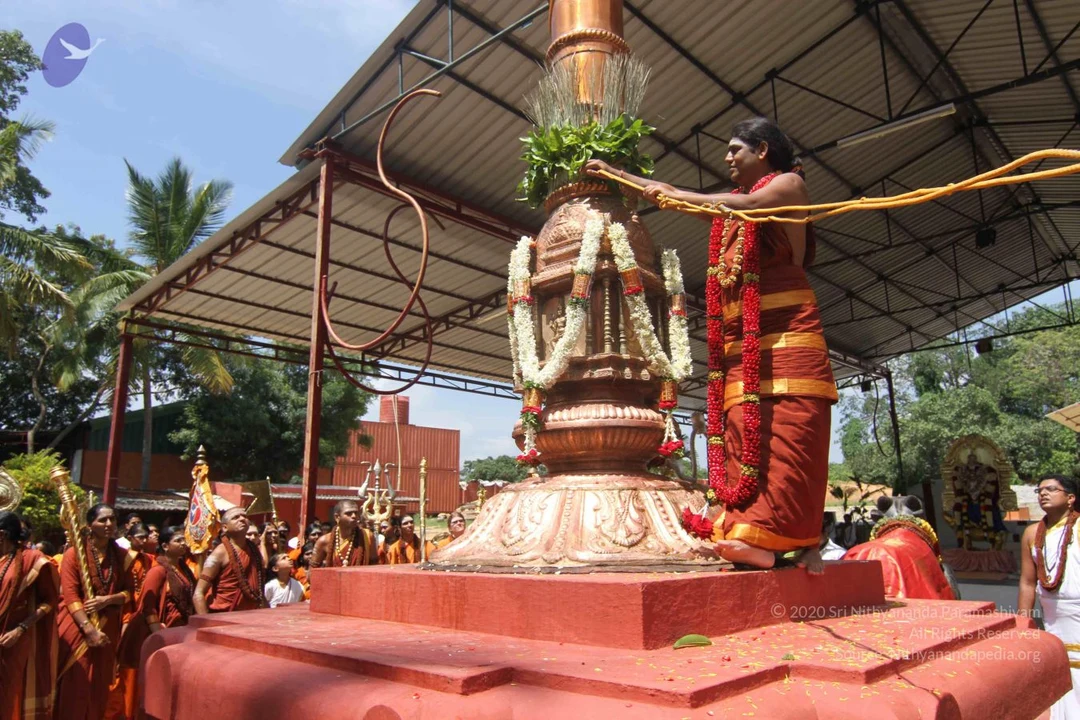
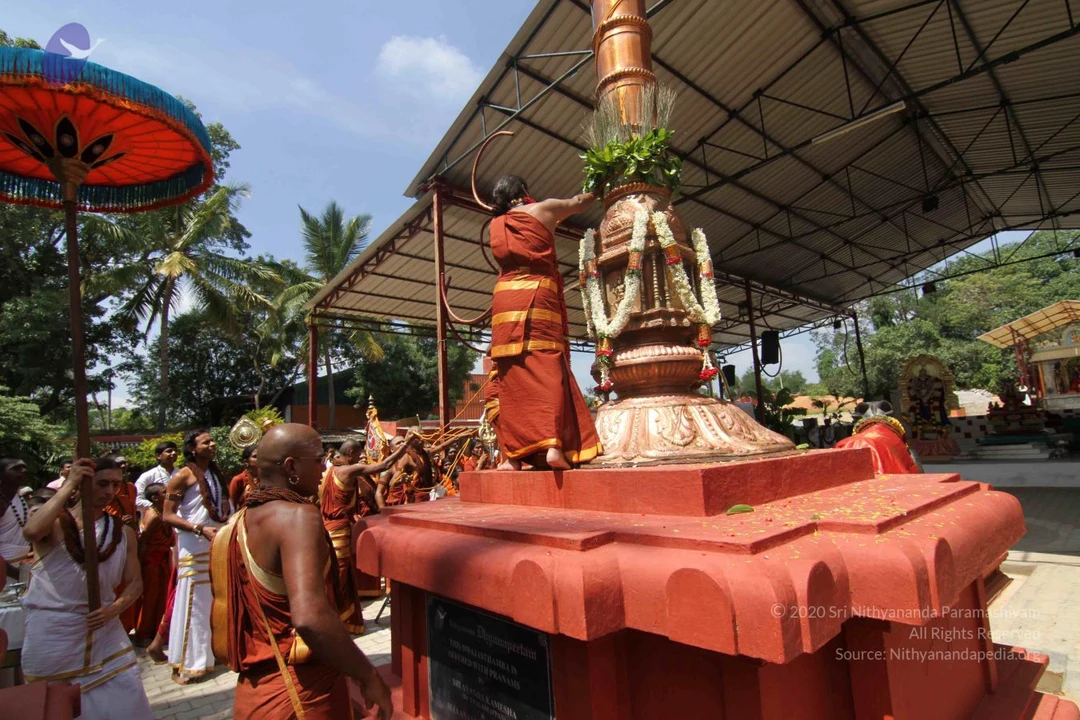
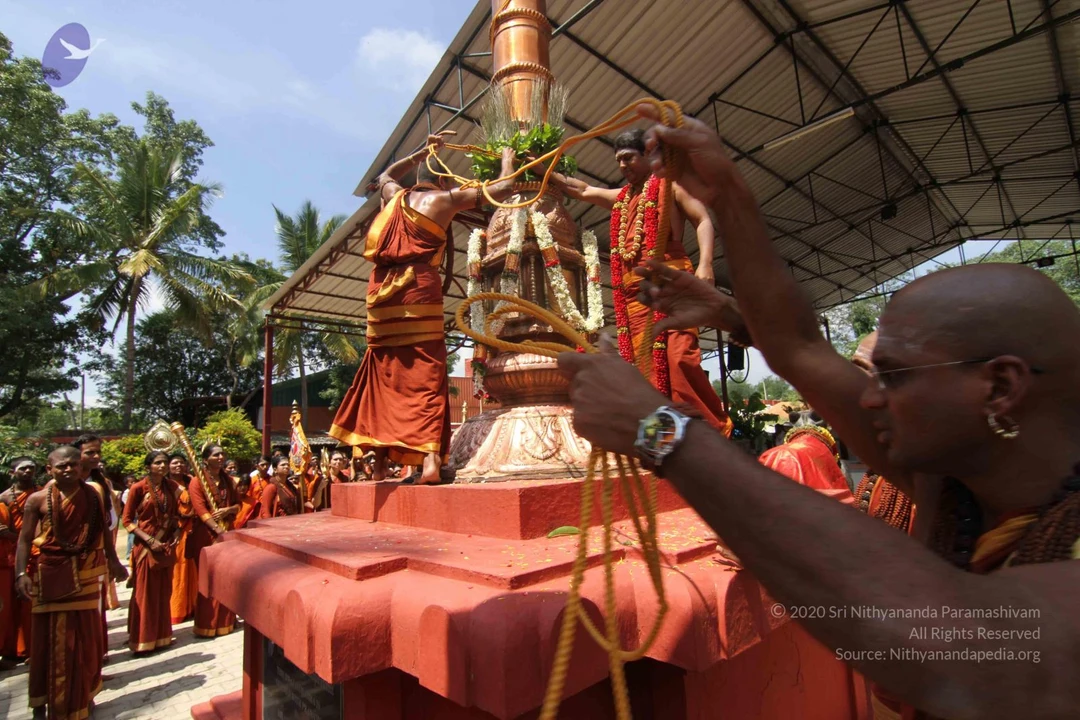
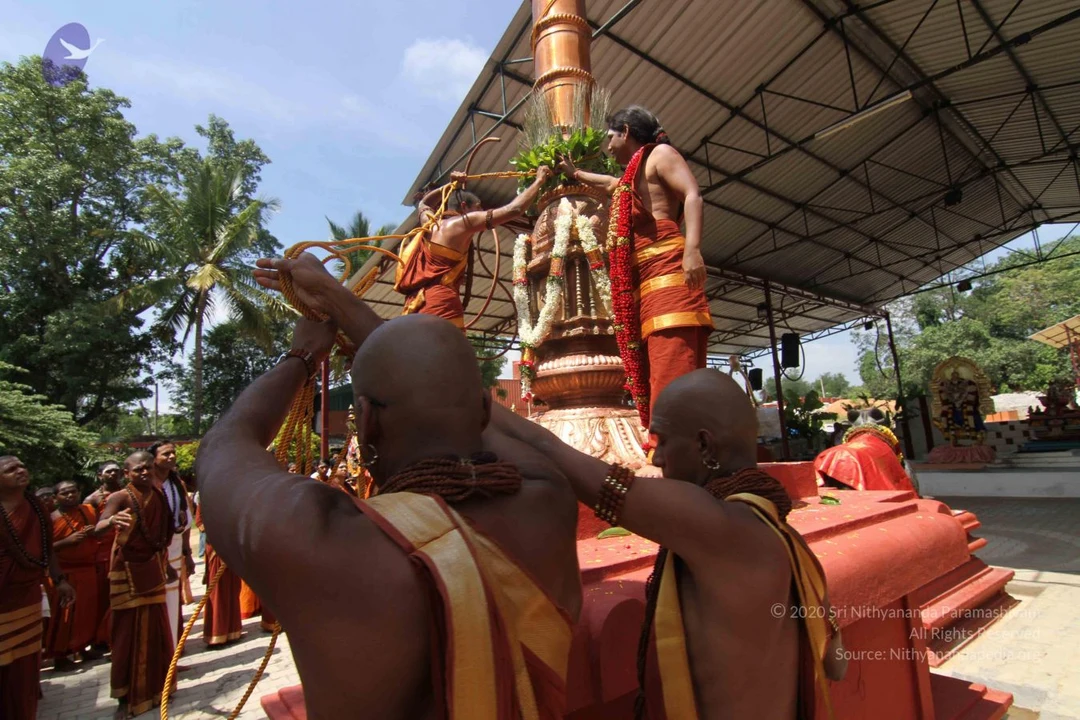
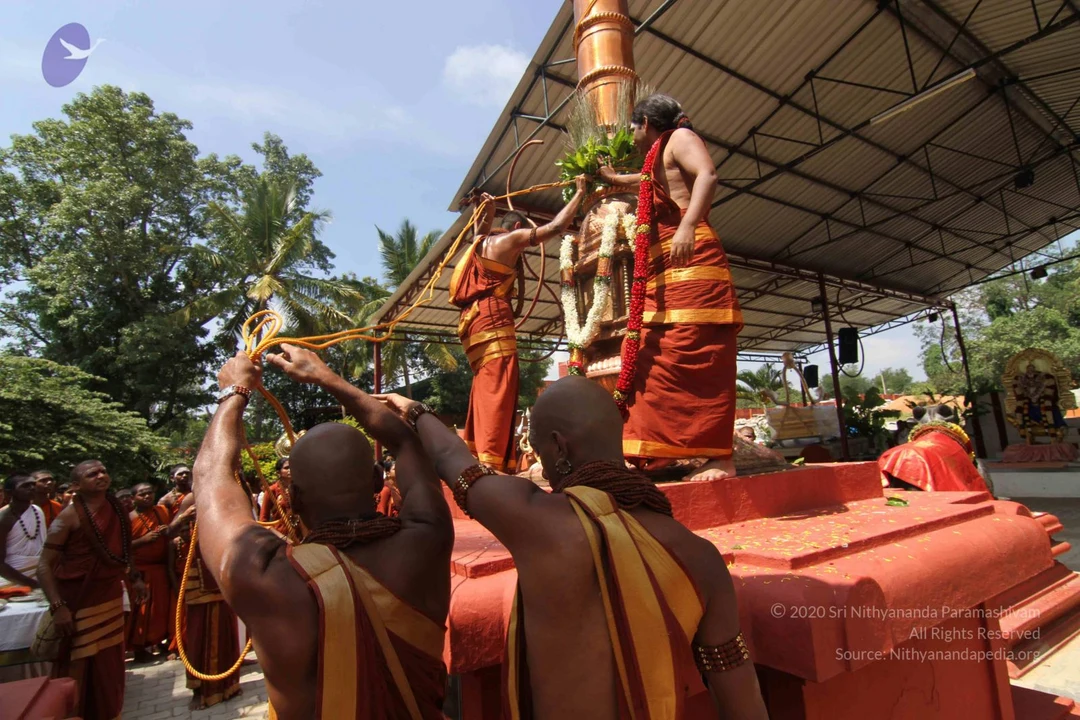
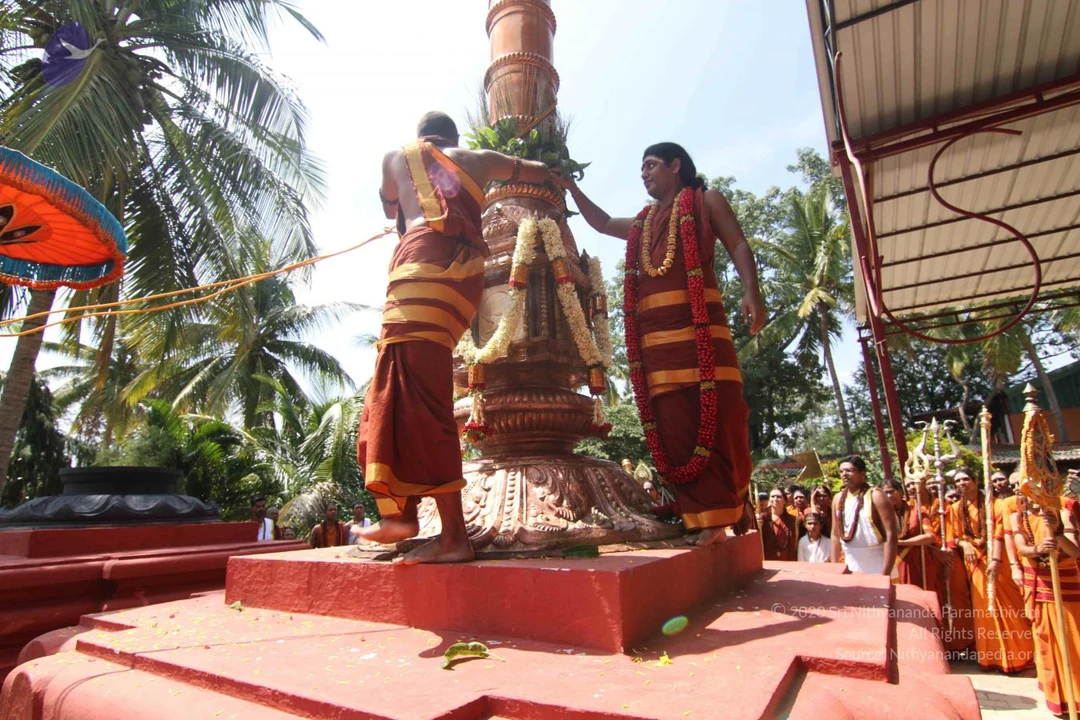
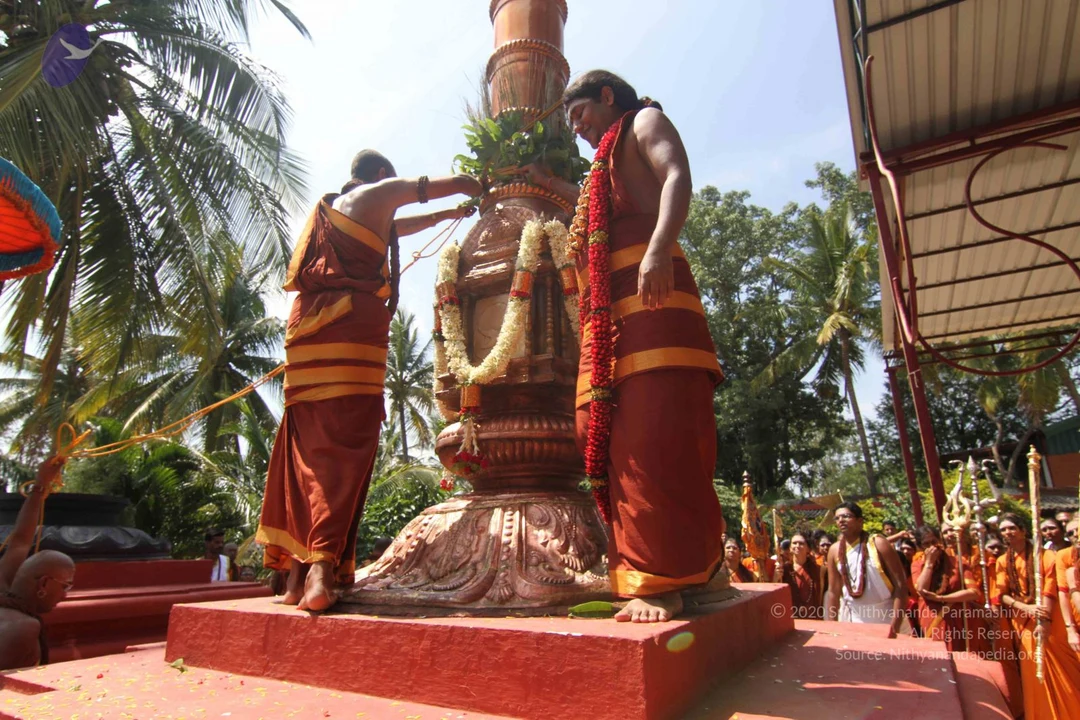
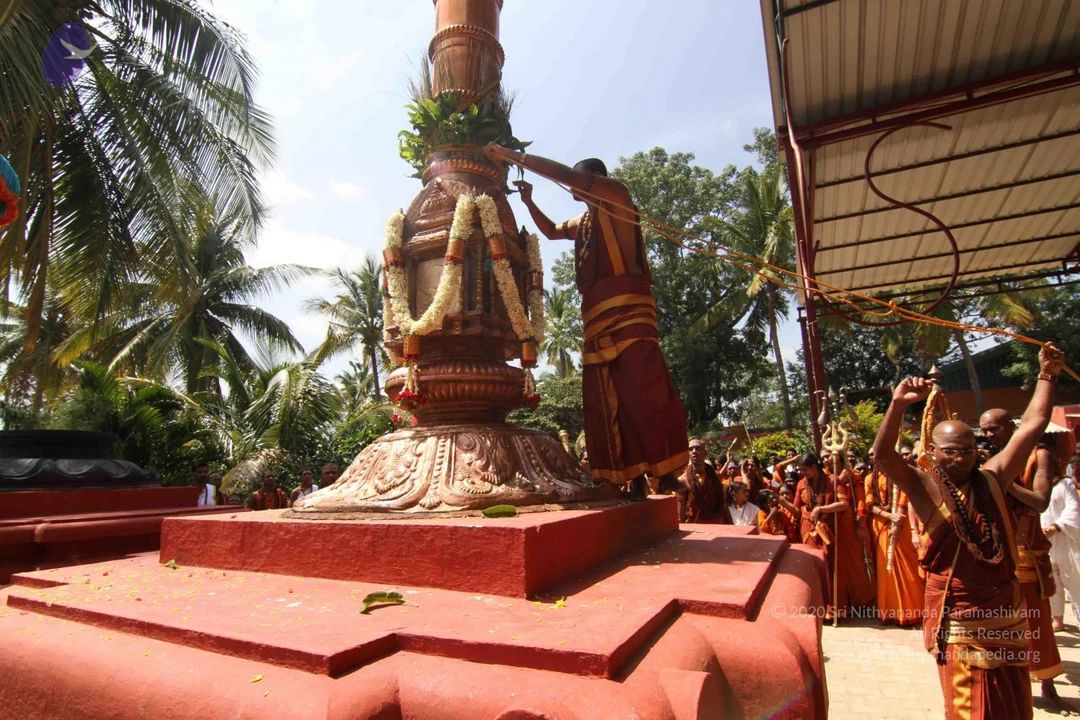
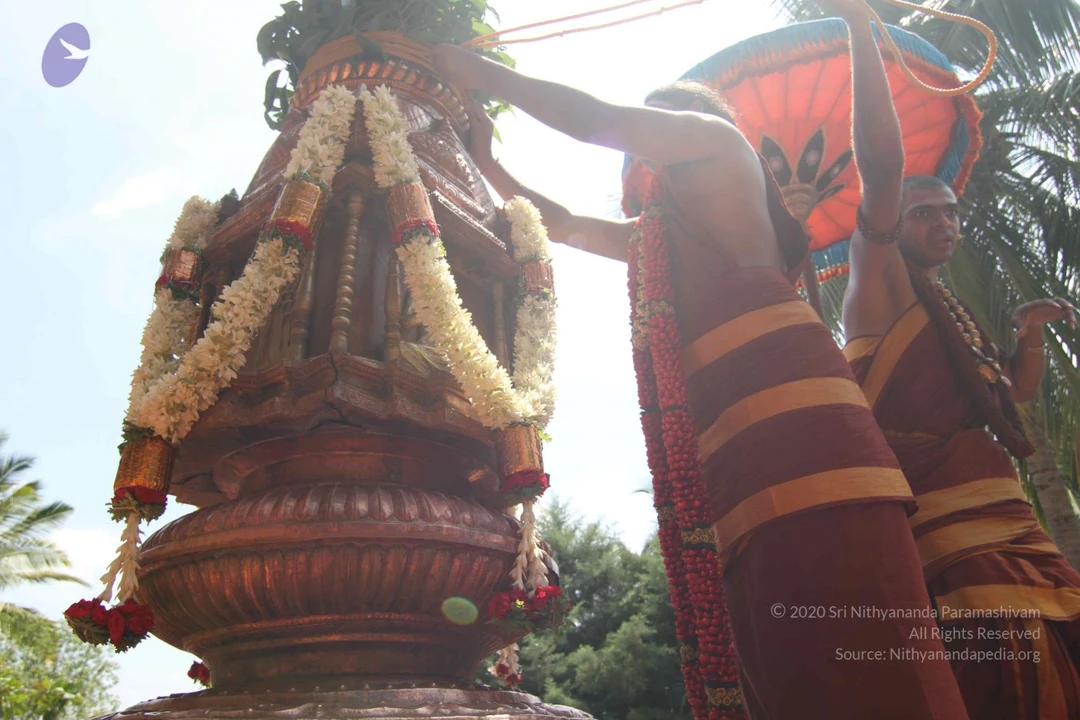
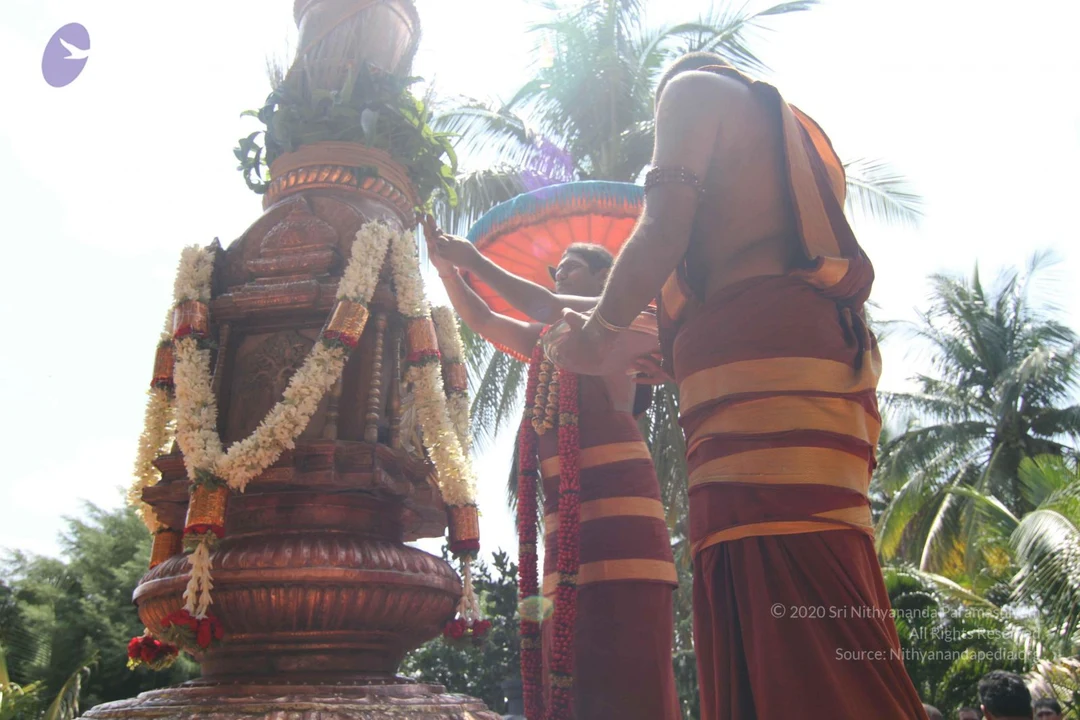
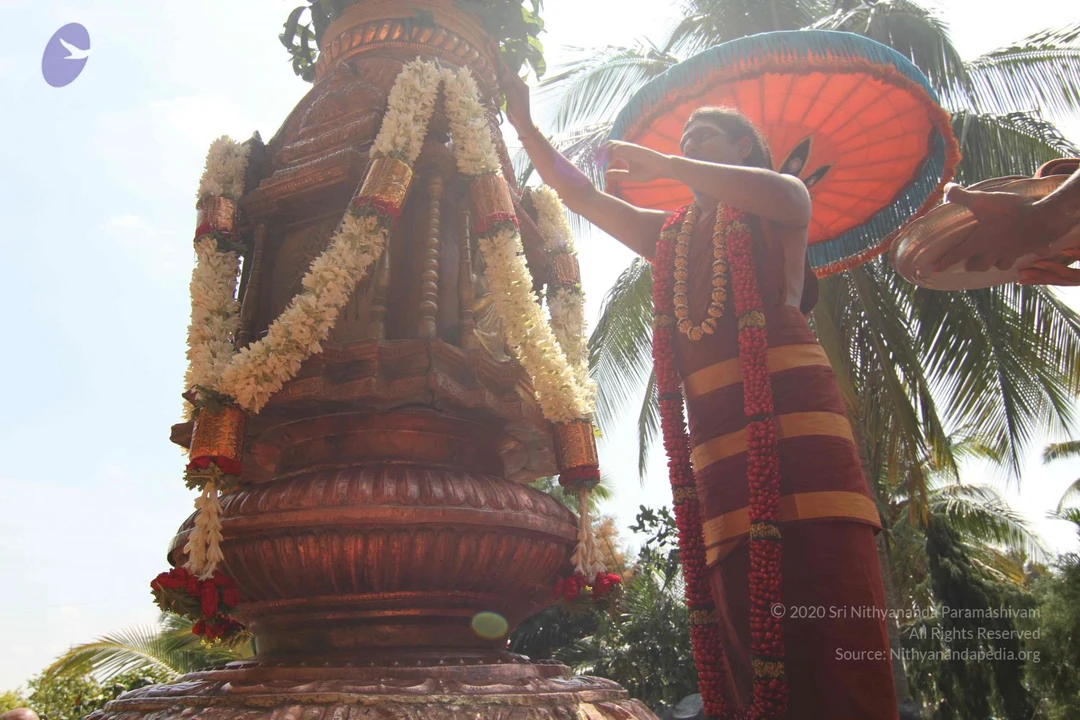
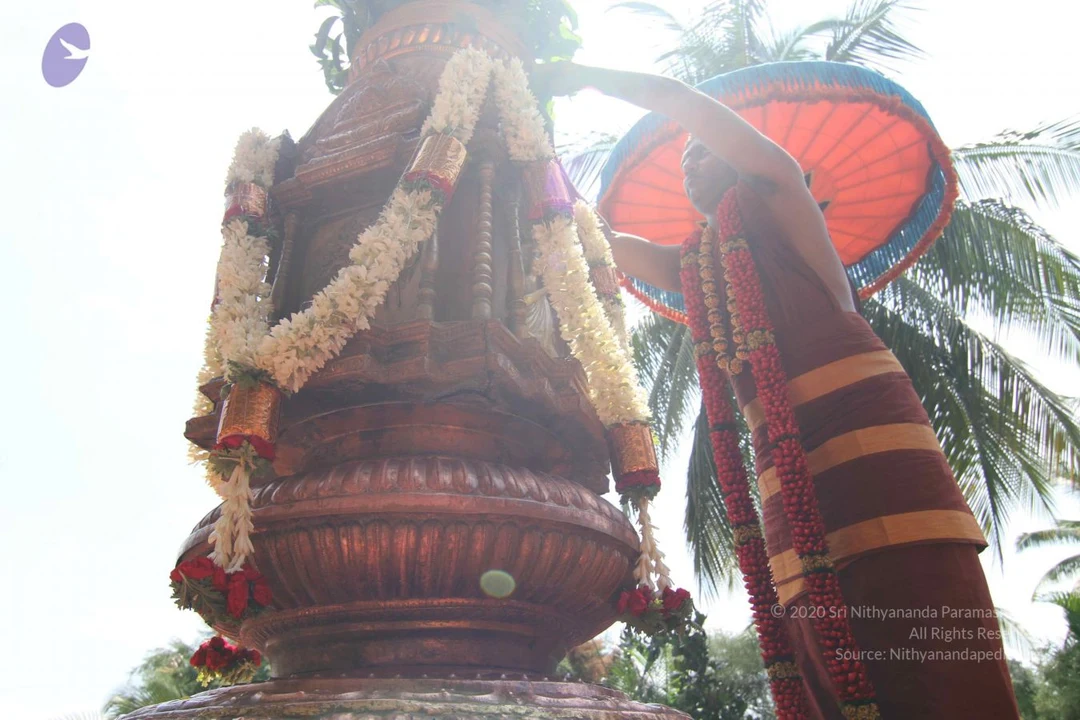
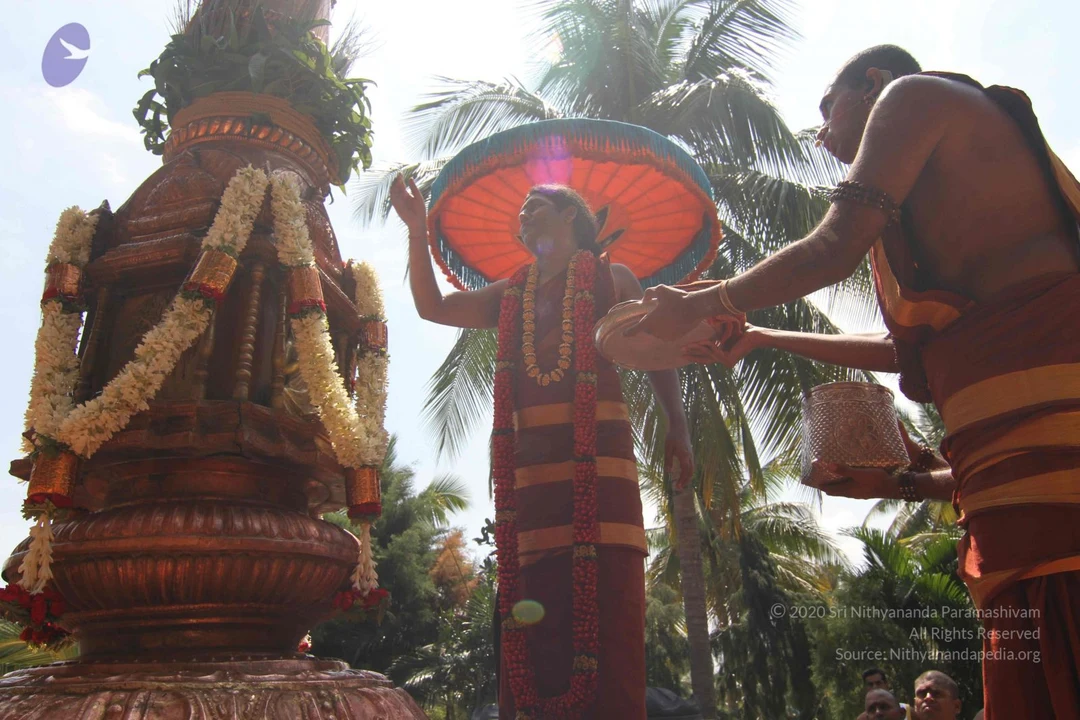
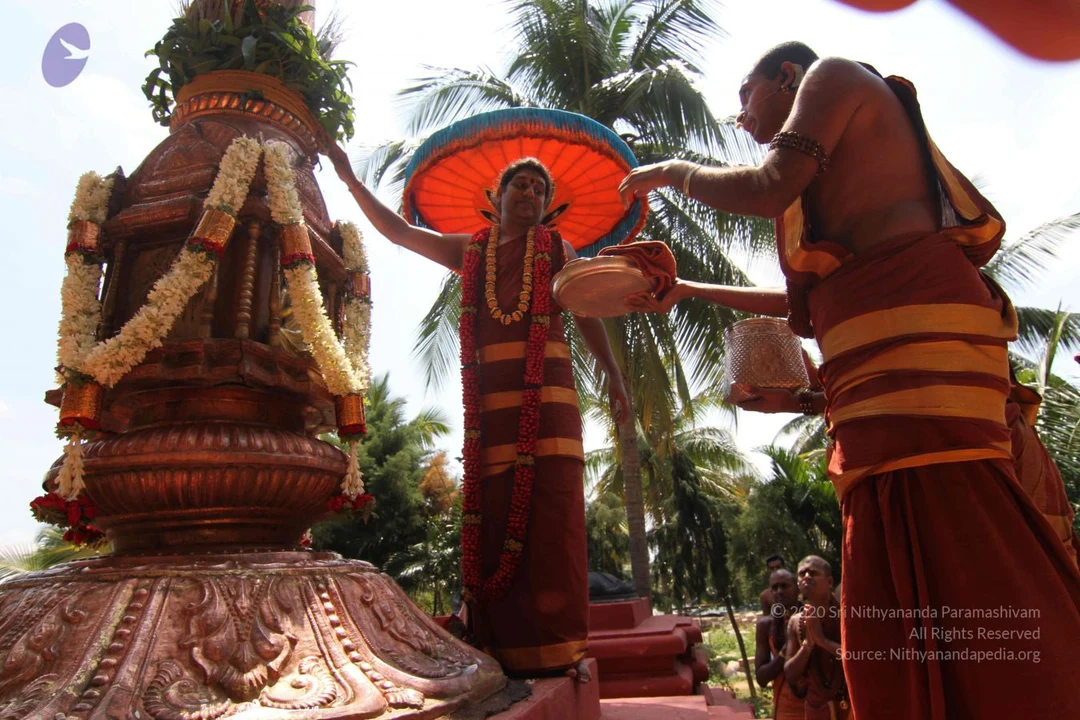
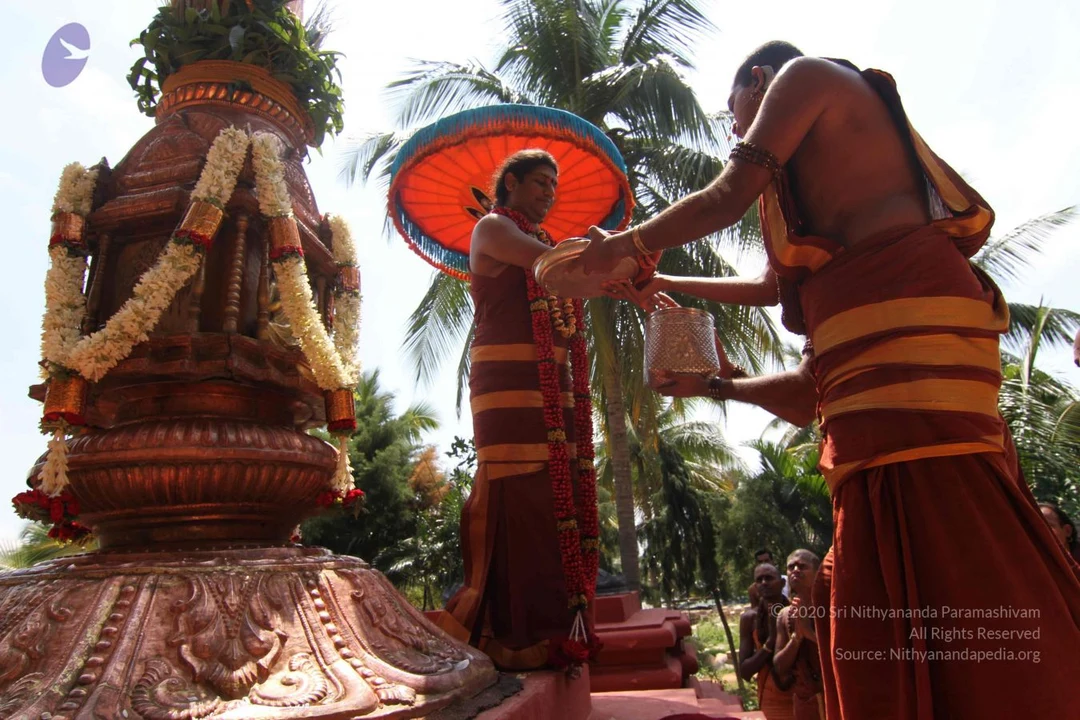
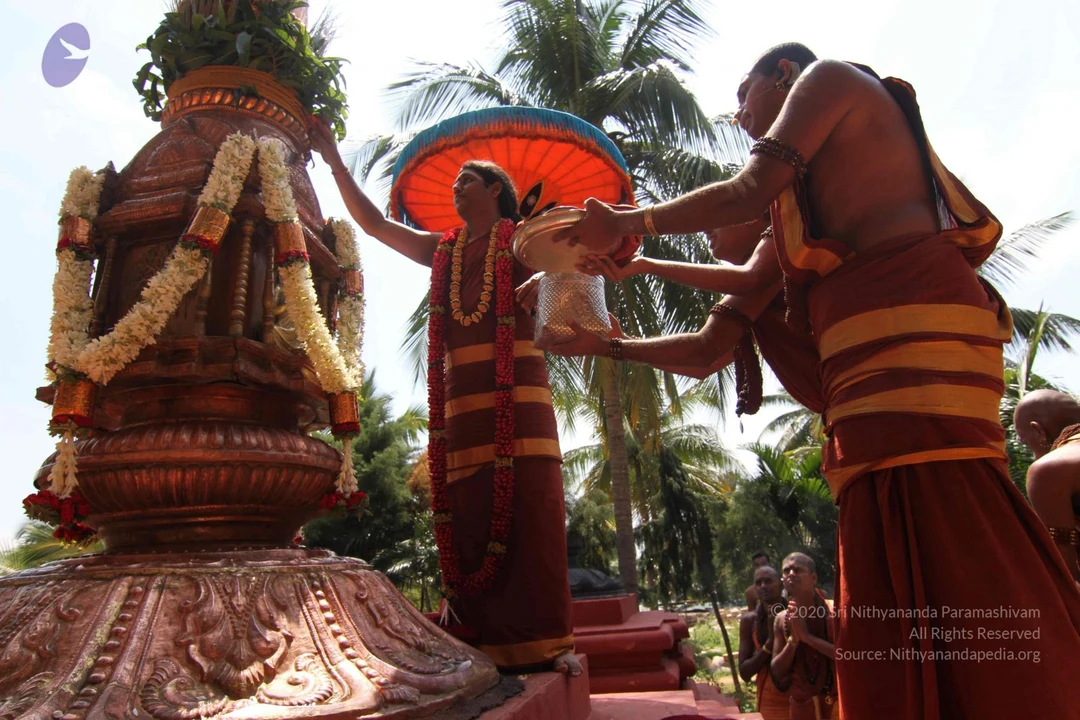
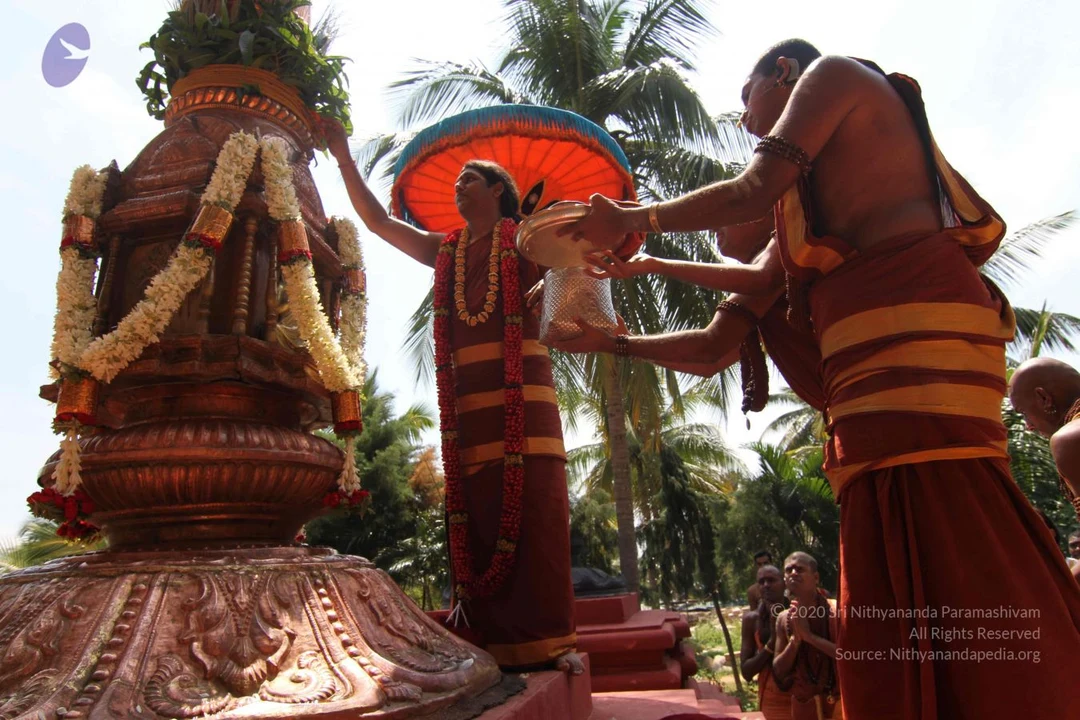
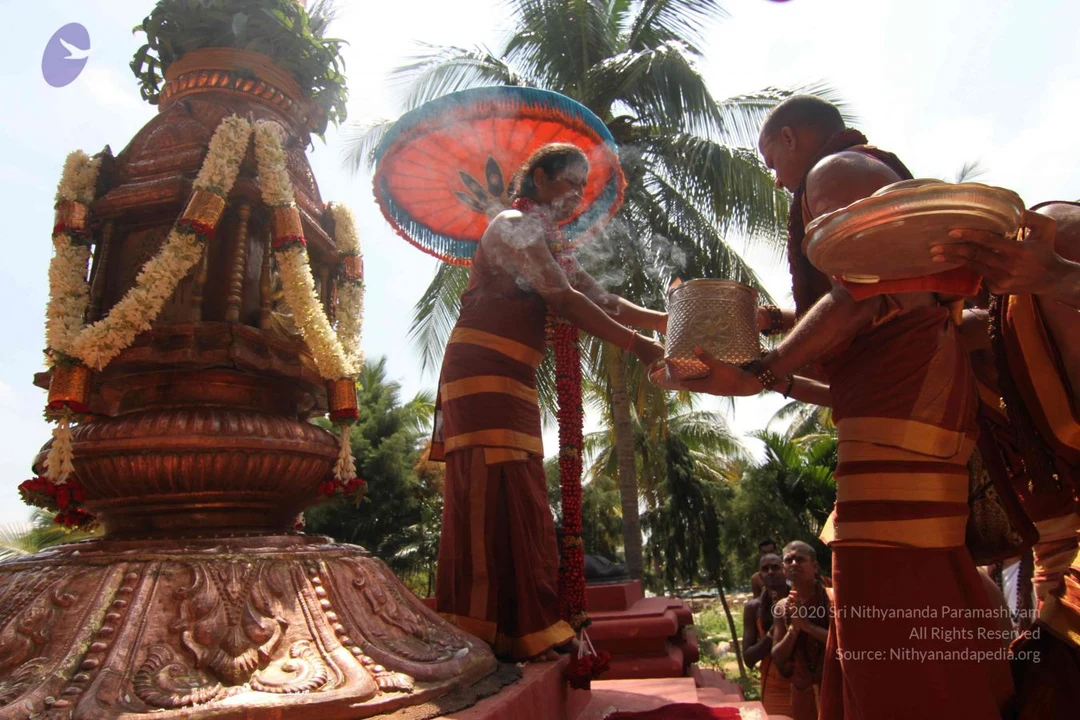
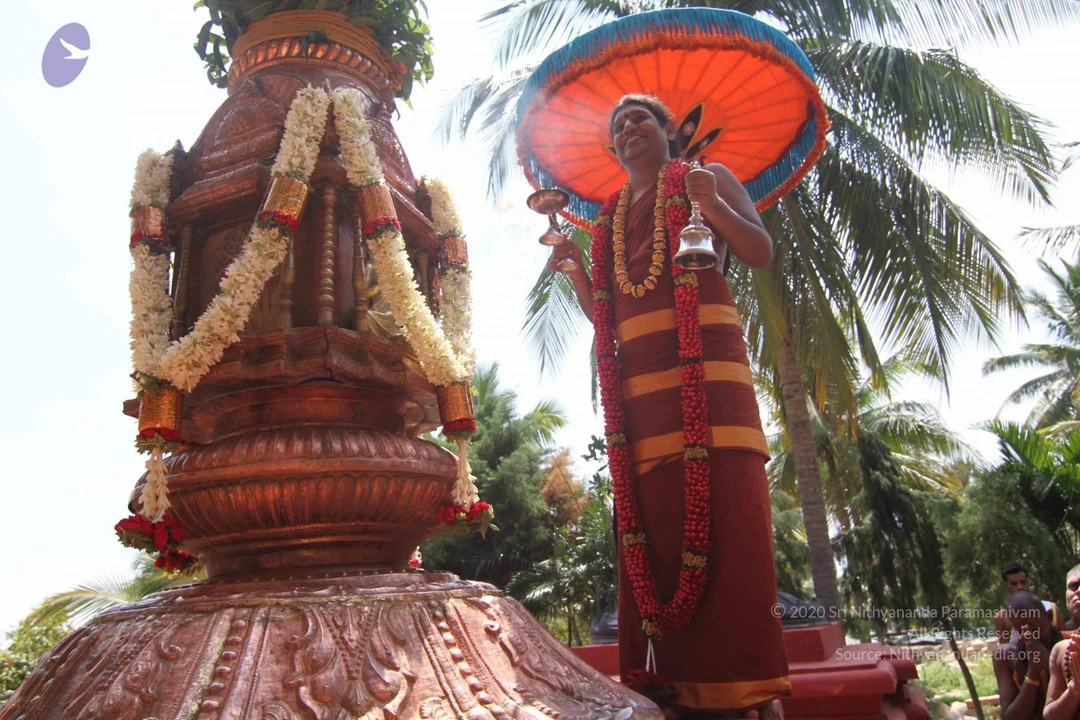
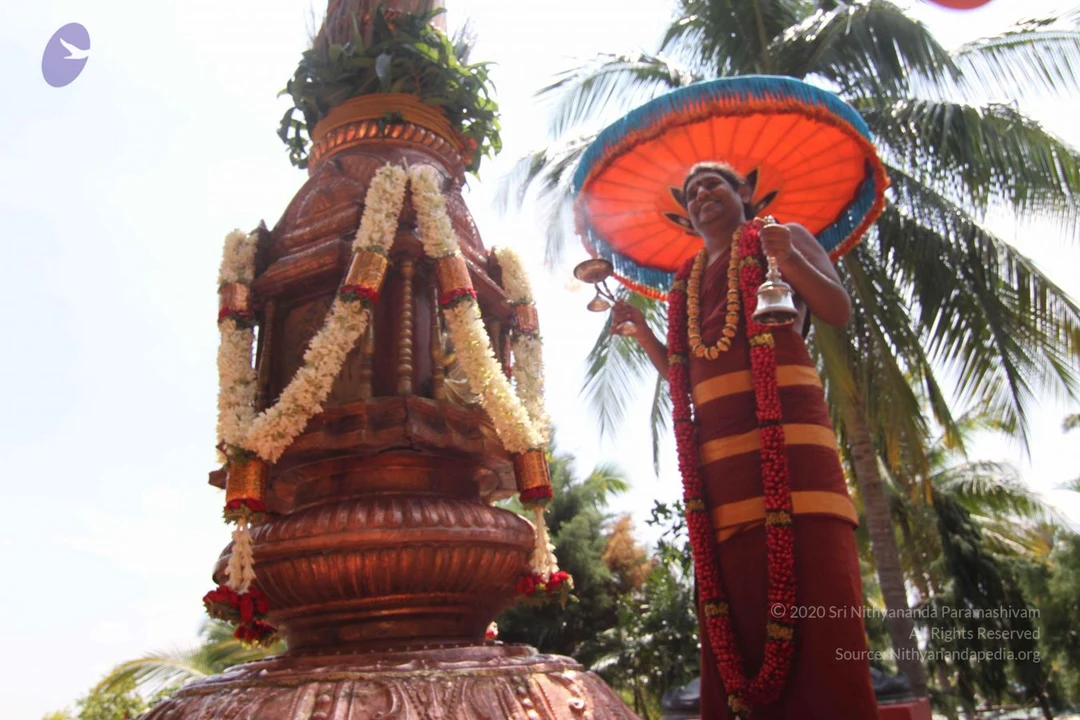
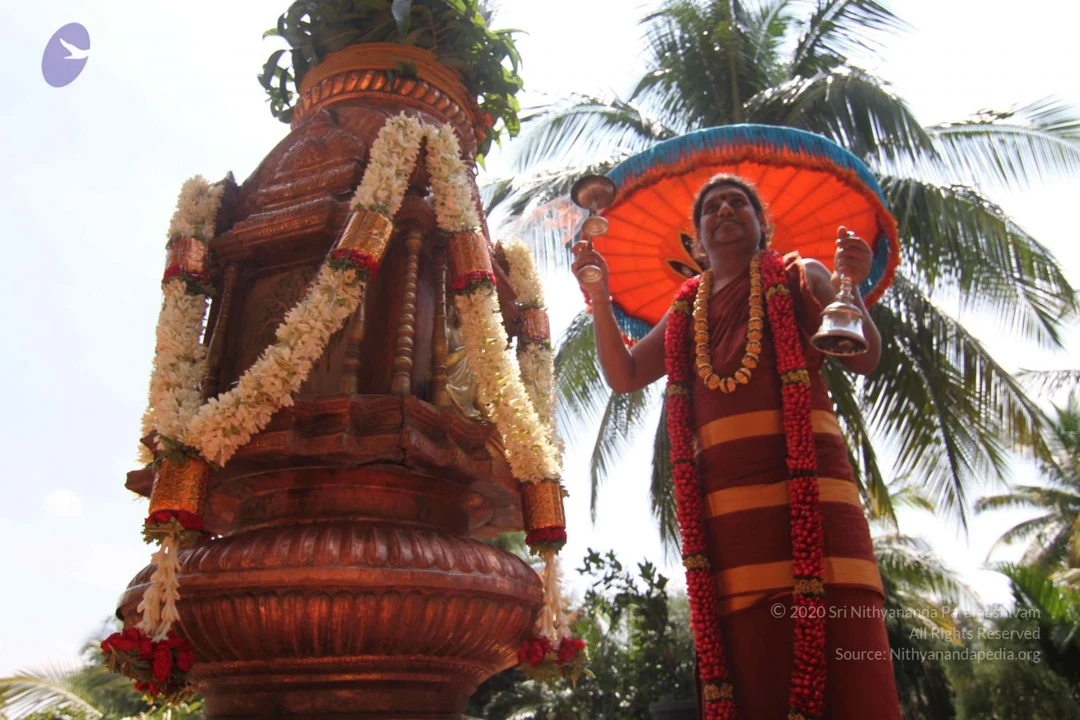
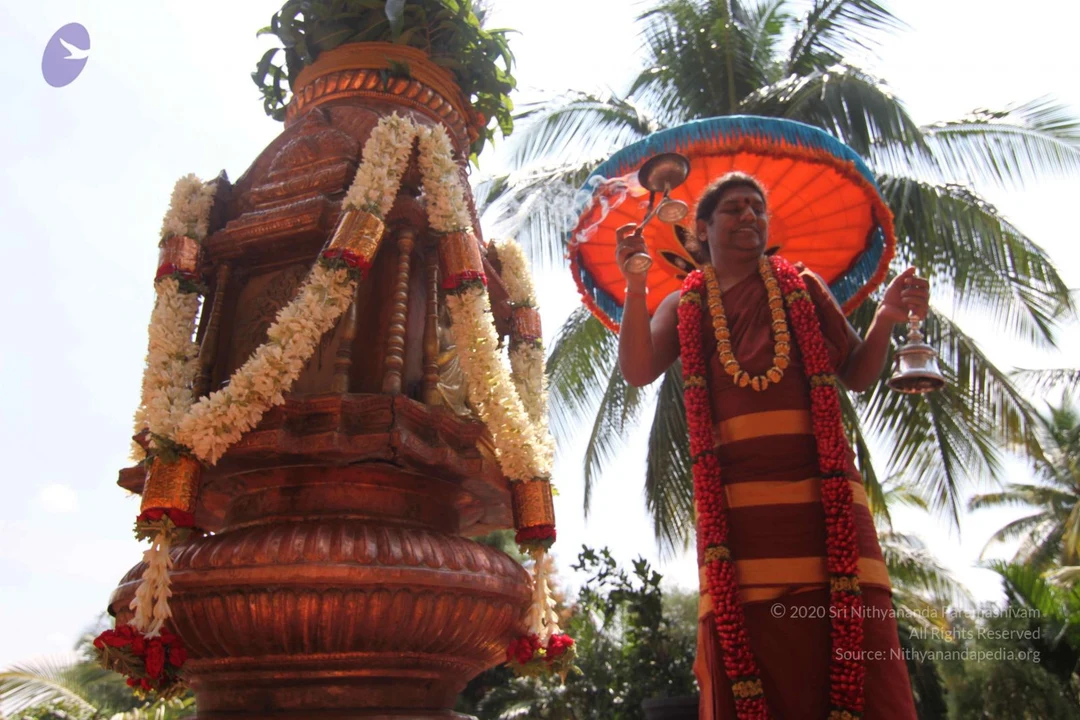
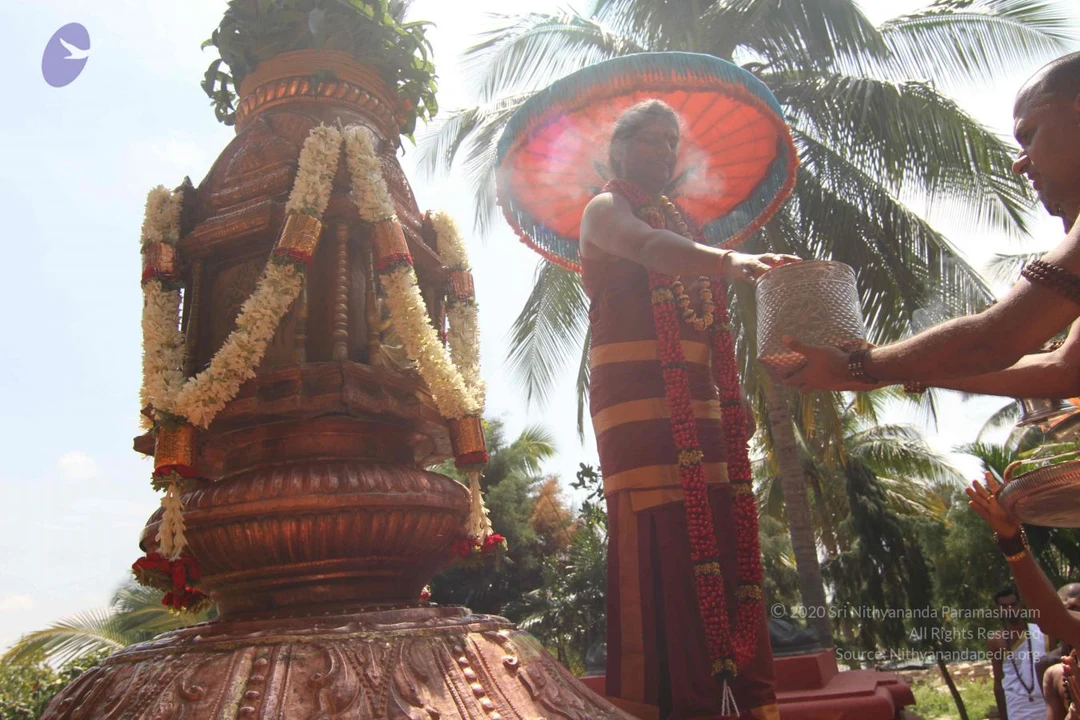
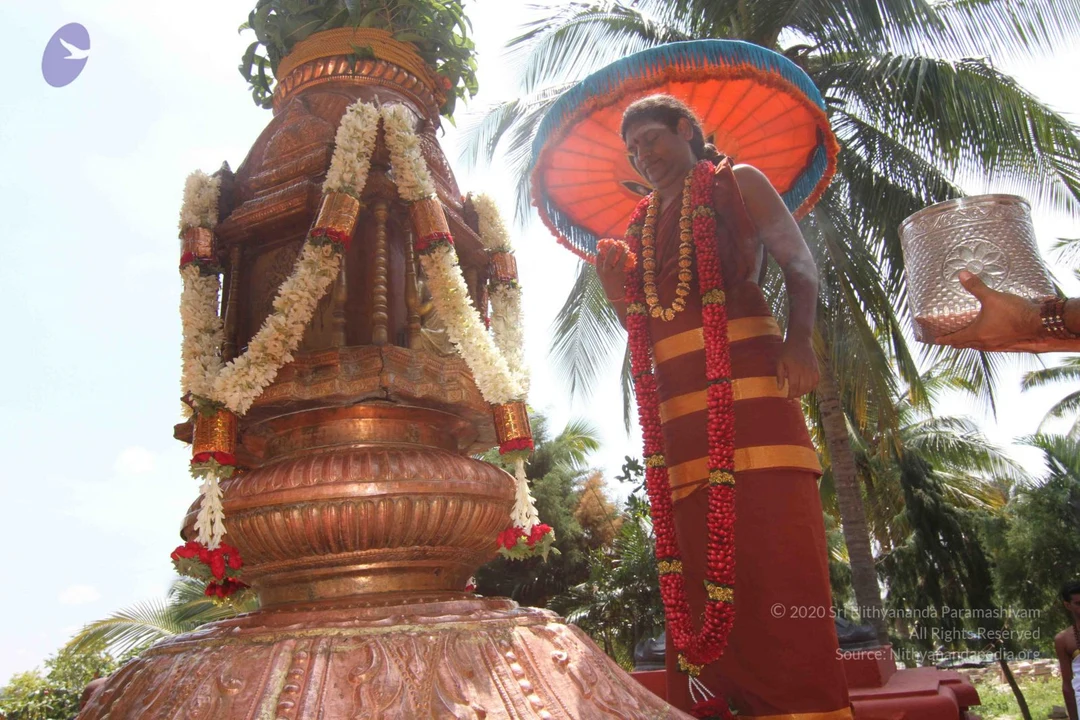
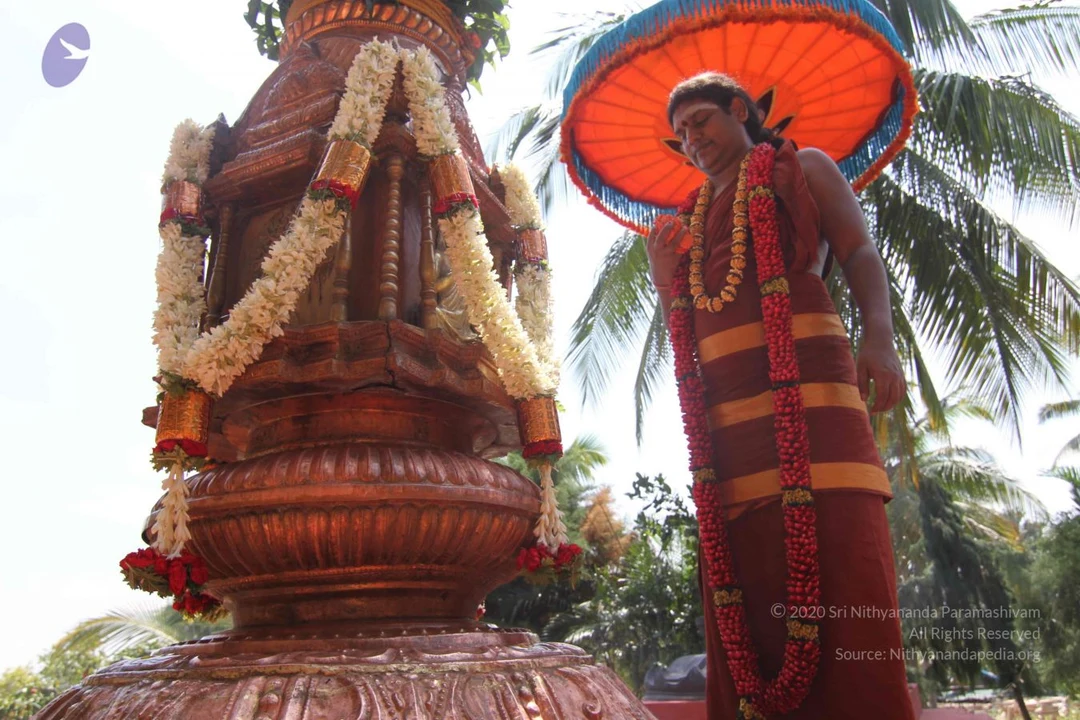
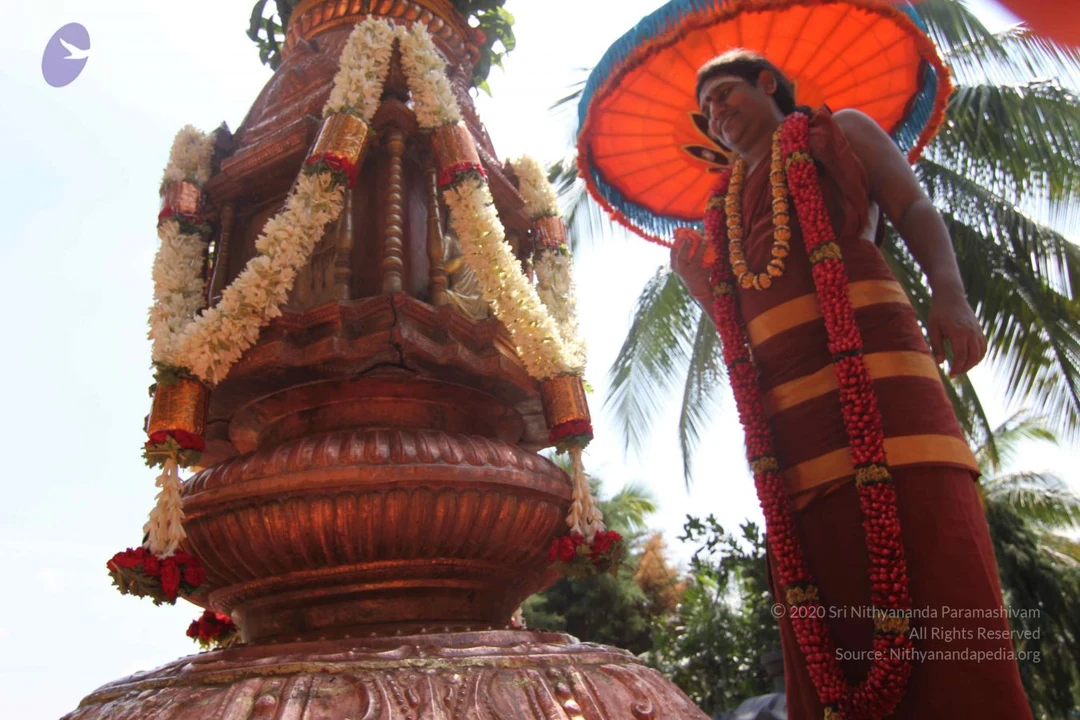
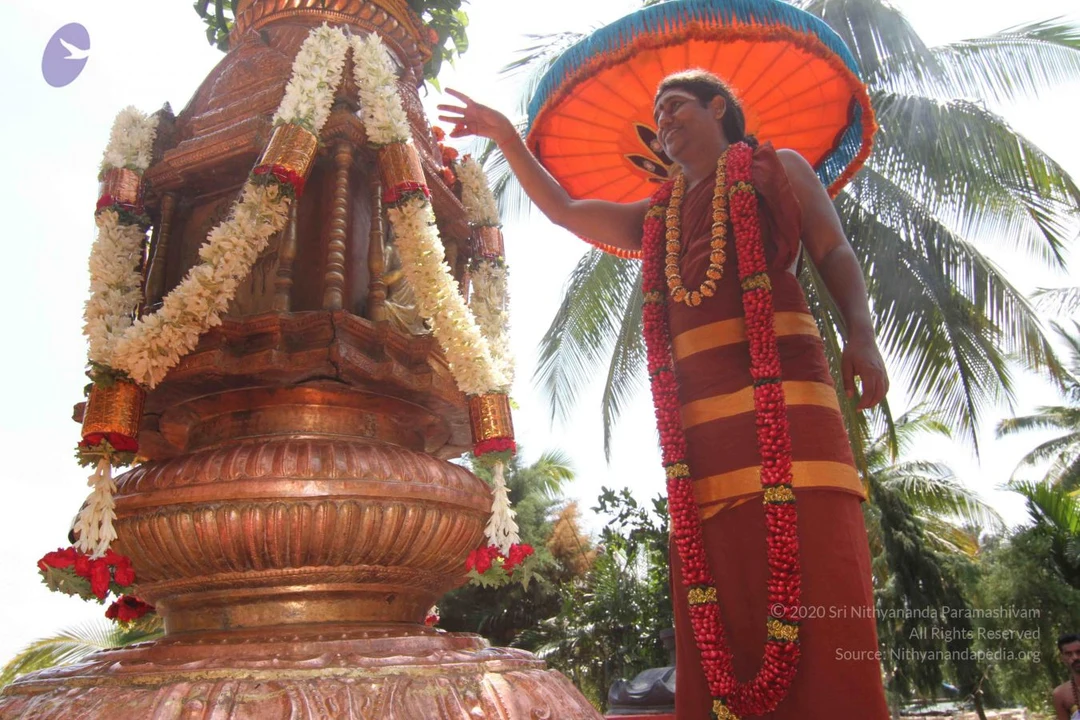
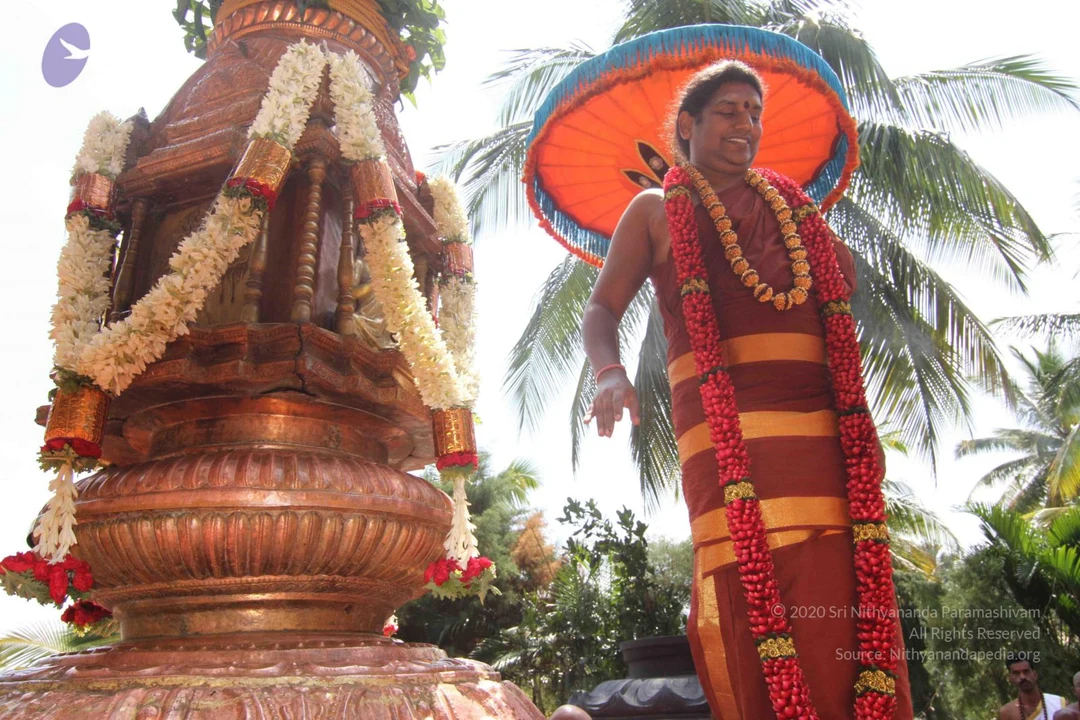
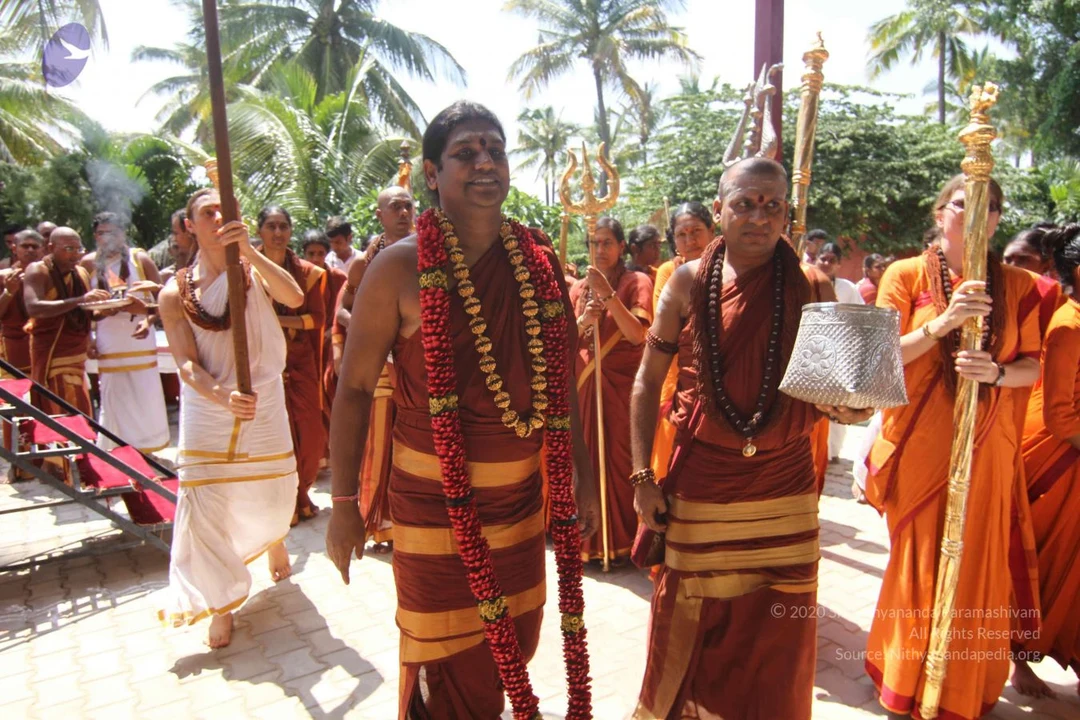
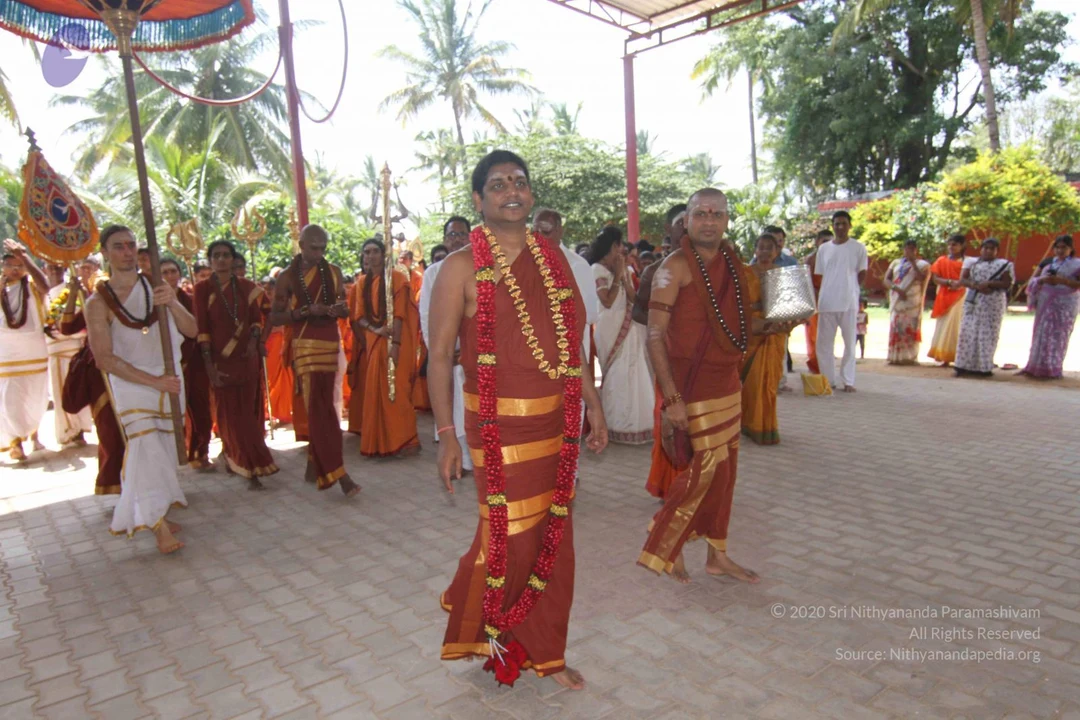
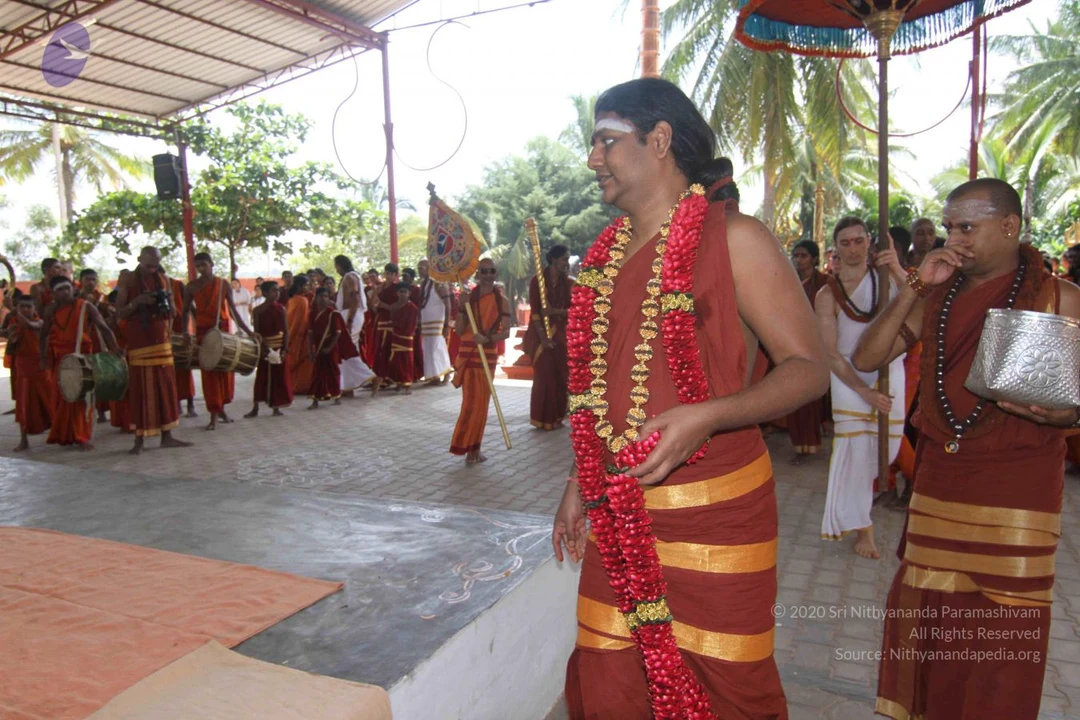
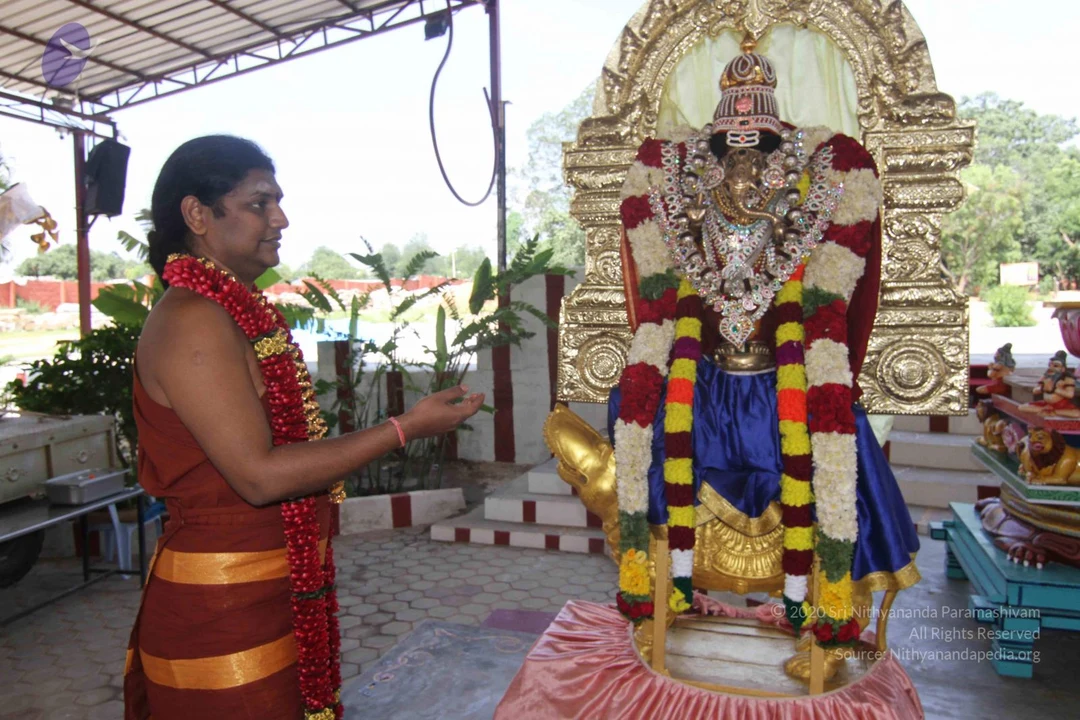
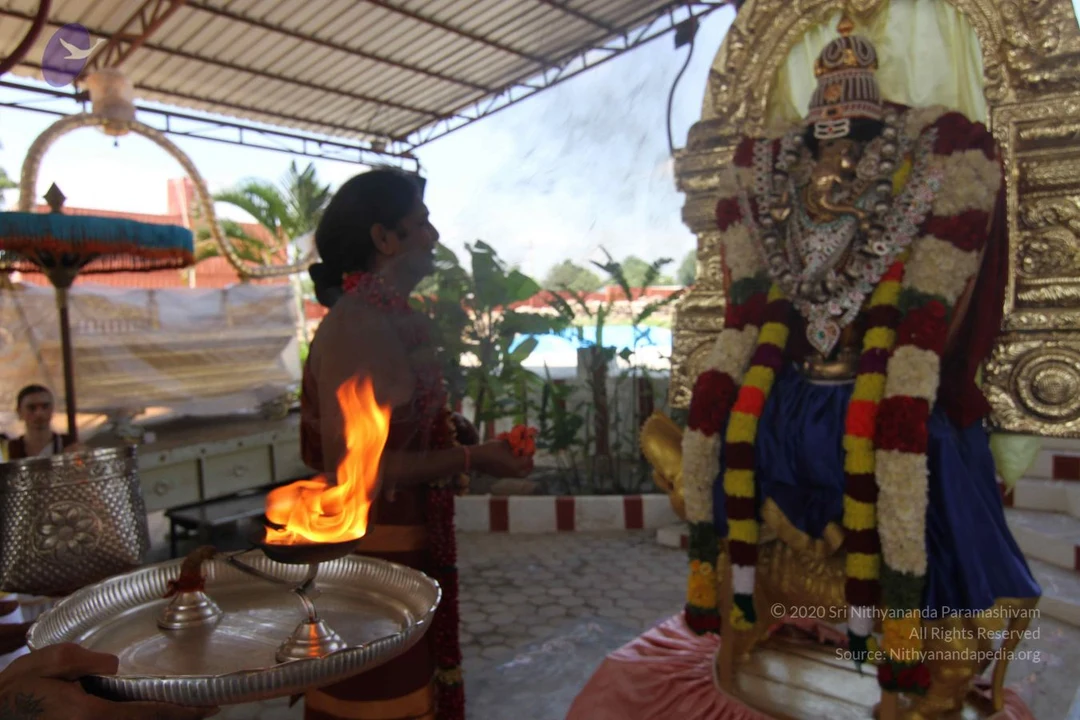
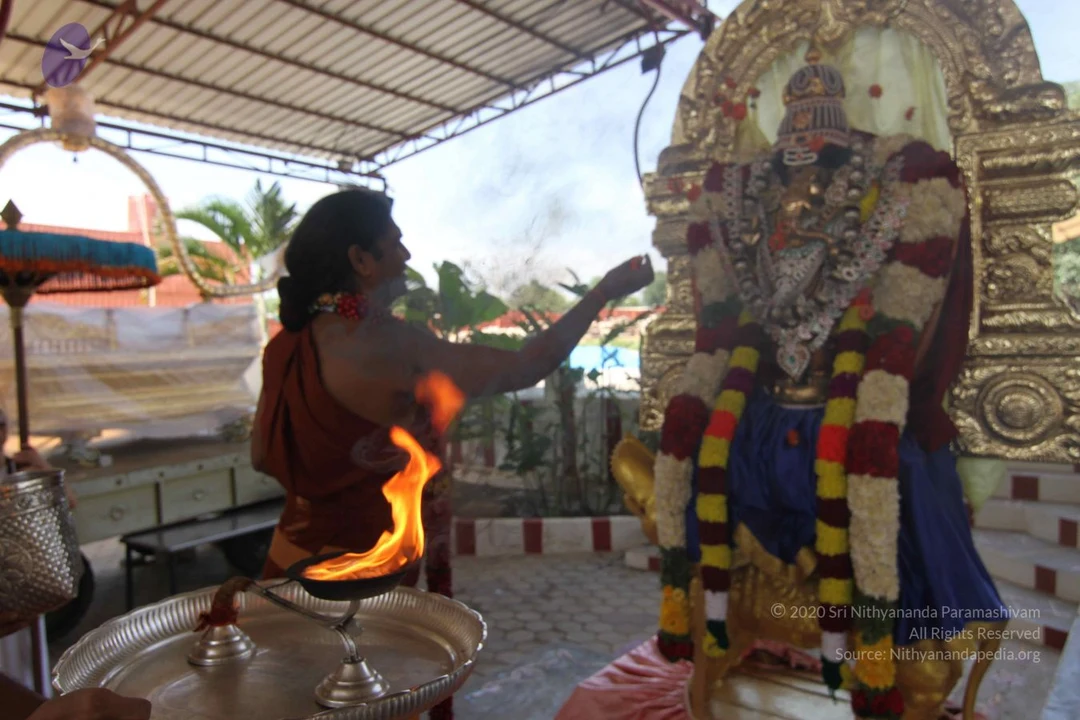
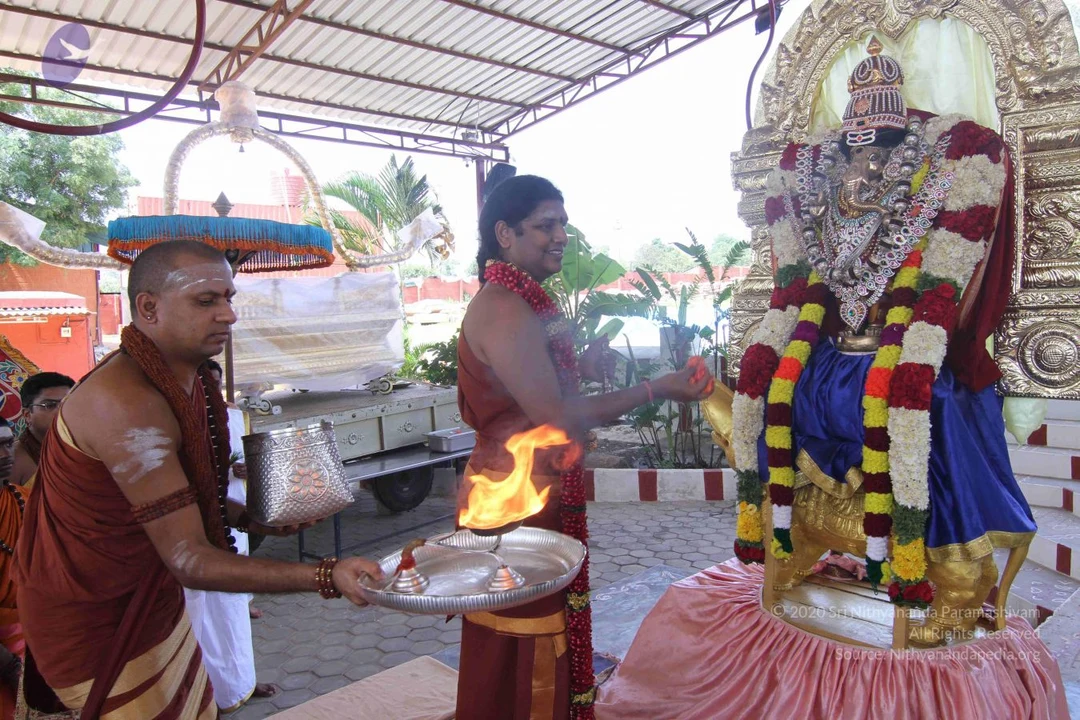
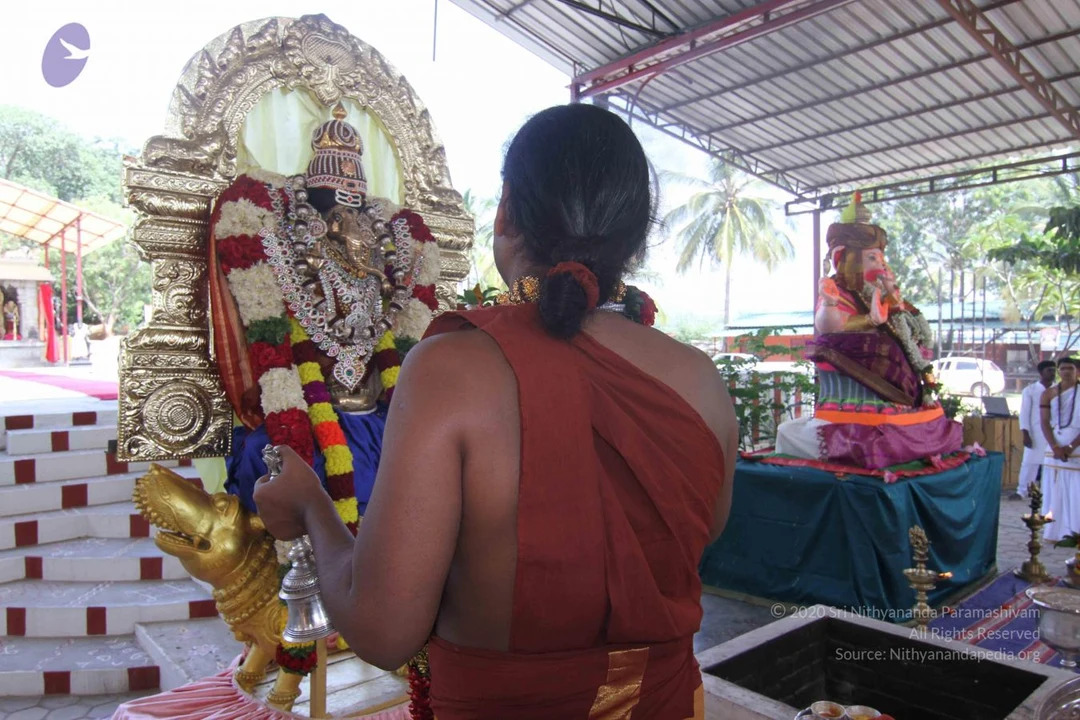
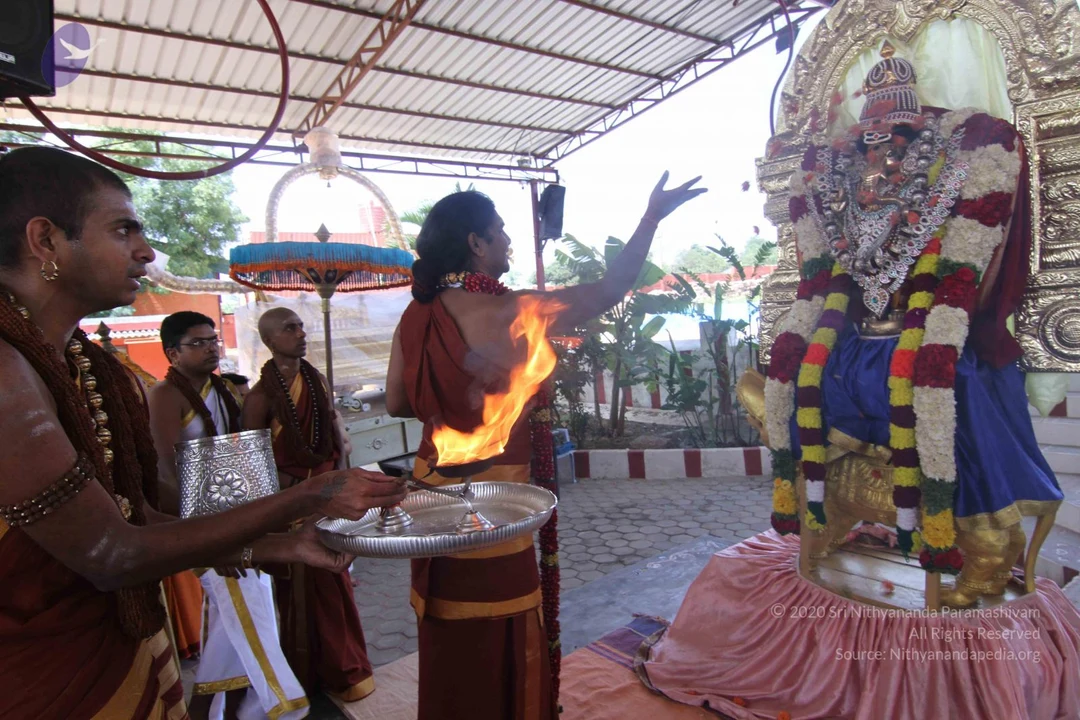
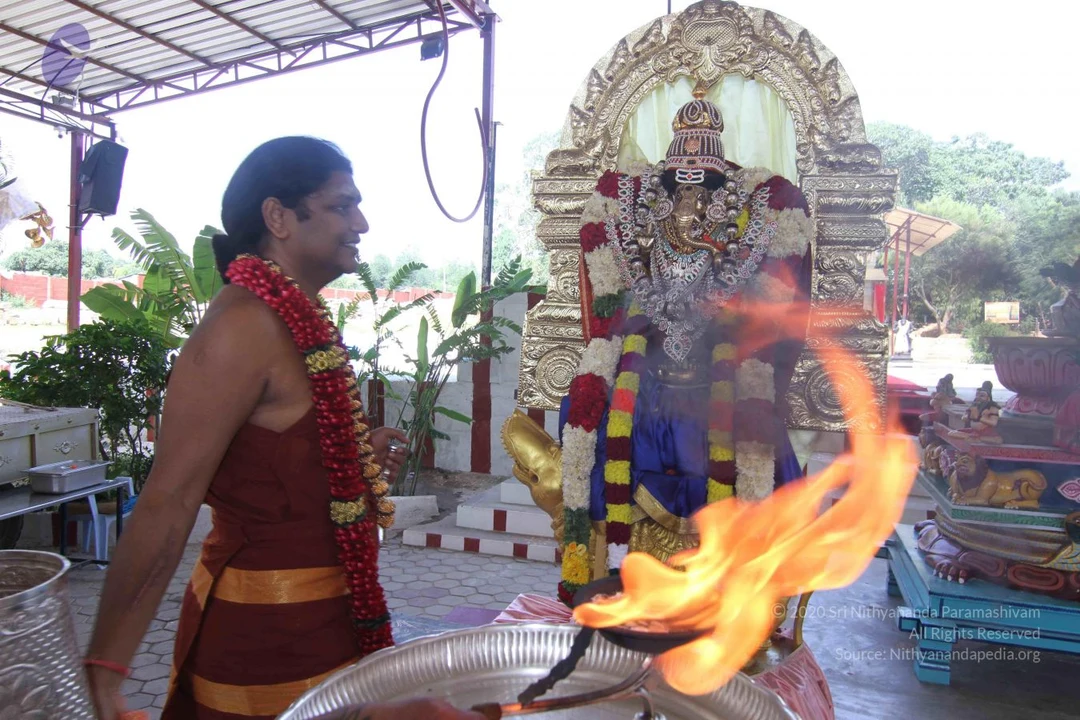
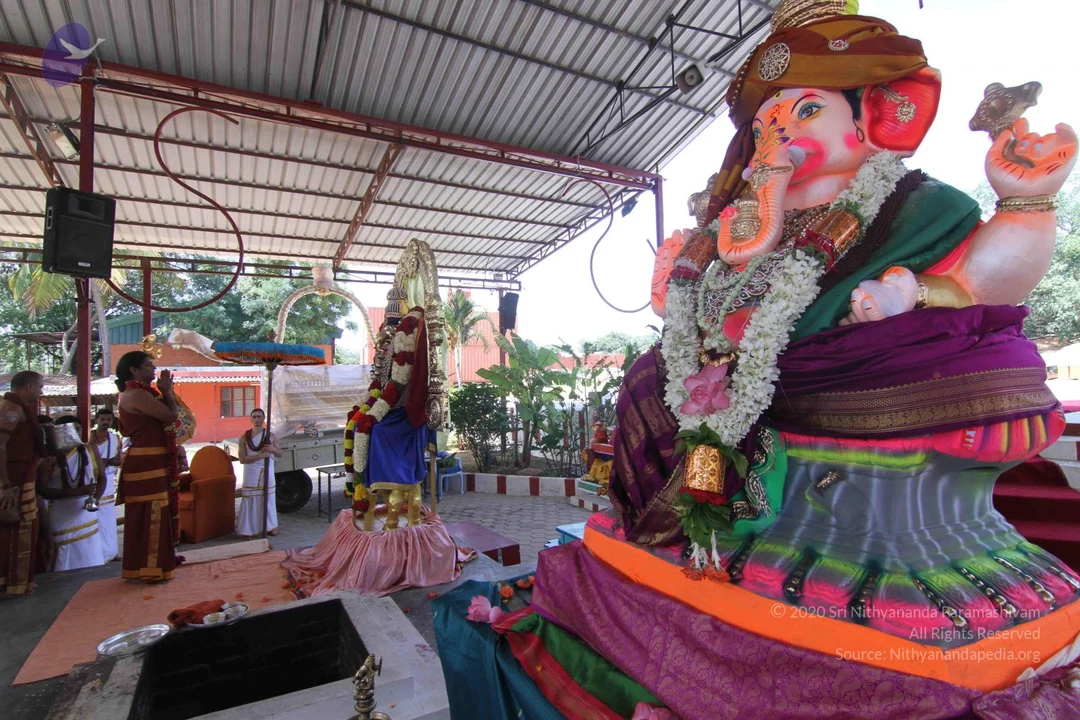
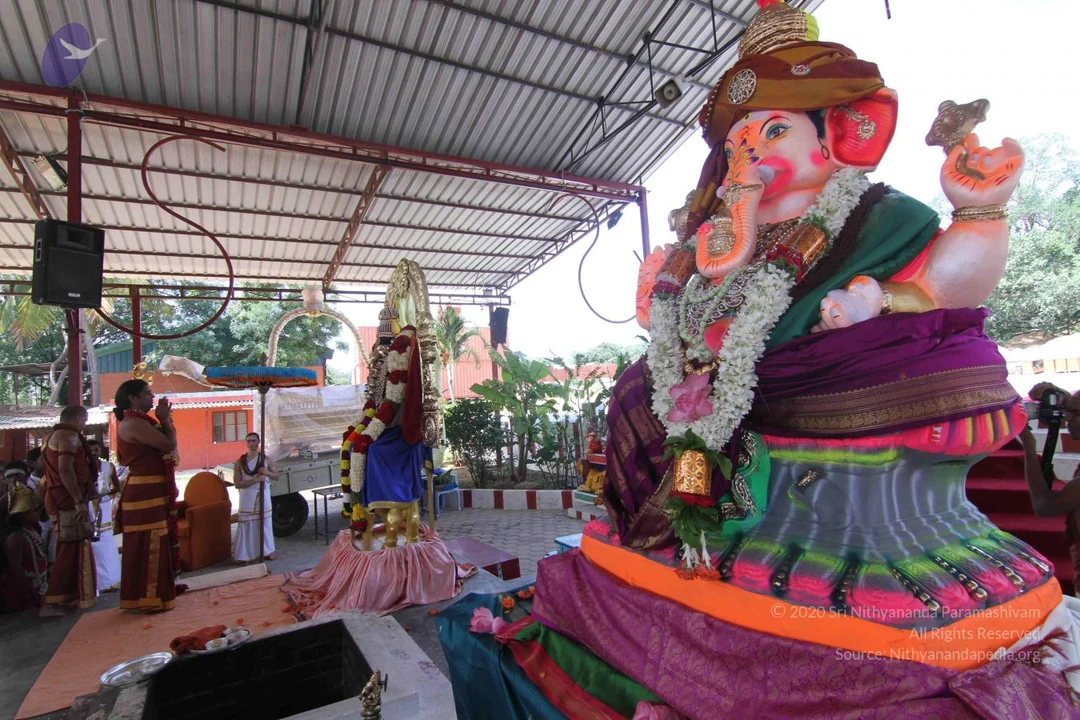
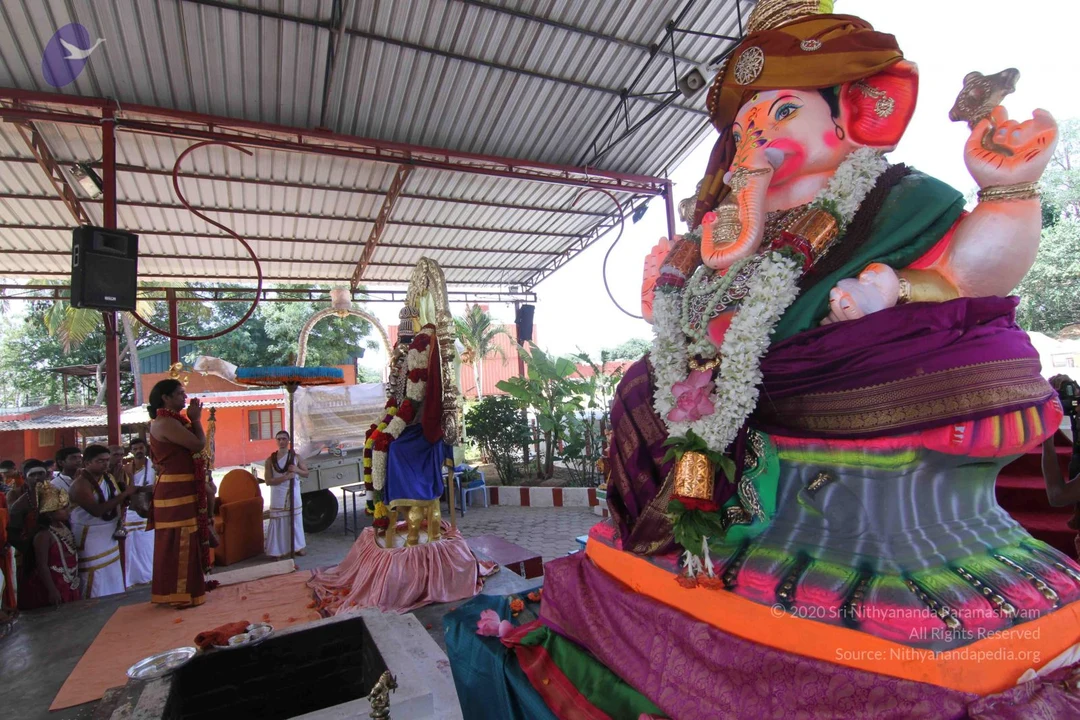
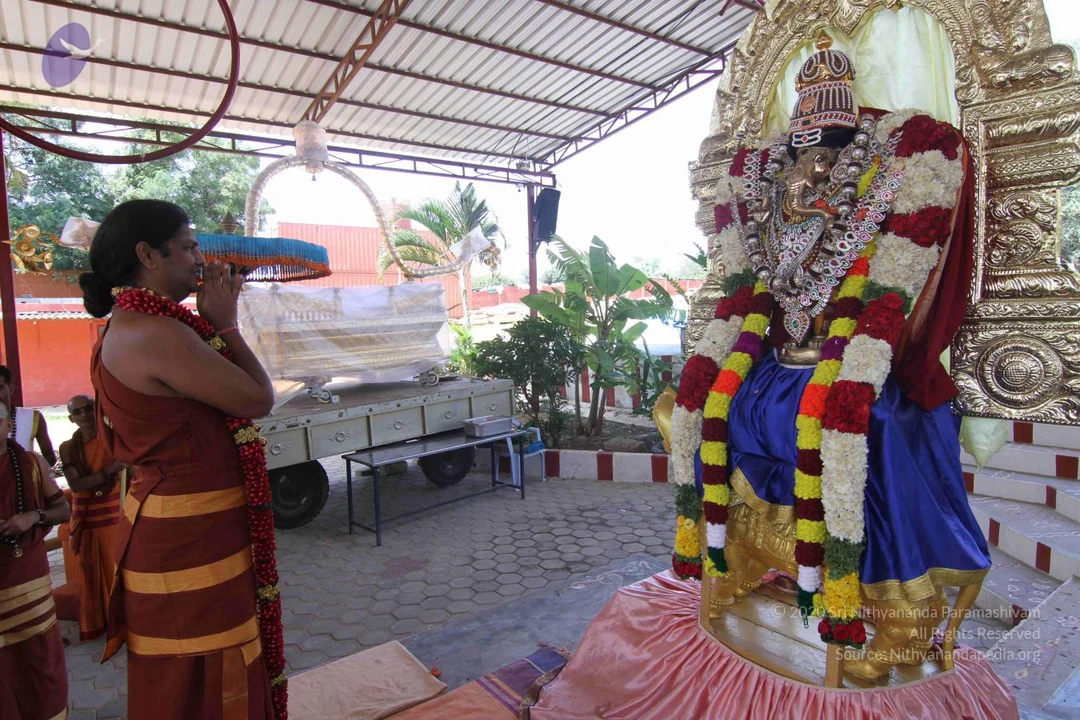
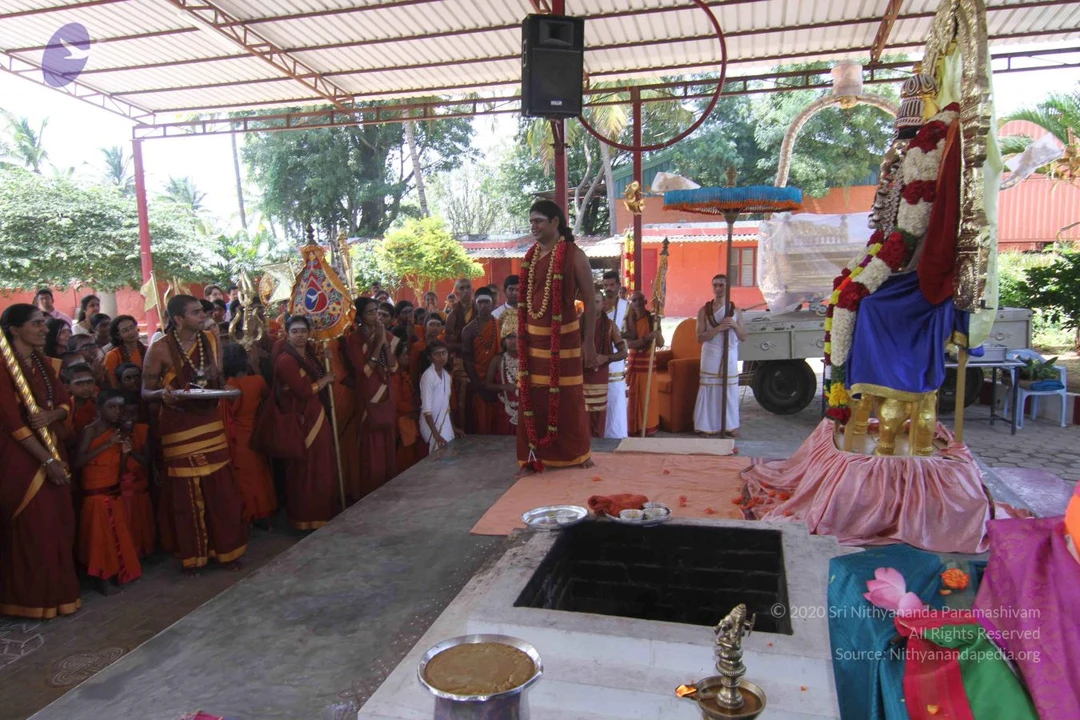
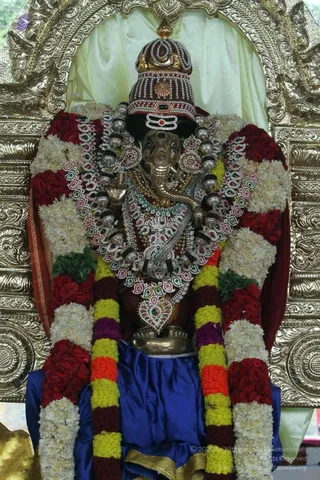
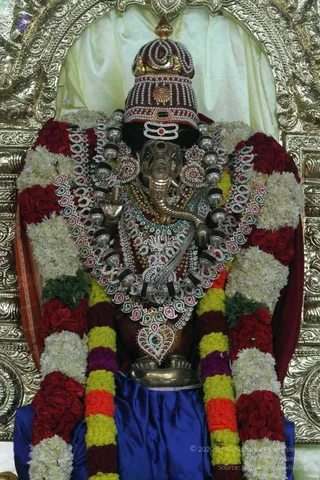
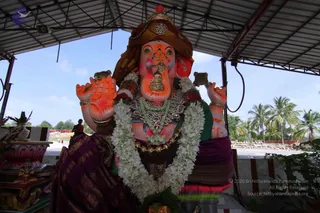
[00:02:38] Today, the Vinayaka, Vinayaka Chaturthi Utsava festival, the Ganesha Brahmotsavam is starting. Dhvajarohanam at morning - nine forty five am. Ganesha is a embodiment of completion. He is the embodiment of the perpetual completion, Sahaja Samadhi. That's why He is called in Ganapati Atharvashirsa Upanishad [गणपत्यथर्वशीर्ष उपनिषद्, Gaṇapatyarthavaśīrṣa Upaniṣad]:
त्वं मूलाधारस्थितोऽसि नित्यम् । त्वं कालत्रयातीतः । त्वं देहत्रयातीतः ।
tvaṃ mūlādhārasthito'si nityam । tvaṃ kālatrayātītaḥ । tvaṃ dehatrayātītaḥ ।
Means you are beyond all the three kalas. You are beyond all the three dehas, understand.
[00:03:50] I just want to expand on these two word today. Listen. It’s very important to understand how completion leads you to kālatrayā, dehatrayā. What is incompletion? Past interfering into the present and try to manipulate the future. That is incompletion. Your memory form you carried in the past, entering into the present, and, trying to destroy the future form is incompletion. You can always see whenever you have a pain, guilt, powerlessness, incompletion - you will be visualising, imagining your own form in a deep suffering. You will be visualising, imagining your own form in a disgusting way. Look inside. Please understand, I am giving you a very deep insight. Whenever you are powerless, angry, violent, incomplete - look in, you will be remembering your own form from the past which is, actually you will be flashing your own photograph in your screen.
[00:05:55] Let me talk in the language of computer, you will understand. You will be running your own photographs in your screen, inner space screen which is taken during the very sad, depressed moments. “Hmm... hmm... hmm... What can I do?” you asked. Over. That kind of the photographs which you have taken at the wrong moment and preserved, stored in high resolution. A stupid way. In your inner space, you will go on be replaying them. See when you are powerless, you are not going to remember the full smile photograph of you, or the ecstatic photograph of you. When you remember that, you are going to be in the space of completion. The deha, form you carry during incompletion, just by remembrance awakens the same incompletion. Understand, just by remembrance, something can bring incompletion or completion. Just by remembrance, something can bring incompletion or completion.
[00:07:41] Please listen. Listen, this is a very important thing you need to understand. The inside understandings you carry as what you are, who you are... is very important. I am telling you, the moment I decided to... realign myself,... so much of unnecessary hangover has disappeared, unnecessary incompletions have disappeared. You will be something special, if you reside in the space of responsibility wherever you are. It is the depth of the responsibility. It’s a depth with which you become authentic, depth with which you are enriching,... depth of the vibration of your being. See the command you have over you. I am telling you, the command you have over you, you will have over everything around you. The command you have over you, you will have everything around you.
[00:09:43] The moment I restructured my inner space, I could see very clearly whose images come inside me or doesn’t come inside me. Whose images I feel that they are part of me and whose images I feel they are not part of me. That reorganising itself has liberated me so much. Because, please understand, the remembrance alone is enough… remembrance alone is enough to put somebody in completion or incompletion. There are some people who are eternally decided not to complete. Even if you remember them, you will fall into incompletions; save yourself, I am telling you from experience. Anybody who decides to complete, the more I remember them, more they will become complete. Because everytime I remember them, it’s like infusing energy through the spiritual umbilical cord.
[00:11:06] People who decided not to reach the completion… naturally, when they decide not to reach completion, what can be done? Even though an enlightened being has a power... but as a basic ethics, enlightened beings don’t interfere or enter into other’s being, and alter their will. So in a way that power is not even, it you can take it as that power doesn’t exist. So the people who don’t want to complete, remembering them, what is the use? Understand, the forms you remember, the times you remember are very, very, very important in your life. Not only the forms of yourself, various forms of you, various forms of others. The various forms of others, various forms of you, which you remember are very important... for your own life and for others’ life. When you decide not to complete, you are the worst orphan because even God cannot save you. When you decide not to move towards completion, you are the worst orphan because even God cannot save you.
[00:13:32] Kālatrayātītam: being beyond... the three times. Being beyond the three times - past, present, future. The Samskara Dahana Kriya, means burning the pain patterns, the technique which I was giving yesterday’s satsang. Samskara Dahana Kriya... is nothing but burning all your past times. Understand, the incarnation’s past times should be enjoyed by remembering them. The incomplete past times should be relived by reliving them. Understand. The past times of the compete being should be remembered and rejoiced, like Krishna Leela, Rama Leela. Just by remembering, you will be in that space - Smaranat Arunachalam. Just by remembrance, you are in the space of liberation. The beings who were complete... from the moment they happened, just by remembering them - you reached the space of completion. Like Rama Leela, Krishna Leela, it should be remembered and rejoiced. But incomplete beings including you, just by remembering that past - you will be incomplete.
[00:16:31] It should be relived only to be relieved. If you relive and relieve all your incompletions, others can remember you and rejoice you. If you don’t relive and relieve all your incompletions, filled with incompletions, even by remembering others will be in pain. Understand. Please understand, some suffering happened ten years before, to you or to somebody, it does not matter. Any incompletion related to ten years before, whether it happened to you in your life or somebody’s life, the moment you remember, you will become incomplete. First when you complete all your own incompletions, you will be free from becoming incomplete by remembering your incompletions. Then you will be free from becoming incomplete by remembering others’ incompletions. Understand. The more and more Samskara Dahana Kriya you do, more and more you become kālatrayātīta. Means, beyond all three times. You are free! You go beyond all three times.
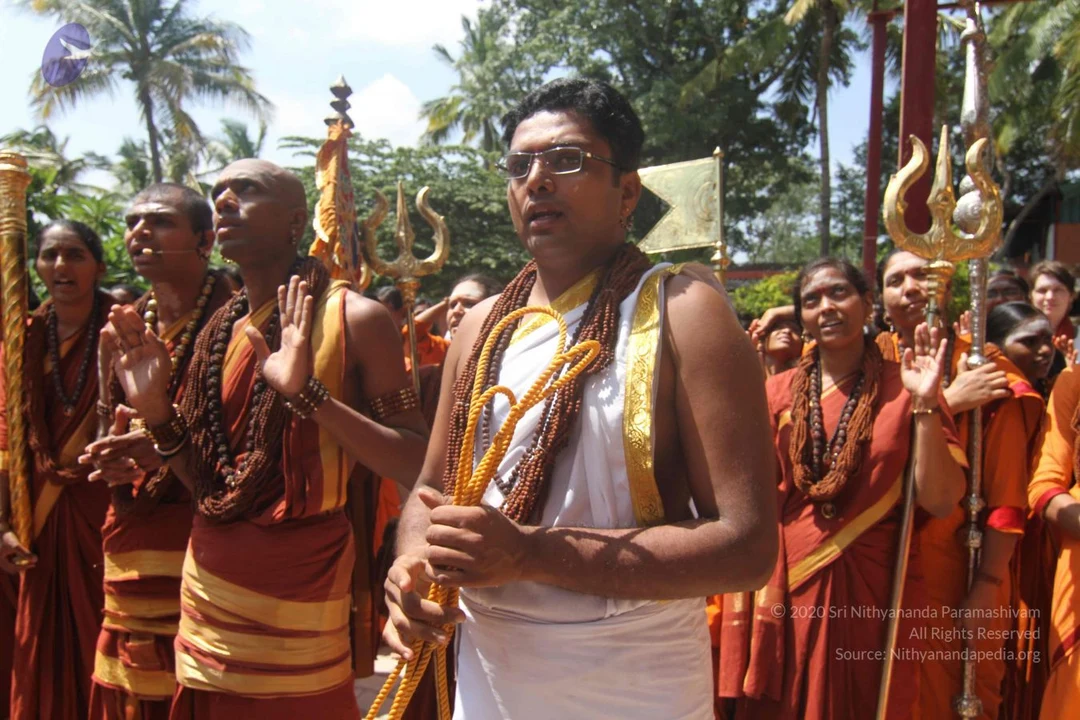
[00:18:33] See, in Vedic Tradition we have a ritual like Akhanda Nama Japa, ajapa japa. Like thousand participants will sit, and, day in and day out they will chant the Lord’s name. There are some temples - Kanhangad Papa Ramdas Ashram, that Mahamantra - “Sri Ram Jai Ram Jai Jai Ram,” twenty four hours somebody will be sitting and chanting there. And there was a great Swami - Namananda Giri, lived in Mylapore who is the grand disciple of Gnanananda Giri in Tirukoilur [Tirukkoyilur]. Gnanananda Giri Swami had a sannyasi disciple, Haridhos Giri and his disciple Namananda Giri; a great sadhu, amazing sadhu. He was married and took sannyas but amazing sannyasi. He established a system in his temple, the temple flag will be carried twenty four hours by people and somebody will be holding that flag and walking, chanting the Hari Krishna mantra. In many places they have this Akhanda Nama Japa, Akhanda Parayanas.
[00:20:14] There is one Veda Mata Mandir, where twenty fours Gayatri will be chanted. Actually I wanted to establish a Kalabhairava Temple, where twenty four hours people do completion. Completion Kalabhairava! Twenty fours people will be sitting and doing Samskara Dahana Kriya with that Kalabhairava! Understand, if you don’t get anybody to do Samskara Dahana Kriya, go and sit with Kalabhairava, start doing with Him. And there will be Kalagni in front of Him eternally, where people can drop their samskaras, patterns, incompletions. He will be called as Completion Kalabhairava. Purnatva Kalabhairava,... specially for Purnatva. Understand, this Samskara Dahana Kriya will liberate you from all the loads of the past. I am feeling so happy from yesterday, because I initiated a very powerful process to bring global peace.
[00:21:56] The more and more people doing Samskara Dahana Kriya more and more number of times, actually somebody asked me, “Till how long we should do Samskara Dahana Kriya?” Till you achieve complete completion and enlightenment. Till you are established in Advaita, you should do complete complete, you should do Samskara Dahana Kriya. Along with burning... your past incompletions, we will also burn the old Banyan Tree leaves. And that will become the sacred ash for healing all the physical, mental diseases in our sangha. Listen. The load of the past when it is unloaded, unnecessary past pictures of you, and the suffering moments in your life taken in higher resolution and stored in your system will be erased. You will have so much of free space inside your inner space. Reducing the weight of kālatrayā,... is the reason why I am asking you to do Samskara Dahana Kriya. Intensely do it! Fanatically do it. Intensely do it. Sincerely do it.
[00:24:15] Do the Samskara Dahana Kriya: burning all your patterns,... burning all your incompletions. Burning all your patterns, burning all your incompletions. Do as sincerely as possible; I tell you, if you are burning your incompletions, the more and more I hold you in my inner space, more and more you will feel life is celebration. Please understand, what is the meaning of me holding you in my inner space? I’ll be planning for your life. If you are moving as I am pulling you as per my plans for your life, then me holding you in my inner space is useful for you, and for the world. But when you don’t complete, transform, evolve the way I drag you, the way I pull you, the way I expect you - naturally what happens? Me holding you in my inner space more and more only suffocates you. Because the more I remember about you, the more I am going to plan for your future; the more I am going to mold you, transform you, as an enlightened being. Greatest blessing is, the Master holding you in his inner space, jnana garbha more and more and more.
[00:26:17] The greatest curse is when he holds you in your inner space, you not growing up to what he wants and feeling suffocated. Because the moment you feel suffocated, he doesn’t tolerate anybody suffering. He doesn’t give suffering to anybody. He is a great being established in ahimsa and karuna. So naturally what he does? Don't worry. I’ll wait. He doesn’t give up, understand; that’s the beauty. He doesn’t give up. He says, “I’ll wait. I’ll wait.” Samskara Dahana Kriya is the best way to tell the Master, “You don’t have to wait. I am back. Come on, start your job. I am here available. Let’s work together. Hold me in your inner space. I am ready to evolve the way you expect me, the way you want me, the way you hold me.” Most of the spiritual powers I gained, never by... any tapas. Some of you maybe surprised. One of the greatest Tapasvi is saying, “I did not do any tapas and gain spiritual powers.” True. I am telling you the truth.
[00:28:09] It is just the way my Masters held me in their inner space. See once you achieve, you can always claim you are an incarnation, you brought all these powers with you, all that. It is like a, once the Mahabharata war is over, you can always say, “Ooh... what is there? Krishna was there in the Pandava’s side and they won.” All that you can tell. But only they know what they went through when they were going through. So everyone who contributed to Pandava’s victory, Pandavas are, should be, Pandava should be grateful to them. They are indebted to them. Maybe first their gratitude should go to Krishna. But, they should be grateful to others also. It can never be only to Krishna! Maybe if you understand Krishna in His vishvarupa, it can be only to Khrisna! Same way,... my first gratitude should go to Arunagiri Yogishwara. But, it can never be said it should be only to Arunagiri Yogishwara. No. Arunagiri Yogishwara is my first reason for realising what I am realising. But, my Masters were also the next reason.
[00:30:07] The way they held me in their inner space just by that, they awakened so many spiritual powers in me. I still remember the way I started healing. See, I realised the Science of Healing after I realised the incarnationhood. But the healing itself, I started doing at the age of eight. Raghupati Yogi had the... name all over the village, that any problem, like poisonous snake bite or people trying to commit suicide by drinking poisons, poisonous leaves, any of this kind of a emergency - people will come to him and he will just have a small stick kind of a thing. He will just touch that area where that snake bite has happened or through which part they drank; if they drank the poison through the mouth, he will touch the mouth or if they, sometimes people will pour the boiled oil through the ears in villages.
[00:31:37] So if they, it was poured into the ears, he will touch the ears. Whatever way through which the poison have gone inside, he will touch with that stick that area and touch the ground... some three four times and the poison will come down. Means, it’ll go away to the ground and the person will be free. He had this reputation. And still in Indian villages, you will see this kind of treatment working. I neither wanted to support this kind of treatment nor wanted to oppose this kind of treatment. I am not talking about the validity of the treatment. I am only saying, I have seen my Guru performing it. That’s all. He had the, that kind of a, power. And people also will come to him if they have this muscle sprain, any other pains, fever. He will do the same thing, he will put that stick, and, touch three times on the ground and it’ll become alright. He was well known, well known healer.
[00:33:10] One day he was sitting in Padmasana, hands locked, planning to levitate. He will sit like that for some twenty minutes and then slowly his body will move, start moving up. It’ll take around half an hour to reach three-four feet height. And then, very slowly he will start releasing the air. I have seen, please understand, when he starts releasing the air to come down, if you keep a paper below that airflow it’ll burn. The exhaling will be so hot and so sharp. It’ll be literally like a needle. And, so he was preparing himself for levitation; hand, hands and legs locked, legs locked in the Padmasana and hands locked in the Samana Mudra.
[00:34:16] And one old lady came to him for healing. I do not even re, I don’t even remember actually what’s the problem exactly for which she came. And, I picked up that healing stick which he uses and tried to give him. He said, “You yourself do.” And I did it, she become alright. Just three times... I did it. She become alright. I can say that is the first time I started healing. Please understand, I did not gain this power in any tapas. Just he held me in that space. It was such casual thing. When he said, “You yourself do,” first thing naturally I was taken aback. But I had a strong trust on him, because I know he was sitting in samadhi and he is raising in samadhi; in samadhi state whatever he says coming true and all that I have seen.
[00:35:32] In samadhi state, his body, if anybody tries to disrespect or abuse, I have seen them suffering like anything. So I have seen all these, that how powerful when he radiates samadhi. So because he said, just I picked up that stick and did, and I saw simply healing happen. From that time, so many people I have healed. The science I understood much later. Actually he didn’t want to pick up the stick and heal because he has already locked himself in the mudra and started levitating. If he opens his hands and comes down and does the healing and again sits, it may take some ten-fifteen minutes so he didn’t want to do that. Very casually the way he held me in his inner space,... those powers started radiating in me. I tell you, whenever Master holds you in his inner space, never ever think he only gives you responsibilities. He does not dump only responsibilities on you. He dumps powers on you. He gives powers on you. He gives powers to you. Only thing, you should trust him; not to be taken aback, but to continue... to be part of his inner space, and move, raise to the way he wants you.
[00:37:30] I tell you, do Samskara Dahana Kriya everyday. That is the best way. That is the best way, you can say, “Yes to the Master.” Samskara Dahana Kriya everyday once, clubbed with the Nirahara Samyama, will just do wonders to your body and mind. Because, Nirahara Samyama will take care of the body, awaken the various powers you carry in your body. Please understand, in the Nirahara Samyama, don’t think only the food which is required for your body is produced, even the medicines which is required for your body’s health is produced. Even the hormones, chemicals, vitamins, whatever is required for you to become healthy and be healthy - everything is produced in your system when you do Nirahara Samyama.
[00:38:53] Everyday Nirahara Samyama, and, Samskara Dahana Kriya. Nirahara Samyama and Samskara Dahana Kriya, even for twenty one days. If you can do for forty eight days, that is great. Even for twenty one days, will do so much good. In the Samskara Dahana Kriya, one of the important thing happens in you, not only your past loses power over you - you become complete, even your past images - dehatrayā. Dehatrayā means, the body you carry during your deep sleep, the body you carry during your dream state. Understand, even those bodies get wounded by your inauthenticity. Like how the physical body can be wounded,... subtle body and causal body also gets wounded by your inauthenticity.
[00:40:25] Inauthentic understanding about life, for example: you tell everyone not to eat sugar, and the secretly in the room you eat, you eat sugar left and right. All these damages your causal body. But you should understand, eating sugar is not that big pattern; you can simply complete with it and be free from it. Heals the causal body, that’s all. You don’t need to worry, by knowing the reason why your causal body is hurt, damaged. Just complete. I am not saying, you should stop telling others not to eat sugar. No. All I am saying is stopping eating sugar is very easy. Just stop it by doing completion.
[00:41:25] So understand,... Samskara Dahana Kriya is one of the most powerful cleansing process of your dehatrayā. Means, subtle body and causal body and physical body. All the damages you caused to the your subtle body and causal body gets healed by Samskara Dahana Kriya. And in the Samskara Dahana Kriya, naturally the trust on other beings,... the completion level with other beings just goes up. Understand. Samskara Dahana Kriya, not only heals your past incompletion, it also heals the hurt you caused to all your inner bodies, like mental and causal bodies. Completion heals, liberates you from all the past. Samskara Dahana Kriya goes one step further, and heals your being in a deeper level, removes the suffering of your being in a deeper level. That is why I am insisting on Samskara Dahana Kriya.
[00:43:46] If you are watching the satsang through Nithyananda TV and or Sadhna TV and wondering, “What is Samskara Dahana Kriya and how to do Samskara Dahana Kriya?” Visit our website. A detailed instructions are given. It’s already all over the Facebook. All our thousands of sangha members are, put it in all over the Facebook. I think already all our temples and ashrams have started conducting the Samskara Dahana Kriya. If you have not started, you should start from today. Don’t delay. Master’s words when they are postponed - not only it dies, it kills you also. When you postpone your decision making, only then Master interferes and gives you the word - Guruvak. But if you postpone even acting upon the Guruvak, who can save you. So understand, never ever postpone executing the Guruvak. Do the Samskara Dahana Kriya from today. I request every one of you to start the Samskara Dahana Kriya from today. Don’t miss even one day. Don’t think it is some psychological process. No.
[00:45:46] So, the essence of today’s satsang: do Samskara Dahana Kriya everyday. You will go beyond time. You will go beyond all the hurts you have caused to your physical, subtle, causal bodies.
I bless you all. Let you all radiate with Integrity, Authenticity, Responsibility, Enriching and Causing, Eternal Bliss, Nithyananda. Thank you. [00:46:23]
Title:
Reading Blindfolded!
Description:
Amazing demonstration of a kid from the 21 engenius (http://en-education.nithyananda.org/e...) program who shows the ability to see while being fully blindfolded. Many other residential children in the Nithyananda Gurukul (http://en-education.nithyananda.org/n...) have demonstrated this ability but this is the first time this has been shown in a open program and for new children who have signed up for the course from the general public.
Link to Video:
Link to Audio
'Description: Reading Blindfolded! by HDH Bhagavan Nithyananda Paramashivam on 20 August 2014'
Title
கல்பதரு தரிசனம் ll 20 ஆகஸ்ட் 2014
Link to Video:
Title
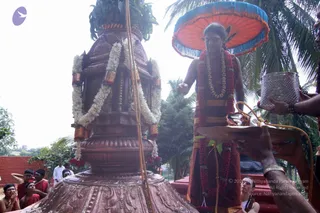
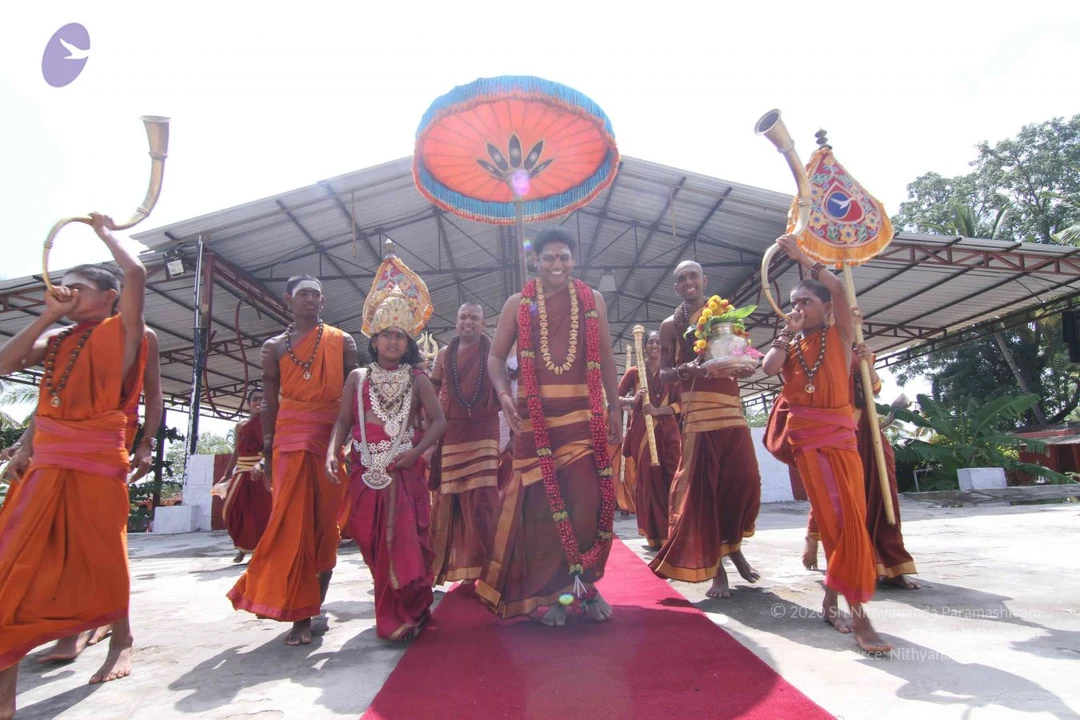
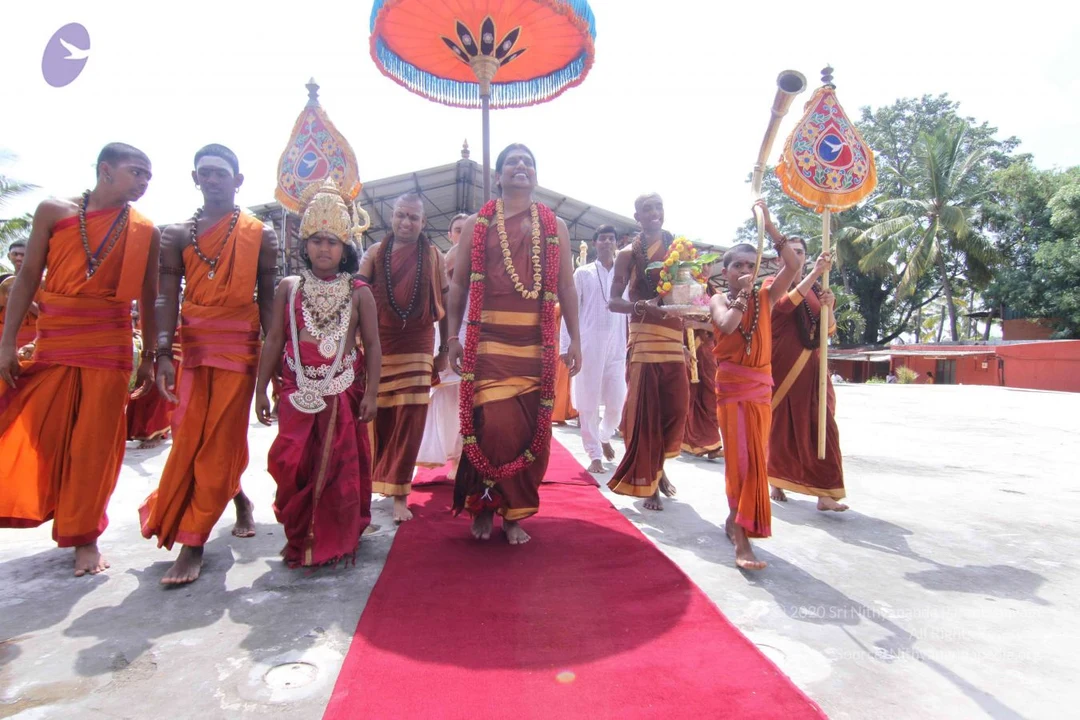
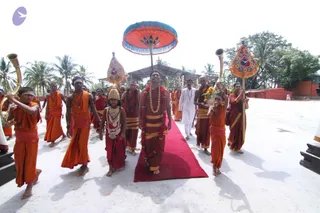
Celebrating Ganesha || Ganesh Brahmotsavam || 20 August 2014
Link to Video:
Photos
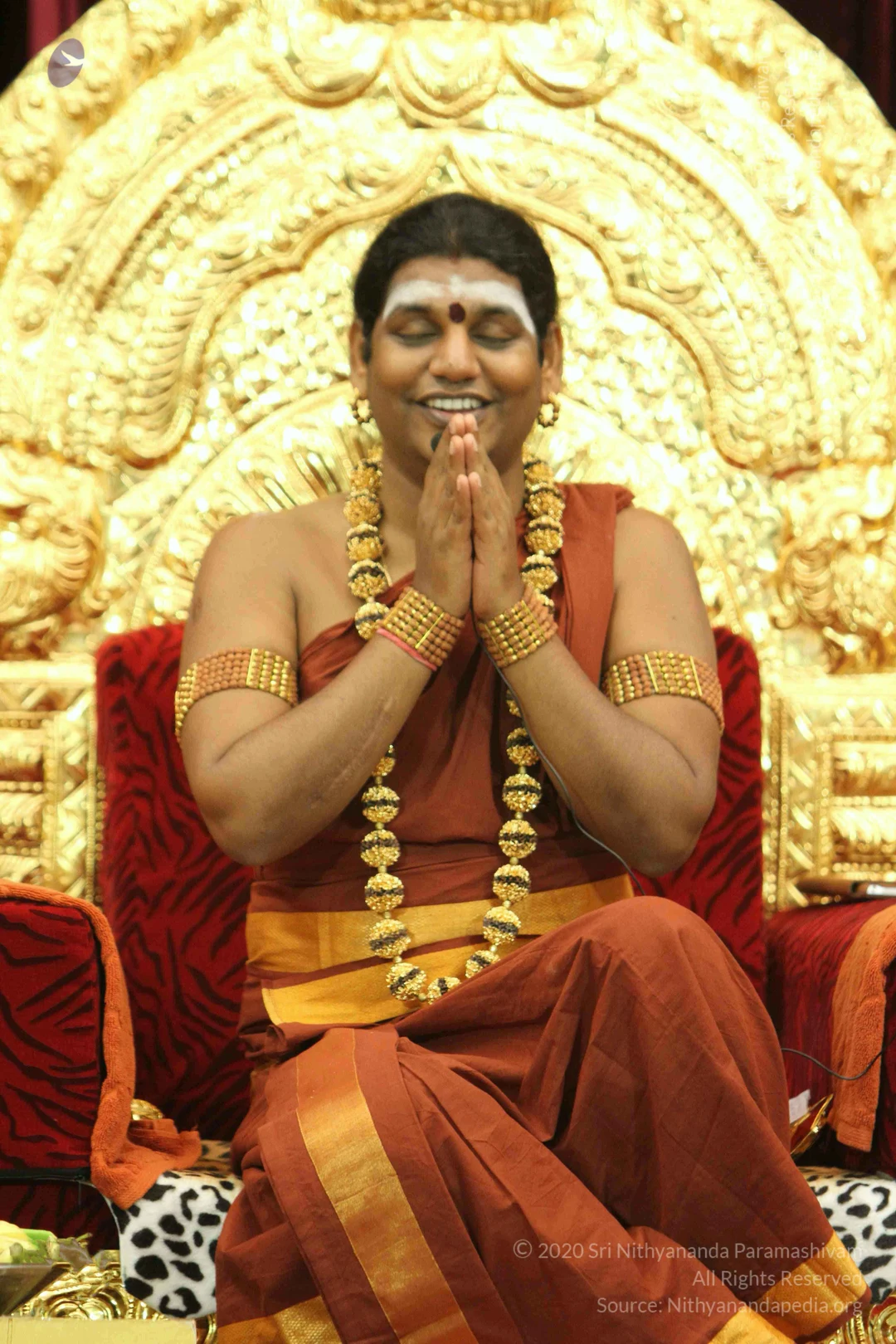
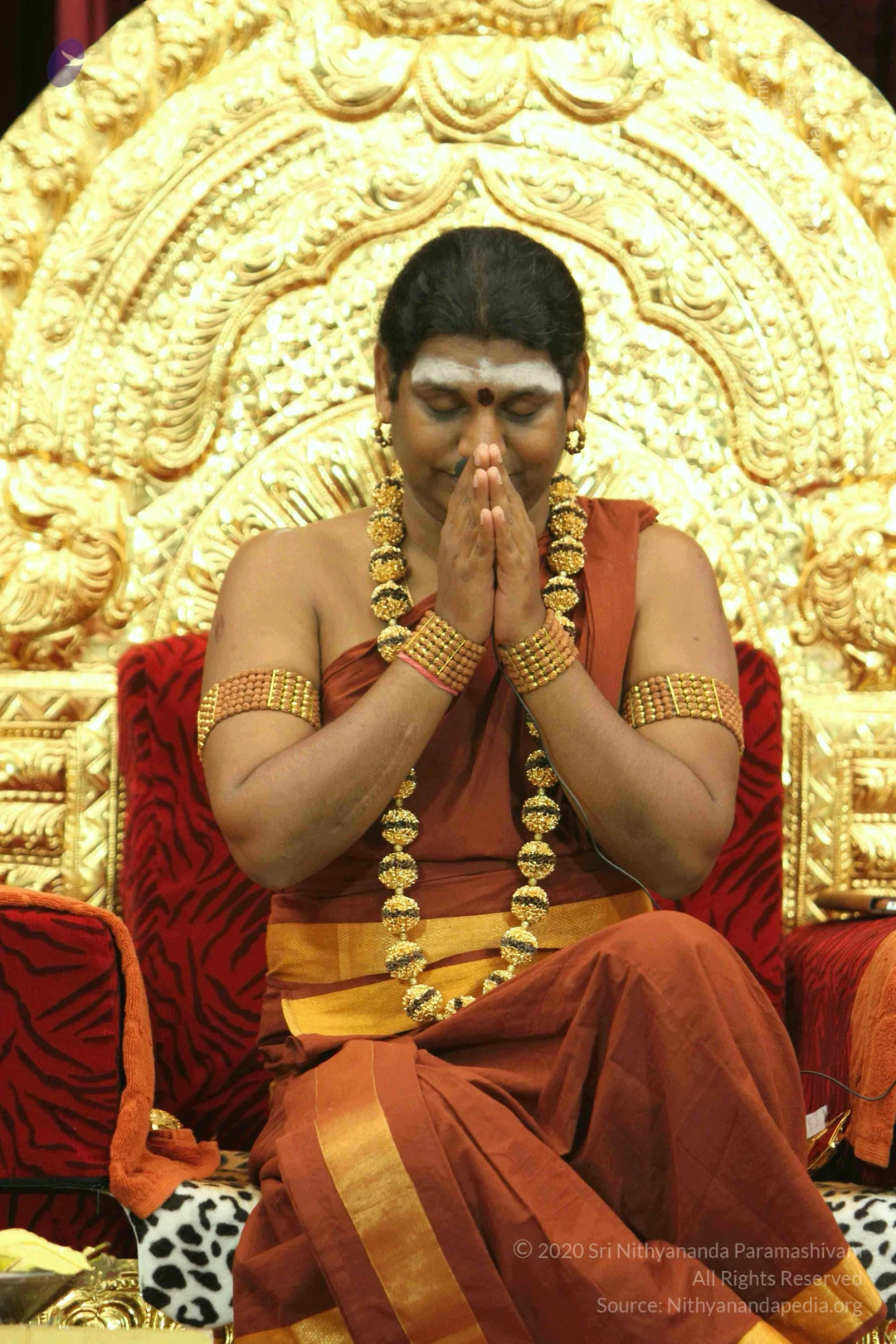
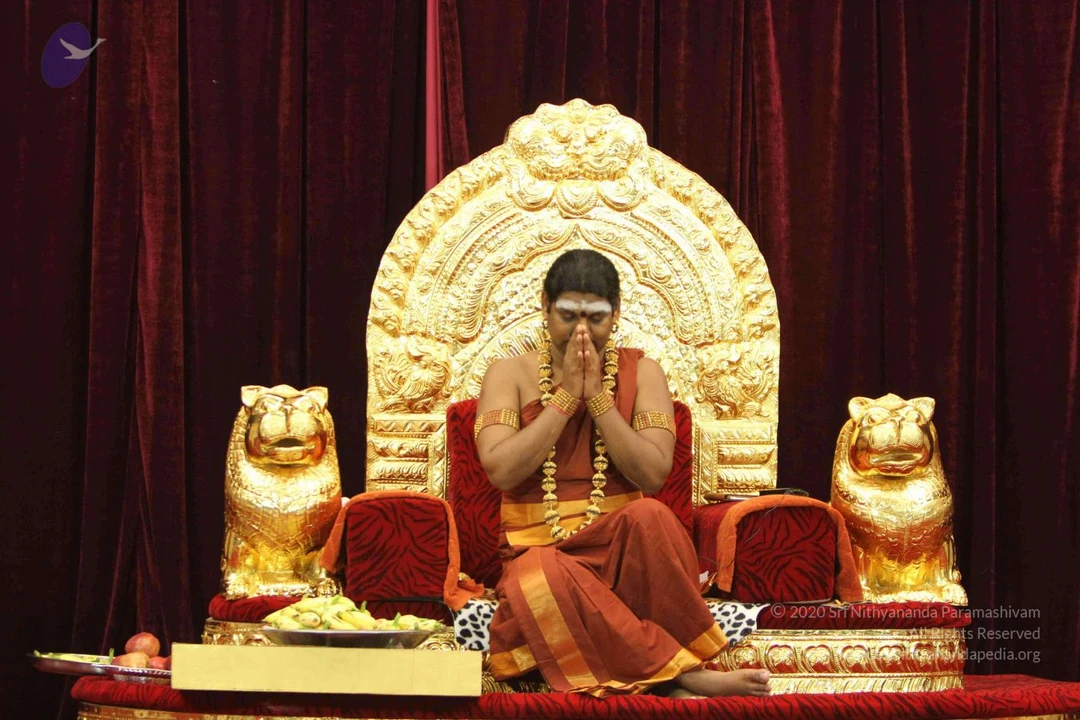
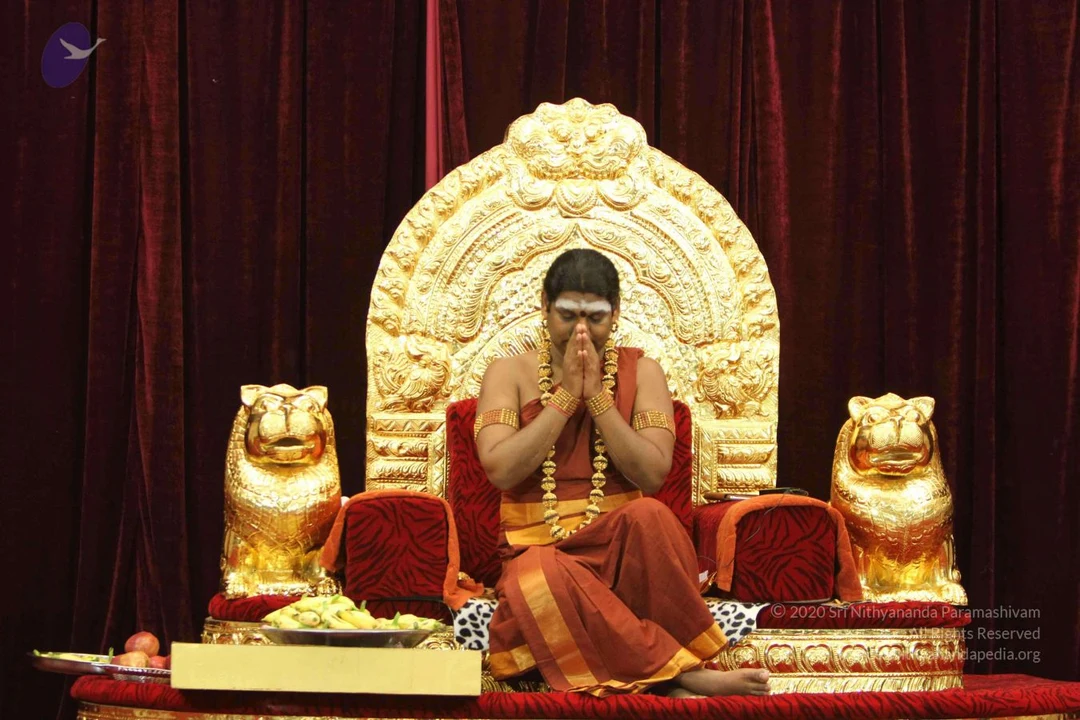
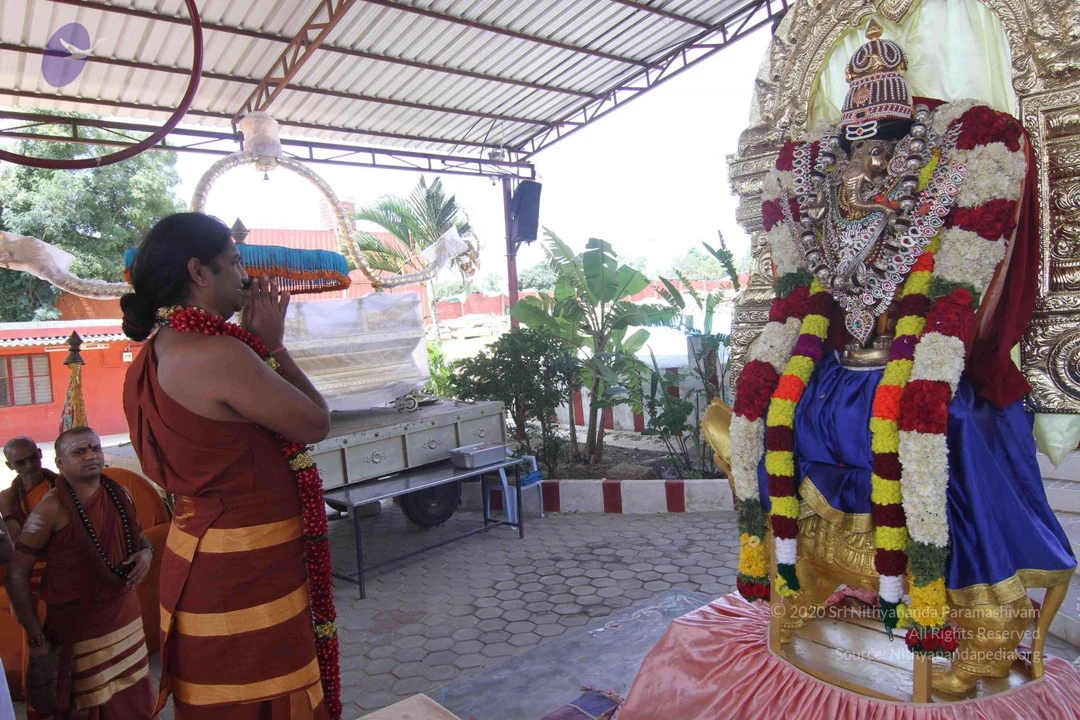
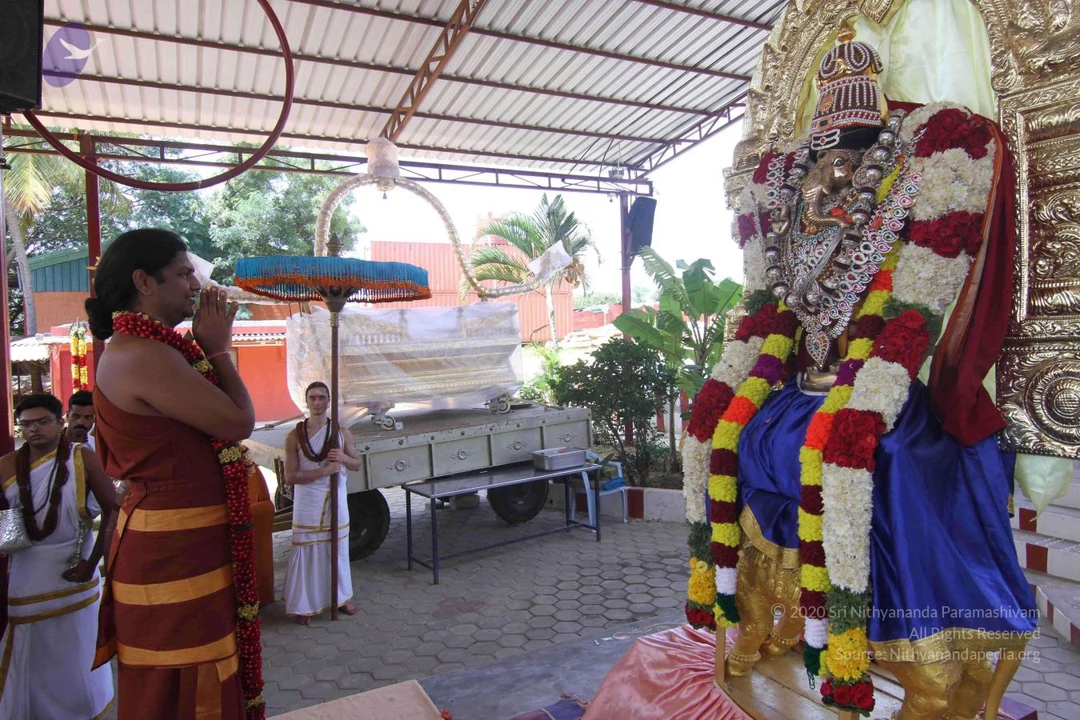
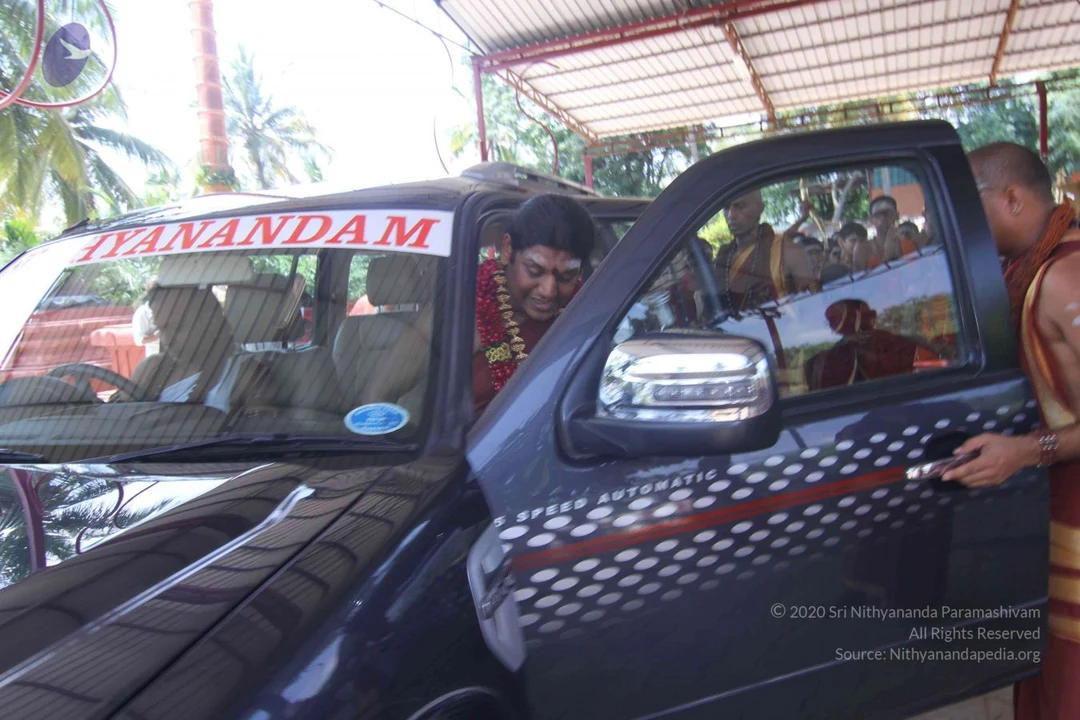
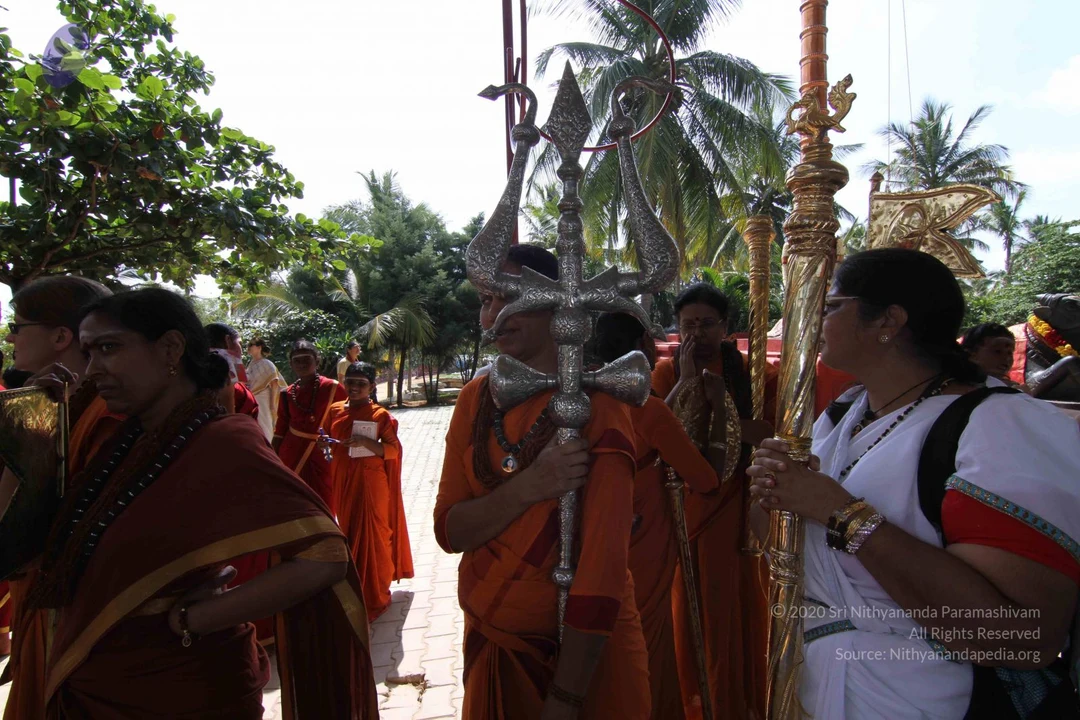
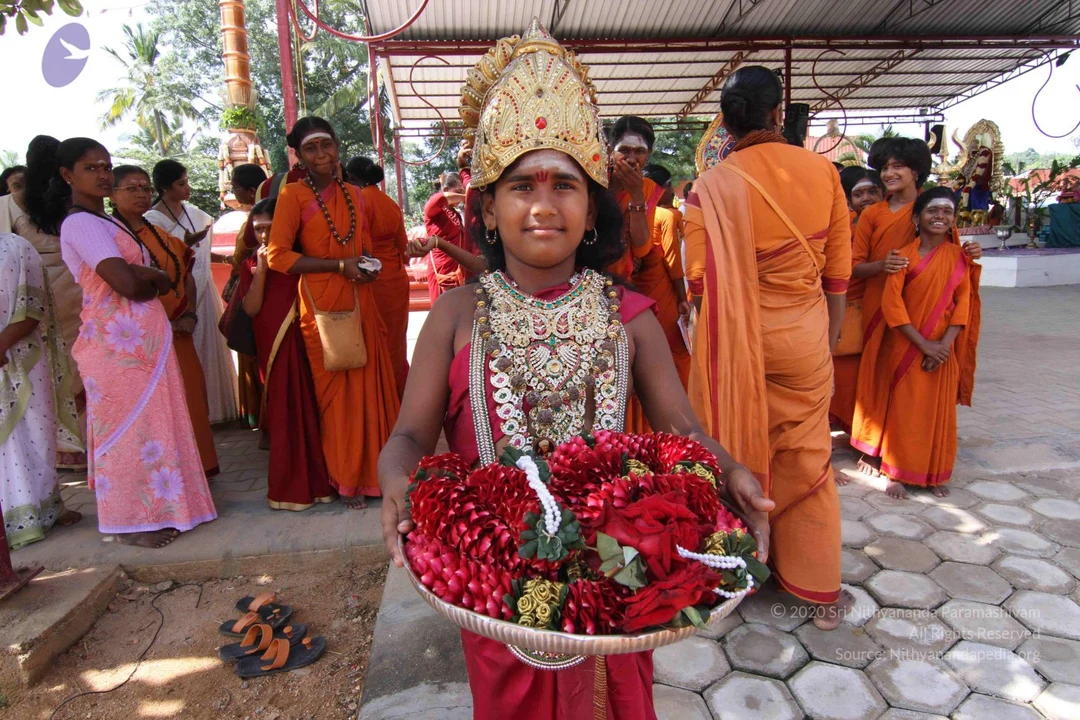
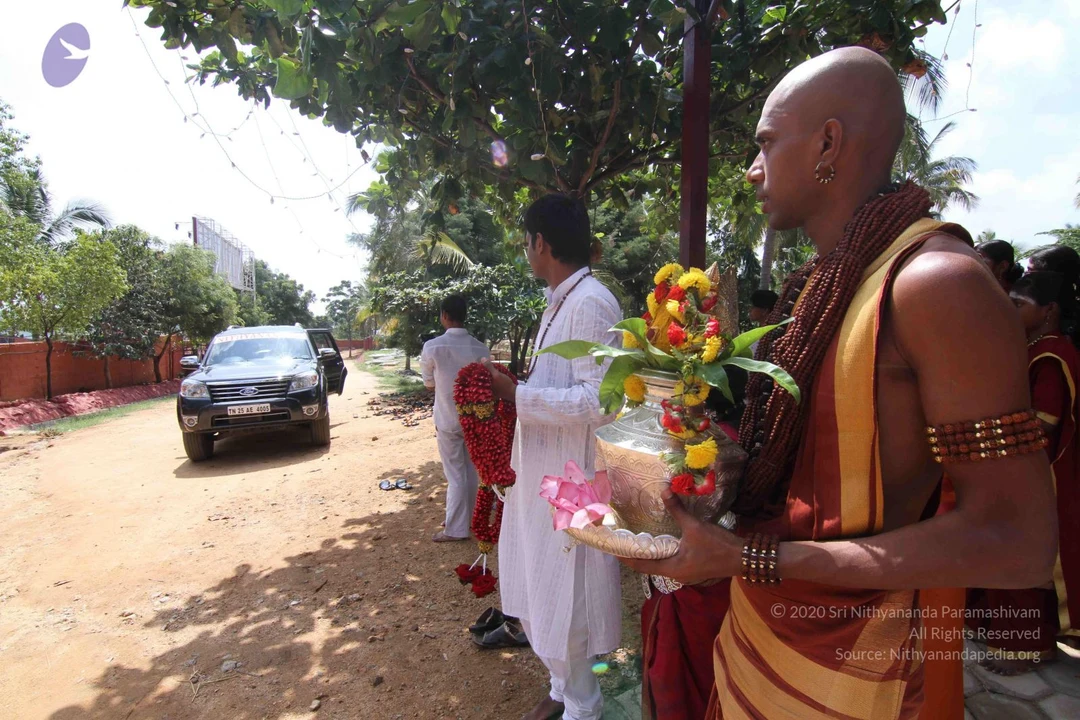
Pada Puja


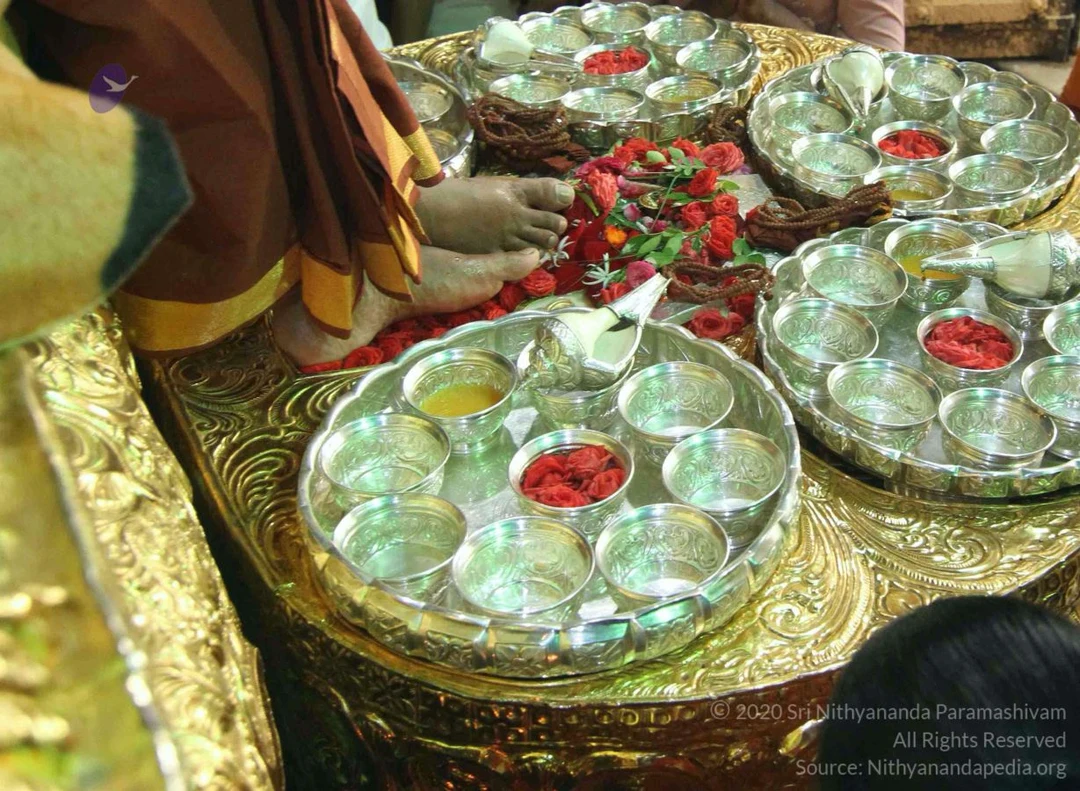
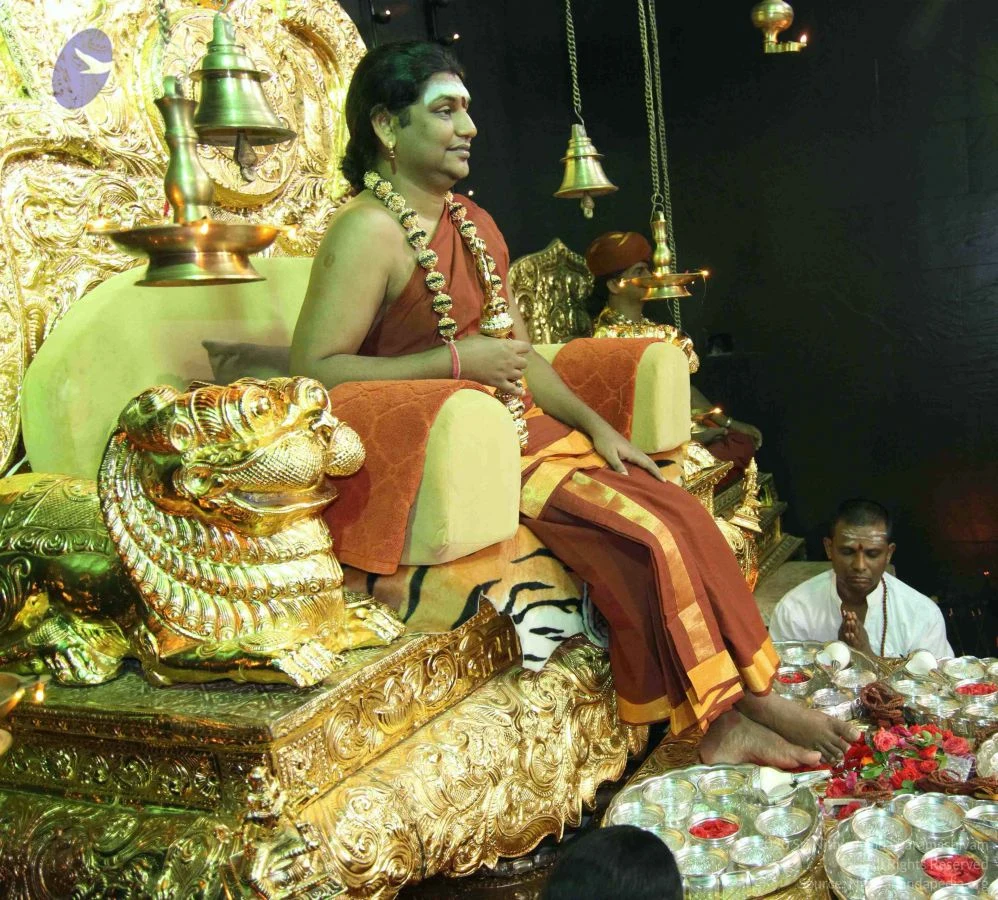
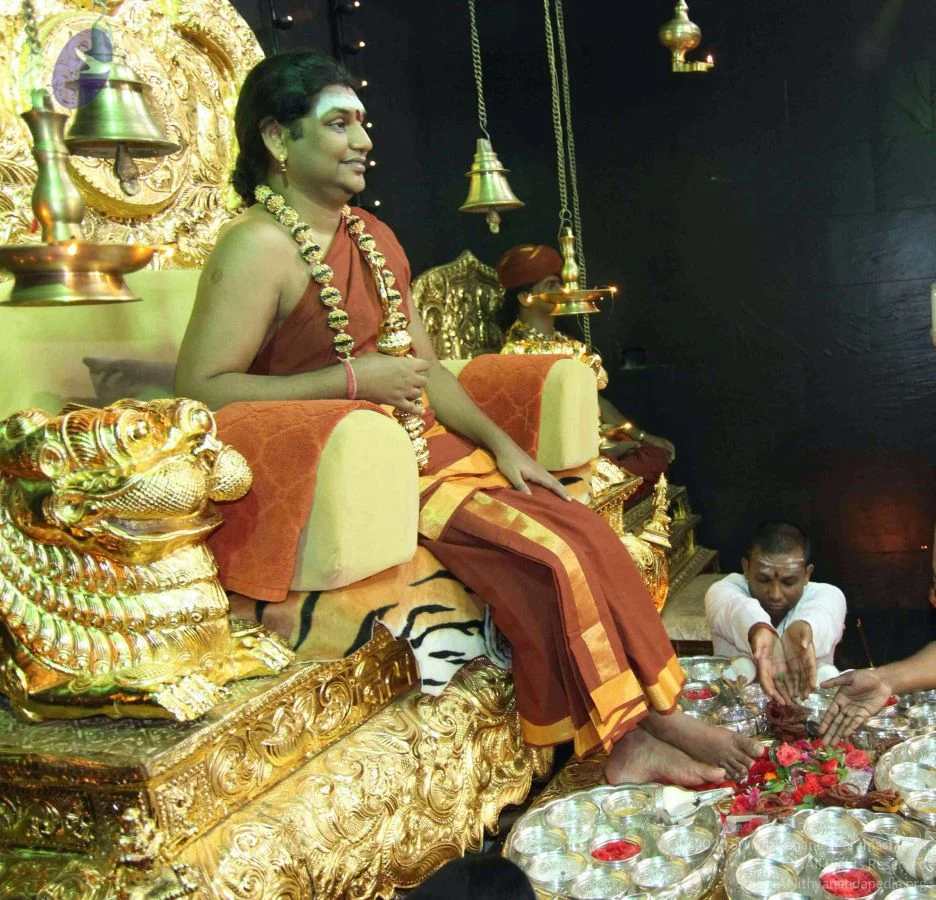
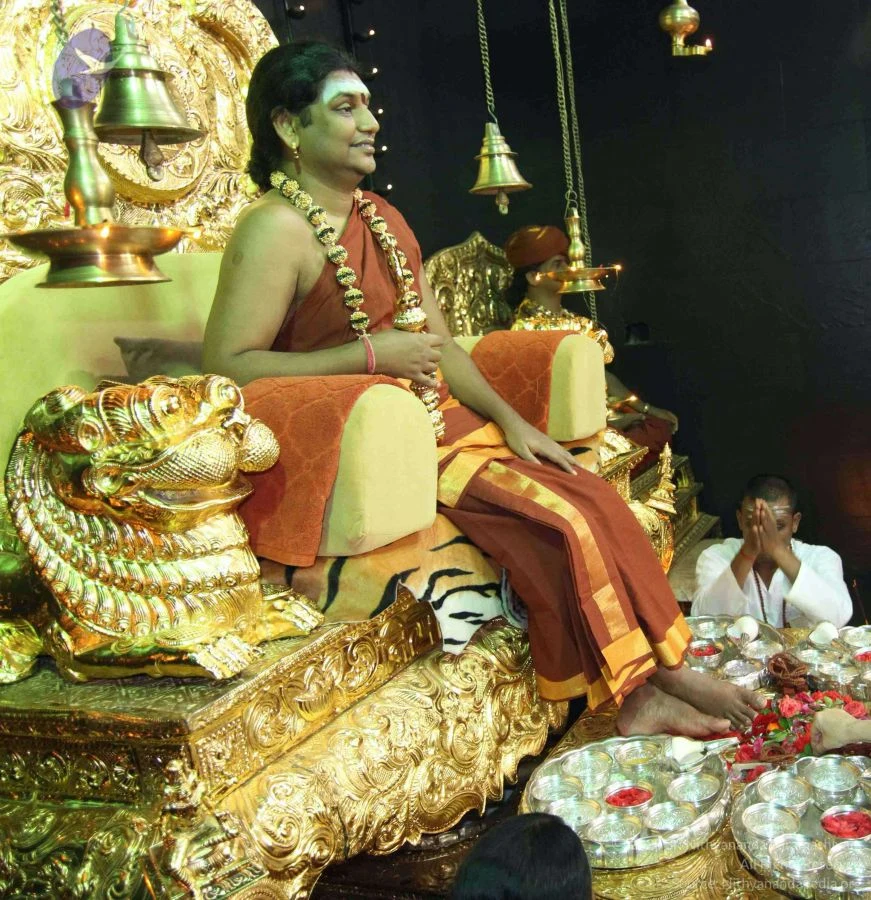

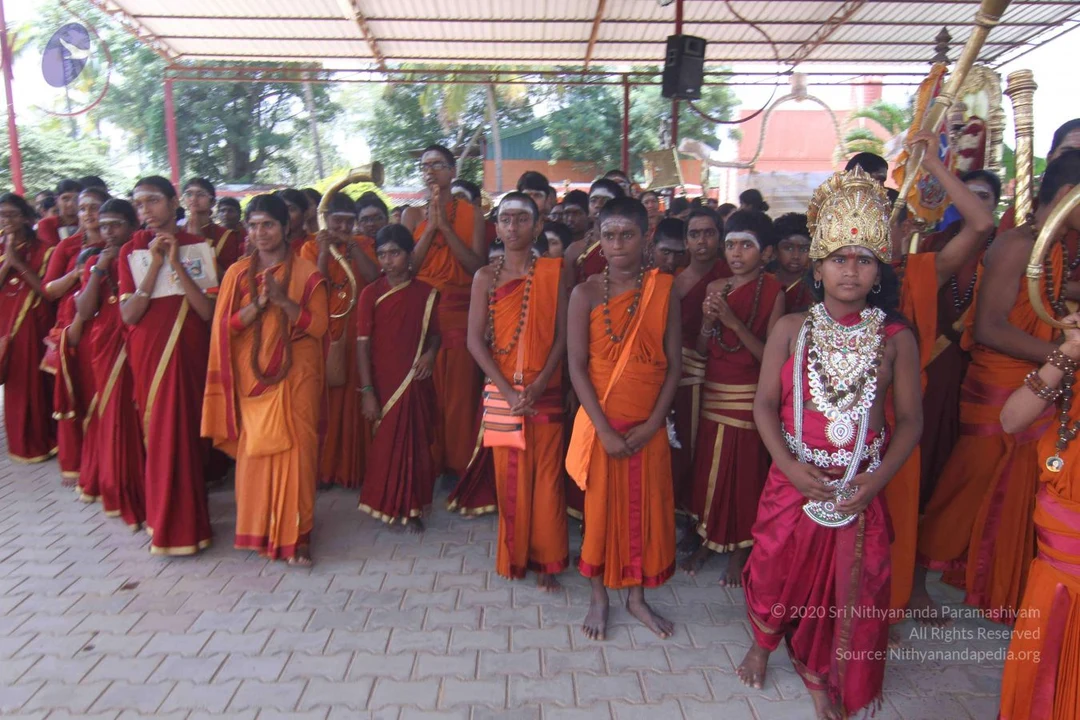
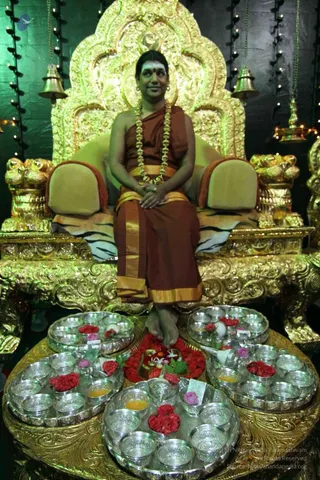
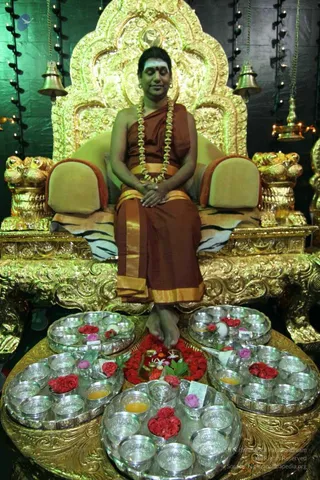
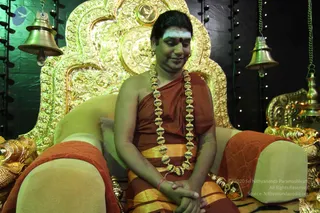
Morning Satsang
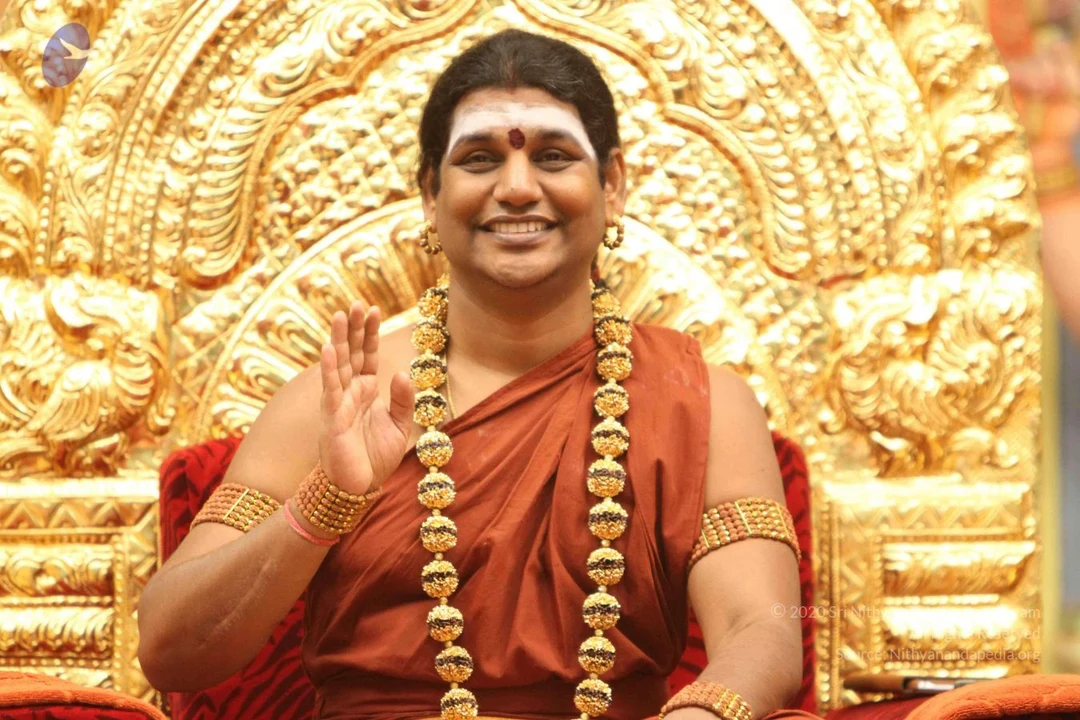
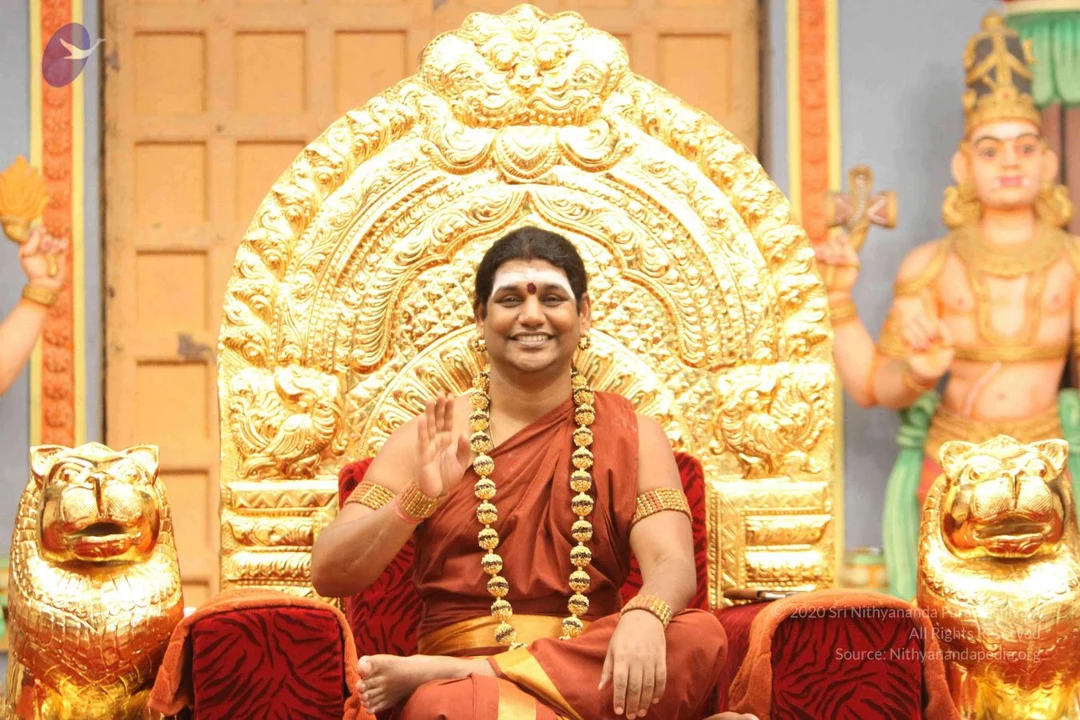
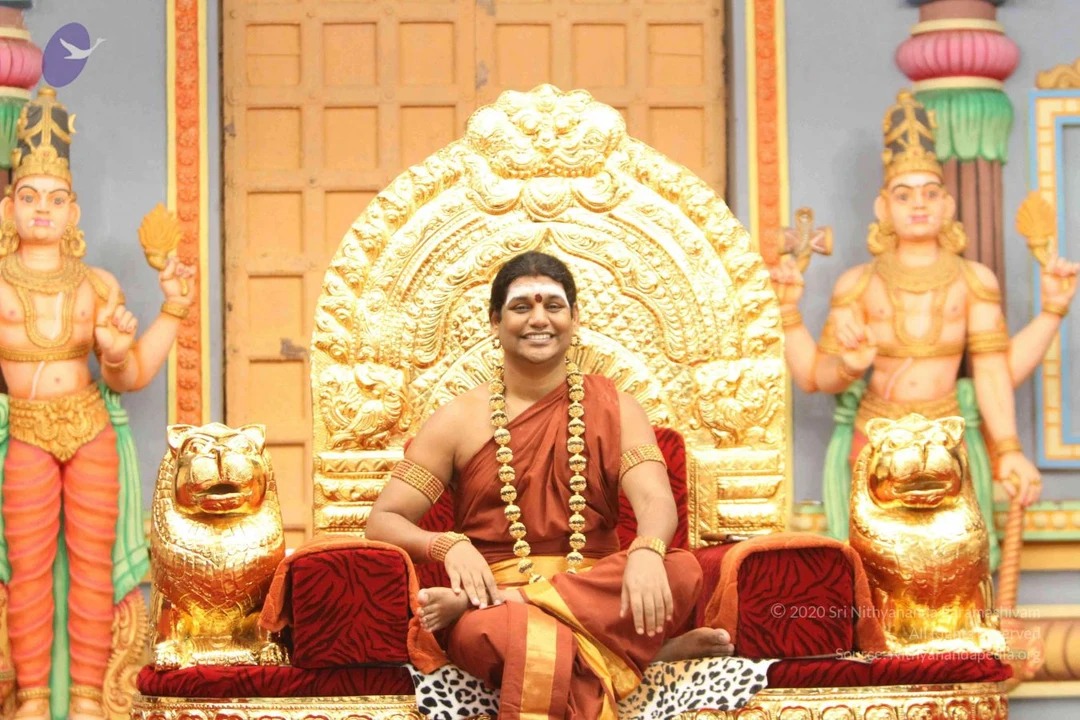


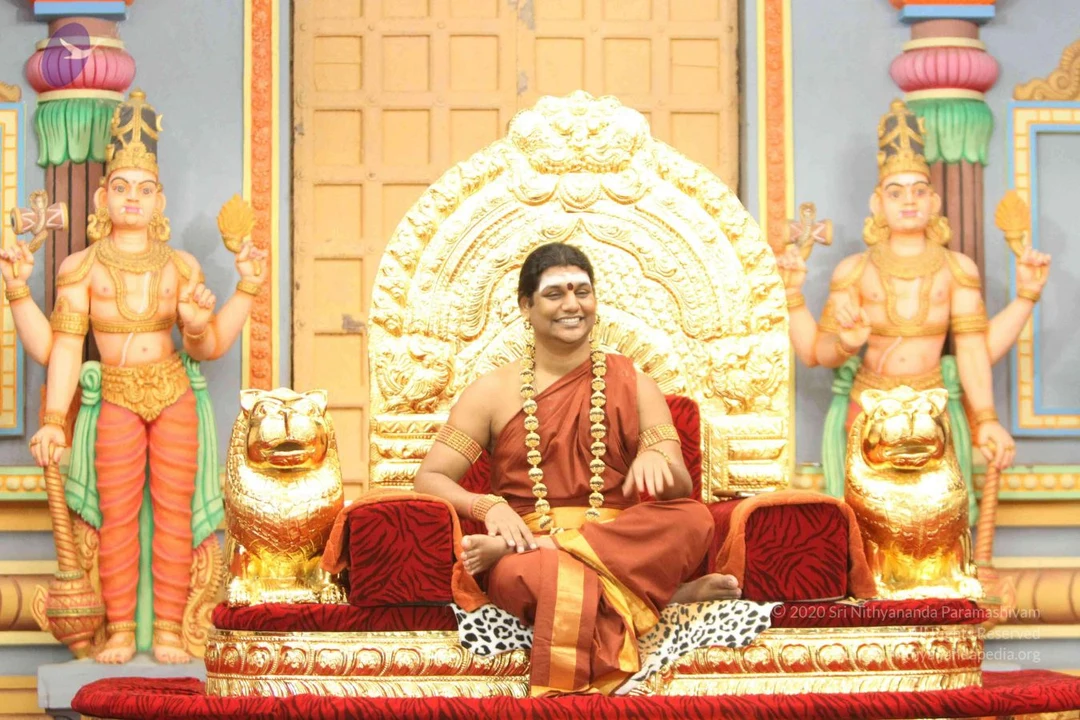
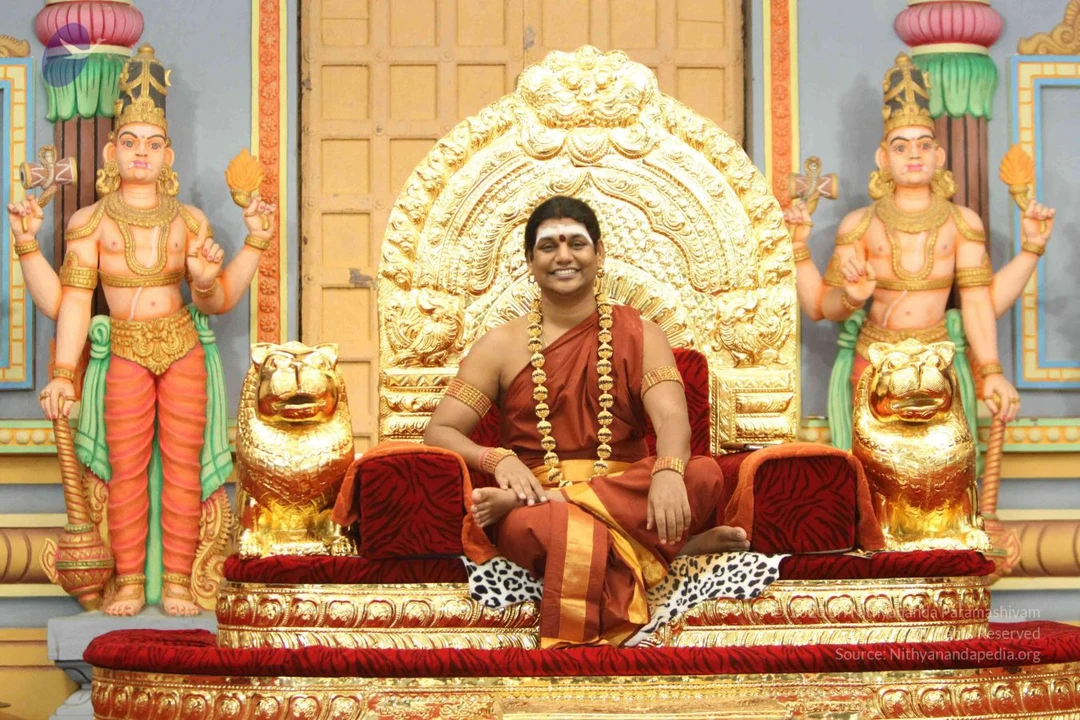
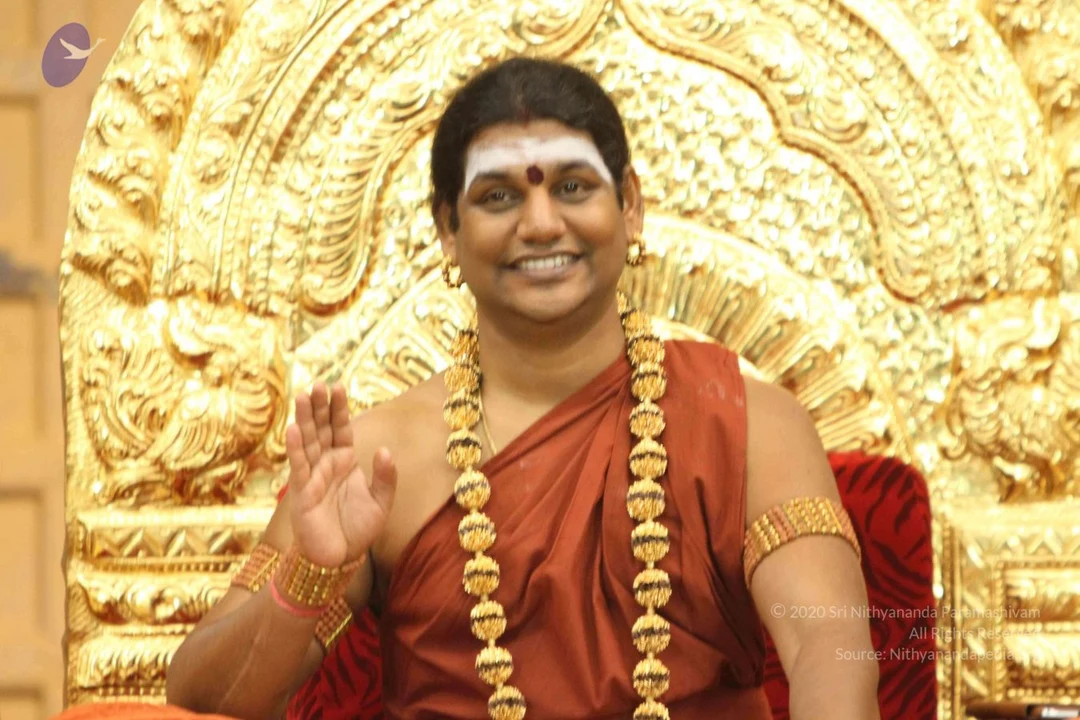
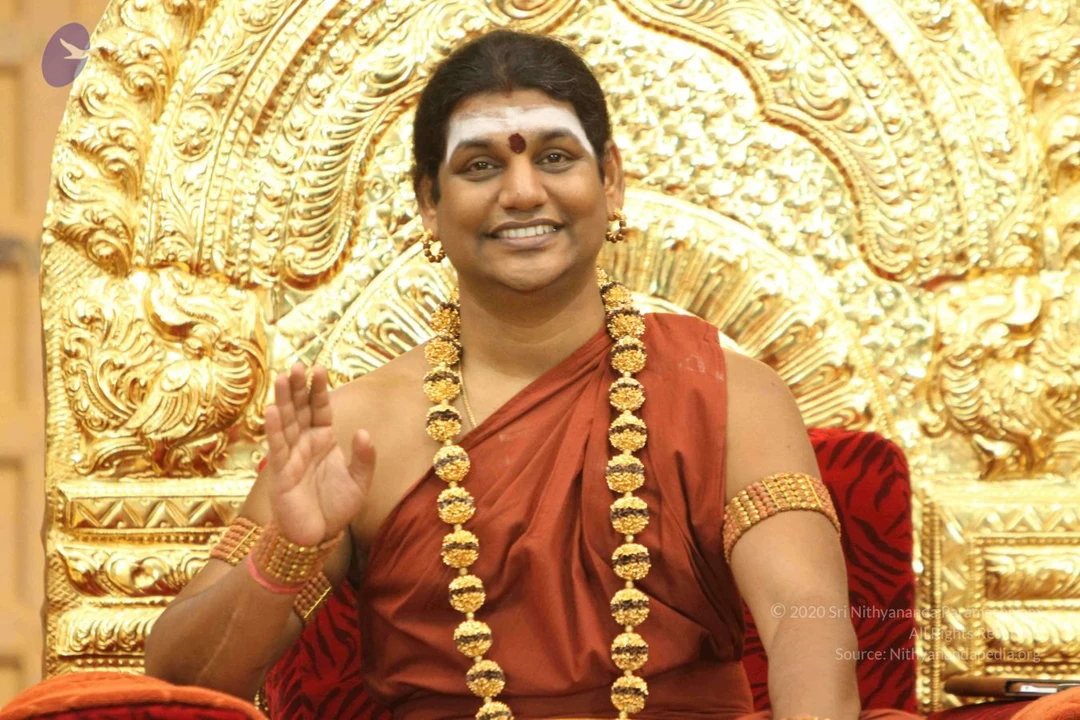
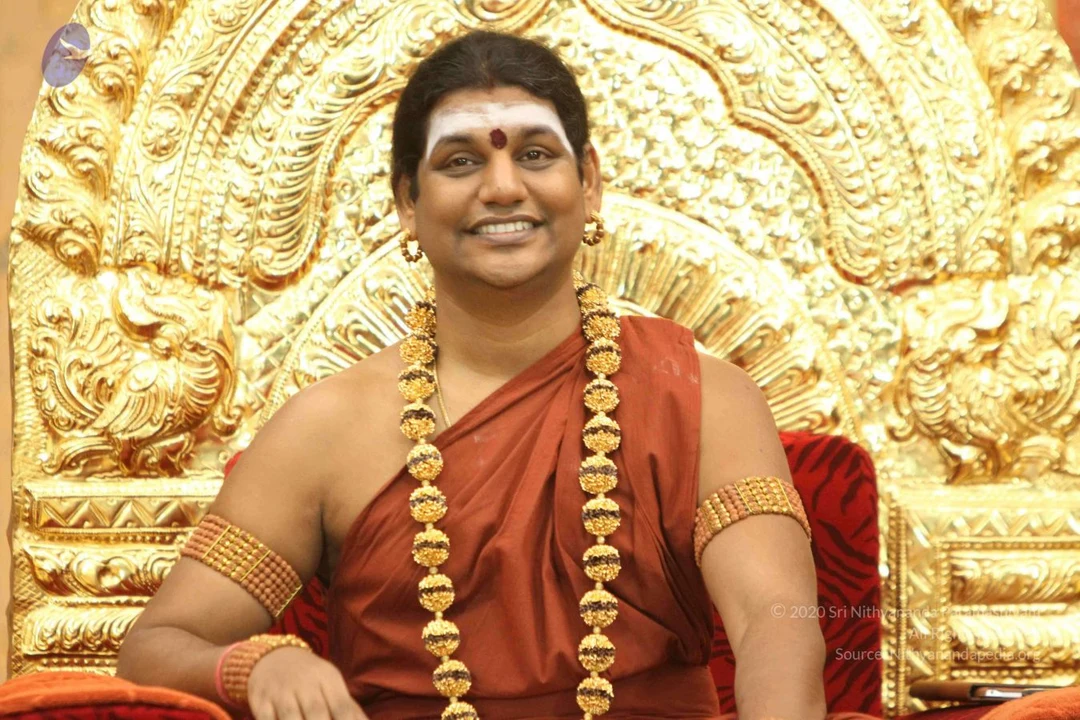
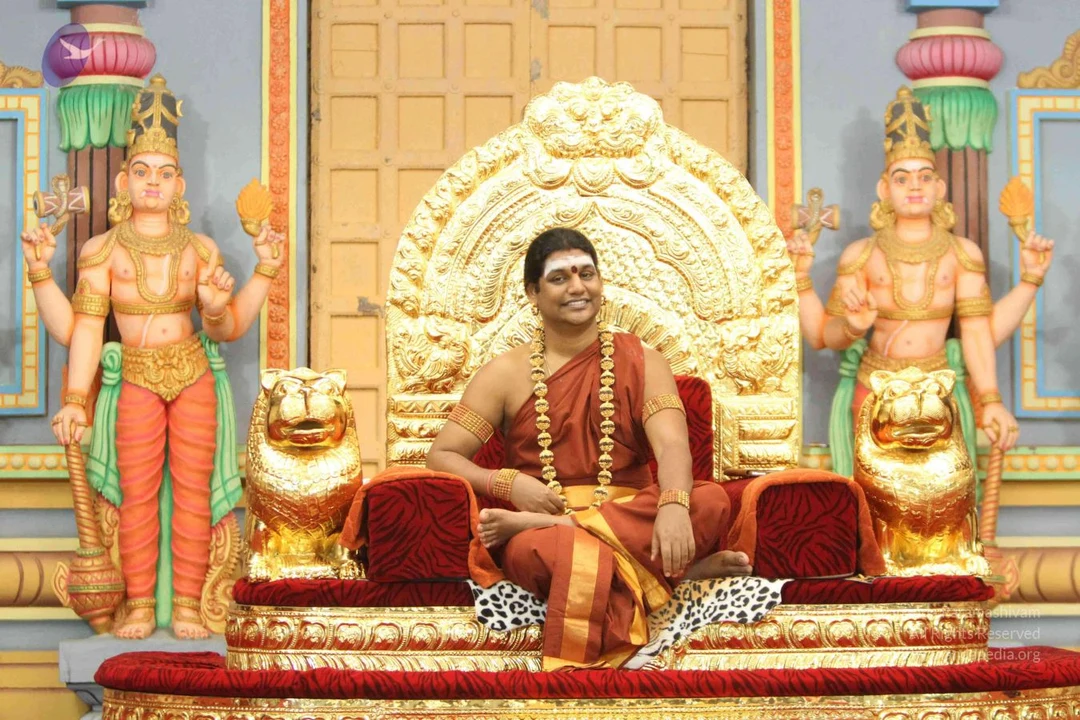
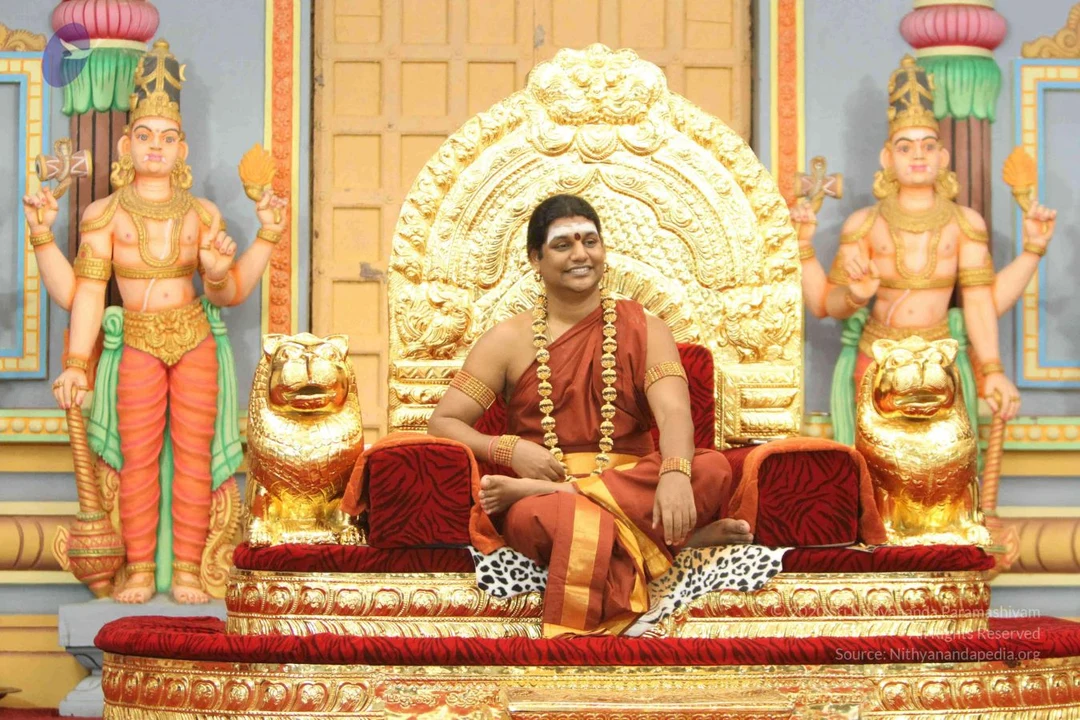
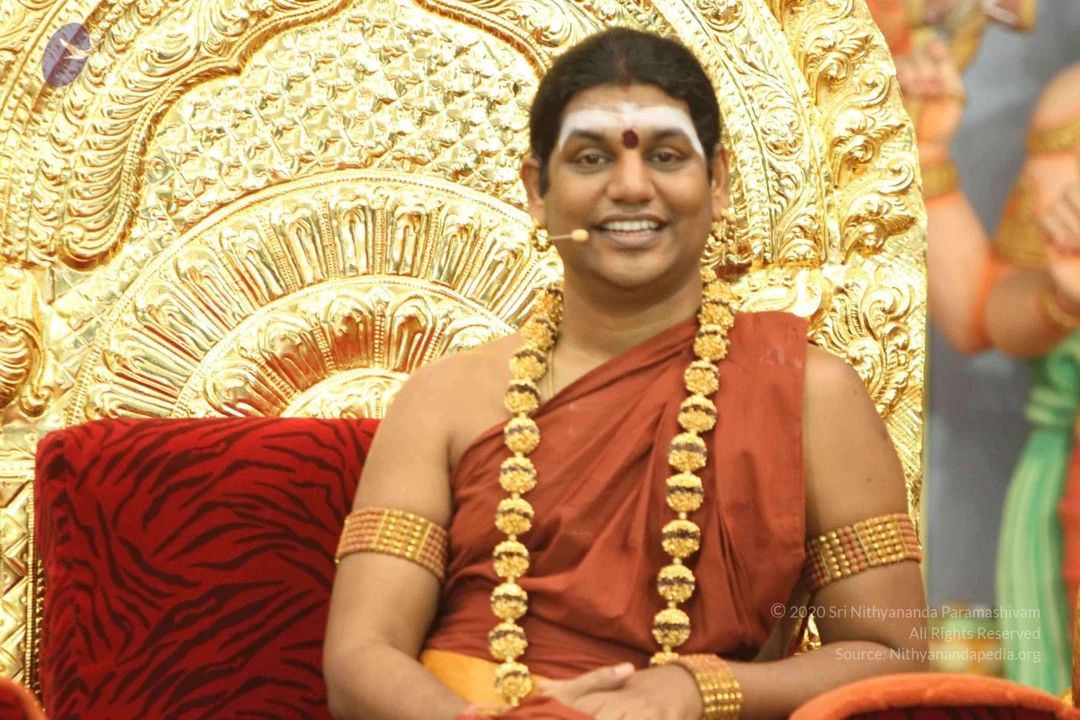
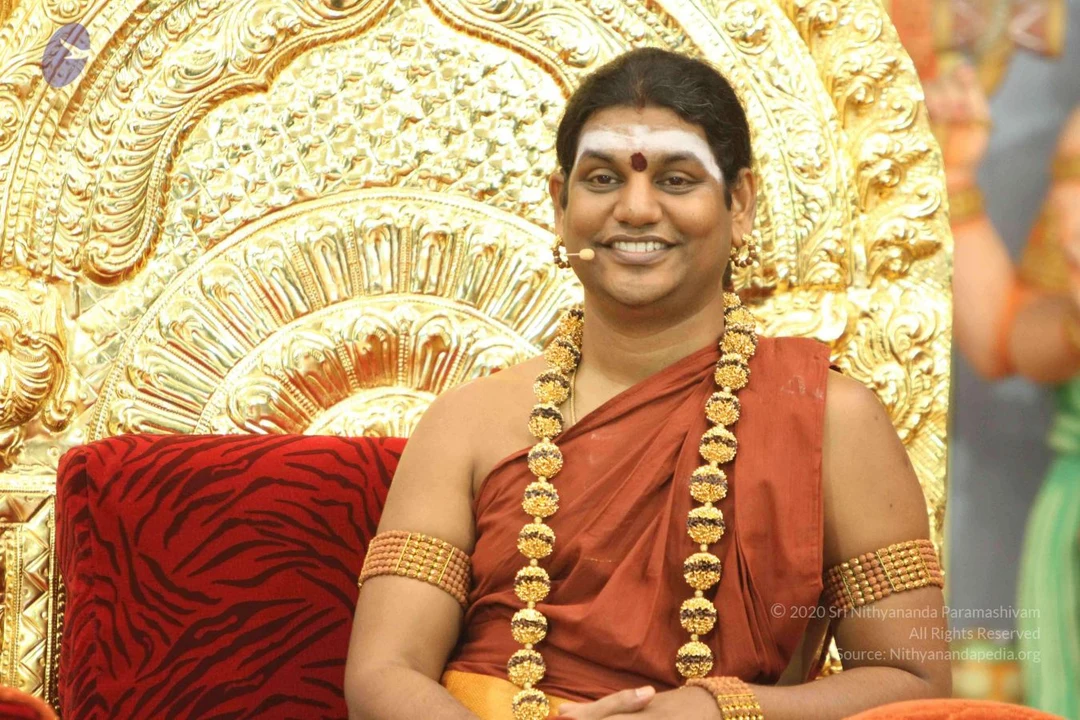
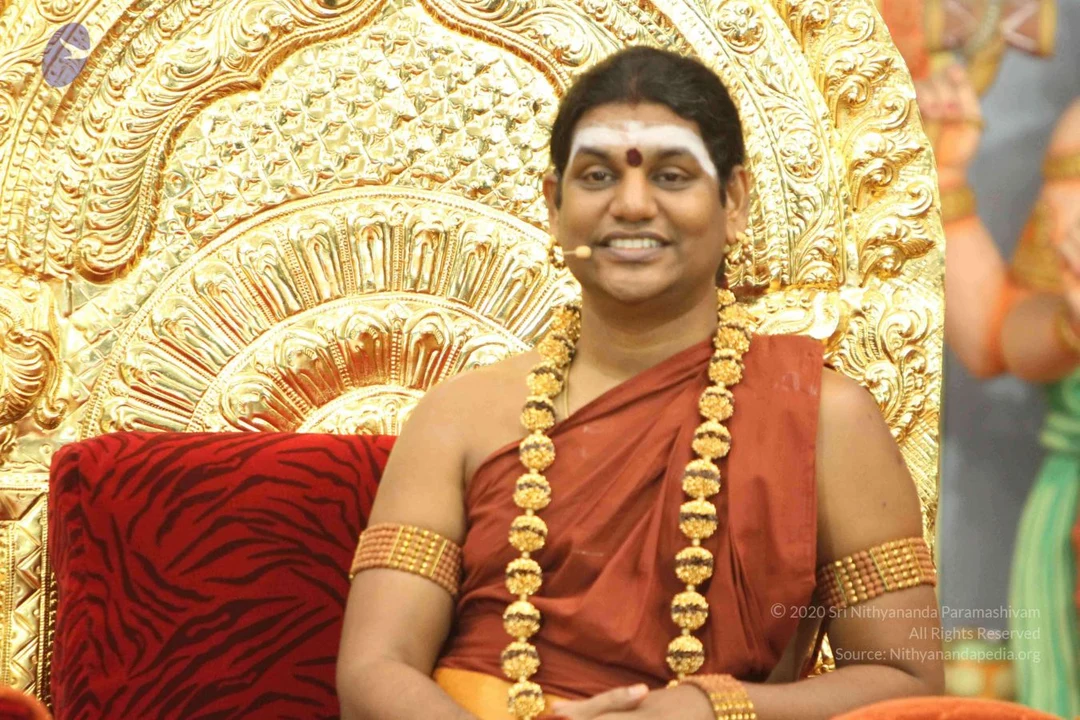
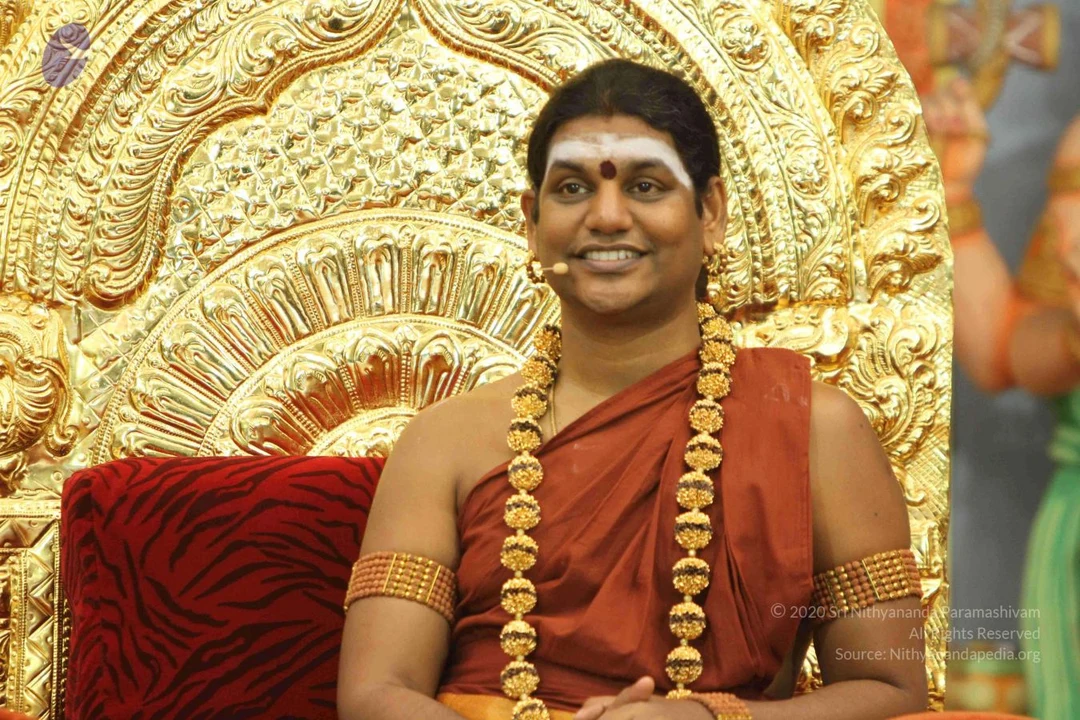
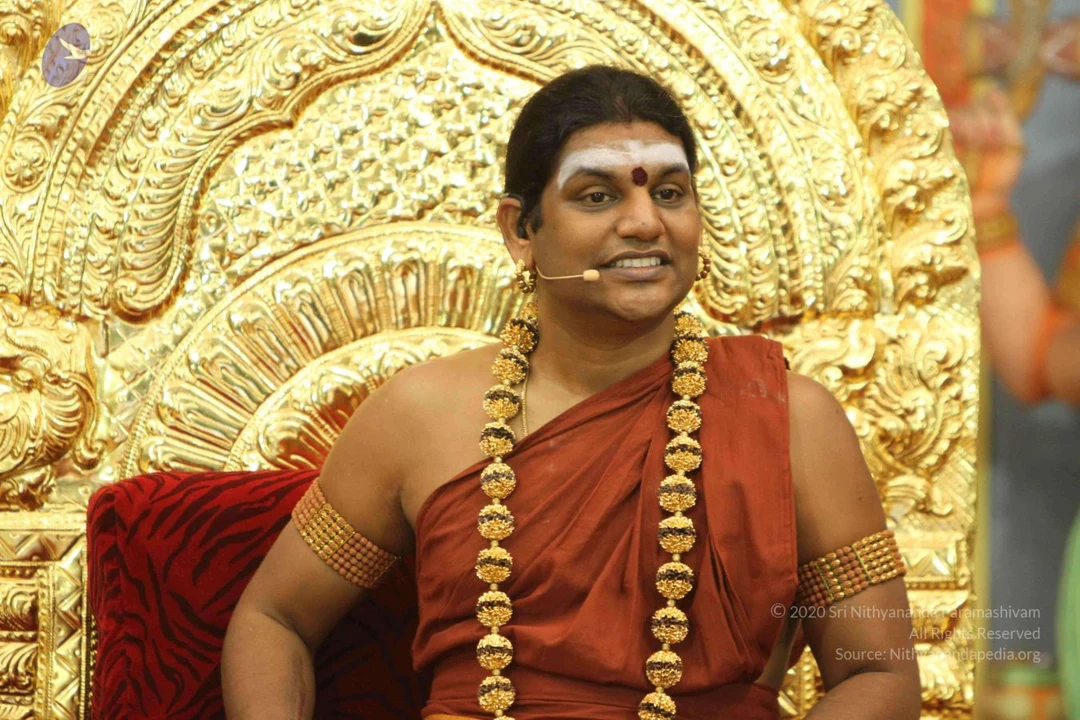
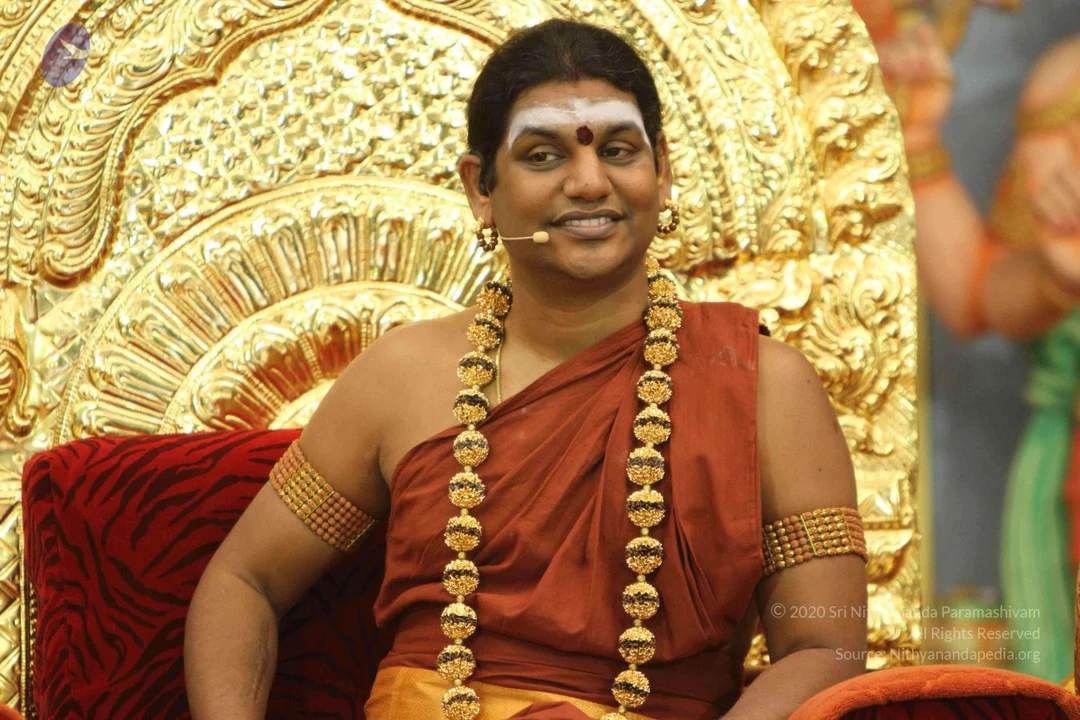
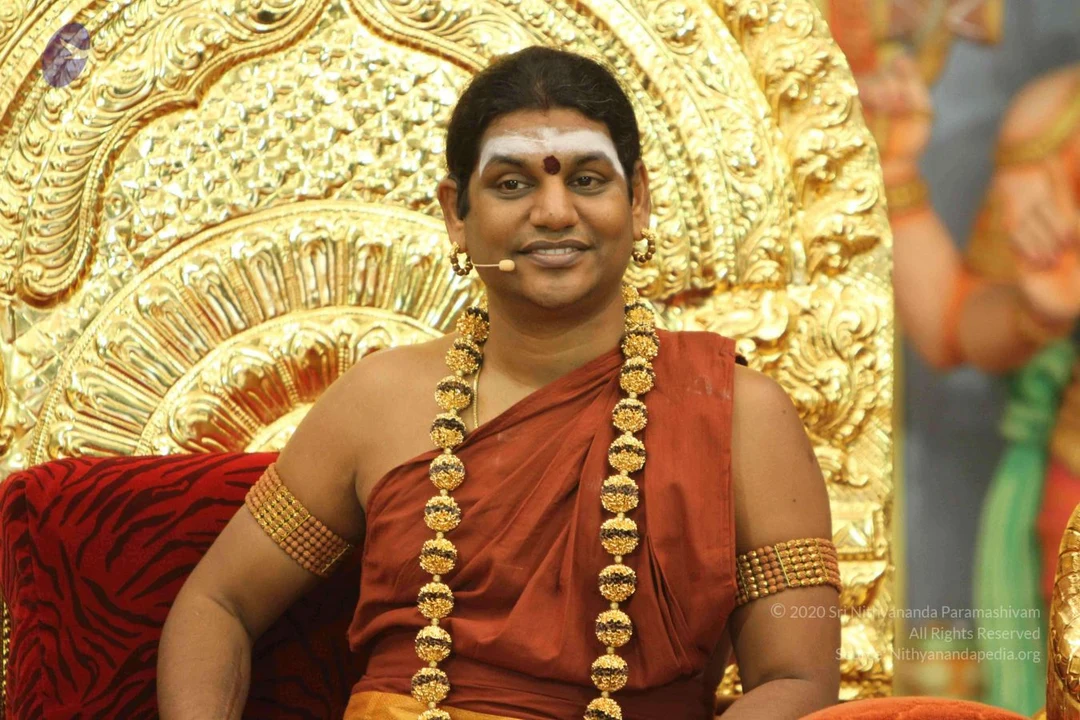
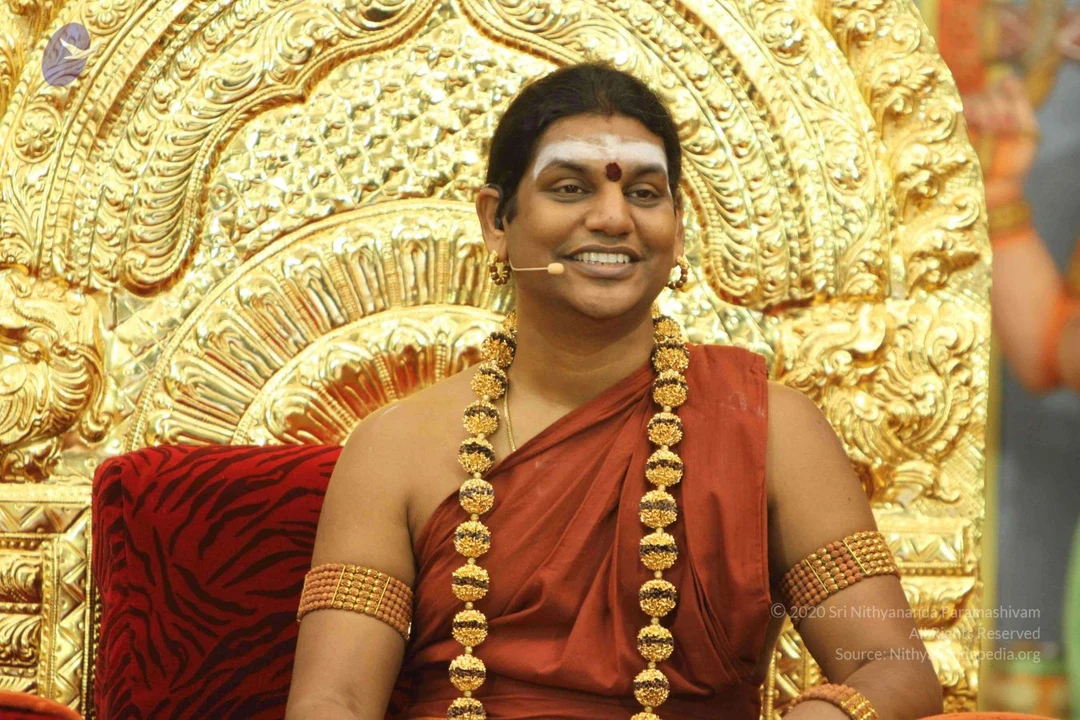
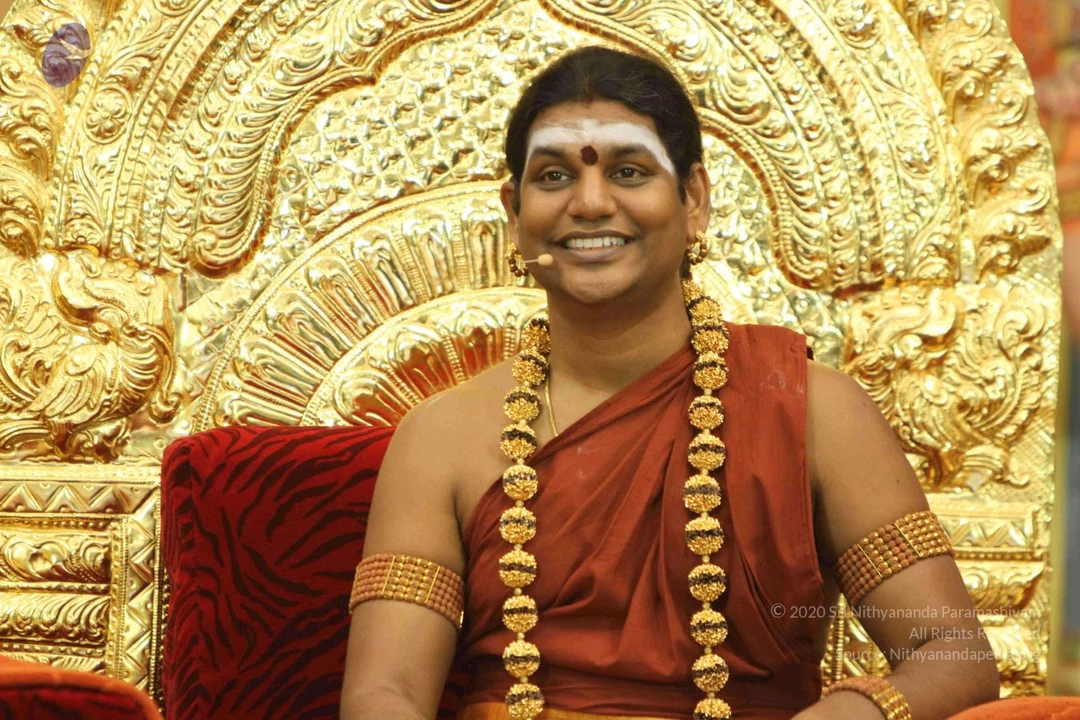
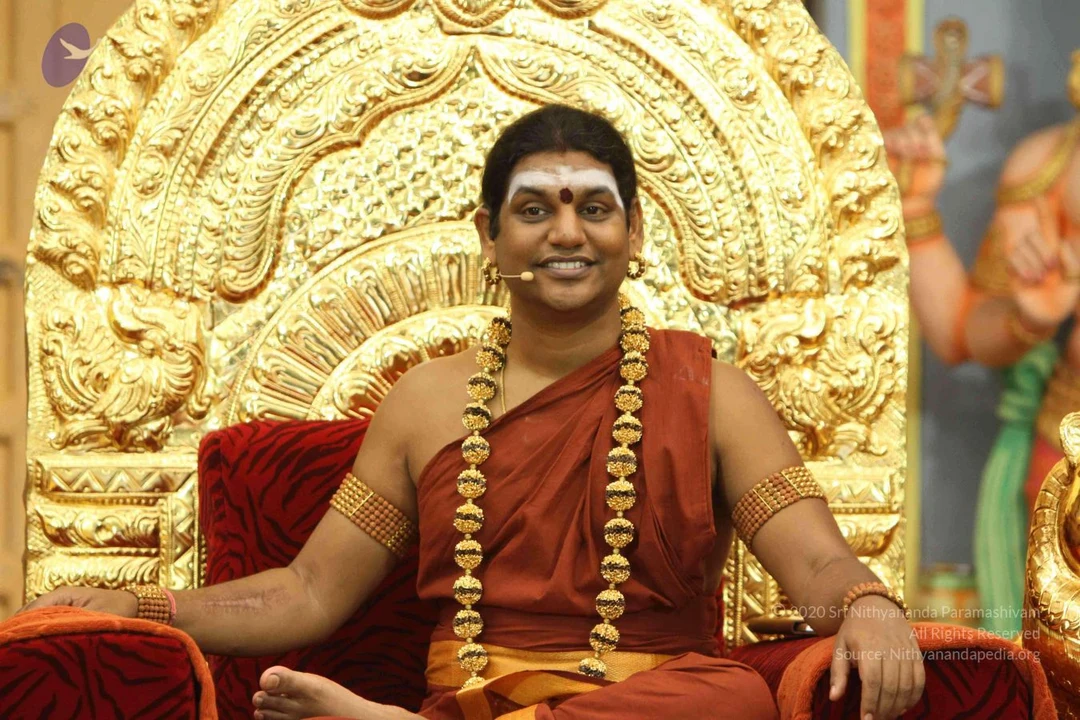
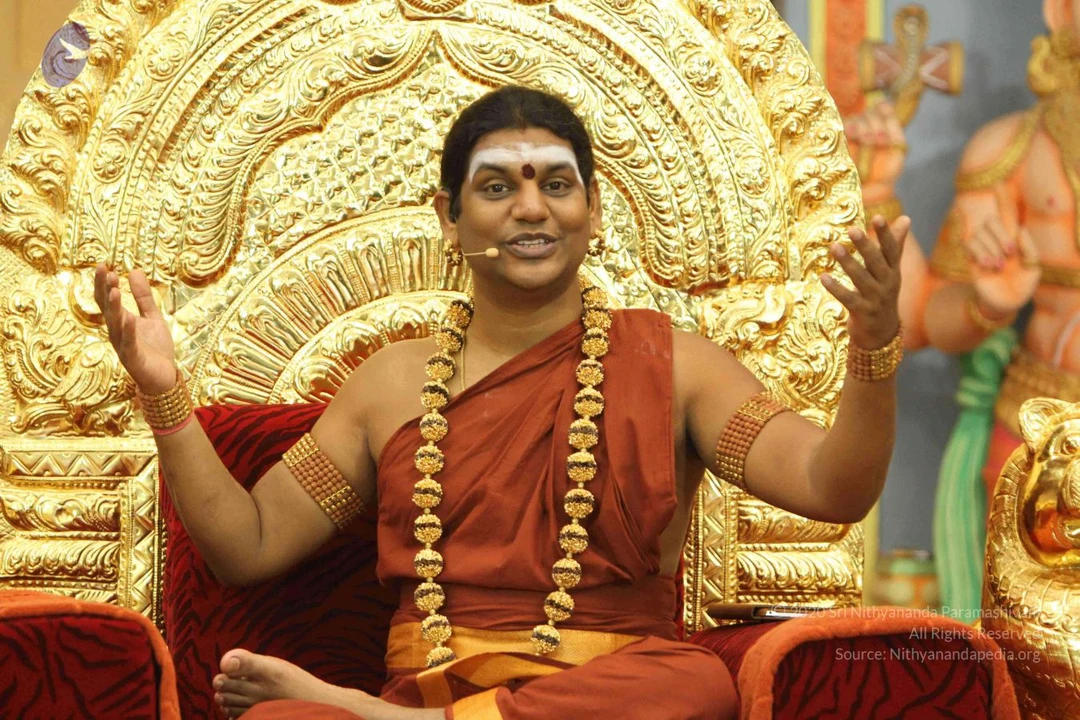
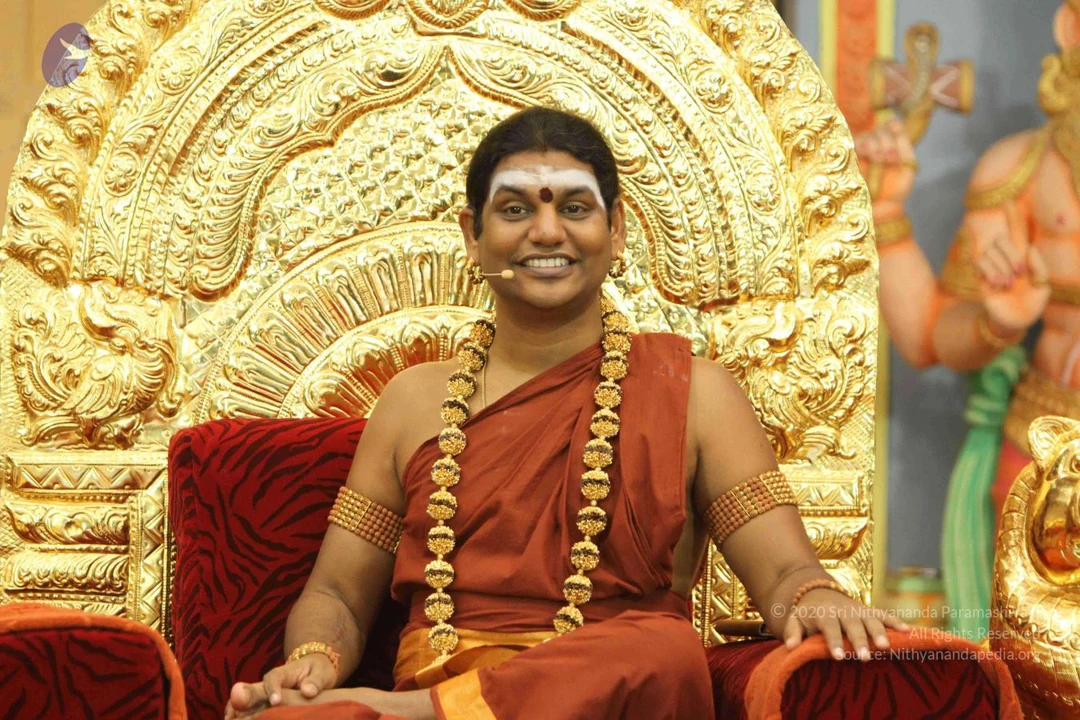
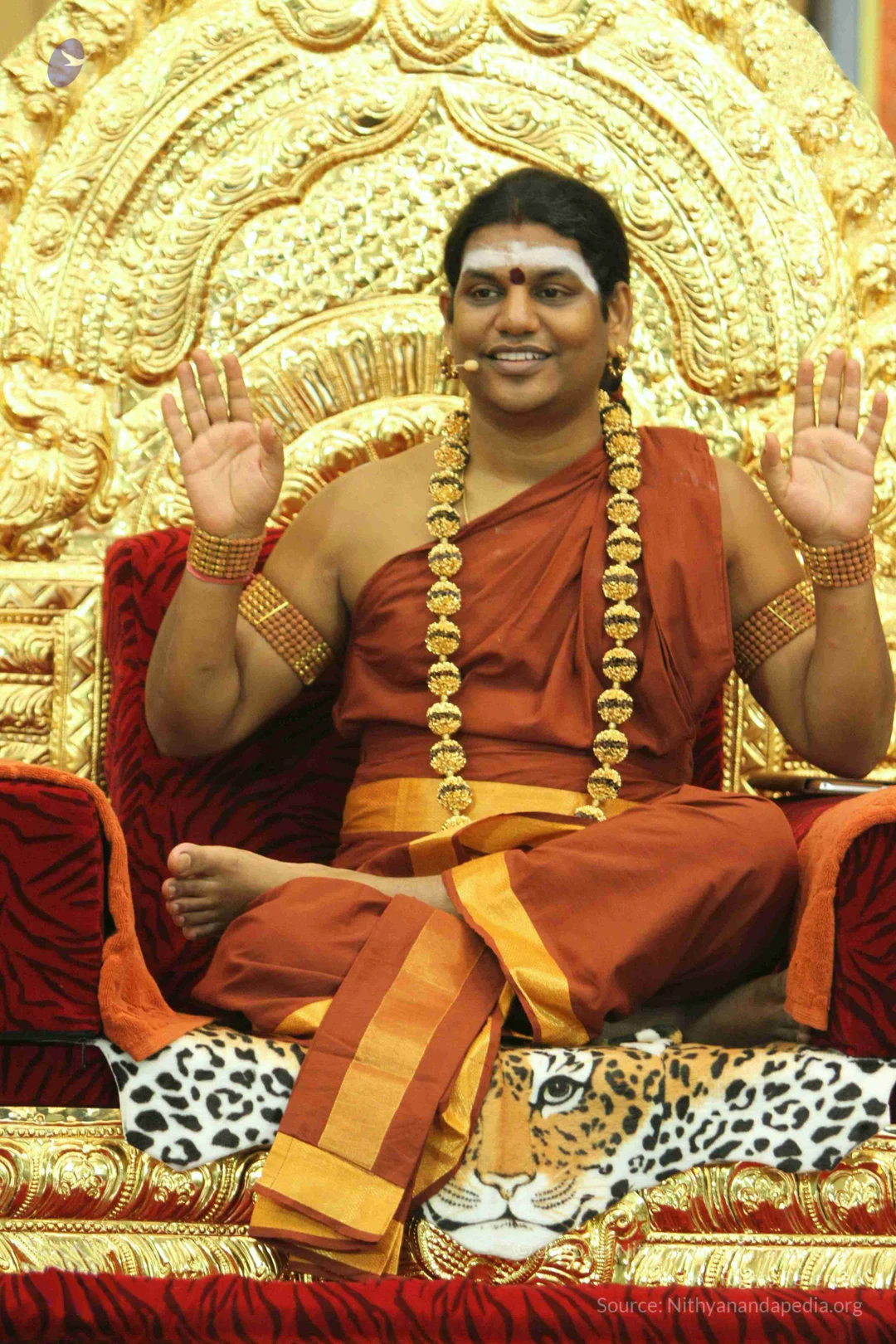
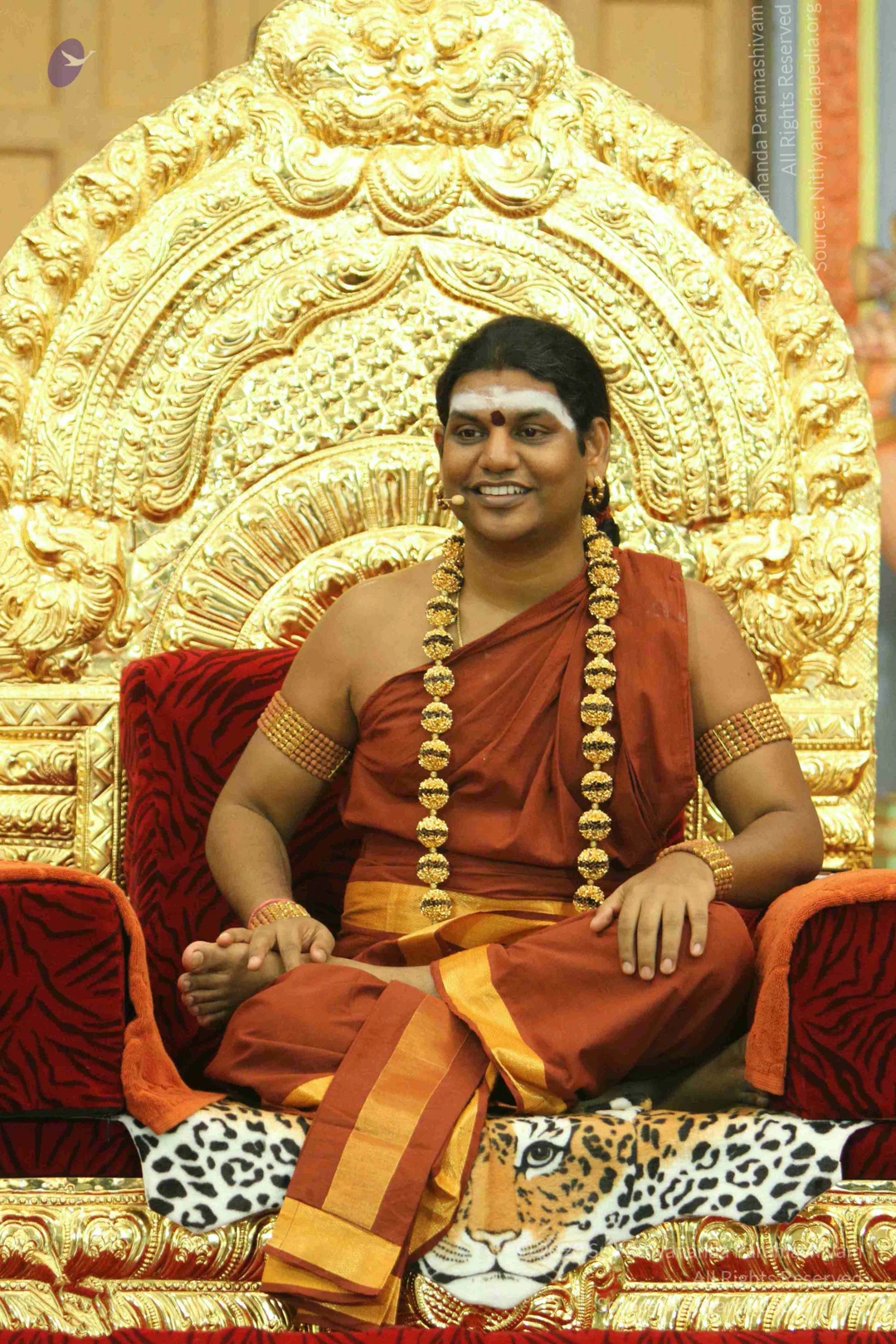
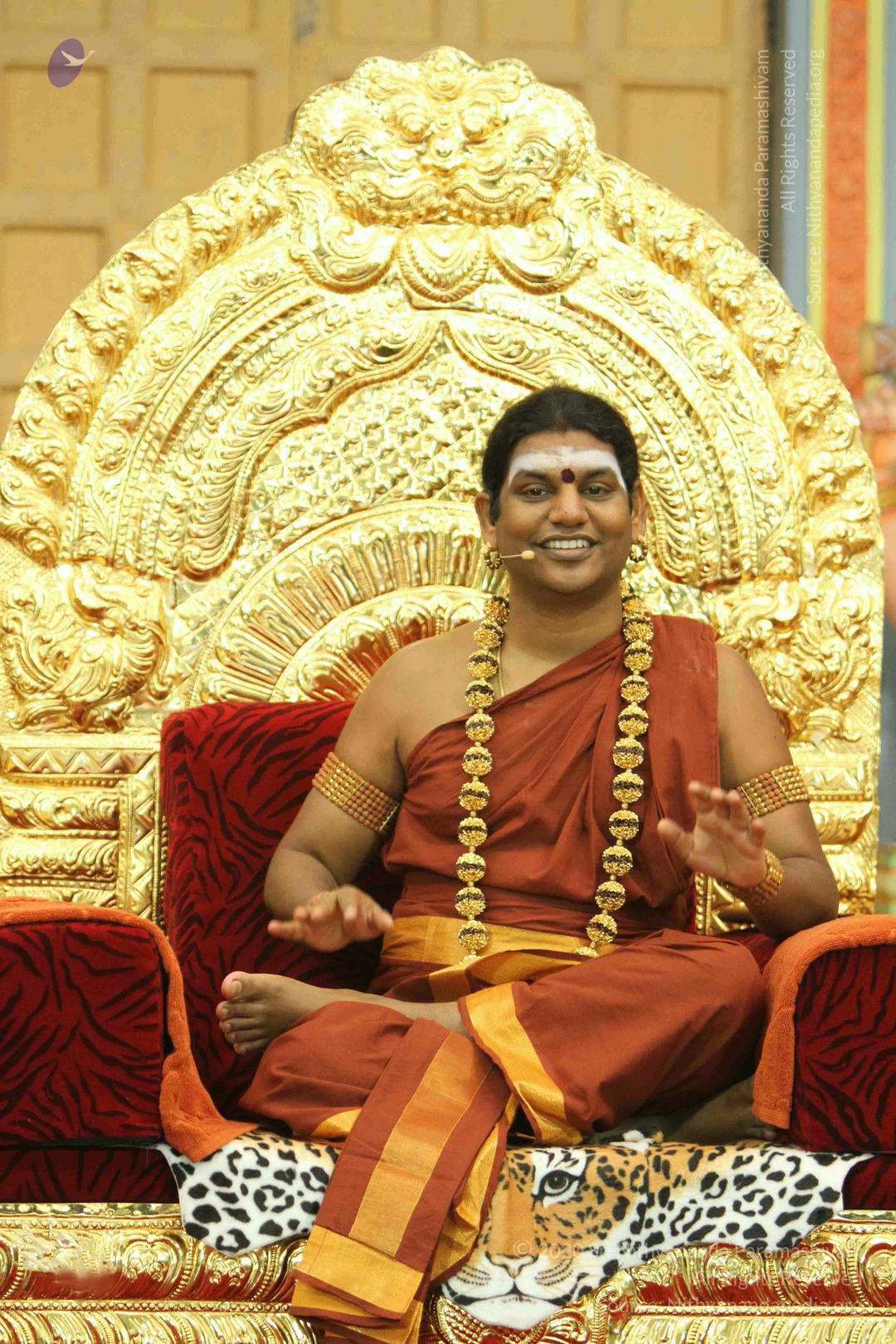
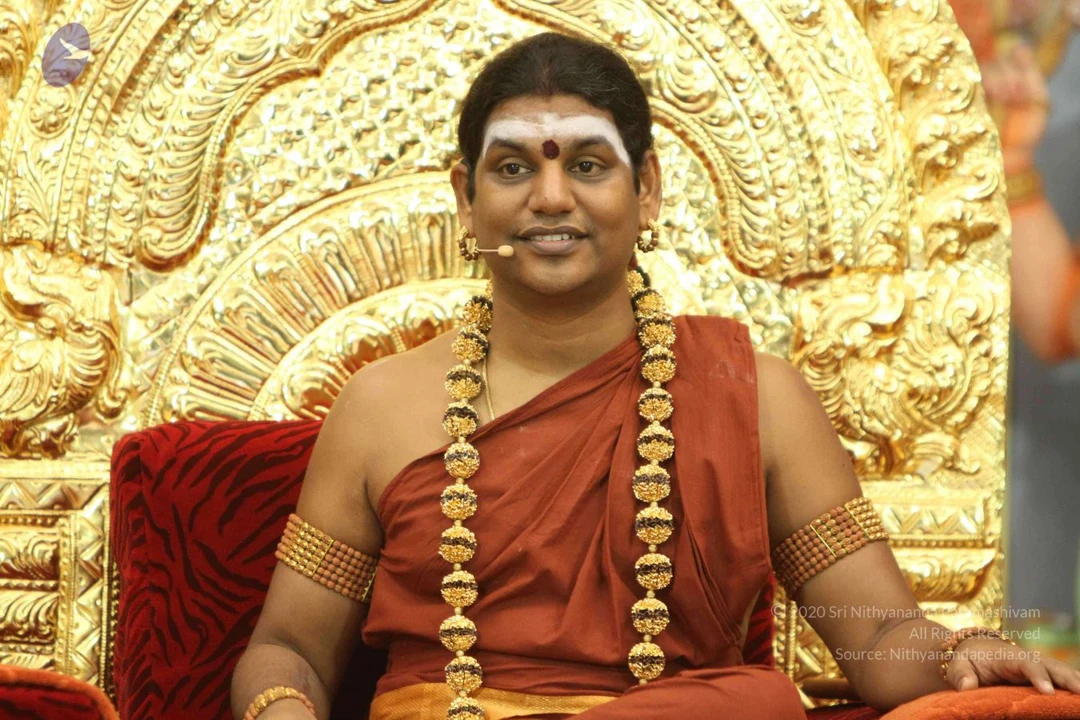
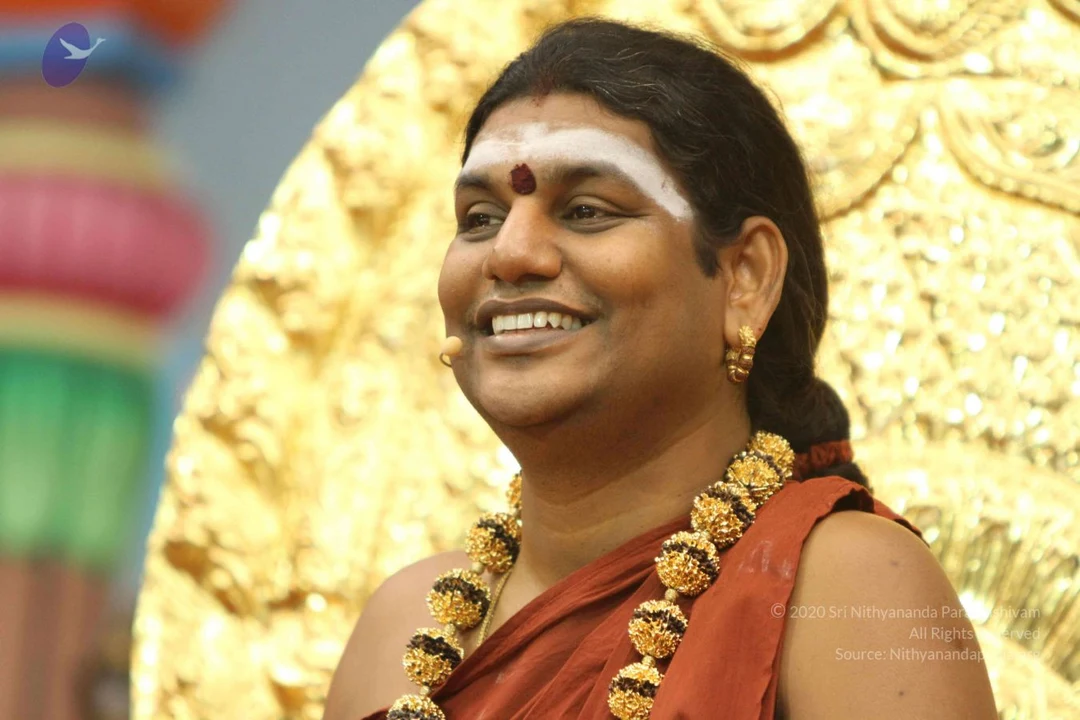
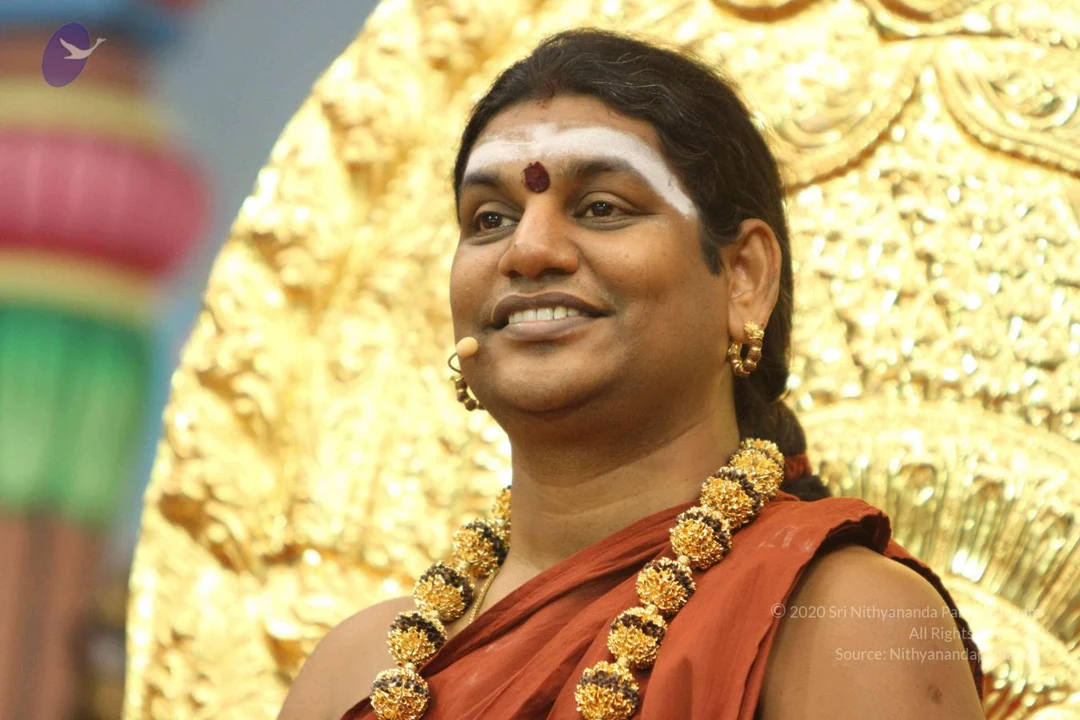
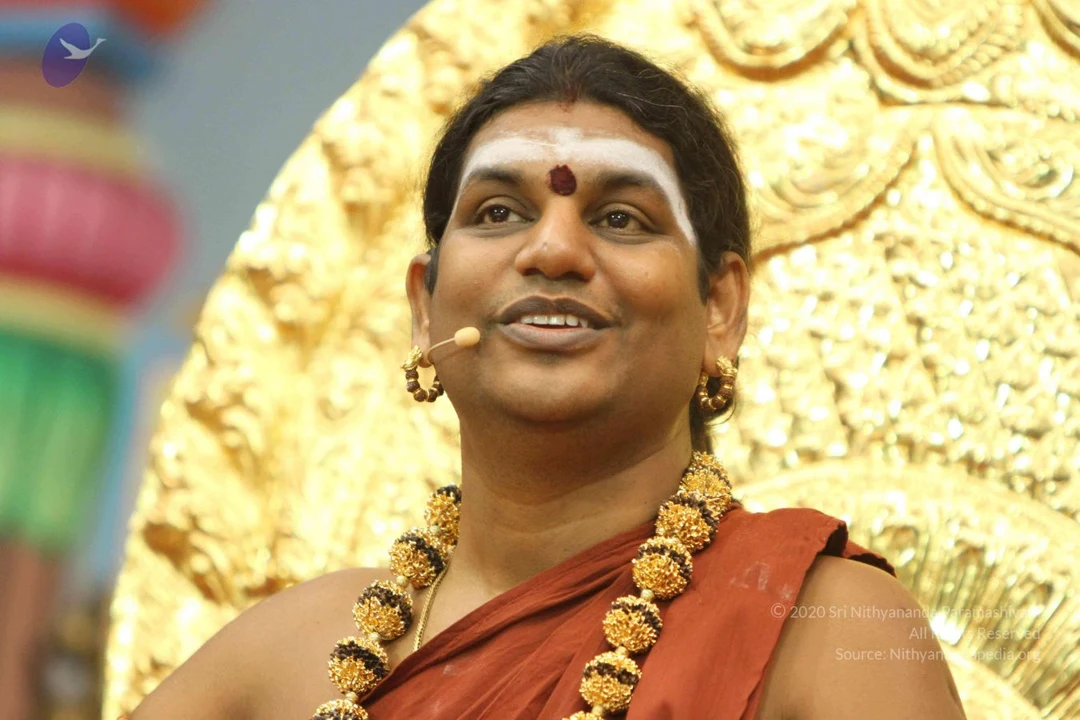
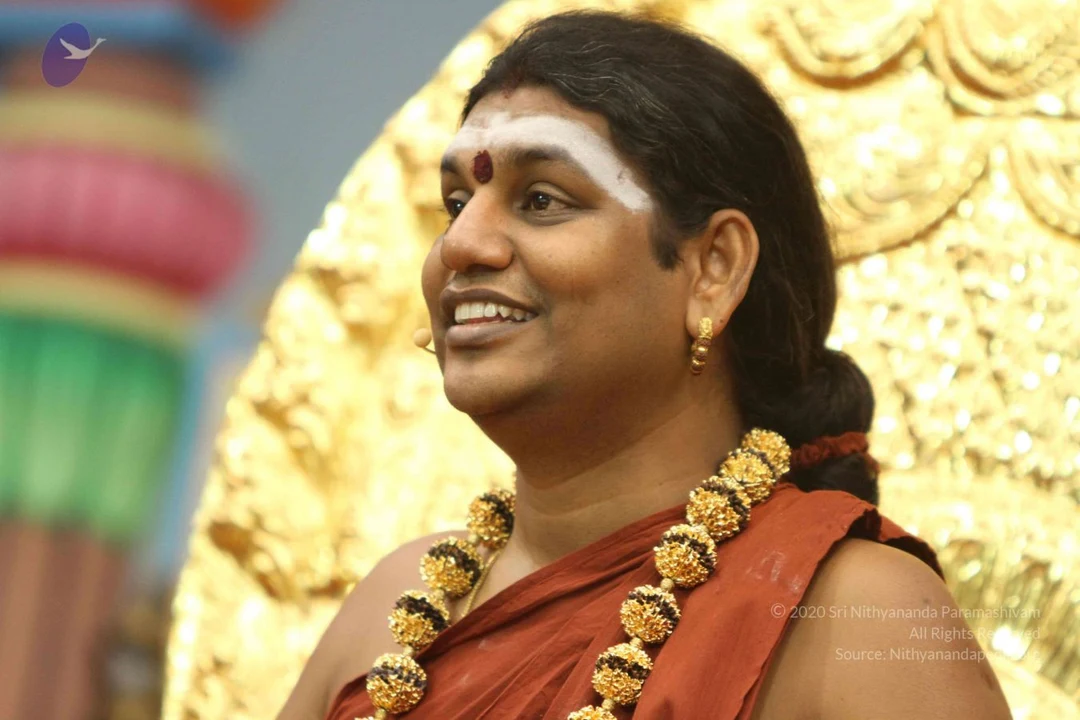
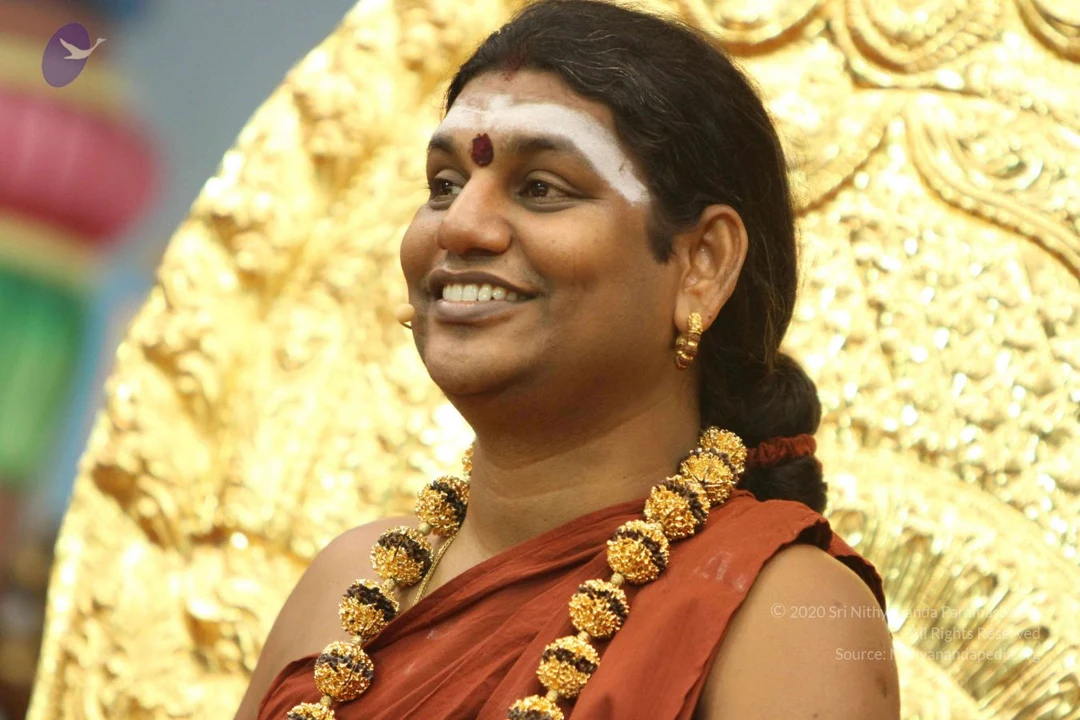
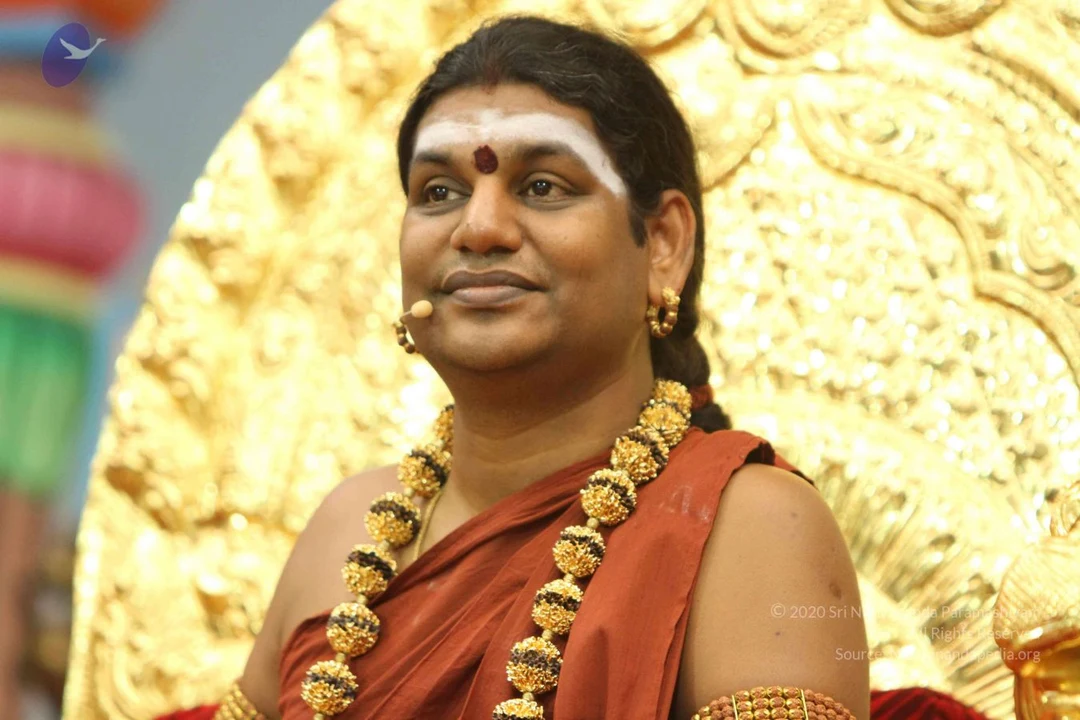
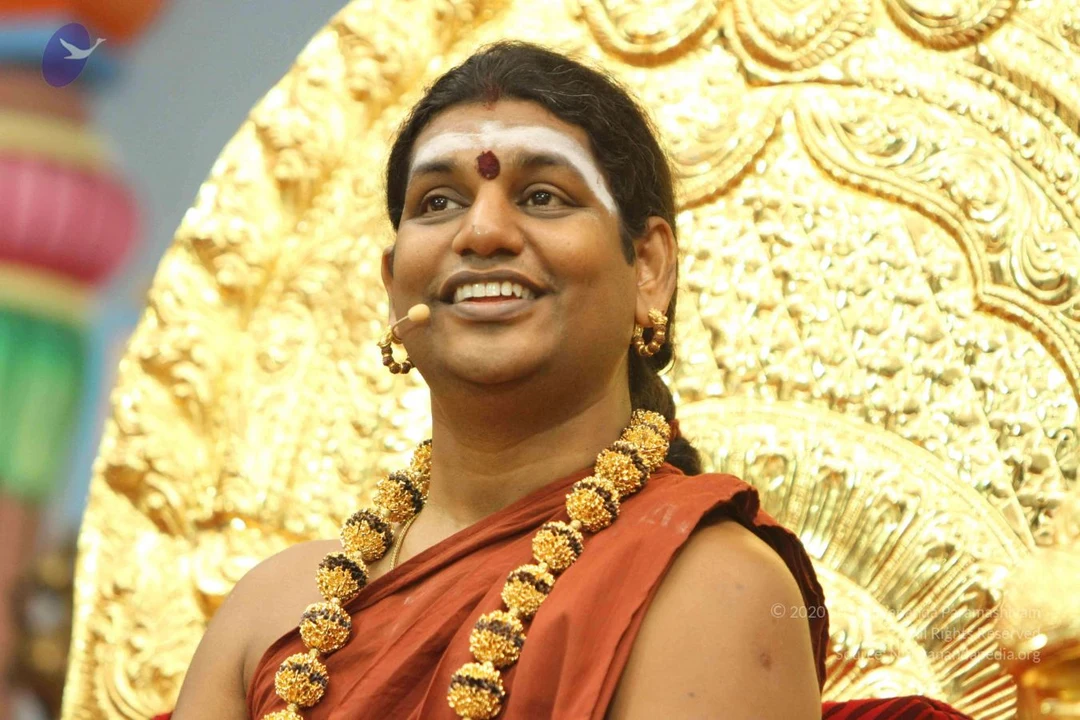
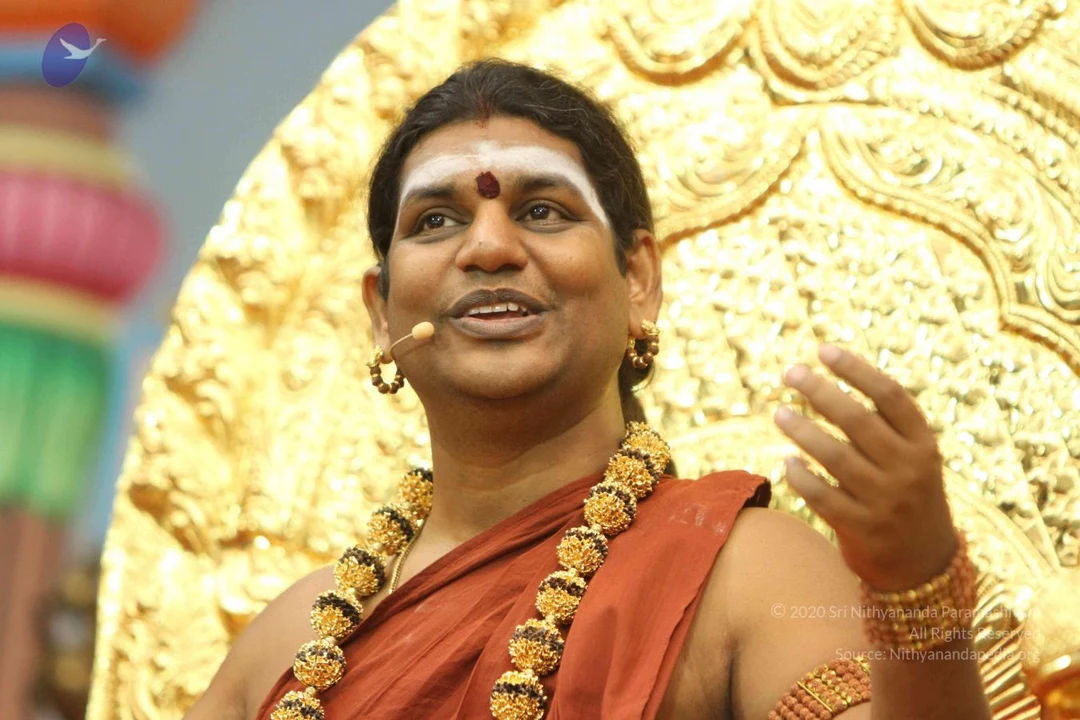
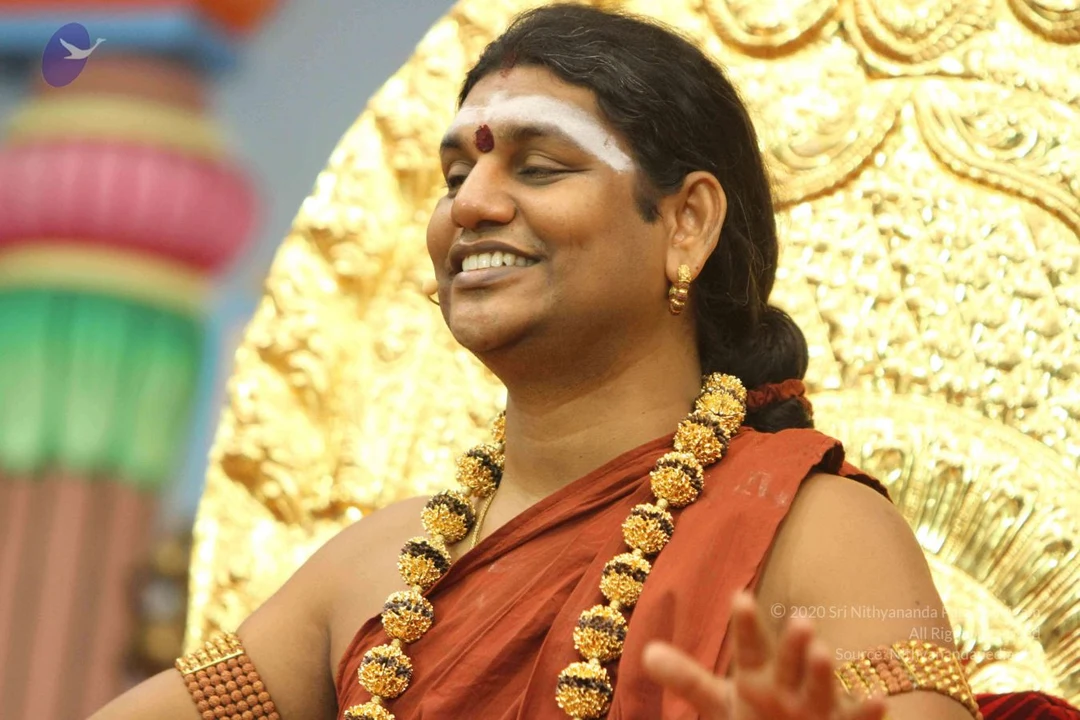
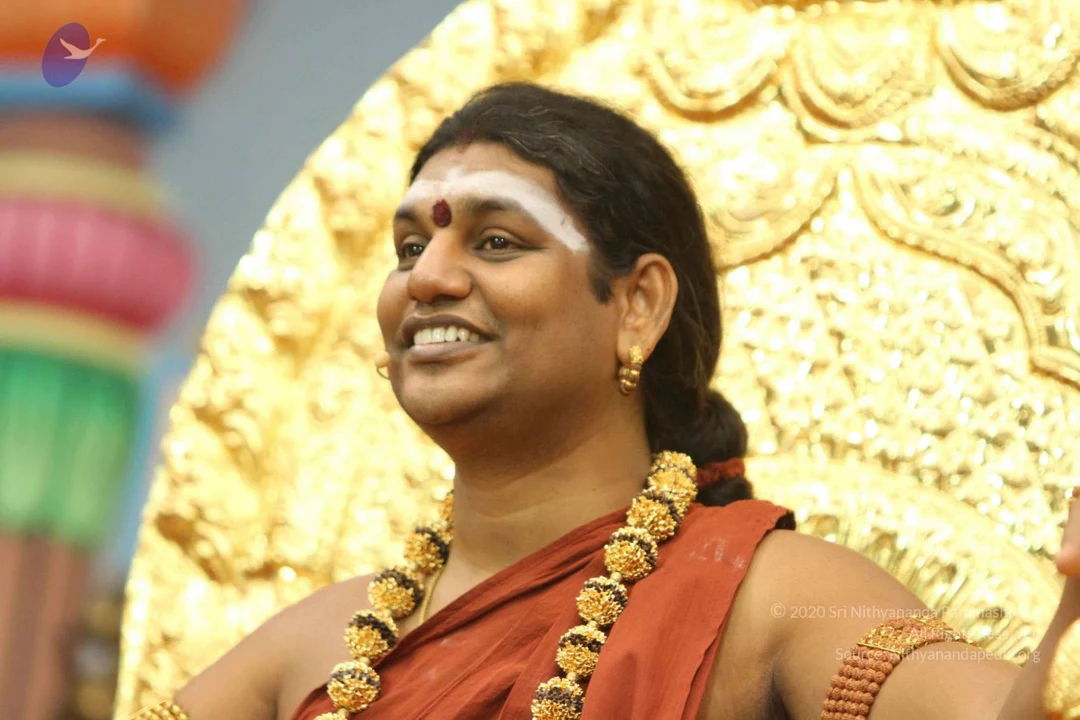
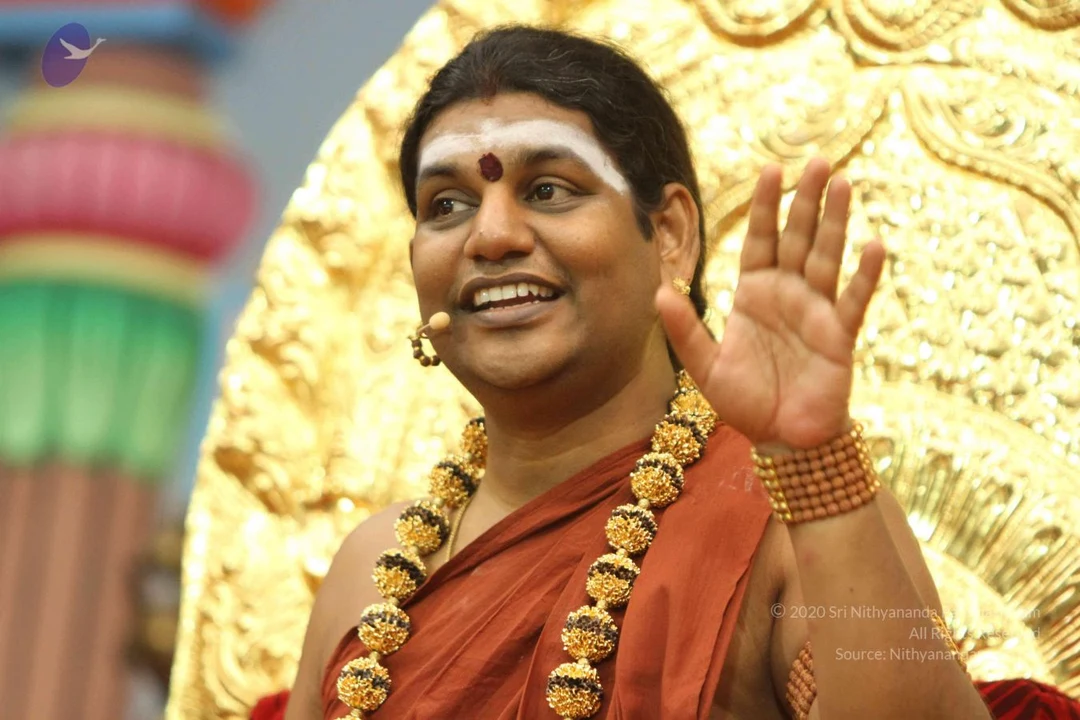

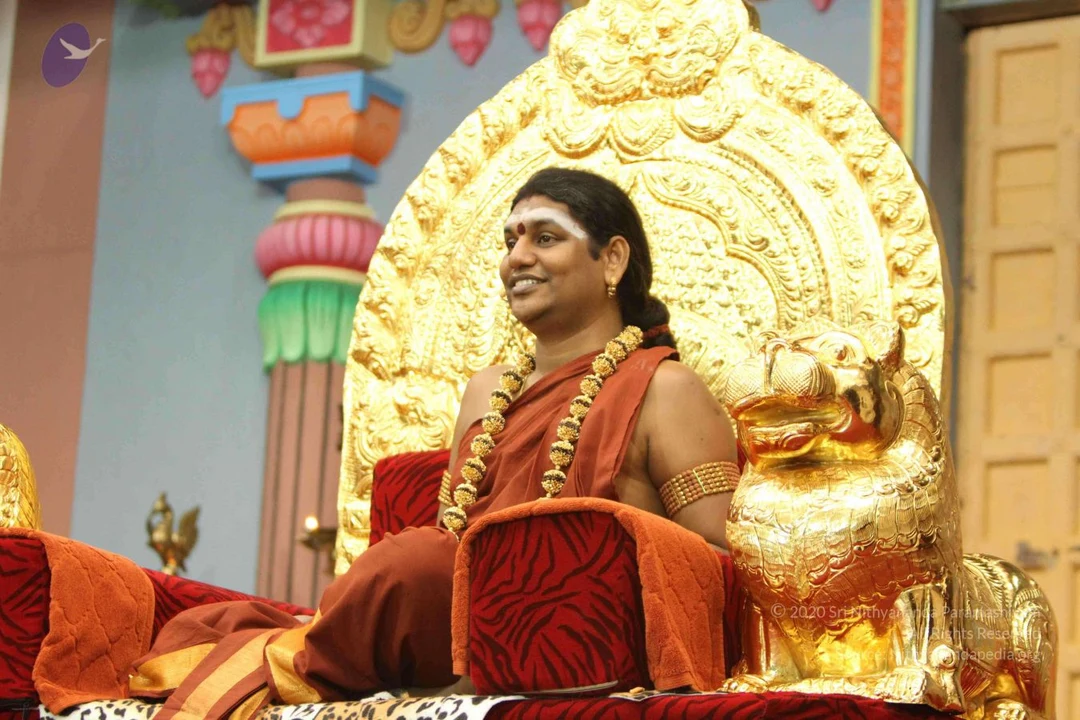
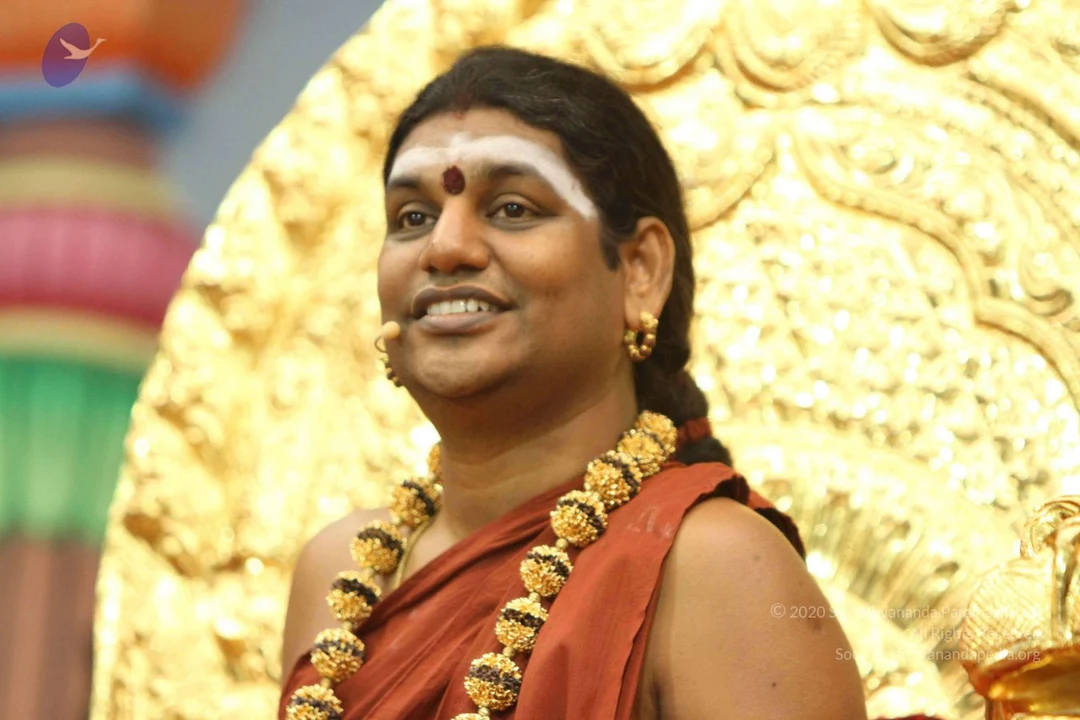
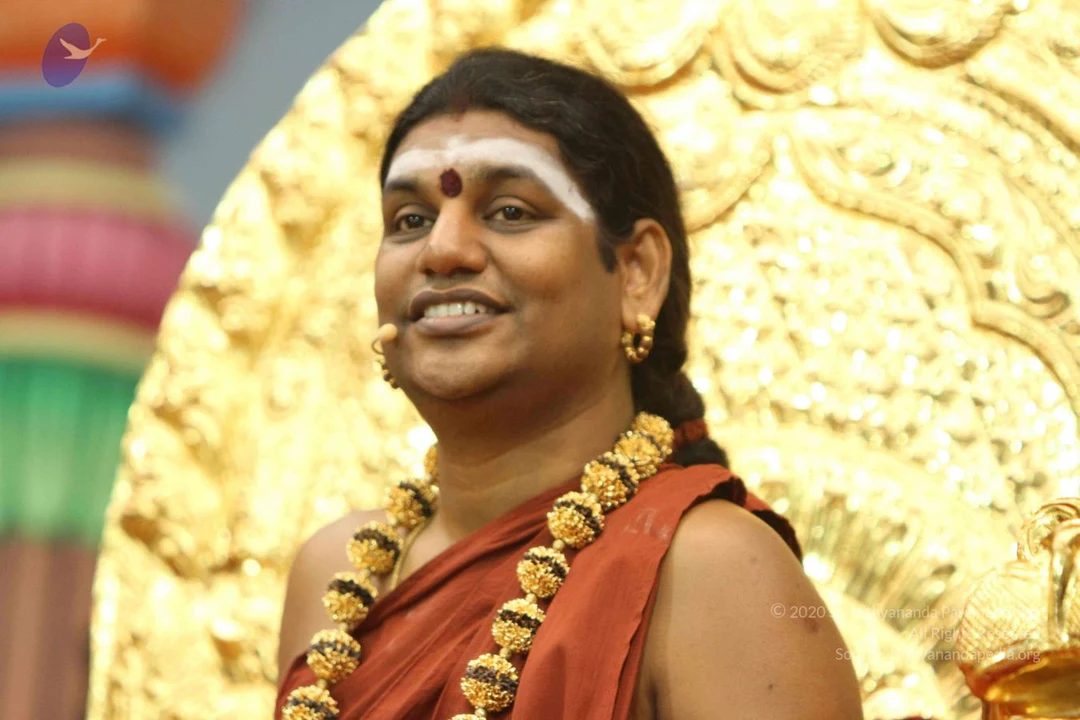
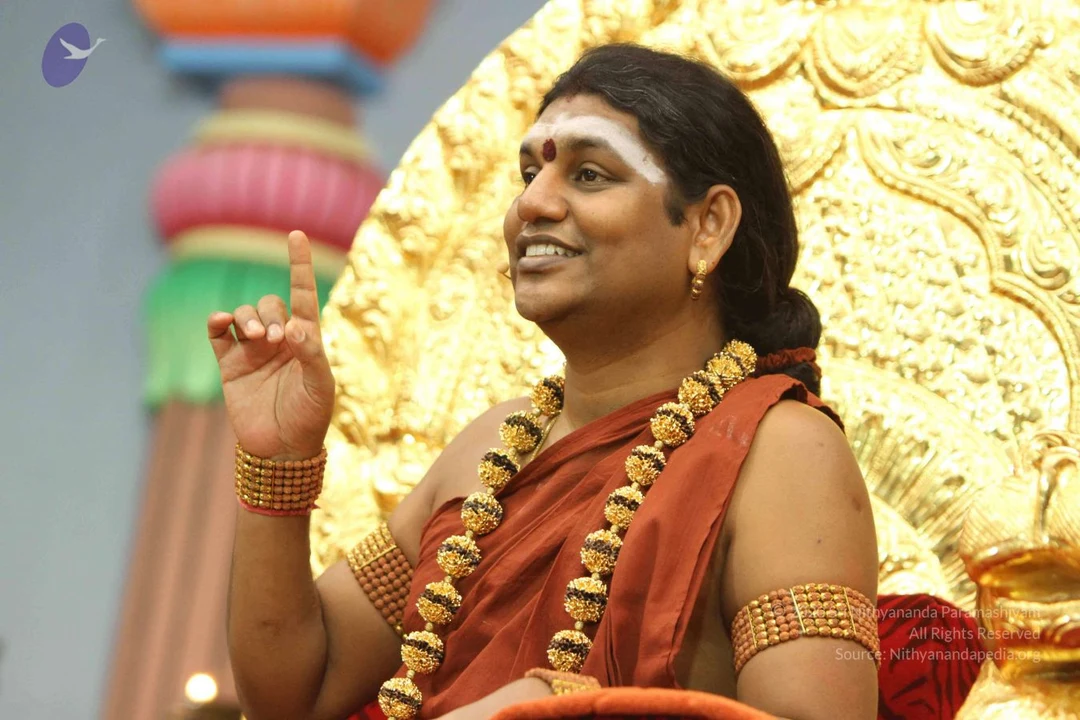

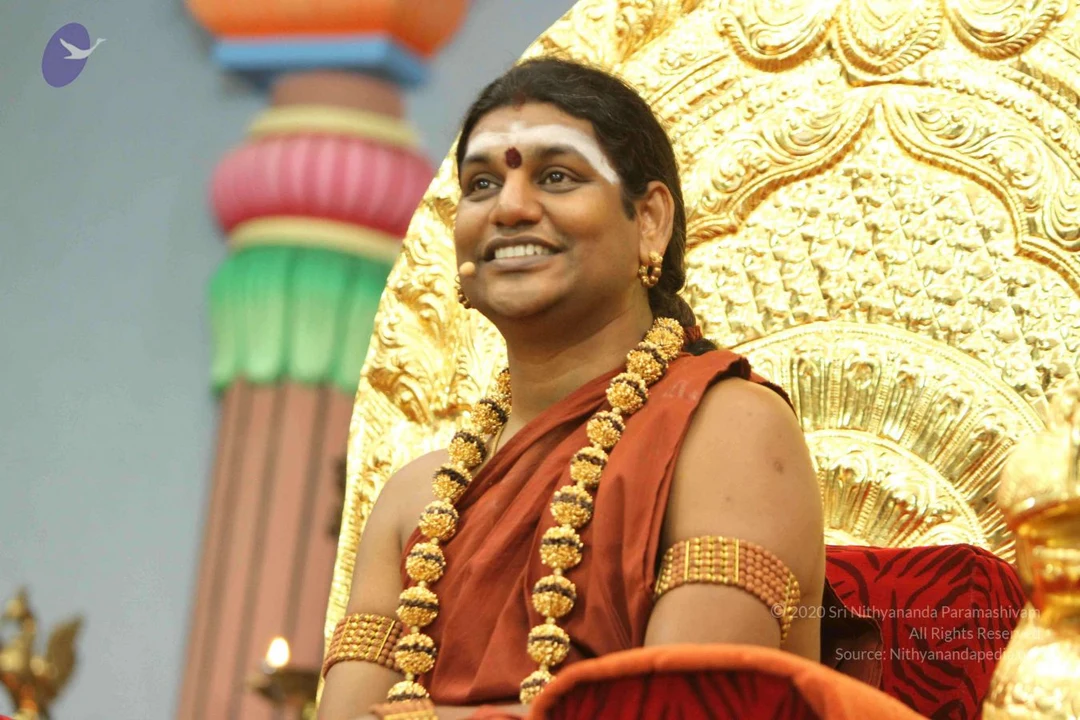
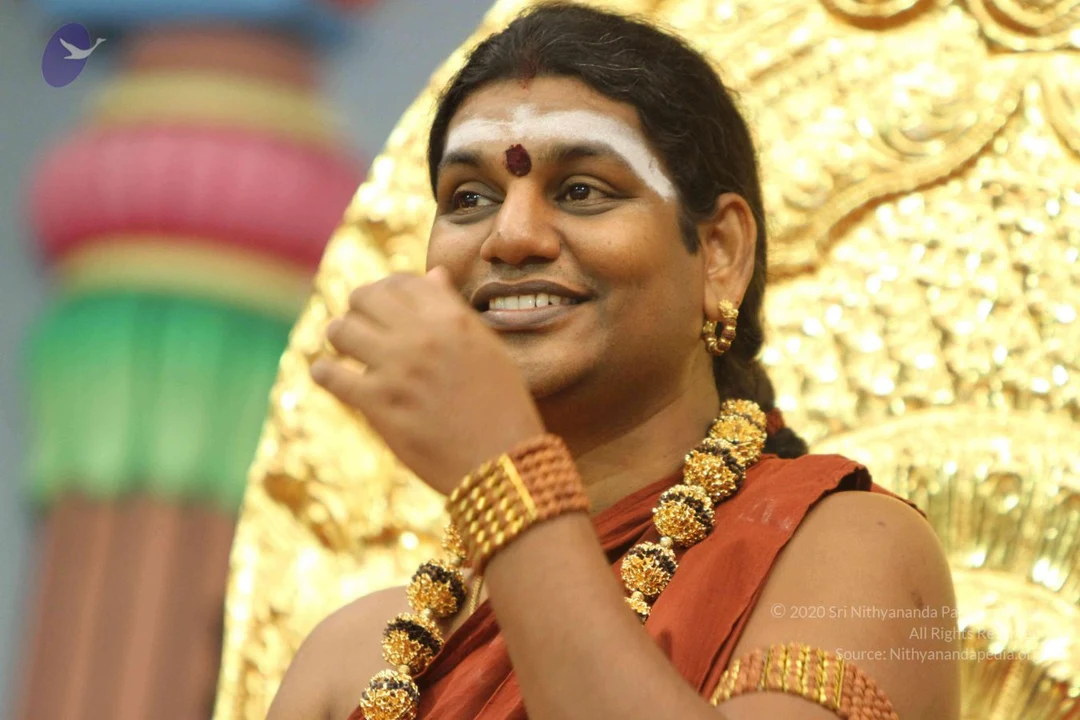
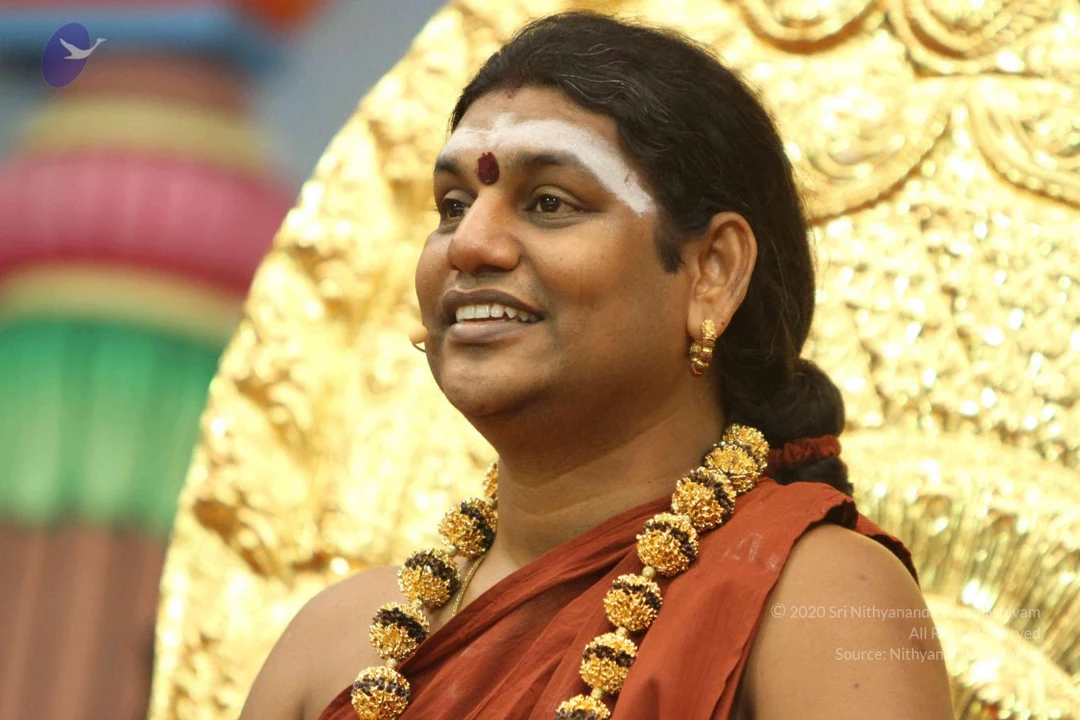
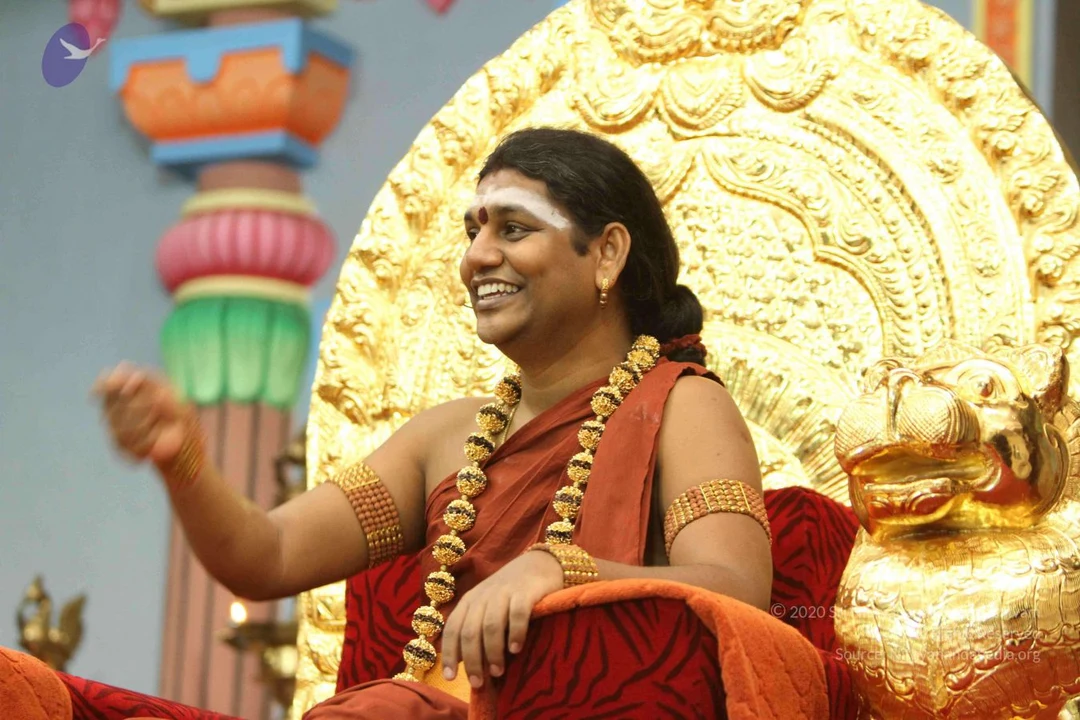

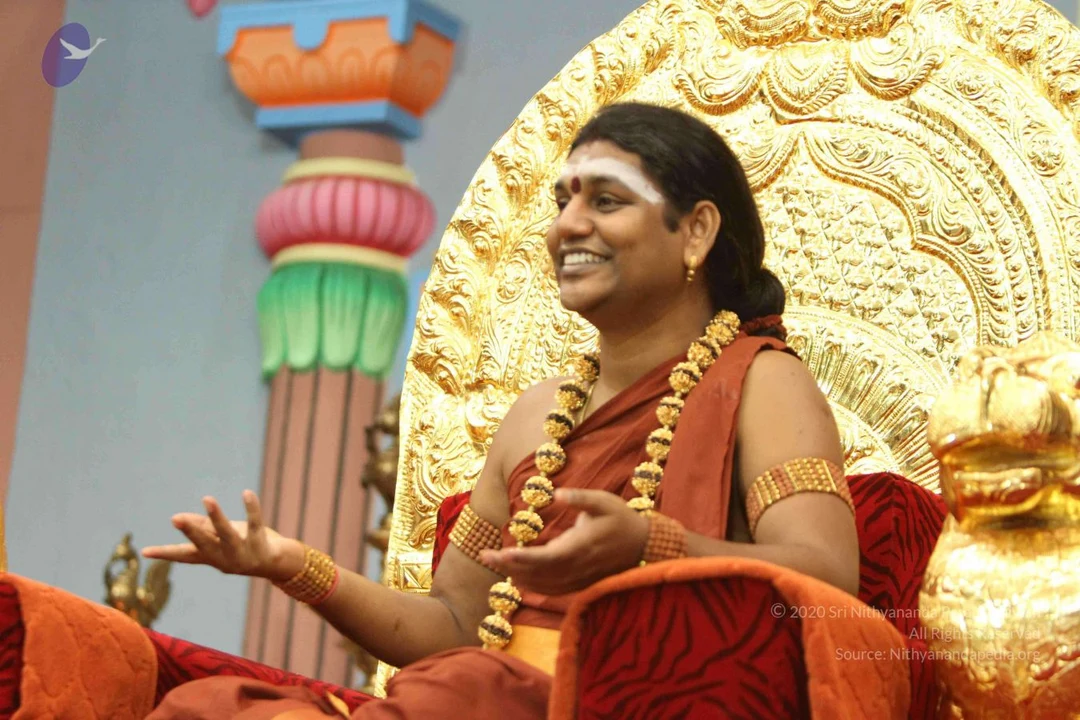
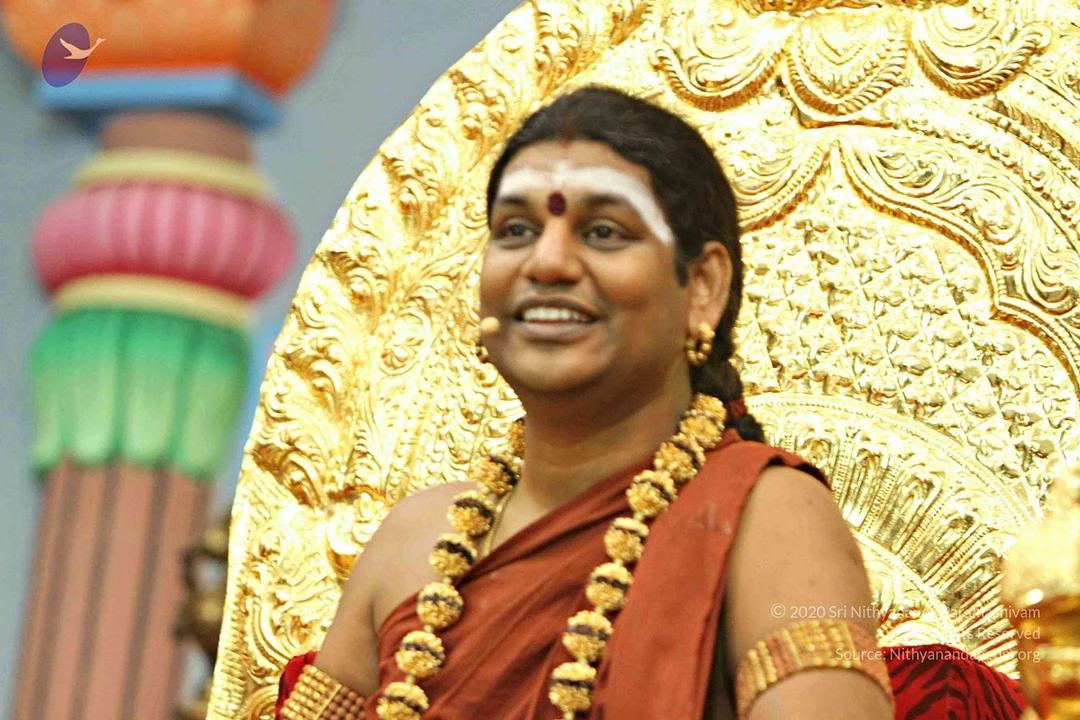
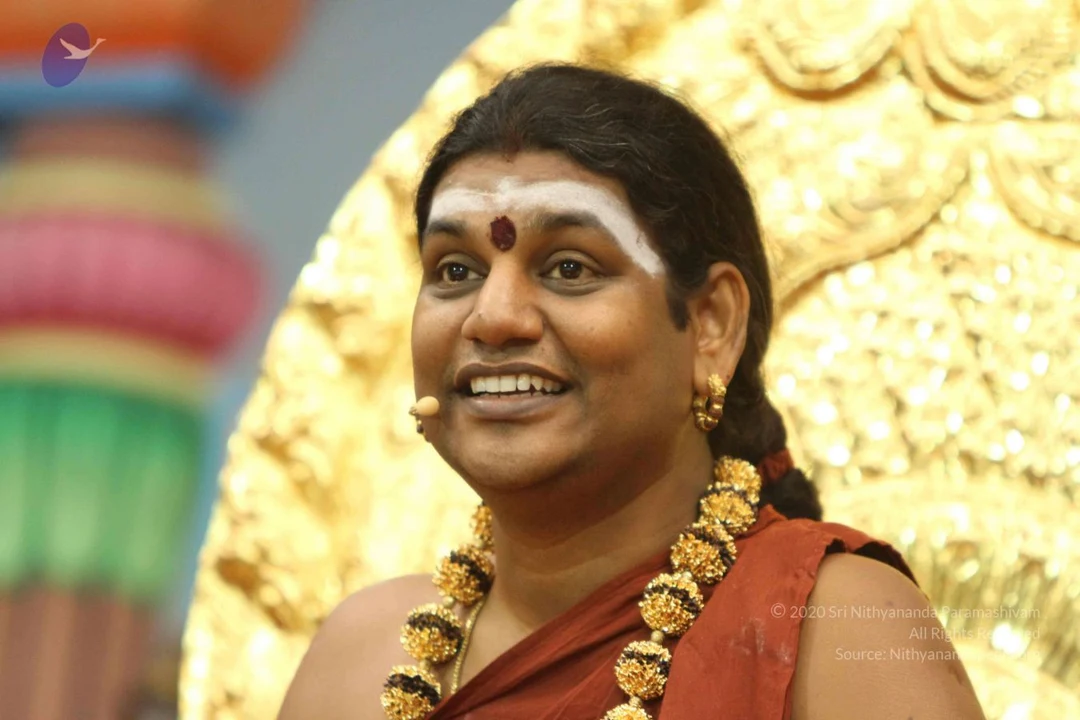
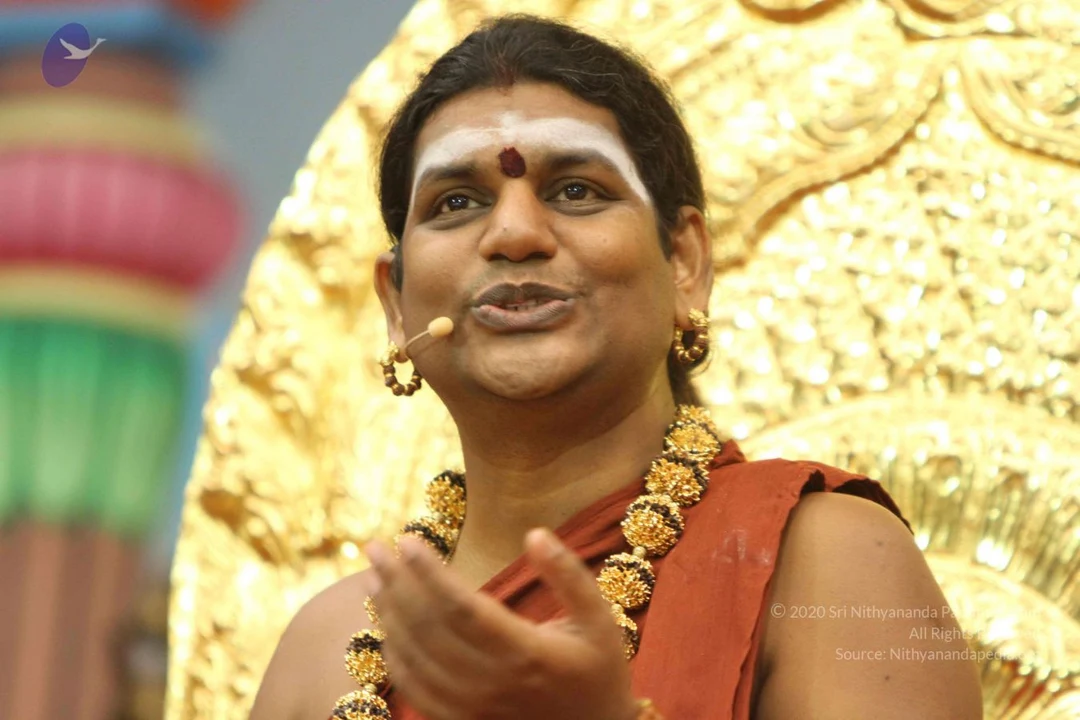
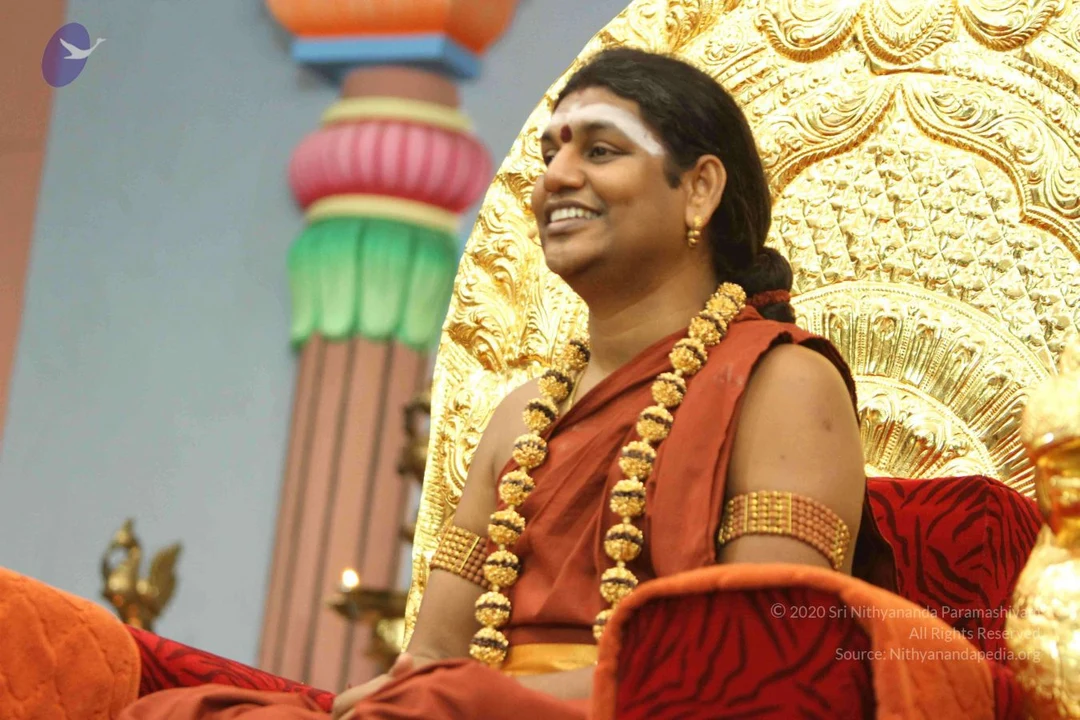

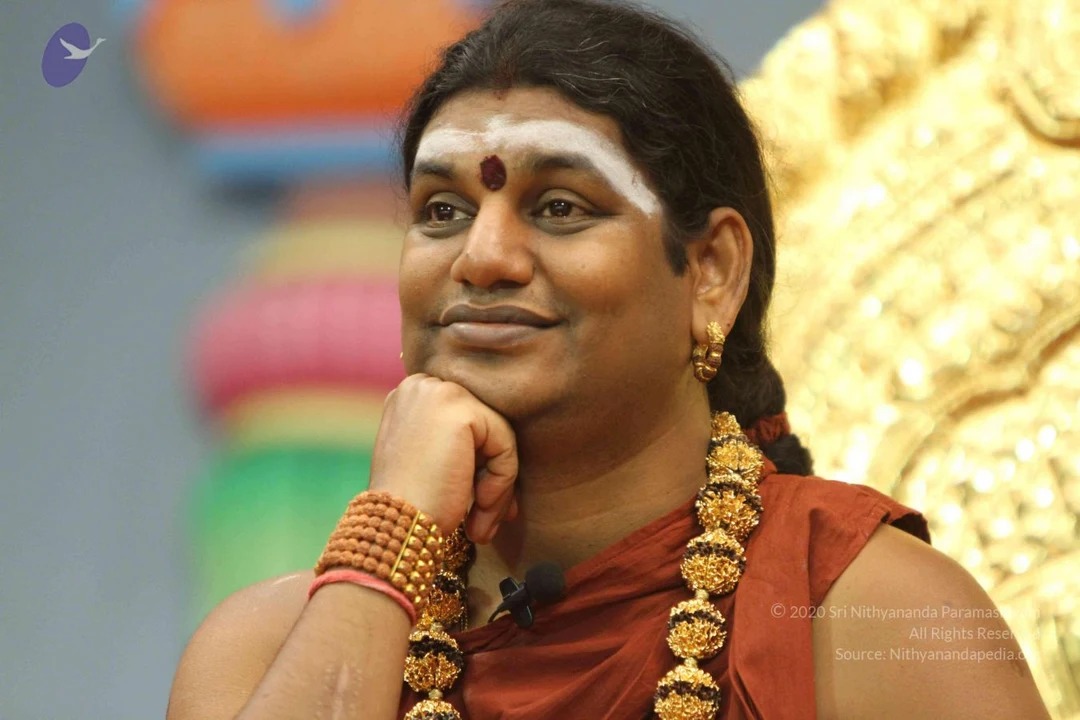
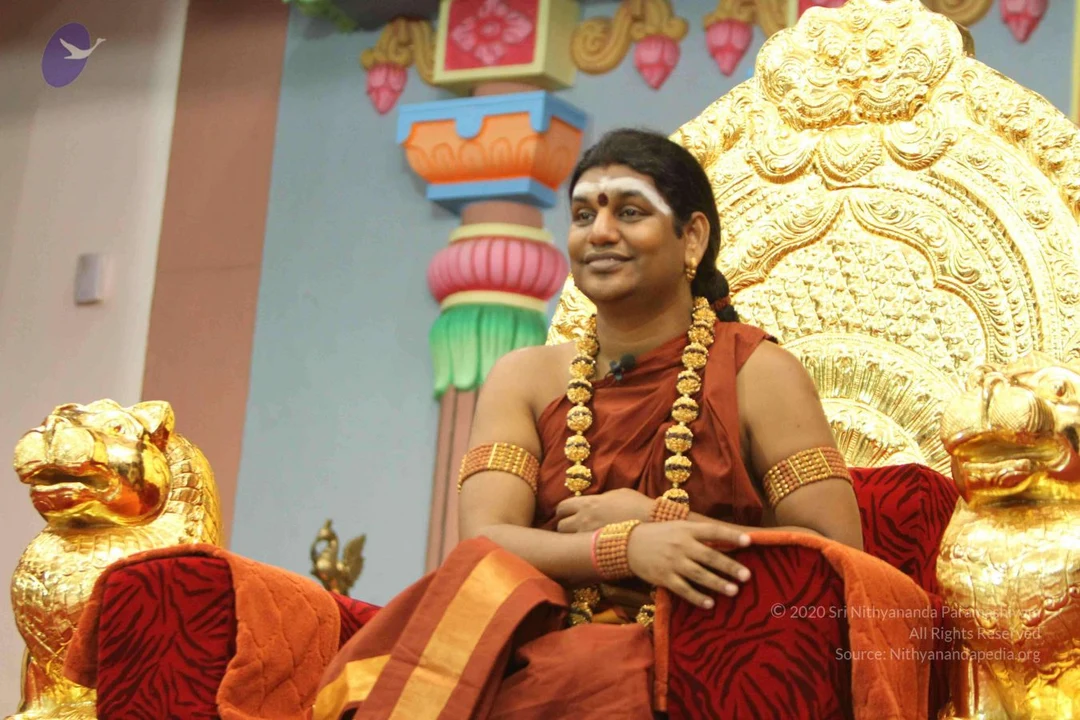
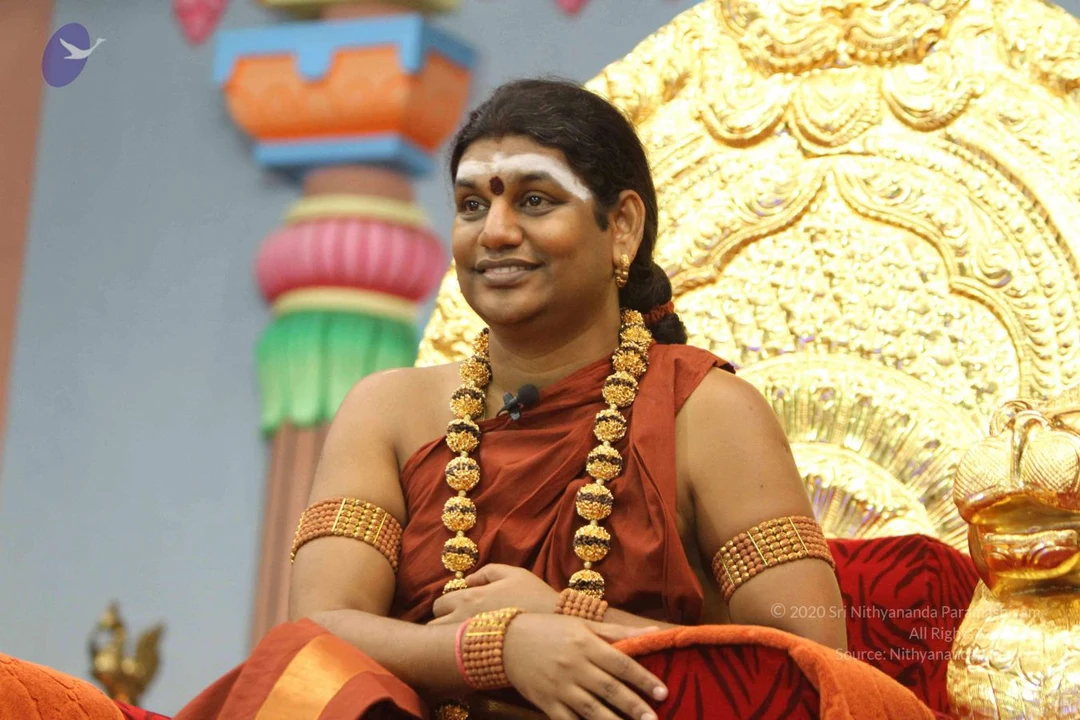
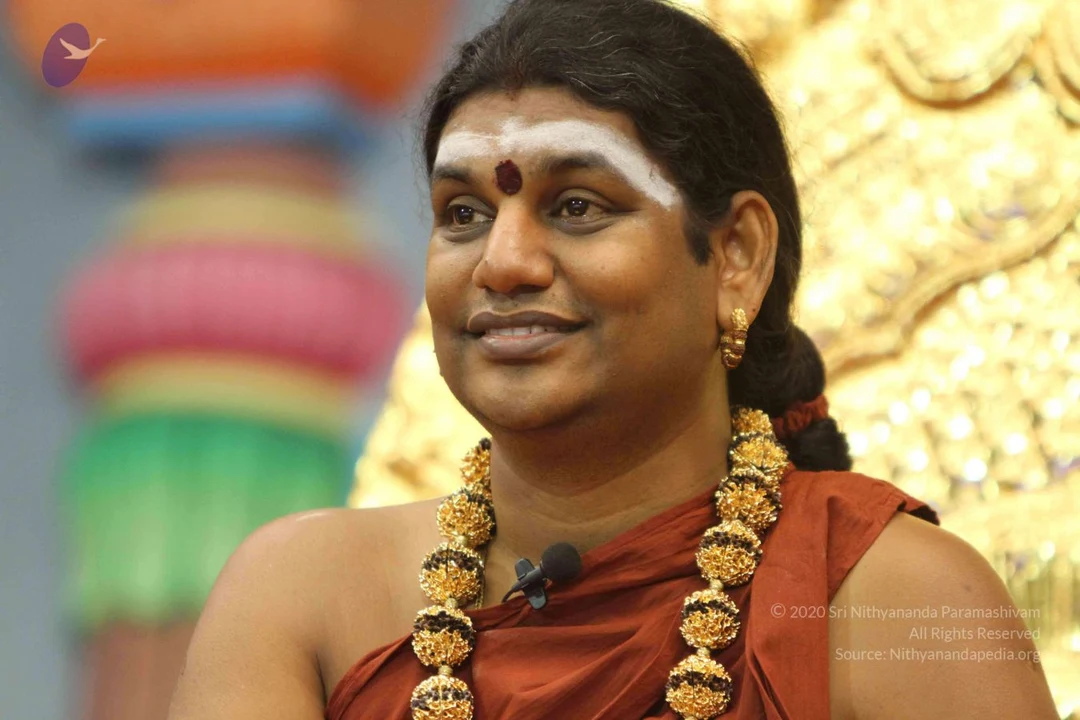


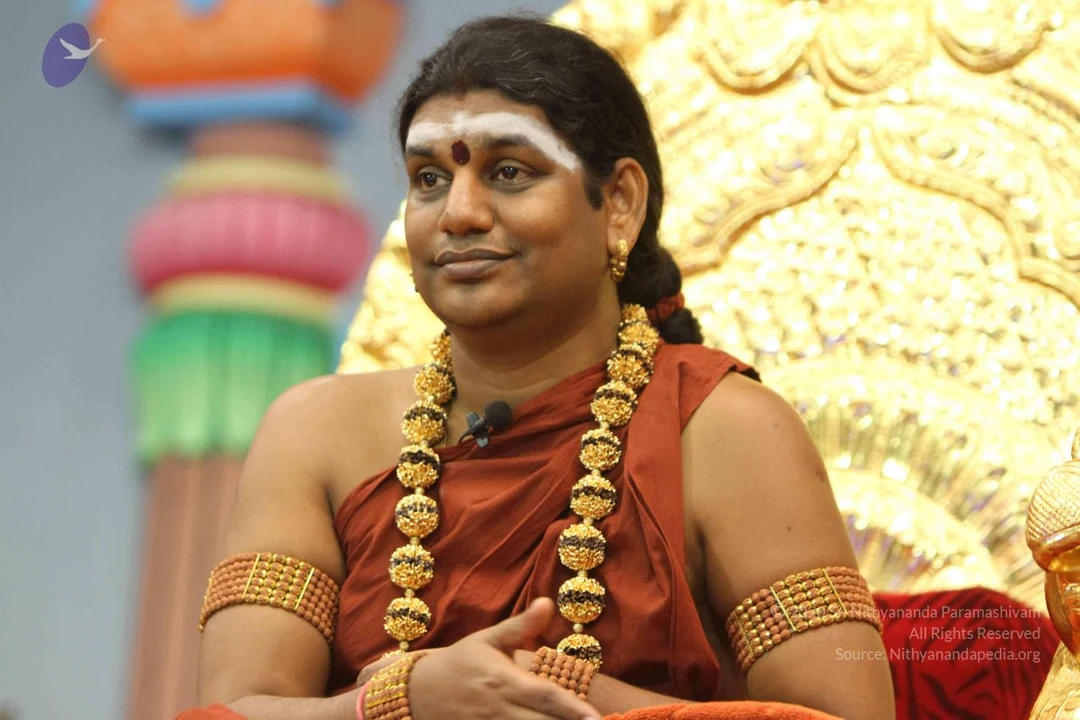
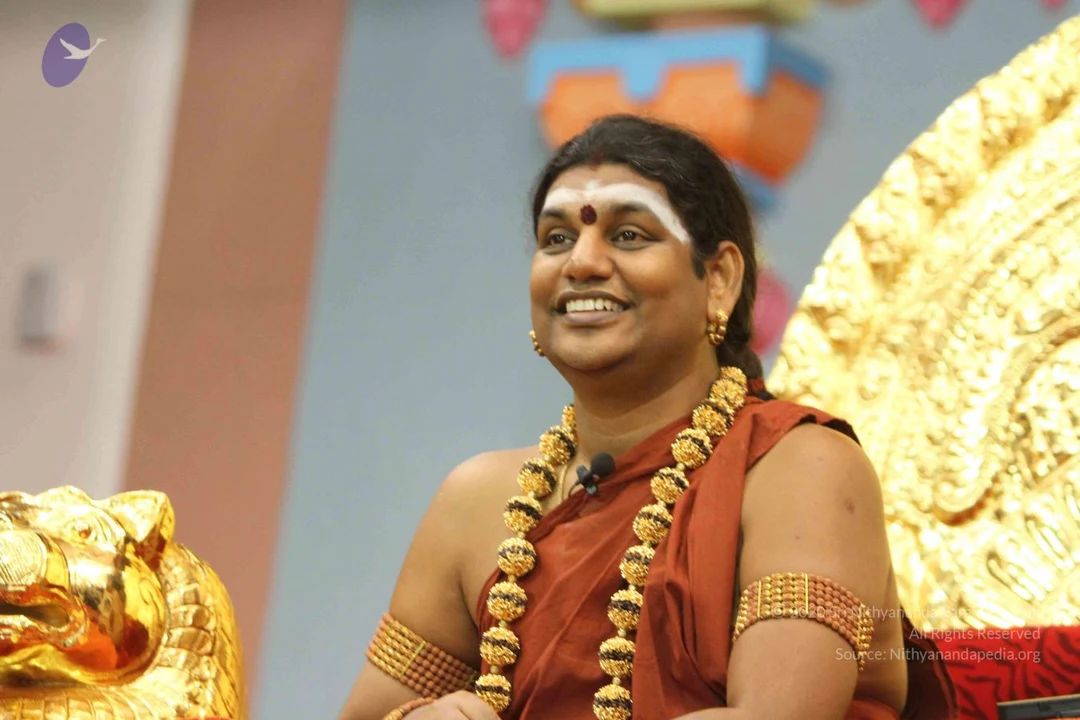
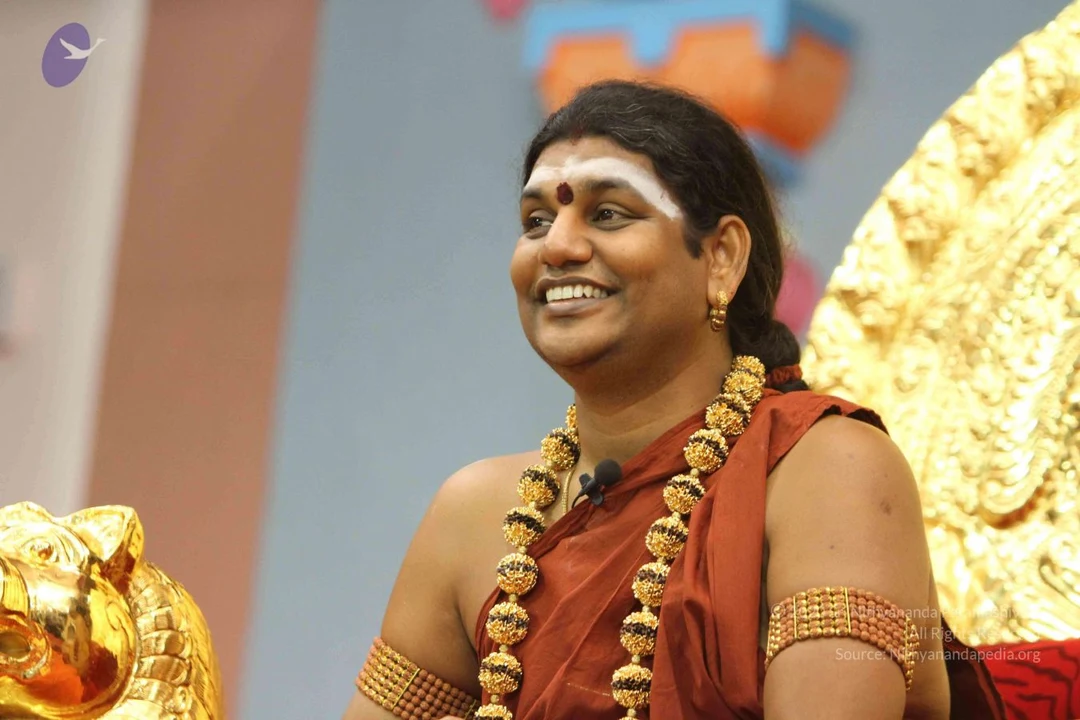
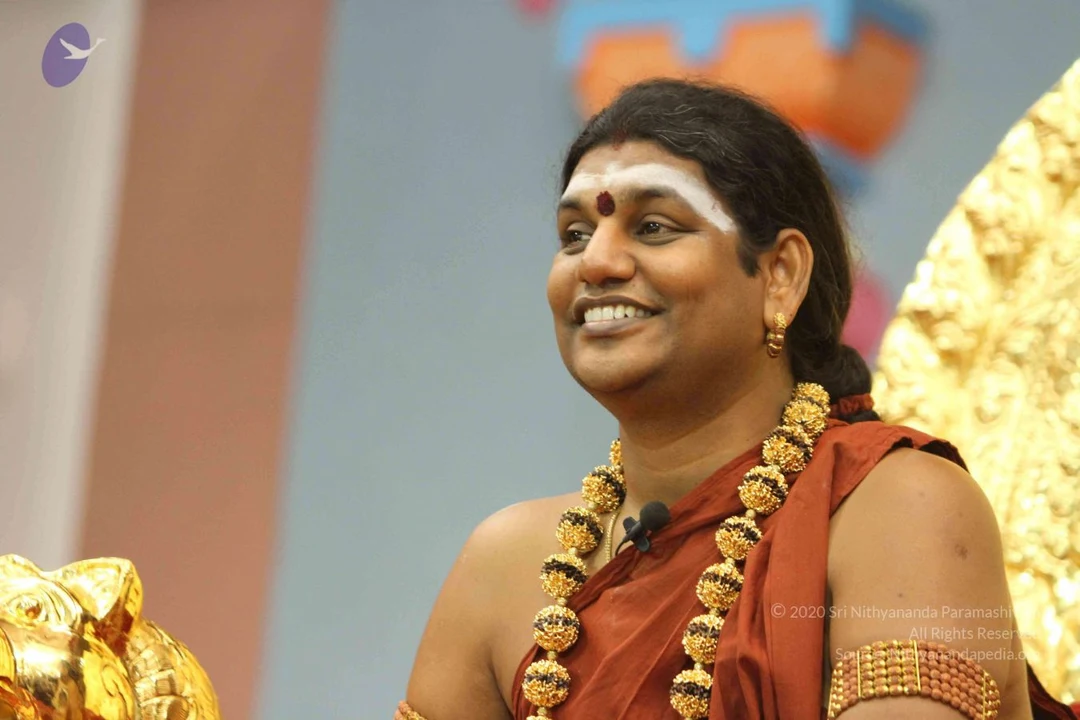
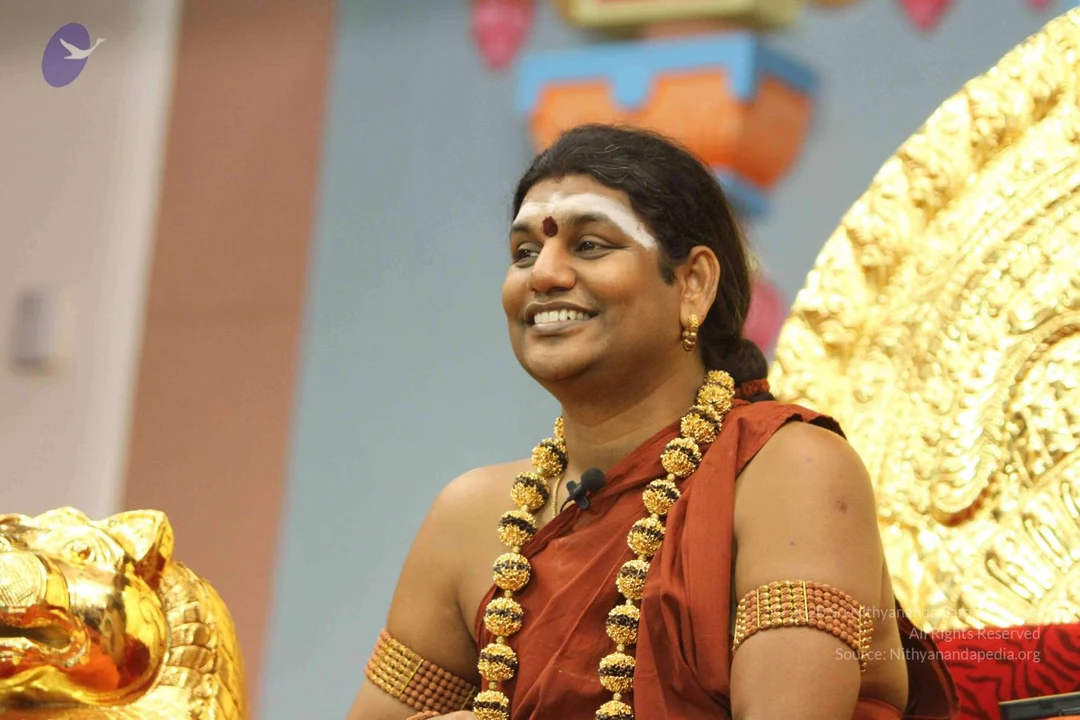

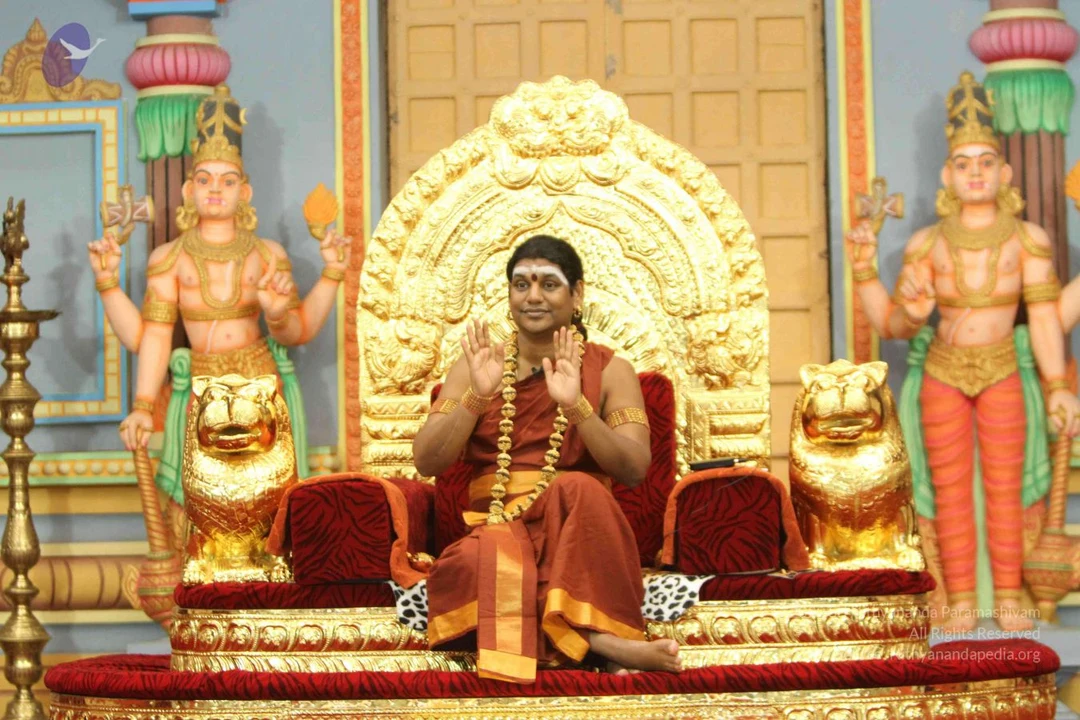

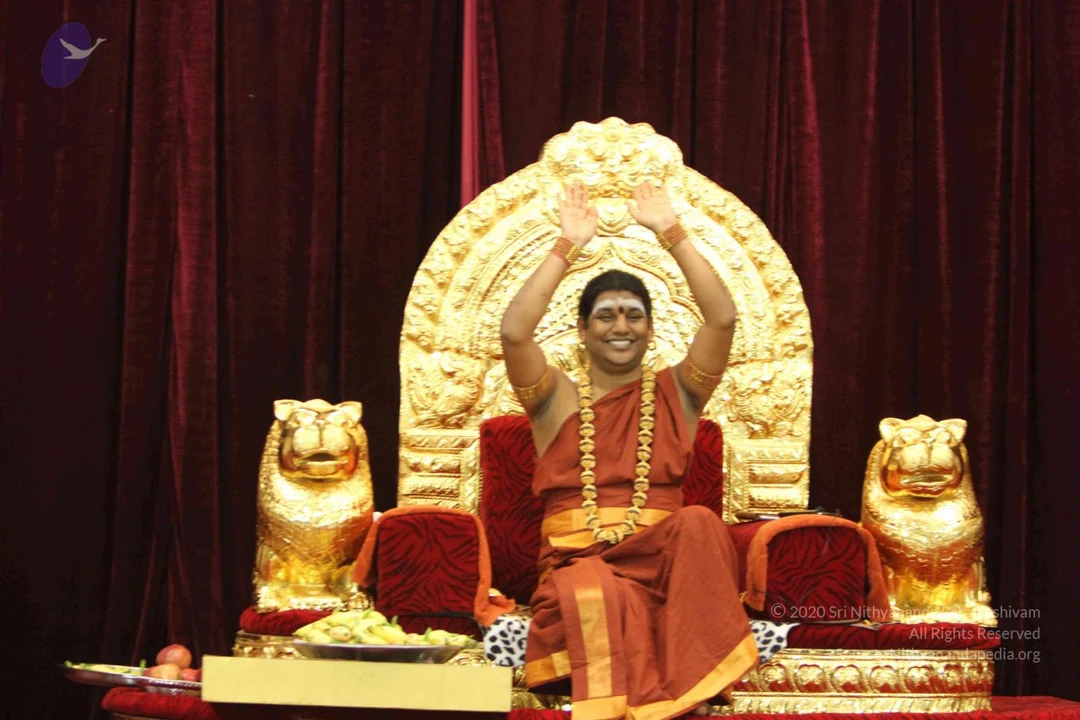
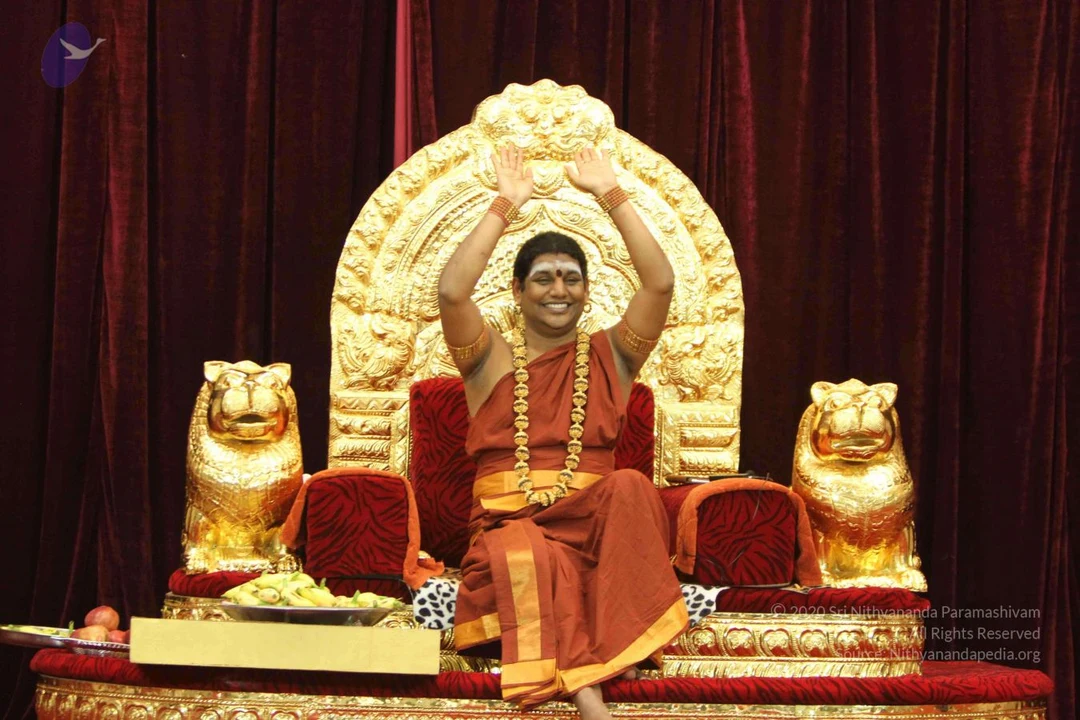
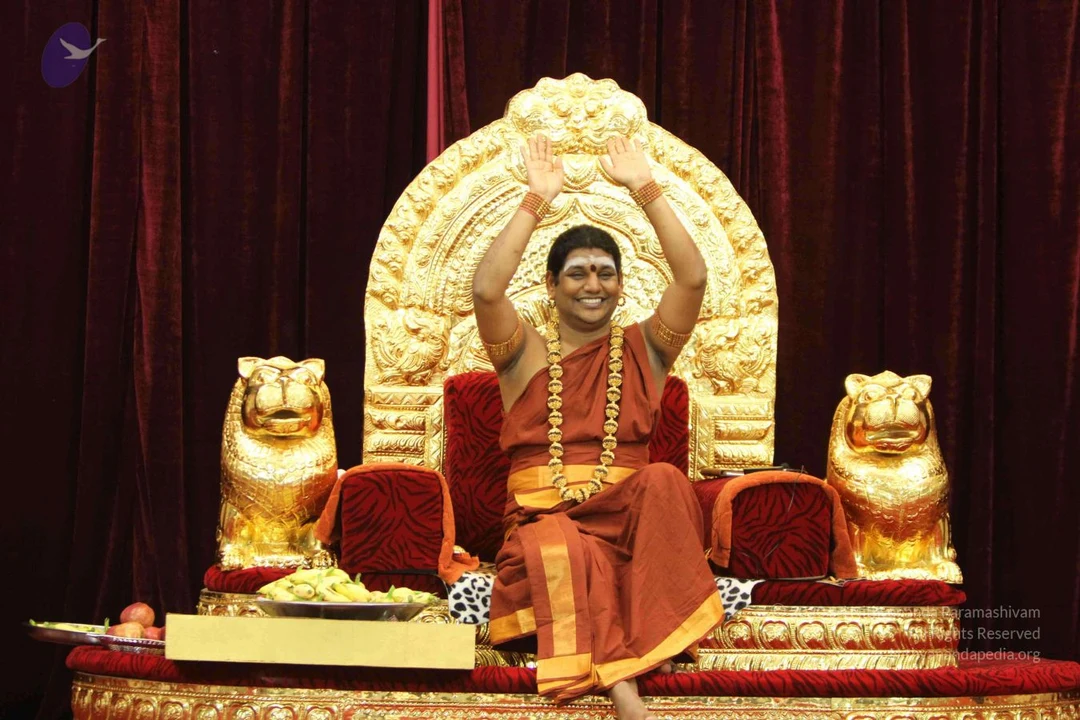
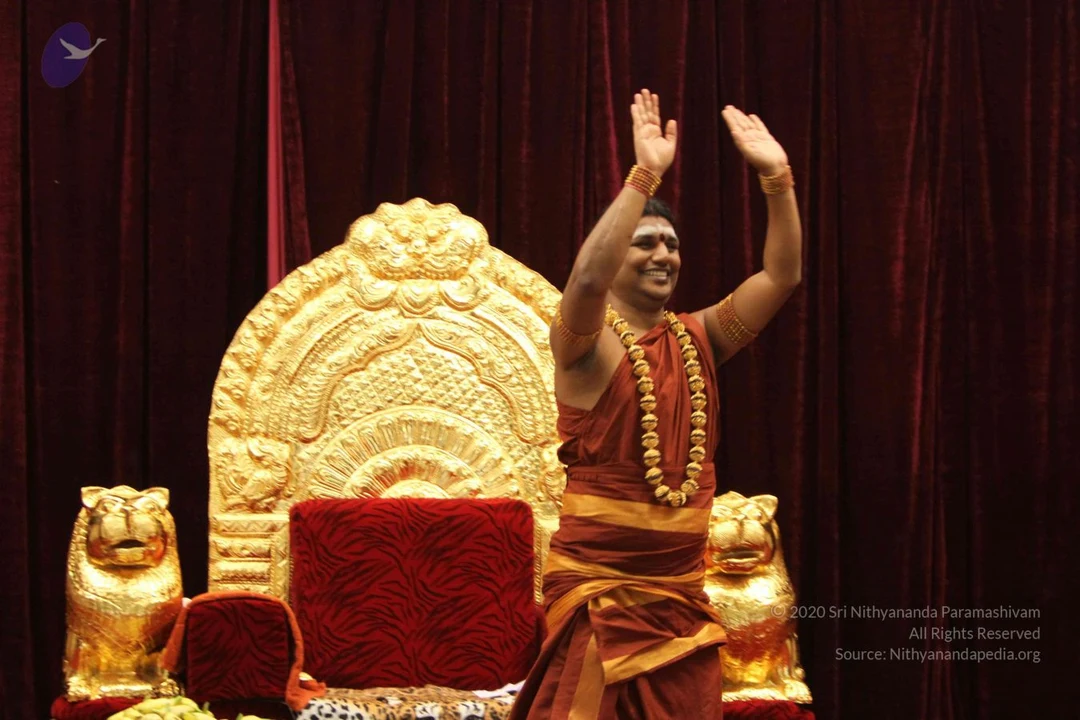
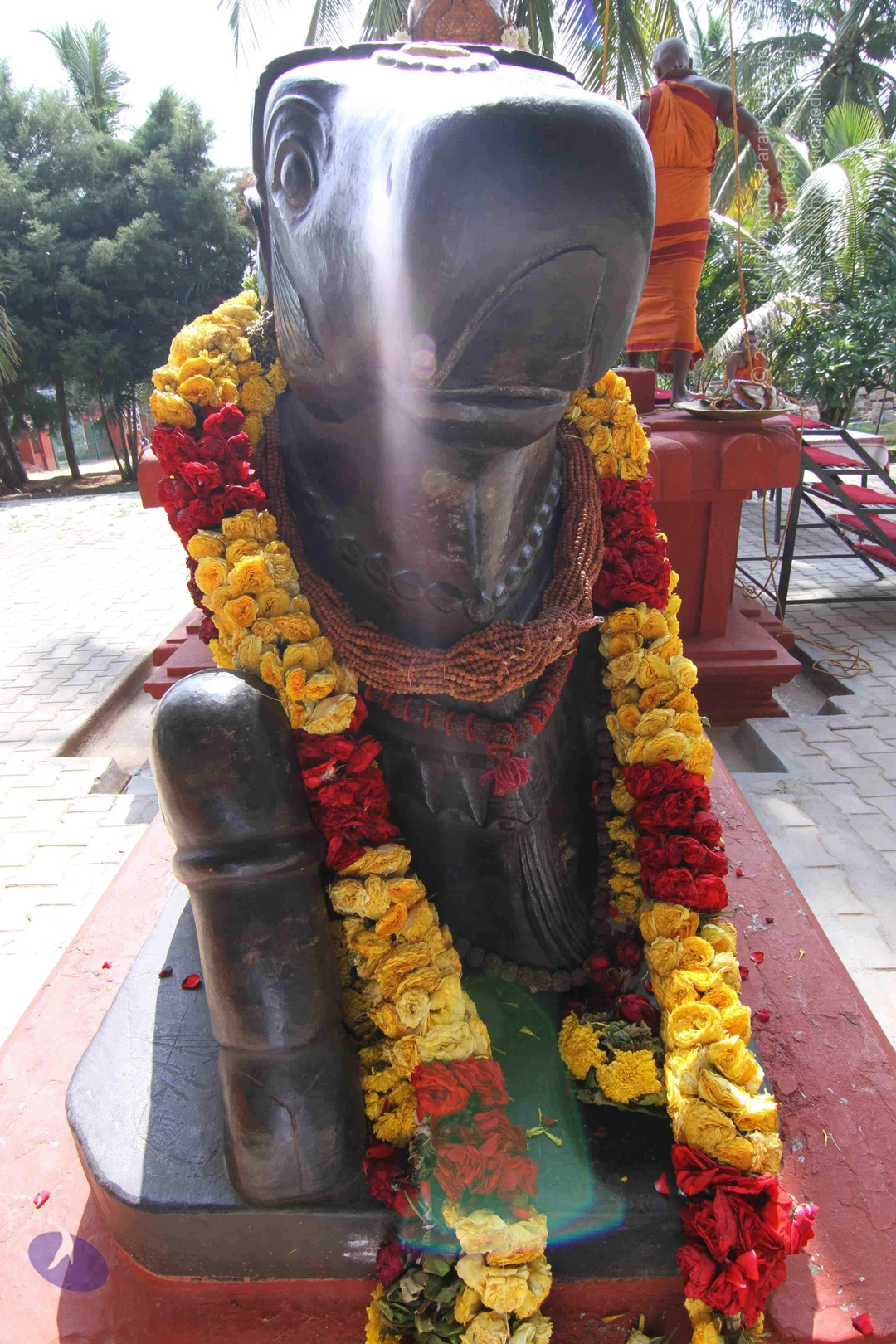
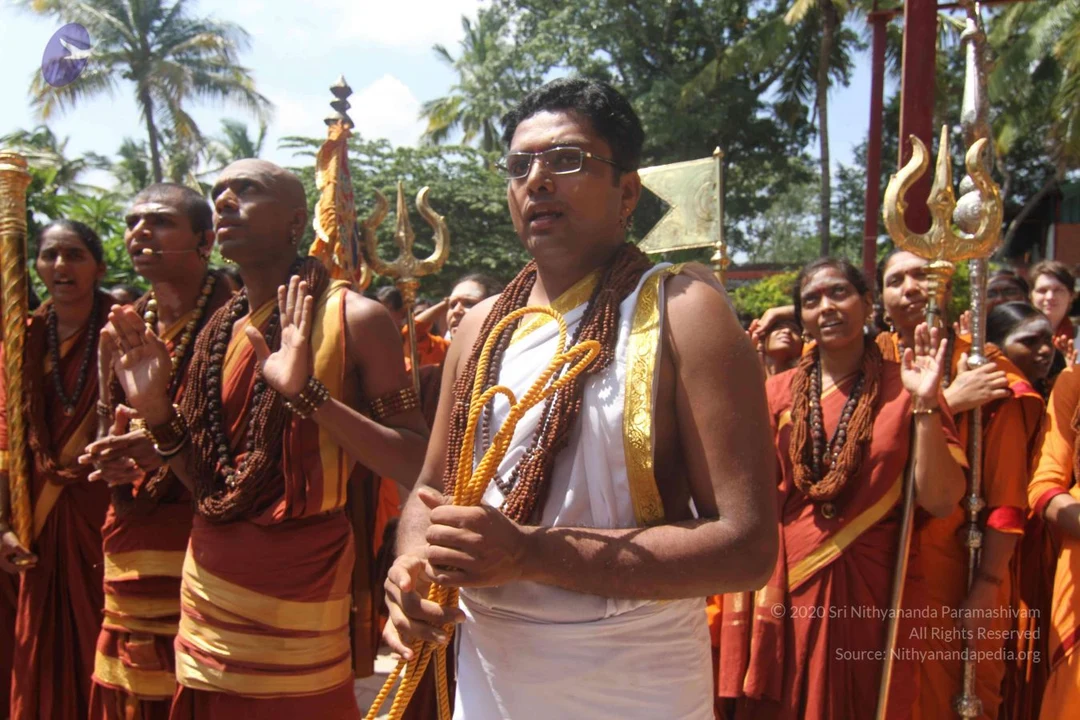
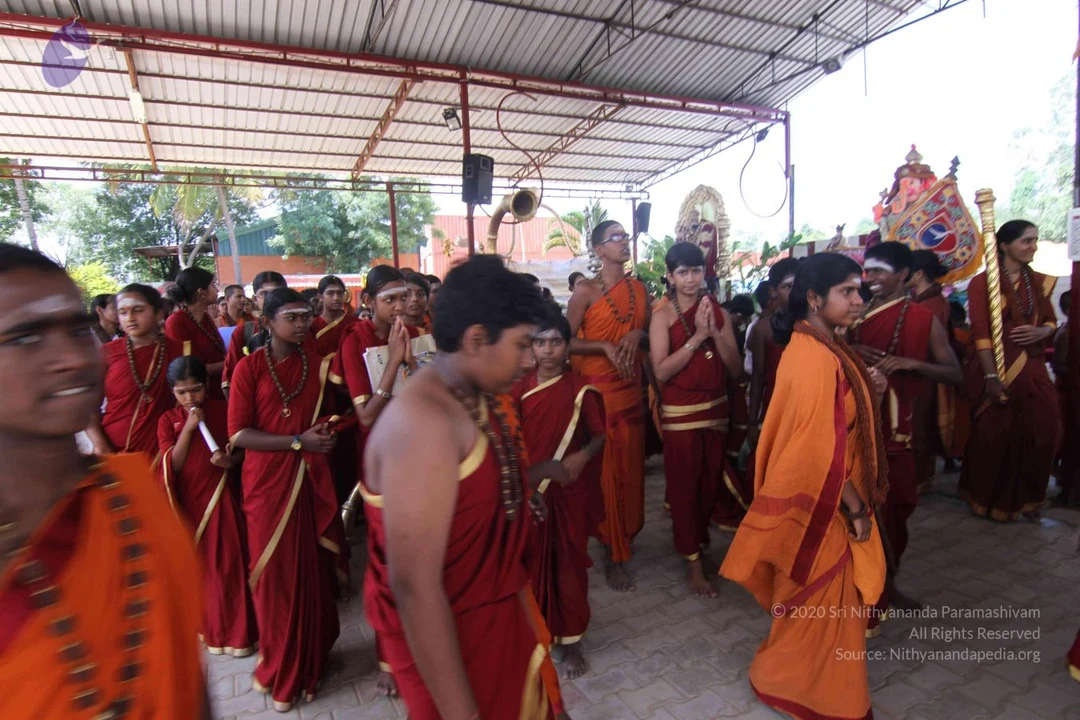
Ganesha Brahmotsavam
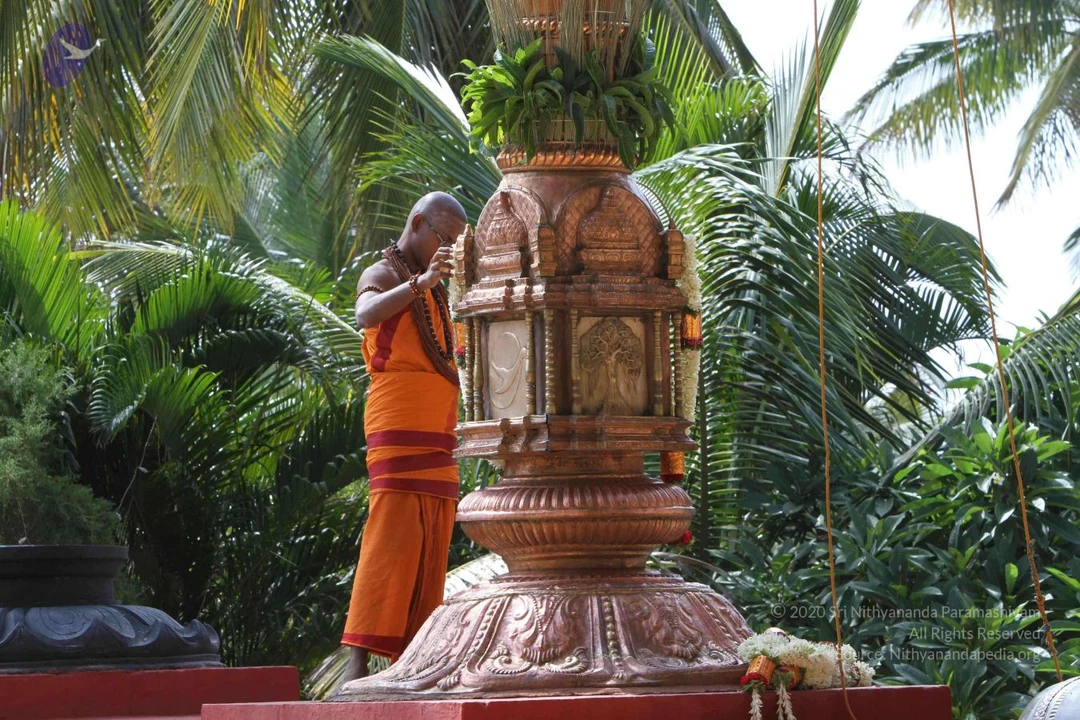
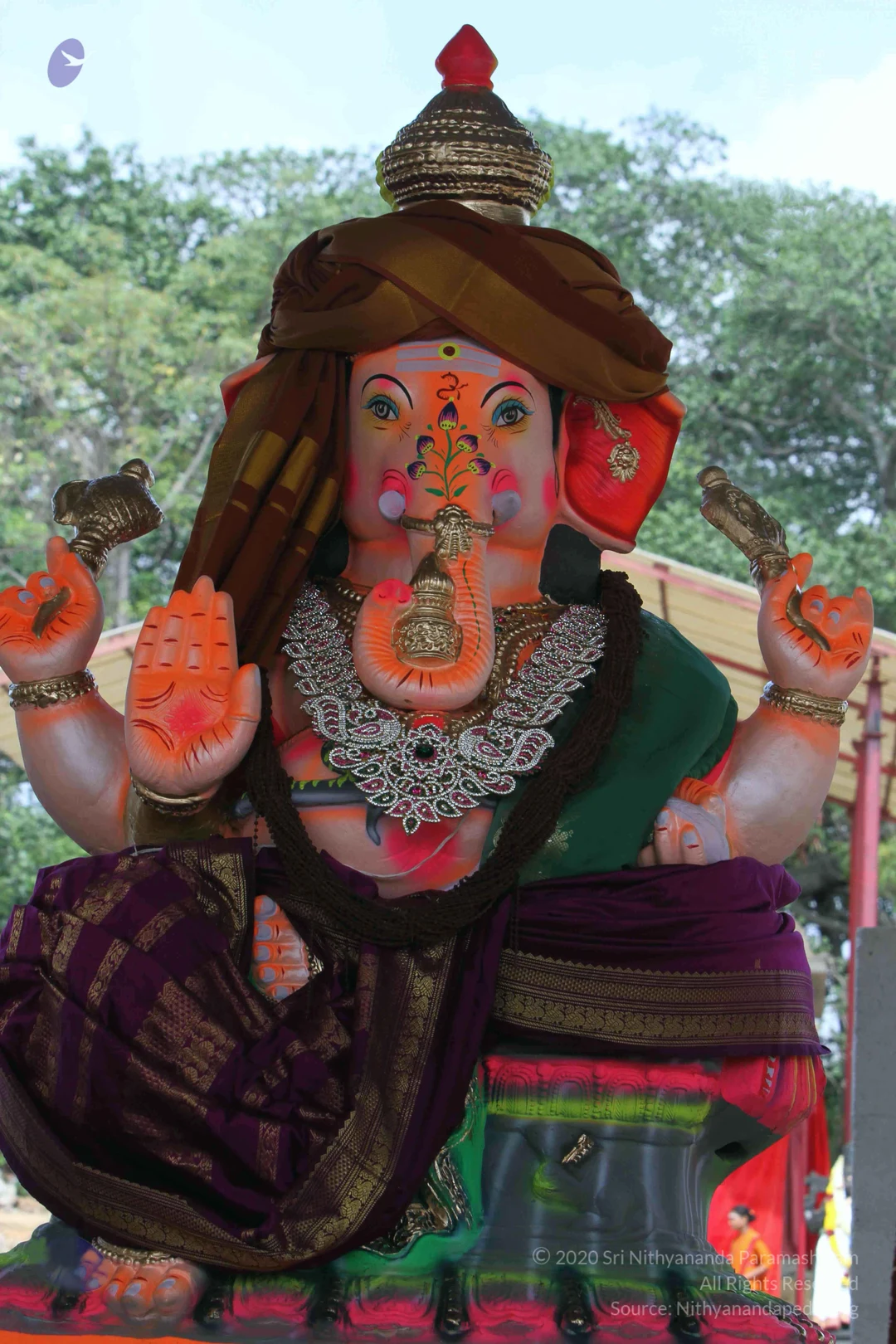
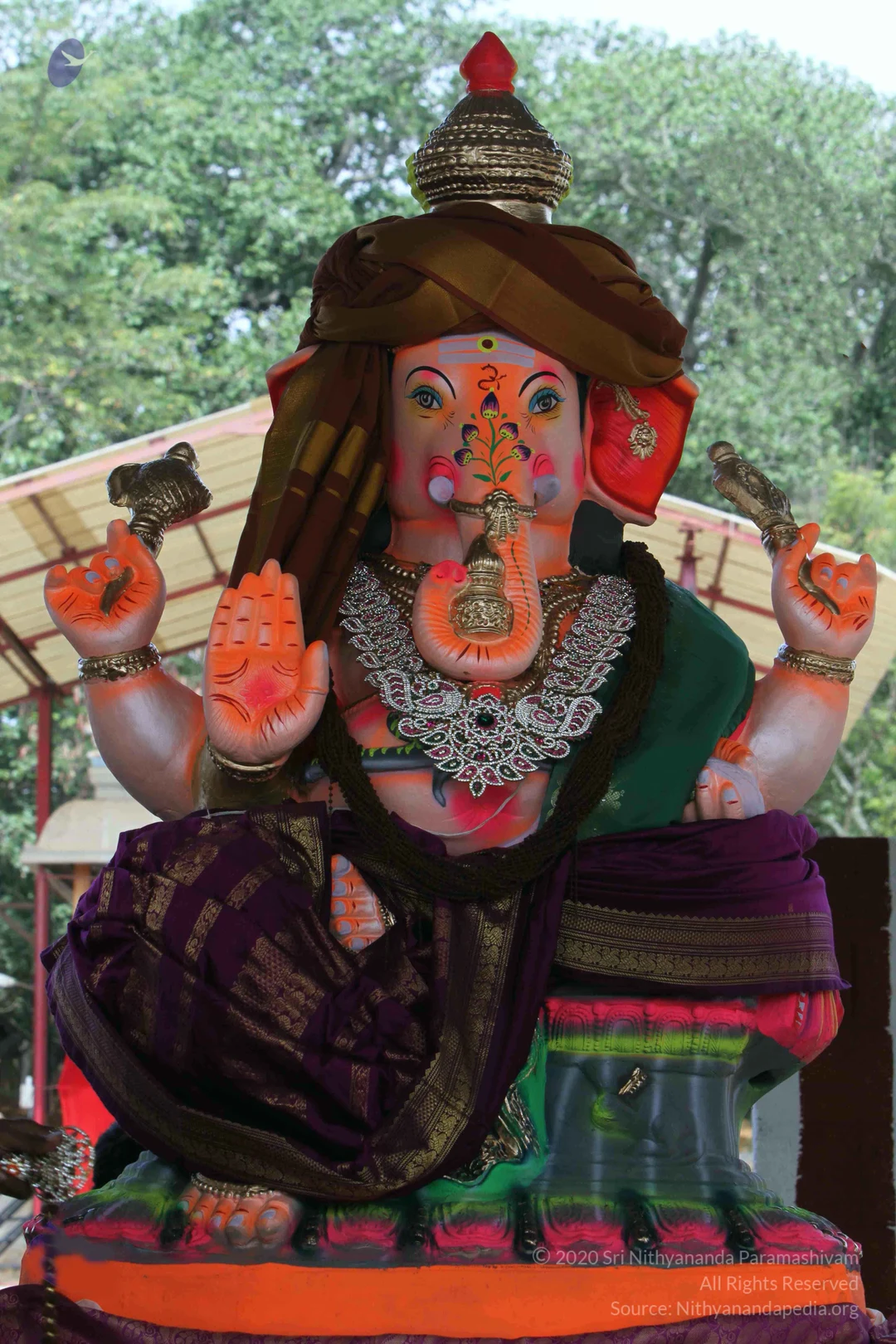
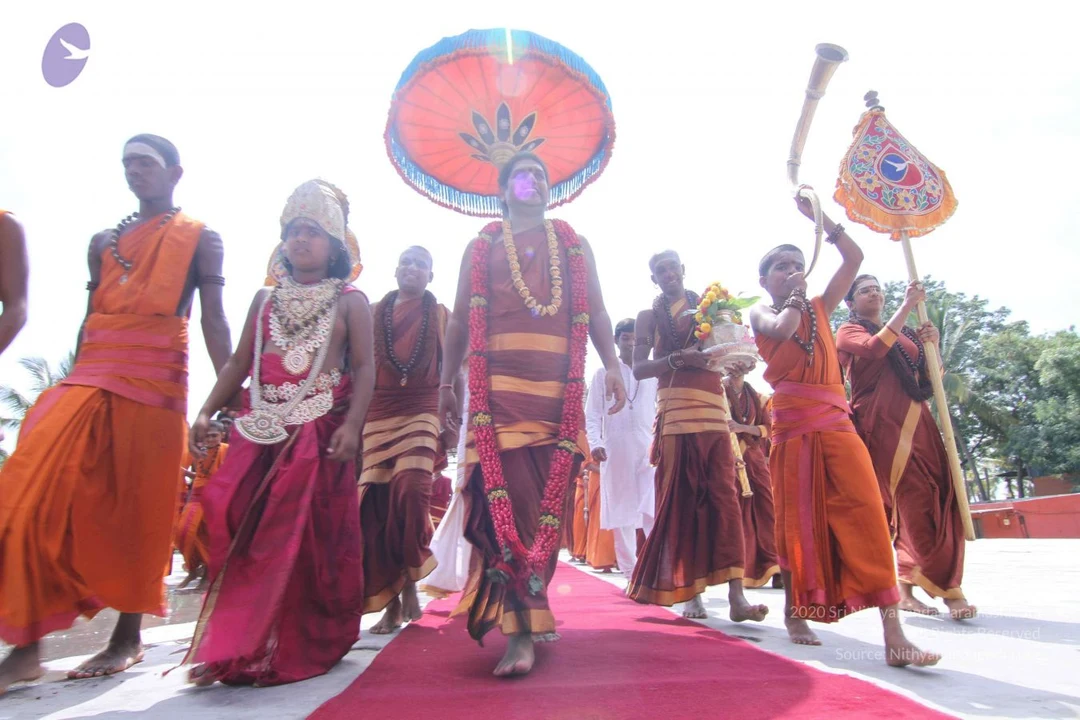
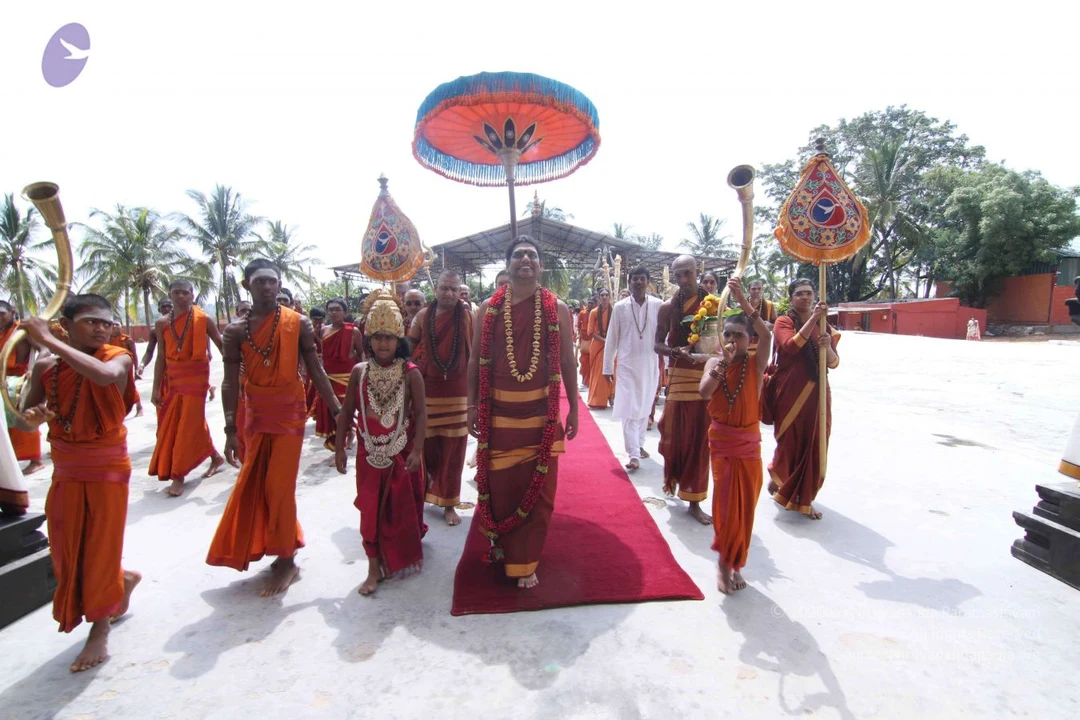
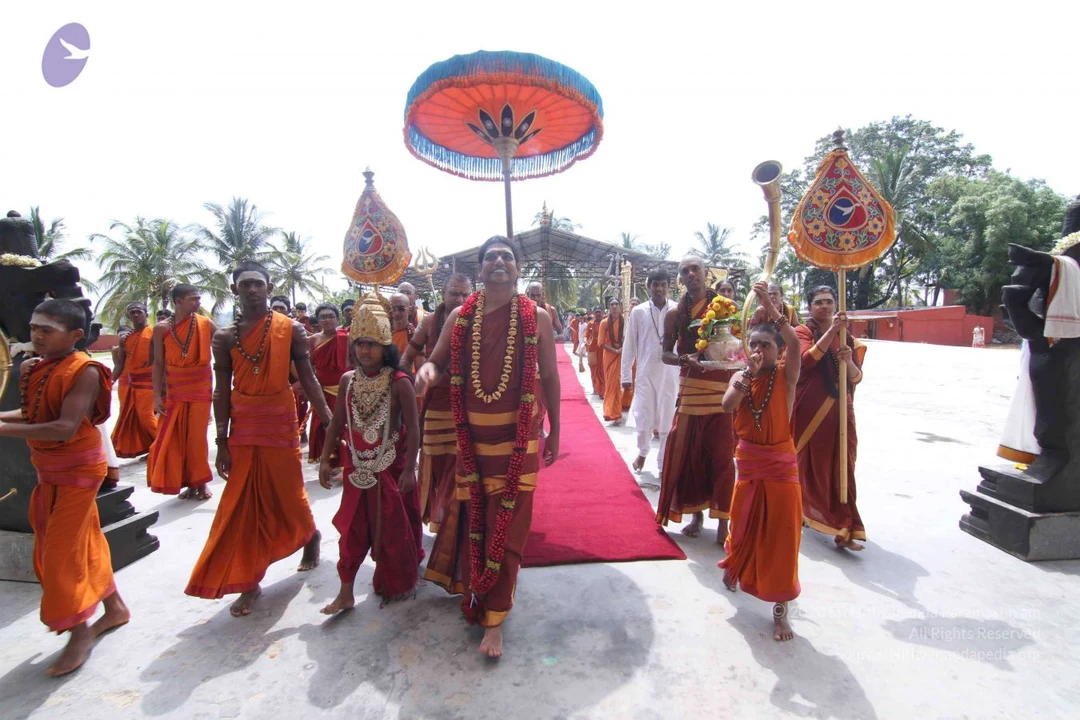
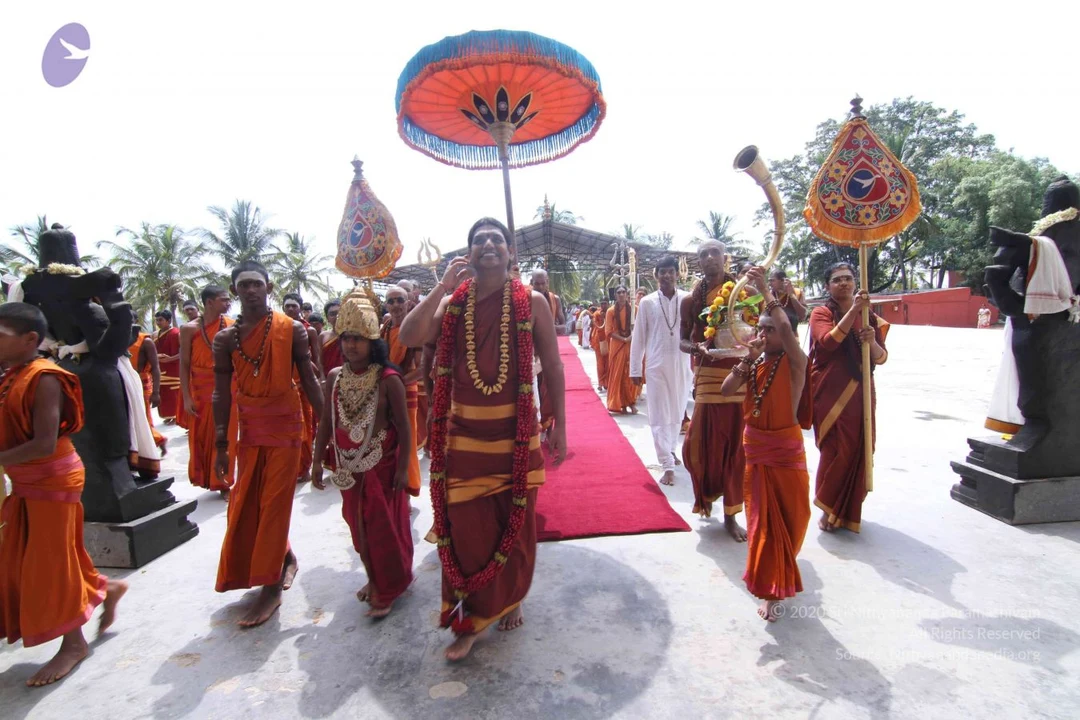
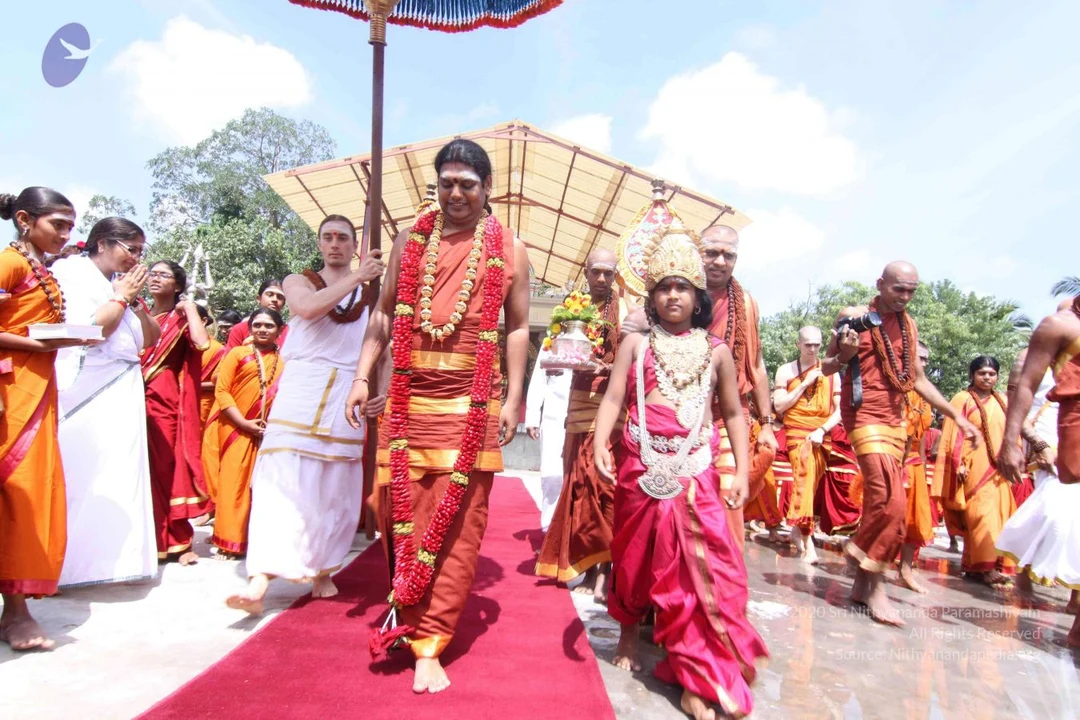
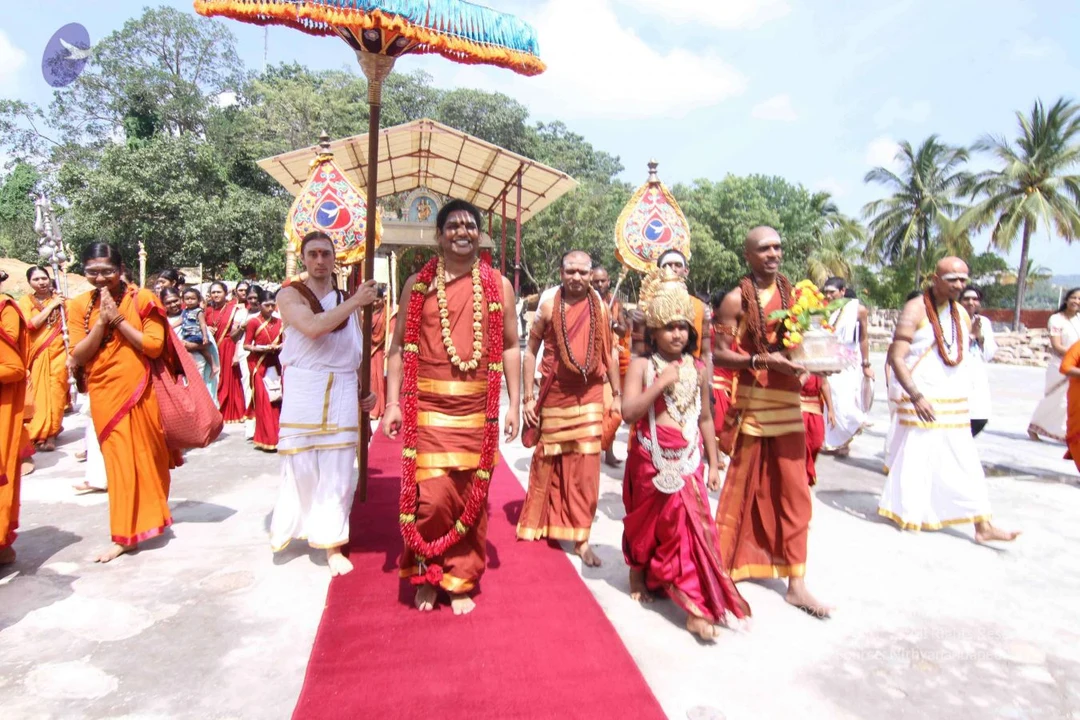
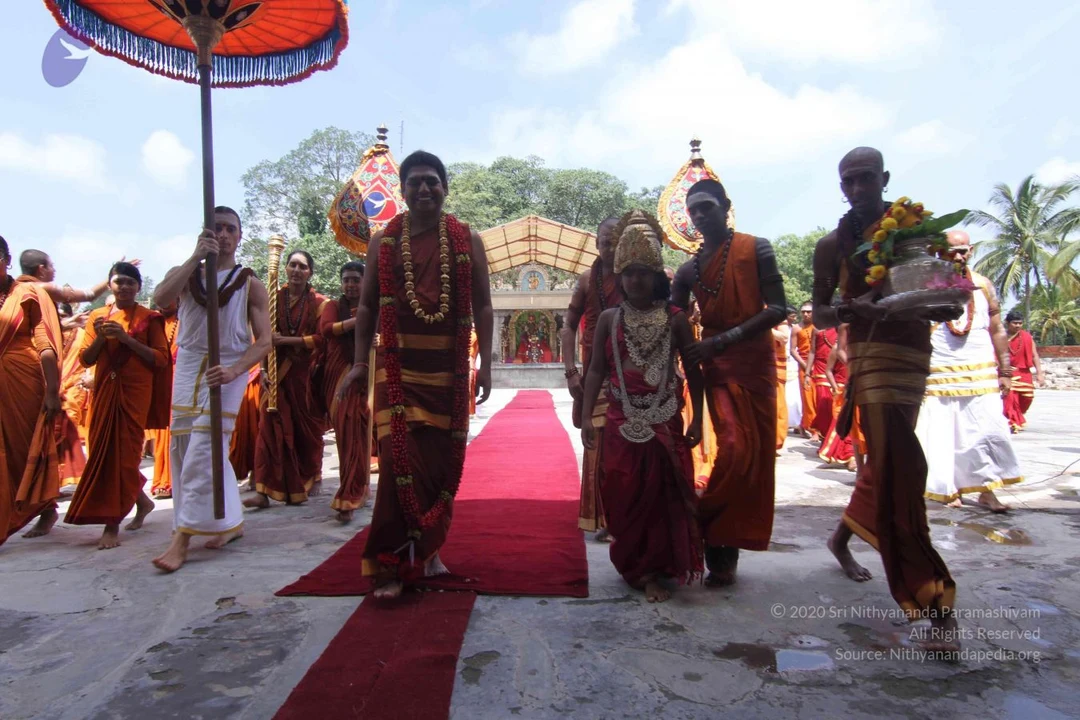
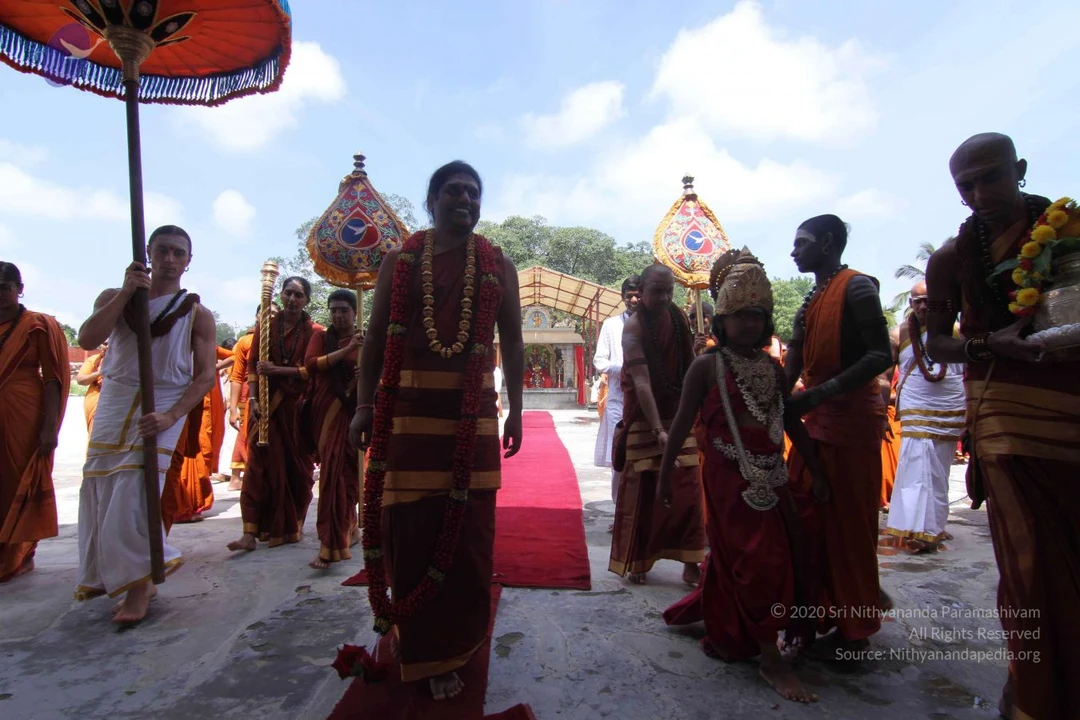




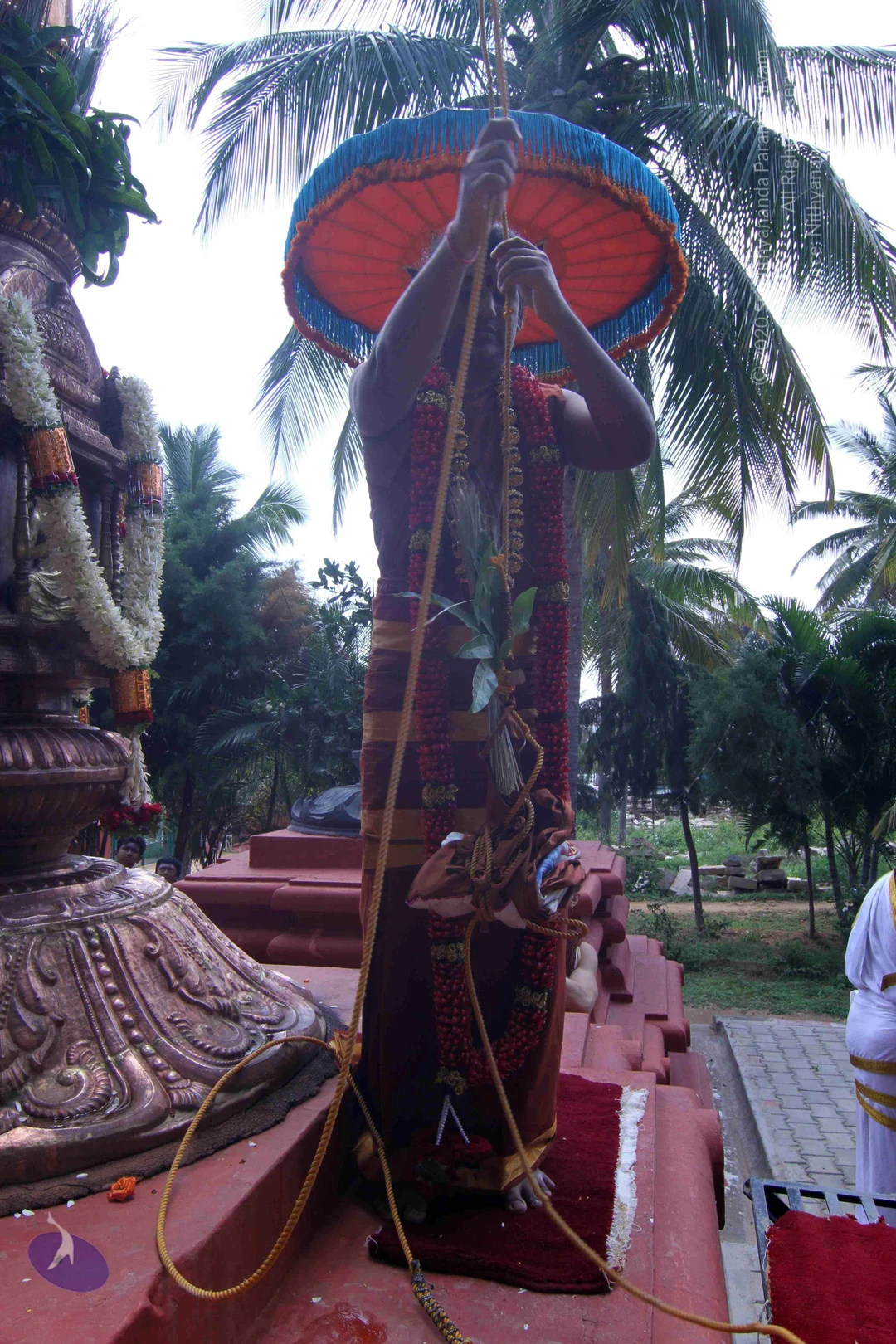
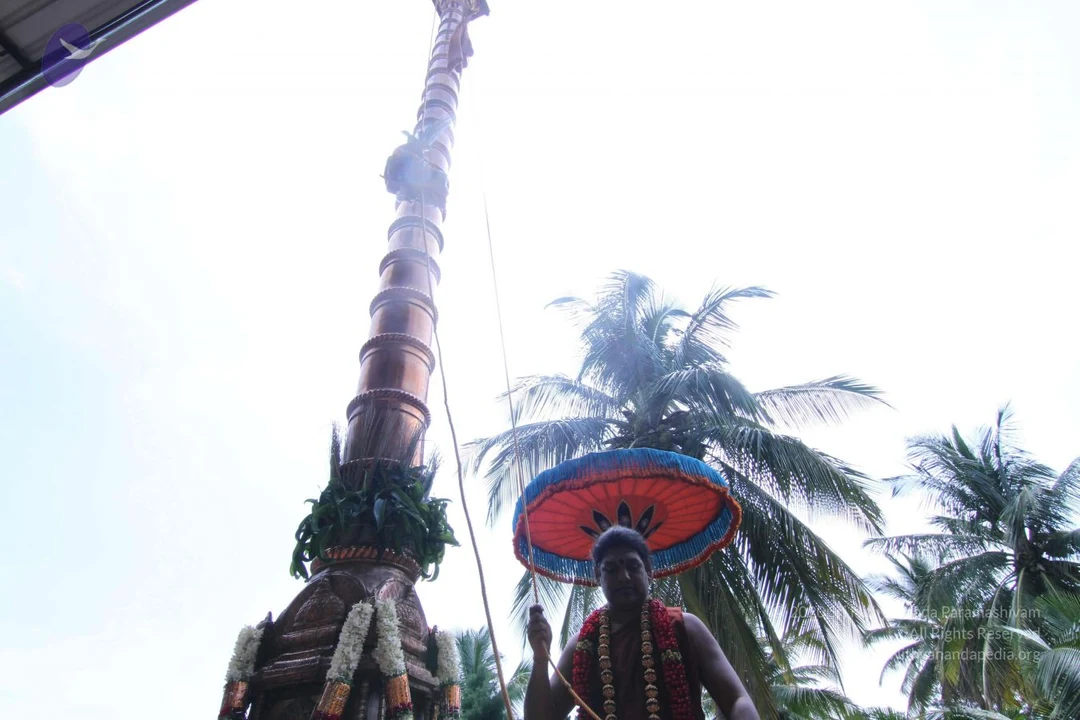
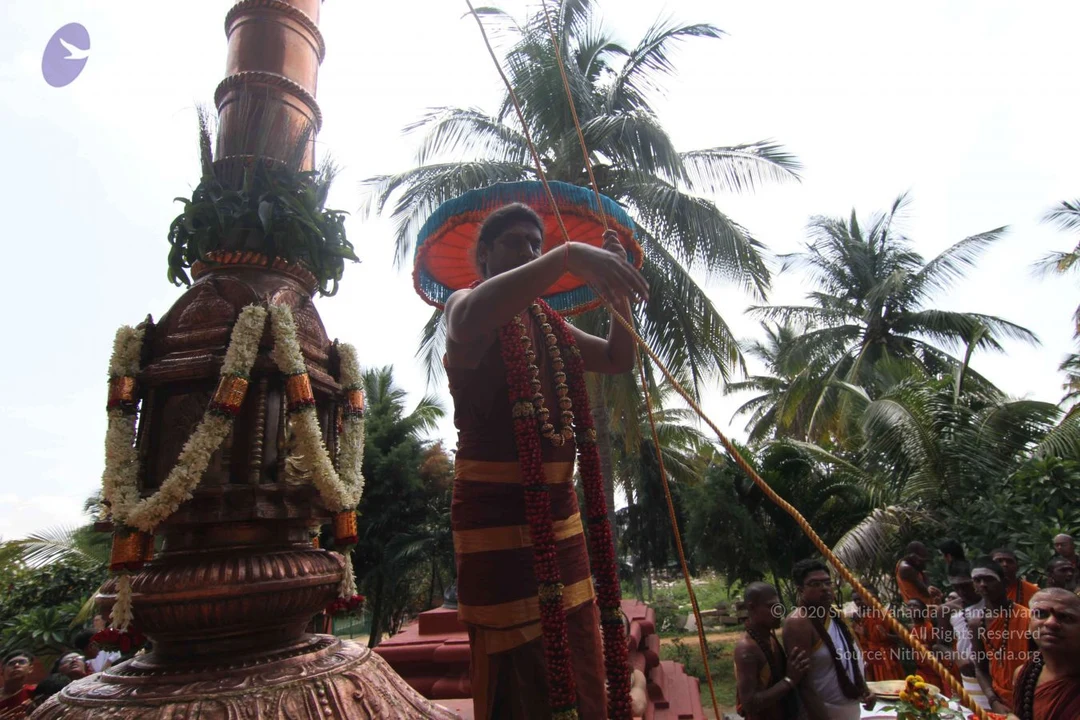
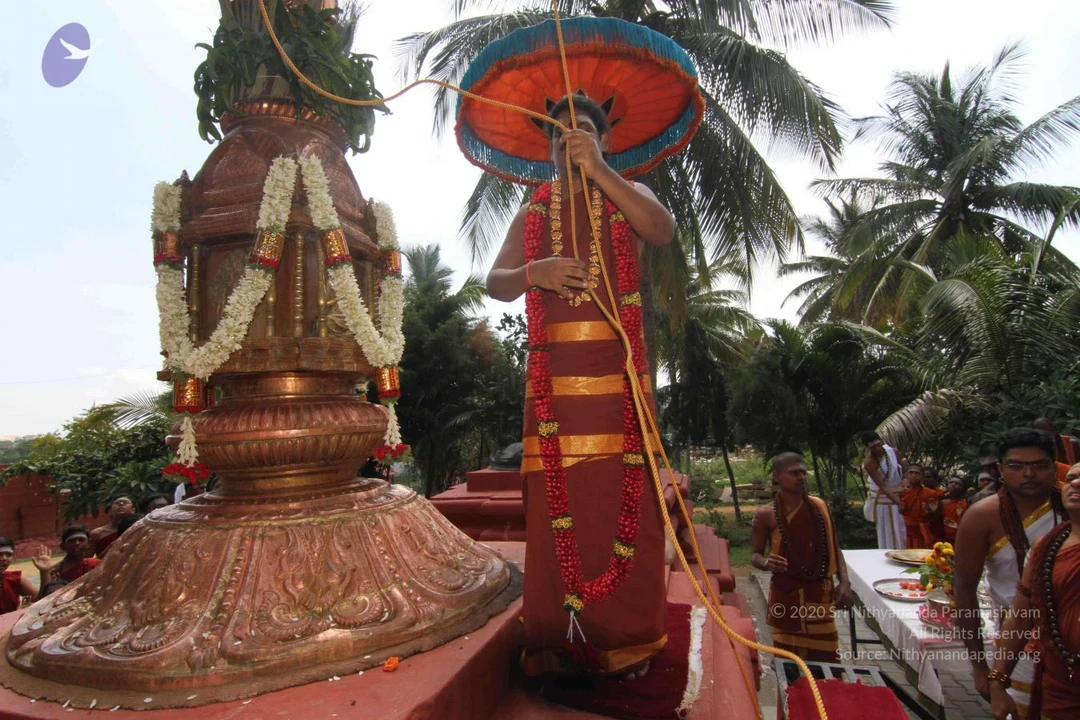
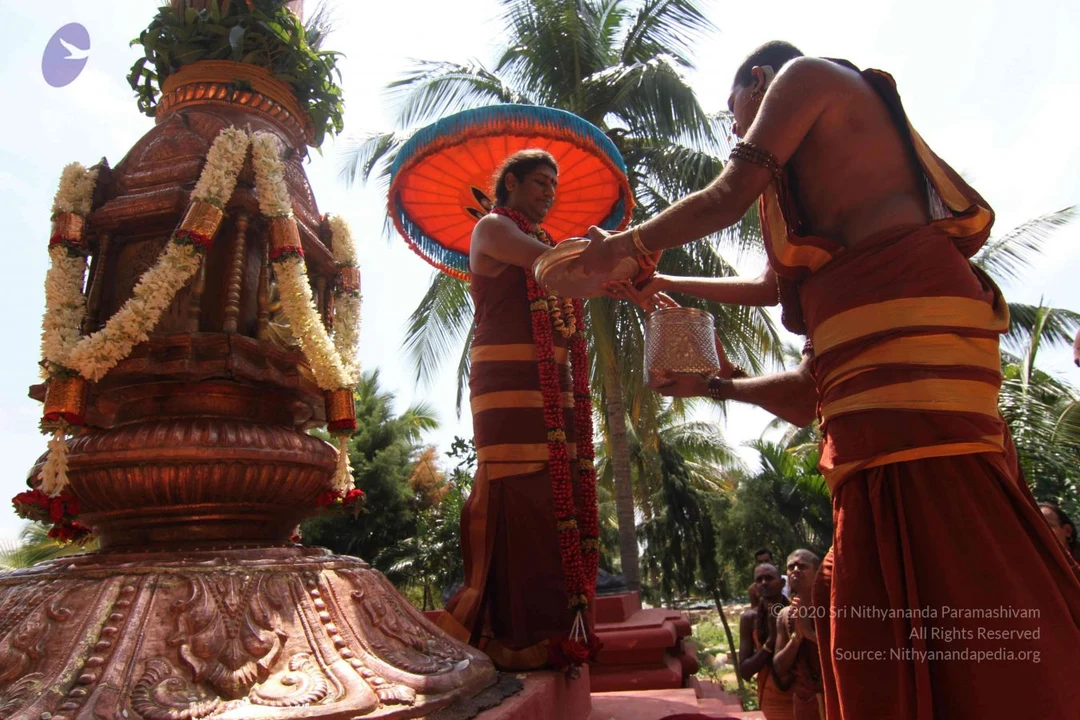
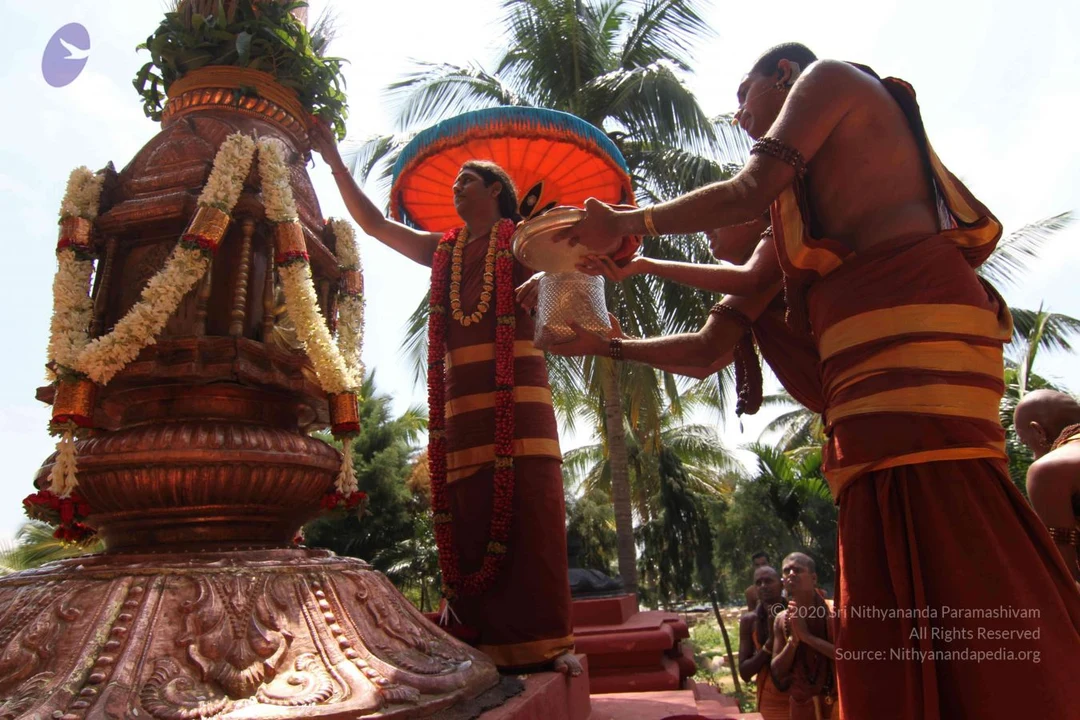
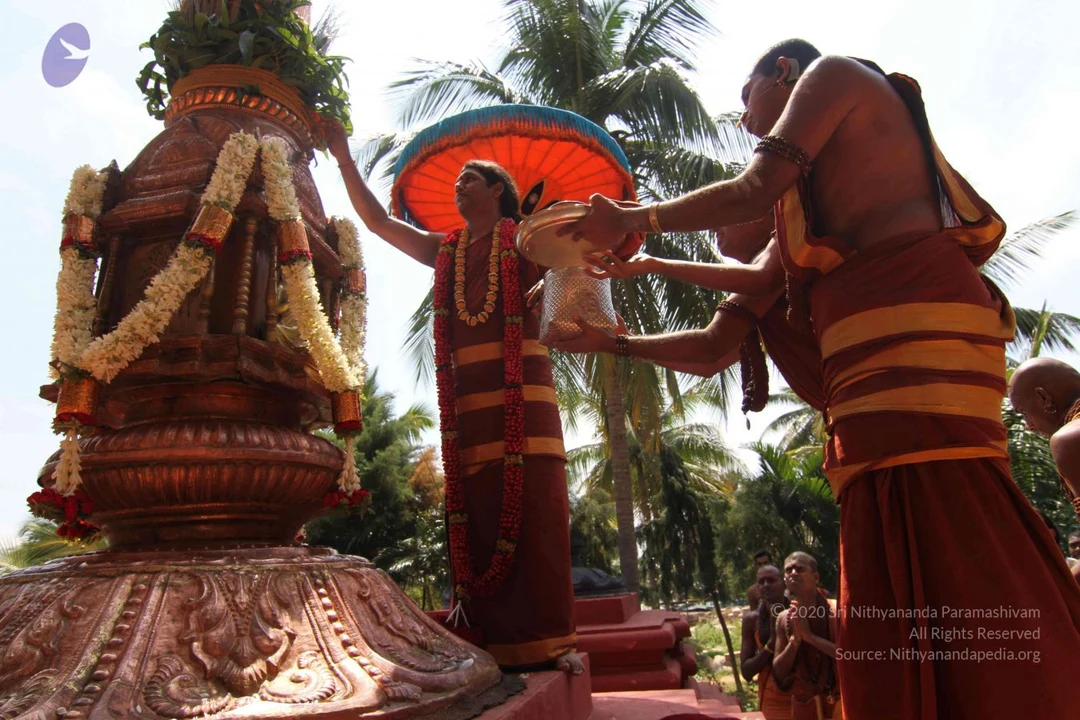
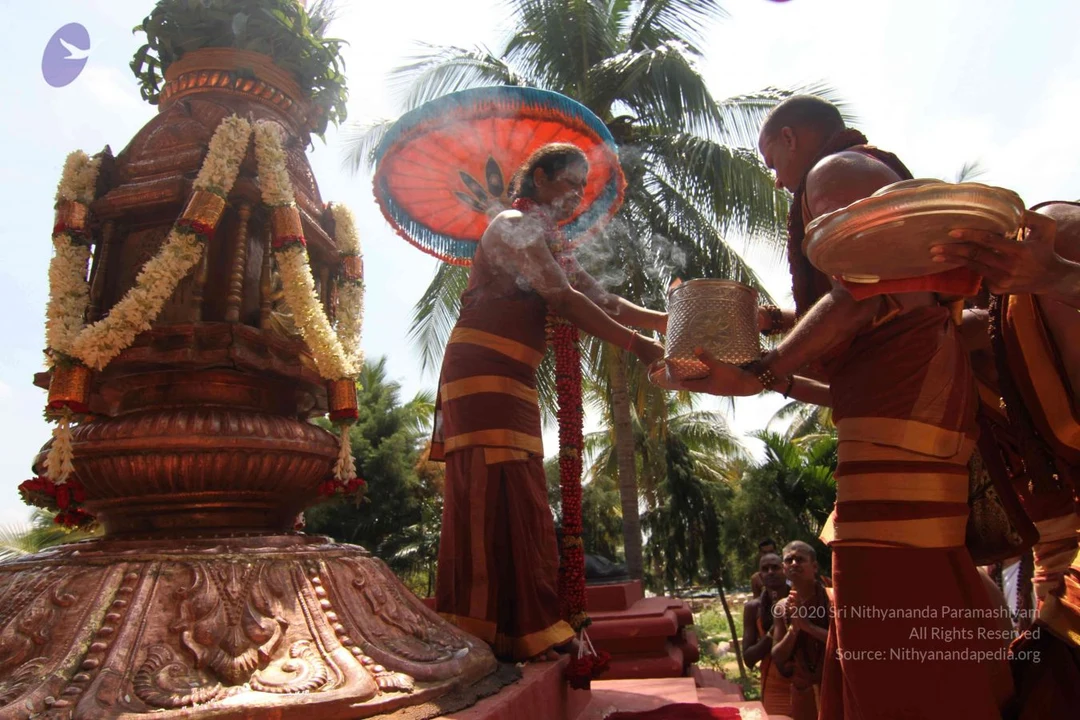
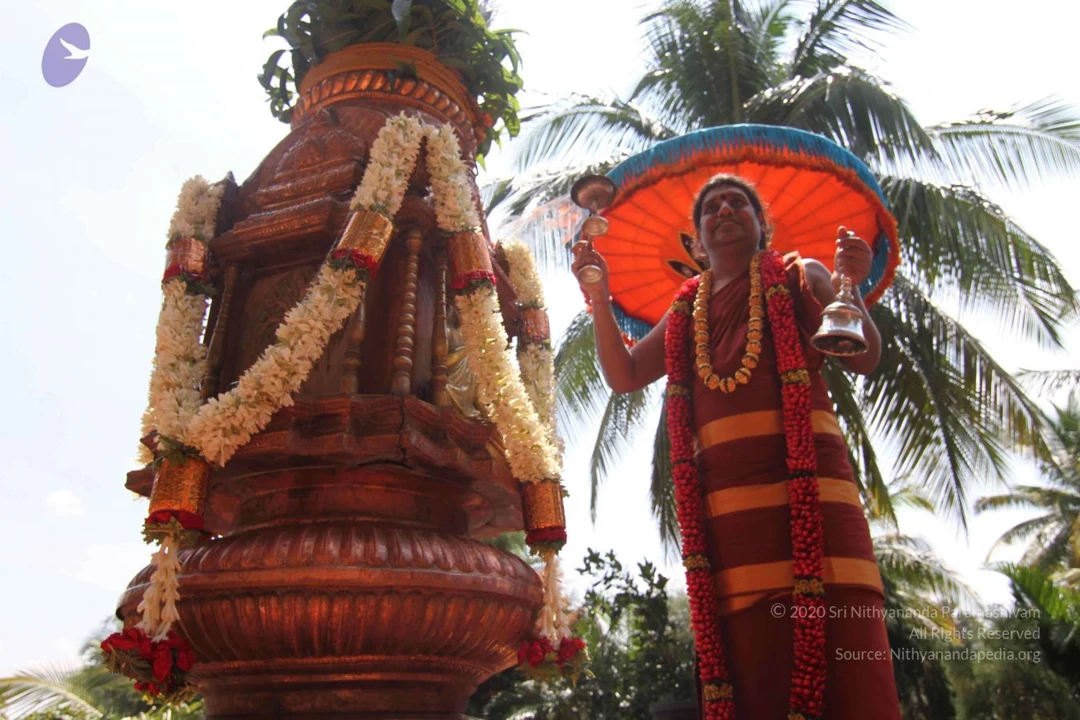
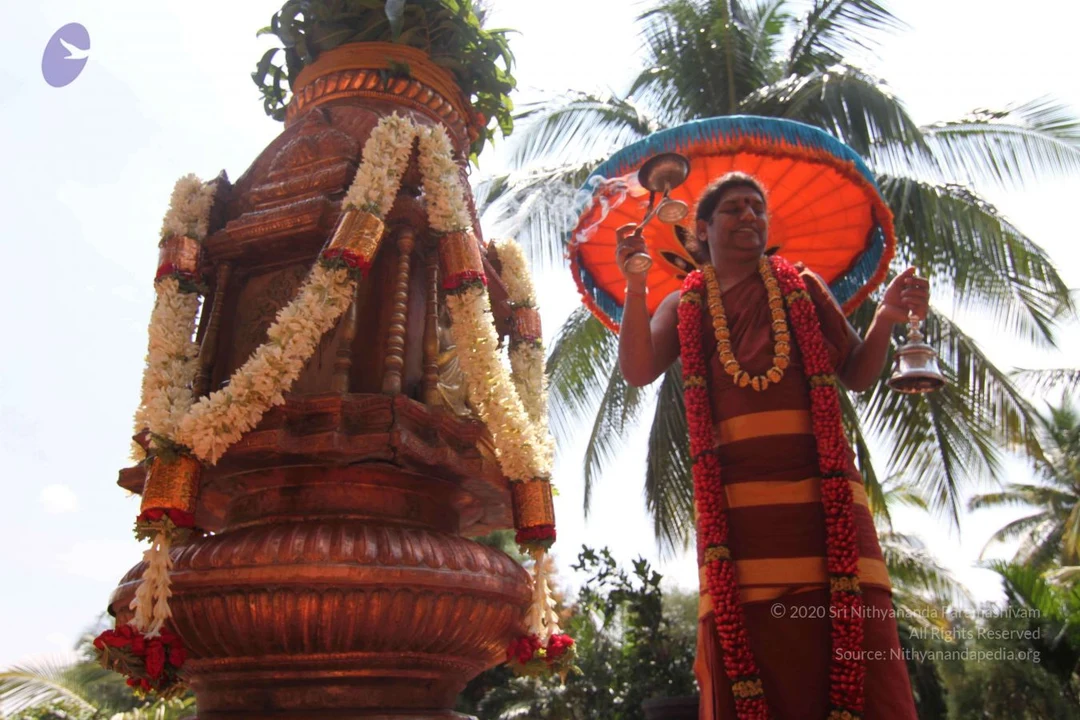
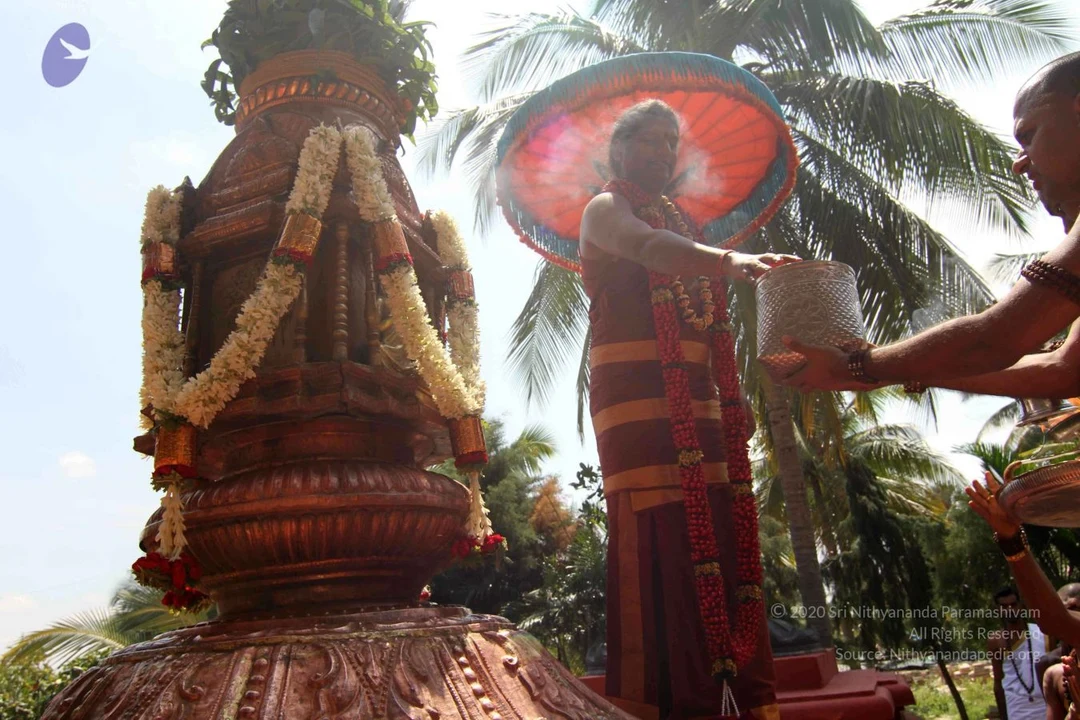
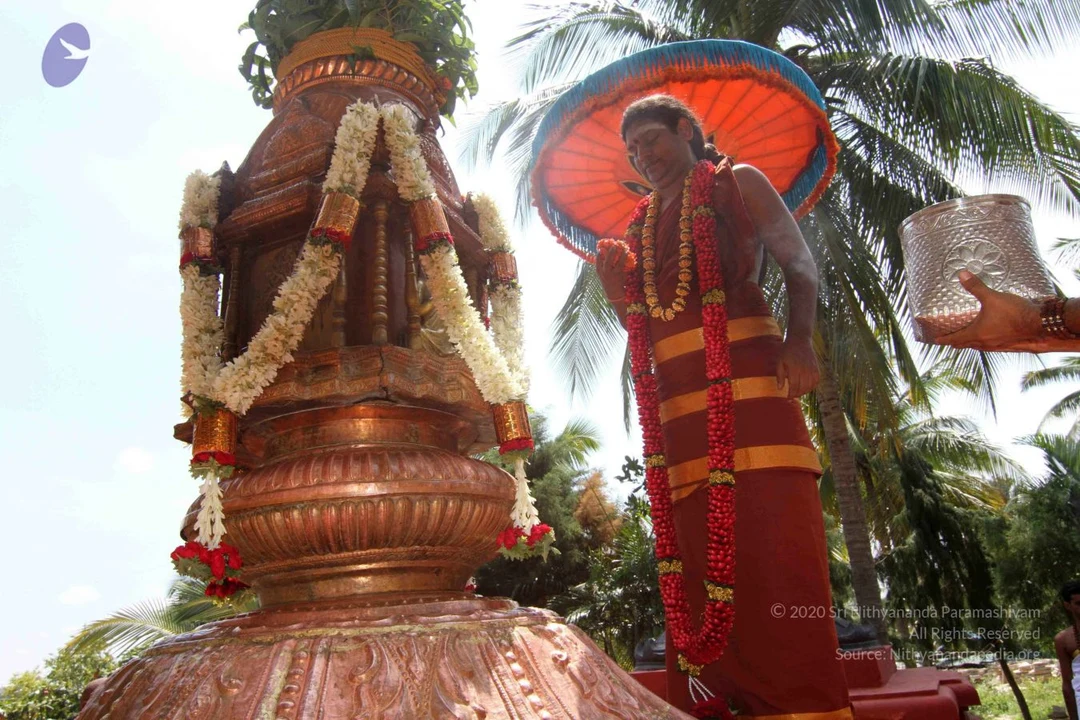


Tags:
completion, Ganesha, embodiment, incompletion, memory, present, future, remembrance, Samskara Dhahana kriya, complete, completion, causal body, pain body, healed, blindfold reading, eNgenius, kids, children, power demo, third eye, yogic power
Photos Of The Day:
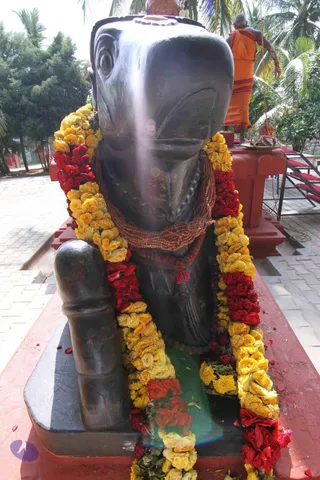
Ganesha-Chaturthi
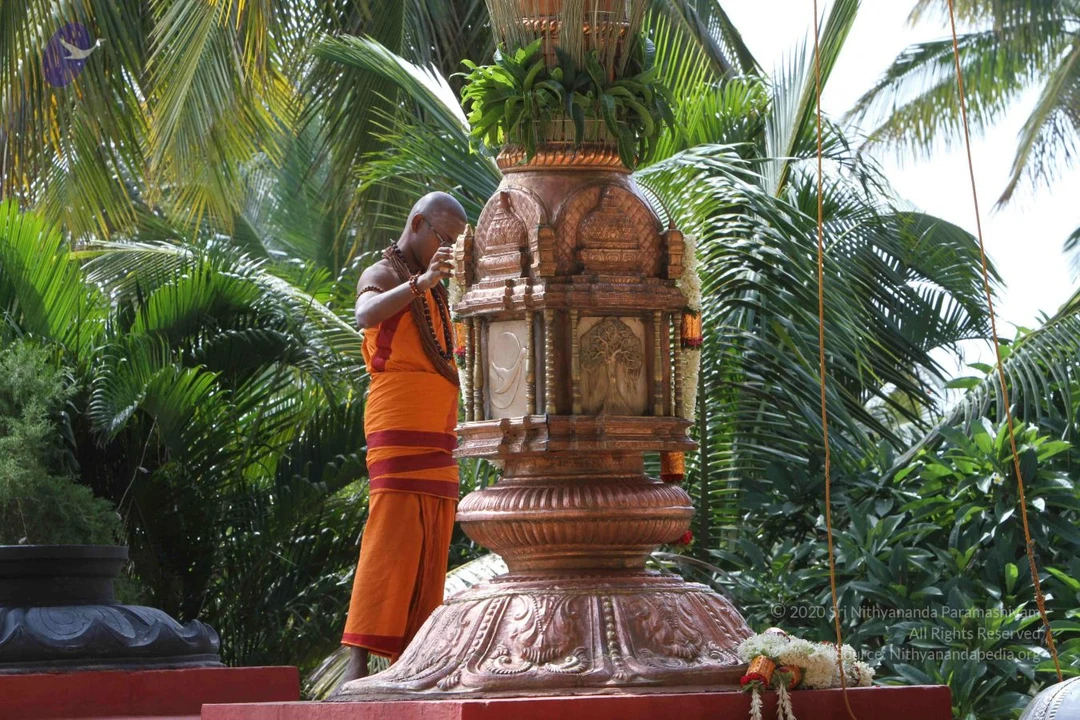
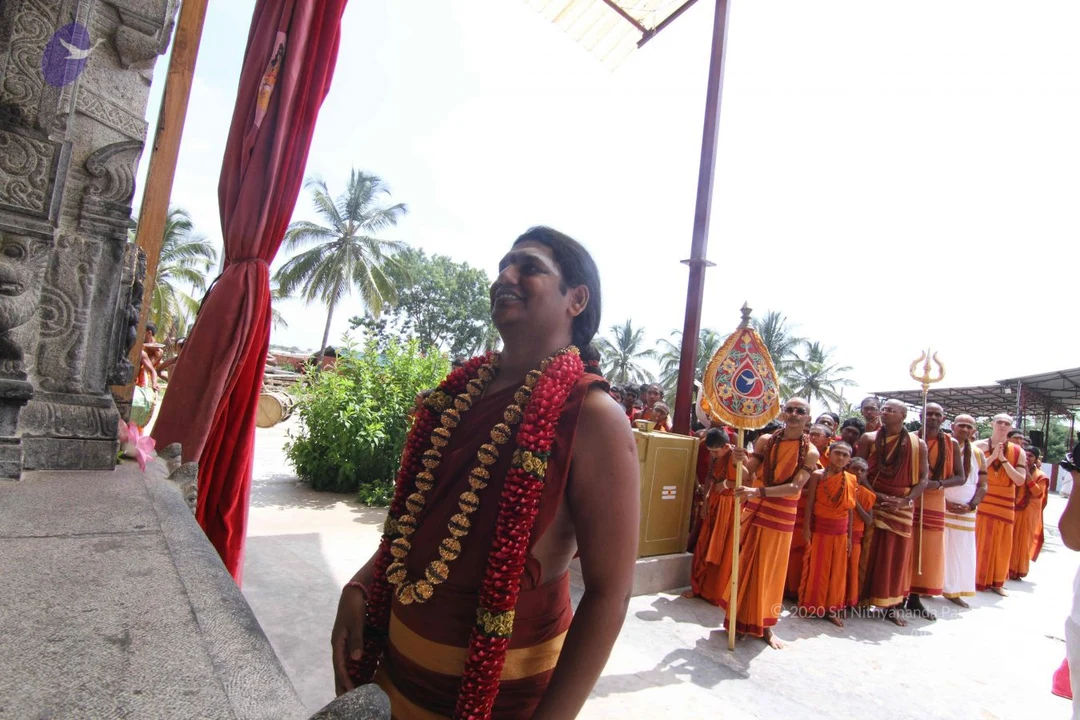
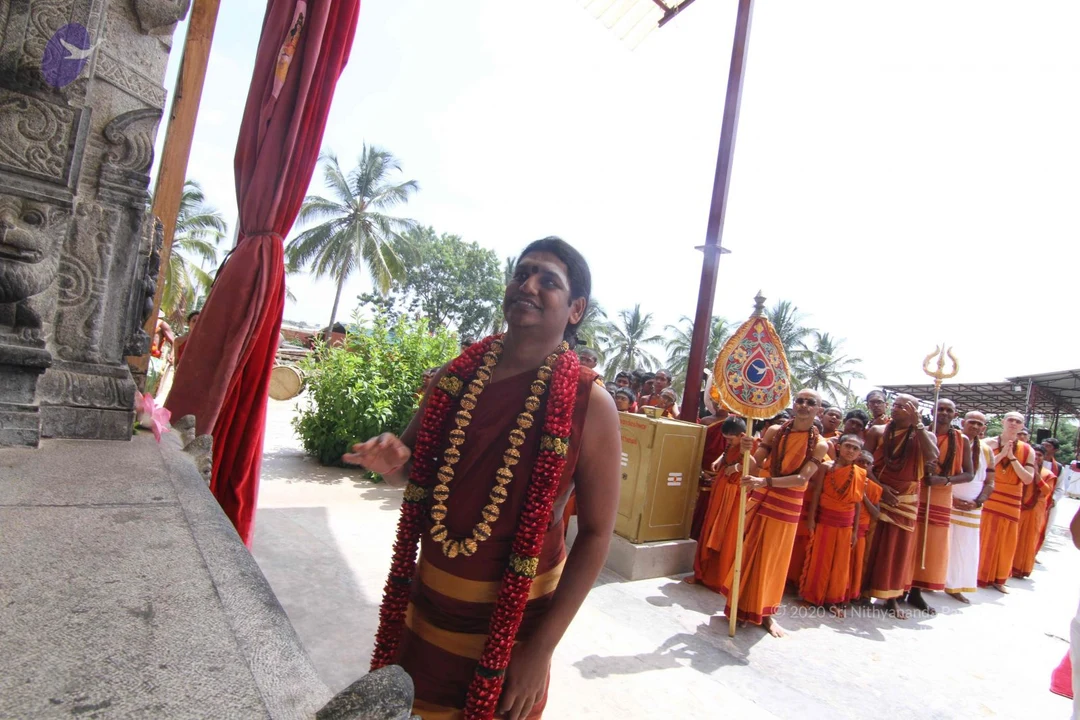
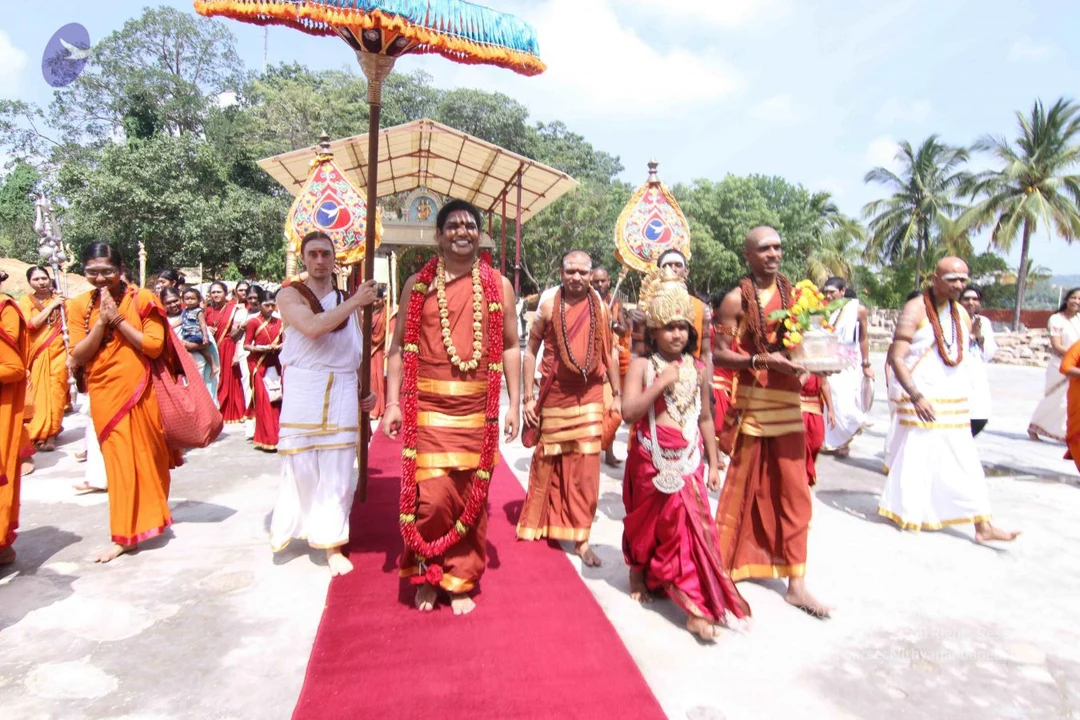
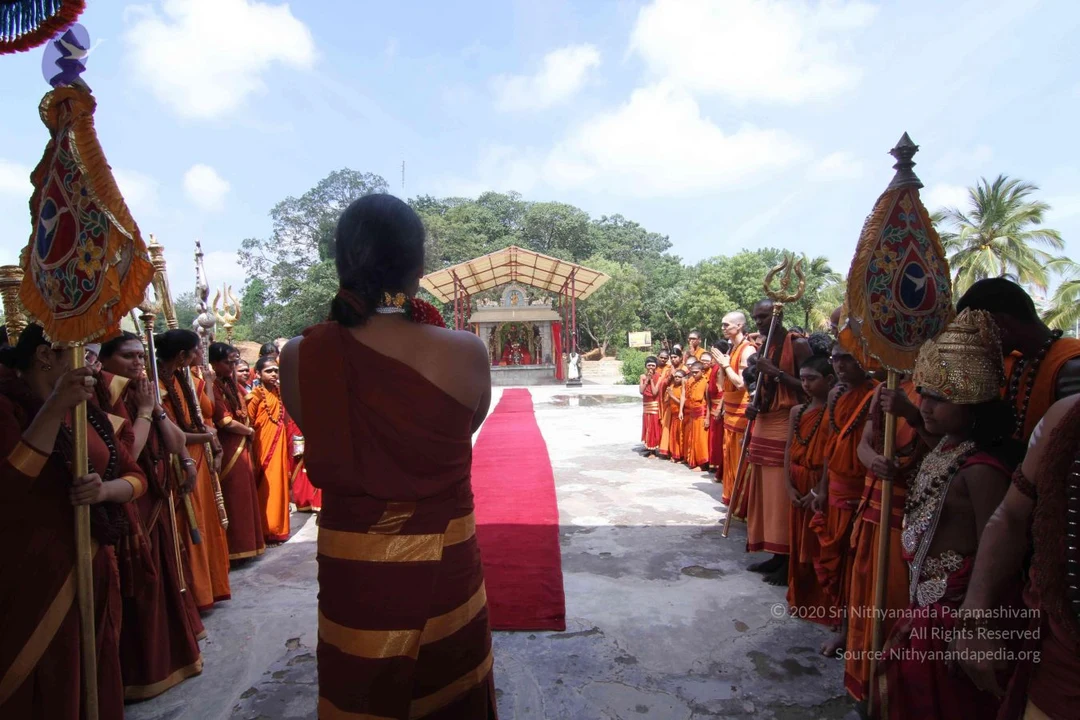
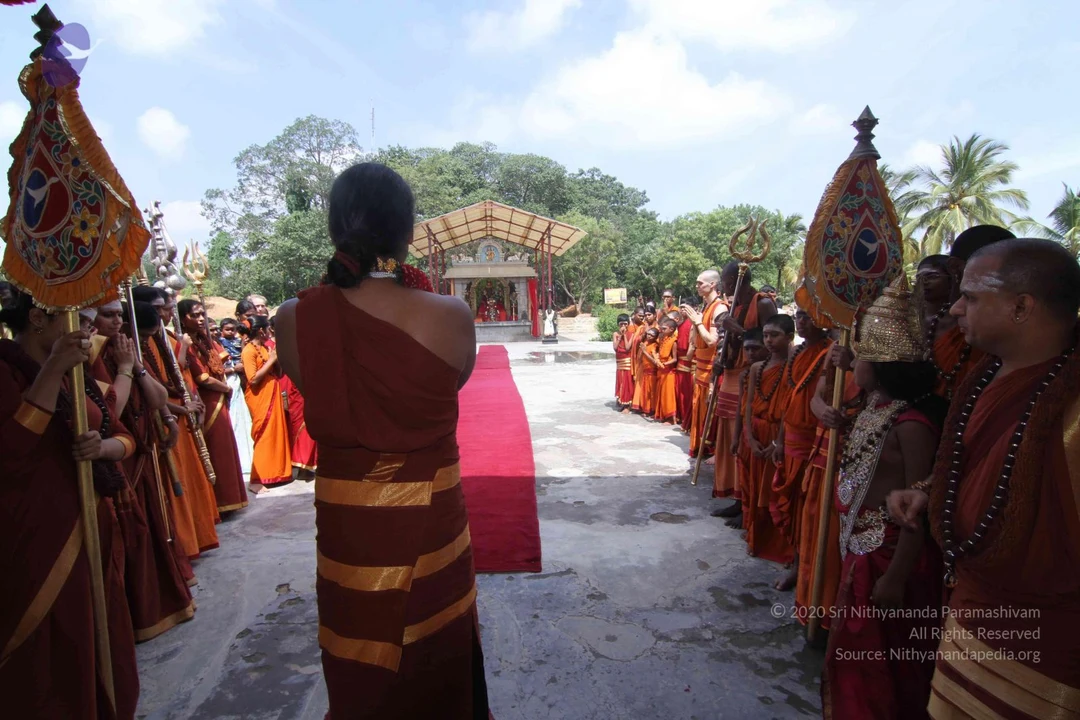
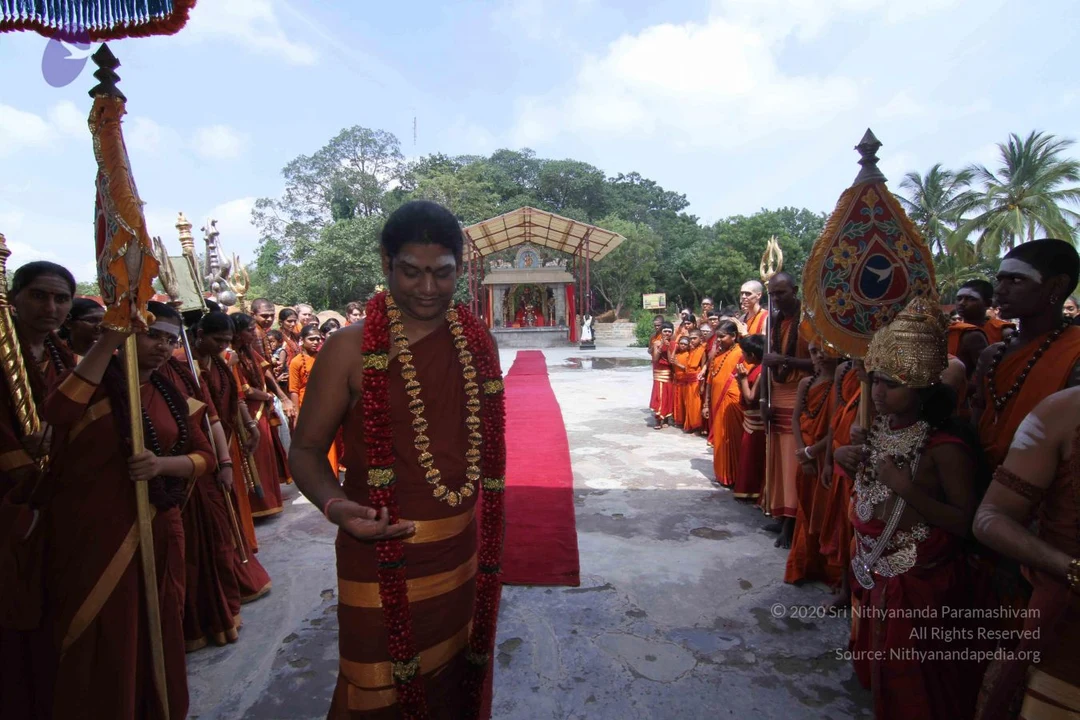
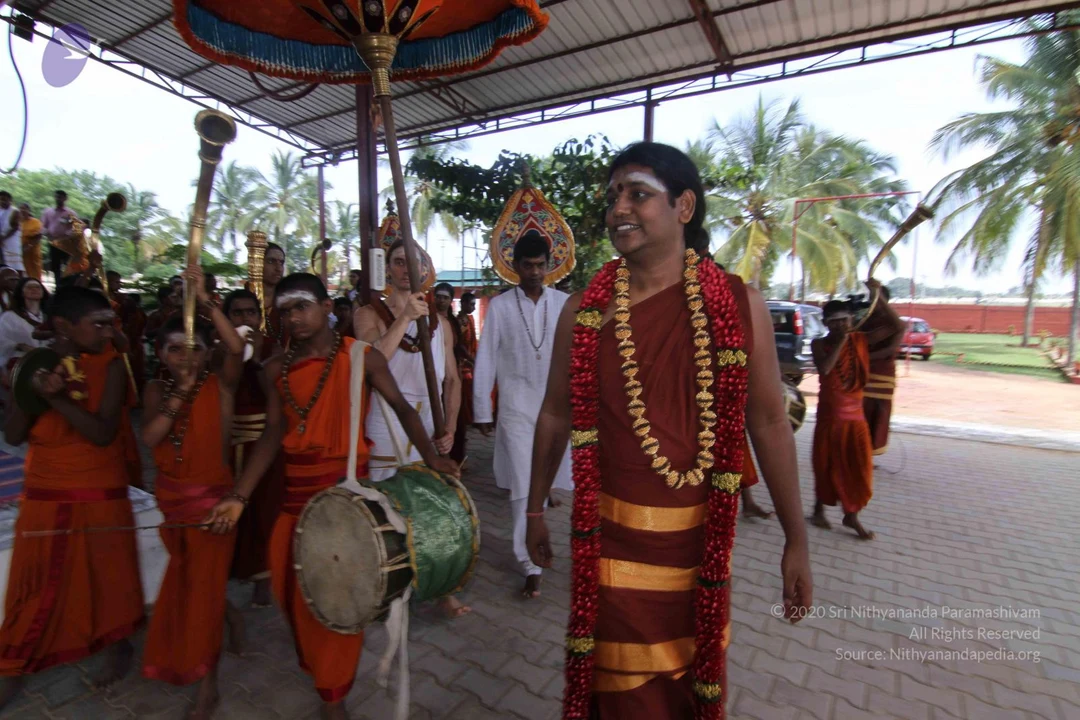
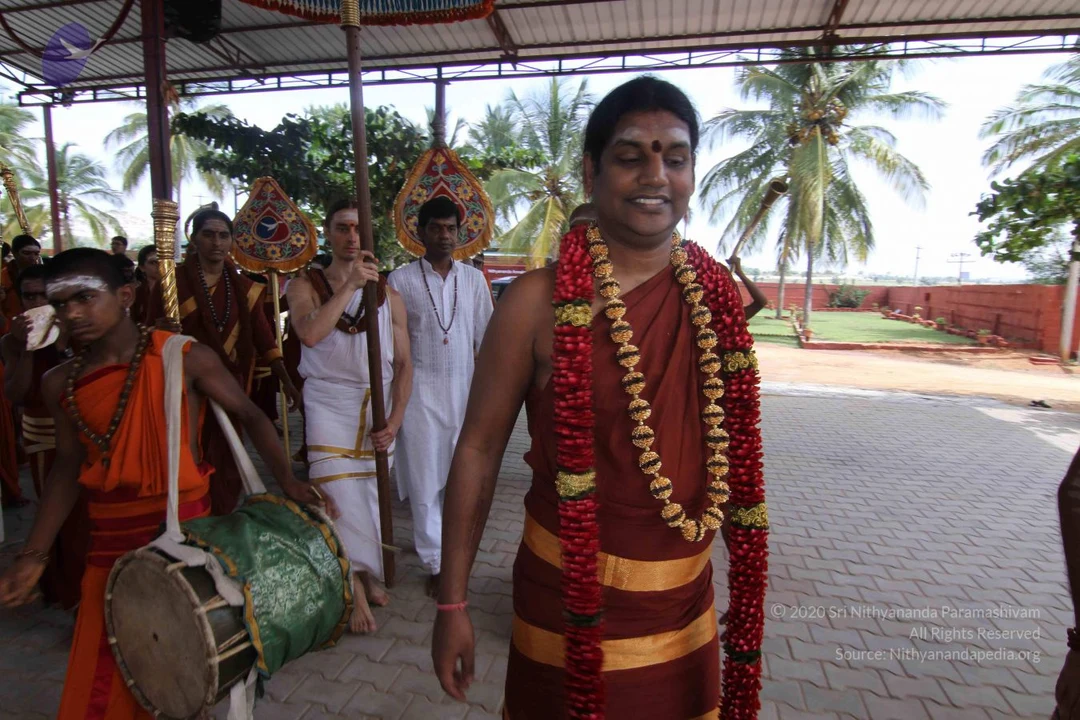





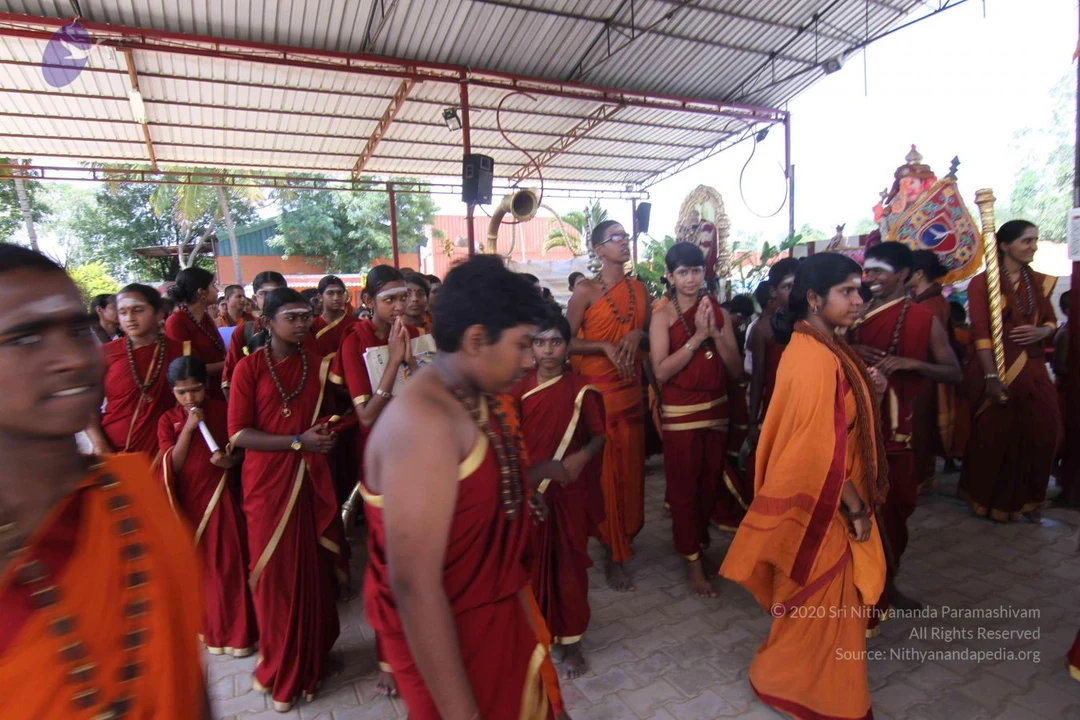
Pada-Puja
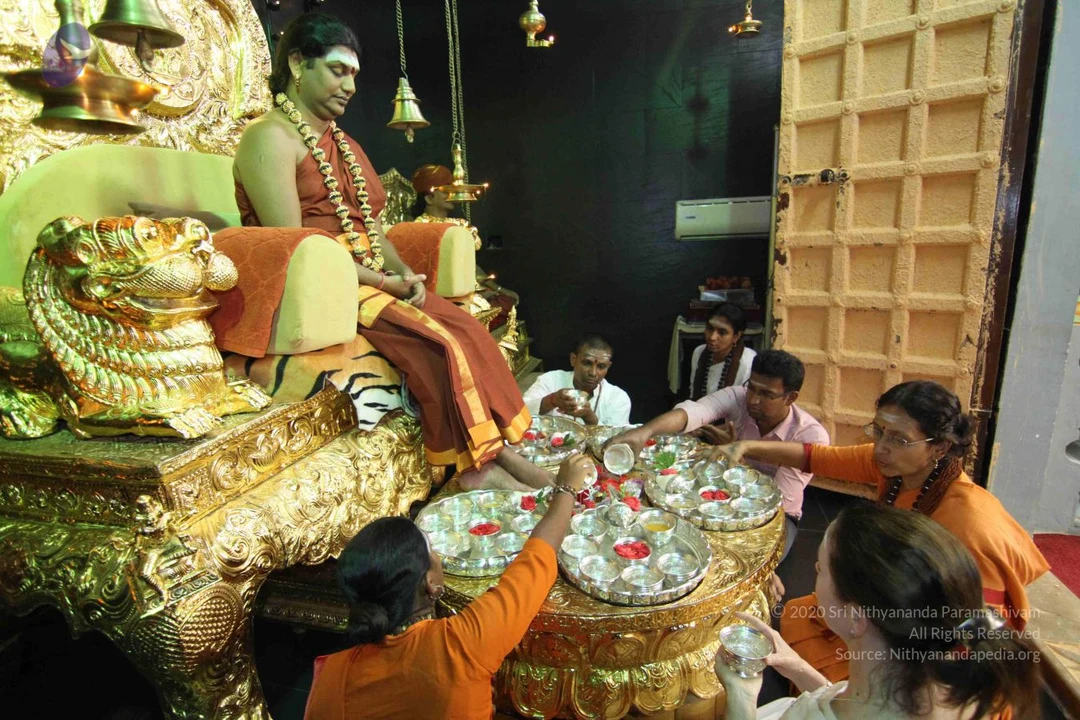
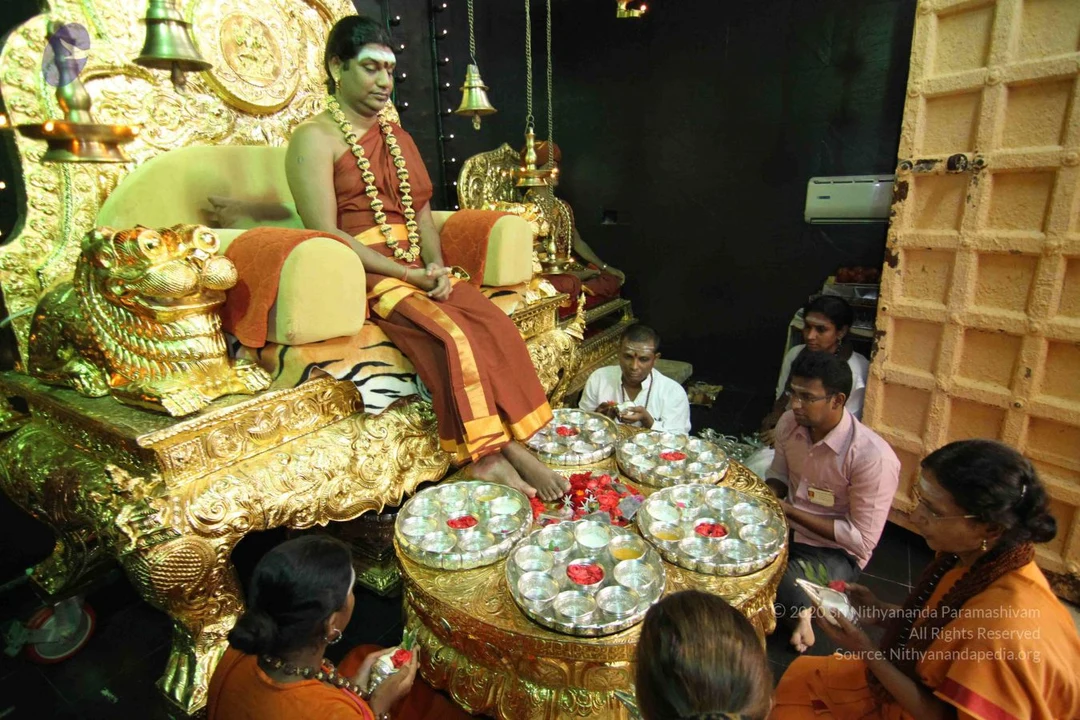
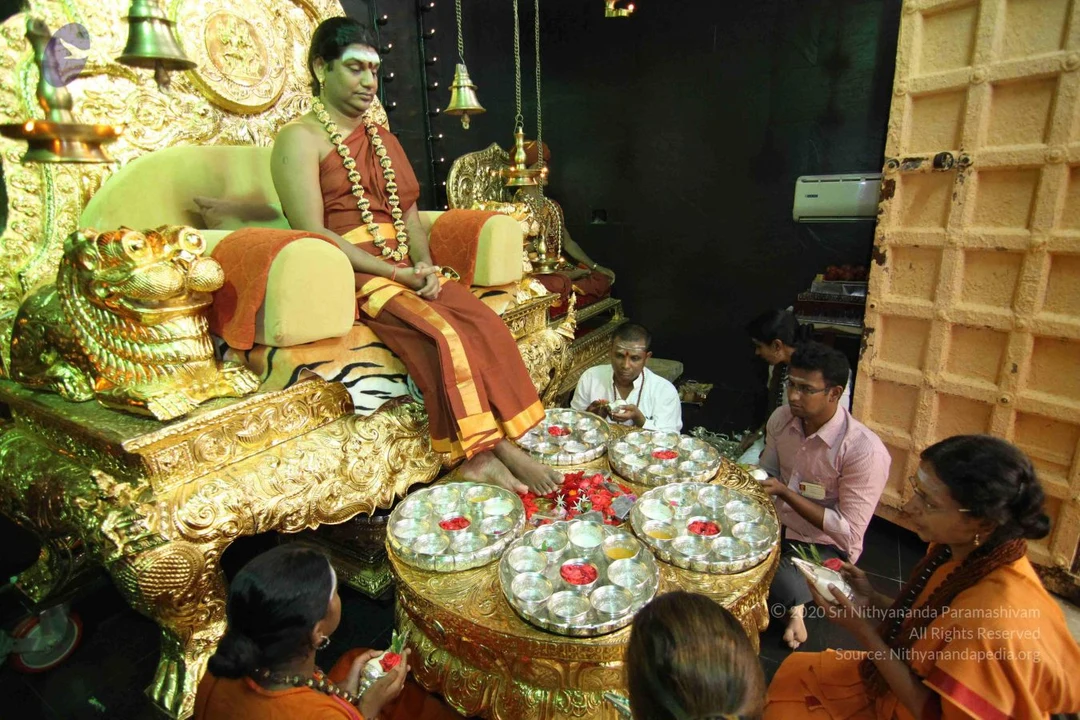

Nithya-Satsang
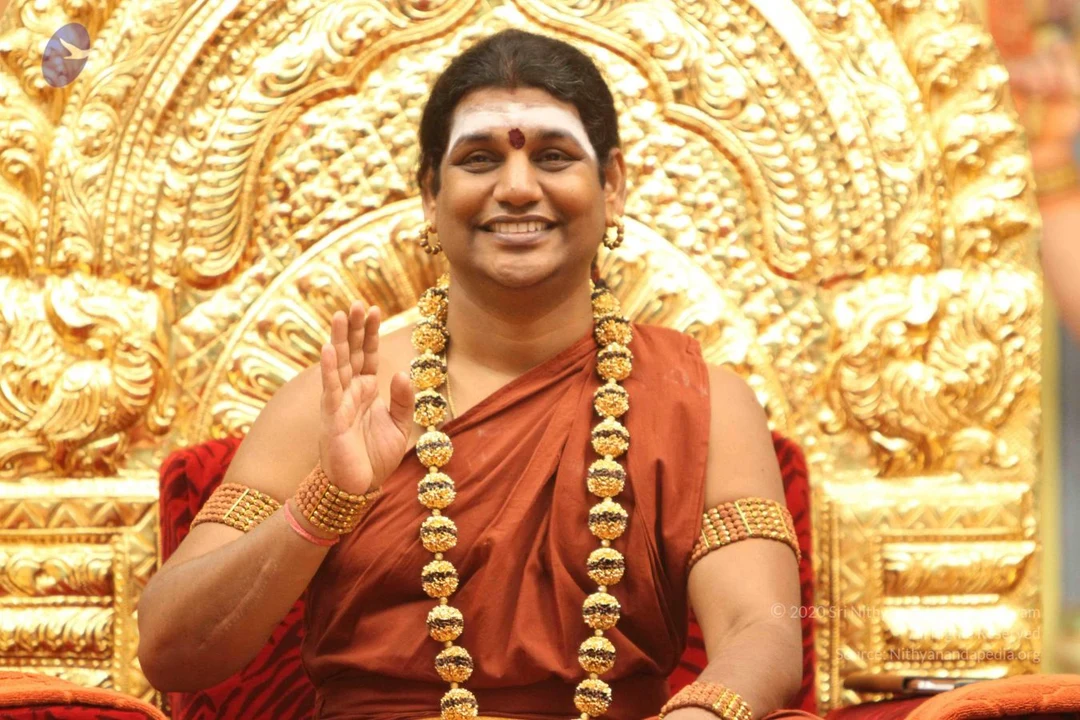
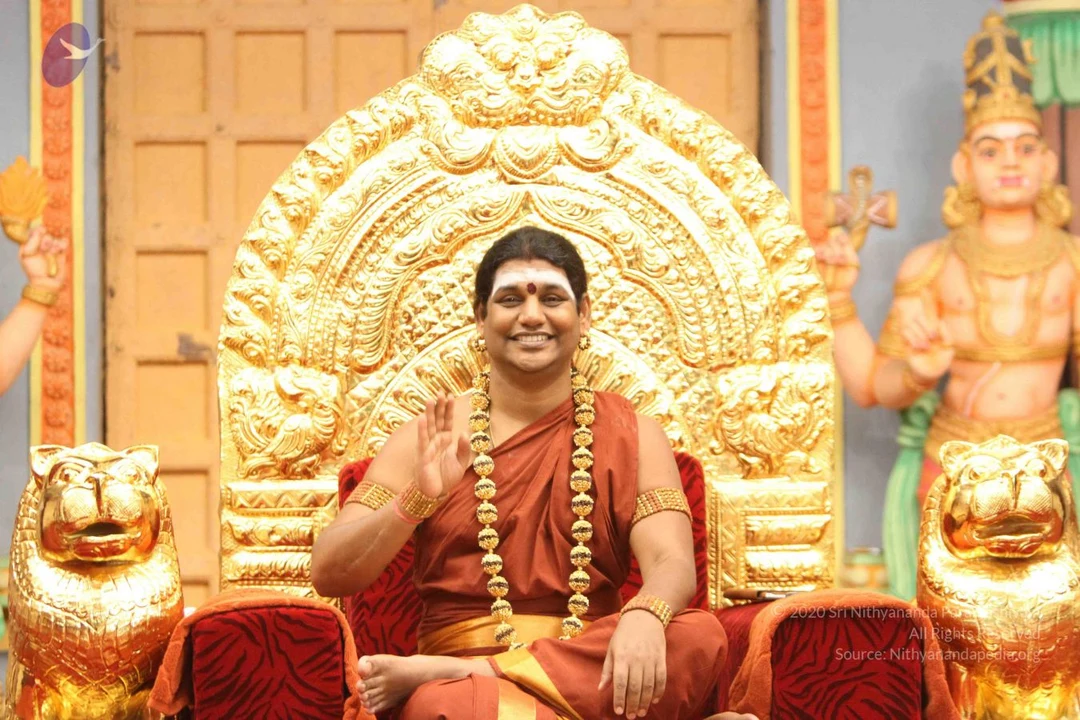
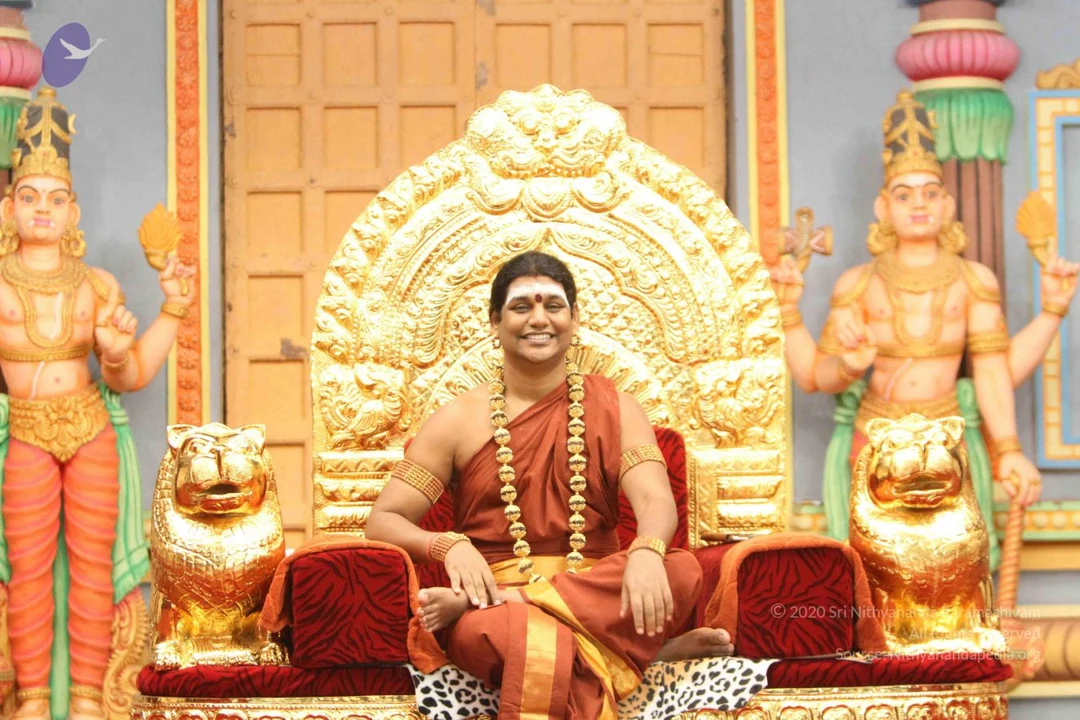
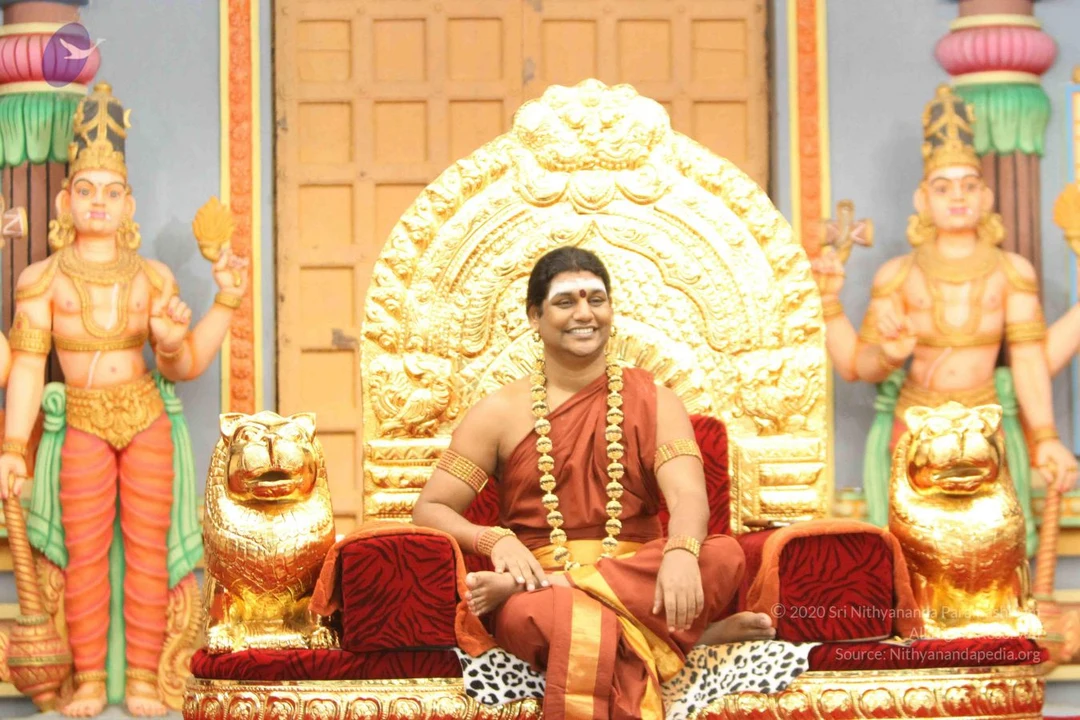
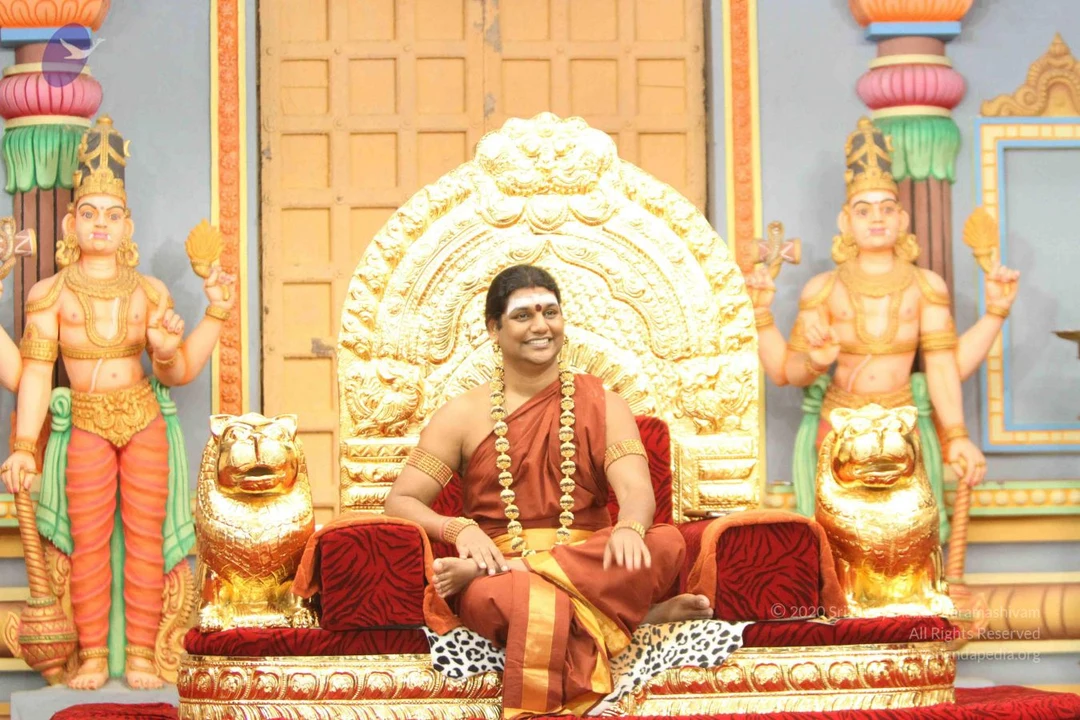

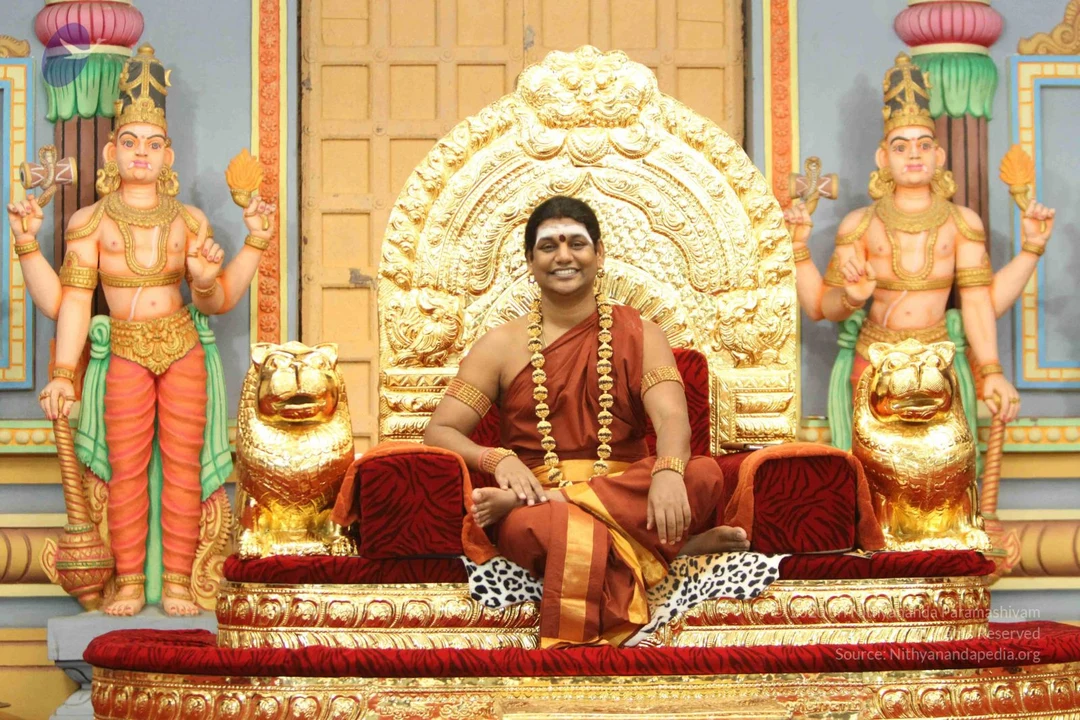
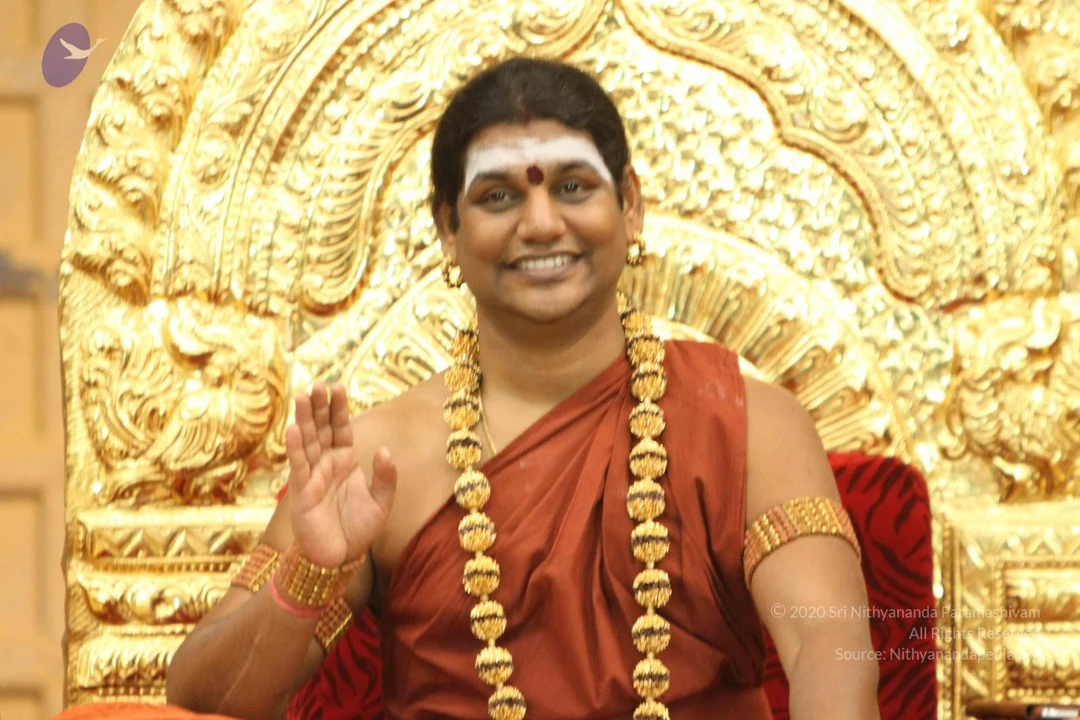
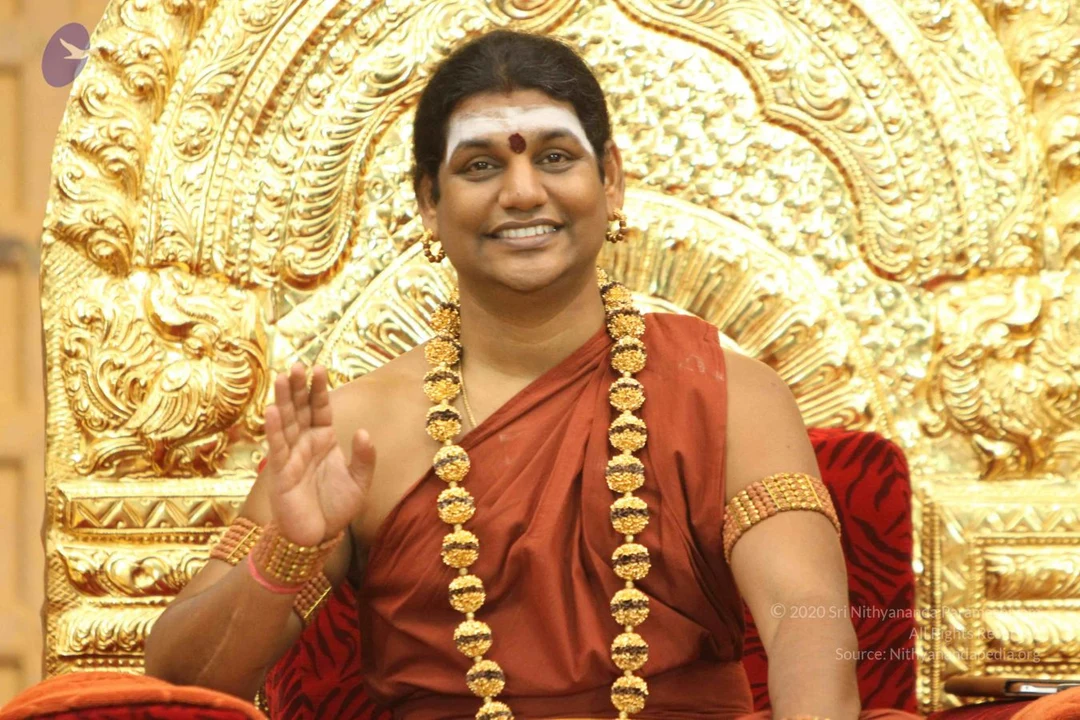
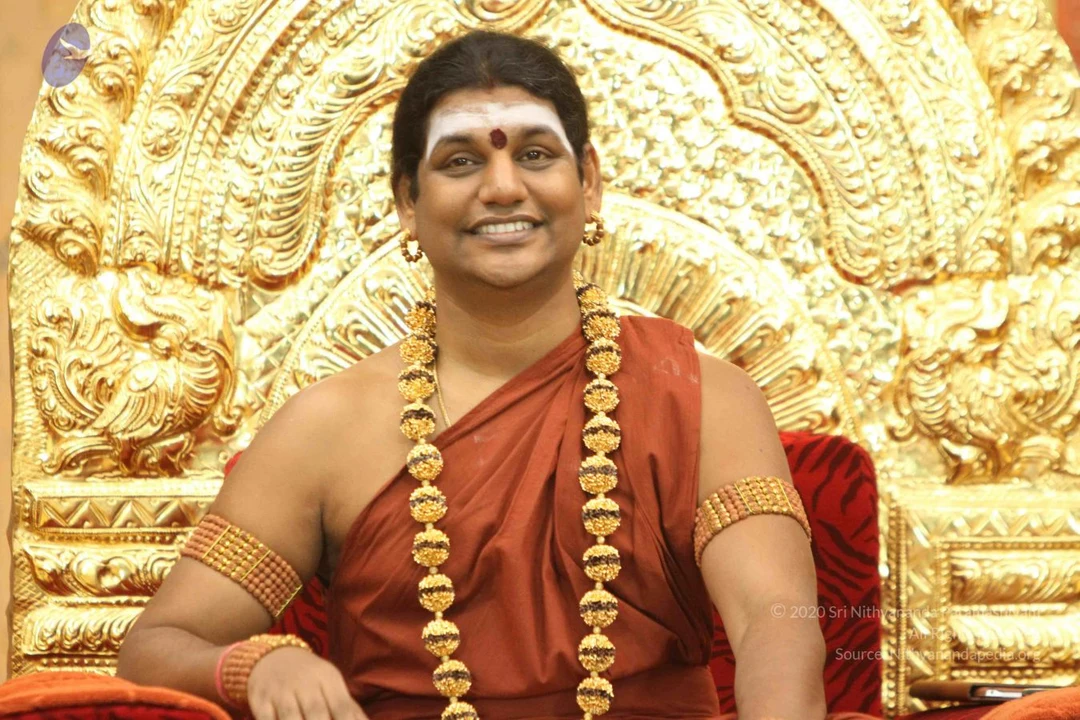

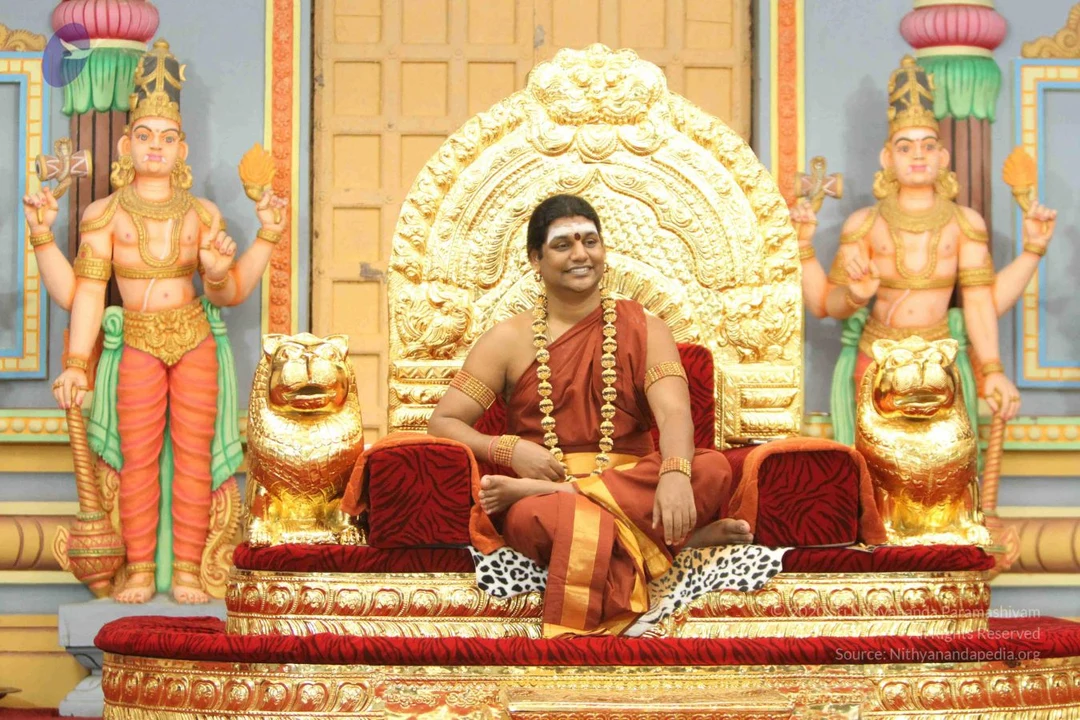
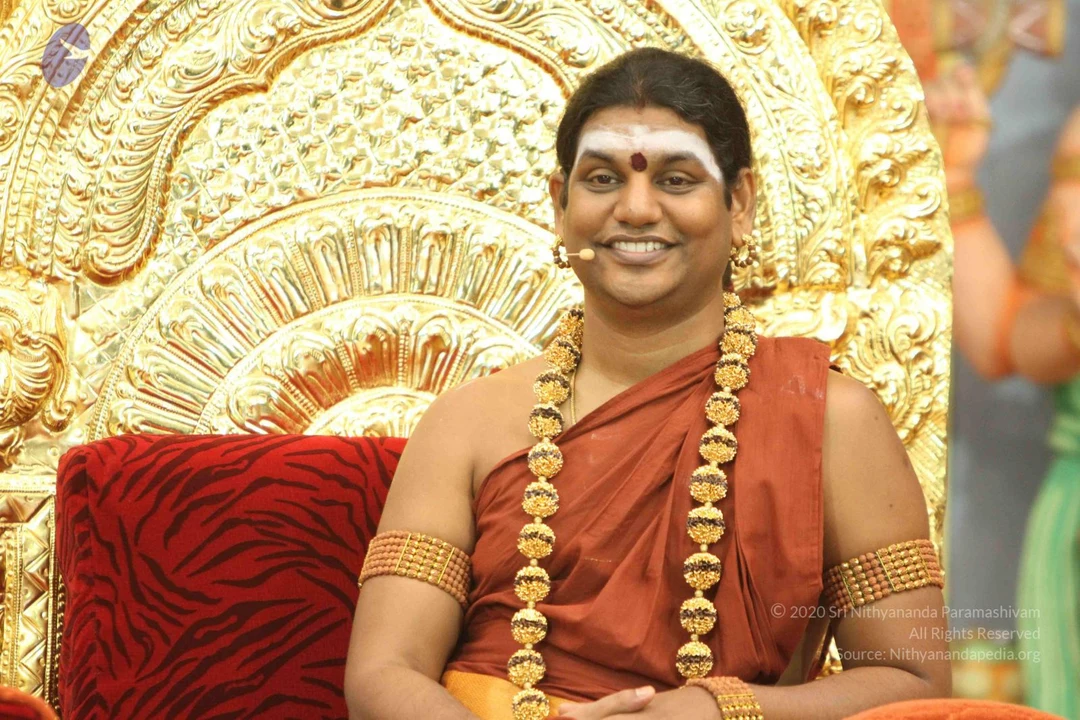
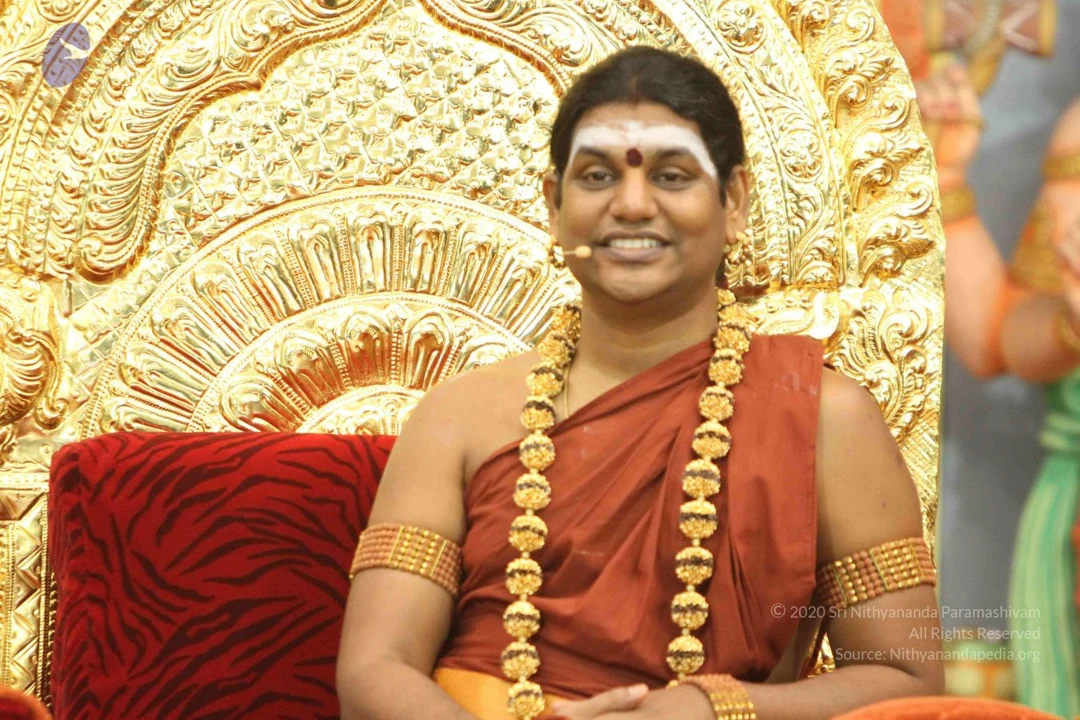
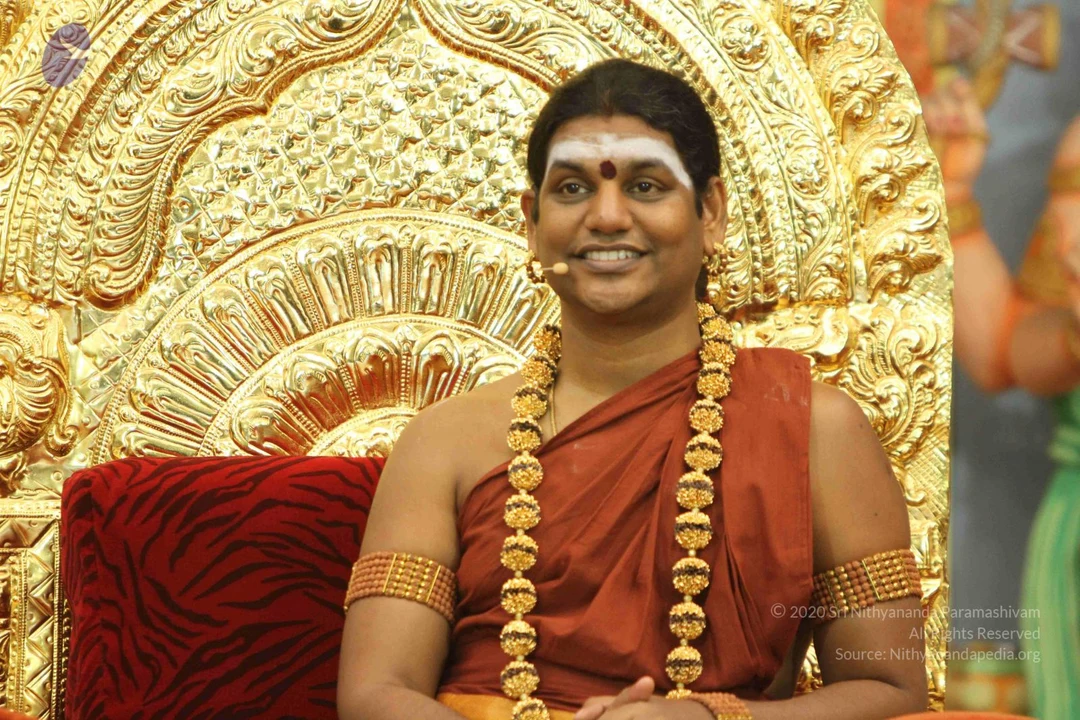
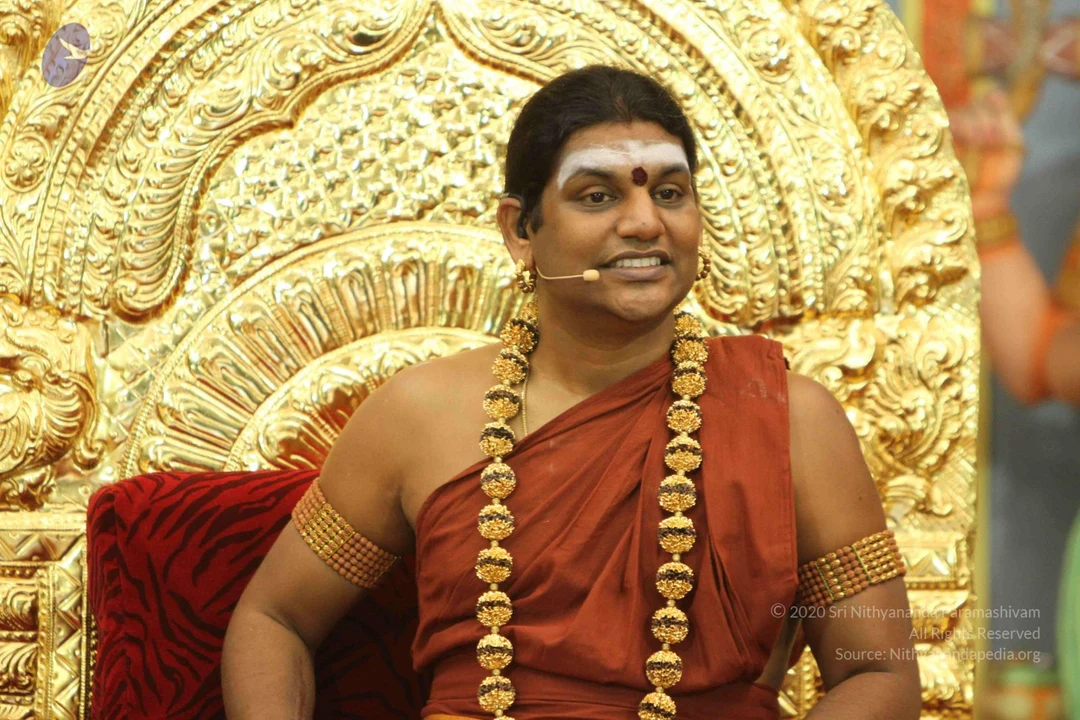
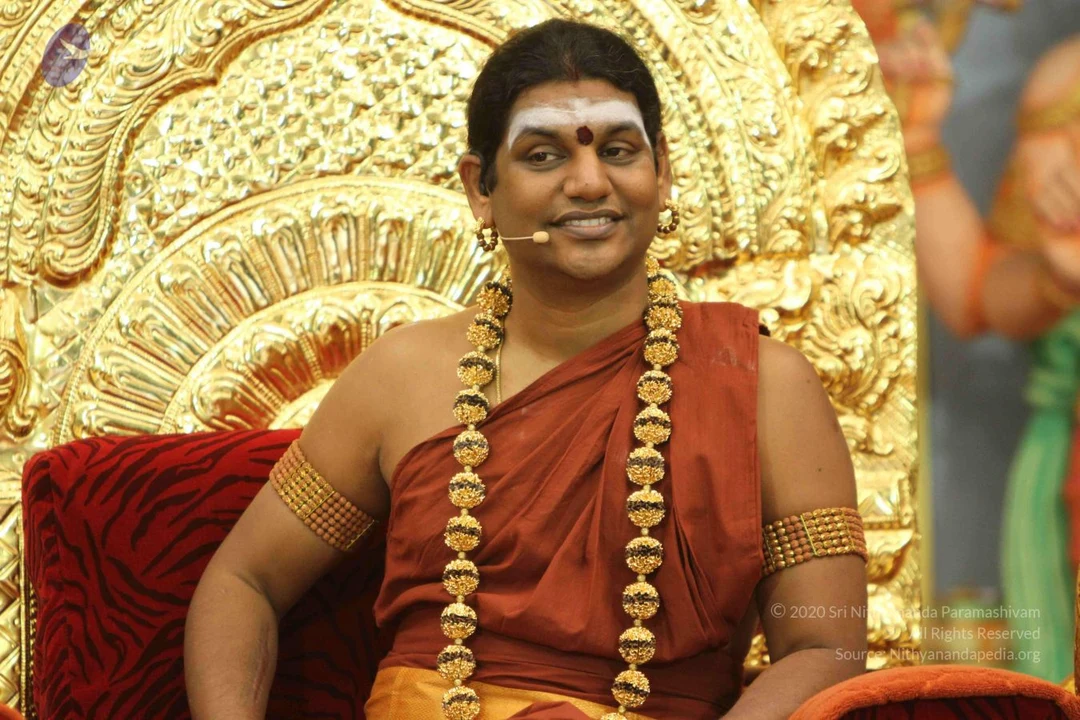
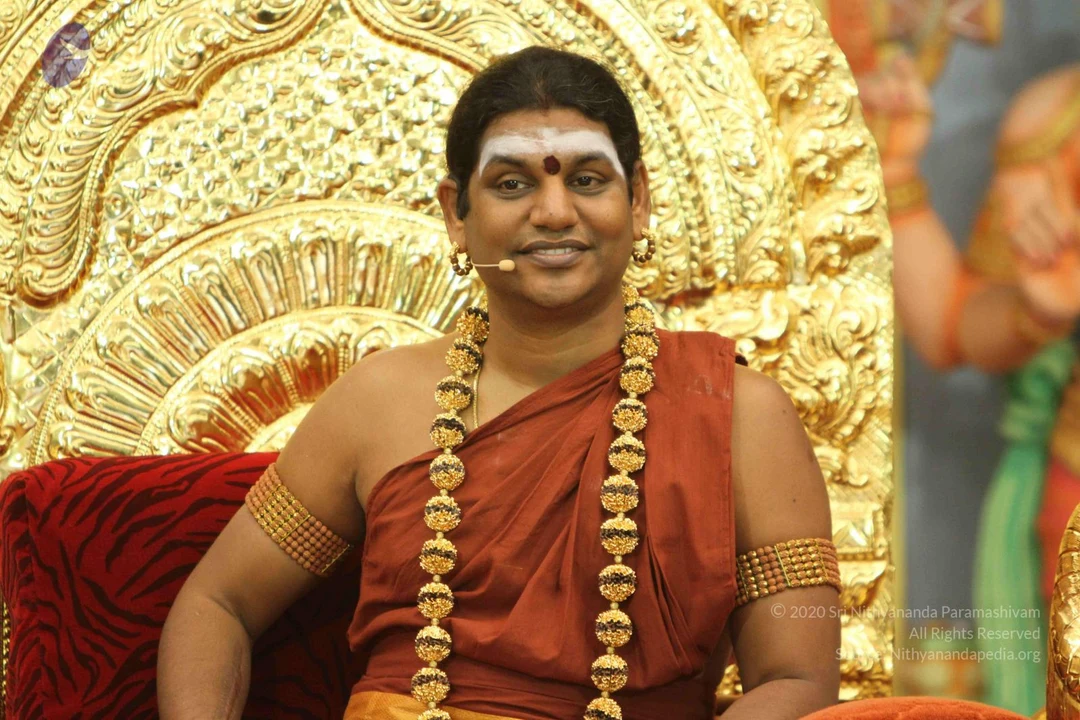
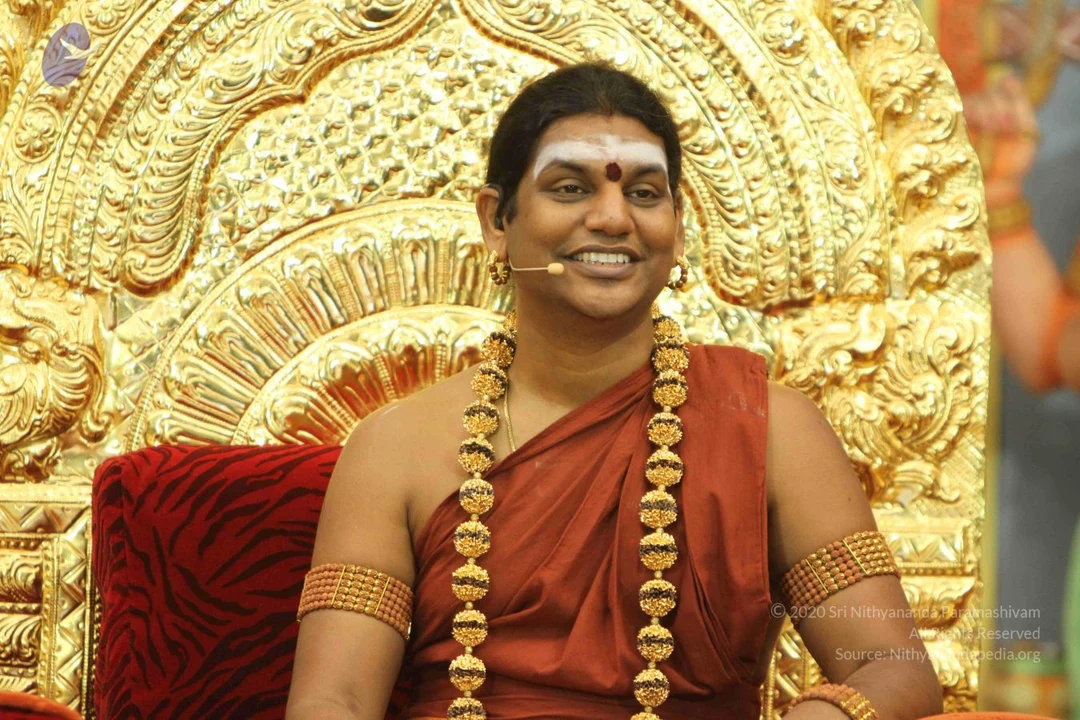
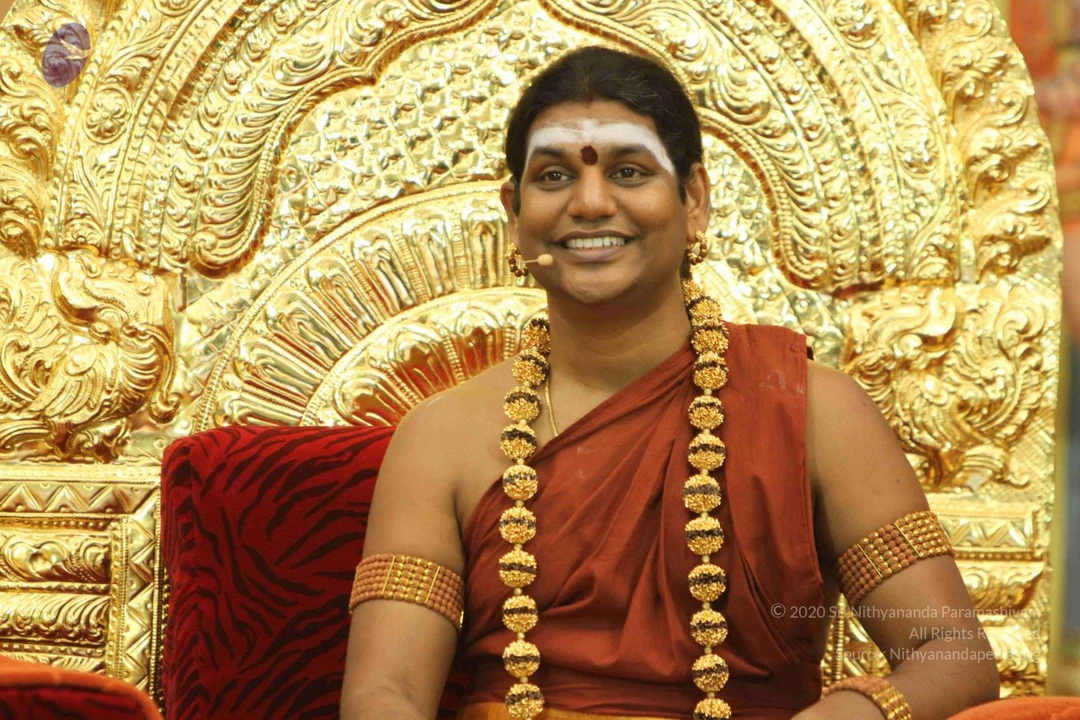
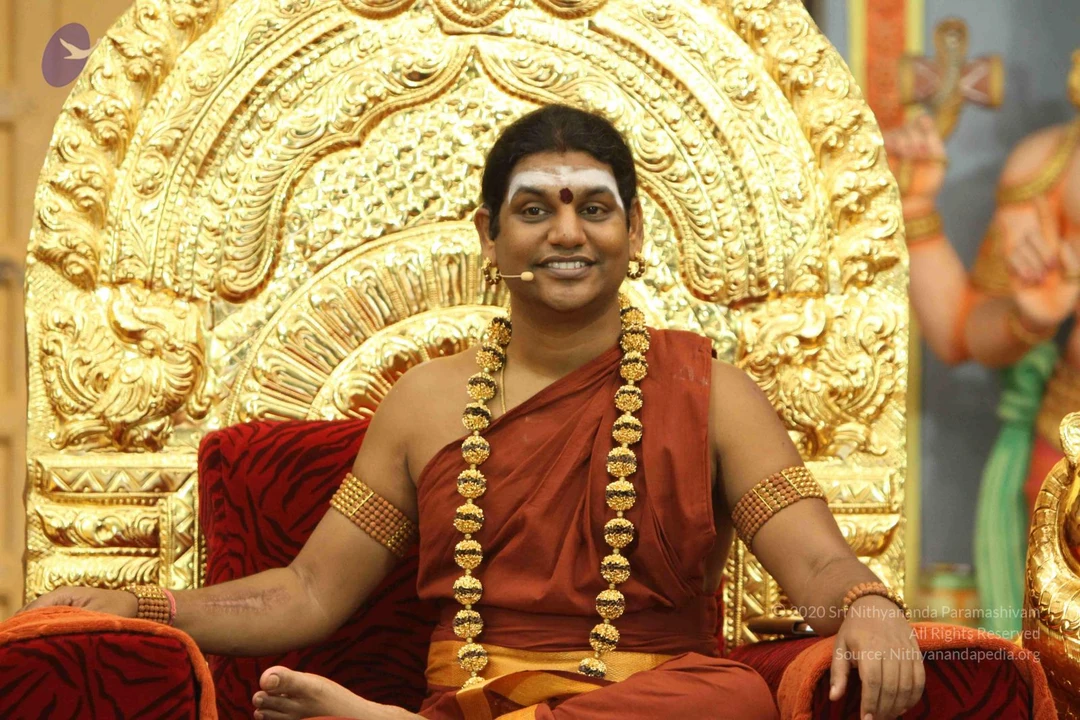
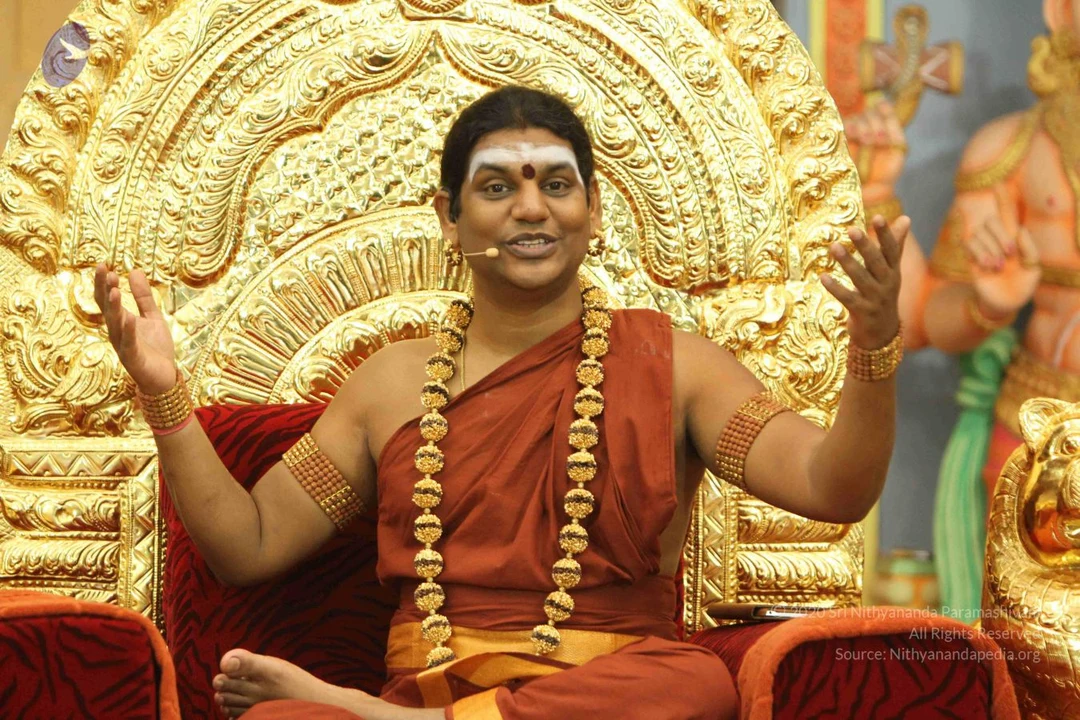

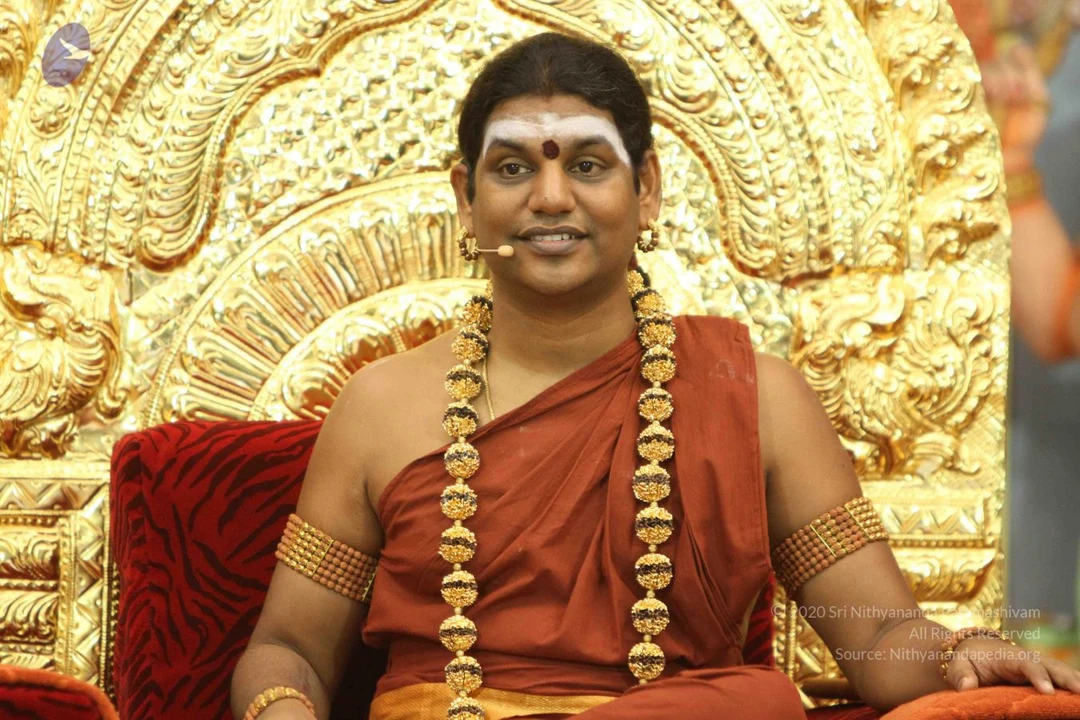
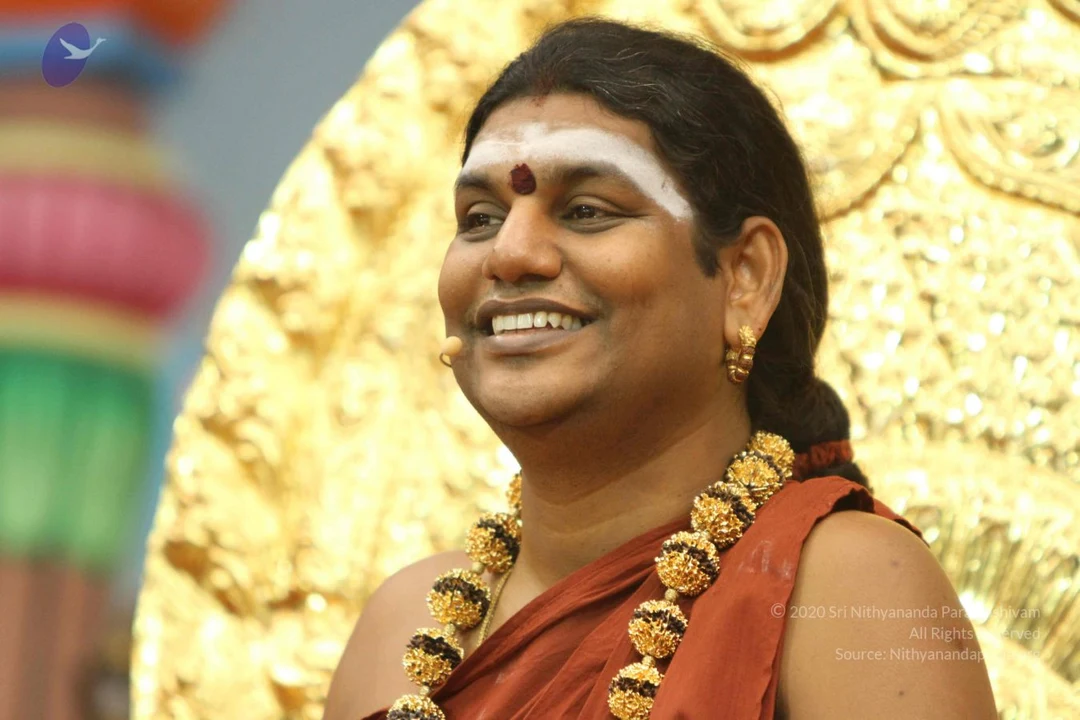
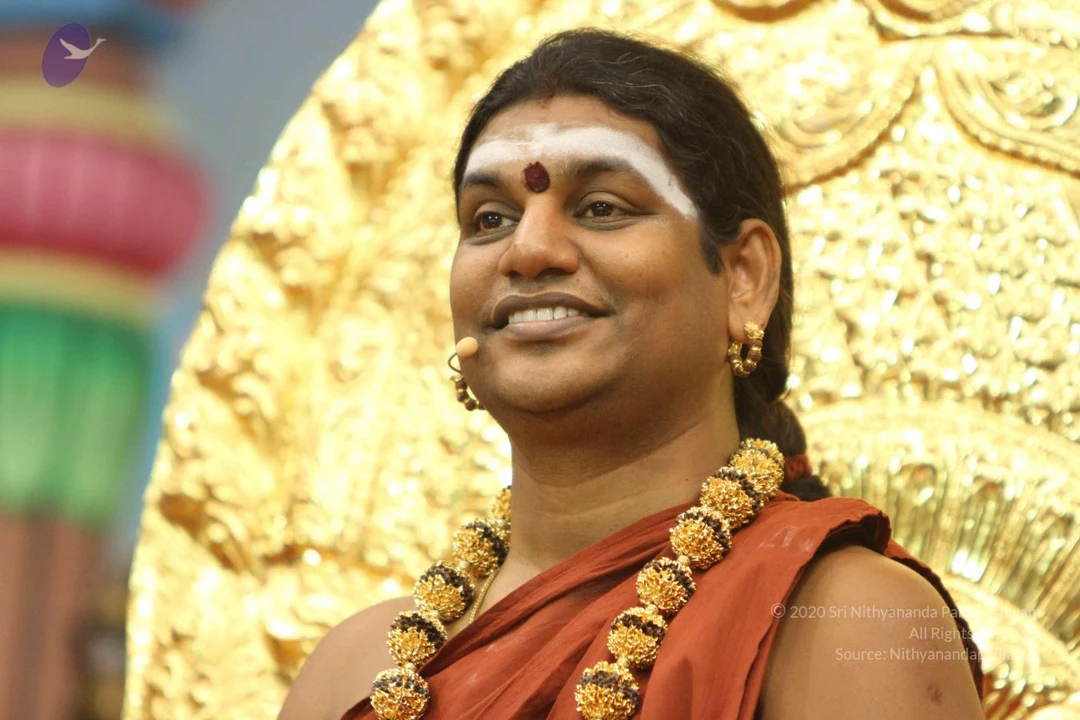
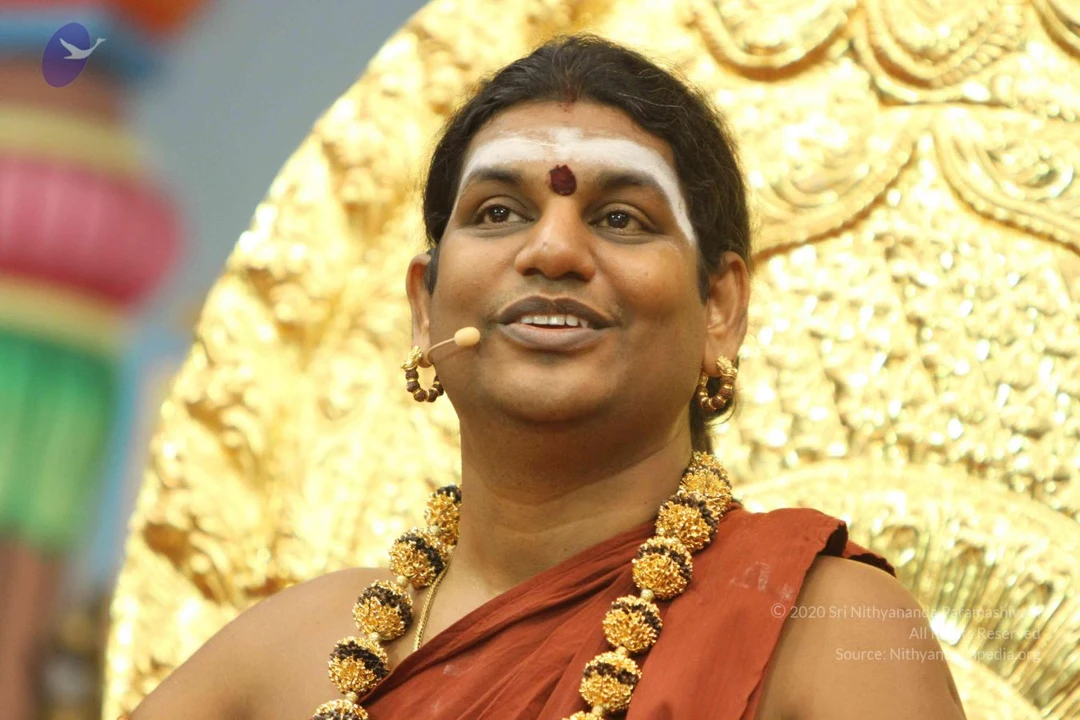
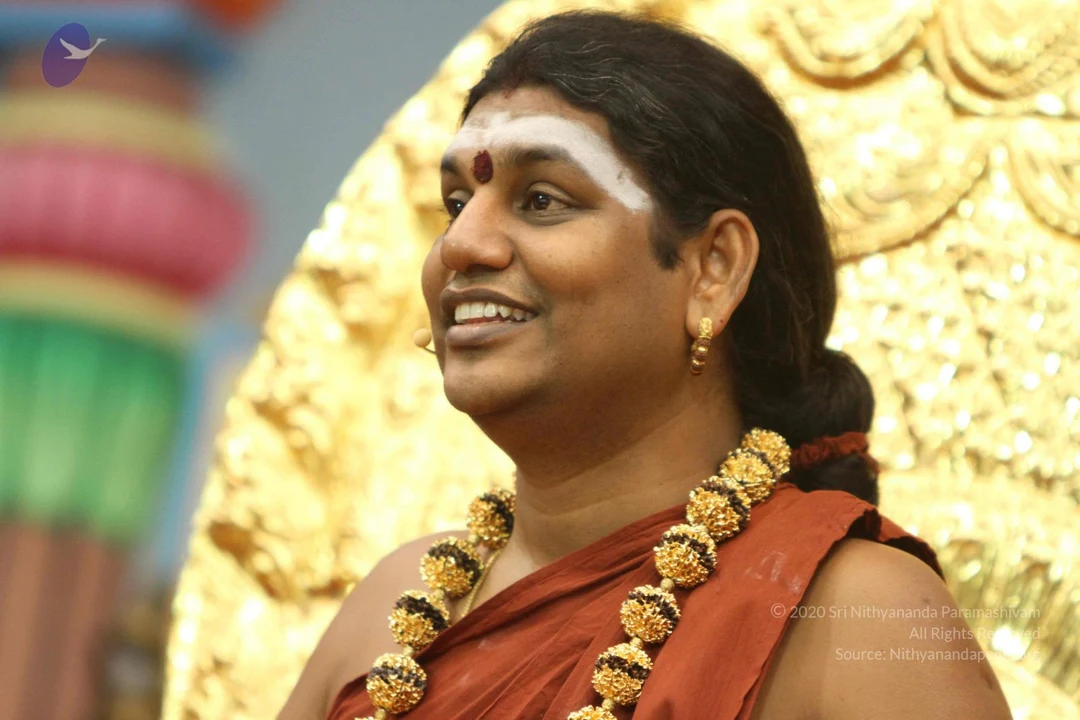
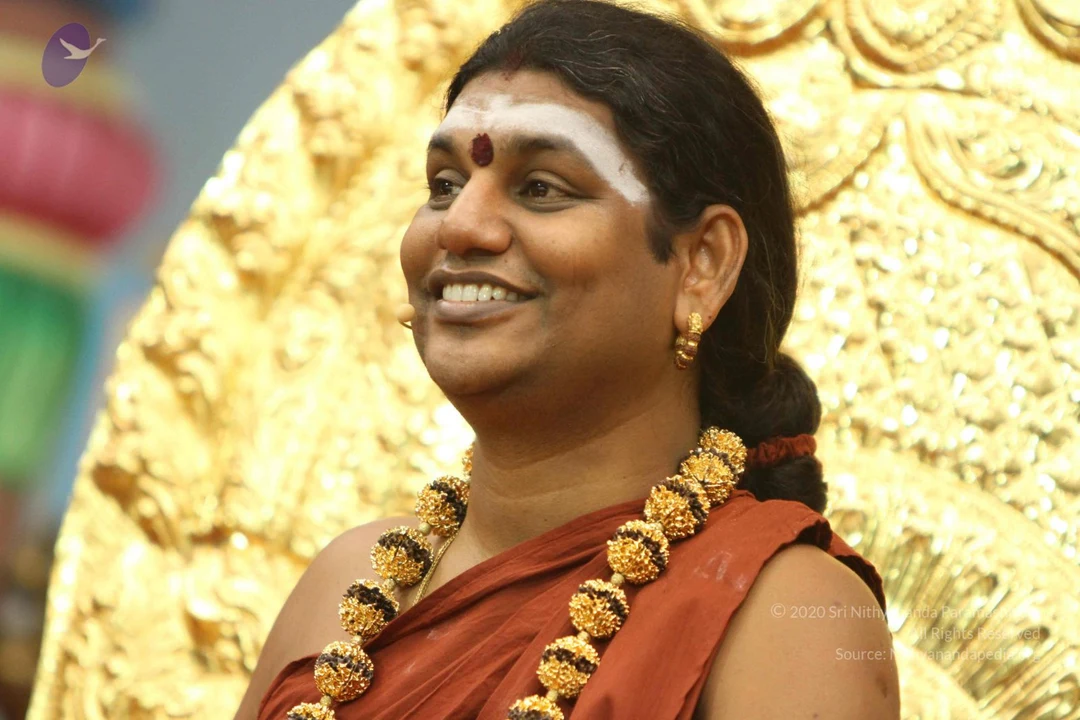
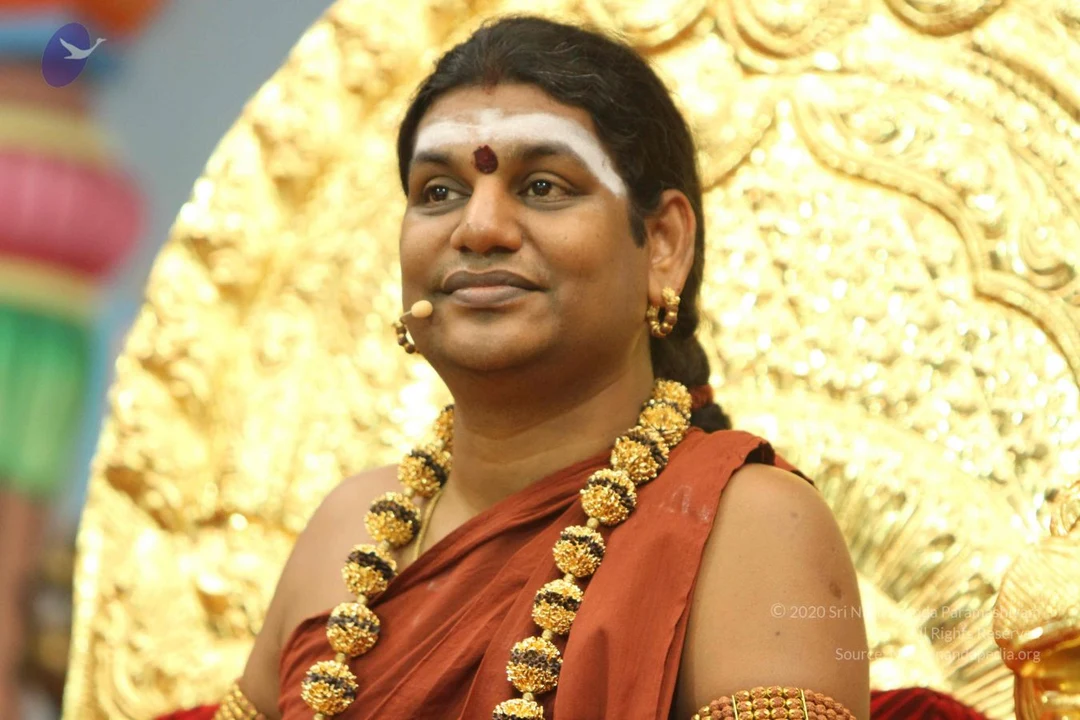
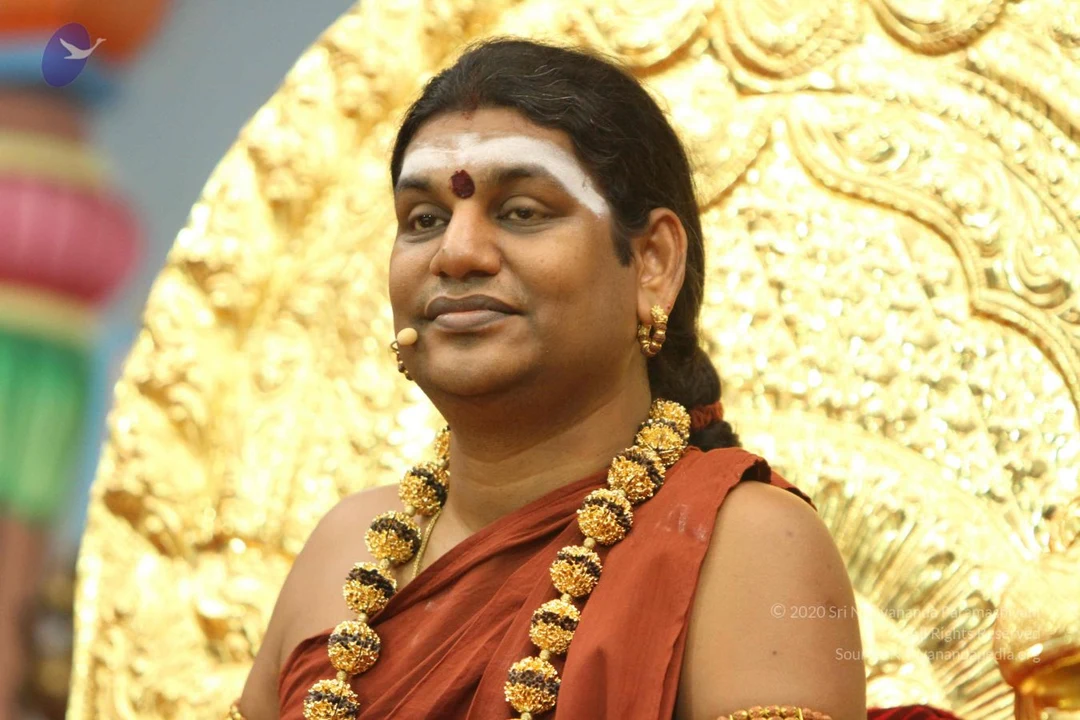
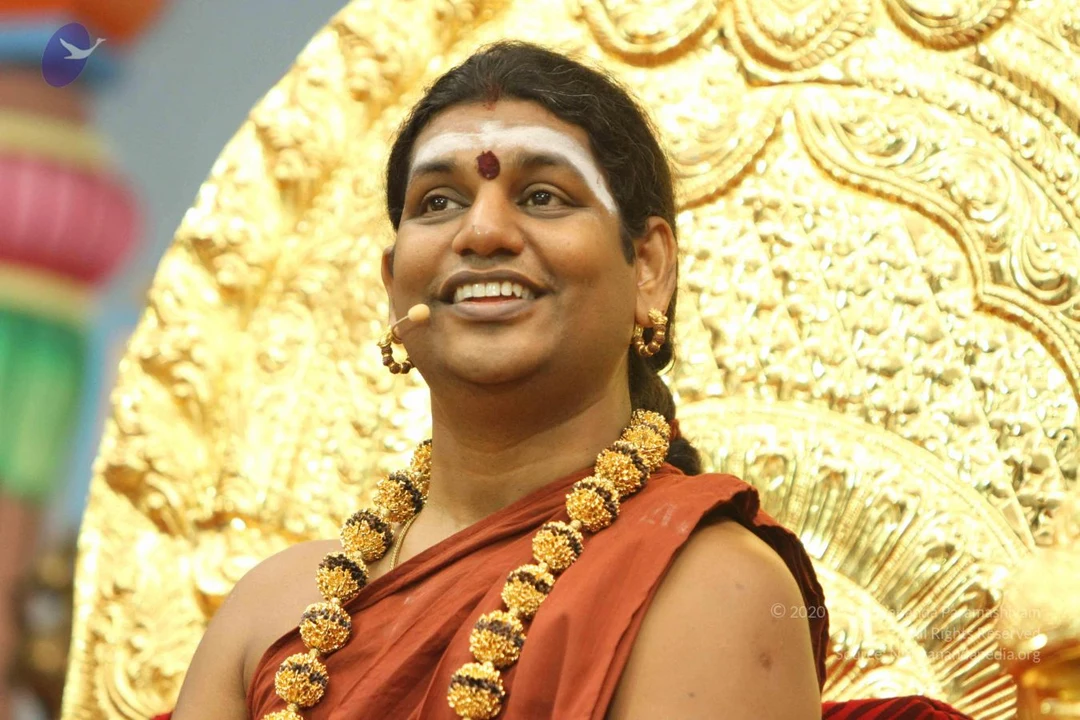
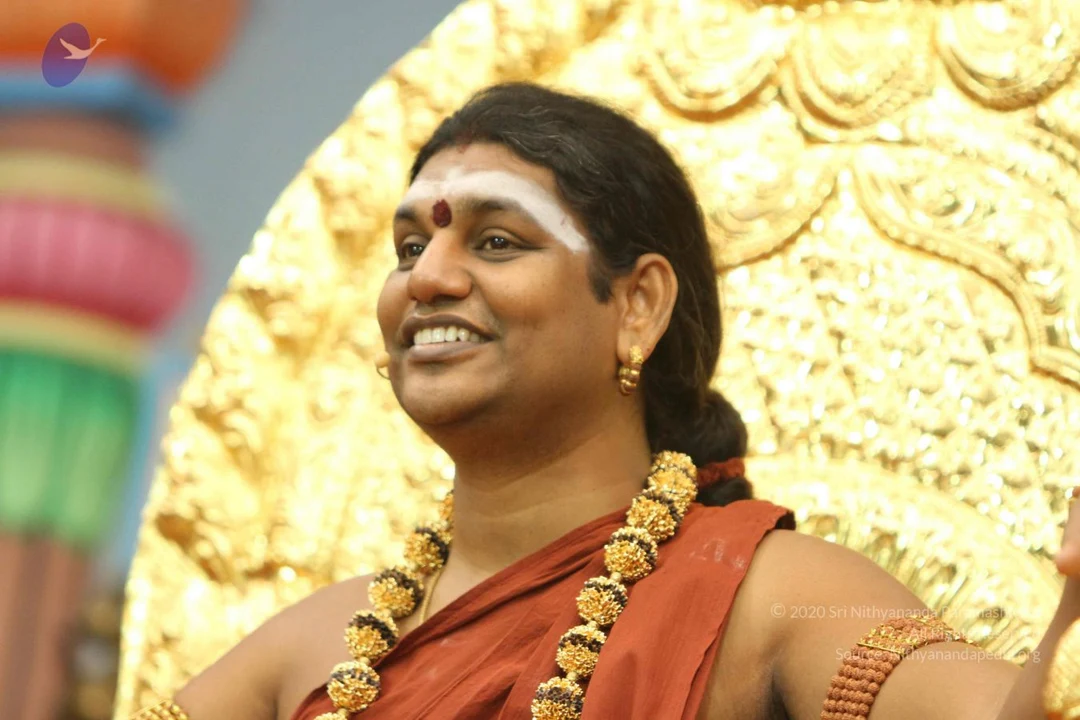
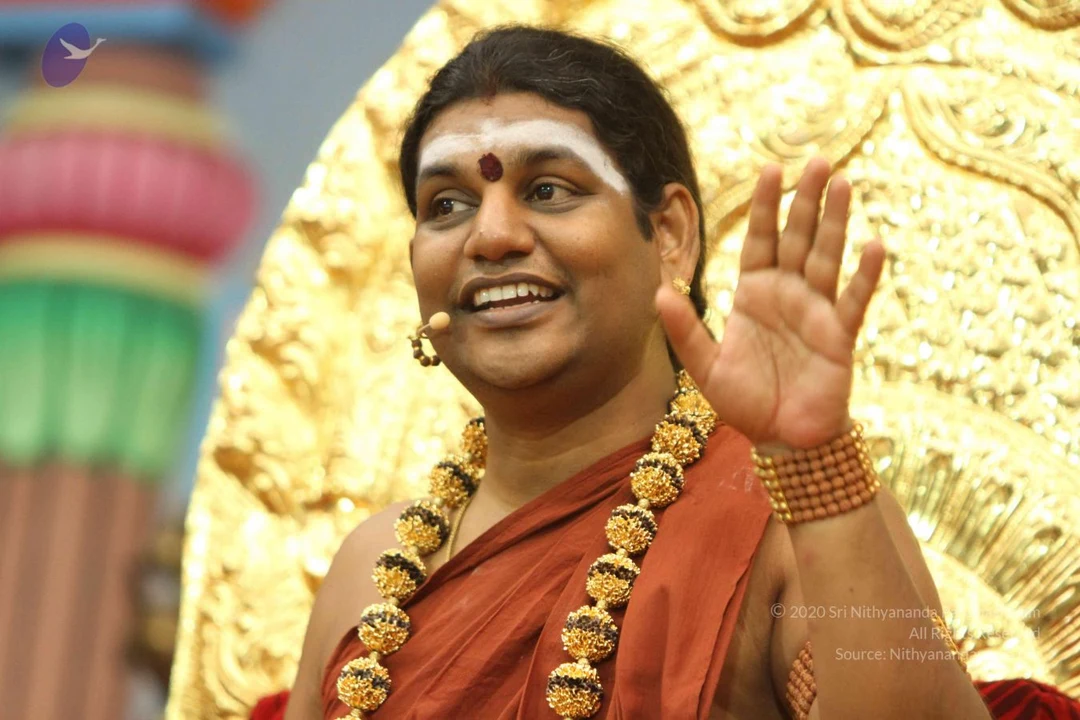
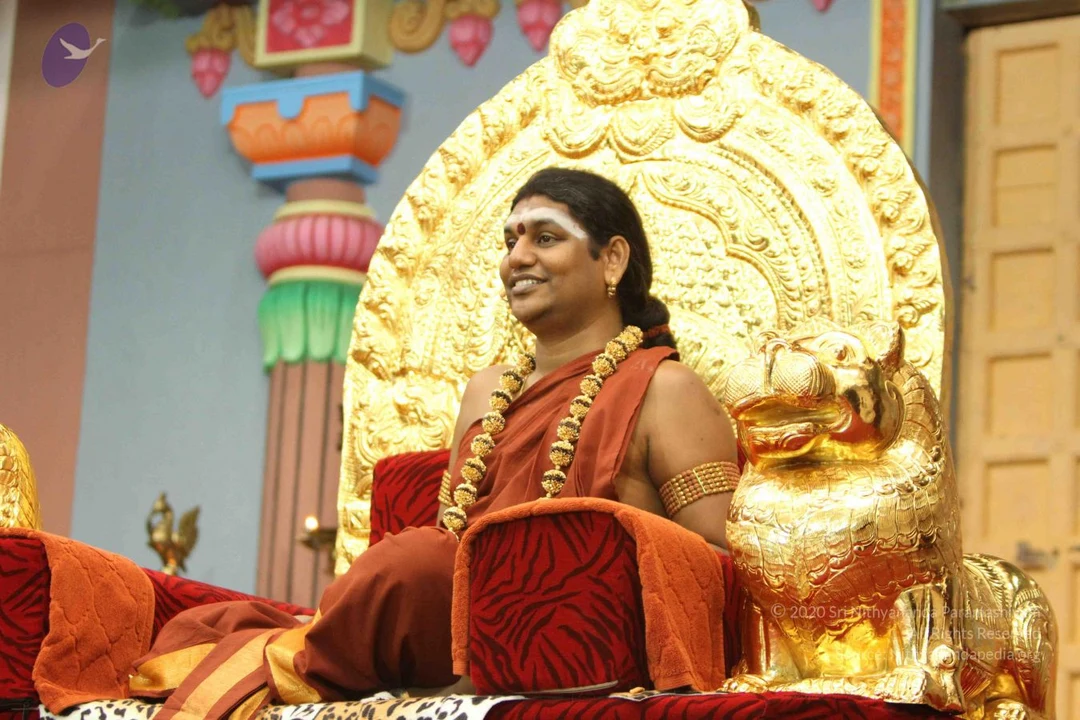
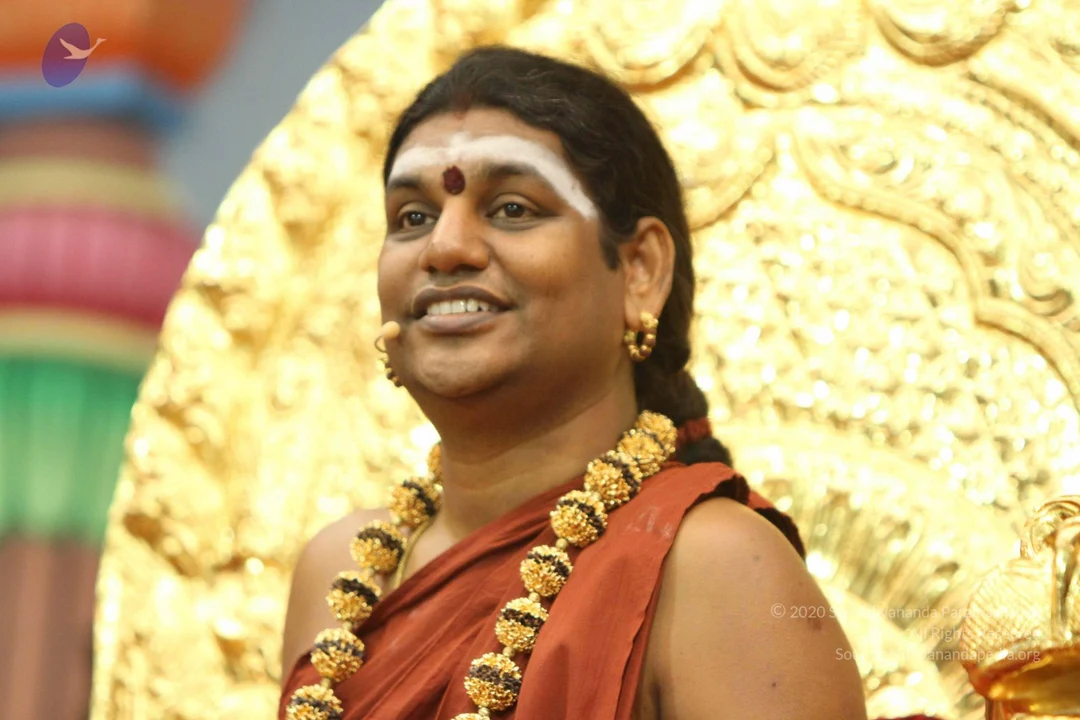
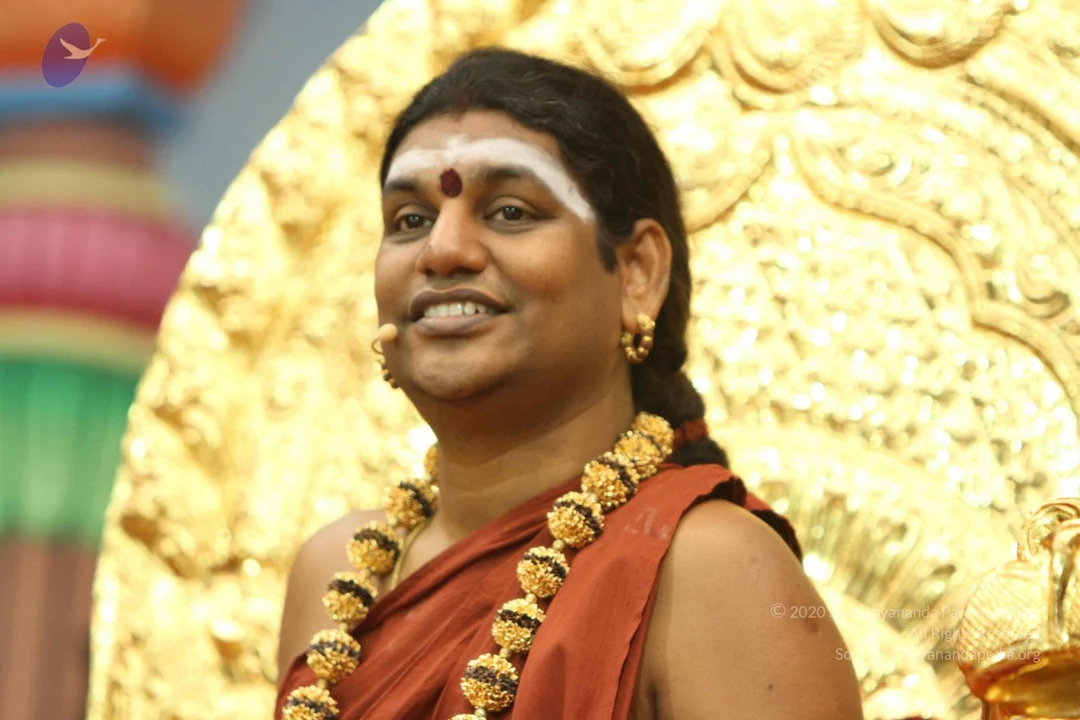
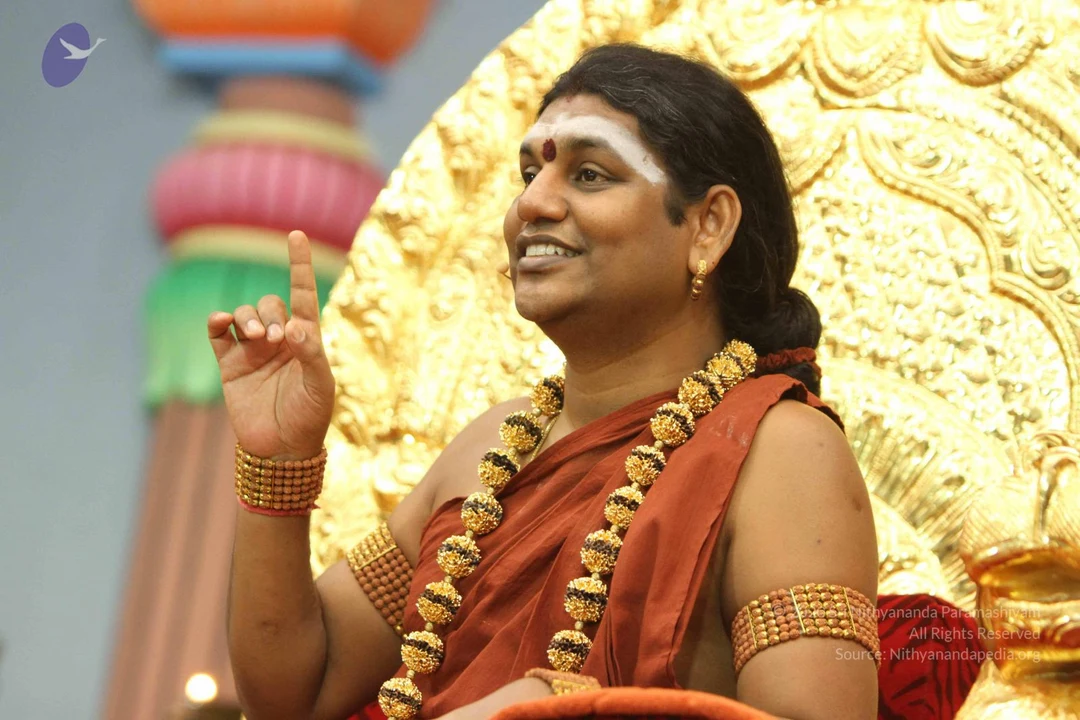
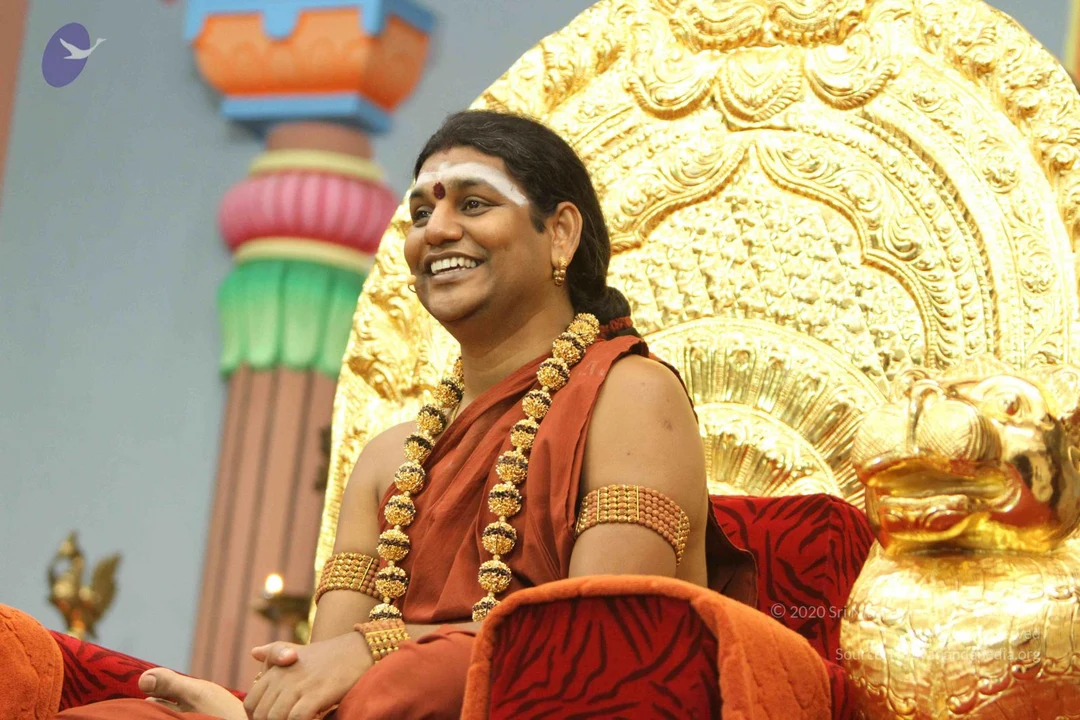
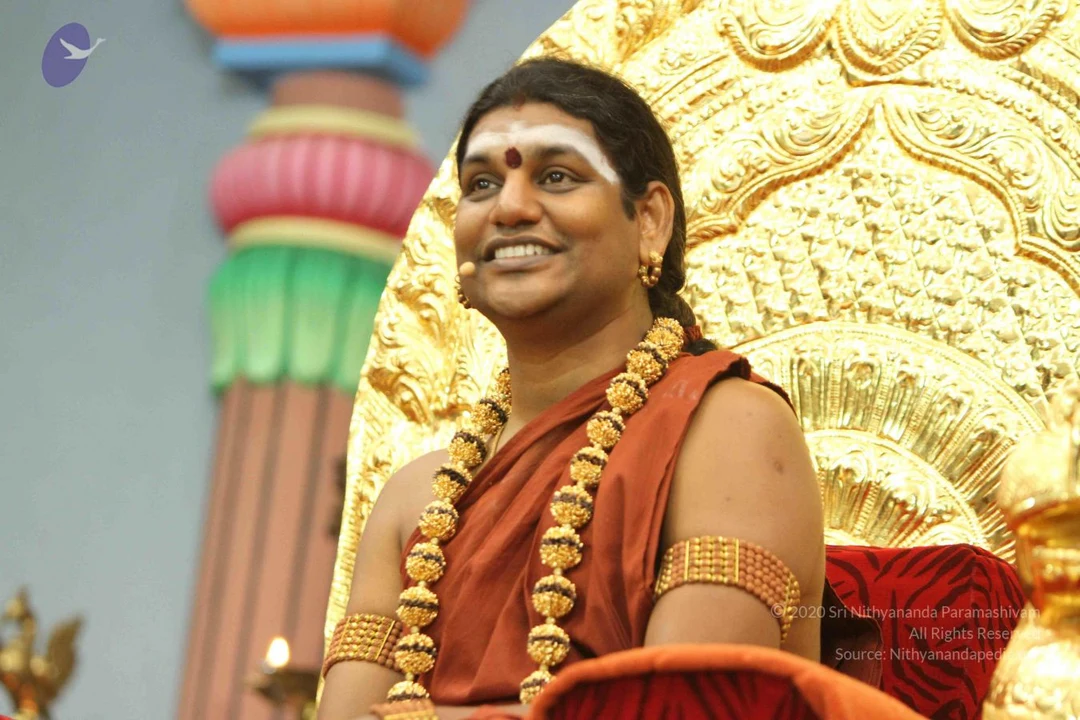
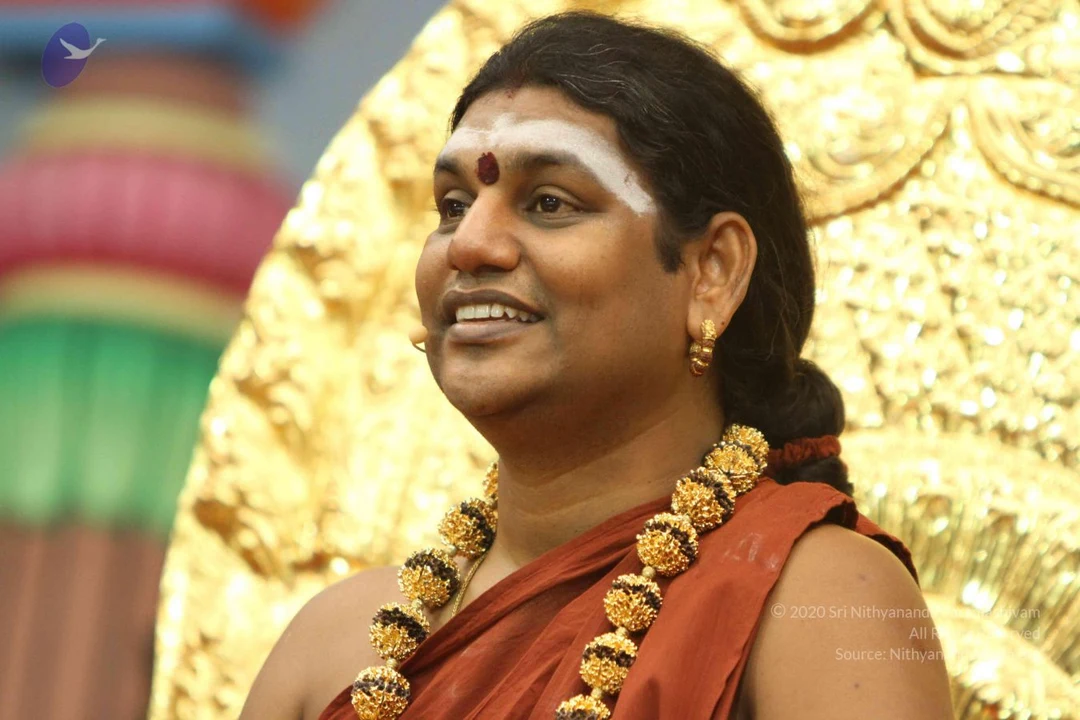
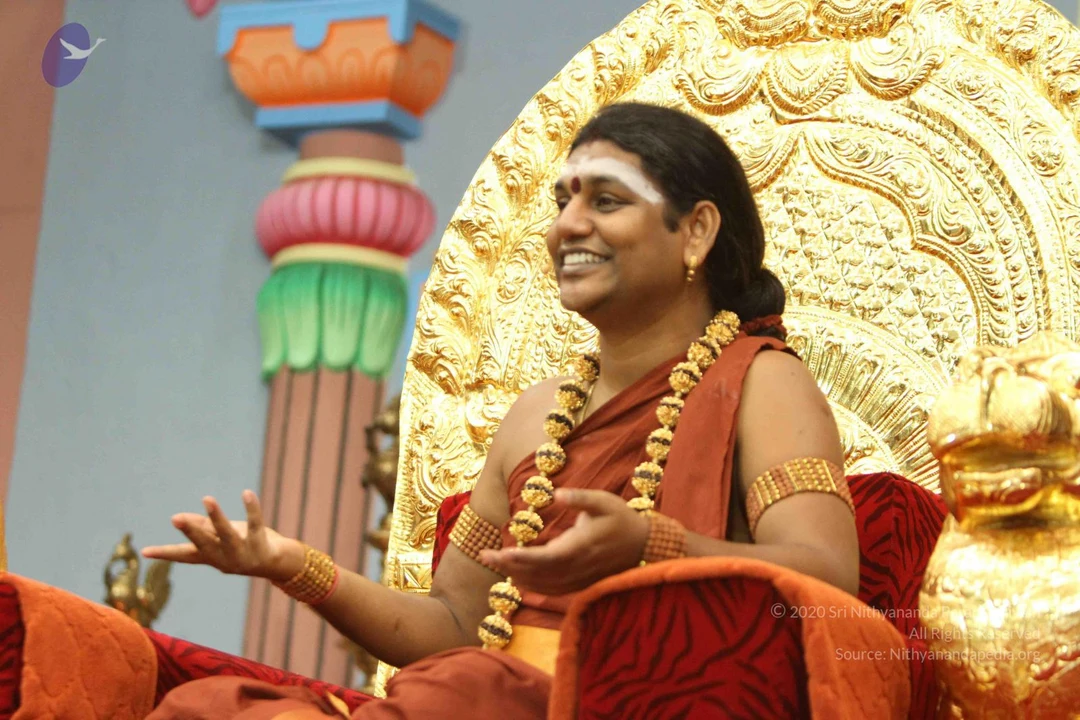
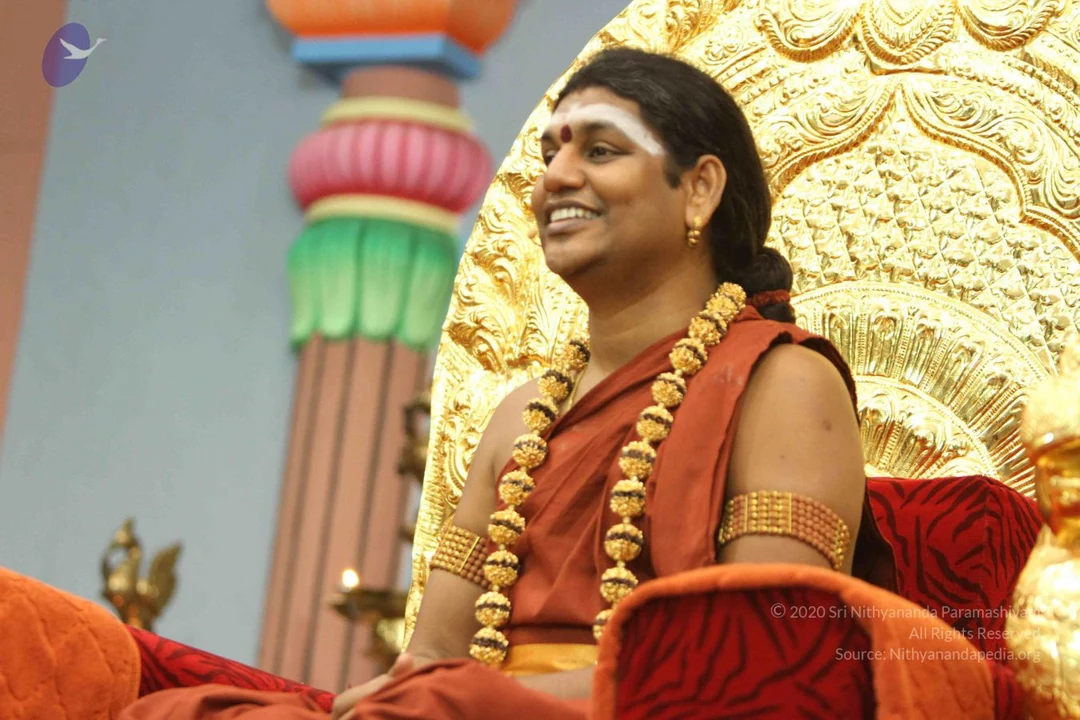
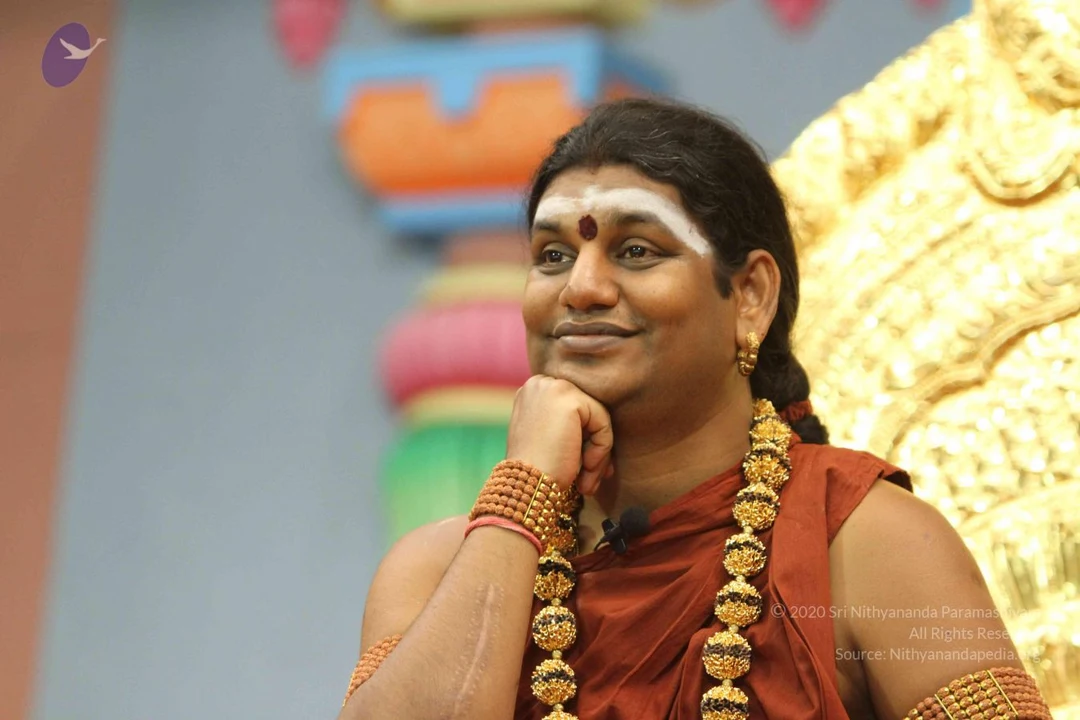
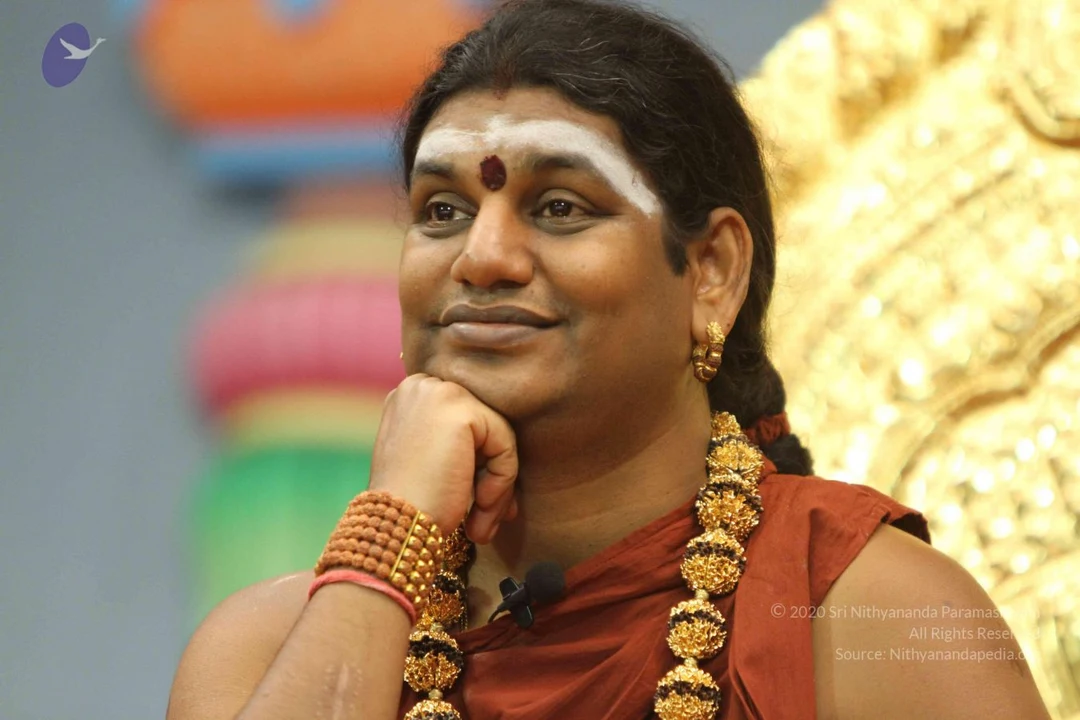
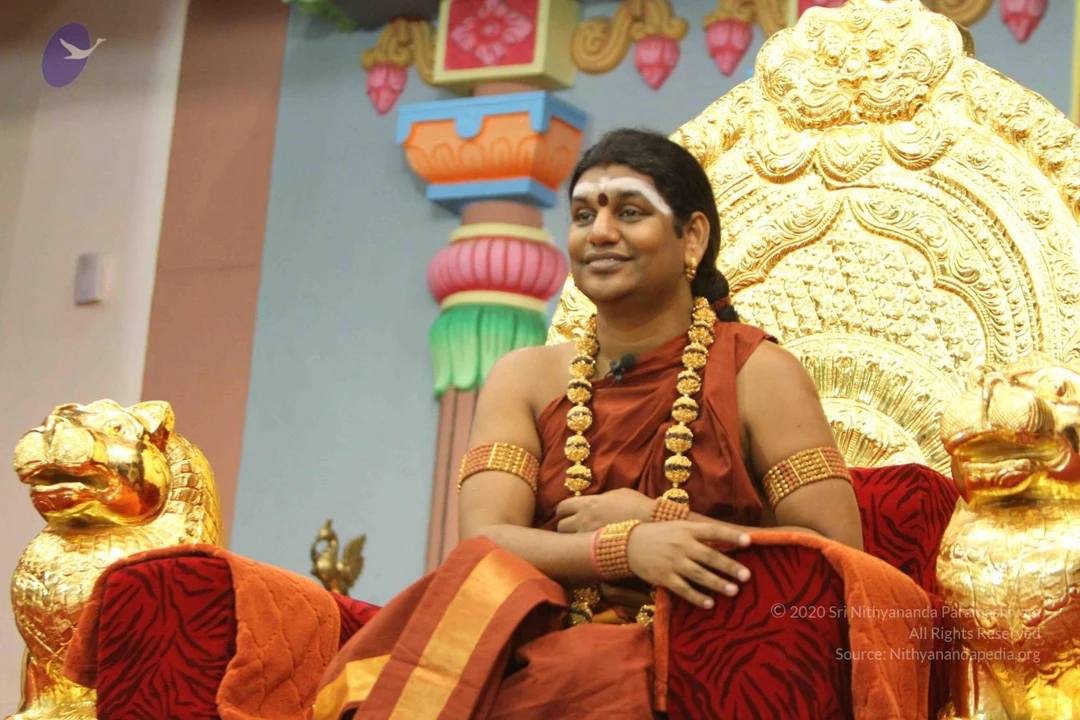
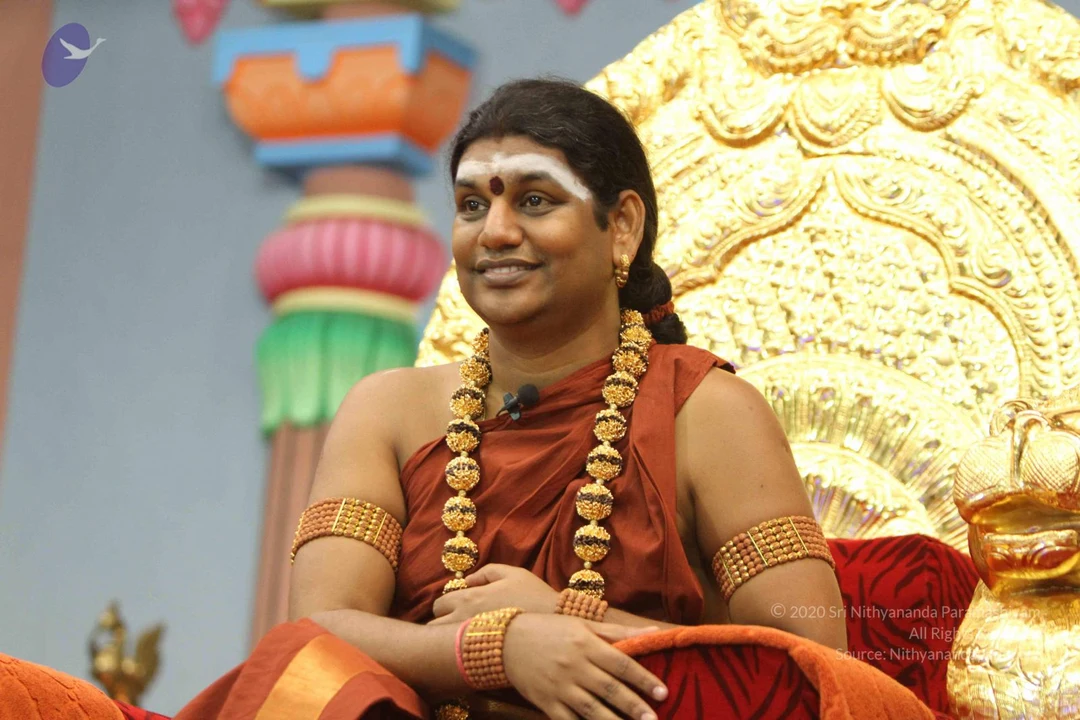
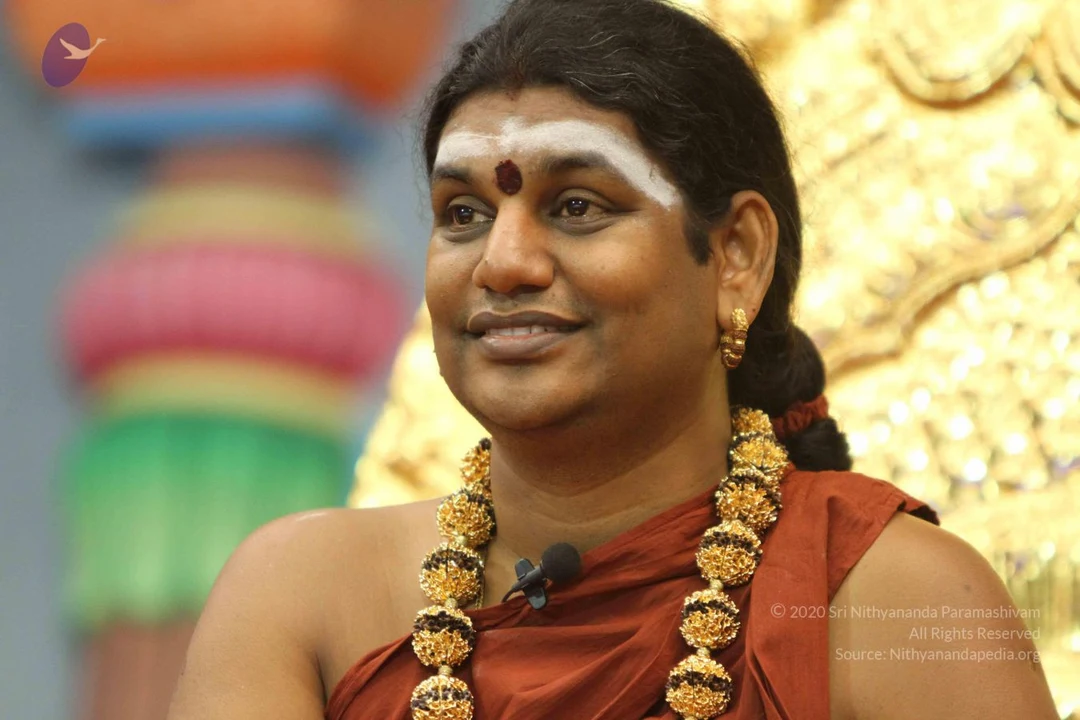
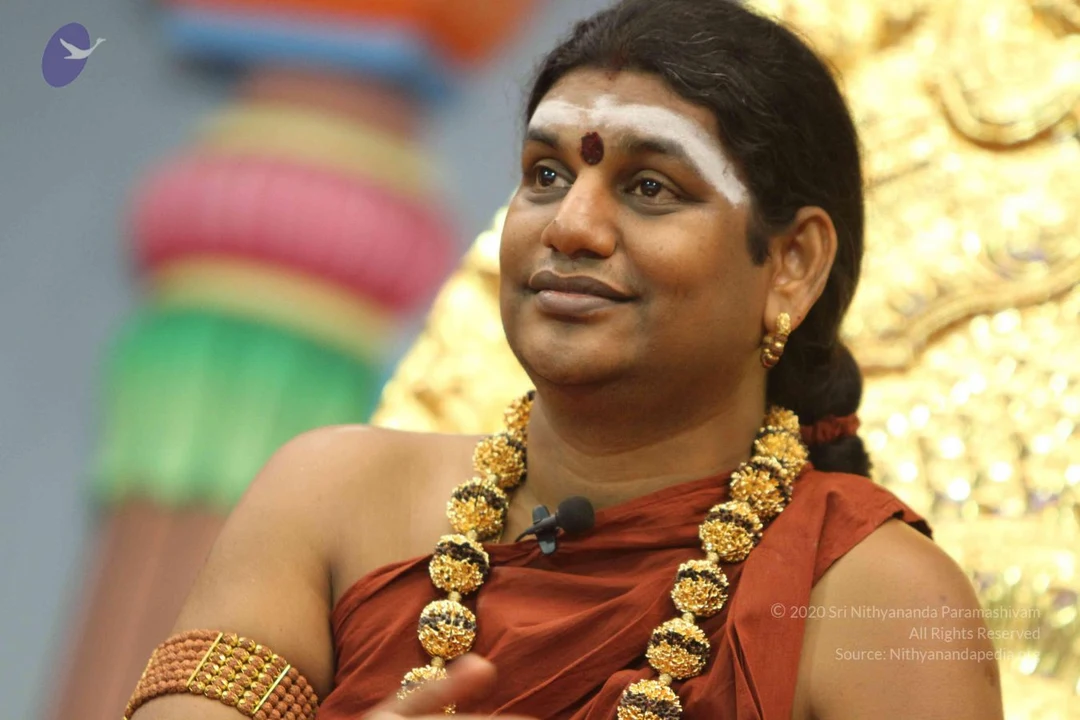
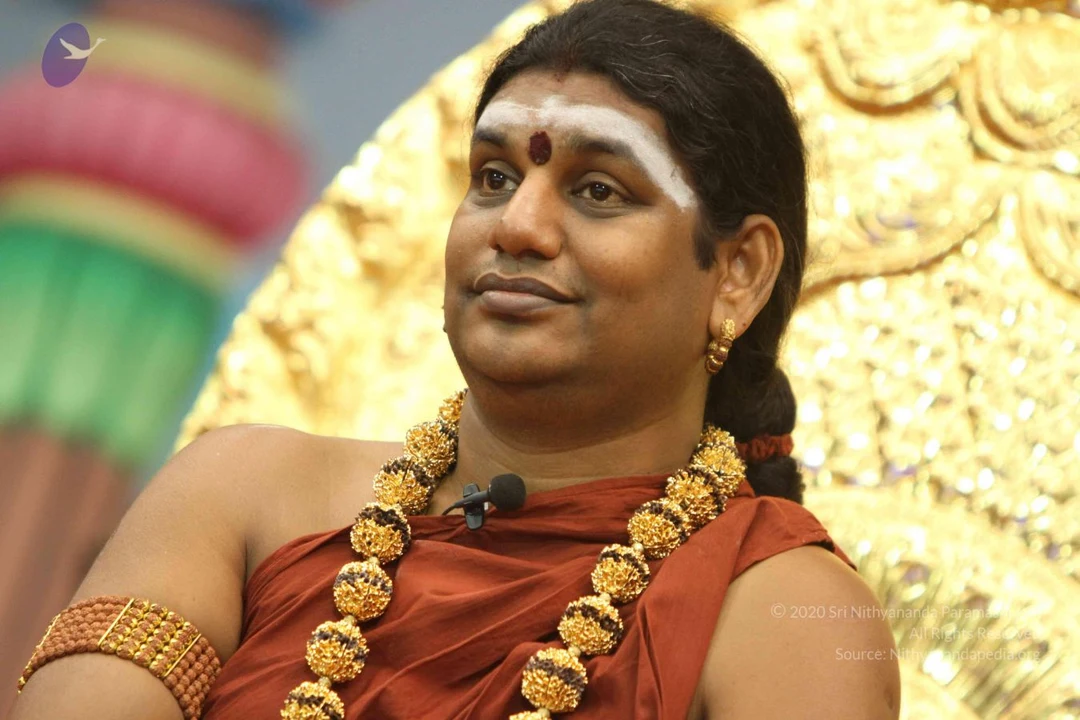
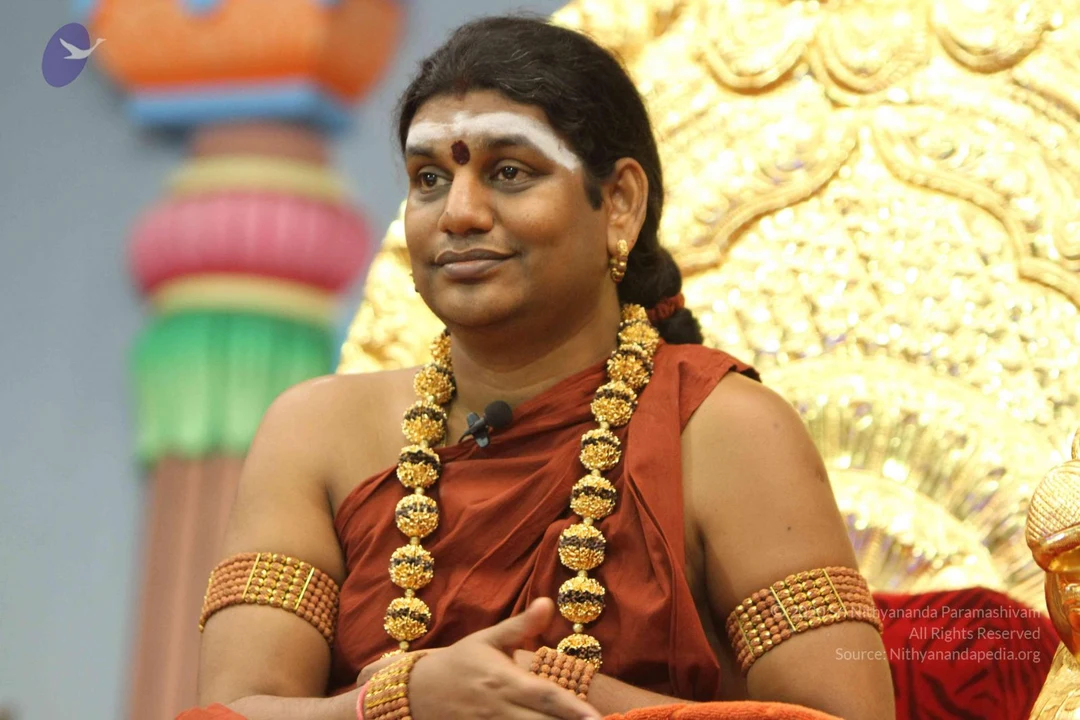
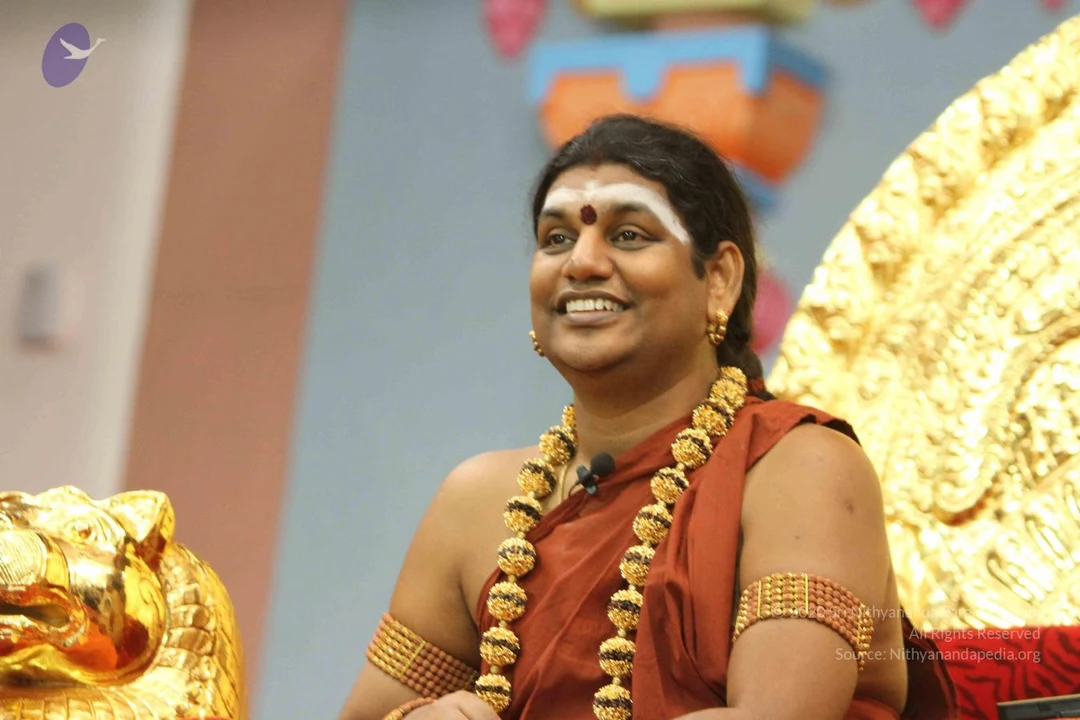
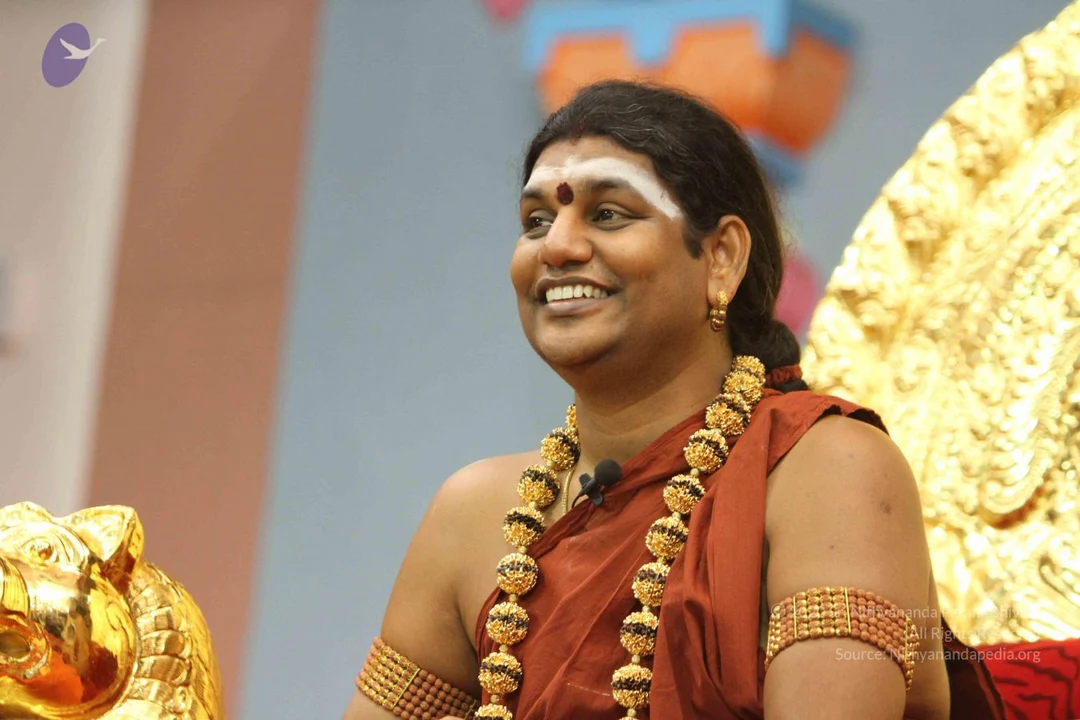
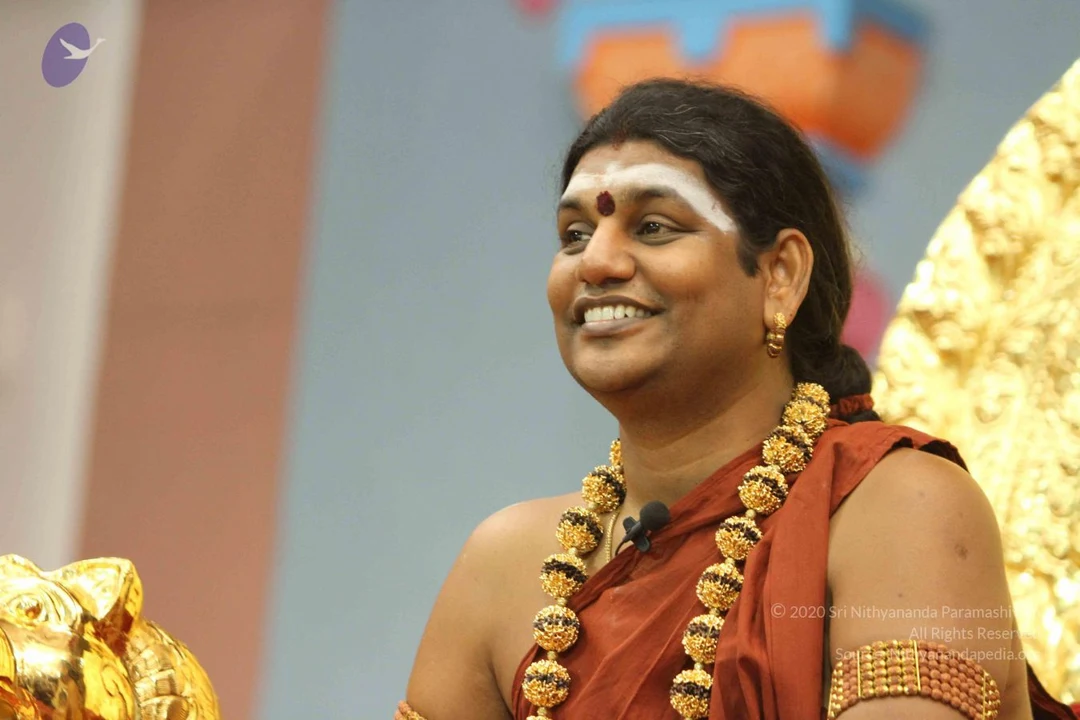
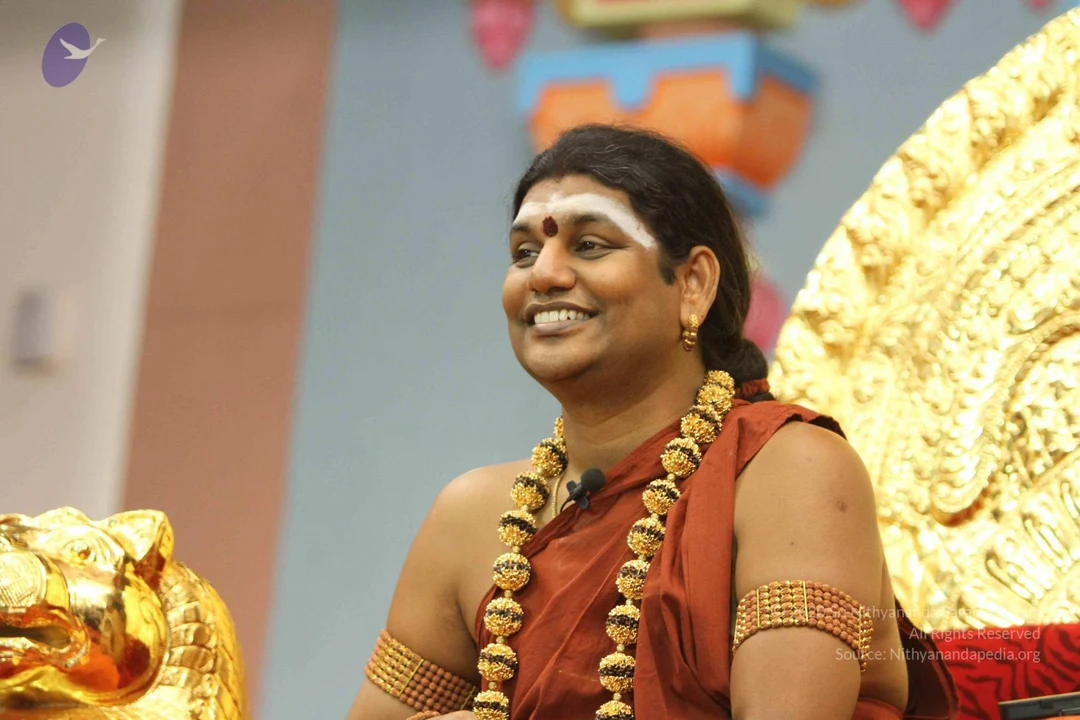
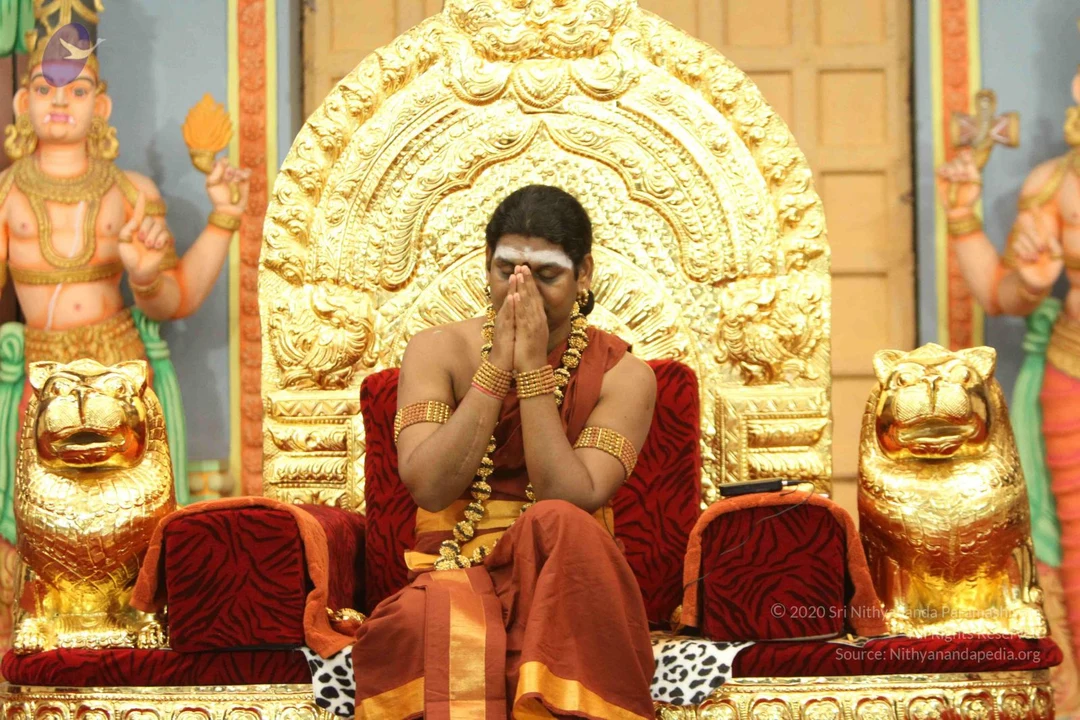
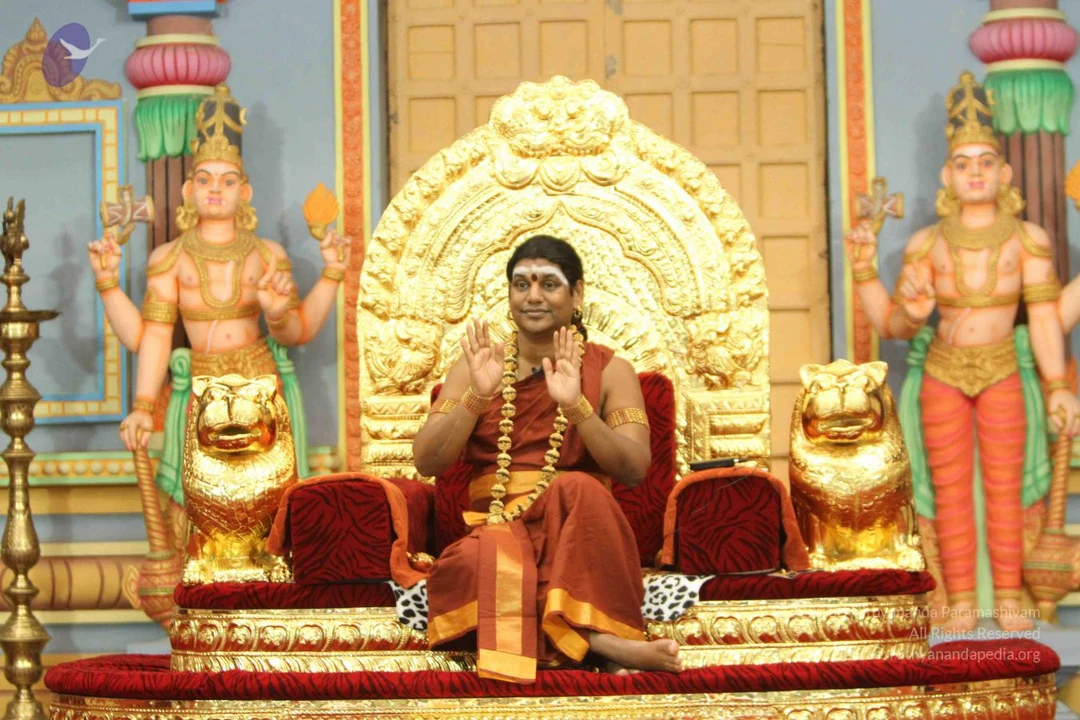
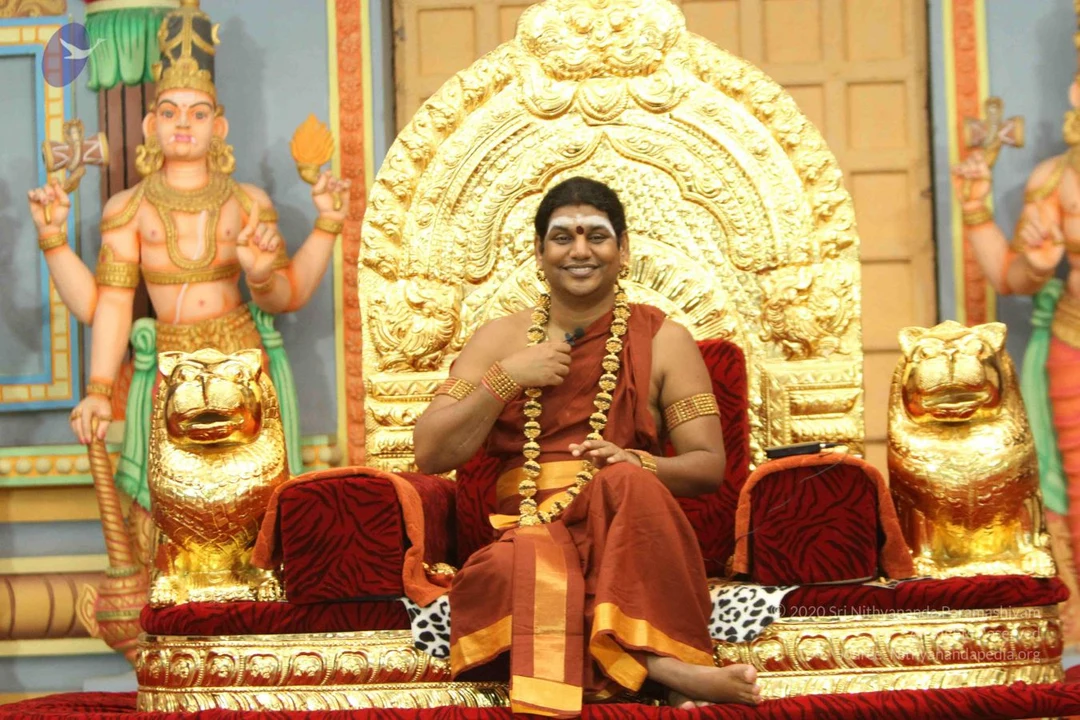
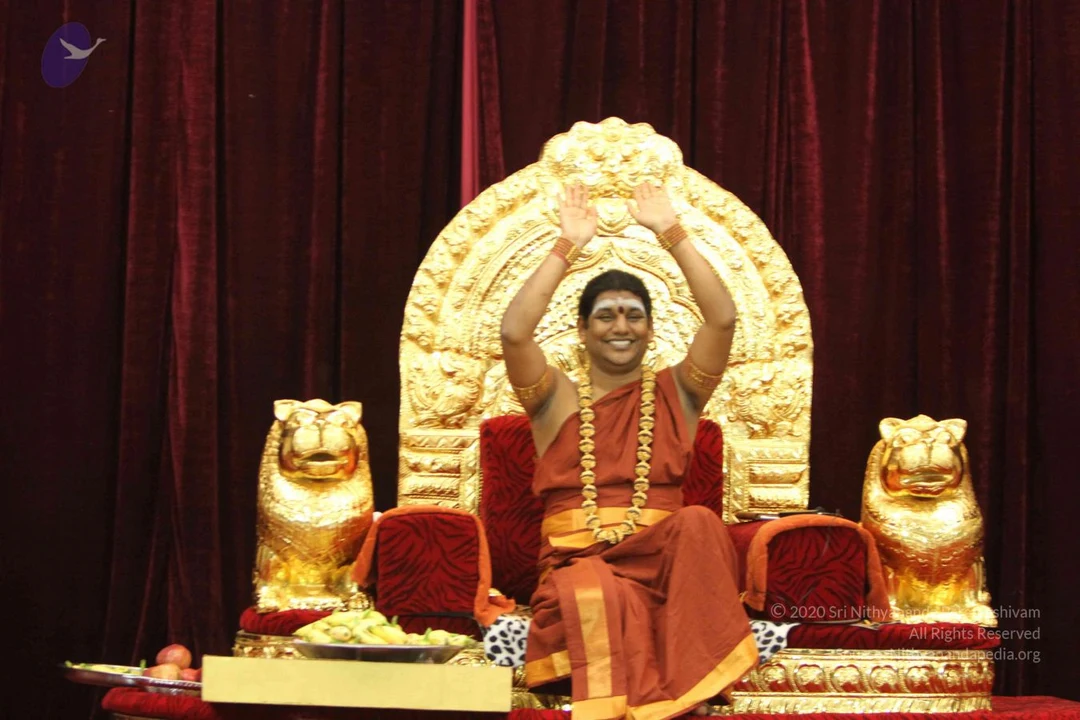
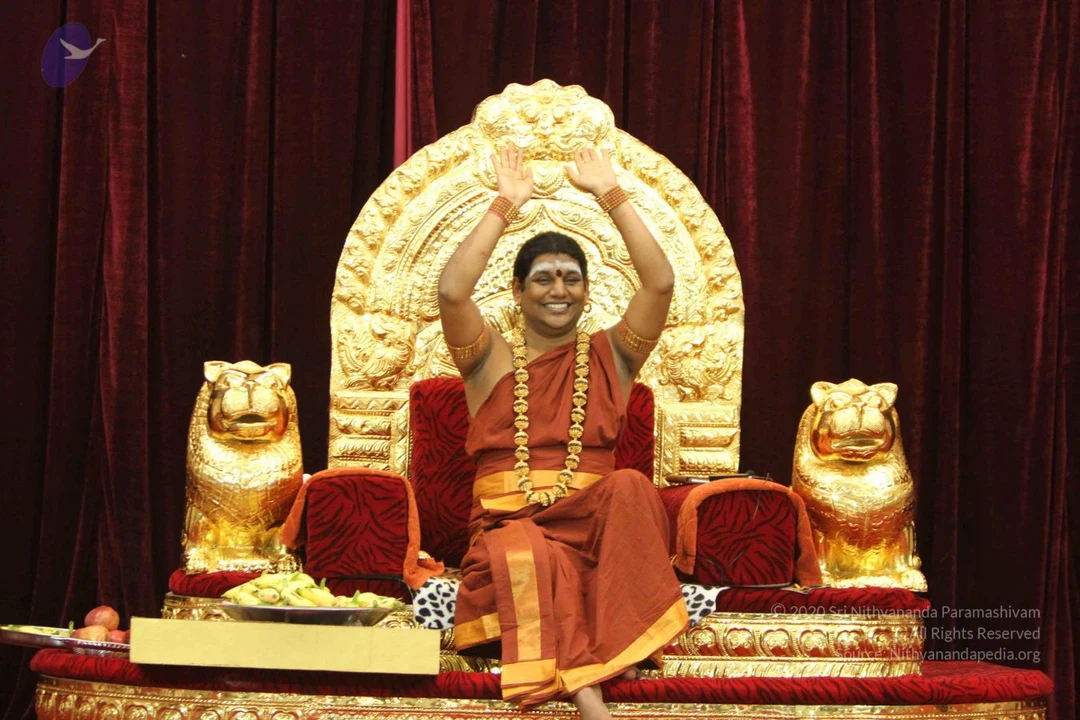
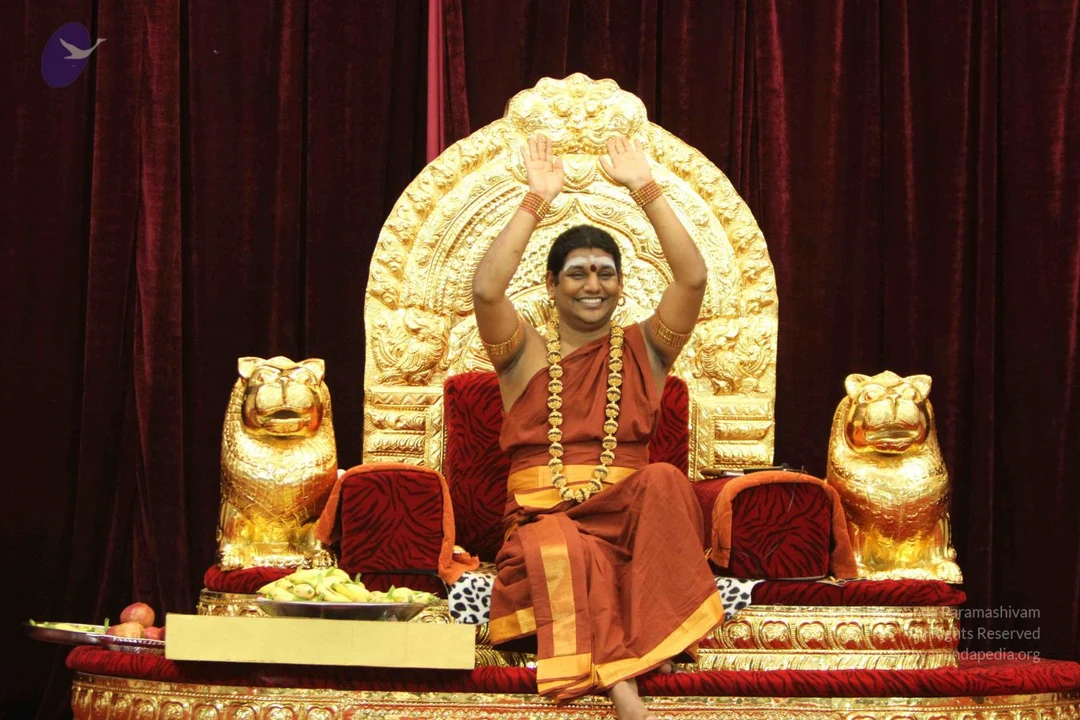

Sarva--Darshan

Photos from this day
View all 304 photosPada Puja
49 photosSource gallery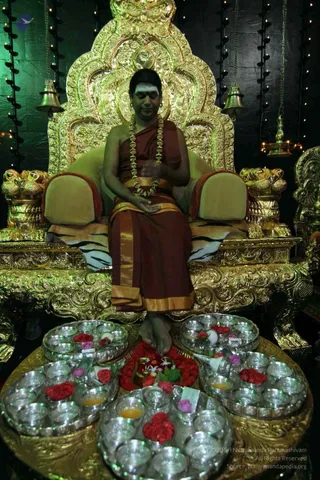
Morning Satsang
49 photosSource gallery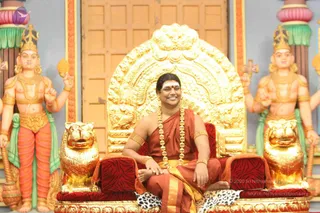
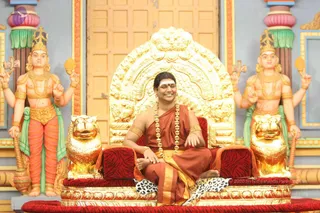
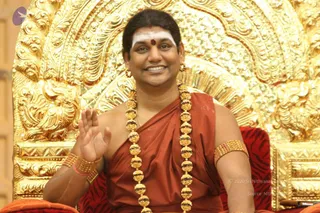
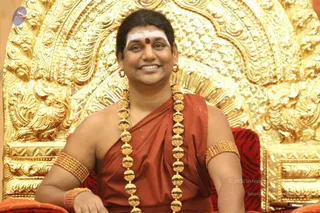
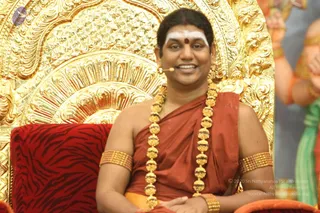
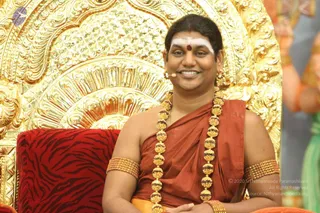
Ganesha Brahmotsavam
90 photosSource gallery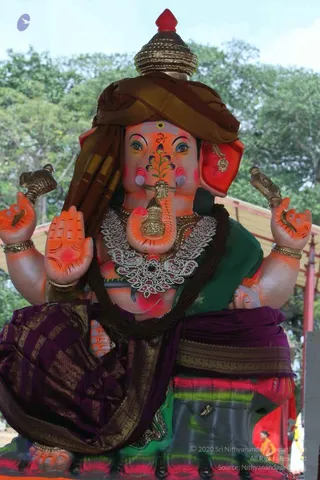
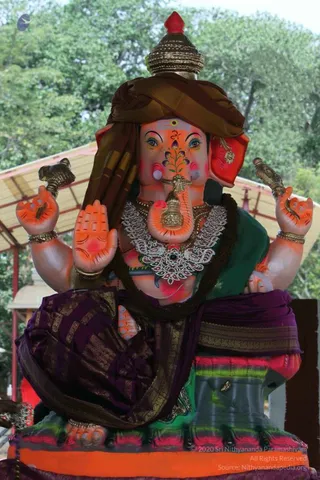
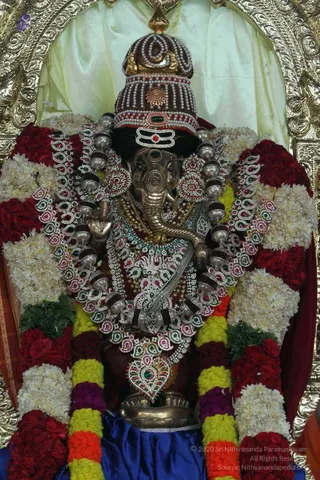
Ganesha-Chaturthi
66 photosSource gallery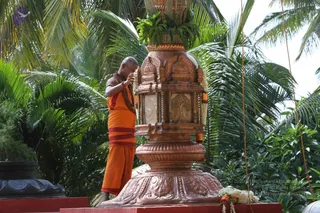
Pada-Puja
13 photosSource gallery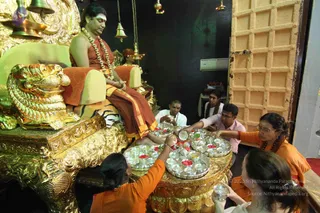
Nithya-Satsang
32 photosSource gallery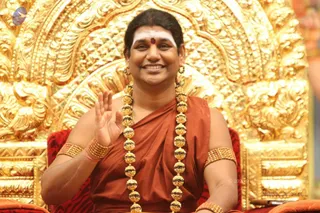
Sarva--Darshan
5 photosSource gallery