Wednesday
3 August 2016
What will you Choose - Good or Pleasant?
- Dated photos
- 59
- Source pages
- 1
- Media
- 4
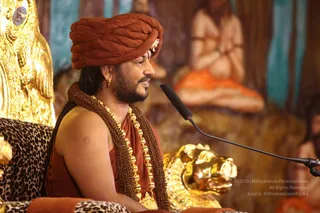
August 03 2016
Original wiki pageTitle:
What will you Choose - Good or Pleasant?
Description:
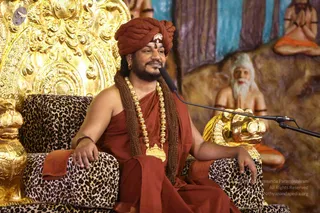
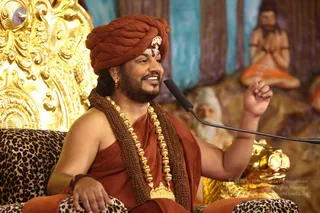
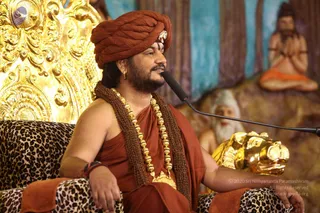
Paramahamsa Nithyananda expands on the second verse of the Kena Upanishad, in the Nithya Satsang of 3rd August 2016, and takes us into the deep understanding of Pure Questioning. The whole verse does not finger towards something. The greatness of these verses is it does not give us any visualization, concept or definition of God.
| Video | Audio |
Transcript:
nithyānandeśvara samārambhām nithyānandeśvari madhyamām | asmat āchārya paryantām vande Guru paramparām ||
I welcome all of you with My love and respects. I welcome all of the devotees, disciples, Samajis, Satsanghis, Sarvajnapeetha Yajamans, Sri Mahants, Mahants, Kotharis, Thanedars, visitors, You Tube subscribers, viewers sitting with us through Nithyananda TV, Facebook live, You Tube live, and two-way video conferencing having Nayana Deeksha.
I welcome all of you with My love and respects. I’ll continue on the Kenopanishad. Recite the verse along with Me.
śrotrasya śrotraṁ manaso mano yad vāco ha vācaṁ sa u prāṇasya prāṇaḥ | cakṣuṣaś-cakṣur-atimucya dhīrāḥ pretyāsmāllokād-amṛtā bhavanti || 2 ||
Listen. Listen carefully.
The whole Upanishad verse does not finger towards something, it does not pinpoint anything.
It is the ear of the ears, that by which one hears, the mind of the mind, speech of the speech, the prana of prana, chakshu, eye of the eye. Understanding this, experiencing this, having liberating themselves, the enlightened beings. Here the Upanishad is using the word – Dhīrāh, means, please understand, Veera is a person who is able put the knife in the right place on the enemy and kill him. Dhīrā is the person who is able to put the right understanding in the brain and conquer himself and achieve enlightenment.
Listen, Veera is the external, Dheera is internal. Veera is micro-management of the actions, dheera is the micro- management of the being.
dhīrāḥ pretyāsmāllokād-amṛtā bhavanti |
Whenever, with ordinary human logic you try to define God, you mess up so badly, you give birth to demonic ideologies, demonic ideologies means, which kills millions of people who don’t accept the ideology and who accept the ideology, that is what is demonic. Understand.
(5:33)
Daivik tattvas, Divine philosophies means, even if you practice little bit, so much good for you, so much you become complete, people around you become complete, you are celebration for others, others are celebration for you, that’s a divine principles.
In Gita Krishna says, svalpam apy asya dharmasya trayate mahato bhayat (2.40, Gita verse) – even little bit is practiced brings so much good, where people become more and more complete, more and more joyful, more and more blissful, more and more happy. Everyone around you feels you are a reason for them to celebrate. You feel everyone around you are the reason for you to celebrate. That is Divine principles, daivik tattvas. Human principles means, whoever practices are blessed. Listen, the human tattvas, philosophies means: the person who practices will benefit.
British, before they entered, we are the richest economy. Some stupid anti-Indian journalists. No, these Indian journalists they have the audacity to tell – before British came there was no concept of India. Then I have a doubt – why did register the company called East India business company? (laughs). If there was no concept of India, why did the British register their company as East India?
This anti-Indian elements are so adamant, audacious, they say that before British there was no concept of India. Oh God! And you need to know, still many of the Western universities do not call Indic Studies Department as the Indic Studies Department or Indian studies, they call as South East Asian studies, South East Asian studies, just to remove our identity from us. No civilization suffered so much of identity crisis, so much of attack on their identity, so much of abusal. Before British came, we were the largest economy, richest economy. These fellows broke our backbone, swindled the whole thing, then pump little money through the so-called charity, through their missionaries. What is their job? Hitting our identity more strongly with a lot of money, hitting on our existence, understand.
Existence is all about food and being alive only for animals. For human beings, existence is all about IDENTITY, it is all about WHO WE ARE, that is what was being attacked terribly, terribly, that is what was attacked the worst possible way by very powerful strategizing, cunning strategy plans. These are human level tattvas, principles. The demonic tattvas, the demonic ideologies, oh God! Practicing means, you have to kill others, only eliminating others is the scale of how much you practice or not.
(11:47)
Listen to these three ideologies:
Daivik, Divine ideologies, who practices, you feel others are reason for you to celebrate, and others feel you are the reason for them to celebrate. Even if you practice a little bit. svalpam apy asya dharmasya trāyate mahato bhayāt. svalpam apy asya dharmasya trāyate mahato bhayāt.
The human ideologies are people who practice, they feel good but not others, they can be manipulated, misused, used like a weapon, like Brahmastra. Brahmastra itself is neither bad or good, the person who uses decides whether it is good or bad.
Third one: demonic ideologies, the moment you start practicing you have to start killing, eliminating, excluding, First you kill all the fellows who don't accept the ideology. Not first you start killing all those who oppose, then you start killing all those who don’t oppose, but who don’t accept also, then even among the people accepted; whoever is not coming all out to kill others you start killing them.
Understand the layers of killing. First, kill all those who oppose, then kill all those who don’t oppose but who don’t accept completely, then kill all those even though who accepts but who is not actively killing along with you. Layers and layers of killing that is the demonic ideology.
Please understand, unfortunately the people who had a Daivik philosophy were superficial, that is why I insist so much on having completely integrated to that Daivik philosophy, being active on it, understand. So much of bad has happened, not only because bad people are active, the demonic ideologies people were active, the Daivik, the Divine ideology people were inactive.
(15:13)
No, I am very clear this time. Vivekananda says very beautifully – devotion should become responsibility. He goes to a little extreme, I want exactly quote him, “people who are singing, dancing only doing bhajan, jumping, not being active in upholding in Krishna’s teachings,” he talks about particular situation). He says, “people who only jump, sing, dance, roll in the name of Hare Krishna, Radha Krishna, Rama Krishna, and does not hold Krishna’s ideology up, alive, keeping them, beat them”, he says, “beat them”. I was really shocked when I read, I thought, “what is this? It looks like a little violent”, He is not telling kill them, no. He just wants to tell clearly – wake them up, wake them up.
The inactiveness of Divine philosophy beings, inactiveness of Divine principle people, inactiveness of the good philosophy people is equally responsible for all the suffering of the world, not just activeness of the bad people alone. Not just the activeness of the bad people alone, that is why this time I say – Sangha is Divine because being active about what you believe, integrity towards what you believe, feeling responsible for what you believe, is very important to balance, to bring the balance on the Planet Earth.
Bad people are so active, good people are sitting and fantasizing about being active. Bad people are able to get thousands of youngsters to go and commit suicide, kill others and kill themselves. We good people are not able to get a few people, youngsters to go and give annadaan, free food, free medicine, free yoga and meditation. That is what I am wondering, why bad people are able to get thousands of youngsters. Just if you see last 3 years I am not even going for ten years, the last 3 years almost openly, known information almost 22 thousand youngsters have killed themselves for some ideology sake, means; by killing others by killing themselves, that the demonic killing principles. I really wonder, how they are able to generate so many thousands of youngsters to go and commit suicide and we are not even able to generate even 1 percent of the population to go and serve free food, to go and serve free medical care, to go and support people during the crisis, to go and support the people during natural calamities.
(19:59)
Understand, good people are giving up ambitiousness, bad people are highly ambitious.
Goodness + ambition put together is Nithyananda Gurukul.
Tremendous goodness. Tremendous ambitiousness. Ambition with goodness, activism with authenticity, activism with authenticity.
(21:00)
Donfest is YouTube live viewer, the person is asking – “Swamiji how can I move away from people who bring me down and don’t want me to be successful? Swamiji how do I deal with the toxic family.”
Please understand, just escape, no, no compromising will help you. Just escape. Do not be in the company of the people who are toxic. Only be in the company of people who are constantly making you powerful. Please understand, do not choose pleasant over good, always choose good over pleasant. Sometime, people will be pleasant to you but not good to you.
Always choose people who make you more and more authentic, more and more responsible, more and more integrated, more and more enriching, more and more powerful to your core. Do not choose pleasant, always choose good. People who choose pleasant will be cheated in a few days. People who choose good will constantly be growing, growing, growing.
I tell you, always choose good not pleasant. If you have choice, if something looks pleasant and something looks good in front of you and you are feeling what to do; always choose good, who empower you with authenticity, responsibility, enriching, and awakening you, making you more and more powerful.
Pleasant is short-term strategy, good is life strategy. Choose good, you life will be successful. Choose pleasant your day will be successful. If you choose pleasant your day may be happy, choose good, life will be happy.
Kathopanishad says very clearly; choose always right than pleasant.
anyac chreyo anyad utaiva preyaste ubhe nānārthe puruṣam sinītaḥ |
tayoḥ śreya ādadānasya sādhu bhavati hīyate’rthād ya u preyo vṛṇīte || 1.2.1 ||
When it comes between shreyah or preyah, good and pleasant, always choose good never pleasant. People who choose good succeed in the STRATEGY OF LIFE.
First I want to tell you, the moment you feel the family is toxic, move away from them, be with the people who will make you powerful for some time, evolve to a level where nobody will be able to bring you down and then go back them, go back to your family, bring them up. Instead of you going down you will bring them up, but till then you need some place where you can become strong and grow. Come to a space where nobody is able to bring you down. If you need that place, we are here, come.
This place, I am making this place Bengaluru Aadheenam only to help people to choose good, support them, enrich them with authenticity, with integrity, with responsibility, with enriching.
Today I wanted the Vaakyartha Sadas to be done on this subject: good and pleasant, what are we choosing in our life everyday? Where are we heading, shreyah or preyah, good or pleasant?
The Facebook status for all of you – good or pleasant, what are you going to chose?
With this I bless you all: Let you all radiate, with integrity, authenticity, responsibility, enriching, causing Living Shuddhadvaita Saivam, the eternal bliss. Nithyananda. Thank you. Be blissful.
Transcript in Tamil
வான் கலந்த மாணிக்கவாசகர்.
ஆழ்ந்து இந்த சில சாத்தியங்களை புரிந்துகொள்ளுங்கள். பக்தி, வெறும் ஏதோ சில செயல்கள் சார்ந்தது அல்ல, உங்களுக்குள் பெரும் சக்தியை ஊற்றெடுக்க வைக்கும் யுக்தி. ஆழ்ந்து கேளுங்கள்.., பக்தி ஏதோ வெறும் சில செயல்கள் சார்ந்தது அல்ல, உங்களுக்குள் மிகப்பெரும் சக்தியை ஊற்றெடுக்க வைக்கும் யுக்தி. பரம்பொருளை, பரதத்துவத்தை, எங்கோ வேறொரு லோகத்தில் இருப்பதாக வைத்து அதனிடம் மன்றாடுவதும் பிச்சை எடுப்பதும் மண்டி இடுவதும் அல்ல. அந்த பரம்பொருள், சதாசிவம், உங்களுடைய உயிரின் உயிராக உங்கள் கண்ணுக்குள்ளிருந்து காணுவது எதுவோ, காதுக்குள்ளிருந்து கேட்பது எதுவோ, எண்ணத்துள்ளிருந்து எண்ணுவது எதுவோ, சிந்தையிலிருந்து சிந்திப்பது எதுவோ, உள்ளத்திலிருந்து உள்ளுவது எதுவோ, அந்த உயிருக்குள்ளிருந்து உணர்வது எதுவோ அந்த பரம்பொருள், சதாசிவமே! அந்த பொருள் சதாசிவமே என்கின்ற தௌிவோடு, இருப்பும் வாழ்க்கையின் செயல்பாடுகளும், இரண்டுமே இறை நிலையிலிருந்து இயங்க வைக்கும் யுக்தி பக்தி. ஆழ்ந்து கேட்டுக்கொள்ளுங்கள், உங்களுடைய இருப்பு, செயல்படும் தன்மை, இரண்டுமே இறை நிலையிலிருந்து இயங்குவதற்கான தௌிவும், இரண்டுமே இறை நிலையிலிருந்து வௌிப்படுவதற்கான சக்தியும் இரண்டுமே இறை நிலையிலிருந்து இயங்குவதற்கான யுக்தியும், பக்தி. நினைப்பது, நடப்பது, செய்வது , இது எல்லாவற்றிலும் நிறைத்தன்மையை உணரவைக்கும் யுக்தி, பக்தி. மாணிக்கவாசகருடைய வாழ்க்கையே கல்பதரு. நினைக்கும் பொழுதெல்லாம் பெருமான் நேர் நின்று கேளாது அளித்தான். மாணிக்கவாசக பெருமான் நரியெல்லாம் பரியாக்கி நீயே குதிரை சேவகனாய் மாறி மதுரைக்கு வா என்று சொல்லவுமில்லை, கேட்கவுமில்லை. தன்னை அறியாத பெரும் பரவசத்தால் அரசனின் விதி, சமூகத்தின் நேர்மை இதையல்லாம் பற்றி கவலைப்படாமல் அரசன் கொடுத்த பணத்தை குதிரை வாங்காமல் கோவிலை கட்டி விடுகின்றார். ராமகிருஷ்ணர் ரொம்ப அழகாக சொல்வாரு - ஒரு அளவுக்கு மேல கங்கையில் வௌ்ளம் போனா, இருக்கற பாறை, குழி, மேடு, பள்ளம் இதெல்லாம் தெரியாது. ஒரு அளவுக்கு மேல சமூகத்தின் விதிகள், நாட்டின் விதிகள் போன்றவைகள் தெரியாமல் வாழ்க்கை நிகழ துவங்கி விடுகிறது. அப்படித்தான் மாணிக்கவாசகர் வாழ்க்கையில் நடந்துருச்சு . உண்மையில் இந்த அரசன் தண்டனை கொடுத்தால், அவனுடைய நீதிப்படி, அரச தர்மத்தின்படி அது சரி, ஆனால் பிரபஞ்சத்தின் தர்மத்தின்படி அது, தவறு. பிரபஞ்சம் உங்கள் வாழ்க்கையில் தொடர்ந்து தலையிட்டு உங்களை தன் தலை மீது வைத்து காக்கும் வாழ்க்கை முறை தான் பக்தி. மாணிக்கவாசகர் வாழ்க்கையே ஒரு நீண்ட , பக்தி எனும் பனை ஓலையில் இனிமை எனும் எழுத்தாணி கொண்டு பெருமான் பேரருள் பொங்க பொங்க, எழுதி வைத்த காப்பியம் மாணிக்கவாசகரின் வாழ்க்கை. வள்ளல் பெருமான் மணிவாசகரை பற்றி திருவாய் மலர்ந்தருளிய இனிமையான நான்கு வரிகள்..., வான்கலந்தமாணிக்கவாசகனின் வாசகத்தை நான் கலந்து பாடுங்கால் நற்கருப்பஞ்சாற்றினிலே தேன்கலந்து, பால்கலந்து, செழுங்கனிதீஞ்சுவை கலந்து என் ஊன்கலந்து, உயிர்கலந்து உவட்டாமல் இனிப்பதுவே. வான்கலந்த மாணிக்கவாசகர் என்கின்ற சொல்லுக்கு பொருள் சொல்லிக்கொண்டிருந்தேன்..., ஆழ்ந்து கேளுங்கள் எந்த விதமான சாதனை முறையை நீங்கள் வாழ்க்கையில் ஏற்கிறீர்களோ அந்த விதத்திலே ஜீவன் முக்தி உங்களுக்குள்ளே மலரும். ஐந்து புதங்கள், பஞ்ச புதங்களான நிலமும் நீரும் நெருப்பும் காற்றும், நிறை ஆகாயமும் இந்த ஐந்து புதங்களின் மூலமாகவும் மலர்தல் நிகழ்ந்து, ஞானத்திற்குள் ப்ரபஞ்ச பெருவௌிக்குள் கரைய முடியும். சுத்த ஜீவன் முக்தி நிகழ முடியும். சுத்தாத்வைத சுகபோத நிலை மலர முடியும். அருட்பேராற்றலாக சதாசிவ தன்மைக்குள் லயிக்க முடியும். உடலால் செய்யக்கூடிய சரியை முறைகளான புஜை, ஆலயம் தொழுதல், உழவாரப்பணி செய்தல், போன்றவற்றை செய்தும் சுத்தாத்வைத சிவயோக நிலையை அடையலாம். எண்ணத்தை ஒழுங்காக்கி ஸ்தோத்திரங்கள் ஜெபங்கள் போன்றவற்றை செய்தால் நீர் தத்துவத்தில் மலர்ந்து ரத்தம்கூட சிவம் என்ற மந்திரத்தின் வழியாகவே ஓடுகின்ற அளவுக்கு ஸ்தோத்திரமும், ஜபமும் செய்தவர்களுக்கு உள்ளுக்குள் நீர் தத்துவம் மலர்ந்து ஜீவன் முக்தி சாத்தியம். அதனினும் உயர்ந்த உருவத்தை, தியானித்தல், நாமத்தை சொல்வது, நீர் தத்துவத்தை மலர வைக்கும். உருவத்தை தியானித்தல் அக்னி தத்துவத்தை மலர வைத்து இறை நிலை சேர்க்கும். அதனினும் உயர்ந்த உருவத்தை பக்தி உணர்வோடு சேர்த்து பொங்கும் பெருவௌ்ளத்தால் உருவத்தோடு கலந்திருத்தல் காற்று தத்துவத்தை மலர வைத்து ஜீவன் முக்தியை சேர்க்கும். இரண்டறக் கலந்து சித்தம் சிவன்பாலே நிறைந்து வாழும் பொழுதே அத்வைத பரத்தில் நிறைந்திருக்கும் ஜீவன், ஆகாய தத்துவம் மலர்ந்து சுத்தாத்வைத சுகபோத நிலையான சிவசாயுஜ்யத்தை அடைகிறார்கள். மாணிக்கவாசகப்பெருமான் வான் கலந்தவர். அதனால தான் வள்ளல்பெருமான் வான் கலந்த மாணிக்கவாசகர் என்று உரைக்கின்றார். நின் வாசகத்தை நான் கலந்து பாடுங்கால் - இந்த வார்த்தையை ஆழ்ந்து புரிந்து கொள்ள வேண்டும், ரமண மஹரிஷியினுடைய வாழ்க்கையிலே நடந்த ஒரு நிகழ்வு - ஒரு நாள் சீடர்கள் பகவானை சுற்றி அமர்ந்து கொண்டு, பகவான் எழுதிய அருணாச்சல அக்ஷரமணமாலை என்கின்ற ஒரு ஸ்தோத்திரத்திற்கு பொருள் சொல்வதற்கு, விளக்க உரை சொல்லவேண்டுமென்று கேட்கிறார்கள். அந்த ஸ்தோத்திரம் பெருமான் ரமண மஹரிஷி ளிழவெயநெழரள ஆ உள்ளம் உடைந்து, பொங்கியல்ல உடைந்து, மலைவளம் வரும்பொழுது சில மணி நேரங்களுக்குள் எழுதி சாற்றிய ஸ்தோத்திரம். எழுதி சாற்றிய பாமாலை, அக்ஷரமண மாலை. அக்ஷரங்களாலான மணமாலை. அண்ணாமலையானுக்கு மதுர பாவத்திலே ரமண மஹரிஷி செய்தளிக்கின்ற ஸ்தோத்திரம். இதற்கு பொருள் சொல்லவேண்டுமென்று பக்தர்கள் கேட்கிறார்கள். பகவான் முகத்திலே எந்த உணர்ச்சியும் எப்போதும் பார்க்க முடியாது. நிர்விகல்பமாக இருப்பார். அதனால் சொல்லொணாத வெட்கத்தினால் தலை குனிந்தாராம். சொல்லொணாத வெட்கத்தினால்தலை குனிந்து அதற்கு பொருள் சொல்வது சாத்தியமில்லை. அது எனக்கும் பெருமானுக்கும் இடையிலே நிகழும் உறவின் ரகஸ்யம். உறவின் ரகஸ்யதுக்கு உரை சொல்ல முடியாது. உரை சொன்னால் உறவின் ரகஸ்யம் அம்பலம் ஏறிவிடும். மிக ஆழமான உறவுகள் யார் வாழ்விலுமே வௌிச்சொல்ல முடியாது. யாரோடும் பகிர்ந்து கொள்ளமுடியாததை, யாரிடம் பகிர்ந்து கொள்கிறோமோ அதுதான் ஆழமான உறவு. அந்த உறவை வேறு யாரோடும் பகிர்ந்து கொள்ளமுடியாது. பெருமான் சொல்றாரு, ரமண மஹரிஷி சொல்றாரு உரை சொல்ல முடியாது. பலமுறை பல விதங்களில் பக்தர்கள் கேட்டும் மறுத்து விடுகின்றார். ஒரு பக்தர் கேக்கறாரு, உரை சொன்னால் உறவின் ரகஸ்யம் வௌியில் வந்துவிடும் என்கிறீர்கள், பின் ஏன் பாடலாக மட்டும் அதைப் பாடி வைத்தீர்கள்? என்று கேக்கிறார். பின் பாடலாக மட்டும் ஏன் பாடிநீர்கள், அது ரகசியத்தை வௌியிட்டது ஆகாதா?. அப்பொழுது பகவான் ரொம்ப அருமையா சொல்றாரு, "யாரெல்லாம் உடன் இருக்கும் போது அந்த பாடலை நான் பாடினேனோ, அவர்கள் எல்லோரும் என்னுடைய பாகமாக மாறிவிட்டுருந்தமையால், அவர்களை நான் வேறொருவர் என்று கருதாது, நானே அவர்கள் என்று உணர்ந்ததனால், இந்த வரிகளை நான் அவர்களோடு பகிர்ந்துகொண்டேன்." அப்டிங்கறார். நான் கலந்தவர்க்கு மட்டுமே நாதன் நாயக ரகசியங்கள் வௌிப்படும். நண்பனாக இருந்தால், ராஜ ரகசியமான ராஜ வித்யா, ராஜ குஹ்யம் எனப்படும் கீதையை கொடுக்க இயலும். கிருஷ்ணன் அர்ஜுனனுக்கு அளித்தான். நண்பன் என்கின்ற காரணத்தால். மிகுந்த சிரத்தையுடைய சீடன் என்பதற்காக தேவ ரகசியமான மரணத்தின் ரகசியத்தை யமதர்மன் நசிகேதனுக்கு தந்தான். ஆனால் நட்பினால் வரும் நெருக்கமோ சிரத்தையுடைய சீடனாக இருப்பதனால் வரும் இருக்குமோகூட போதாத, இரண்டே இல்லாத கரைப்பு நிகழ்ந்தால் மட்டுமே மஹாதேவ ரஹஸ்யம் சொல்லப்பட இயலும். நண்பன் இணைப்பு, சீடன் பிணைப்பு, இது இரண்டும் கூட போதாது. நண்பனுக்கு ராஜ ரகஸ்யம் சொல்லலாம், சீடனுக்கு தேவ ரகஸ்யம் சொல்லலாம், தானன்றி வேறொன்றாக இல்லாமல் தானாய் போனவர்களுக்கு மட்டும்தான், நான்கலந்த பின்தான், மஹாதேவ ரஹஸ்யம் சொல்லப்பட இயலும். ரமண மகரிஷி சொல்றாரு, யார் என் பக்கத்தில் இருக்கும் பொழுது நான் இந்த அக்ஷரமணமாலையை சாற்றினேனோ அவர்கள் எல்லோரும் நானாகவே, என் பாகமாகவே மாறிப்போய் இருந்ததனால் தான் வெட்கம் இல்லாமல் இந்த ரகசியத்தை வௌியிட்டேன். இப்பொழுது உரை சொல்லும் அளவிற்கு சாத்தியம் இல்லை. அங்கிருந்து சீடர்கள் எழுதுகிறார்கள், பகவான் திருமுகத்தில் வெட்கம் வந்து நாங்கள் பார்த்த முதல்-கடைசி முறை அதுதான். நிர்விகல்ப நிலையிலேயே நிலைத்திருக்கும் பெருமான் திருமுகத்தில் அதை தவிர வேறொரு உணர்ச்சியின் பெருக்கு சாத்தியமென்றால் நிர்விகல்பத்தையும் தாண்டியது பக்தியின் பெருக்கு. அத்வைதம் நிர்விகல்பம், சுத்தாத்வைதம் பக்தி. நான் கலந்தால் மட்டுமே சில விஷயங்கள் வாழ்வில் புரிபடும். நான், நான் என்கின்ற அகந்தை சற்றே தள்ளி வைத்து விட்டு யாரிடம் நம்மை திறக்கிறோமோ அது நட்பு, நான், நான் என்கின்ற அகந்தை யார் காலடியில் முழுமையாக கரைக்கிறோமோ அது சரணாகதி, குரு சீடன் உறவு, நான் யாரிடம் கலக்கிறதோ அது அனுபுதி. நானை சற்றே தள்ளி வைத்து அர்ஜுனன் உள்ளம் திறந்ததால் ராஜ ரகஸ்யம் சொன்னார் கிருஷ்ணன். நானை நசிகேதன் யமனின் காலடியில் போட்டதனால் தேவ ரகஸ்யம் சொன்னான் யமதர்மன். கடோபநிஷதத்தில். நானே முழுமையாய் பெருமானுடன் கரைத்தால் தான் மகாதேவ ரகசியம் நமக்குள் மலர முடியும். வள்ளல் பெருமான் சொல்லறாரு, வான் கலந்த மாணிக்கவாசகா, நின் வாசகத்தை நான் கலந்து பாடுங்கால் ,
நான் என்கின்ற என் உணர்வு கலந்து, நீ எந்த நிலையில் இருந்தாயோ, அந்த நிலையிலேயே இருந்து நான் பாடும்போது, நன்றாக ஆழ்ந்து சில உண்மைகளை புரிந்து கொள்ளுங்கள் - ஒரு ஓவியமோ, காவியமோ எந்த உணர்விலிருந்து வௌிவருகிறதோ, ரசிப்பவர்களை அதே உணர்விற்கு கொண்டு செல்லும் சக்தி வாய்ந்தது. காவியமோ ஓவியமோ ஆவியமோ, எதுவானாலும் எங்கிருந்து வருகிறதோ அதே நிலைக்கு நம்மை கொண்டு செல்லும் சக்தி வாய்ந்தது. வார்த்தையை உருக்கி செய்வது காவியம், நெஞ்சை உருக்கி உயிர்ப்பது ஓவியம், உணர்வை உயிரையே உருக்கி ஆக்குவது ஆவியும். எதிலிருந்து காவியமோ ஓவியமோ ஆவியமோ வருகின்றதோ அதே நிலைக்கு நம்மை கொண்டு செல்லலும் சக்தி வாய்ந்தவைகள் அவைகள். அதனாலதான் மிகவும் கீழ்த்தரமான ரசனையோடு ஒரு பாடலோ, ஒரு ஓவியமோ ஒரு கலையோ வௌிப்படுத்தப்பட்டால் காண்பவர்களை அதே உணர்வுக்கு கொண்டு செல்லும். உயர்ந்த ரசனையோடு ஒரு காவியமோ, ஓவியமோ ஒரு கலையோ வௌிப்படுத்தப்பட்டால், காண்பவர்களை அதே நிலைக்கு கொண்டு செல்லும். மூலாதாரம் காம உணர்வின் இருப்பிடம். அதிலிருந்து ஒரு பாடலோ கவிதையோ வந்தால், அதை நீங்கள் ரசித்தீர்களானால் அதே உணர்விற்கு உங்களையும் கொண்டு செல்லும். ஸ்வாதிஷ்டானம் பய உணர்வின் இருப்பிடம். பய உணர்விலிருந்து ஒரு காவியமோ ஓவியமோ வந்தால் அதை நீங்கள் ஆழ்ந்து ரசித்தீர்களானால் உங்களையும் அதே பயத்திற்குள் கொண்டு செல்லும். அதனாலே தான் பேய் படம் பாத்துட்டு வீட்லே வந்து படுத்திங்கன்னா போதும், ஒரு திரை அசைஞ்சாக்கூட என்ன, ஐயோ வந்திருச்சோ, ஒரு காத்தாடிச்ச கூட என்ன ஐயோ வந்திருச்சோ, இல்ல எங்கியாவது ஒரு மூலையிலே புனை கத்துனா ஐயோ, அன்னைக்கு பாத்து தான் கதவு ஜன்னலை திறந்து வெச்சுருப்பீங்க, வௌியே இருக்கின்ற மல்லிகைப்பு செடியில் பு புத்து அந்த வாசம் கொஞ்சம் காத்து வழியா உள்ளே வரும், இது என்னடா மல்லிகைப் பு வாசம் திடீர்னு ரூம்ல வருது, பய உணர்வு சார்ந்த விஷயங்களை ரசித்தீர்களானால் நீங்களும் அதே உணர்வில் இருப்பீர்கள். திருவாசகம் ஆனந்தகந்த சக்தியான பக்தியிலுருந்து வௌி வந்தது. அதை ரசித்தீர்களானால் நீங்களும் அதேபக்தி நிலைக்குள் மலருவீர்கள். அதைதான் பெருமான் சொல்றாரு வள்ளல் பெருமான்,
வான் கலந்த மாணிக்க வாசகா, நின் வாசகத்தை நான் கலந்து பாடுங்கால், என்னுடைய உணர்வே அதில் கலந்து போக பாடுங்கால் நற்கருப்பஞ்சாற்றினிலே.. தேன் கலந்து, பால் கலந்து செழுங்கனிதீஞ்சுவை கலந்து, என் ஊன் கலந்து உயிர் கலந்து உவட்டாமல் இனிப்பதுவே.
இது ஒரு அருமையான வார்த்தையை உபயோகிக்கிறார் மாணிக்கவாசகர்., வள்ளல் பெருமான் மாணிக்கவாசகராய் பற்றி சொல்லும்பொழுது, நின் வாசகத்தை நான் கலந்து பாடுங்கால், வெறும் நினைச்சா போதாது, கேட்பவர்களுக்கு எப்படி இருந்தாலும் கவலைப்படாமல், நம் உணர்வை கலந்து பாடத் துவங்கிவிட வேண்டும். நல்லா புரிஞ்சுக்கோங்க, பலமுறை நான் சிறு வயதுல அண்ணாமலையார் ஆலயத்துல பாத்திருக்கேன், குரல் ஒன்னும் பெரிய வளமால்லாம் இருக்காது, ஆனா கேட்பவர்கள் என்ன சொல்வார்கள், அதைப்பத்தியெல்லாம் எந்த கவலையும் படாமல், எதோ ஒரு கோயிலின், ஆலயத்தின் மூலையில உக்காந்திட்டு தன்னை மறந்து தனக்கு எப்படி தோன்றுகிறதோ அப்படி திருவாசகத்தை பாடுகின்ற, தேவாரத்தை பாடுகின்ற, அடியார்களை பார்த்திருக்கிறேன். ஆழ்ந்து தெரிந்து கொள்ளுங்கள், இப்ப என்ன யறயசன வேணுன்னா பாடறோம் ? யறயசன வேணும்னு பாடினா தான் மத்தவங்க என்ன சொல்வாங்கன்னு கவலைப்படணும், யறயசன க்காக இல்ல அம்பலவாணனுக்காக. வள்ளல் பெருமான் ஒரு வார்த்தையை கூட குறைத்தோ அல்லது அதிகமாகவோ சொல்லவில்லை. பாடவேண்டும் என்கின்றார், நான் கலந்து பாடவேண்டும், ஏனென்றால் சில செயல்கள், உணர்வை உங்களுக்குள் ஆழமாக்கும். அதுல பாடுவது ஒன்று. பெருமானை நினைந்து உணர்வு கரைந்து நெஞ்சம் நிறைய வாய் திறந்து பாடுவது. ஞானசம்பந்தப்பெருமான் ரொம்ப அழகா சொல்வார், ஆடிப்பாடி அண்ணாமலை கை தொழ ஓடிப்போம் நமது உள்ள வினைகளே. ராமகிருஷ்ணர் ரொம்ப அழகா சொல்வார், ஒரு மரத்துக்கு கீழ நின்னு கைகளை தட்டினால் பறவைகளெல்லாம் பறந்துவிடும். அதுபோல இறைவனின் நாம் சொல்லி கைகளை தட்டினால் நெஞ்சத்திலிருக்கும் வினைகளெல்லாம் பறந்துவிடும். இரண்டாயிரம் ஆண்டுக்கு முன்பாக சீர்காழியில் அன்னையின் முலைப்பால் அருந்திய உமையின் பாலகனாகட்டும் இருநூறு ஆண்டுக்கு முன்பாக காளியோடு விளையாடிய காளியின் மைந்தனாகட்டும், சத்தியம் ஒன்றே., வார்த்தைகள் தான் வேறு வேறு. ஞானசம்பந்தரும் ராமக்ரிஷ்ணரும் ரெண்டு பெரும் அதையே தான் சொல்றார்கள். இங்க வள்ளல் பெருமானும் நான் கலந்து பாடுங்கால் நற்கருப்பஞ்சாற்றினிலே தென் கலந்து பால் கலந்து செழுங்கனிதீஞ்சுவை கலந்து என் ஊன்கலந்து உயிர் கலந்து உவட்டாமல் இனிப்பதுவே. நான் கலக்காமல், திருவாசகம் மாதிரி ஒரு பெரிய பேர் உணர்வு நூல்கள் அது செய்ய வேண்டிய தாக்கத்தை உங்களுக்குள் செய்வது சாத்தியமில்லை. நன்றாக புரிந்து கொள்ளுங்கள், சில விஷயங்கள்லே இறக்கை வாரி புசிக்கிட்டு, அதவாழ துவங்குனா மட்டும் தான் அது புரியும். தானே வாழ்ந்து பாரம்பரிய முறைப்படி குருகுலத்தில் பயின்று அனுபுதி மலர்ந்து வாழ்கின்ற ஒருவரால் மட்டும் தான் வேதங்களை மொழி பெயர்க்கவும் உரை சொல்வதும் சாத்தியம். தானே வாழ்ந்தவர்கள் தொகுத்தால் அது திரட்டு, அறியாதனத்தால் வாழாது அதை தொகுத்தால் அது திருட்டு. சிவதீக்ஷை பெற்று முழுநீறு புசி ருத்திராக்கன் தாங்கி பெருமானை சிந்தையில் குளிரக் குளிர ரசித்து ருசித்து அனுபவித்தவனுக்கு மட்டும்தான் மணிவாசகர் விளங்குவான். வாழாது புரியாத ஆவியம் திருவாசகம். இது வெறும் வார்த்தையால் புரிந்து கொள்கின்ற காவியமும் அல்ல., சற்றே உணர்ச்சிப் பெருக்கினால் புரிந்து கொள்ளக்கூடிய ஆவியியமும் அல்ல, ஆன்மாவே கரைந்தால் மட்டும் தான் புரிந்து கொள்ளக்கூடிய காவியம். வாதப் பிரதிவாதப் பொருள் அல்ல திருவாசகம். வாழ்ந்து வாழ்ந்து மொழியை சார்ந்தது , இலக்கணம் இலக்கியங்கள் உயிர் உணர்வை சார்ந்தது தெய்வீக இலக்கியங்கள். திருவாசகம் ஒன்றும் இலக்கணமோ இலக்கியமோ அல்ல, இது ஆவியம், ஆன்மா உருக உயிர் உருக உணர்வு உருக சுத்தஅத்வைத சுகபோத நிலையை மாணிக்கவாசகன் கரைய, அம்பலவாணனே ஆணி கொண்டு எழுதி வைத்த ஆவியம். மாணிக்கவாசகரே தன்னைத் தானே ஒலி வடிவத்தில் ஒலித்து வைத்ததே திருவாசகம். ஒரே சக்தியின் ஒலி வடிவம் திருவாசகம், ஔி வடிவம் மாணிக்கவாசகன். ஒரே அனுபுதியின் ஔி வடிவம் மணிவாசகன், ஒலி வடிவம் திருவாசகம், இந்த ஒலி வடிவத்தை வரி வடிவத்தில் செய்து வைத்தவன் இரண்டுக்கும் மூலமான அம்பலவாணன். ஔி ஒலியாய் உருகுவதால் அதை வரியாய்ச் செய்ய யாராலும் முடியாதென்று வரிந்து கட்டிக்கொண்டு வந்து அதை வரியாய்ச் செய்து வைத்தான் வரிப்புலி உடை உடுத்திய அம்பலவாணன்.
கிருஷ்ணன் அர்ஜுனனுக்கு சொல்ல, அதை சஞ்சயன் திரிதராஷ்டிரன்னுக்கு சொல்ல, அதை வியாசர் விநாயகருக்கு சொல்ல அவர் எழுதி வைத்தது தான் கீதை. பல இடங்களிலும் பல்வேறு விதங்களிலும் பல்வேறு நூல்கள் சொல்லப்பட்டும் எழுதப்பட்டும் வைத்திருப்பதை பார்க்கலாம். பெருமான் தேவிக்கு சொல்ல, தேவியிடமிருந்து விஷ்ணு வாங்கி எழுதி வைத்தது தான் ஆகமங்கள். பெருமான் தேவிக்கு சொல்ல , தேவியிடமிருந்து விஷ்ணு பெற்று பிரபஞ்சத்தின் வாழ்வியல் முறையாக உருவாக்கி வைத்தது தான் ஆகமங்கள். ஆனால் எந்த நூலுக்கும் இல்லாத சிறப்பு பக்தன் கரைய பரமன் எழுதி வைத்தது திருவாசகத்திற்கே உண்டு. எழுதும் நிலையில் கரையும் பக்தன் இல்லை, கரையும் பக்தனே எழுதும் நிலையில் இல்லாத பொழுது கேட்பவன் எவனால் அதை முழுமையாக எழுதி வைக்க முடியும். வேறு எவலராலும் அதை எழுத முடியாது என்பதால் எதனில் அவன் கரைகிறானோ அதுவே அமர்ந்து ஔி ஒலியாய் கரைய ஒலியை வரியாய் வரித்து வைத்தான் அம்பலவாணன். திருவாசகத்திற்கு உருகார் ஒரு வாசகத்திற்கு உருகார். பக்தன் கரைய பரமன் வரைந்து வைத்தது திருவாசகம். பக்தன் கரைந்து வைத்தான் பரமன் வரைந்து வைத்தான். பக்தன் கரைந்ததில் பகவான் வரைந்ததில் நாம் நிறைந்தால் என்ன நடக்கும், தொடர்ந்து கேளுங்கள். நீங்கள் எல்லோரும் நித்யானந்த நிலை மலர்ந்து நித்யானந்த நிலை இருந்து நித்யானந்தமாகிட ஆசீர்வதித்து முடிக்கின்றேன் .நன்றி. ஆனந்தமாக இருங்கள்.!!!!
Photos From The Day:
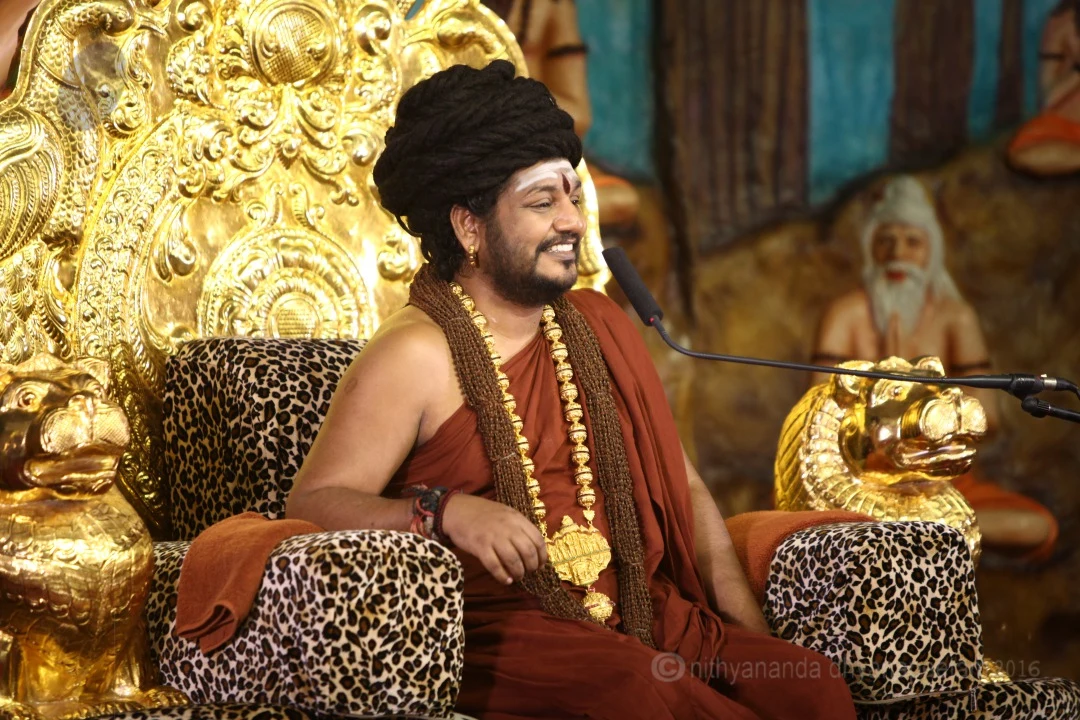
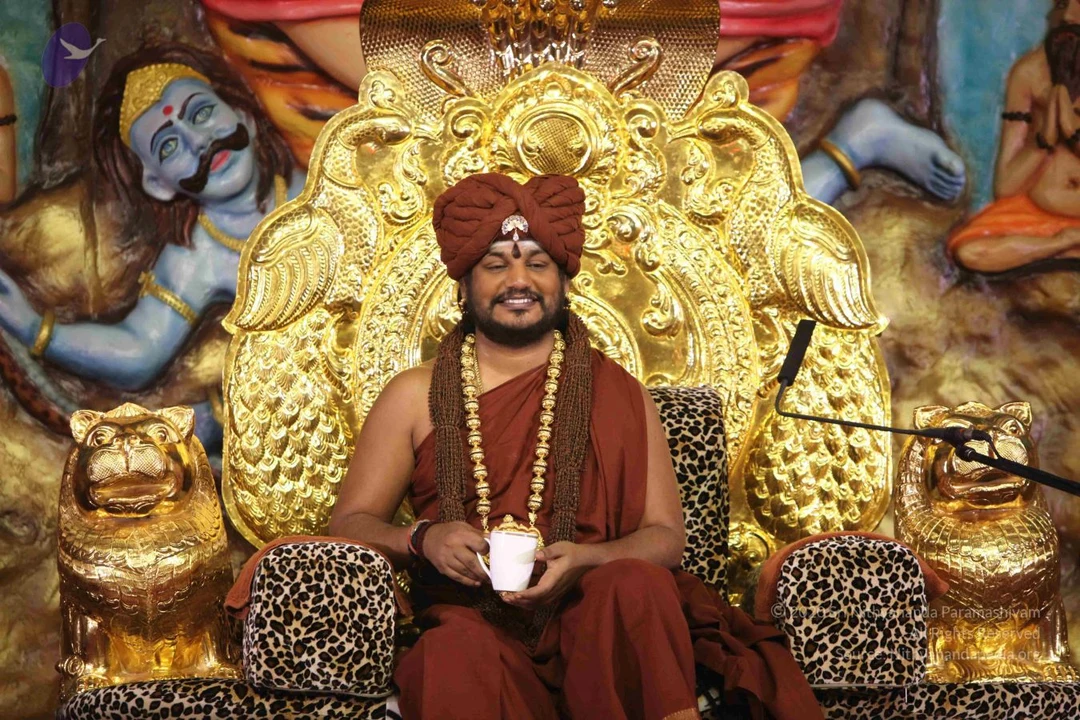
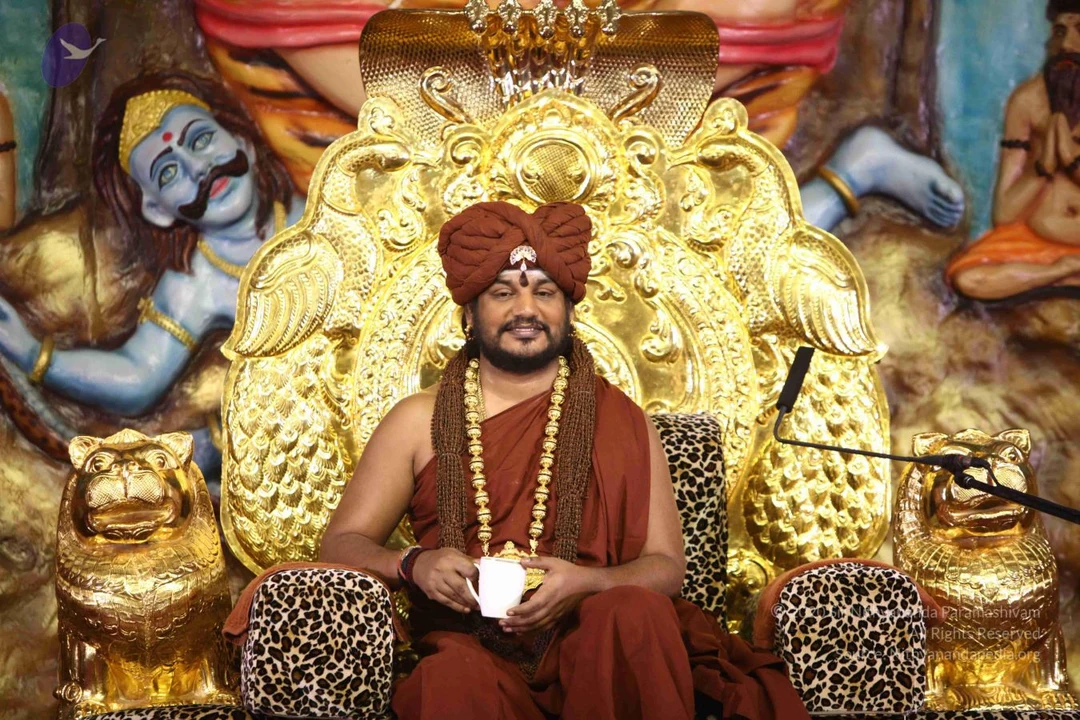
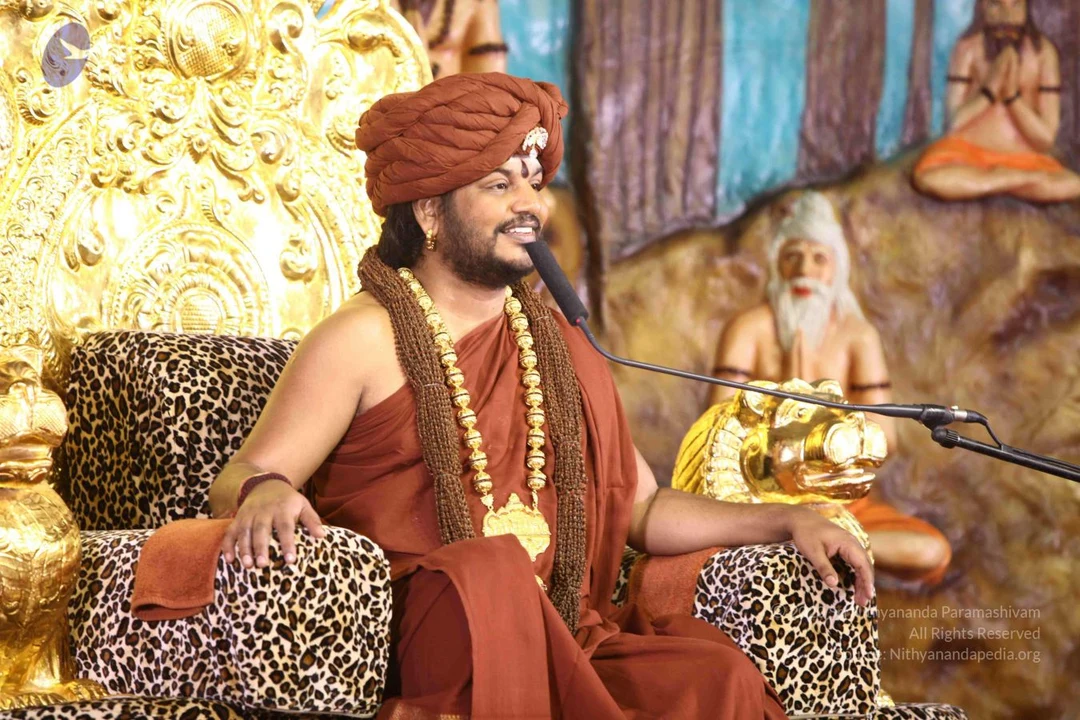
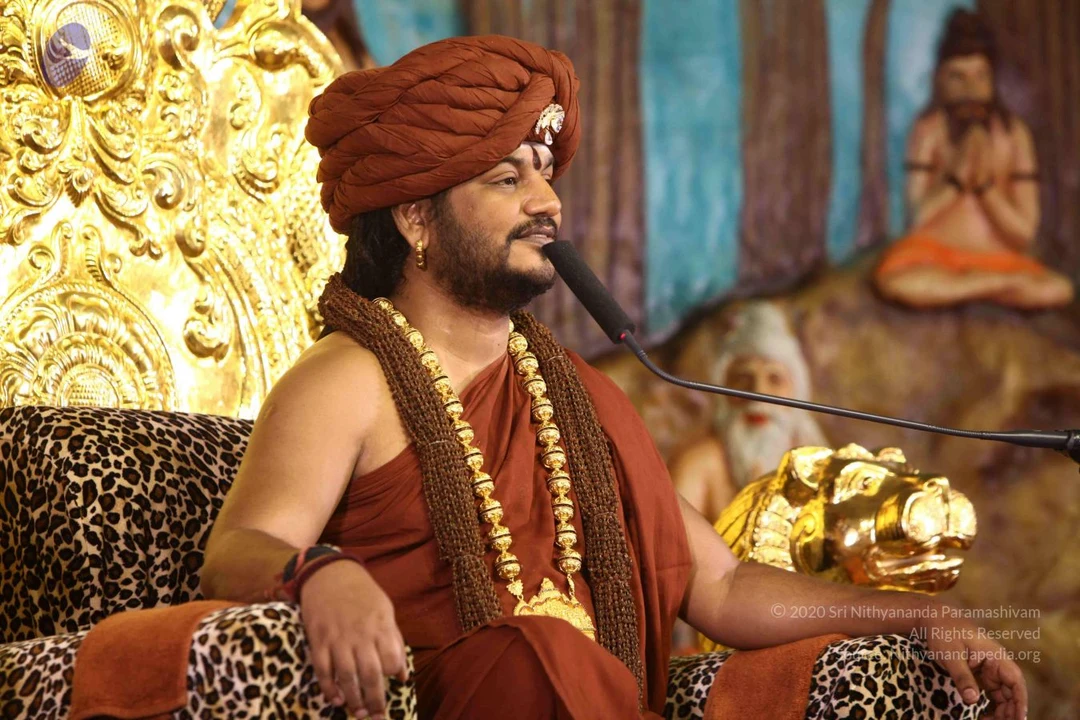
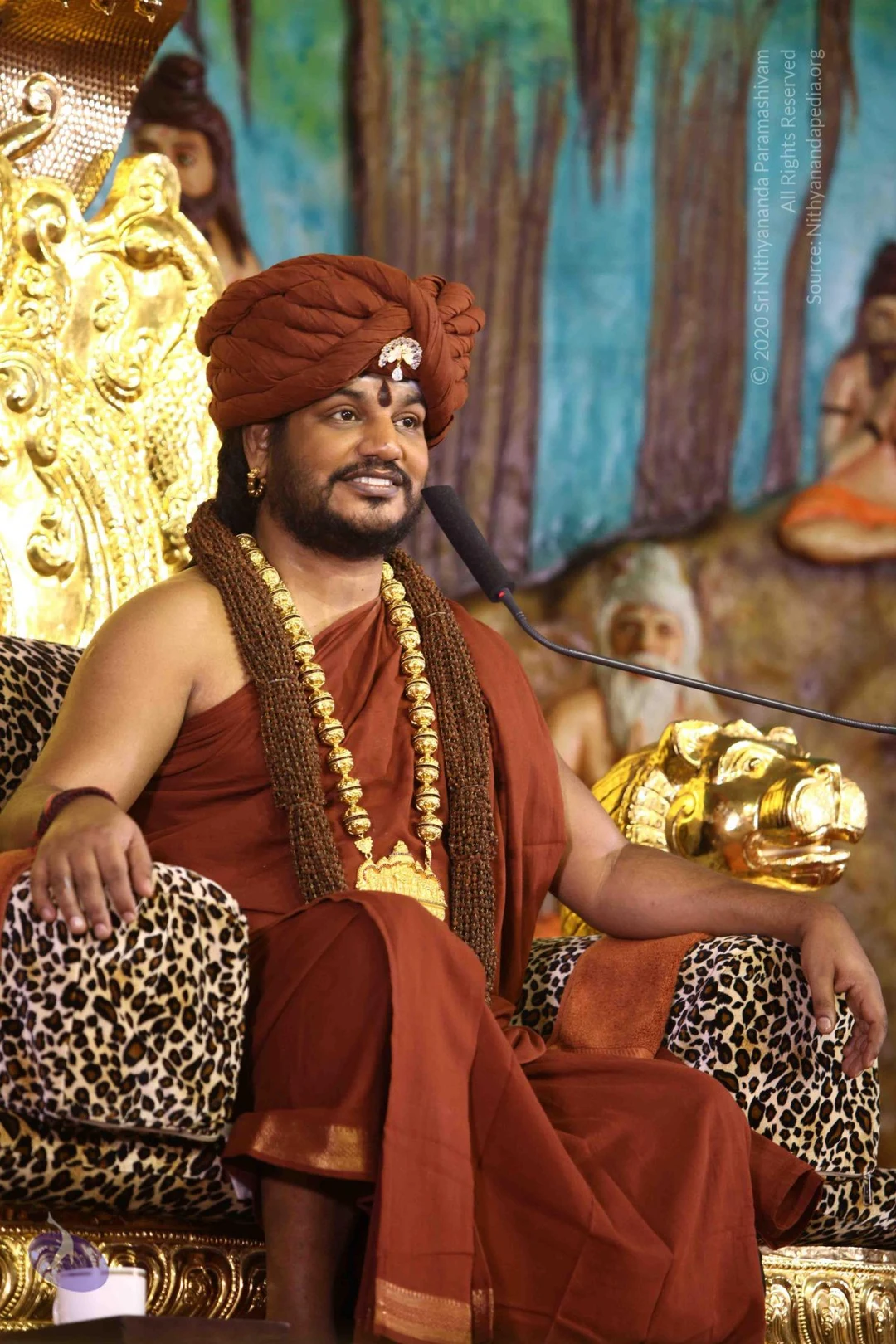
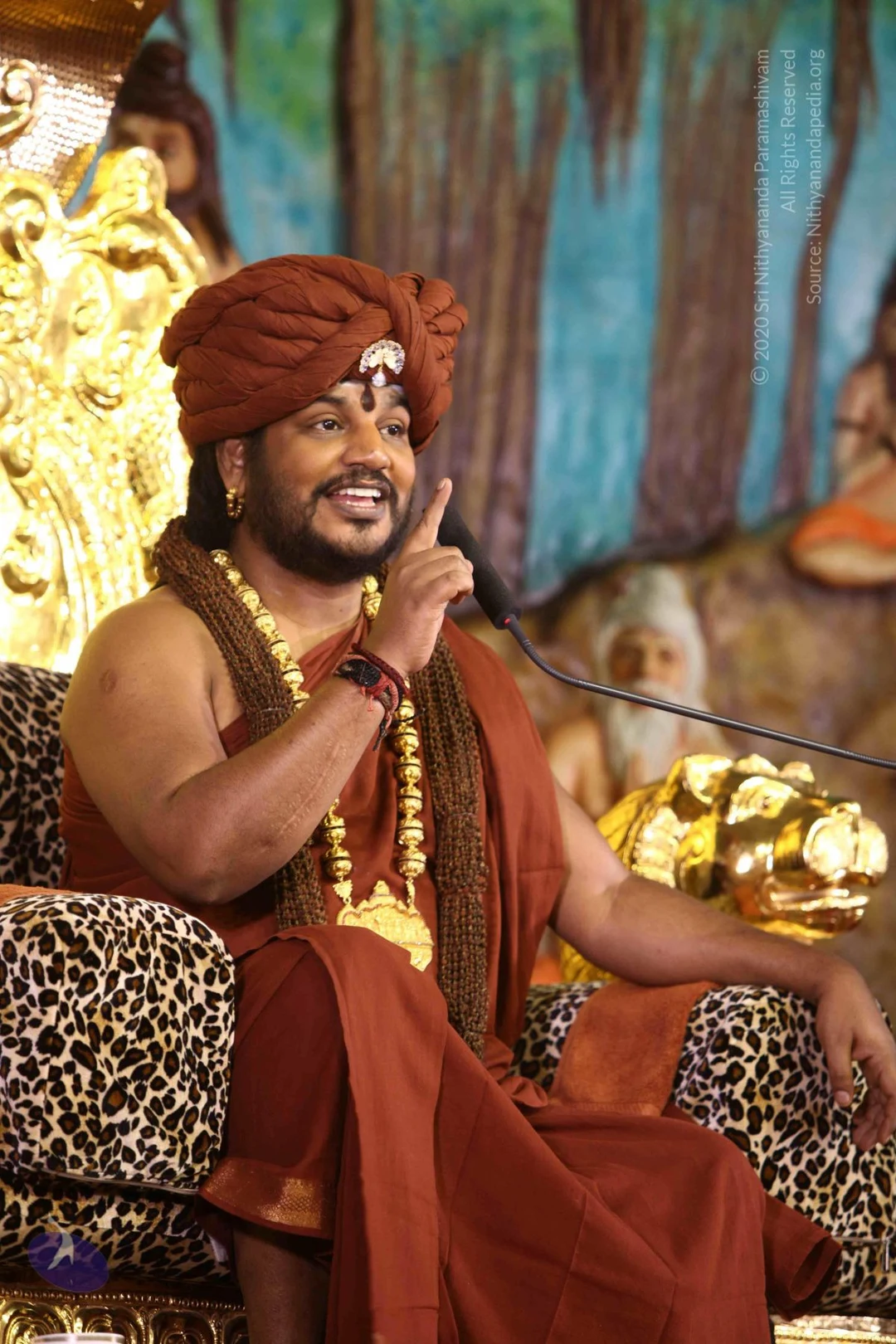
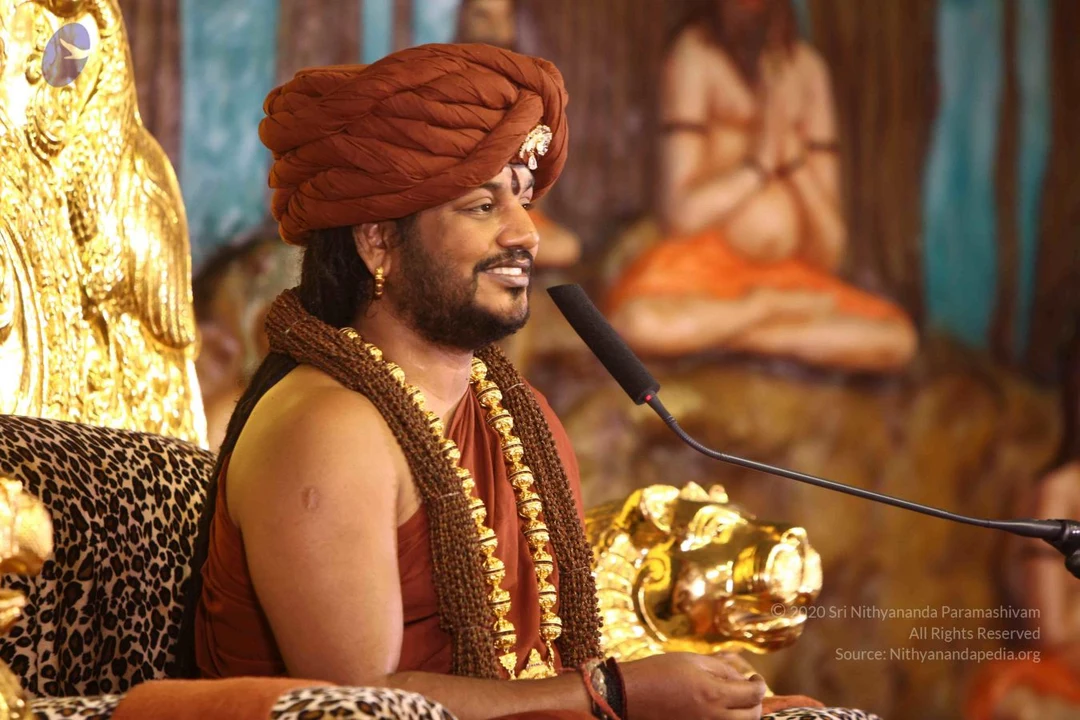
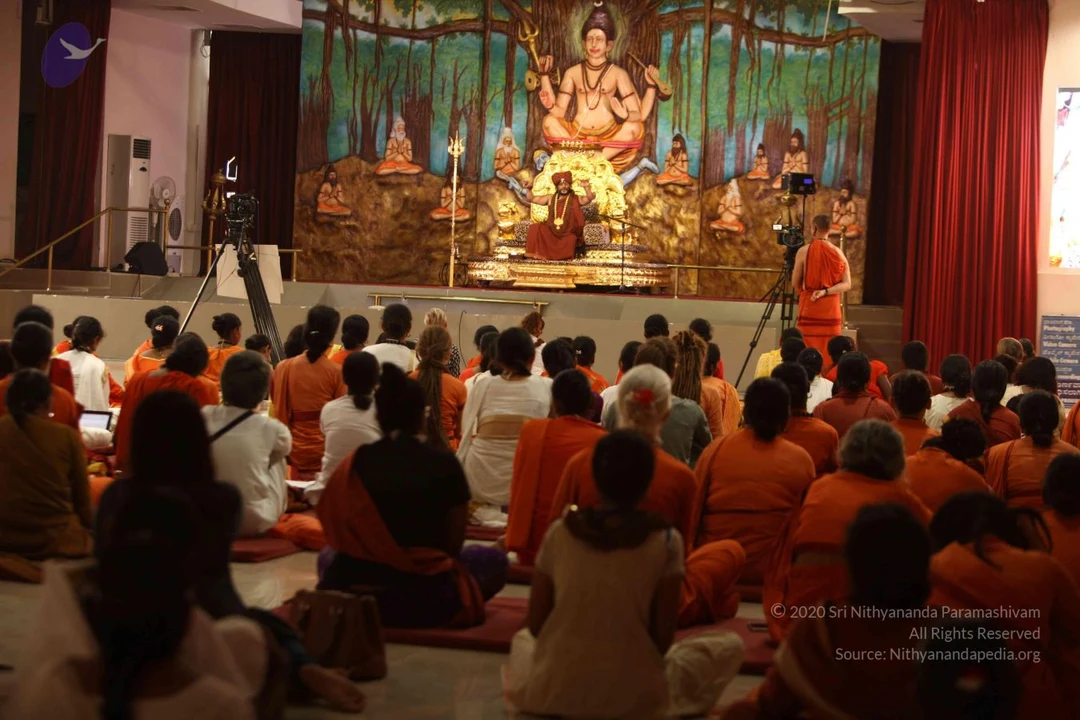
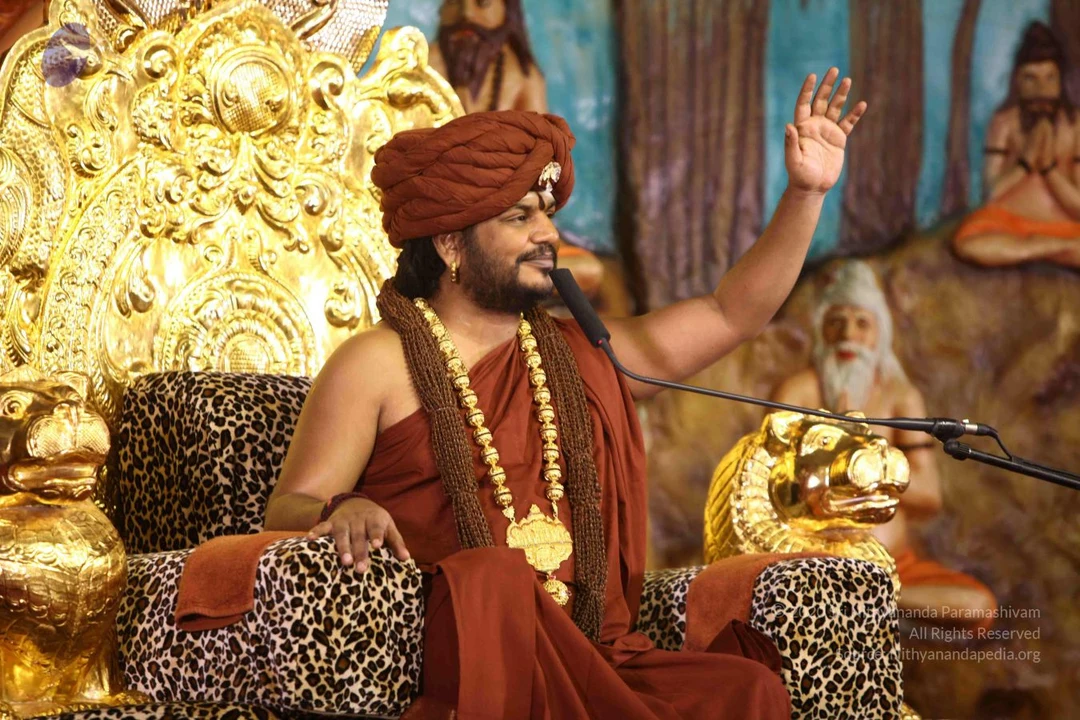
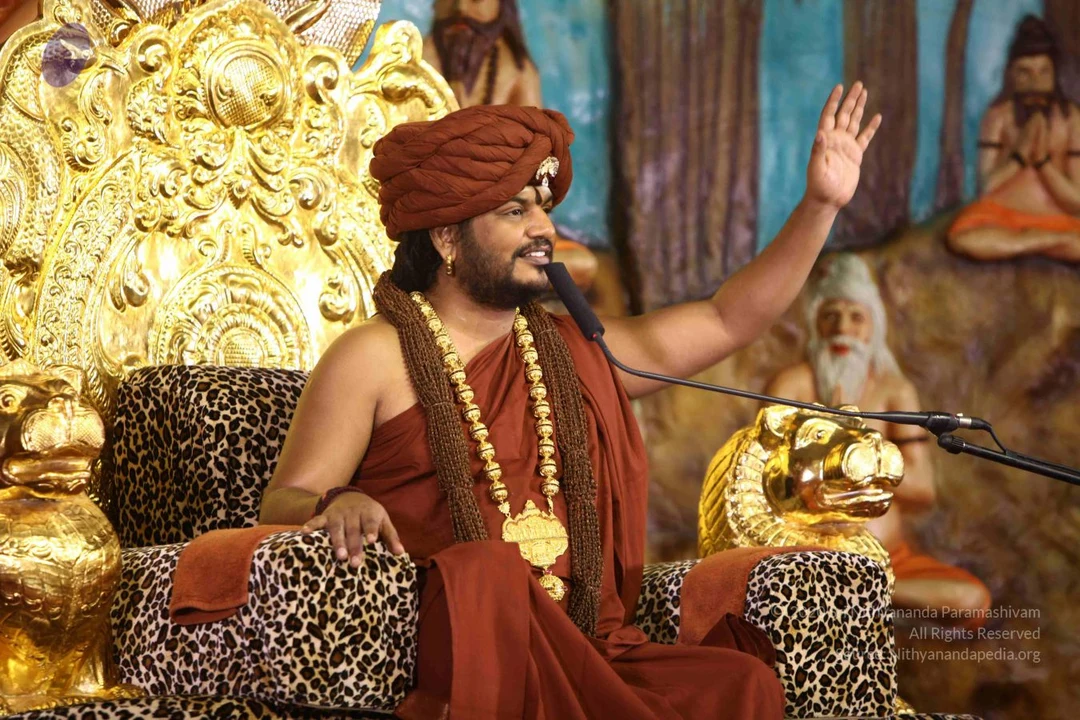
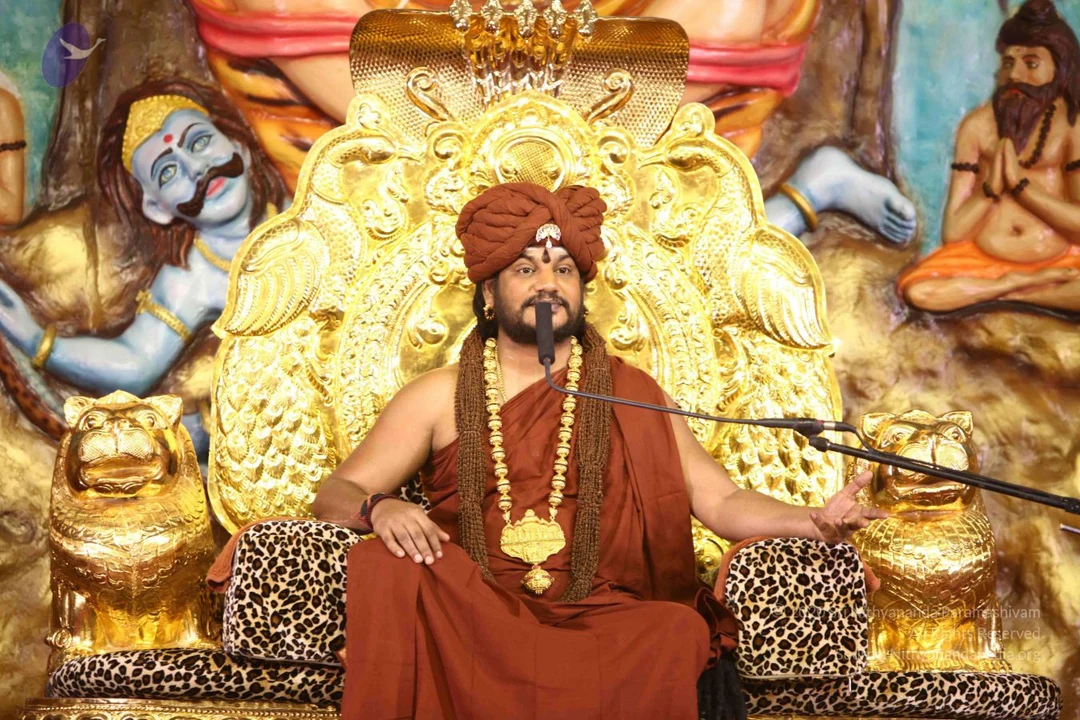
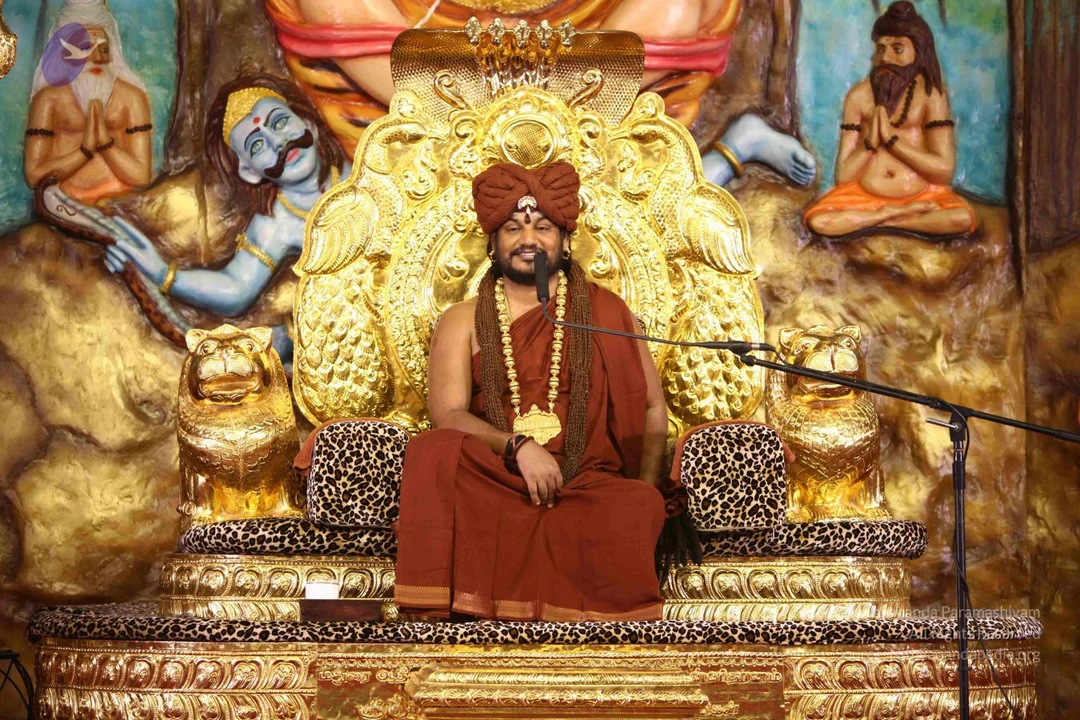
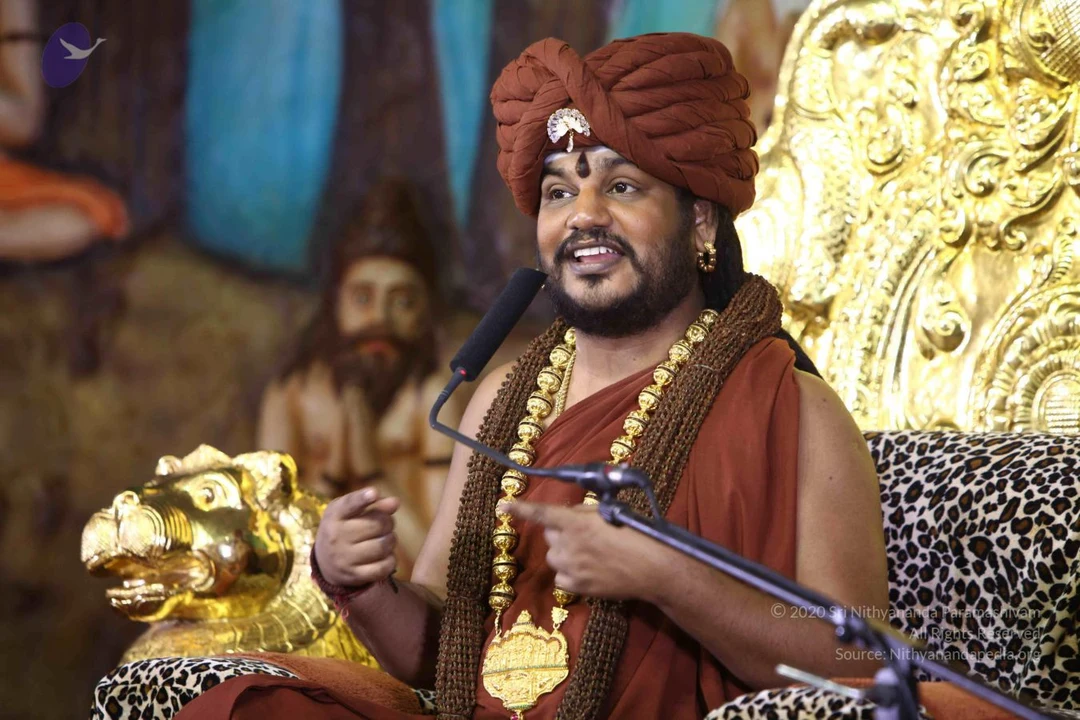
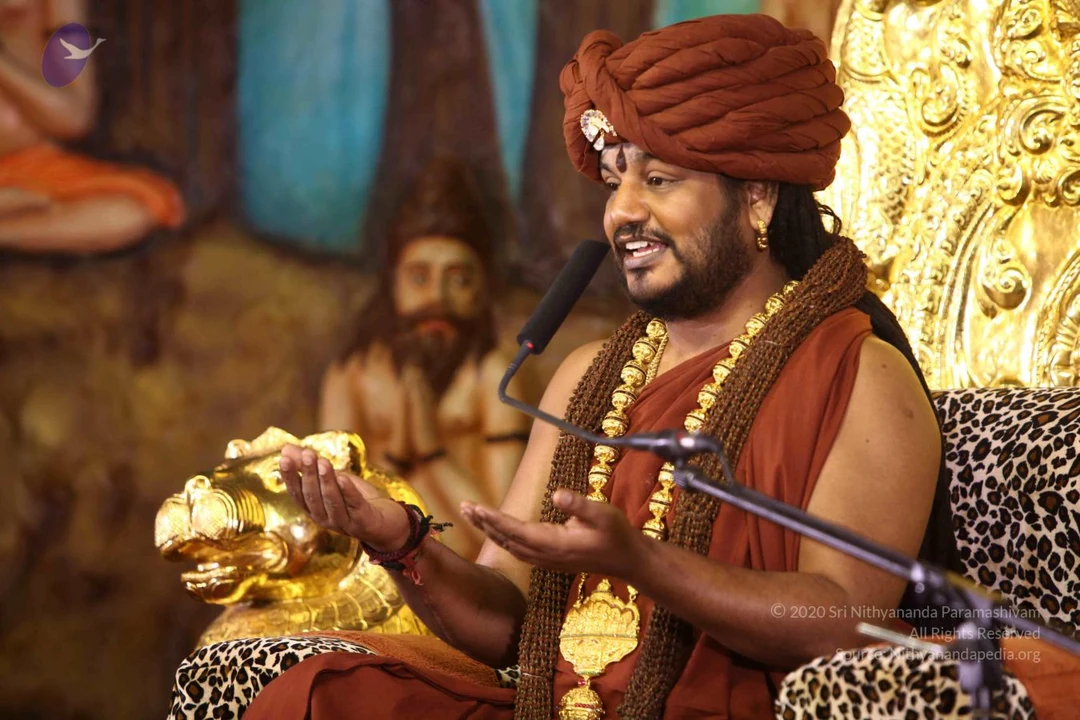
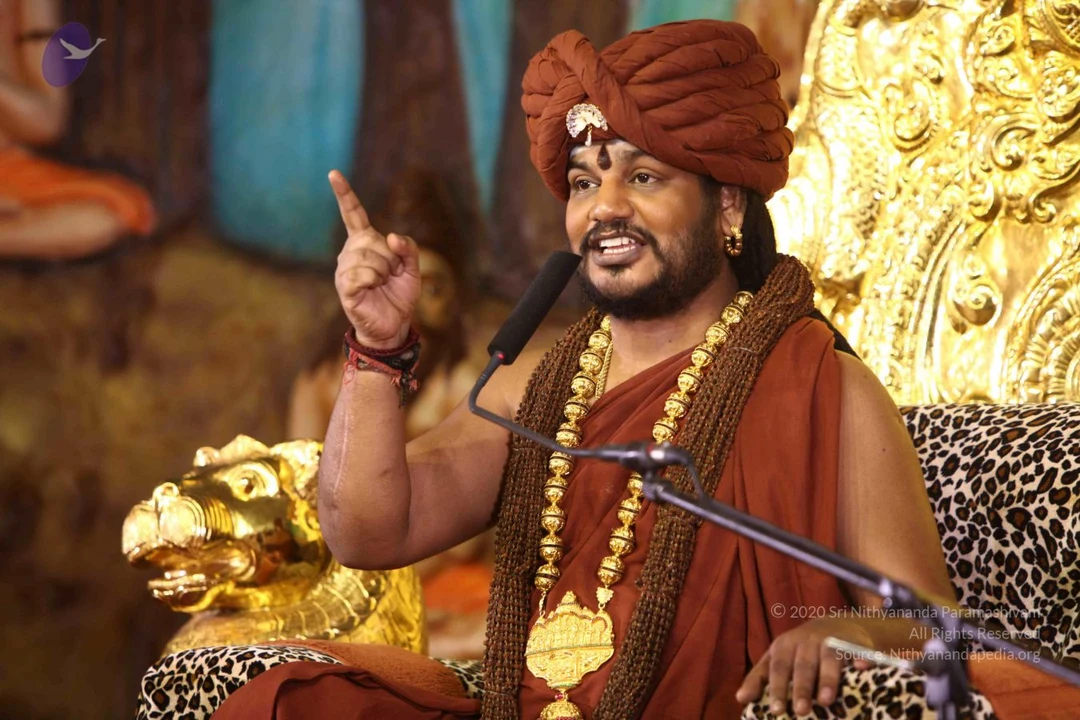
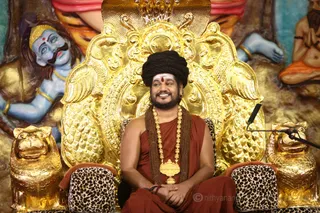
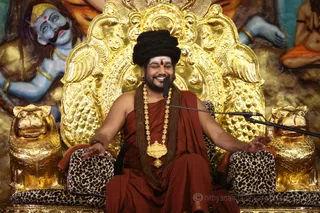
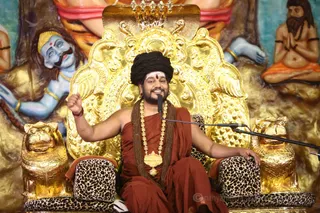
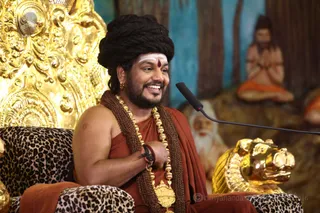
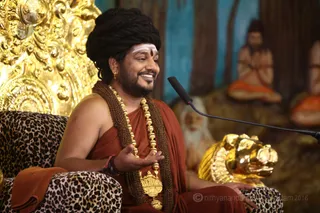
Satsang
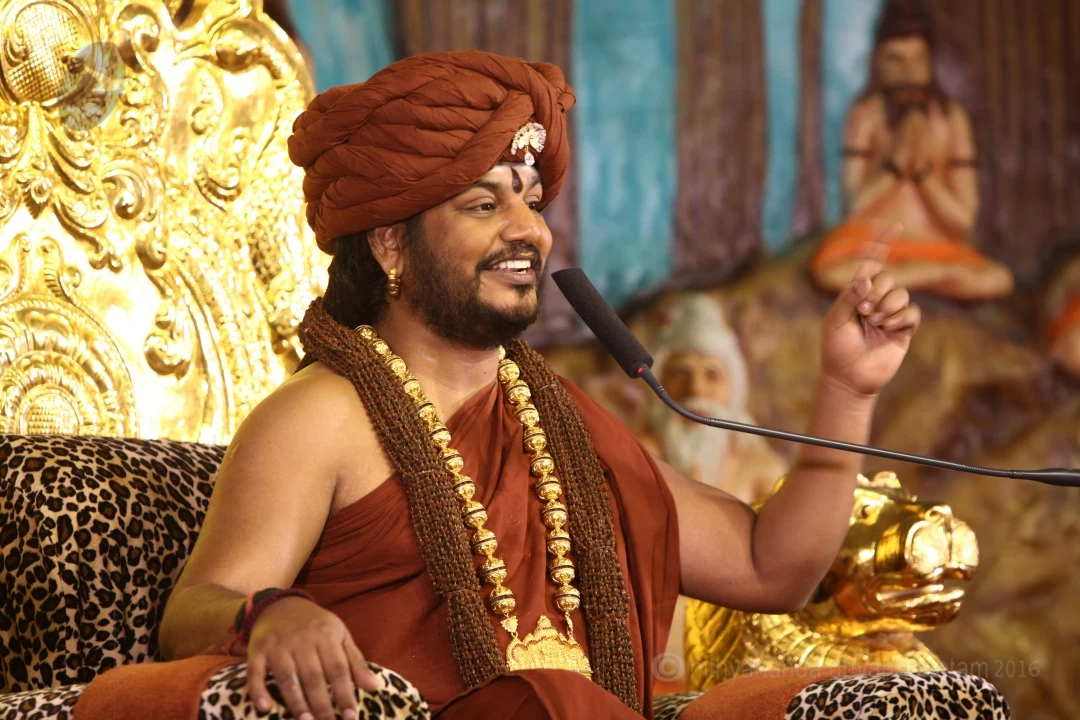
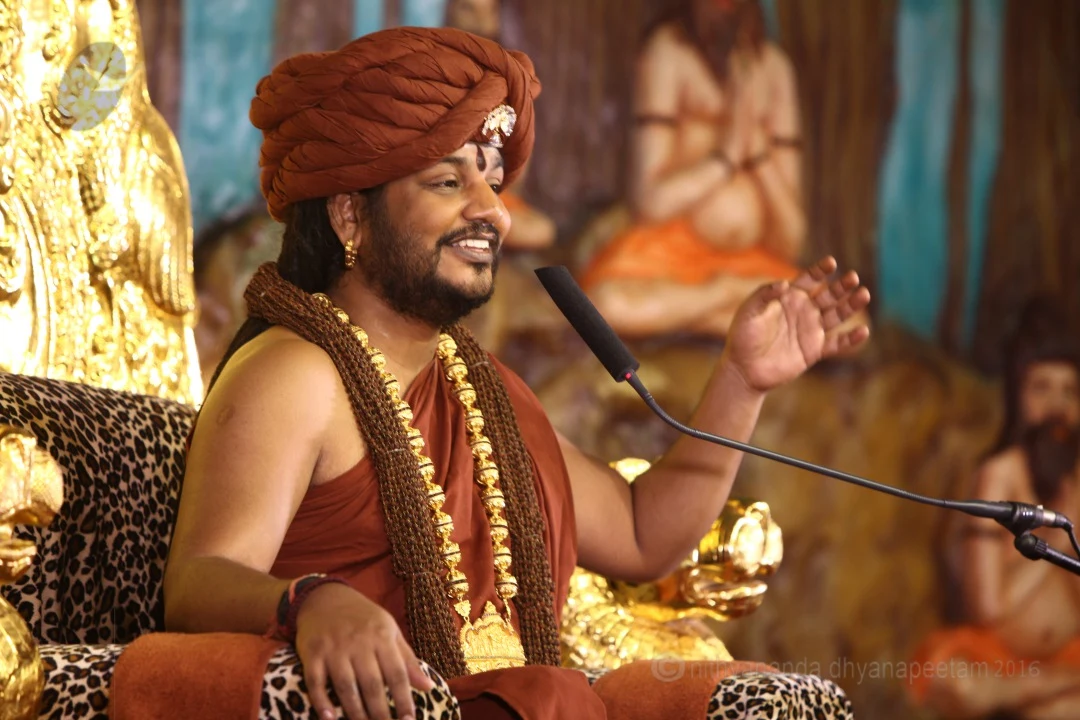
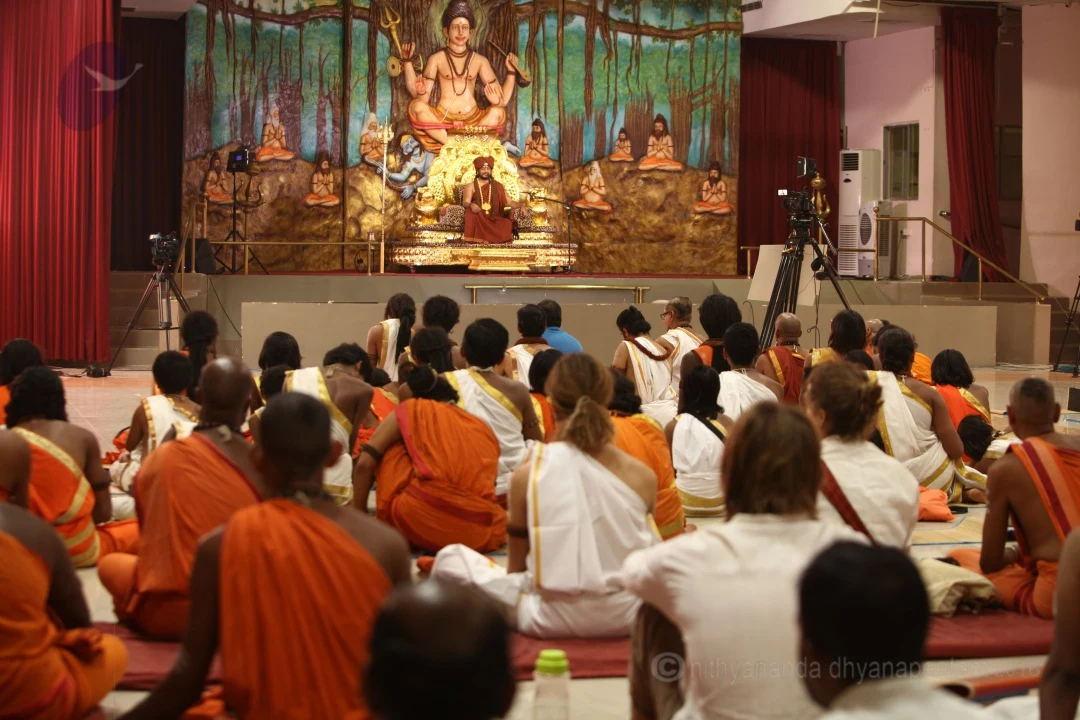
Tamil Satsang
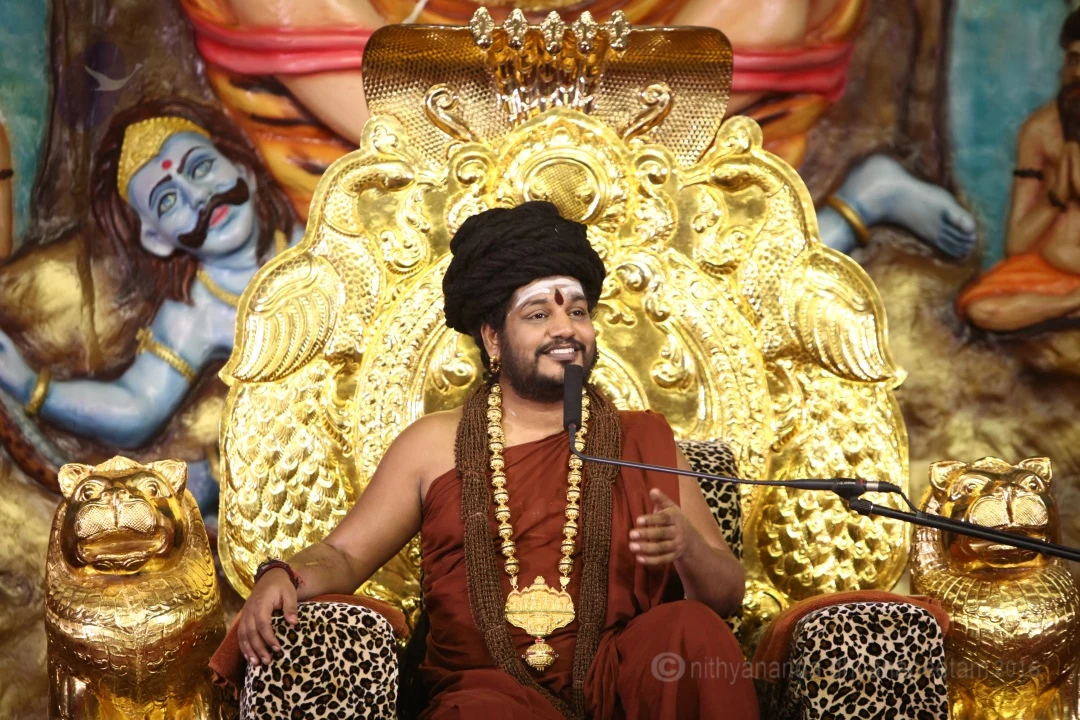
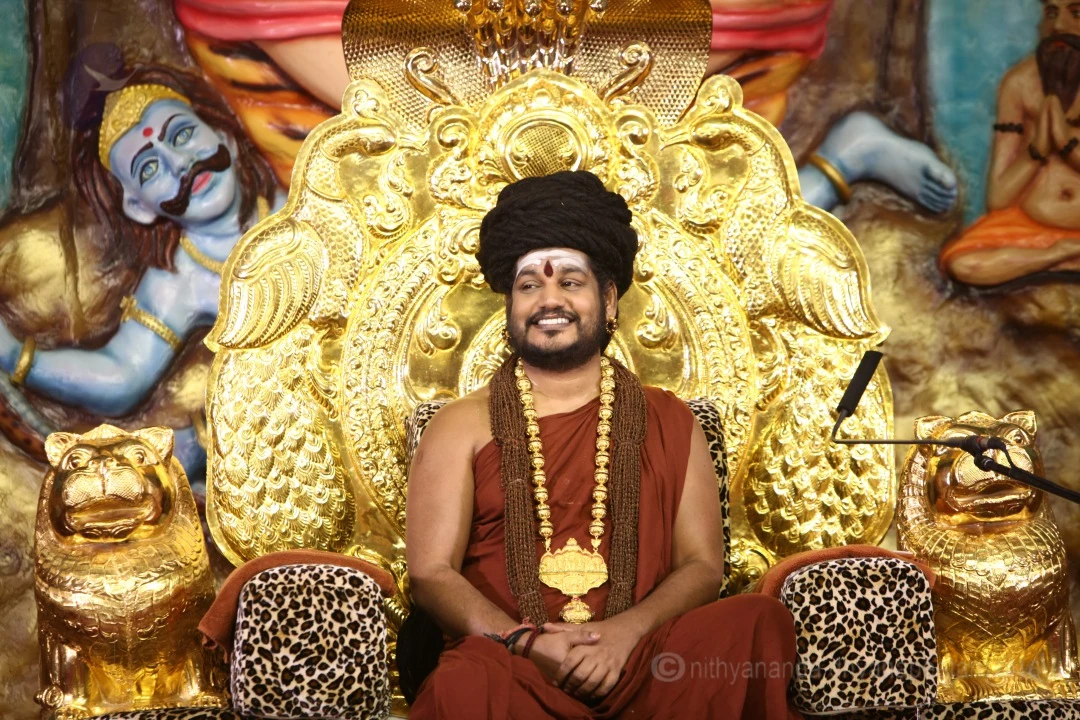
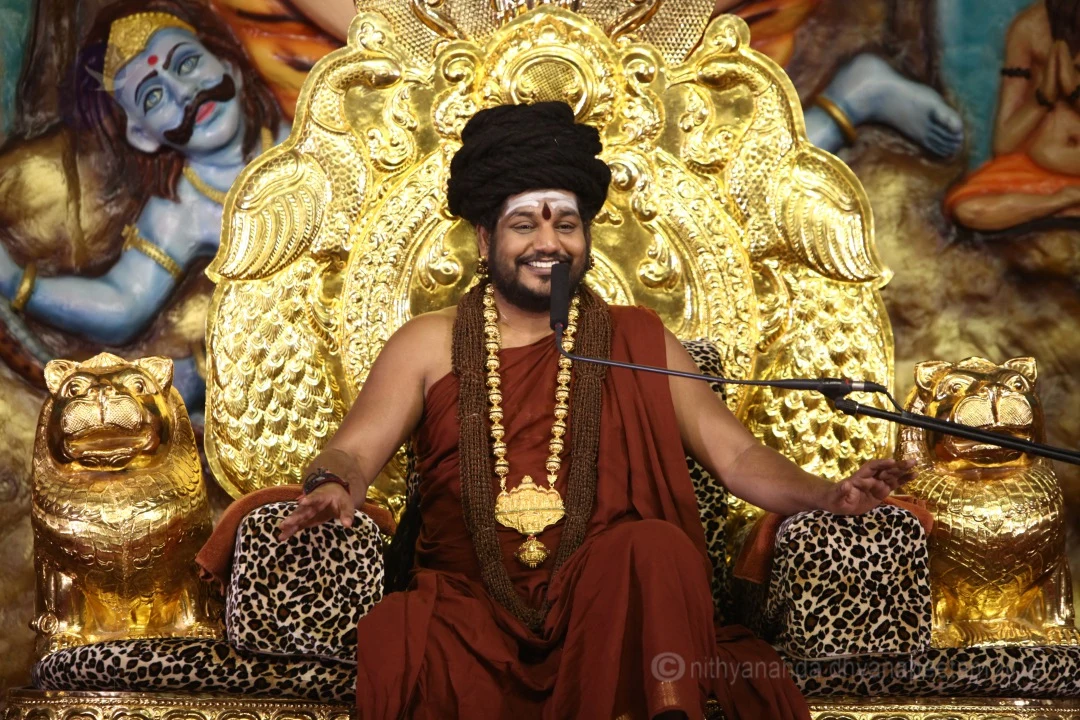
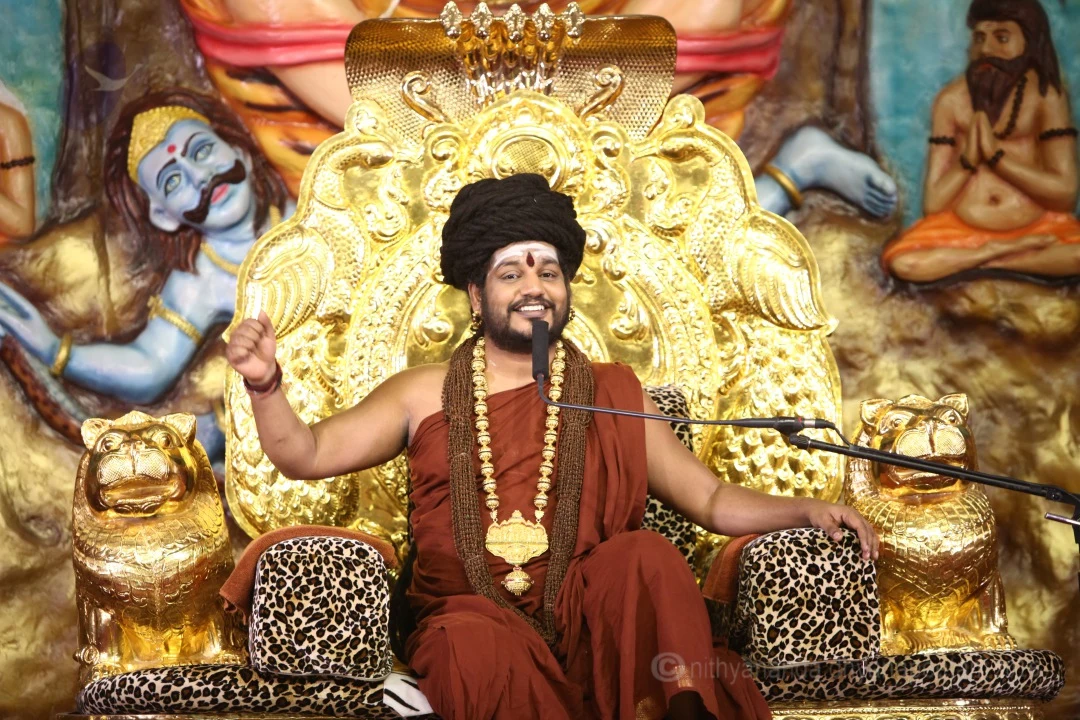
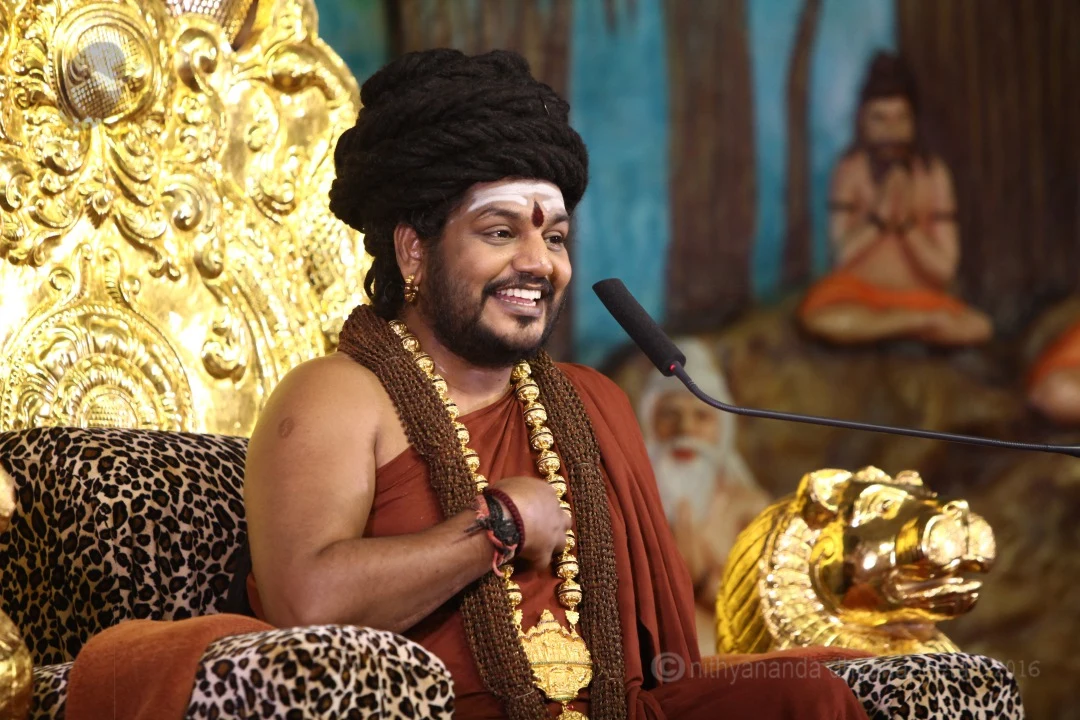
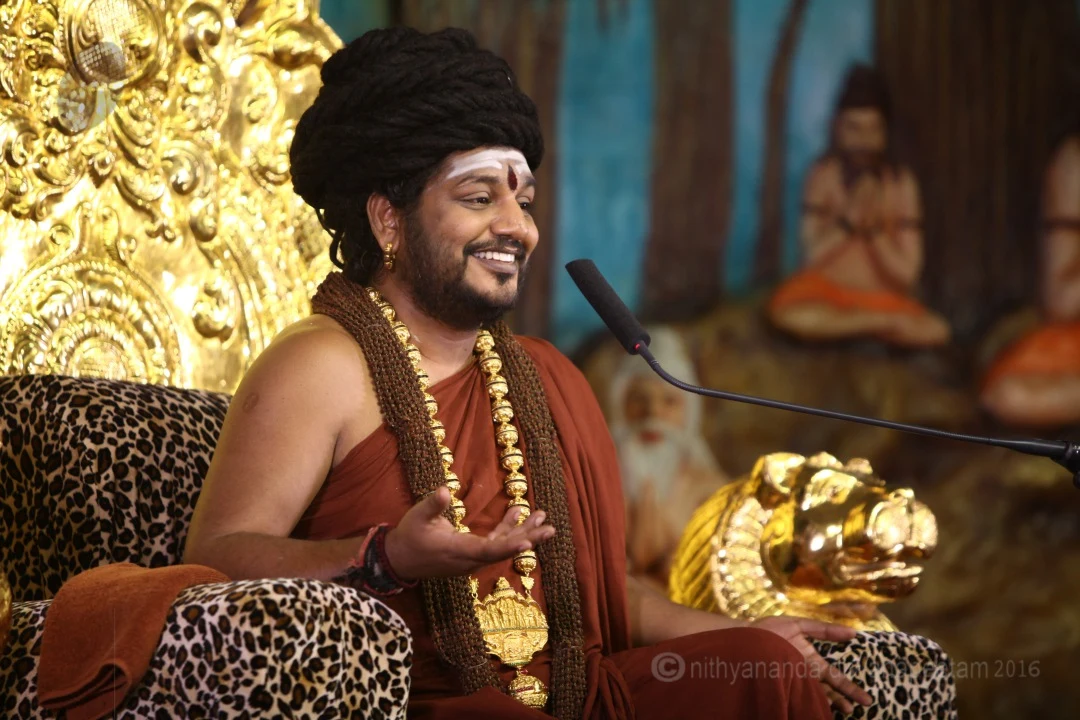
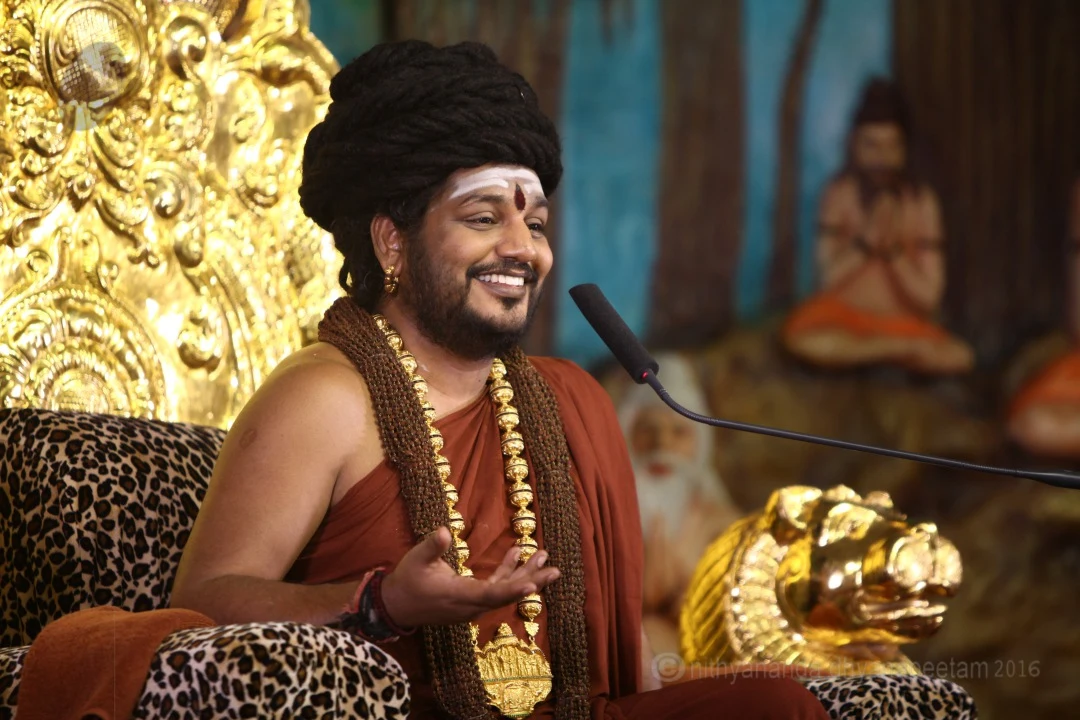
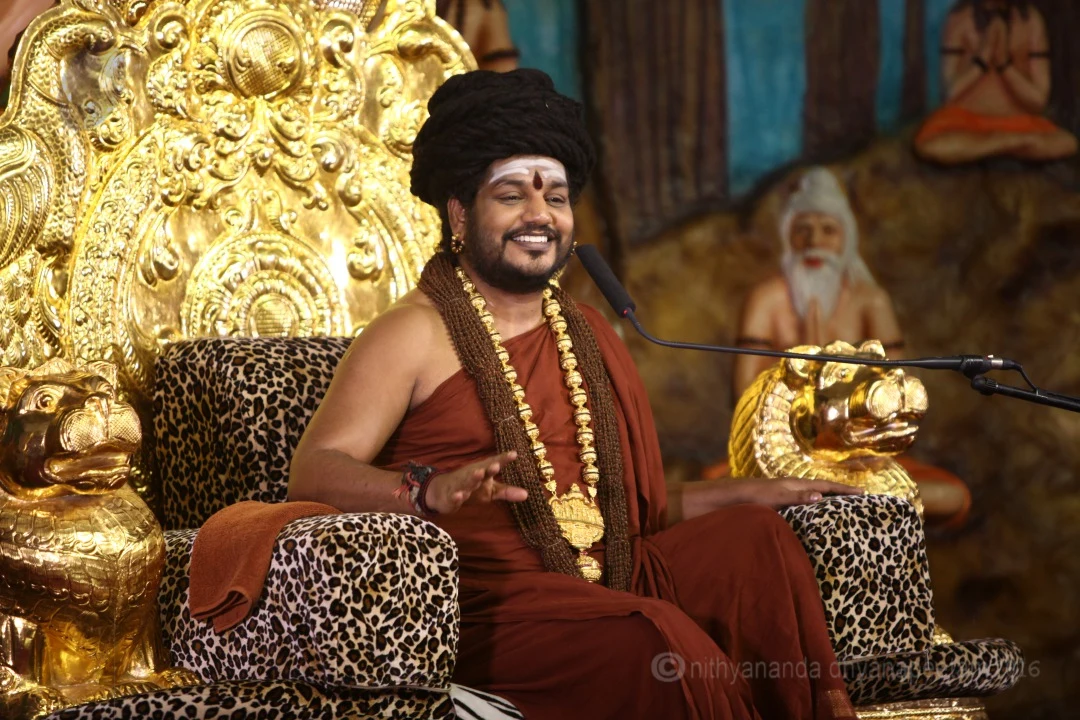
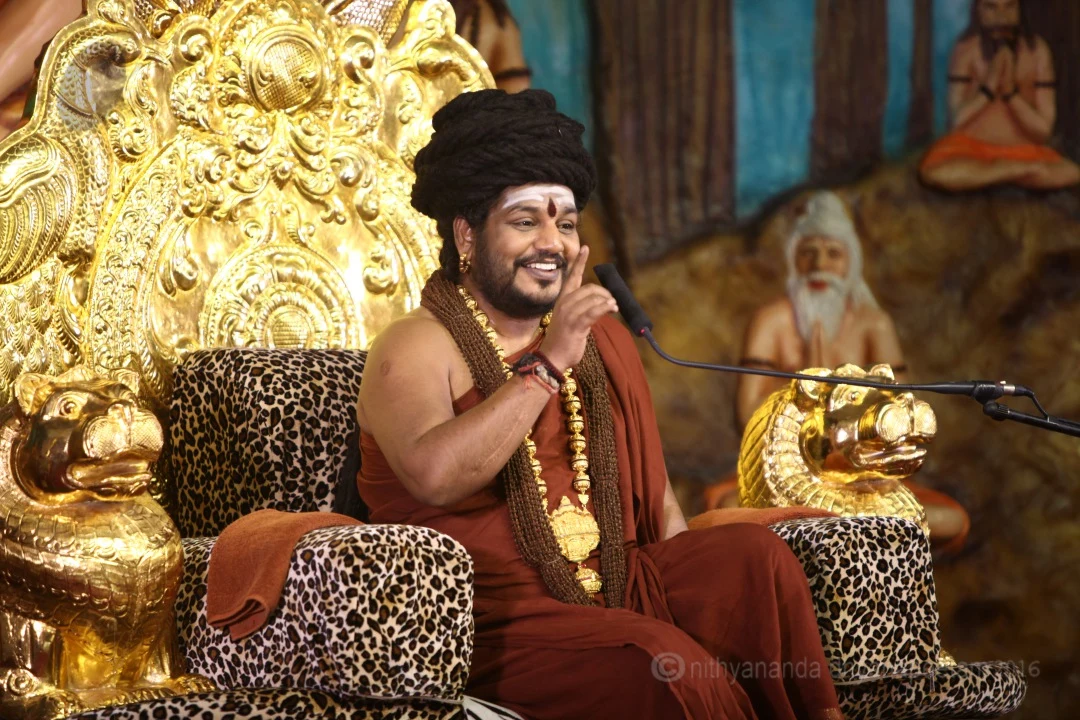
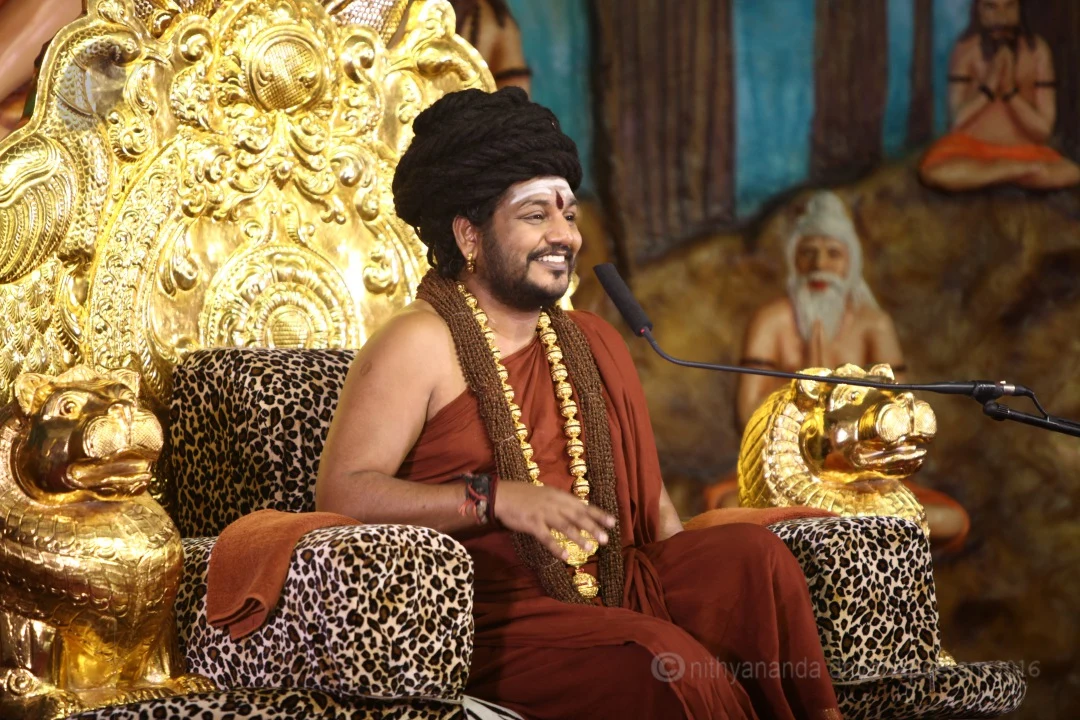
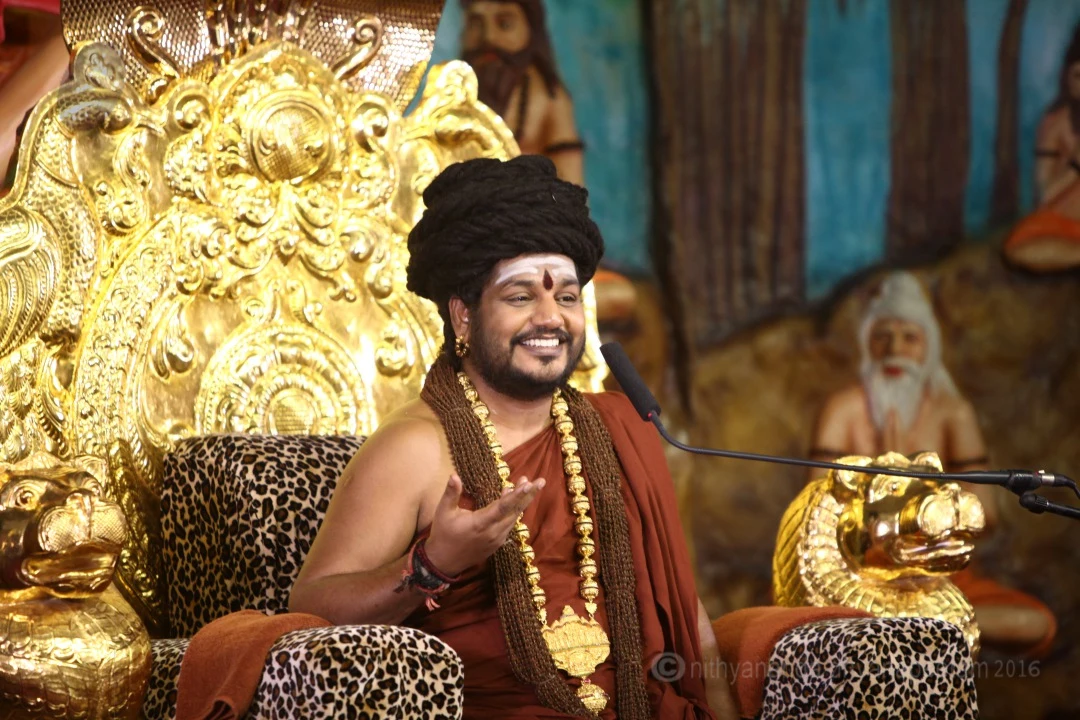
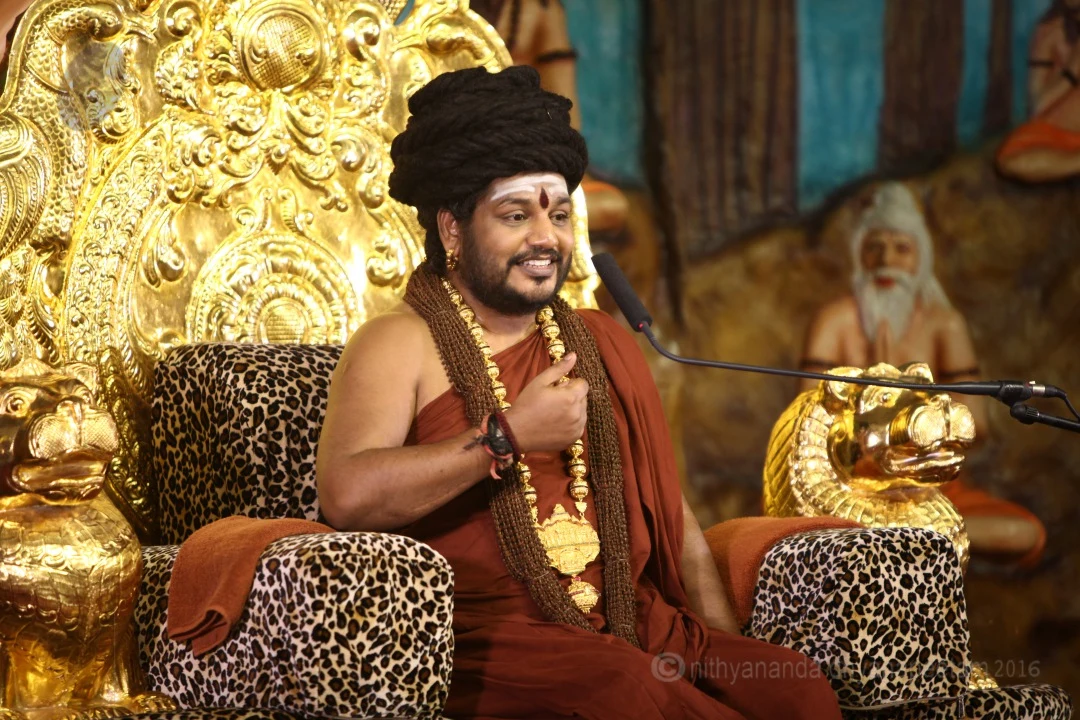
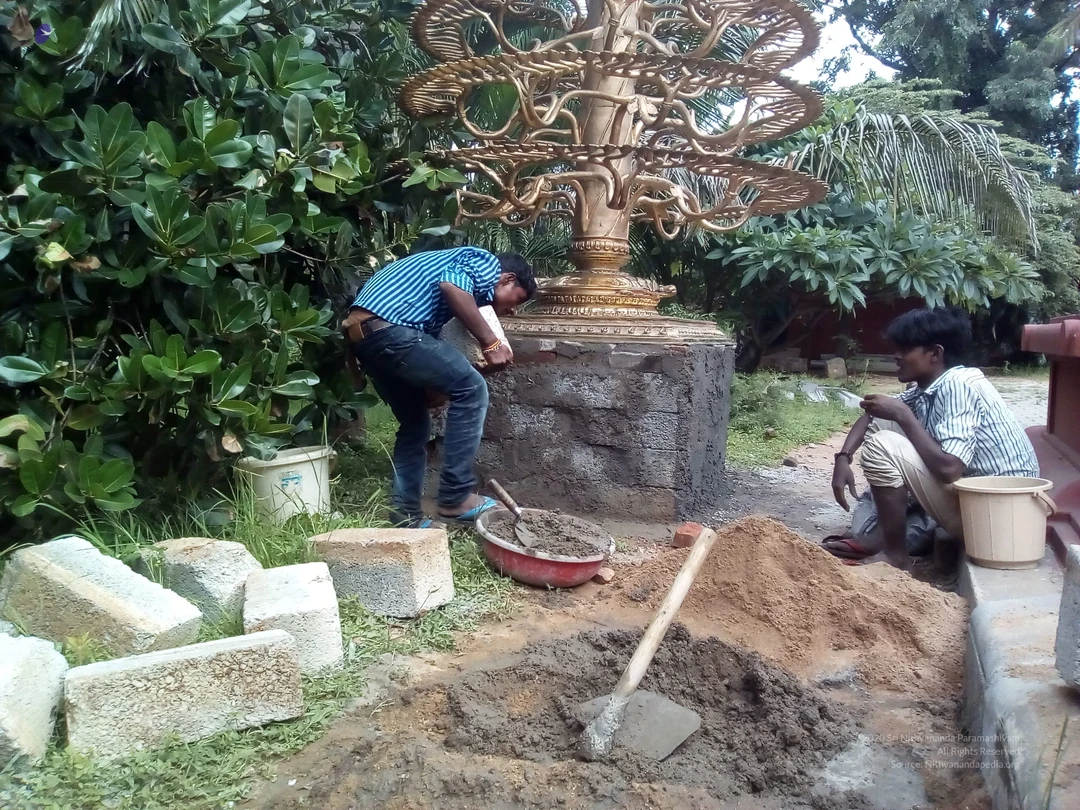
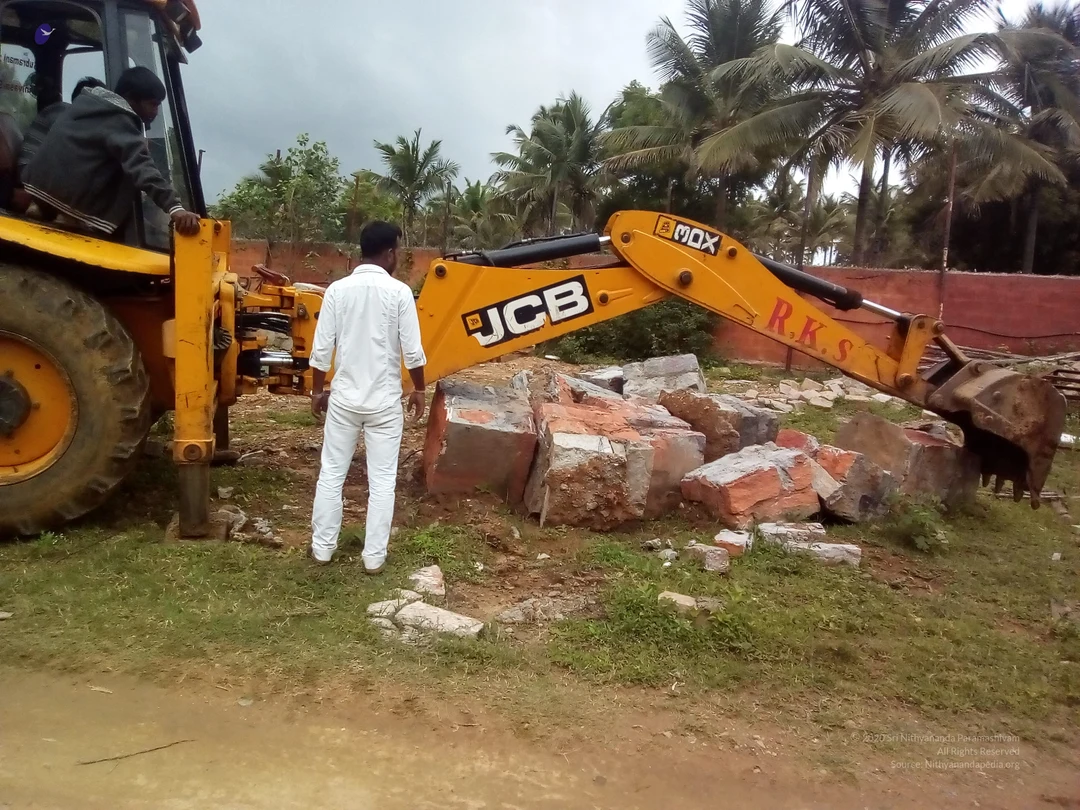
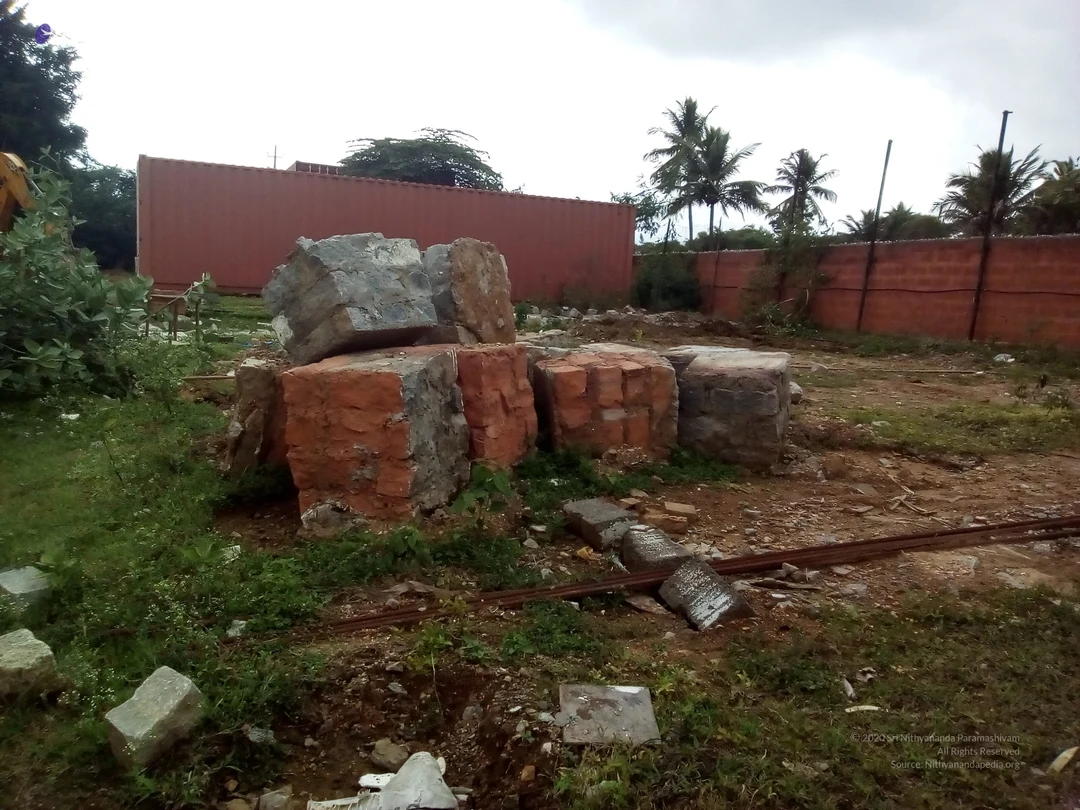
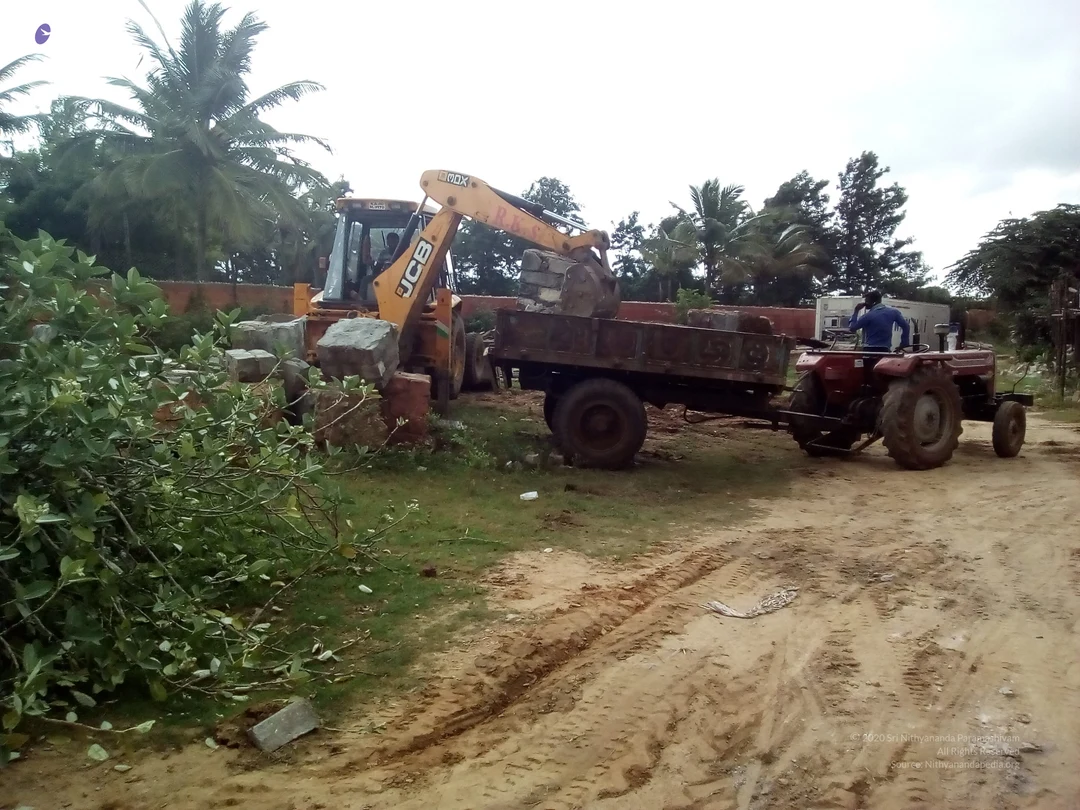
Construction Work happening at Adhi Kailaasa, Bengaluru
Link to Video:
Link to Video:
Photos Of The Day:
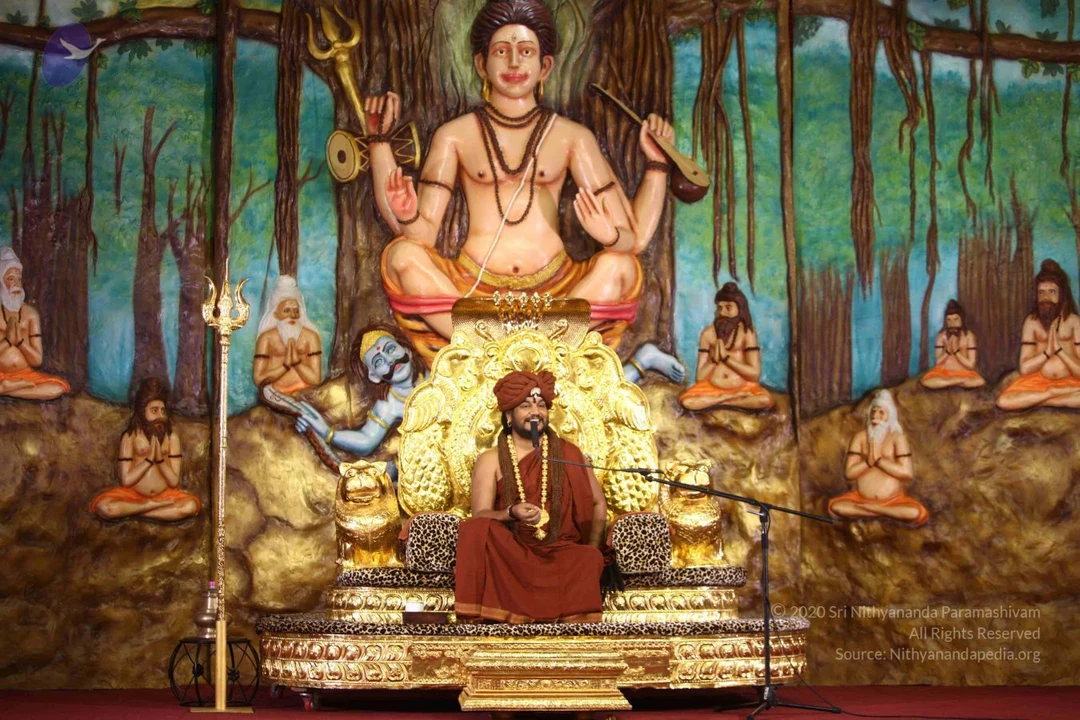
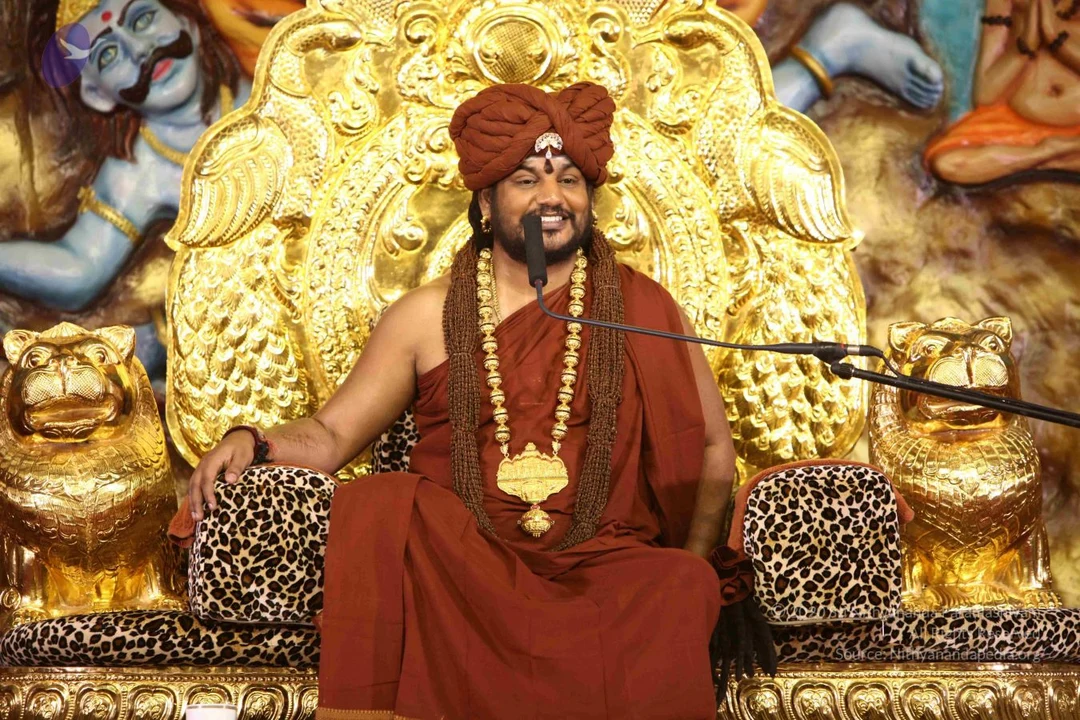
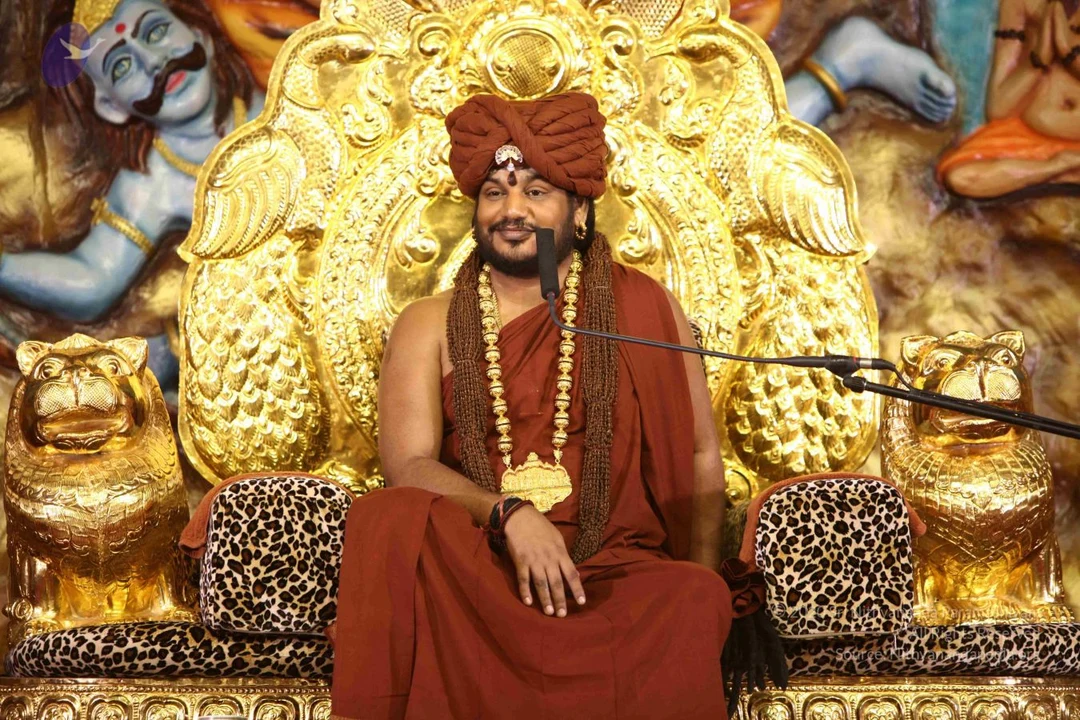
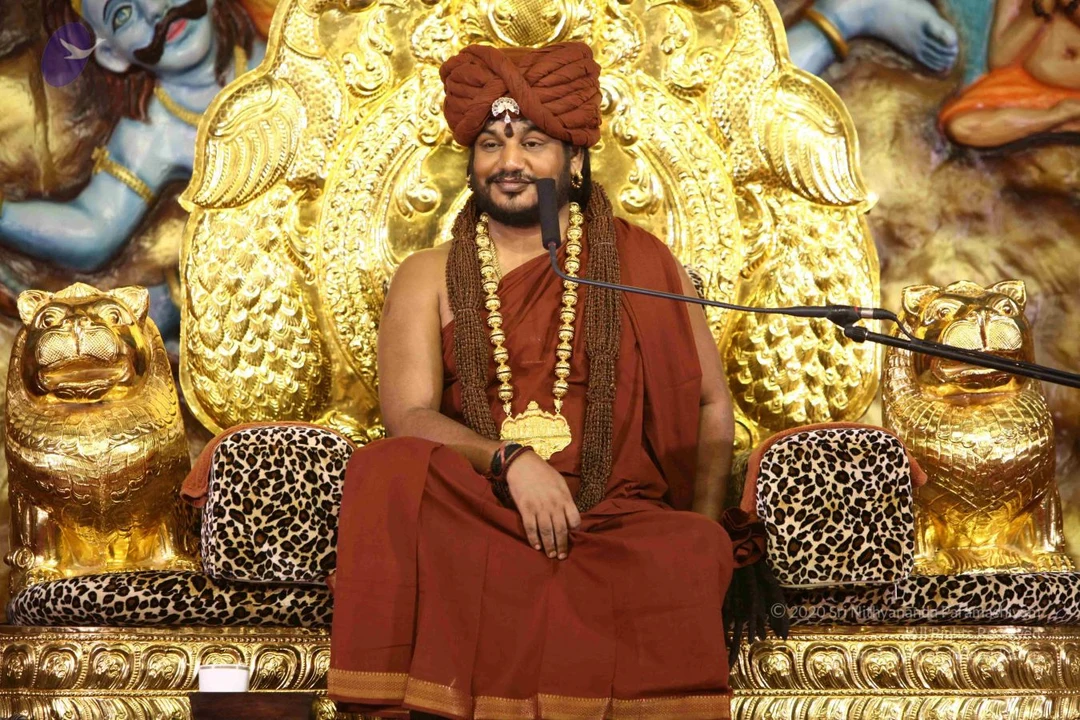
Satsang
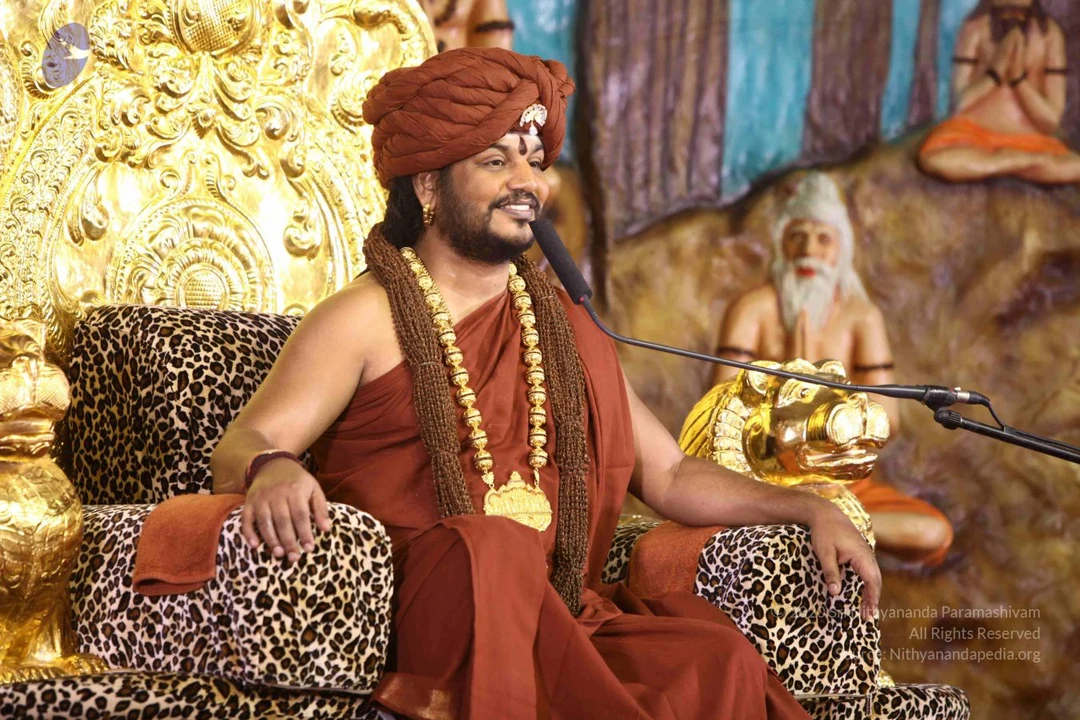
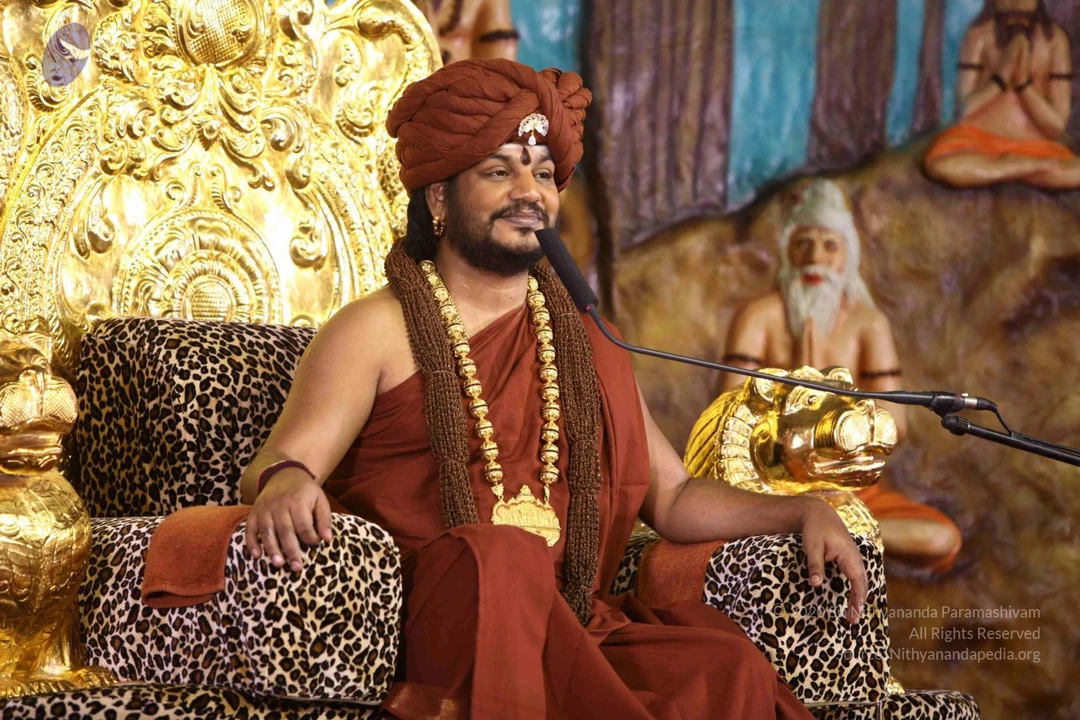
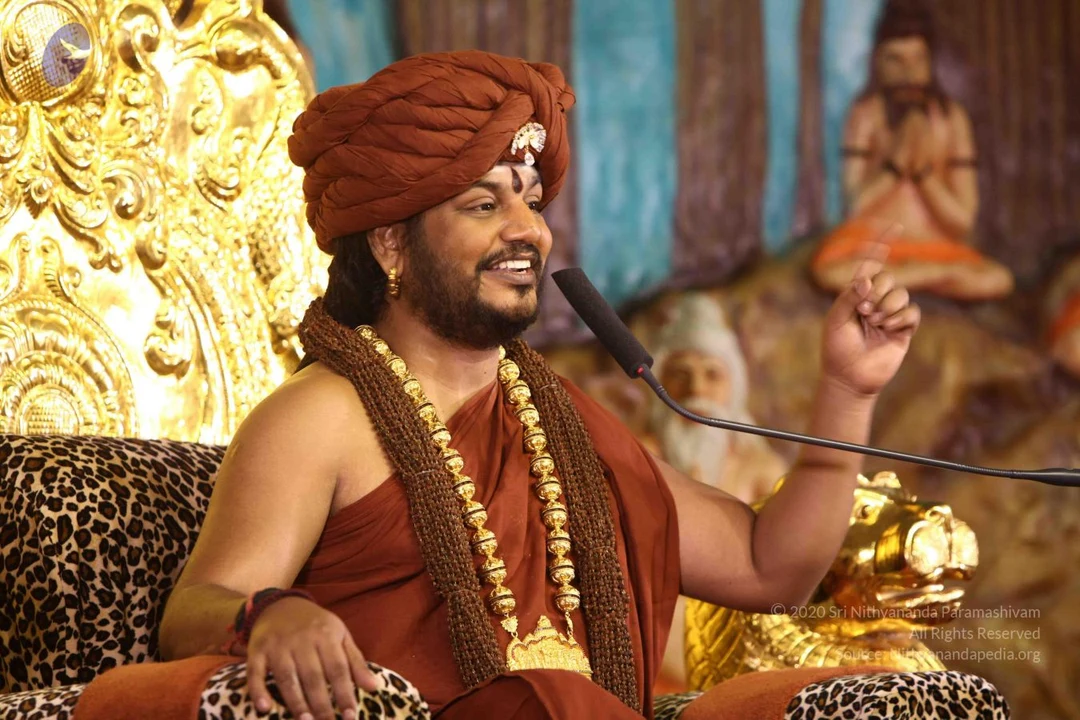
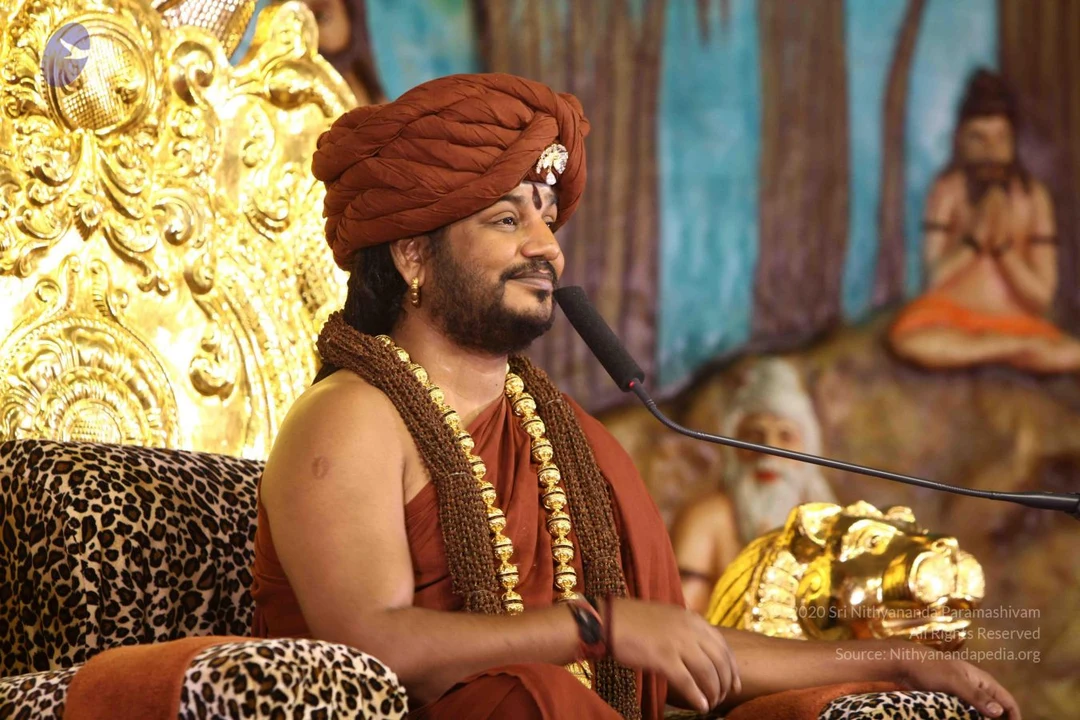
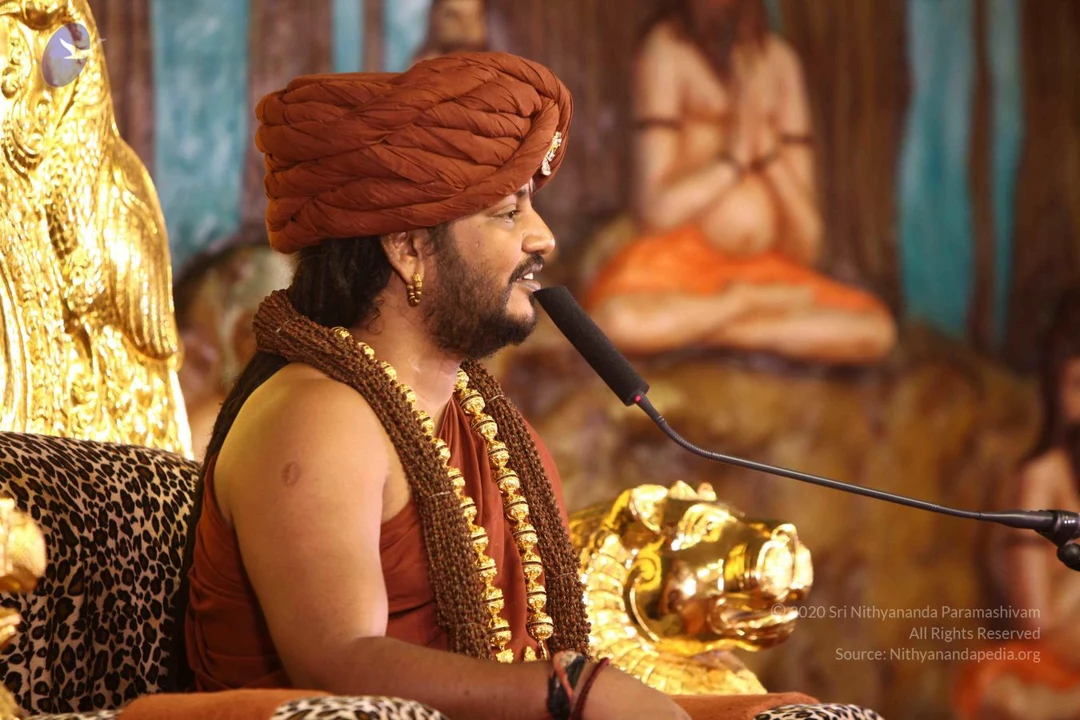
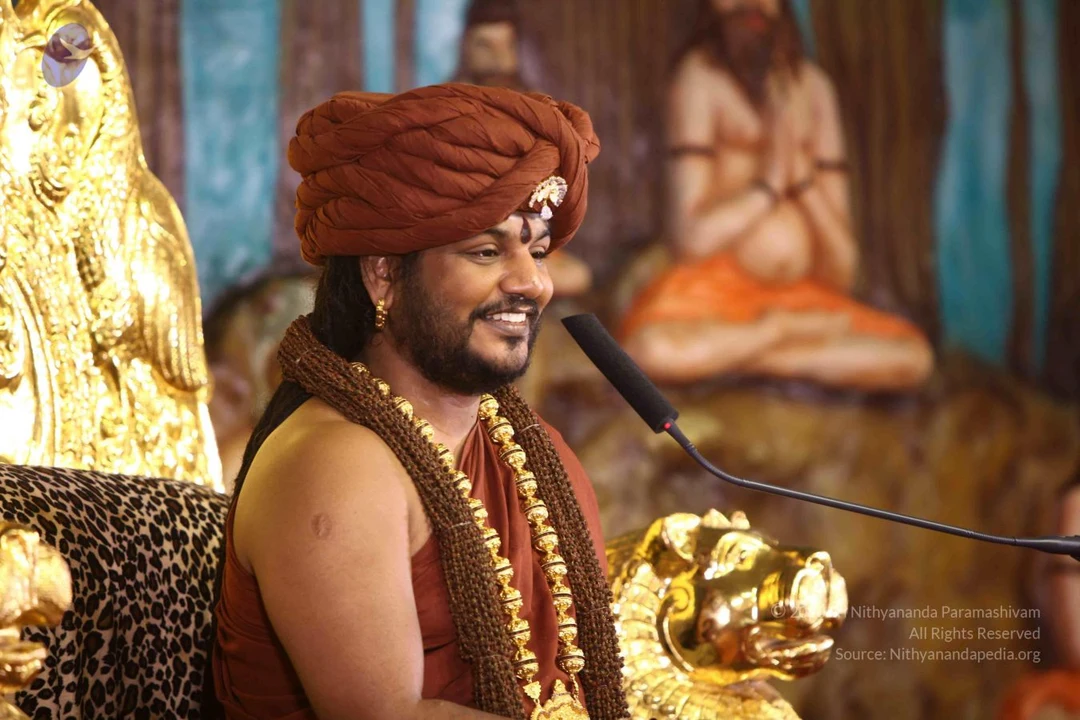
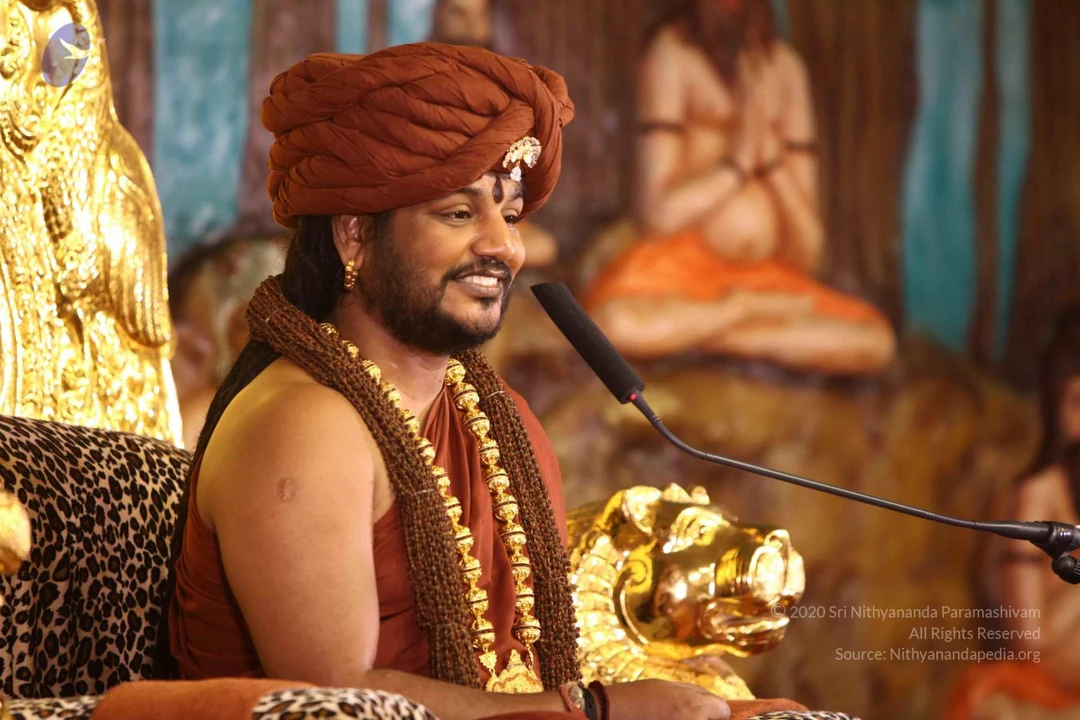
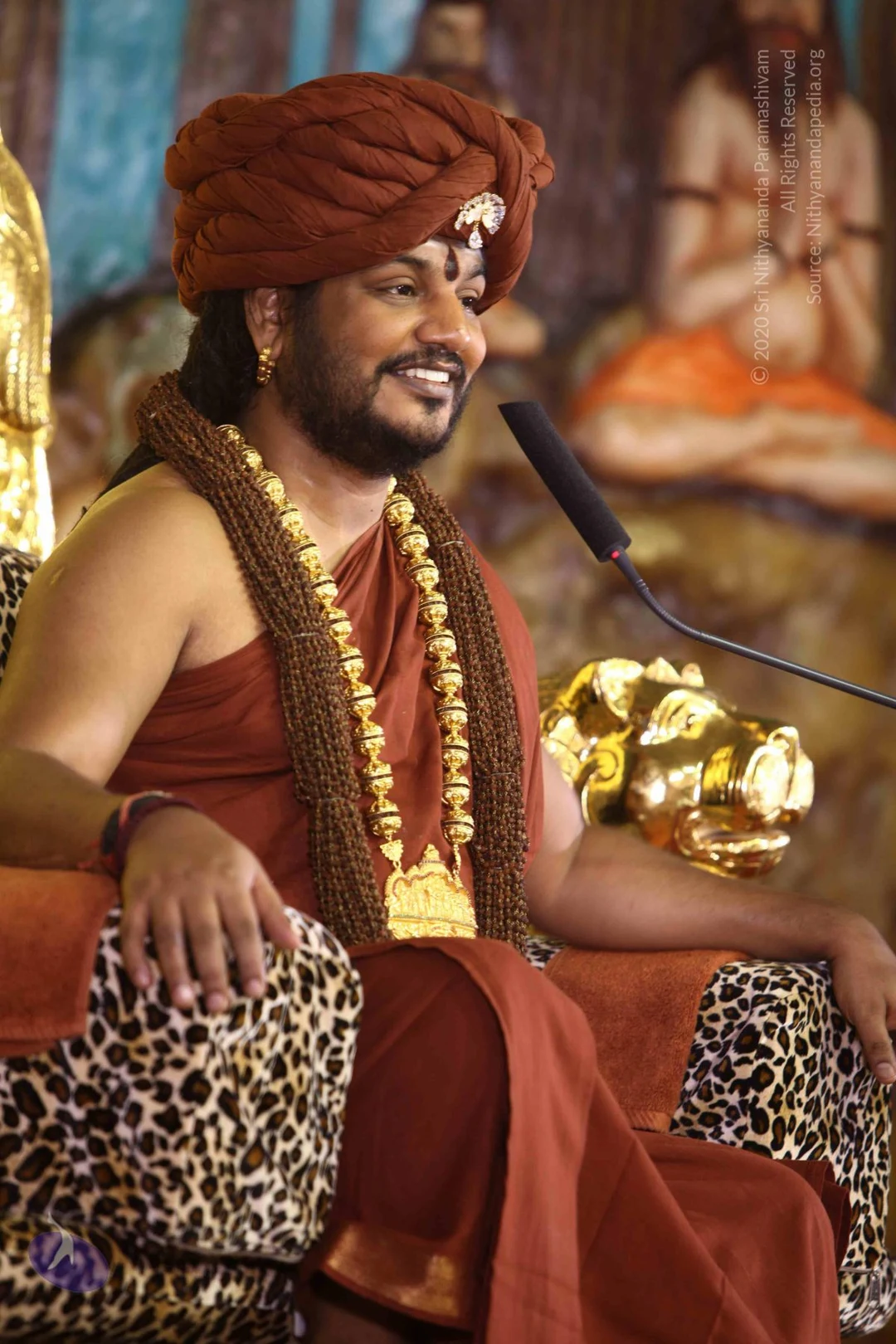
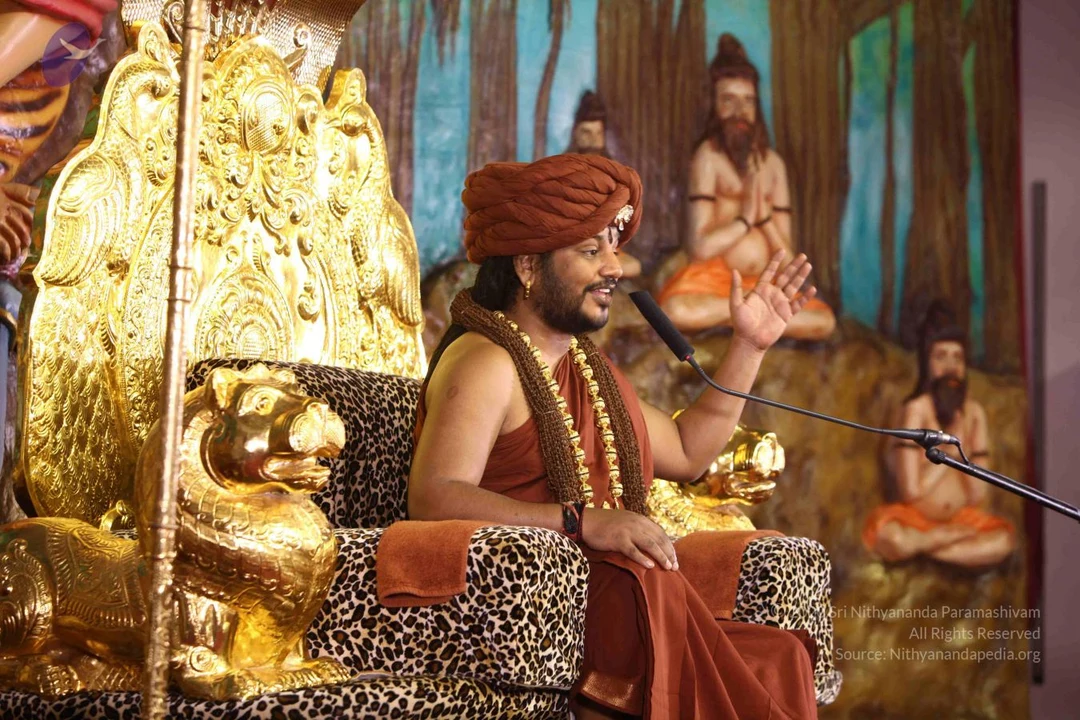
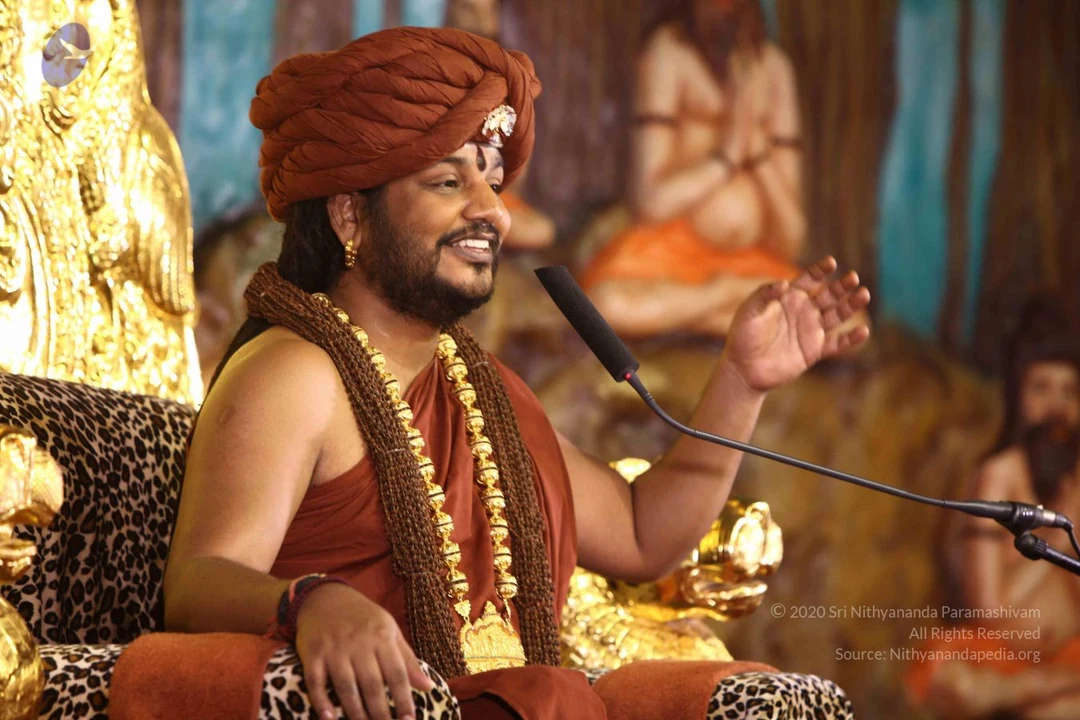
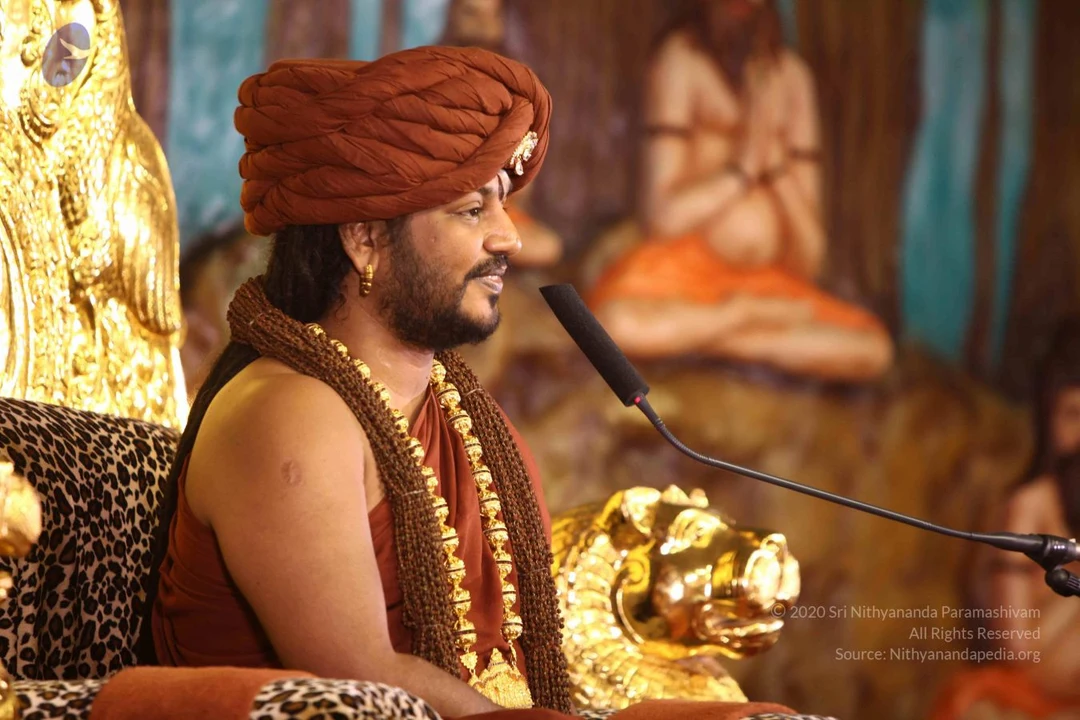
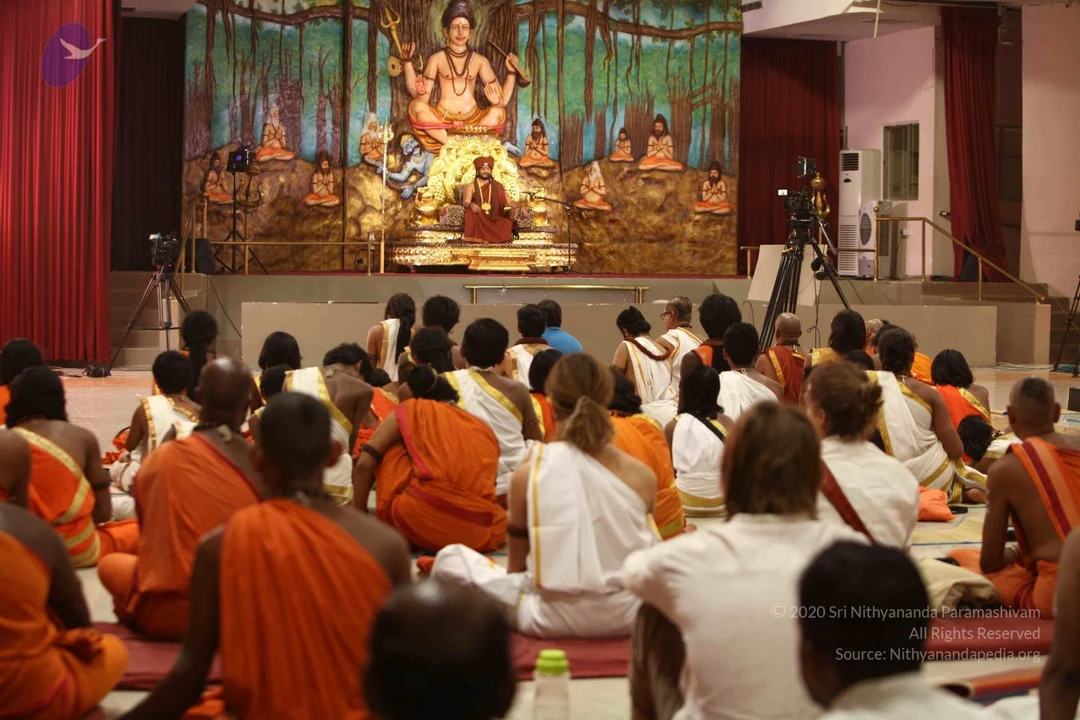
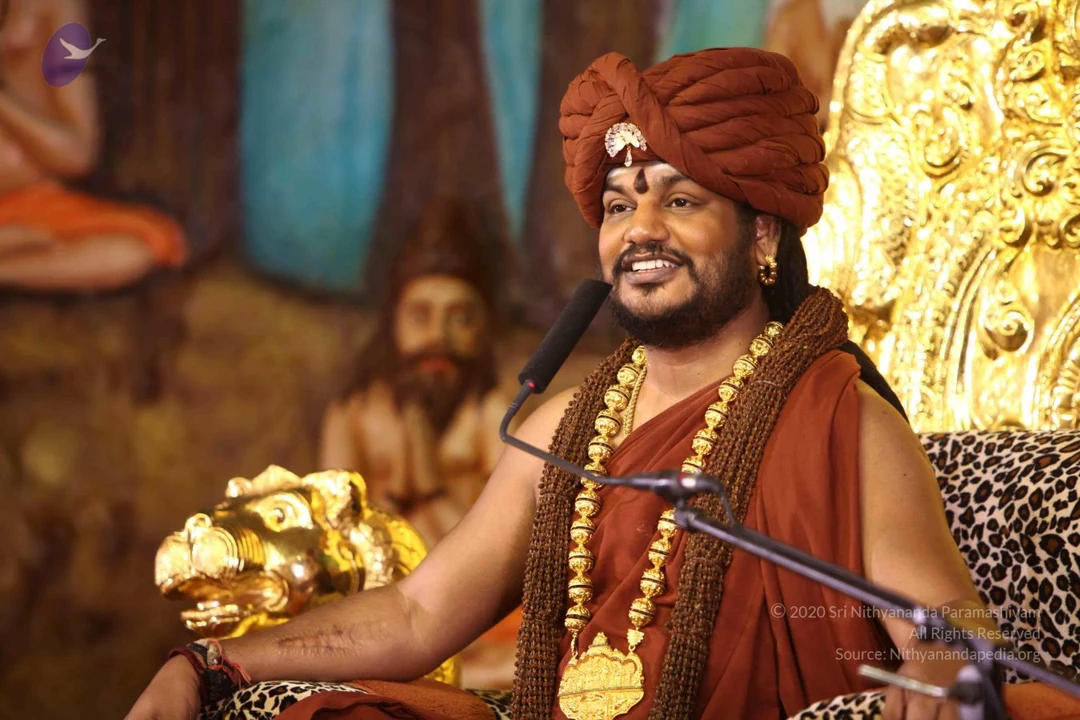
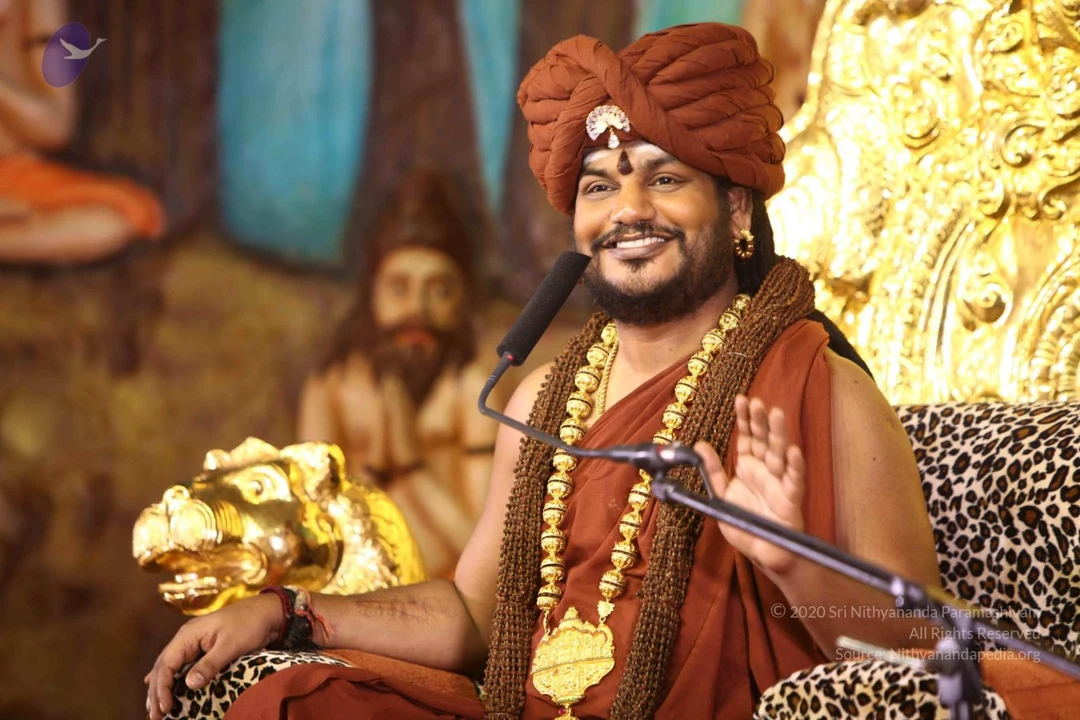
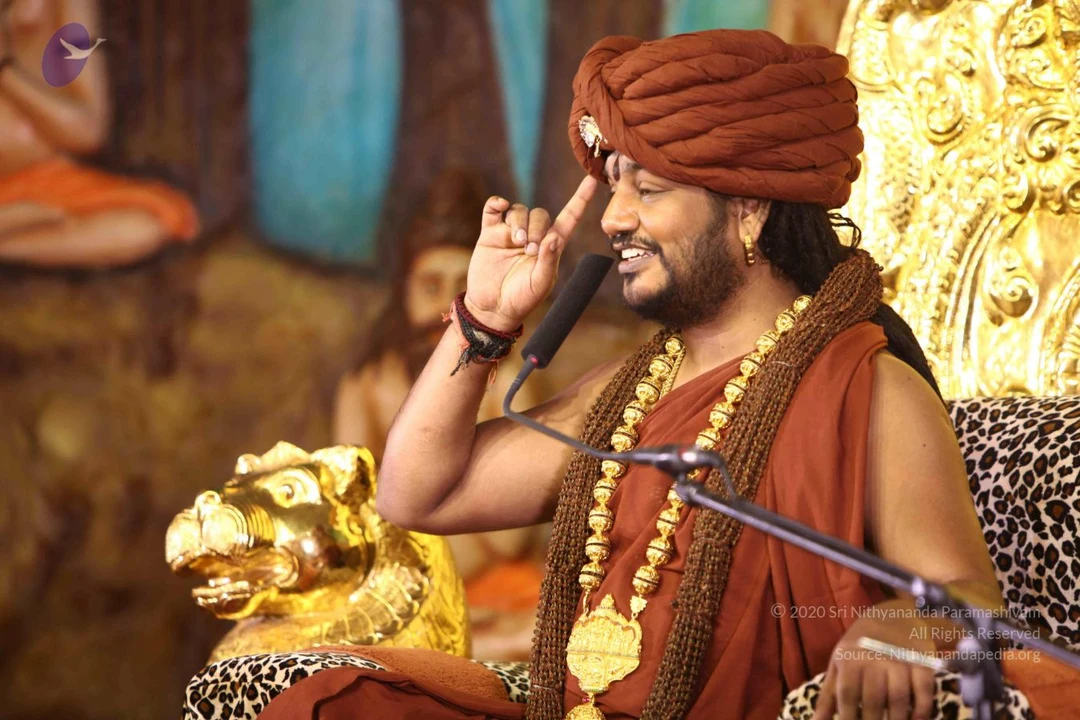
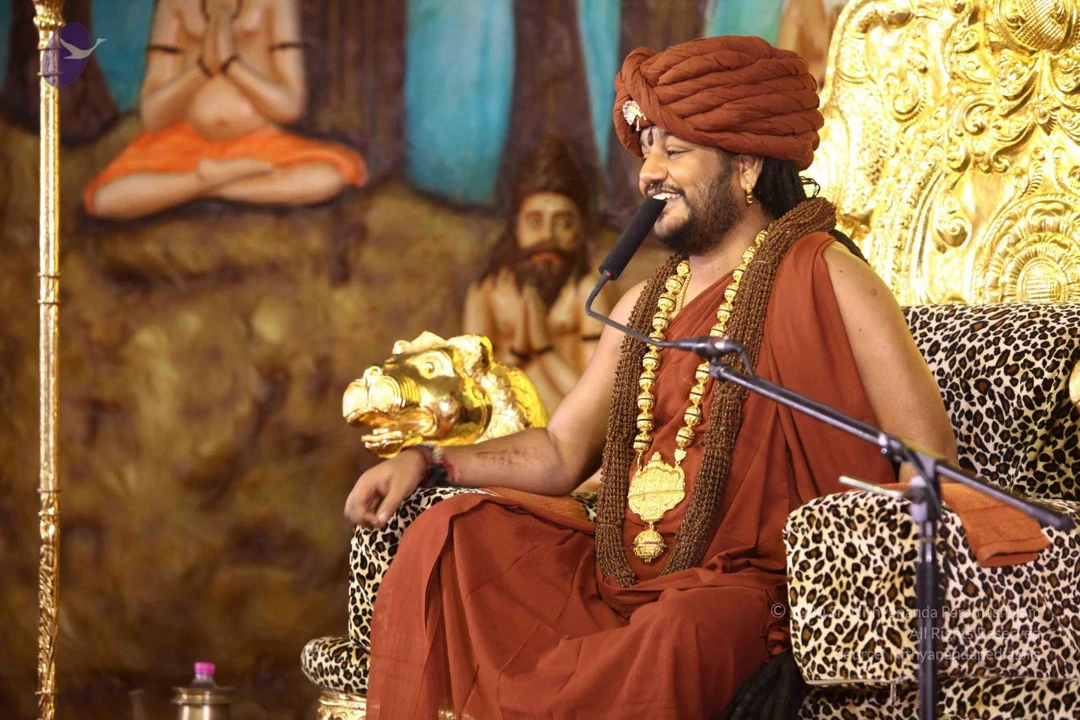
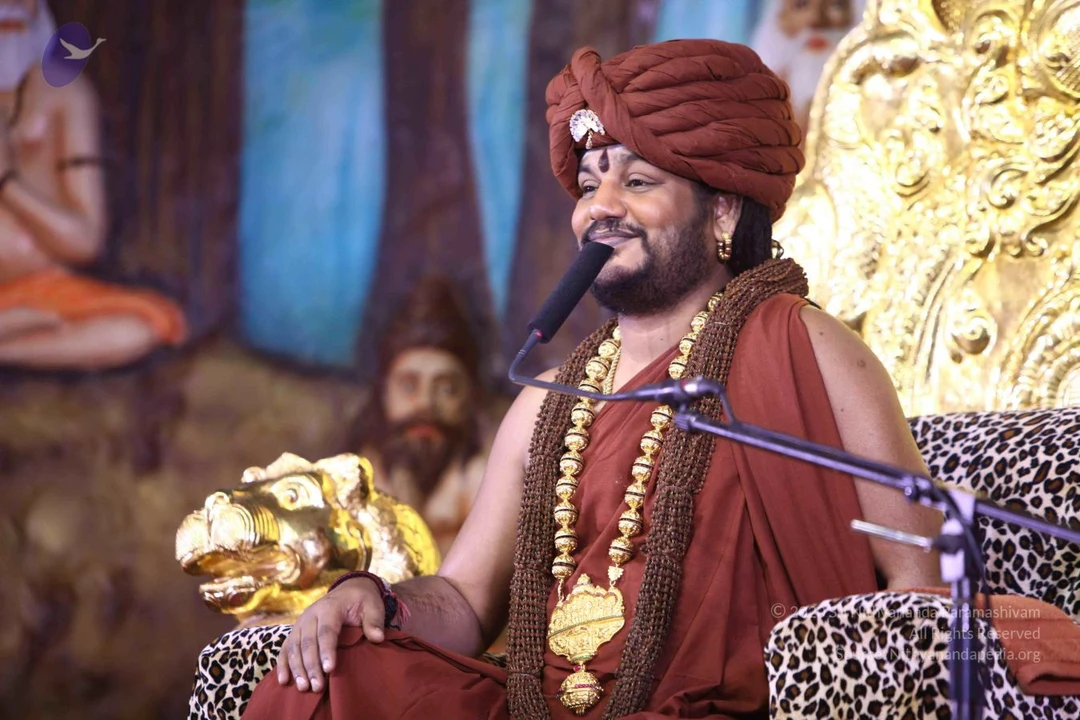
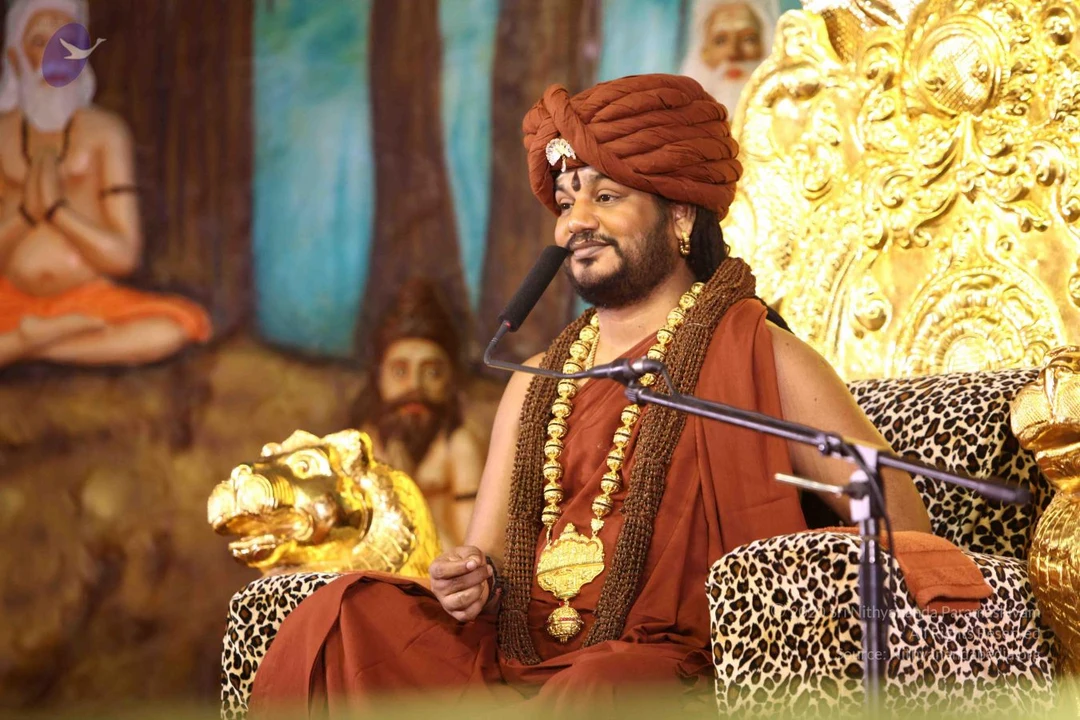
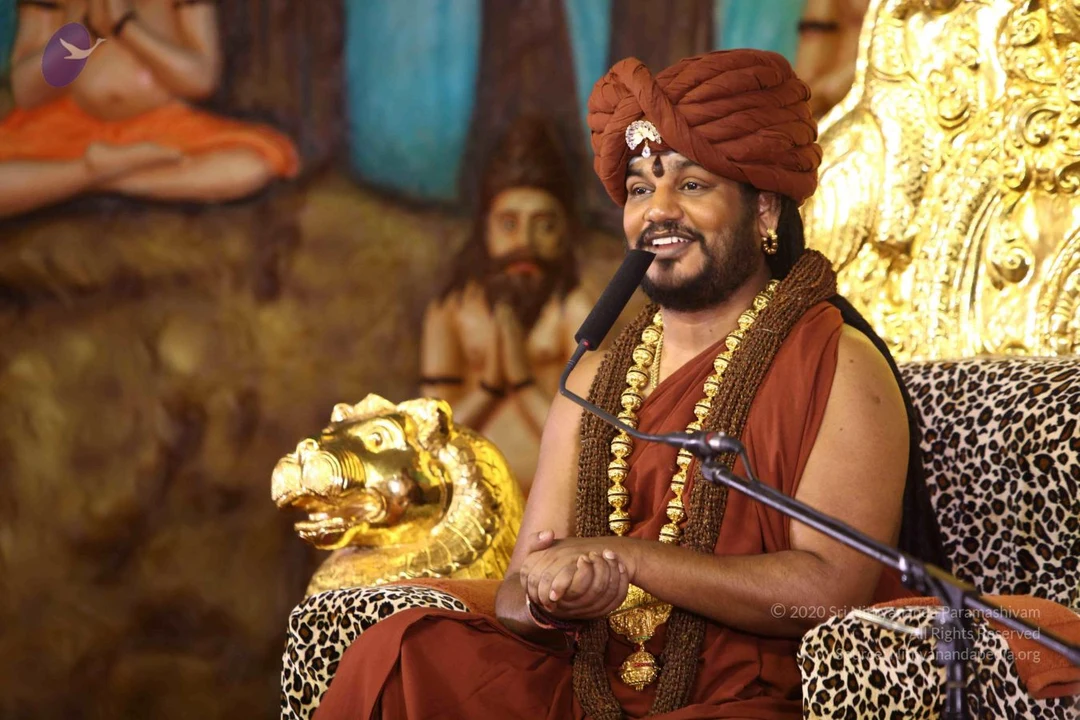
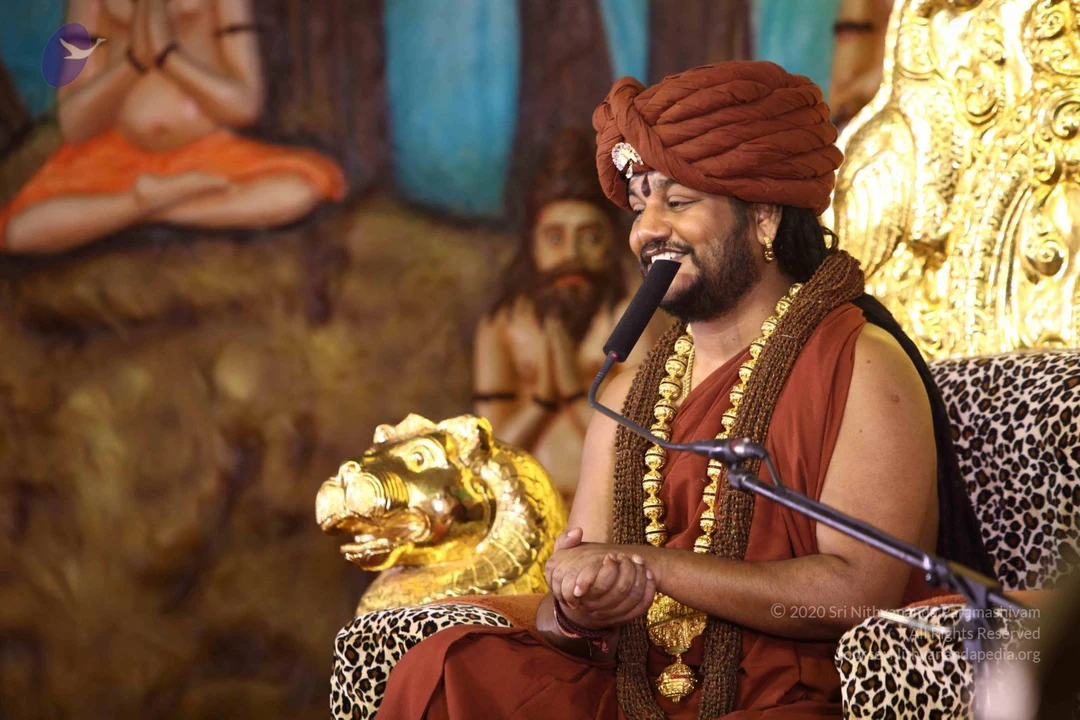
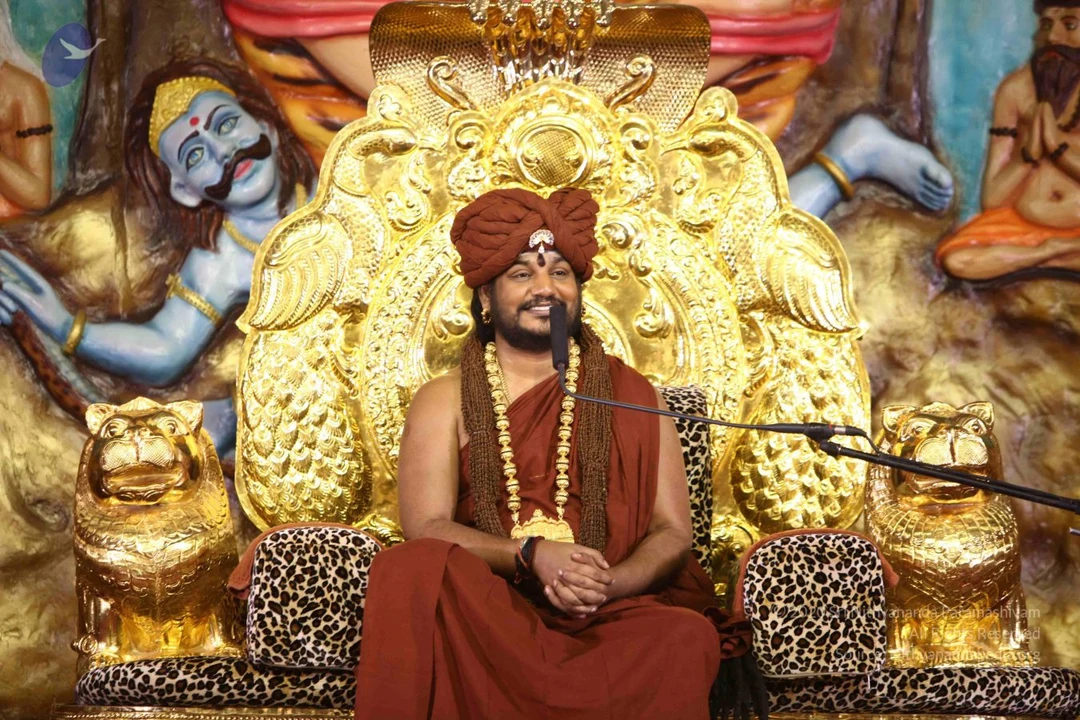
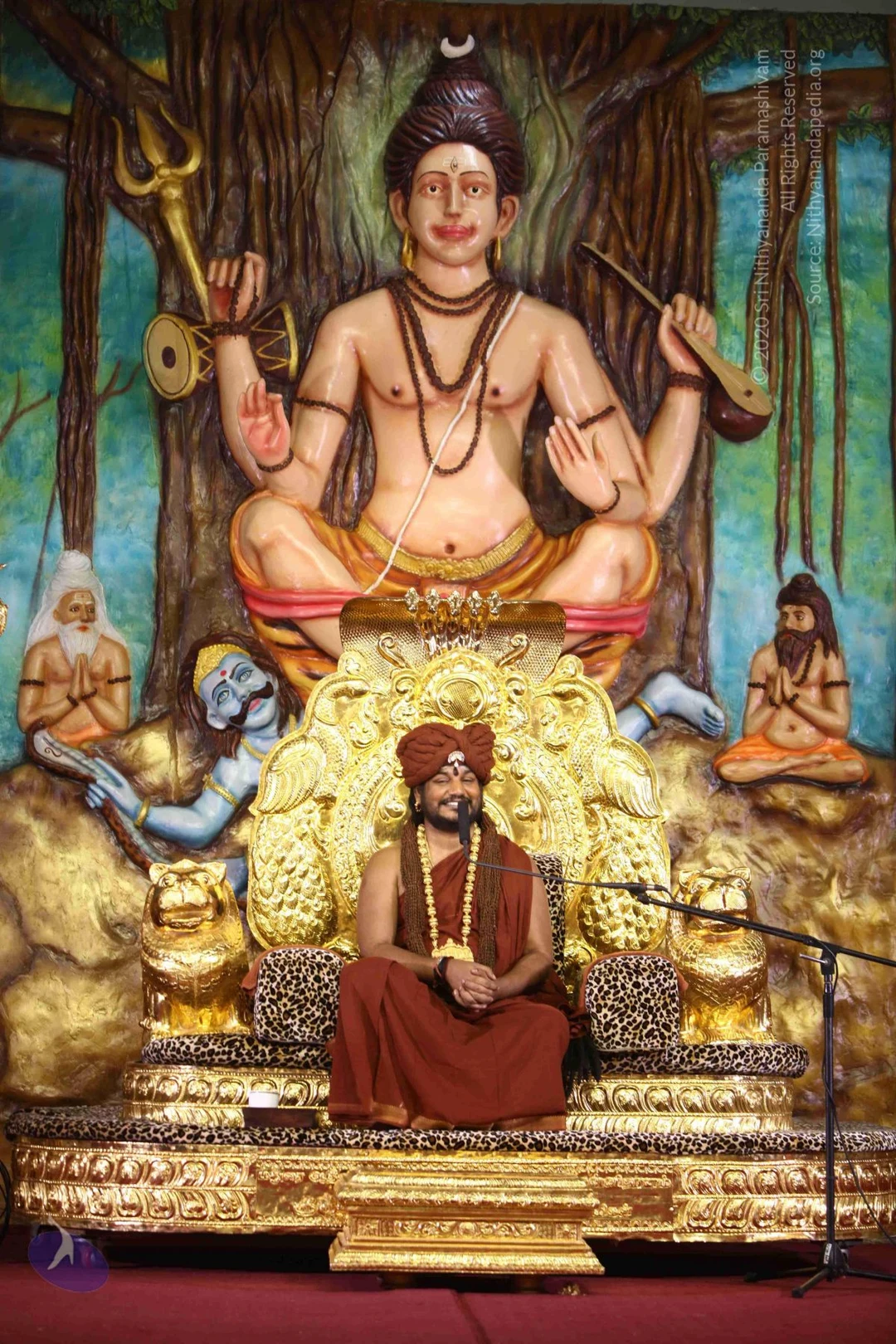
,
Photos from this day
View all 59 photosSatsang
1 photoSource gallery
Tamil Satsang
13 photosSource gallery
Construction Work happening at Adhi Kailaasa, Bengaluru
4 photosSource gallery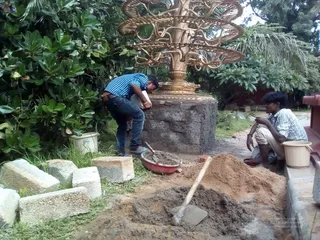



Satsang
41 photosSource gallery