Thursday
4 August 2016
Don't Hide Behind Your Blind Spots
- Dated photos
- 189
- Source pages
- 1
- Media
- 2
August 04 2016
Original wiki pageTitle
Don't Hide Behind Your Blind Spots
Description:
This Day HDH Bhagavan Sri Nithyananda Paramashivam expands : Dhīrās, who micro manage the inner space, are Dhīrās. Dhīra means who is not stuck in any pattern inside. If you lose the fight outside and come out and give a 10-day lecture on why you lost, you can’t be a Veera, nobody is interested in giving you any respect by listening to your lecture. Oh it was too hot, and I always feel energetic in the A/C and cold area, but in hot I loose my sense and control, I was so irritated I could not tolerate the other fellows sweating smell and I lost it. Who cares? Loser even if he gives a 10-day lecture on the reasons why he lost is not get the title – Dhīrah. He is not going to be Vīrah (veerah).
| Video | Audio |
Transcript:
nithyānandeśvara samārambhām nithyānandeśvari madhyamām | asmat āchārya paryantām vande Guru paramparām ||
I welcome all the devotees, disciples, Satsanghis, Sri Mahants, Mahants, Kothari, Thanedar, Sarvajna Peetha Yajamans, everyone sitting with us through Nithyananda TV, Facebook live, You Tube live, two-way video conferencing having Nayana Deeksha all over the world.
I welcome all of you with My love and respects. I’ll enter into the 2nd verse of Kenapanishad.
śrotrasya śrotraṁ manaso mano yad
vāco ha vācaṁ sa u prāṇasya prāṇaḥ |
cakṣuṣaś-cakṣur-atimucya dhīrāḥ
pretyāsmāllokād-amṛtā bhavanti || 2 ||
Understand, the most sophisticated of answering a question is, giving you the methodology you will find experience, the most sophisticated way of answering a question is as an answer giving you a methodology, through which you will find, the experience.
śrotrasya śrotraṁ manaso mano yad |
The whole verse is not giving you any point you can hang around, any visualization, any possibility for imagination, no. It’s very clear. Your pure questioning is turned towards you; your pure questioning is turned towards you. Listen, pure questioning is one of the most powerful way of integrating you. Pure questioning is one of the most powerful way of integrating your intellect, mind, emotion, thought currents, everything, body.
śrotrasya śrotraṁ manaso mano yad
vāco ha vācaṁ sa u prāṇasya prāṇaḥ |
cakṣuṣaś-cakṣur-atimucya dhīrāḥ
pretyāsmāllokād-amṛtā bhavanti || 2 ||
Dhīrās, who micro manage the inner space, are Dhīrās. Dhīra means who is not stuck in any pattern inside. If you lose the fight outside and come out and give a 10-day lecture on why you lost, you can’t be a Veera, nobody is interested in giving you any respect by listening to your lecture. Oh it was too hot, and I always feel energetic in the A/C and cold area, but in hot I loose my sense and control, I was so irritated I could not tolerate the other fellows sweating smell and I lost it. Who cares? Loser even if he gives a 10-day lecture on the reasons why he lost is not get the title – Dhīrah. He is not going to be Vīrah (veerah).
Dheera means who conquered inner space, who micro manages inner space, who looks into every thought current, thought pattern. Understand, any problem persists because you are not interested in micro managing certain thought currents in you, certain pattern currents in you, If you are not able to break patterns, thought currents, it can be as simple as morning waking up, attend Ma Mahayoga’s Manifestation of Powers Session, that will make you understand the blind spots. Mahayoga is beautifully exposing your blinds spots to you guys. For everything you need a certain personality, Mahayoga is perfect to expose your blind spots to you.
When you go through all the homework, the assignments, so many blind spots, which you do not want to see, correct, work, will be exposed to you. Understand, even body, even body needs to be healed. If your body is not cooperating with you for waking up in the morning, it is sick. It is having, entertaining certain blind spots. Don’t let that happen in you. You need to address it, you need to heal it, you need to cure it.
Most subtlest, subtlest patterns do not expose themselves as patterns to you. They try to convince you, you are them, they are your characters, they are your beauty, they are your colors, no no! Any sympathy, any sympathy for your patterns in any form is a crime against yourself, atmahatya, understand.
Sometimes we say, “why, everyone is suffering with certain pattern, why not me also, let me have this, this is my character.” No, everyone suffering cannot be the justification for your stupidity. Pattern when it convinces you, it is your character, it is your quality, and derives your sympathy, you have committed suicide, you entered into the suicidal space, over. Most, listen to this word, most stupid suffering comes to you by you, not recognizing the source of that suffering as your pattern. Look in, look in, justifications do not bring you result. Long theology philosophies do not bring result.
Who do not compromise in the inner space, who feels their inner space is like their chastity is Dhīrāh.
(10:30)
Understand a grihistha, householder, even if he has multiple physical relationships, even if he is a womanizer, it is not cosmic crime, it is only a social immoral activity, so if somebody suffers because he being a womanizer only that suffering will come to him as karma. If nobody is suffering because of him being a womanizer no karma comes to him, I am not saying be a womanizer, I am just telling you the facts as it is. A declared grihistha even if he is a womanizer as long as he does not cause suffering for anybody, because of his womanizing, no karma, cosmic karma comes to him. It’s only a immoral activity as per the society, so he has to face society that’s all—but a Sannyasi, who is a declared Sannyasi, who takes the vow, of sannyasa, brahmacharya, aparigraha, asteya, satya, who takes the vow, even if he cherishes, the desires which are not in tune integrity with these 5 vows of ahimsa, satya, asteya, brahmacharya, Aparigraha, even if he cherishes mentally something which is not integrated to this 5 vows – brahmacharya, aparigraha, satya, ssteya, even if he cherishes it becomes crime against himself, ātmahatyā,, it is not even socially crime, if somebody cherishes, a Sannyasi cherishes certain thought currents which is against his 5 vows, it is not socially immoral or socially crime, society nobody is even going to know, but it is already cosmically crime because it is ātmahatyā, it is against his integrity, he becomes patita, understand.
Most powerful micro management is micro managing your thought current, only a person who has mastered the micro management of your thought current can be a Dheera, only that person can be a pure real Sannyasi, till then calling yourself Sannyasi is a joke, crude joke you are playing on yourself, not on anybody else, crude joke, understand, it is so crude, it is so crude equal to ātmahatyā, suicidal. A Sannyasi even missing morning spiritual practice is equivalent to patita [fallen person], because today if you miss the morning spiritual routine, to completely fall from all the 5 vows, it won’t take, more time, it’s only question of few days, Ahimsa, Satya Asteya, Aparigraha, Brahmacharya, this 5 vows, falling from them, is not far away.
(15:06)
The level of integrity, the way you micro manage your inner space, that makes you Dhīrāh, that makes you Dhīrāh. Here Upanishad declares Dhīrās are those who discover the ear of the ear, mind of the mind, speech of the speech, prana of the prana, and realizing that, they achieve, the immortal eternal, amrta bhavanti, they achieve, immortal and eternal.
Contemplate, where are the blind spots? Continuously look in, if you are not able to attend the morning yoga, the blind spot is somewhere else; somewhere else, you are deeply cherishing the second thought current, some other thought current, unless you break penetrate into that thought current, you are not going to free yourself, you are not going to liberate yourself, your anger, your discomfort, your vengeance, unless you look into that and break, you are not going to become Dhīrāh, and life is only worth living when you become Dhīrāh.
śrotrasya śrotraṁ manaso mano yad
vāco ha vācaṁ sa u prāṇasya prāṇaḥ |
cakṣuṣaś-cakṣur-atimucya dhīrāḥ
pretyāsmāllokād-amṛtā bhavanti || 2 ||
Go on micro-managing your inner space, go on micro-managing. The moment you diagnose the thought current, thought pattern, immediately the pattern will melt. The moment you diagnose if it is not melting, that thought current is not a real problem, still you have not put your hands on the real problem. I tell you, many time when the people are not able to wake up in the early morning they try to put more alarms, more cold water, sleep early, all that does not work, the gastric and stomach ulcer need to be healed, because, the problem is there, putting more alarms, putting more cold water on yourself, putting more people to call you, sleeping early, nothing will work, till you put your hand on the right problem, with everything, with every situation, with every problem, putting your hand on the right thought current, the moment you put your hand on the right thought current, the problem dissolves, problem disappears.
So today I wanted all of you to have Vaakyartha Sadhas, on this subject: Blind Spots and thought current which creates, indirect problems?
Please understand most of your problems are not straight as you think. If you are not able to wake up in the morning you think, you have laziness as the problem, no, not surely, you must be having gastric and ulcer problem in the stomach, kadukkai pudi [[[haritaki]] herb] is the solution, that heals, but your pattern will be such, even that few pills you will never swallow, forget about taking it as a powder, even the few pills, somehow you will find the reason, it’s not there, it’s not, in the galleria, it’s not there in the shop, it’s not there in my bedroom, it’s not there next to my bed, I forgot, I thought next day I will take it, I will take it tomorrow. That’s what I call blind spots, tons and tons and tons of blind spots, tons and tons and tons of blind spots, when you heal your blind spots, even your fingertips will act as eyes.
(21:31)
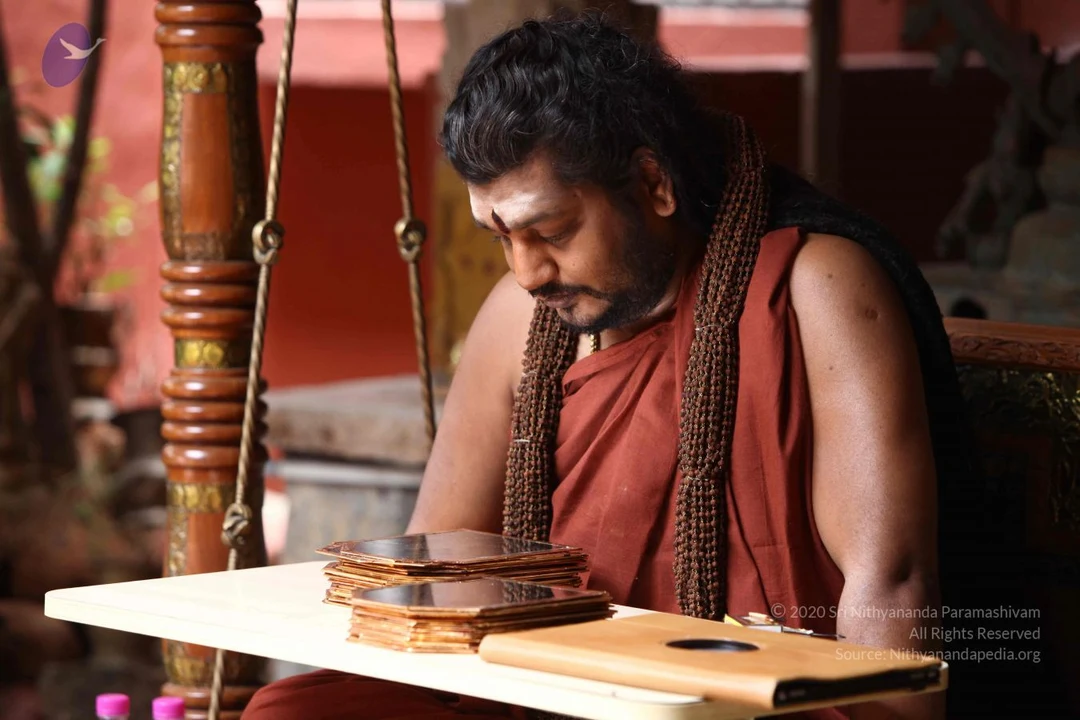
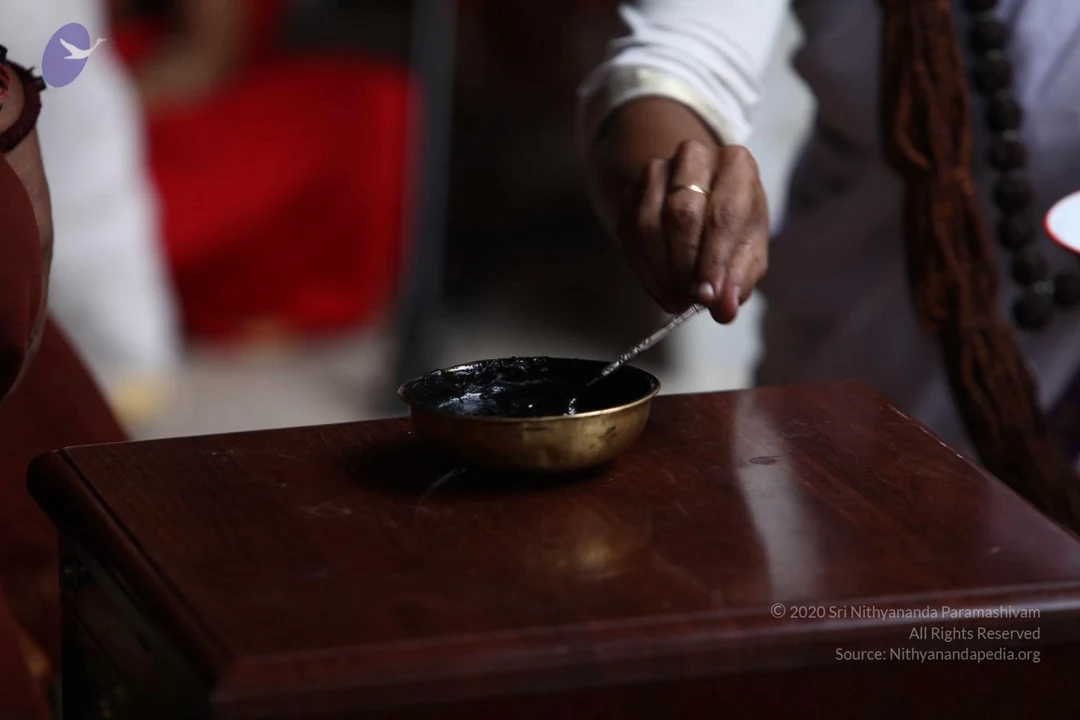
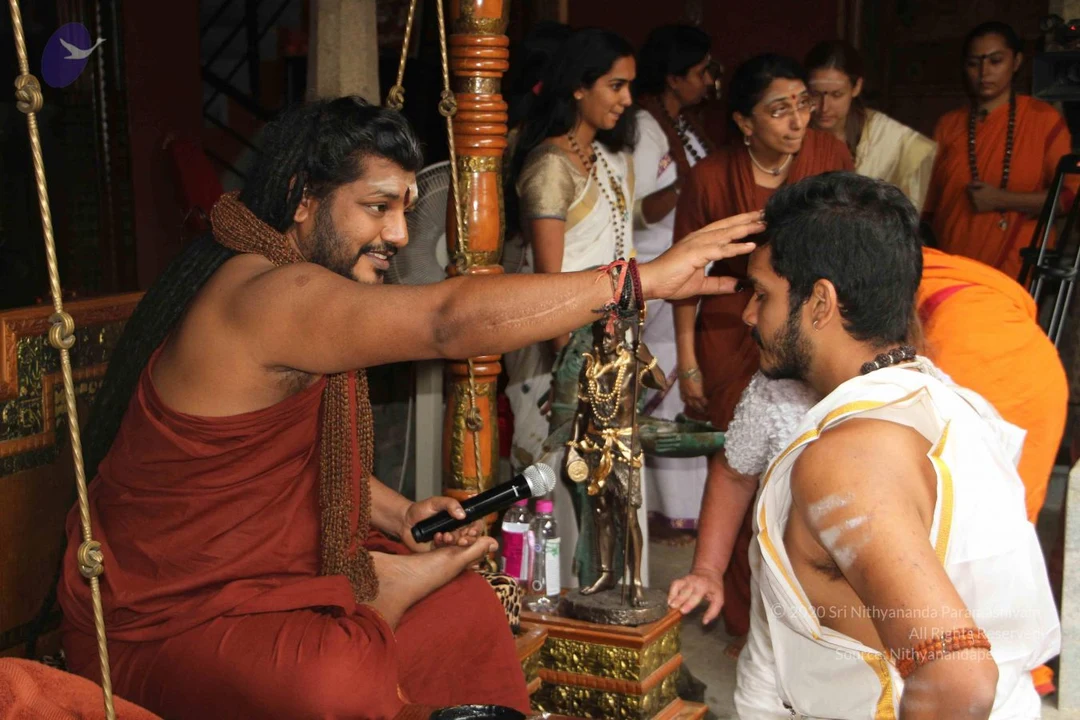
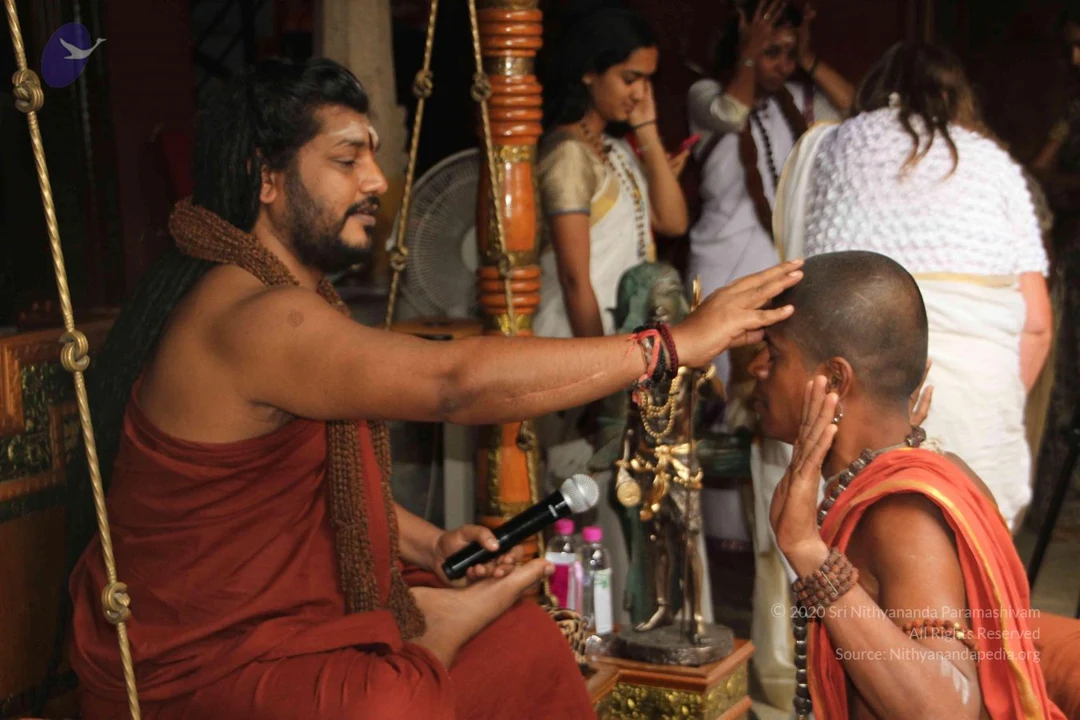
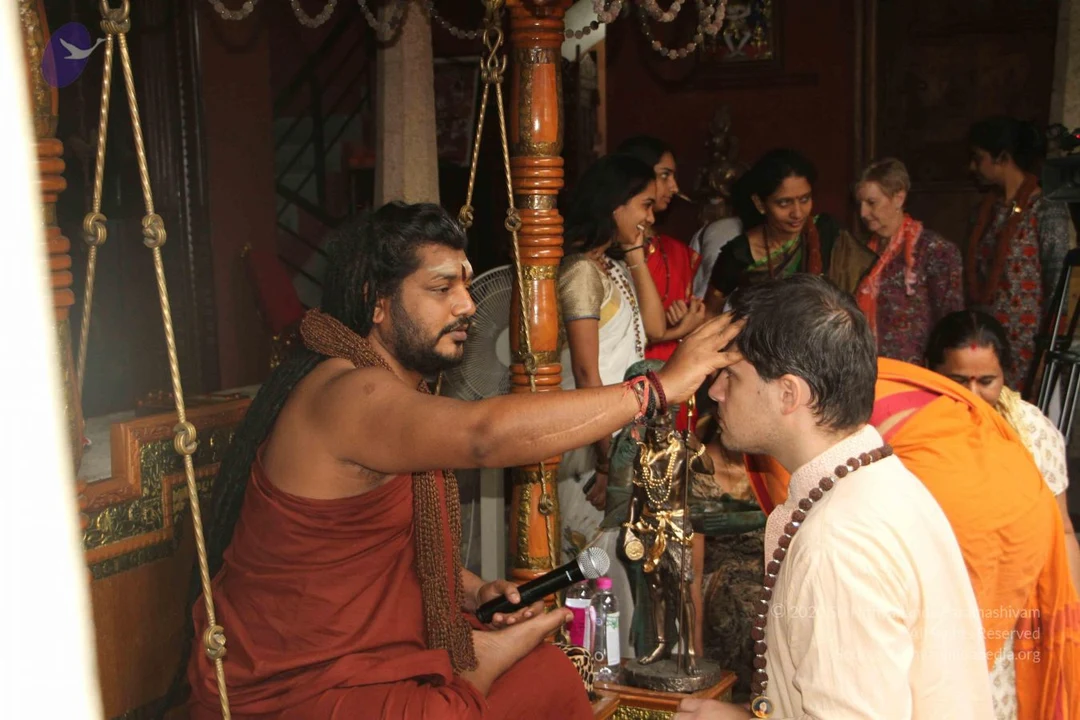
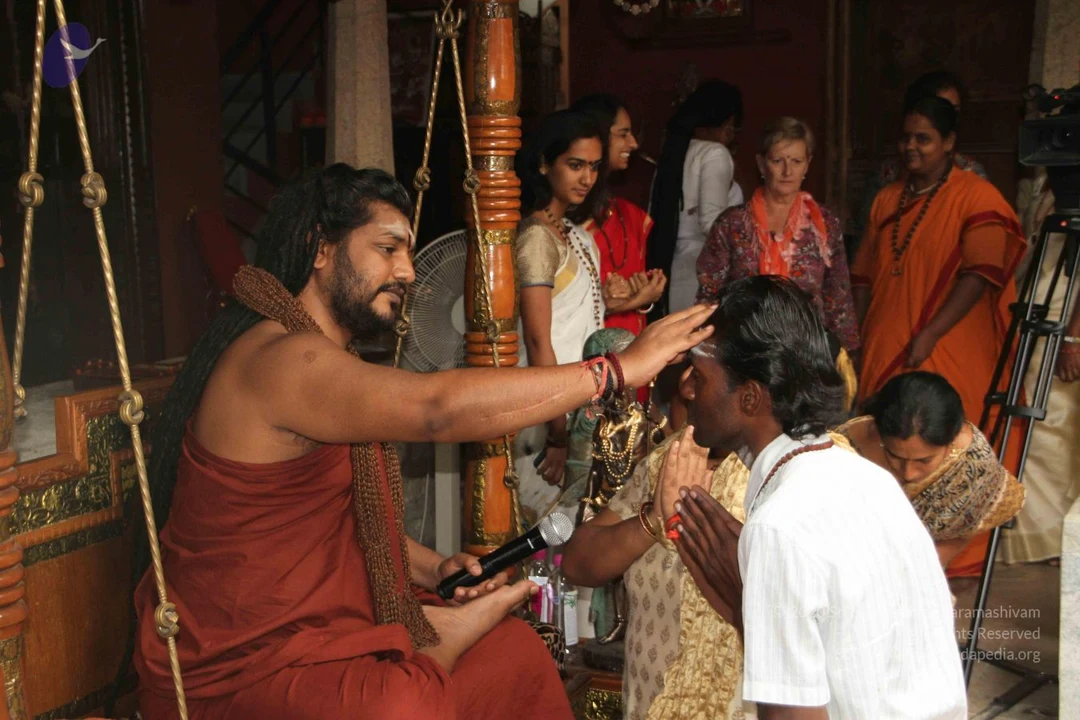
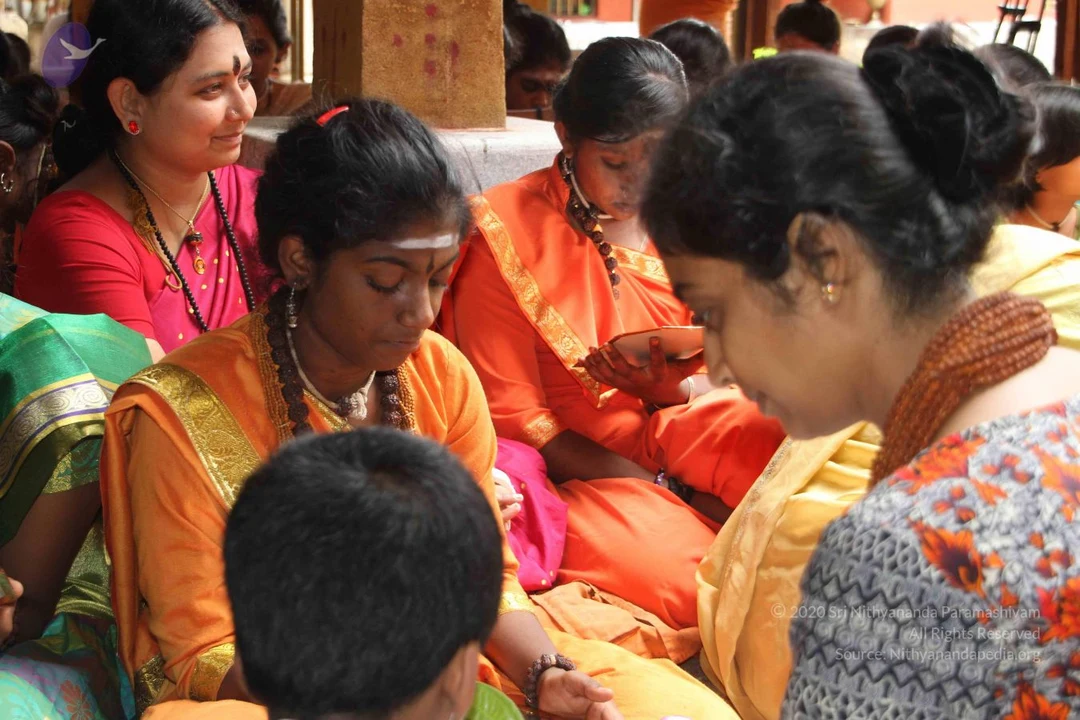
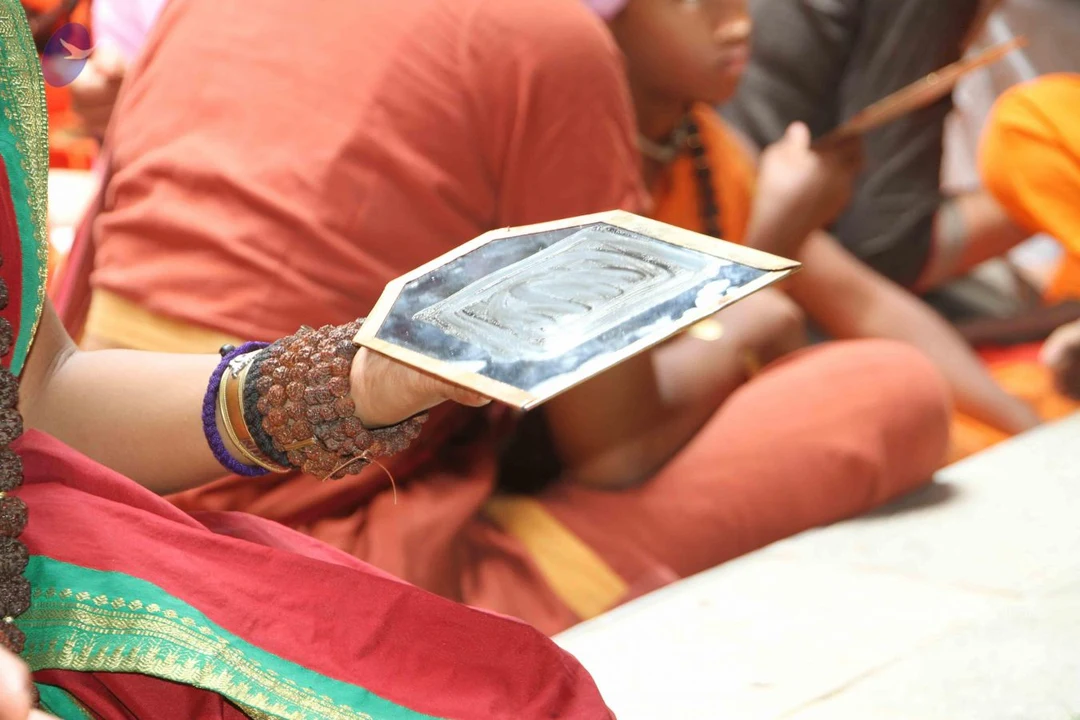
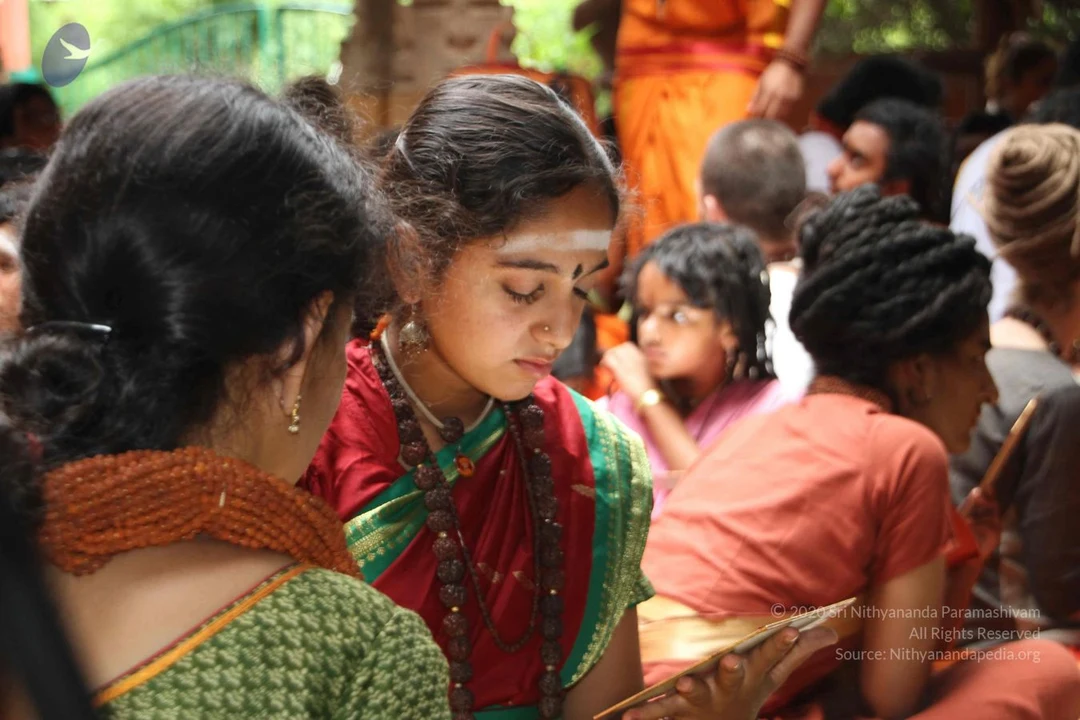
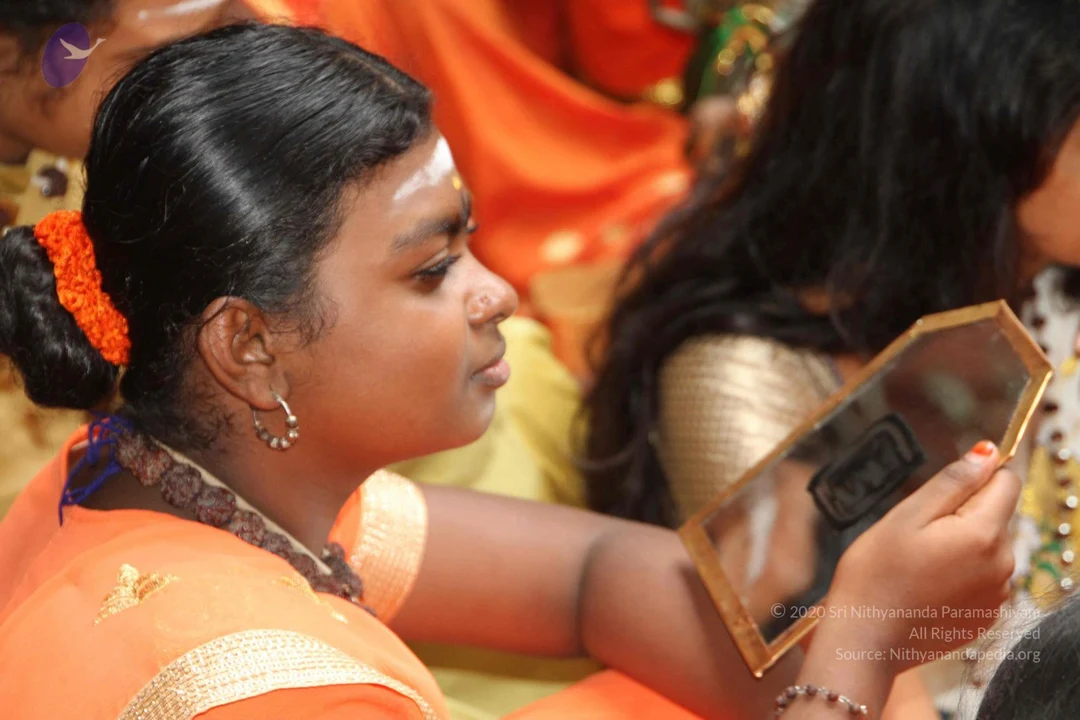
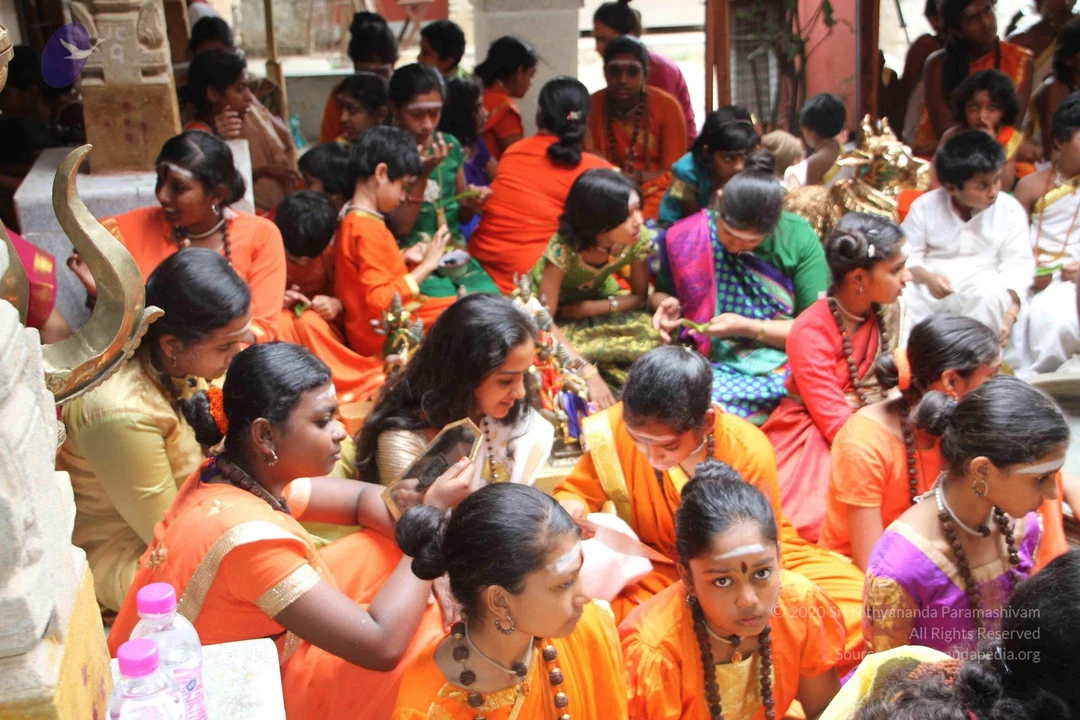
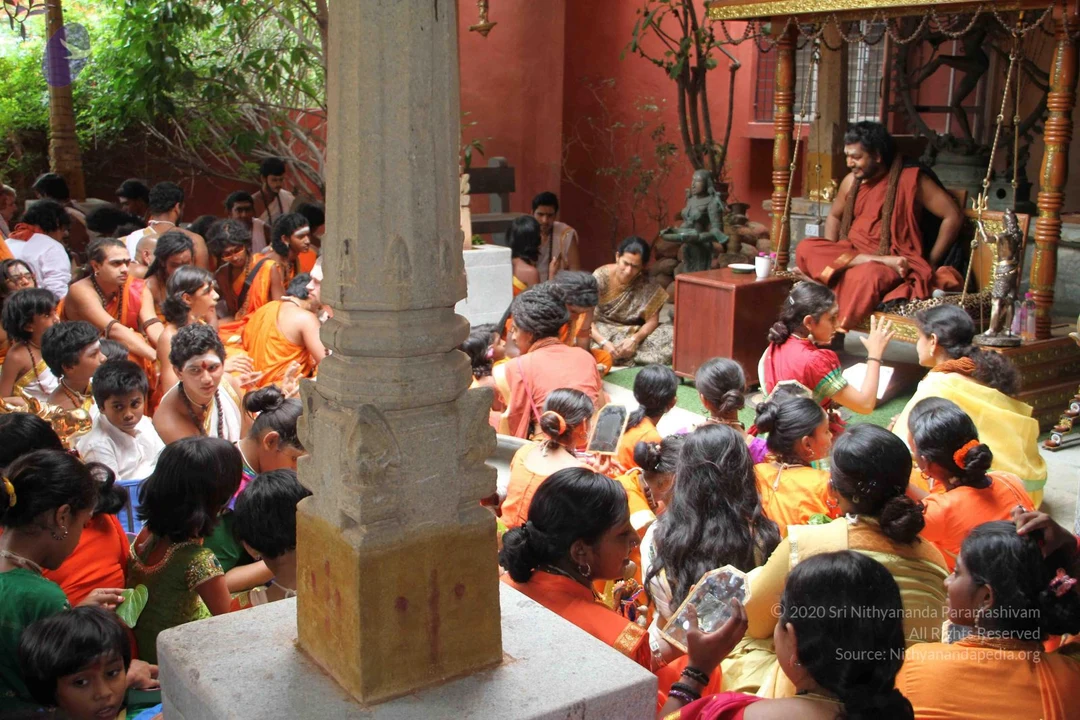
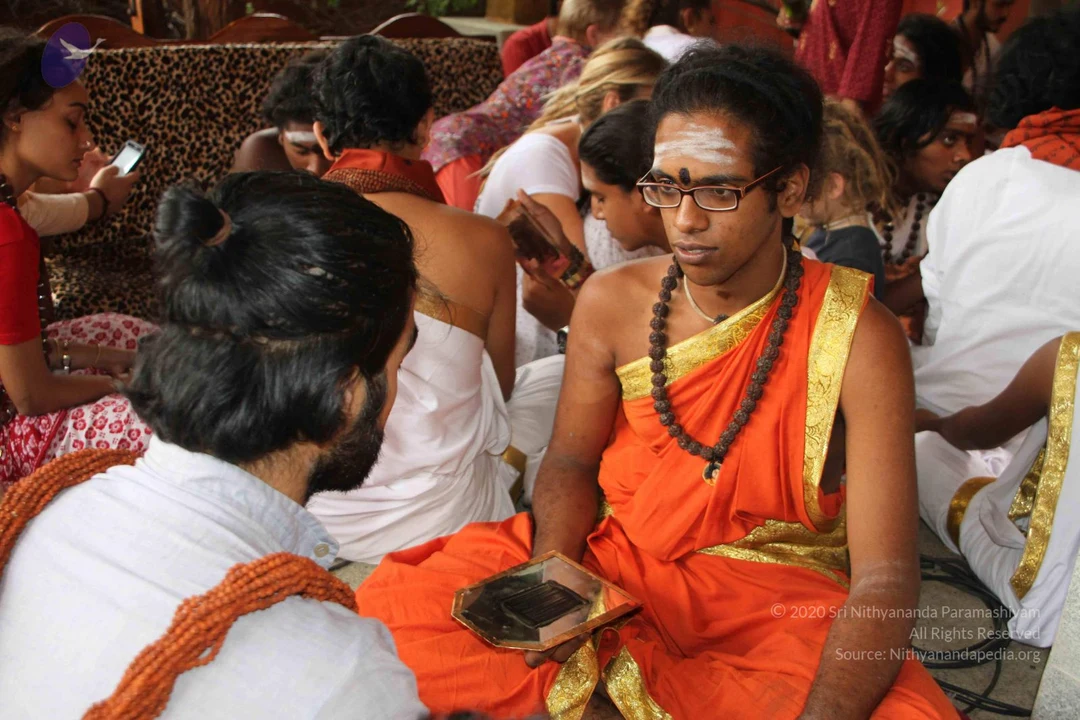
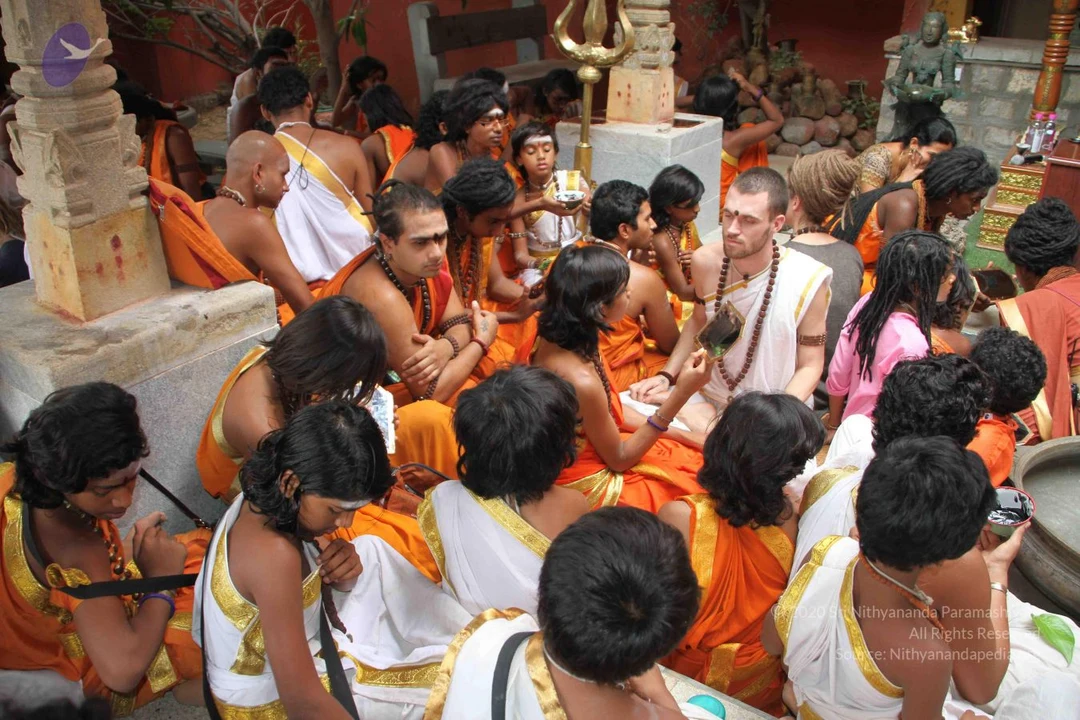
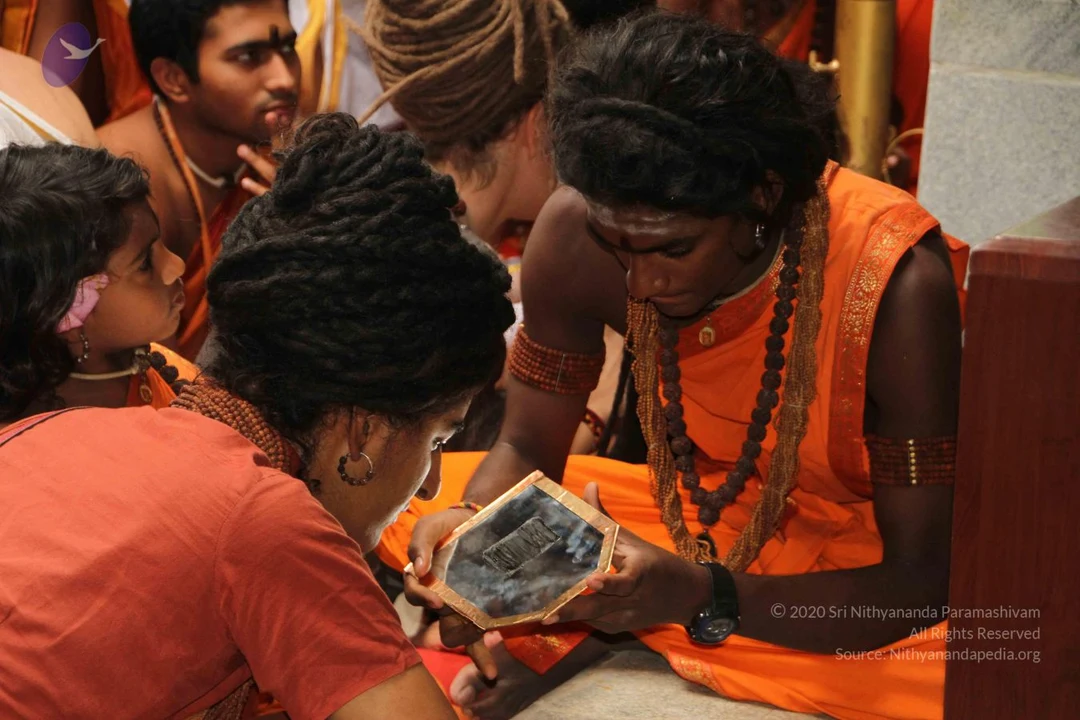
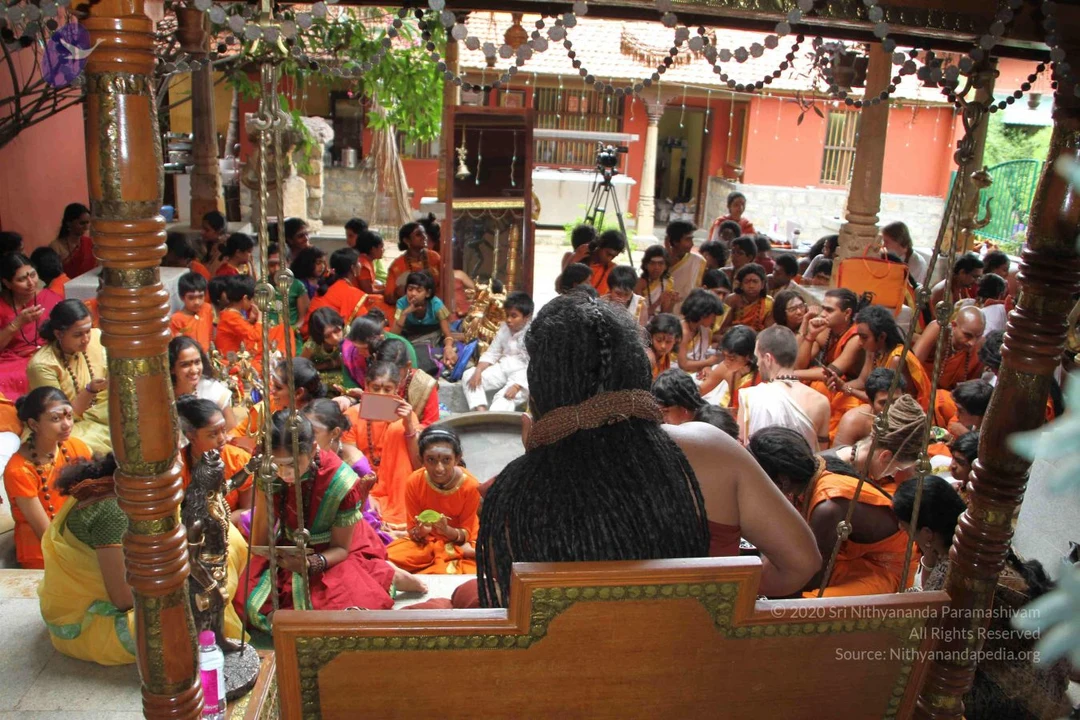
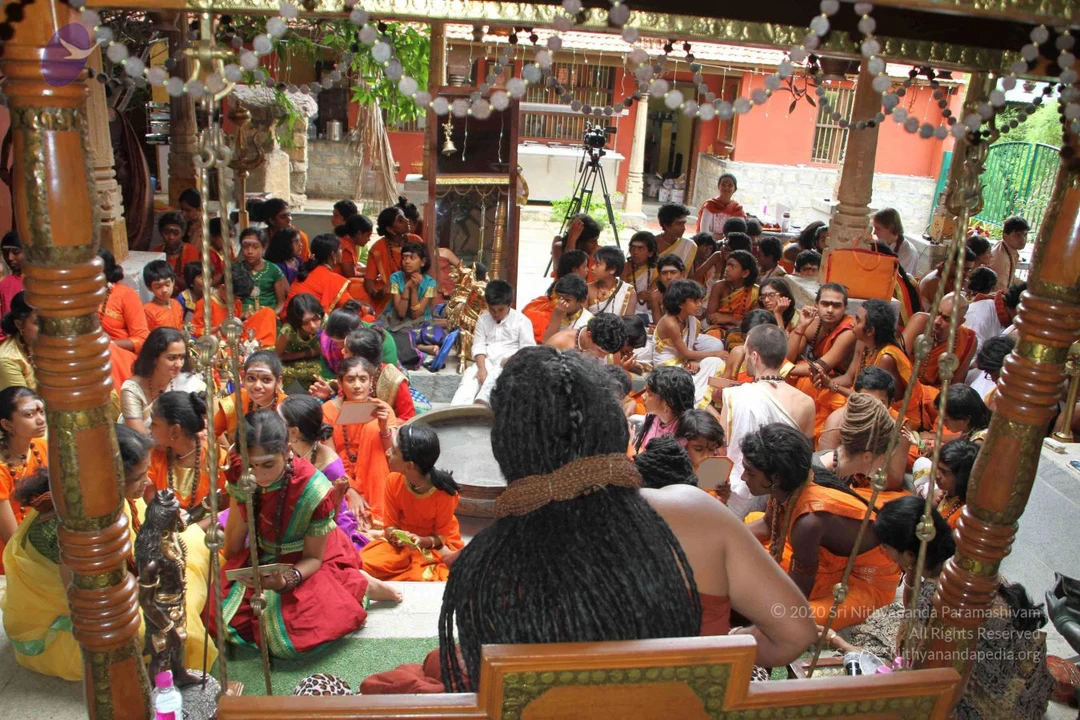
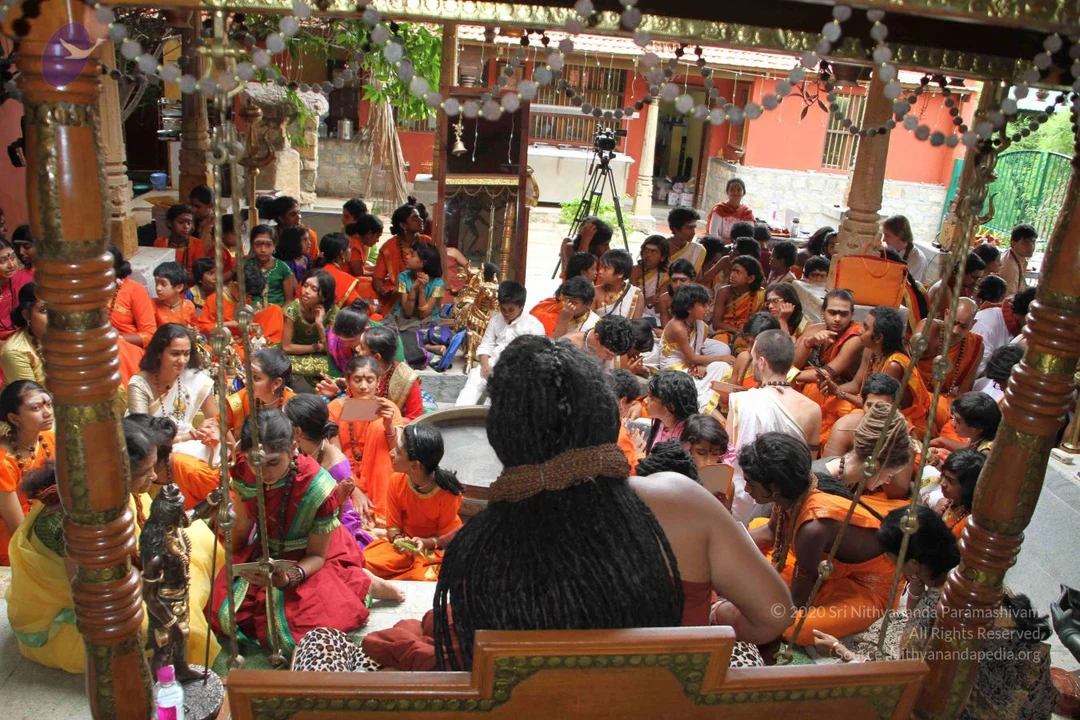
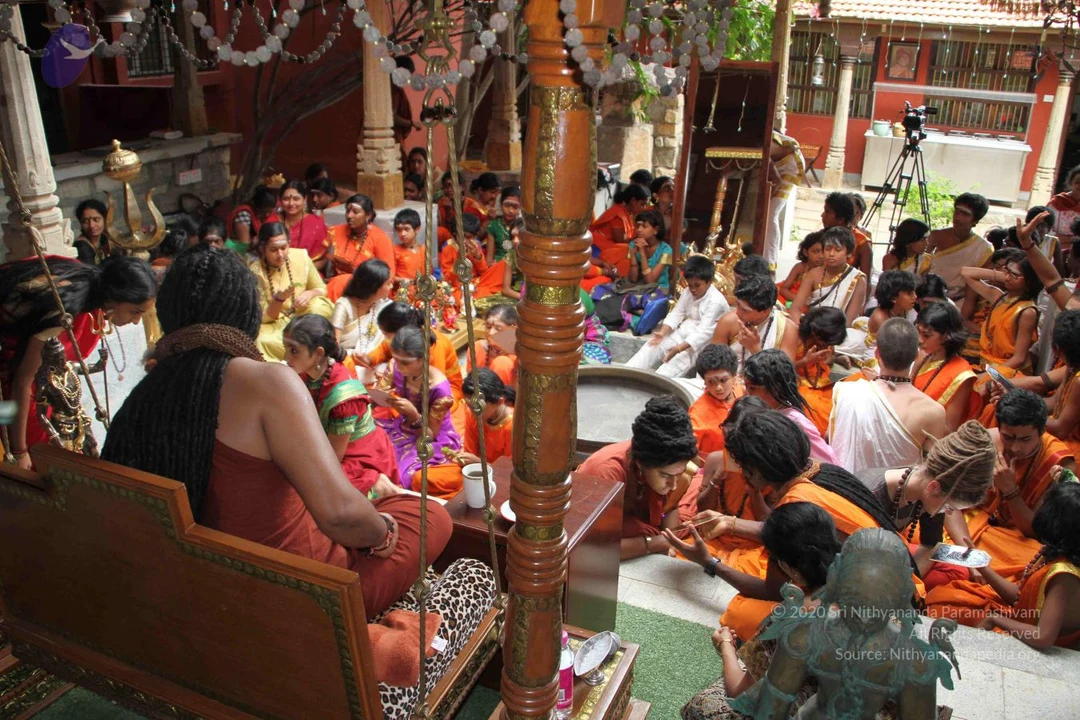
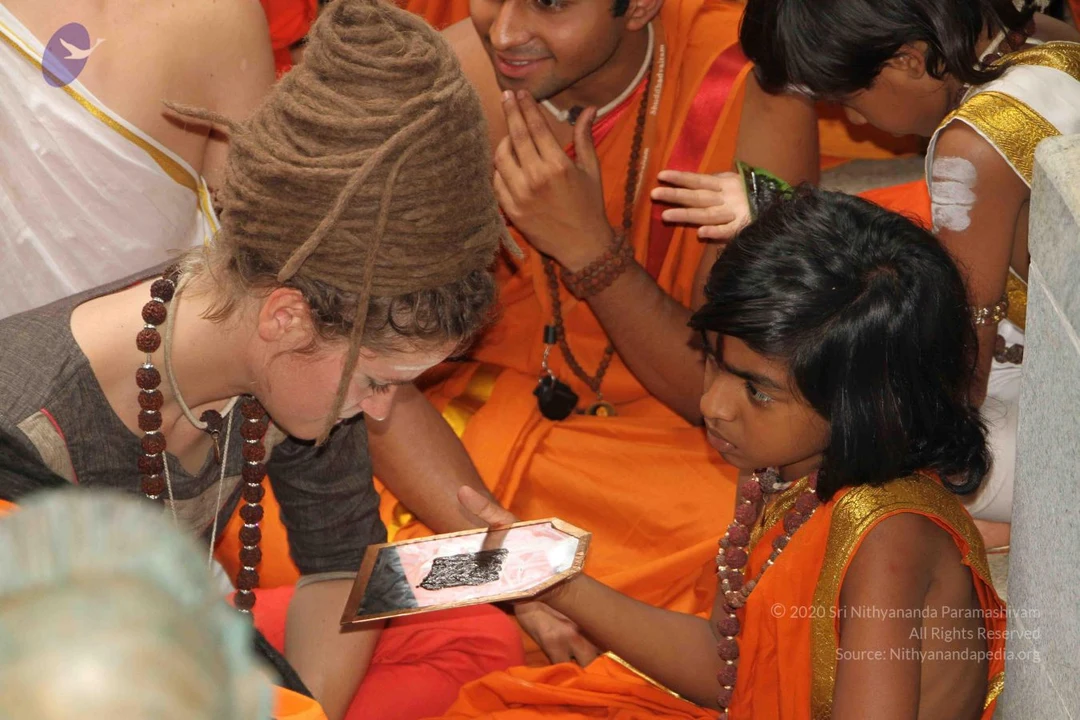
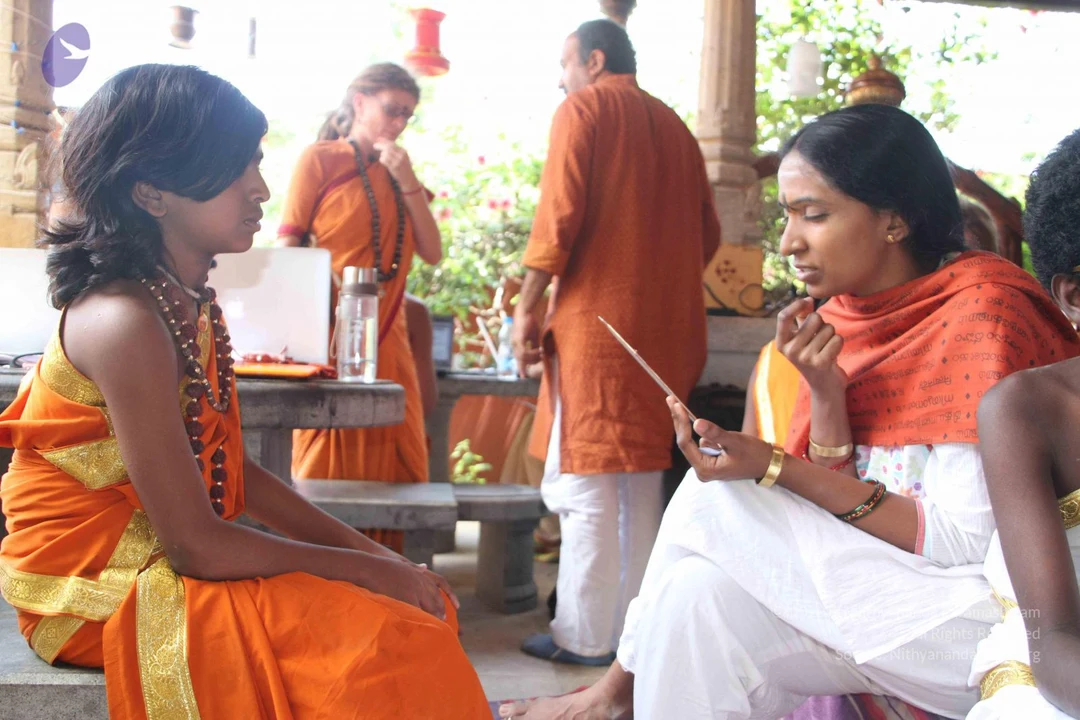
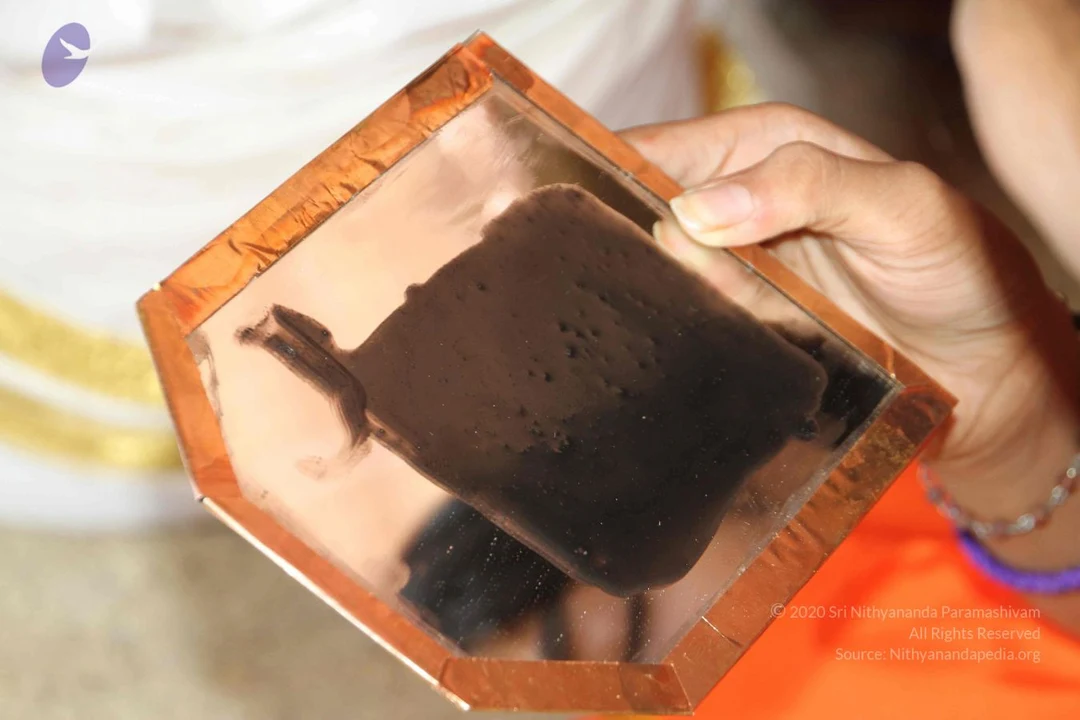
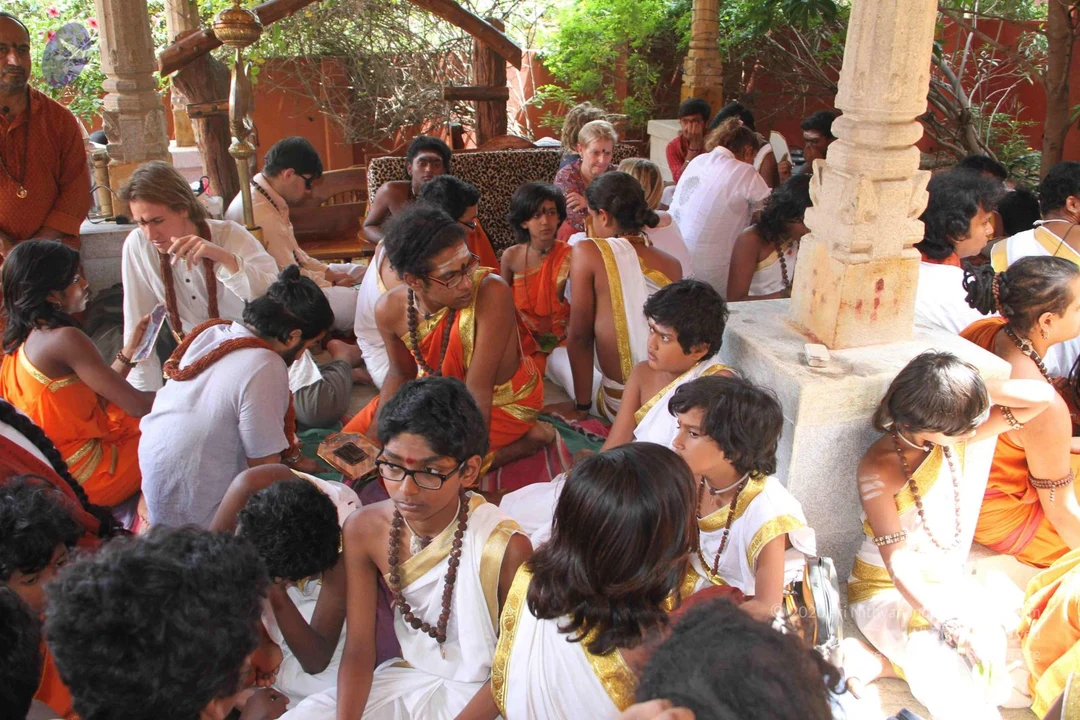
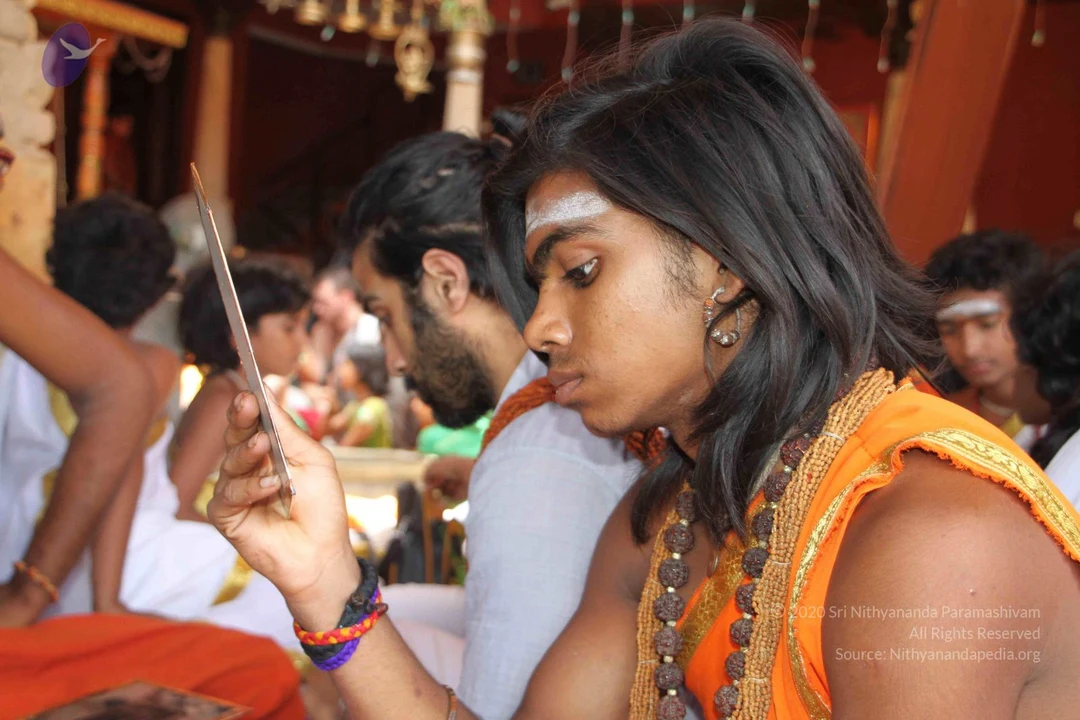
Actually from today morning all My 21 points are alive and pregnant and it feels like a eyes. I can completely close My eyes and tie the eyes and read anything, do anything just with these 21 points, it feels like a pregnant because today I am going to initiate all the kids into seeing through the mirror. Last 3 or 4 days I was planning. Today, I just know I have to deliver it; the baby is about to come out. From morning I am seeing all the 21 points so alive. Actually, when My team came to keep all the suprabhatam items, My morning clothes and everything, they were shocked that I was singing and dancing in the room all by Myself, because from morning all the 21 points so alive in the body, pregnant, I was actually looking in what, what this whole circuit is about? It is all about not having blind spots about you and life, that’s all, nothing else. Nothing else. Now when I initiate these kids into this power of seeing through the mirror, through the jñānanjana, power of seeing through the mirror, the beauty of this initiation is — not only they will see, for example, if somebody comes and asks a question. I’ll ask this person, this person is missing, or any question, not only the child will be able to see in the mirror, he will be able to show to that person in the mirror.
The power of the child’s third eye will awaken that person’s third eye, temporarily and will be able to show it the person himself in the mirror.
Few days before itself I wanted to do the initiation, but somehow I kept postponing. Today the whole system is alive to deliver. So I was trying to study. One of My attendants she was asking, how it feels living in this body, Swamiji?” Morning when she saw Me signing and dancing, I said, “I’ll find out and tell you.” Actually after she asked I started looking in, this is the only answer I got – “no blind spots”, and when I initiate these kids also — the first quality they will imbibe is – no blind spots in the inner space. They will become Dhīrah.
Today’s subject for Vaakyartha Sadas should be— blind spots in the life, blind spots in your inner space and how third-eye cleans it out.
25:42
Edward who is YouTube viewer; what is the difference between Inner Awakening and Enlightenment? Or is it the same?
Please understand, Inner Awakening and Enlightenment is one and the same. When you do it on your own, it is called Enlightenment; when I give it to you, it is called Inner Awakening. Whether you do it or receive it, experience is one and the same.
Next, John Won is asking: “Swami said that God is not one but Oneness, does that Oneness mean loving everybody?”
Please understand, loving everybody is the most stupid concept exploited by all pseudo religions and religious leaders.
Oneness means experiencing everybody as ONE. Not just loving everybody, experiencing everybody as ONE. Loving everybody is too shallow. Your love can be just for the sake of others to call you: you are a good person. Love is social value. Oneness is experiential existence. There is a huge difference between love and Oneness. Forget love, go for Oneness.
With this I bless you all: Let you all radiate, with integrity, authenticity, responsibility, enriching, causing Living Shuddhadvaita Saivam, the eternal bliss. Nithyananda. Thank you. Be blissful.
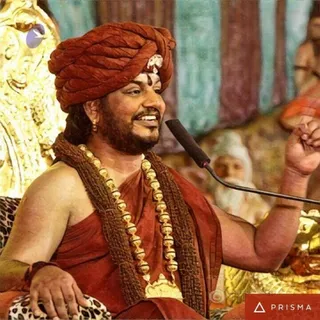
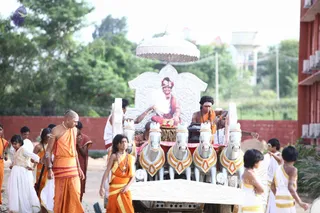
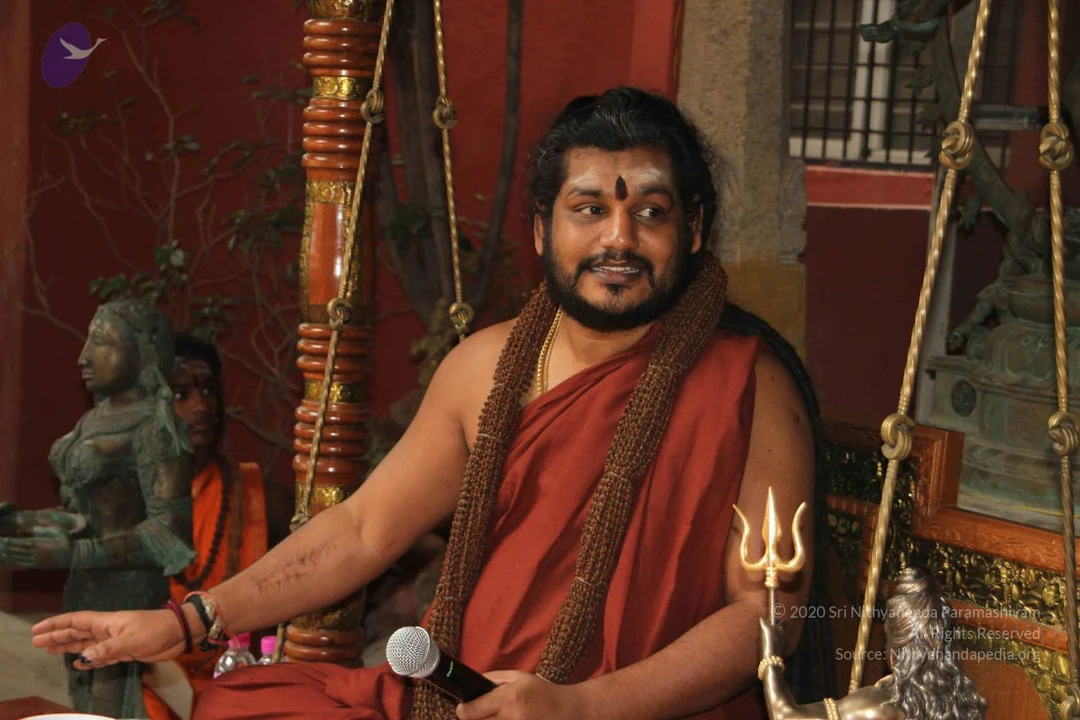
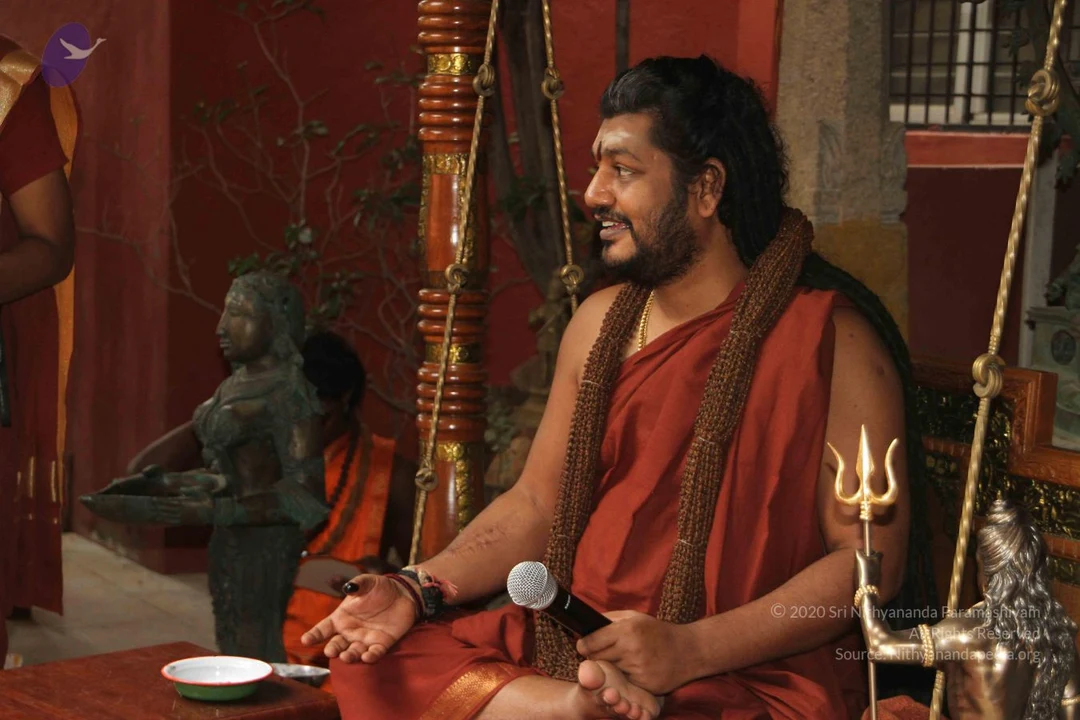
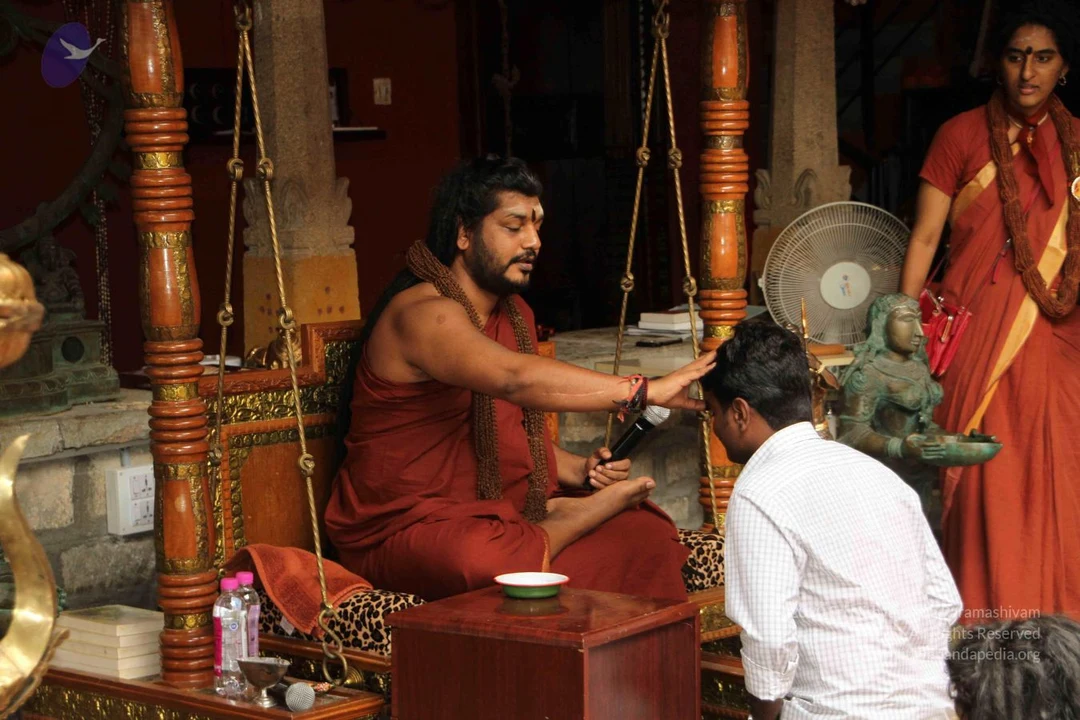
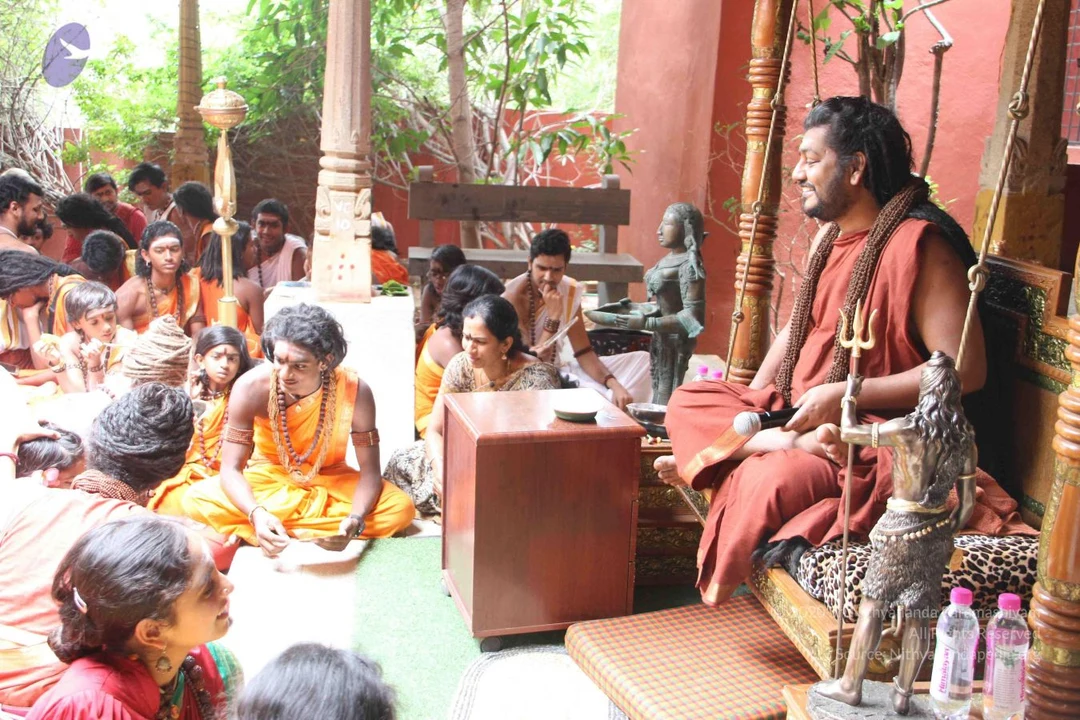
Photos From The Day:
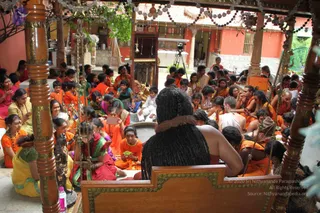
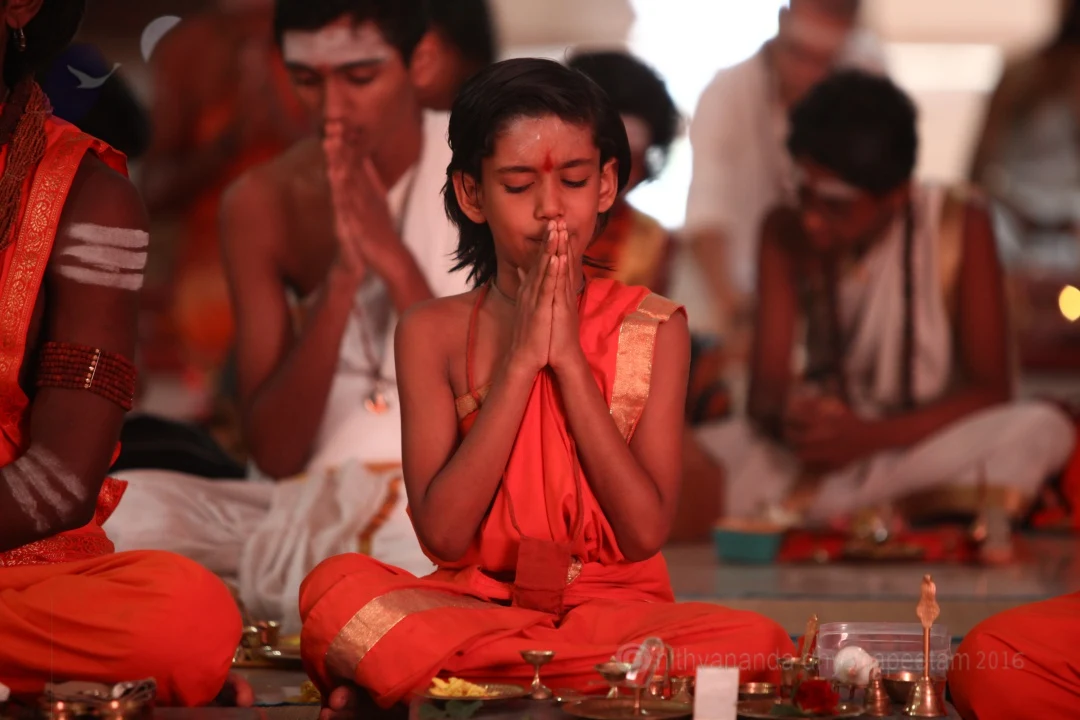
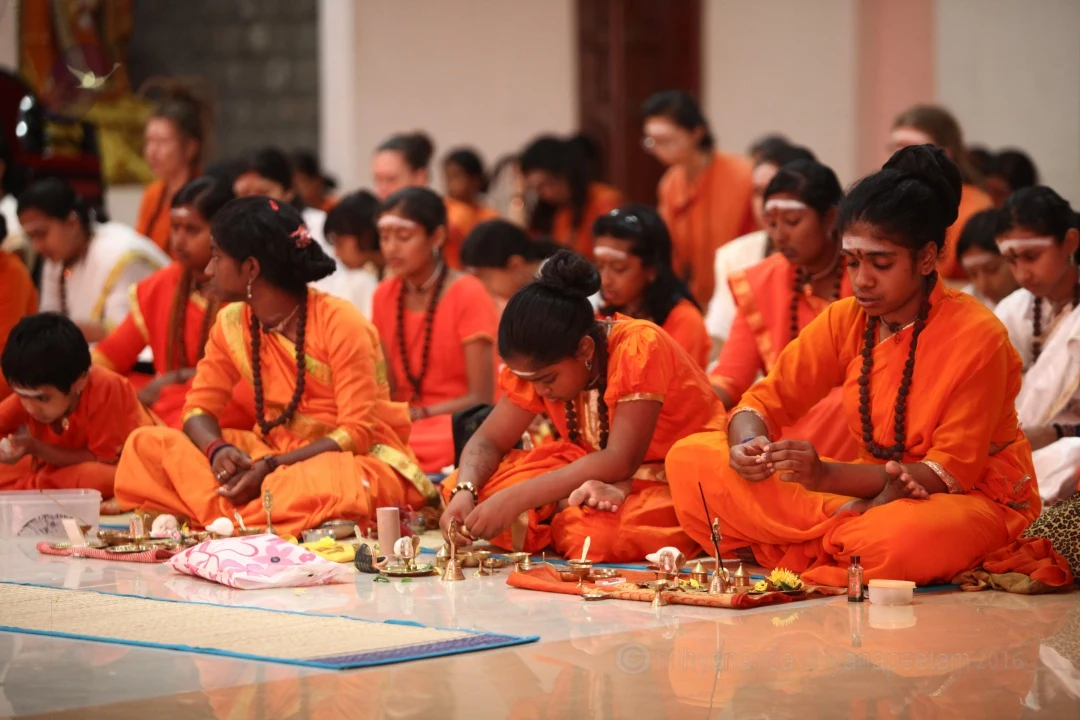
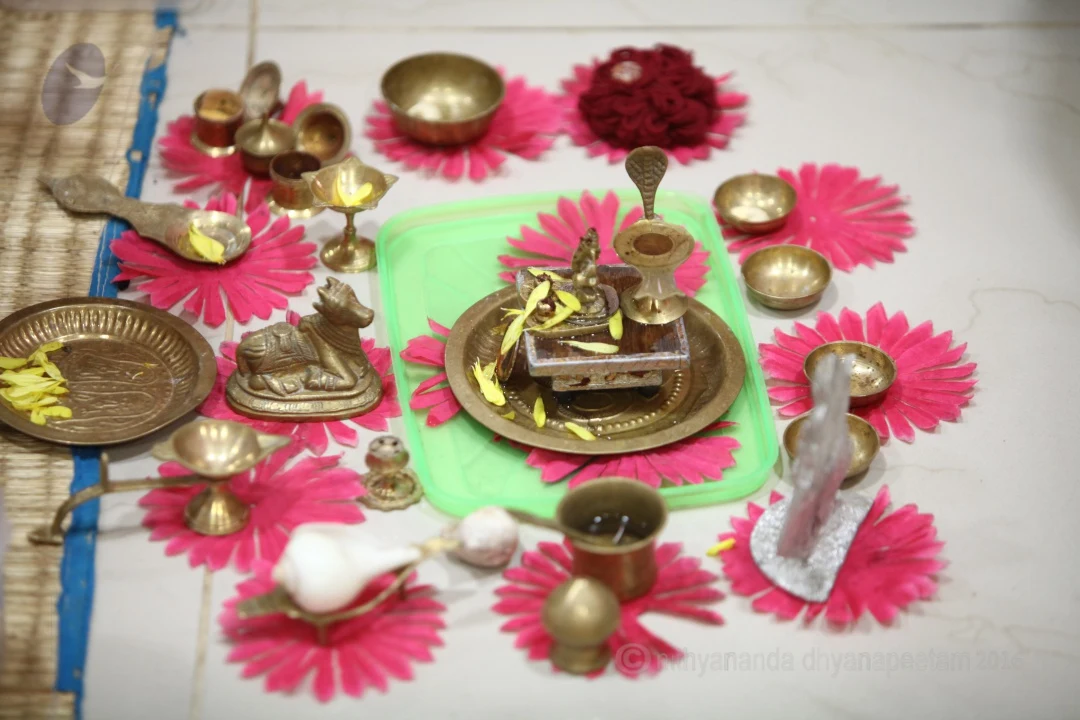
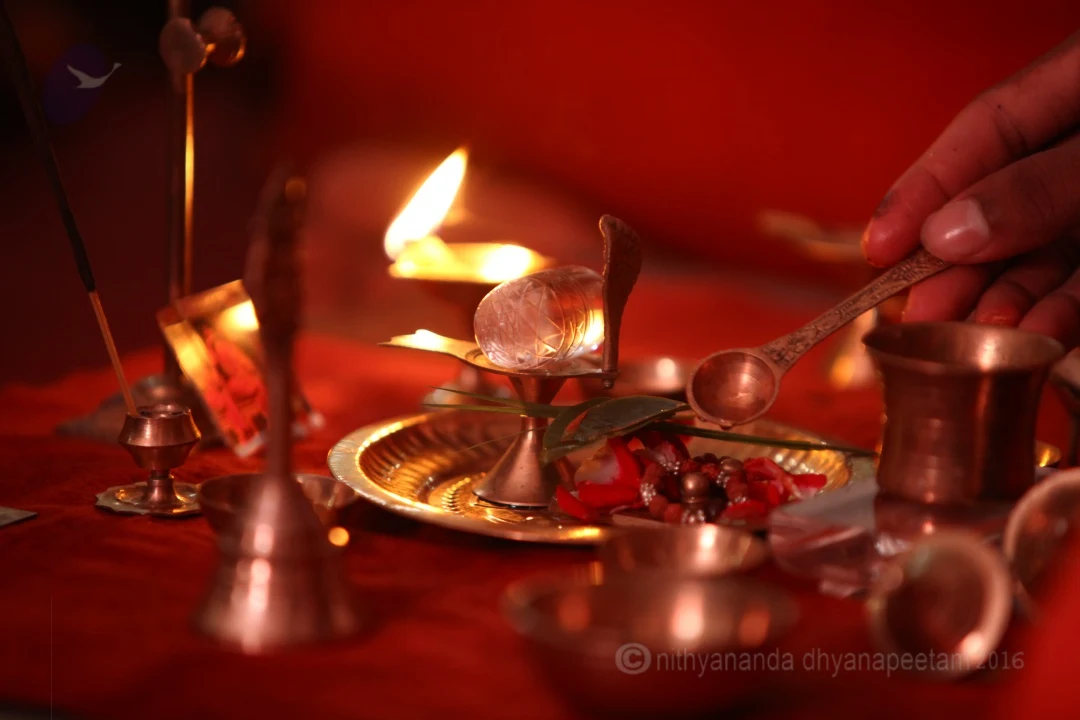
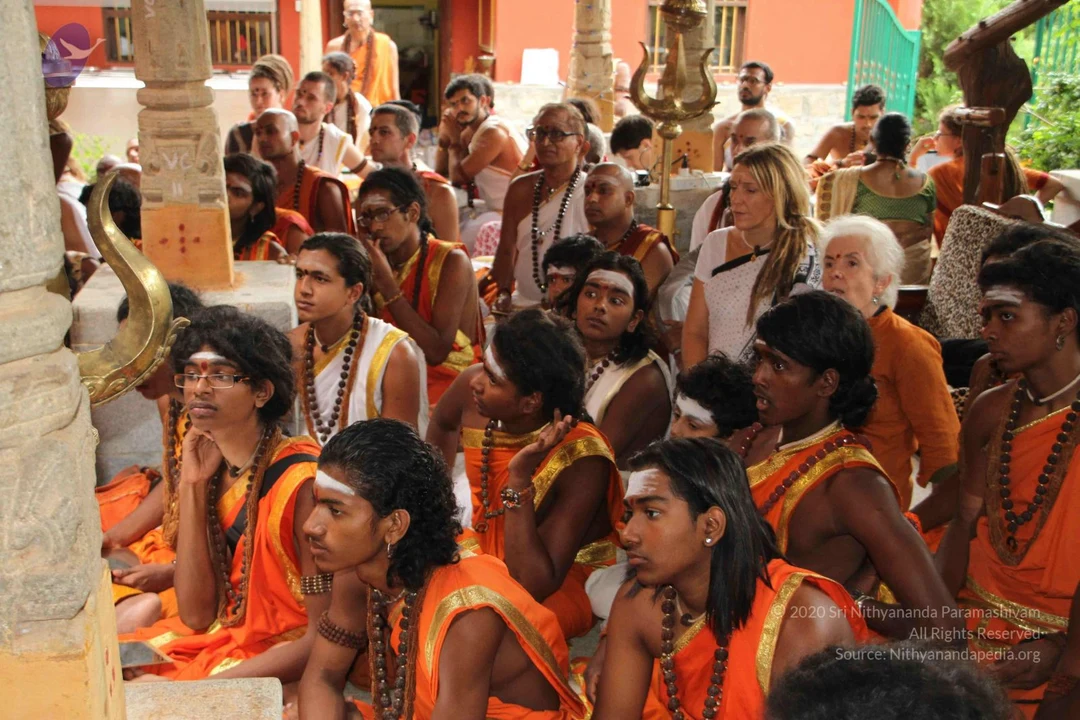
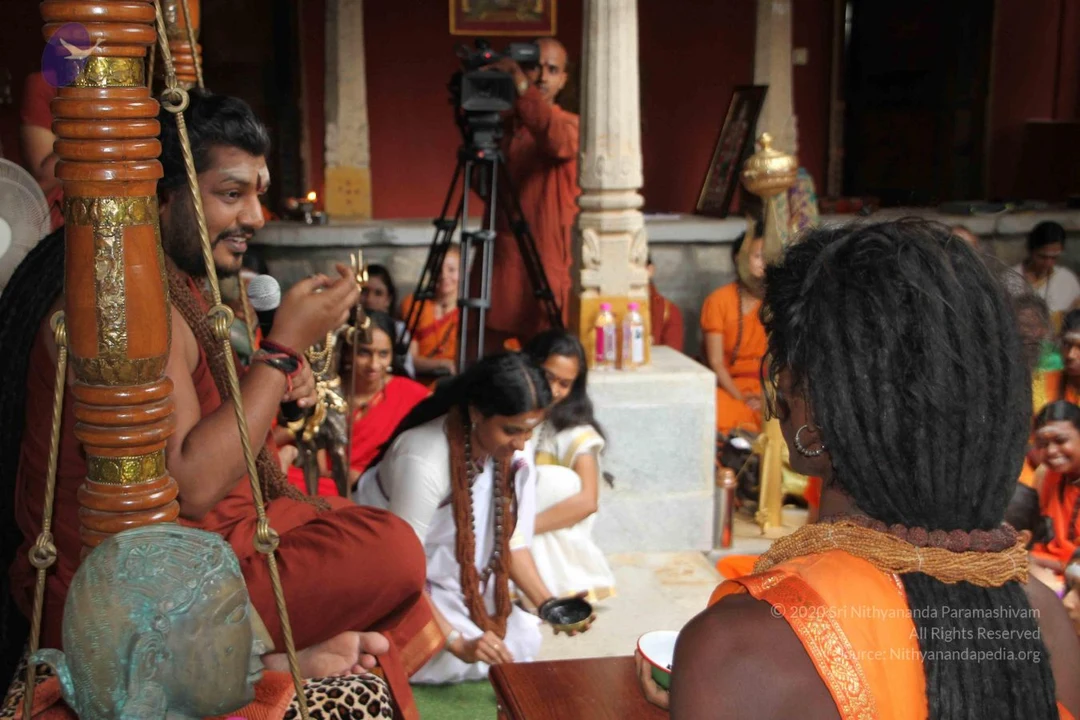
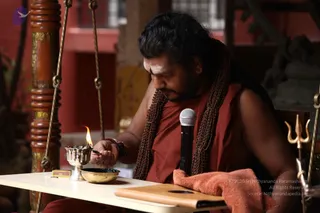
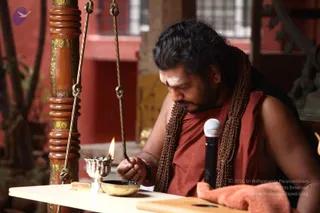
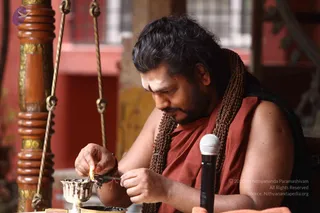
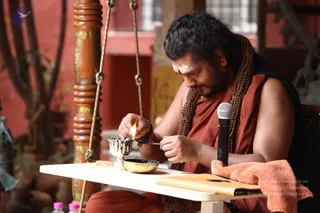
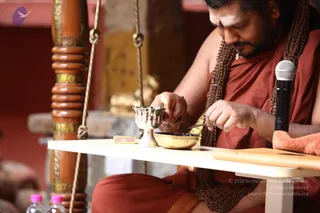
Puja
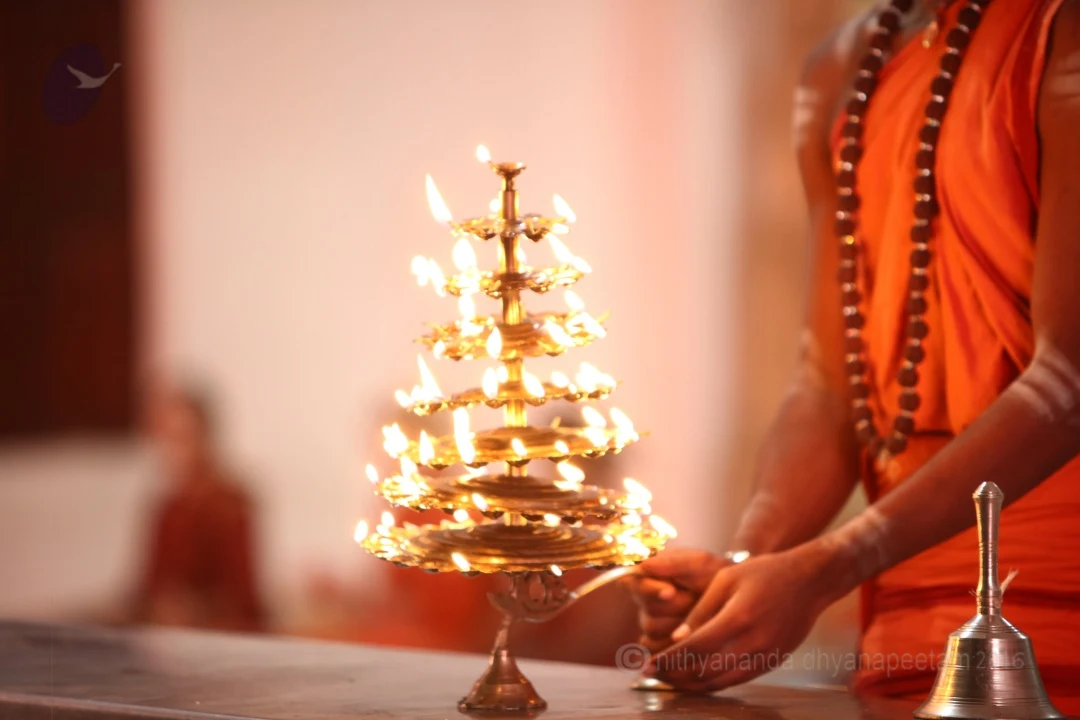
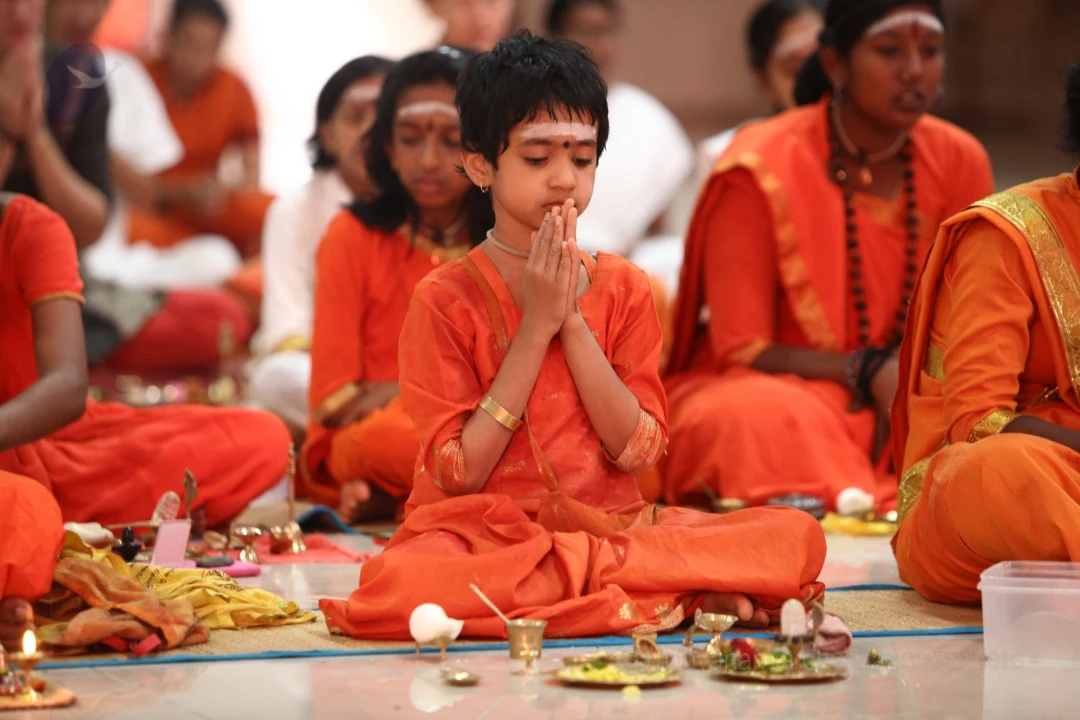
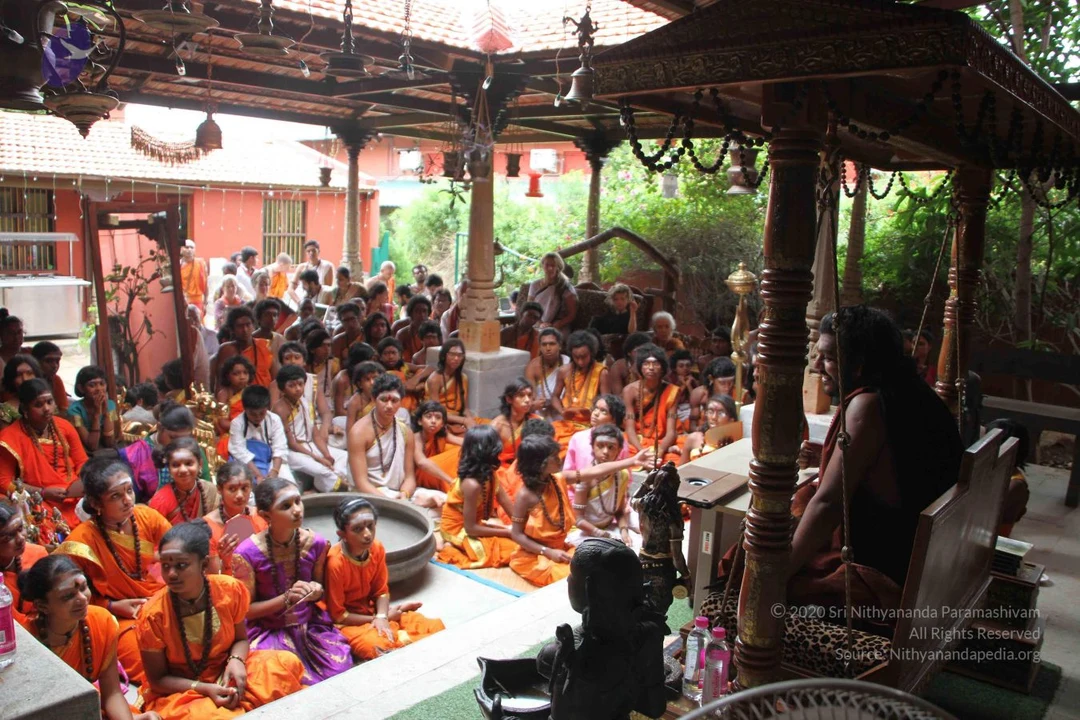
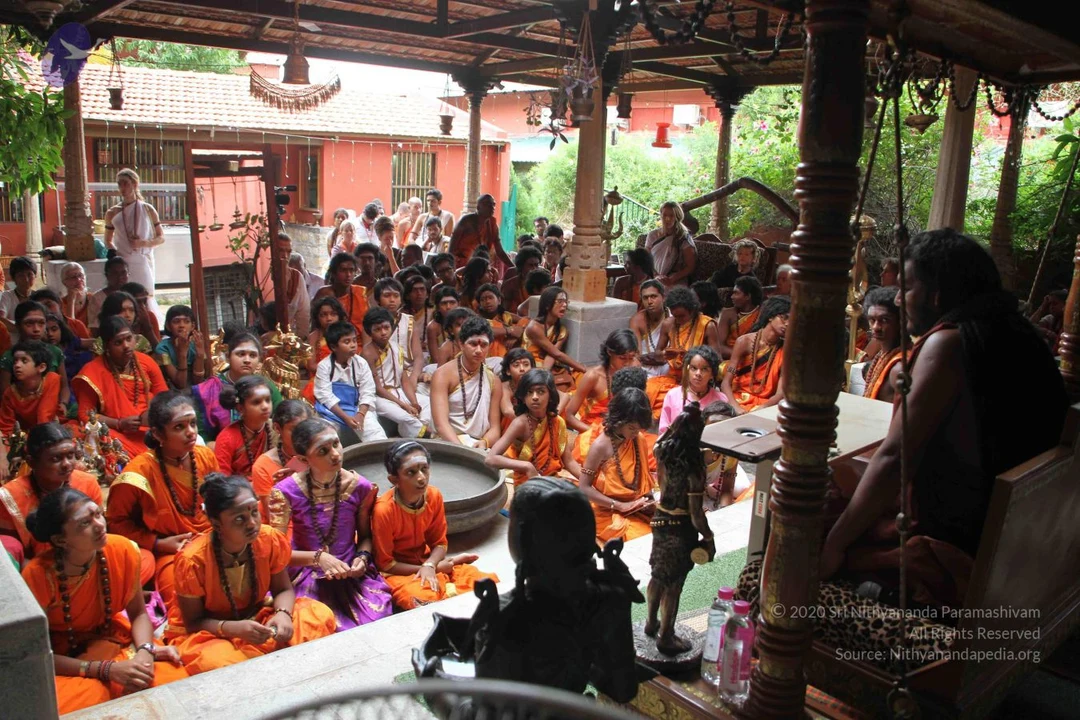
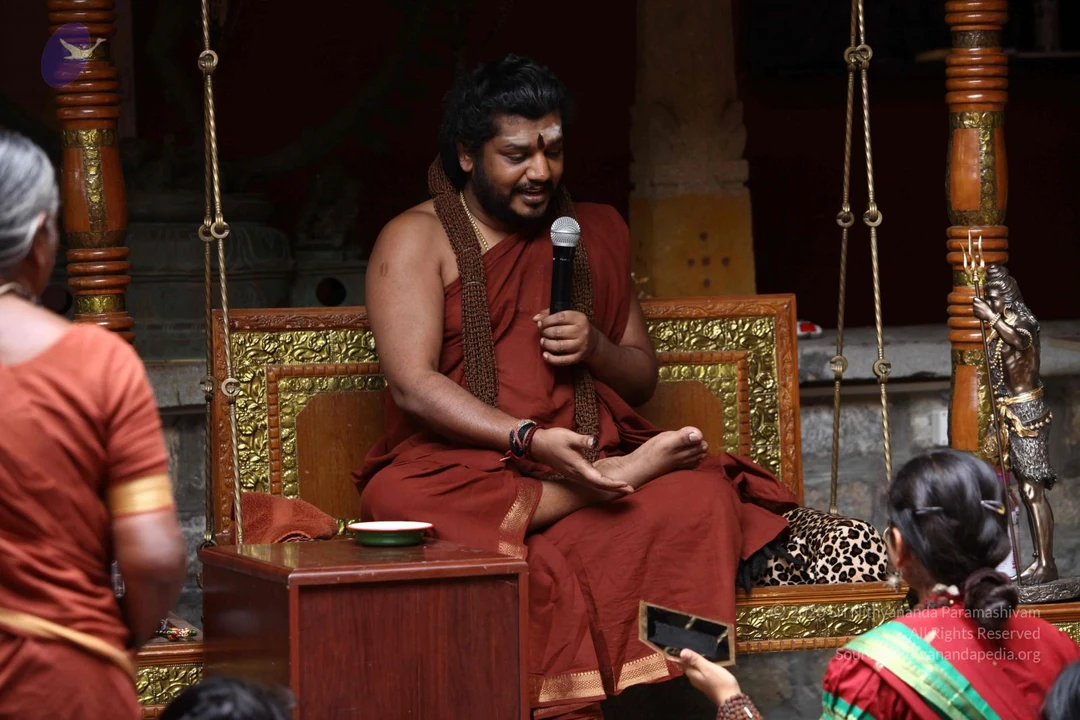
Satsang
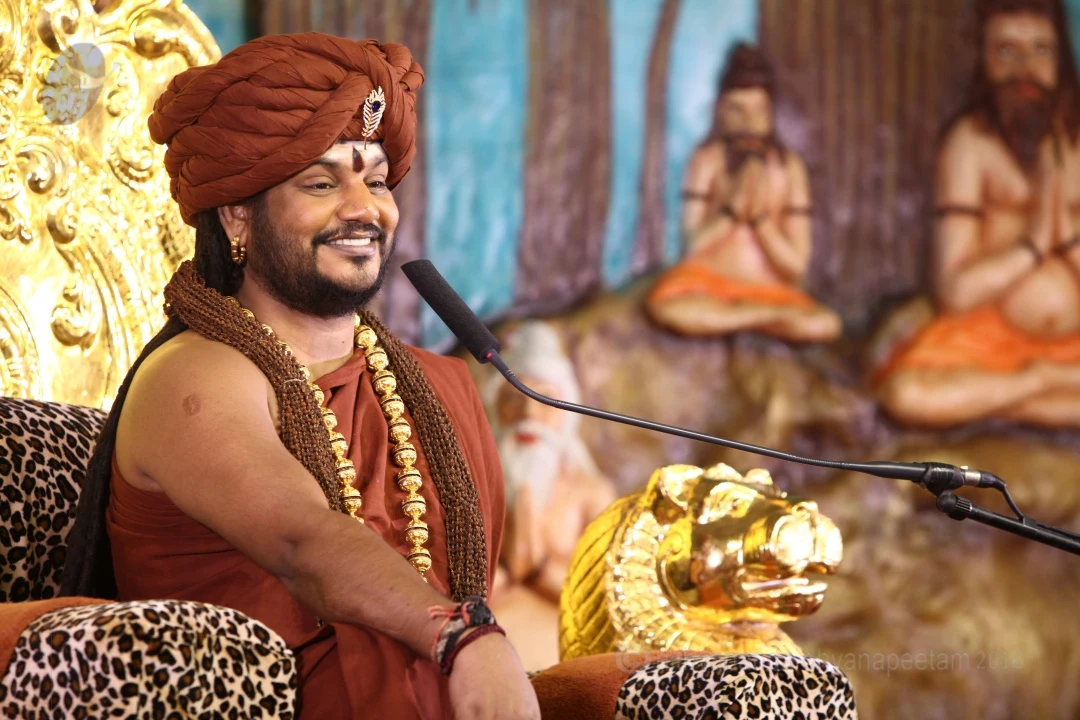
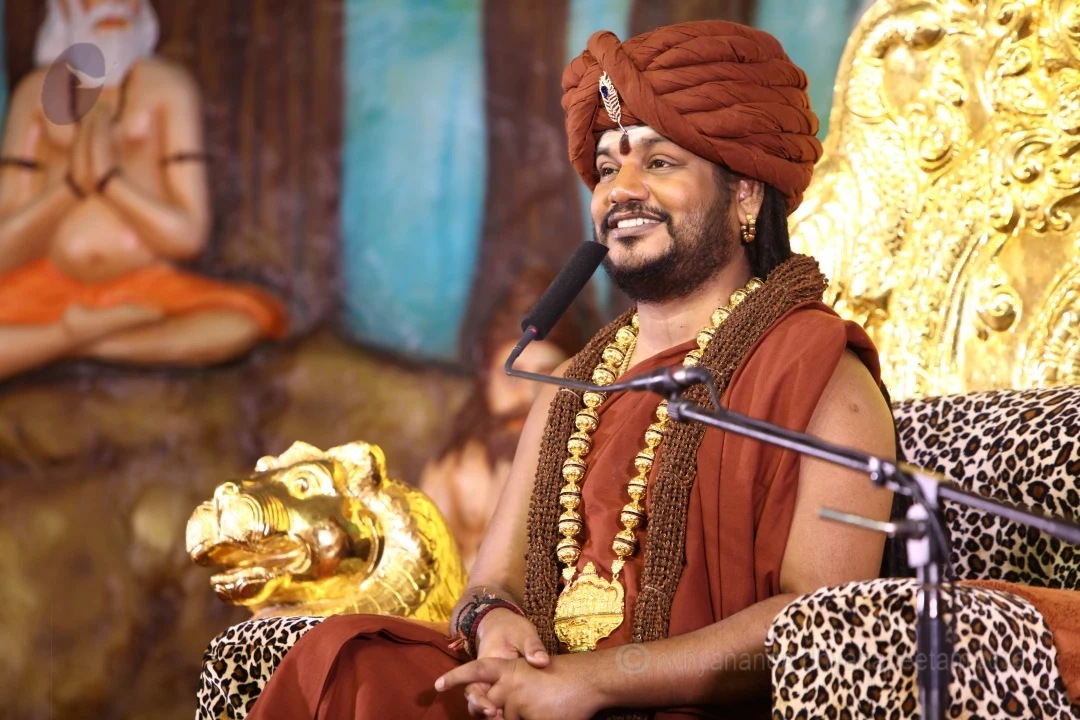
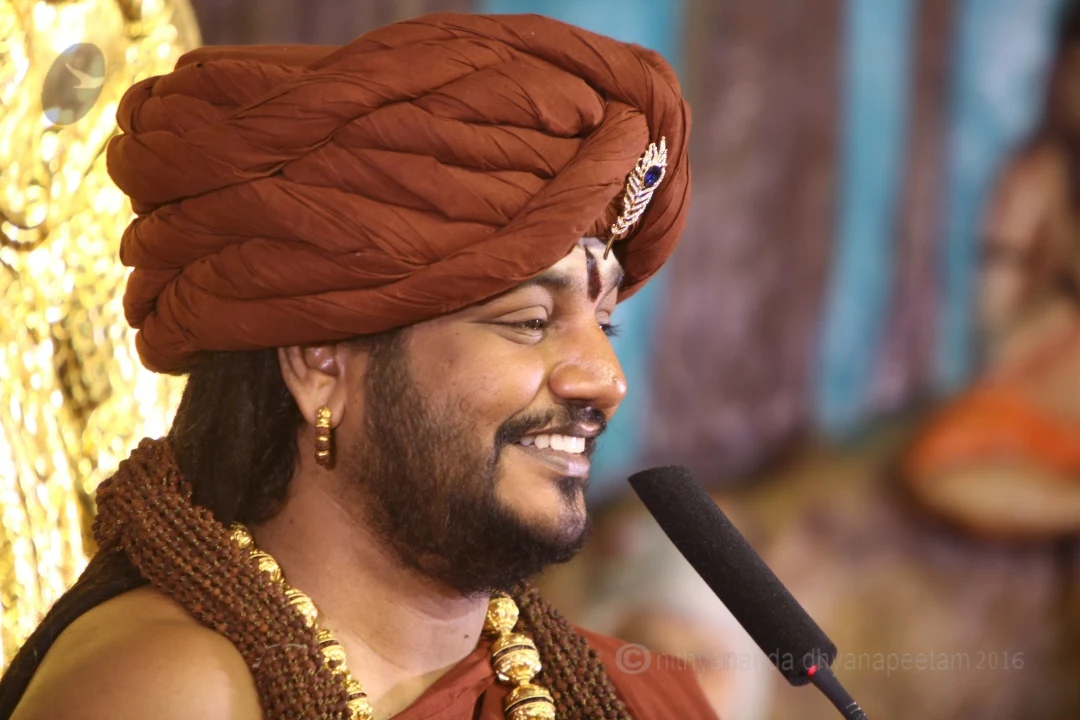
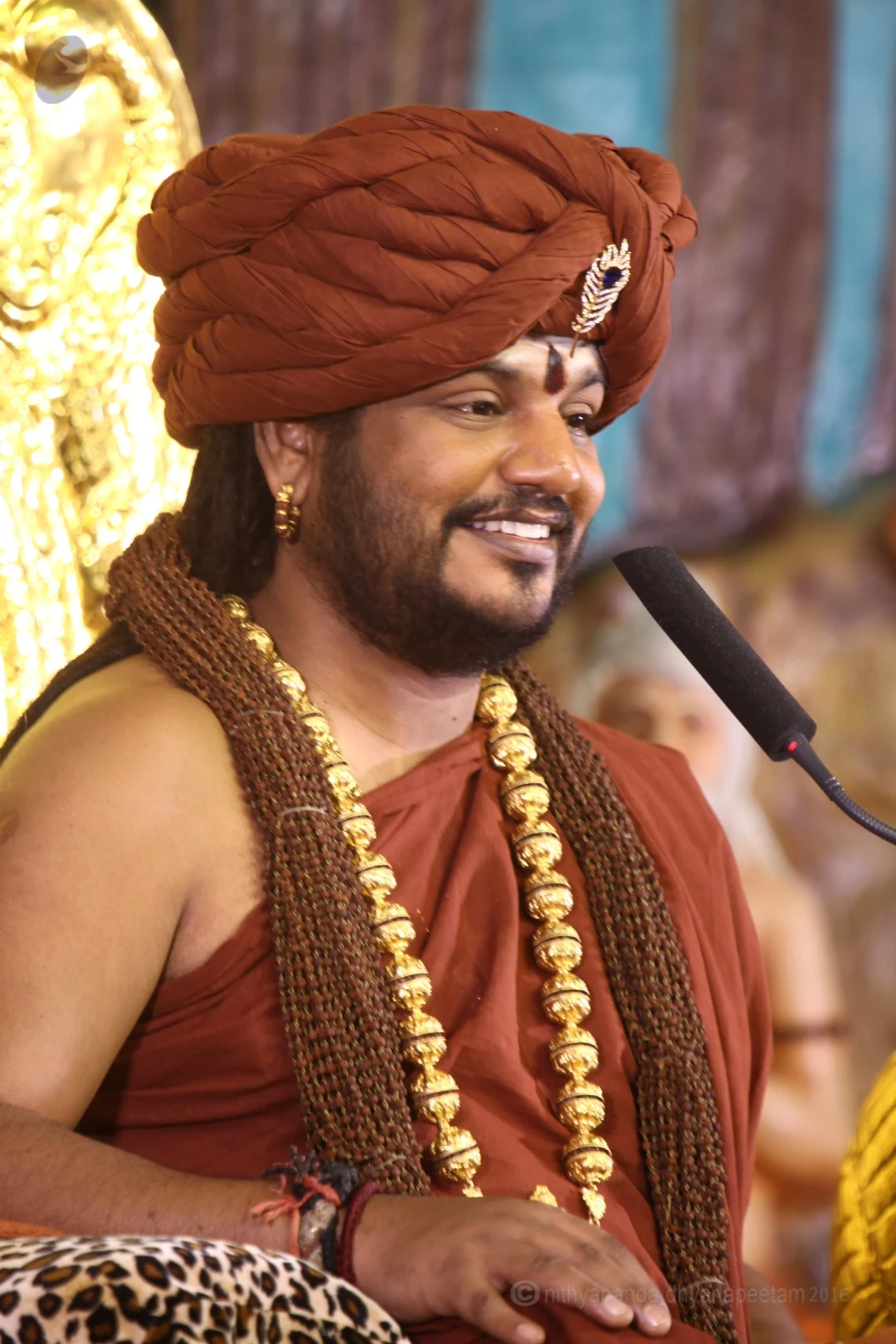
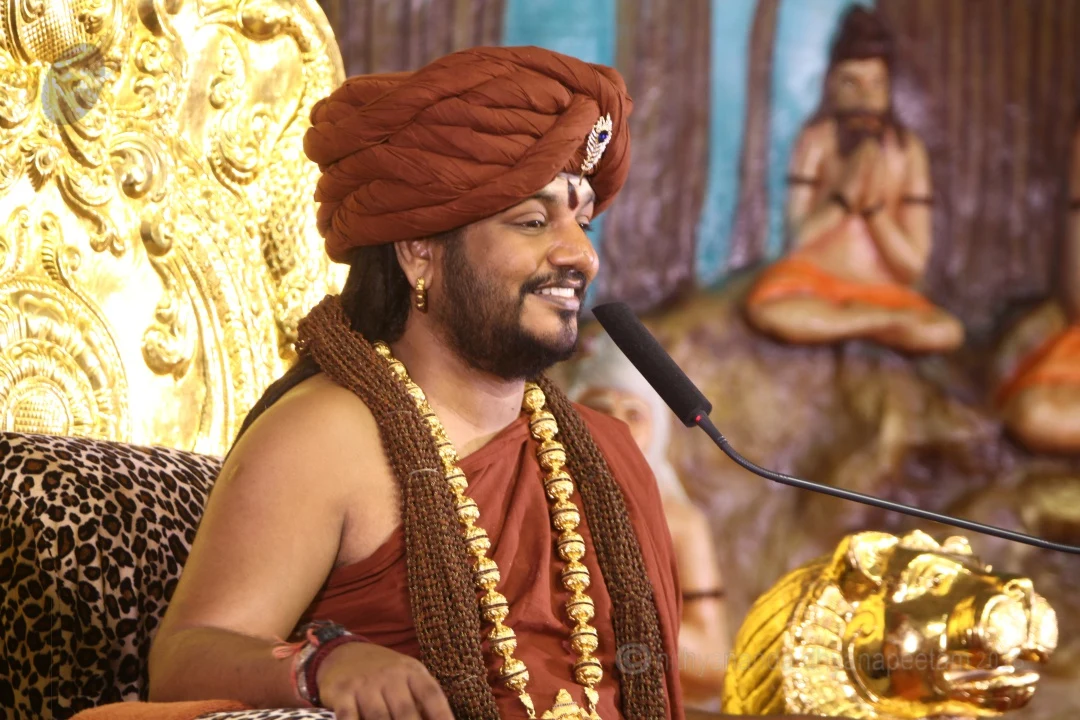
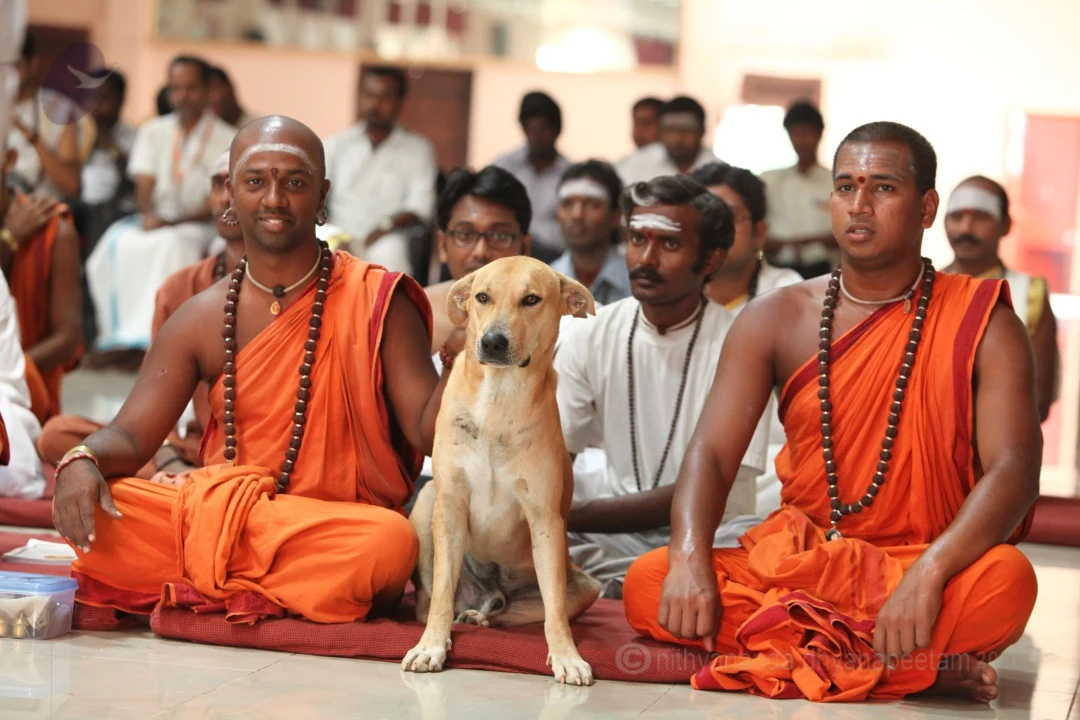
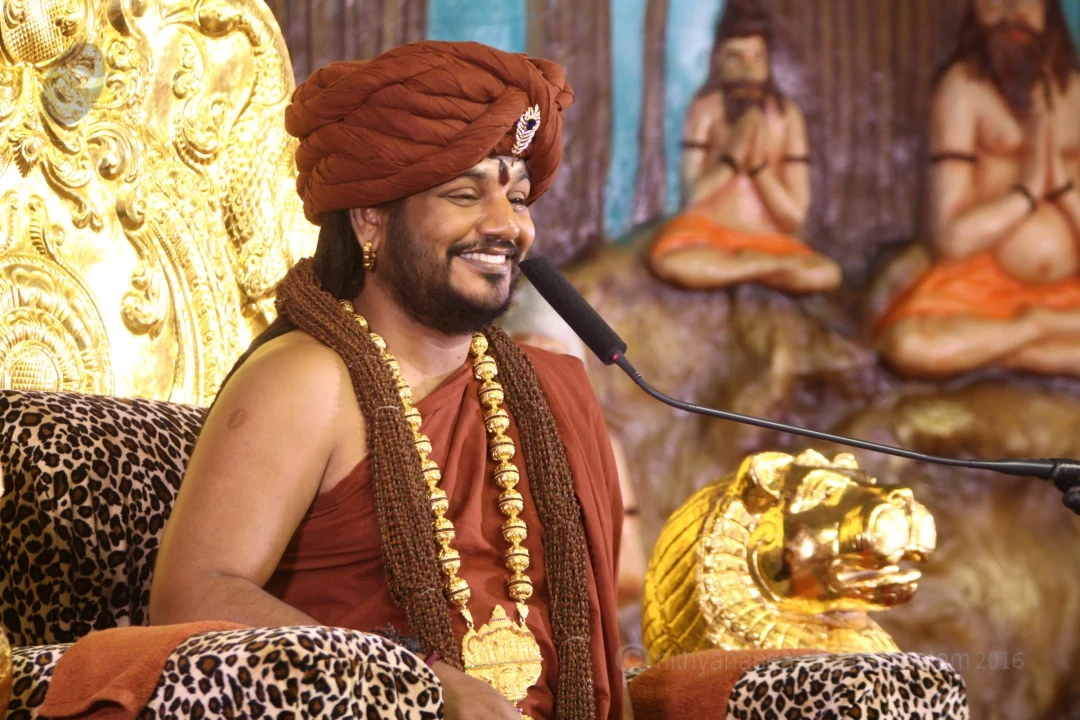

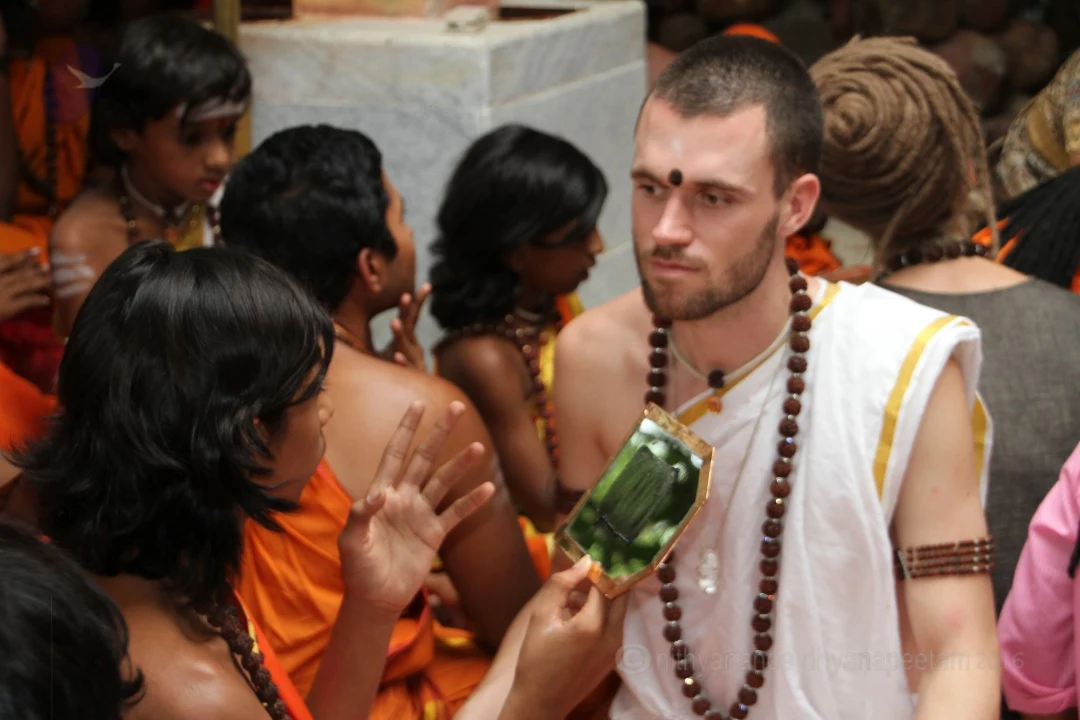
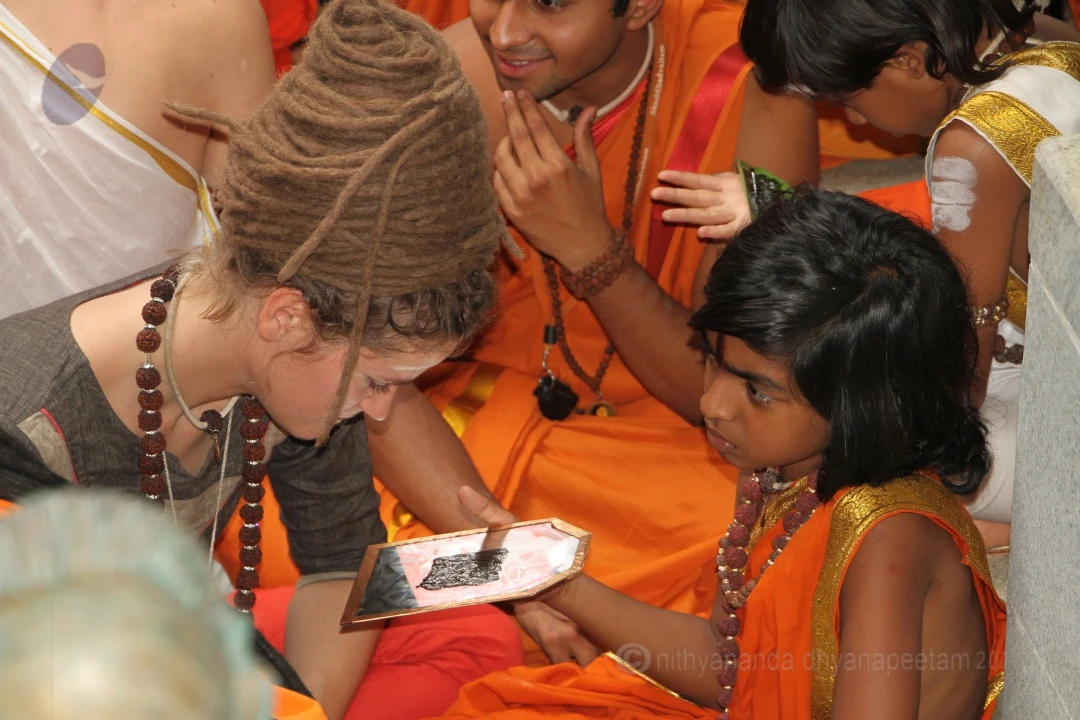
==Photos Of The Day:==
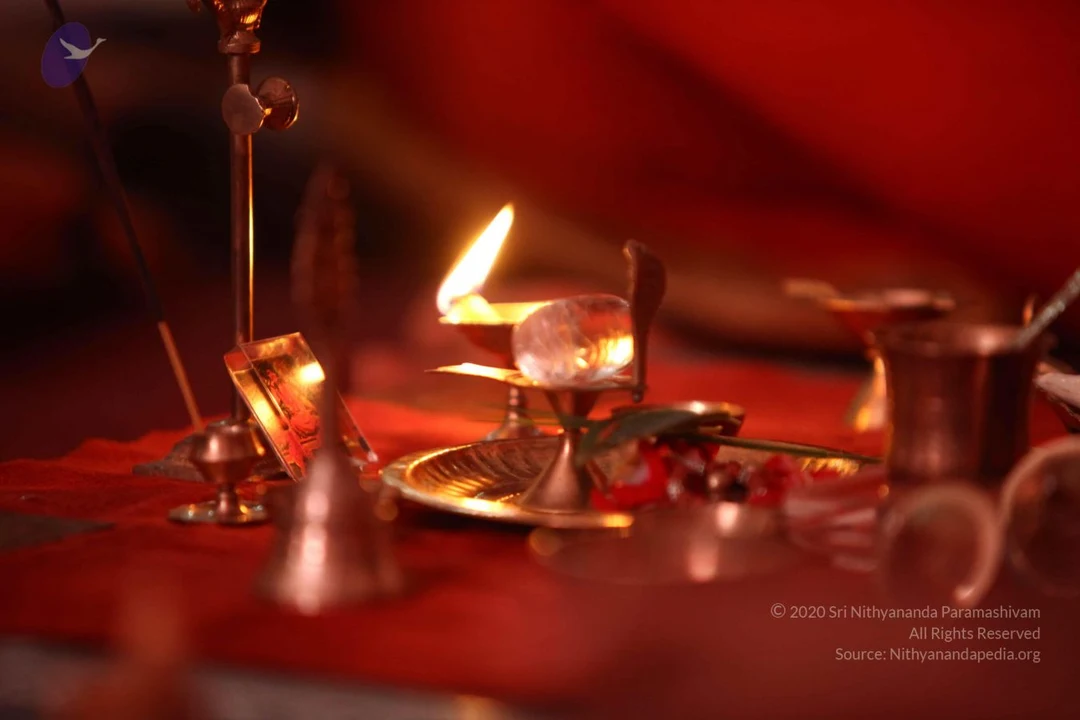
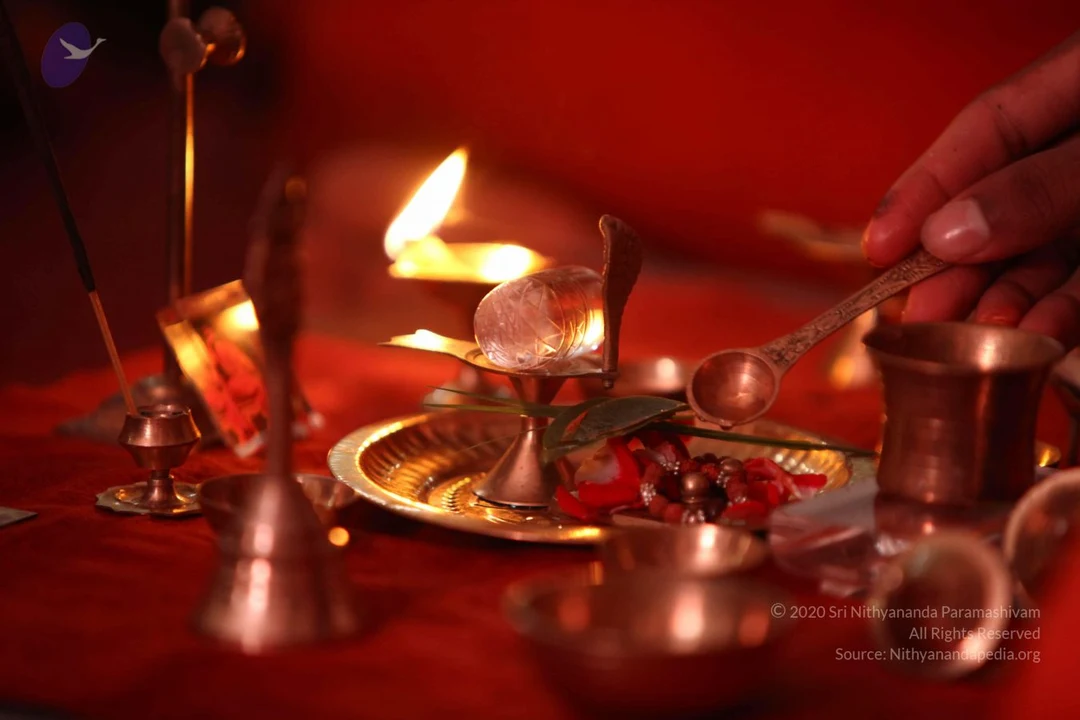
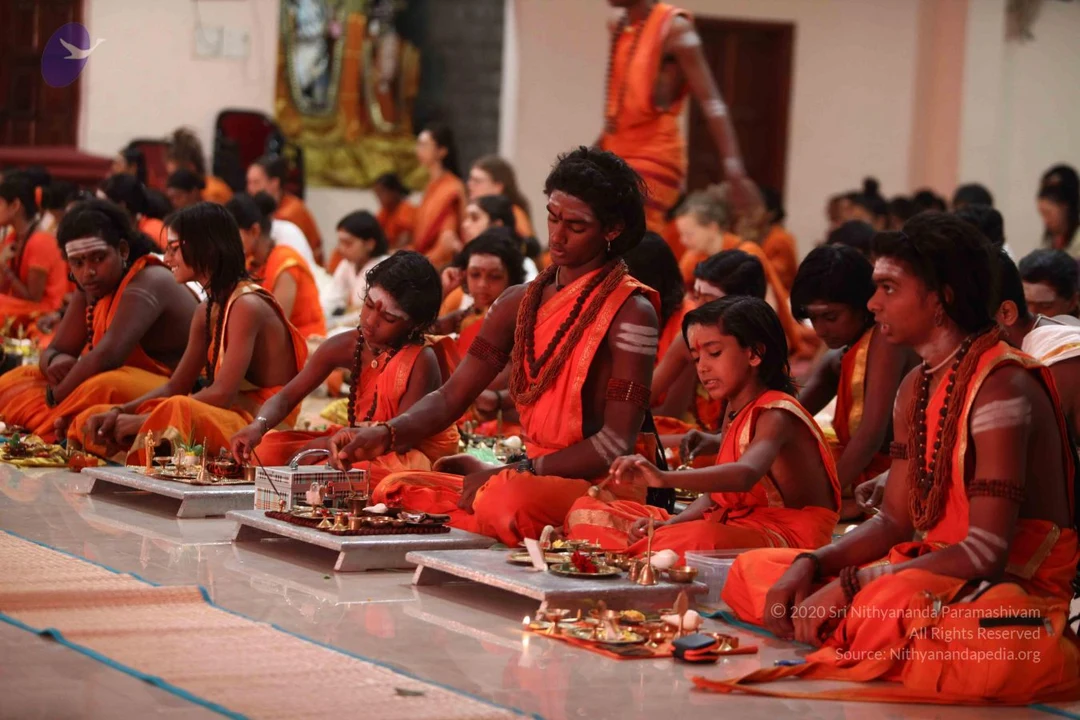
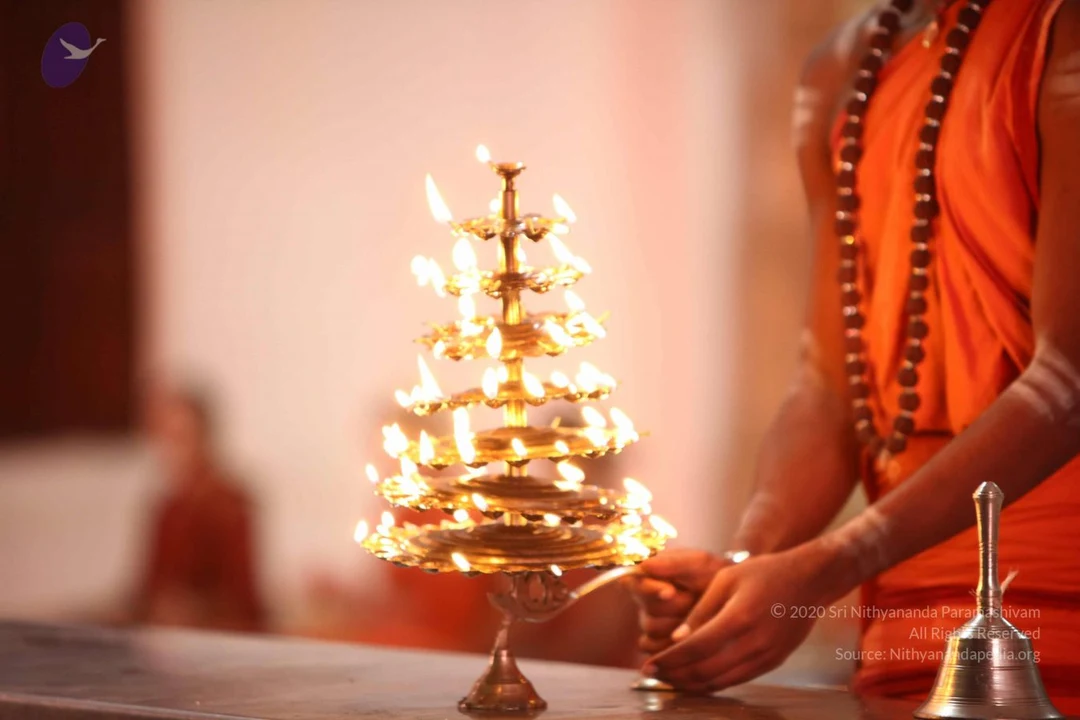
Pada Puja
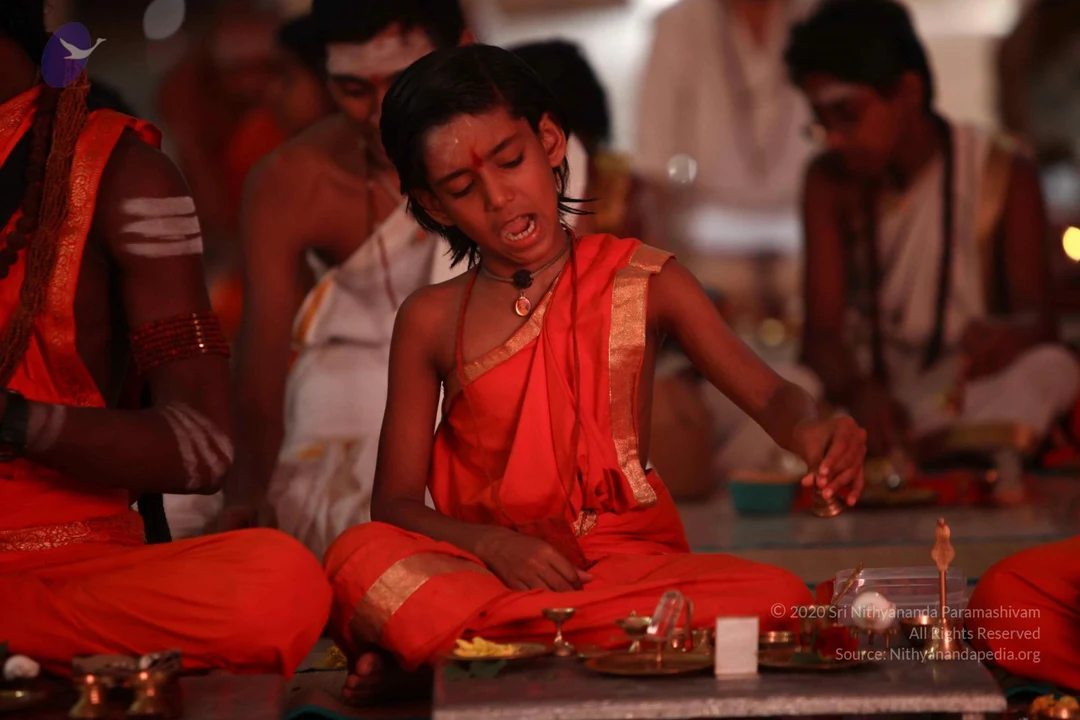
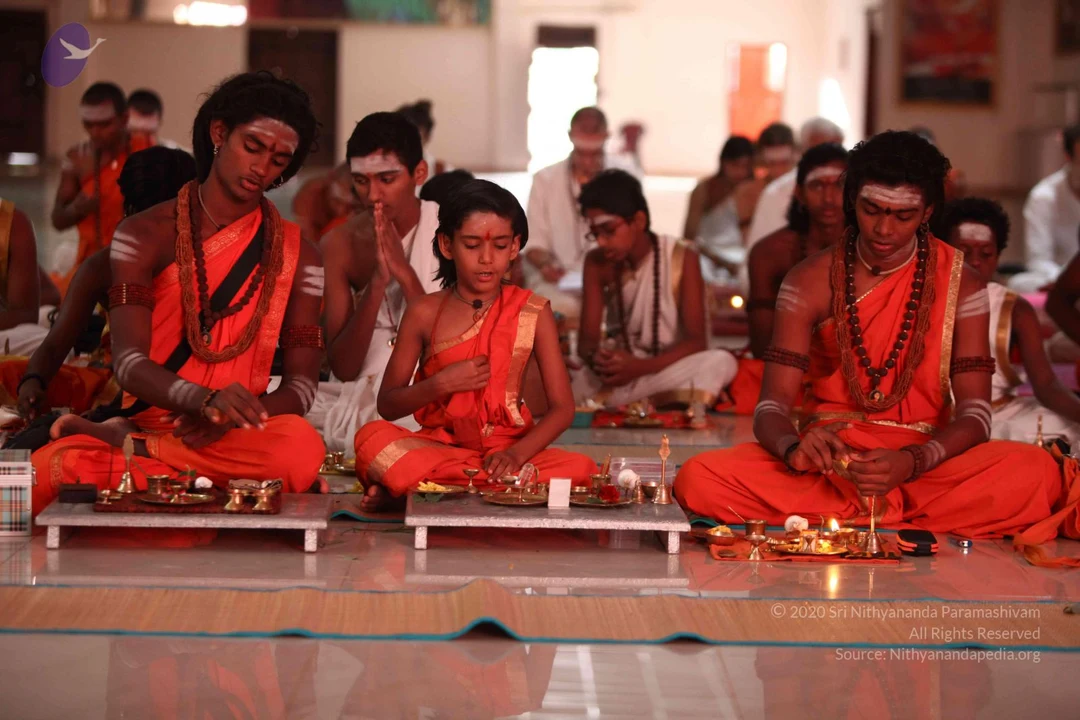
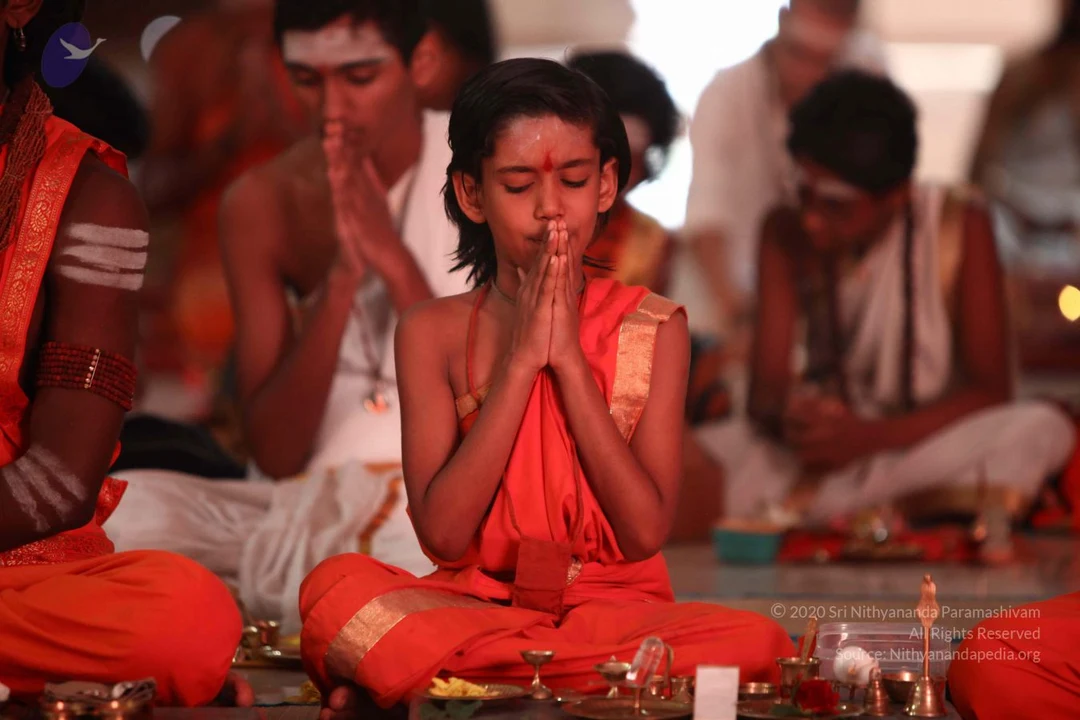
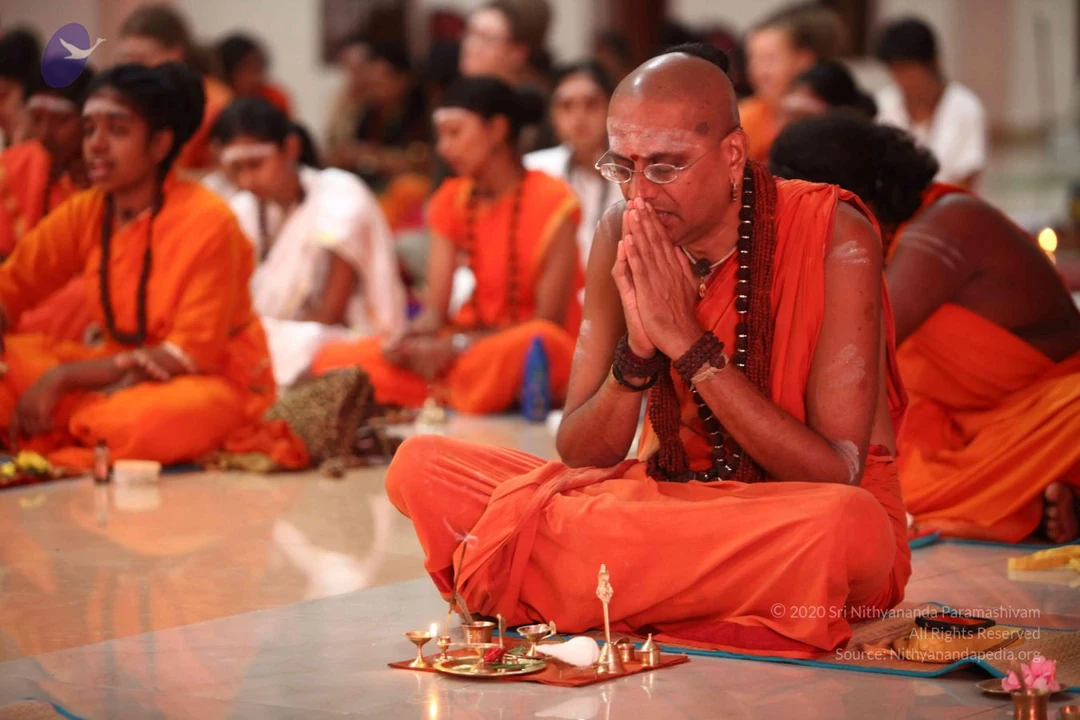
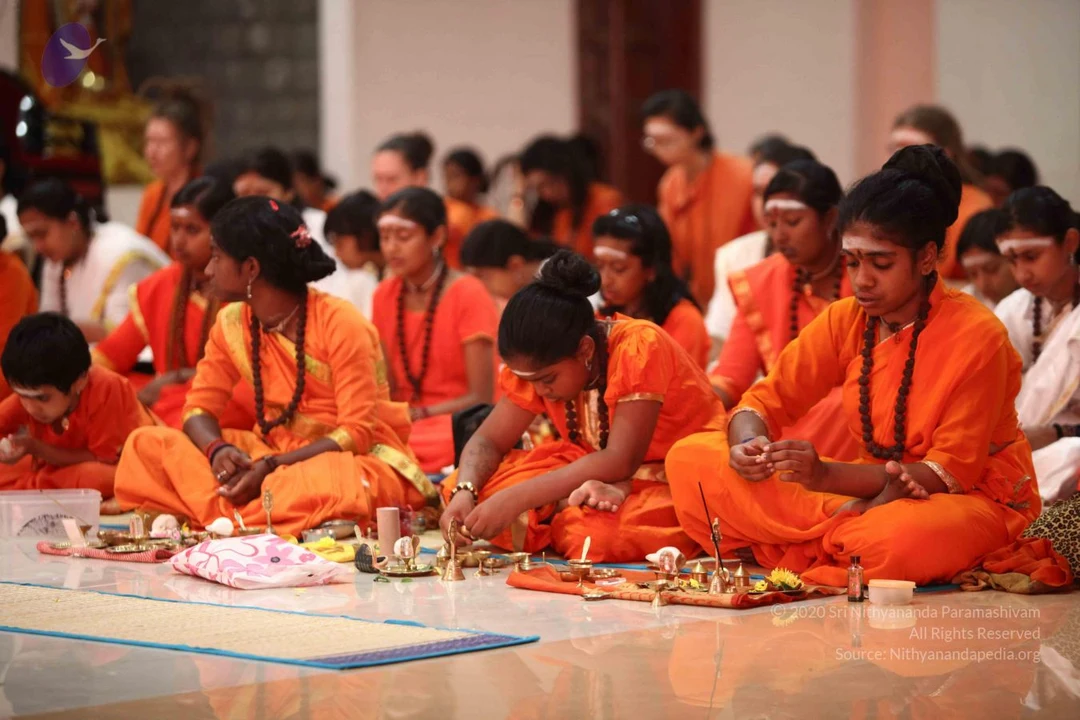
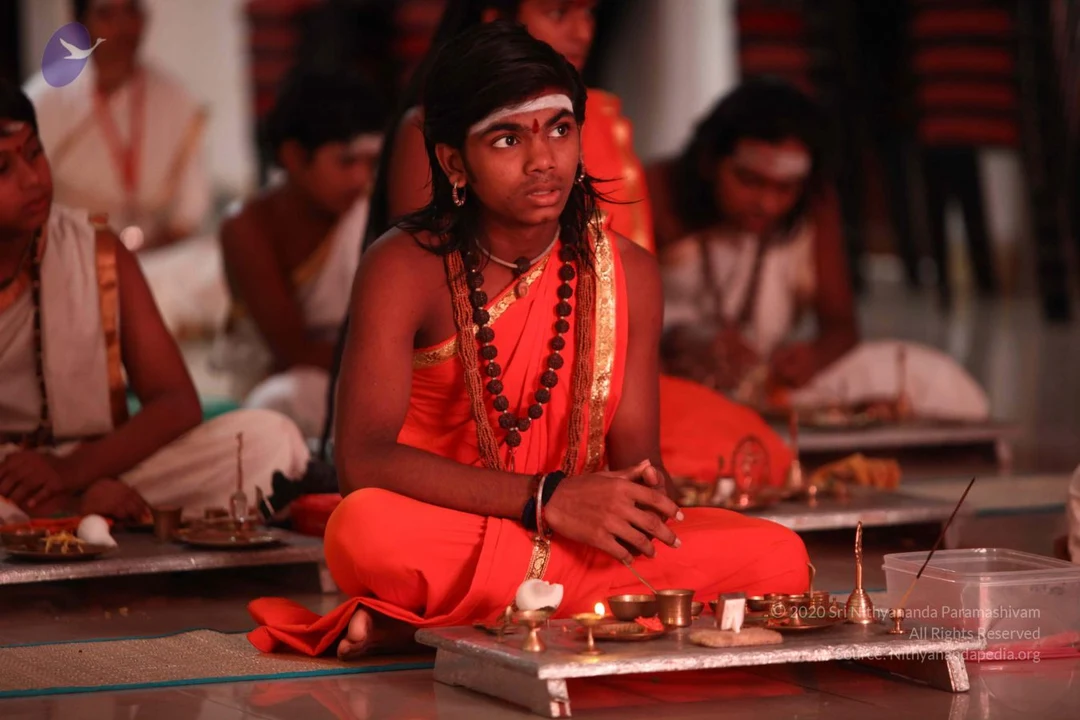
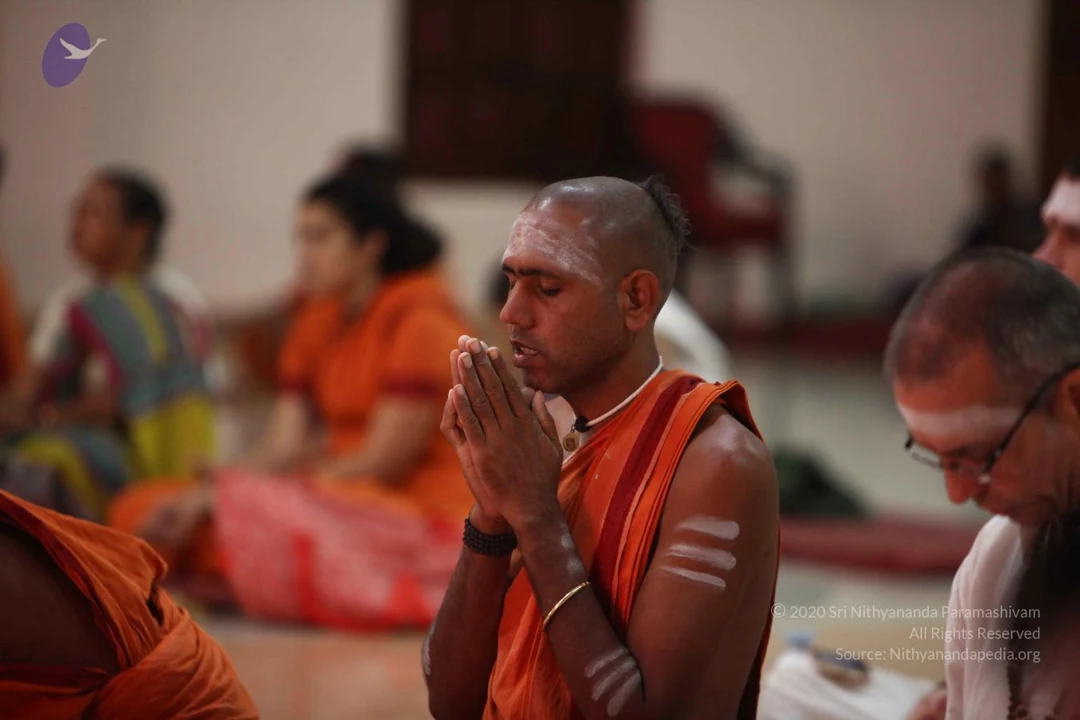
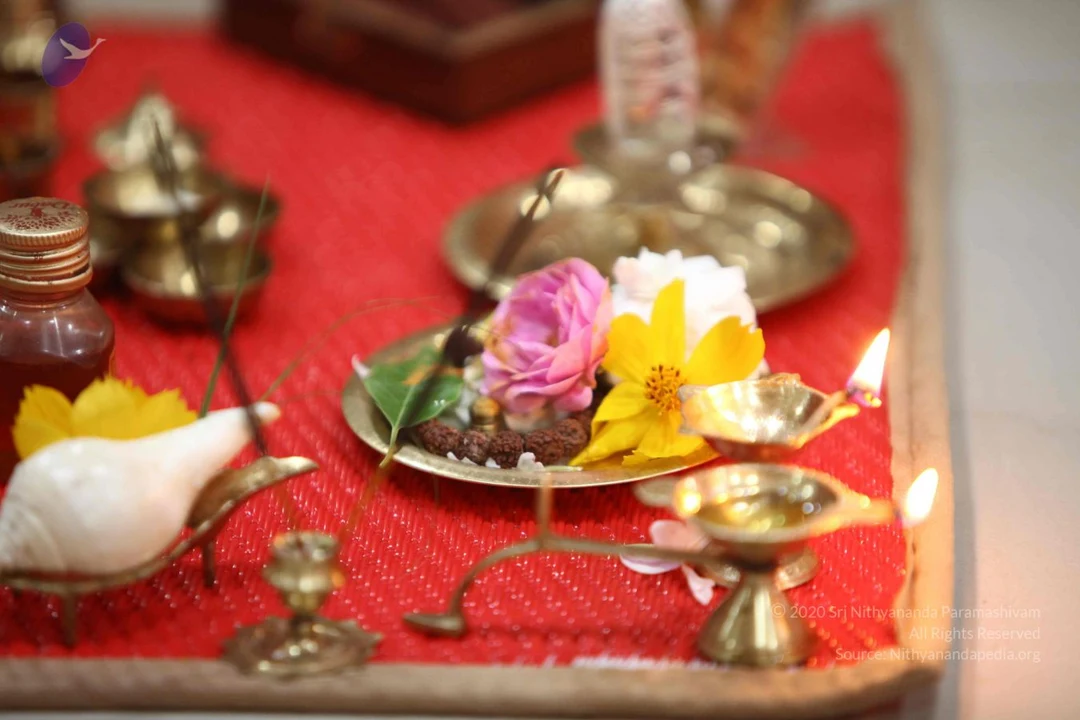
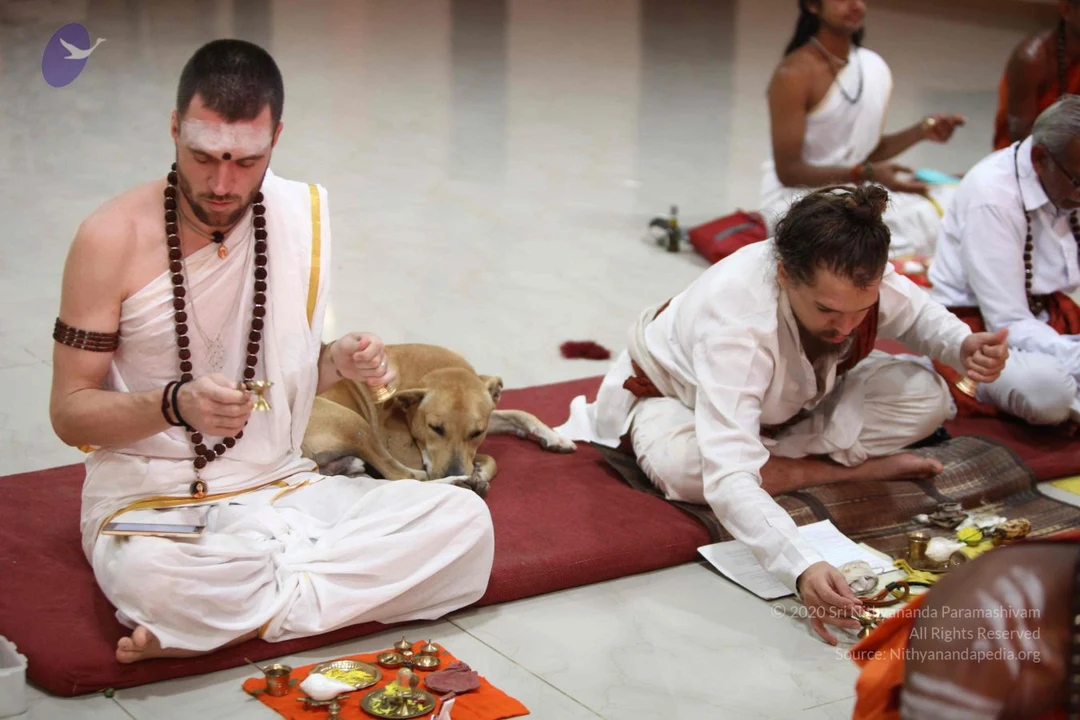
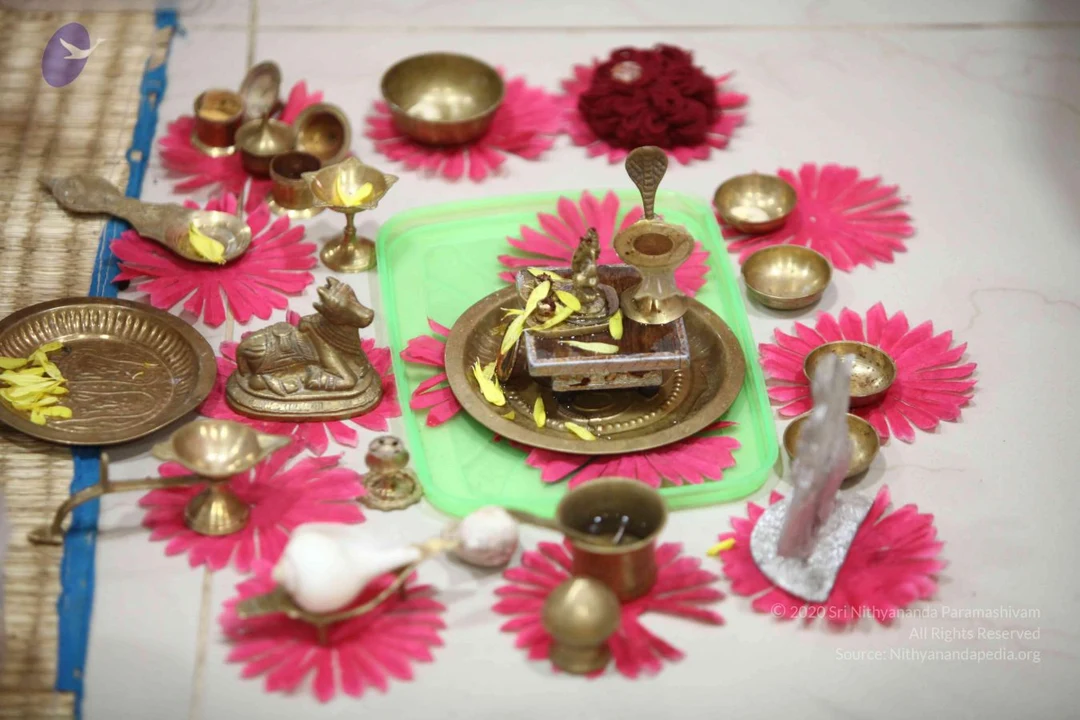
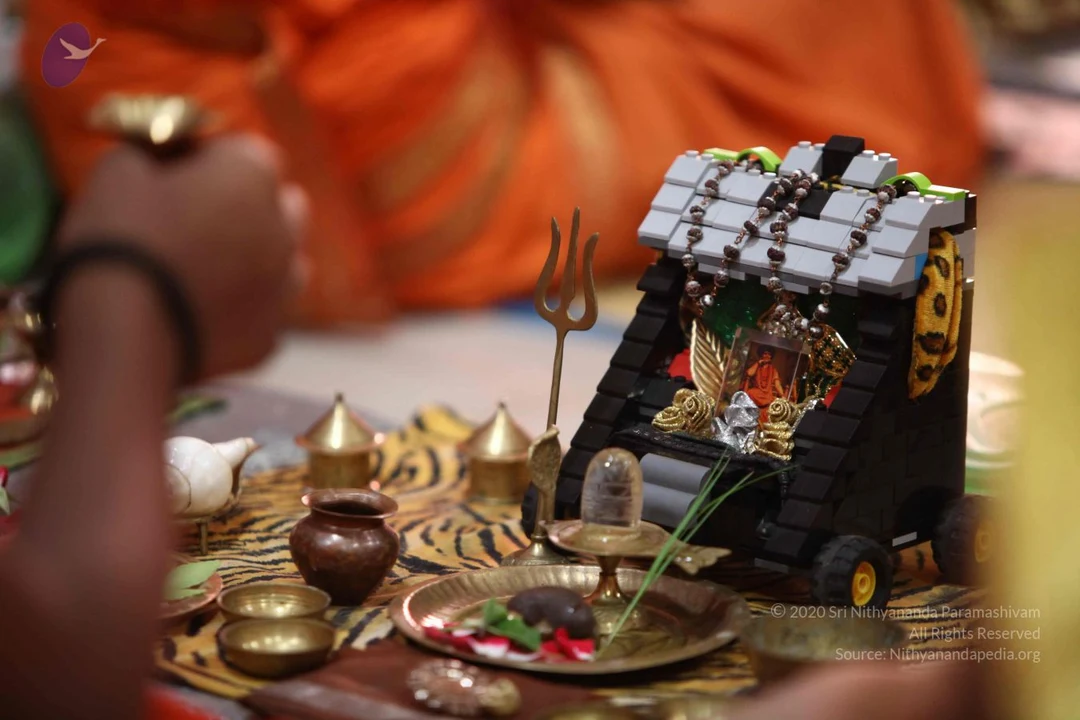
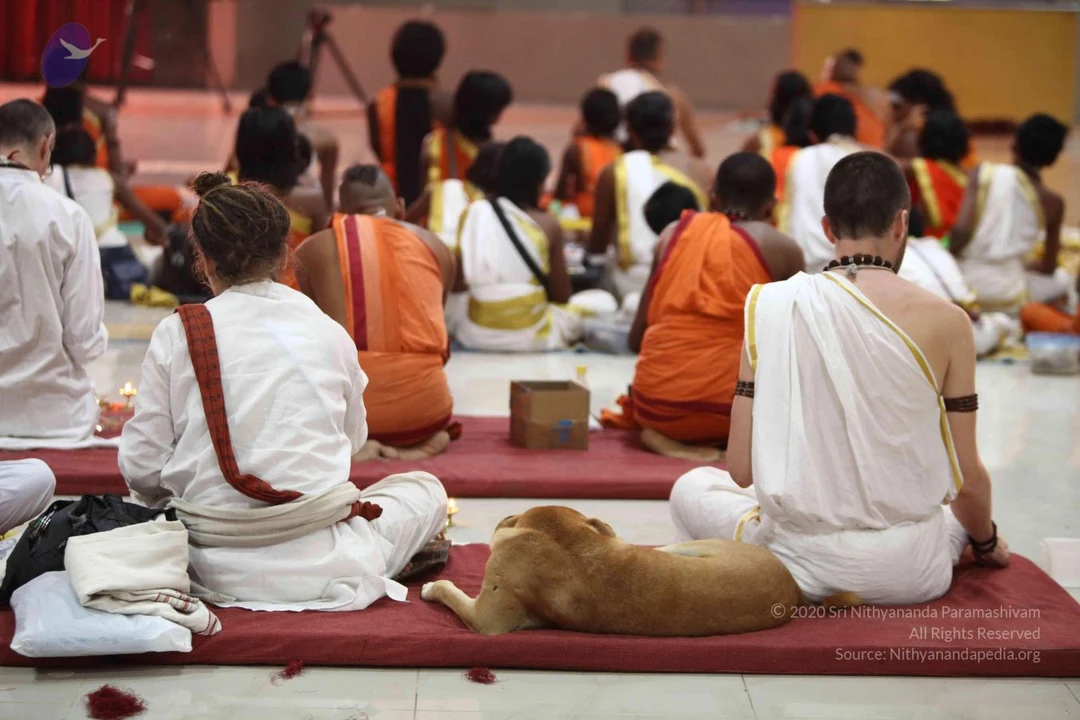
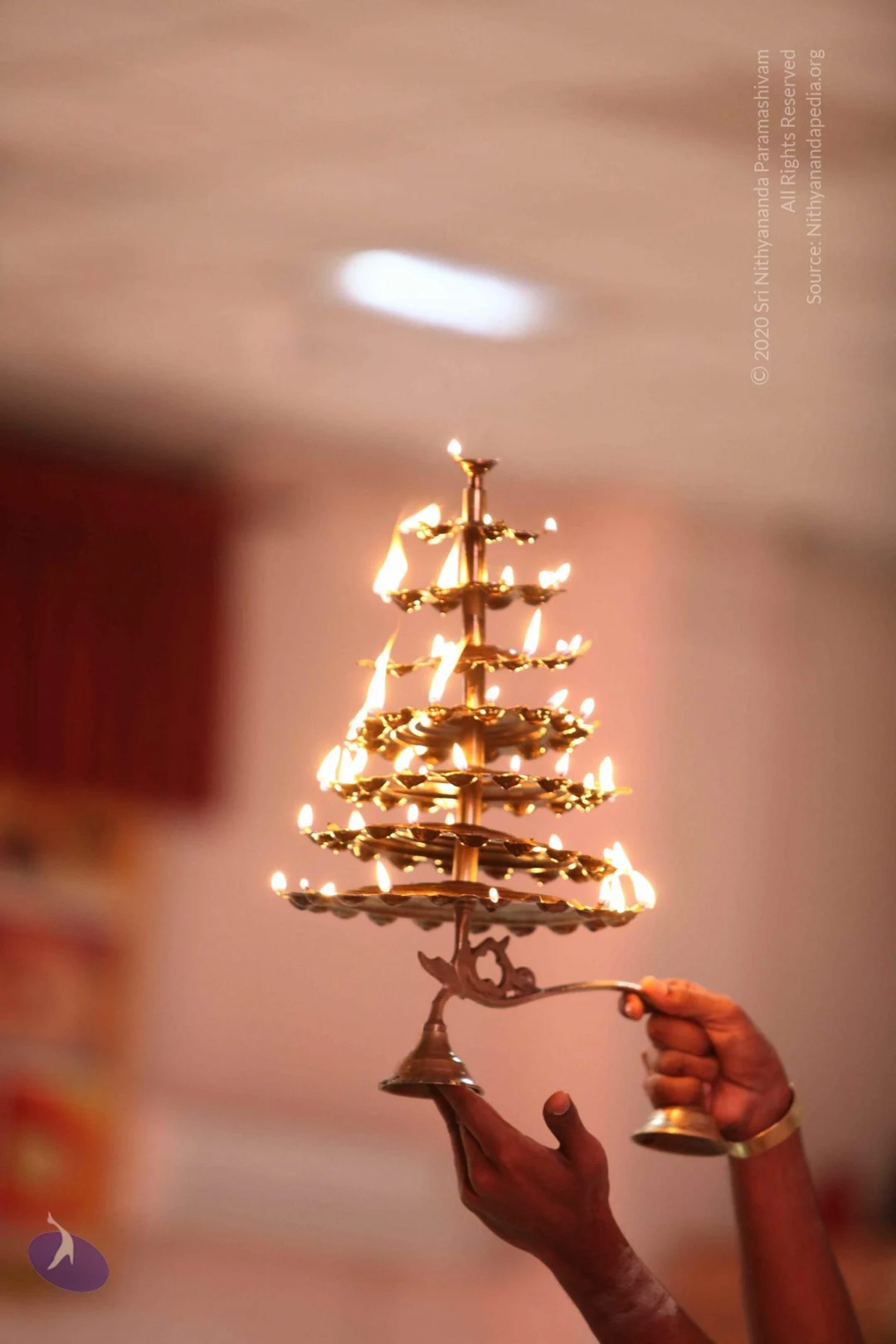
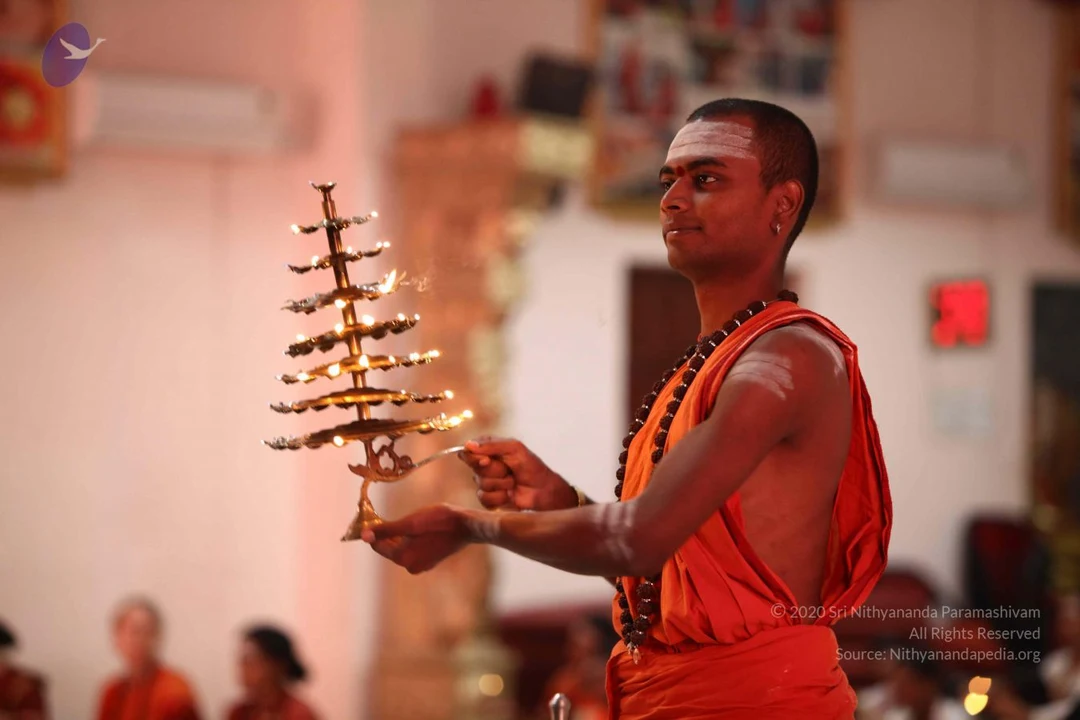
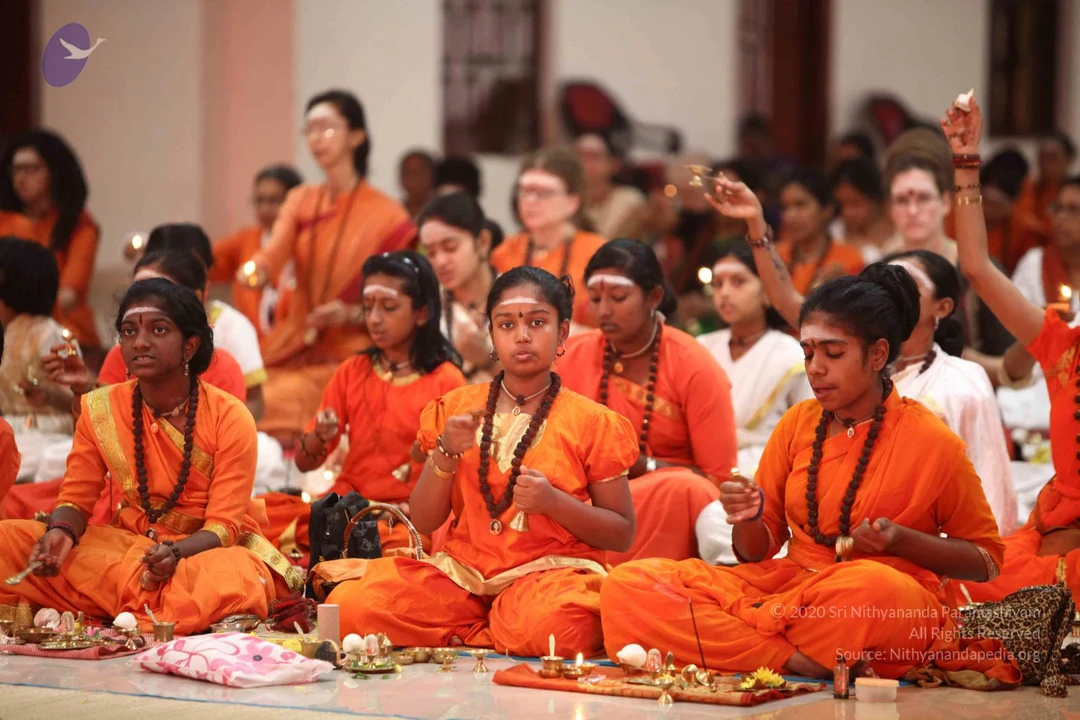
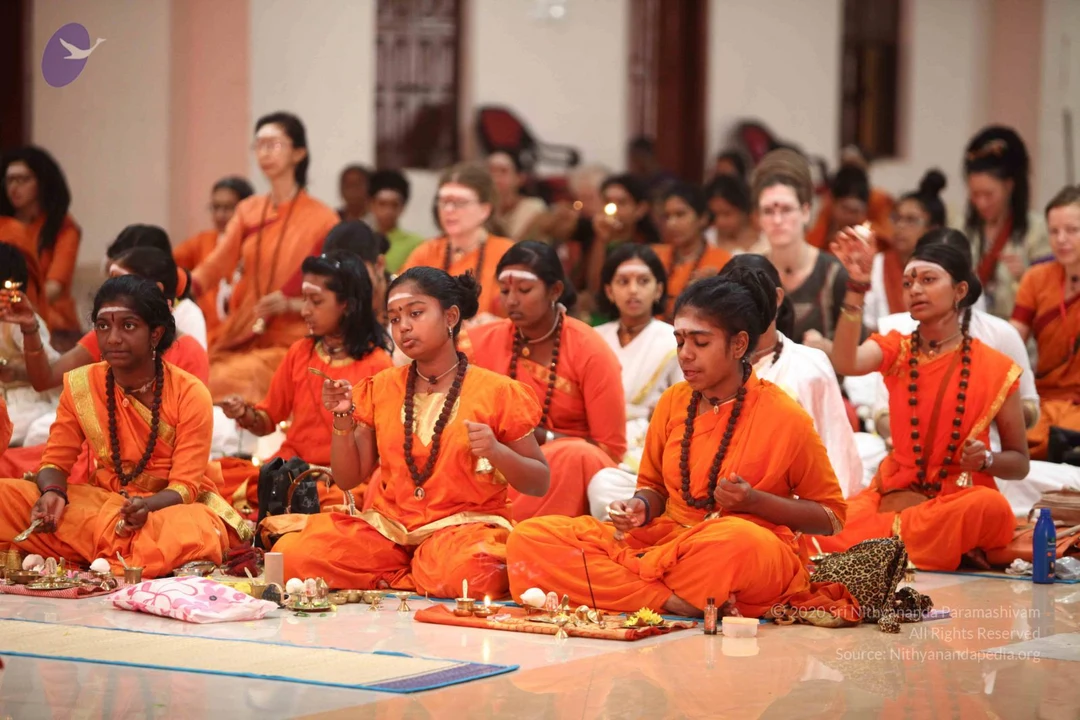
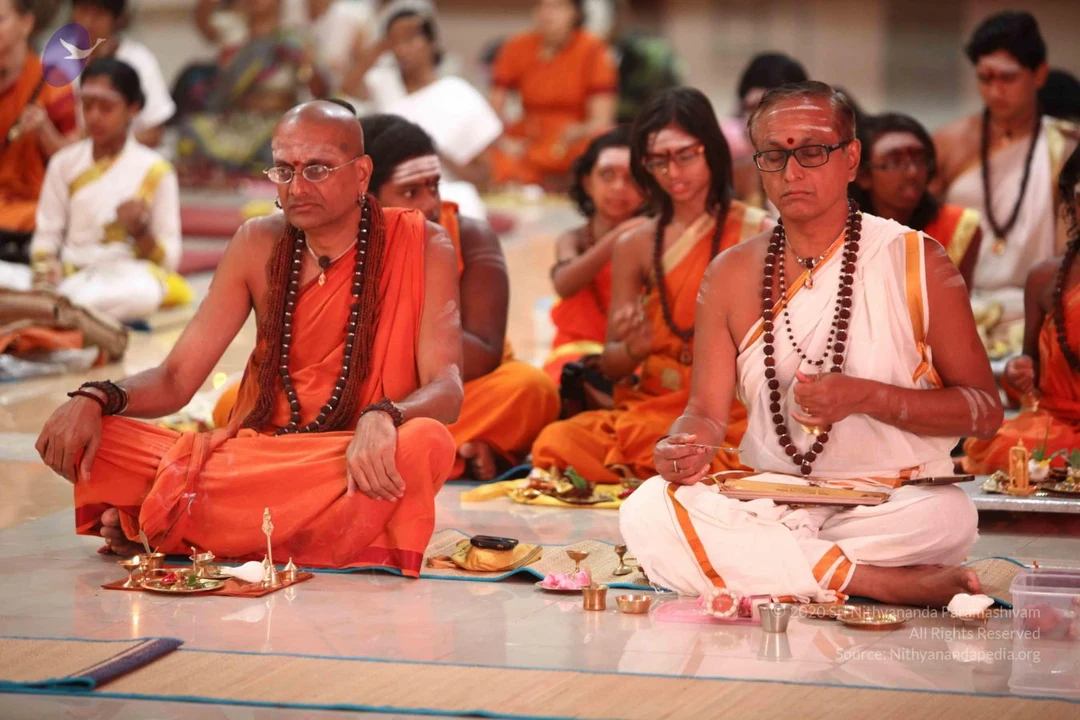
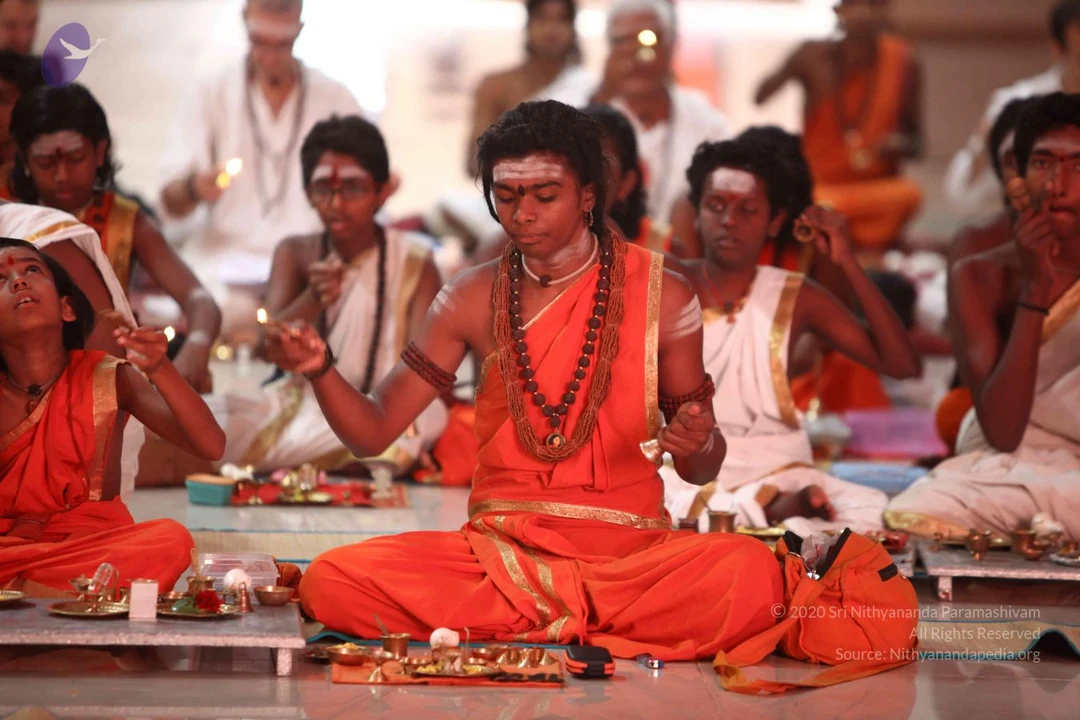
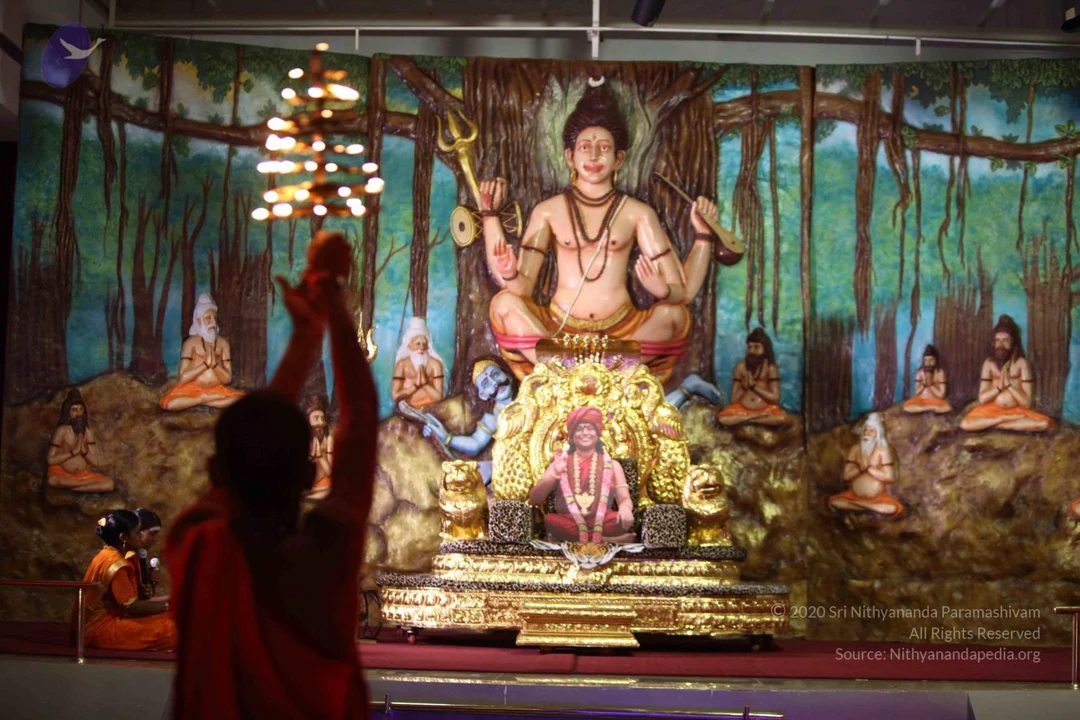
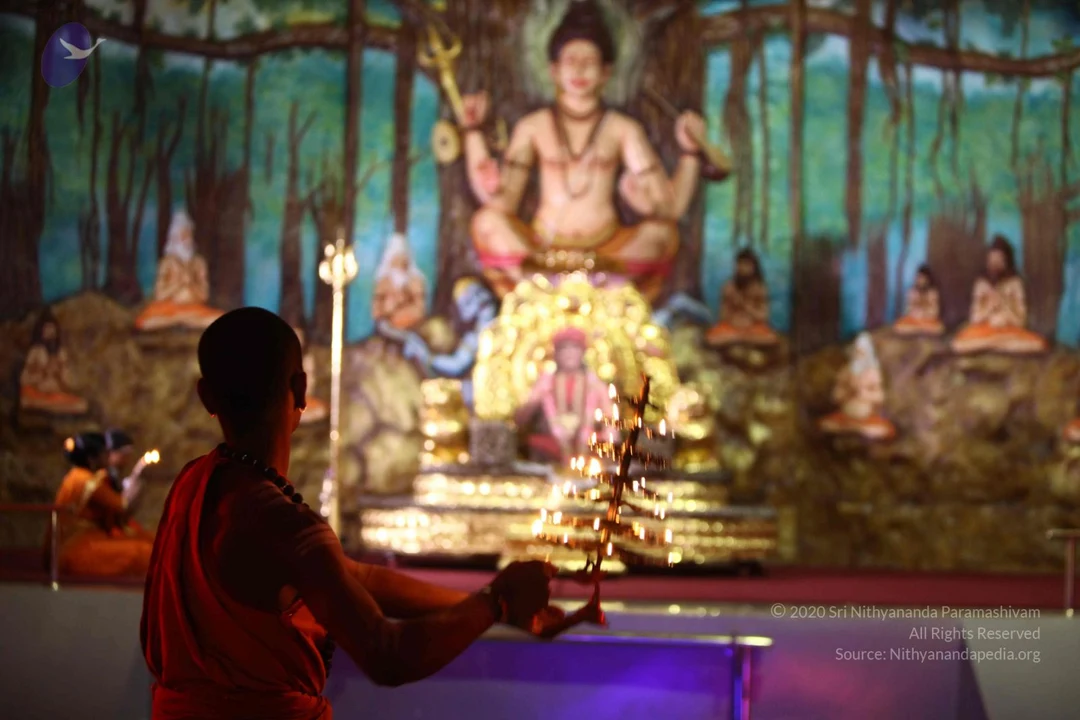
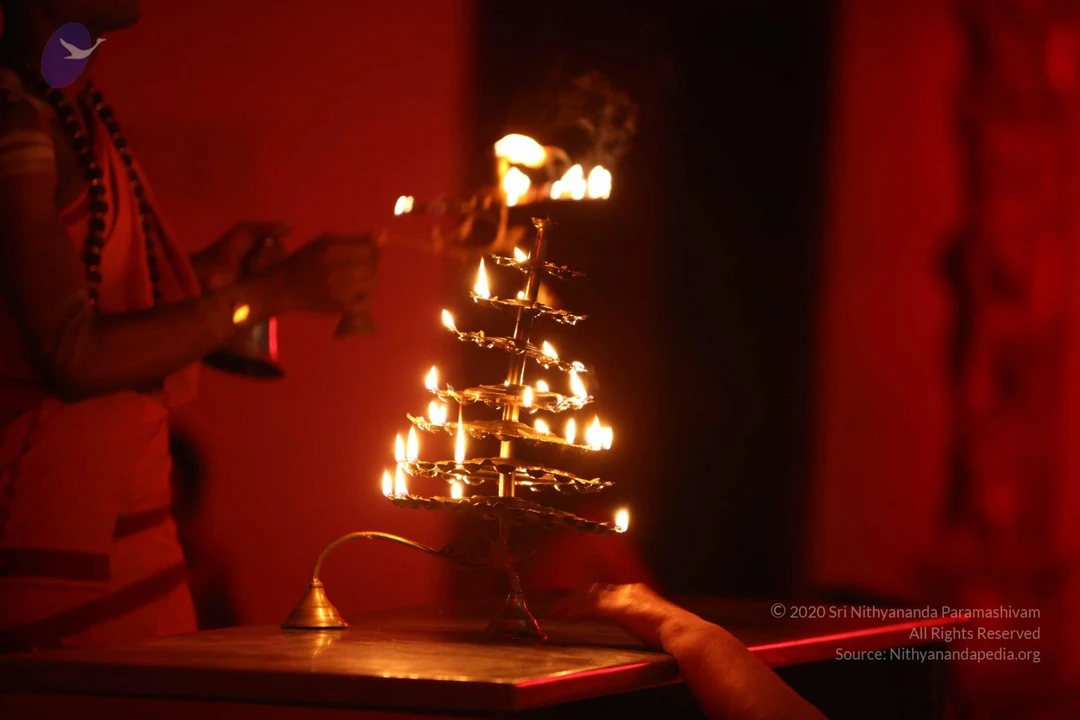
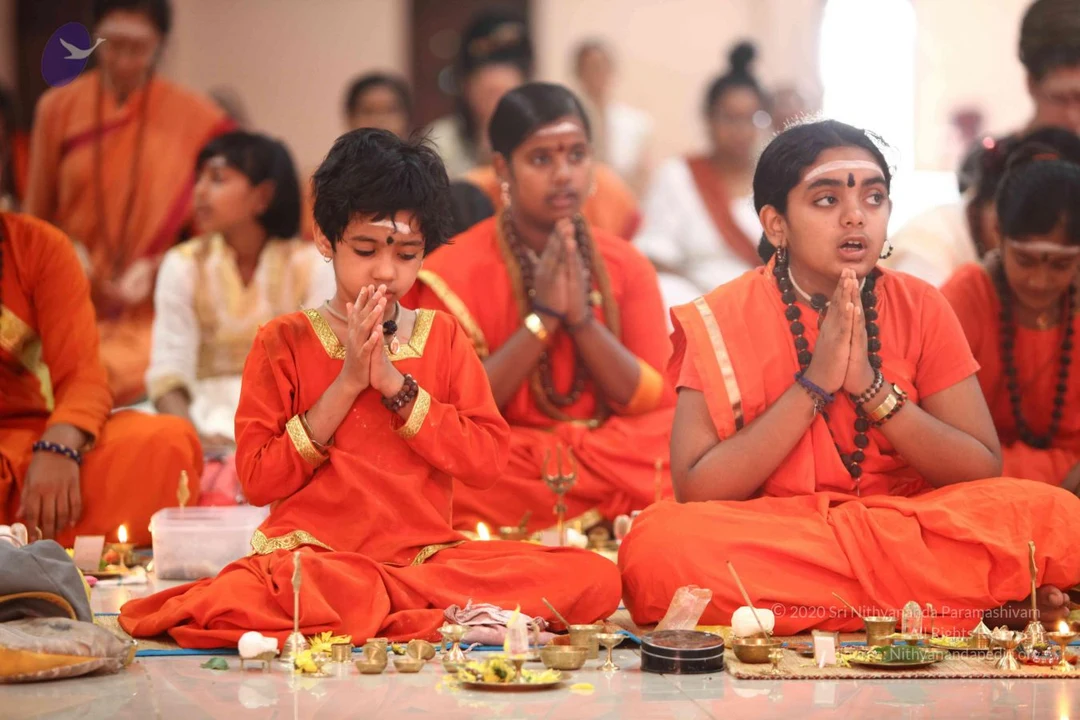
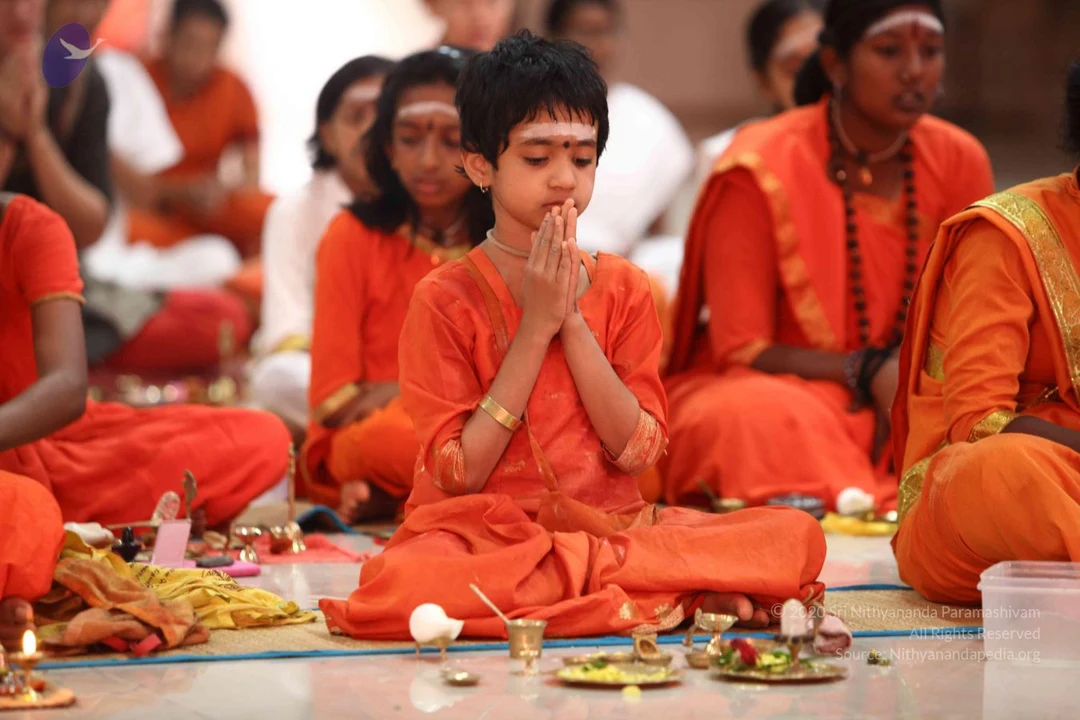
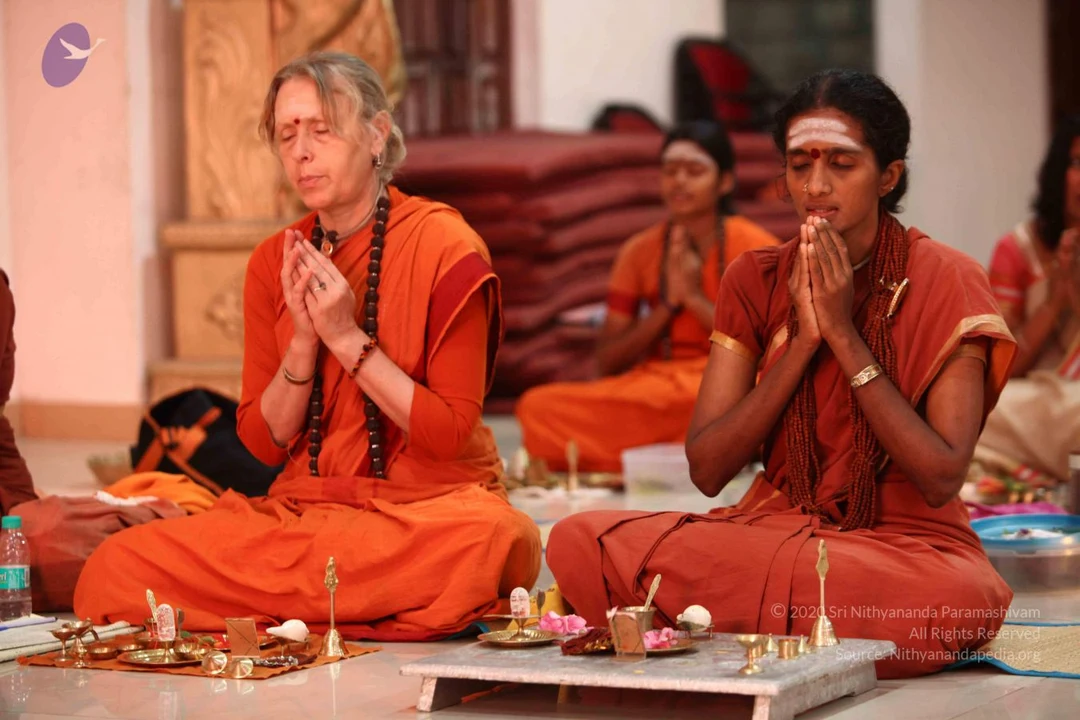
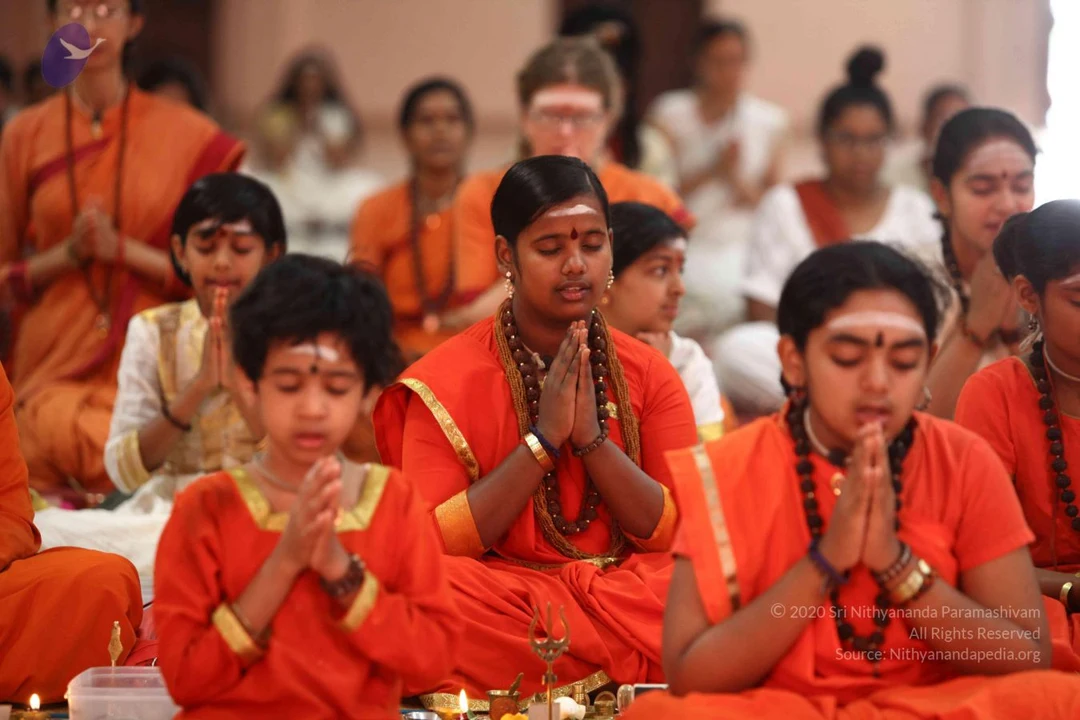
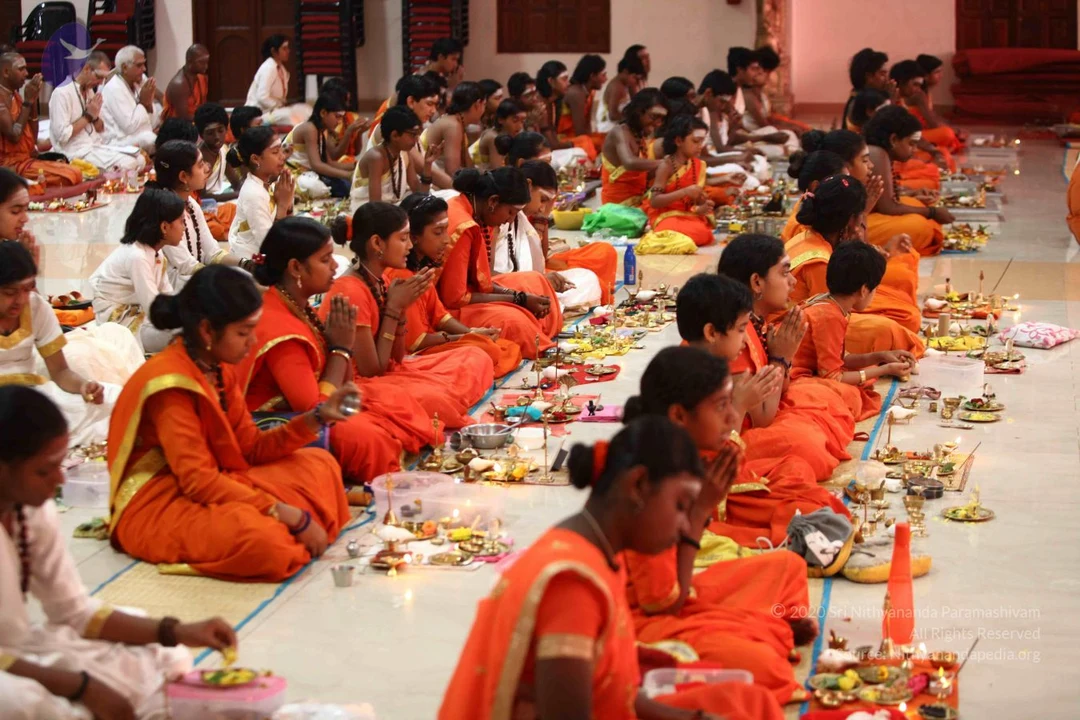
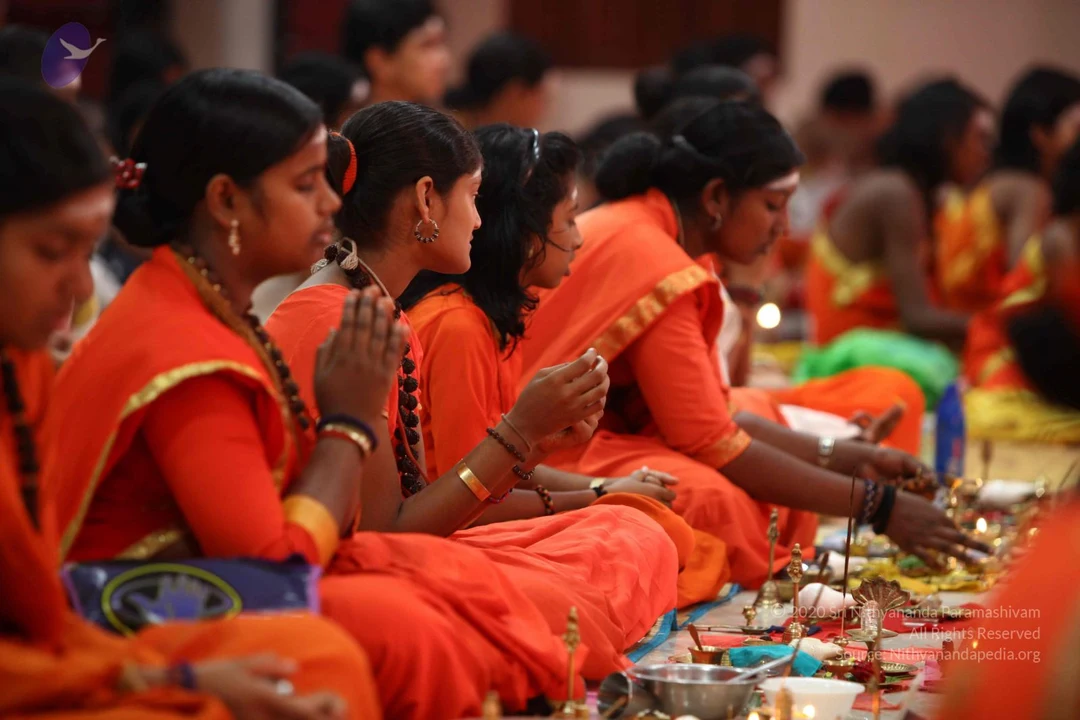
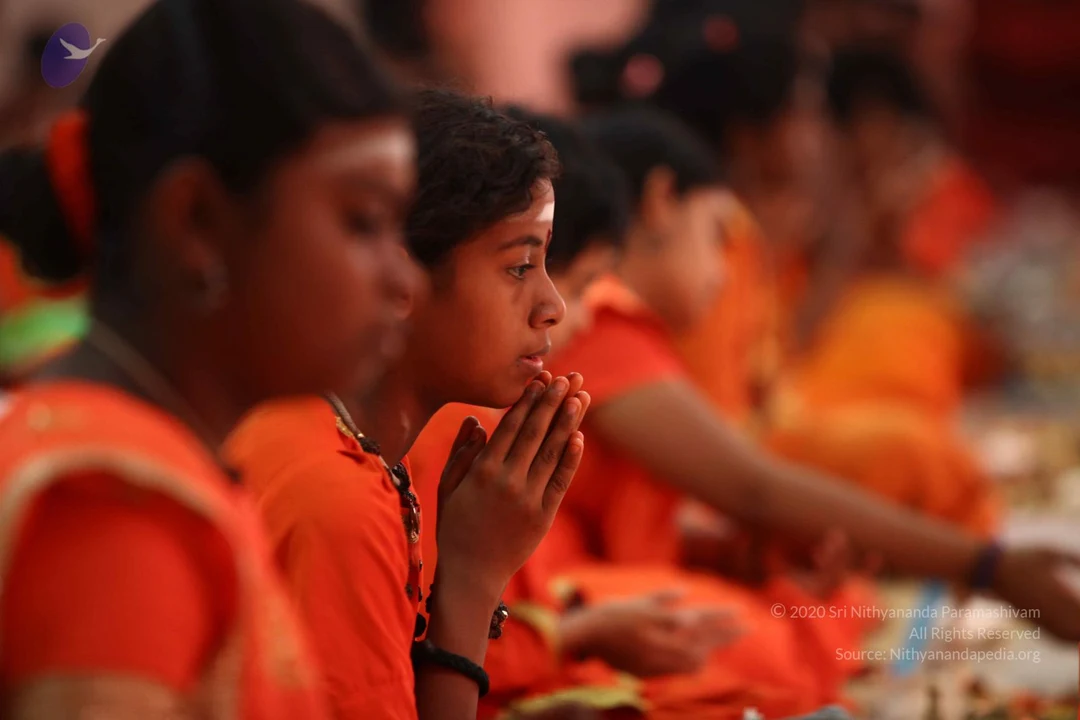
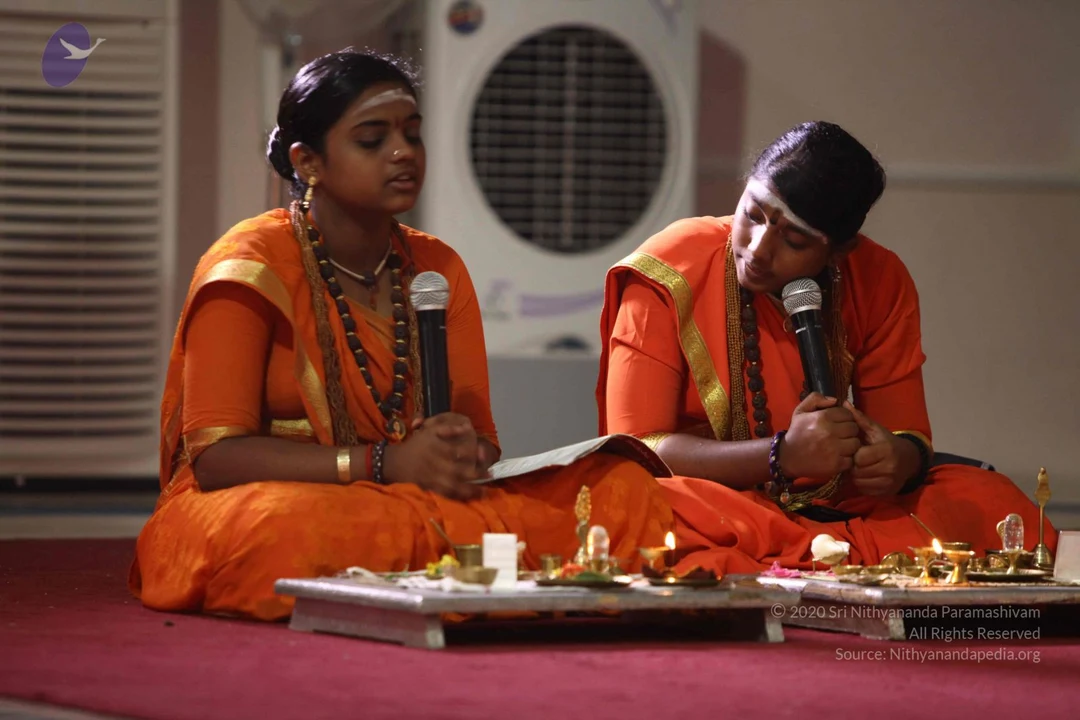
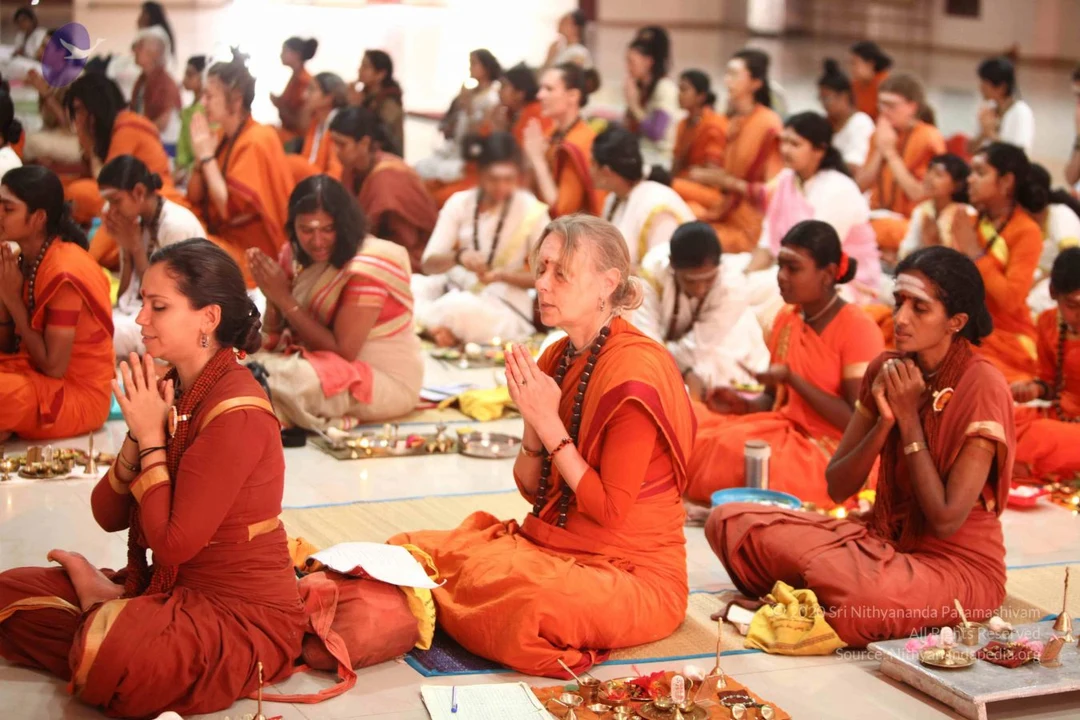
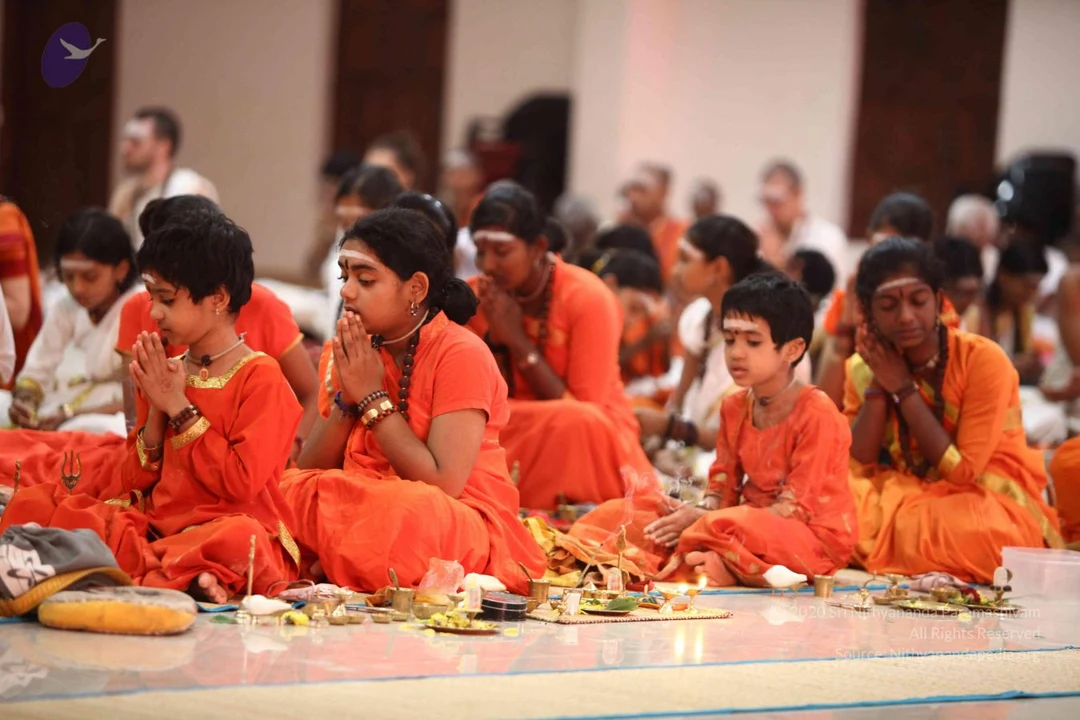
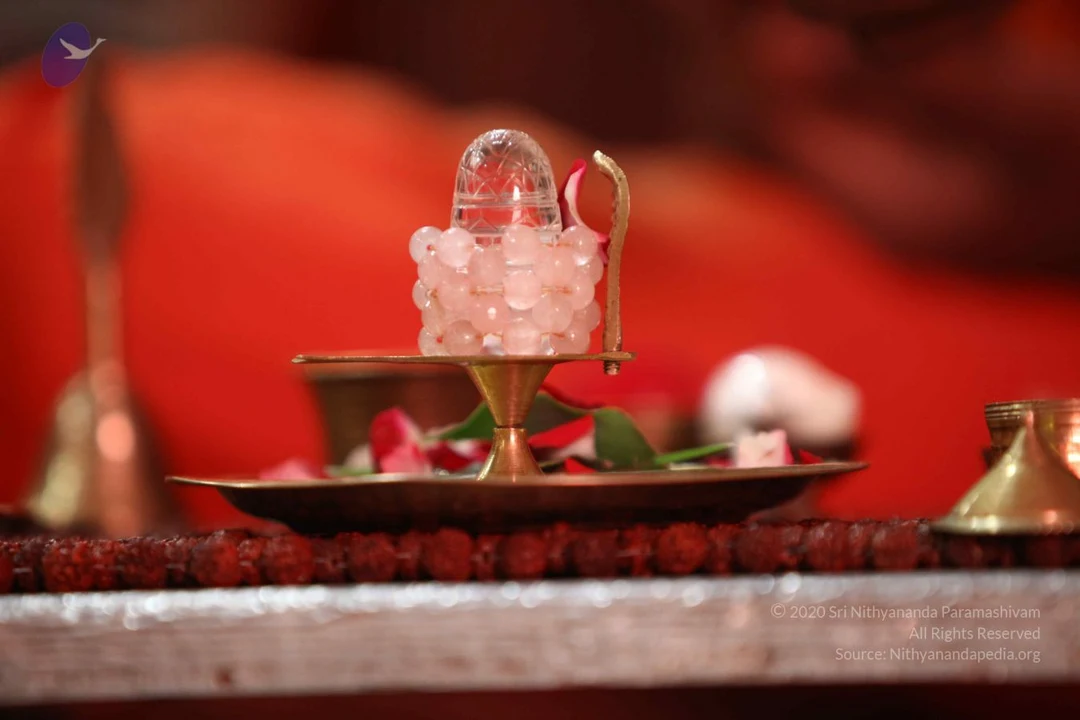
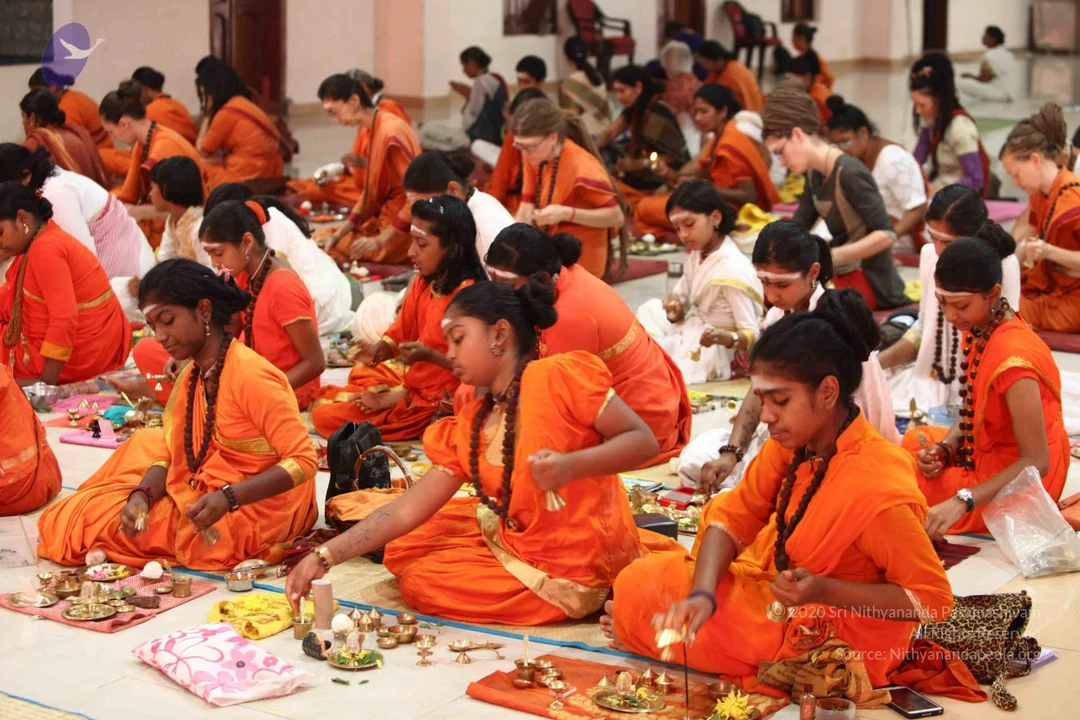
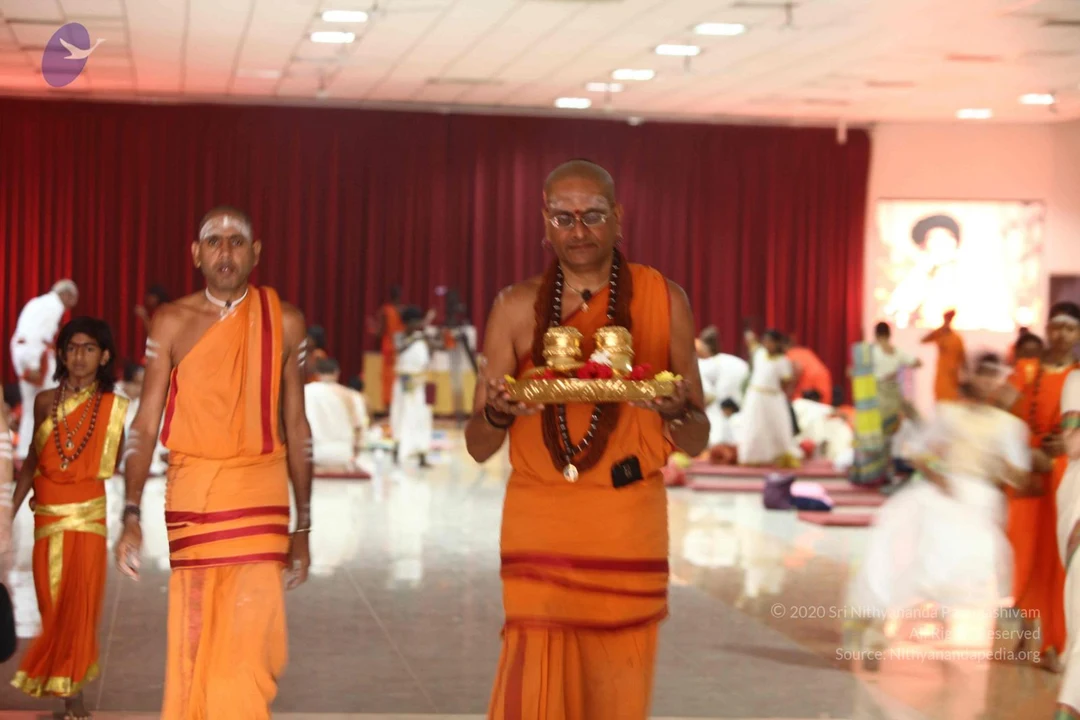
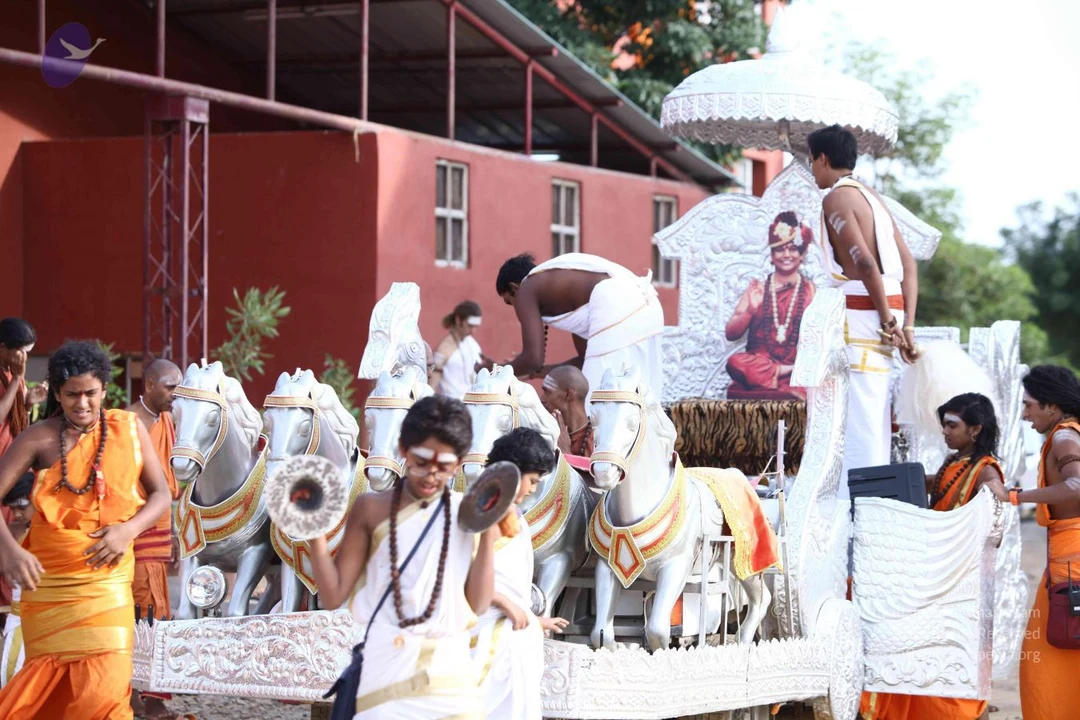
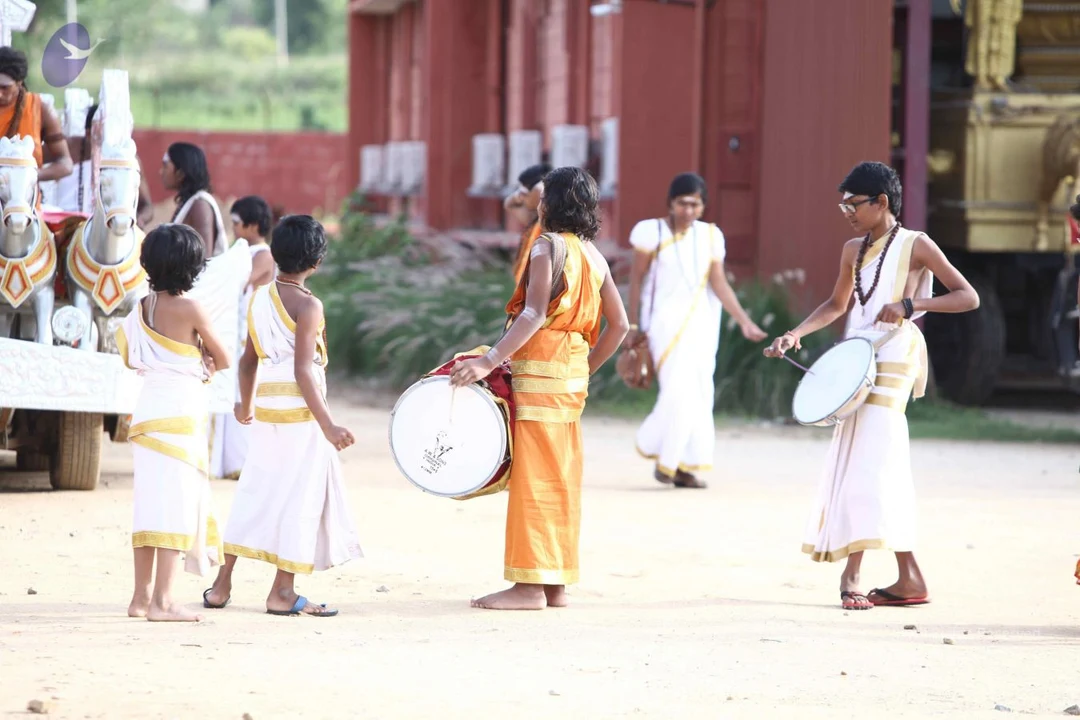
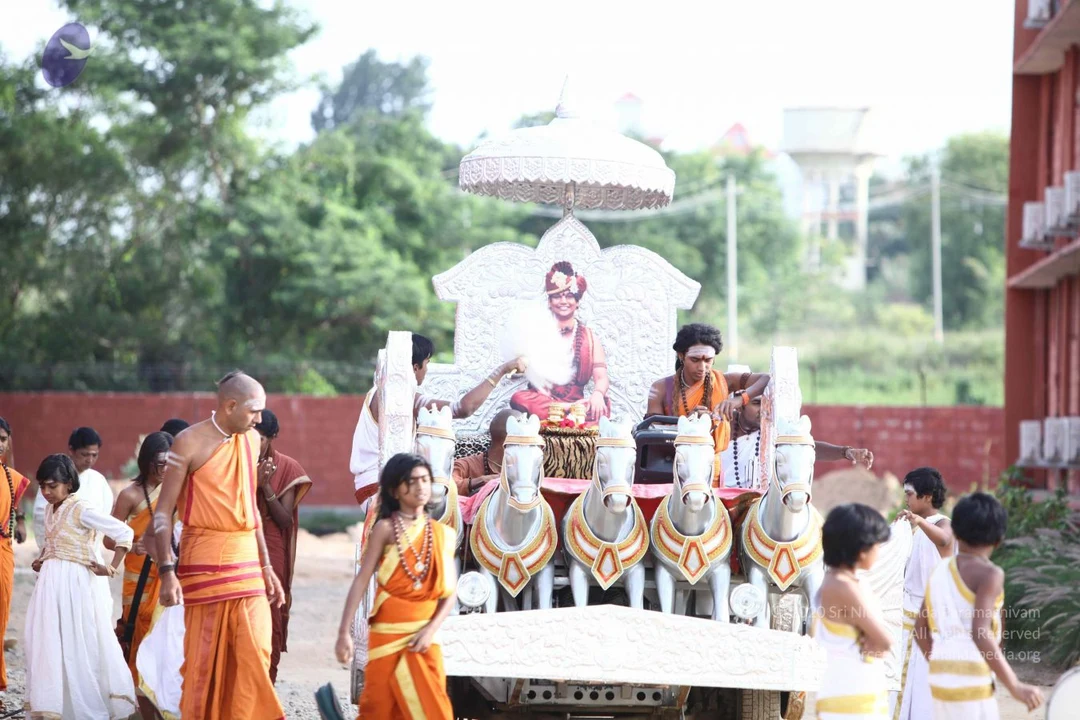
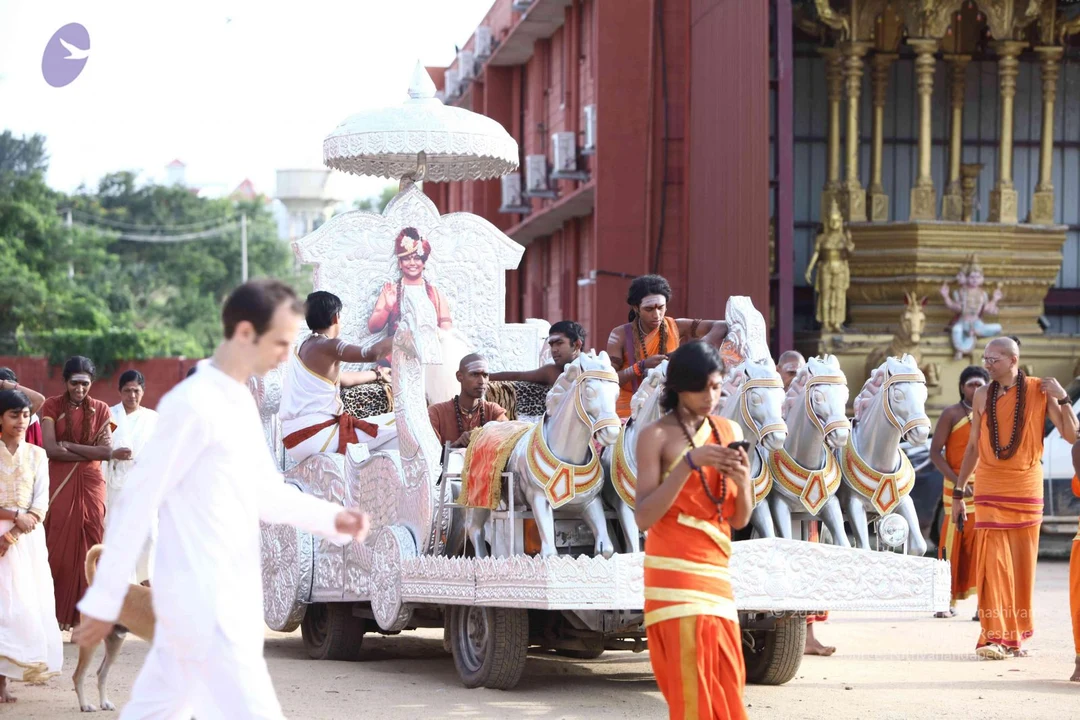
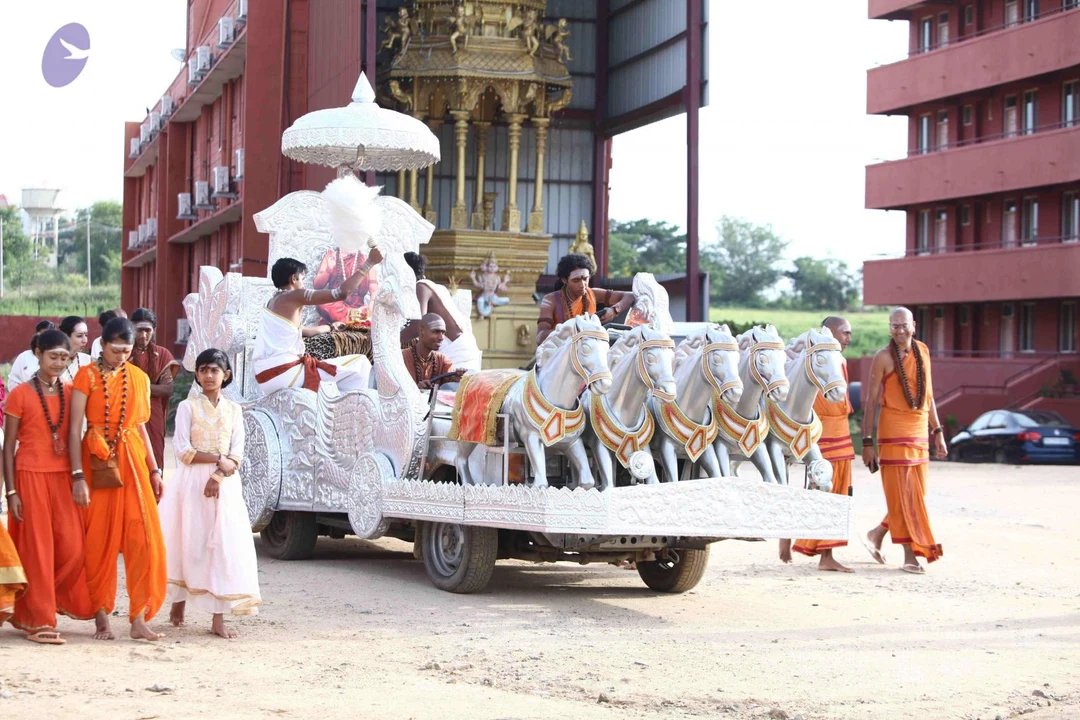
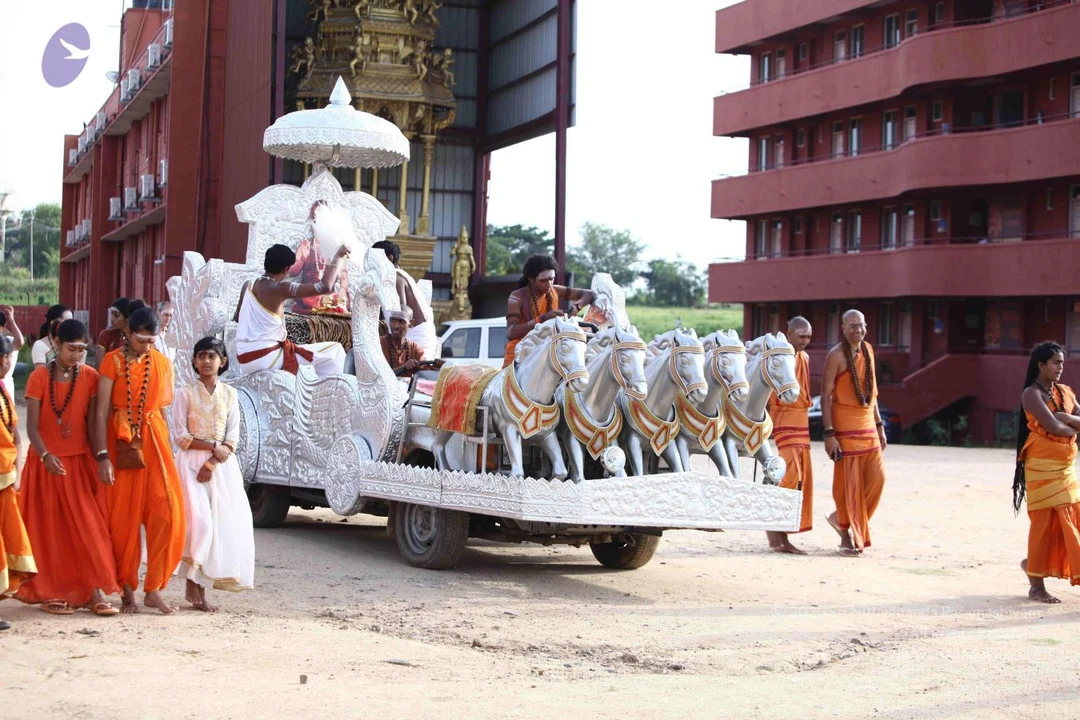
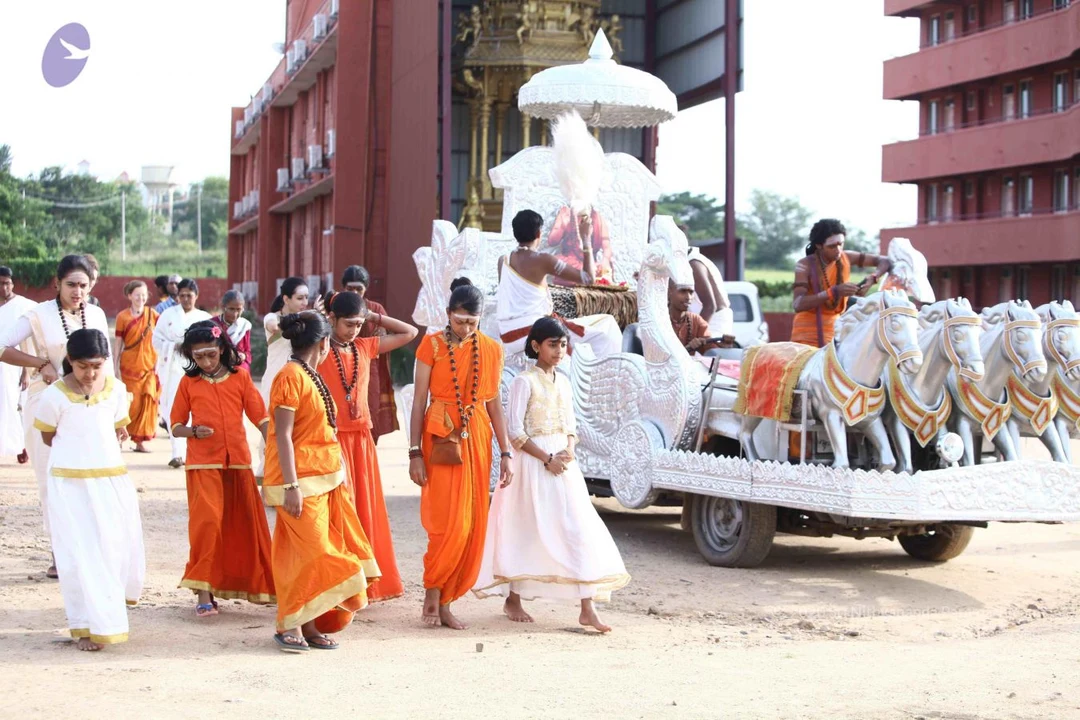
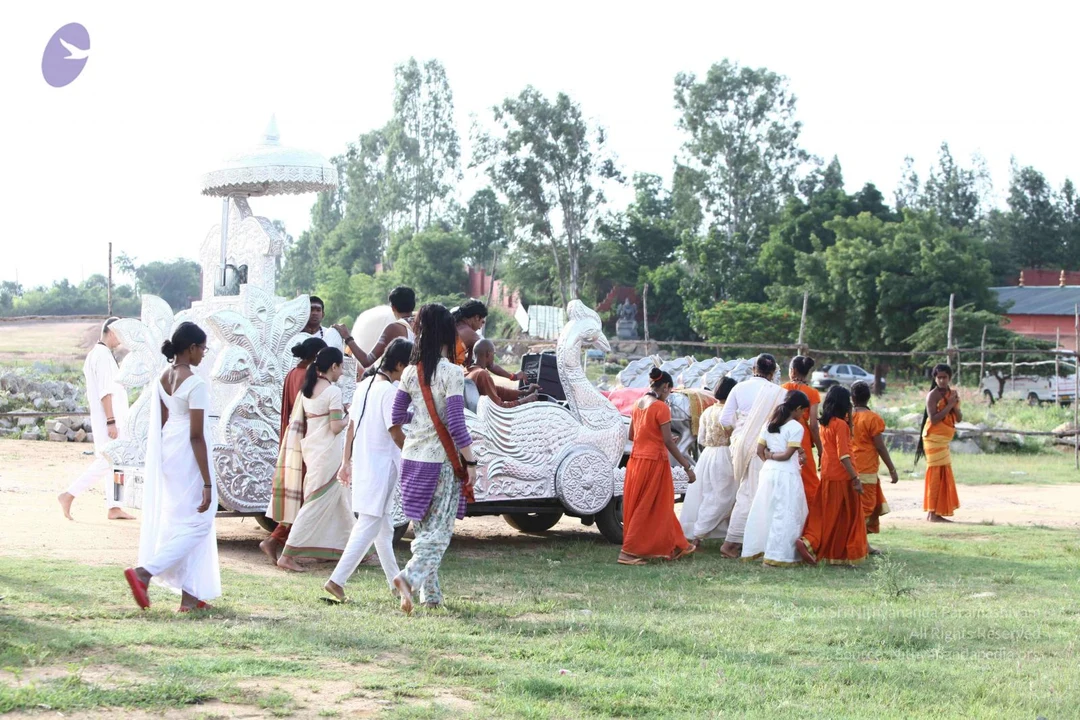
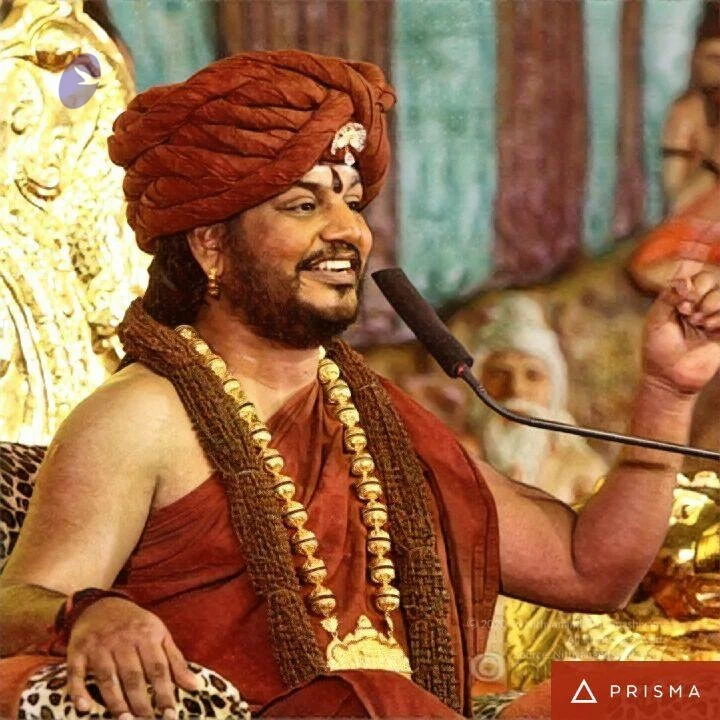
Nithyananda Satsang
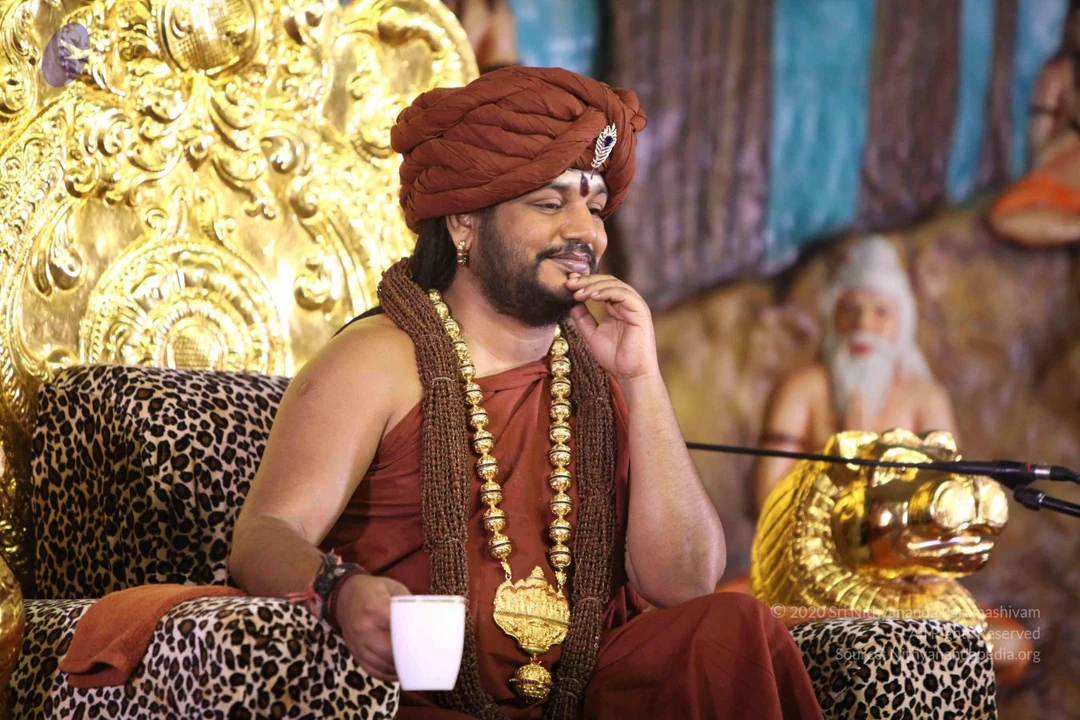
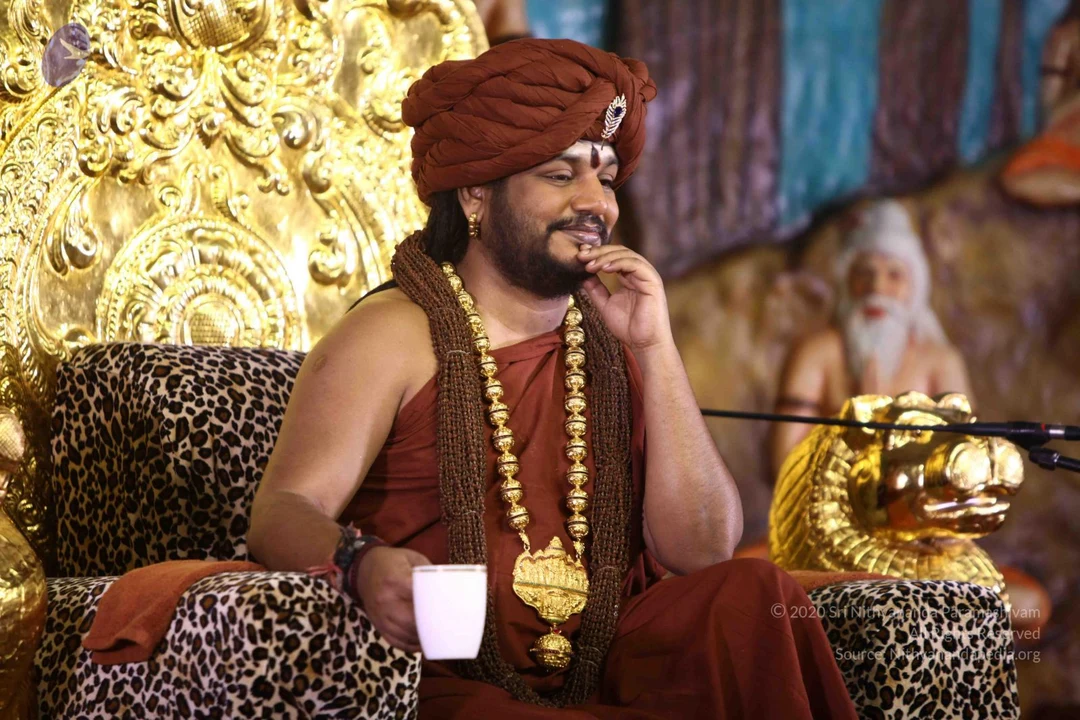
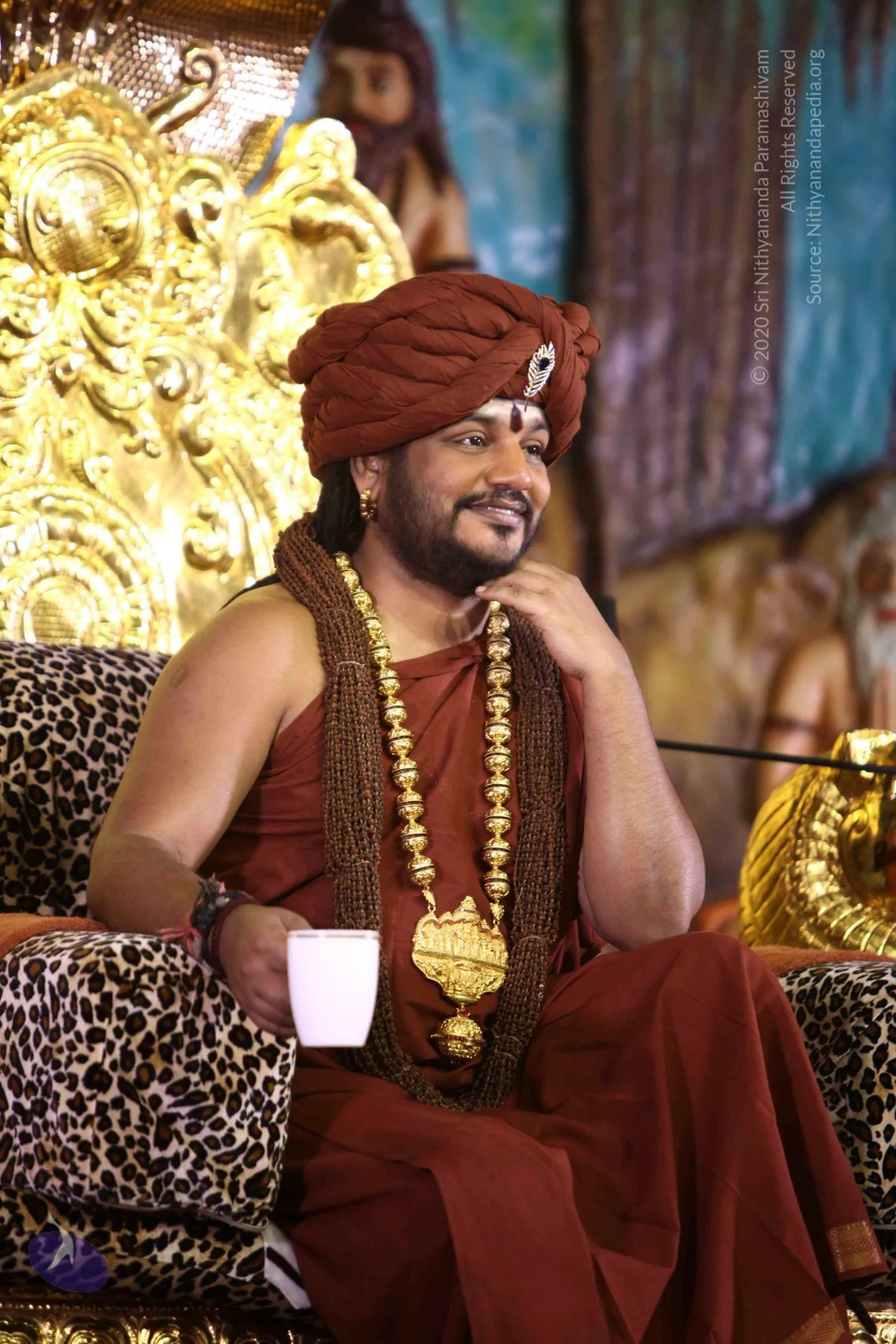
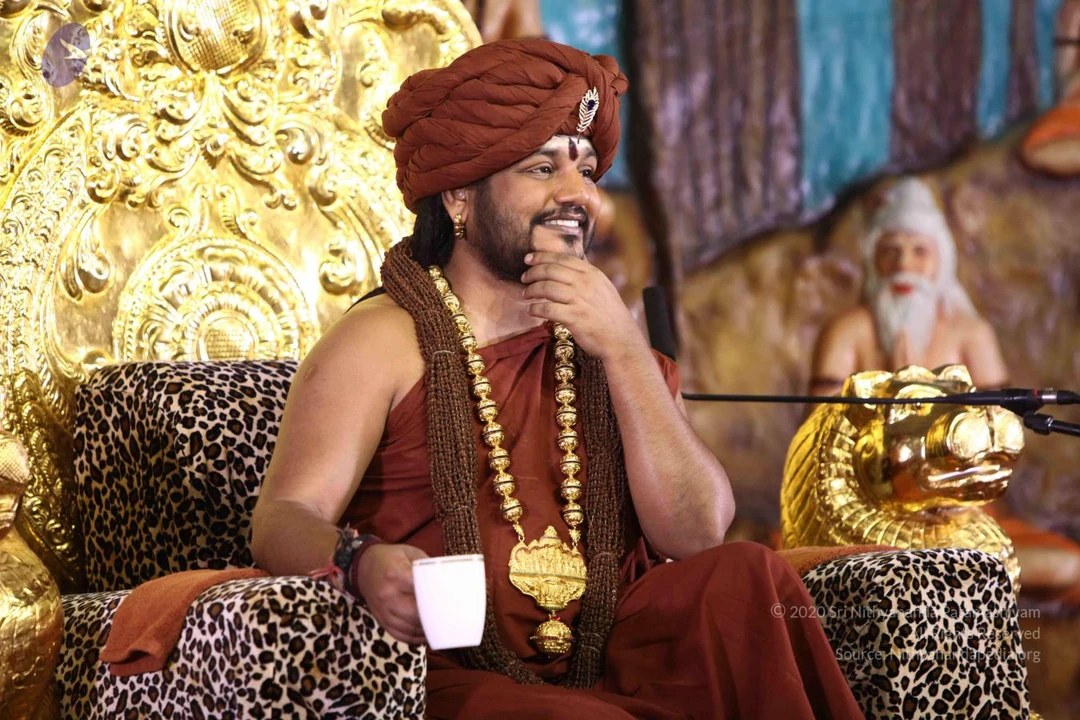
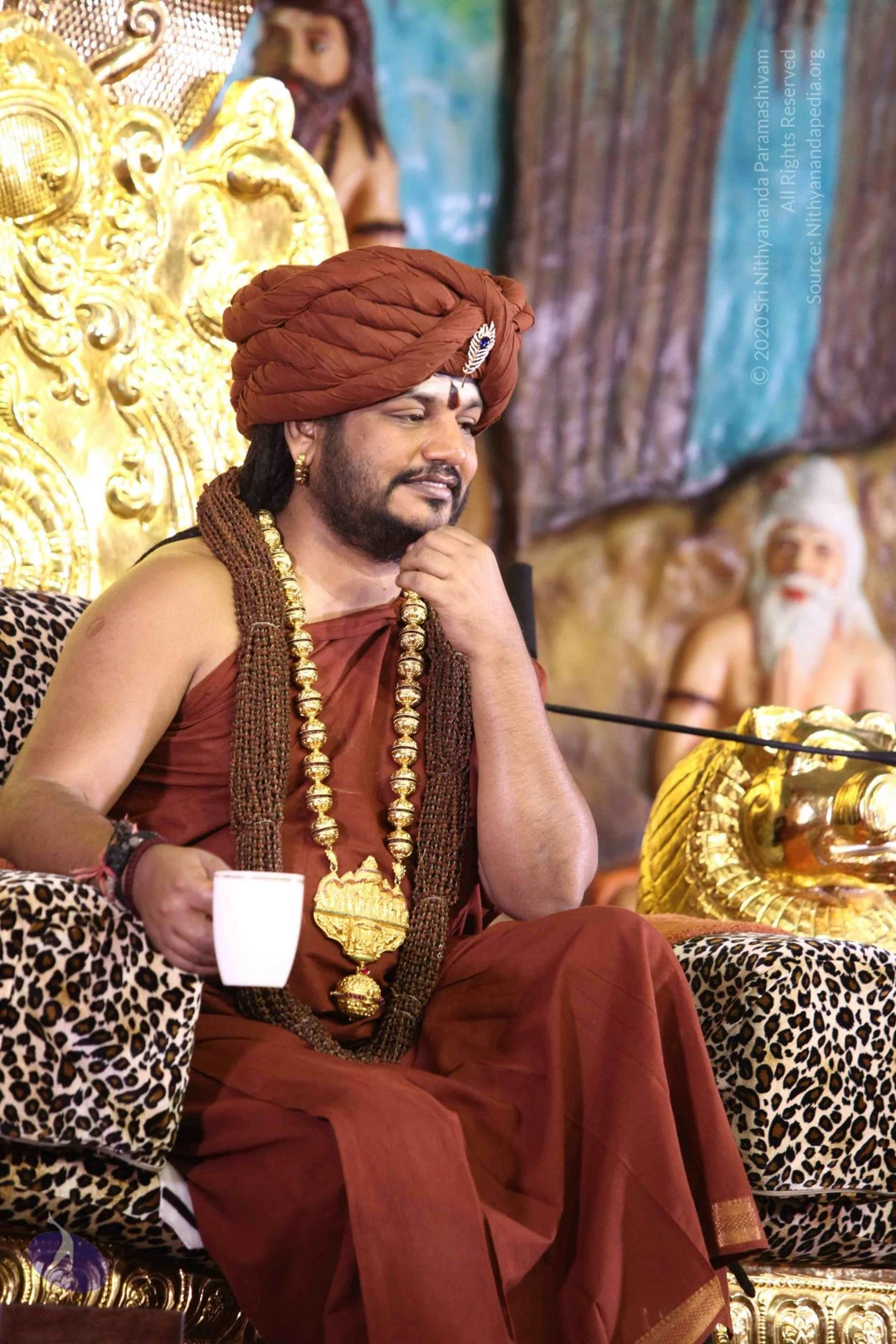
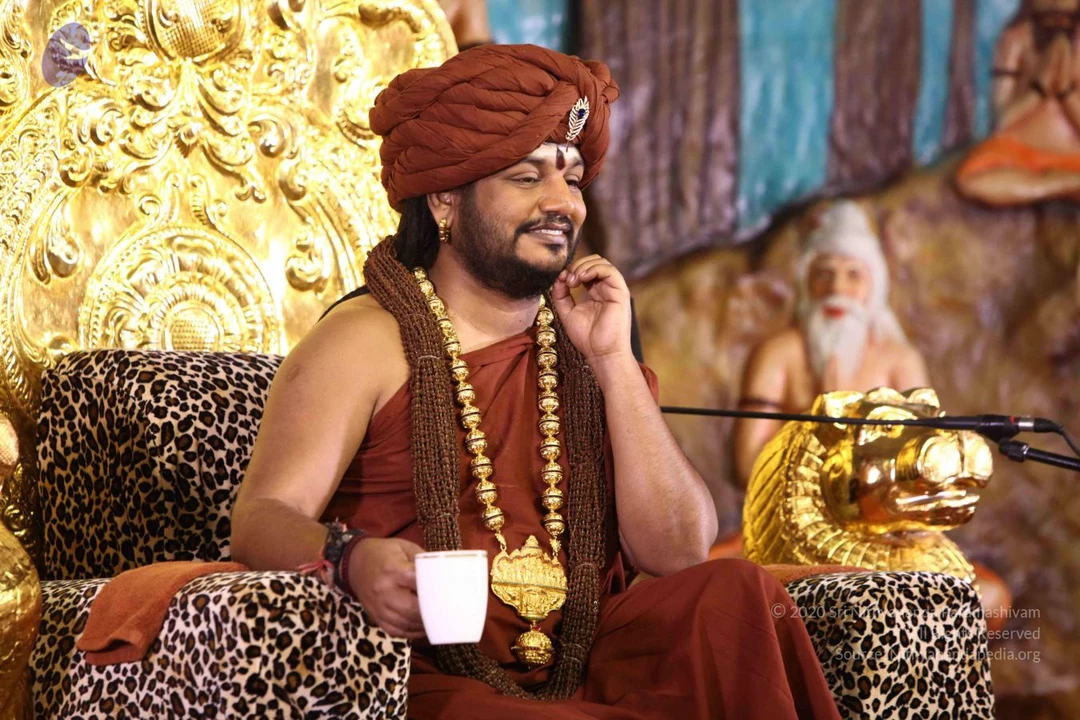
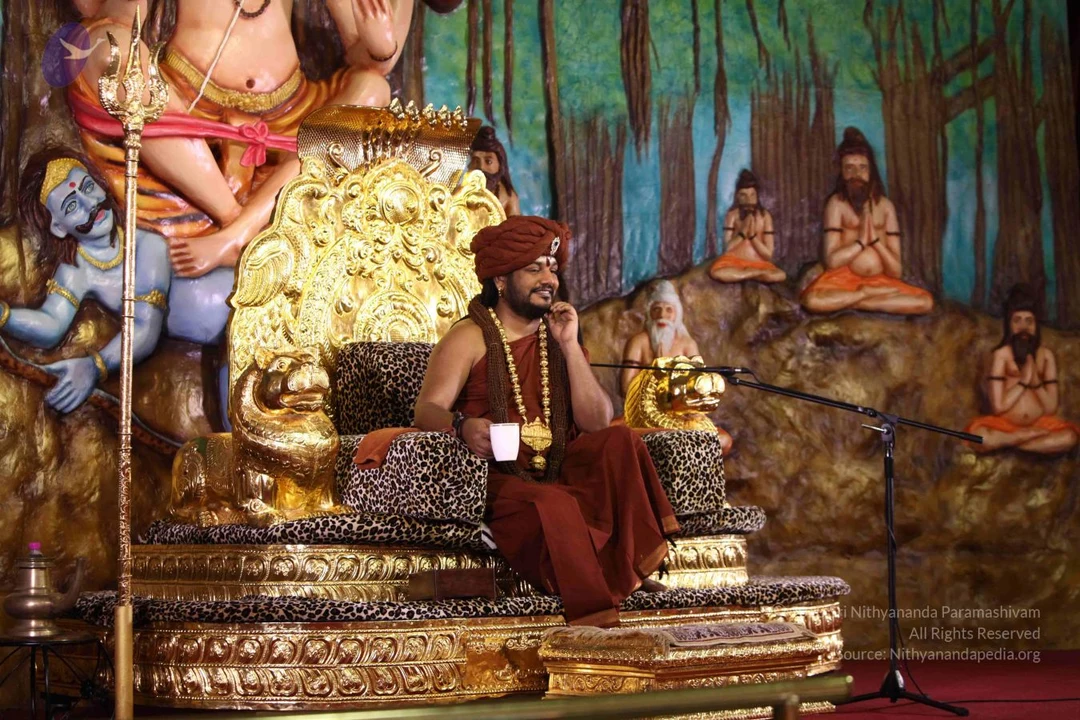
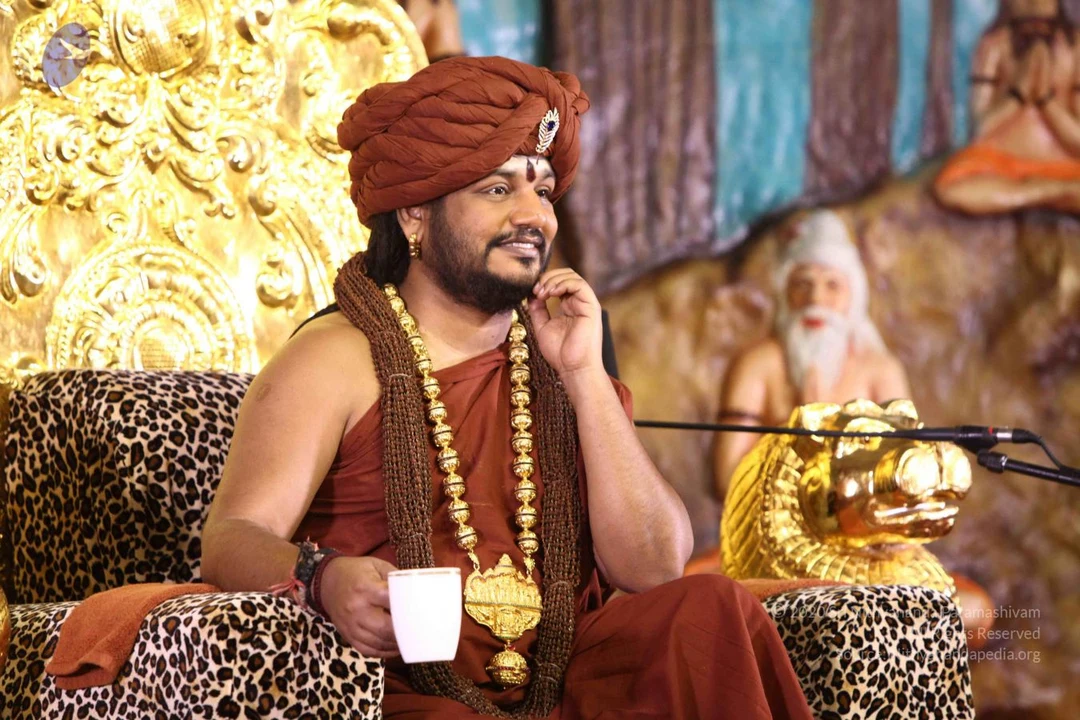
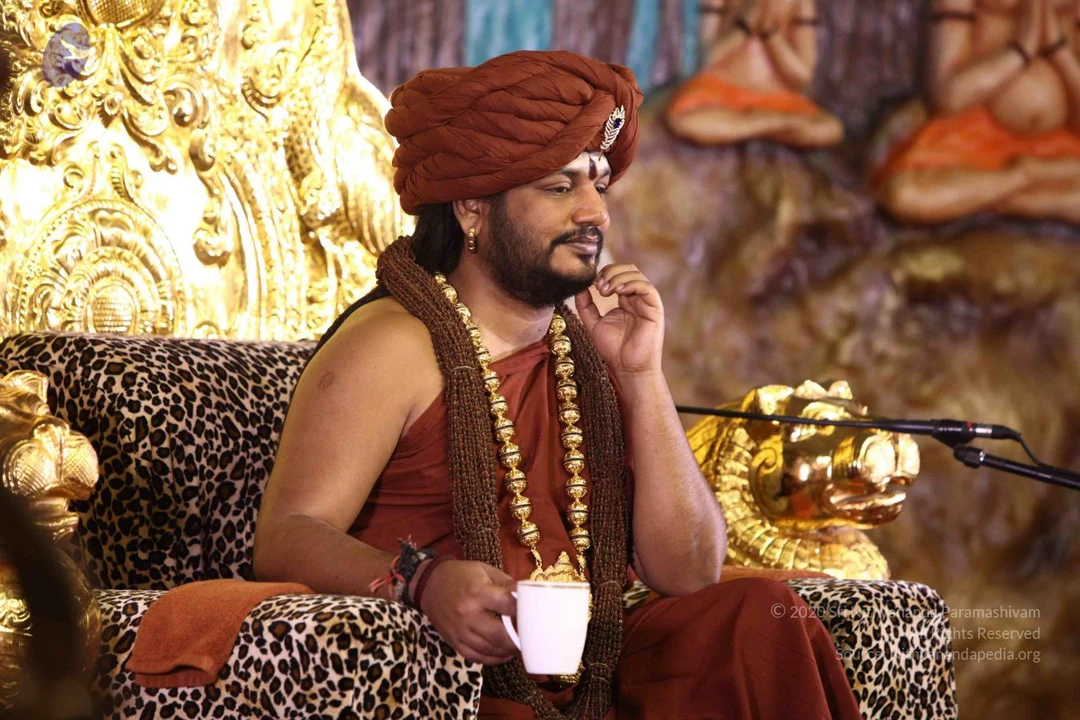
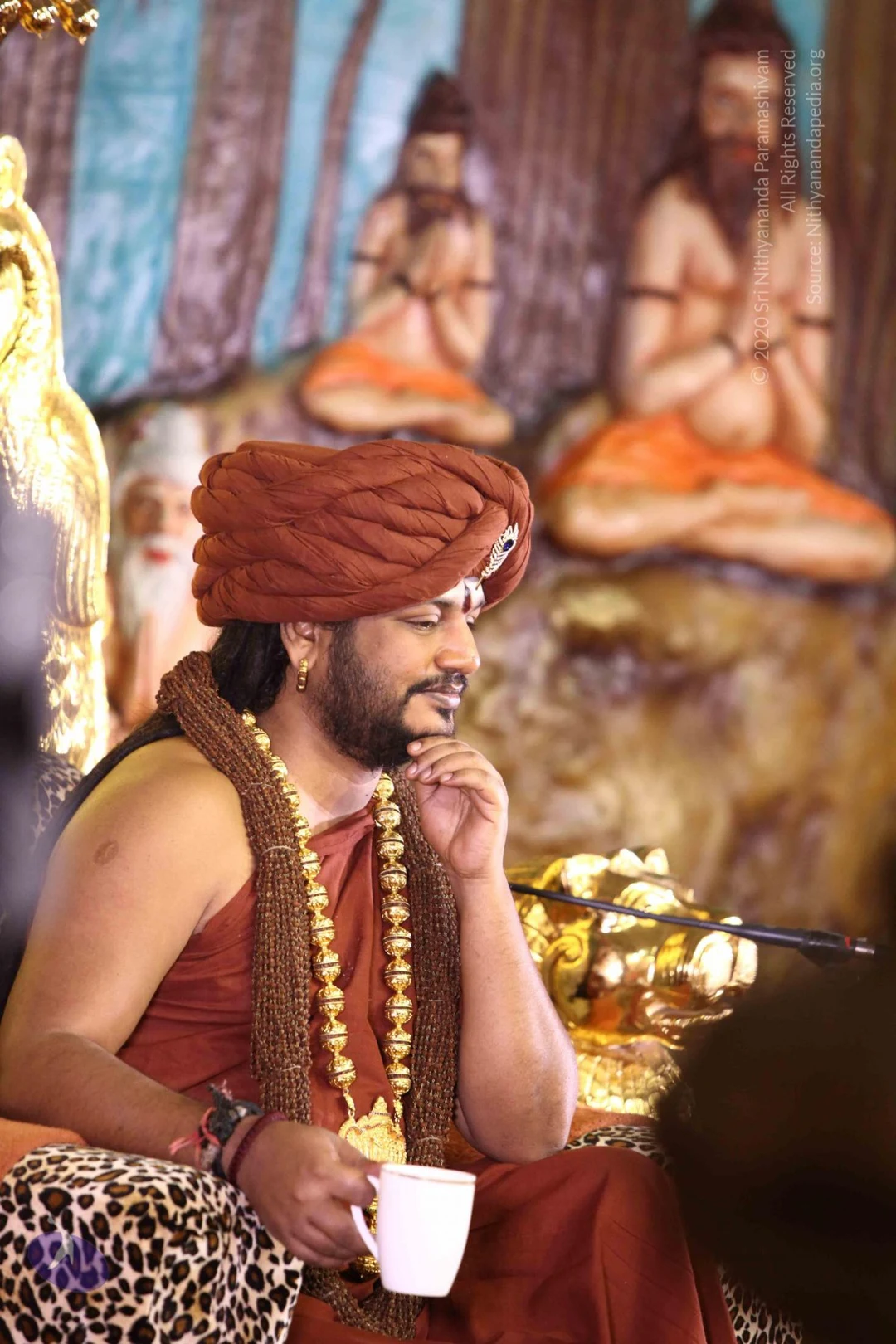
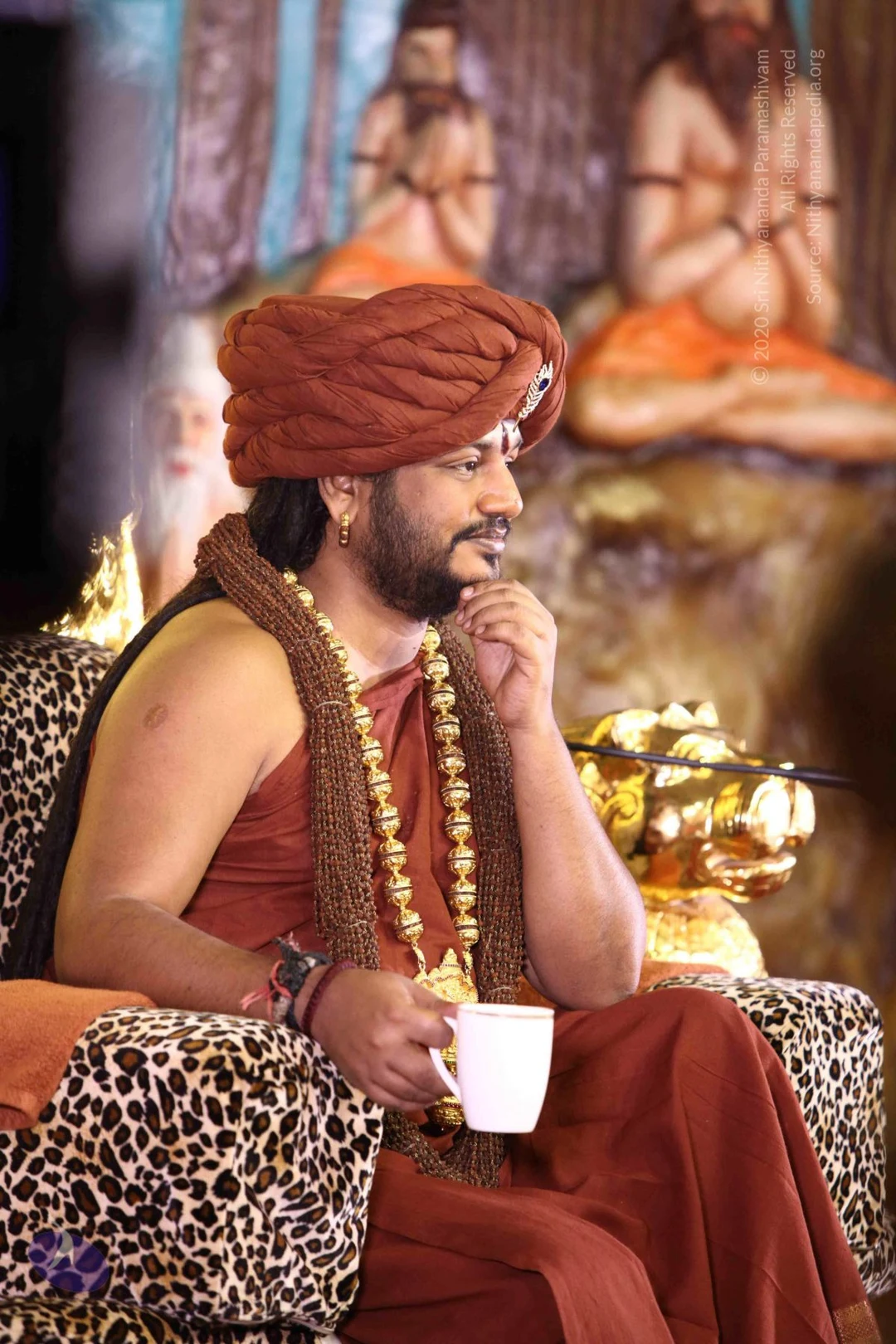
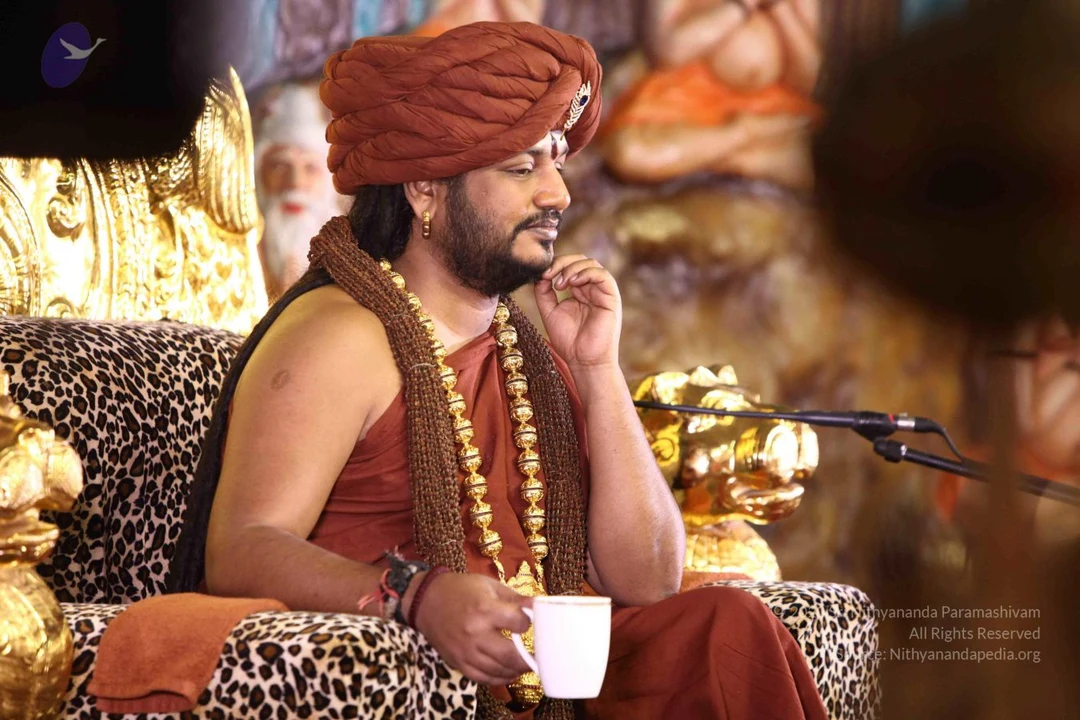
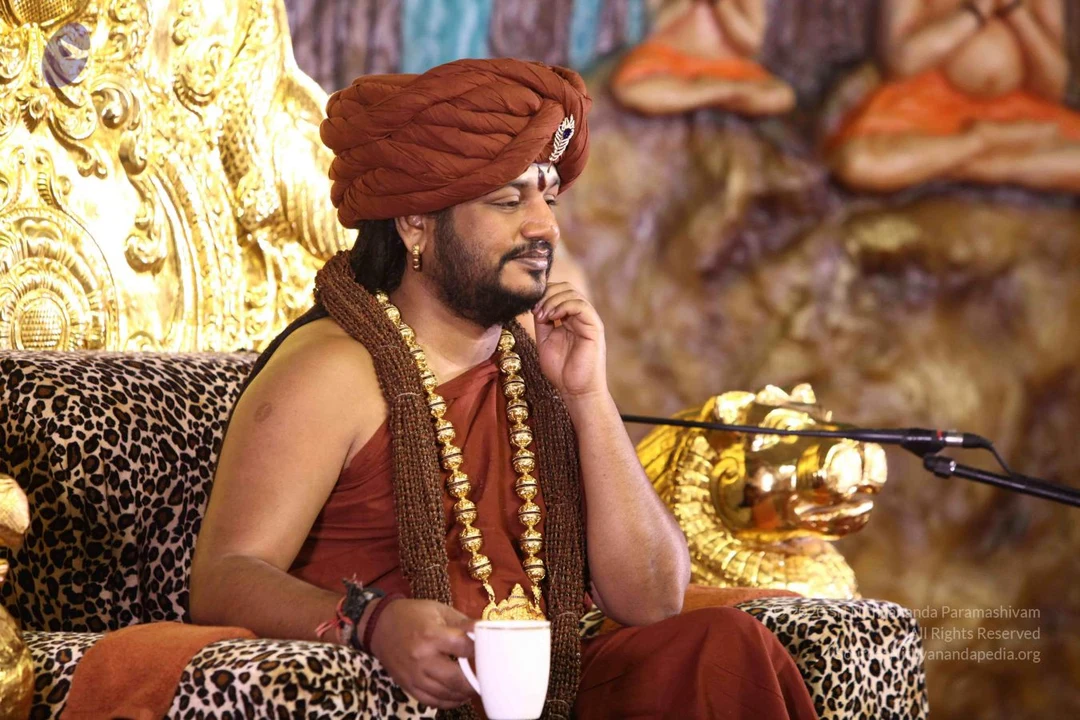
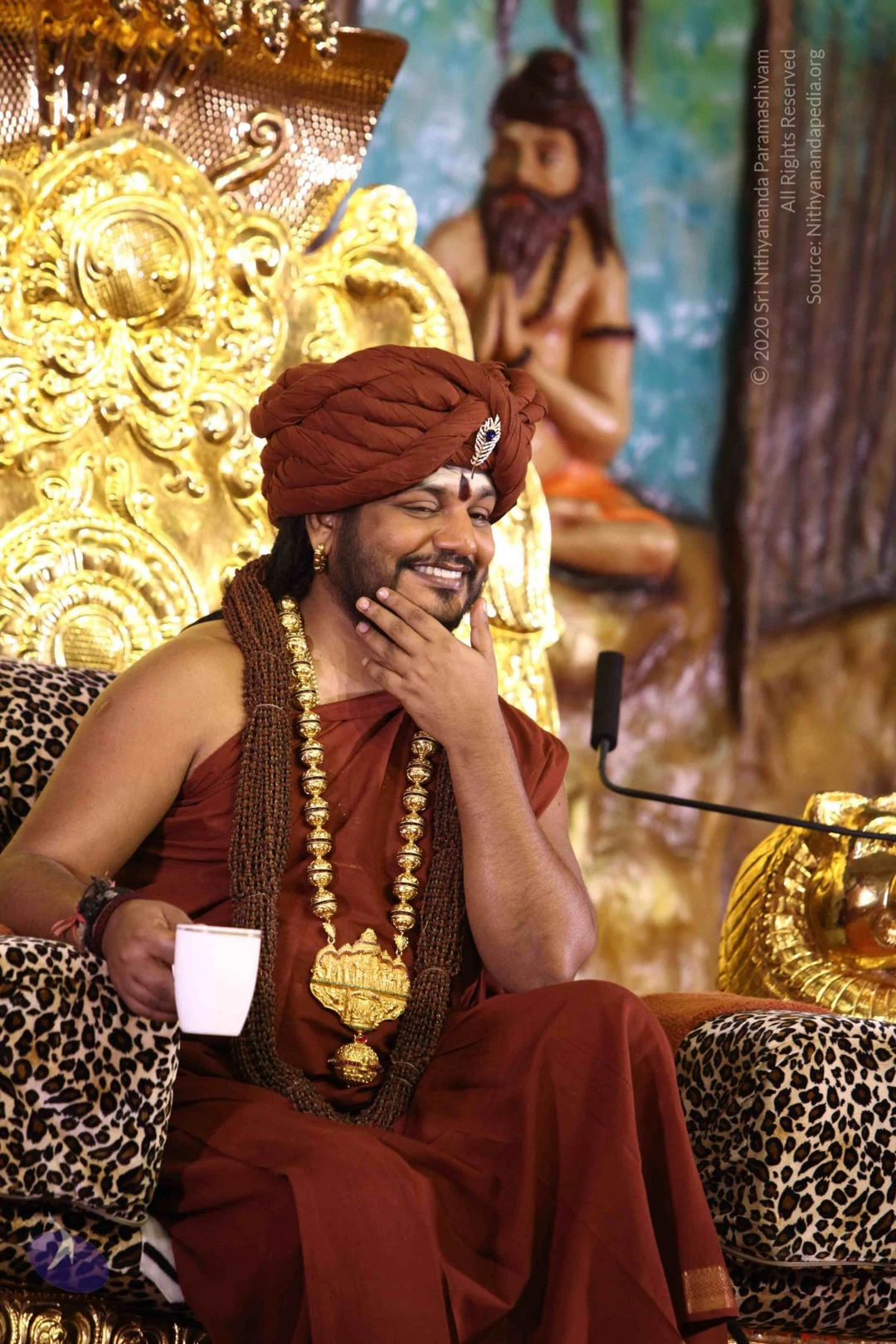
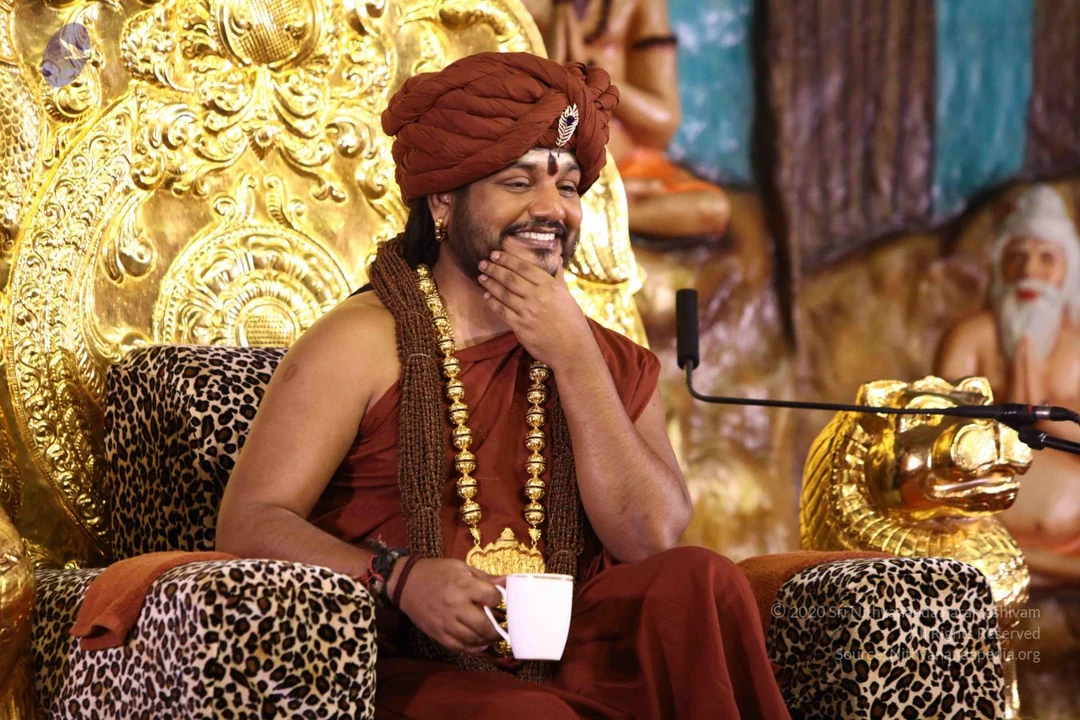
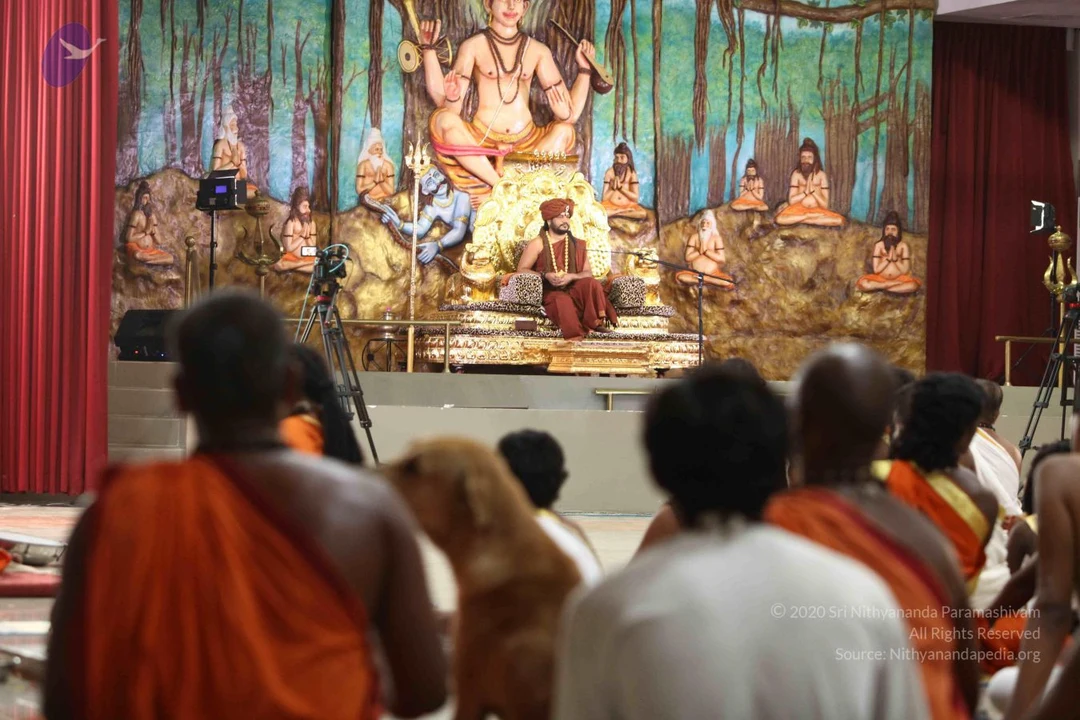
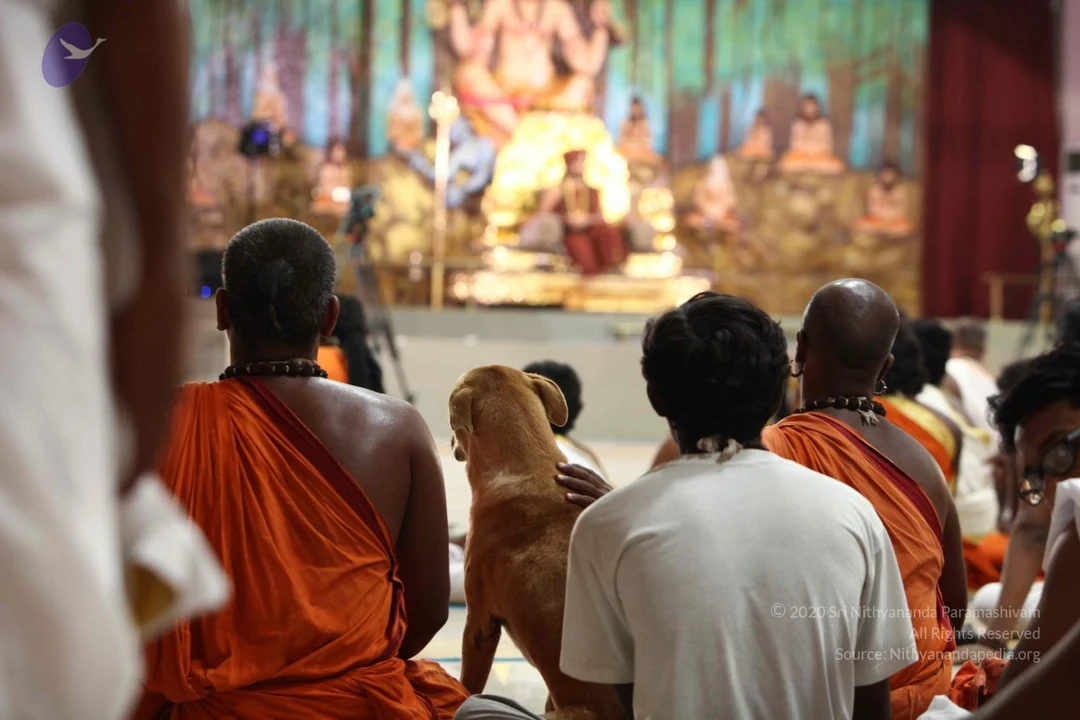
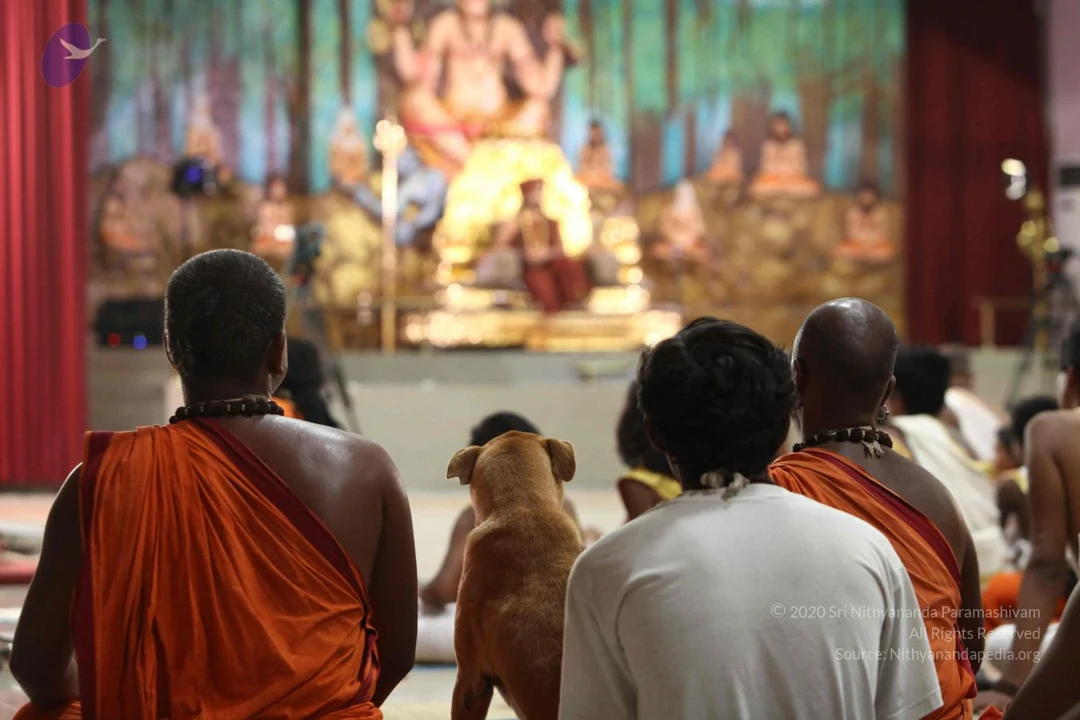
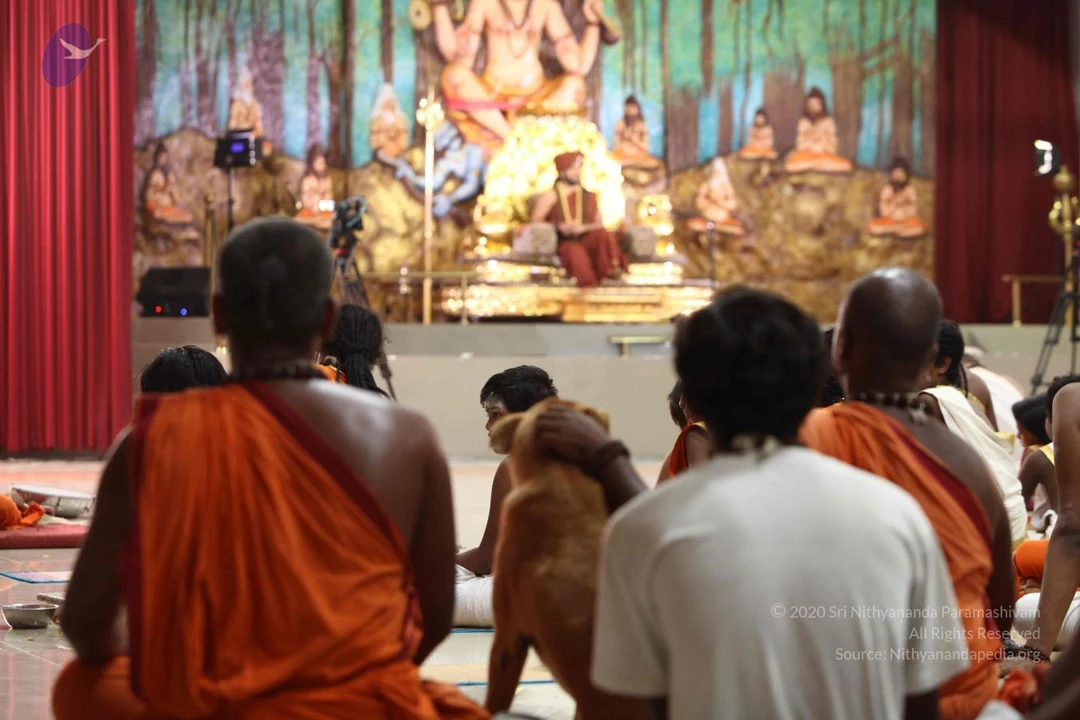
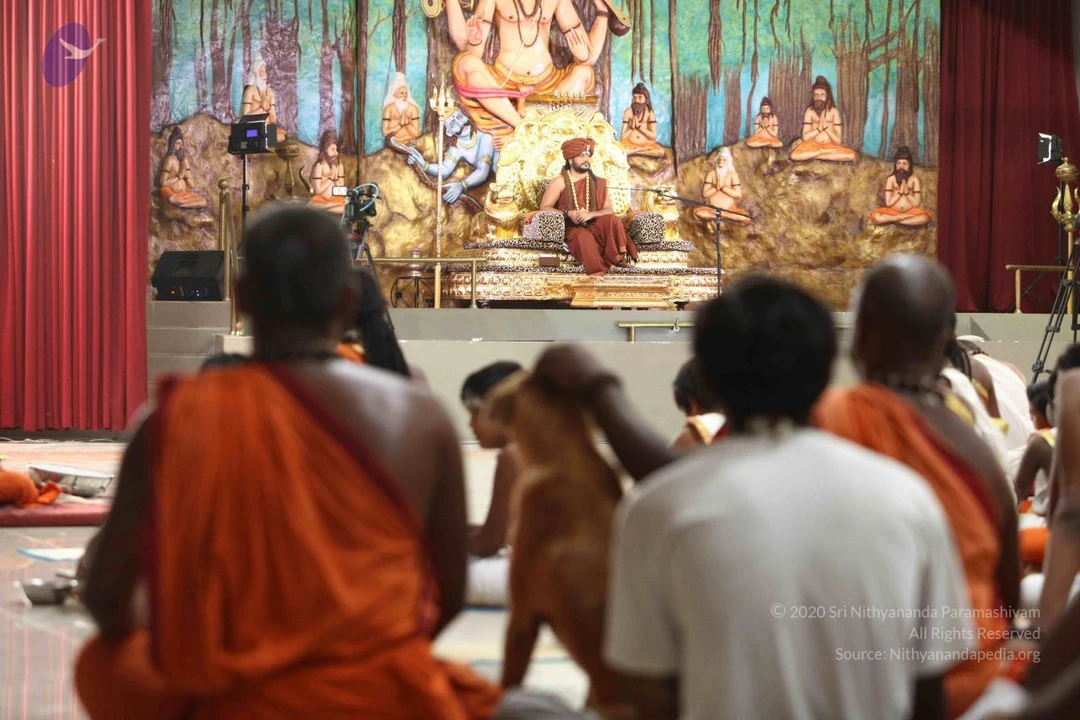
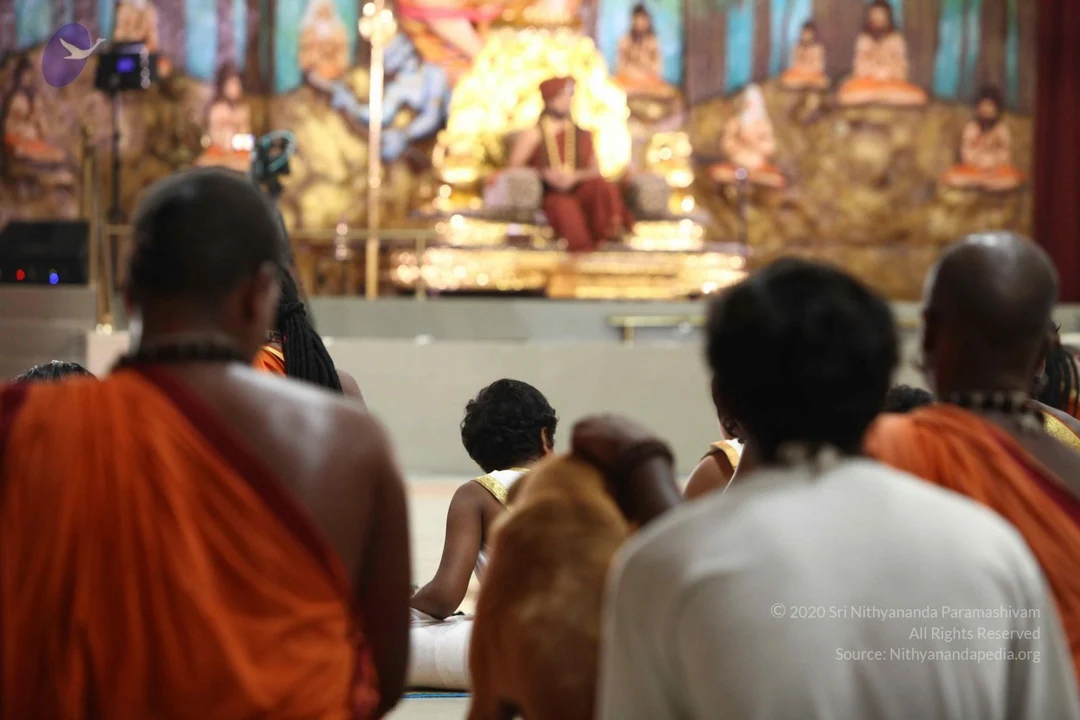
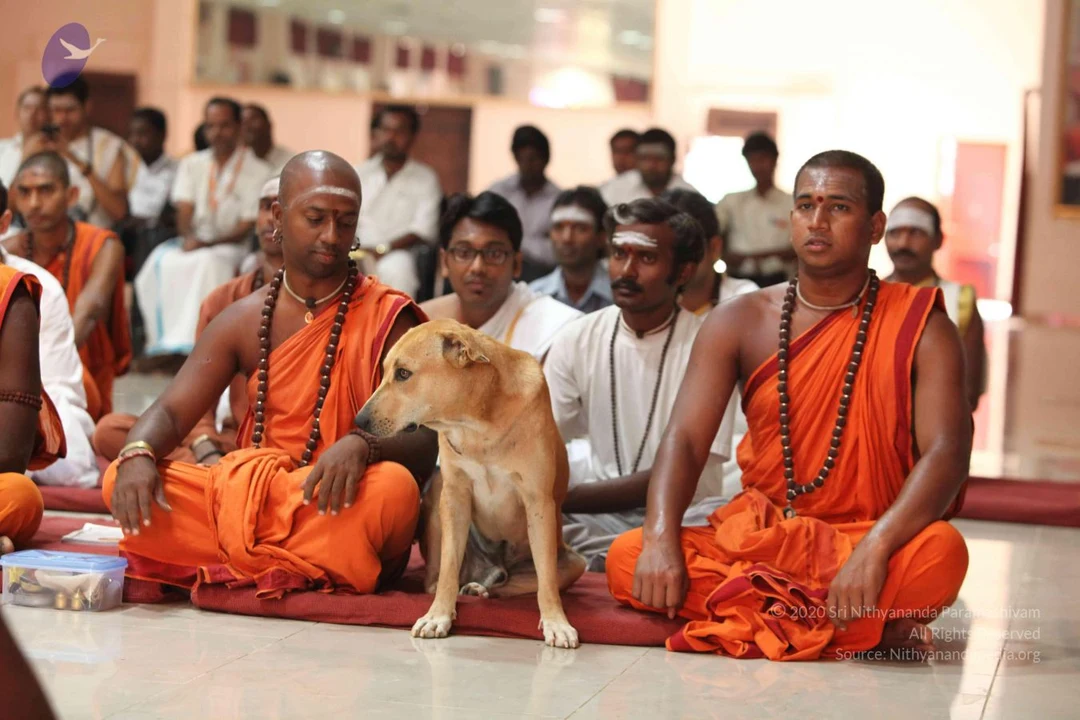
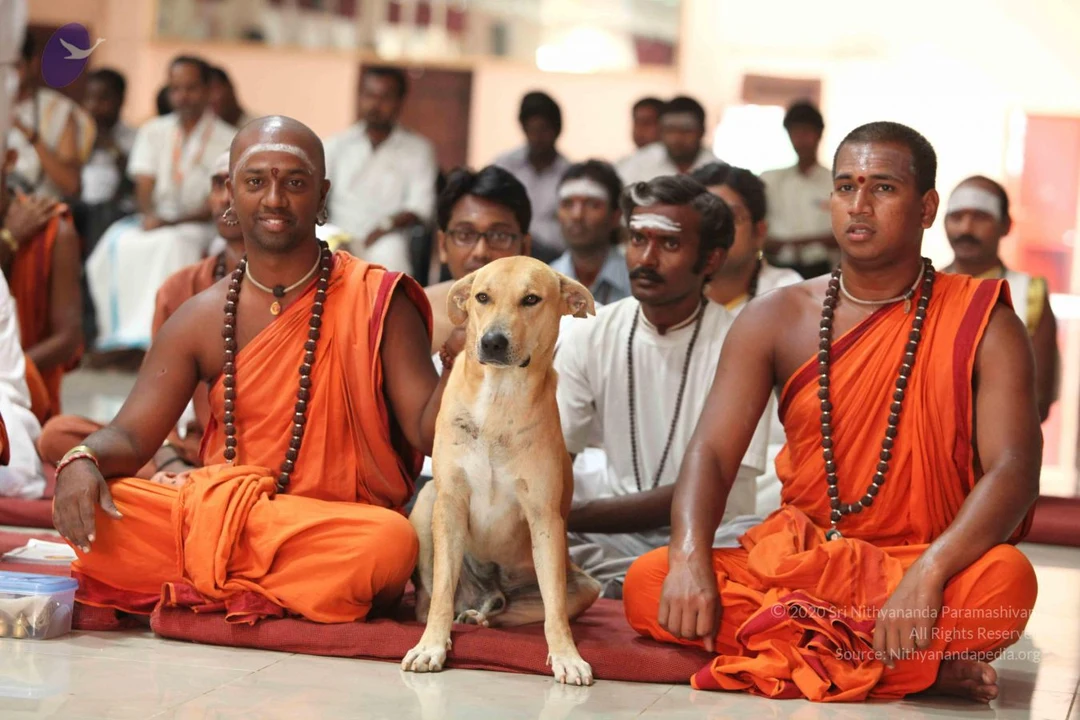
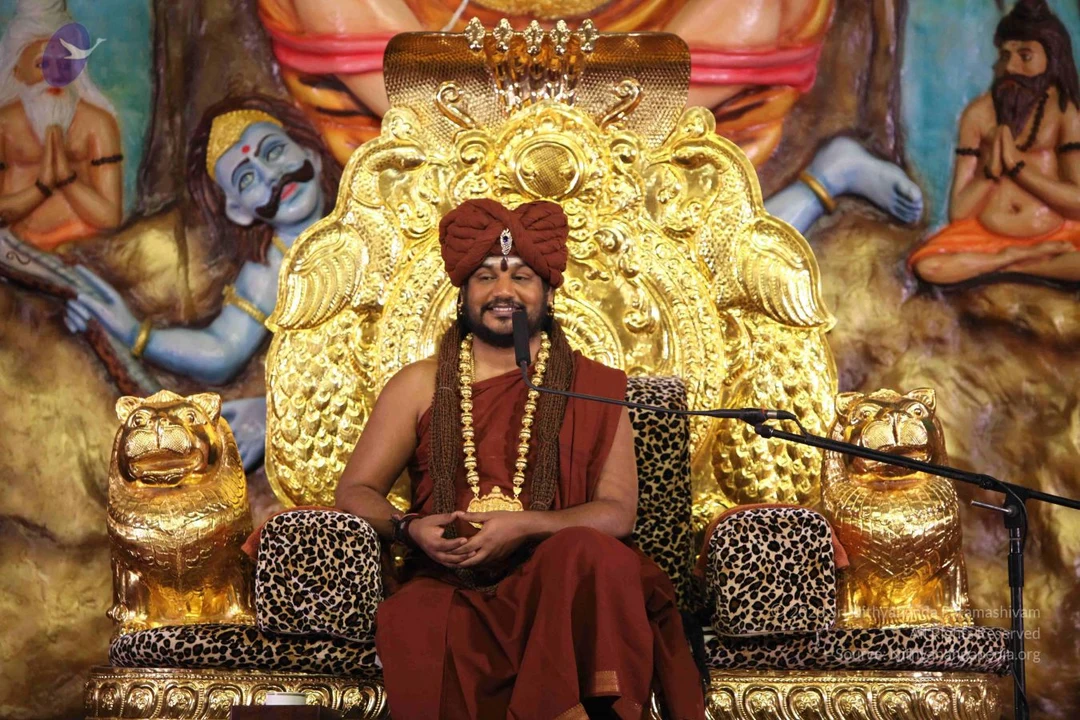
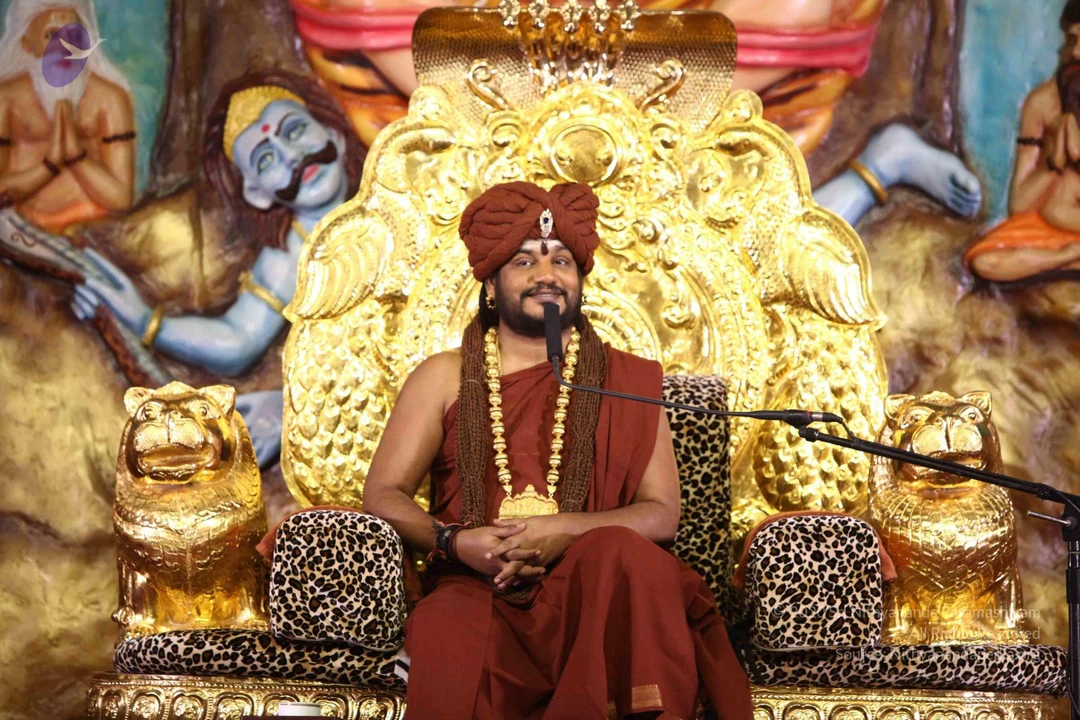
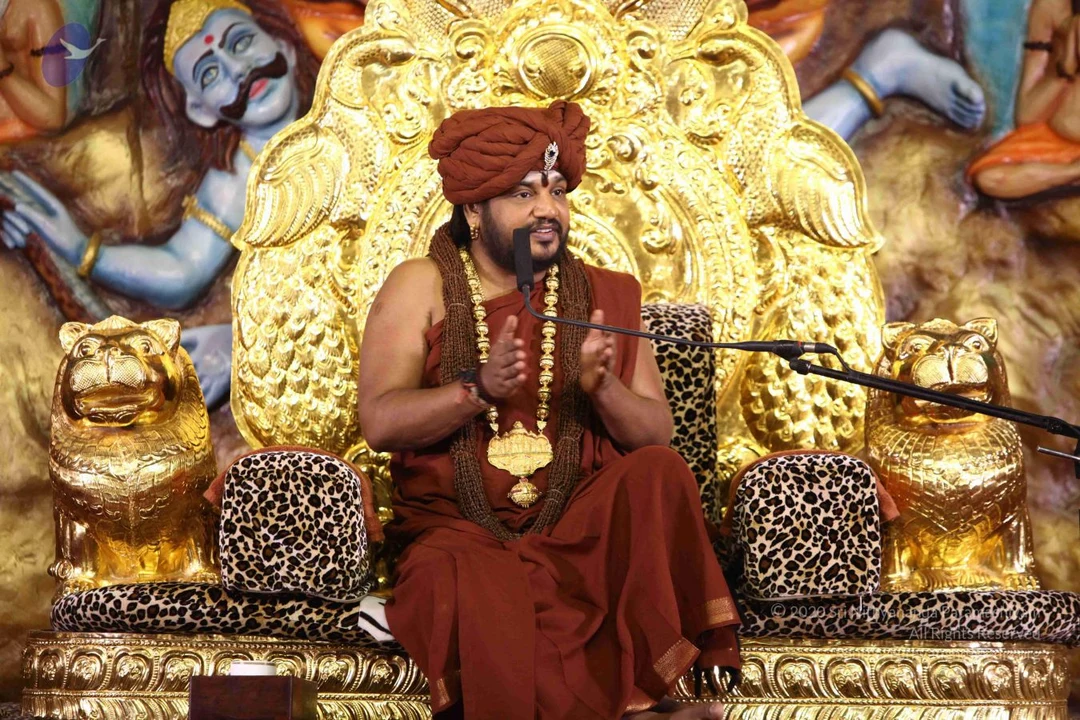
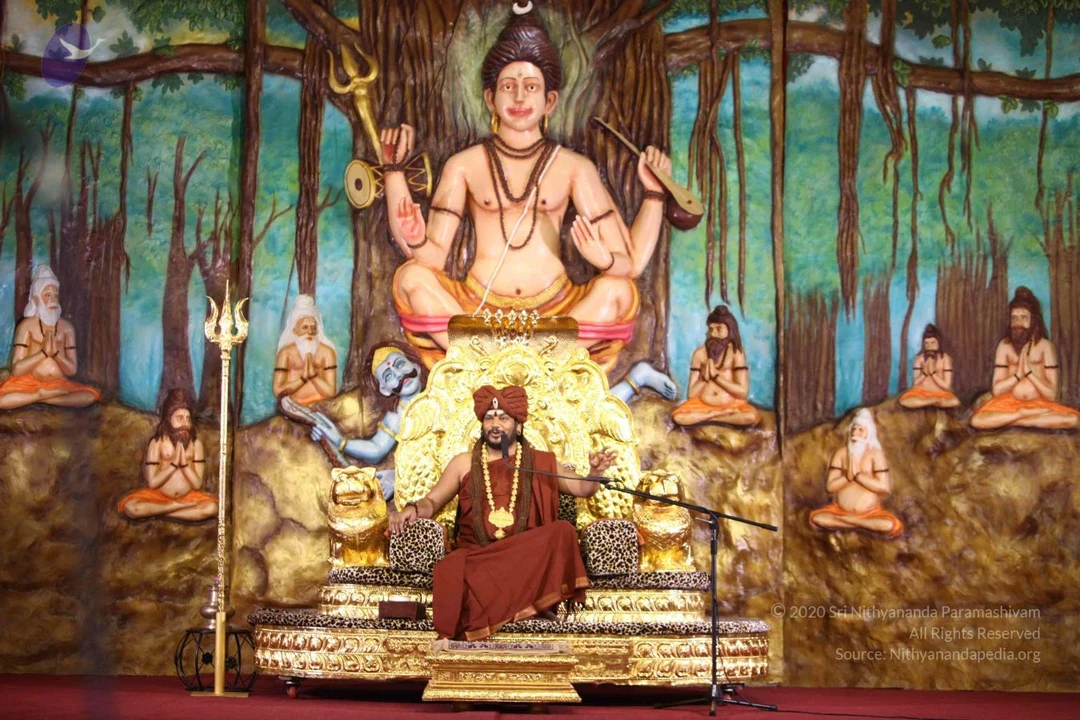
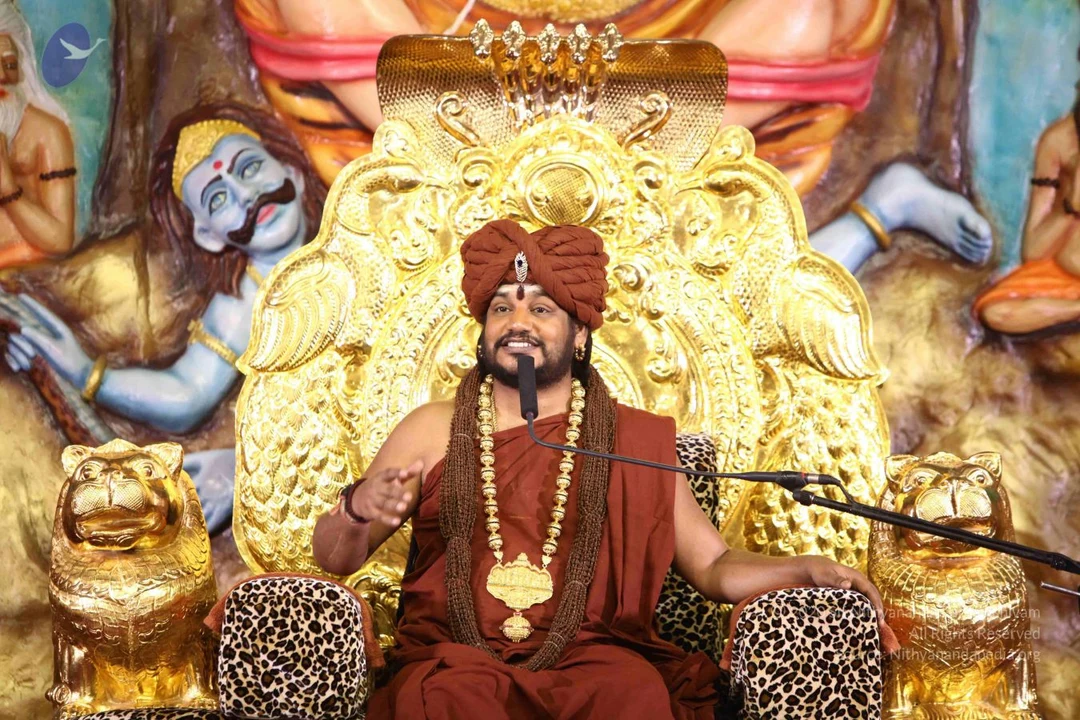
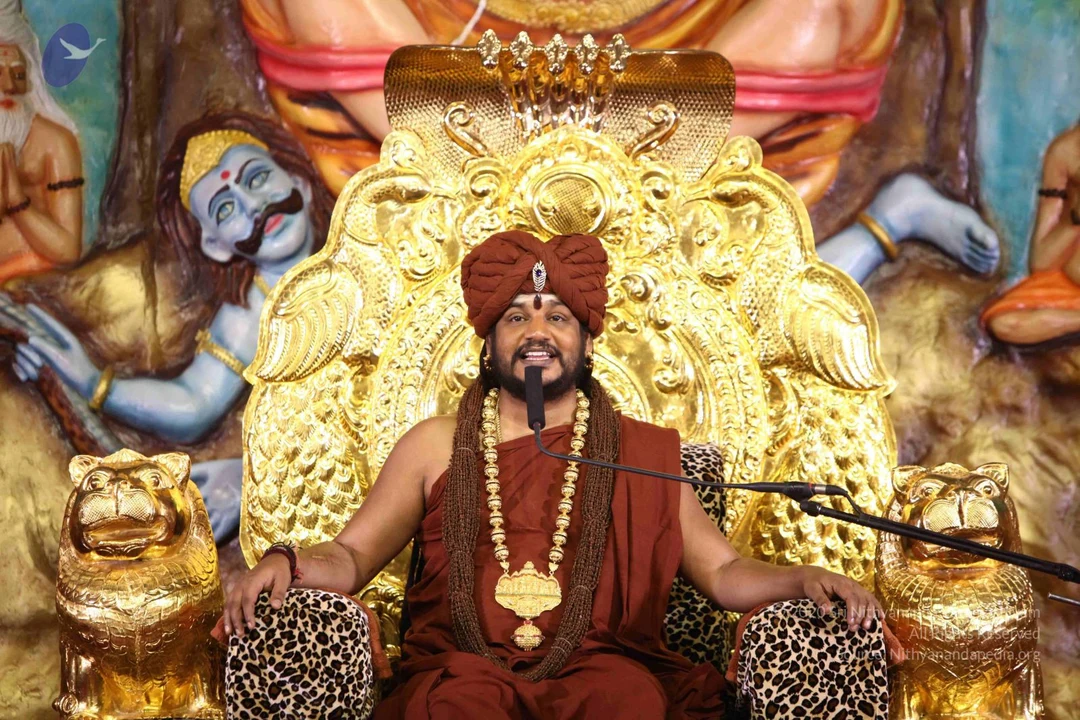
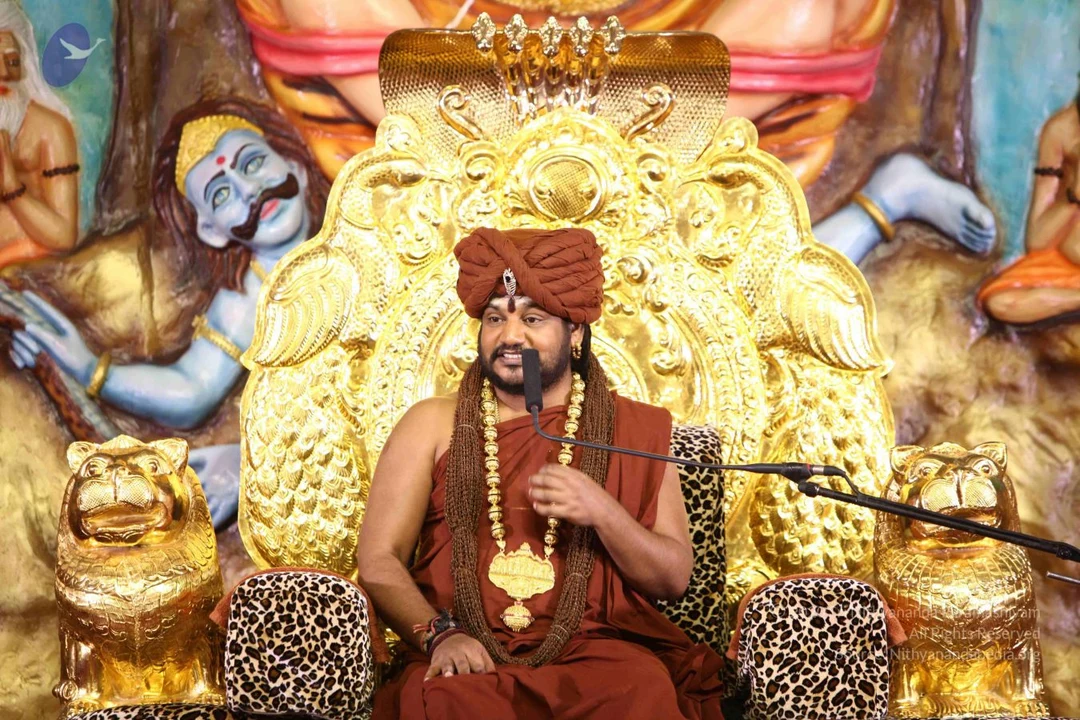
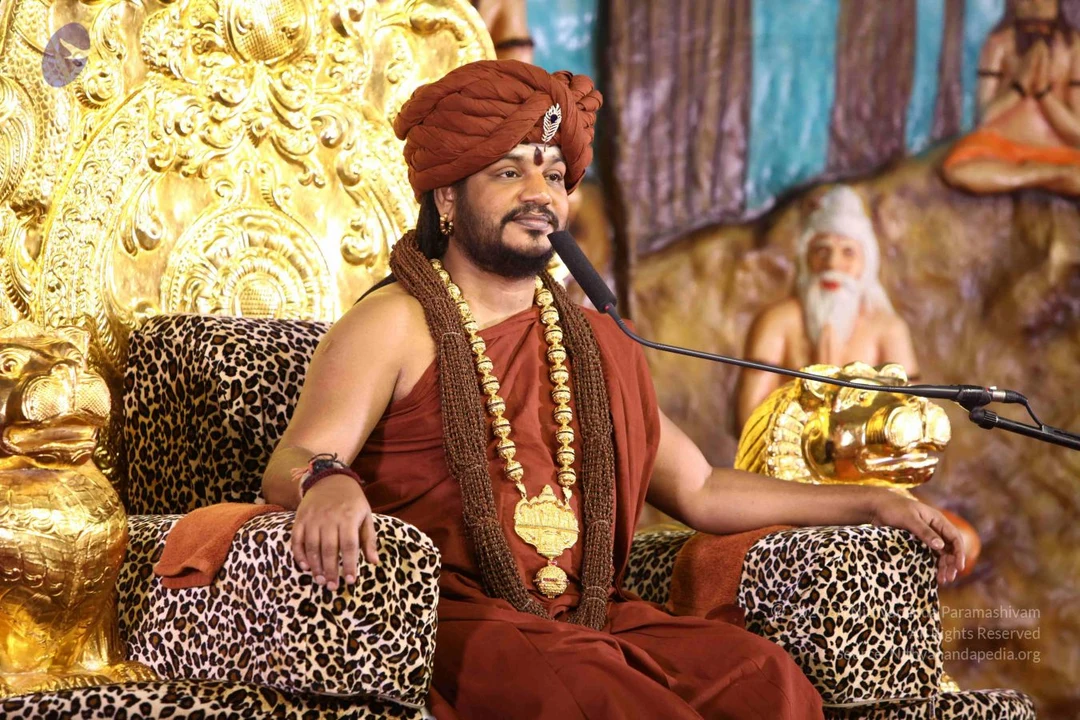
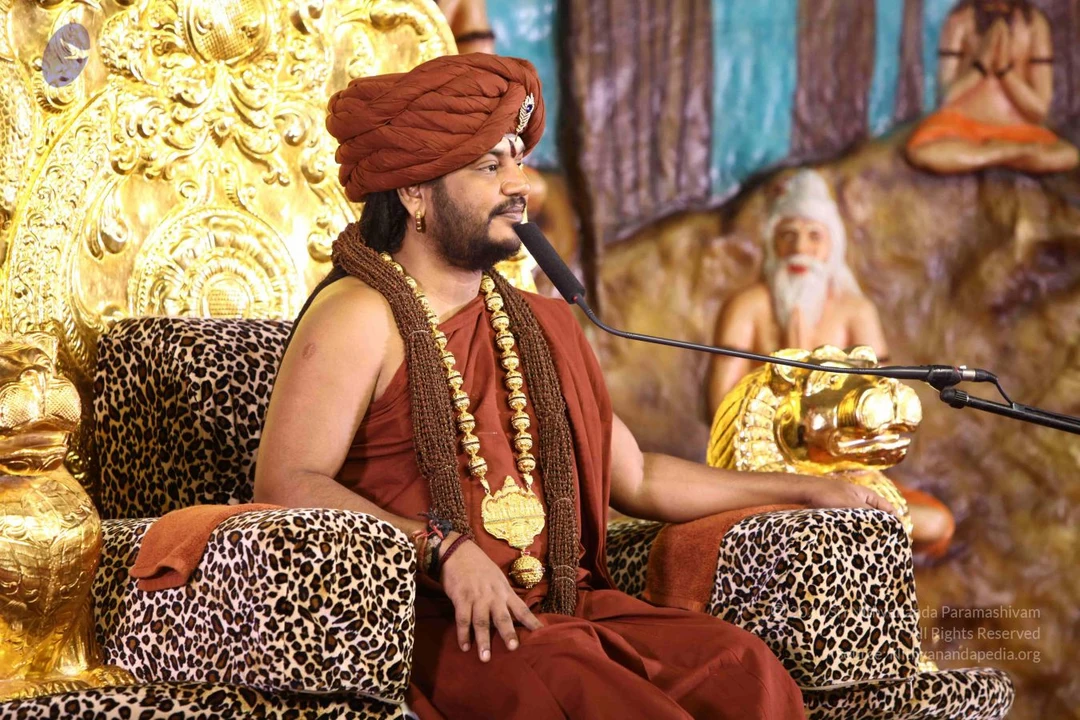
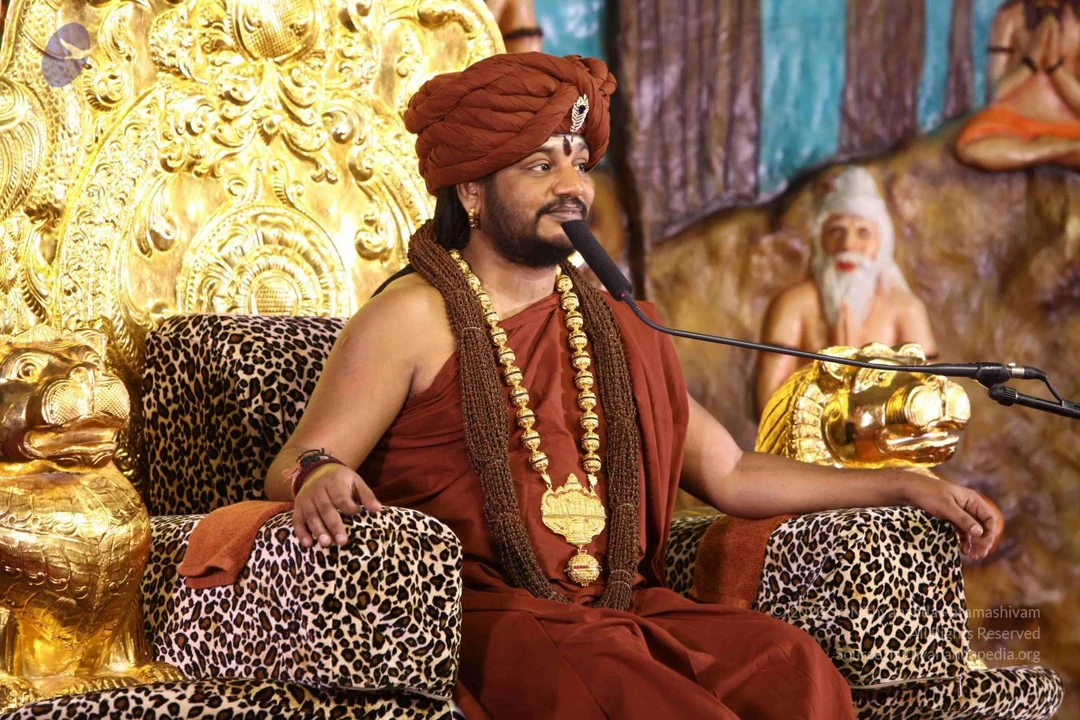
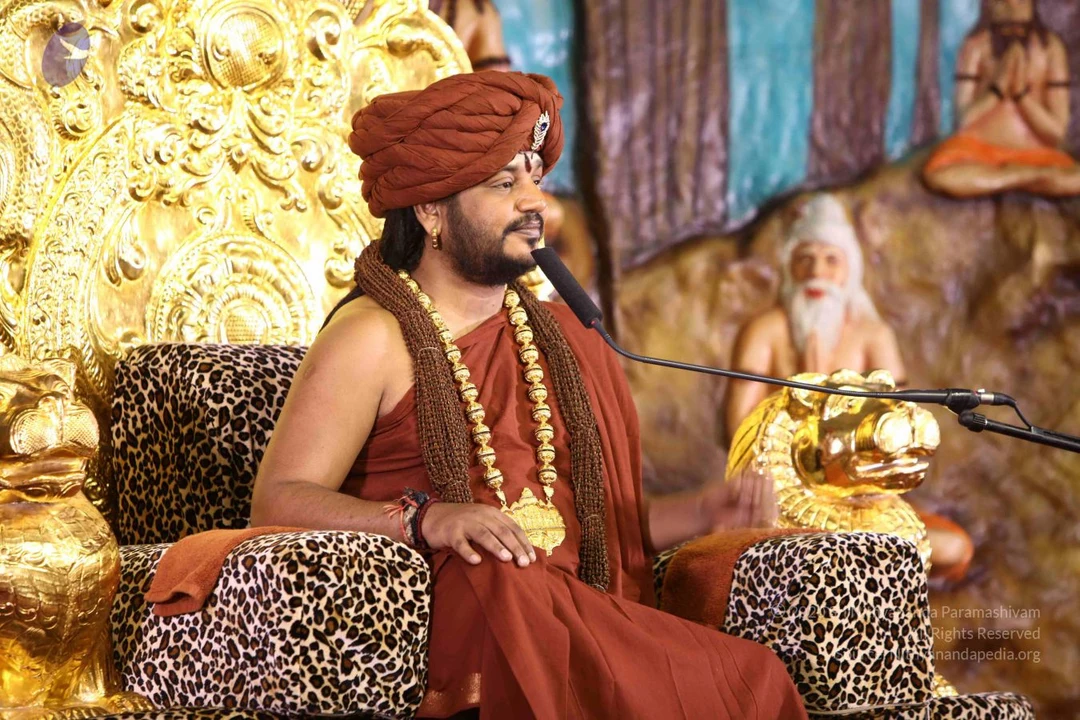
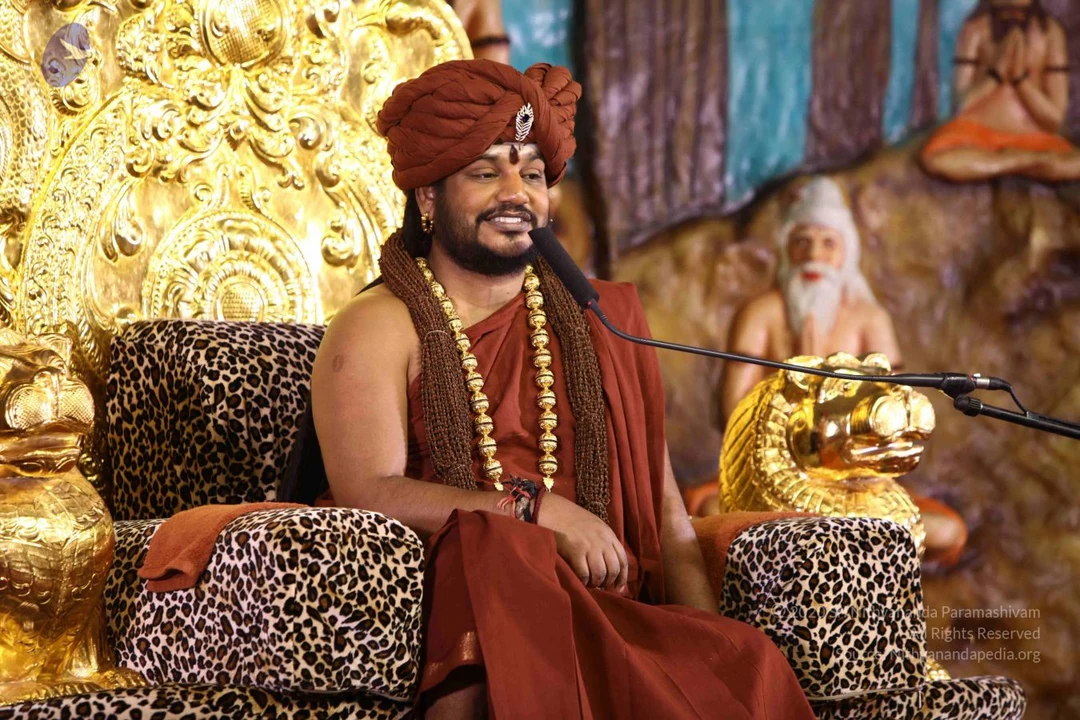
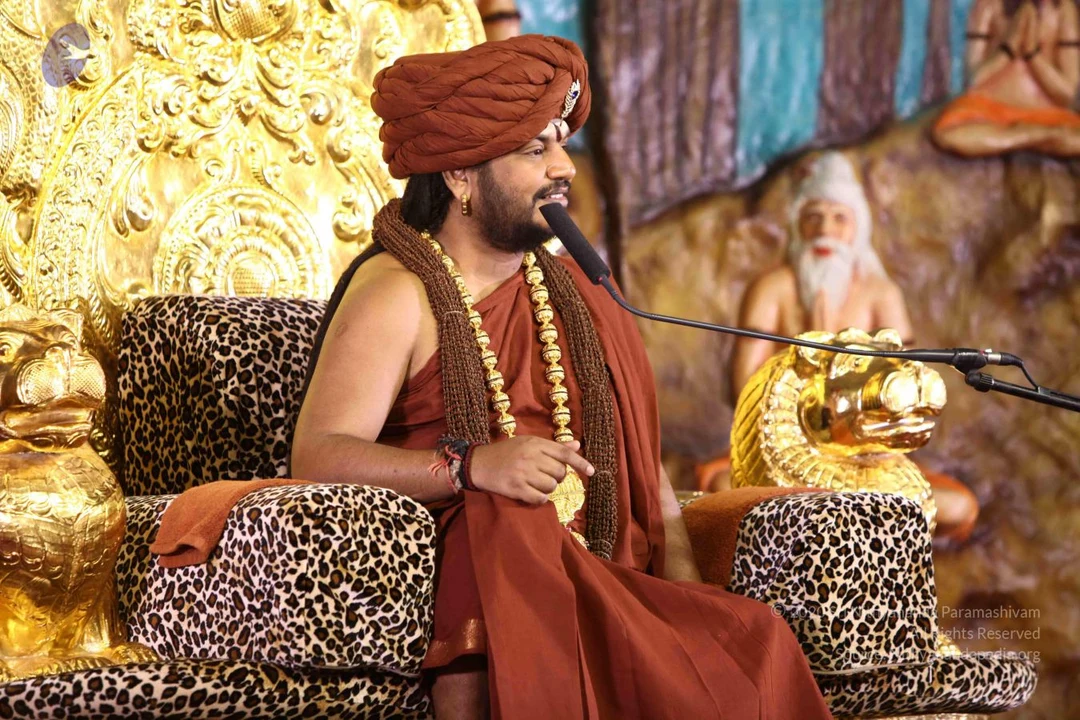
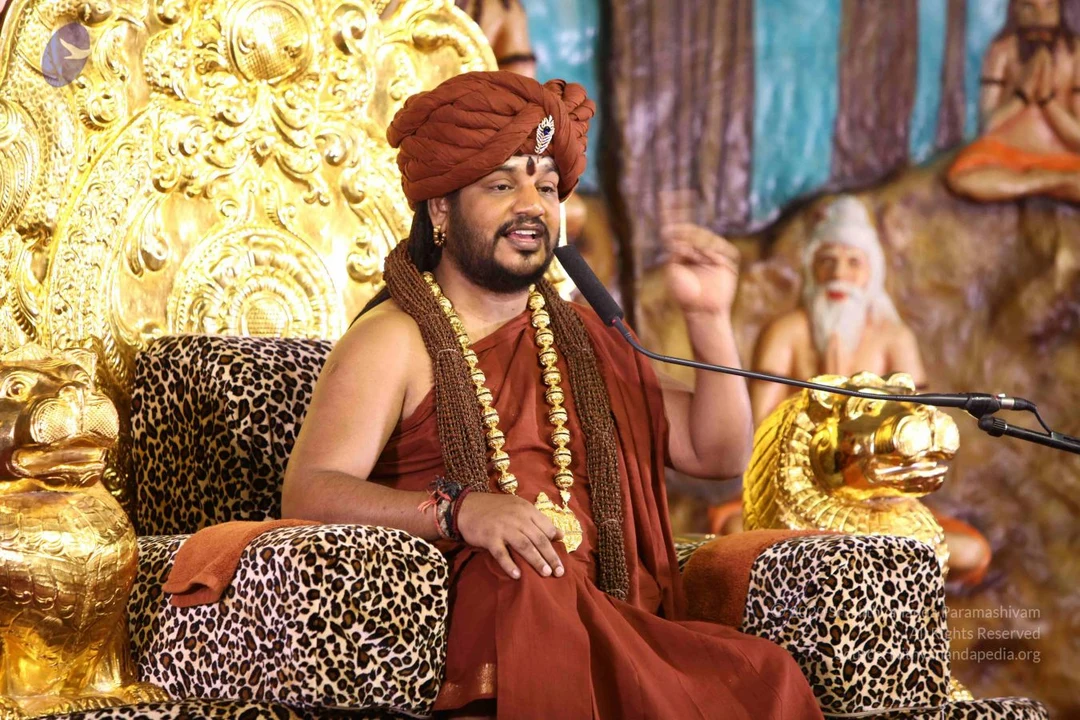
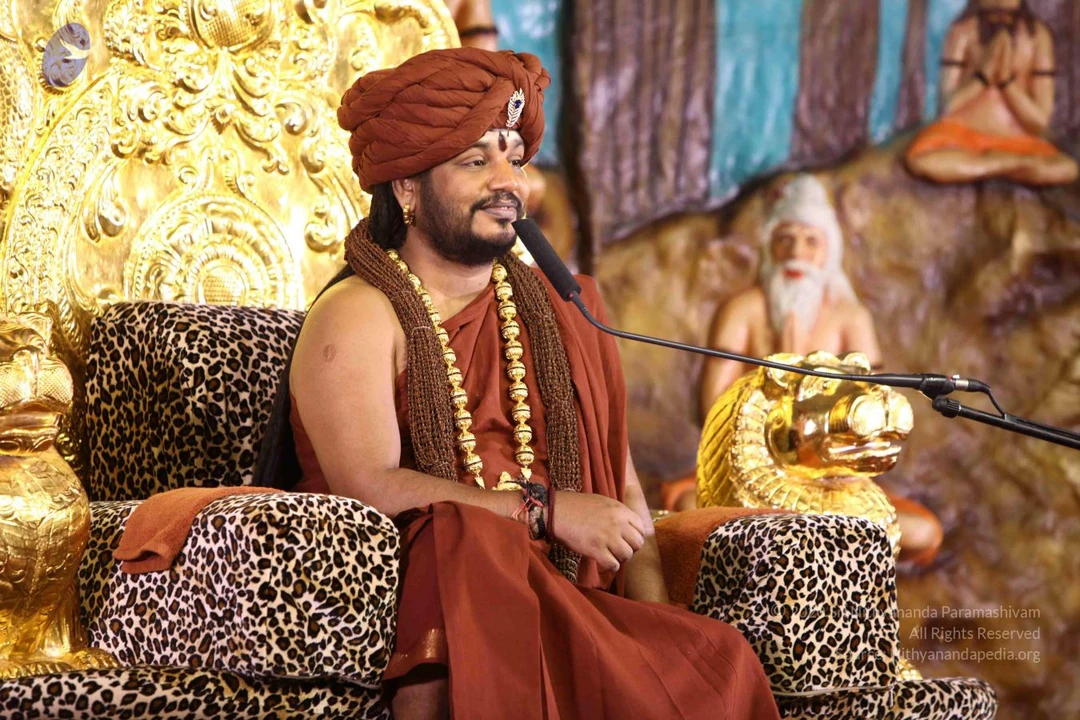
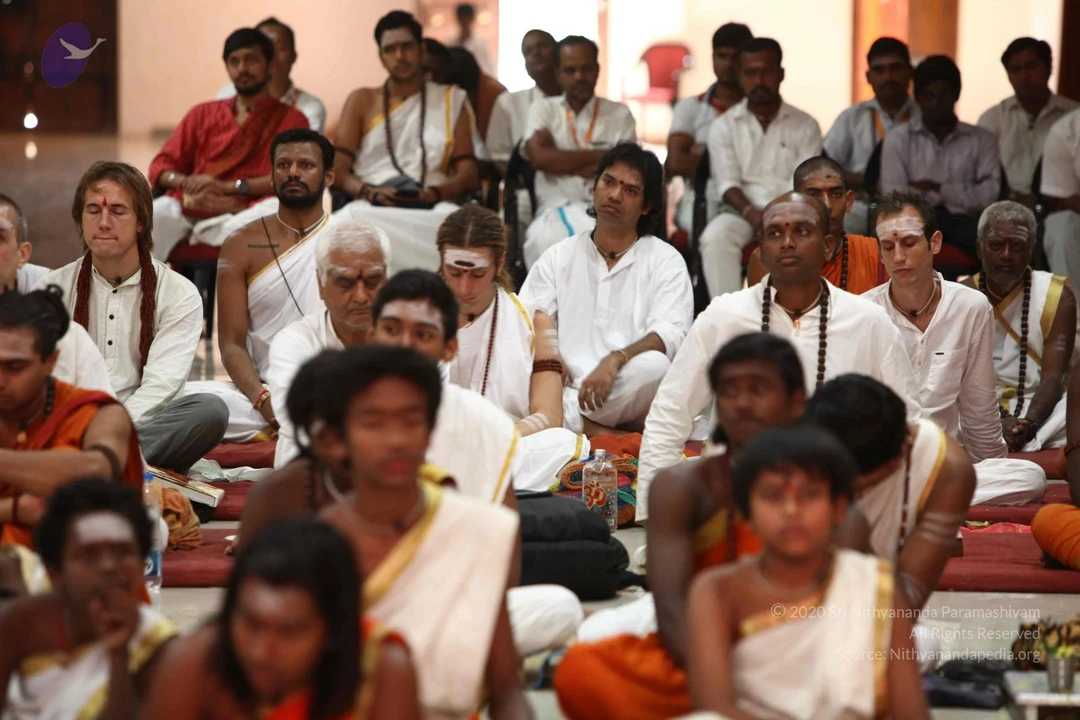
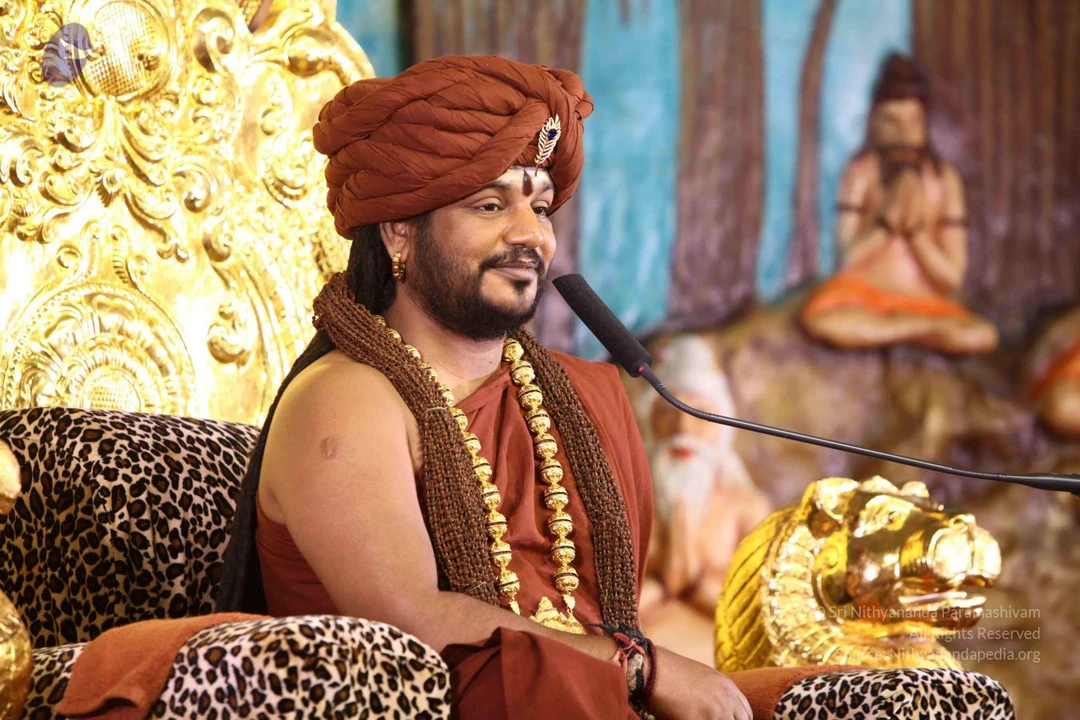
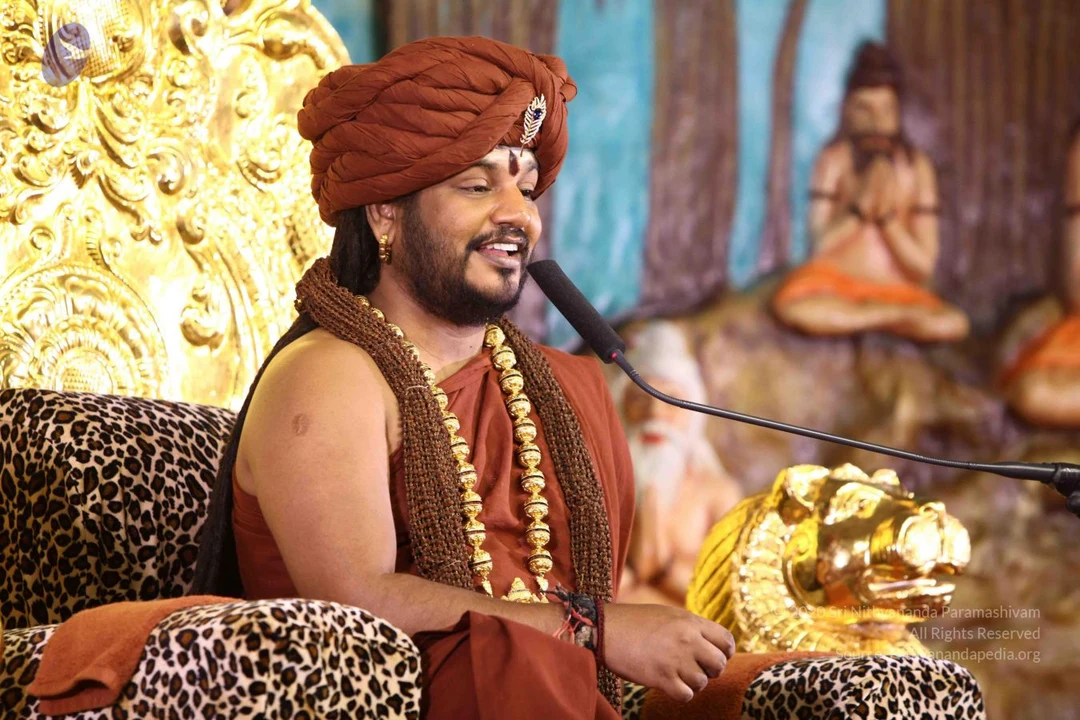
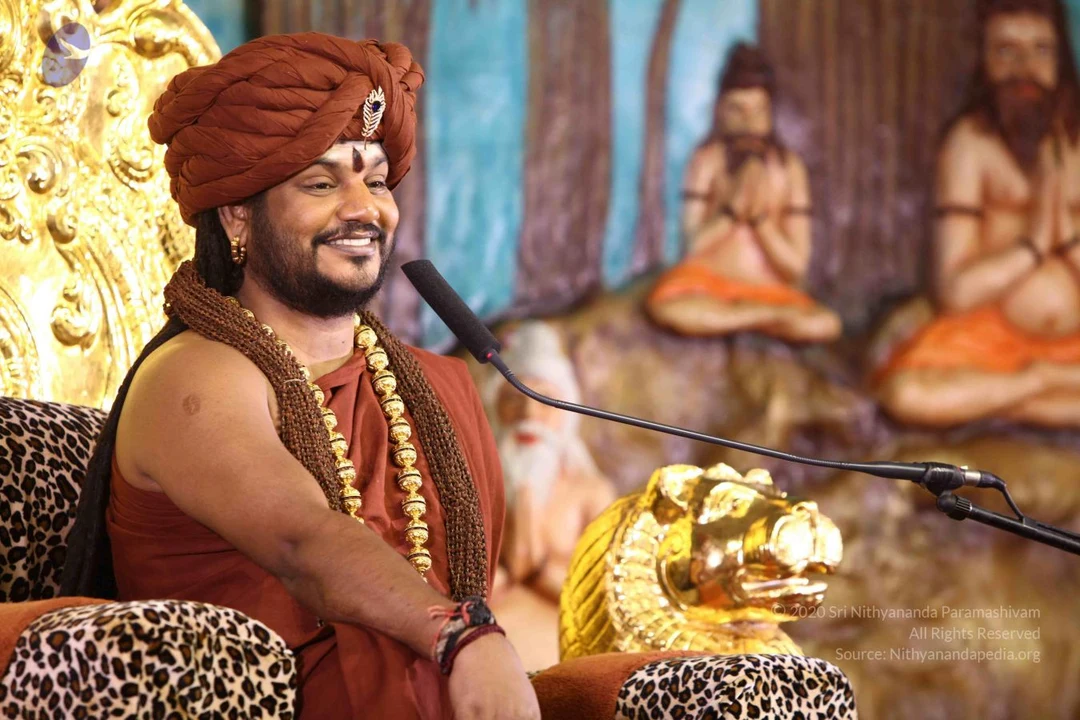
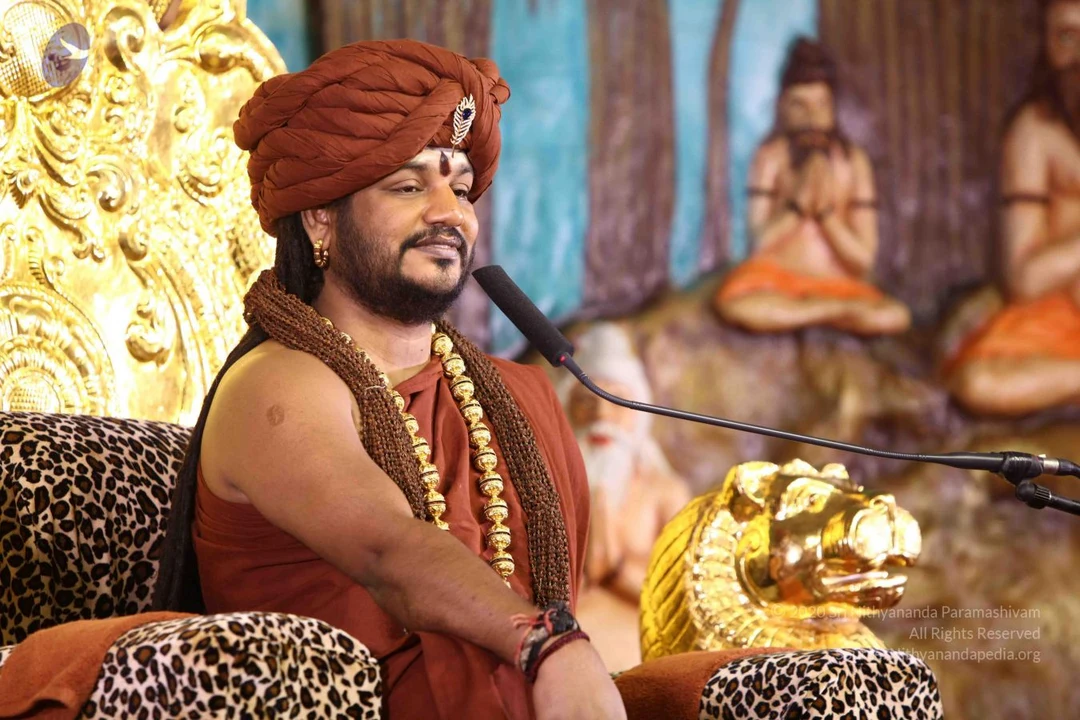
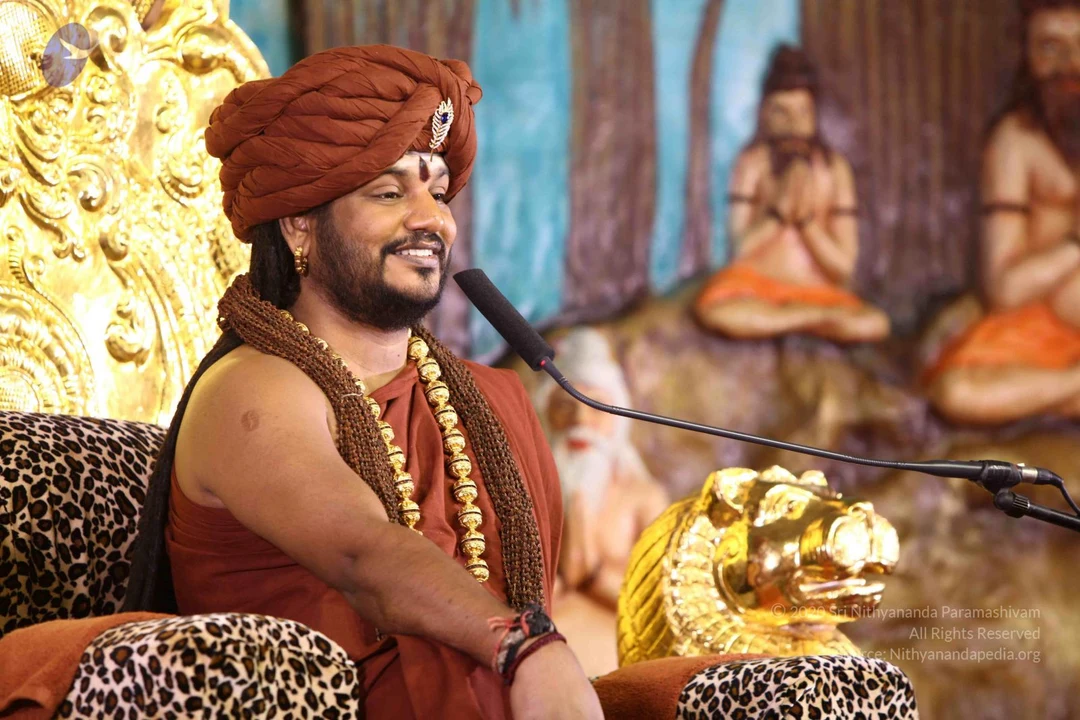
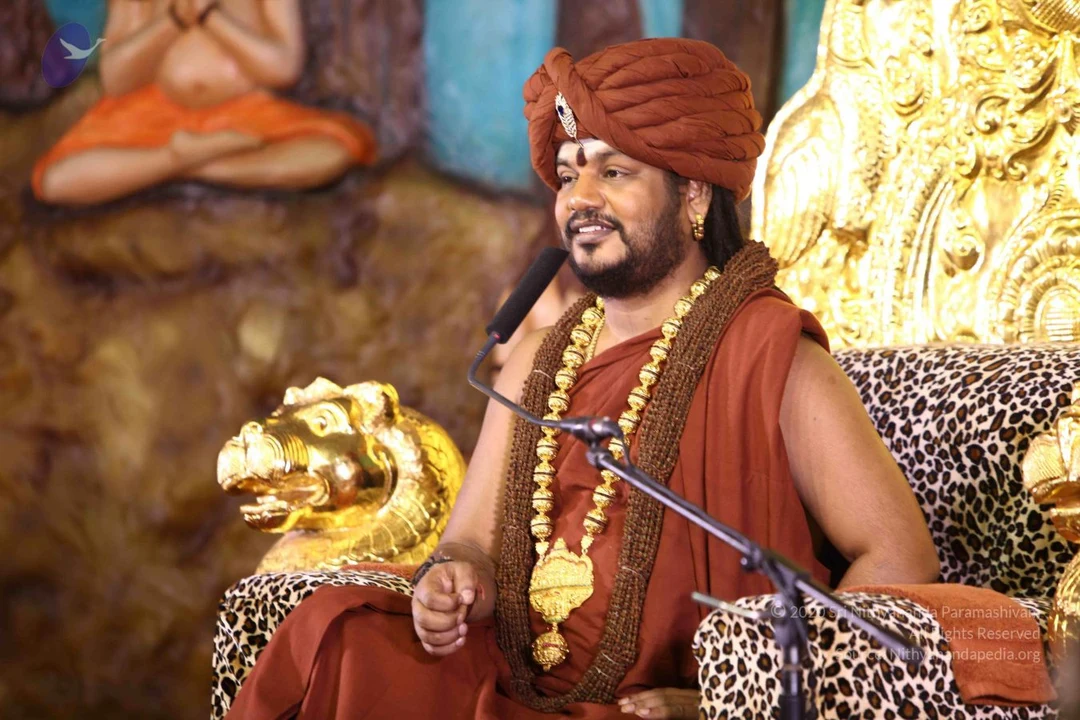
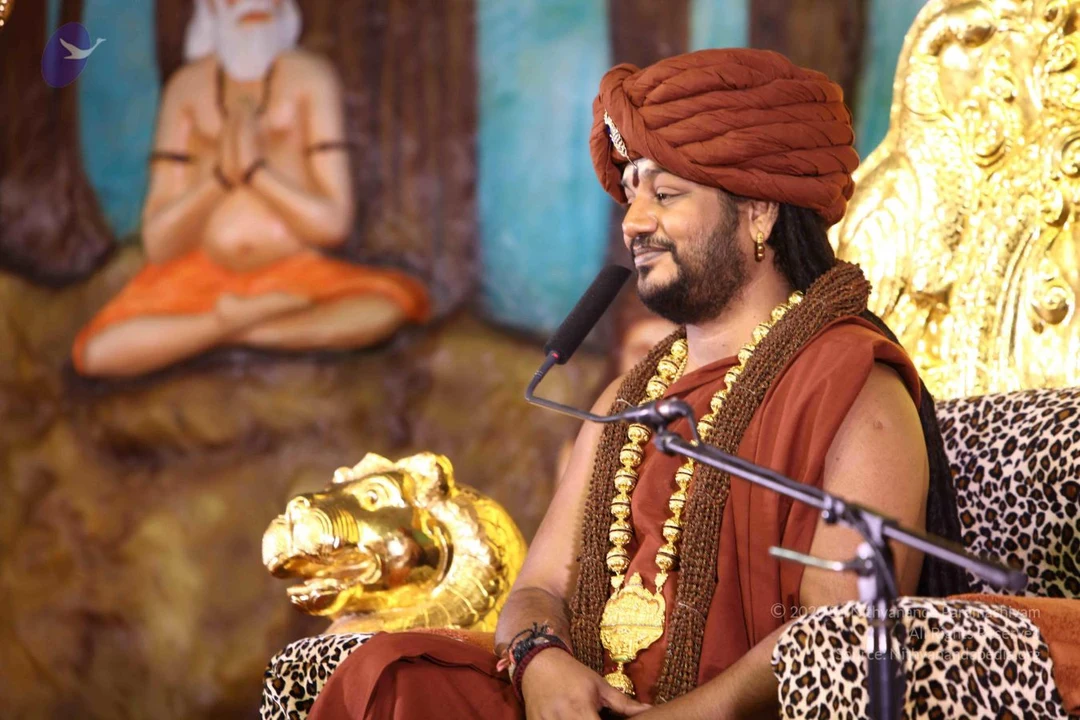
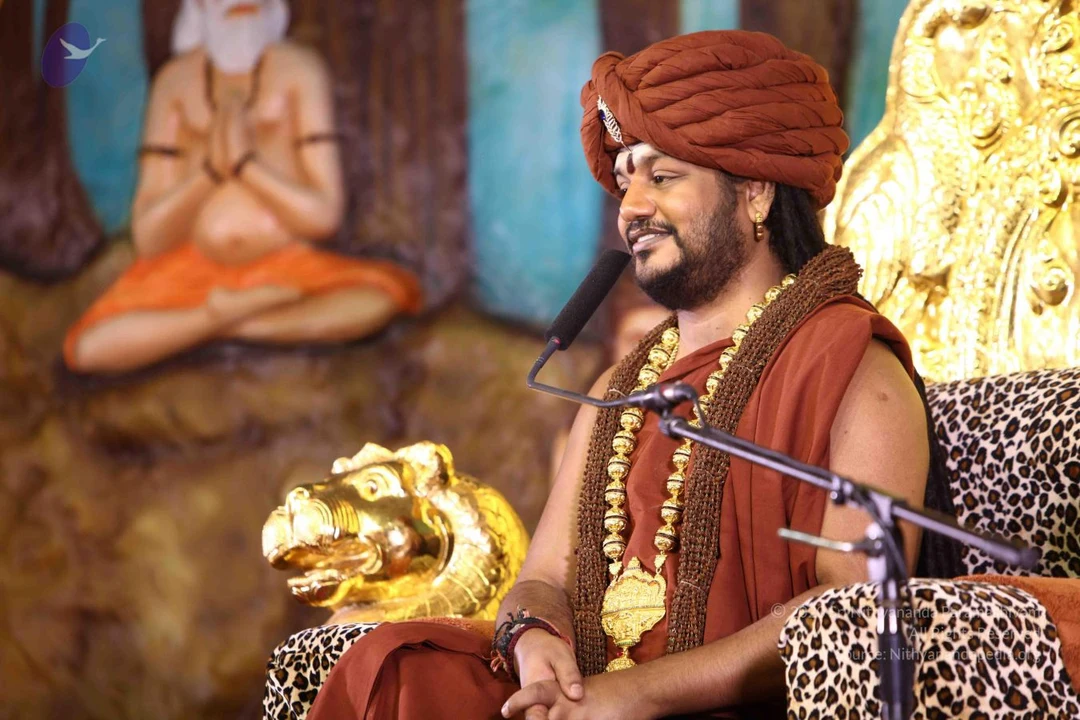
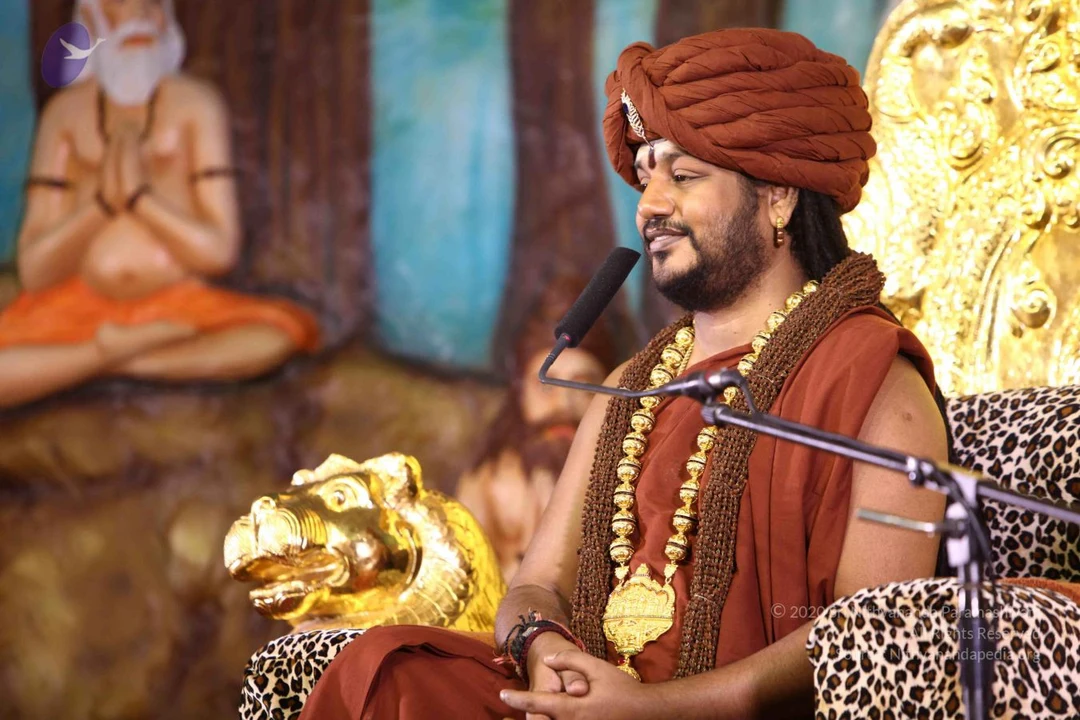
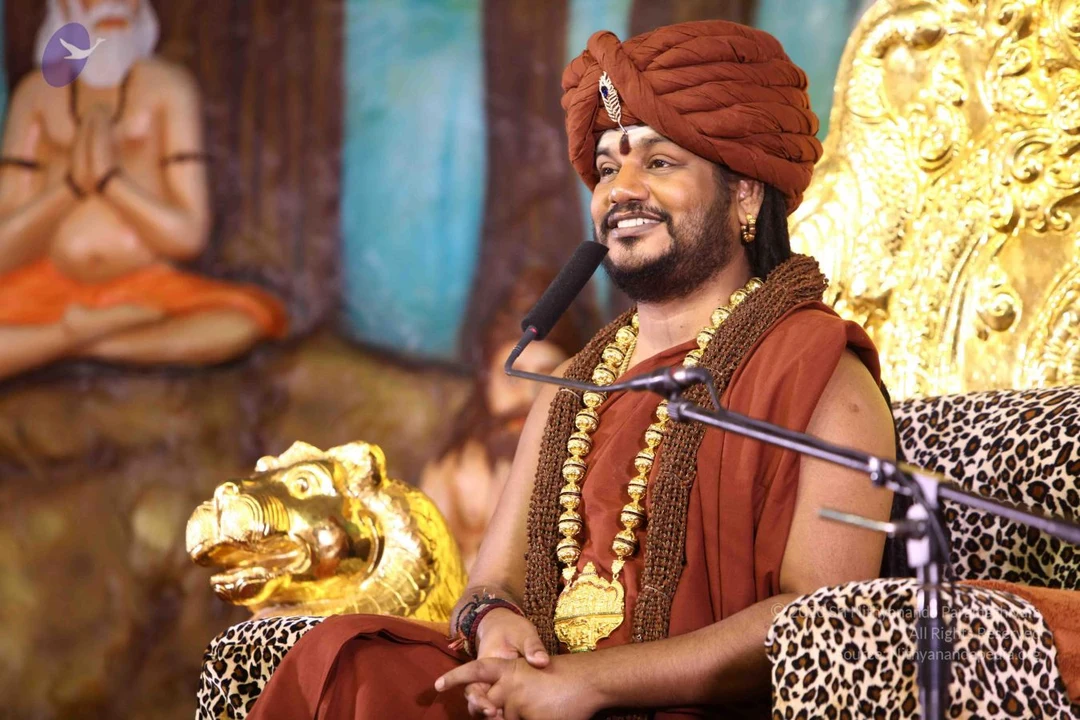
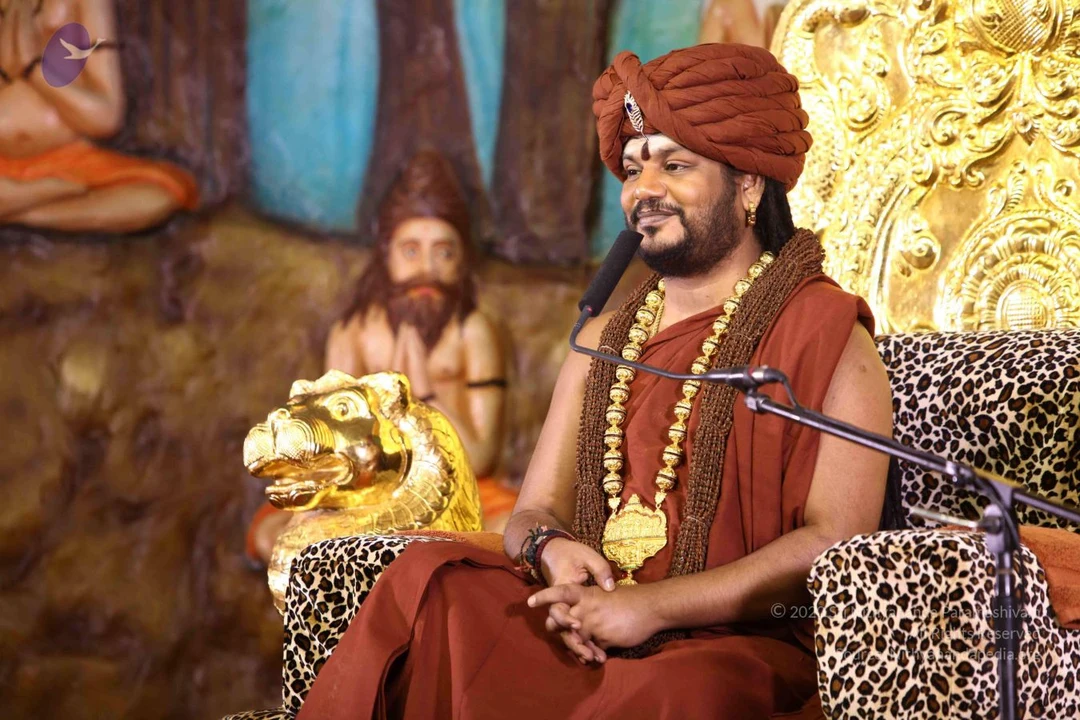
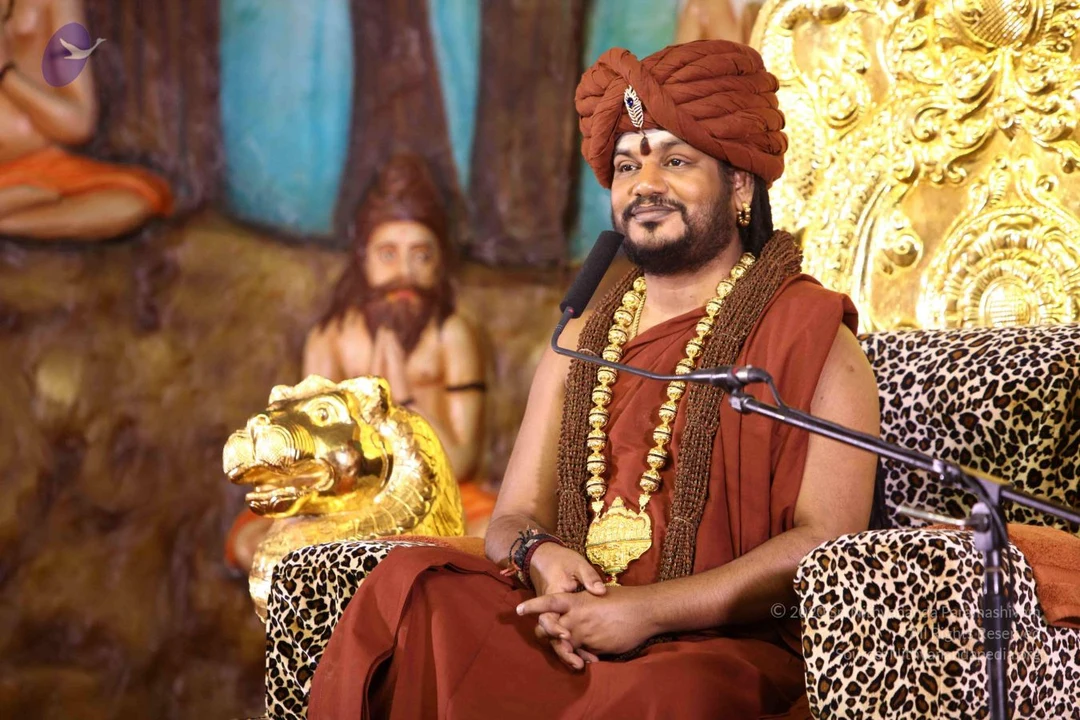
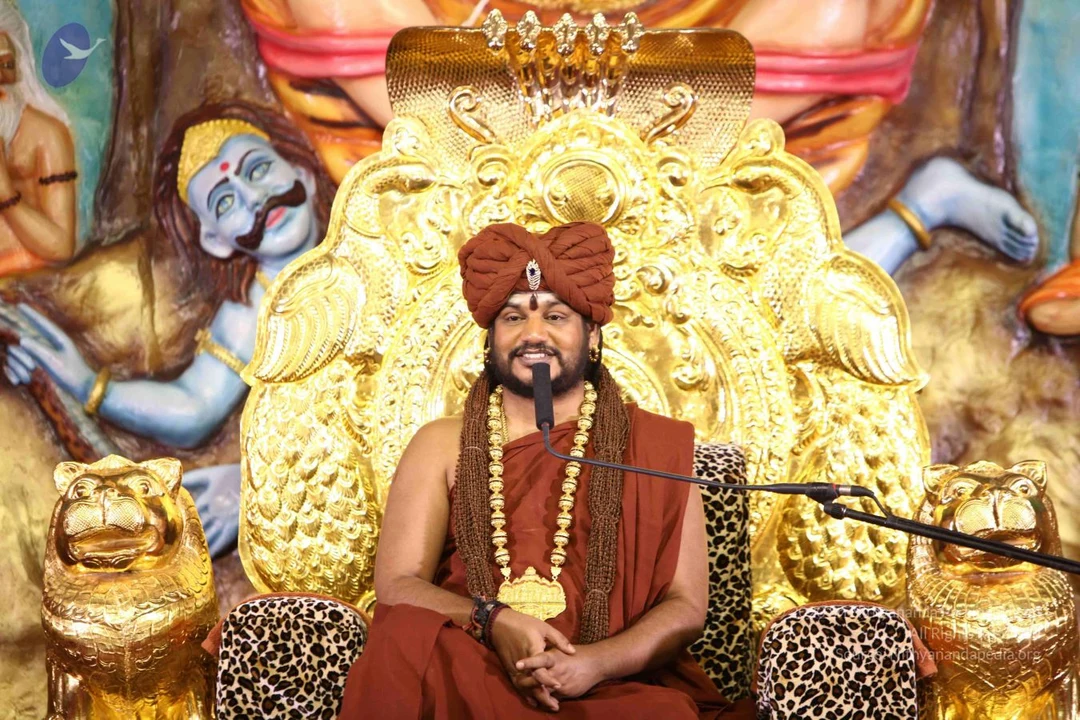
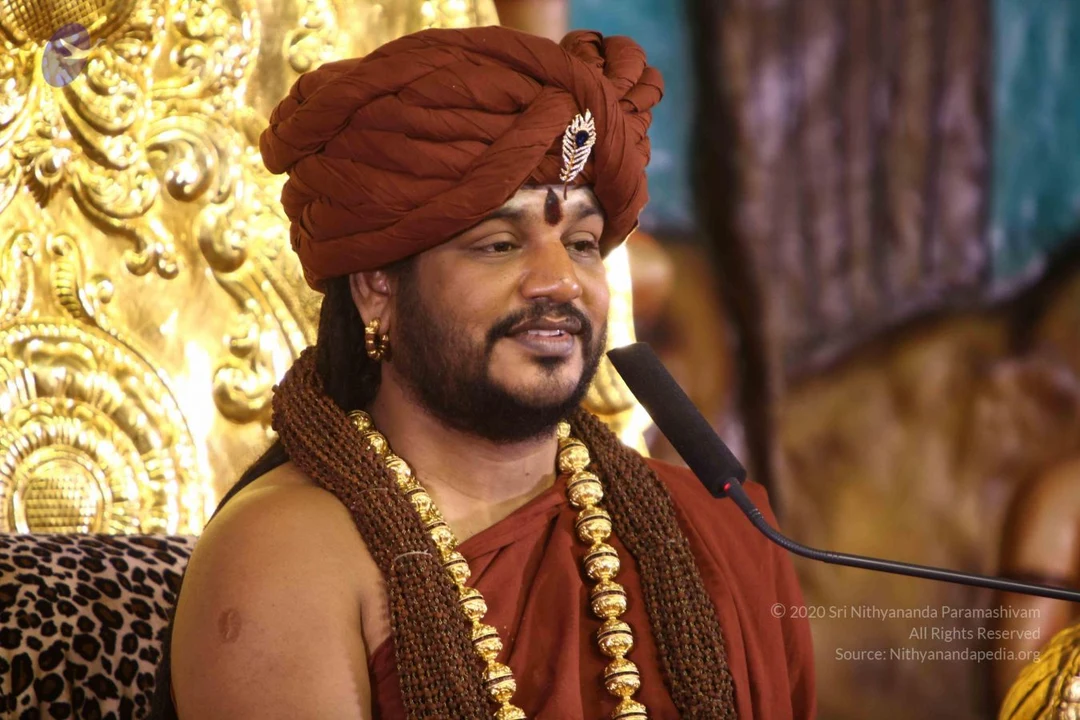
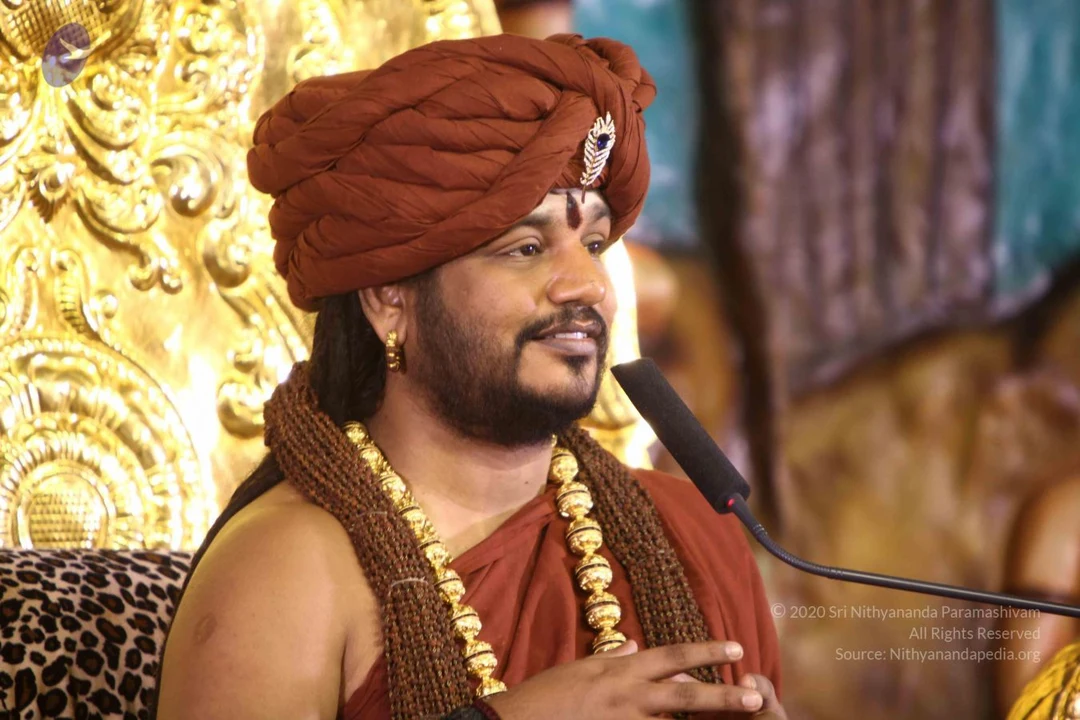
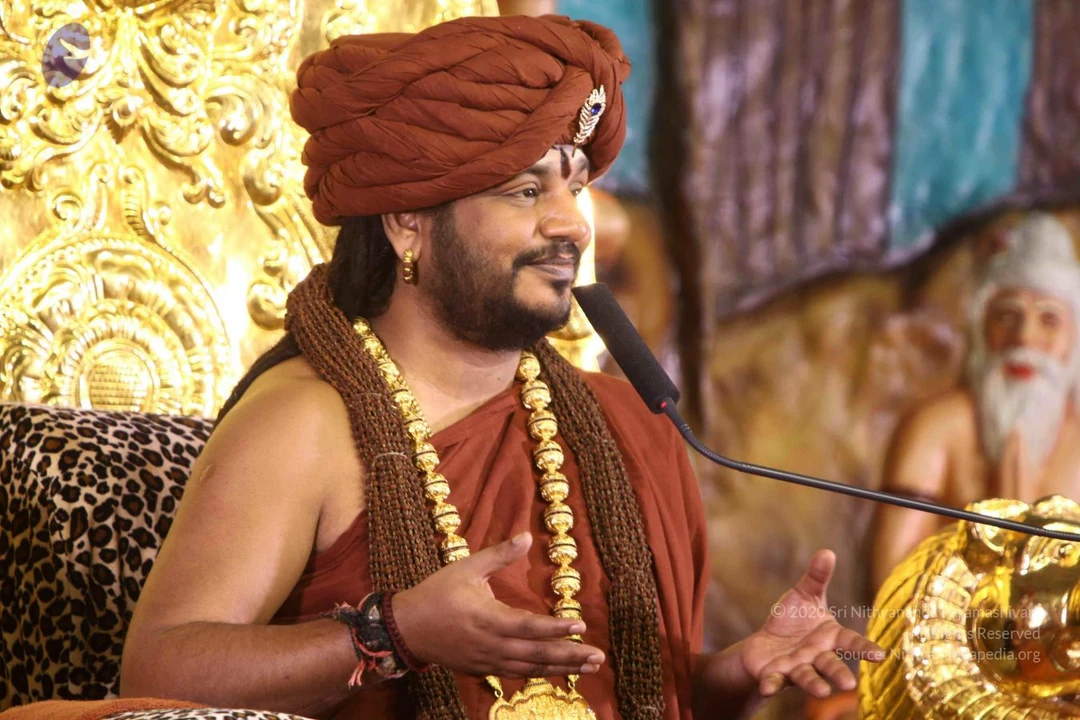
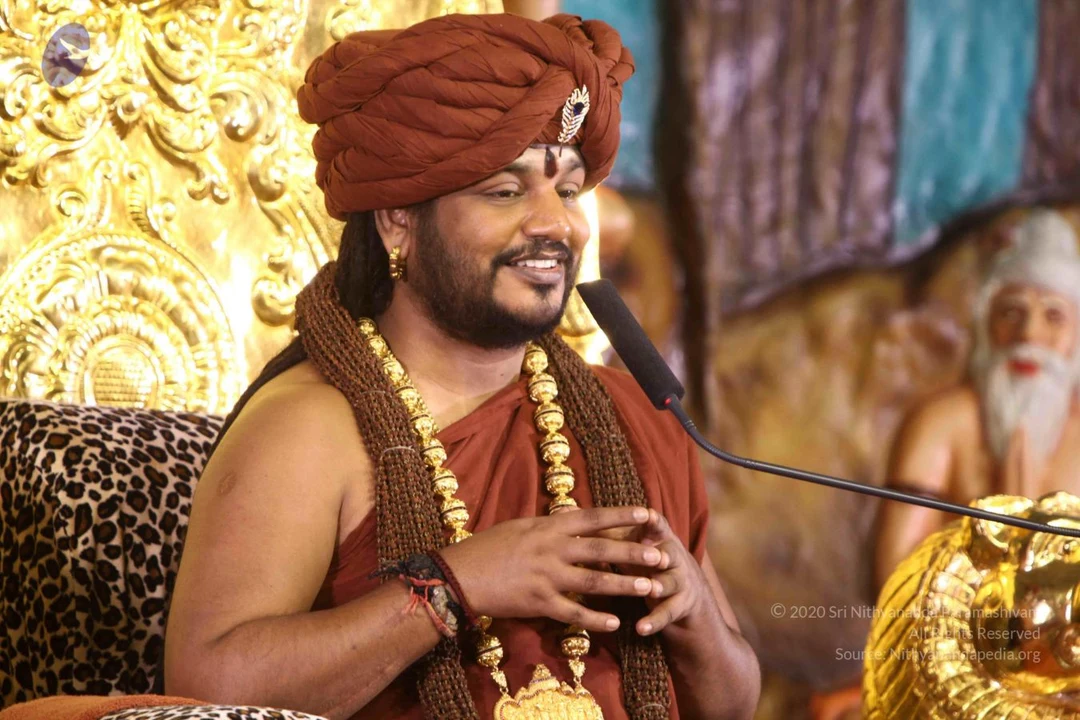
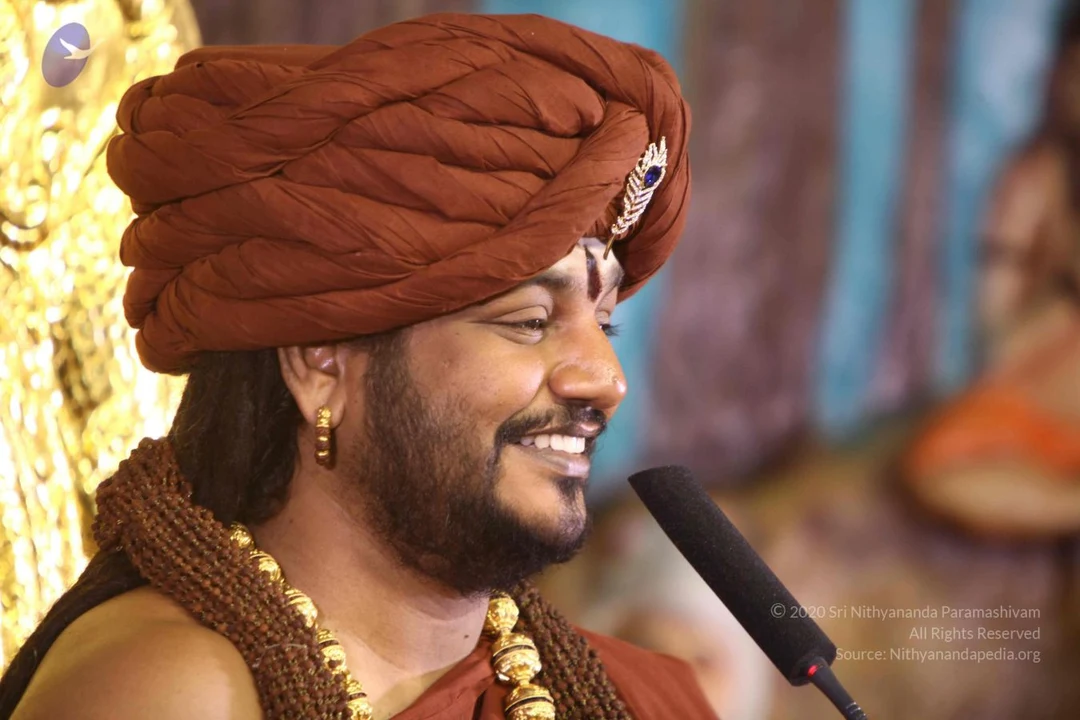
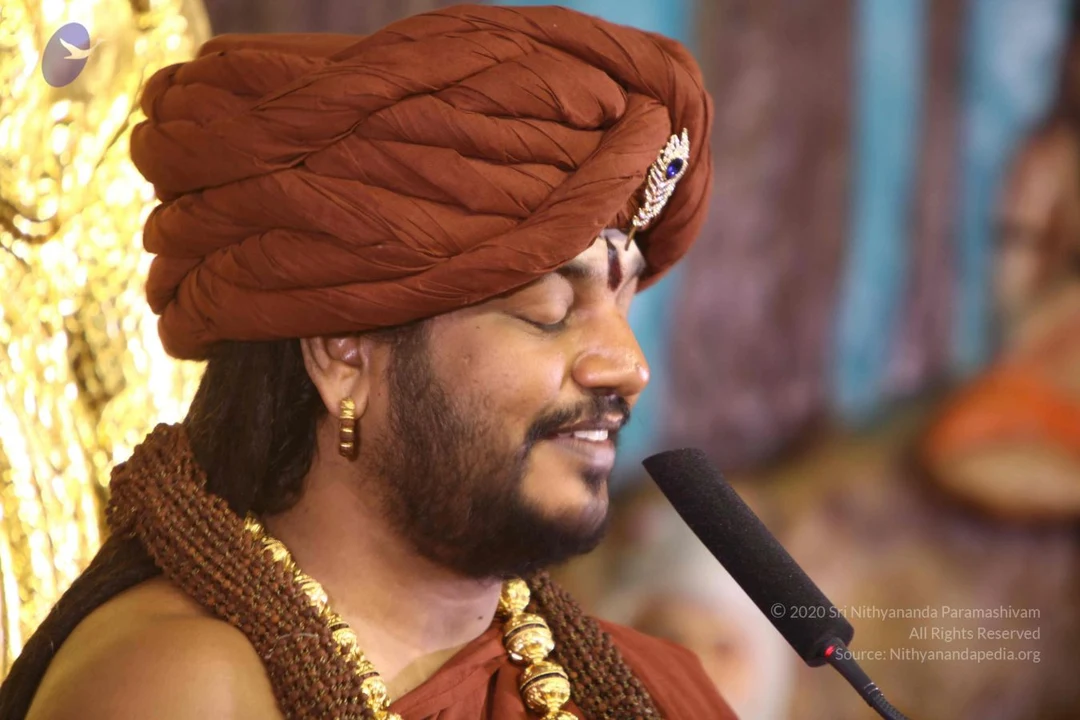
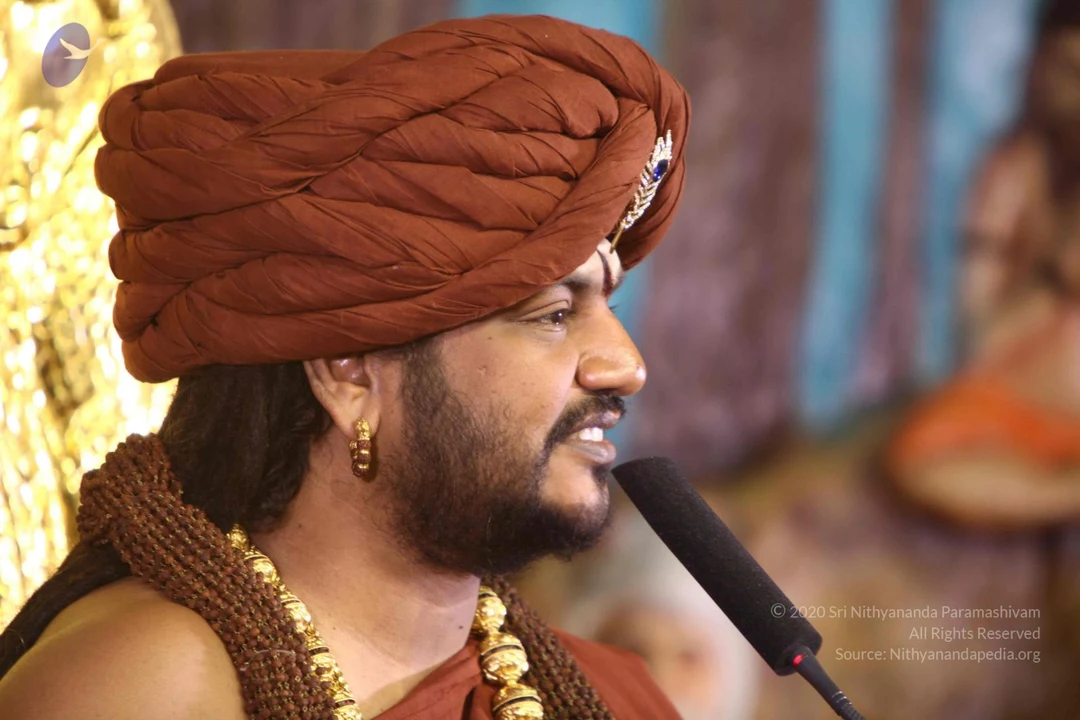
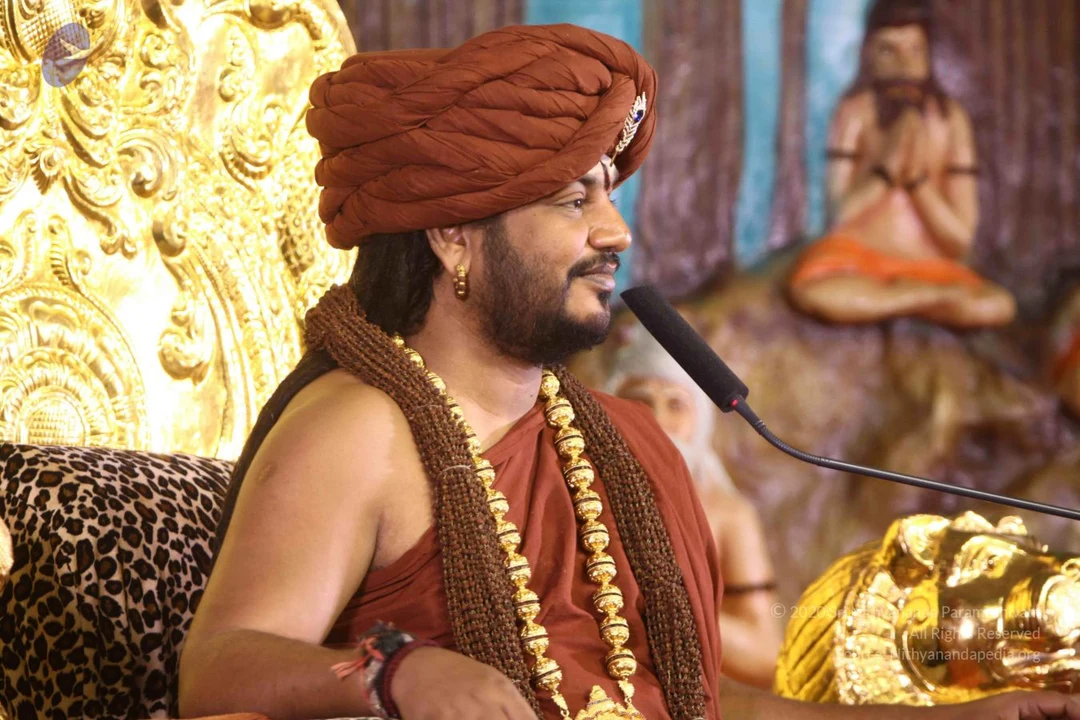
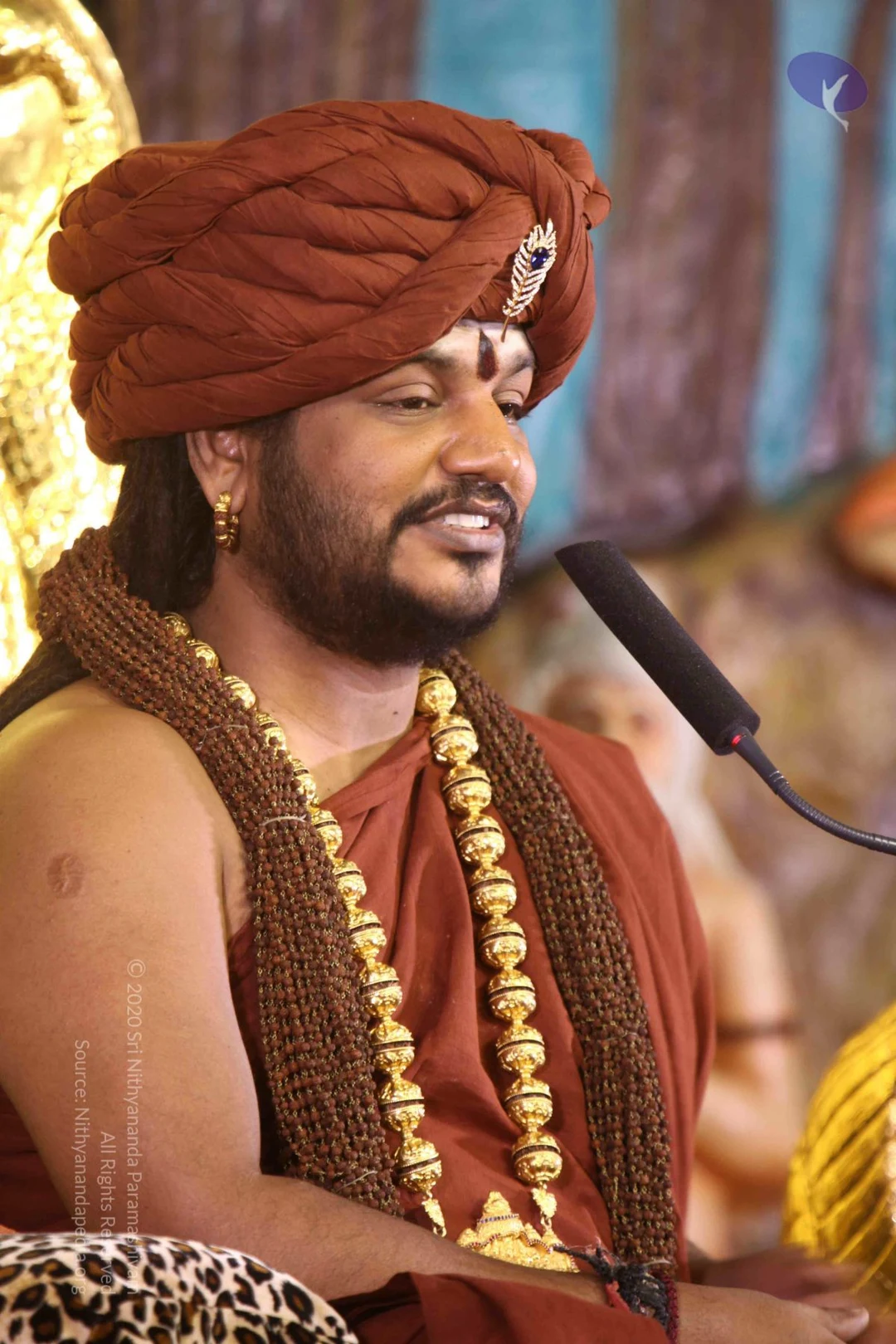
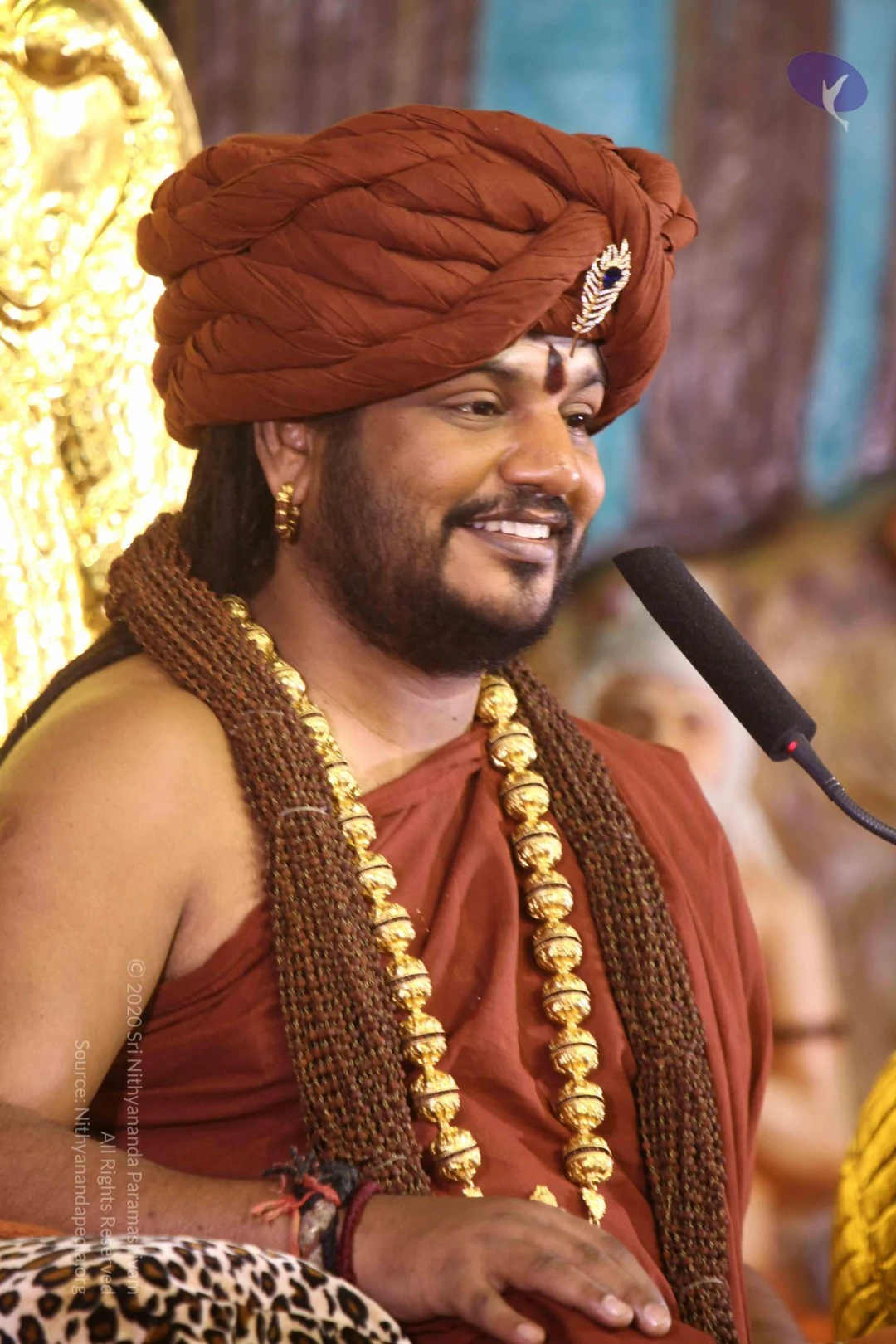
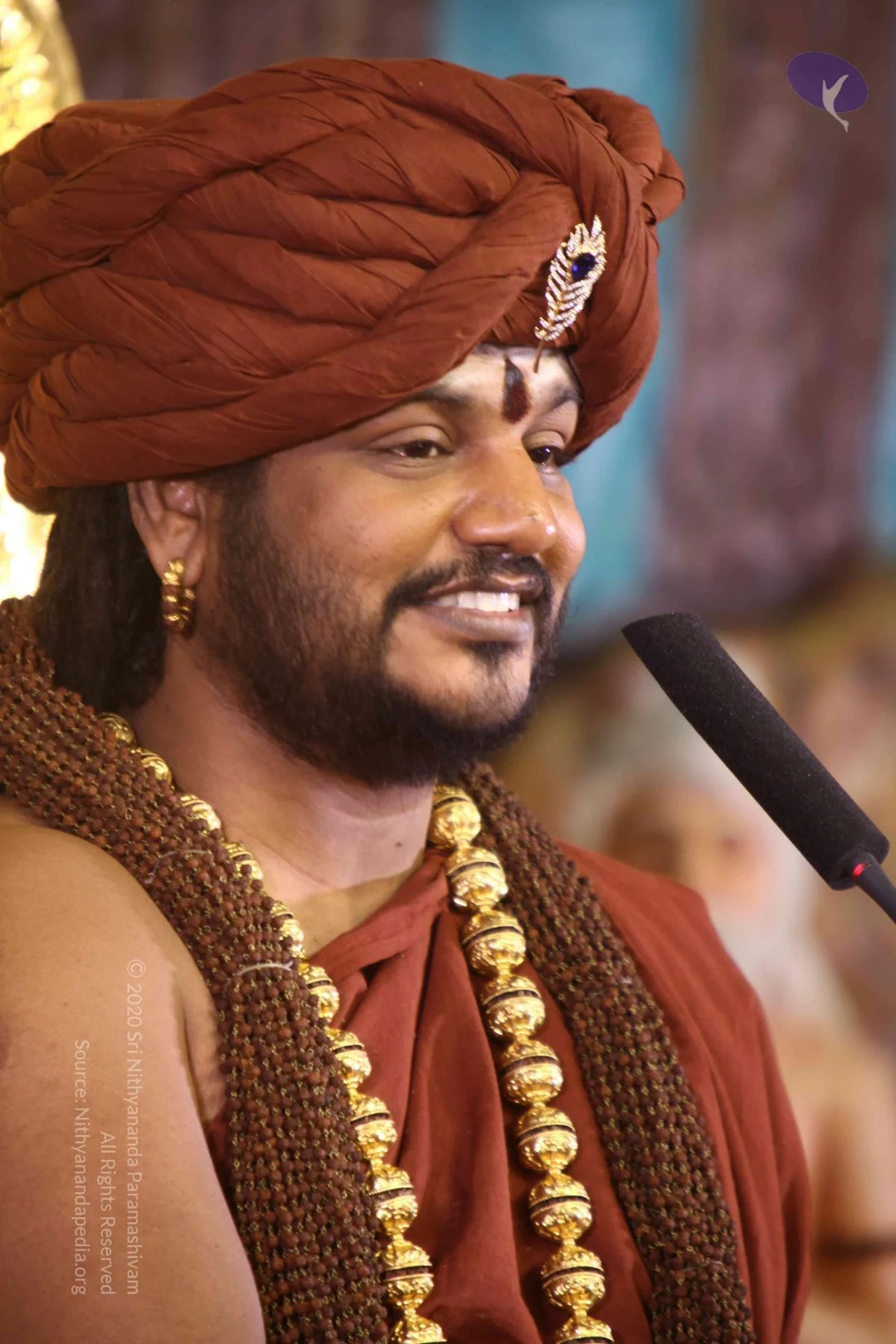
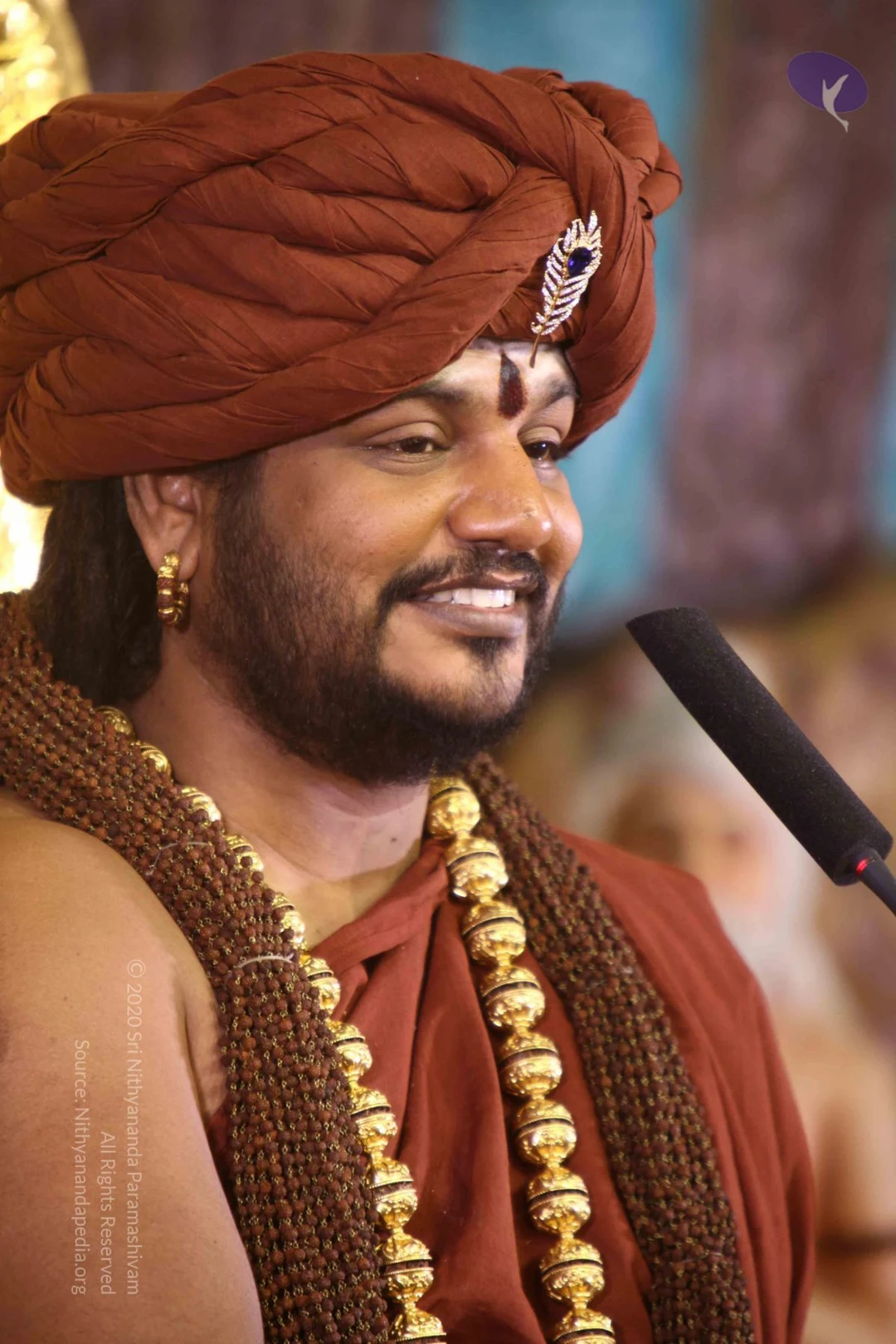
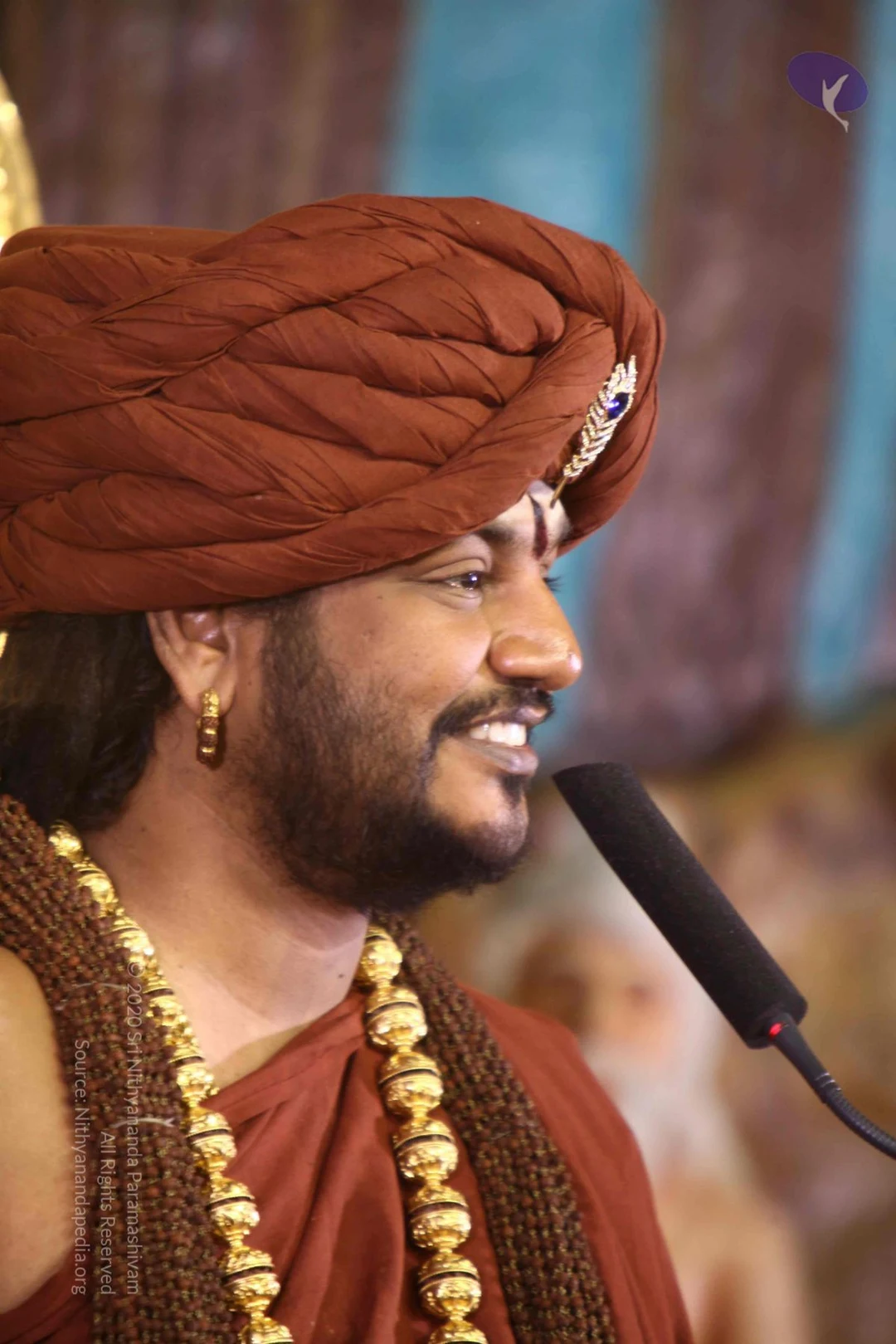
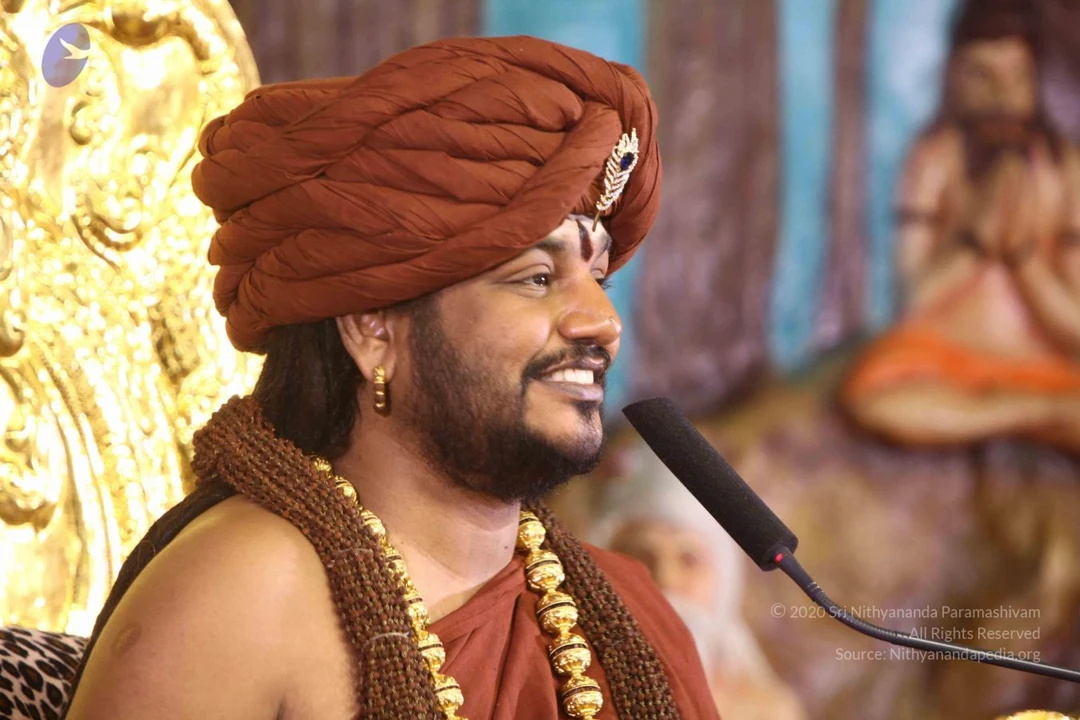
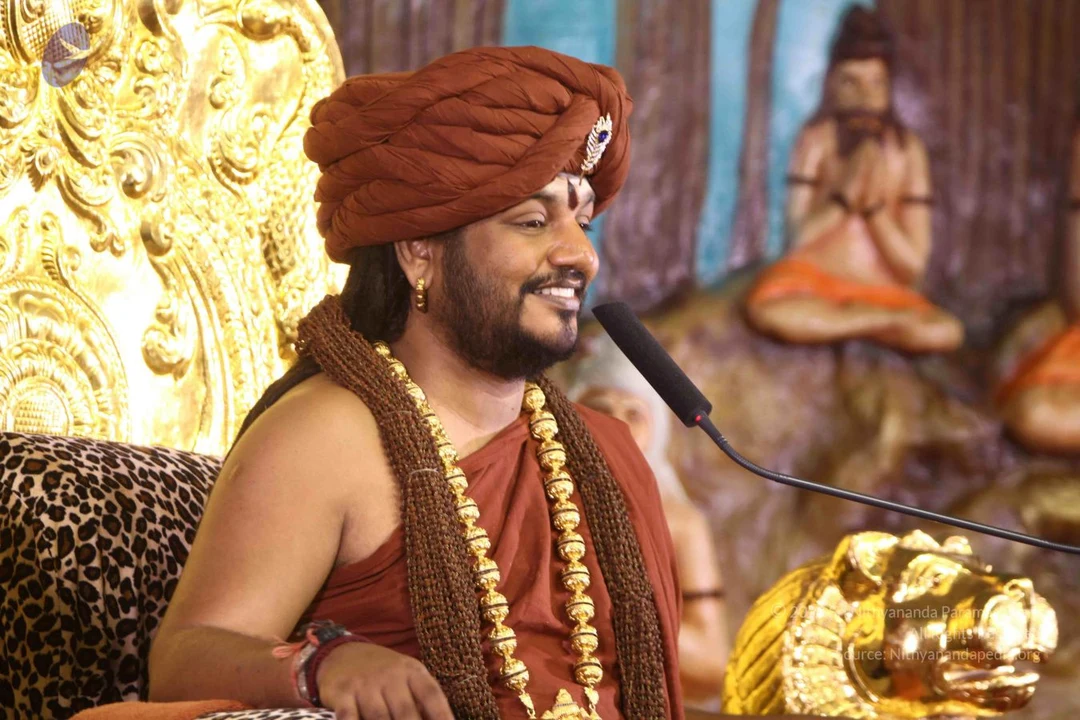
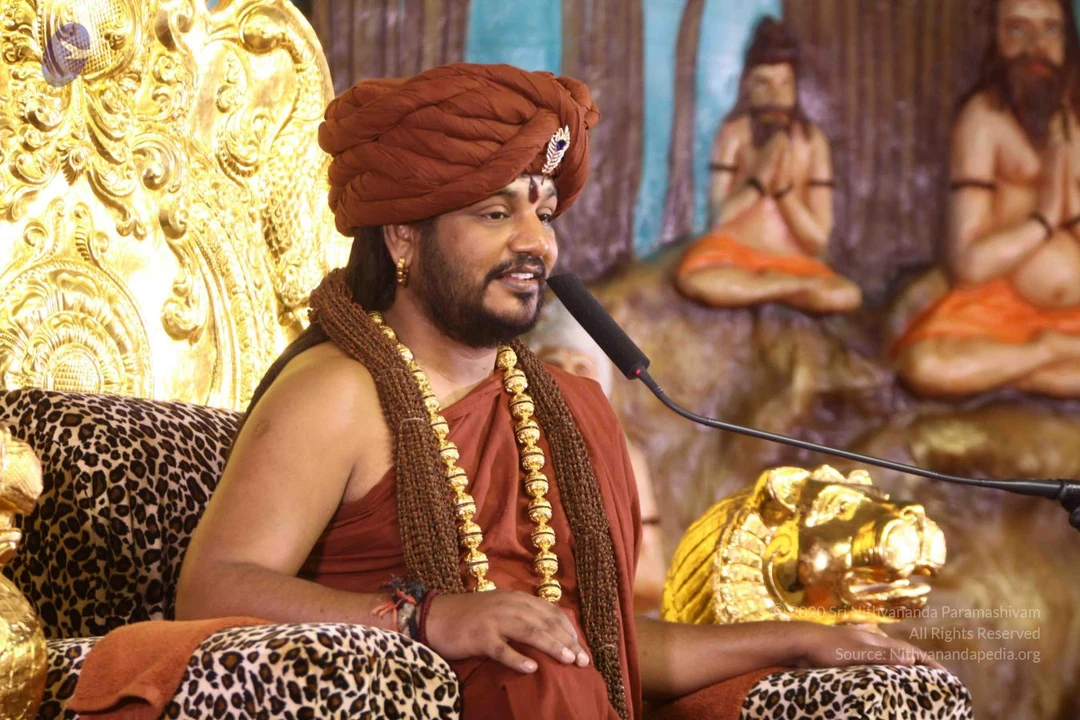
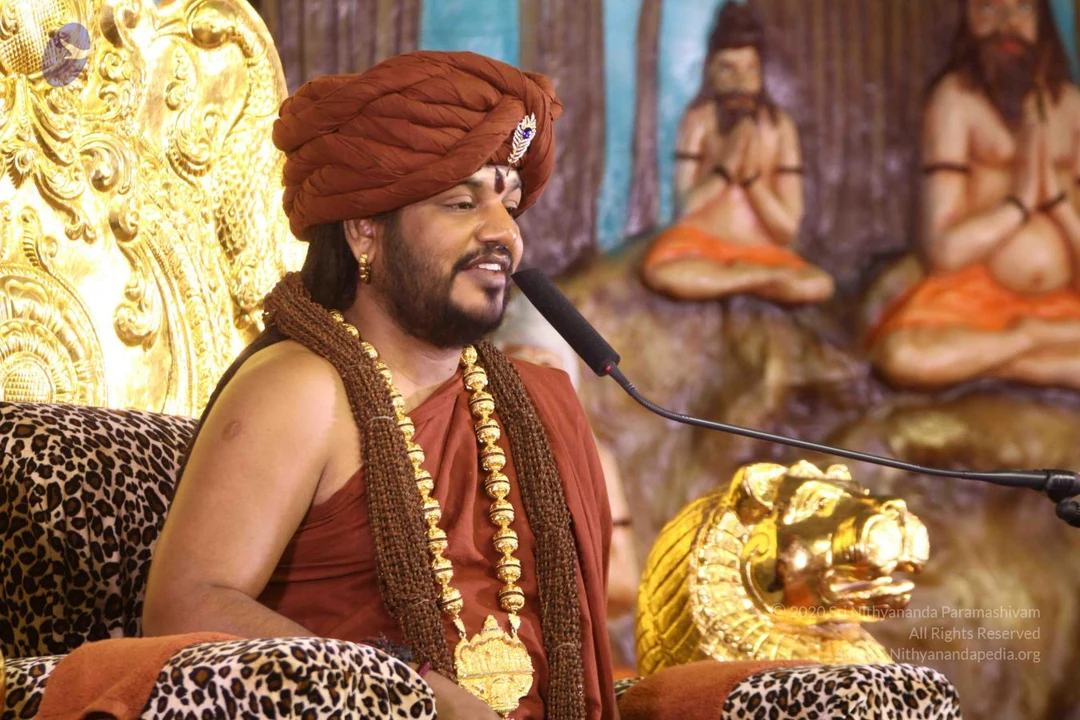
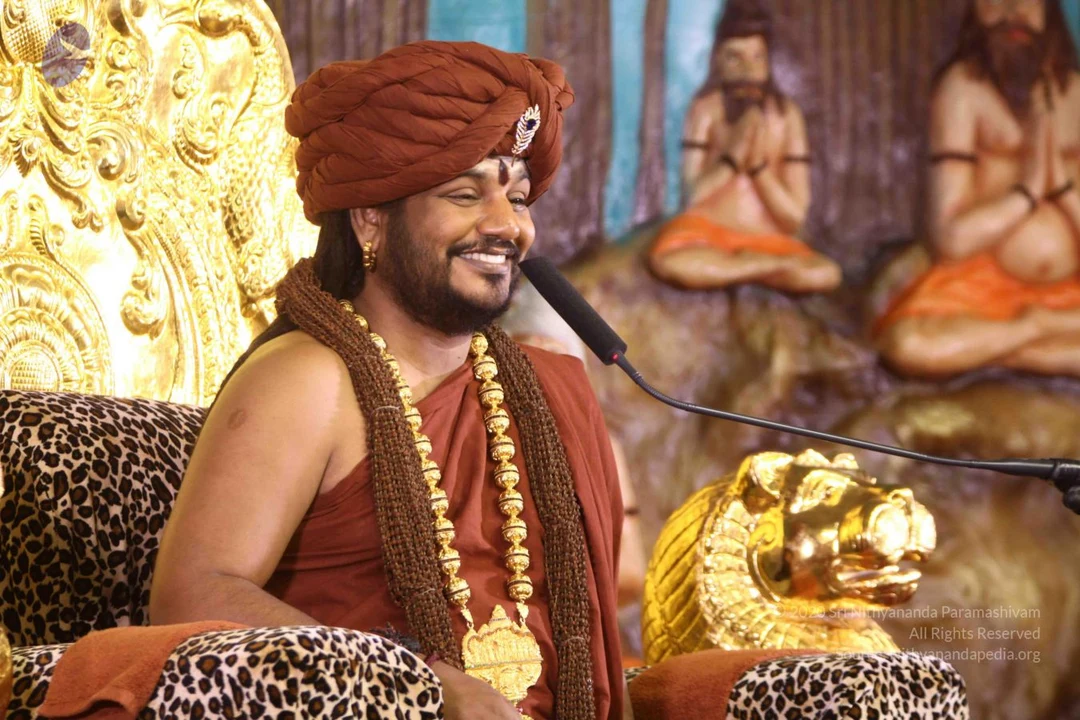
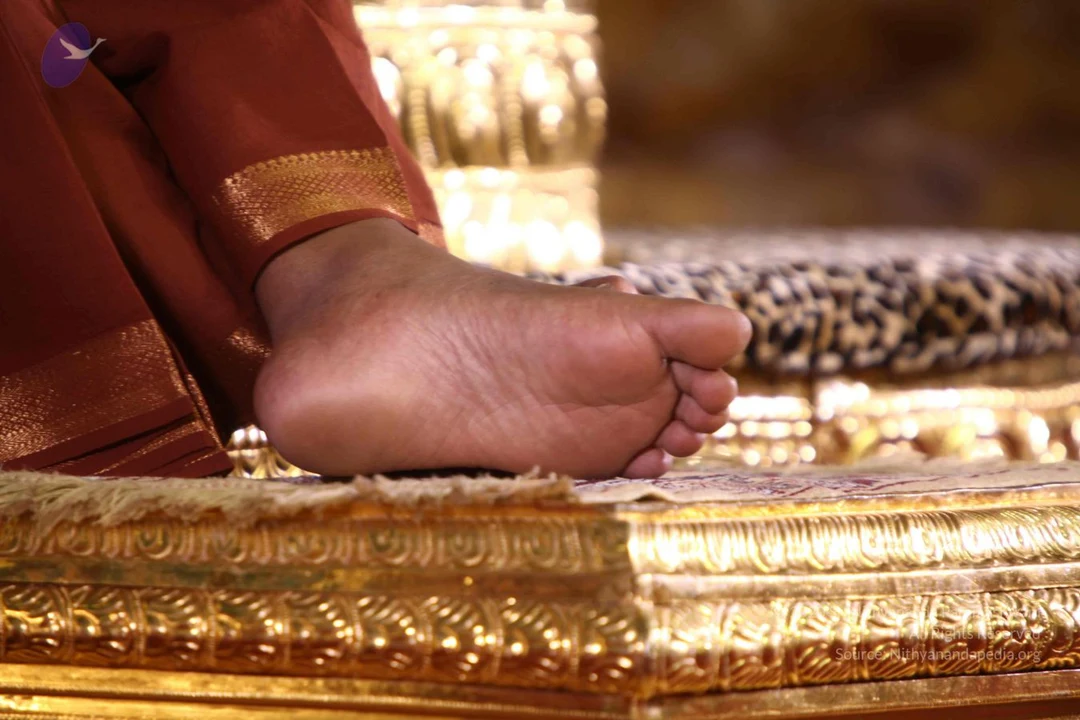
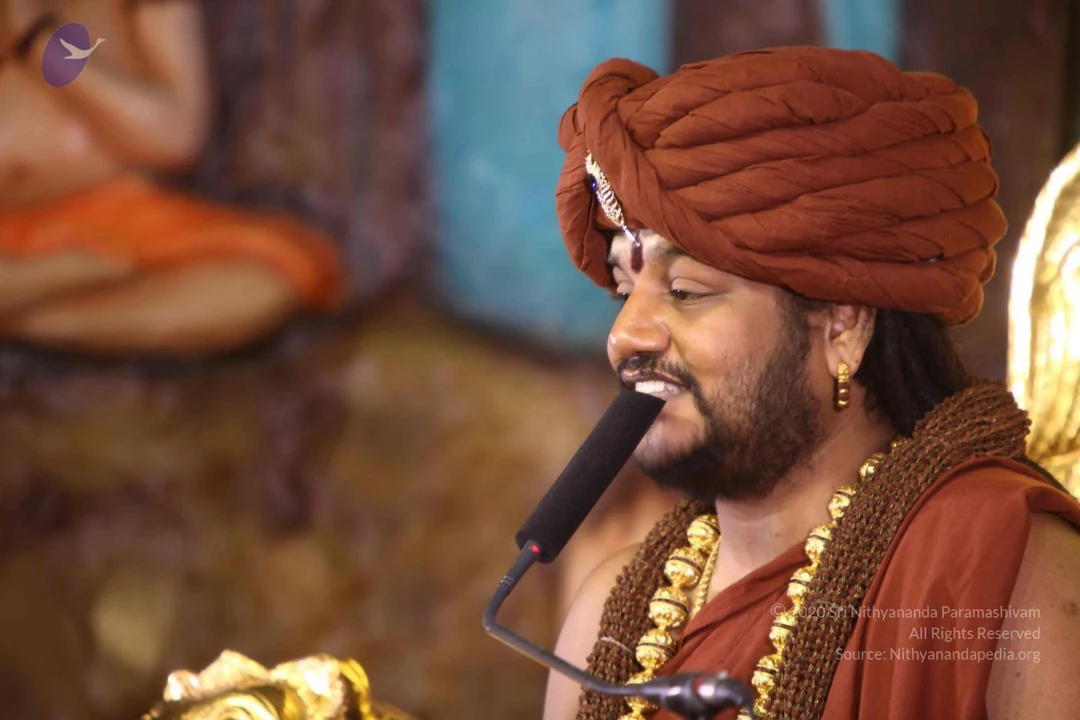
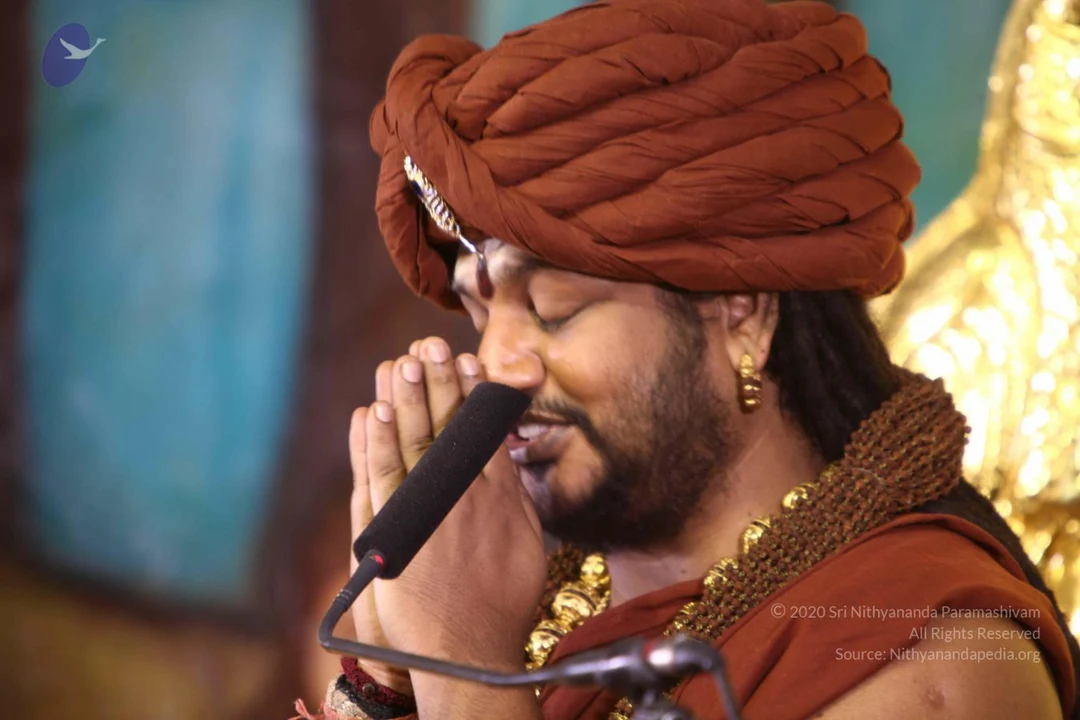
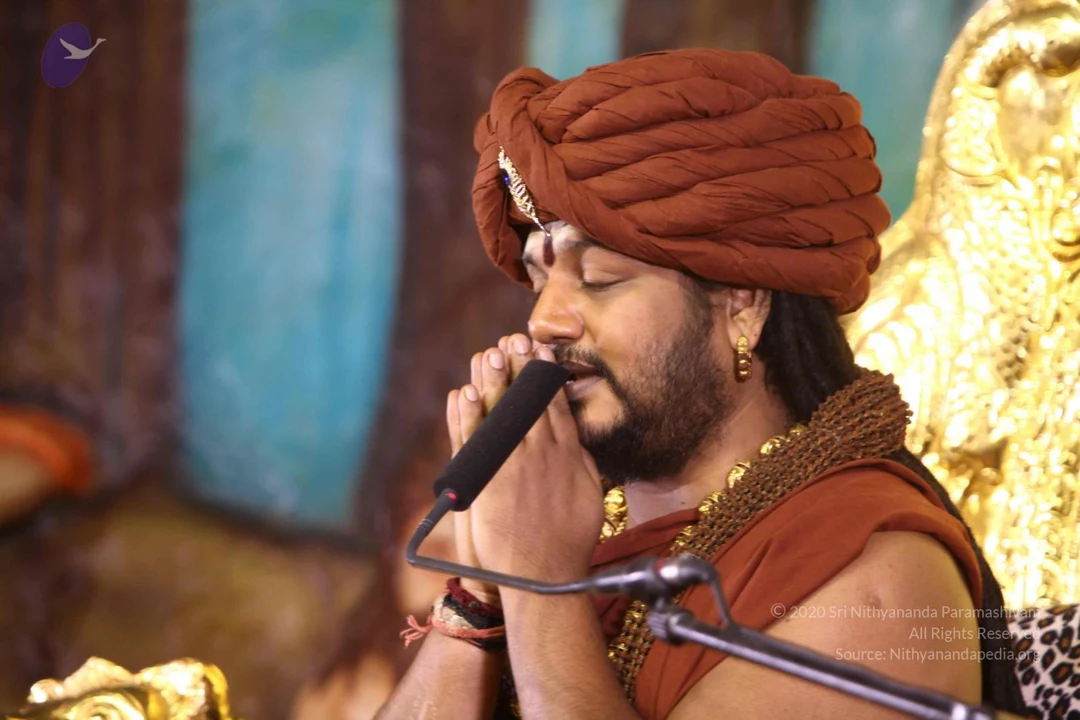
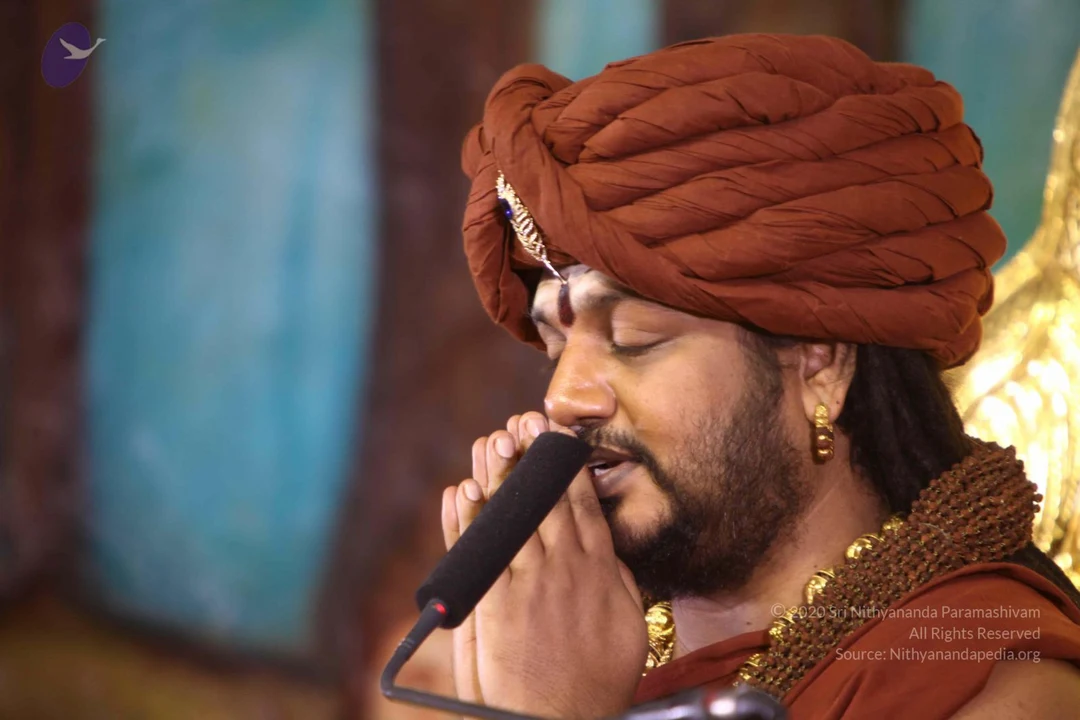
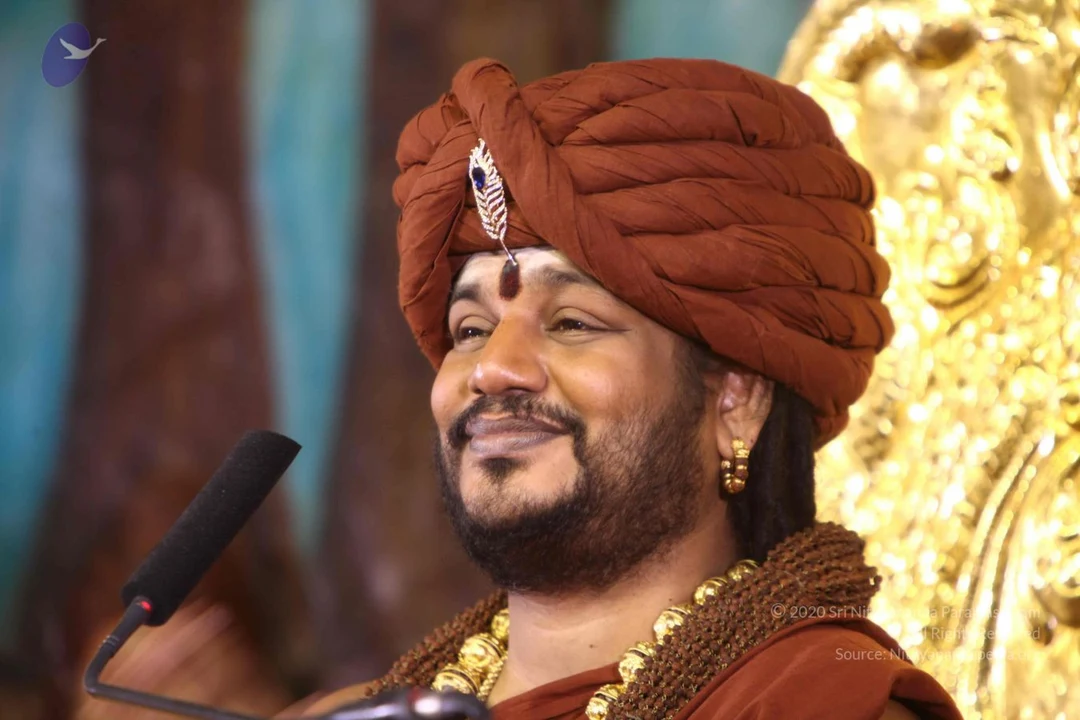
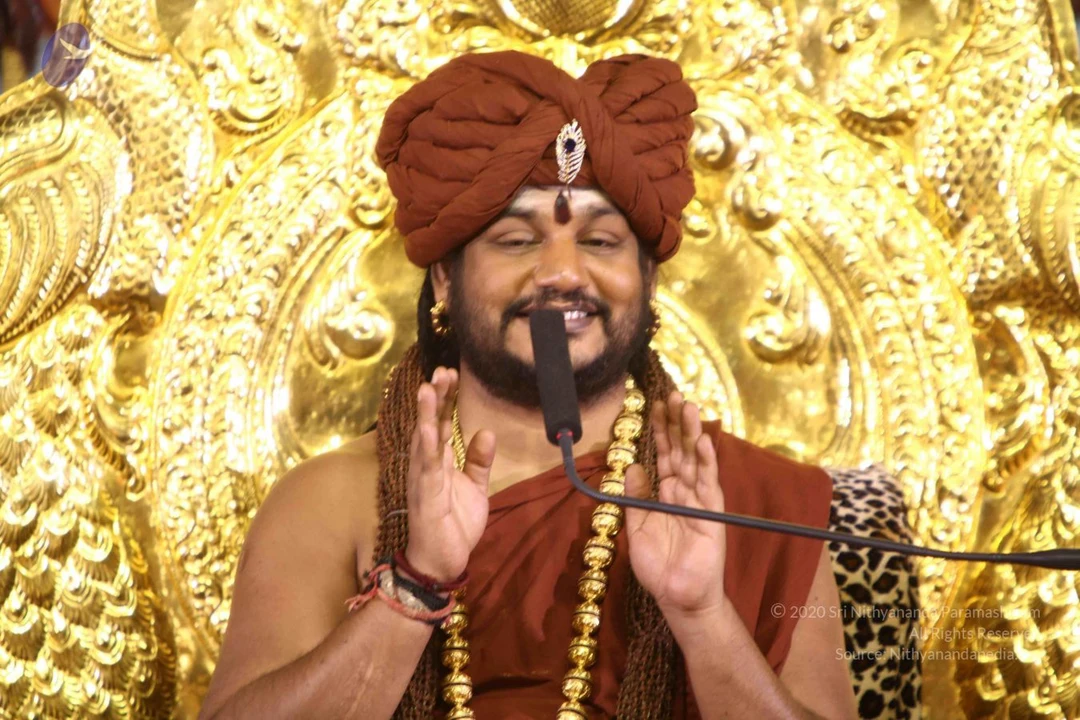
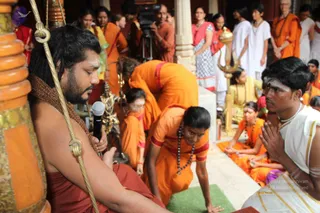
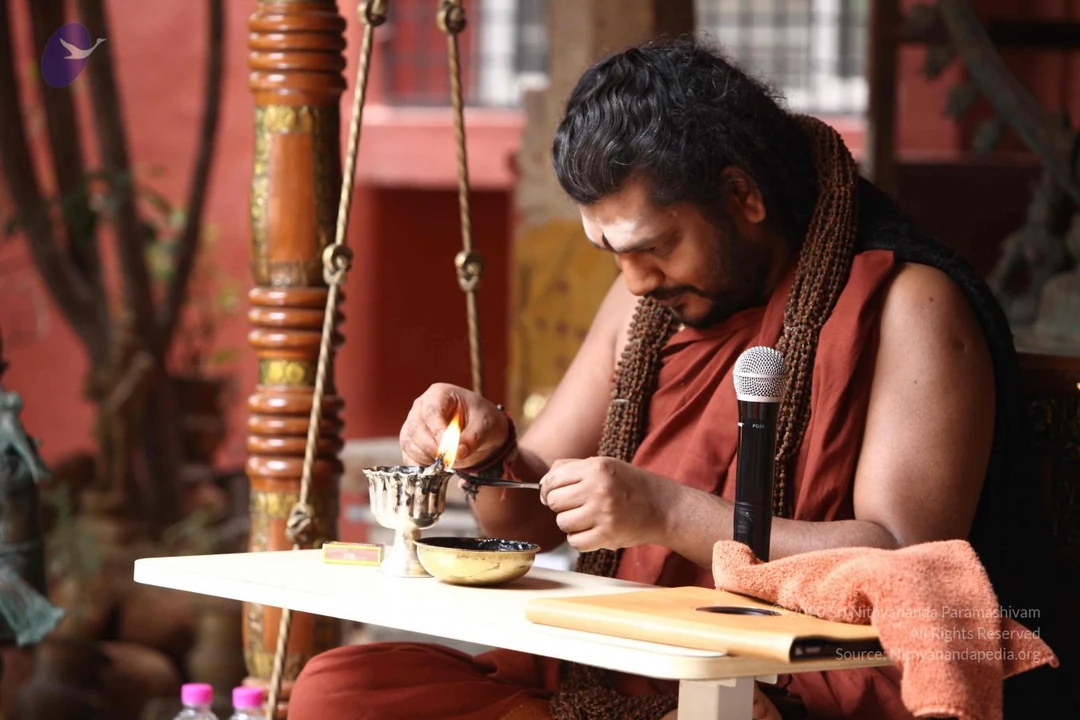
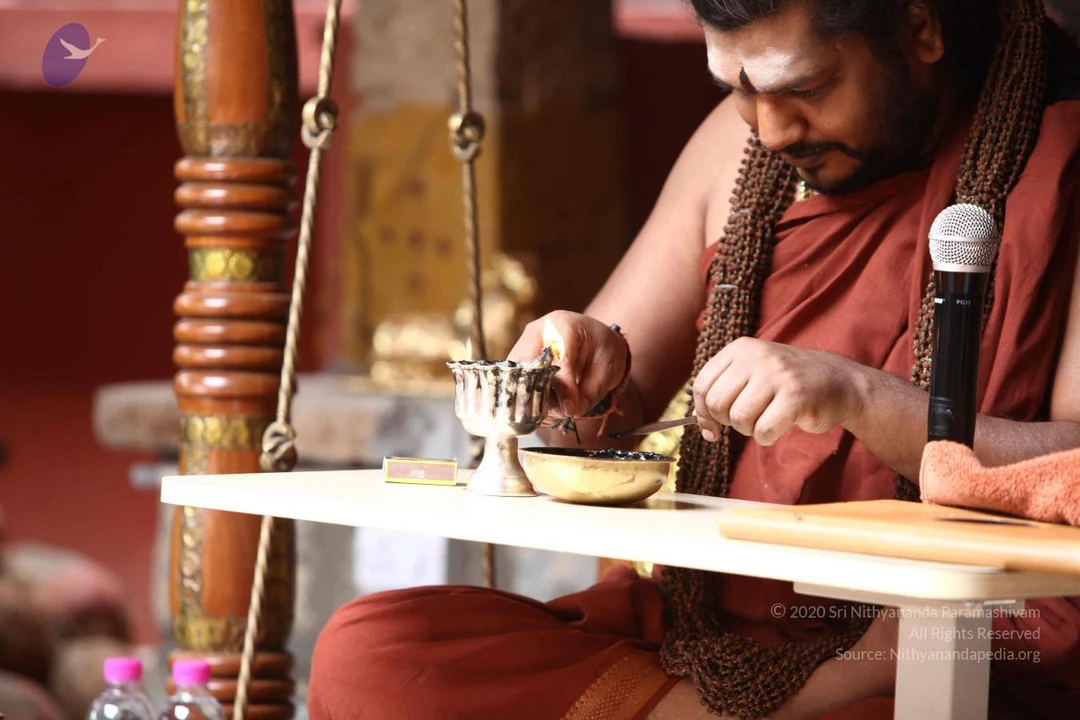
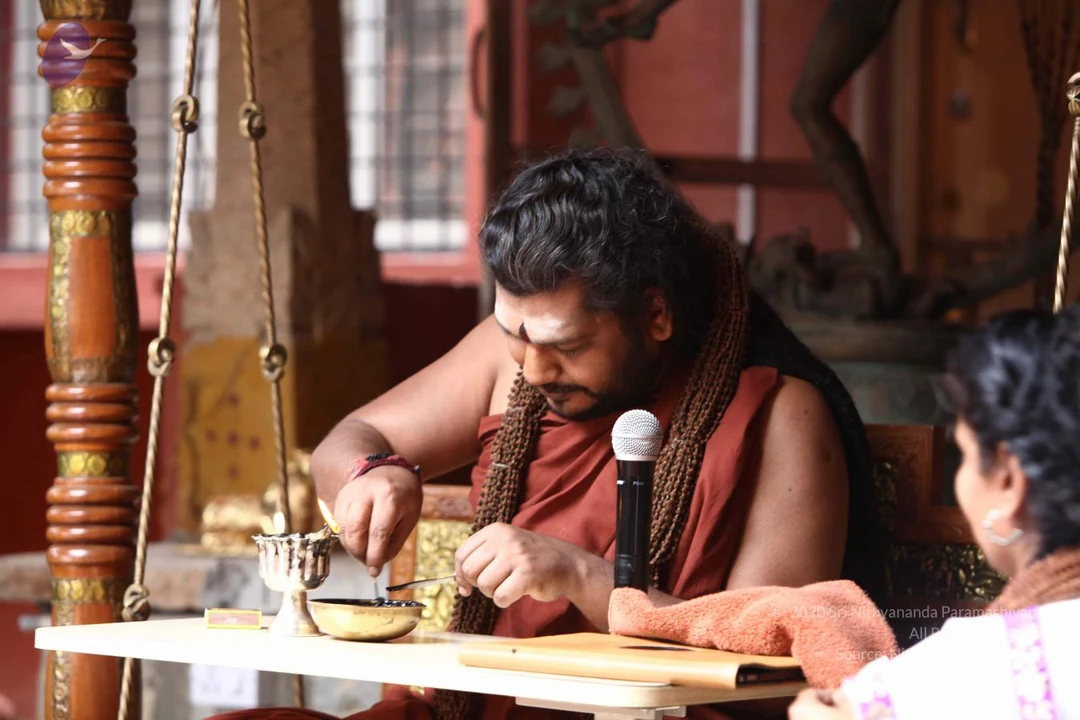
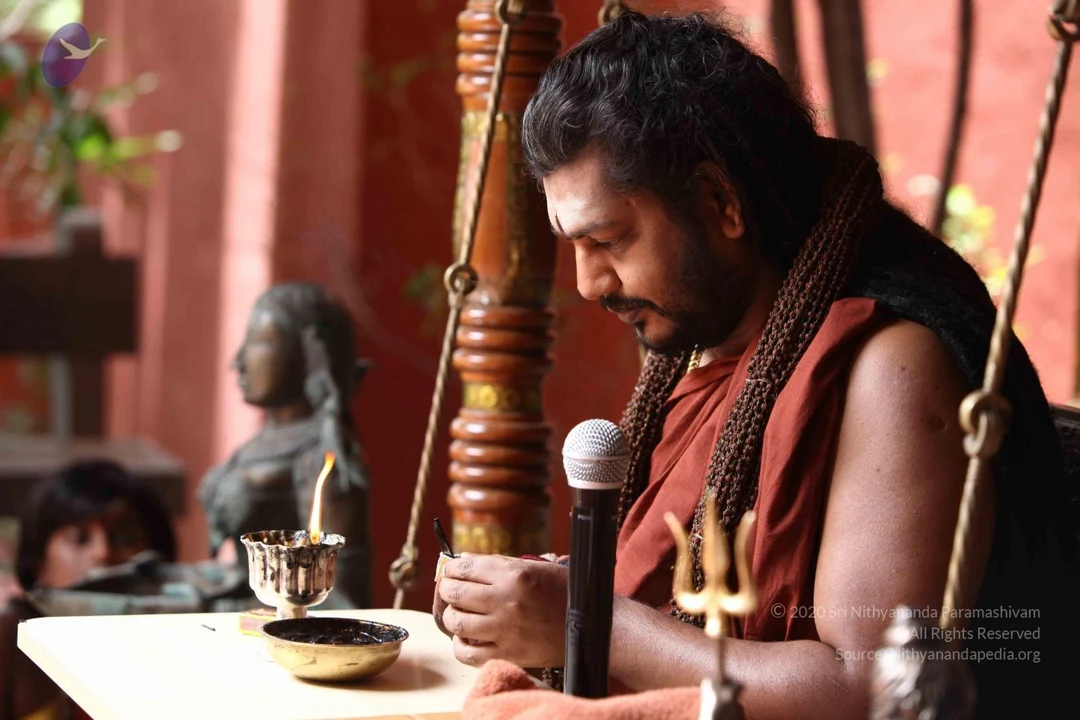
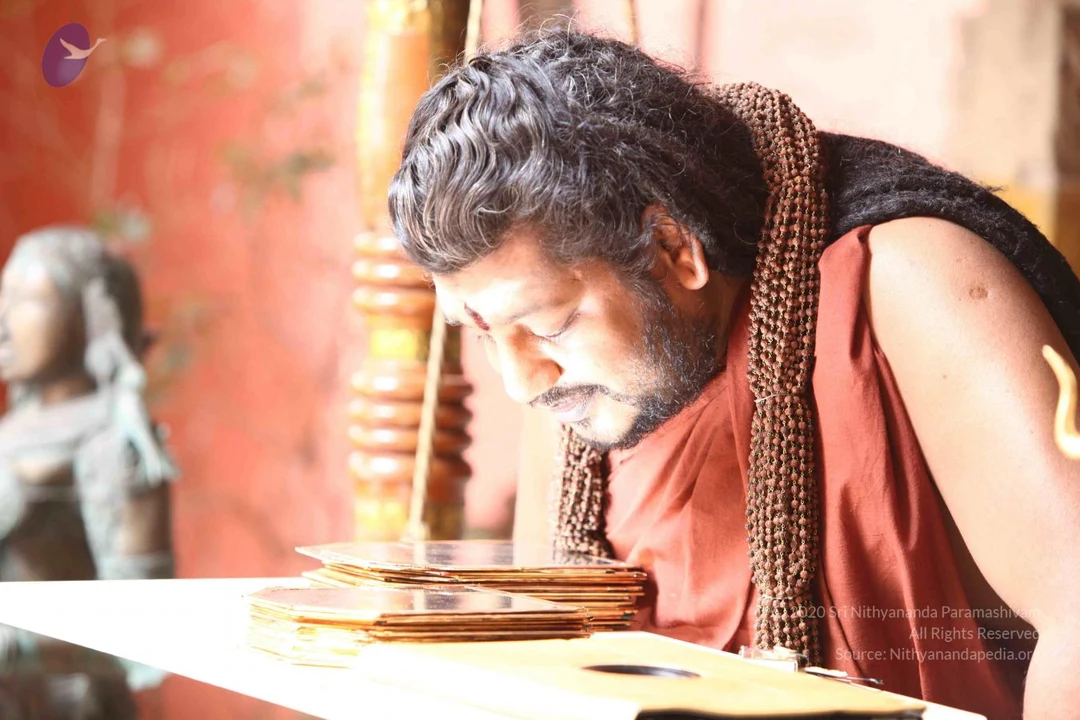
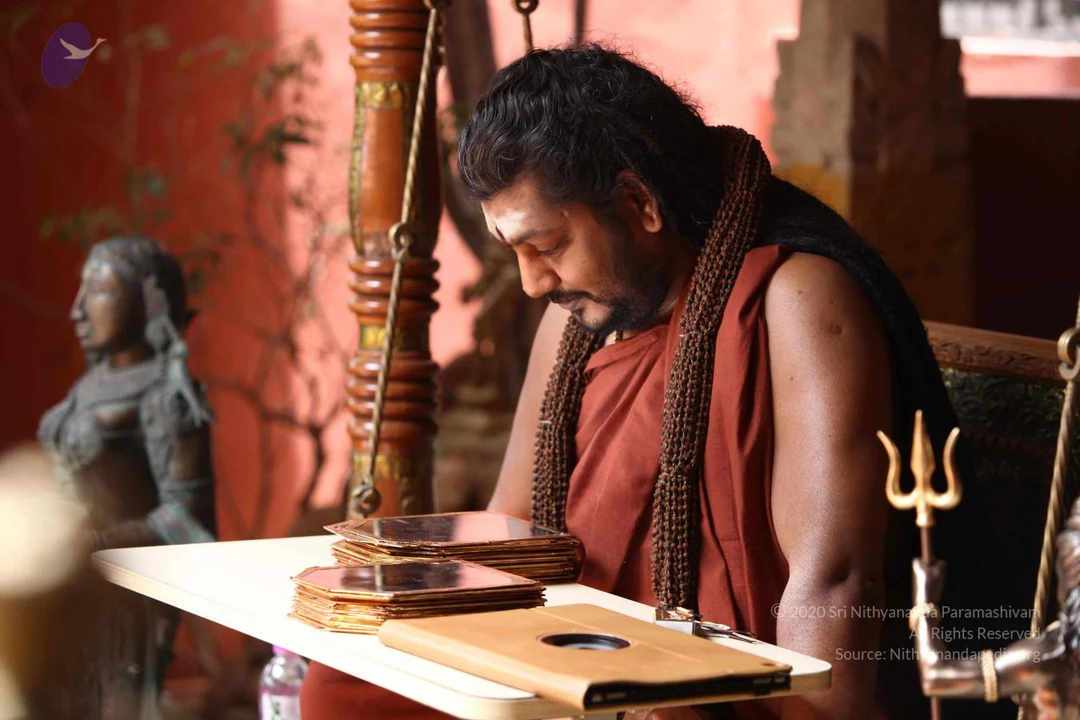
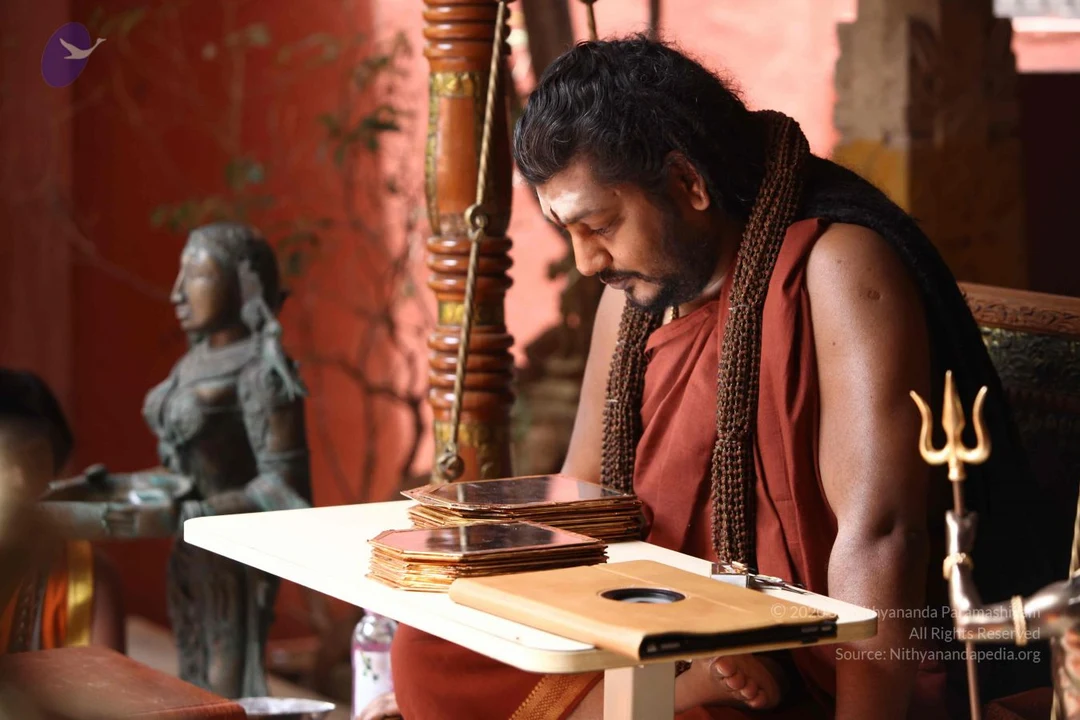
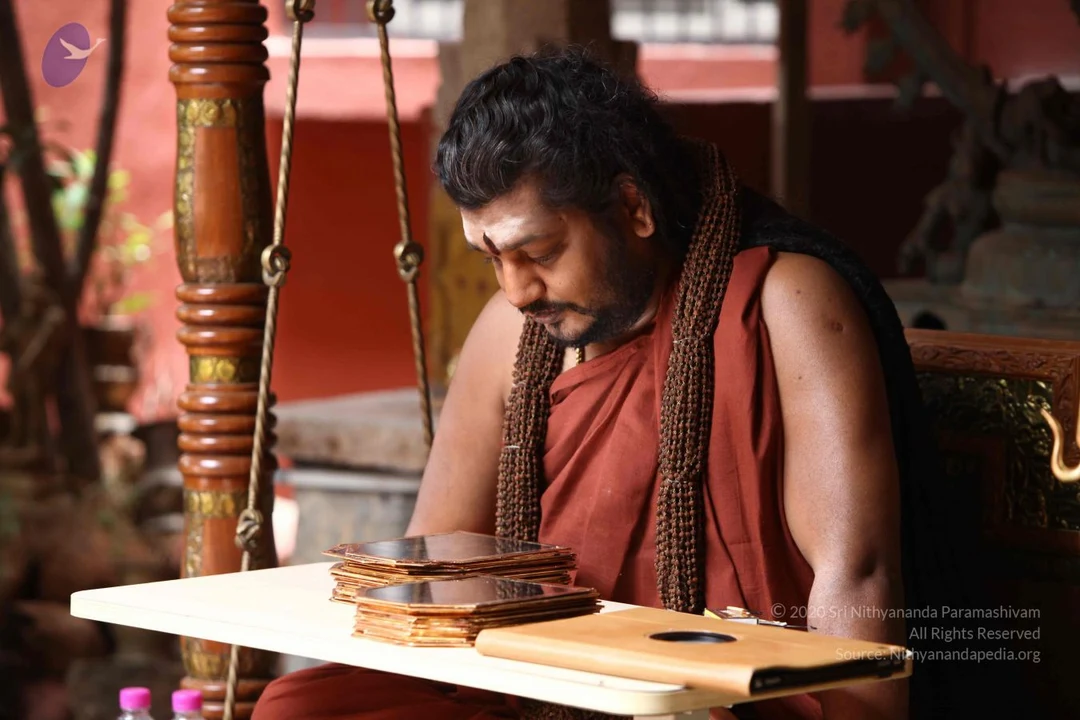
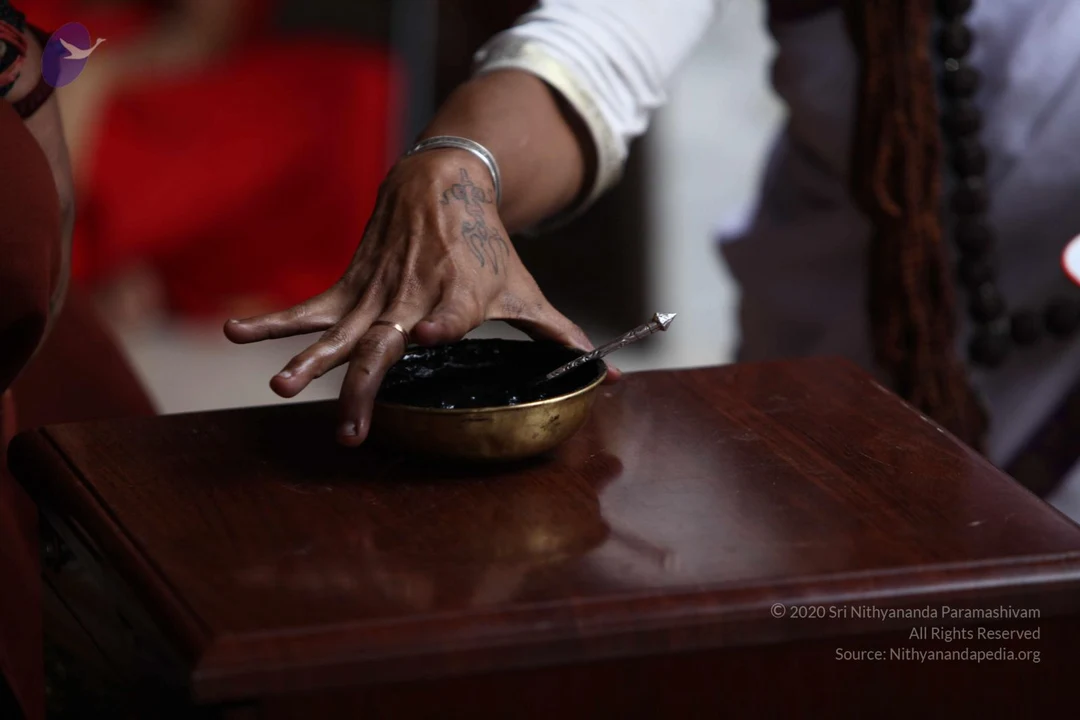
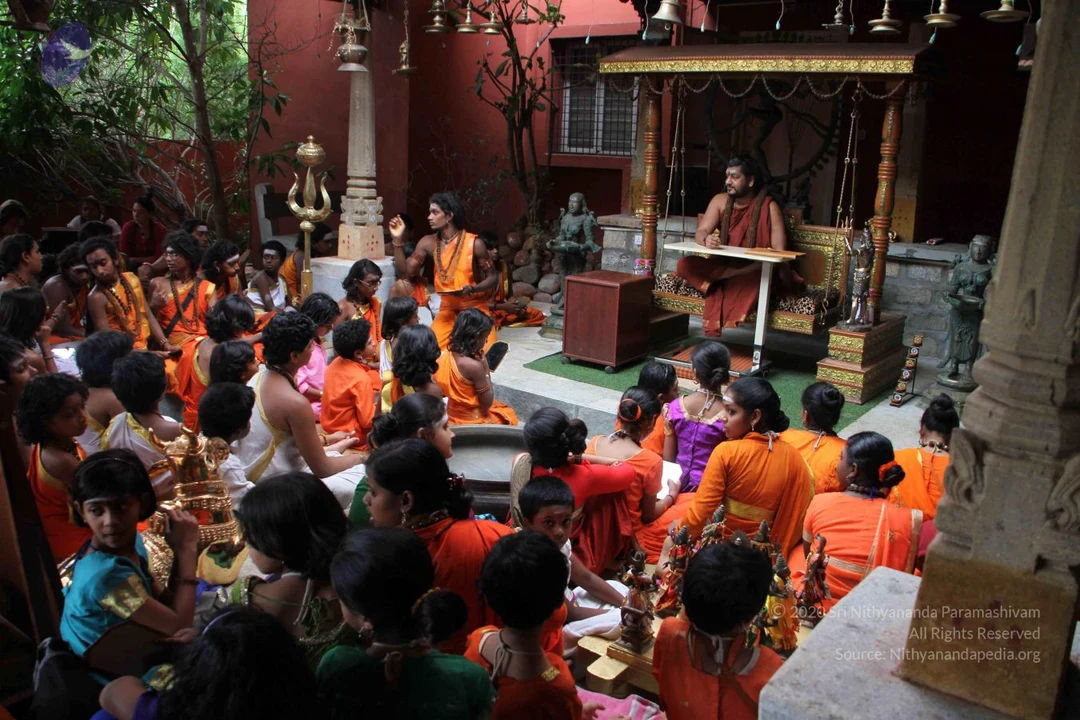
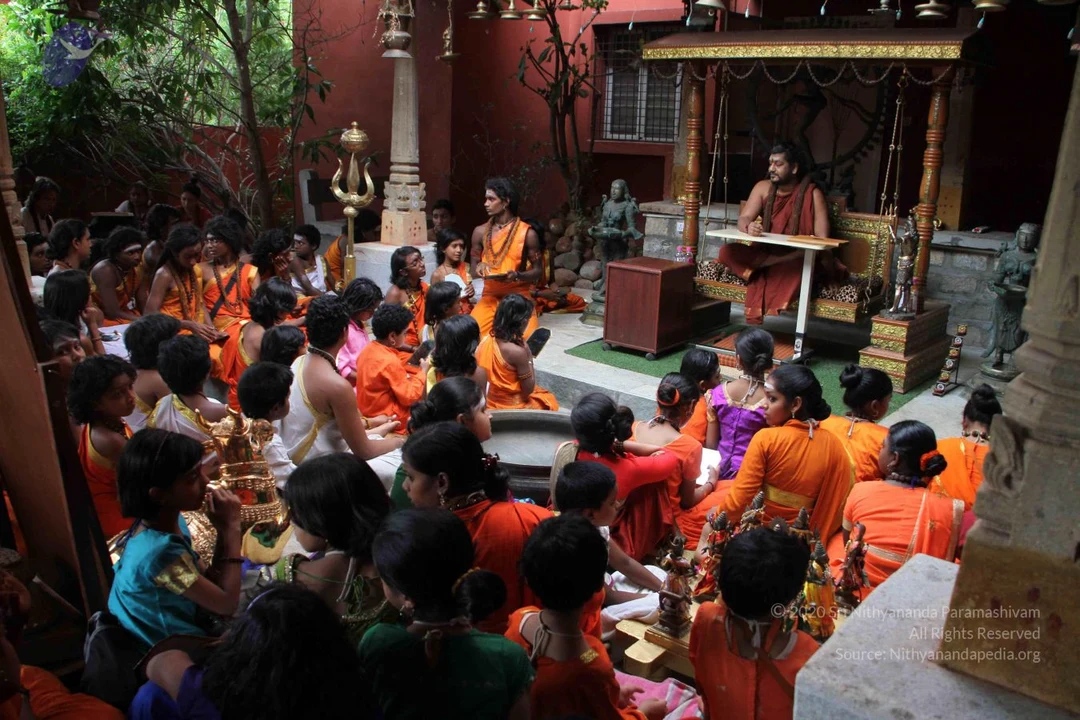
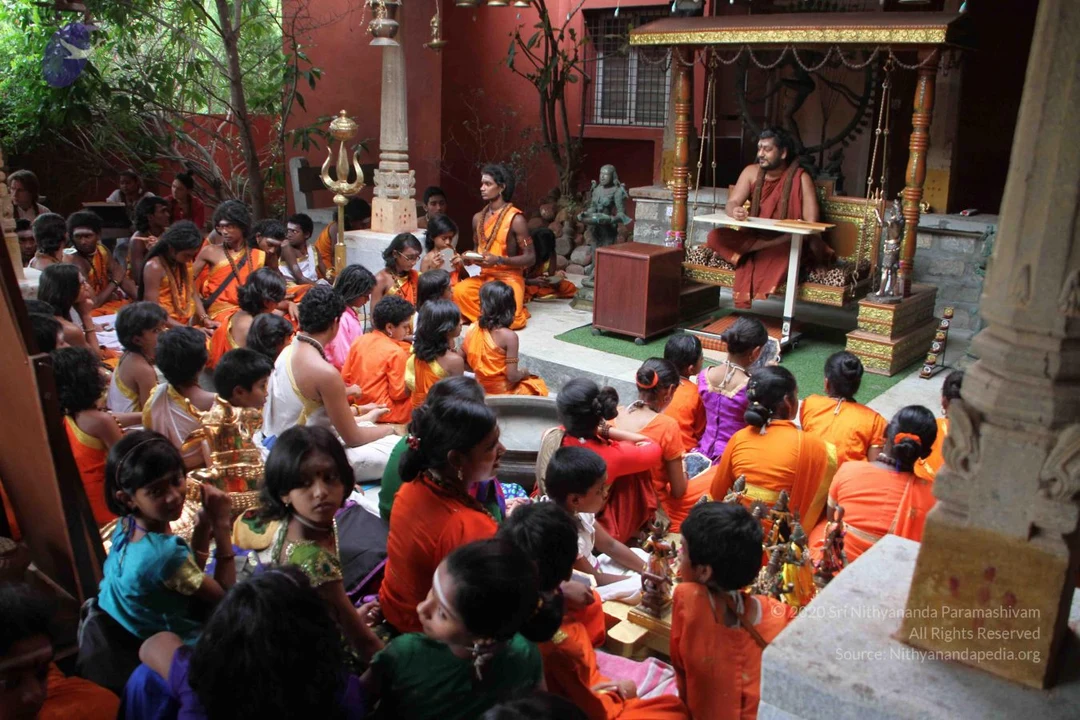
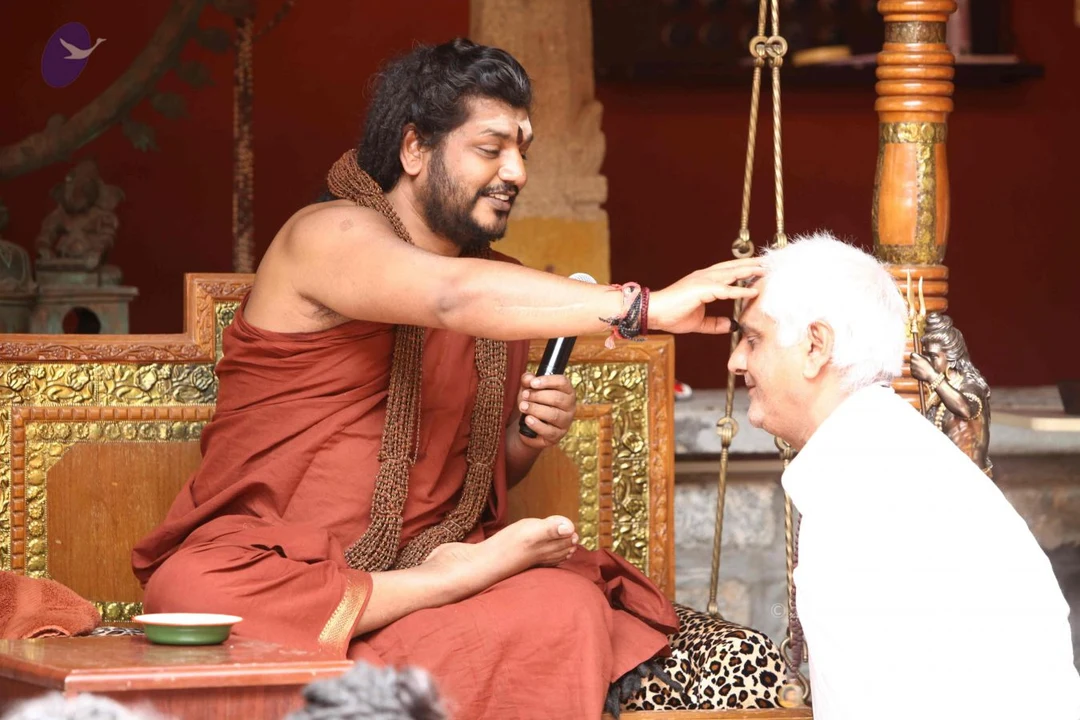
Power Initiation to get rid of blind spots
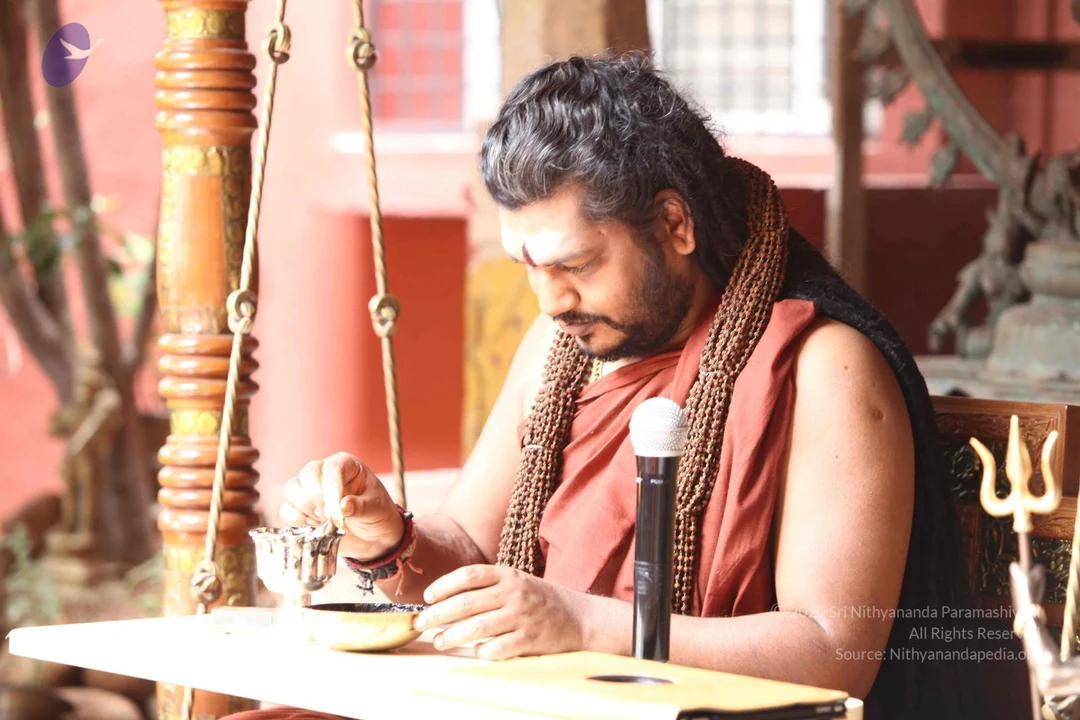
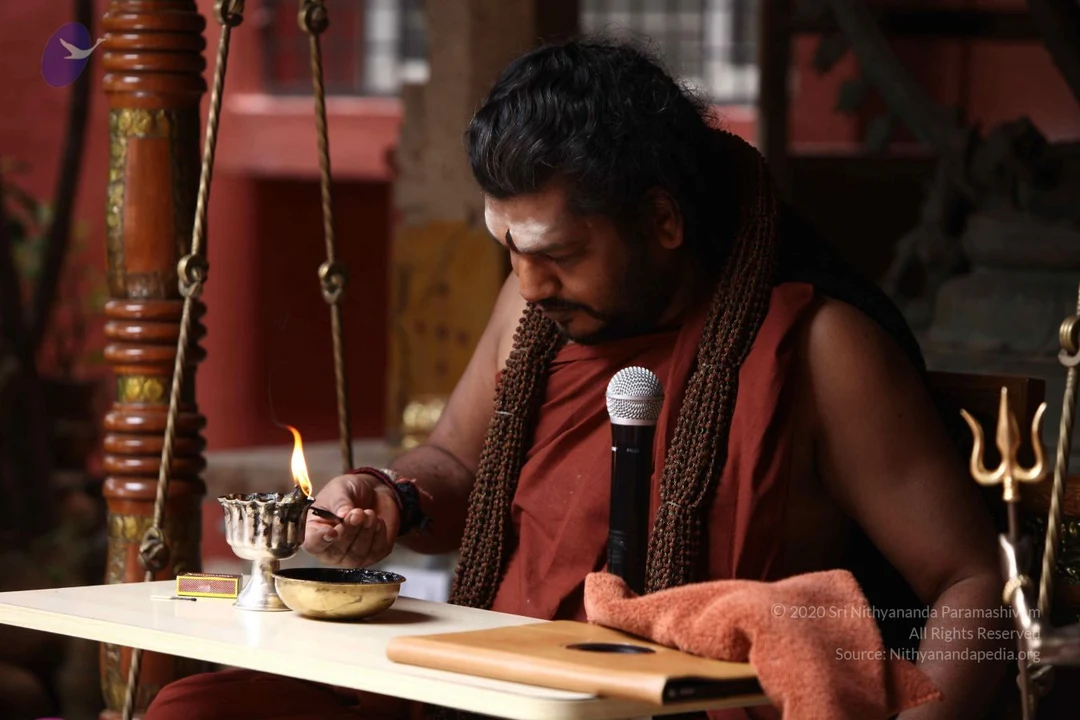
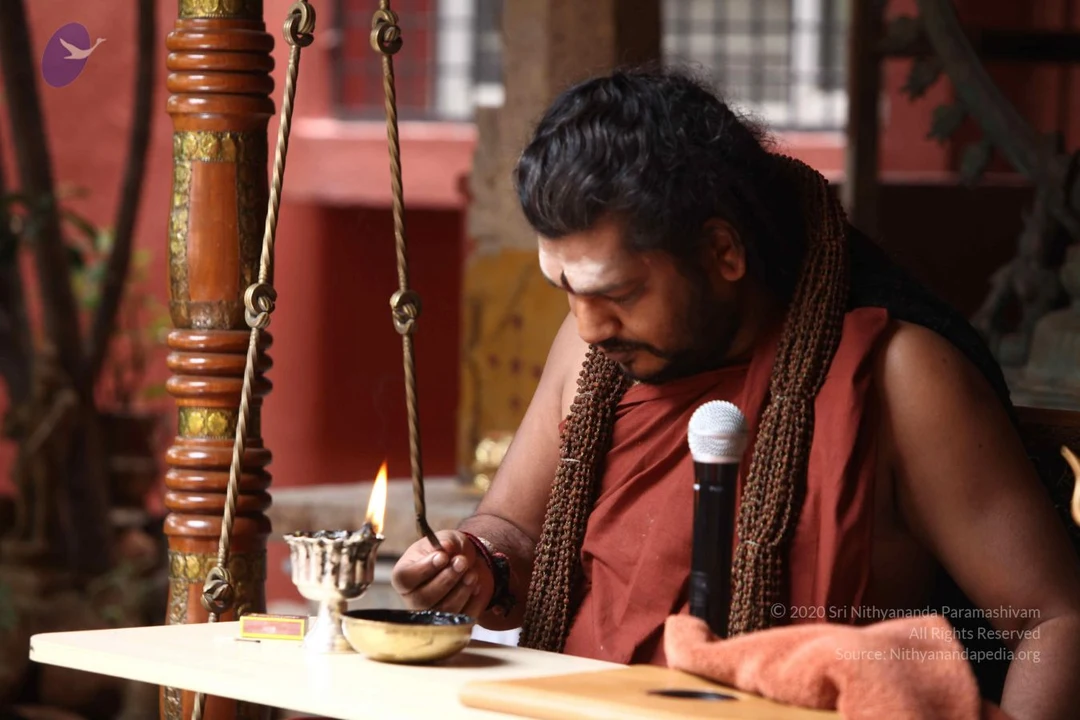
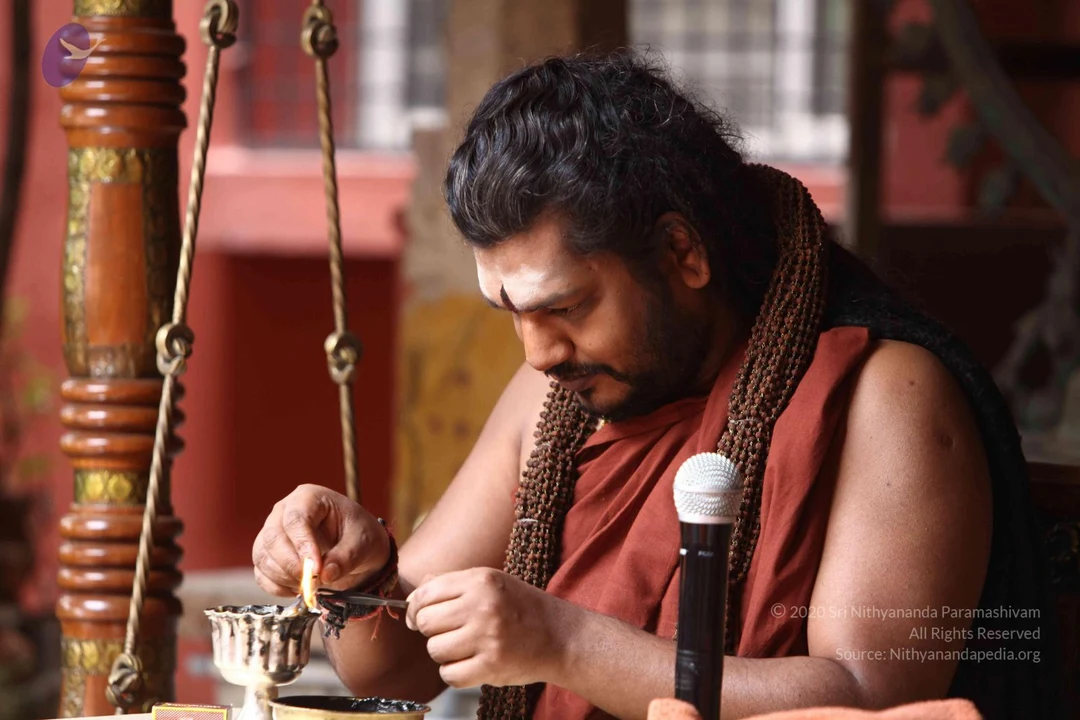
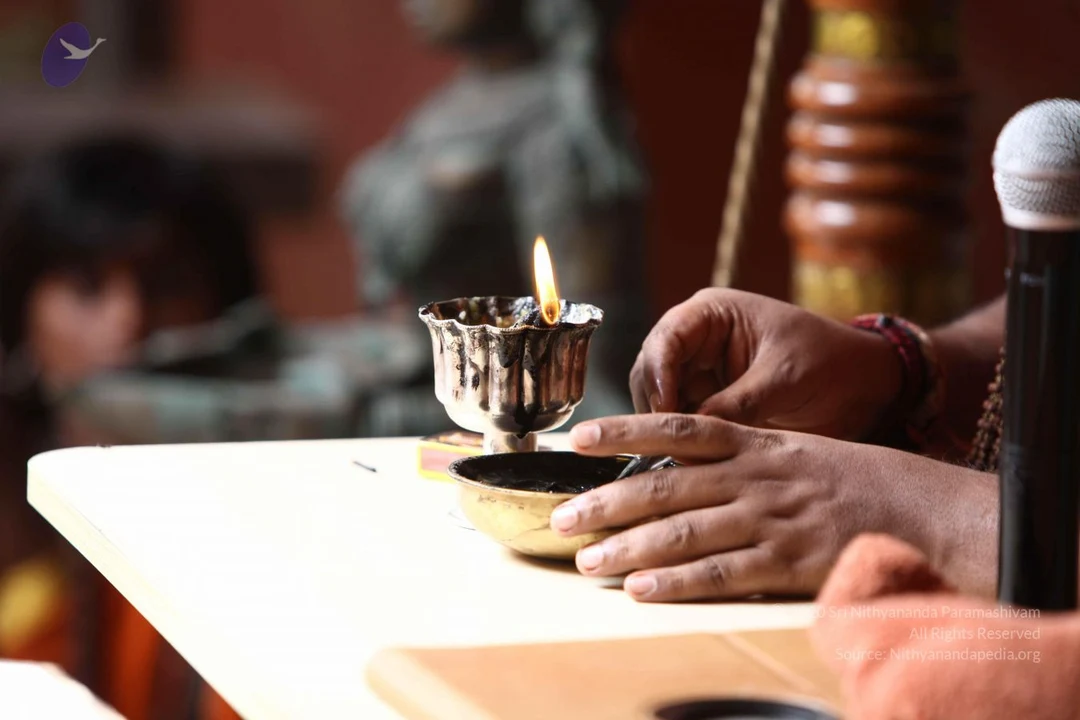
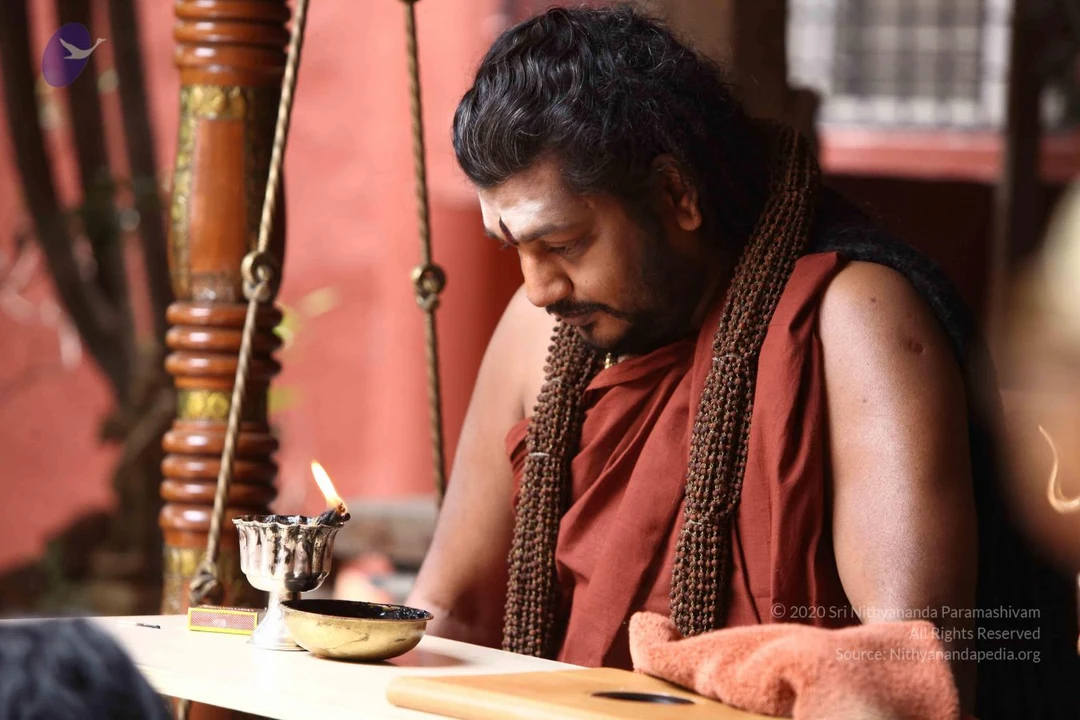
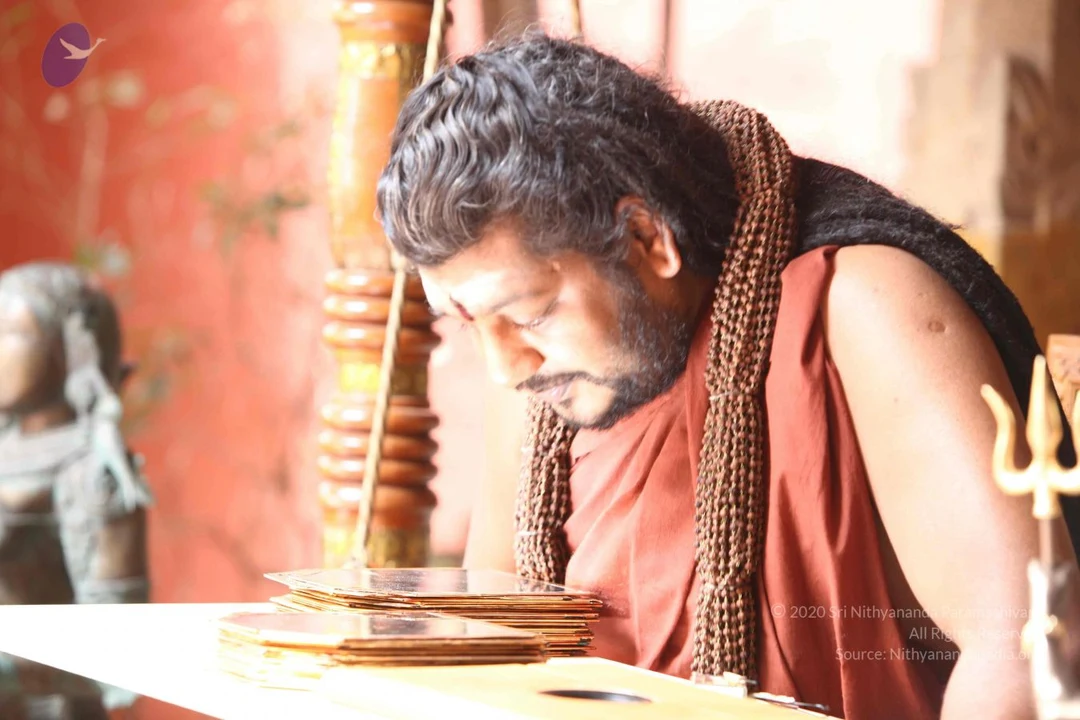
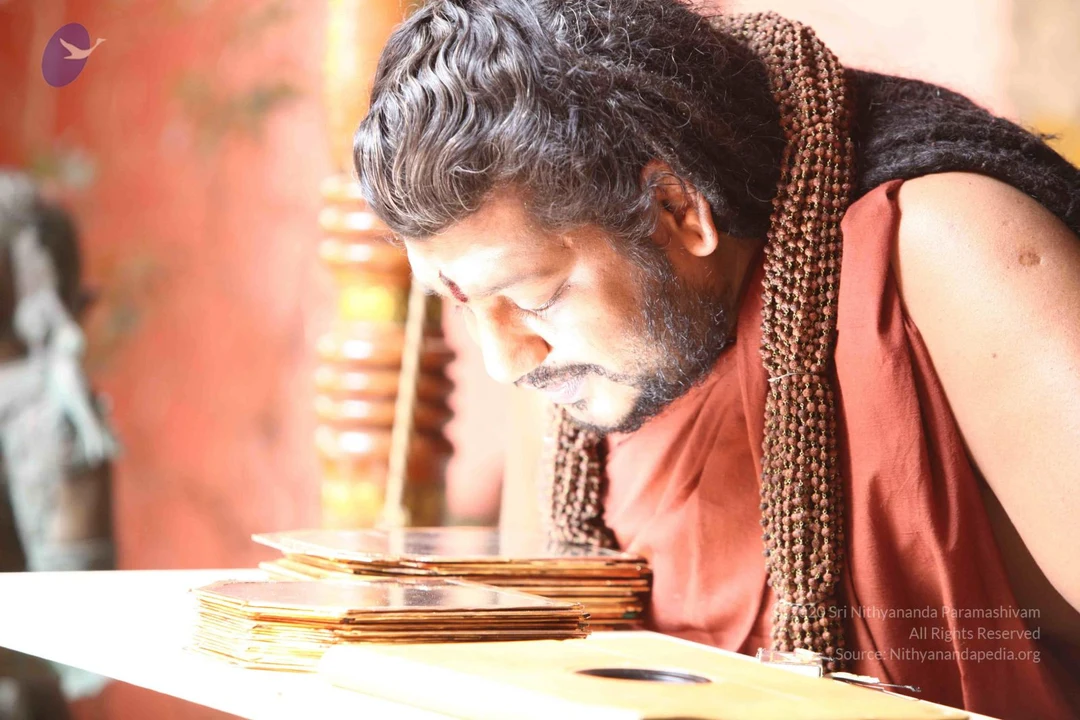
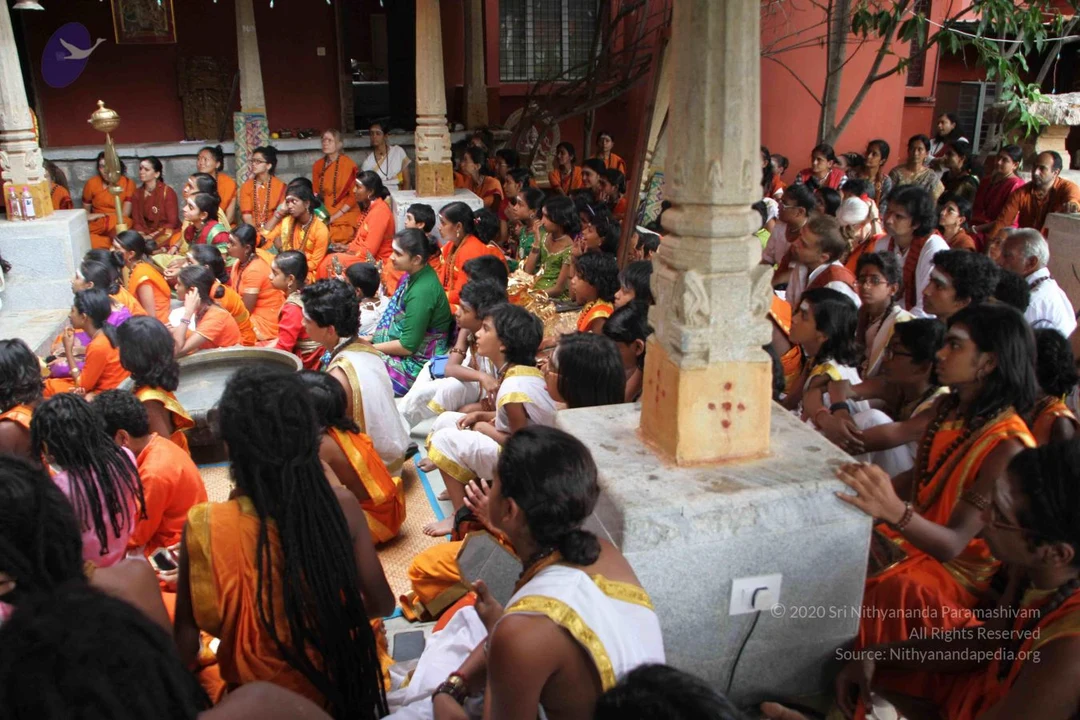
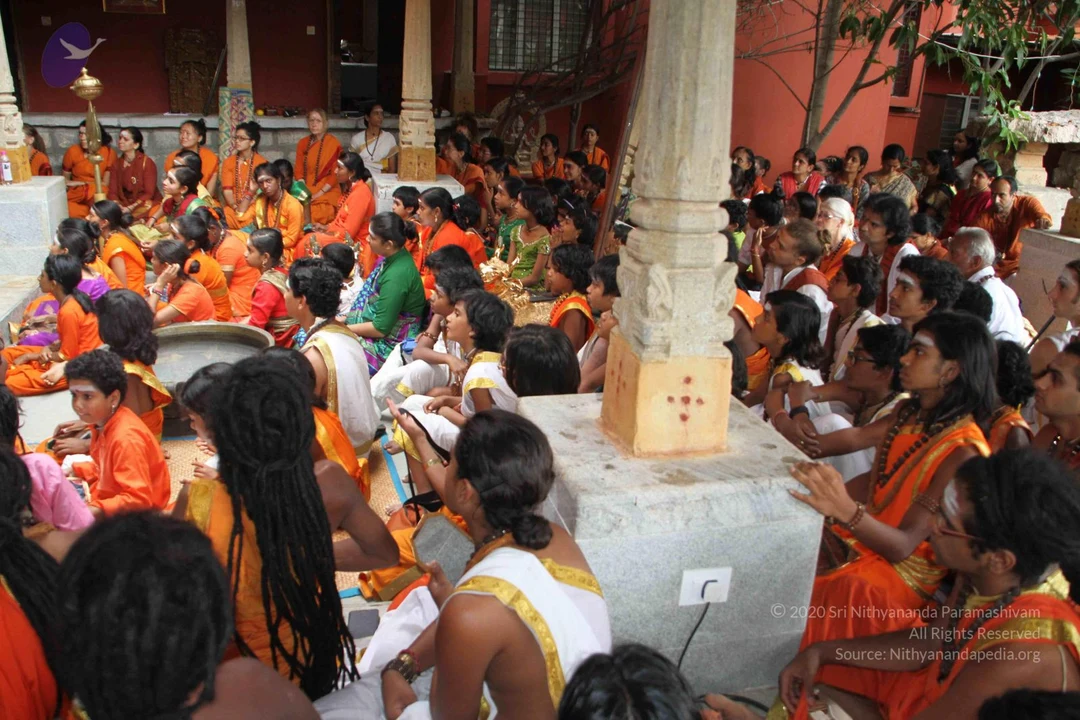
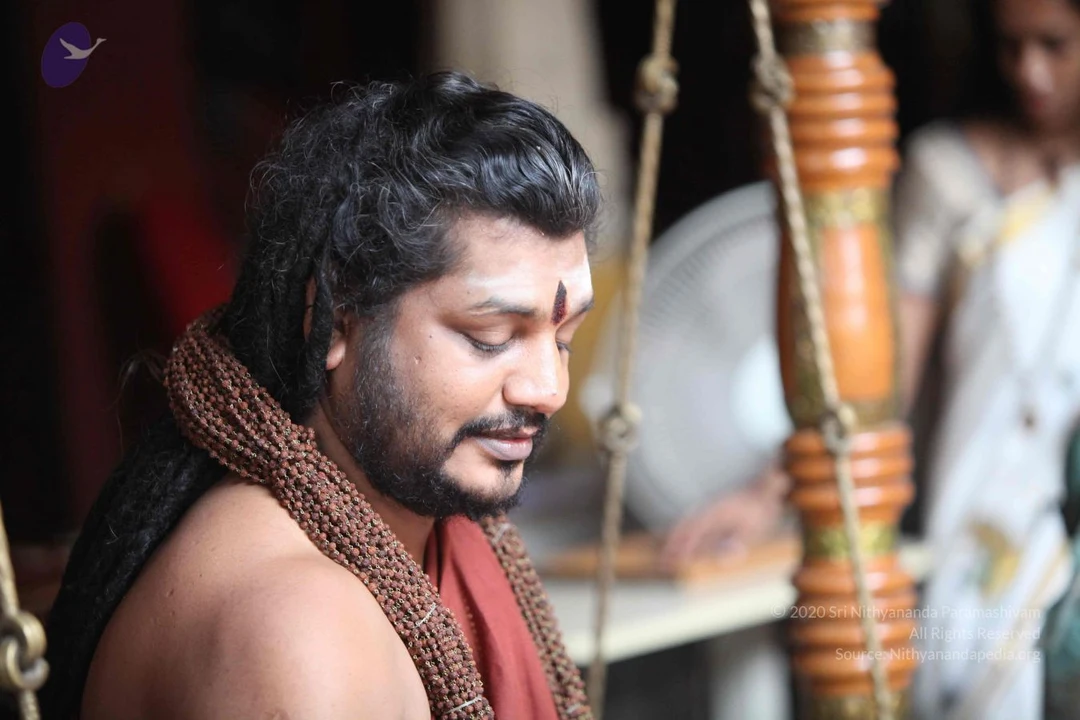
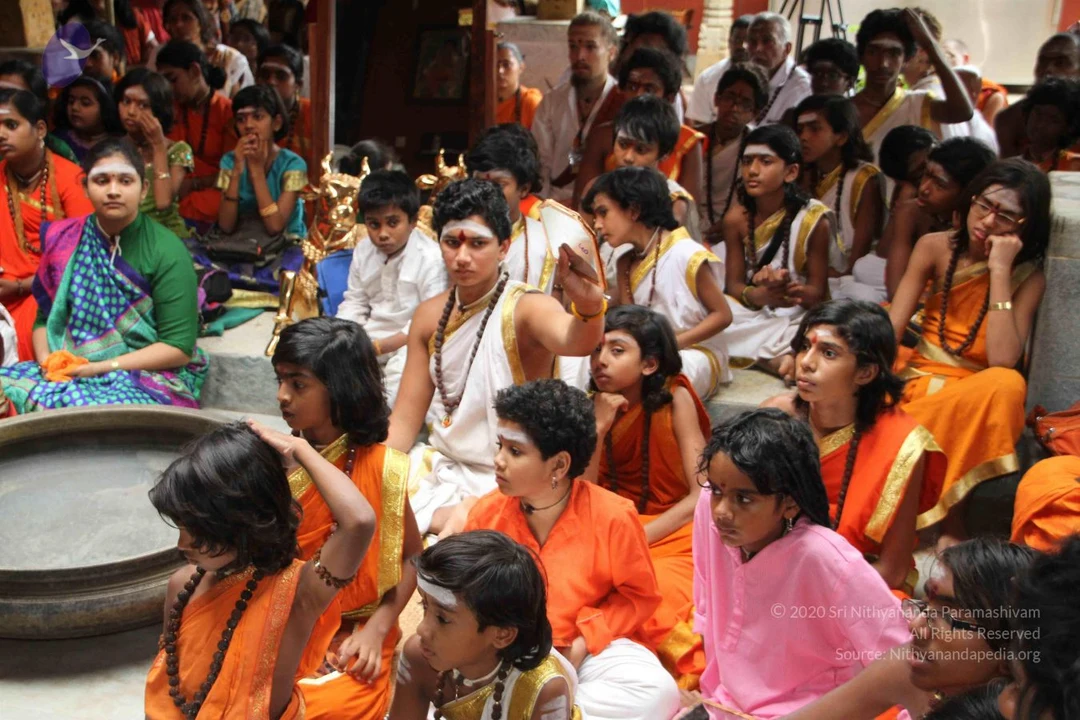
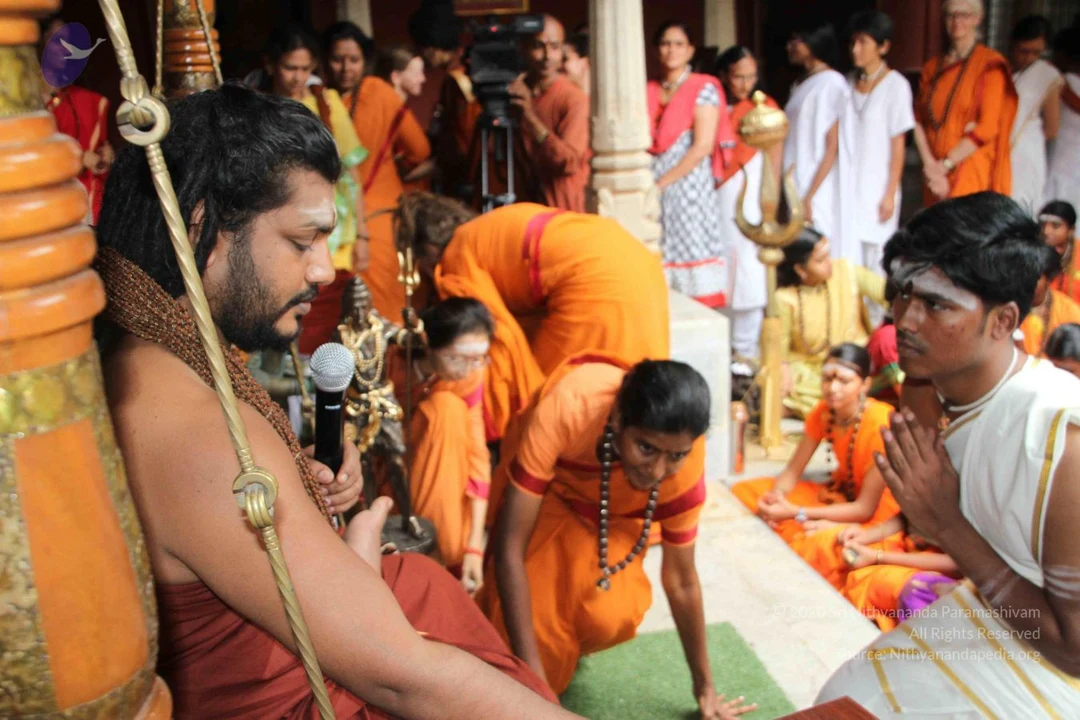
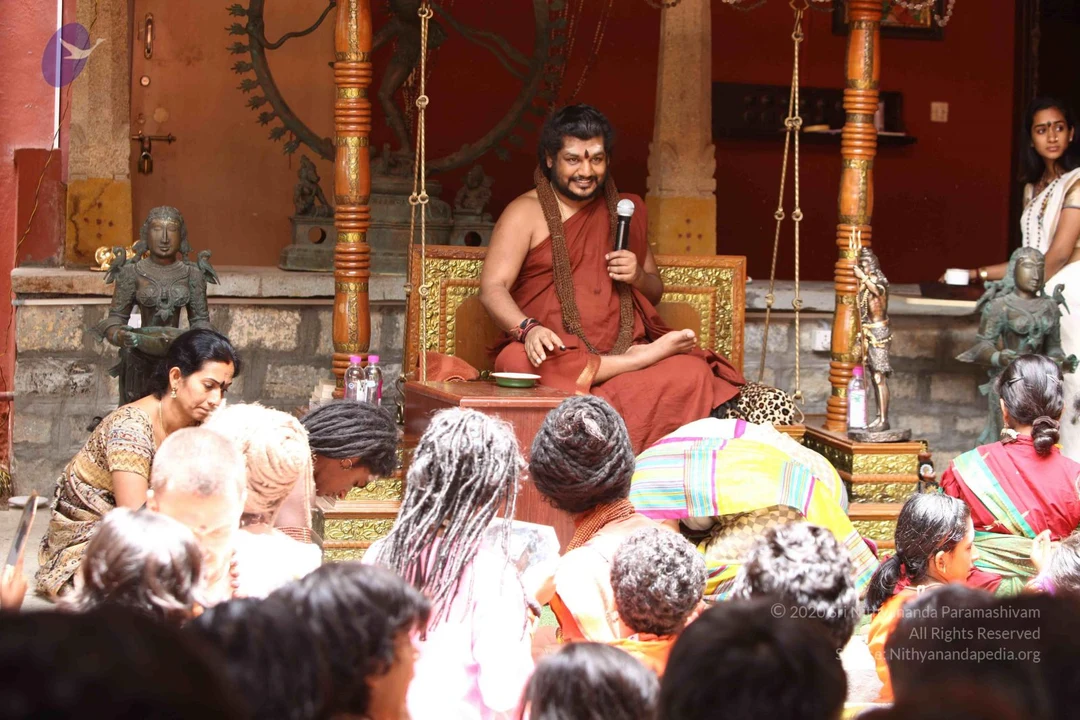
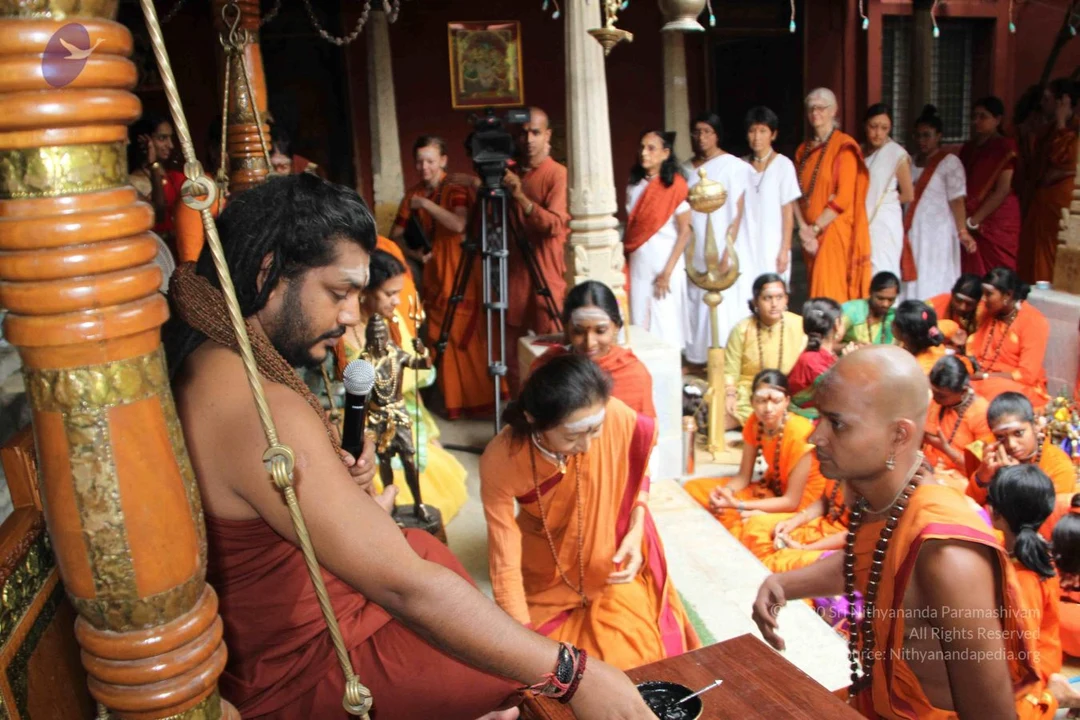
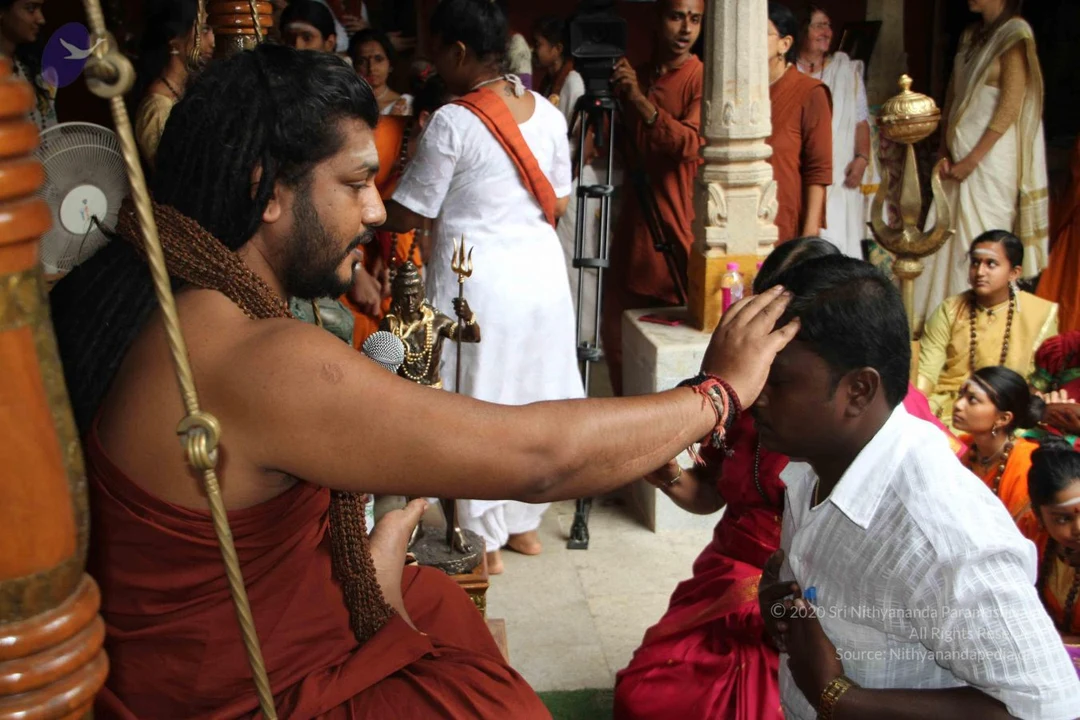
FB-Photos-of-the-Day
,
Photos from this day
View all 189 photosSatsang
1 photoSource gallery
Pada Puja
48 photosSource gallery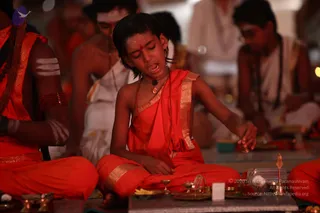
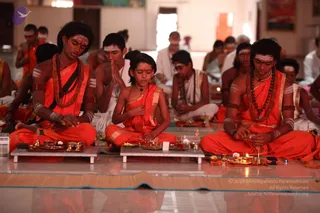
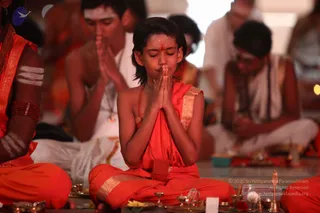
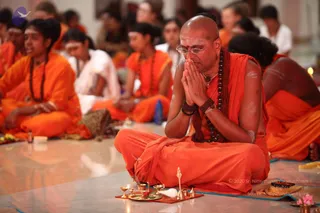
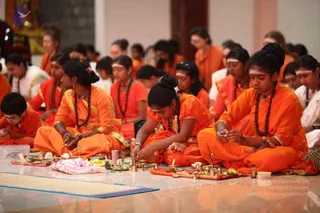
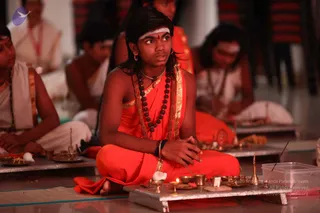
Nithyananda Satsang
77 photosSource gallery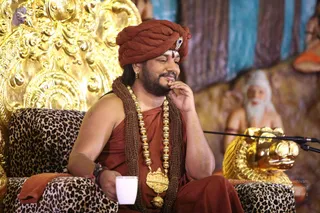
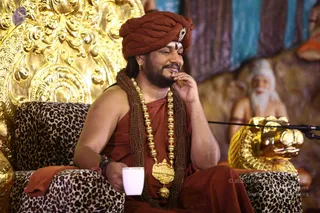
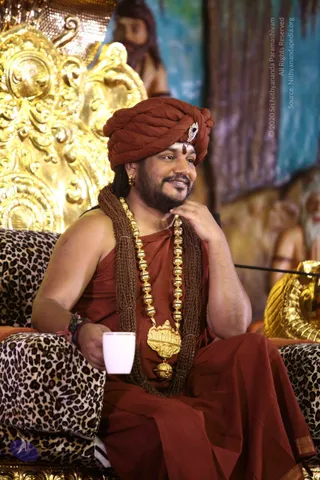
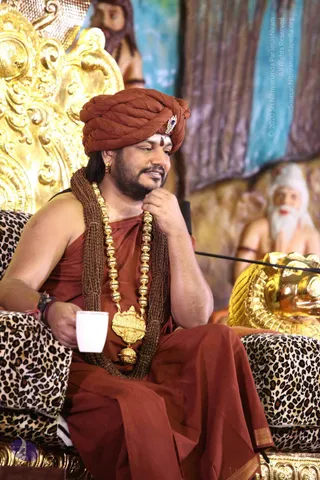
Power Initiation to get rid of blind spots
62 photosSource gallery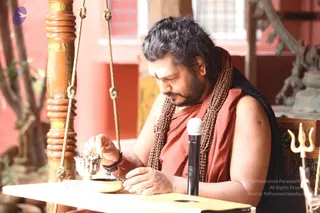
FB-Photos-of-the-Day
1 photoSource gallery