Tuesday
12 May 2015
Go Beyond Death And Dying - Kathopanishad
- Dated photos
- 162
- Source pages
- 1
- Media
- 7
May 12 2015
Original wiki pageTitle
Go Beyond Death And Dying - Kathopanishad
Description
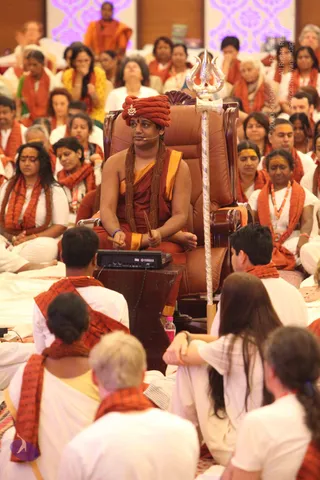
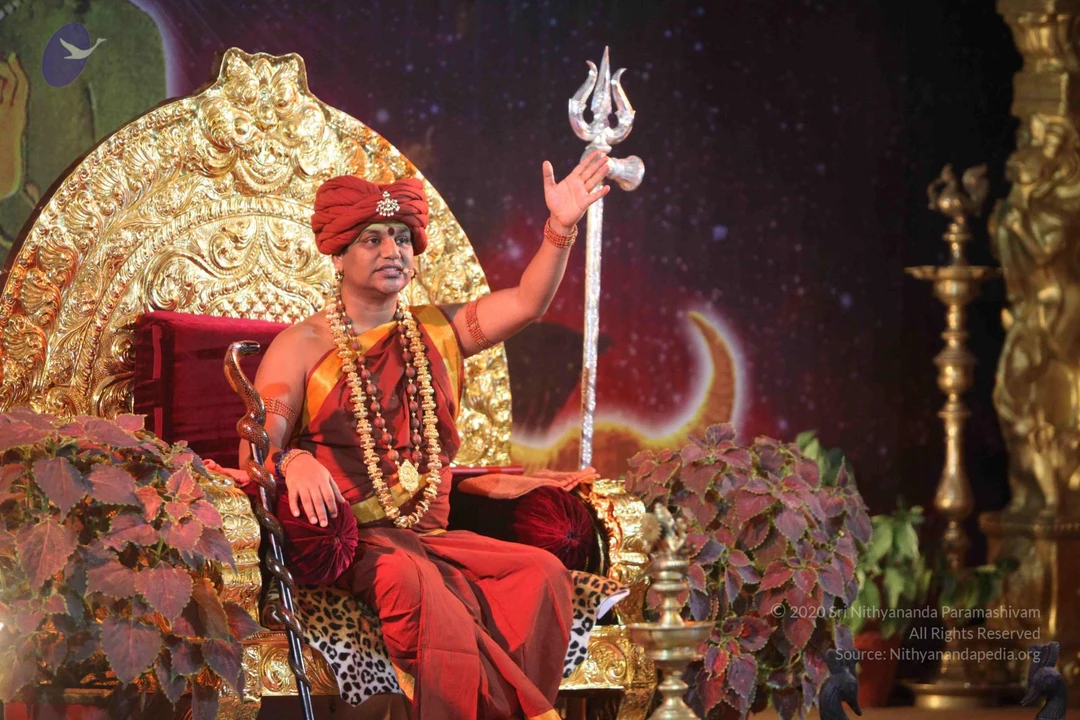
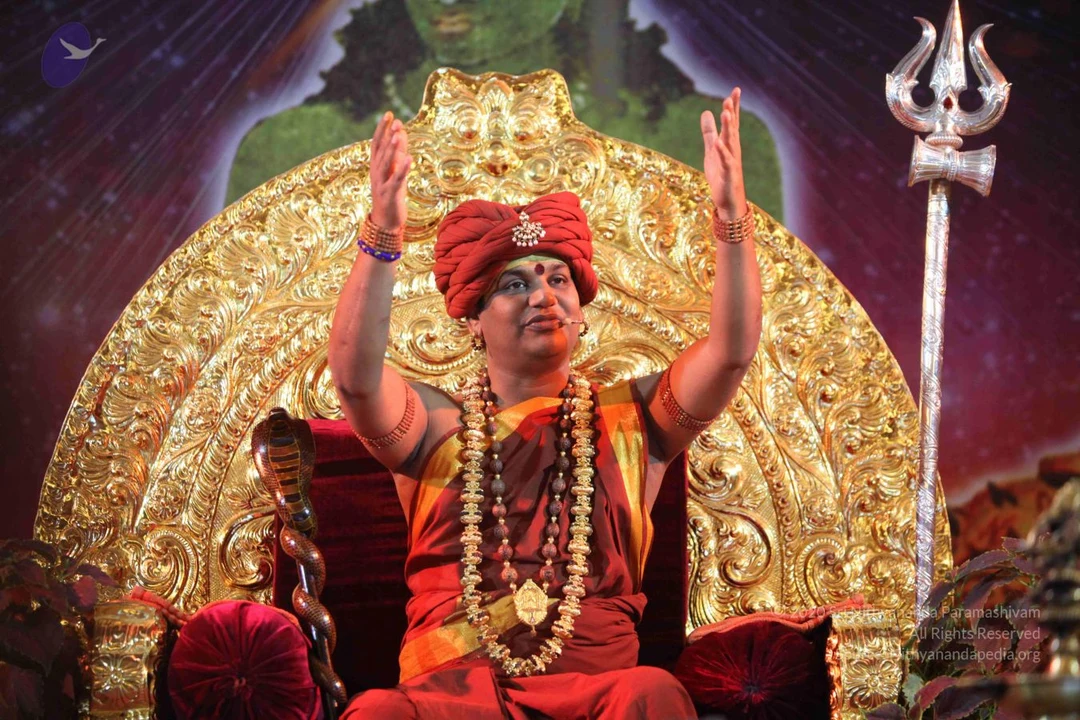
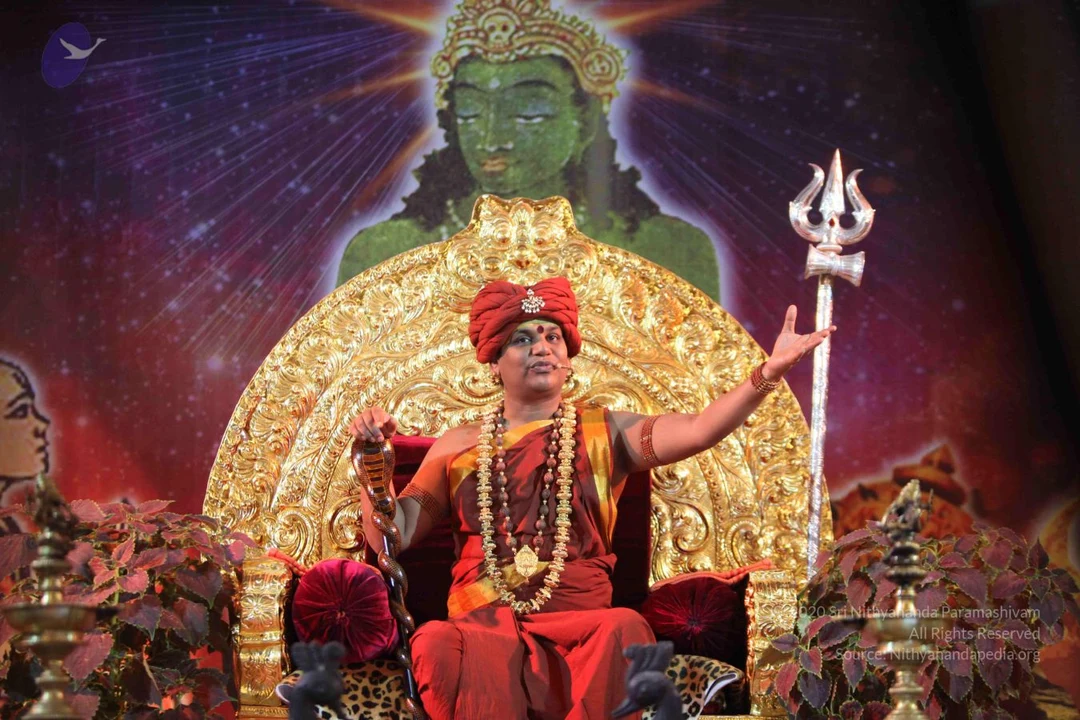
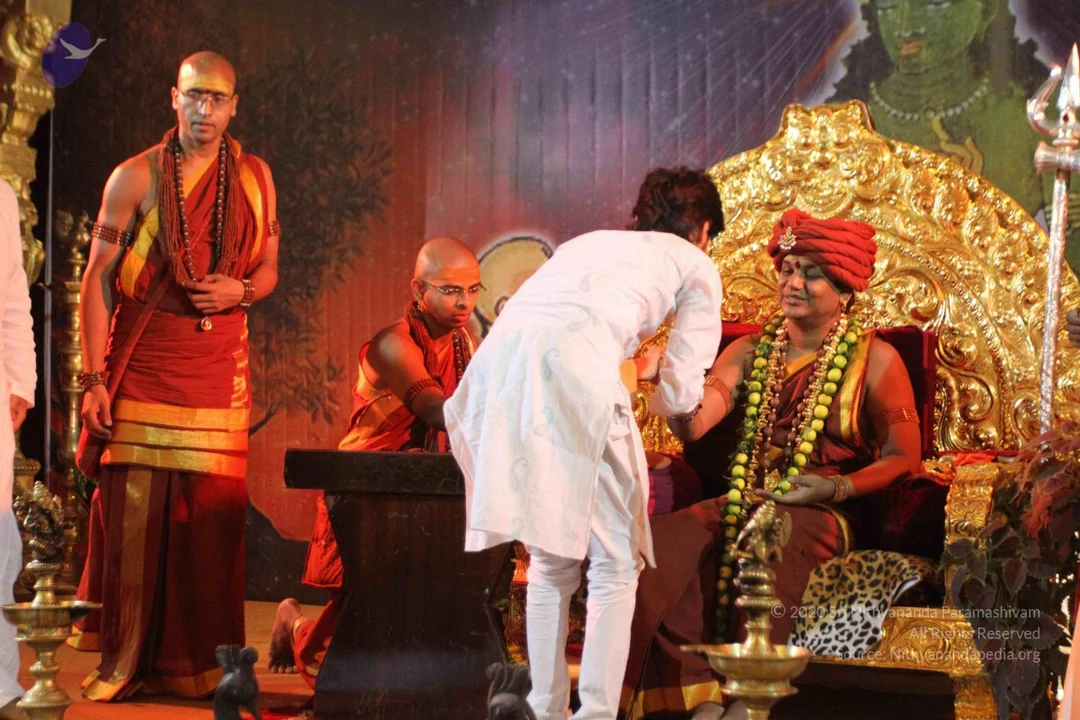
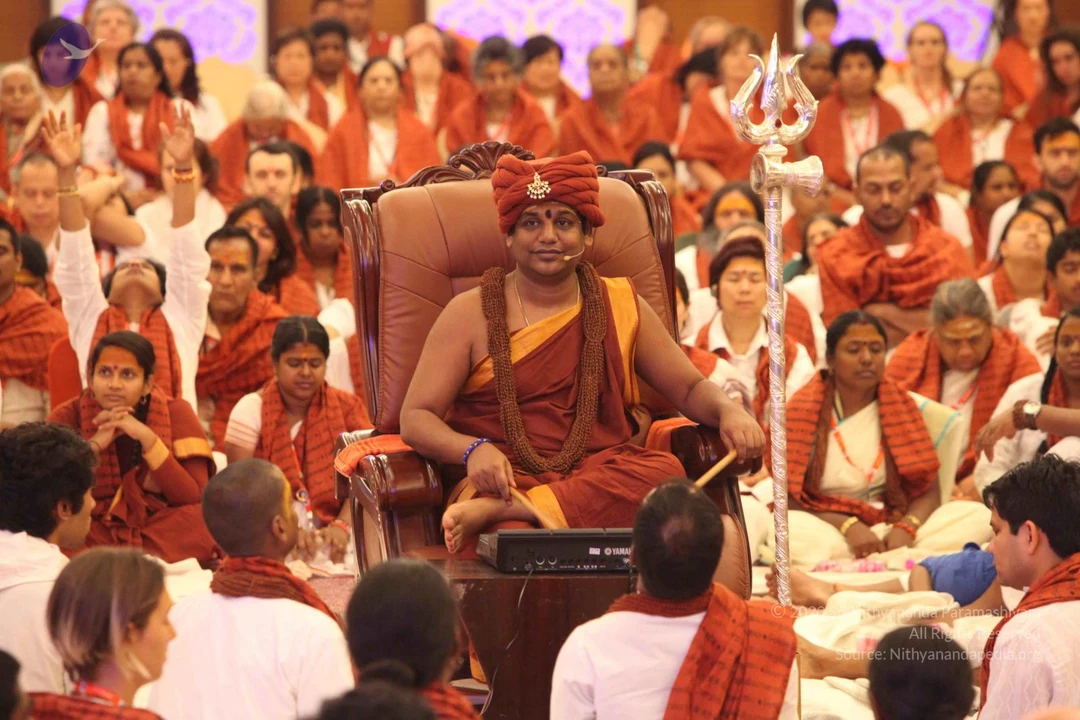
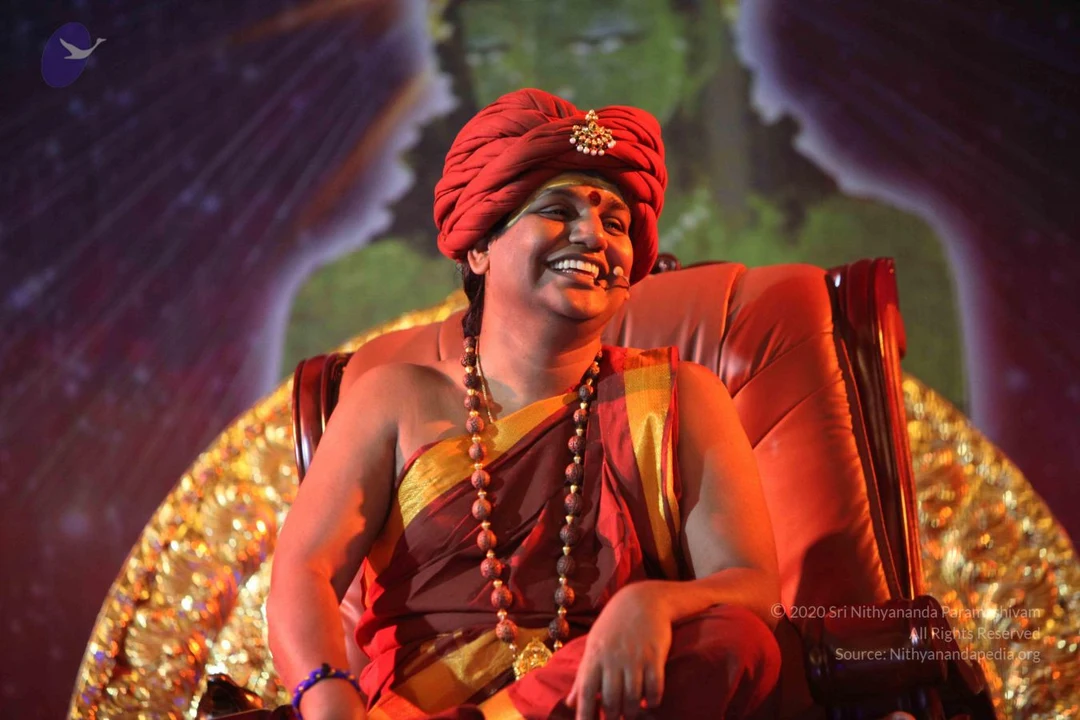
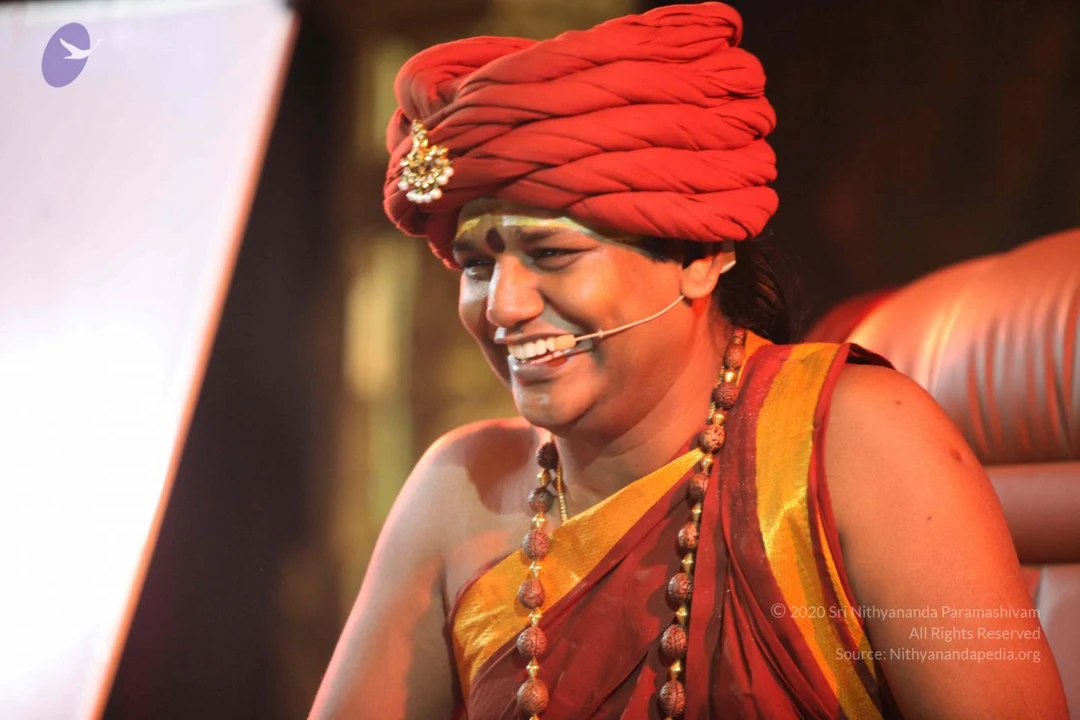
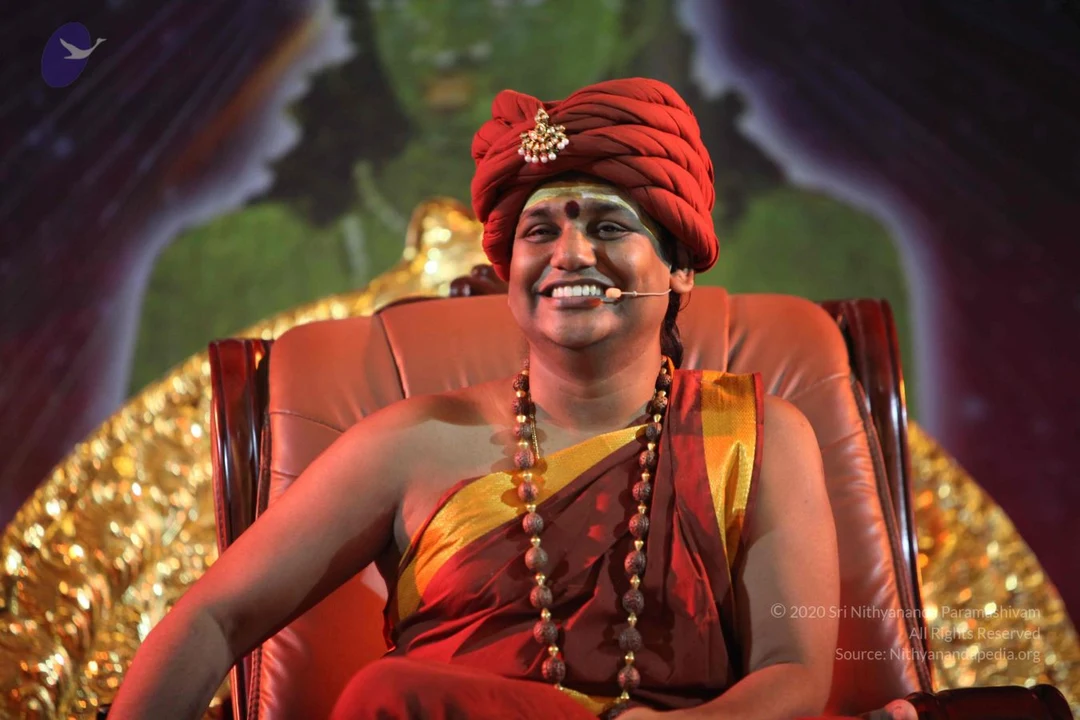
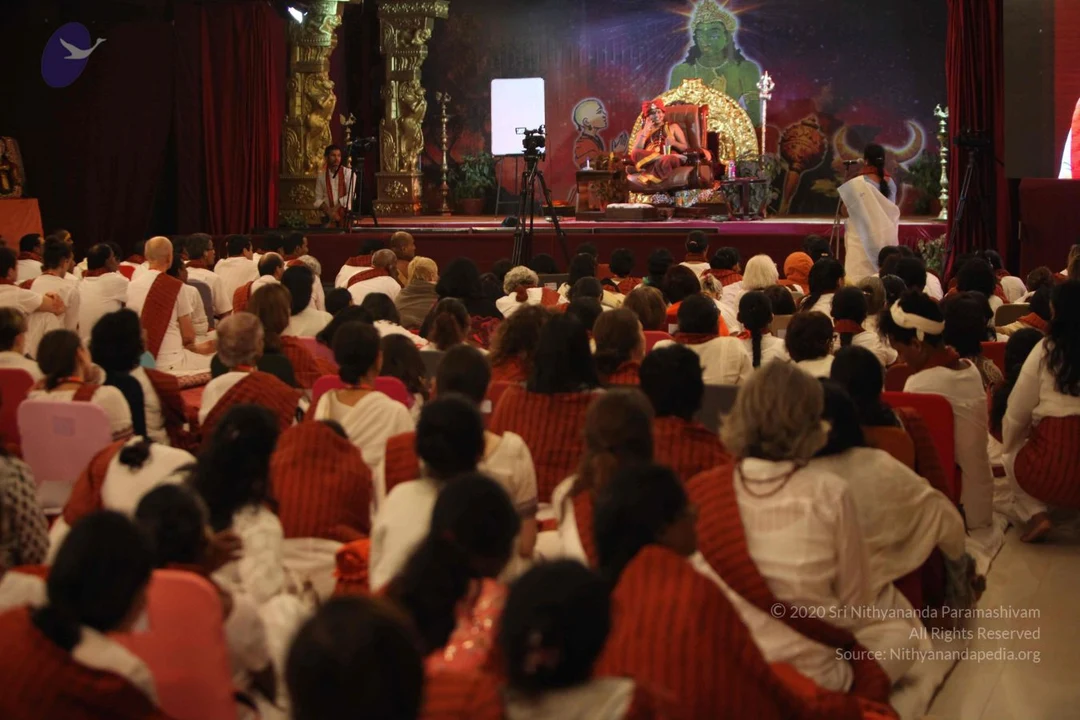
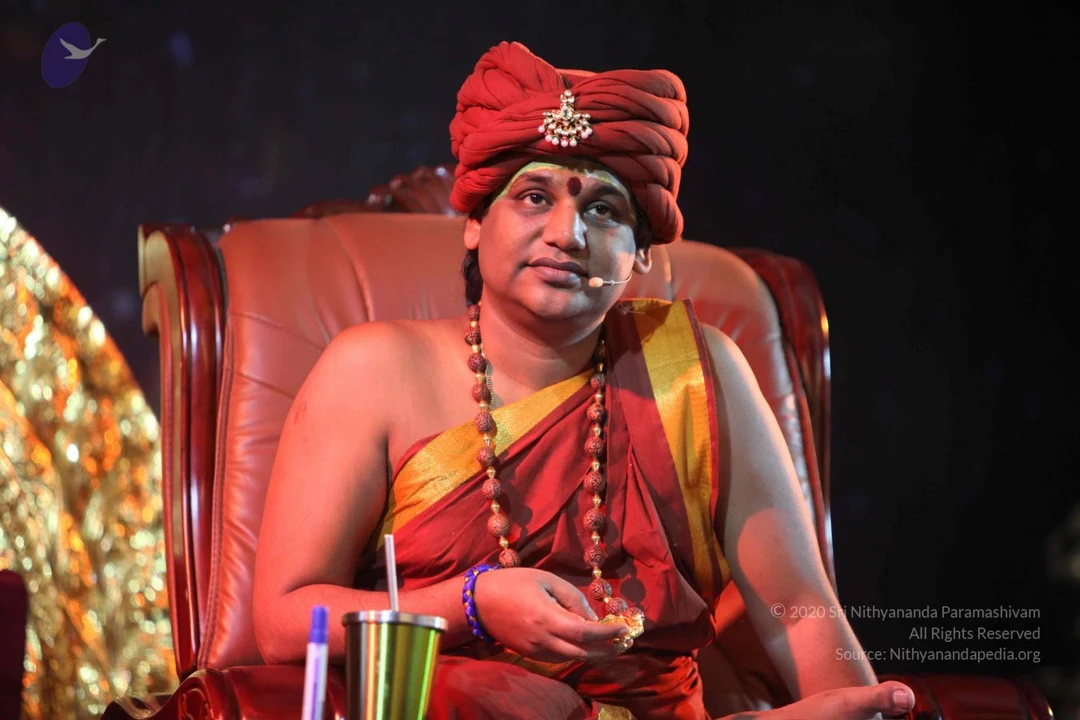
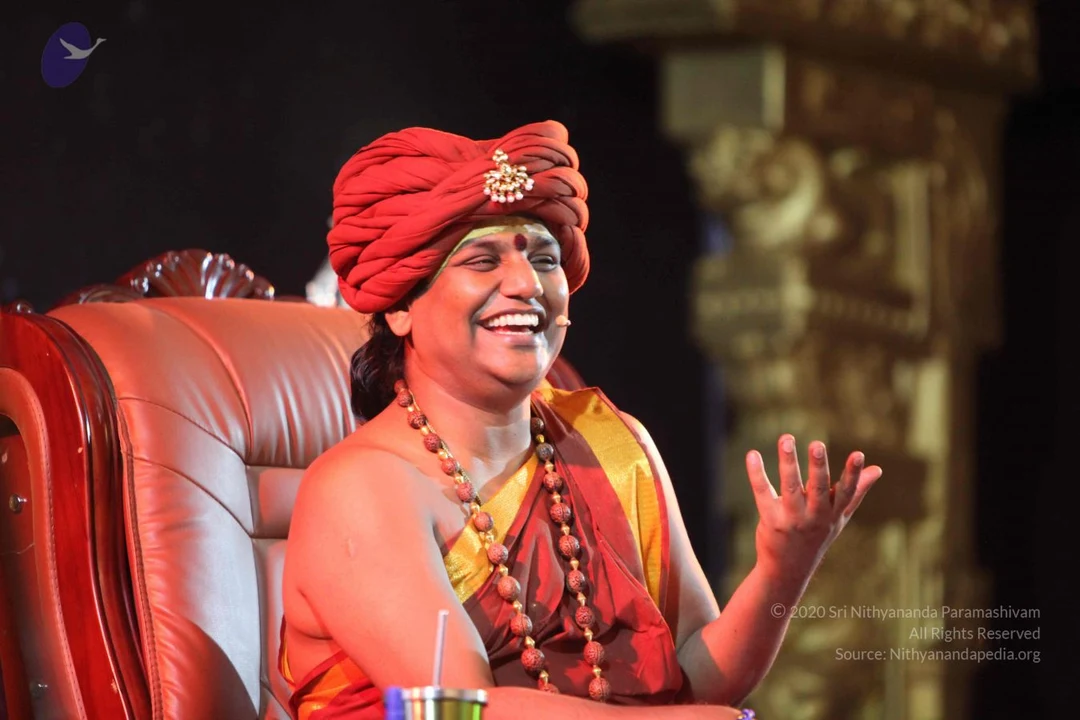
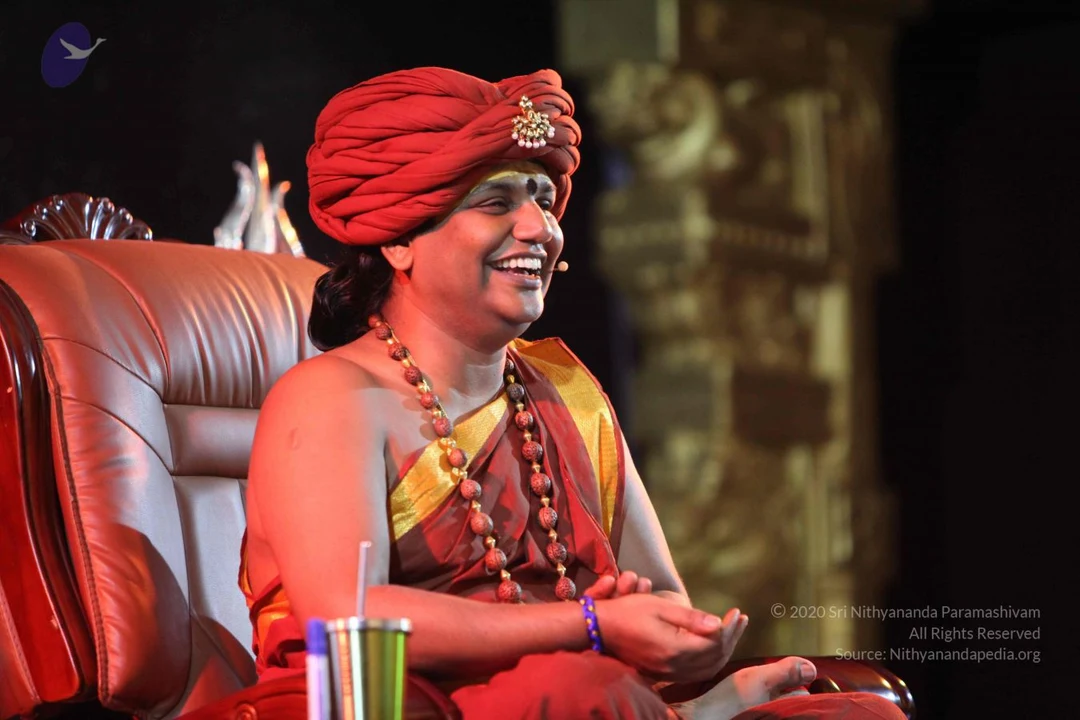
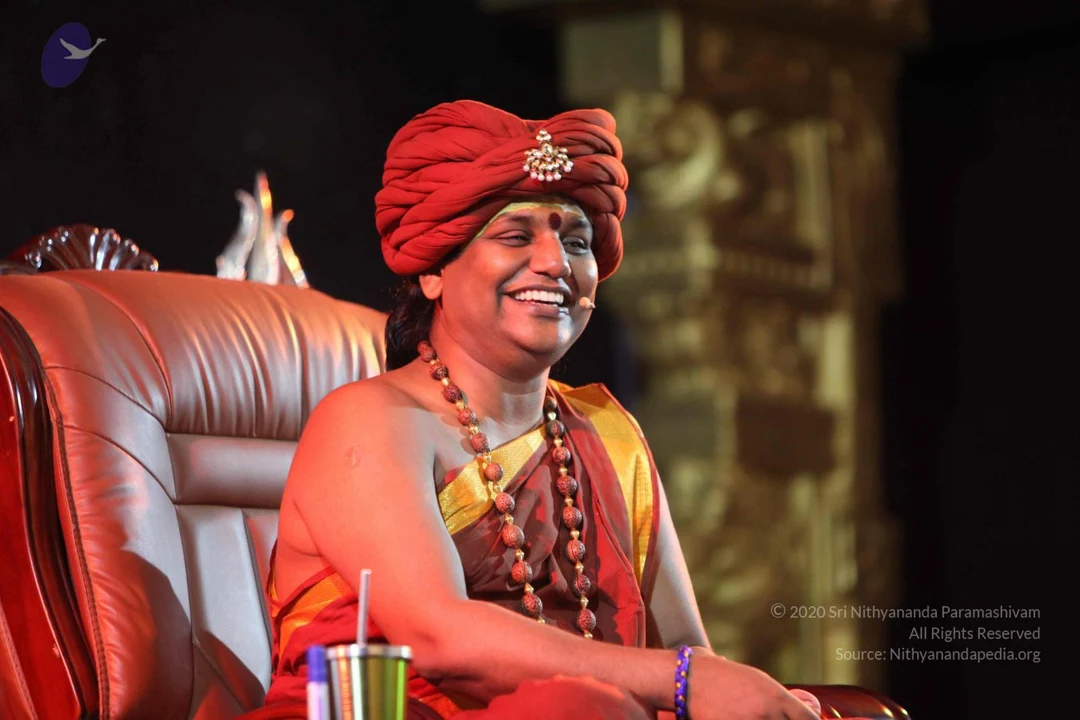
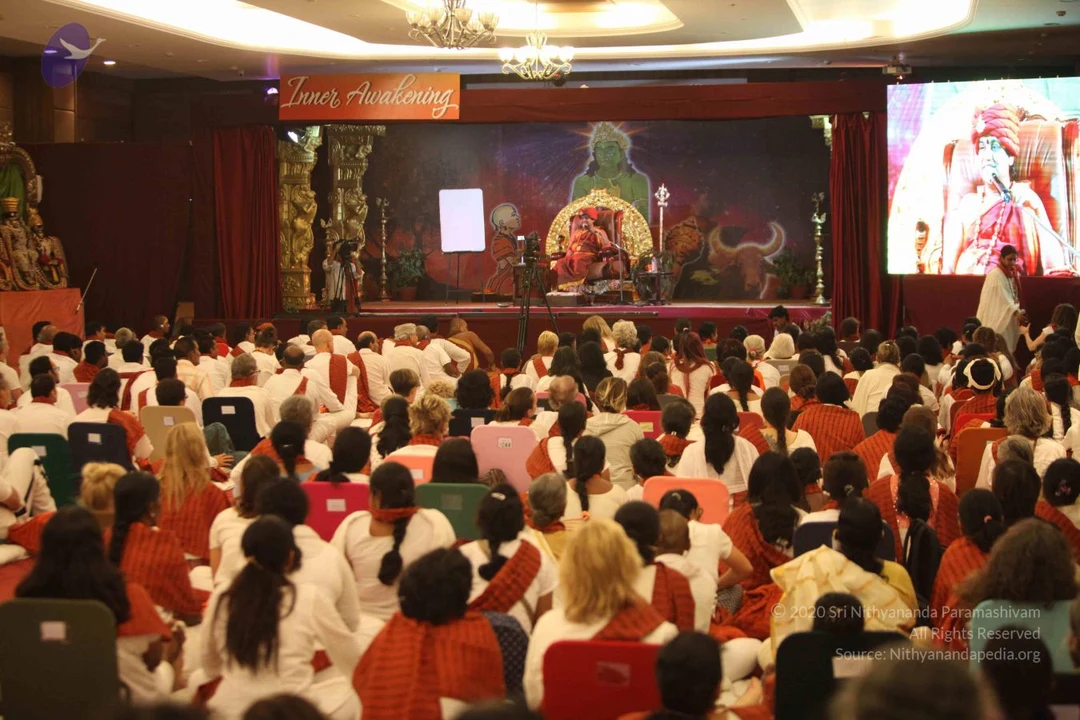
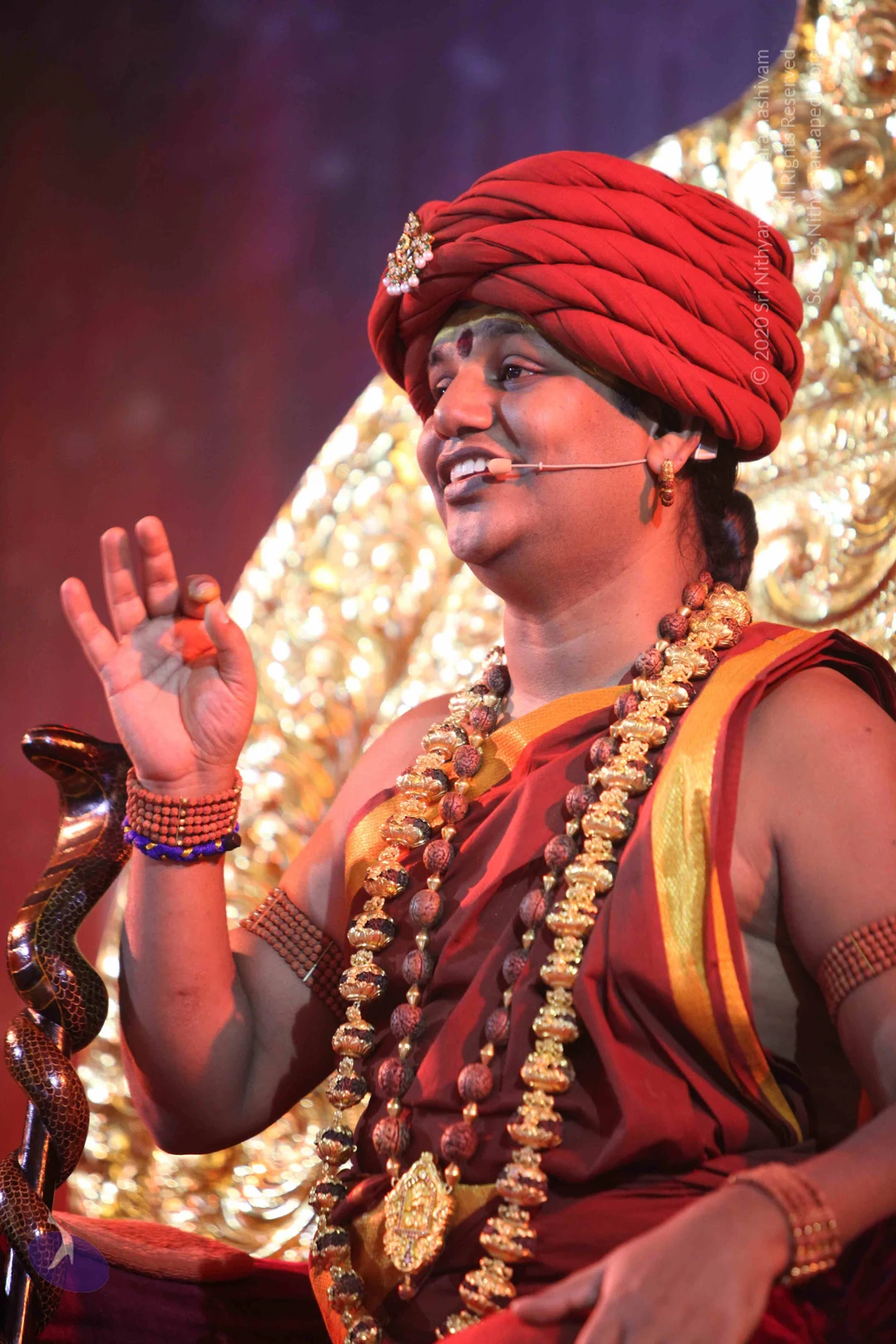
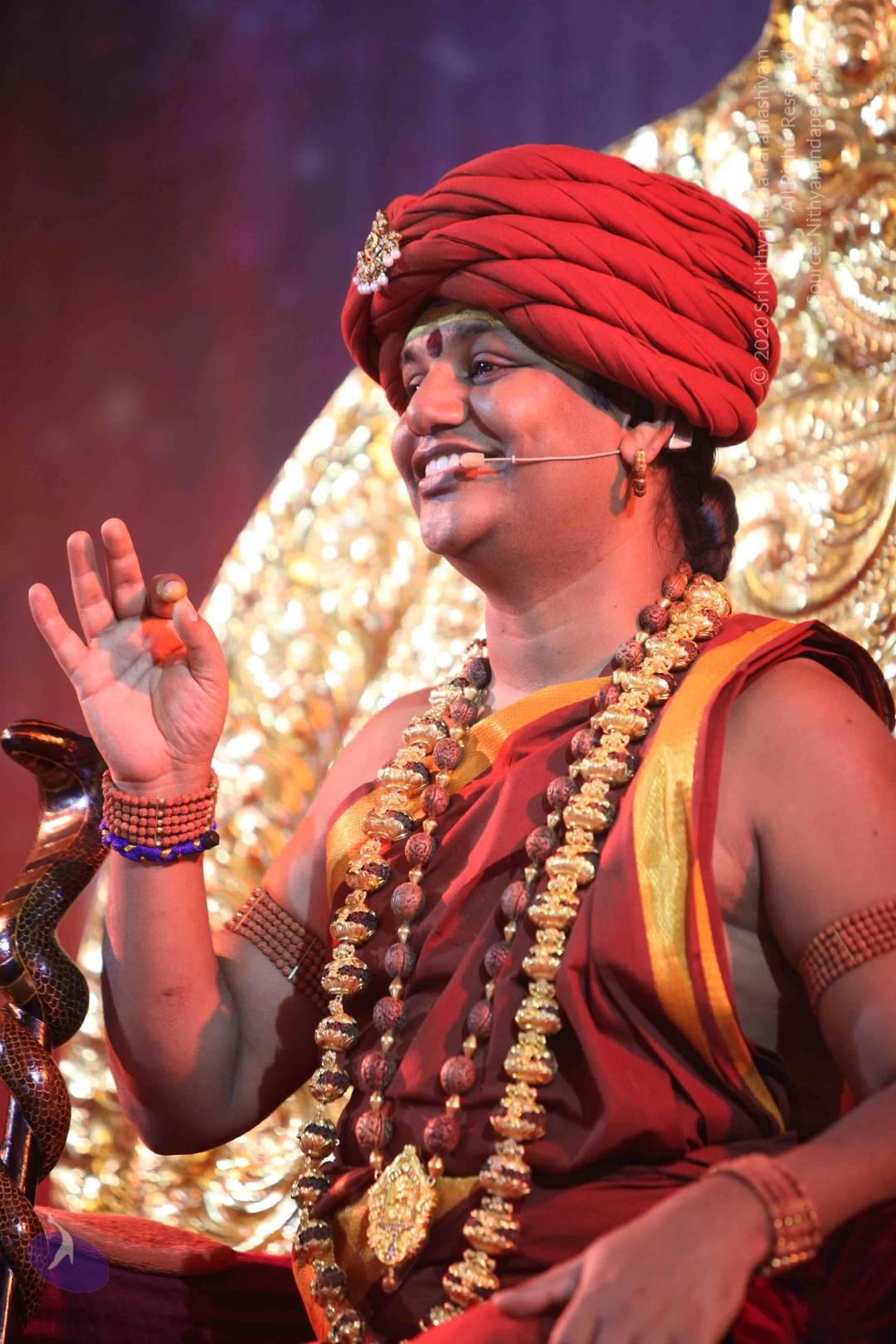
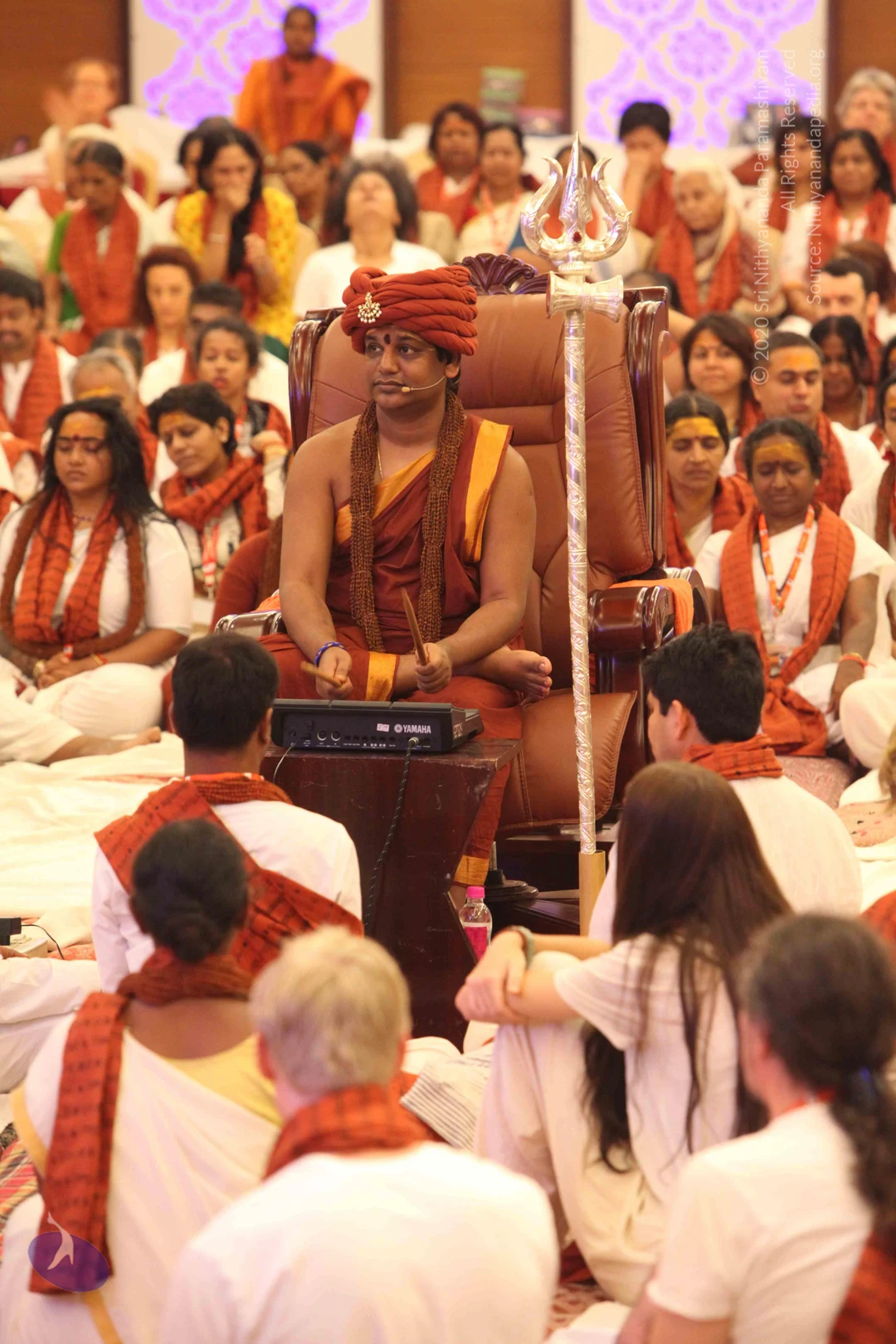
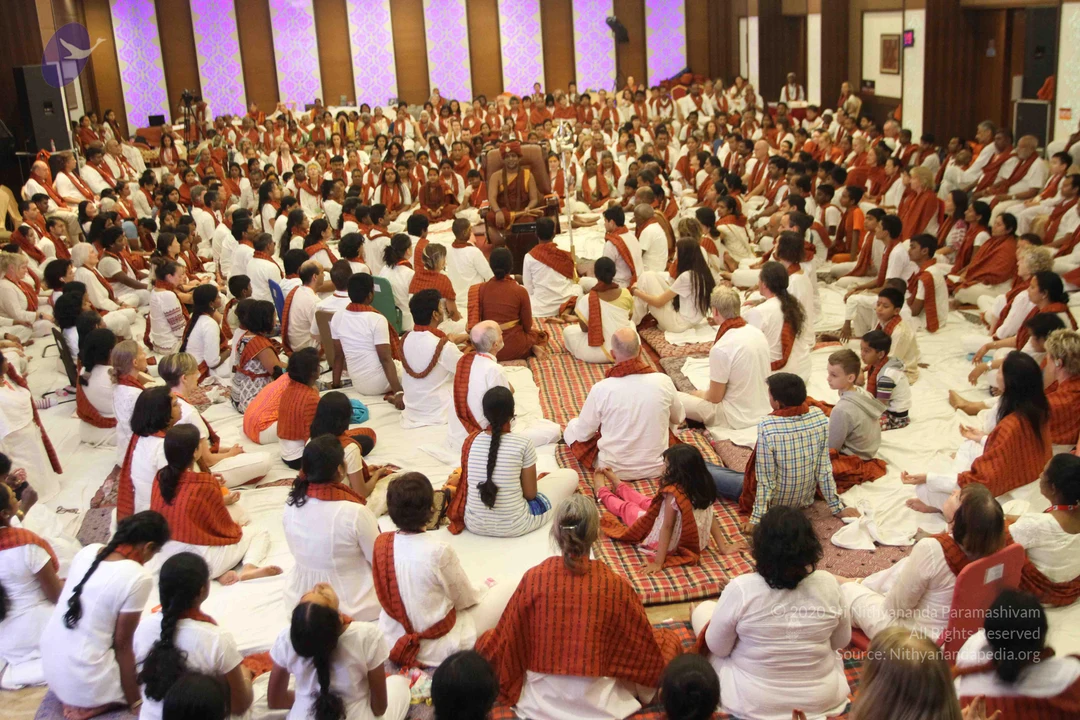
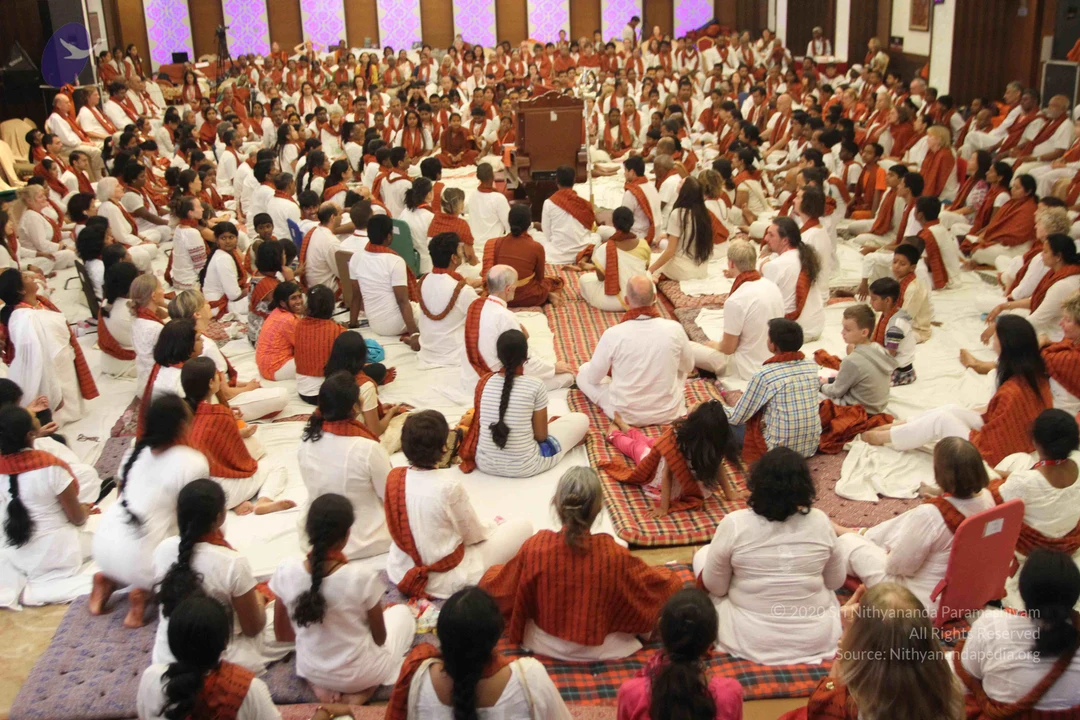
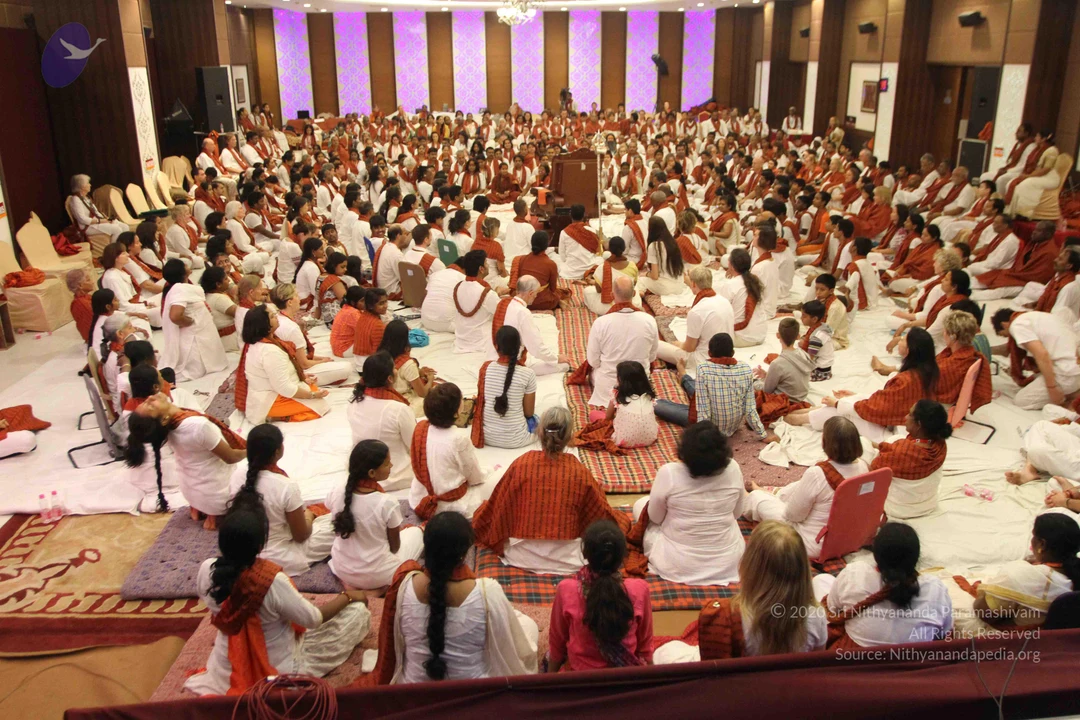
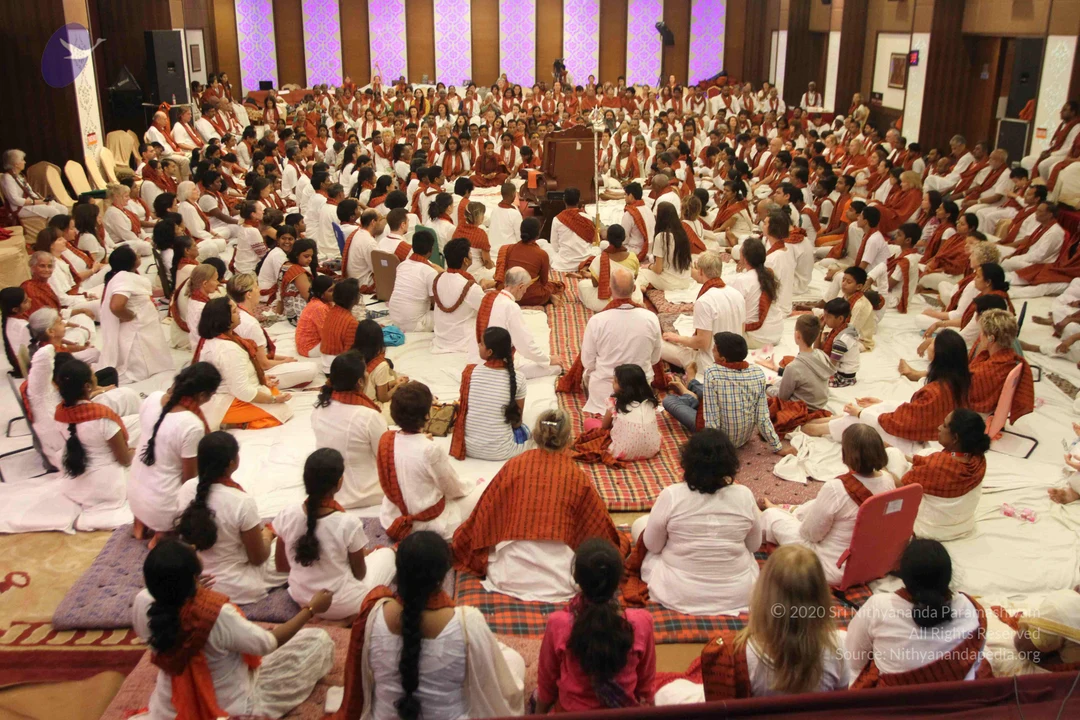
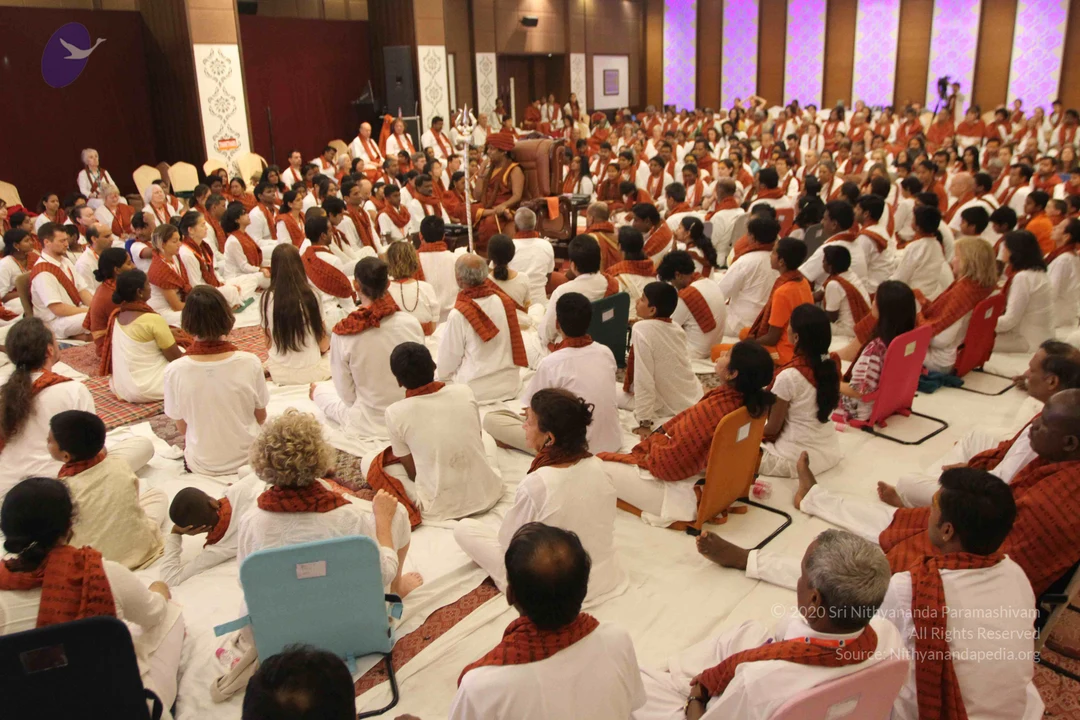
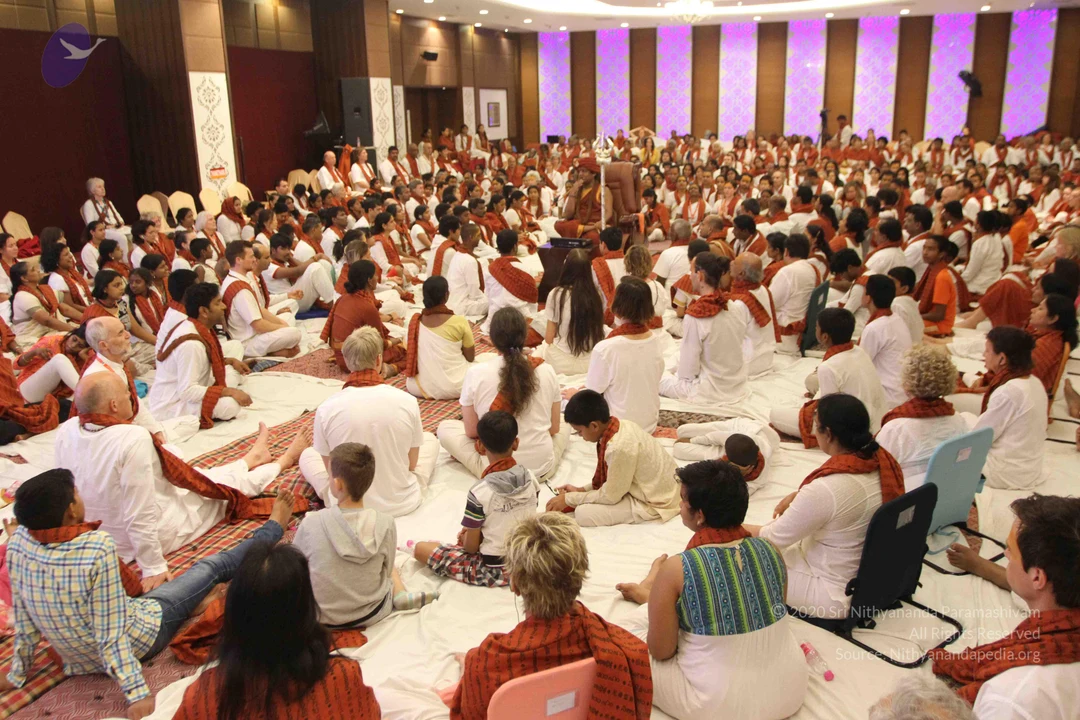
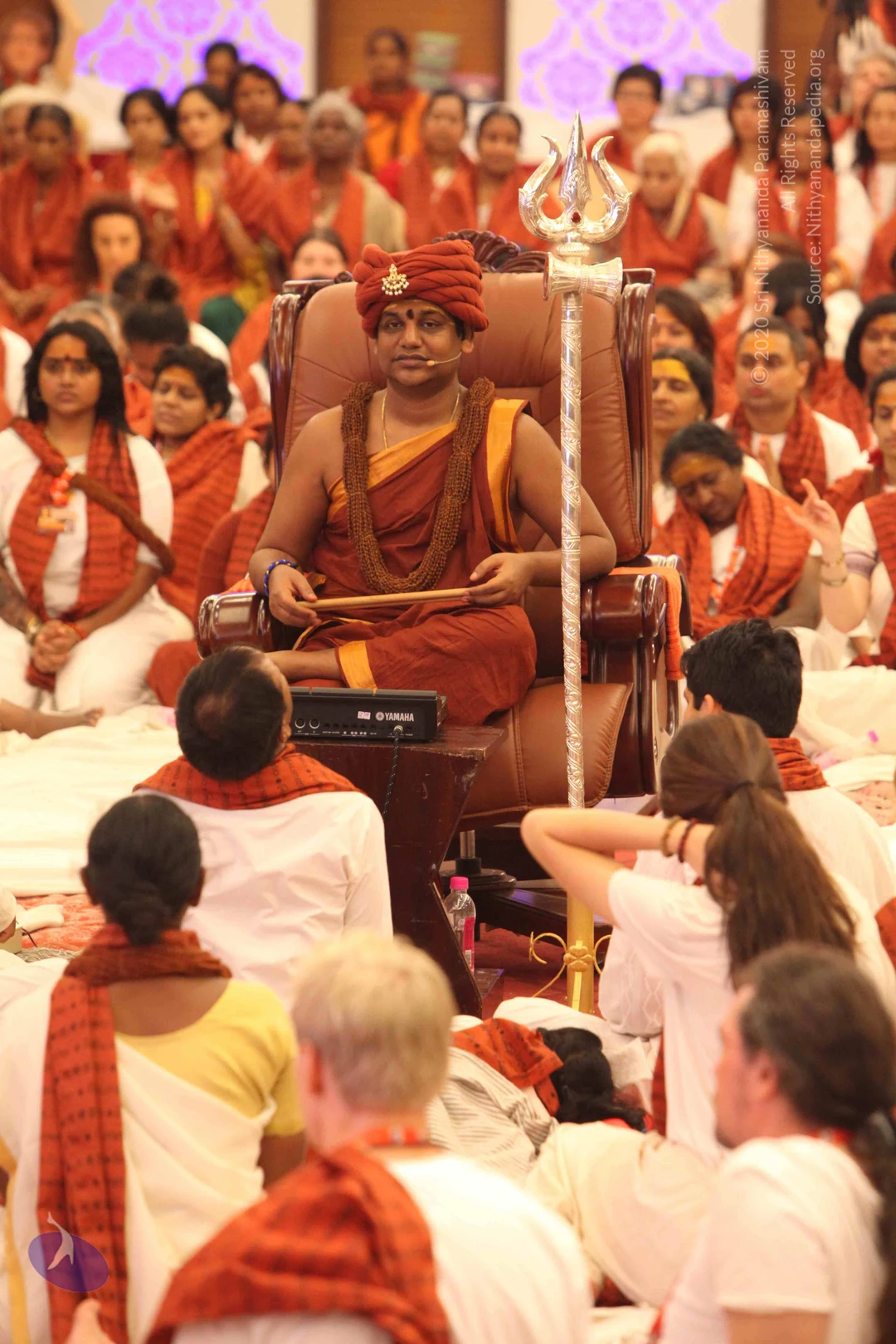
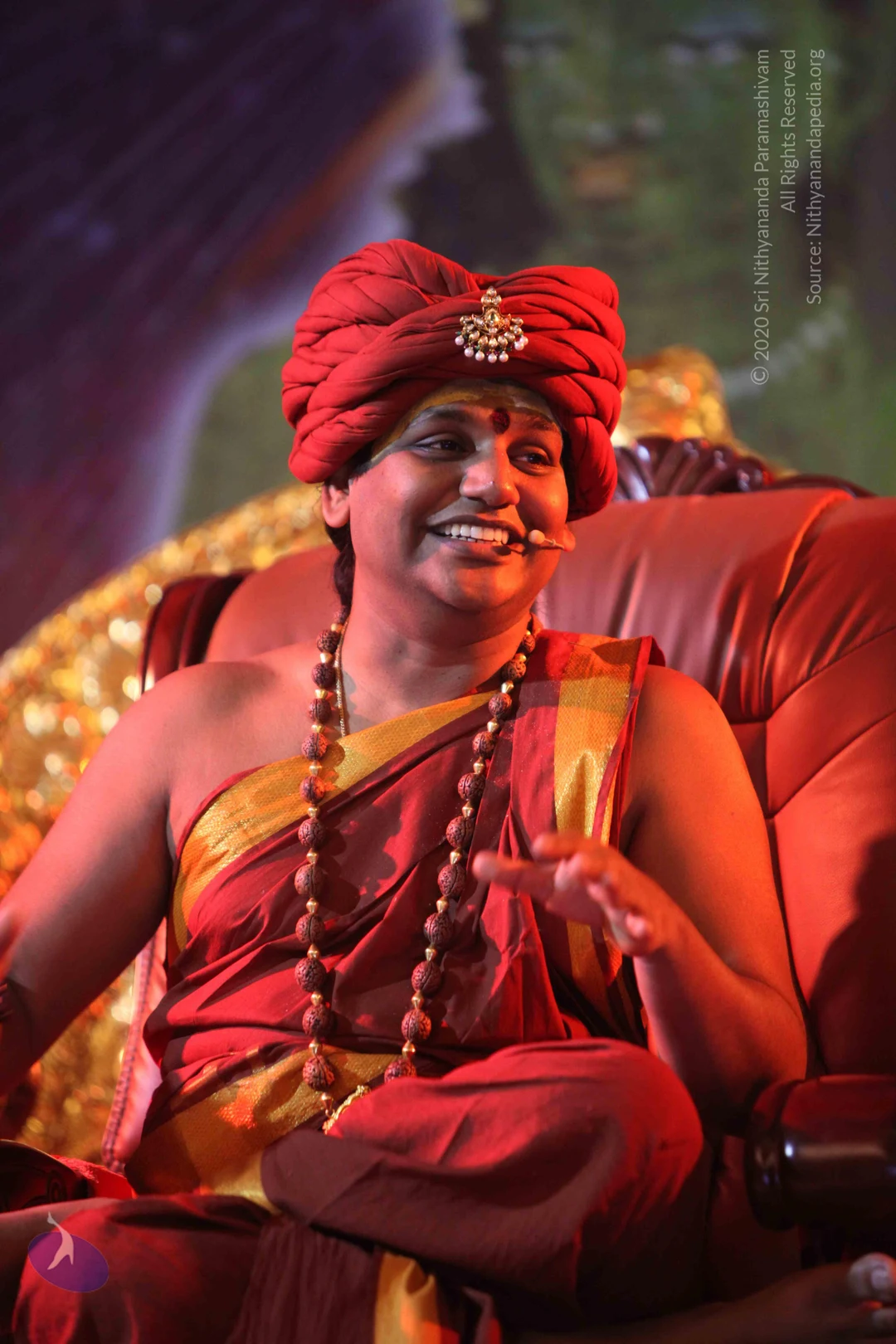
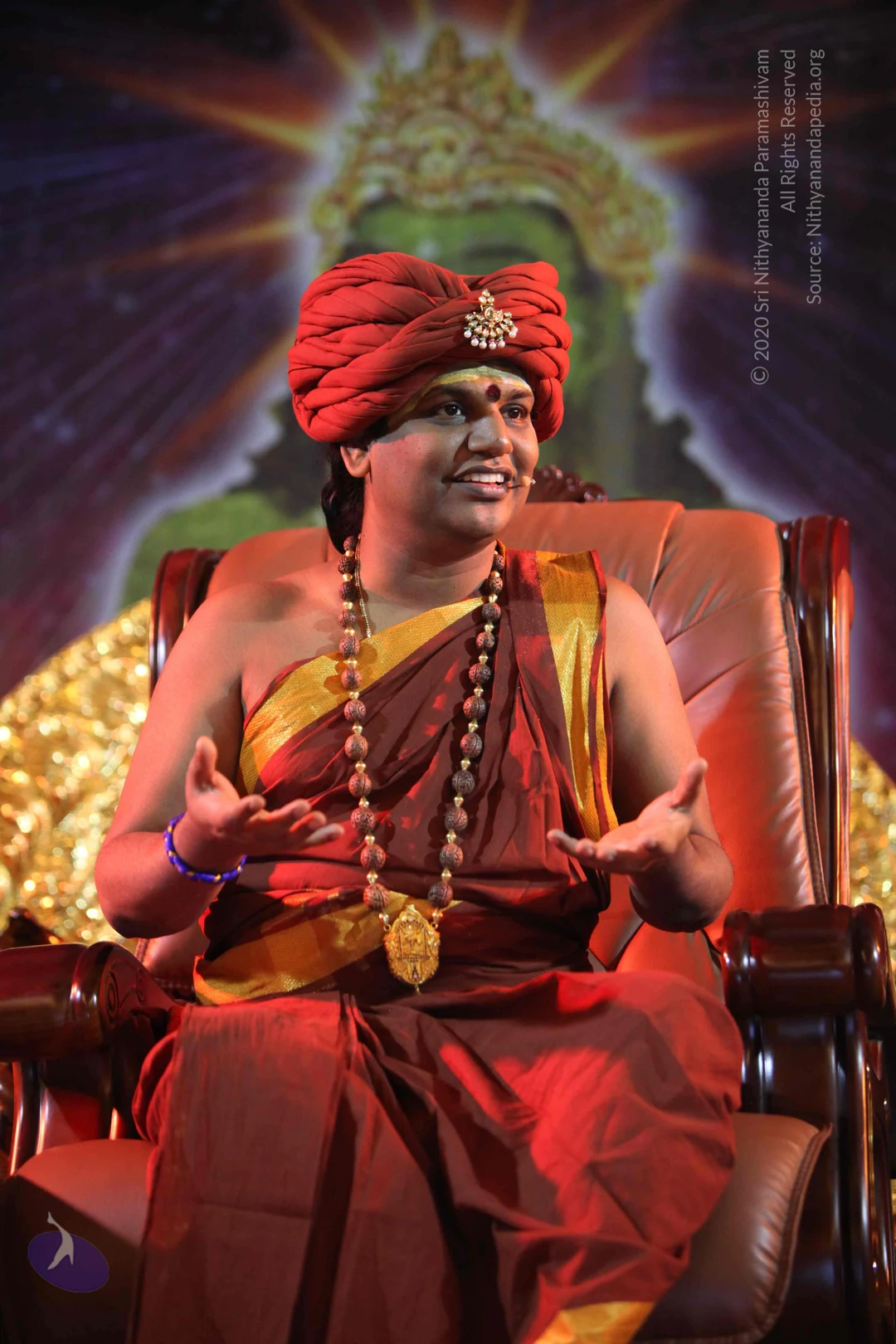
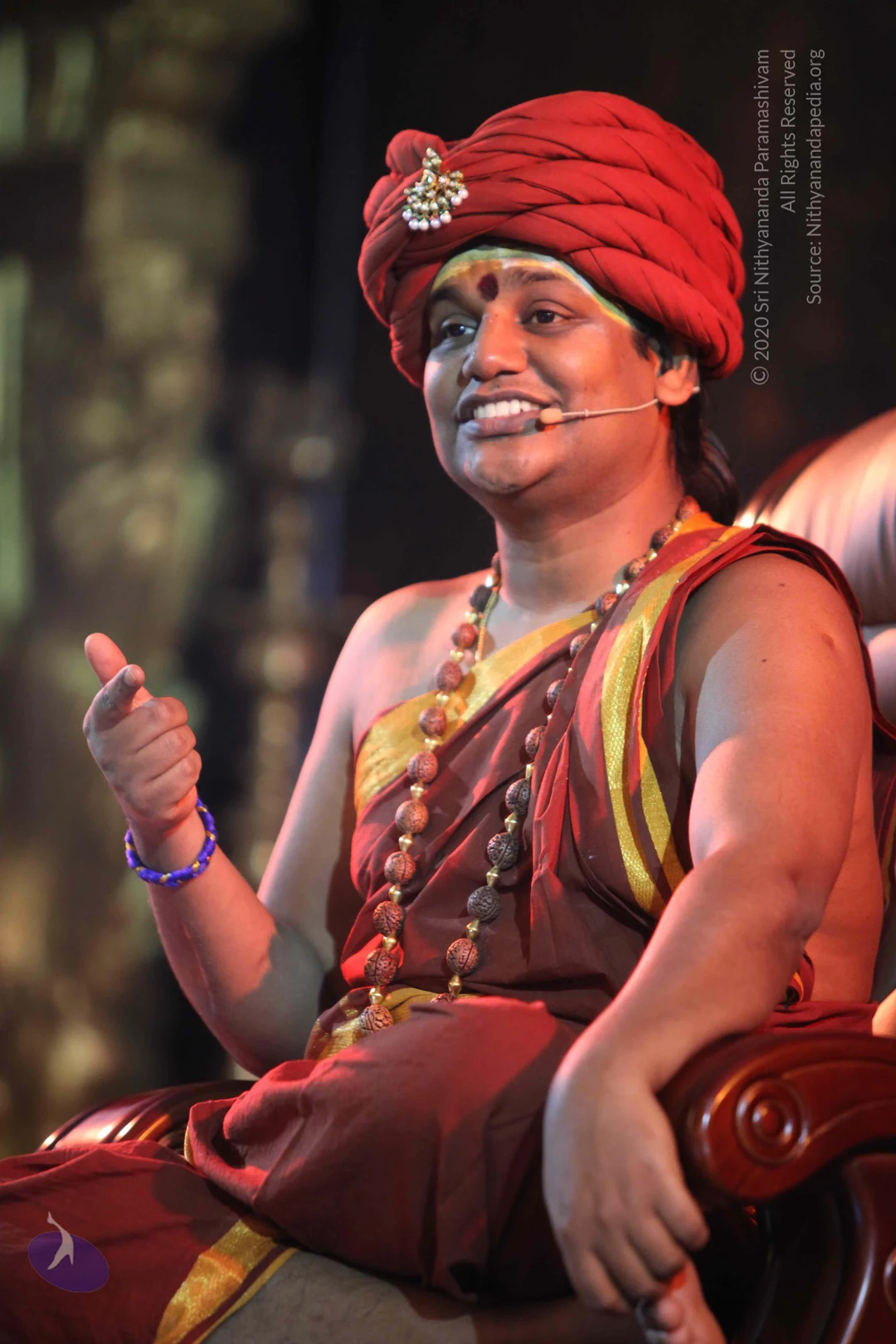
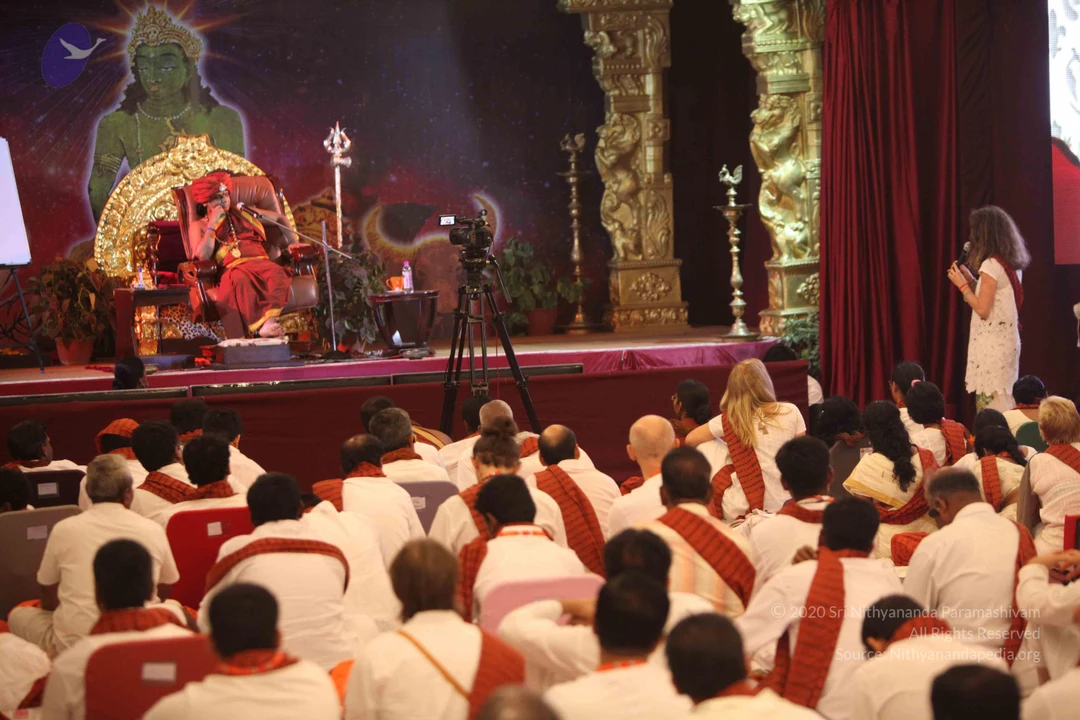
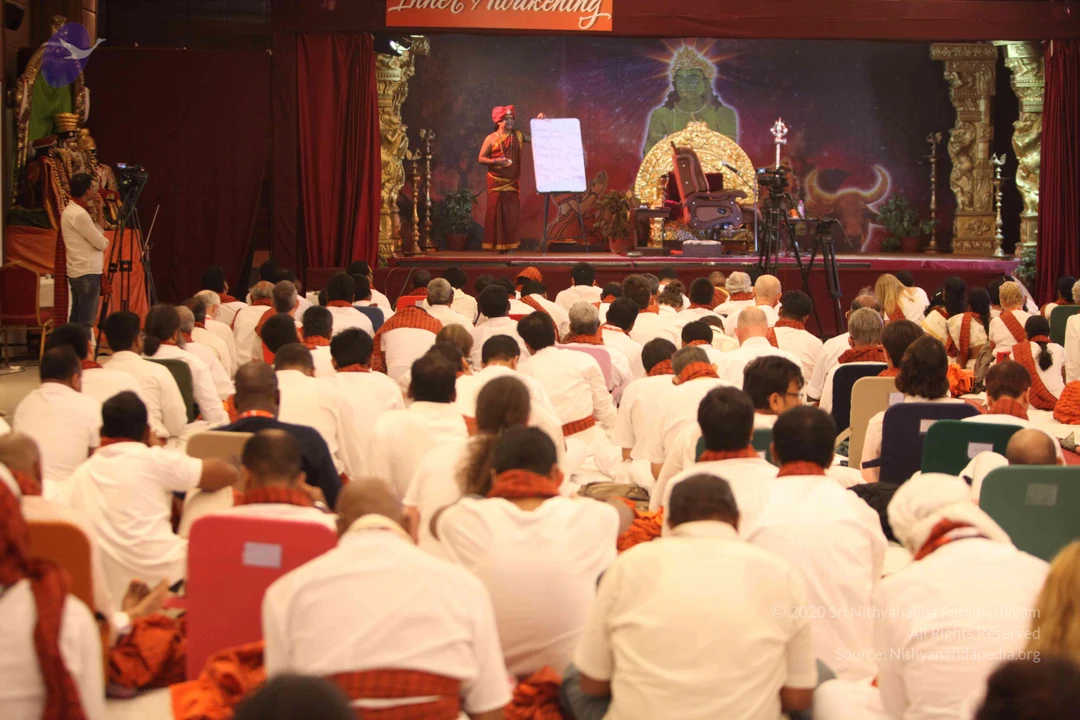
Introduction into Kathopanishad, the Book of Death are the subject of today’s (12 May 2015) Nithya Satsang on this powerful, bold Upanishad by Paramahamsa Nithyananda, amidst the ‘Shivoham-Inner Awakening Program’ Day 6 at Varanasi. Uncovering the sacred secrets of Death and Dying, the two states in which we are ever stuck, Paramahamsa Nityananda, by his own authority as a Hindu Incarnation declares the first and foremost commandment for humans as – “Thou Shall Not Die.” The goal in human life is not Videha Mukti (liberation after leaving body) but Jivan Mukti, Living Enlightenment, being reborn while in body and tasting, celebrating enlightenment just like enjoying, tasting a good tea. Death, even in Varanasi, Shiva's home, where liberation is a certainty, is after death. From his timeless, deathless consciousness, who experienced Death in Varanasi in 1999, He affirms that he himself is the listener and seeker, Naciketa, the speaker, Yama Dharma. Anybody who consciously allows the dying process and stares into the eyes of Death is a Dhirah, the courageous one, a Shiva Bhakta (Shiva’s devotee). Shaivism is the tradition that educates us to stare at death while we are alive and never allows us to divert our attention from Death.
Link to Video
| Video | Audio |
Link to Video
| Video | Audio |
Transcript
nithyānandeśvara samārambhām
nithyānandeśvari madhyamām |
asmat āchārya paryantām
vande Guru paramparām ||
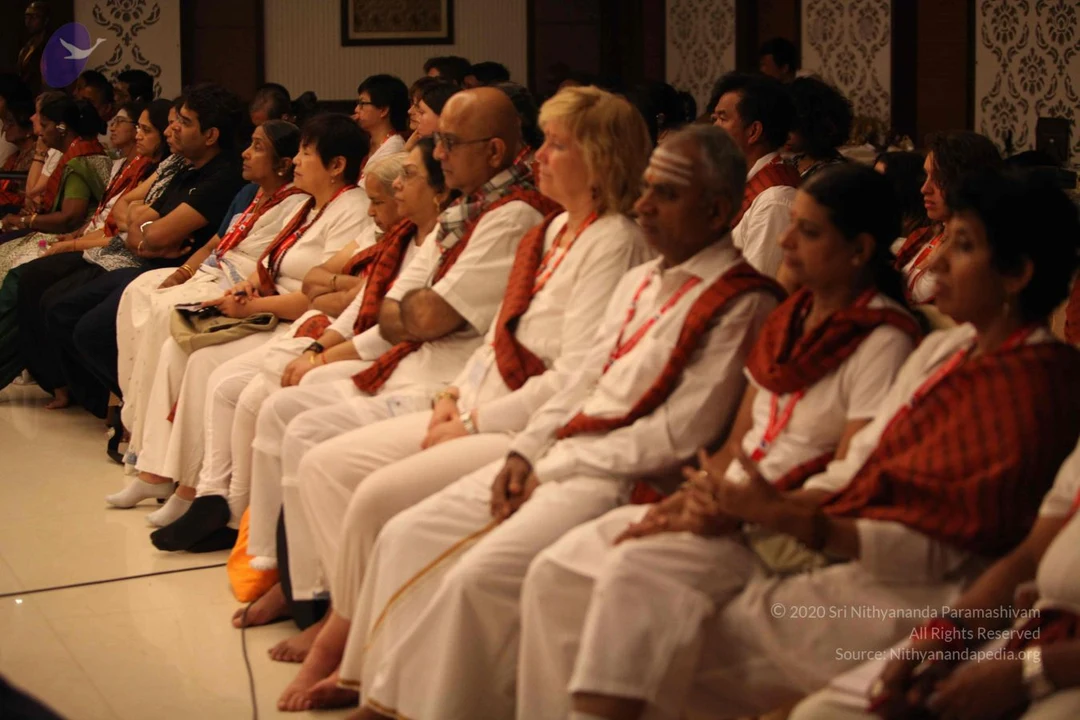
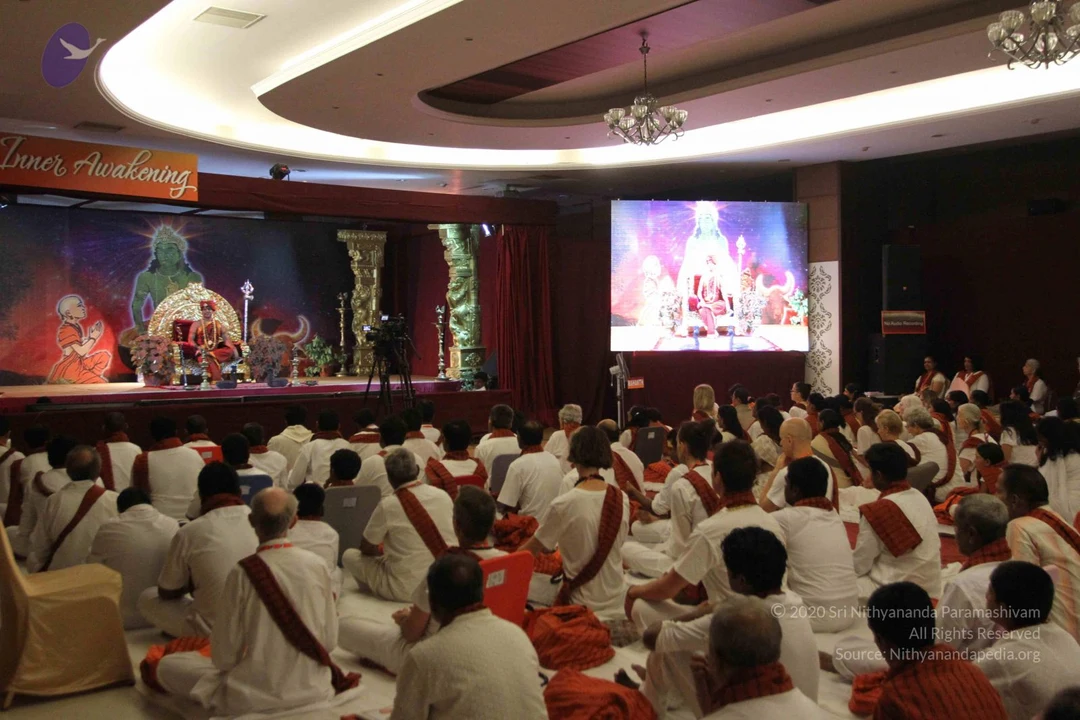
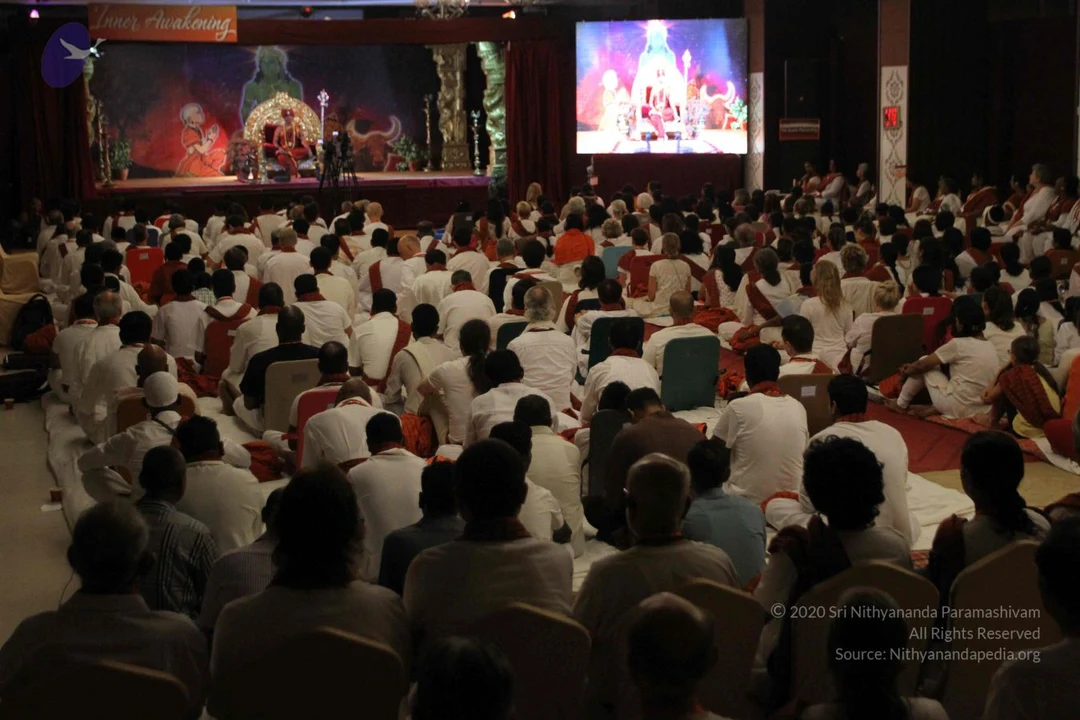
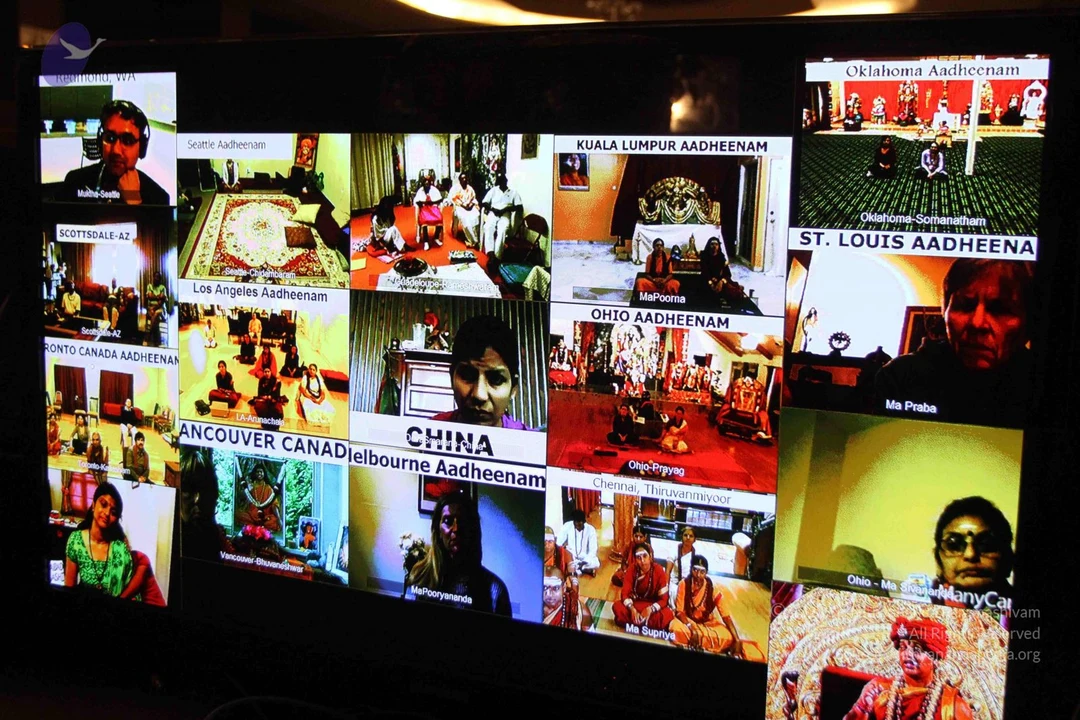
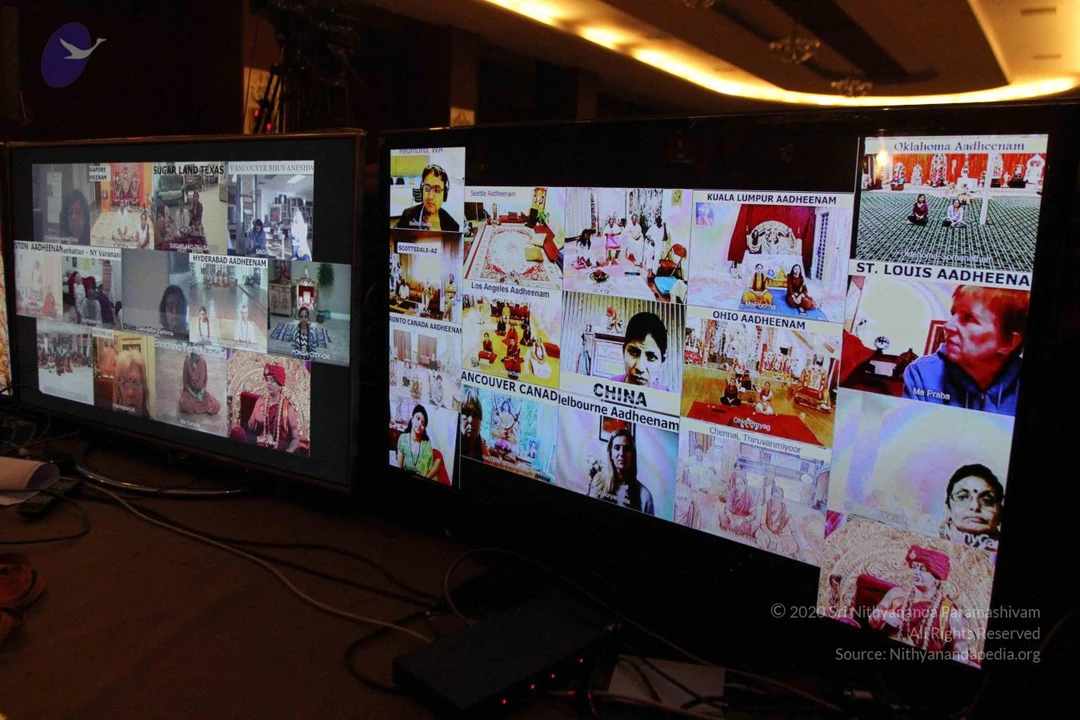
I welcome all the devotees, disciples, samajis, Sri Mahants, Mahants, Thanedars, Kotharis, visitors, viewers, sitting with us through Sadhana TV, Nithyananda TV, two-way video conferencing having Nayana Deeksha and who are sitting with us here physically from all over the world in Ananda Vana, Varanasi. I welcome everyone of you with my love and respects.
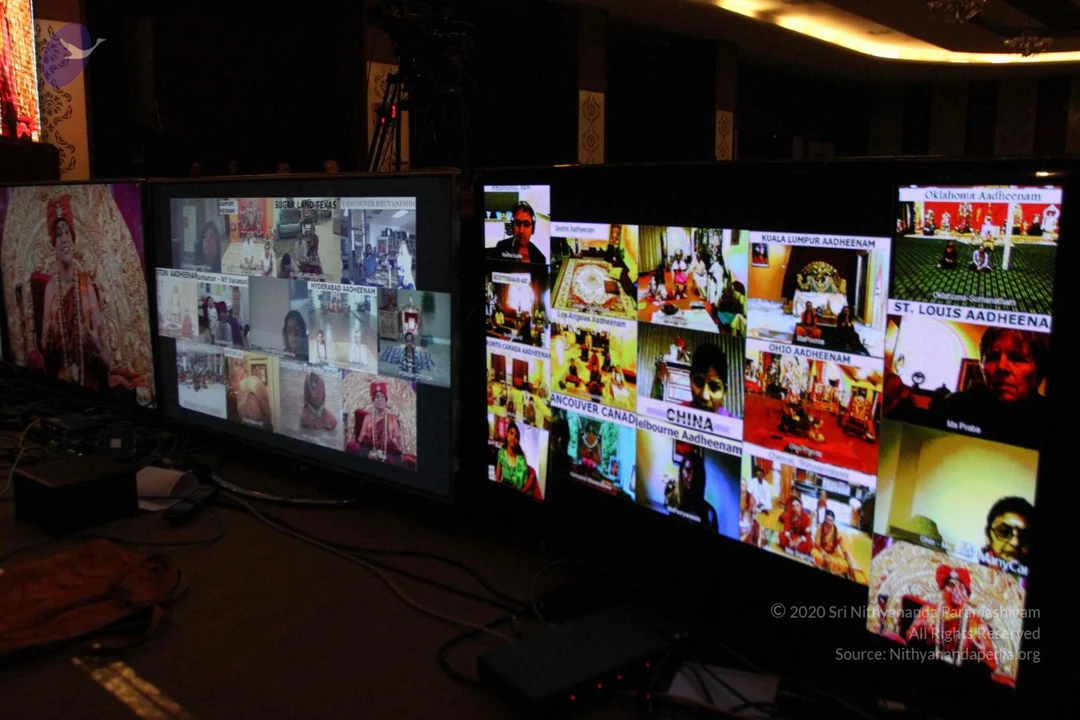
The cities sitting with us in two-video conferencing having Nayana Deeksha Warrington, UK, Singapore Aadhenam, Houston Aadhenam, Manhattan, New York, Ponkasity, Oklahoma, Nithyanandanagara, Bidadi, Dubai, Diamond Bar, Sugar Land, Texas, Vancouver, Hyderabad Aadhenam, Oklahoma Aadehnam, Hyderabad Aadhenam, Los Angeles Aadhenam, Kaula Lumpar Aadhenam, Ohio Aadhenam, Vancouver, Canada, Scottsdale, Arizona, Toronto Aadhenam, Hyderaabad Gupta-Kashi, Seattle Aadhenam, Melbourne Aadhenam, China, Guadalupe Aadhenam, Chennai Aadhenam, Ohio Aadhenam, Kaula Lumpar Aadhenam, Redman, and some more cities.
I welcome all of you with my love and respects.
Let’s enter into Kathopanishad. I have to introduce the subject of Kathopanishad, then the author, then the listener, and the whole thing, but ultimately I have to say the book is authorless. Even Yama reads the Akashic Records about death. So it is not his own words, he only reads the Akashic Records that is why it is authorless.
Death, the subject of Kathopanishad. Understand, death as the end of the known frightens you, whatever you know, the known people, known wealth, known good, known bad, whatever is known is coming to and end, stand still, that is why it frightens you. Listen, listen with awareness, whatever is known, is coming to a standstill, because whatever is known is coming to a standstill, you are afraid of death. Then are you happy with whatever is known and to live with it? Where is the gap? Neither you are happy with whatever is known, ready to live with it, nor you are ready to give up. Whatever is know and ready to go beyond and rejuvenate yourself. See how we are stuck? Understanding about death will liberate you from this catch 20, where you are caught, being caught cannot be considered as living. So understand, all of us know only two states in our life; death and dying. Death and dying, where your perception of the known ends, it is called death, where your perception continues to torture you, continues to torture you, it is called dying. Listen, I am introducing one of the important sacred secrets about death to you, when death is staring at somebody, decide to stare at him.
Understand the secret, whenever you stare at somebody, even if he was looking at the other direction, automatically his eyes will come and get fixed on you.
Death may be staring at some other direction, if you decide to stare at him, his eyes will move and come and get fixed on you, that will be a beautiful looking at each other. That will be the best way of looking at each other, because when he is looking at somebody, if you are staring at him, then his attention falls on you slowly, slowly, slowly both vision will merge, you will have enough time to breathe, enough time to align yourself, enough time to settle with whom you are staring, to whom you are staring, with whom you are going to share yourself. But, when he is staring at you, it will be too much, heavy, it will literally be like me burning somebody. When Mahadeva stares, you can’t look back. You won’t be able to look back. You won’t be able to stare back.
Before death decides to look into your eyes, decide to look into his eyes. Before he decides to look into your eyes, decide to look into his eyes; because, during the dying, listen, I am equating you staring at the eyes of the death when he is staring at somewhere as dying and he staring at you directly is Death. He staring at your eyes directly is Death. You staring at him, when he is staring at somebody else is Dying.
One good thing, during the process of dying, the process of rebirthing is more known and available to you, is more known and available to you. Your bio-memory can cherish the dying and rebirthing in a beautiful way and transform itself.
Few days before there was a confusion created by one of my Mahants in Bidadi. Why I am saying confusion, there is a difference between confusion and doubt. Doubt means, you ask, when I answer, you accept it, you accept the answer and evolve, that is called doubt.
Confusion means even if I give answer you are not ready to listen, you are rejecting the decision, you are rejecting the clarity. So a few days before some of my Mahants have created a confusion, if Enlightenment is what is required, we can just die in Varanasi, we will be liberated, we will have Enlightenment. Stupid fellows don’t know, then it took such a long time for me to make them to understand. I still don’t think they have understood or grasped. Most of you may be having this doubt or confusion, that is why I am talking about it.
While you are living you should go through the birth and death and reborn. Your bio-memory should enjoy the transformation, your muscle-memory should enjoy the transformation, only then you will taste Enlightenment, you will taste Jivan Mukti. If you die in Varanasi, you will have liberation but unfortunately, the person who is having liberation, during the death in Varanasi is always liberated you are Consciousness.
The person who is suffering with bondage, the bio-memory and your mind, body, that is anyhow going to get destroyed. Please understand, goal of Hinduism is not Videha Mukti, means liberation after leaving the body. NO! Liberation while you are in the body, Jivan Mukti. Understand, the goal of Hinduism is Jivan Mukti (living enlightenment or liberation) not Videha Mukti (liberation after being bodiless).
Lakshya (goal) of manushya jīvan (human life) is not Videha Mukti, that is too easy to get it. Just come and live in Varanasi when you die you will get it, but one thing even Kalabhairava does not allow that easily people to die here. I know people who lived their whole life in Varanasi, just small cough and cold, went to hospital, which is just outside the border of Varanasi and died there, and I have also seen people, never visited Varanasi, just landing into Varanasi first time, the moment the flight entered the boundaries of Varanasi left the body and got liberated. Understand, even in that it is not that straight, simple game. There is very big power behind even letting you die in Varanasi.
Visvanatha does not allow anyone and everyone to die in Varanasi. I have seen many Ramakrishna mission Sadhus, they will come here to die in Varanasi, but of course, most of them, I can say almost most of them, their request is granted by Kalabhairava, but a common man, many people, common man, they come and stay here, whole life just one sneezing, wheezing, breathing problem they go to Birla Hospital which is just outside boundary of Varanasi, die there, over.
The goal is not Videha Mukti, it is Jivan Mukti—while you are living, stare at the Death, constantly dying is happening in you. Many things with which you associate yourself are moving away from you. Many things about which about you are afraid, is getting closer to you, all this is dying. Many things which you are feeling closer, moves away from you; many things about which you are afraid gets closer to you, is DYING.
Anybody who consciously allows the dying process will understand, every moment Kaala is working on you. Every moment Kaala is working on you.
There is so much of powerlessness, powerlessness based focus on Death. But, if you turn your attention on dying, the powerlessness will be removed from Death. If you are waiting for Death to stare at you, you are waiting for powerlessness to overpower you. If you are staring at Him, when He is staring at somebody else, you are removing the powerlessness from Death. Understand, as a Hindu Incarnation, authority on Hindu tradition, Upanishad, and the Hindu way of living and Hindu goals, Hindu ambitions, I tell you, first and foremost commandment of Hinduism is THOU SHALL NOT DIE.
Do what it takes. Do what it takes. THOU SHALL NOT DIE—that is the first and foremost commandment for Hindus. Fools are those who die, stupid are those who plan for liberation after death, Hypocrites are those who never look into the eyes of death while living. Criminals are those who are diverting others attention also from the Death by stupid, shallow, shady lifestyles. Any lifestyle which is trying to divert your attention from looking into the eyes of Death and ability to go beyond the death, that life is shady, shallow, stupid, hypocritical, blind. Criminals are those who are promoting those lifestyles and diverting your attention from the original need of life, going beyond death.
Those are the fellows, blind leading the blind. This Upanishad says, the blind leading the blind, both fall into the ditch. In Varanasi very quickly they will fall, because every few steps they have a ditch.
Do not be led by blind. Don’t, don’t get diverted by the stupid fellows and their lifestyle theologies, which is diverting you and your attention from the original need of SOUL, Consciousness. The original need of you is FACING THE DEATH, looking into the eyes of Death, staring at death before he stares at you. When he stares at you, you will be scared. No! Stare at him before he stares at you.
Upanishads are using a beautiful word, DHIRAH—means who has the ability to stare at Death before even he stares at you, who has the courage to stare at Death before even he stares at you. Understand, if you are waiting for him to stare, so that you can stare back, you won’t be able to, you will just close your eyes tightly and give up on you. Closing your eyes tightly and going through the Death is giving up on you. Don’t be a coward.
This Upanishad uses the maximum words, identified with courage and boldness, understand. All the other Upanishads uses very sweet words—Mangala, Chinmaya, Cidambaram, Isa—all these sweet words. But this Upanishad, it is so different because a Brahmin thinking trend, a Brahmanical thought trend never uses the words like courage, boldness, because that is not there in their thought trend, those words are not used so much. The aggressive words are not used so much in any Brahmanical thought trend literature, but this is the first Upanishad, where I see so much of vocabulary, so much of words are used to explain and express courage, boldness, authenticity, the word ‘shraddha-avivaca’ first time appears in Sanskrit literature on this Upanishad and the word ‘Dhirah’, first time appears in Sanskrit literature in this Upanishad. Maybe because Yama is a Shaivaite (follower of Shiva) not a Brahmin. It takes for a Shaivaite to utter the words of courage and boldness. He is so straight and dedicated to his work. Even in Markandeya’s issue, when he was trying to take the life of Markandeya, Mahadeva appears and intervenes— Yama says beautifully, “Oh Prabhu, it is you who ordained me in this flow of life and law of life. When you want to interfere, no one can question. But I surrender me also at your feet, please take my life also because my life has been ordained by you to maintain the flow of life and law of life. Now when I am not able to do that, I am surrendering also my life also at your feet.”
Mahadeva accepts his life into Him, reprograms, and says, “you will maintain the flow of life and law of life exempting my devotees!”, and gives the life back to him. Understand, he is so sincere, authentic, integrated to his programming. Even when Mahadeva interfered, he said “Prabhu, I can’t question your interfering, you are above all this. You have every right to interfere, but take my life for which you programmed me. You programmed me to maintain the flow and law of life, Yama and Dharma. Now when I am not able to do that, I surrender my Life itself at your feet.” So Death was killed once in Tirukadayur. Death was killed, Yama was killed, then Mahadeva reprograms him and gives him life. Gives life back to him, saying, “Yes you will maintain the flow of life, Yama and law of life, Dharma, exempting My devotees.”
“na me bhakta paranashyati - My devotees never perish” – with this vow, which Krishna repeats in Gita in the same state of Shivoham. Understand, Krishna, whatever he recited in space of Shivoham is Gita. Vishnu took ten Incarnations, I can say 24 as per Bhagavatam to worship Mahadeva. In all 24 Incarnations He did Shiva puja. Shivalayas established by him is there in all 24 incarnations. As Kapila the Shiva Linga installed by Him, are there in more than in three places—one in Mahanirvani Peetha, one in Tirupati, Tirumala Tirupati was one of his Tapas Sthala, below the Tirumala, Tirupati there is a beautiful Shiva temple, Kapileshvara Svami Devasthana, that Shiva Linga was installed by him, worshipped by him. There is a false waterfall where he took bath, that is Kapila Teertha. He lived in Tirulama Tirupati. There is one more in the central India, Madhya Pradesh. As each Incarnation, He lived, worshipped Mahadeva. Listen, all the Akhadas (monasteries), the founders are Incarnations of Vishnu, but that God is Shiva. All Akhadas are Shaivaite Akhadas, the major Akhadas and founders are Vishnu Incarnations. Juna Akhada, Dattatreya is the founder who is Vishnu’s Incarnation in Bhagavatam Puranam, but the deity worshipped is Shiva. It is a Shavite Akhada, but the founder is Dattatreya, because he himself is a Shiva Bhakta. Mahanirvani, Kapila Rishi, Kapila is the founder. But the deity is Shiva because he himself is Shiva bhakta. Many Akhadas founded by Vishnu, Vishnu’s Incarnation, but the God is Shiva. As Rama, He installed Shiva Linga in Ramanagar, Bidadi and Rameshvaram. Please understand, when He stayed in Ramanagar, He and Sita that is the time he killed the Kakasura. Kakasura is the demon who came in the form of a crow and disturbing Sita. He killed Kakasura to get rid of that sin, He installed Shiva and worshipped, so in Ramanagar there is a Rameshvara Swami and even now crows don’t fly over Ramanagar. Understand, such big forest you will see all birds, not a single crow; you will see all birds but not a single crow.
Yama Dharma, lord of flow of life and law of life. Yama-Niyama, Yama and Dharma. Whoever decides to stare at Death before he stares at you, is Shiva devotee, understand.
Shiva bhakta means doing what He is doing, being what His being is. Shaivism is the tradition to educate you to stare at death while you are alive. Never you are allowed to divert your attention from Death till you are liberated. That is why the sacred ash. Sacred Ash is the symbol of death, understand, it is symbol of dying, that everything is going to become this. You apply sacred ash from the time you wake up, till you go to bed, before eating, after eating, before sneezing, after sneezing, before drinking water, after drinking water, every time you are requested, asked to apply Bhasma. Even I am slowly aligning myself to that. Before eating, after eating, before going to bed, after waking up. During all these times, you are asked to apply Bhasma, just to remind you constantly that—this is the way life is going to be, let your attention be on death, till you are liberated. The good news is: if you put your attention on Death, you will be liberated. The great news is: you don’t have to put your attention on Death your whole life, just few days without getting diverted, putt your attention, that is enough, you will have liberation; you will have liberation.
Understand, no one needs to declare me as authority, my authority comes from my authenticity. I am telling you with all my authentic authority, the first and foremost commandment for human beings, not just Hindus alone, for whole humanity is THOU SHALL NOT DIE. Thou shall not be born. If the mistake is already made, at least thou shall not die, so that you don’t reborn. While you are staring at the Death, while you are living, if you stare at Death while you are living, your bio-memory and muscle-memory will start getting transformed, your living bio-memory and living muscle-memory will start celebrating life. Understand, transformation needs to be tasted, sipped, enjoyed, celebrated. Just like sipping cup of coffee or a high quality tea. Transformation, Enlightenment, Mukti needs to be tasted while you are in the body. It needs to be enjoyed while you are in the body, it needs to be celebrated while you are in the body. That is what exactly I am doing I everyday process here in Shivoham.
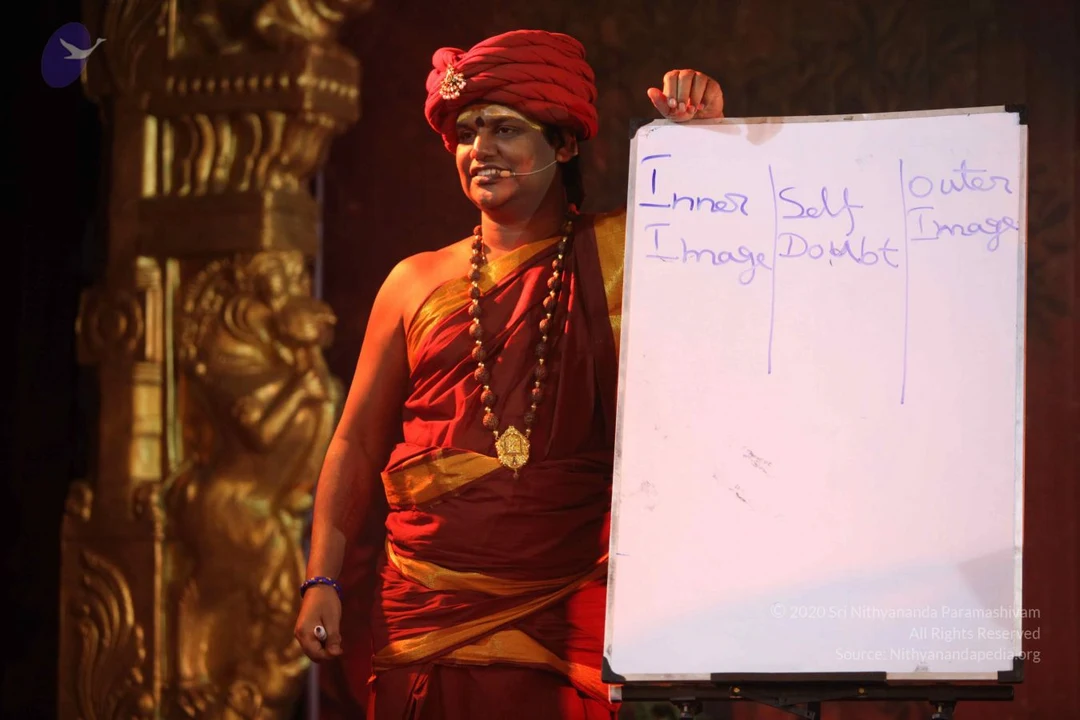
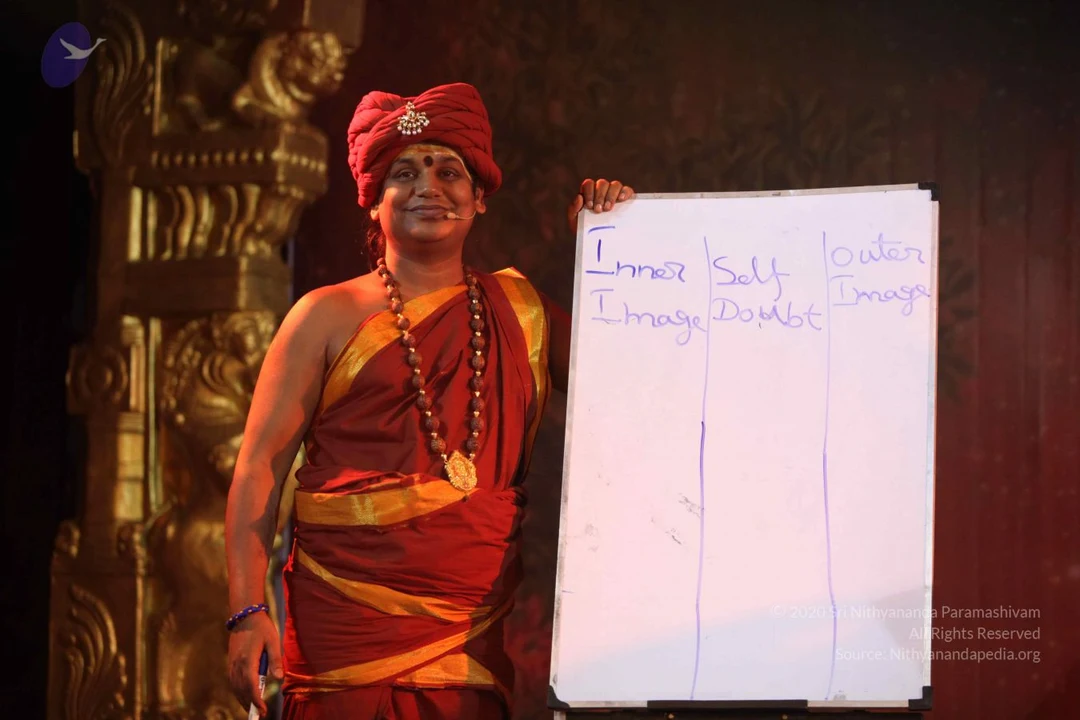
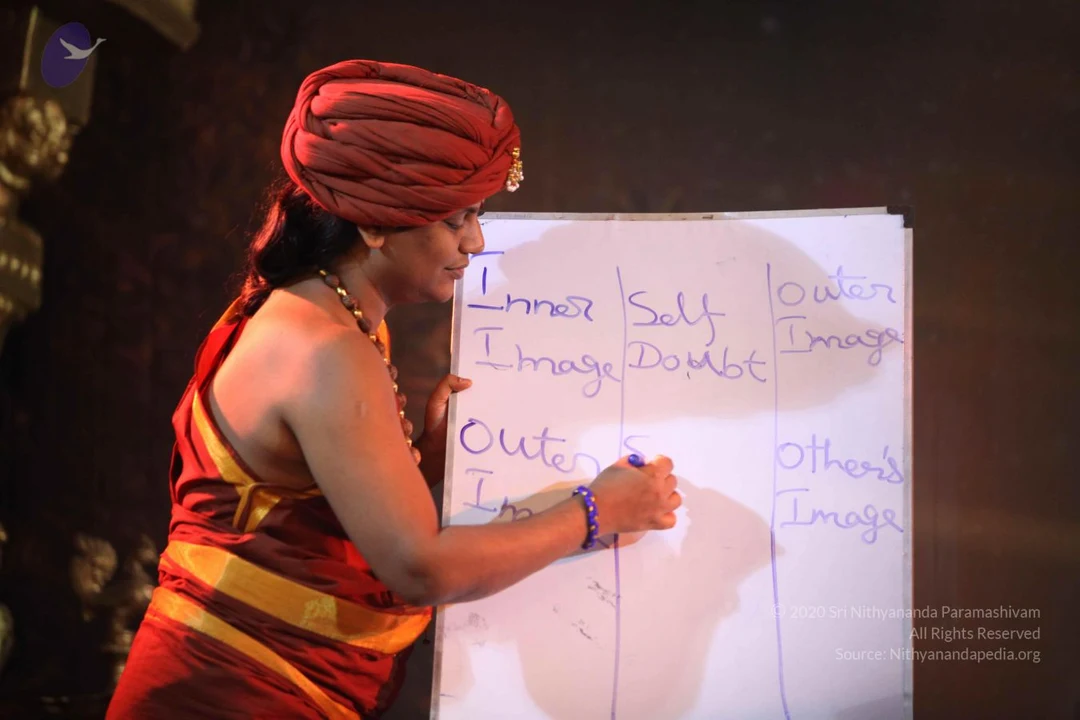
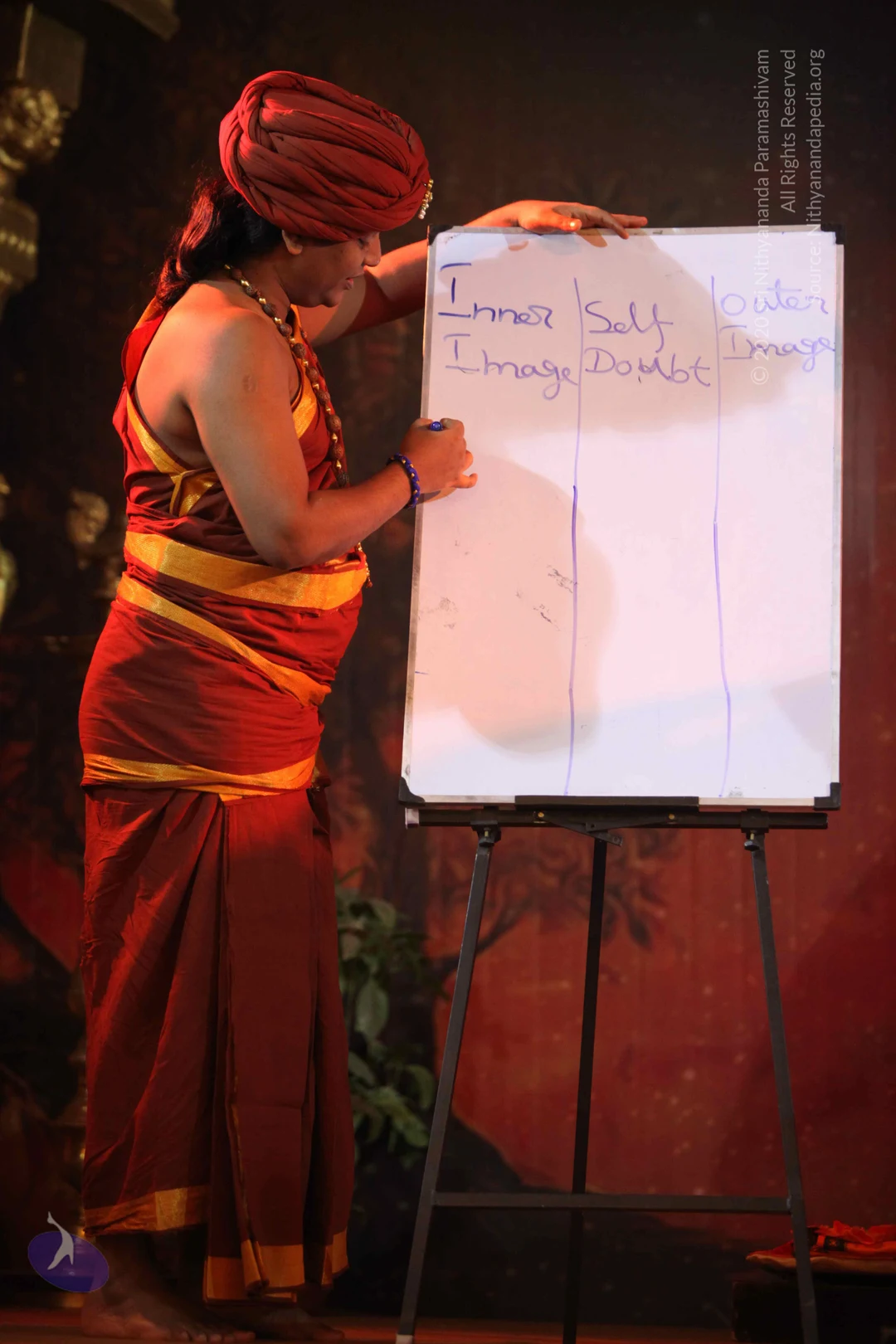
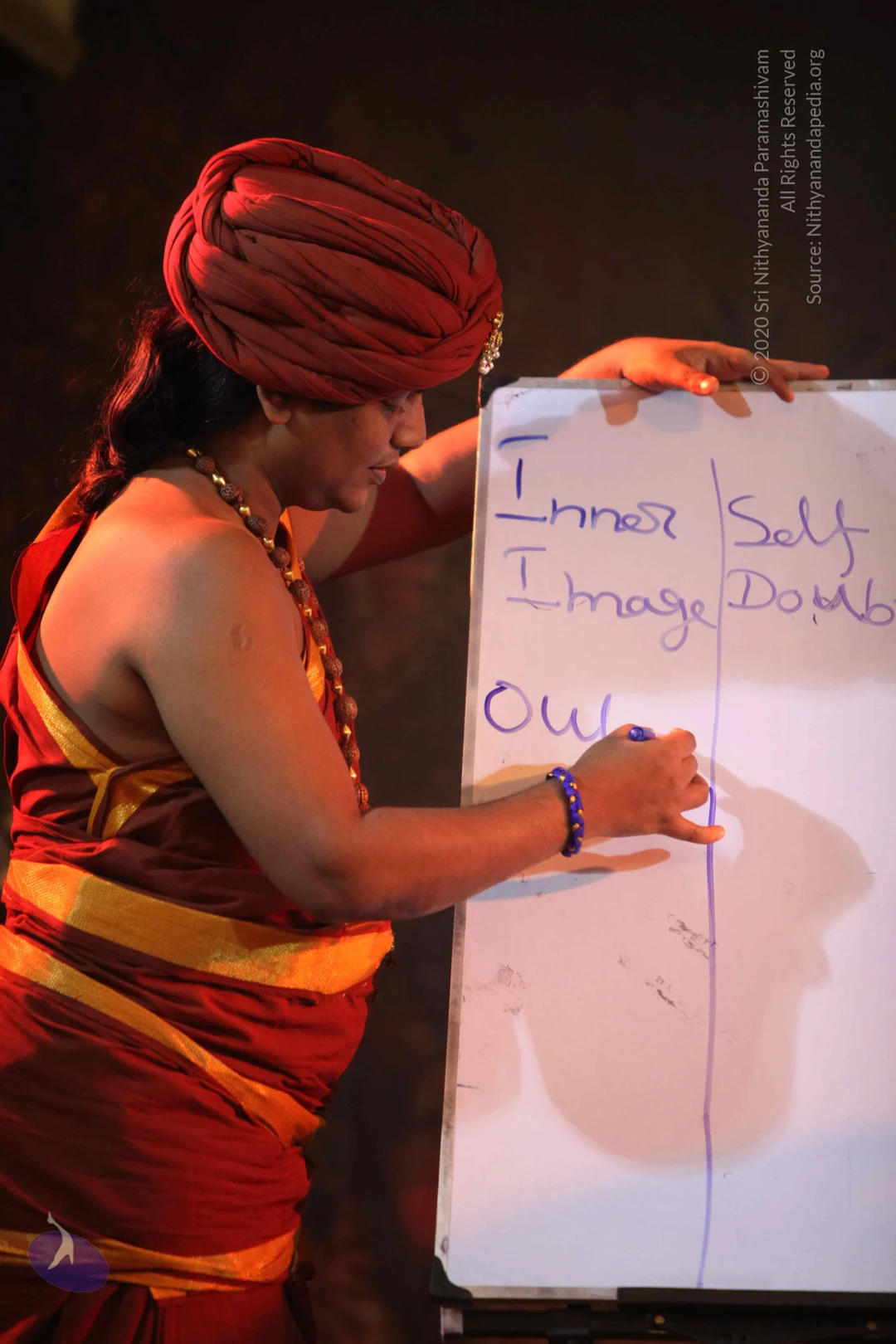
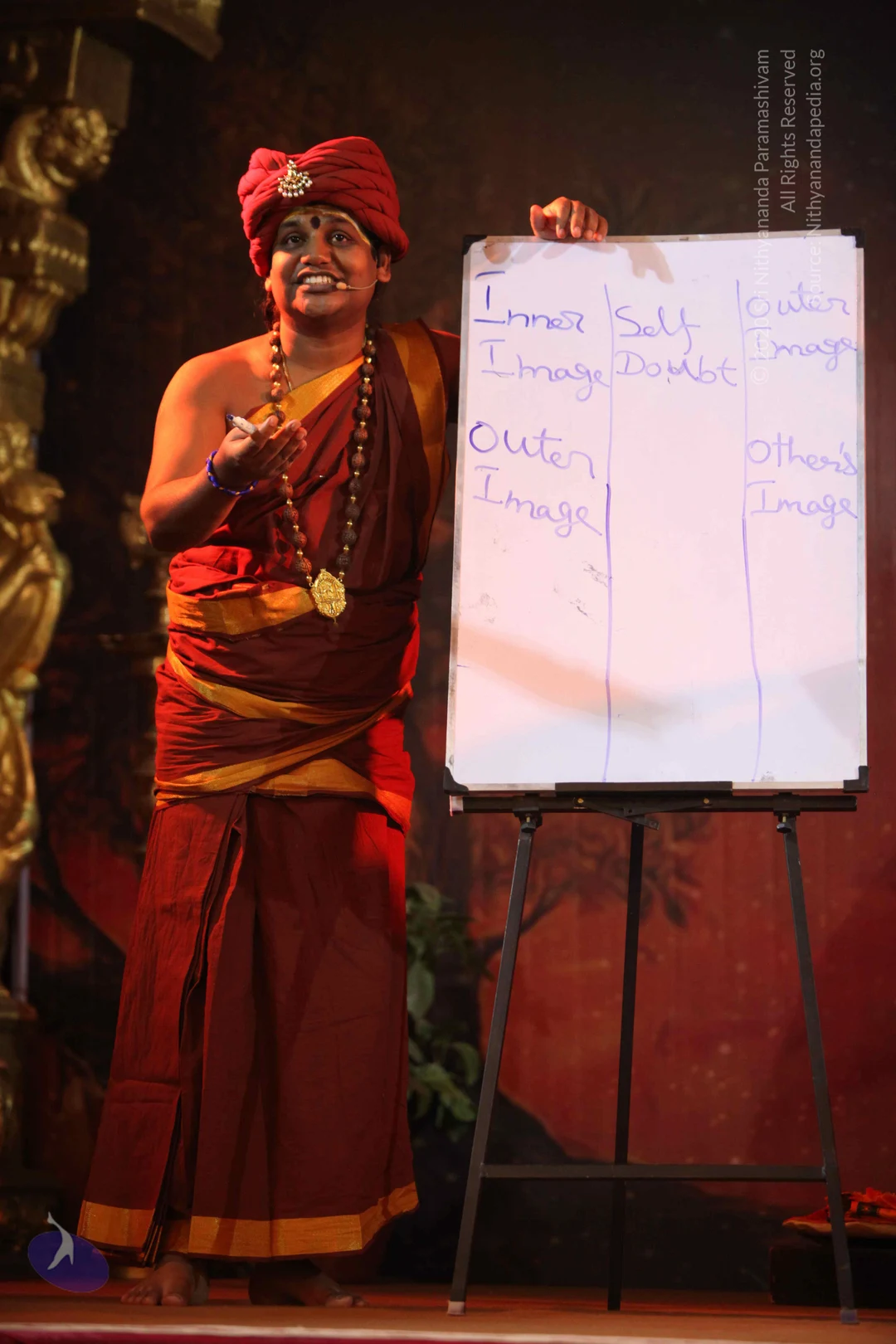
This is the most powerful, amazing combination an Inner Awakening I have ever done. Please understand, don’t think this is the usual statement I make about every Inner Awakening, no. The usual Inner Awakenings where your effort is the first priority, Shivoham is where effort is my priority, me gifting is the first priority. The problem is even when I gift, you fall into self-doubt, “am I worthy of qualification? am I ready to receive?” and you use all your effort to disprove; I have not given you, you have not received it. You become so violent. Actually if you are given something, you feel you have been humiliated, “ Ah, I cannot gain or what? Who are you to give? I will prove you have not given. The feeling of being humiliated turns into violence and anger and you use all your energy to prove—I have not given you and you have not received it. So for the first time I have put the best of both–your effort and my contribution.
First you go through your effort, you do completion, then I make it happen by my contribution. Then you Samskara Dahana Kriya, then whatever you can’t do, I intervene and clean it up. Then you do root-pattern completion, then whatever you can’t, I am intervening, the process of Shivoham and doing it. It is such an amazing, beautiful, I can say one of the most powerful combination, most powerful mix, the right ratio, right way, right space. No, it has become a nature of human beings, especially in the modern day, you are brought up with so much of arrogance and ego as a survival need in the society. If you are given something and you are told you are given something, you feel, “ah, I can’t be given or what, who are you to give?”
You feel humiliated and that feeling humiliated turns into anger and violence, and you direct it on me–just to prove you have not been given, or you have not received it. People are ready to die just to stand up for what they believe not what is reality, what they believe as reality.
What stupid people! Sometime I see, they tell, “I can’t do all that Swamiji, just grant me death.” They can’t do meditation, aa; they can’t do spiritual practice, aa; they can’t do enriching, aa, they can’t become integrated, authentic, aa; but they are ready to die young, oh god! No, you are so convinced, you are ready even to die, but you don’t want to change what you are convinced as reality. What a stupid human beings. Stupido stupid human-beings! Stupid power of the infinity human beings. Not stupid square and stupid cube and stupid to the power of four, stupid to the power of infinity. I can coin a new word STUPINFINITY – stooped in stupidity for infinity is STUPINFINITY. No, people are ready to die but not ready to change what they perceive as reality. Whatever word will we use about them, STUPINFINITY.
Due to the request of so many devotees and many people from our sangha, I decided Last 7 days, I will open up to anyone who wants to be part of Shivoham in Shiva’s home program. Shivoham in Shiva’s home. Still it is not too late to taste Shivoham in Shiva home. Shivoham in Shiva home.
So I welcome all of you come and be part of Shivoham in Shiva’s home, last 7 days, 21 to 27, the last 7 days to be here for Shivoham in Shiva’s home. May 21st to May 27th. I am not going to say call now, call now, like American TVs, I am just going to say, pack your bags and book your flight and be here.
Death is such vast subject, but I will introduce the subject from the content of Kathopanishad. What you need to know about Death, what all the understandings about Death, will make it easy for you to realize the Upanishad. From that angle I’ll continue to expand on death. Death I am expanding on death in the land where I myself died, in 1999, I myself went through death experience in this same Varanasi, in the Manikarnika ghat. The land where death is liberation and celebration, where I myself went through death, I will continue to expand on death.
I experienced my own Yama Dharma dimension and my own Naciketa dimension in this Varanasi, so I am the speaker and I am listener. It’s the same place where all the IA participants where all of you are going to go through the death process.
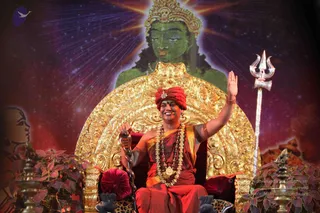
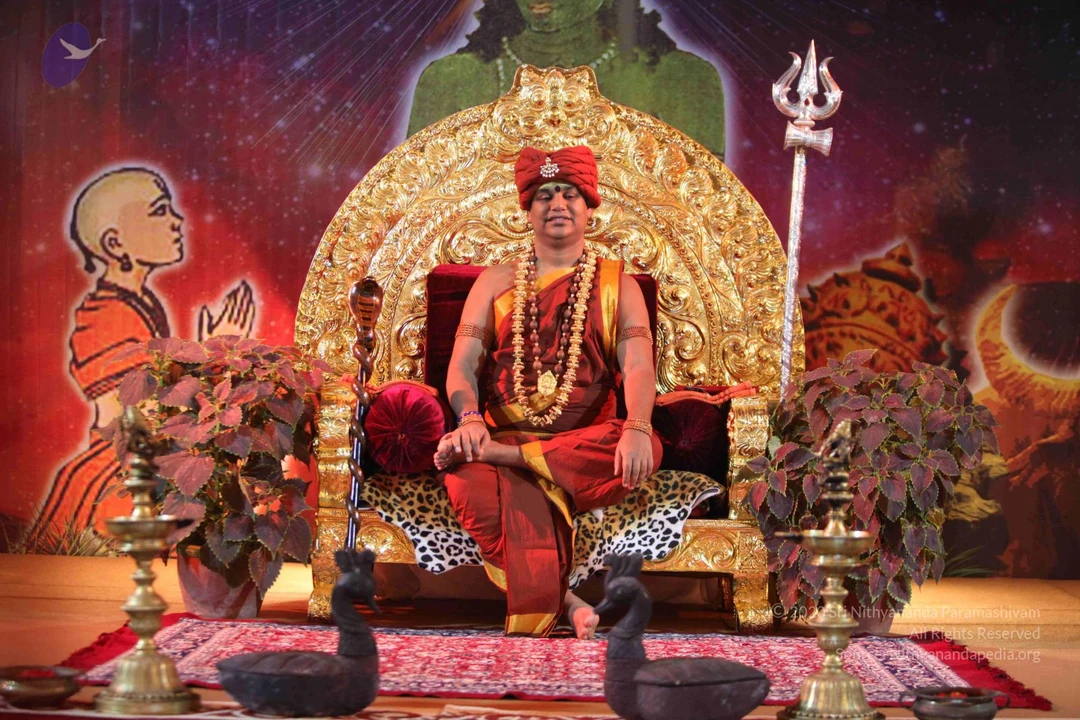
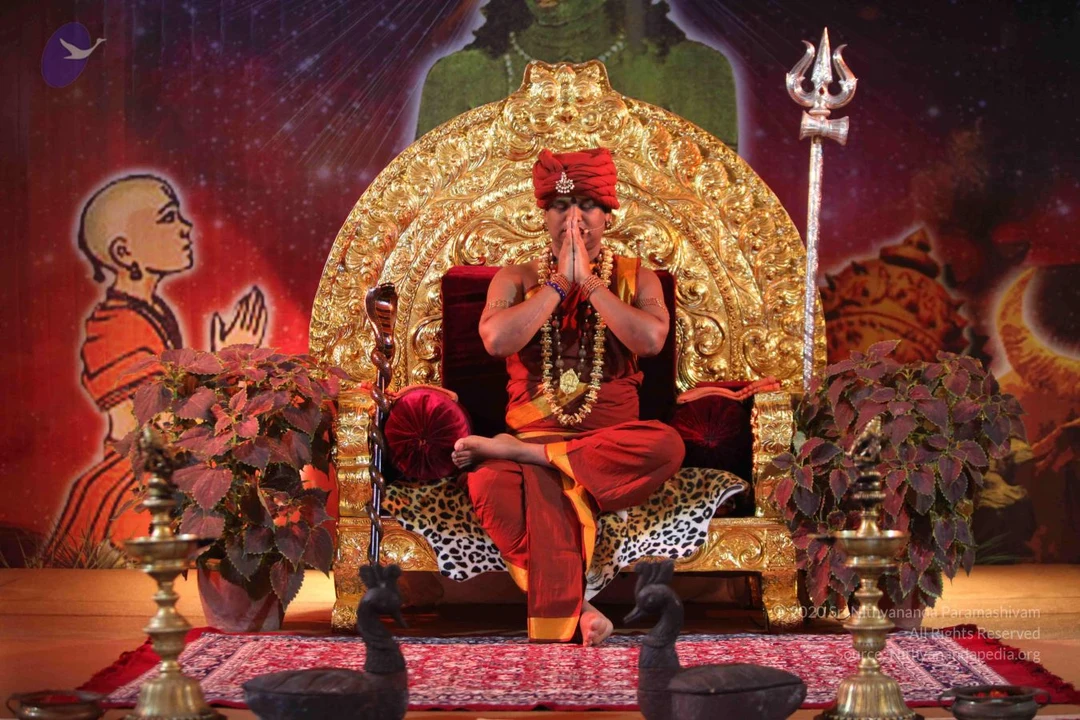
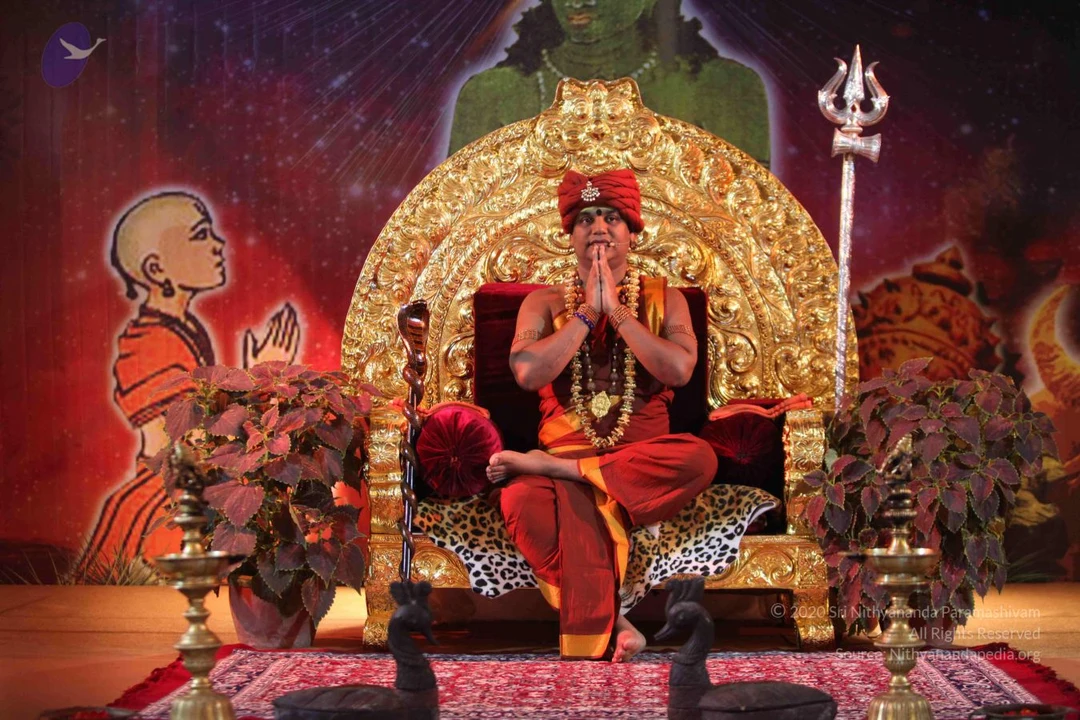
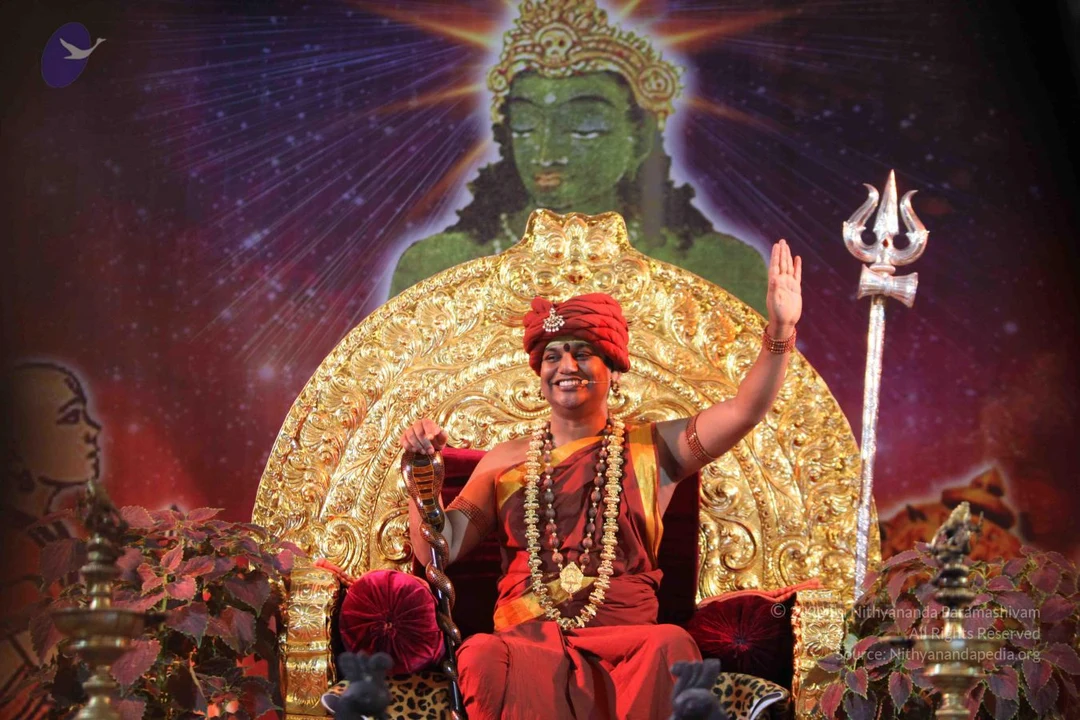
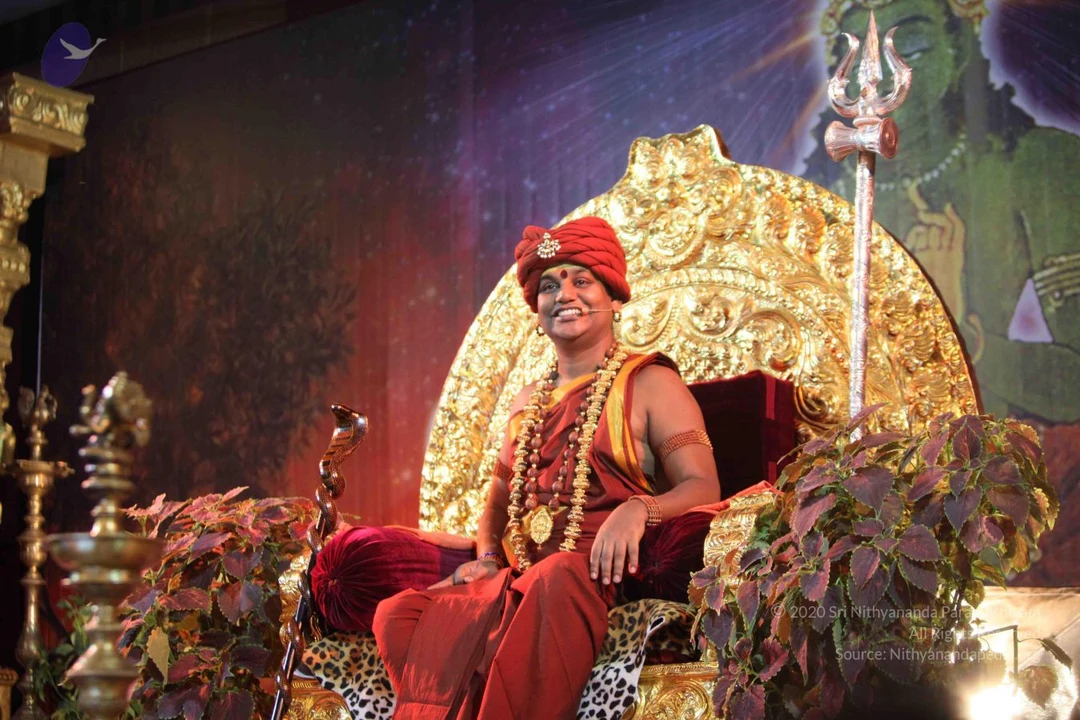
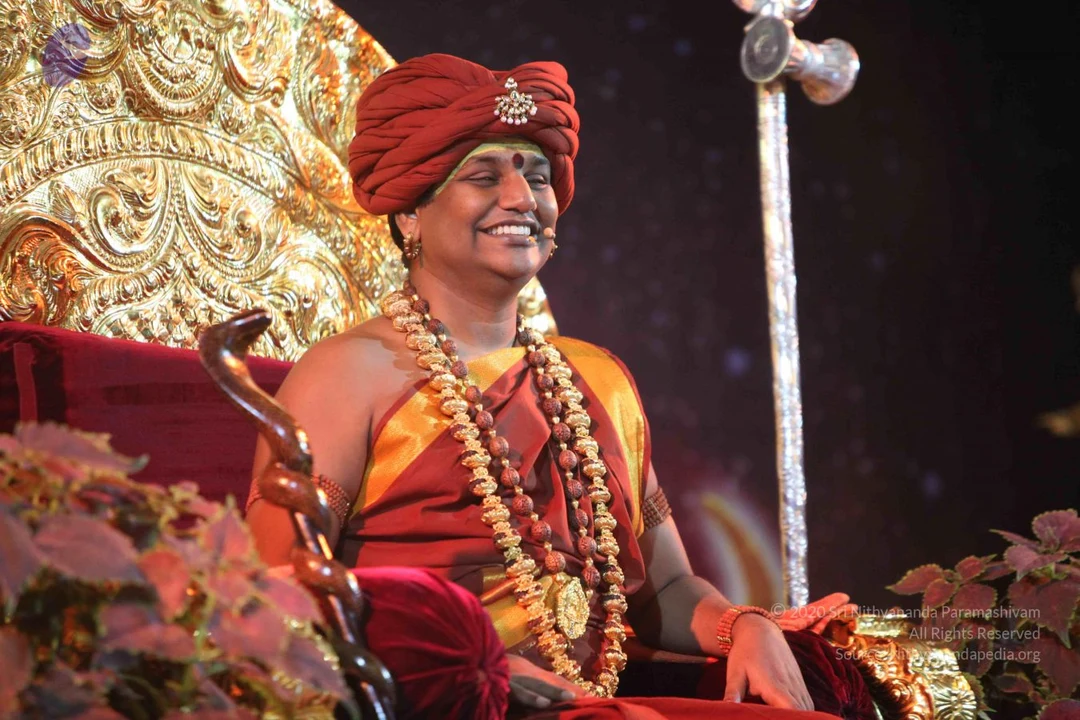
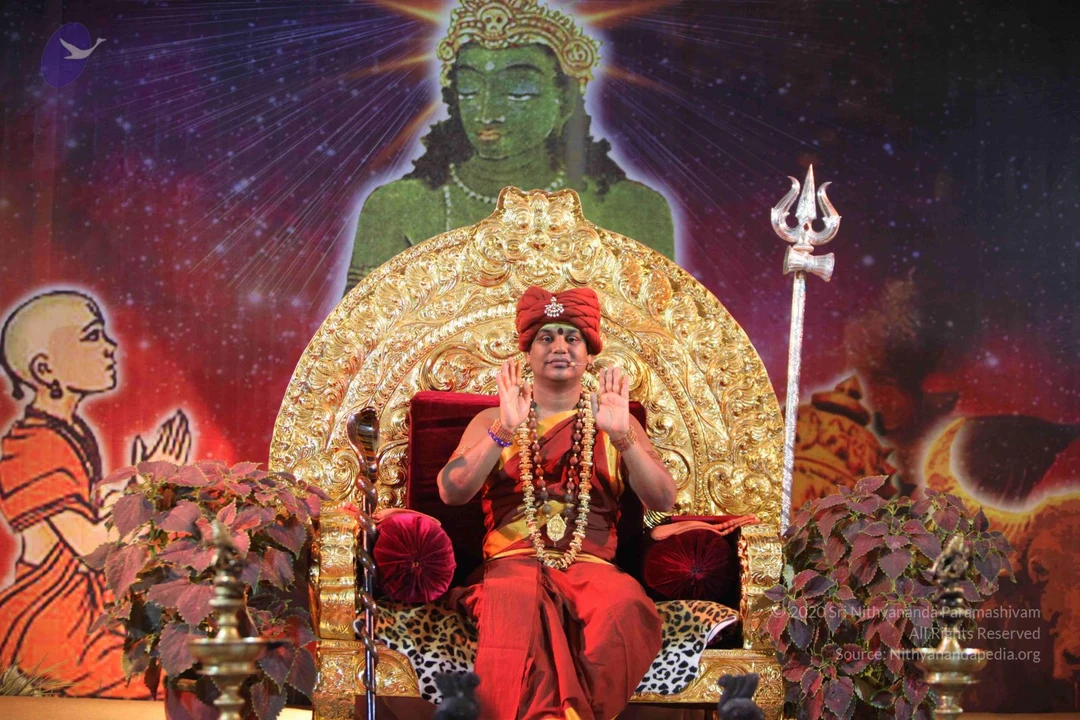
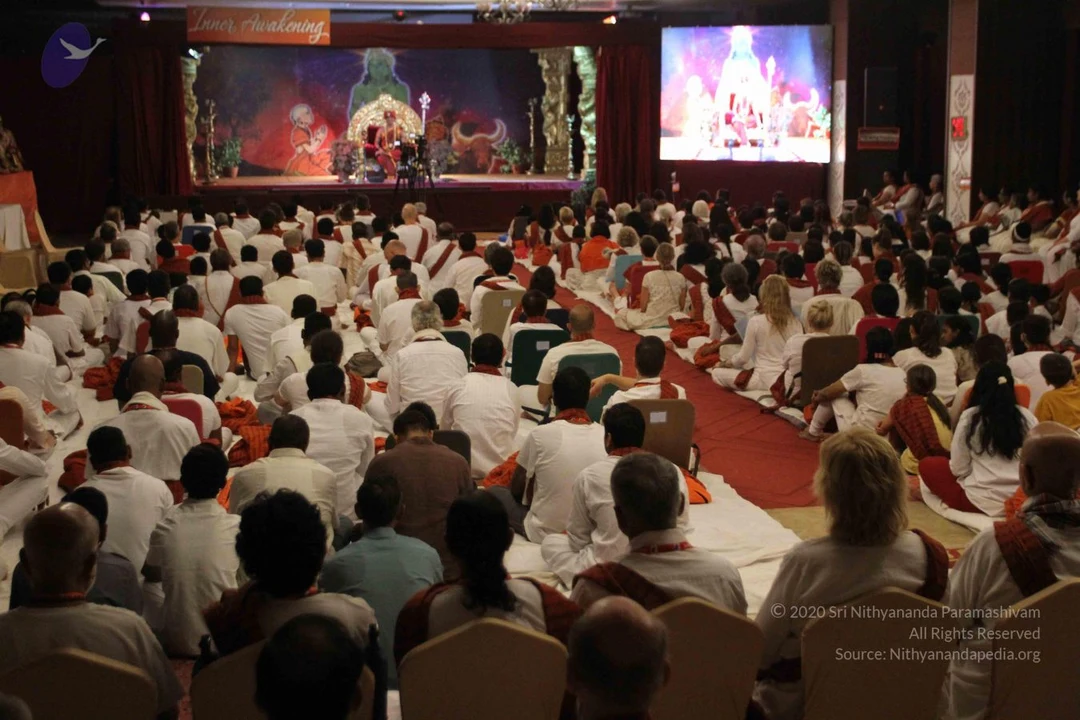
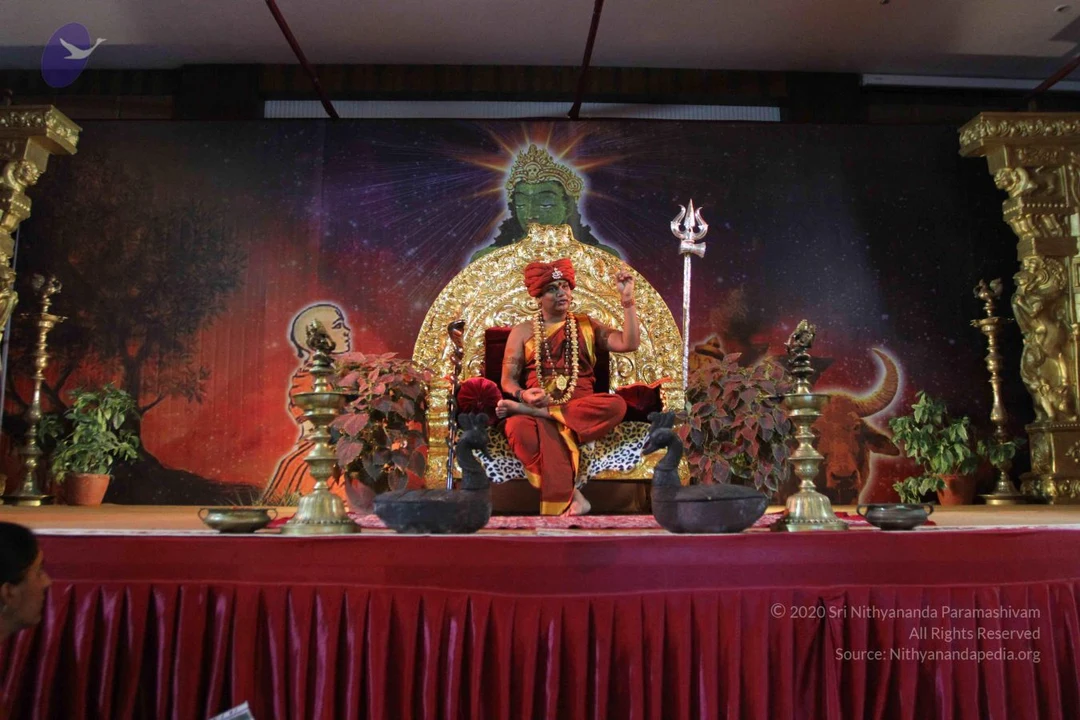
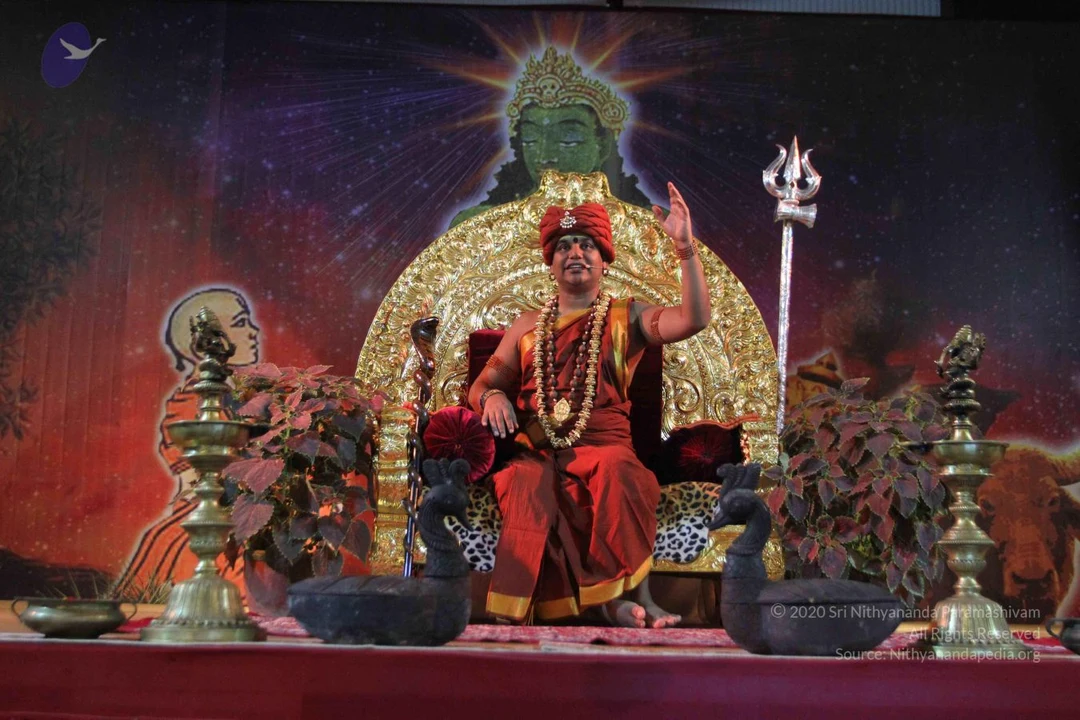
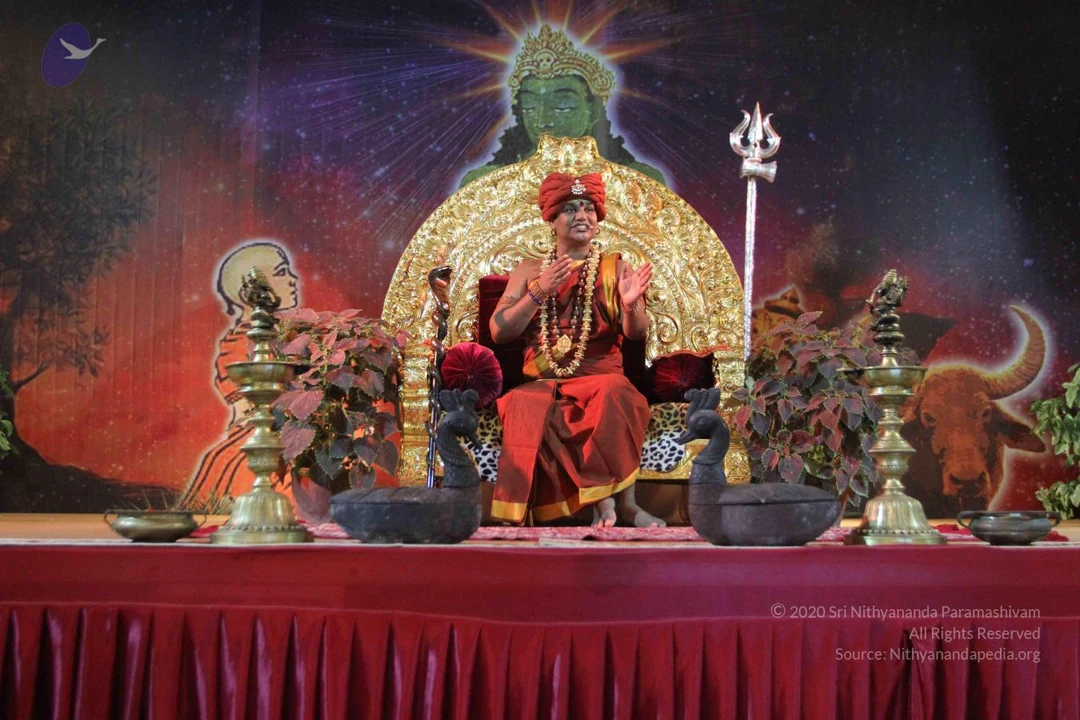
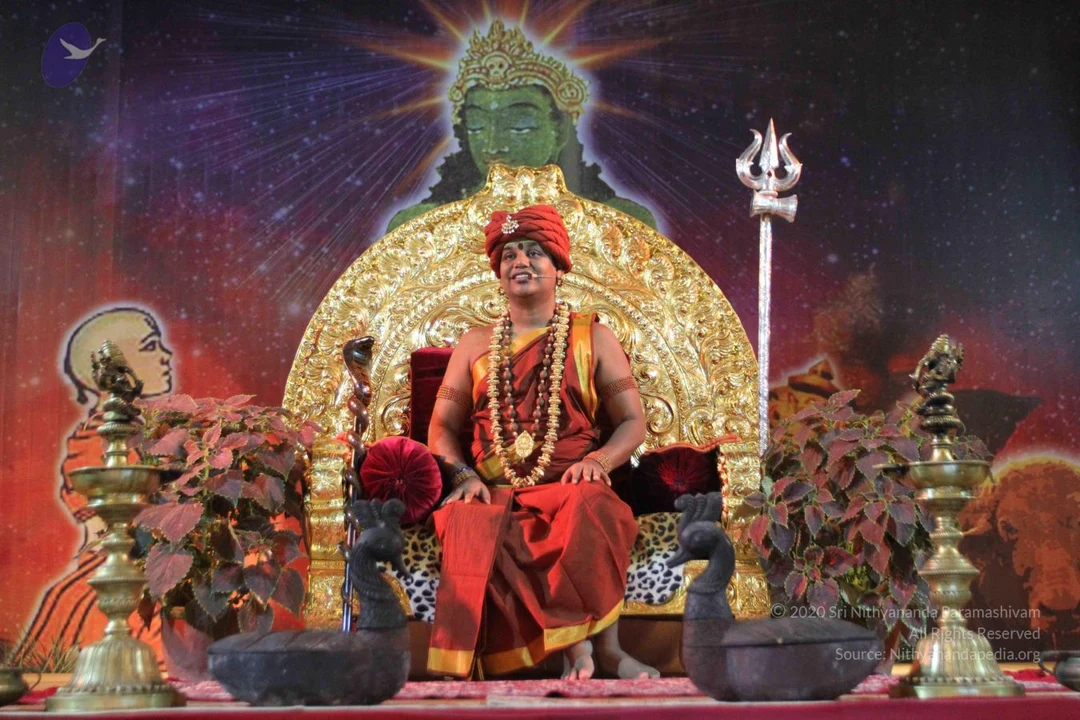
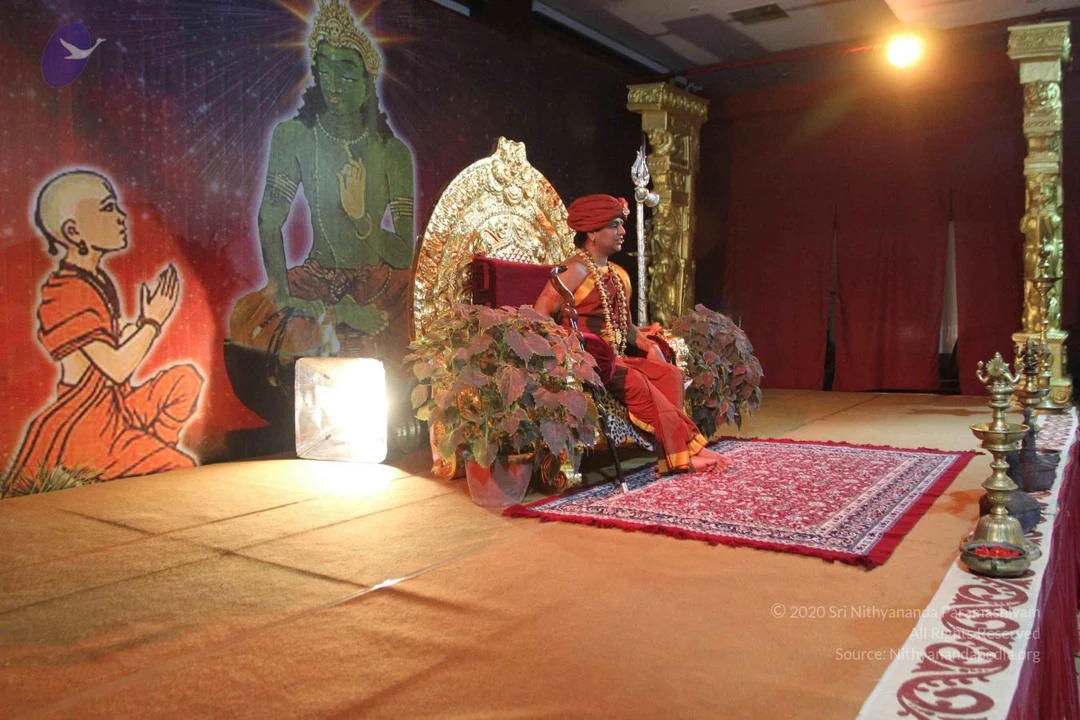
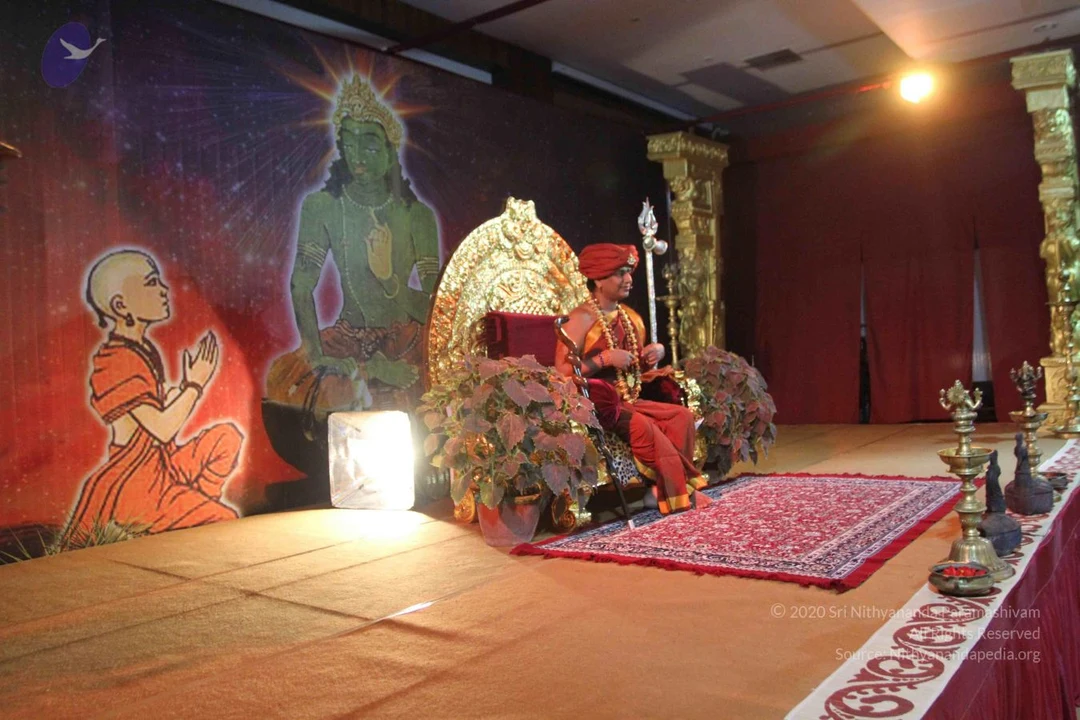
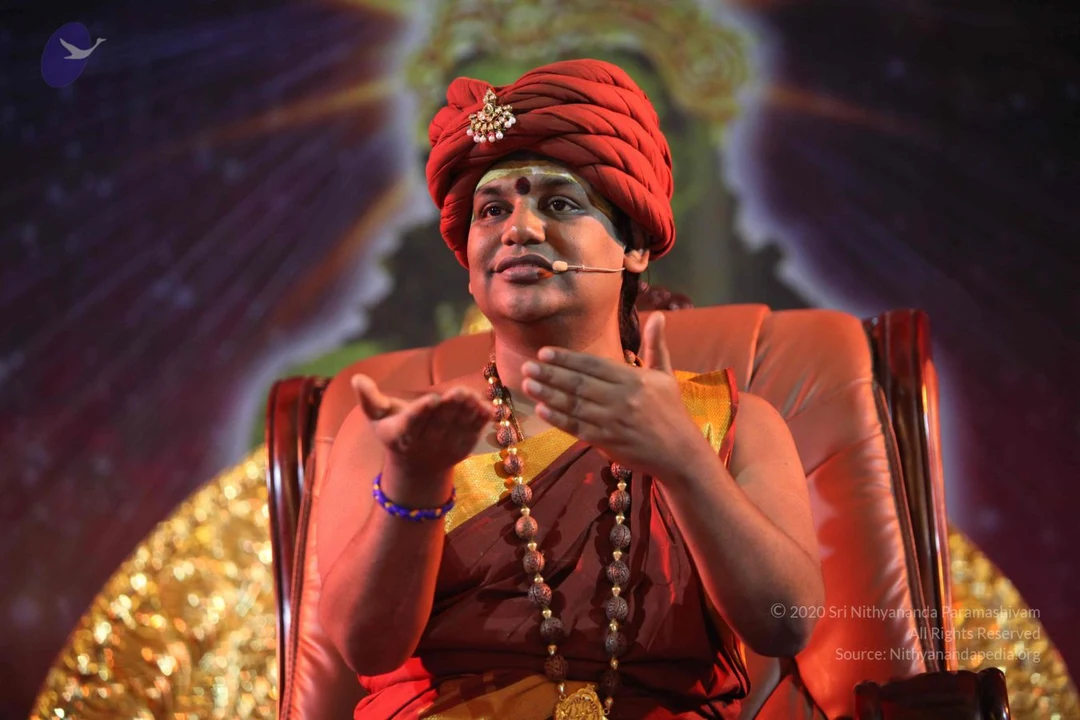
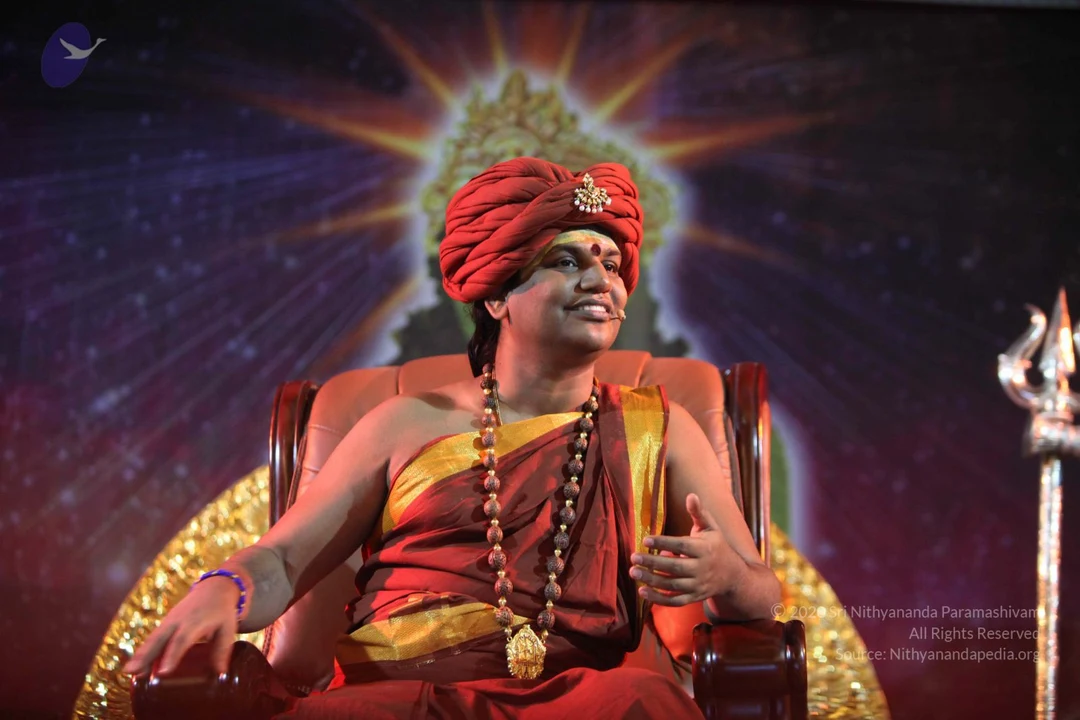
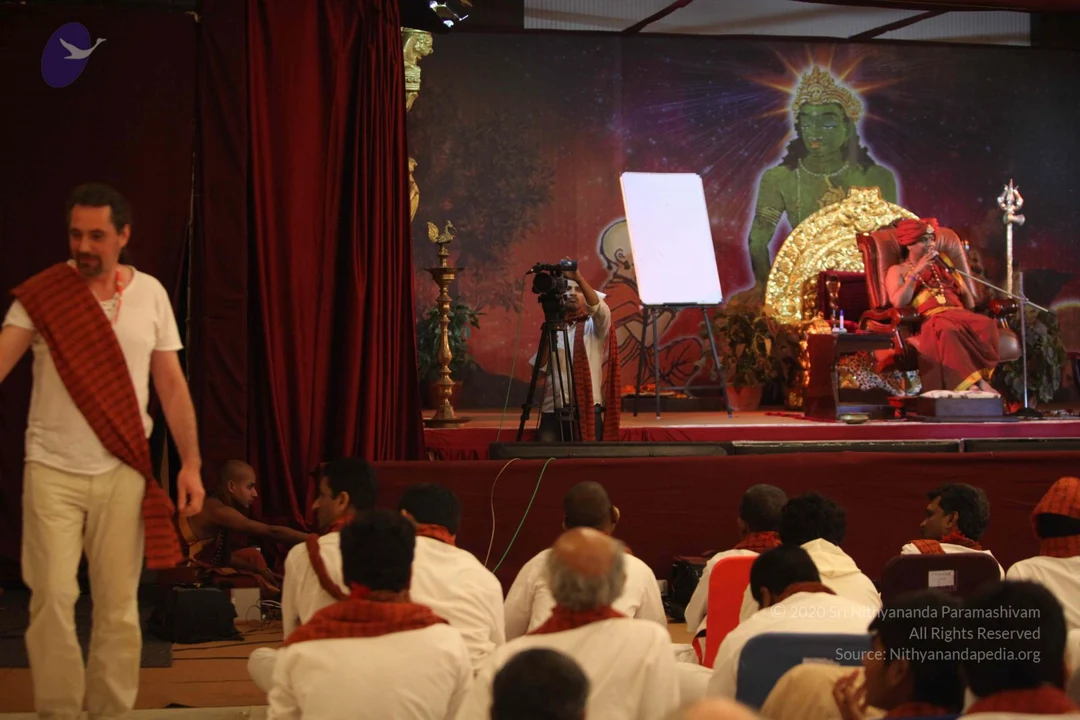
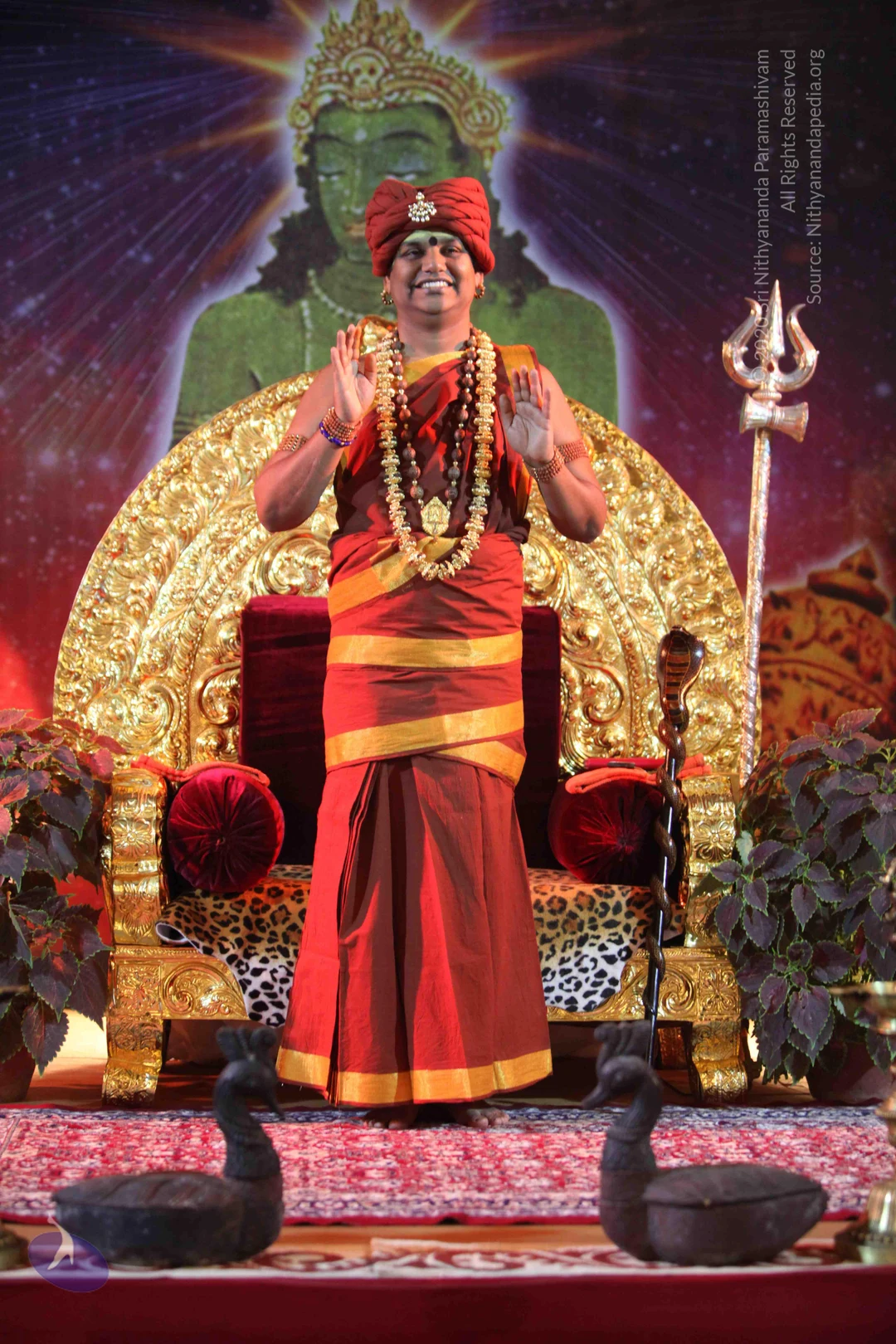
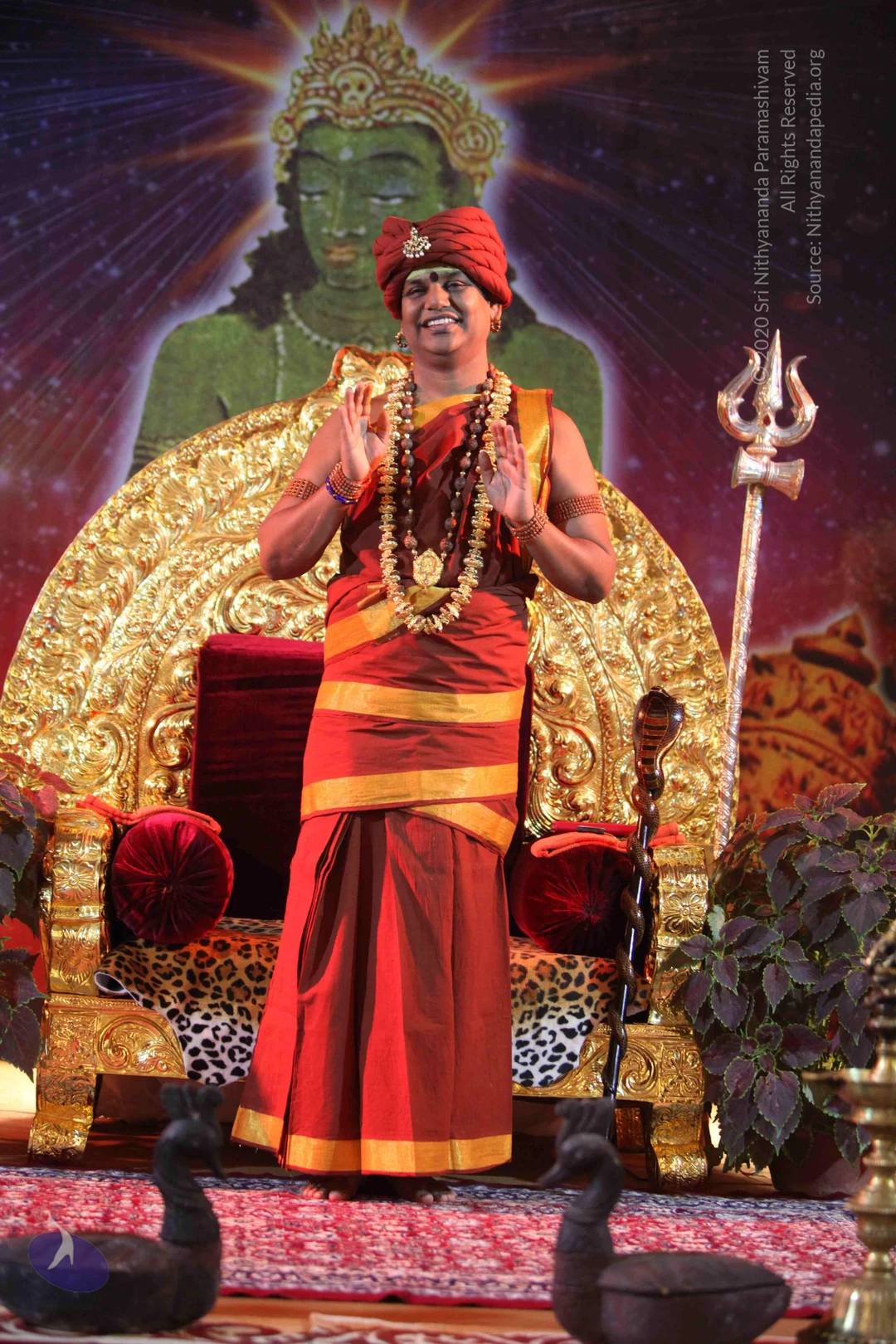
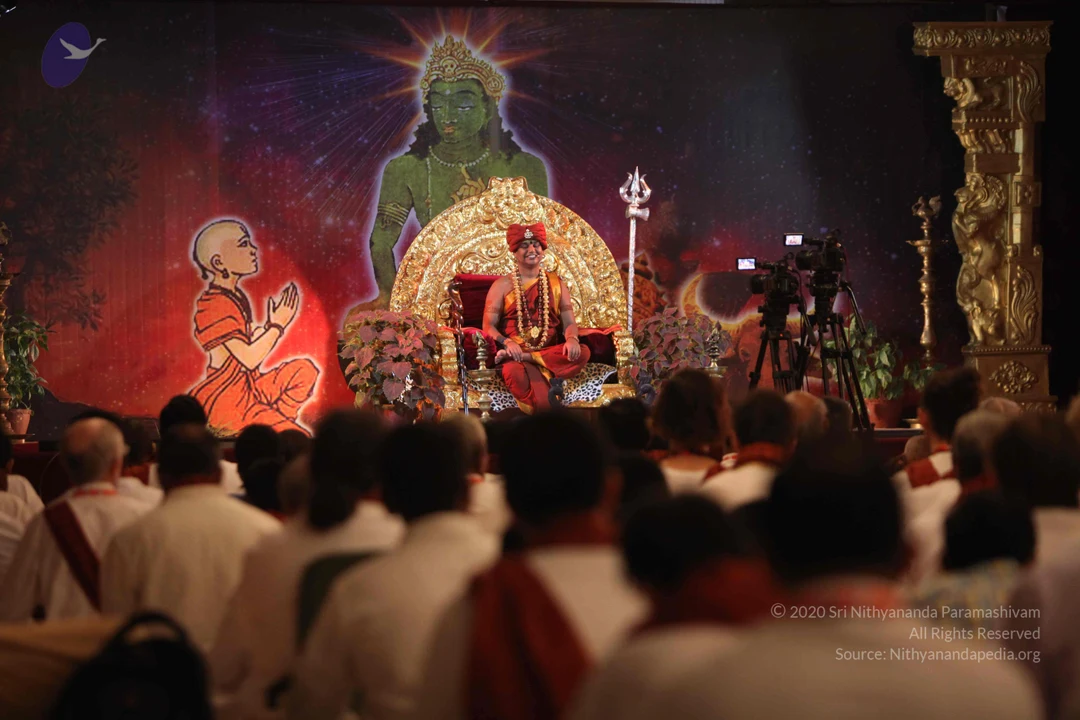
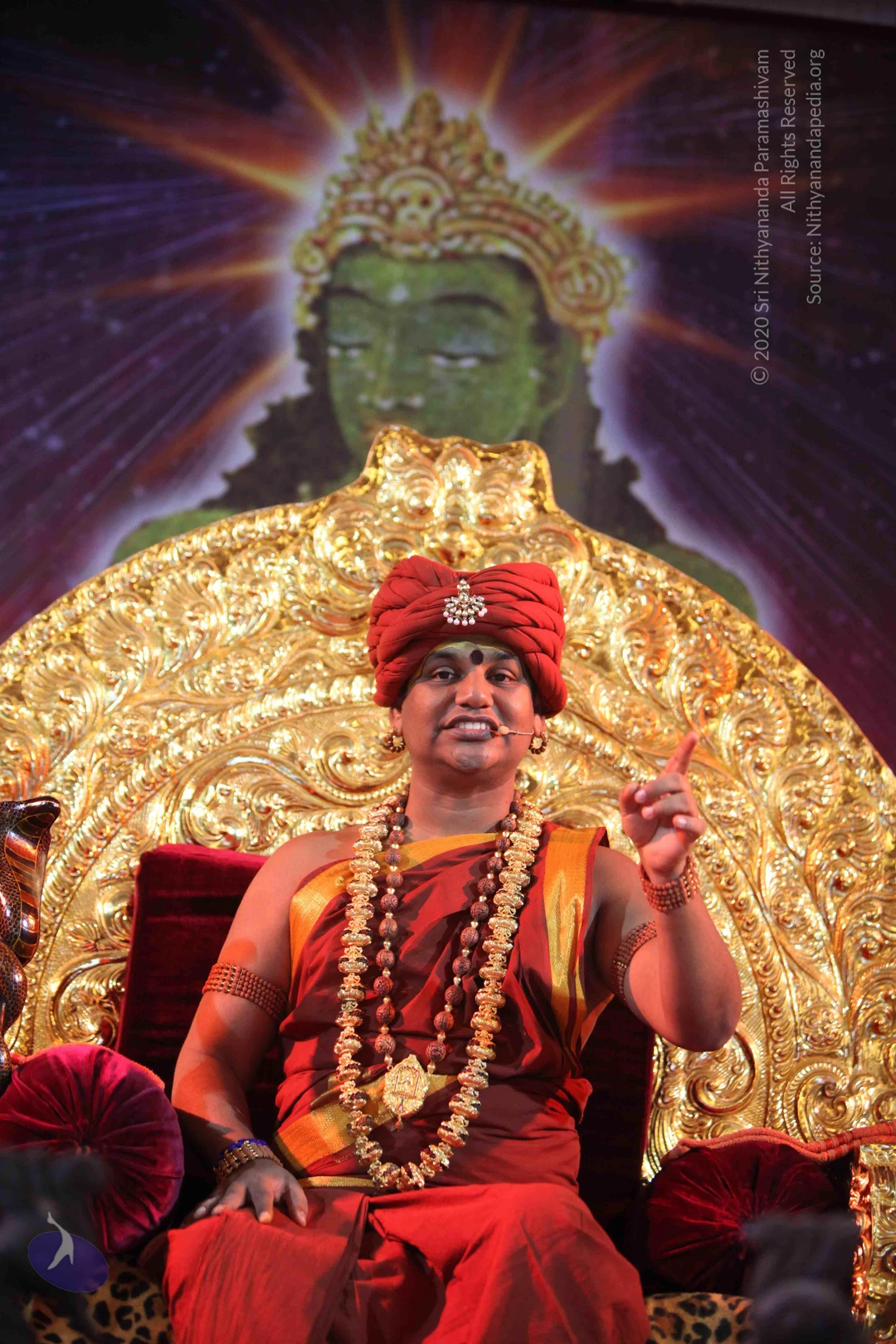
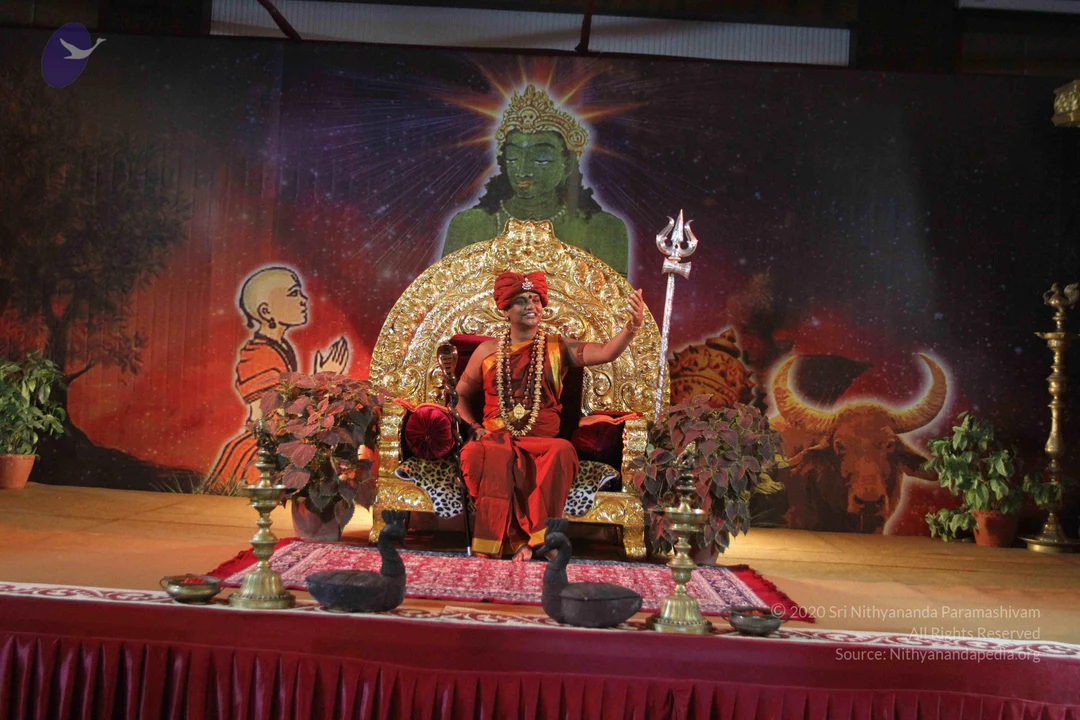
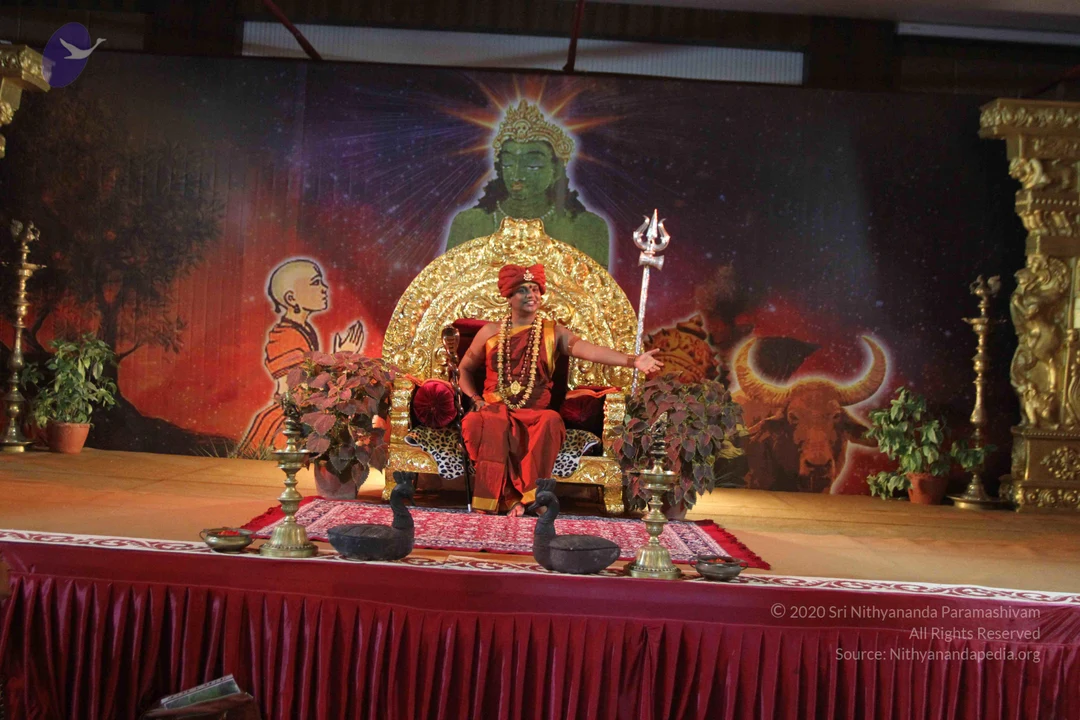
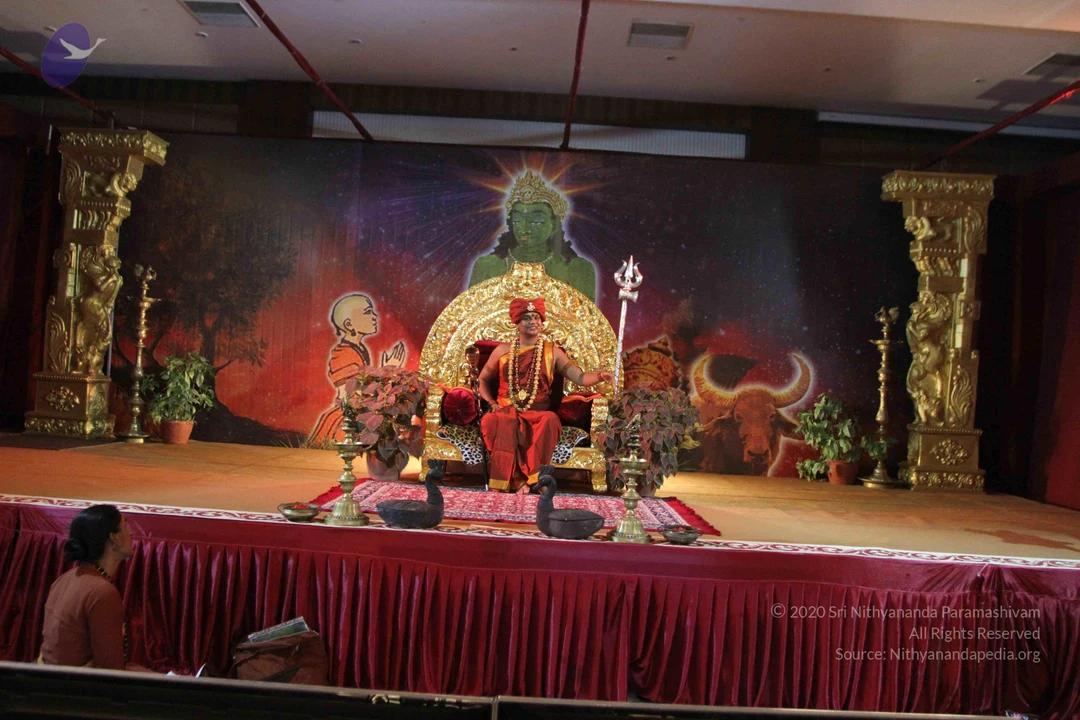
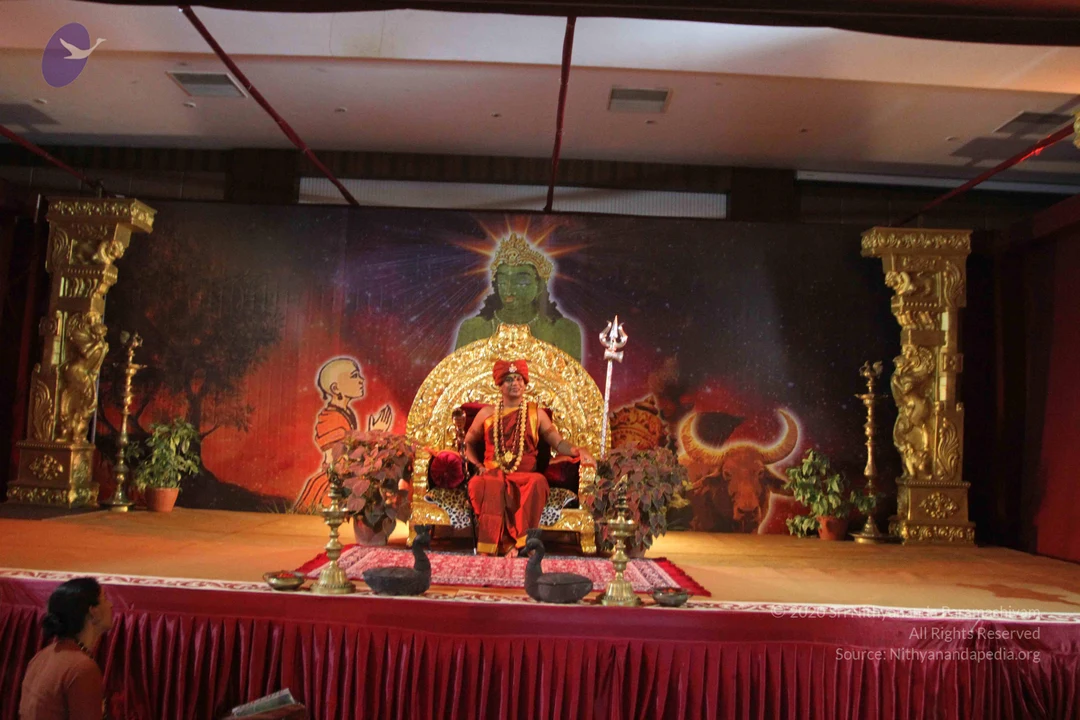
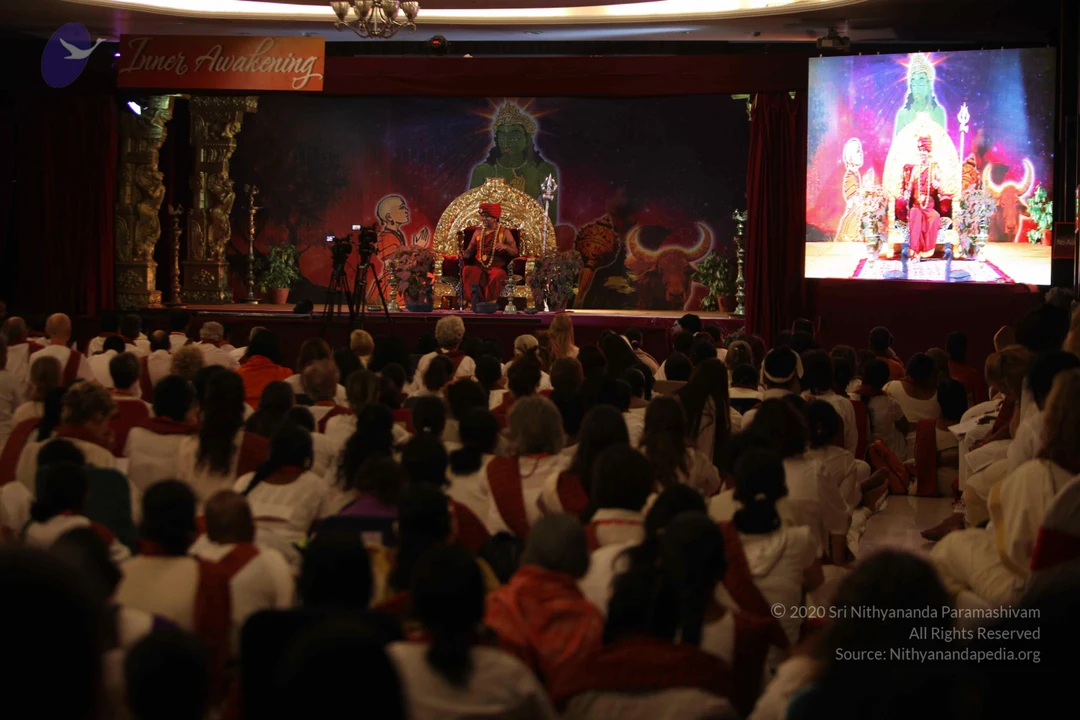
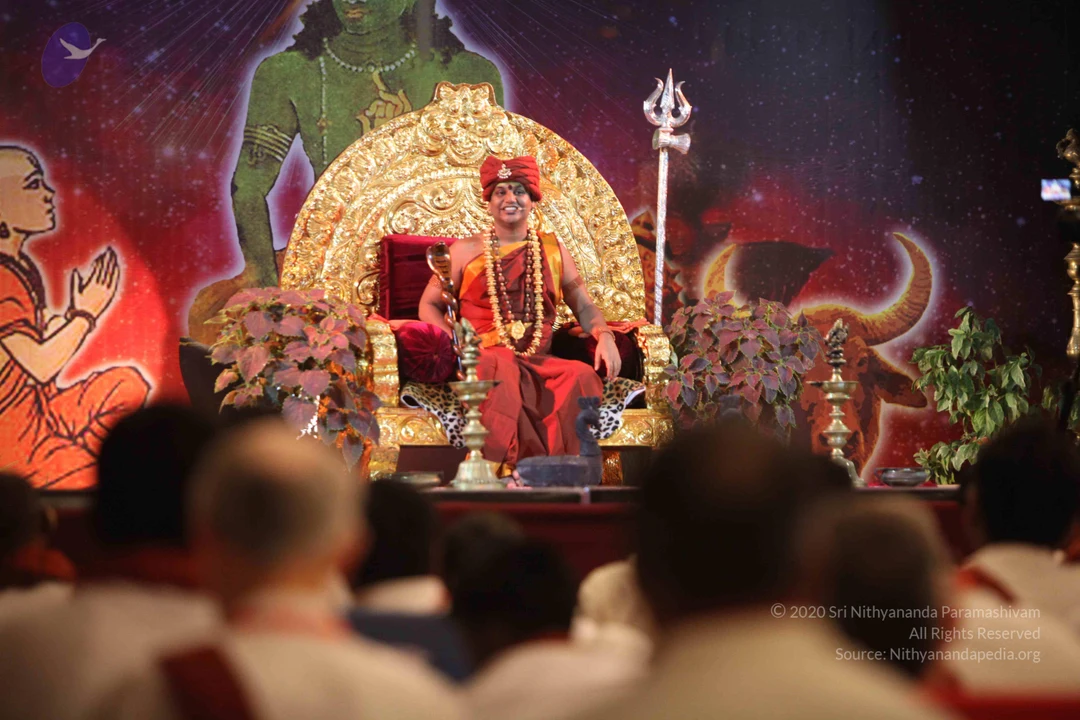
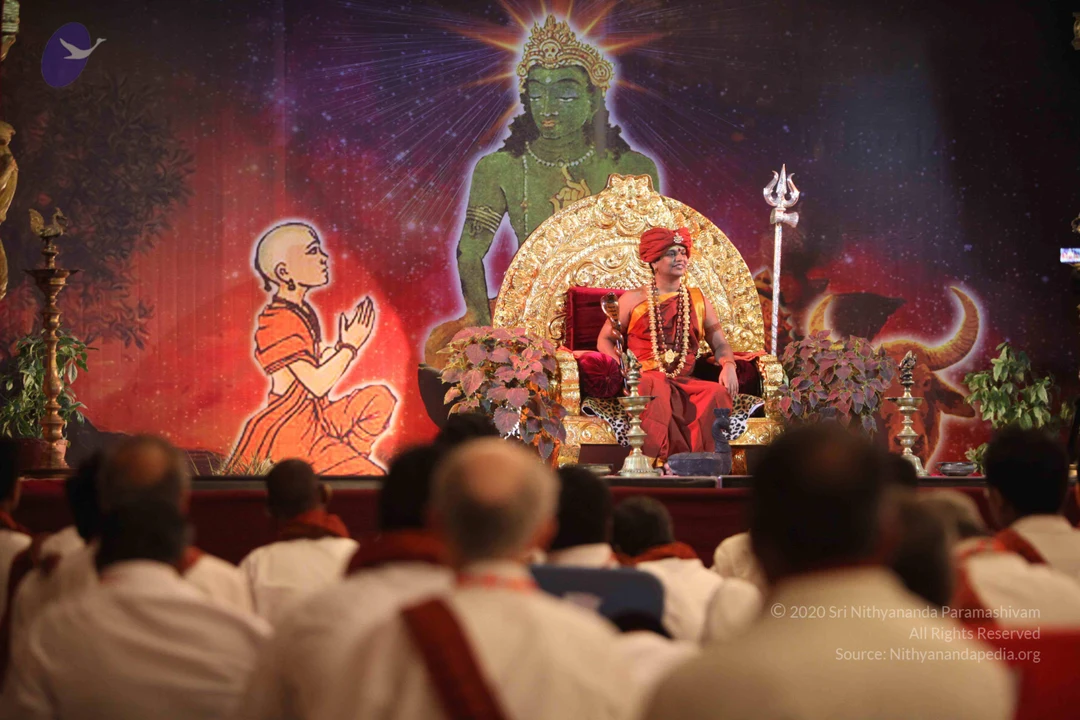
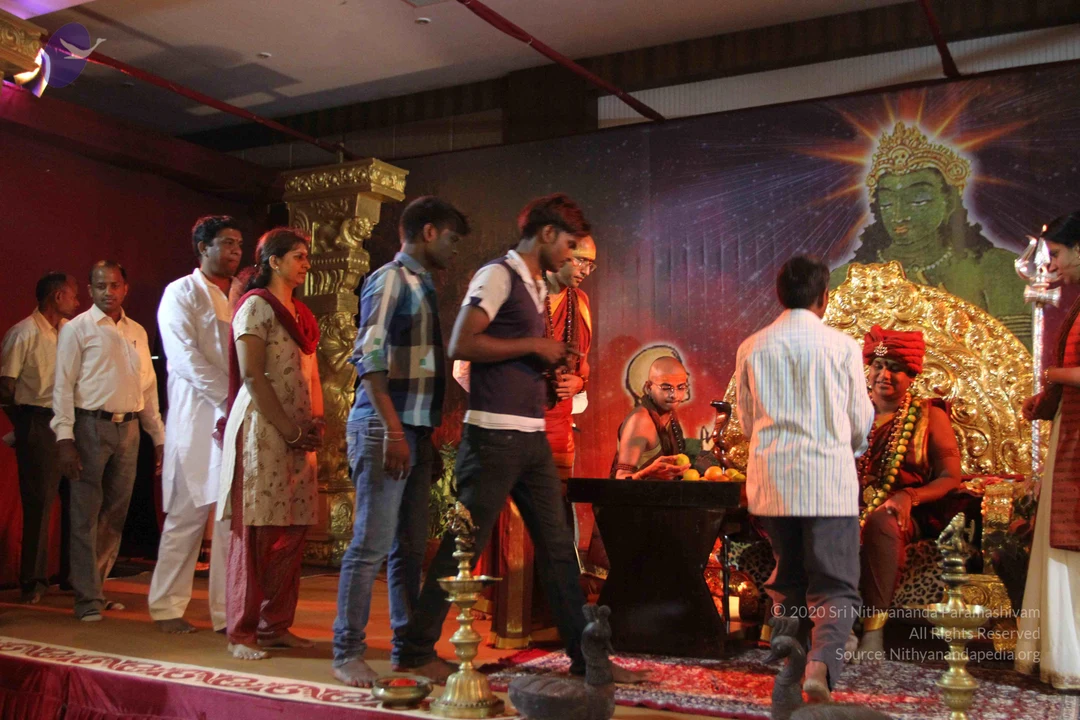
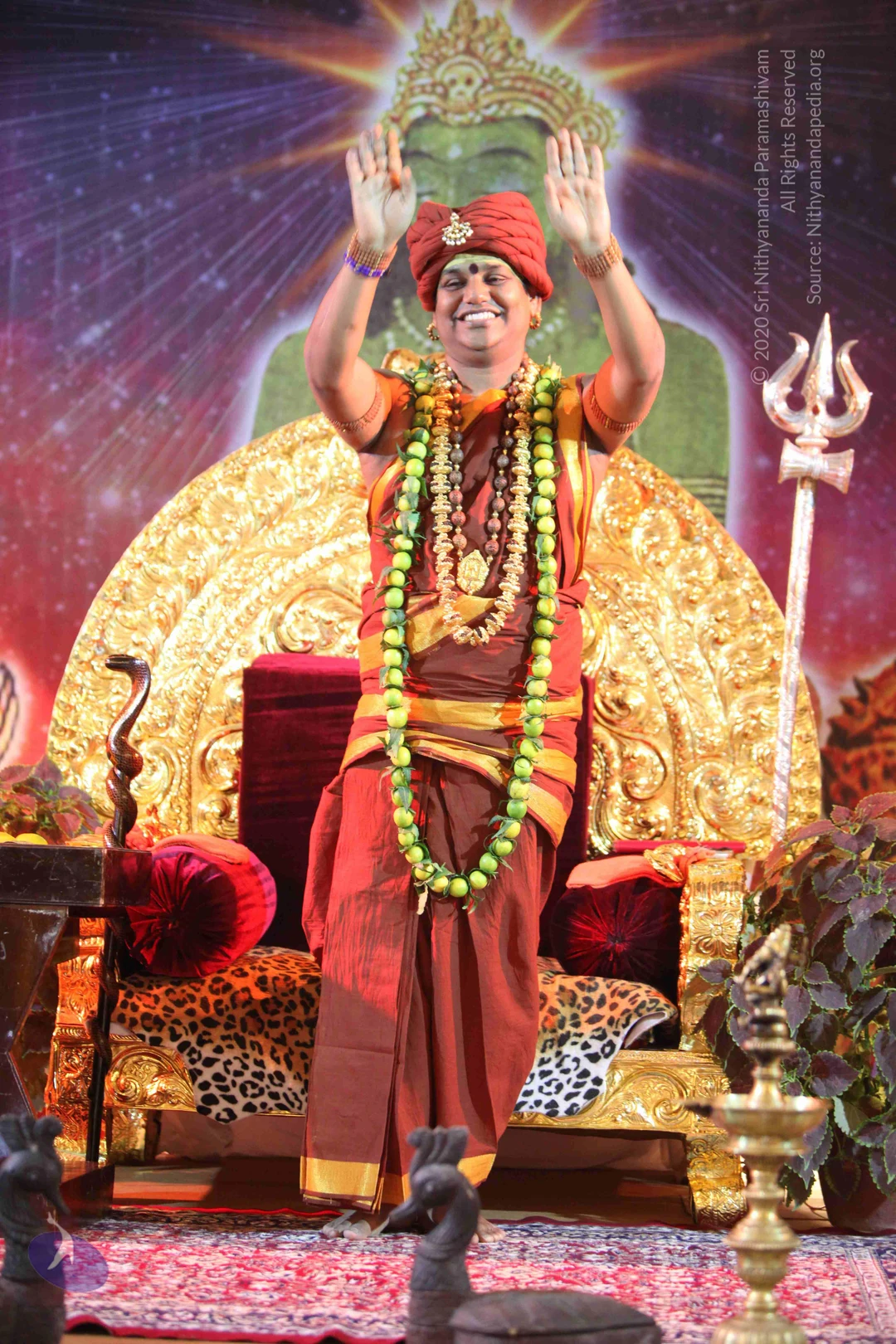
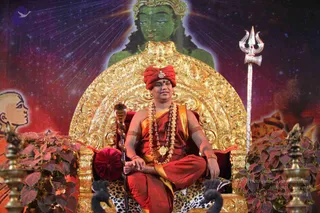
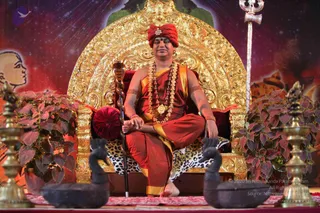
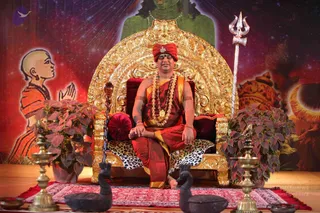
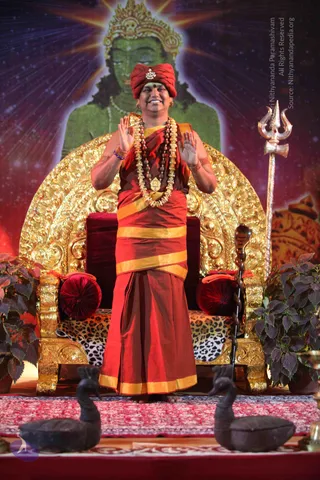
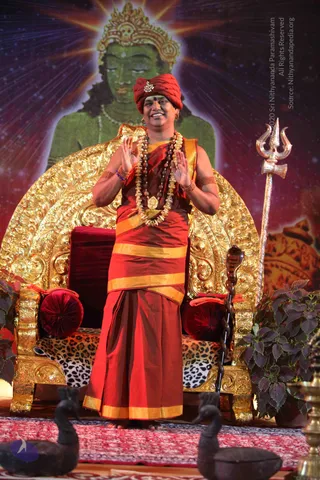
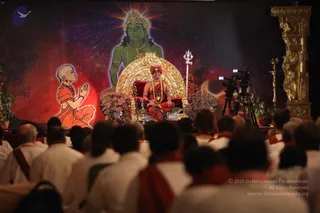
I am speaker. I am the listener when it comes to death in Varanasi, because I entered as buffalo, became Naciketa and became Yama Dharma, realized the secret of death. Entered as ordinary beast, buffalo, and slowly evolved a seeker, and achieved the space of Yama Dharma by knowing the secret of death from Mahadeva, Kalabhairava himself. So what you see in the background, all the three are my own three different dimensions.
I will continue to expand of Death.
With this I bless you all, Phoenix Aadhenam, Ma Jayananda, Rasika Bhai’s wife, Ma Jayananda, birthday blessings–with all the auspiciousness you will be with me and I will be with you, be blissful. Houston, Vishnu Tyagarajan, birthday blessings, with all the auspiciousness you will be with me and I will be with you, be blissful.
And blessings to everyone. Its time we move to next segment o morning satsang...
I bless you all to radiate, integrity, responsibility and enriching, causing, living Advaita, the Eternal Bliss, Nithyananda. Thank you. Be blissful!
Title
Nithyananda Times - 12th May, 2015
Description
The Daily Video Magazine of the Nithyananda Sangha
Link to Video
Nithyananda Times - 12th May, 2015
Link to Video
Paramashivoham Oneness Capsule 331
Link to Video
Paramashivoham Oneness Capsule 329 (12May2015 Photos Poc)
Photos From The Day:
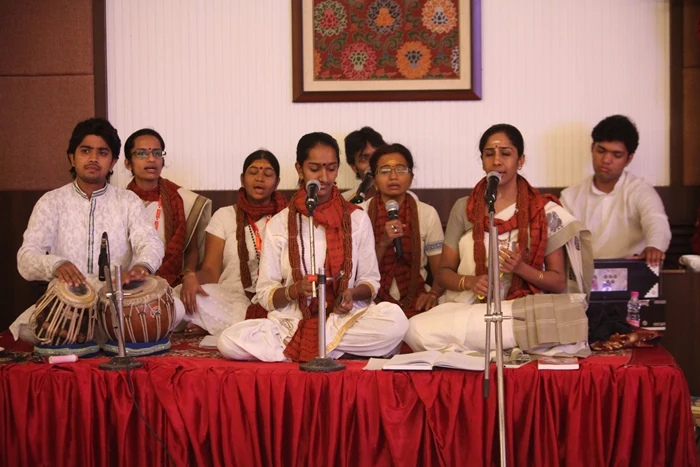
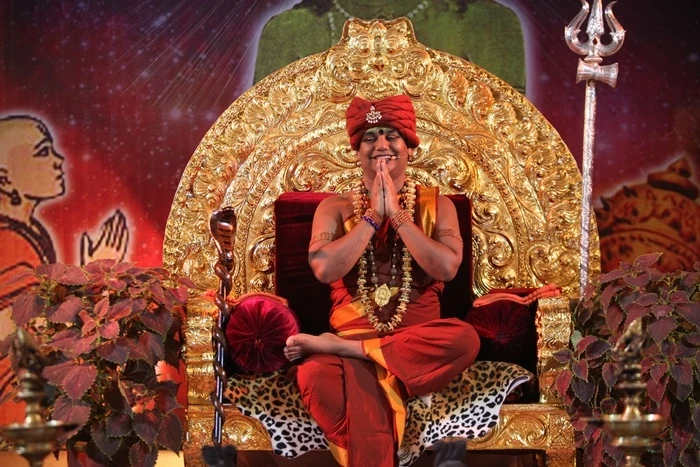
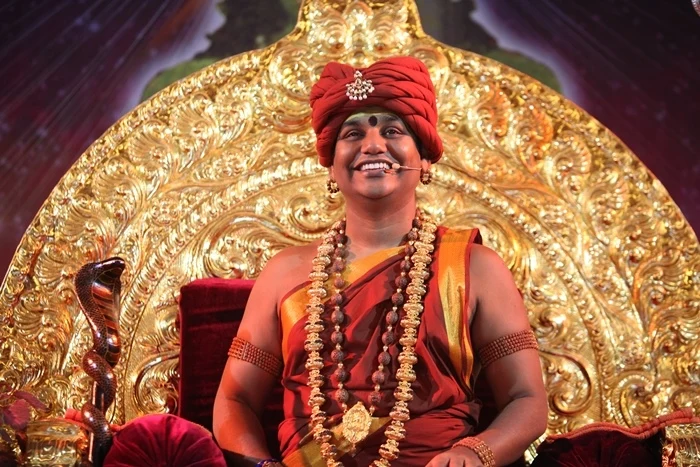
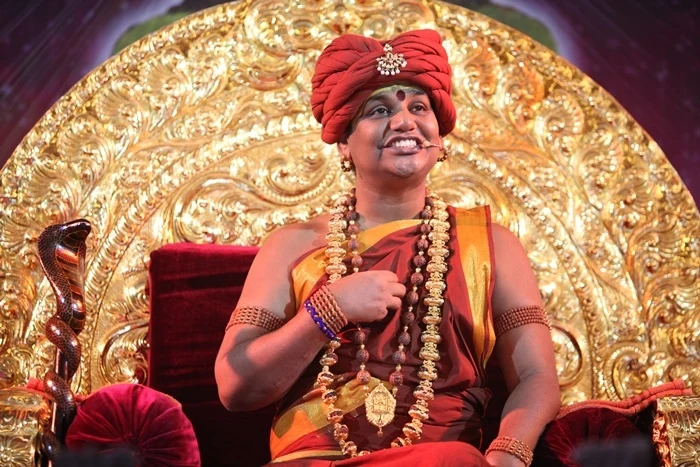
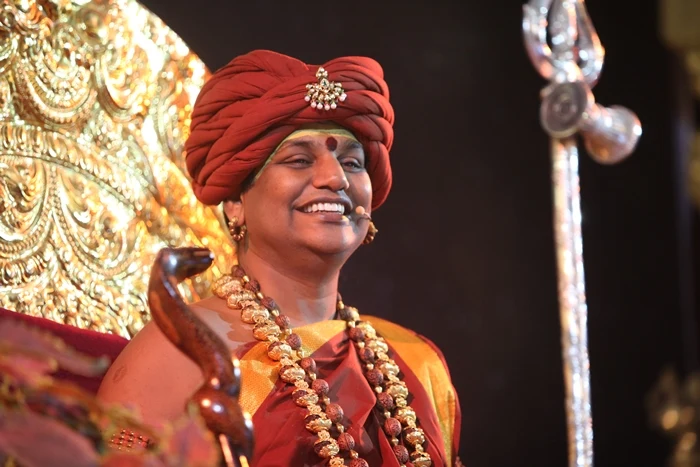
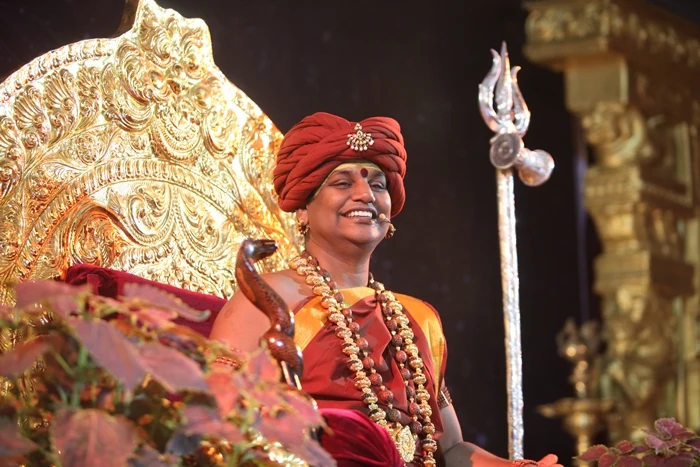
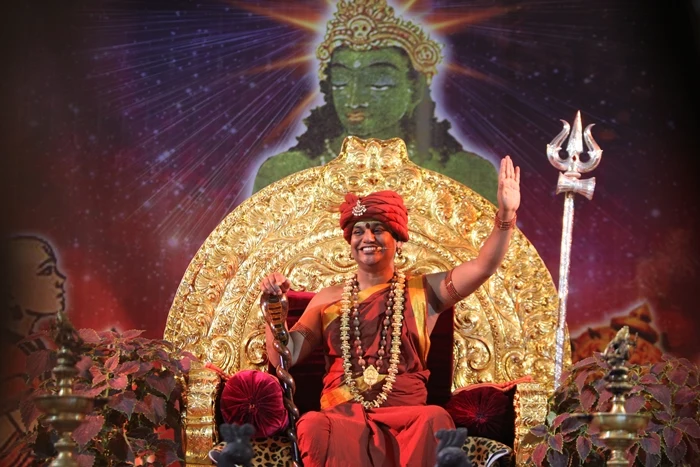
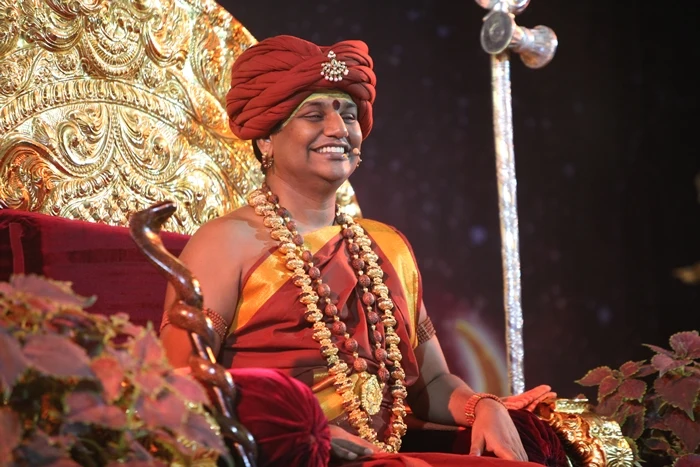
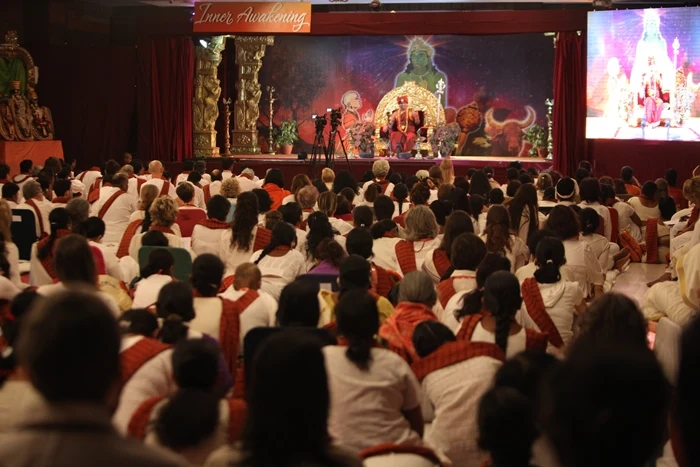

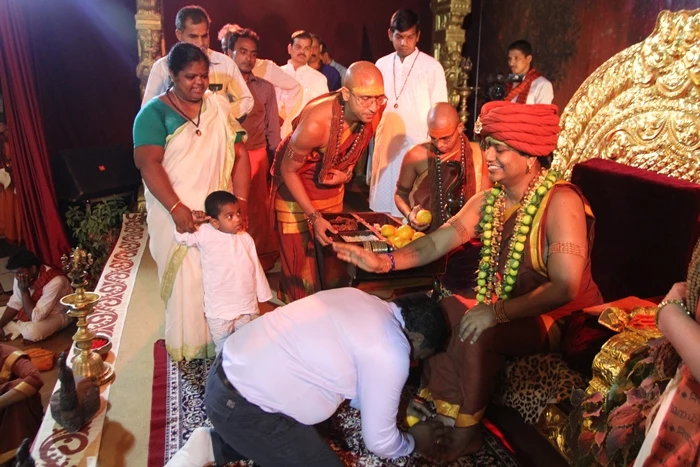

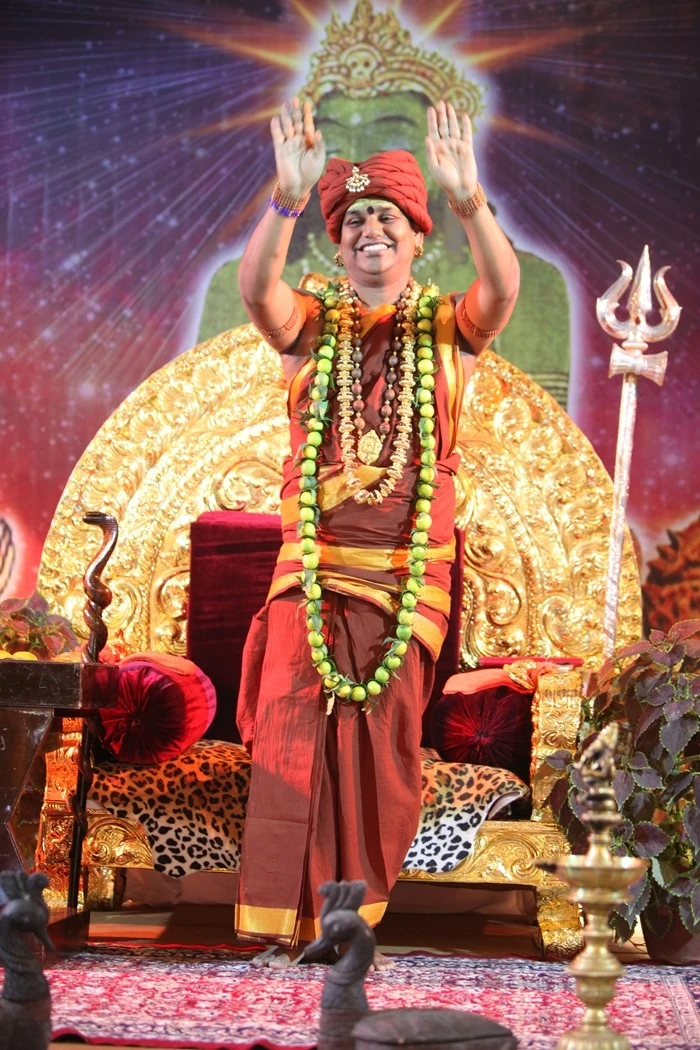
Link to Facebook Post
https://www.facebook.com/ParamahamsaNithyananda/photos/a.321615927926264/833996466688205
Tags
Paramahamsa Nithyananda, Varanasi, Shiva, Mahadeva, Kalabhairava, Inner Awakening, Shivoham, Katha Upanishad, Kathopanishad, Nachiketa, Lord of Death, Death, Mystery Of Death, Manikarnika Ghat, Book Of Death, Kaala, Dharma, Yama, Shaivaite, Shiva Bhakta, Dhirah, Spiritual Courage, Dhirah, Shraddha
Photos Of The Day:
FB-photo-of-the-day
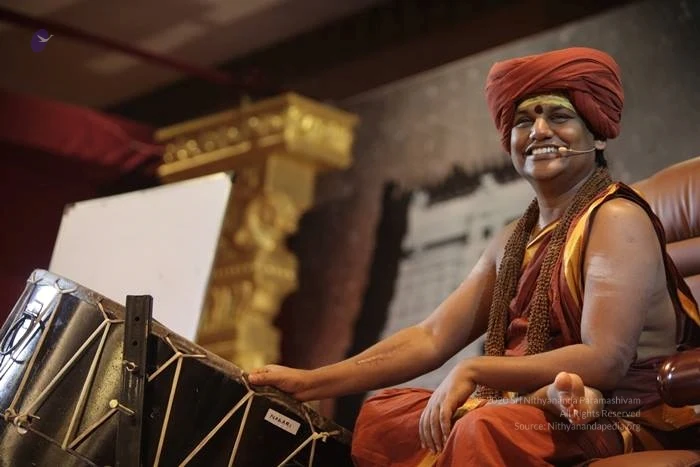
Photos Of The Day:
Satsang
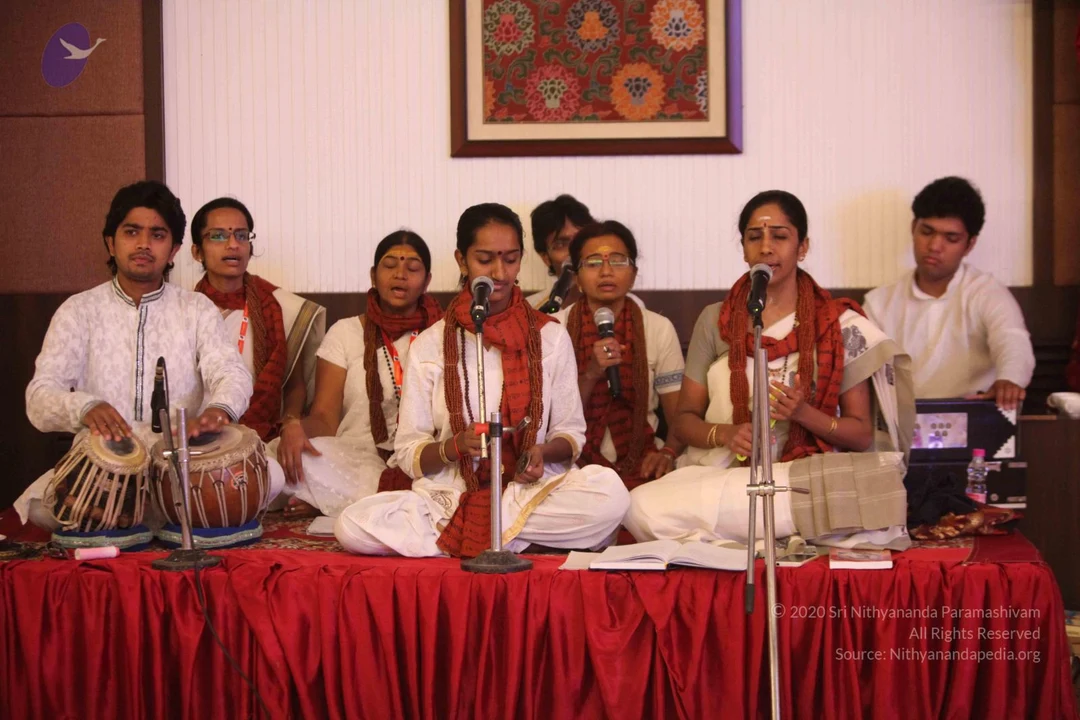
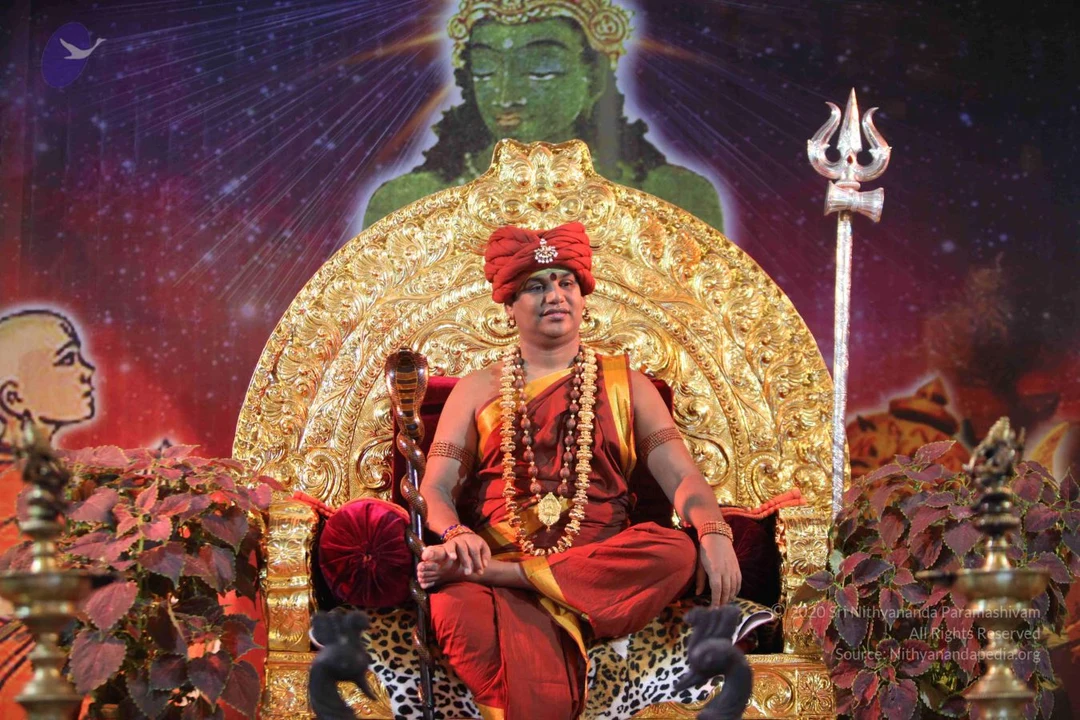
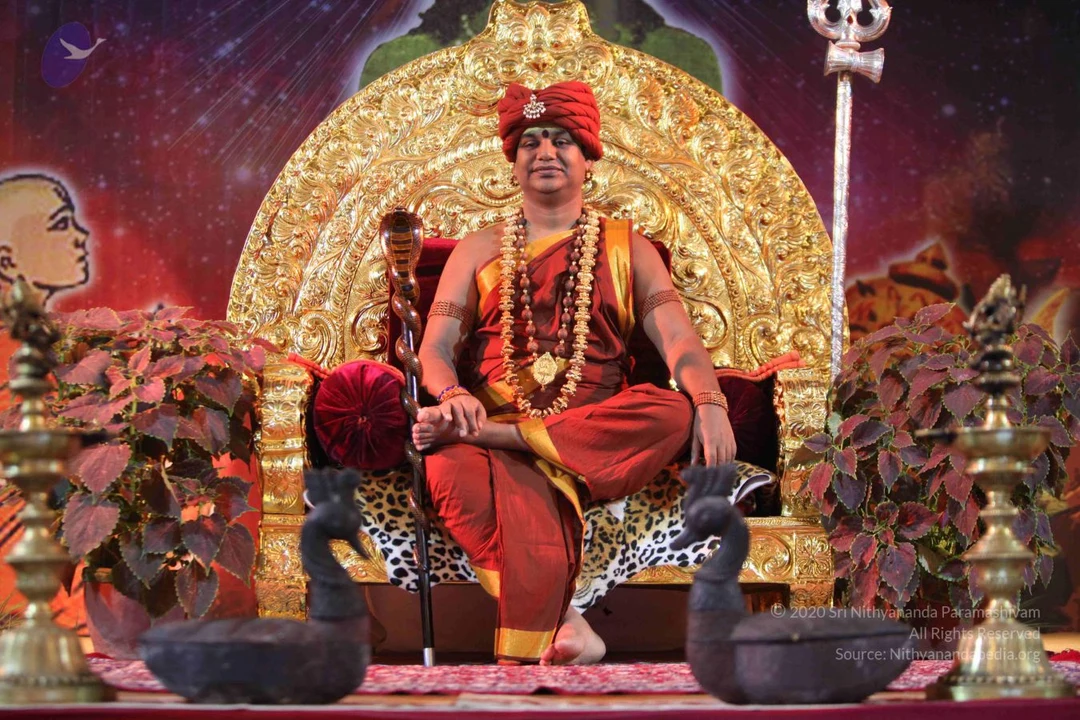
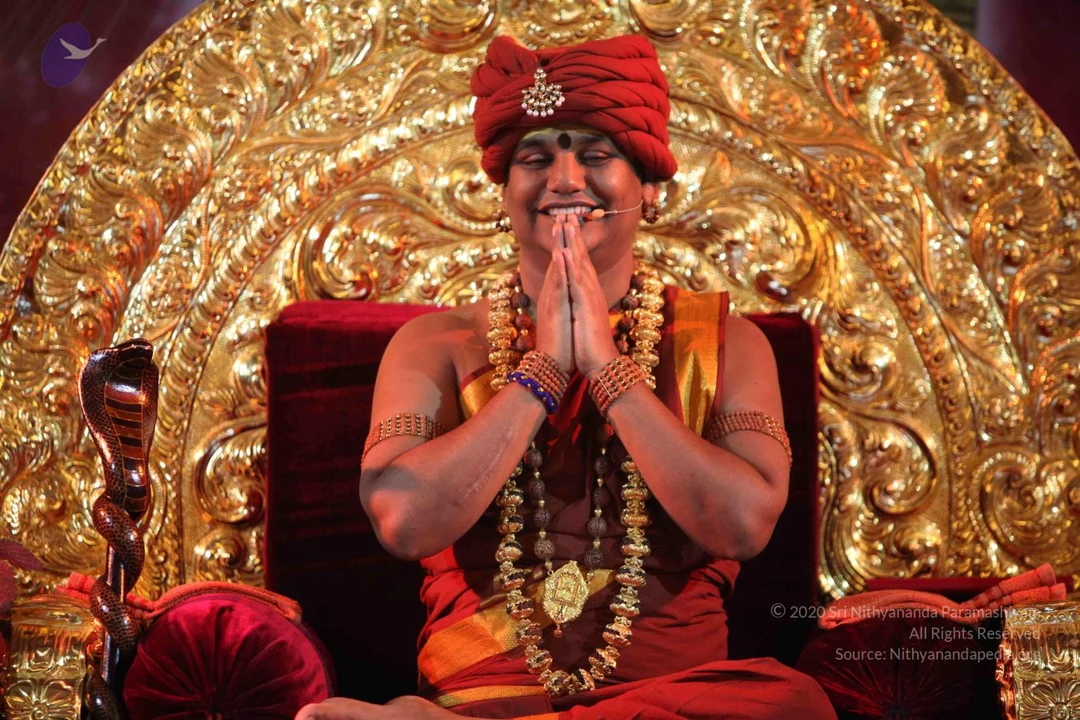
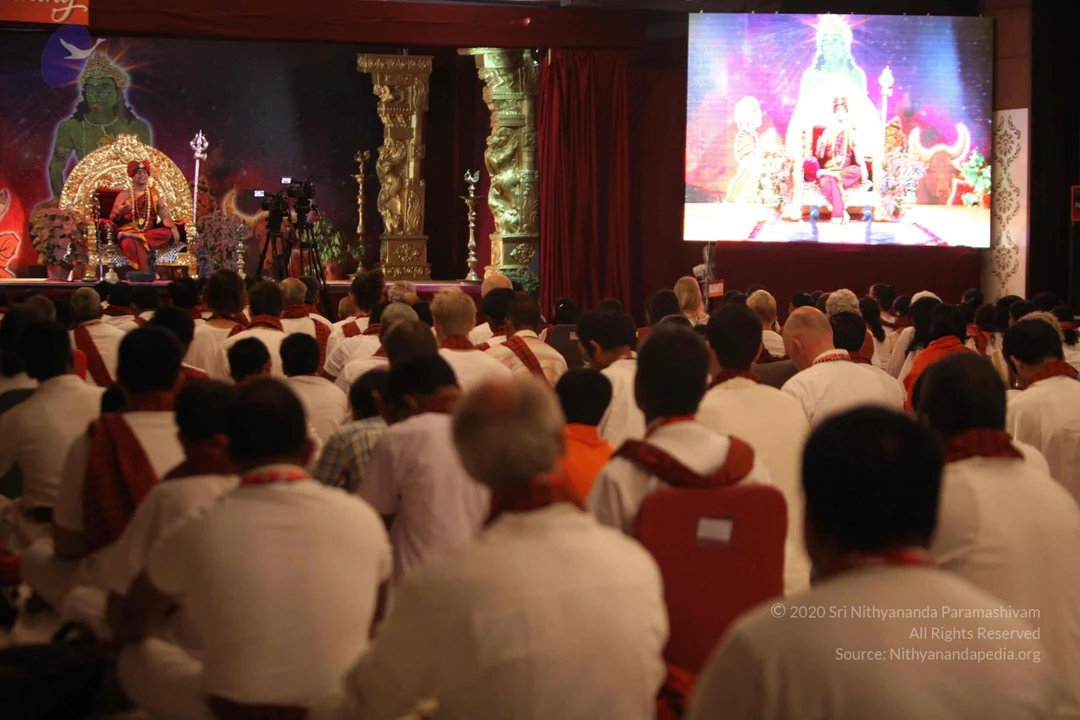
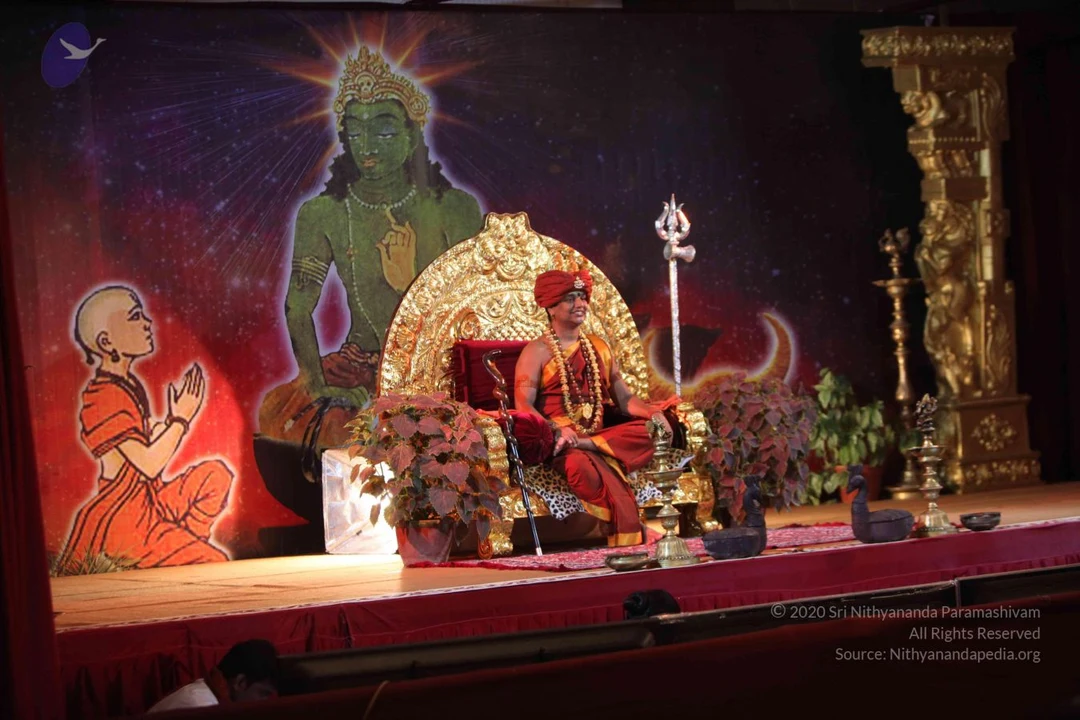
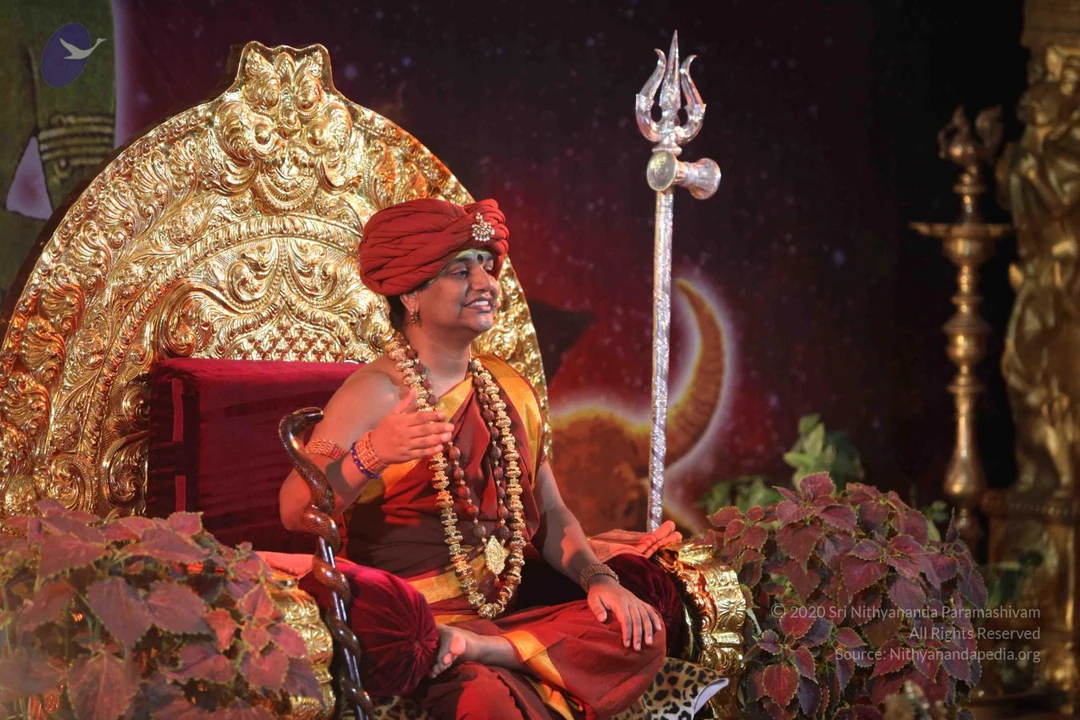
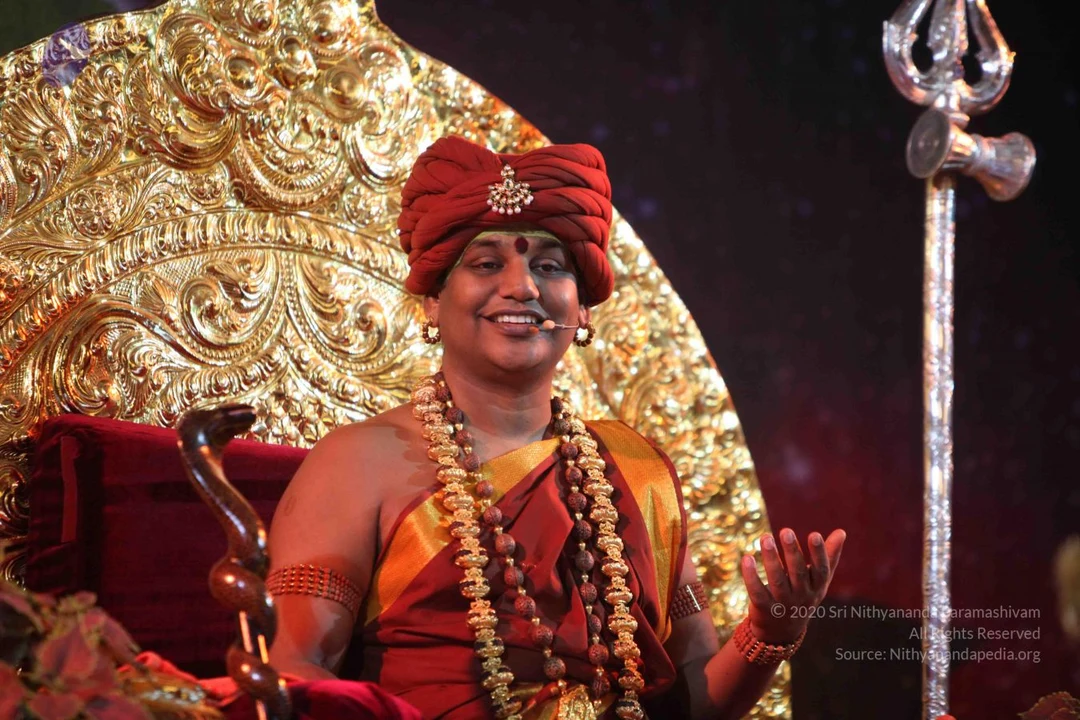

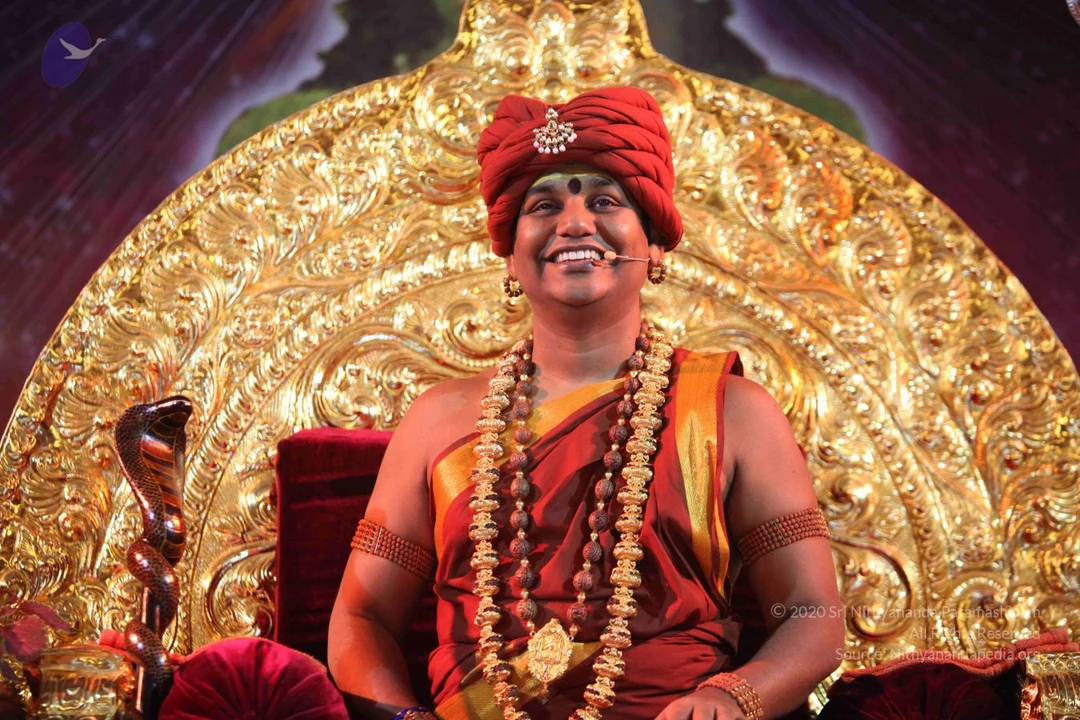
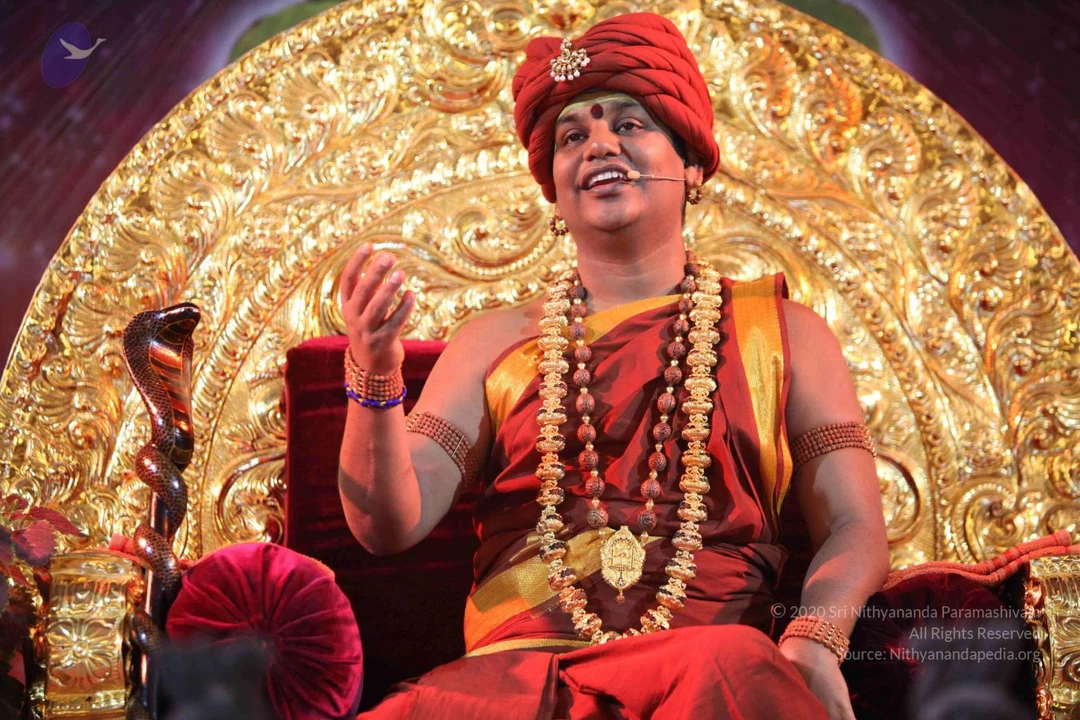
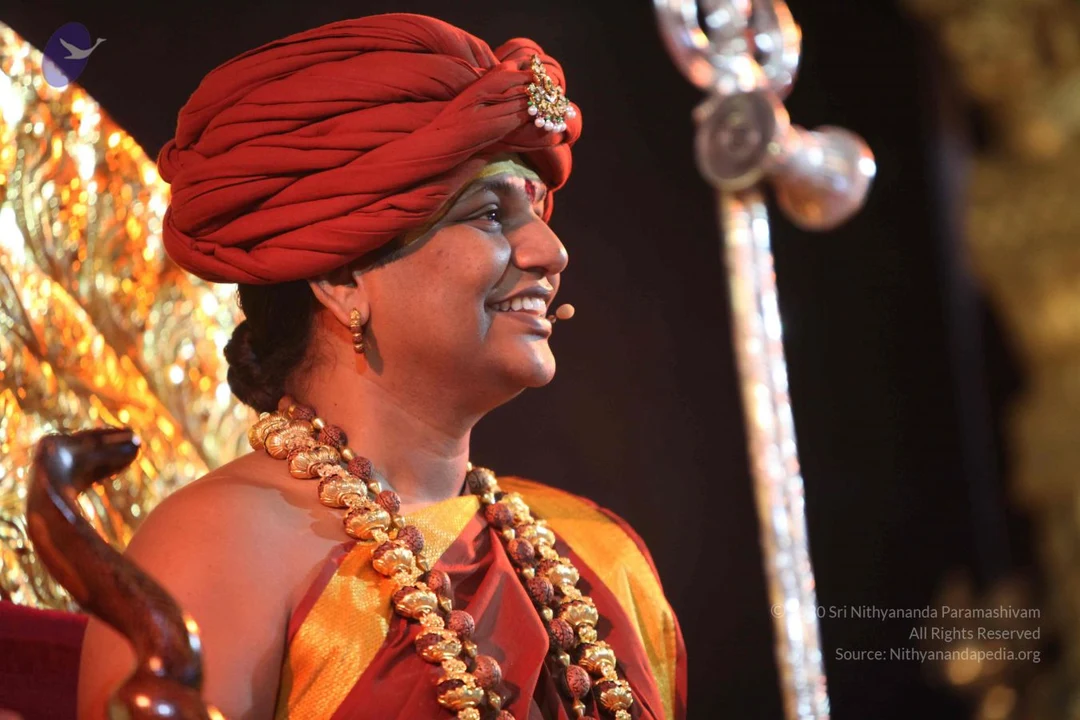
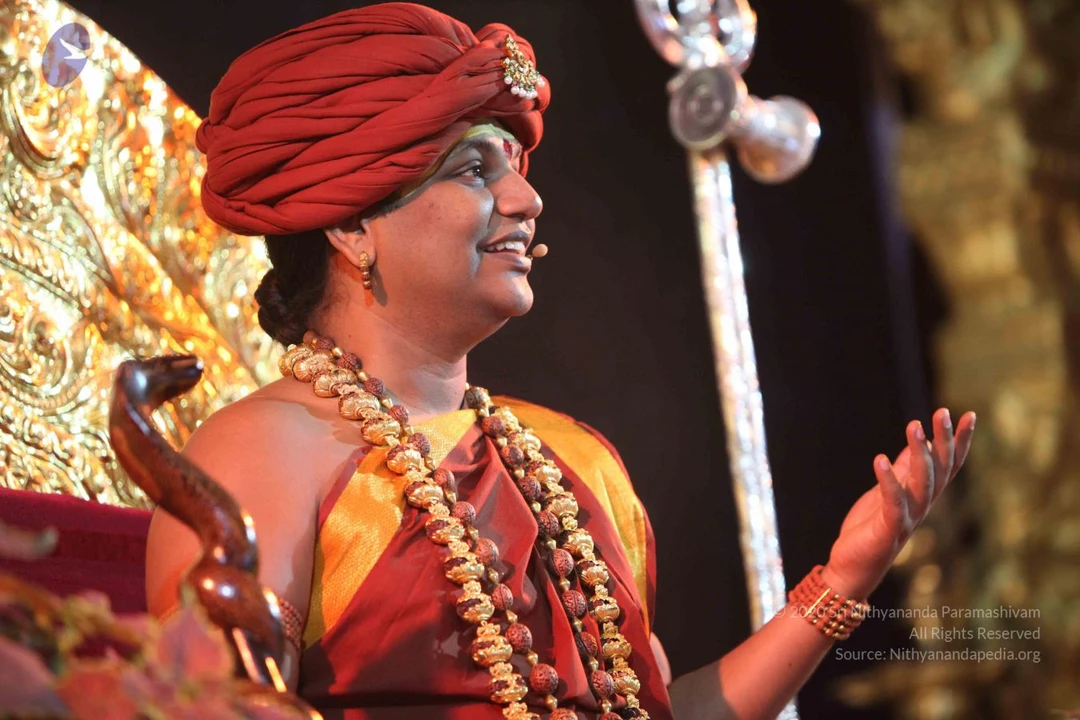
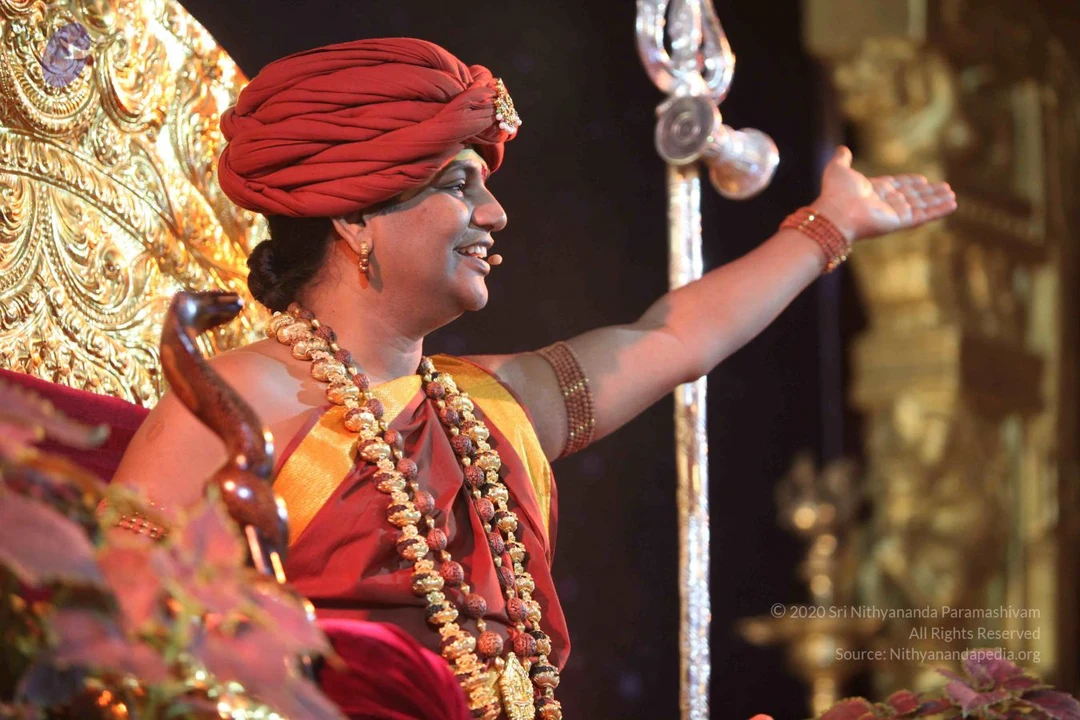
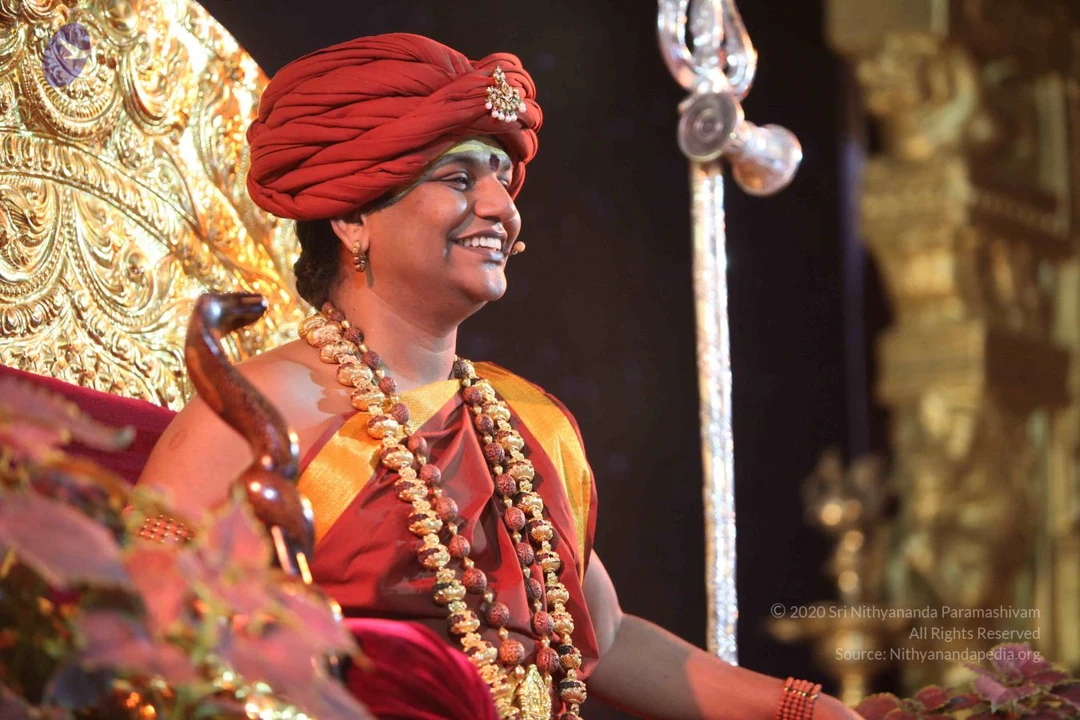
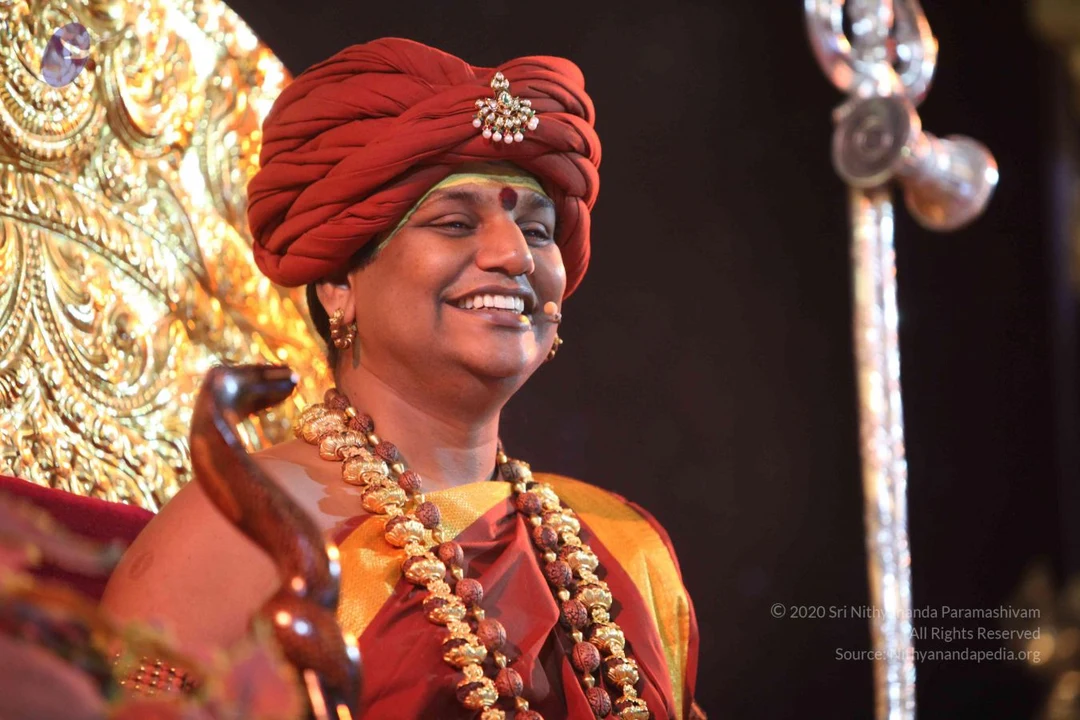
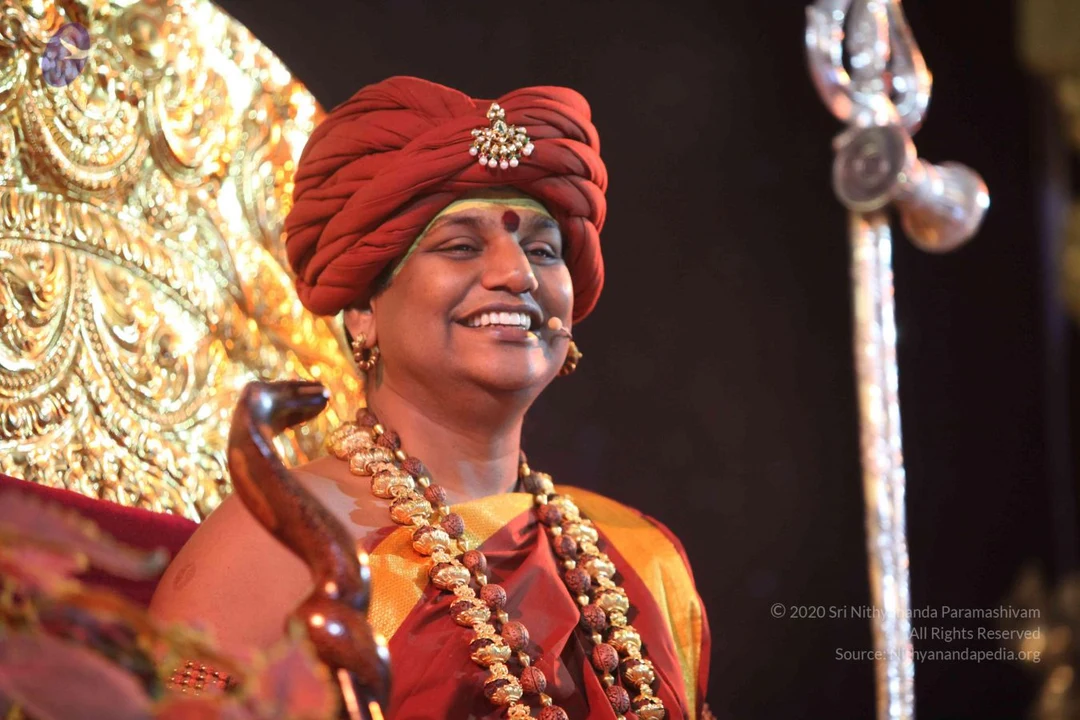
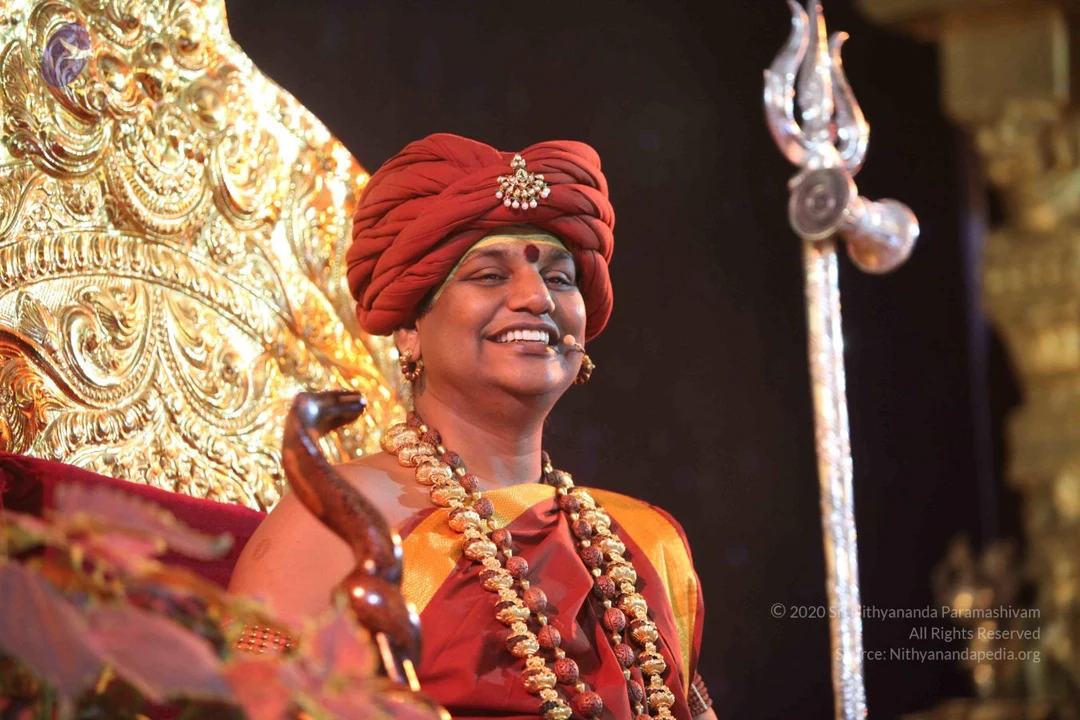
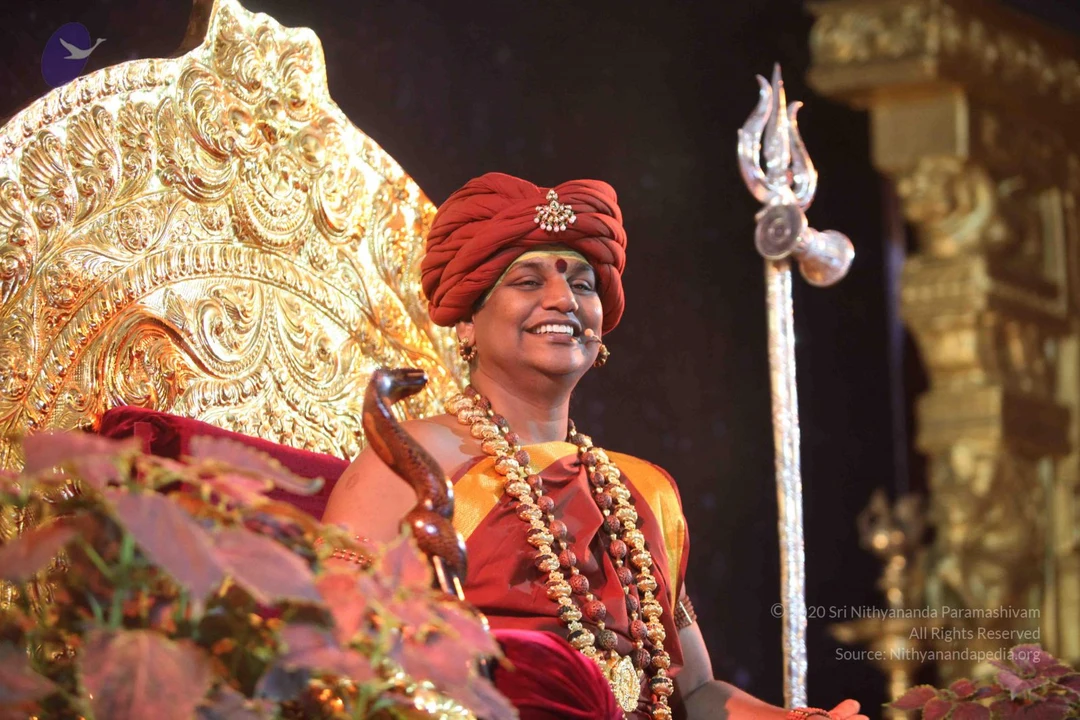
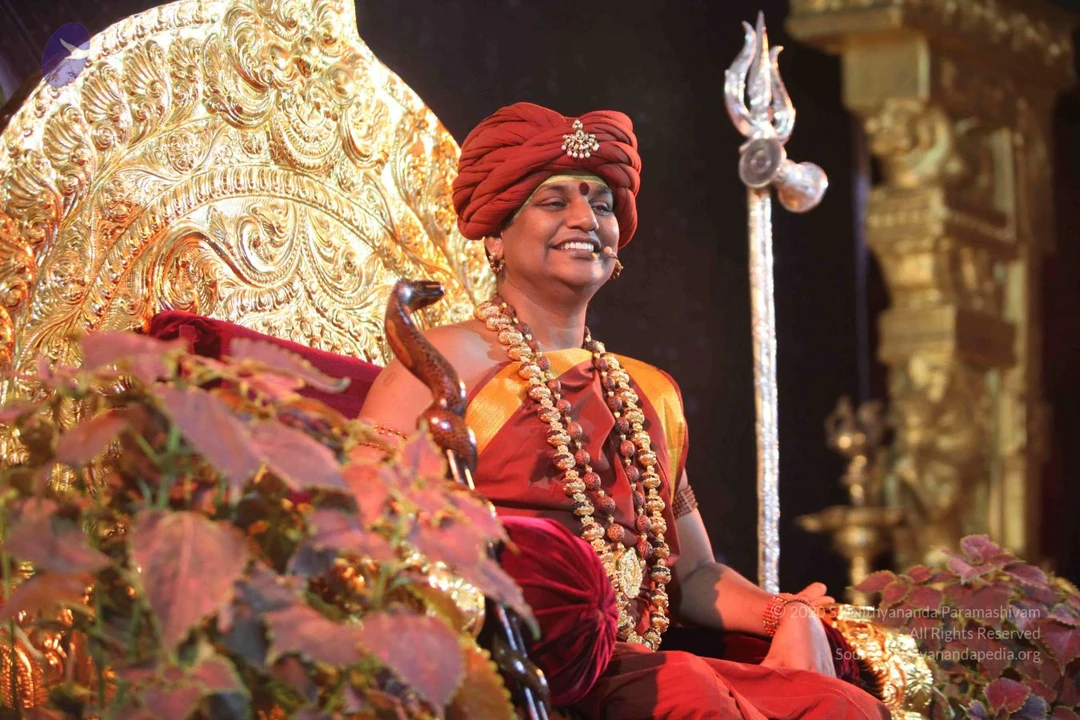


Satsang

IA-Session
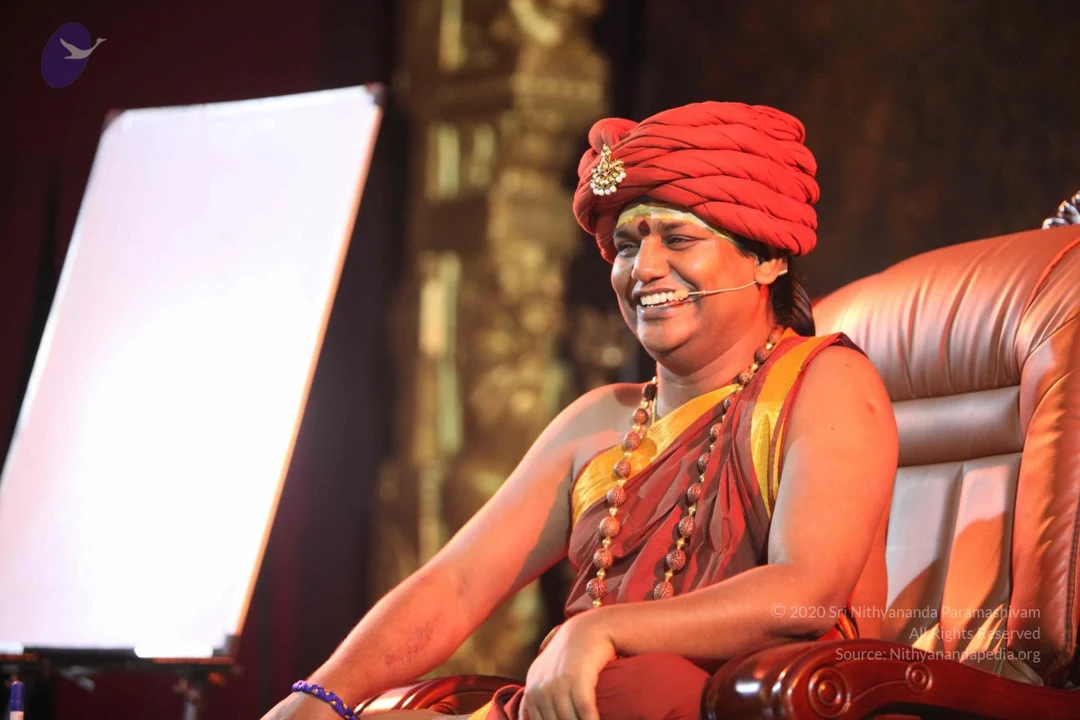
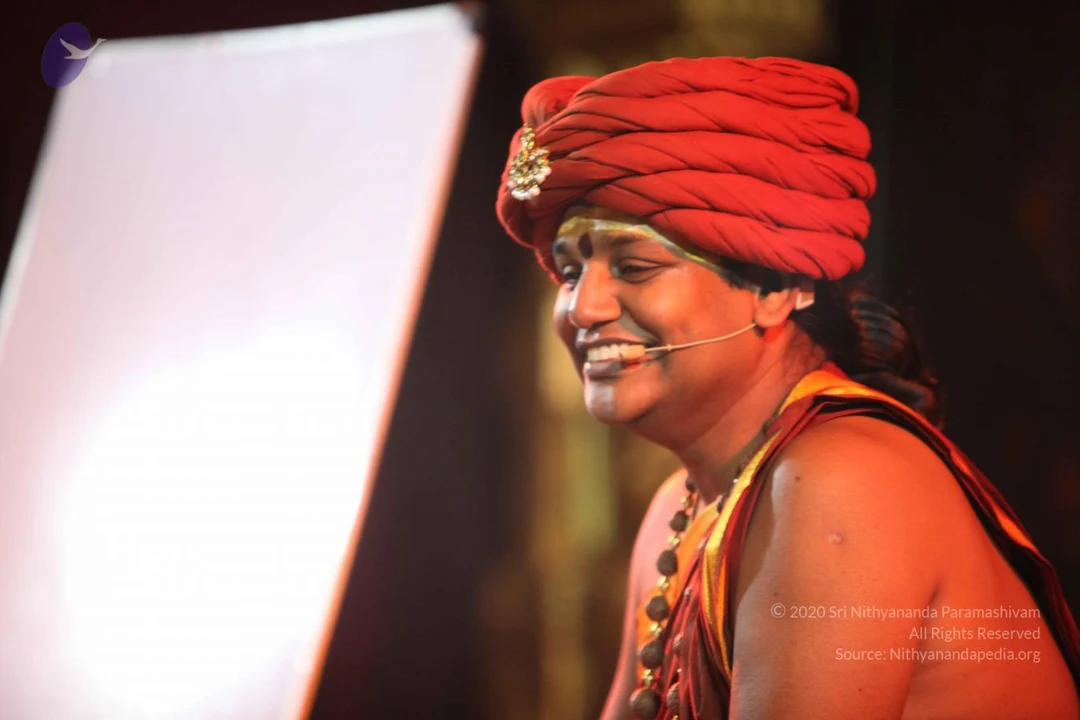
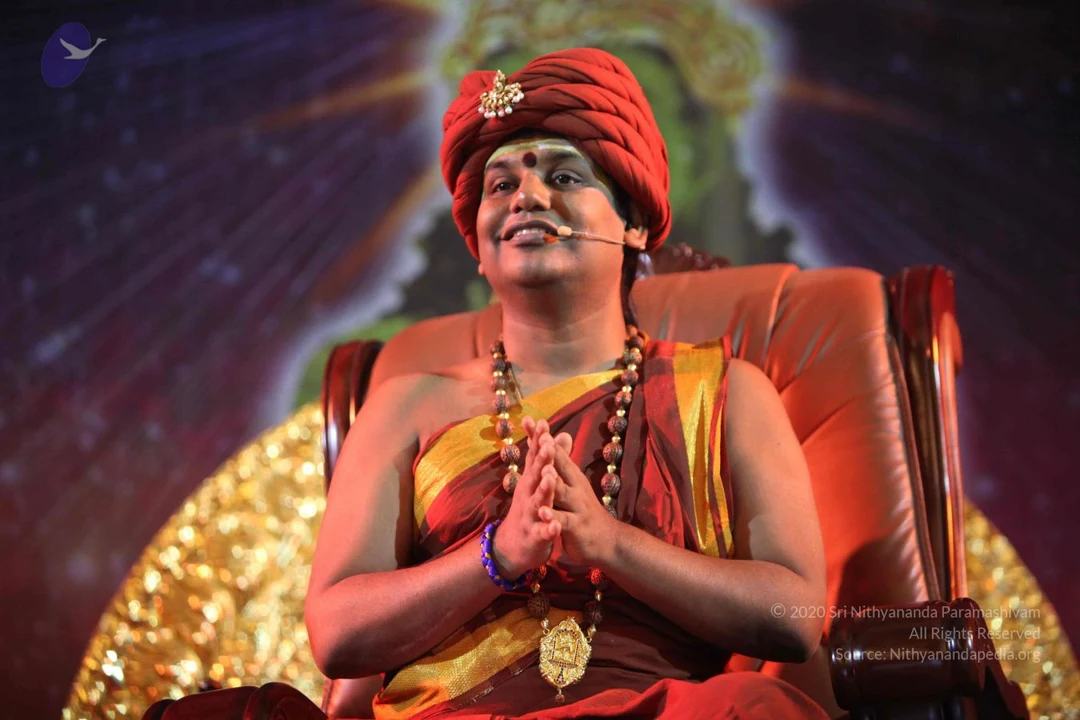
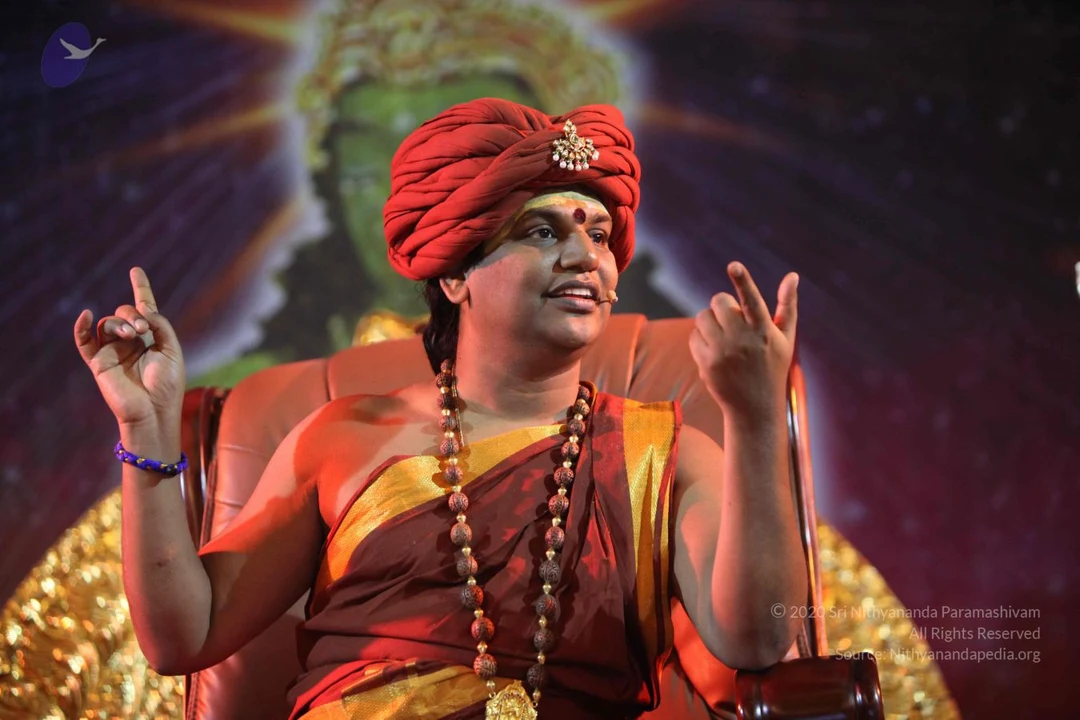

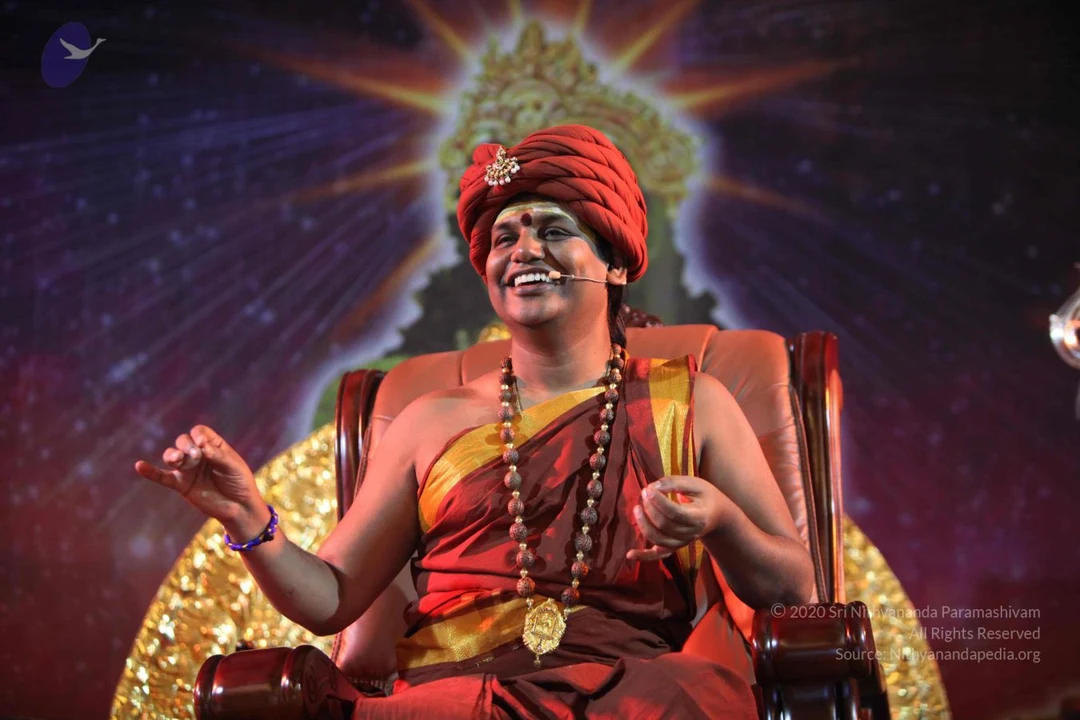
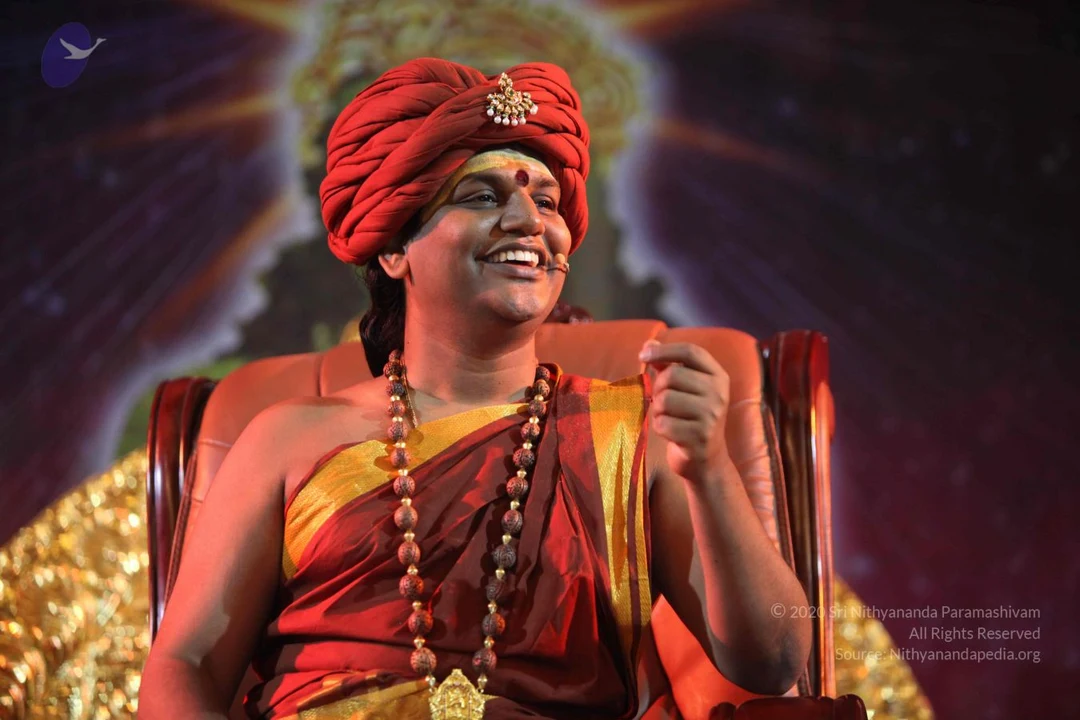
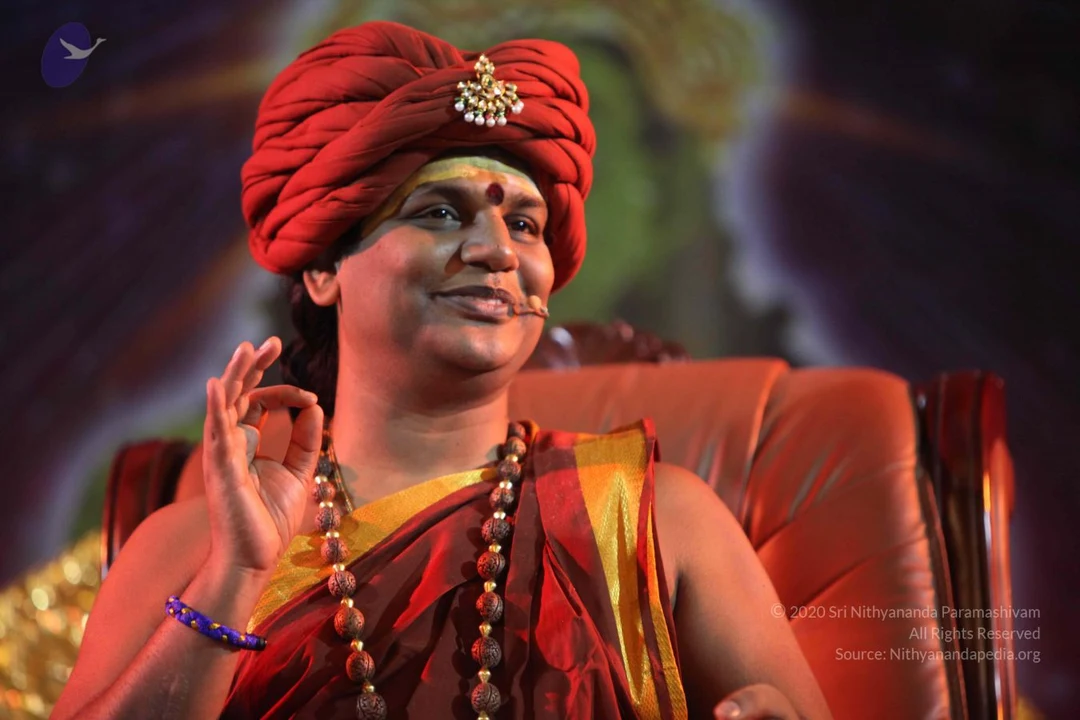

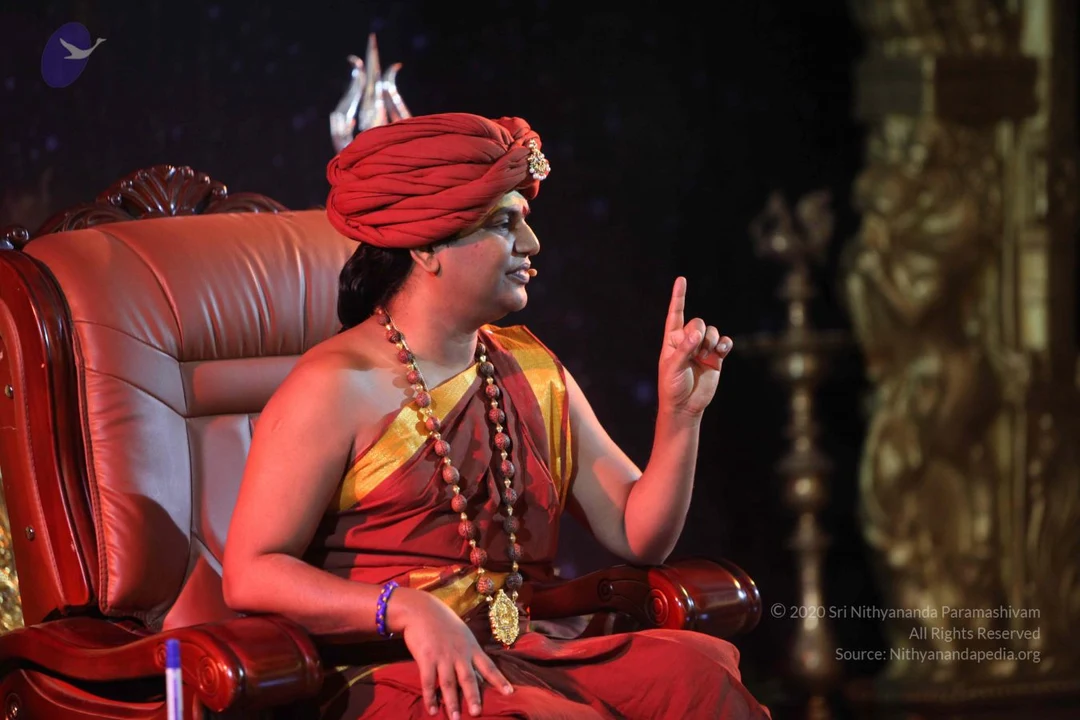



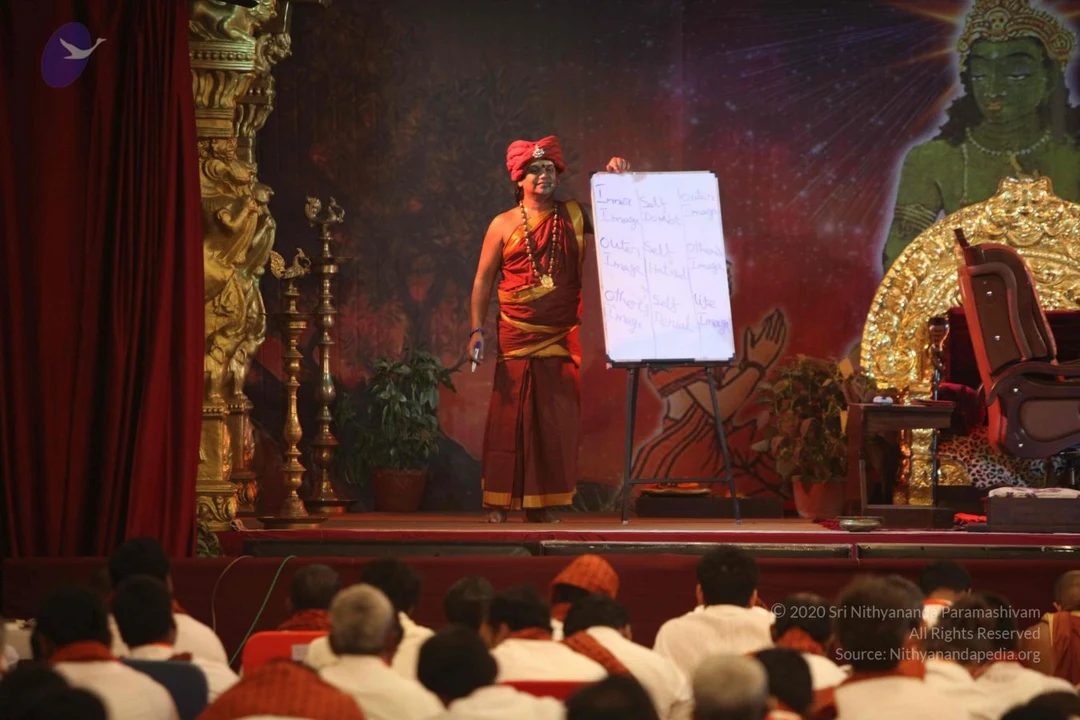
01-Satsang
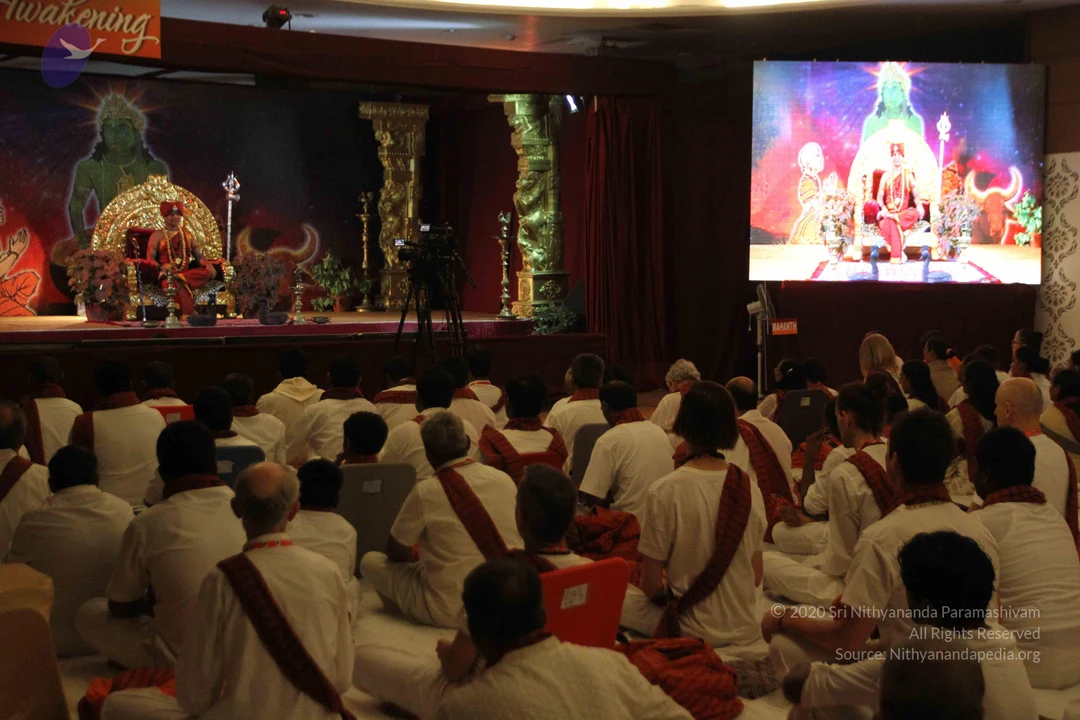
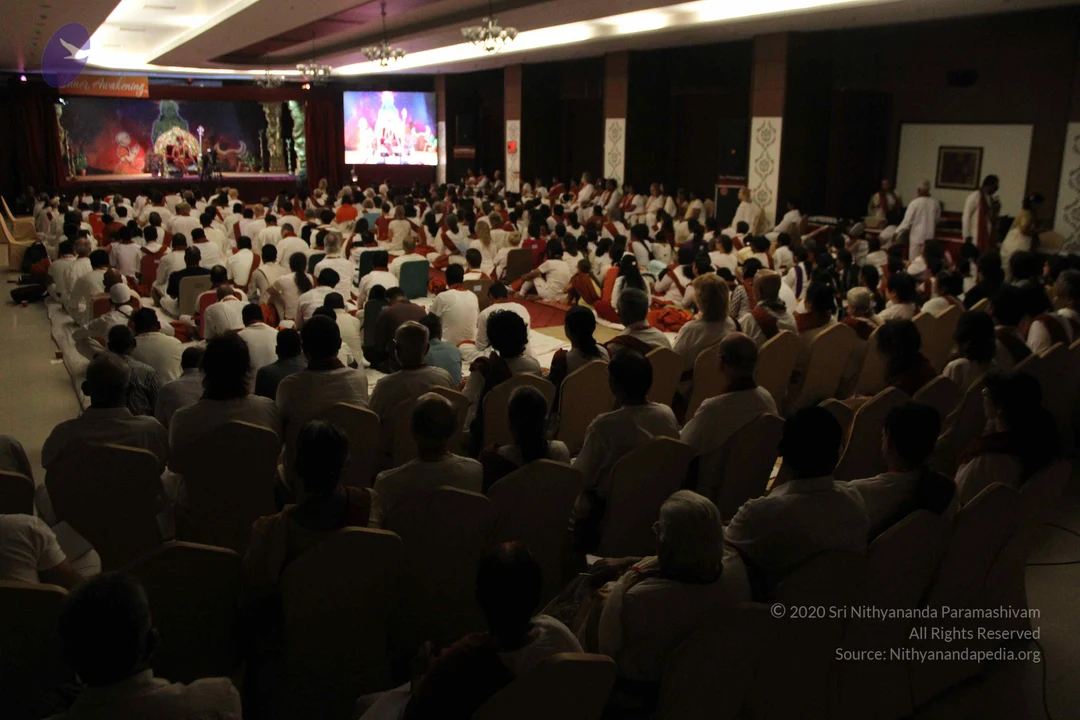
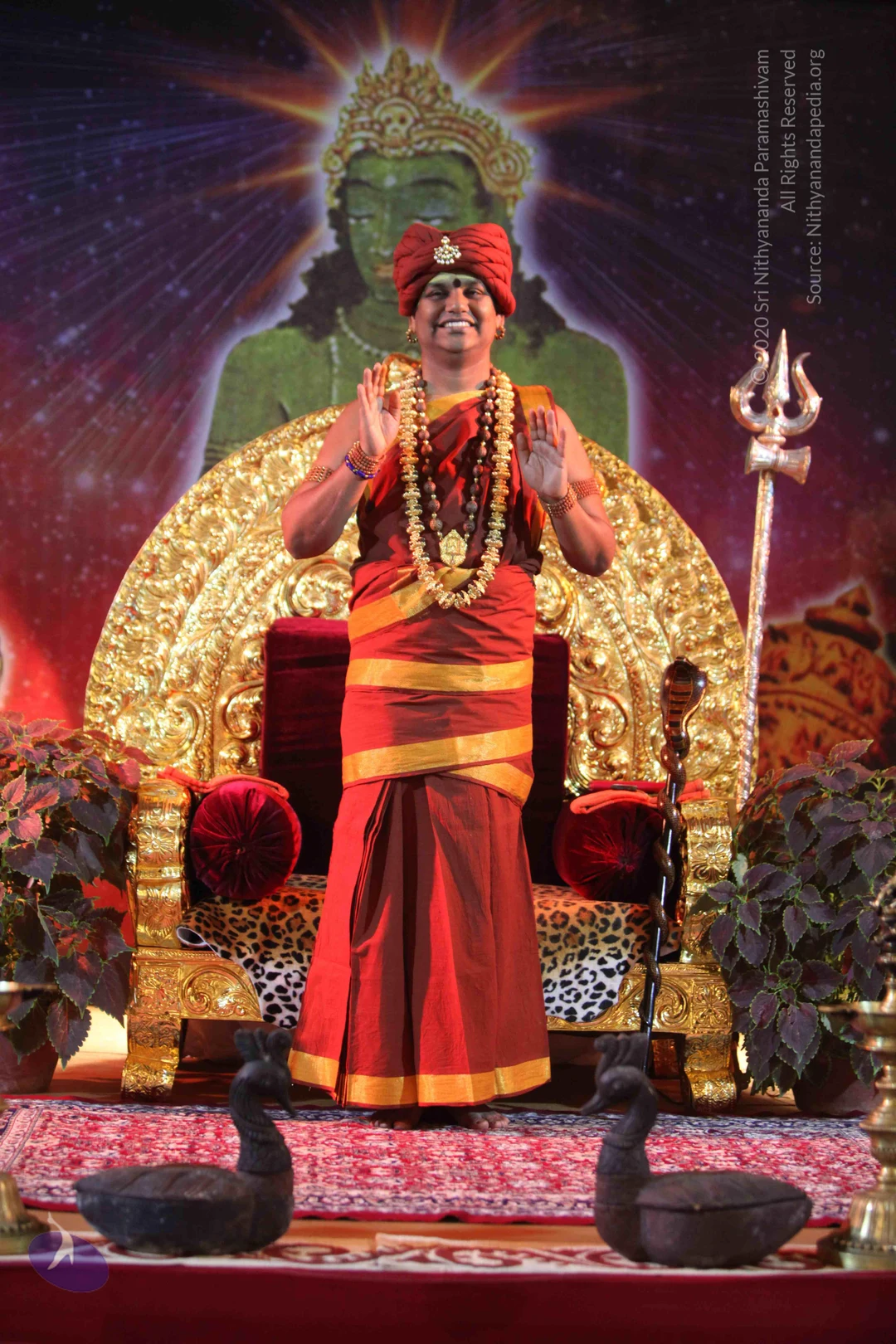
02-IA-Session
[Category: Inner awakening]]
Photos from this day
View all 162 photosPhotos From The Day:
3 photosSource gallery

FB-photo-of-the-day
1 photoSource gallery
Satsang
39 photosSource gallery
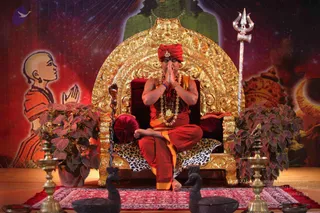
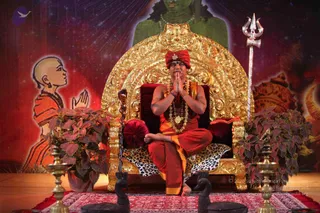
Satsang
35 photosSource gallery
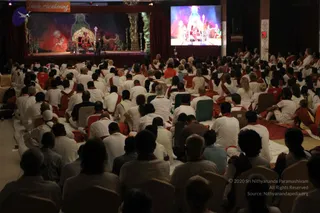
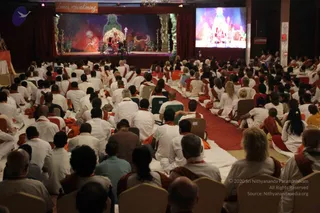
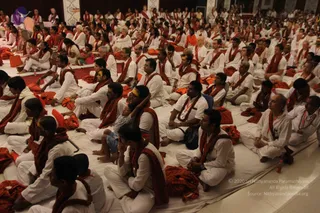
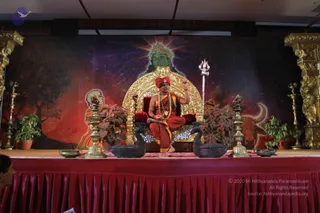
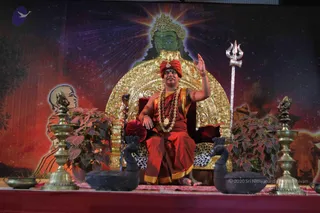
IA-Session
40 photosSource gallery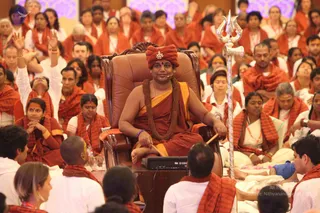
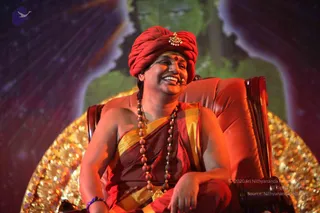
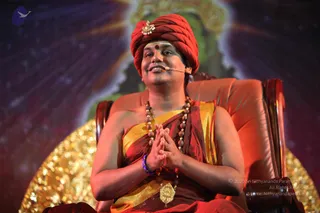
01-Satsang
27 photosSource gallery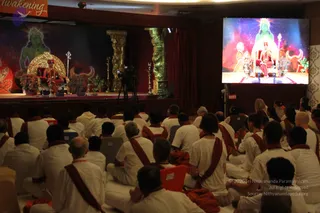
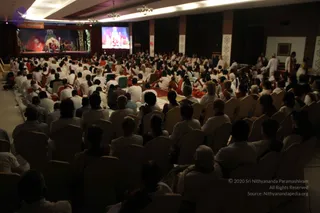
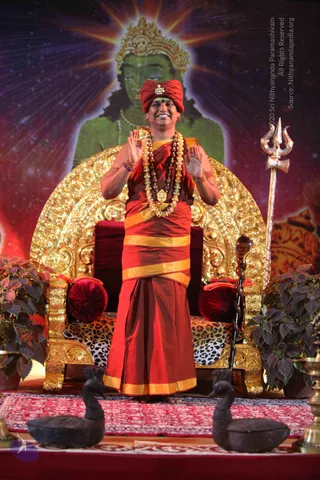
02-IA-Session
17 photosSource gallery