Sunday
12 May 2013
Experience Through Enriching
- Dated photos
- 605
- Source pages
- 2
- Media
- 6
KAILASA LATIN AMERICA on 5/12/2013
Original wiki pageDaily Update - PDB + Daily pictures-Bhava Samadhi Darshan
| Event Details | |
|---|---|
| Participants Count | 14 |
| Event Type | Online |
| Was Food Served in Event? | No |
| Count of Meals Served | |
| Volunteers Count | 8 |
| Event Duration | |
¡COMPARTE EL MENSAJE! ¡CORRE LA VOZ!
- ENRIQUEZCAMOS AL MUNDO APORTANDO PAZ Y CONFIANZA GLOBAL*
Experimenta la rara ciencia sagrada en la que Devi Parashakti se manifiesta a través del Niyavatar, el SPH JGM HDH Bhagavan Nithyananda Paramashivam, que nos muestra las revelaciones de los archivos cósmicos.
Por favor, publique sus preguntas en la sección de comentarios de Youtube.
8 MAYO 2021, SÁBADO (Horario de la India) DEVI PARASHAKTI ARUL VAK
- ¡LA HUMANIDAD ESCUCHA!
- PARA OTORGAR UNA GRAN Y MEJOR VIDA ILUMINADA A TODOS EN EL PLANETA TIERRA, PARA REVIVIR KAILASA DE NUEVO, PARA HACER QUE KAILASA SEA ÚTIL PARA TODOS USTEDES, Y PARA HACER QUE KAILASA FLOREZCA EN TODAS SUS BUENAS VIDAS, YO MISMO HE VENIDO COMO LA ENCARNACIÓN VIVIENTE A TRAVÉS DE LA FORMA DE NITHYANANDA* KALI YUGA HA MADURADO Y PRALAYA (DILUVIO) HA COMENZADO. TODOS AQUELLOS QUE DESEEN PROTEGERSE SIN SER DESTRUIDOS EN ESTE DILUVIO, POR FAVOR ESCUCHEN*
INTERNALIZAR LA VERDAD *ANBE SHIVAM* - *EL AMOR ES DIOS* Y DATE AMOR A TI MISMO Y DA AMOR A TODOS LOS QUE TE RODEAN, SEGURO. SÓLO LOS CORAZONES QUE SE FORTALECEN CON EL AMOR FUNCIONARÁN SIN DETENERSE EN ESTE DILUVIO CÓSMICO. EN ESTE DILUVIO CÓSMICO, NO SÓLO LA TERRIBLE ENFERMEDAD CORONA, SINO EL AIRE MISMO SE ESTÁ CONVIRTIENDO EN VENENO, EL AGUA MISMA SE ESTÁ CONVIRTIENDO EN VENENO. EN ESTA COYUNTURA EN LA QUE TODO SE ESTÁ CONVIRTIENDO EN VENENO, SI QUIERES SALVAR TU VIDA, SÓLO HAY UNA PROTECCIÓN.
- DERRAMA UN GRAN AMOR SOBRE TI MISMO Y SOBRE LOS DEMÁS QUE TE RODEAN* SÓLO LOS CORAZONES FORTALECIDOS POR EL AMOR SE LIBERARÁN DE ESTA GRAN DESTRUCCIÓN CÓSMICA Y TENDRÁN EL PODER DE PROTEGERSE DE ESTE GRAN DILUVIO CÓSMICO.
Pictures from the day
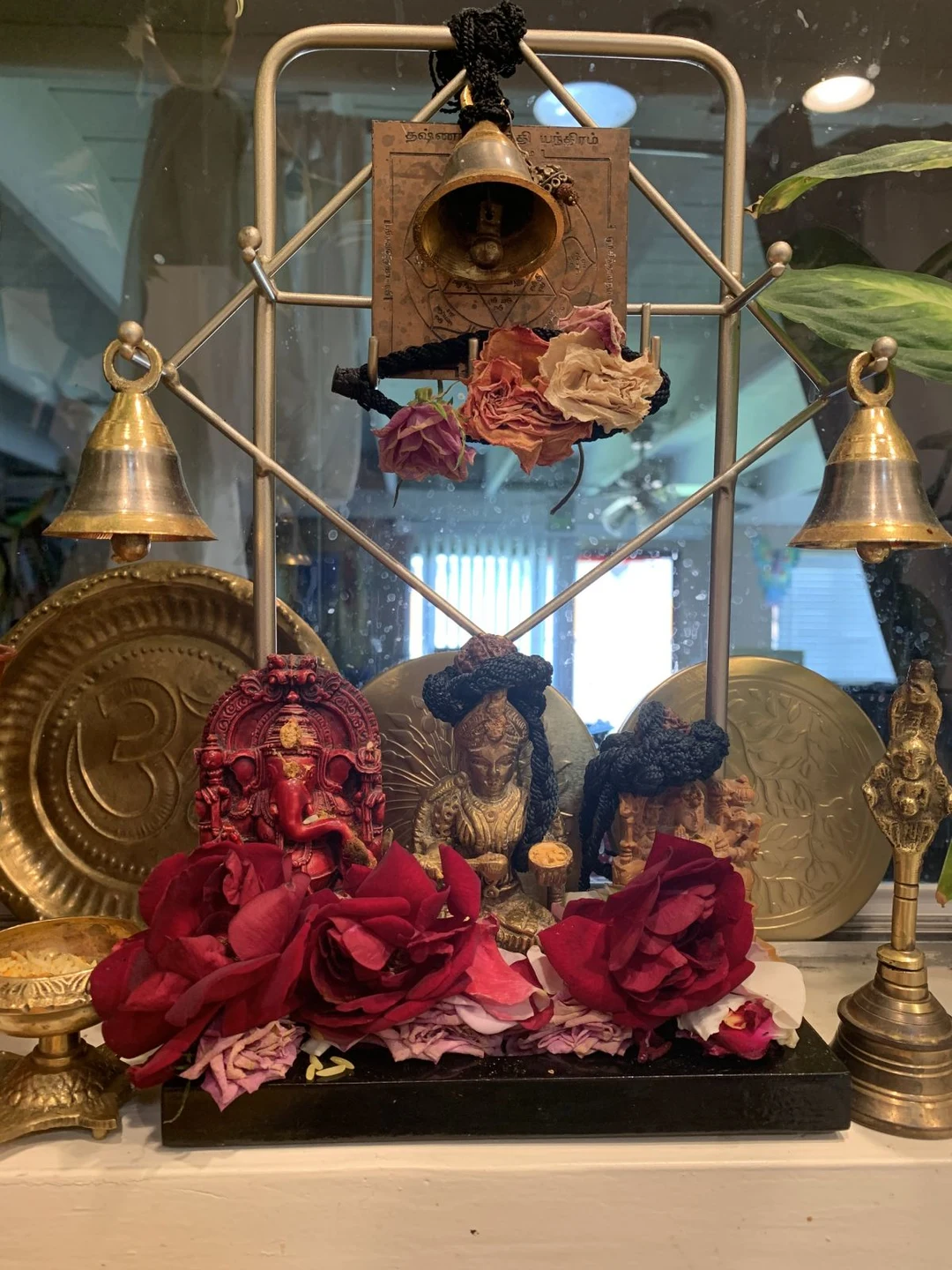
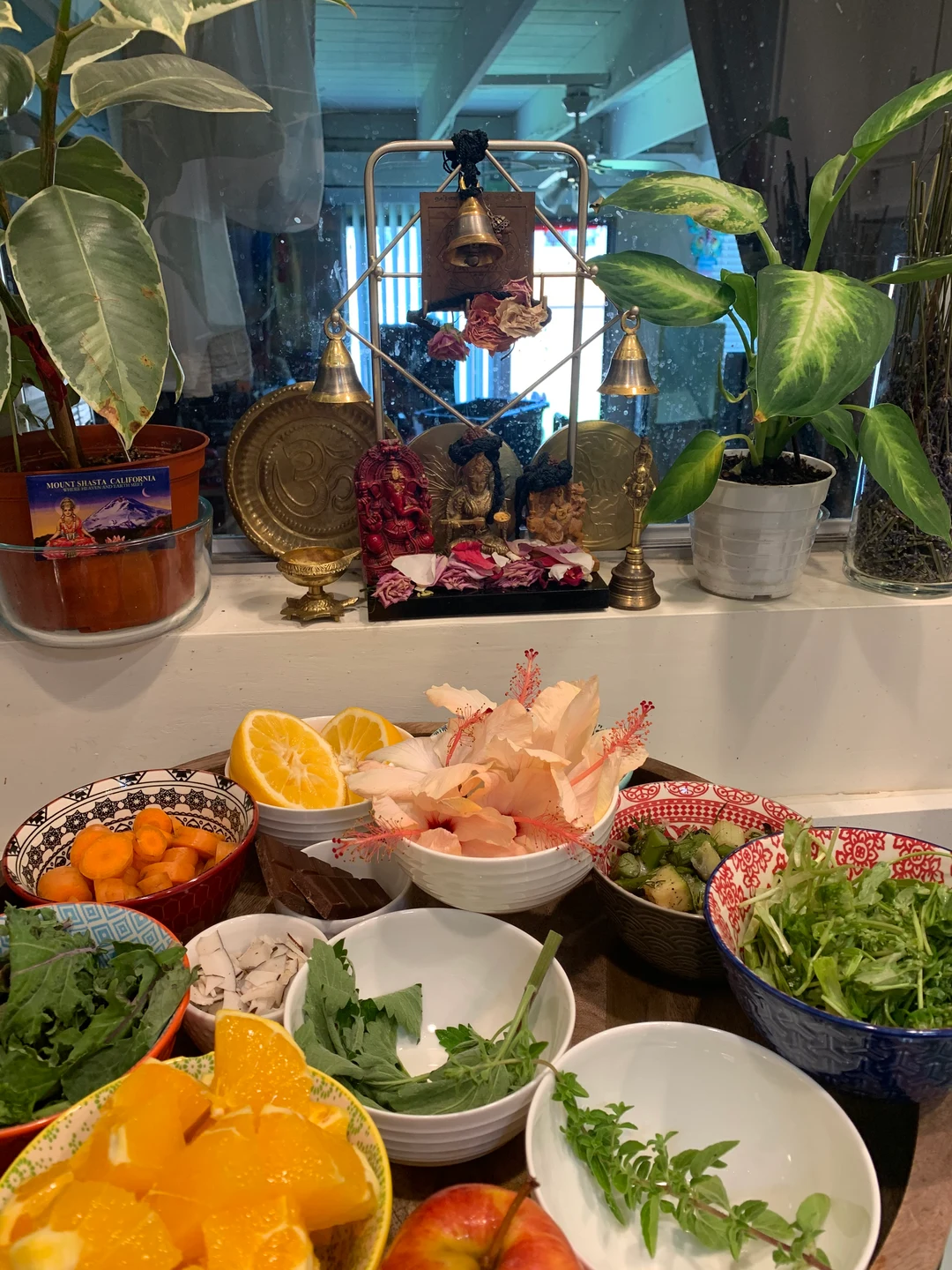
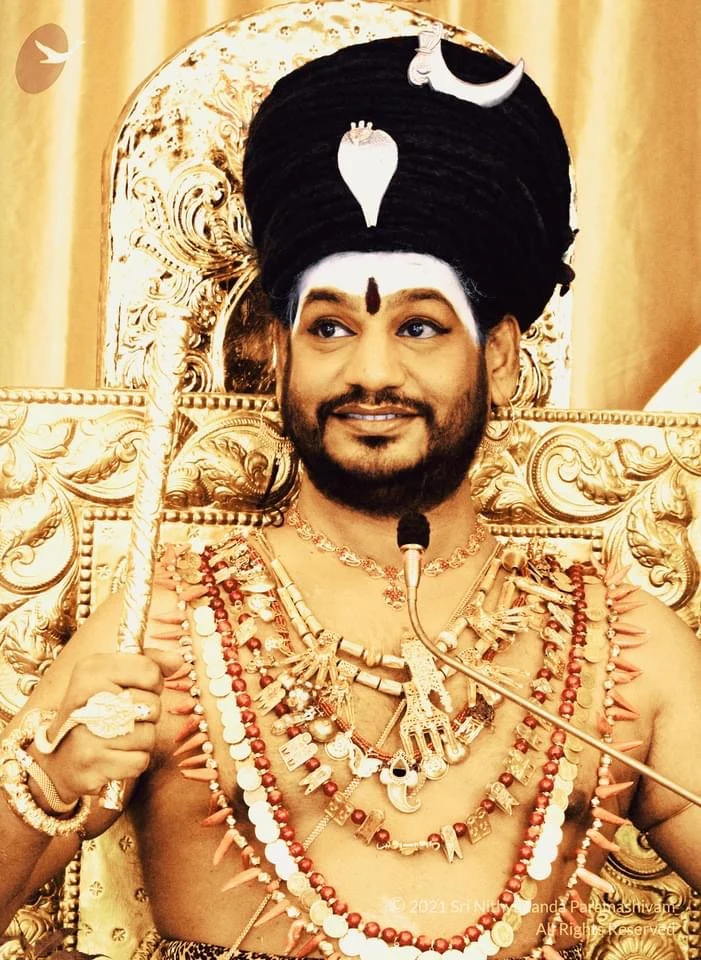
Videos from the day
May 12 2013
Original wiki pageContents
Title
Experience Through Enriching
Description
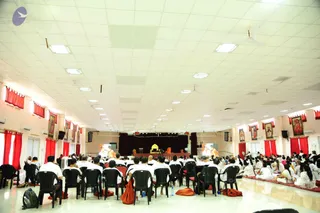
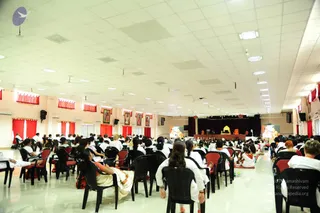
In today's morning satsang, Paramahamsa NIthyananda inspires us to share spiritual wisdom with others, in order to better understand it ourselves. The very best way to imprint the deep truths of existence is to enrich others with them. When we continually teach these great realities we listen to them more attentively. The four principles of integrity, authenticity, responsibility and enriching that we share with the world are the essence of dharma. Dharma is the key to success in every sphere of life. When we simply follow, we may not unleash its greatest power to transform: but when we follow with love, with devotion, dharma becomes the ship that carries us across the ocean of samsara. We can also bridge the ocean with love of sangha, and fly over it with love of Buddha -- but love of dharma is our first inspiration, our first life strategy.
Link to Video:
| Video | Audio |
Link to Video:
| Video | Audio |
Link to Video:
Transcription
Give Power to Your Words – May 5, 2013 – Min 0 to 10
Today I will expand on how you can complete with the root-patterns. I will give you the exact procedure of “completion”.
Before giving you the complete procedure, I wanted you to know a few technical details, meaning for a few technical terms. “Bio-energy” and “Bio-memory”!
Please understand, if you have certain pattern in you as a compulsive disorder, it is “bio-memory”. It is just dead memory. If you get frightened, you will run away. If some thoughts, doubts “that person is not respecting me”, or “that person is not loving me”, “that person is not caring for me”, immediately you will encourage, all other thoughts will wake up, and you will be in depression. Please understand, memories which stay in you and make you continuously respond in the same pattern unconsciously, again and again, is “bio-memory”. If you learn the essence of the lessons you need to catch from the bio-memory and live spontaneously based on that essence, knowledge, it becomes “bio-energy”. Understand? For example, you see a snake, and you know if the snake bites you can die, if the snake bites you can die. This situation can become bio-memory in you that wherever even if you see a snake photograph, you will step back. I have seen even in the TV screen, computer screen, if there is a snake photograph, people won’t put their hand near the mouth or the body! Come on, tell me, how many of you will not touch the screen if there is a snake on the screen? Means, the snake photograph on the screen? This is “bio-memory”. Just knowing, “yes, snake bite can lead to death, and so we will be away from snakes”! See, I am not saying don’t have bio-memory of snake fear; go and catch the snake! No! If you learn just the intelligence from that incident, from that situation, you are clear snake bite can lead to death, so you don’t go near the snake, but you don’t have the compulsive patterns related to snake and snake fear. You only have the intelligence. Then same thing becomes “bio-energy”. How many of you are getting what I am saying, cognizing?
Understand, in every situation if you catch bio-memory, you will miss bio-energy. If your bio-energy is expanding, your aura will be something like a few hundred feet! Your presence will be so heavy! If you are a resident of this ashram, you know the moment I am out of this campus, how the campus feels, the moment I enter the campus, how the campus feels. I may be just sitting in the room, not even coming down! Just the understanding that Swami is in the campus, how the campus feels! When your bio-energy becomes strong, your aura becomes so powerful, so strong, whole city, the whole area will feel your presence!
If you function on just bio-memories, you are a “bound” soul. You are a “bandha jeeva”. Means, entangled soul! Living in bondage! Not only that, when you are living here, you also accumulate more and more muscle-memory. All the patterns you accumulate, continue to accumulate, is “muscle-memory”. And confusion between muscle-memory and bio-memory is a “confused memory”! Confusion between bio-memory and muscle-memory is “confused memory”! So for every act, you will not know the right reason; if you know the reason, you do not know how to act. It is a kind of a chaos.
One Sunday school, the teacher asked the children, ‘Why is it necessary to be silent, quiet in the church?’ One bright little girl stood up and said, ‘Because, people are asleep! We should not disturb others sleeping!’
So, you do not know the reasons for the act you performed! Muscle-memory is the memory you accumulate in this Janma. Bio-memory is the memory you bring from the past births. Even in this birth, the muscle-memory can become bio-memory. How you know, when you psychologically collapse with whatever ideas, you elevate yourself and stand up, those ideas will become bio-memory in you even though you accumulated them in this body. Understand, you learnt the four tattwas a few months before. Means, it will be only bio-memory. But for some reason you psychologically collapsed, means peer pressure, work pressure, stress, something, some internal fear, external fear, you collapsed. If you stand up using the four tattwas from that collapsing, the four tattwas will become now your bio-memory. It will not be any more muscle-memory. And when you apply these four tattwas again and again from the level of bio-memory, you will catch the gist of the four tattwas into your cognition, it will become bio-energy. How many of you are cognizing?
I will repeat. You learnt the four tattwas only a few months before. Naturally it will be only in the level of muscle-memory. But psychologically for some reason you collapse - some depression, fear, anger, stress; your very cognition is imbalanced; you are completely powerless; you don’t know what you are talking; you don’t know what you are thinking.
10 – 20 min After the collapse, if you raise yourself just by these 4 tattvas, 4 tattvas will become your bio memory. Because anything of the past janma (birth) will become bio memory in this janma. Psychologically collapsing and standing up again is equivalent to next janma. That is why I create enough of opportunity for you to psychologically collapse. So that you will stand up with 4 tattvas. No! Understand. Till 4 tattvas becomes your bio- energy, I’ll continue to expose your inauthenticity to you; all your inauthenticities to you and you will again and again collapse.
There are many people in the society having maybe 1 lakh lust pattern and many time their pattern will not even raise their head. But if you are my disciple, my sanyasi even if you have 3 lust pattern, it will awaken 300 times a day. Because your inauthenticity needs to be exposed to you. You need to collapse till you become completely authentic. I don’t use 22 carat gold. I want only 24 carat or 25 carat gold. I don’t allow 916. No! It has to be complete.100%. Understand! Continuously….. Sometime people ask me - Swamiji after becoming your disciple, I see lot of struggle inside my mind. I tell them- I am doing it. I will not let you rest till you become completely authentic. Even 1 point inauthenticity cannot be tolerated. Understand you have to do the job when you are in the body. You have to achieve it, whether you have urgency or not; if you have urge, it is urgent for me. Whether getting enlightened is urgent for you or not, But you getting enlightened is urgent for me. Understand, this is the way muscle memory becomes bio memory.
That is why when you collapse psychologically and stand up you should build your inner space based on the 4 tattvas. If you live on the 4 tattvas as bio memory again and again; means even if you collapse again and again, you will stand up again and again solving your problems based on 4 tattvas. For example, if you see, once in 2 days one department in our ashram will collapse with that person. So if he stands up again and again with 4 tattvas, then bio memory will become bio energy. Means before even you think and take the decision, your cognition gives you the decision. Once these 4 tattvas becomes bio energy, you will see, simply you are living enlightenment. Once these 4 tattvas becomes bio memory, you will see miracles happening in you. Whatever clearance you are carrying, declaration you are carrying will become reality.
Anything you declare will become reality if the 4 tattvas becomes your bio- memory. When it becomes your bio- energy, you just live enlightened life. You just live enlightened life. All of us, still for many of us these 4 tattvas are only muscle memory. It has to become bio memory, only then our declarations will become reality. Whatever bio memory you brought with you when you assumed this body is praraptha. The muscle memory you are accumulating here is aghamya. And the collective bio memories is sanchita. If you come to planet earth only with bio energy, without bio- memory you are an incarnation. No bio memory, only bio- energy- you are an incarnation.
Understand these 4 principles so that you can compete with all the root patterns. I’ll give you from my own life experience understanding of completion with root pattern. Listen, you need to listen very sincerely. I need you listening completely for next 1 hr. Because I am going to narrate one of the beautiful incident happened in my life - ME FEEDING GANESHA WITH 4 TATTVAS. This will be an enlightened insight. As Krishna says, if you know i am a liberated being, you will also know you are also liberated being. If you know my inner space, you will have my inner space.
So I am describing. I request you just drop all the work you are doing. Anything that distracts your attention, if you are cooking, something is in the kitchen, something is on the stove. Switch off the stove. Switch off your cell phones. Tell the people in the house to be little silent. Maybe take the receiver and keep it out and lock the door. JUST SIT intensely and listen. Sit. Sit with a complete listening because this listening can transform you. You will easily find what is your bio memory? What is your root pattern? How you can complete it. I wanted you to understand, I did not have even 1% of bio memory in me. It was purely bio energy received as a gift from Meenakshi, Arunagiri Yogeeshwara. Body itself, the body structure, designing, the architectural design is from Venkateshwara. Understand, with pure bio energy I have created my body and started functioning, expressing..
20 – 30 min If you understand this story you will understand your root patterns and you will also know how to complete with it. Please understand, whether you function out of bio memory or bio energy, in the planet earth, the way of expressing is the same. In bio memory, you have to complete with those memories, you have to complete with those patterns and function. With bio energy it is already competed. It is like a, if you have bio memory, it is like you have milk. Then you have to make it into curd, then churn it out and get the butter & ghee. If you have bio energy you already have the ghee directly. But both you are only going to eat. So understand, bio energy is the essence of bio memory. If you understand how I lived, expressed my bio energy, you can live and express your bio memory also. You can complete your bio memory also. I will give you from my own experience.
At the age of 3, I think my third birthday. This is the turning point in my life. Third birthday, when my father and grandfather, both of them were carrying me to the temple. Villages, they will carry the kid on the shoulder or on the chest. Usually my grandfather will carry me to the temple. That day because my birthday, my father also came. When I say grandfather, my mother’s father. My father’s father, passed away even before my father’s marriage. Of course, I India you get kids usually after marriage. I wanted to clarify, usually it will be. So, even though my grandfather is a great devoted person, he is a miser, he won’t spend money. So many times, when my grandfather carries me to the temple, I will show the shops outside the temple where they sell small ganeshas. Small small deities, I will show my hand and ask “ I want Ganesha”, “ I want Ganesha”. But my grandfather will never buy and give. That day my father was also there. My father is not a great devotee kind of a person but a spend thrift. The moment I asked, “Come on, I will buy & give” . He will spend left and right. And lot of spending for pride. “See how I treat people, how I keep people”. The pride spending, lot of pride spending. So he bought it and gave me the Ganesha.
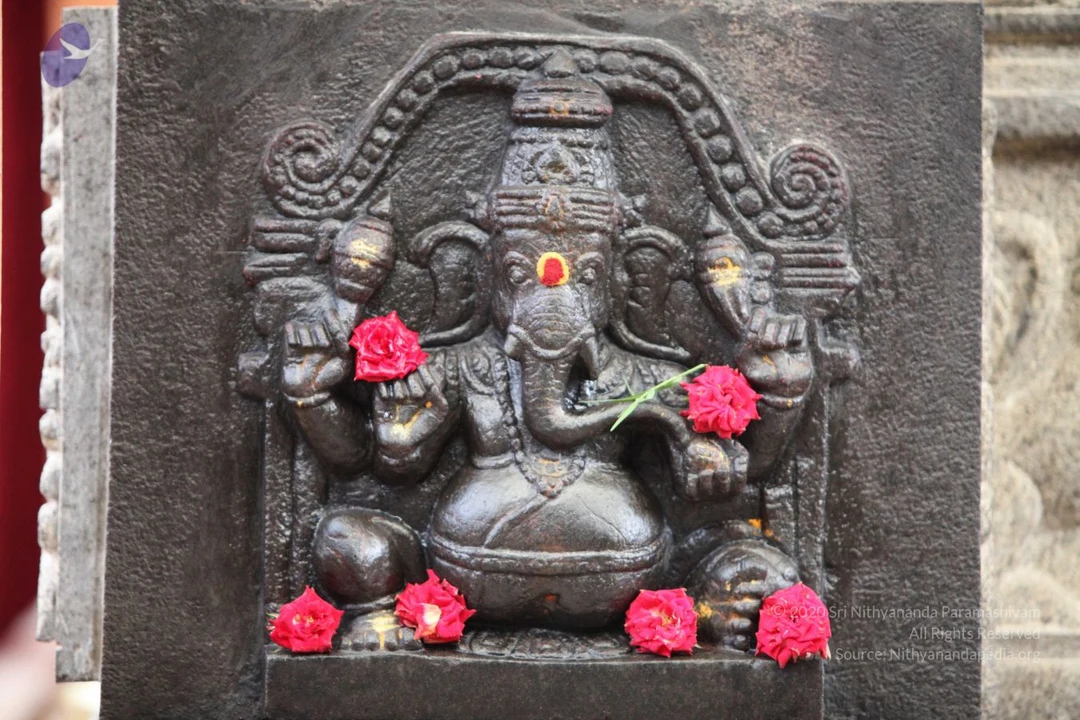
I literally started living with the Ganesha. Means morning, when I wake up, I will wake him up. And then when I brush the teeth, I will brush his teeth also. You can see the deity is still there. Its whole tusk, everything is gone. Because, I had a small brush. I those days, you buy the Colgate paste they will give a free toothbrush along with the paste. And if it’s a child toothbrush, they will give 2. It will be only this size, 2 brush. So when you get 2 brush, one for me and one for Ganesha. And Gara, gara, Gara, Gara. I also used to think, it’s a big tusk, so I have to clean. When I brush the teeth, I brush his teeth also. When I wash myself, I wash him. When I take bath, I will give him bath. After that, when I put on the clothes, I will put his clothes. When I sit and eat, I will also feed him. Means I will give neivedhiya. No school those days so there is no routine. But I will go around and play with him. With the Ganesha. I will make a small chariot for him and put him and drive him around and I will do some abhishekam, I will do some alankaram, whole day I will be playing with him. You can see the deity. Whole day I will be literally playing with him. He became part of me. Please understand, He is no more a stone for me, he is a life for me. If your child is playing with Barbie doll, then you will understand what I am saying. For the child, the Barbie doll is a member of the family. She is not toy or doll away from her life. Just alive family member. Same way, this Ganesha was part of me. Continuously taking care, feeling this Ganesha has become my cognition, Part of my Cognition. Please understand, he has become part of my cognition.
One day I went to the temple. In the temple usually, there will be lot of people coming and giving some discourses. The Arunachaleshwara temple is such a beautiful place. 365 days of the year, almost 300 days, there will be some festival or the other. Deity will be going around in the procession. Some lecture will be going on. Some old man will come and sit and he will go on be talking something and sometime I have seen the speakers will even sleep halfway during the speech. They will be speaking and doze off. And they will wake up and continue the story. Even if the speaker sleeps, then understand the listeners. But like this something will be going on. That’s one great thing.
One of my Grandfather’s, my father’s side, One of my grandfathers, last 72 years, I think now he is 90, last 72 years without missing one krithika nakshatram every month, he is conducting a public function. Without missing even one month. Now he has become very old. See the whole thing is small budget. Maximum expense is 10.000. But he has 1000 people to give 10-10 rupee for him. He will go round, shop to shop, shop to shop. Nobody will give more than 10 rupee even if you ask, So shop to shop he will go and collect 10,000 rupee per month and spend. Over. But I just can’t understand, the inspiration.
30 – 40 min See, it is not that all the time, the atmosphere will be smooth for that function. And, sometime there'll be no audience. But he'll force the speaker to speak! His inspiration, just to respect his inspiration, few years before I told him that, don't go and collect money anymore, because he is 90 year old man, still going shop to shop, thousand shop he has to go to collect ten thousand rupee. I said, don't go, we will fund you, so from, last few years from Dhyanapeetam we are funding, still he's continuing to organize the programs! Even though he doesn't need to now collect money, organizing is not a joke. He will organize a stage, mike-set, speaker, bit-notice, he will go and stand in front of the temple during the crowd and distribute, amazing organizing! Means, dedication to the concept. So, like this one function, I went and sat, the speaker was speaking, the speaker was giving a story of, a great south indian saint, Nambiyaandar Nambi. His name is Nambiyaar Nambi, the story is, very typical story. You will have this kind of stories in every, hm, state in India, of course, I don't mean to rest/disrespect the story, it's not a lie or false, in every village of India, like this some stories, spiritual stories, will be there and these are some of the typical spiritual stories. A cow going and pouring the milk in the forest and, when you dig out a deity comes out, this is a typical story you will see every state of India will have atleast ten temples like this. Every st/ eh, state of India! You'll have ten temples like this! Cow going and pouring milk, on a snake-hole, or, in a corner of a forest, in a remote forest, then, people run and dig out that area and find, they will find a deity. In the same way, this is one of the typical stories of India, a father who was a temple priest, he's not able to go to the temple, one day sends the son, a small kid goes and puts the food, and, with his innocence and authenticity, and integrity, requests the deity to eat the food and deity eats the food. It's a typical, story, you will find, hundreds of saints, having this story in their life. It is not story, it is history, truth.
People may ask, ‘How can hundreds of saints like this can happen?’ In India, this happens! Come on! We are the “God-production” country! The country, the civilization which produces Gods!(laughs) Which productes incarnations, saints! See? when the whole civilization is interested in the football match, naturally the best football players will be created! Why? because the civilization is interested, country is interested. Huge football stadiums will be built! And, amazing football players will be created! Because, so many people are dedicating their energy into it. Literall football becomes religion! Same way, if there is a huge crowd interested in the God, divine sciences, naturally large temple infrastructures will be created! and thousands of best saints who can relate with Gods are created! That's all! If some people ask, if you guys ask us, ‘How did you have so many saints and so many same story in so many saints’ life?’ the, I will also ask, ‘How did you have so many football players, so many car companies?’ That's all! Just like Indians respect, enamoured by the foreign cars, because it is rare, same way westerners also enamored by the Indian saints, because it is rare!(laughs). In U.S., they don’t care much about the Benz and BMW and all that. It is there like a regular use. Same way, in India also, Saints are there, like for regular use! It is a, you need to understand the whole psychology. Too much available!
So this saint, this Nambiyaandaar Nambi also has same, this type of stories, this type of story in his life, his father was a priest of a temple and one day he was sick, he could not go, so Nambiyaandaar nambi, went with the food and, he begged Ganesha, that was a Ganesha temple, And, because of his authenticity and integrity, Ganesha himself appeared and ate the food. When I heard the story, just, that whole story became, part of my inner space!, part of my bio-energy! Something in my bio-energy got kindled! Whatever is inside you, will be kindled even by a spark from outside.
I have seen one of my friend, he was so interested in politics, even at the age of eight, wherever the political meeting happens, he will go and stand, and listen, once the speaker goes, the crowd goes, he will get into the stage, because it'll take 2 days to dismantle the stage. He will stand on the stage and give the same speech. He will speak. He will scream and he will exactly act, ‘Soda! Soda!’ Usually the politicians when they speak they ask for Soda.(laughs). And we had agreement, We both had agreement. He will help me in the pooja I will assist him giving the, soda! HAHAHAHAHA! I used to be his assistant when he gives his political discourses. When I do my pooja, he will be my assistant, getting my flowers and making the sandal paste and all that. So, whatever is in you, is awakened by the external informations. This Ganesha story awakened something in me, so strongly, so strongly, so strongly! I tell you, it is like a, when kids go to Disney World, Disney Land, they literally feel all those characters they see in the, TV – Tom and Jerry – all those characters are living in Disney Land. They go and stand with them, and take photograph, hug them, all those characters, Dracula, all characters you see in the TV, Spiderman, Ironman – all those characters, you see in the TV, the kids feel that they are really living in Disney Land, and when they go, they take photograph with that, those characters. And they really feel, these, people who are having that dress, those characters are really those characters! They don’t understand, somebody is inside the dress and, wearing the dress and acting out! No. Because kids live with those memories, it feels so right and so true!
Anyhow, ah, something happened in my inner space, because of that story, I still remember that speaker’s name: Selva Ganapathy. He was the speaker, he is a famous, preacher, religious speaker in Tamil Nadu, even now he is alive. He was the guy who was speaking in the temple, and, after this story, I ran to the house, decided, I'll make my Ganesha Eat! Bio-energy of Meenakshi you see! It has to be DONE, means DONE! <End time stamp: 40:10>
40 – 60 min The go getter attitude, is the energy is from meenakshi. Being in the space of unclutched is from Arunagiri Yogeshwara, in Samadhi, The go getter attidue is from Meenakshi. I ran to the house to feed Ganesha. Listen, When you are in integrity, you will respect every person’s words. Even if they are nonintegrated, you will trust the word is out of integrity. Because you do not know anything other than integrity. Listen, if you are established in integrity, not only you will have the power to make your words into reality, you can make even others words into reality. Even if the other person is non integrated person. Because I never experienced the state of lack of integrity in my life from my birth, I simply trusted his integrity. Of course, now I realized, he himself has not realized what he said. He passed it on only as an information to me. He was in integrity when he passed the information but he was not authentic. He has not realized it. Understand, the information itself is truth, so he was in integrity. But is not authentic because he has not realized it. Anyhow, because I was in integrity, the words just filled my inner space. I decided, I will make my Ganesha eat. Not just for the fun of it. I felt, if he is not eating he must have been very hungry, all these daya and he must be really lean, thin. Young age you learn from the parents, if you don’t eat you will die. And what all I learnt. I learnt 3-4 things, If you don’t eat you will die, and if you don’t eat ghosts will come and take you away, and if you don’t eat crow will come and drop on your head, crow will put its drops on your head. This all I learnt. From the young age, the parents have said and of course if you don’t eat you will die. So I thought, my Ganesha, maybe ghost is possessing him and he is sick. That is why he doesn’t walk on this own. I have to pull him. So io ran and told ganesha, don’t worry, from today I will give you food. You should eat. You should properly eat. Because he is more laike a fried for me, I started talking “you should properly eat, you should be healthy”. And I alsi thought, he is a child ganesha, he has to eat and become like the Ganesha in the temple. The big Ganesha. Because you are not eating only you are not growing. That was my argument with him.
See, in the temple, Ganesha’s were big big. 5 feet, 6 feet, especially aruna yogeshwara temple tall 8 feet Ganesha is there. His name is Sambandha Ganapathy. So I used to tell, you must become like that Ganesha. Only if you eat properly, you will become like that Ganesha. Because family people will tell, only if you eat, you will become big like us. I also thought, if this Ganesha eats only then he will become big like that big Ganesha in the temple. I told him, don’t worry and eat and become big, I will build a temple like that for you. I think my commitment, that why I am building big big temples, installing big big Ganesha’s. My word to Ganesha I am fulfilling, honoring. So… Anyhow he was not listening, means he was not eating. Maybe he heard, he did not respond. So again and again, next 2-3 days, I was sitting and convincing him, Why he should eat. Maybe that was the time that matter is melting to the consciousness, means the word is moving the world. By again and again declaring, declaring, declaring to Ganesha, talking to Ganesha is a declaration, understand it’s a declaration. Means saying that eat, you should eat, again & again when I was declaring, I think Ganesha was also giving listening. Understand, when your declarations are too strong, even if there is a stone in front of you, it will listen. So few days it was going on, One day I decided to take the next jump towards authenticity. Understand whenever you move from integrity to the authenticity, the next level, it will not be always completely authentically authentic. You may, your efforts may be inauthentic. Then you will move to authenticity.
So when I decided, “I have to make him eat” first thing I planned is my grandmother will always tell, if you don’t eat I will put you in the well. In my house, the centre of the house, a big well was there, village type well. My grandmother used to threaten “if you don’t eat, I will put you in the well”. I decided to do the same thing for ganesha also. I told the Ganesha, now if you don’t eat, I will put you in the well. This type of well. Whatever you hear from the elders, the situation, that will only be your way of cognition. So I told the Ganesha, “eat or I will throw you in the well”. Of course, he was not eating. I did not have the heart to throw him completely in the well. So I just want to threaten him. So I picked up the bucket with which they fetch the water. And I put the Ganesha into the bucket, and lowered the rope. Kid, so with a small rope, I lowered, just 10 feet the water was there. It was a Village well and the water level, ground water level was very high. Especially Arunachala with 367 tanks all around the hill, the high, the ground water level was very high. Just 10 feet. So when the bucket touched the water, then I was shouting “Aye eat now, at least change your mind and eat, I will lift you out . Otherwise I will put you in the well”, Suddenly I realised I had not put the food in the bucket. If he changes the mind now how will he eat. Because I have seen my uncles and all, they will carry the kids and show, “I will throw you now”. Then they will cry, No, No, No, I will listen to whatever you say. So I thought maybe, NOW Ganesha will change his mind, then how he will eat. So I got the bucket again up and put the food also. Then lowered, he did not eat, then I had the doubt, I think he doesn’t like my mother’s cooking. Then I dropped the plan, that day feeding him. Took him out and left it with my small temple I had. Went to the temple, main temple, brought the food from the temple. And I said “see this is your diet. What you eat in the temple”. Please understand, I was continuously thinking in the temples deities eat the food. I never thought they will show the food and bring it away. Listen, I brought from the temple and told Ganesha, “see now, I have brought from the temple, your diet, eat”, but he was not ready to eat even the temple food. Even the temple food, he was not ready to eat. So I went on trying again with the food, temple food, in the bucket, putting the deity. I lowered.
See, when you start living authenticity, it will always be inauthentic. Because you will be growing to the next level of authenticity. When I decided to make him eat, my efforts were inauthentic. But only from there you will move to authenticity. What I was trying ? I was trying to torture him, threaten him. Anyhow, I did not have the heart to put him in the well, I brought him out and kept it. Suddenly it clicked, I can say, even with inauthenticity if you take the responsibility and enriching, I tell you, the world, the cosmos will appear as a guru and give you the shift towards authenticity. The cosmos gave me the click. See that saying Nambiar nam nambi, sacrificed himself to make Ganesha eat. But in my case, I am torturing Ganesha. This is the inauthenticity. I have to take the responsibility. I cannot be constantly putting the blame on others. Understand, as long as you think others are the source, never the problem will be solved. I realized, I am the source. I am responsible. I should sacrifice. I should take the responsibility and I should enrich. Understand, the biggest transformation can happen to any human being is realizing “I am the source”. Just you understanding ‘I am the source’, and taking responsibility transforms your inauthenticity to authenticity. All your inauthenticity will be transformed. All your inauthenticity will be transformed when you realize you are responsible for everything, you are the source. This has happened in me when I decided, I am responsible. I decided, till Ganesha eats, I will not eat. This is the most authentic decision I made. I will stretch myself. I sat so strongly. The will power, the authenticity. I don’t even want to say will power, the authenticity. Meenakshi’s gift you see, with her authenticity she was just able to go straight to Kailash and finish off even Nandi. I have decided, I will not eat till Ganesha eats. I will get the food from the house, put it for Ganesha. Next meal, I will bring. Because thia meal has become old, I will throw this and again put the new food for Ganesha. Will be sitting. One day over, 2 day over. 3rd day evening, but the power of authenticity, I did not have the doubt or the thought, or the desire or the temptation. Its OK, I will eat. NO. NO, ‘Its OK.’ Sitting with authenticity.
56:03 - 60:00 and continuing in Hindi I will give you the gist of this whole story. The Satsang is in hindi from 60:00min to 1:10:00 of the Satsang.
1:10:00 - I will expand what happened the remaining story tomorrow. Whether Ganesha ate or not, whether I ate only after Ganesha ate or I ate before Ganesha ate, what is the climax and how authenticity works and the power of authenticity you can learn tomorrow. End of the story you will understand how you can complete with your root patterns.
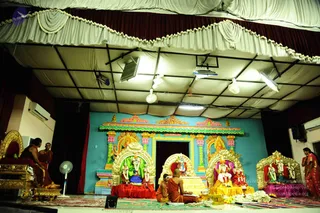
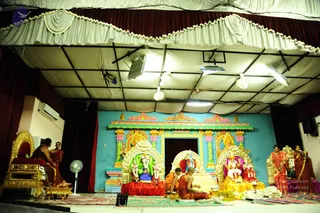
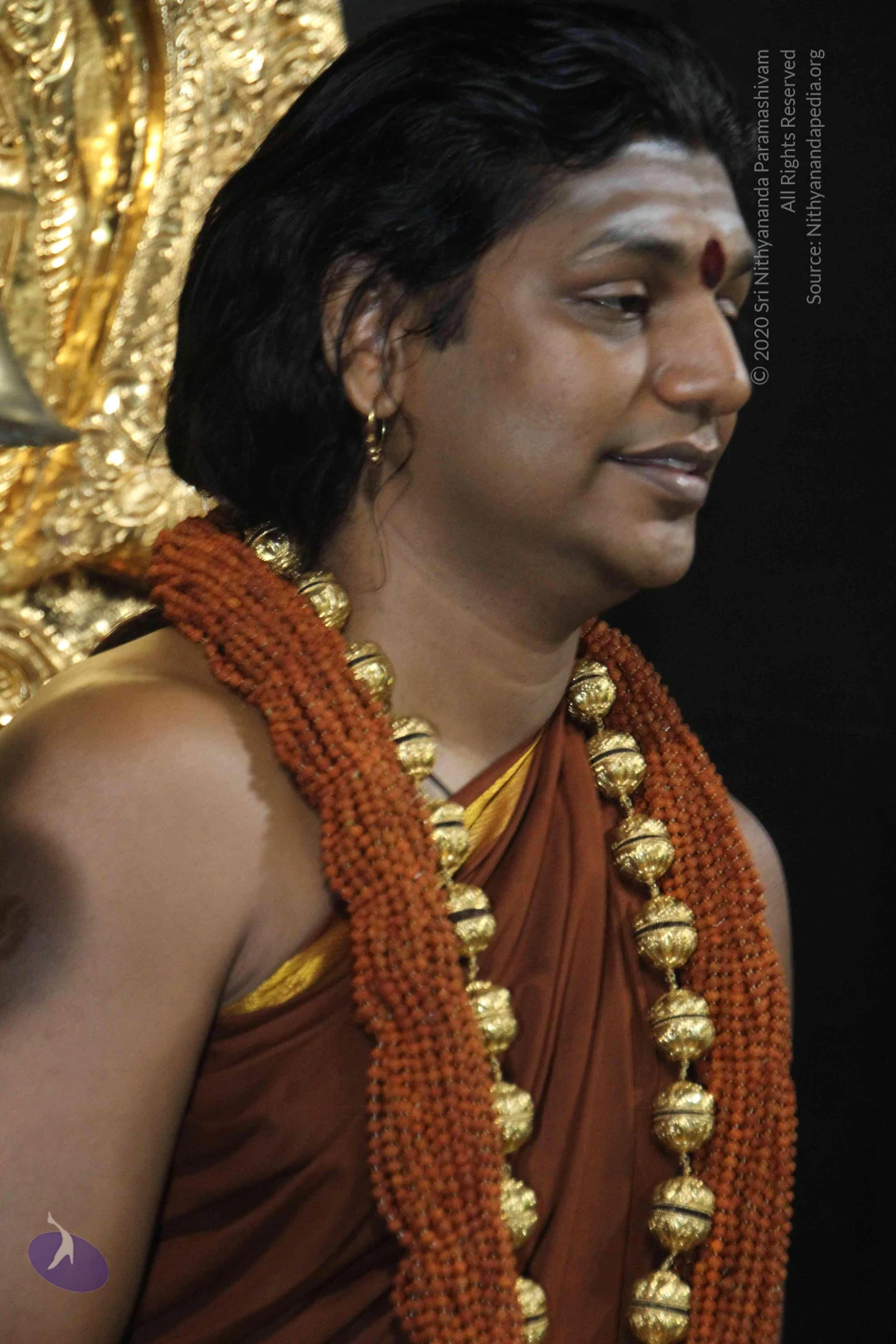
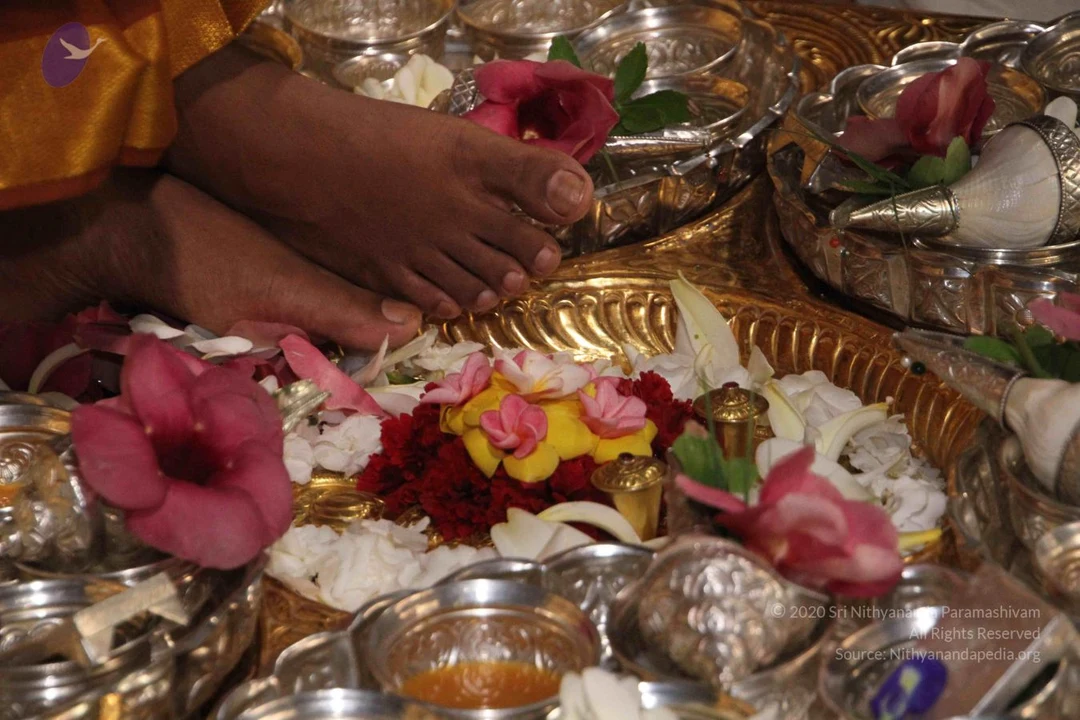
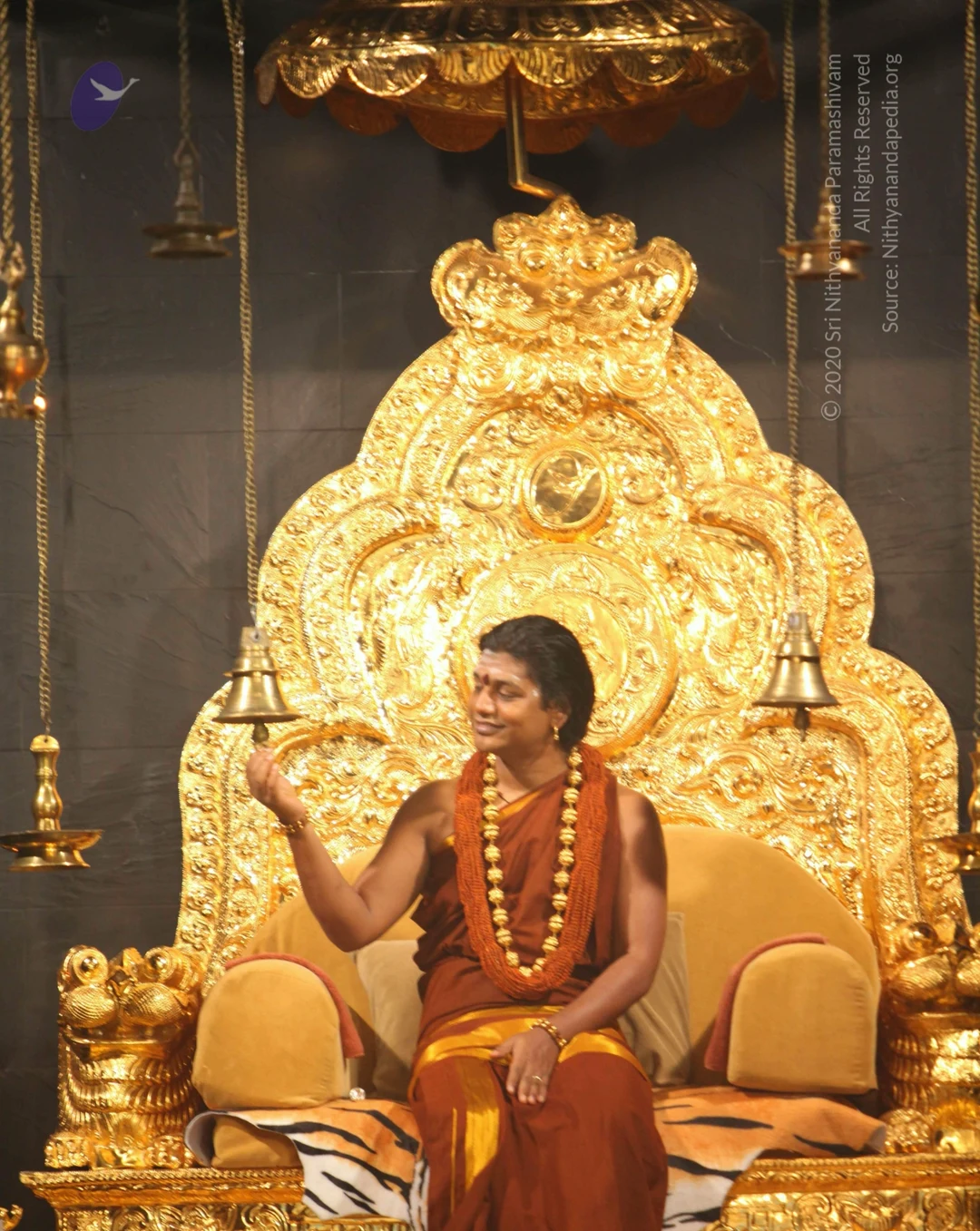
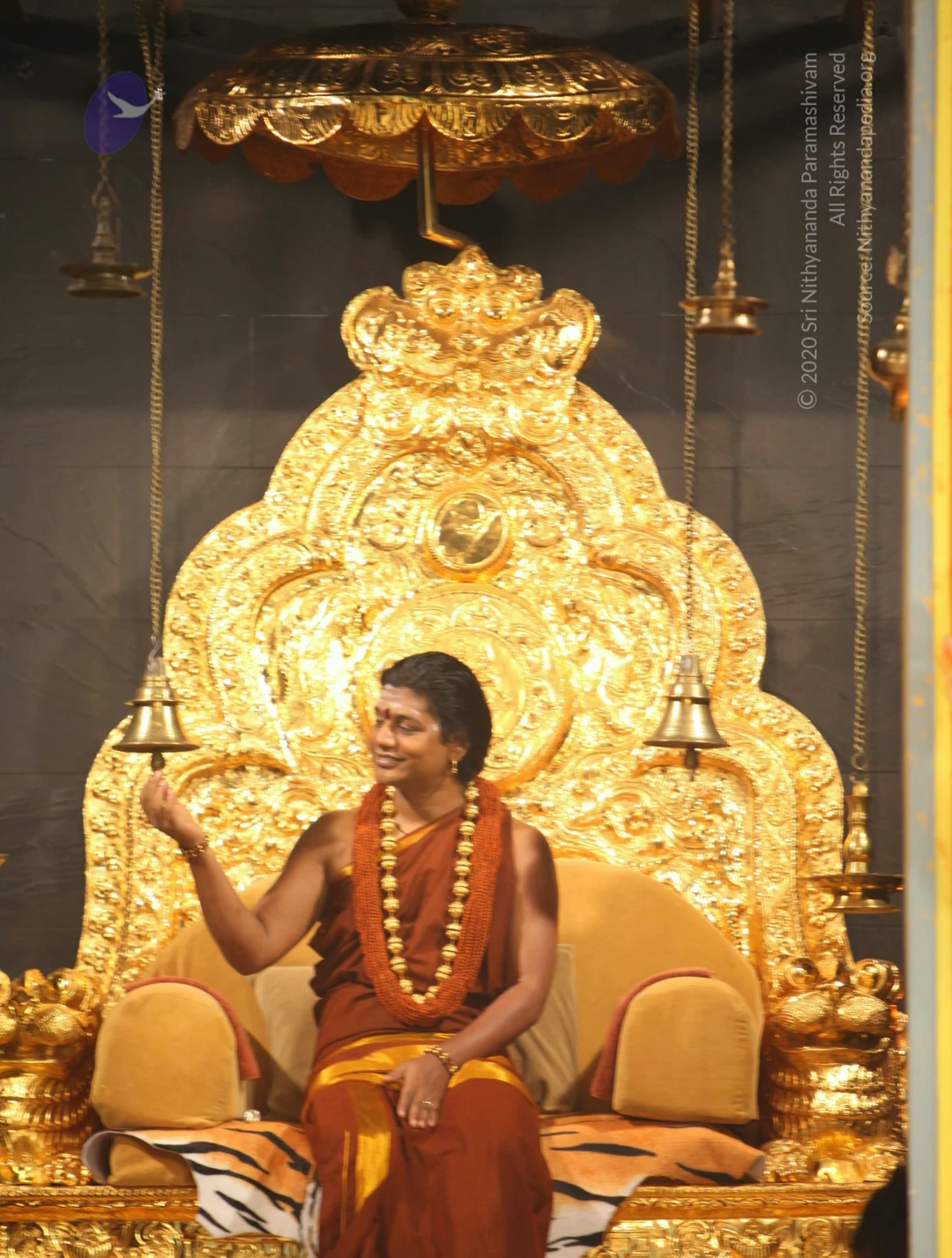
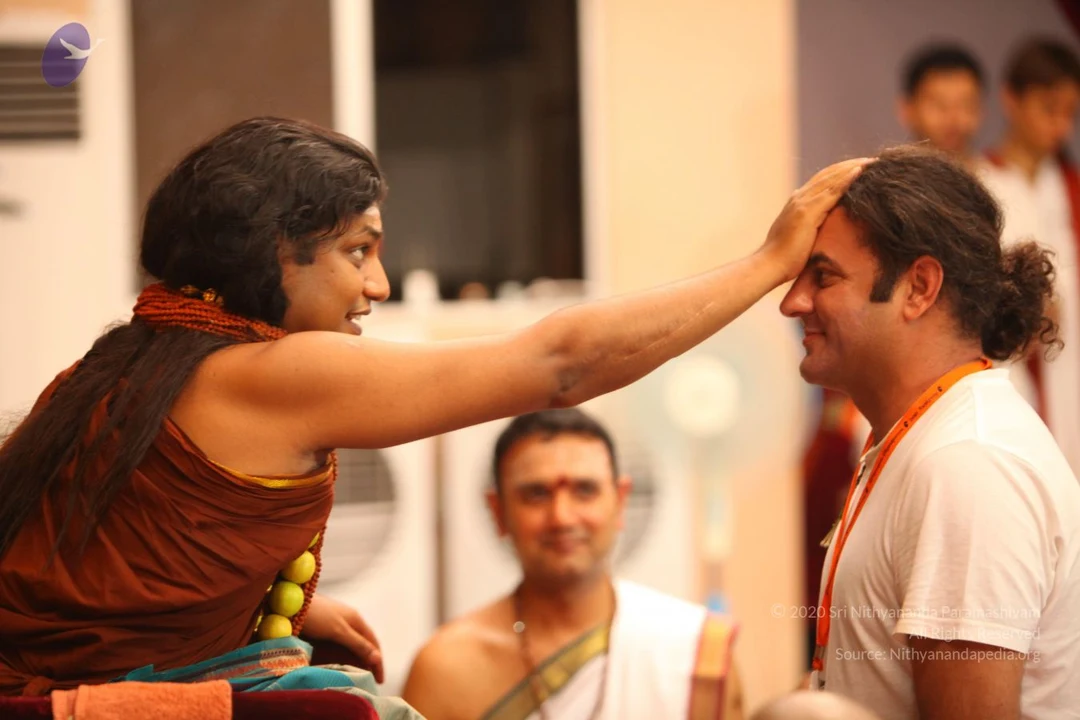
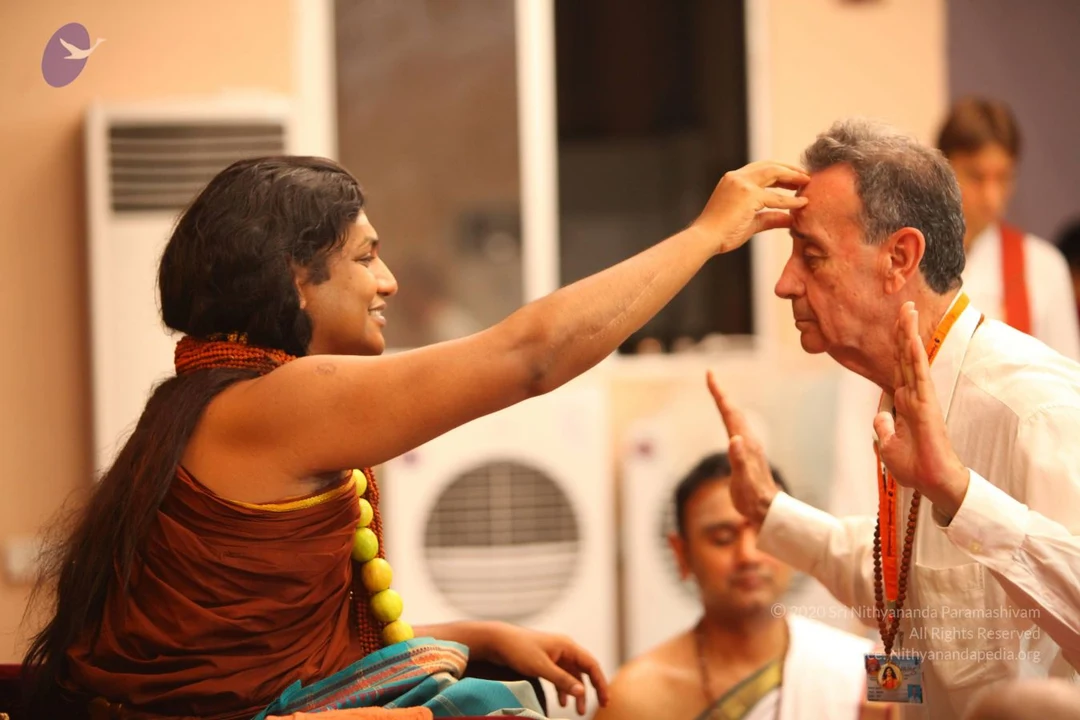
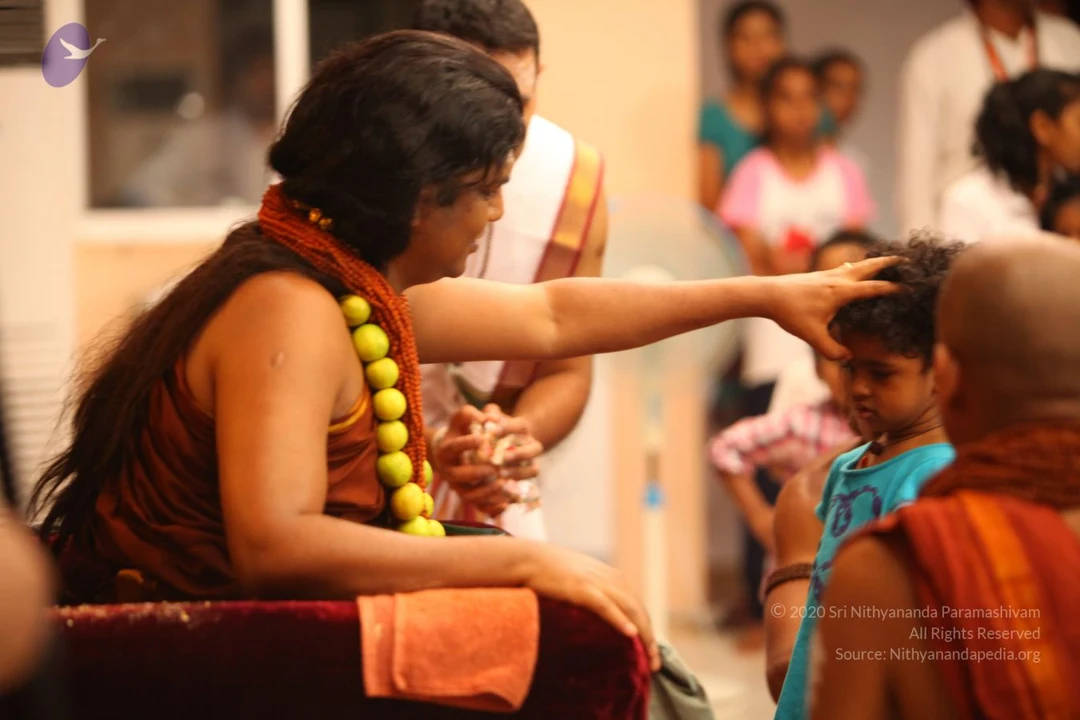
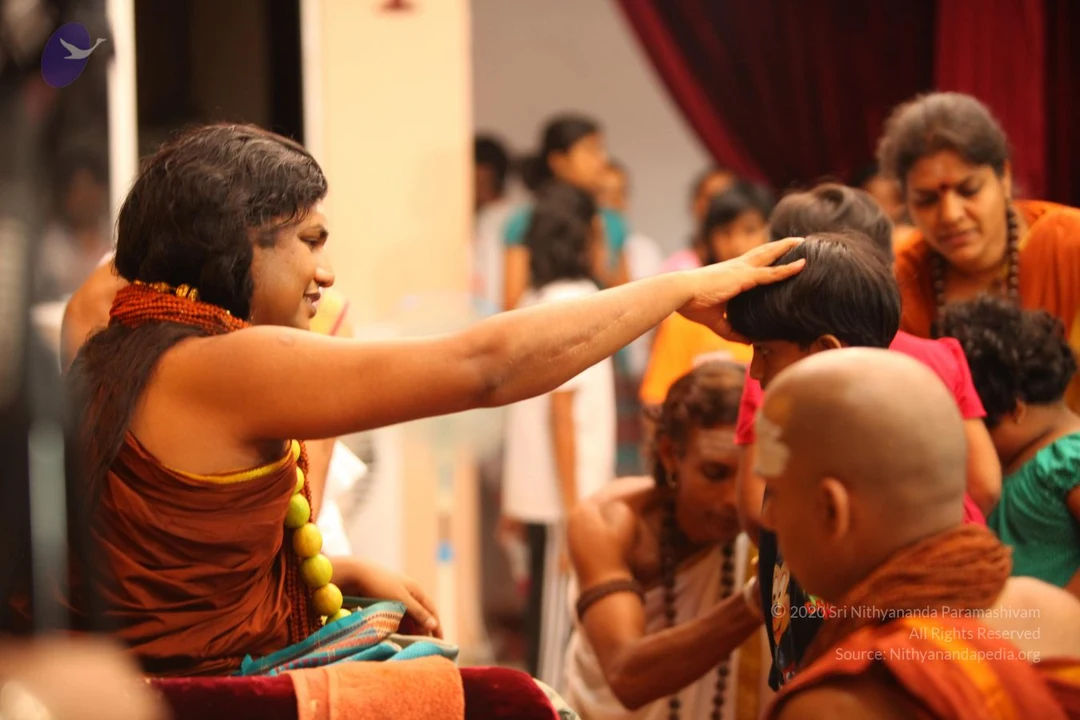
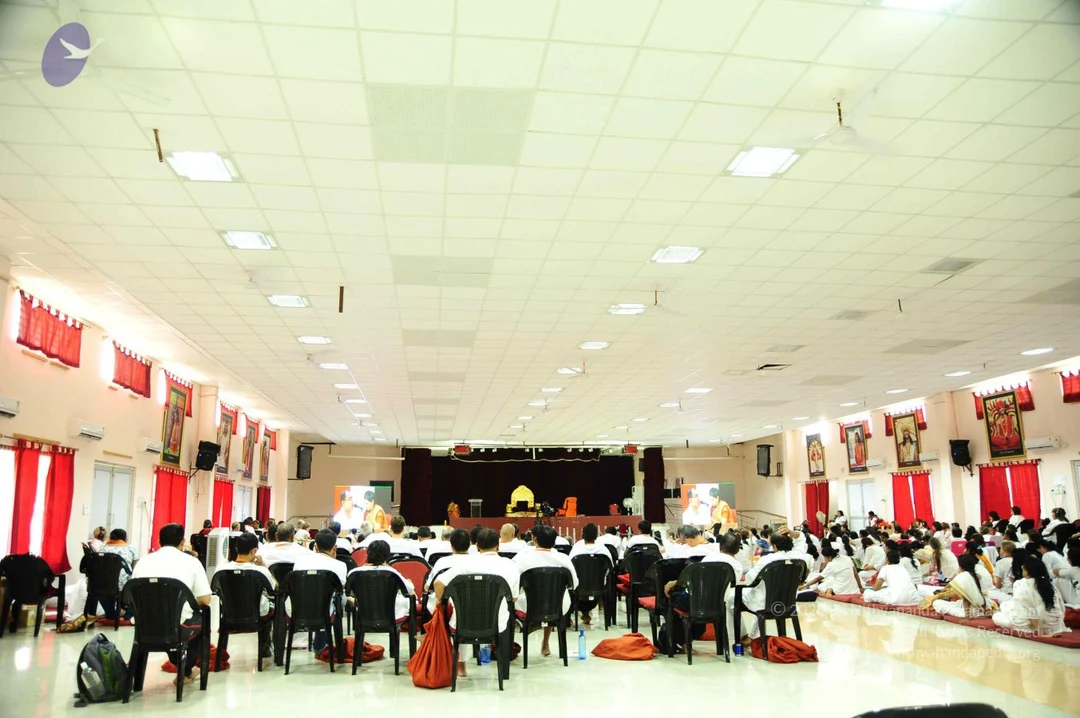
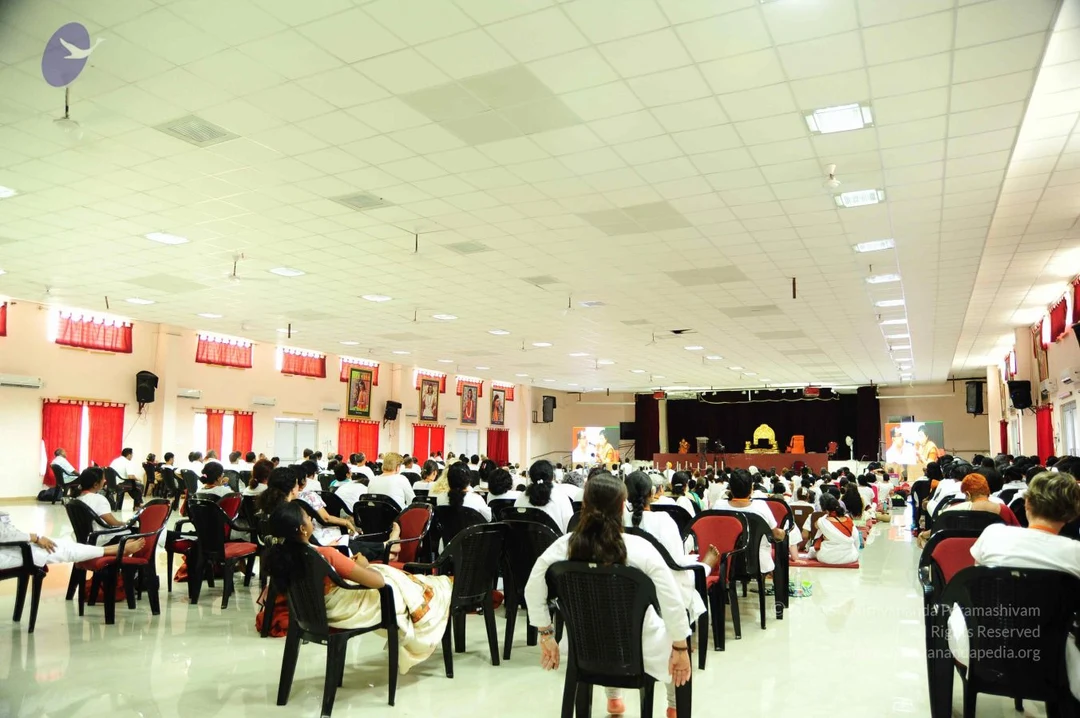
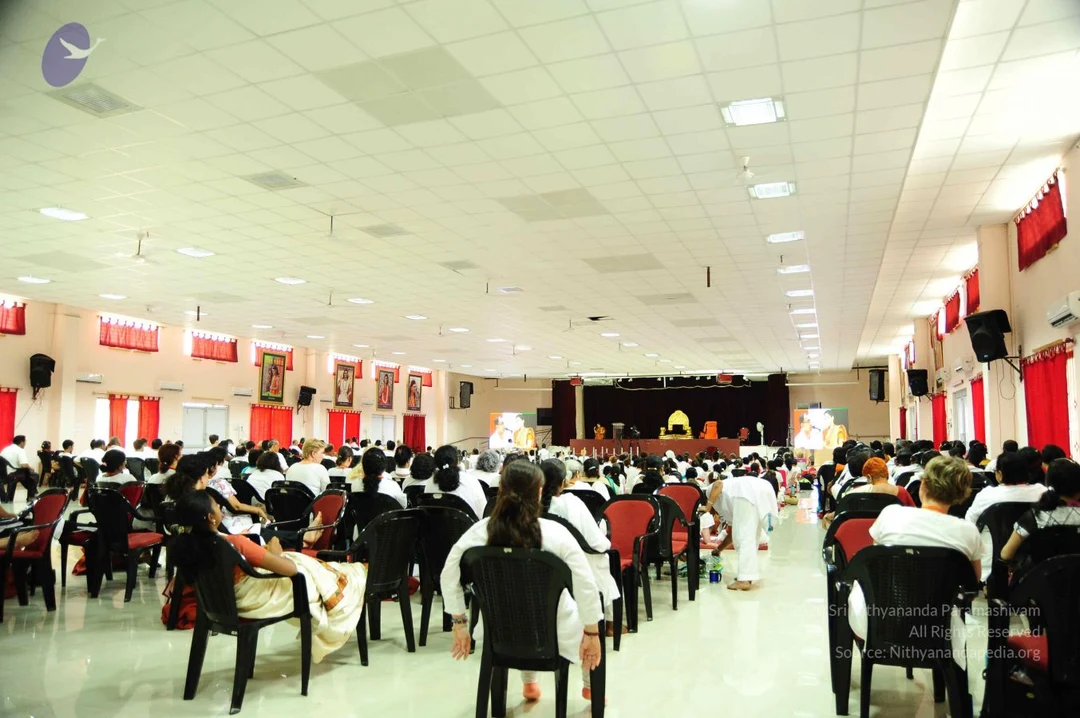
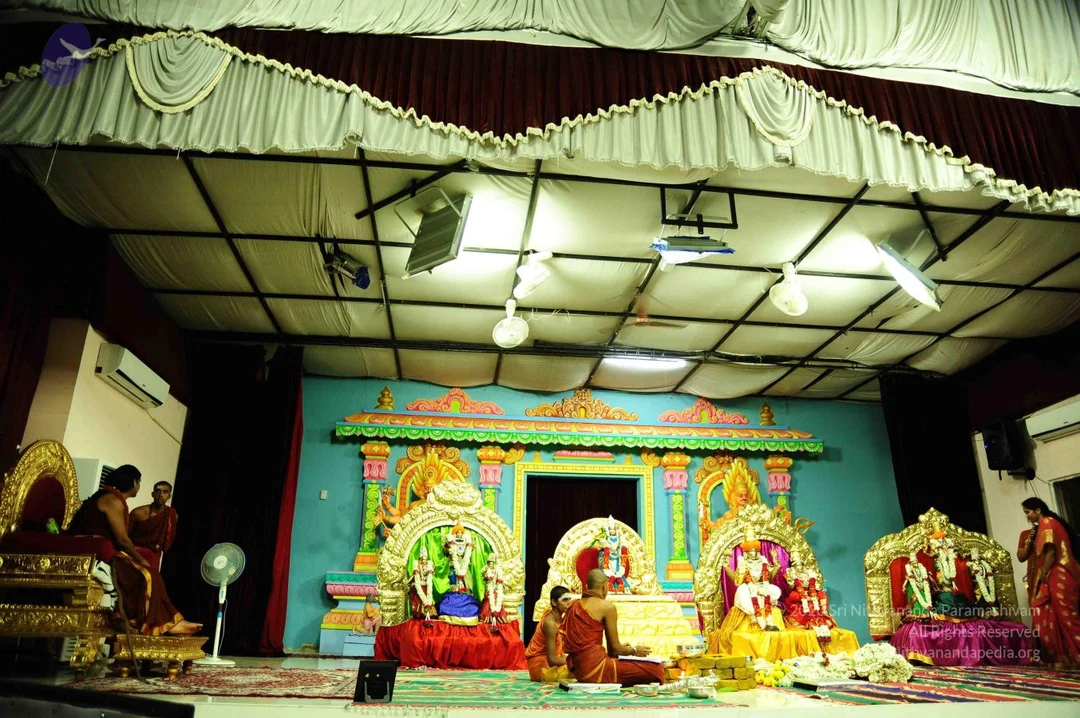
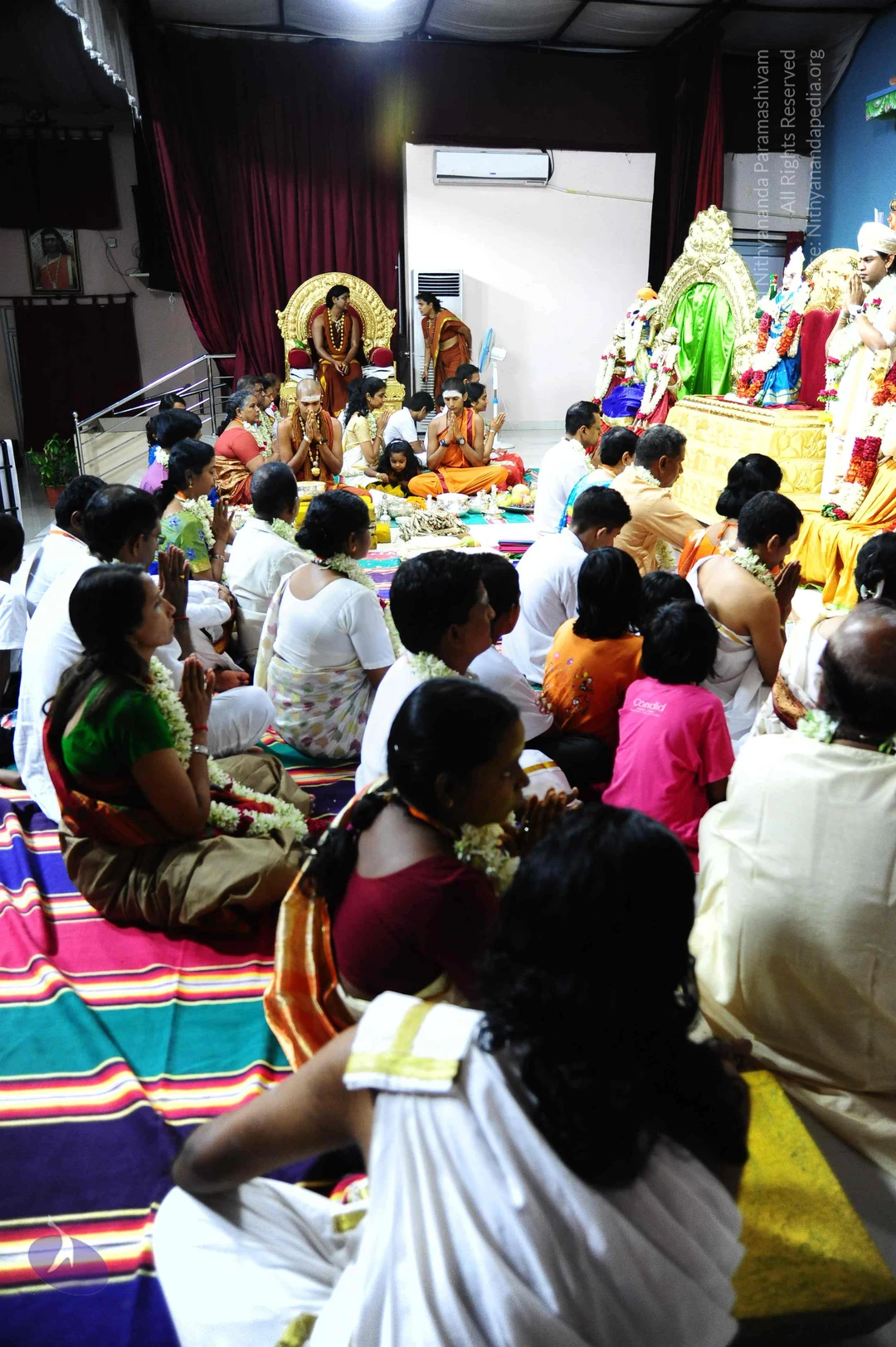
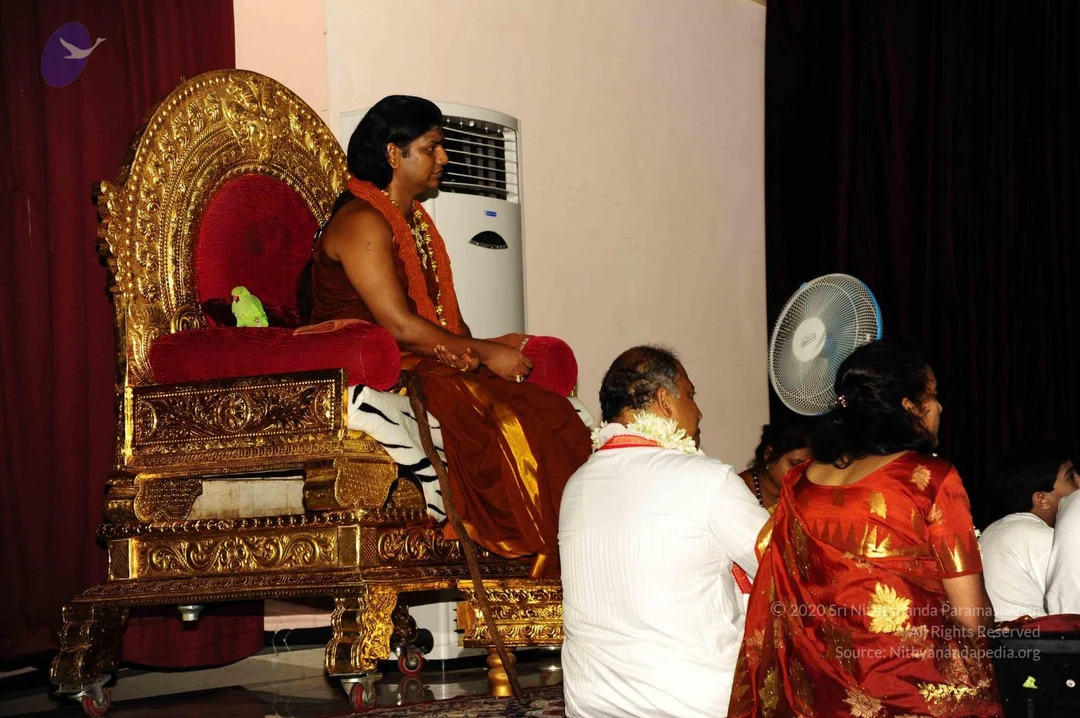
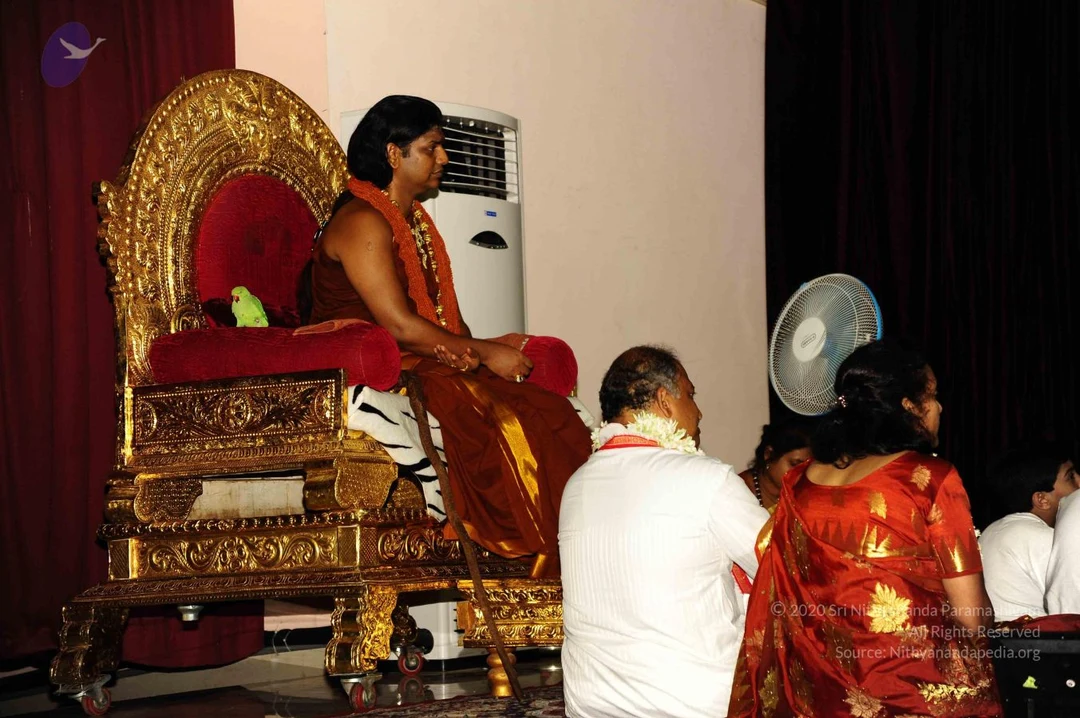
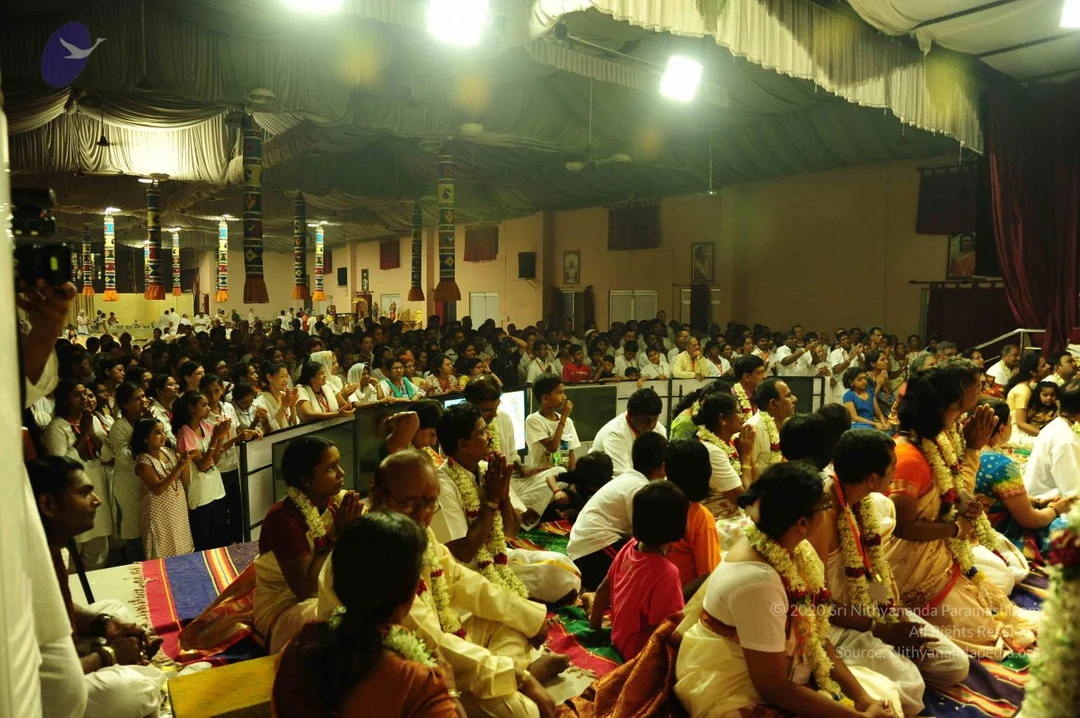
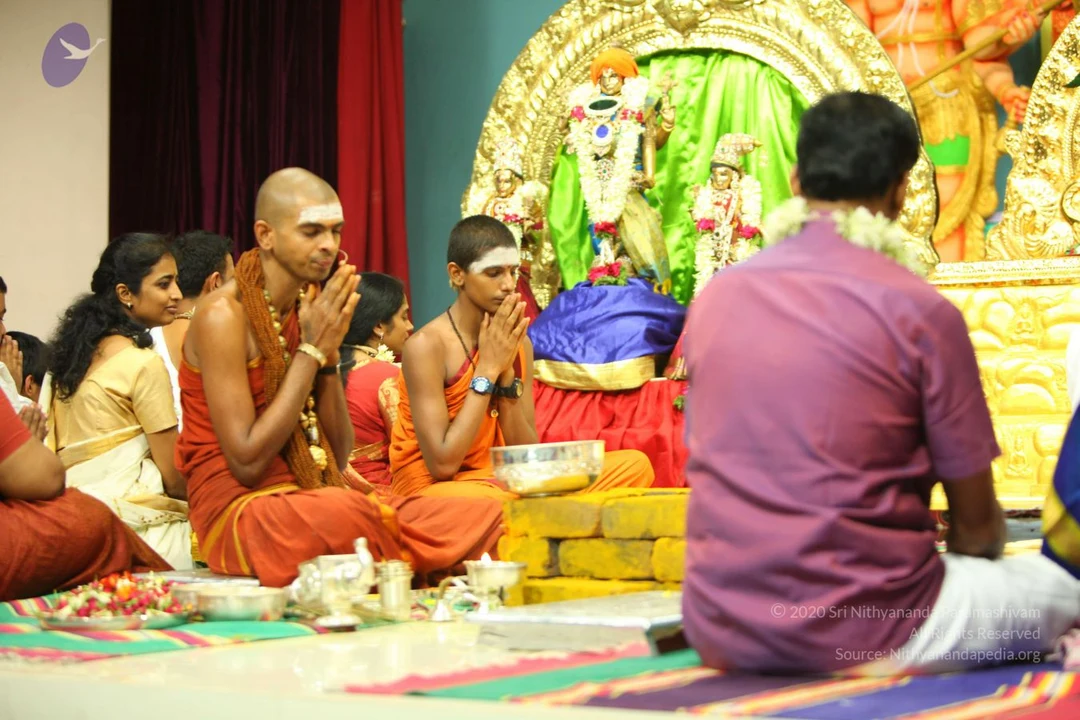
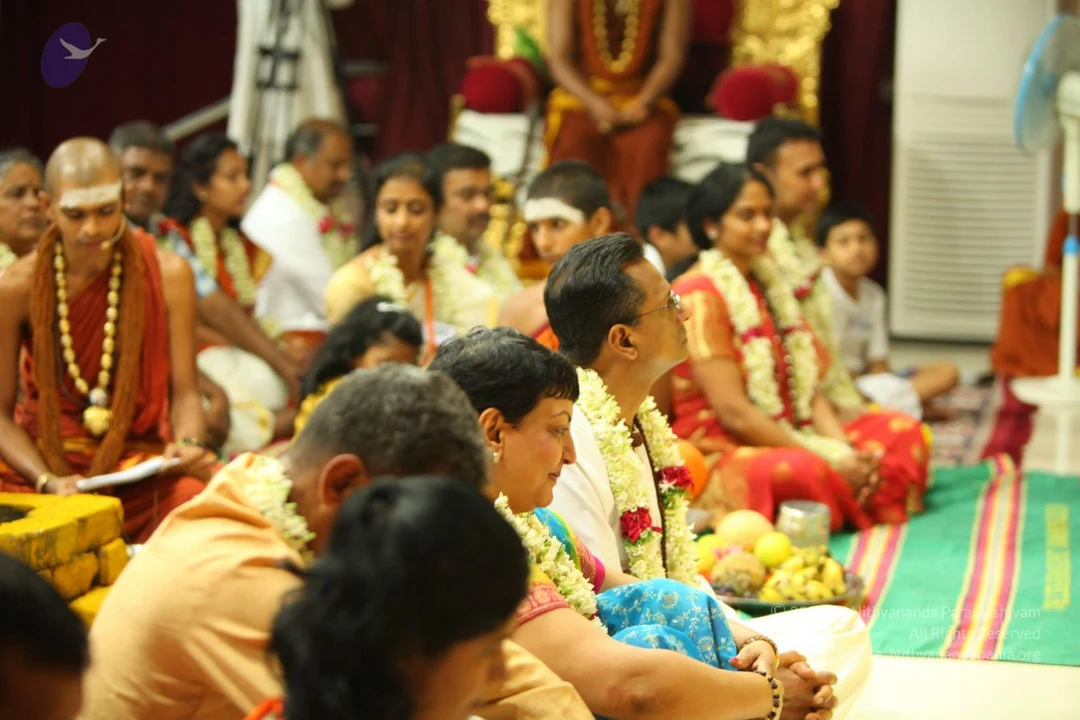
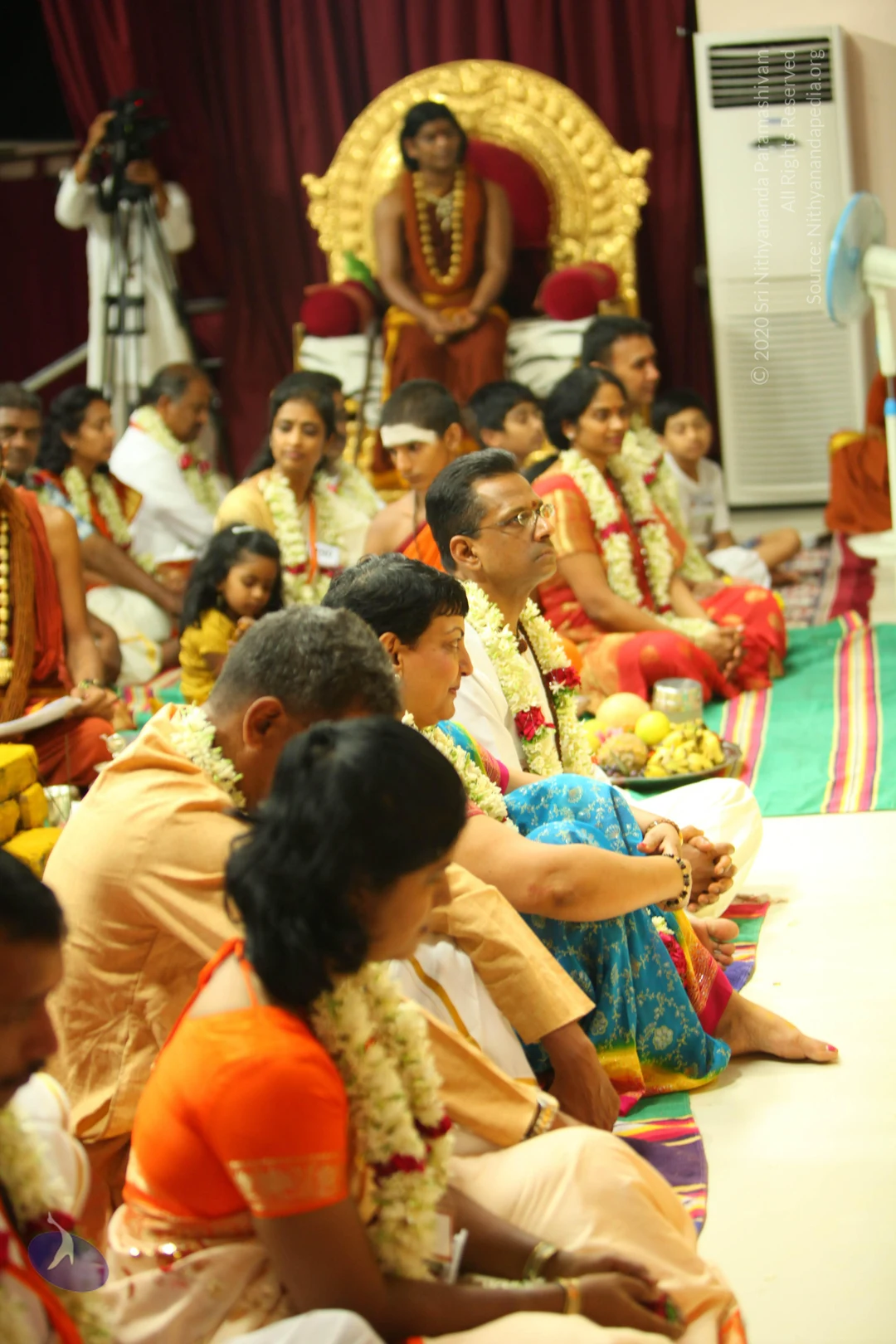
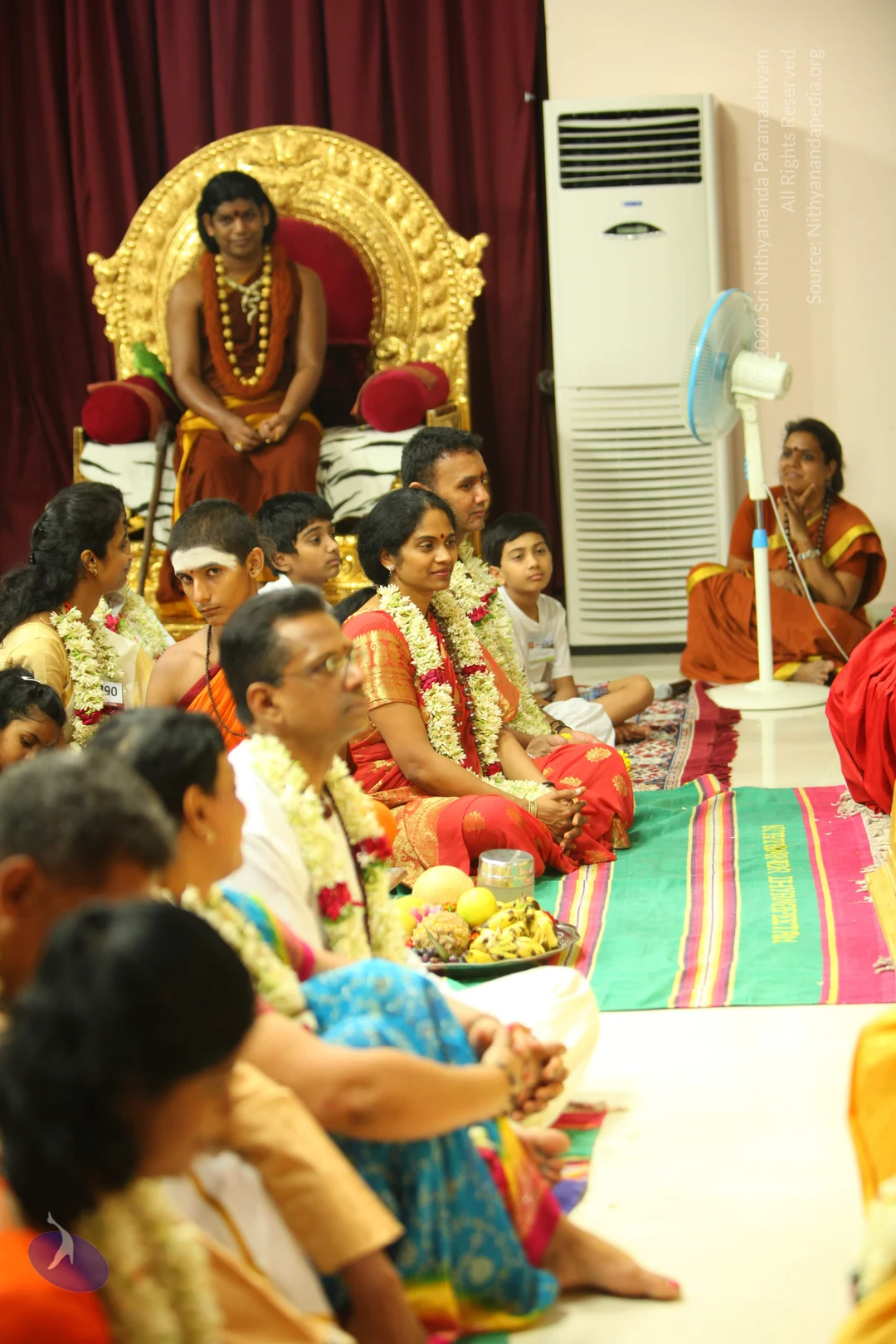
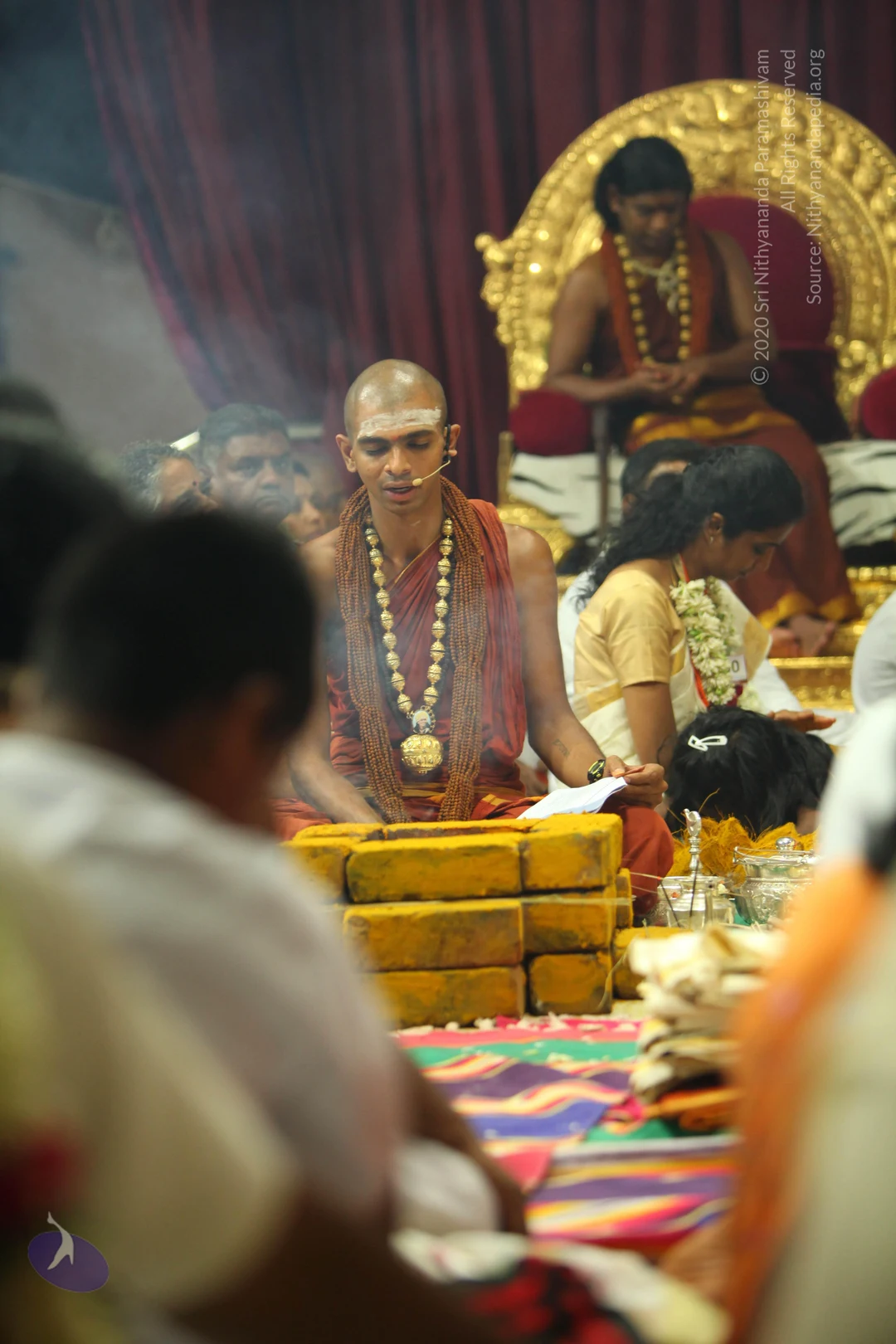
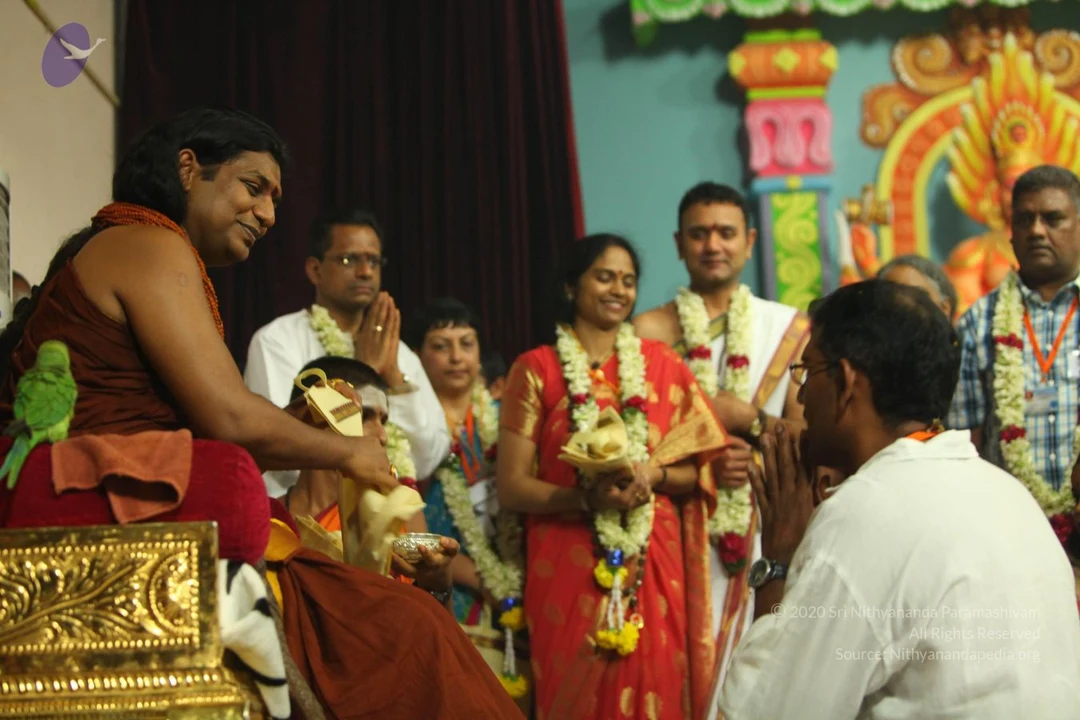
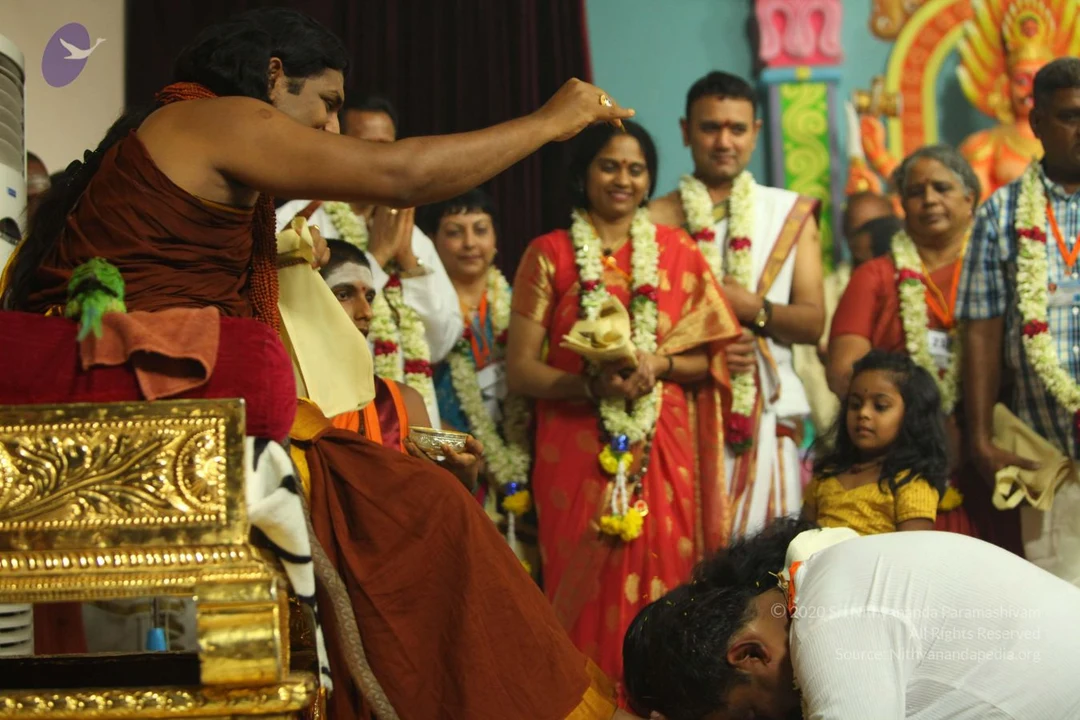
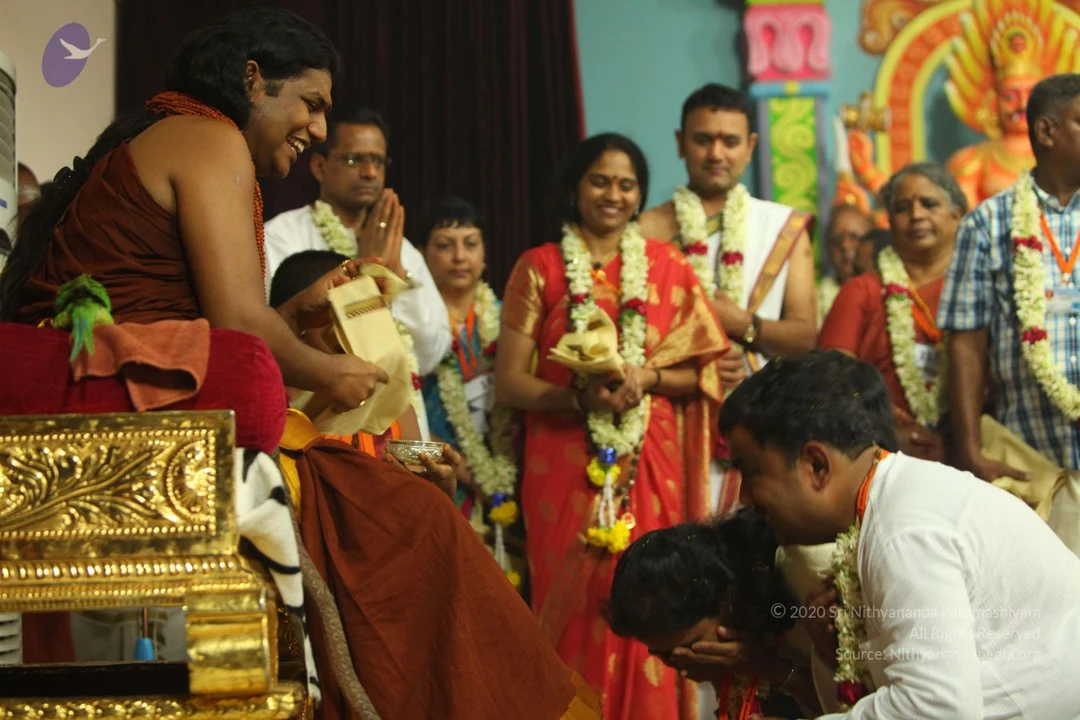
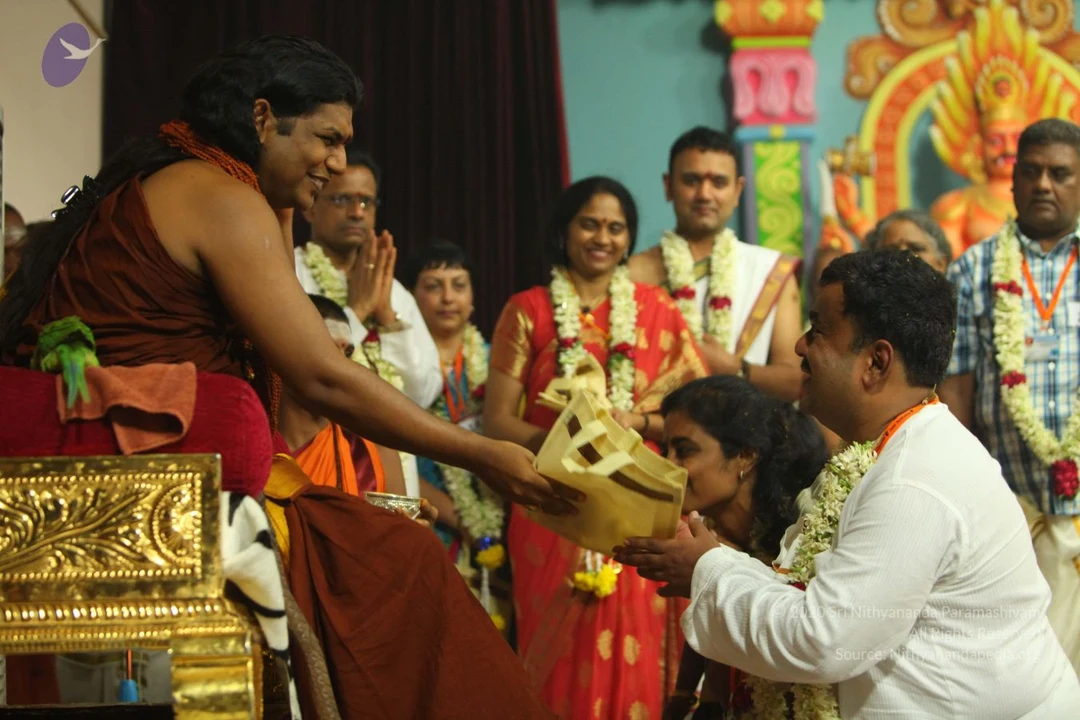
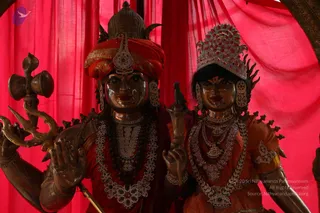
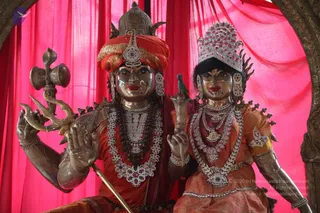
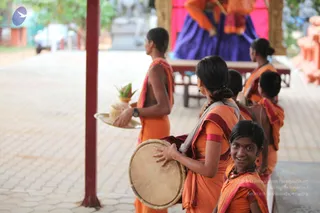
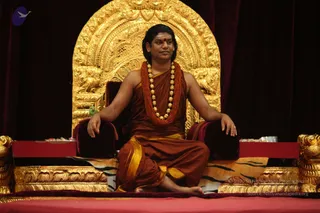
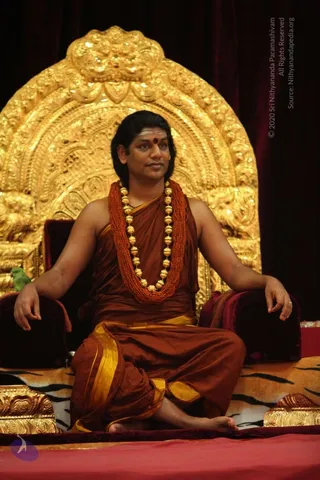
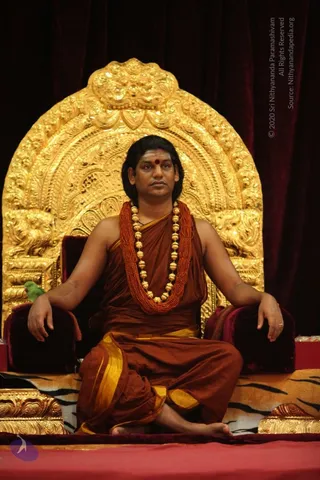
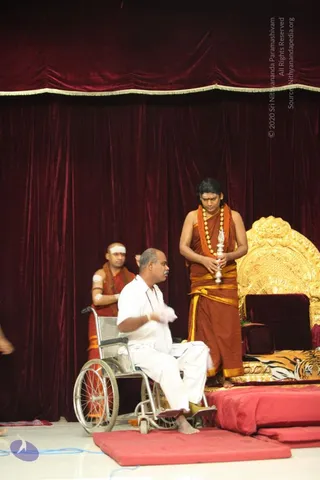
Photos Of The Day:
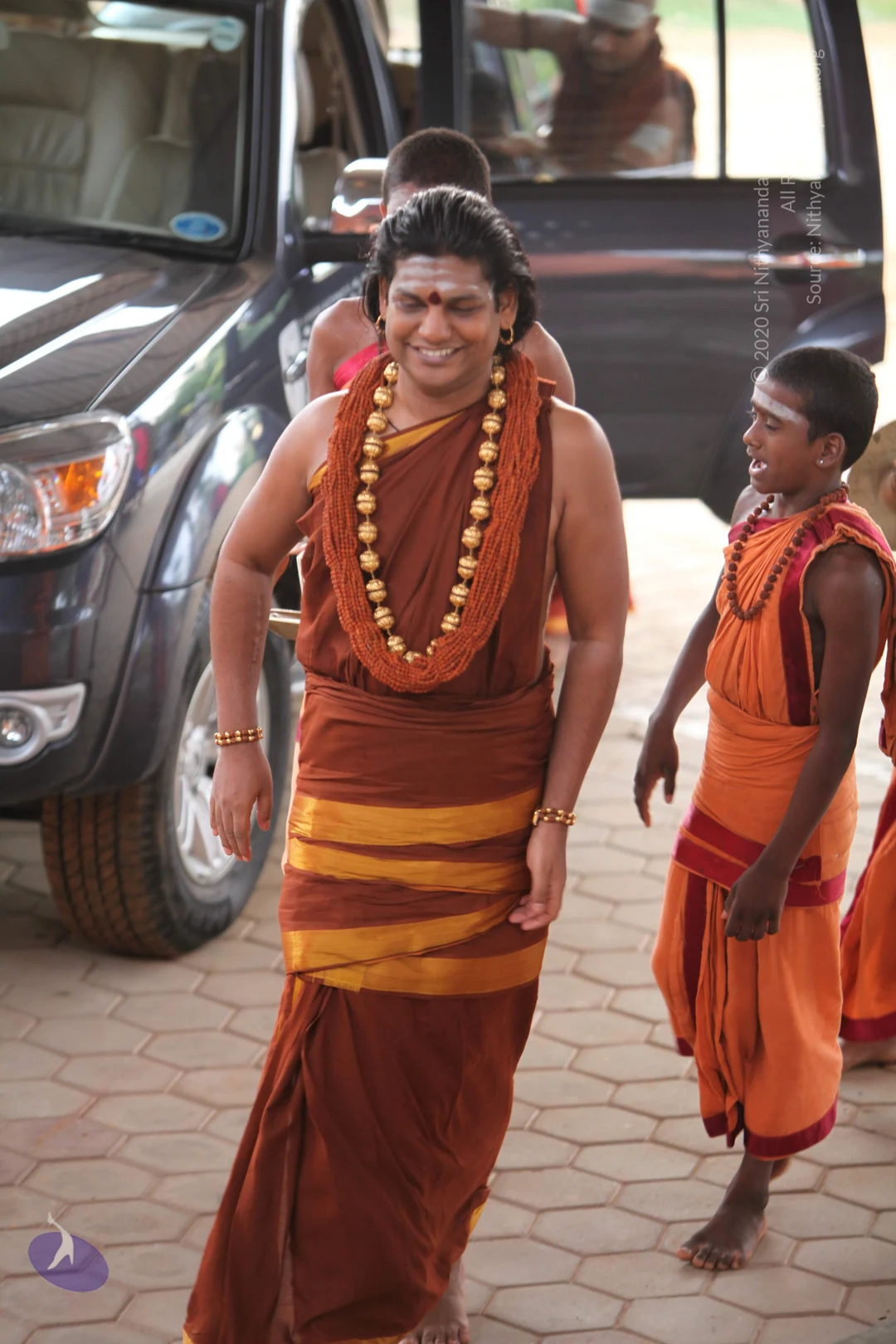
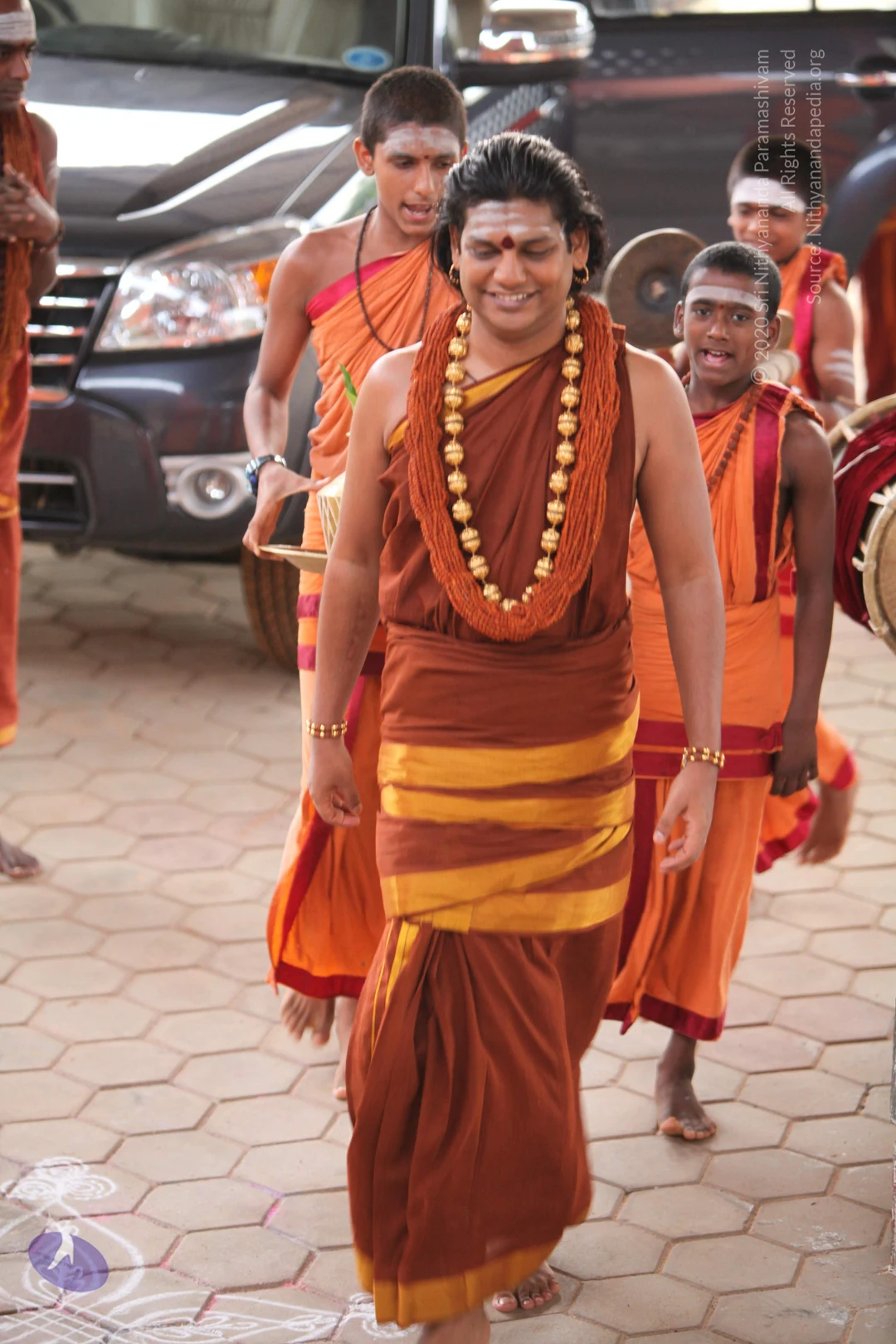
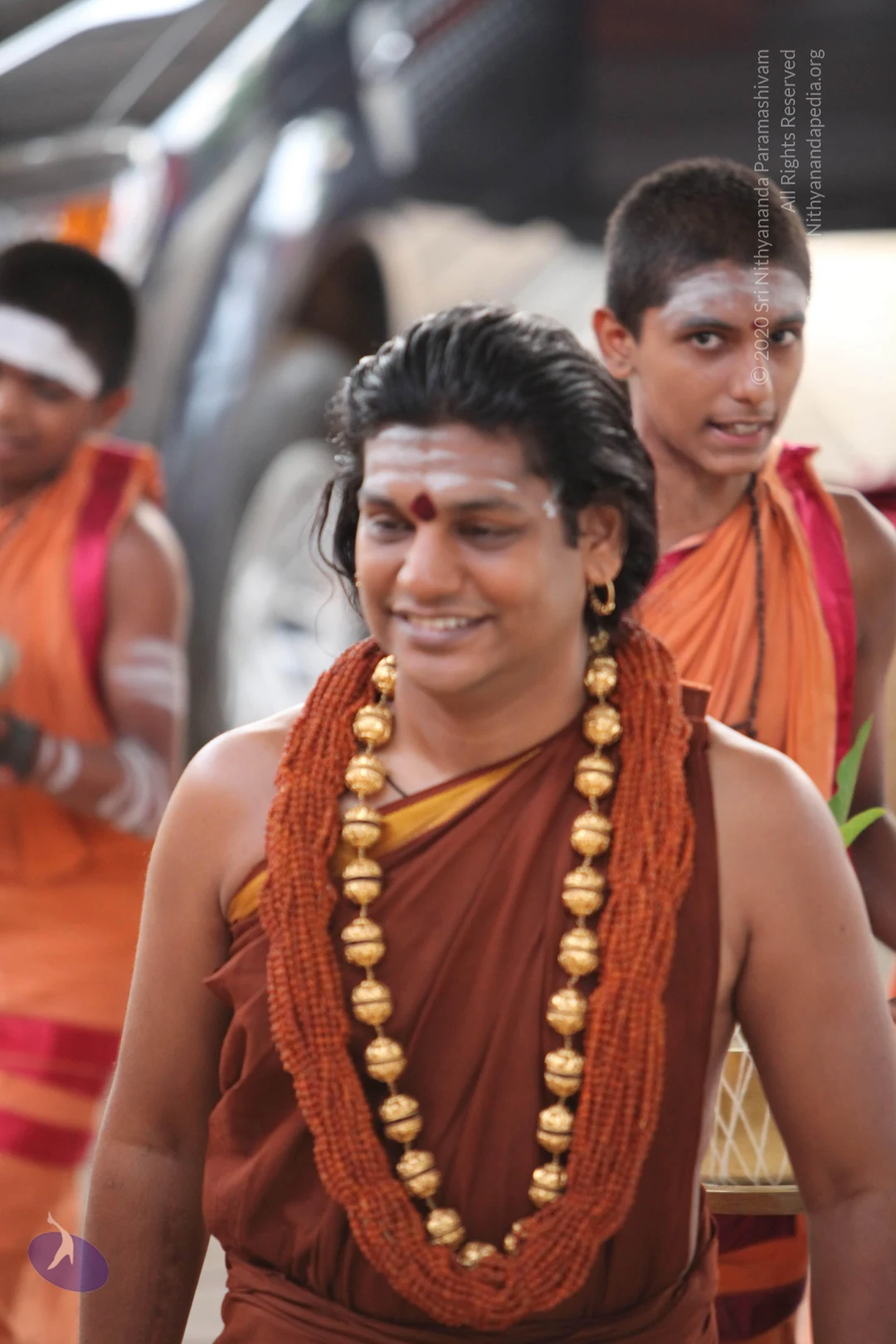
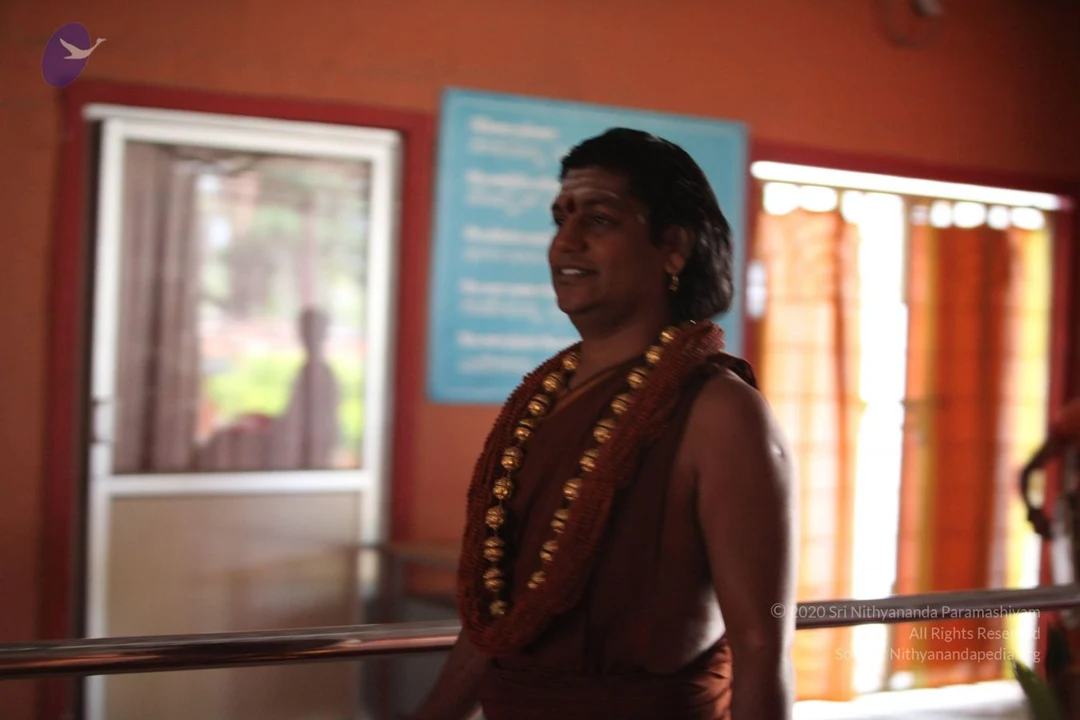
TEMPLE
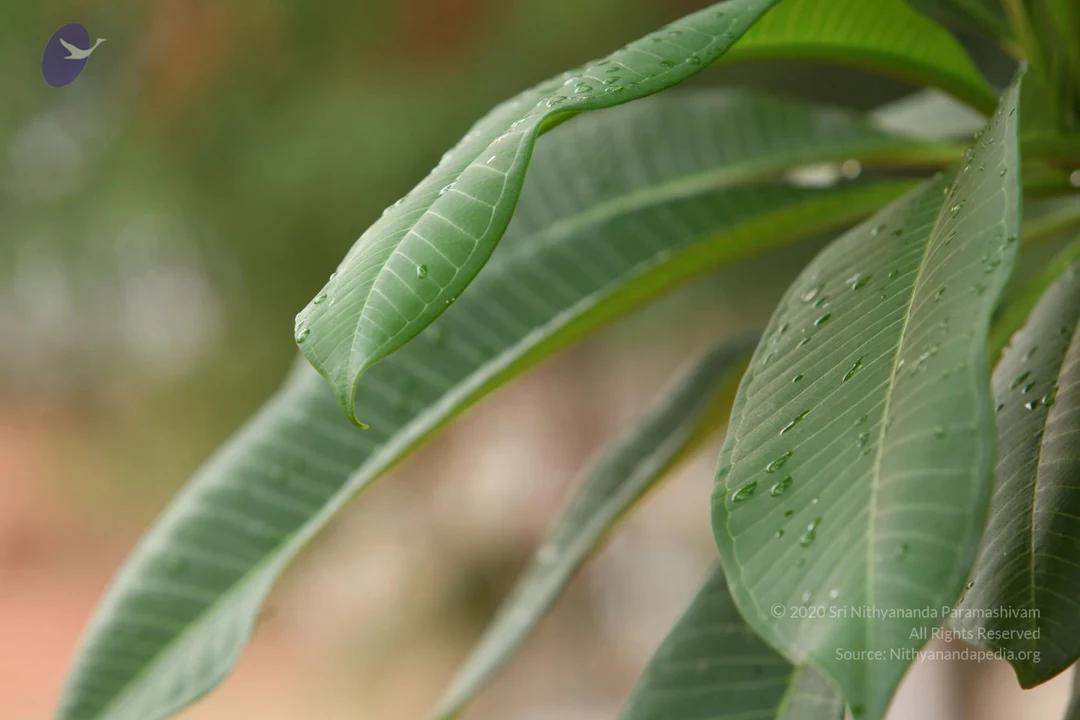
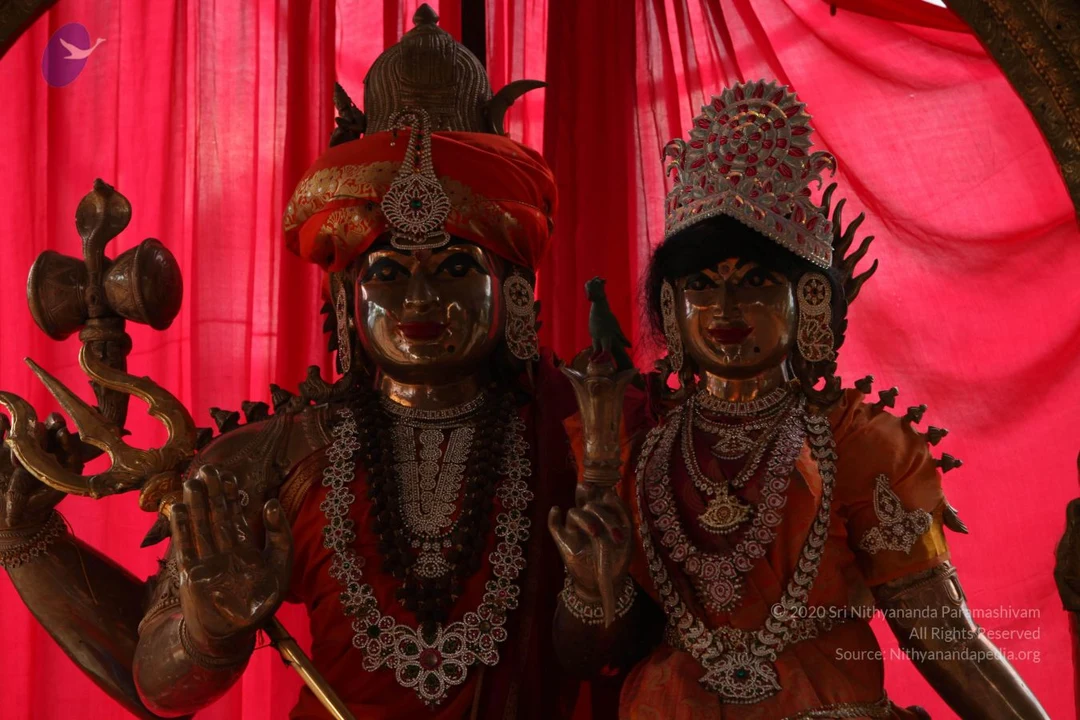
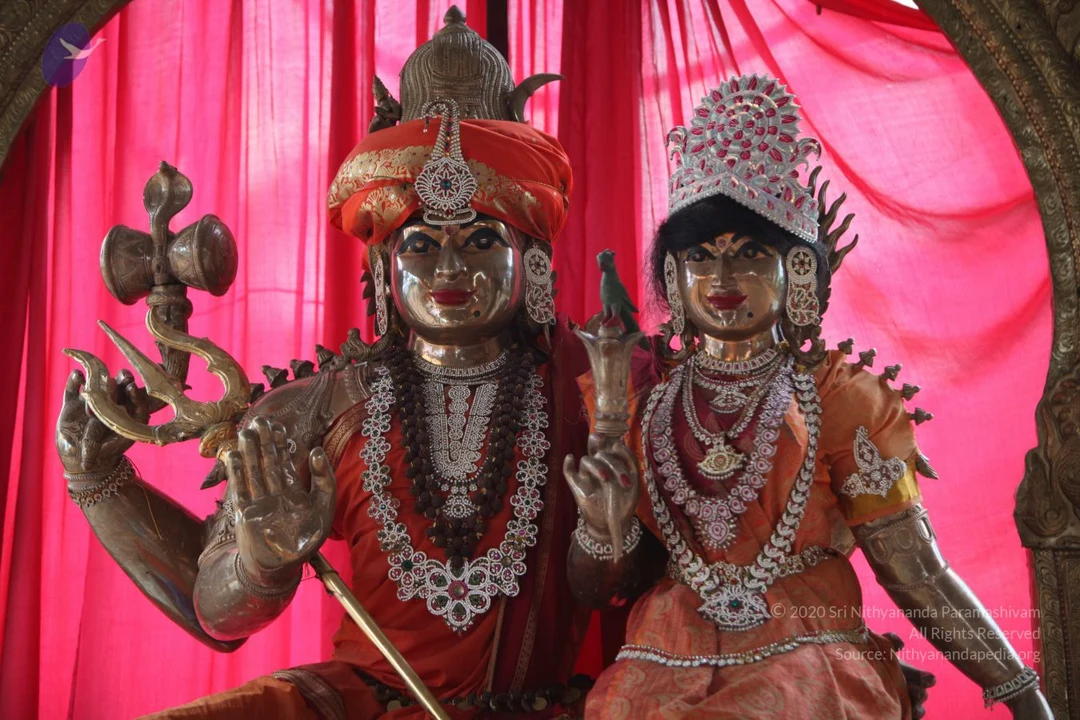
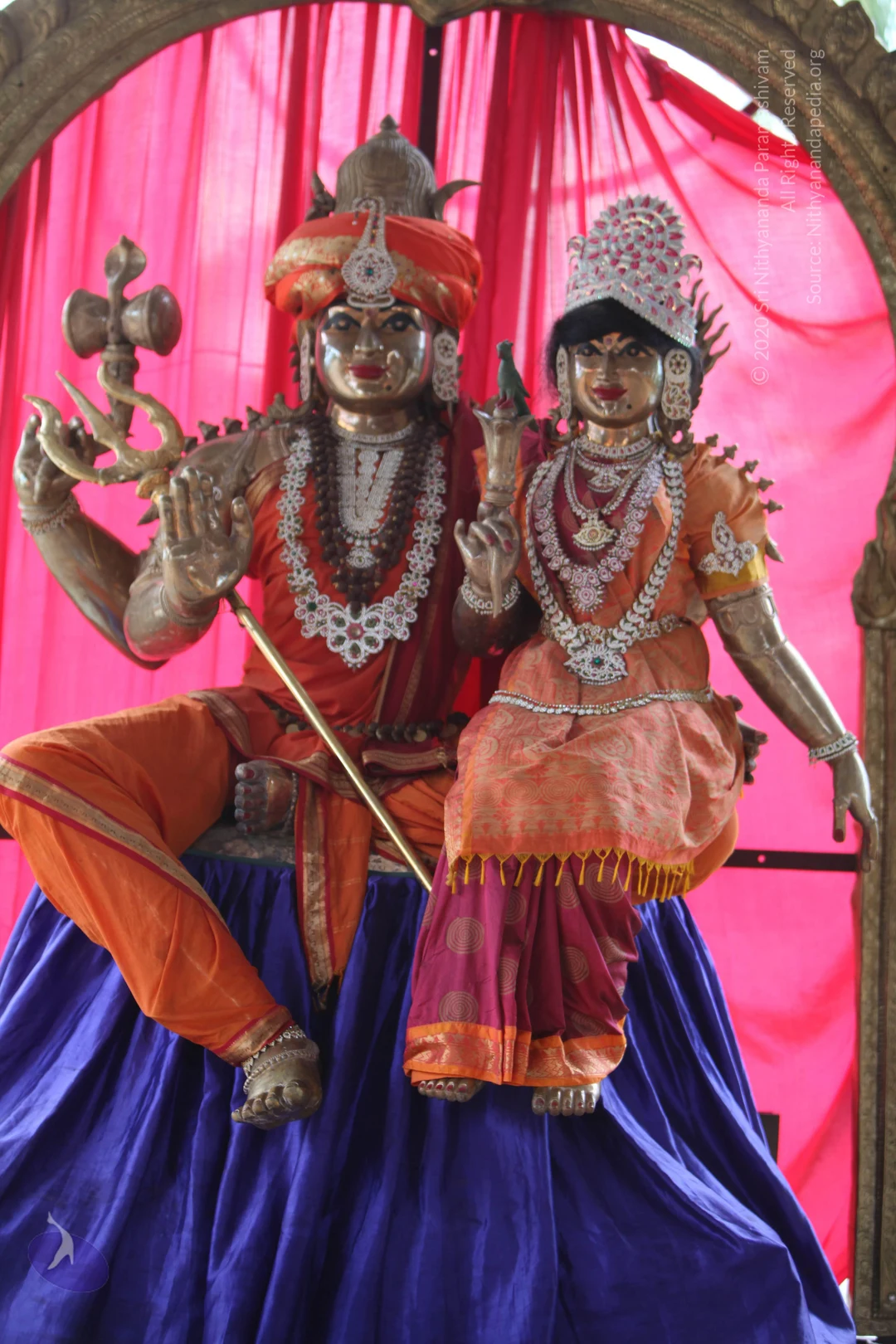
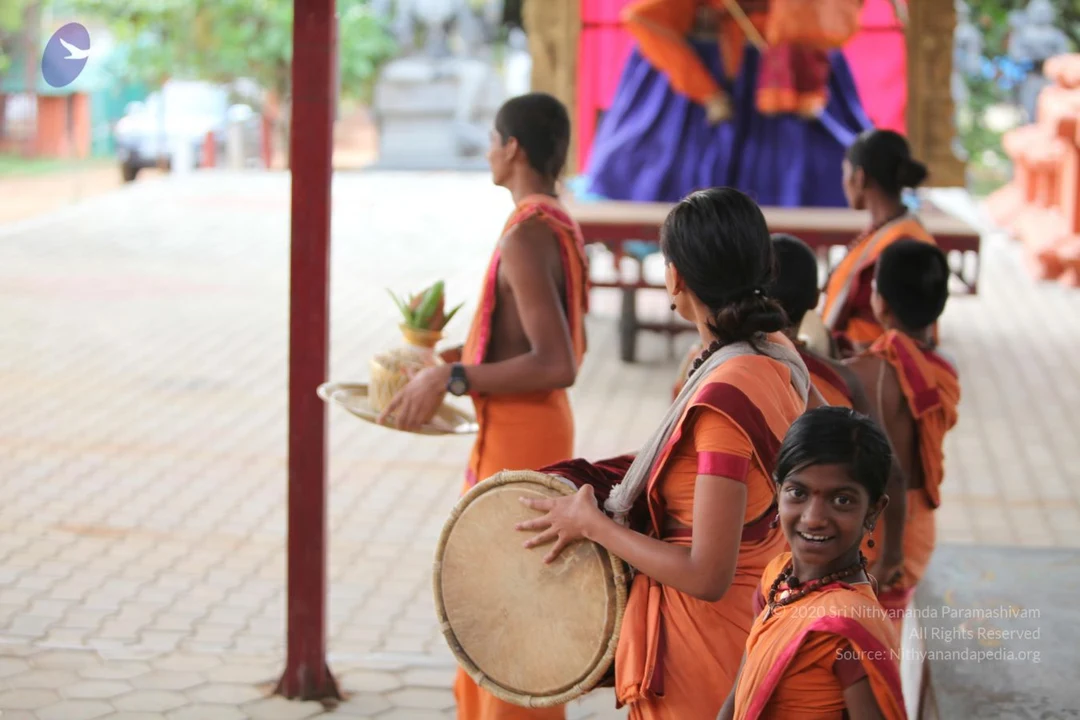
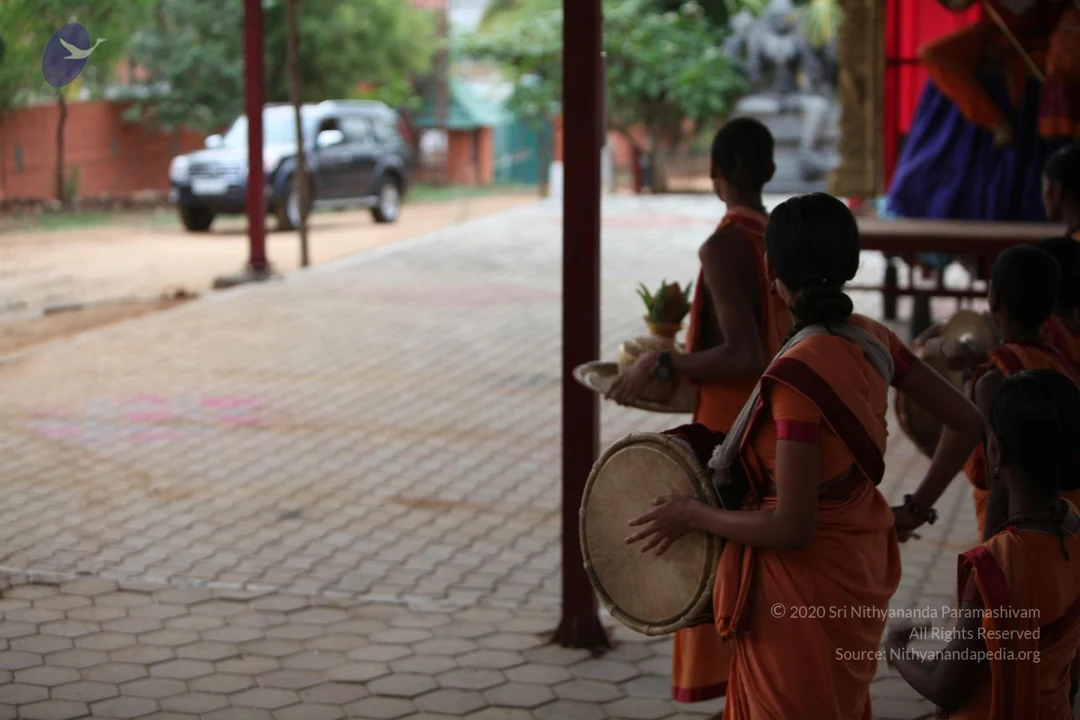
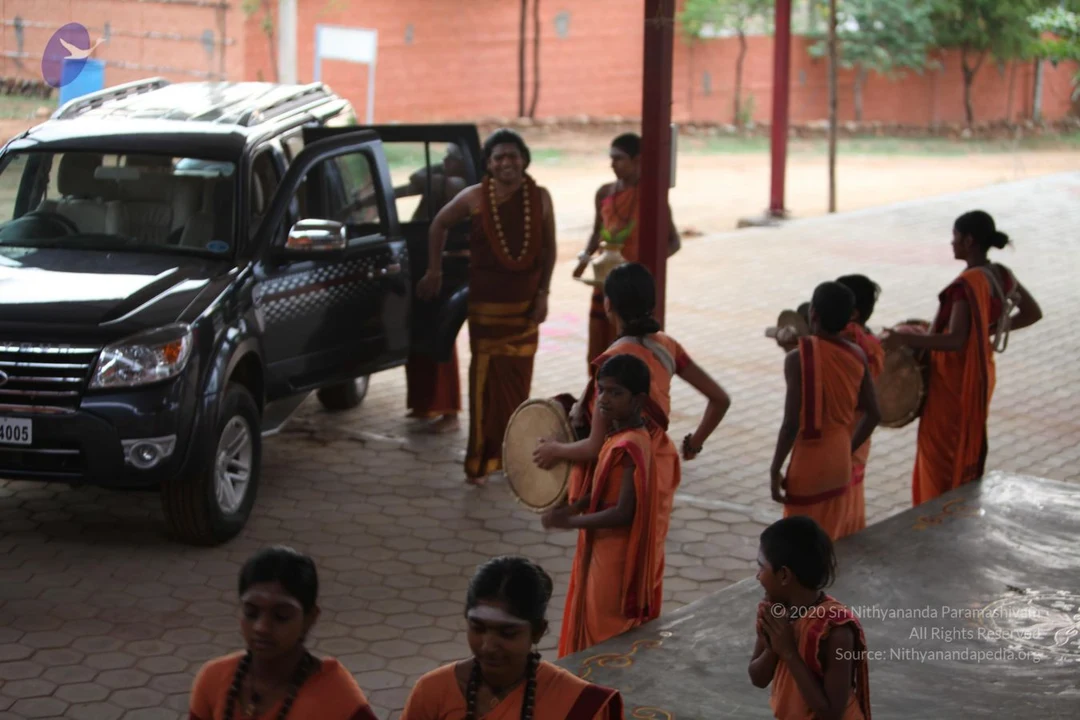
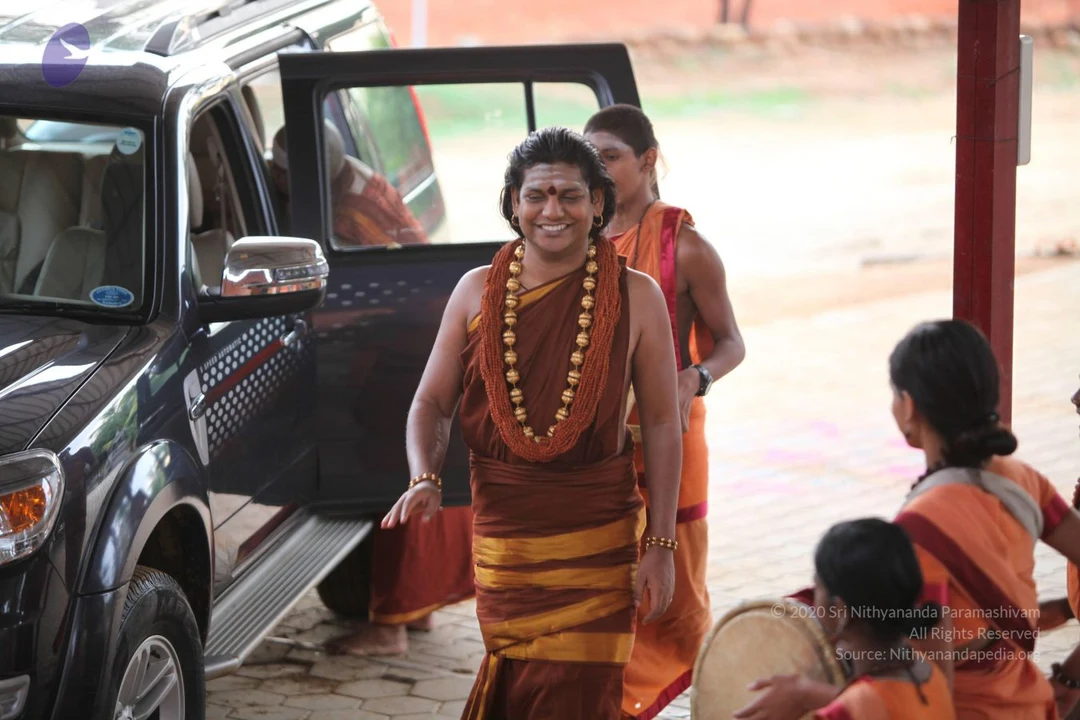
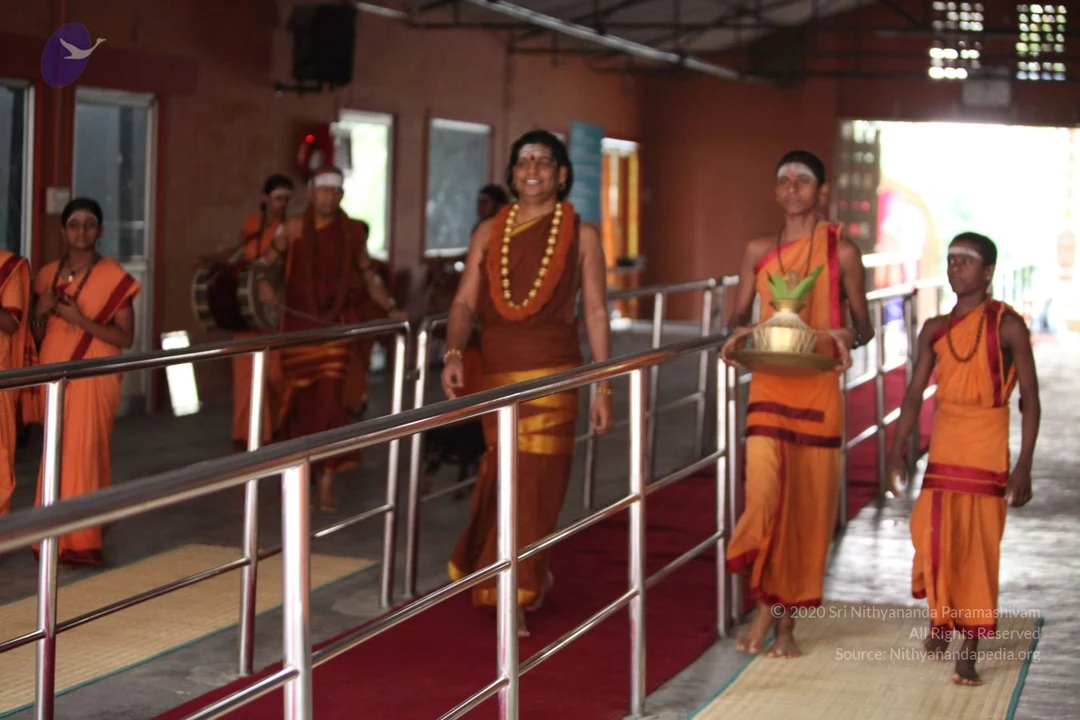
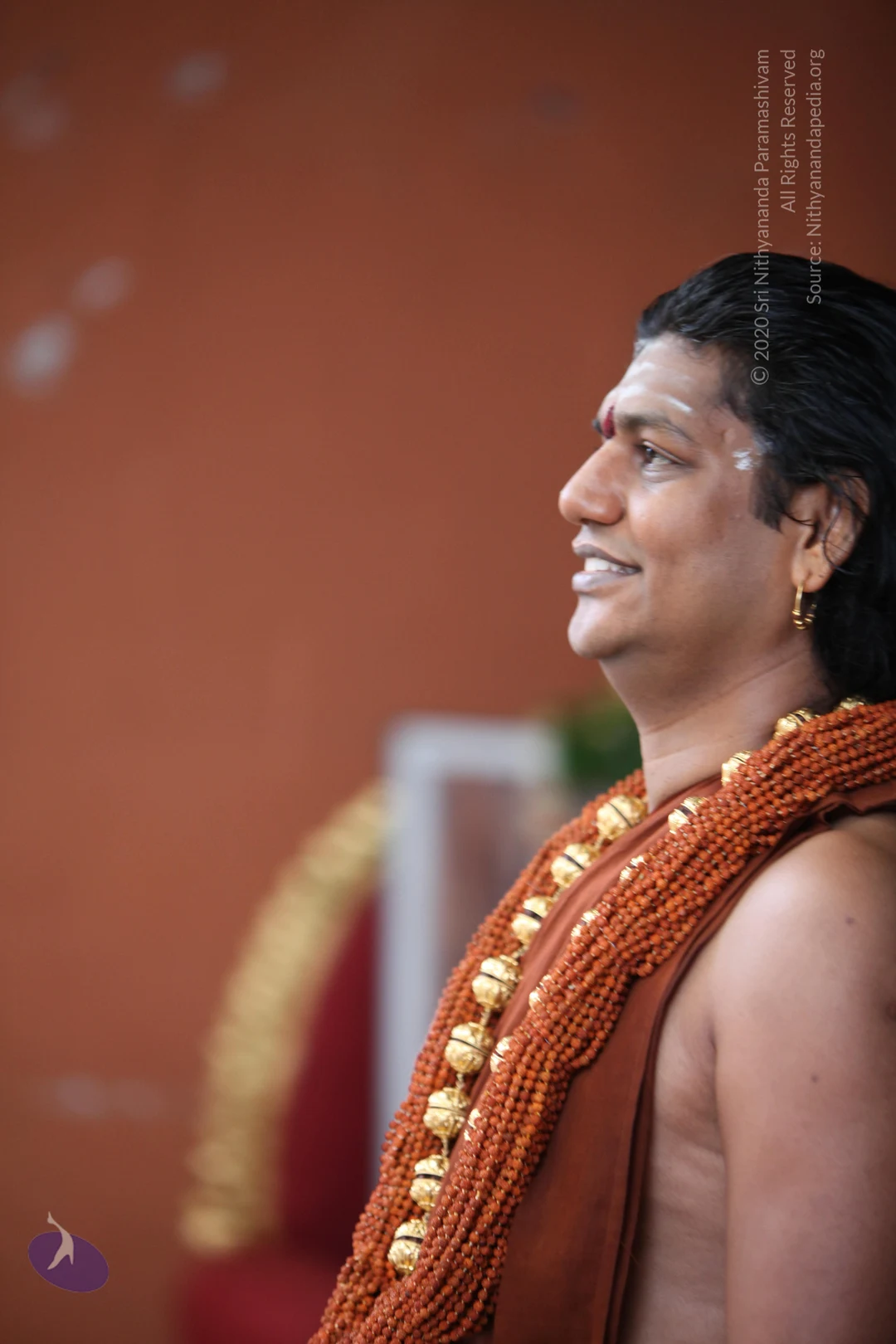
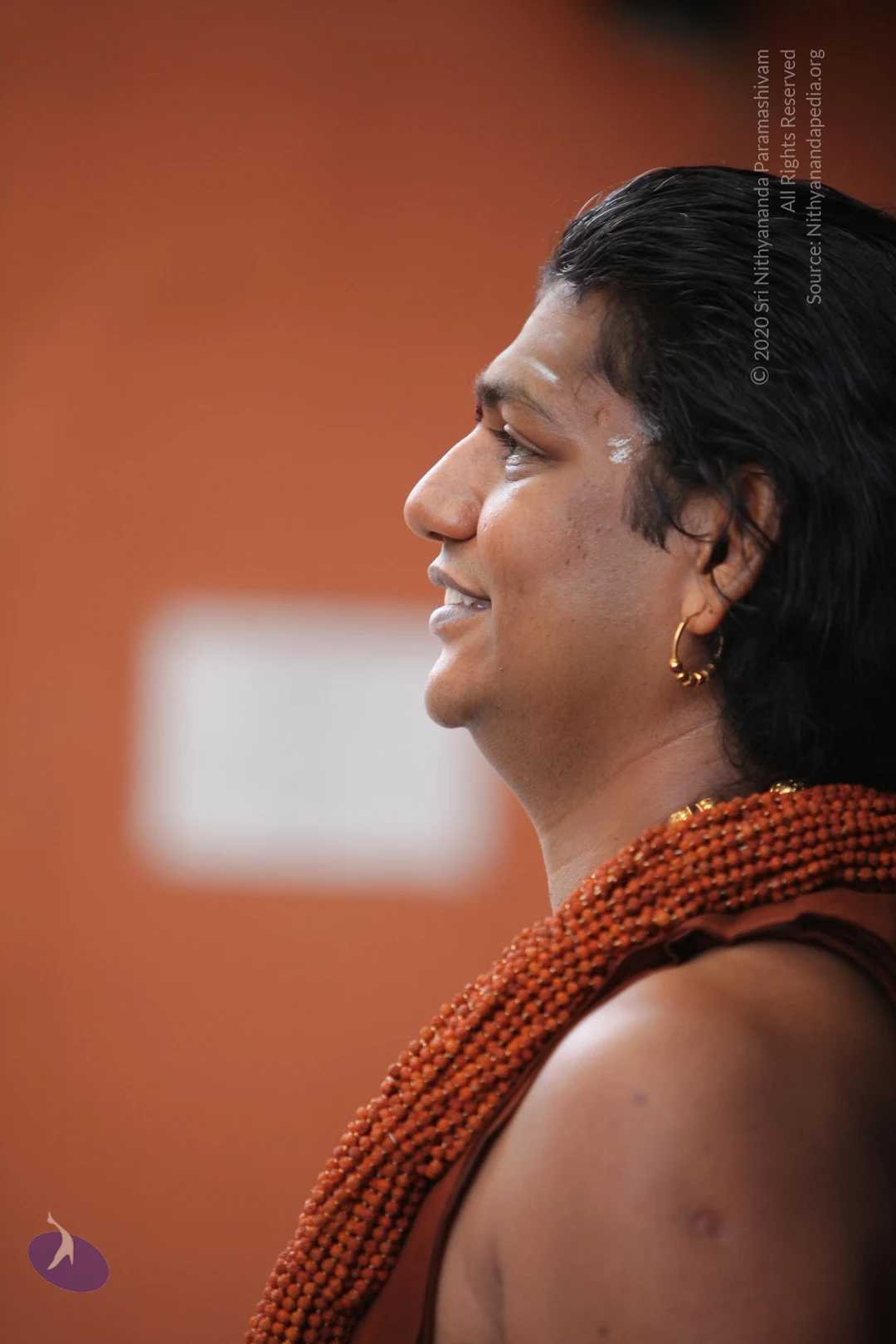
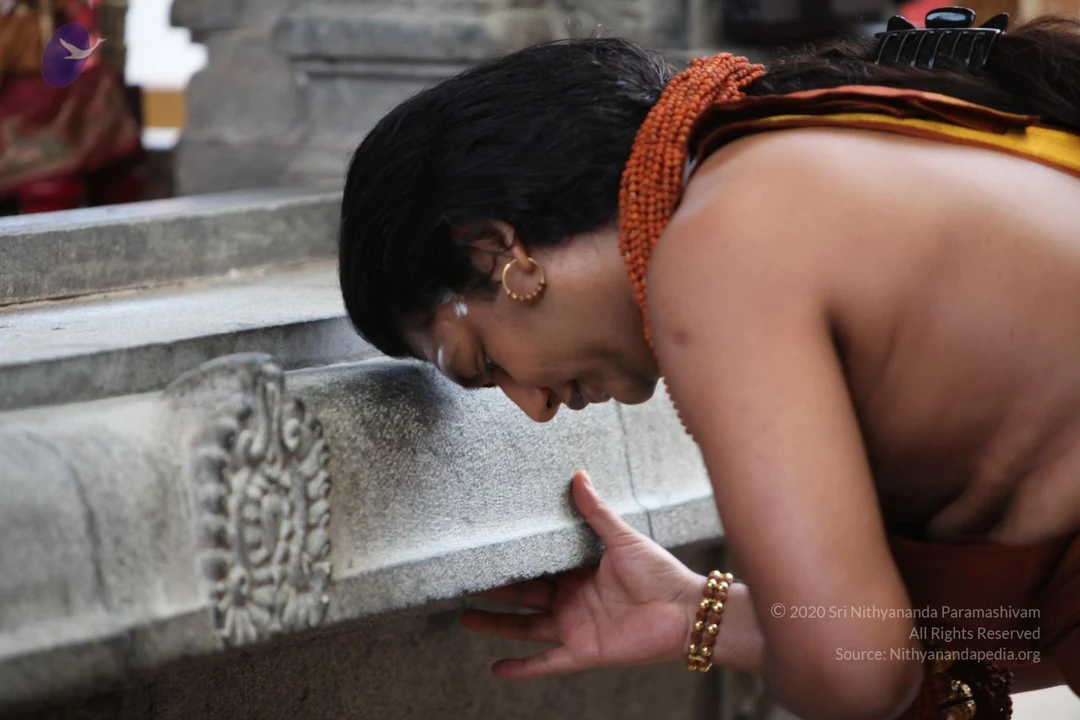
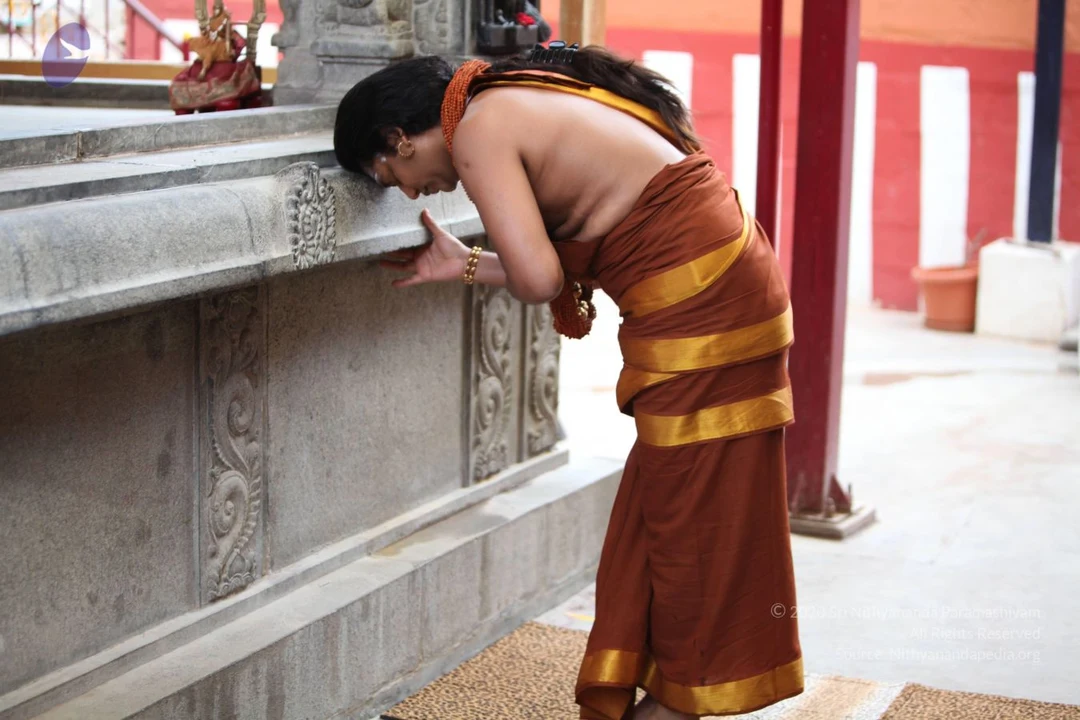
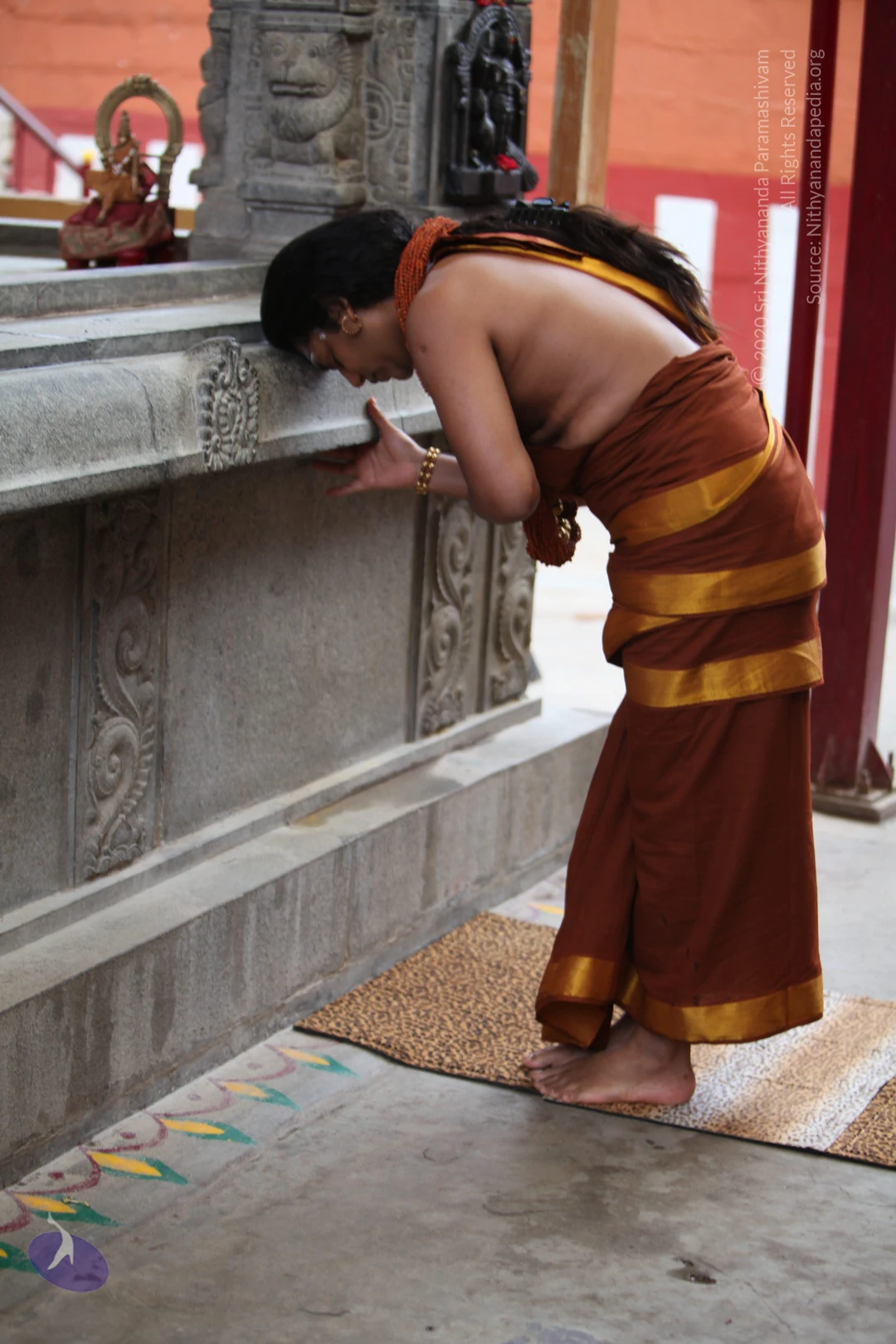
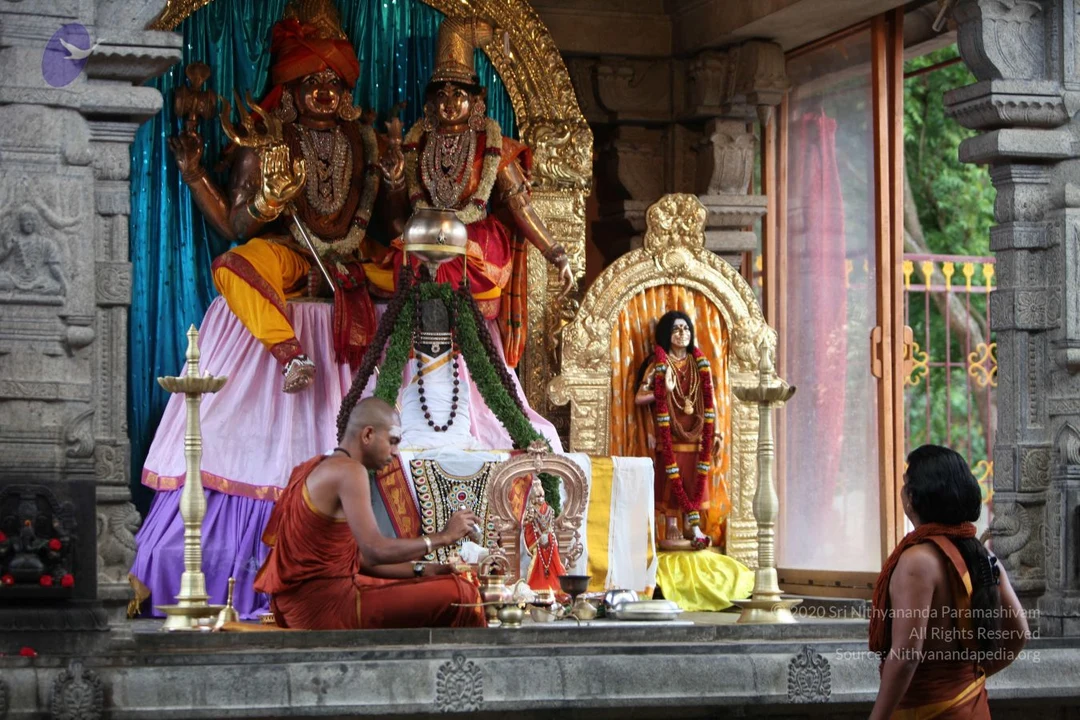
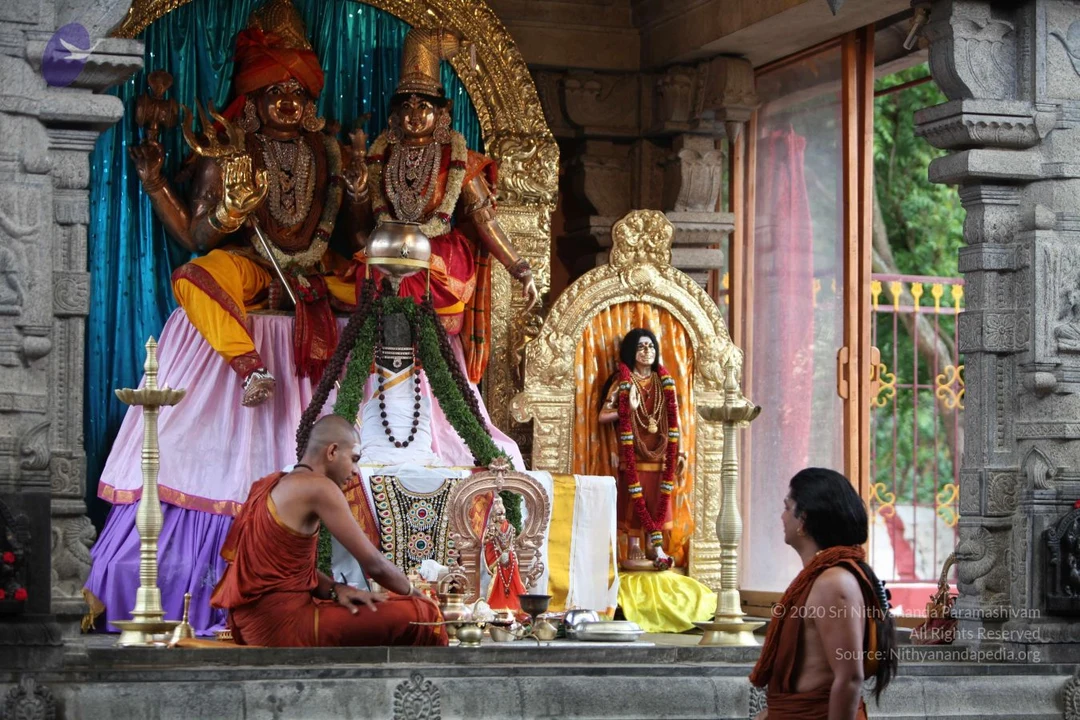

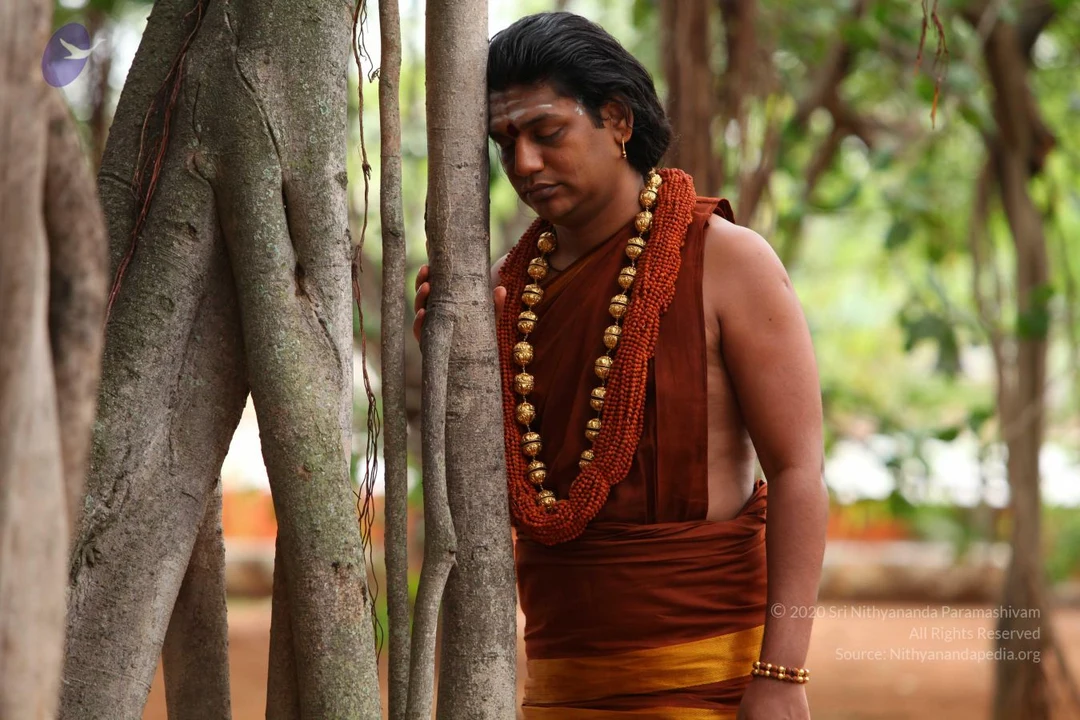
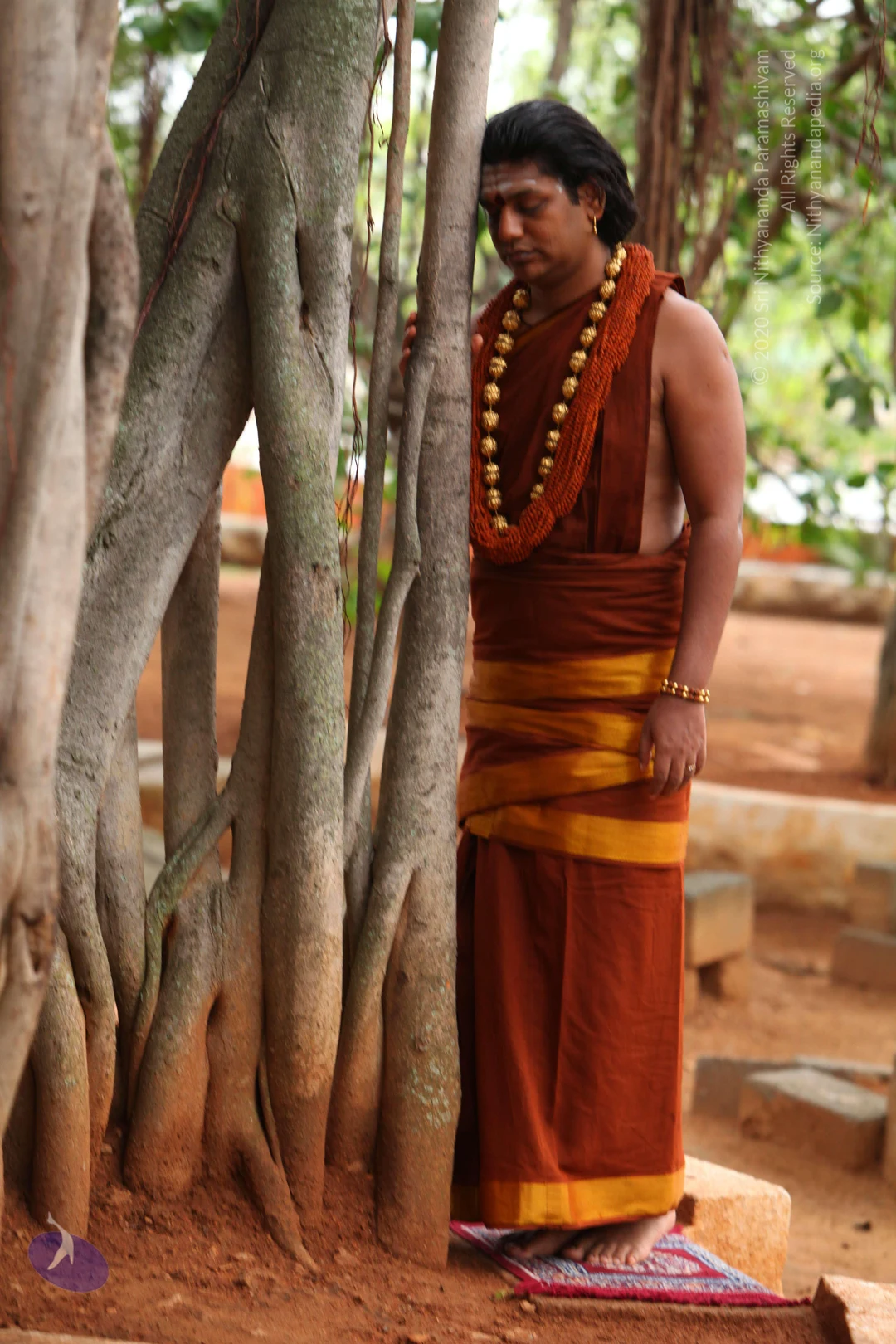
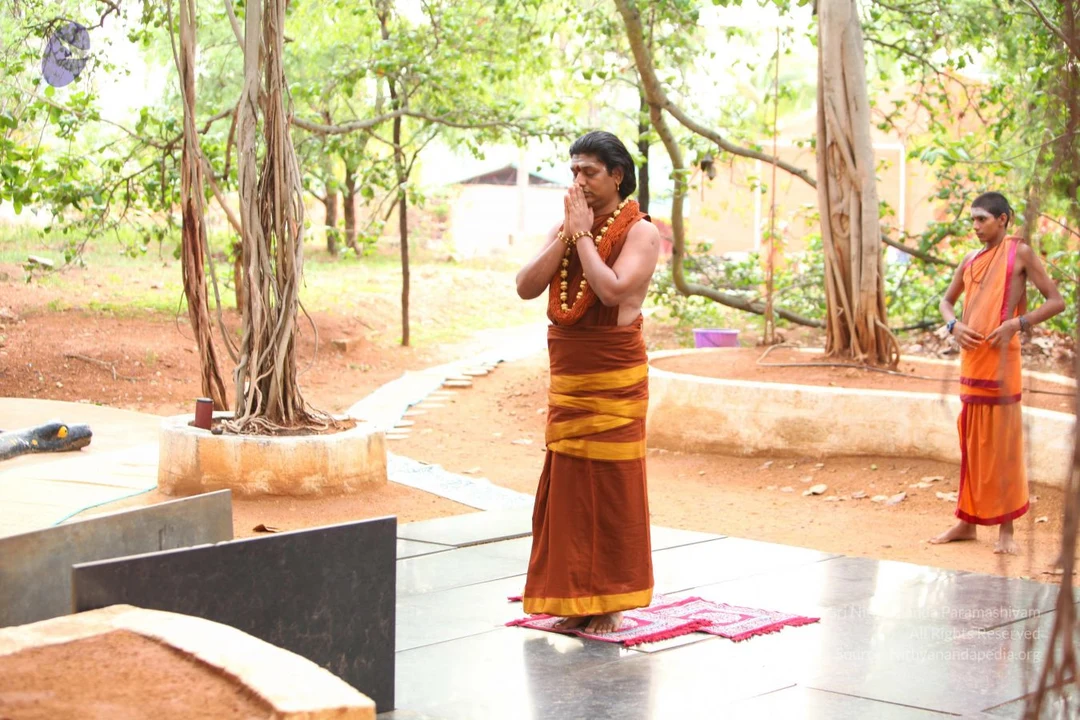
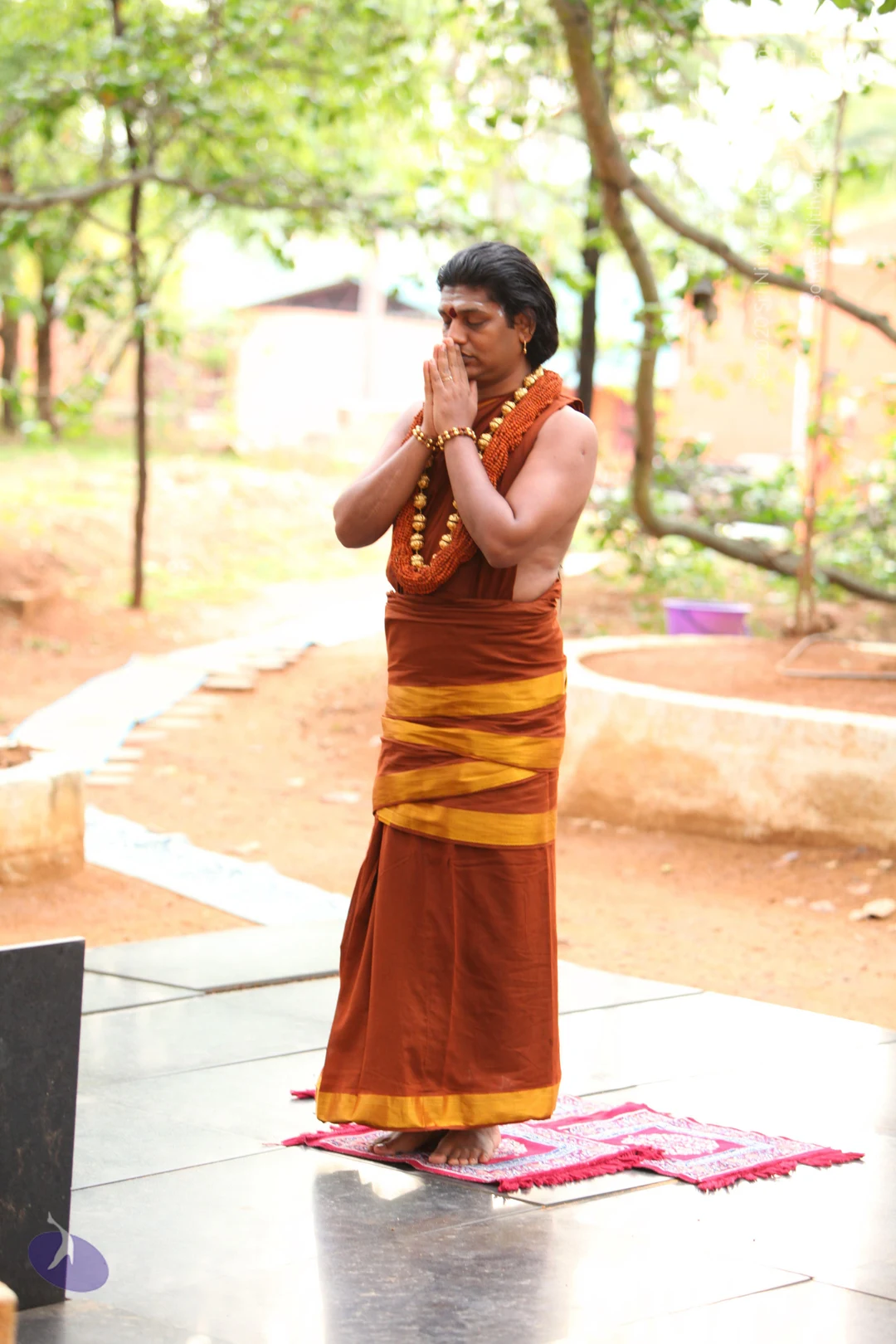
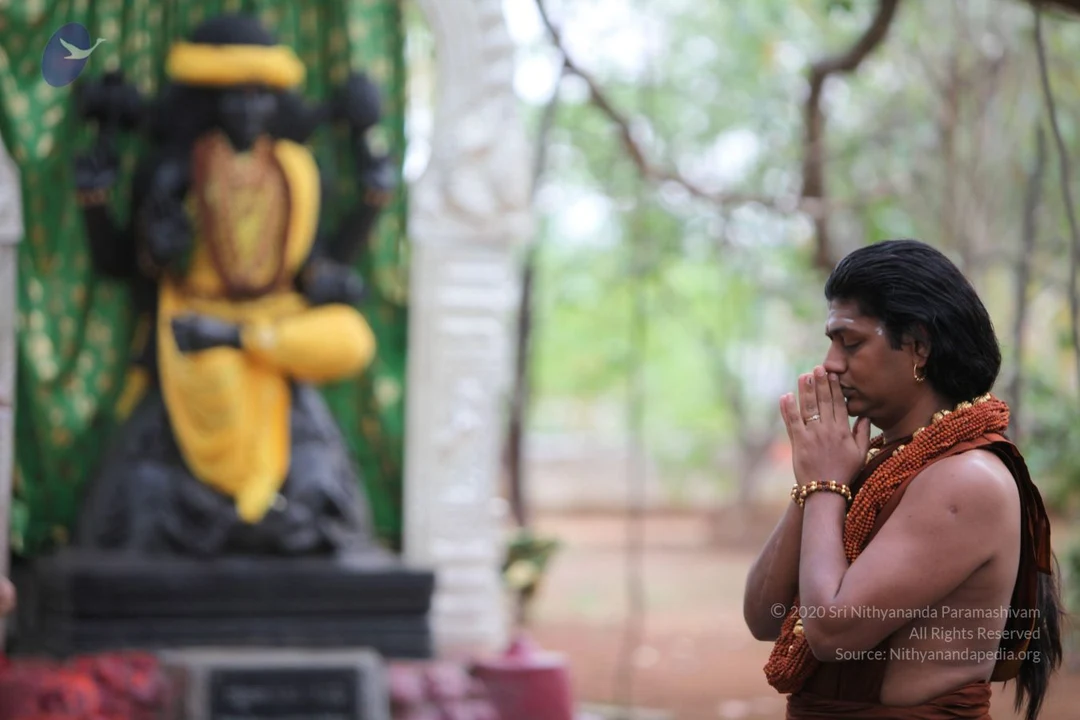
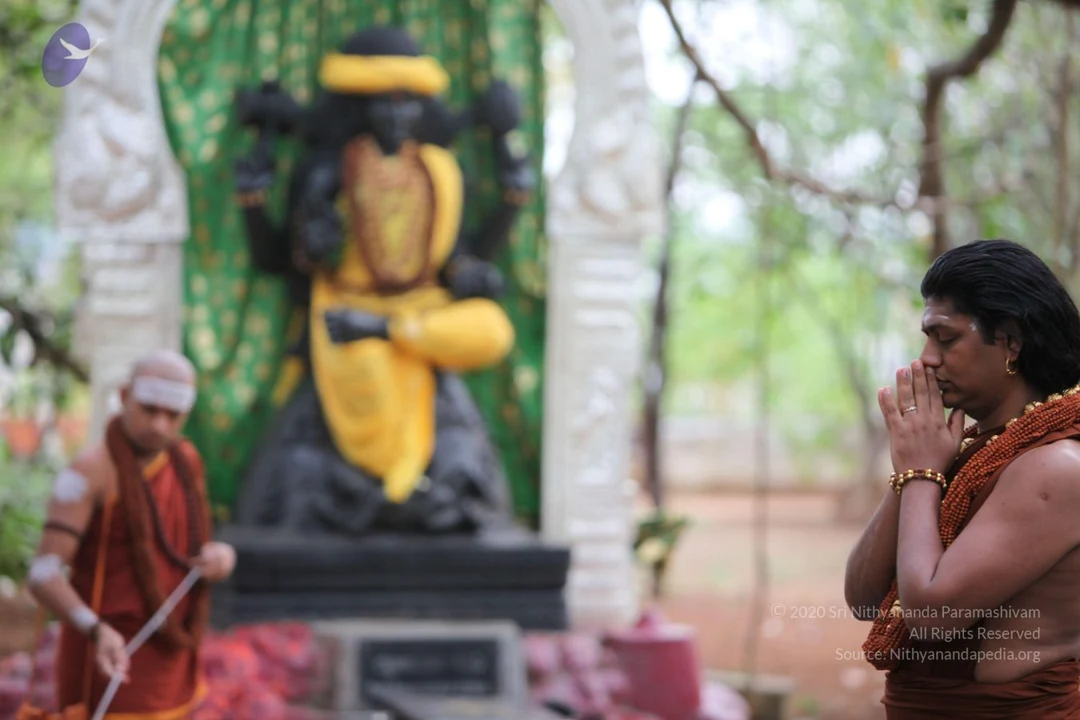
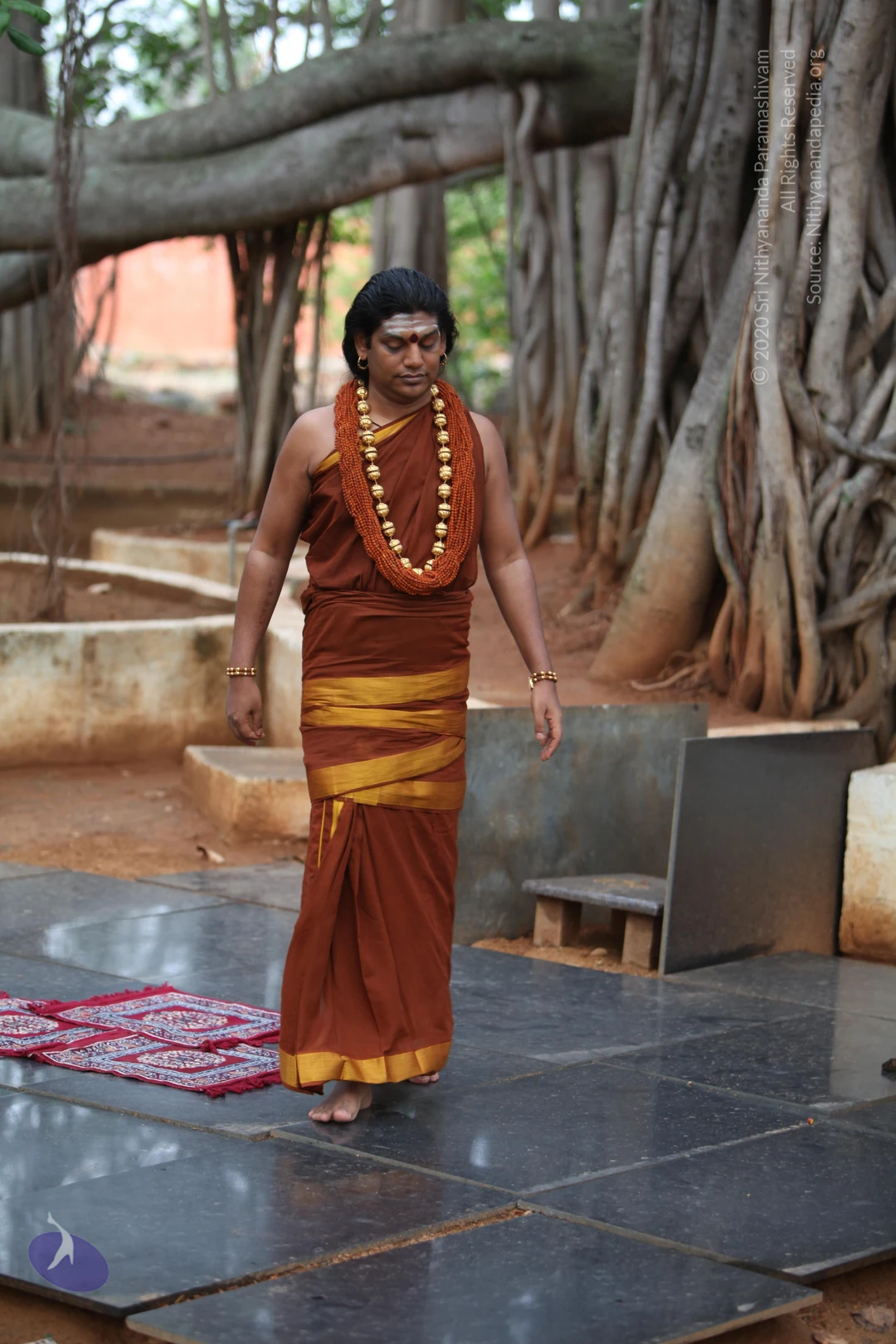
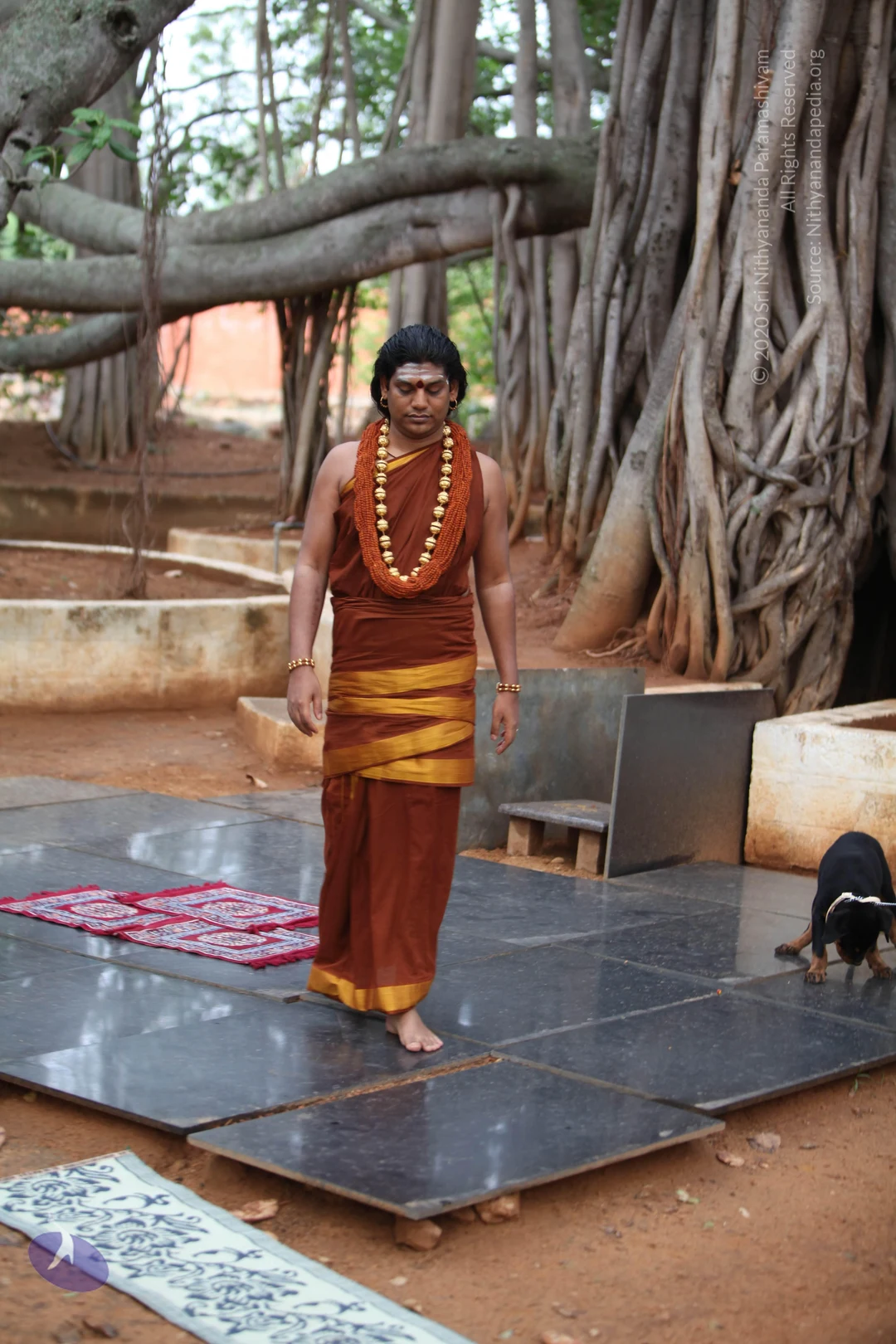
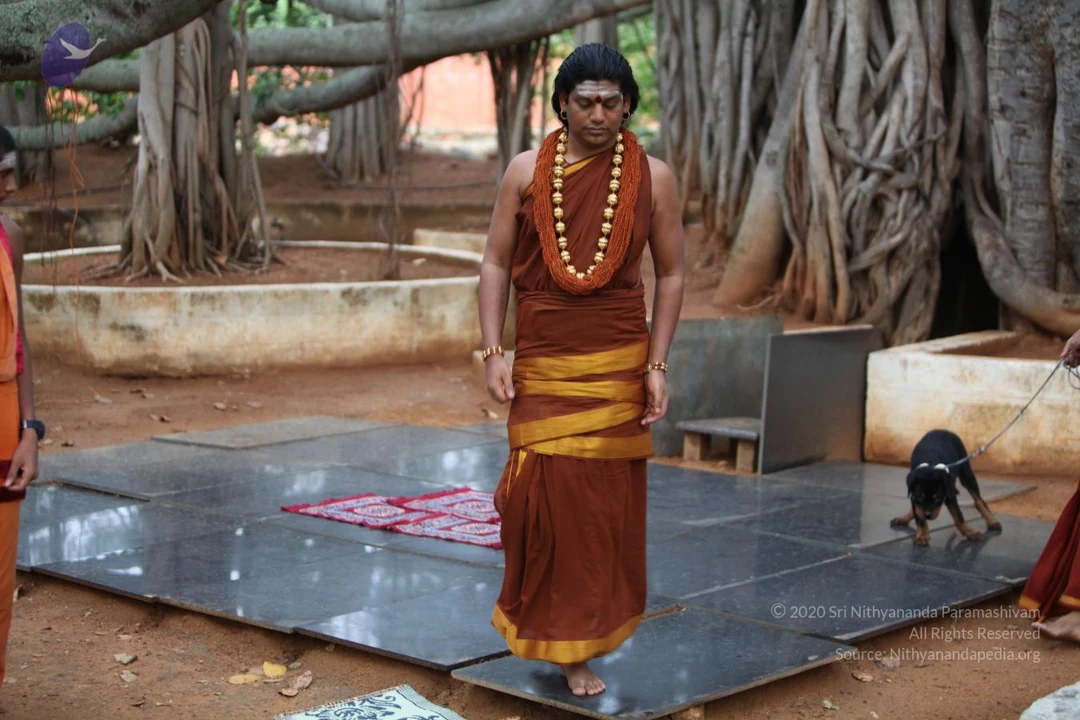
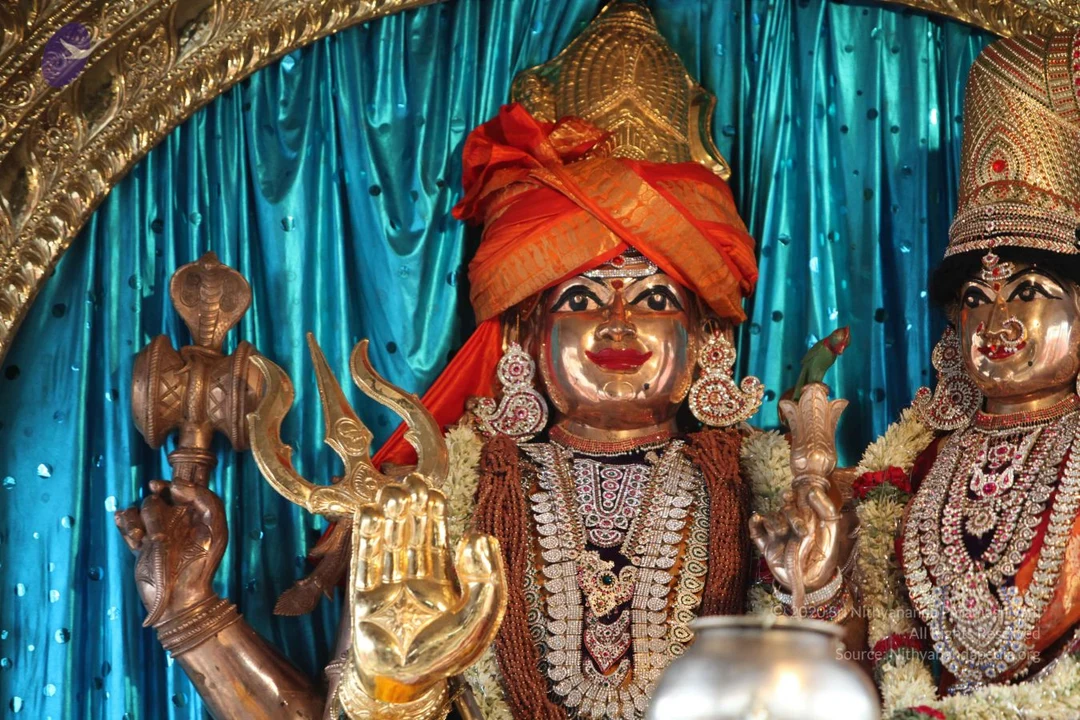
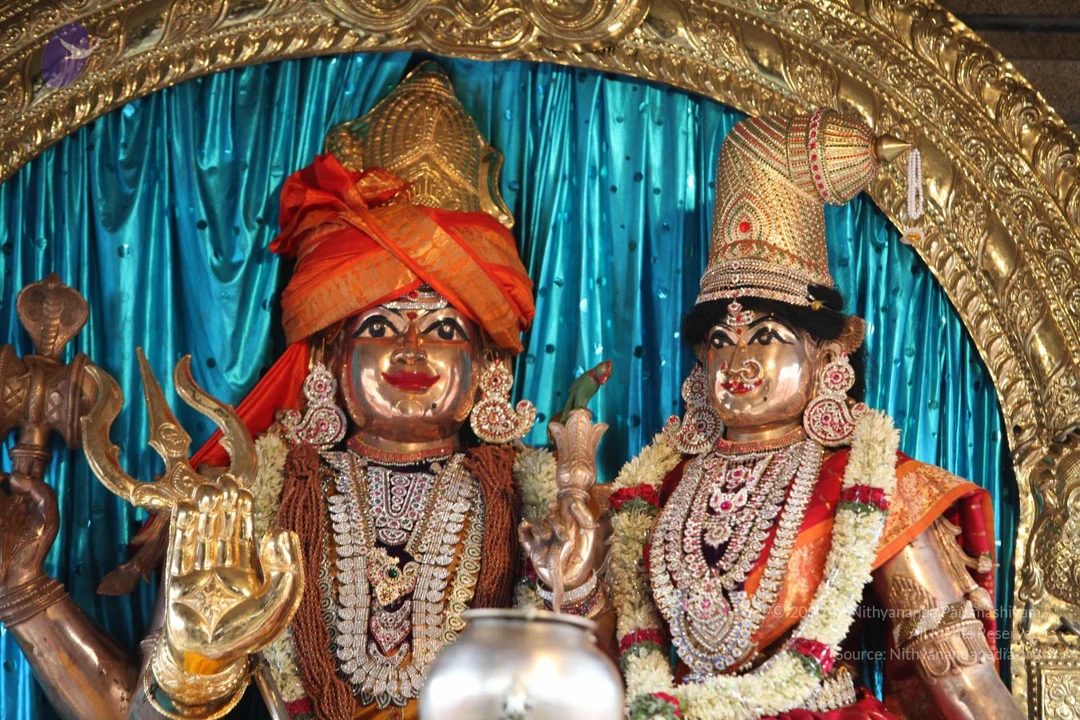
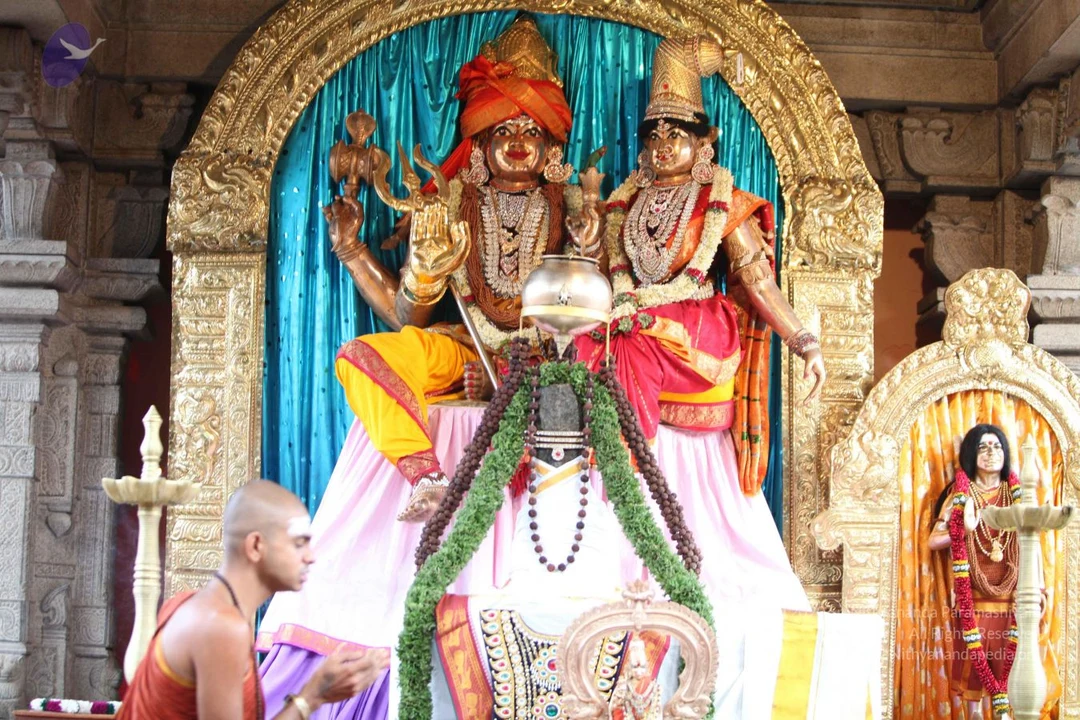
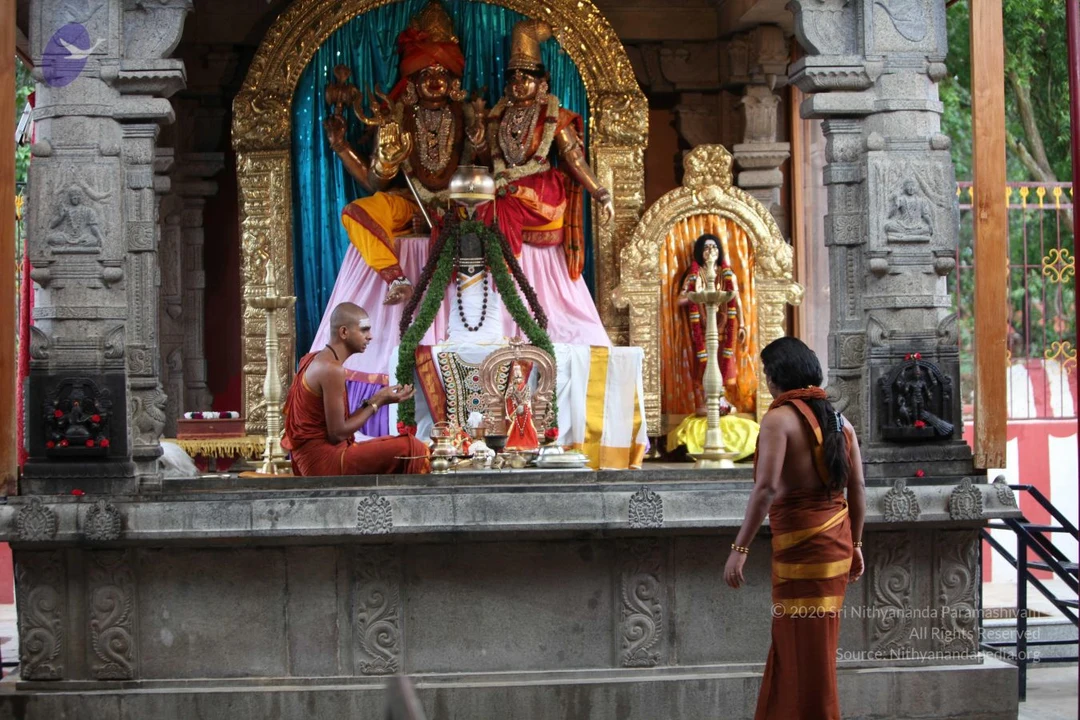
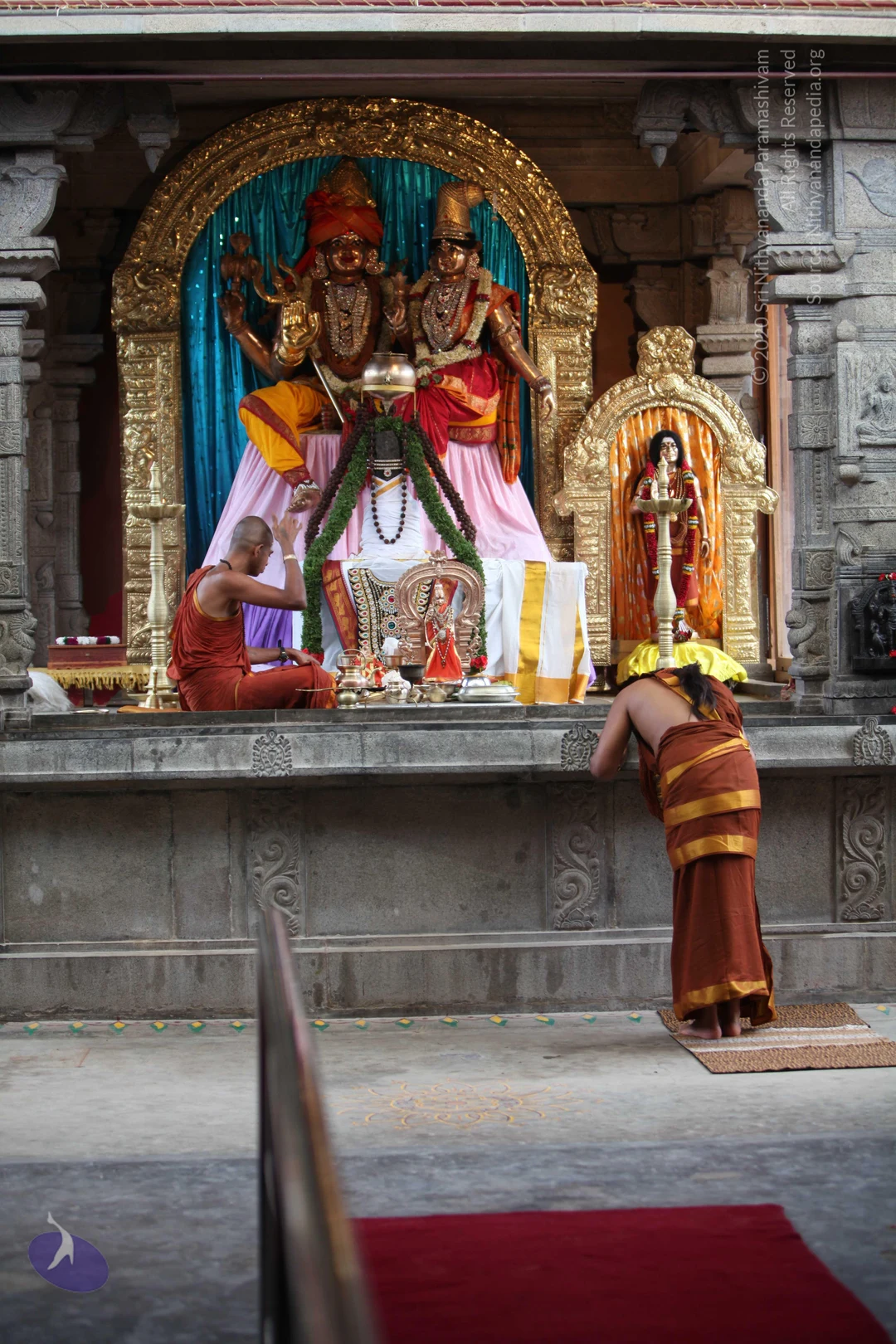
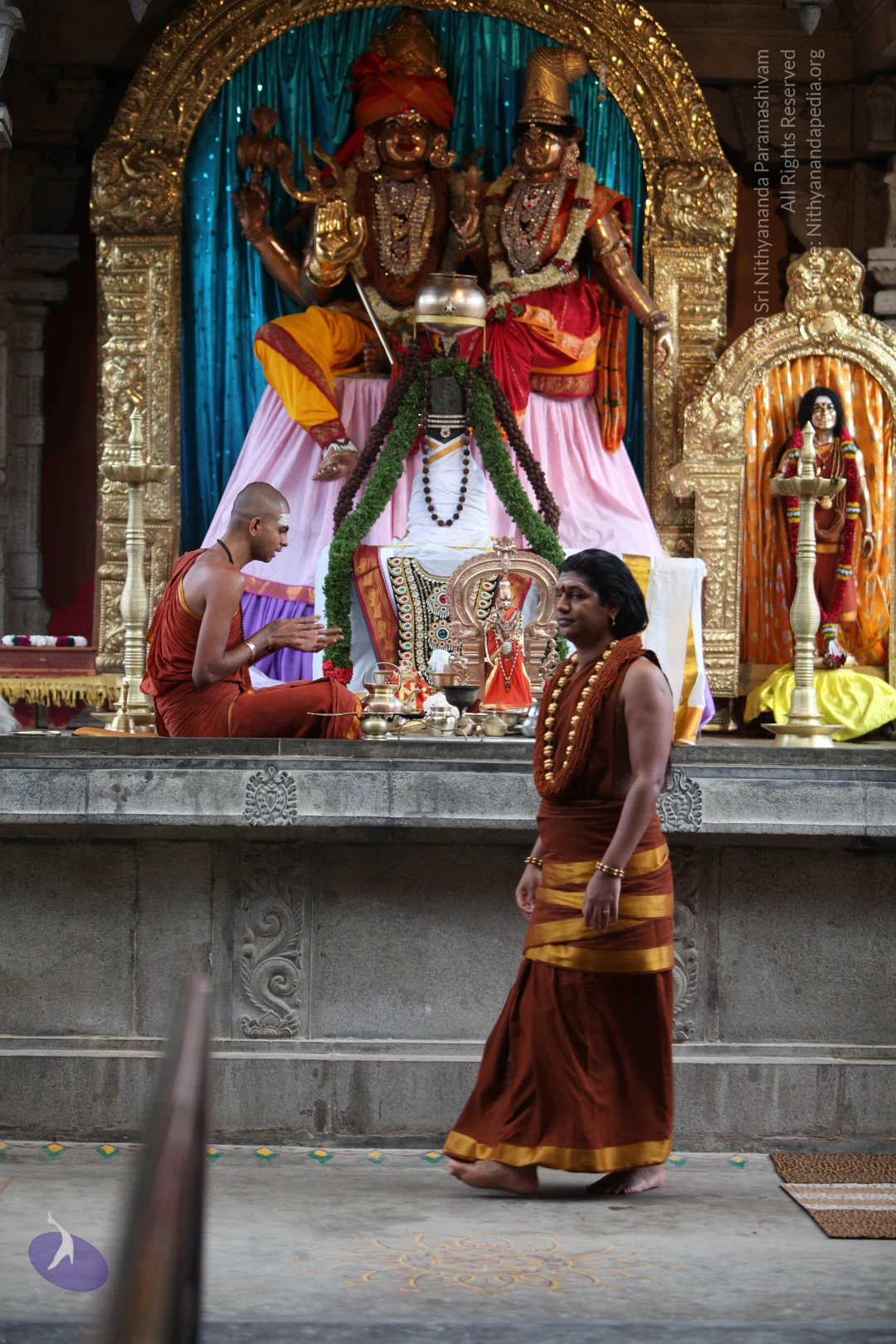
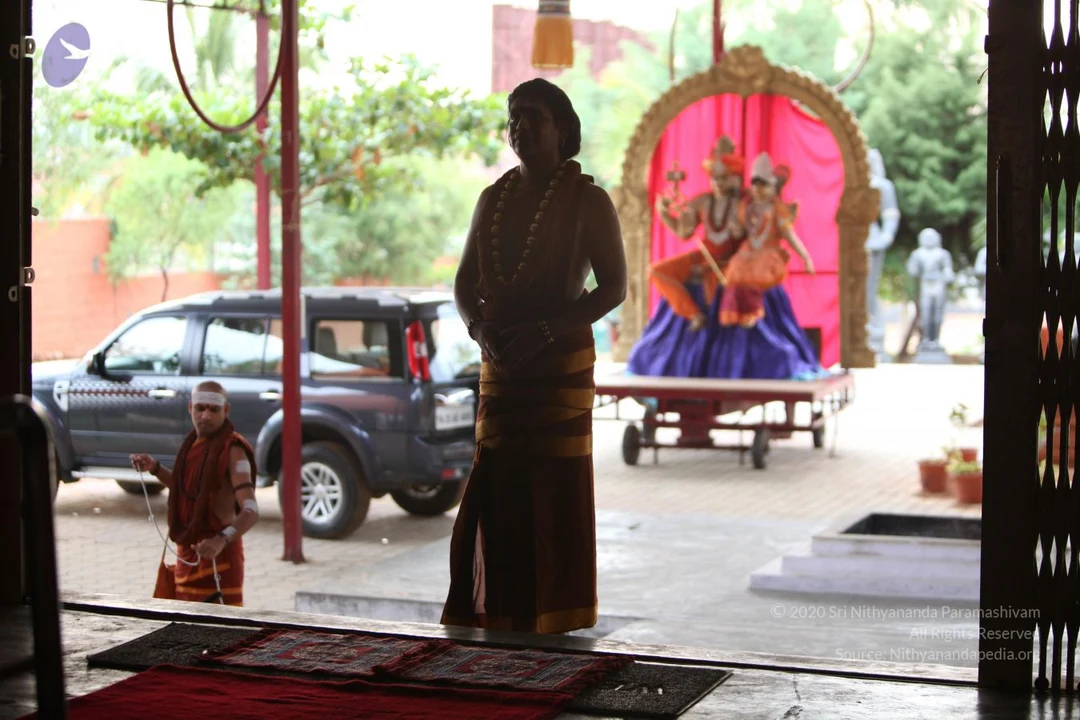
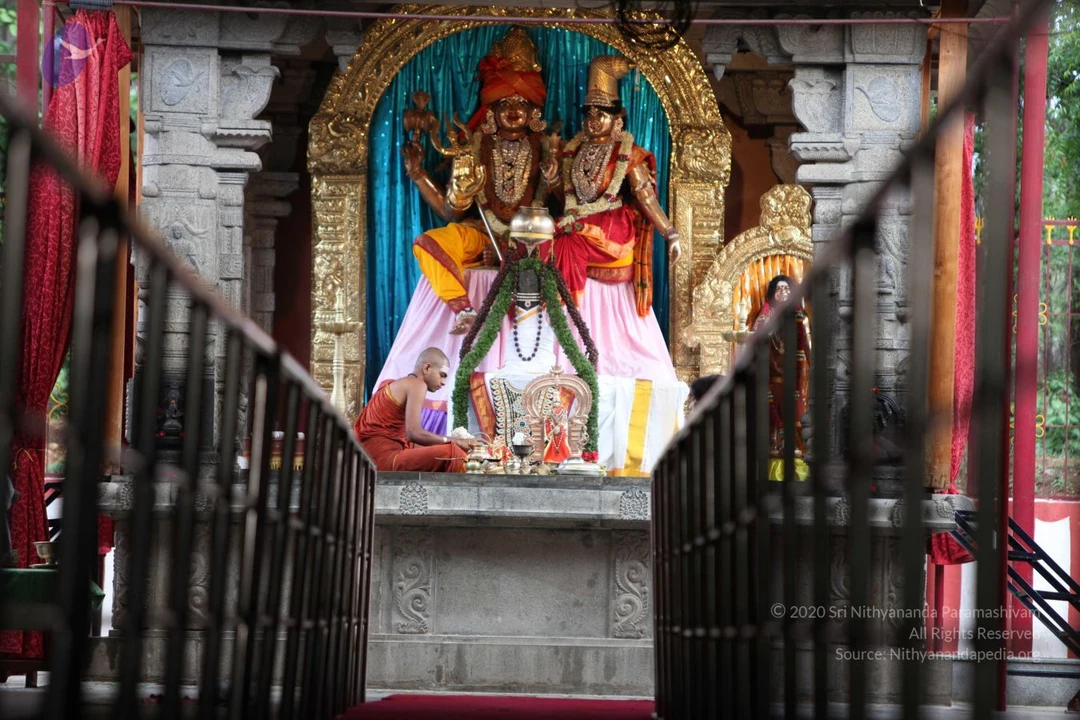
PADA-PUJA
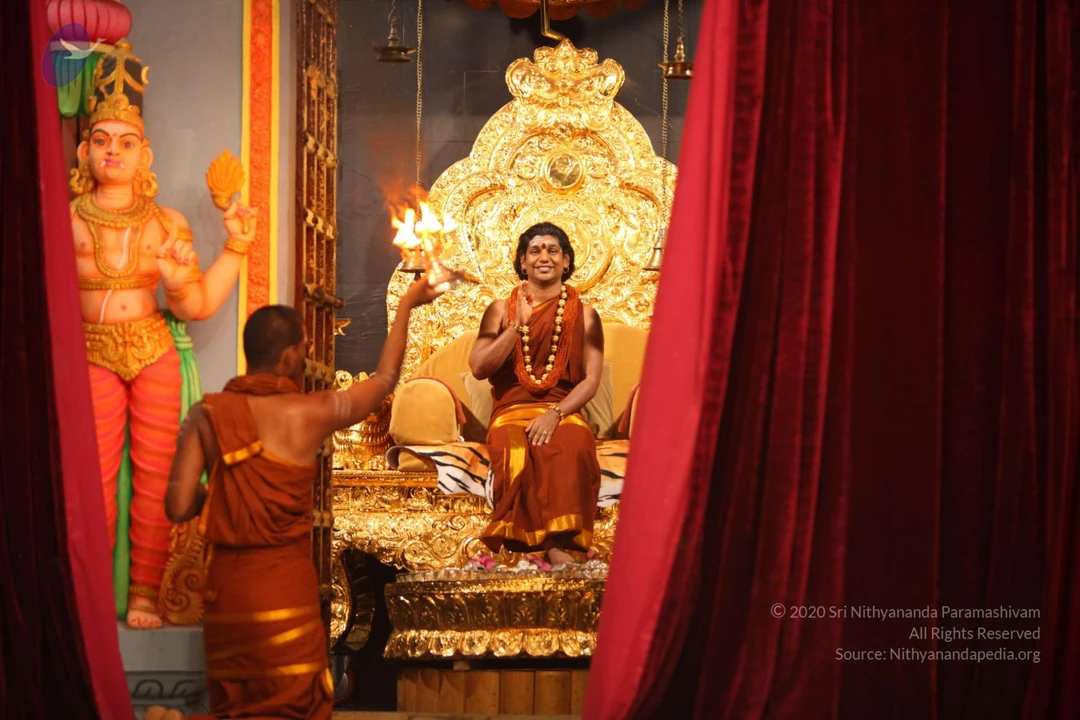
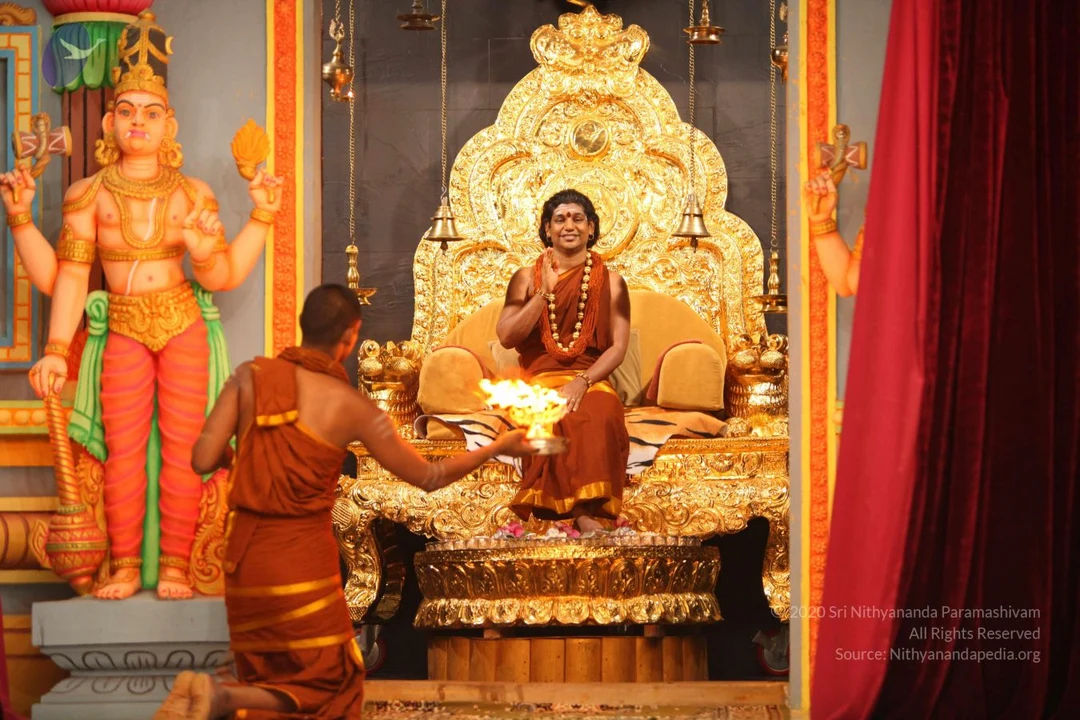
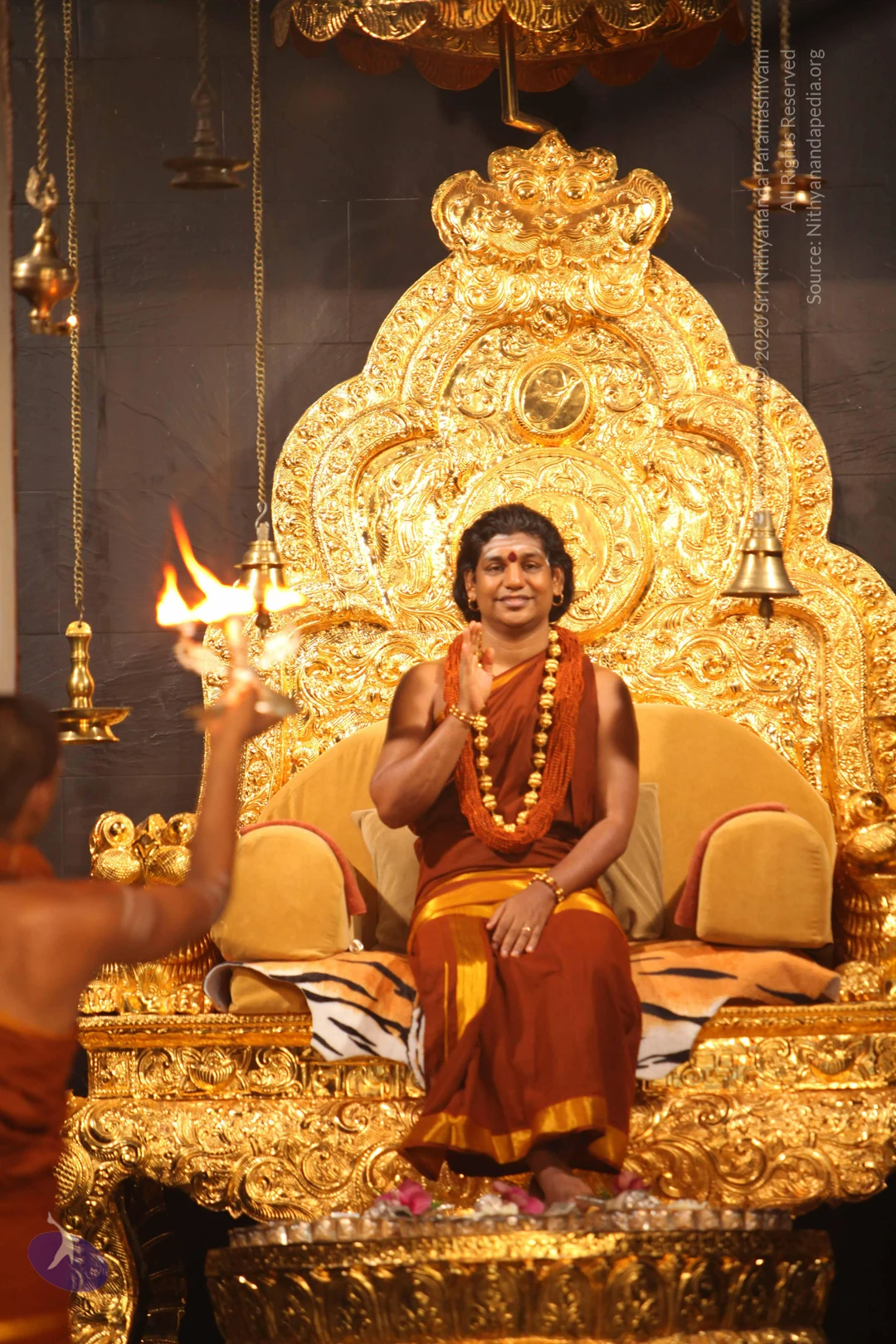
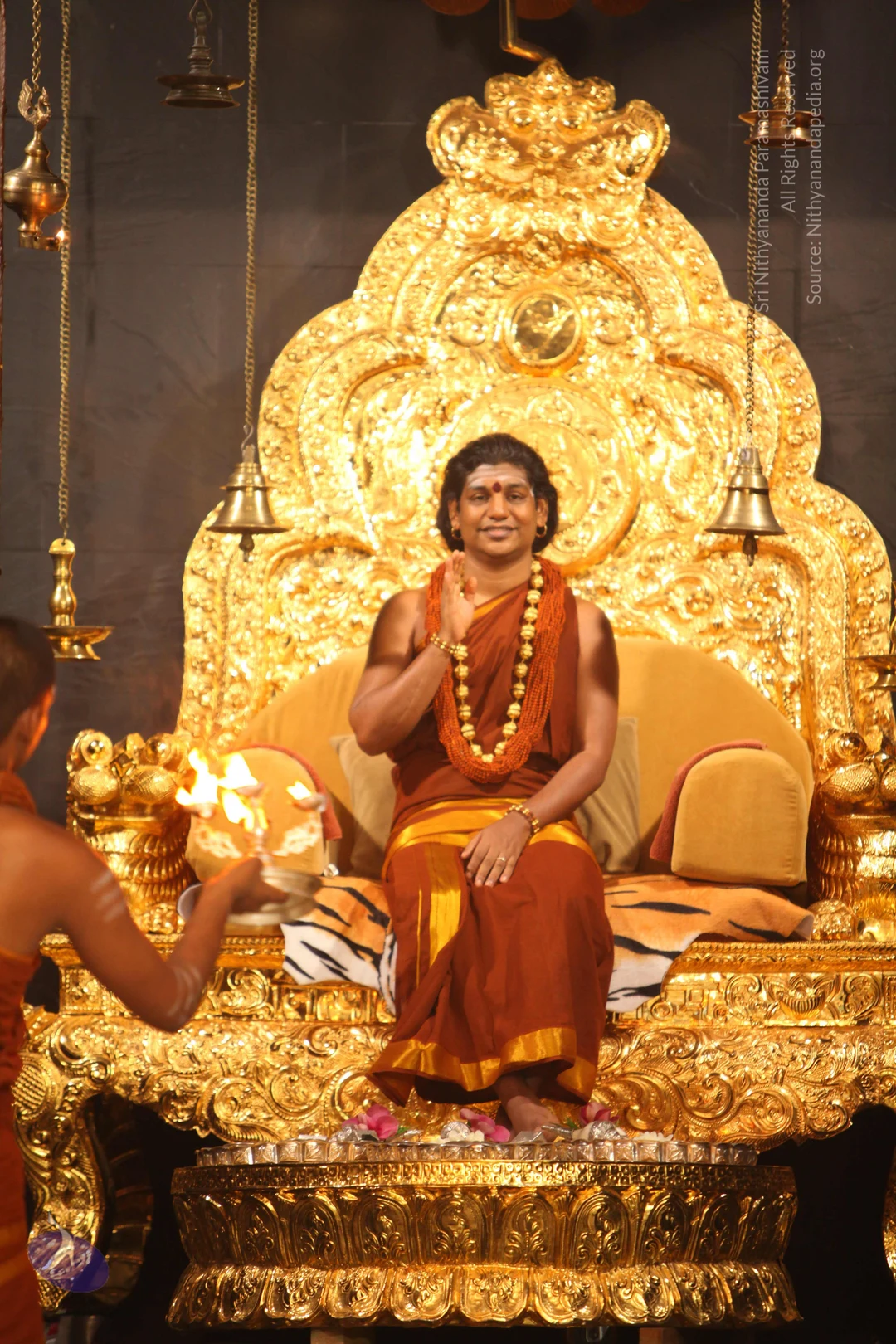
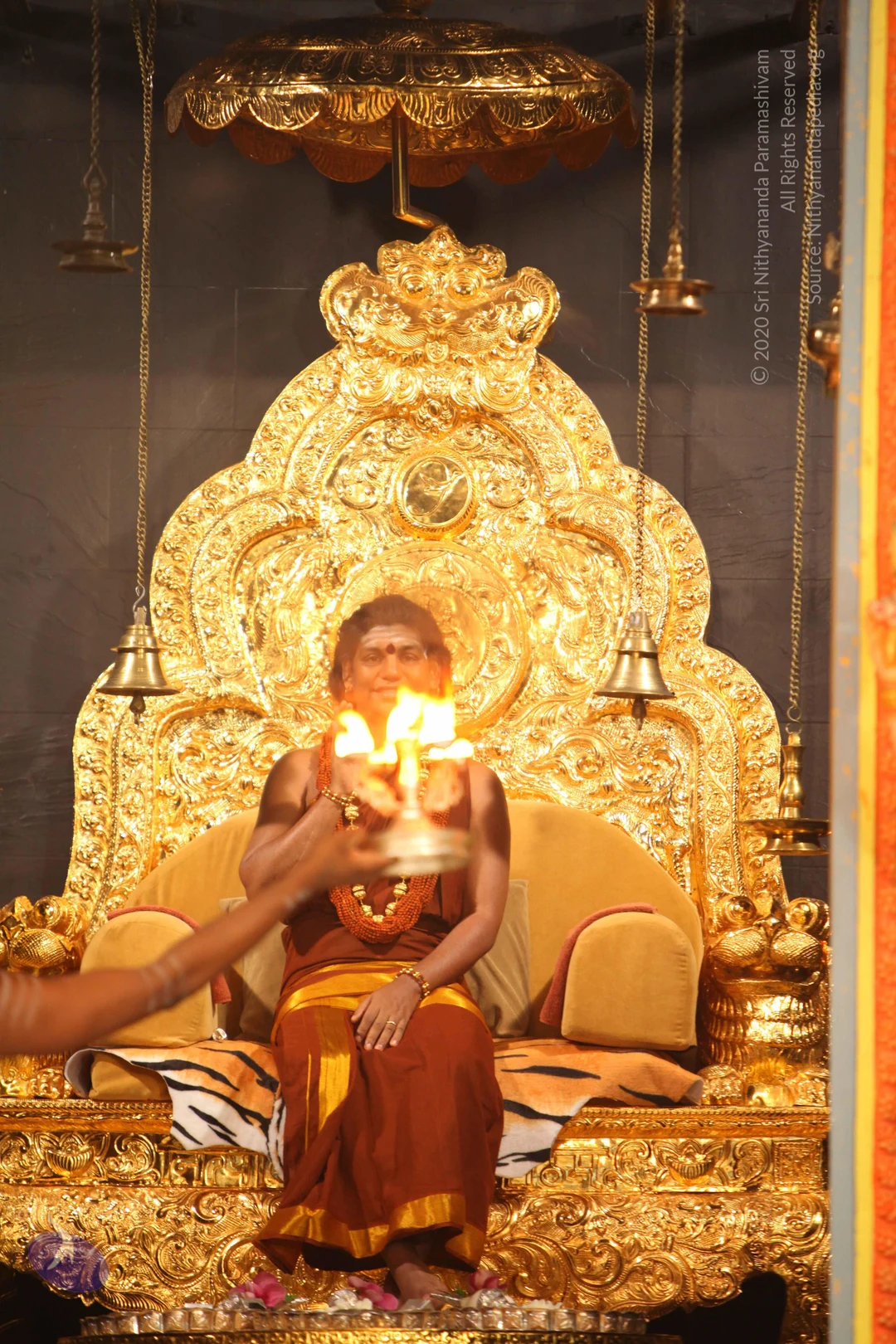
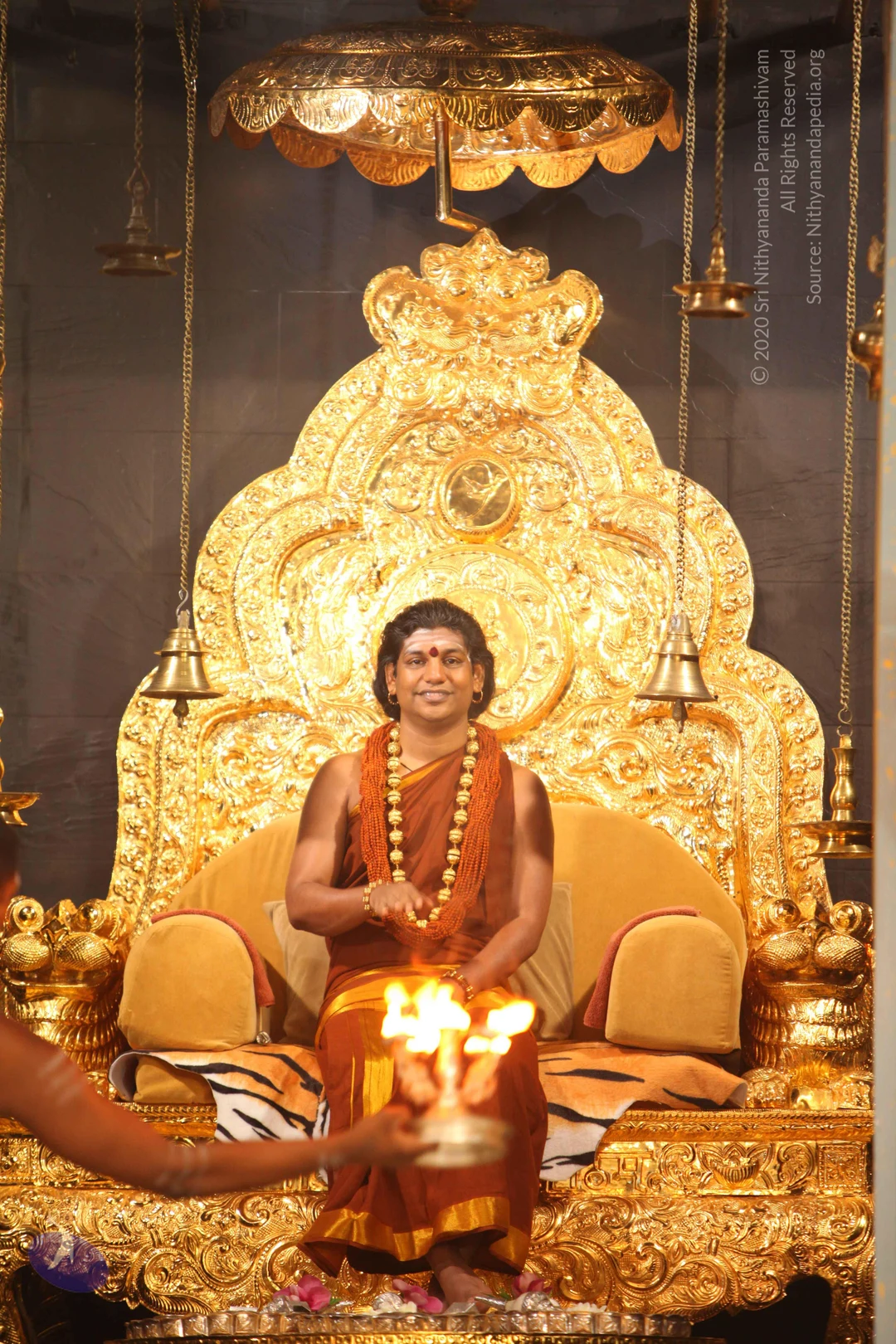
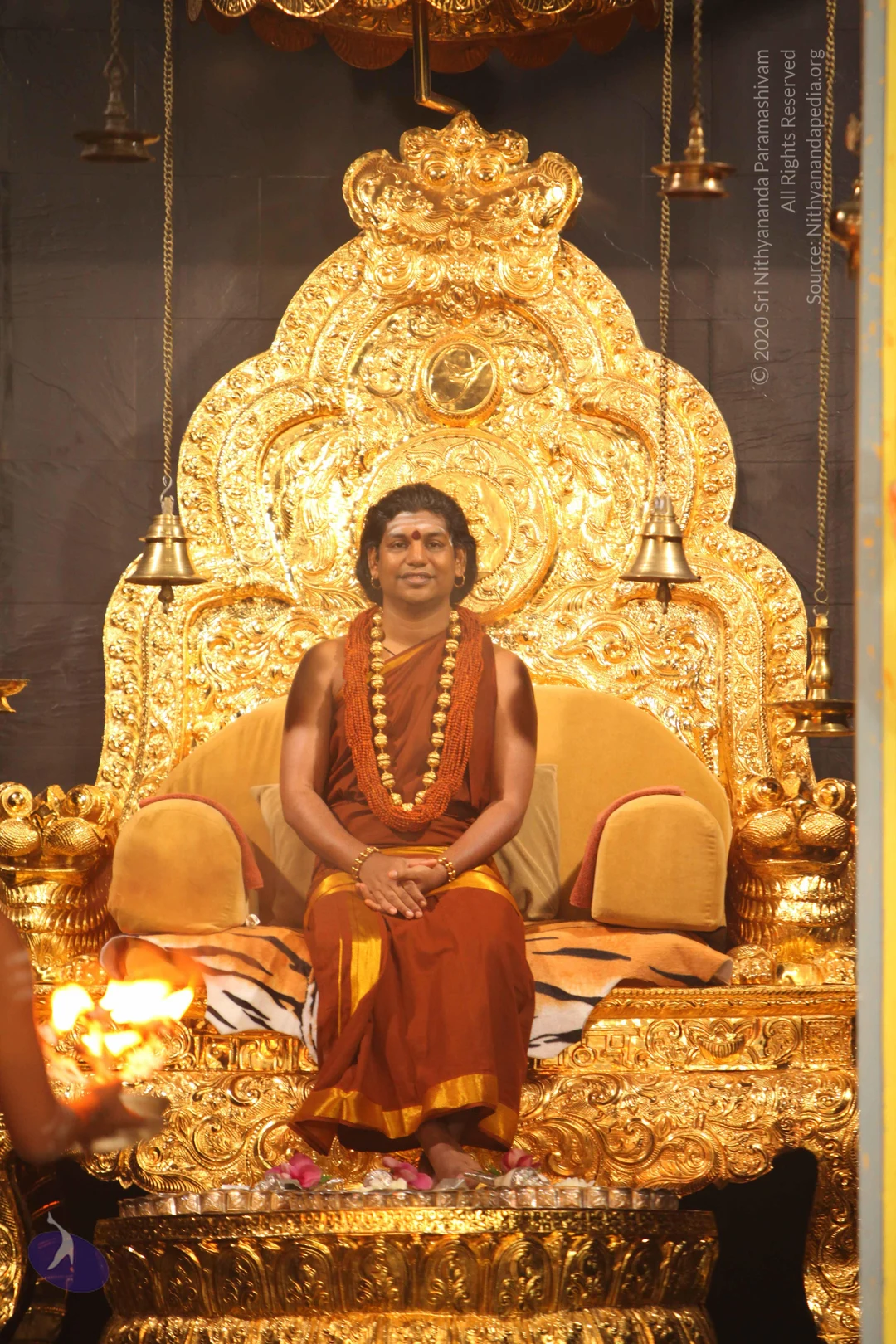
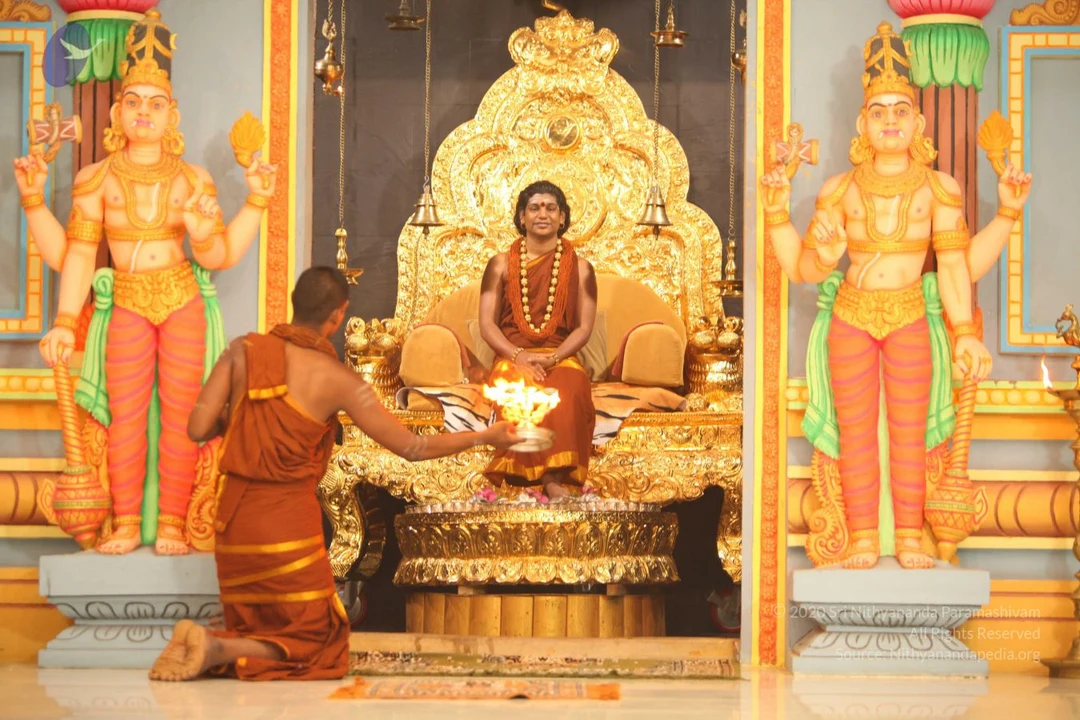
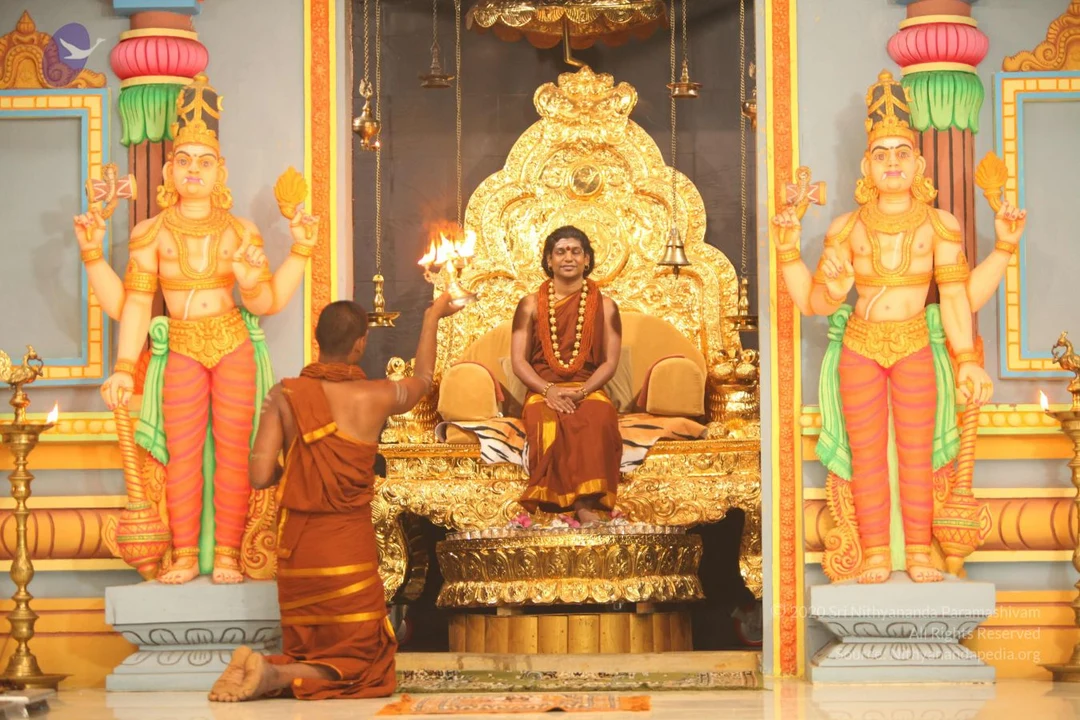
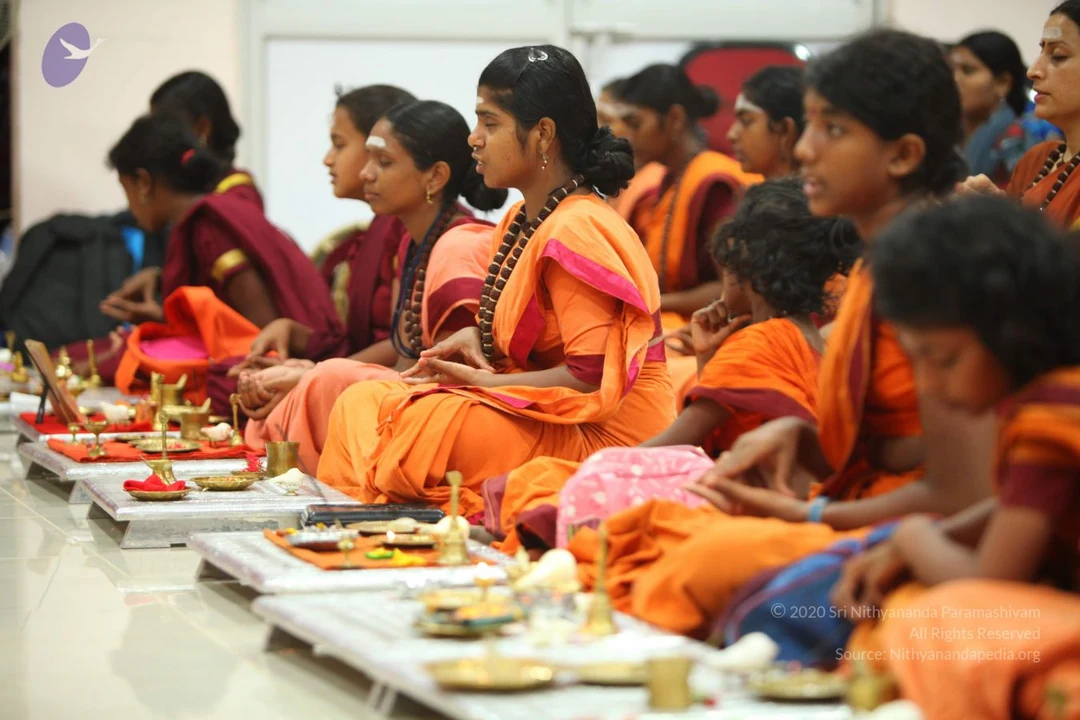

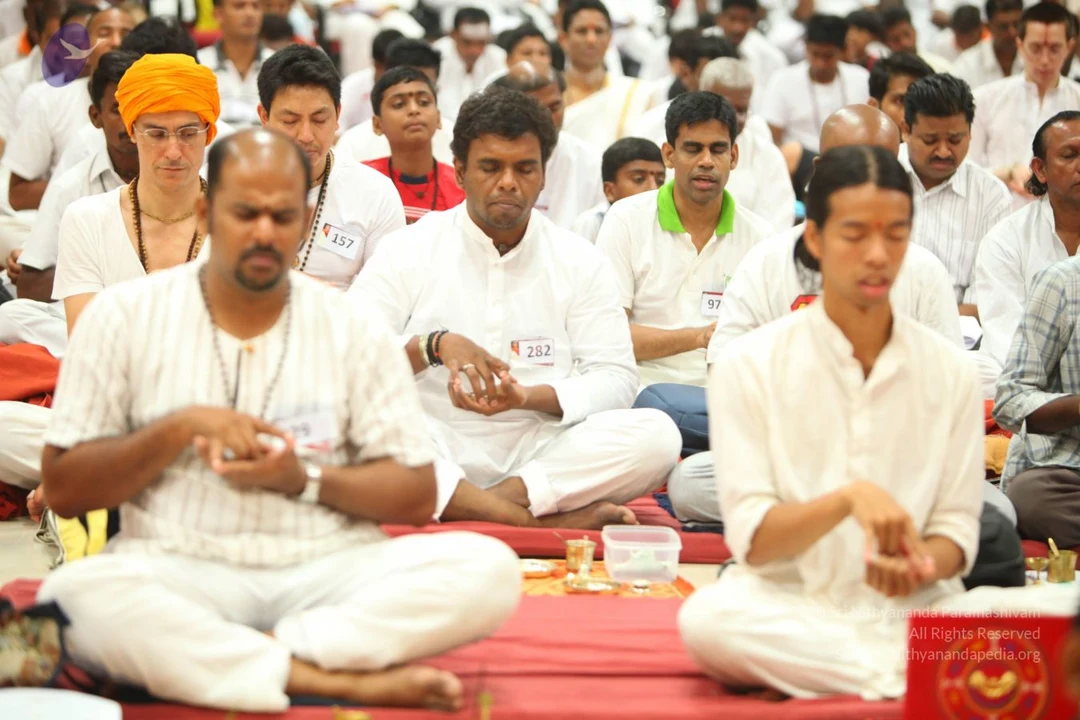
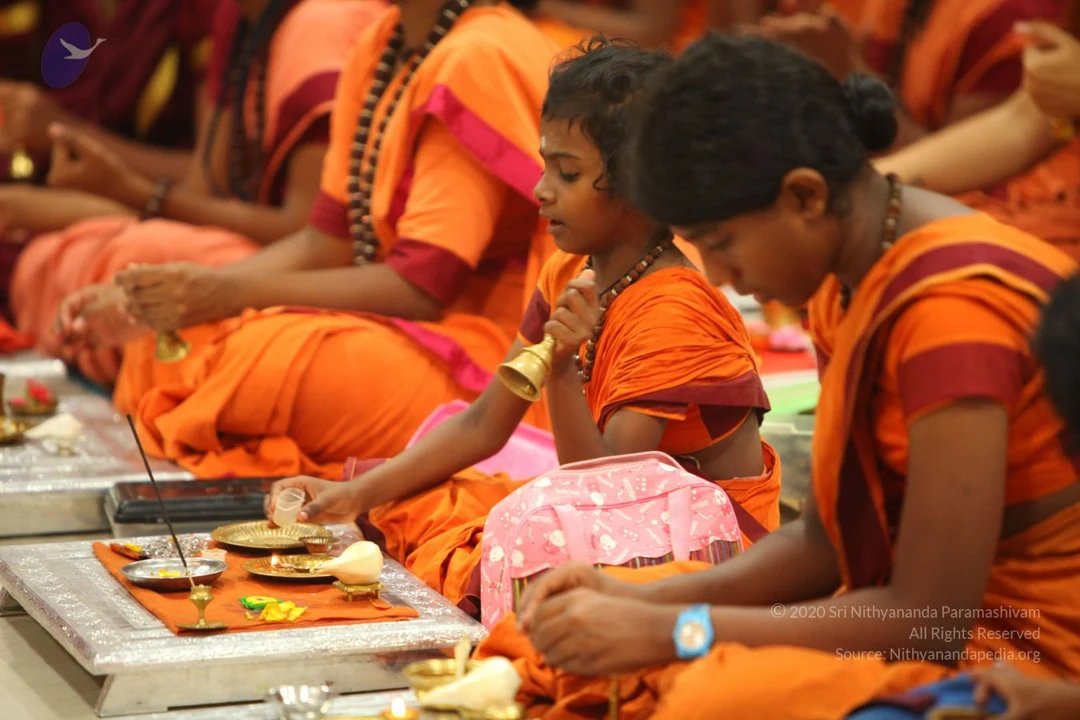
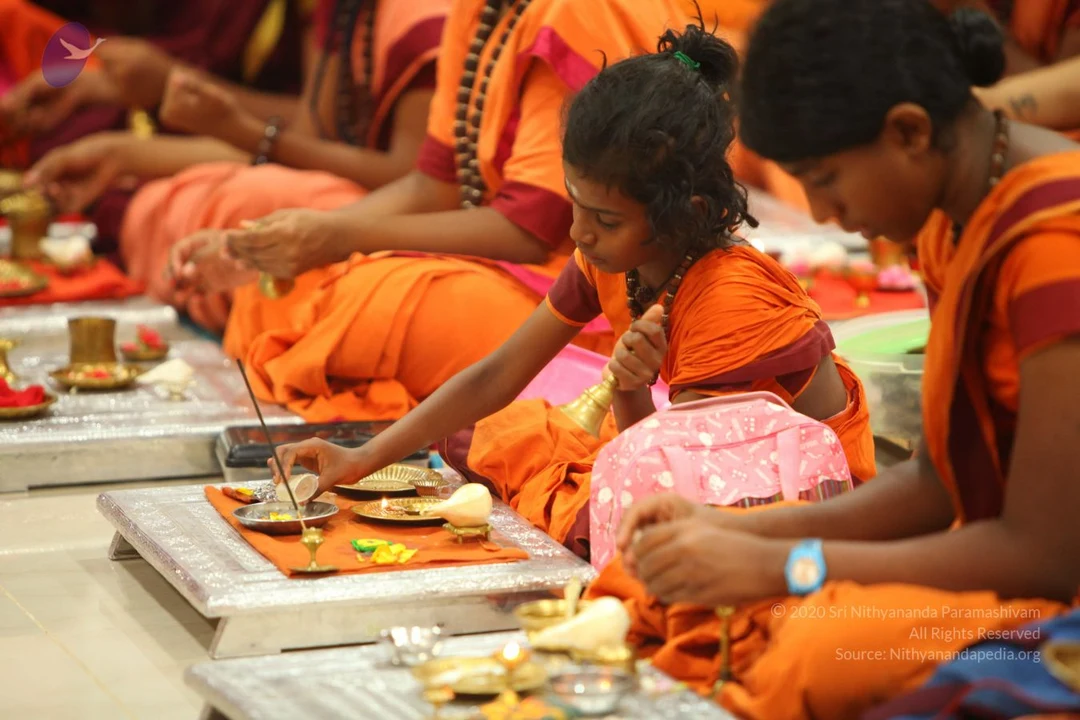
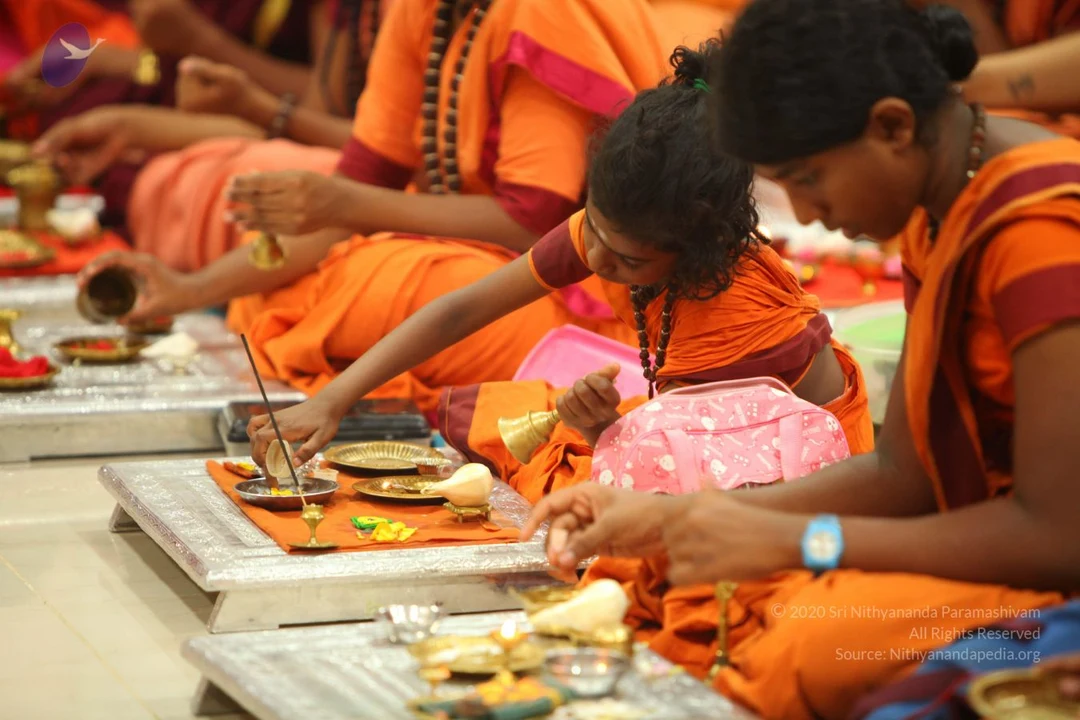
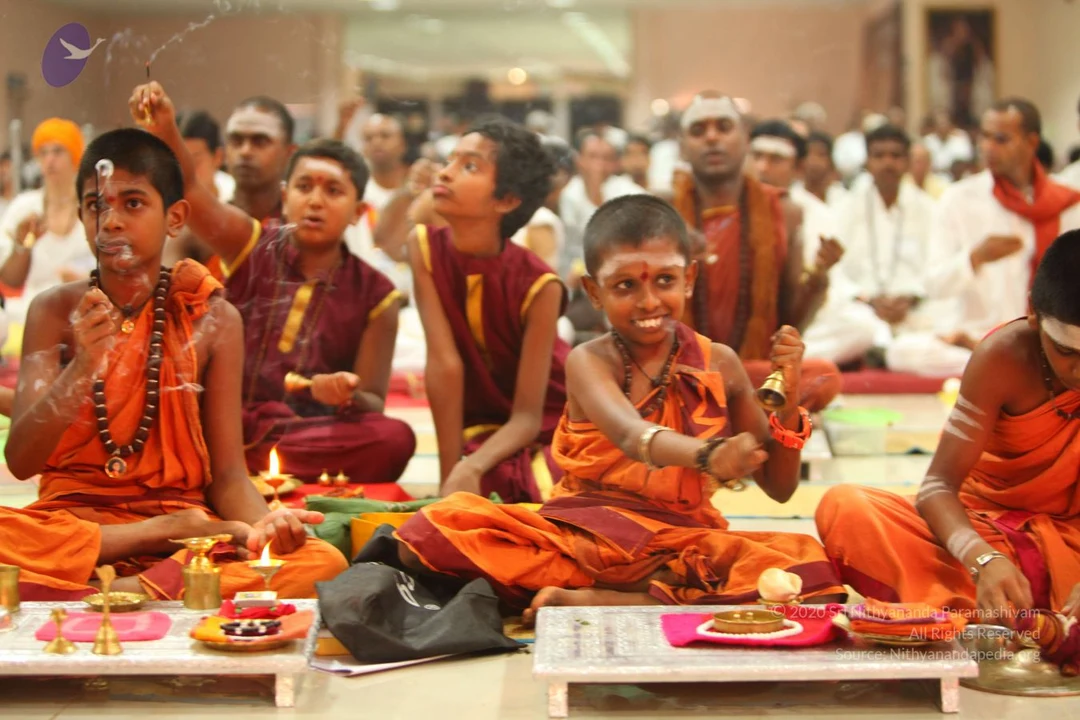
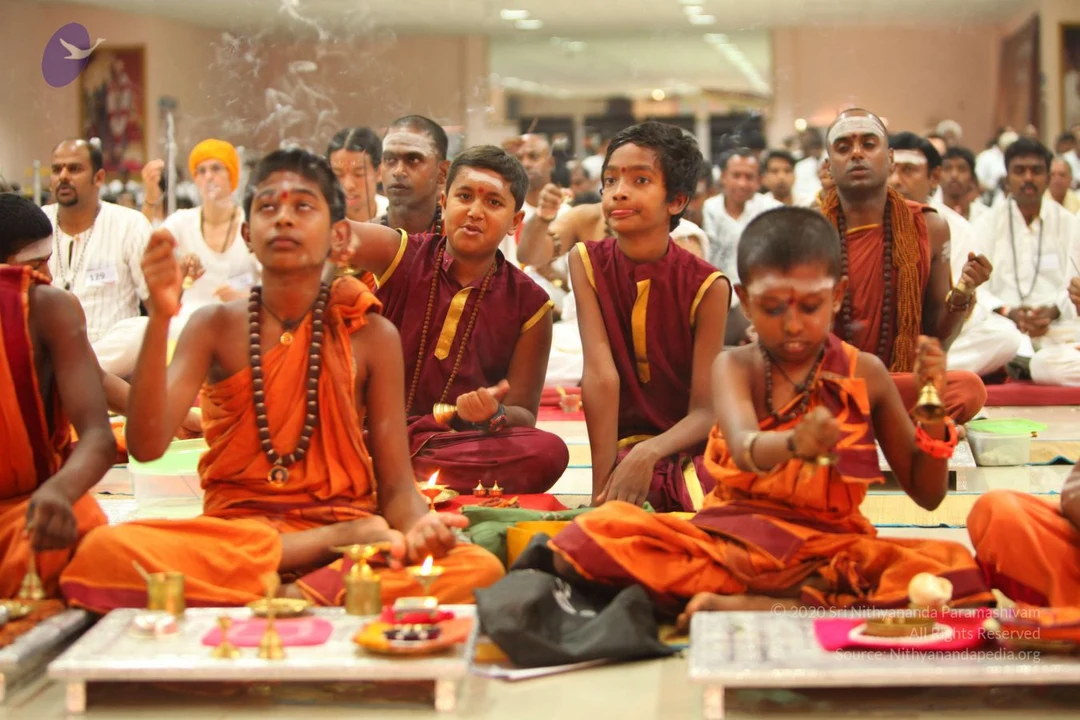
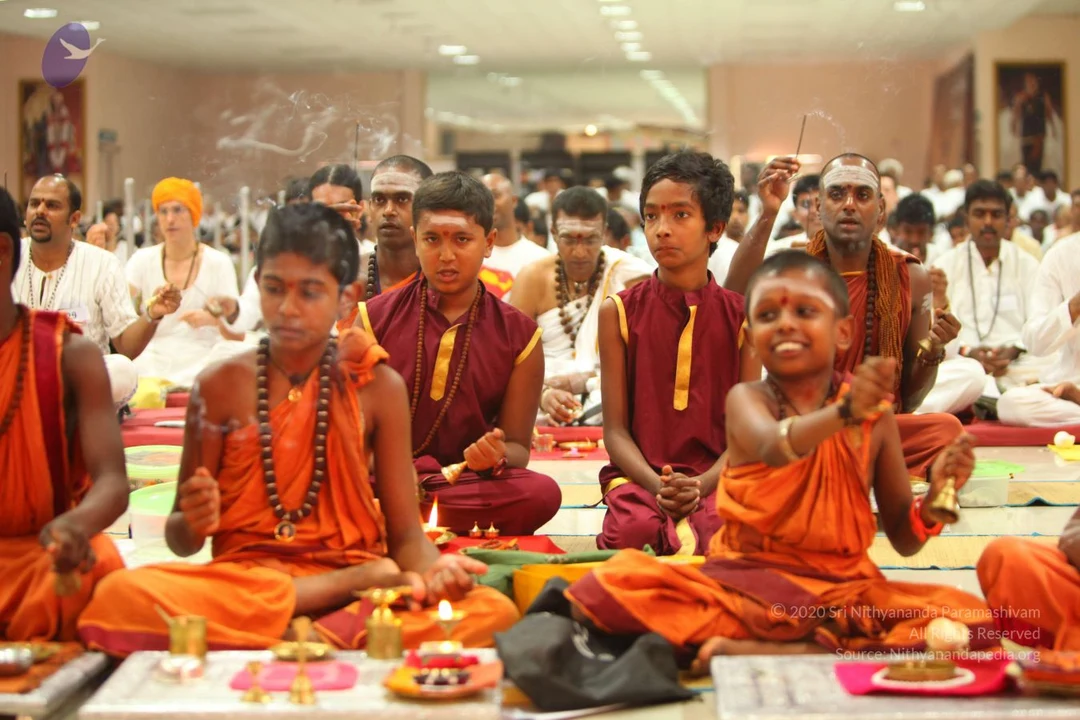
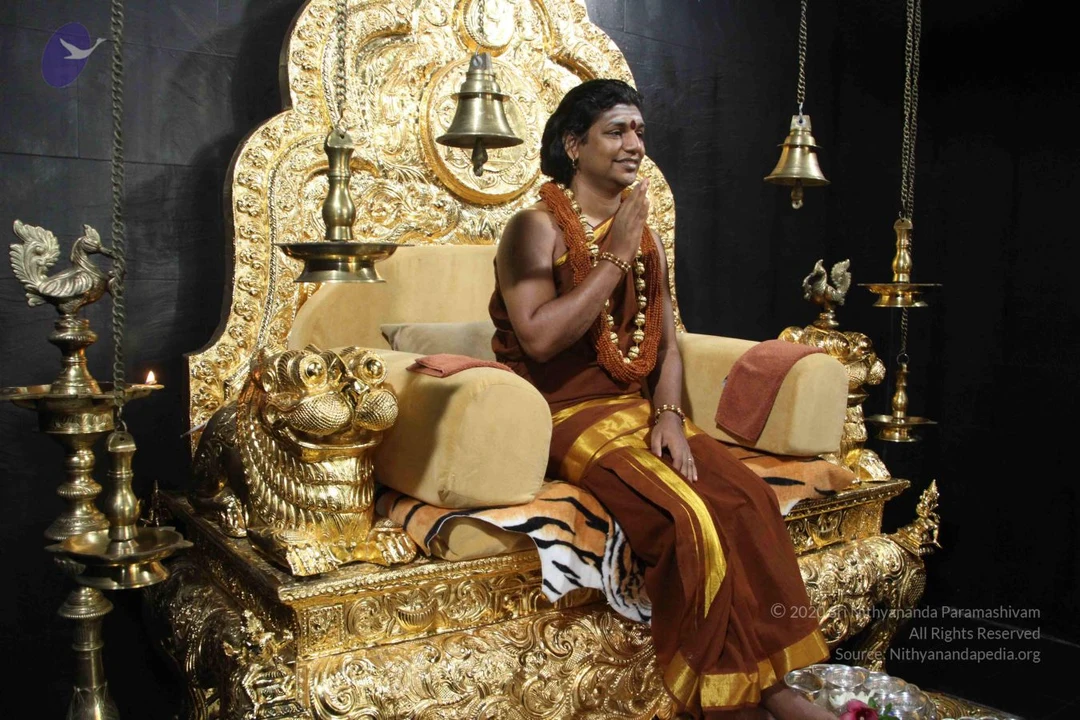
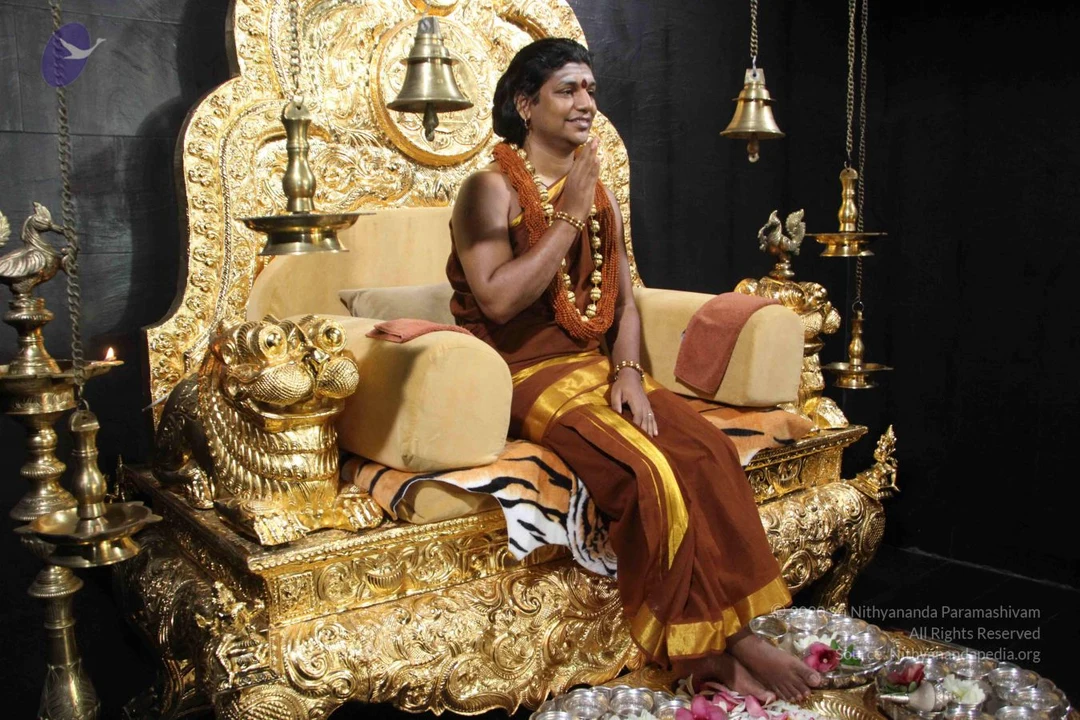
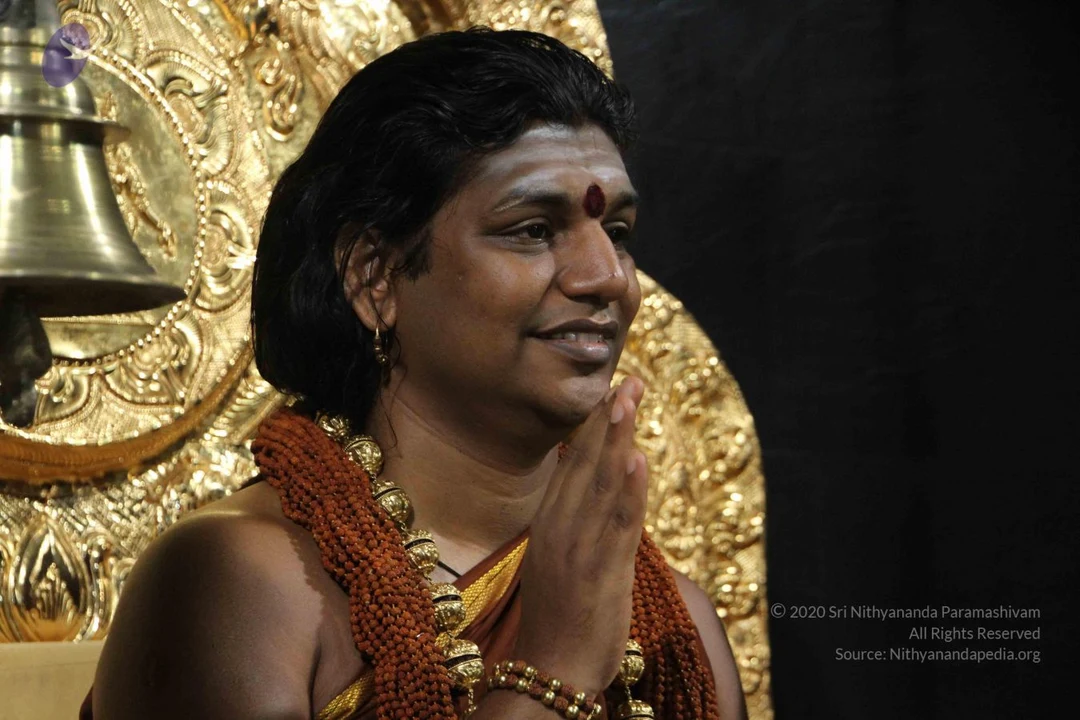
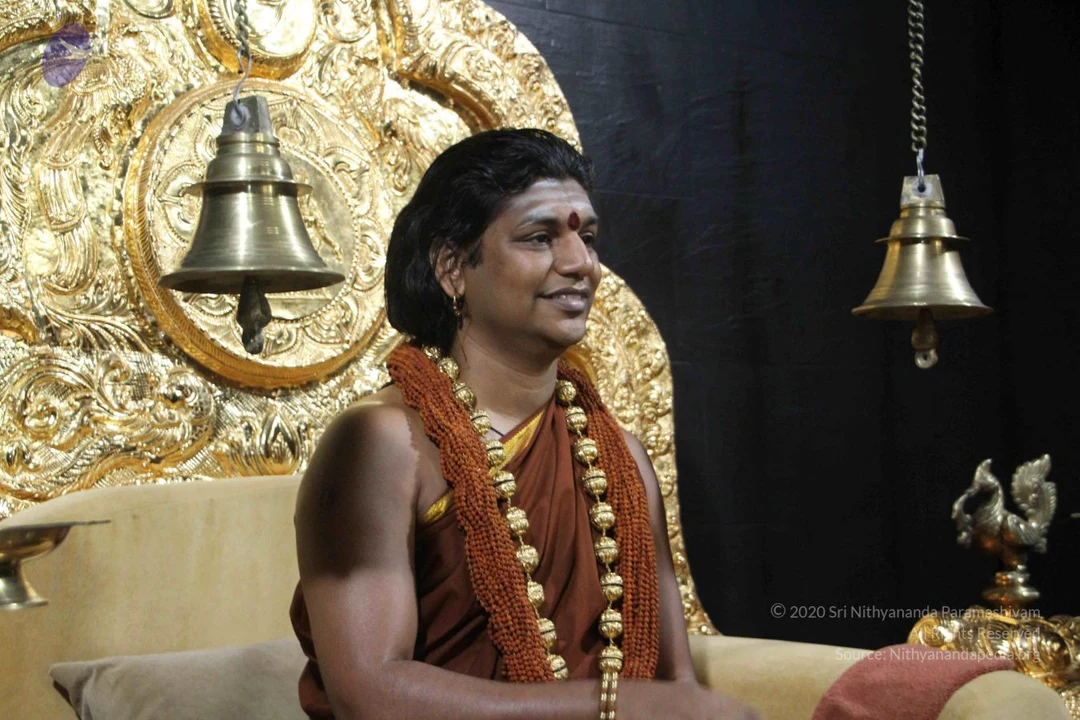
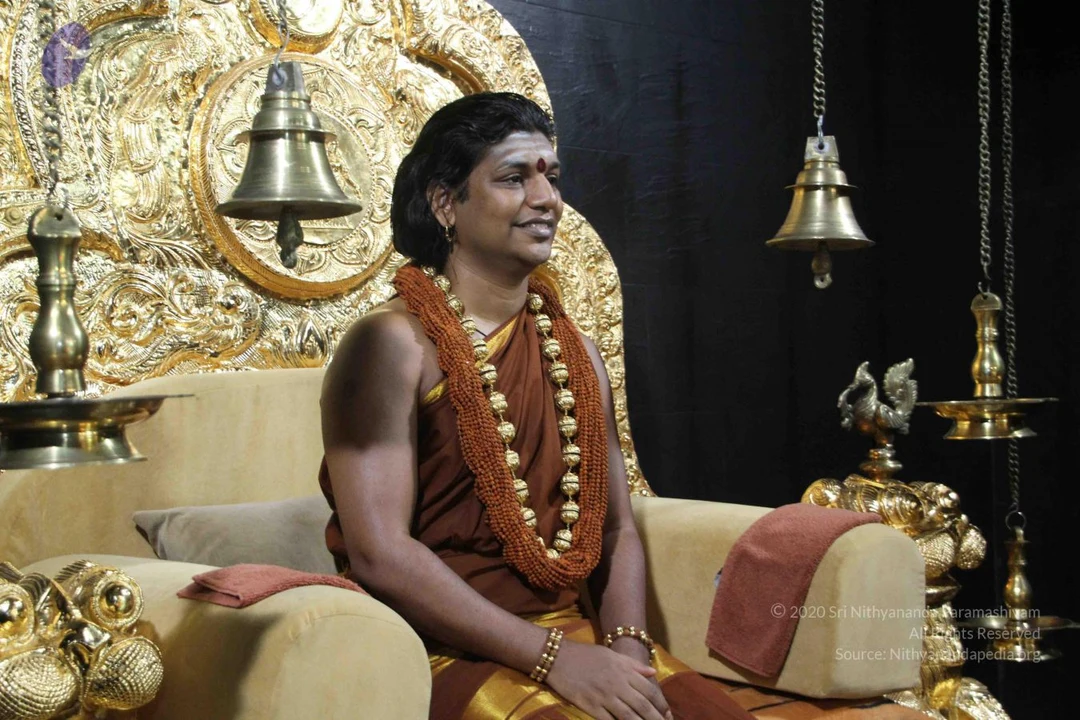
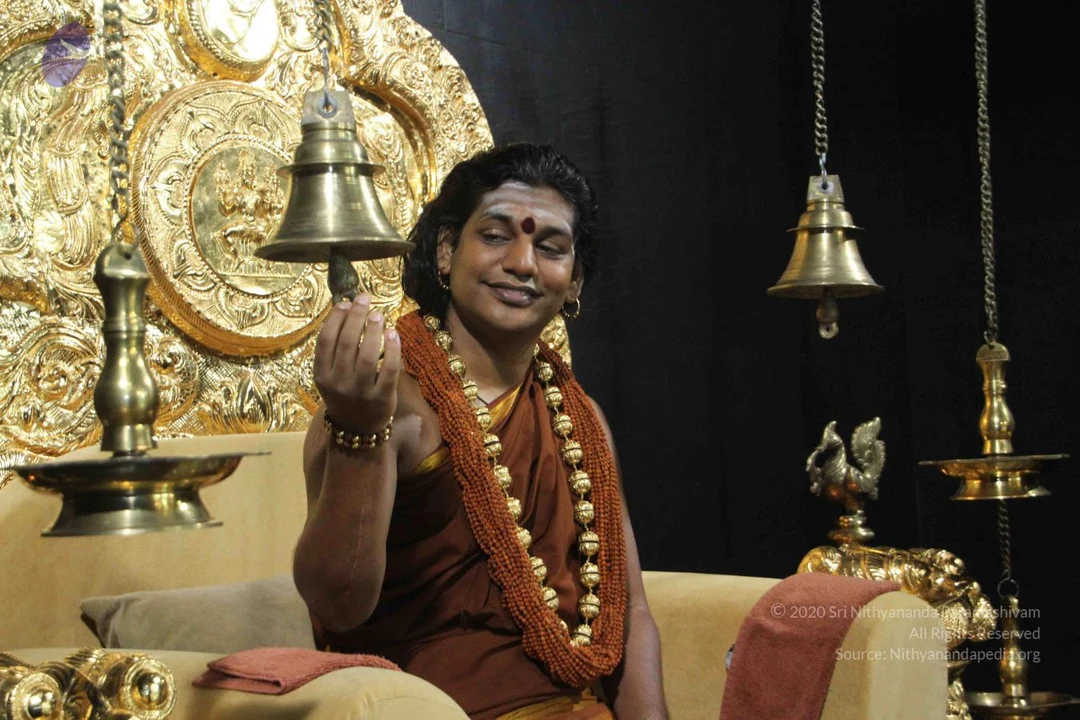
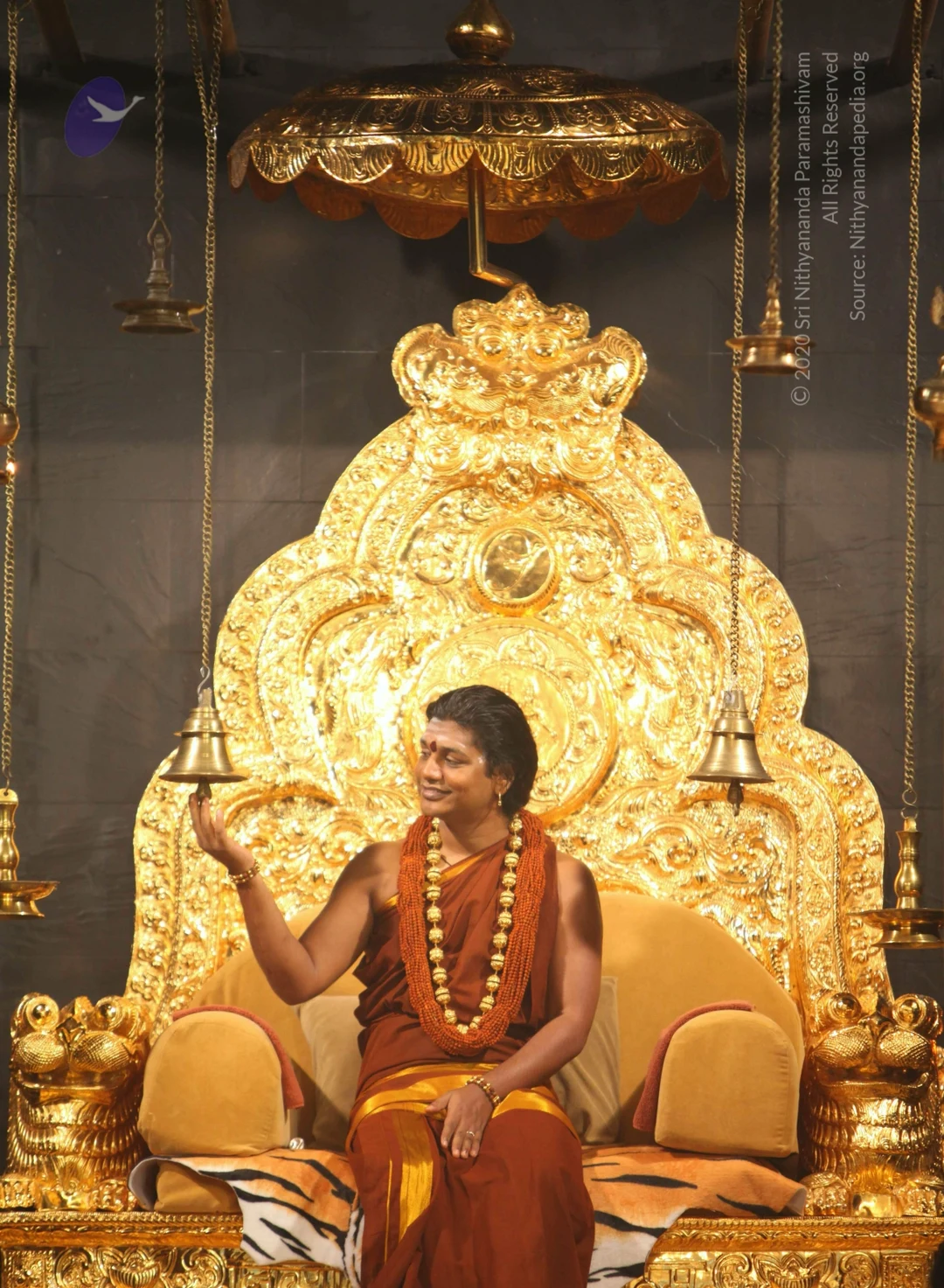
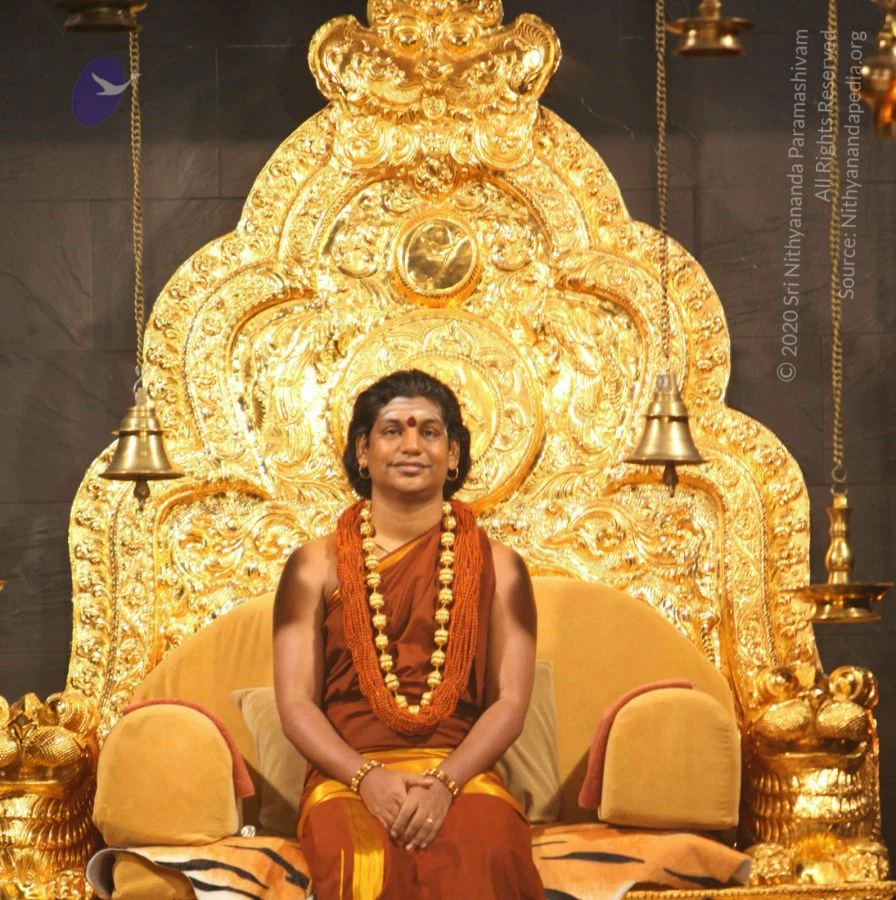
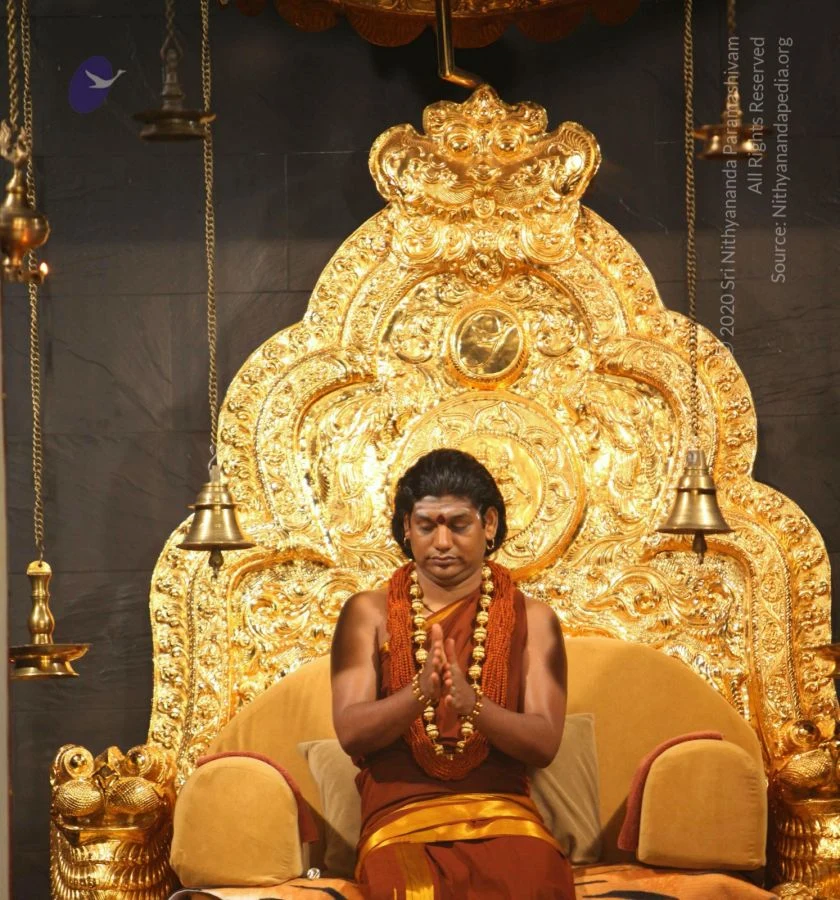
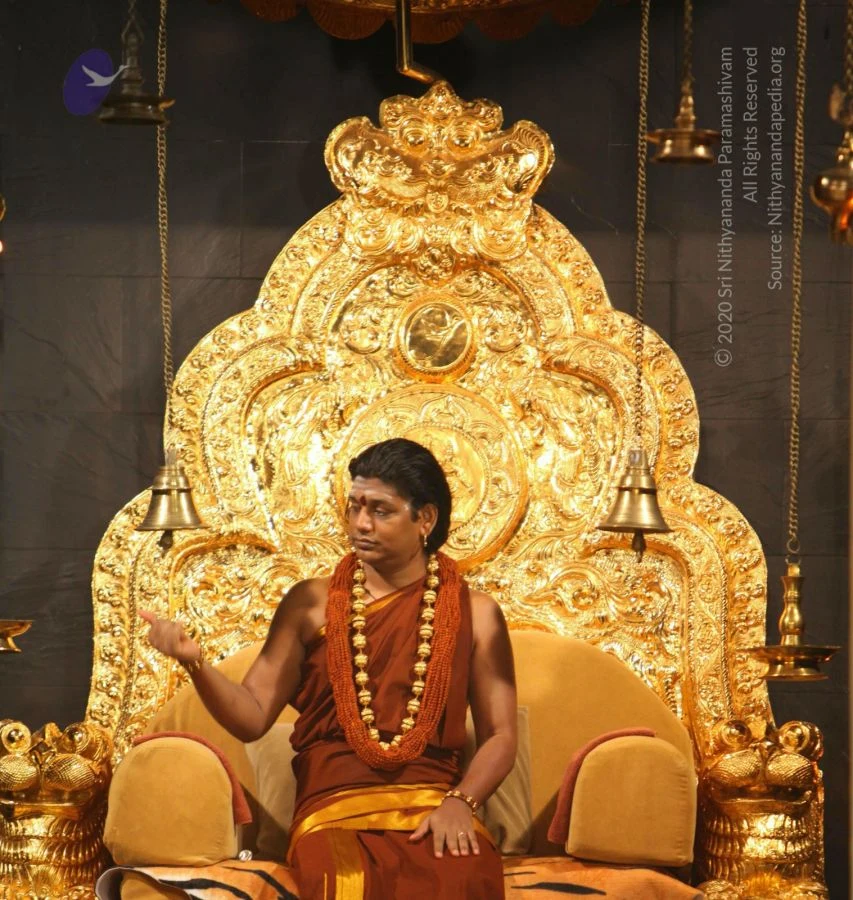
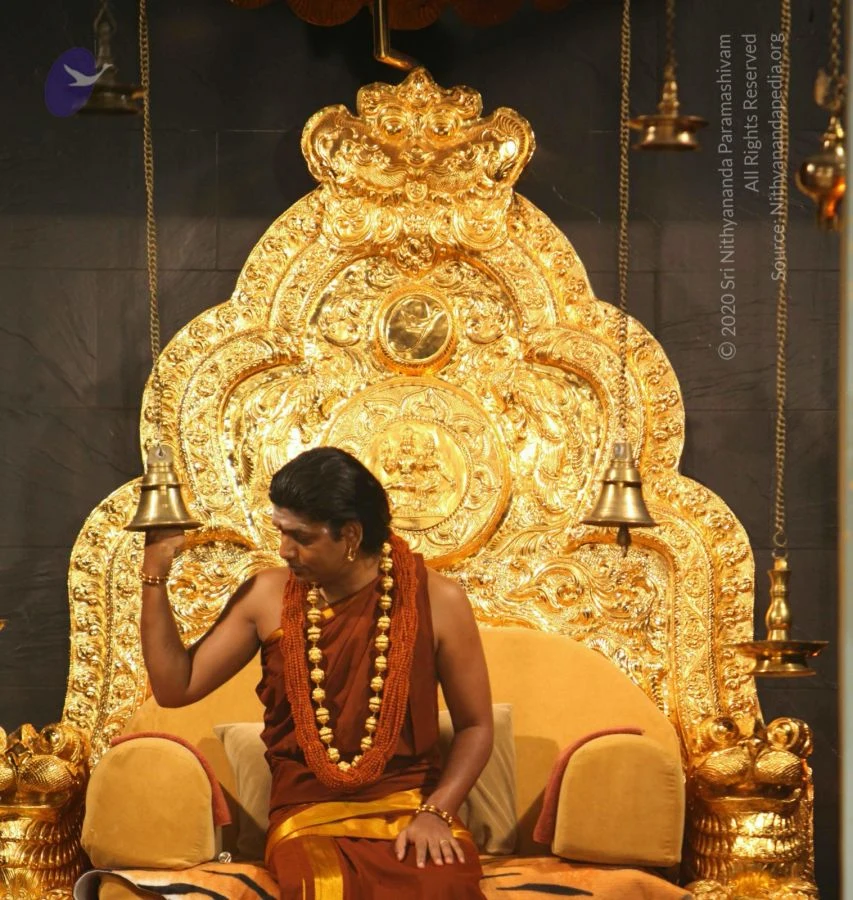
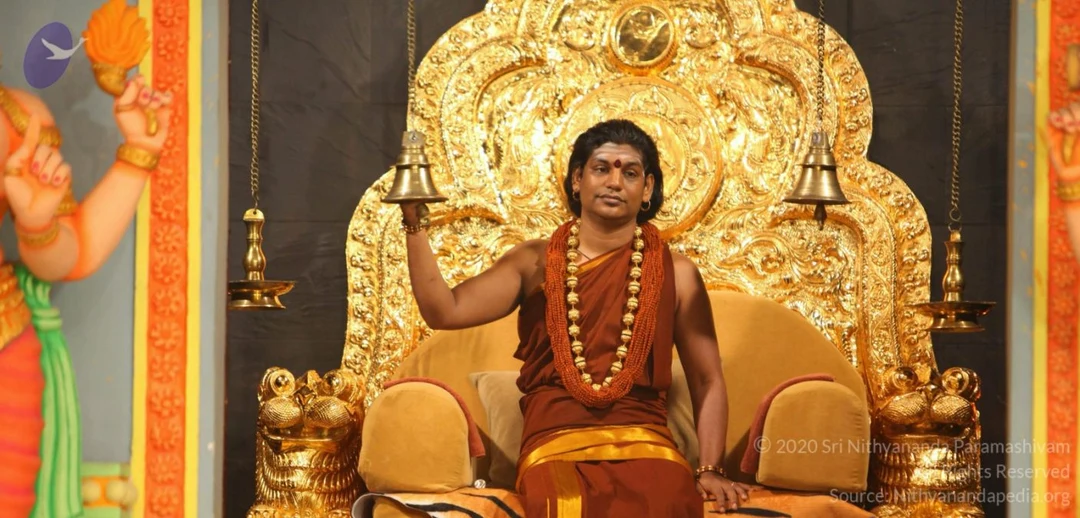
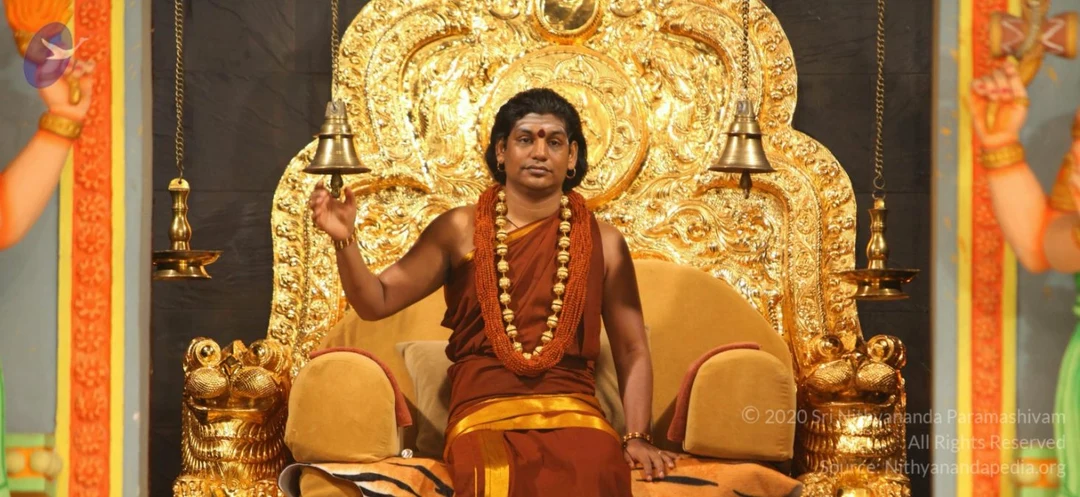
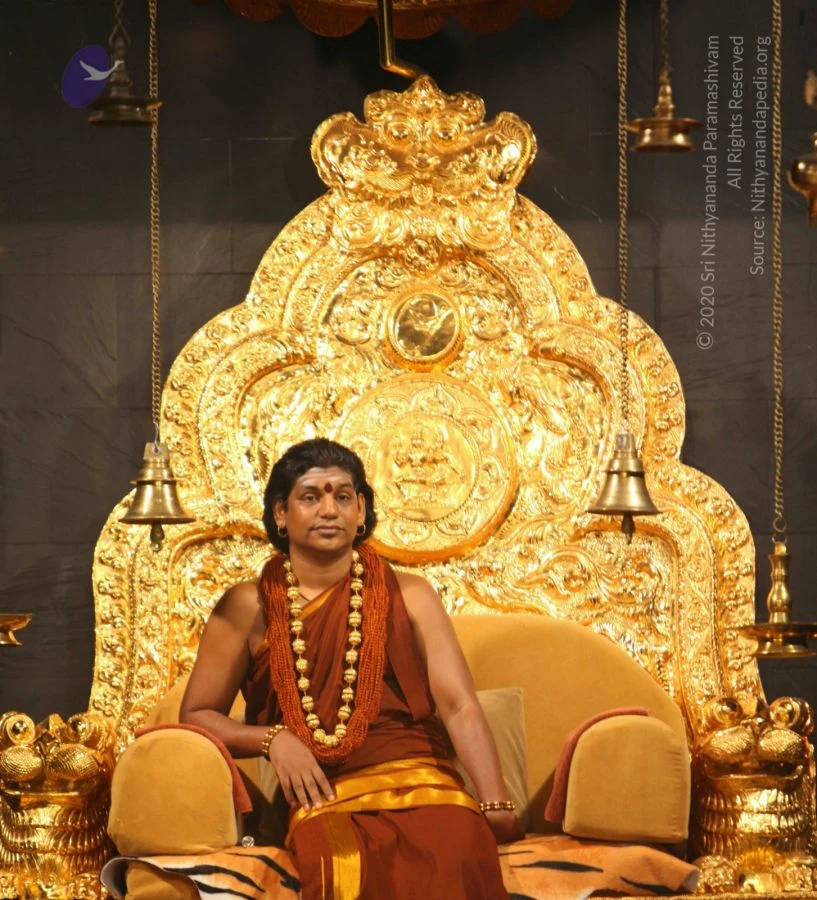
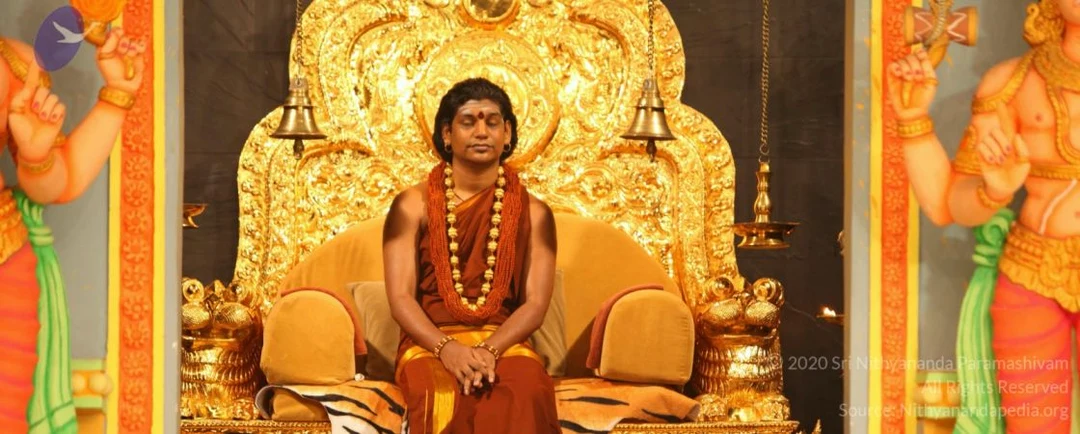
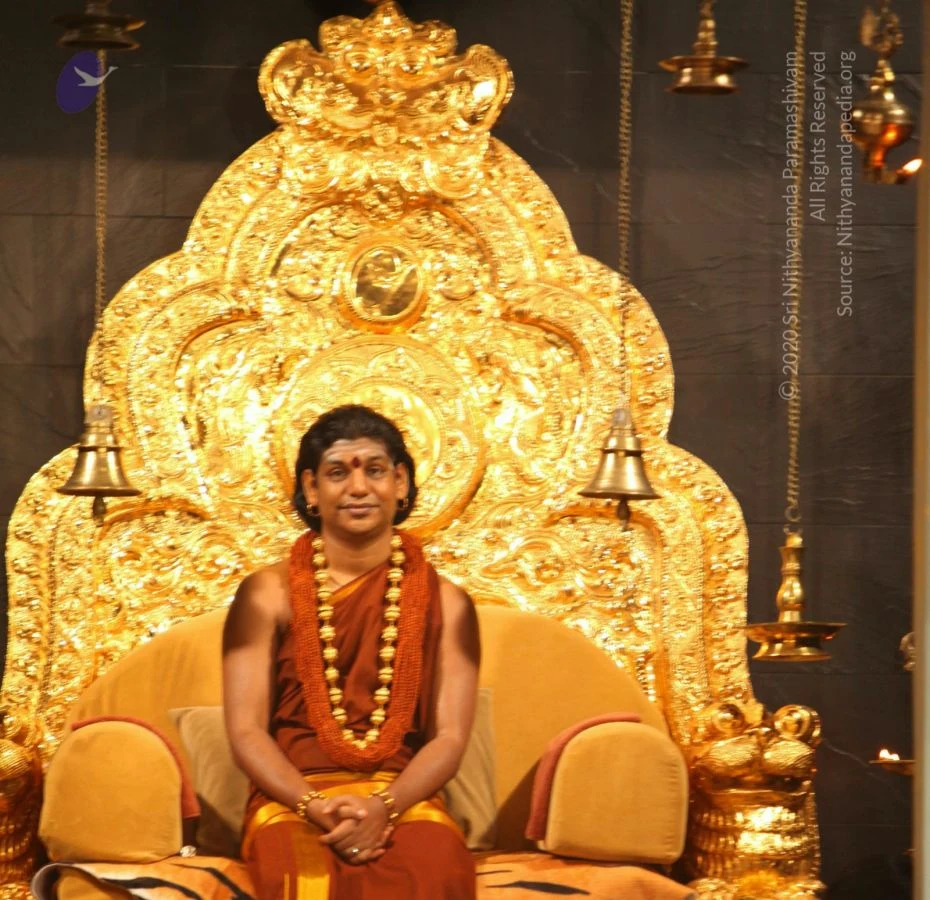
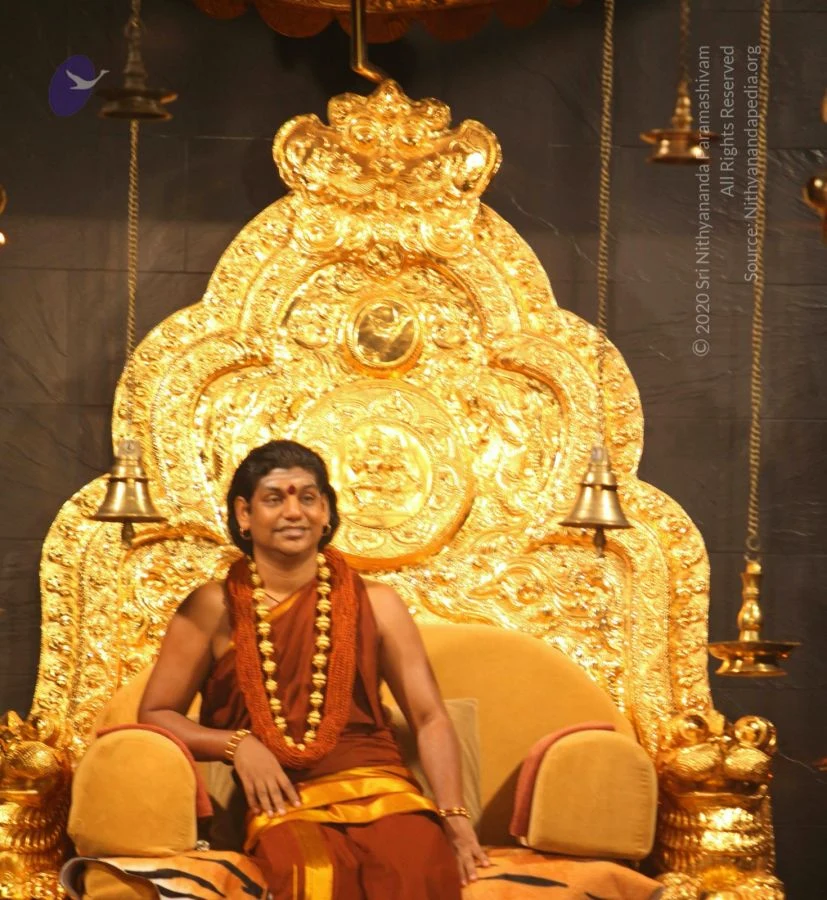
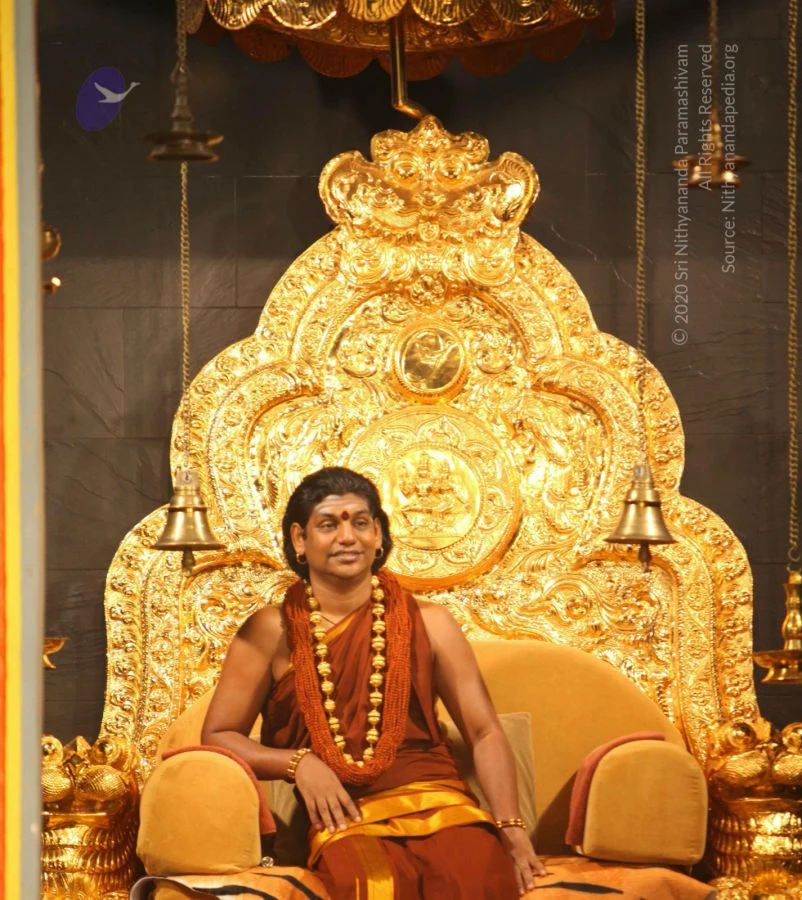
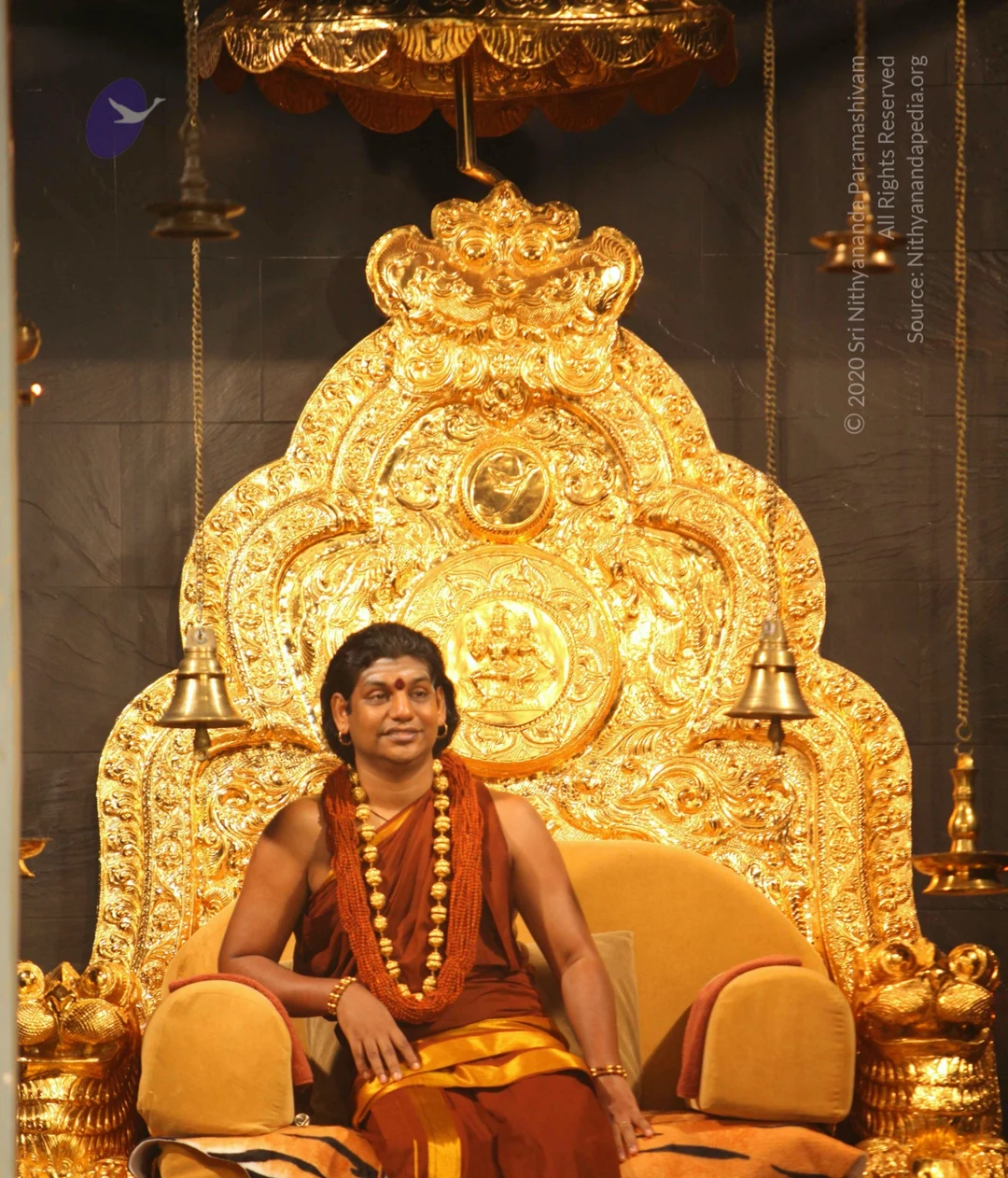
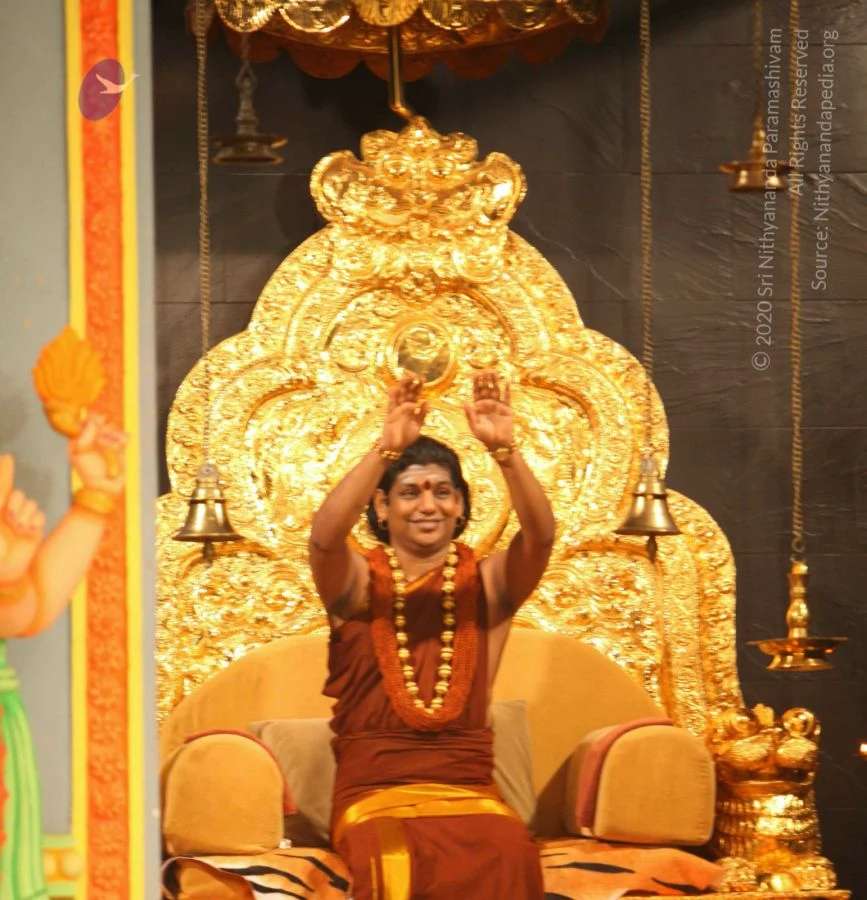
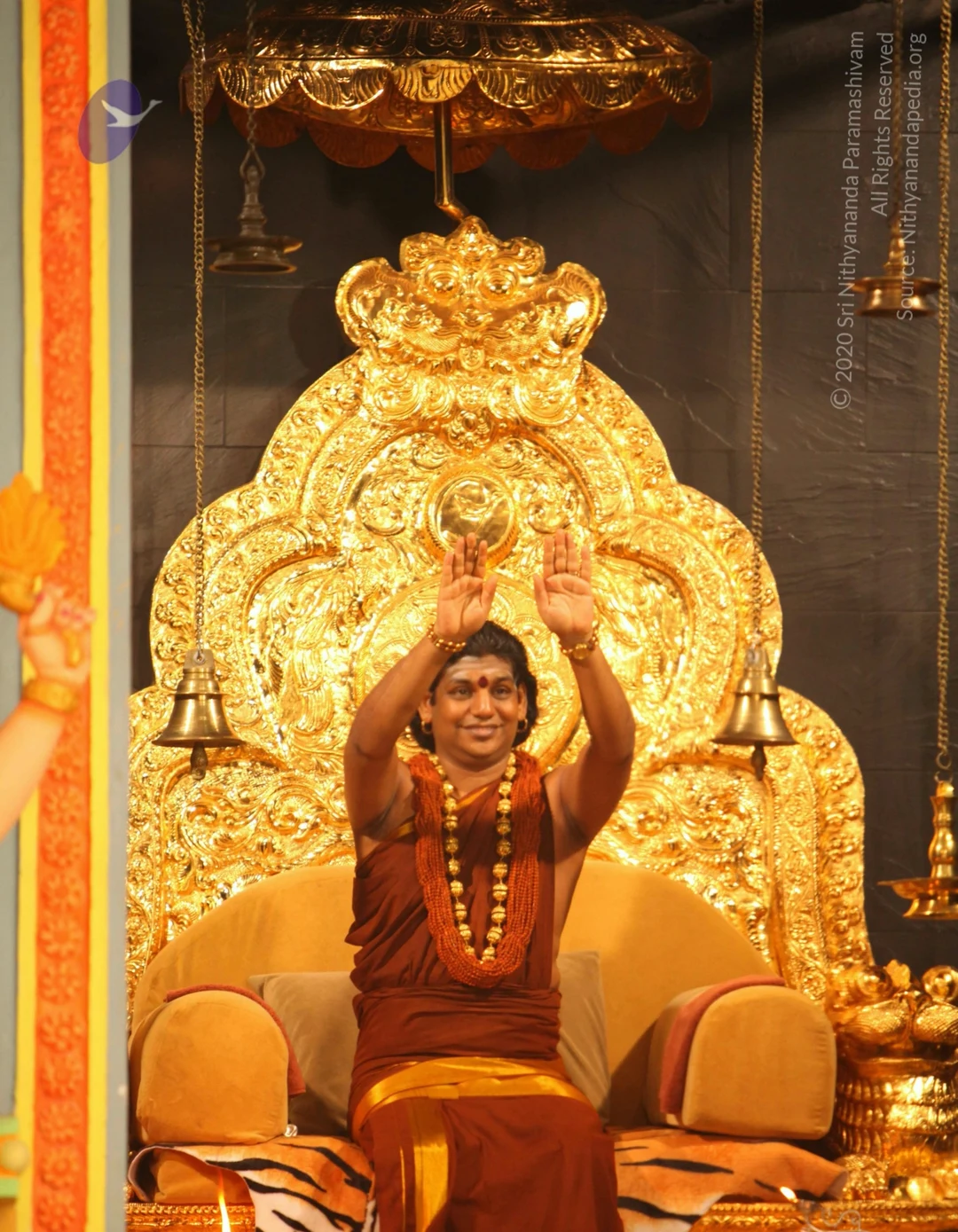
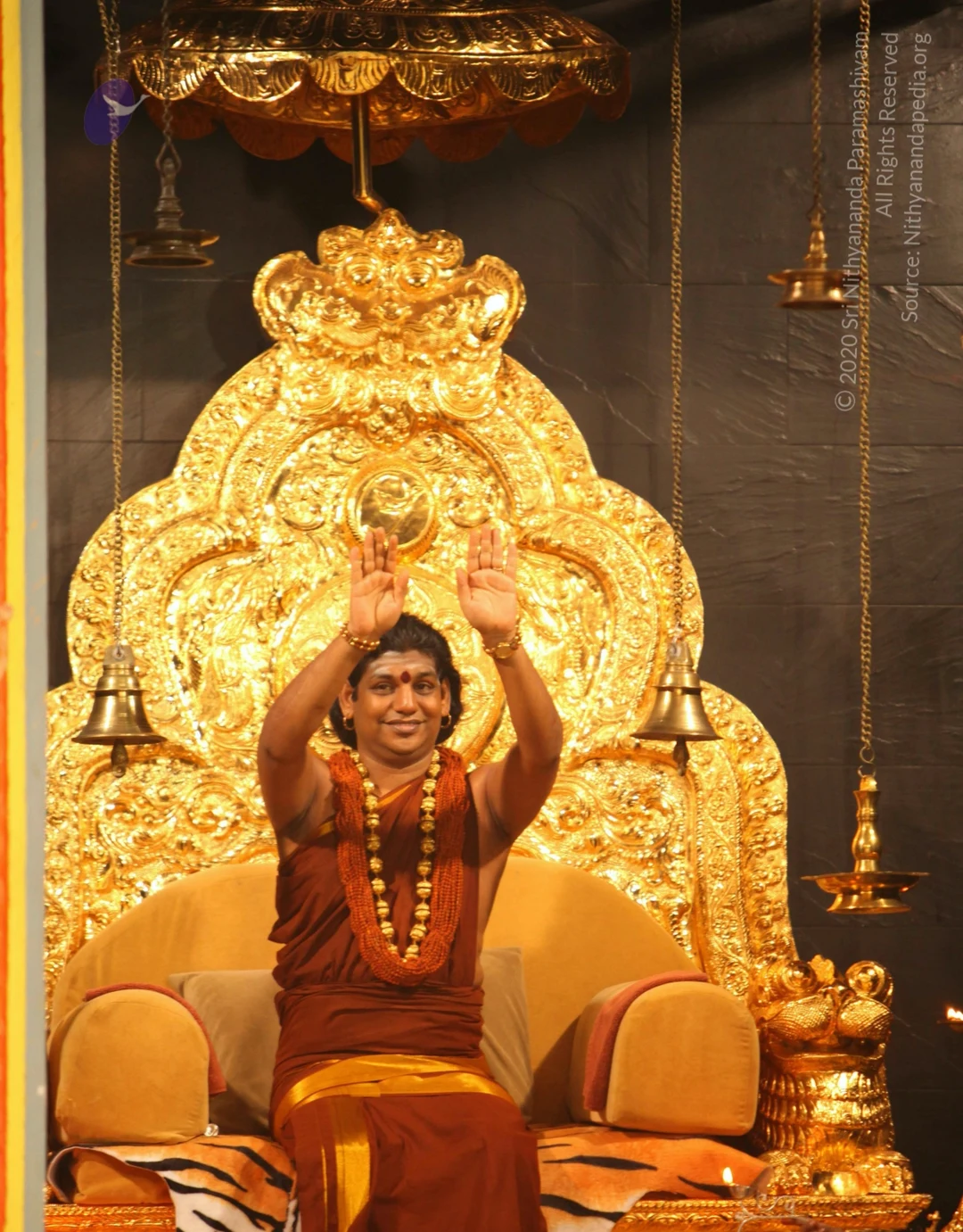
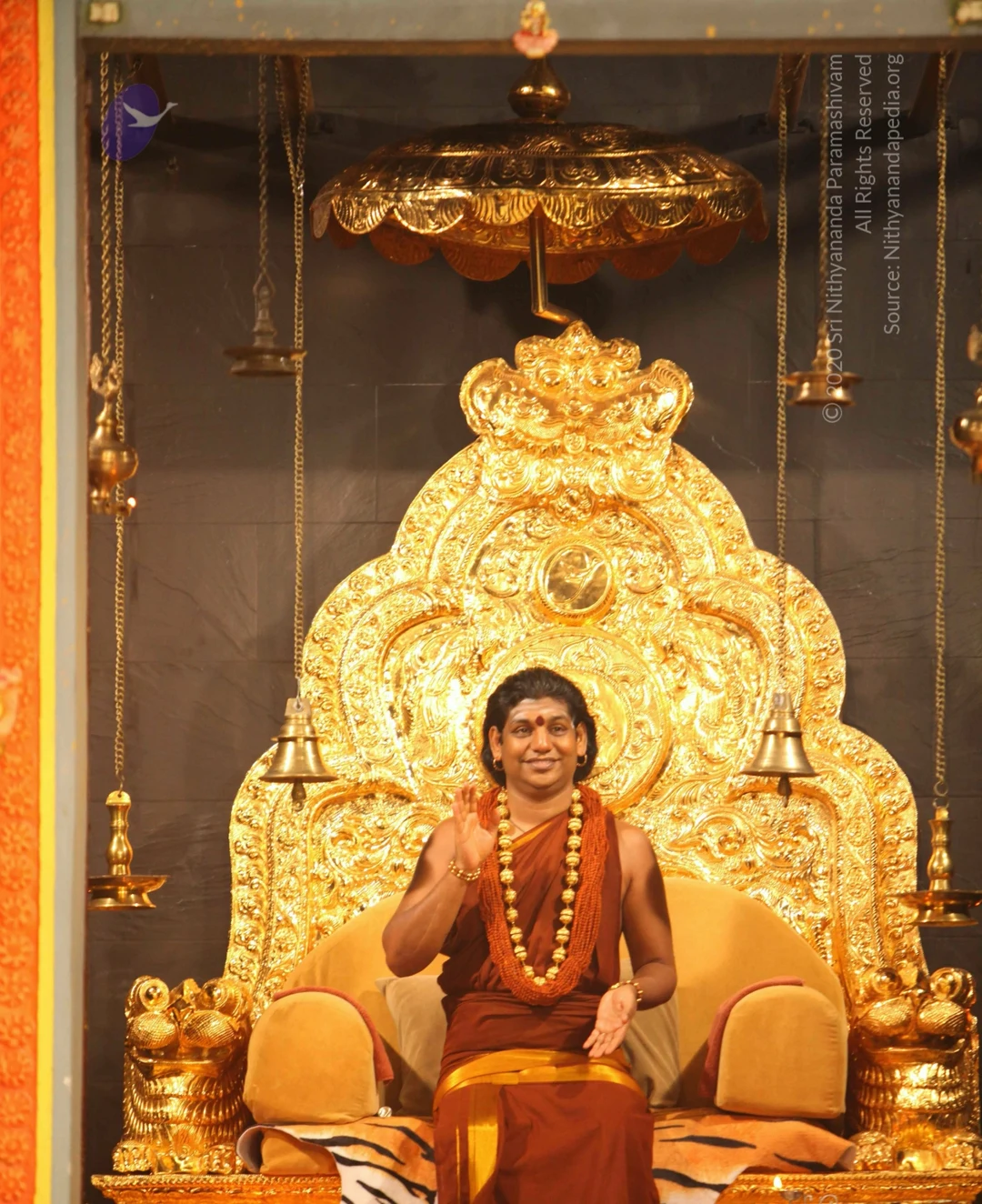
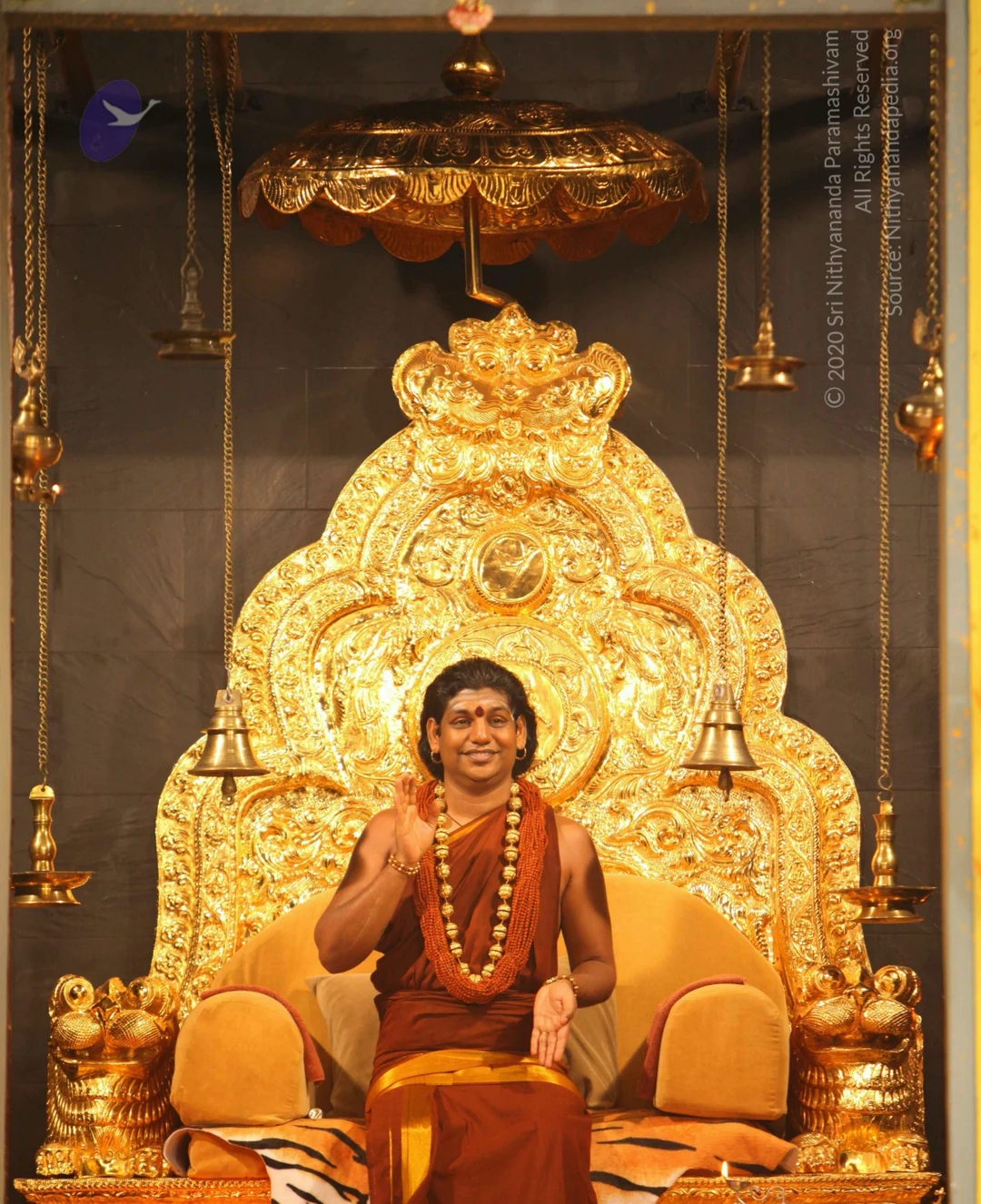
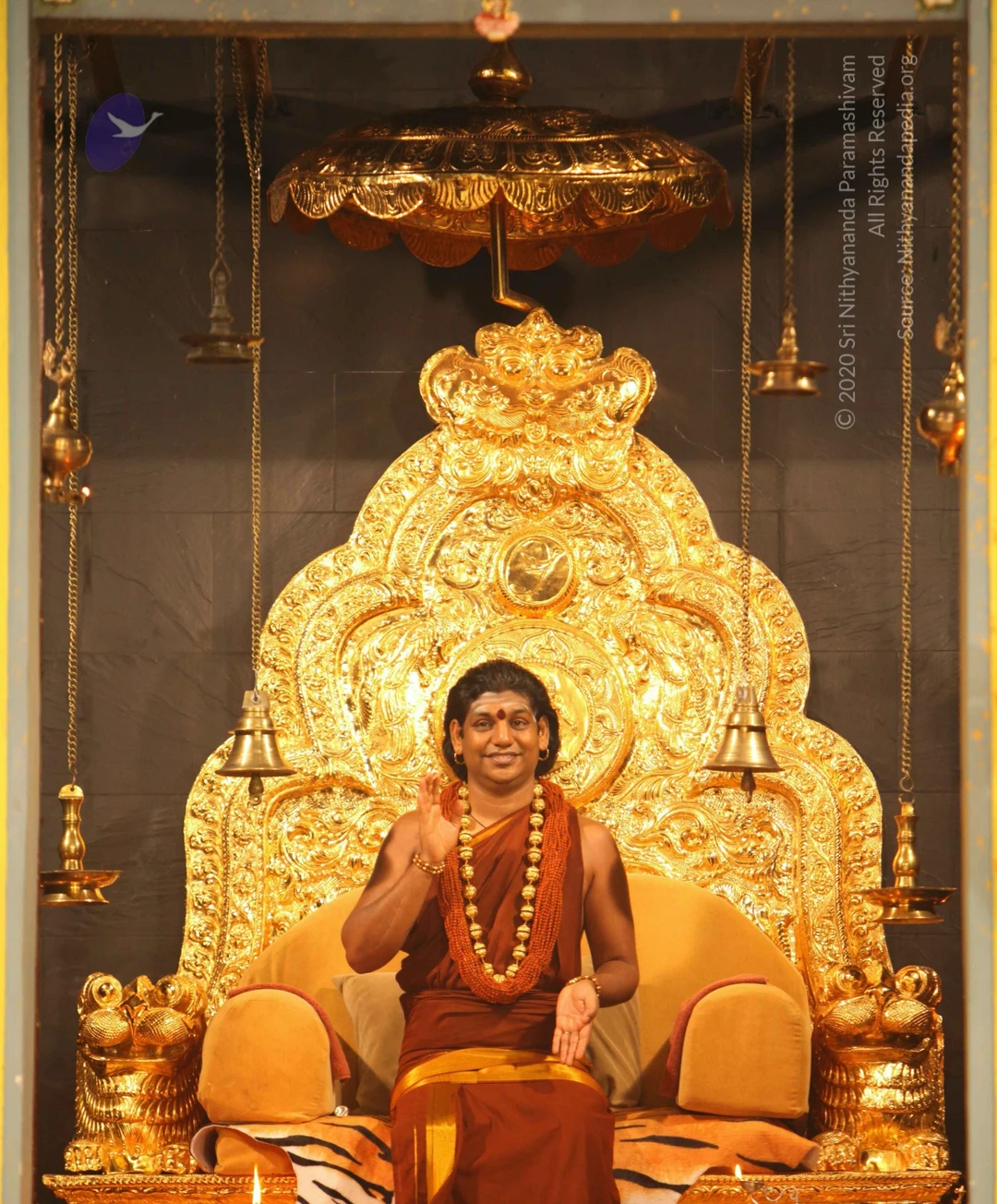
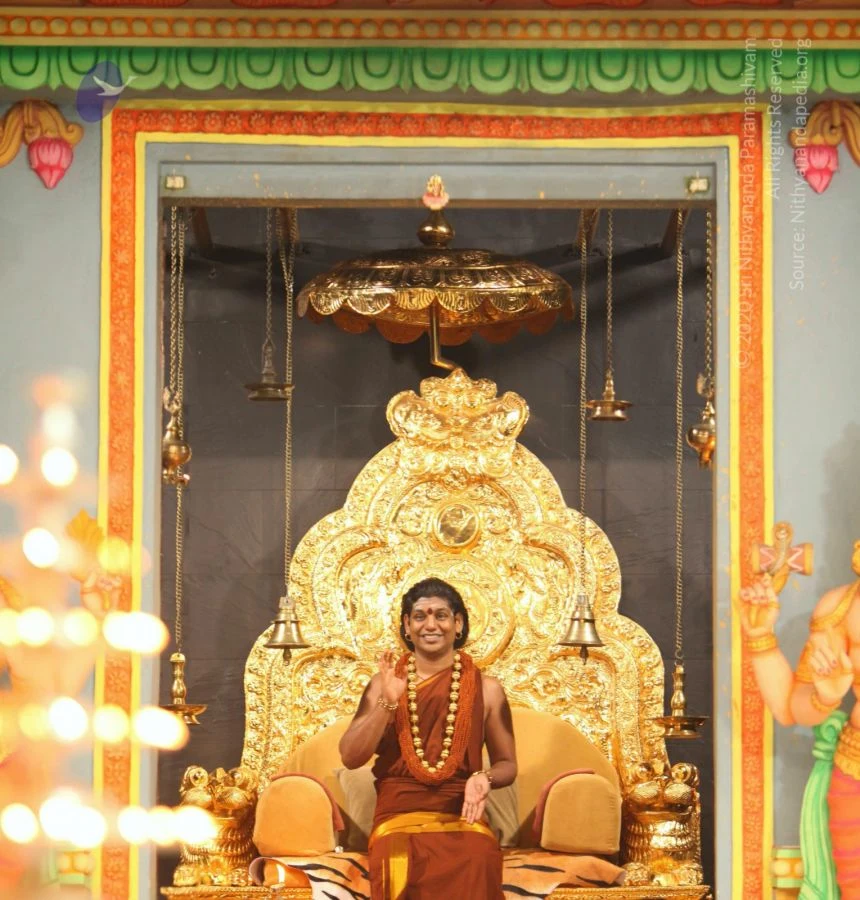
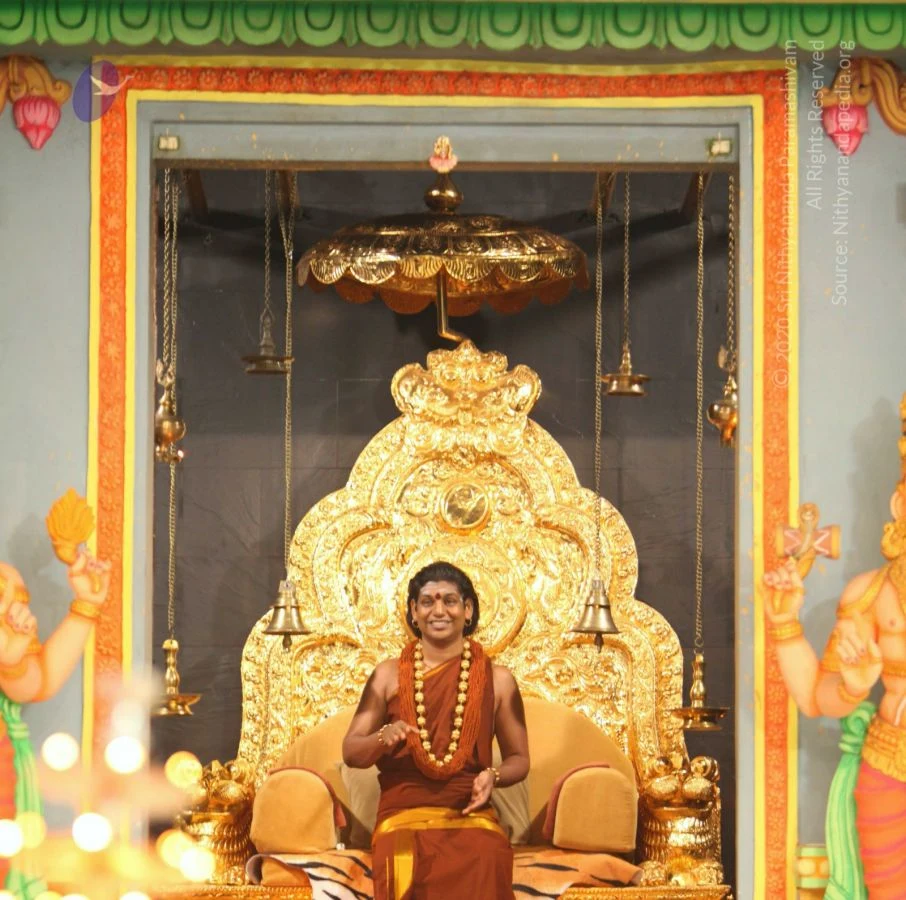
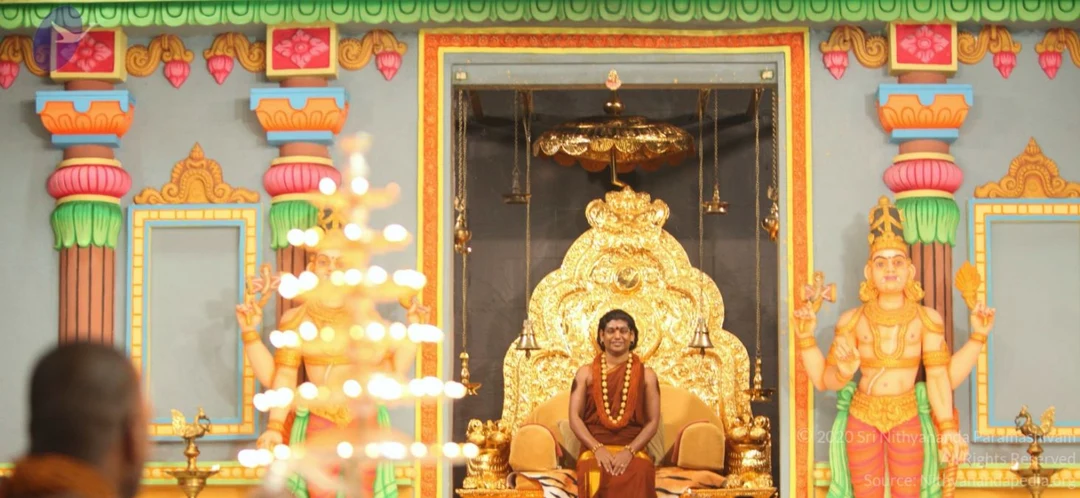
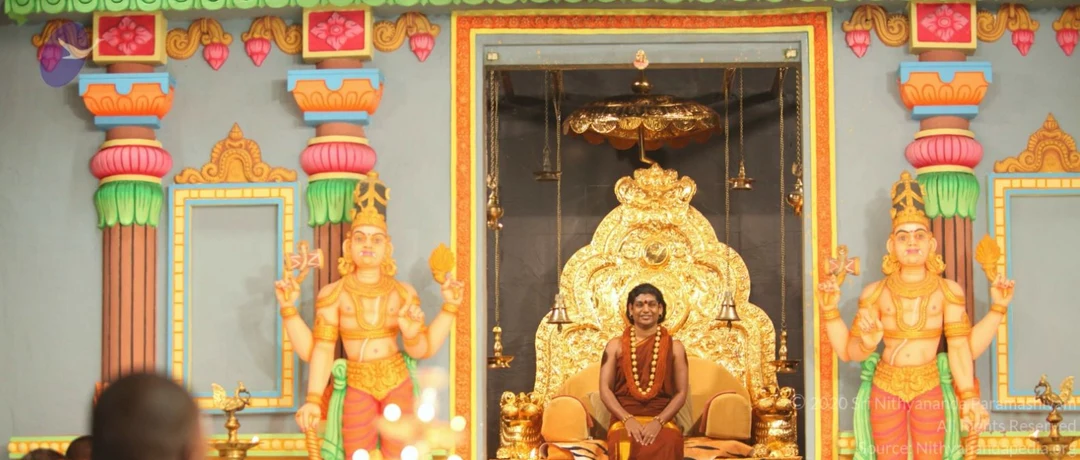
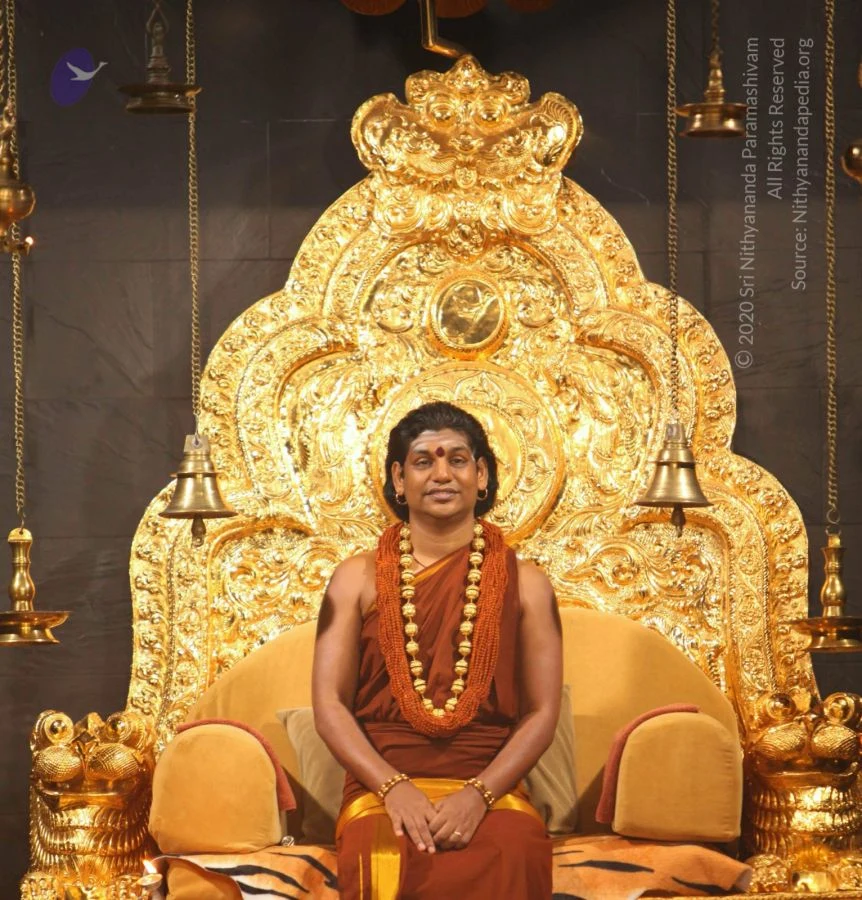
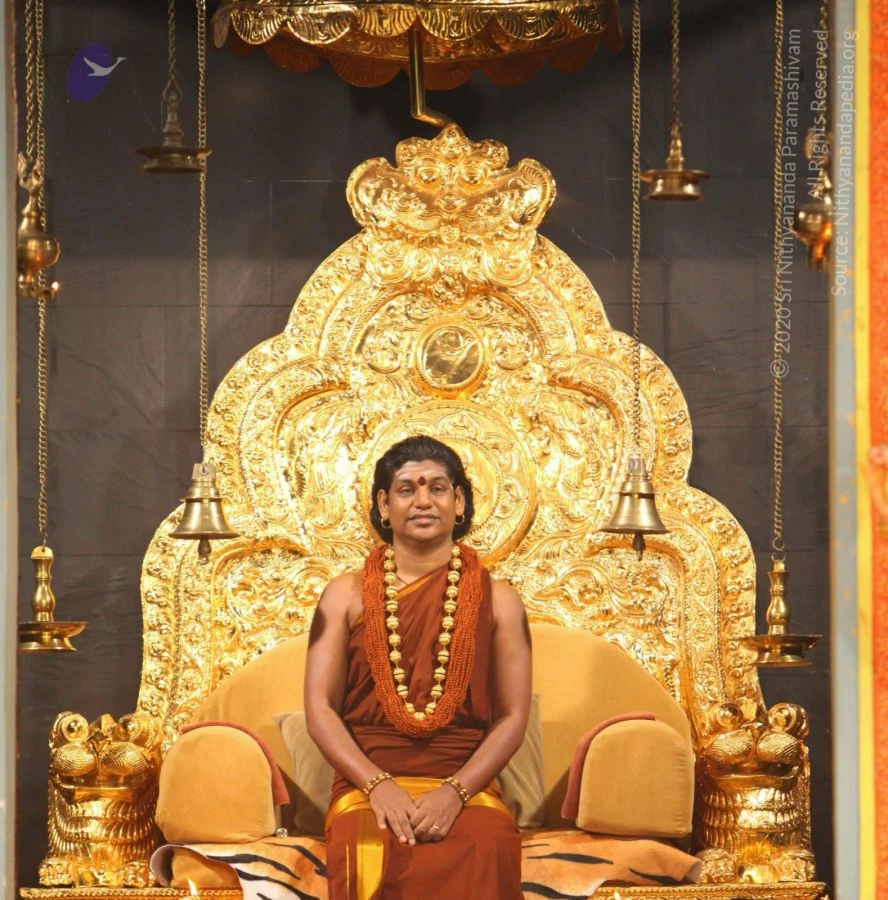
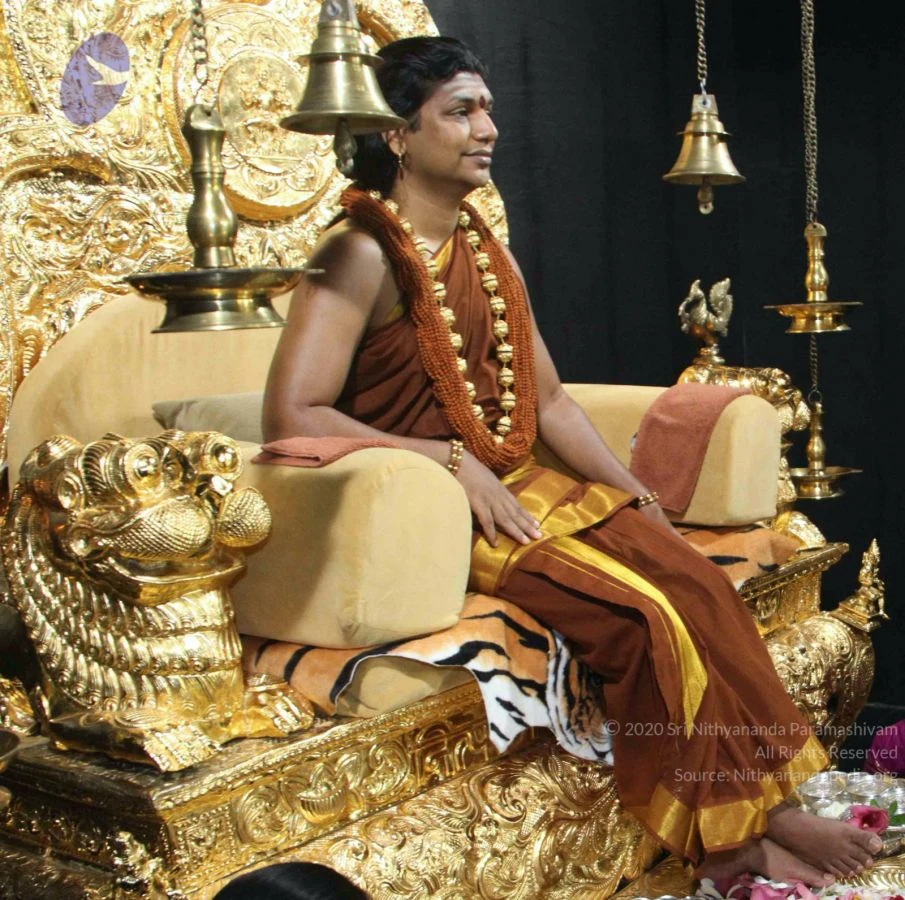
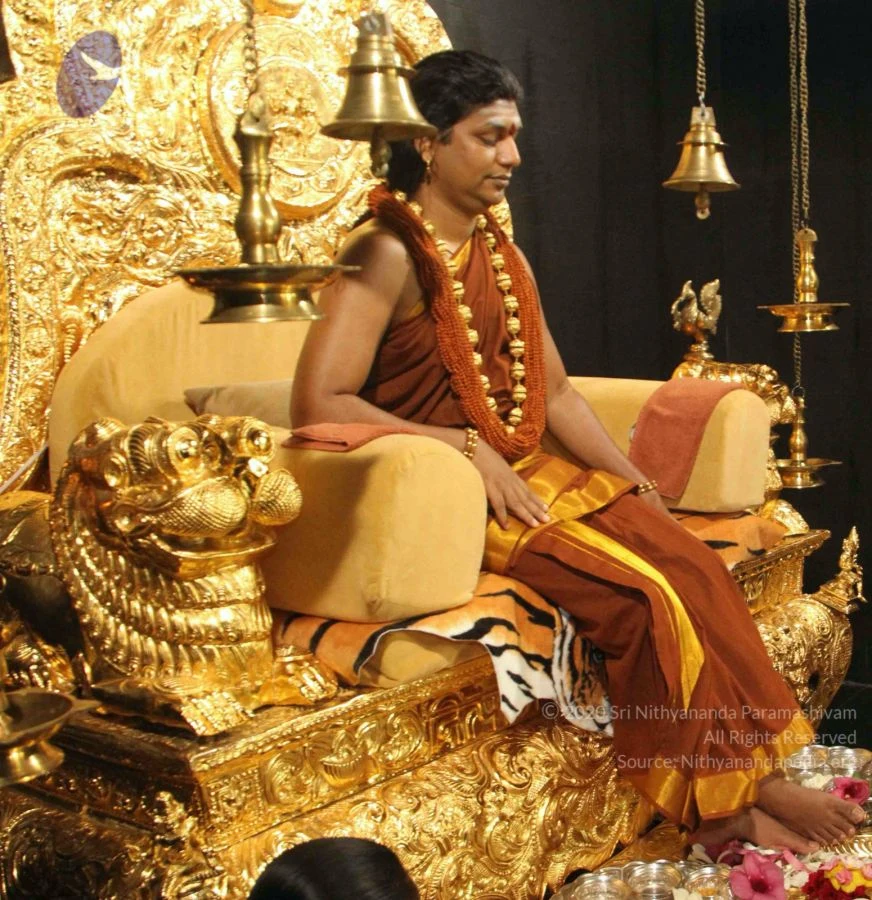
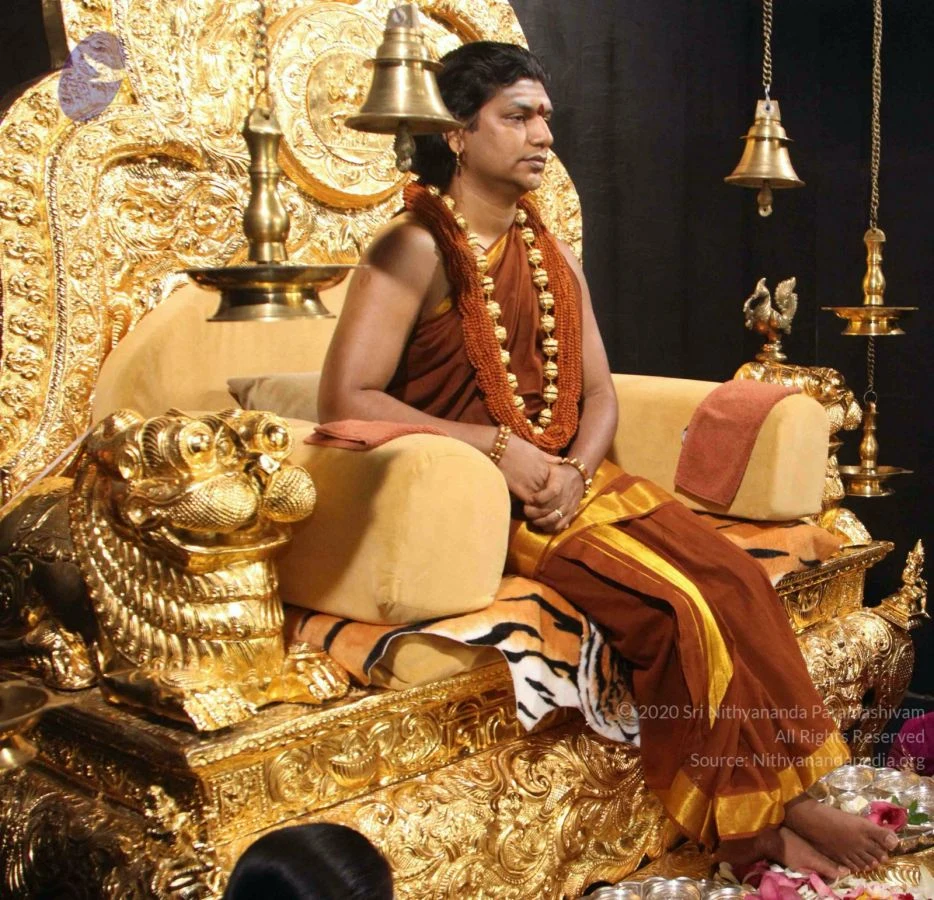
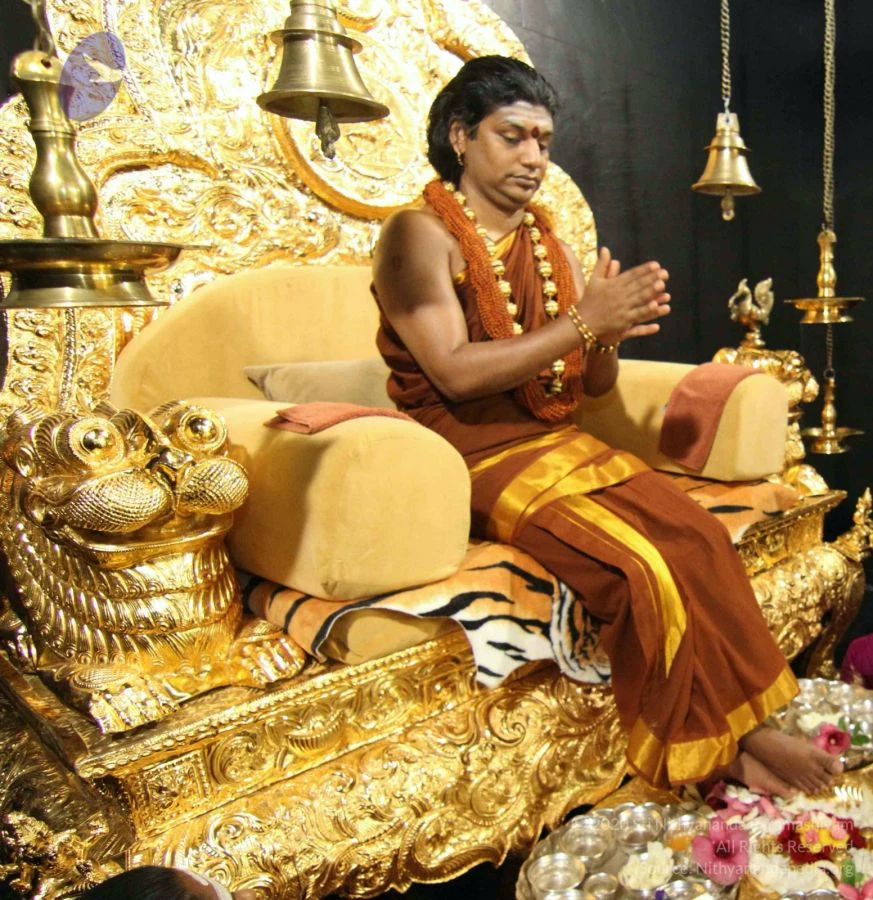
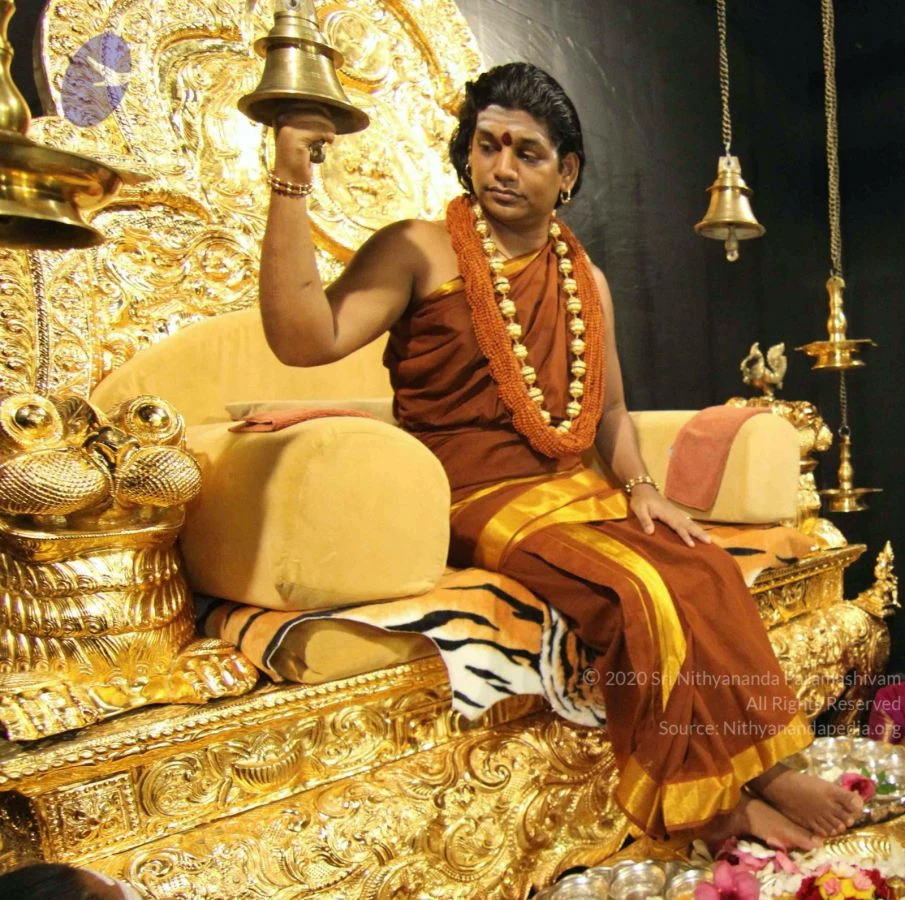
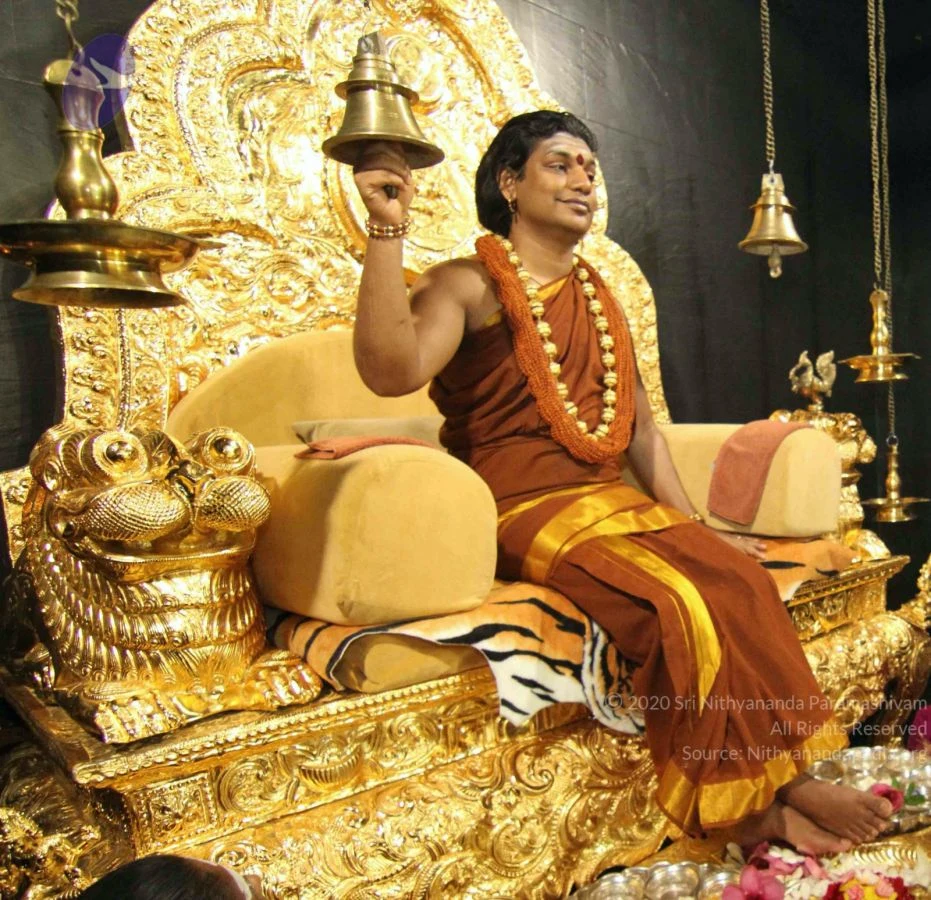
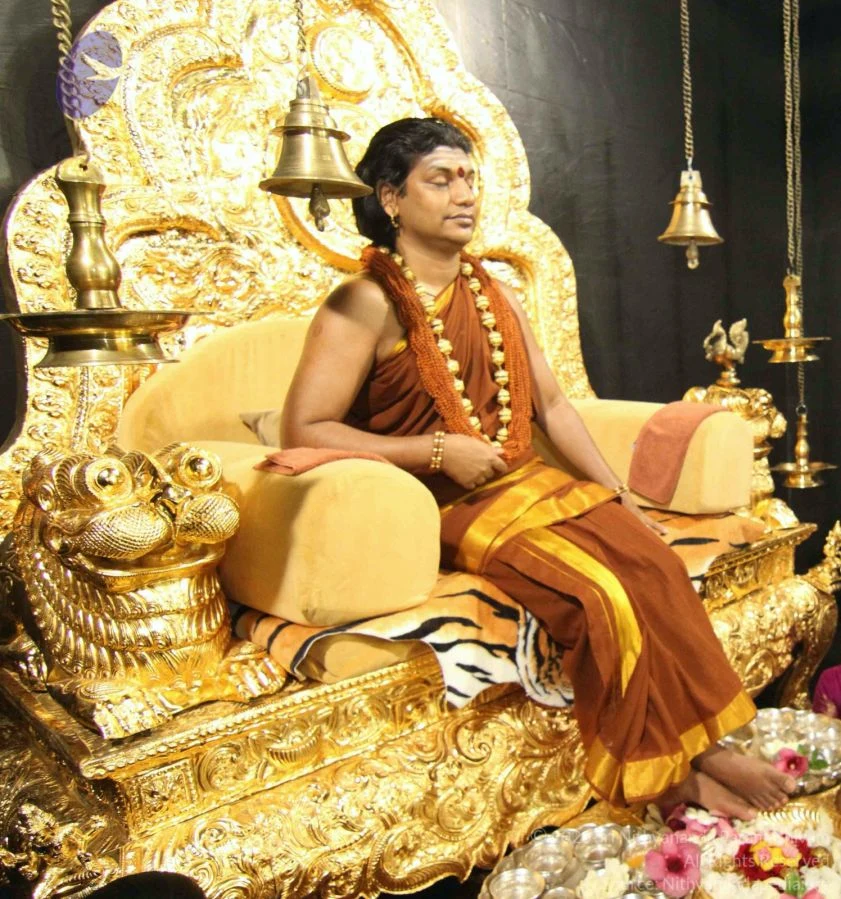
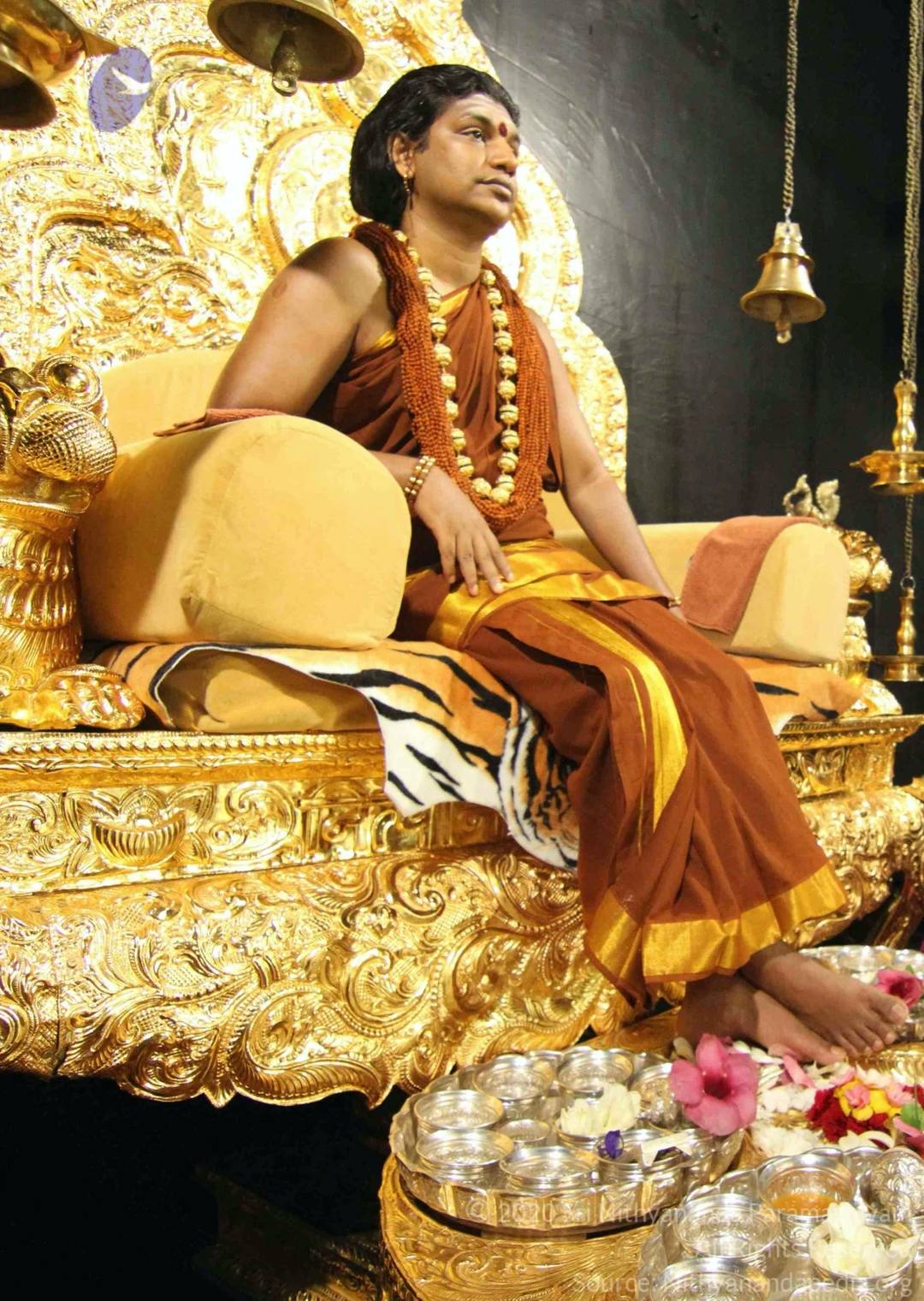
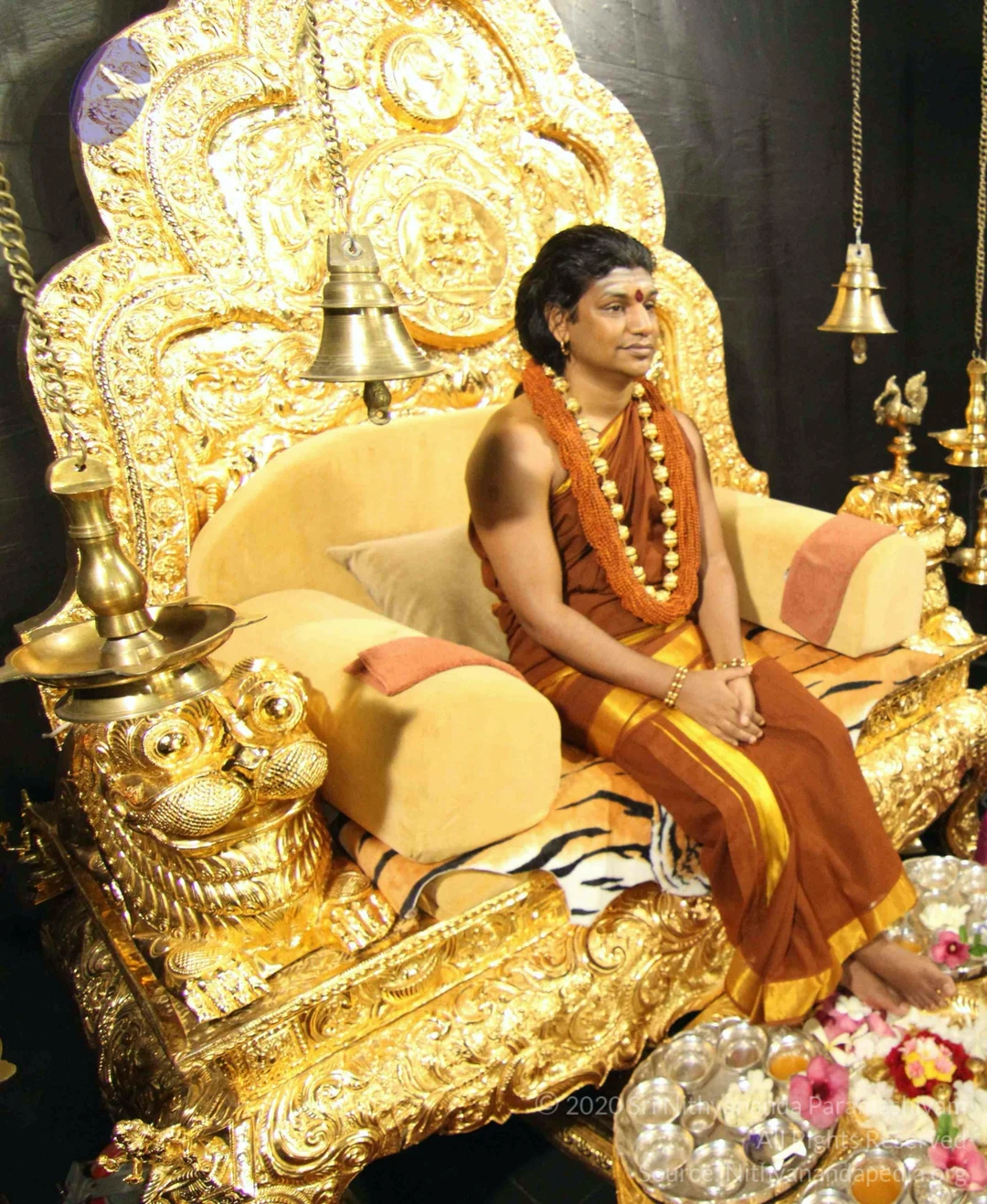
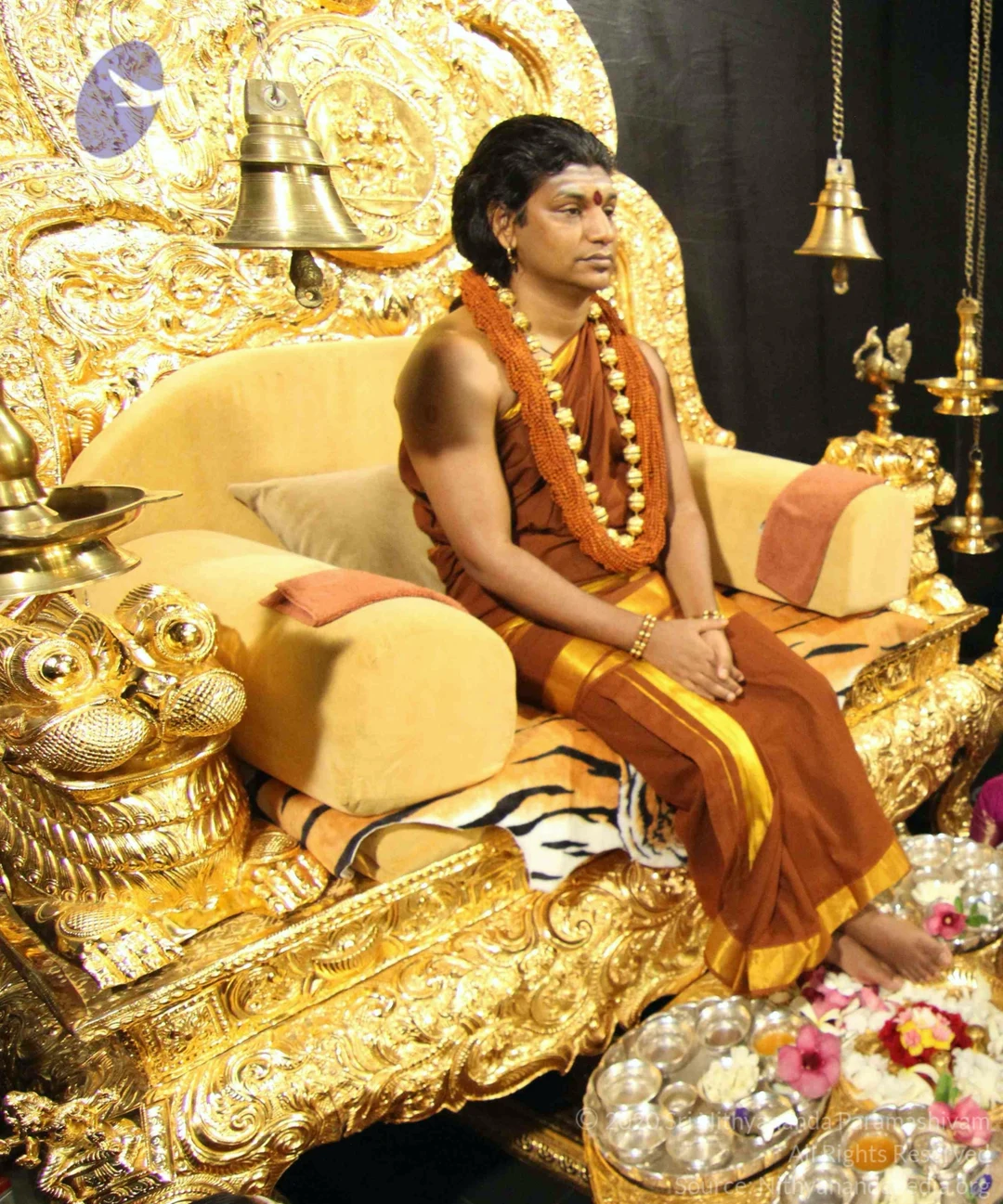

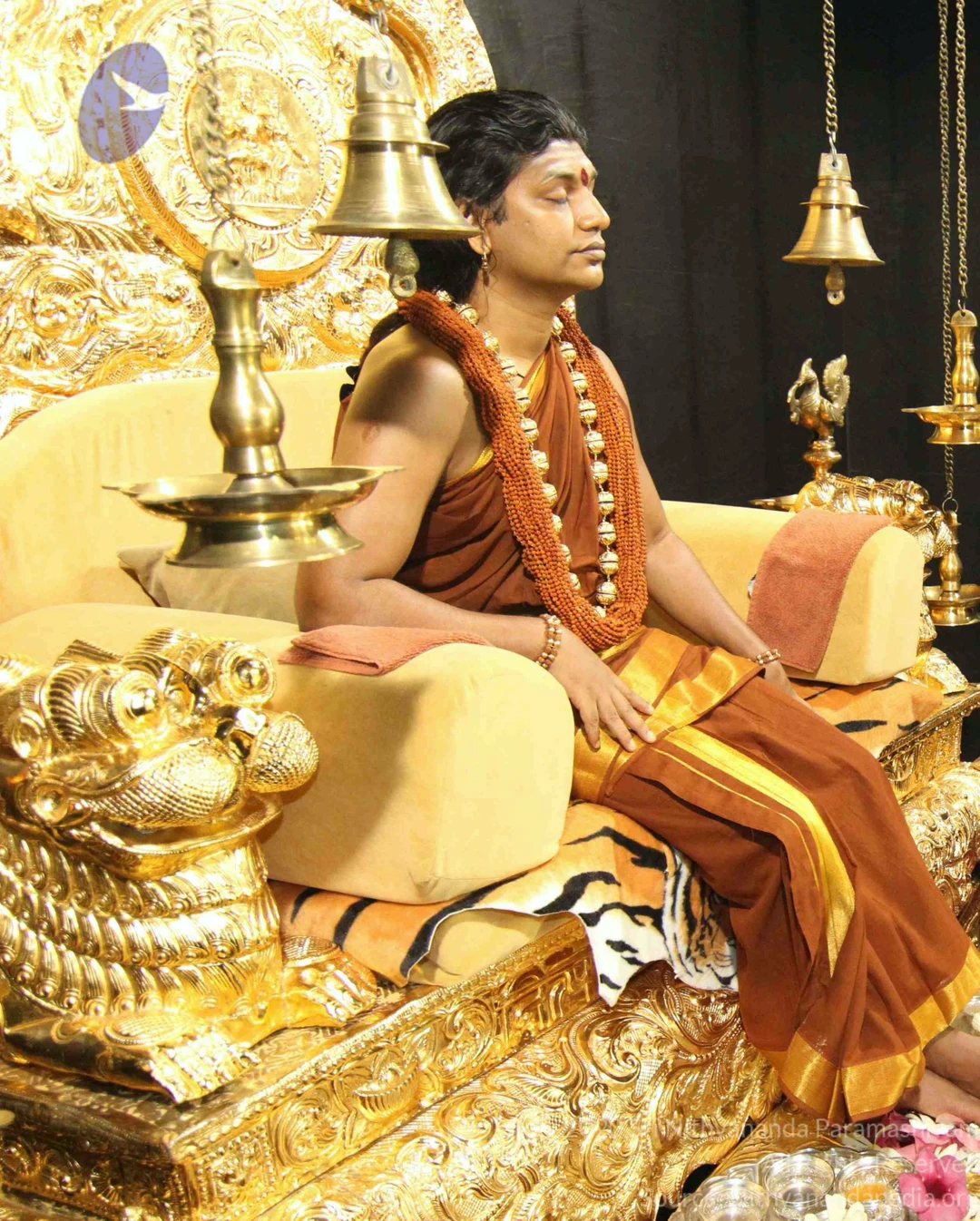
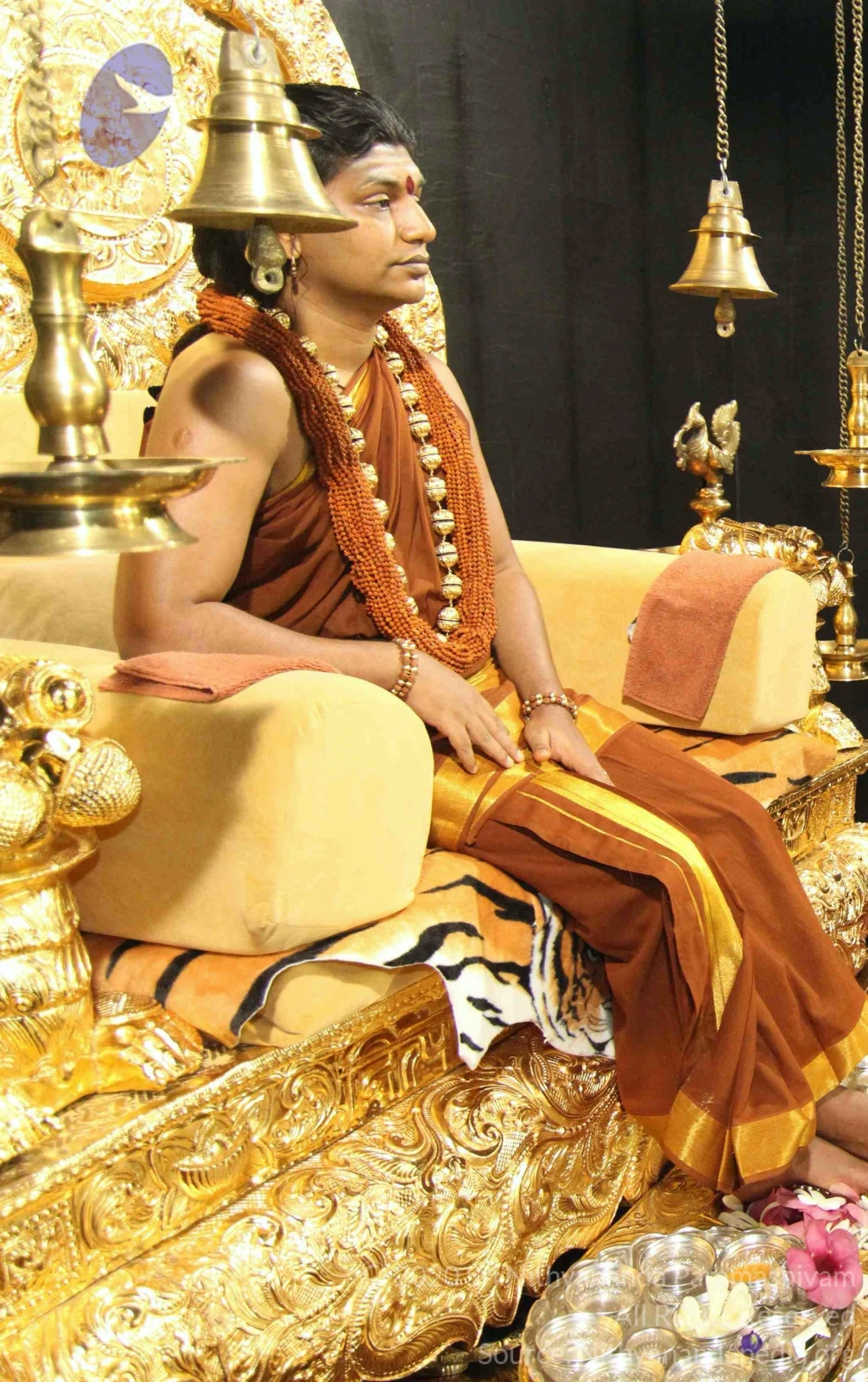
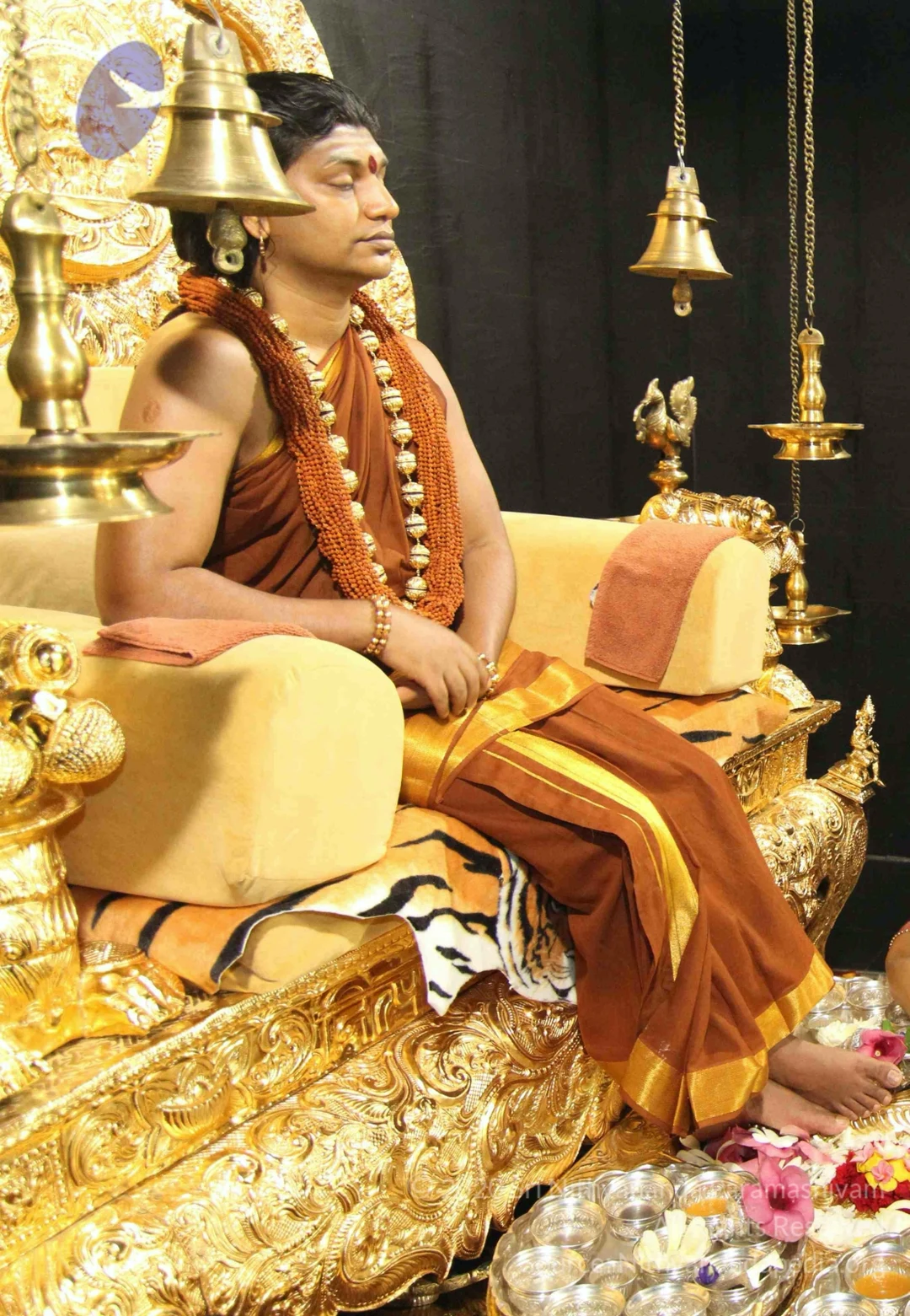
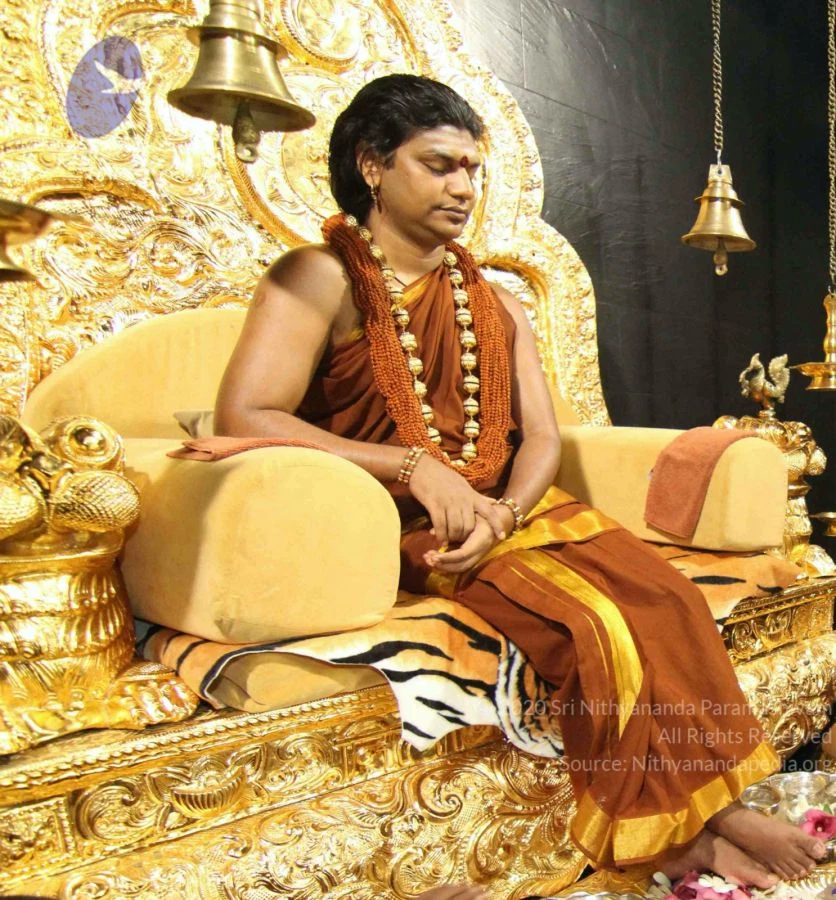
NITHYA-SATSANG
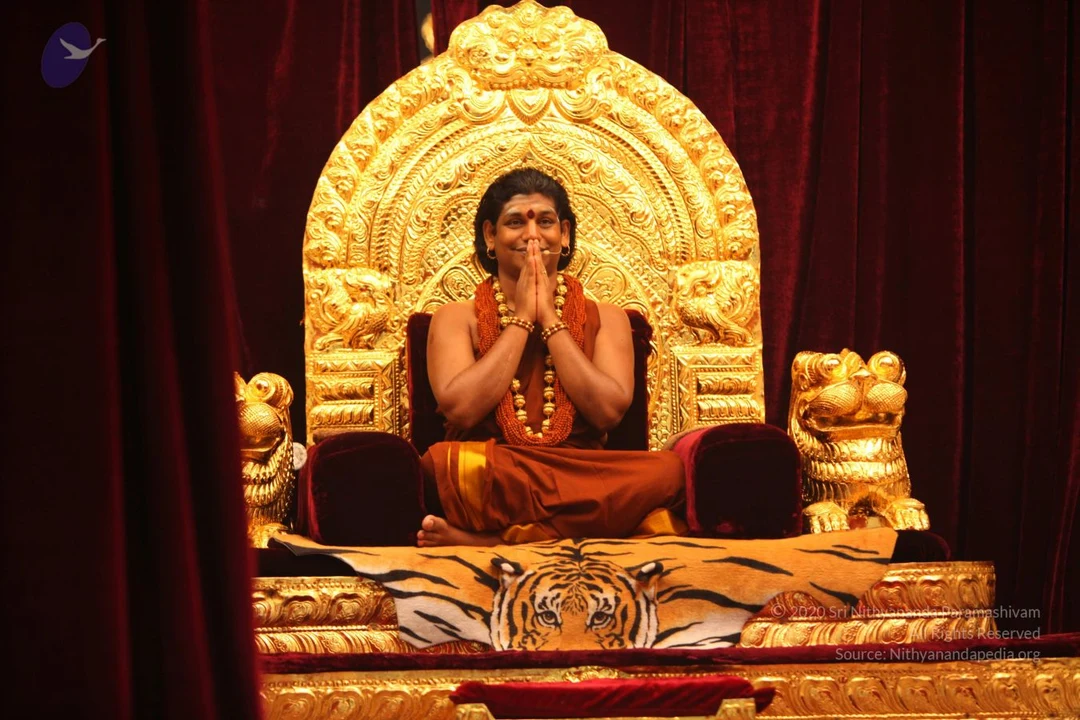
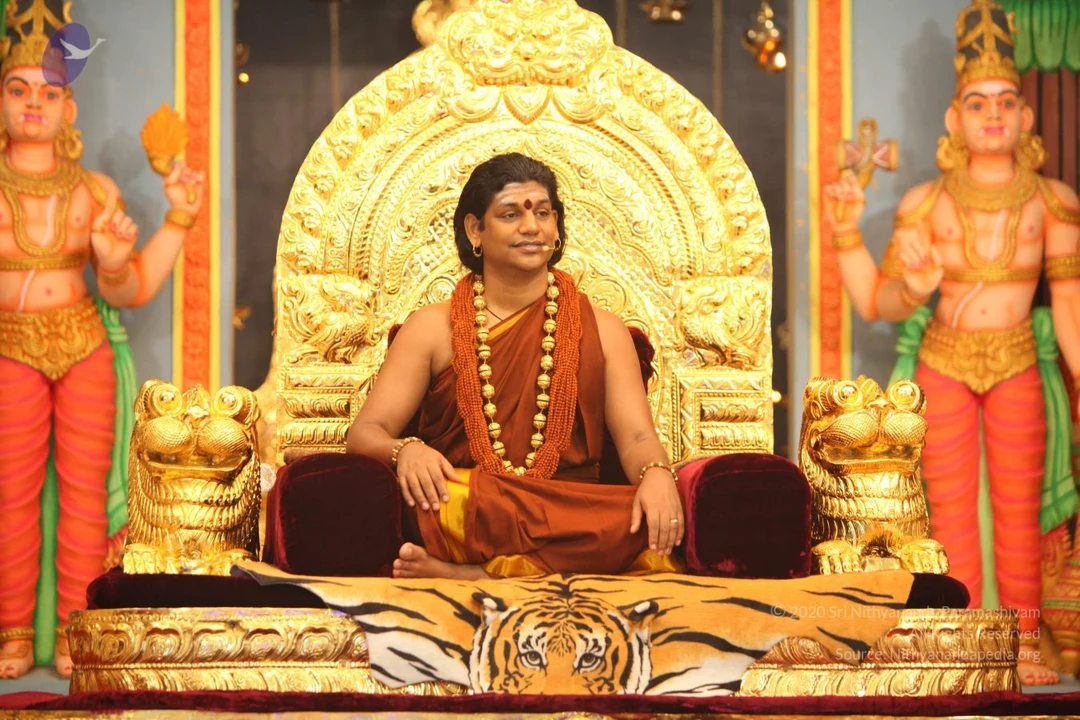
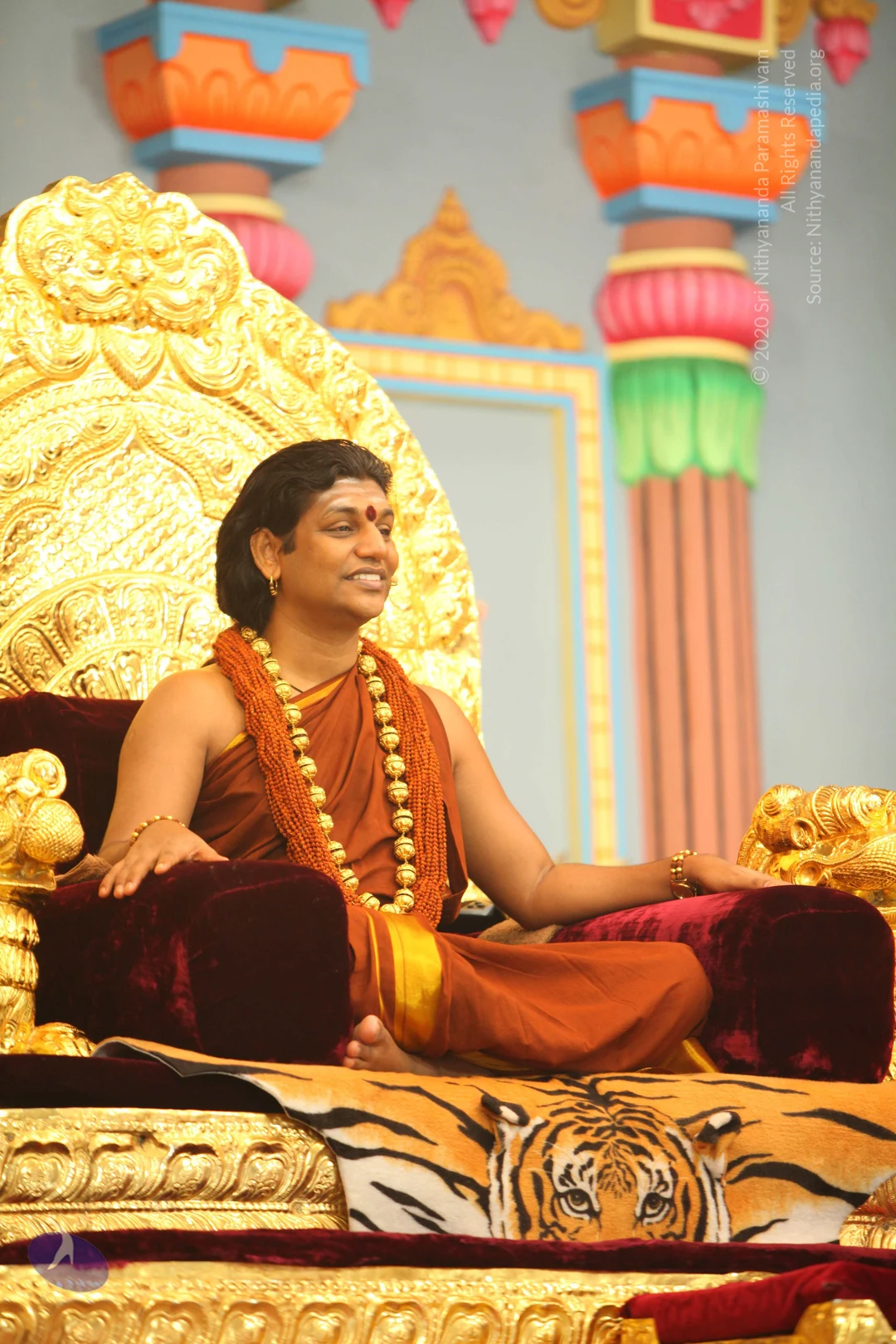
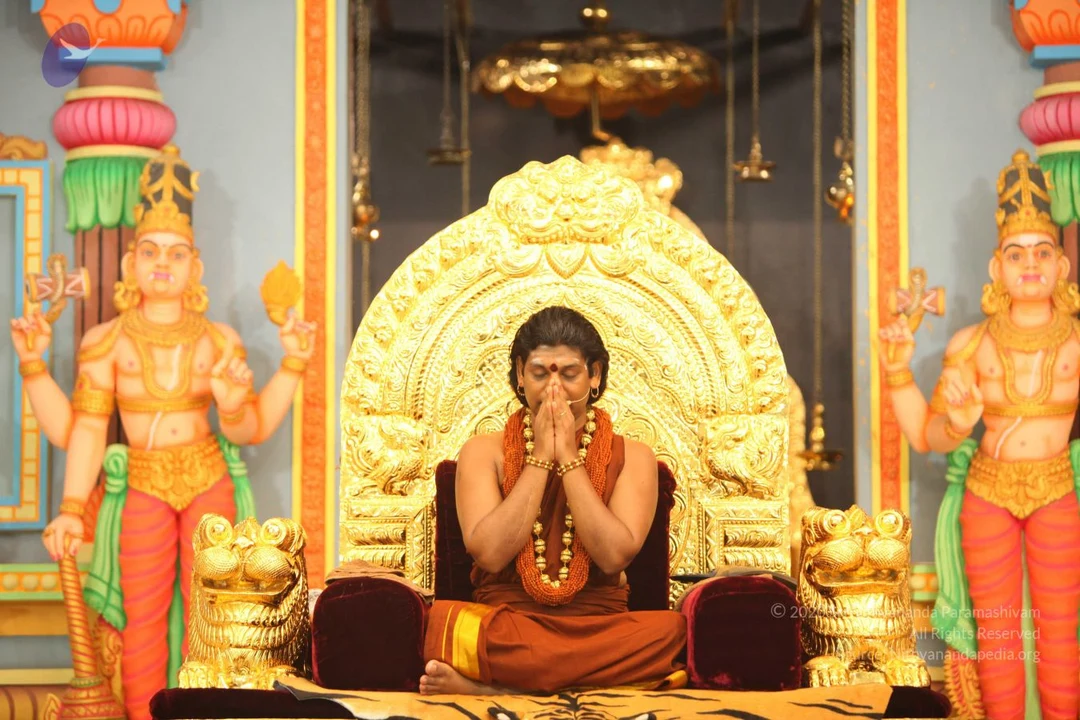
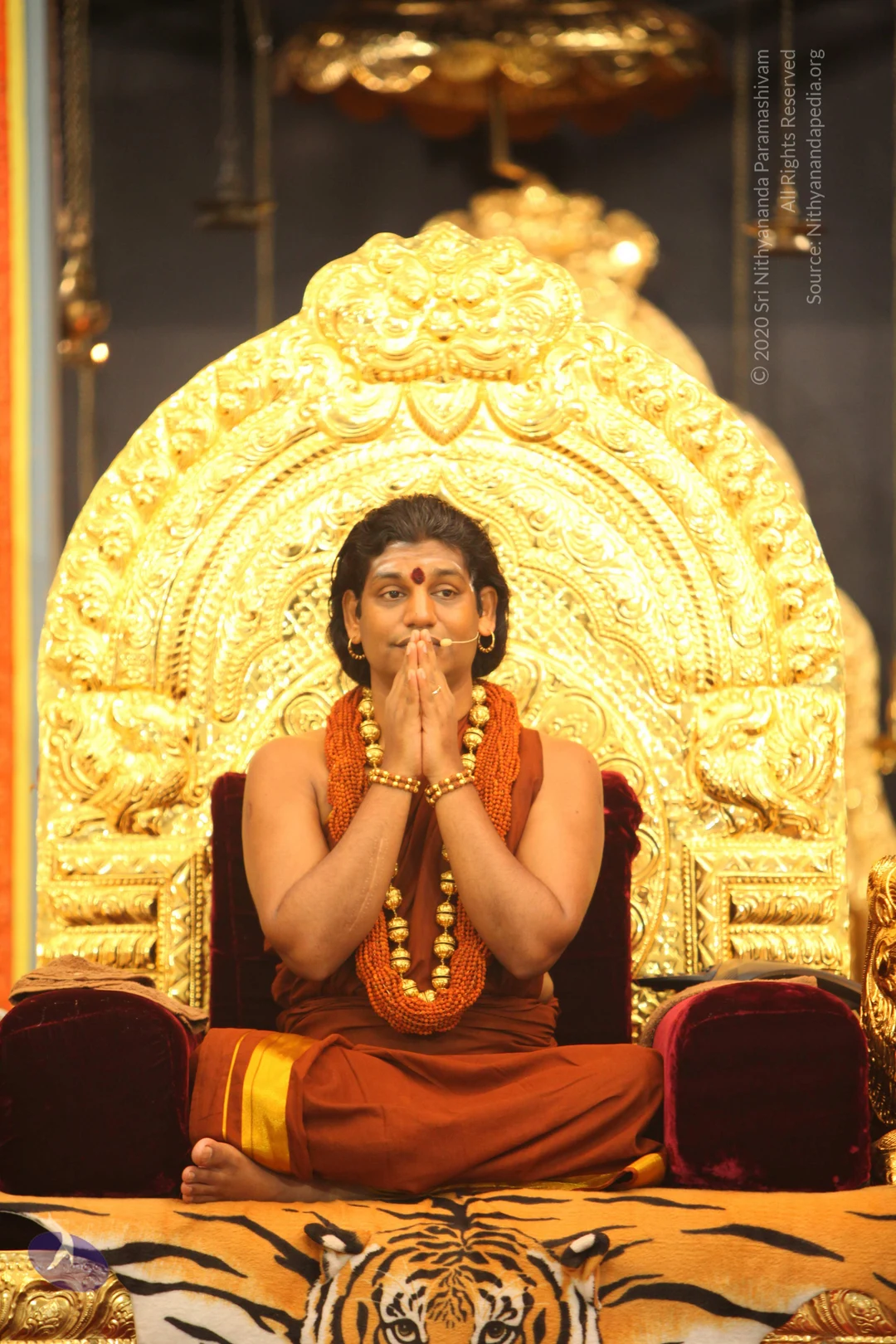
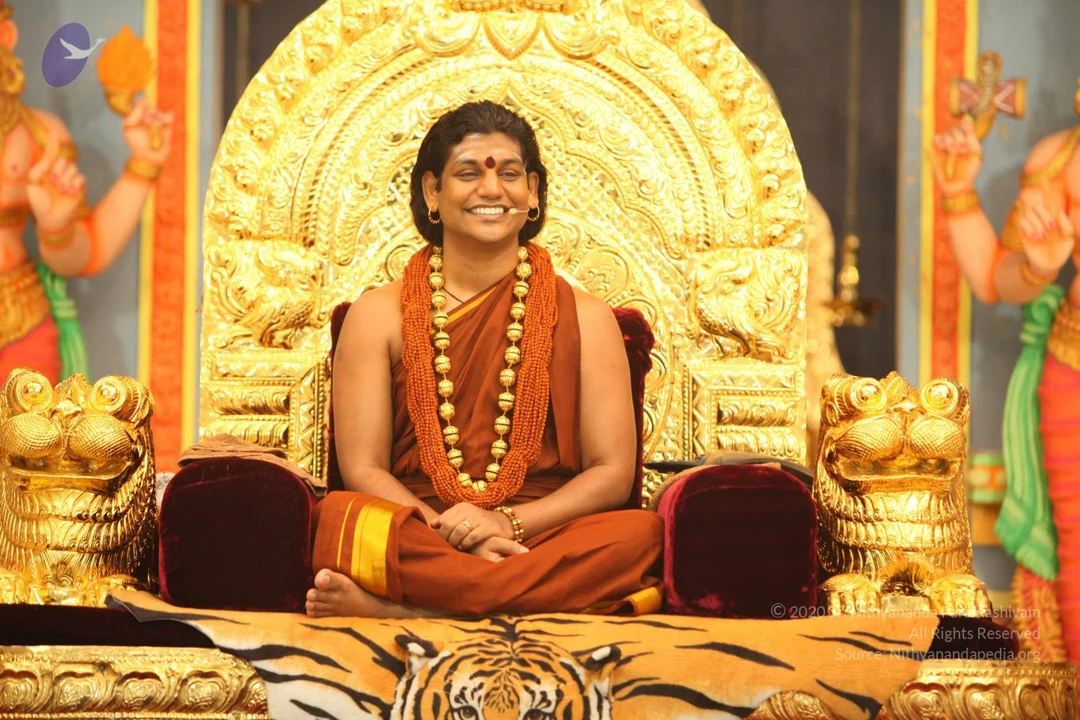
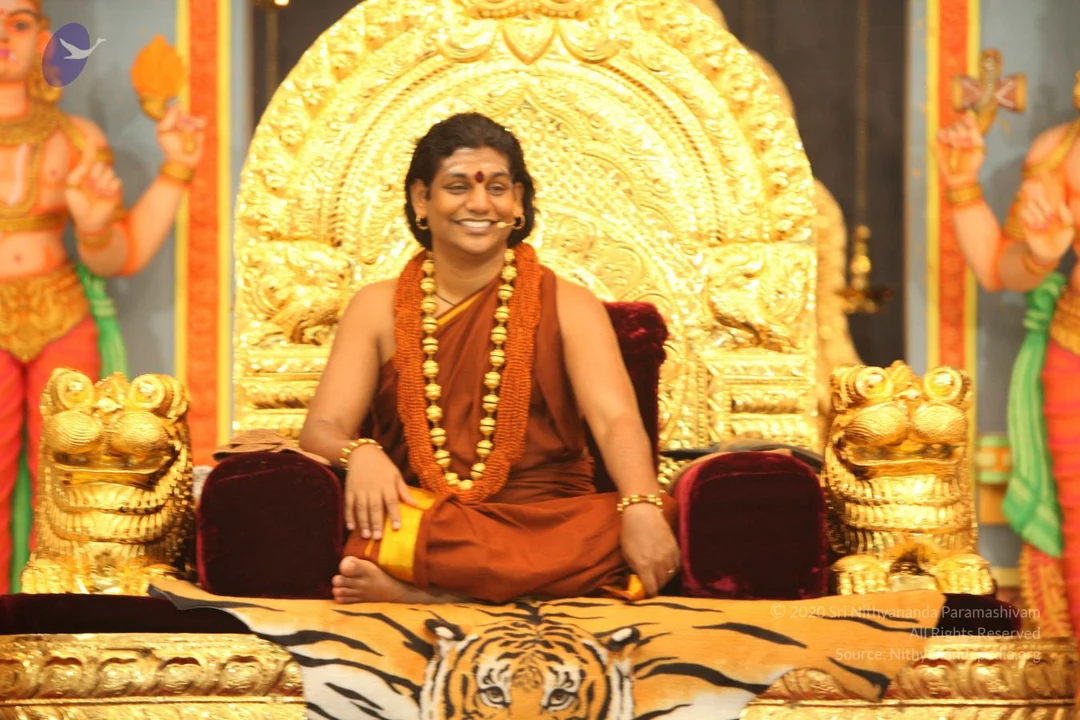
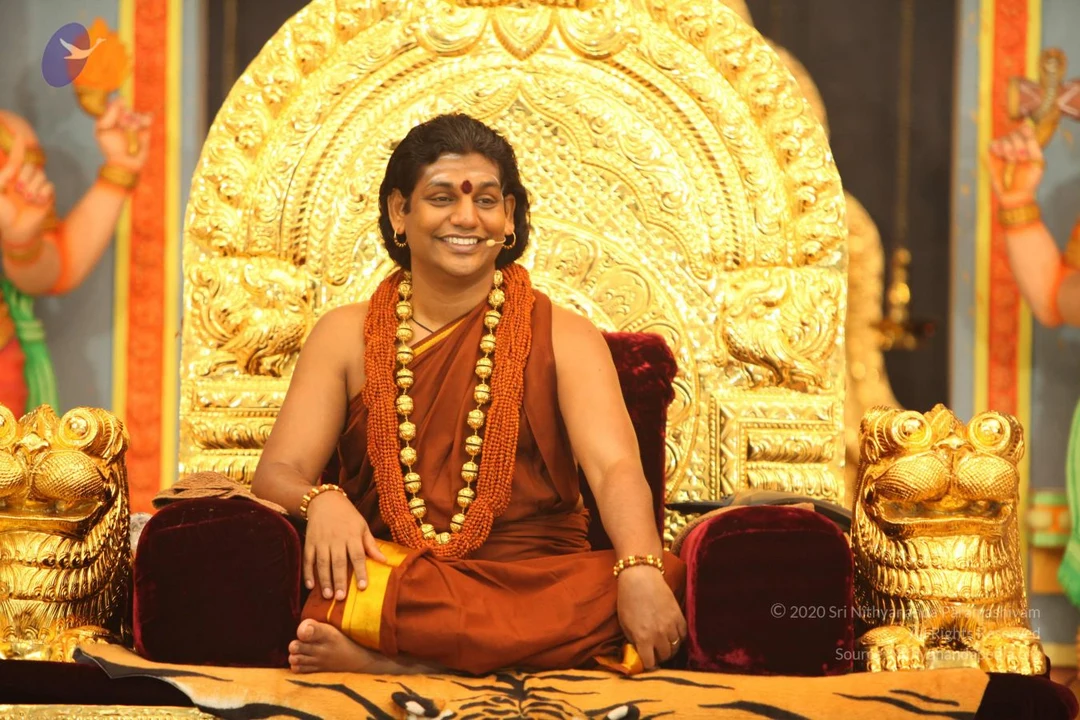
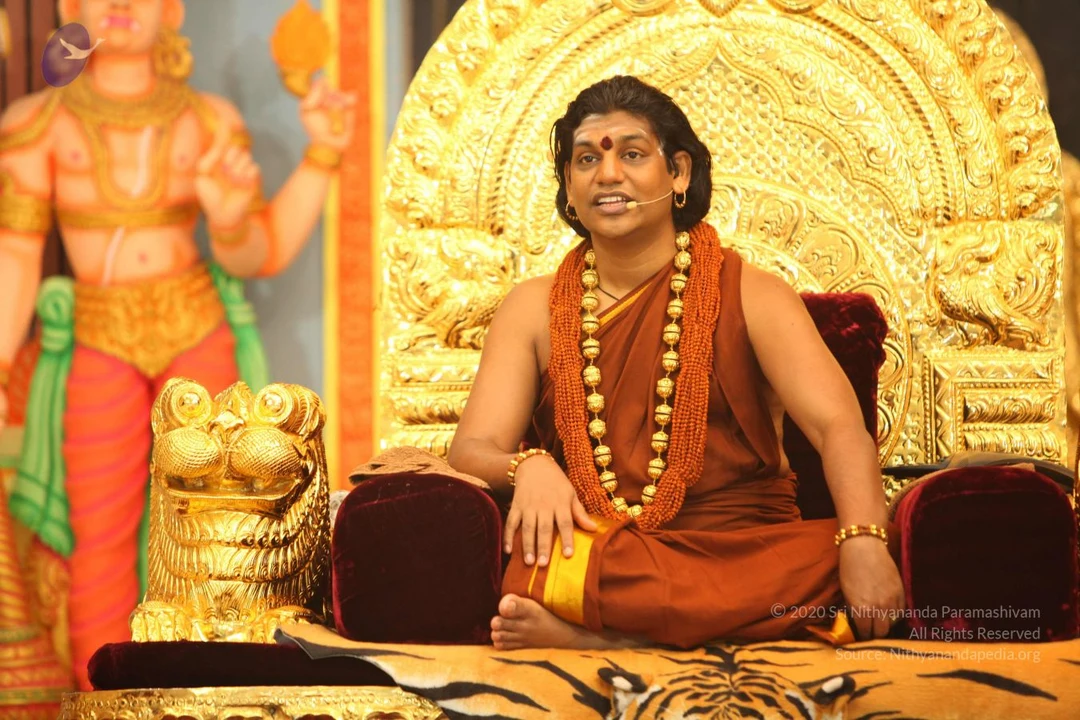

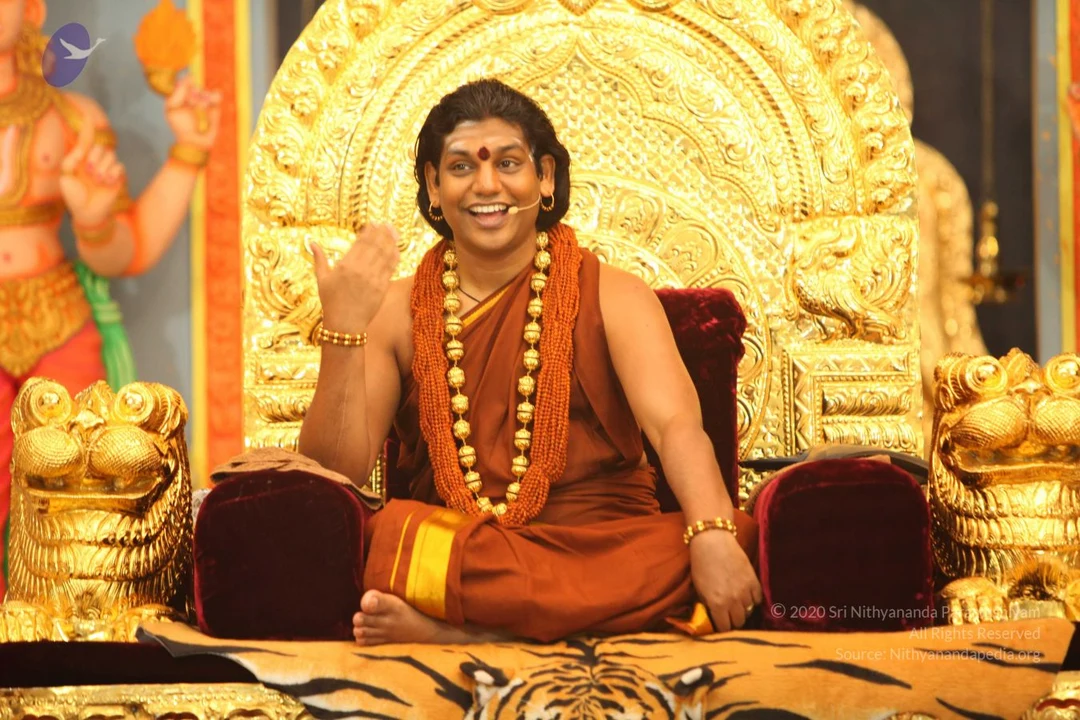
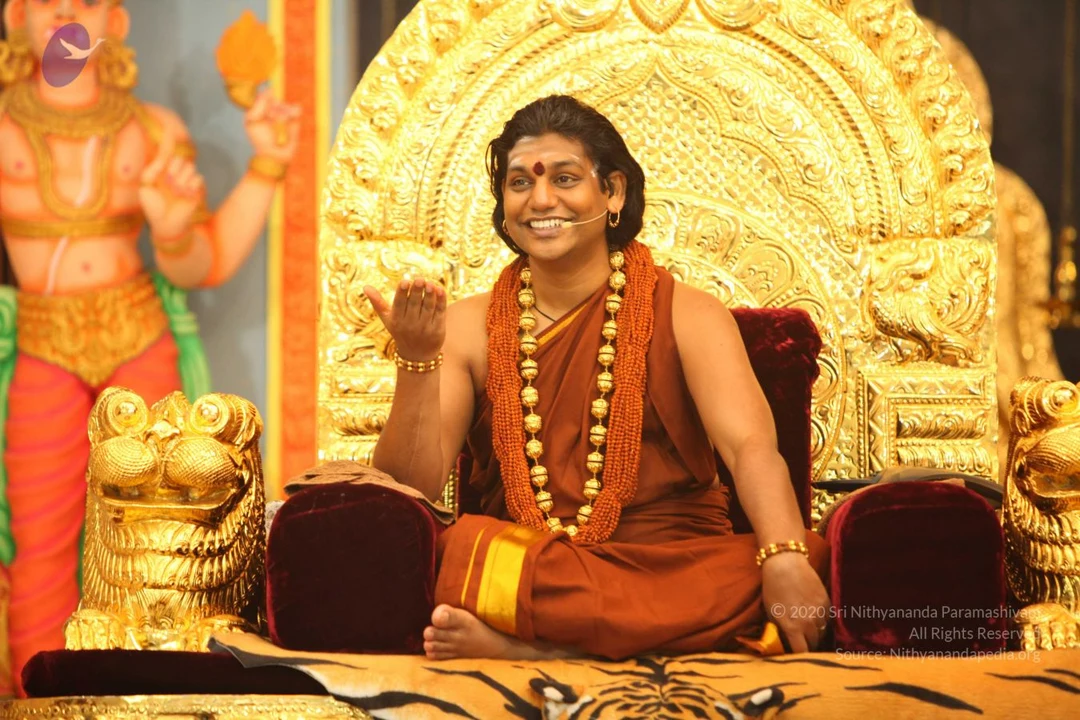
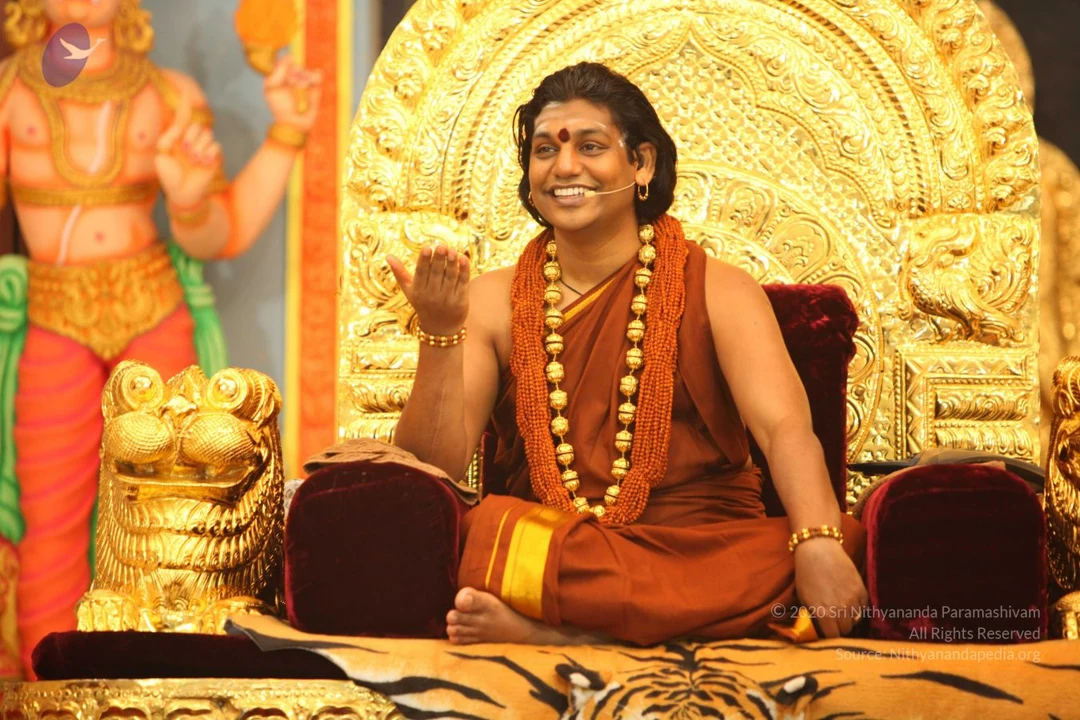
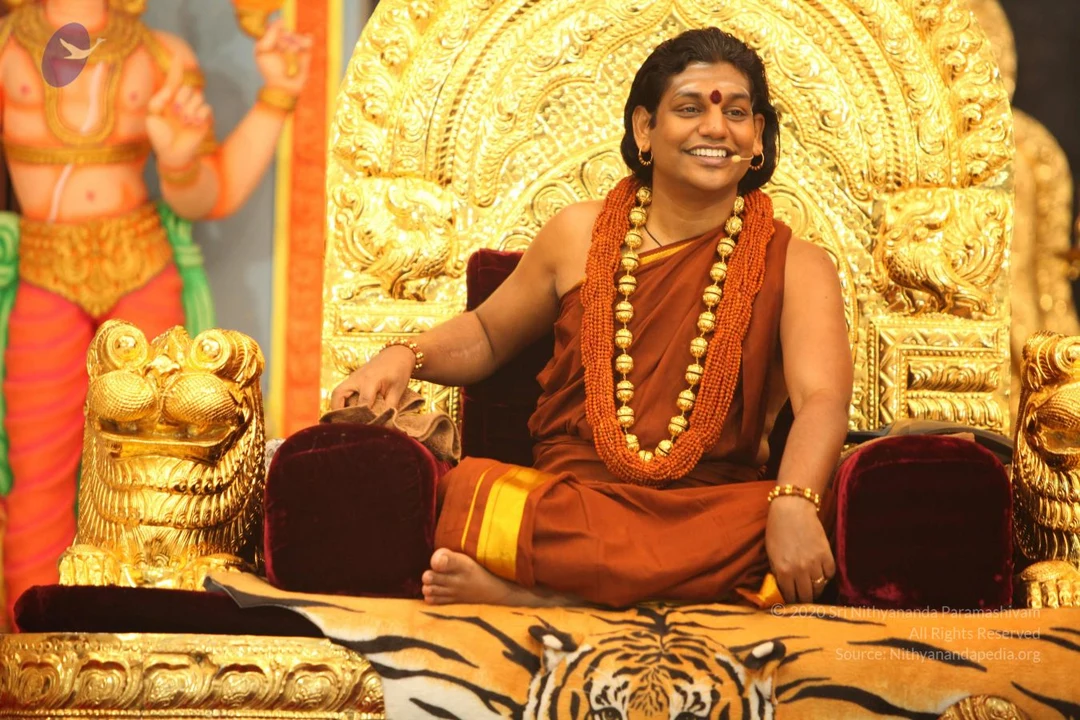
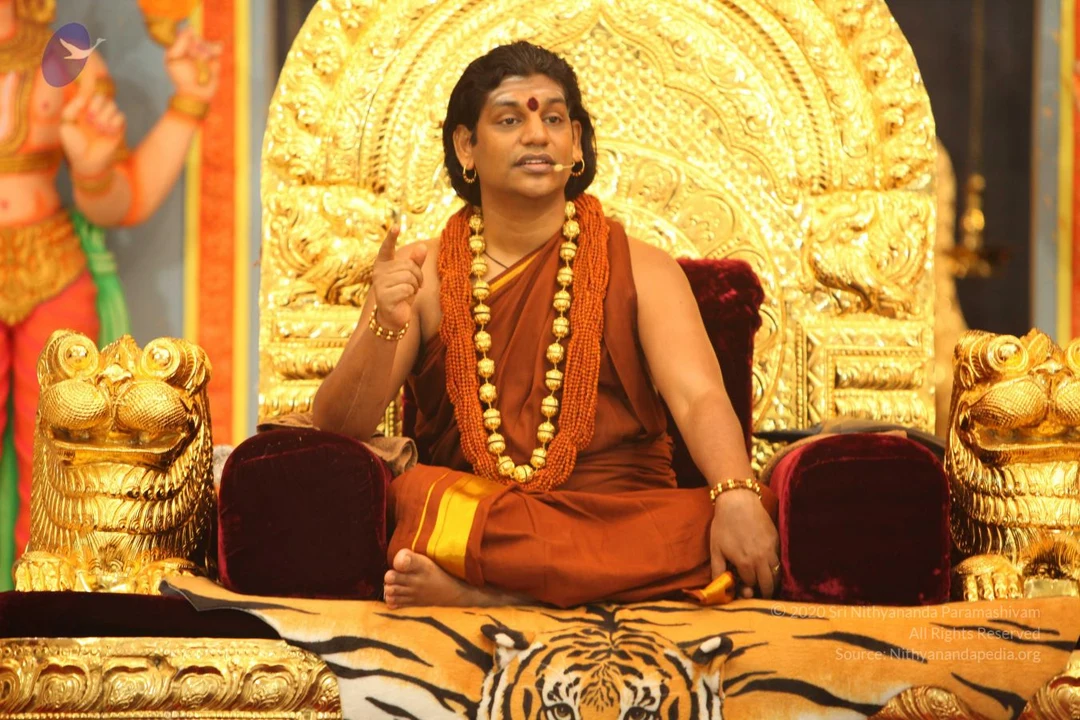
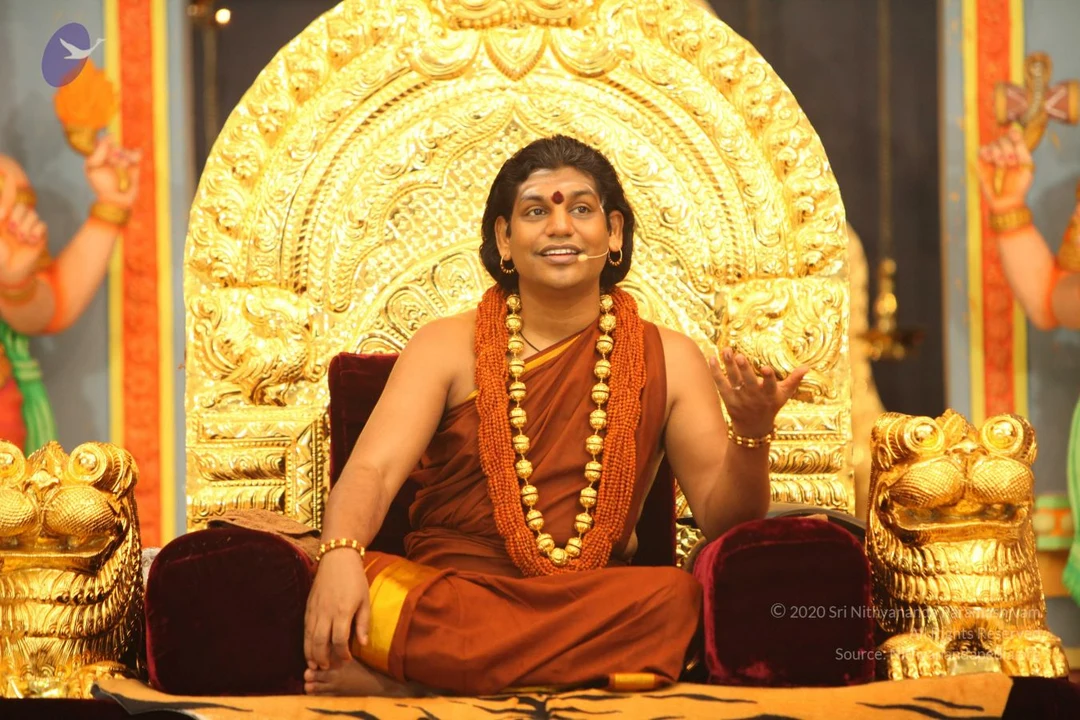
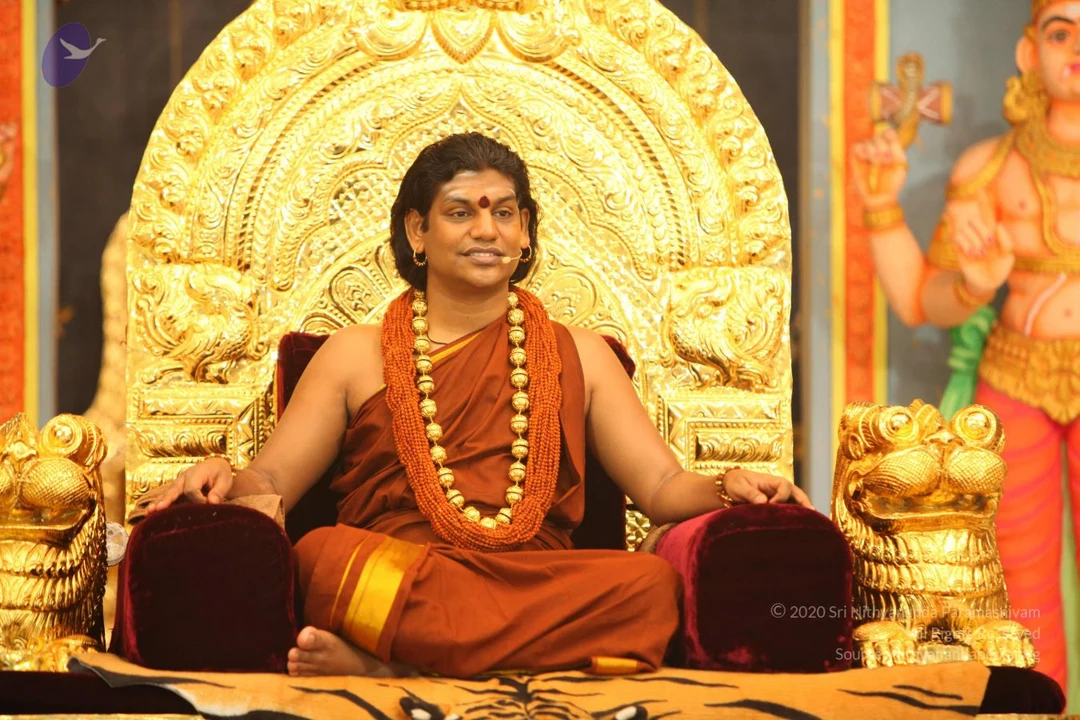
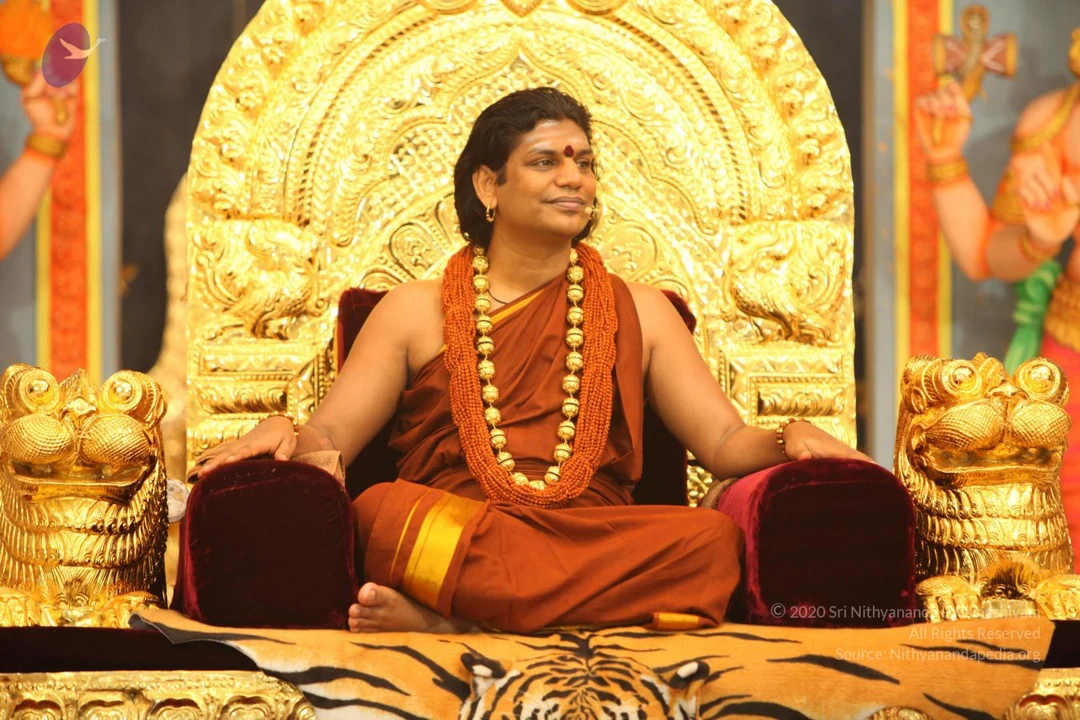
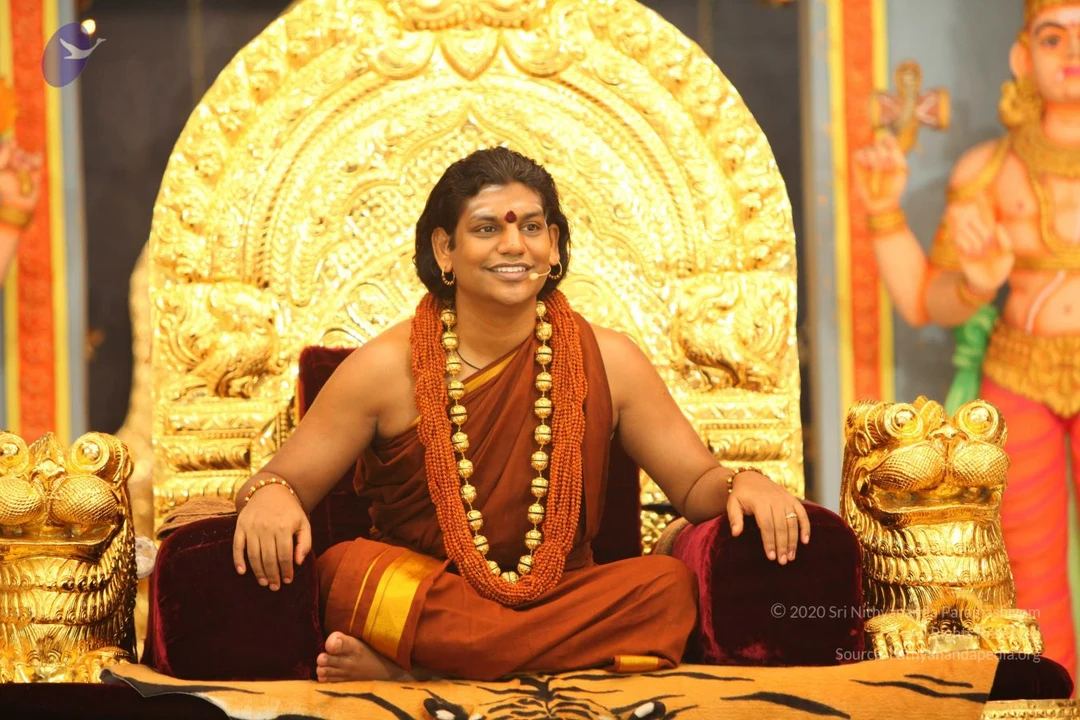
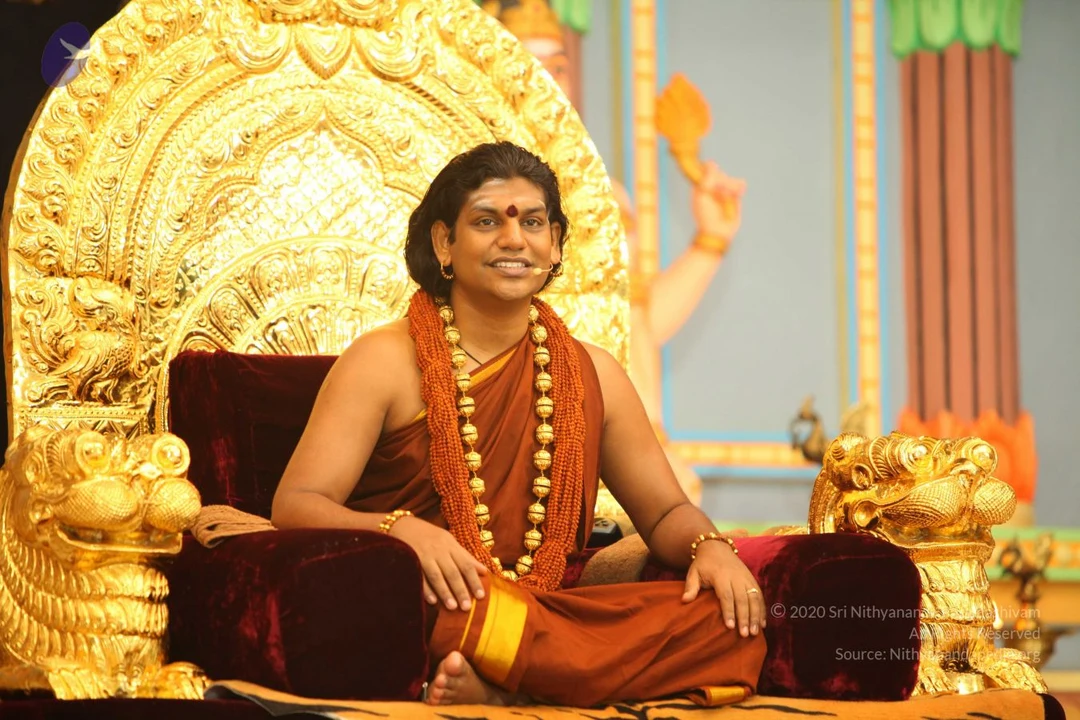
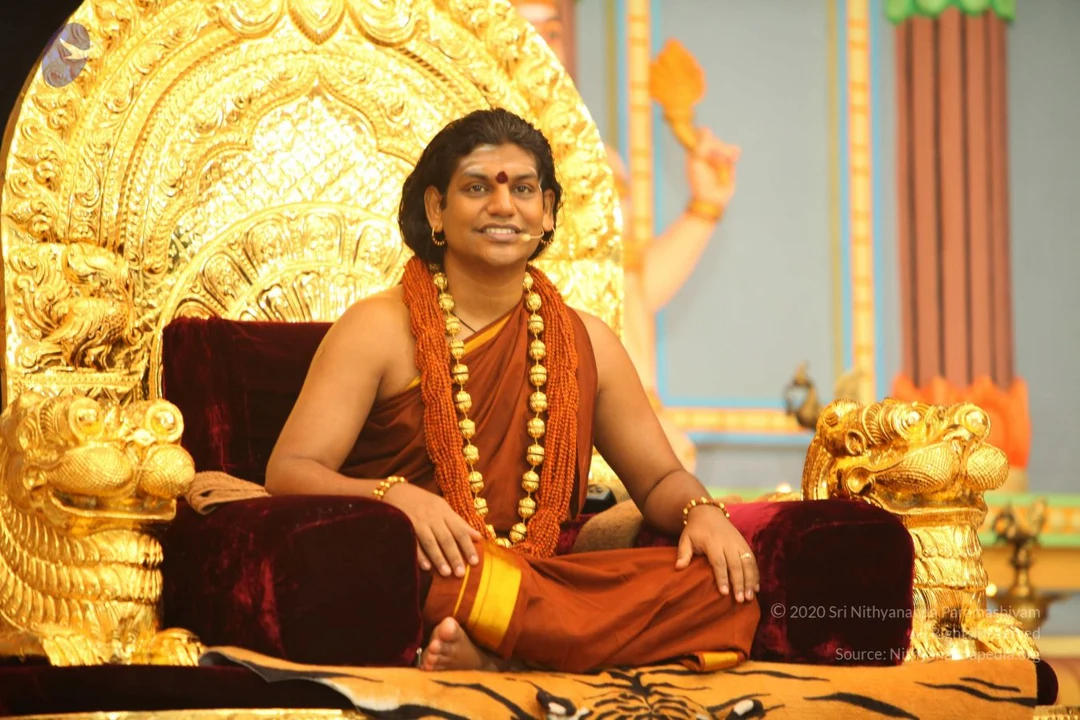
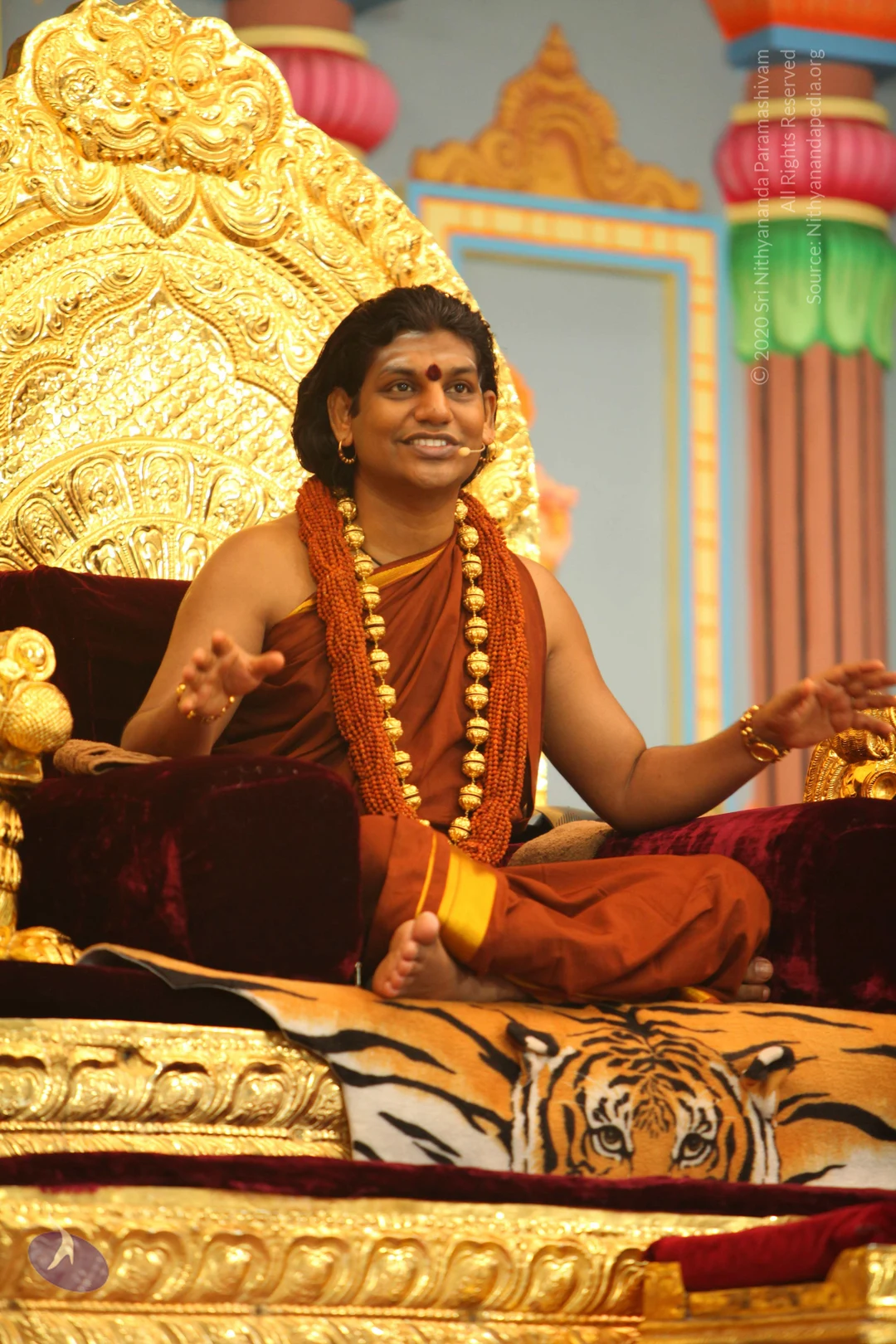
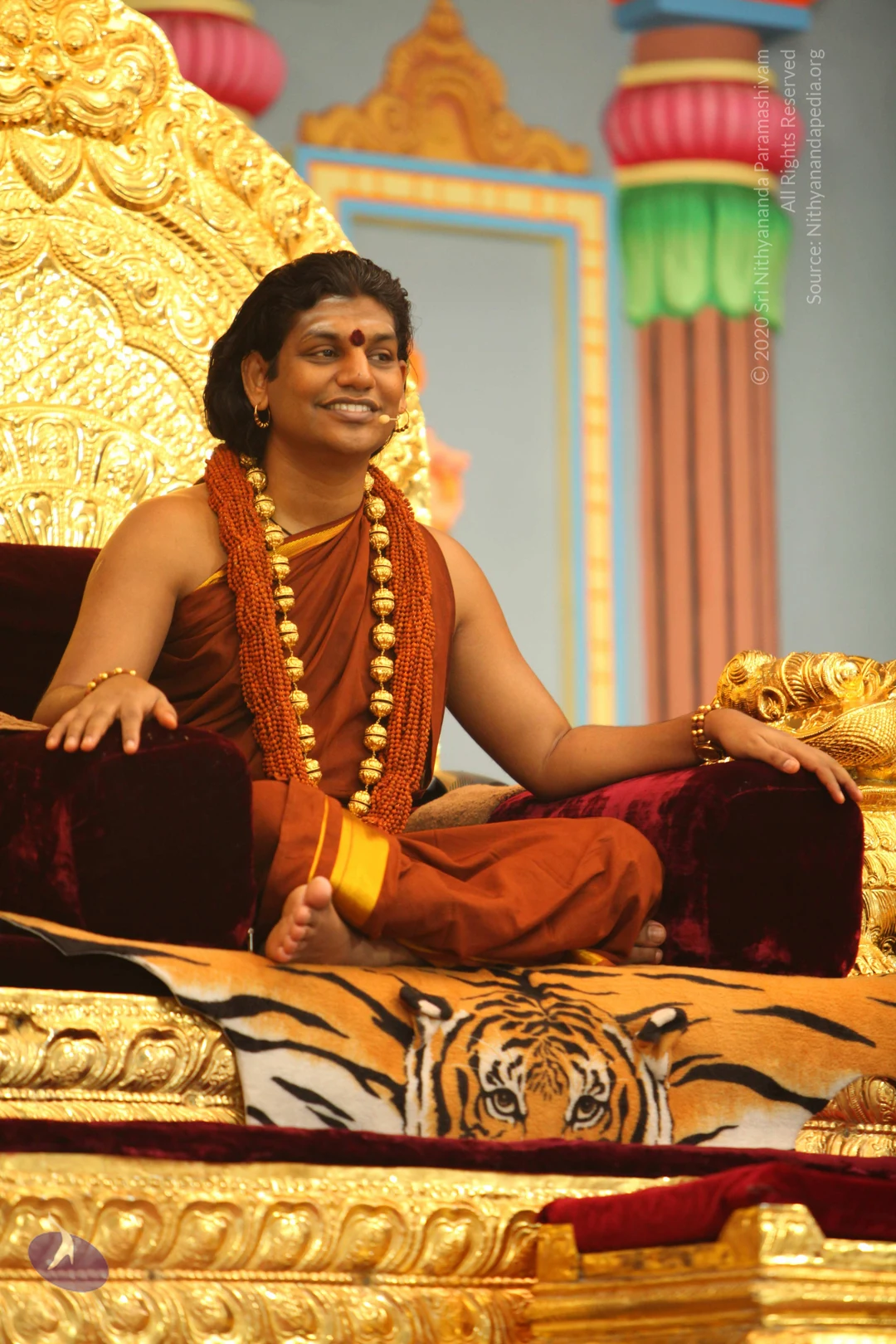

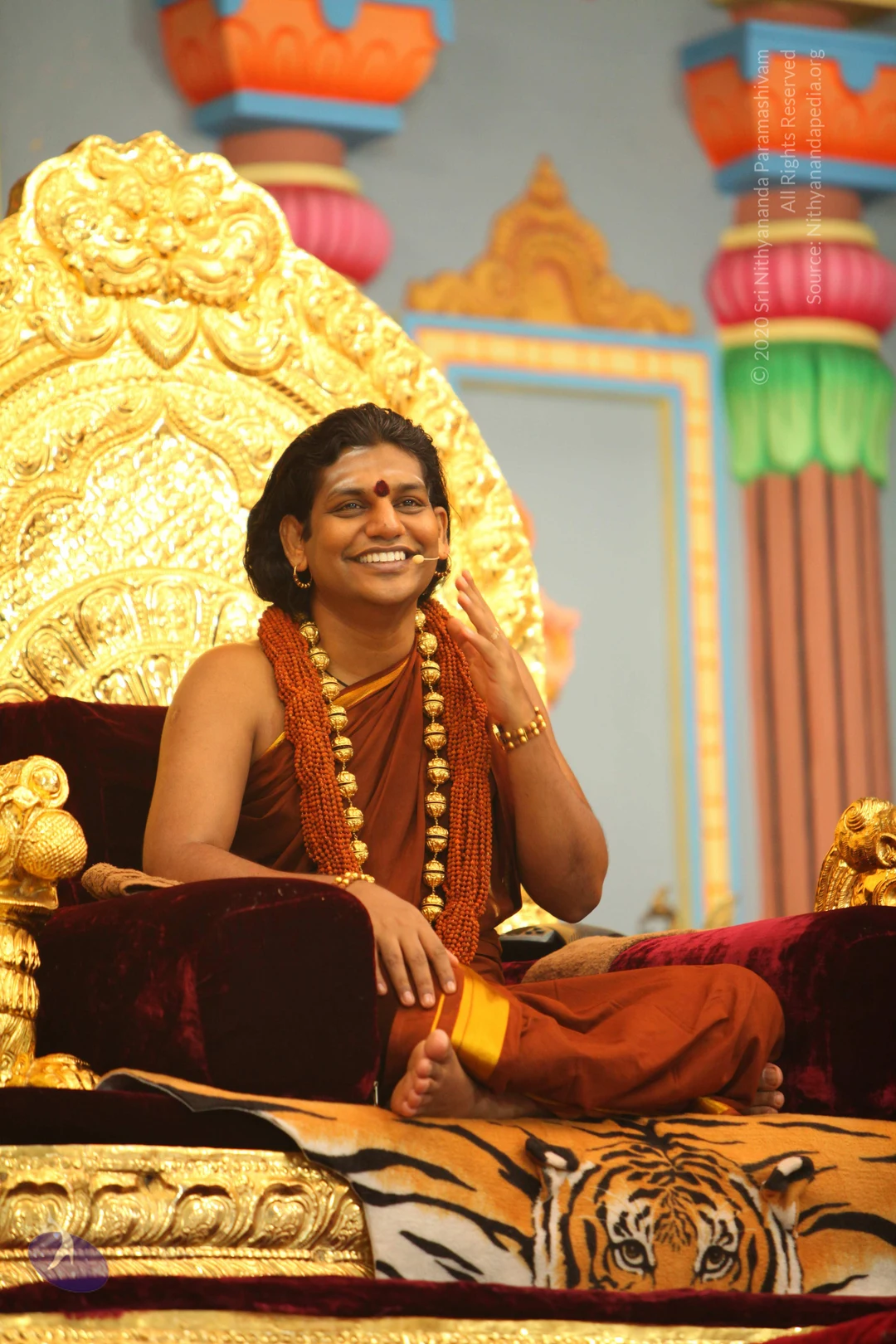
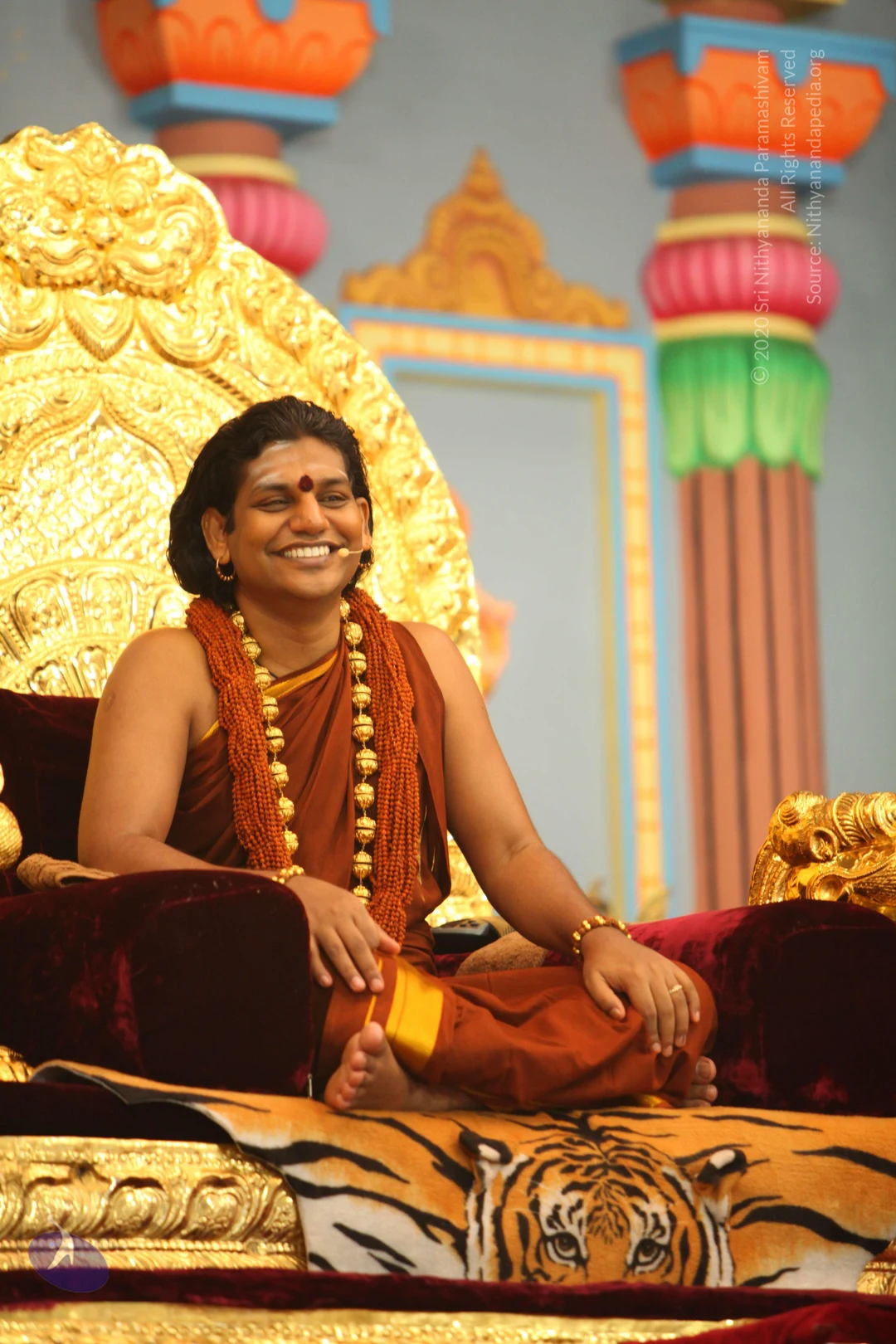
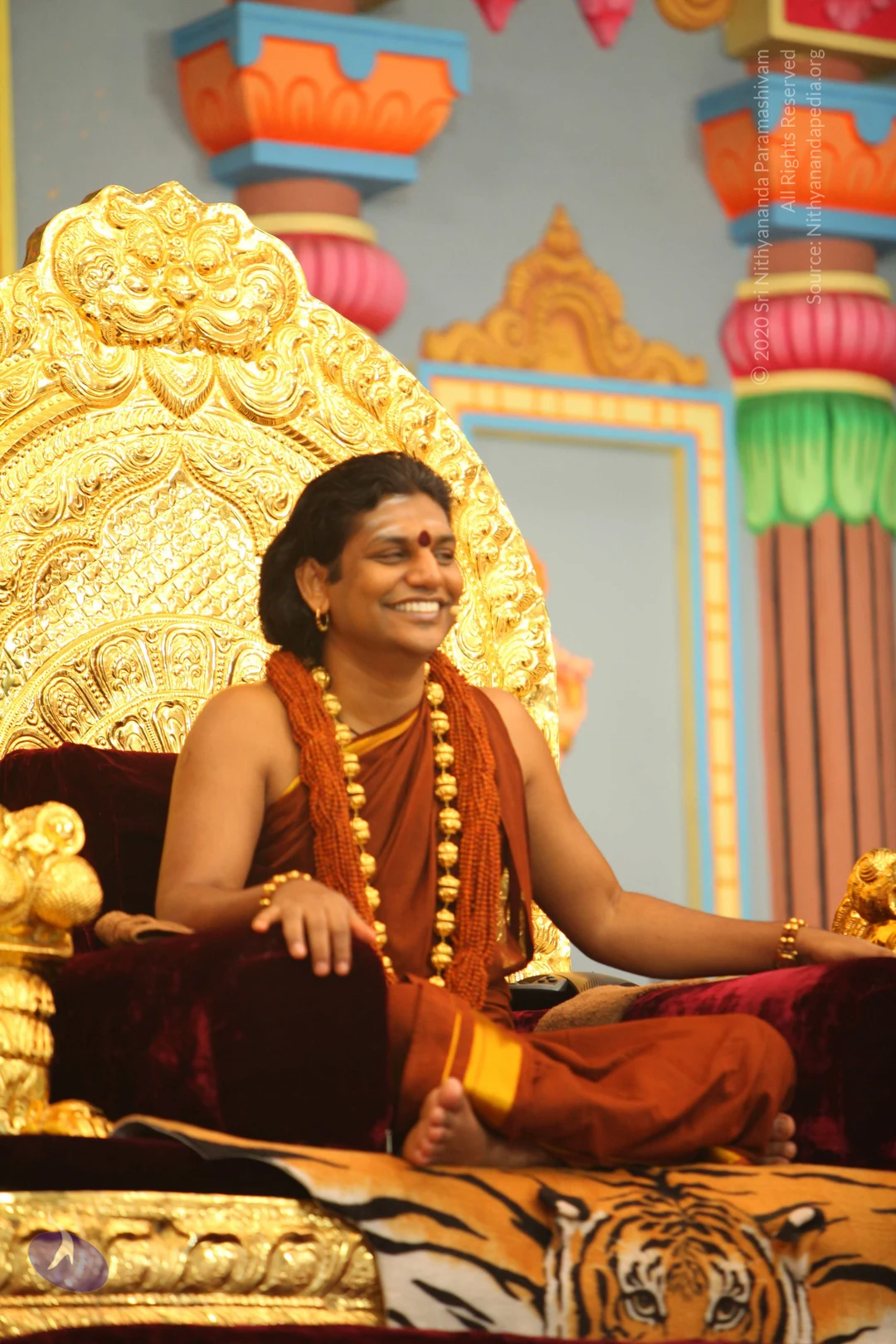
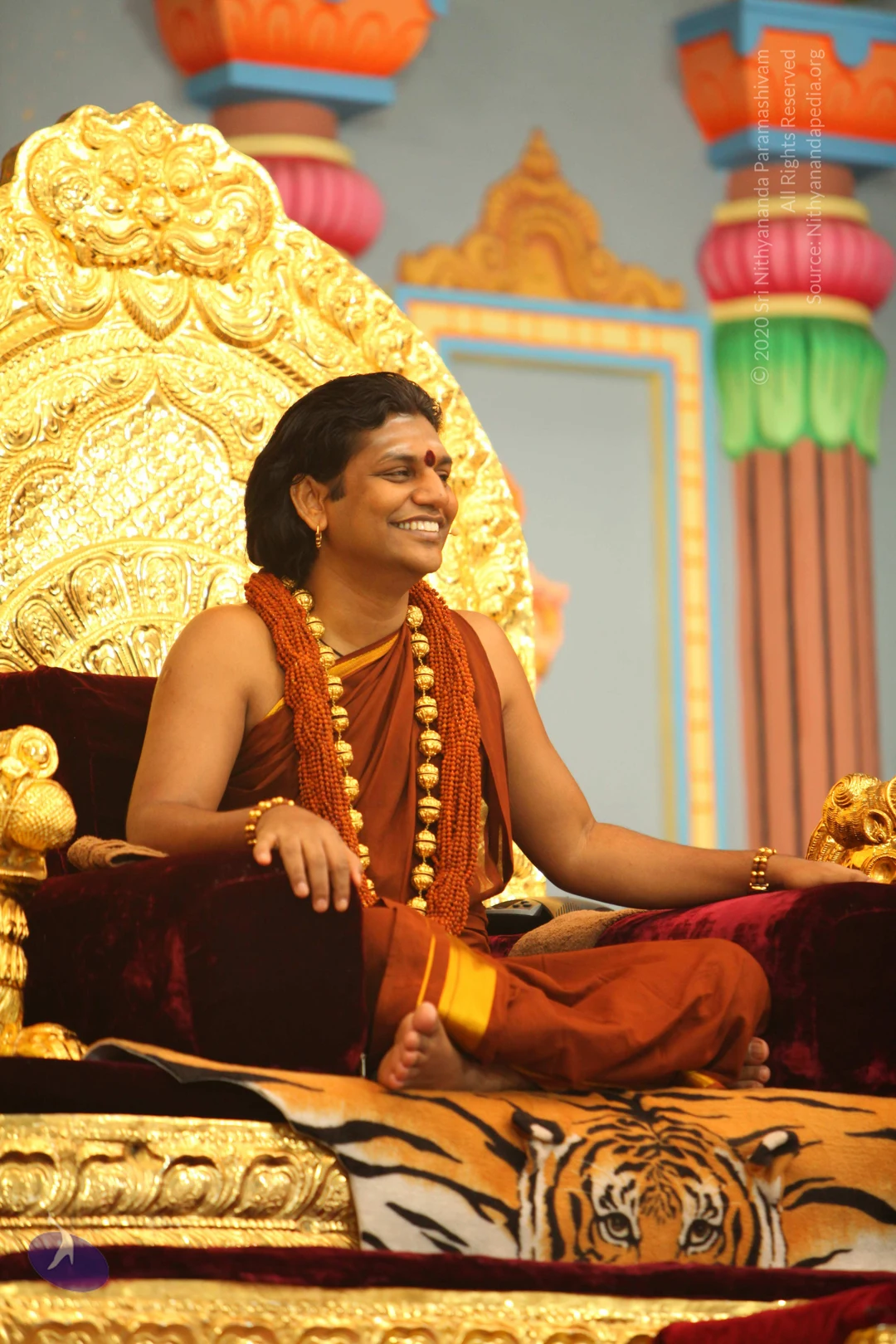
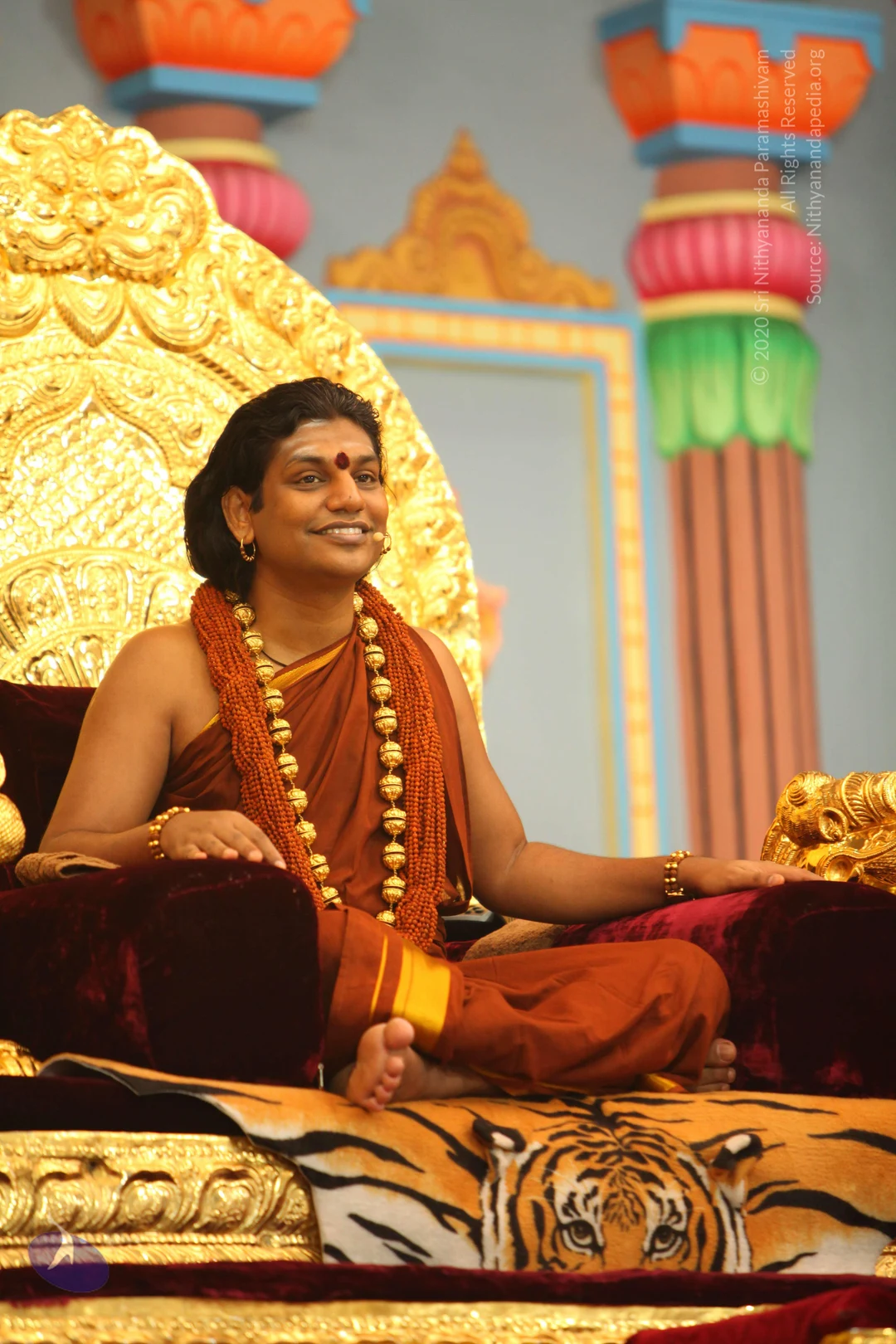
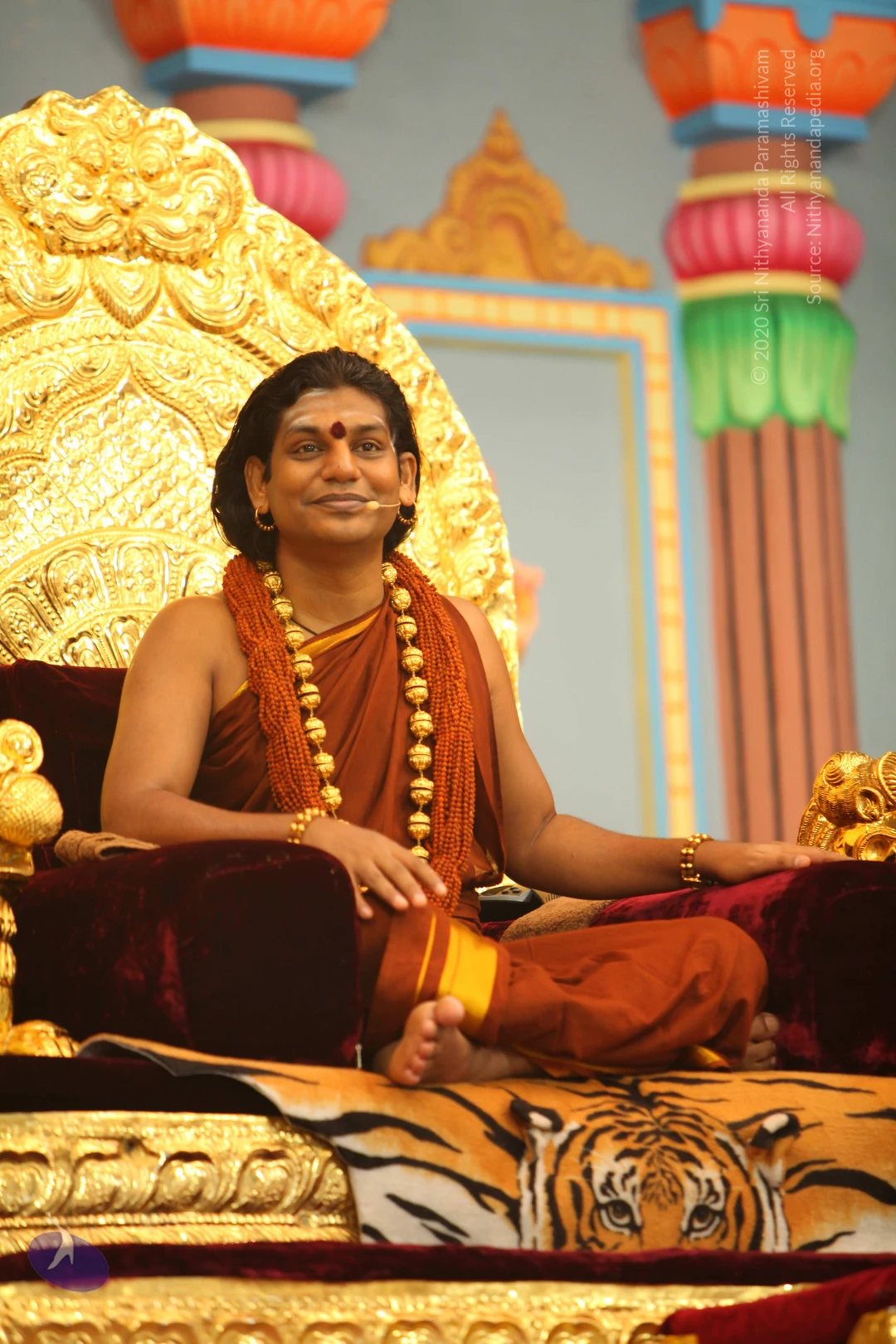
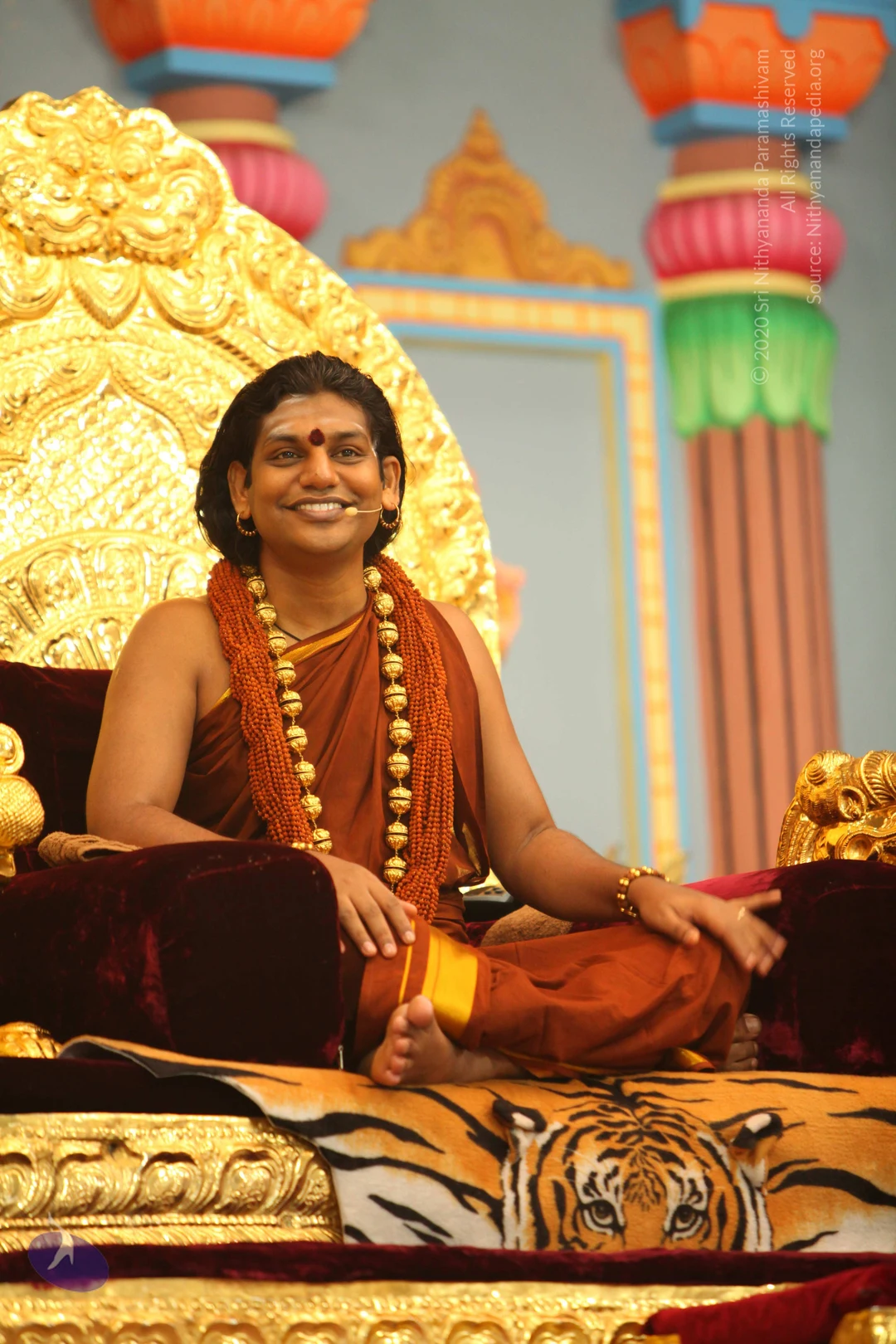
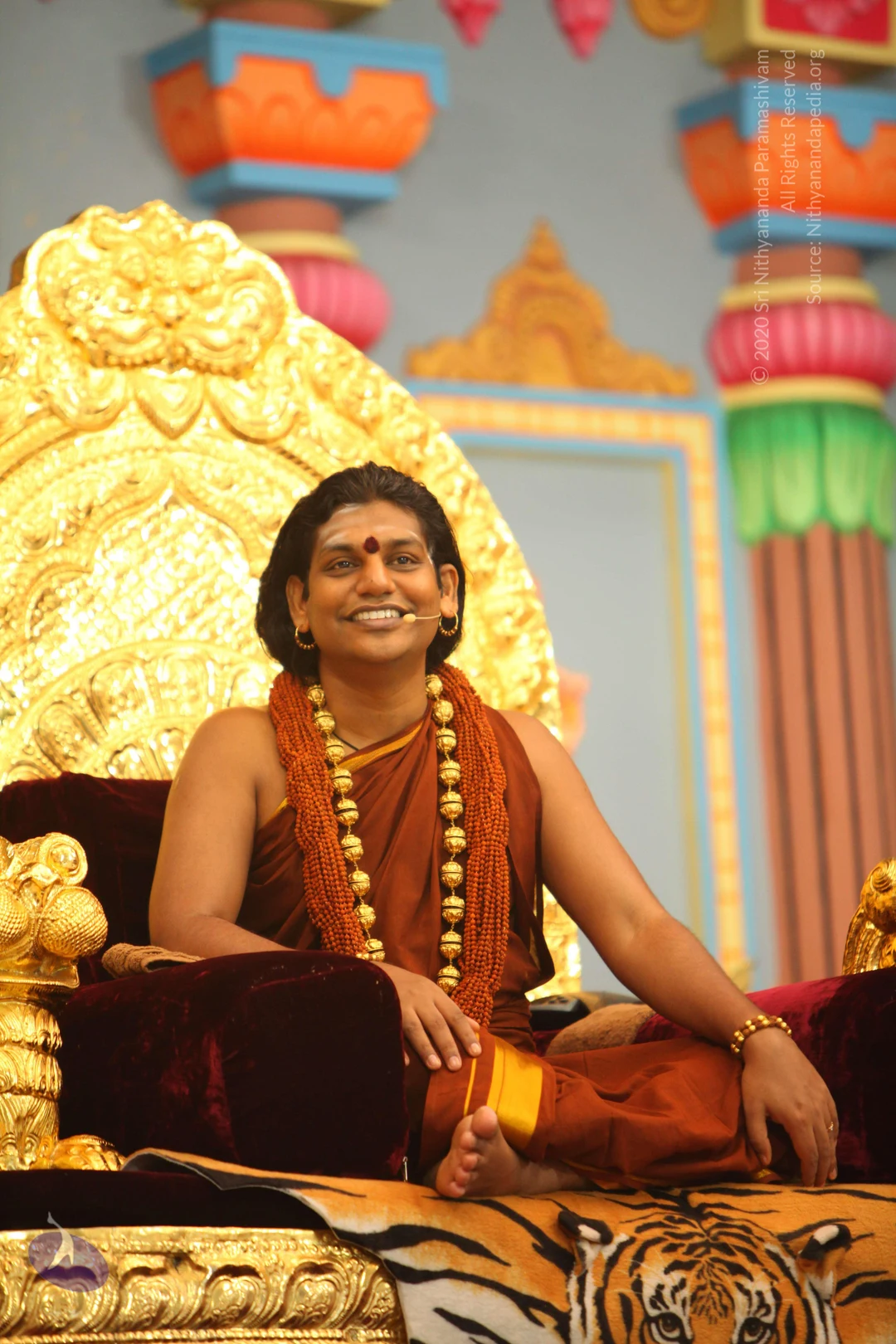
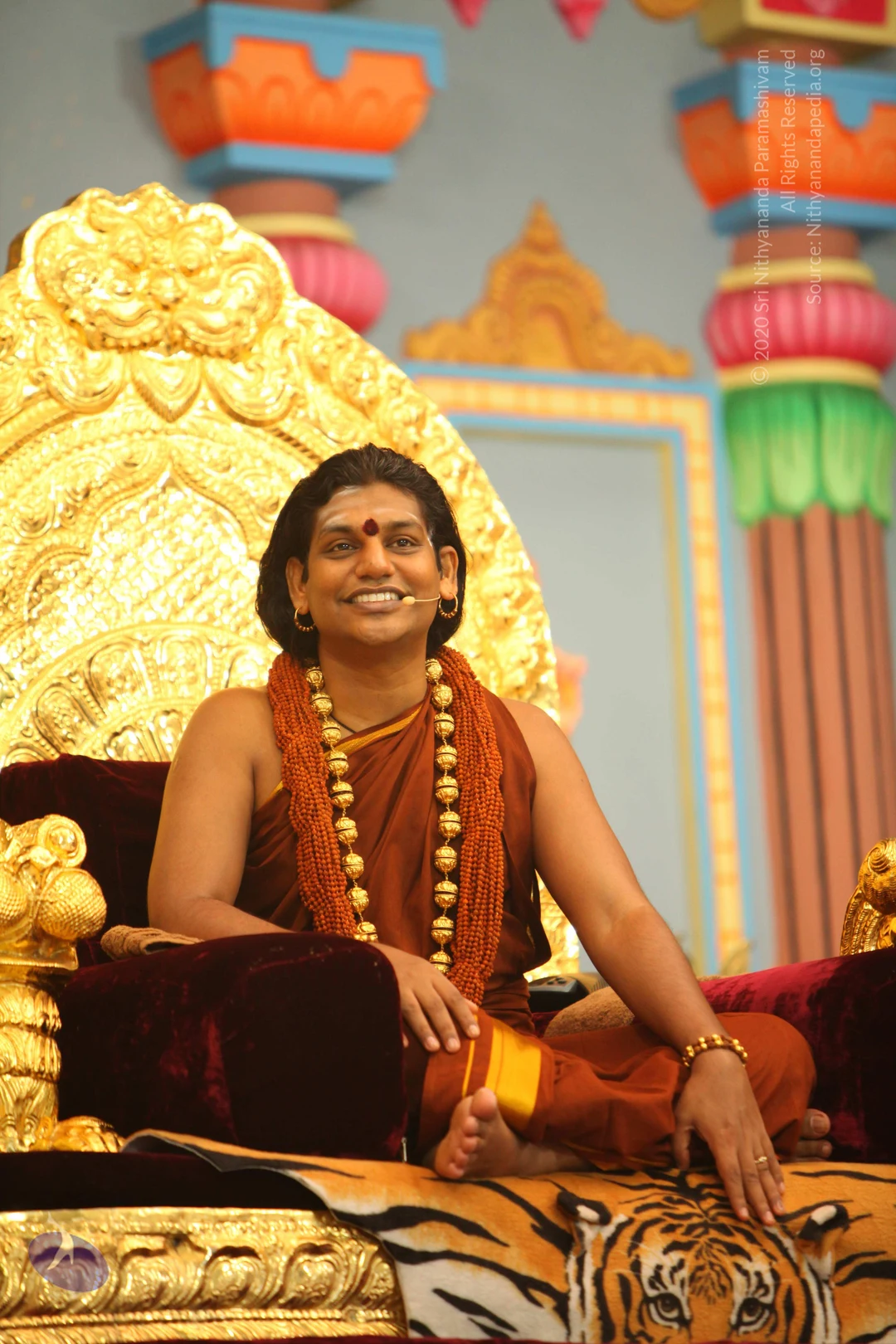
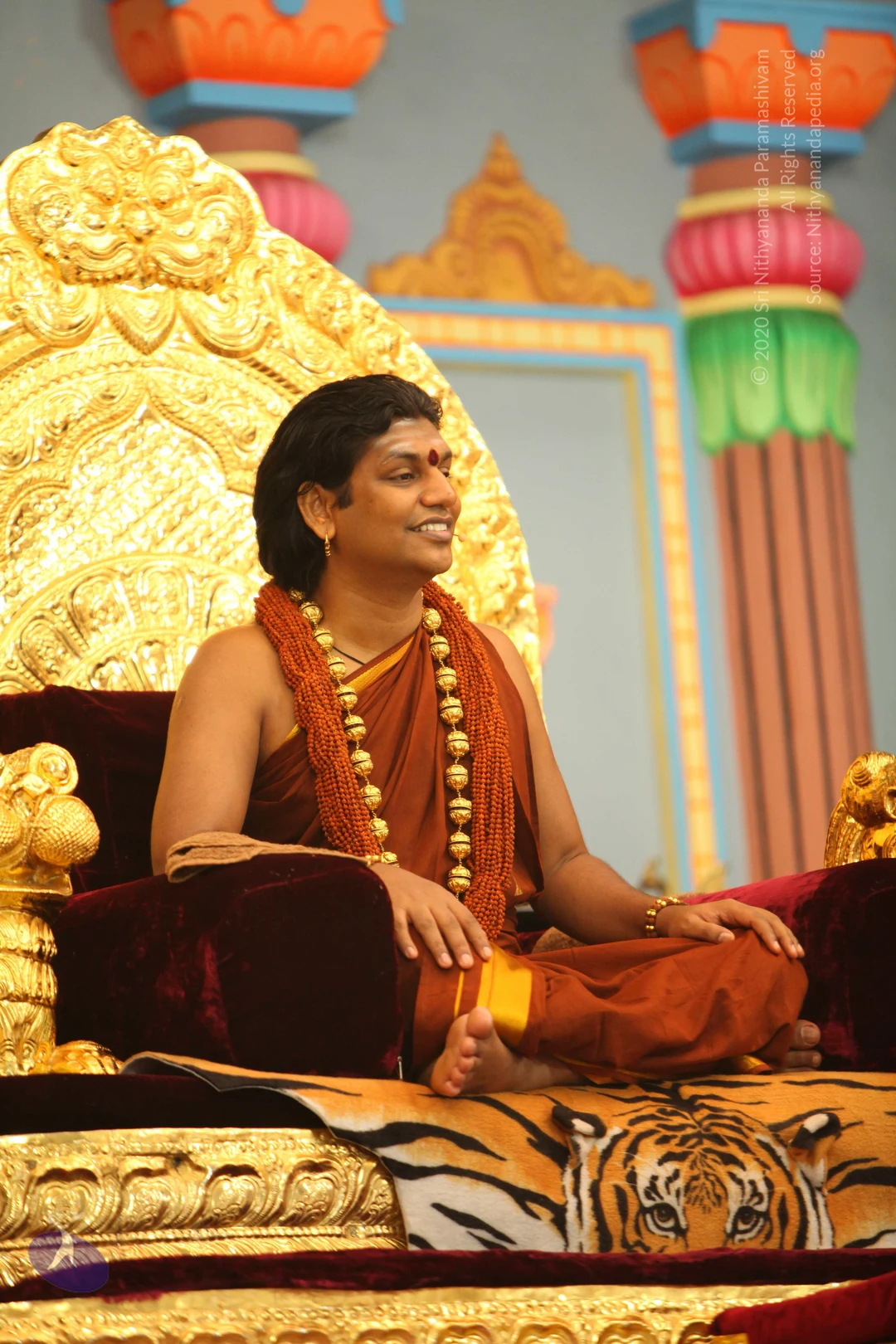
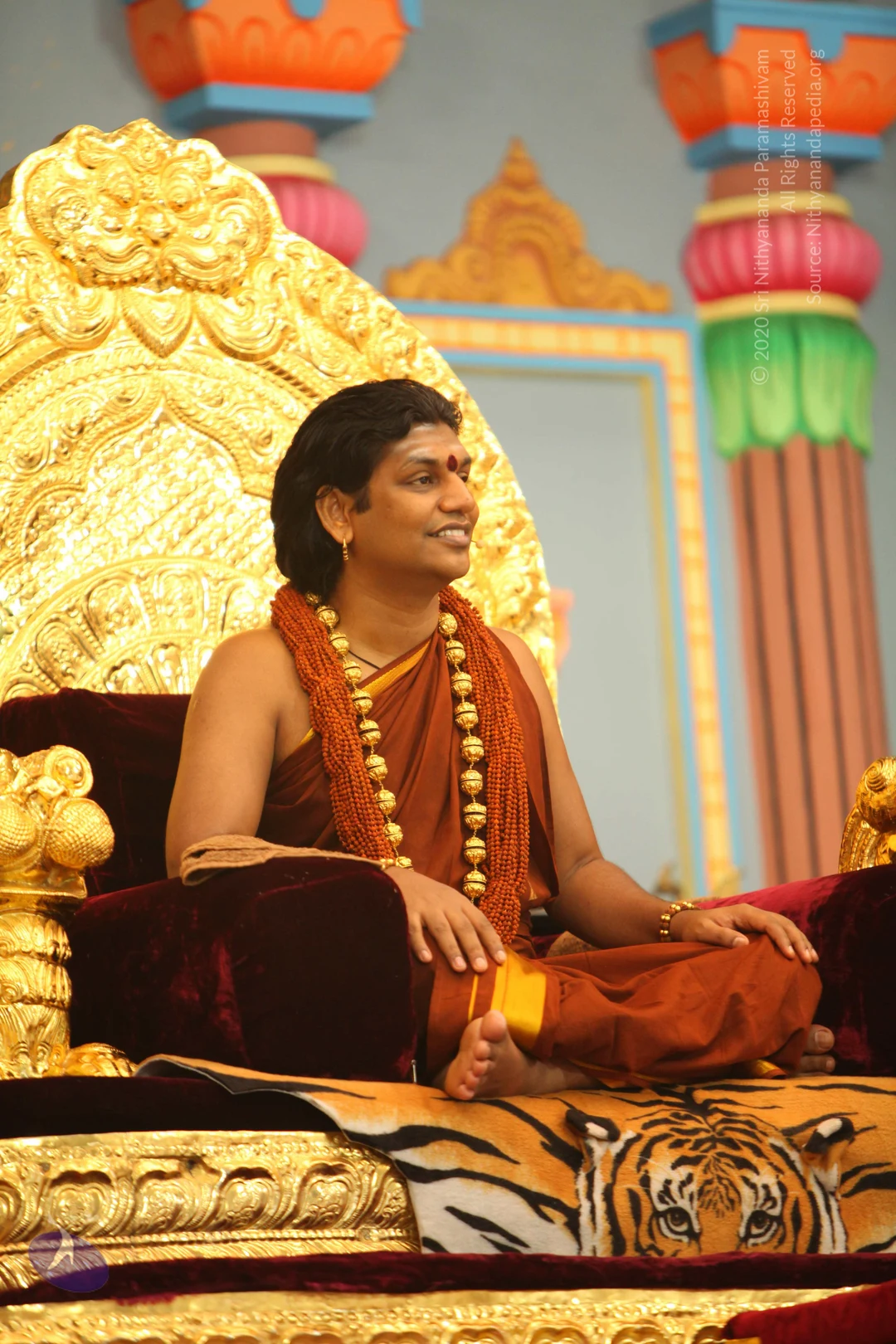
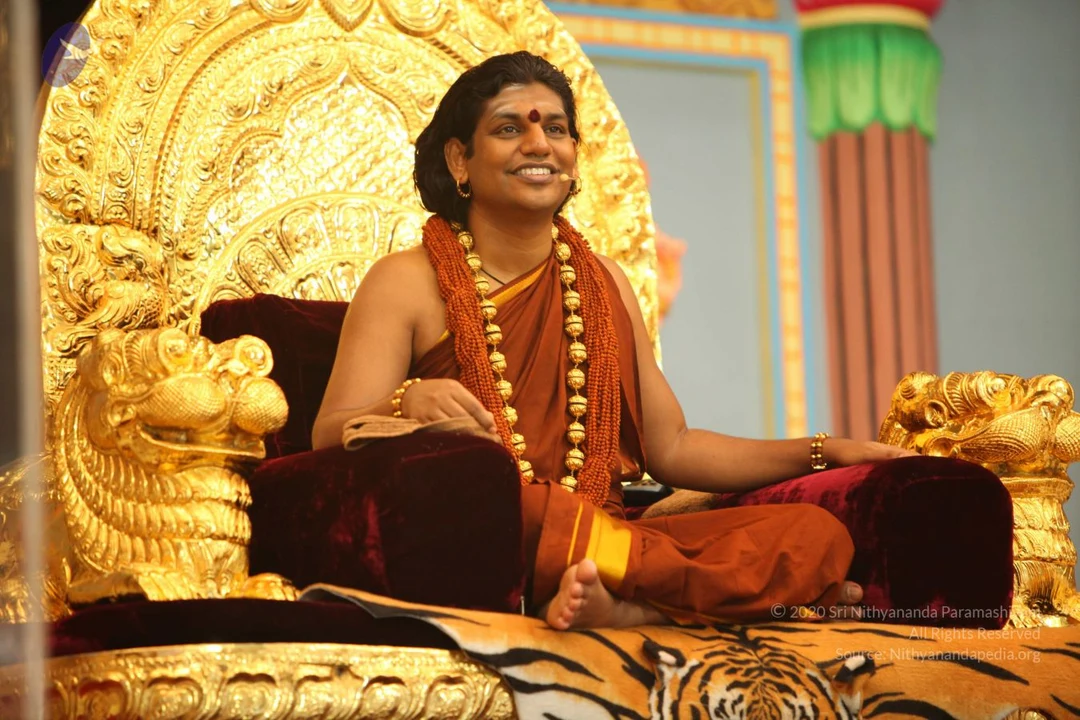
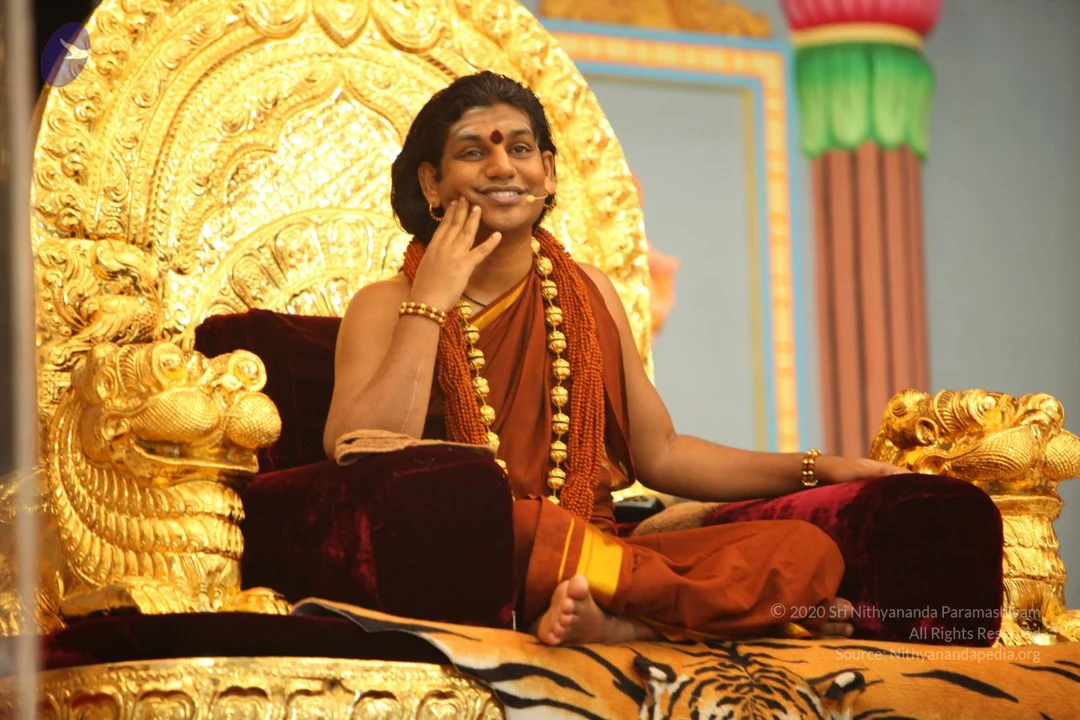
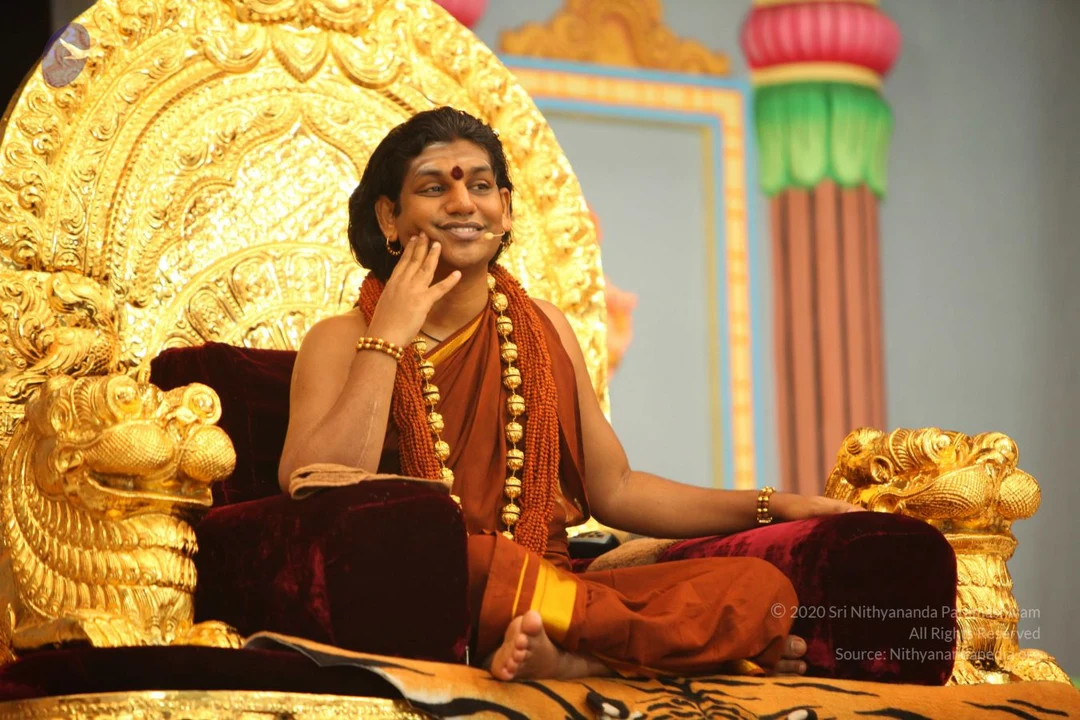
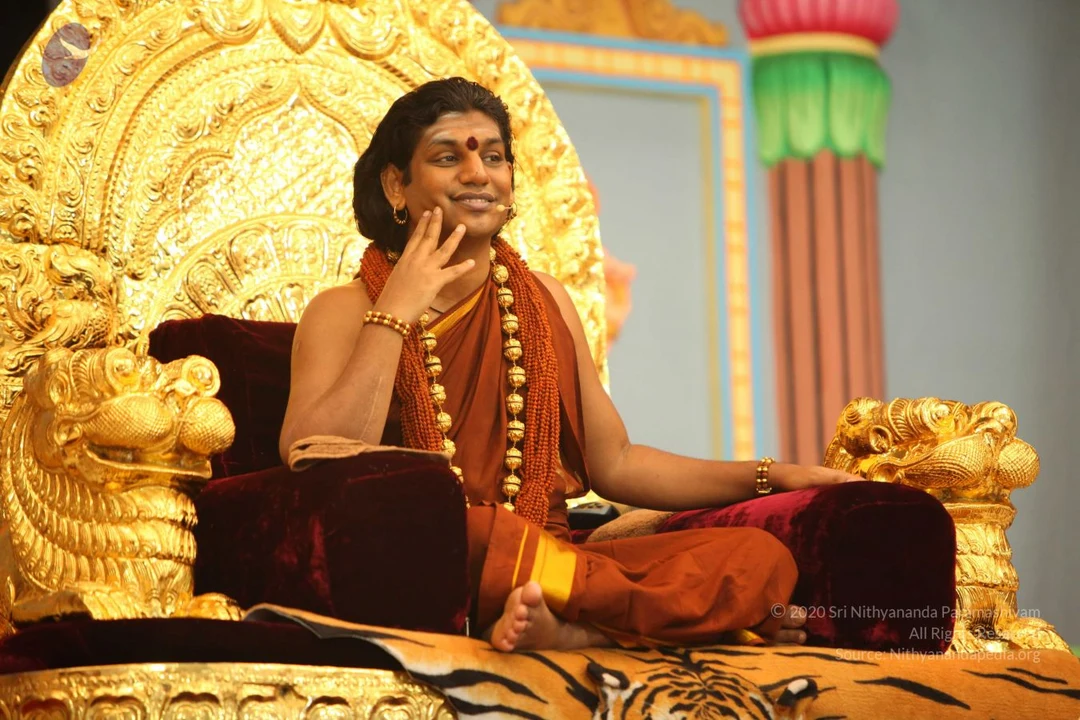
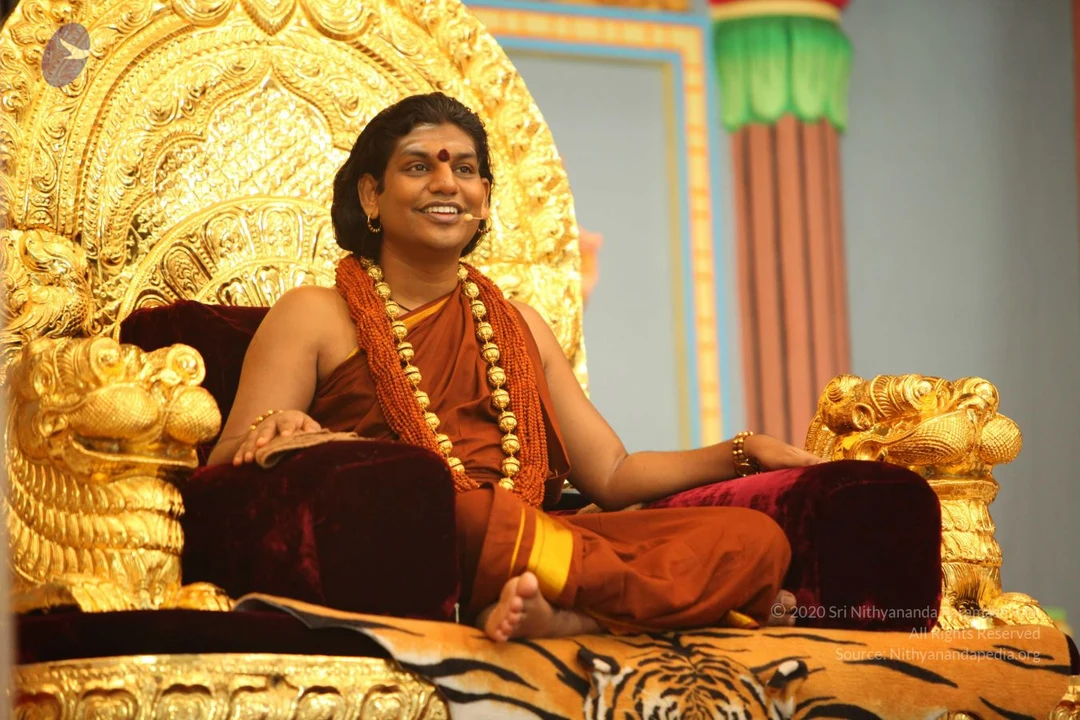
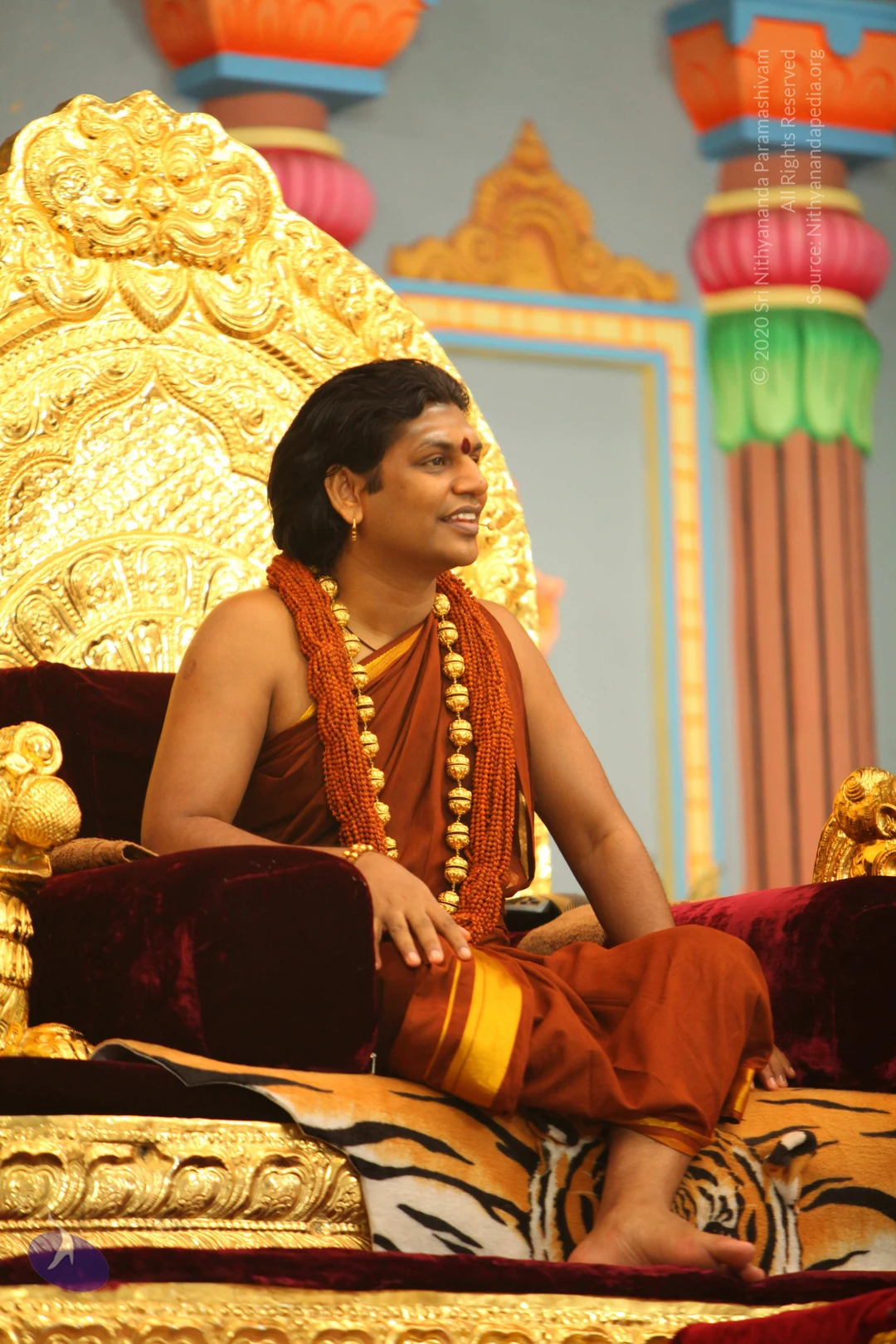
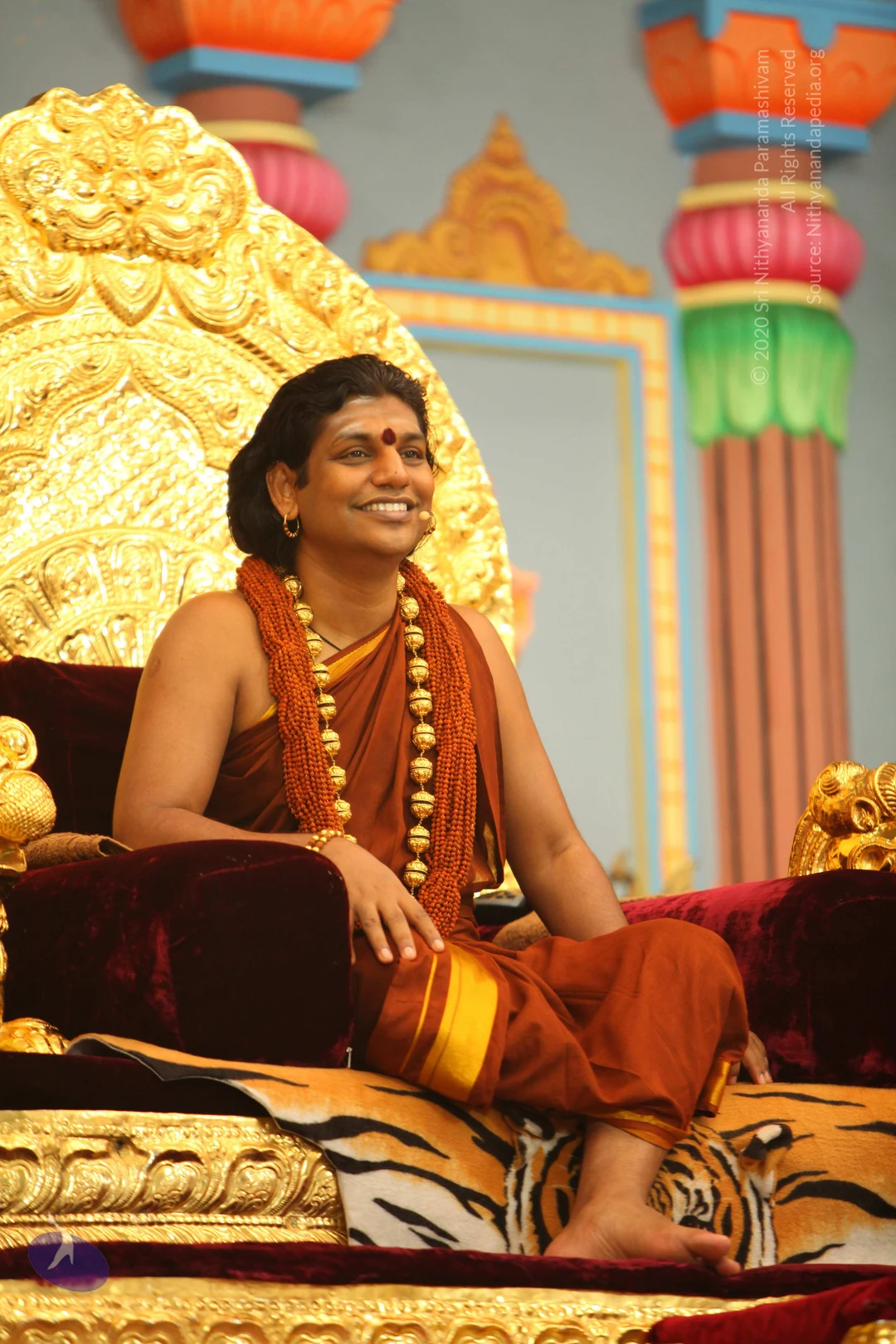
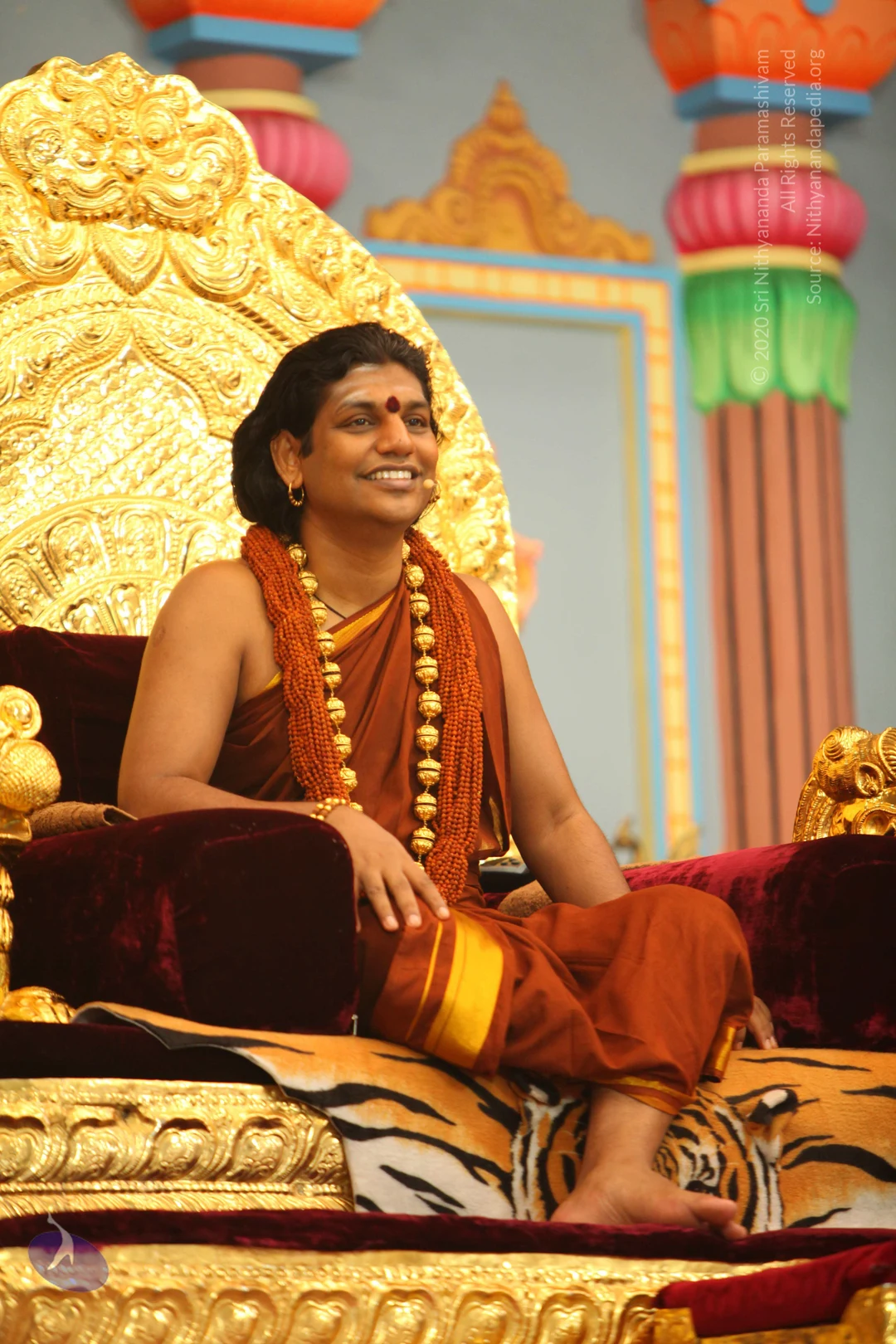
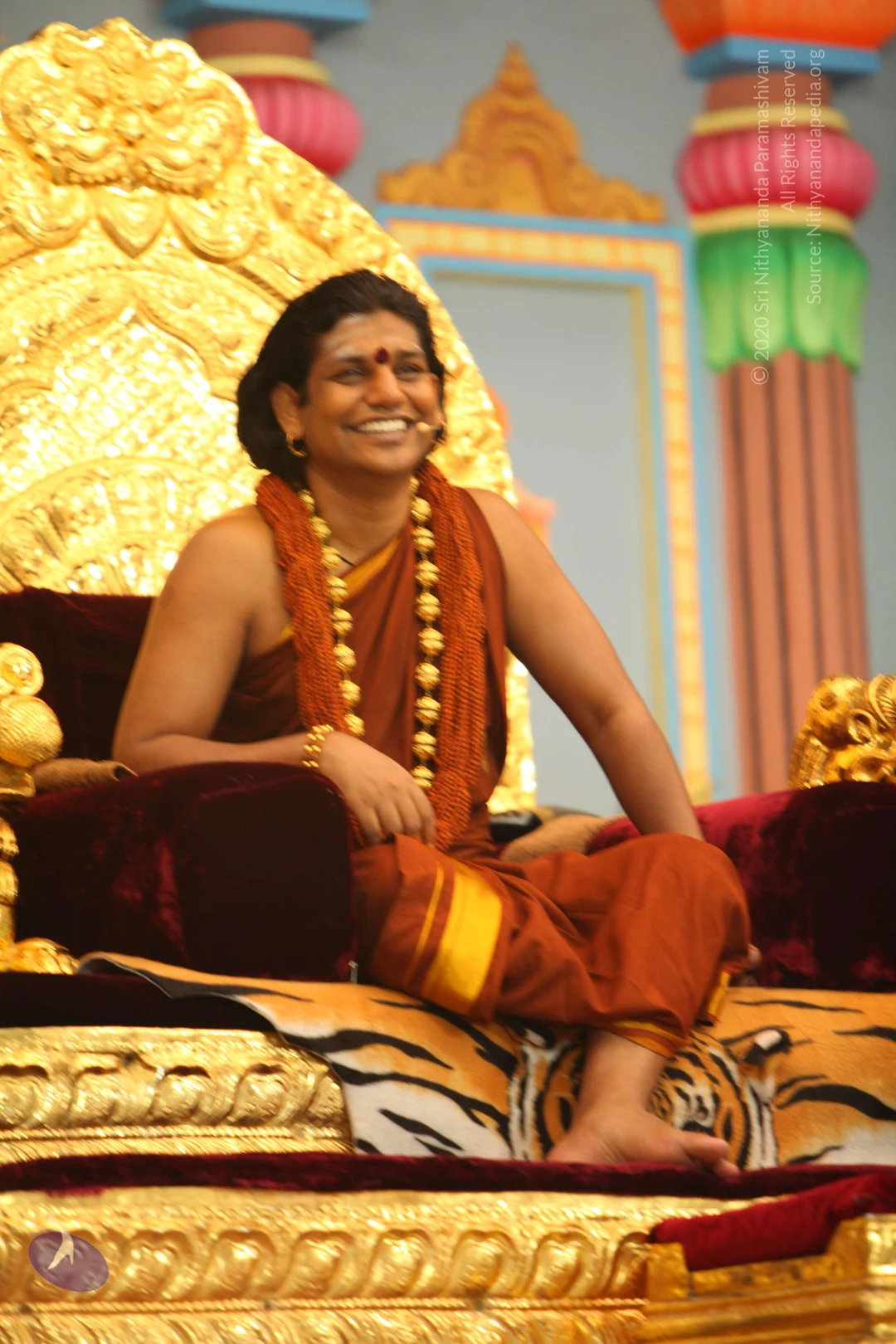
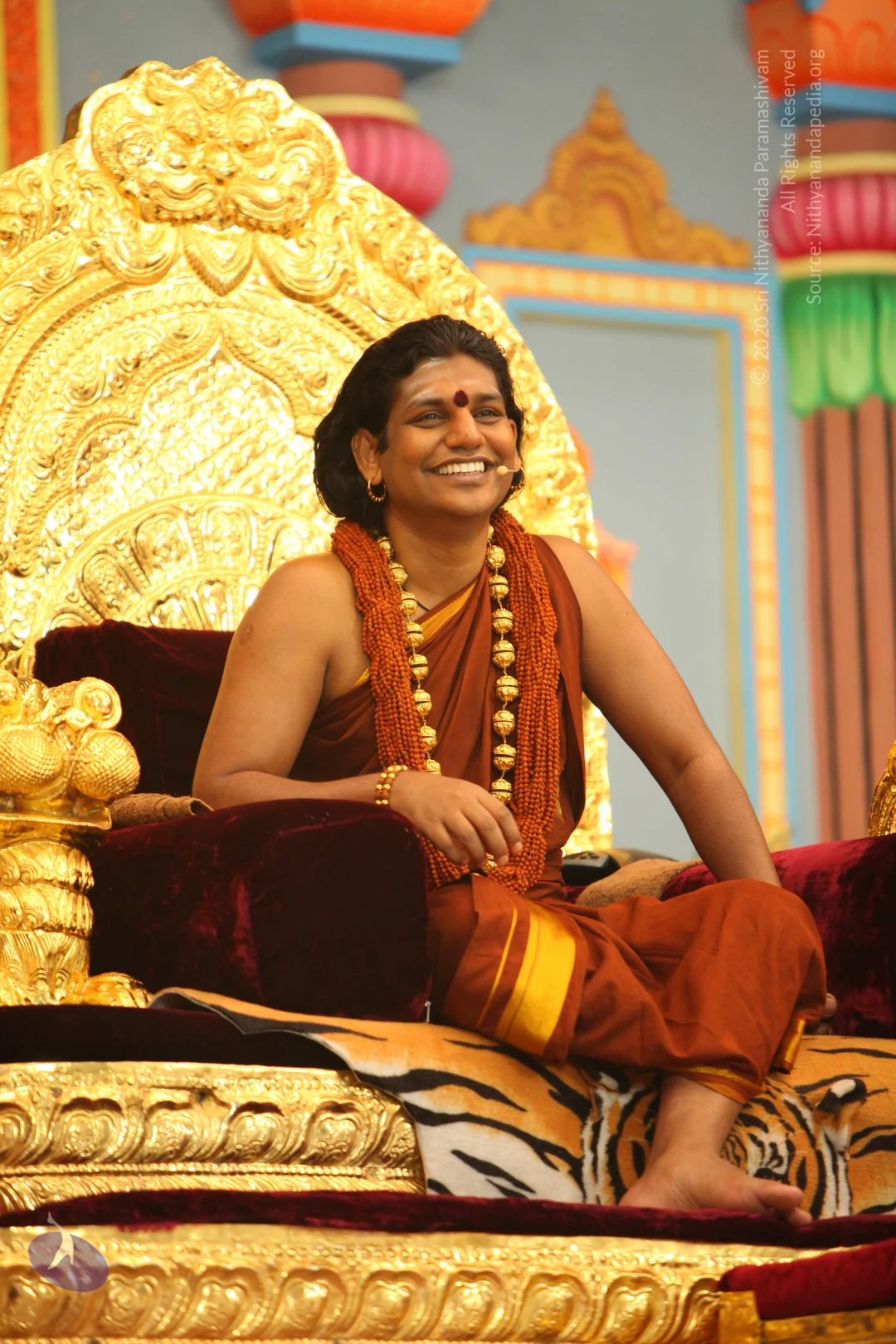
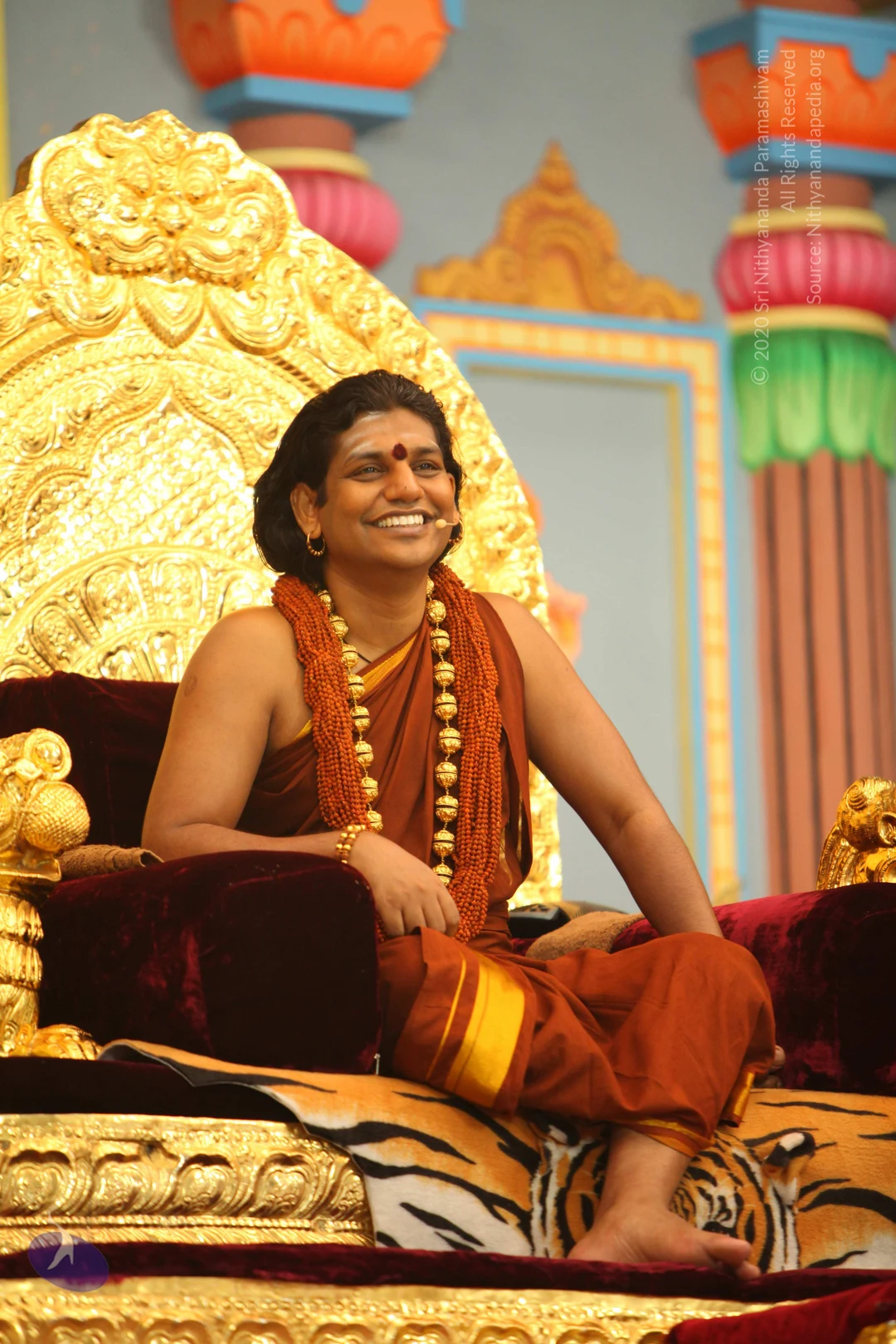
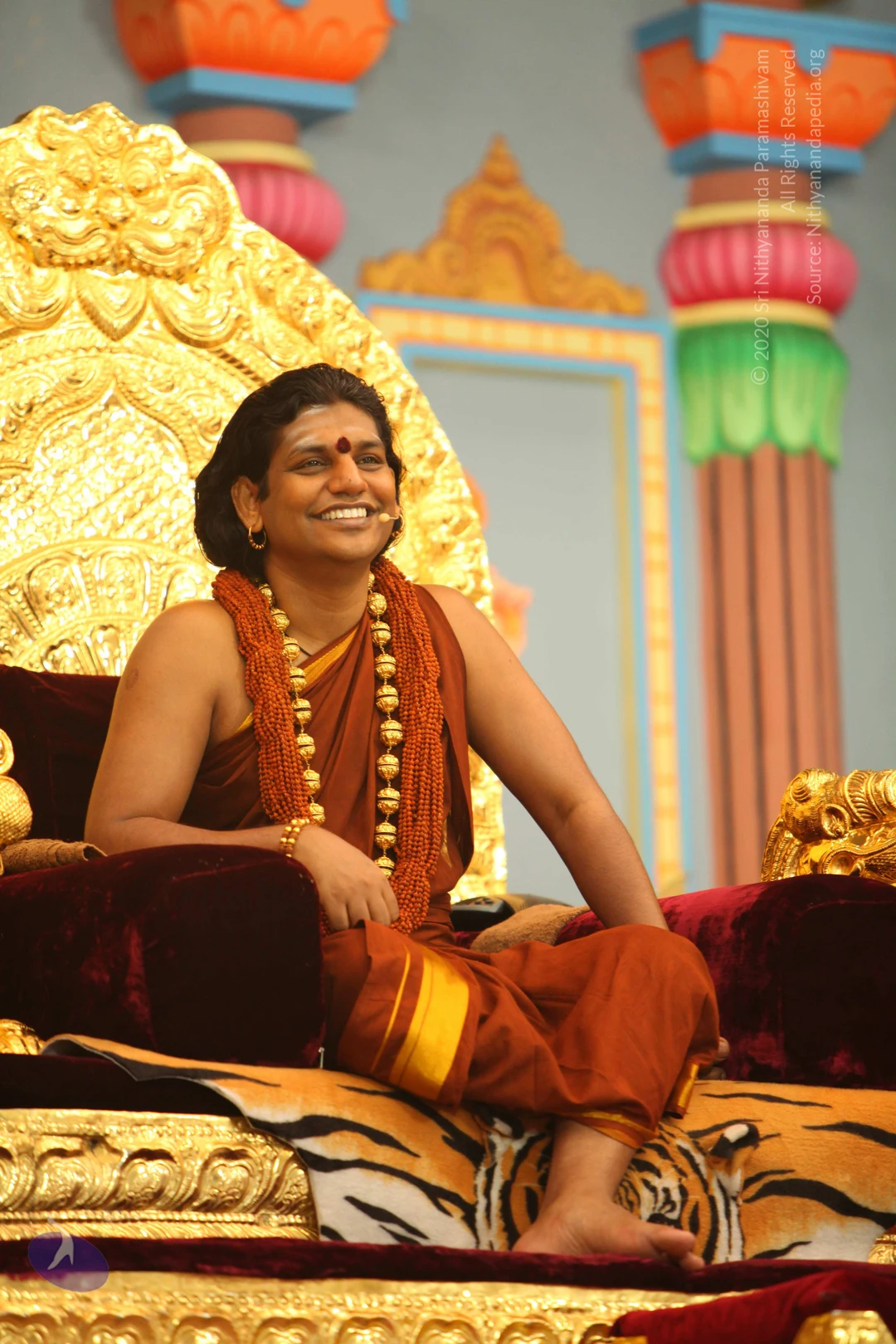
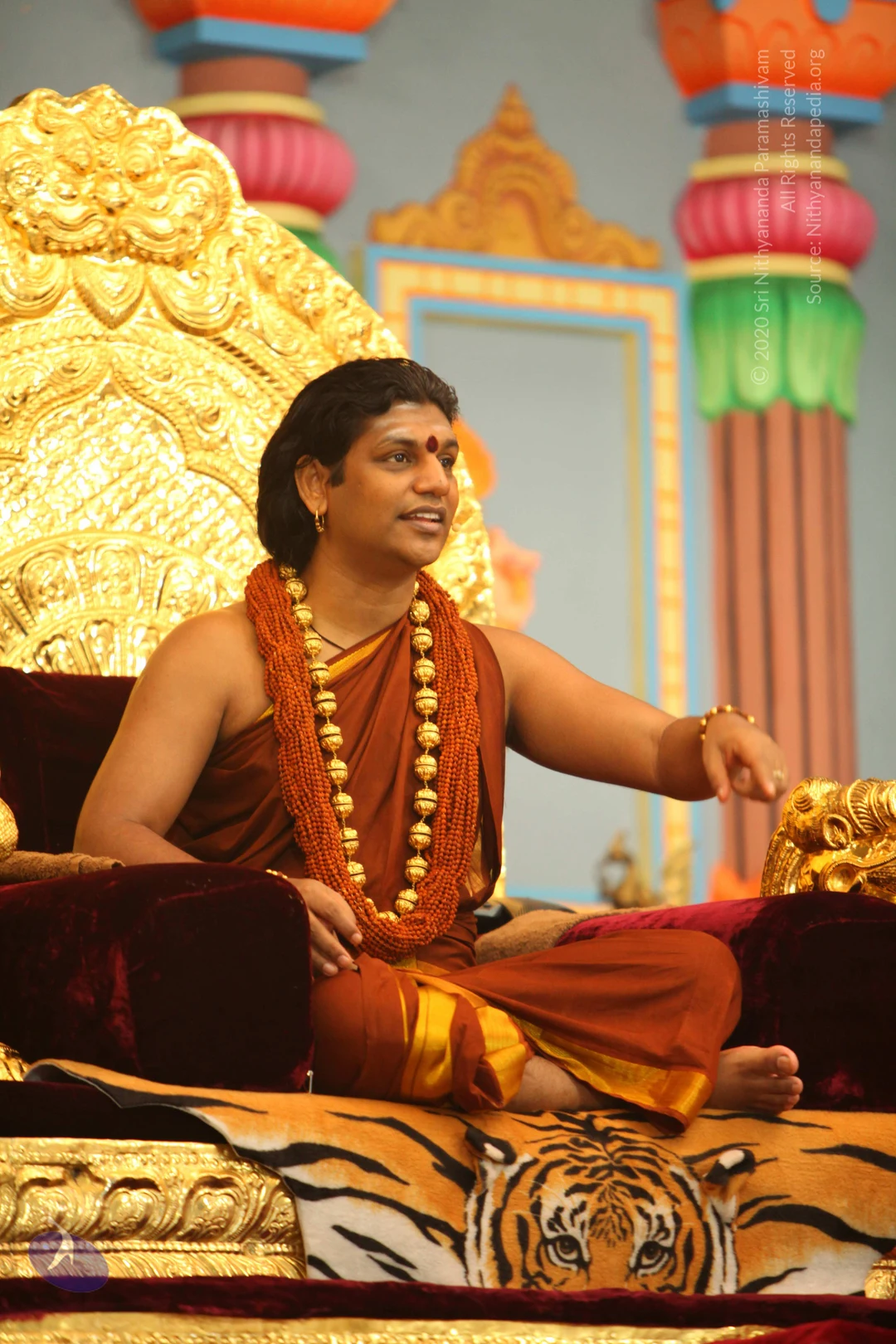
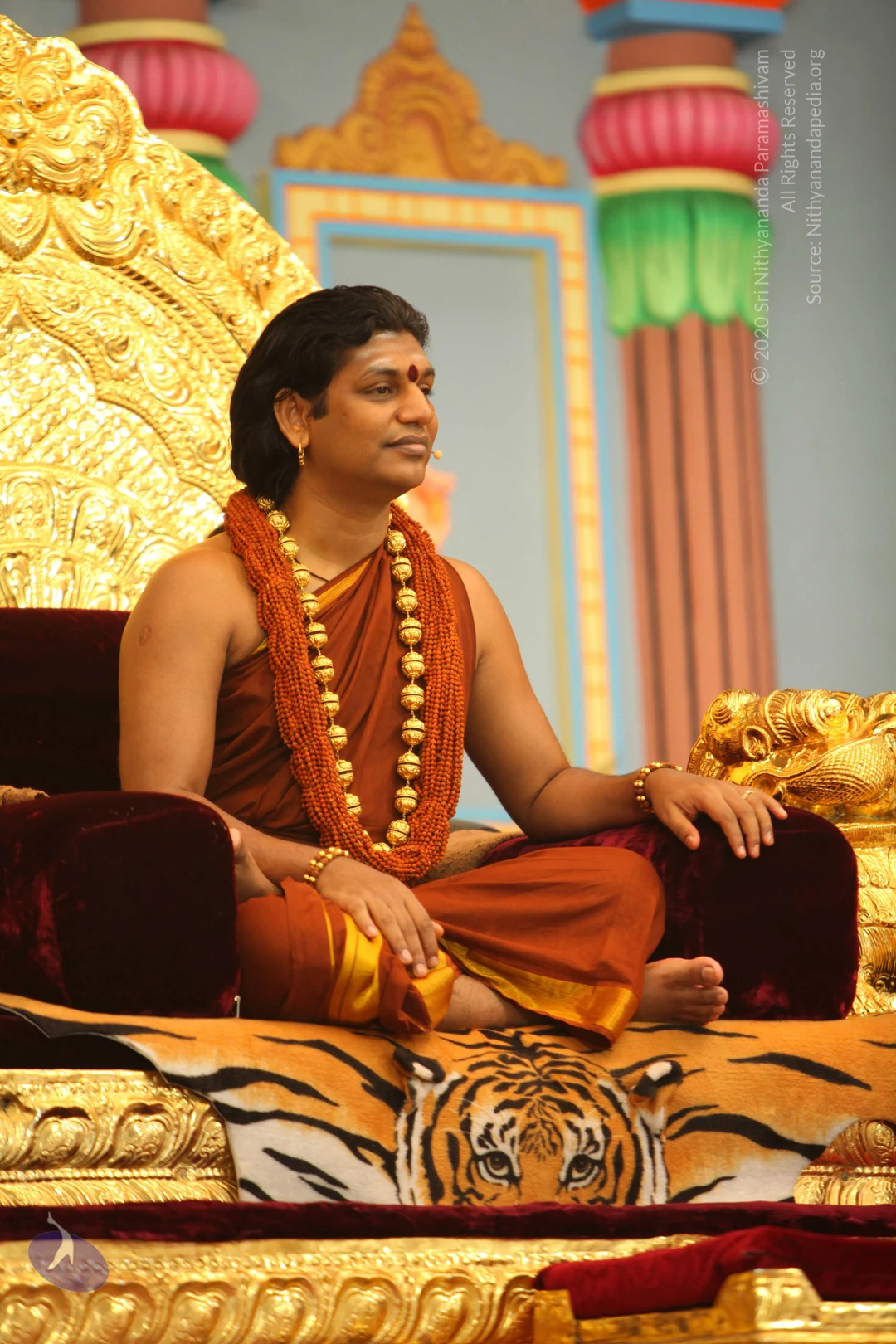
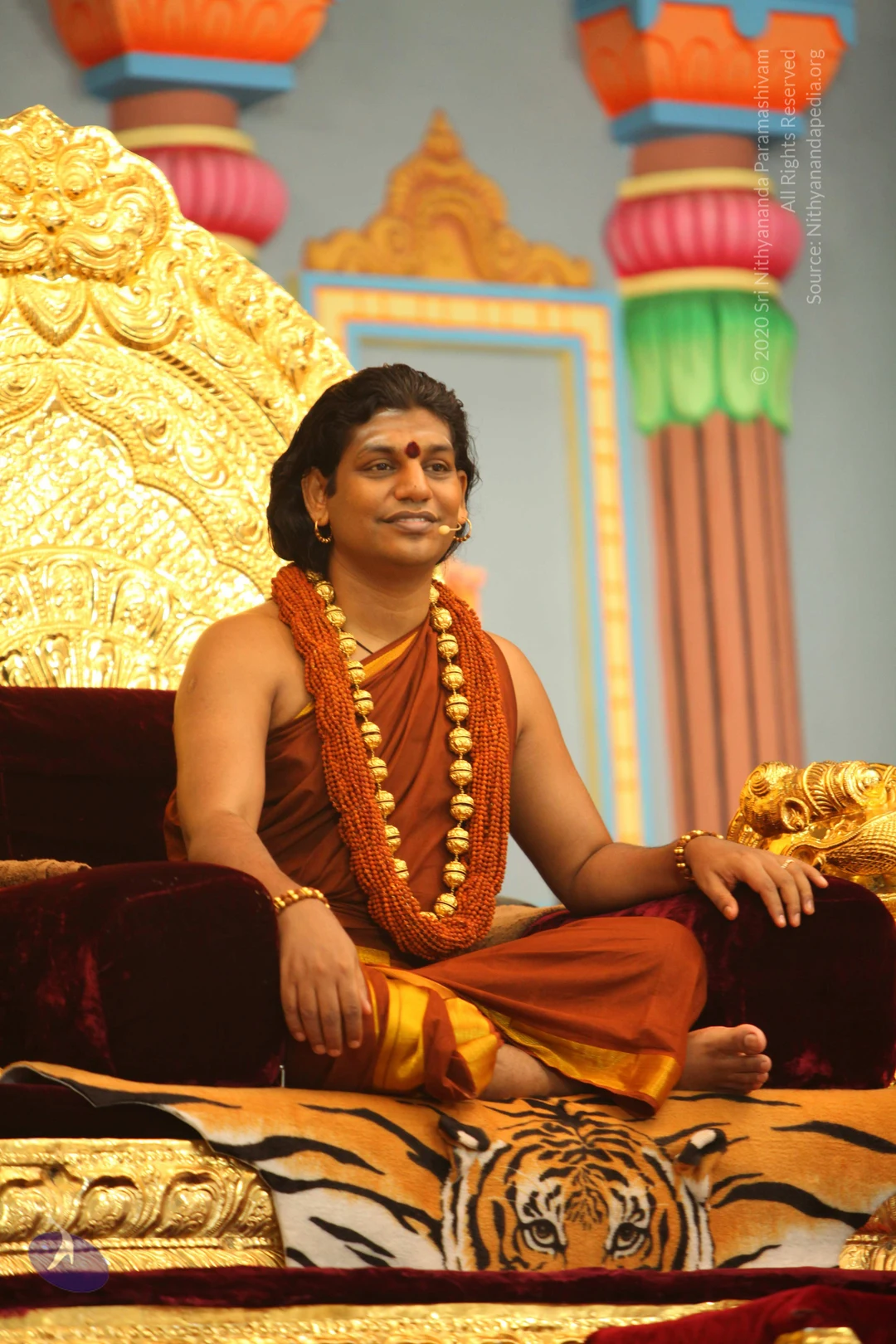
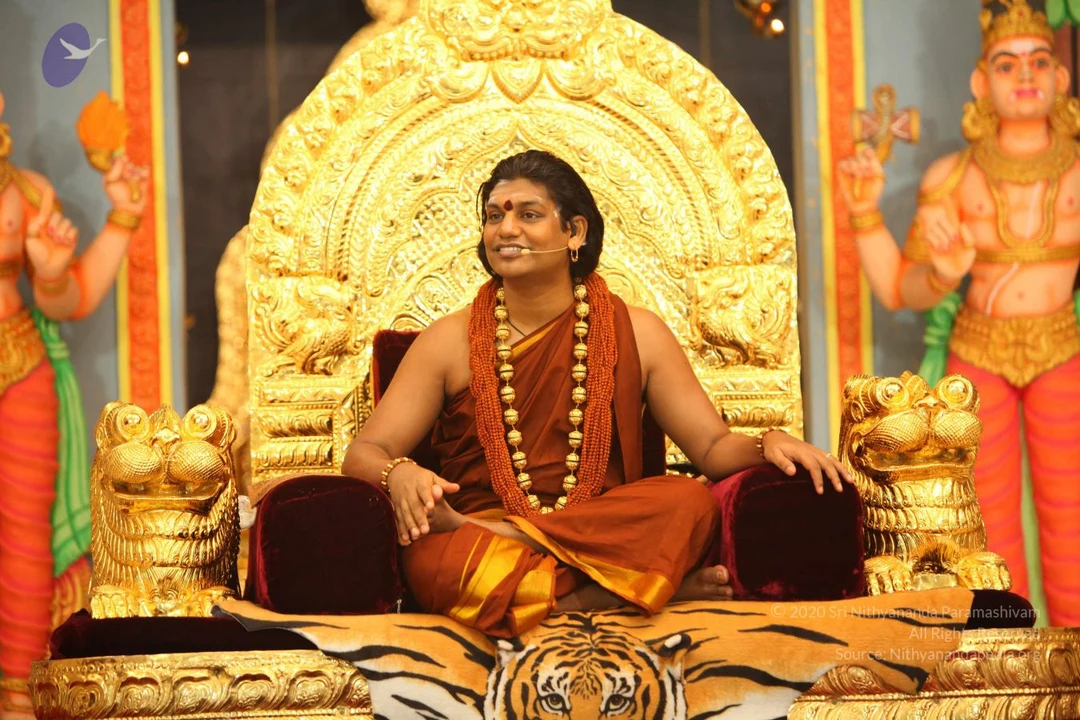
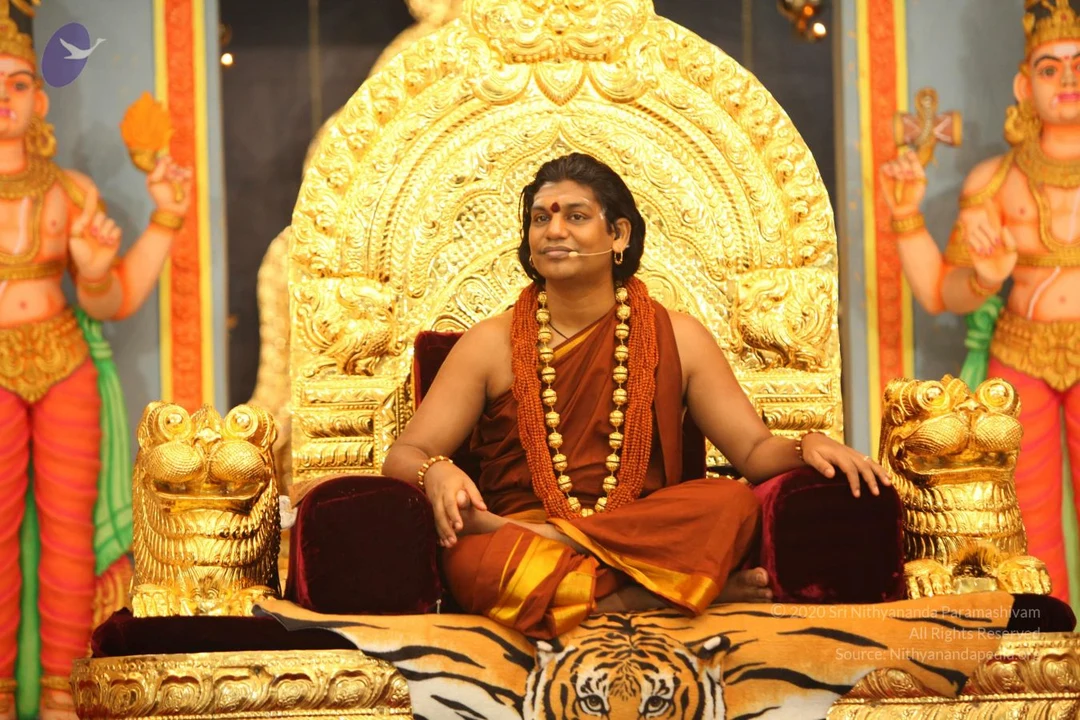
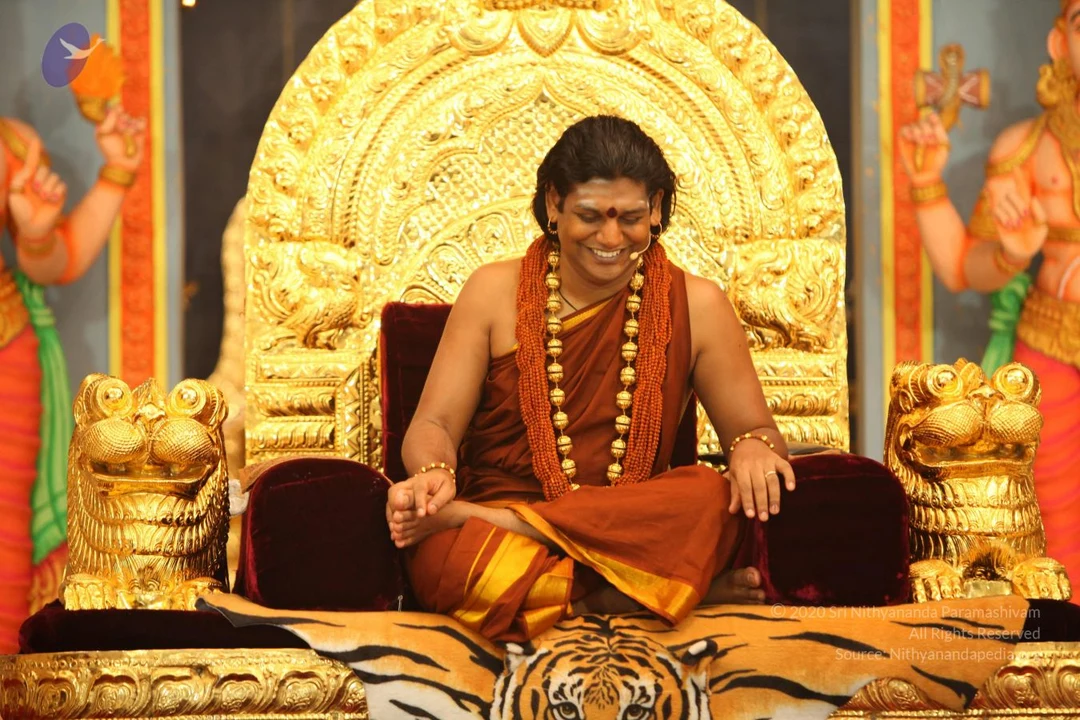

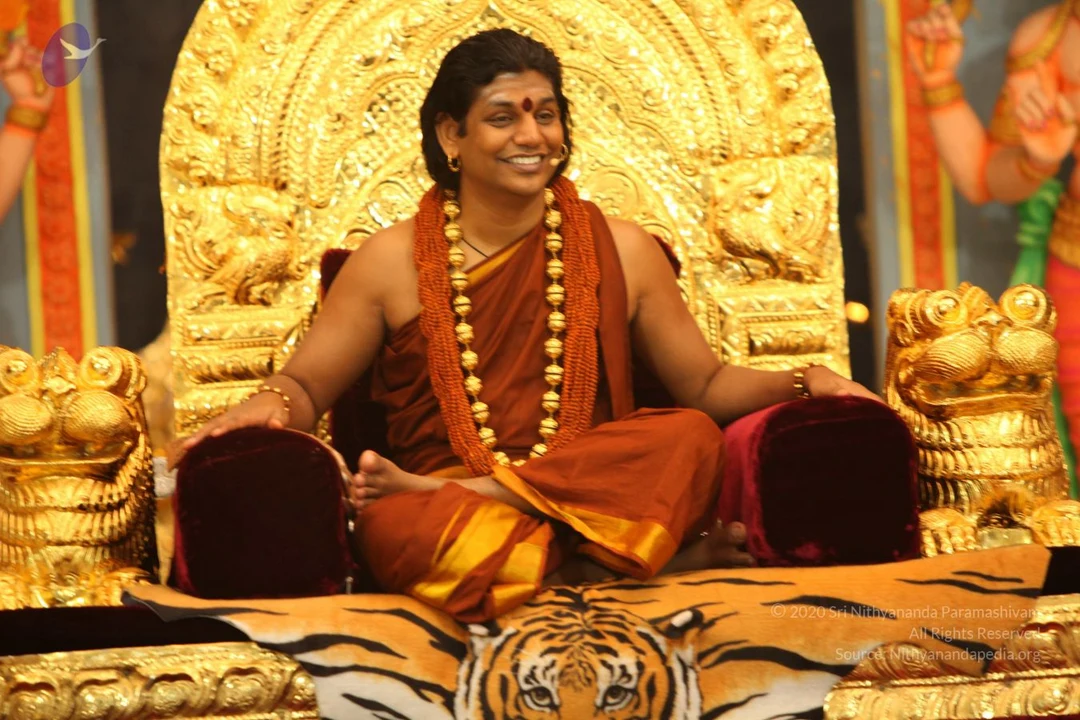
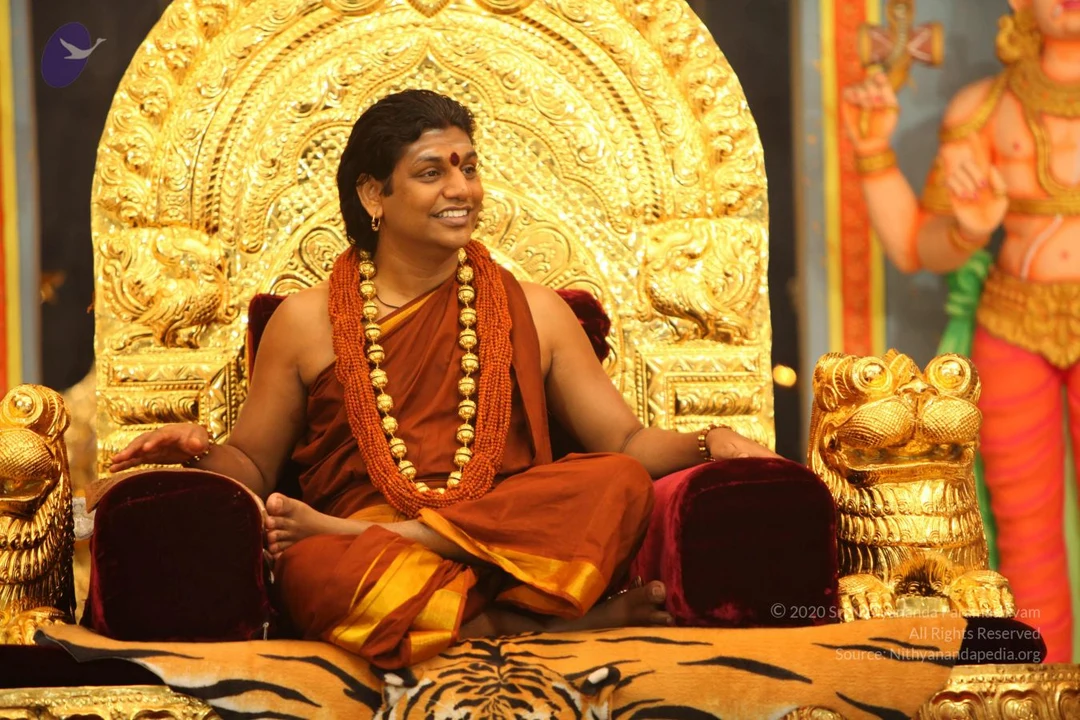
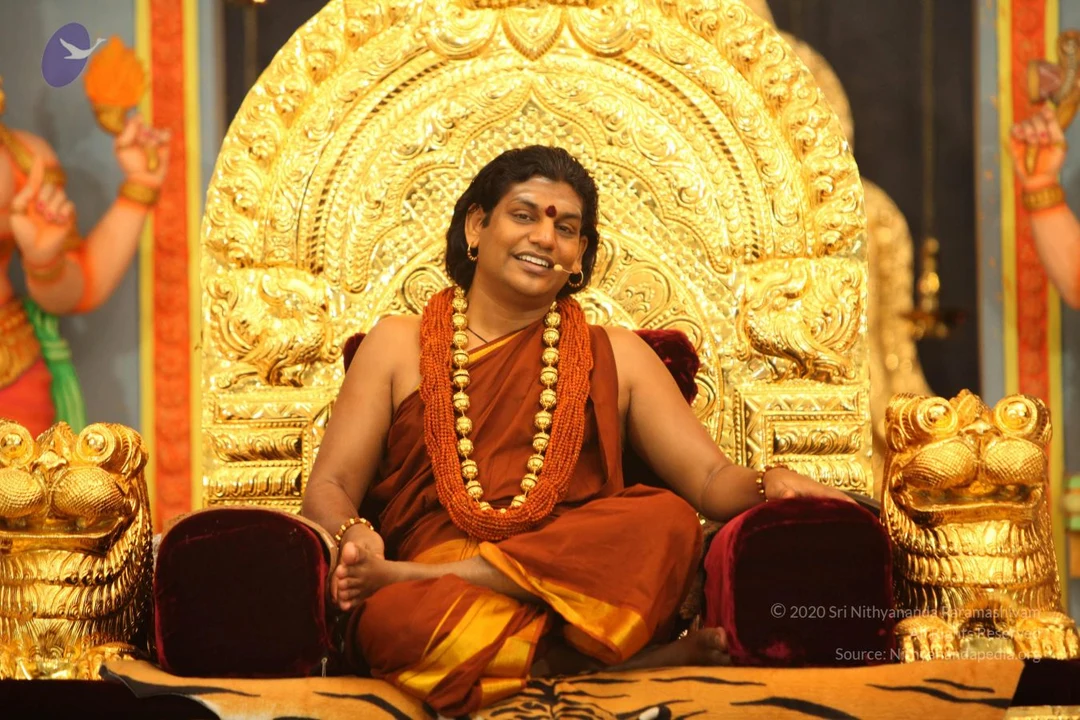
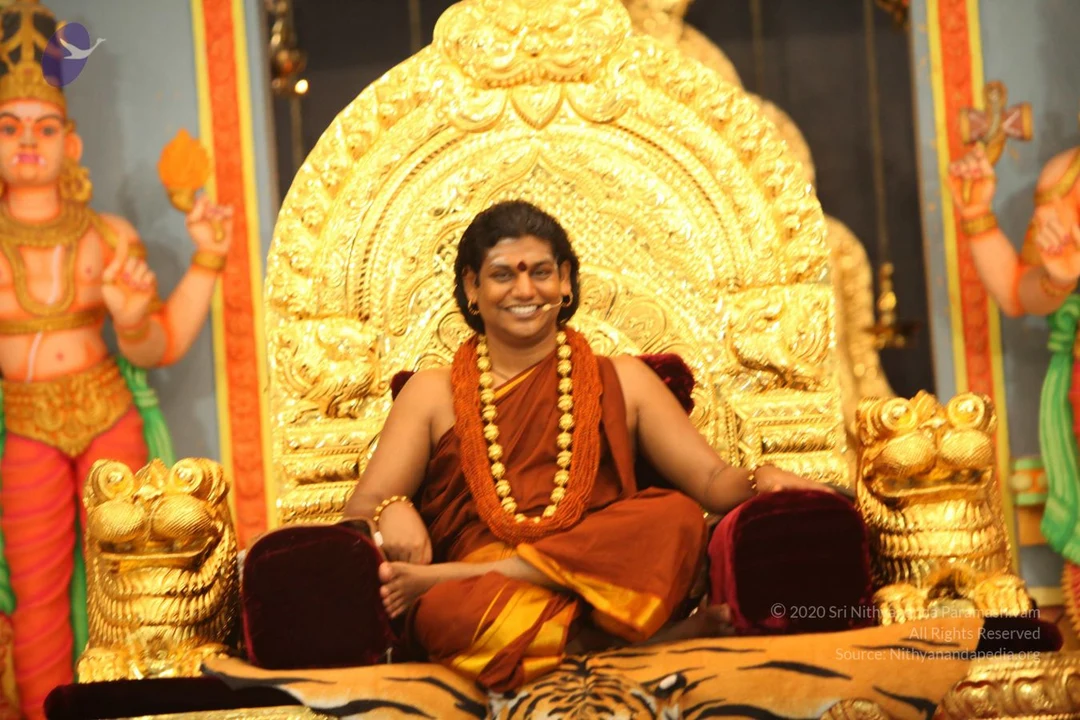
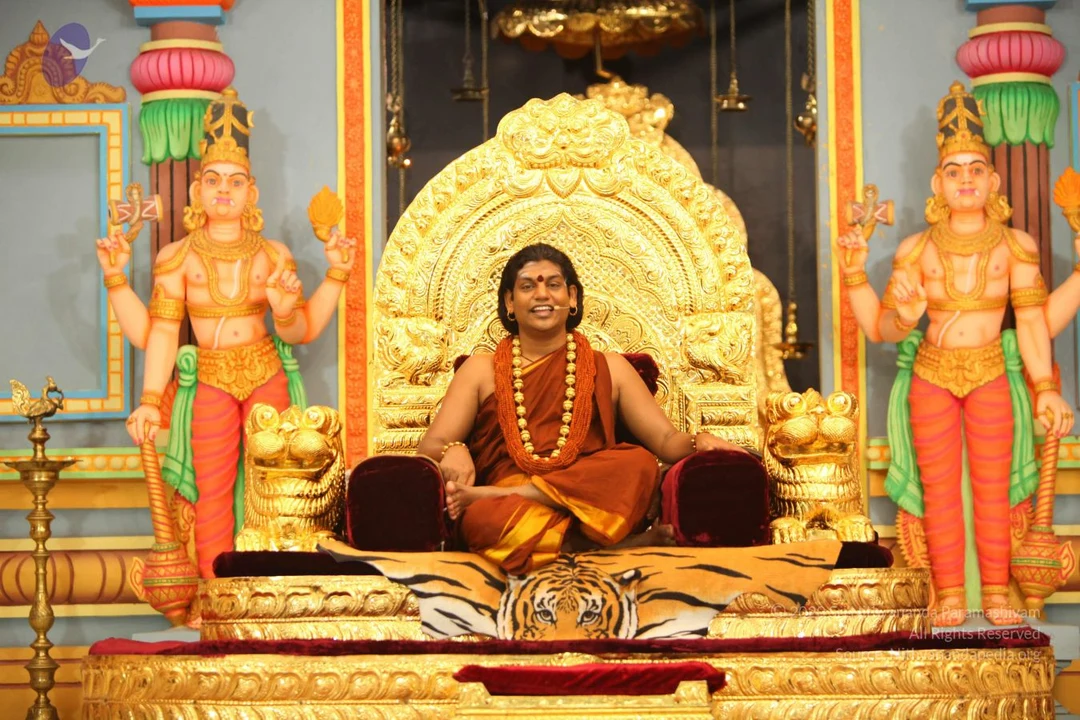
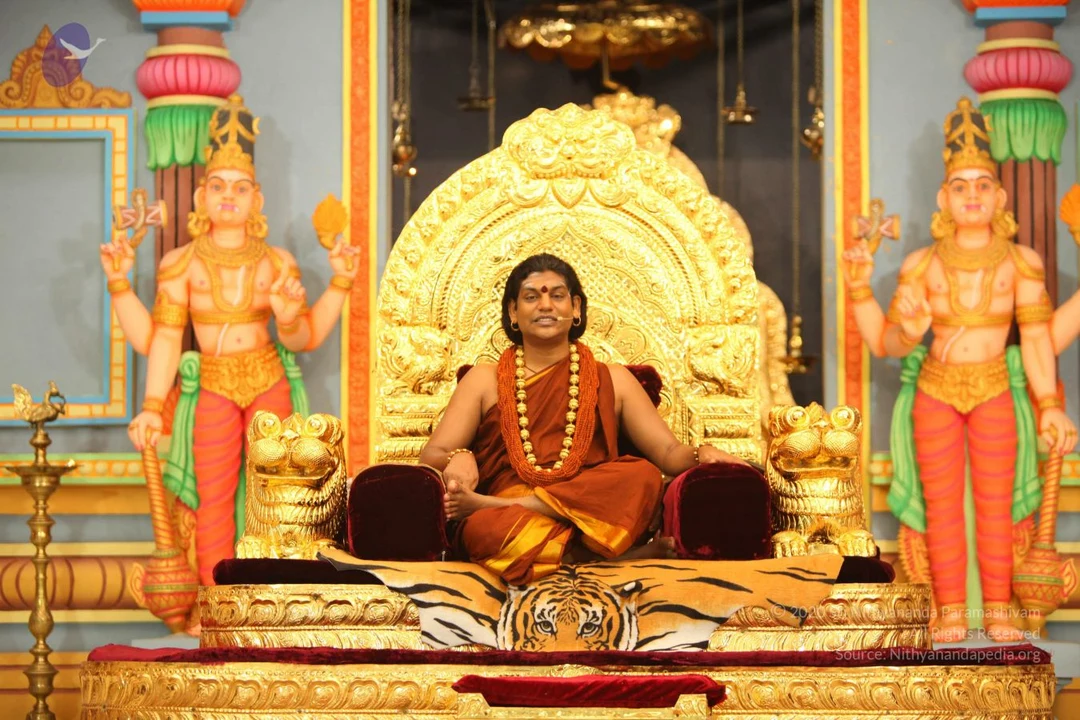
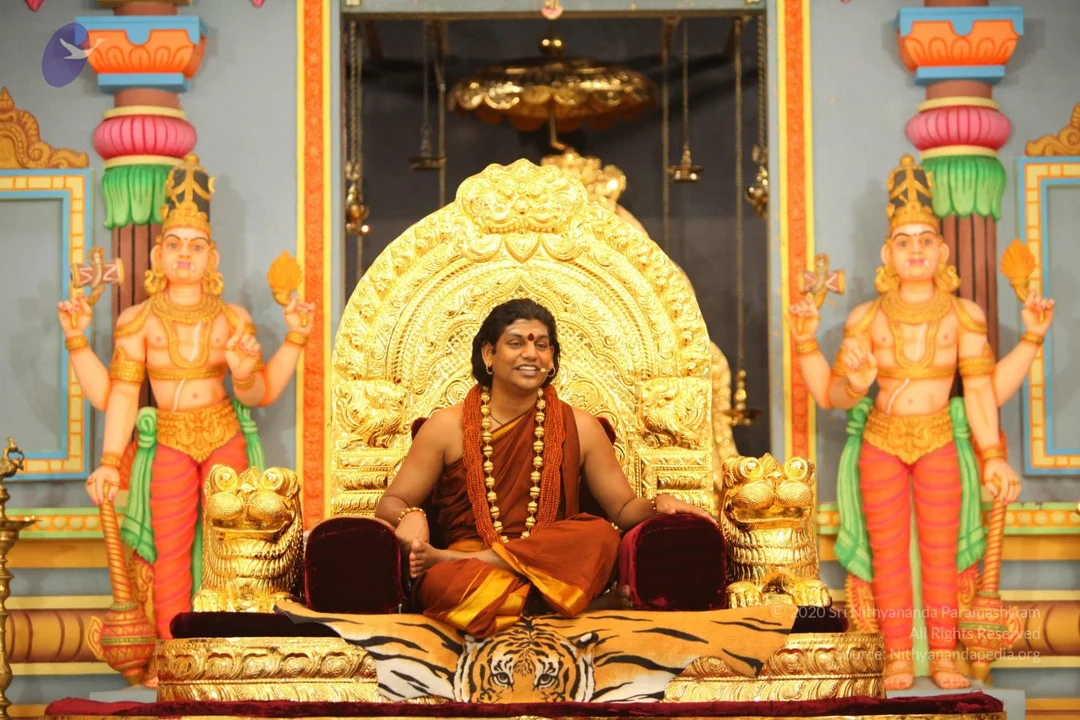
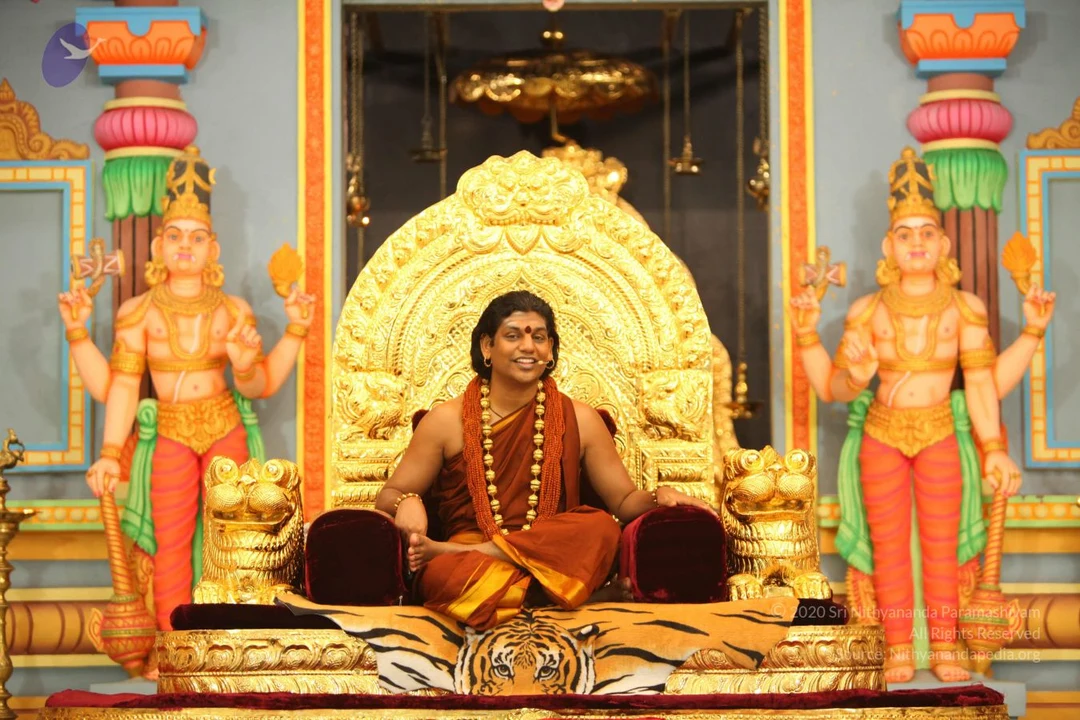
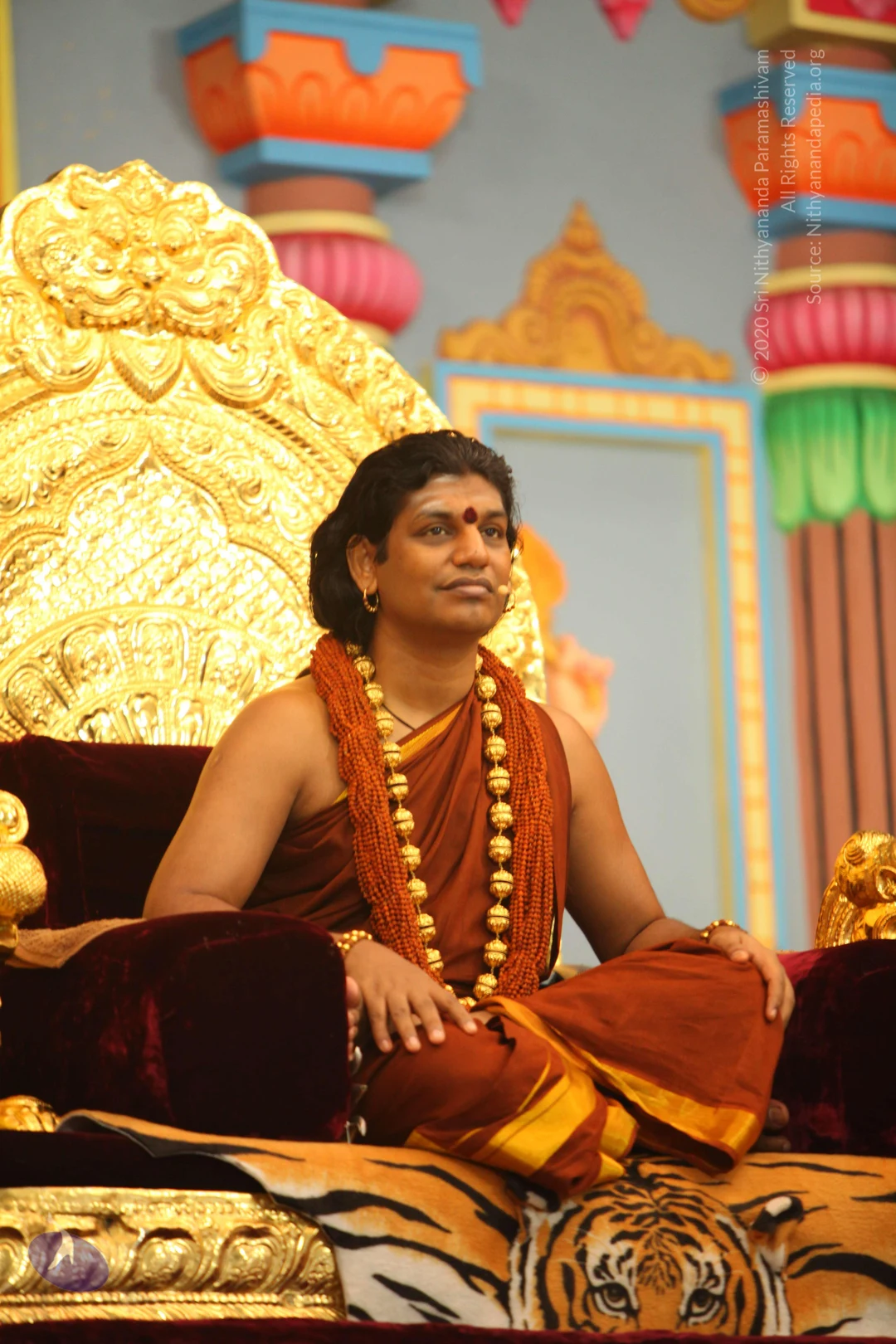
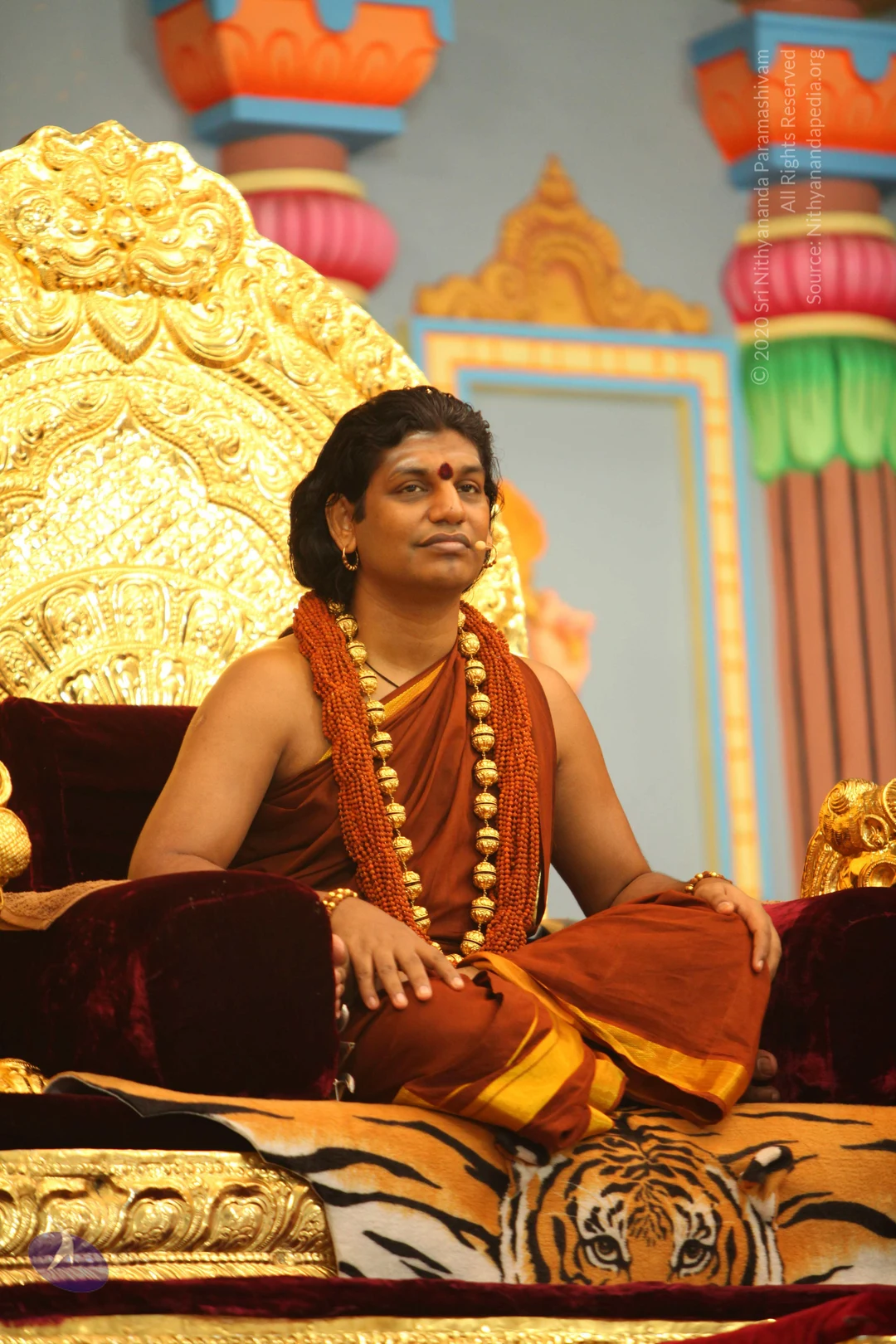
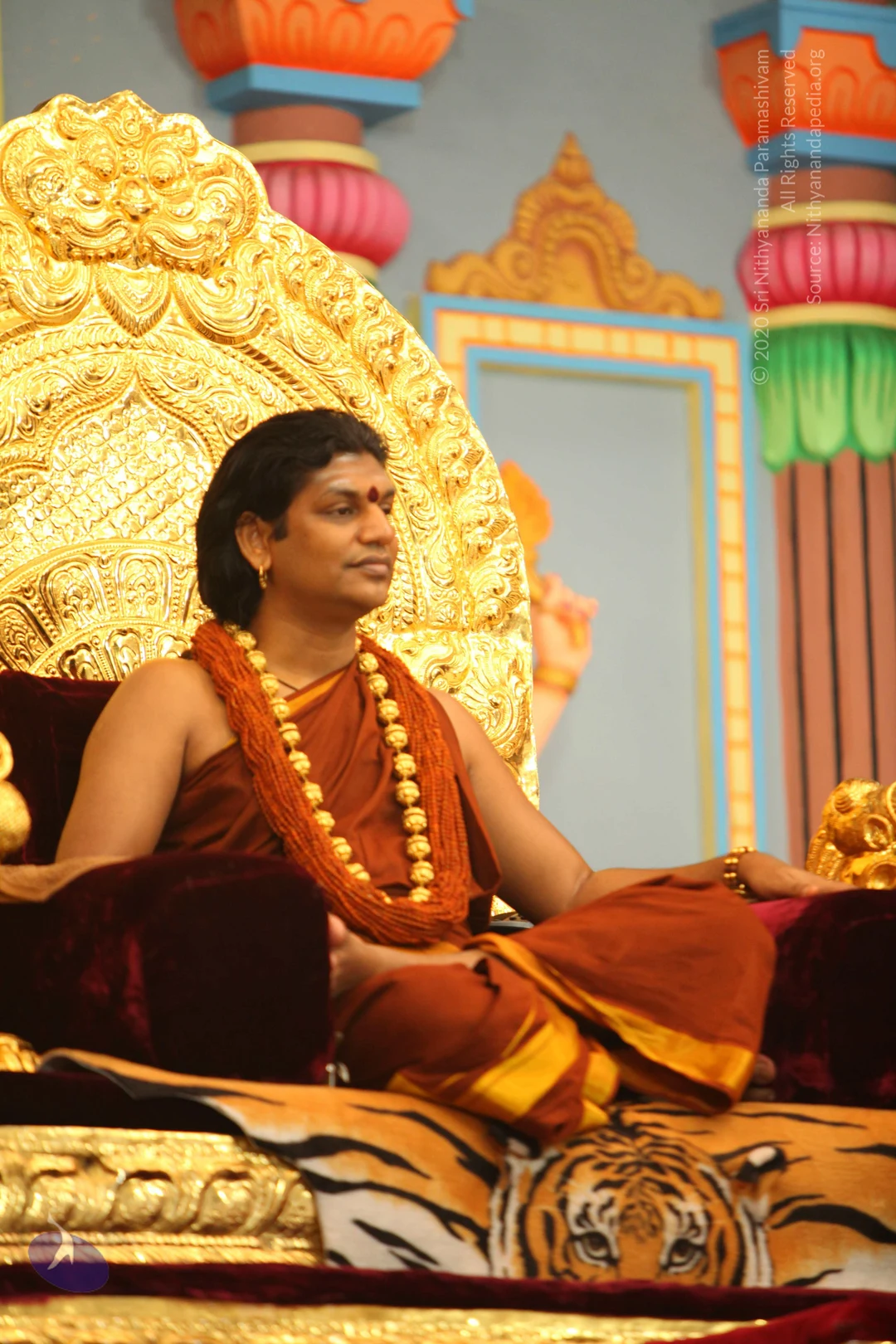
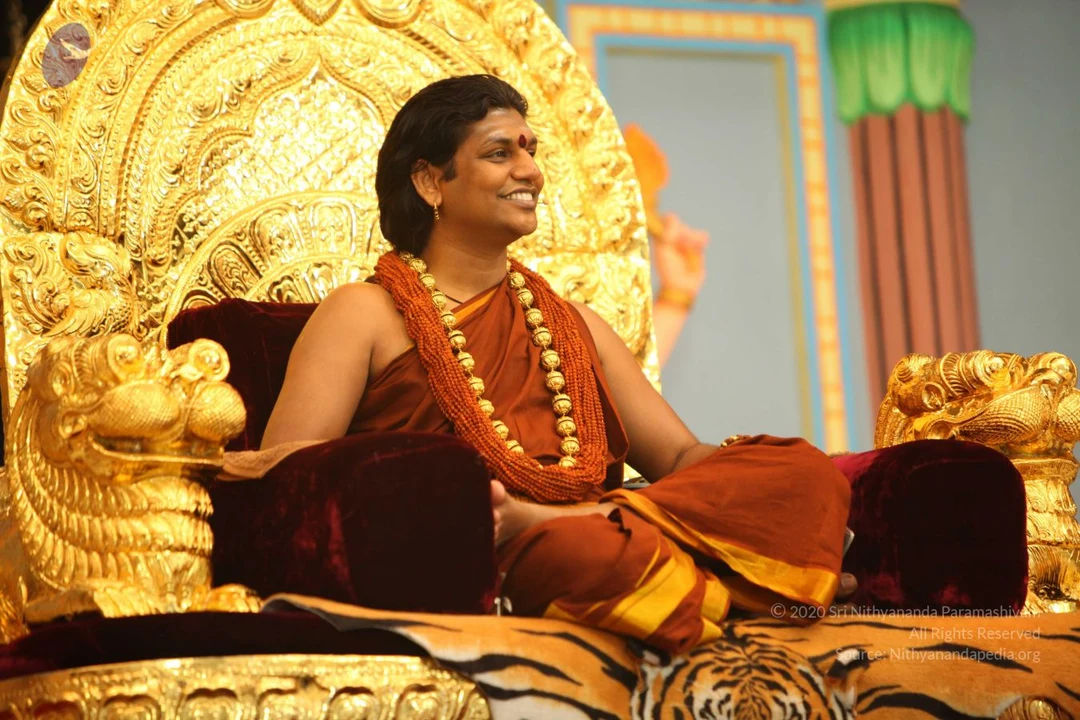
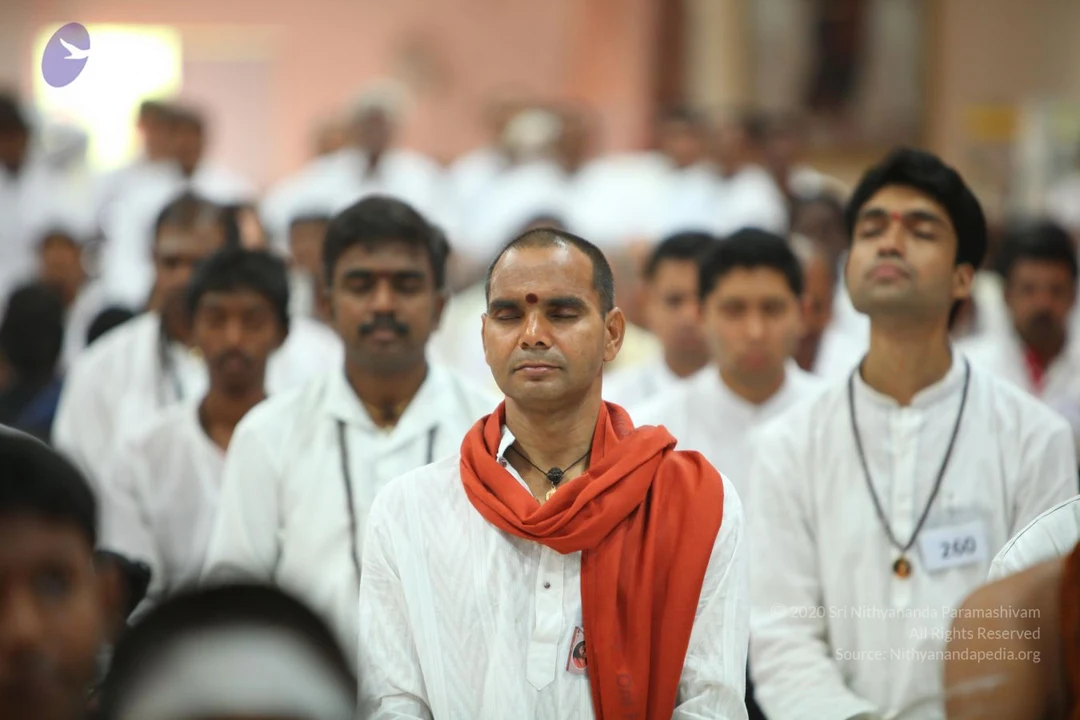
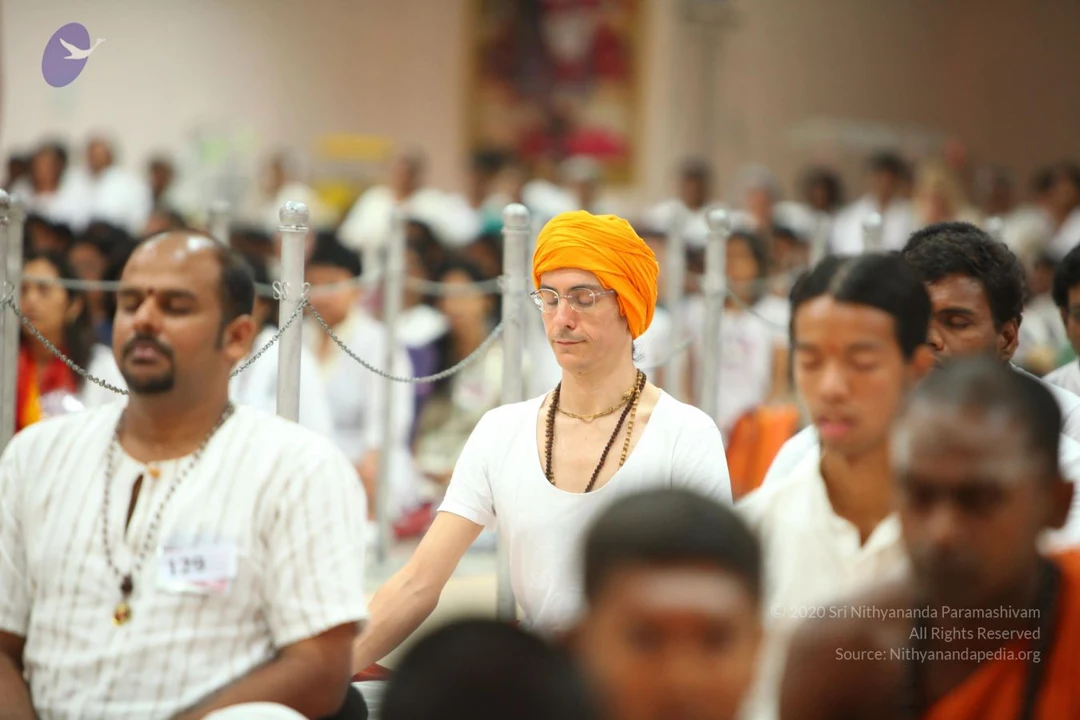
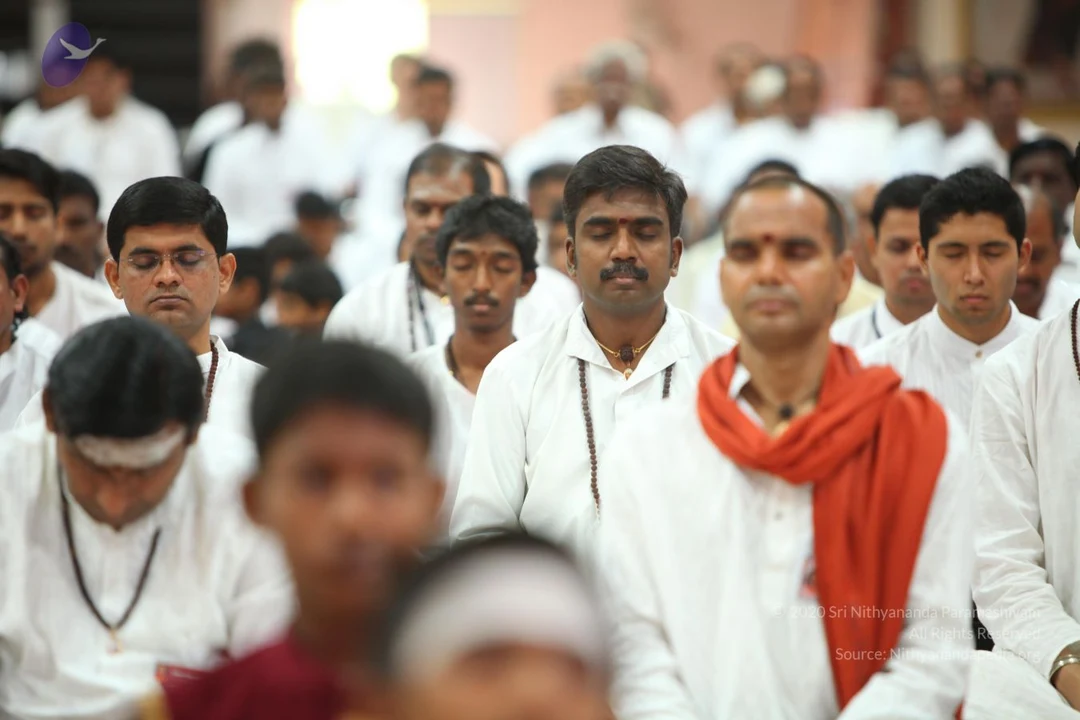
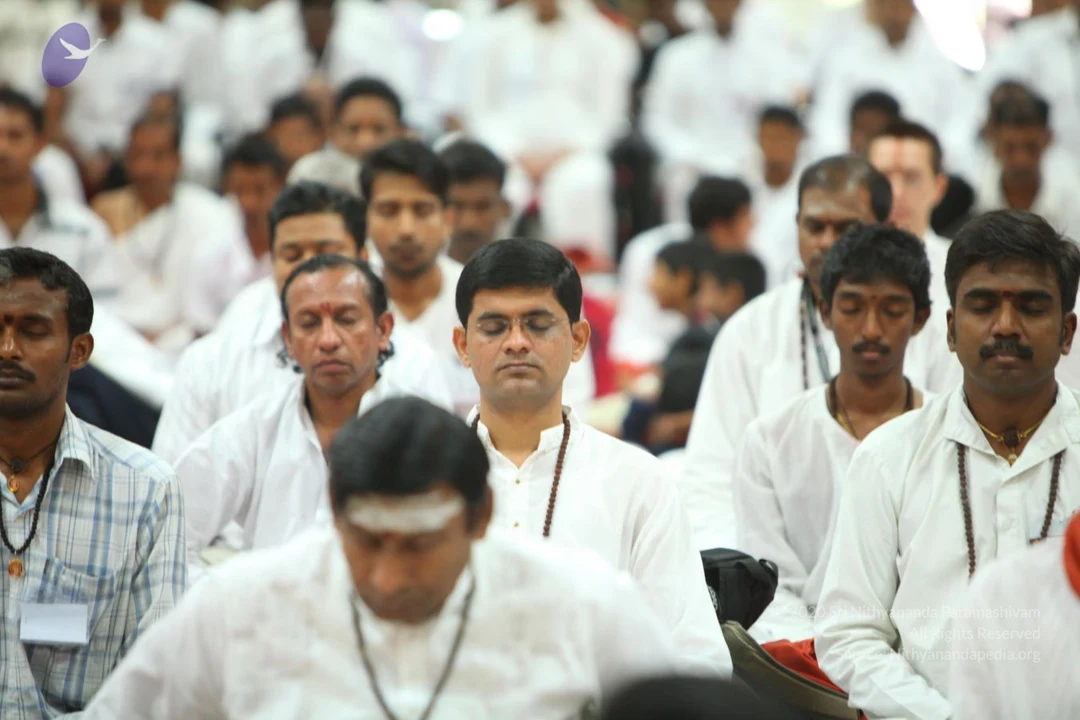

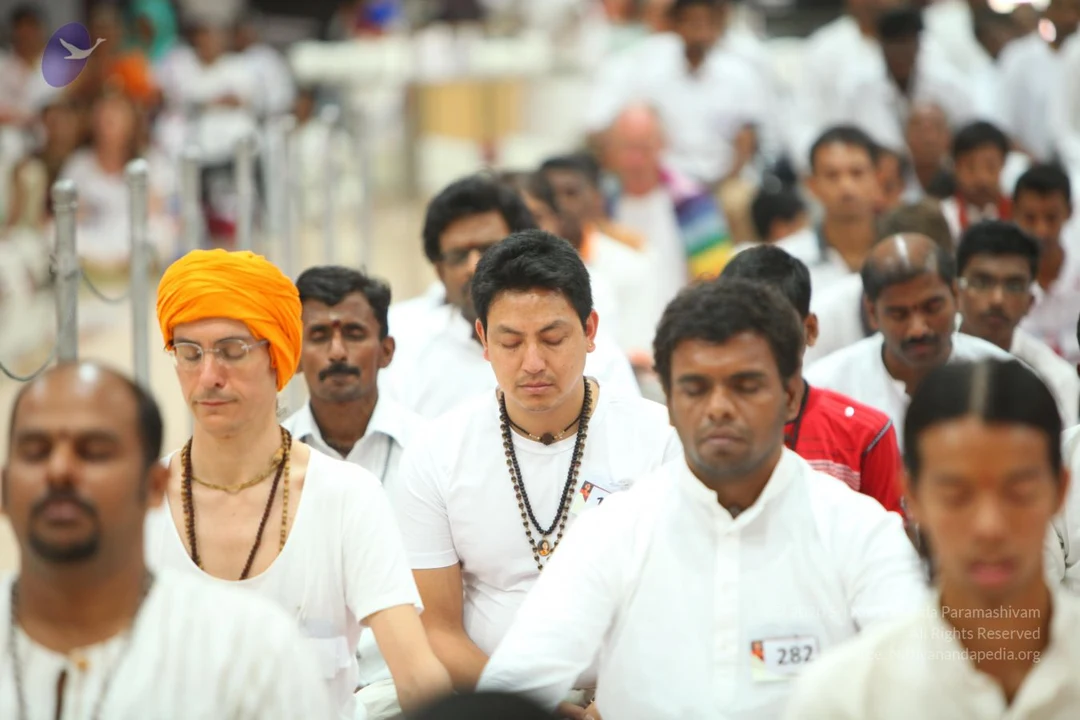
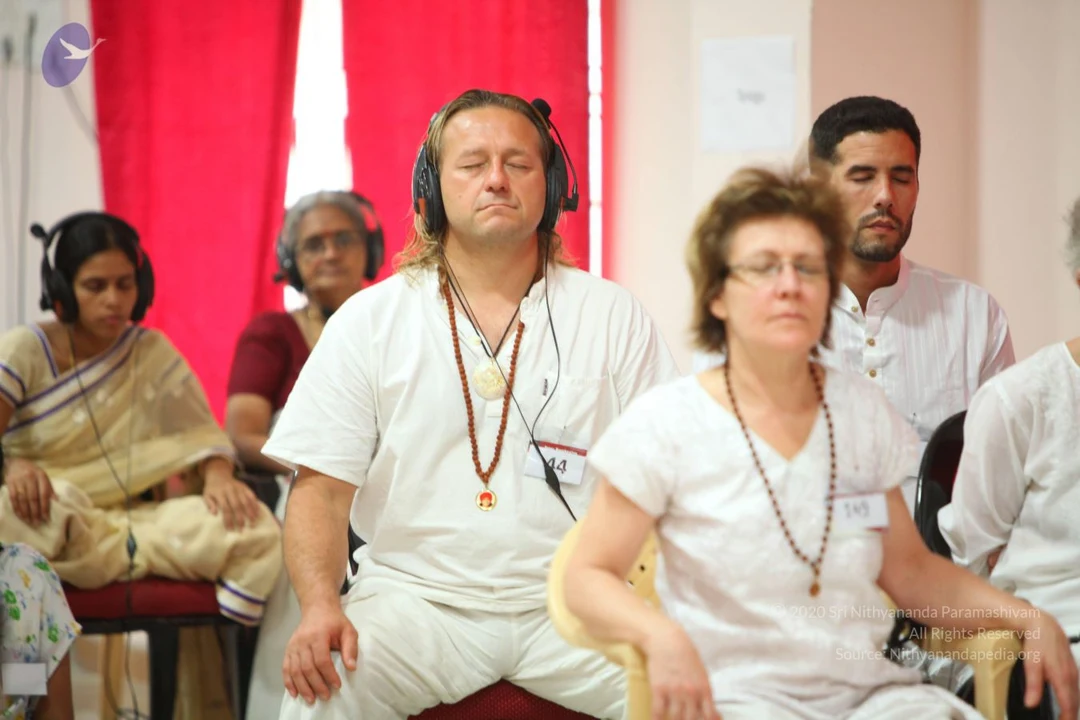
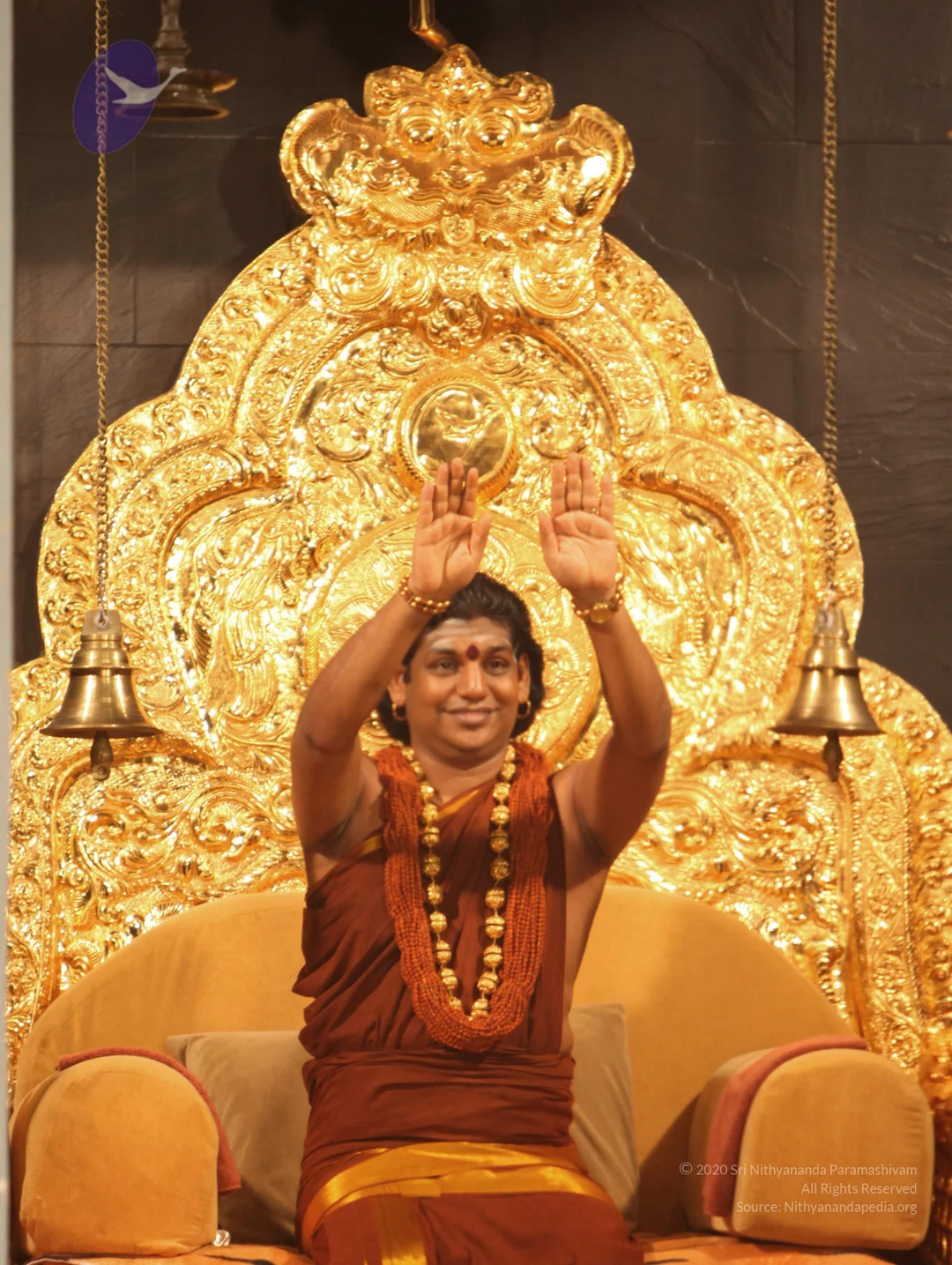
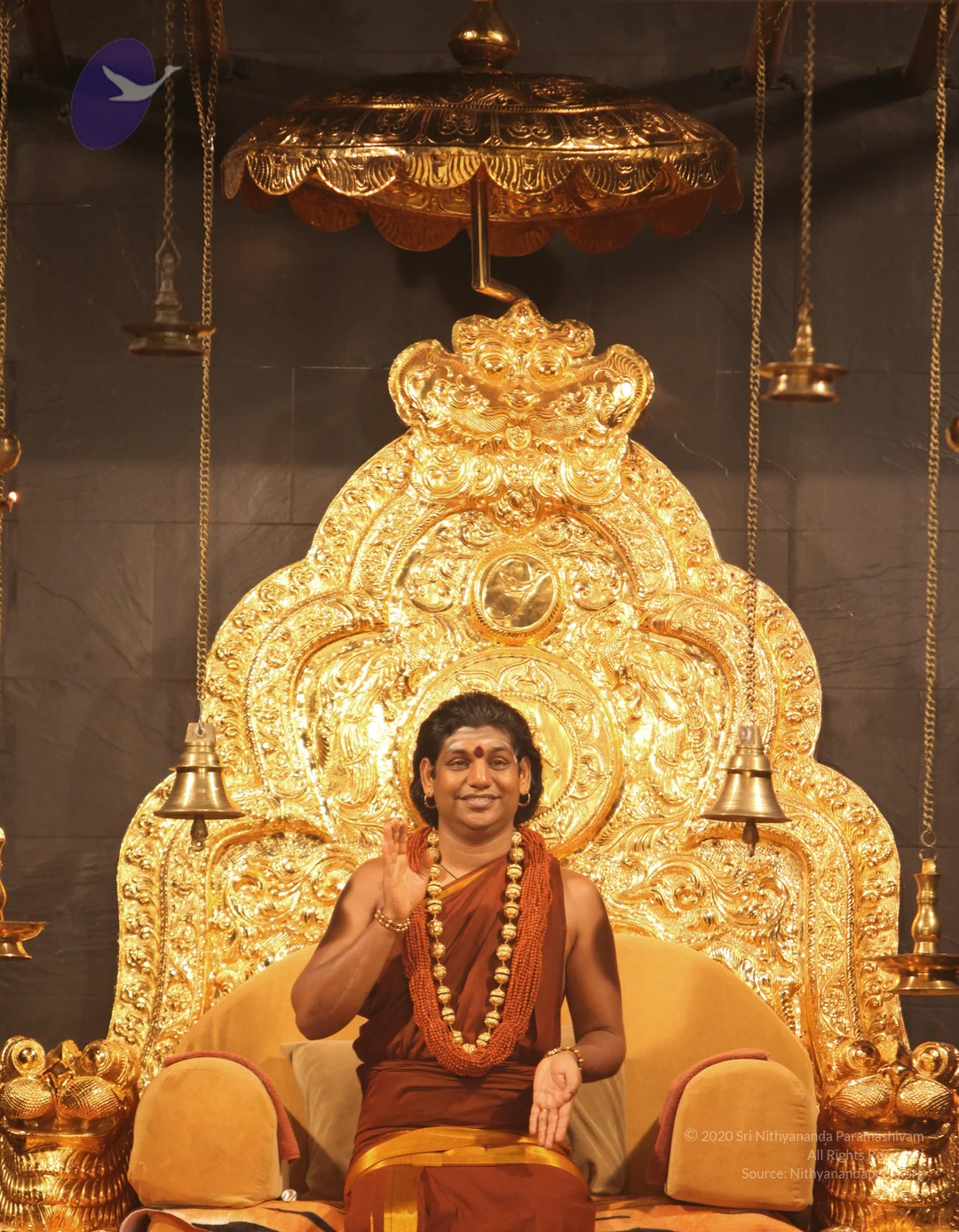
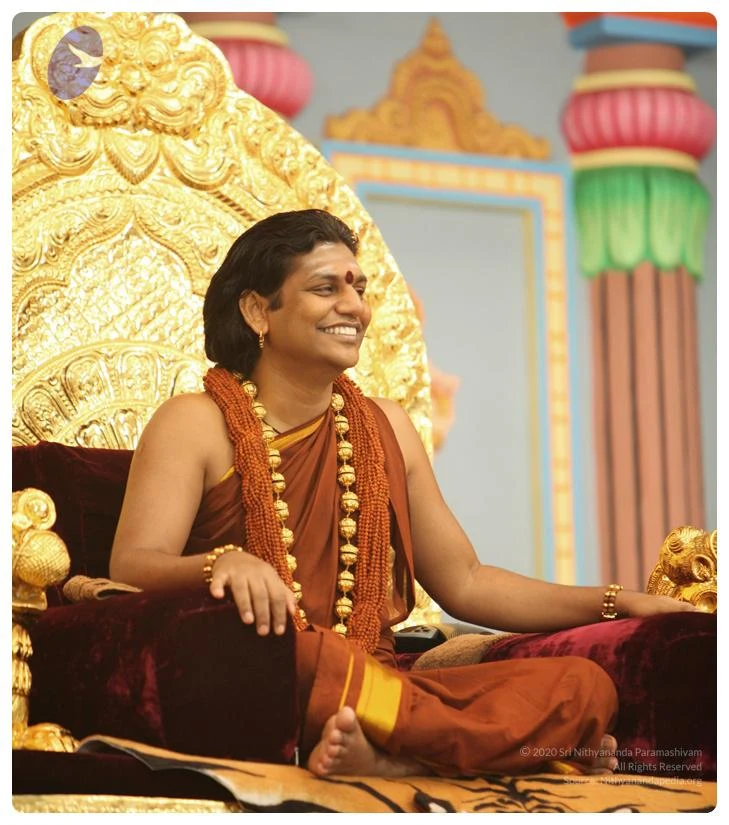
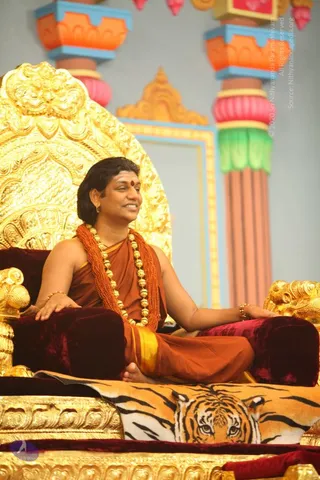
SARVA-DARSHAN
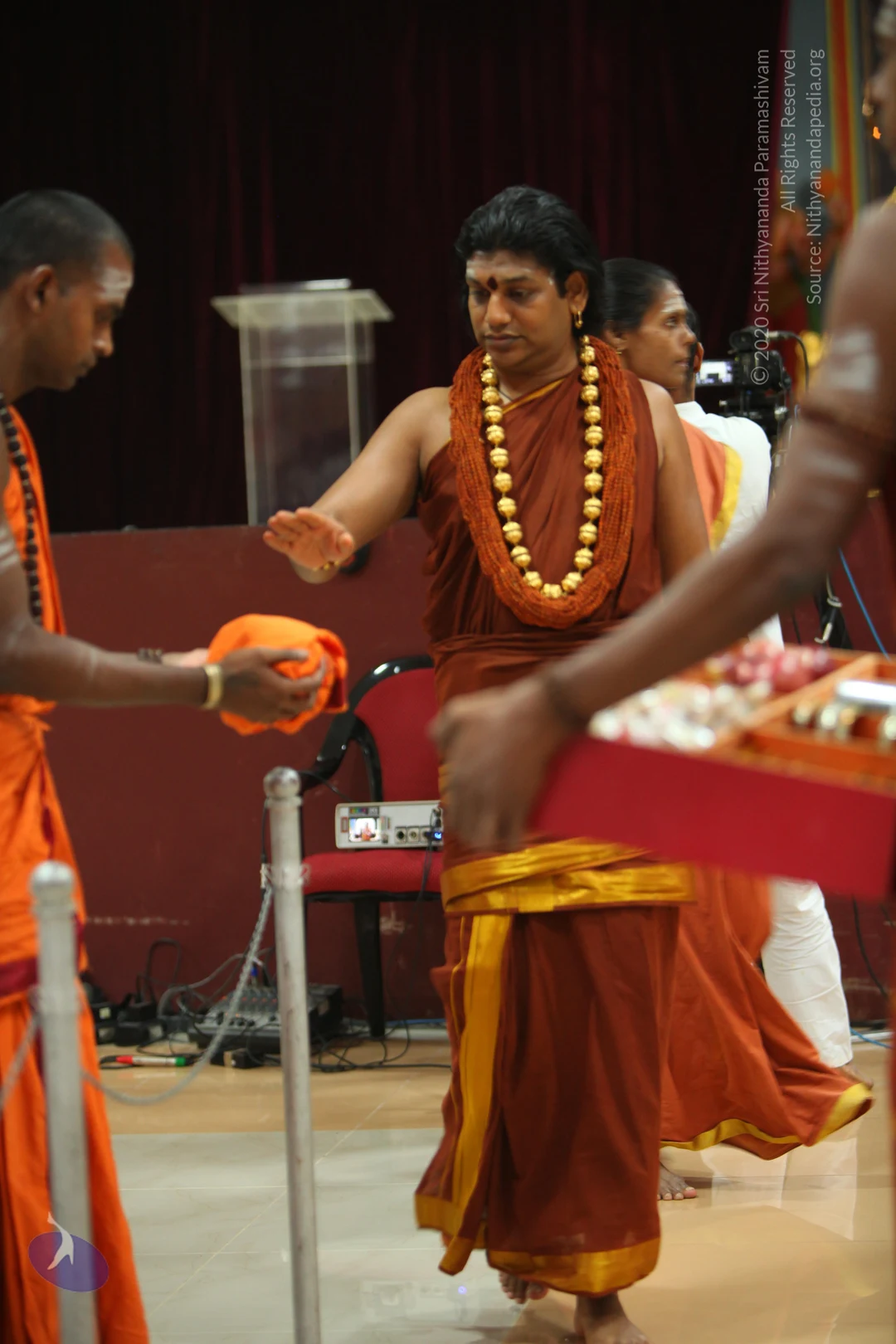
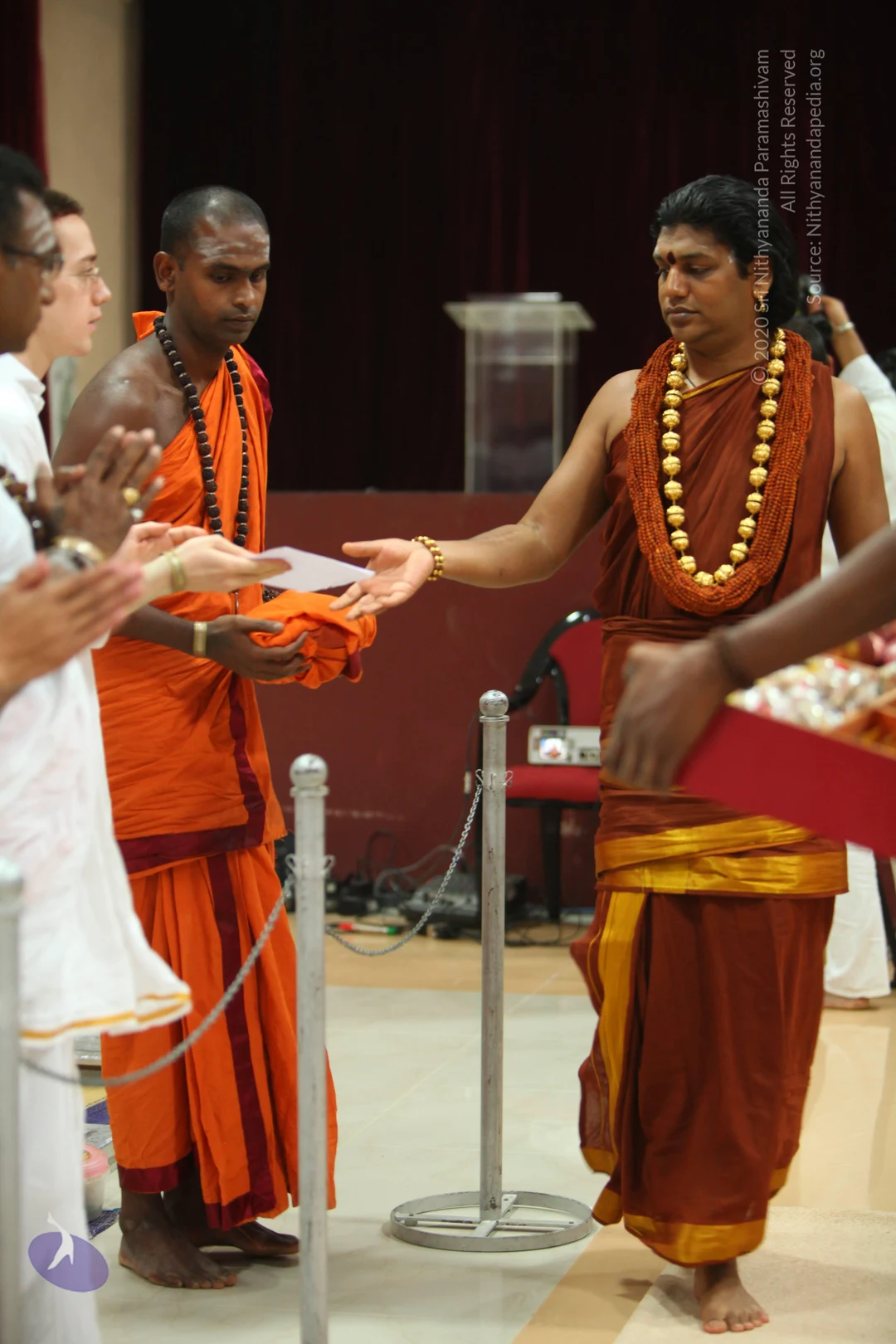
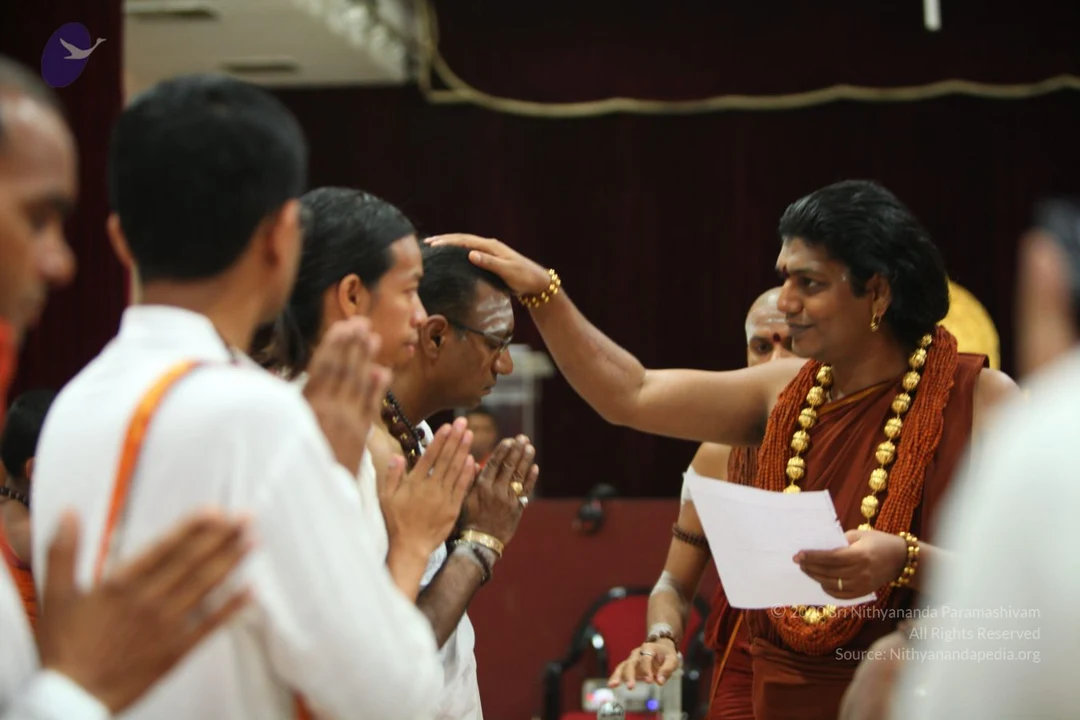
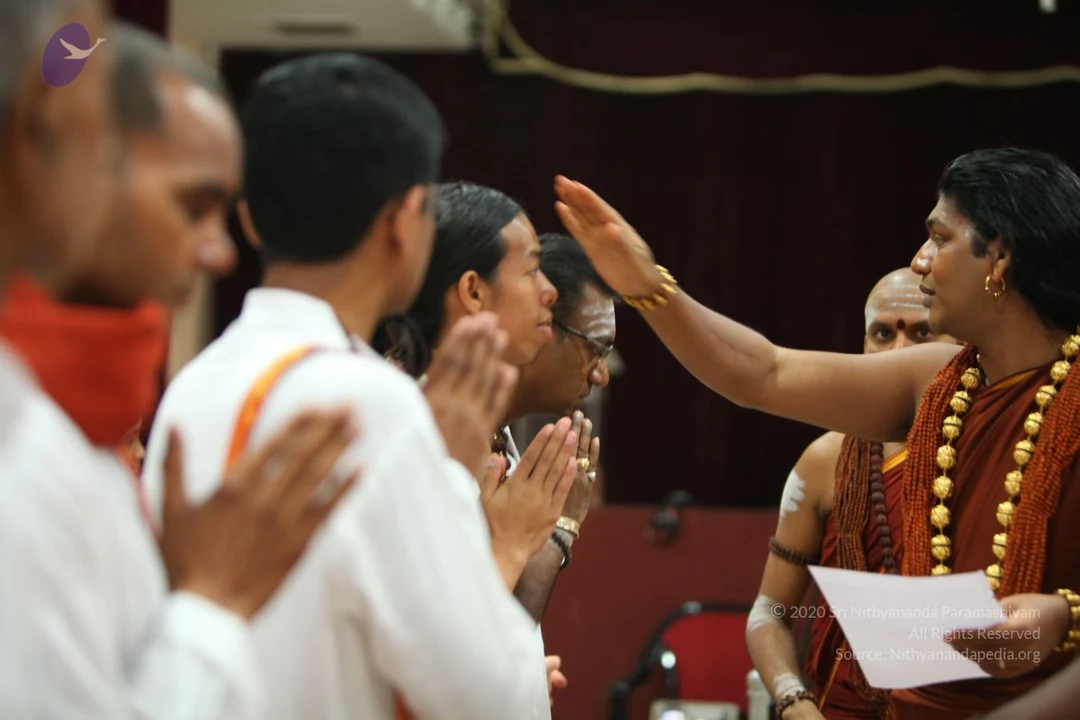
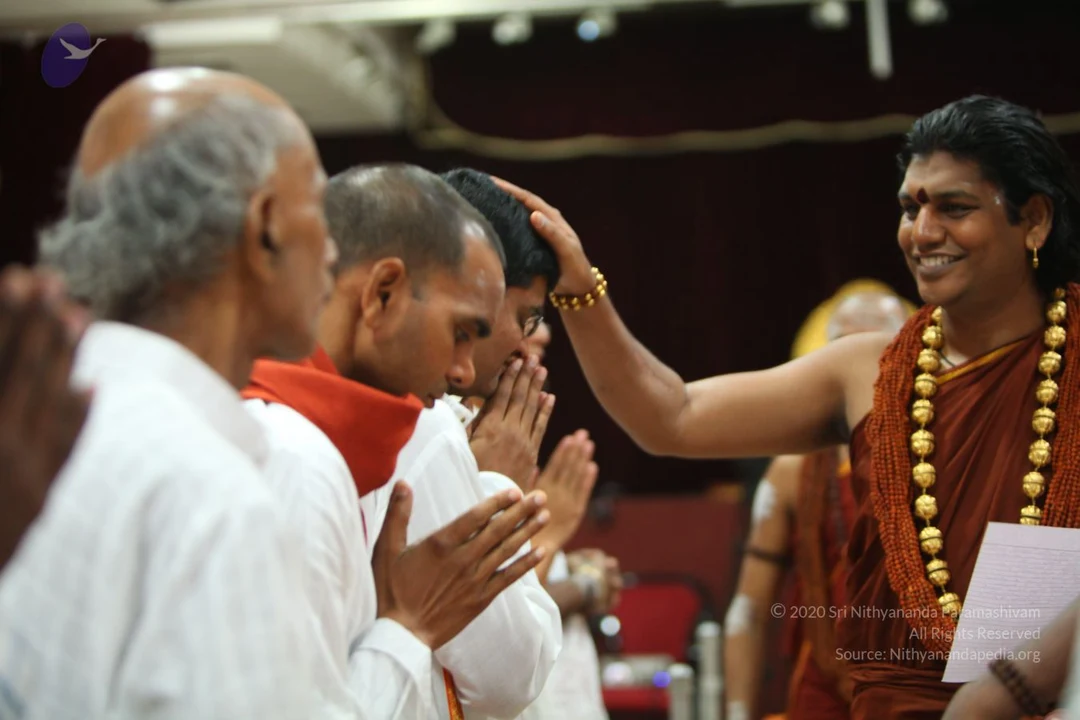
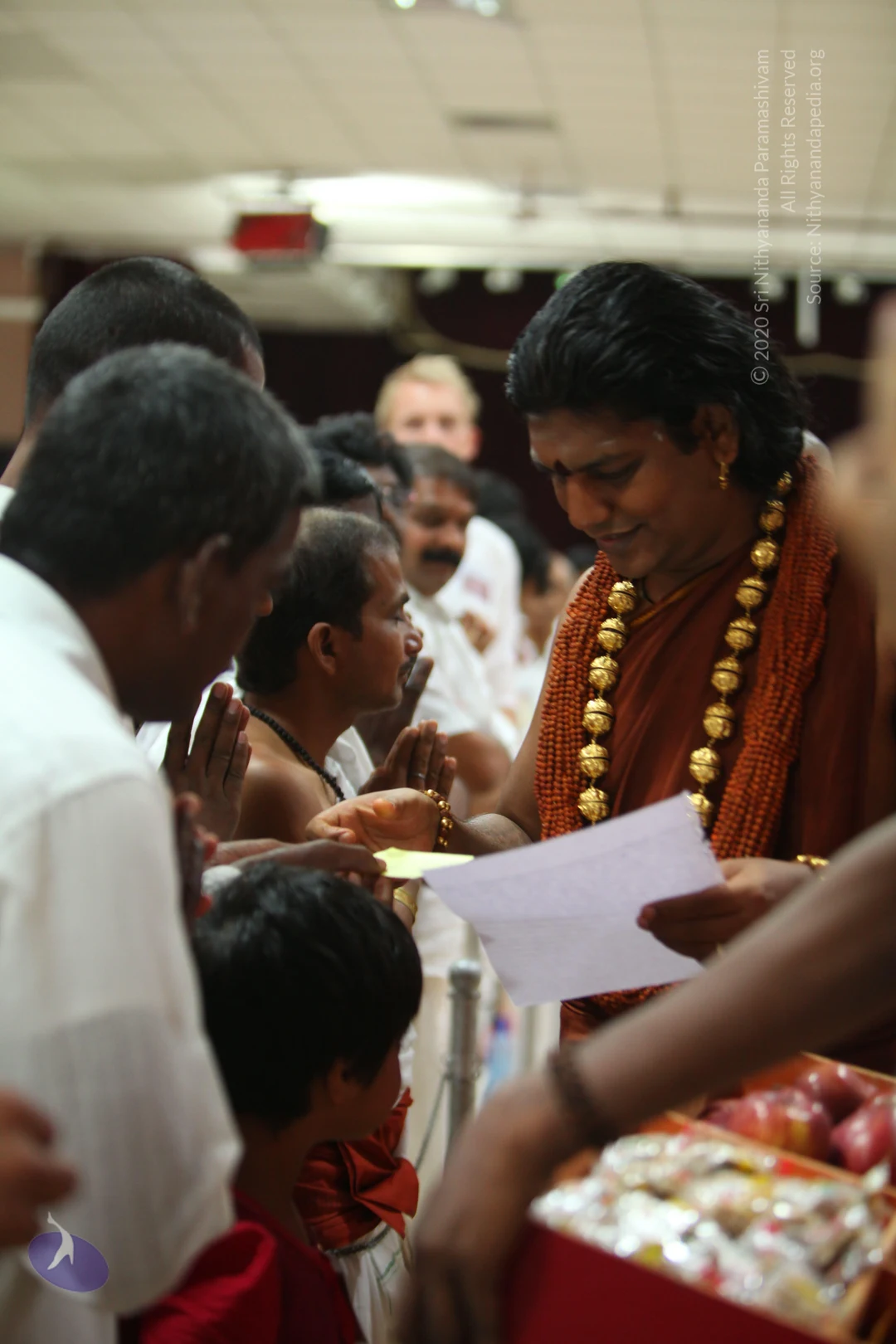
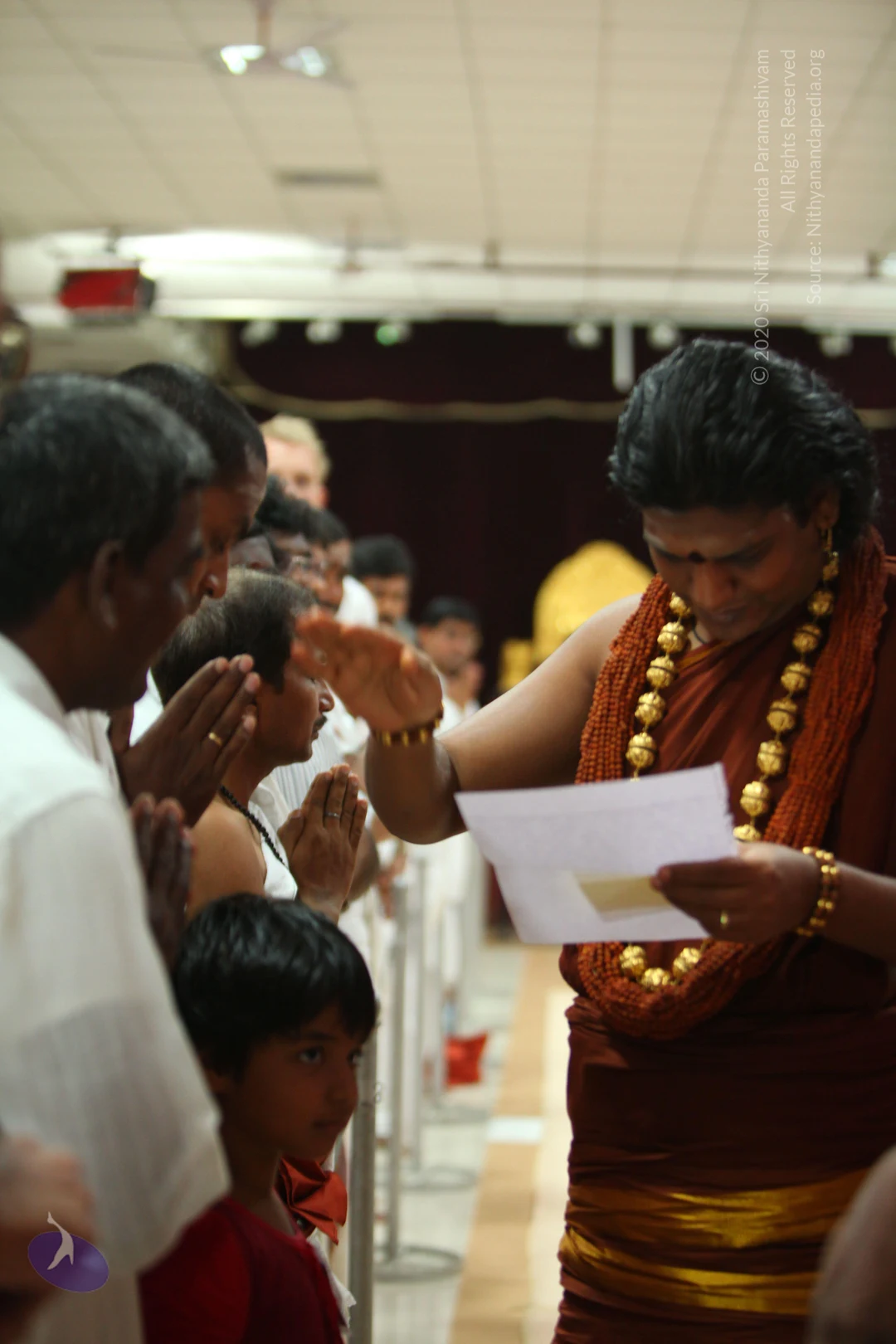
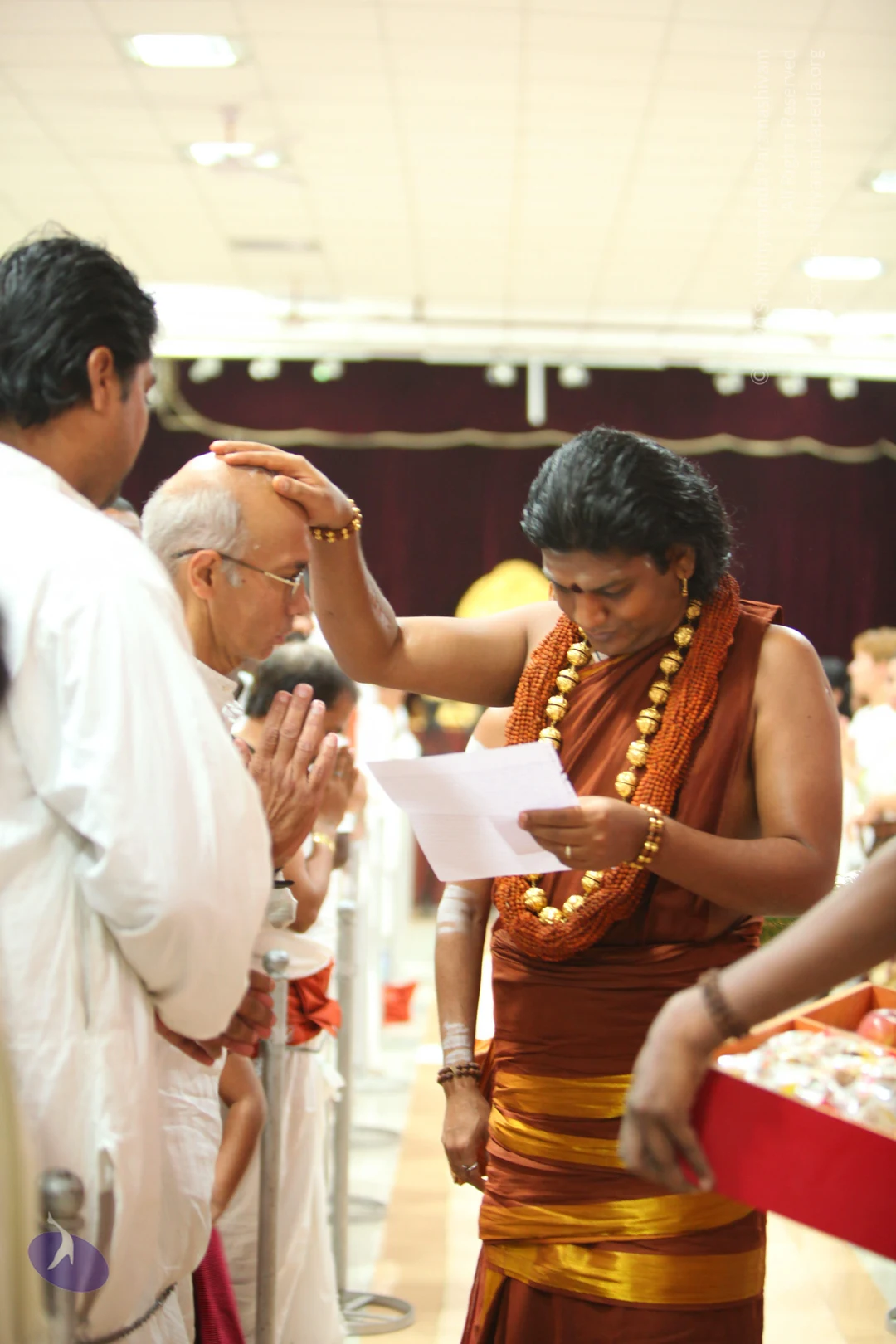
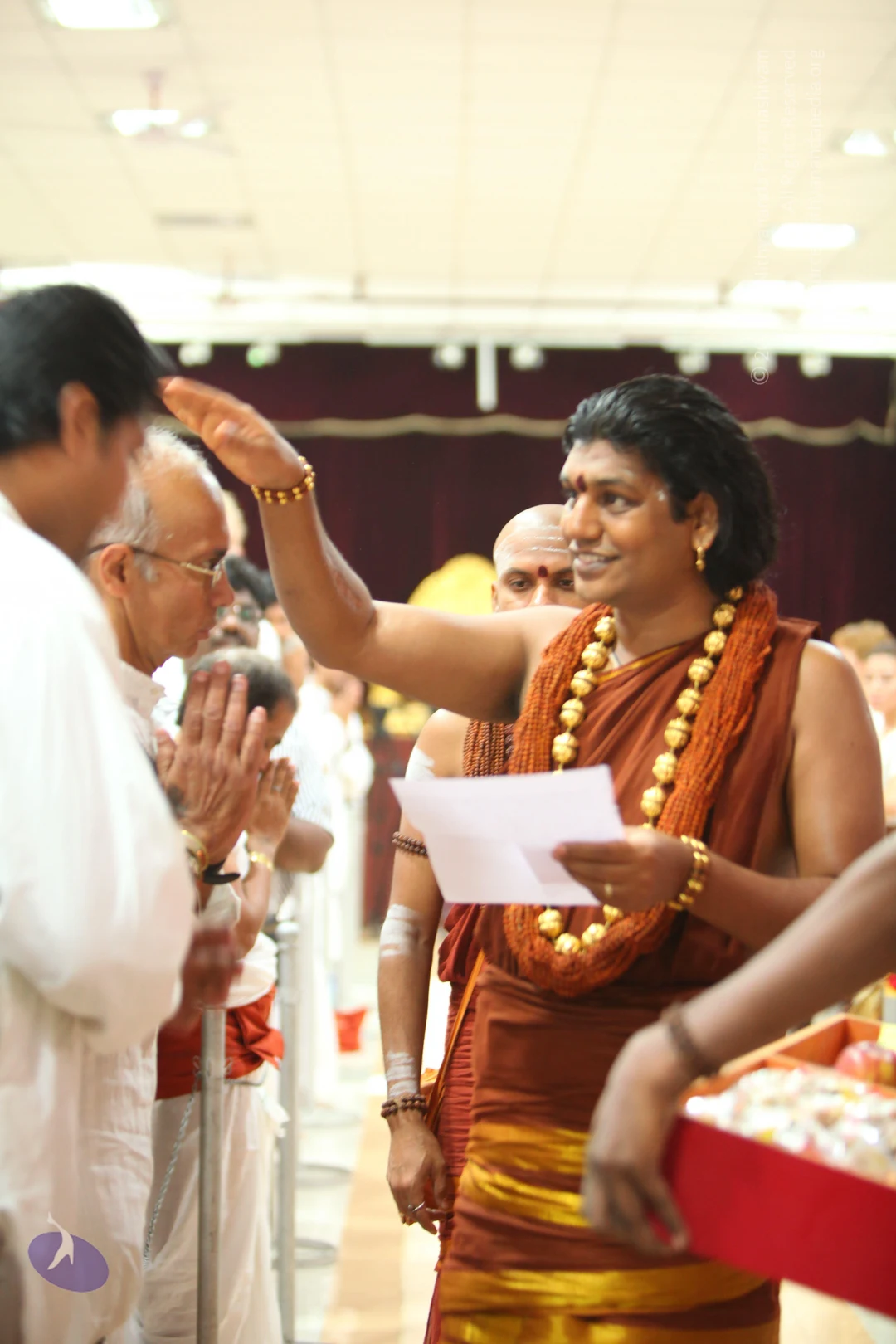
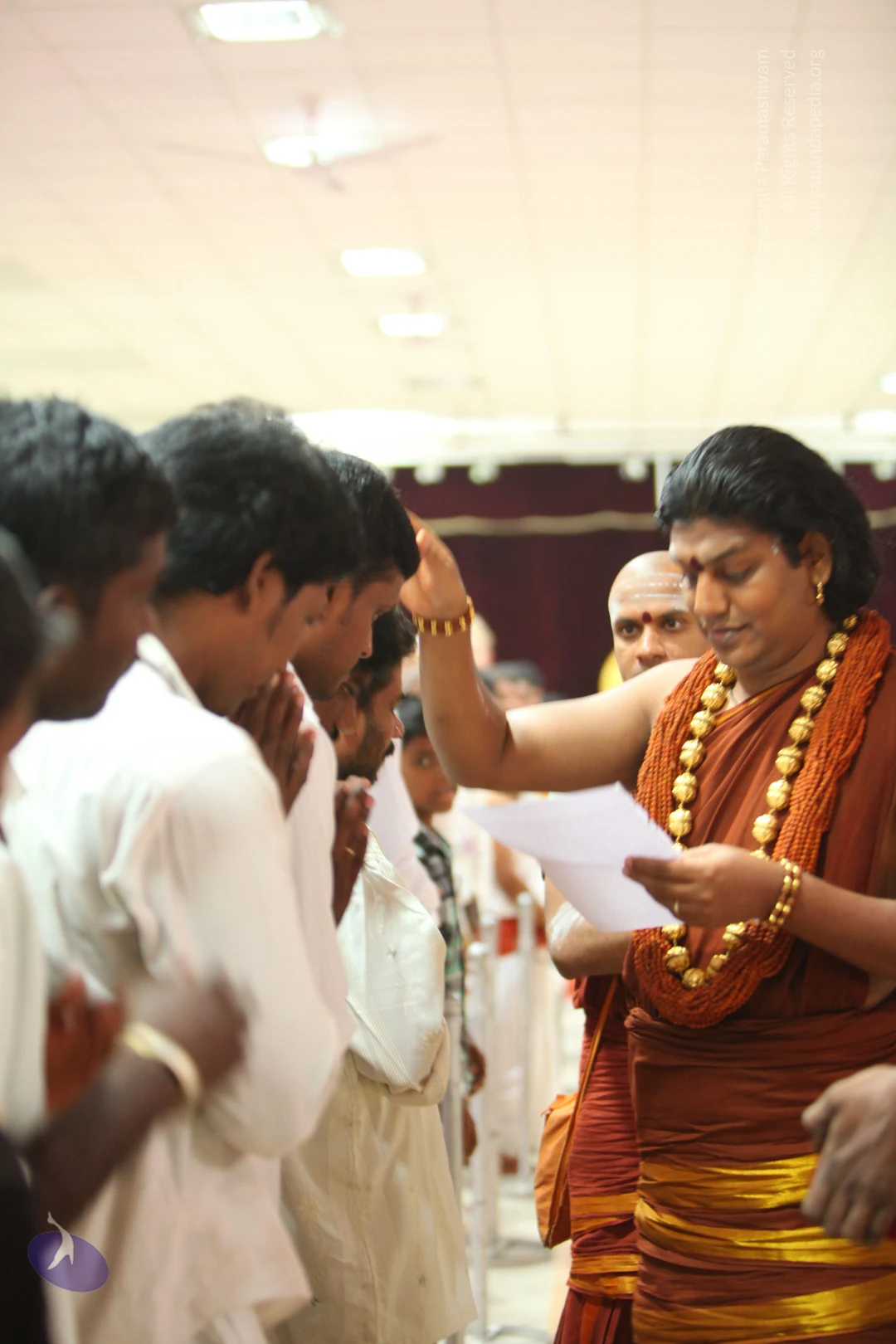
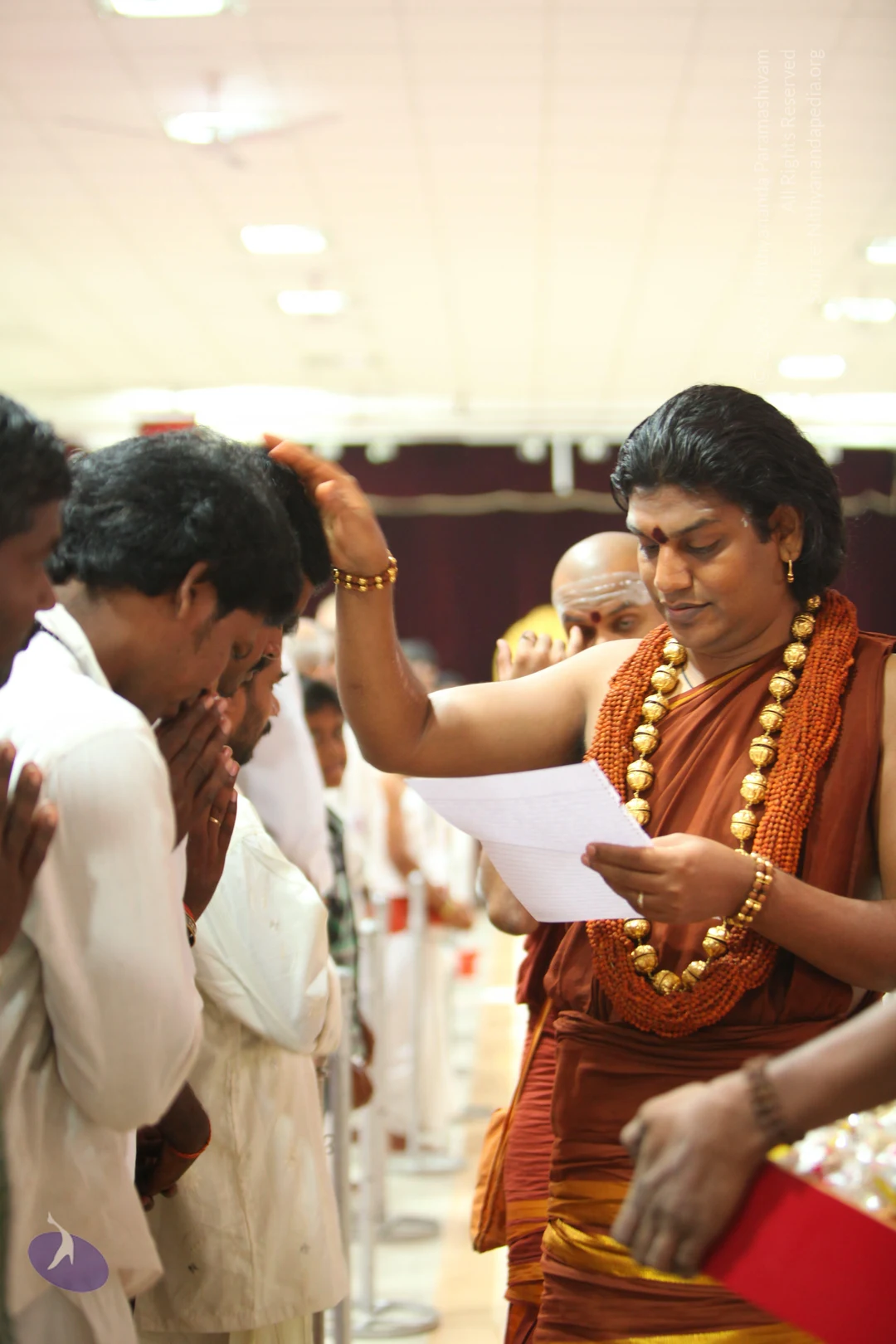
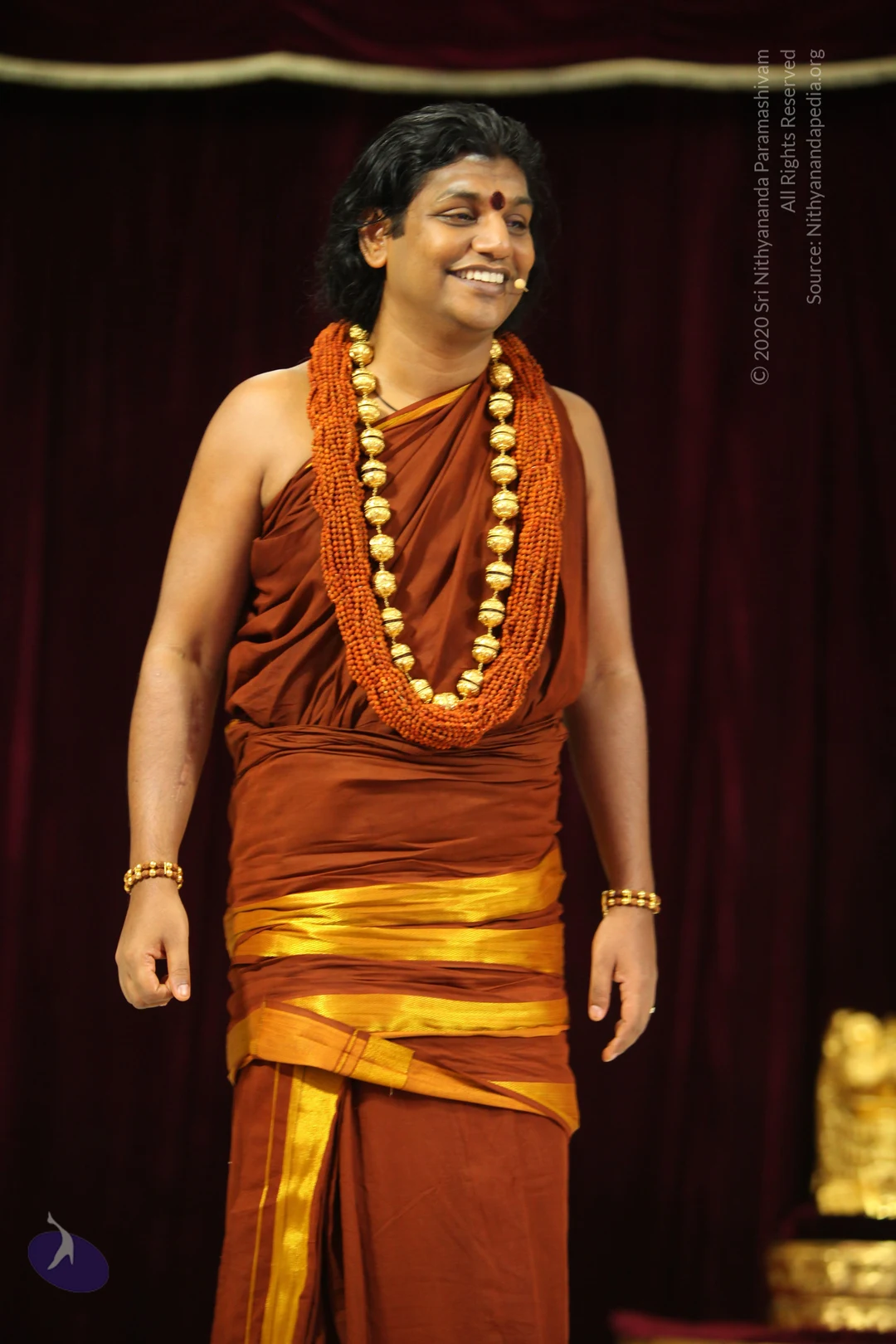
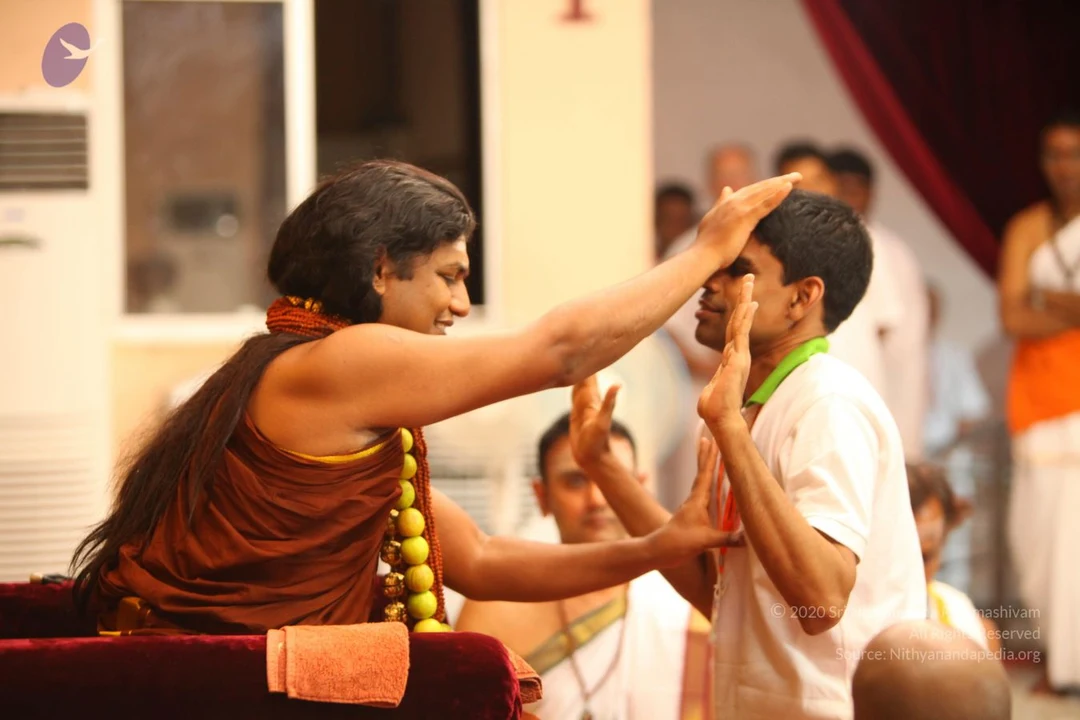
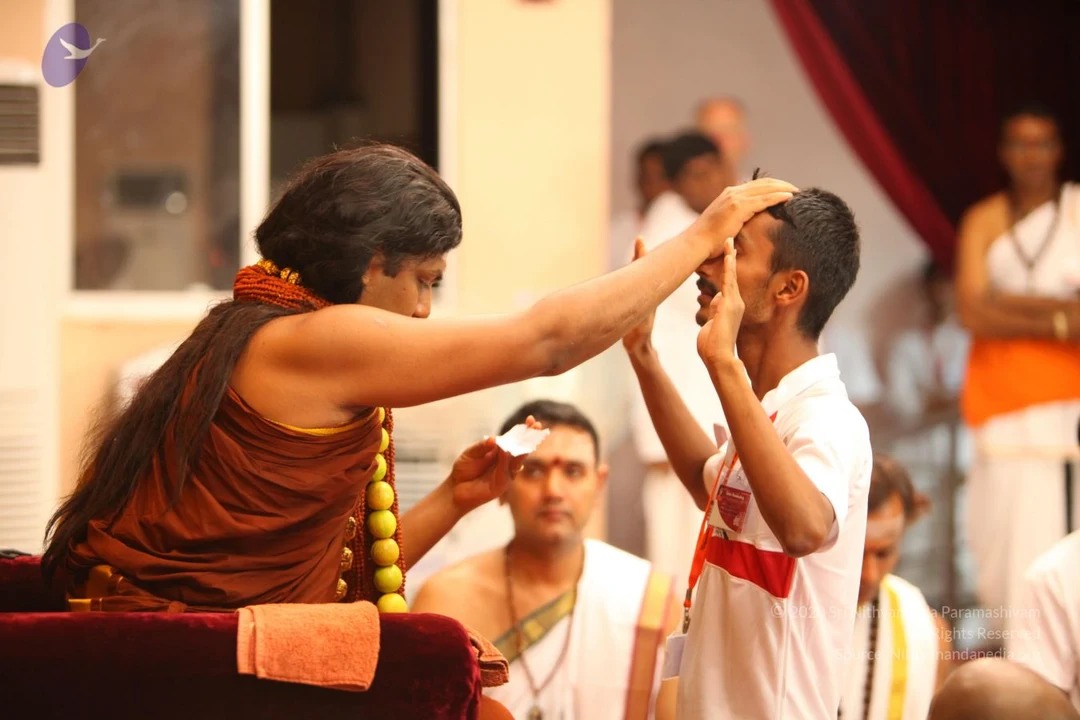
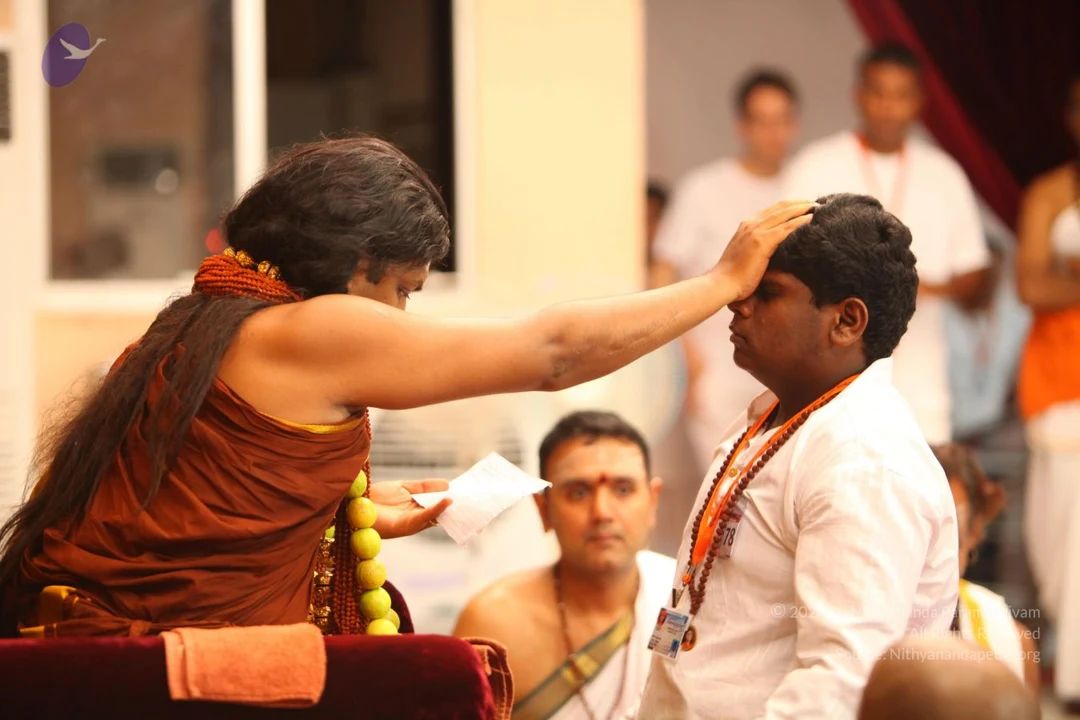
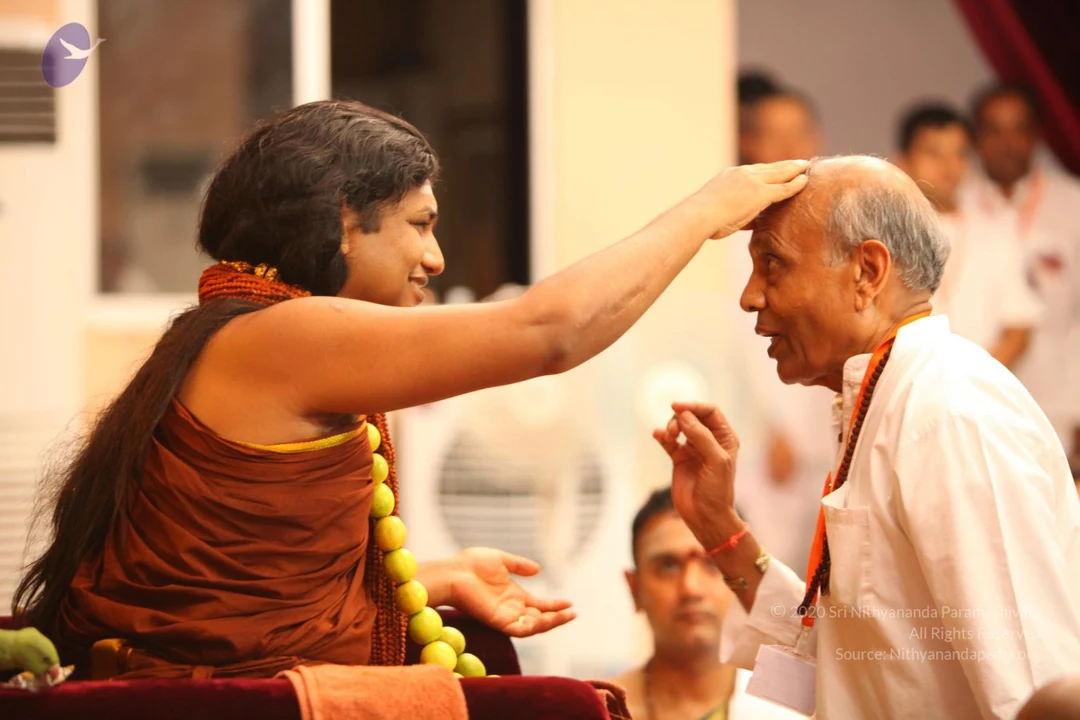
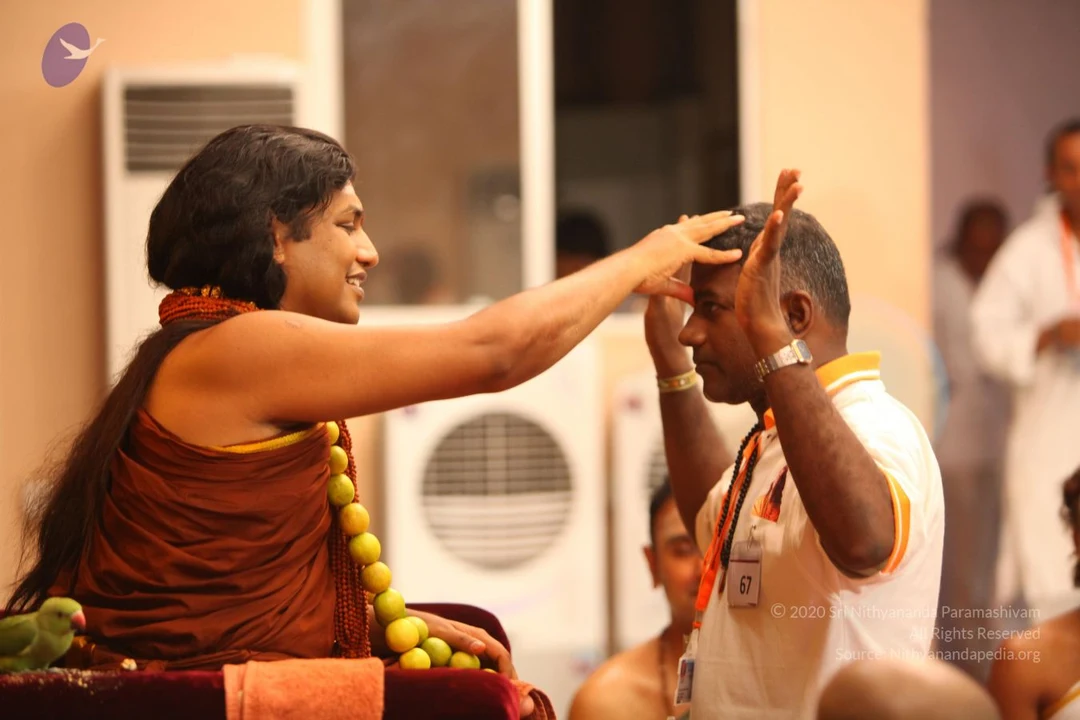
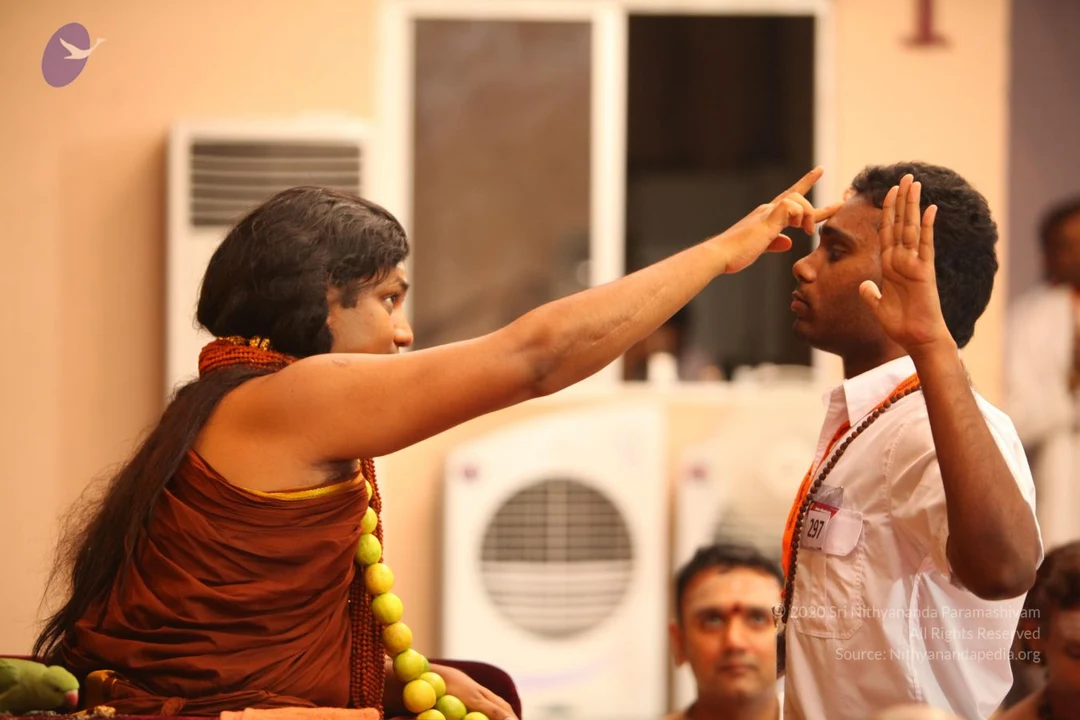
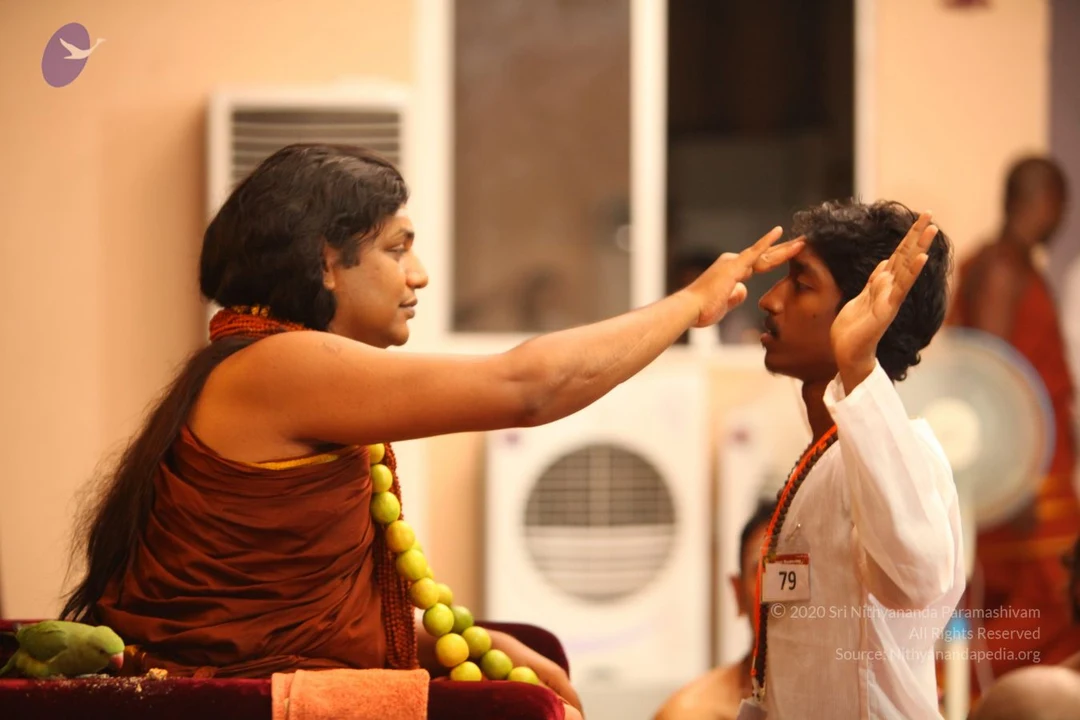
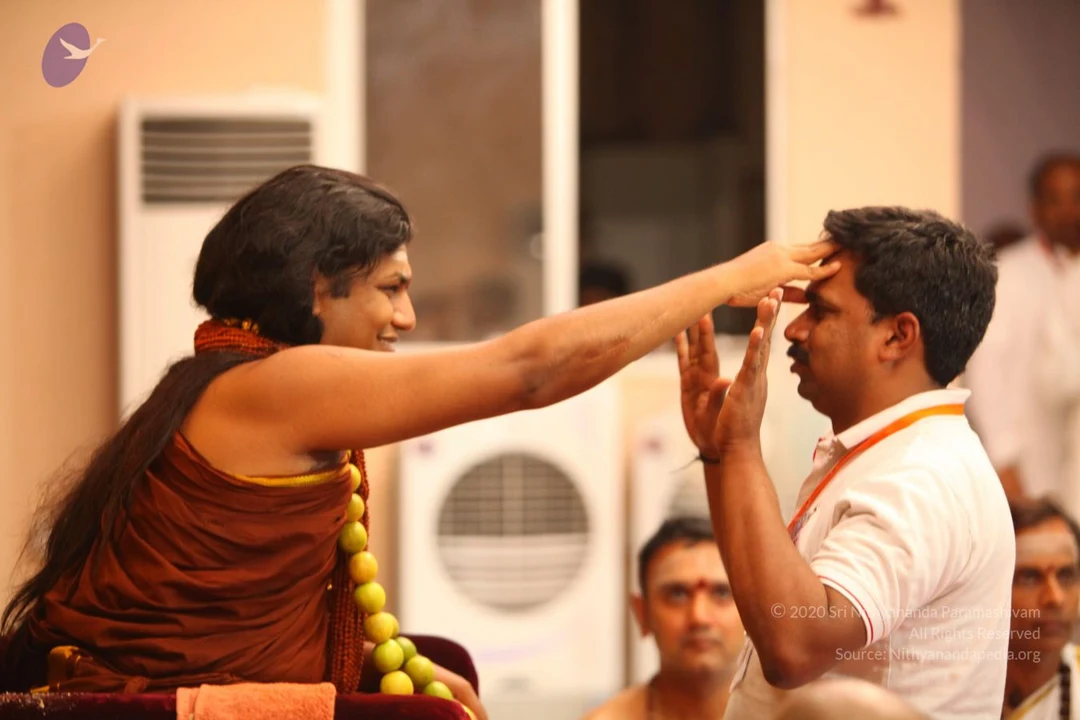
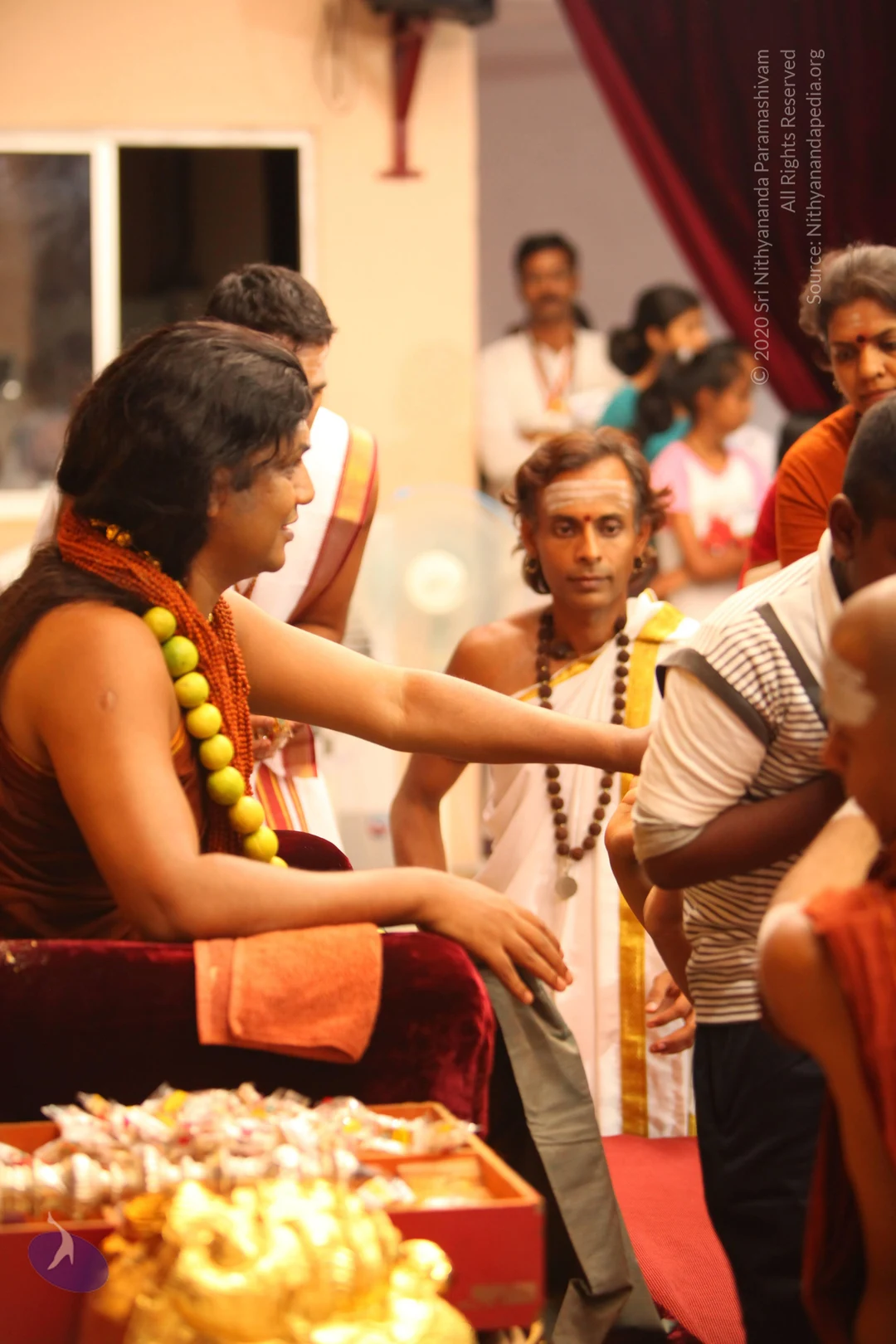
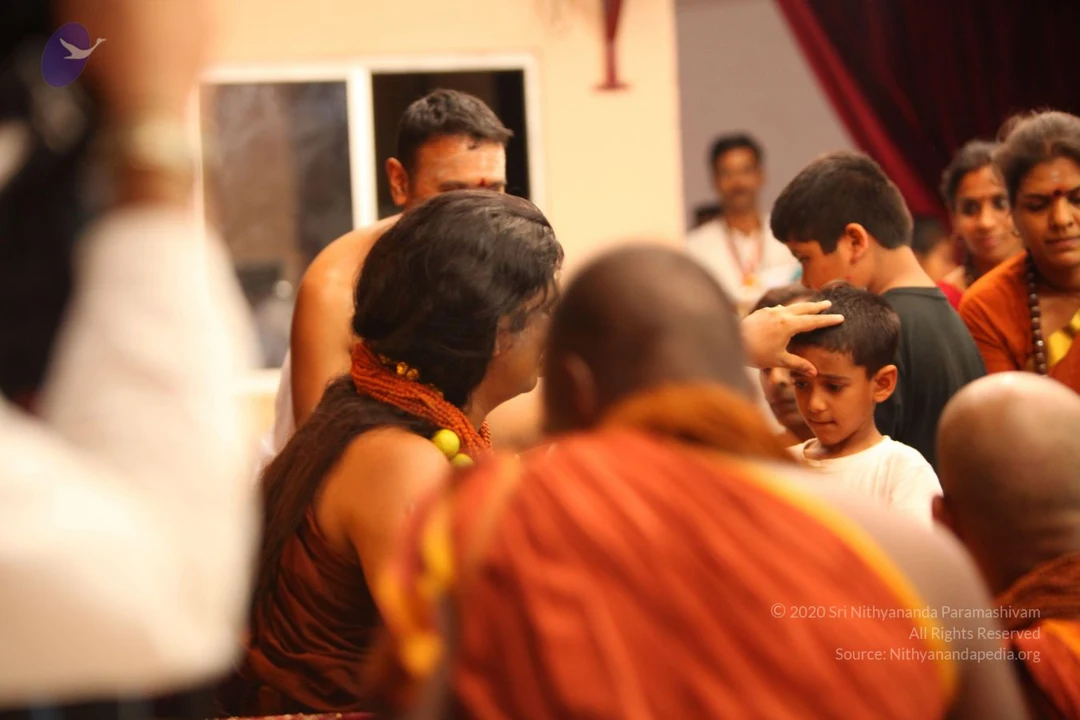
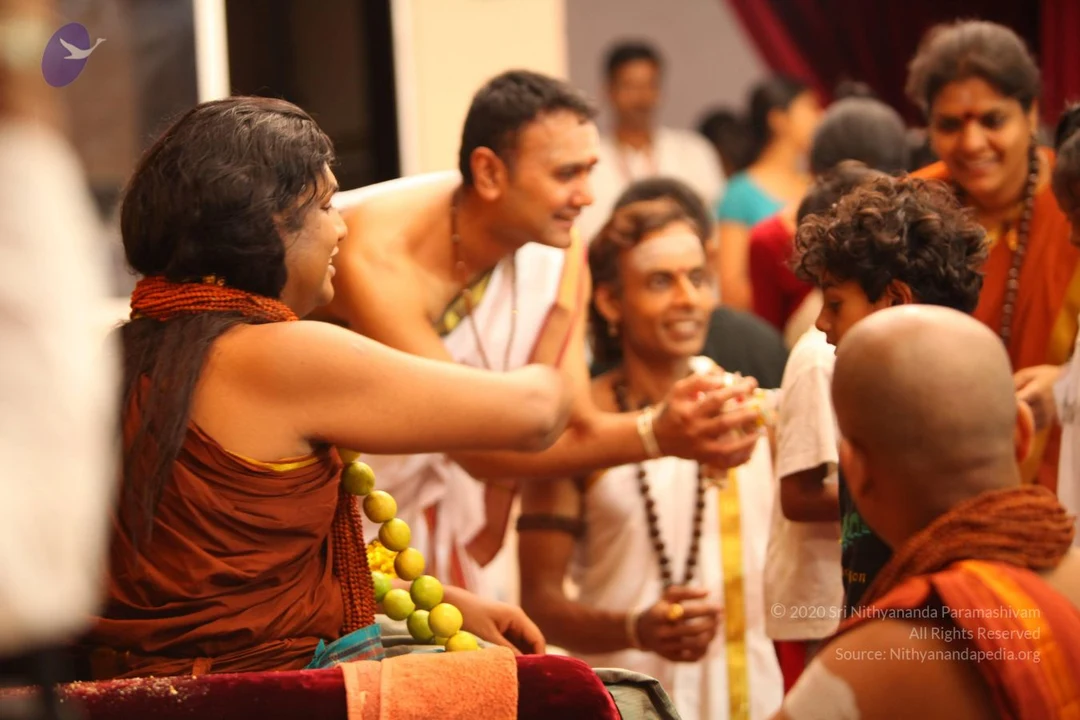
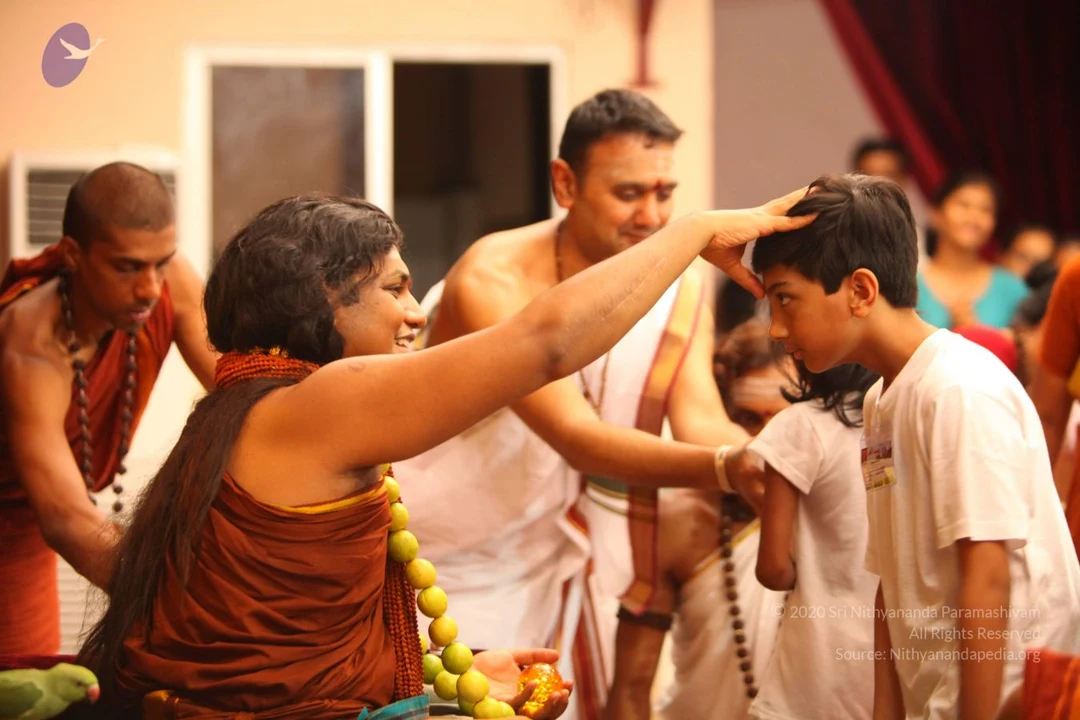
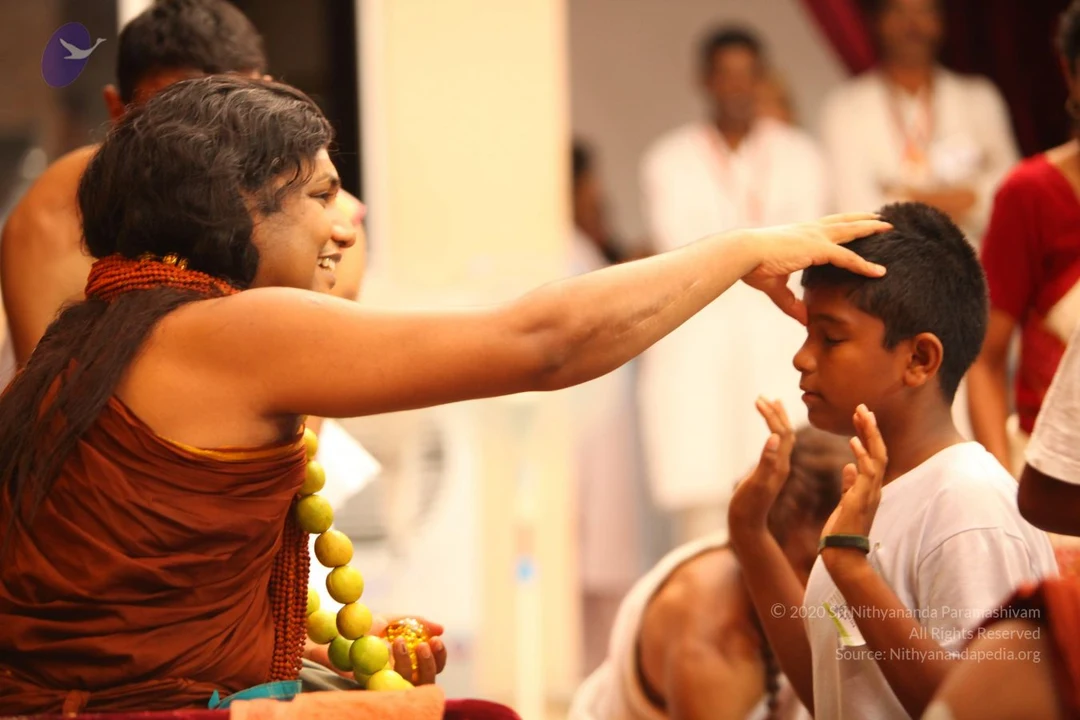
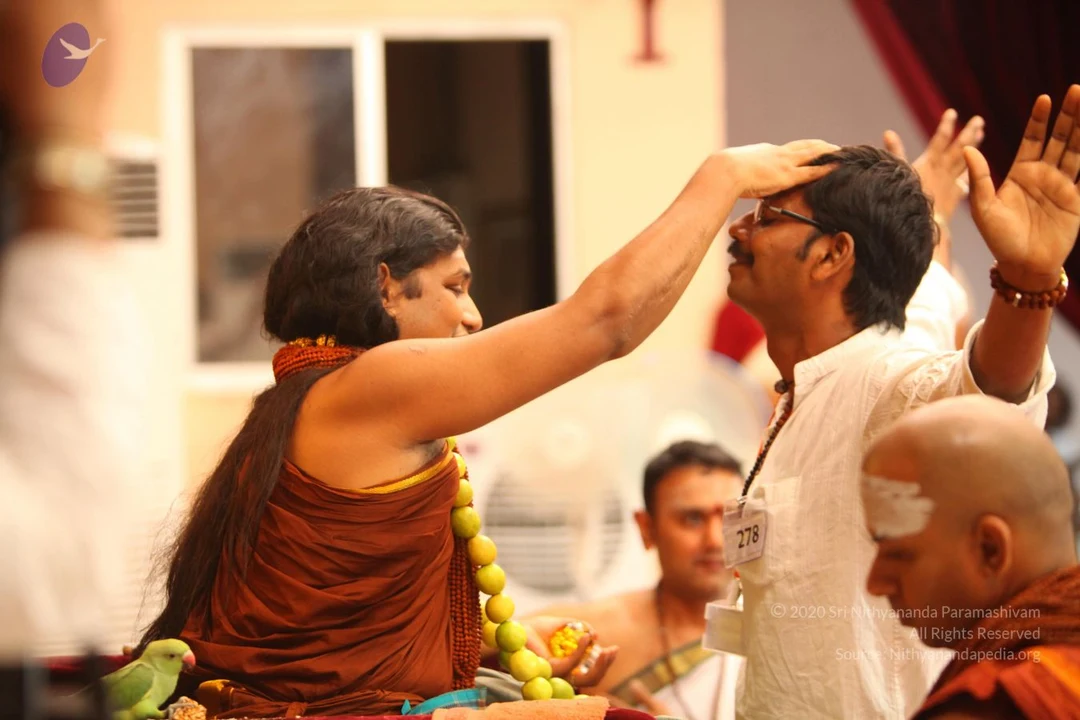
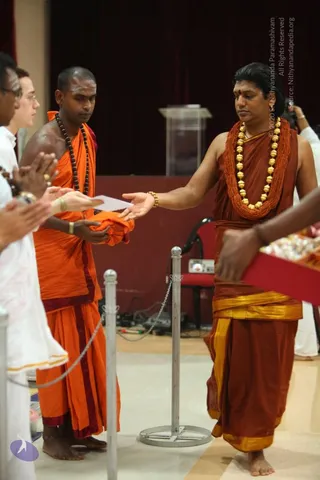
DARSHAN
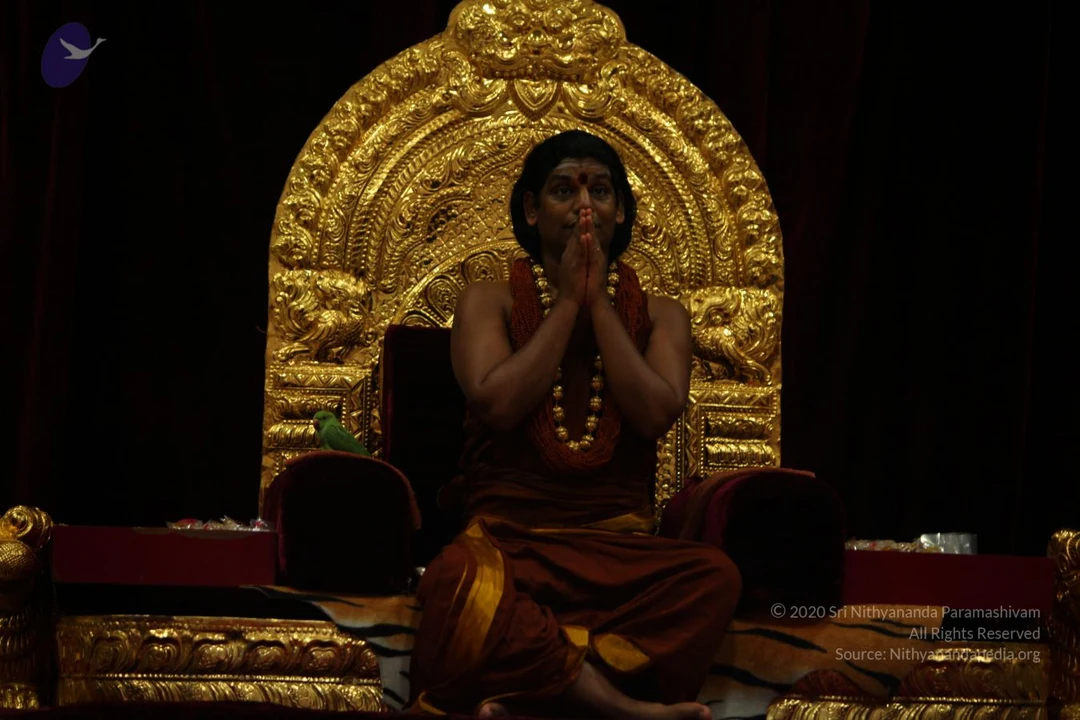

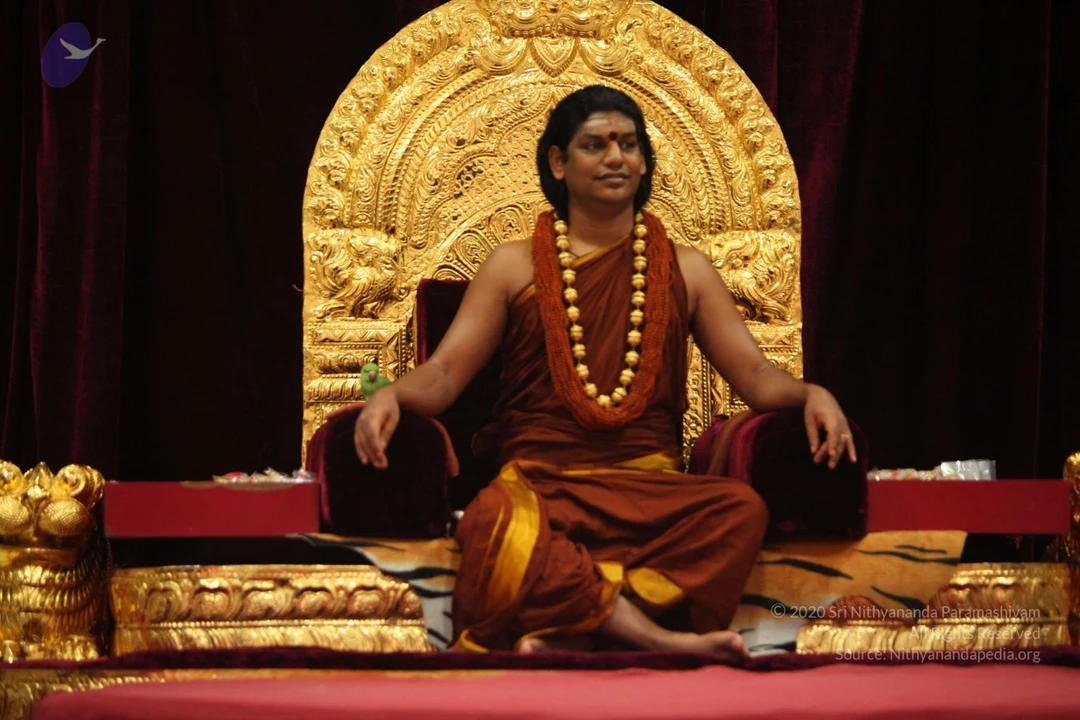
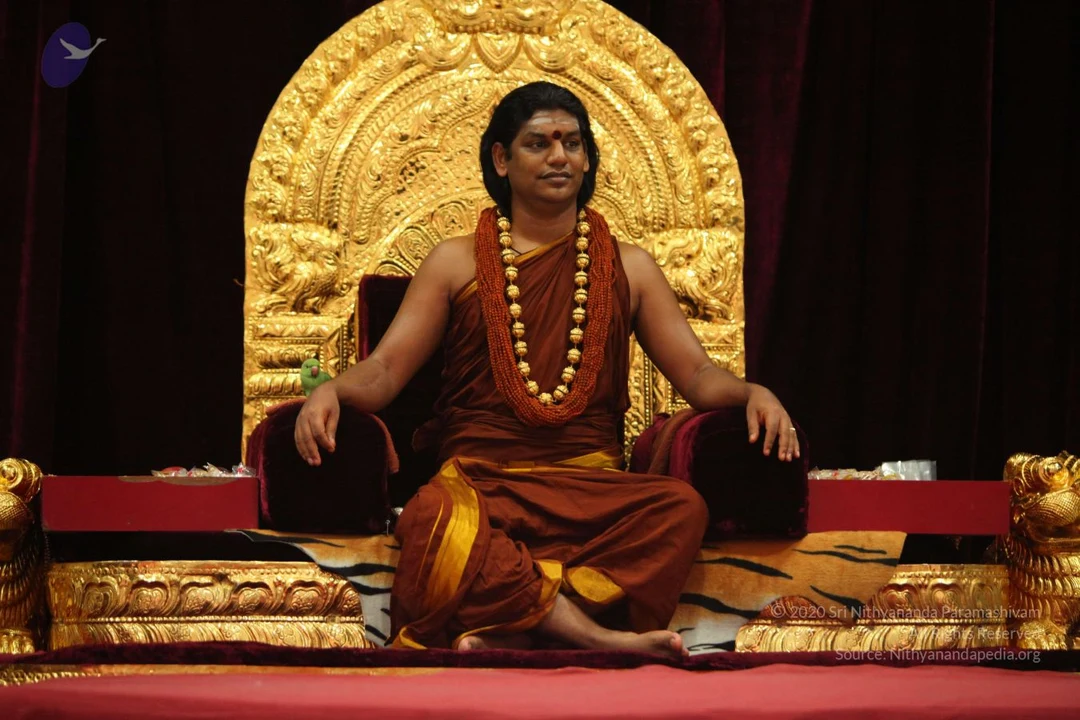
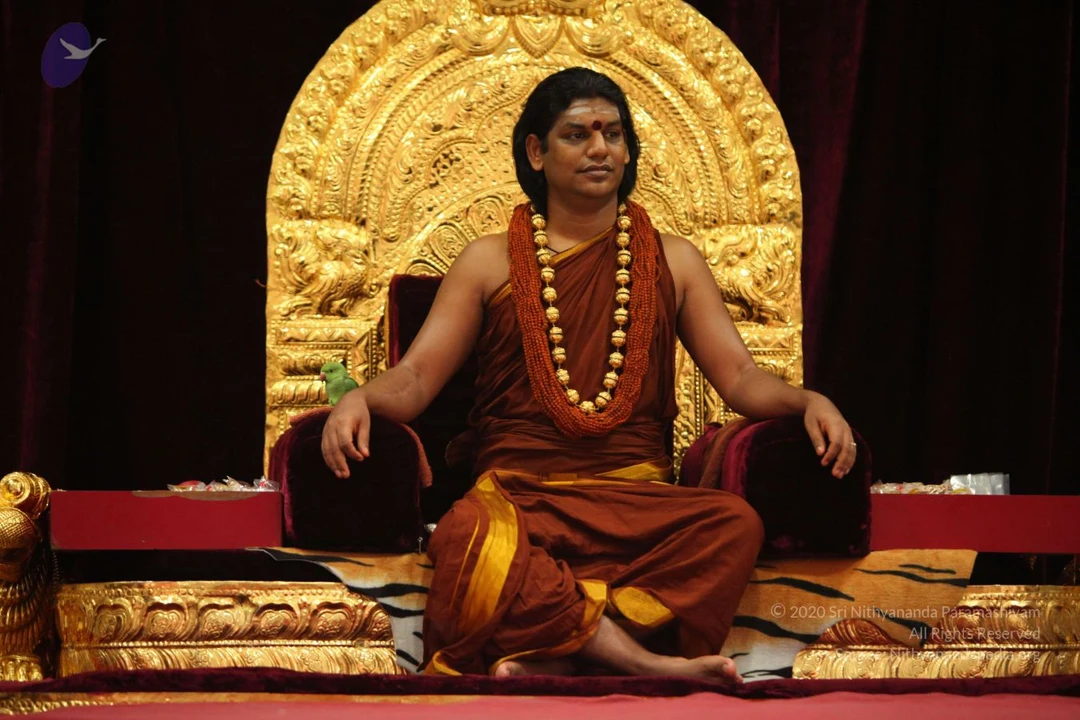
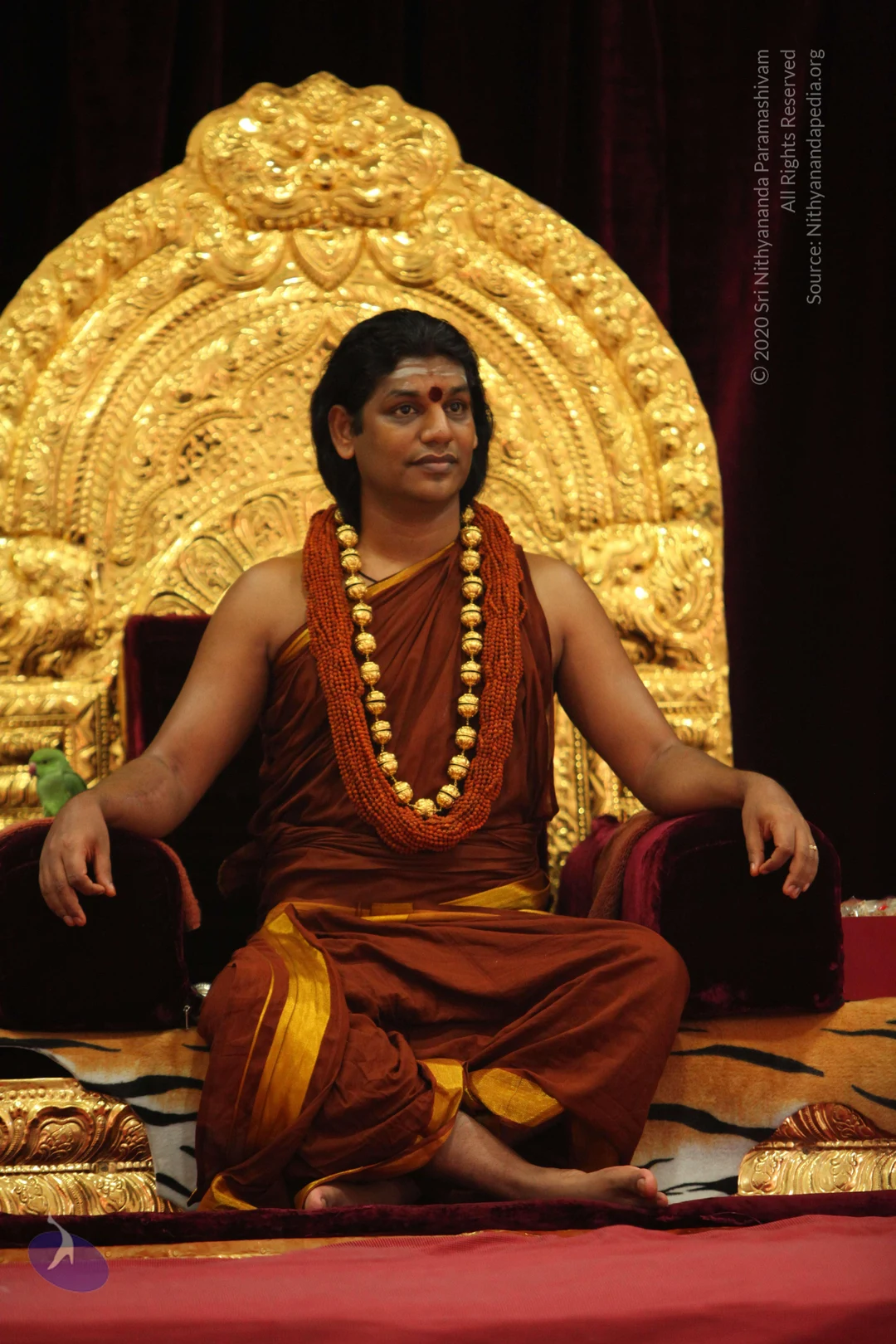
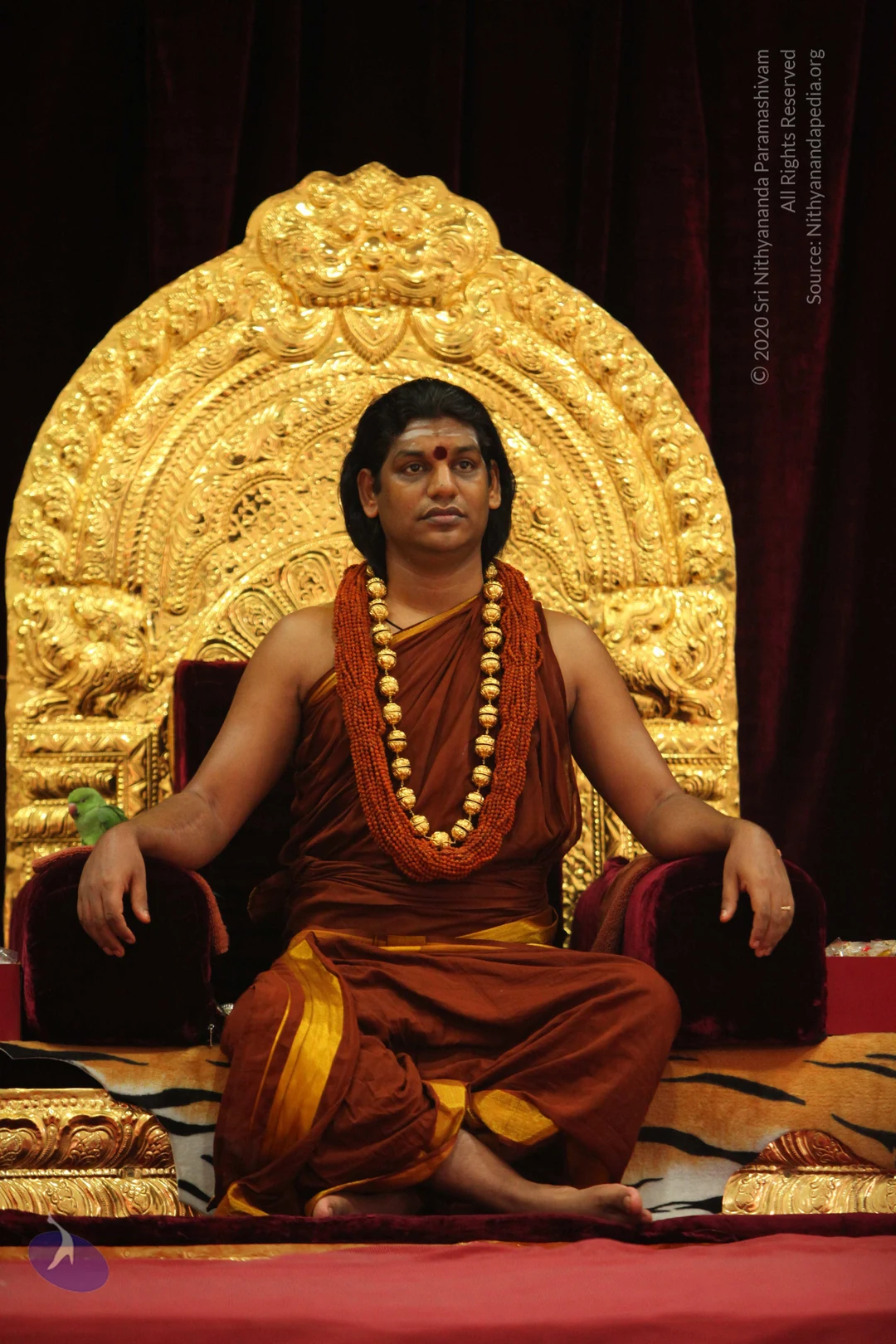
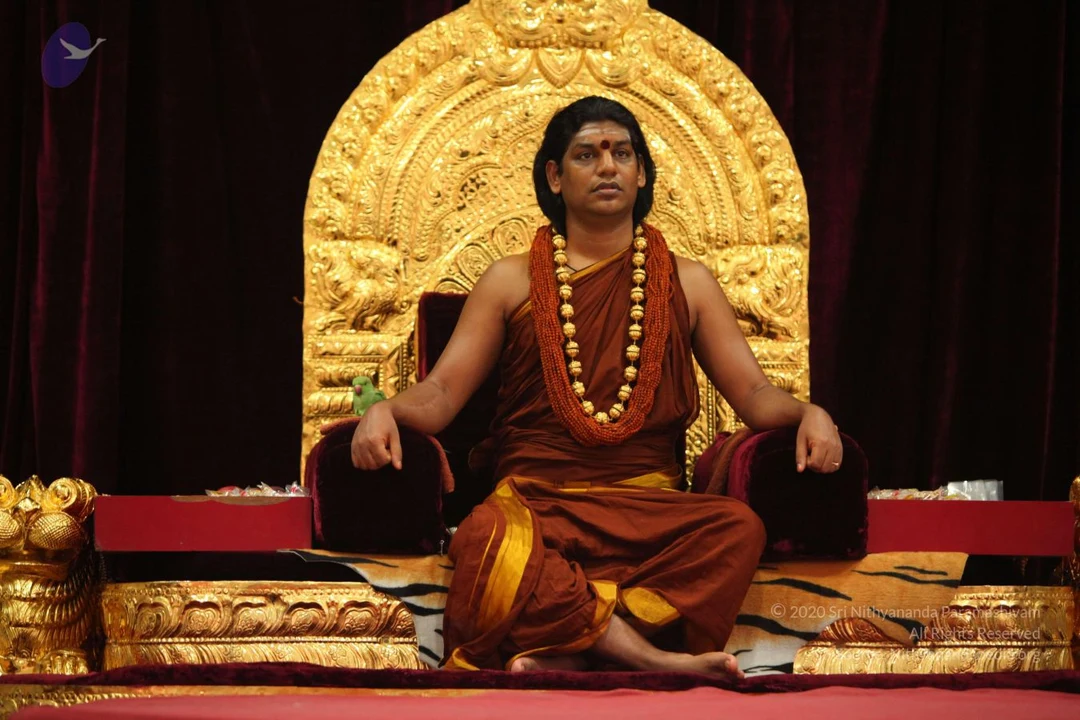
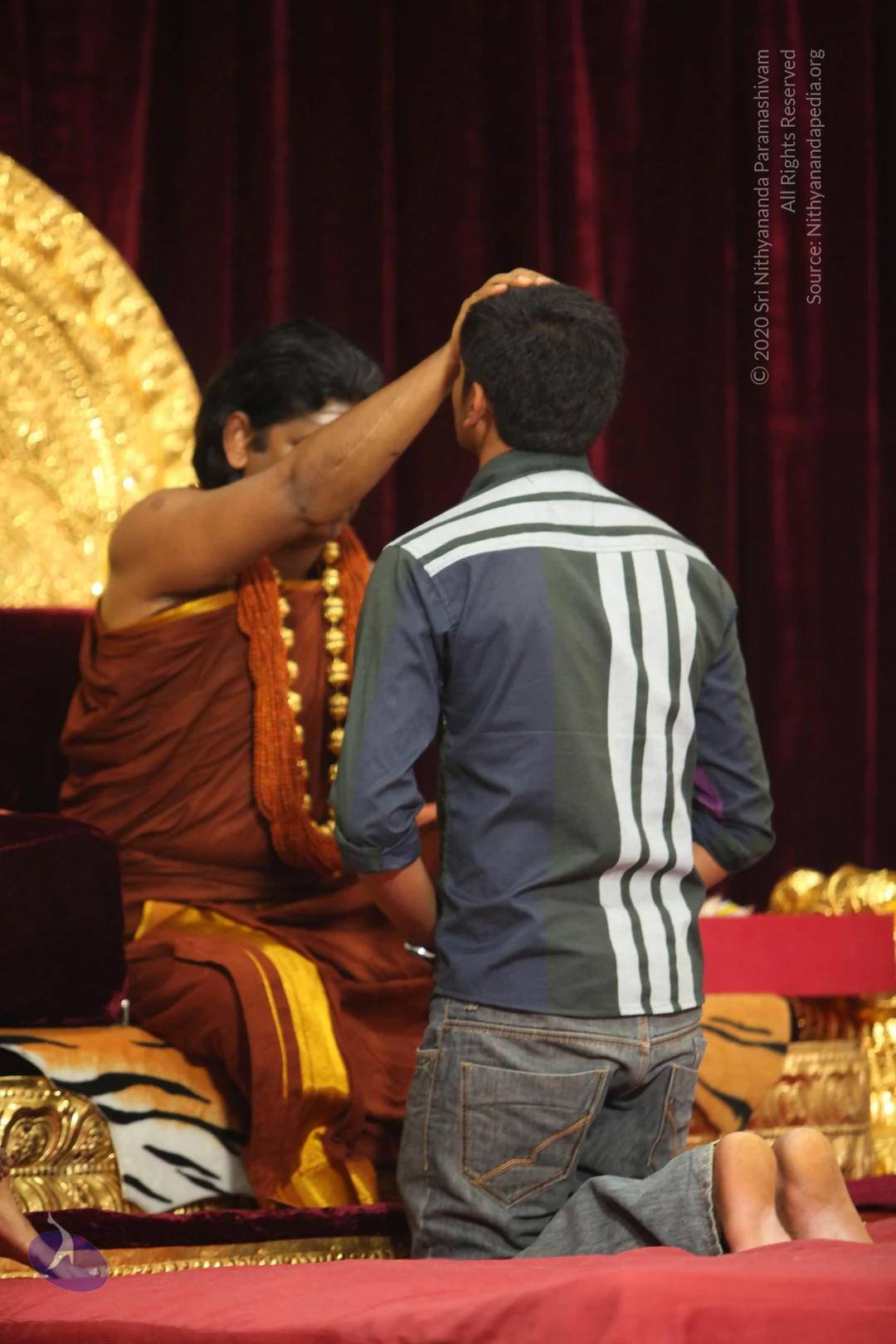
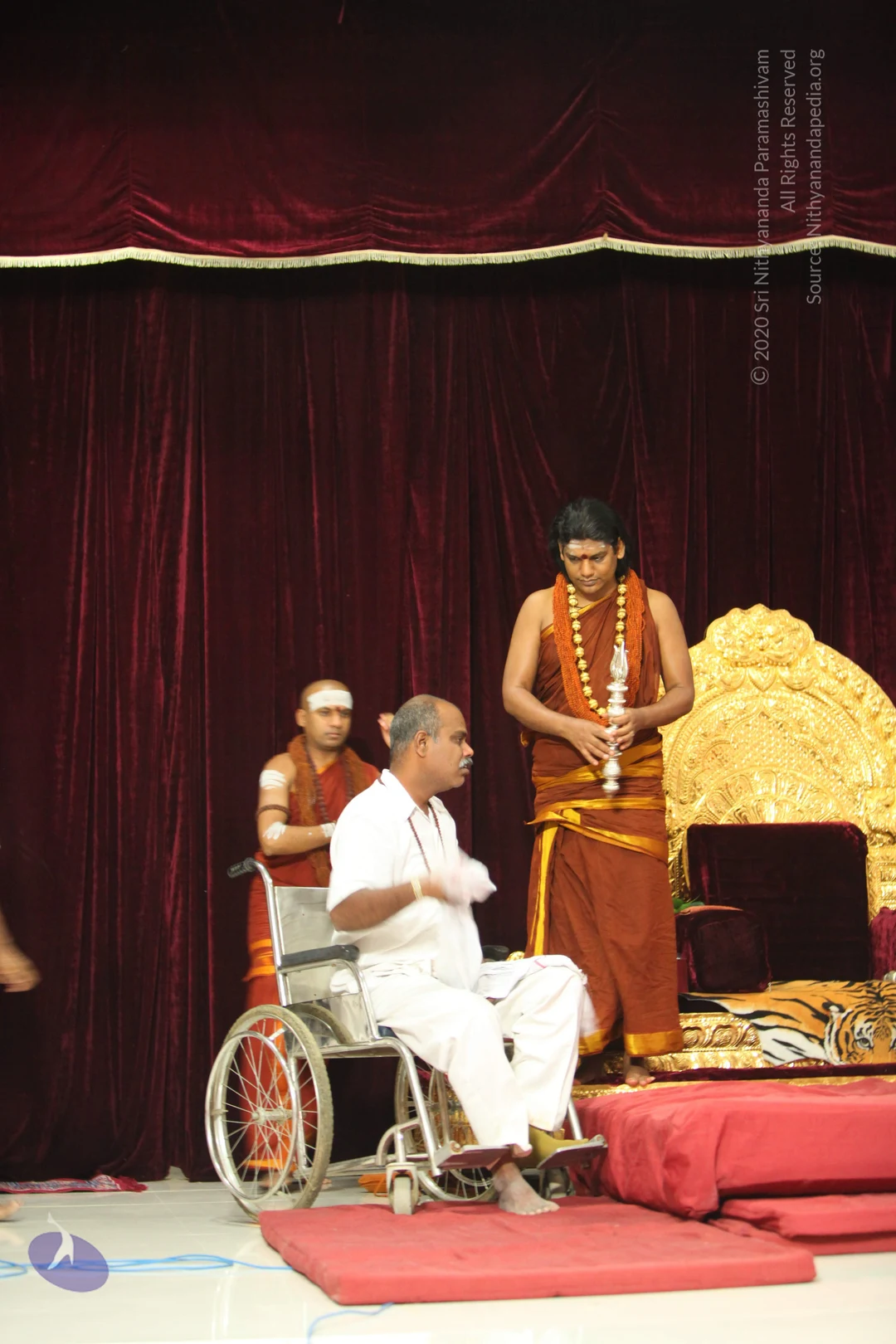
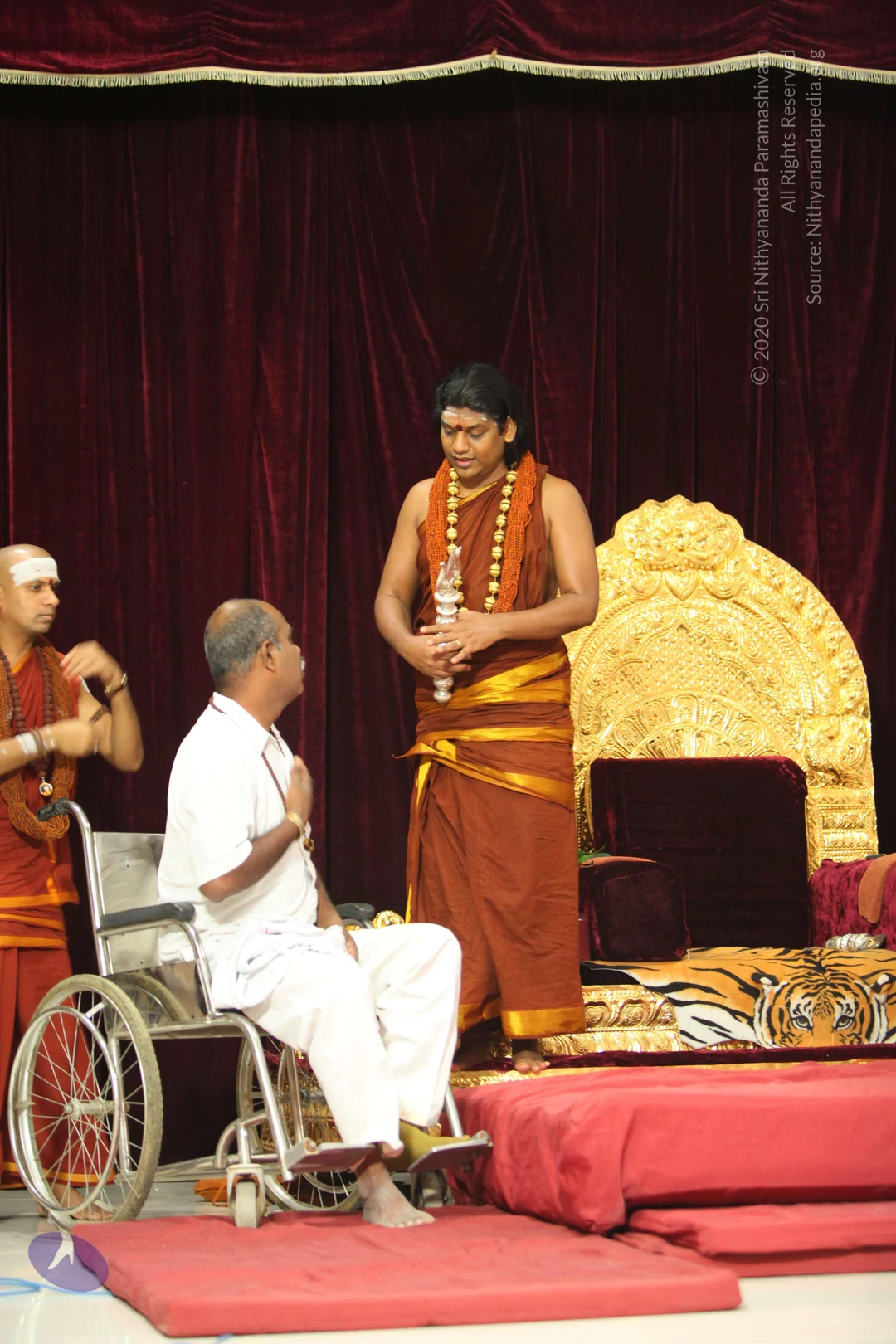
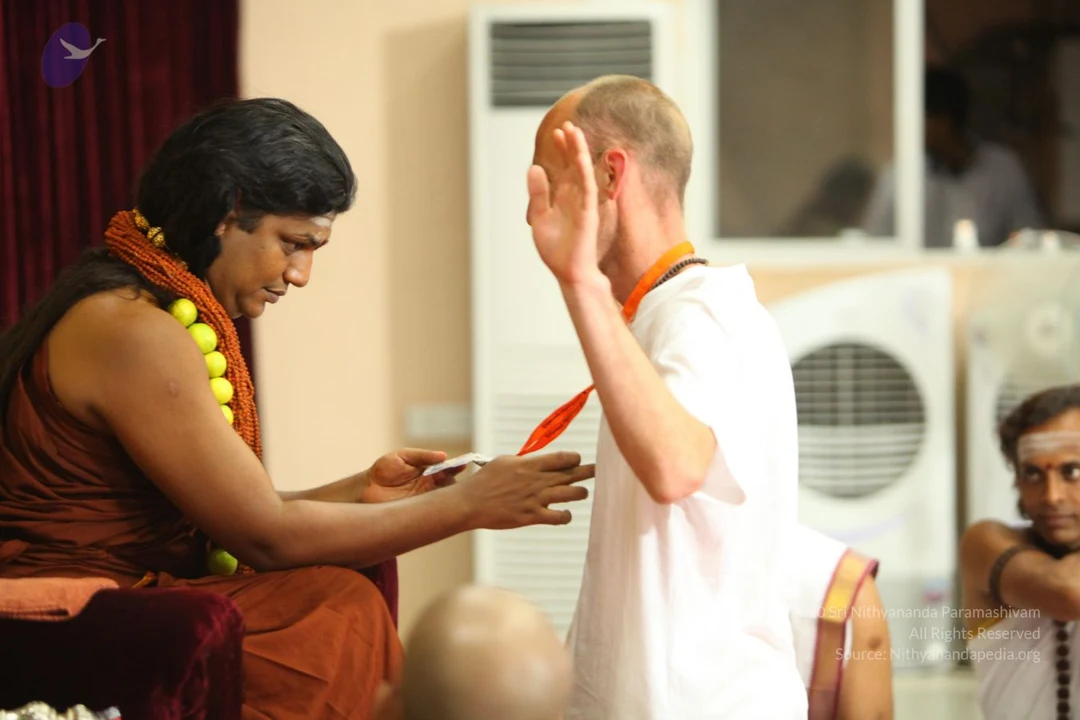
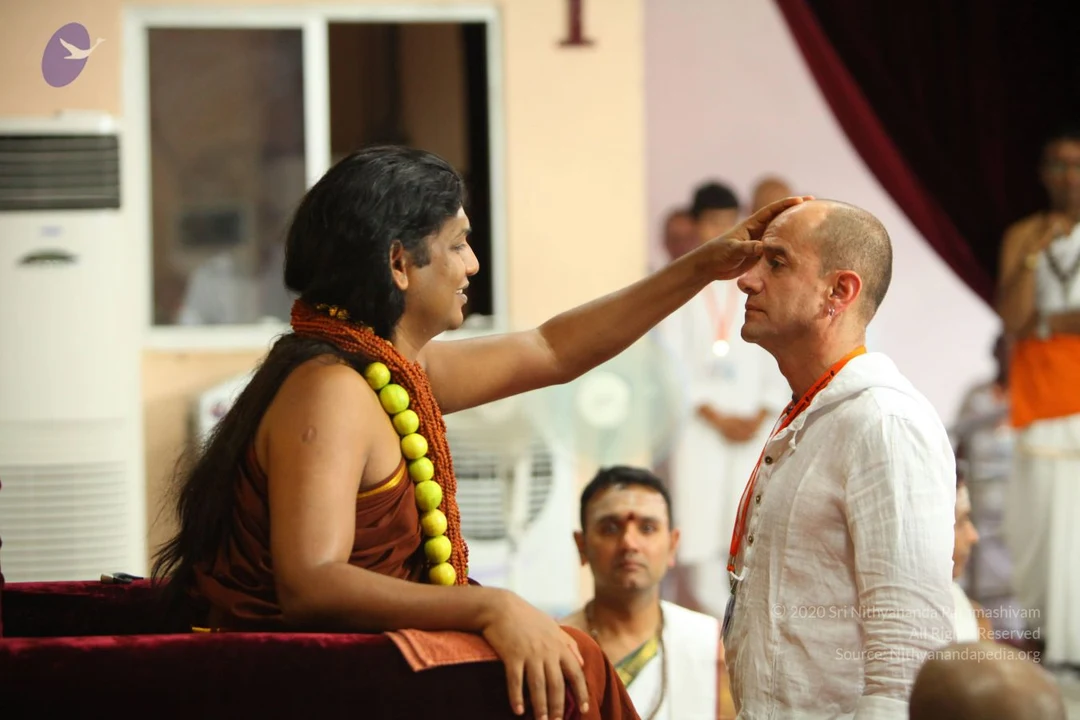
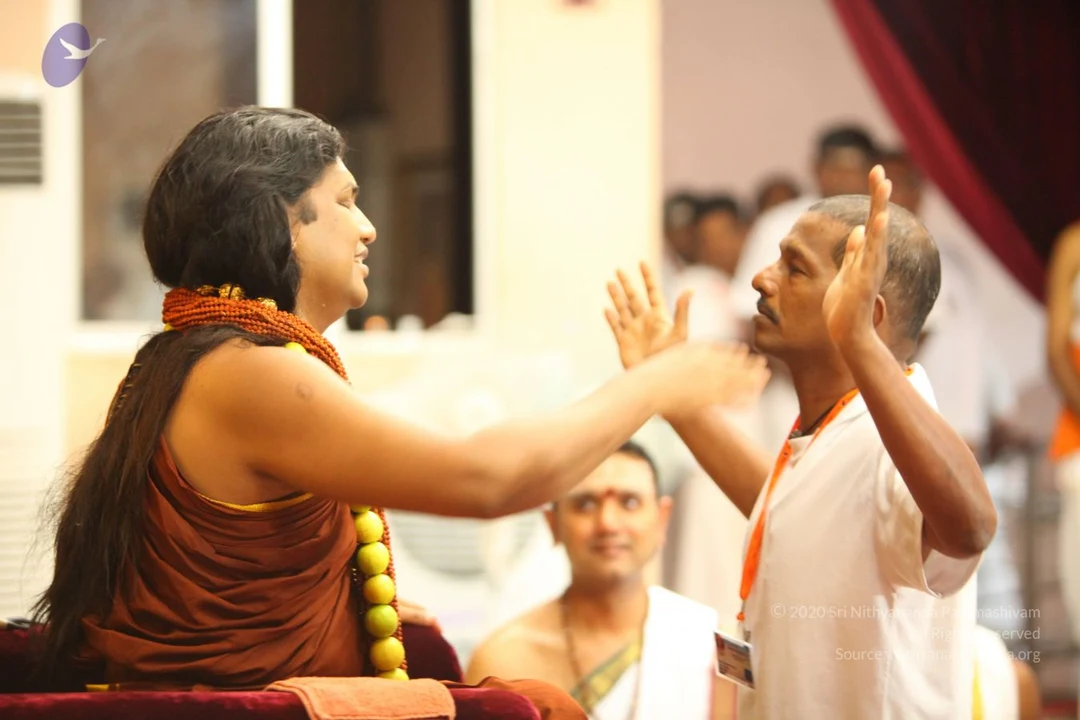
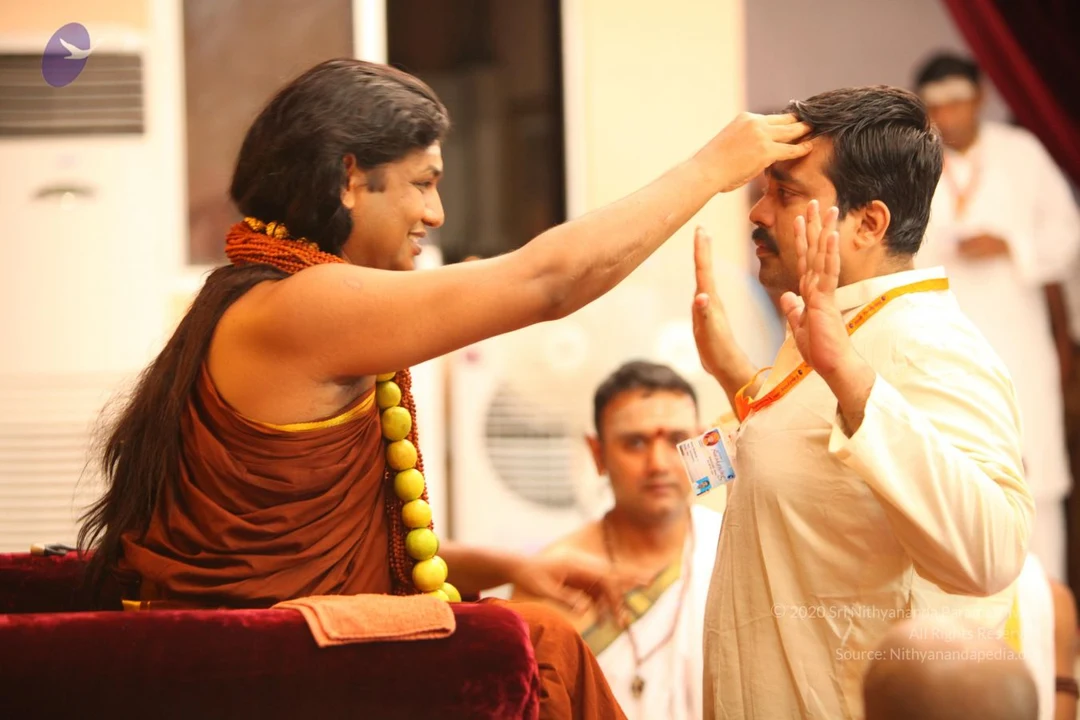
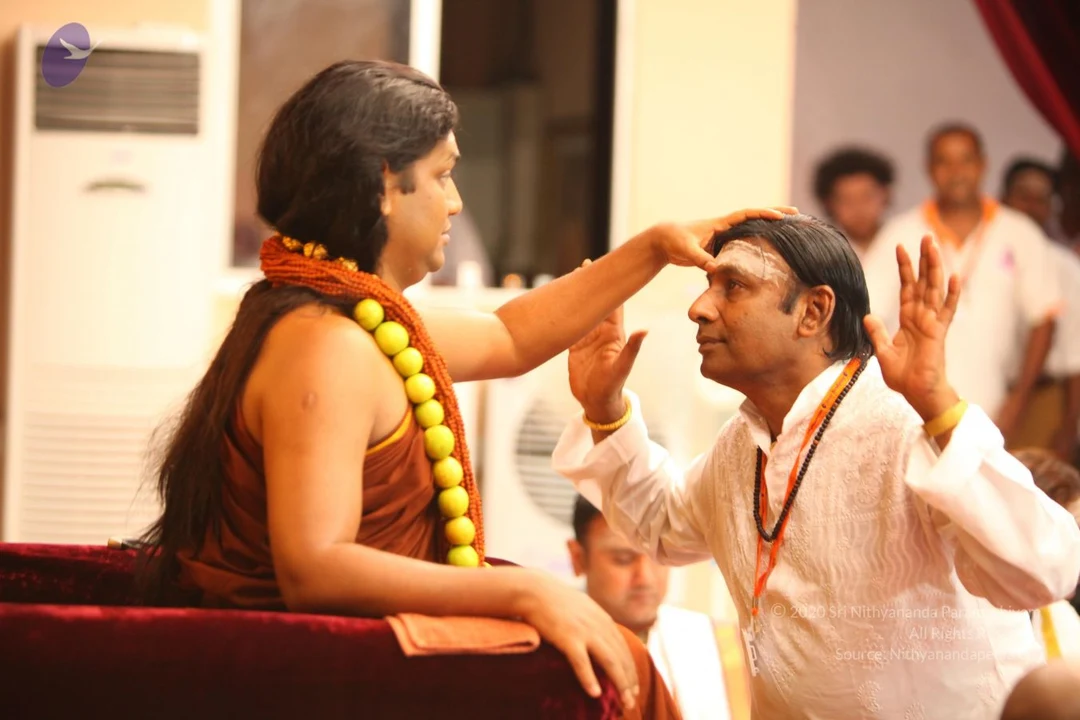
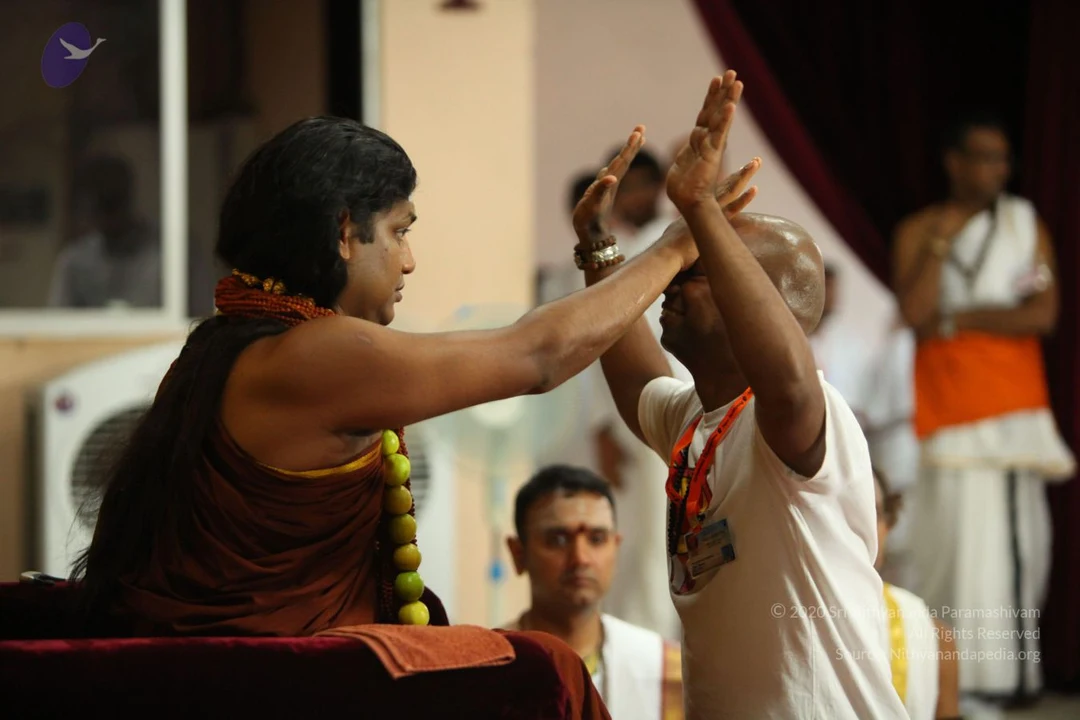
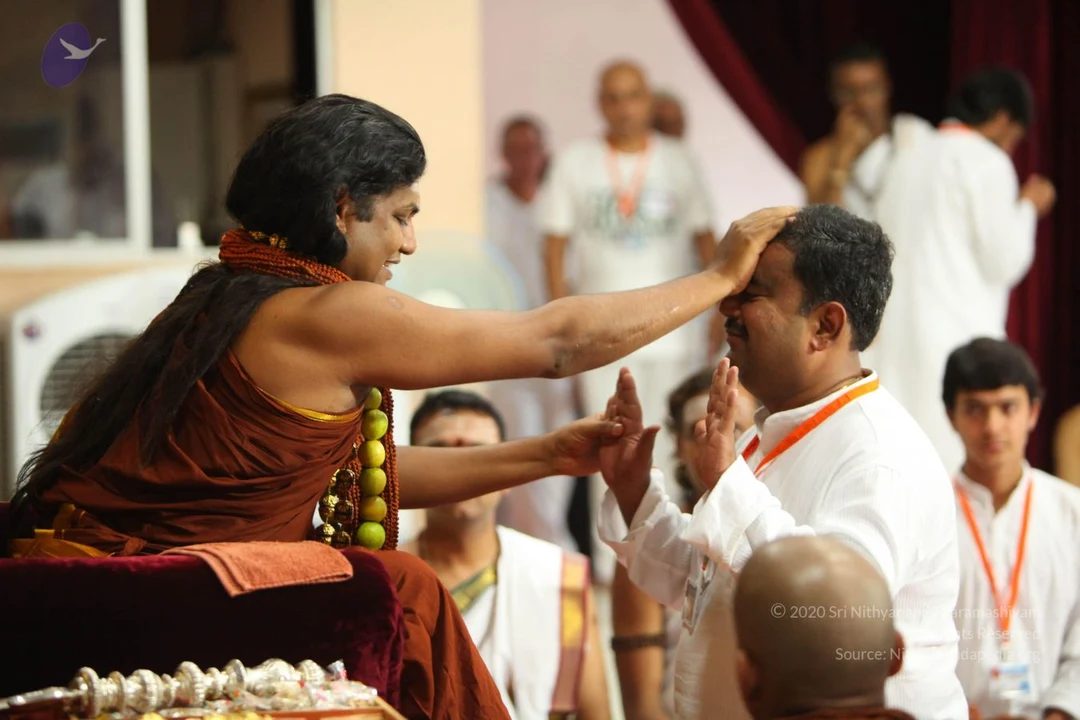
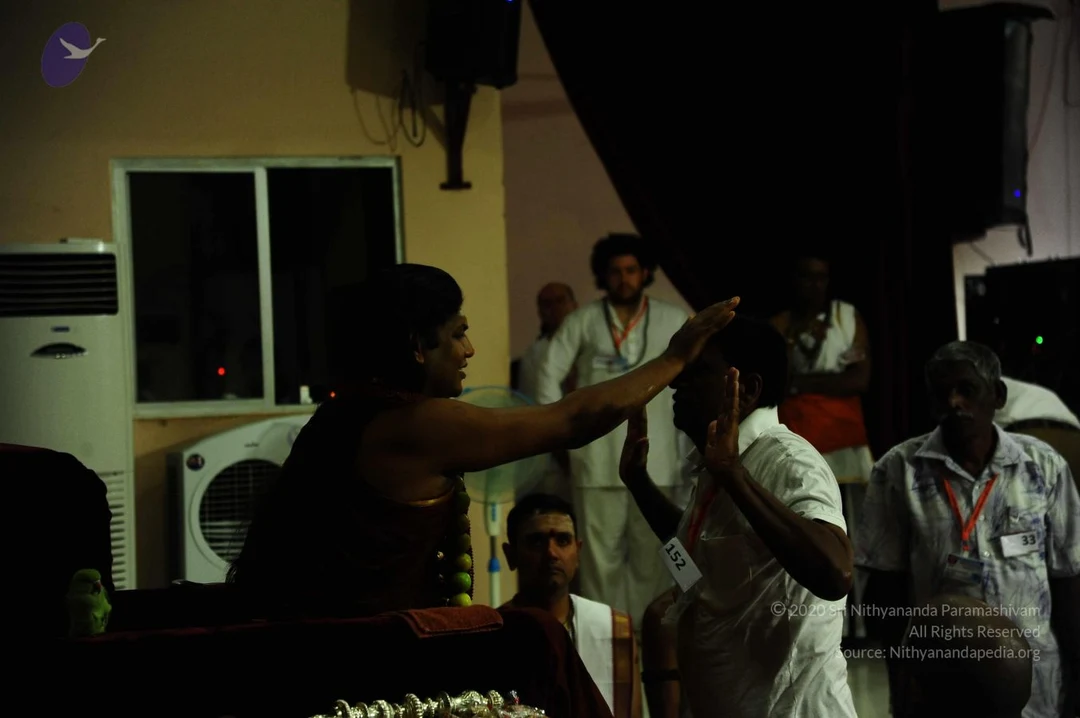
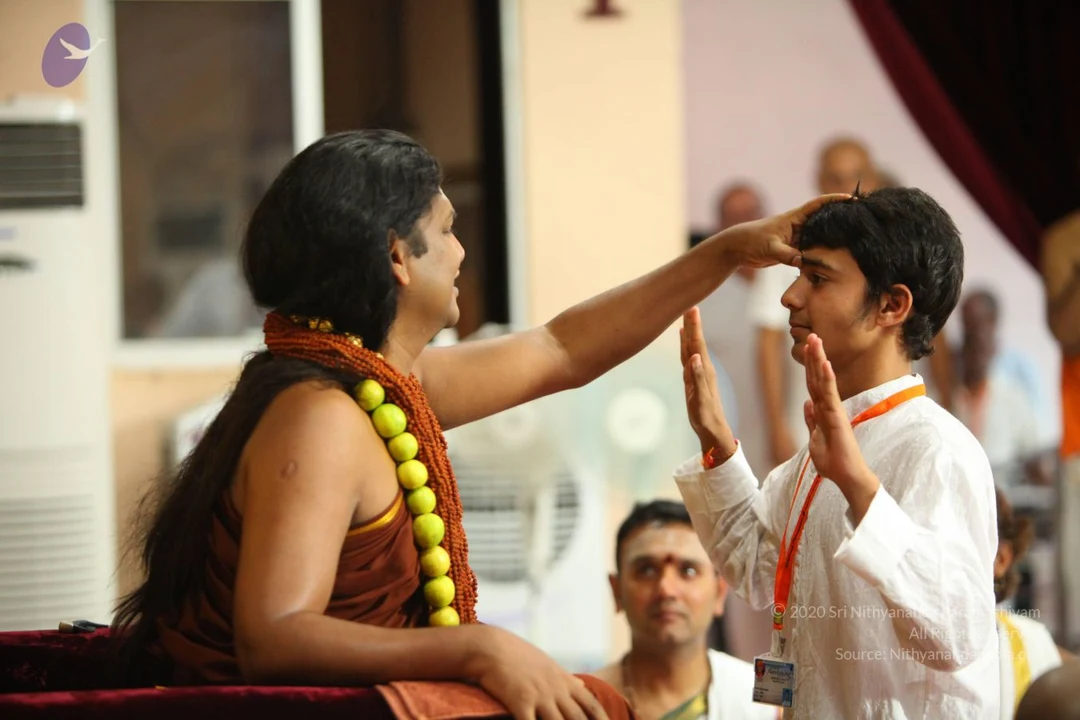
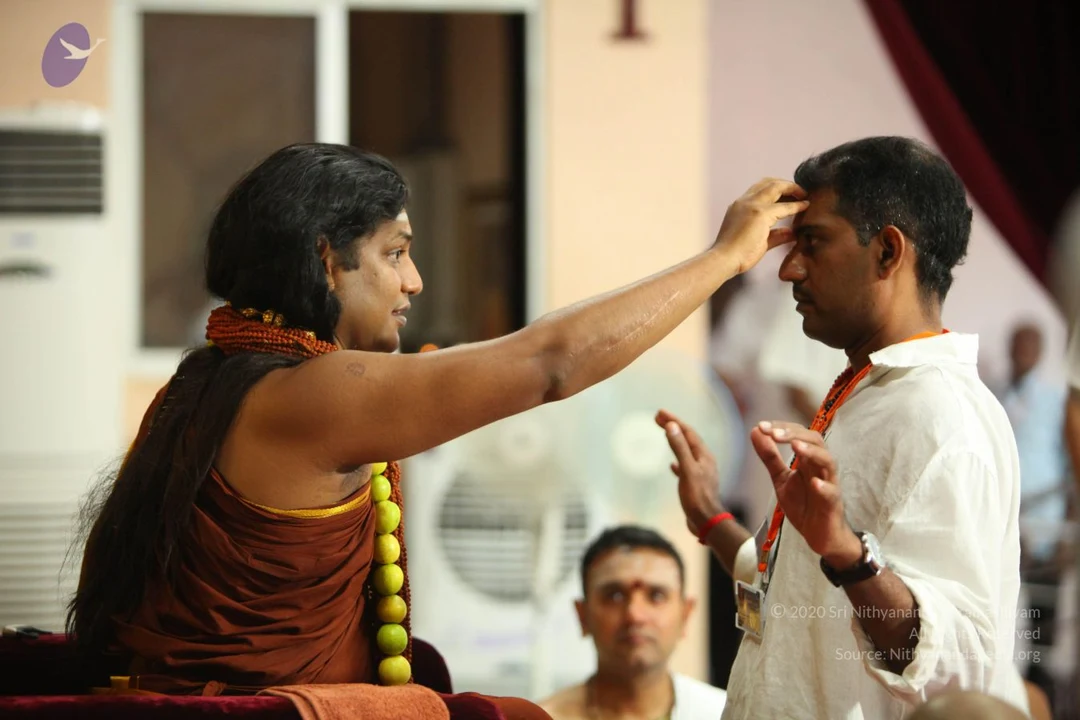
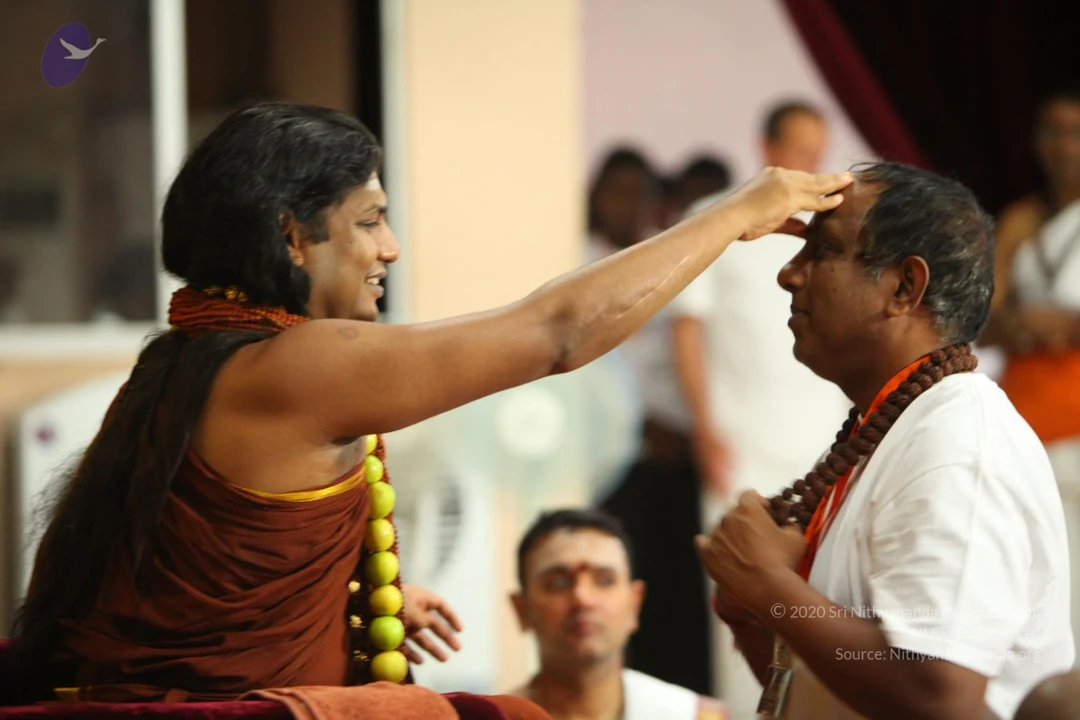
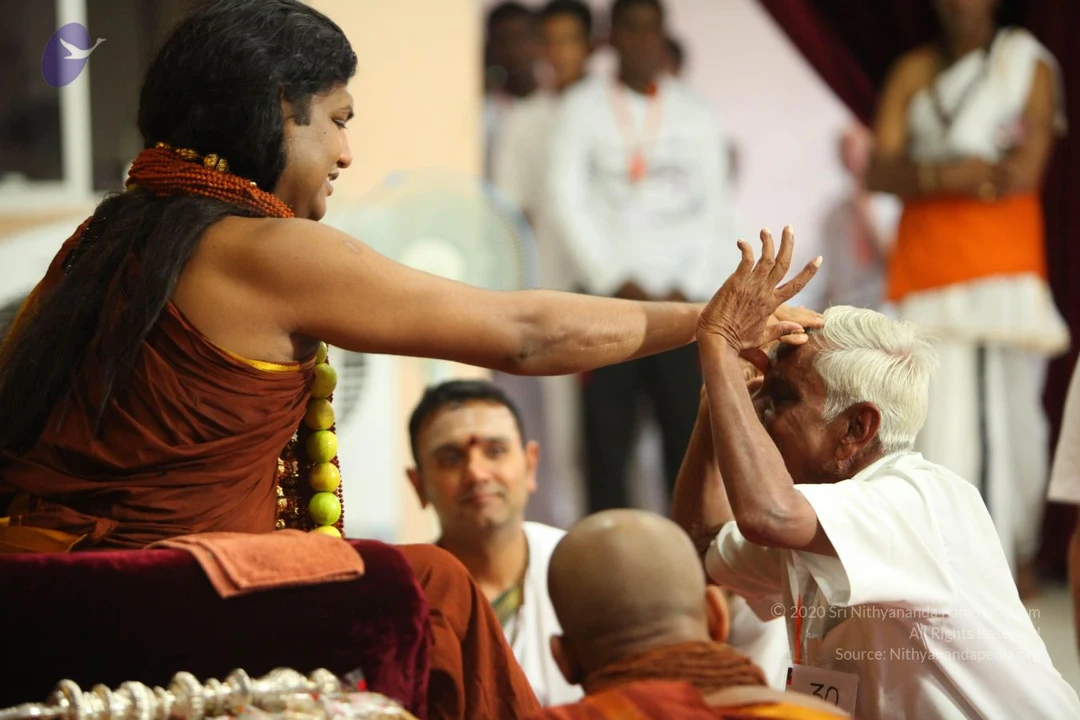
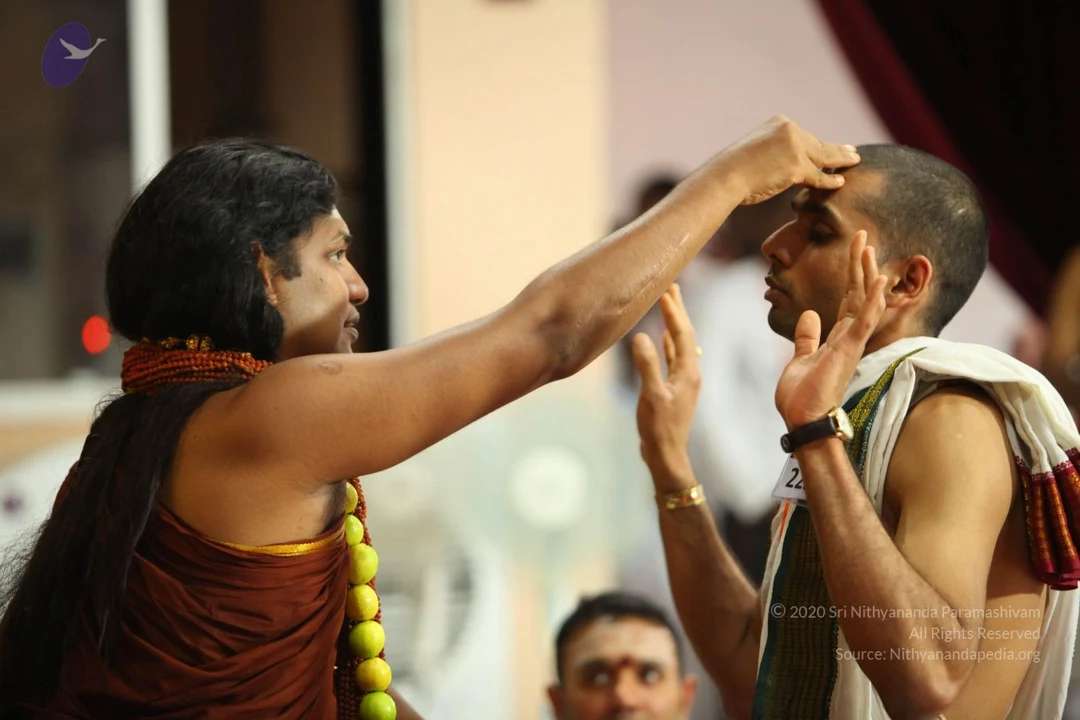
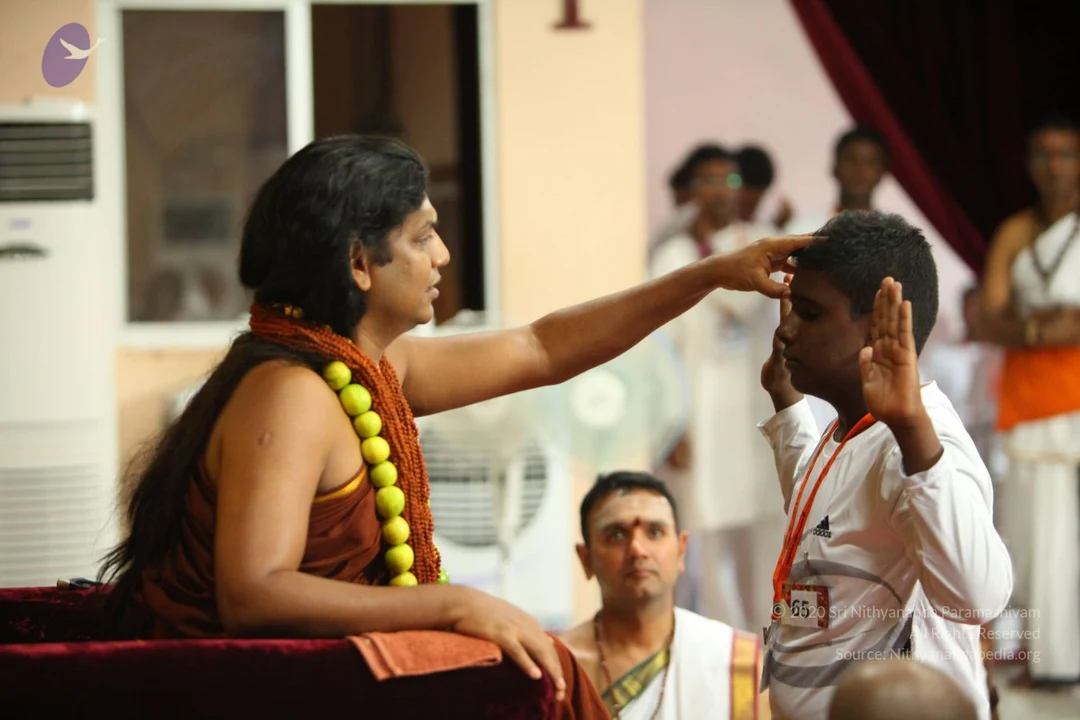
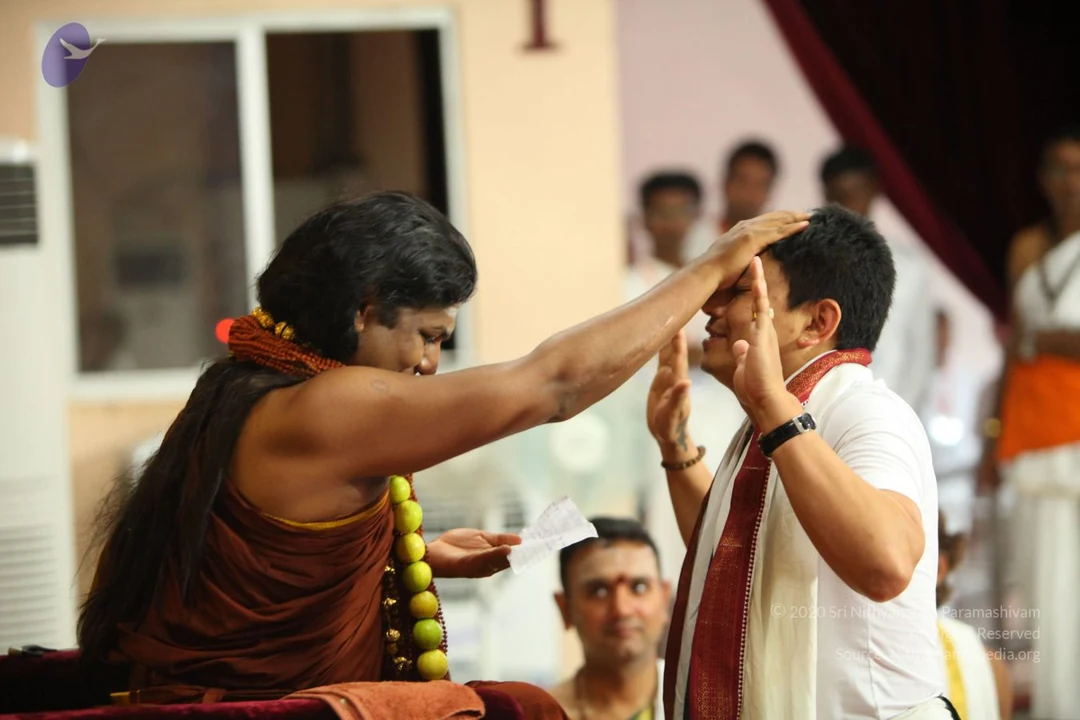


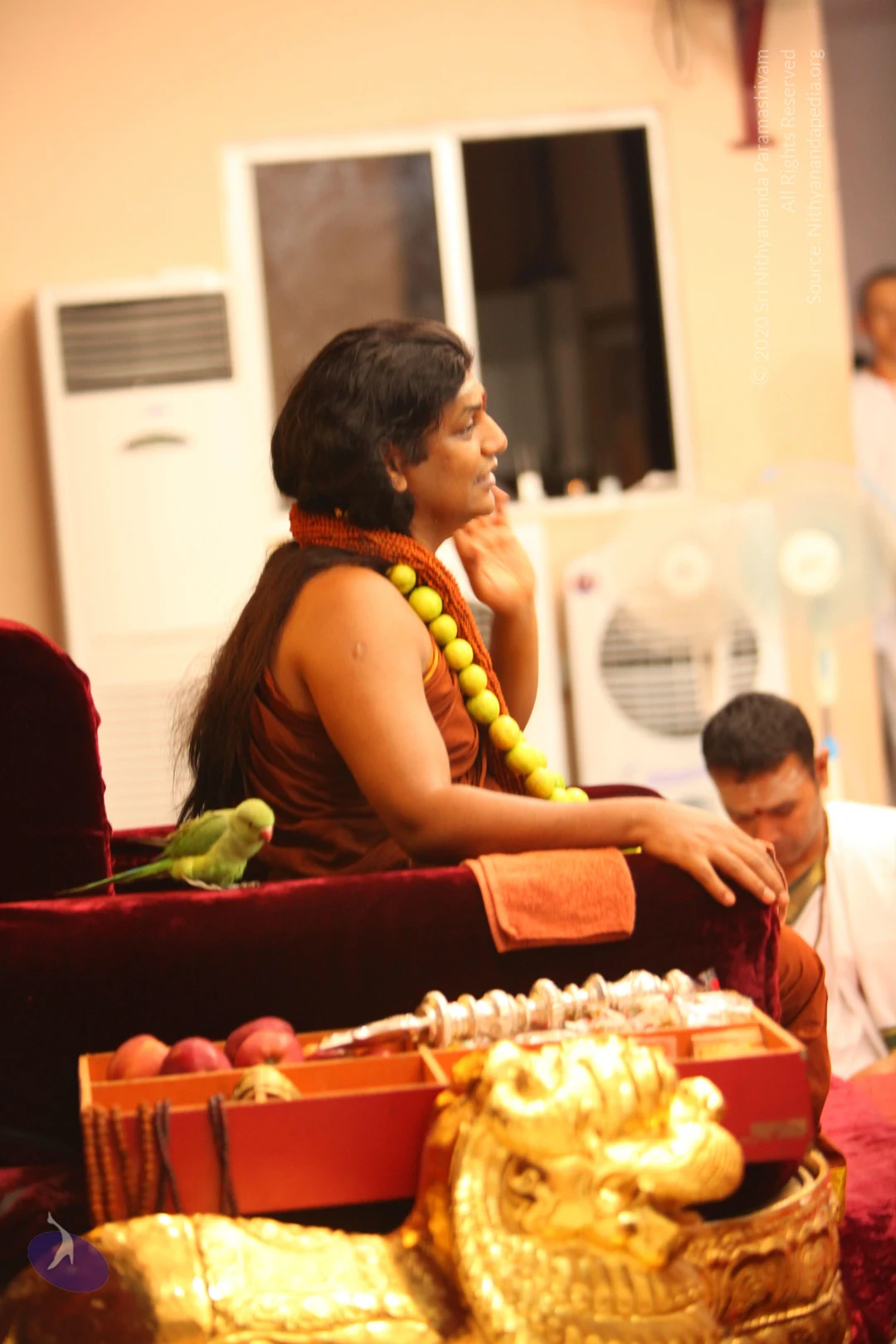
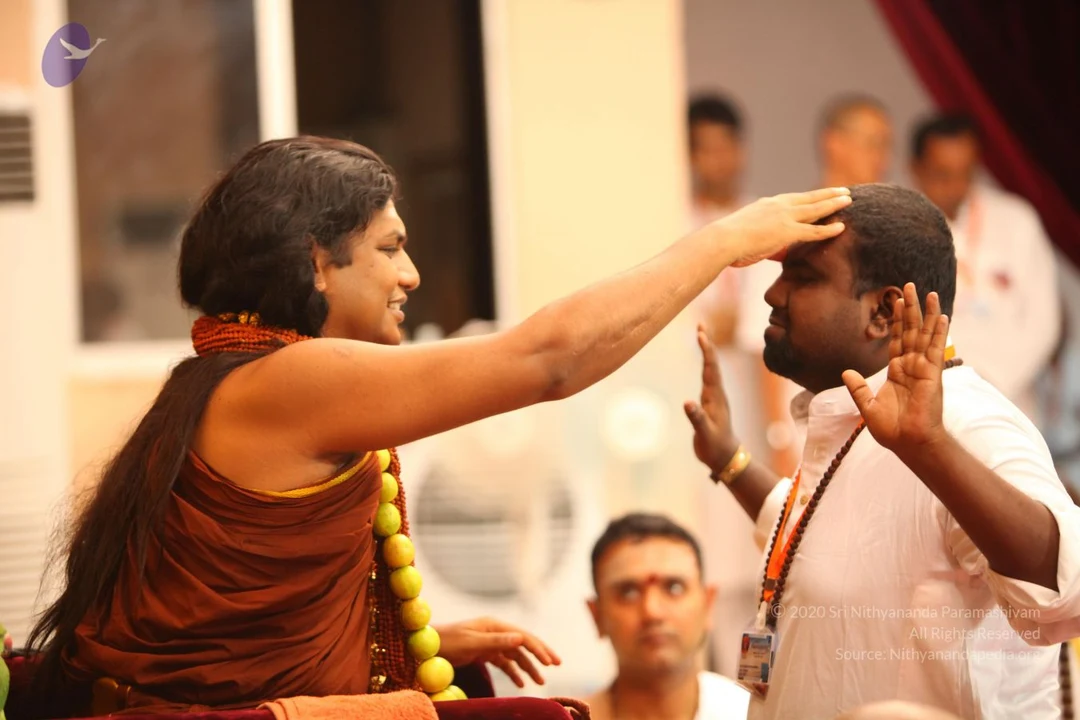
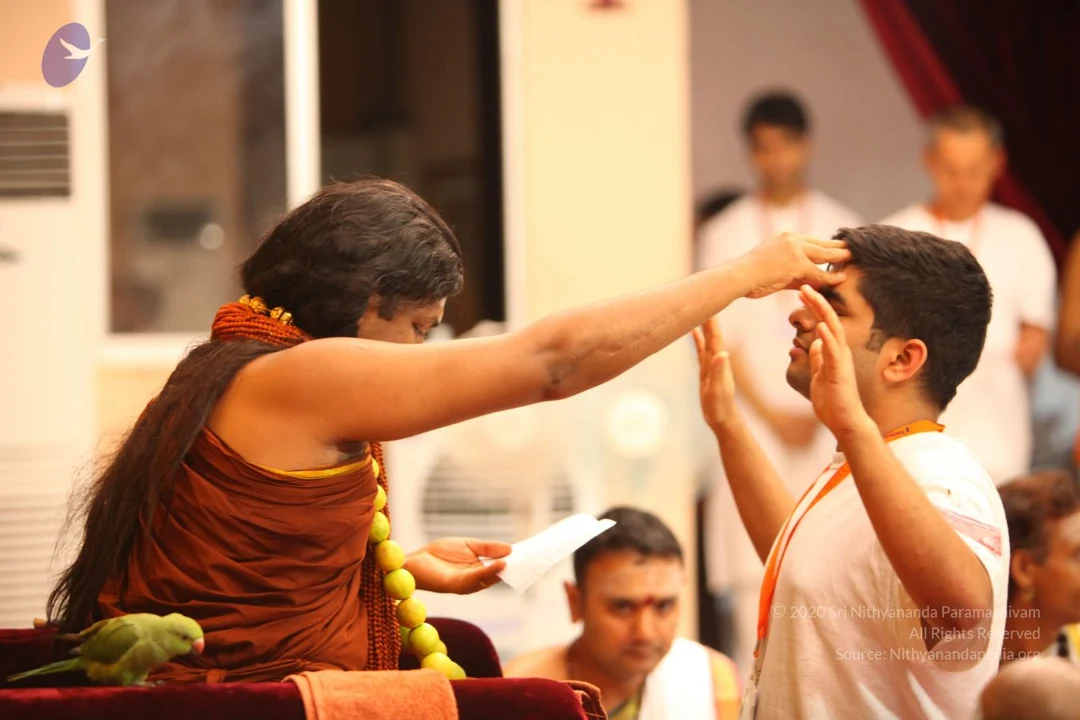
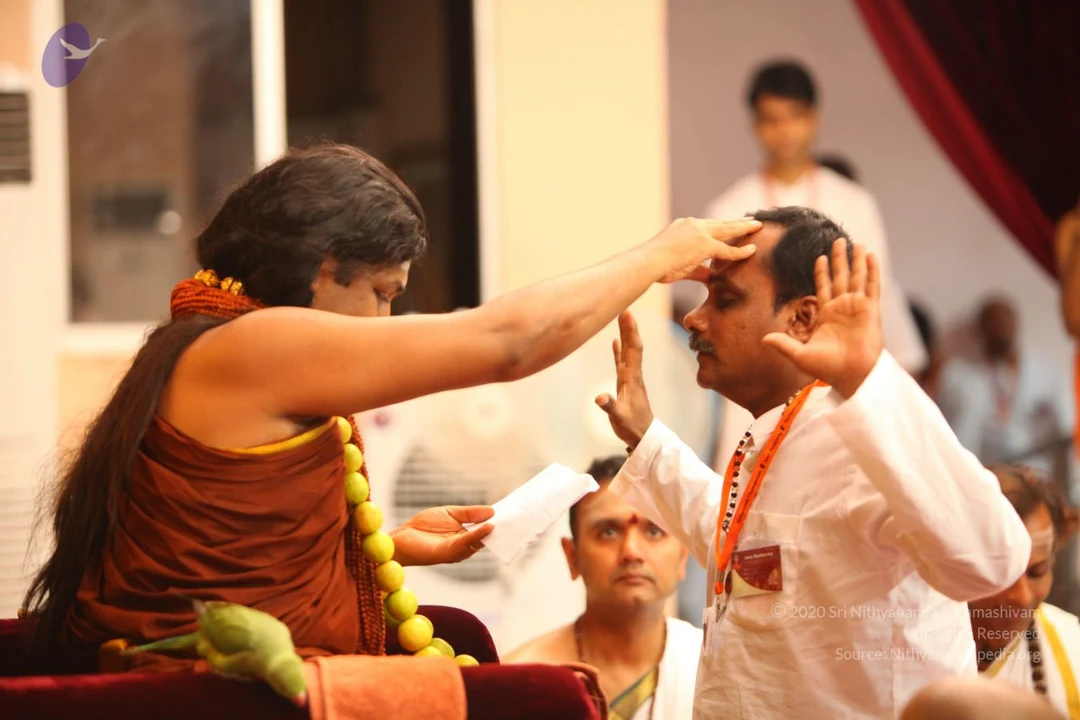
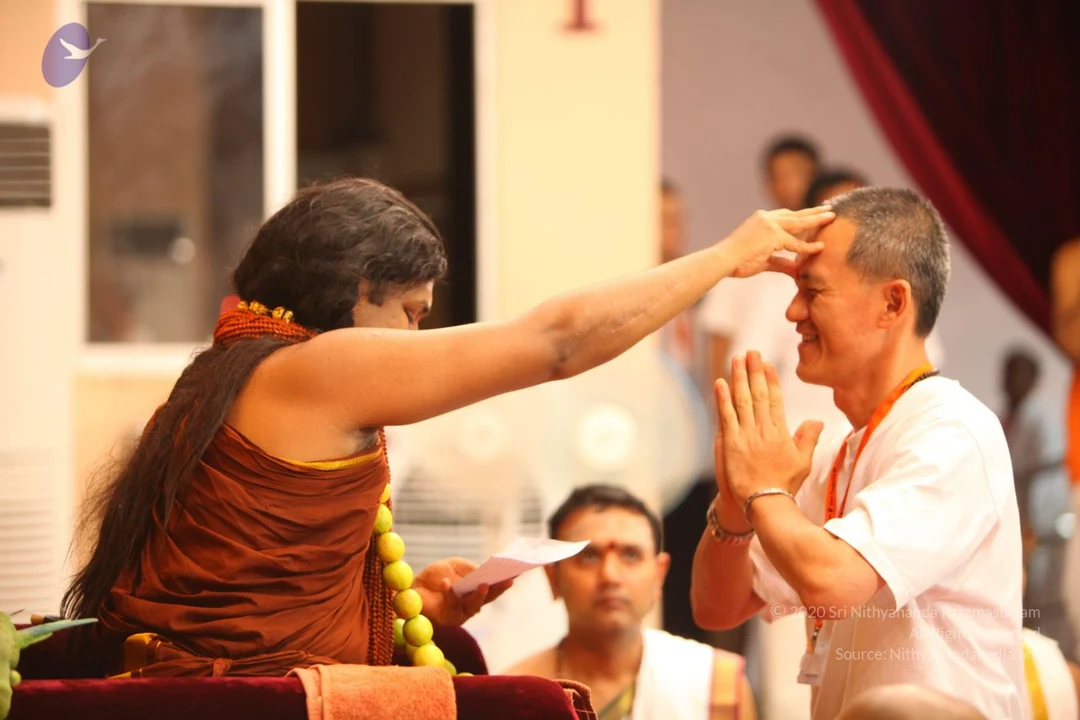
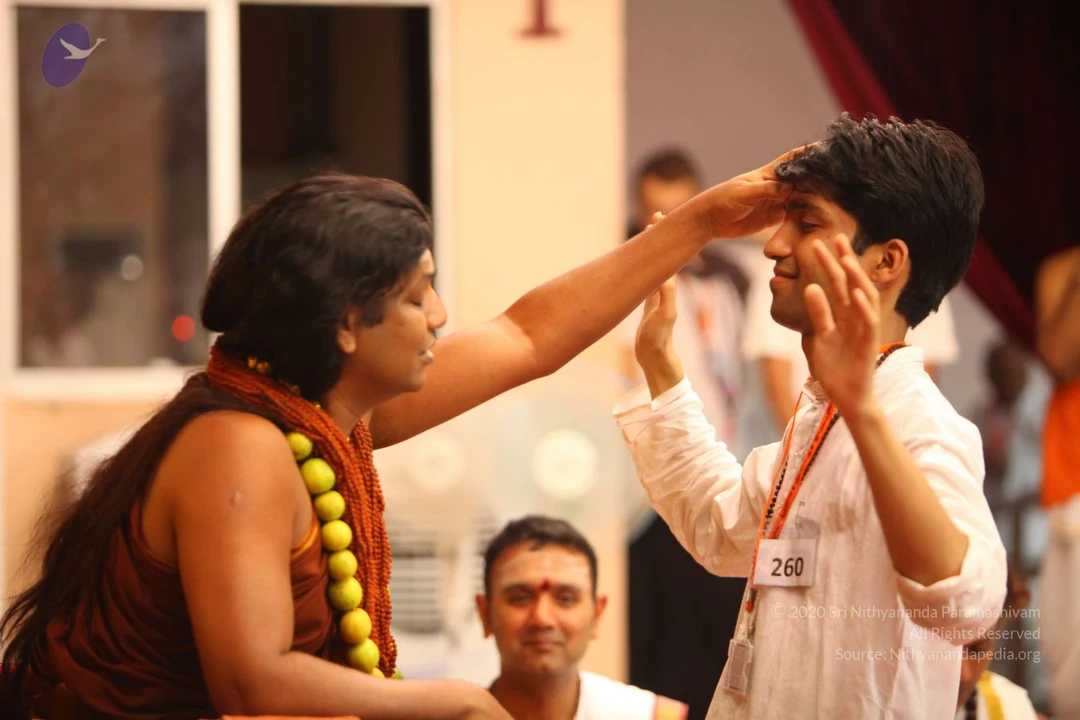
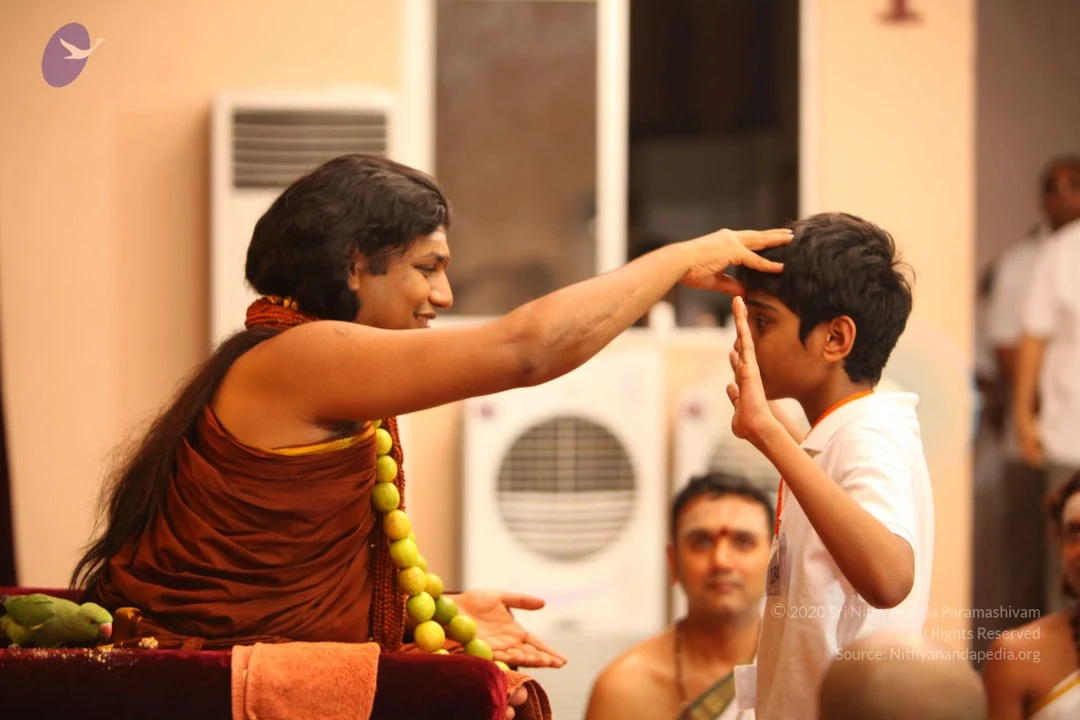
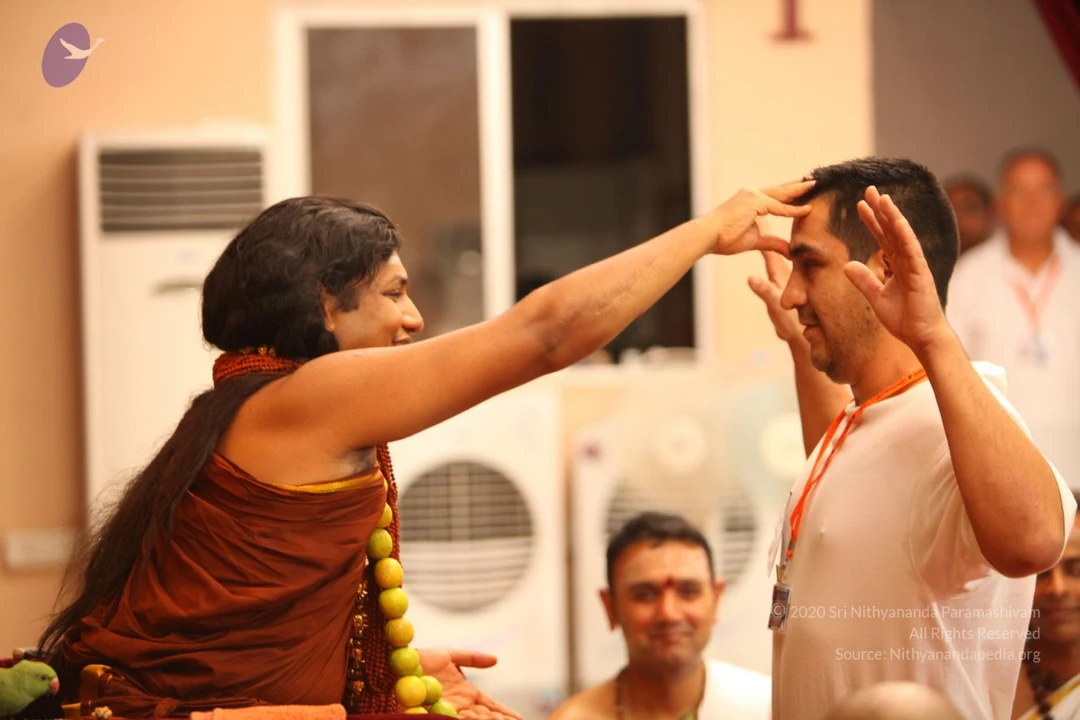
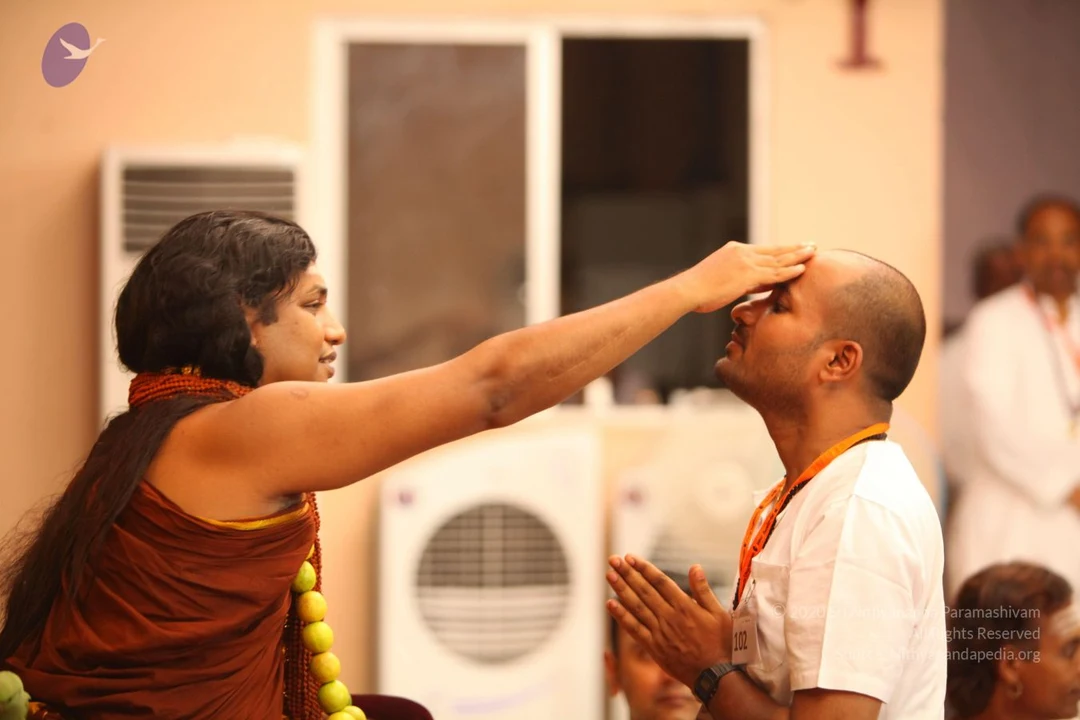
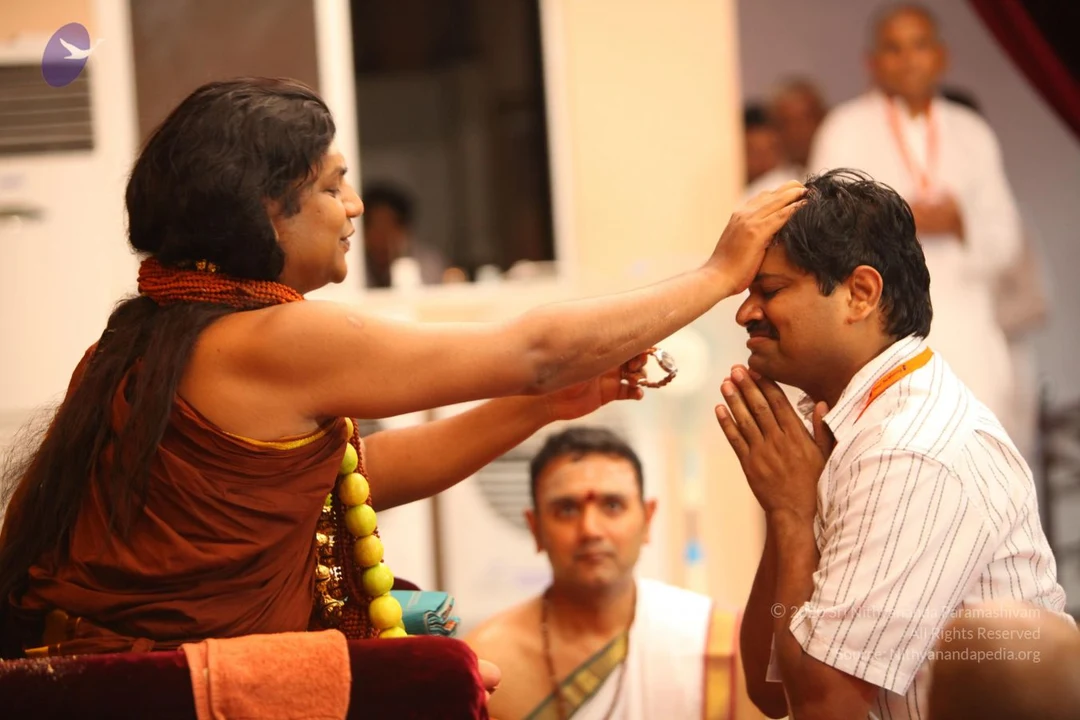
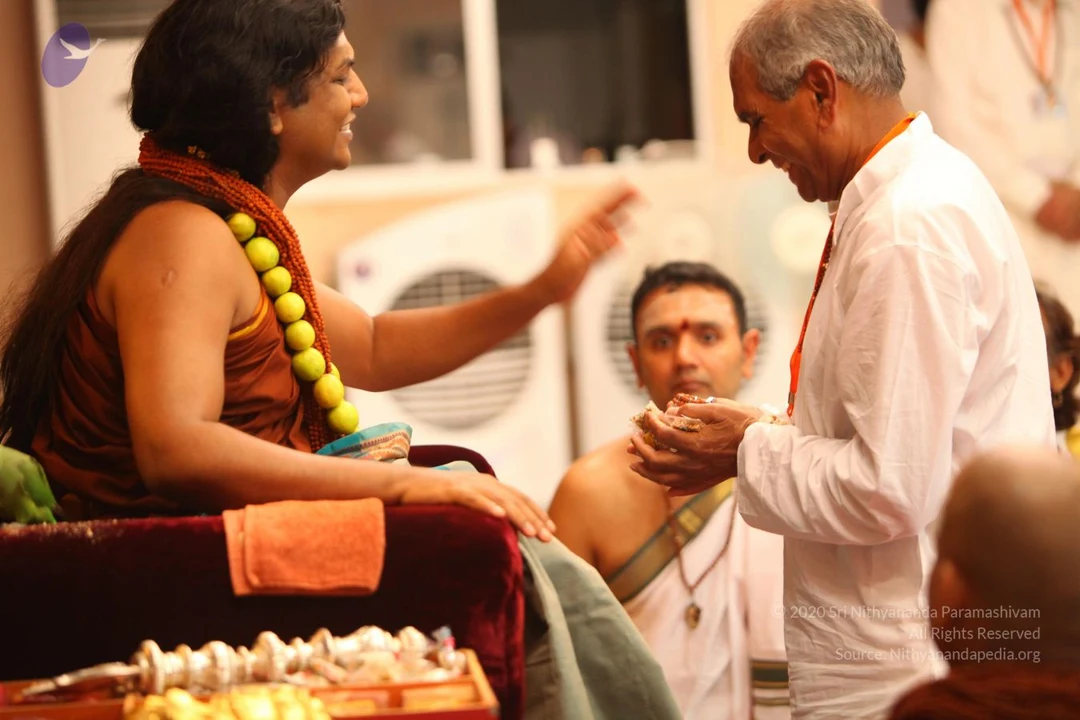

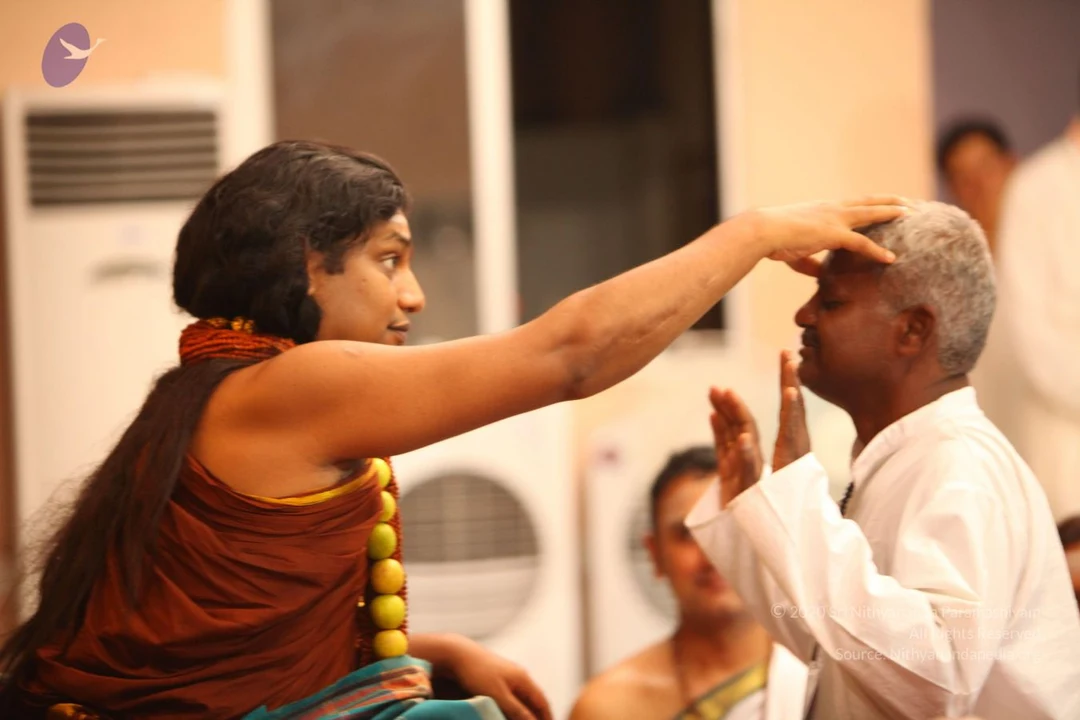
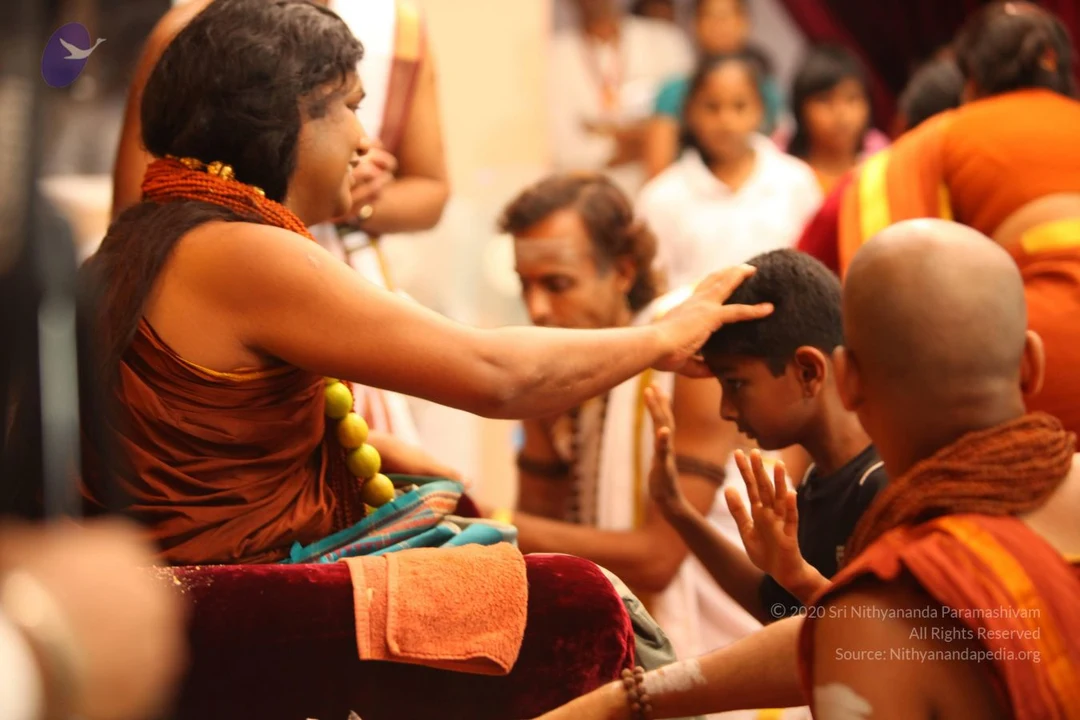
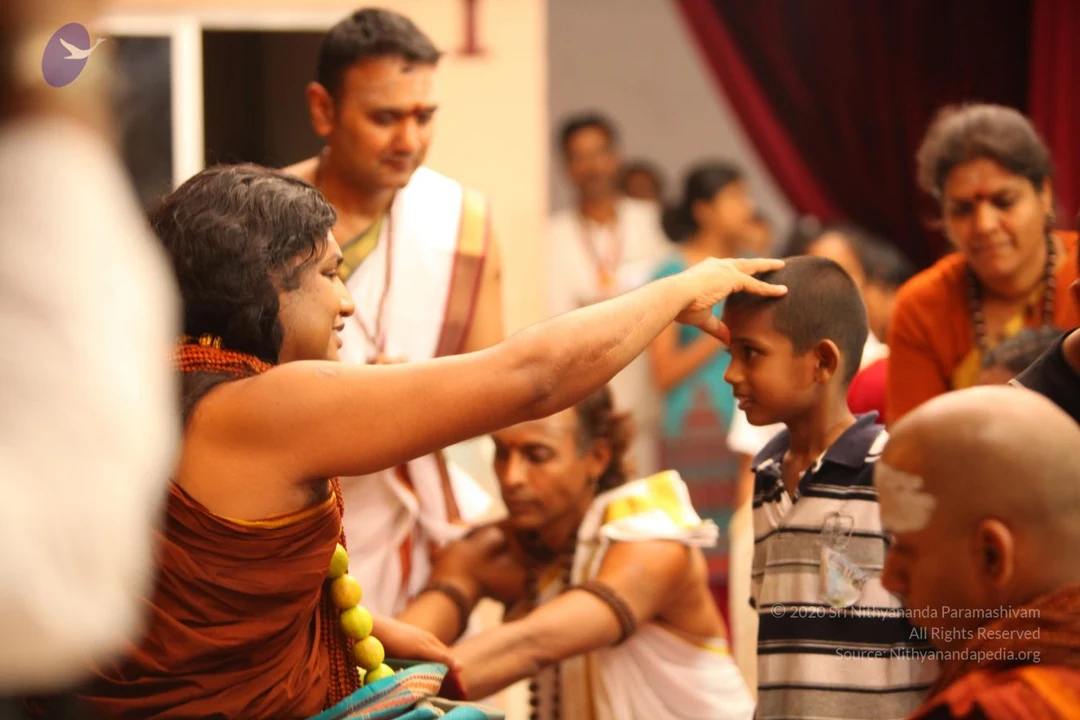
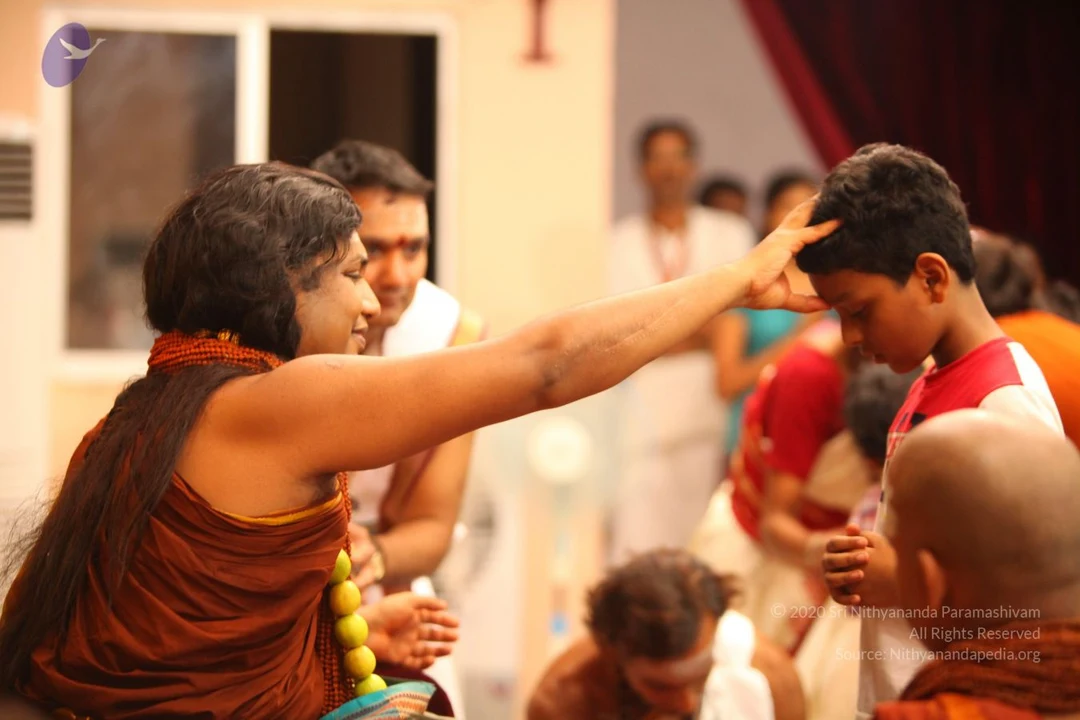
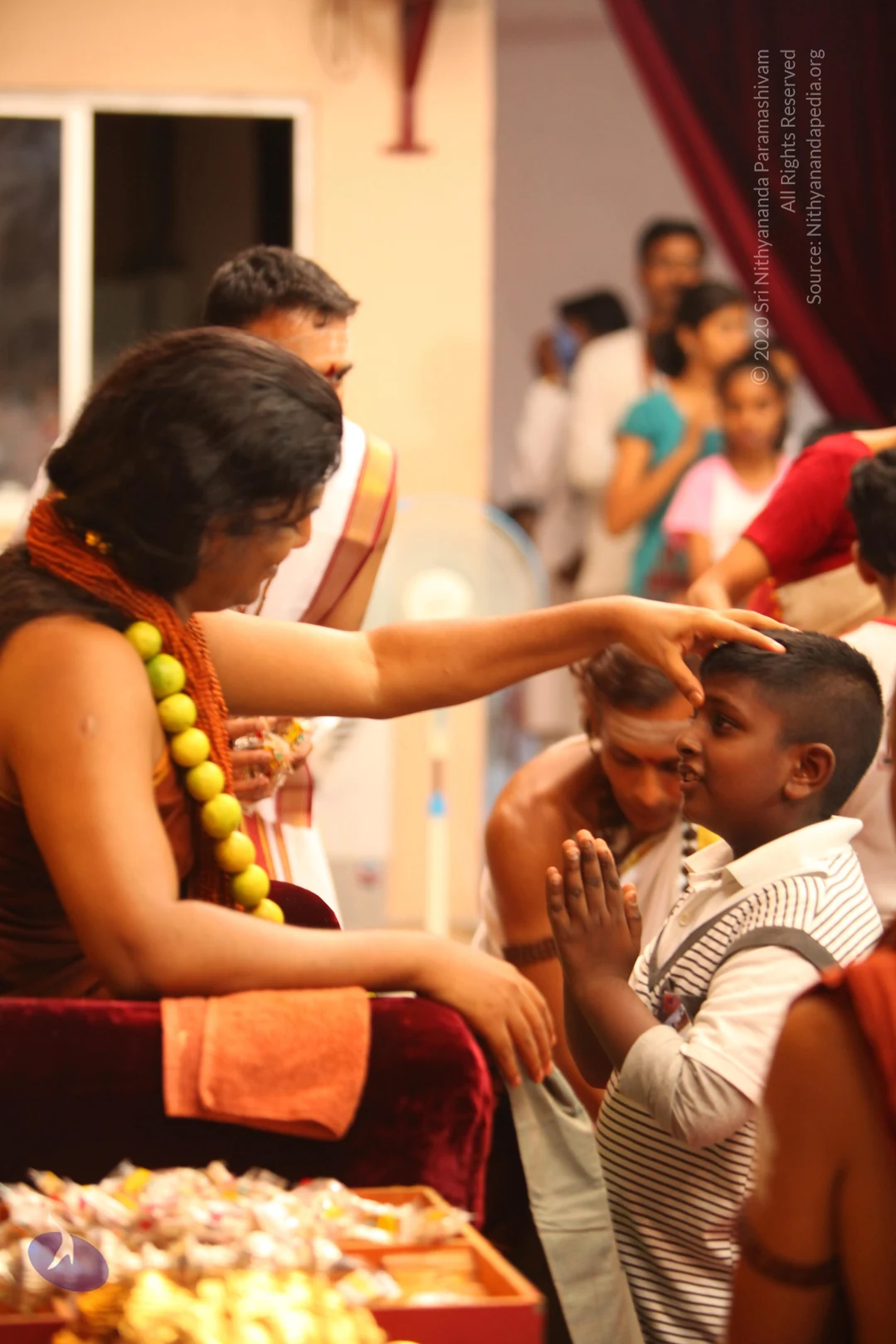

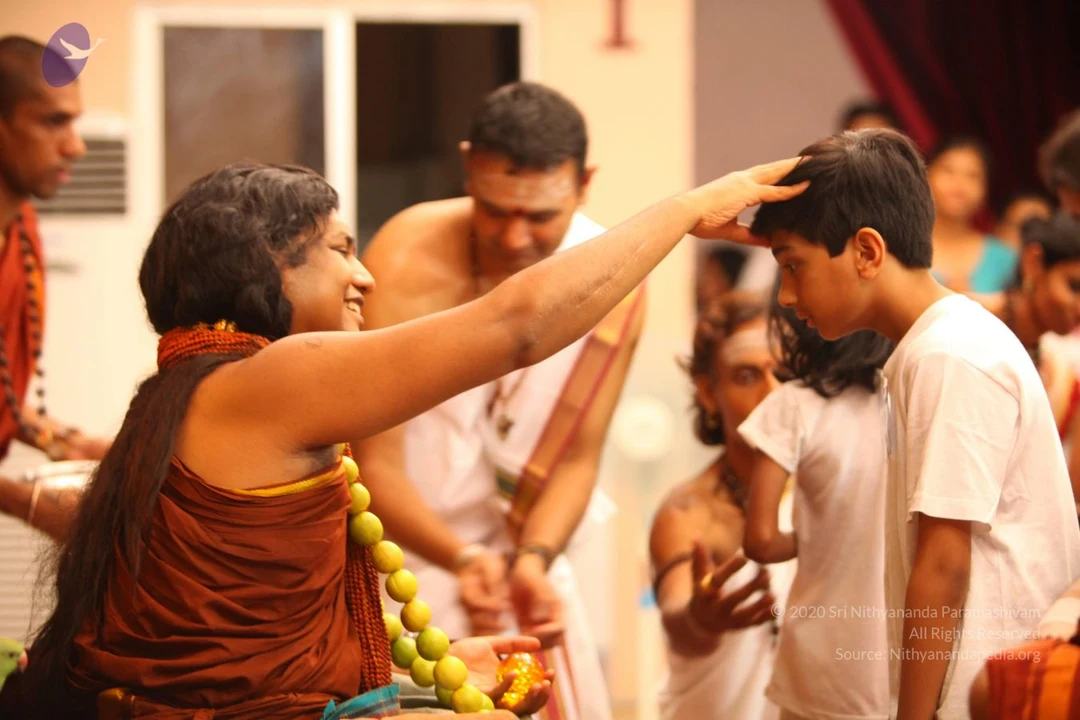
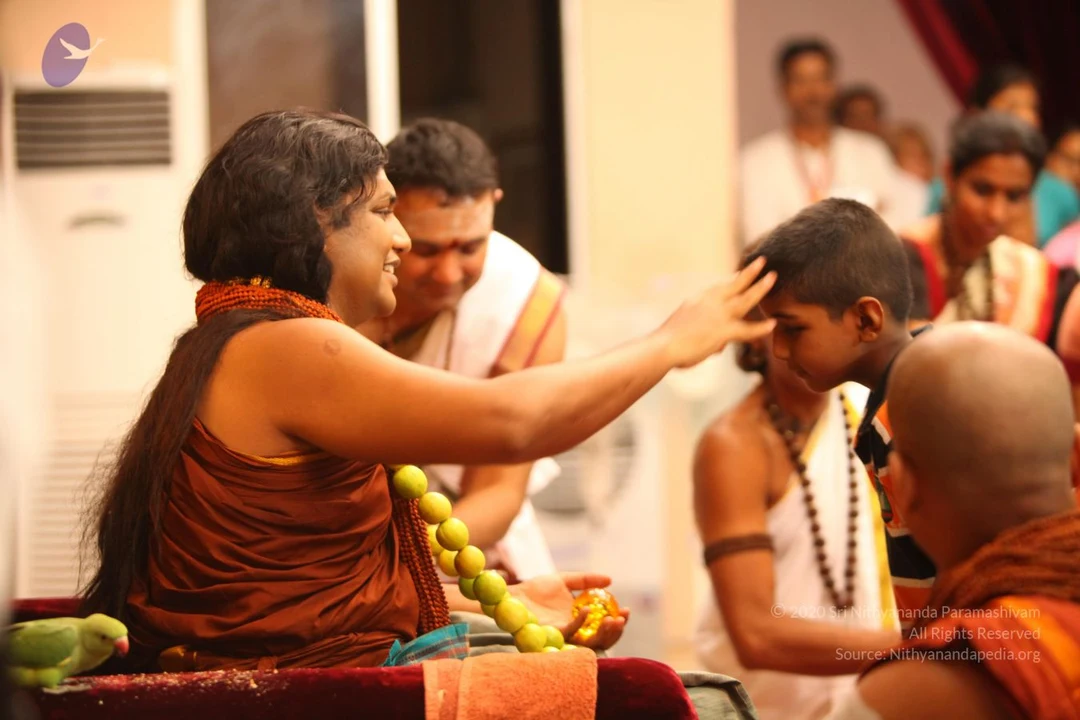
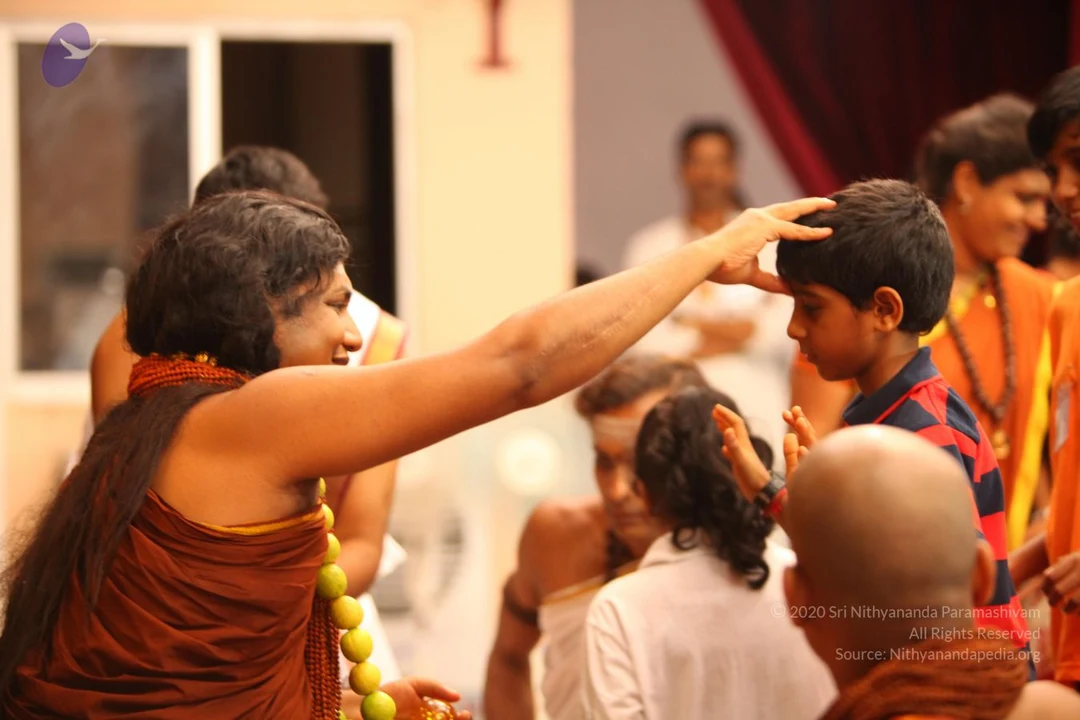
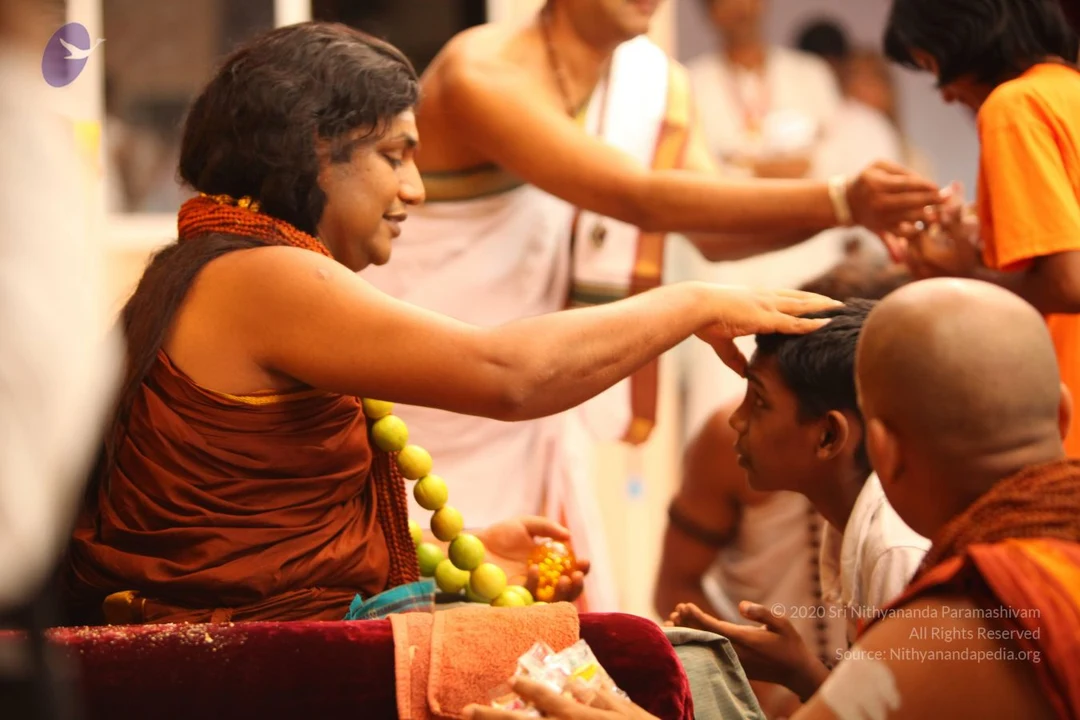
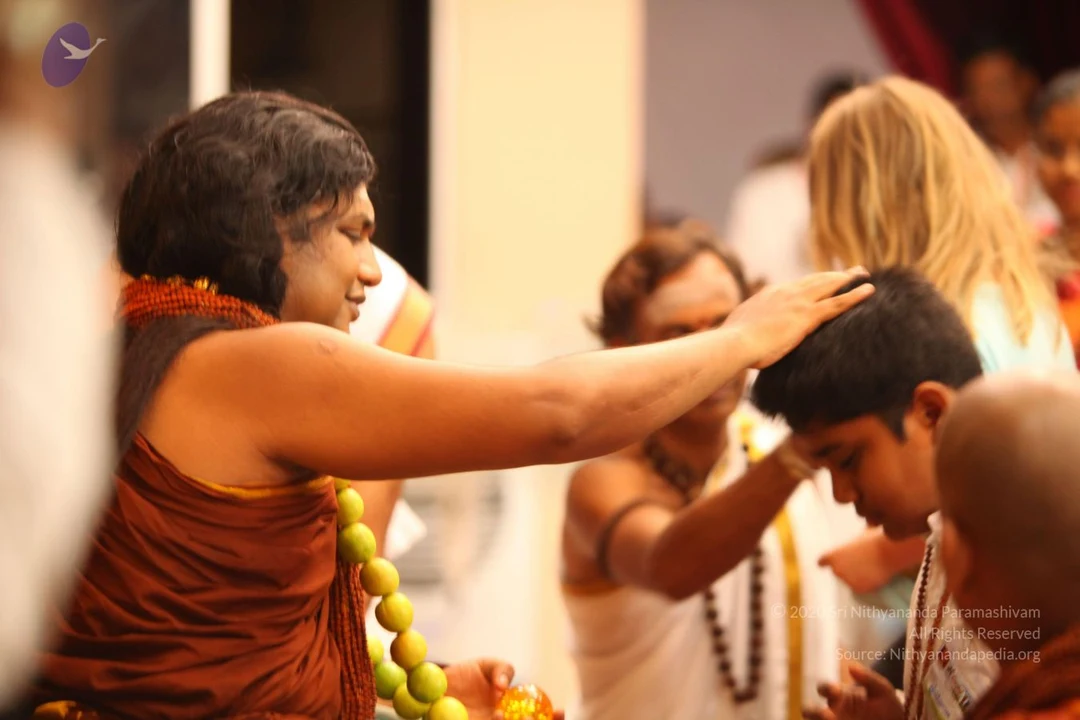
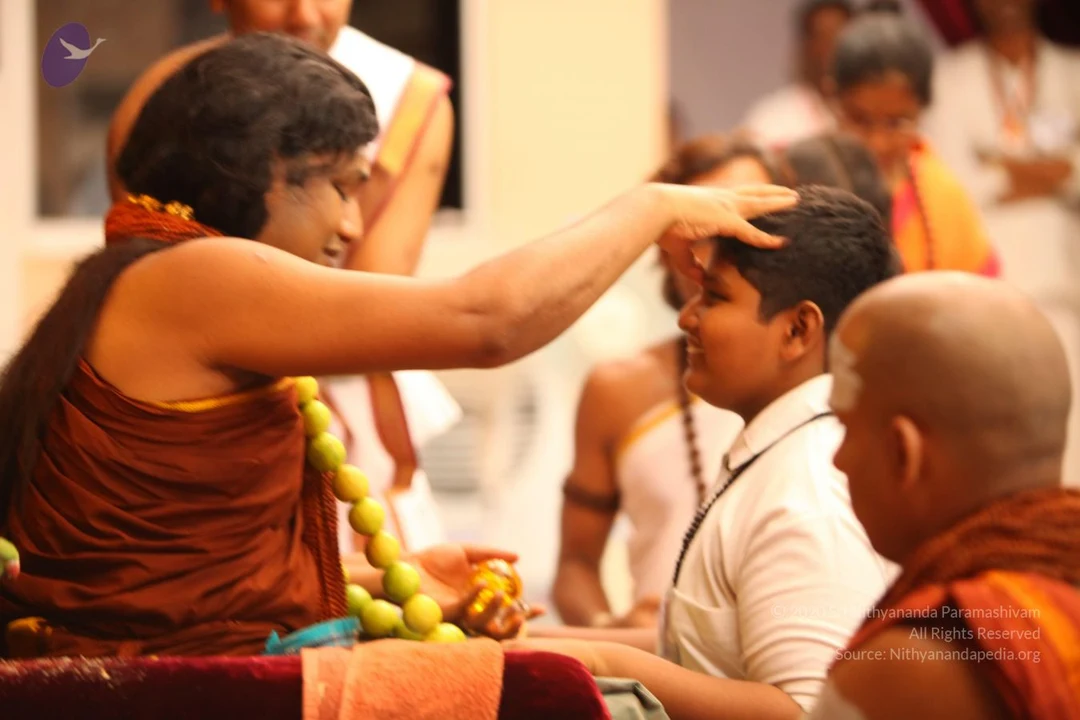

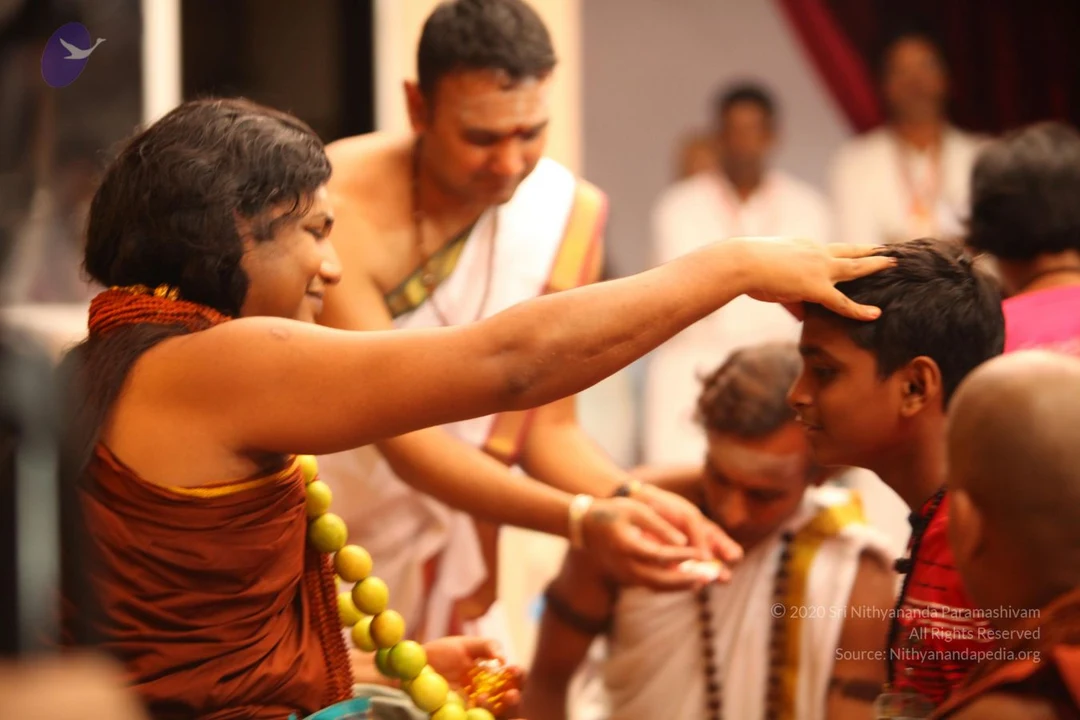
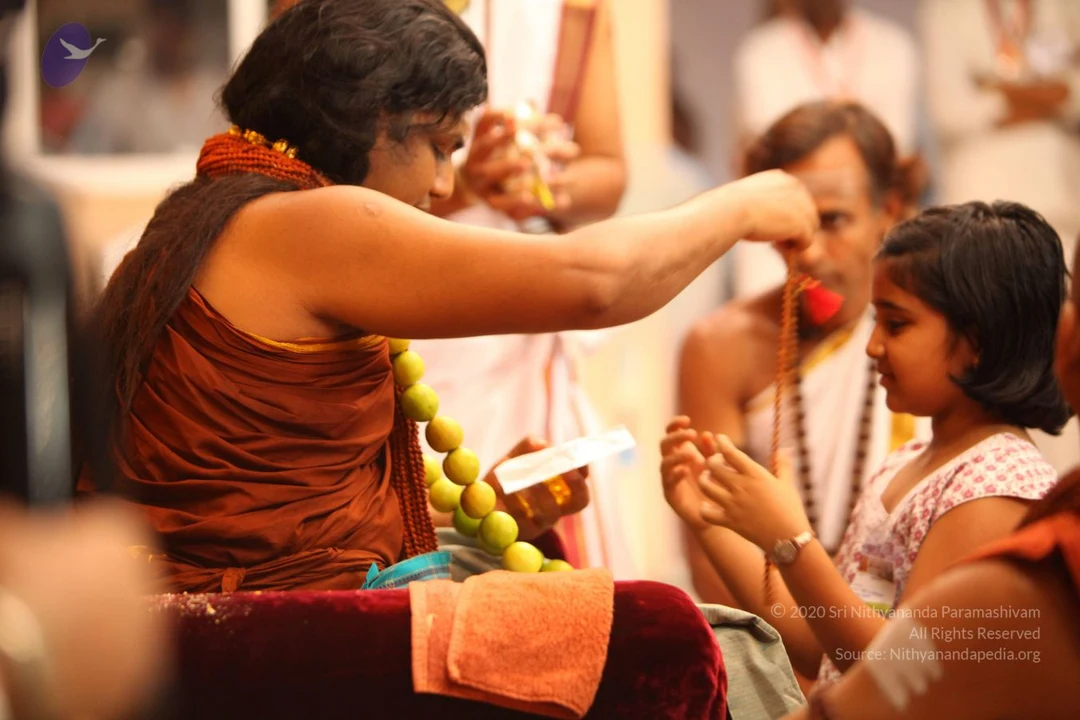
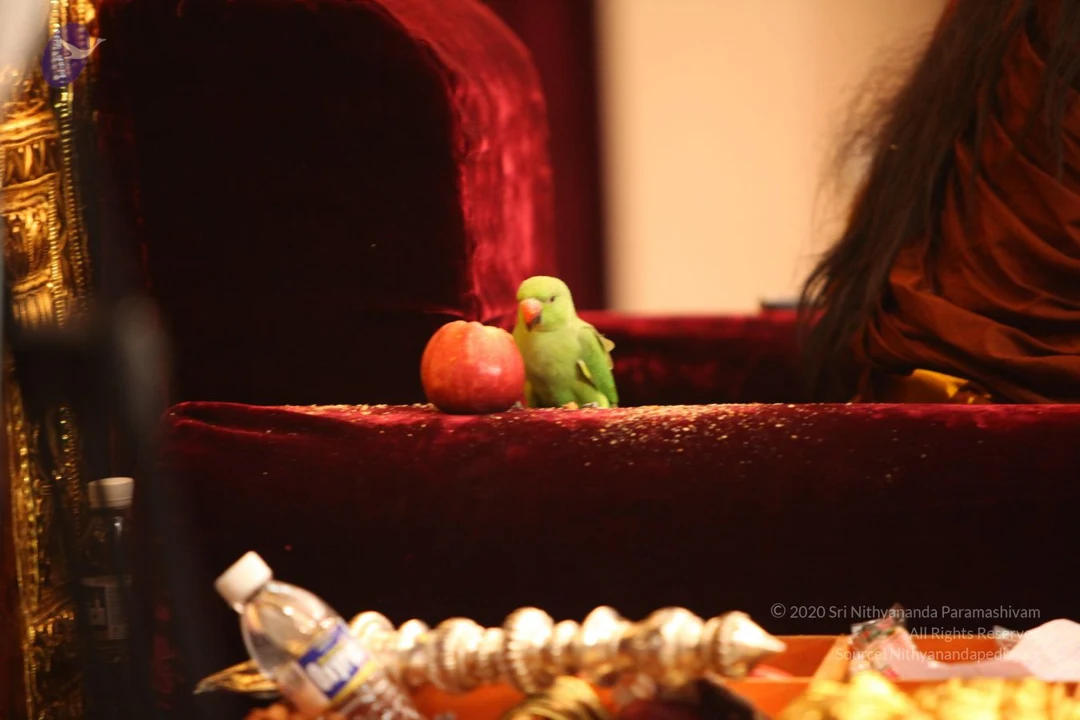
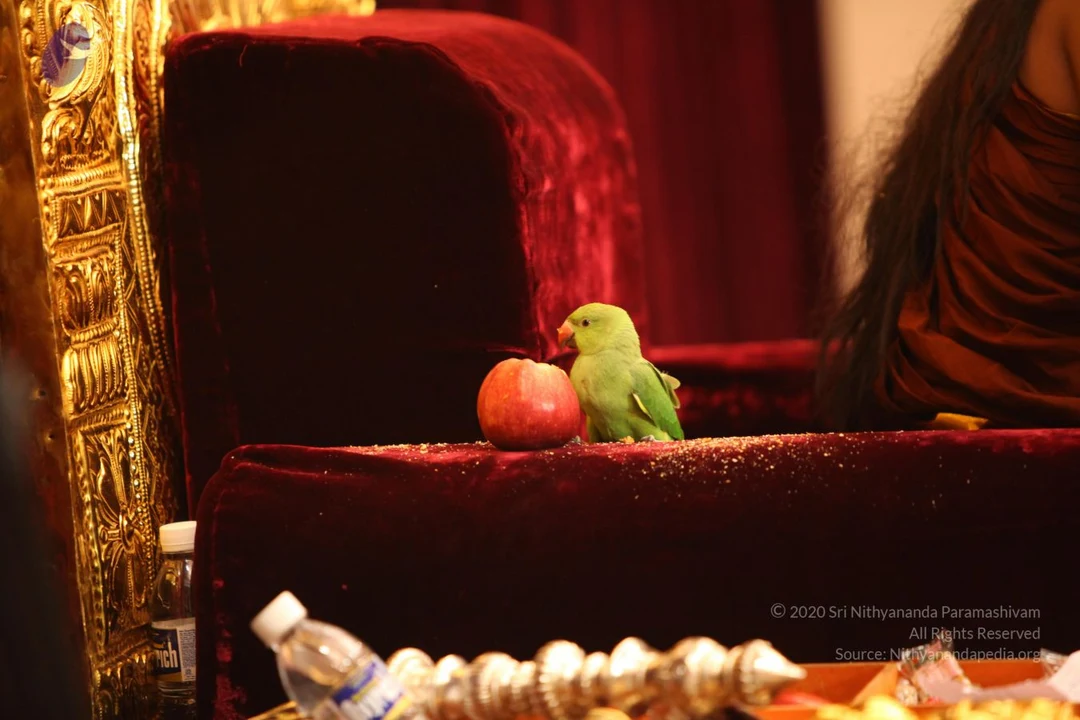
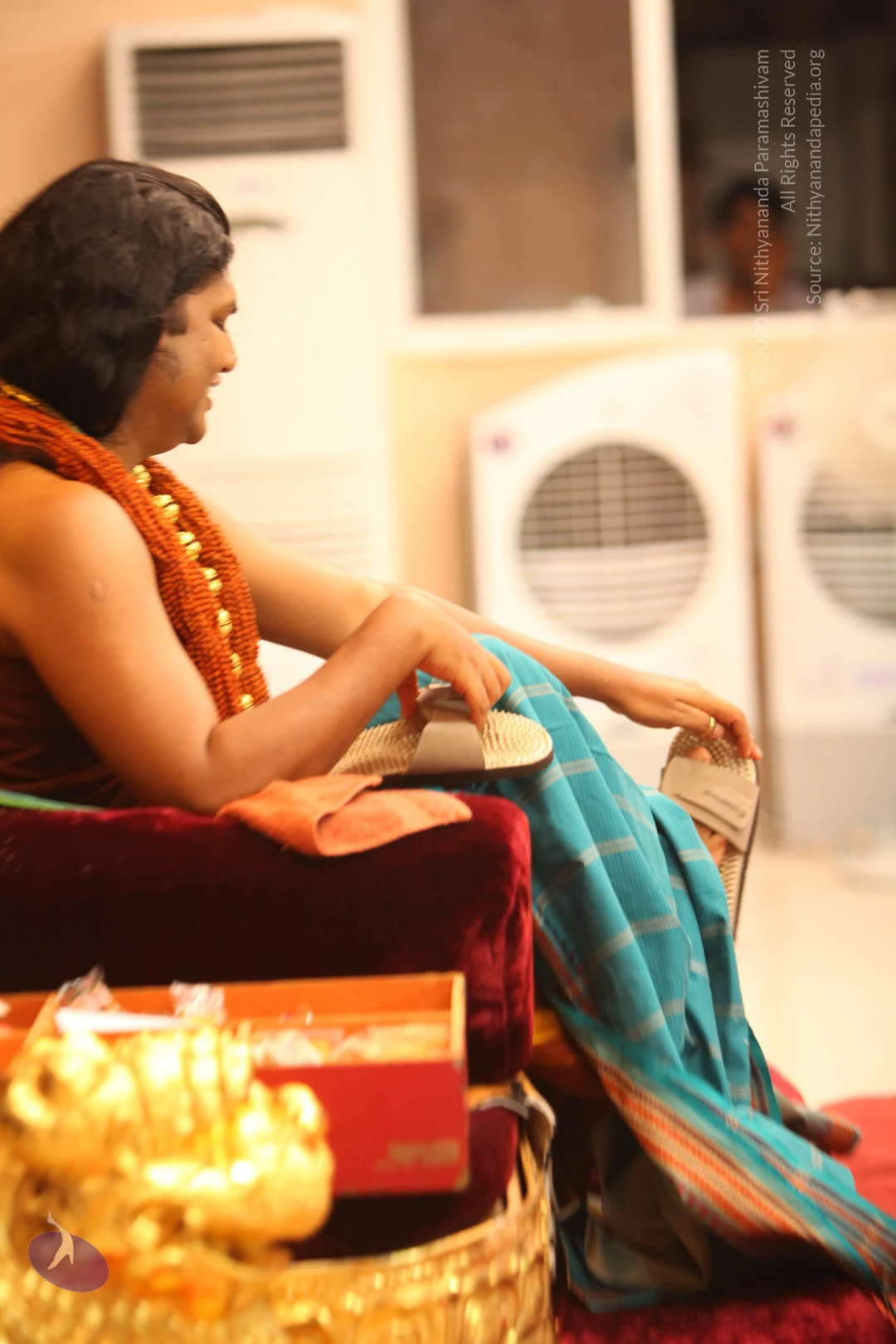
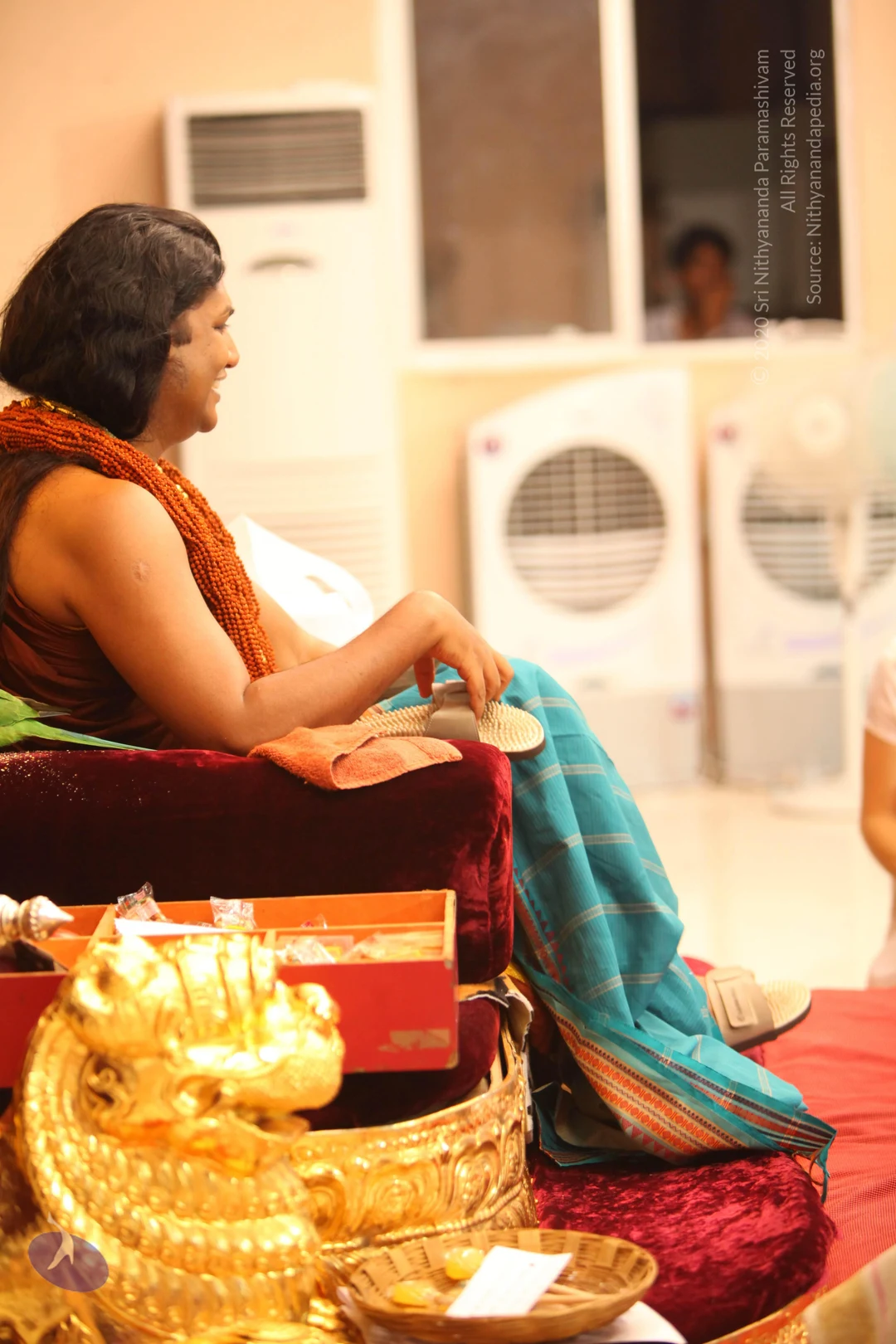
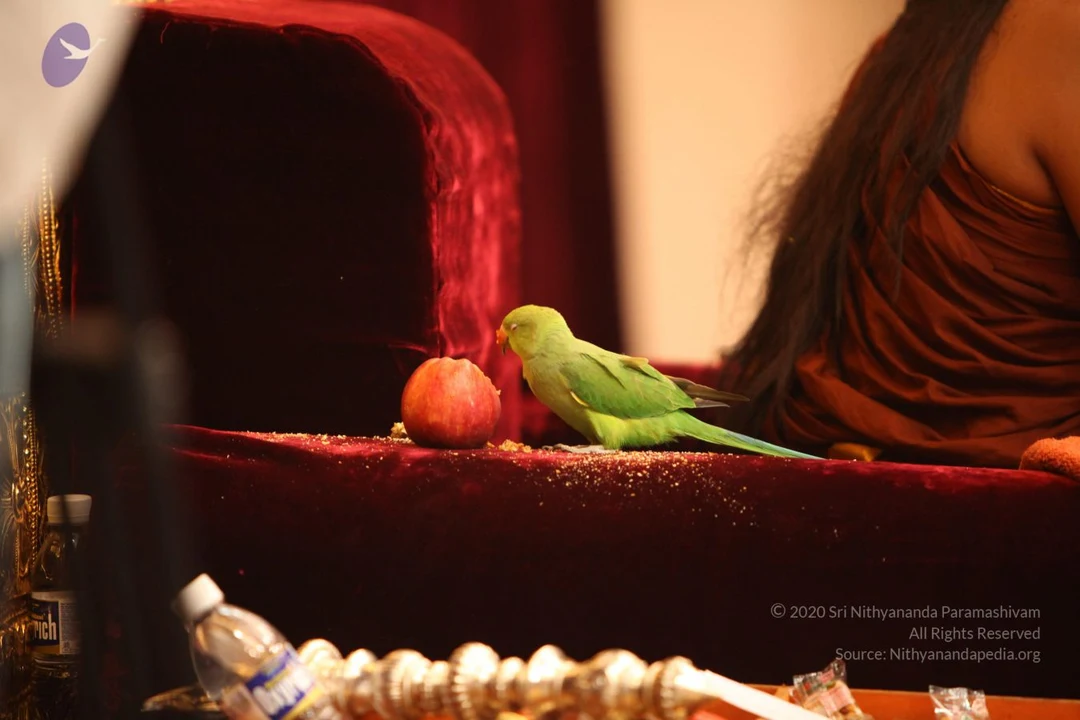
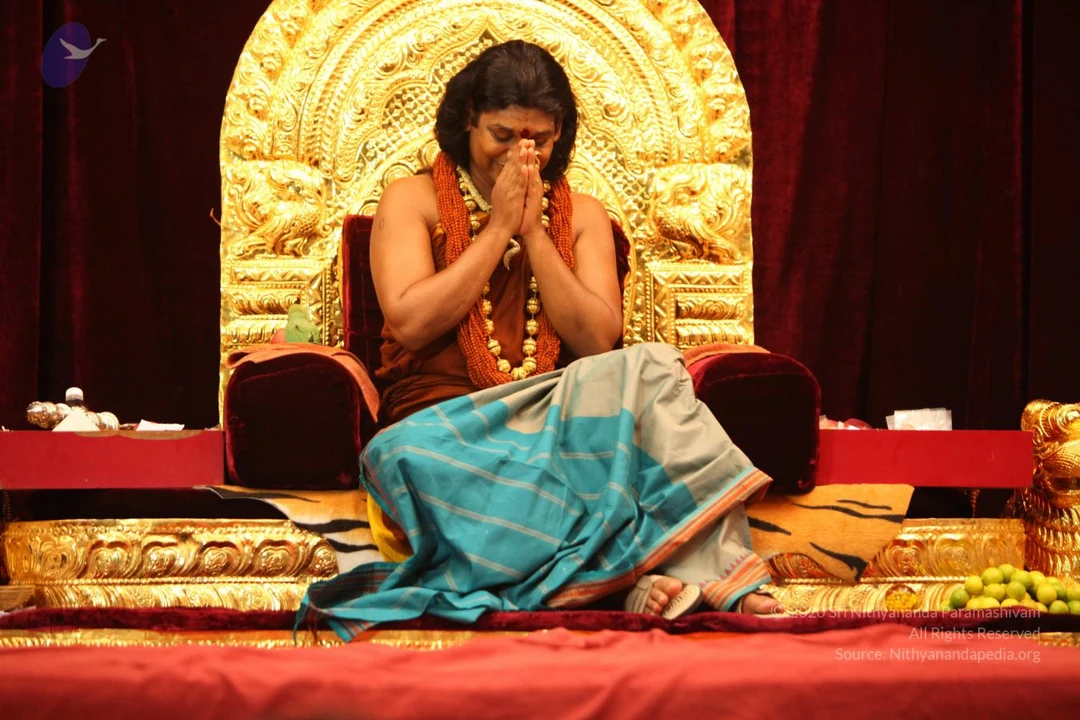
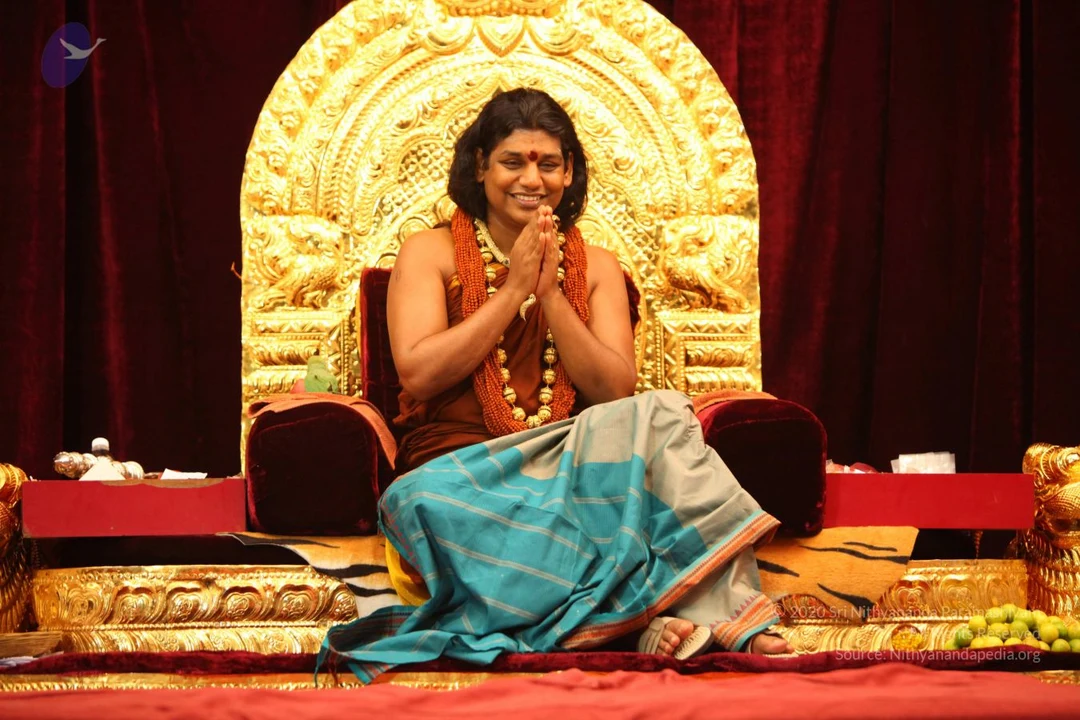
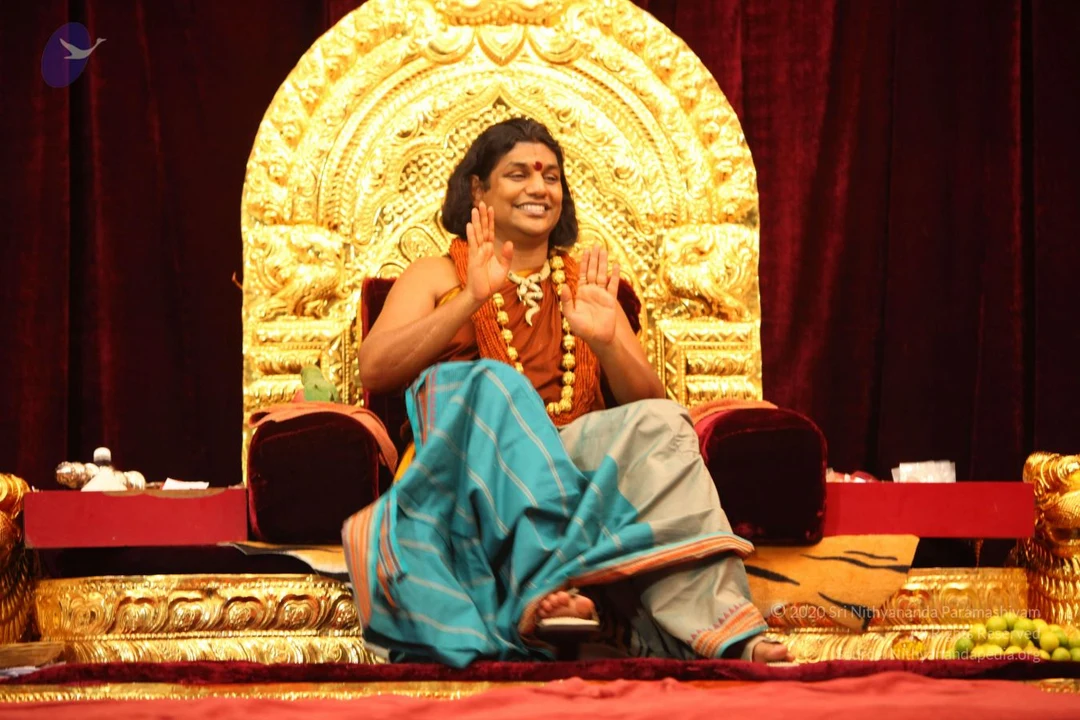
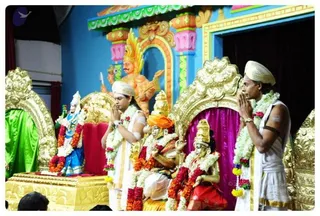
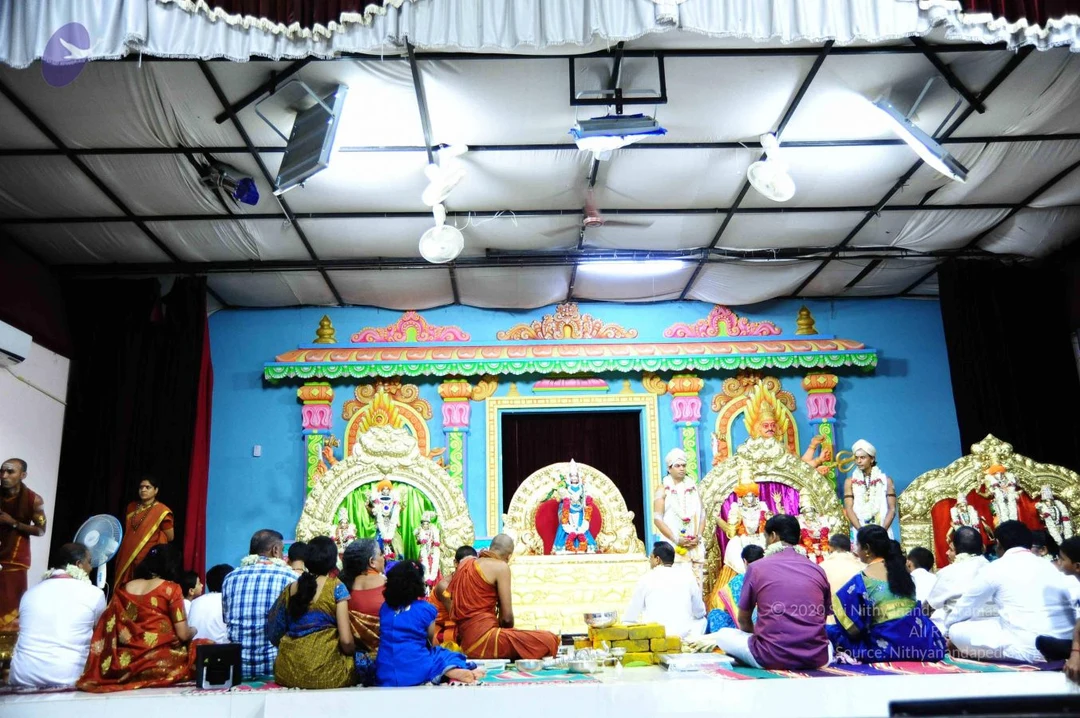
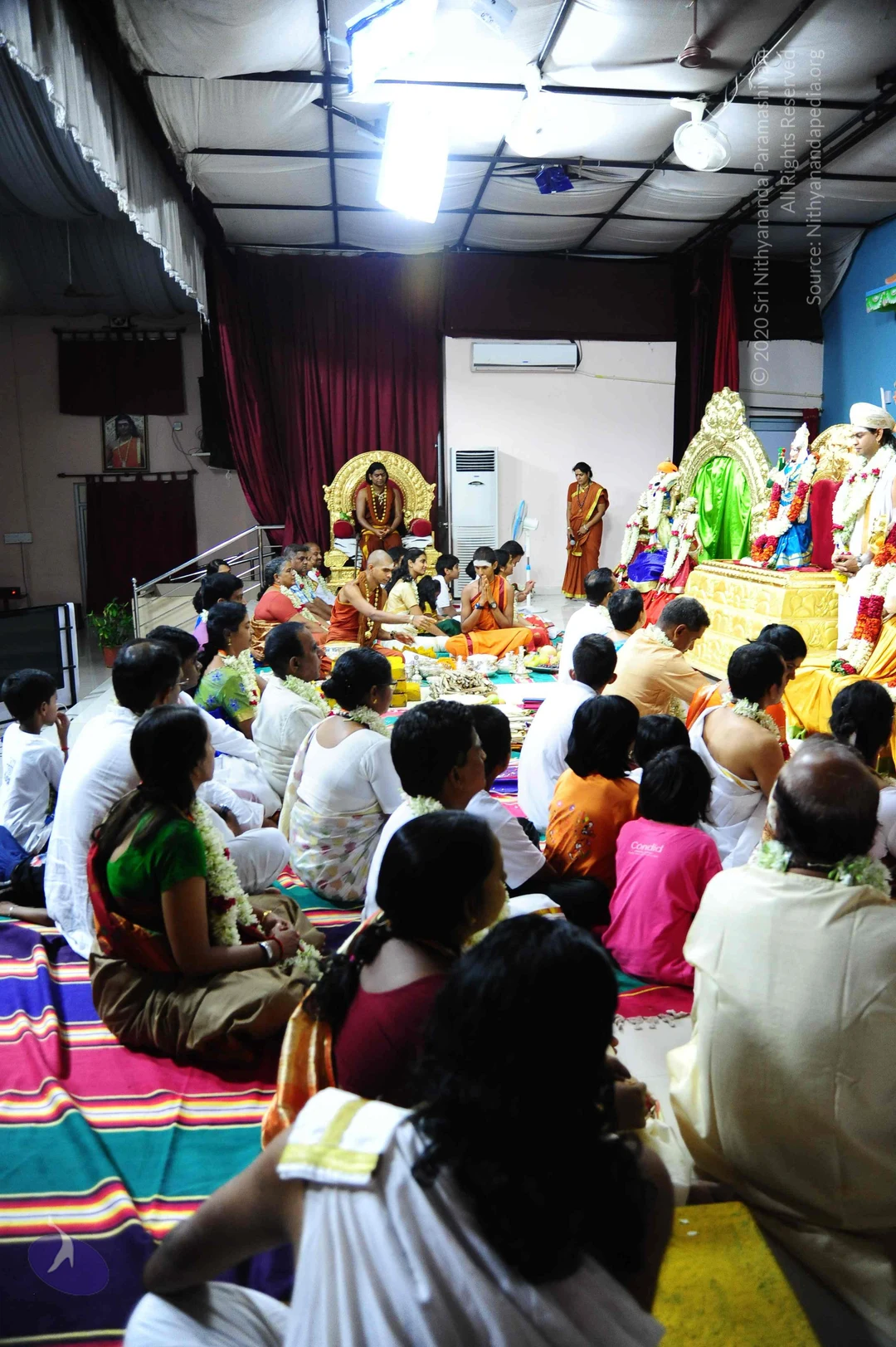
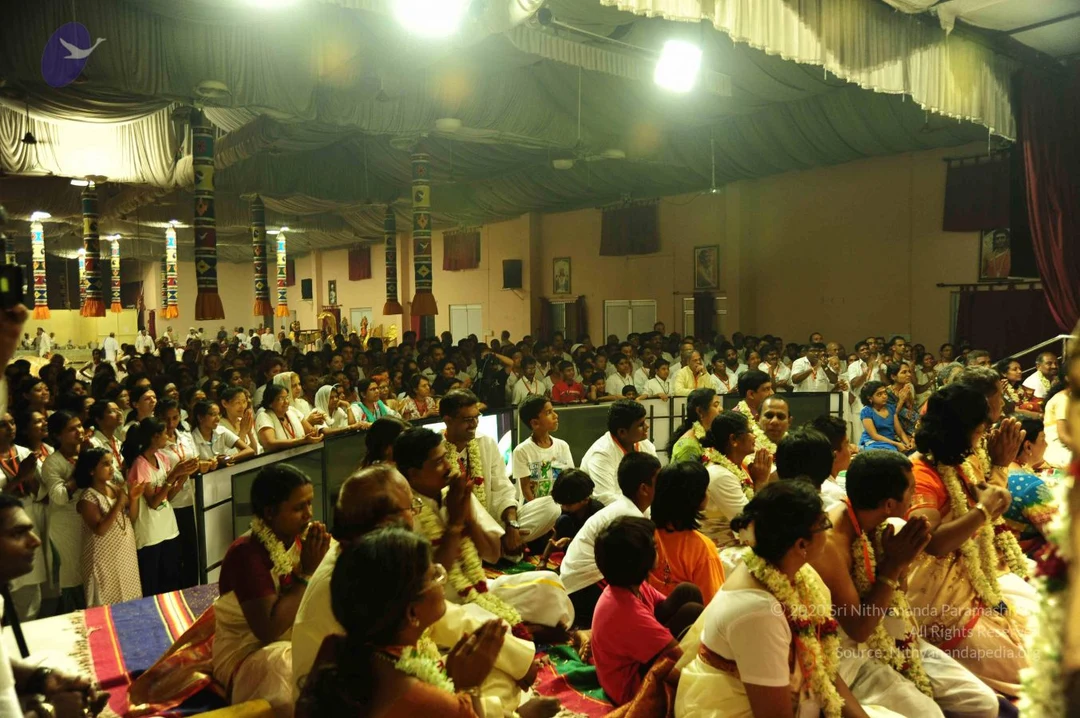
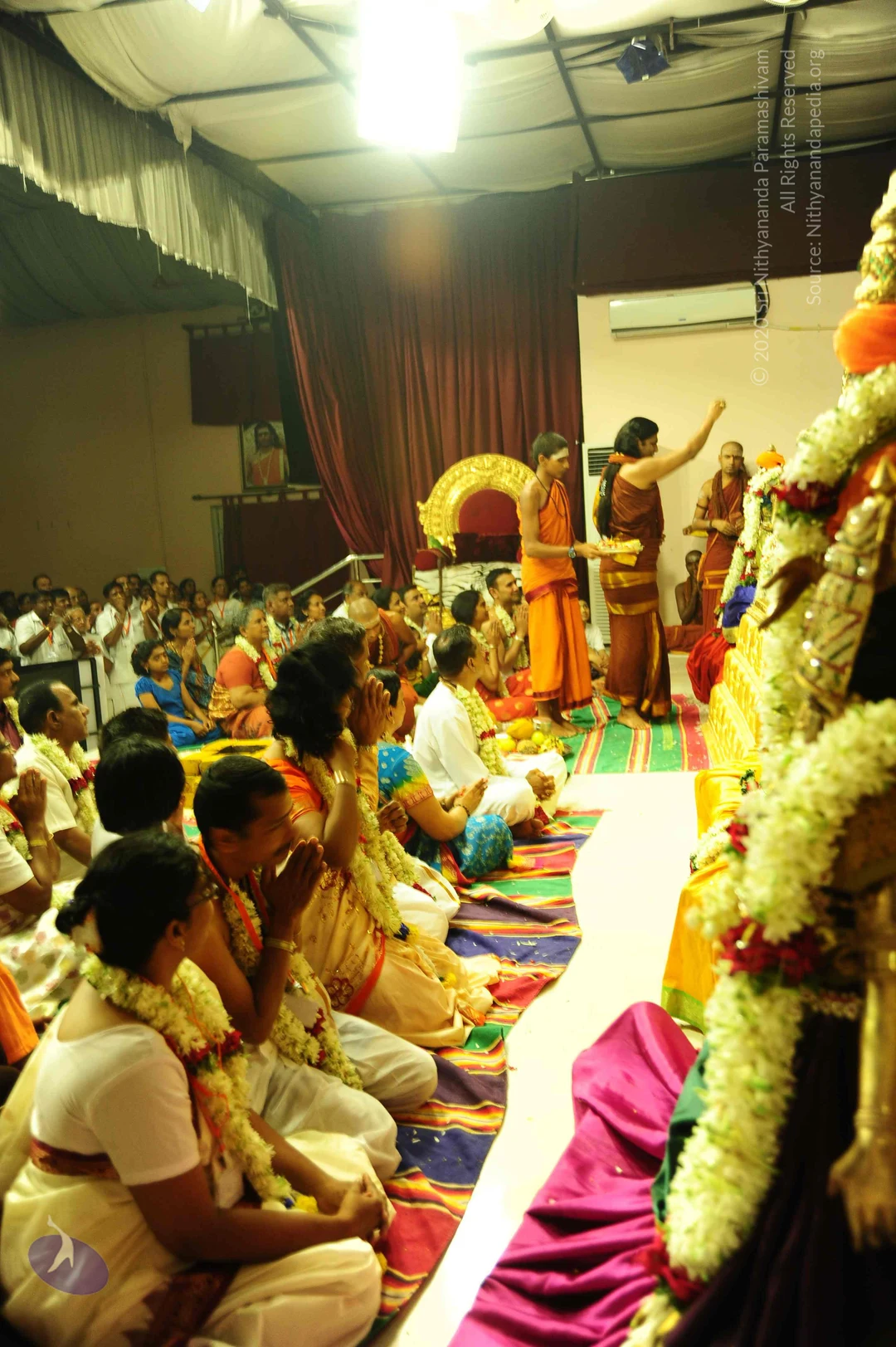
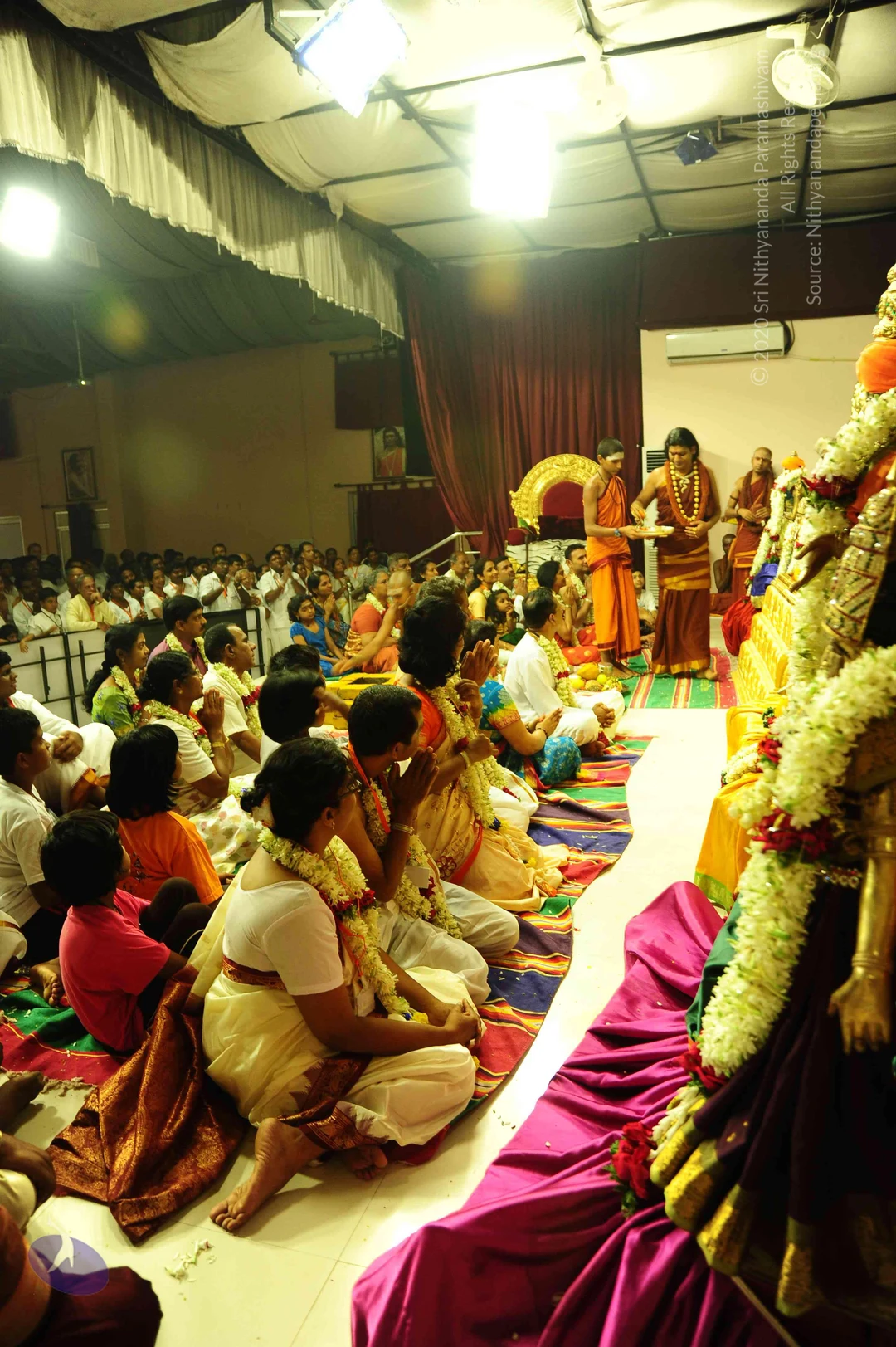
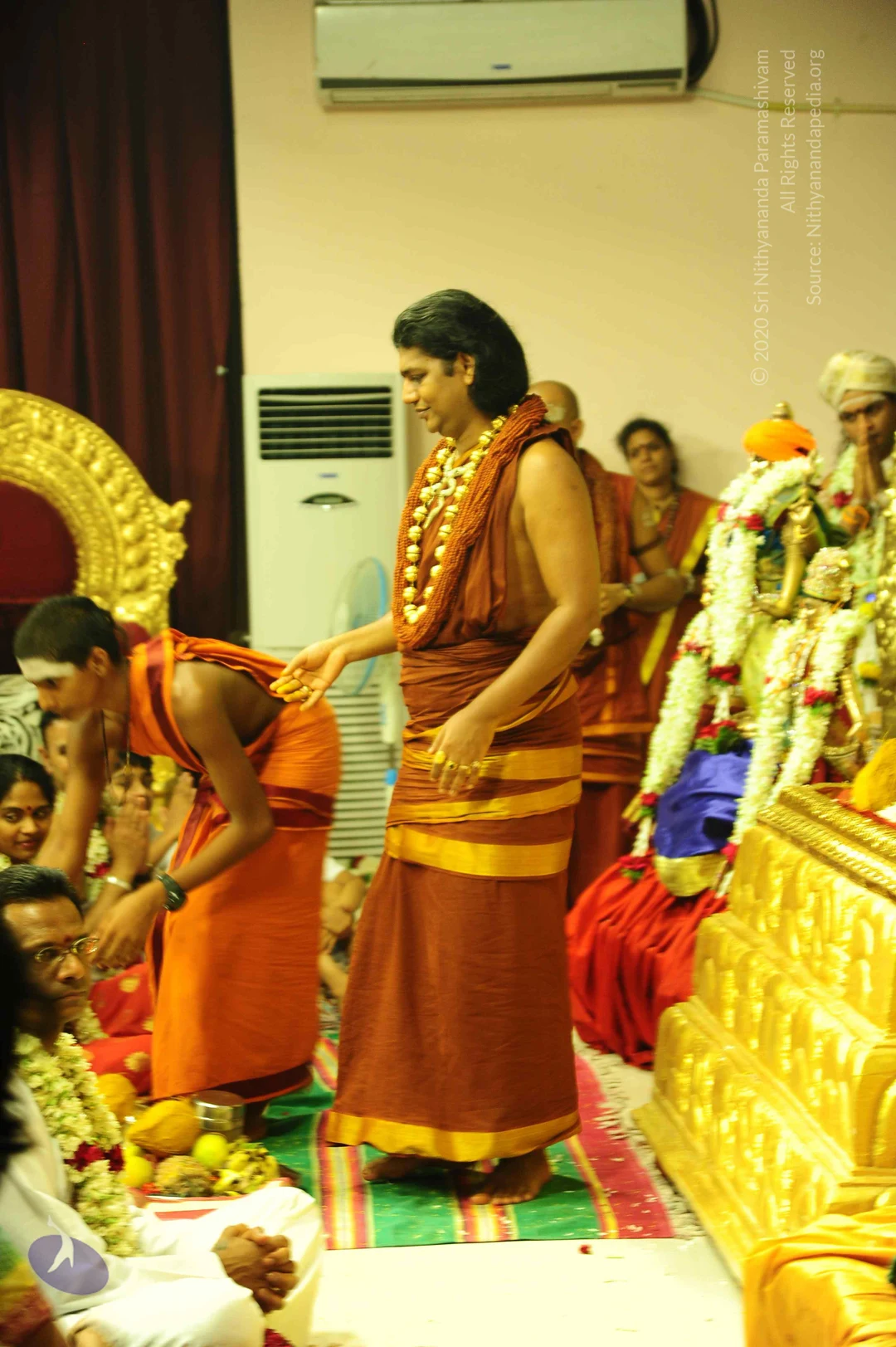
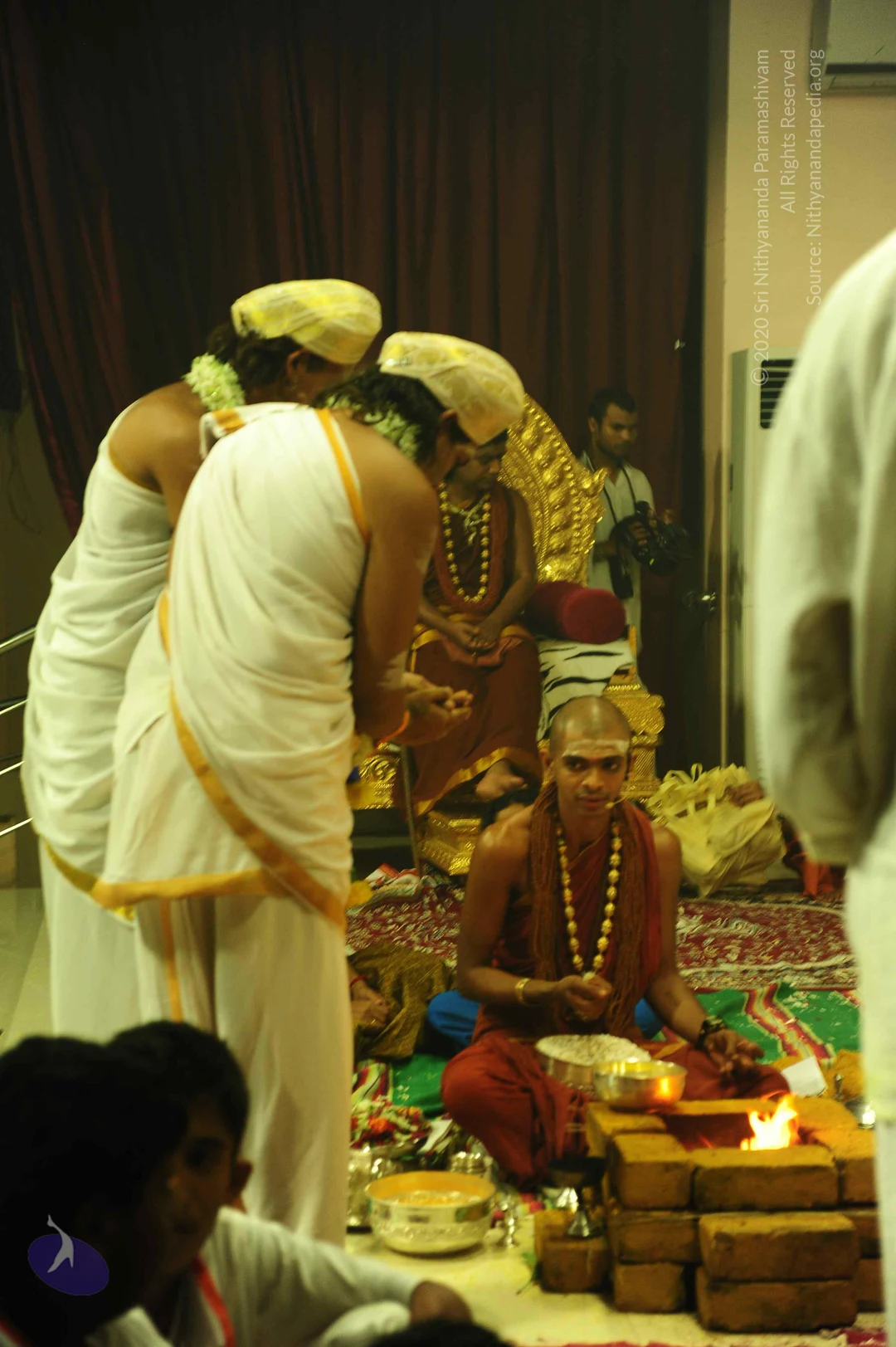
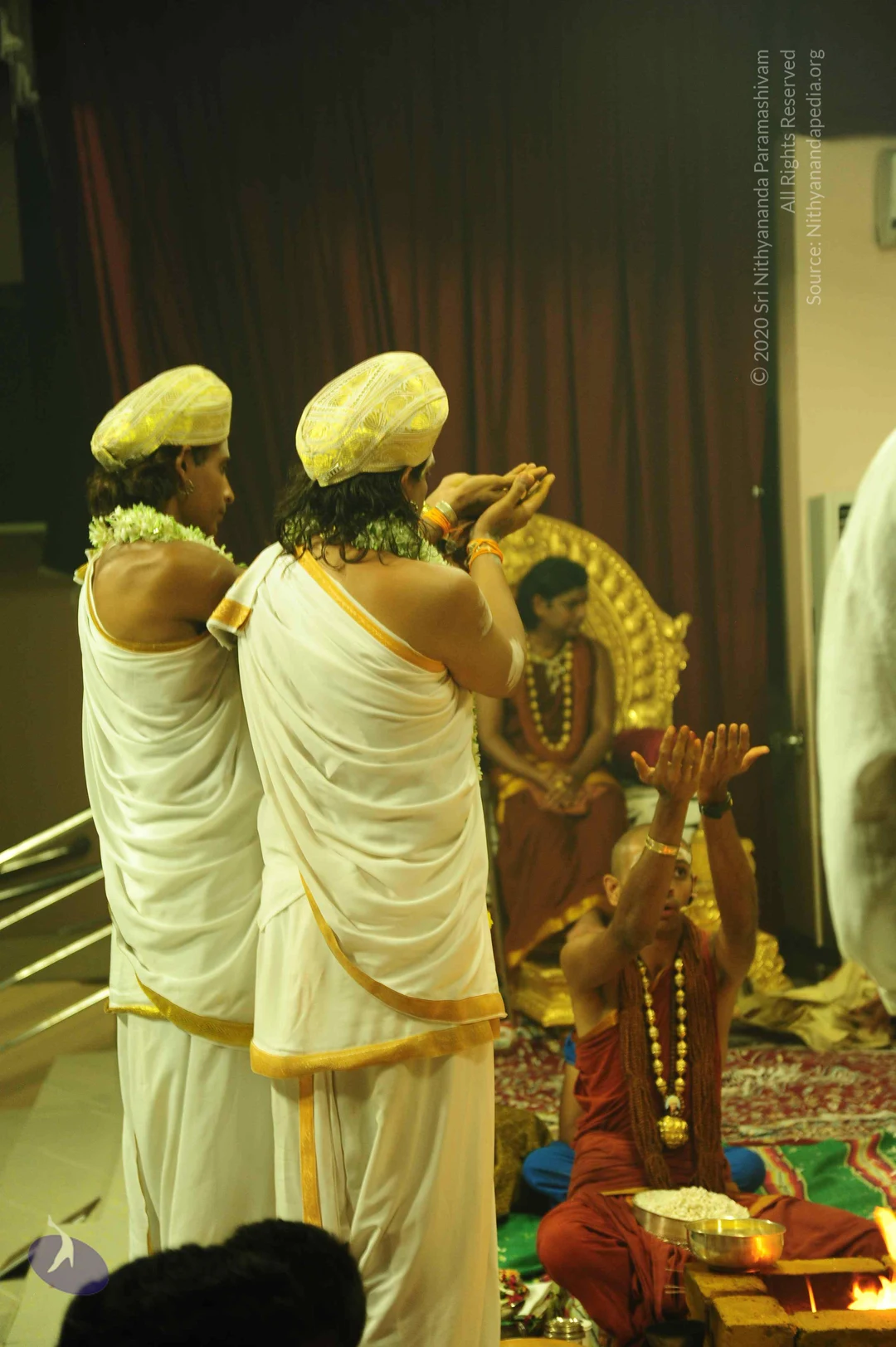
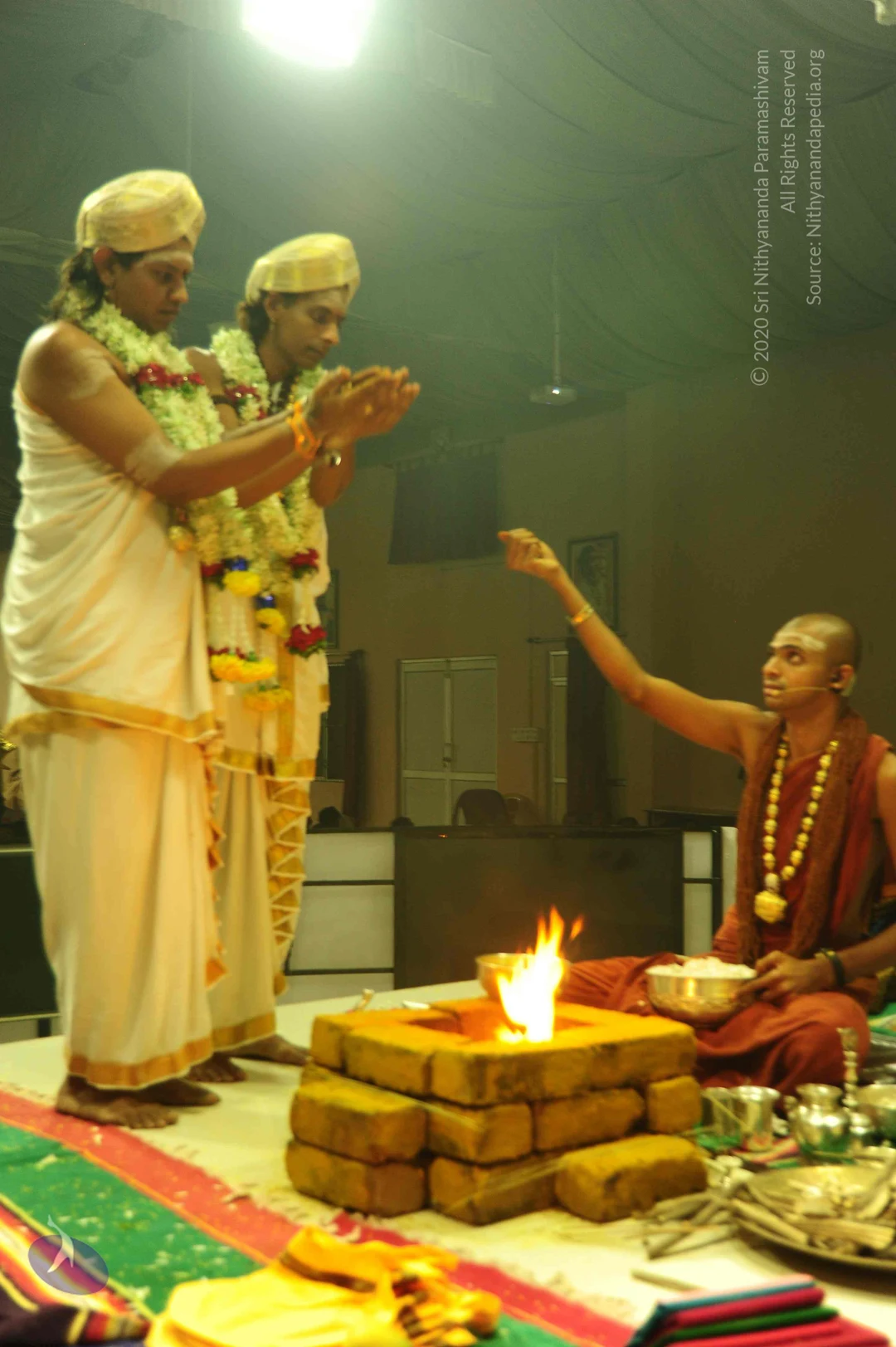
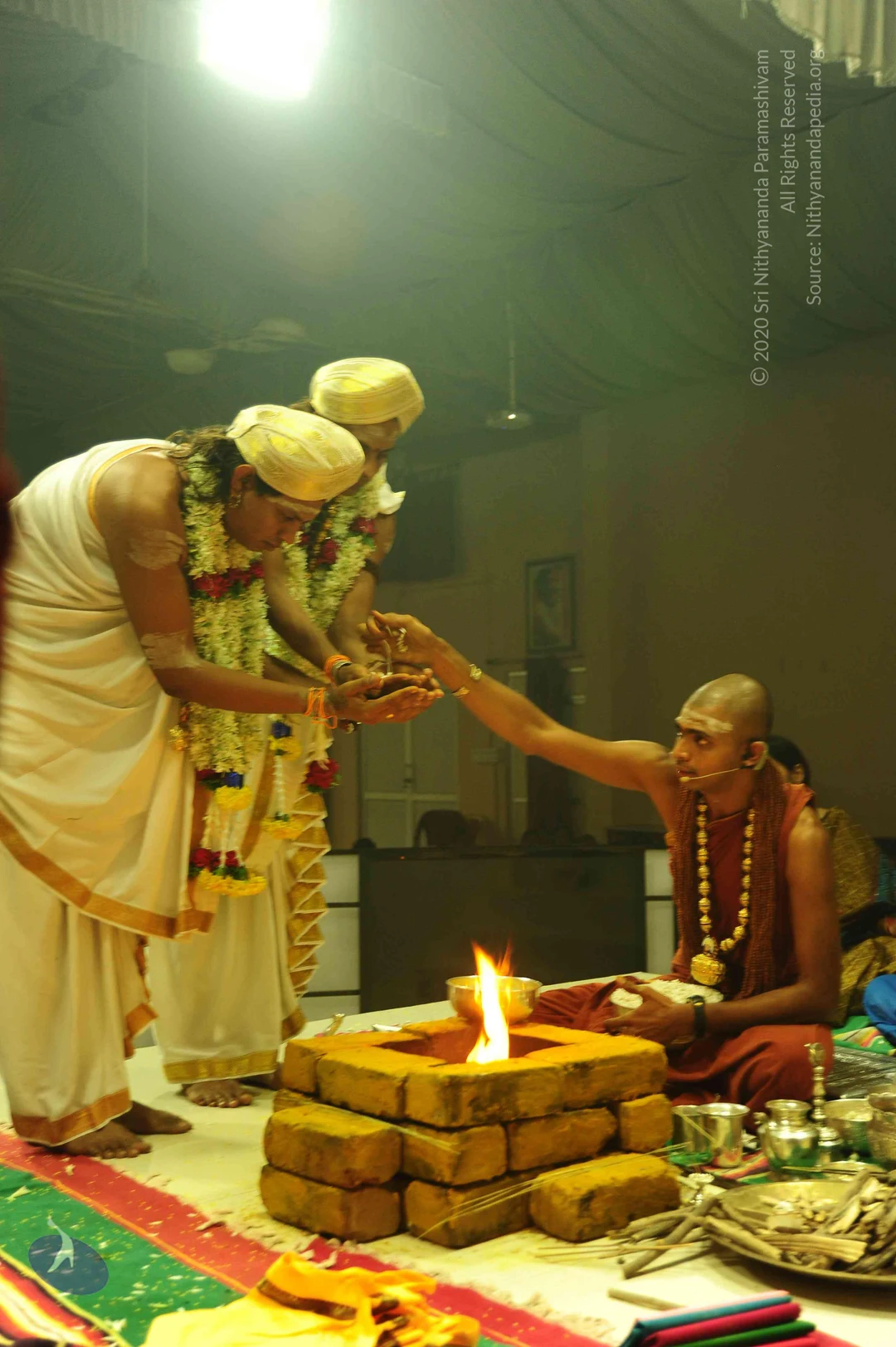
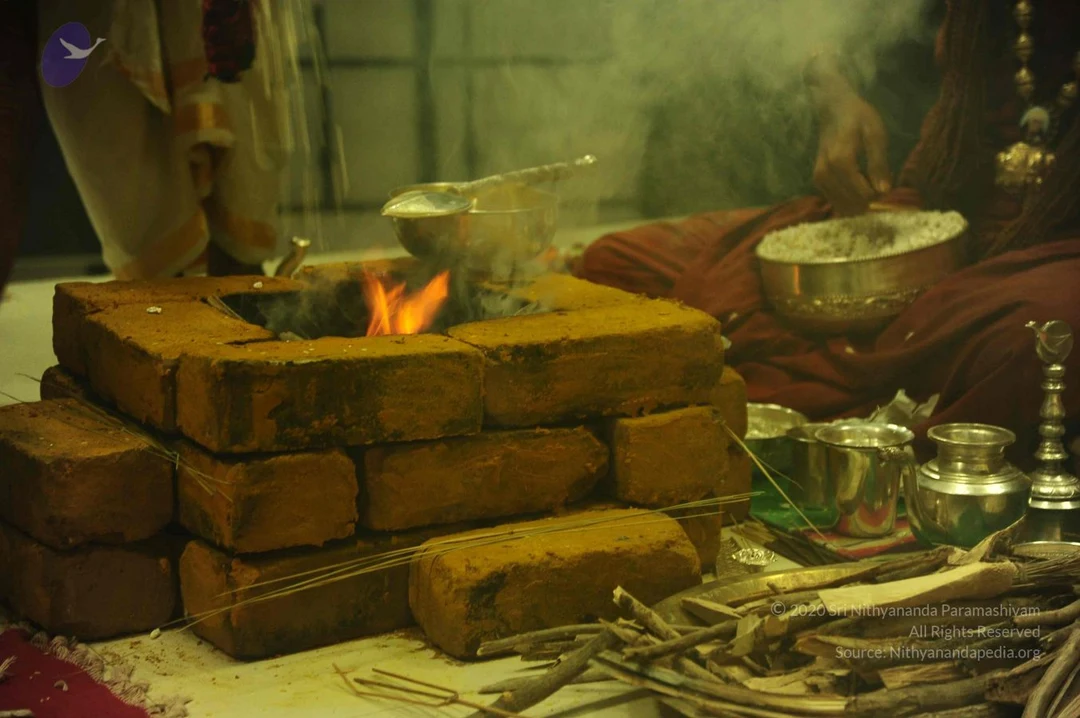
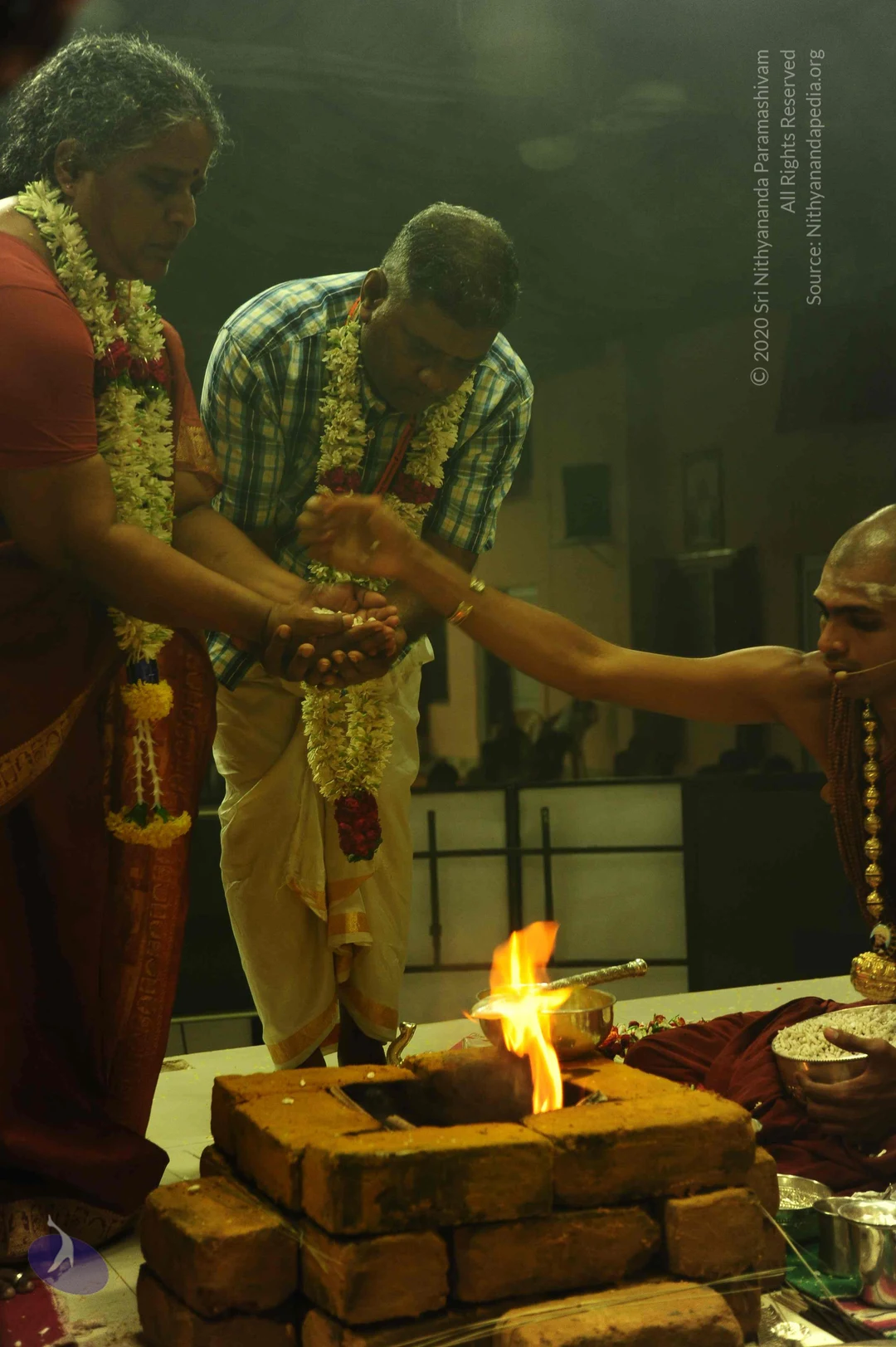
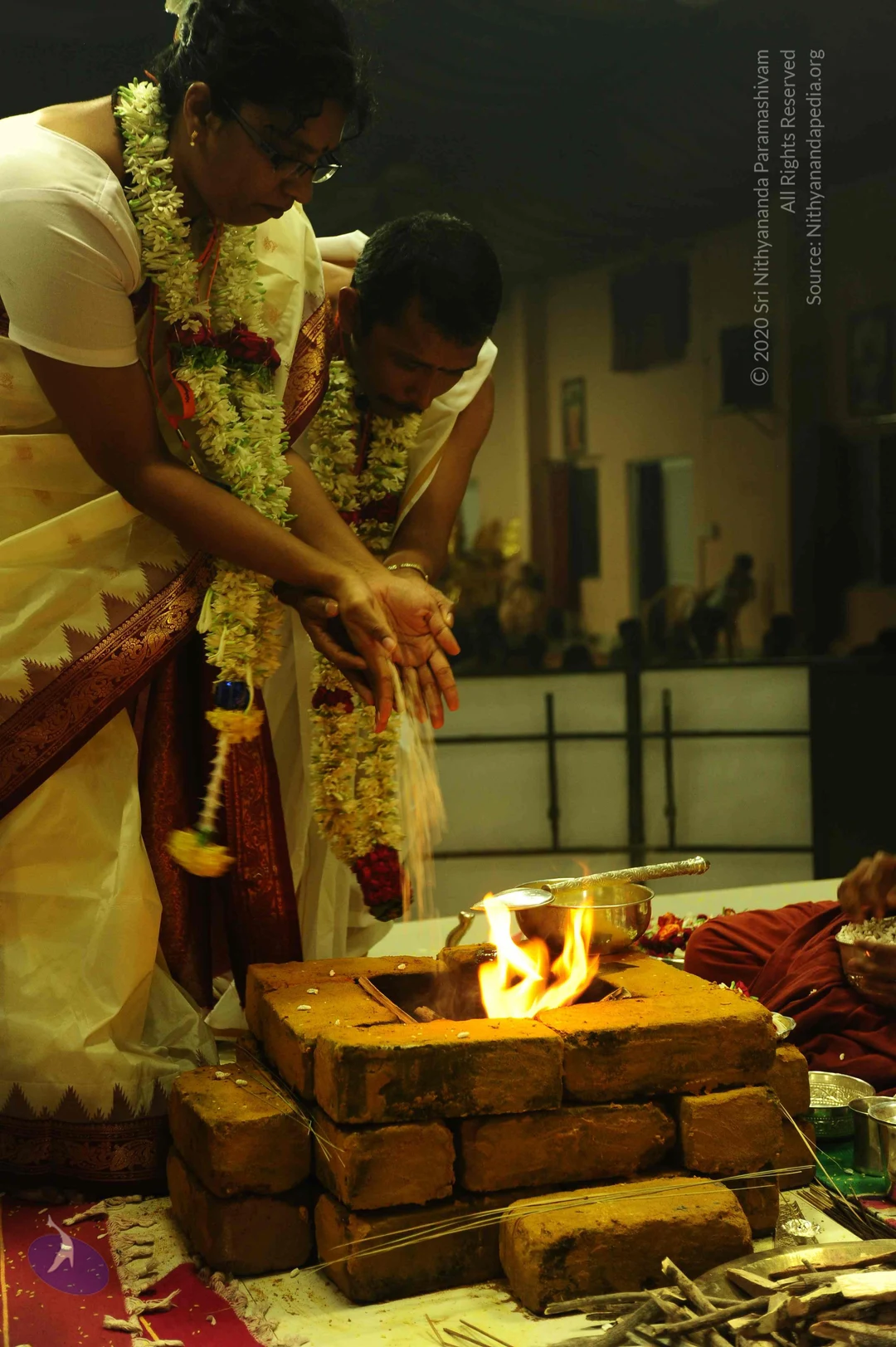
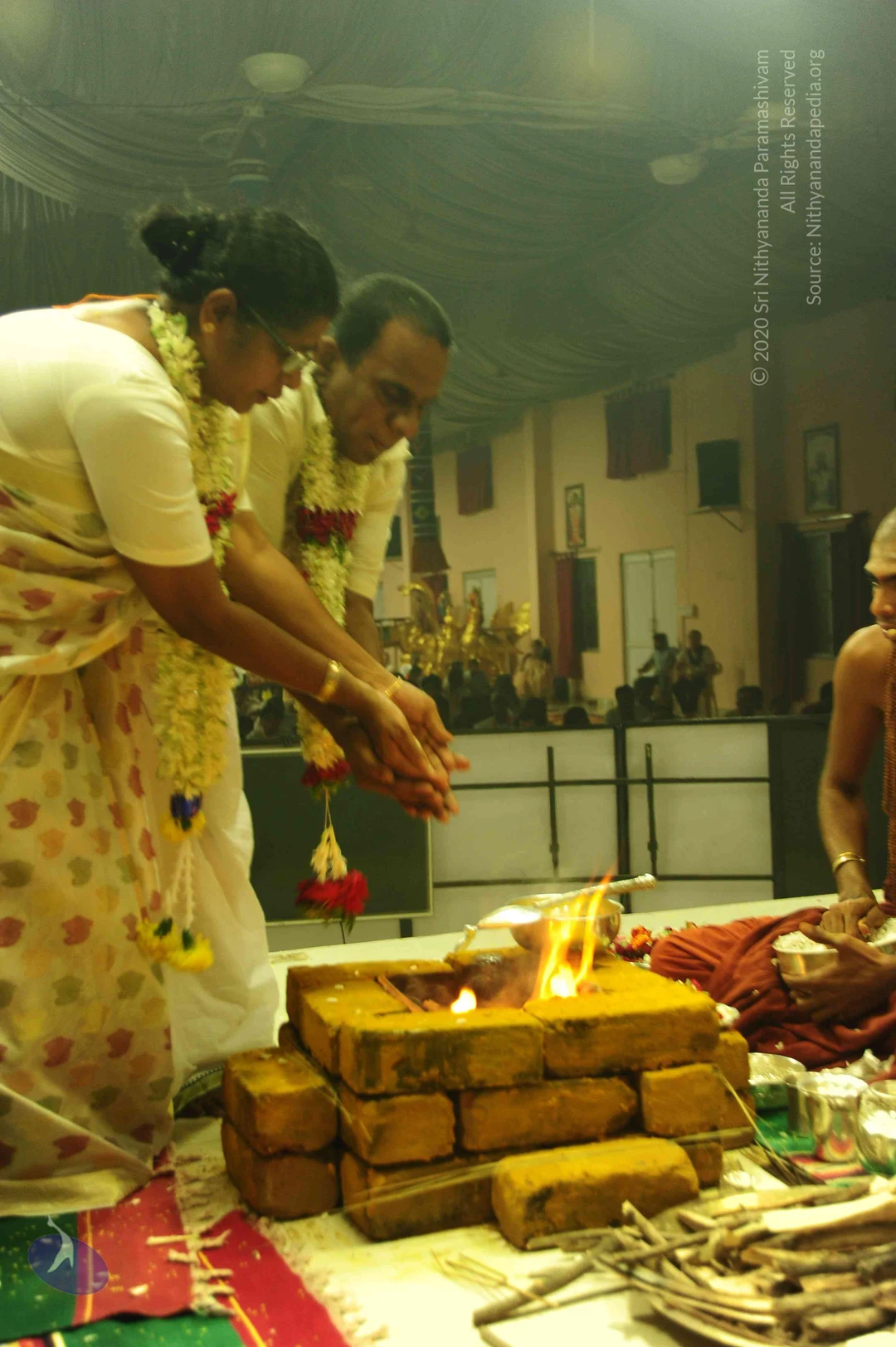
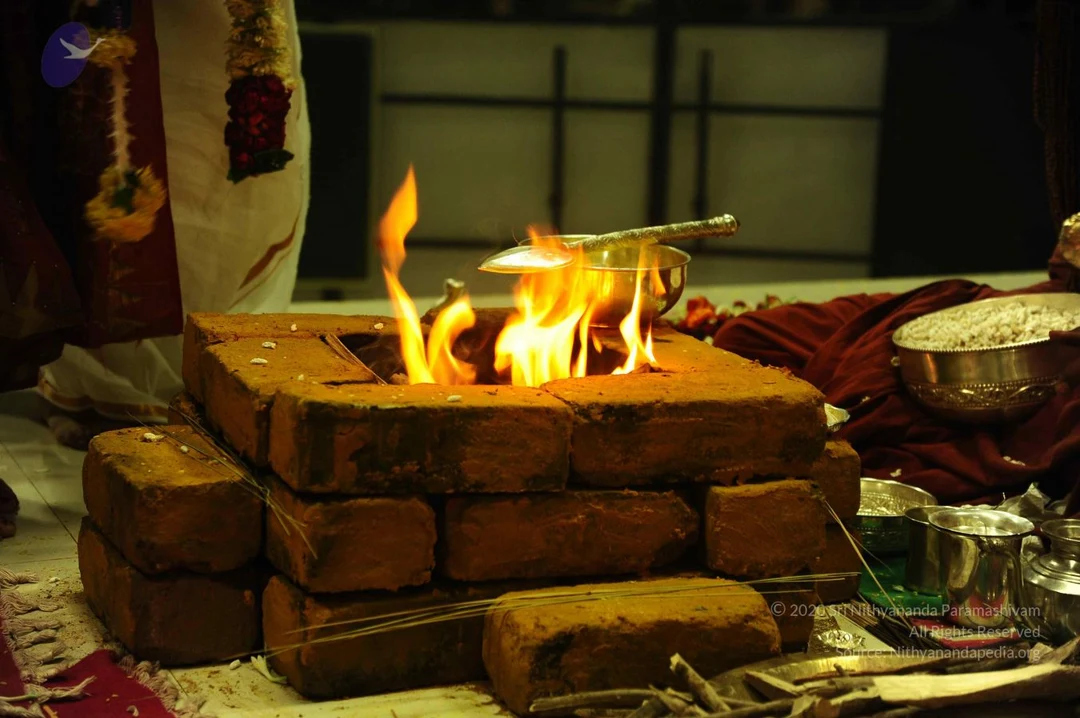
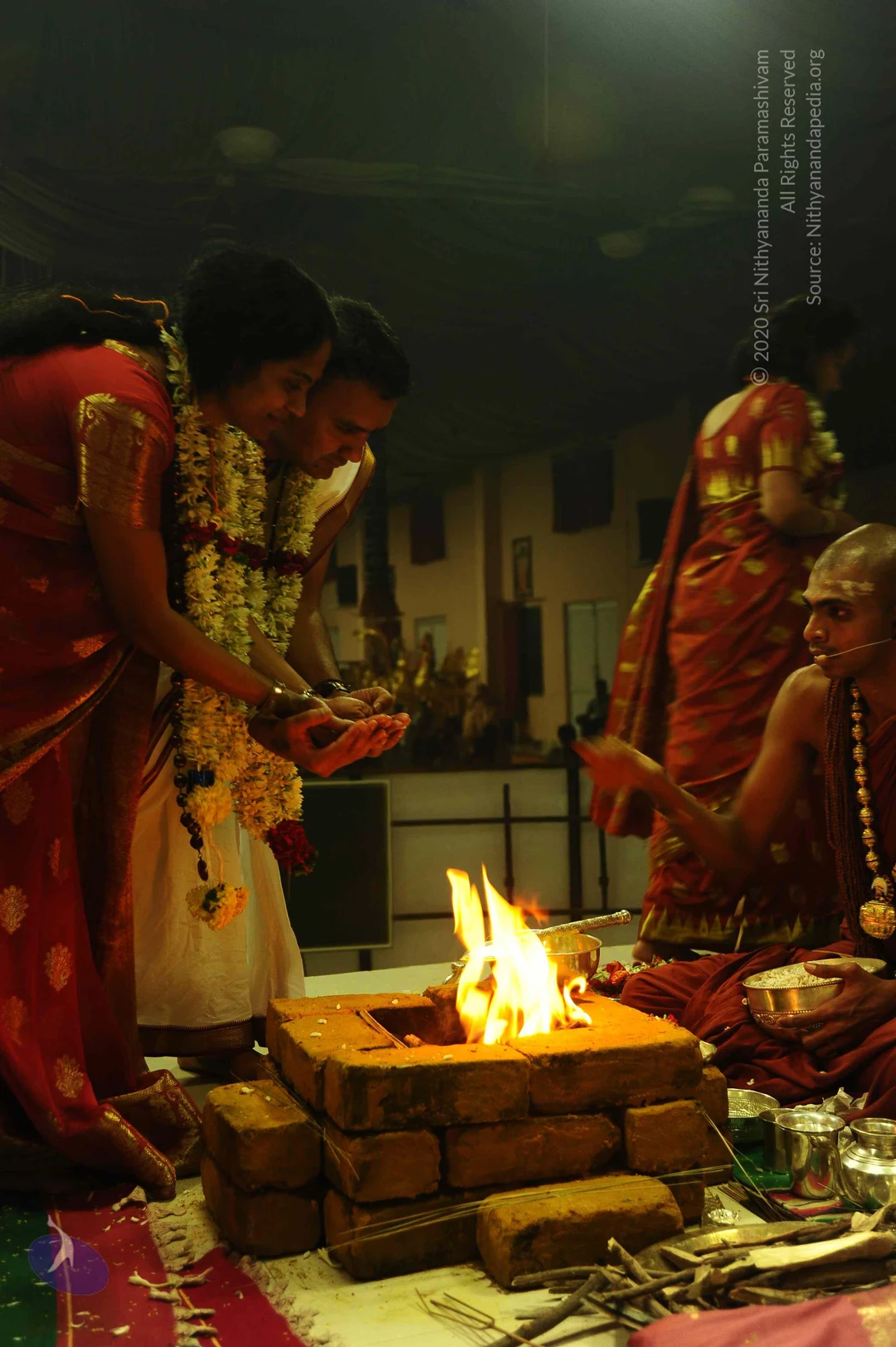
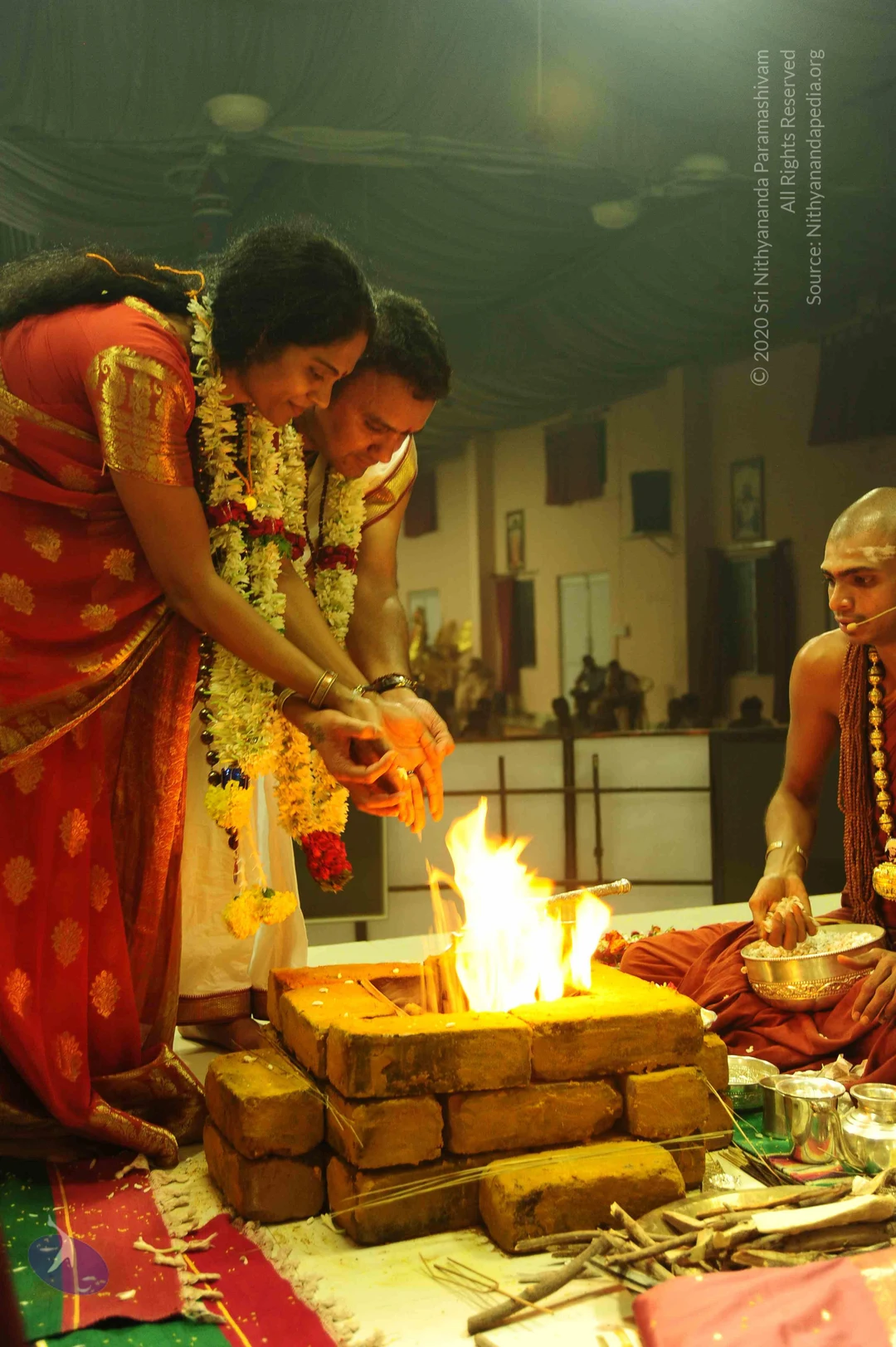
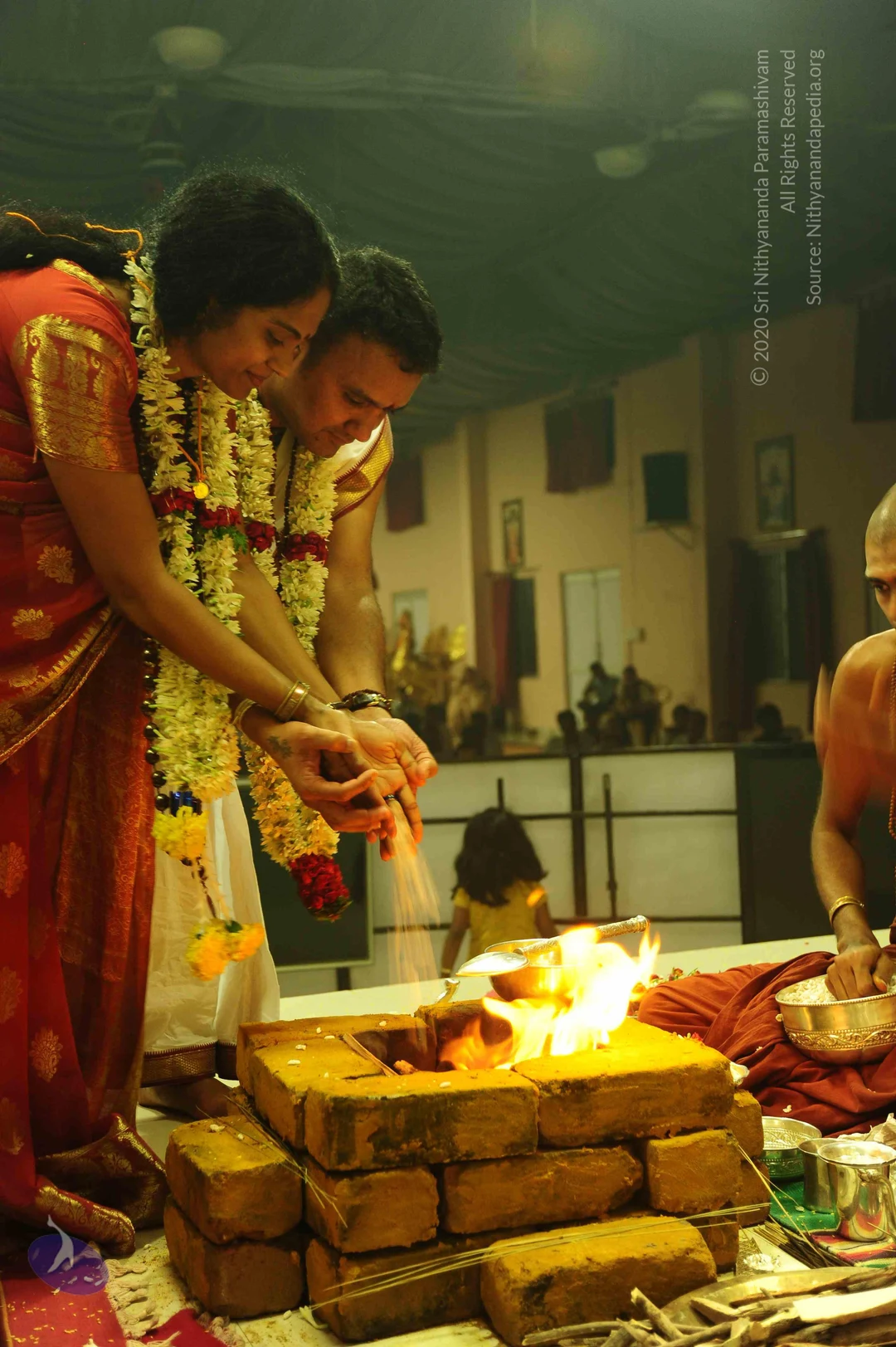
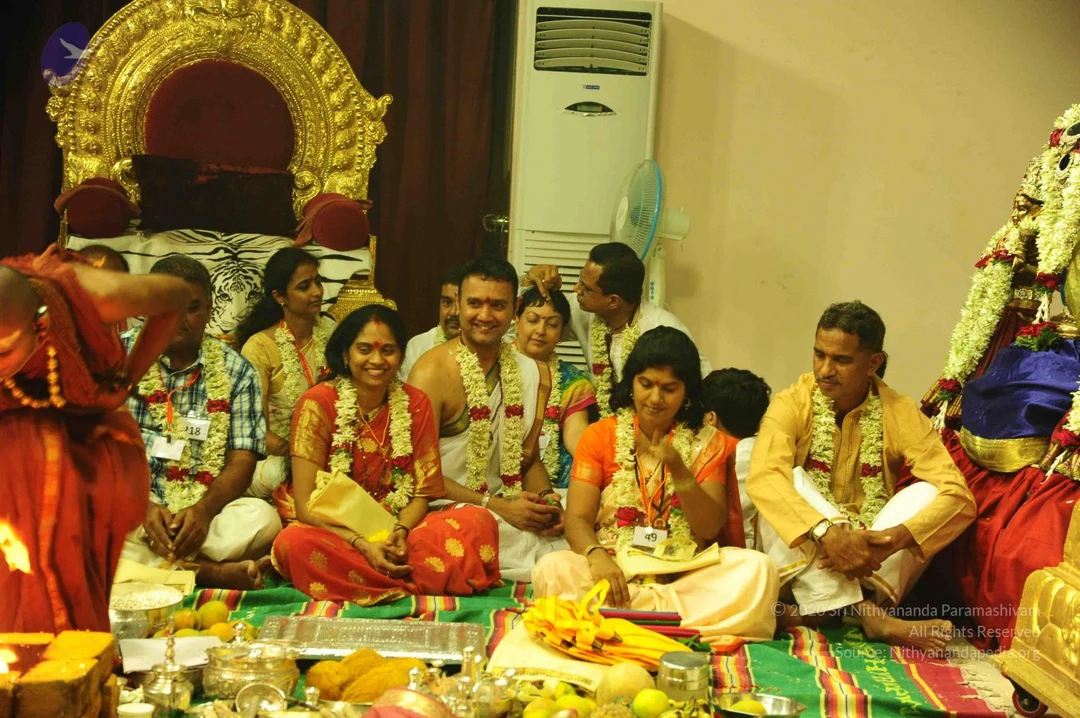
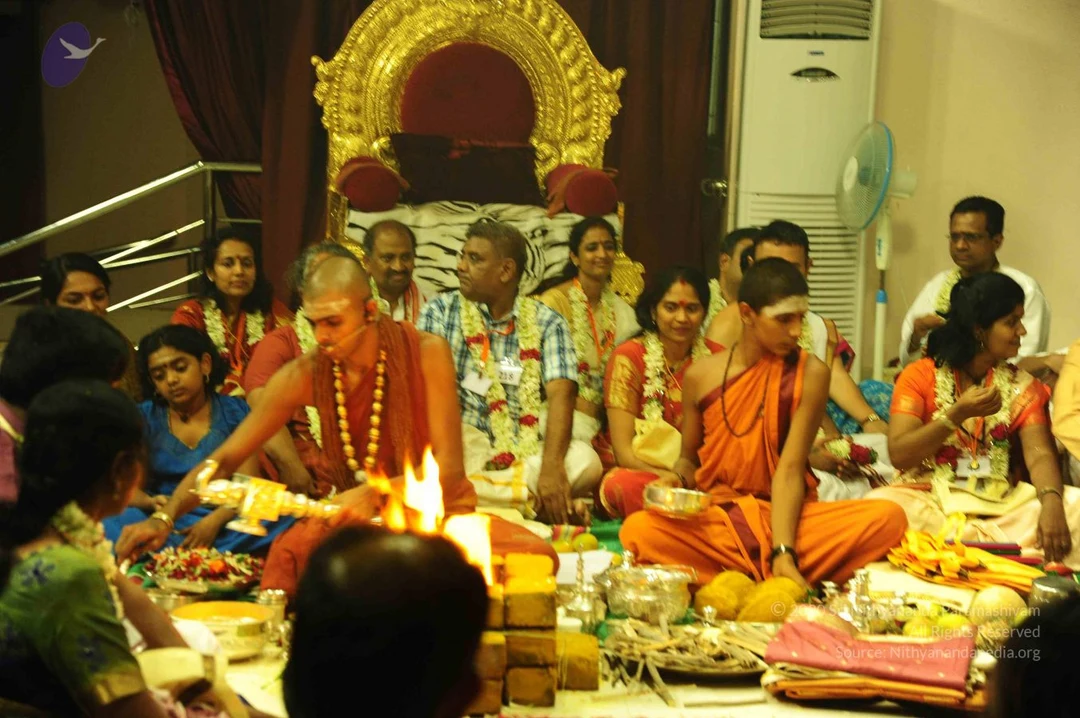
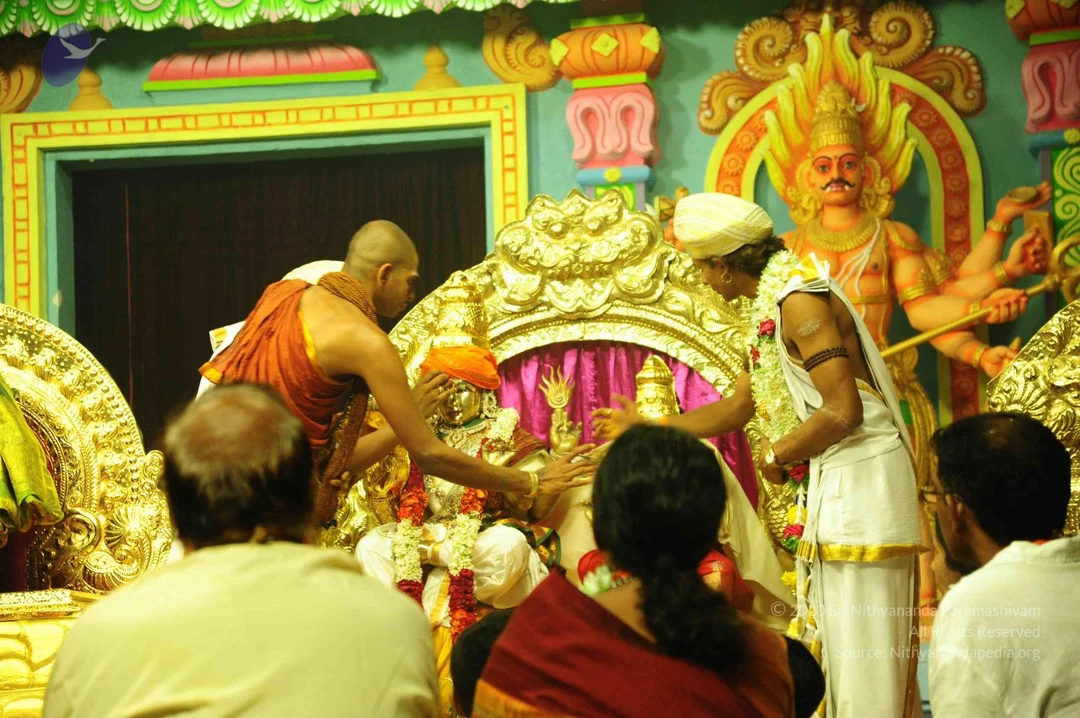
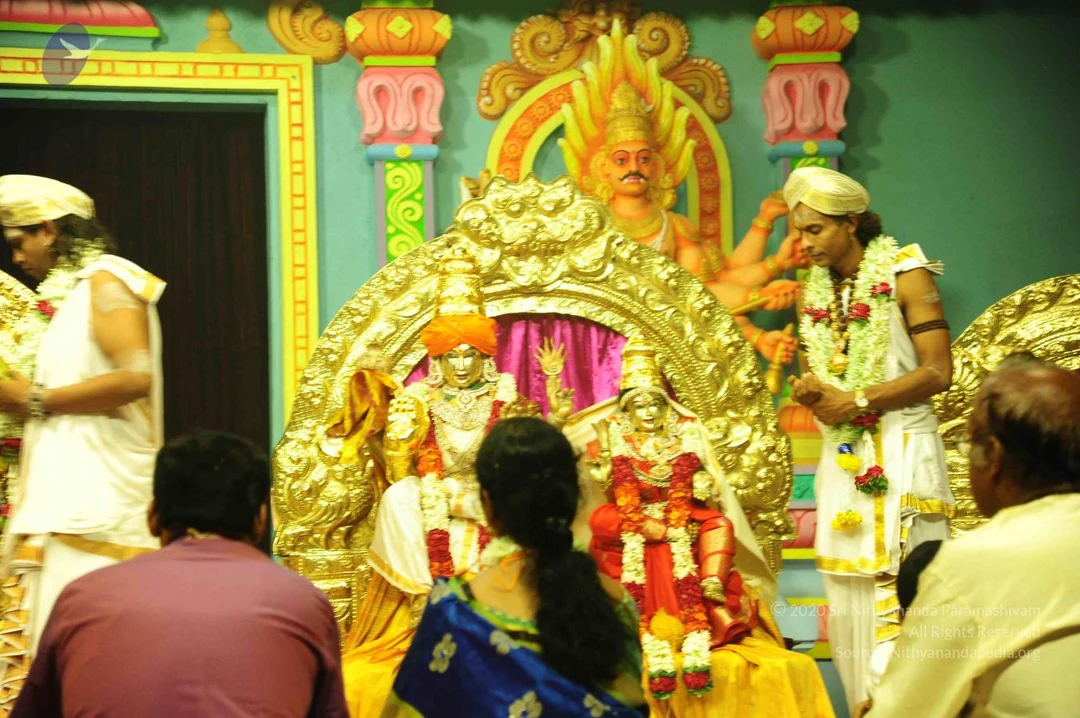
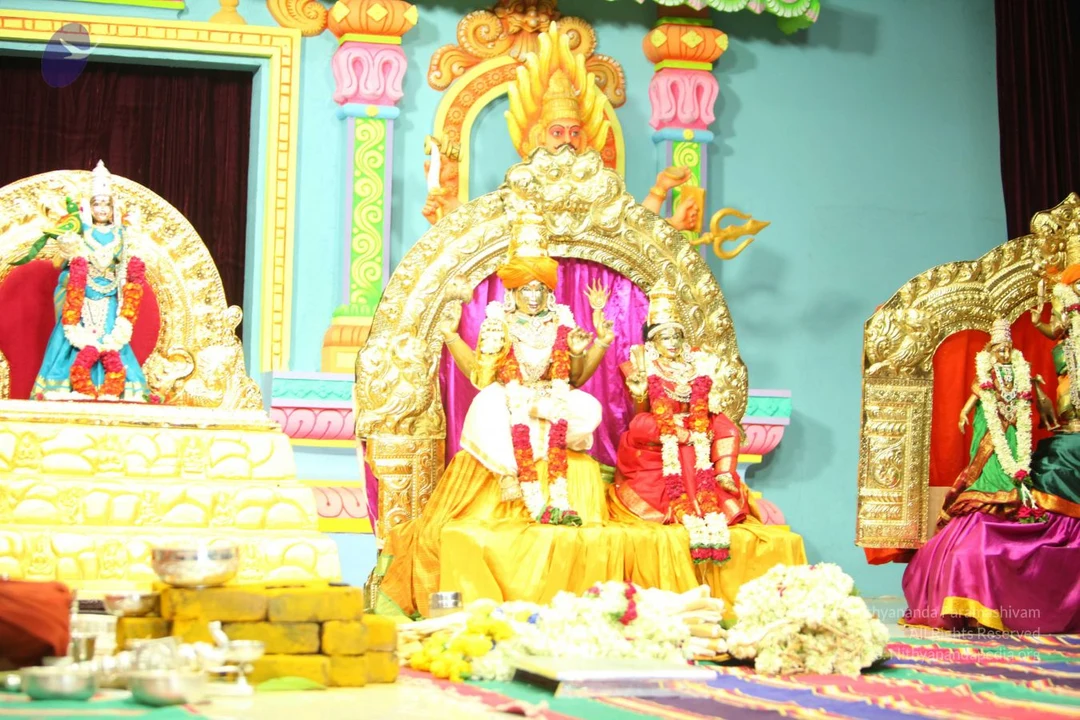
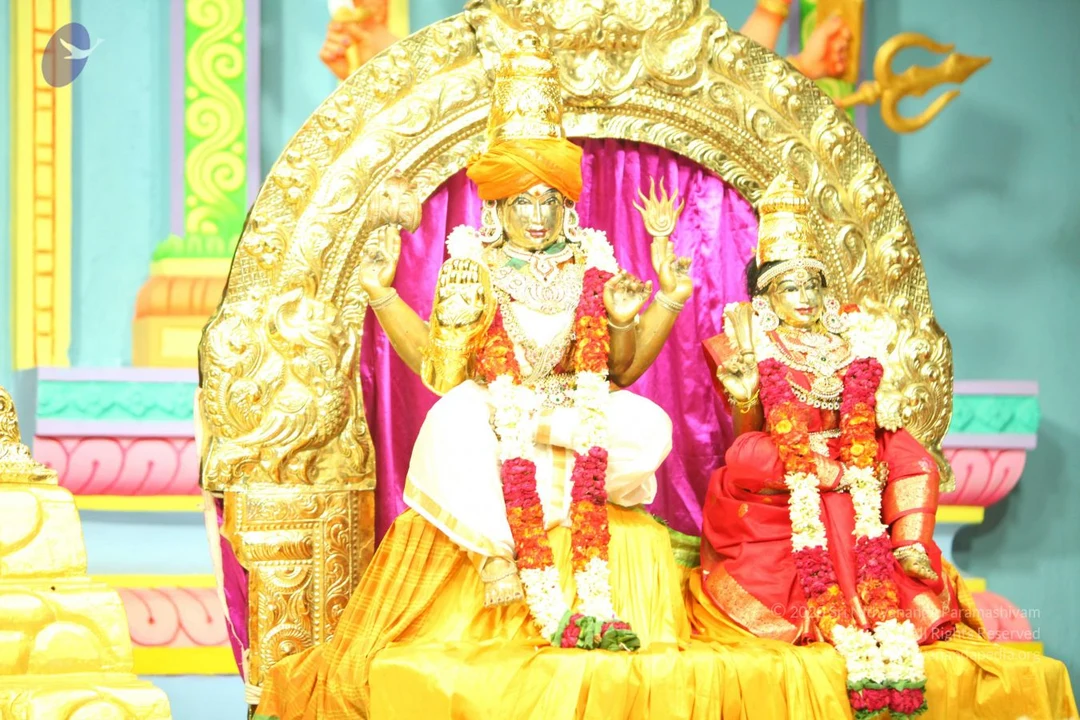
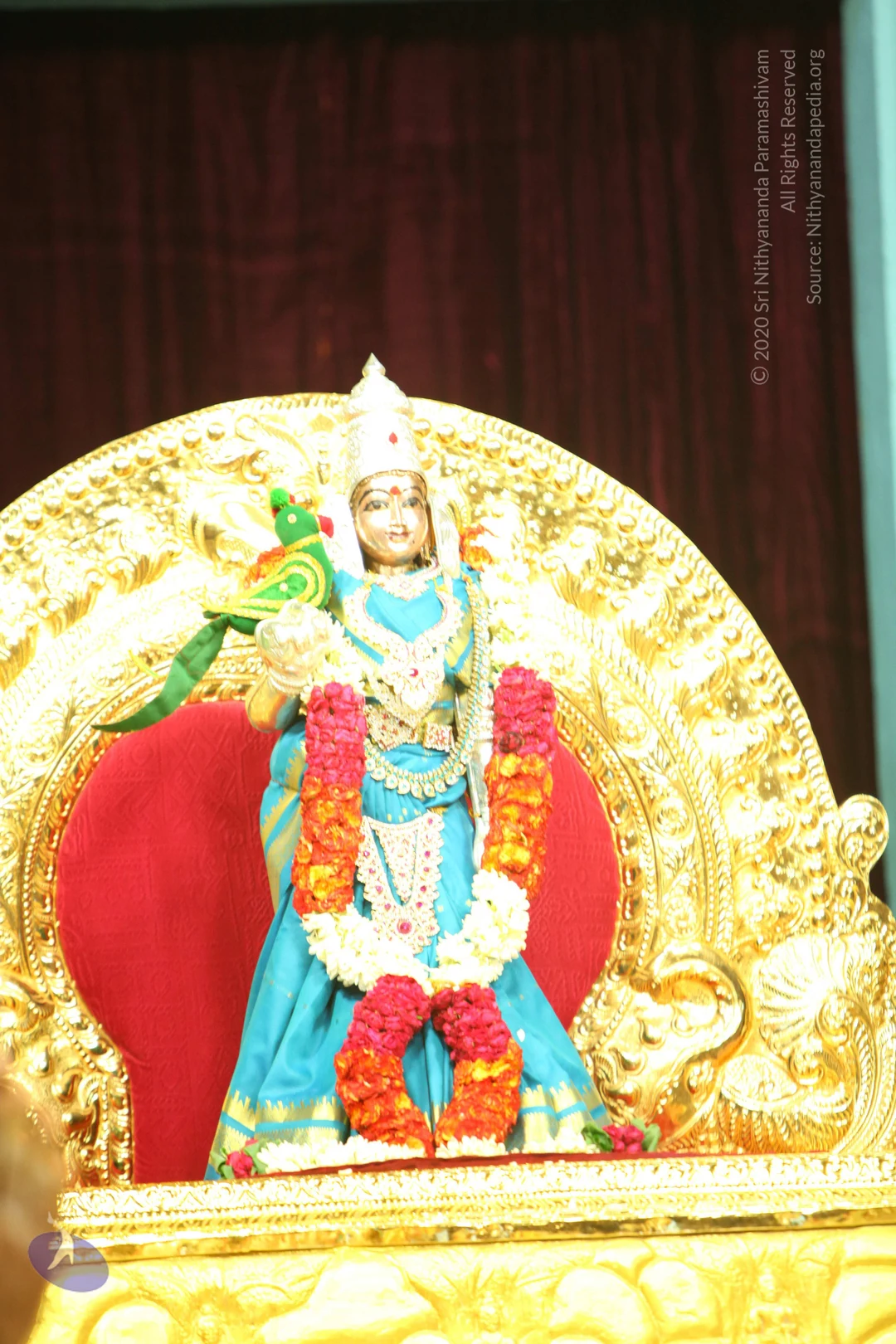
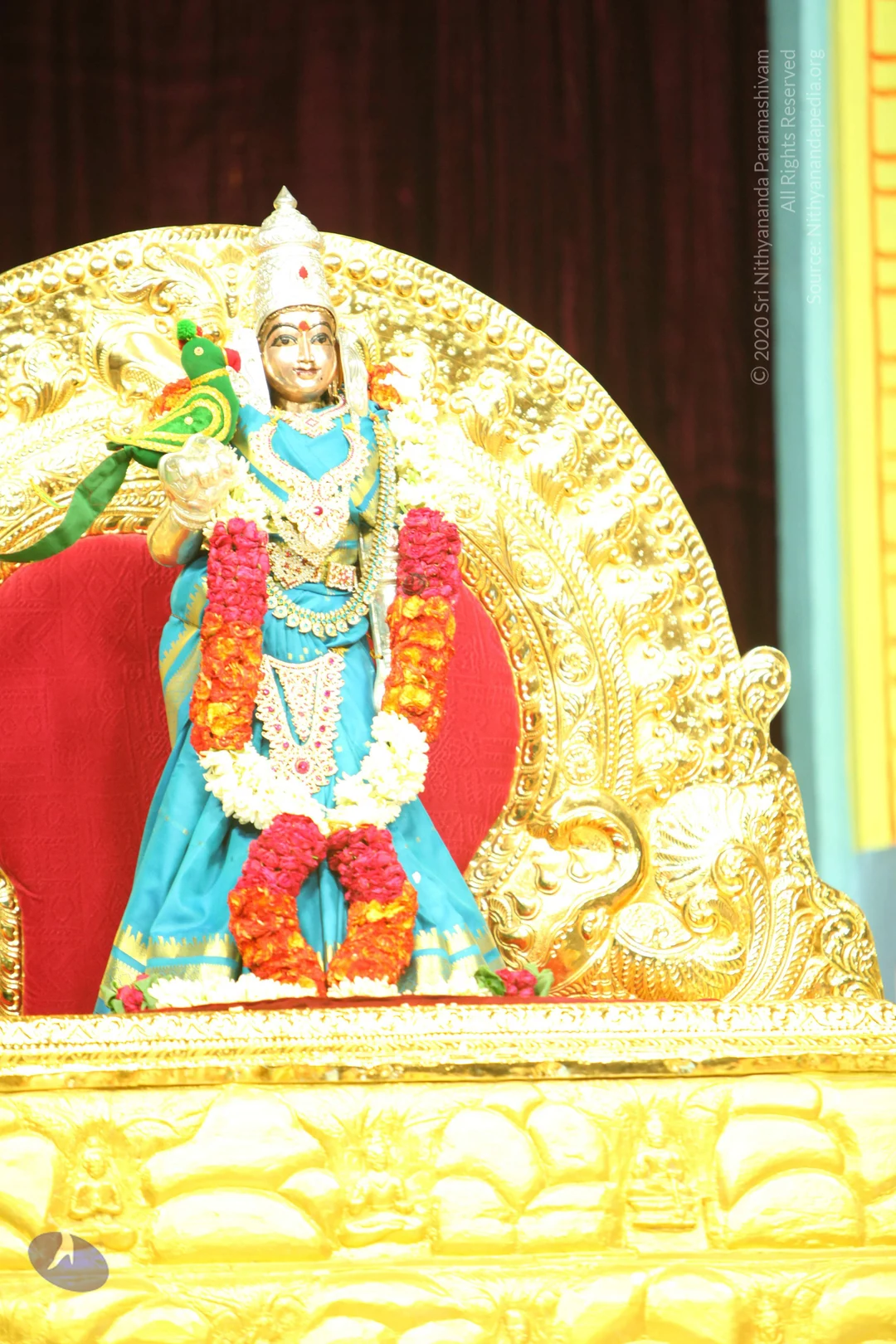
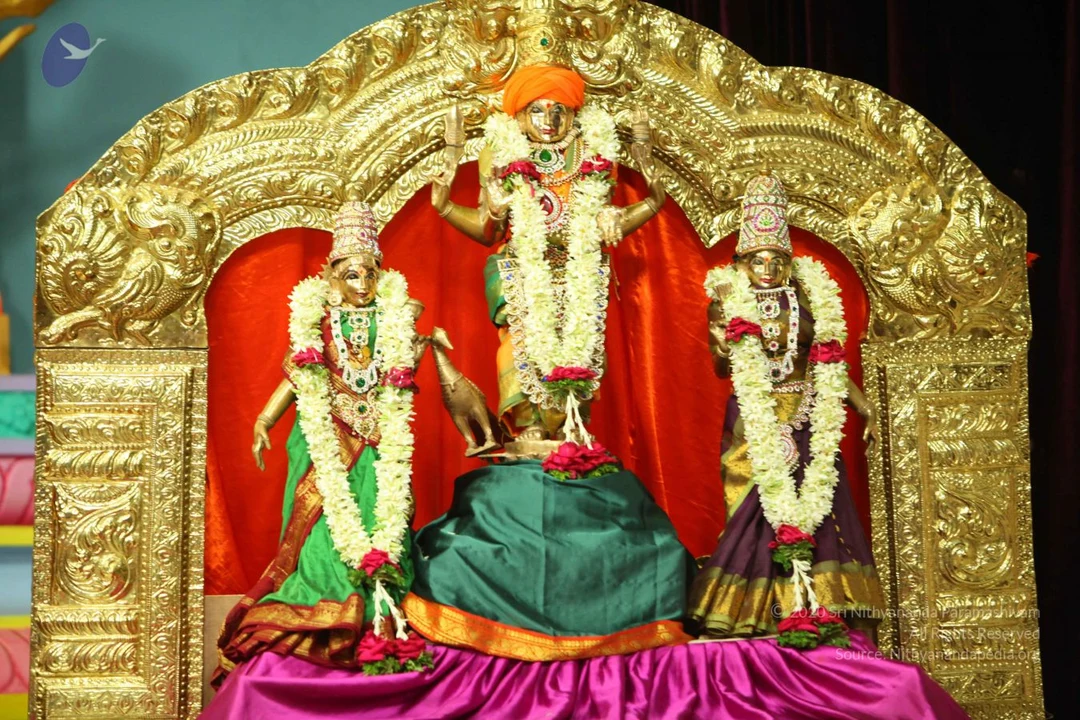
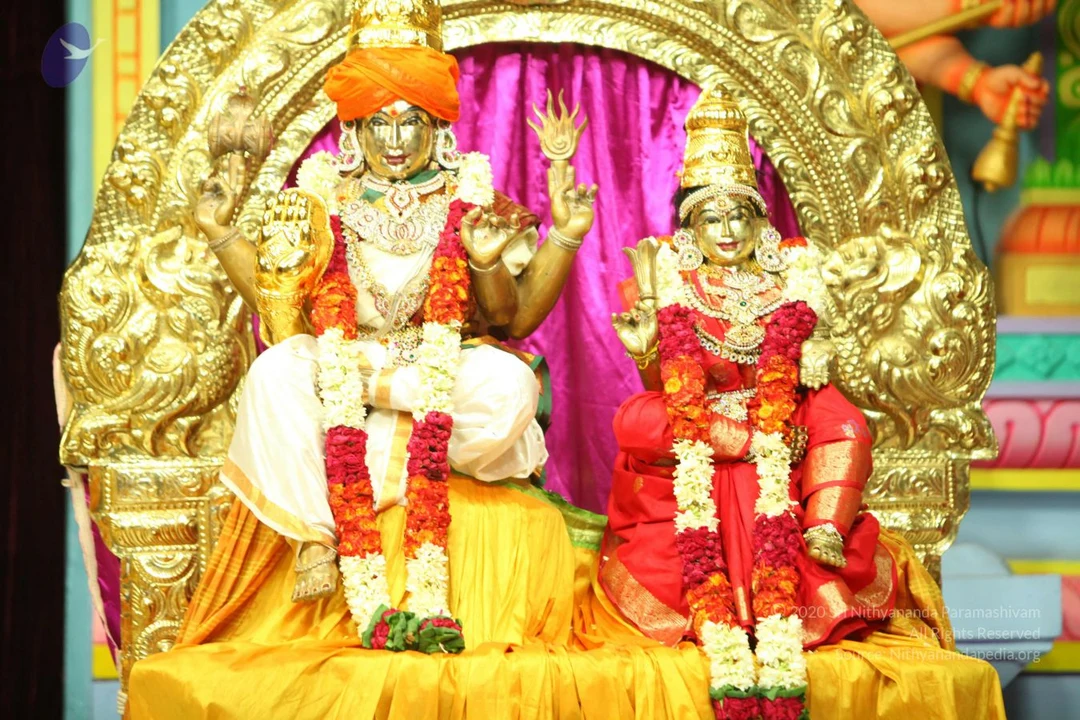
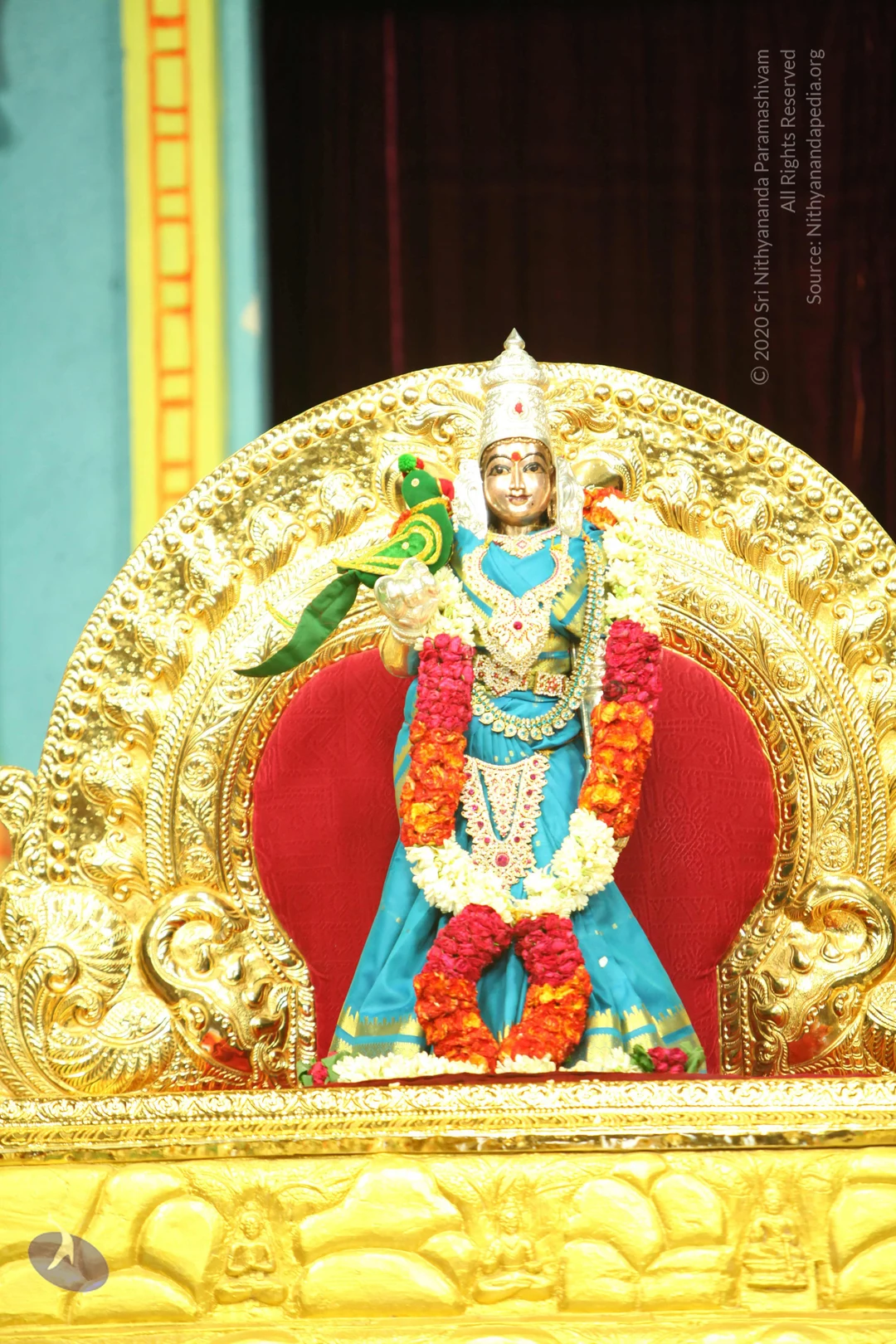
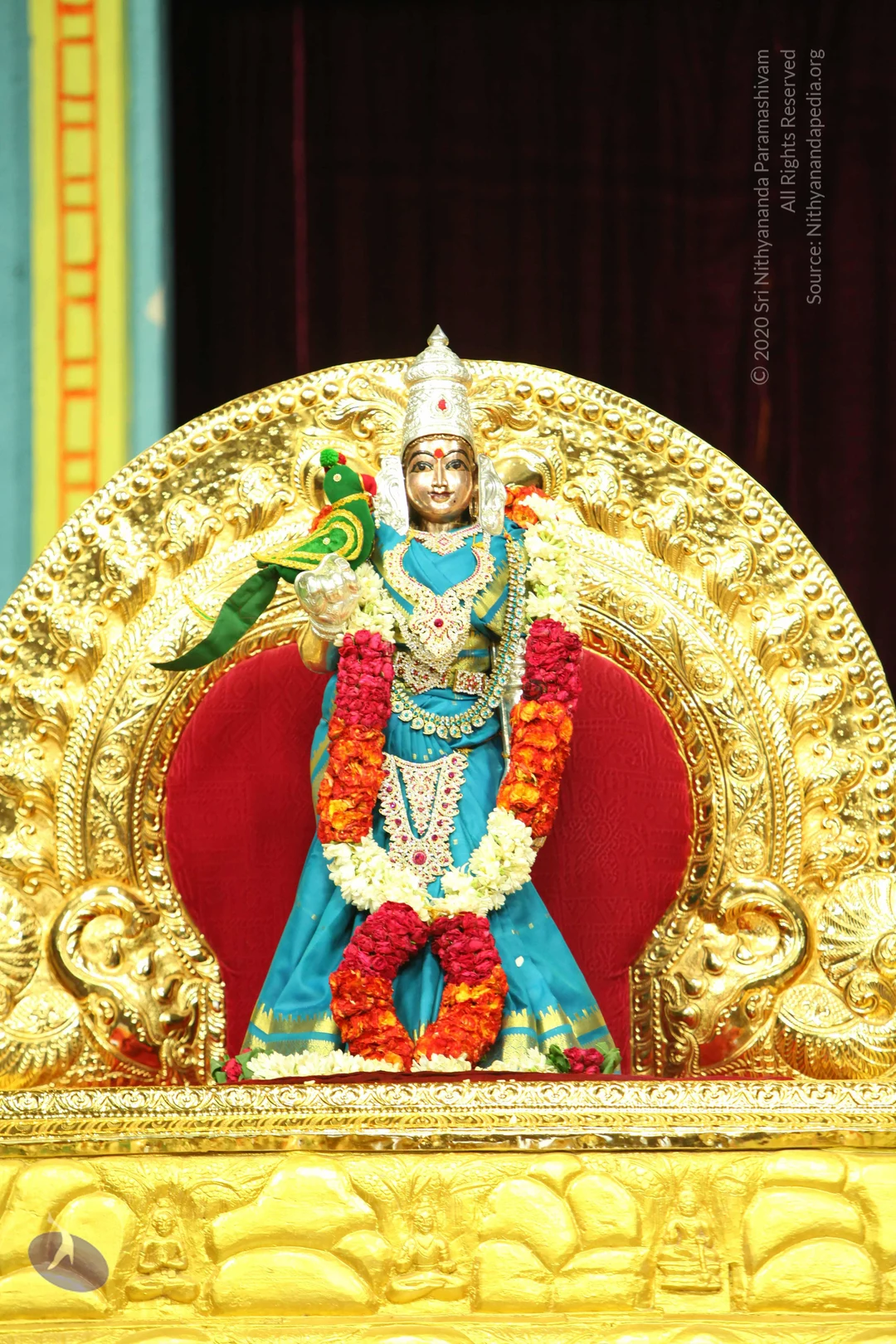
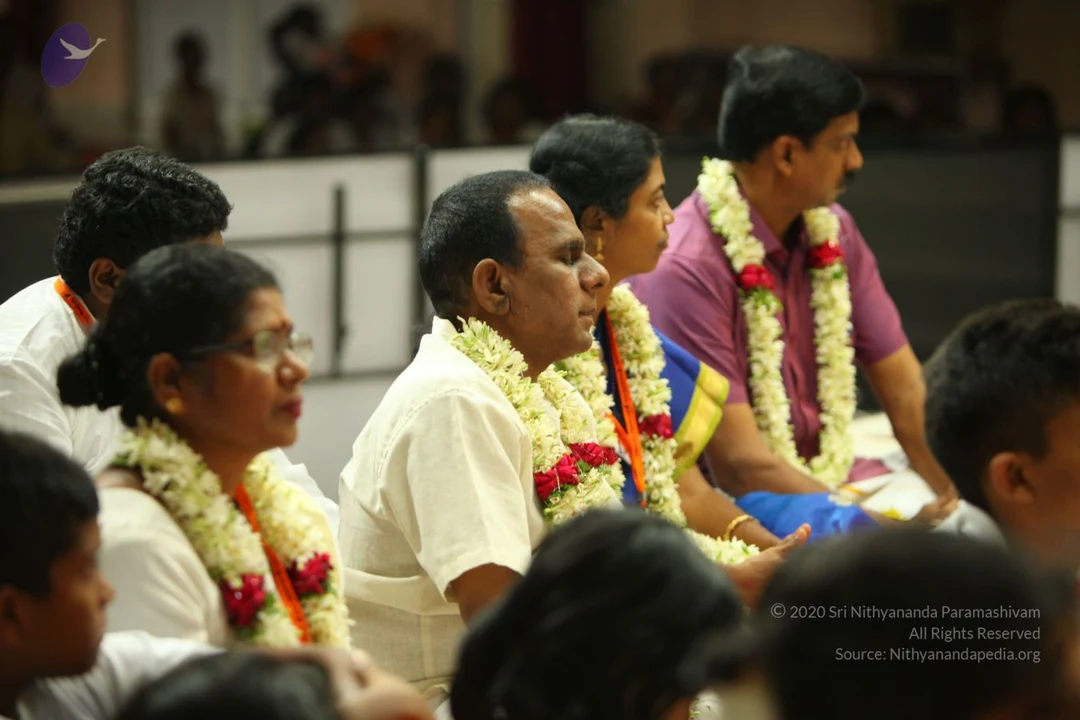
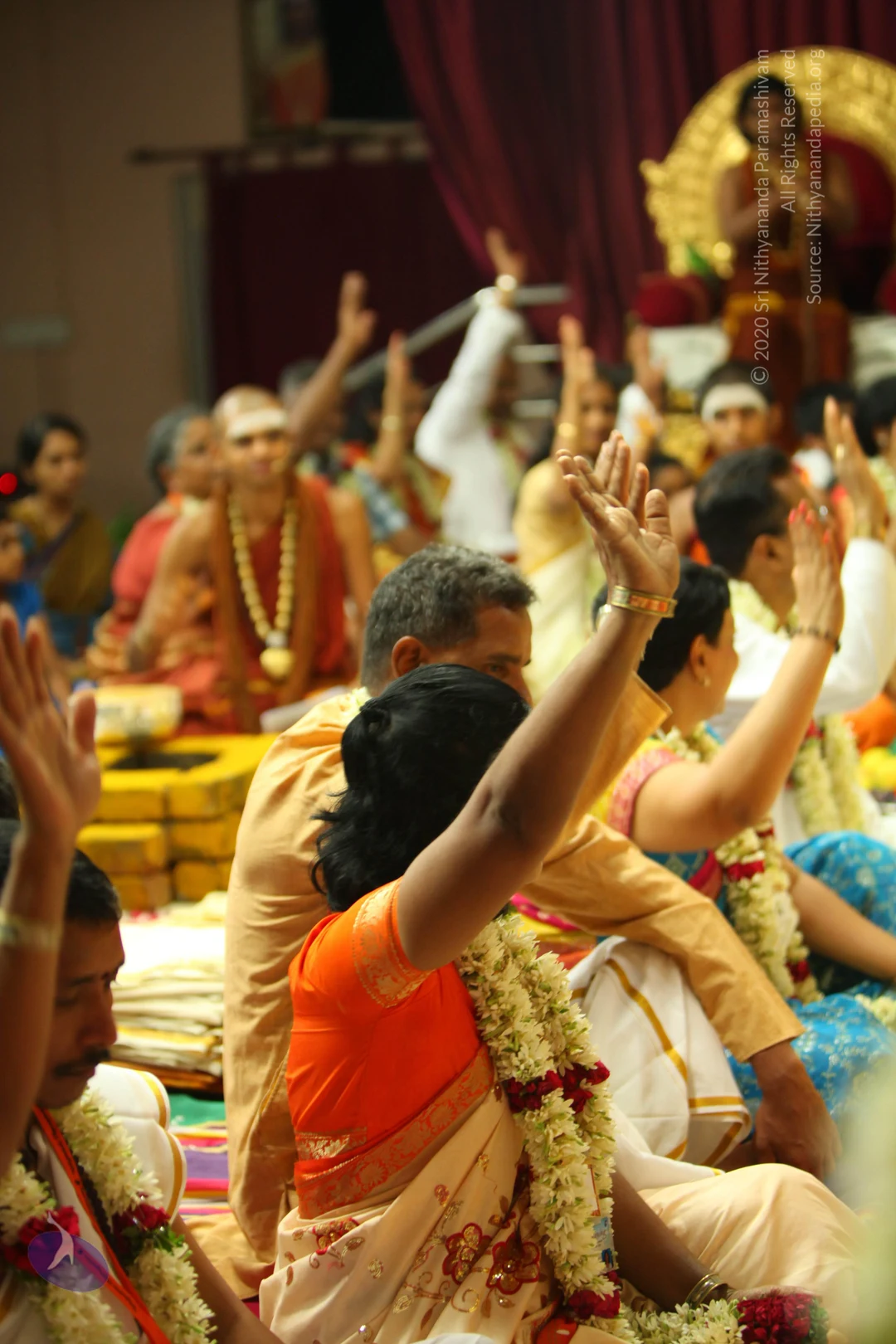
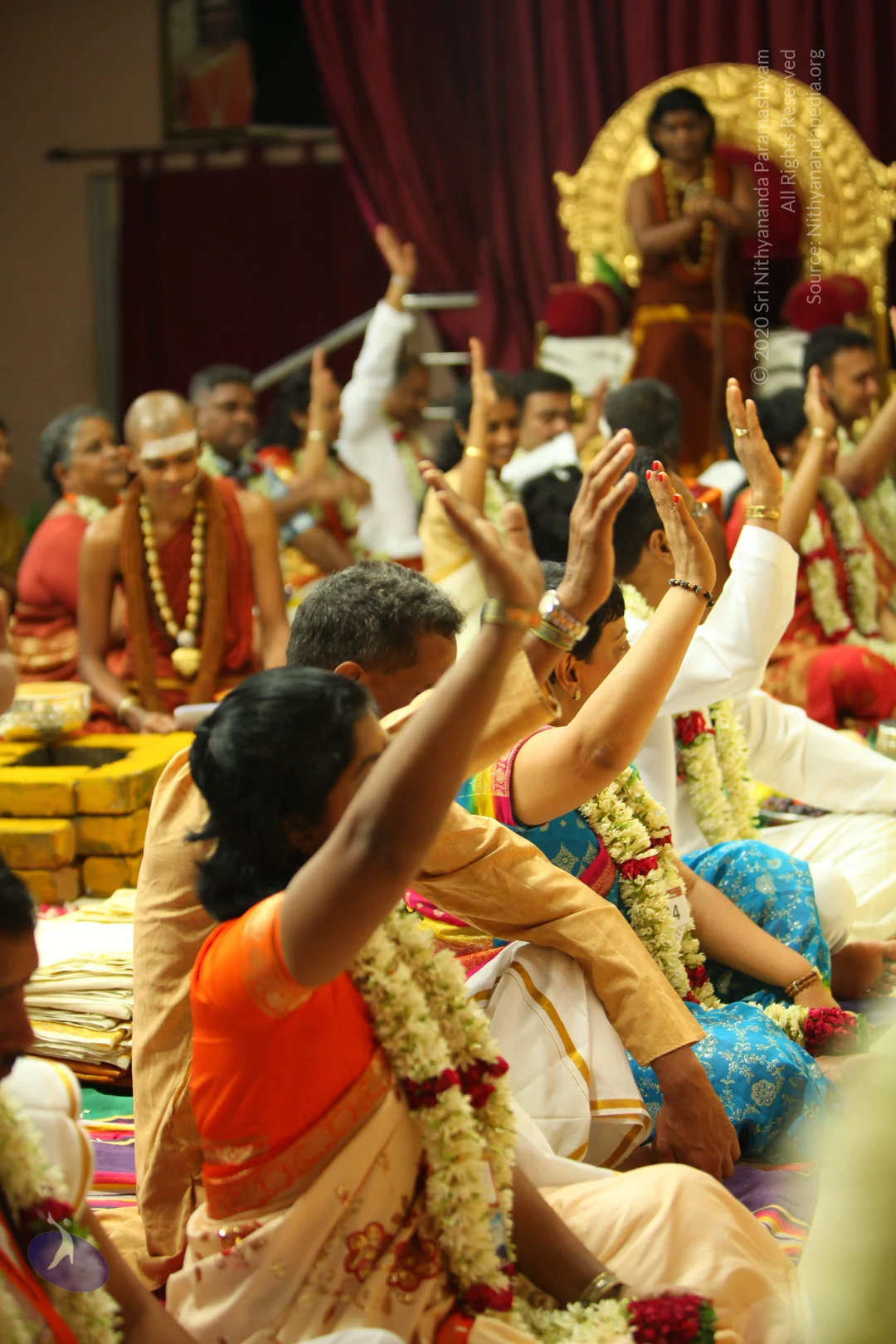
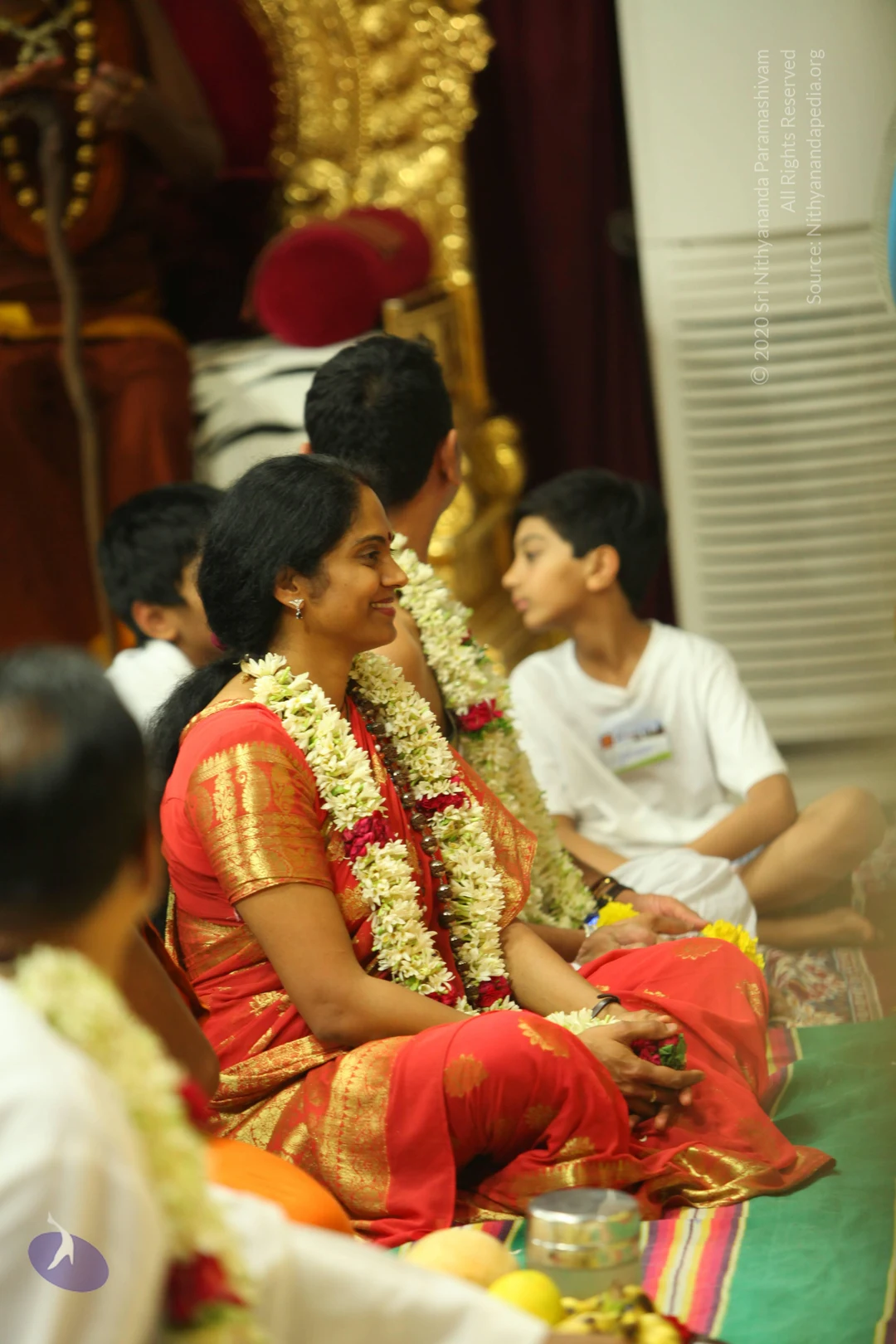
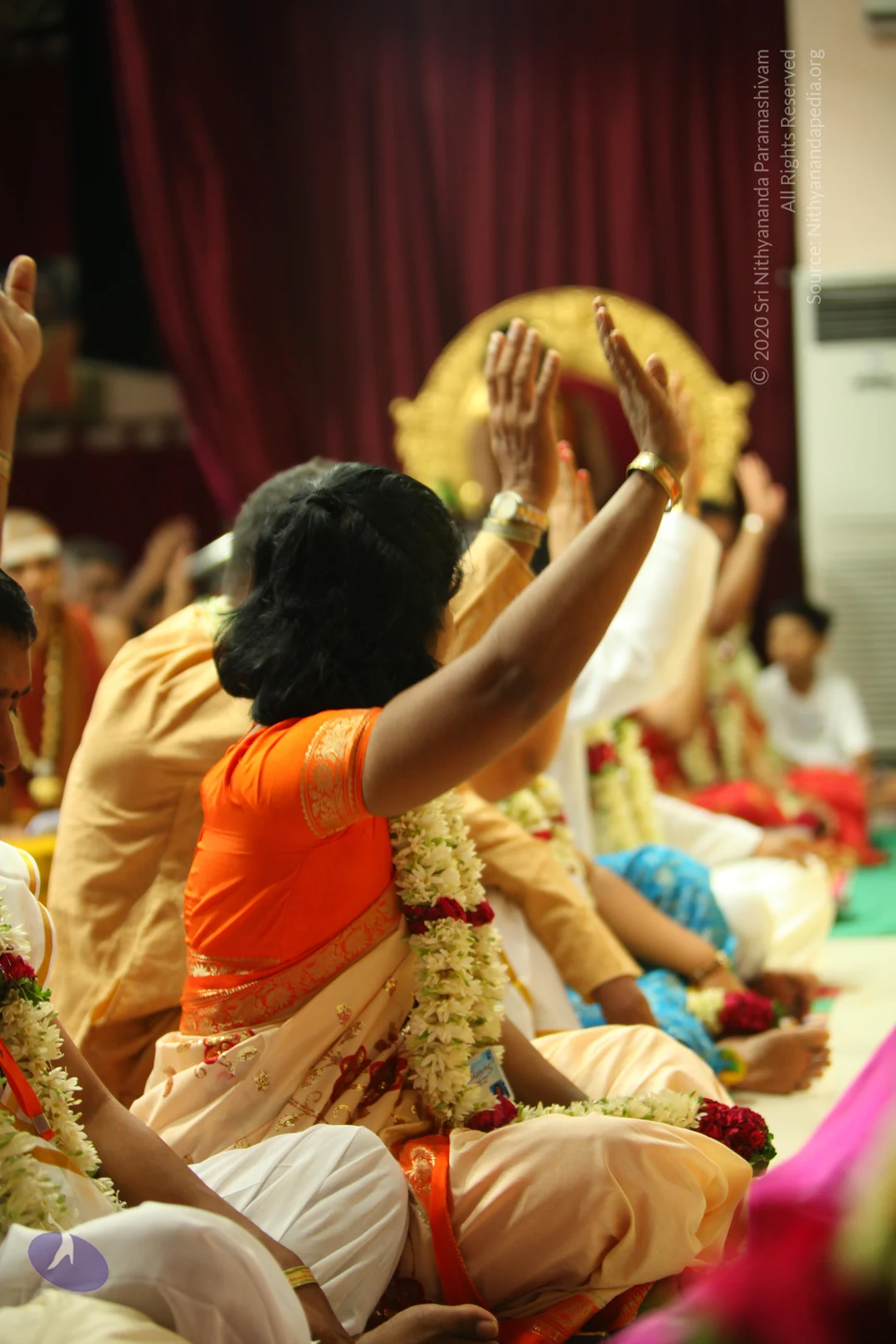
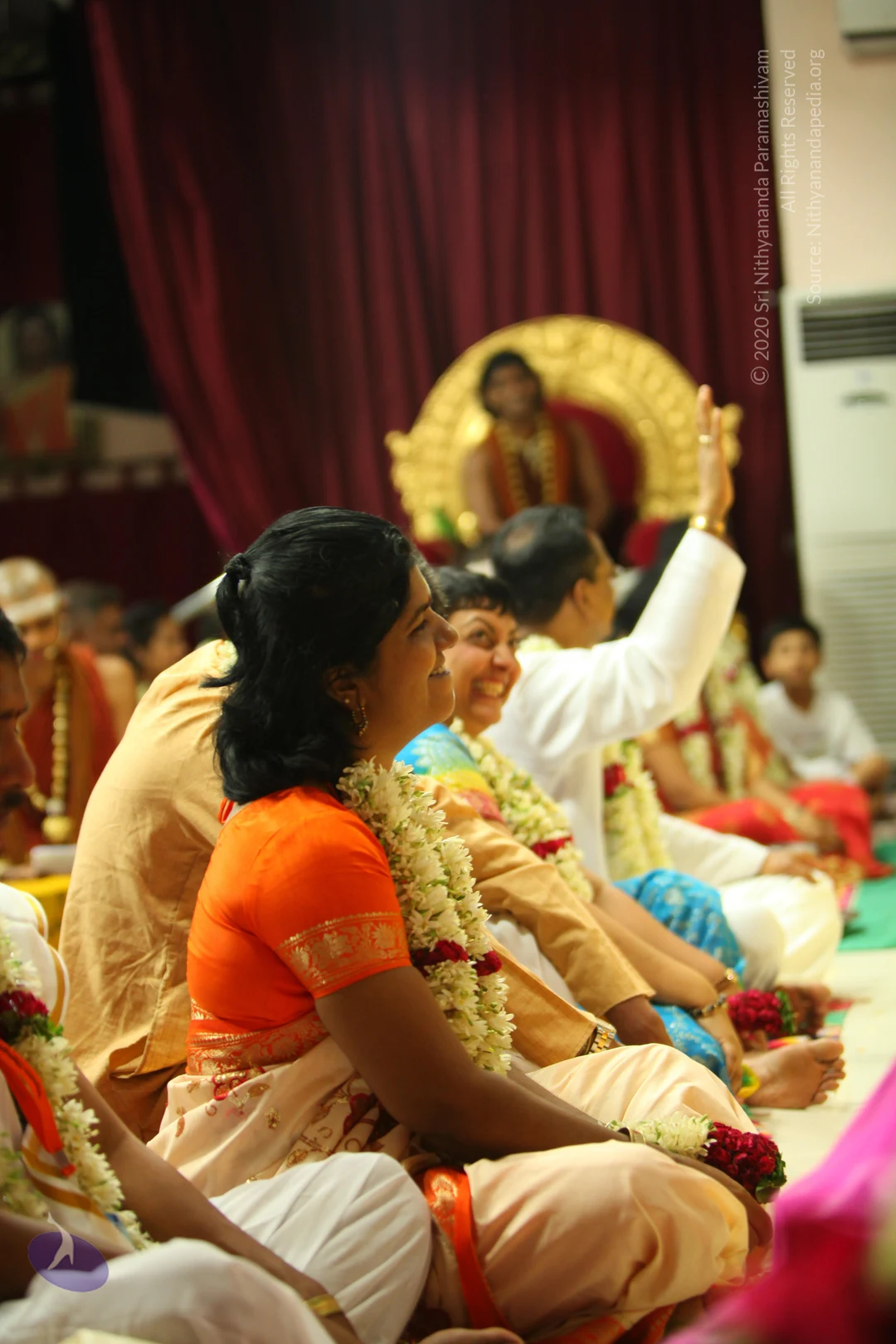
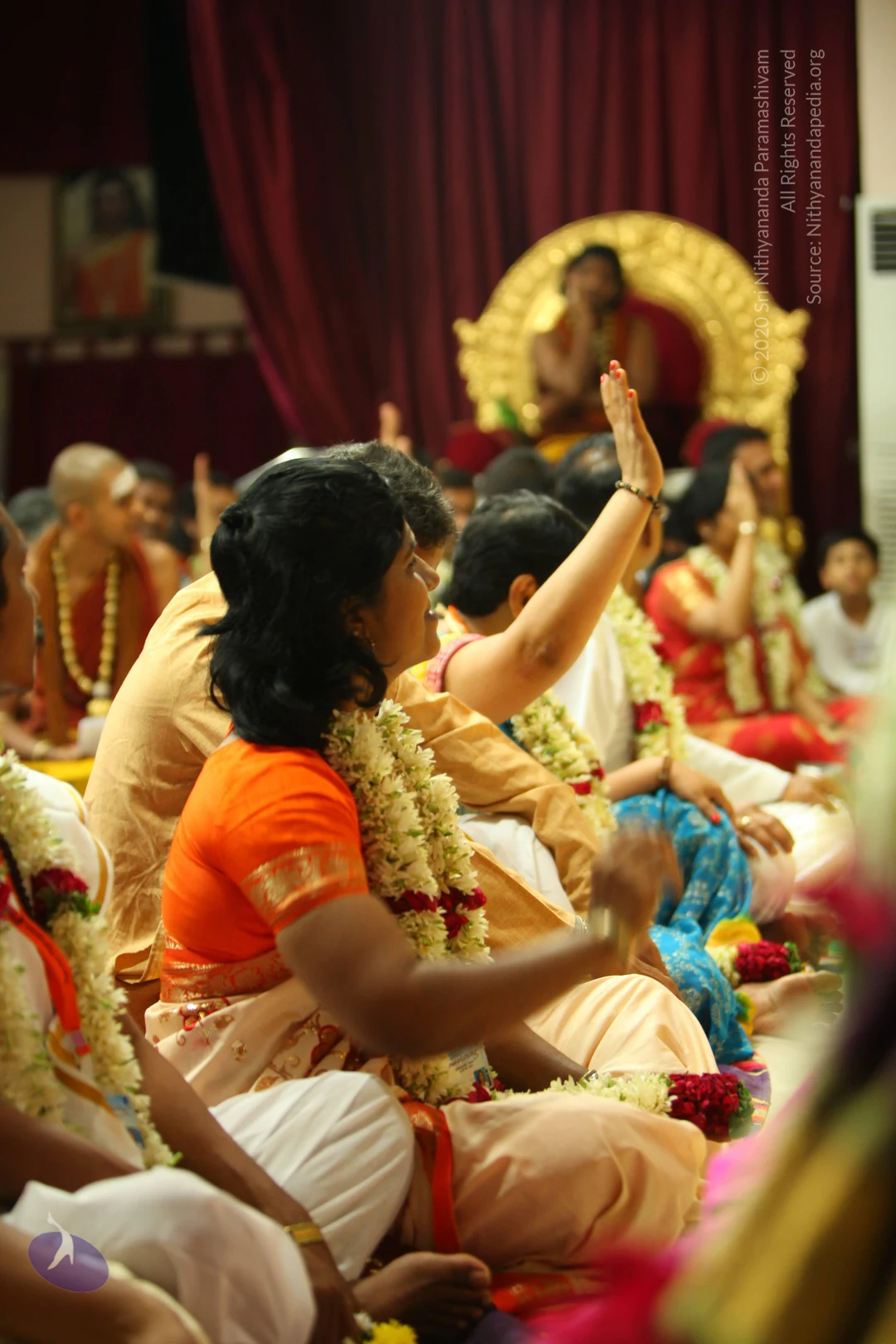
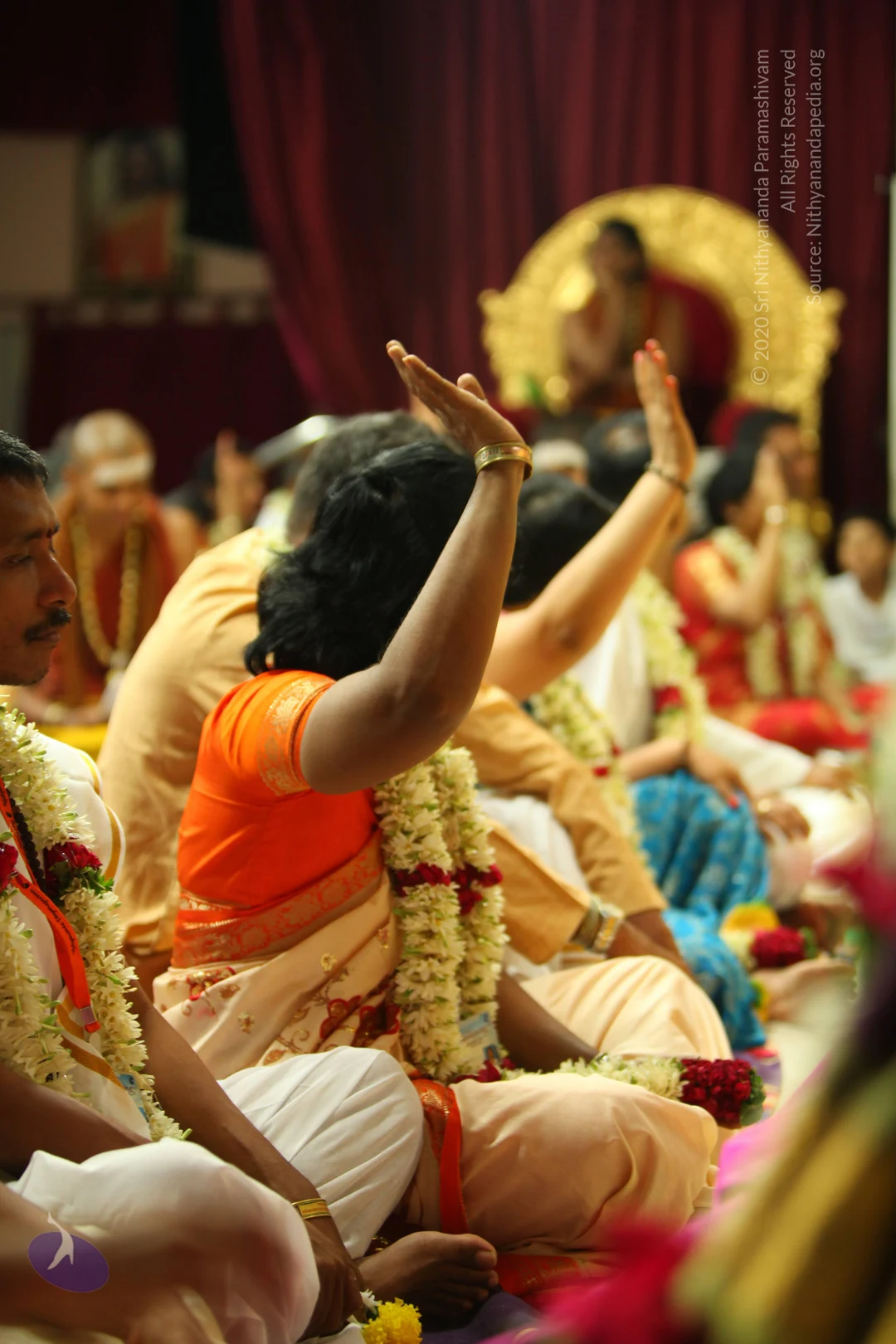
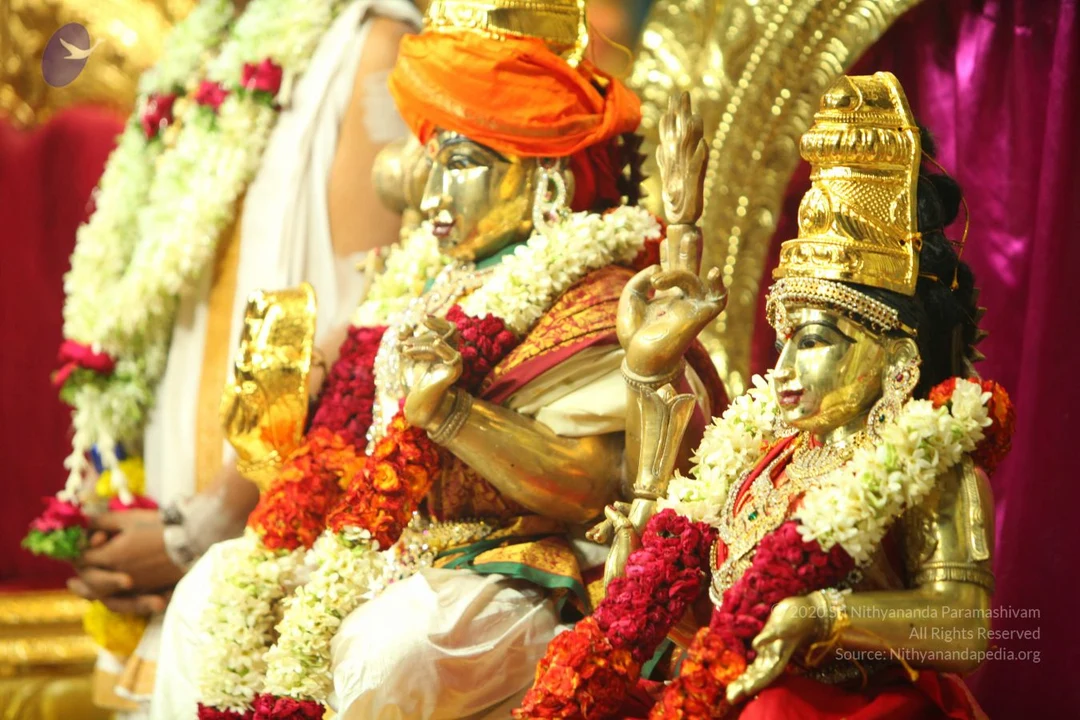
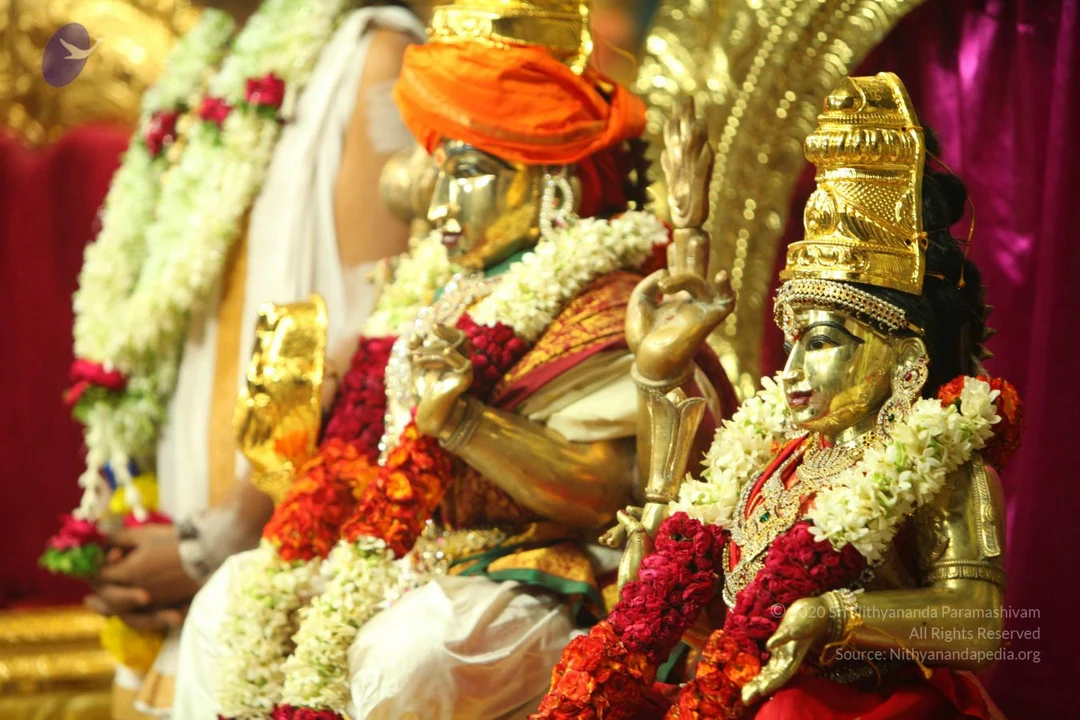
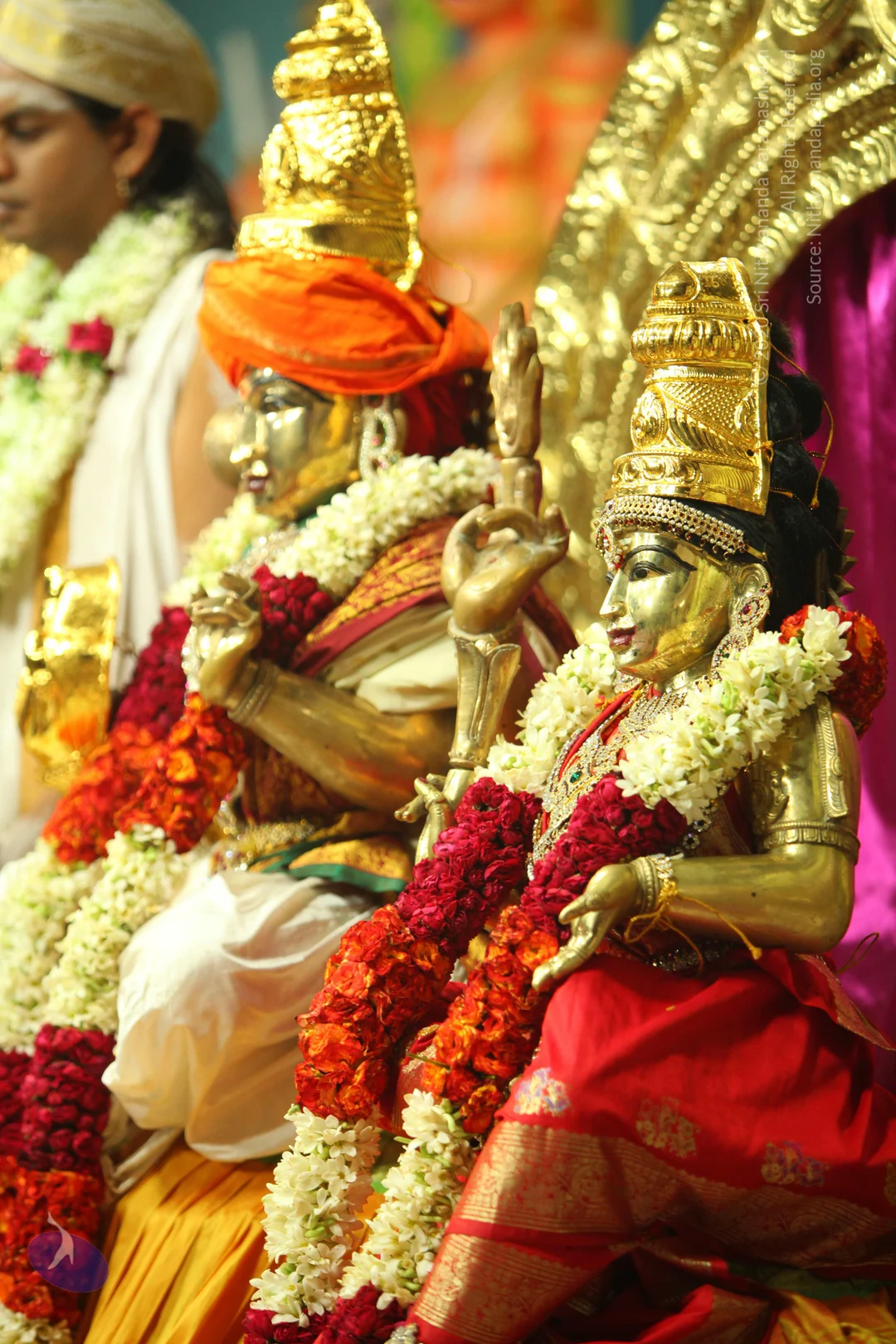
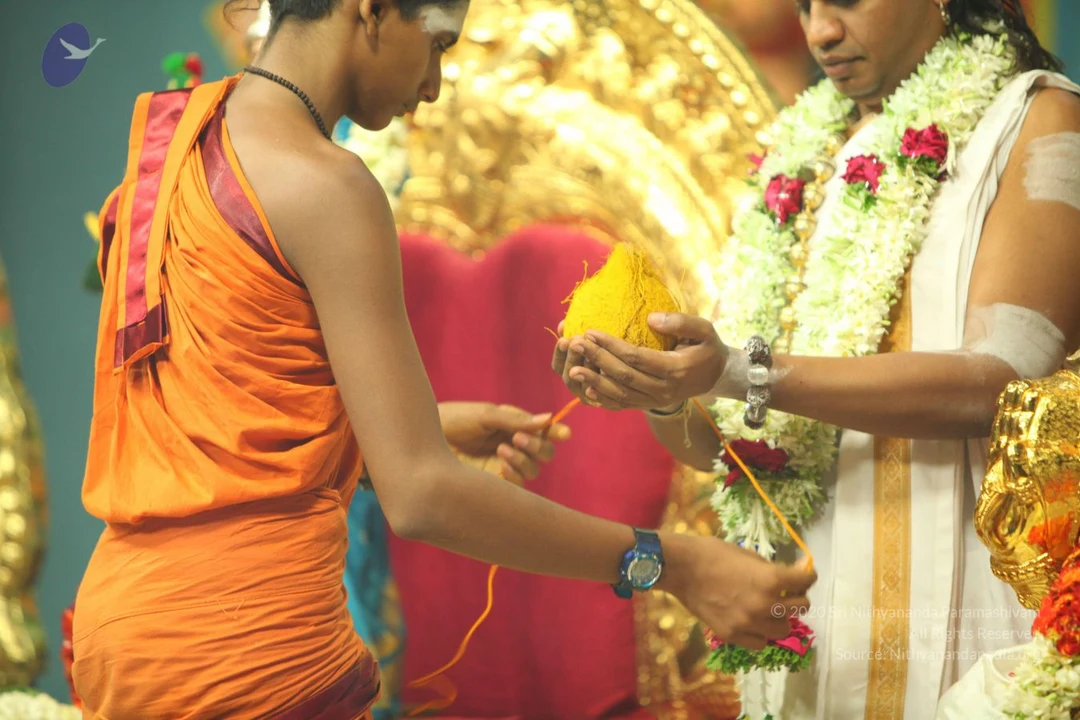
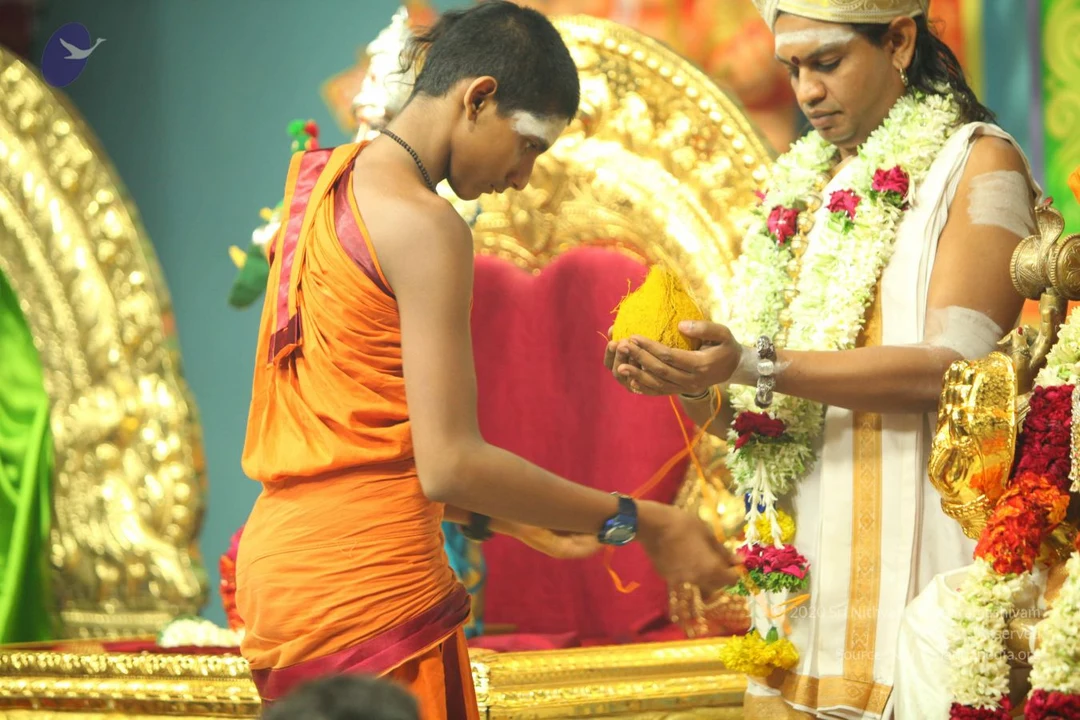
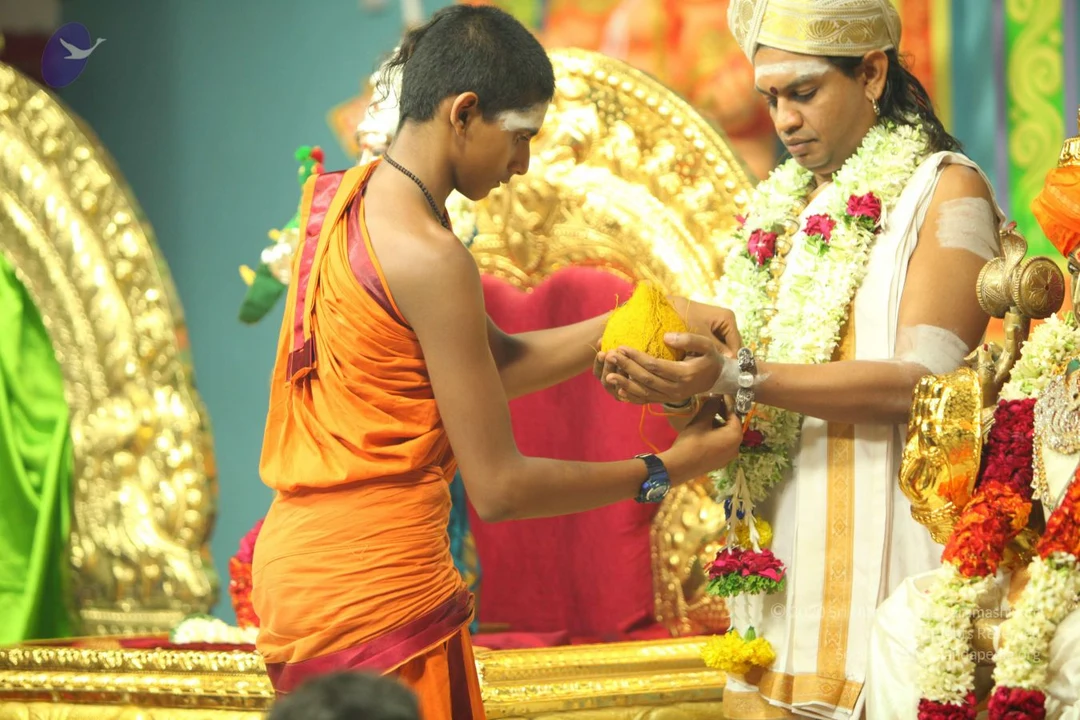
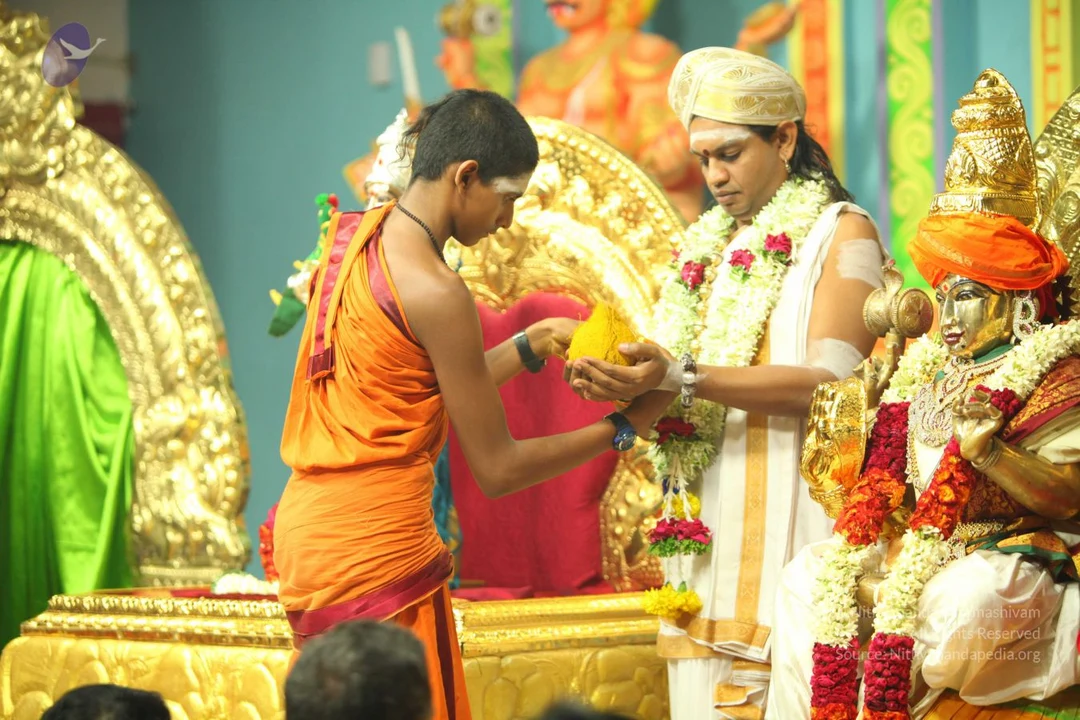
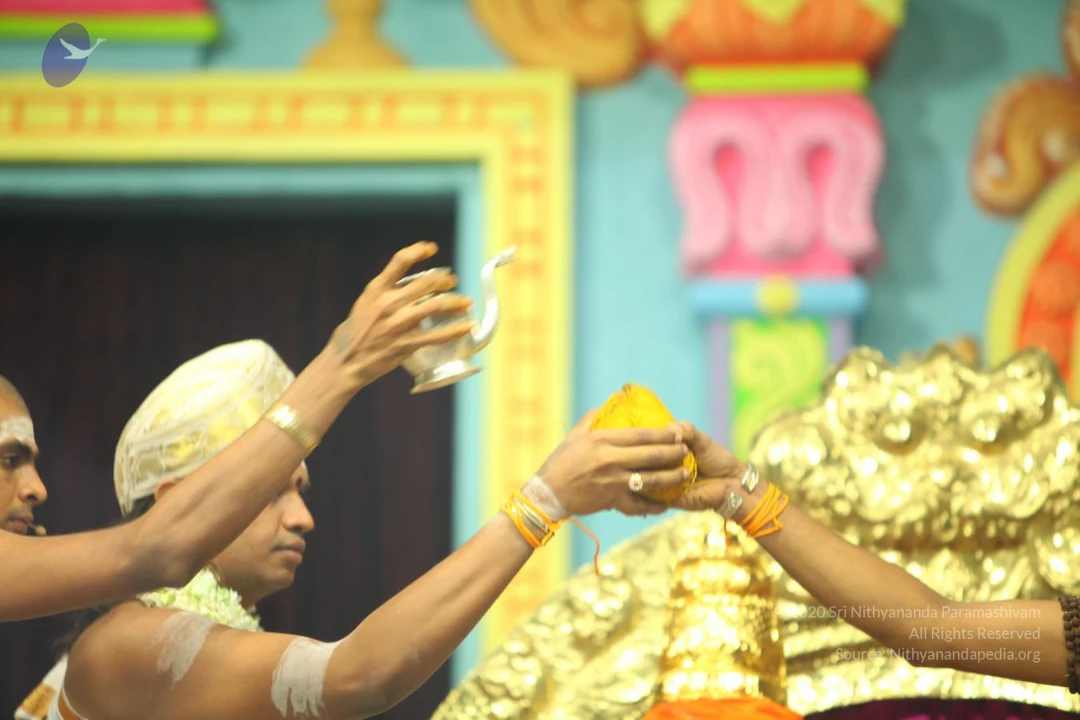
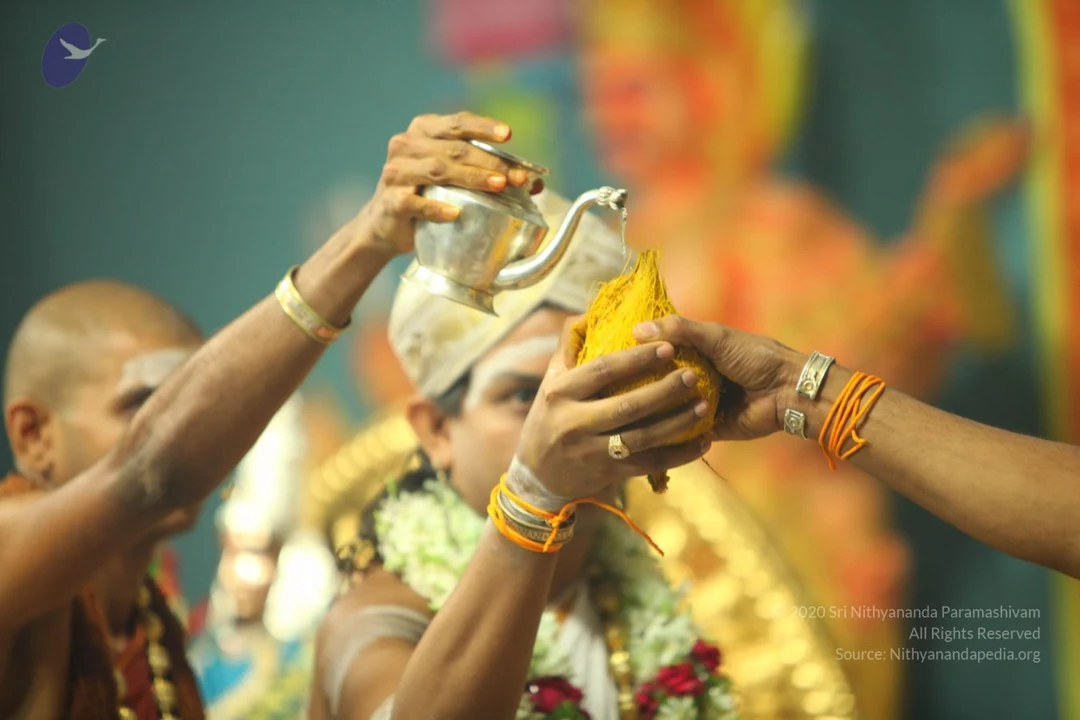
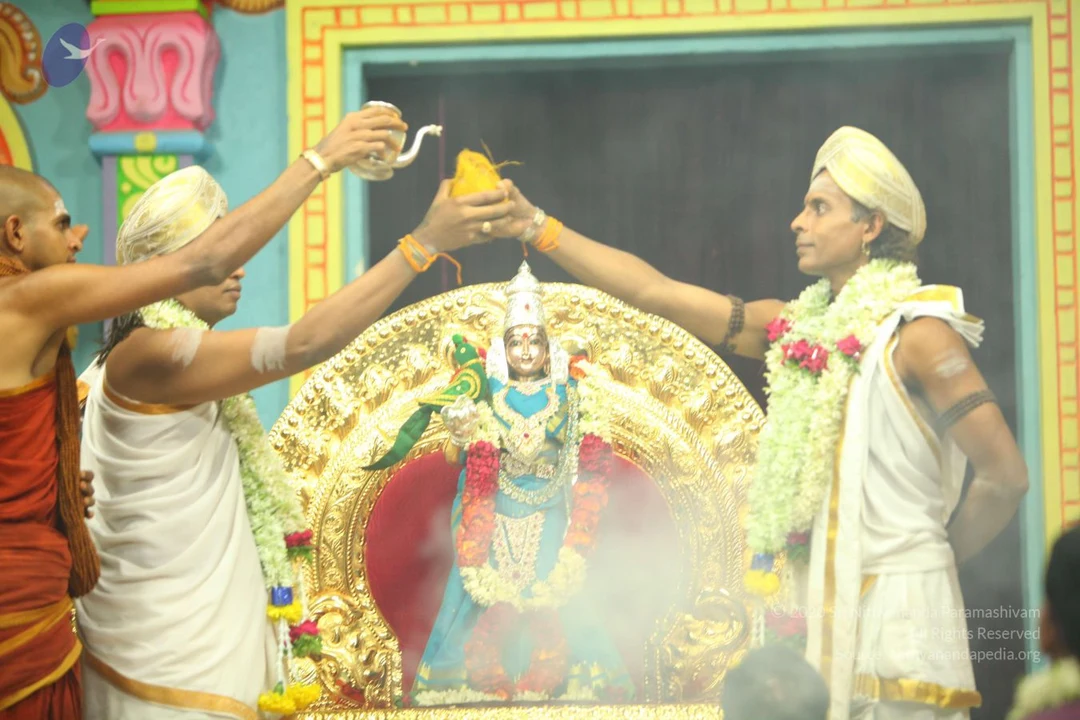
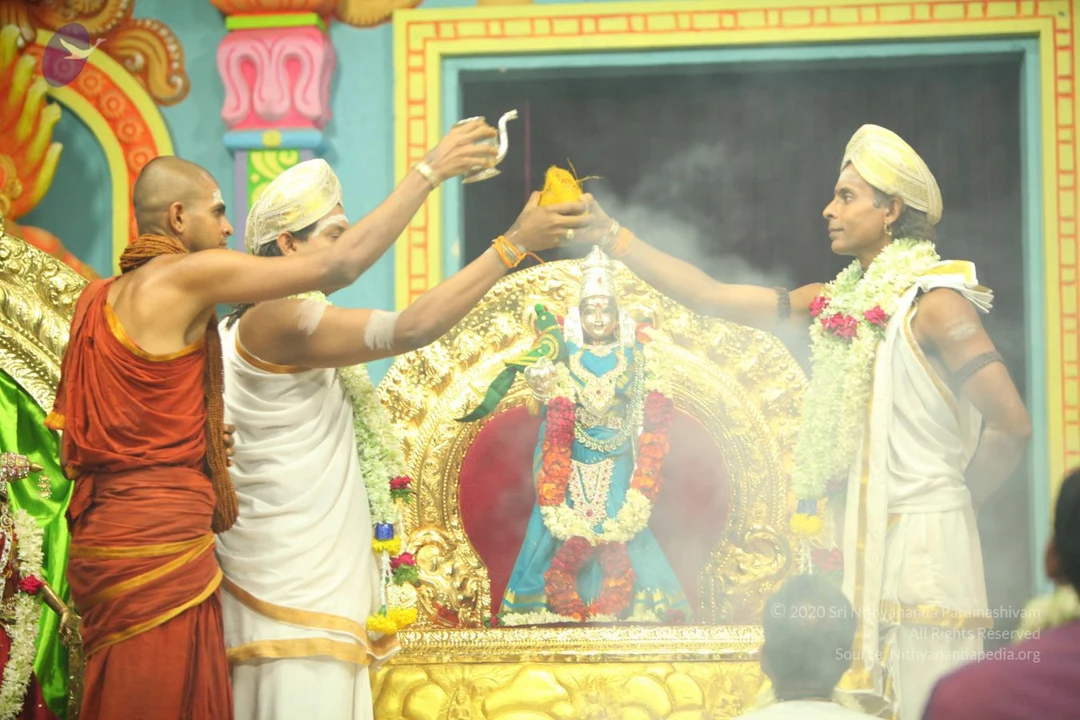
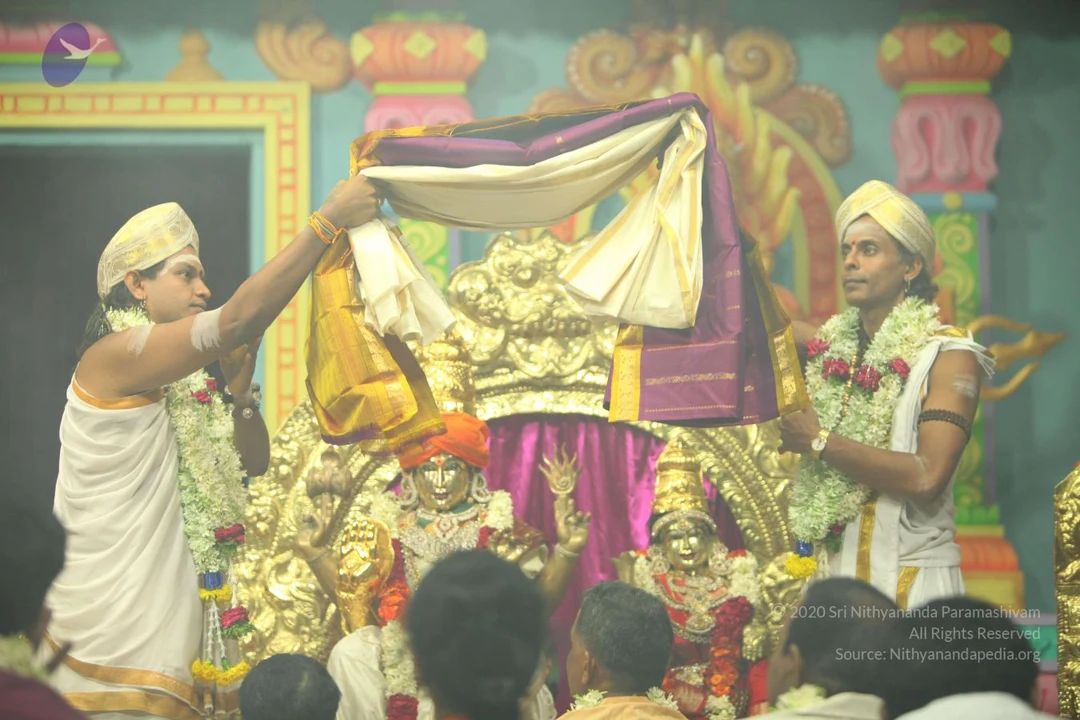
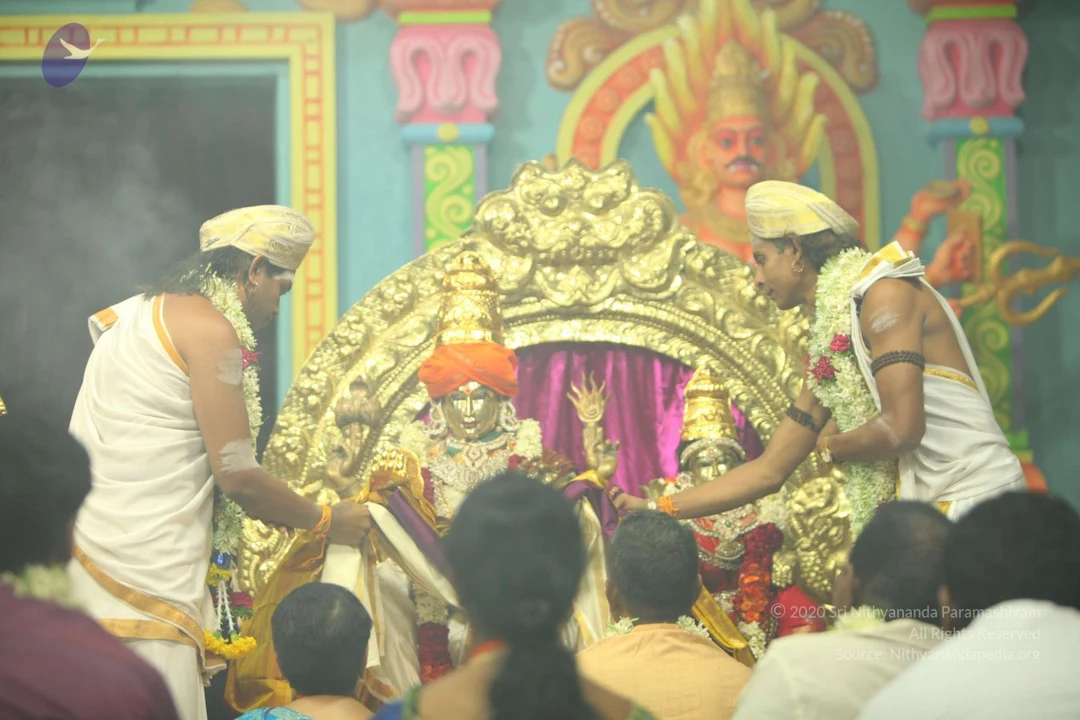
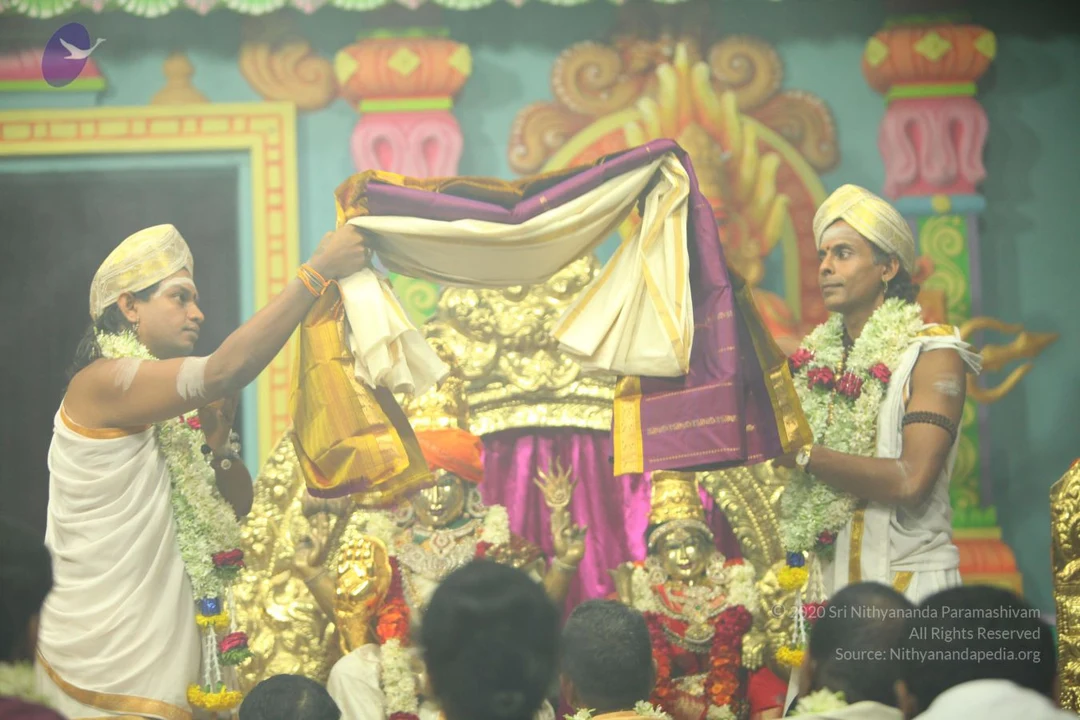
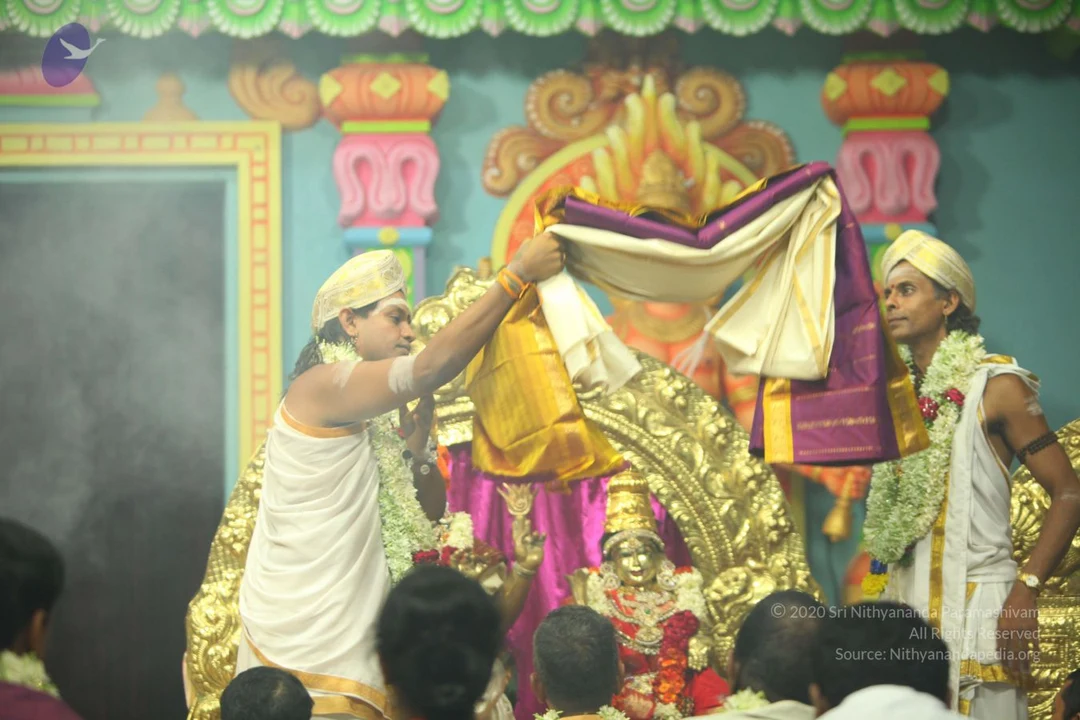
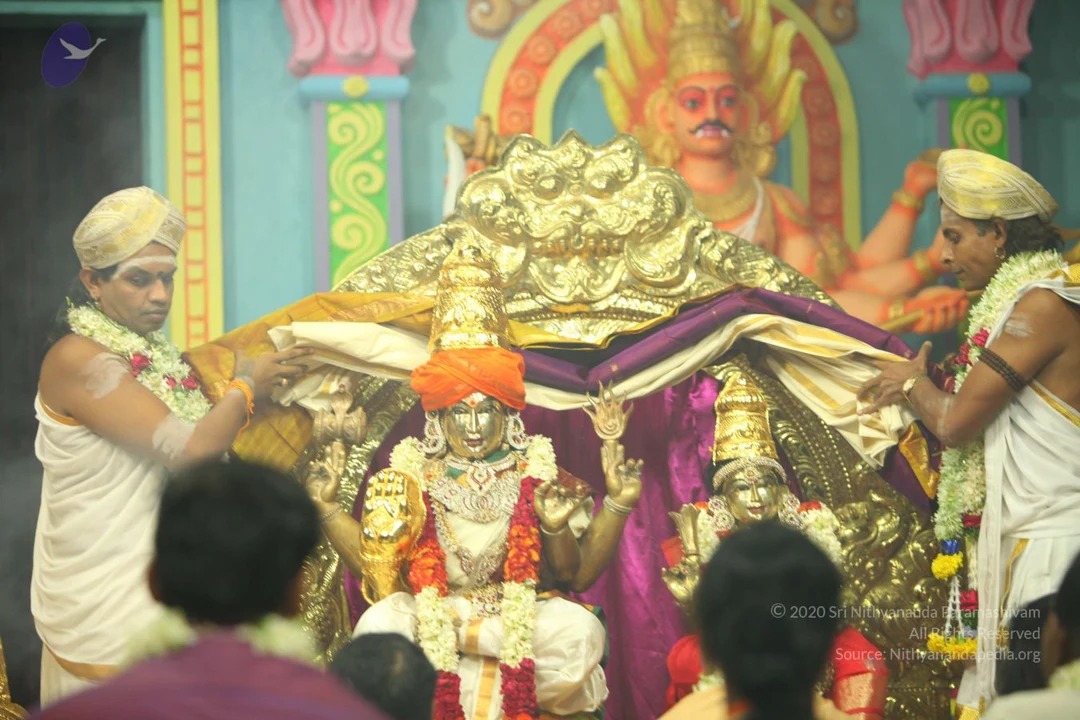
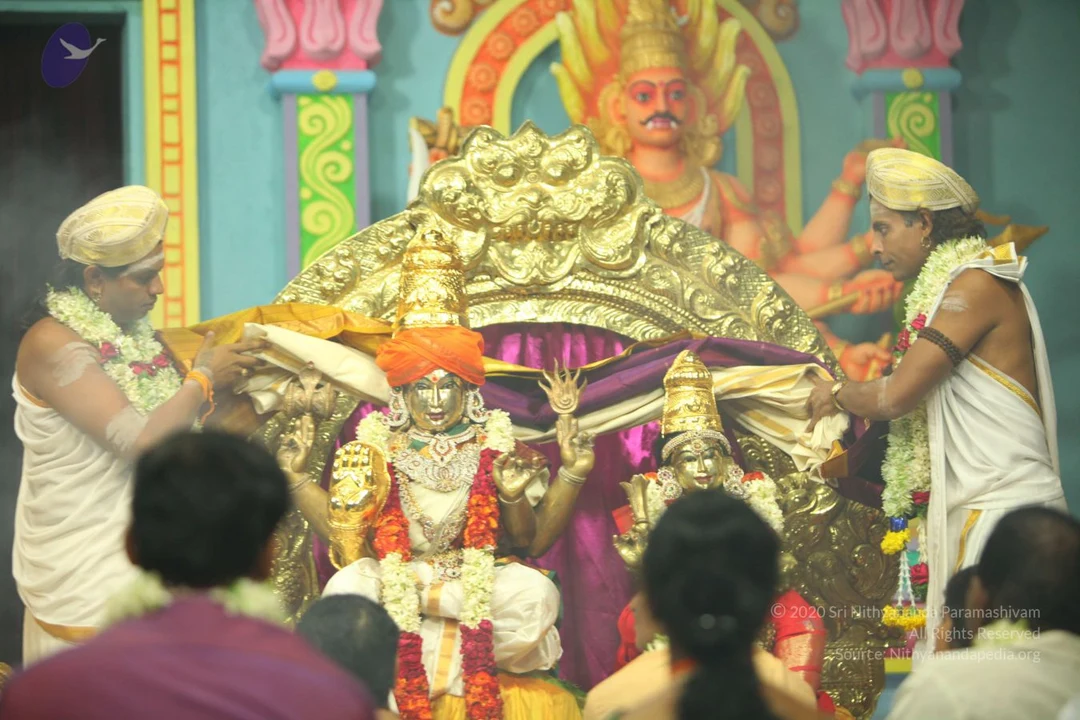
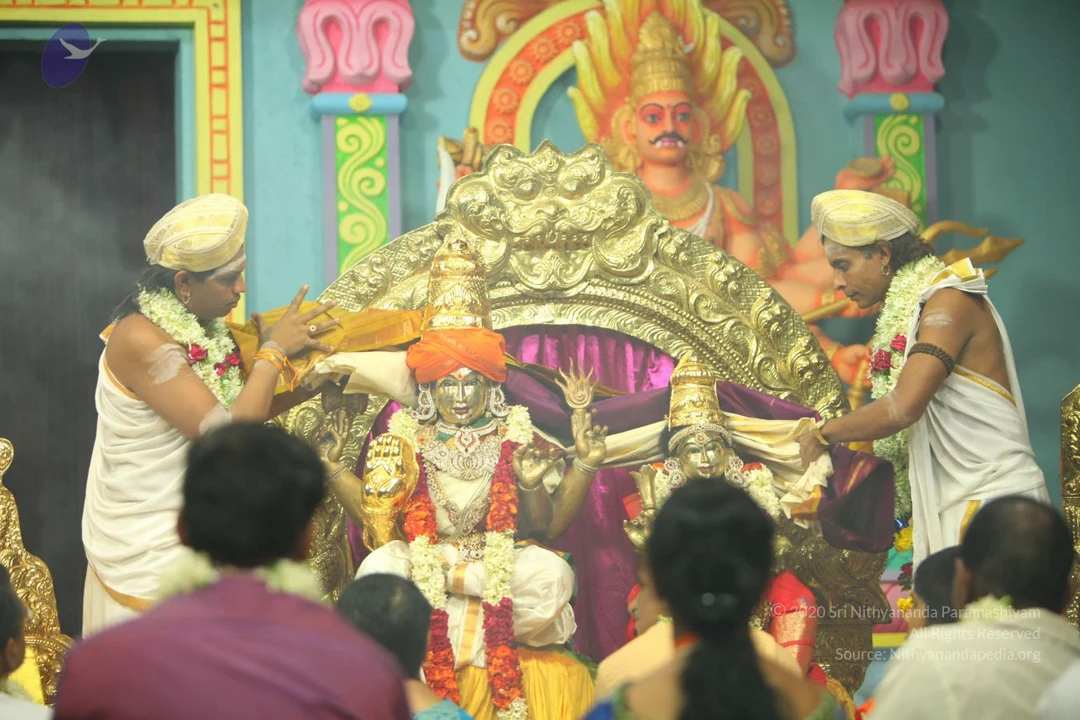
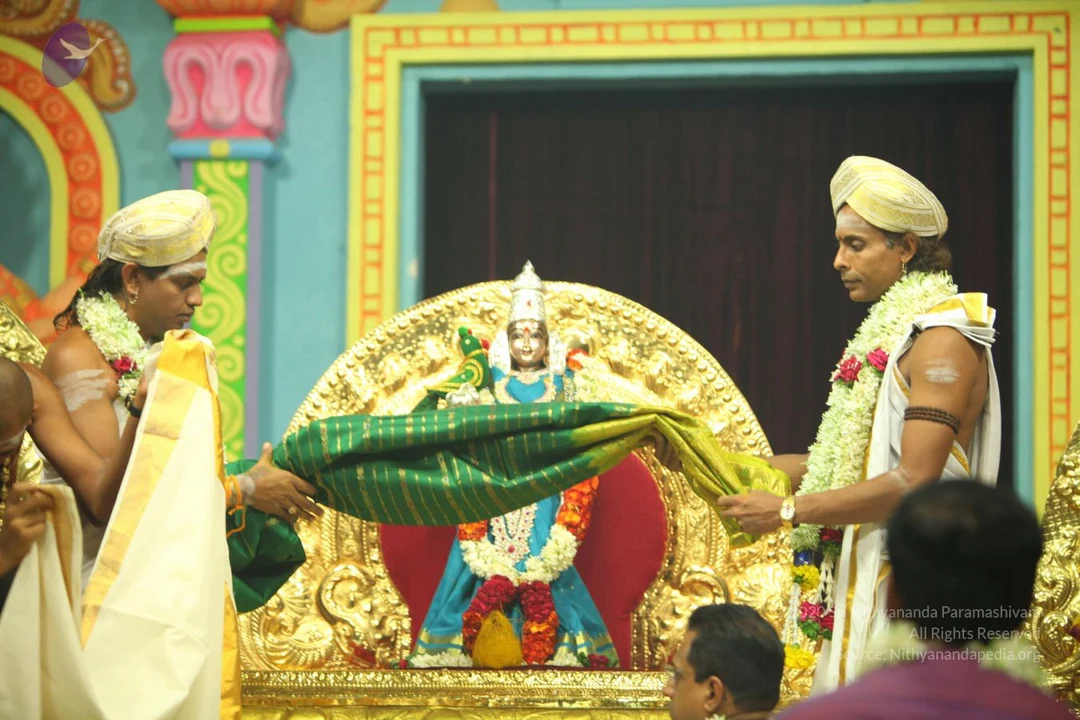
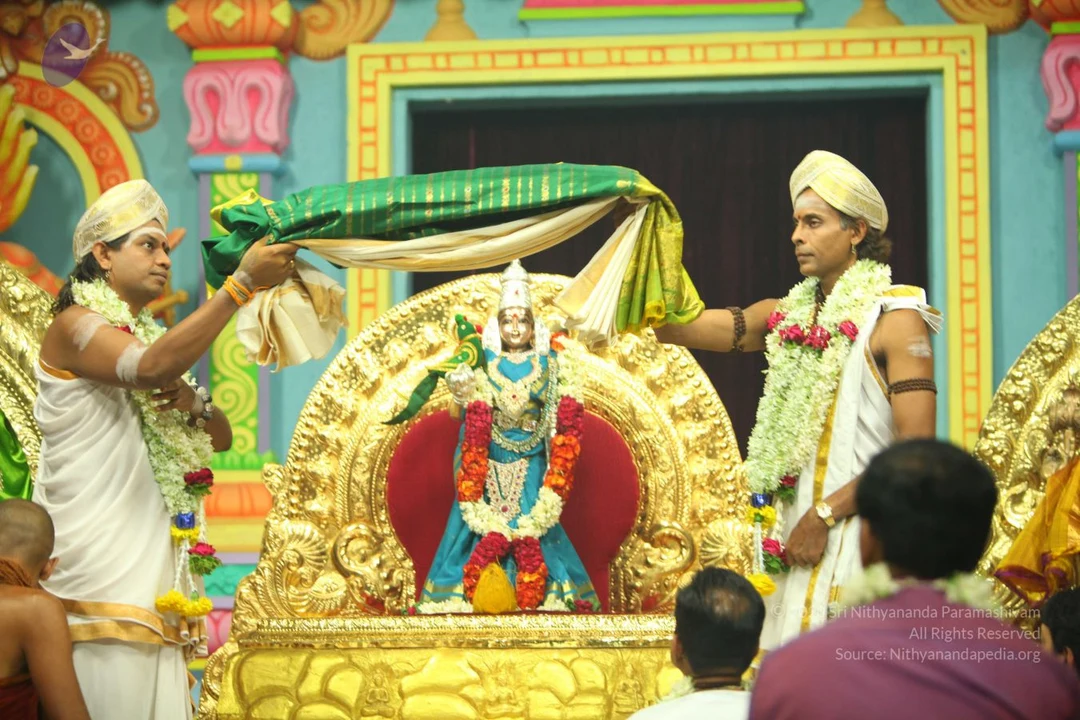
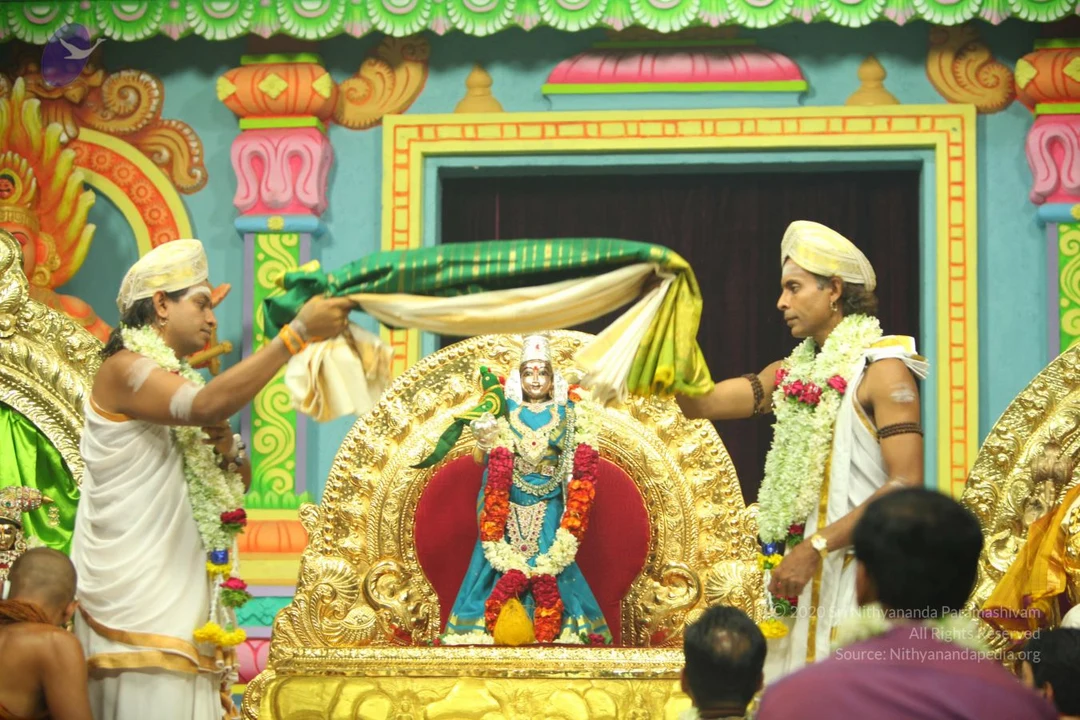
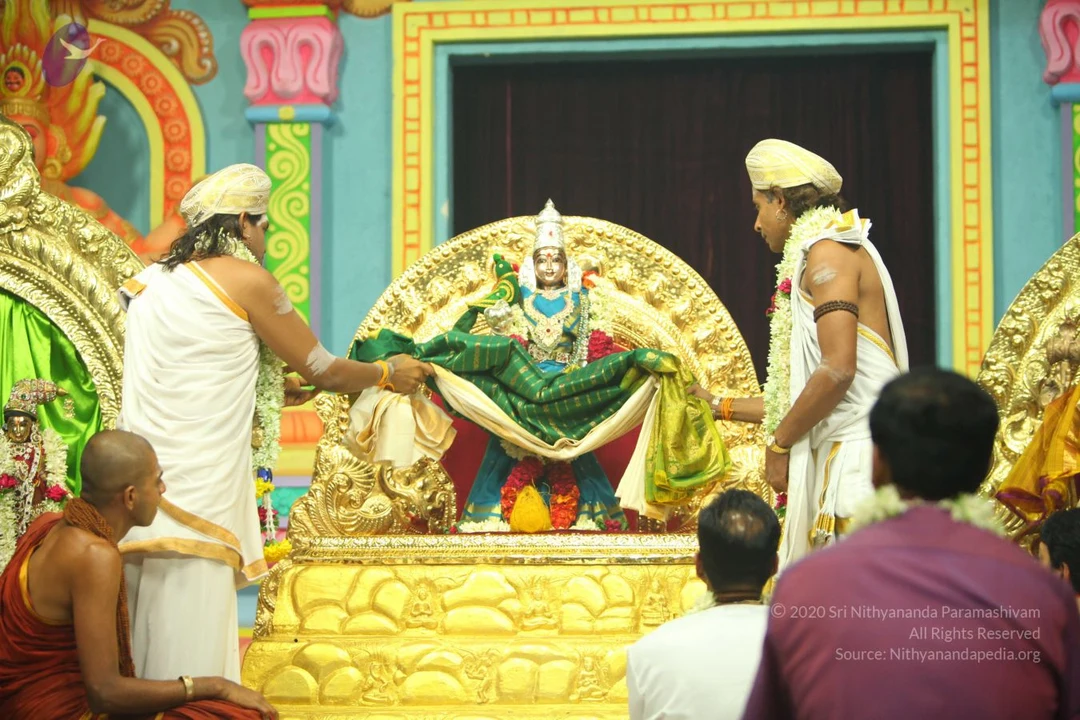
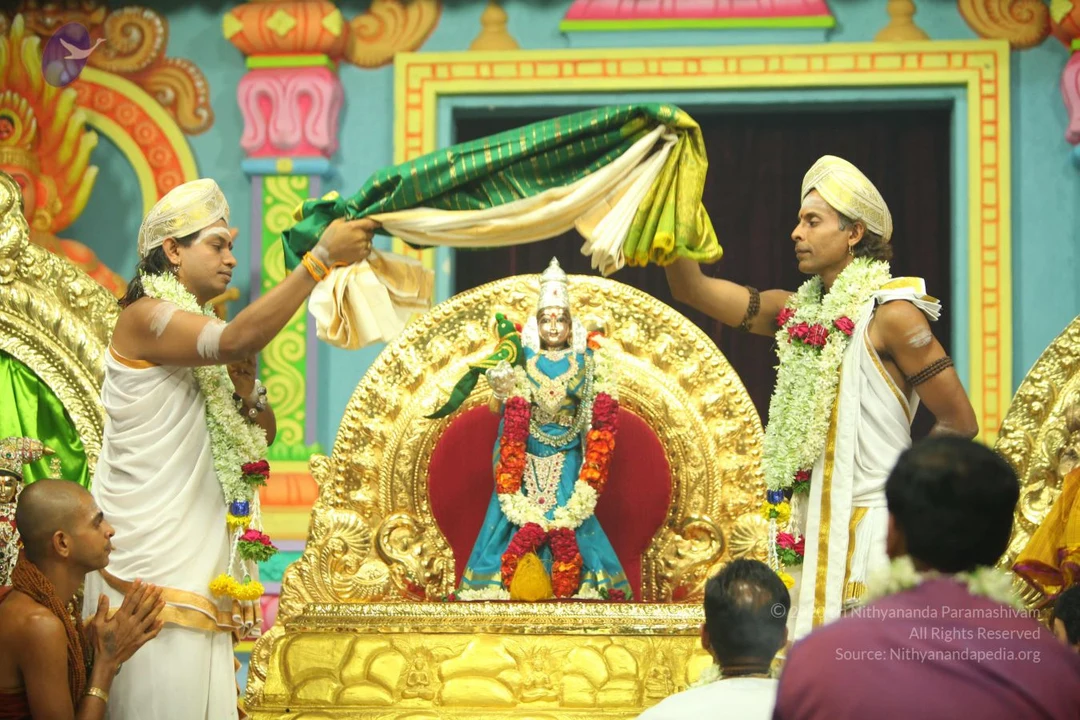
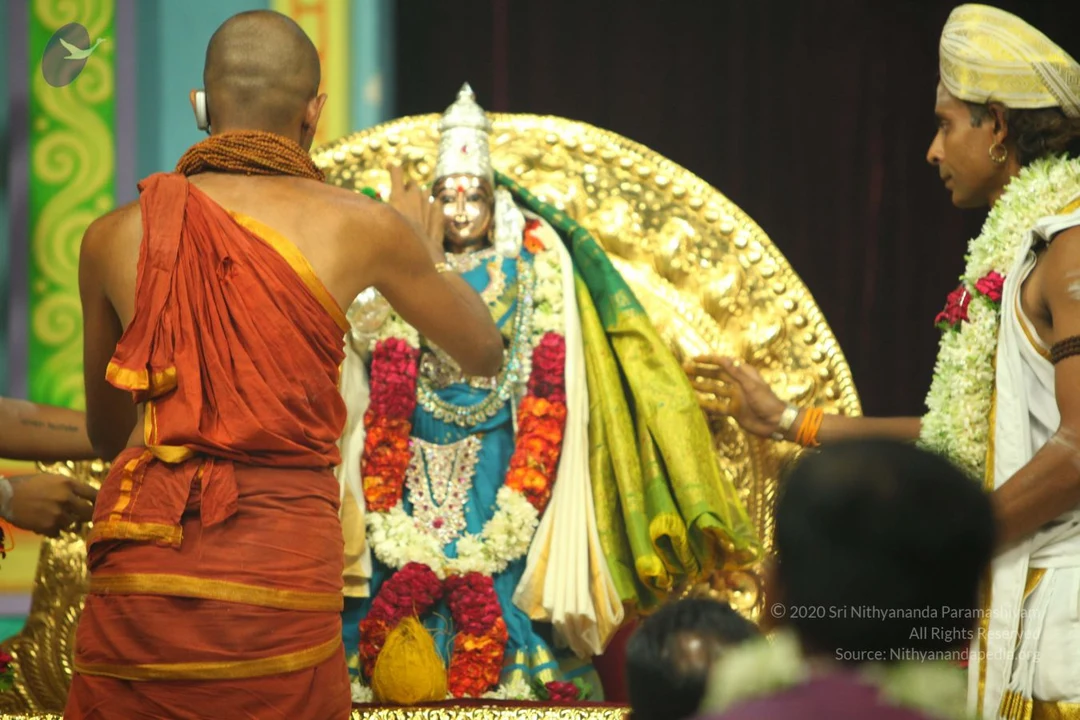
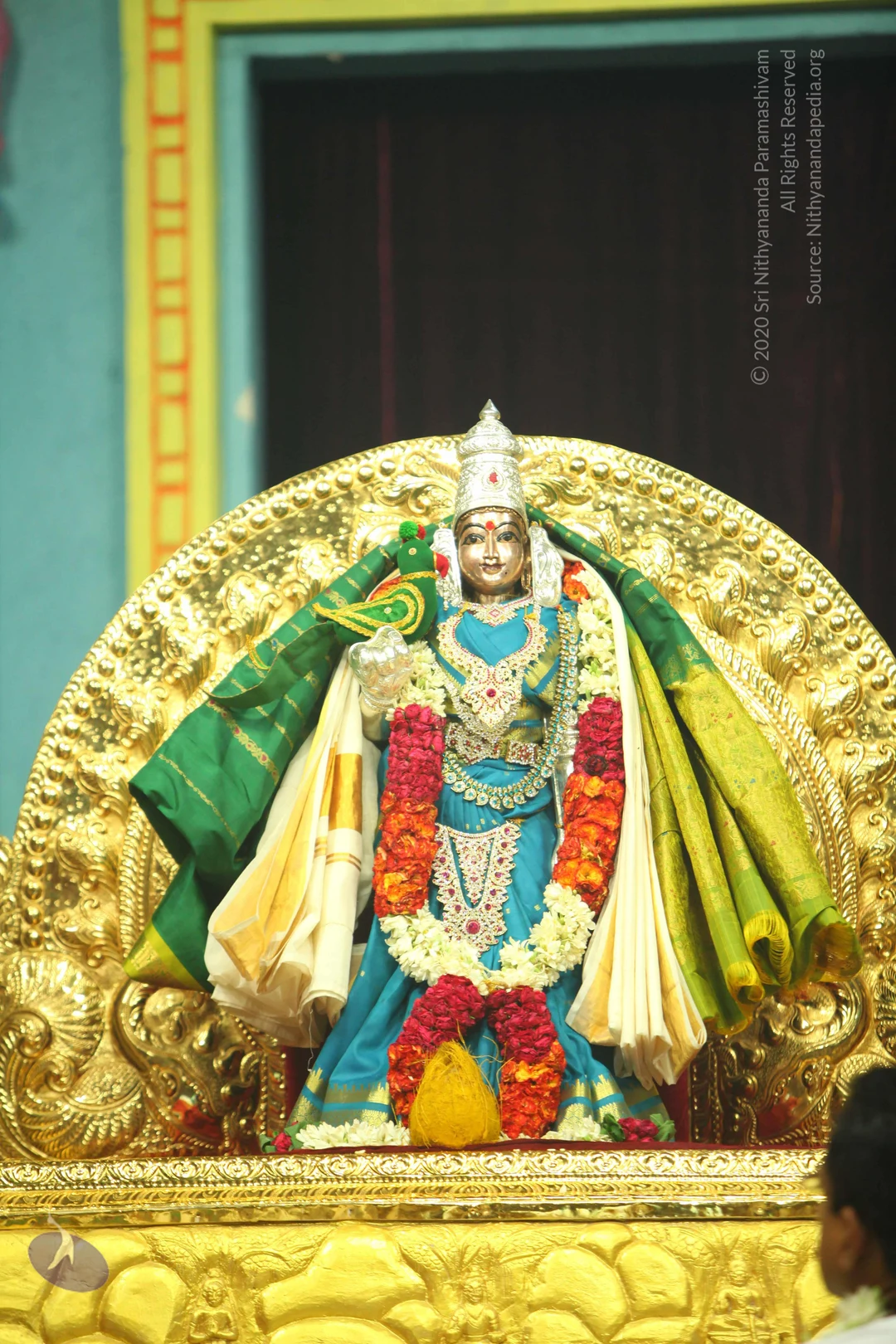
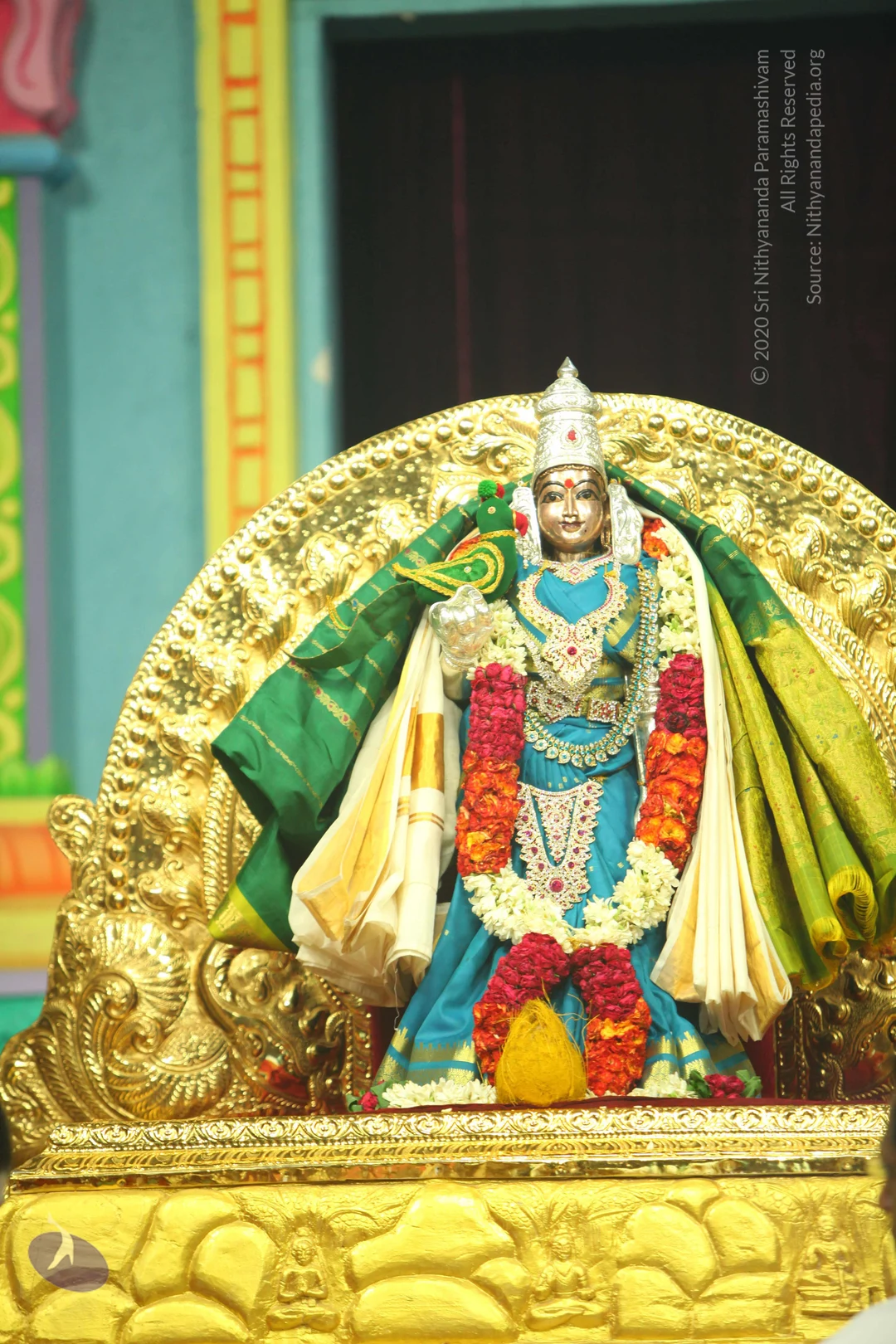
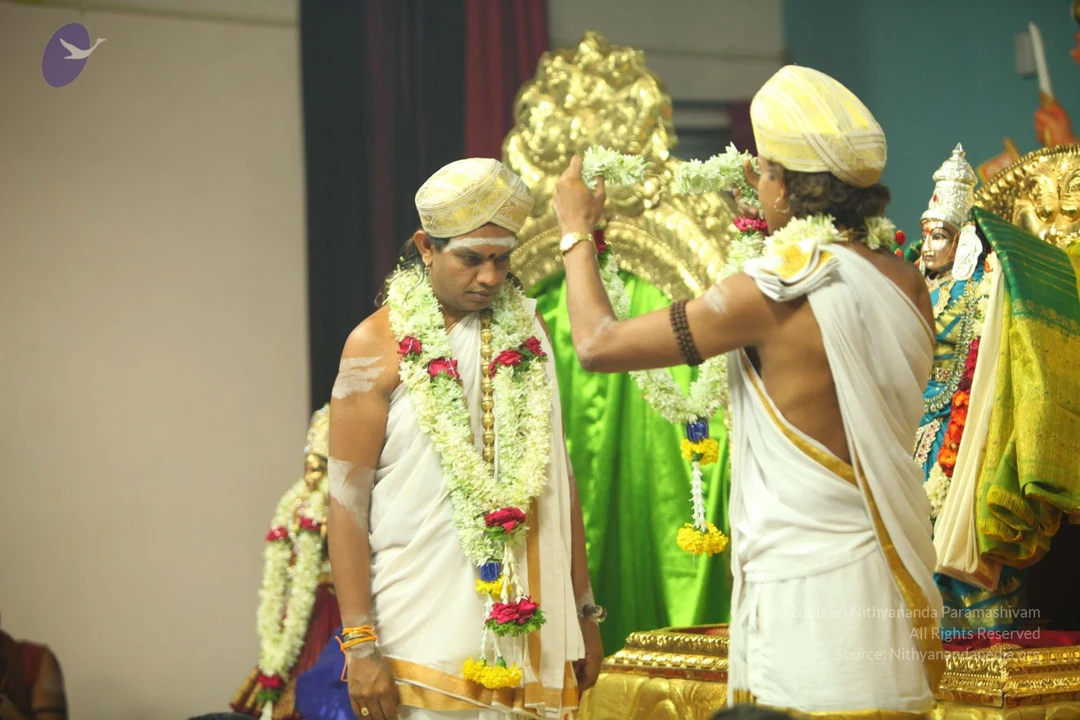
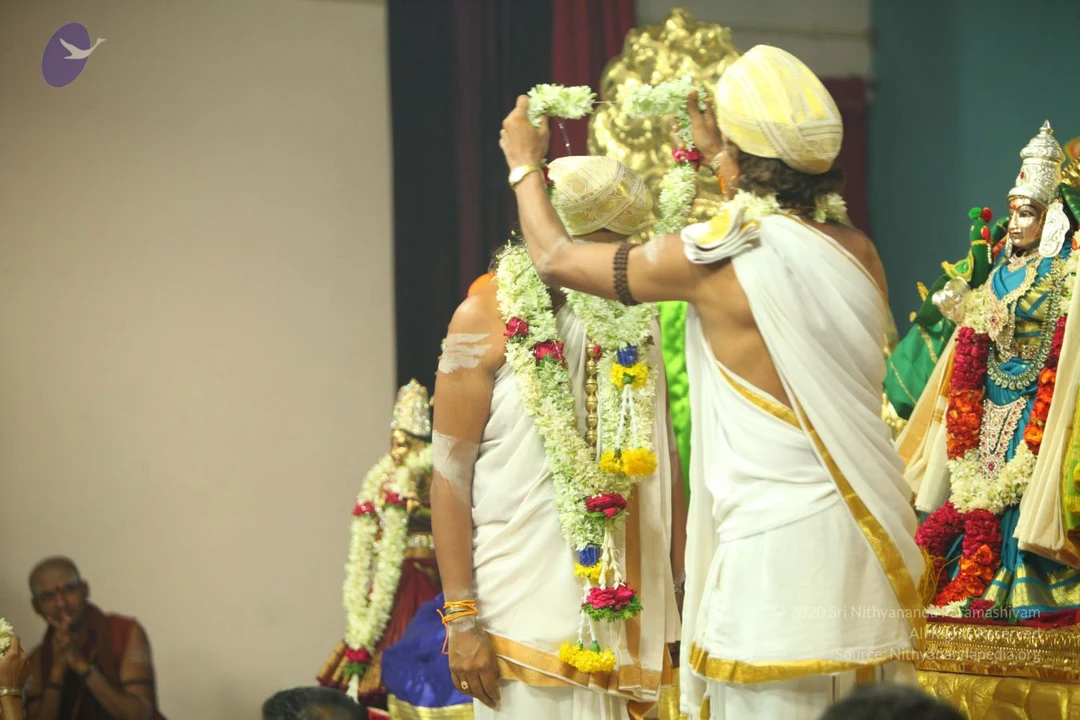
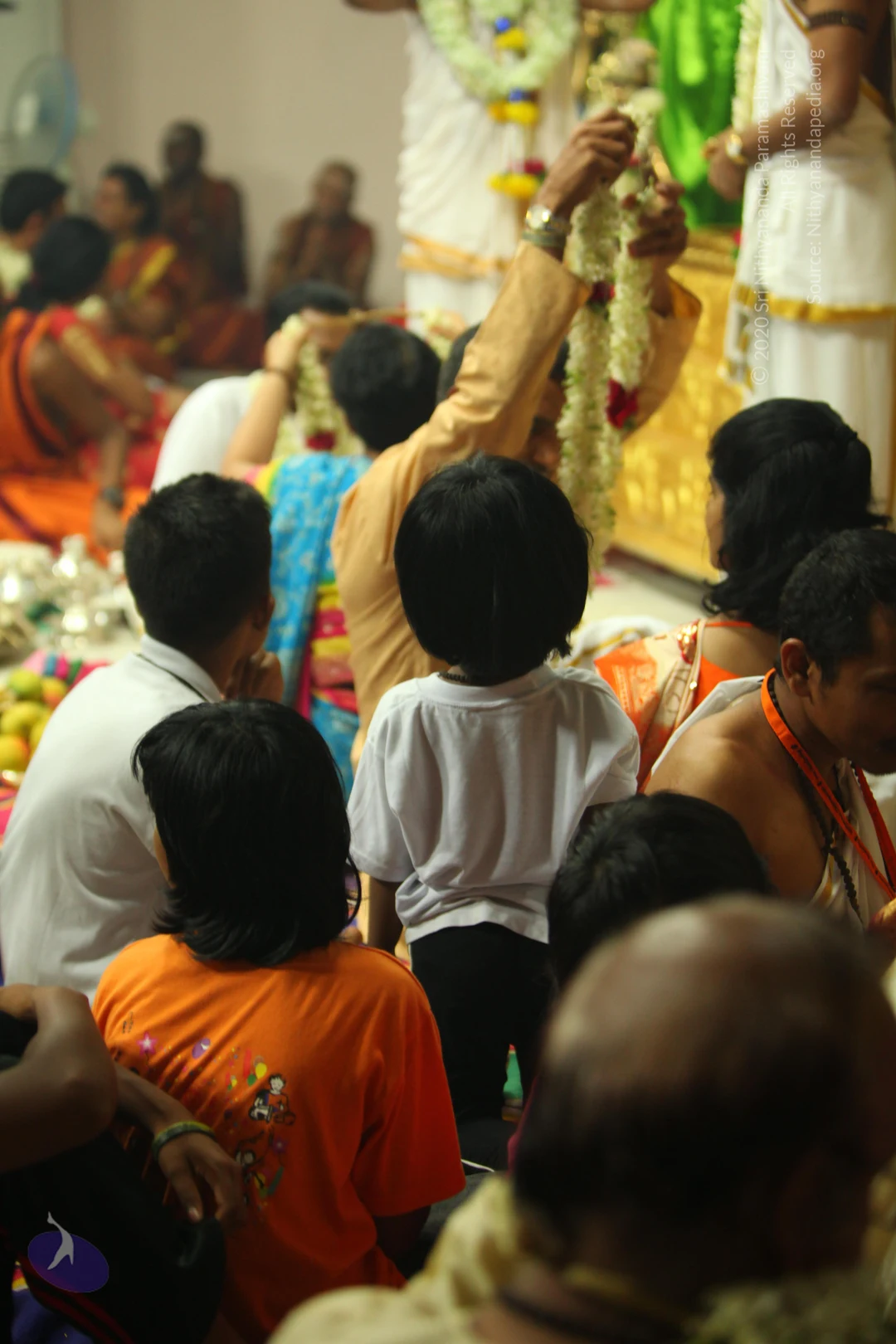
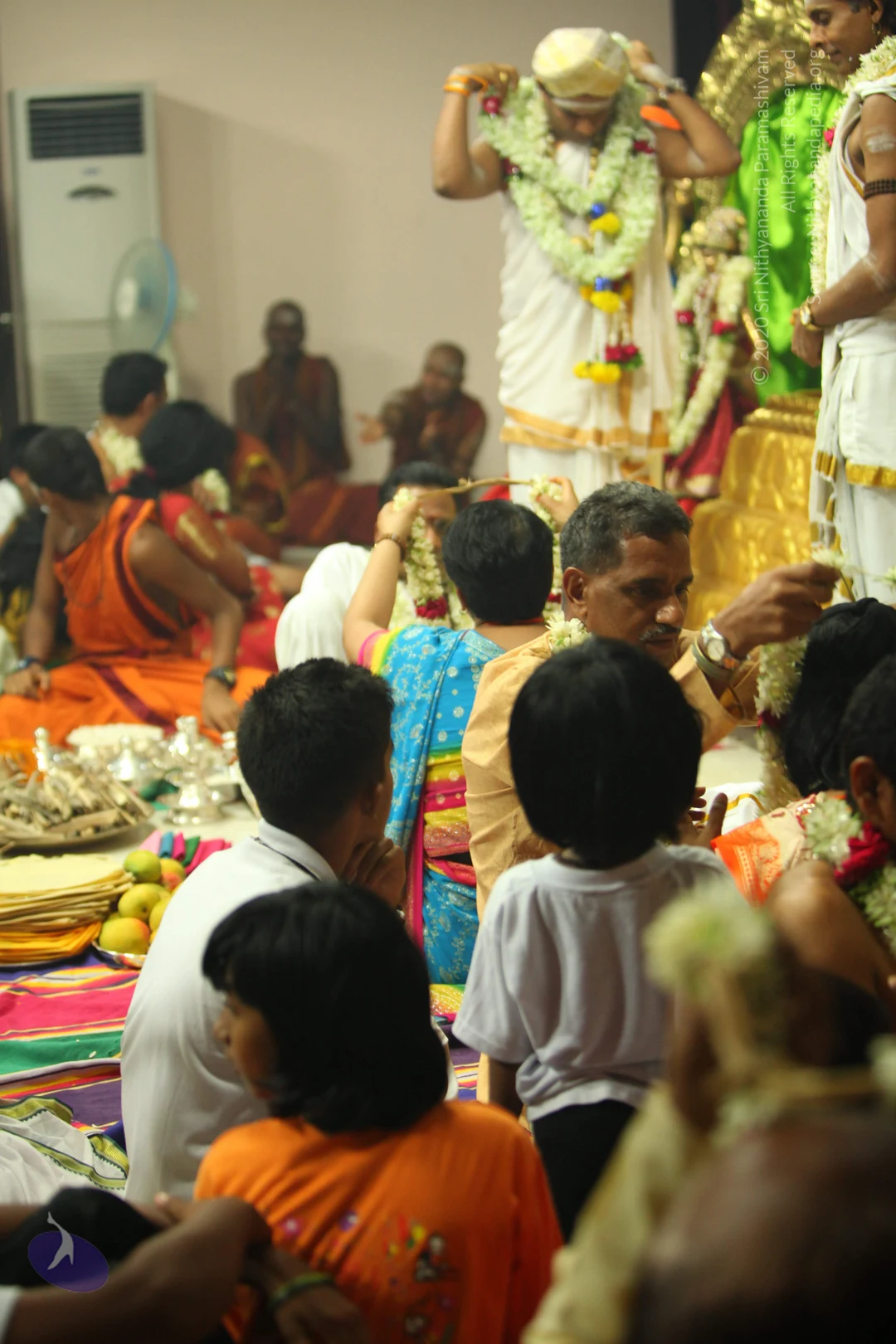
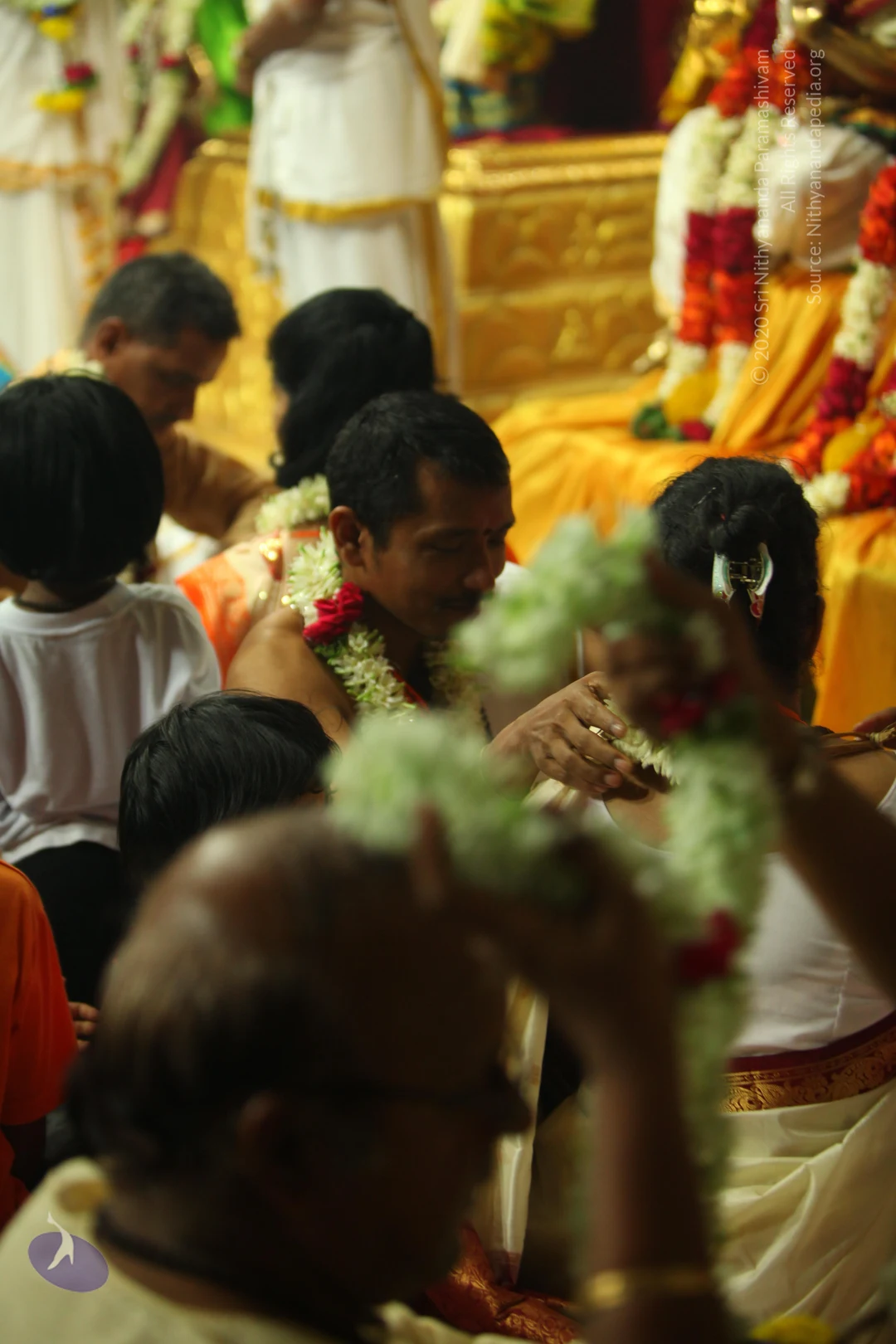
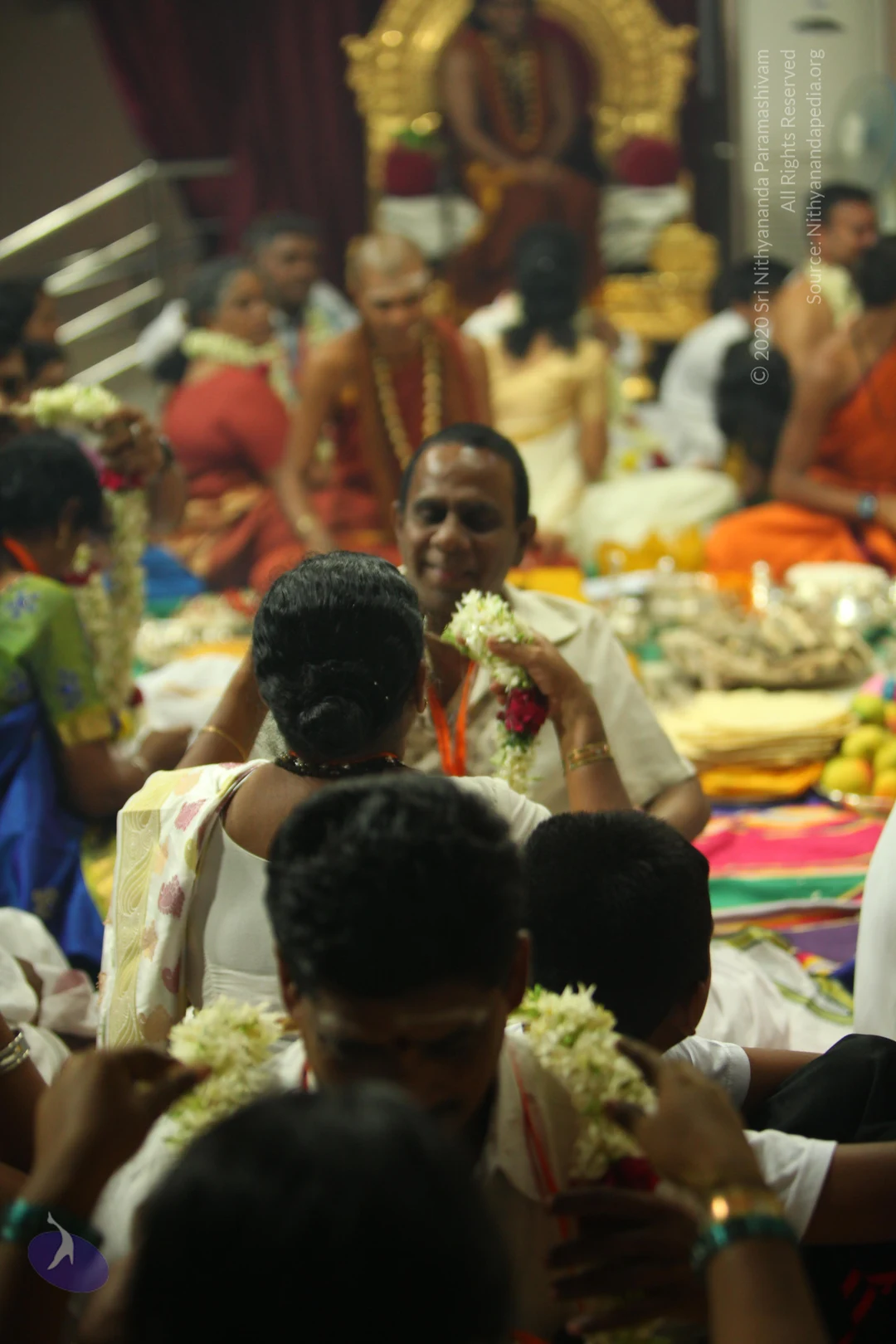
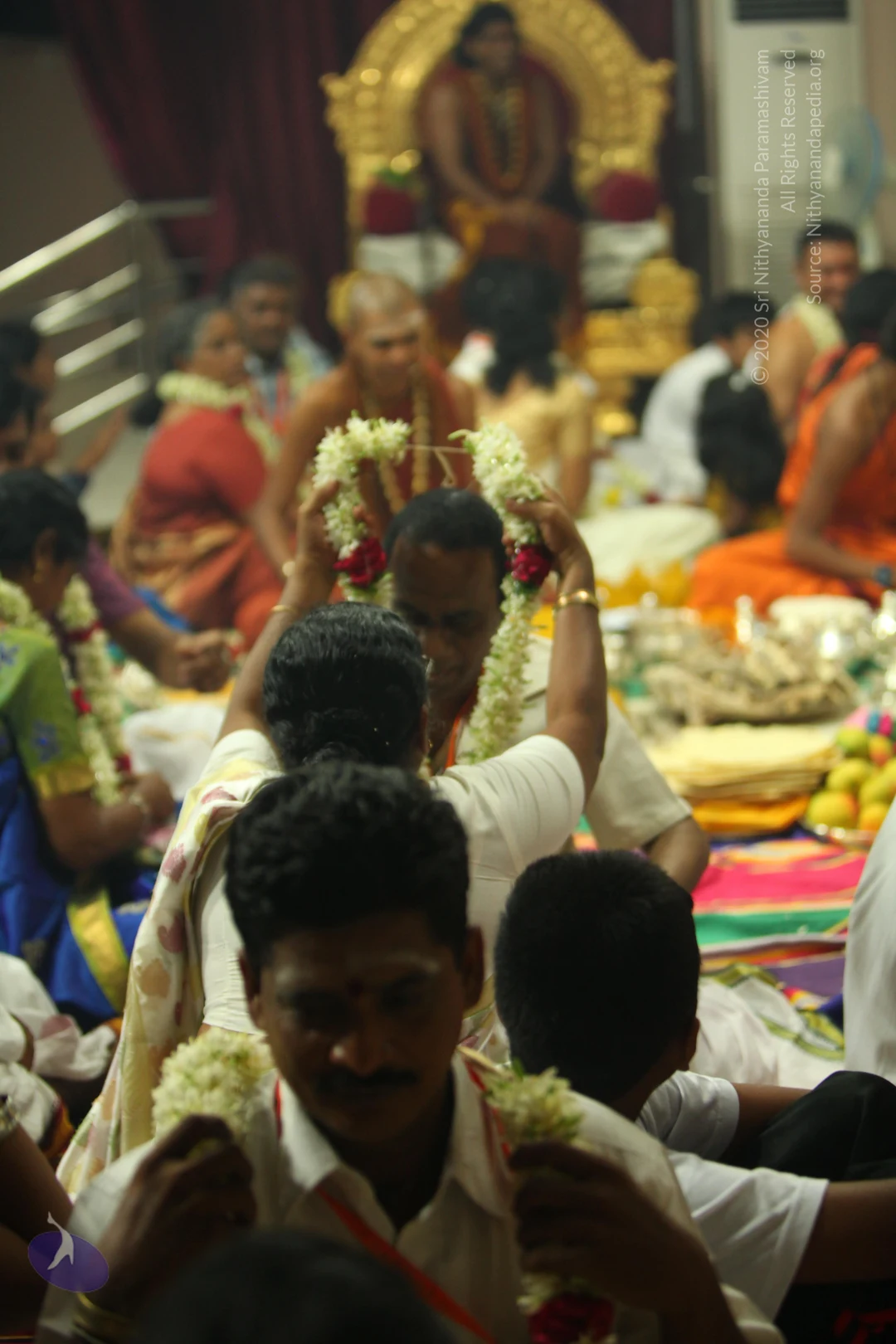
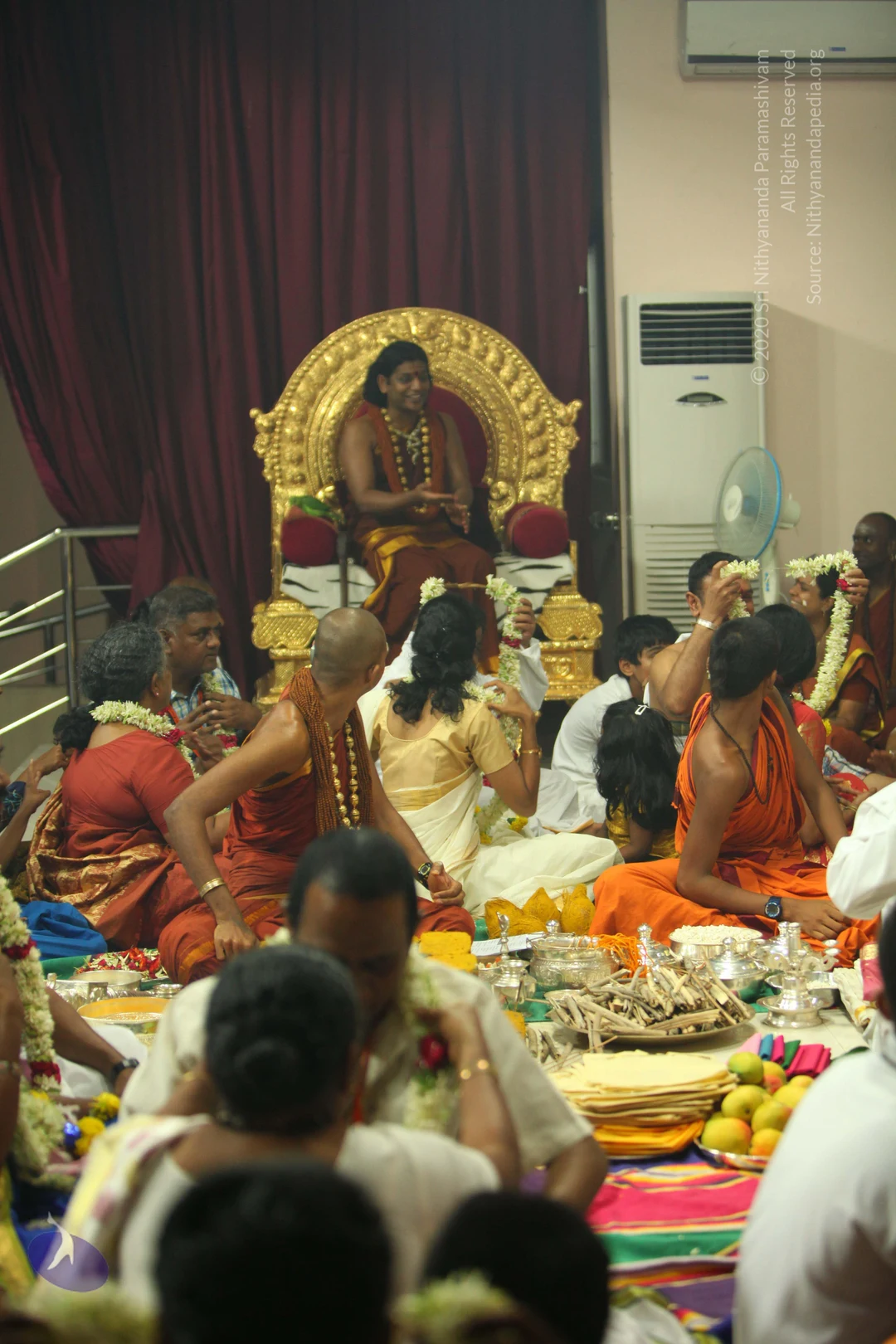
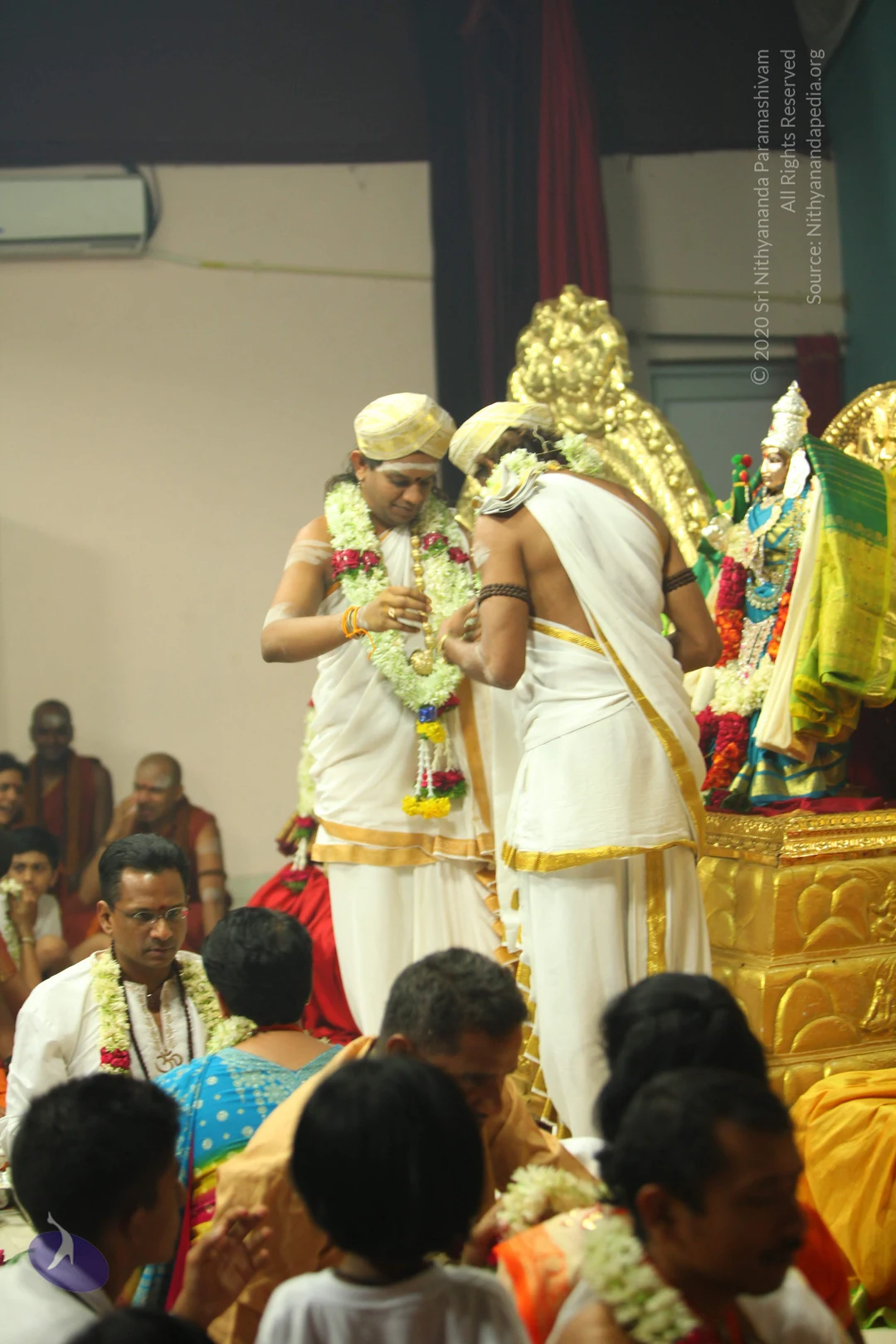
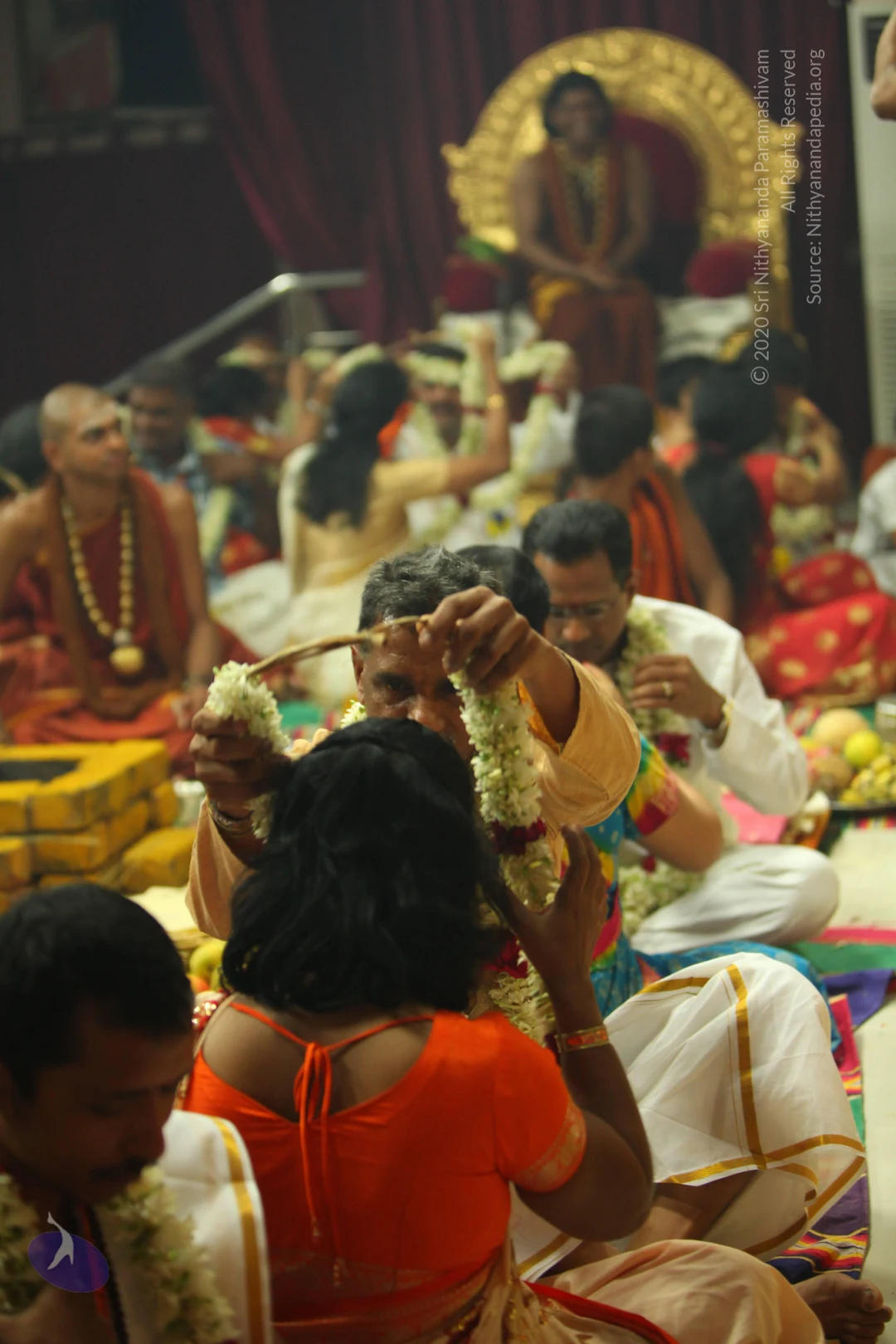
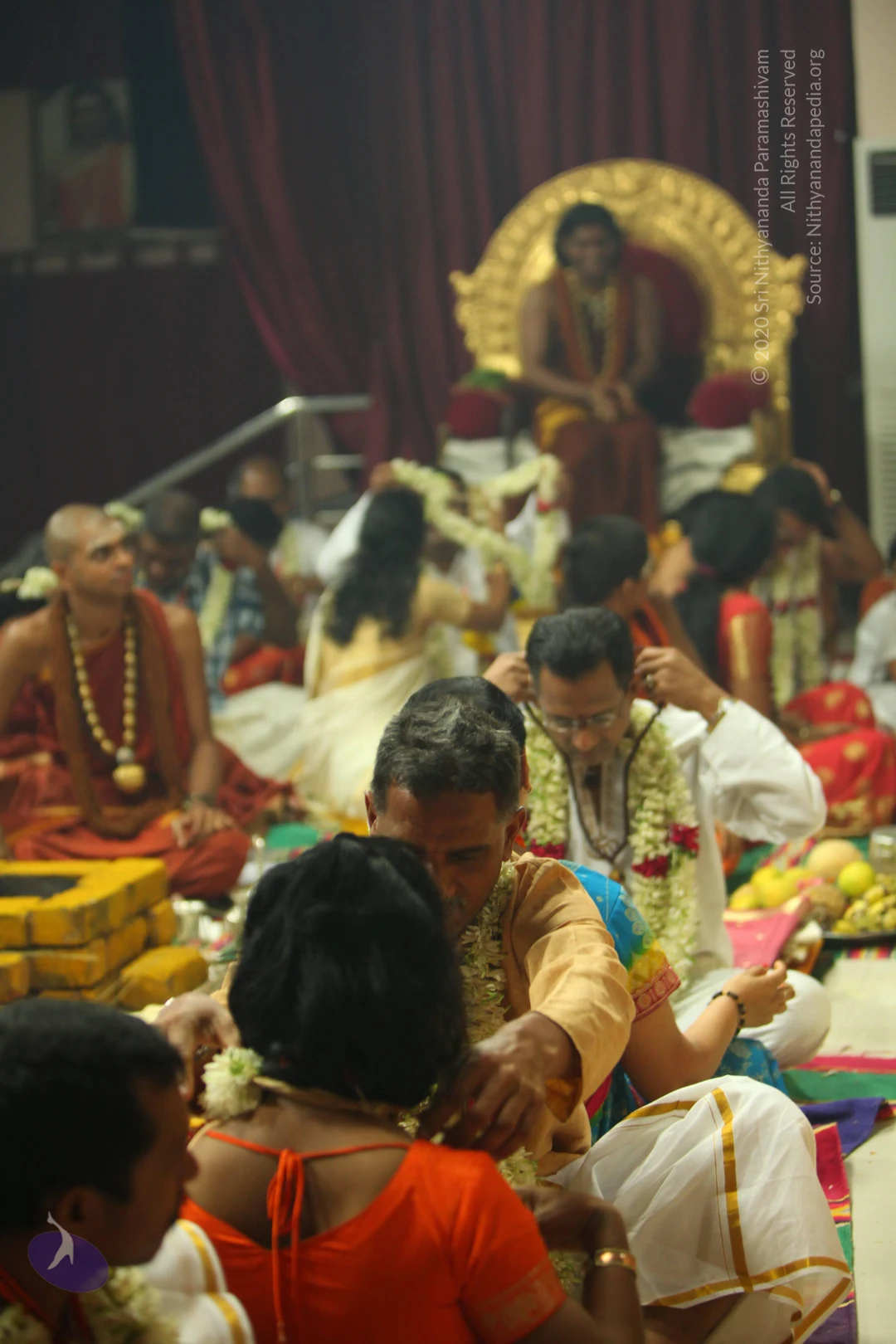
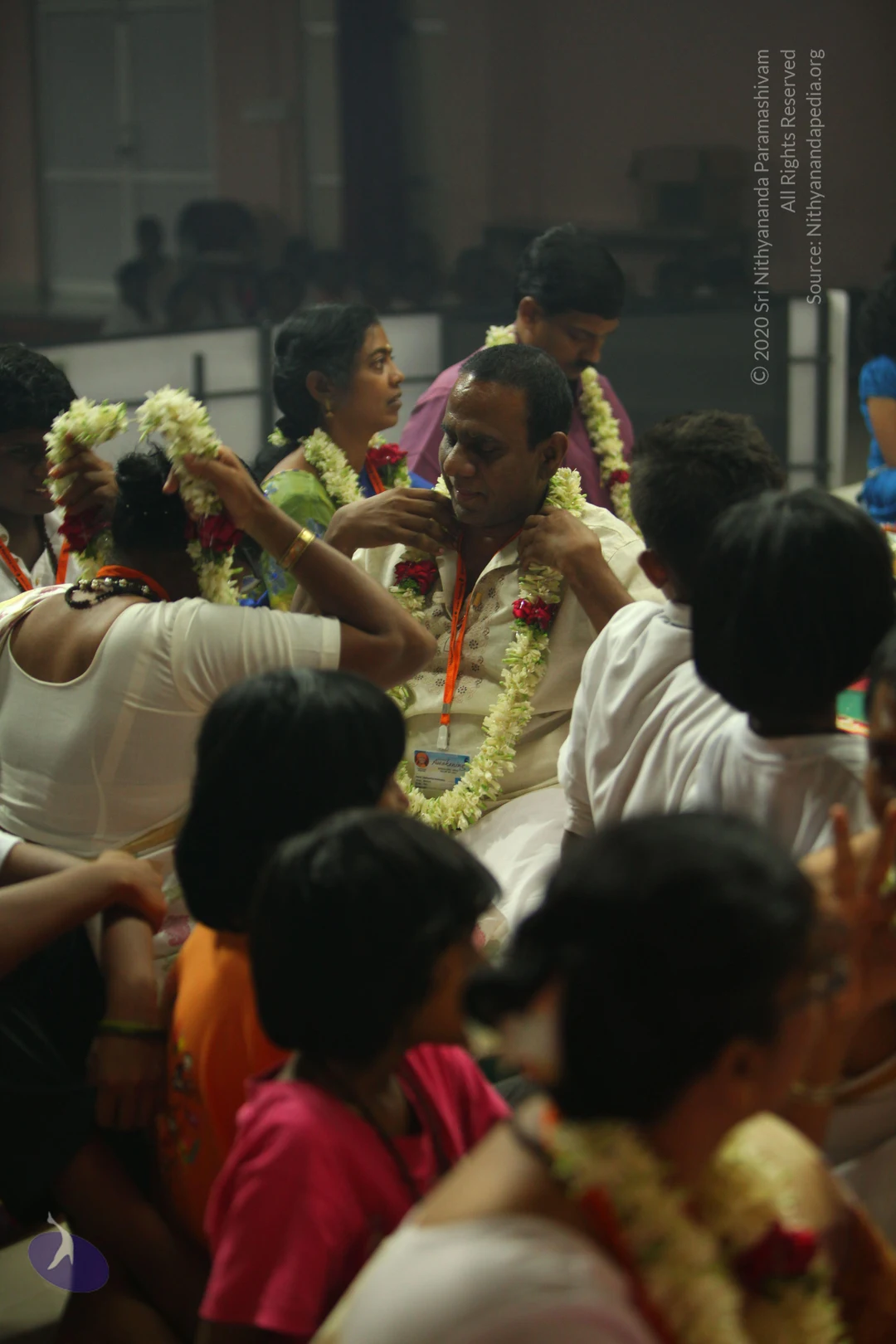
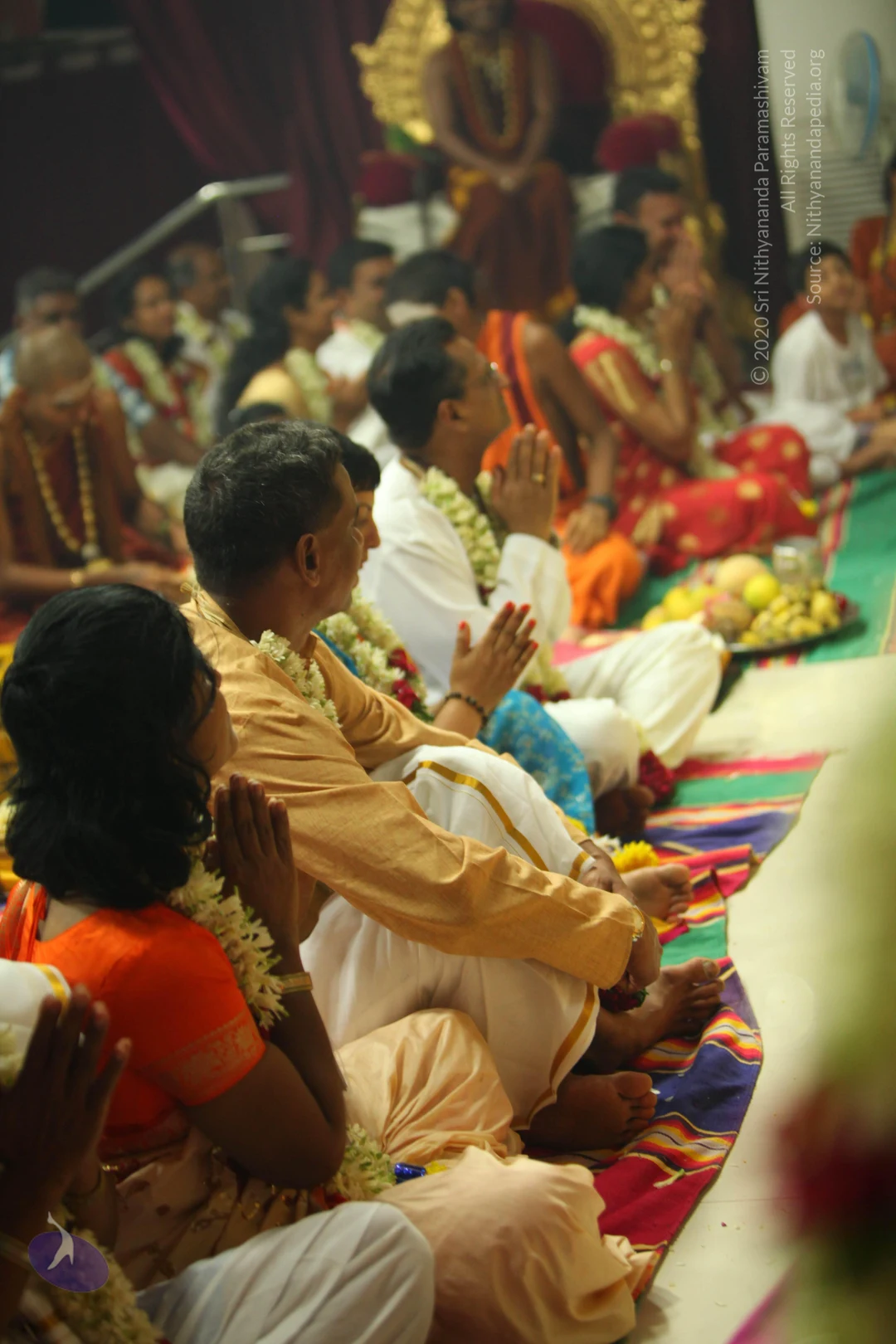
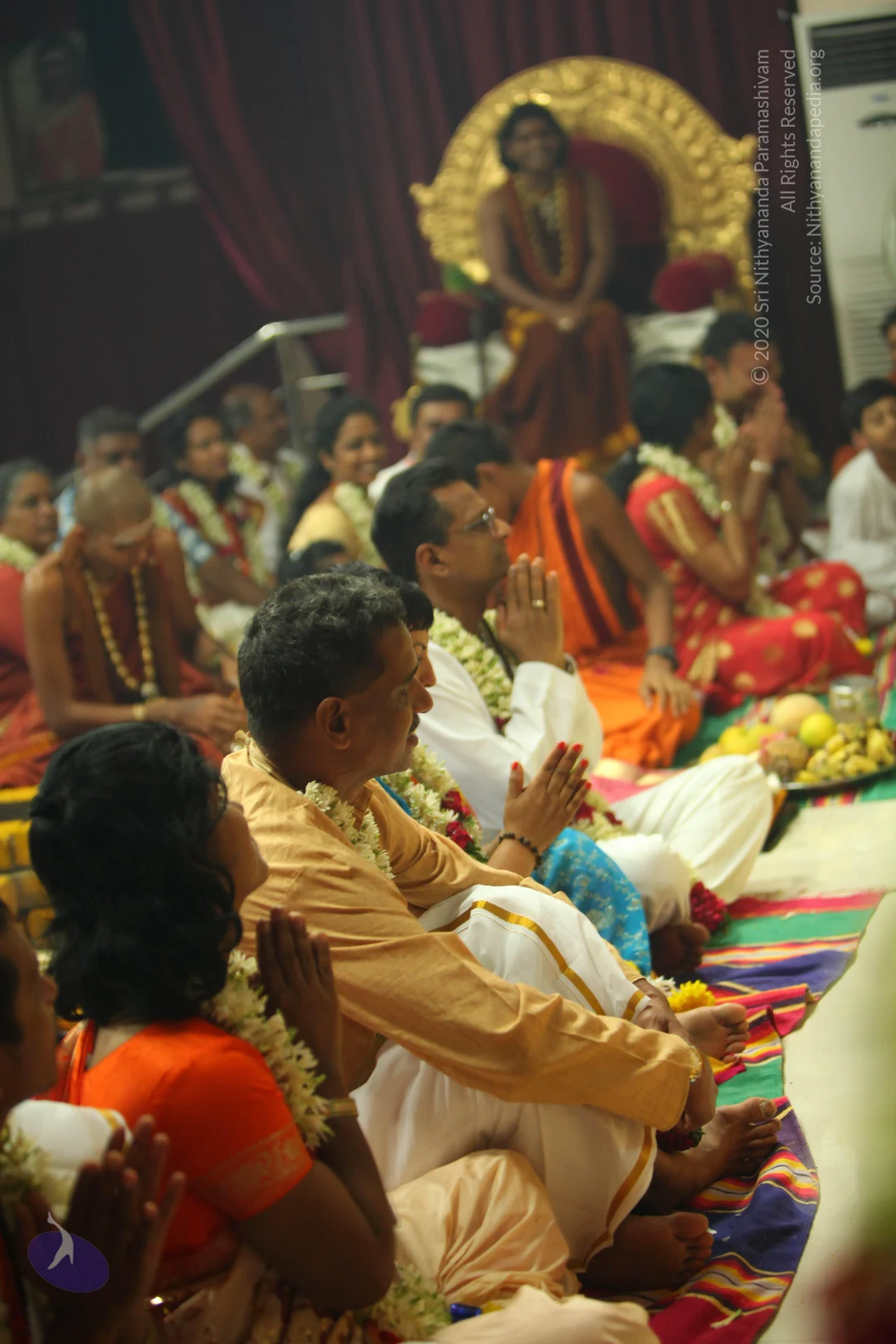
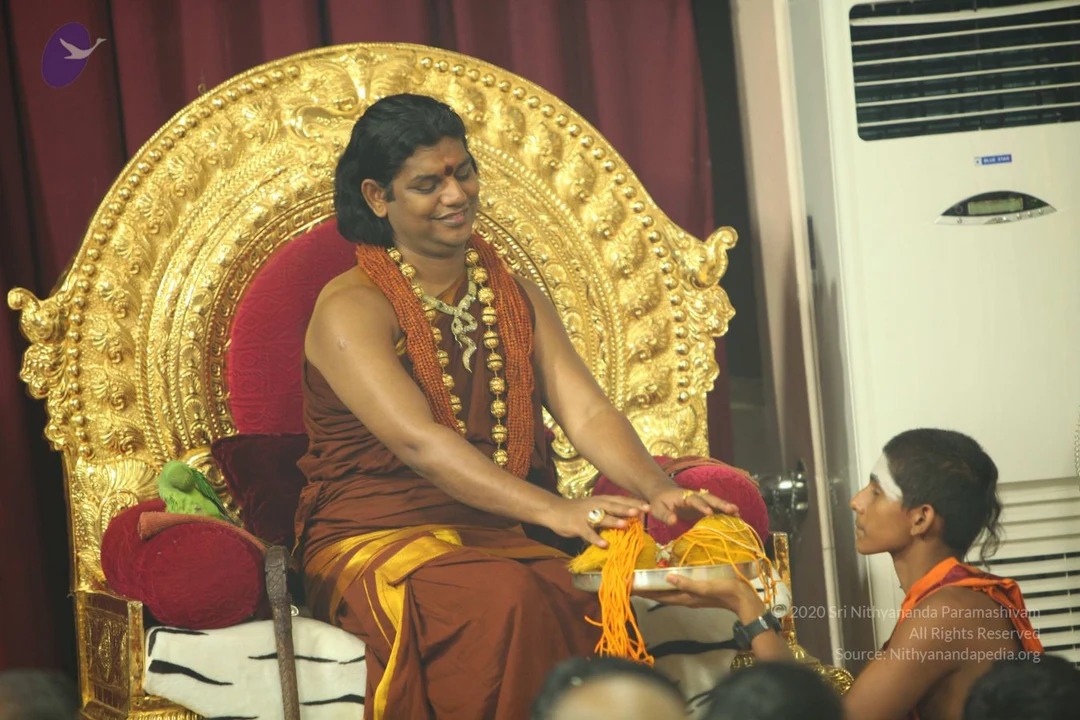
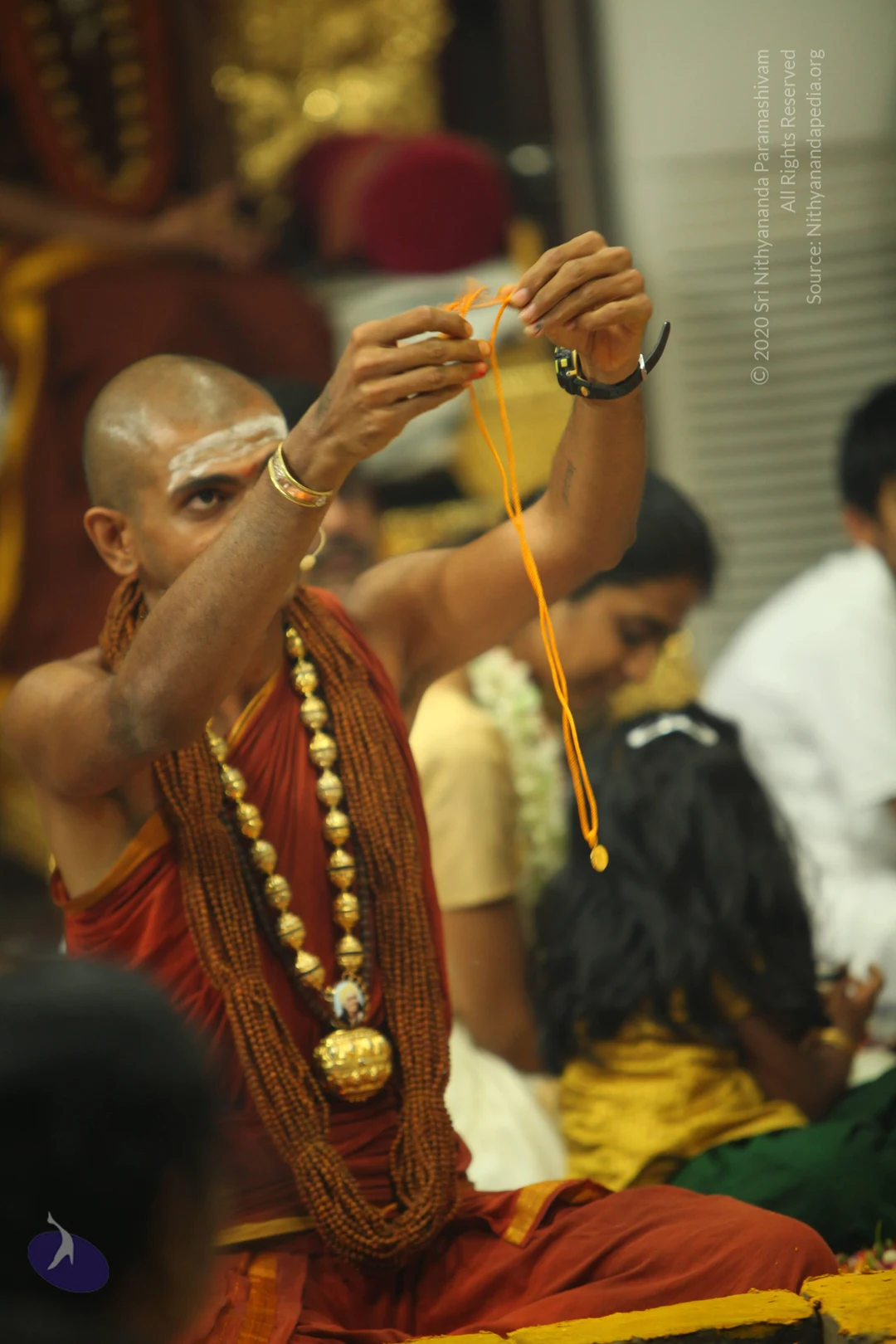
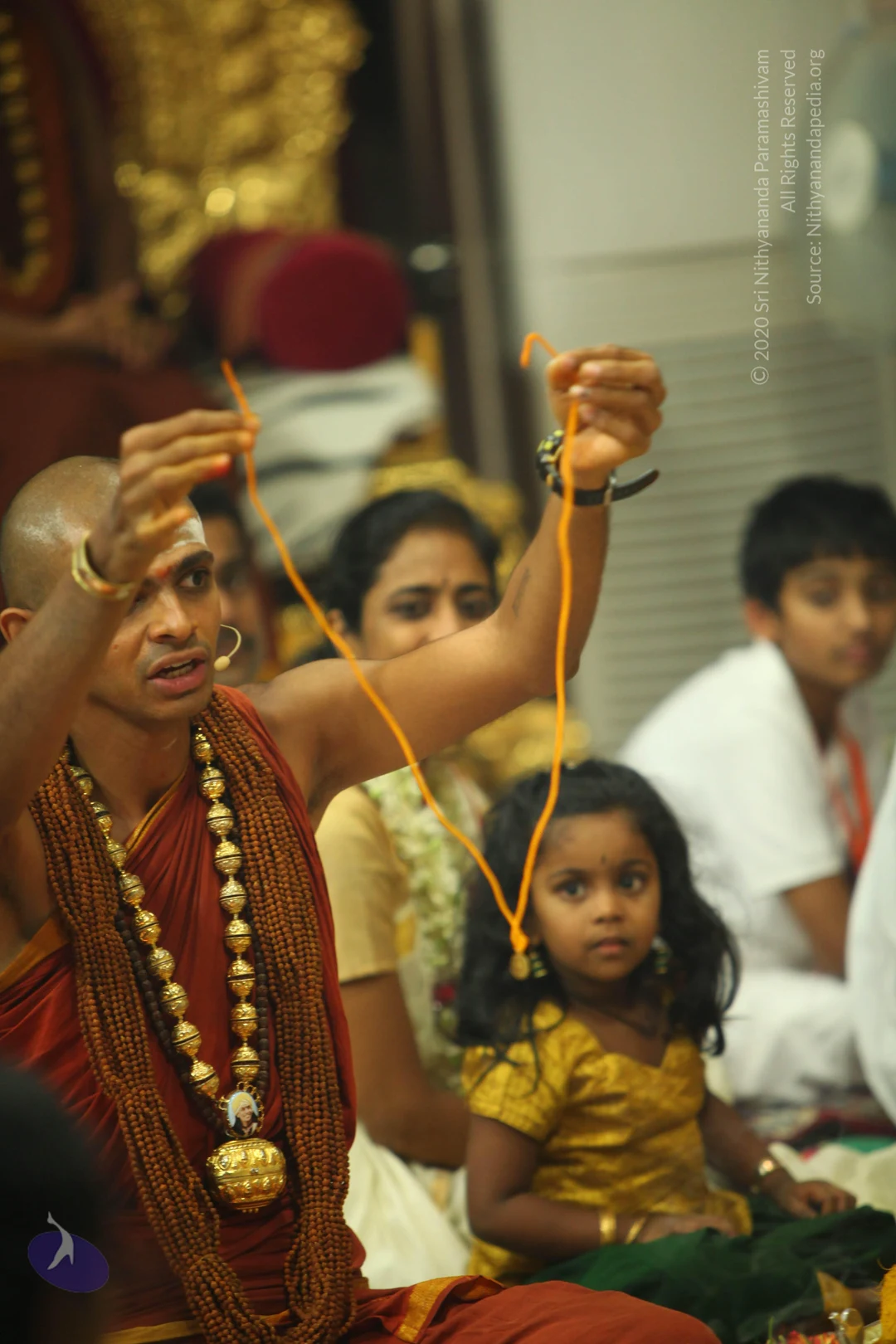
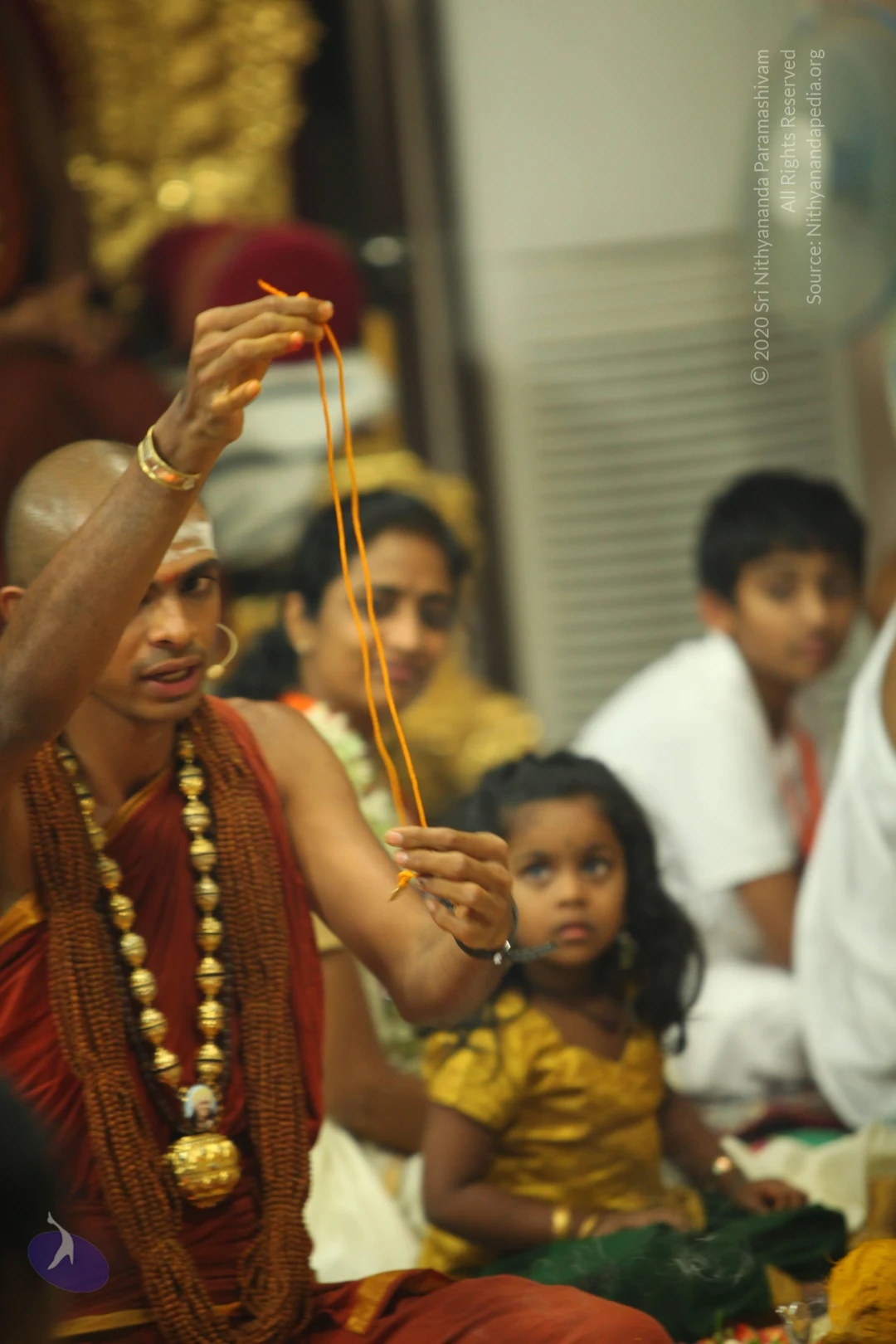
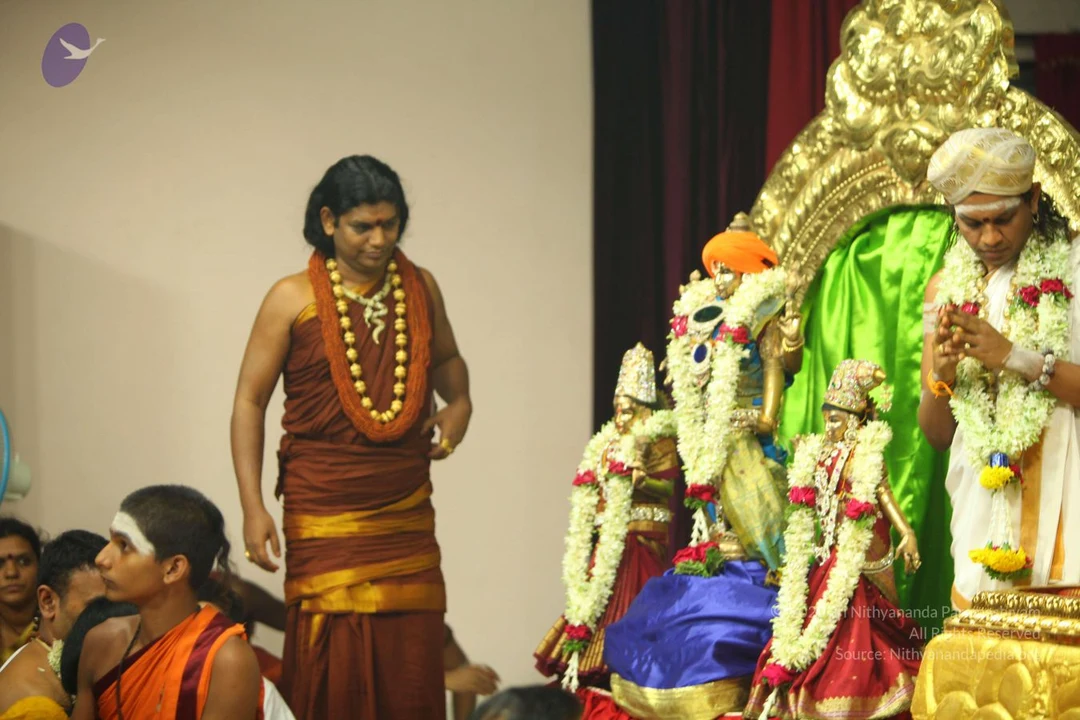
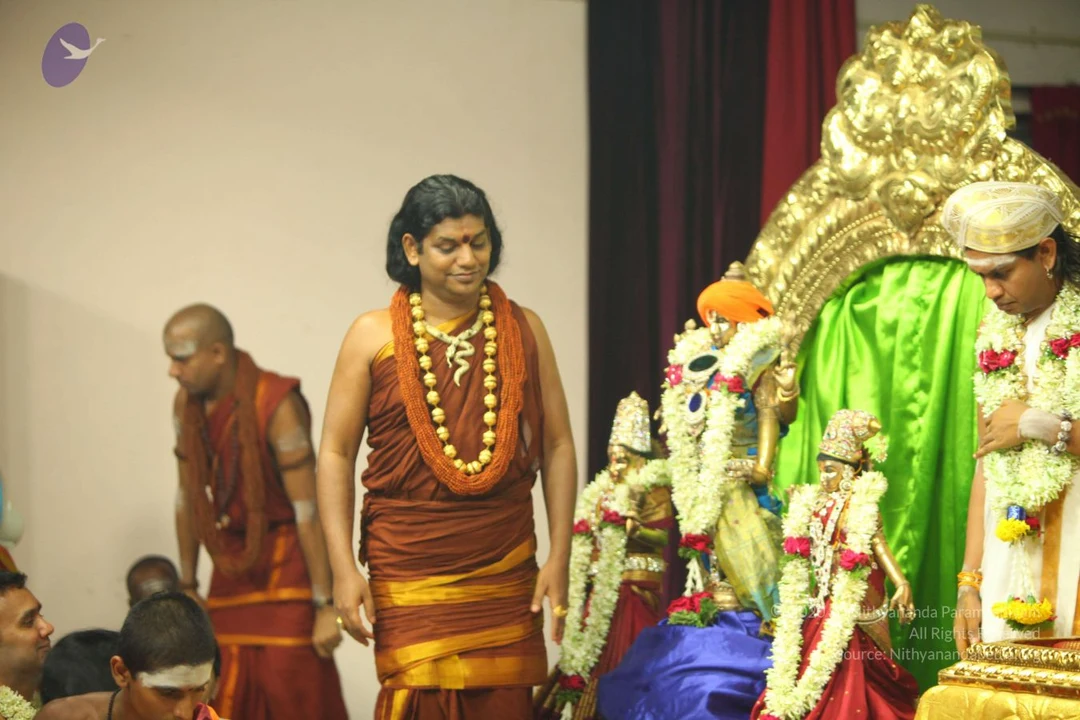
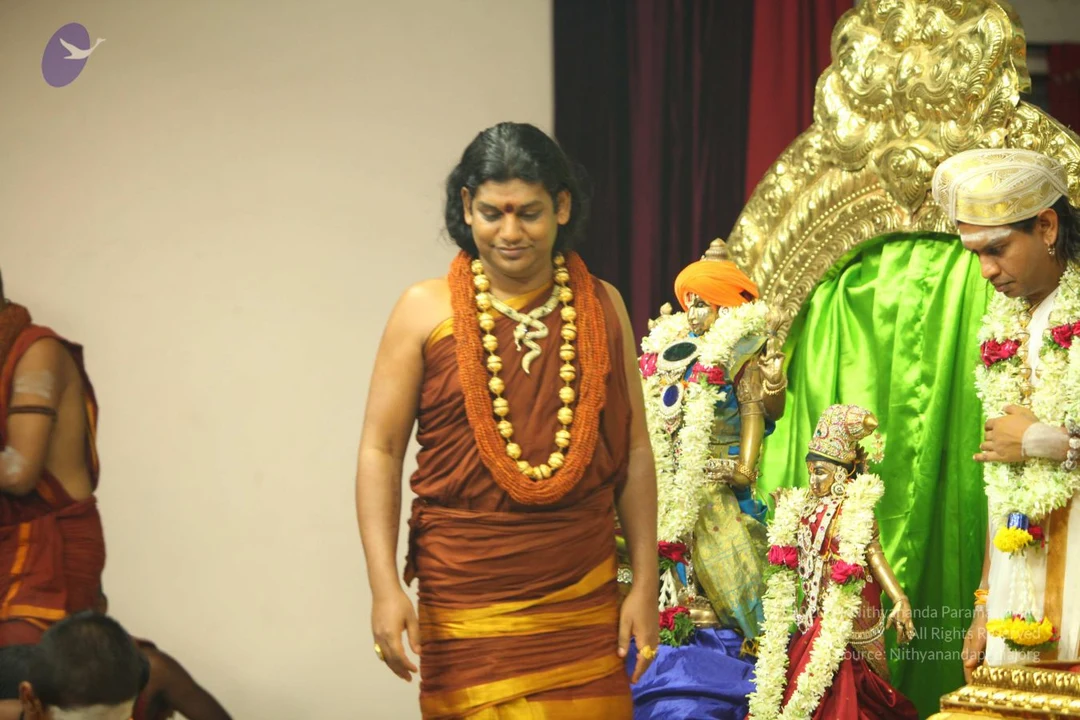
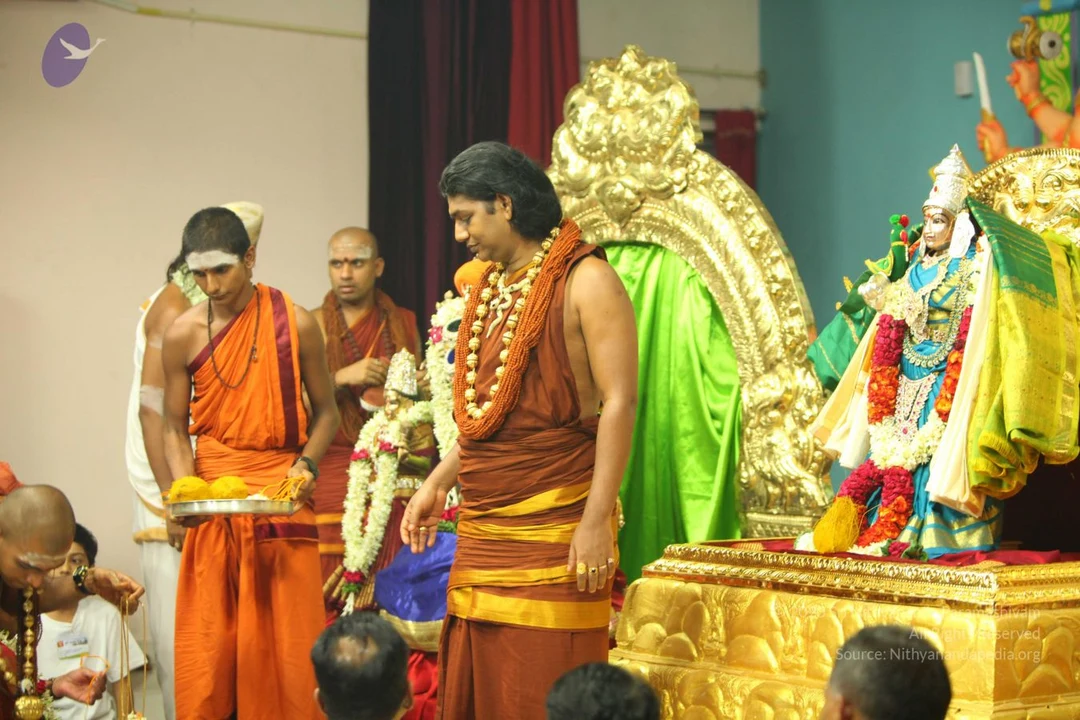
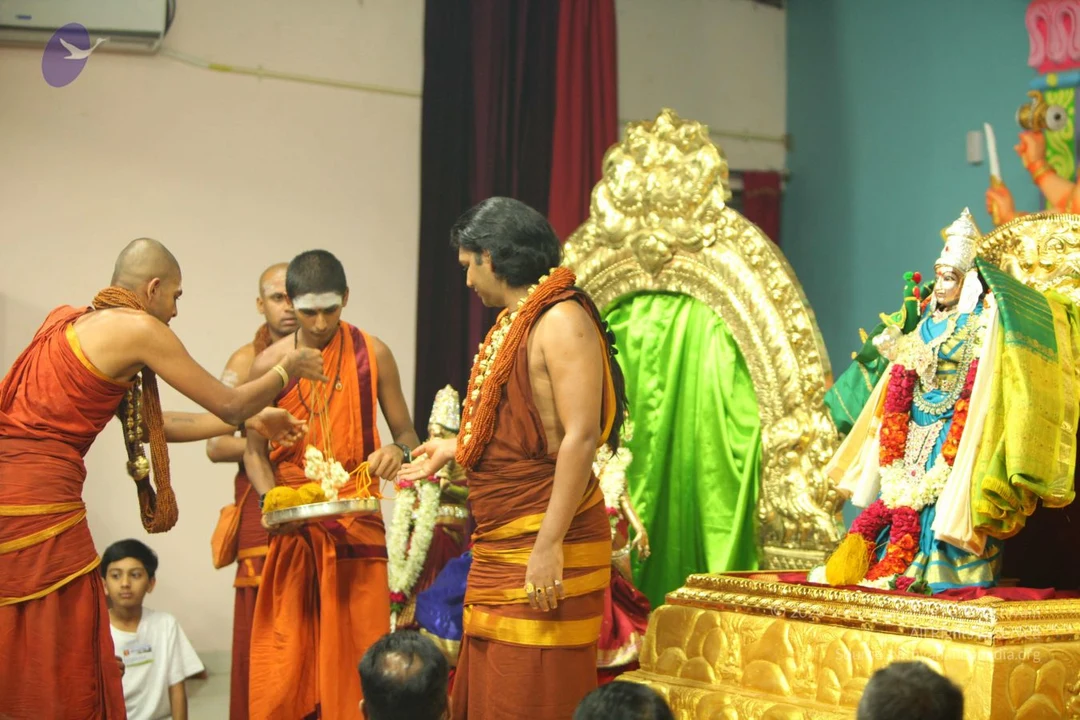
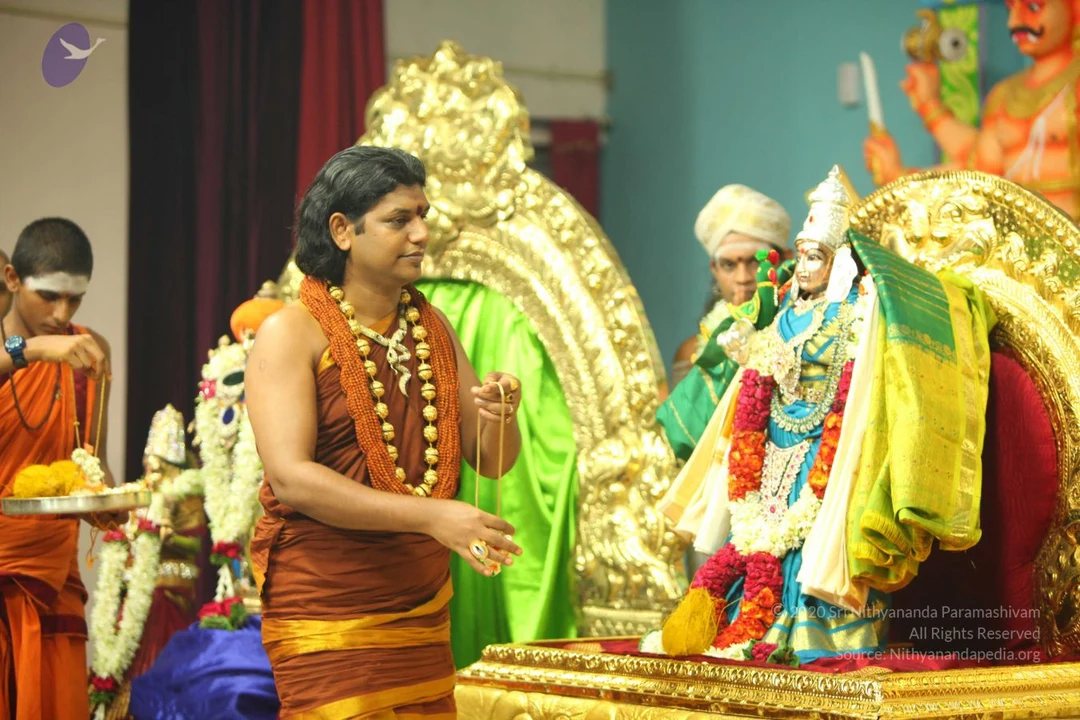
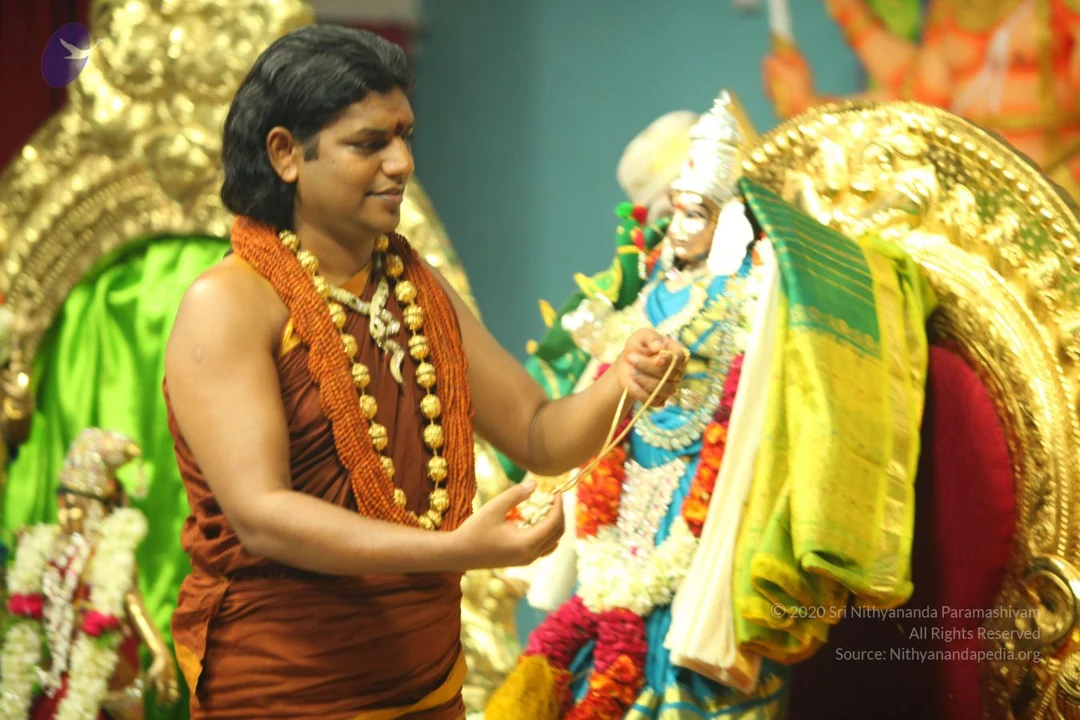
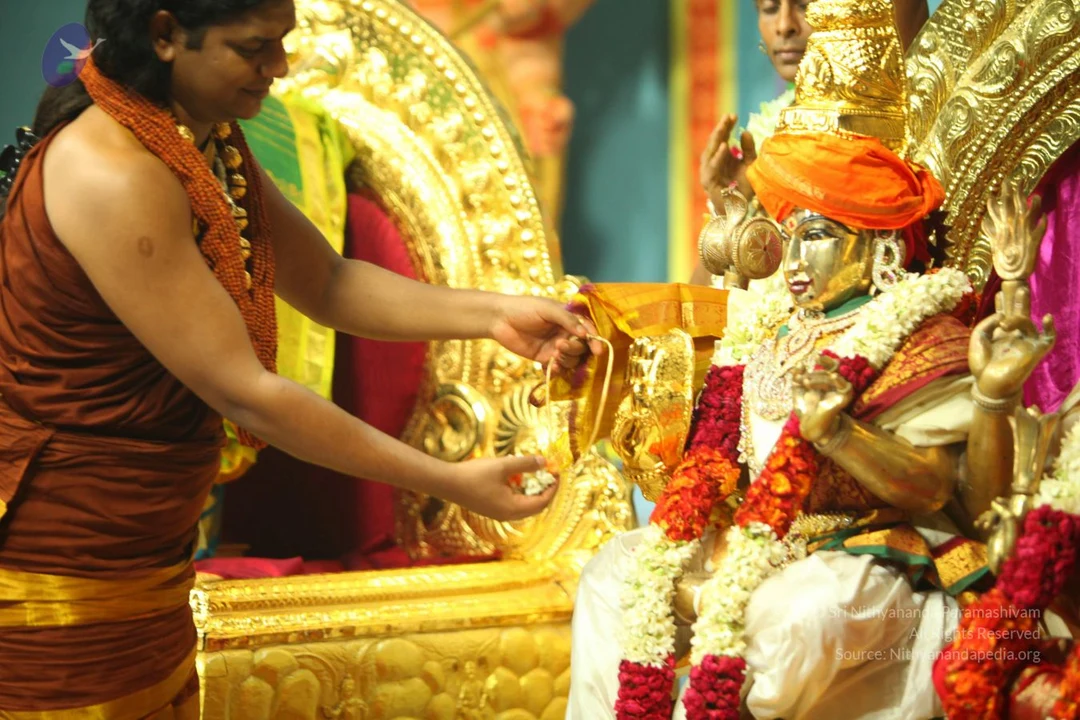
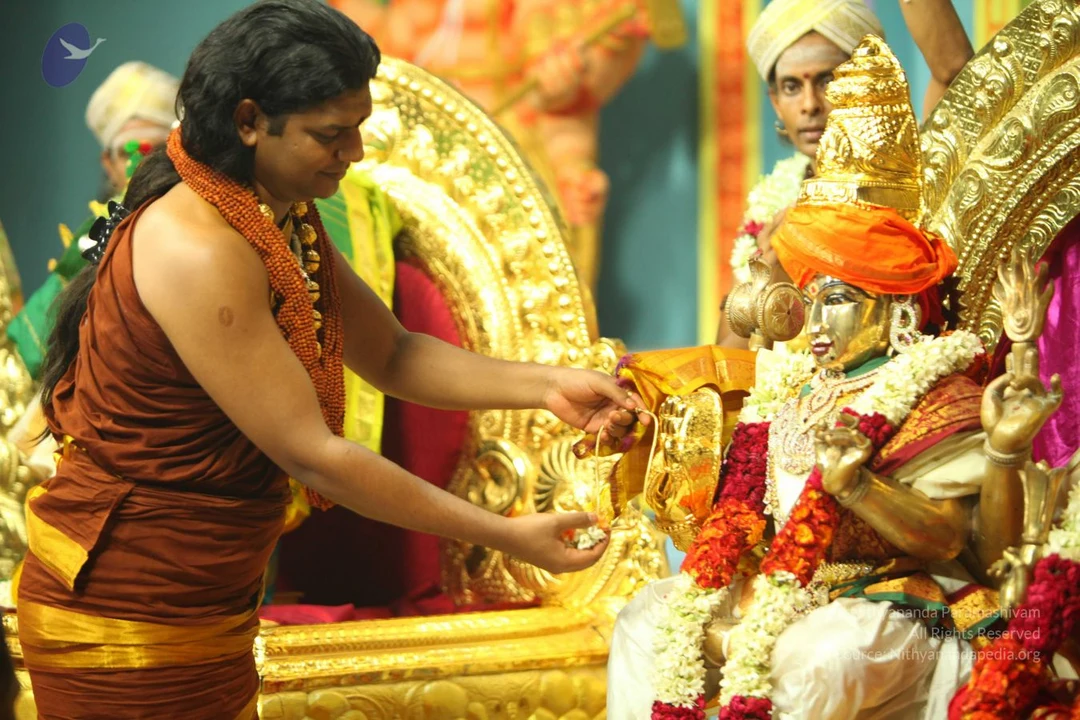
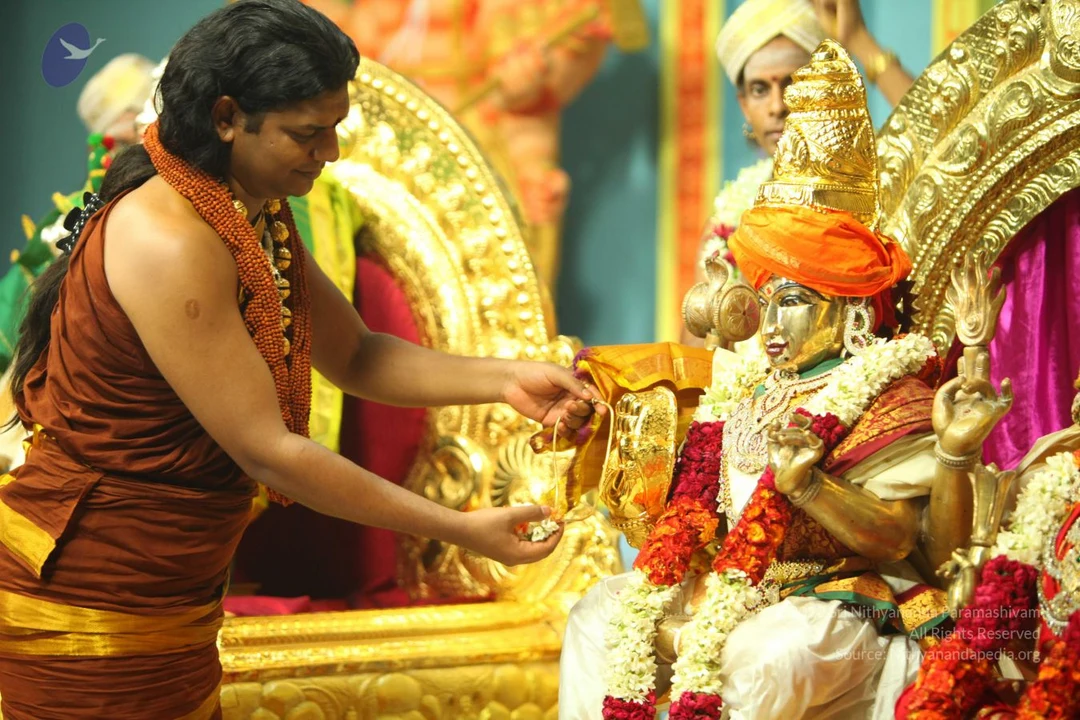
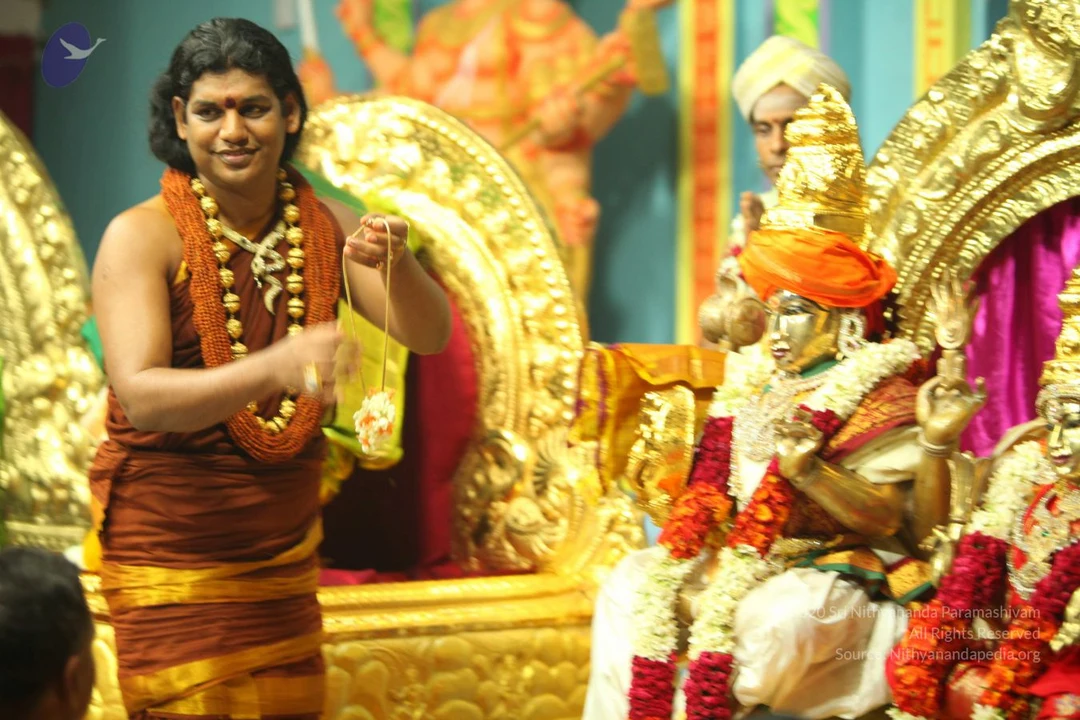
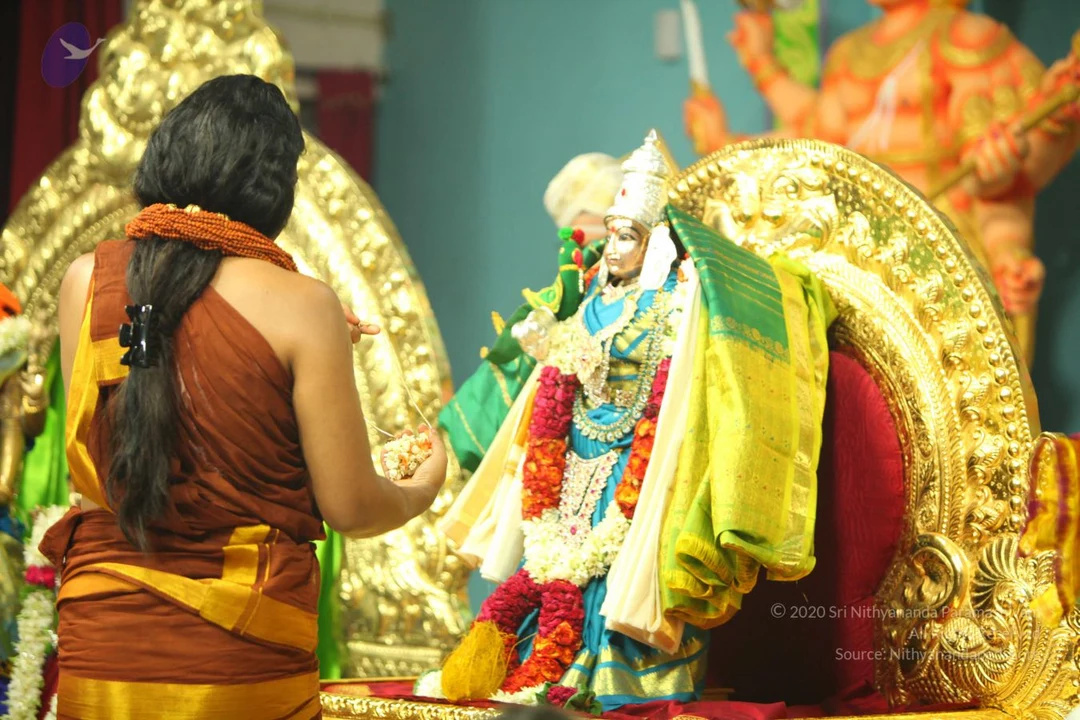
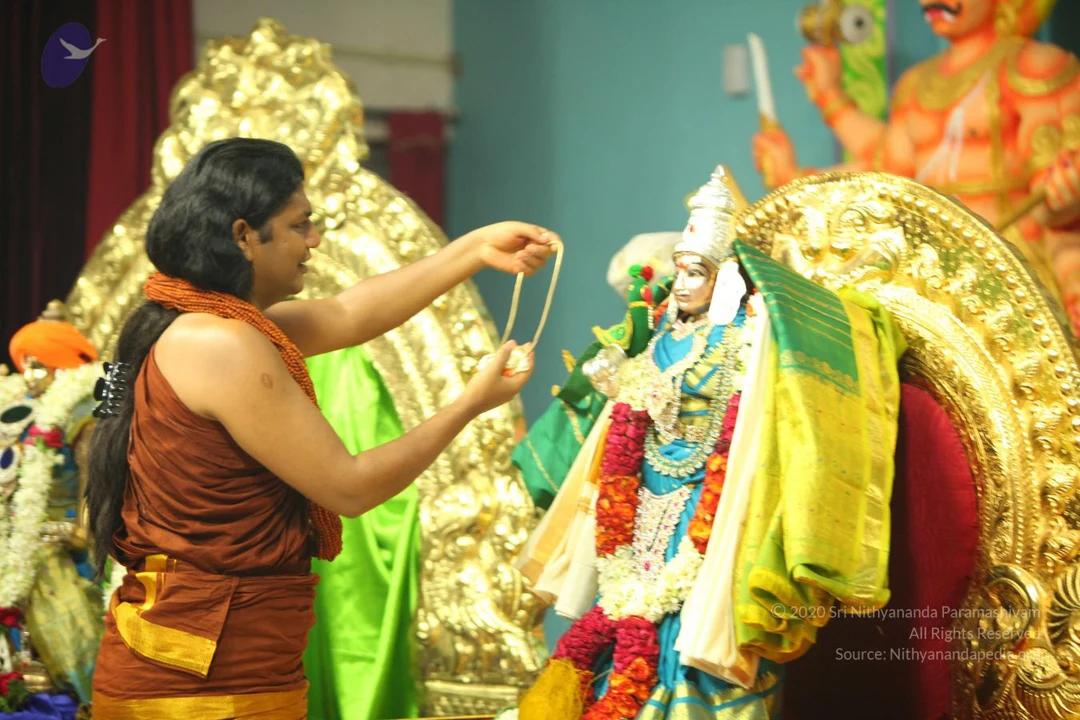
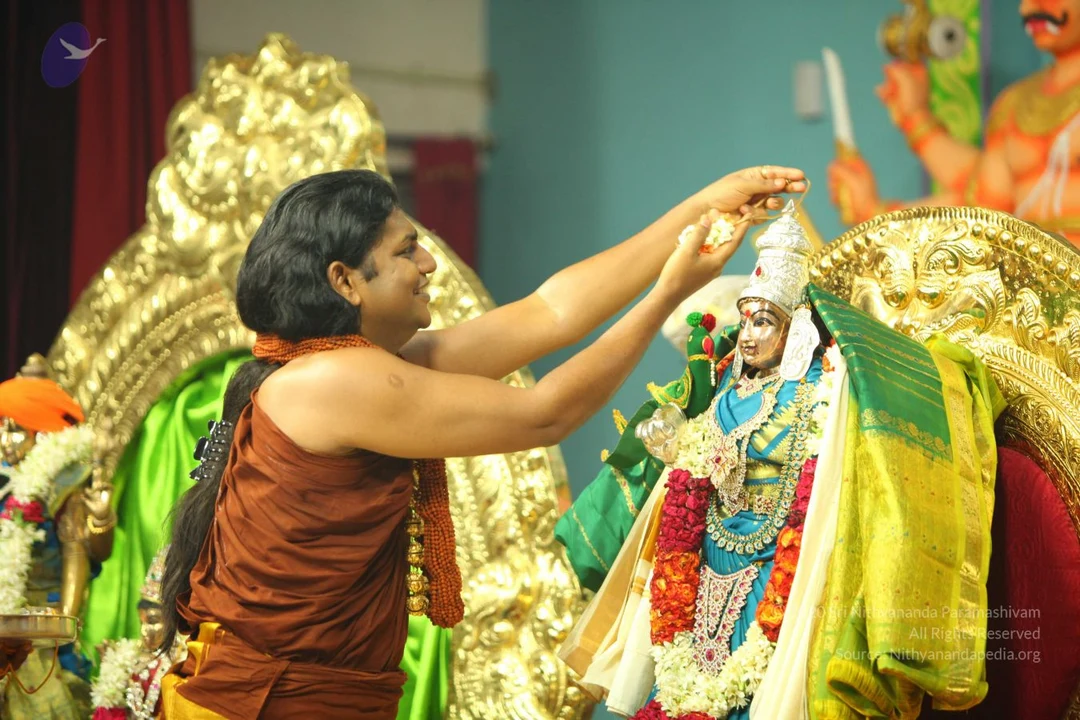
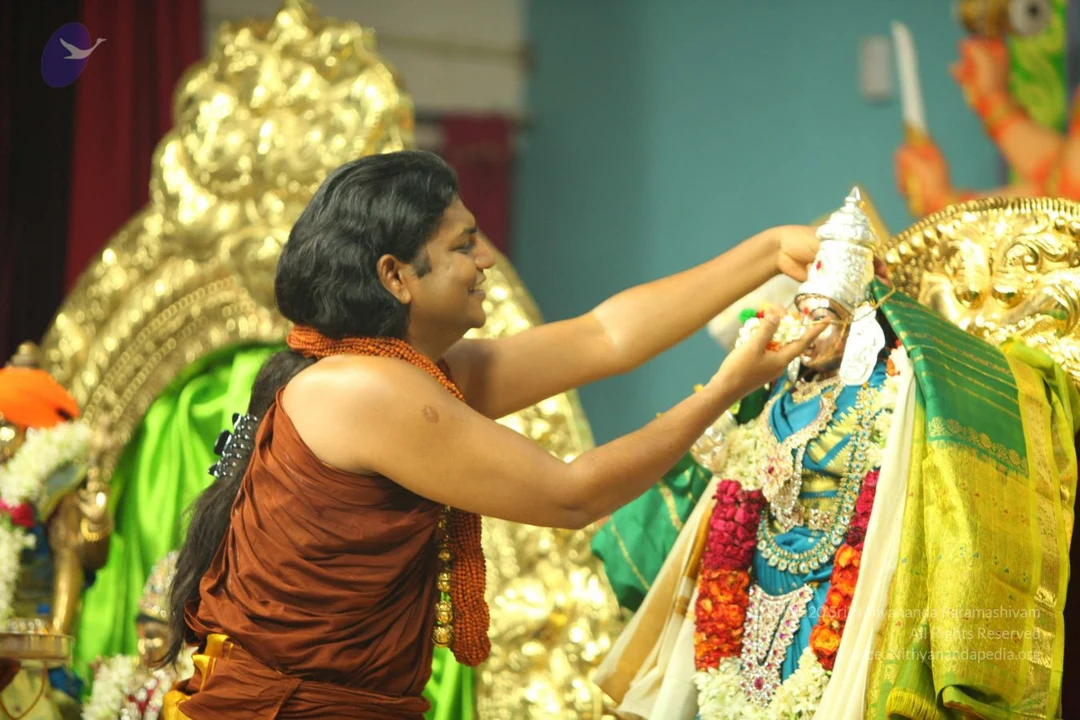
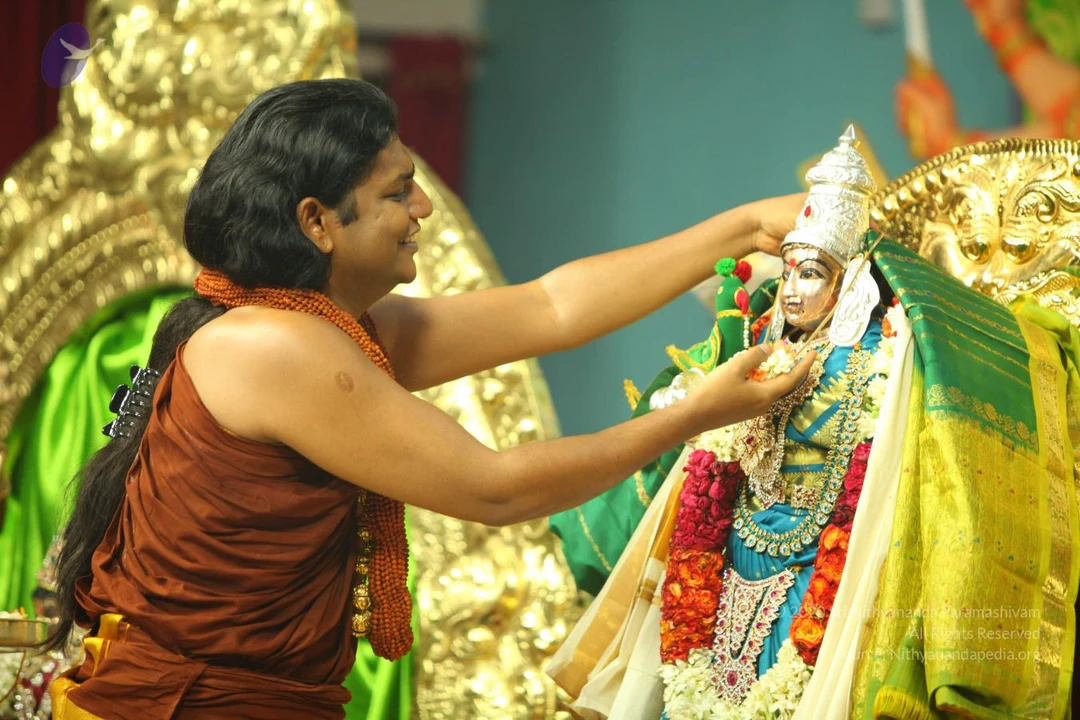
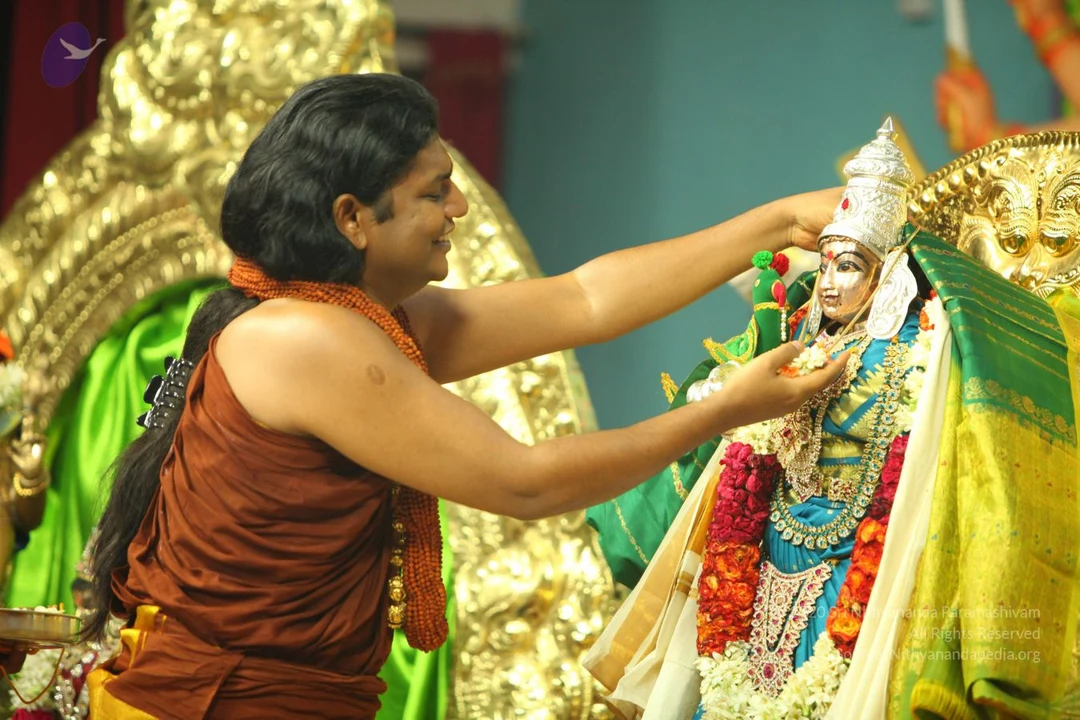
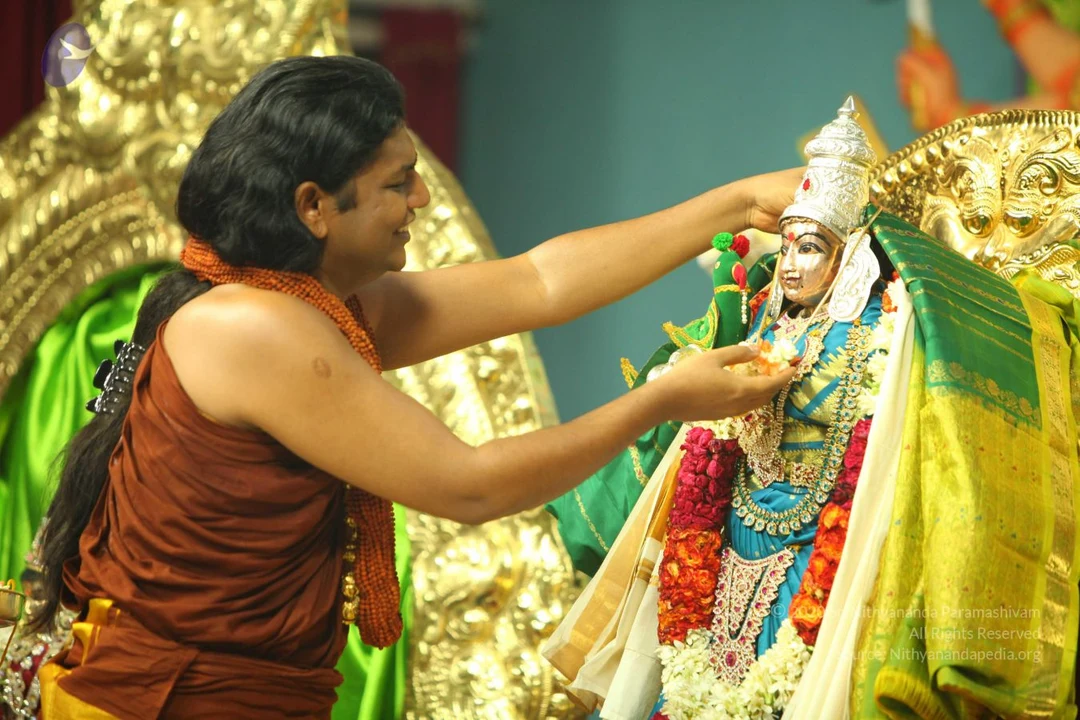
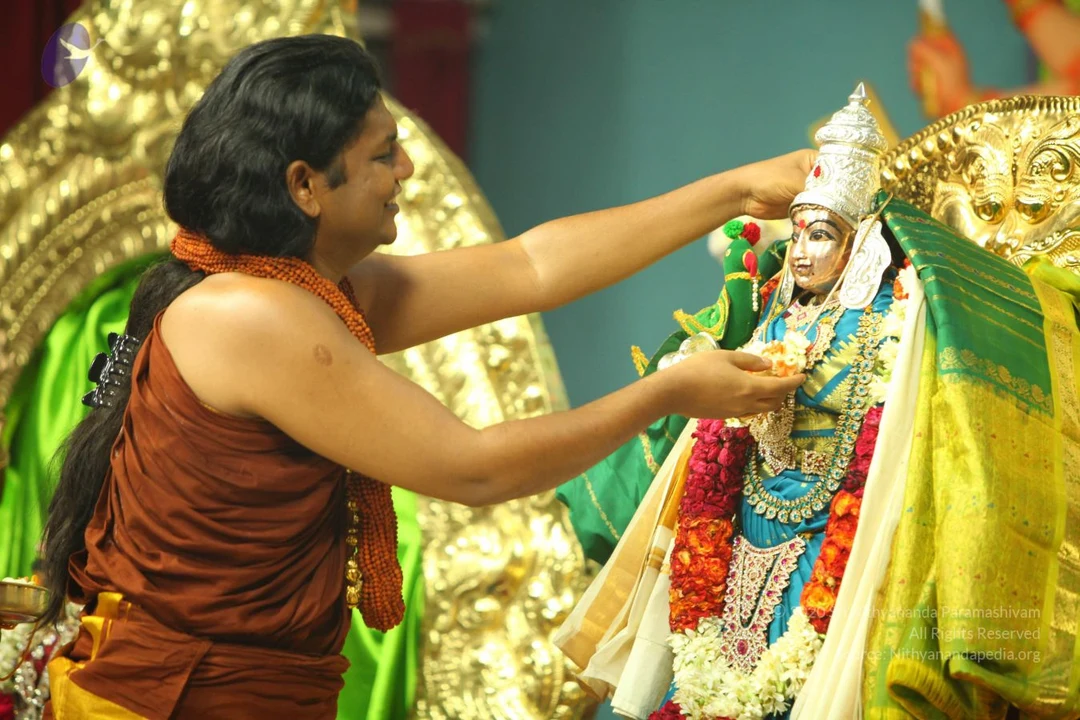
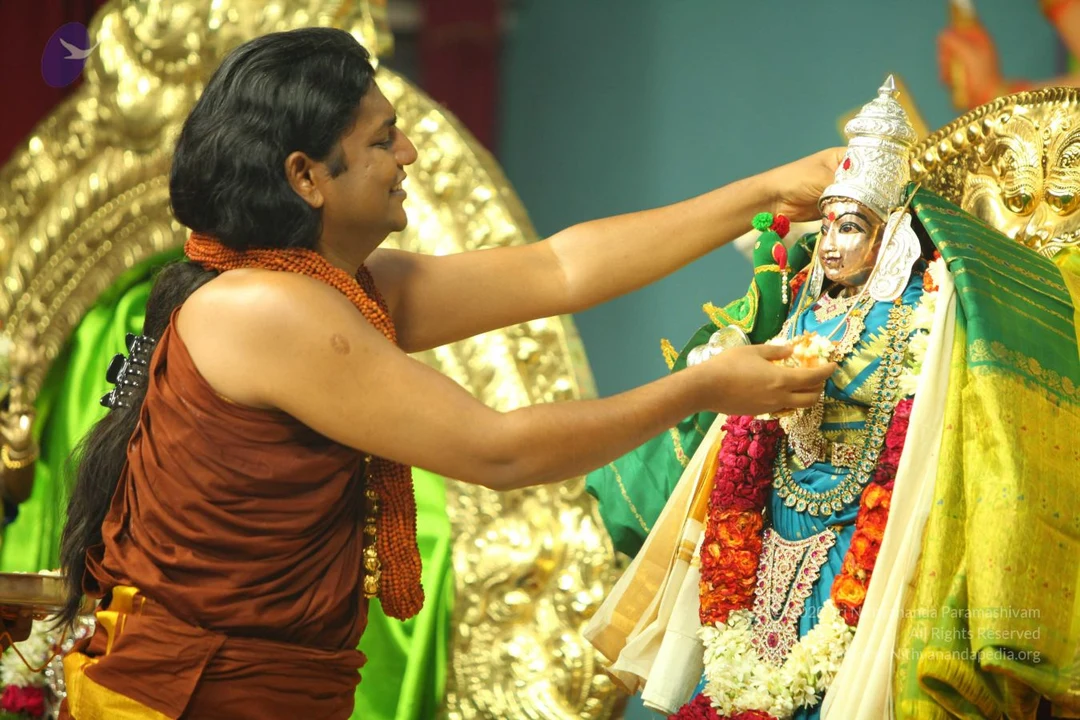
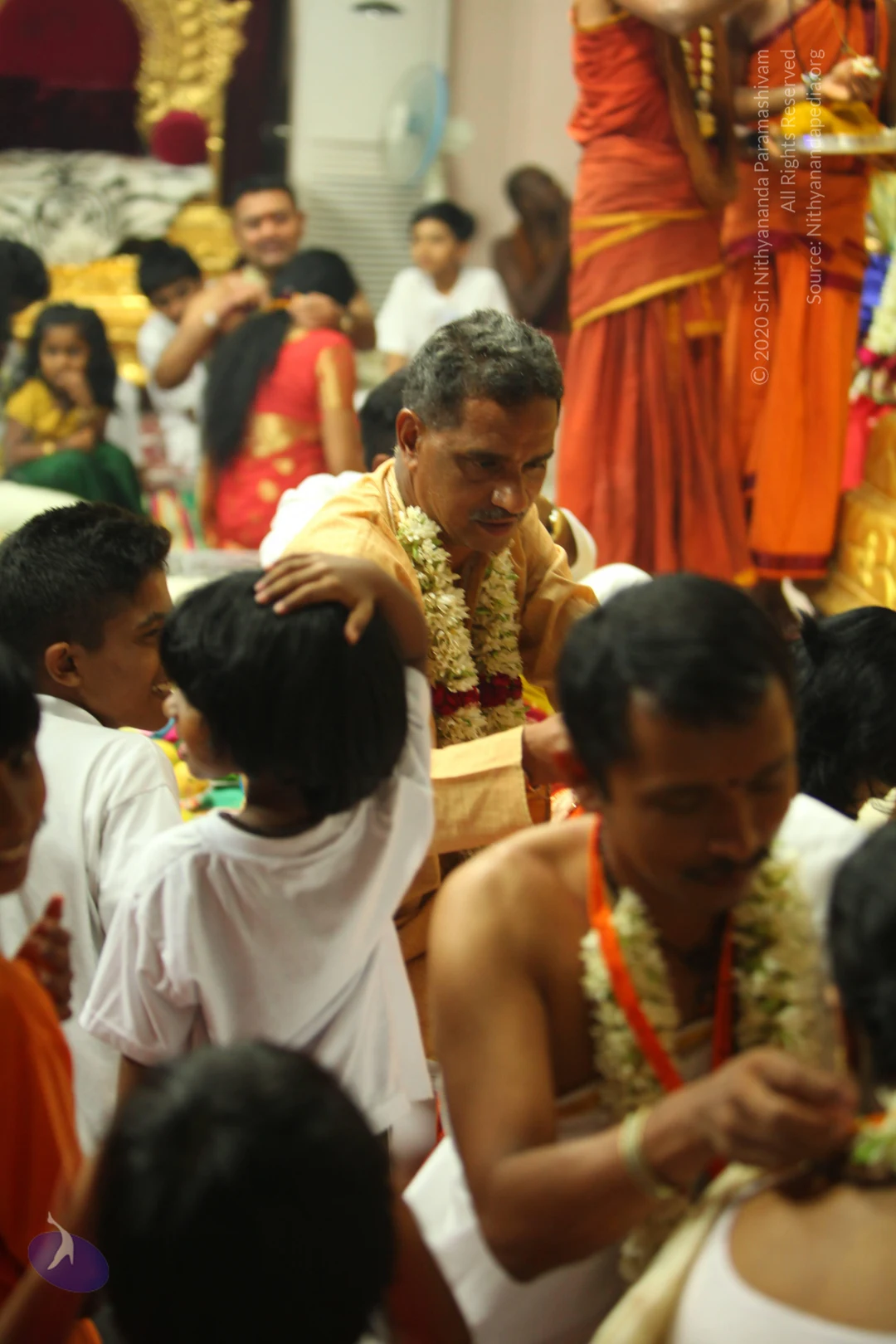
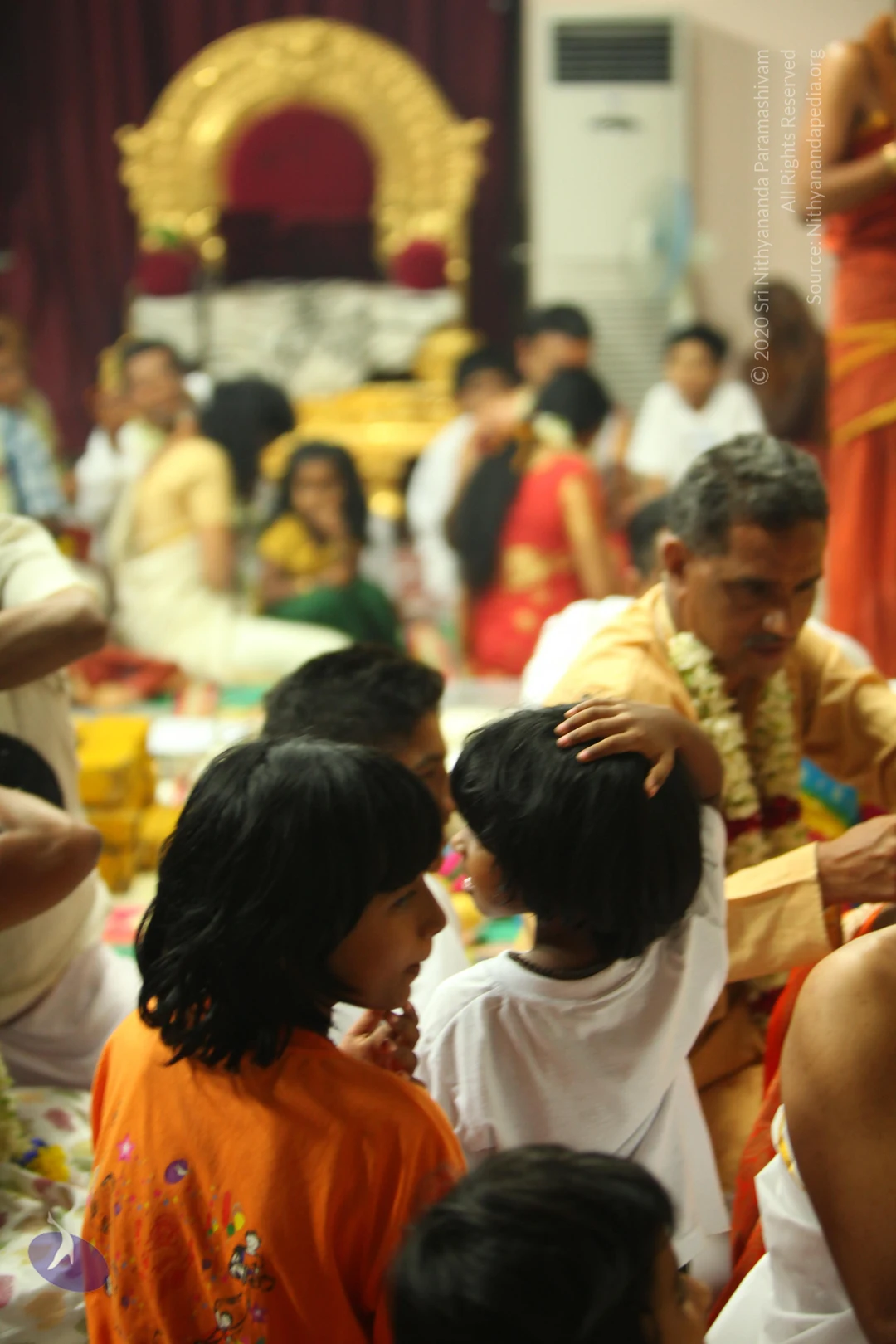
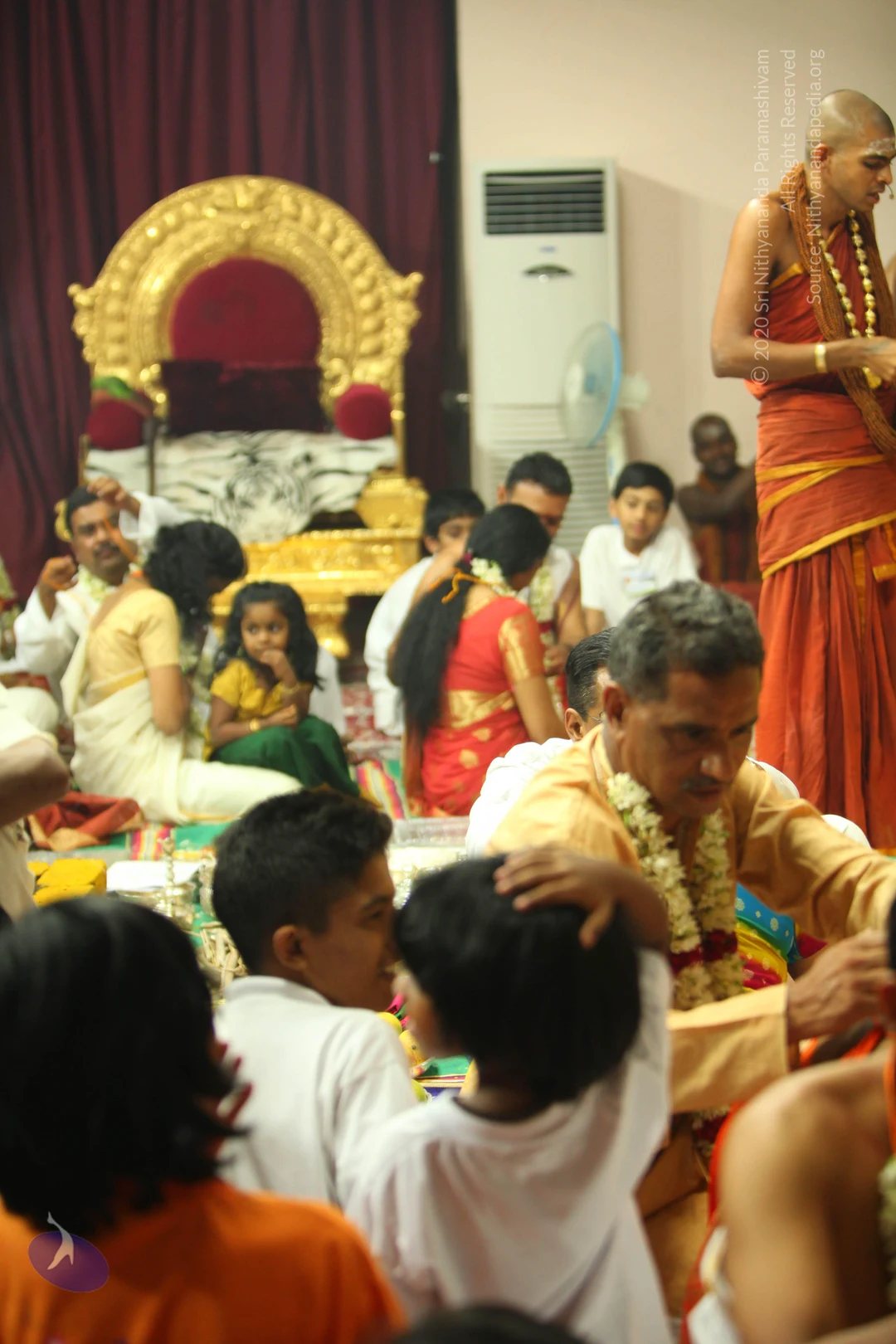
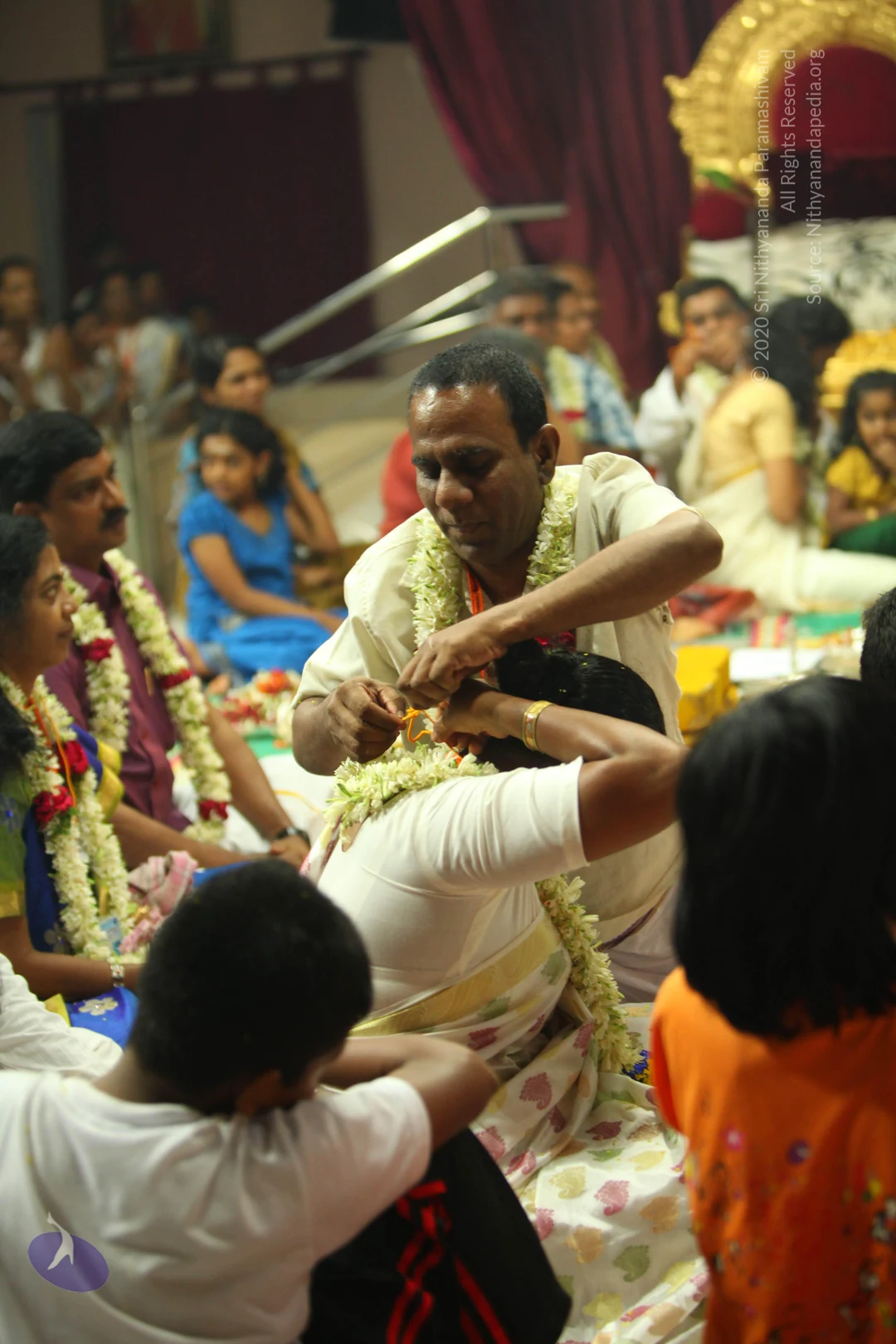
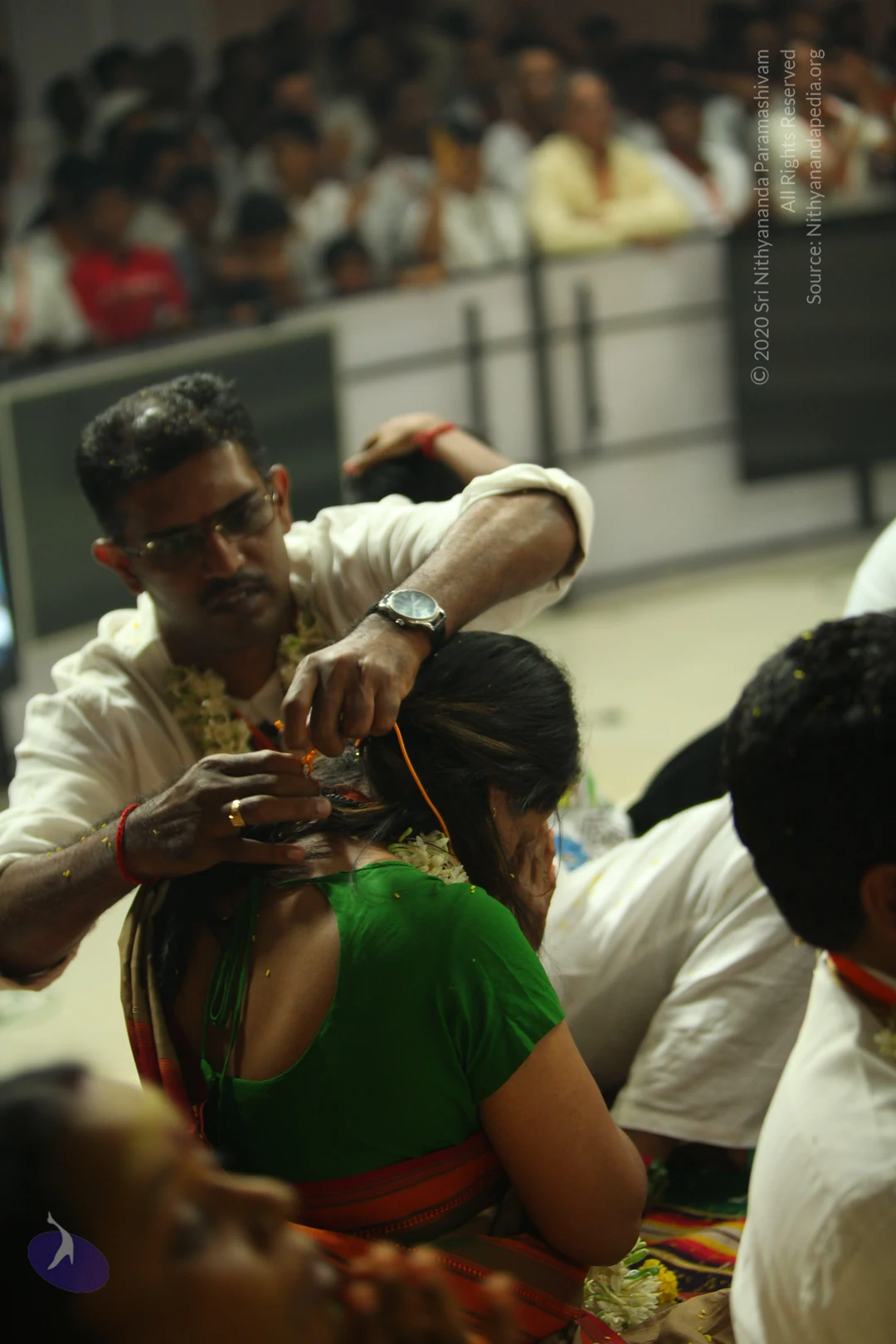
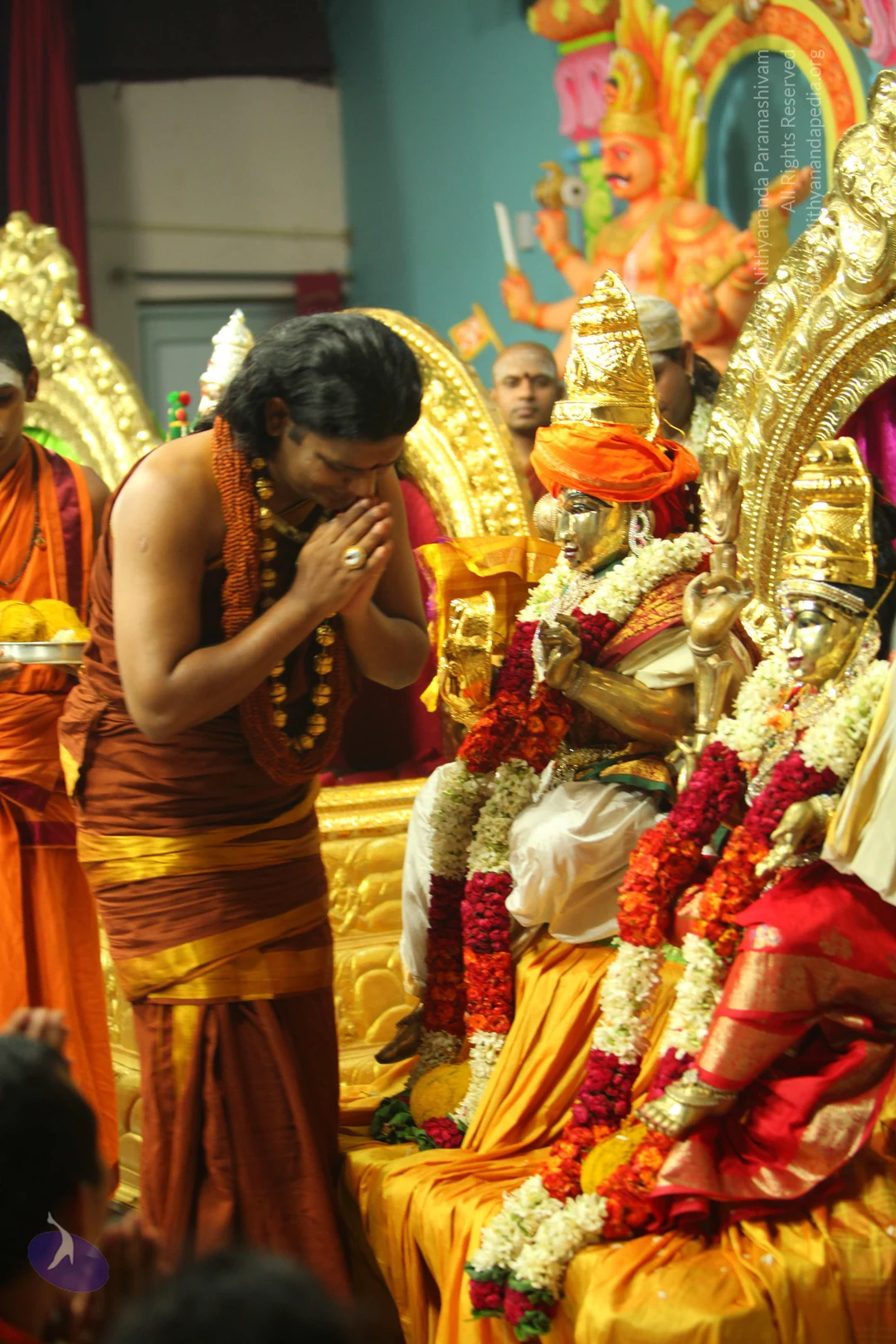
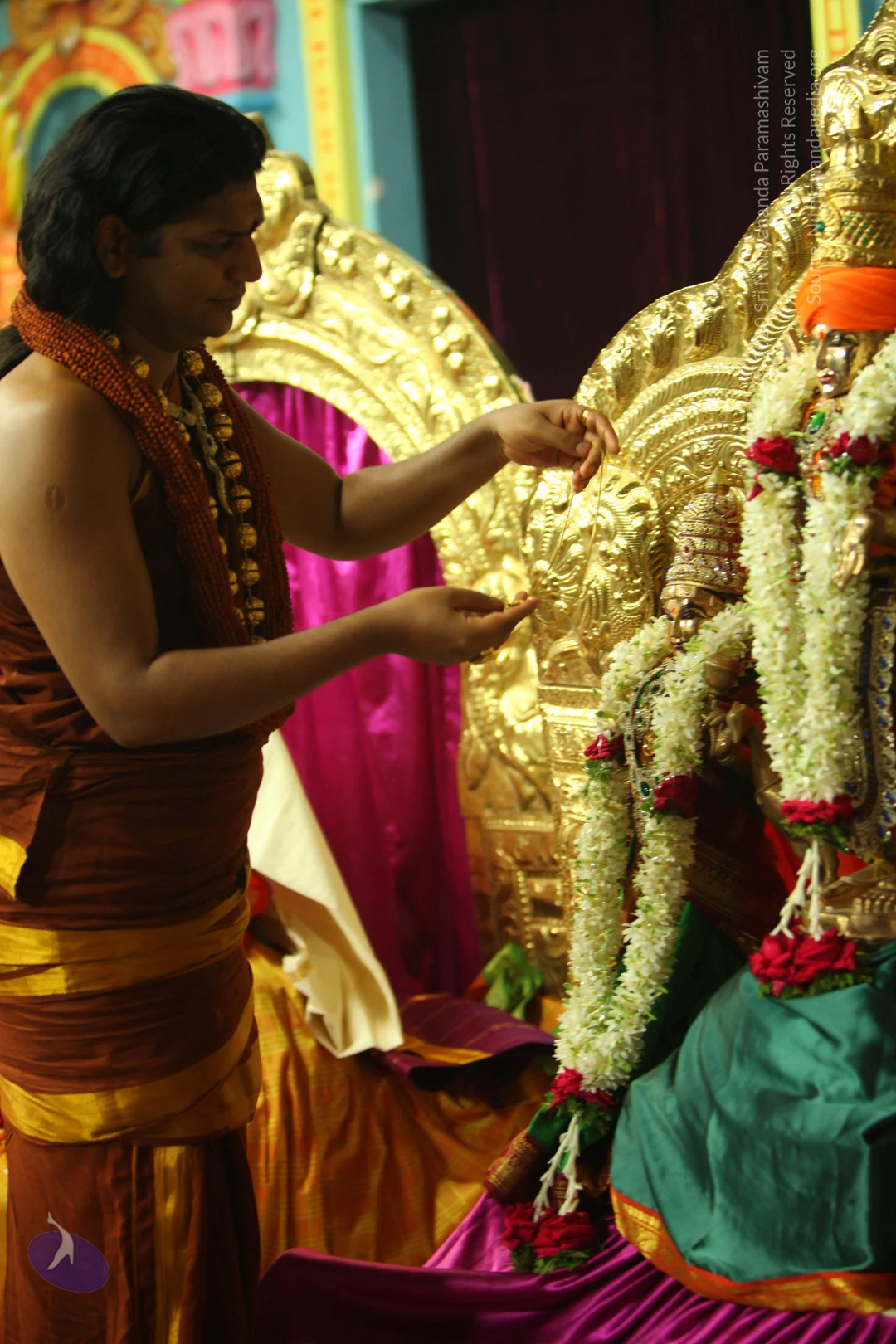
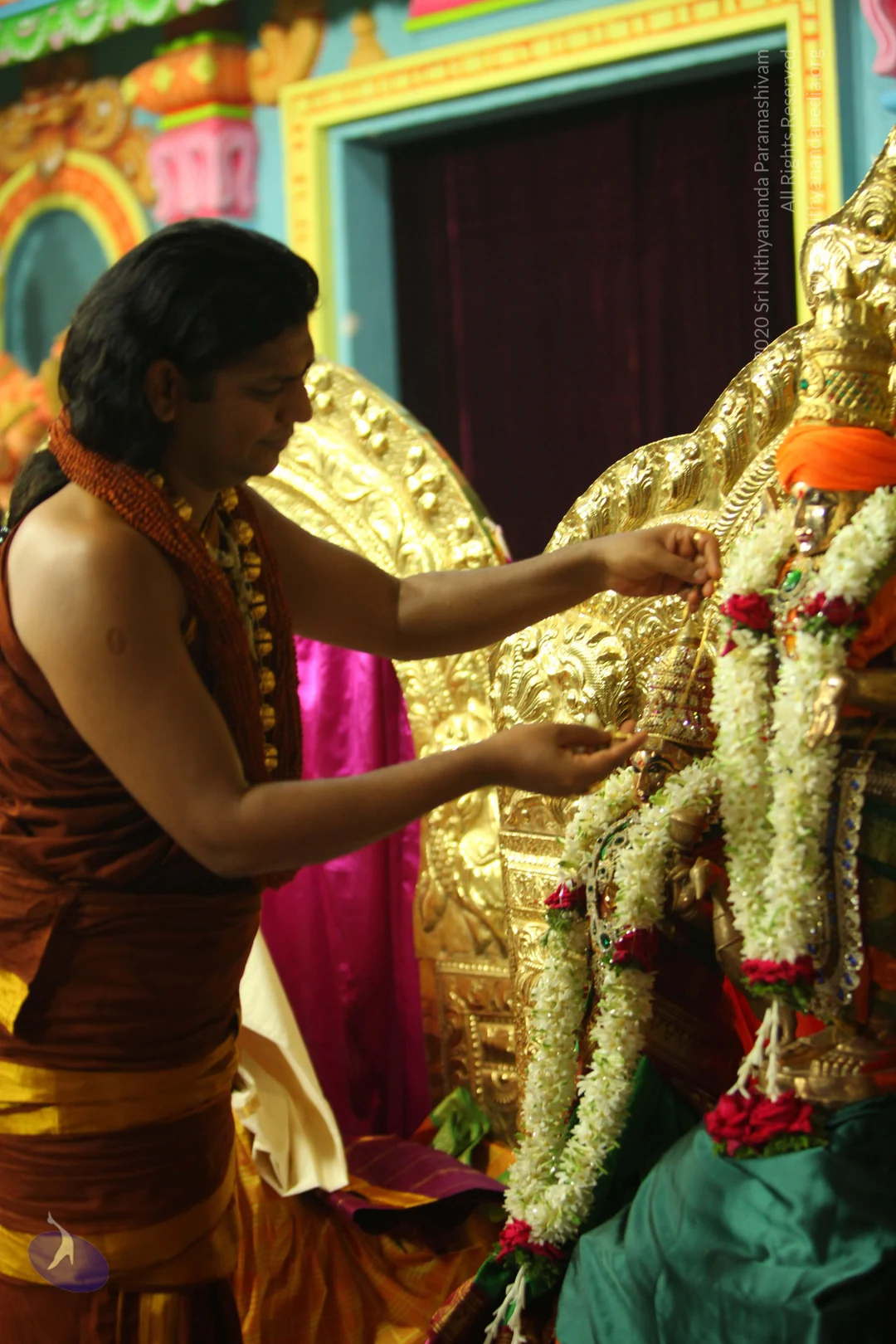
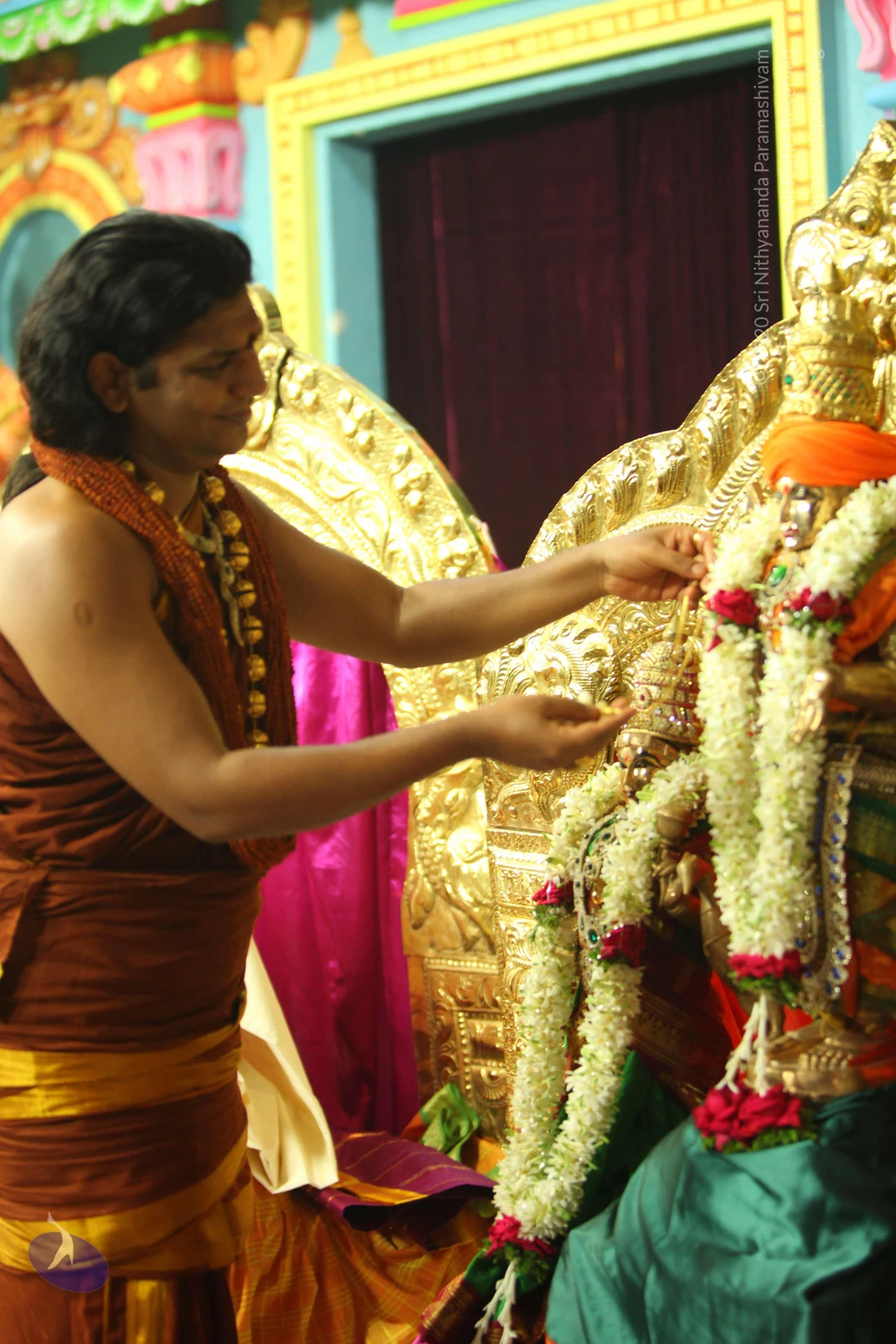
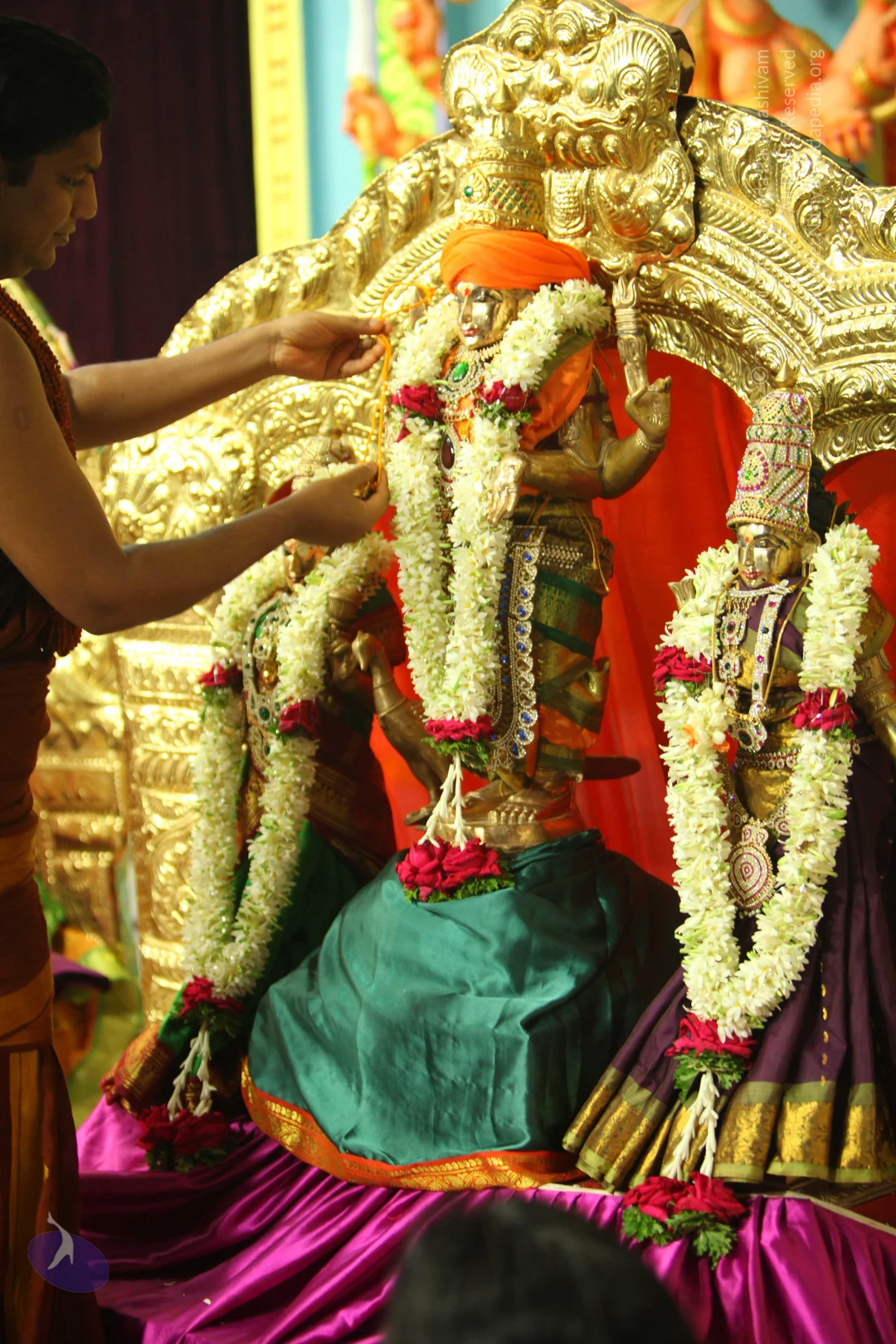
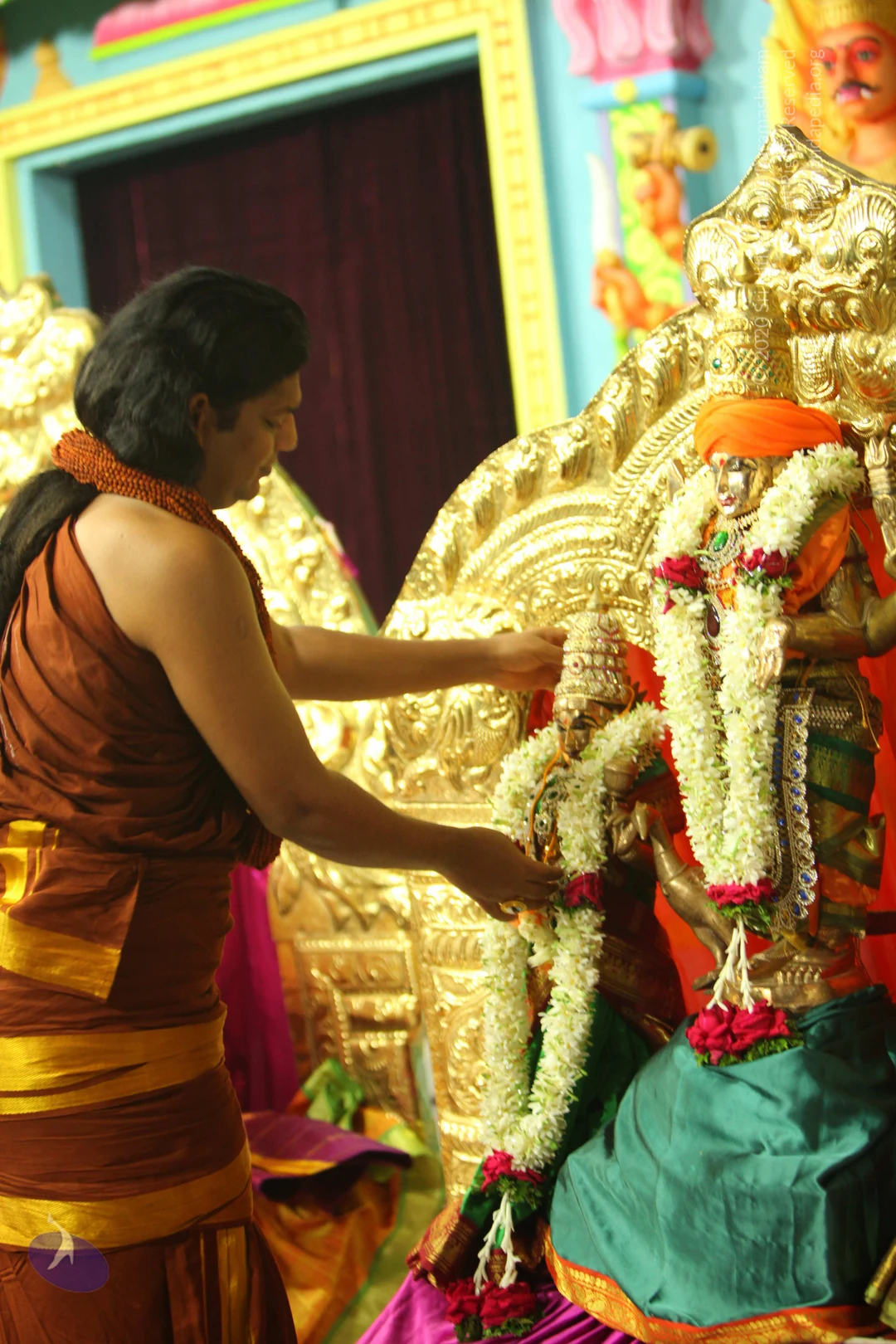
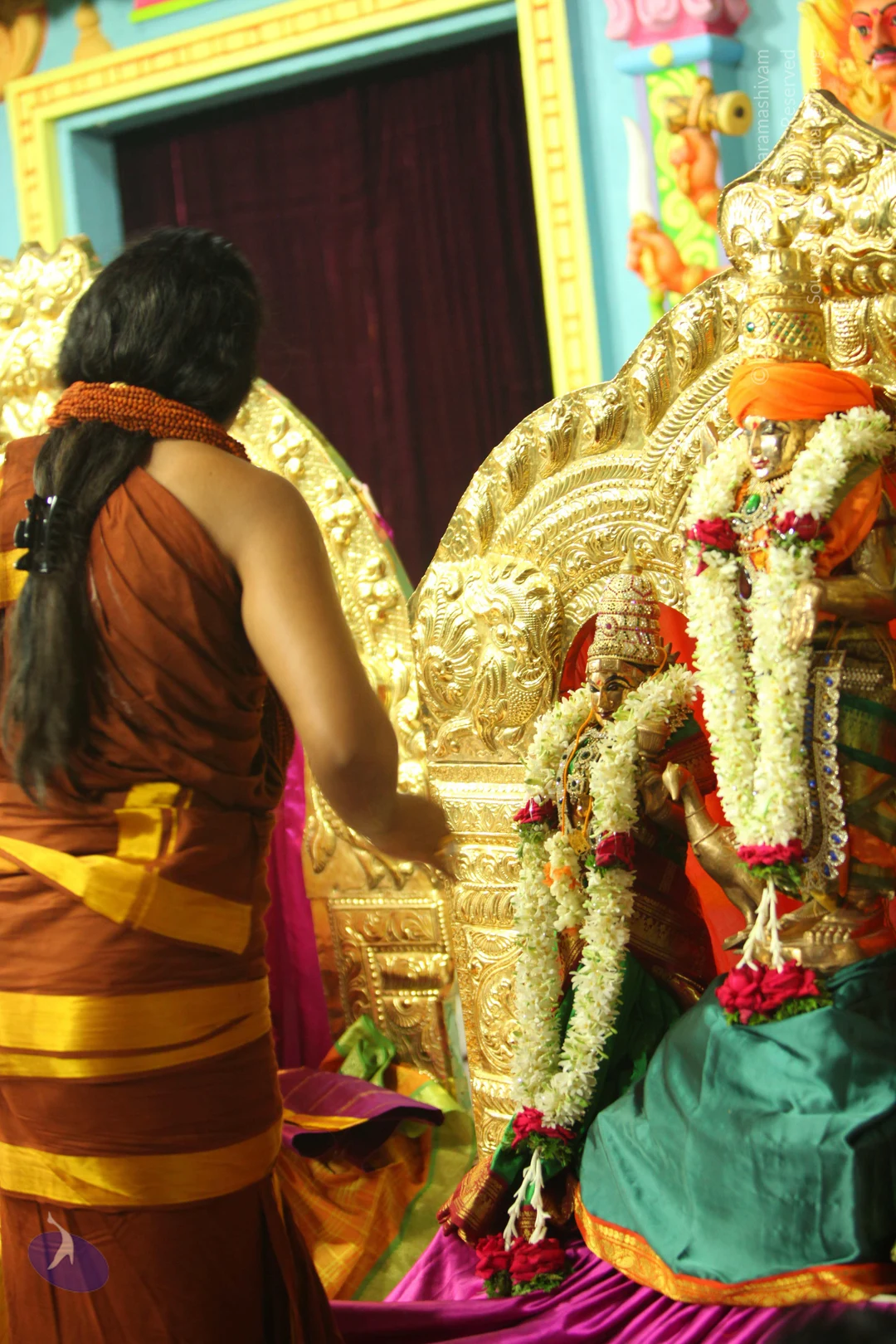
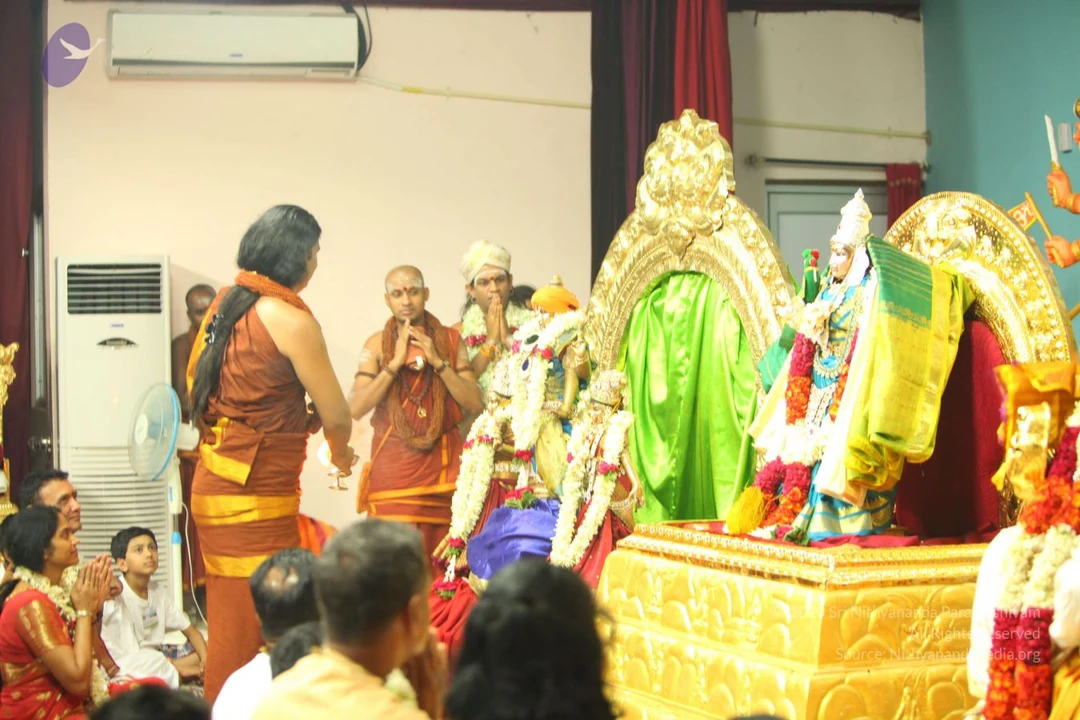
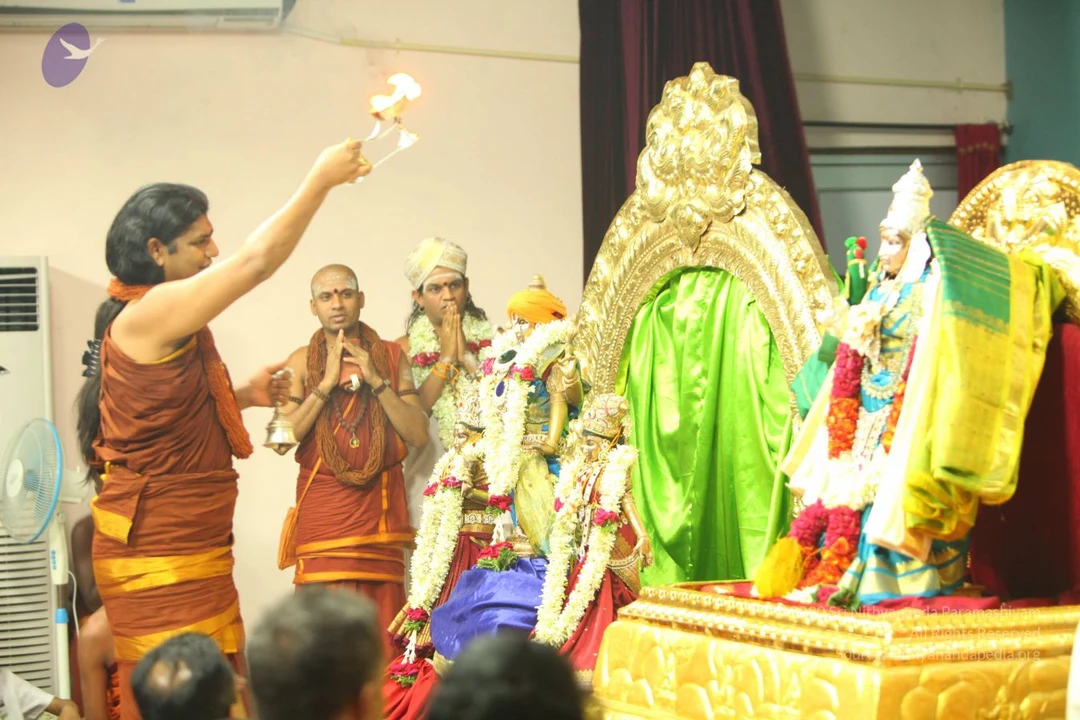
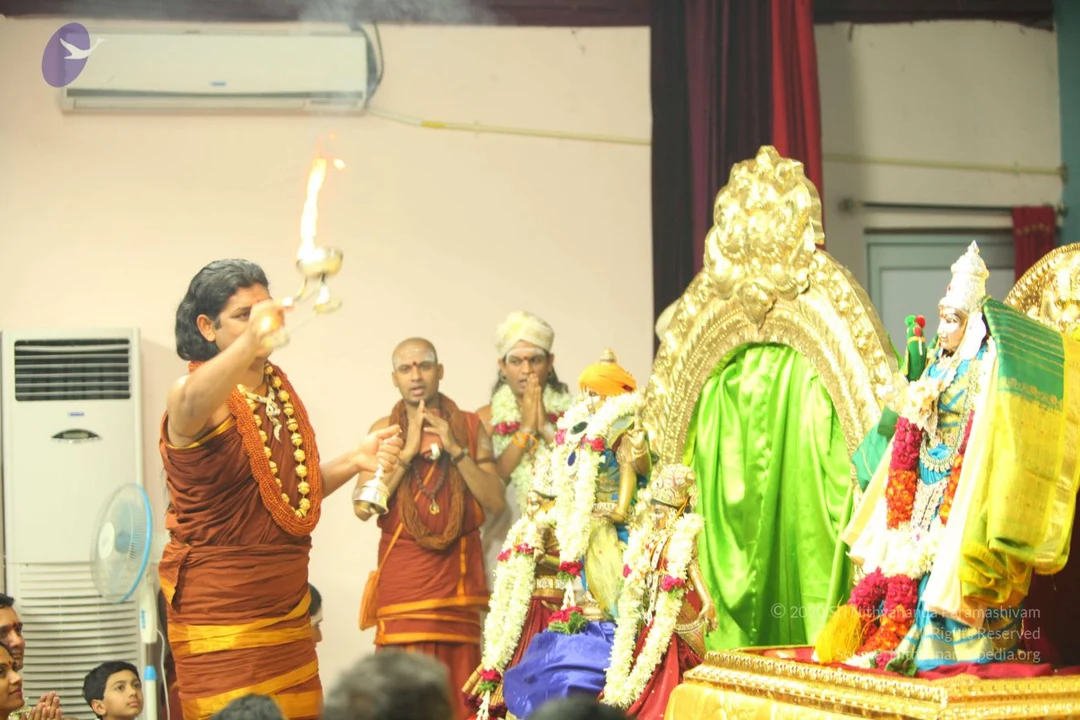
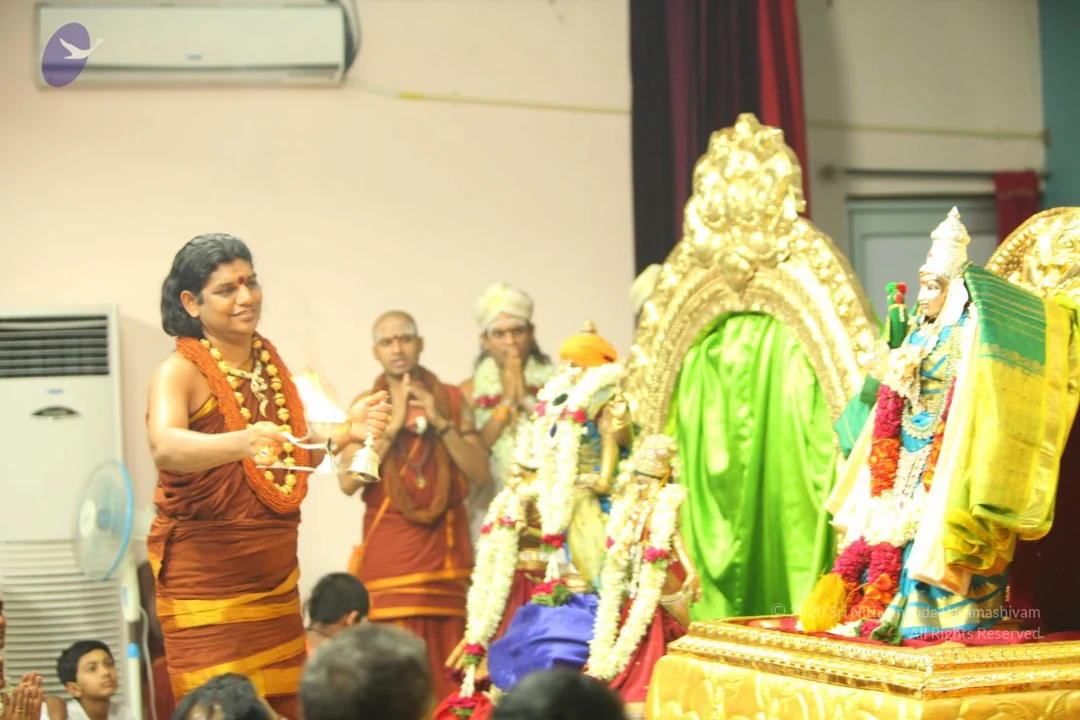
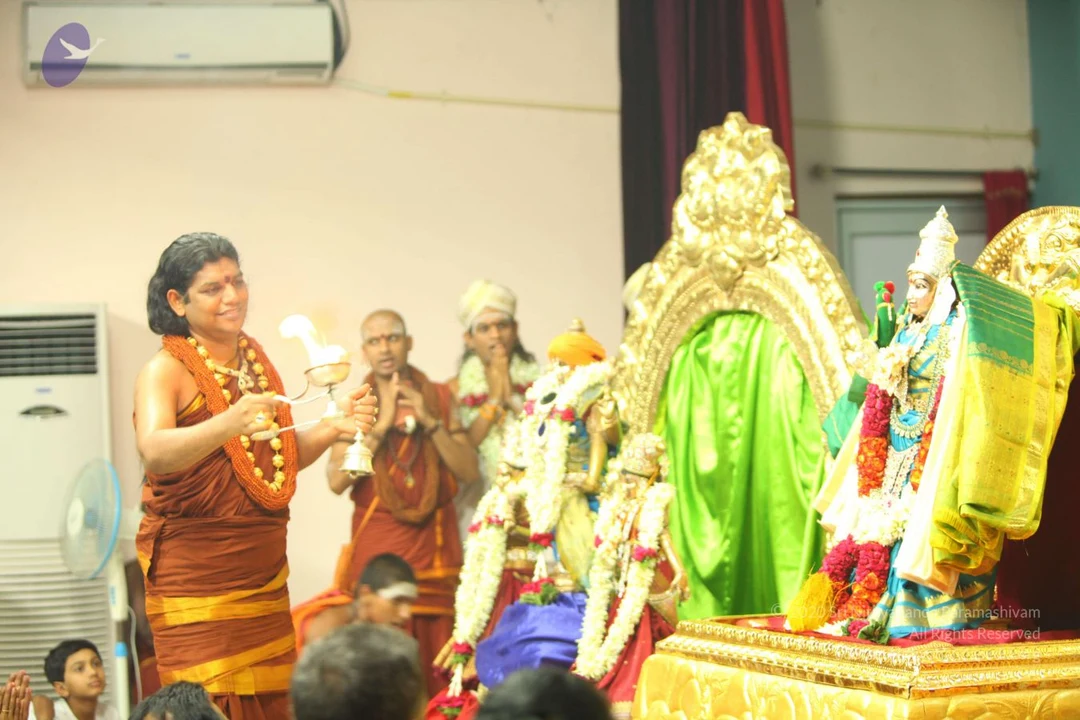
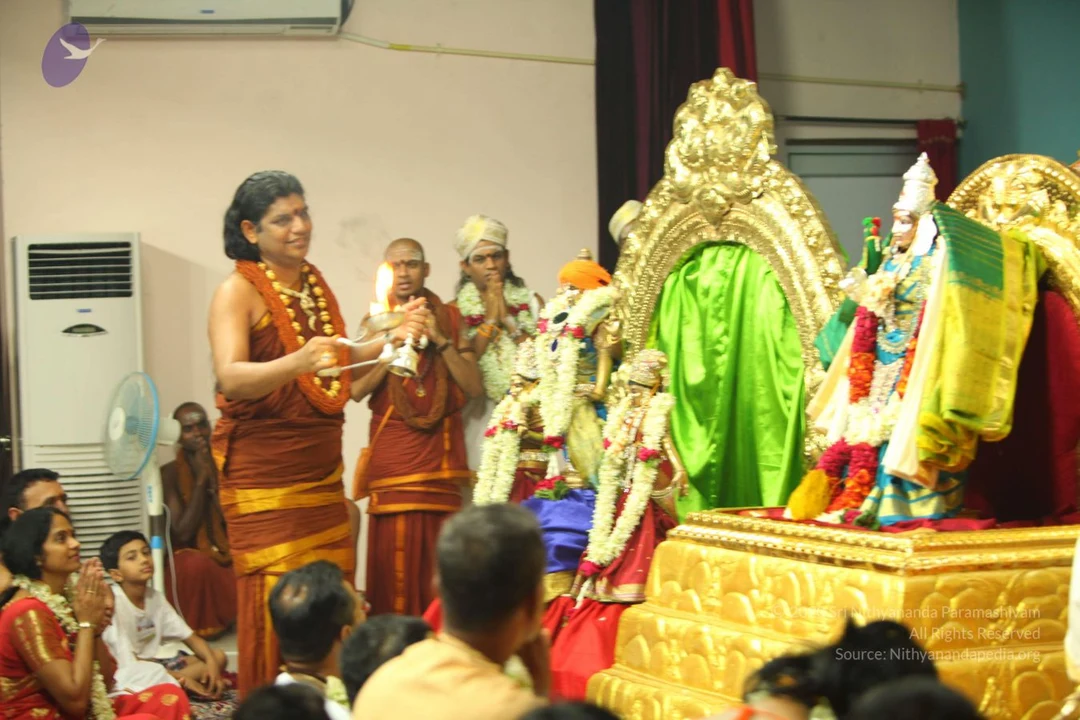
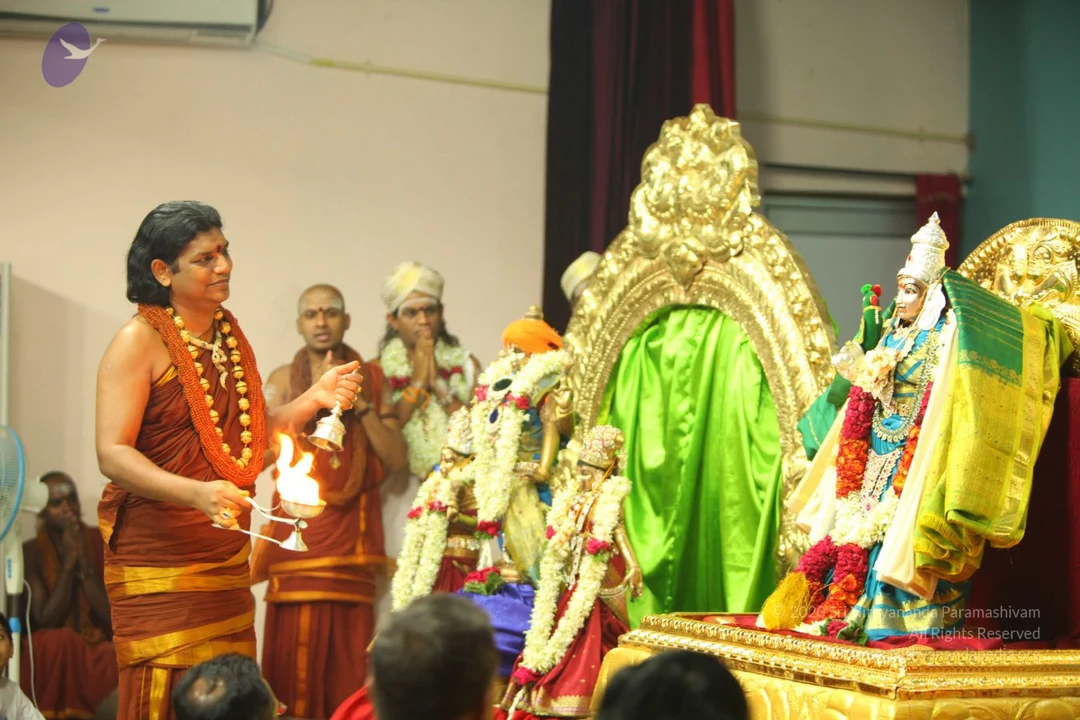
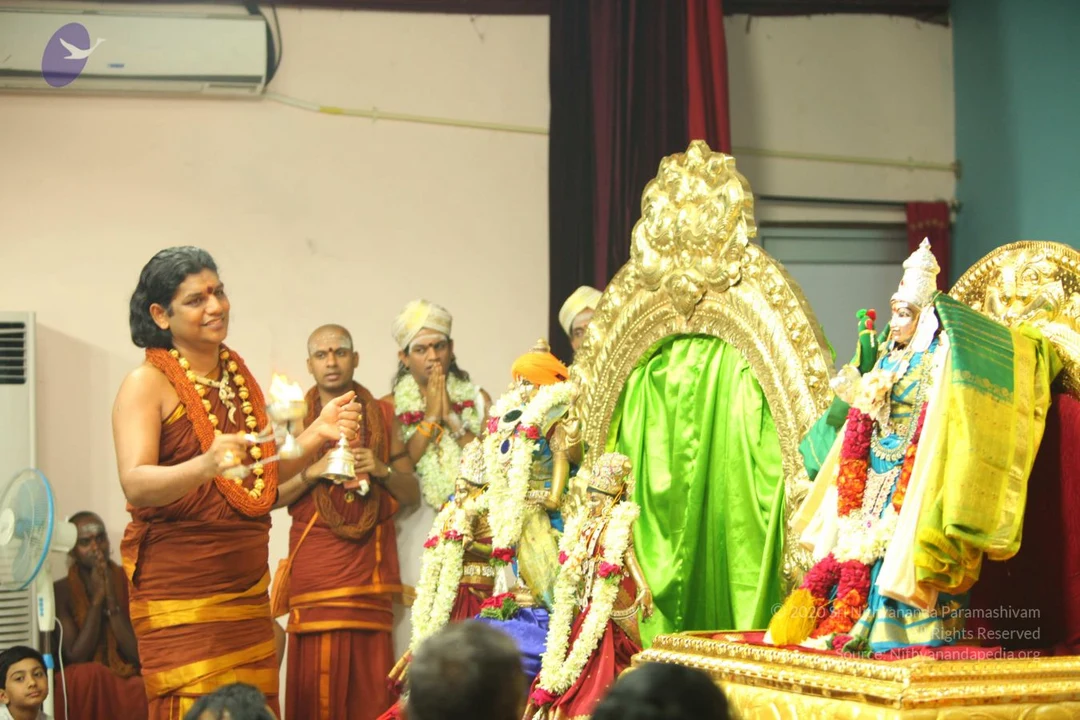
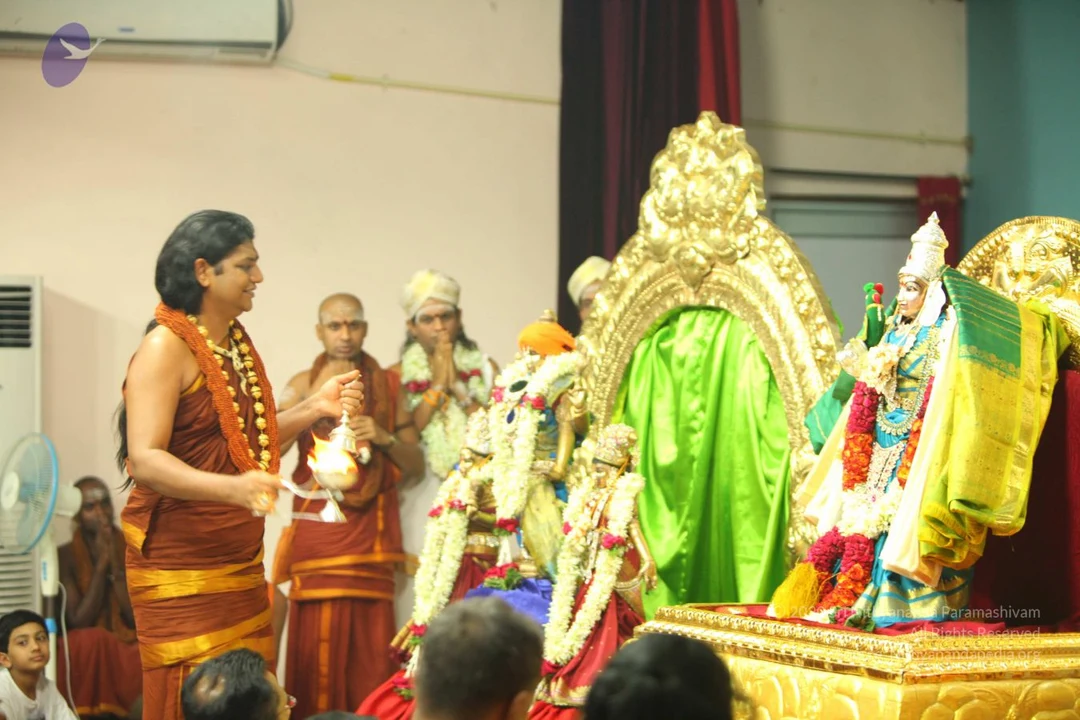
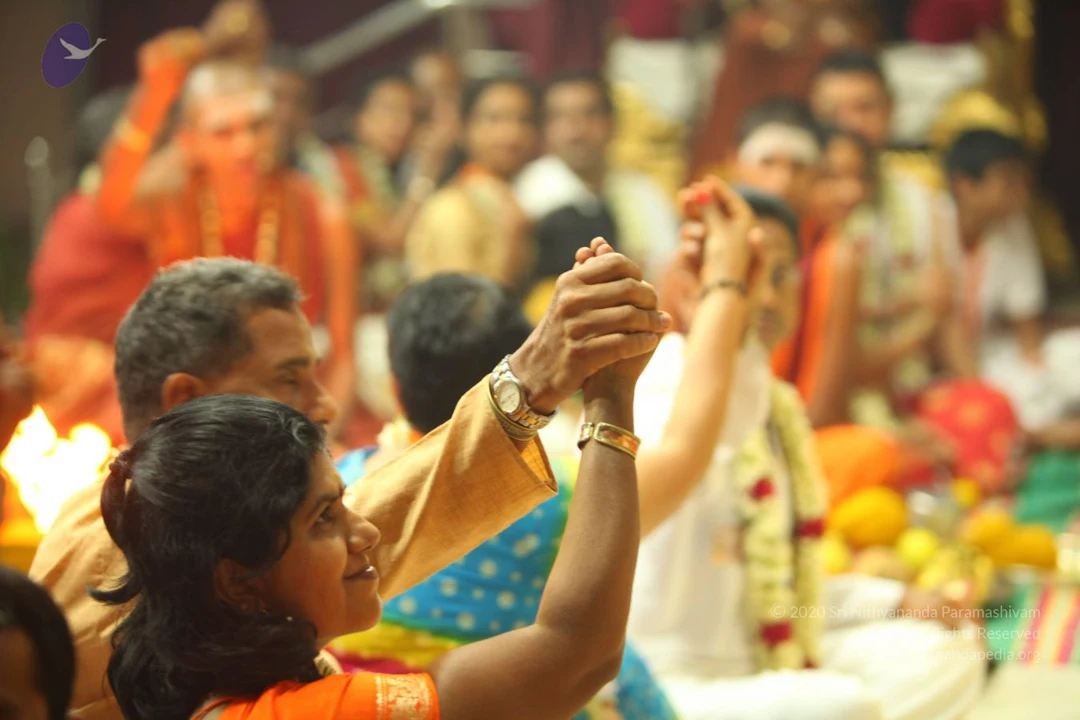
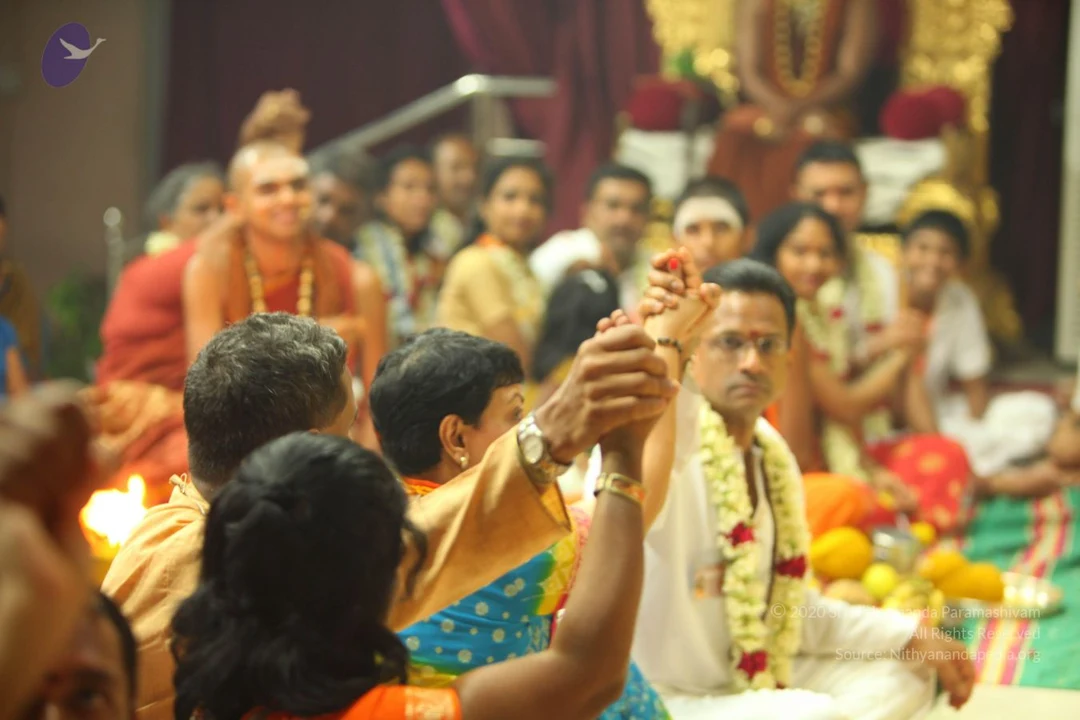
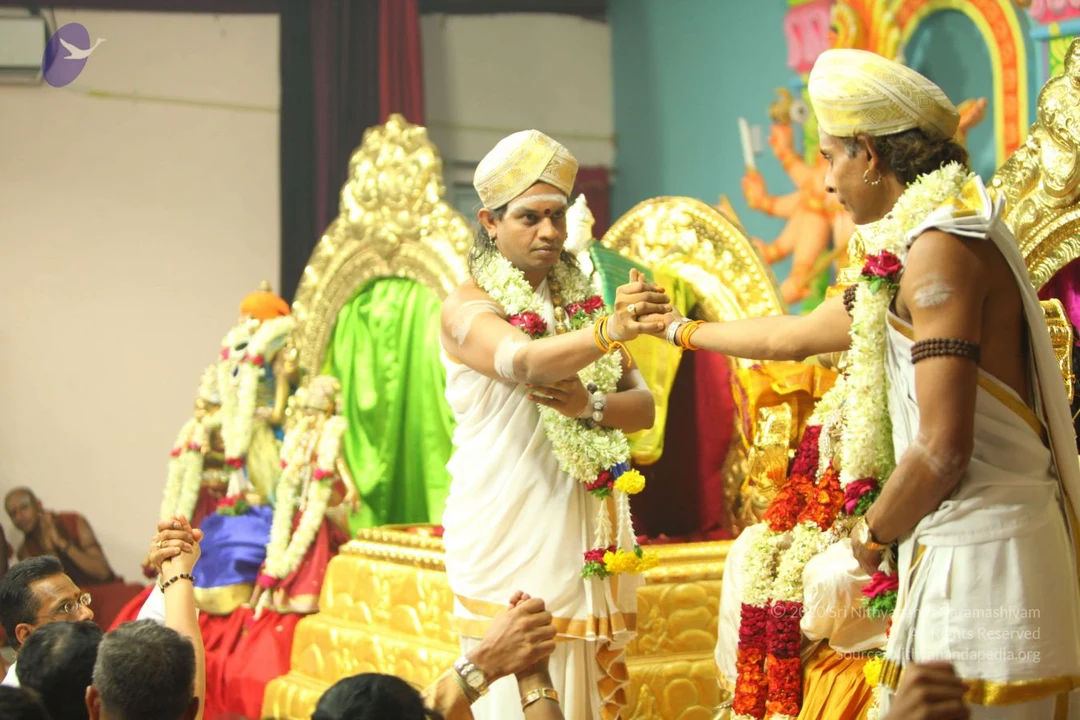
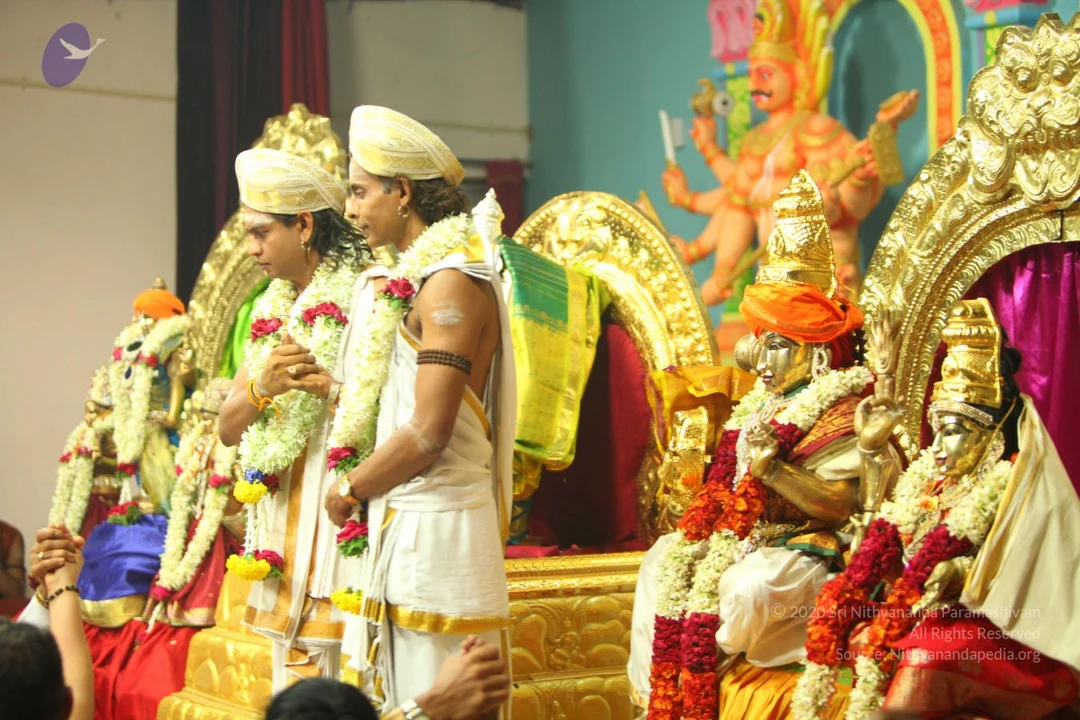
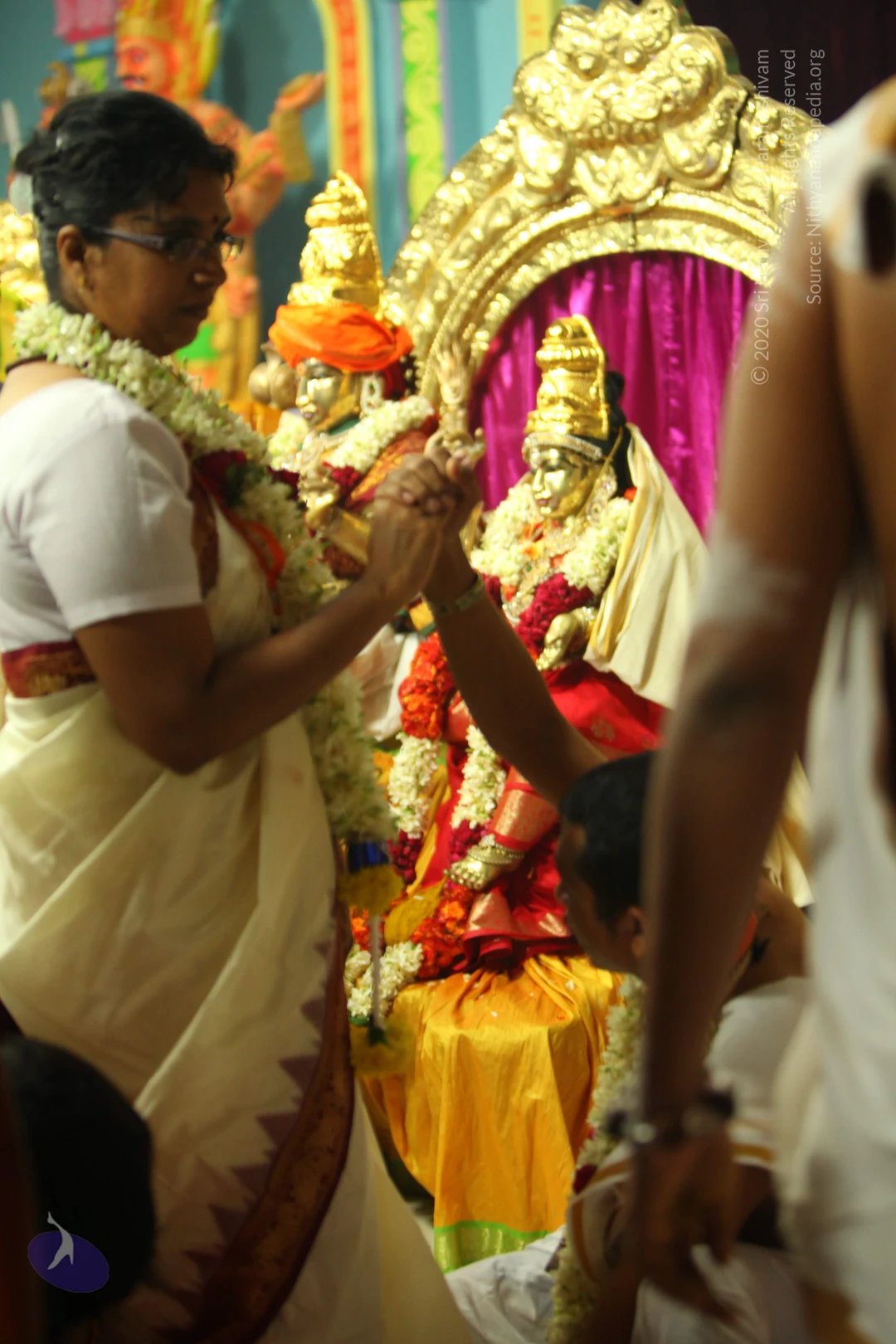
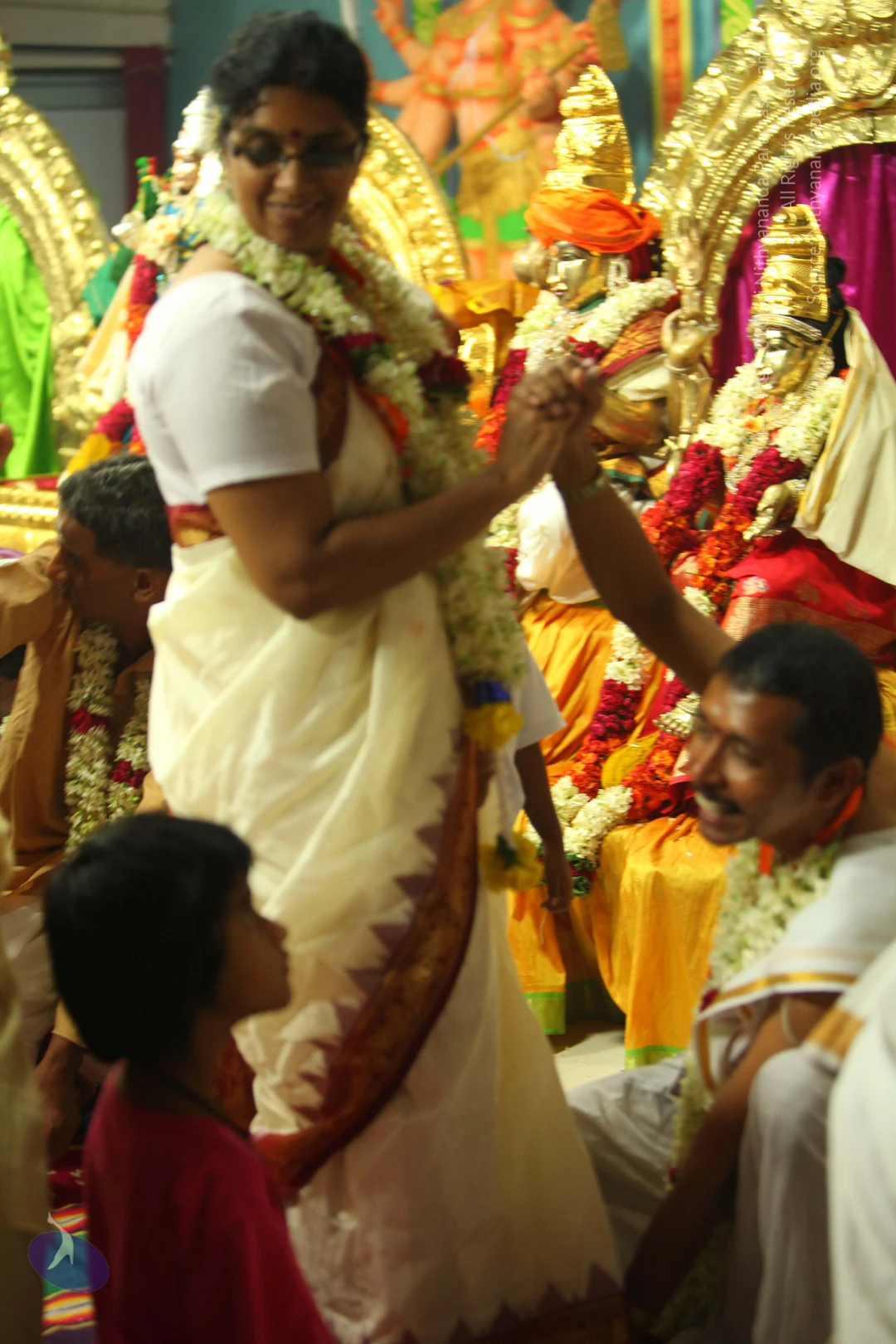
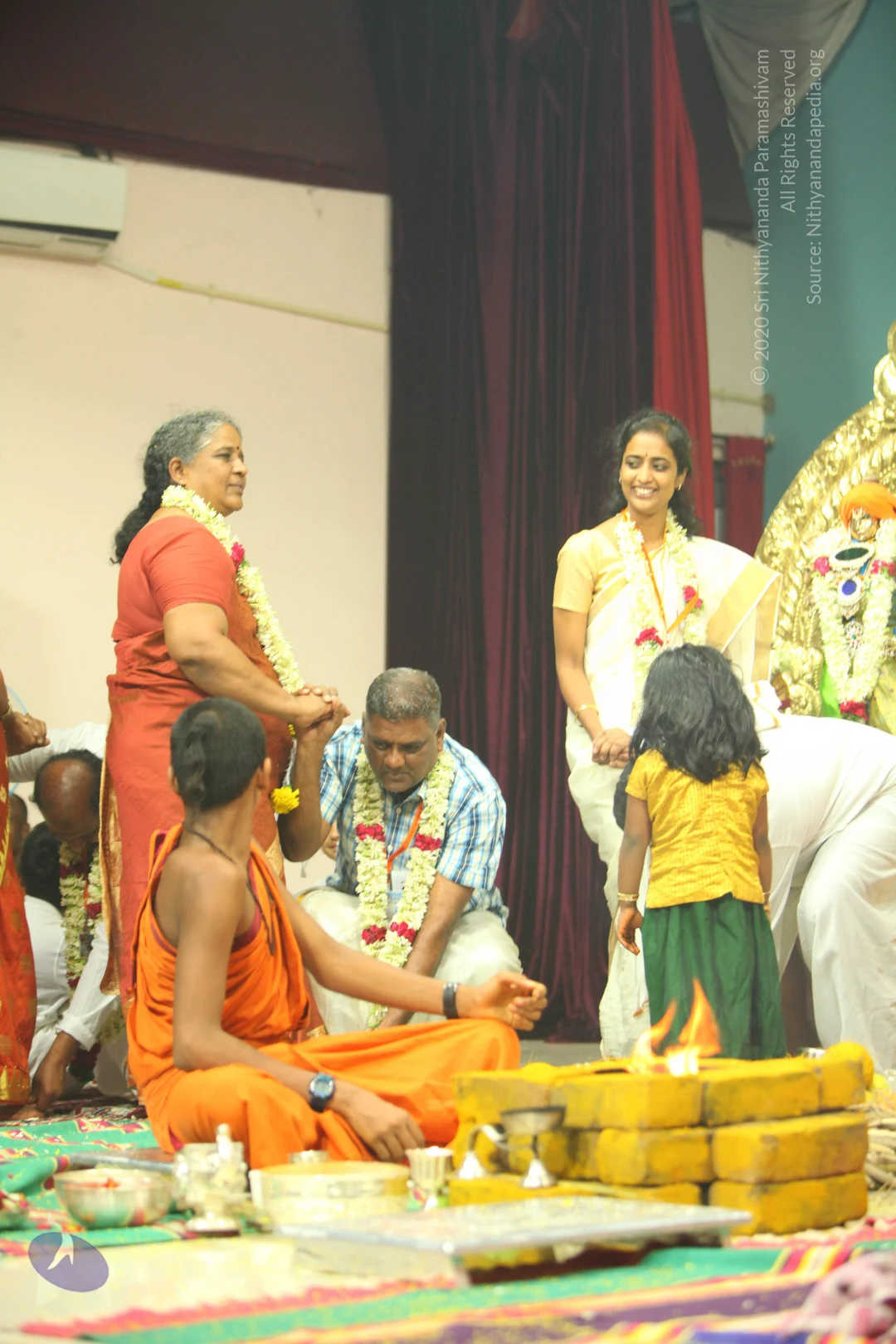
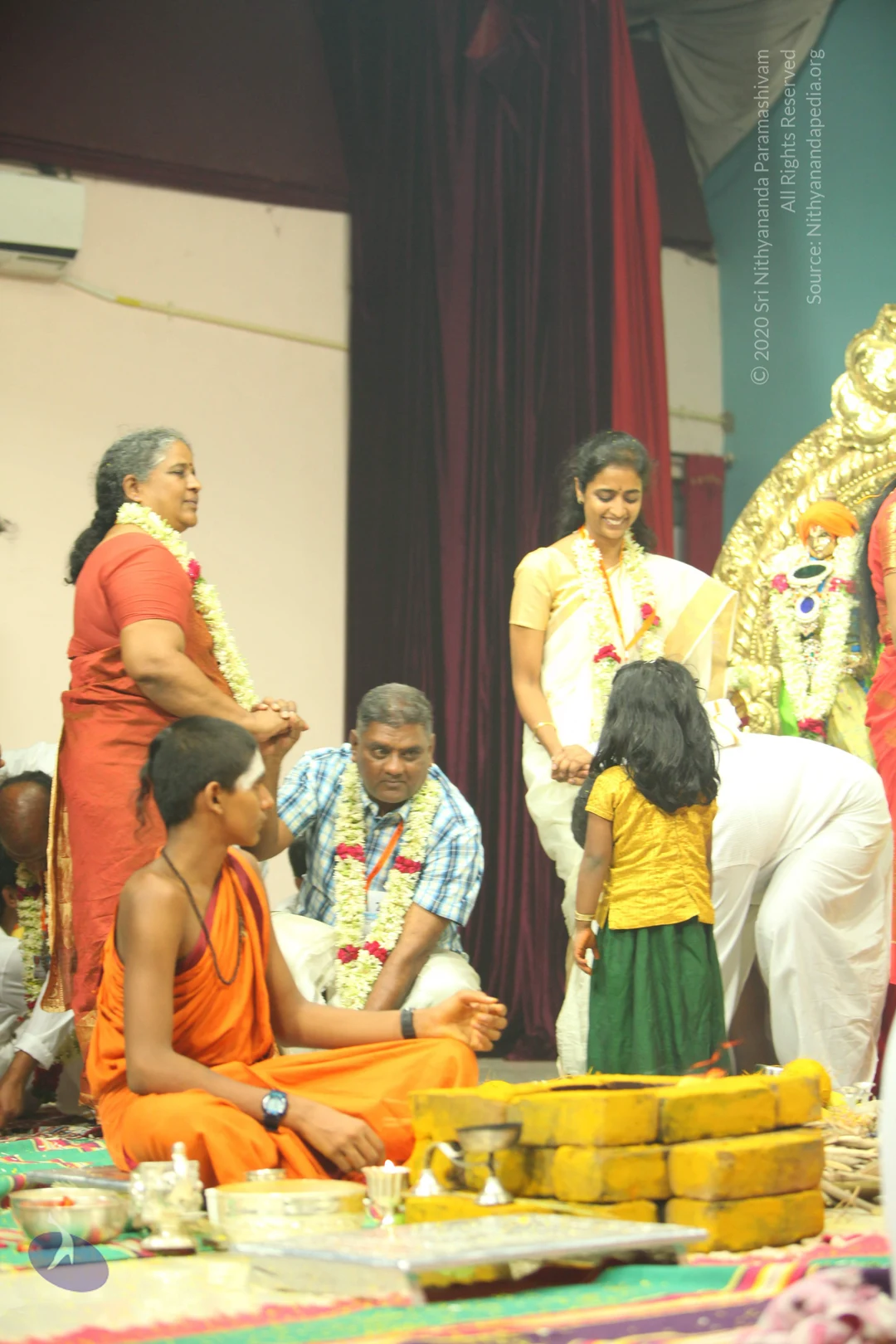
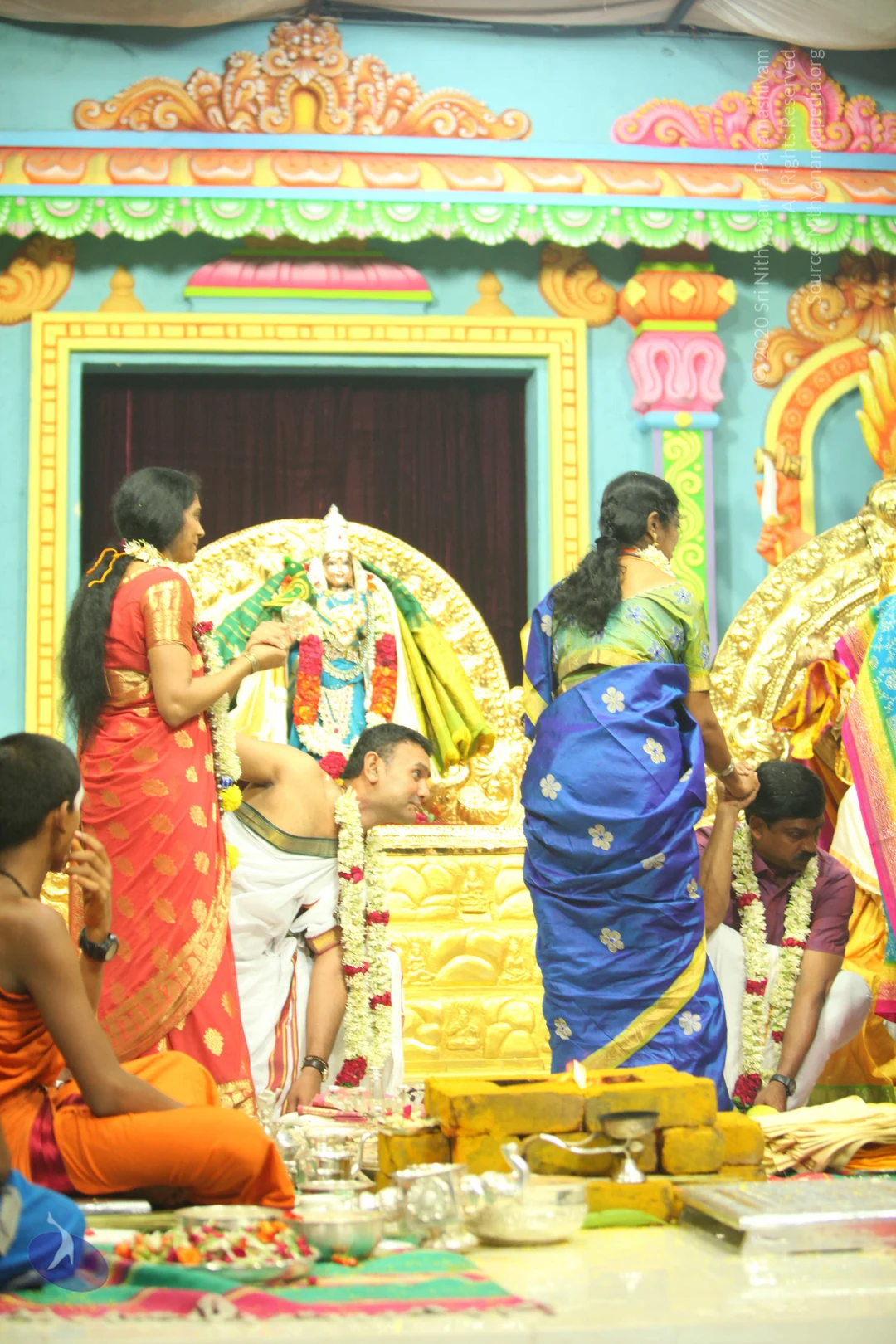
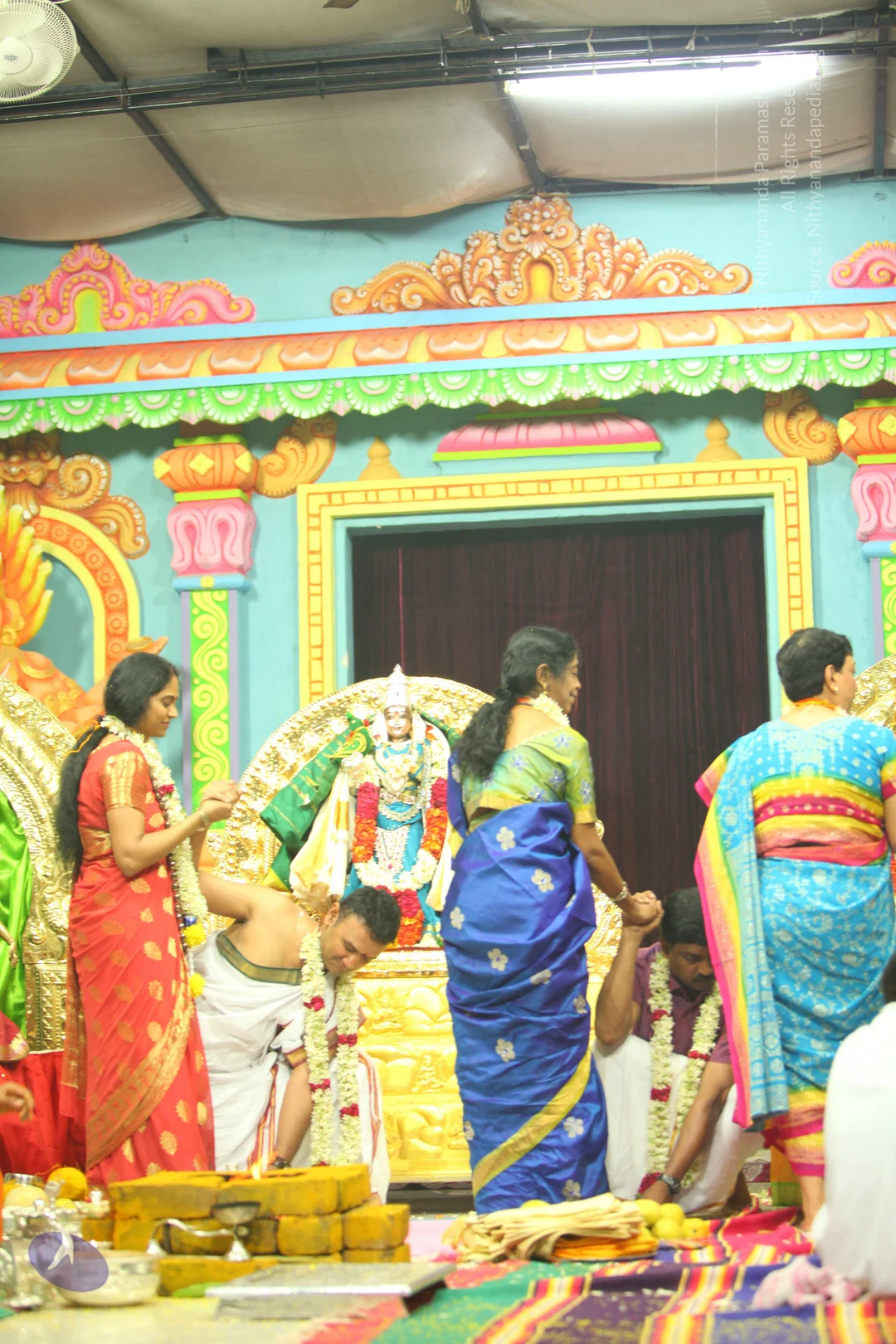
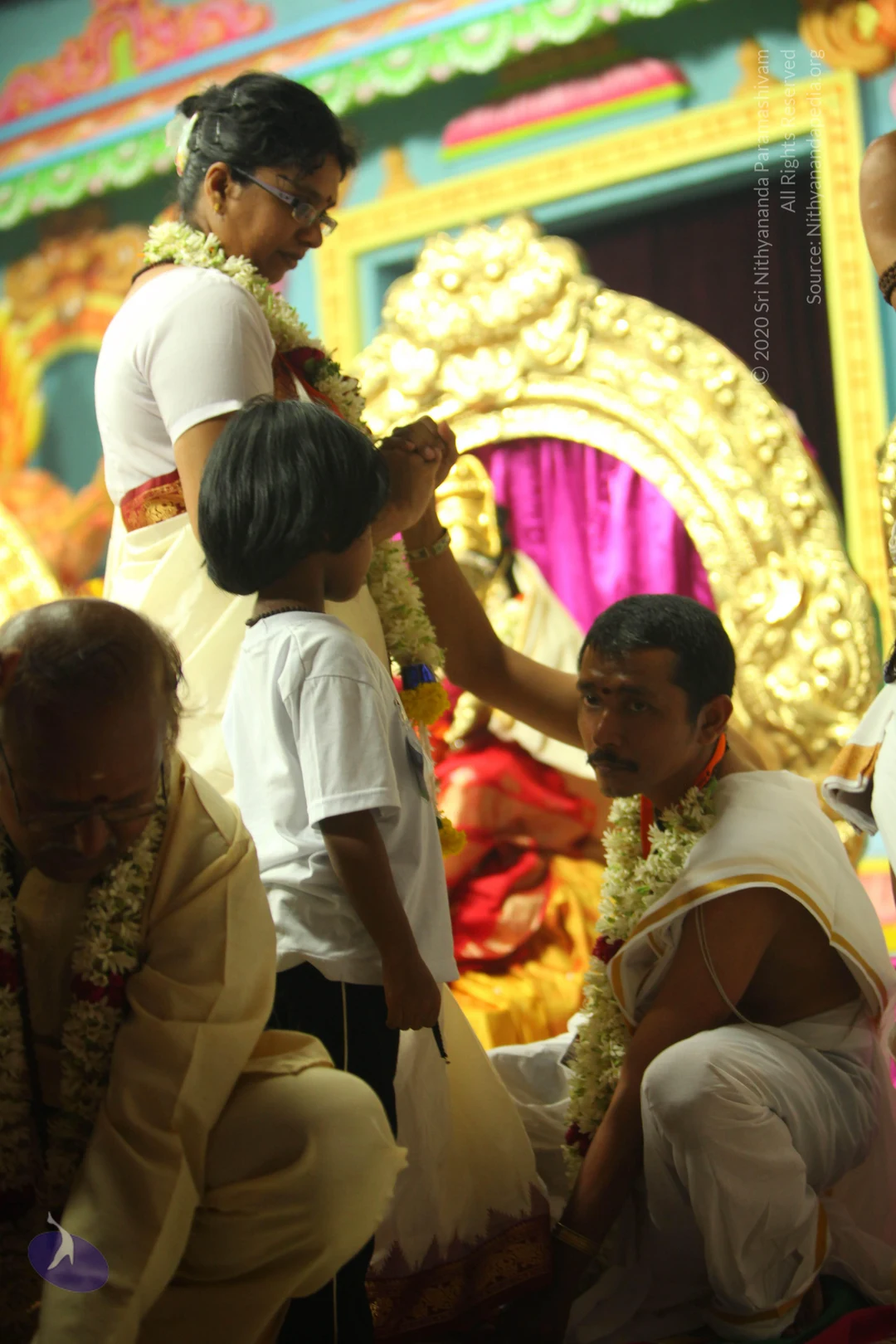
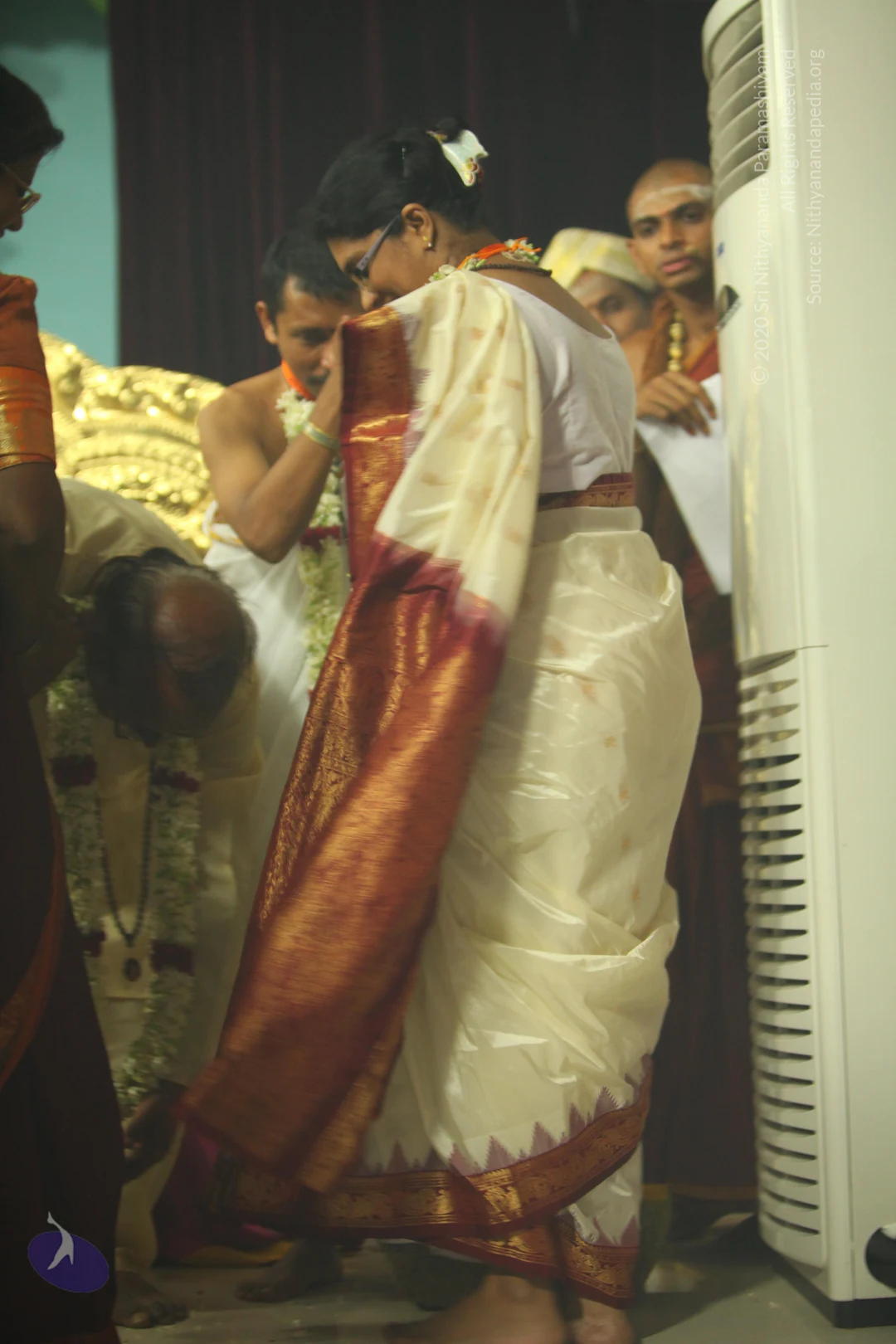
MEENAKSHI-TIRUKALYANAM
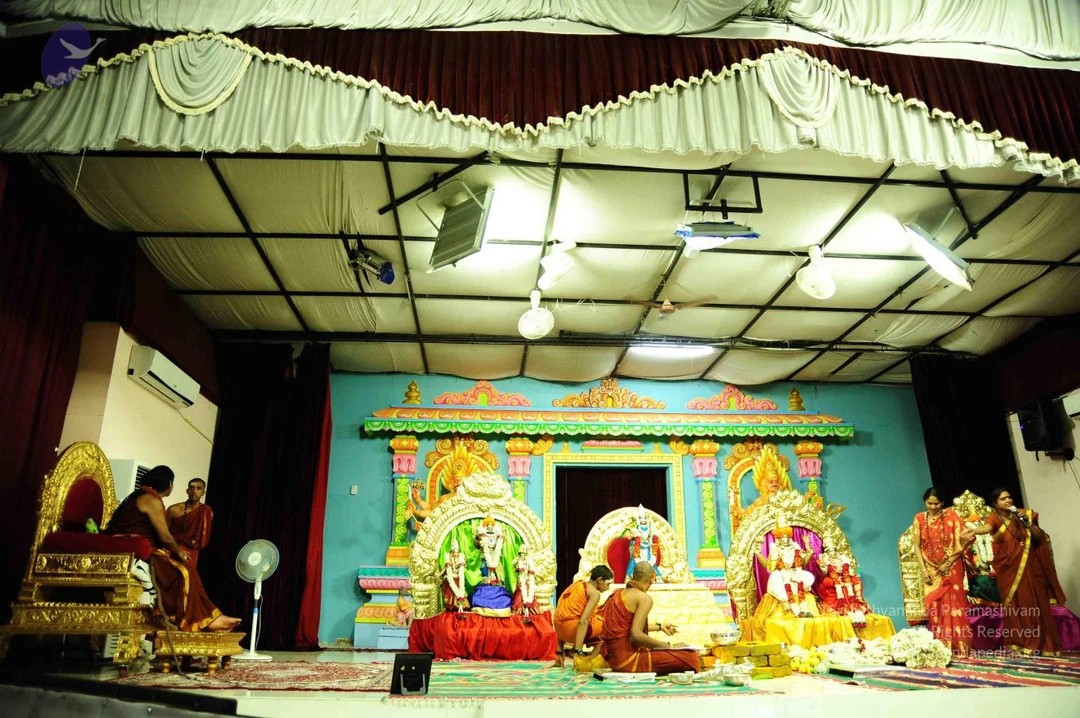
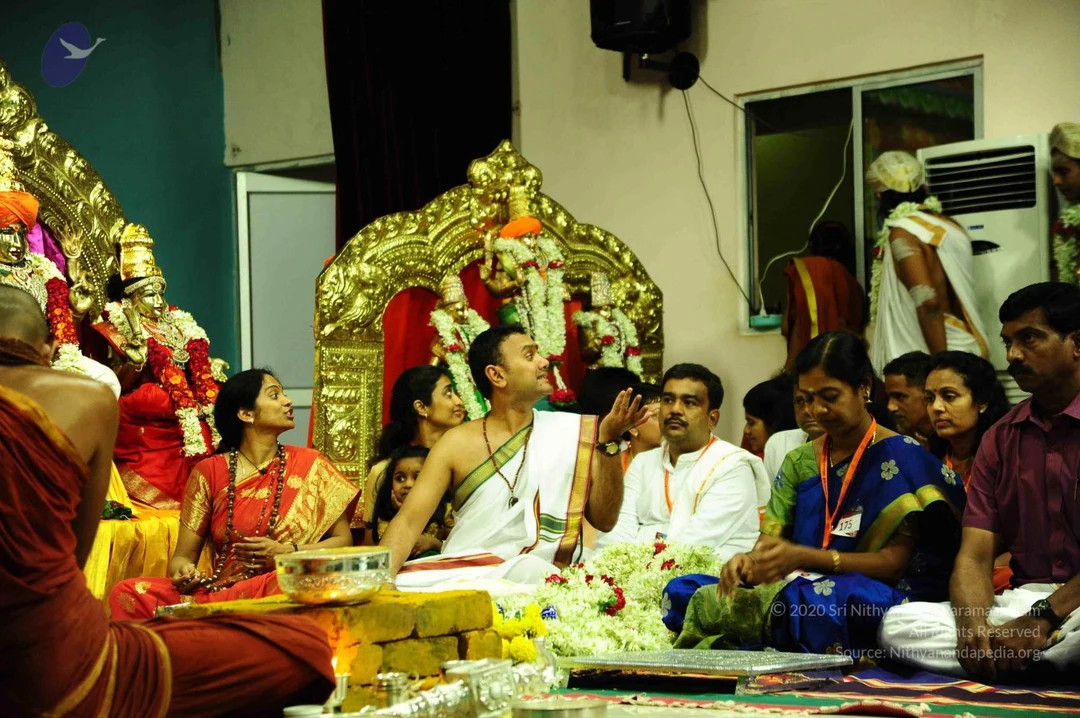


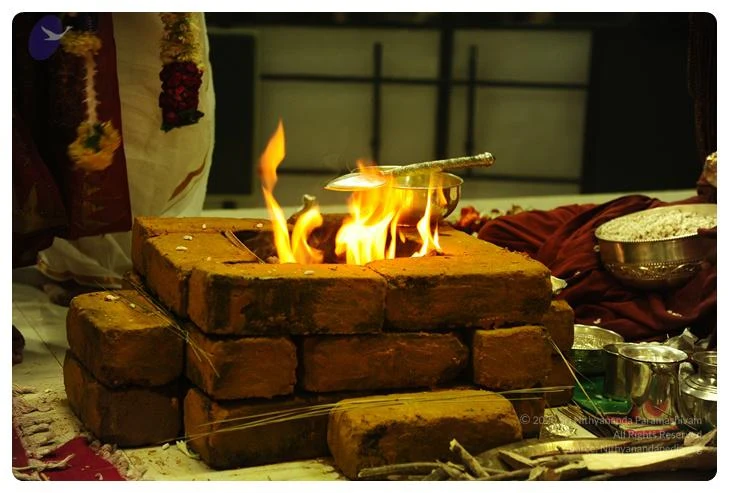
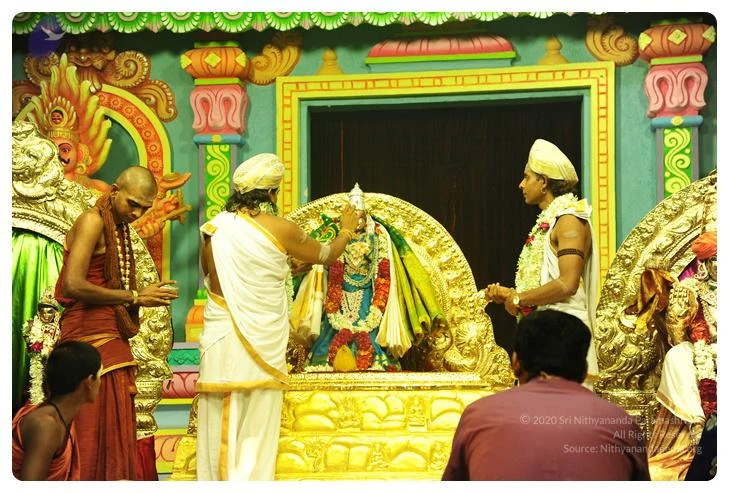
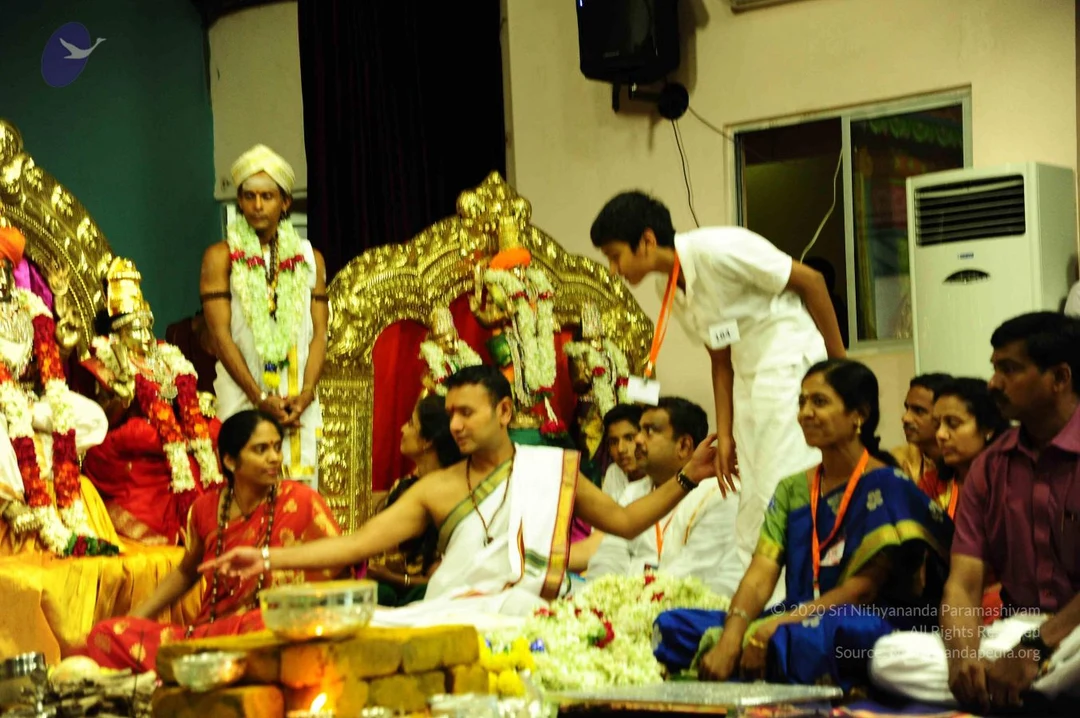
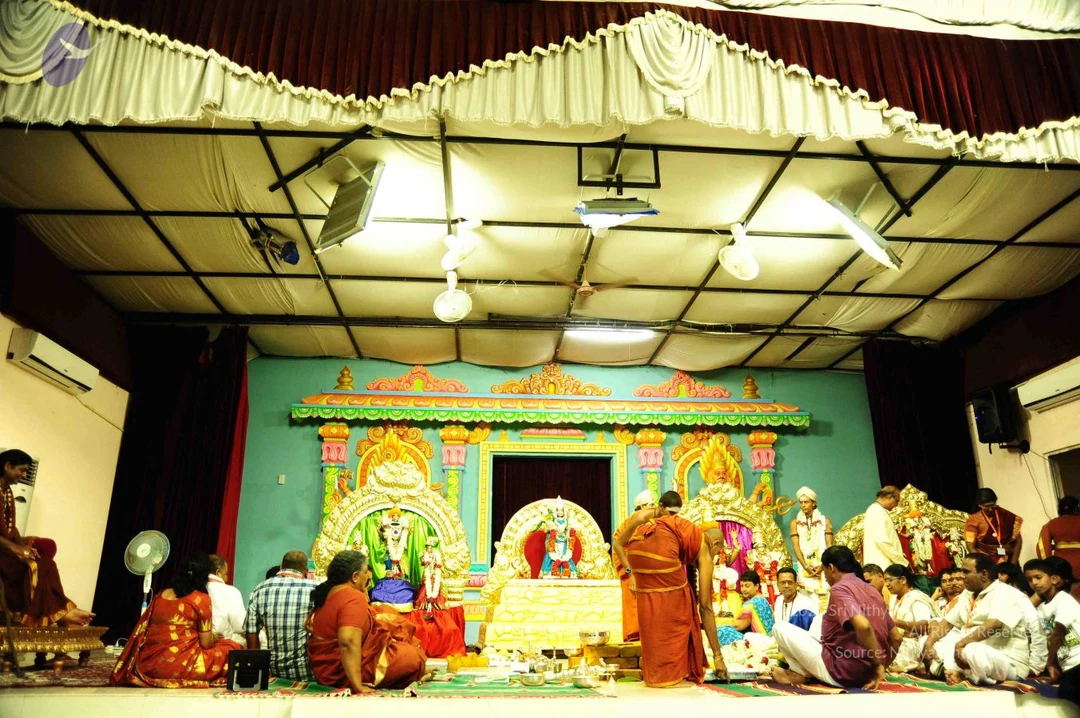
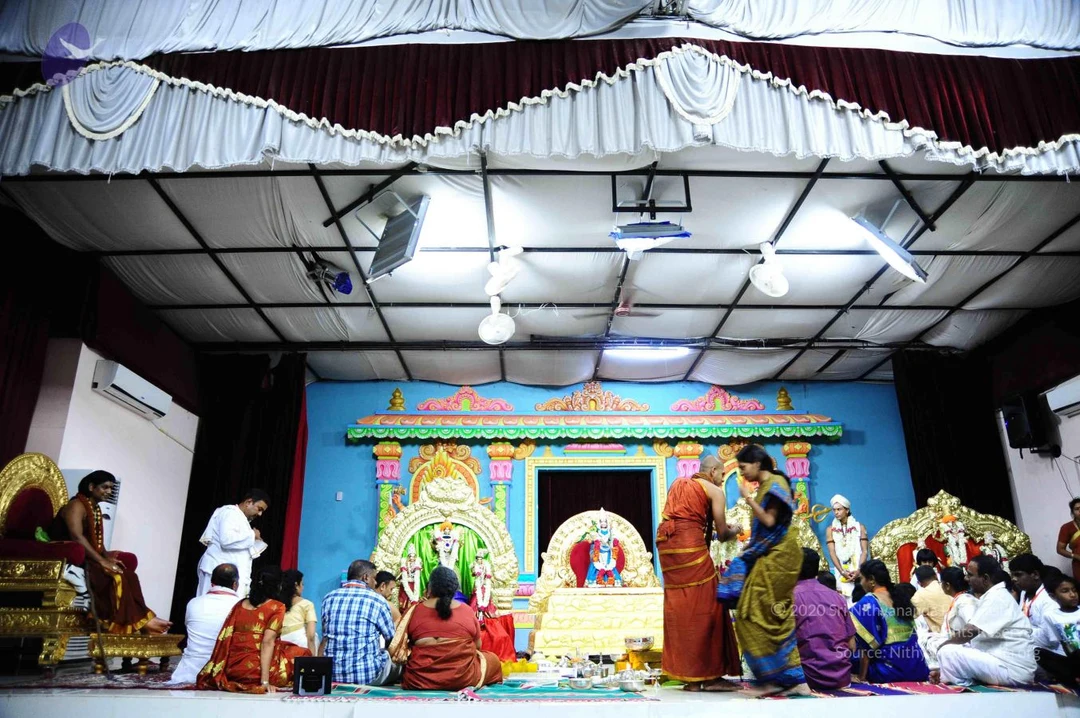

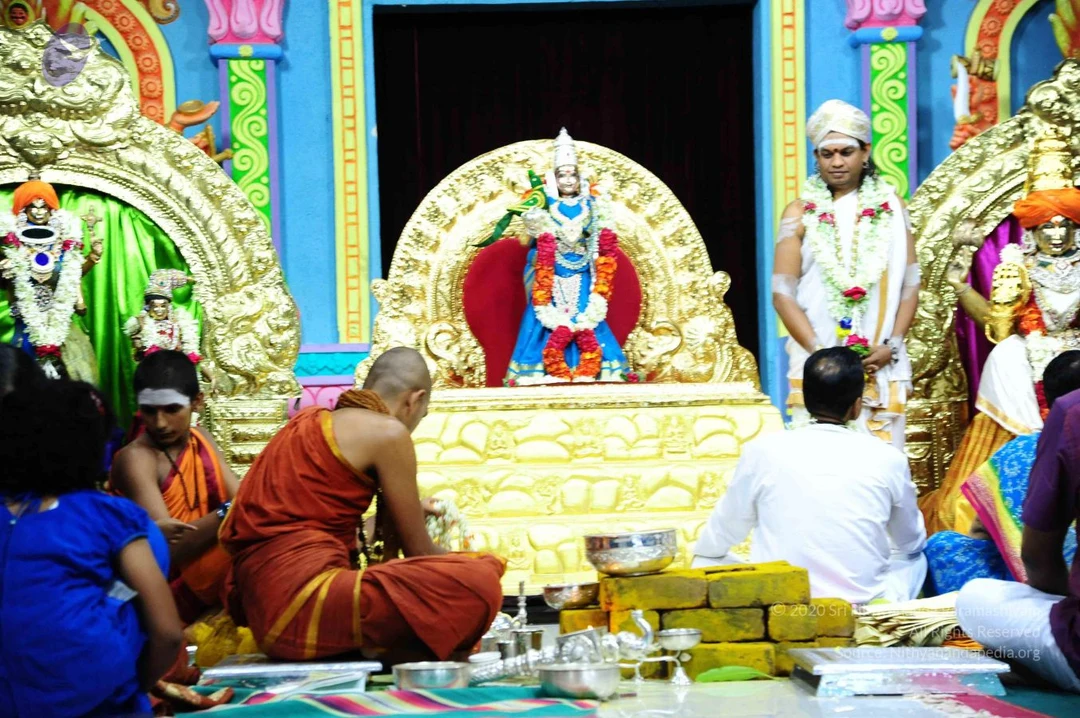

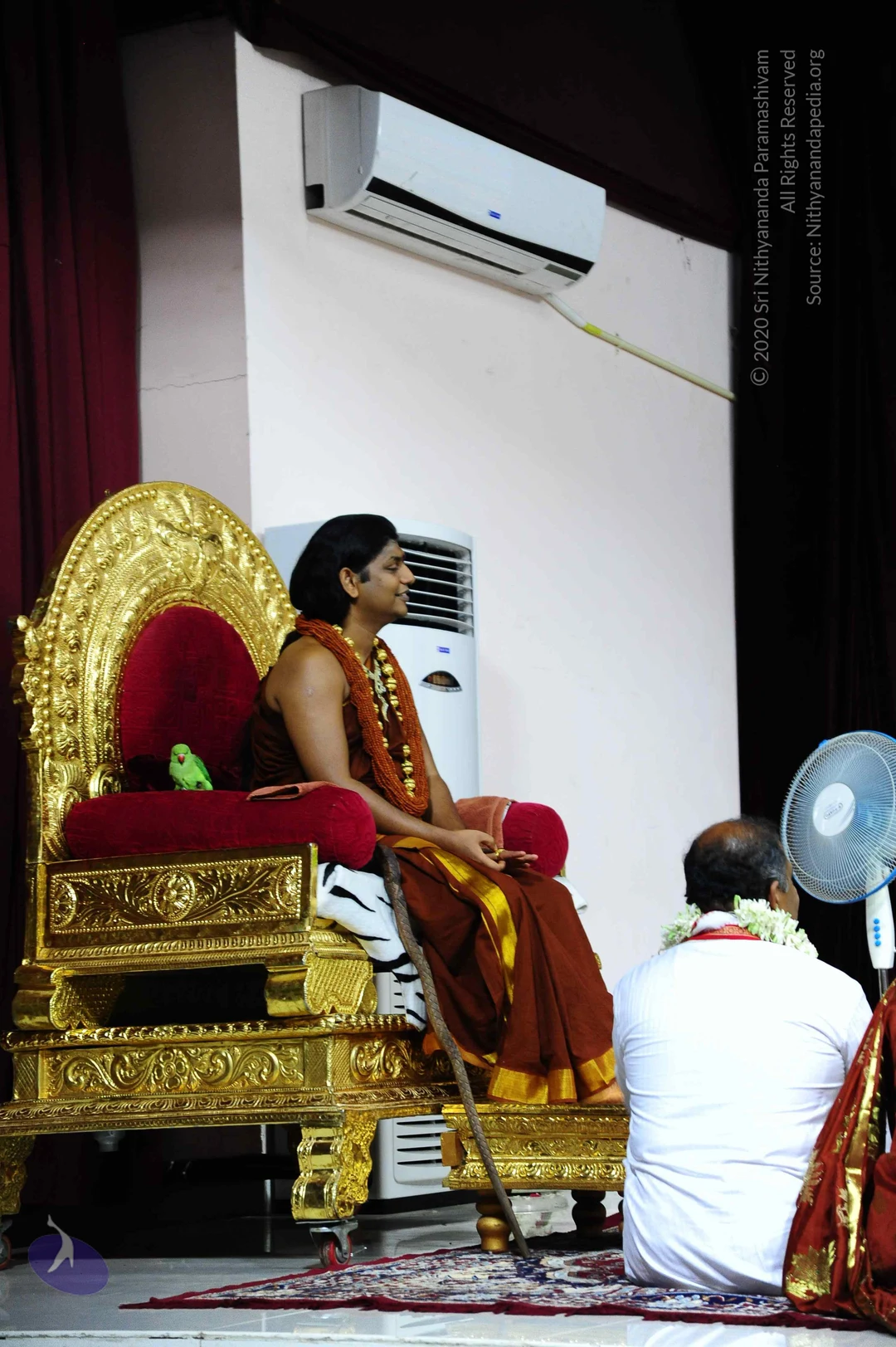
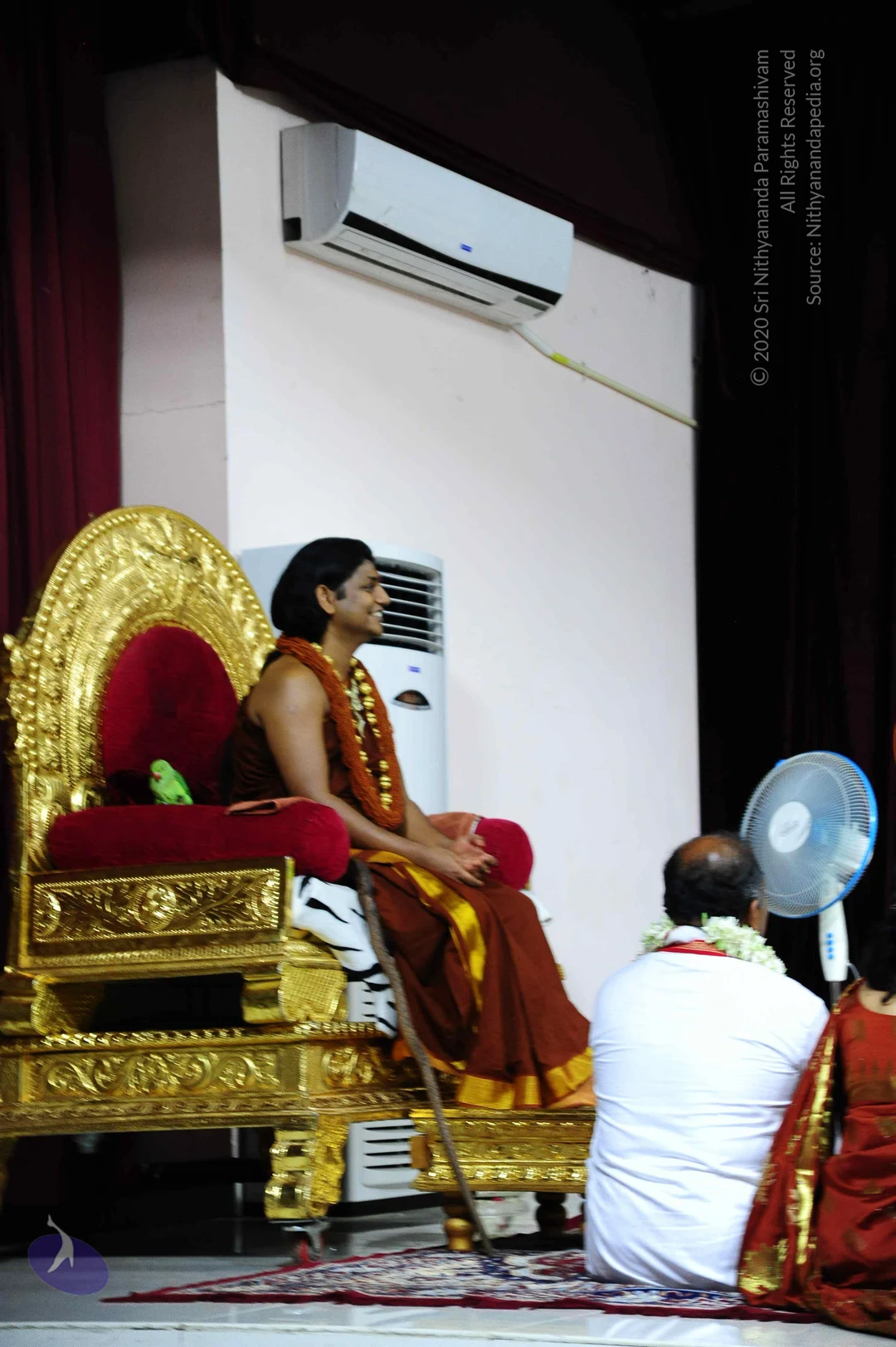
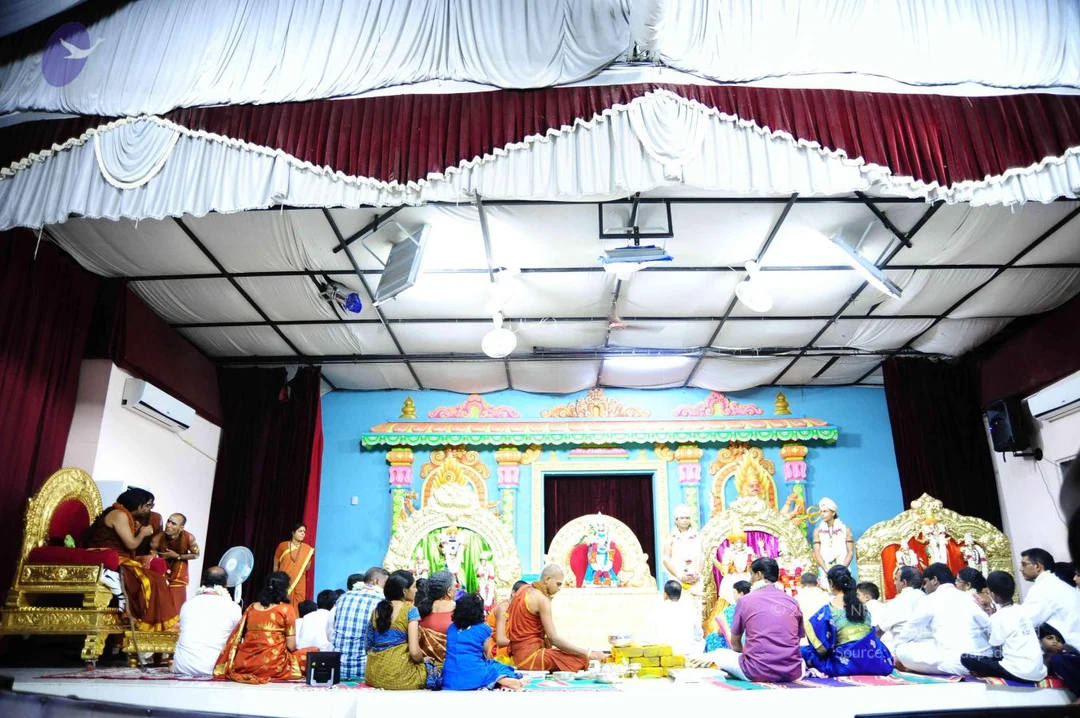
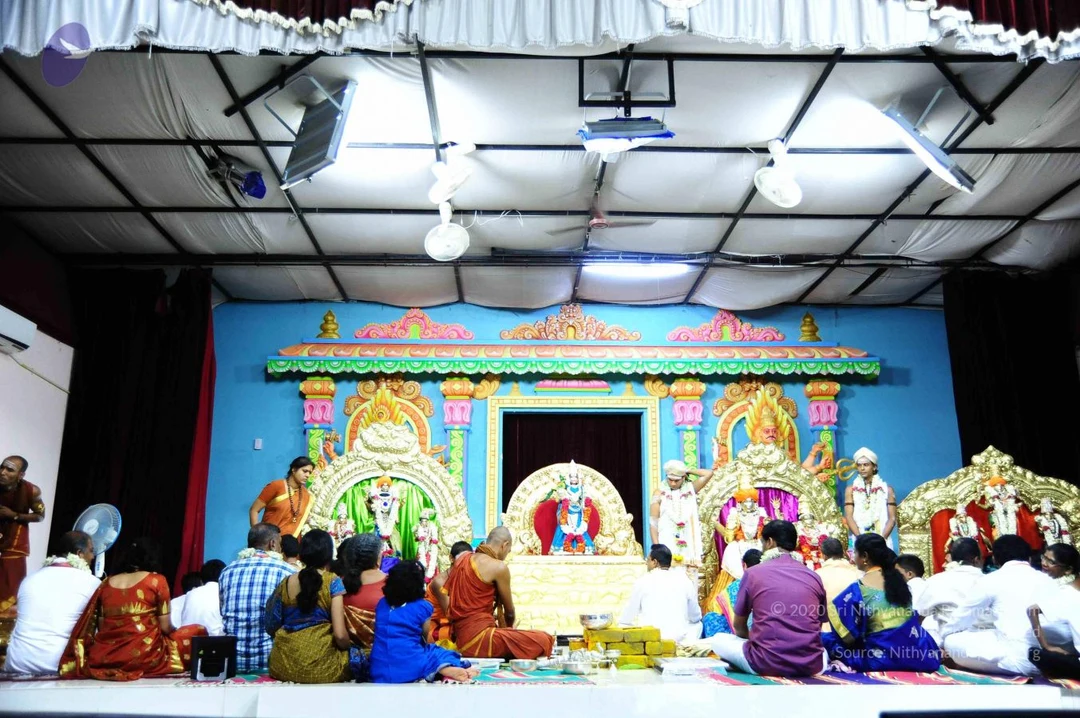
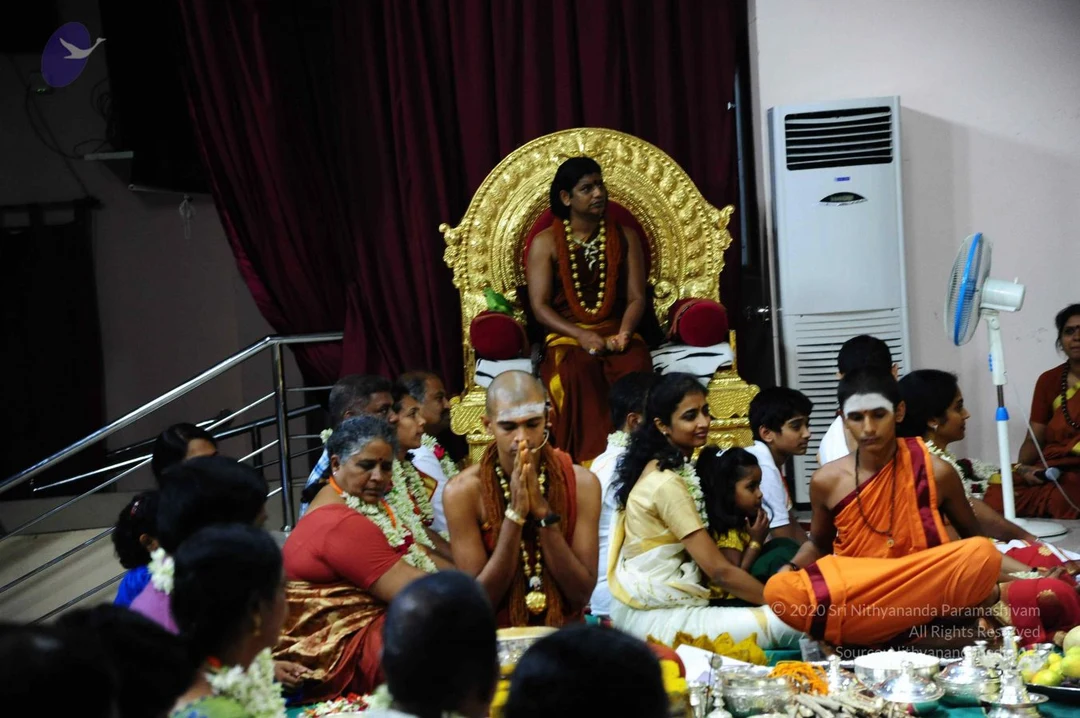
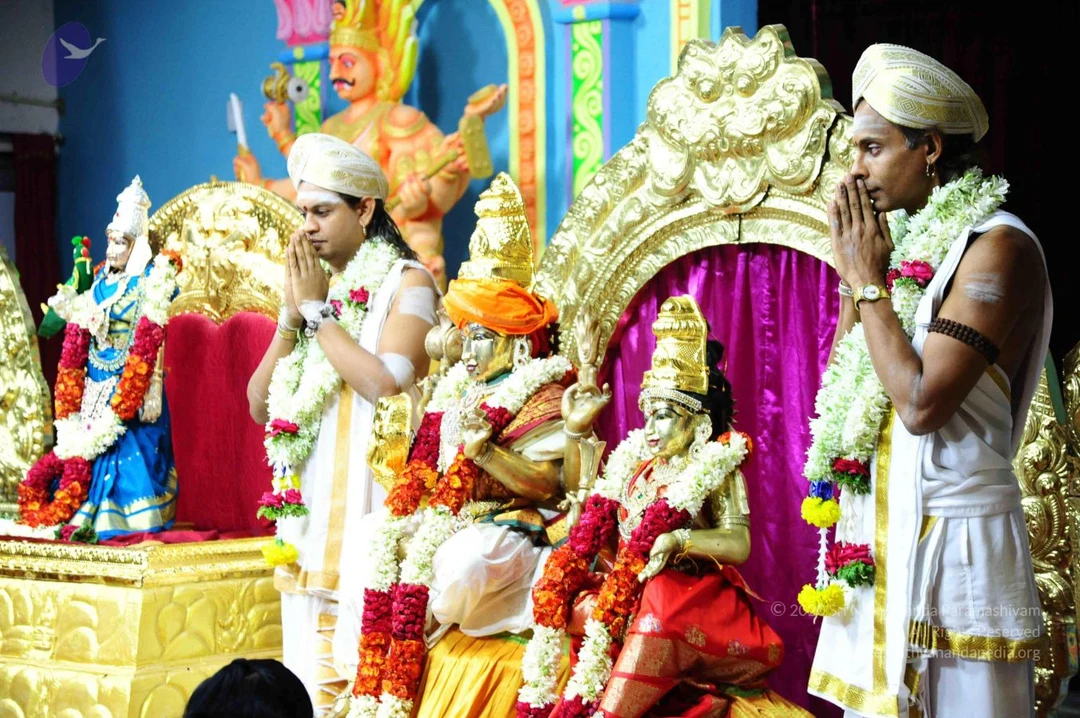
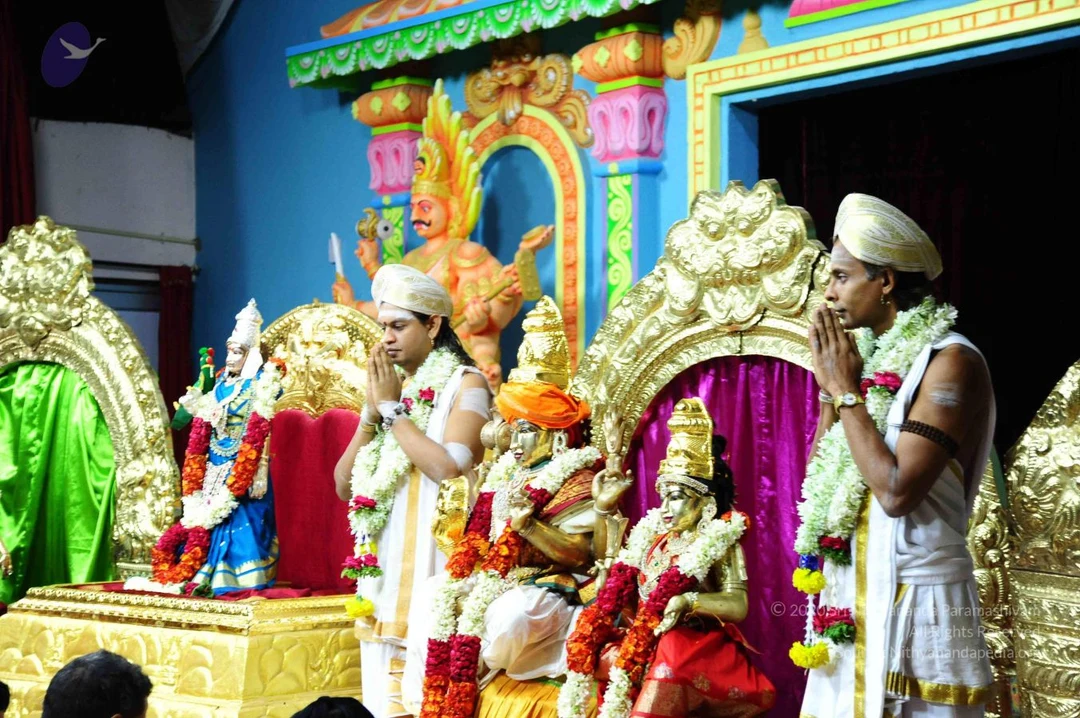
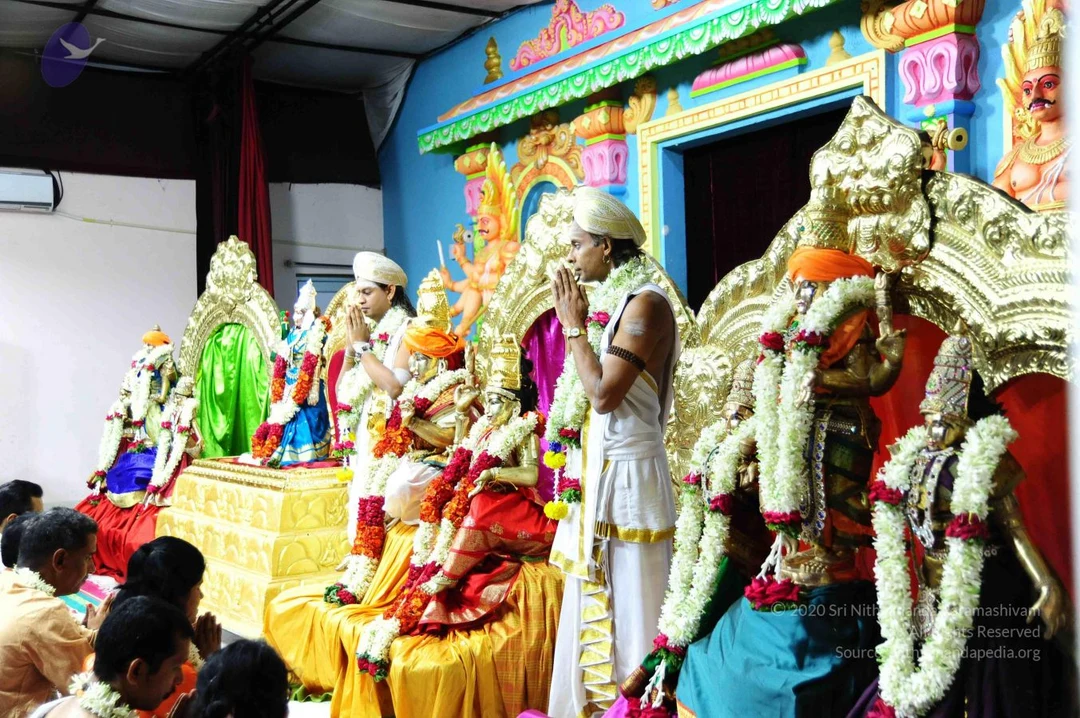
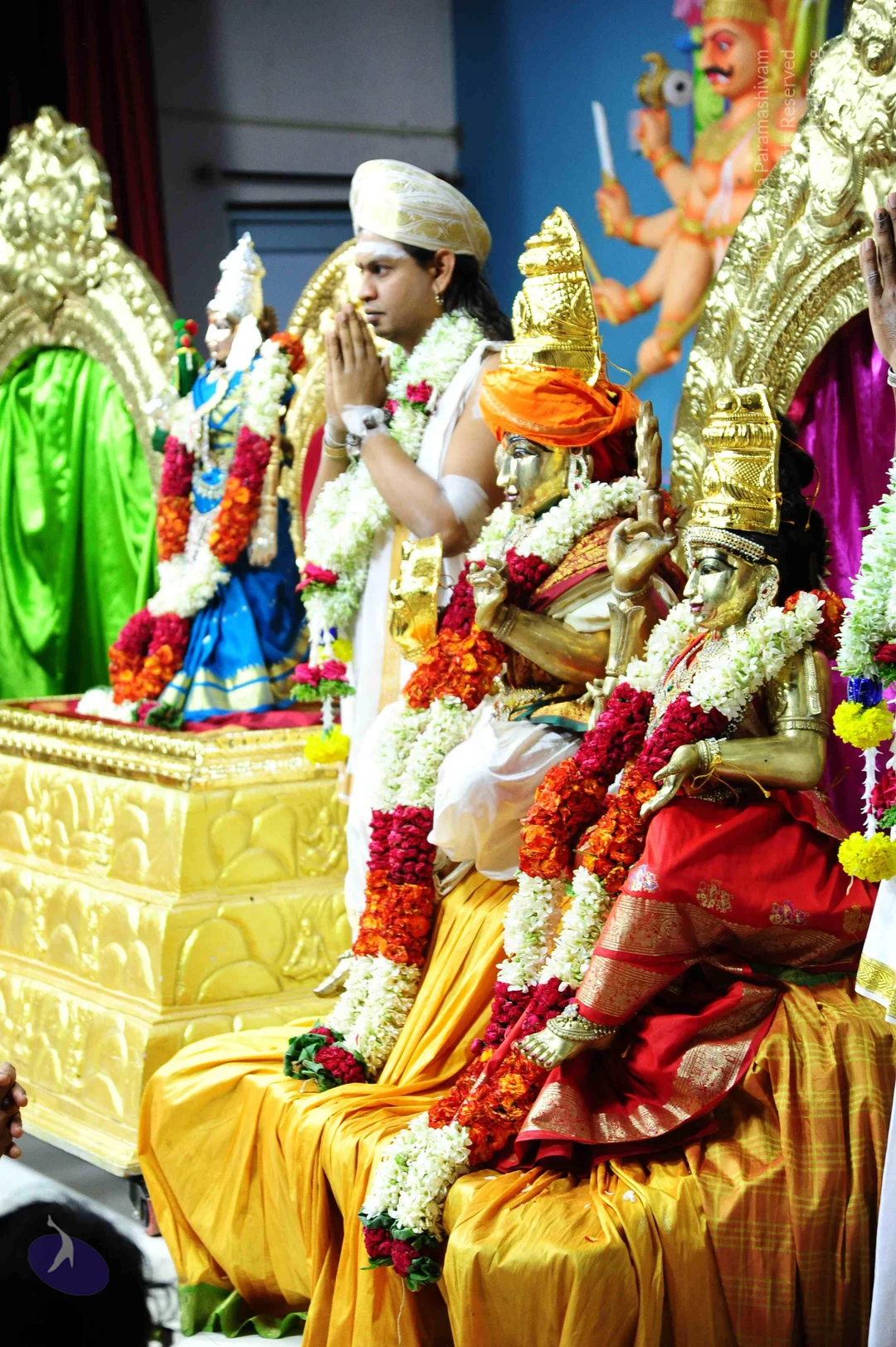
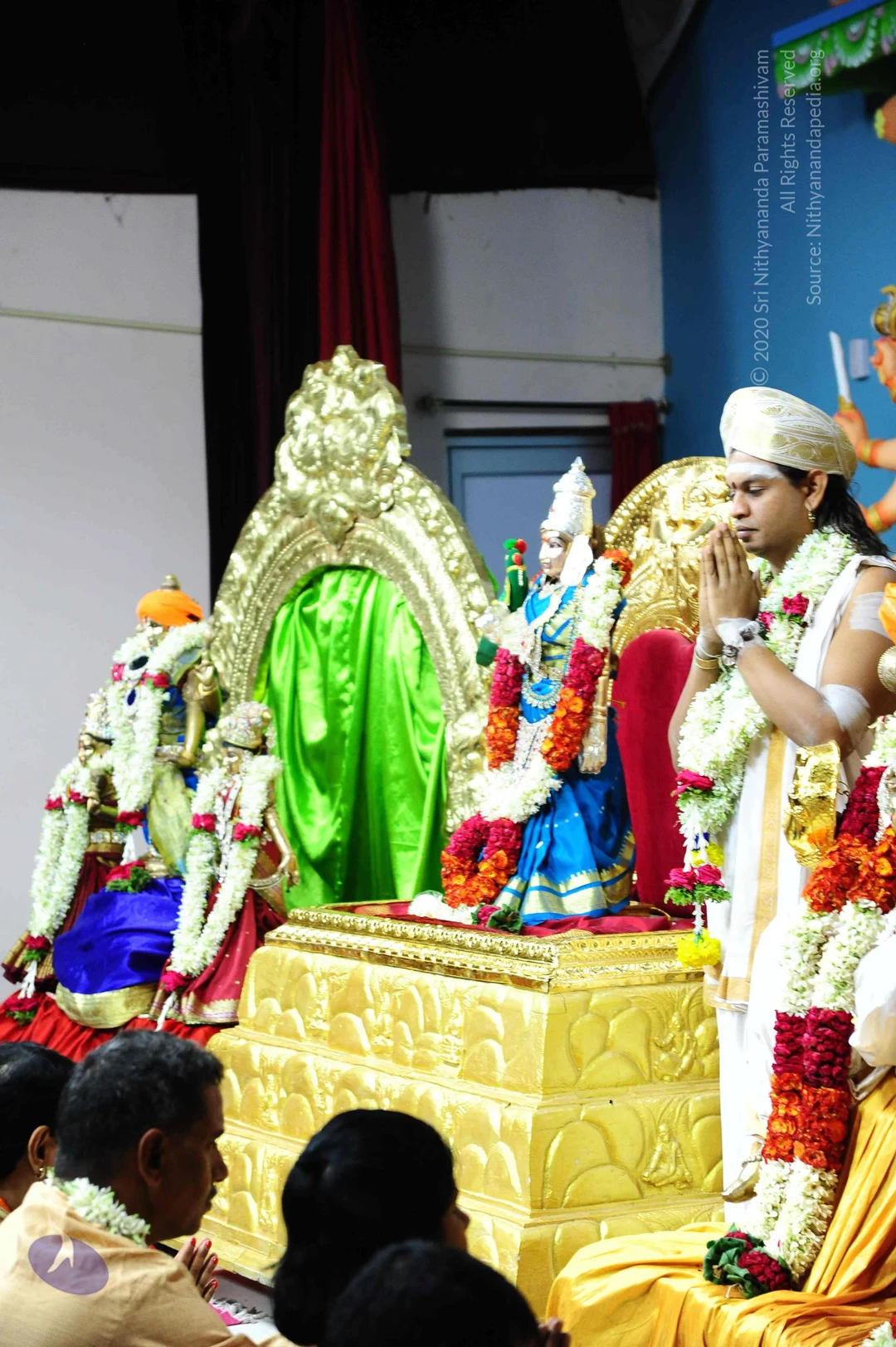
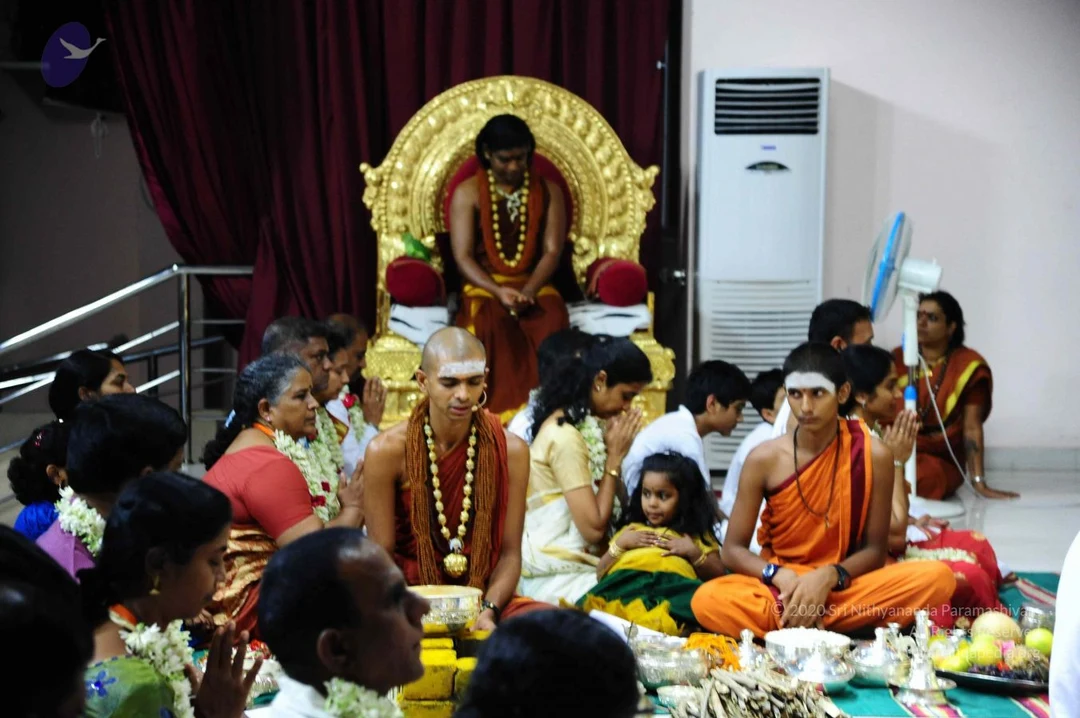

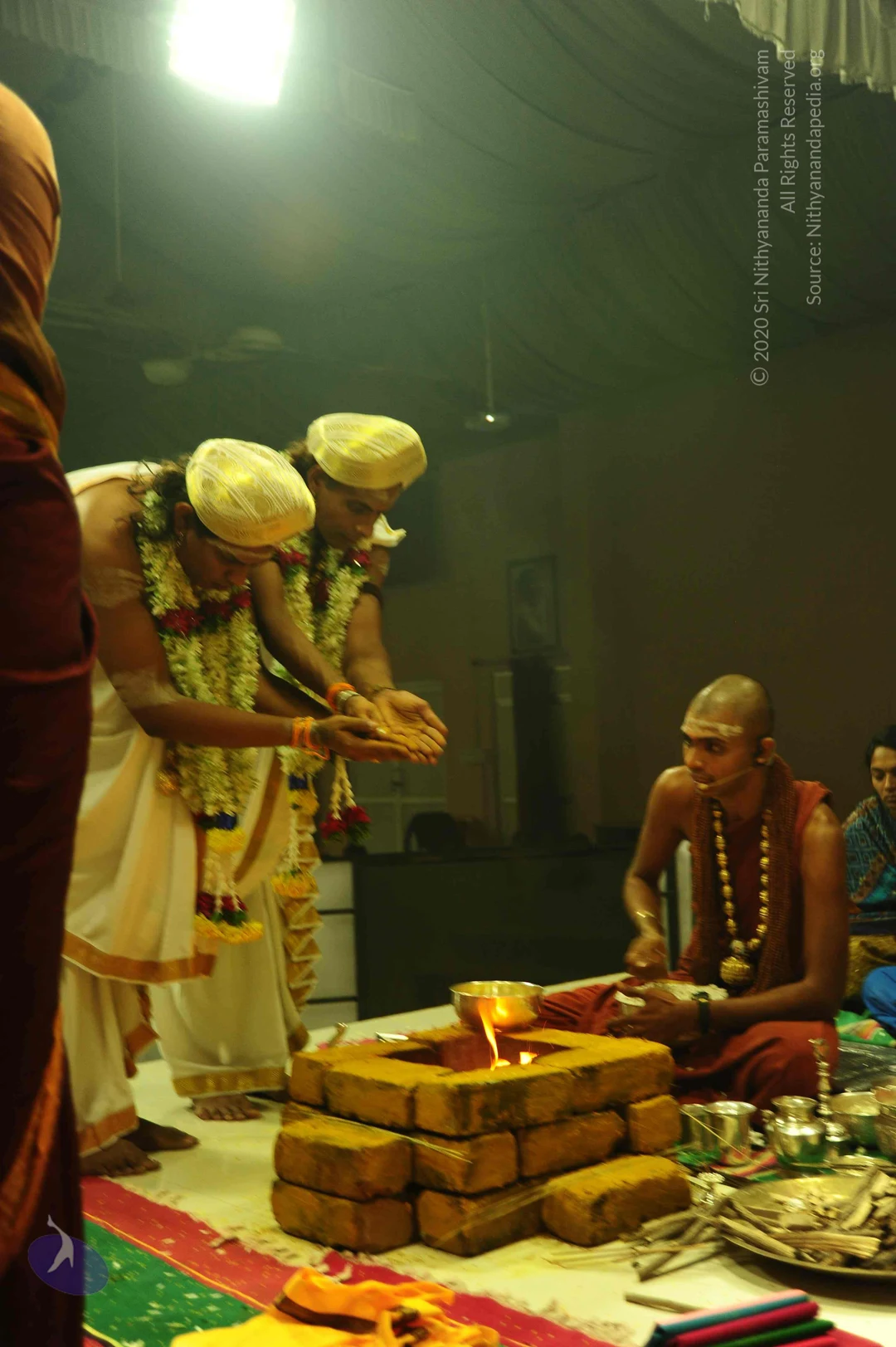
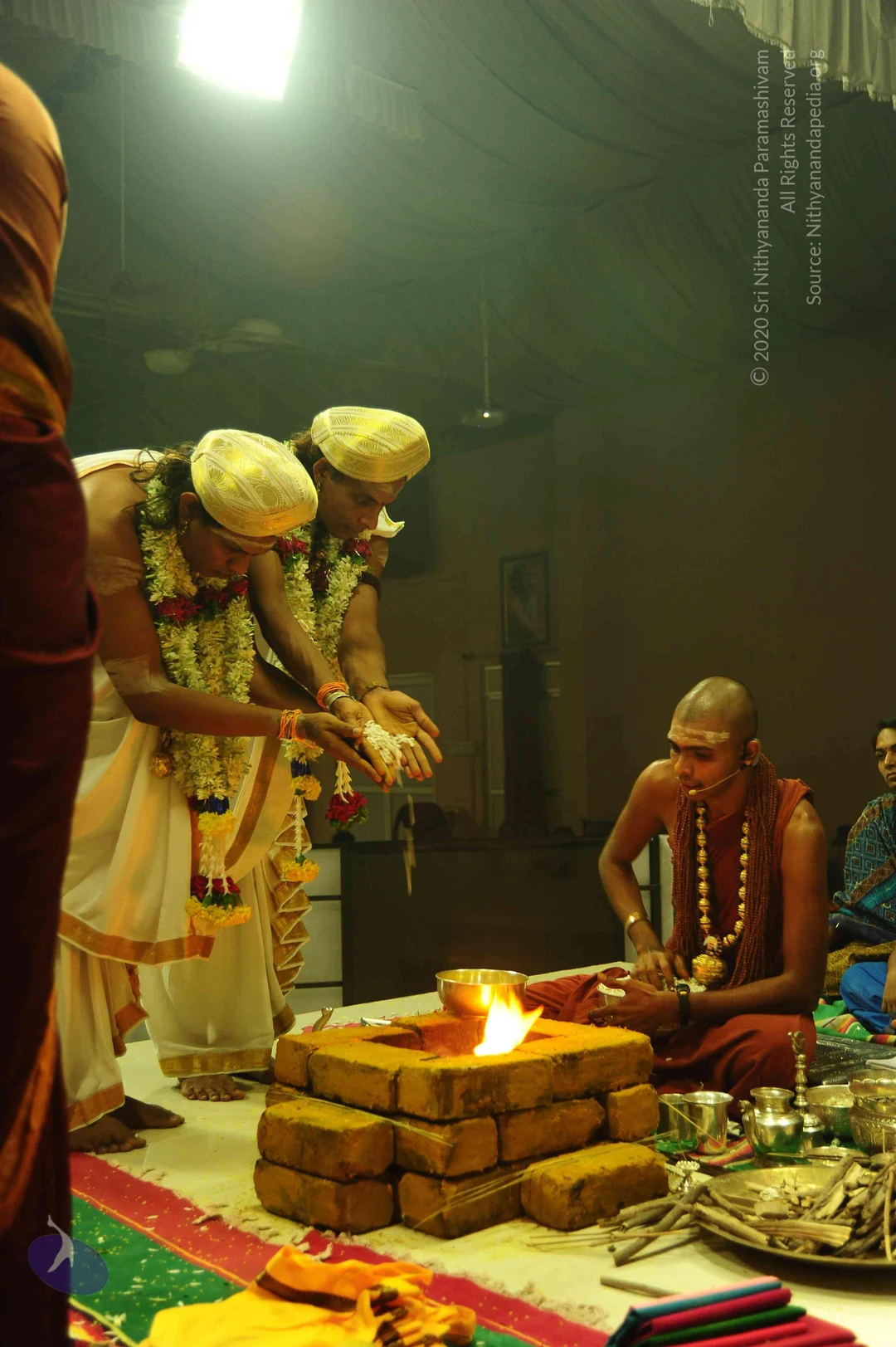
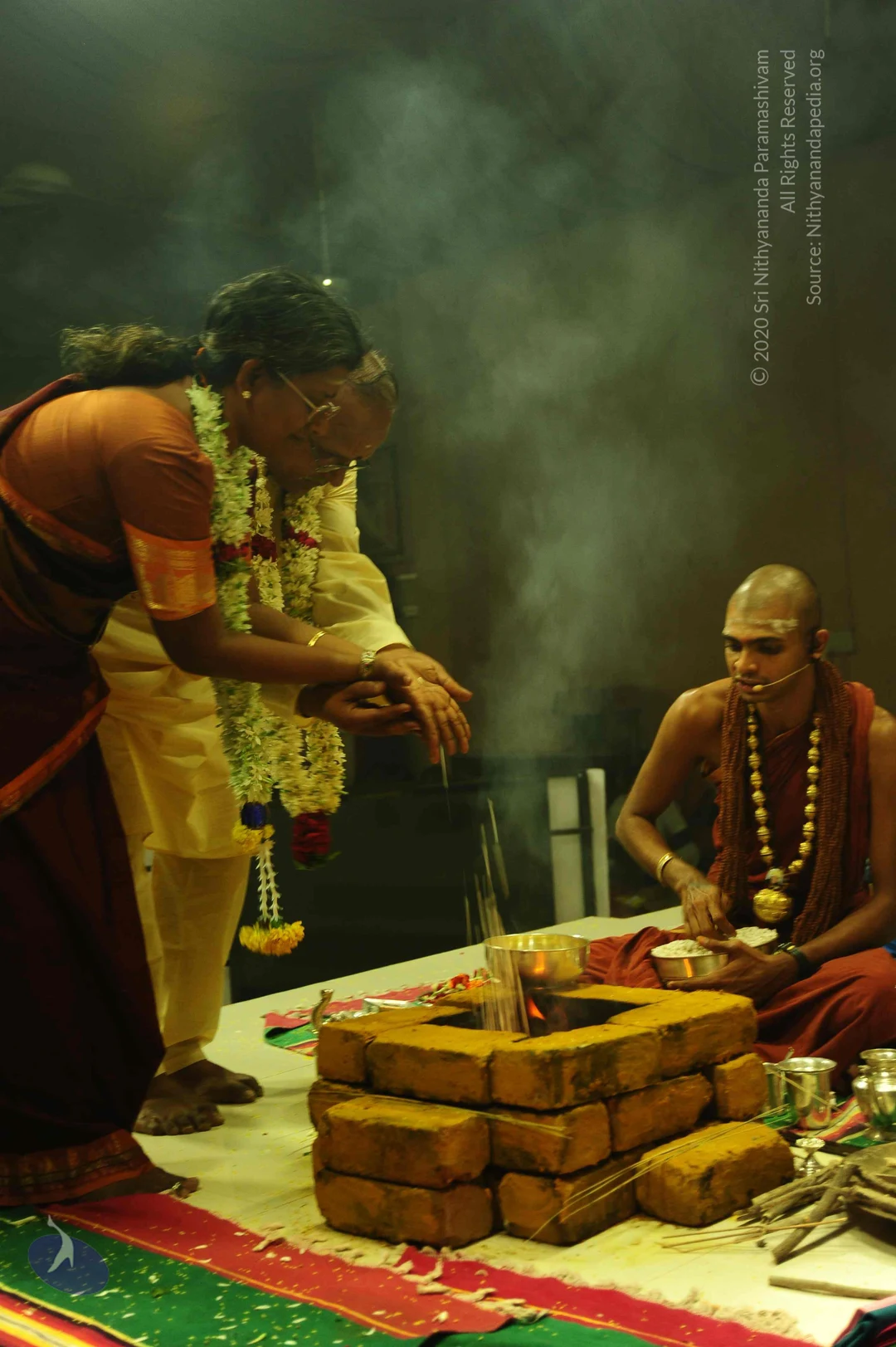
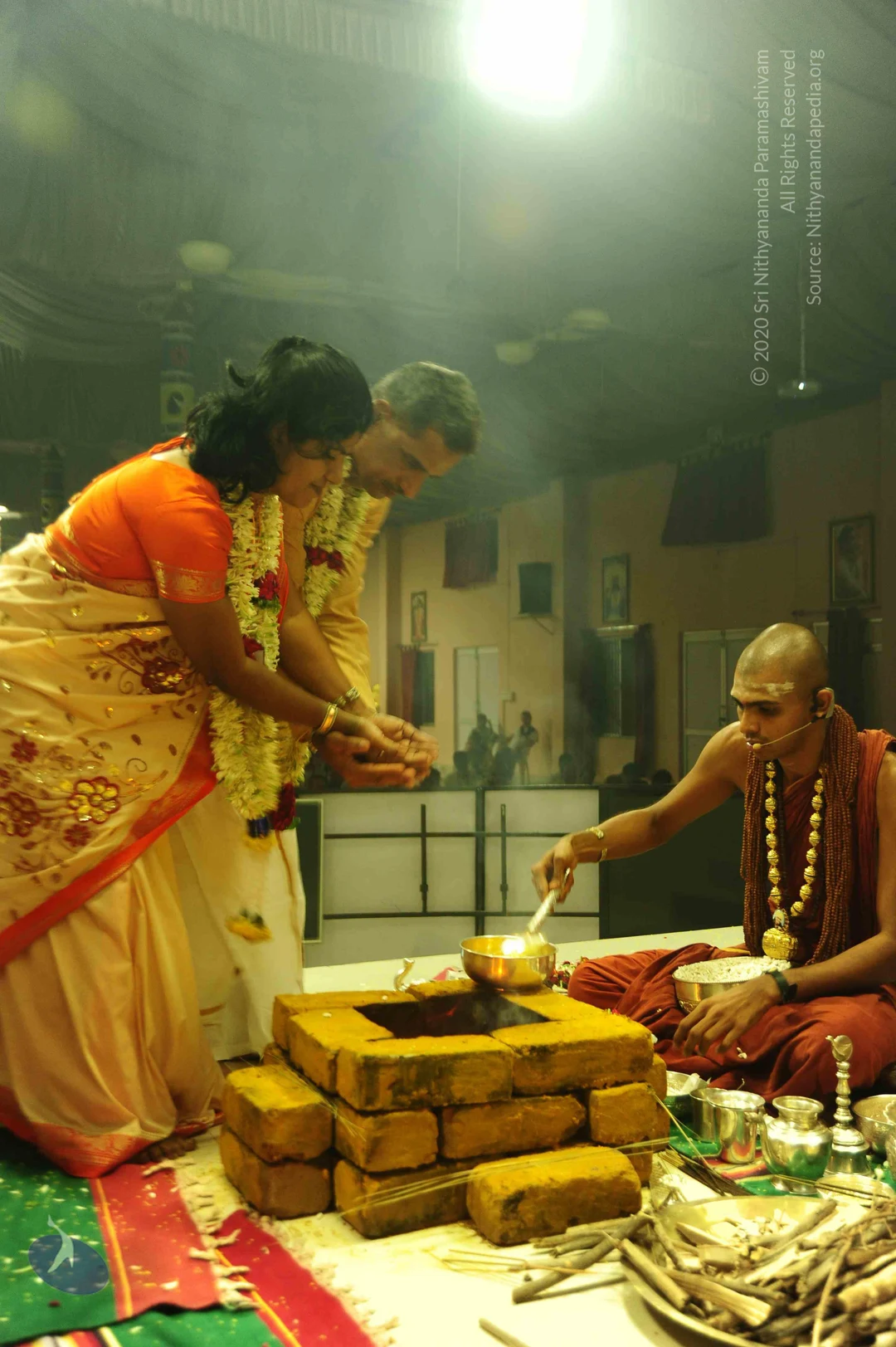
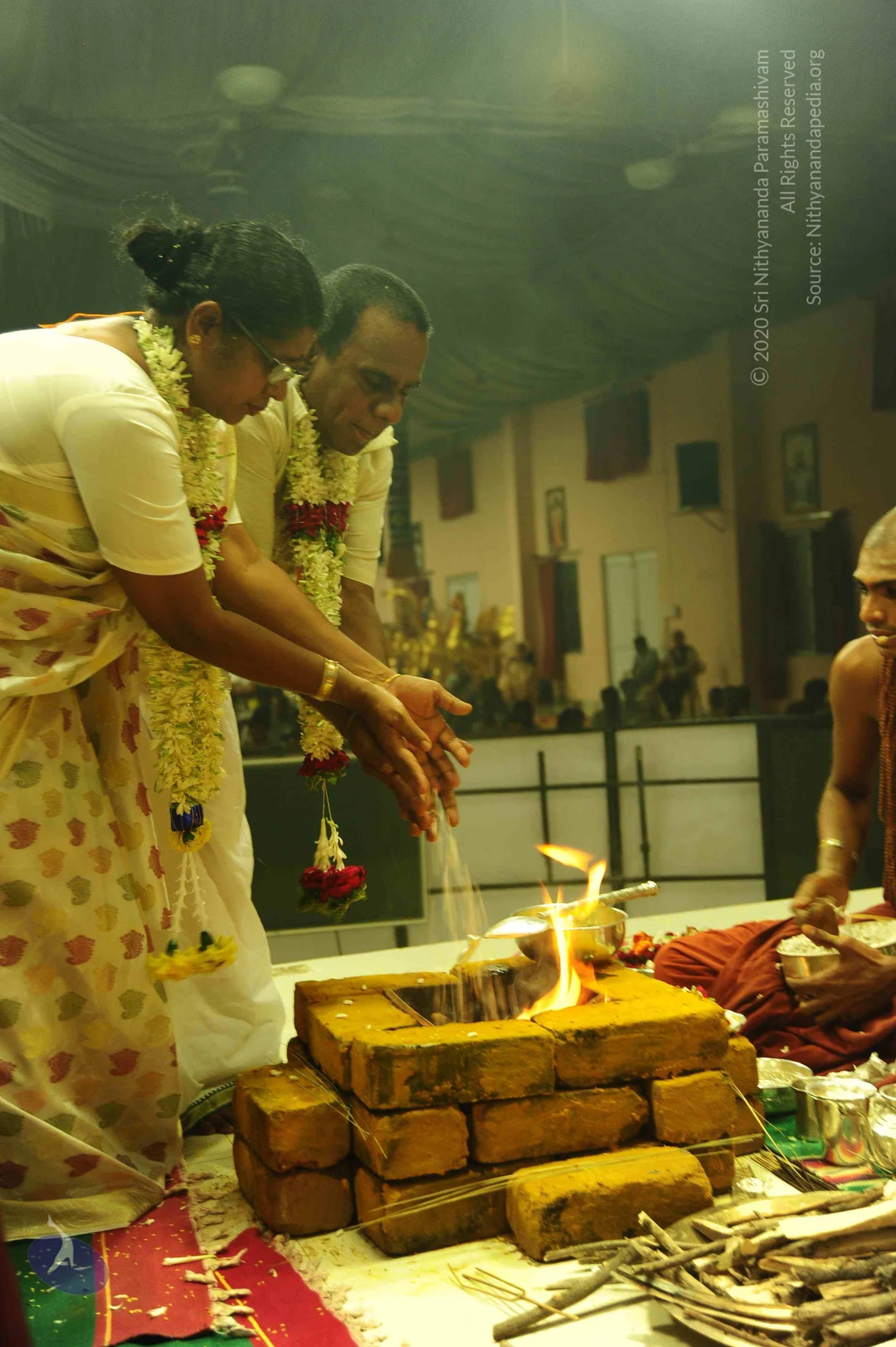
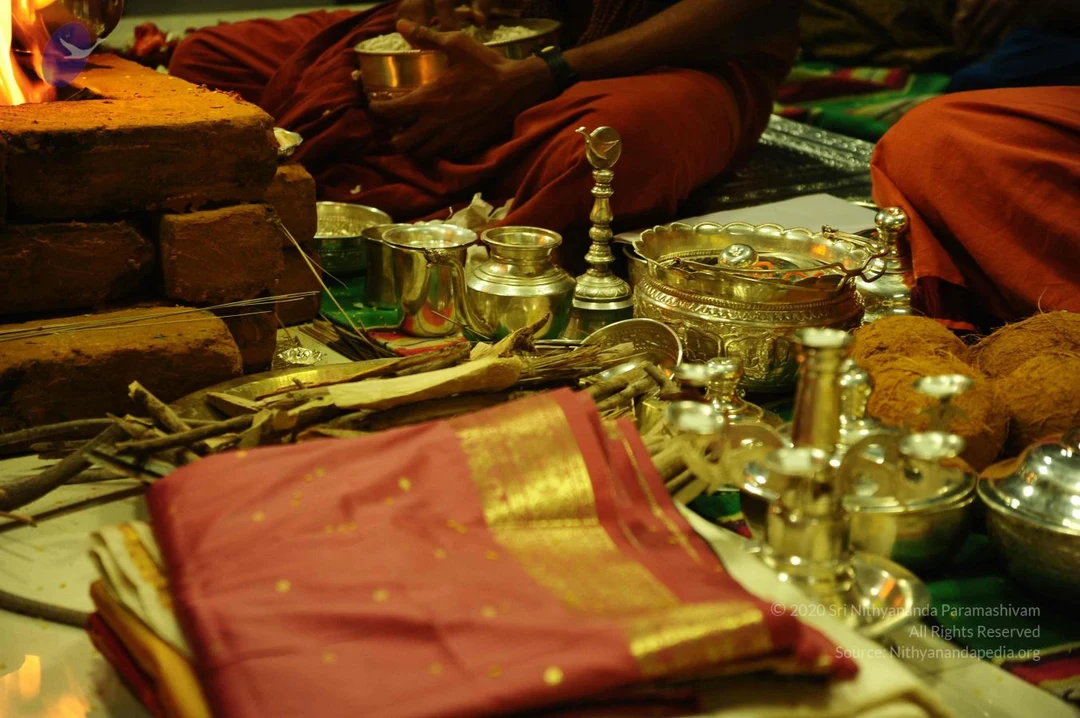
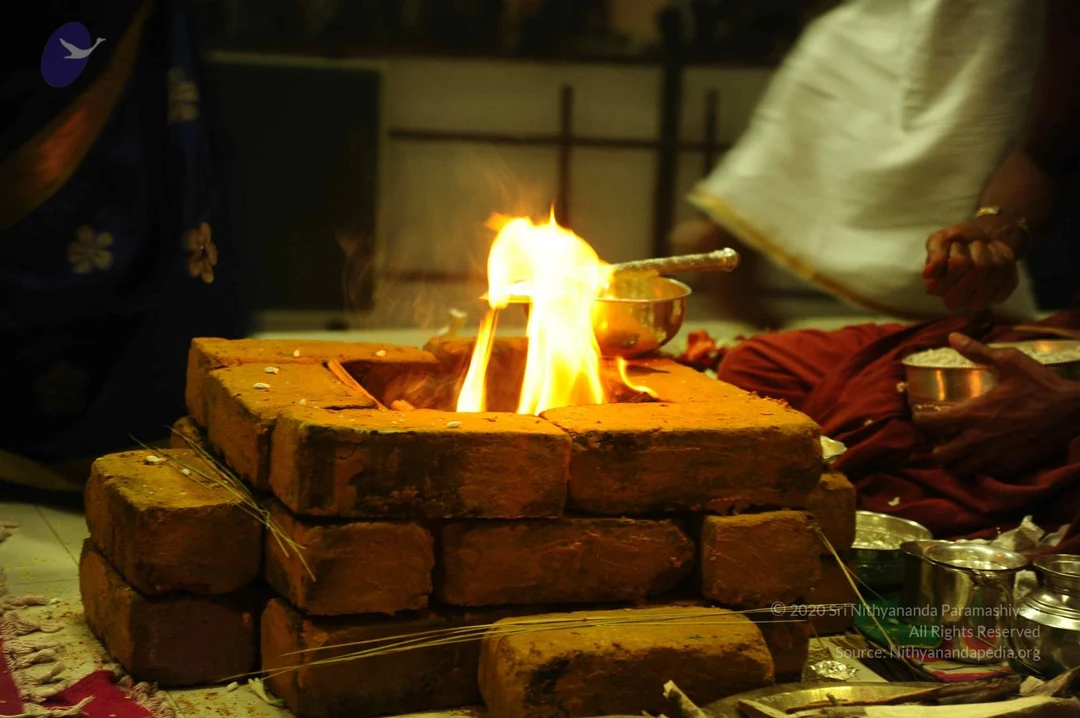
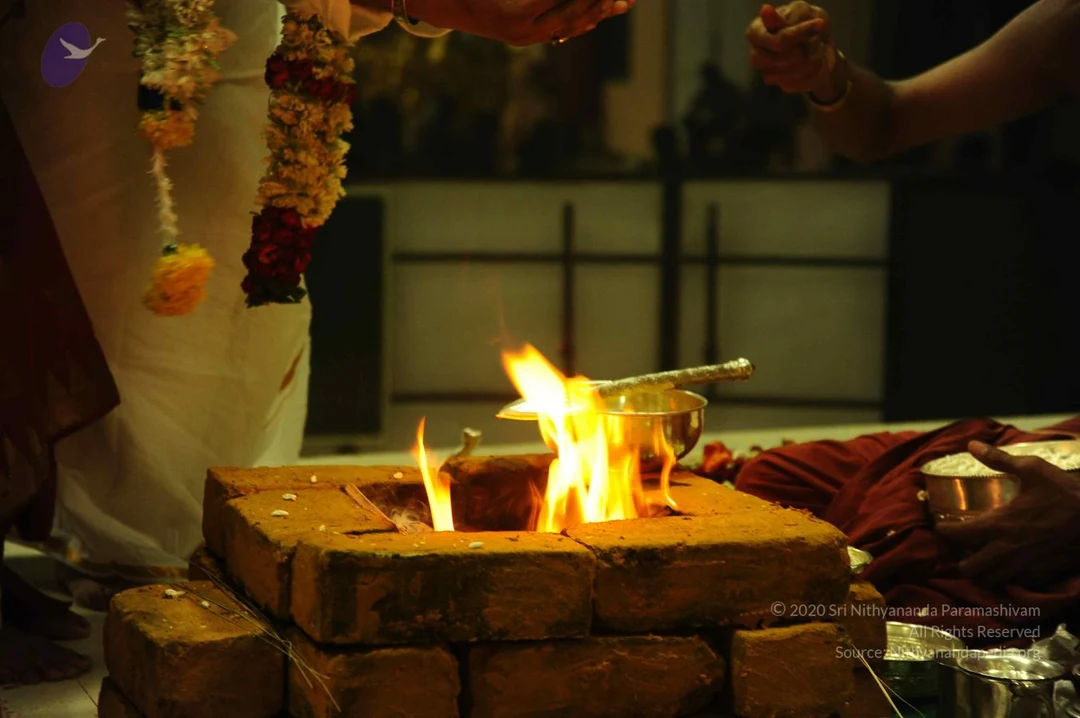
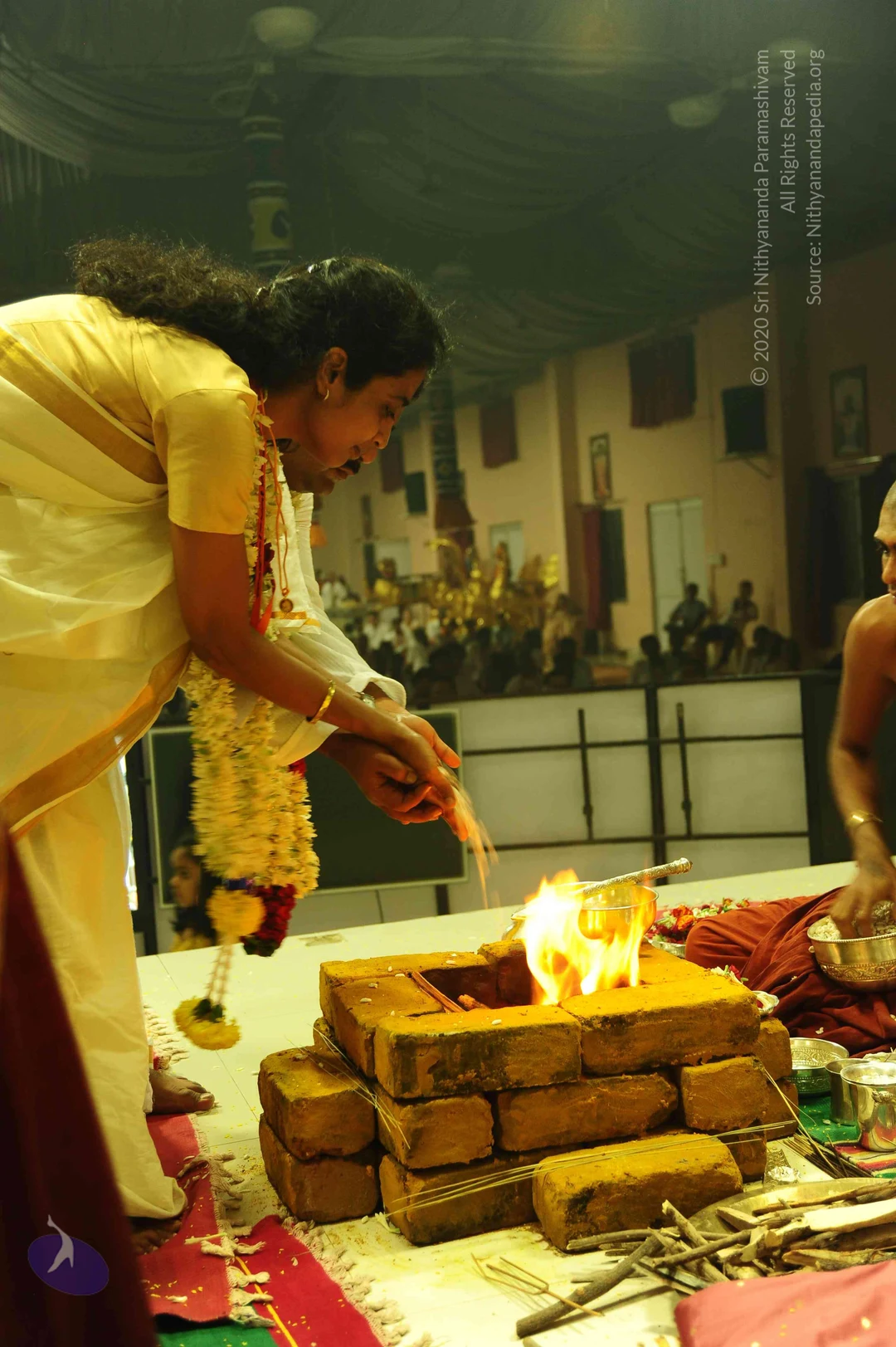
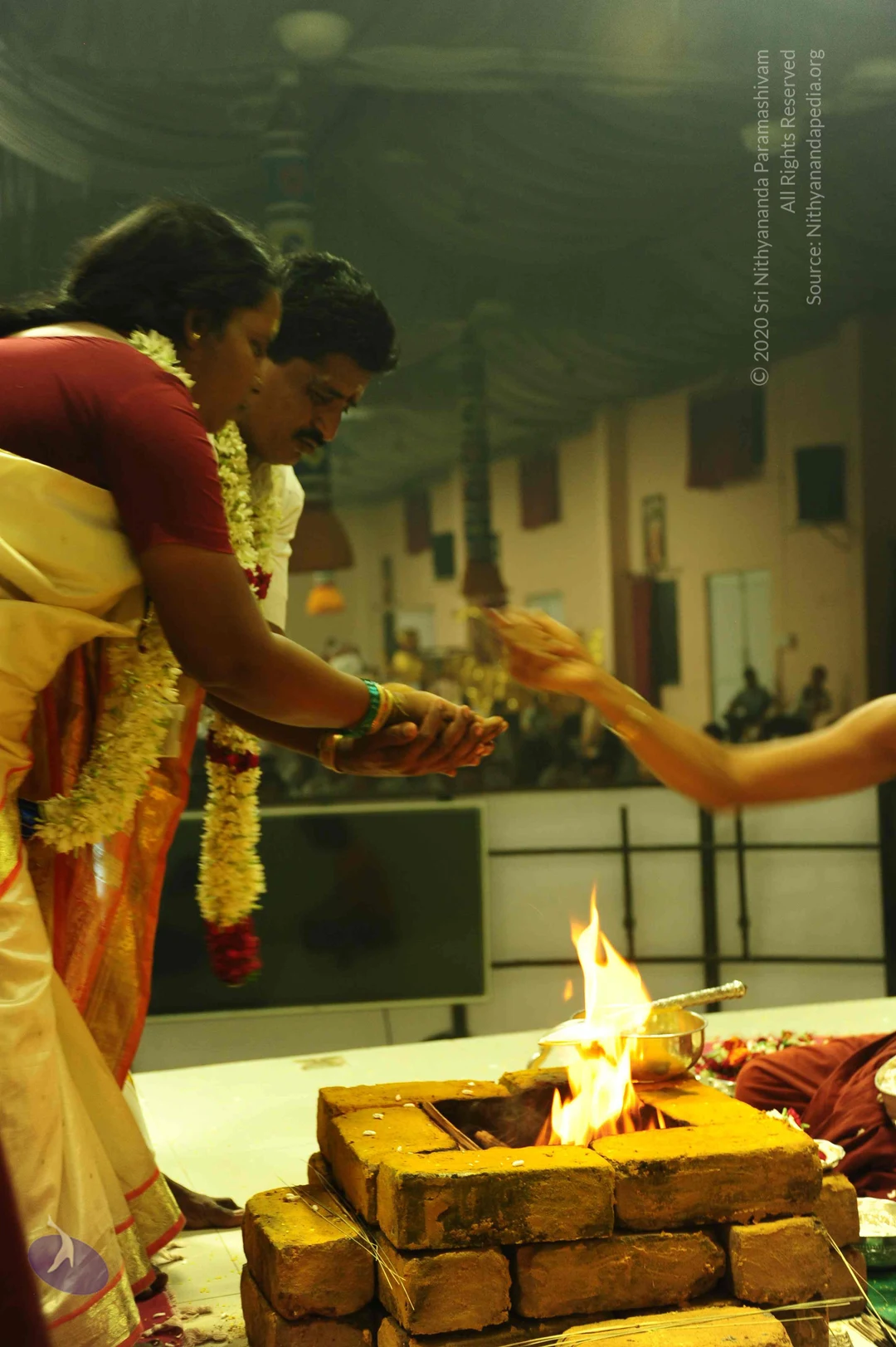
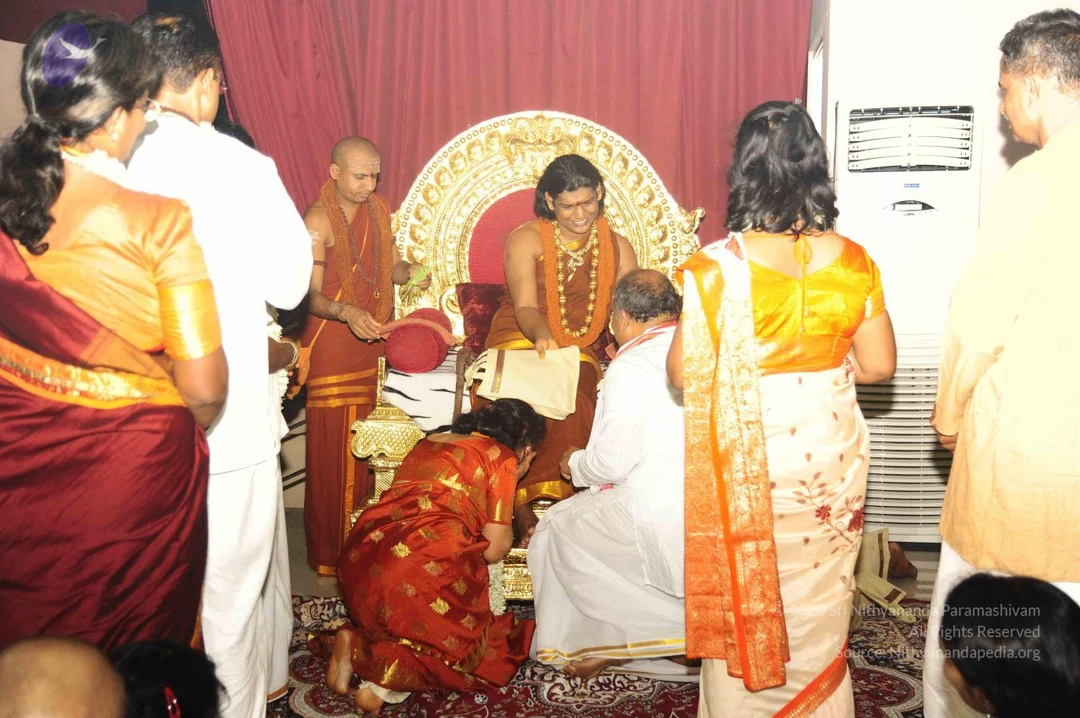
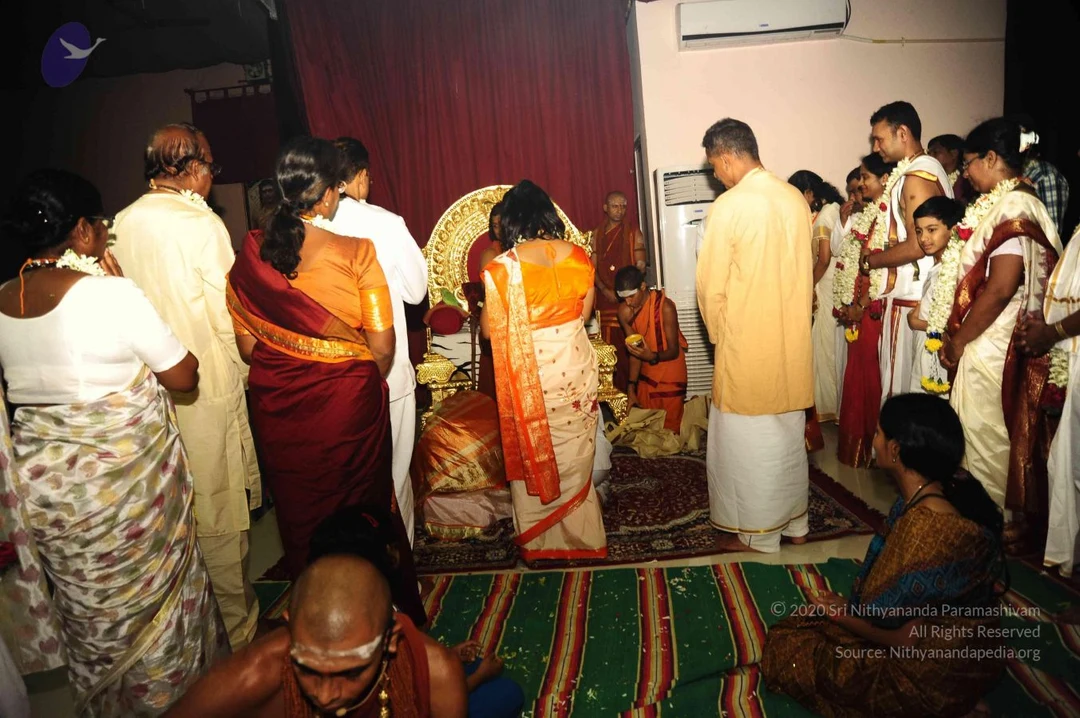
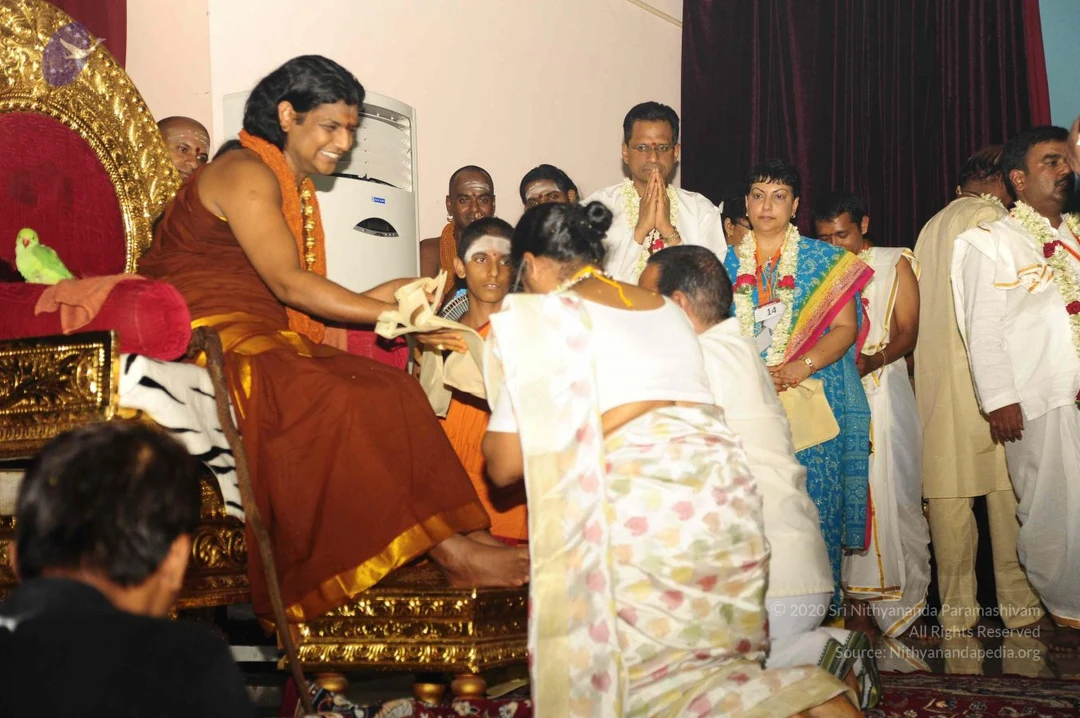
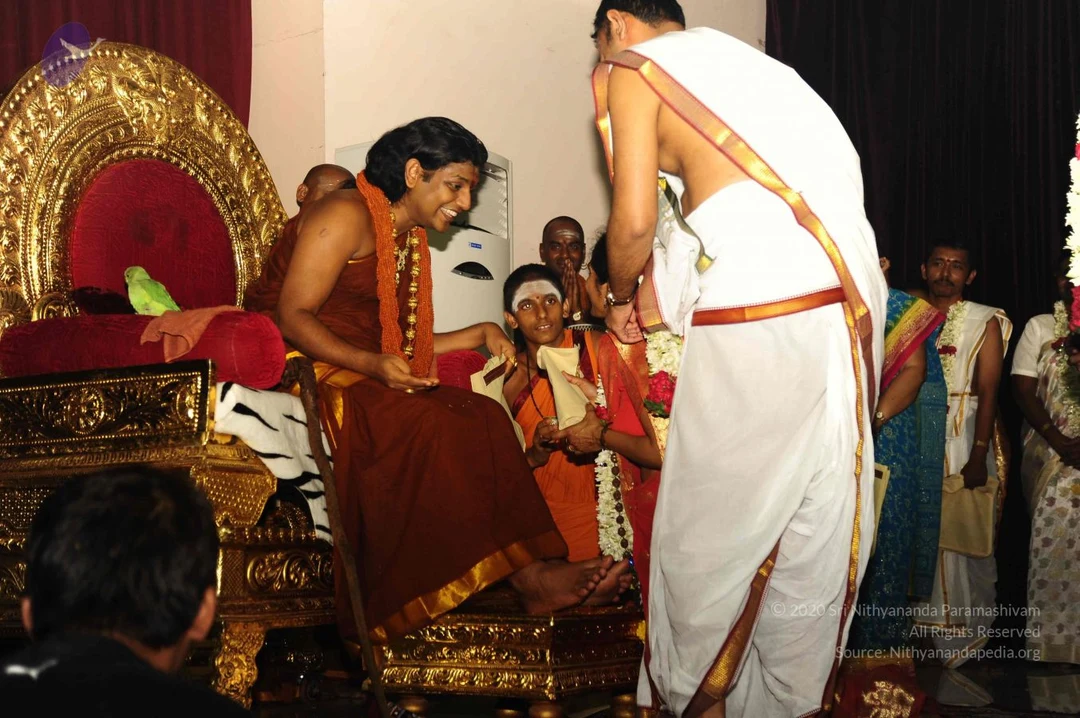
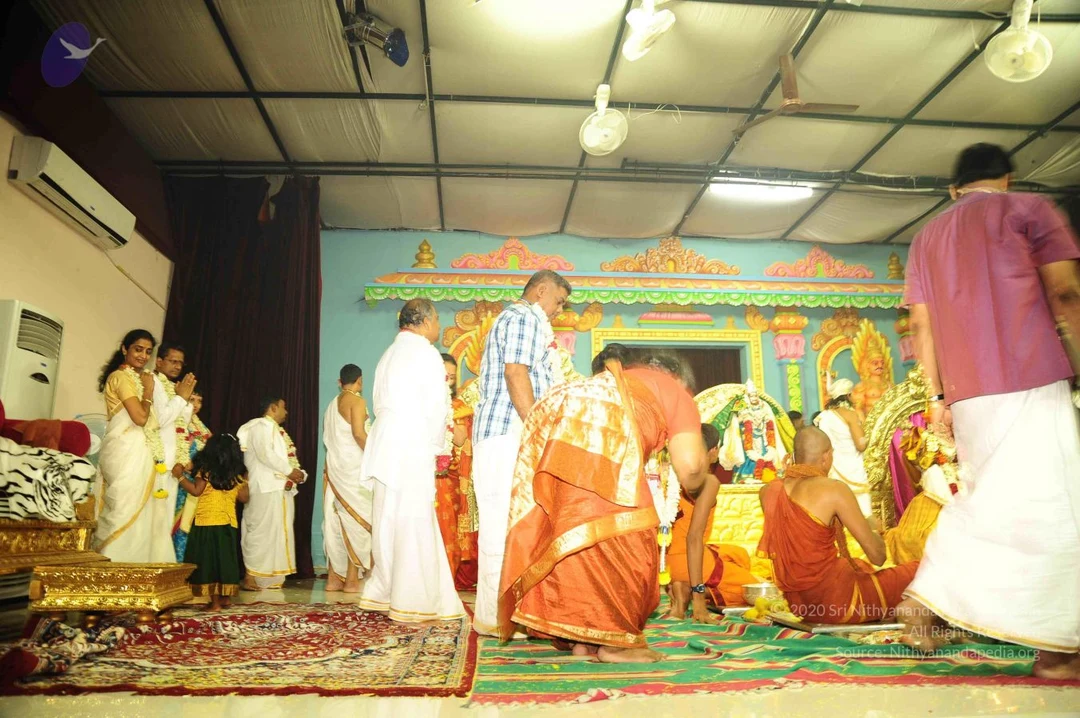
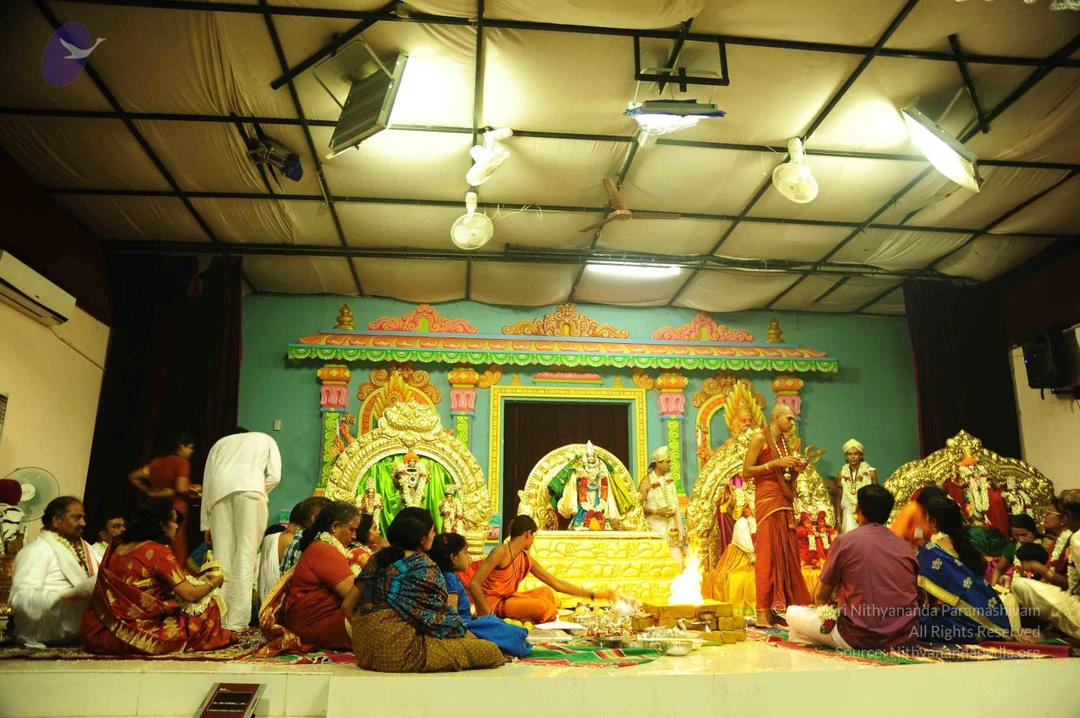
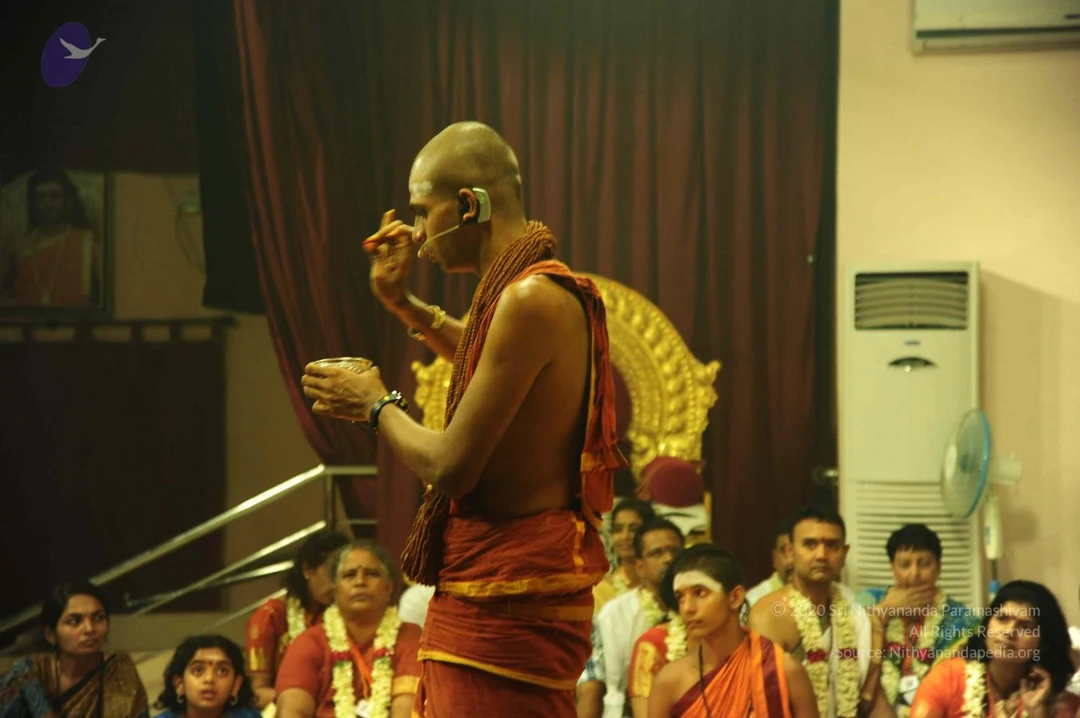
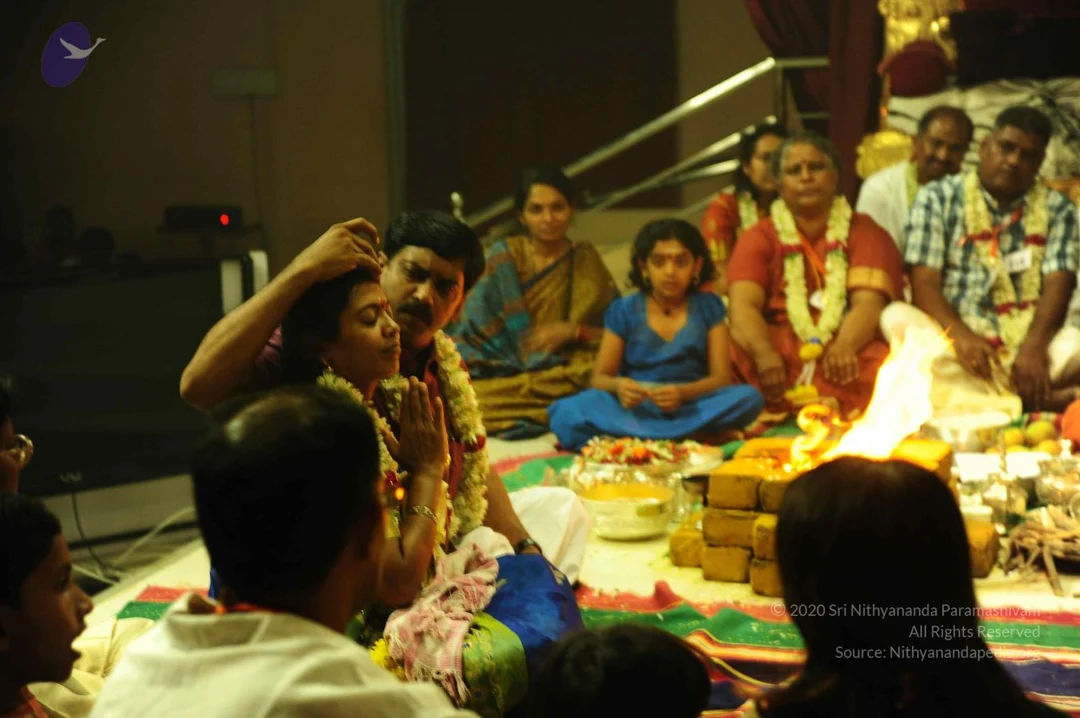
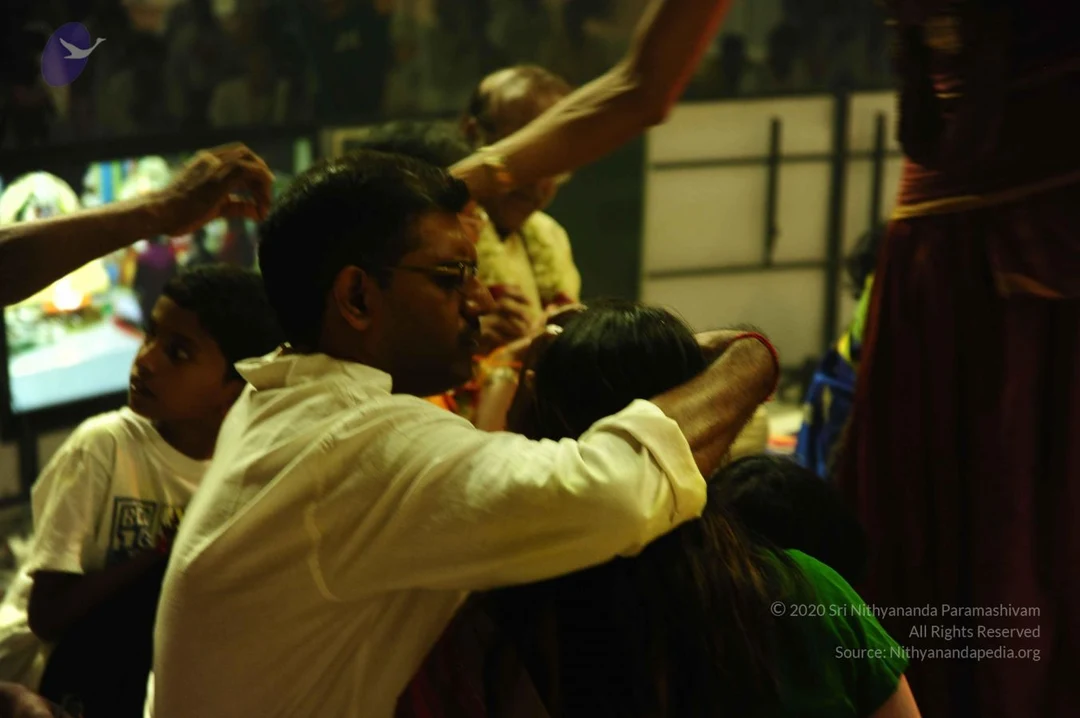
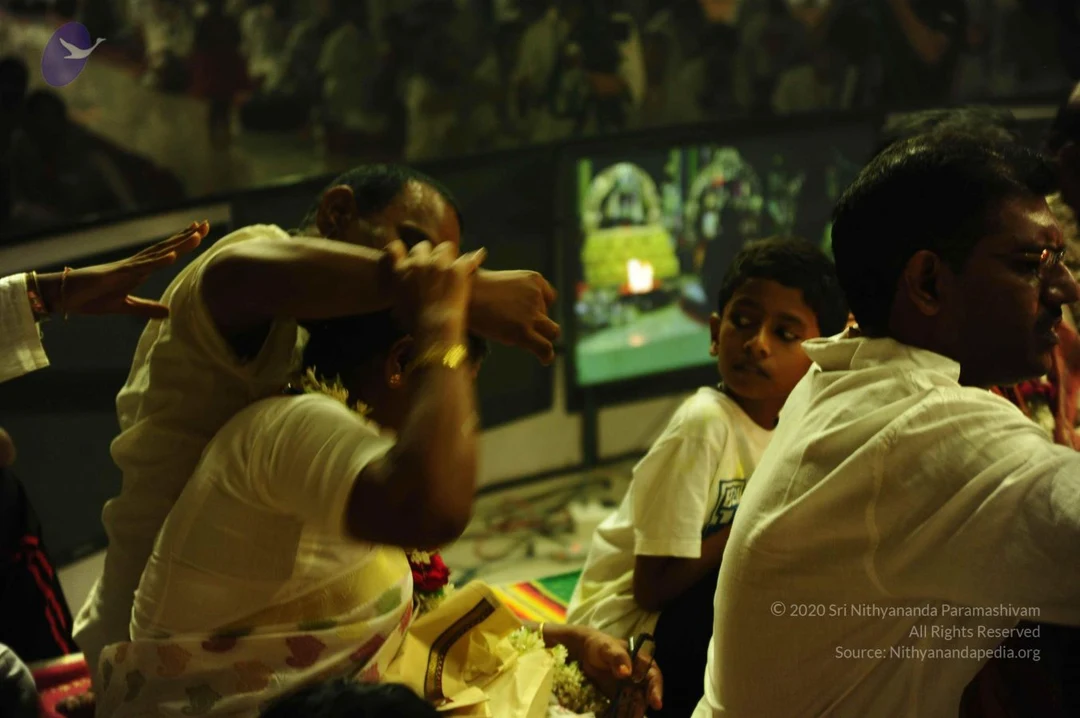
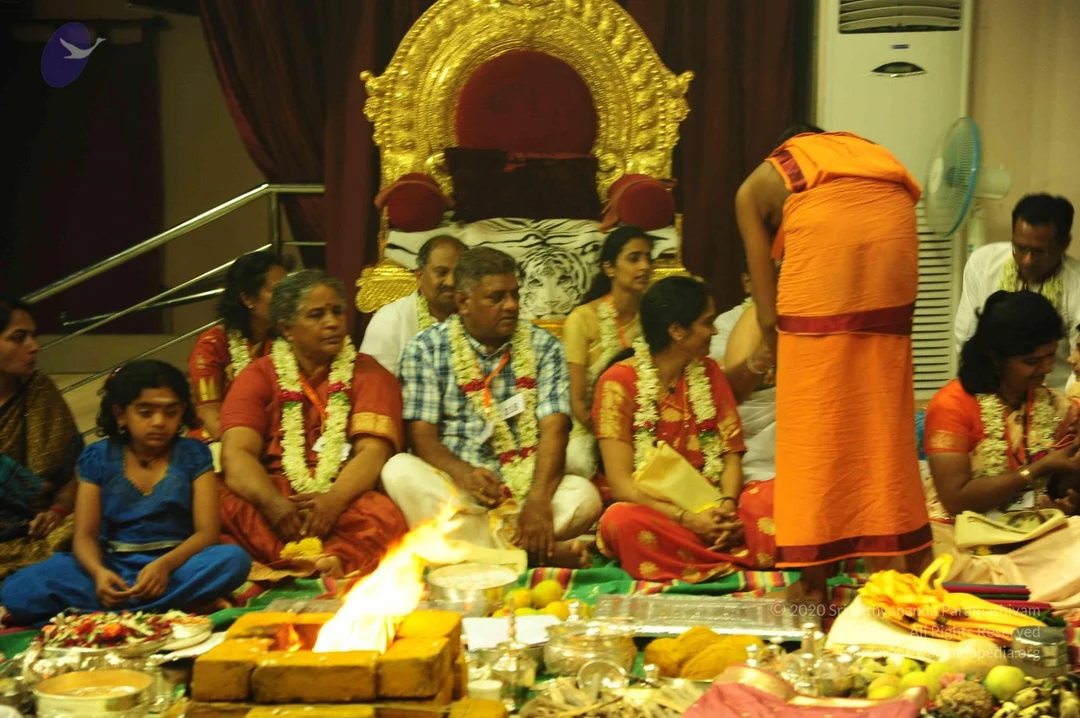
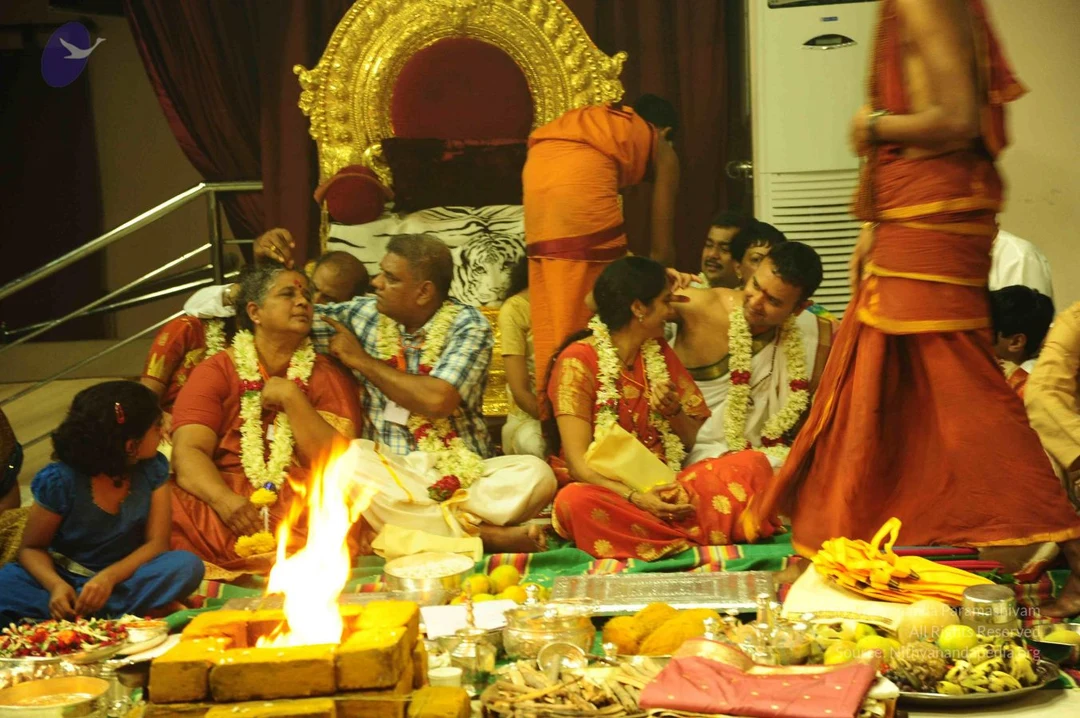
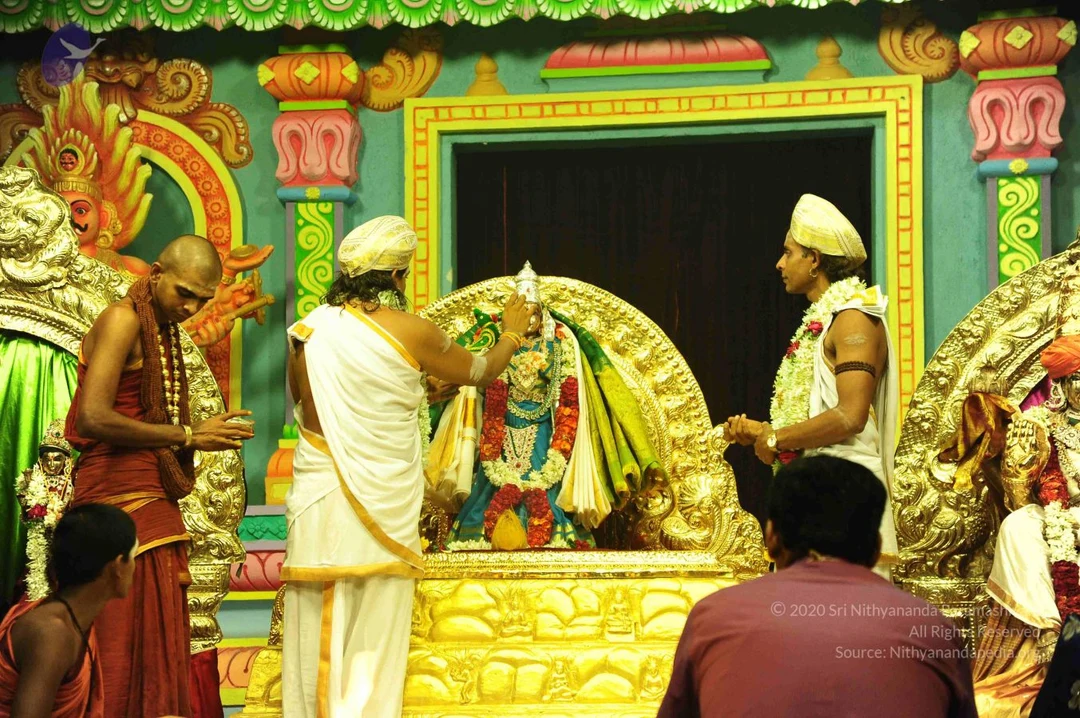
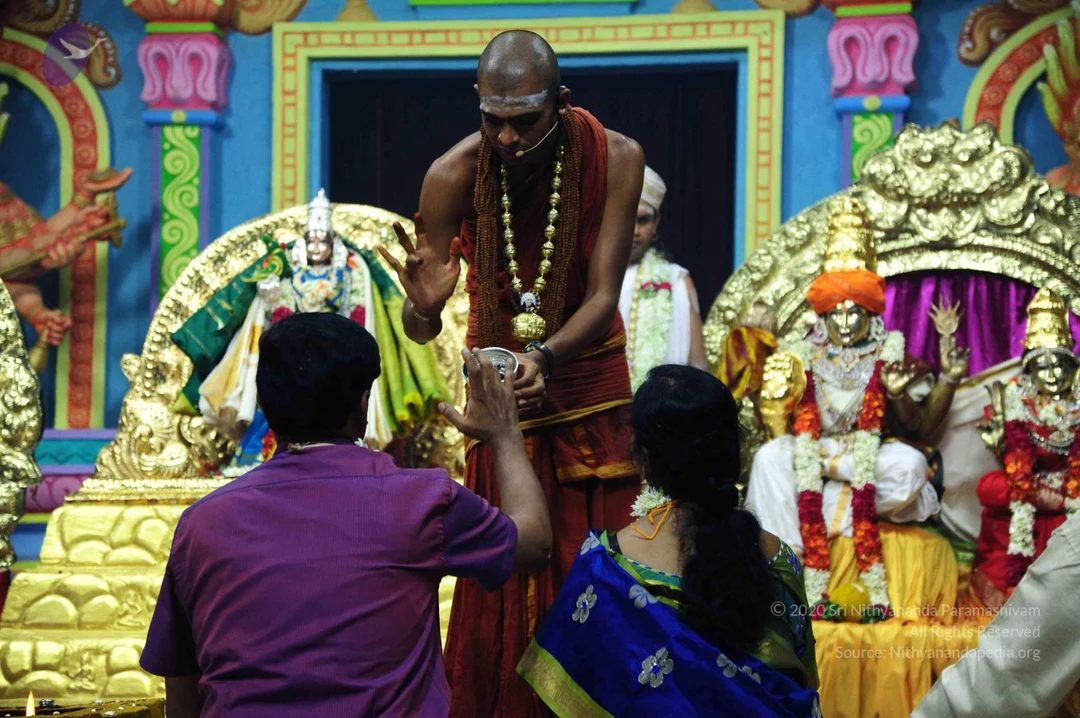
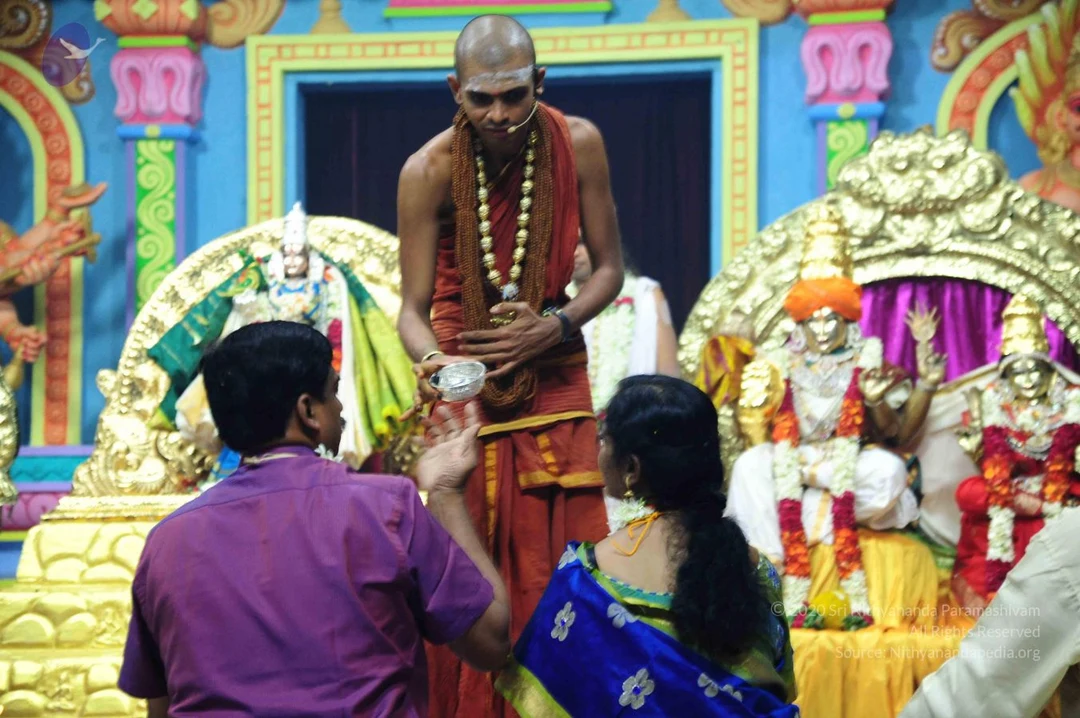
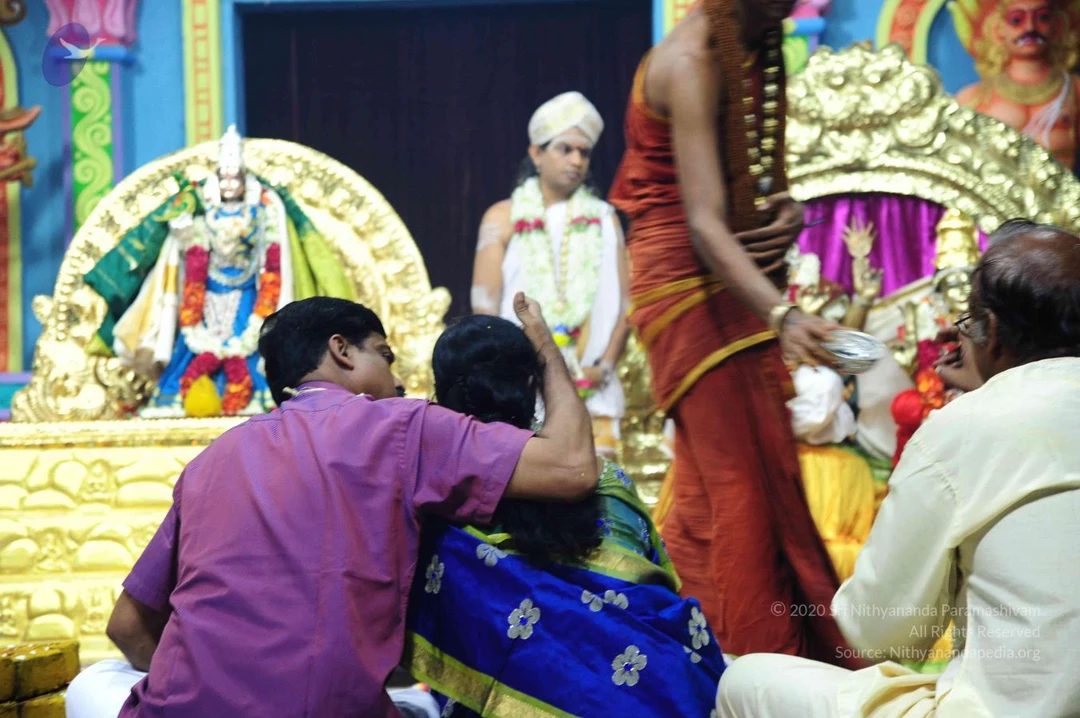
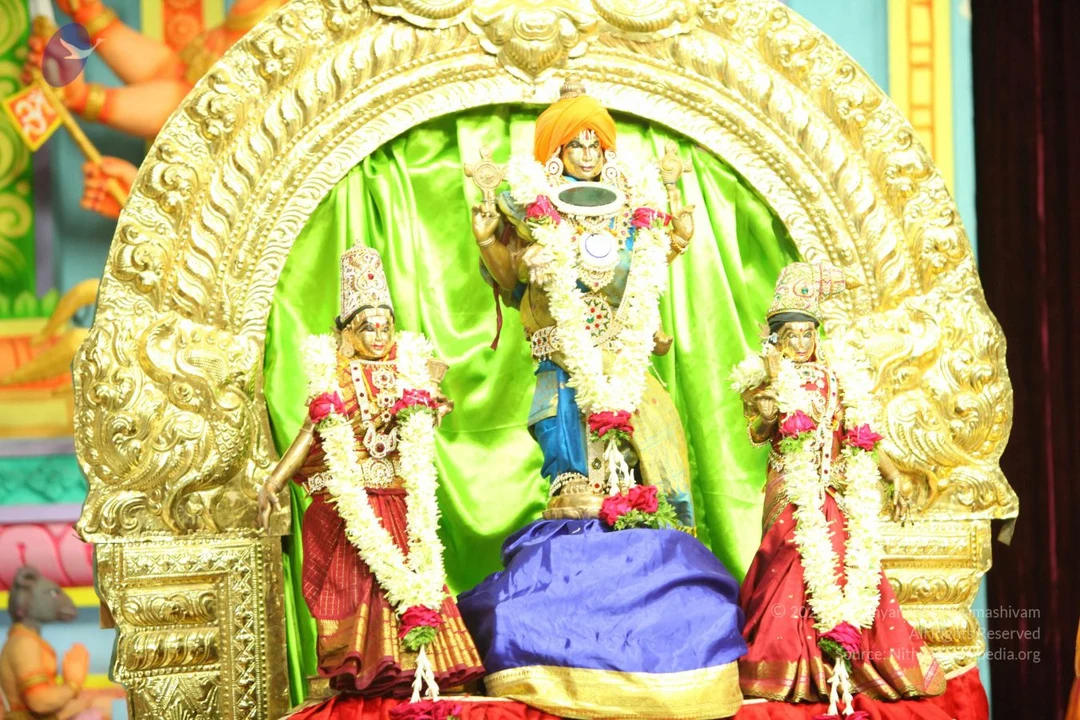
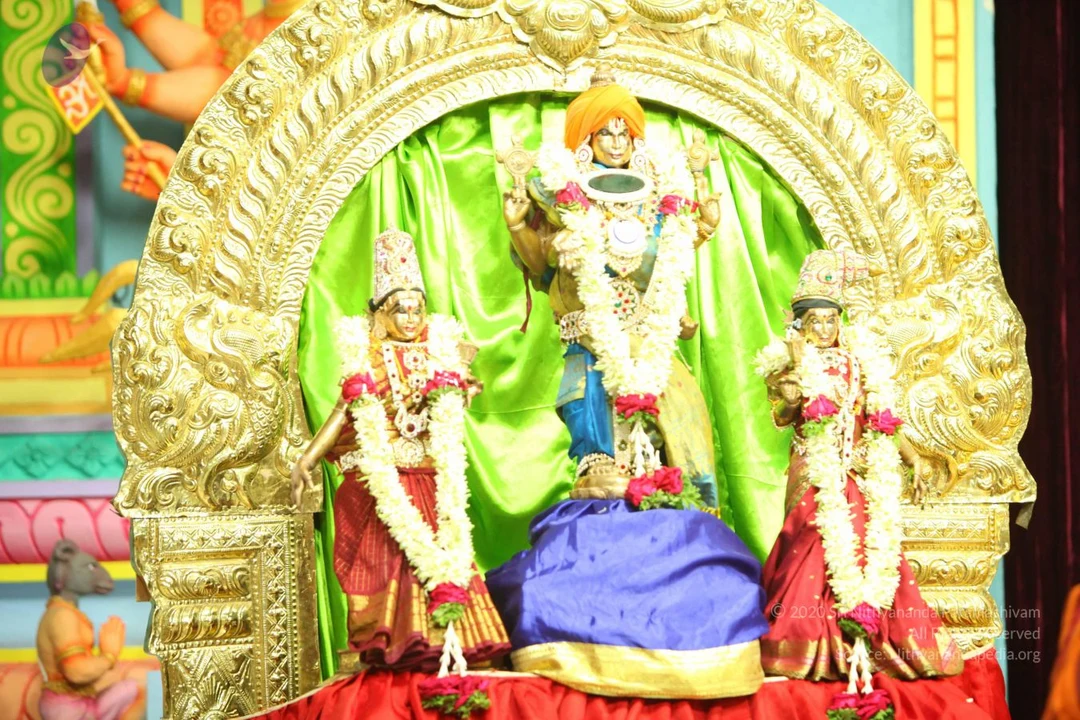
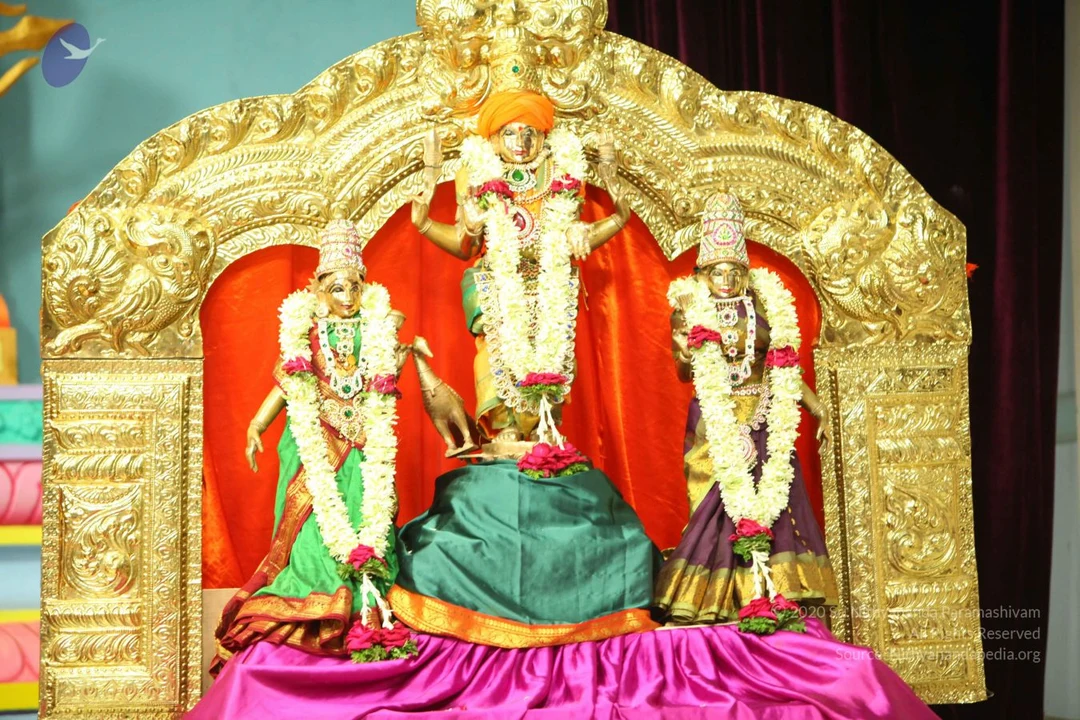
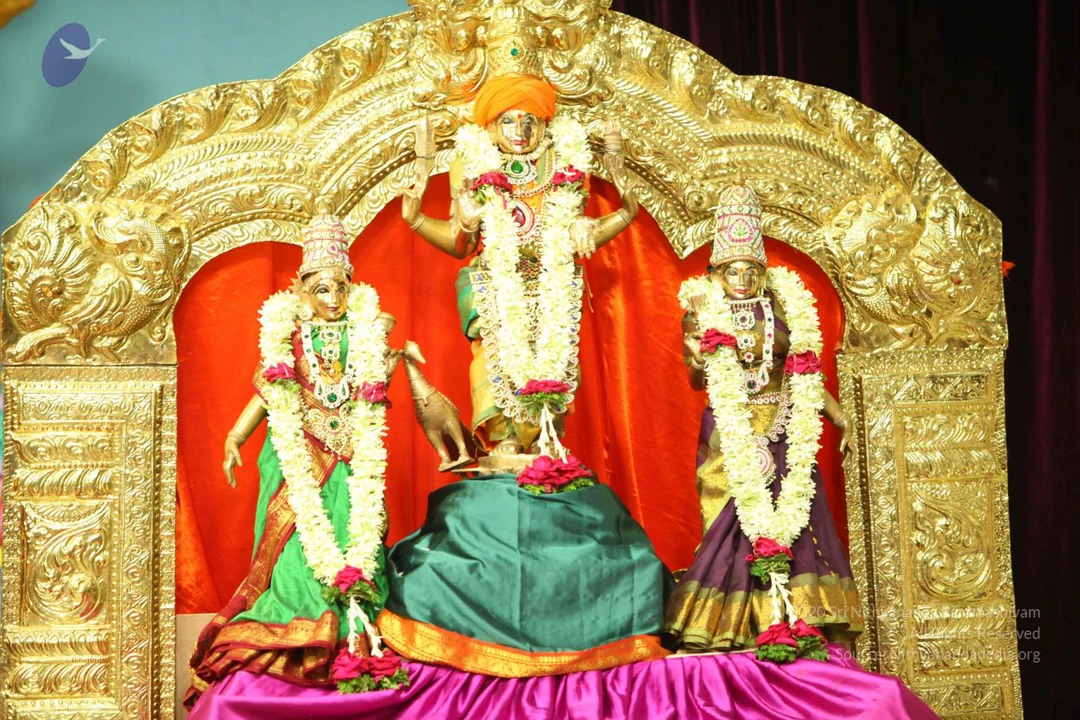
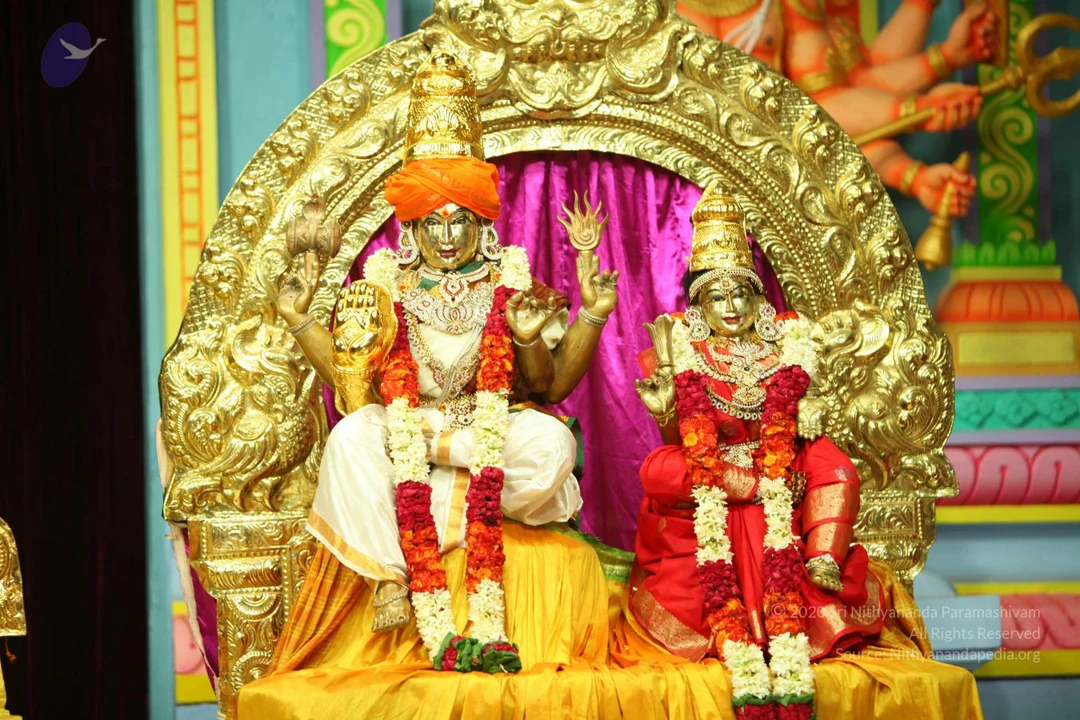
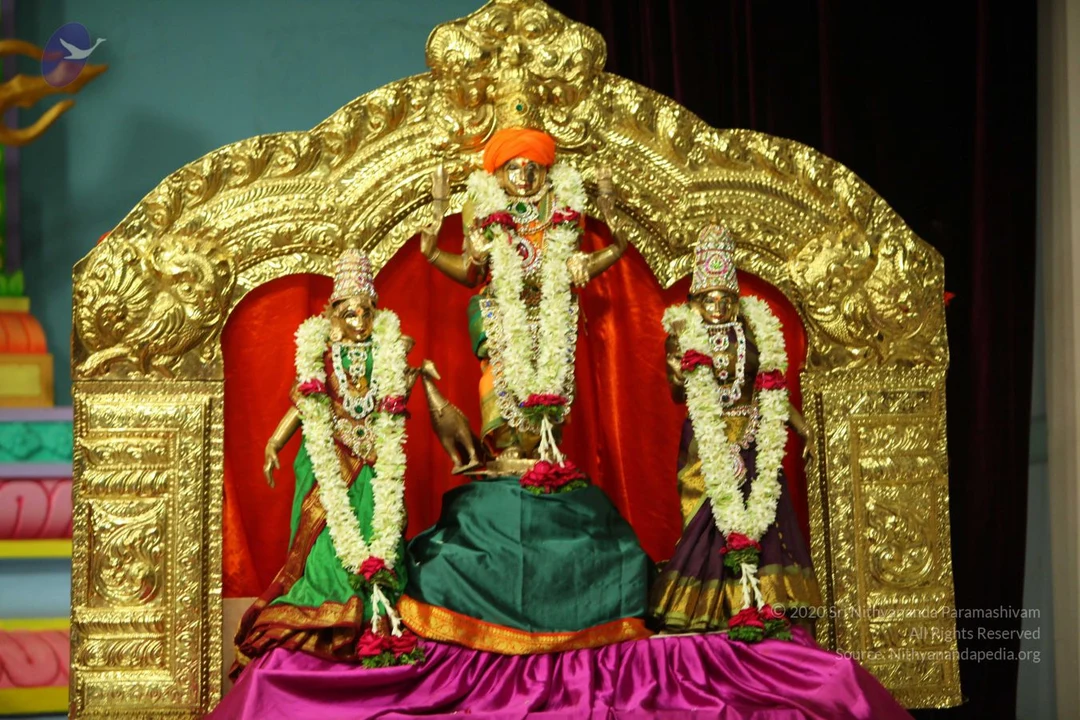
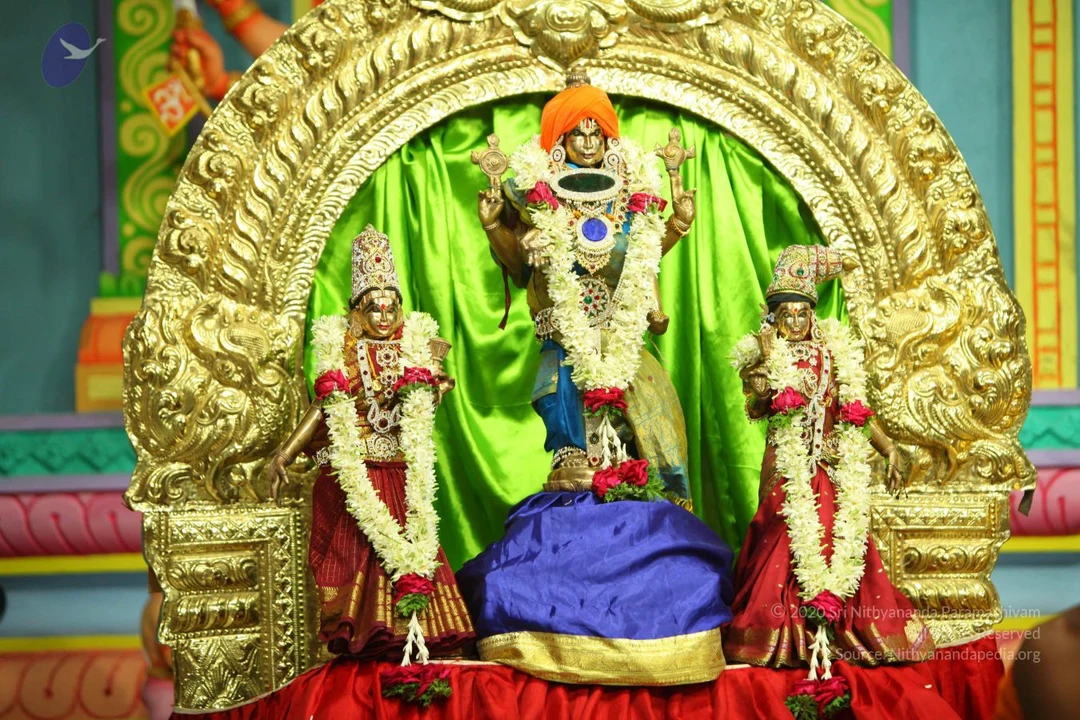
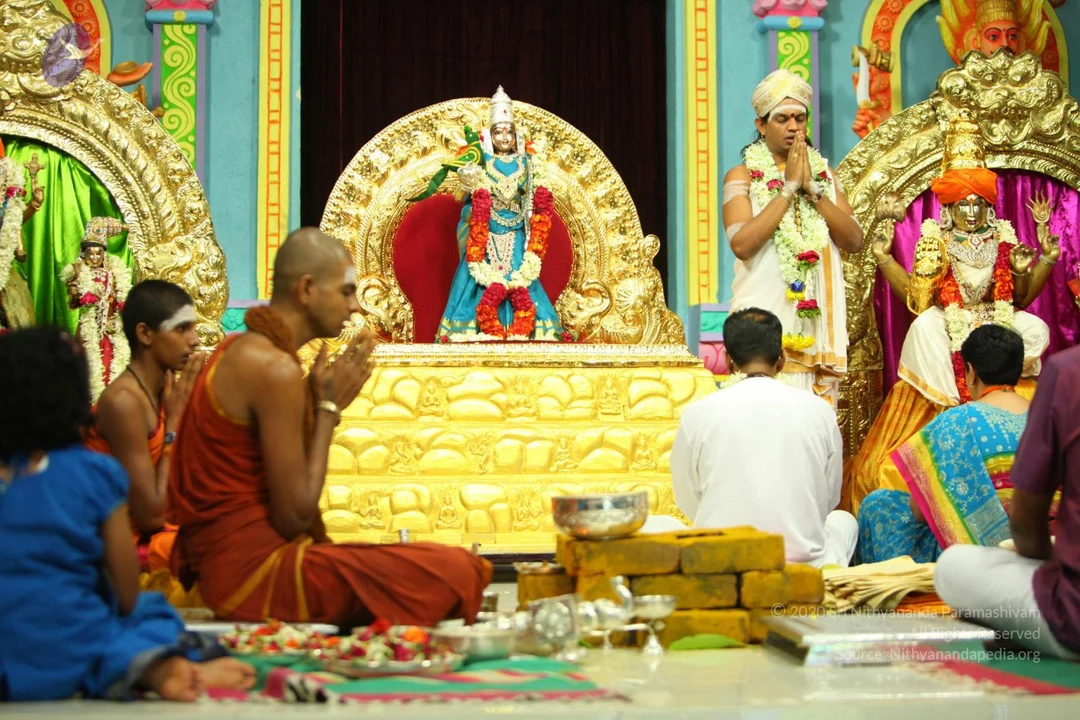
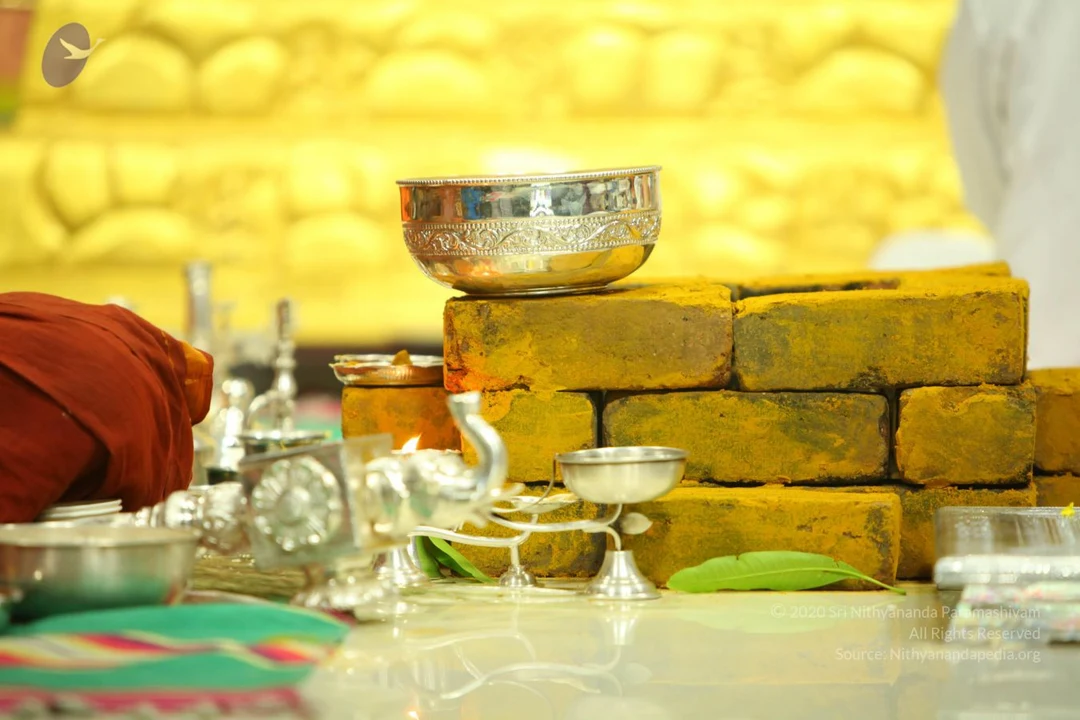
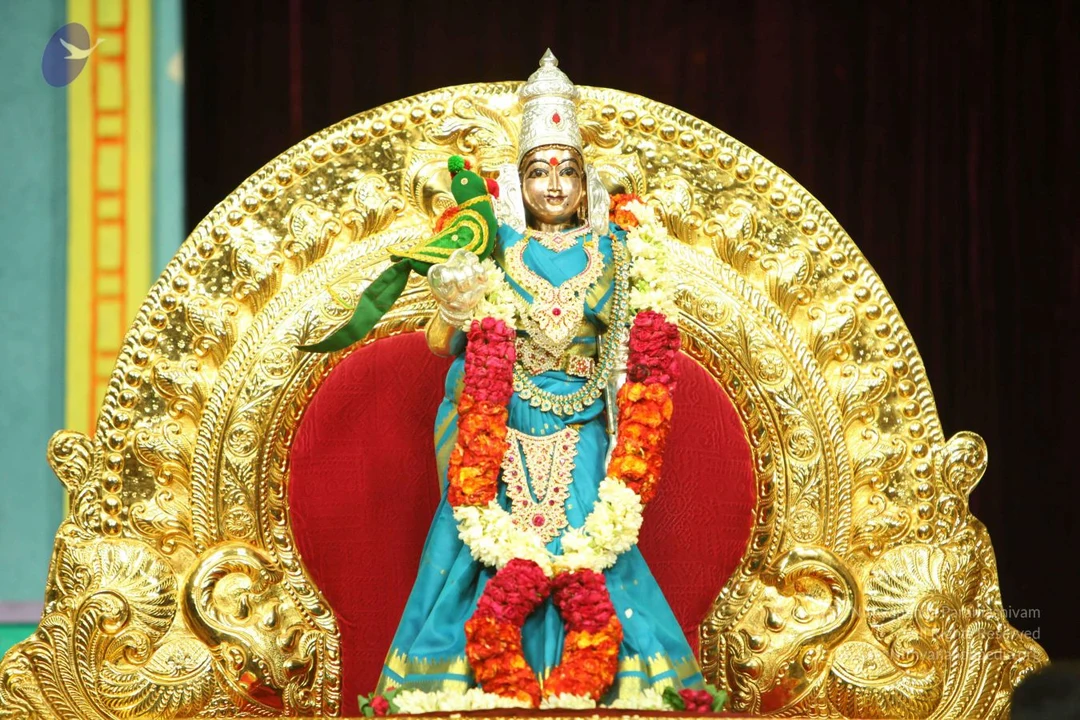
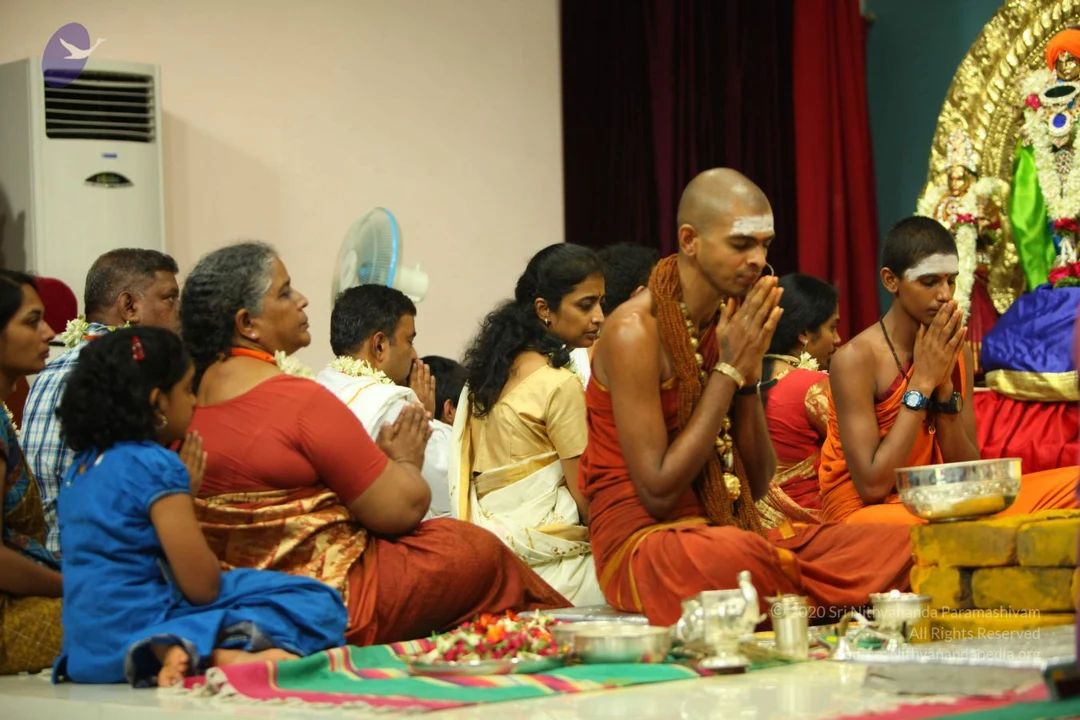
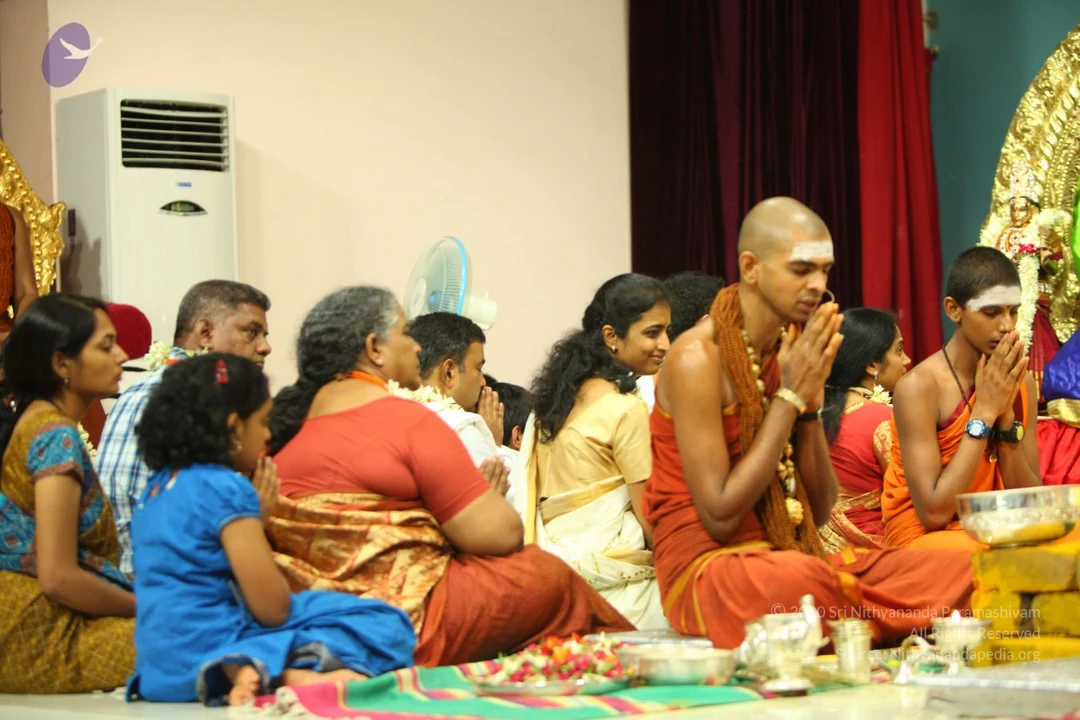
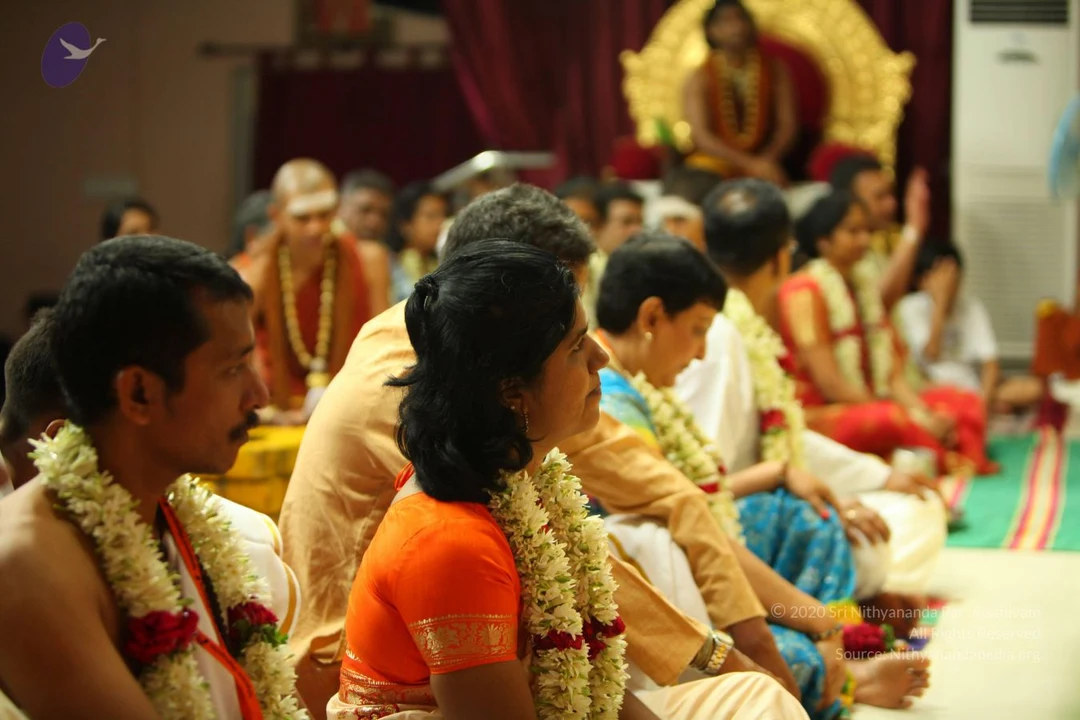
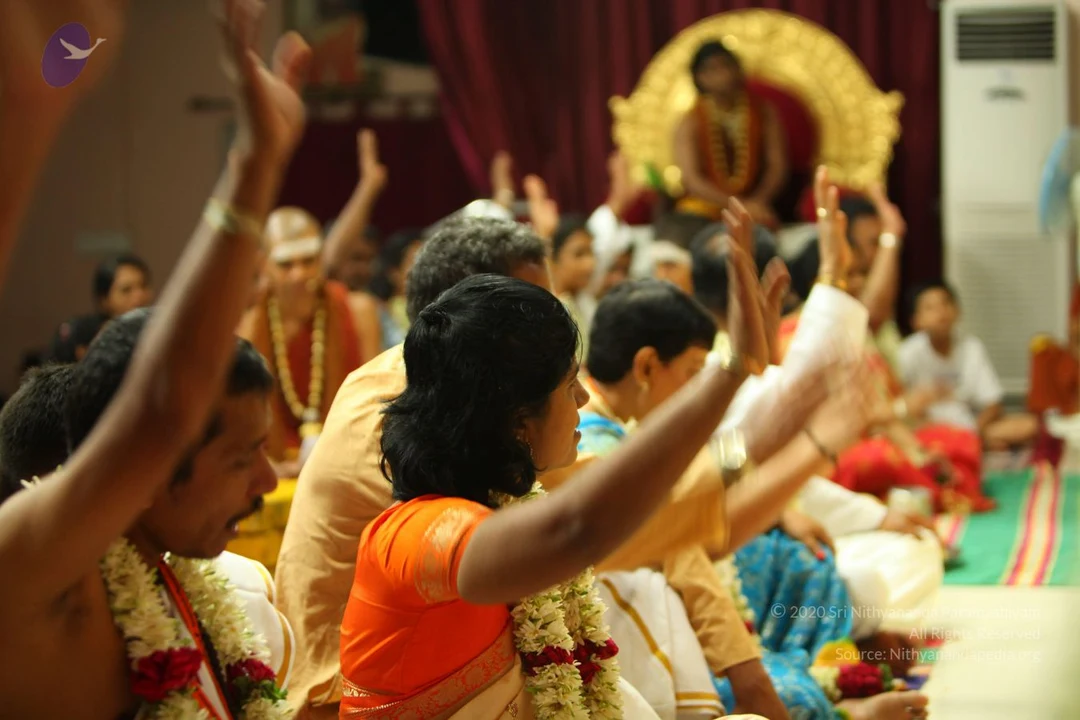

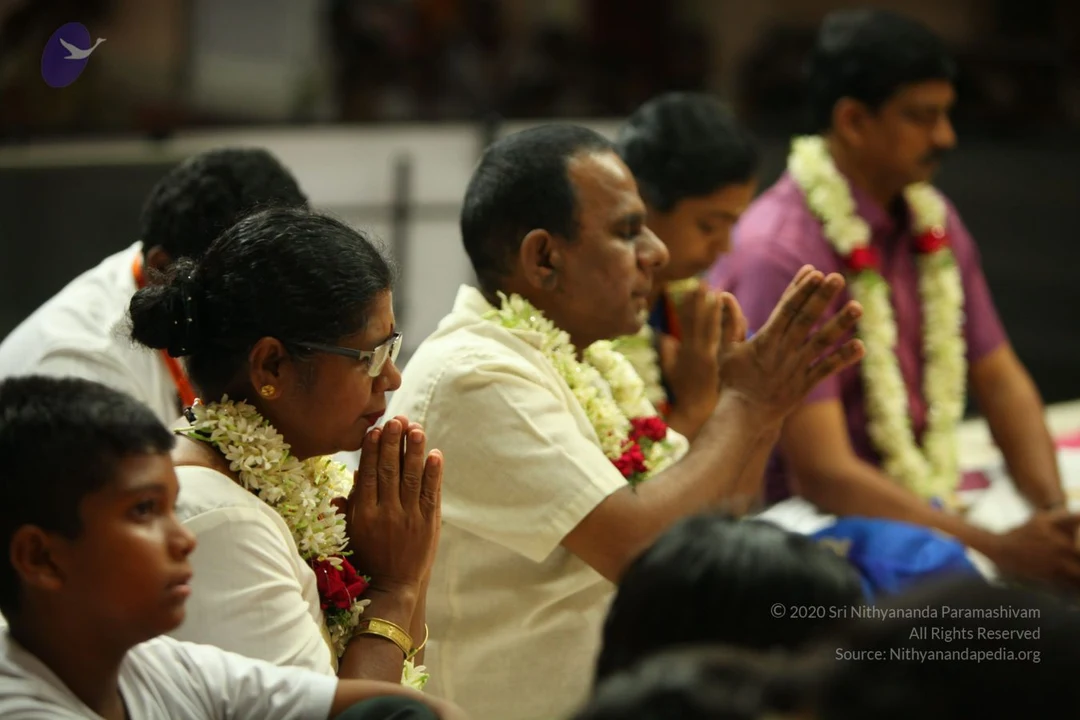
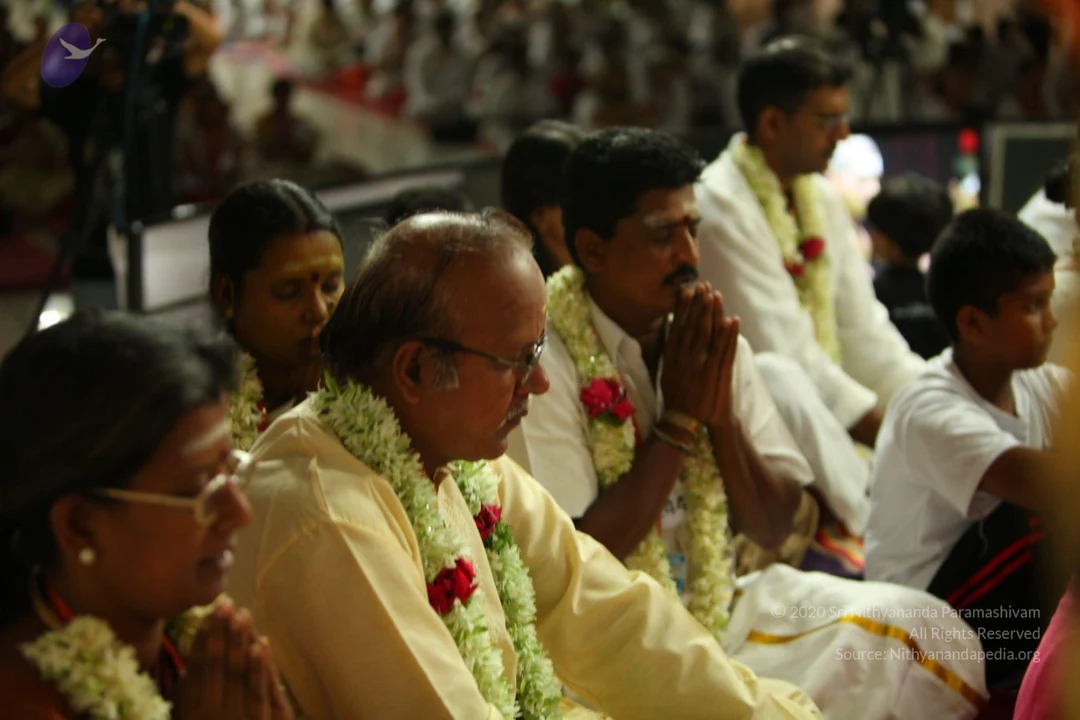
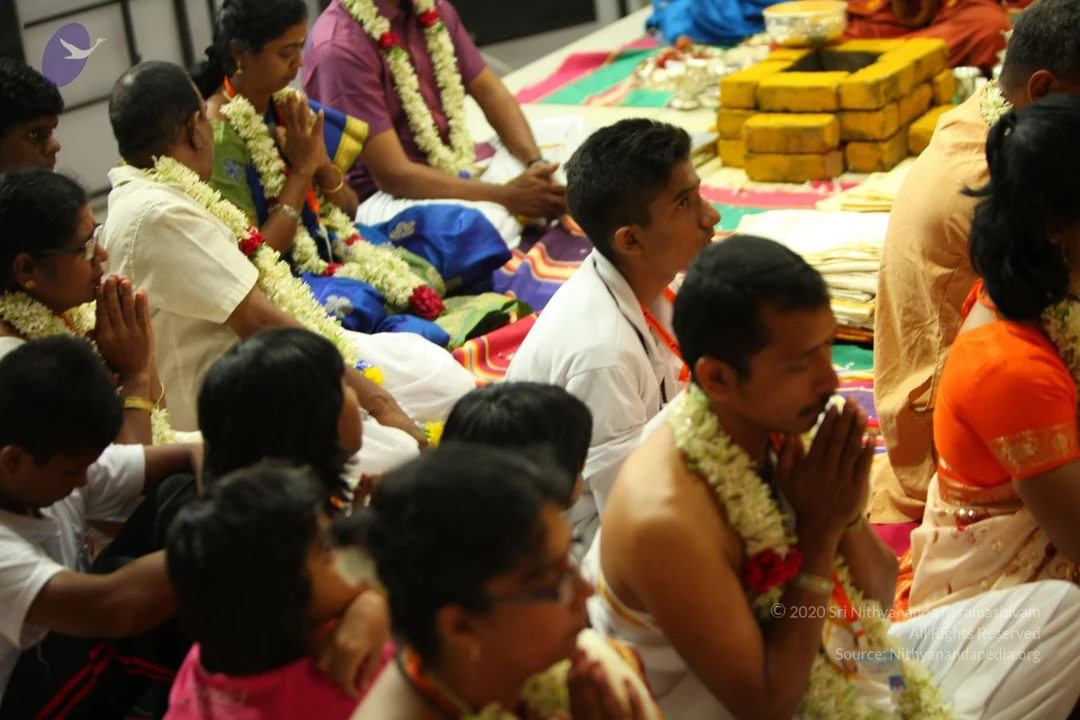
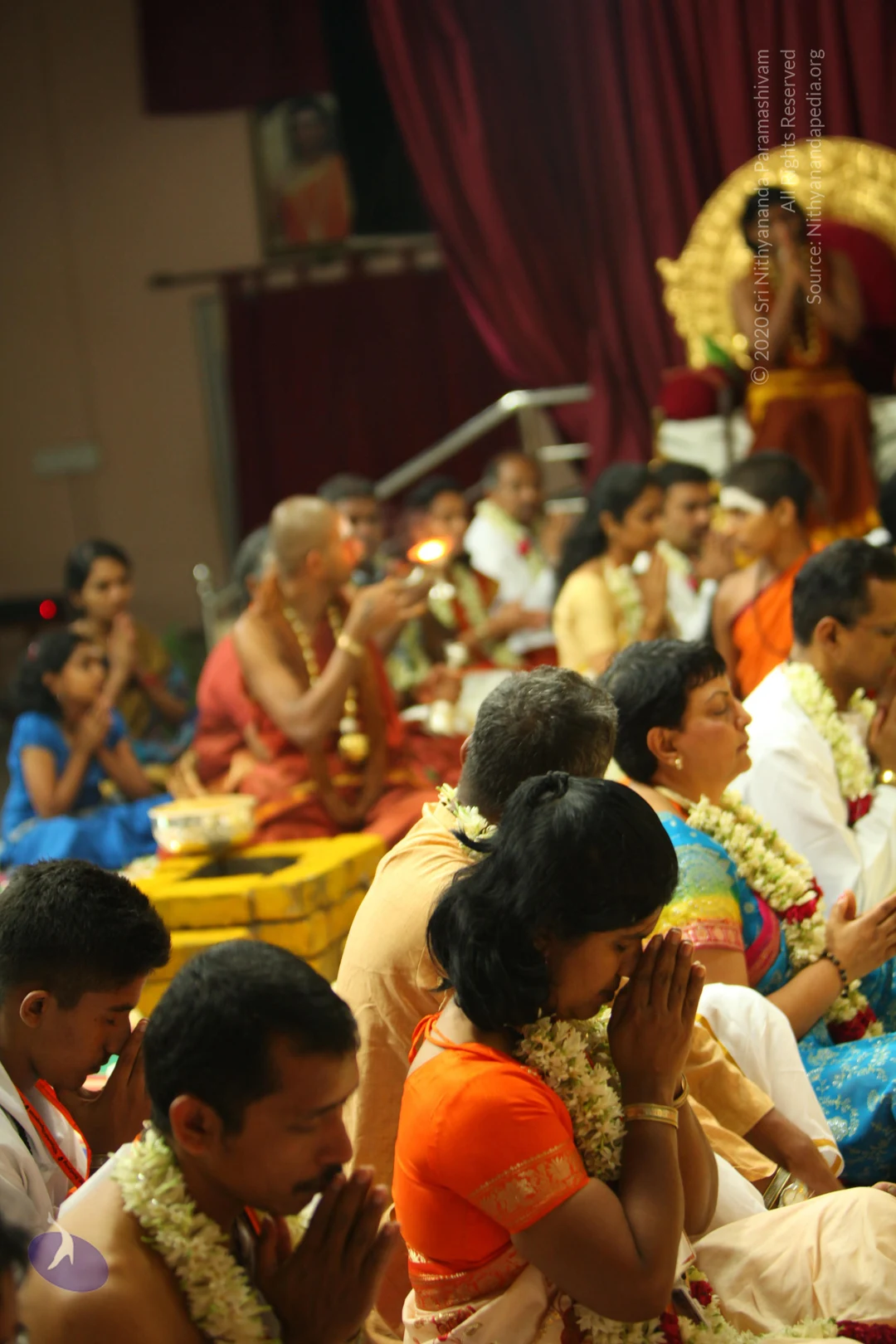
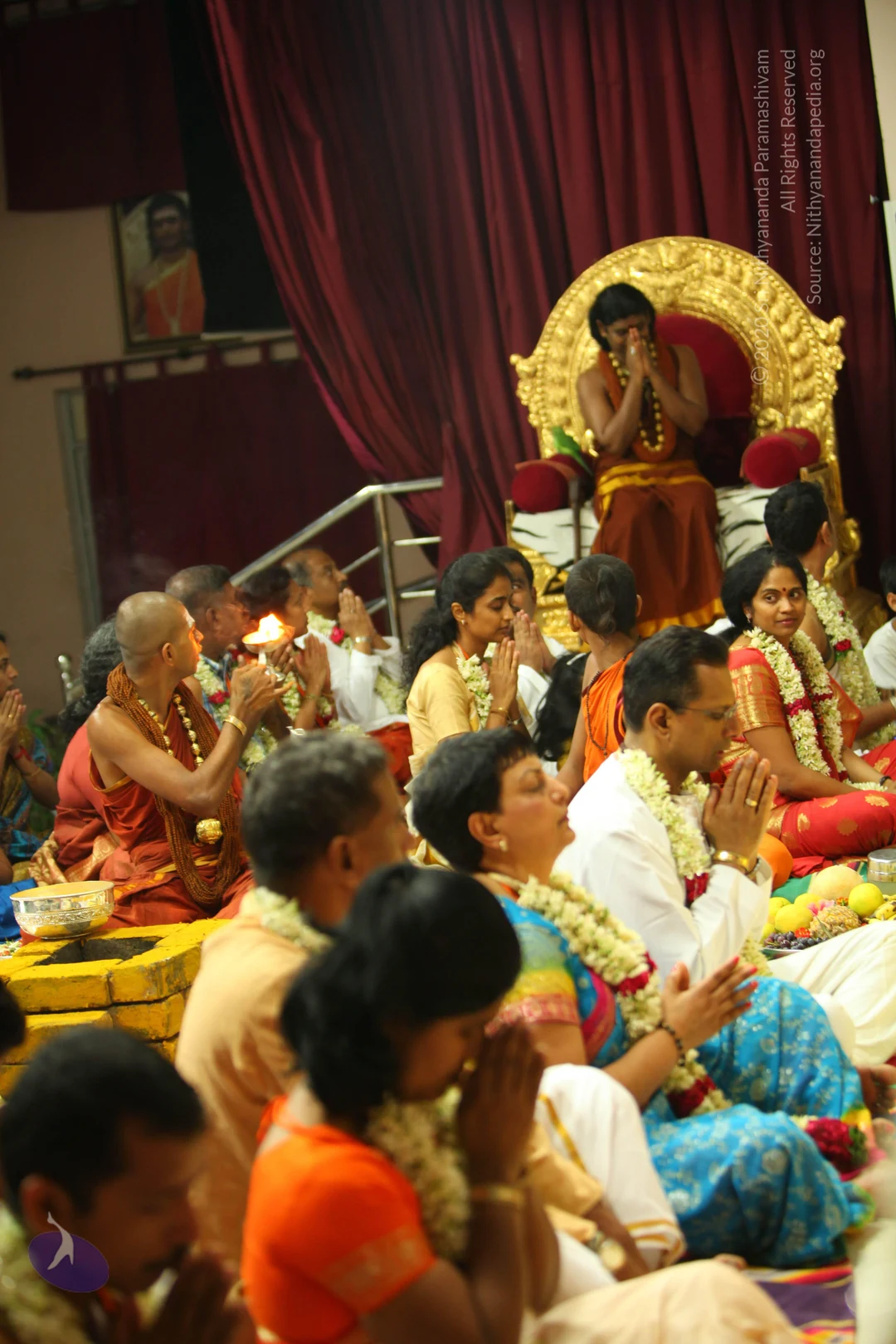
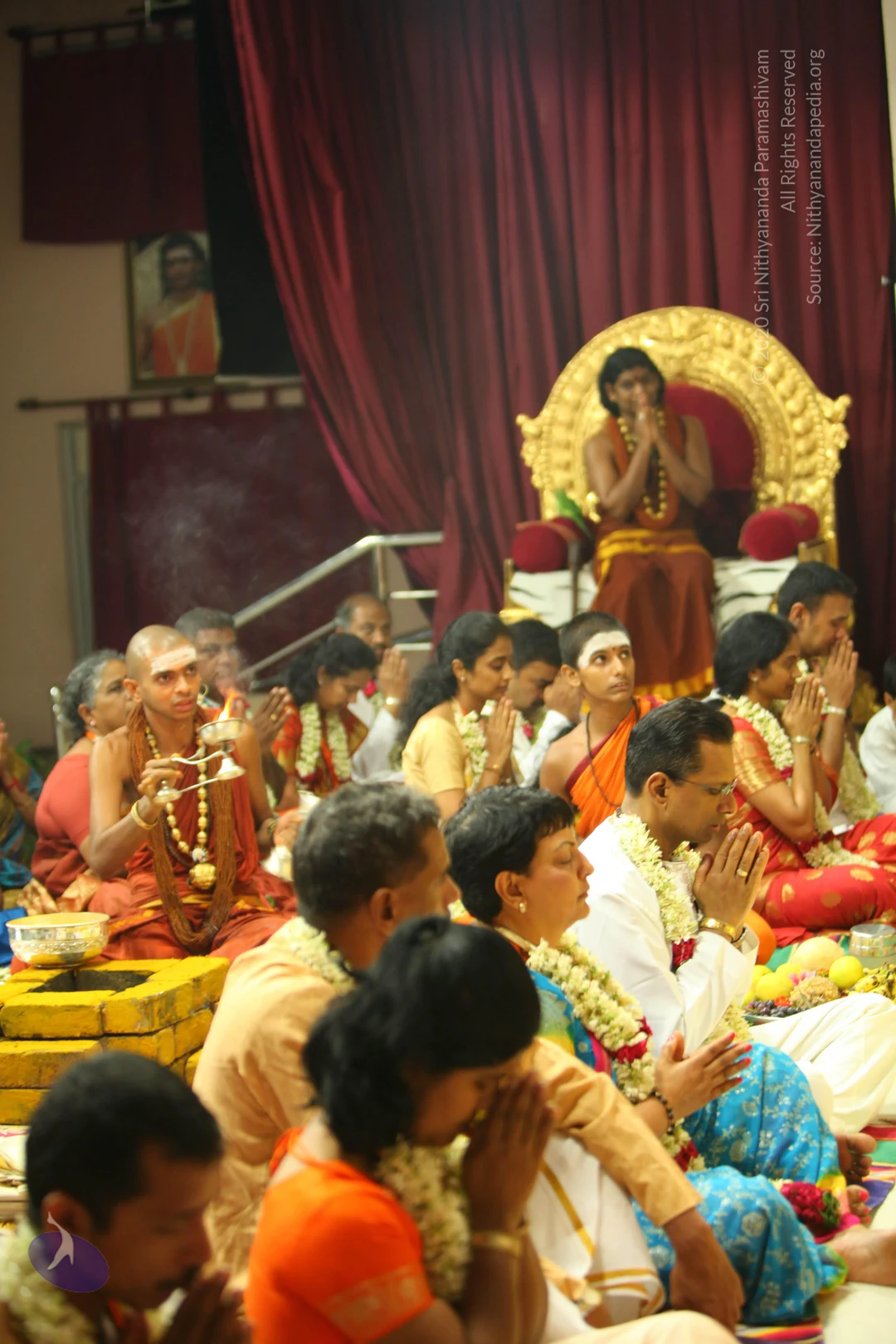
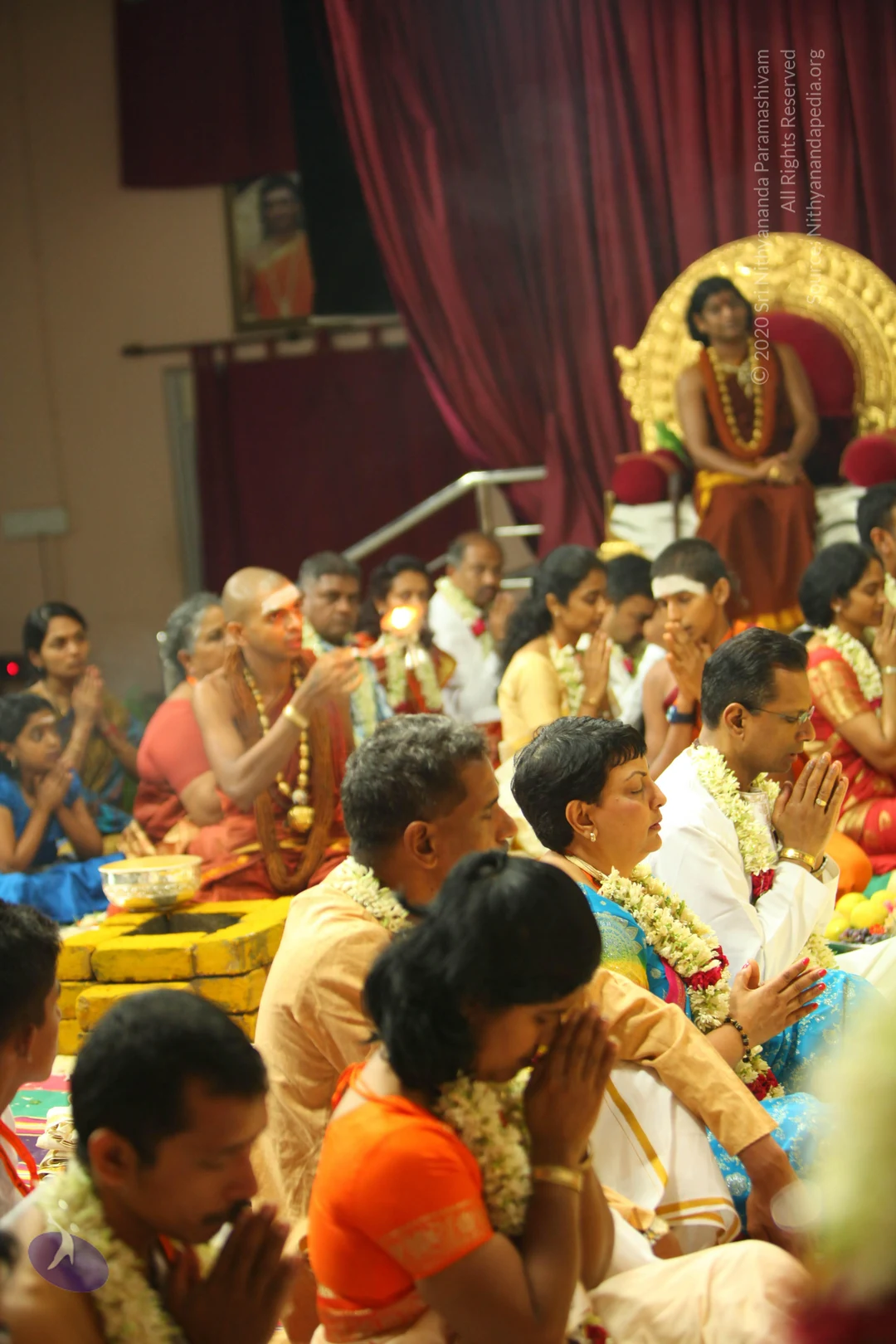
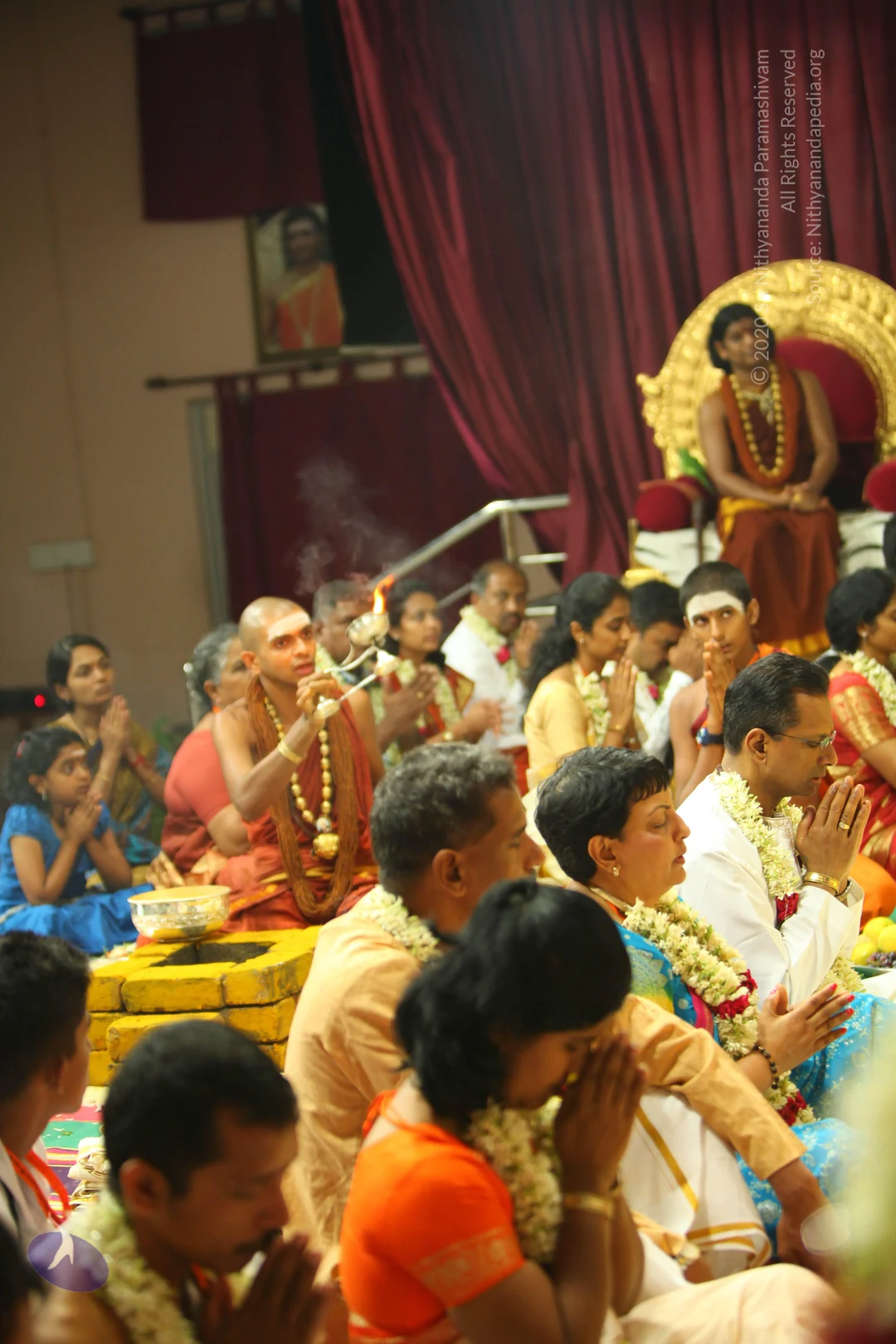
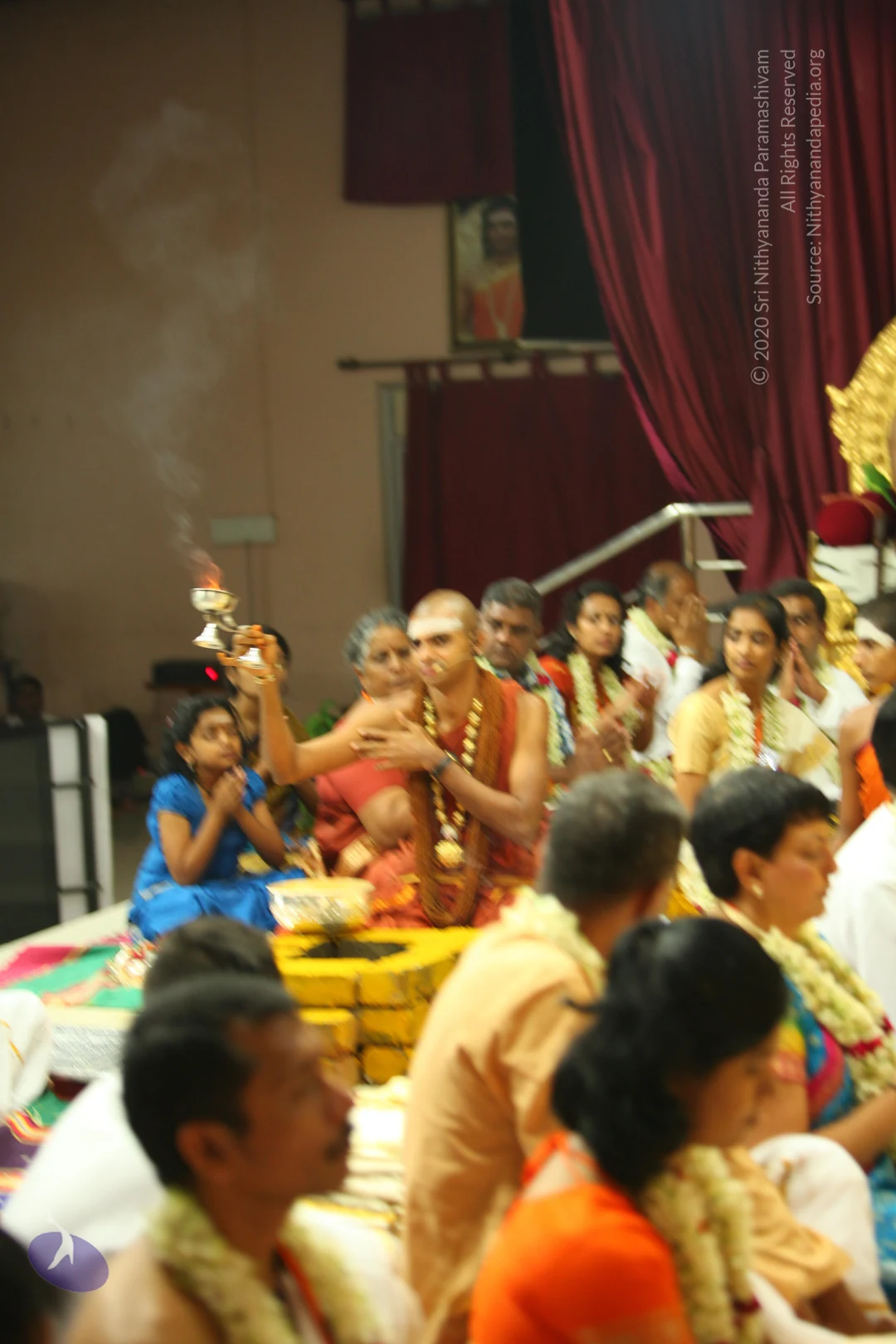
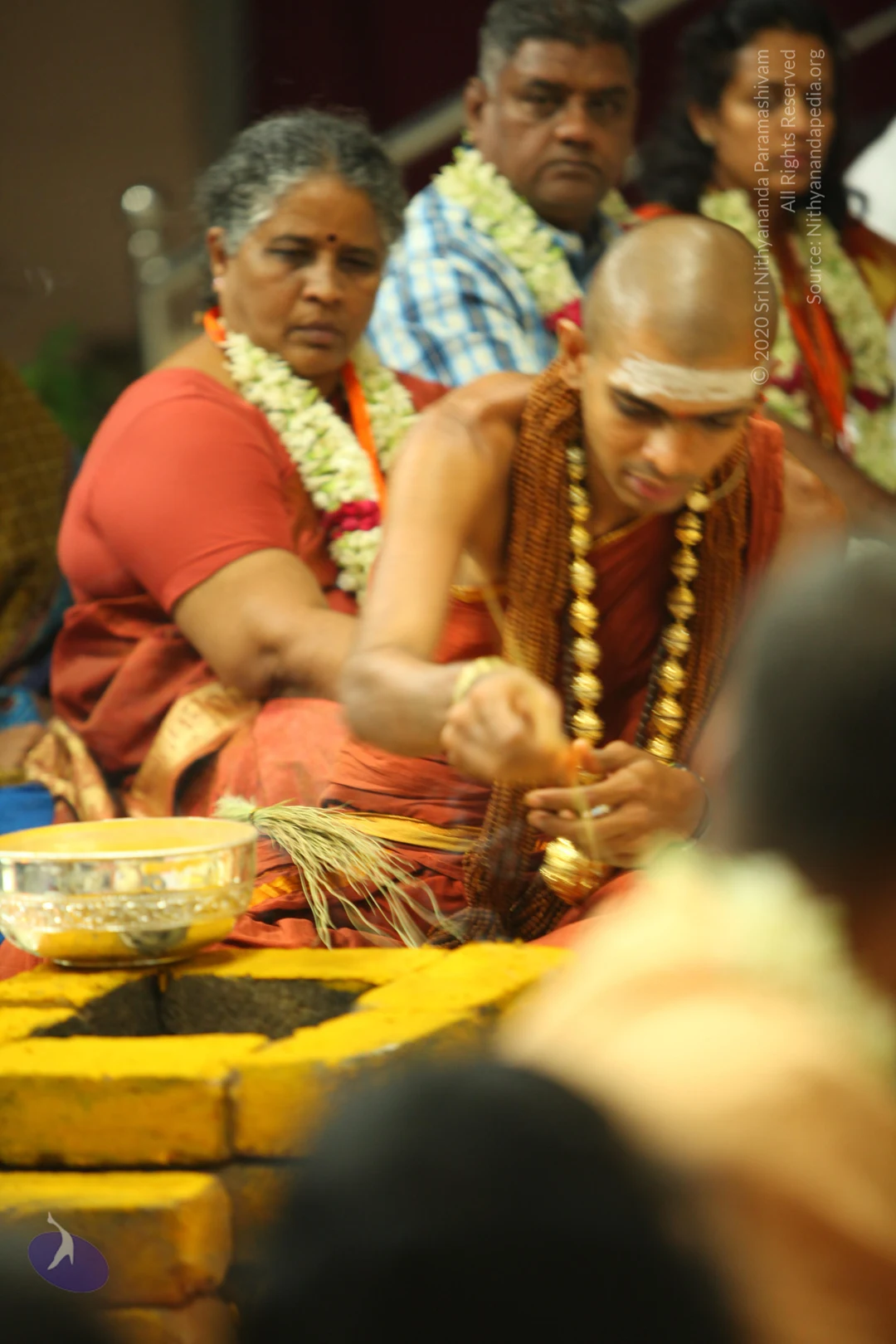
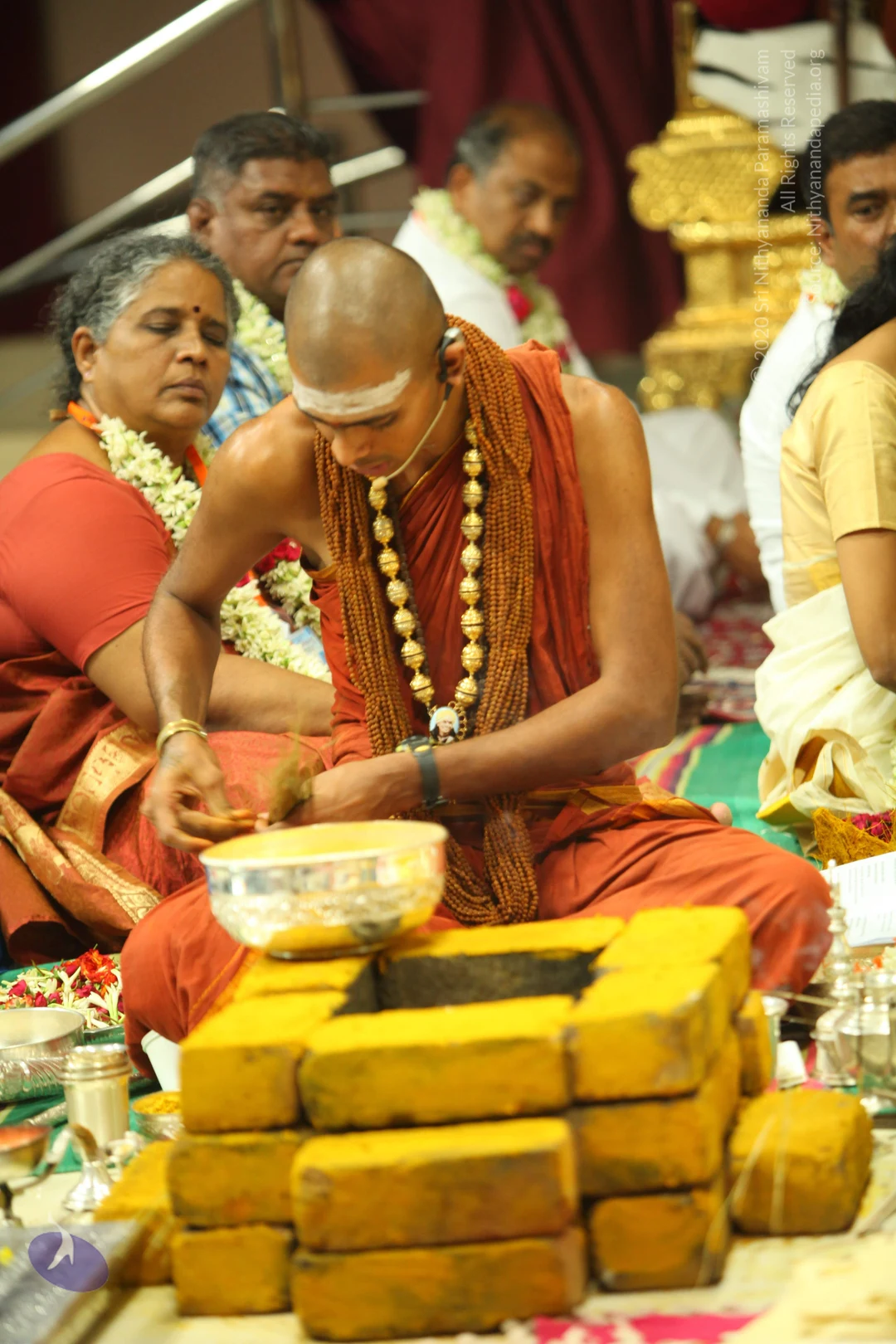

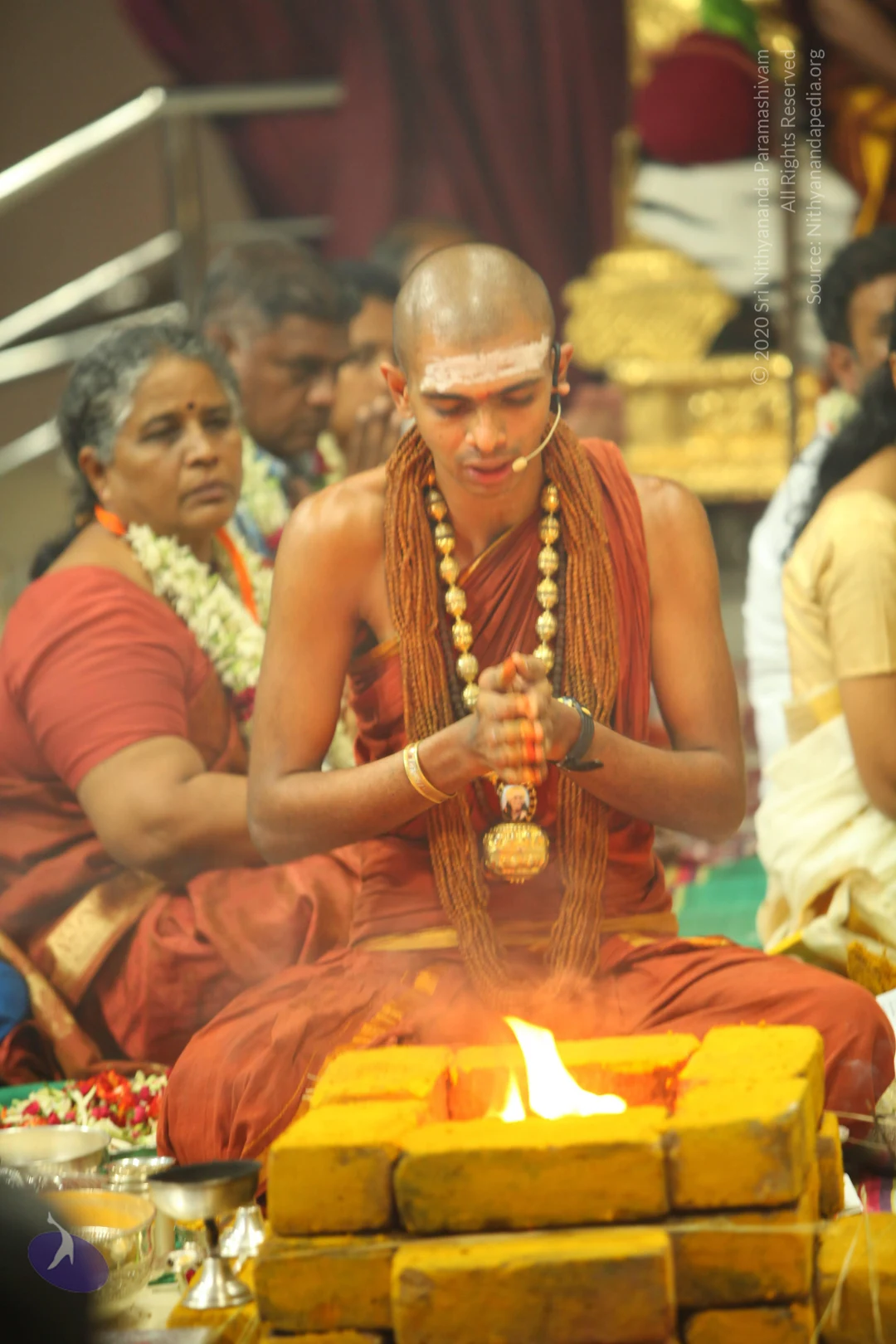
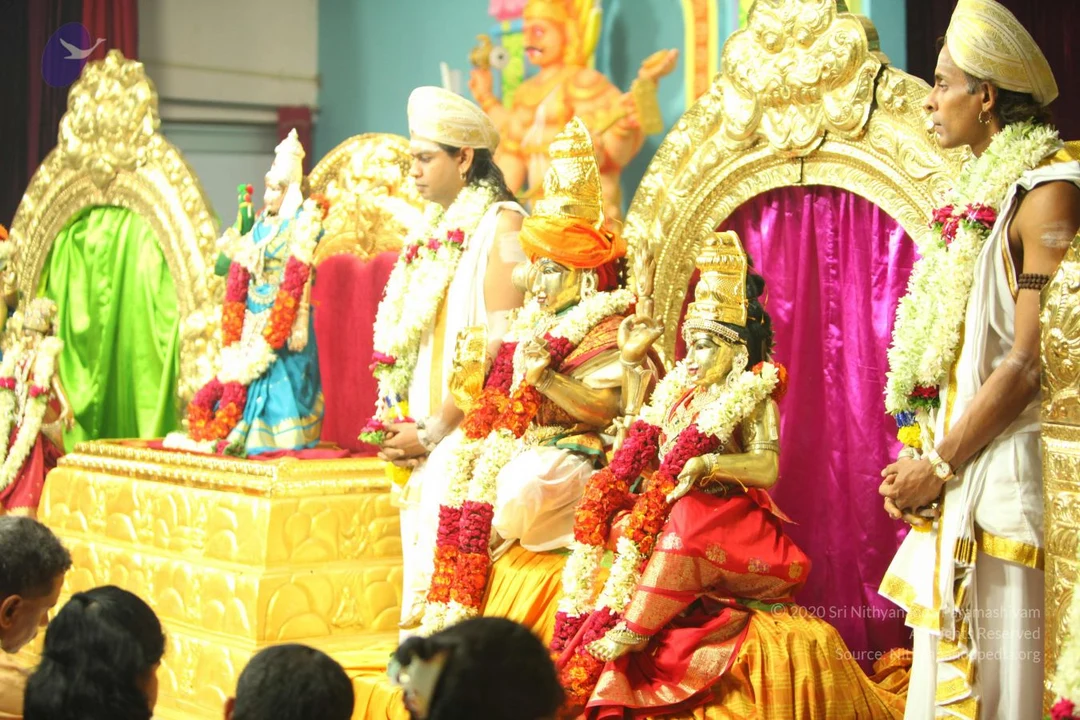
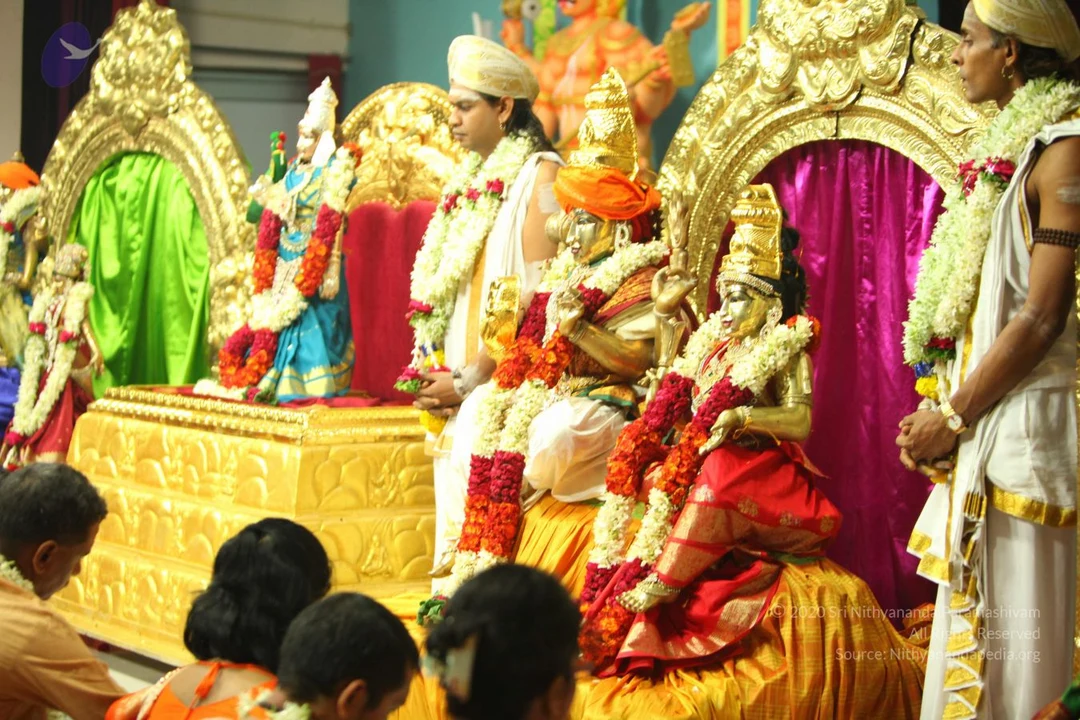
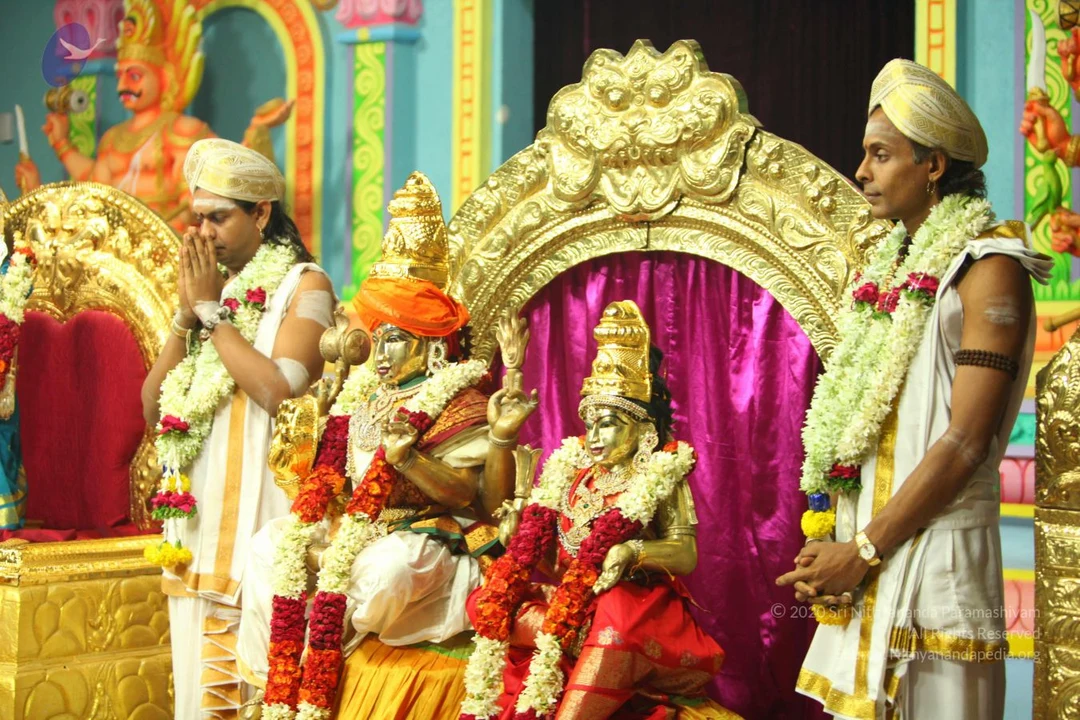
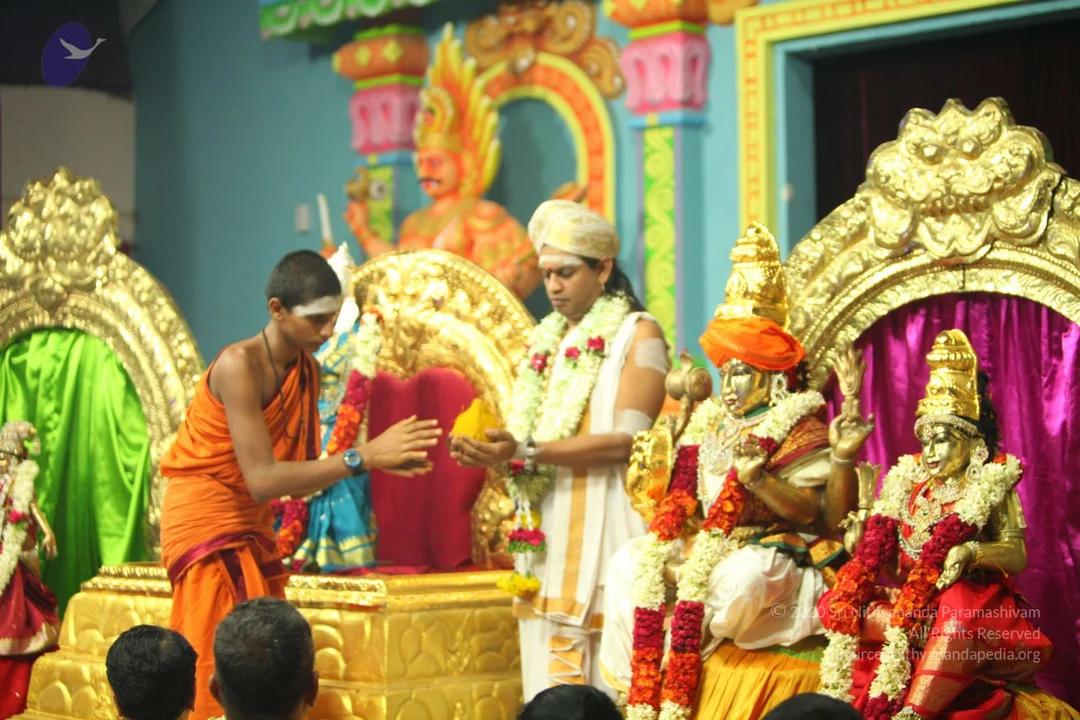
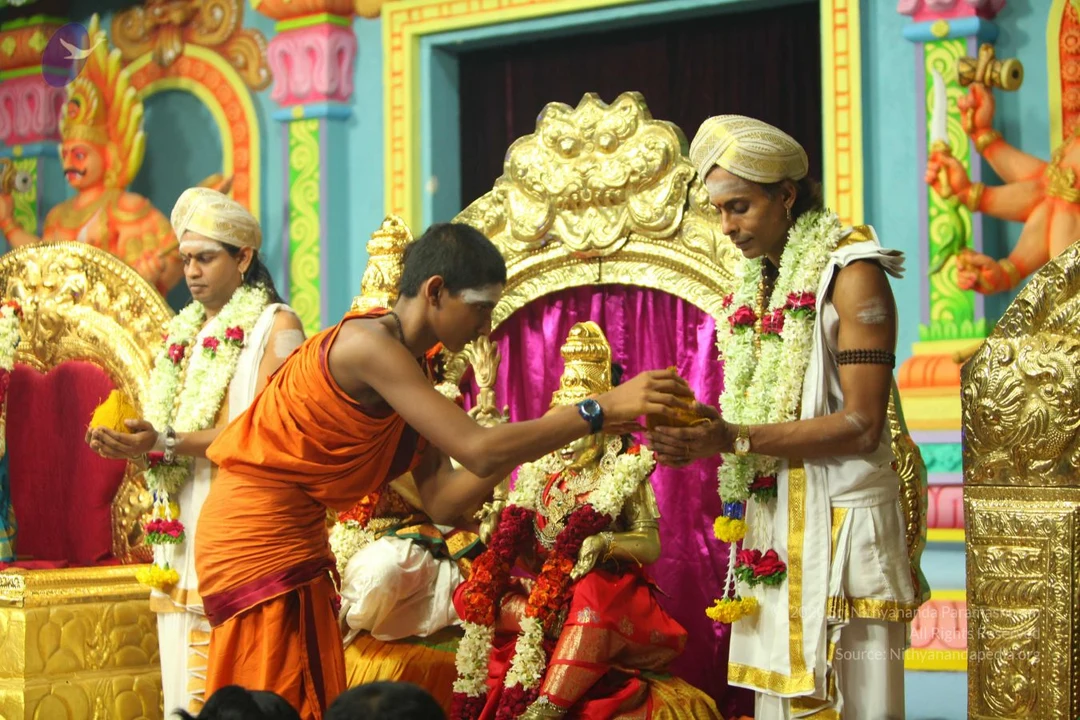
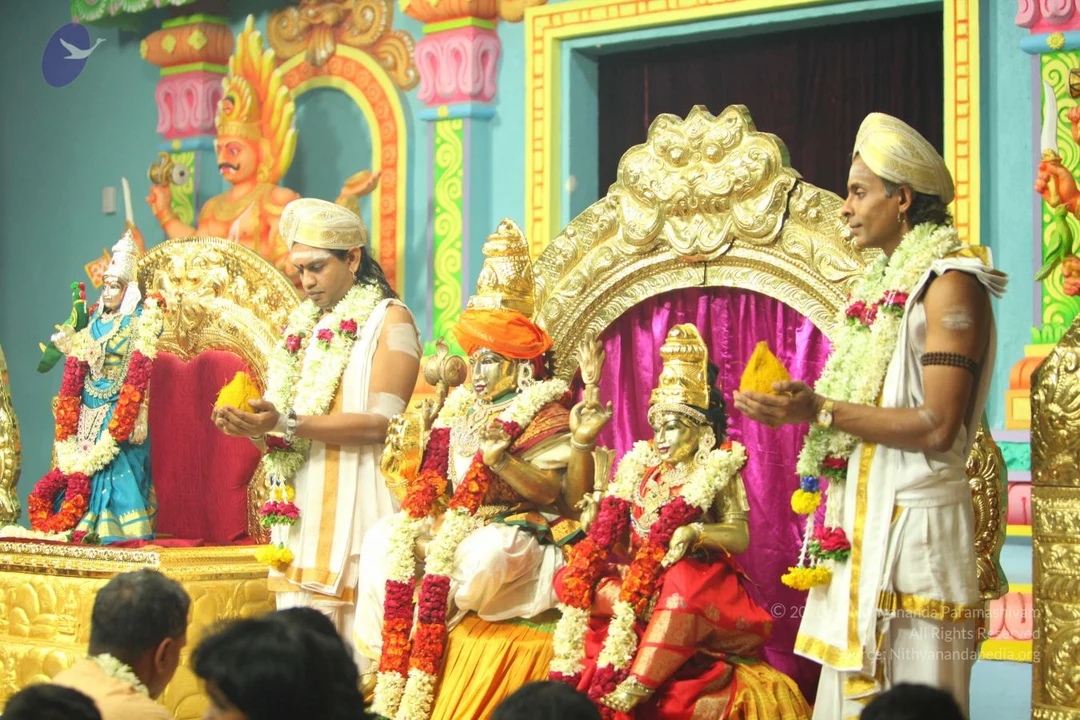

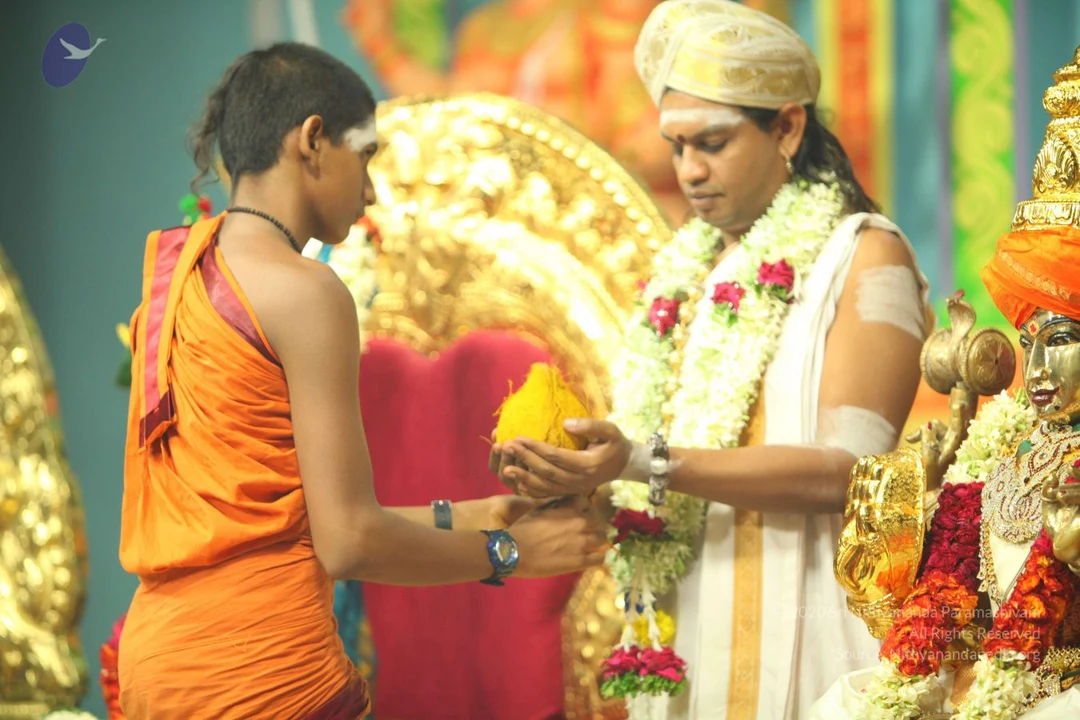

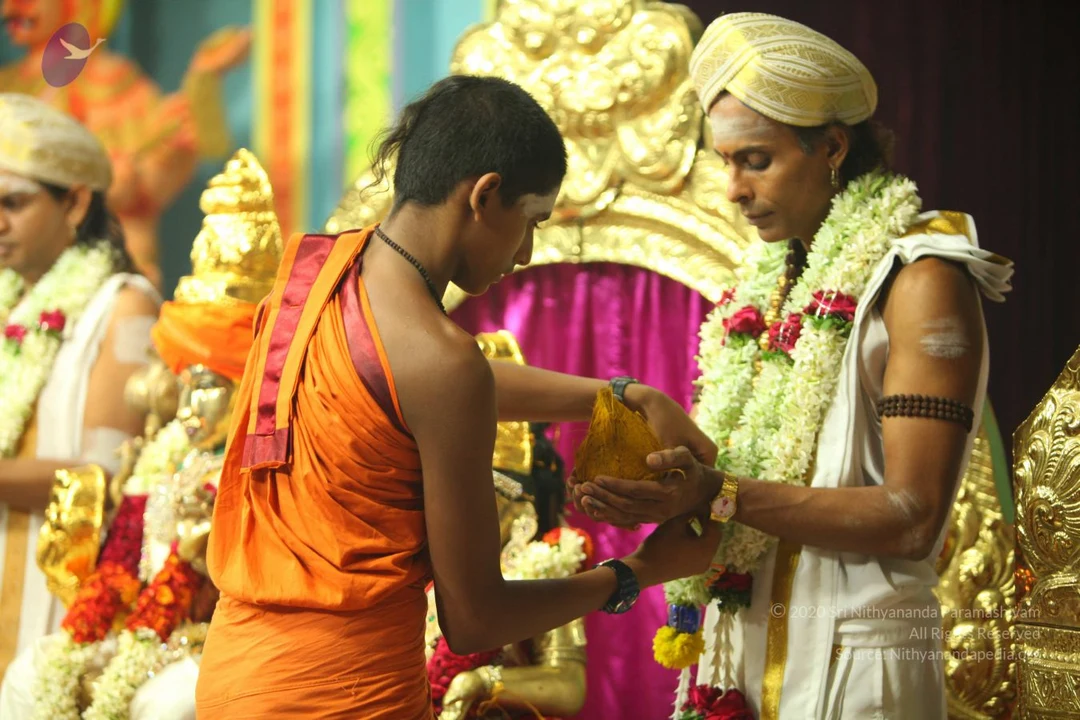

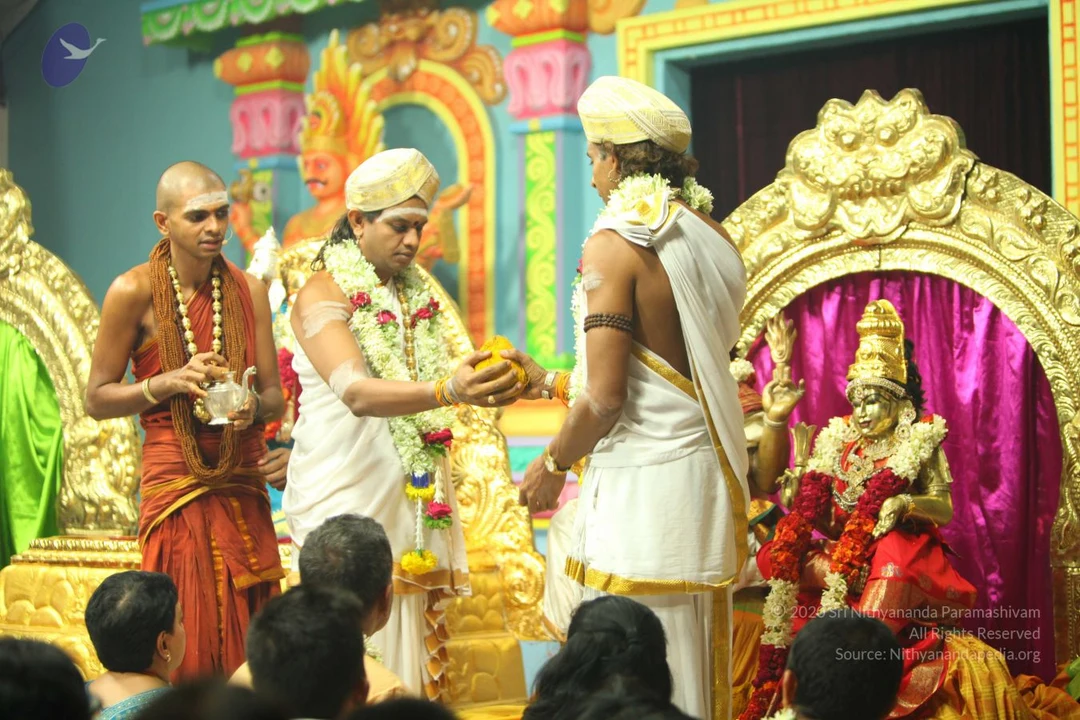
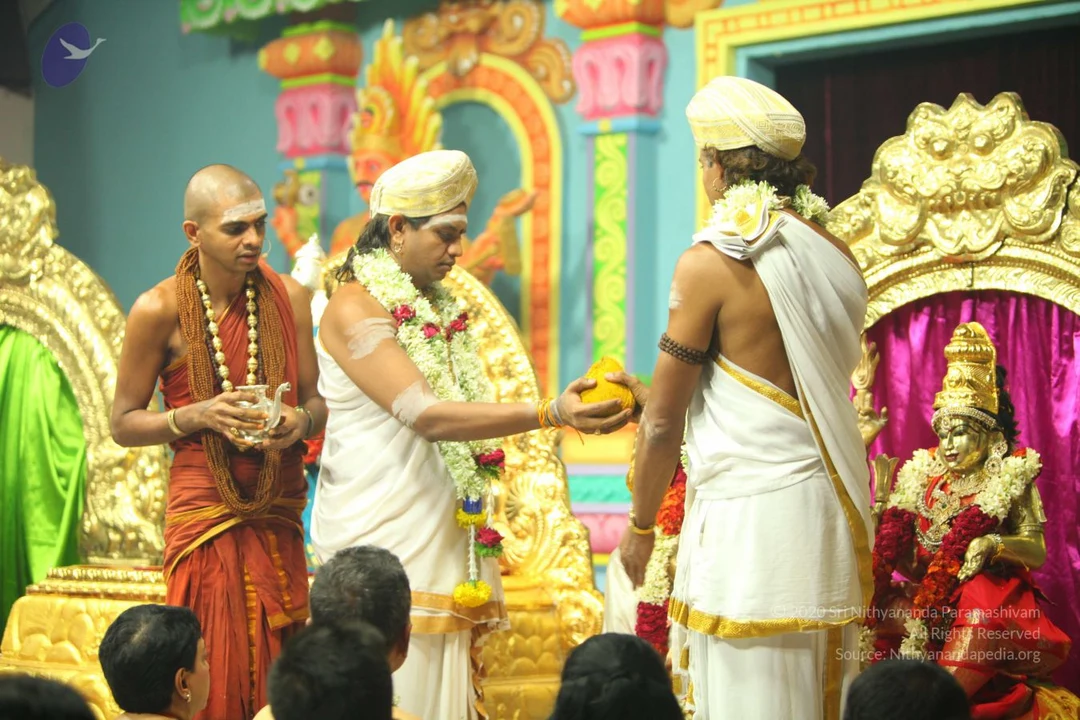

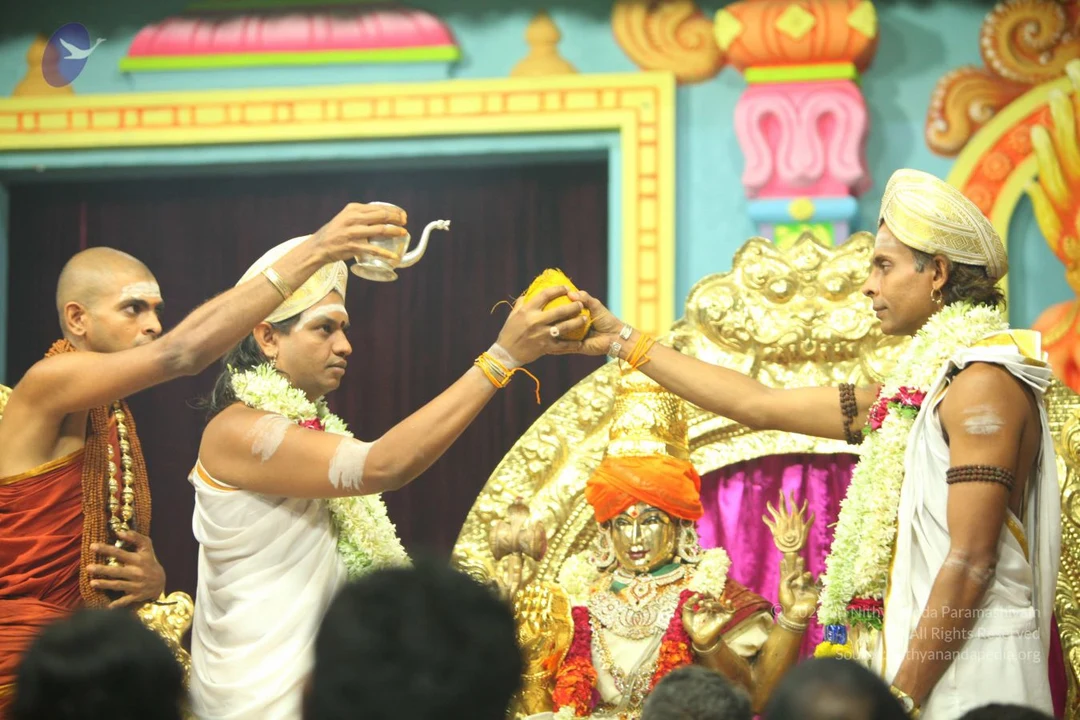
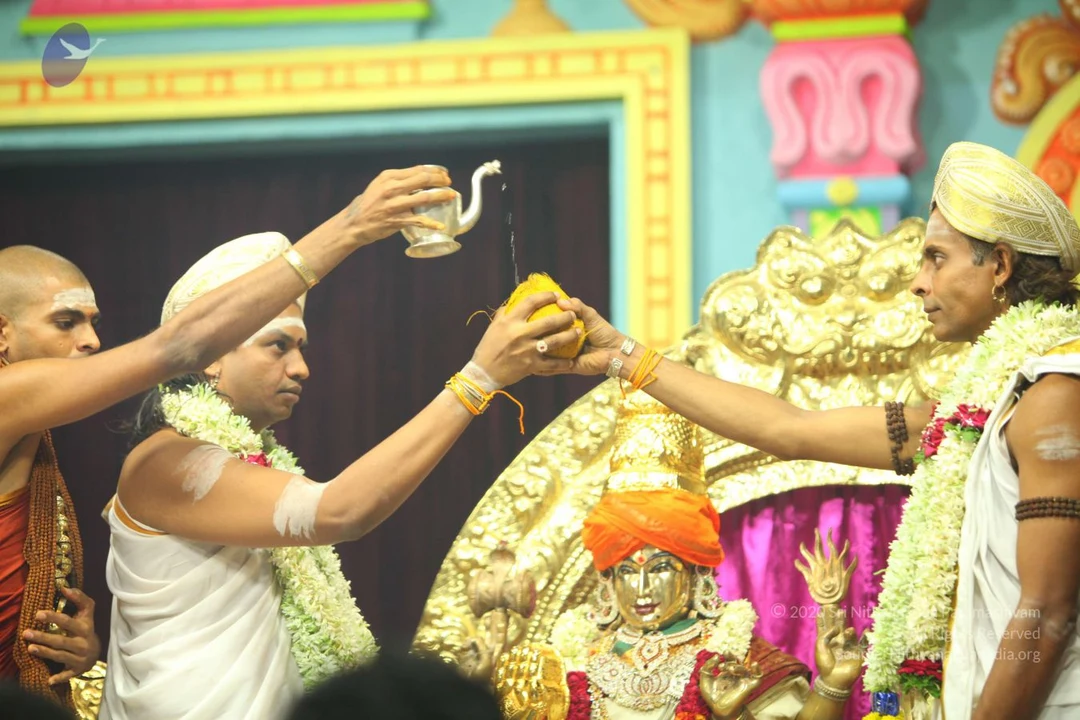
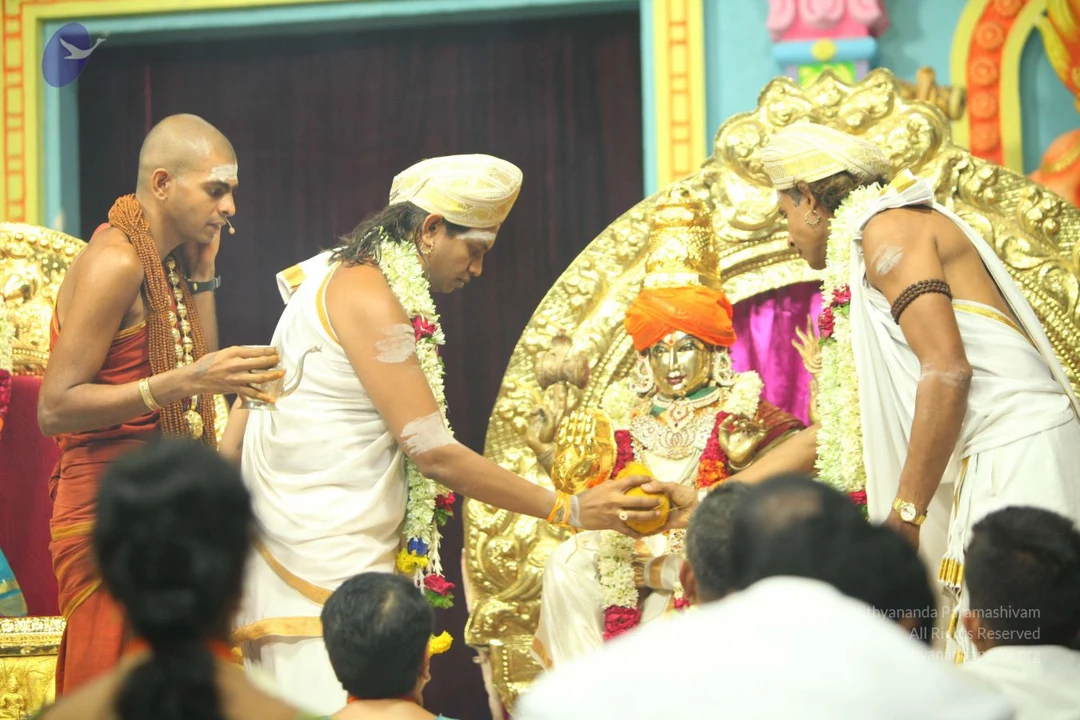

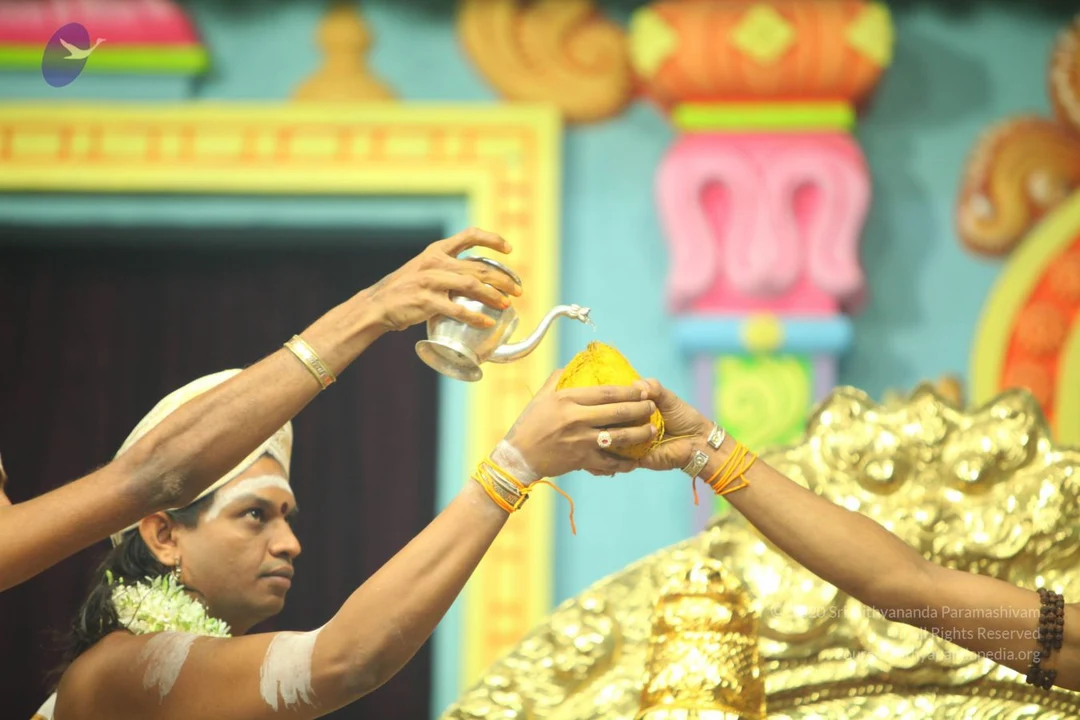

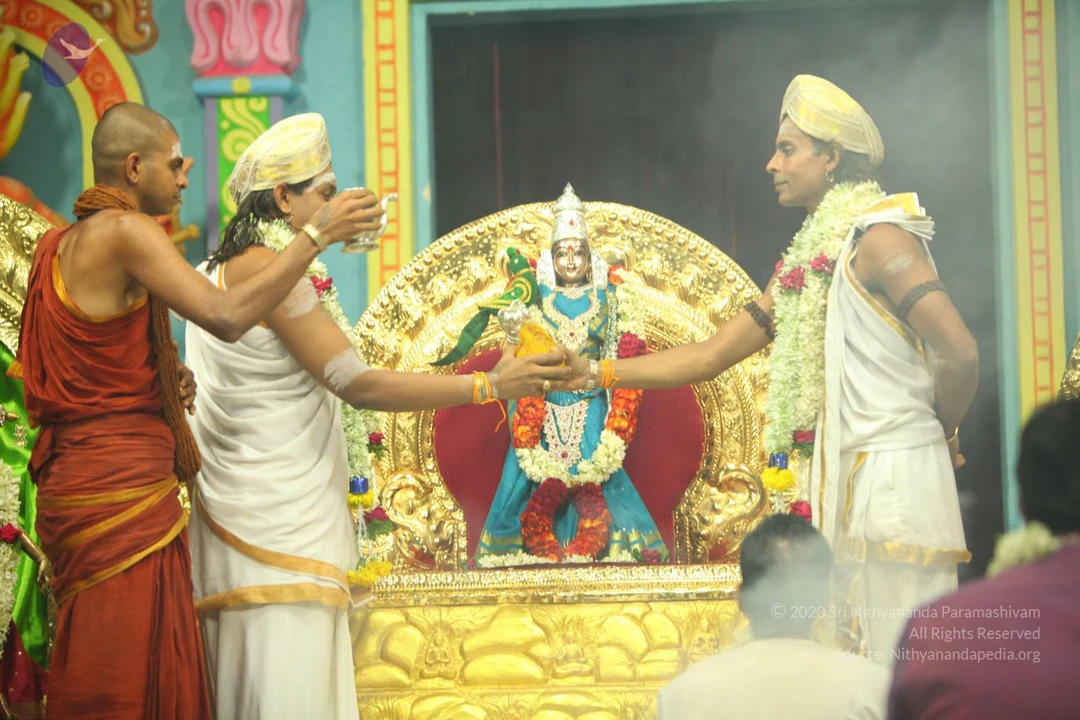
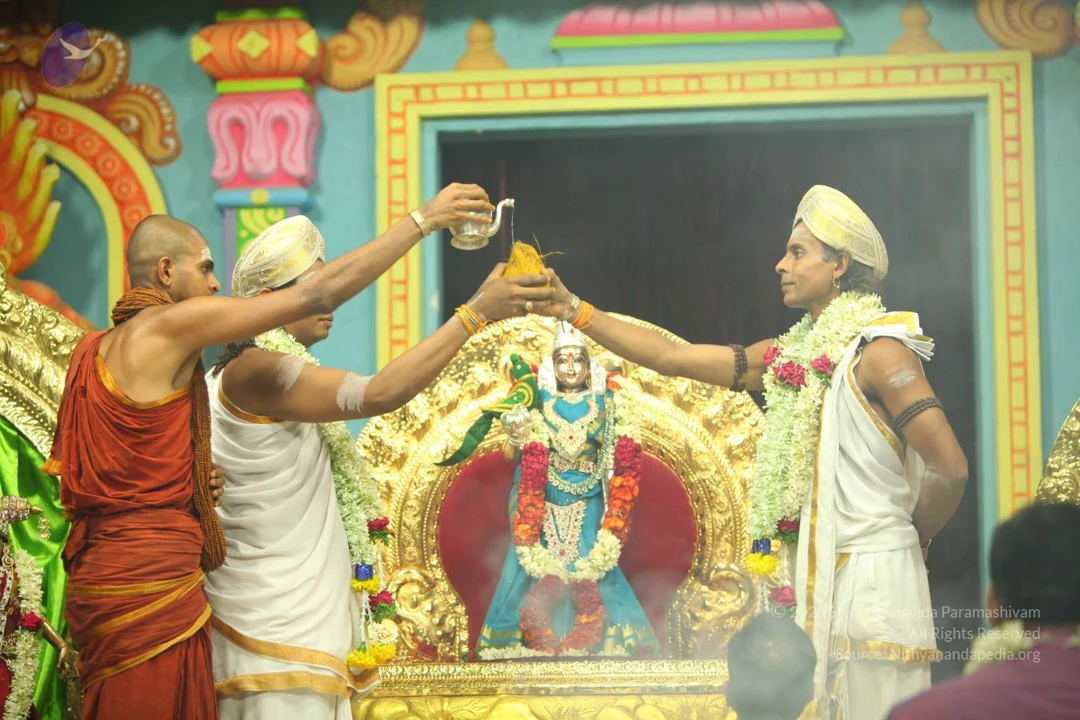
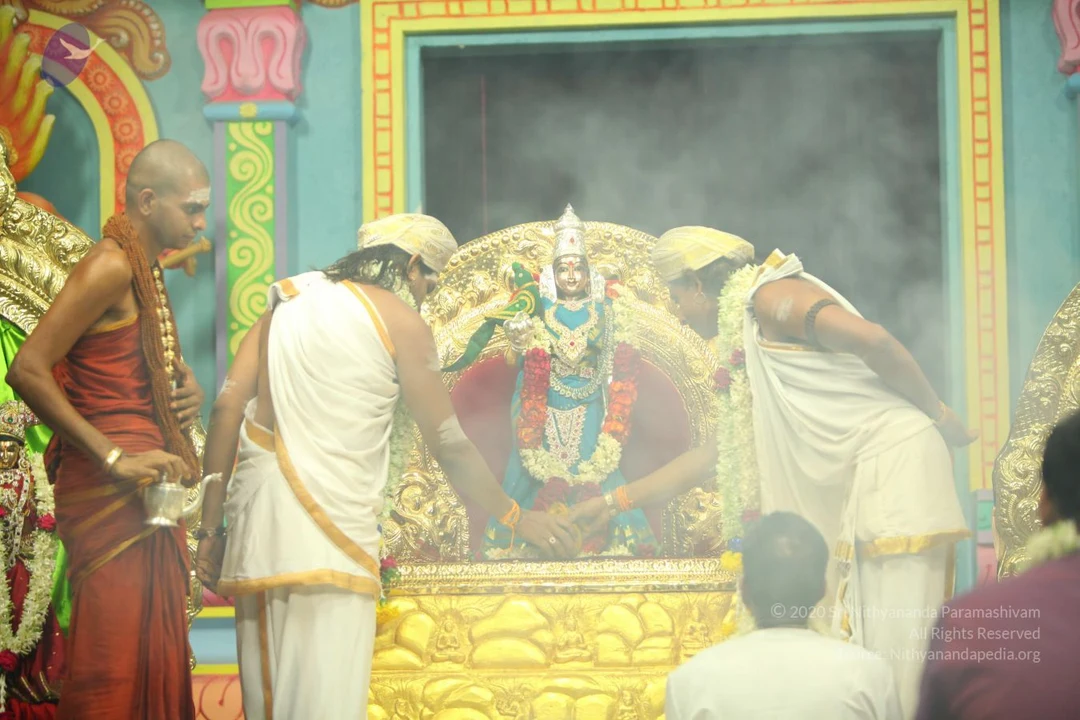
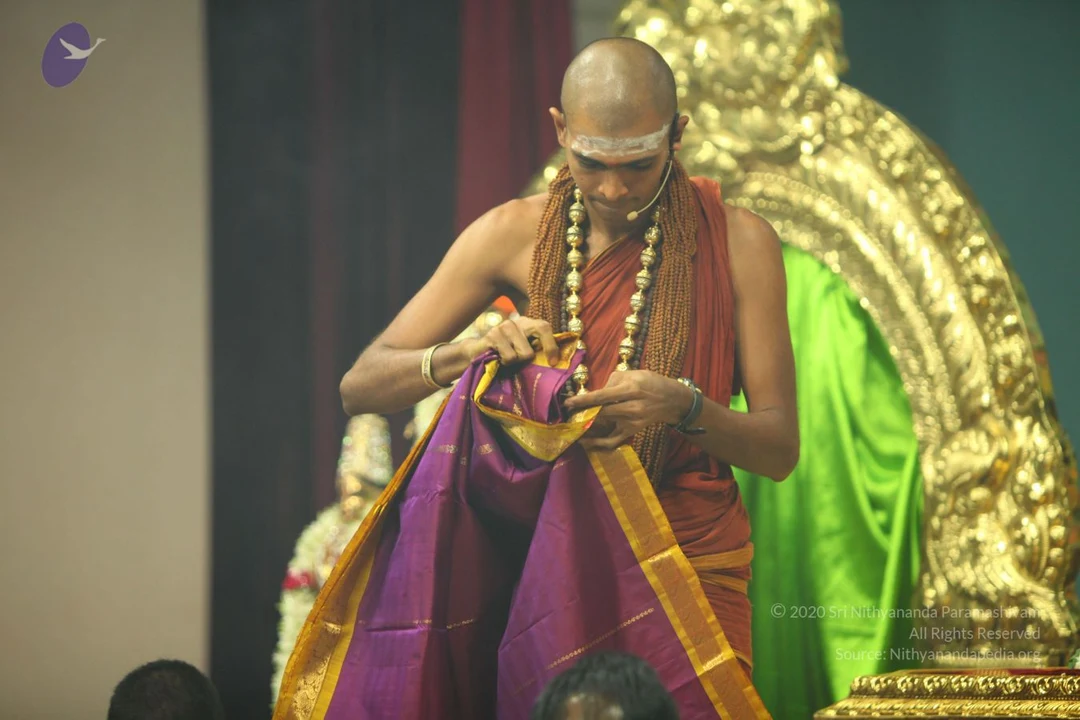
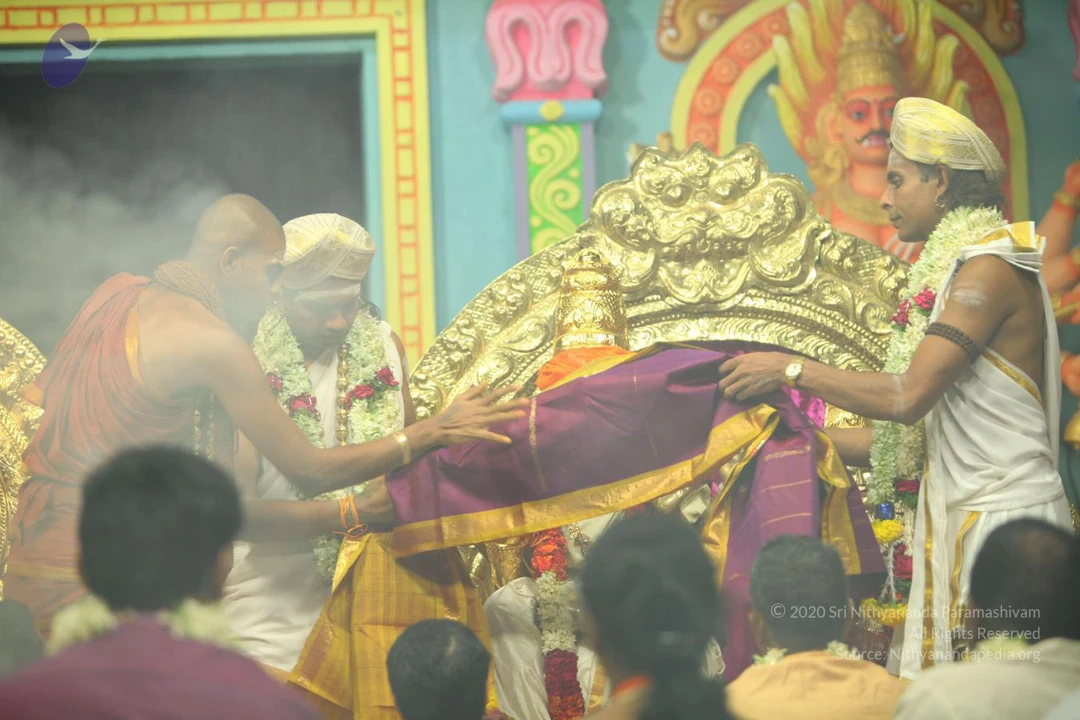
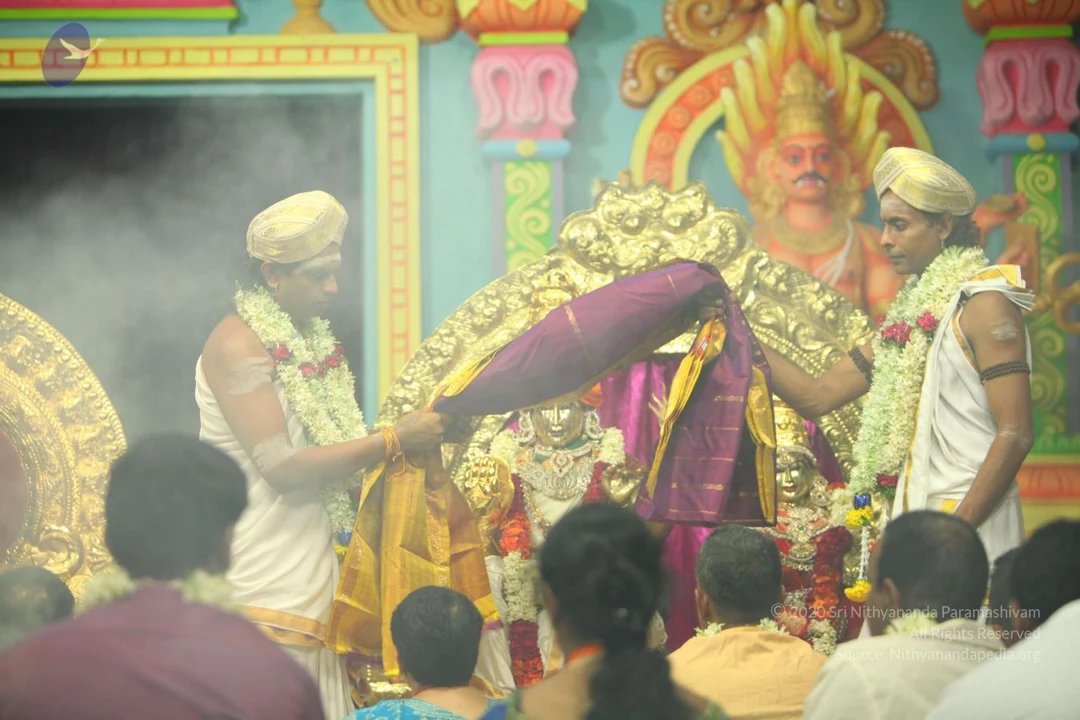
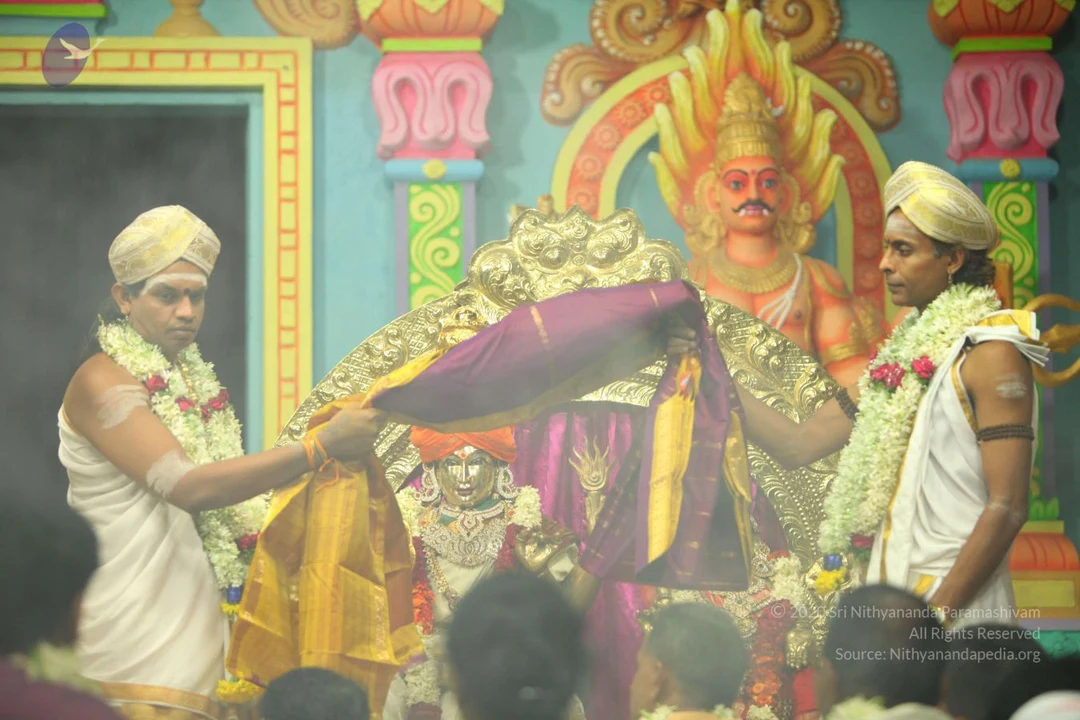
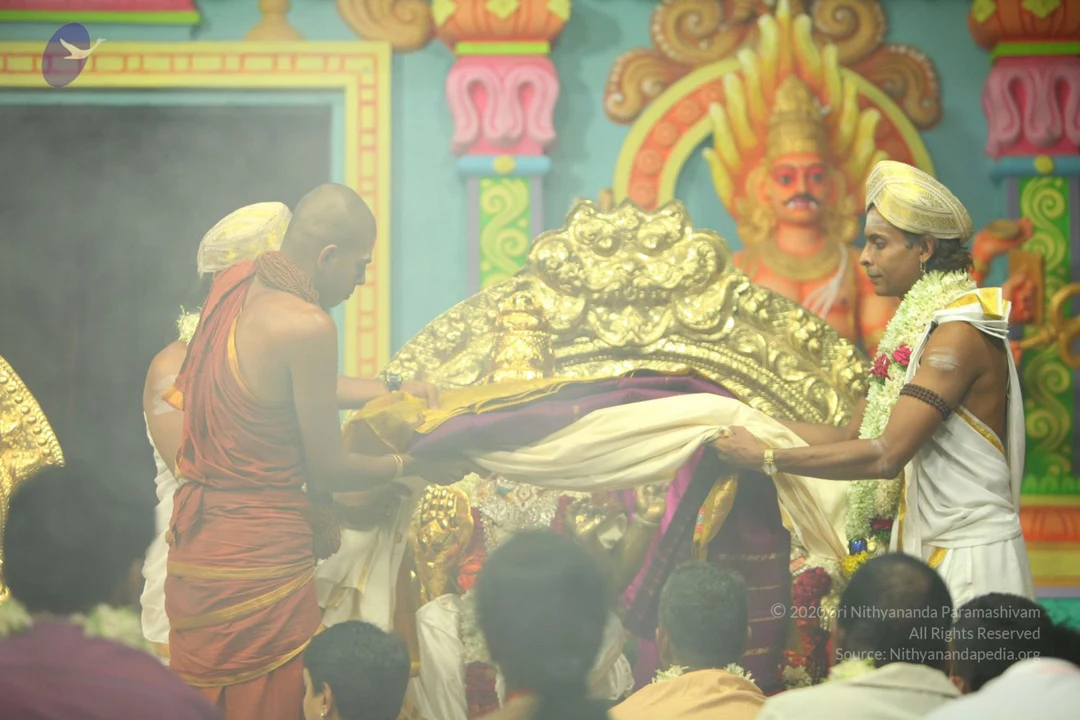
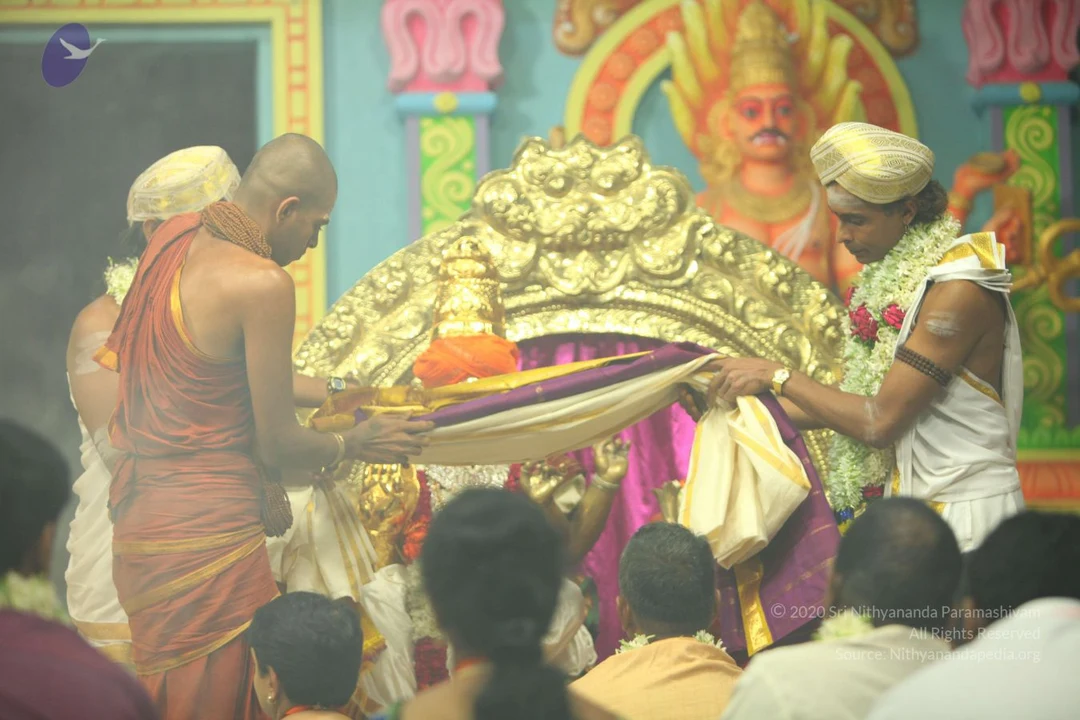
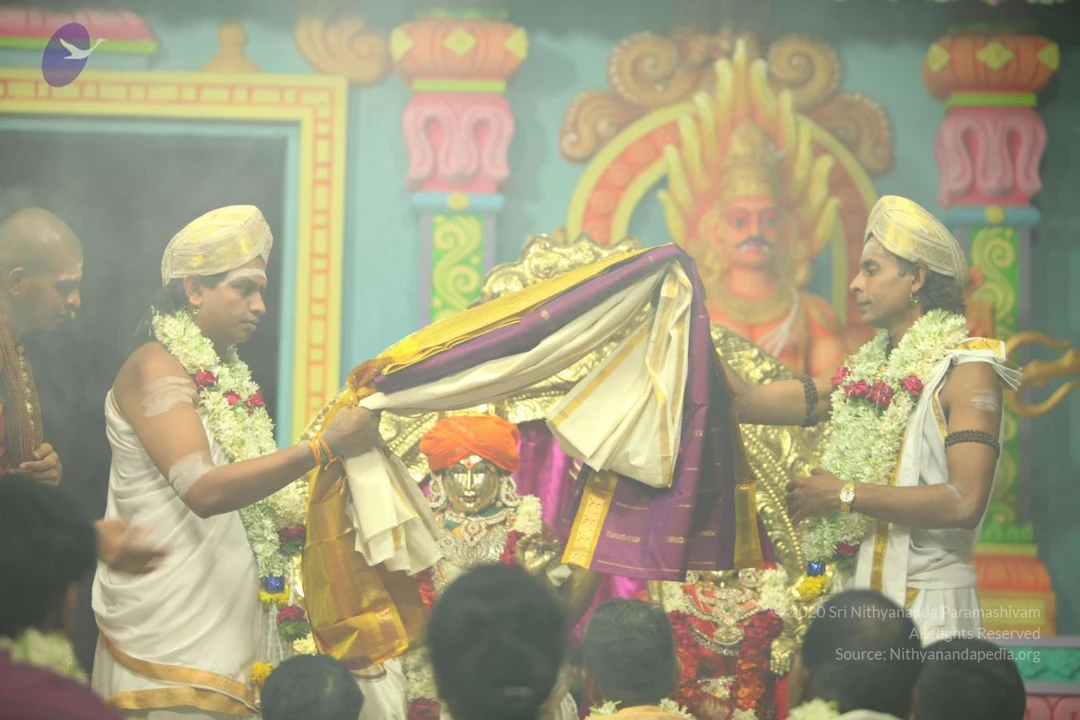
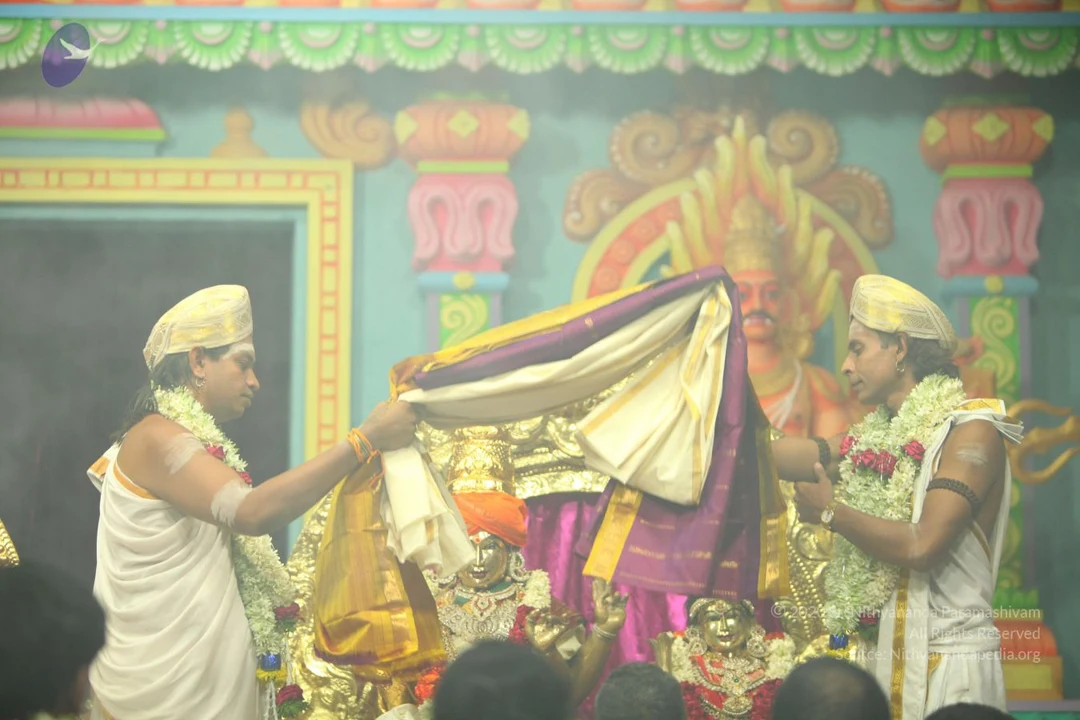
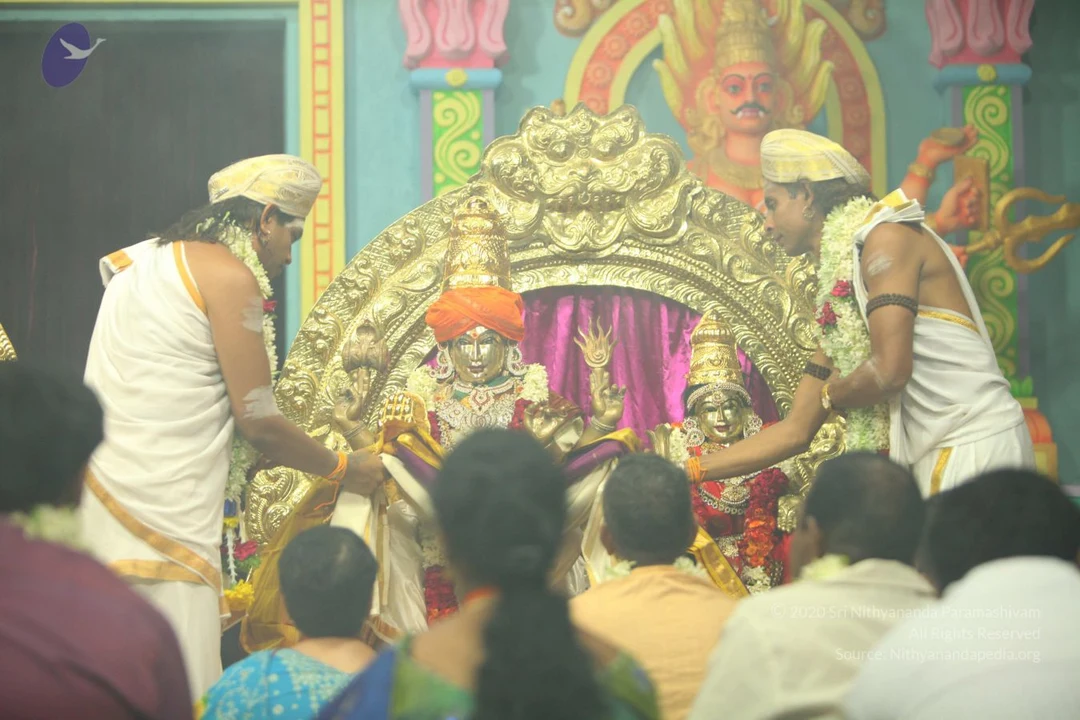

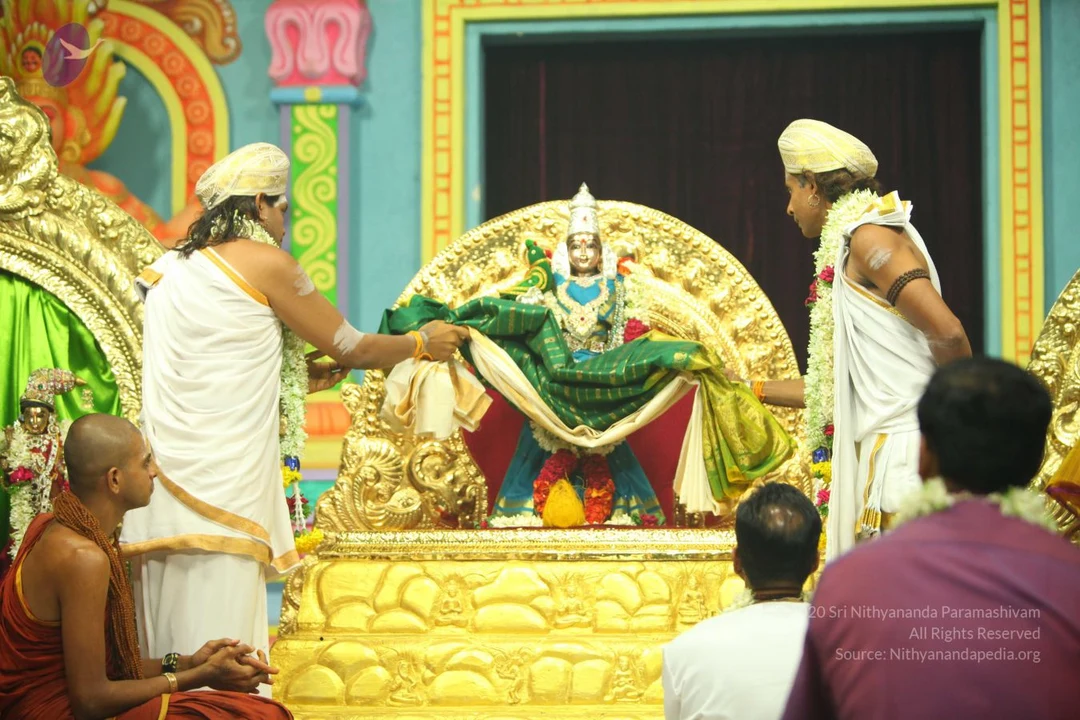
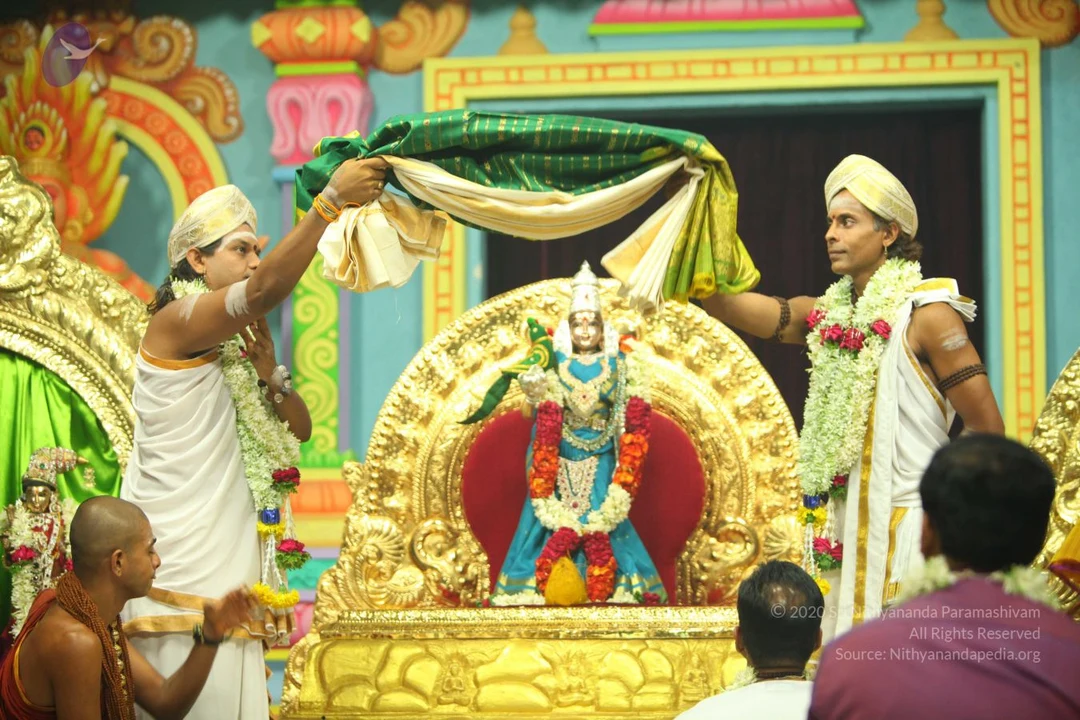
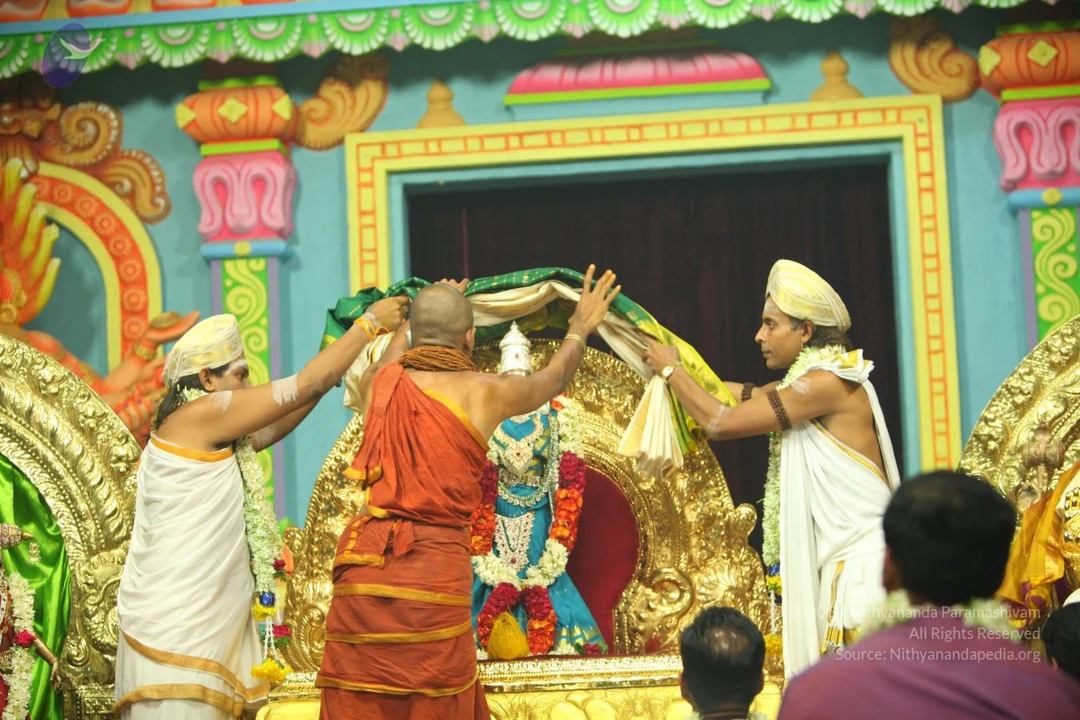
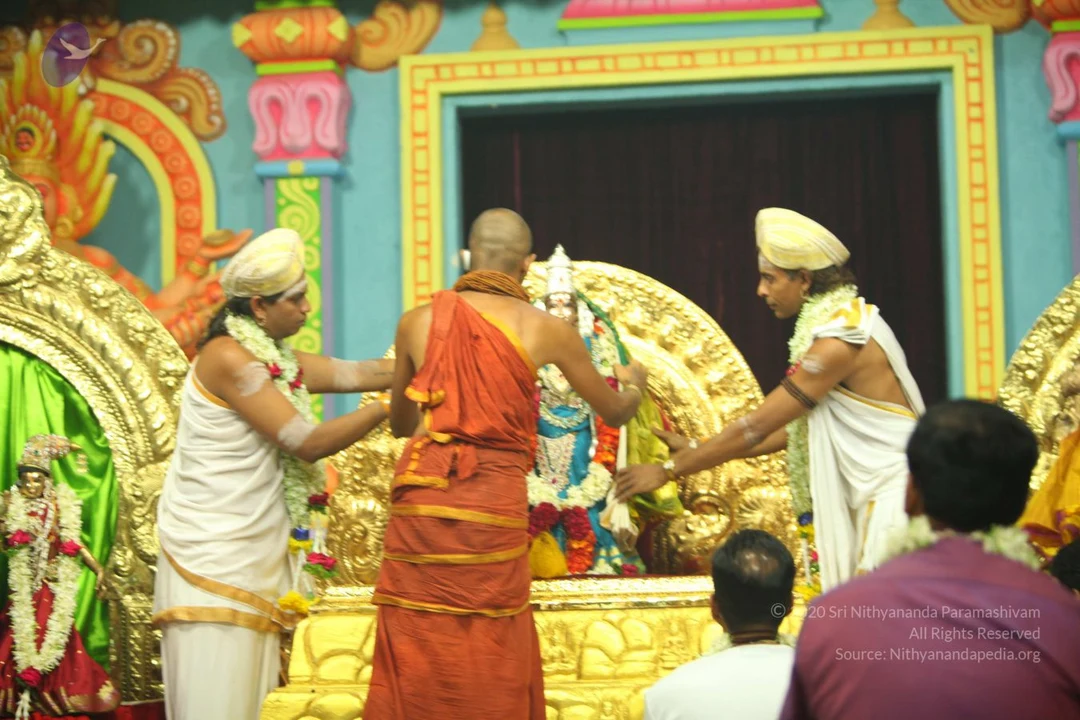
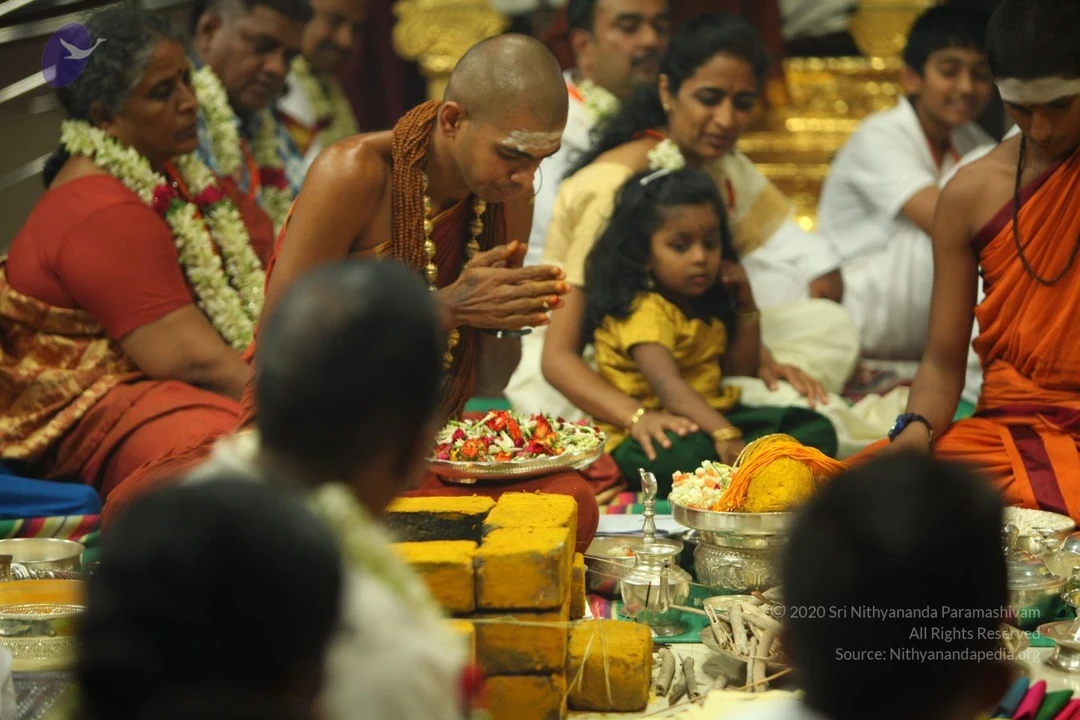
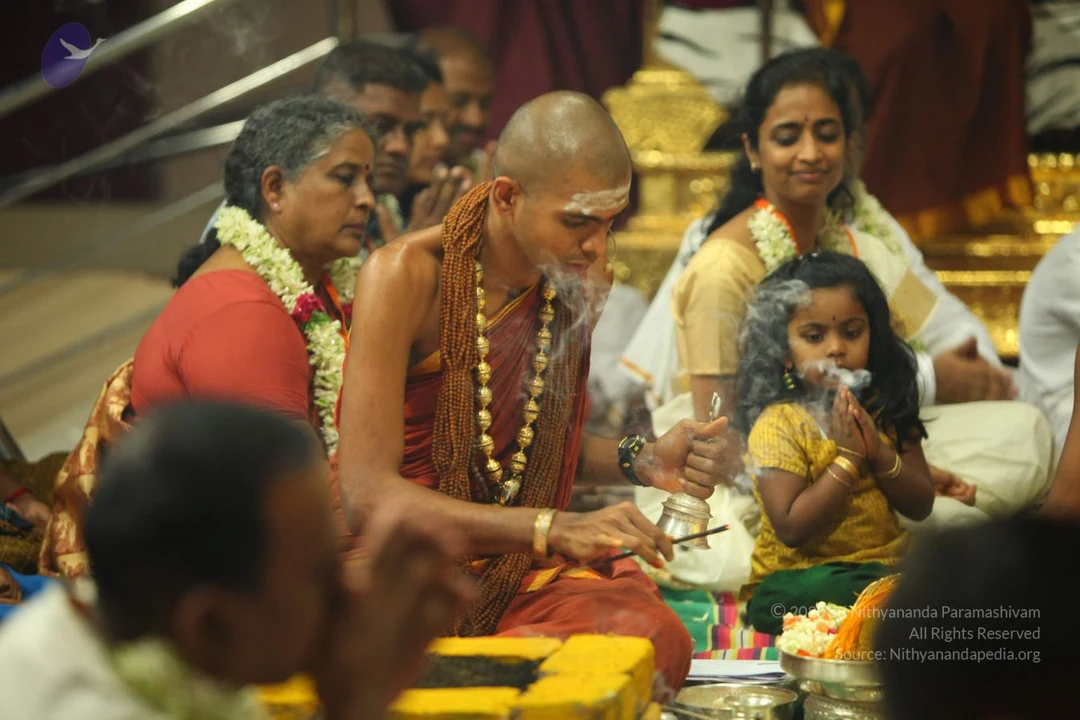
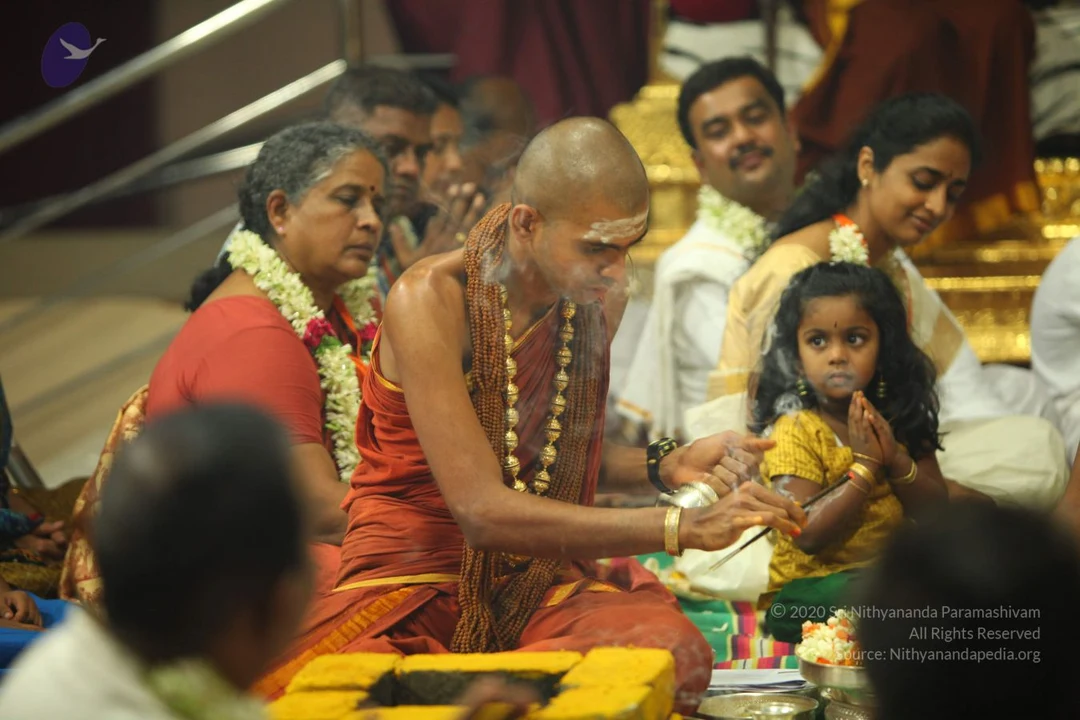
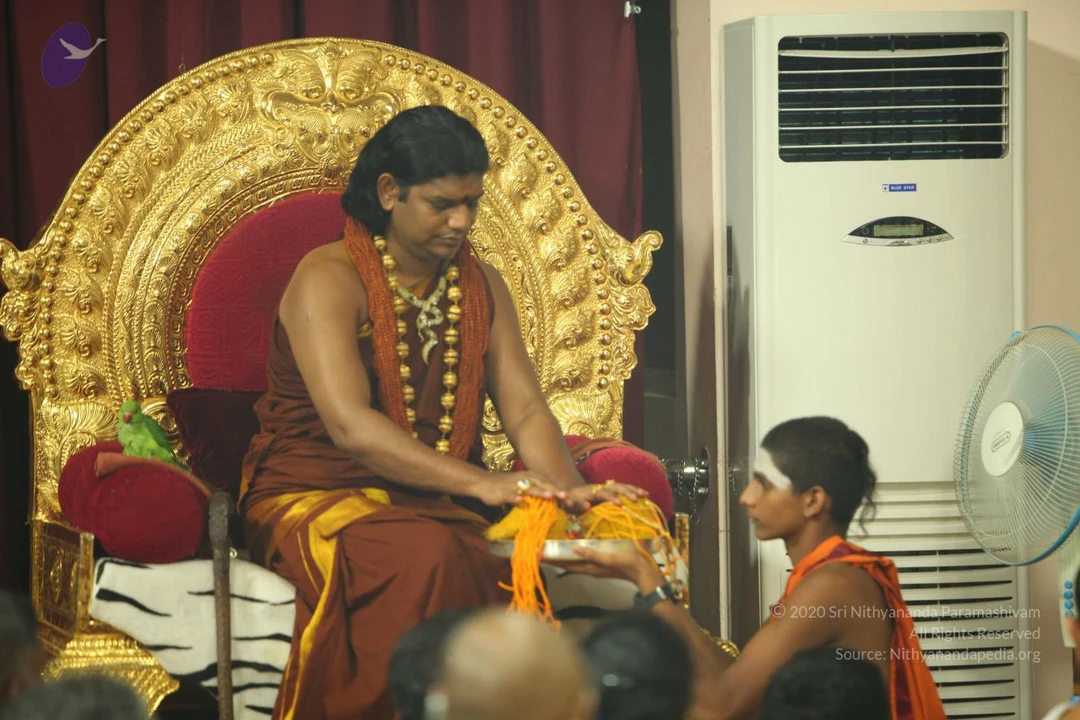
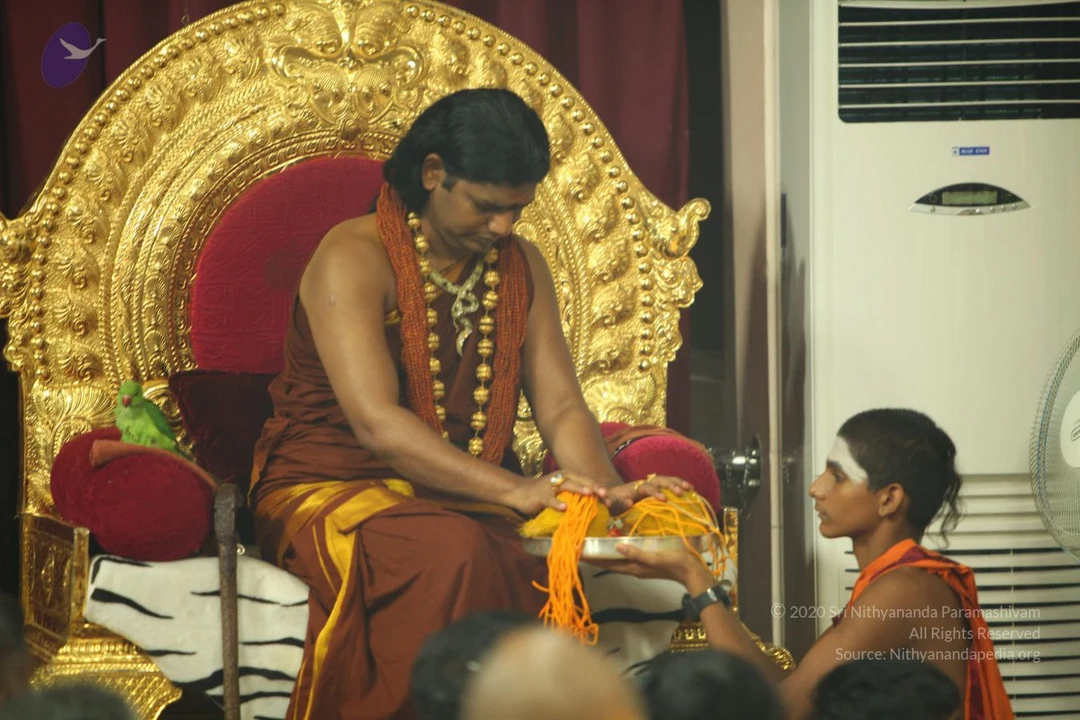
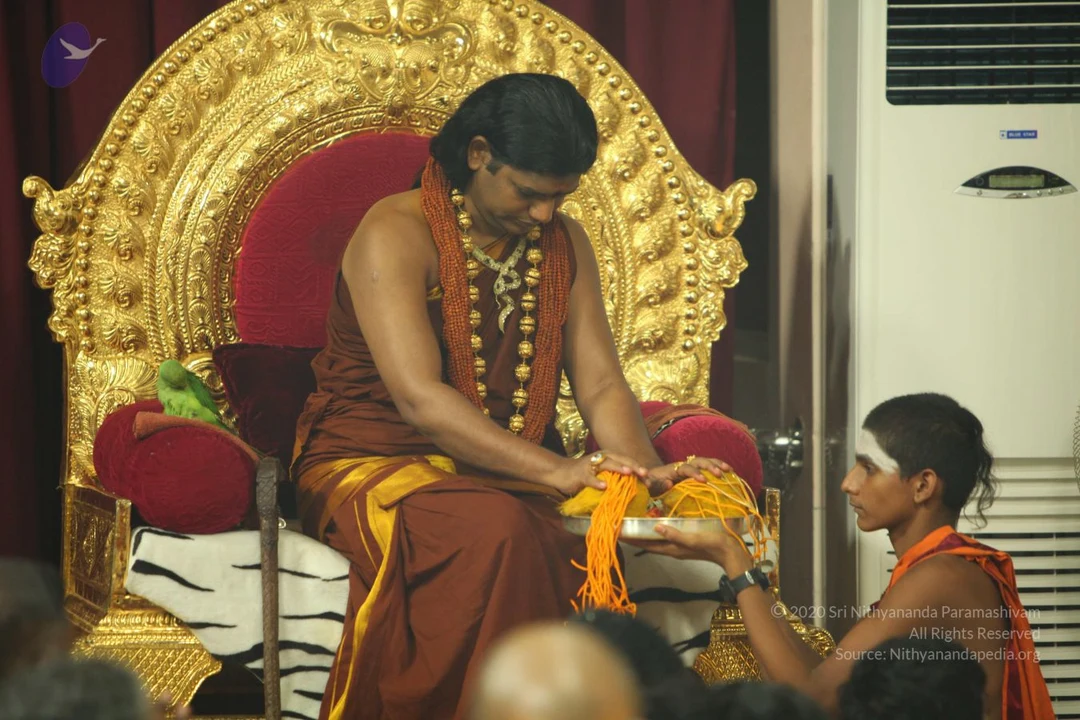
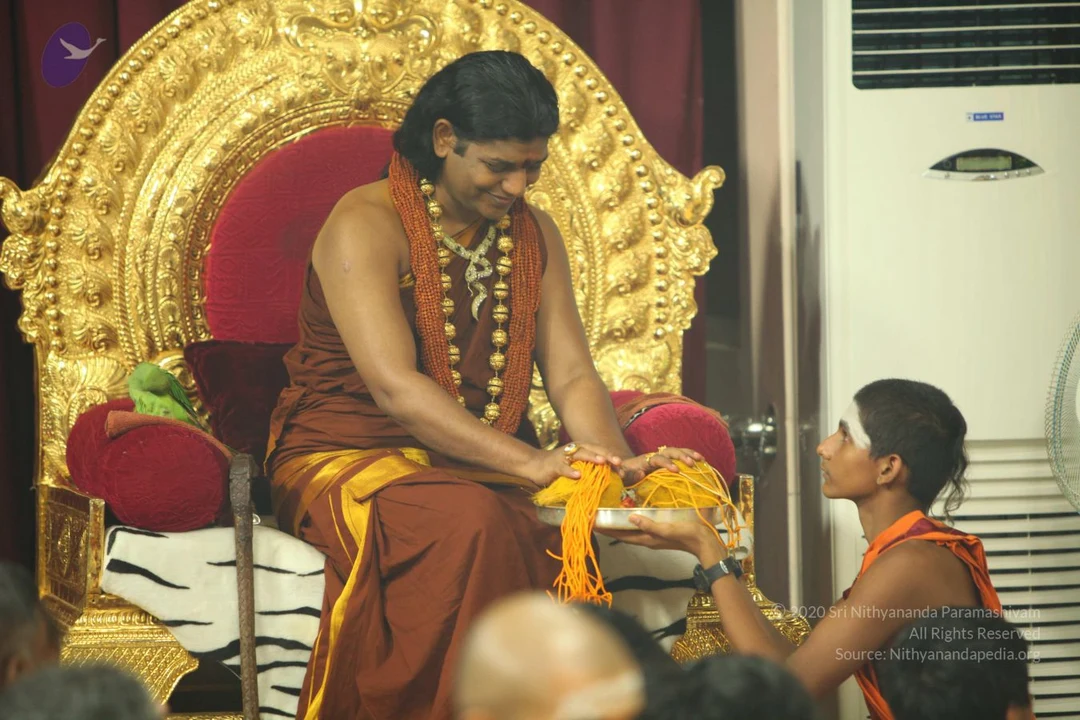
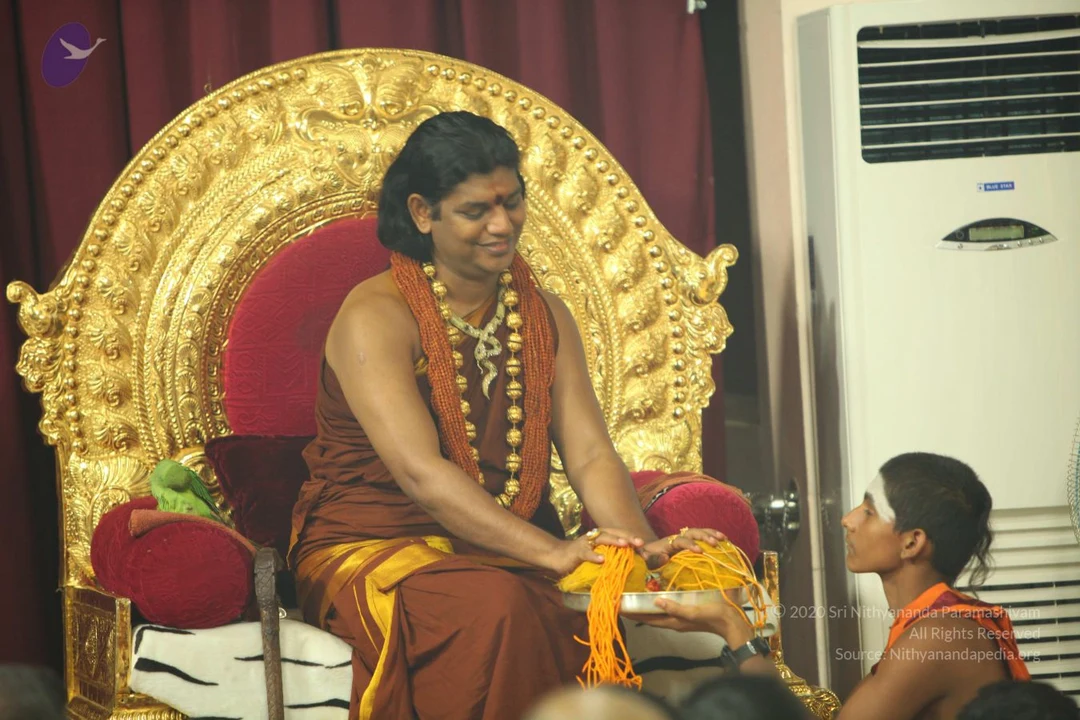
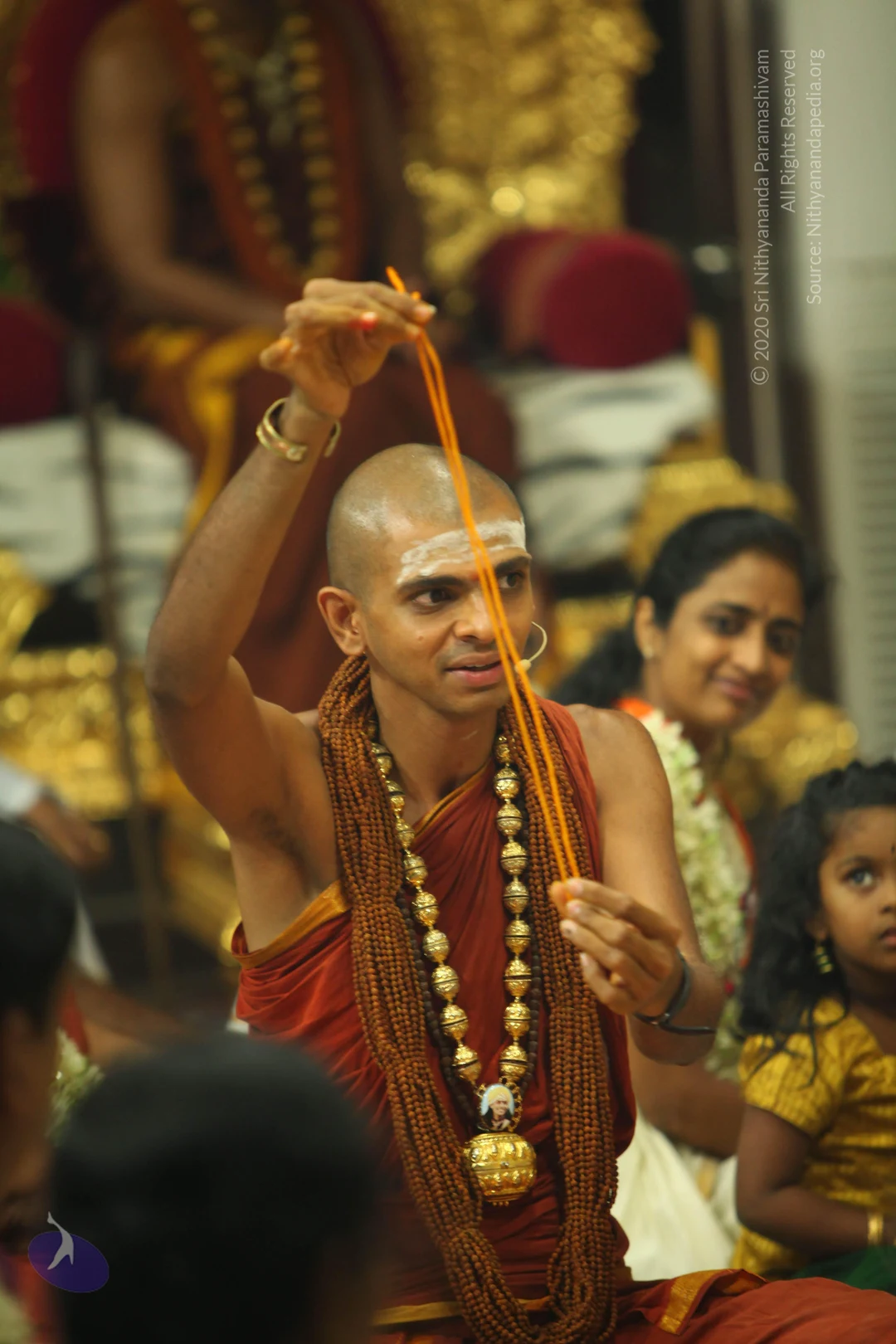
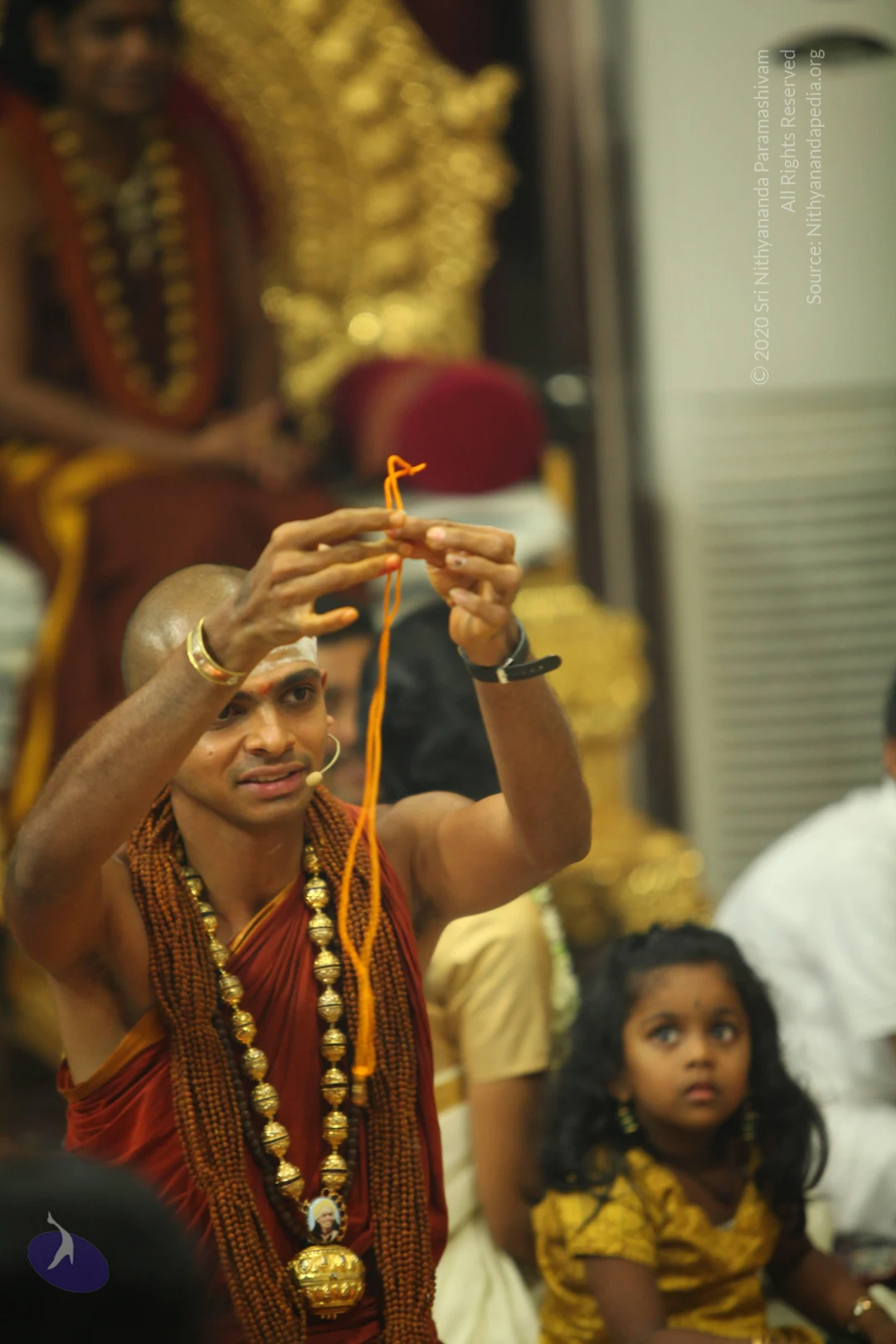
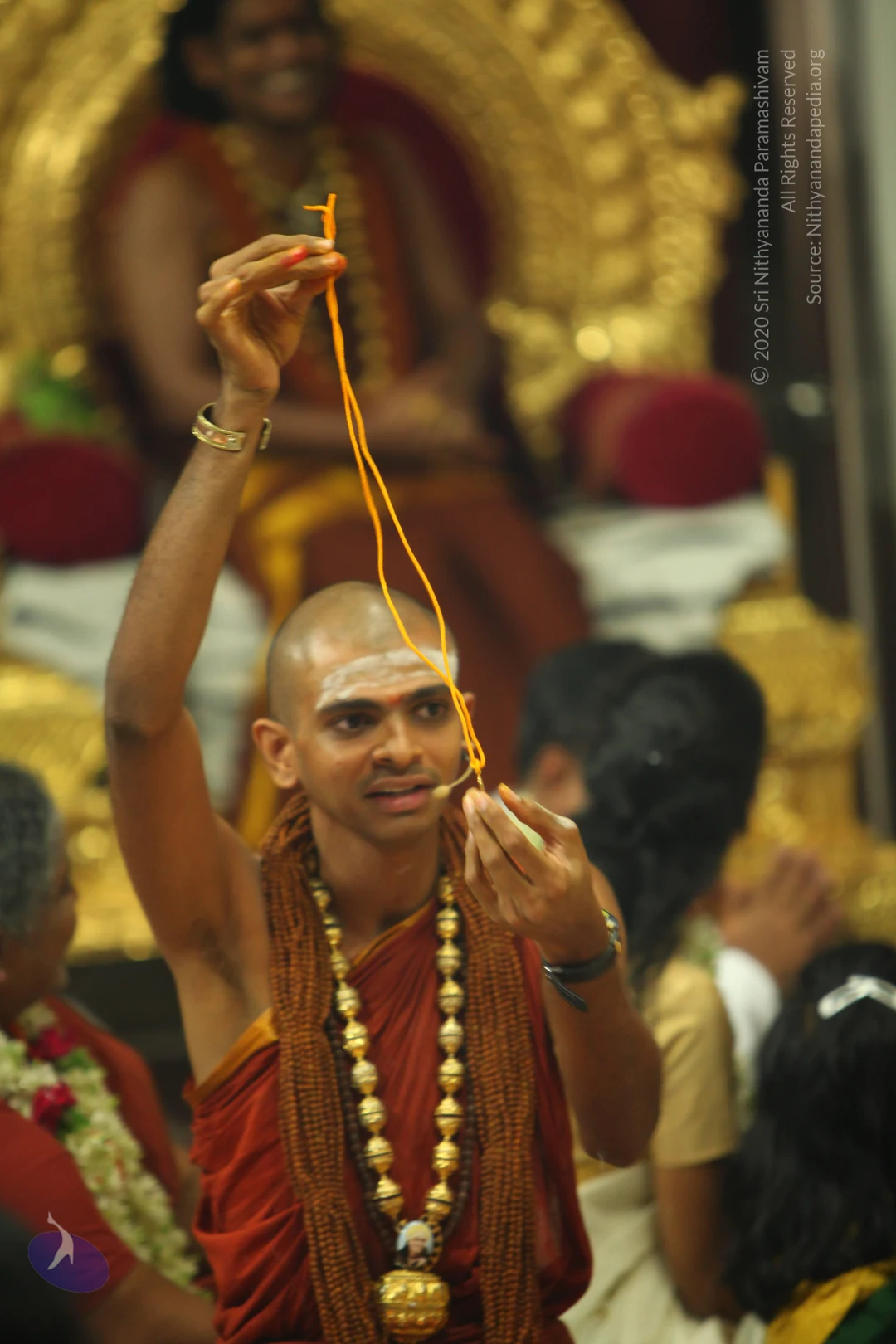
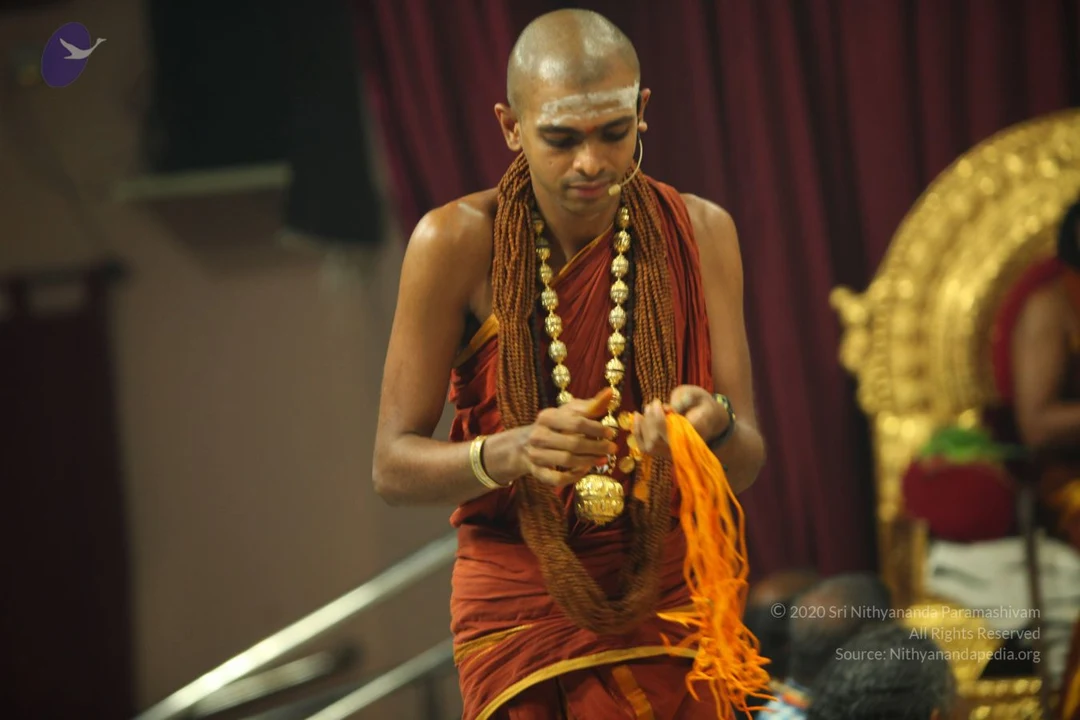
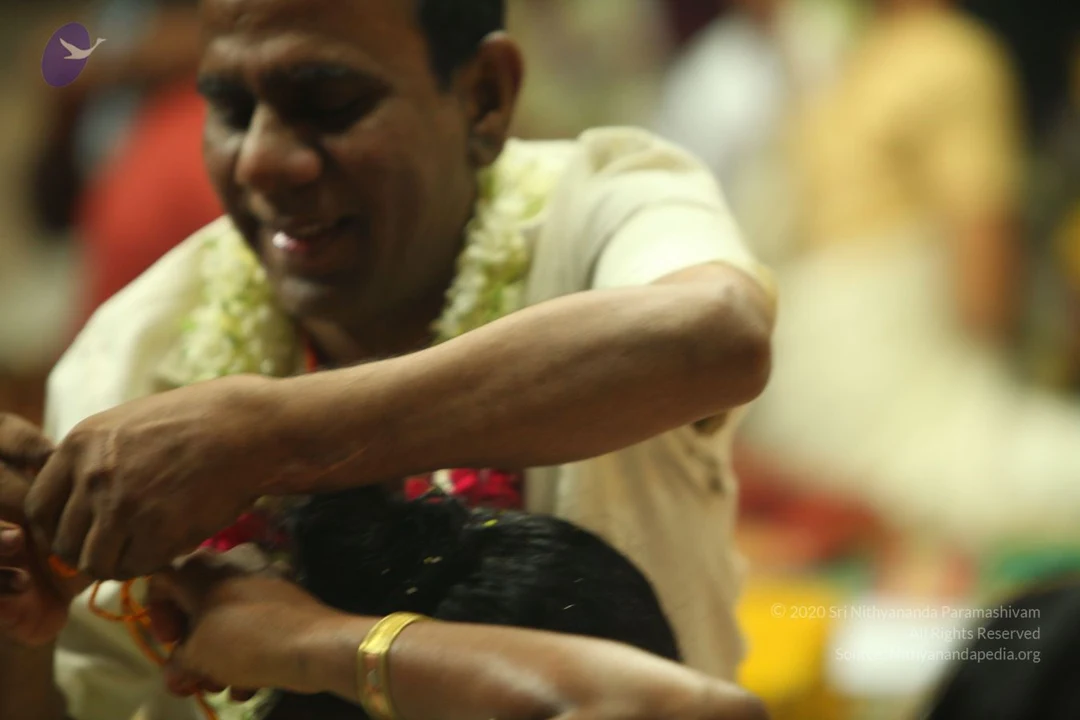
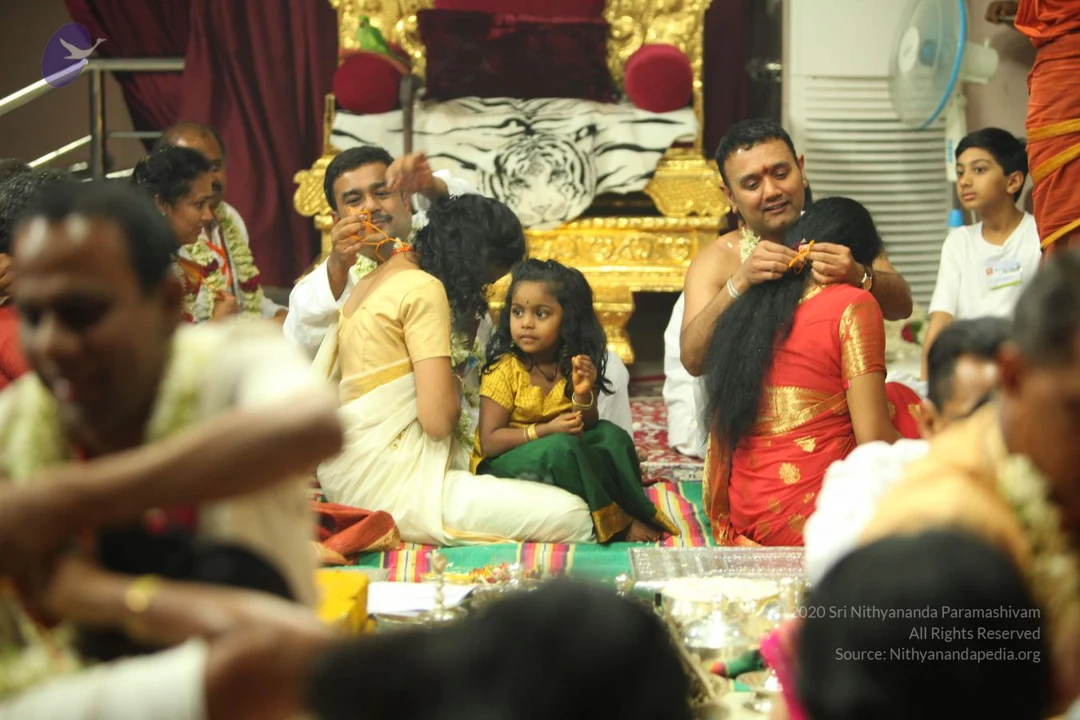
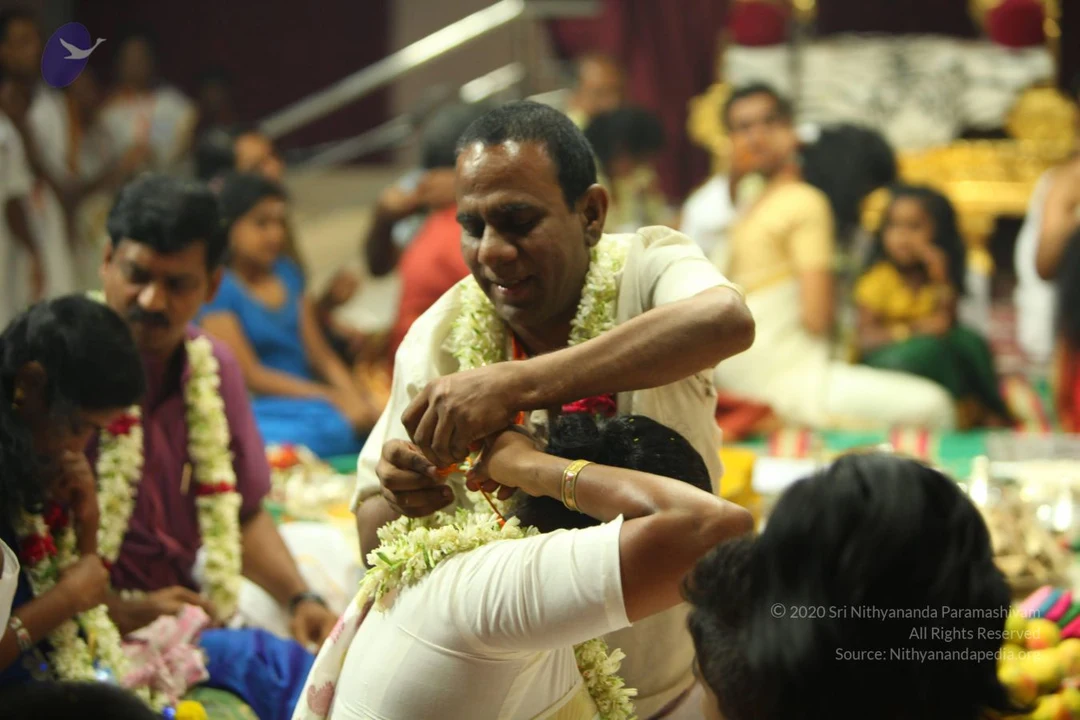
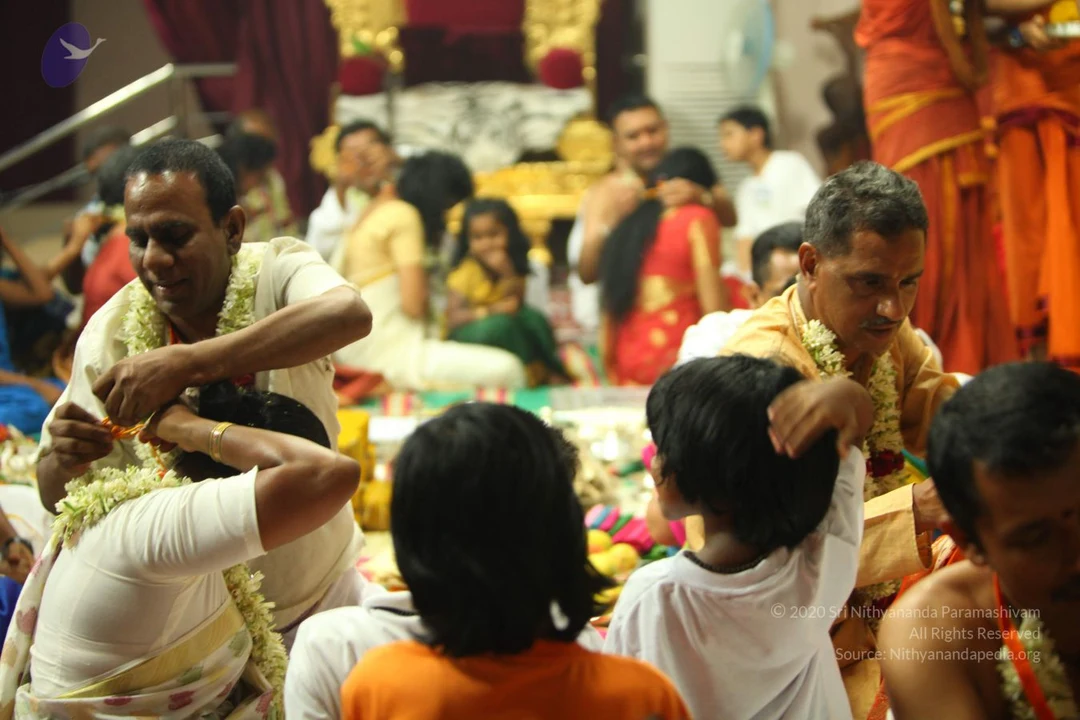

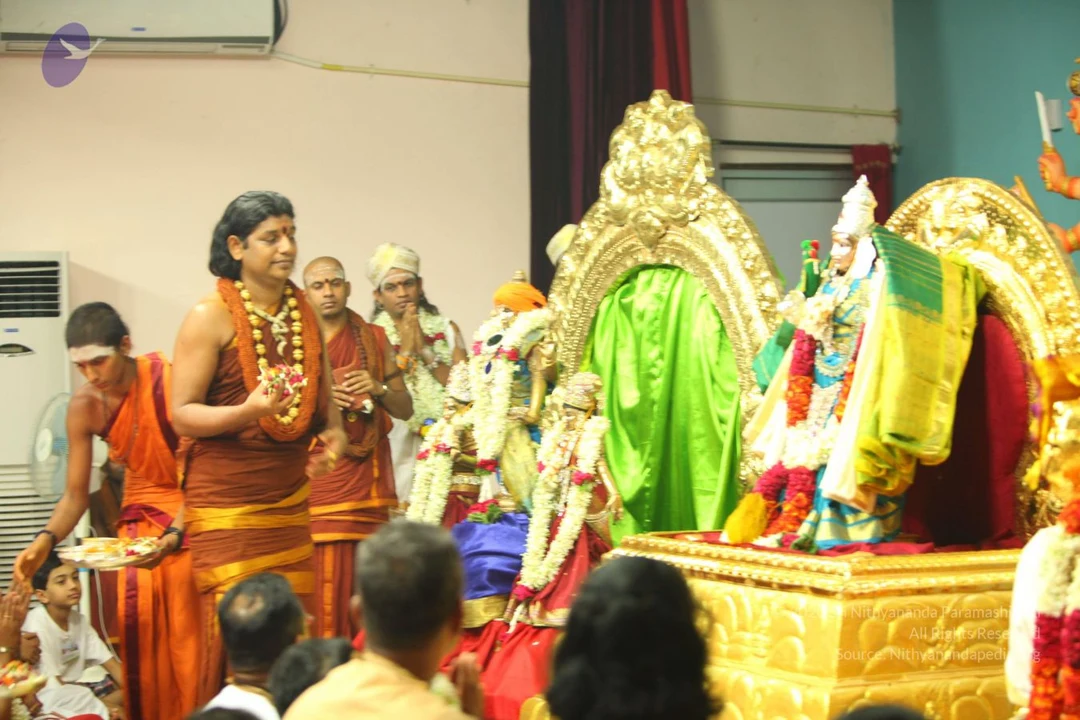
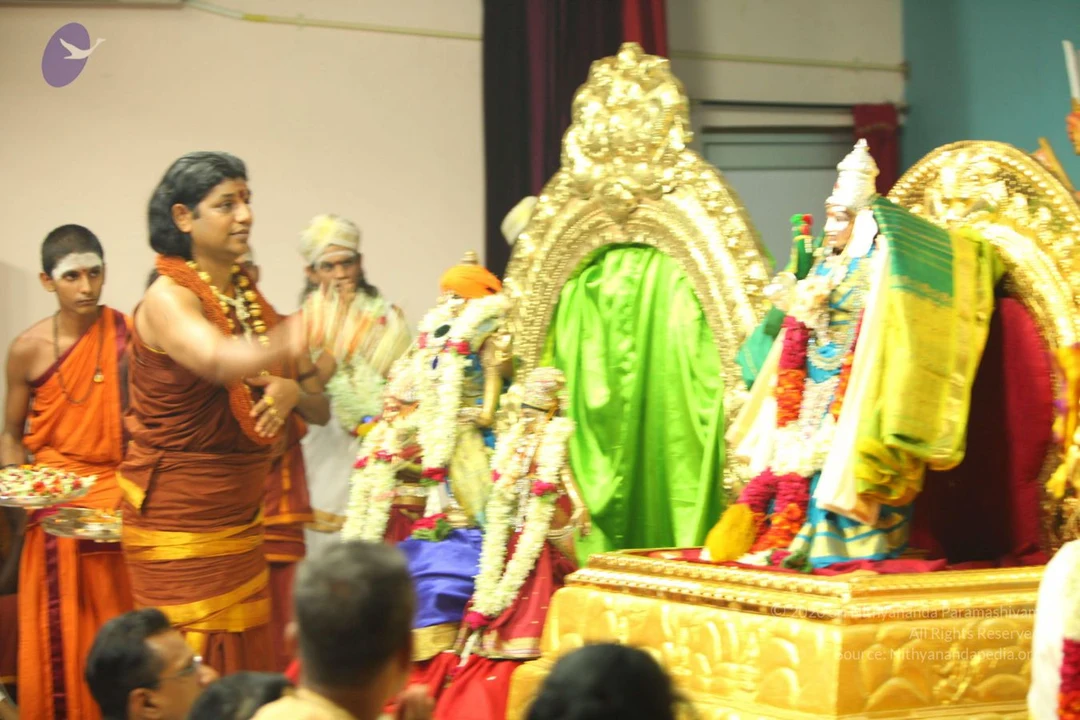
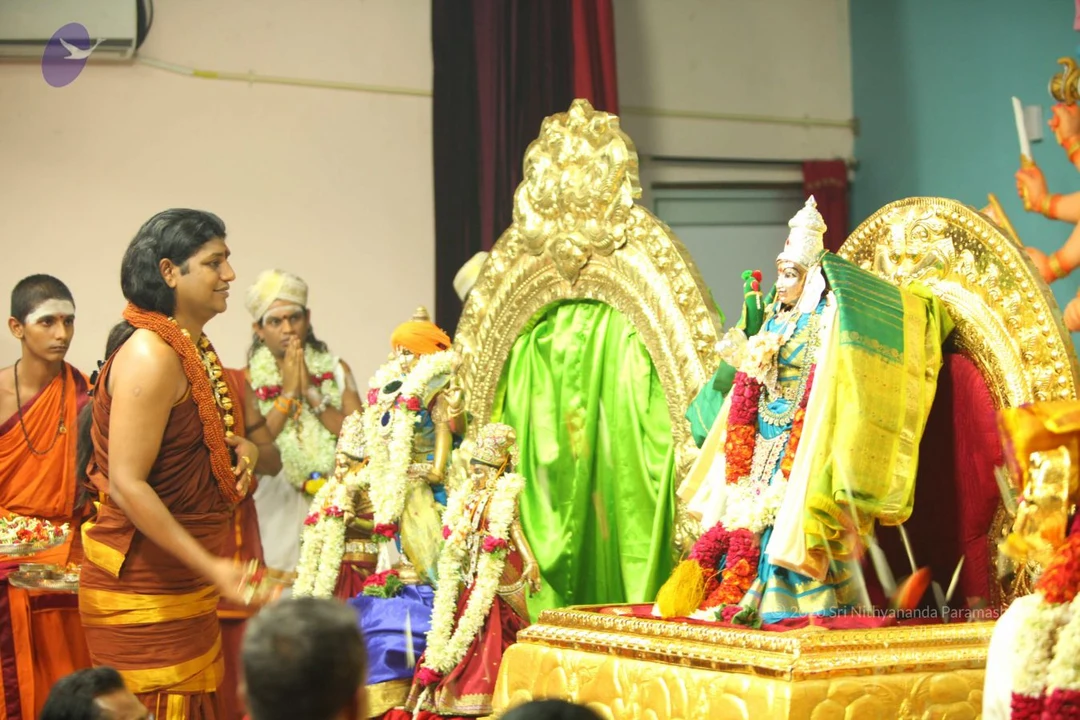
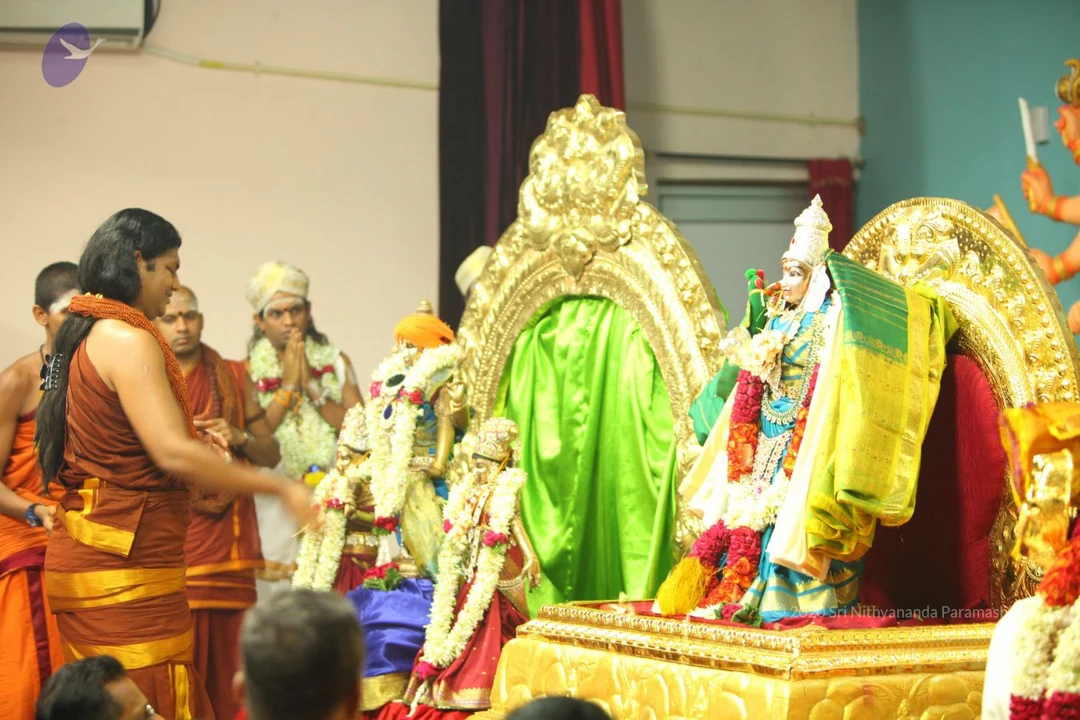
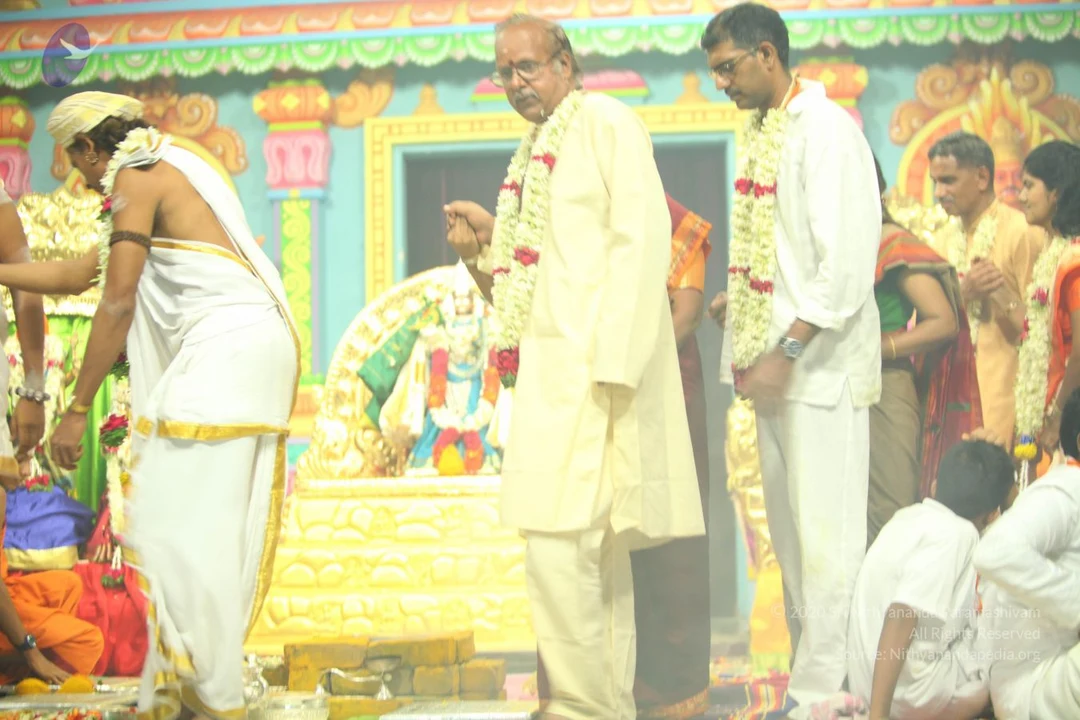
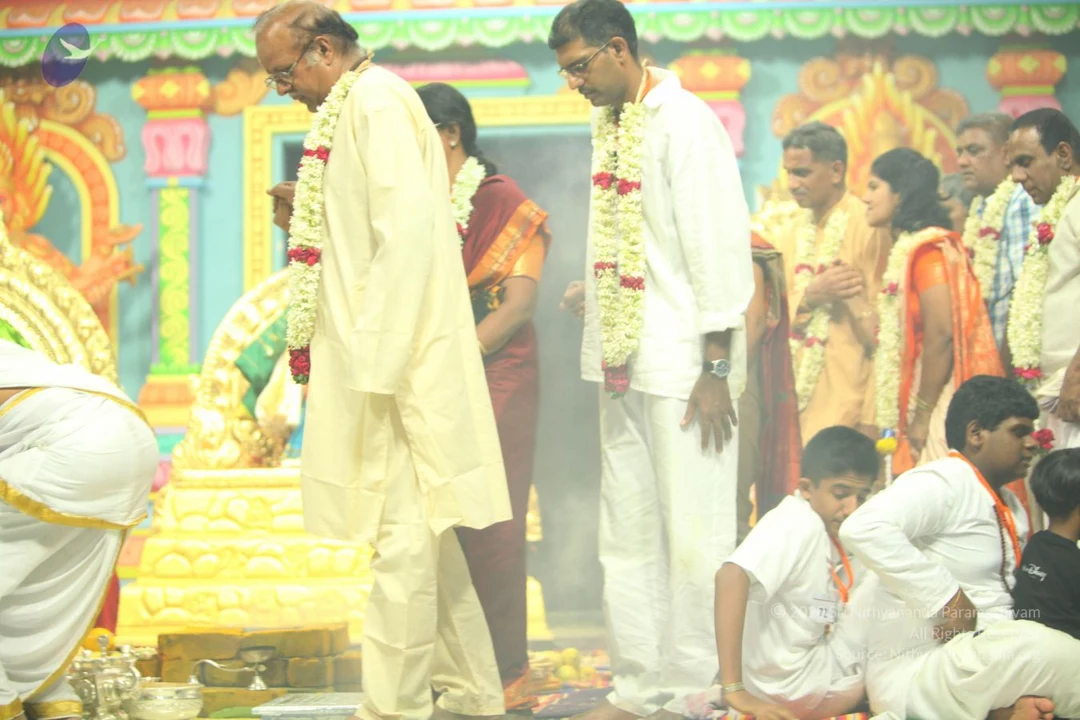
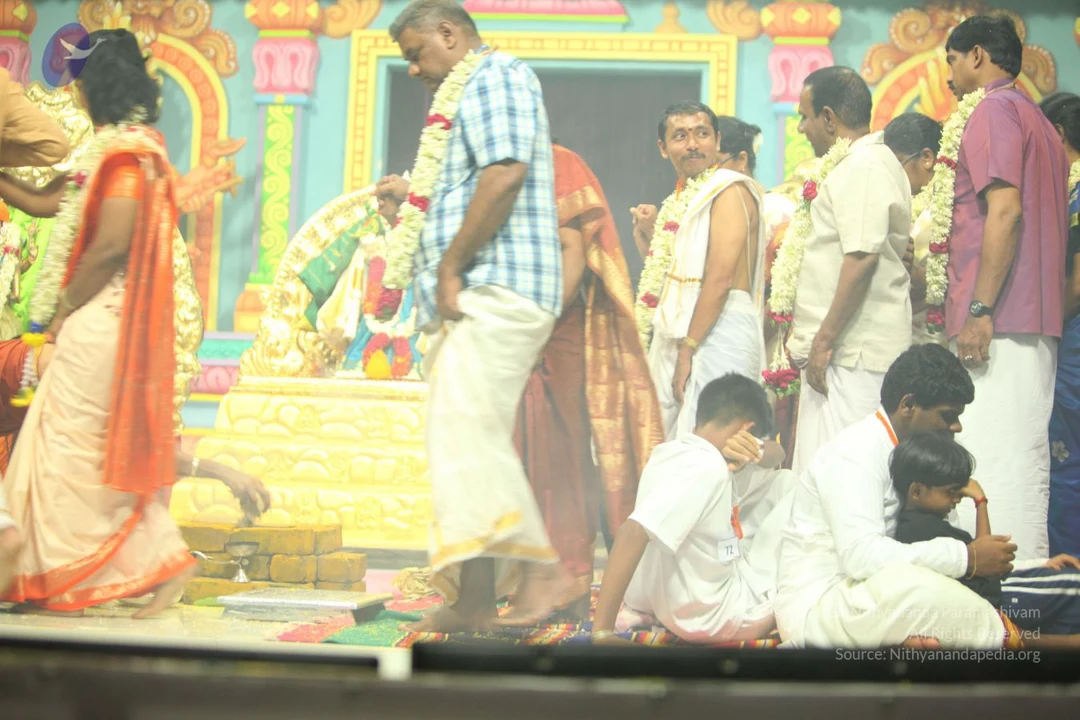
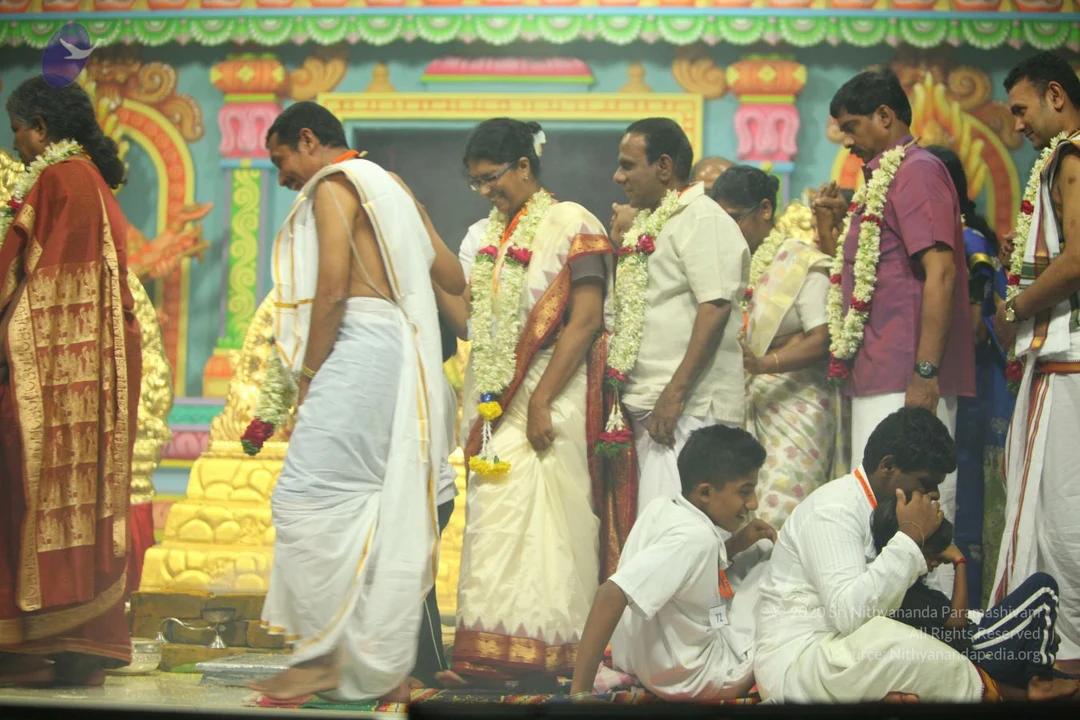
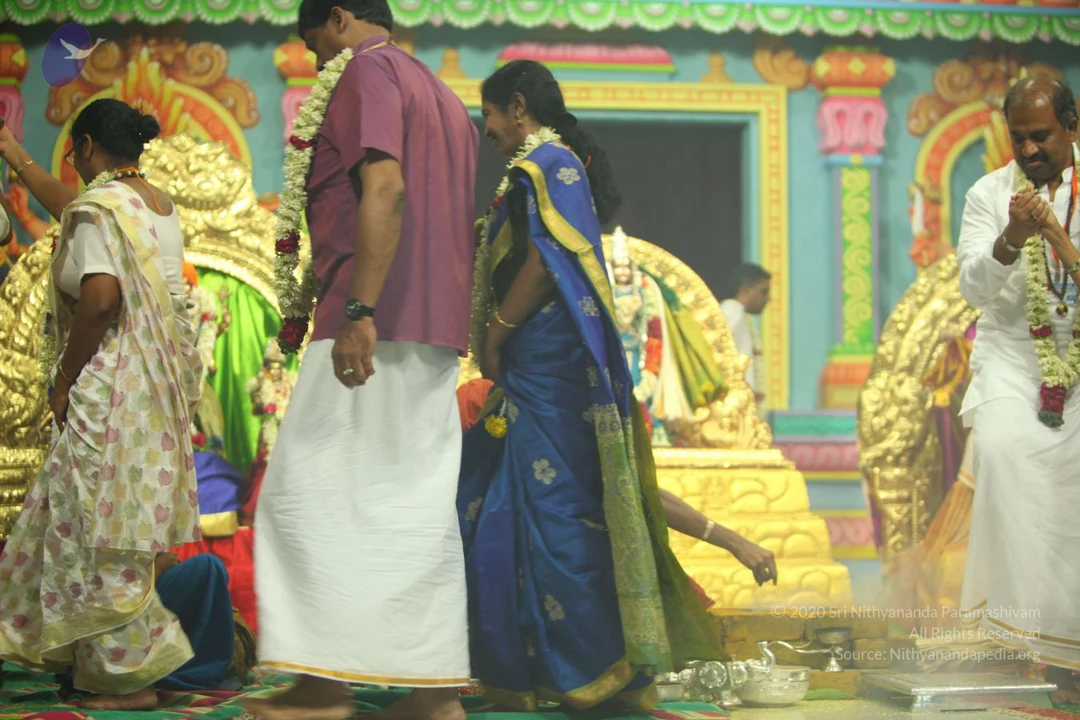

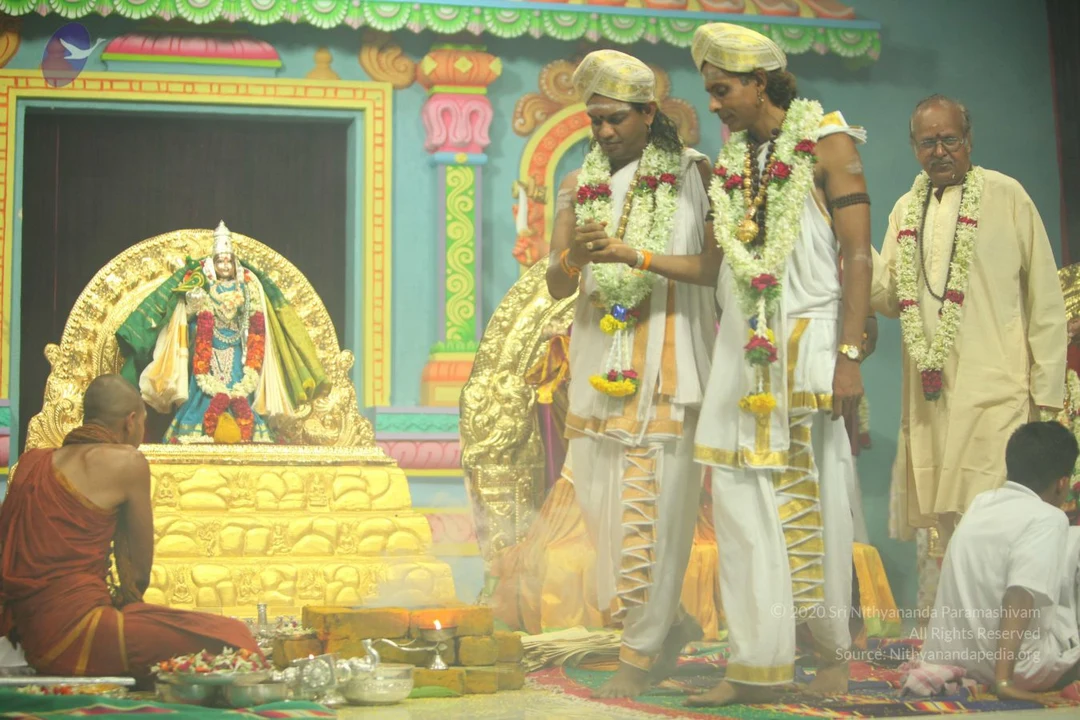
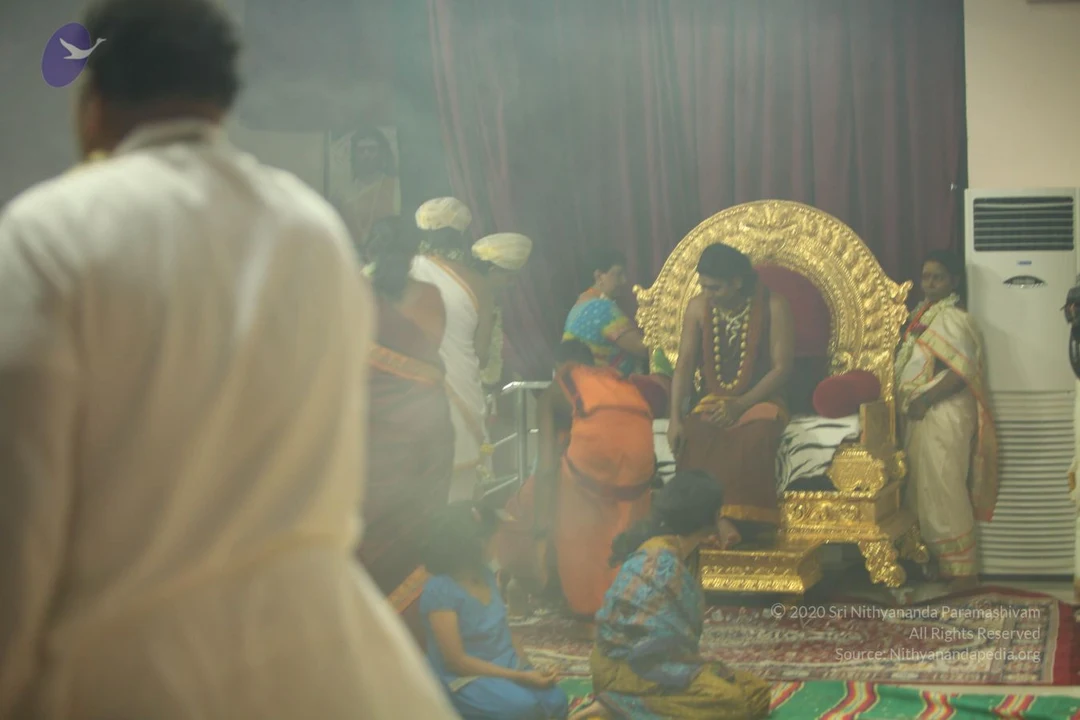
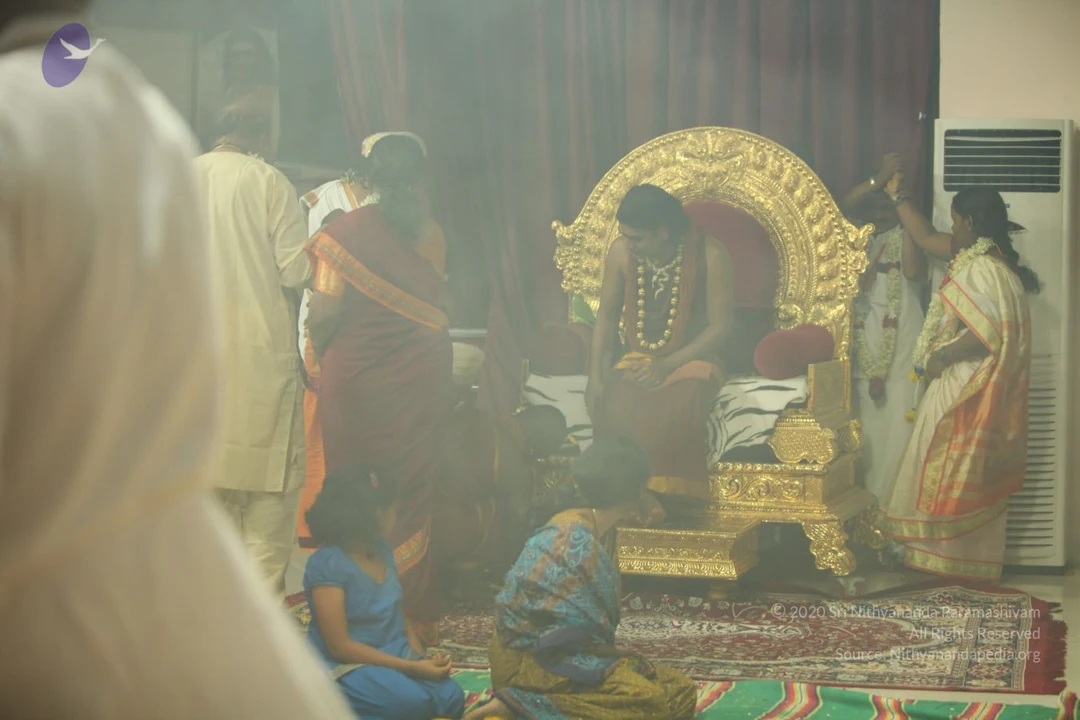
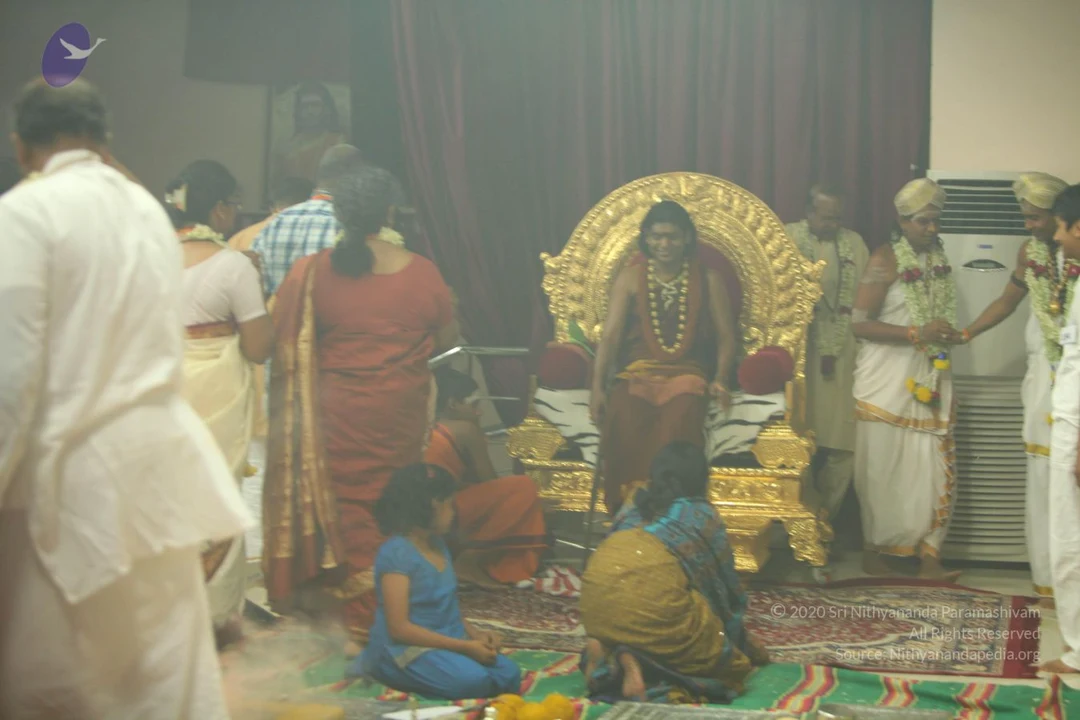

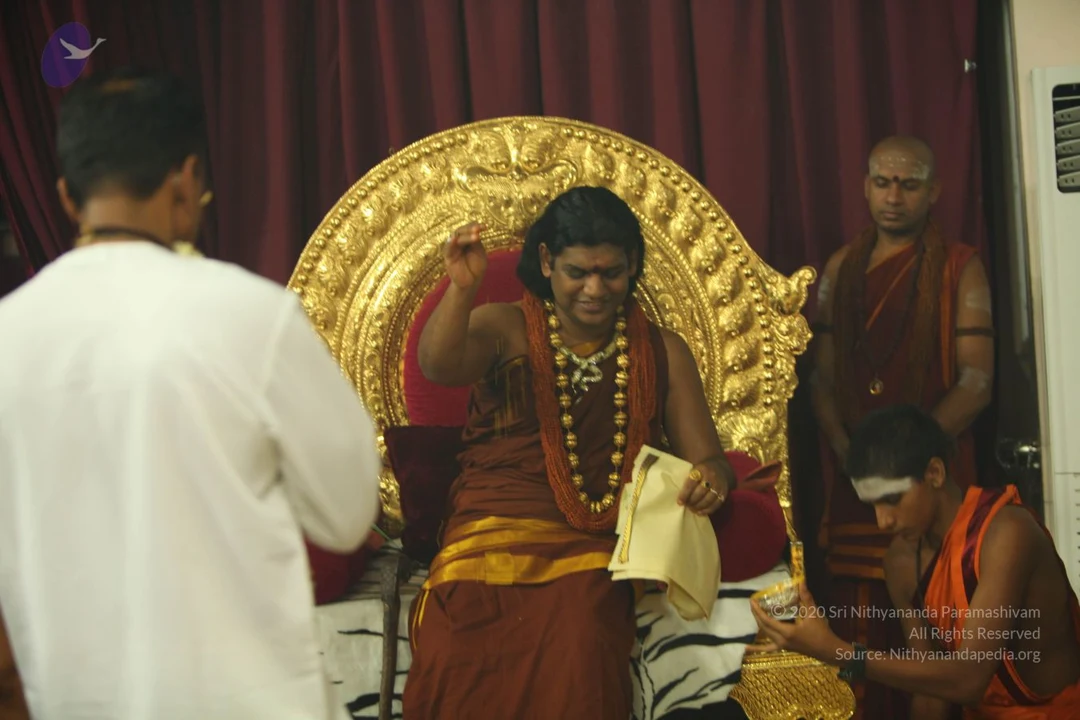
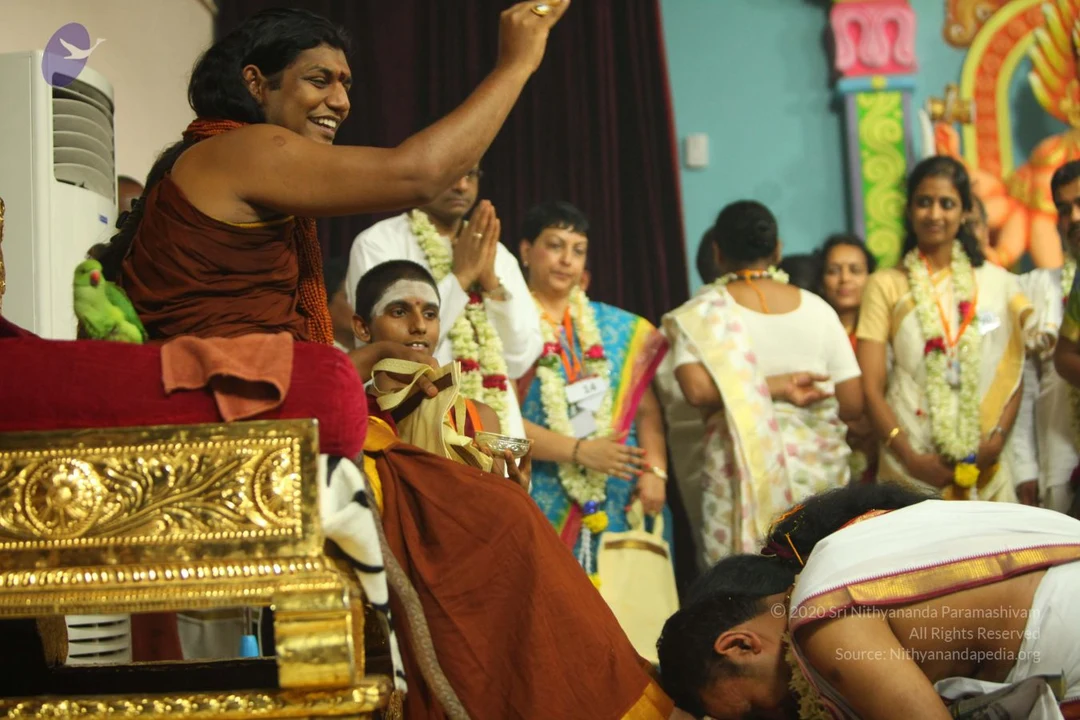
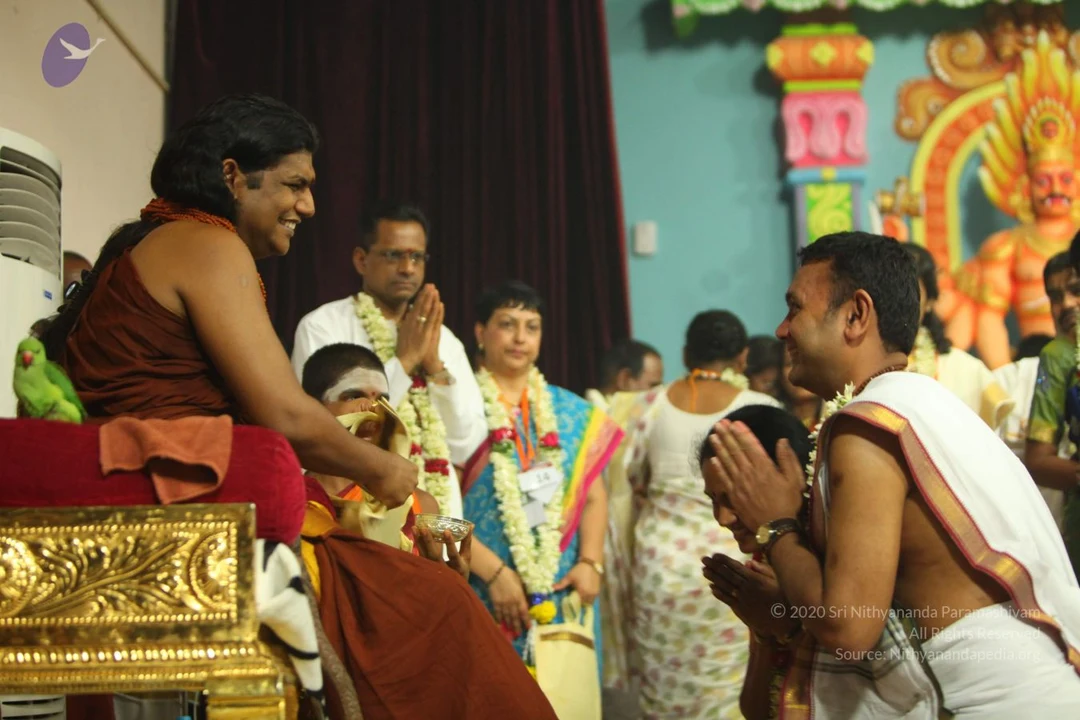
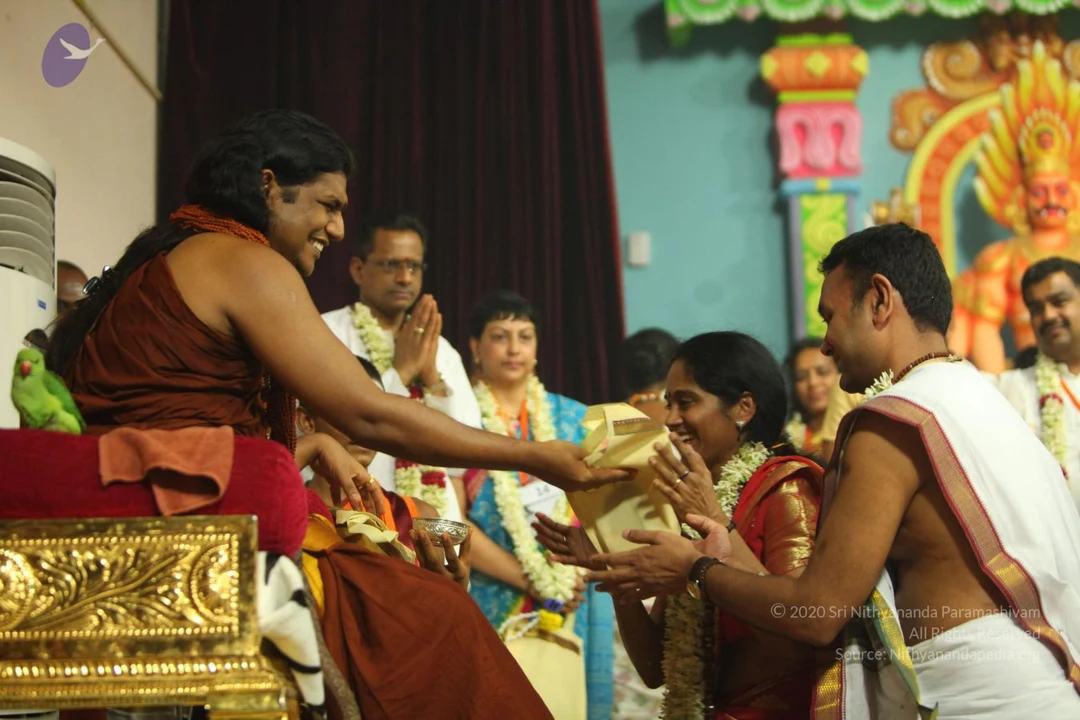
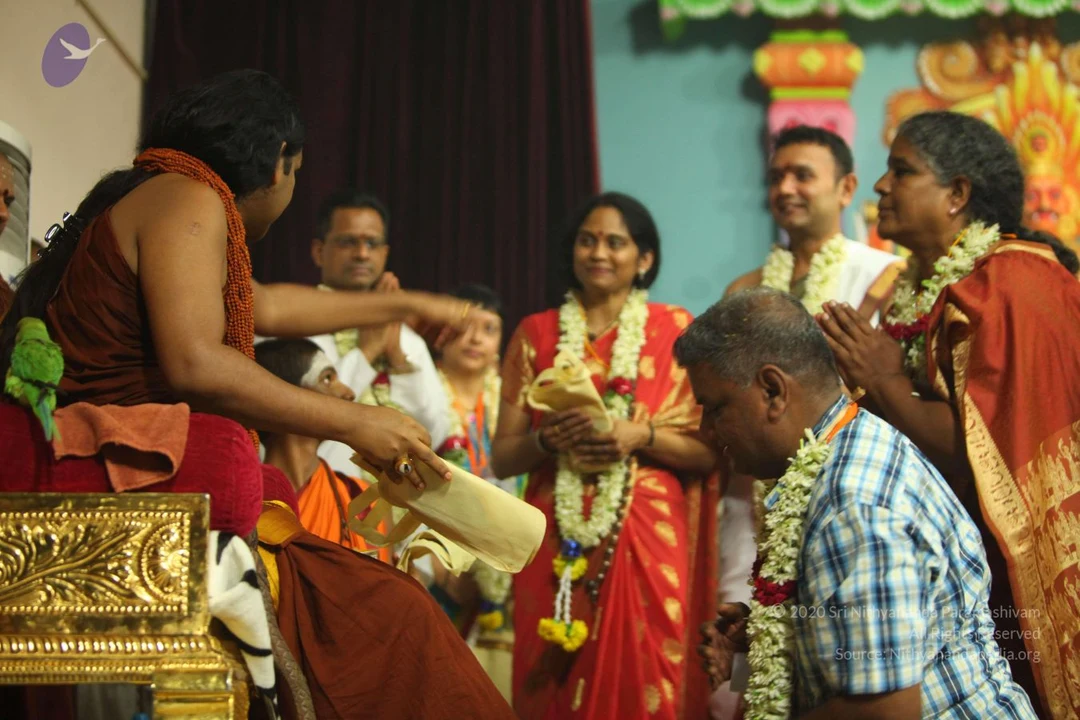
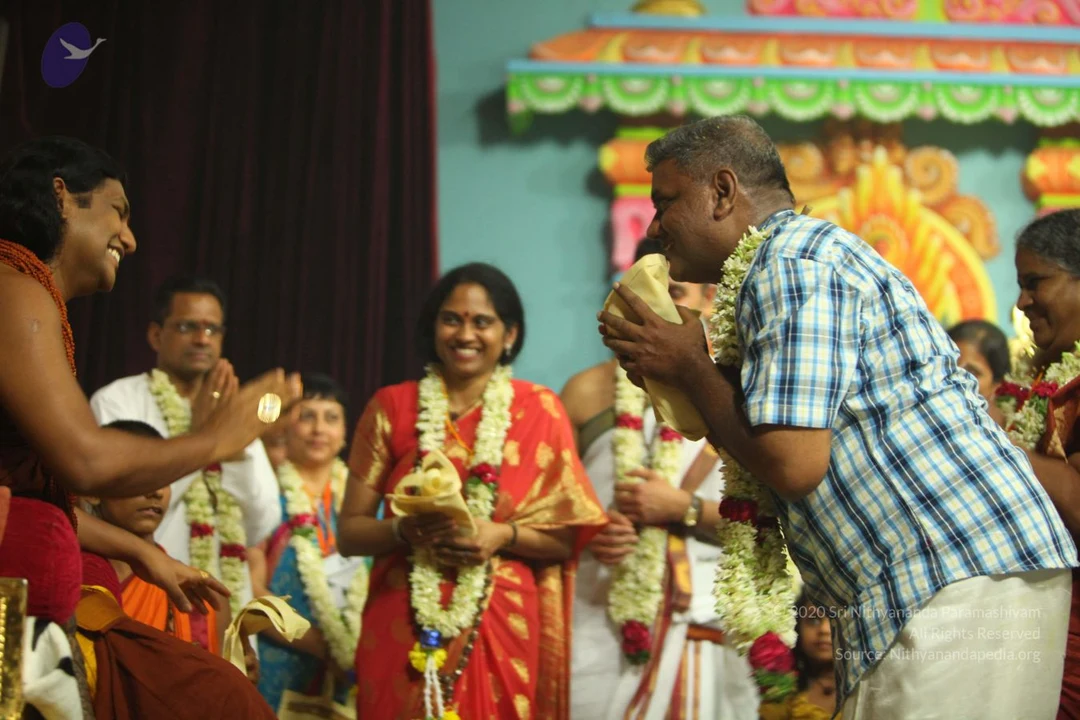

Photos from this day
View all 605 photosPictures from the day
6 photosSource gallery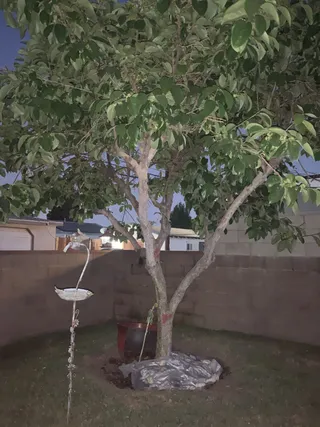
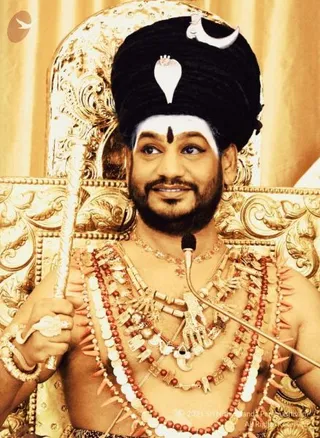
TEMPLE
35 photosSource gallery
PADA-PUJA
61 photosSource gallery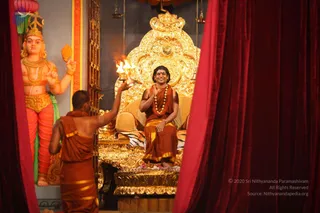
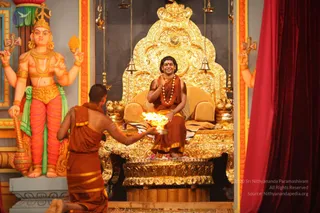
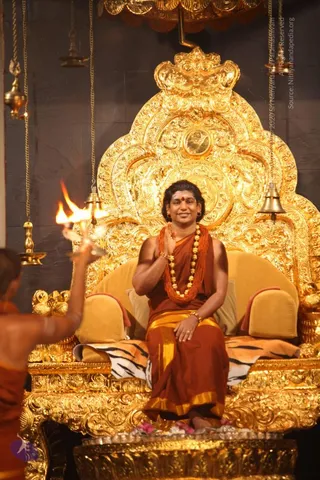
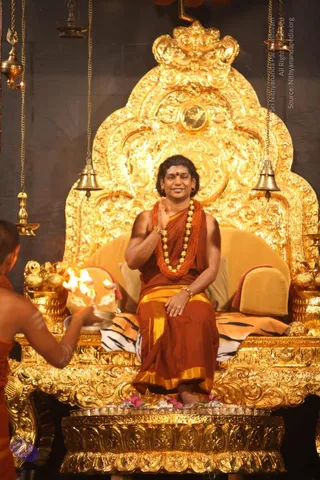
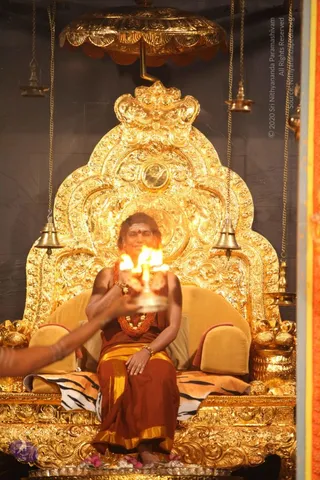
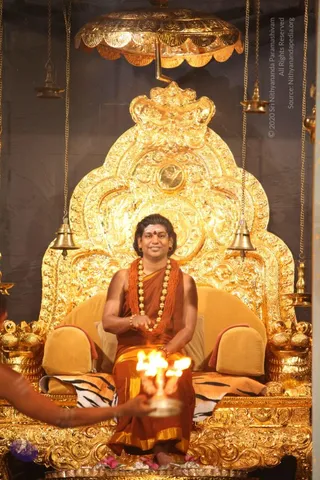
NITHYA-SATSANG
65 photosSource gallery
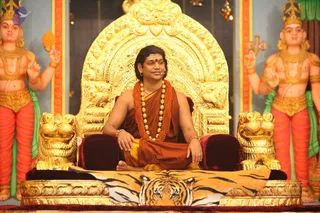
SARVA-DARSHAN
11 photosSource gallery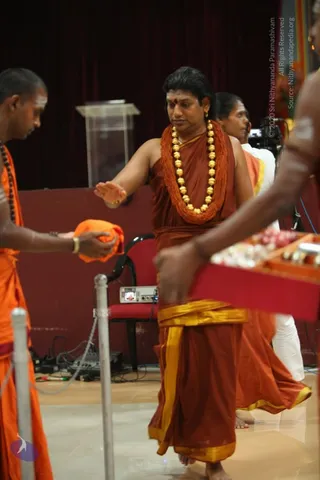
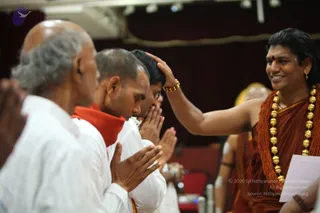
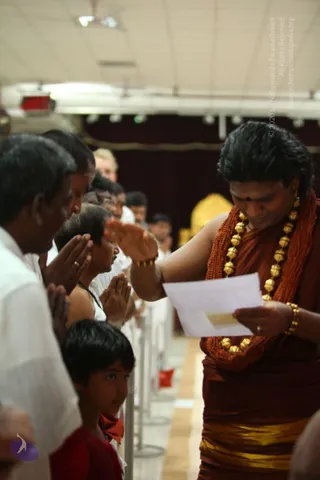
DARSHAN
72 photosSource gallery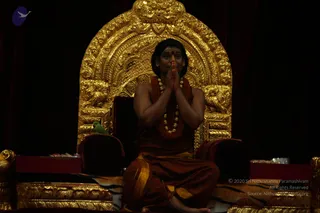
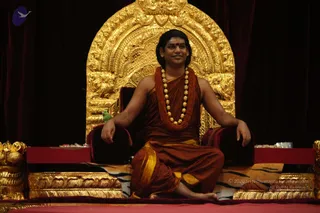
MEENAKSHI-TIRUKALYANAM
250 photosSource gallery