Monday
24 November 2014
Biology Defined by an Incarnation
- Dated photos
- 113
- Source pages
- 1
- Media
- 4
November 24 2014
Original wiki pageTitle
Biology Defined by an Incarnation
Description:
In today’s morning Satsang, Paramahamsa Nithyananda teaches us about the important role that muscle memory and biomemory plays in our actions and decisions. He explains deeper level secrets about how our system and being can be prepared to accept the Shivoham experience. The Master is the most important component in this process, making the Inner Awakening program the key to our transformation.
Link to Video:
| Video | Audio |
Transcript:
Nithyanandeshwara Samaarambhaam Nithyanandeshwari Madhyamaam | Asmath Aachaarya Paryanthaam Vandhey Guru Paramparaam ||
I welcome all the devotees, disciples, samajis, satsanghis, Shrimahants, Mahants, Thanedars, Kotharis, sitting with us all over the world through Nithyananda TV, Sadhna TV, two-way video-conferencing having Nayana Deeksha.
Cities sitting with us in two-way video-conferencing: Los Angeles, Seattle, Washington DC, Toronto, Pudukottai, Netherlands, Dubai, Oklahoma, Scottsdale, Canada, Singapore, Tiruvannamalai, Dakota Dunes, St. Louis, Tirunelveli, Rajapalayam, Hyderabad, Ohio, Kuala Lumpur, Jorpati-Nepal, Brisbane-Australia, Hong Kong, San Jose-California, Guadeloupe, Oman, Colombo-Sri Lanka, Calgary-Amarnath, Houston, China.....and some more cities are joining.....Charlotte, Pudukottai.....more cities are joining....
I welcome all of you with my love and respects.
I will expand on the science of bio-memory. Please listen! I will introduce these two-three words. Whatever you do in your life every day, like how you wake up from the bed in the morning, how you brush your teeth, how you clean your body, how you dress up, how you eat, how you play or do some physical exercise, or how you work, or lie down, or sleep, all these physical activity which you are doing using your muscles, those patterns get engraved in your muscle-memory. Please understand, in your muscle-memory, they get engraved. For example, if your muscle-memory is programmed to sleep that morning five o’clock, even if you sleep whole day, that morning five o’clock you can’t open your eyes. Unless you complete with your muscle-memory, you can’t open your eyes even if you sleep whole day. Next day morning you may think, ‘Oh, yesterday whole day I slept. Today morning I will be able to get up five o’clock and go for Rudrabhishekam.’ No! Five o’clock, you will see you can’t even open your eyes, because, muscle-memory is programmed! Unless you complete with that muscle-memory and re-programme it, you can’t make. The day-to-day activities done with the help of the muscles get programmed in muscle-memory, and the ideas based on which you make this decision, ideas based on which you make this decision, they get programmed in your bio-memory.
Please understand, I am defining Biology. Biology, please listen, Biology is the zone where your very core existence touches your body to operate. The heart, the heart muscles, heart muscles does not have muscle-memory, please listen. Heart, your physical heart does not have muscle-memory. That is why, fortunately, it is running on its own! It does not have muscle-memory. It cannot be controlled by your muscle-memory. It is controlled by your bio-memory. The brain tissues, they do not have muscle-memory. It is controlled by your bio-memory. Wherever your consciousness, your soul, the Jeeva, the Individual Soul connects with your body to operate your body, means, the decision-making points, where the decisions are made, where constantly the decision-making mechanism is stored, that point is what I call ‘bio-memory’. Listen to these terms, because, if you understand this, it can really open up the experience of Shivoham in you.
Listen! ‘Muscle-memory’ is your actions, pattern of your actions. ‘Bio-memory’ is pattern of your decisions. ‘Cause’ is bio-memory; ‘Effect’ is muscle-memory. Listen! ‘Cause’ is bio-memory; ‘Effect’ is muscle-memory. If this pillow is muscle-memory, what is the cause of this pillow? The cotton, source material; that source material is bio-memory.
Understand, purifying your bio-memory is too easy for me because I am sitting in you as a Jeeva (Individual Soul), ‘Antharyami’ (in-dweller). Your ‘Antharyami’ is my ‘Antharyami’. When Bhagawan claims, Bhagawan Krishna claims in Gita that ‘I exist as ‘Antharyami’, in all your beings’, he is not lying; he is telling the truth. Because, only in the muscle-memory we belong to different caste, different community, different religion, different nation; when it comes to the level of bio-memory, the differences get blurred. The difference is more like human or animal or dinosaur. That differences gets blurred. When it goes to the deeper level of bio-memory, there is no difference; one Cosmic unity, the one Cosmic existence, the natural existence of life, Dhamma.
Please understand, the word exactly ‘Dharma’ means ‘natural existence of life’. If you eat when you are hungry, if you just sleep when you are feeling sleepy, if you just be when you don’t feel like moving, functioning, if you are active when you feel like acting without the hatred towards being active, you are established in Dharma. The biggest, first biggest difficulty starts is your hatred towards being active, your anger, violence towards being active. There starts the delusion. Then, naturally, you do not know when you want to rest, when you want to be active, when you are feeling hungry, when you are feeling sleepy. When you start hating being active, you will be lying down even when you don’t feel sleepy. When you have greed about food, you will be dumping it even when you are not hungry. You will be dumping it even when you are not hungry!
Listen! Muscle-memory, bio-memory, your consciousness. As far as consciousness is concerned, all of us are one. Slipping from your muscle-memory to your bio-memory is Yoga, lifestyle, Completion, all that. Slipping from your bio-memory to your consciousness is Shivoham experience, understand? Moving from your muscle-memory to your bio-memory, how to do that? That is purifies your muscle memory. Like, morning Yoga or this haritaki powder, Pancha Kriya, all these lifestyle practices purifies your muscle-memory. Shivoham! Constantly remembering being in the space of Shivoham purifies your bio-memory. Your decision-making centre need to be infected – understand, I am using this word, ‘infected’ – with Shiva’s DNA! It should be infected with Mahadeva’s DNA! Because, usually, you visualize ‘infection’ as wide-spreading, fast, quick. If I say ‘The seed of Shivoham should be put’, you visualize ‘Okay, seed will be put.....and then the tree will will will will grow.....then leaf will happen......then fruit will come......by then I will be old.....’ (very slow process). That is why I am not using the word ‘putting the seed’; I am using the word ‘infected’; means, catch it NOW! In next two-three hours you will have it!
Your bio-memory needs to be infused, your decision-making mechanism needs to be informed that the source of energy available to you, the source of life available to you, the source of love available to you, the source of wealth available to you, everything is unlimited! Please understand, ability to make new-new bodies as you want is one of the biggest wealth that is actually available to your bio-memory. That is why you made this body. The body with which you are sitting is done by YOU. You might have forgotten. After twenty-five years, you forgot you built your house with a lot of intelligence input from YOURSELF. May be you took the help from other people; but the source was YOU, you forgot. Same way, the body with which you are sitting, YOU built it! You have intelligence, understand. Even this simple clarity.....
See, in your bio-memory all of you feel you lack resources. Whether love.....you think if you love one person, if he exploits you, you will start having pain, and you will stop loving. So, ‘Let us not open up too much. Let’s keep our self to our border. Let us not have the hurt, pain of not being loved back again, reciprocated again.’ Listen! Listen! Your bio-memory needs to be informed you have the amount of love of Mahadeva. This guy, see Bhasmasura, comes and asks for a boon: ‘On whomever I put my hand, he should be reduced to ashes!’ He (Mahadeva) gives that boon. That fellow (Bhasmasura) tries to play with Mahadeva. Anyhow, finally, Bhasmasura only got killed. At least, this fellow should have sense now that he should stop giving boon to any demon, devil comes and asks anything. Has he stopped? Because, he knows his resource is boundaryless, his love, his power, his energy! How can bhasma become bhasma? How can fire be fired?
Understand, your bio-memory which makes decisions in your life need to be informed you have a resource like Mahadeva, you have a vast quantity of love like Mahadeva, you have a vast quantity of powers like Mahadeva. It is like you have two ton gold in your treasury, but you took some two-hundred gram gold for your day-to-day activity. Suddenly, you forgot what you have in treasury. You think only the two-hundred gram which you are having in your table is your total wealth, and you start starving, reducing your food, your expenses, saying, ‘Only two-hundred gram! I have to live next fifty, sixty years.’ Your bio-memory need to be informed you have a vast resource of intelligence like Mahadeva, you have vast resource of knowledge like Mahadeva, you have a vast resource of ability to make new-new bodies like Mahadeva, you have a vast resource of bliss like Mahadeva, you have a vast resource of time like Mahadeva, understand?
Rightly informed bio-memory is Enlightenment! Rightly informed bio-memory is Enlightenment! The source of your decision, listen, the source of your decisions, vastly informed bio-memory means you are enlightened! No need for any ‘tapas’, no need for any practice, no need for any struggle in your life other than giving the right information to your bio-memory which is the source of decision-making point. Injecting Shivoham into it! Making your bio-memory understand you have the vast resource, and make decision from those resources. Man who makes decisions from the well-informed bio-memory lives like Mahadeva! He lives like Mahadeva! And he IS Mahadeva, understand? Informing your bio-memory experientially the utility aspects of Shivoham is what I am going to do in Cambodia. Essentially, the whole programme is aimed at that.
sarvasya chaaham hridi sannivishto mattaha smritirjnyaanamapohanam cha |
vedaishcha sarvairahameva vedyo vedaantakridvedavideva chaaham || BG 15.15 ||
Bhagawan declares the fifteenth verse, fifteenth chapter of Bhagavad Gita:
‘I am seated in the hearts of all! From me are memory, knowledge, as well as their absence! I am verily that which has to be known by all the Vedas! I am, indeed, the author of the Vedanta, and knower of the Vedas am I!’
Listen! Mahadeva is not few dead qualities, understand? When you invoke his inner-space in your bio-memory, when I inform your bio-memory you have vast resources like Mahadeva, don’t think you will only experience those qualities; he himself enters into your bio-memory and says, ‘Come on! Let’s live together!’ But don’t believe; he will never live together. He will just become himself! You will disappear into him! To gather you all he says, ‘Let us live together!’ His communication always enters, ends in communion! It may start in communication; it ends in communion!
Ramana Maharshi sings beautifully:
Dheivam yendru unnai charave, yennai,
Chera vozhithay Arunachala......
Dheivam yendru unnai charave, yennai,
Chera vozhithay Arunachala......
‘I thought you are God and you will protect me;
I ended up being closer to you.
But, finally, I saw you swallowed me completely;
Now I am not there anymore!
I thought you will take away all my fear and greed;
Now I open up my eyes and see,
You took away me!’
Because, if your fear and greed are removed, there is nothing else You and Me; it is only You-Me, yummy!
Dheivam yendru unnai charave, yennai,
Chera vozhithay Arunachala......
Informing your bio-memory, informing your bio-memory the vast resources available to you, whether it is love or life or time or wealth, whatever you want, informing you experientially to the decision-making source of you, bio-memory, is what I call ‘initiation into Shivoham’.
Understand,
He happens only to inform you ‘he is inside you’.
He happens only to inform you ‘he is available to you’.
He happens only to give you the experience ‘He is you’
He happens only to give you the experience ‘You are He’!
Understand:
sarvasya chaaham hridi sannivishto mattaha smritirjnyaanamapohanam cha |
Means, Bhagawan (Krishna) declares: ‘I am the source of bio-memory and muscle-memory, as well as their absence!’ understand. I am responsible for you experiencing Shivoham or not experiencing Shivoham!
No one, like Krishna is able to declare it so well in defined terms. He is not saying, ‘For your experience of enlightenment I am responsible.’ He says, ‘Even for your non-experience, I am responsible!’ Mahadeva will not be uttering this word. If Mahadeva has given a Gita he will say, ‘I am responsible for your enlightenment.’ He will stop with that! Only Krishna can go to the other end also! Mahadeva is Bholenath; simple. If you read even all the words, like Guru Gita, Vignana Bhairava Tantra, Shiva Sutras, Spandakarika, direct Mahadeva’s words, you won’t find strong logical arguments and all. You will find just like a butter melts and flows, snow melts and flows; you will find that kind of a simple flow.
Understand, informing your bio memory again and again and again the extraordinary resources available to you, endless resources available to you is initiation into Shivoham! One of the biggest problem human beings face is even though they listen all to this after some time forgetting, forgetting, forgetting. So we are going to work on completion with this forgetfulness. Actually that is going to be the first process in Cambodia Inner Awakening. Why you forget? Because somehow you feel constantly if you remember you are Shivoham you have to make that kind of a graceful decisions. You will become non possessive of what you have if you know the resource is endless. Instead of understanding it is a freedom your stupid brain thinks it is foolishness. Non possessiveness because of the remembrance of the vast resources available is not foolishness, it is freedom. It is not foolishness, it is freedom. So all the deeper levels, most subtlest incompletions which are reason for your forgetfulness, we will be completing them; because they are the devils which make you forget the vast resources available to you. I tell you, I am not lying to you guys. With all my integrity I am telling you vast resource is available for each one of us; Vast resource, Resource of energy, intelligence, wealth, not just health, capacity to make new, new bodies as you want!
I am not giving you false promise, over promise. I am not giving you stupid theories, foolish fantasies. I am not promising some impossible, impractical things. Listen! When you experientially catch this Shivoham into your bio-memory, the vastness with which you make decisions....!
To tell you honestly, it is still, I feel sometimes, such simple clarity if it can be infused into every being, how life can be turned to Kailaasa in the whole Planet Earth; how people can be in the space of Kailaasa! Actually, it is much more easier than giving you any injection! Transmitting the bio-memory of Shivoham, making your bio-memory experience and cognize that you have a vast resource like Mahadeva, is more easier than giving you an injection or tablet. Just a transmission of initiation, that’s all! Get ready! Let’s celebrate Shivoham!
Yesterday we already started, started drawing that mass Yantras where few hundreds can sit and have Shivoham initiation. Already yesterday our Swamis have started taking the training to draw the mass Yantras. Blessings! Make it happen! Blessings! Get ready for the experience of Shivoham! Get ready for the experience of Shivoham!
I bless you all! Let you all radiate with Integrity, Authenticity, Responsibility, Enriching and Causing eternal bliss, Nithyananda! Thank you!
Sakshi Pramana:
Sharing from INNER AWAKENING
Title
Connecting With The Divine! || Pratyaksha Pada Puja to HDH Nithyananda Paramashivam || 24 Nov 2014
Link to Video:
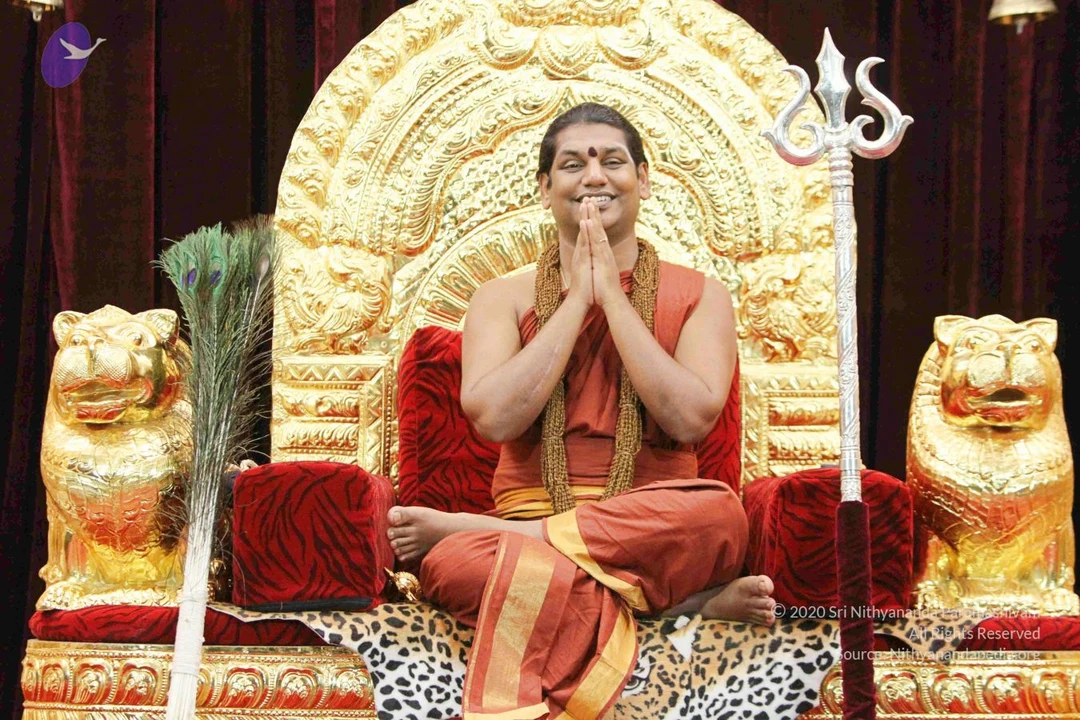
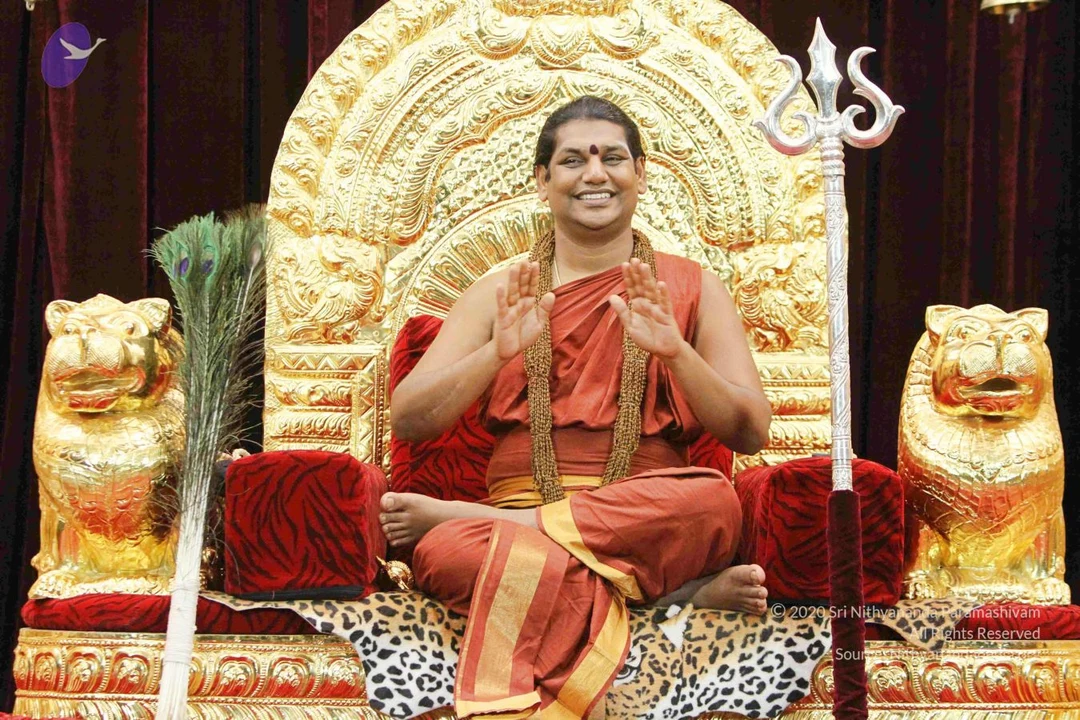
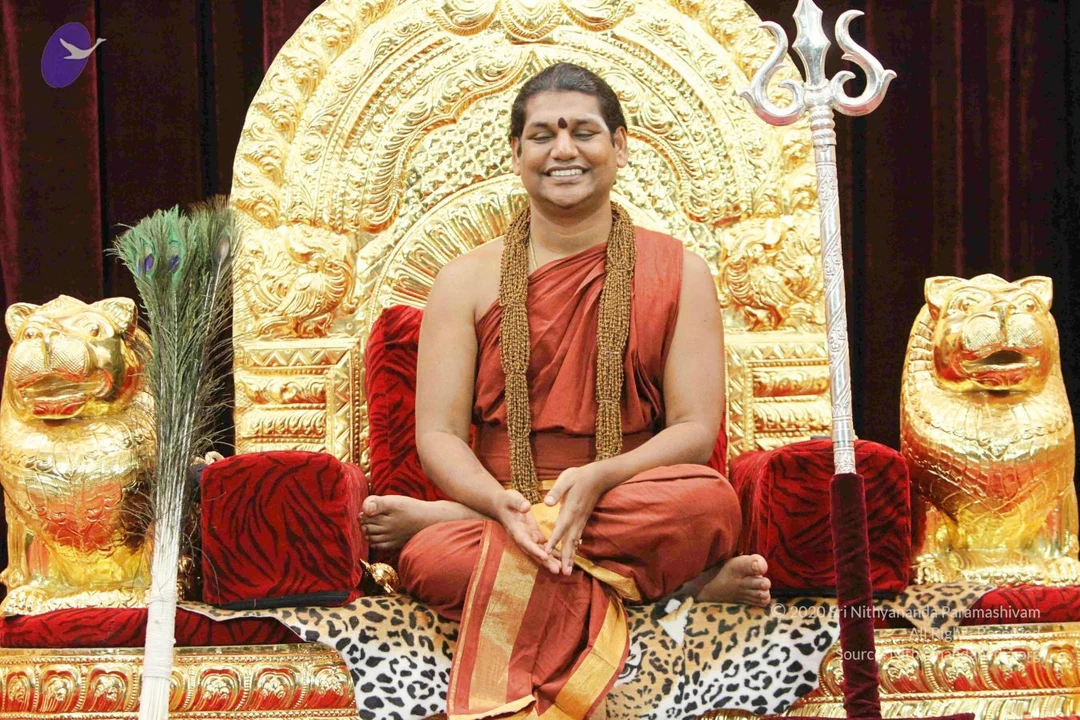
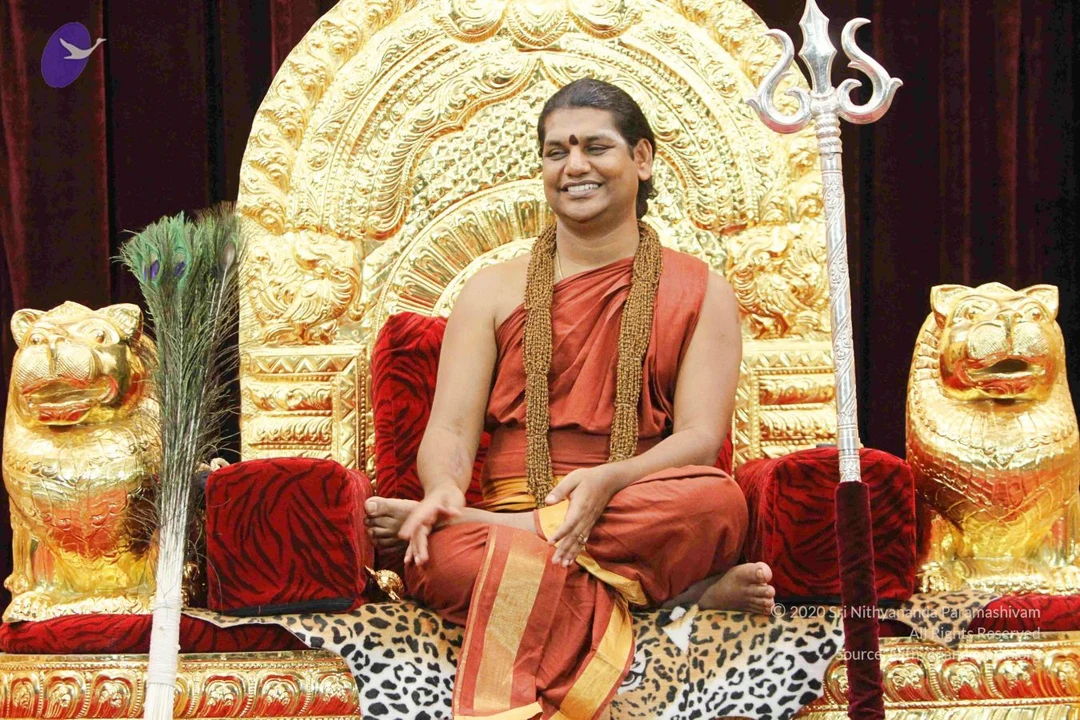
Photos Of The Day:
Rudrabhishekam
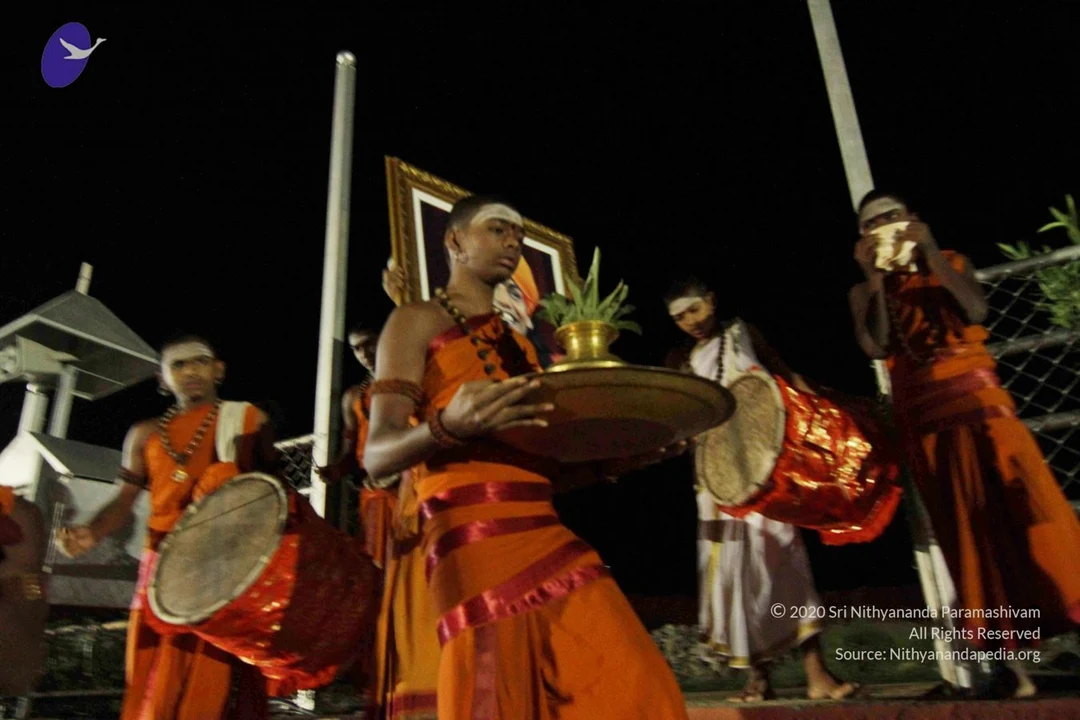
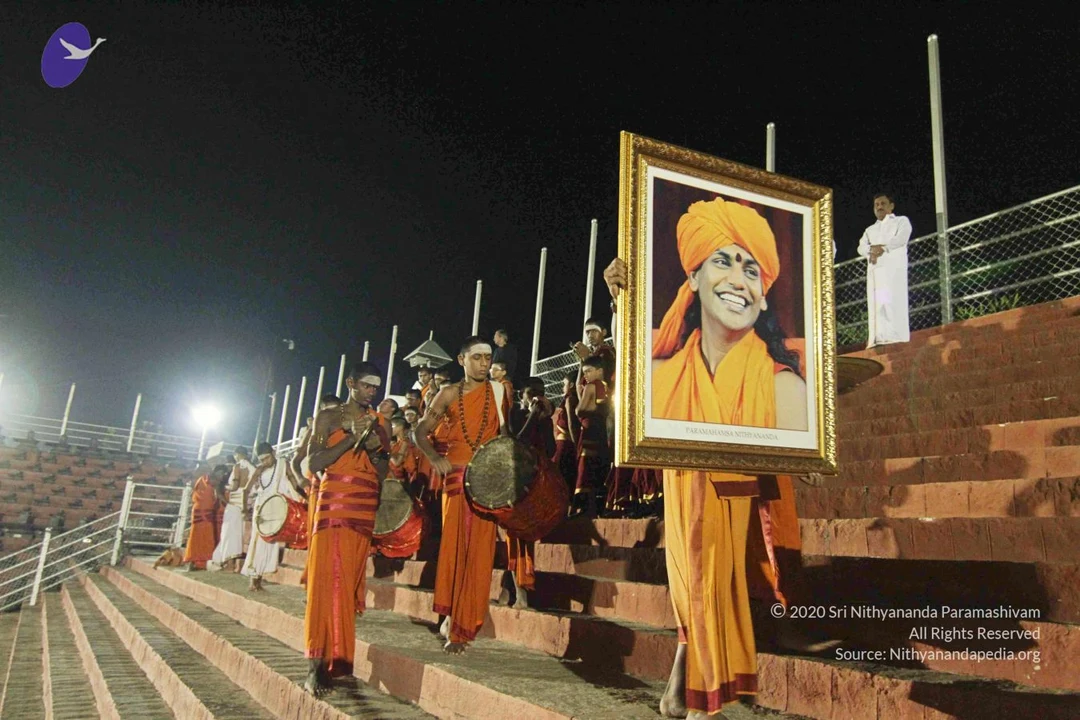
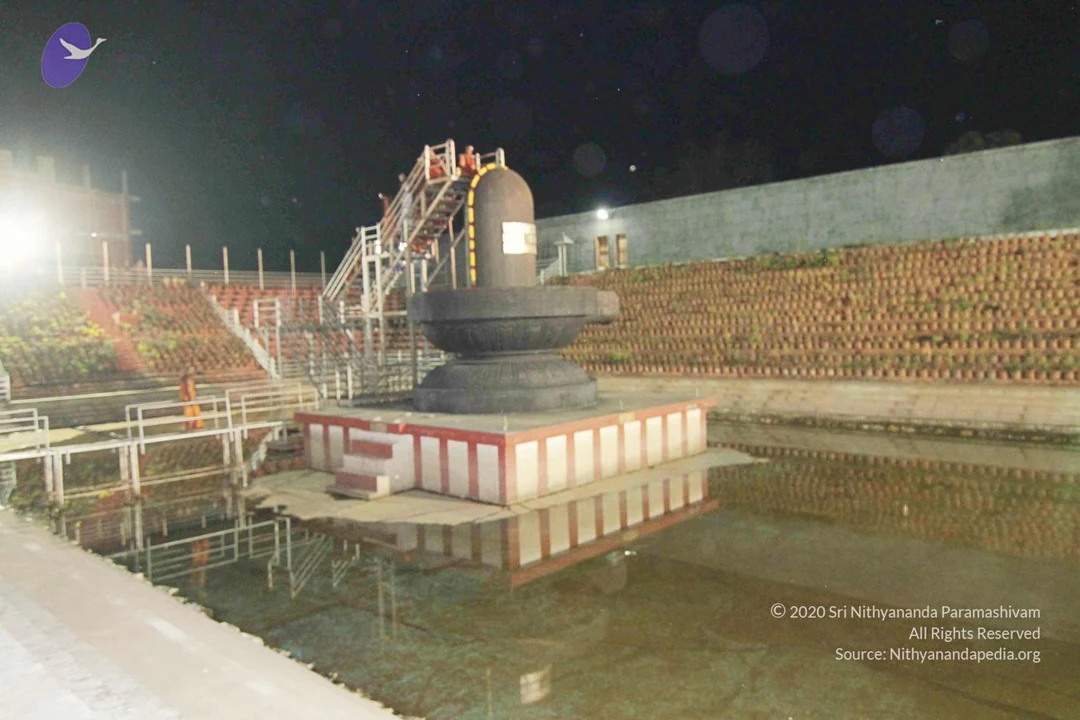
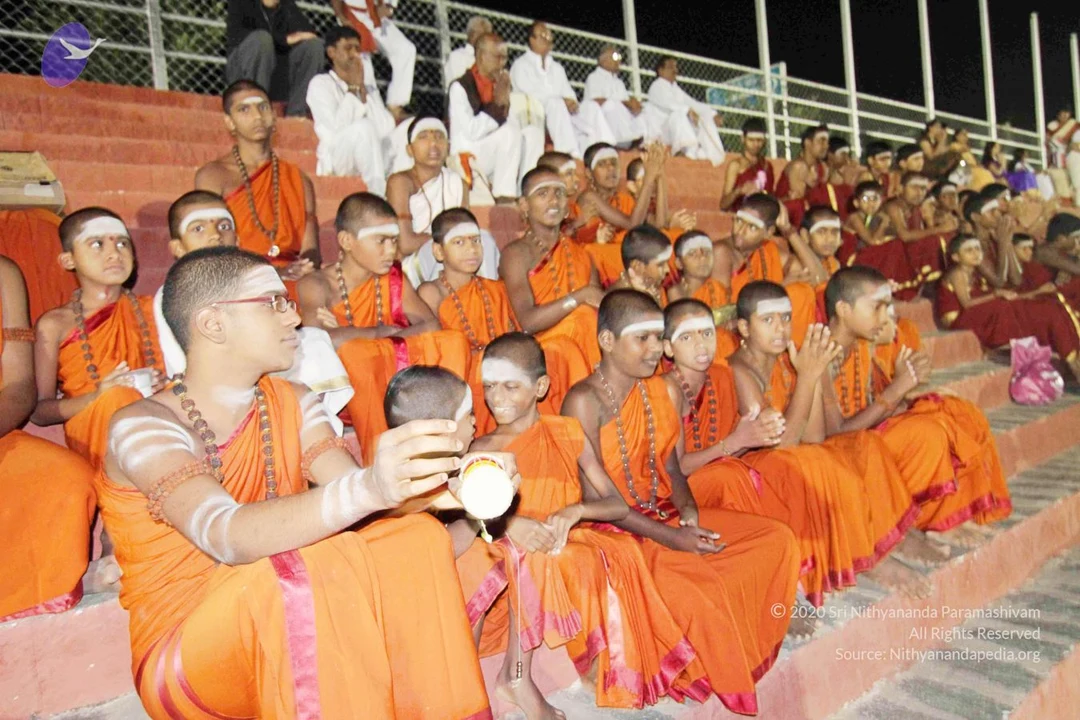

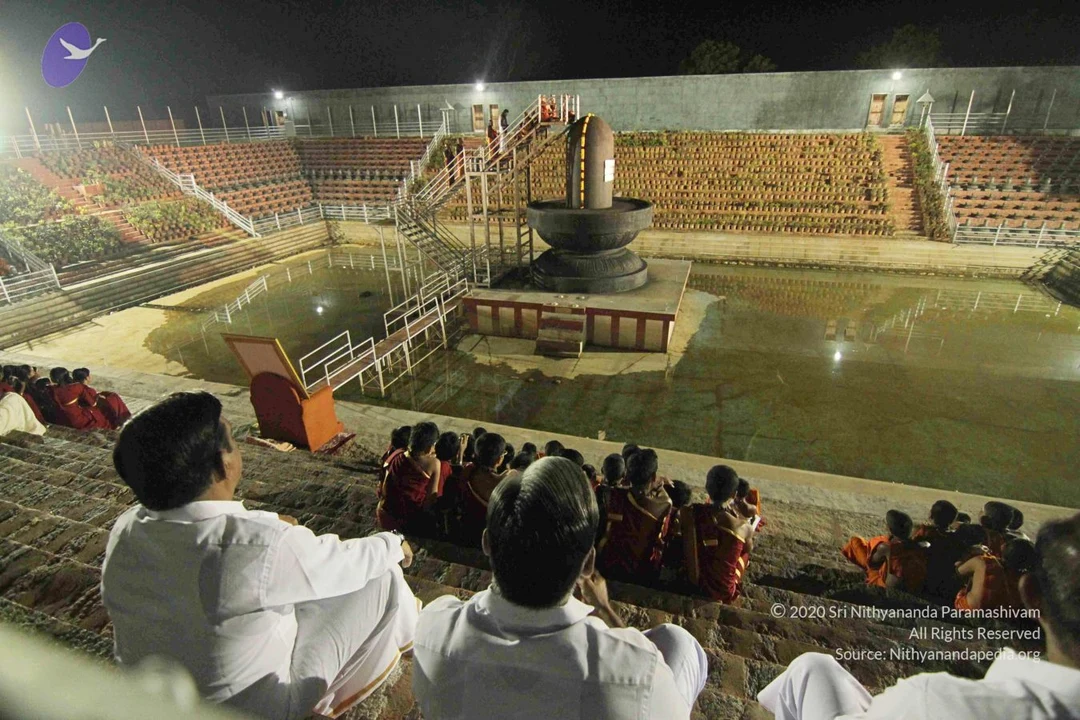
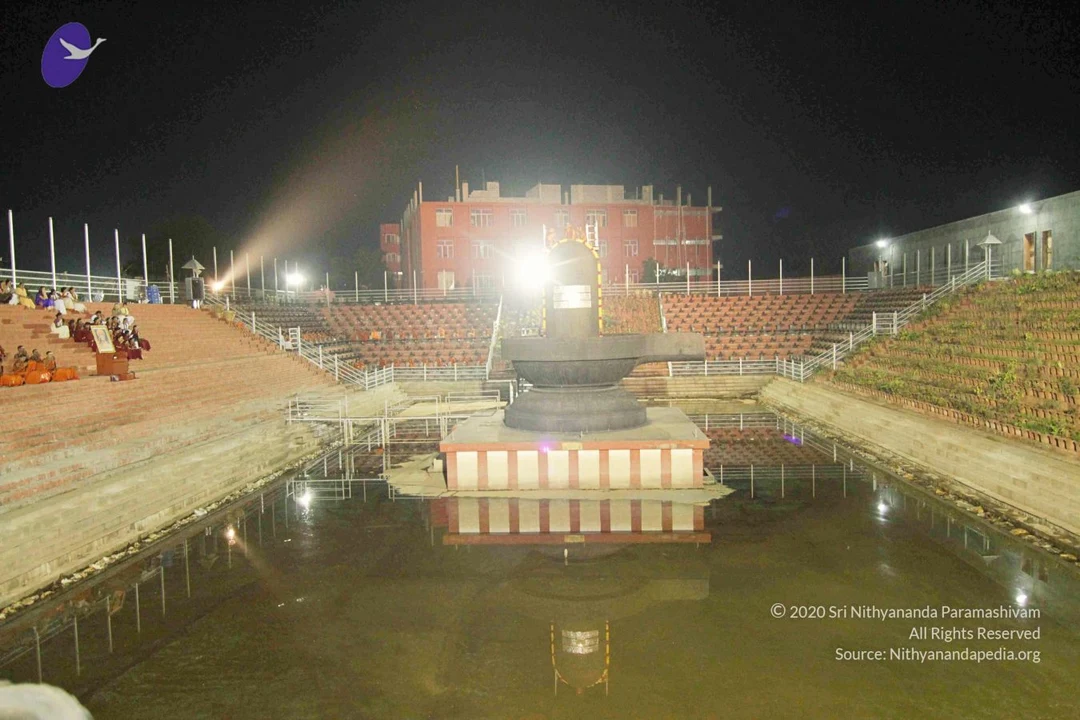
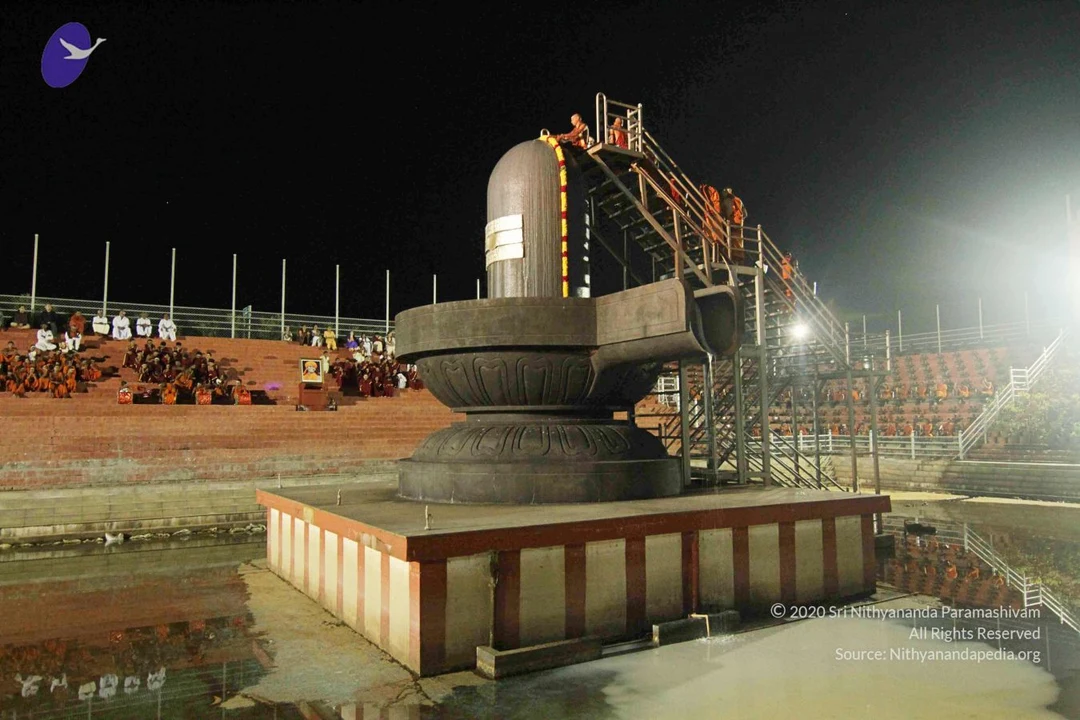
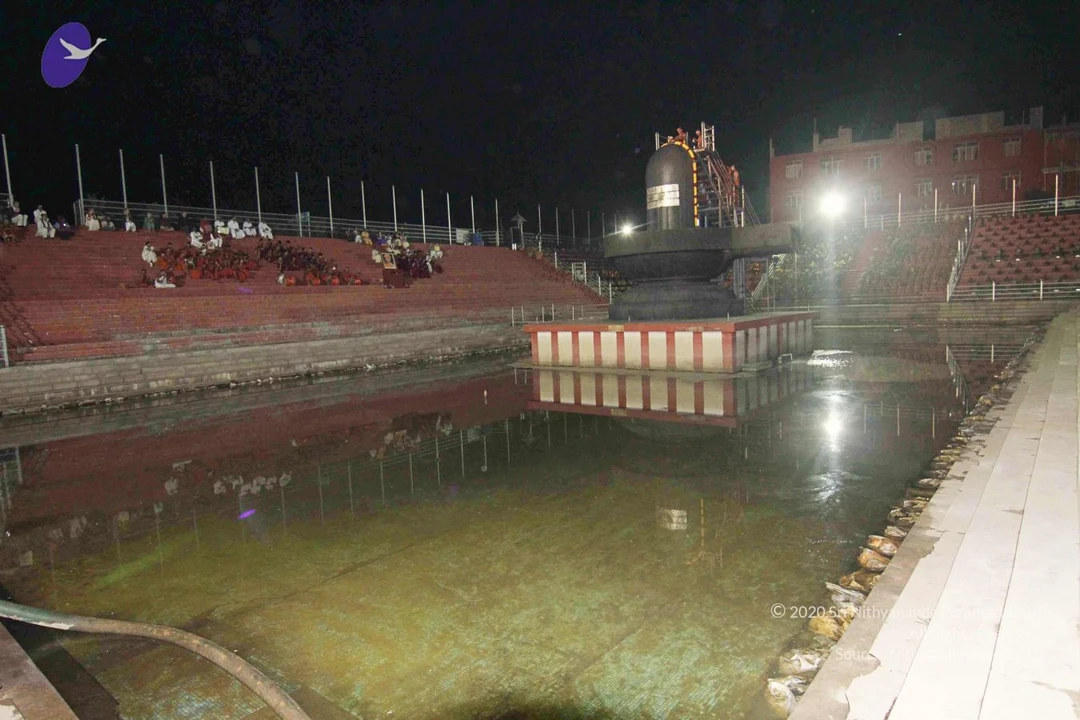
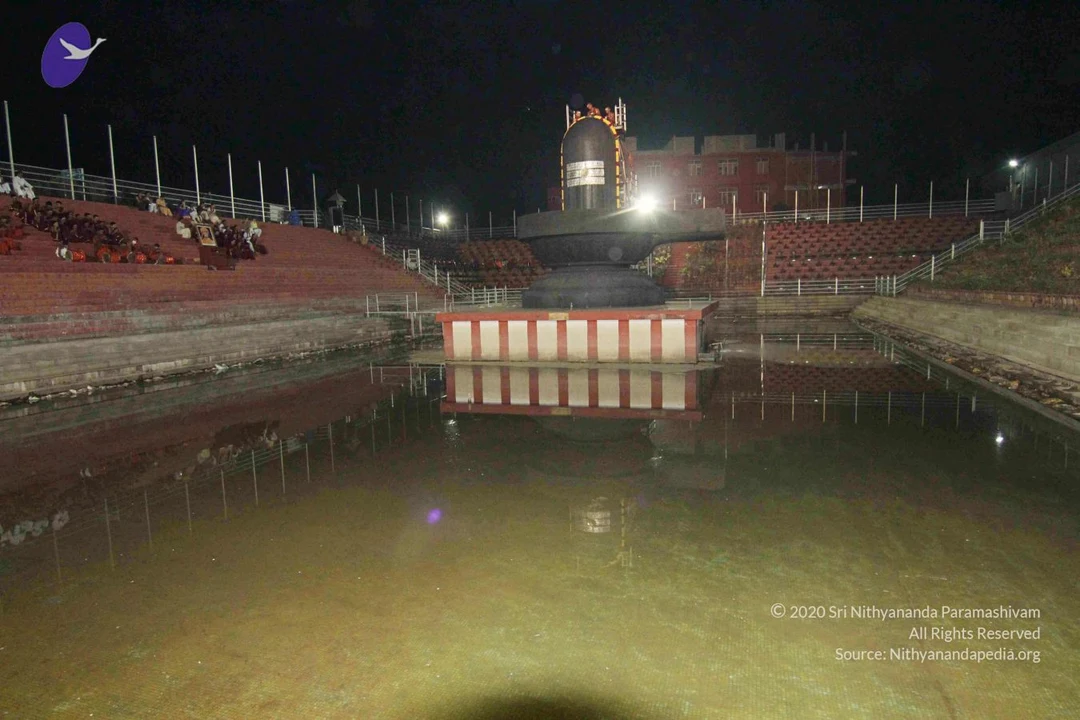
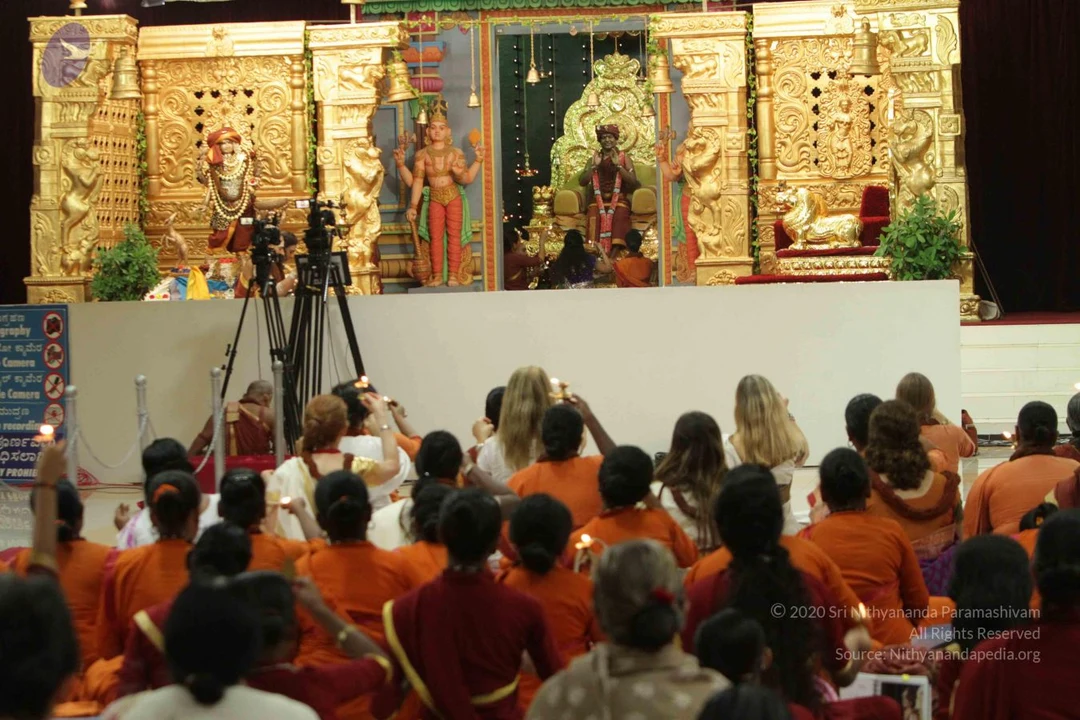
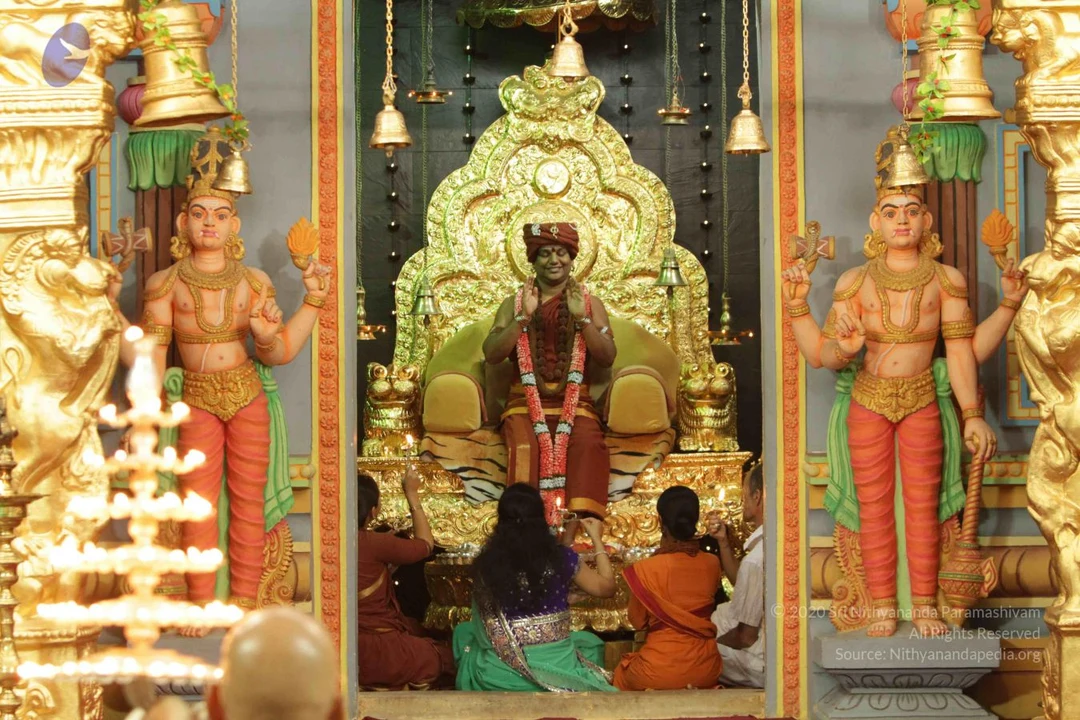
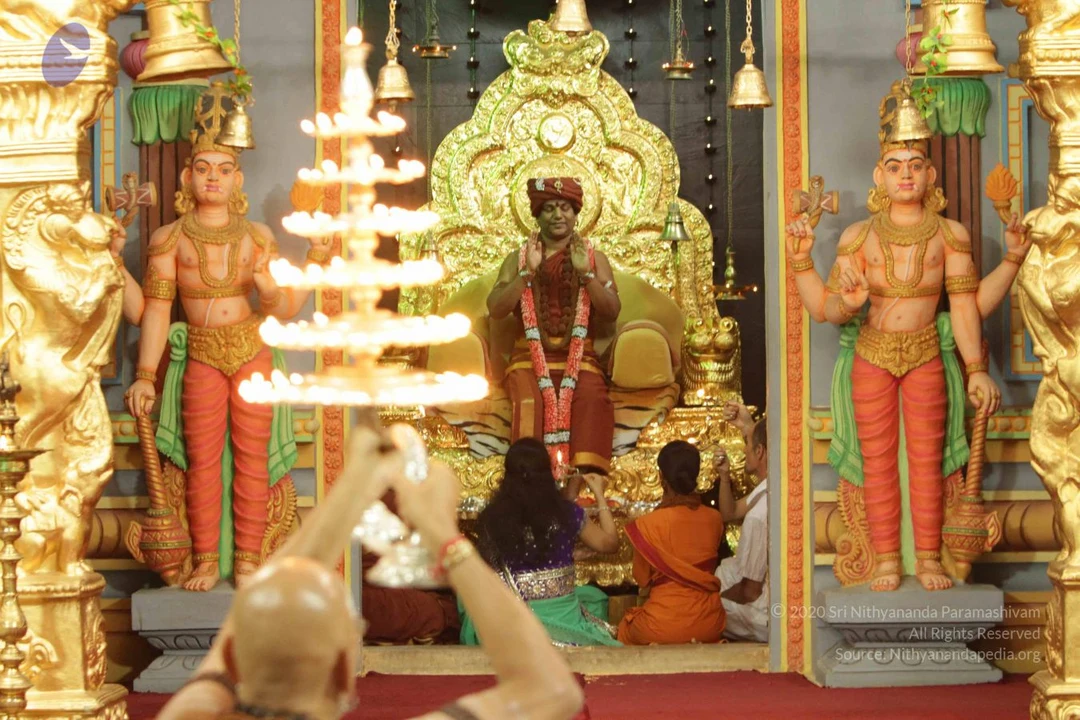
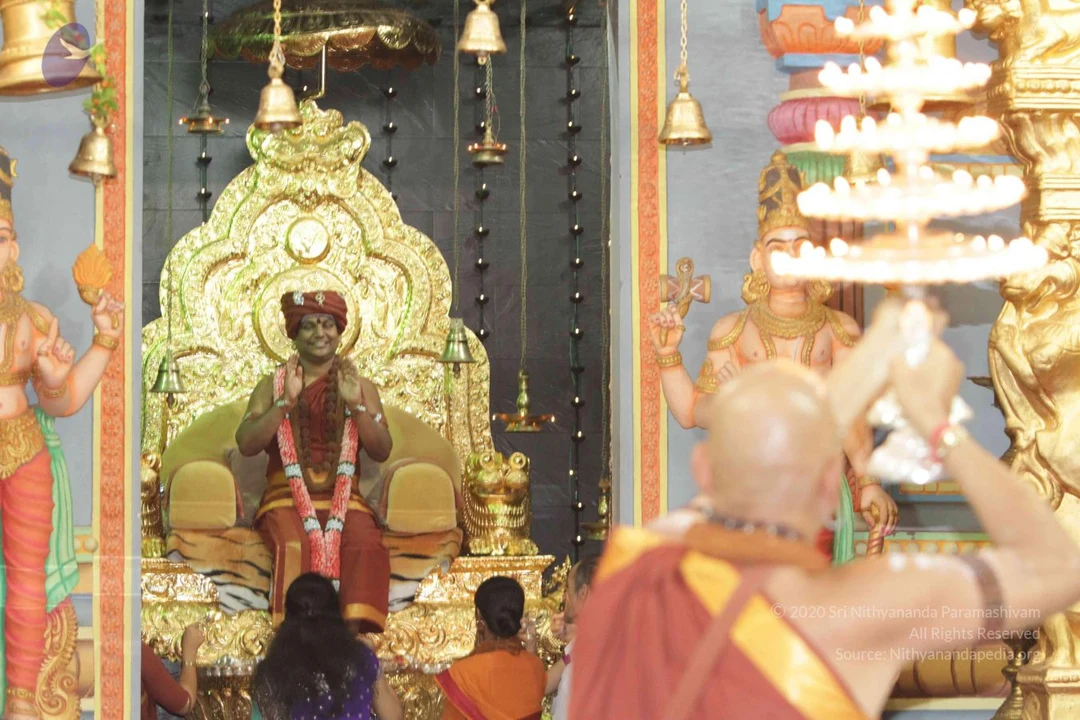
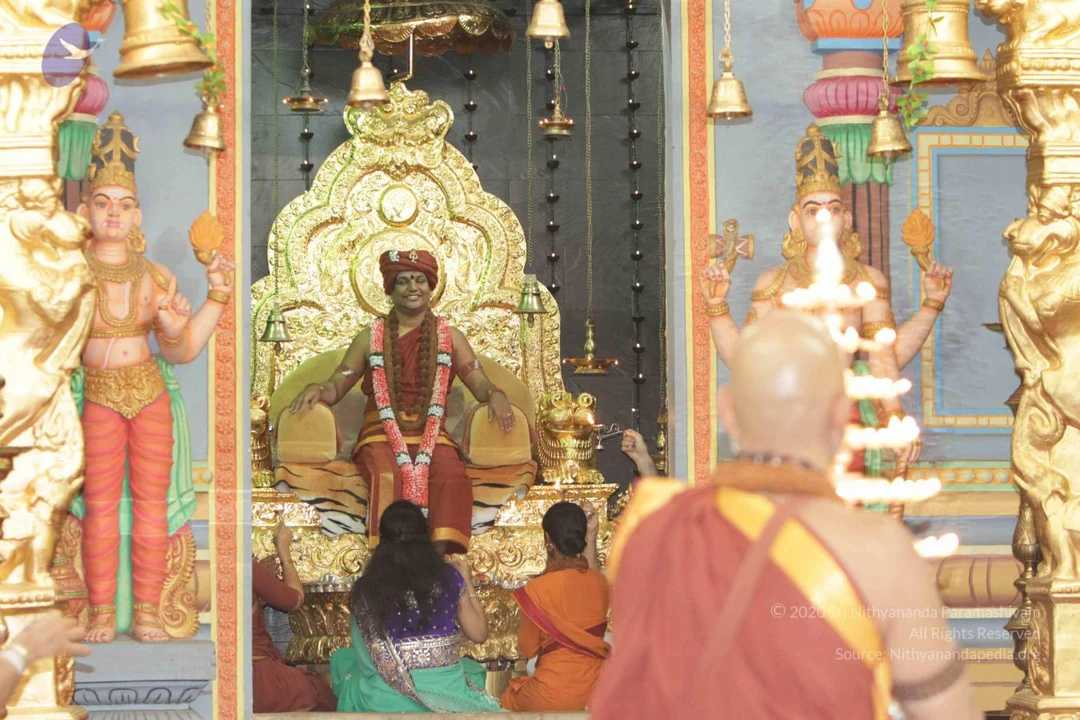
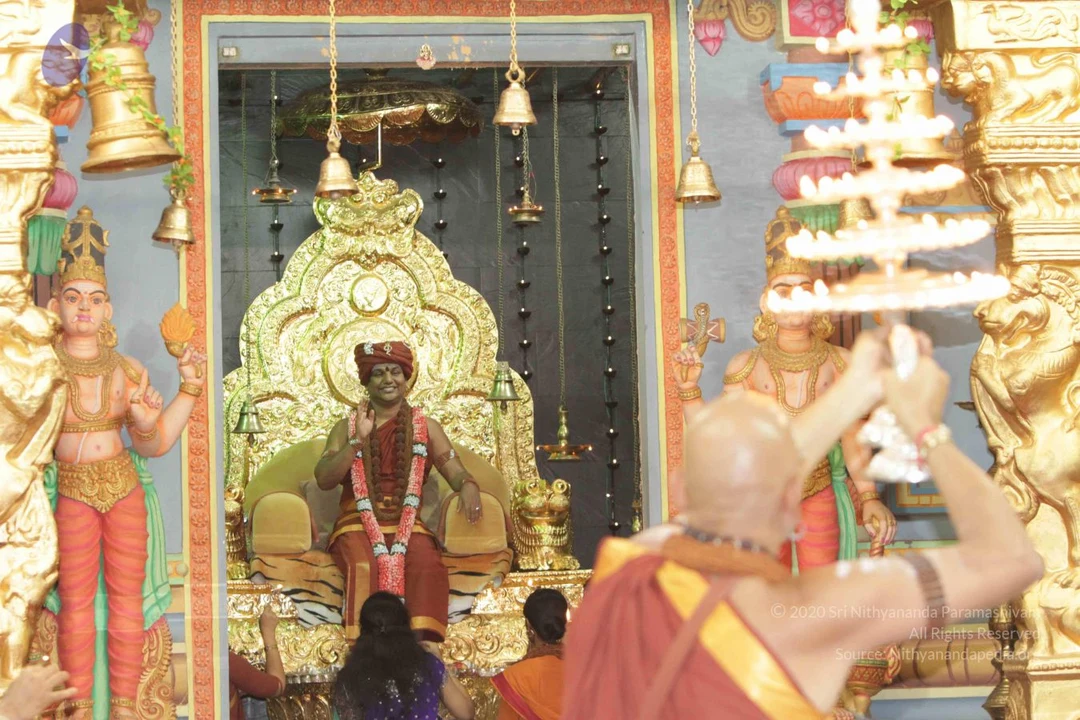
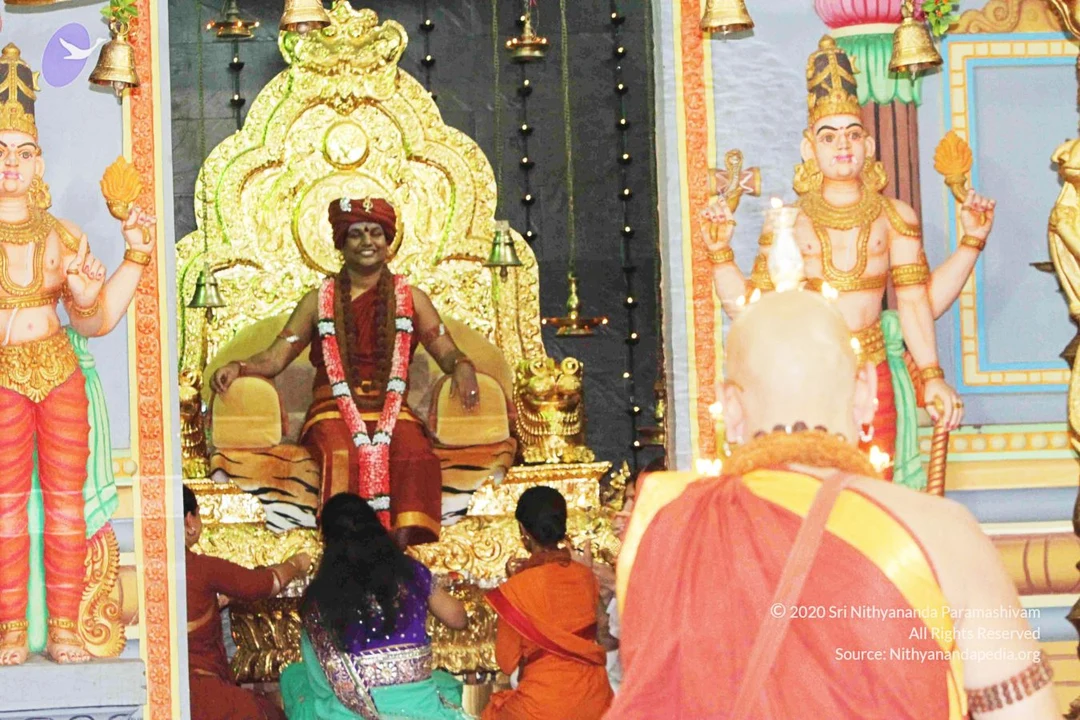
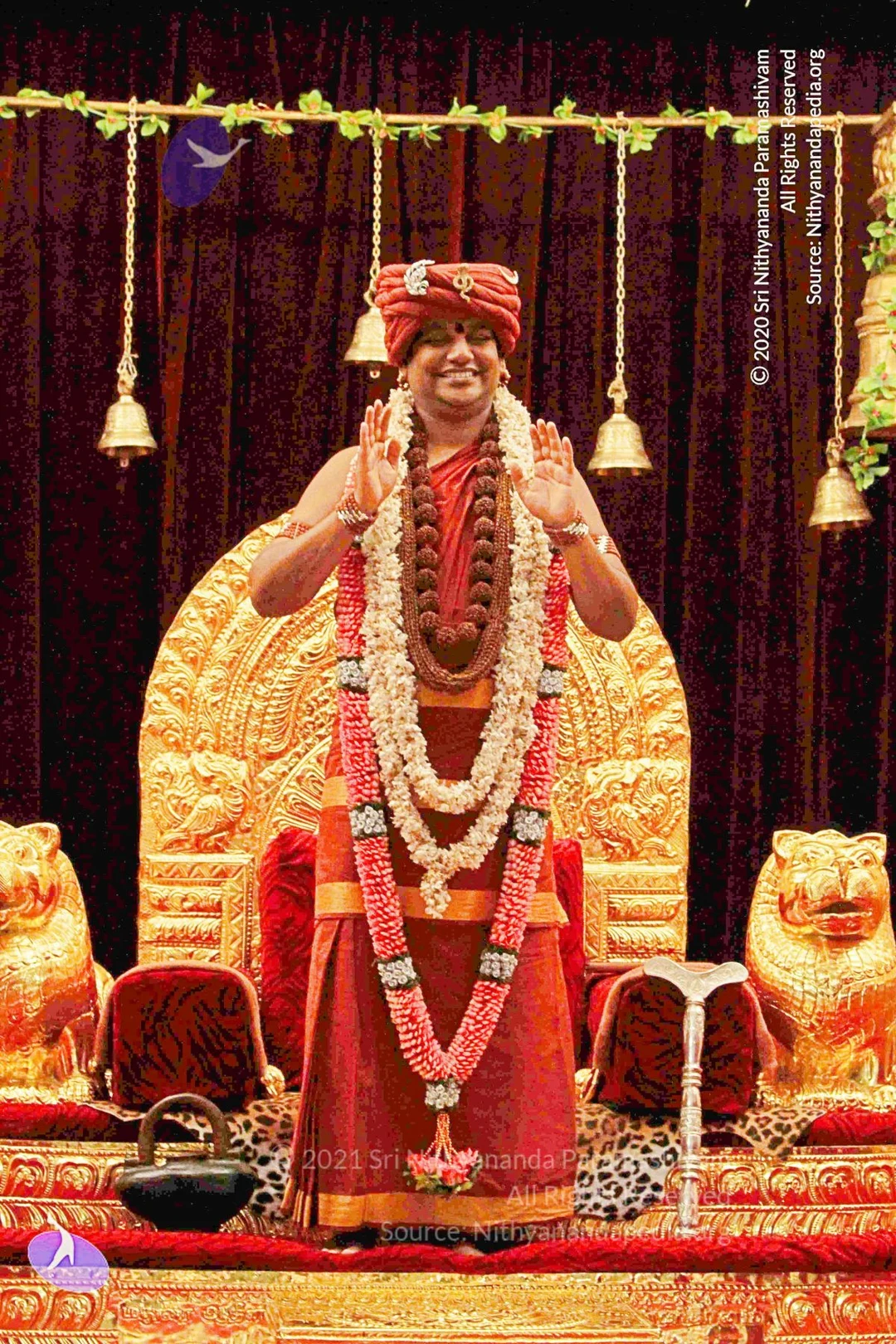
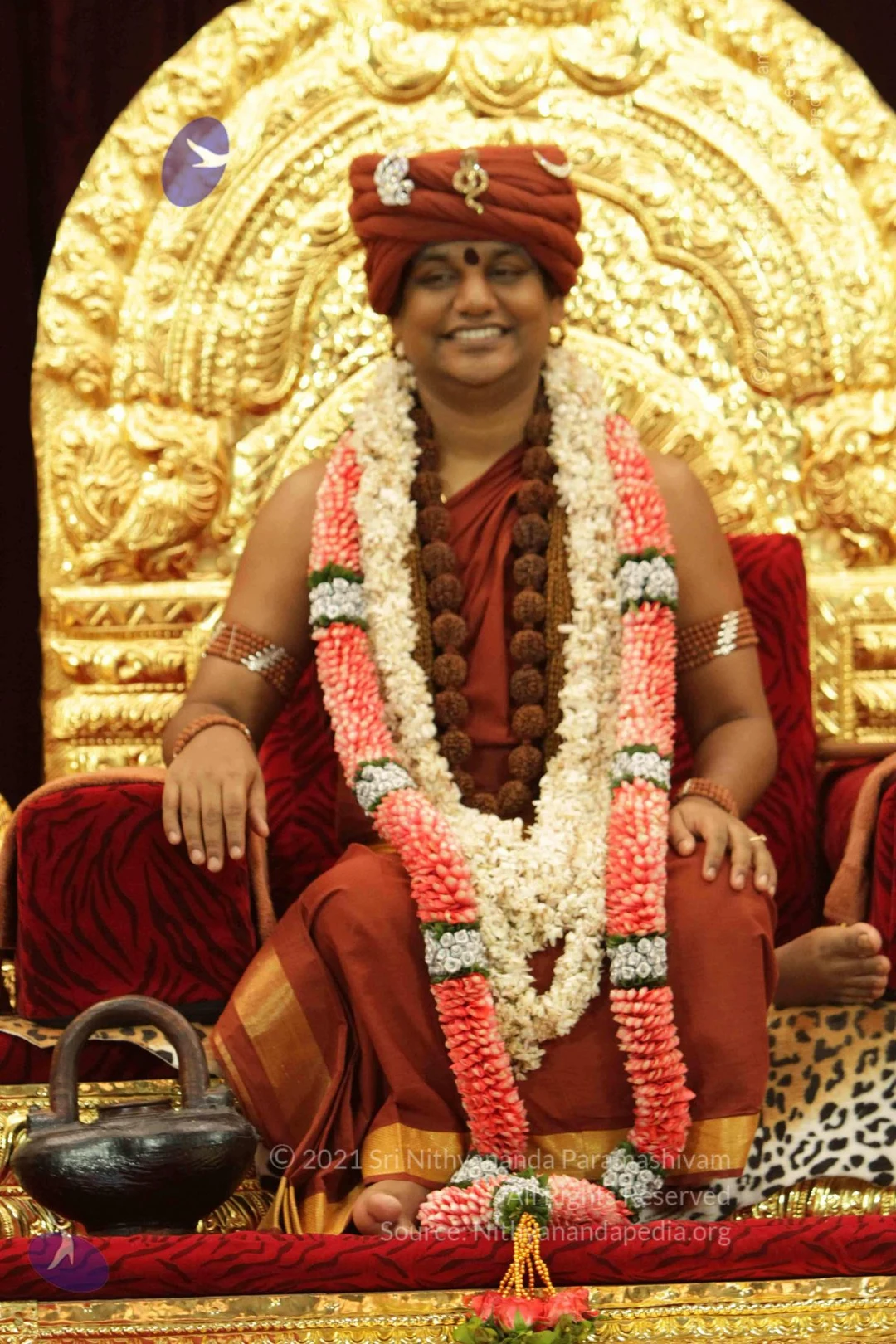
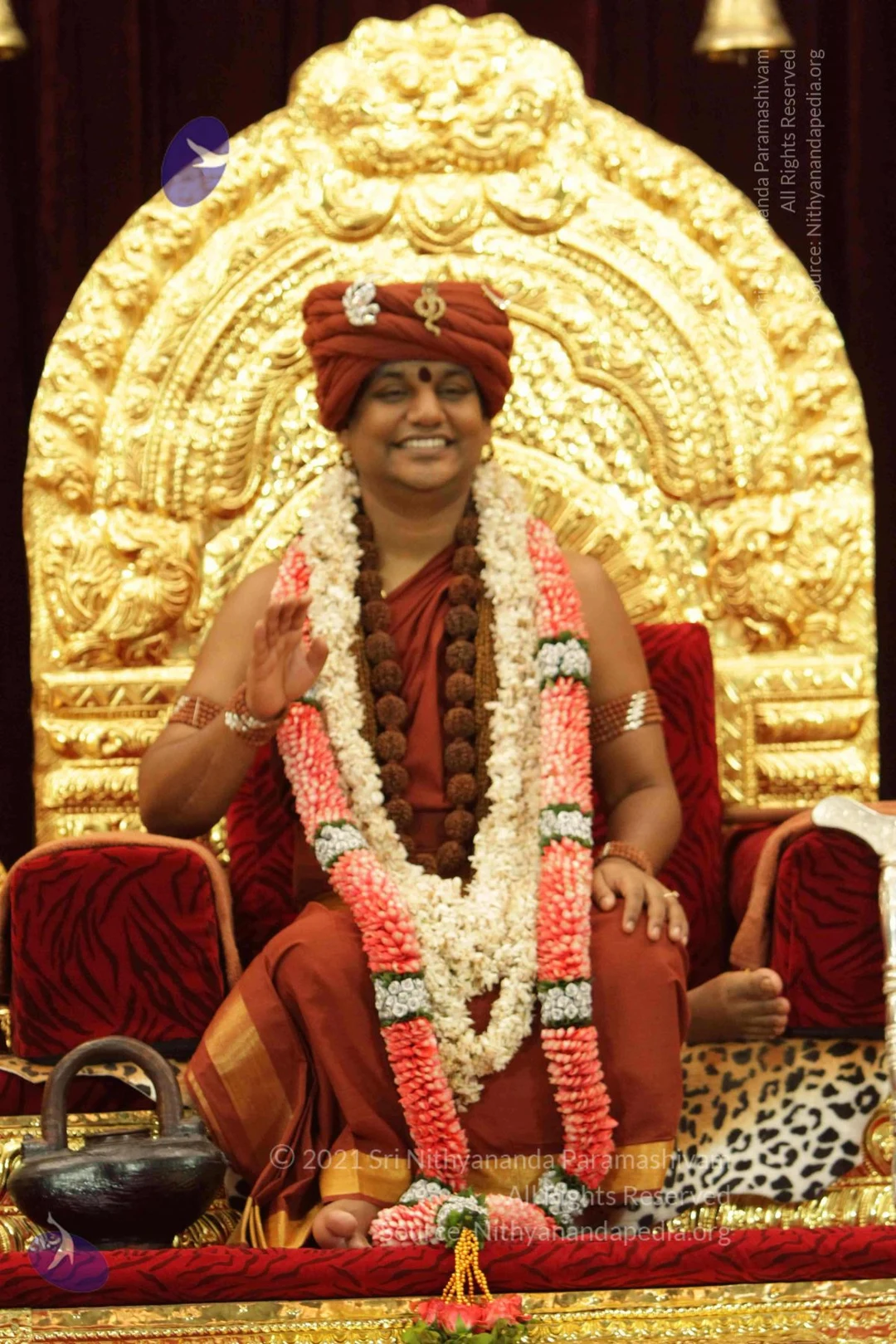
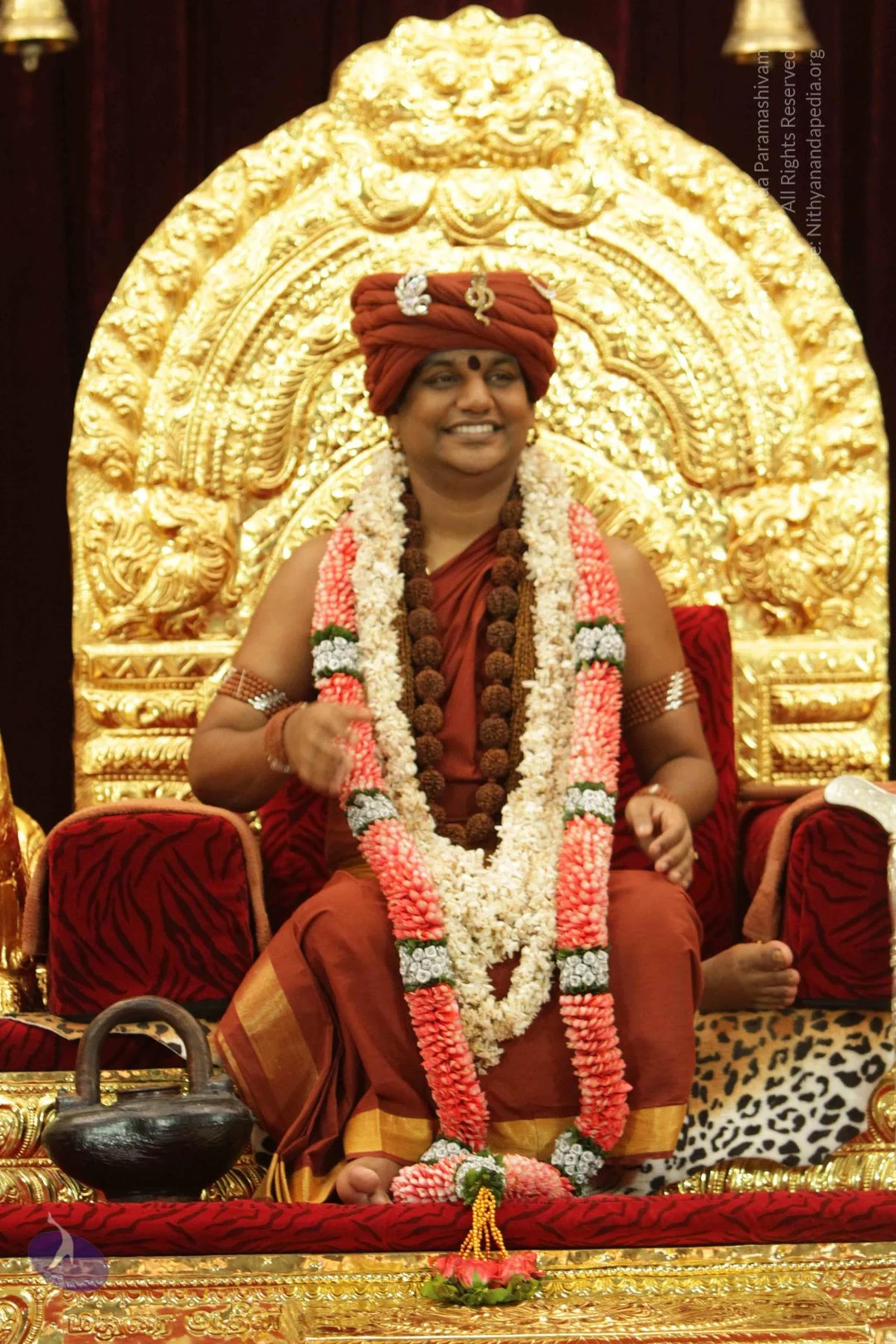
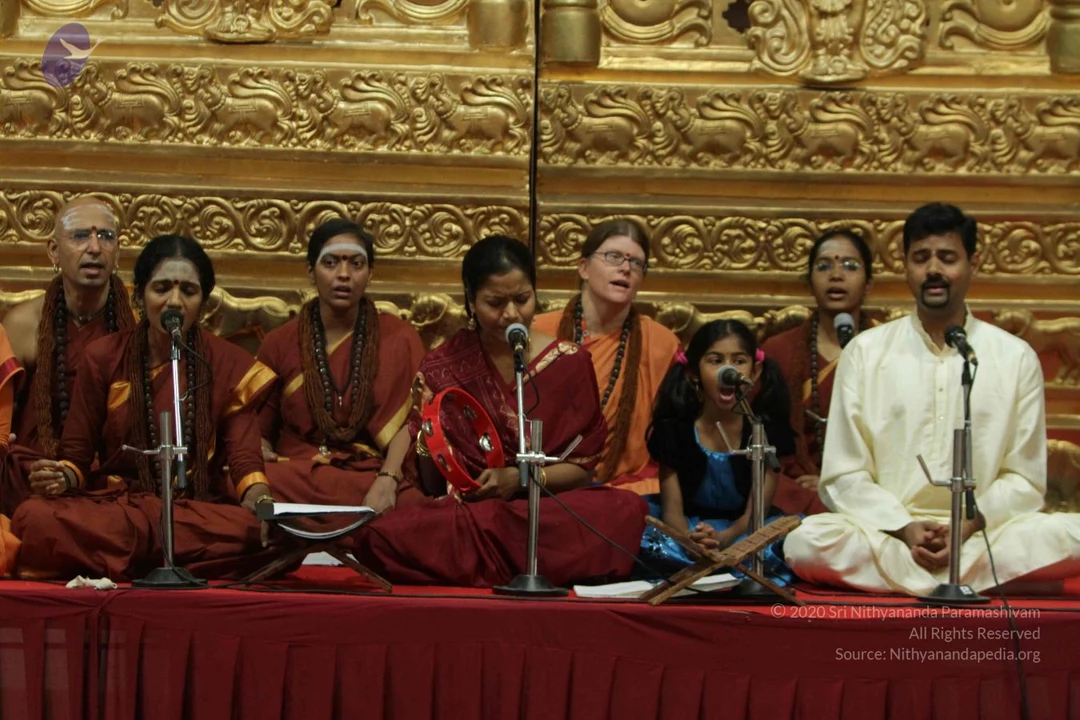
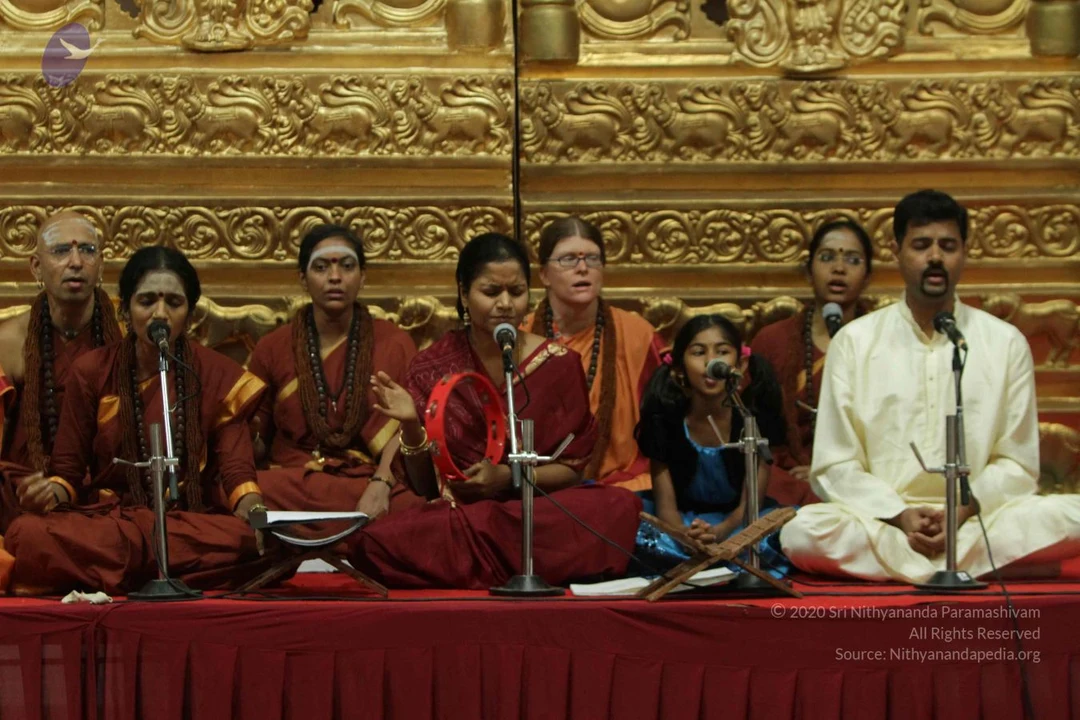
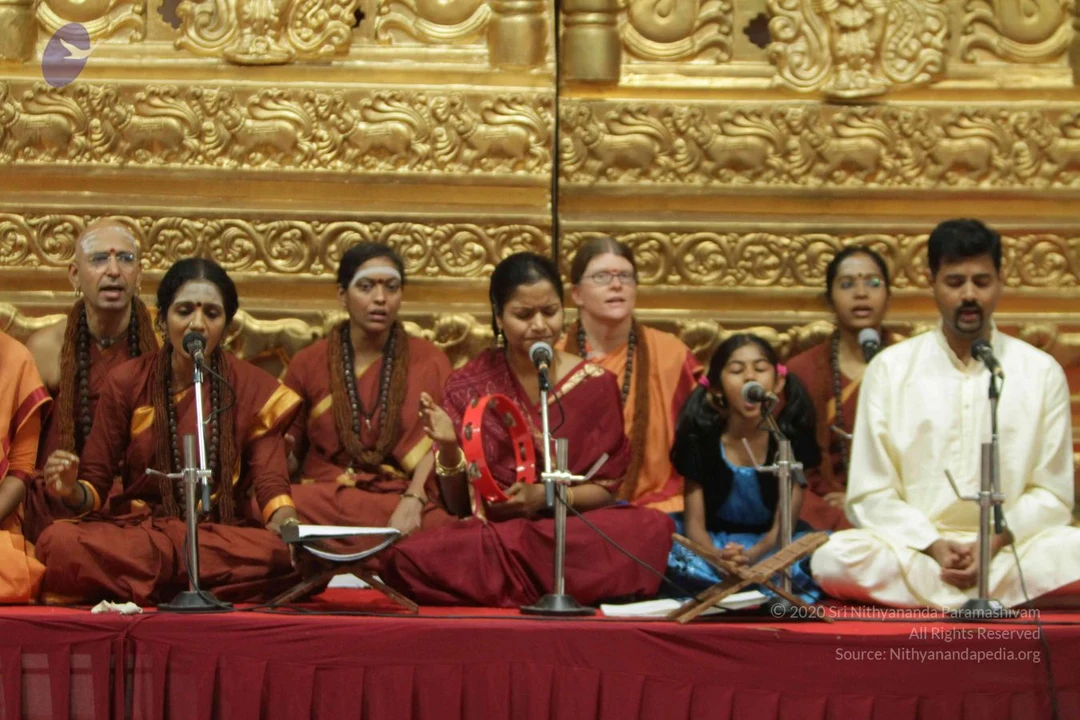
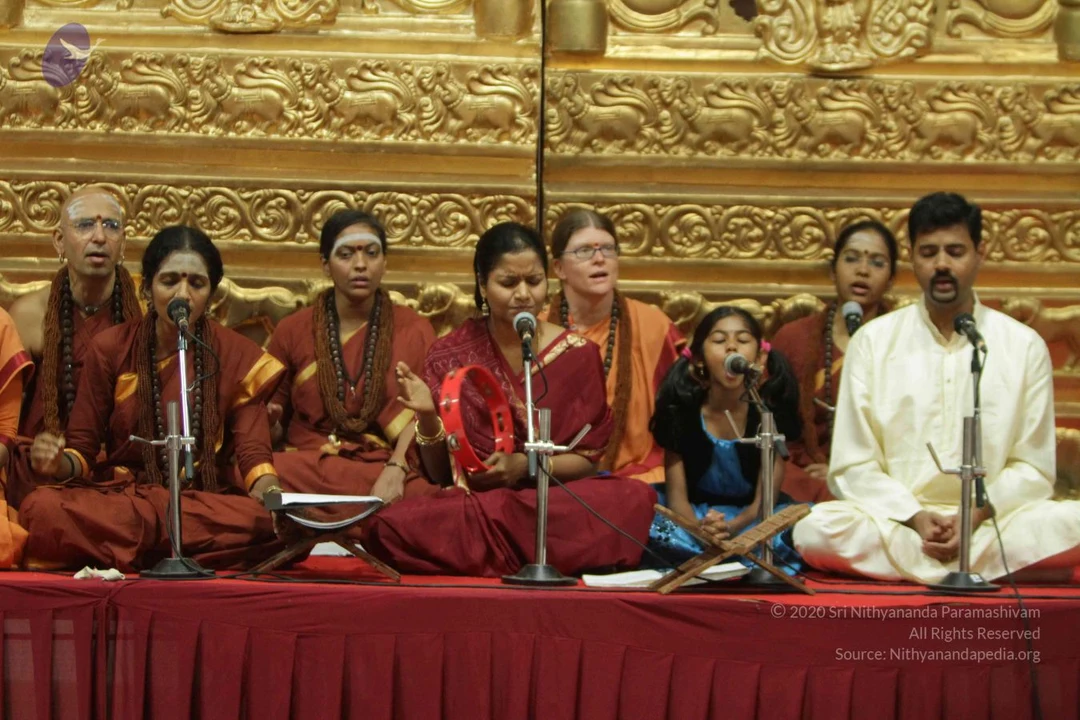
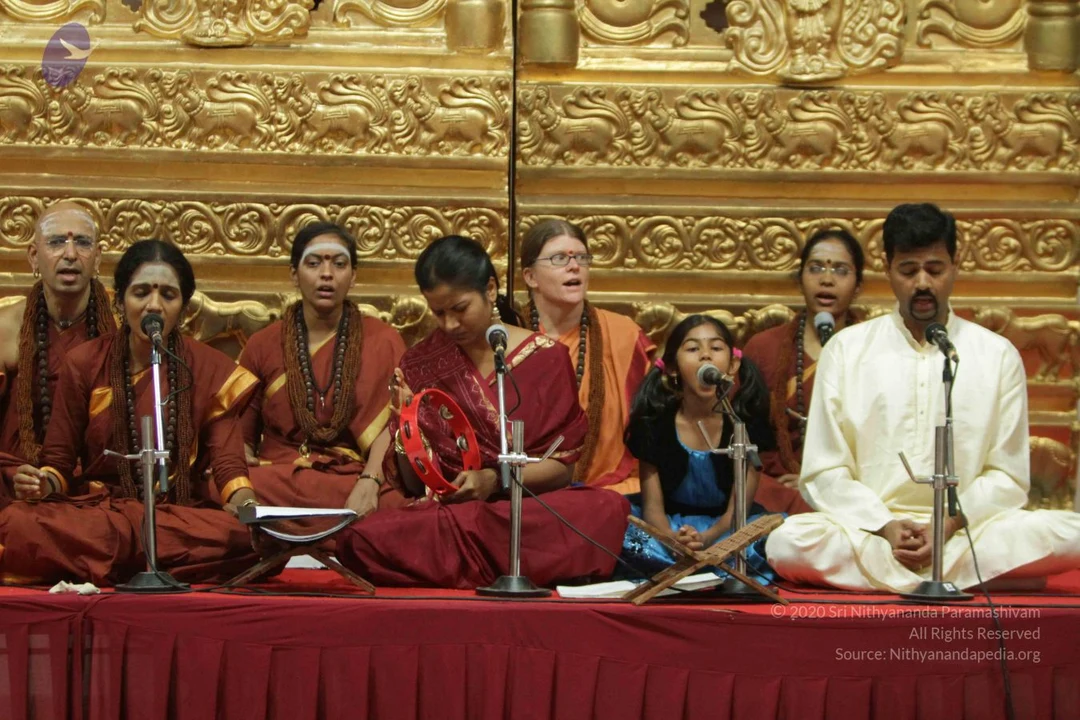
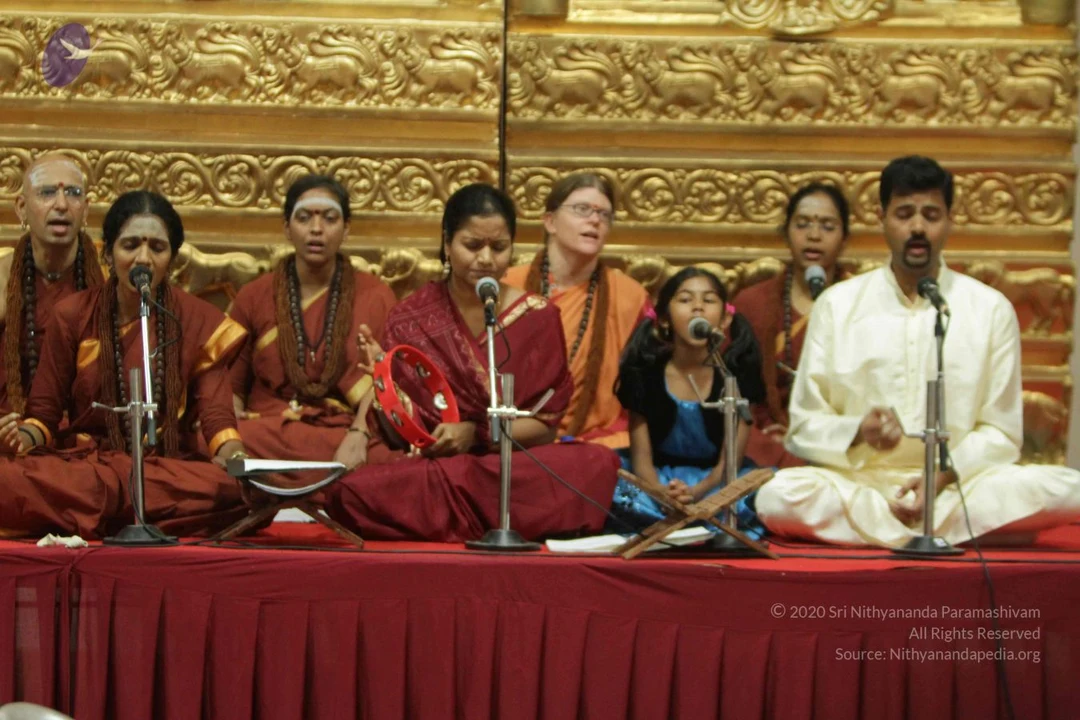
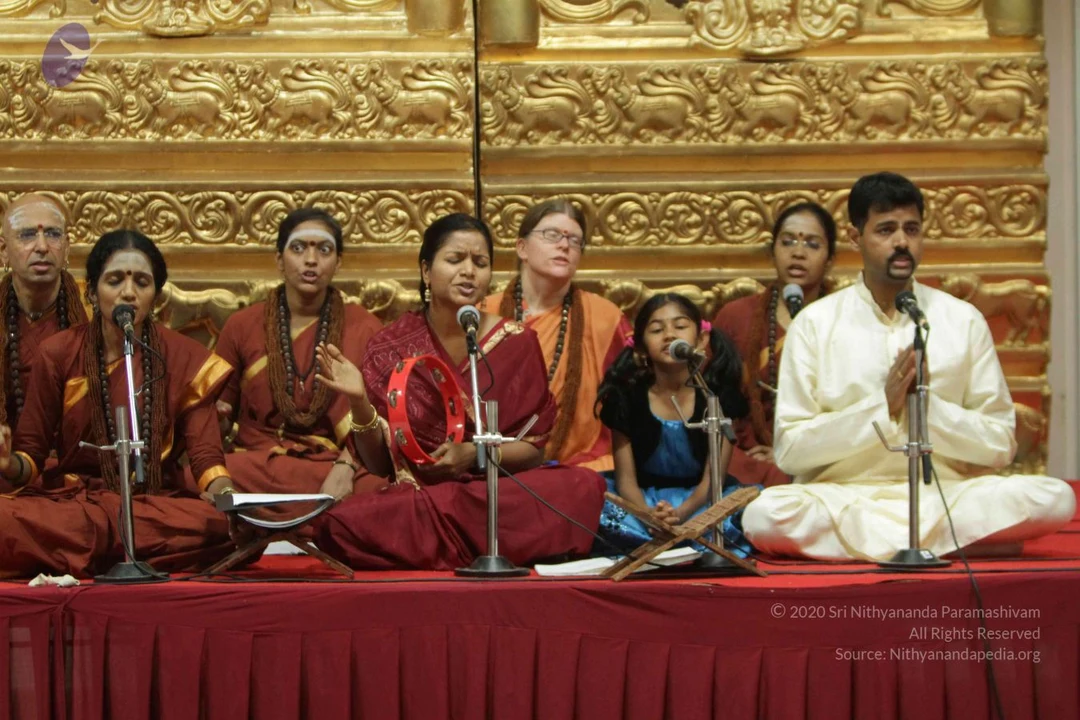
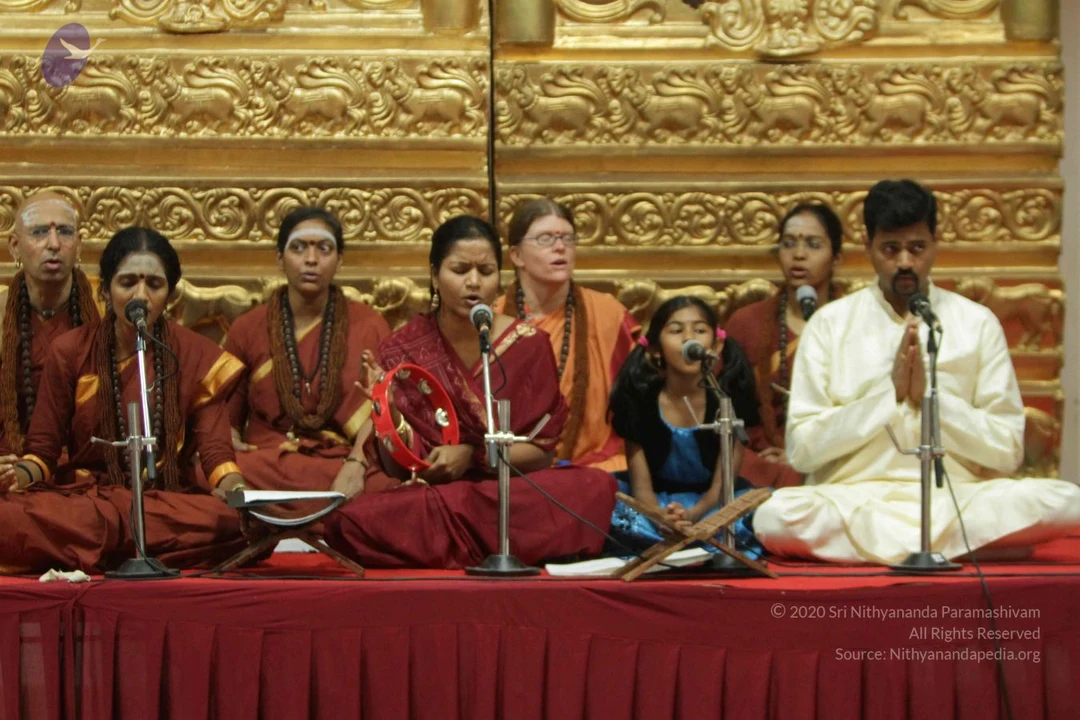
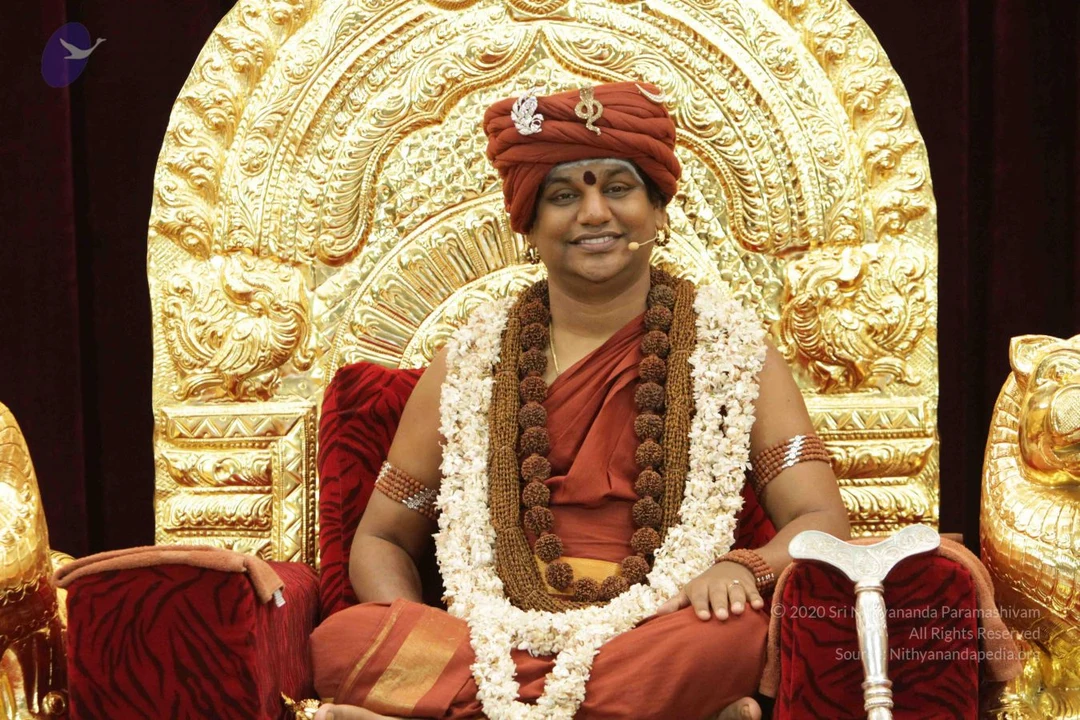
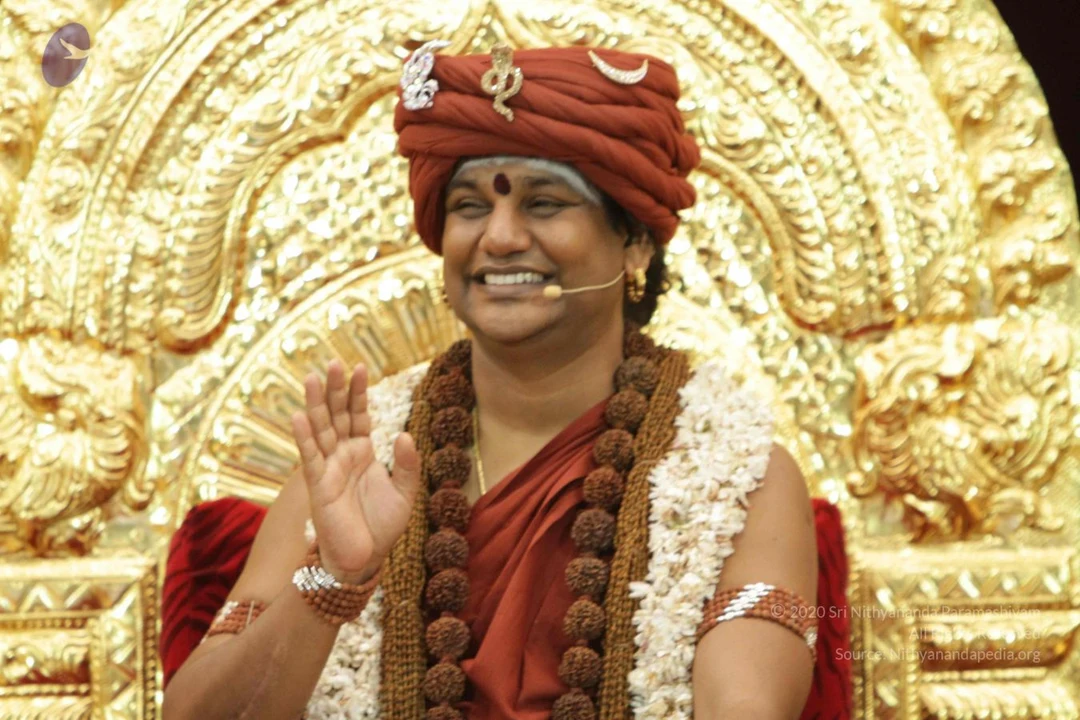
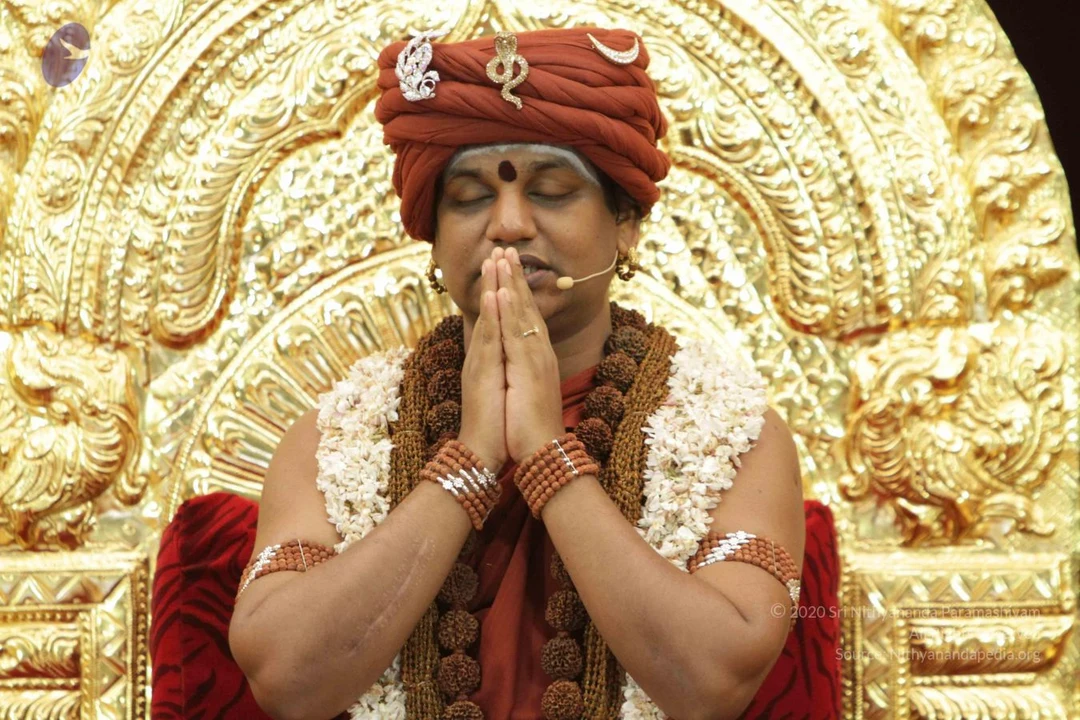
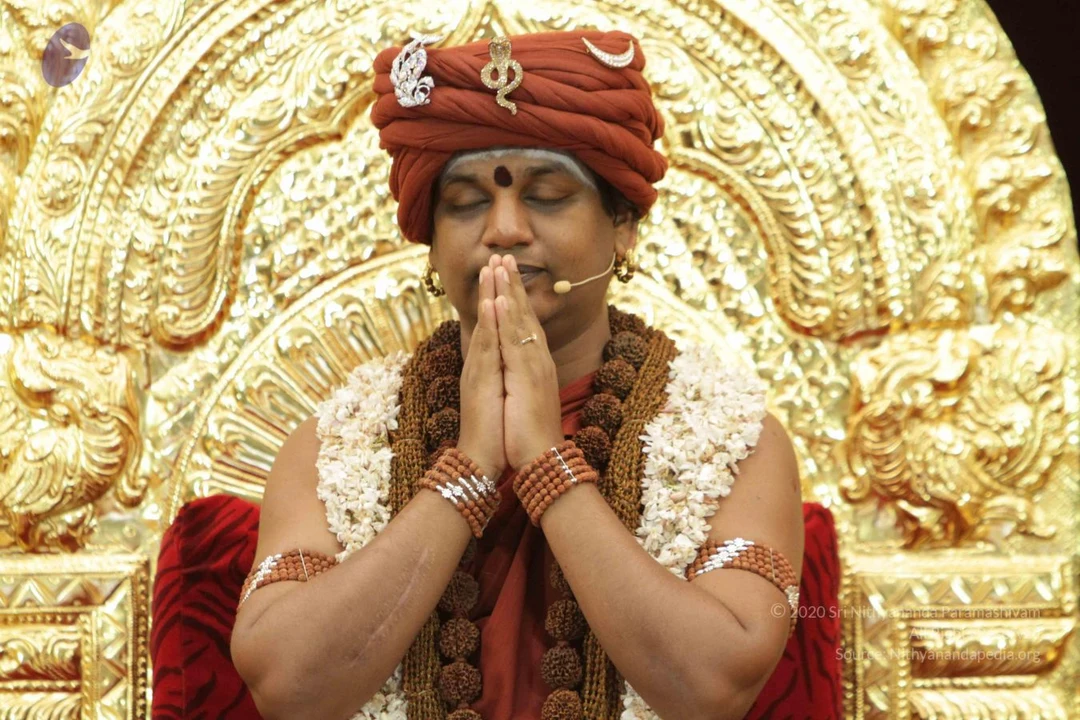
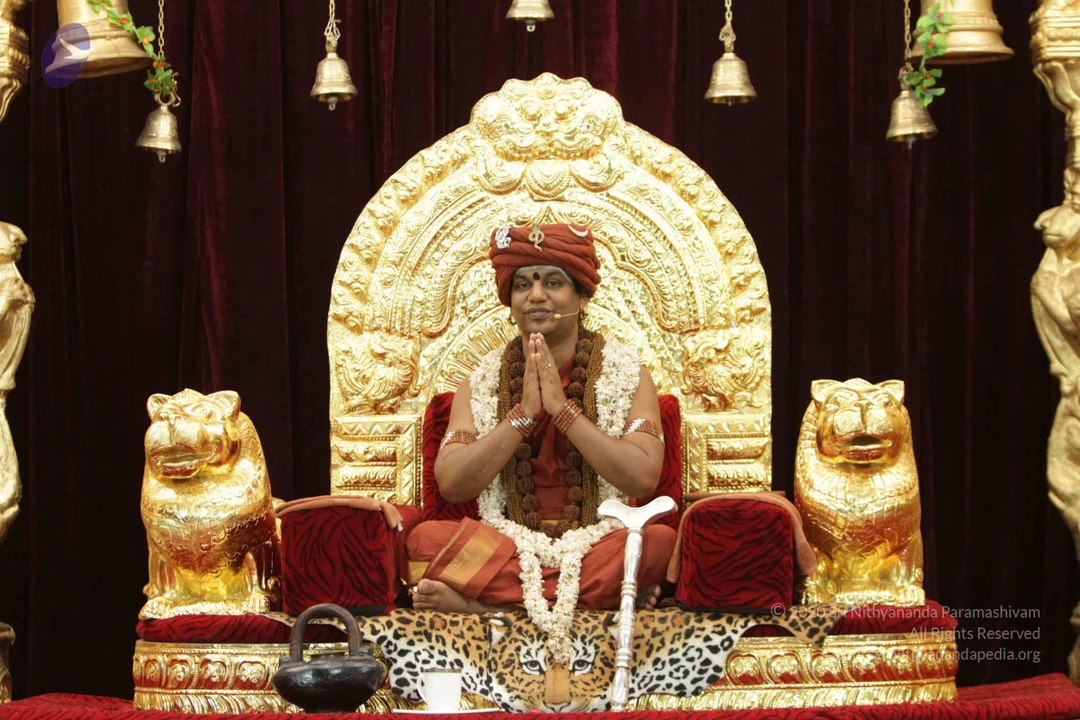
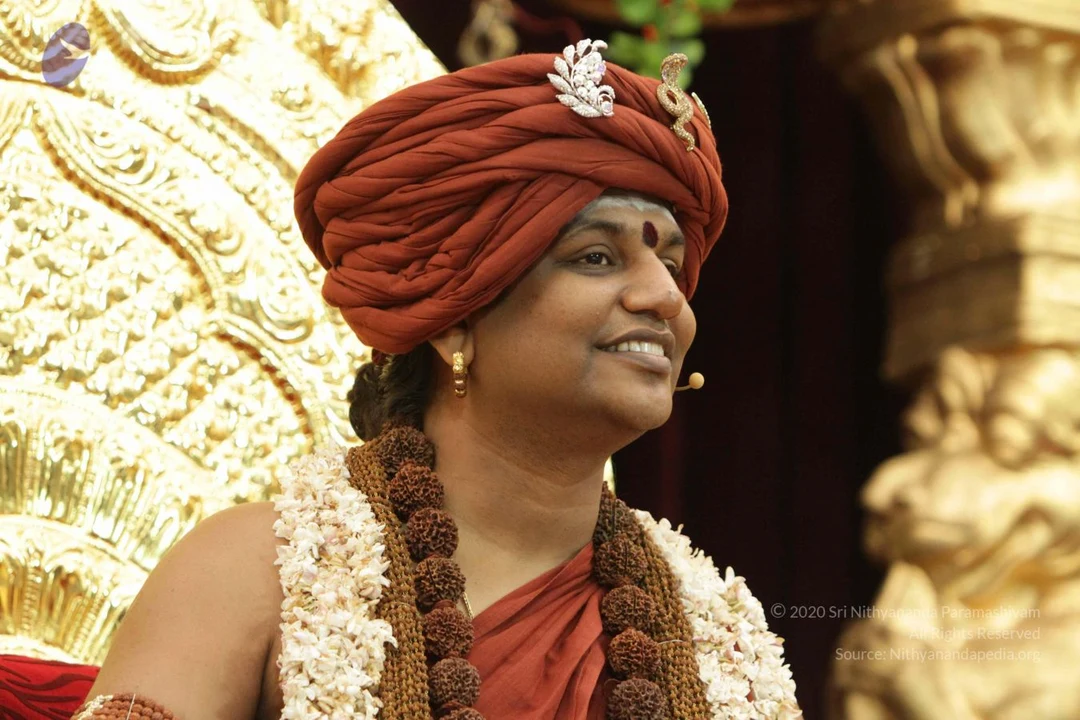
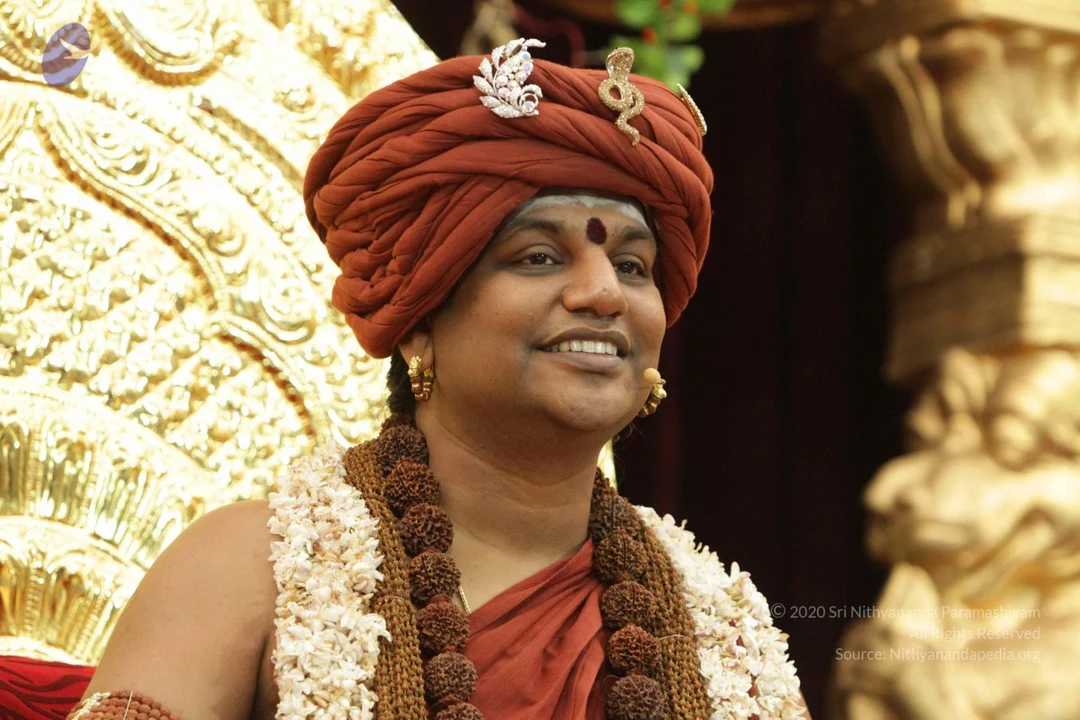
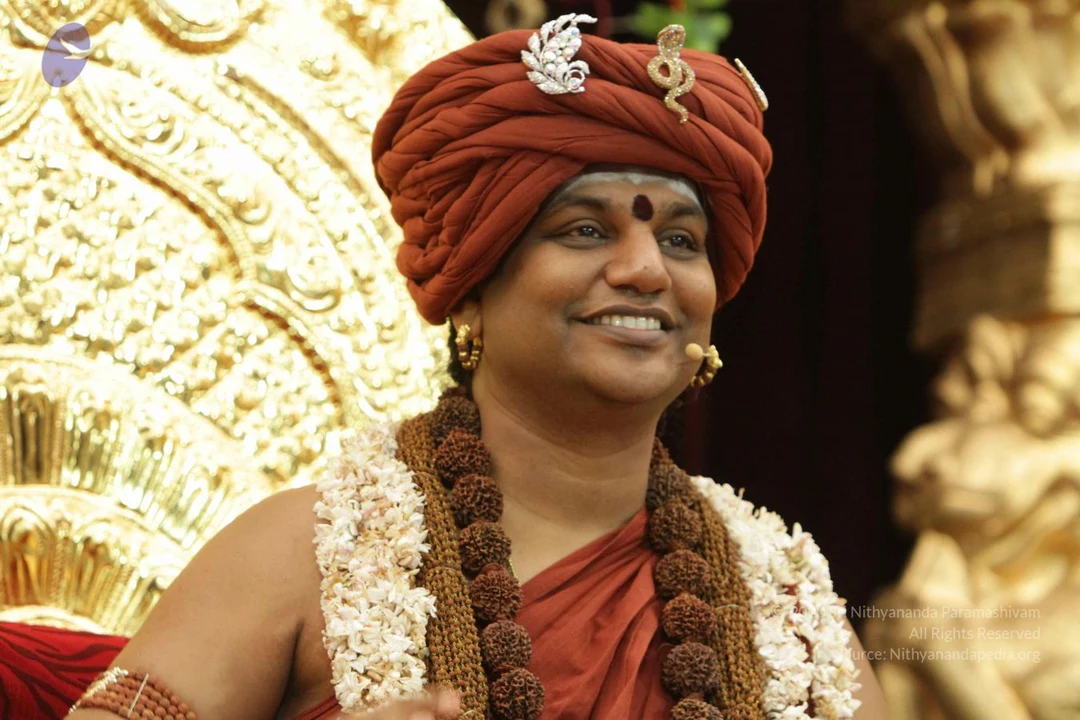
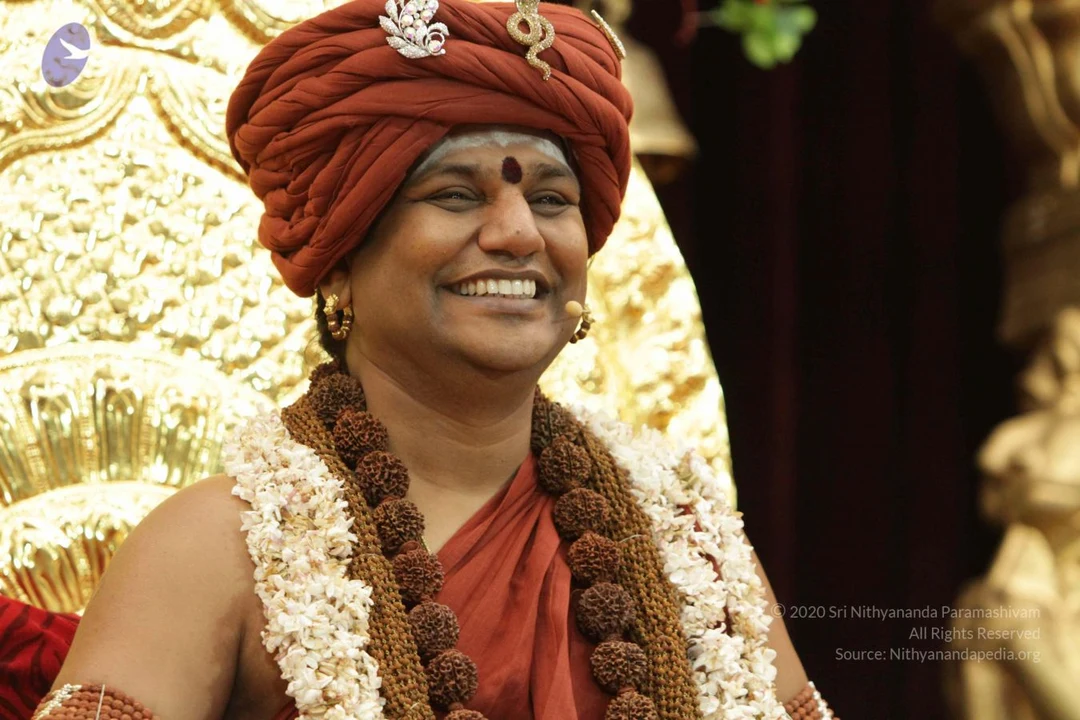
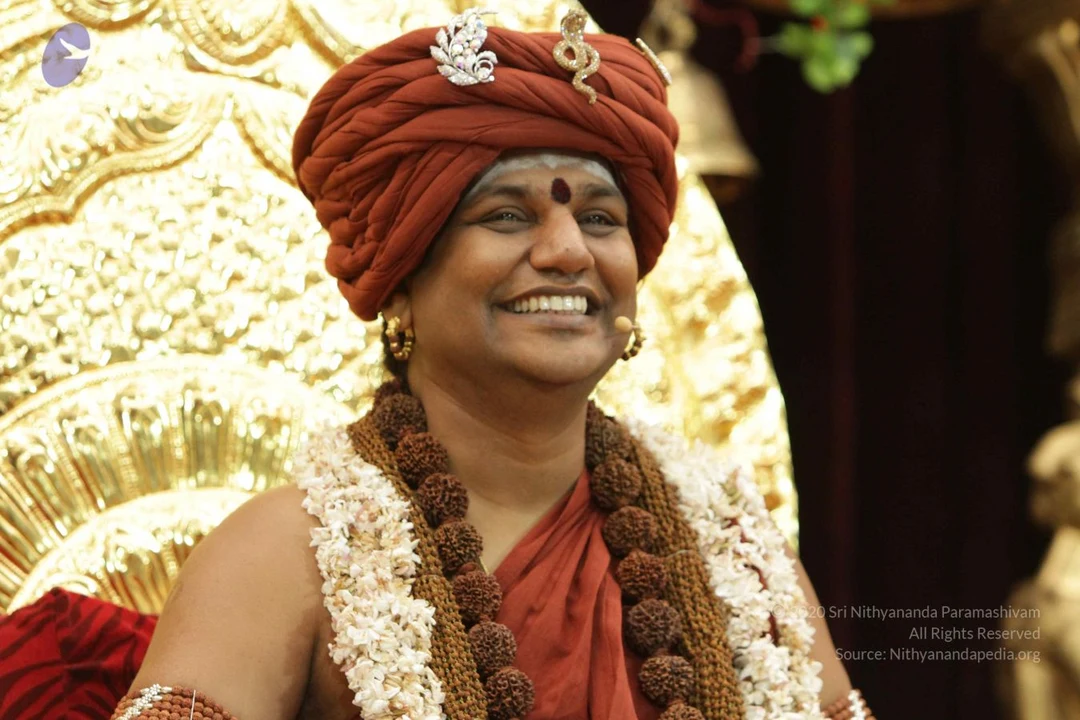
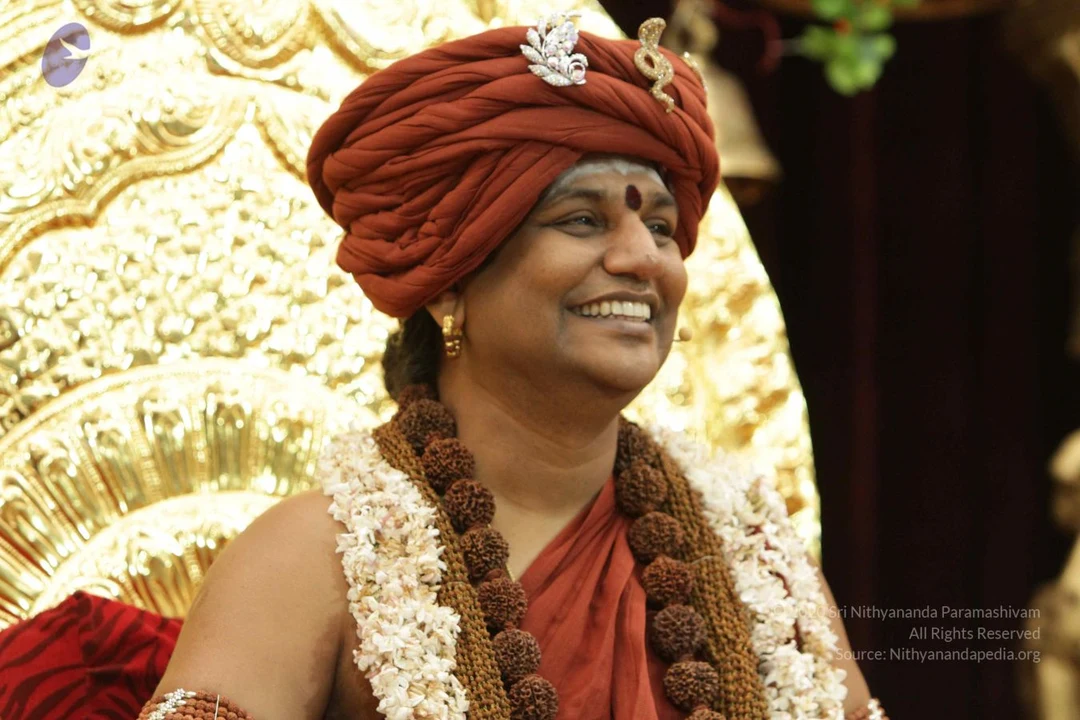
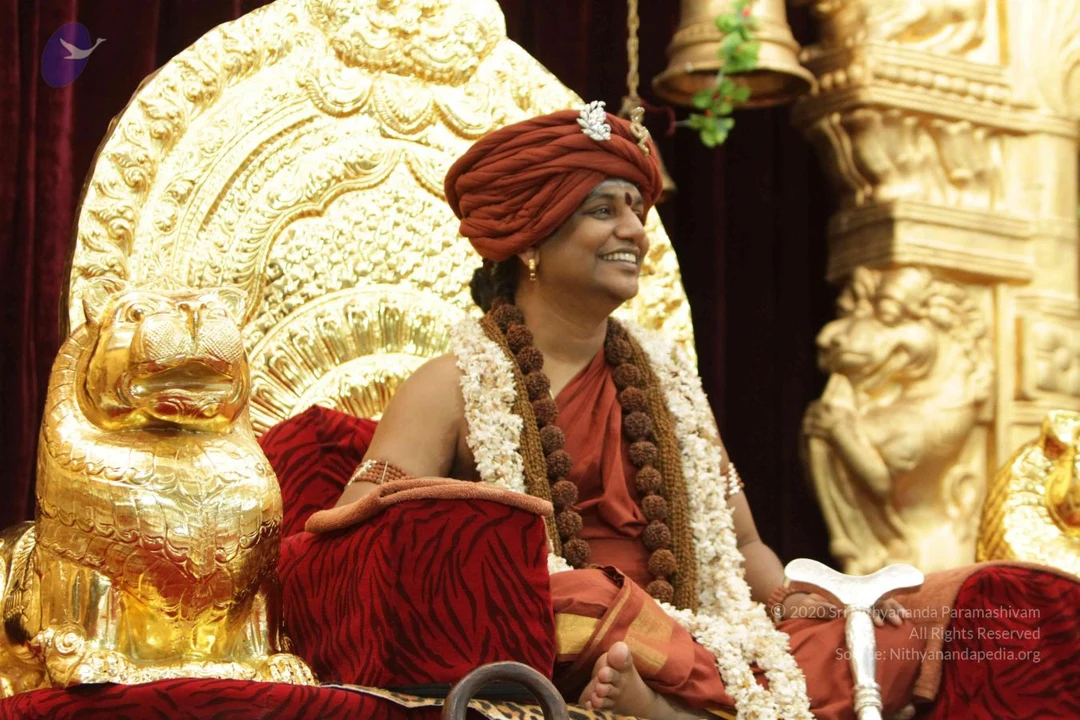
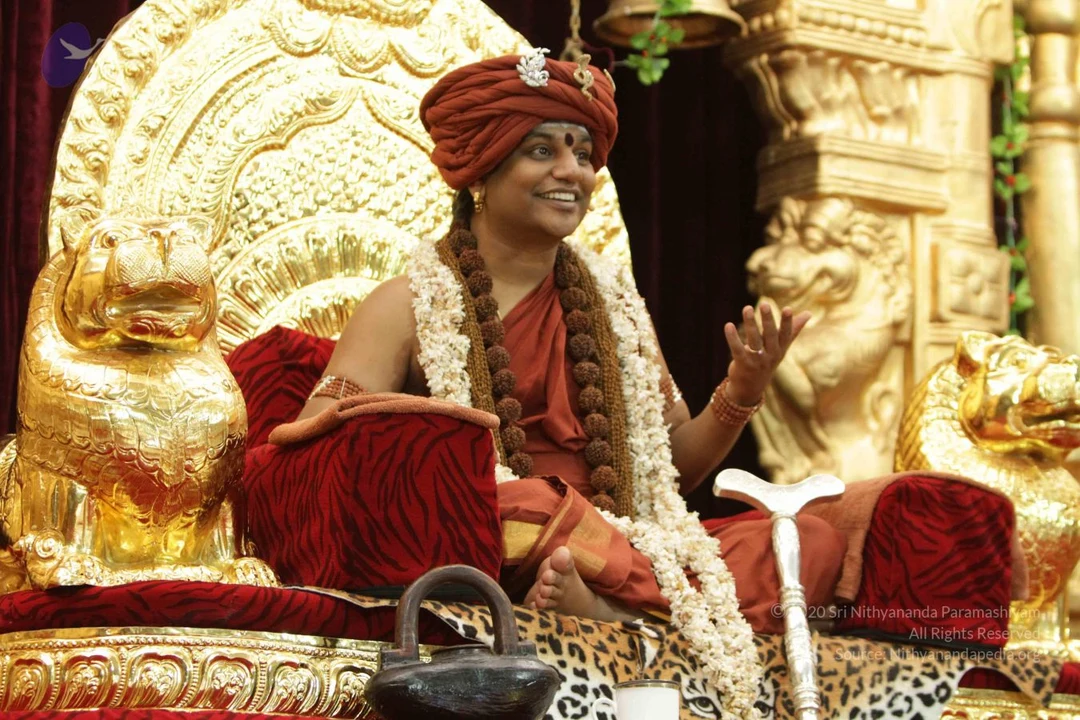
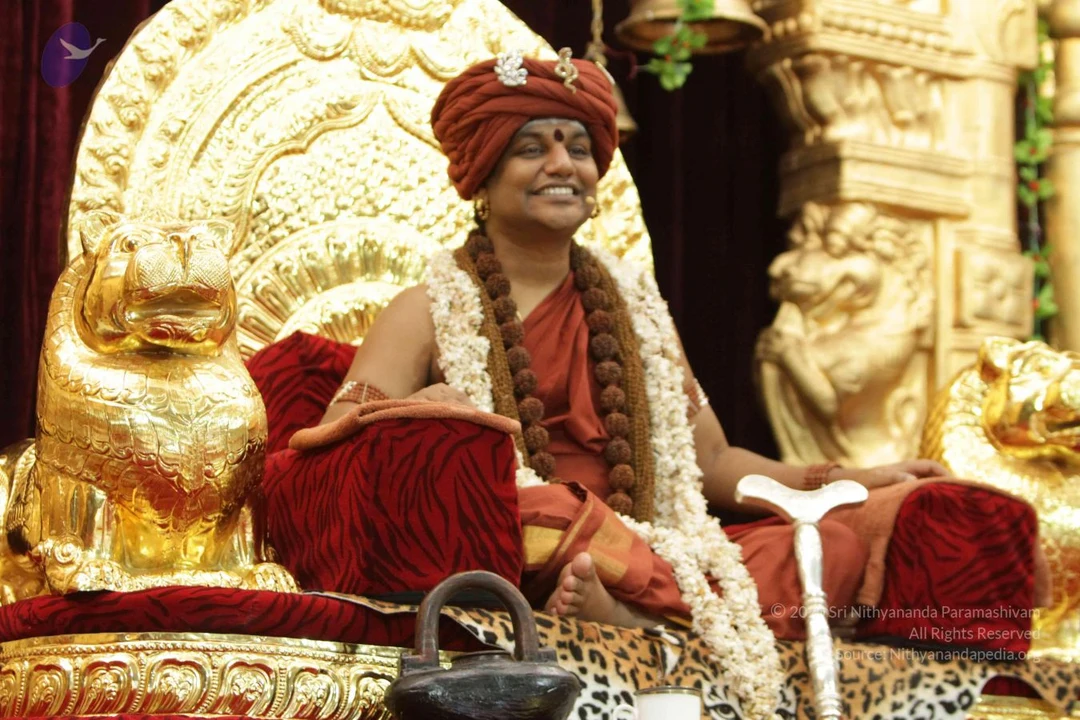
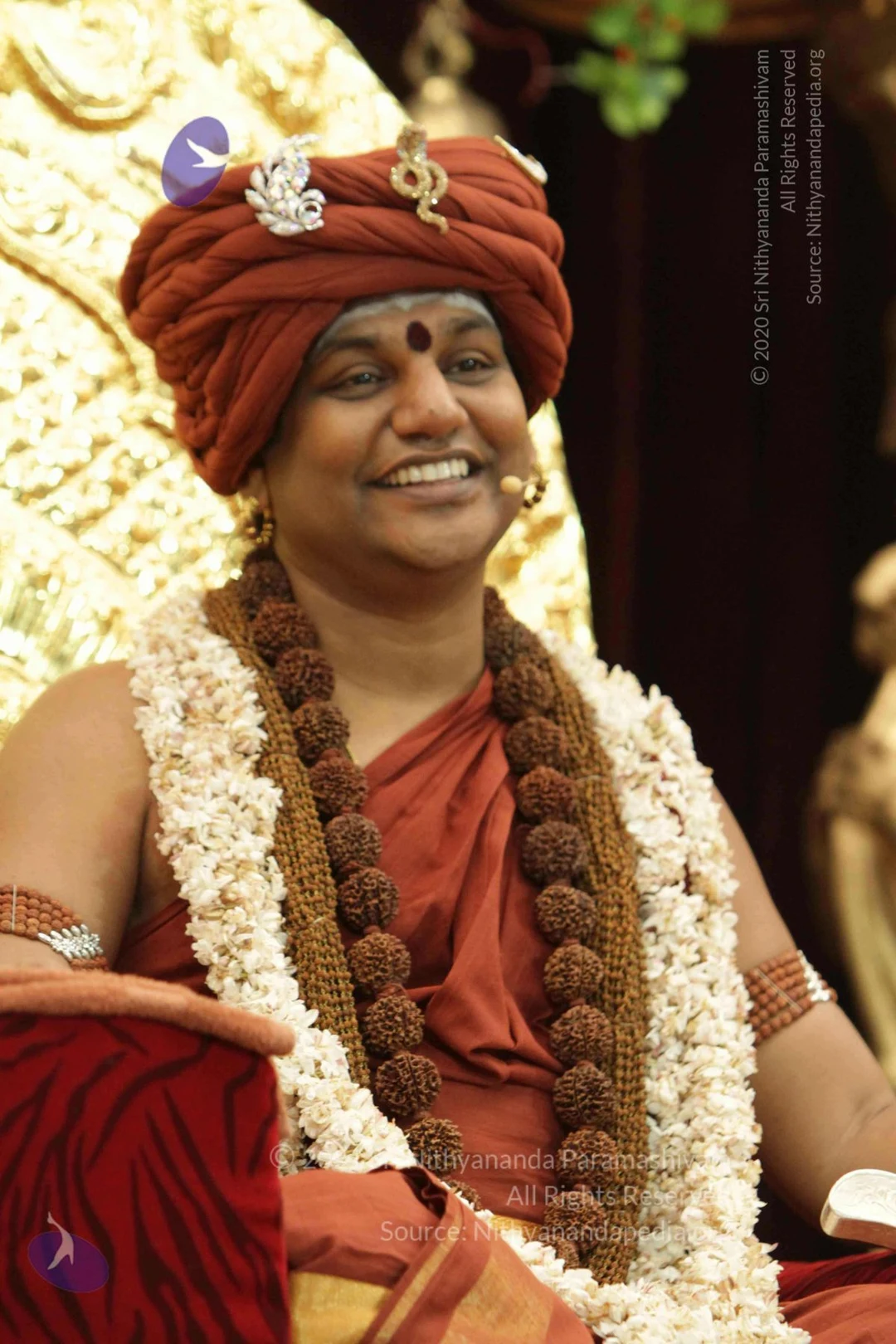
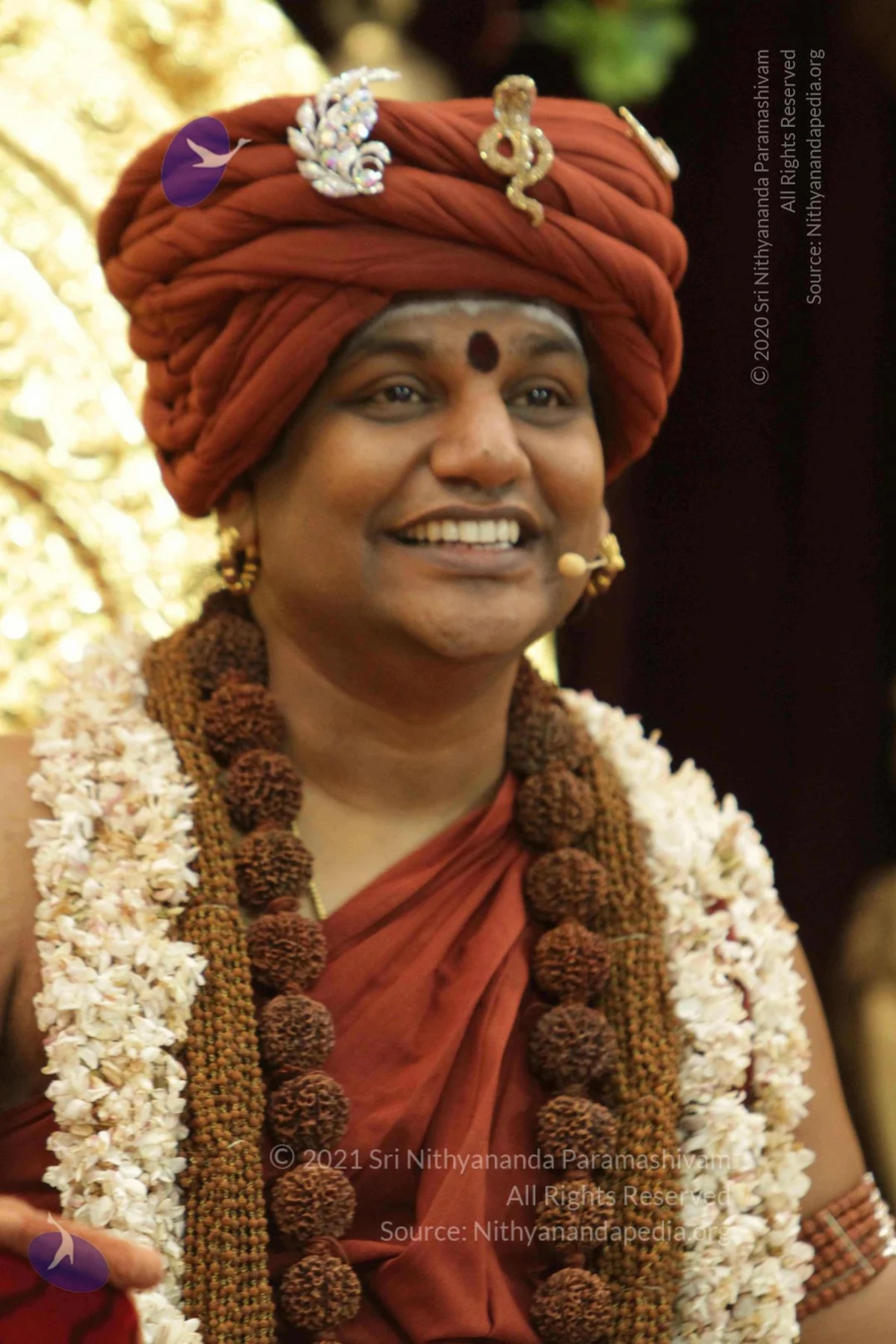
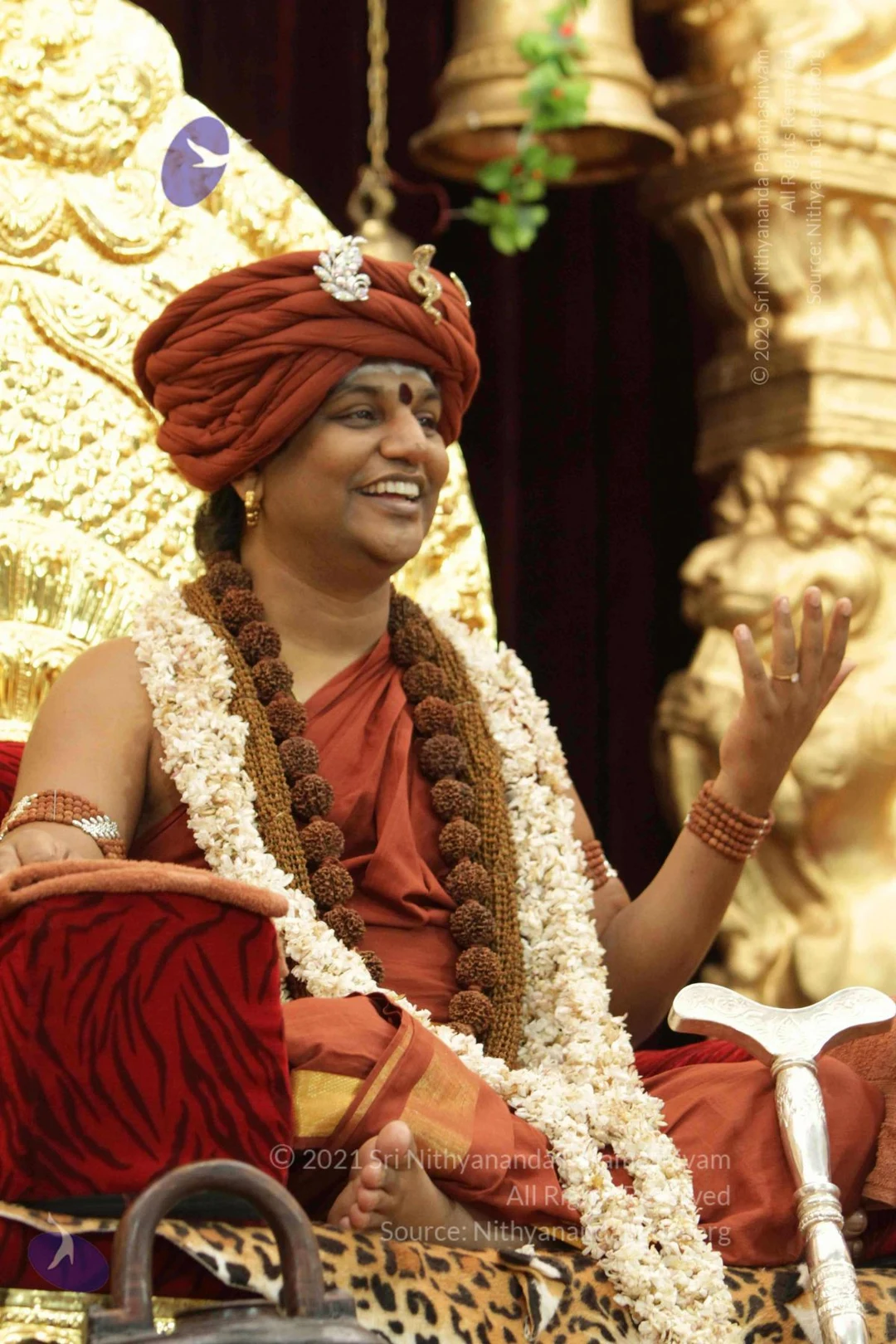
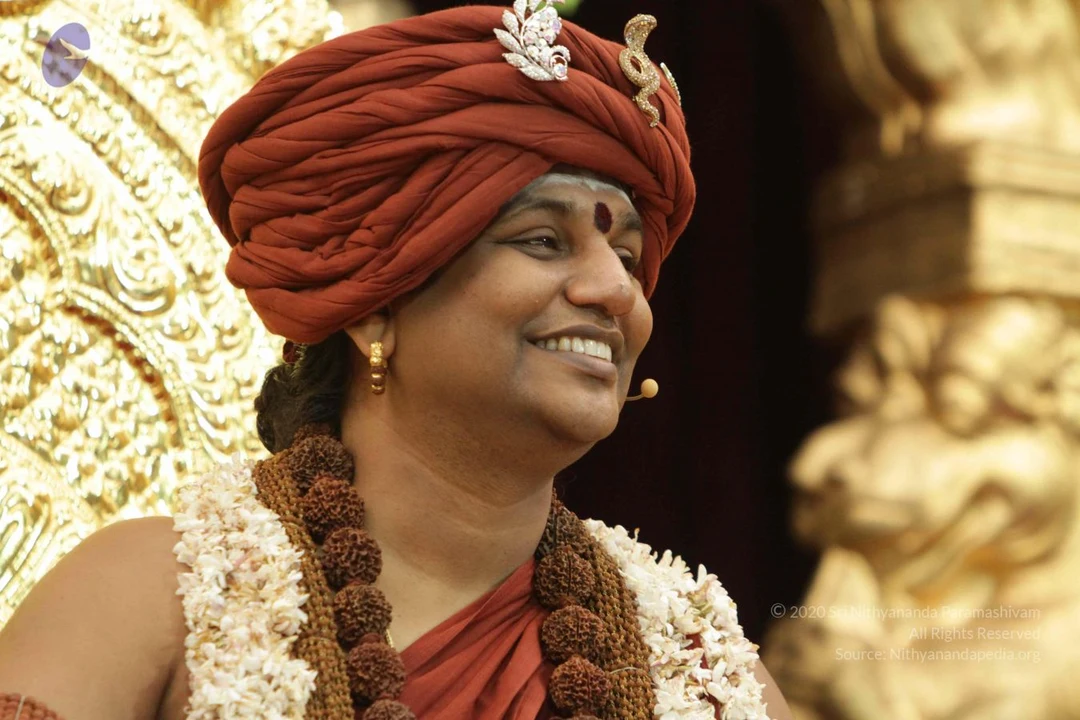
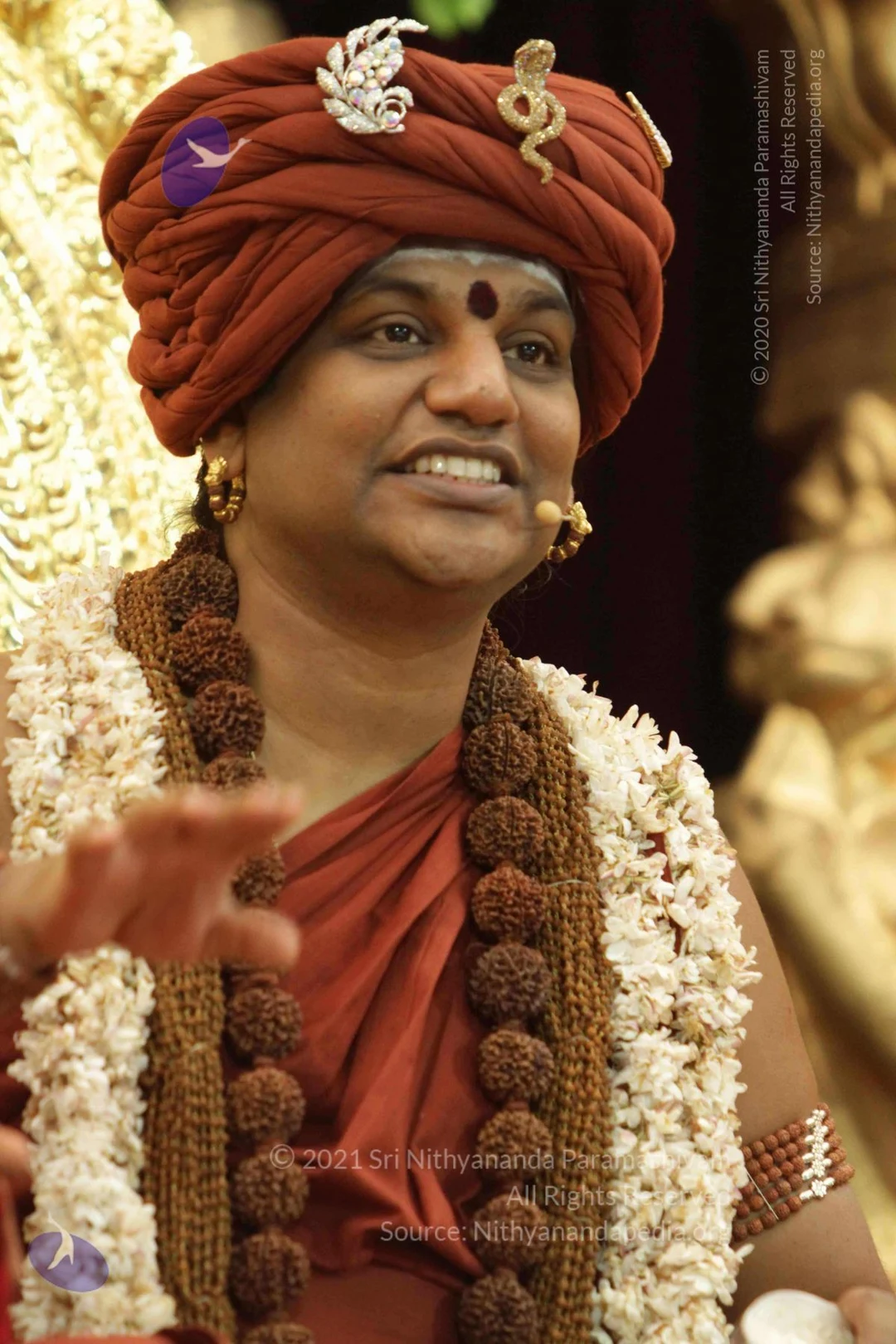
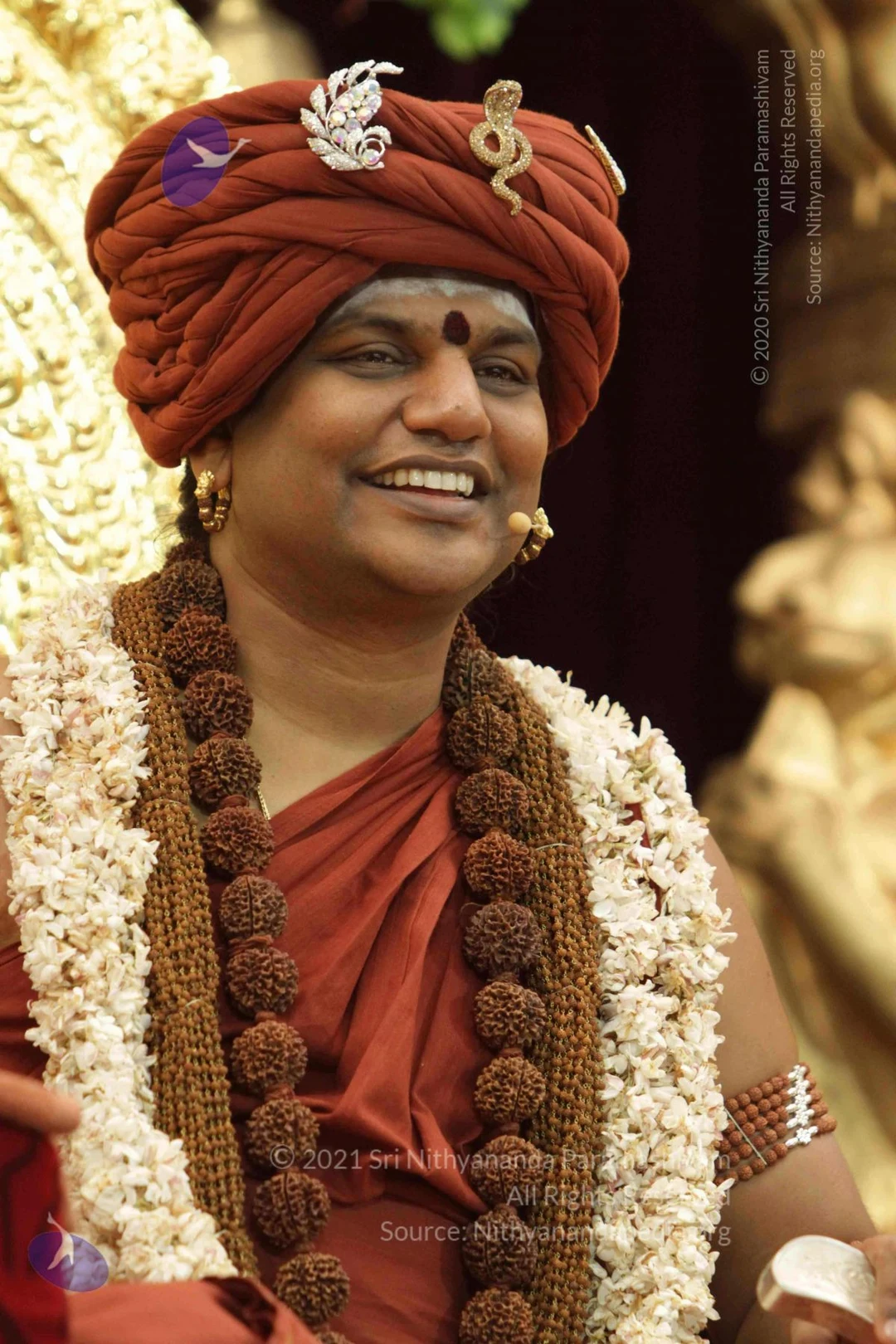
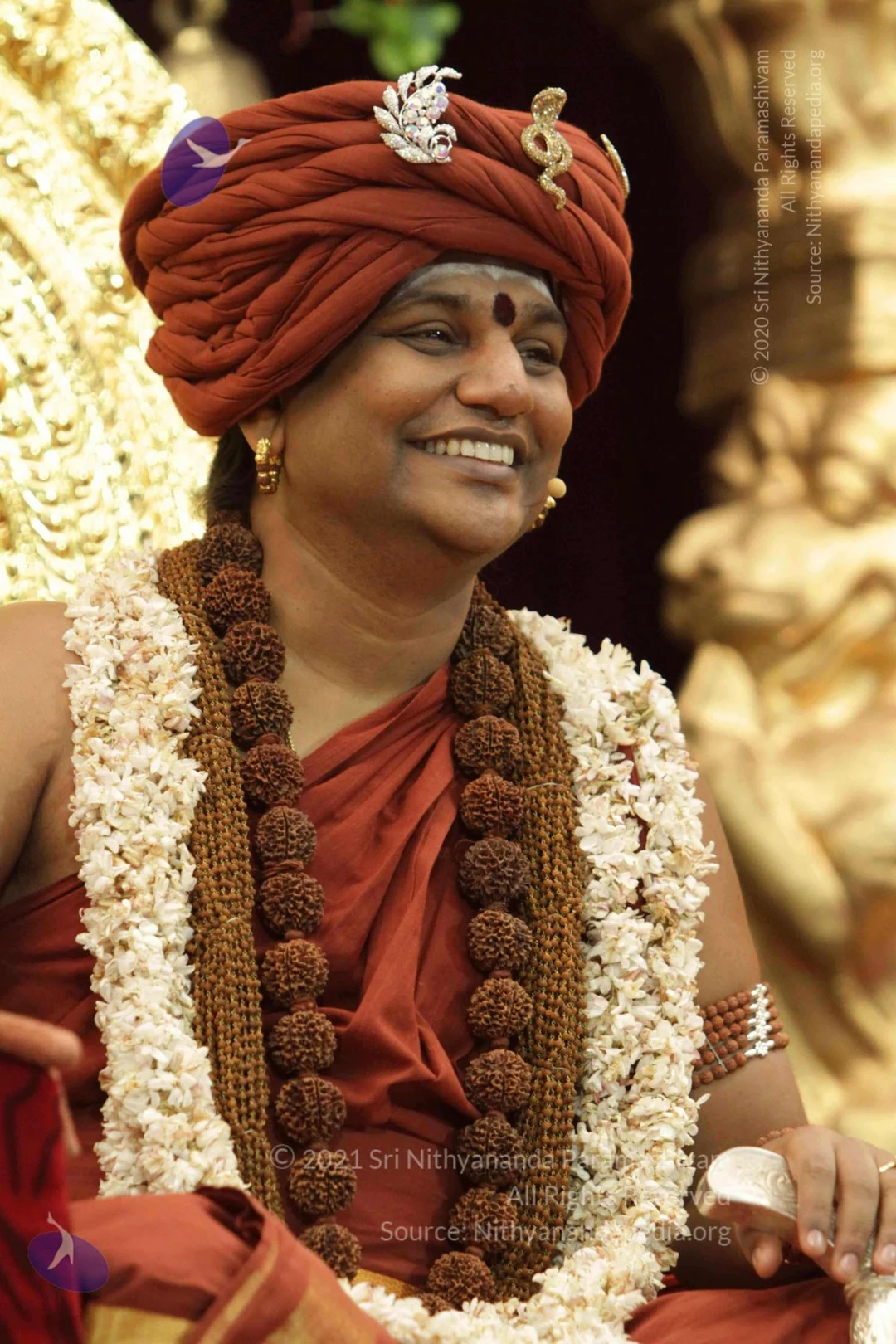
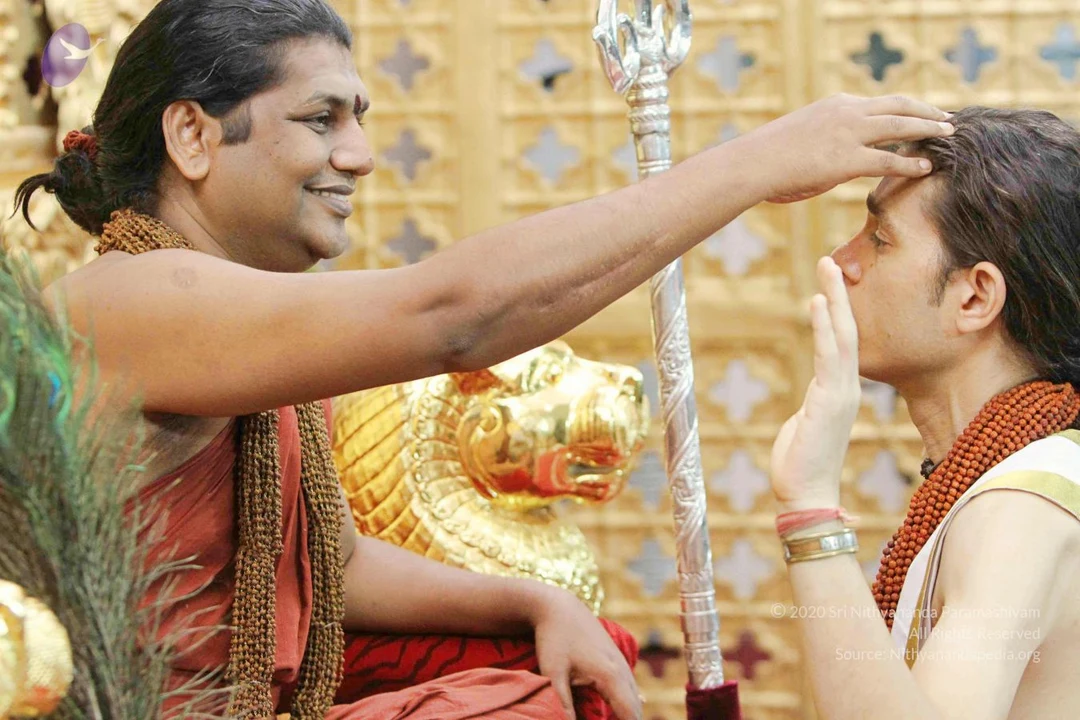
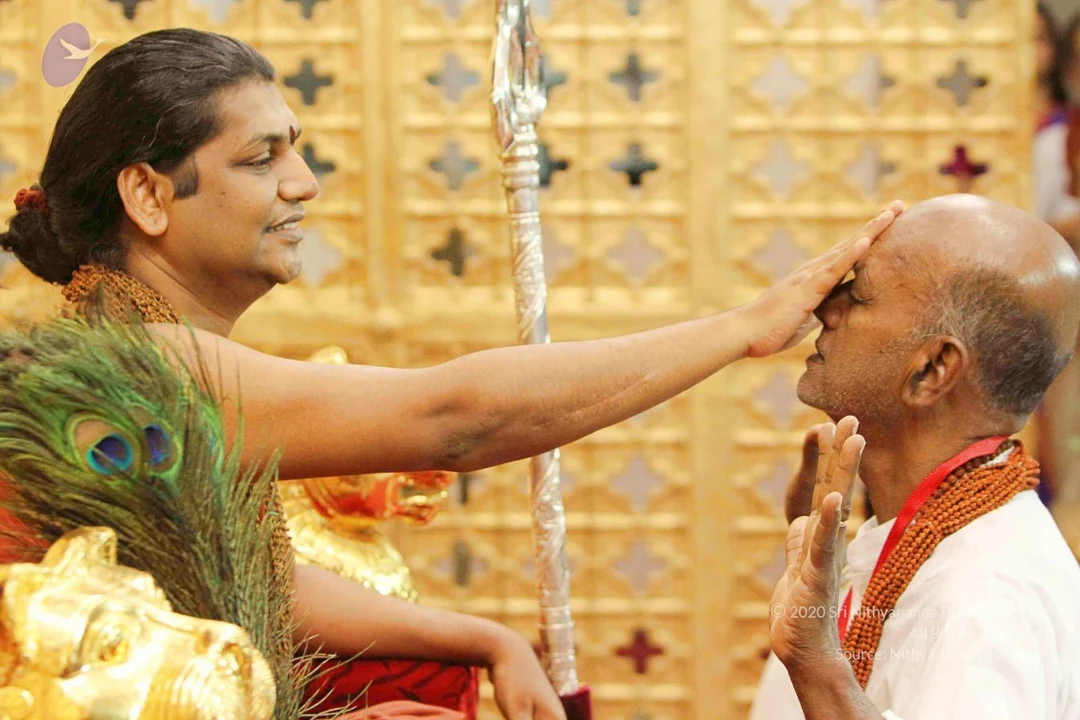
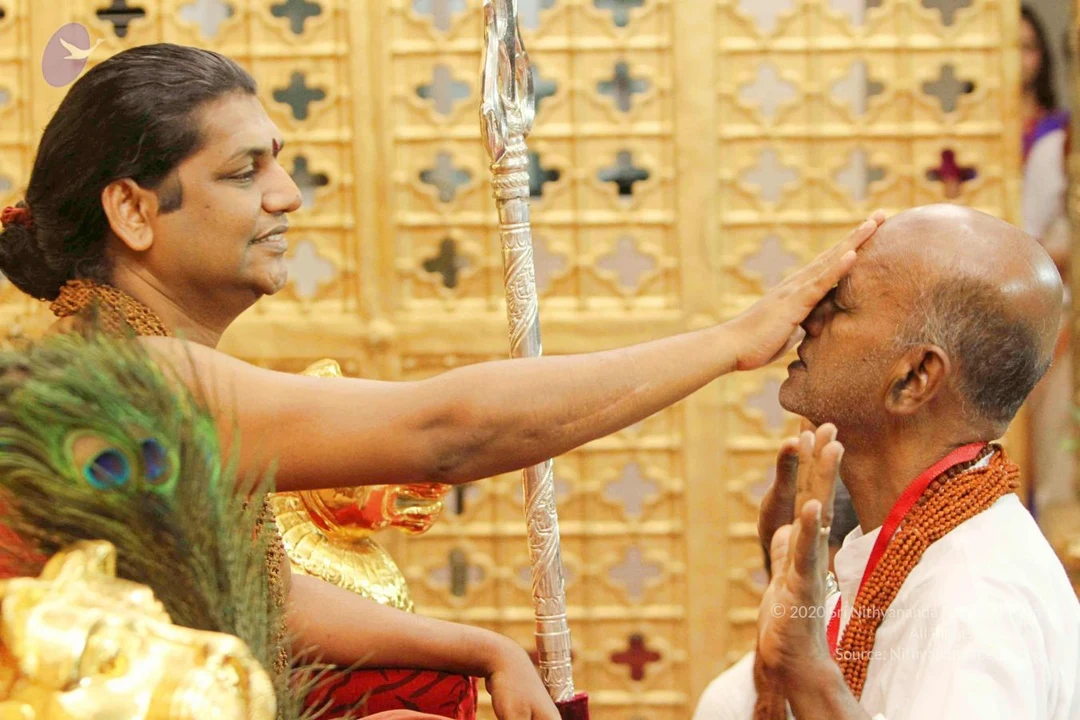
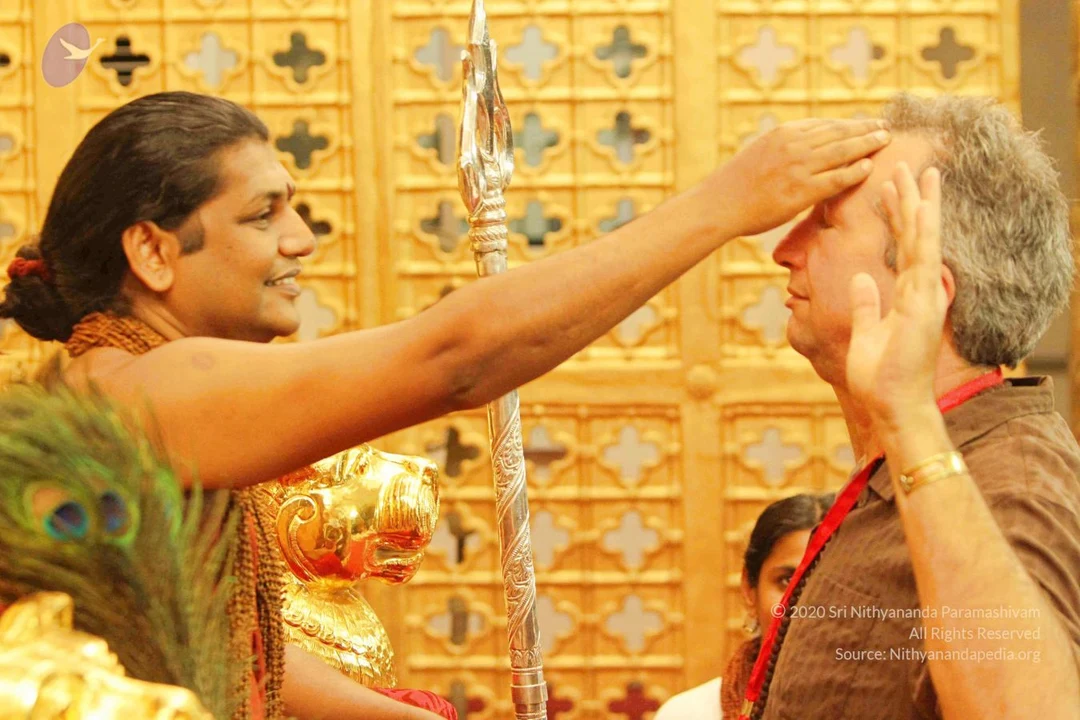
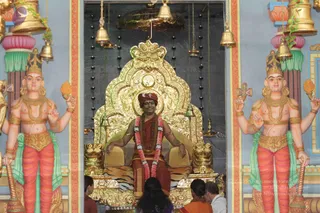
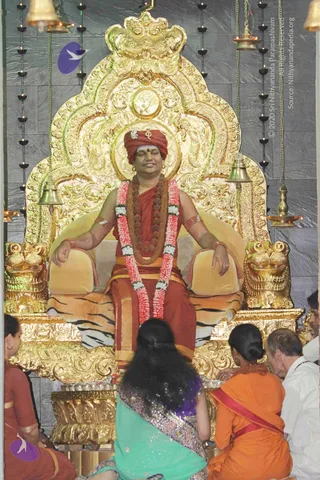
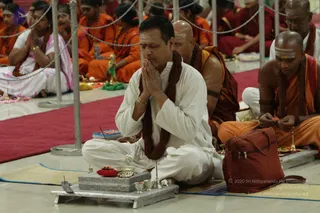
Pratyaksha Pada puja and Nithyananda Satsang
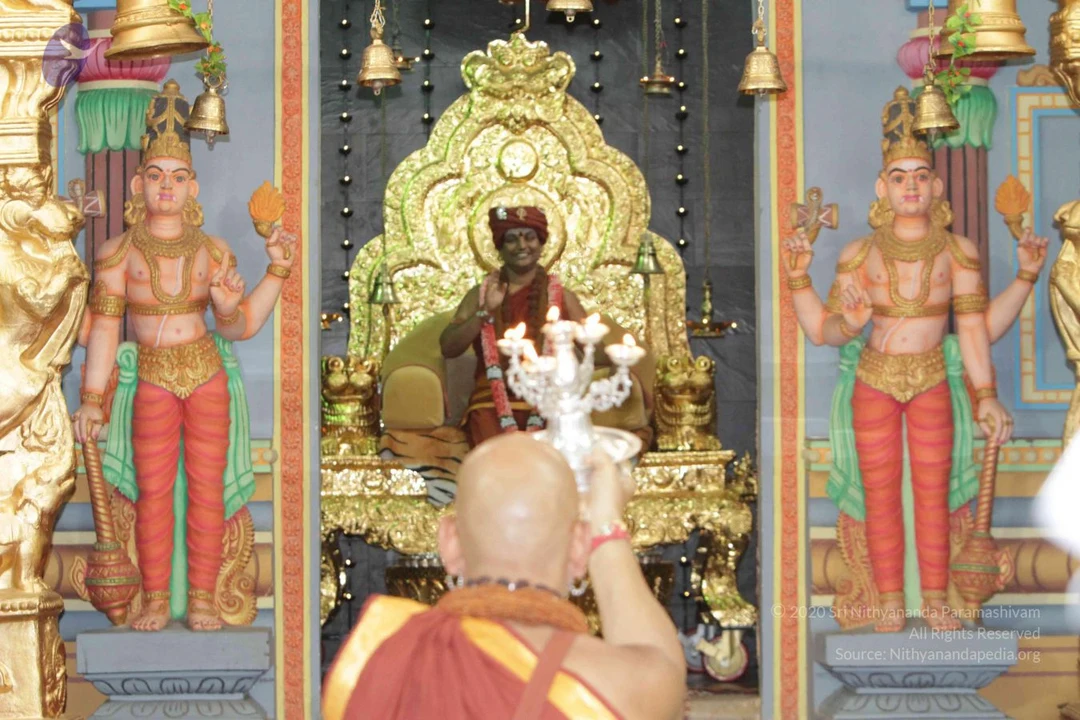
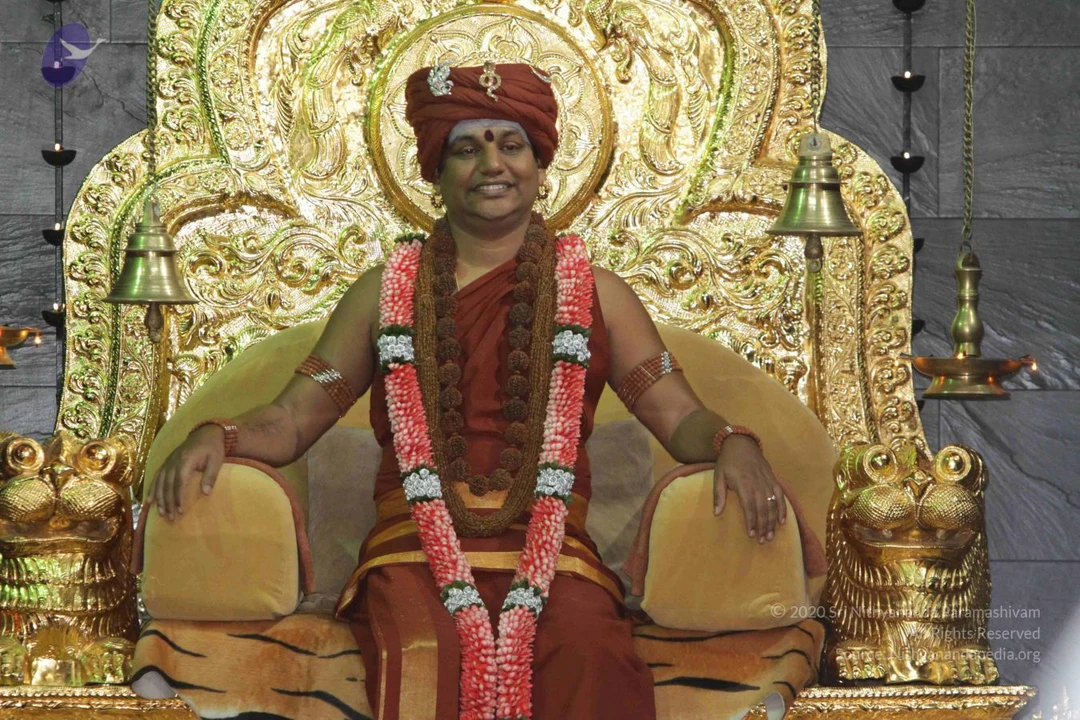
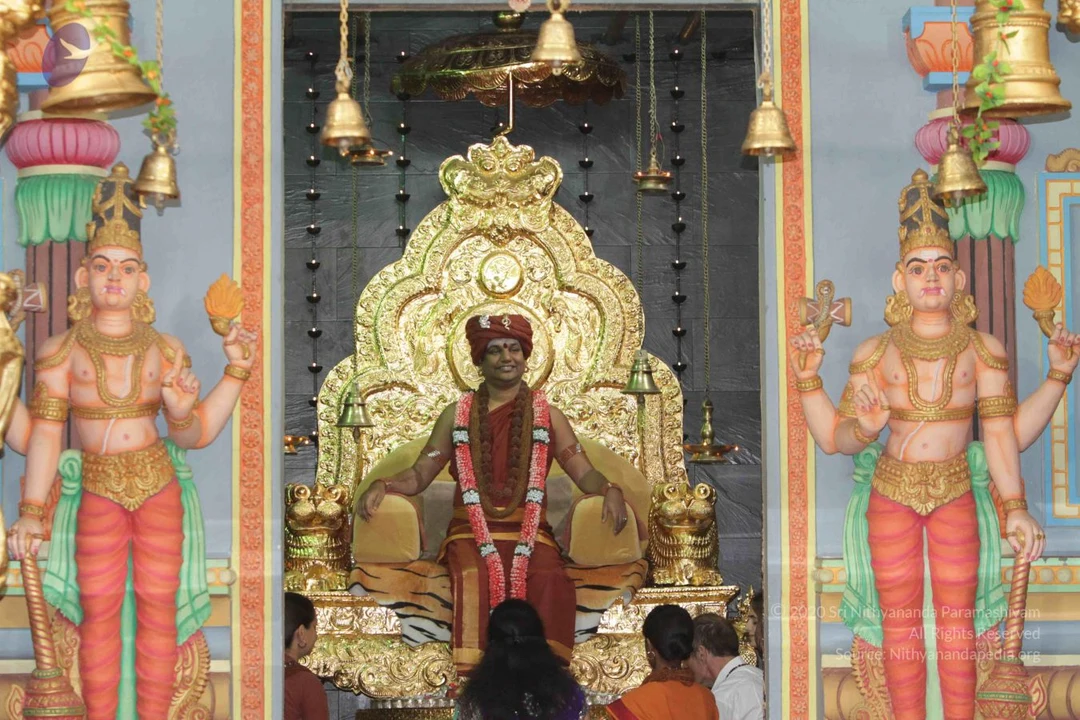
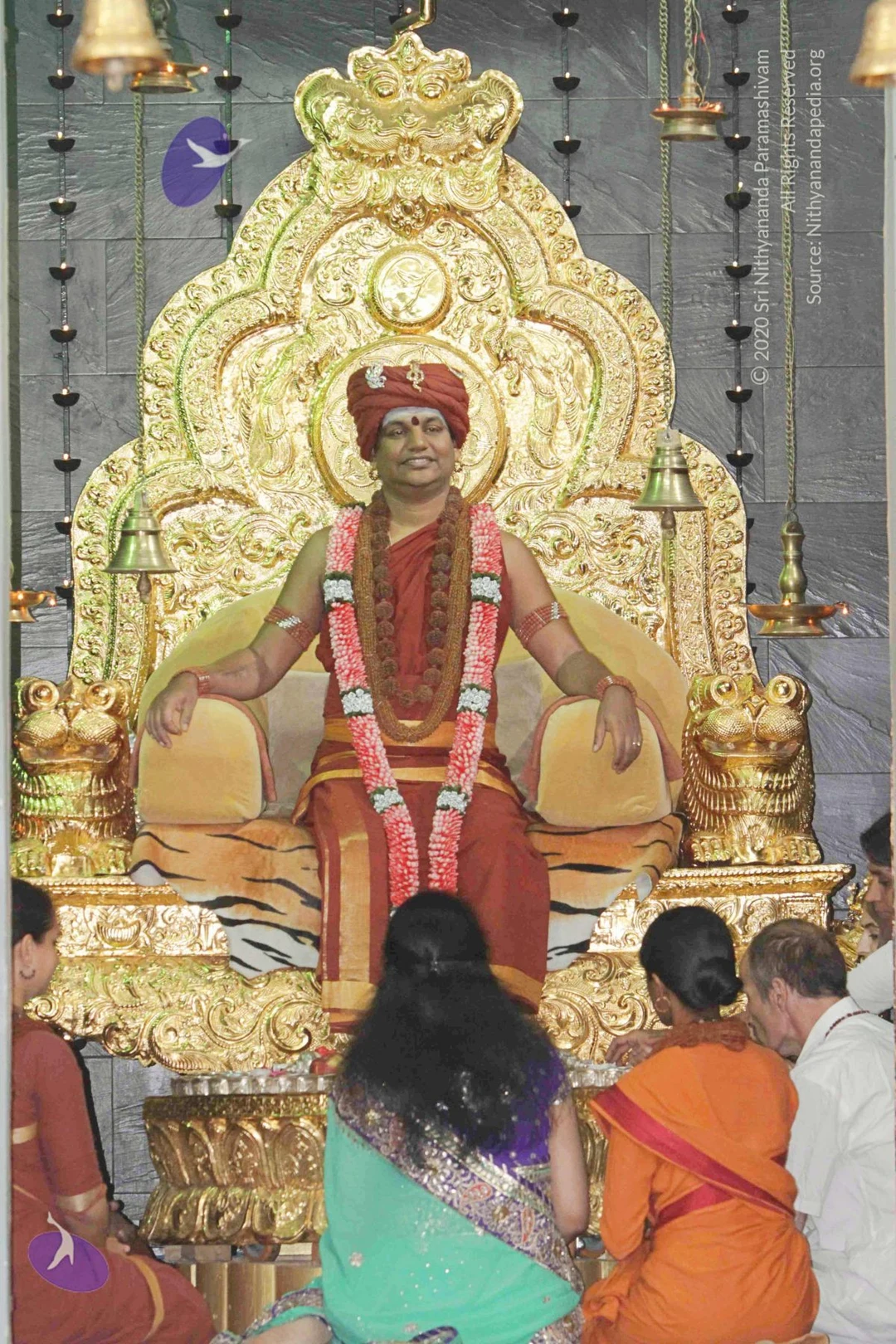
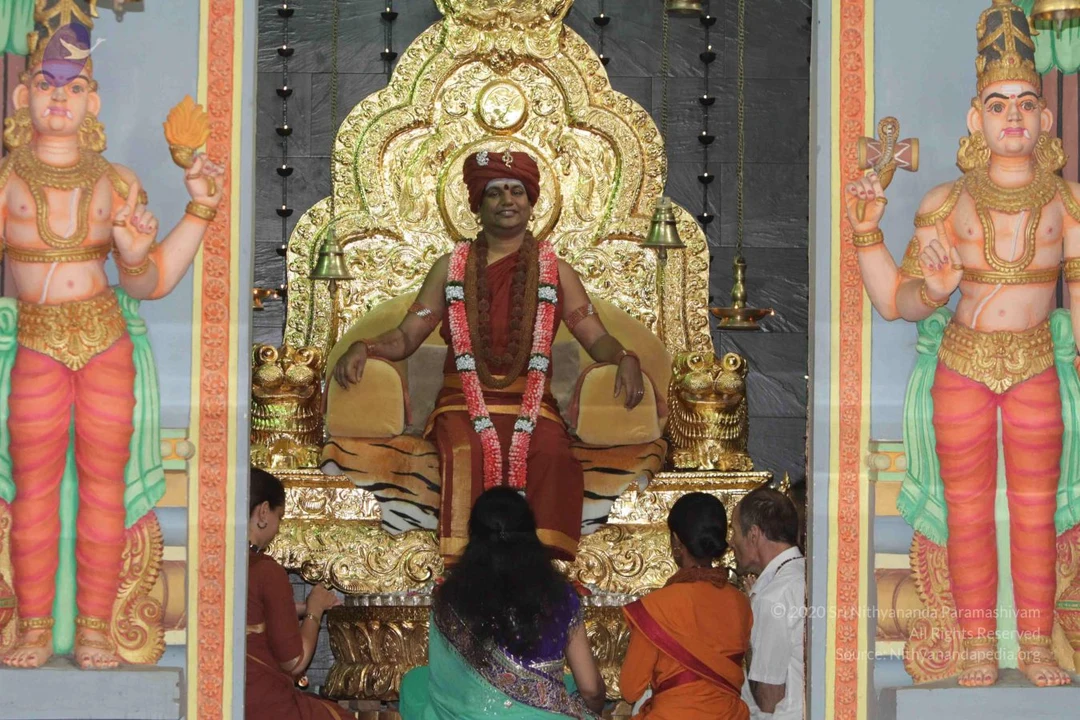
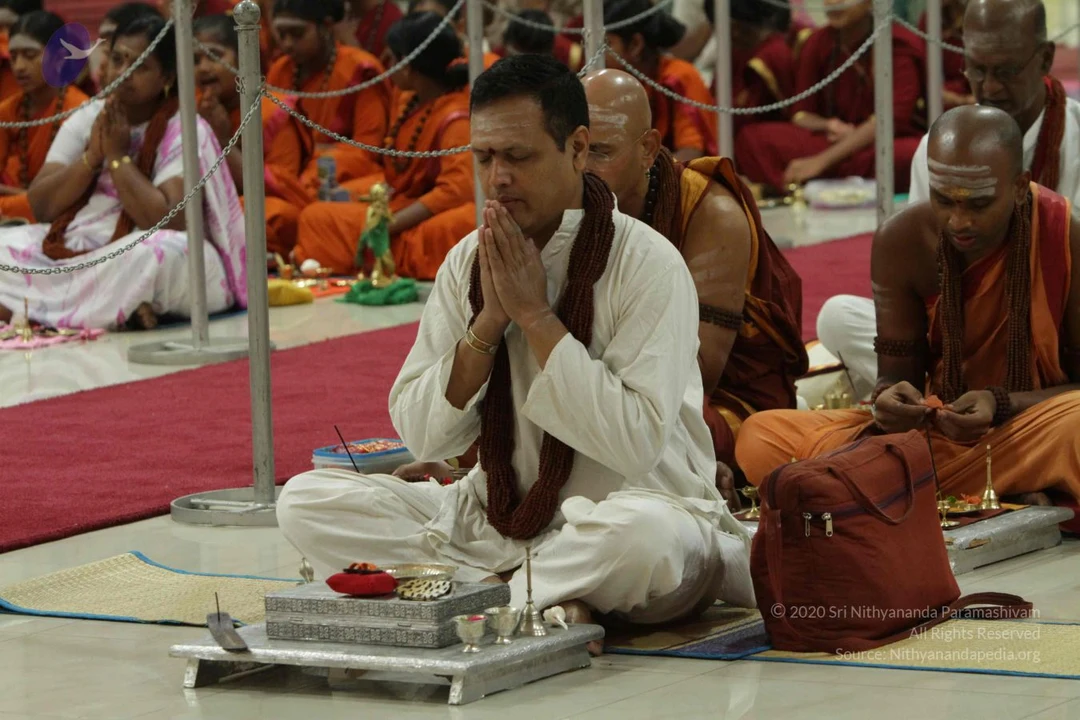
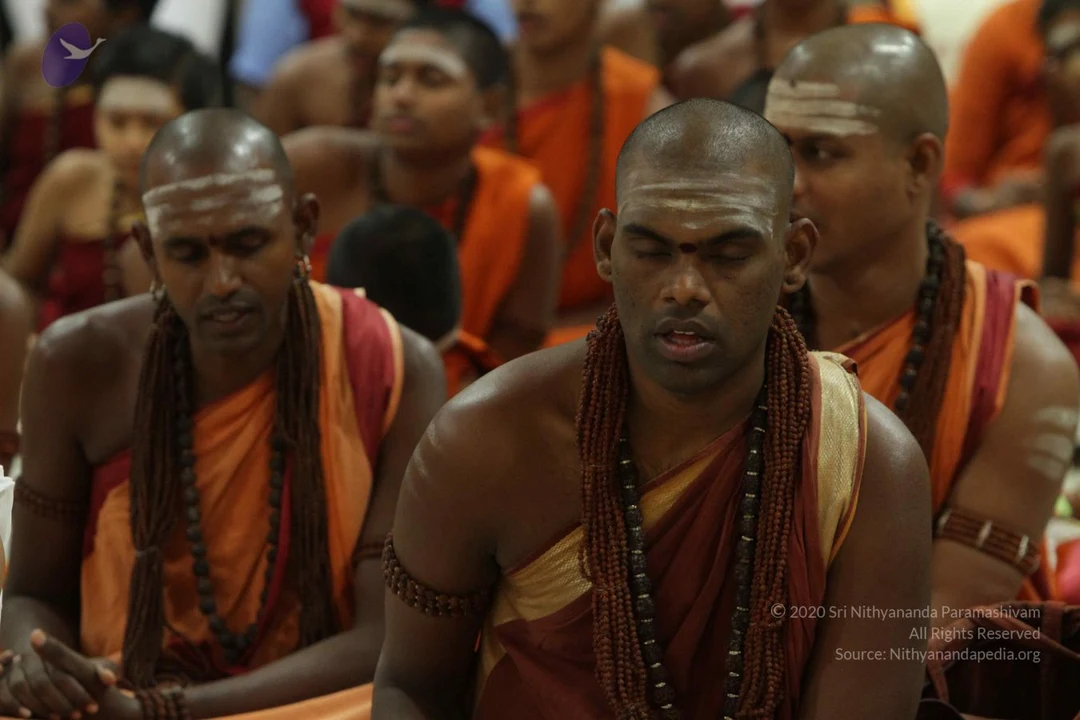
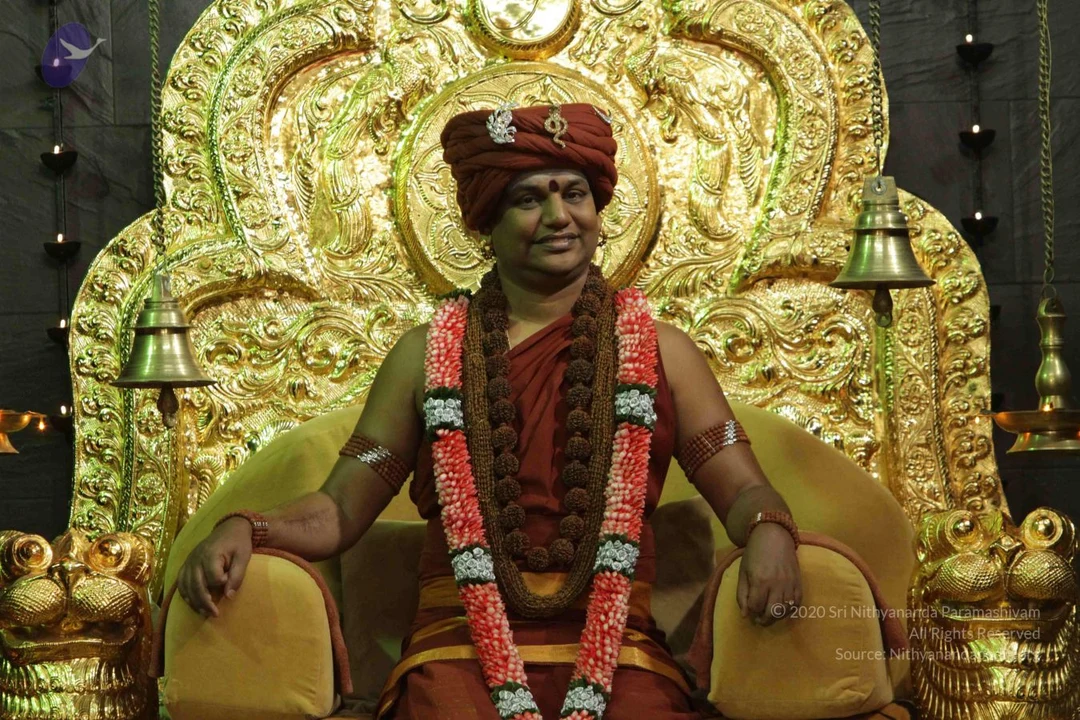
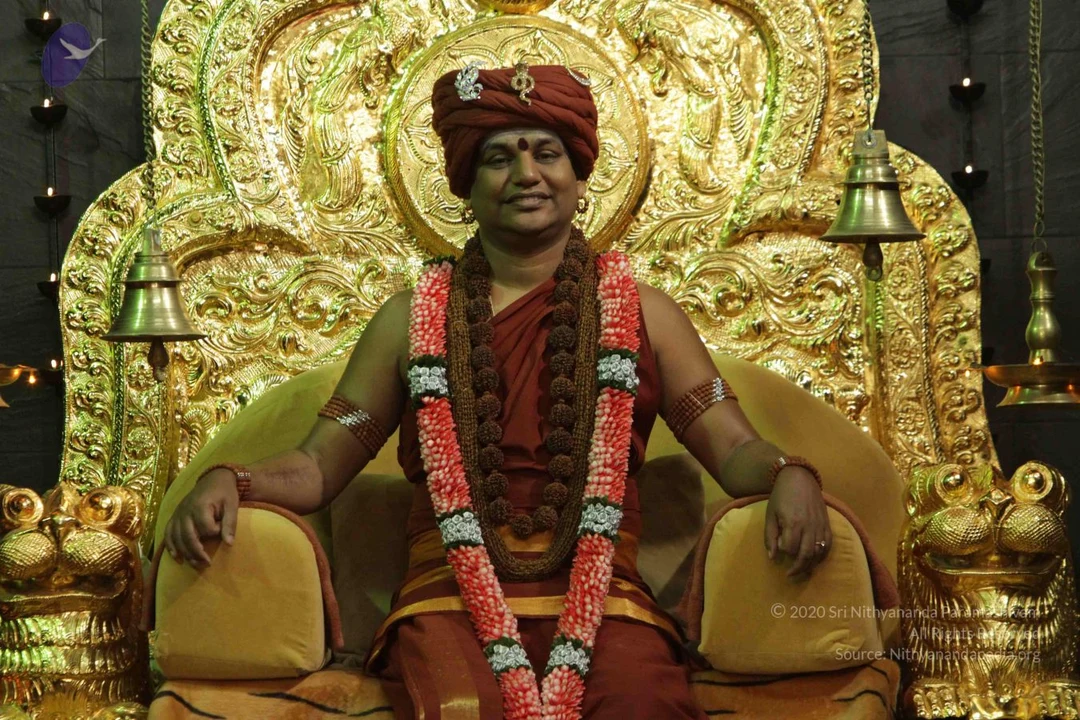
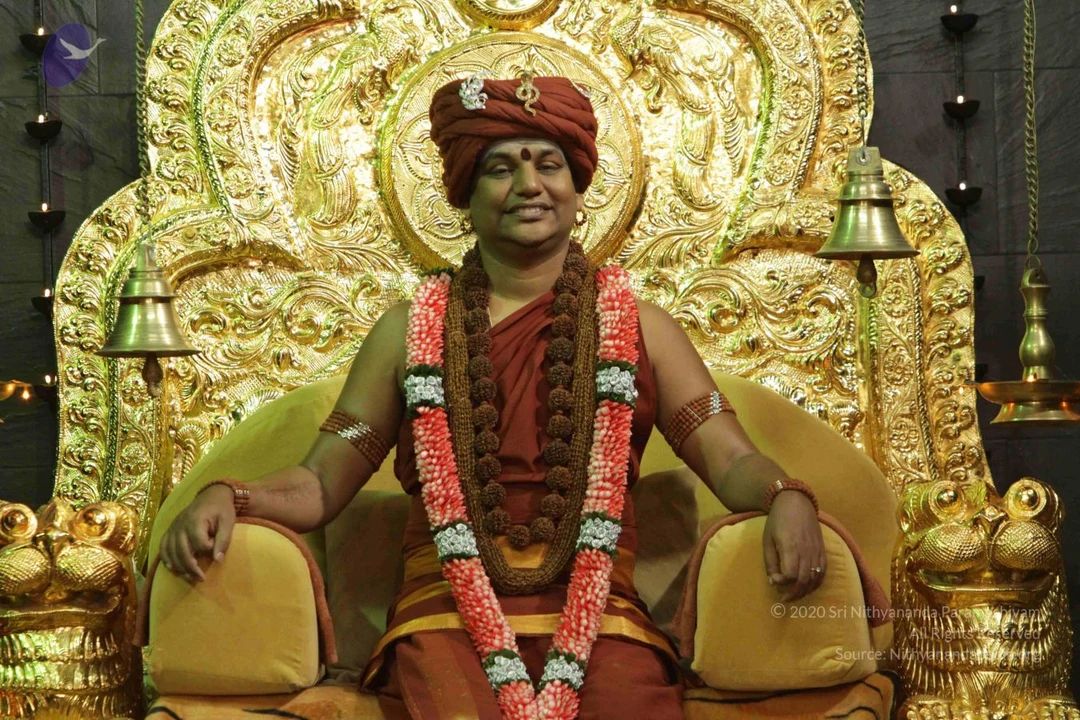
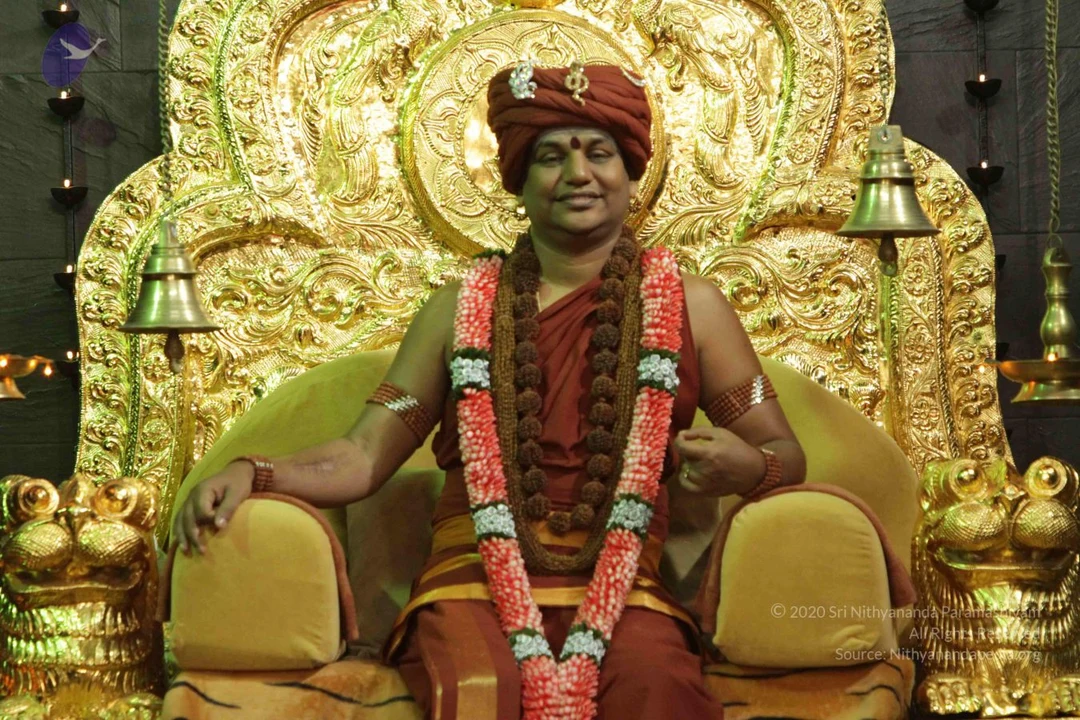
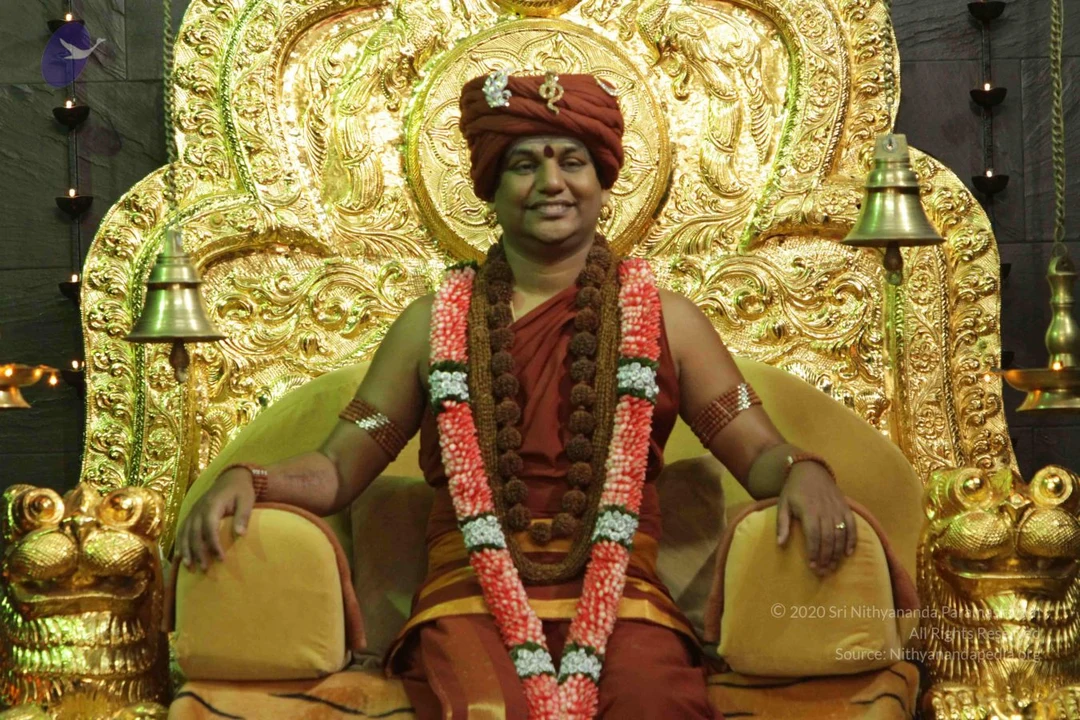
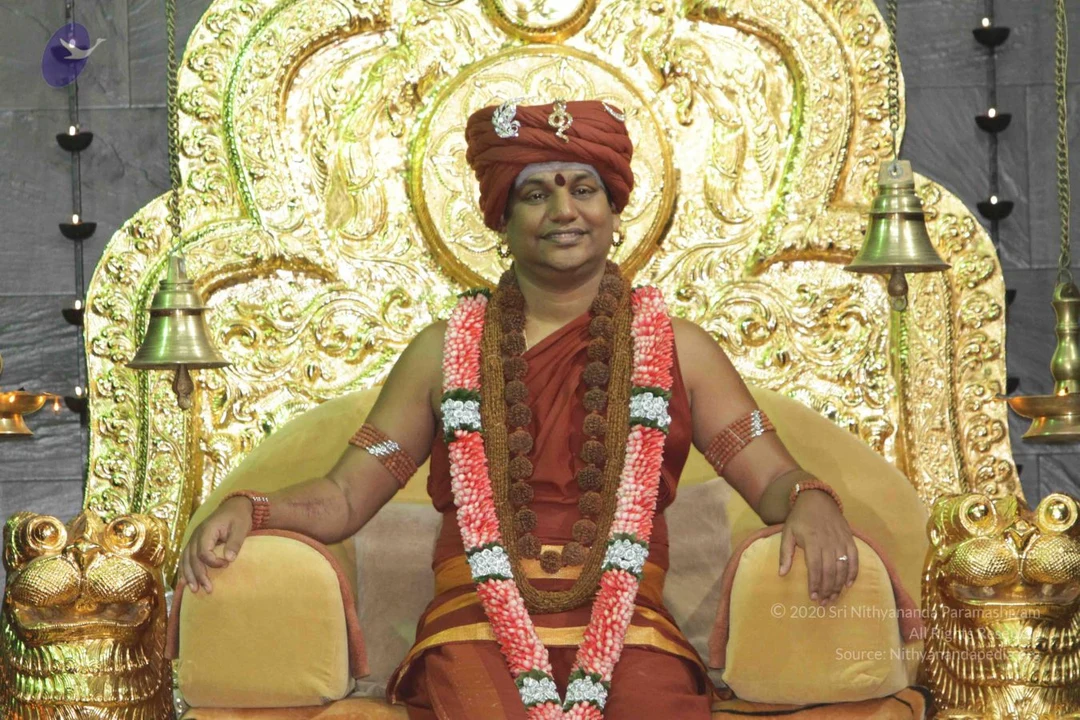
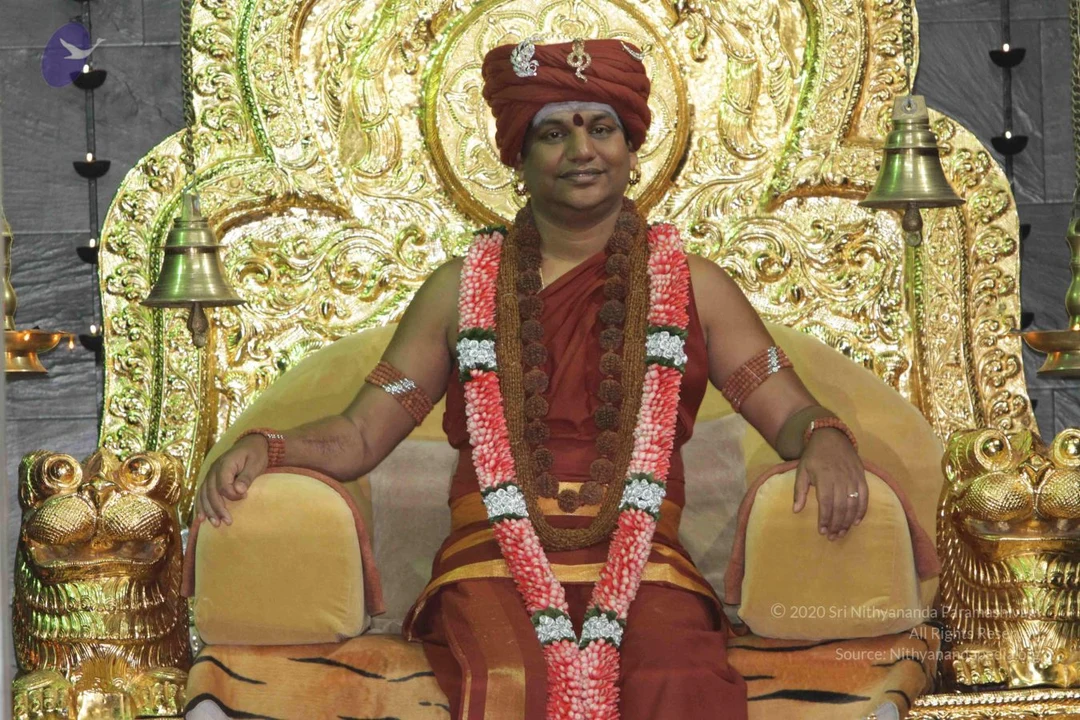
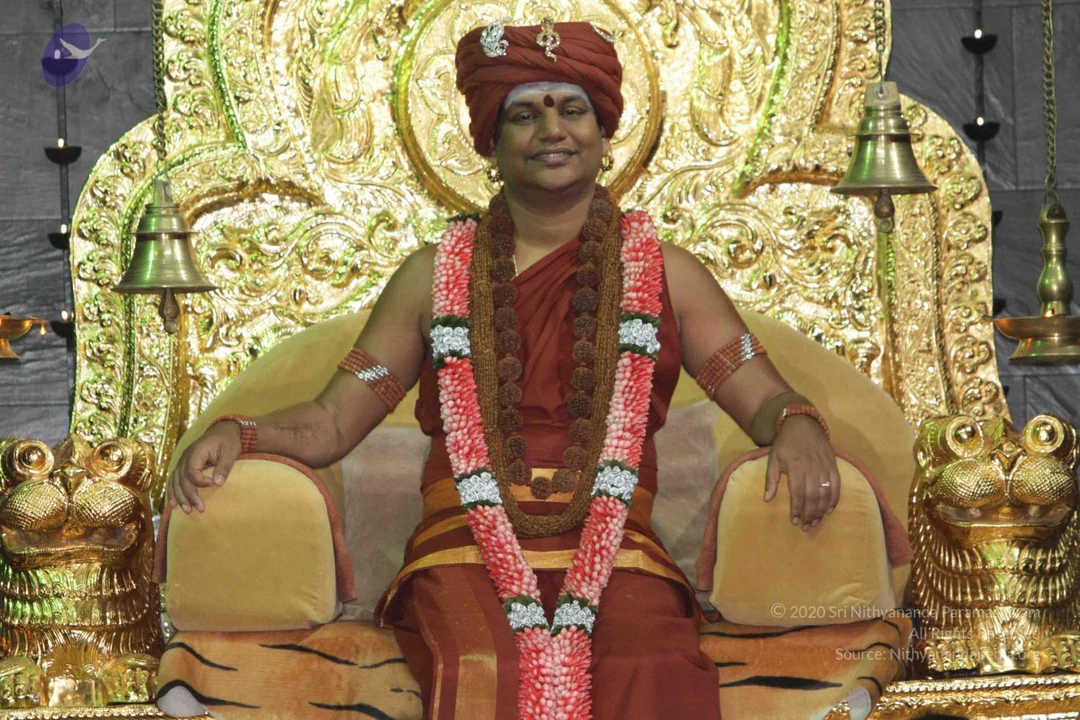
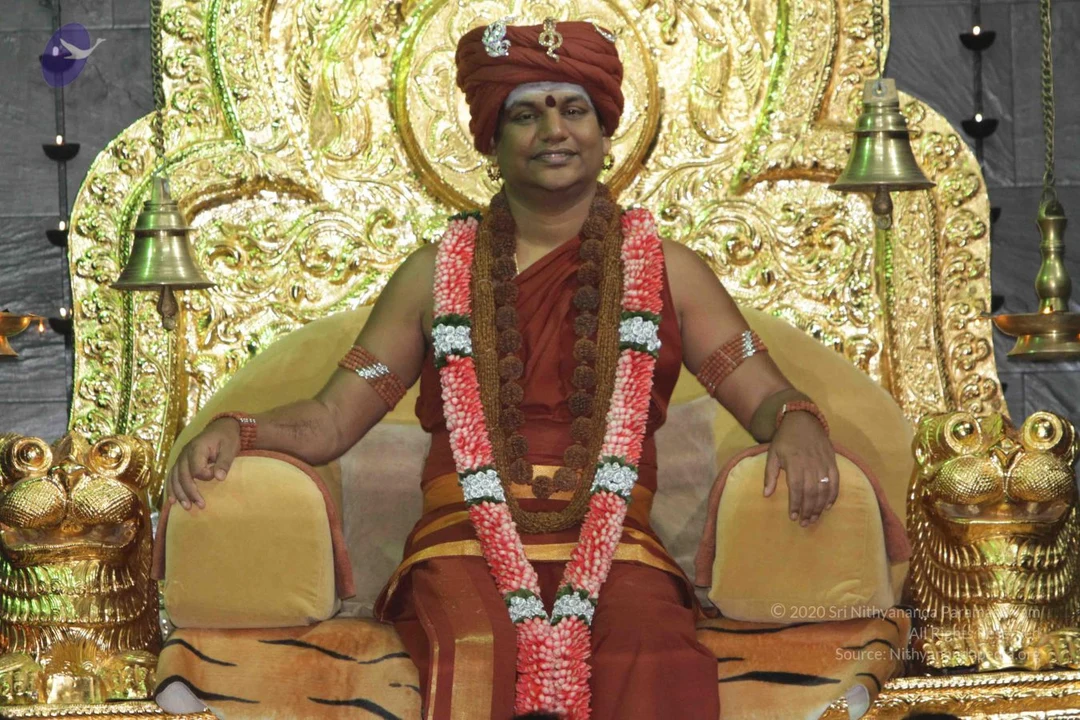
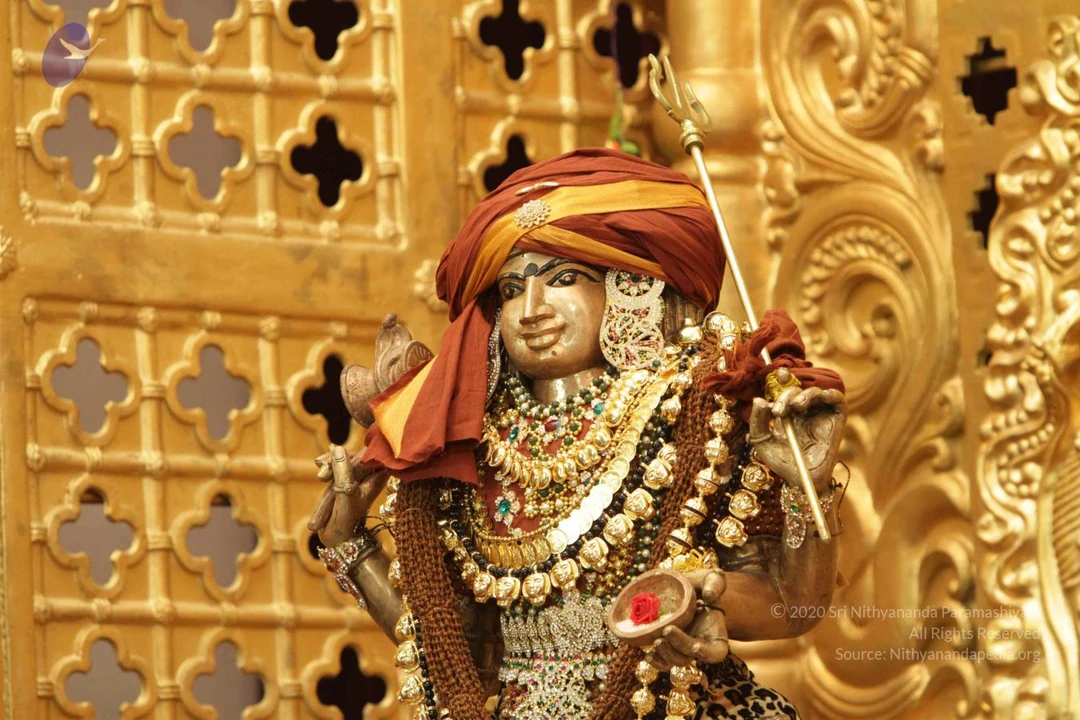
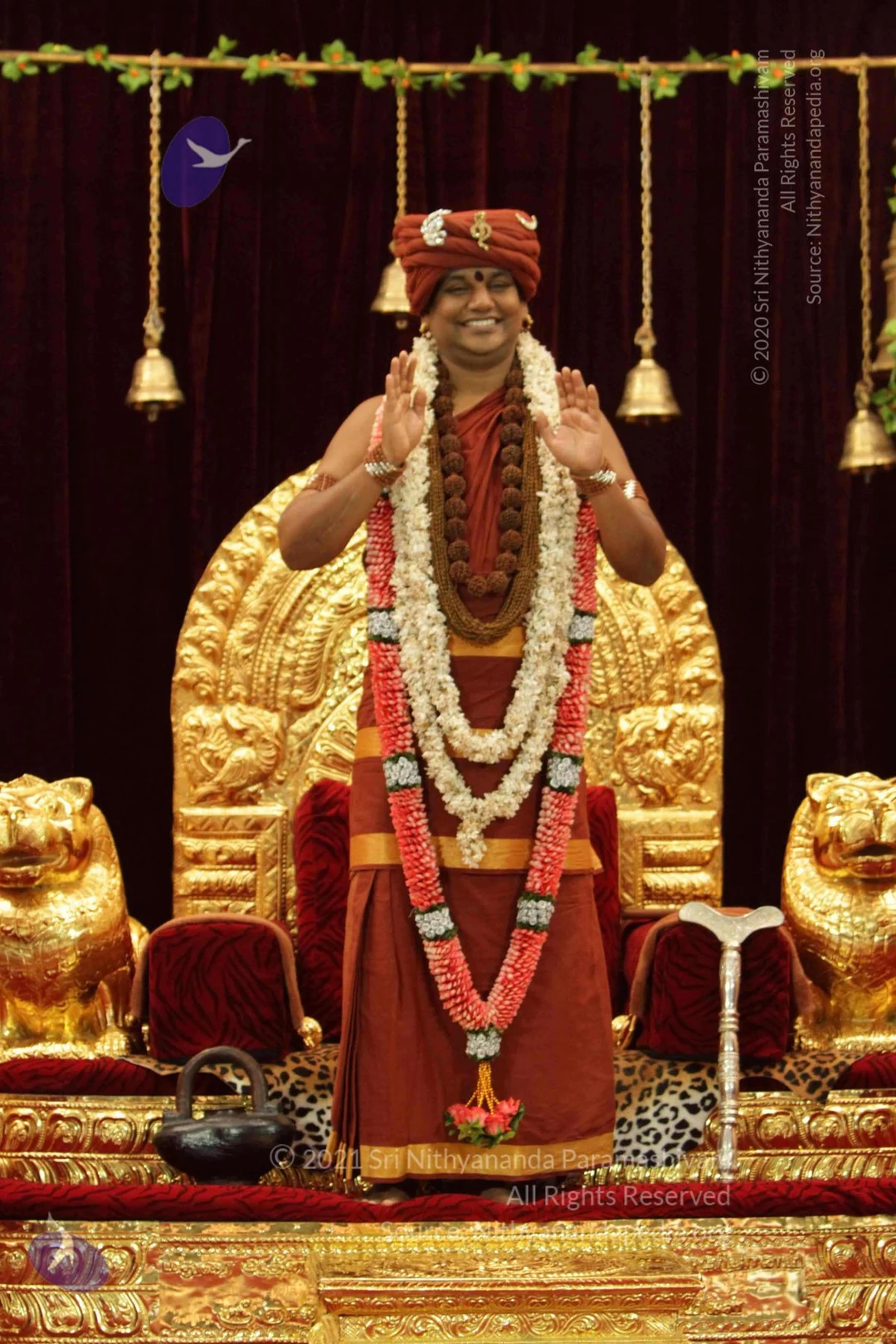
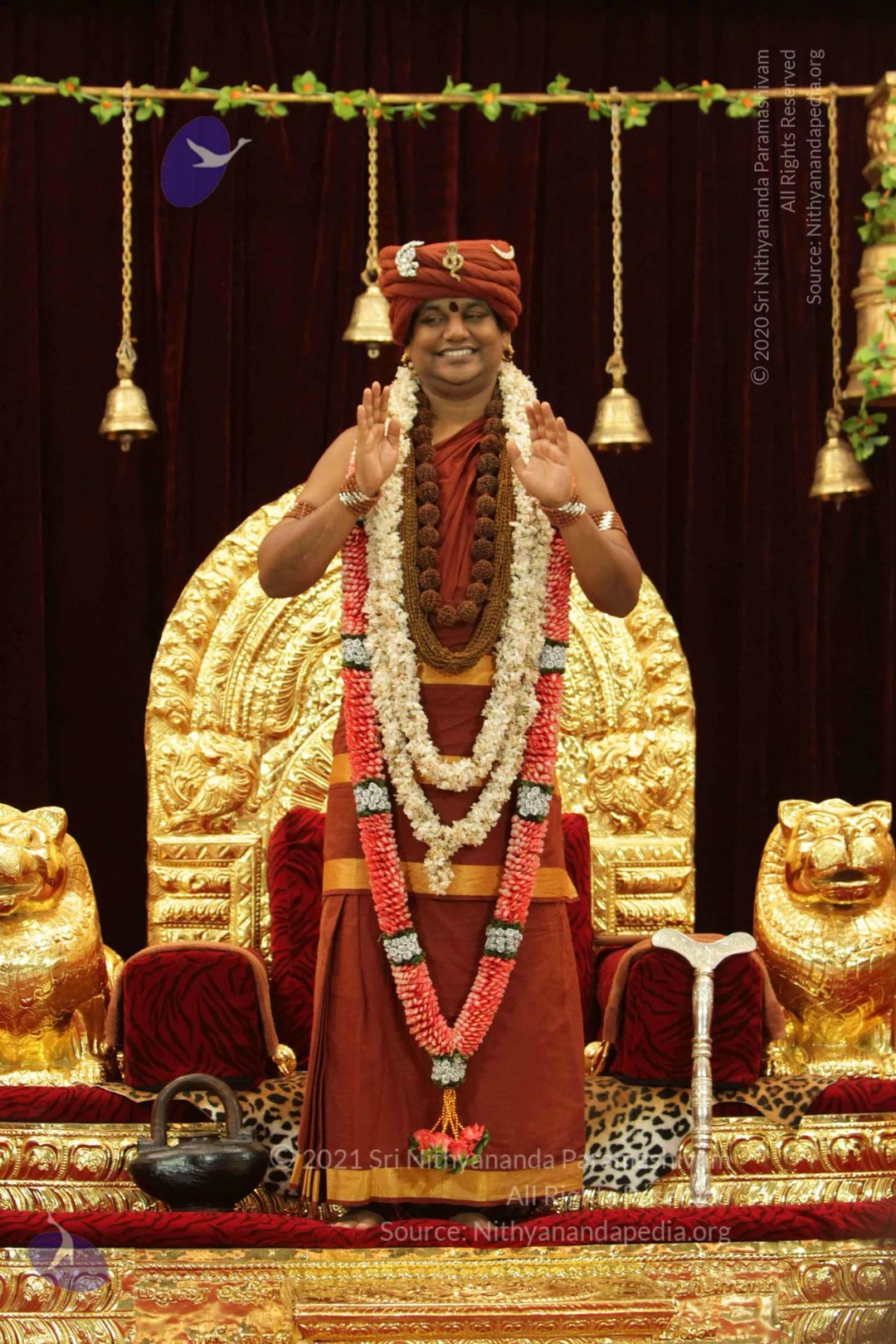
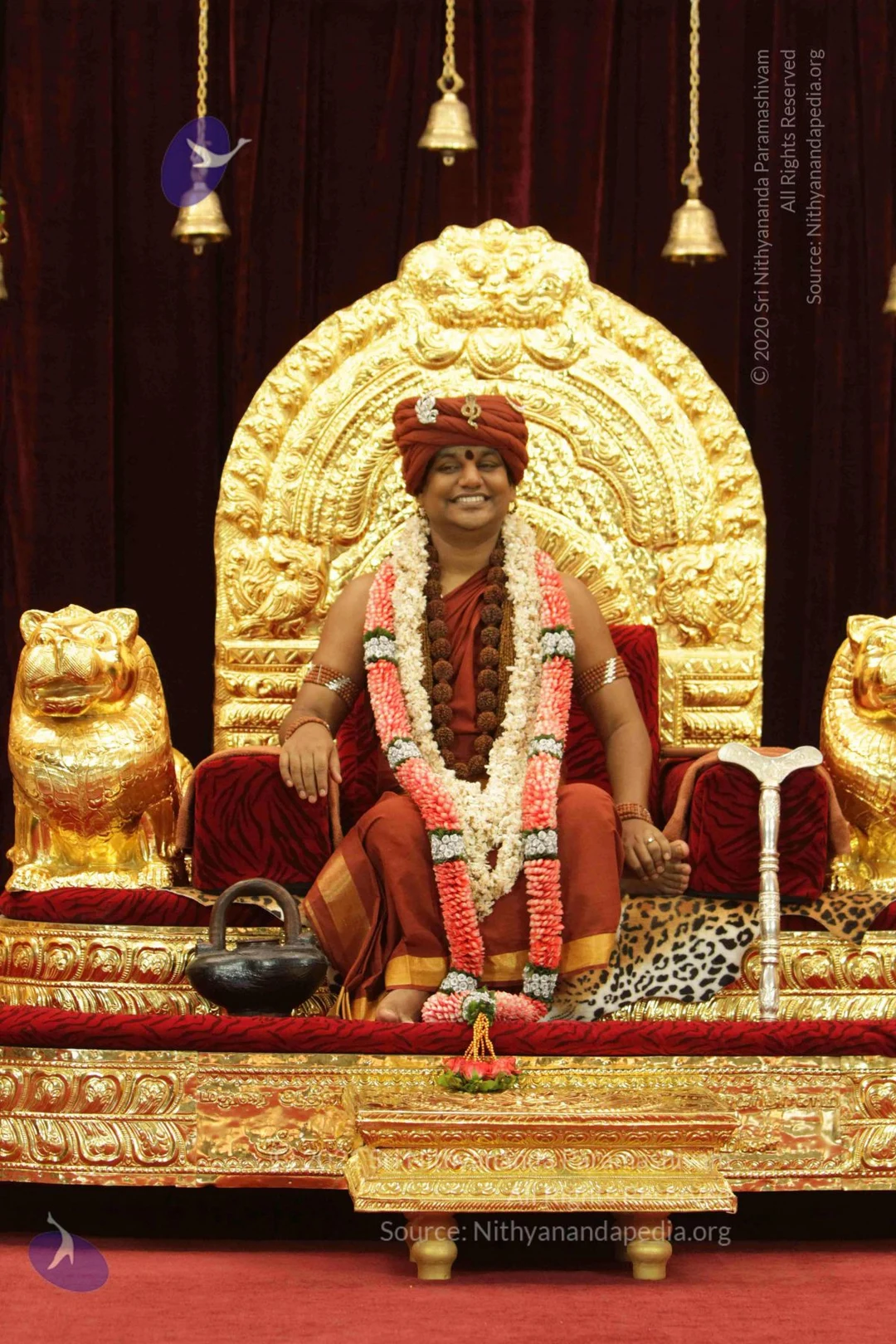
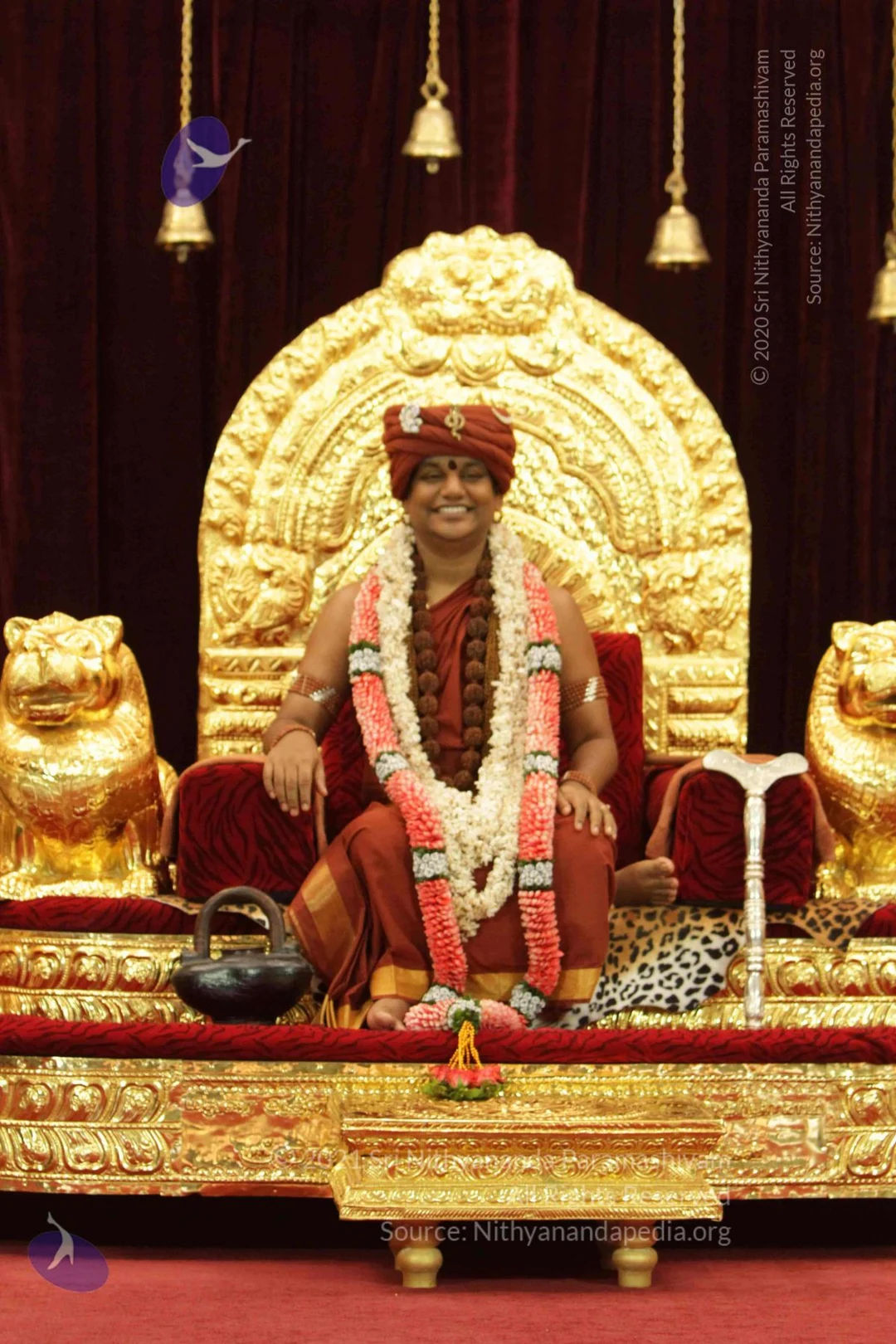


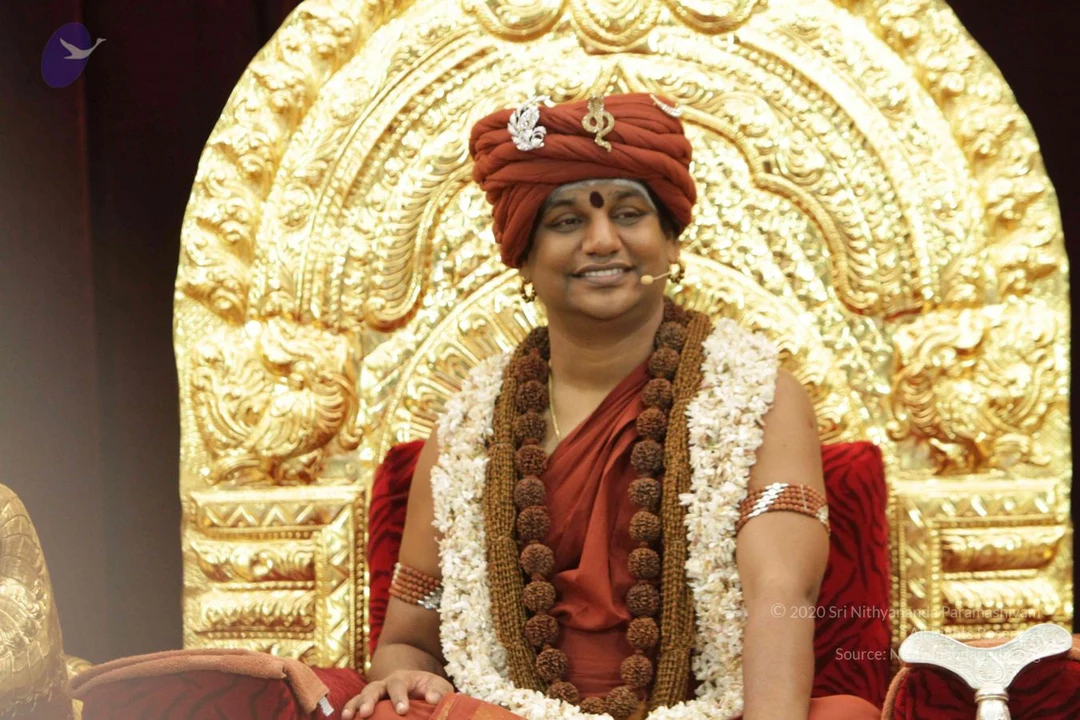
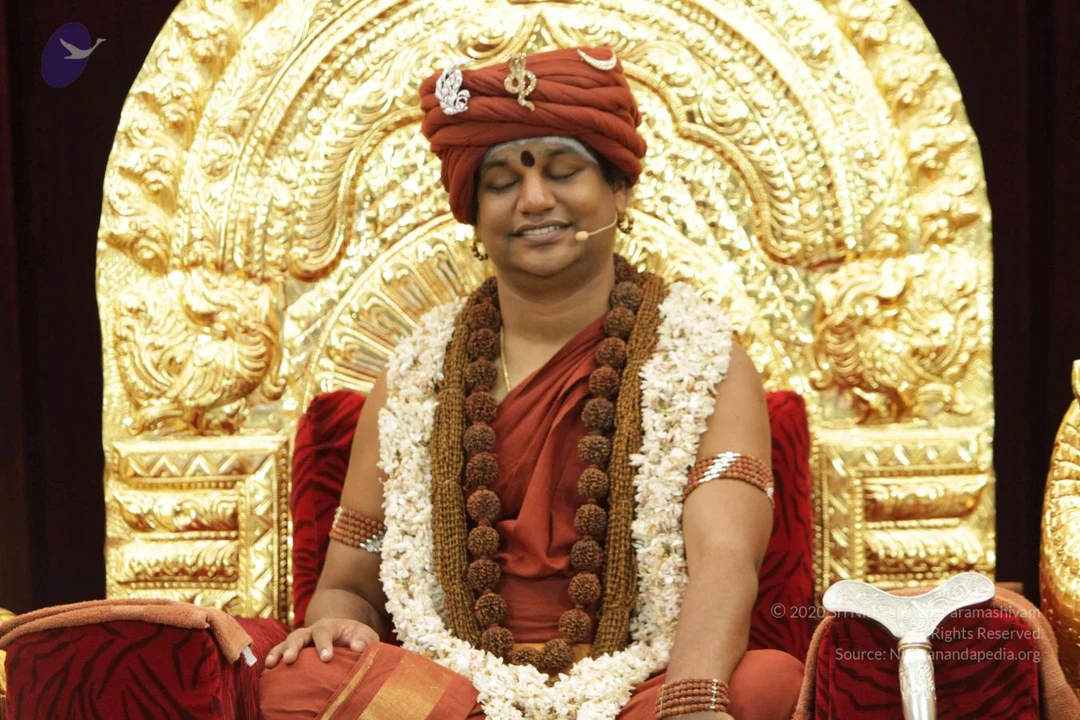
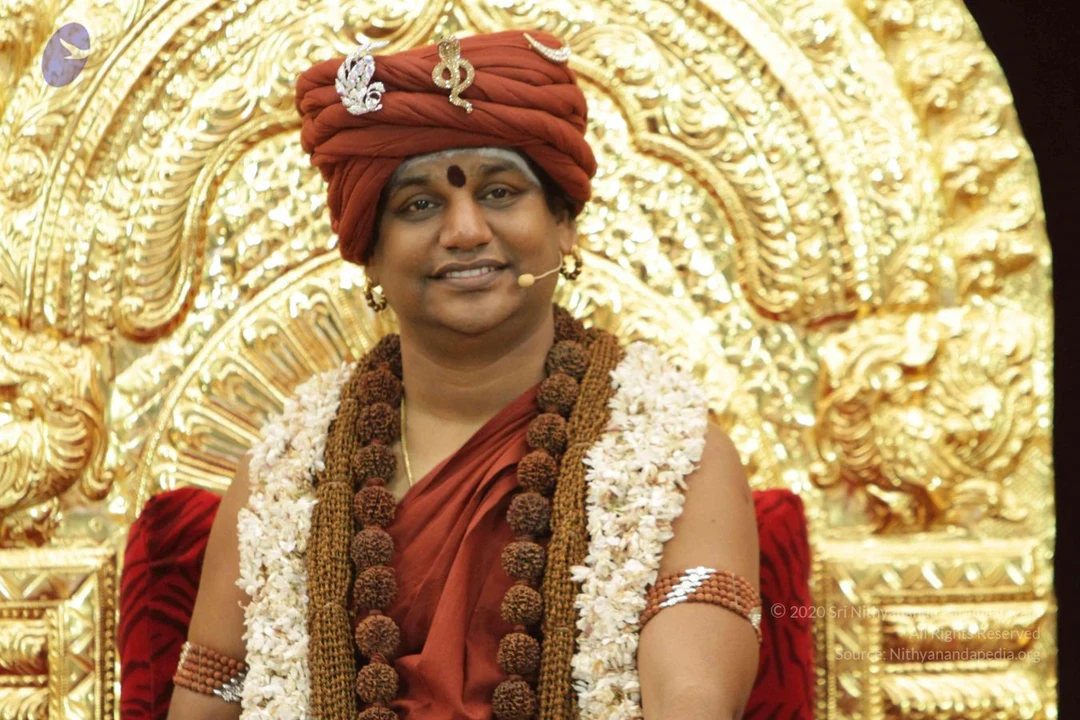
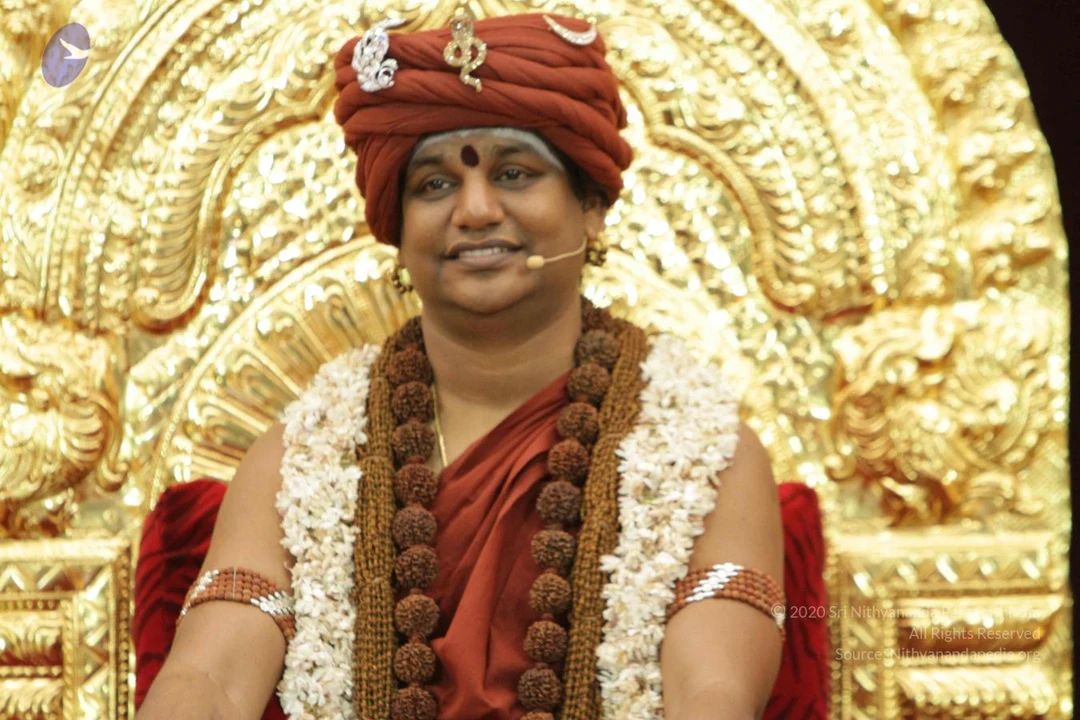
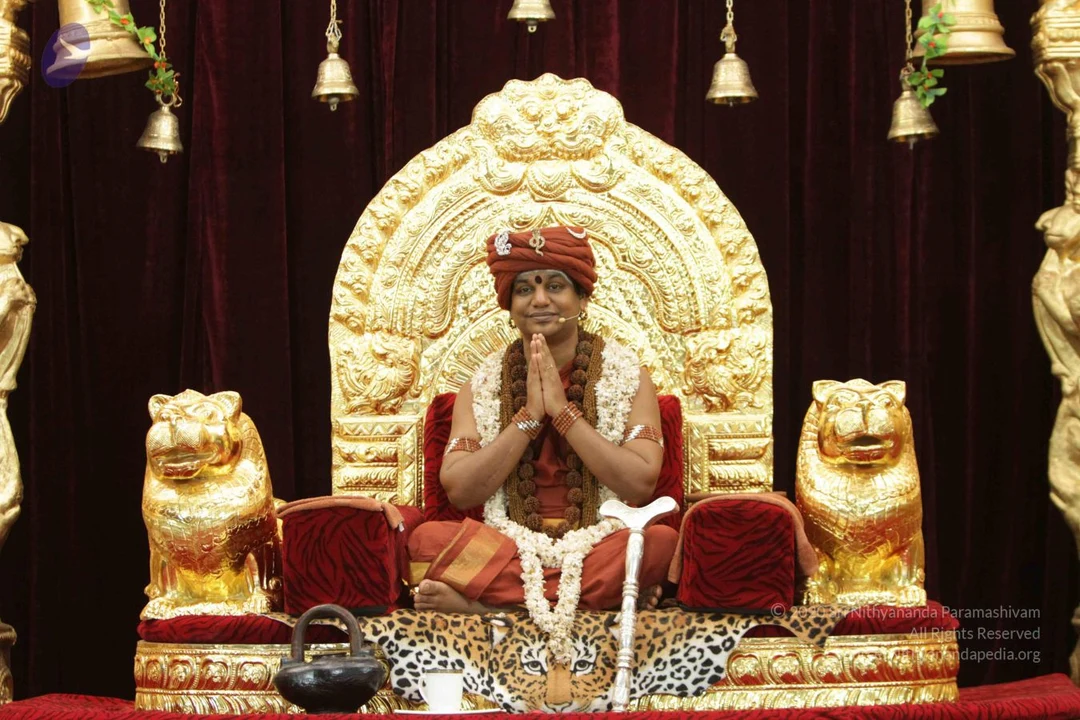
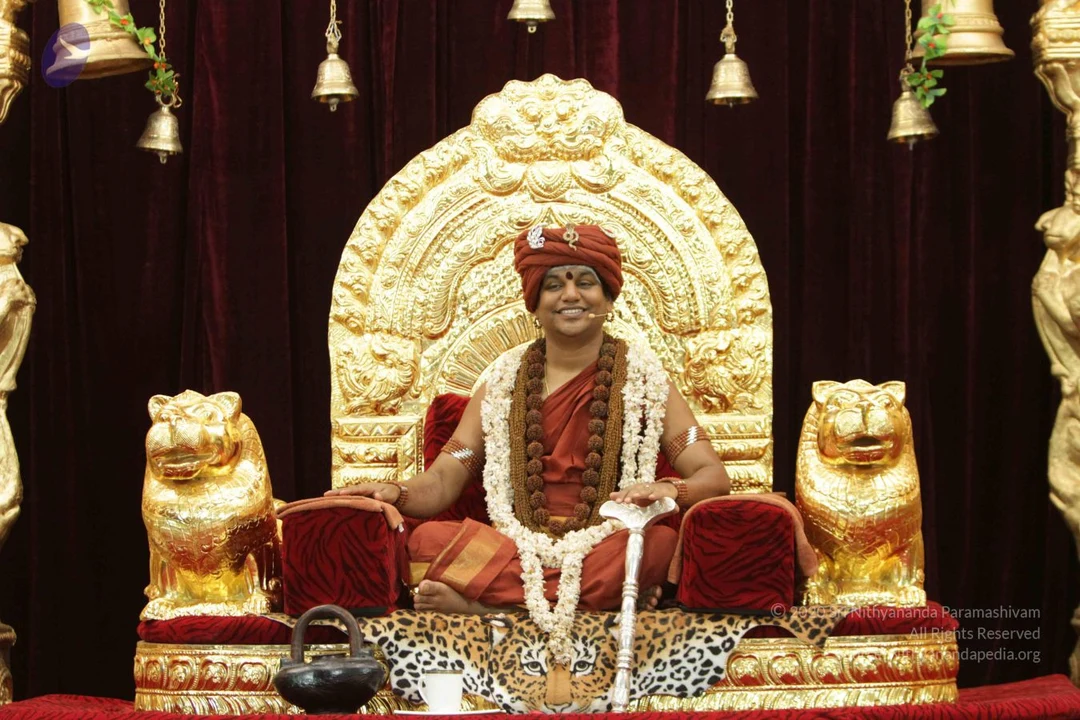
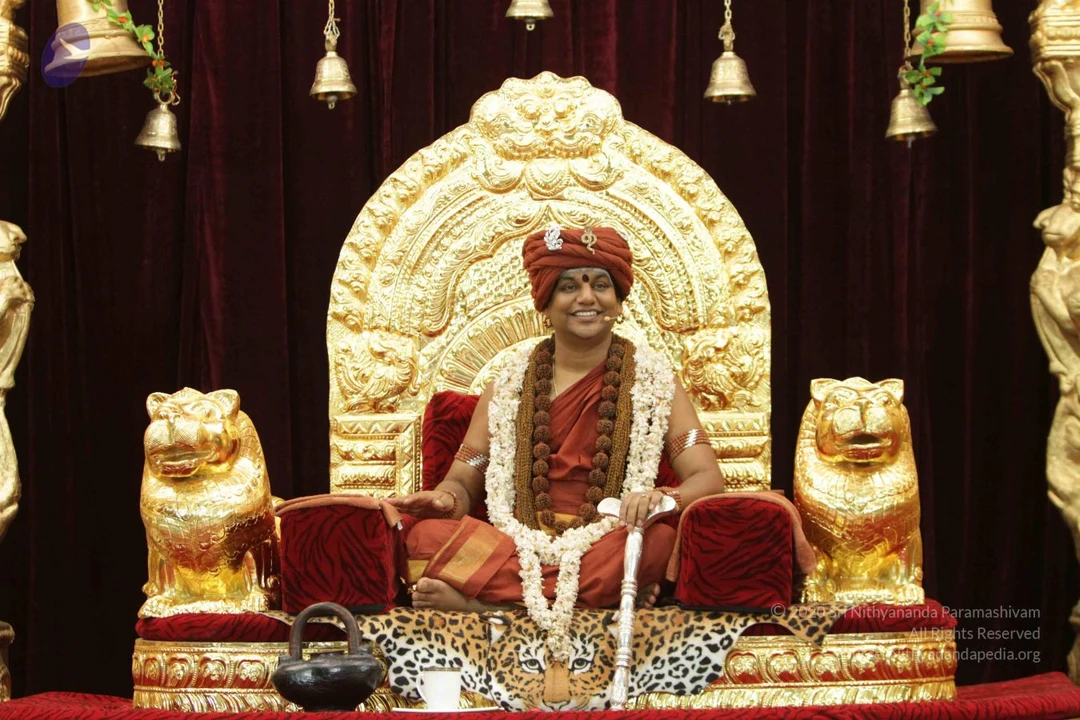

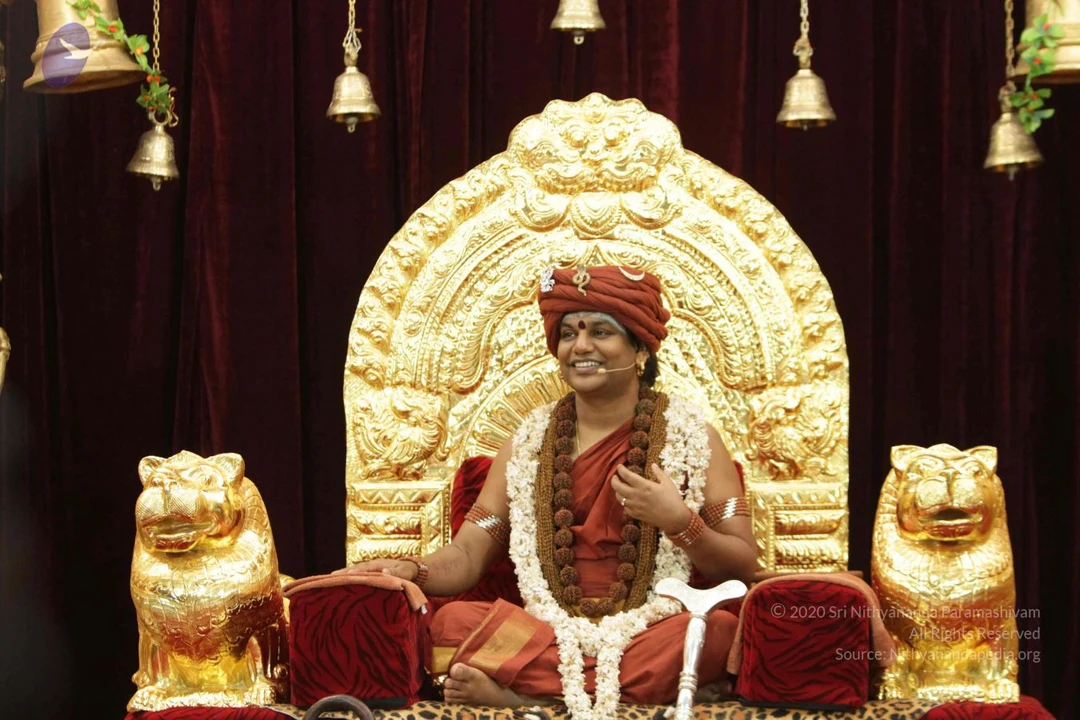
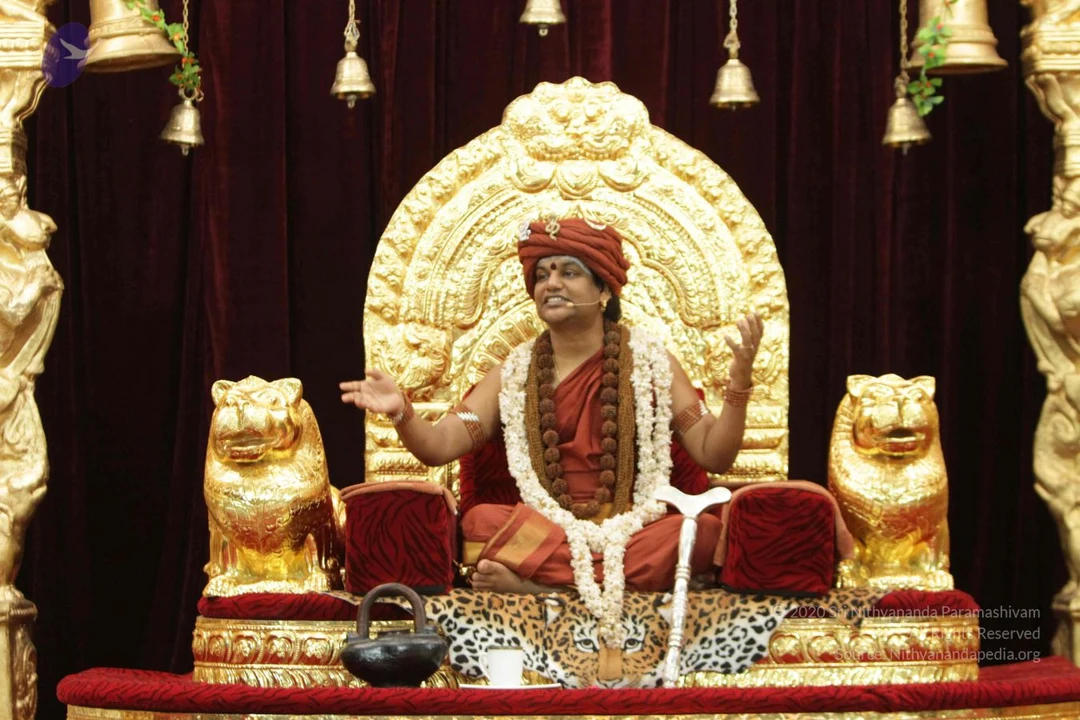
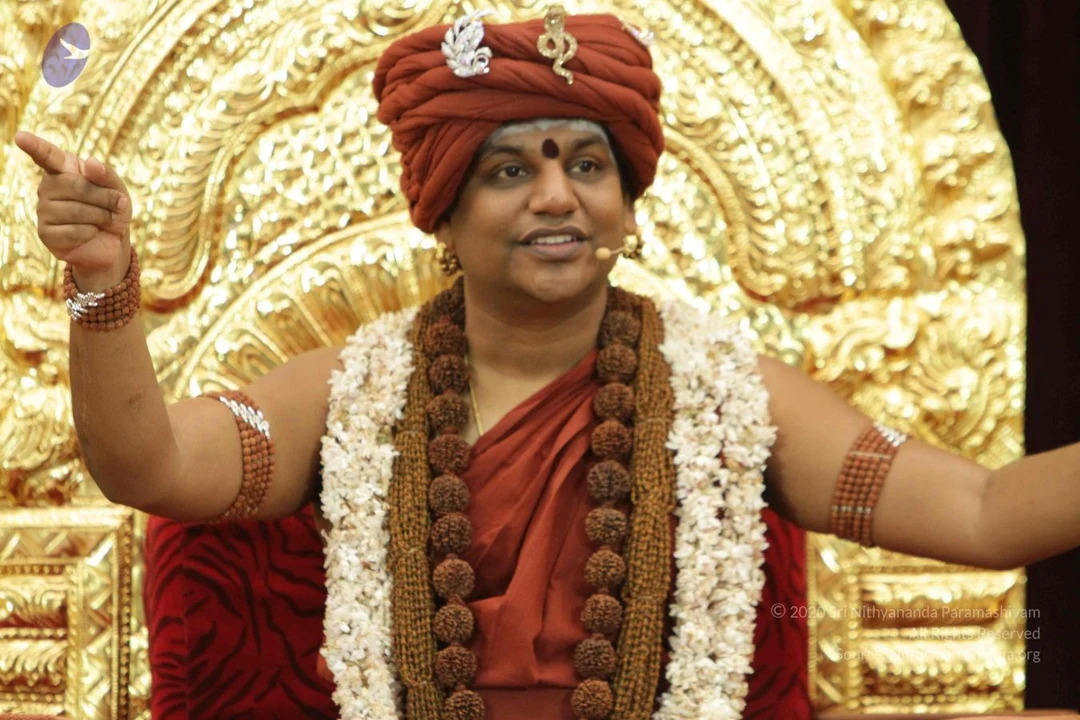
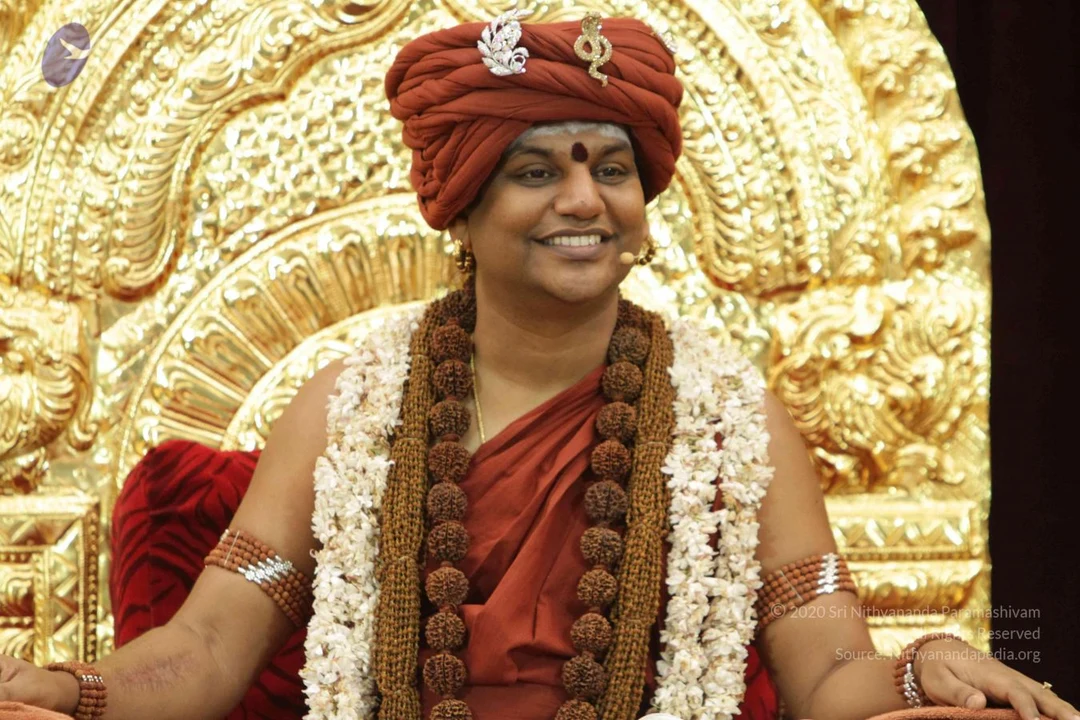
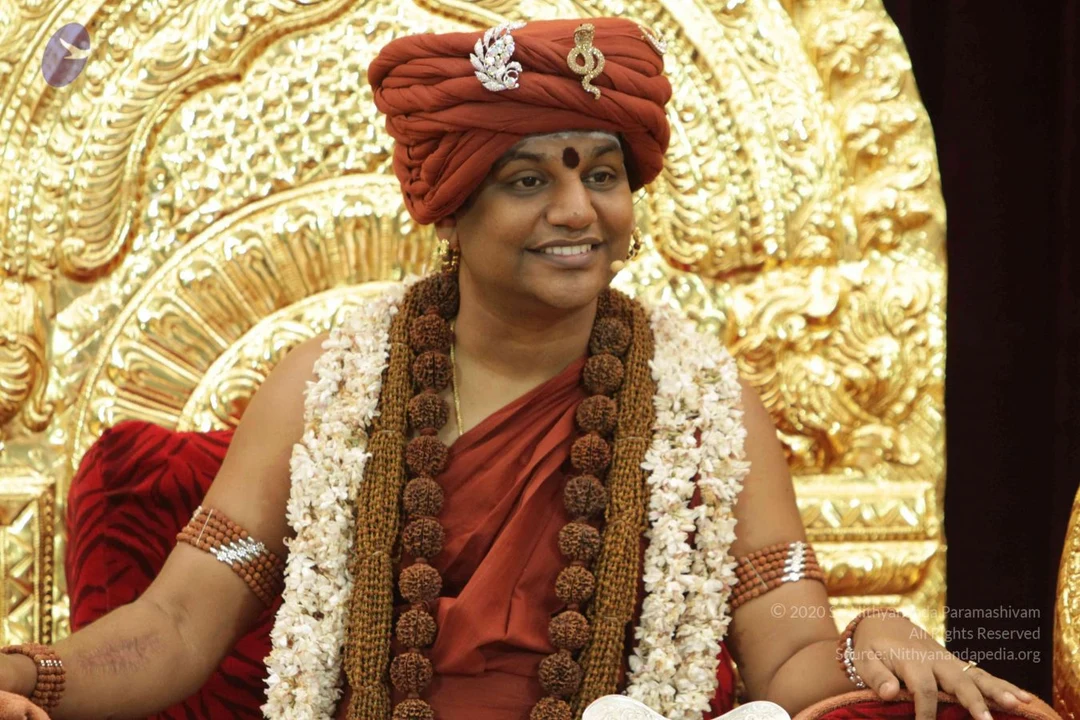
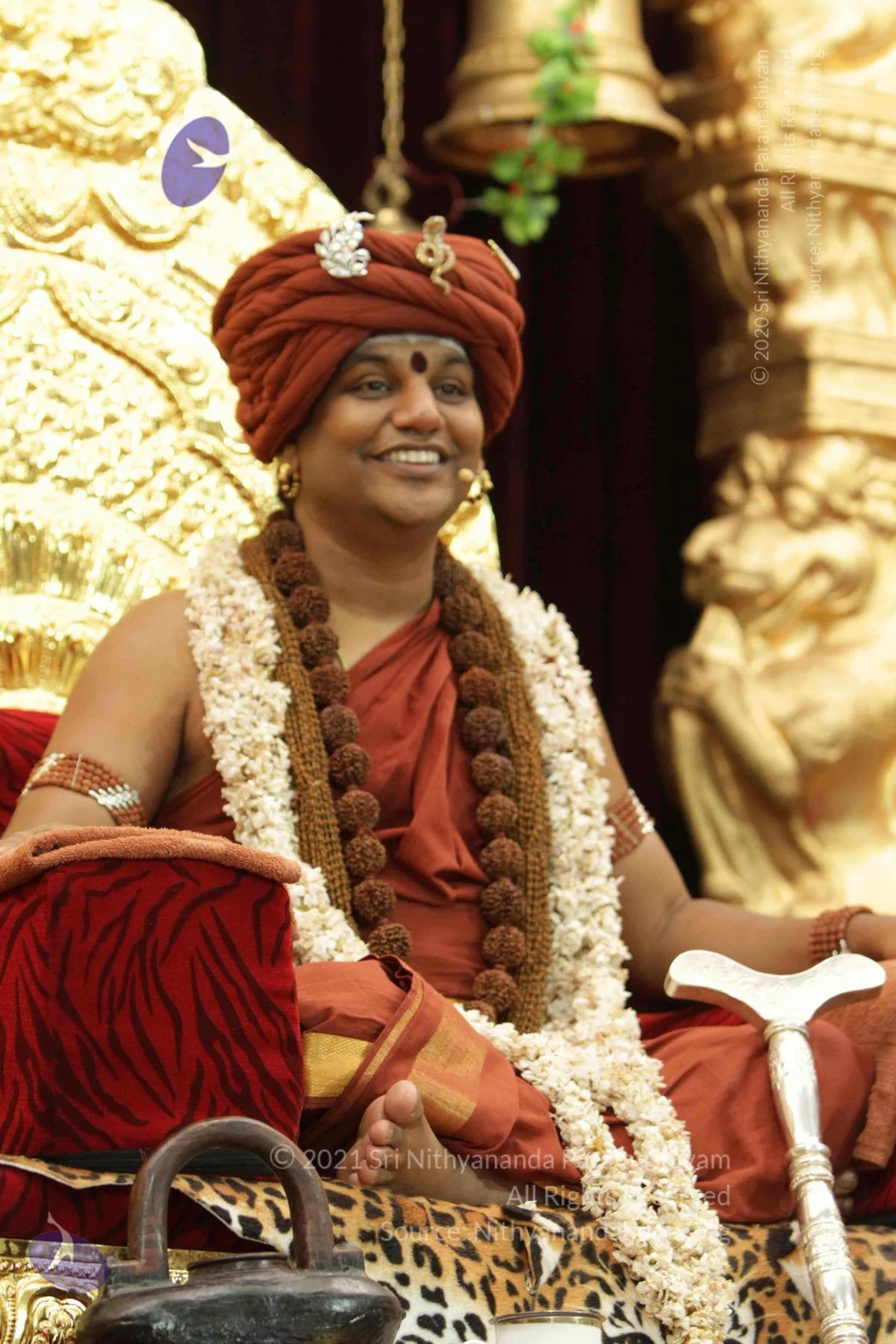
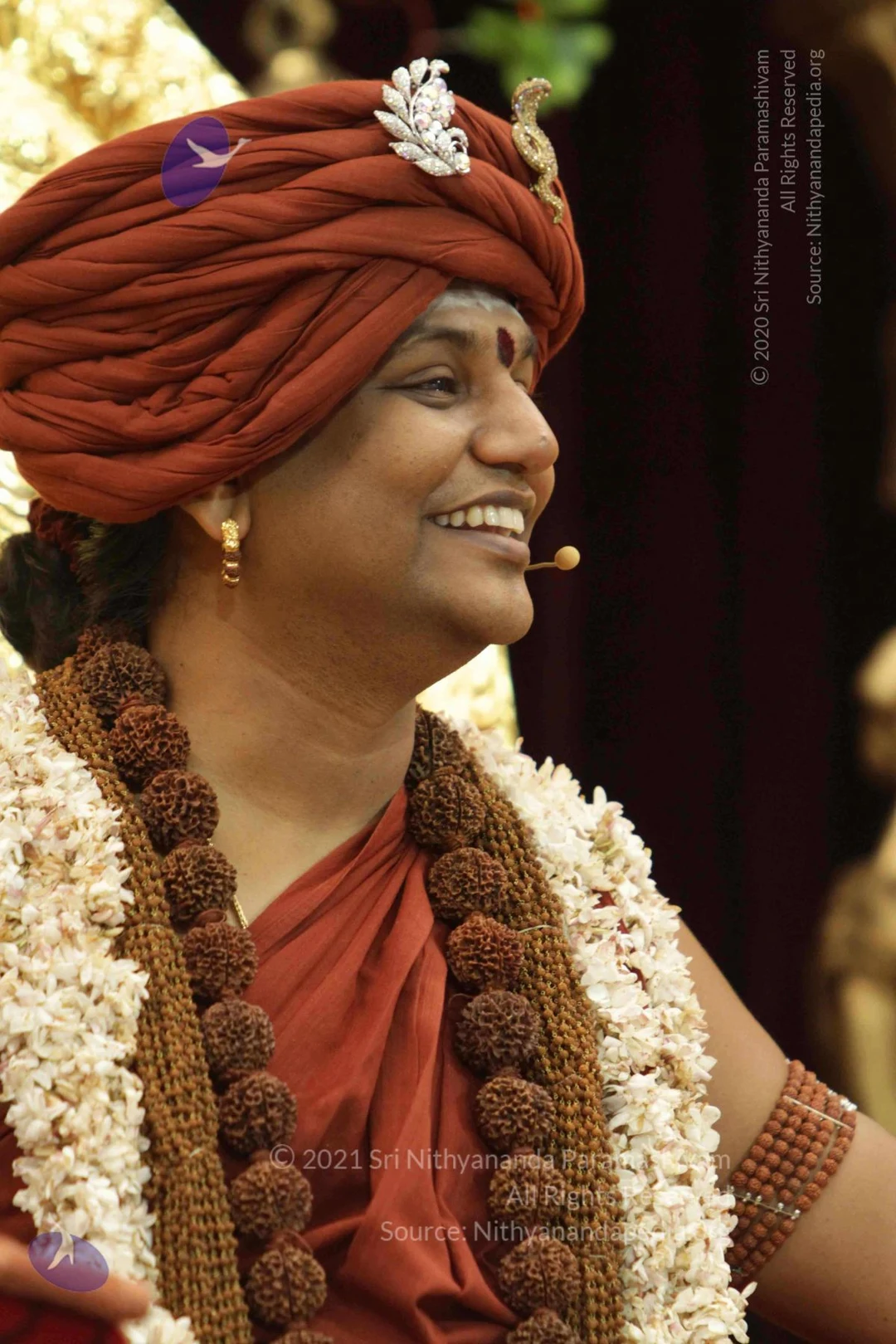
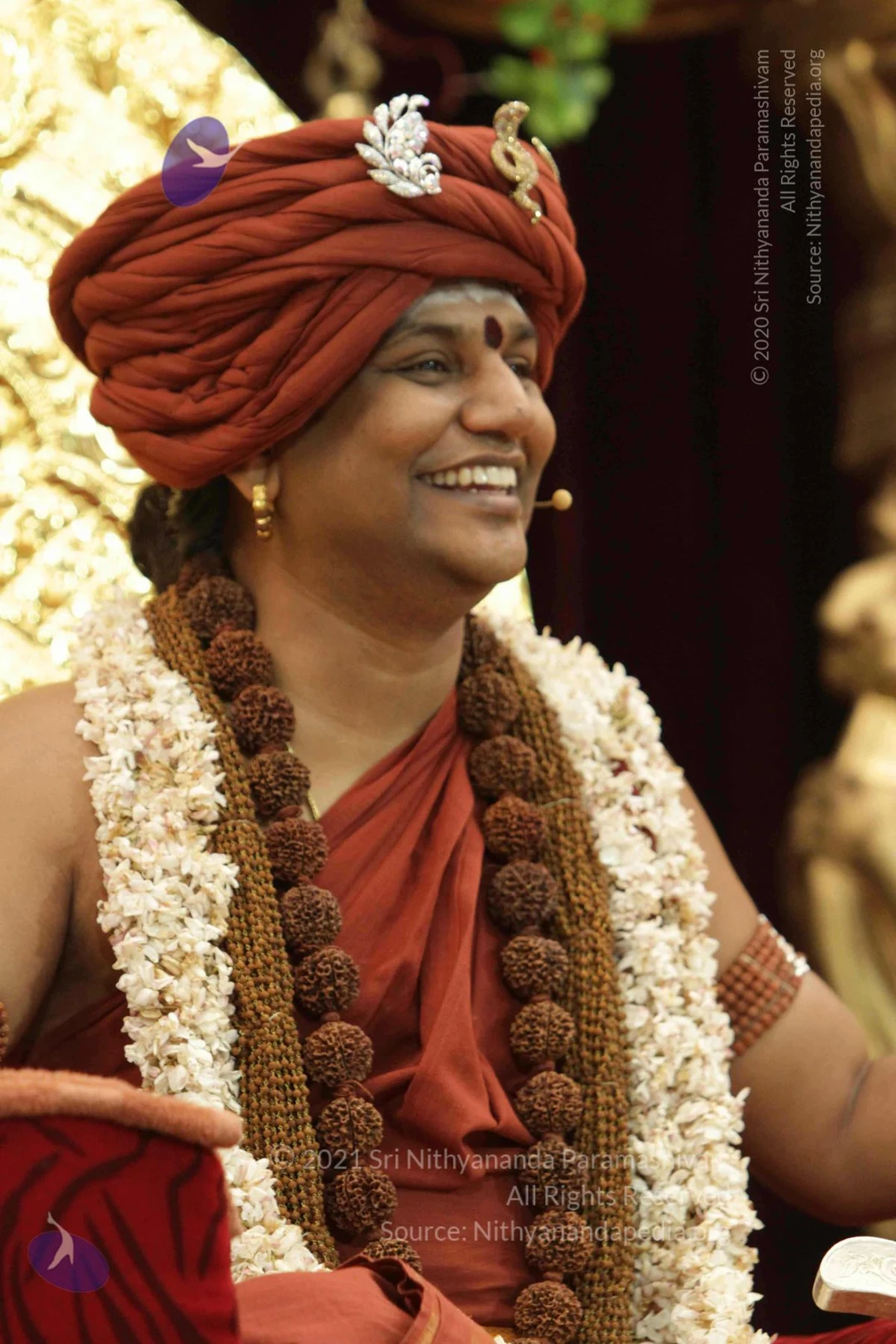
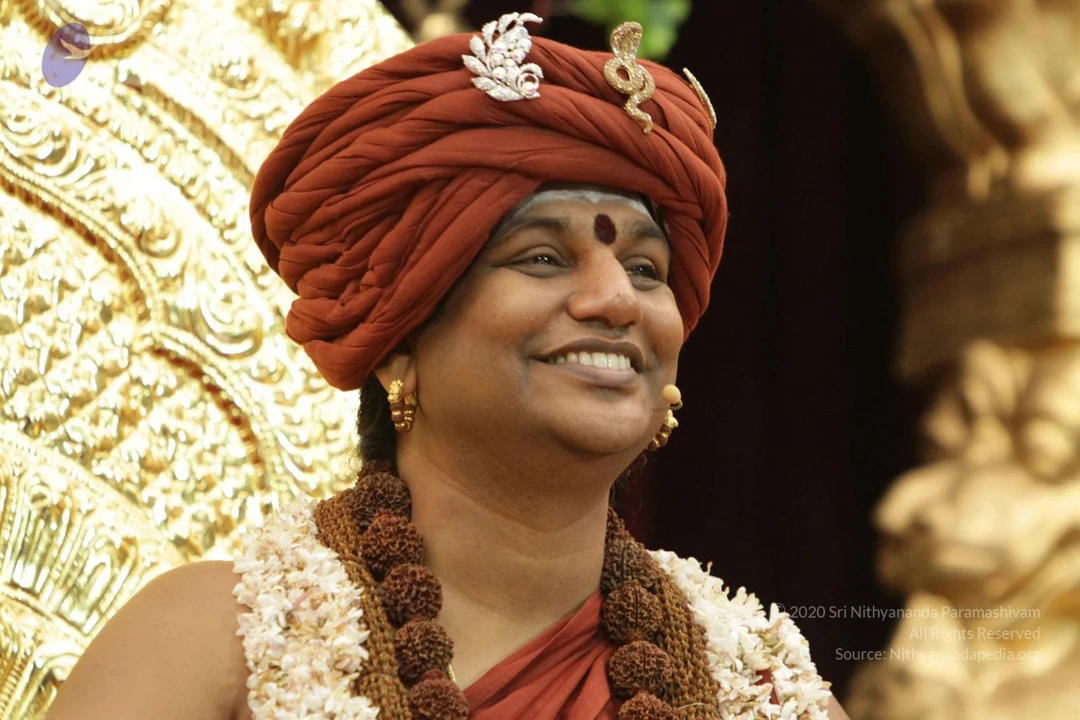
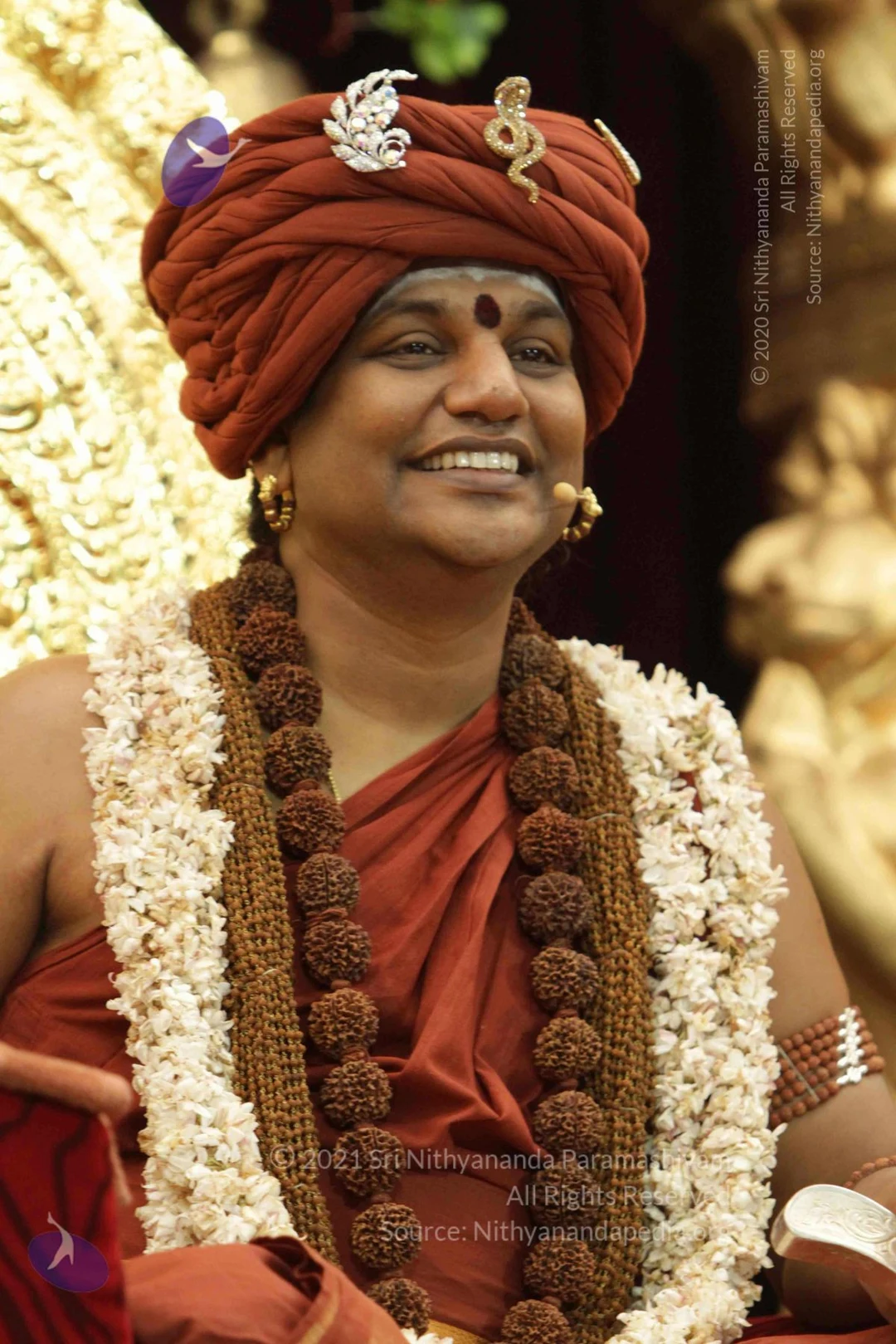
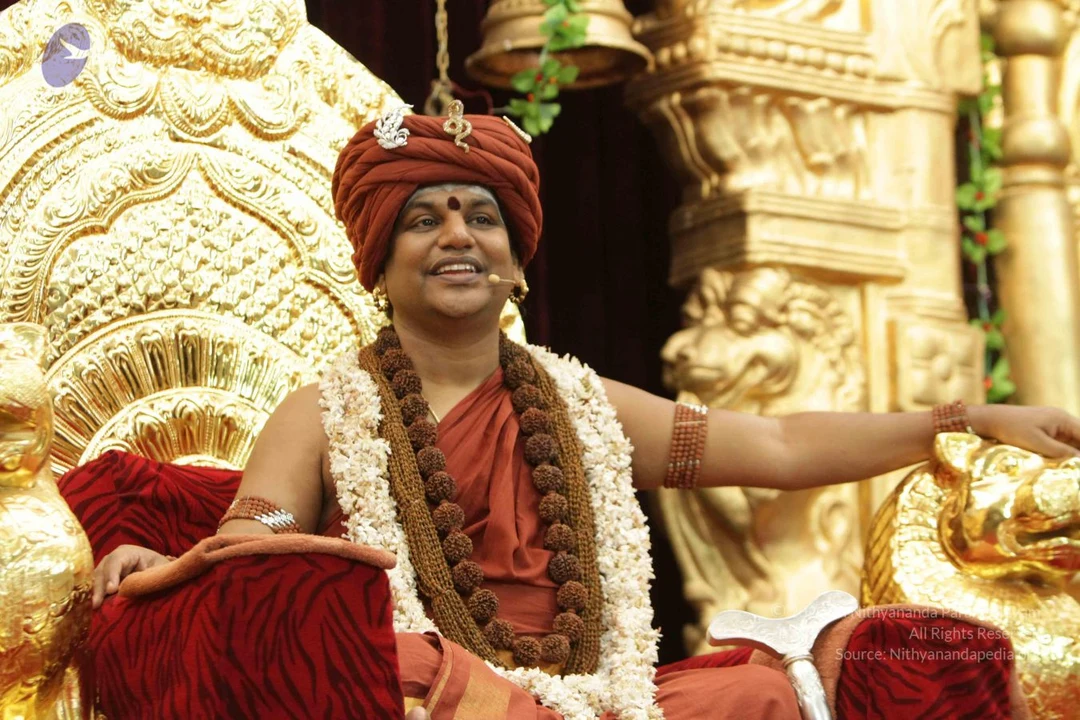
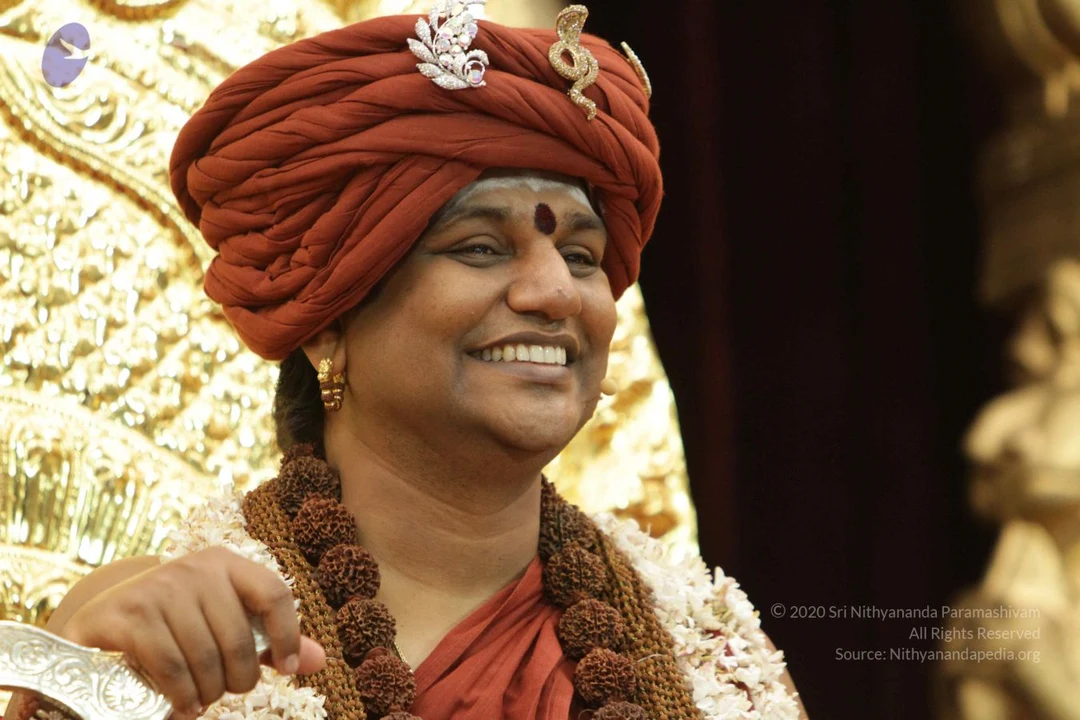
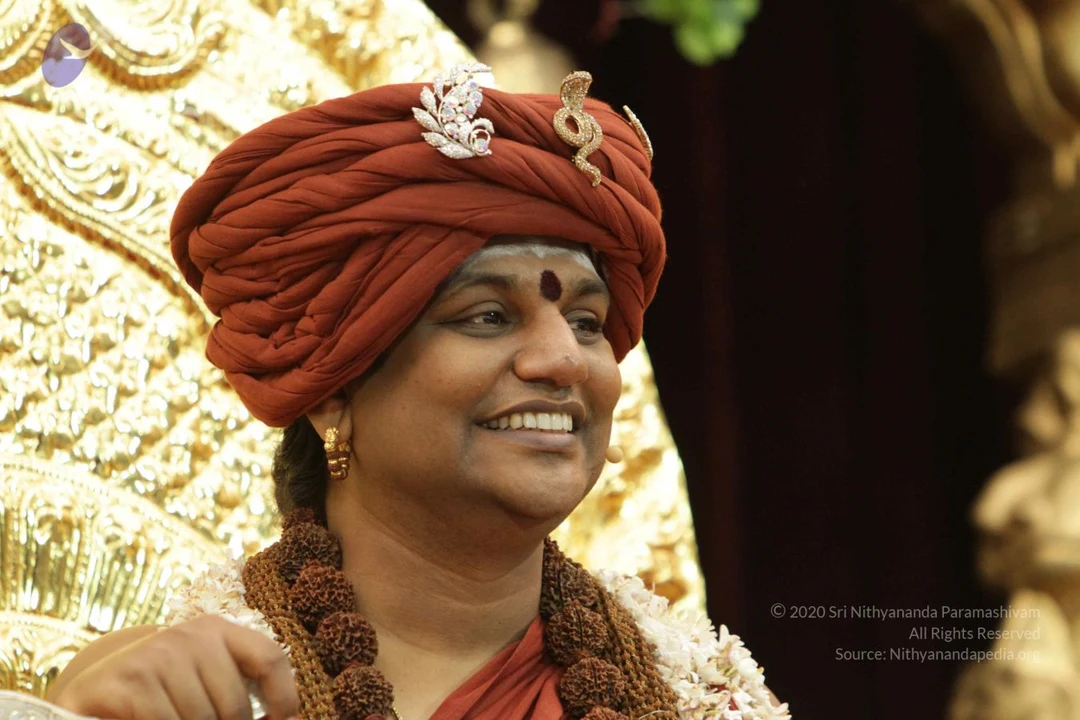
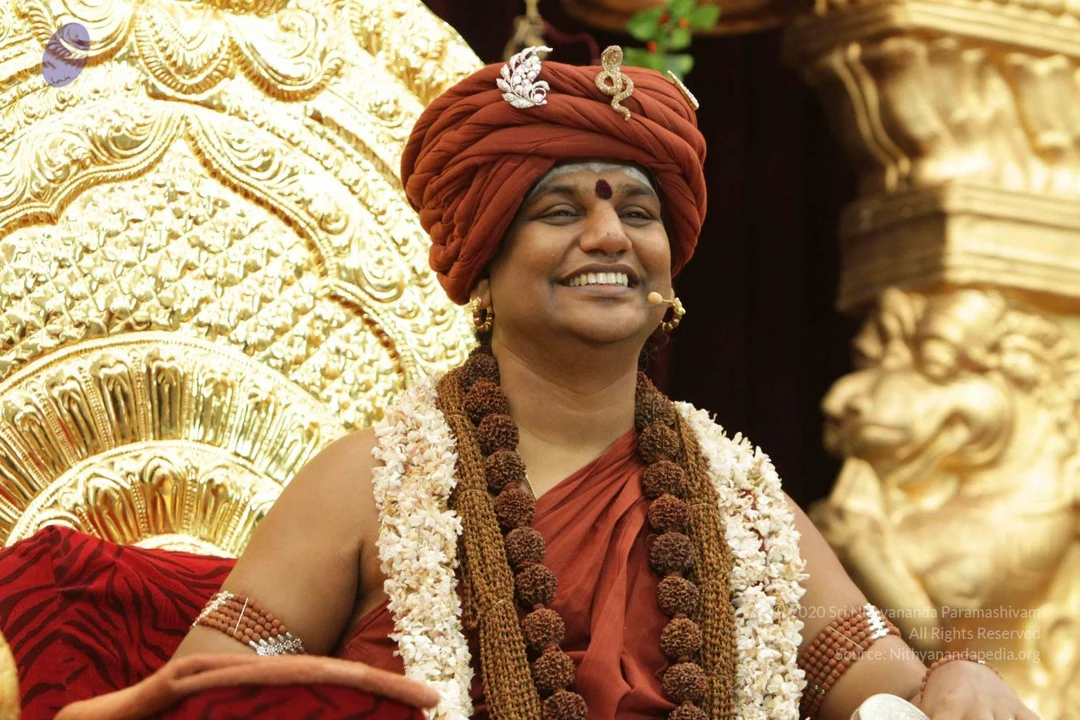
Kalpataru Darshan
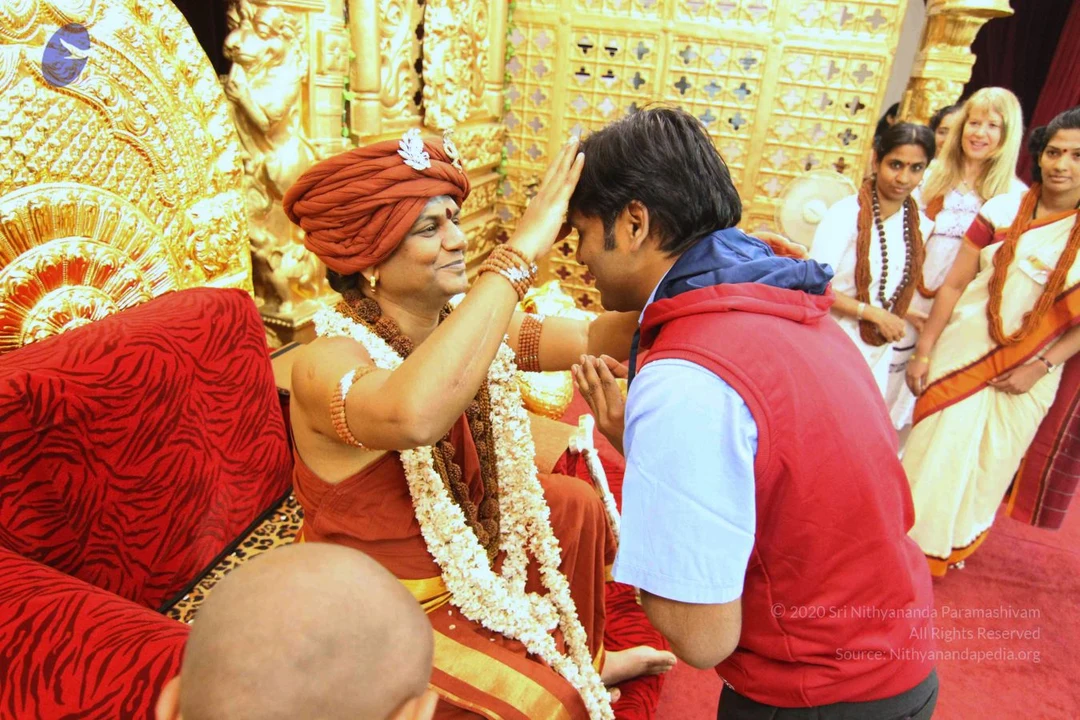
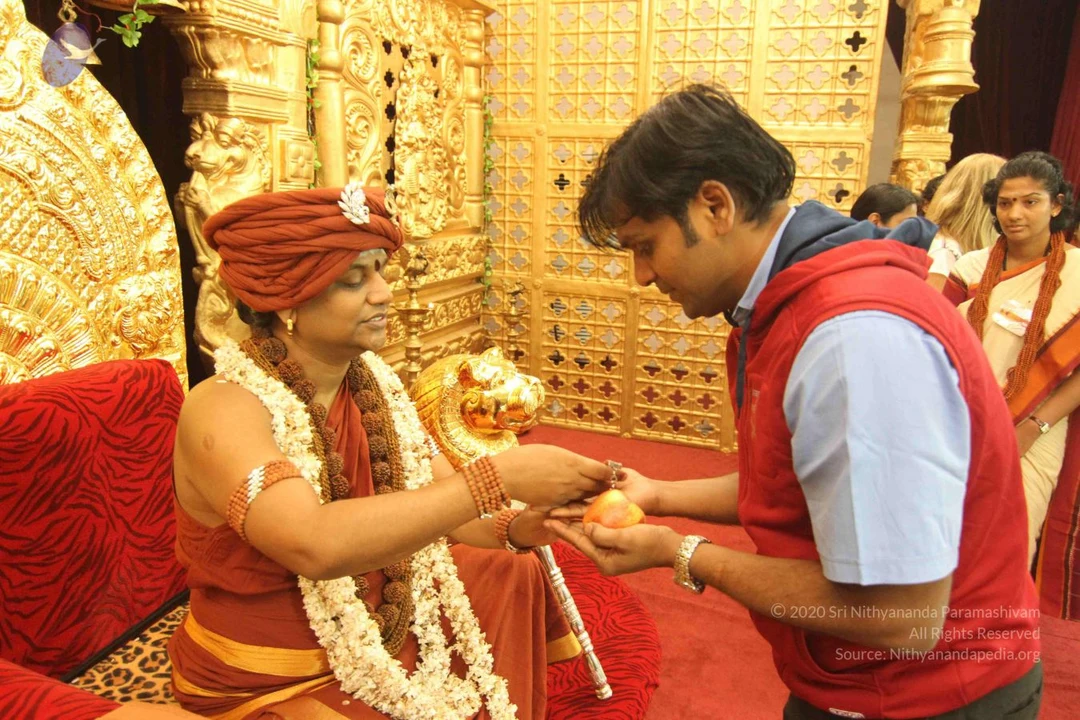

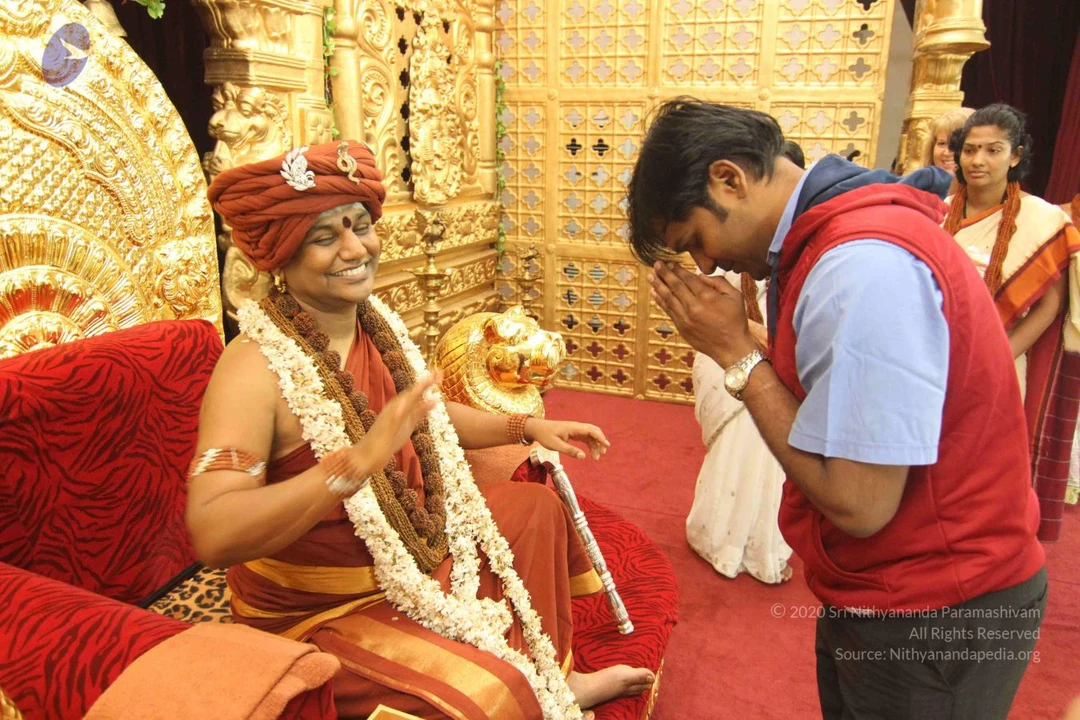
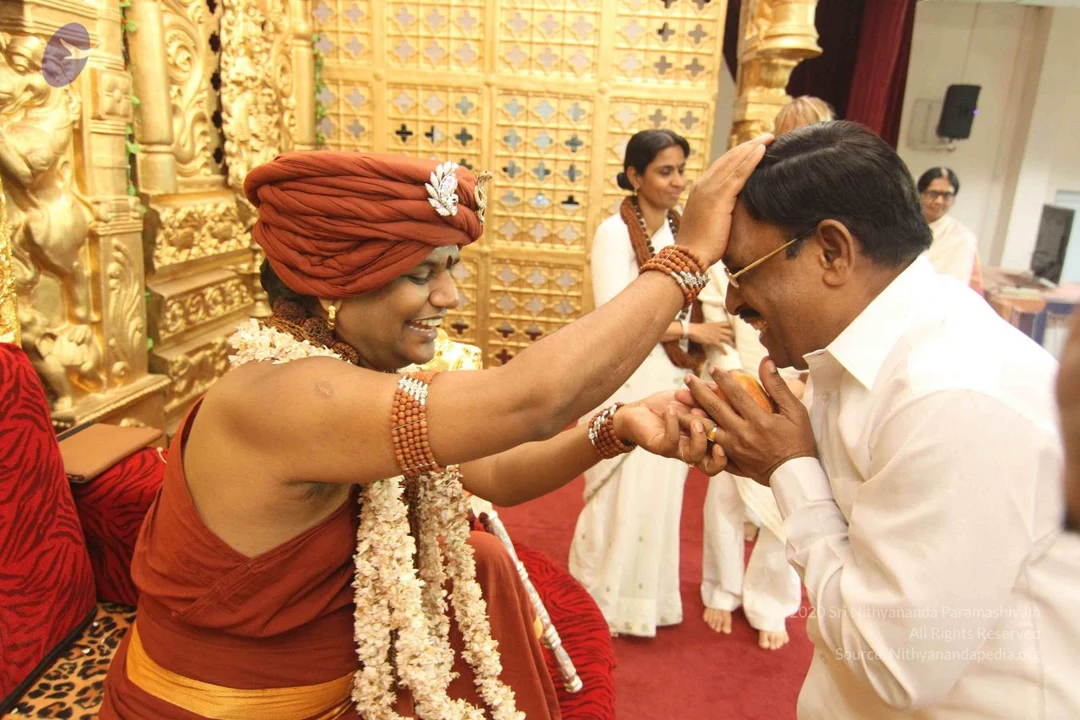

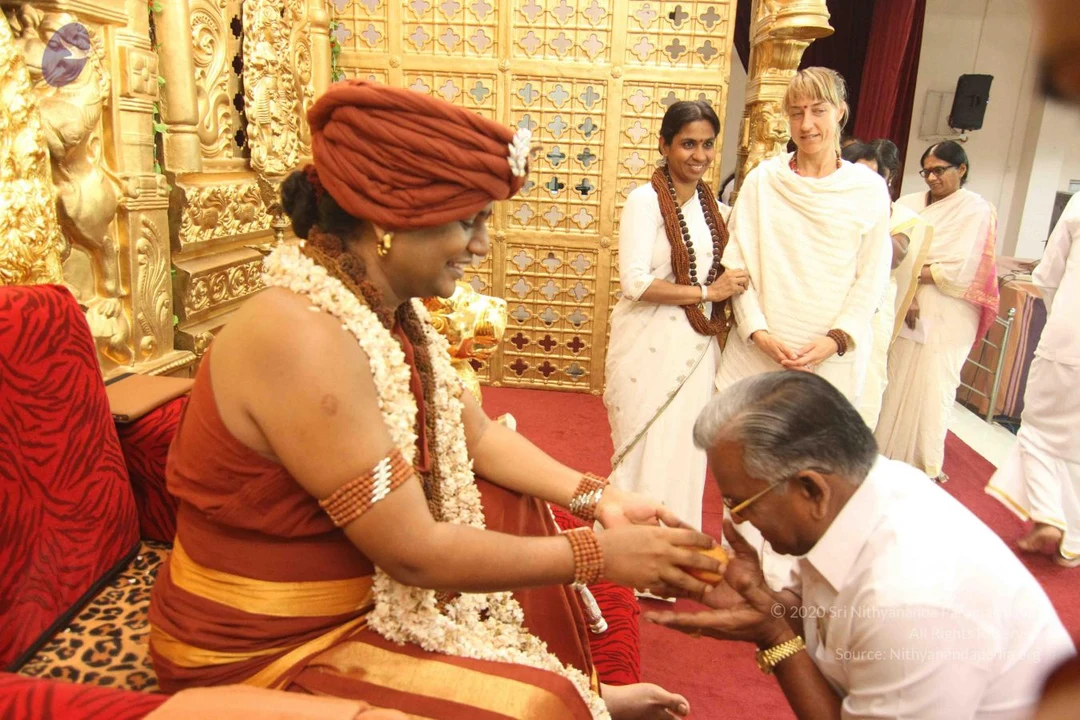
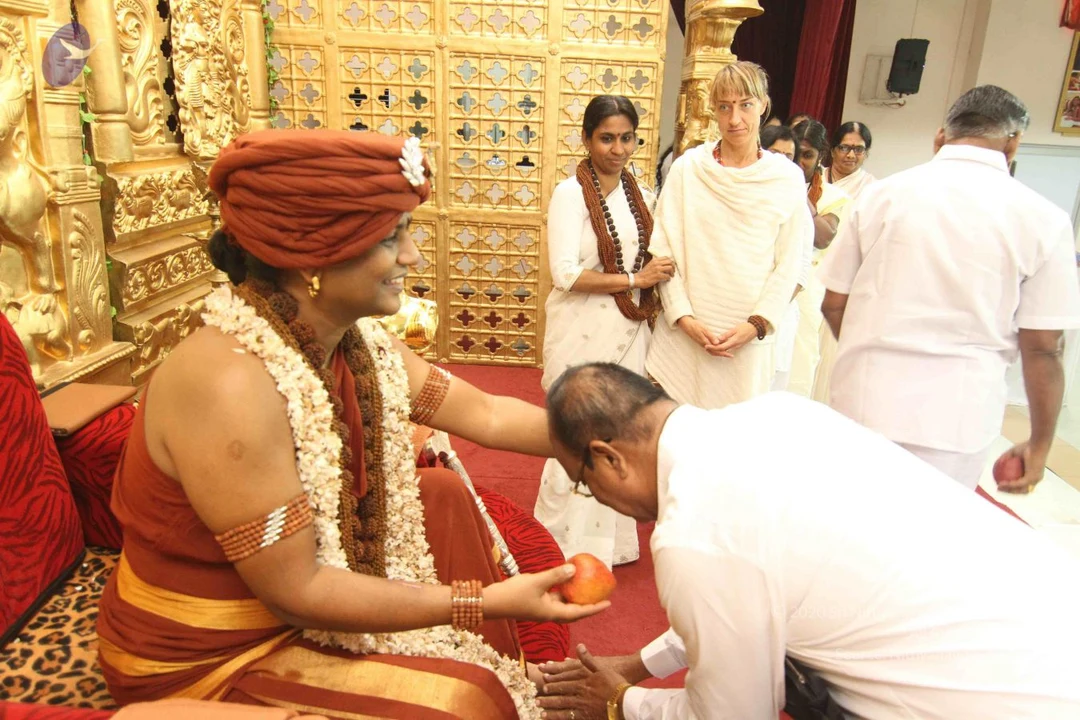
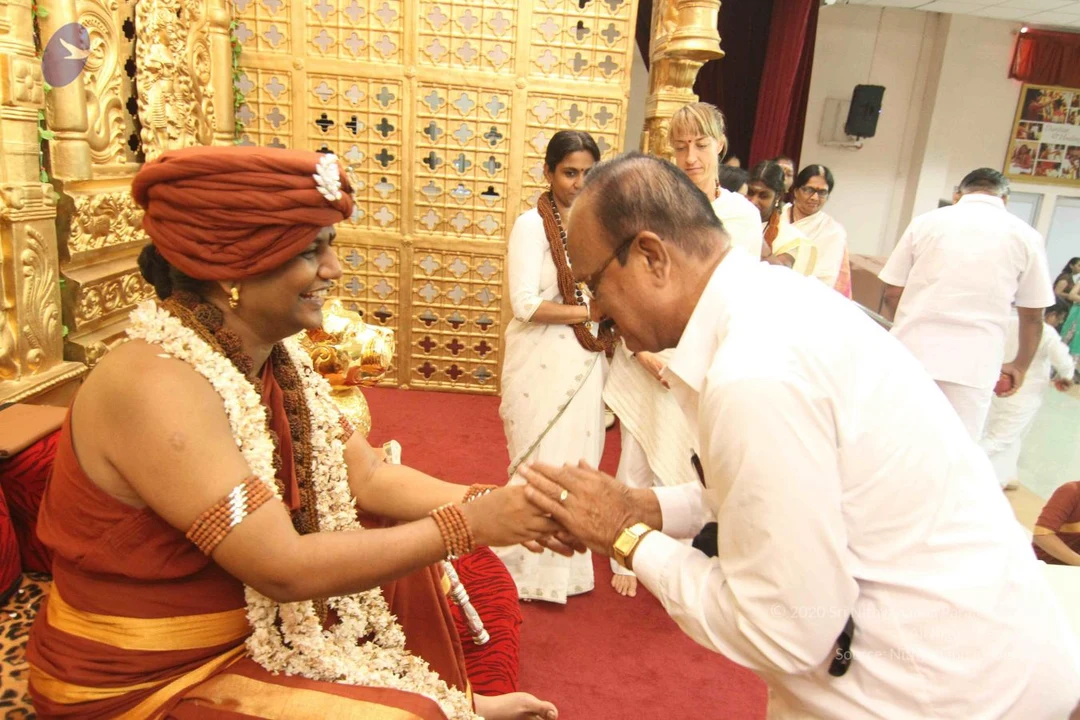
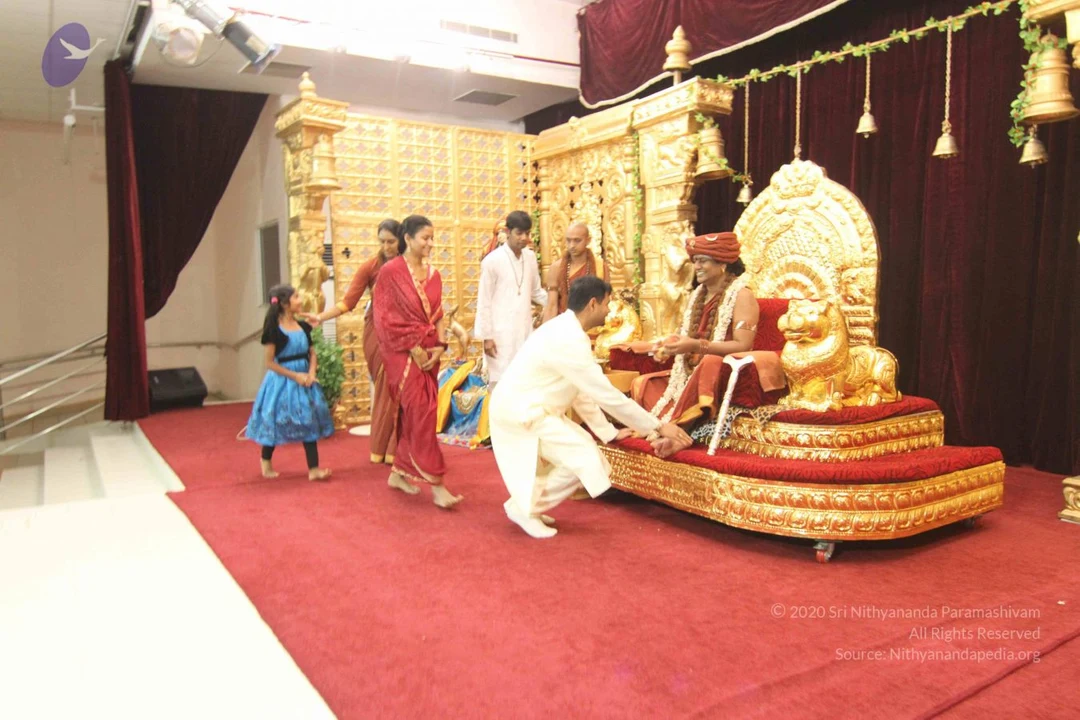
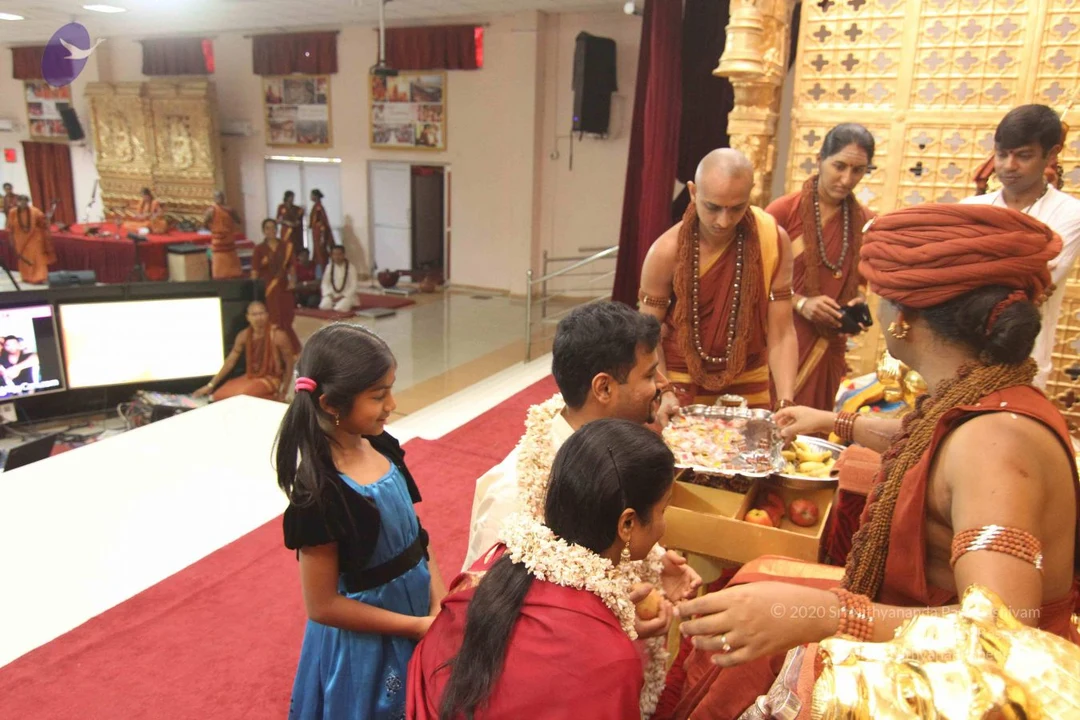
Energy Darshan for All Nithyananda Yoga Teachers Training Delegates
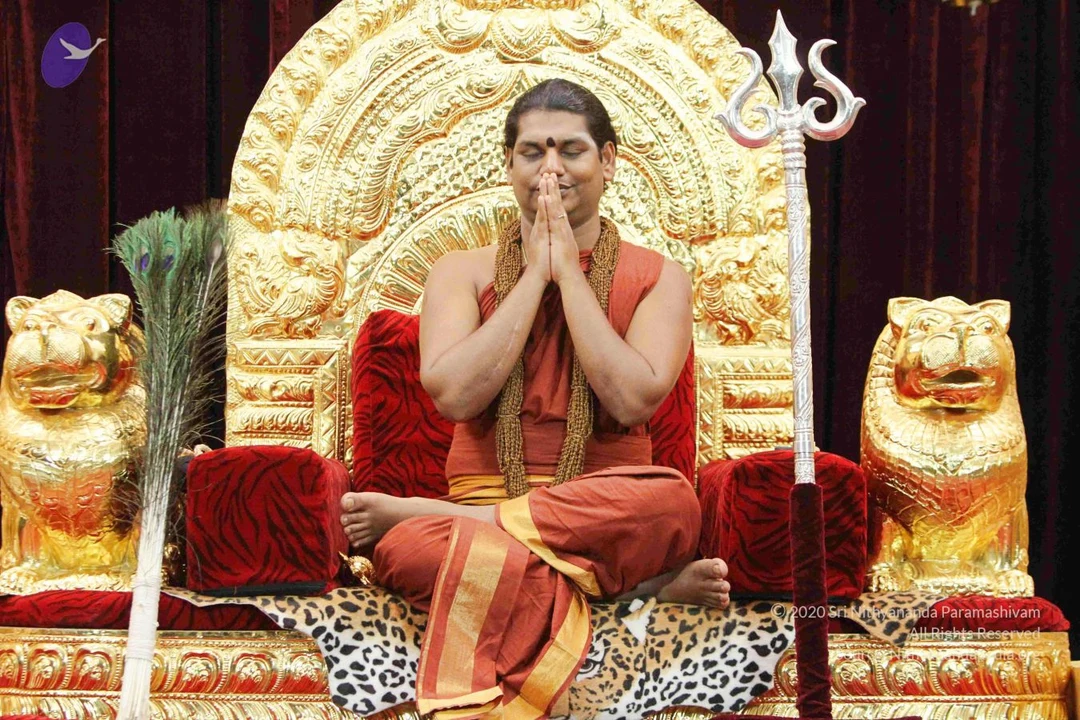
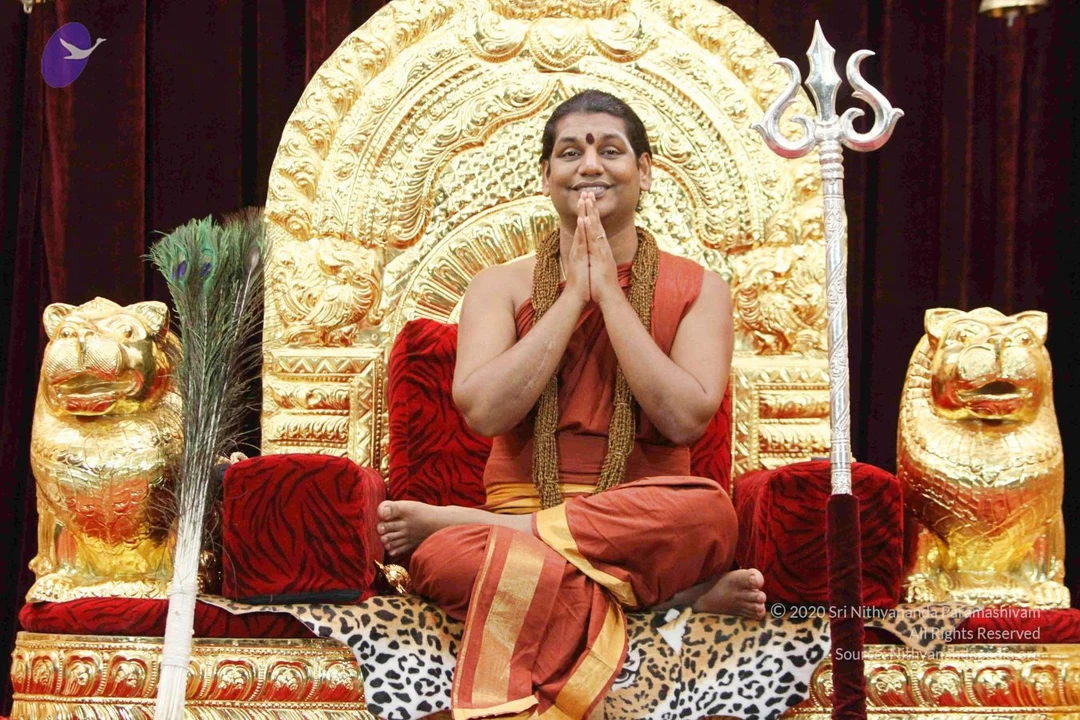
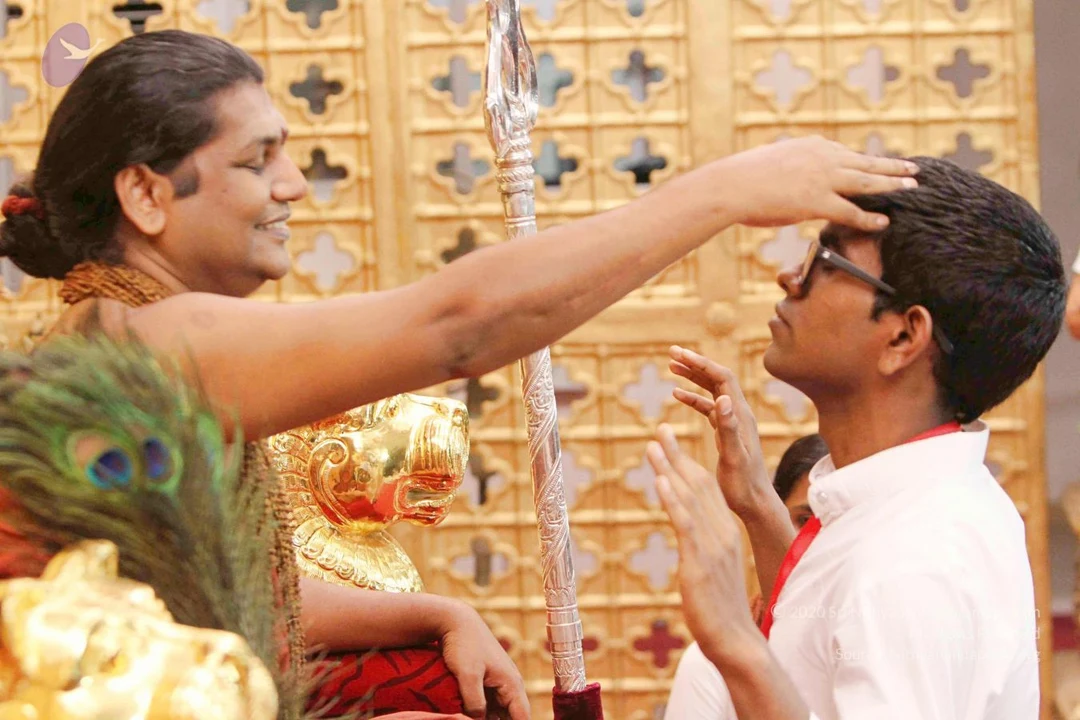
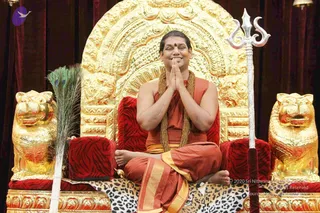
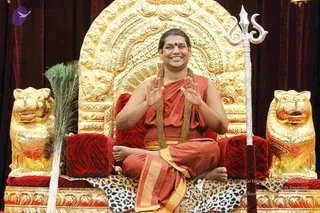
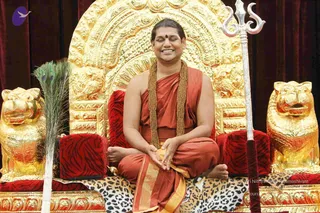
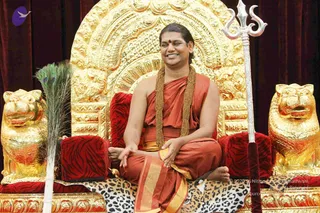
FB-photo-of-the-day
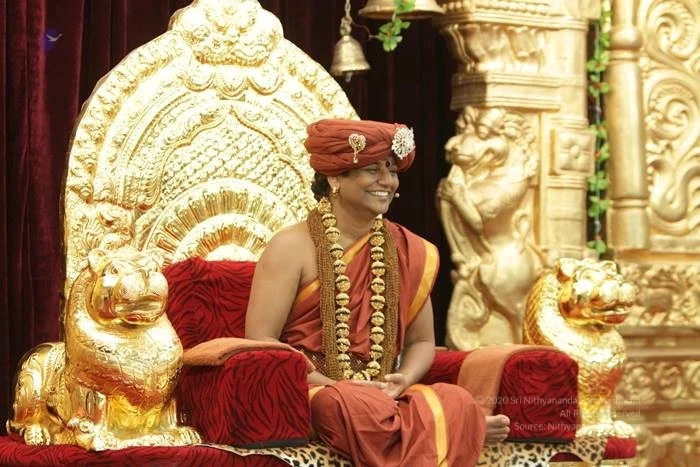
Tags:
Paramahamsa Nithyananda, muscle memory, biomemory, secrets, Shivoham, Master, Inner Awakening, key, transformation.
Photos from this day
View all 113 photosRudrabhishekam
11 photosSource gallery
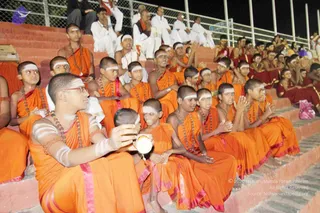
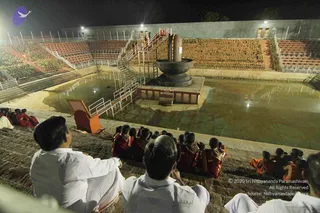
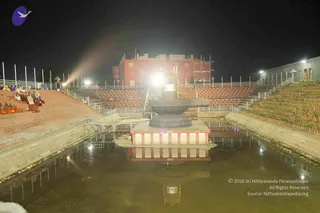
Pratyaksha Pada puja and Nithyananda Satsang
81 photosSource gallery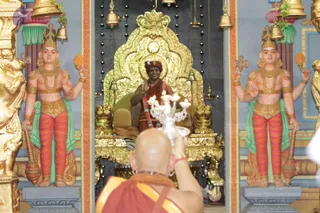
Kalpataru Darshan
9 photosSource gallery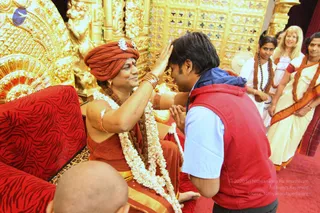
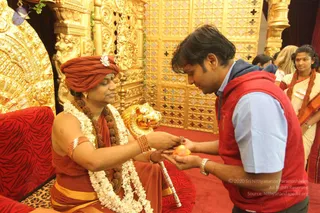
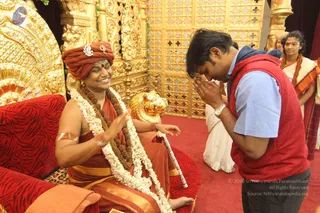
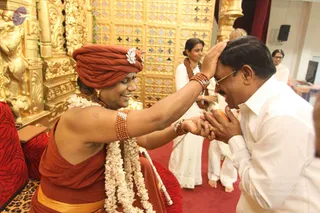
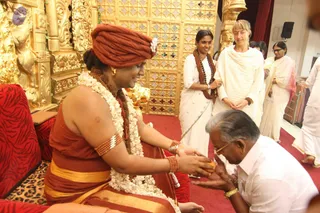
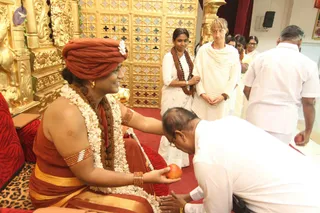
Energy Darshan for All Nithyananda Yoga Teachers Training Delegates
11 photosSource gallery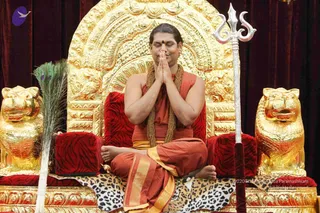
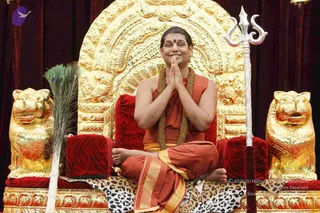
FB-photo-of-the-day
1 photoSource gallery