Monday
6 October 2014
Shivoham - Create The Ultimate Identity For Yourself
- Dated photos
- 115
- Source pages
- 1
- Media
- 3
October 06 2014
Original wiki pageTitle:
Shivoham - Create The Ultimate Identity For Yourself
Description:
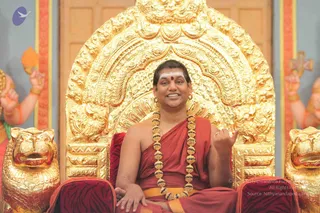
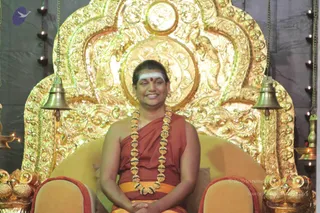
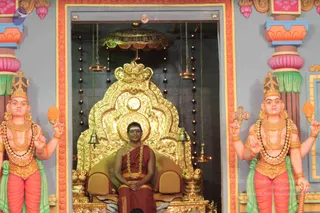
In today’s (6th October, 2014) morning Satsang, Paramahamsa Nithyananda gifts us with this sacred secret: all of us are always in the space of Advaitha! We only need to decide to move towards that space. The mode in which our inner space operates, our inner image, is evident by the people we have around us. We should look around and note the types of people around us. Shifting our perceptions about ourselves, while practicing completion, is the way to change the situations and people that come to us.
Link to Video:
| Video | Audio |
Transcript:
I welcome all of you with My love and respects.
Come on, today’s Kalabhairava’s revelation!
Still the energizing process is going on. Today also realized, when the Shivalinga is energized, it can be energized only by pure consciousness, but the lingas I am energizing are not just Shiva Lingas, there is a Sri Chakra on it, So each lotus petal, each triangle, is a divinity of Devi that represents one ideal, one energy, so each of those energies getting energized are revealing what is the truth they represent, into My system. Those truths only I am coming talking last few days.
The today’s revelation: and actually, it’s a revelation into the science of Sri Vidya.
See, already the science of Sri Vidya says each of those lotus petal, actually 16 lotus petal, then 8, then 43 triangles, then bindu; and below that 6 lotus petals, and 3 square lines. Now each of those energies revealing the ideal they represent; the satyas they represent. Maybe once the energizing process is over, when we connect everyday satsang and the whole Sri Chakra, we will know clearly which Devi represents which great Truth, Advaitha Satya, It is one of the greatest and most exciting Truth, because such powerful revelation, I was so excited, Listen! All of us are always in the space of Advaitha, whether you are completely unaware, unconscious, or you are in the peak of realization! Please listen. The practical implications of this Satya need to be understood.
See, if your inner space is in the mode of self-denial, you will have exactly the friends, family, people with self-denial only falling in your eyes, senses, perception. If you are in the mood of Completion, you will have only the people want to do Completion falling in your perception. Listen!
So, whether you are in the state of a Devil, Demon, Bhoota, Preta, Raakshasa, Muni, Kinnara, Kimburuda,Gandharava, Yaksha,Rishi, whatever space you are in you are in Advaitha! So that can never be lost! If you are in the space of completely denying you, you will exactly perceive only those people who are also in self denial and denying you; you will be denying them, they will be denying you, both of you will be having a great Indian mother in law, daughter in law, relationship. Then, if you decide to Complete, suddenly everyone around you will be struggling towards Completion.
Understand, when you allow the higher intelligence of you to pull you up, raise you constantly, suddenly you will perceive guru happening in your life, because your own part of you, which is constantly pulling you up, only allows the guru to happen in your life and continue to exist in your life. Only then you perceive guru in your life. If you are in the level of, “oh, he has stolen my 200 rupee, he may steal my plastic bucket,” you will only have only the people around you, in your perception,in your life style you will only have the people, who will steal your mug, jug, the cloth you kept without using, or the shampoo packet you hid under your pillow, you will exactly have only this kind of people in your perception. And, when you start perceiving, “oh, I will defame this fellow, I will destroy his identity,” you will see exactly that kind of people around you, who will be defaming you, and trying to destroy your identity.
Understand, listen, now I have to answer one of your important doubt: one of the devotee who came to see me was asking, “Swamiji, I am asking really, why did You come down to live with human beings?” I told her, “Relax, I am not living with you guys. I still have in My perception Nandi, Bhringi, Patanjali, Aghastiar, Rishis, Devaganas, Siddhaganas, only they are in My perception; I am around them only!” I allow the people with royal perception also to play with Me and evolve. Arunachala allows people to come up, Kailasha allows people to come up, but that itself does not come down to you! Kailasa doesn’t come down to your level, but it gives way for you to come up to Kailasa! I allow people to perceive Me from their perceptions, also.
In Shaivism, there’s a beautiful story: Among the 63 Shaiva saints, one saint is Satyanayanar. Means, he was born and brought up in a great Shaivite family, unfortunately, they were forcibly converted into Buddhism. See, Buddhism itself doesn’t believe in conversion, we eastern religions don’t believe in Buddhism, we don’t believe in conversion, Dharma Based Religions don’t believe in conversion, but there was a time, Buddhism was caught in the hands of a few fanatics who were using Buddhism for their own personal gains and political power. Religion was used for political power, there was a conversion wave, and this Satyanayanar was forcibly converted, but even after that he could not stop worshipping Mahadeva. Every day, he would go to a Shiva Linga which was installed in a forest. From a distance, he will pick up a stone, look here and there, visualize the stone was a flower, throw it at Mahadeva, and come away. Even if somebody sees, they will only see he throws a stone at the Linga, so he will not have a problem. Because he has thrown stones at Shivalinga, Shiva has not lost His advaithic space, understand; He has not come down to a space where people are throwing stones at Him. Even through that He lets people to evolve. Who knows how many Satyanayanars we have!
Listen! Listen to this truth Whatever is your mission, whatever is your life’s goal, today’s goal, this month’s goal, this year’s goal, whole life goal, pen down! You will see exactly only people who are the same kind of ideal will be in your perception. Today’s goal is just get out of this problem; one months’ goal how to get out of the reporting system, one year’s, how to cheat and become Mahant, whatever goal you have, or, your goal may be the other way; Today's goal, how I can really become authentic, one month’s goal, how can I become authentic and integrated, one year’s, authentic, integrated, responsible, life’s goal, enriching; only that kind of people will be in your perception. Pen down your today’s goal, one month’s goal, one year’s goal, life's goal, purposes and look around: whoever is impacting your inner space will be struggling with the same thing, same frequency. Whether you see Ammavasya or Poornima, moon is full! Your perception only changes! Whether you are in the space of my shampoo bottle has been stolen, my chappal has been stolen, or in the space of Advaitha Satya, Advaitha is the truth!
The moment your perception changes, that kind of people situation, atmosphere you attract that kind of incidents, lives happening around you, that kind of experiences happening in and around you. Listen, listen deeply, the practical implications of this truth will immediately make you decide to liberate yourself! Listen. Advaitha is Anadhi Satya. Truth without beginning or end. Means, forever, Nithya Satya! Your perception about you, if it is all filled with self-doubt, you will attract people who are constantly doubting you. If it is self-hatred, people will be hating you. If it is self-denial, you will constantly attract people who are denying you, and who are also in self-denial.
Understand, if you are constantly in the space of Shivoham Shivoham, you will also attract people who are in the space of Shivoham, and they will be in your perception. If you think, dheham, means, I am the body, you will attract people who perceive they are the body, dheham, around you. If you are in the perception of oh-ham, who am I, seeking, you will attract the people who are also seeking, who am I? If you perceive Soham, I am that, you will attract people who perceive Soham, I am that. Your inner image, your perception about you, your experience about you, Completing with that should be the first priority for your life! Completing with that should be your first priority for your life!
If you believe, if you perceive you, dheham, you will attract people who also perceive themself as dheham; if you perceive yourself as who am I, seeking, suddenly you will see everyone around you is seeking; people who are filling dheham will be out of your perception, they will no more be your friends, even if you go to the party, they will not talk to you any more Because, you know, you are going to call them for IA Even if you call them, they will not pick up your call! And if you perceive you as Soham, I am that, you will exactly perceive people around you who are Soham, I am That! And, whatever way you perceive you in your inner image, you will exactly attract those same people around you. Whatever way you perceive you, you will perceive Me exactly like that. If you perceive you as bound person, into the body-mind, you will perceive Me also like that. Master is a powerful vast space who can reflect anything anybody perceives.
And, who is also powerful enough to give His perception about Him to you! Understand? Your perception about Me is nothing but your perception about you; My perception about Me is the real perception you need to have about you! Understand? Your perception about Me is nothing but your perception about you, reflection of your perception about you; My perception about Me is the perception you need to have about you! That is why Krishna says, “know the secret of Me, and liberate yourself!” You may think,”how can I liberate myself knowing Krishna?” His perception about Him you will understan that is whta should be your perception about you! Be very clear, without even any spiritual practice, Advaitha is the Truth you are going to be living, that no doubt you cannot change. What kind of a perception you want to have, create that kind of perception about you in you, that’s all. That’s all!
Any pain you have about you, Complete with it. Whenever you feel you were foolish in the past, you were wrong in the past, you did not have enough intelligence, Complete with all that, because all that is the source of self doubt, self hatred, self denial, complete with that Completion with yourself is the most important spiritual practice because Advaitha is Satya; you cannot realize it, you can only tune yourself into it. See, all channel waves are available, you don’t need to create it, you just need to tune your tv to it. Which channel you tune, if you tune to comedy channel you will see comedy scenes, if you tune with terror channel you will see terror seens if you tune to Advaitha channel, you will see Advaitha Satya, that’s all. You tuning you to you is all required. You tuning you to you is all required.
I tell you, the worst maya which is not there but constantly tortures you is self-doubt. Actually it can never destroy your life, but it constantly destroys you by making you believe it’s existence is too powerful. It is like a mirage, means, when you’re driving in the hot day, in the road you will see a lake, oh God, how can I drive, that is what exactly is self-doubt. Which is not there, but which stops your journey in the life. Road is the life, car is your journey, mirage is self doubt. It is not there, but it stops your journey. Self doubt, all the effect it says it’ll do.
Janma karma cha me divyam evam yo vetti tattvatah;
Tyaktwa deham punarjanma naiti maameti so'rjuna!
Krishna says He who knows in true light my divine birth and action, after having abandoned the body, he is not born again, he comes to me. If you know how Krishna happened and is operating, you will just merge in Him.
Bhaktyamam abhijanati yavan yaskasmi tattvatah, tatomam tattvato jnatve visate tadanantaram!
Devoted to Me in the Truth, what and who am I, knowing the truth of Me, he enters into the Supreme. Krishna is such an orator, who can verbalize the whole Truth in such an amazing way! Not just Bhagwan, God, Poornavatara who had Saraswathi in his tongue and Lakshmi in His hrudaya and Devi in his being, courage, Poornavatara. No, every time you read even one sloka of Gita, you see it clearly again and again, the most precise, the most sophisticated expression of the Truth as it is. Especially the Royal Sanskrit.
See, the Sanskrit also has a version which used by common men, the version which was used by Pundits, the version which was used by Rishis, the version which was used by Kings. Krishna uses the version which was used by Kings and Rishis, like the english of J Krishnamoorthi. The English I am using is more or less the english used by common men, or a little bit used by the masters like Osho, Vivekananda, but J Krishnamoorthi’s english is the royal English, used by the elite. The Tamil I use is the Tamil used by the elite. Actually, the Tamil I can play both game; I can be slang of village or rural slum or the rishis Tamil or Tamil of the siddhas or Tamil of the kings; but English is the common man’s, or a little bit masters like Osho or Vivekananda. Here the Sanskrit Sri Krishna is using is the Sanskrit of Kings, elite. Every time I read even one verse of the Gita, I just remember the personality Krishna would have been carrying, and the way He lived, which is the perfect blend of an amazing Rishi and an amazing King. If I have to compare, I can only compare with the Tamil used by Meenakshi; there are many verses attributed to Meenakshi, the songs and verses, I can be sure it is from Her only, just by the language, because she carries the language of the Siddha and Queen, the language of elite.
Listen, changing your perception about you, changing your perception about you, is the most important most powerful, listen, most important, most powerful, most authentic Advaithic sadhana you can do. Because Advaitha is existence, even if you are suffering in the worst physical, mental problems, you are in Advaitha, because that is the inner image about you, that kind of people and situations only you will attract. Change that! Whether you are in the space of a complete perfect health, happiness, relationships, wealth and ultimate enlightenment and contentment, you are in Advaitha, or you are in the space of worst suffering, physically, mentally,emotionally, psychologically nothing worse can happen to you any more, even then, you are in Advaitha, because what you decide to perceive as you, you perceive that as everything. If you perceive yourself as Sogam, you will see everything as Sogam around you. If you perceive yourself as Soham, you will perceive everything as Soham around you. If you perceive yourself as Shivoham, you will perceive everything around you as Shivoham, that’s all! If you put vibhooti on your forehead, you will see simply everyone around you, you will have people with vibhooti and they will be in your perception. If you put namam, you will attract and see people with namam. If you put kumkum, you will see them around you, if you keep it empty, See, when Mahadeva vibhooti on the forehead means Shiva is inside, kumkum So listen, the perception about you should be built newly with that great truth of Shivoham! Decide if you want to cook, you have to burn the firewood.
If you want to create that Shivoham space, you have to burn all the incompletions. Decide, good news is, it is possible, best news is, it is very easy. Good news it is possible, best news it is very easy. Go on completing. Decide very clearly, “till I am perceiving myself as Shivoham, I am going to do completion.” Tell yourself, “do you want to be Shivoham today, or after 25 years? Better we become today, instead of wasting 25 years. Yes, yes, why wait 25 years to celebrate the truth I already am, and simply you will see all your inauthenticity will be burnt, simply your bio-memory will be purified and cooked. The cooked bio-memory si only called as Siddha, Sidha means in Sanskrit, boiled. A cooked boiled memory is Siddha. If you cook your bio-memory with Shivoham, you are a Siddha, that’s all. Cook your bio memory with Shivoham, Shivoham, Shivoham, Shivoham, Shivoham, Shivoham, simply you will see, you become Siddha. You become Siddha. Shivoham, Shivoham! Shivoham, Shivoham! Shivoham, Shivoham!
Let you all experience Shivoham! Even if you repeat constantly “Shivoham” like a japa, that is also okay, because even in that way you will be constantly reminded of you. You can have this as initiation, or if you want to use the mantra Nithyanandoham, that is okay, because Nithyananda is Mahadeva’s name!
So don’t waste your time in small small subtle differences Whether you find yourself having a greater idea whether you utter Shivoham or Nithyanandoham, whichever word reminds you the highest perception about you, use that, that’s all. It is the perception about you needs to be raised, raised, raised is the goal, so choose any one, Nithyanandoham, Shivoham, or Nithyananda Shivoham,constantly or even just simple Soham, any one is okay, but constantly remember the highest perception about you is the truth, everything else needs to be completed and dropped. I bless you all, let you all radiate integrity, authenticity, responsibility, enriching and causing eternal bliss, Nithyananda. Thank you.
Sakshi Pramana:
Sharing from INNER AWAKENING
Tags:
Swami Nithyananda, Nithyananda,Life, Bliss, Foundation, Meditation, Yoga, Spirituality,enlightenment, awakening
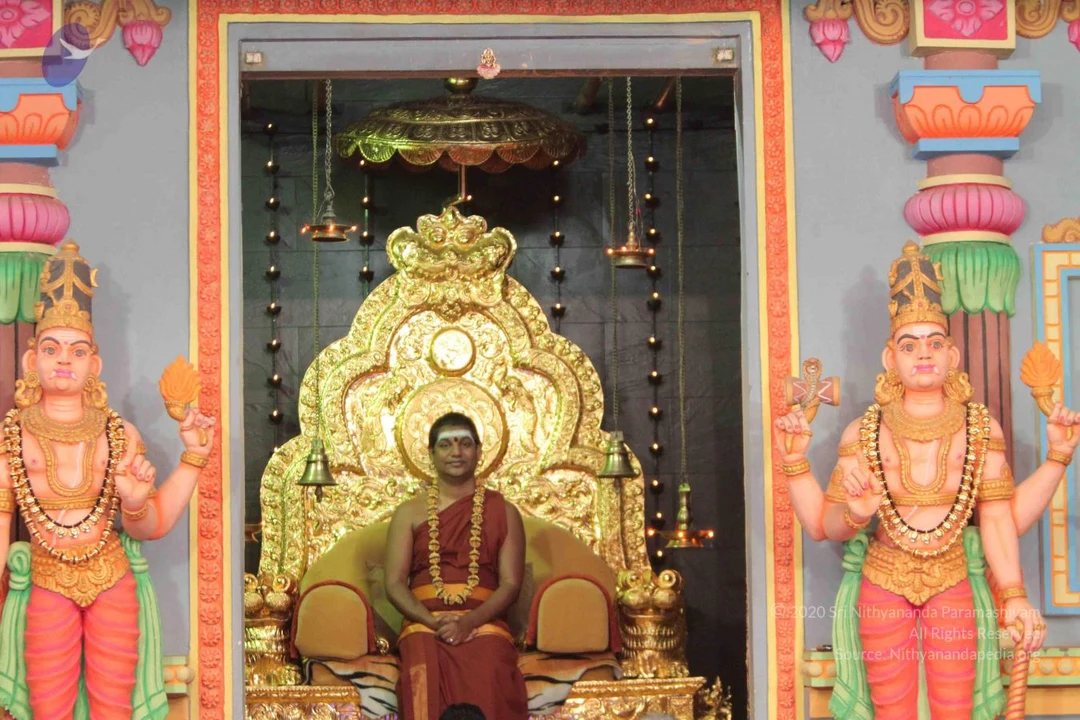
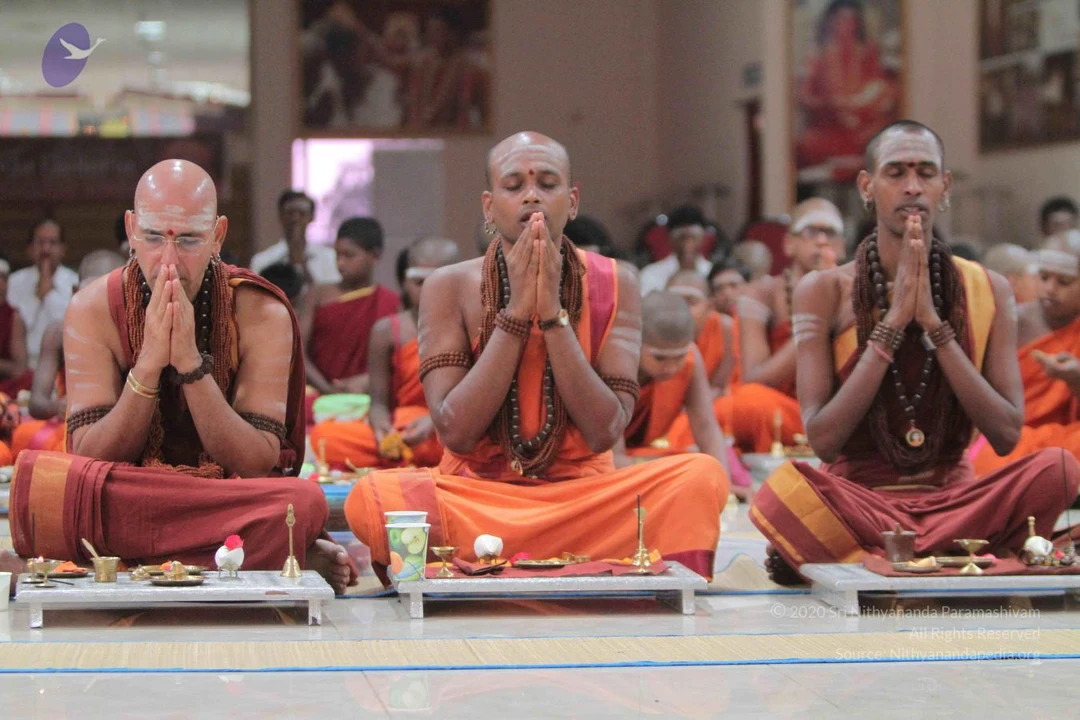
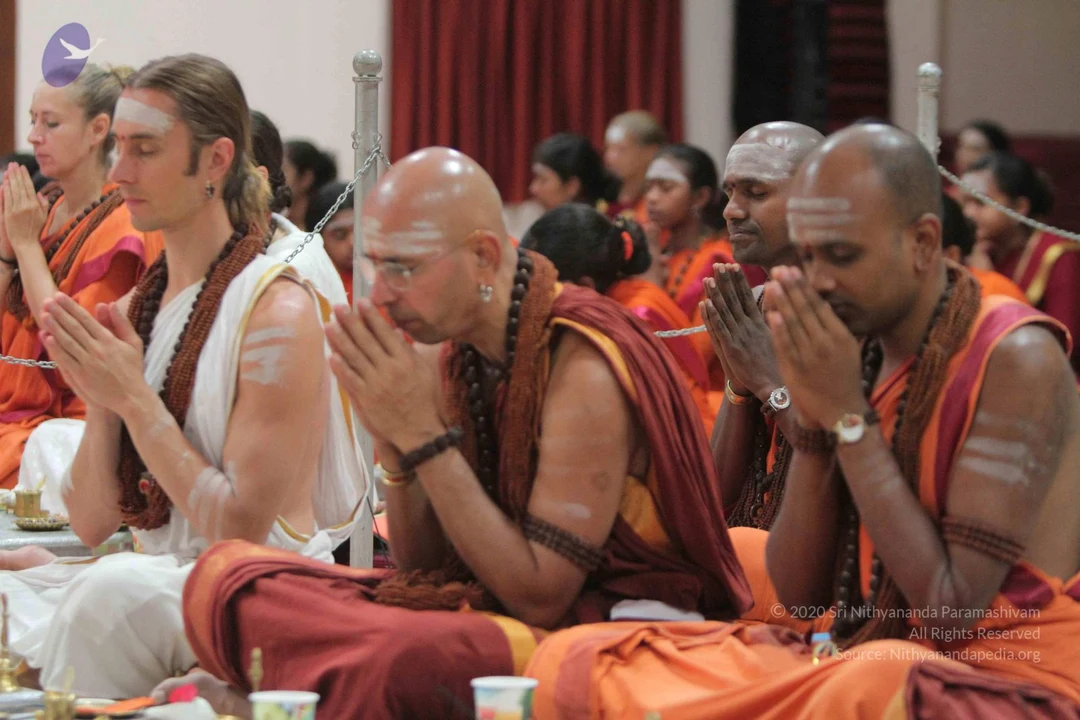
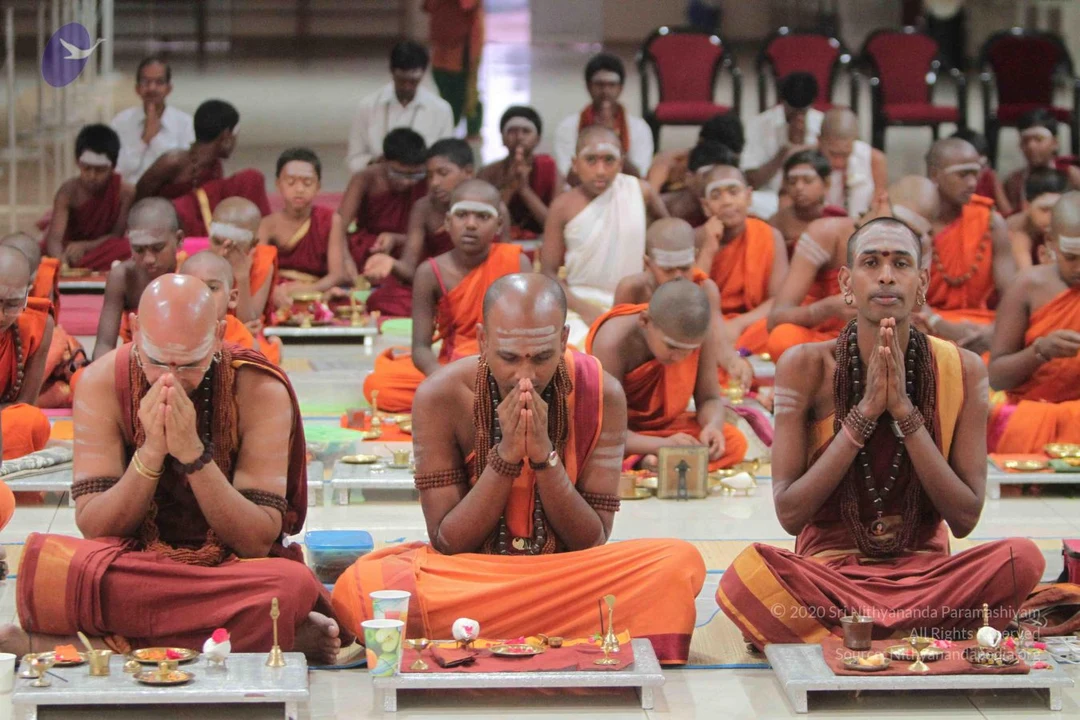
Photos Of The Day:
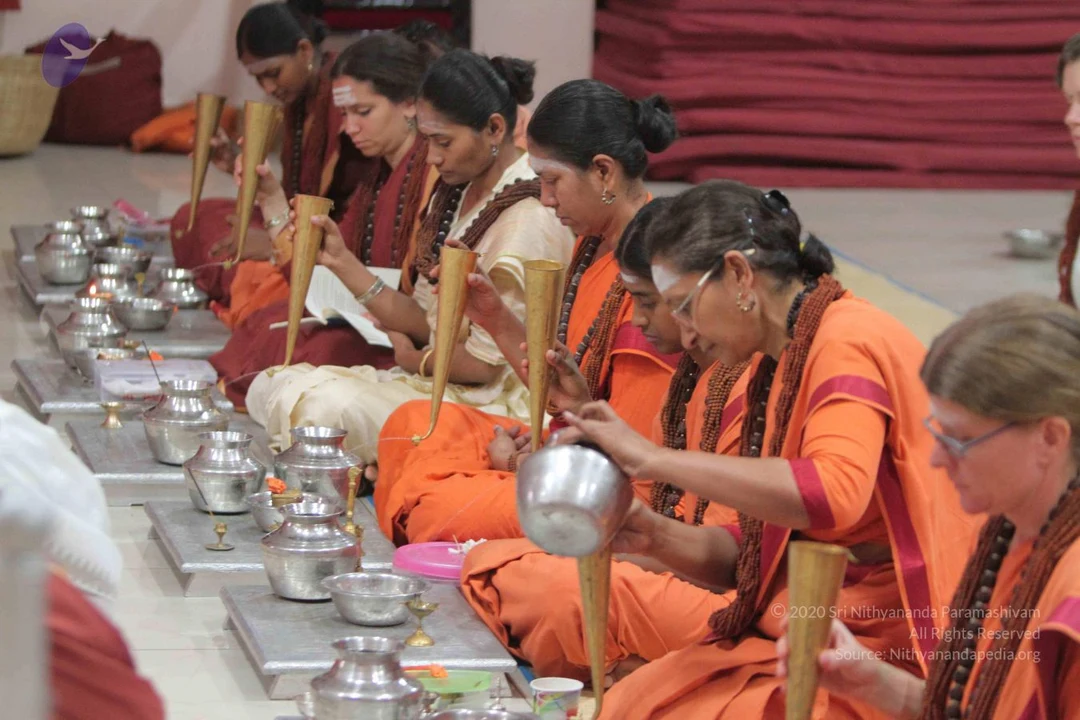
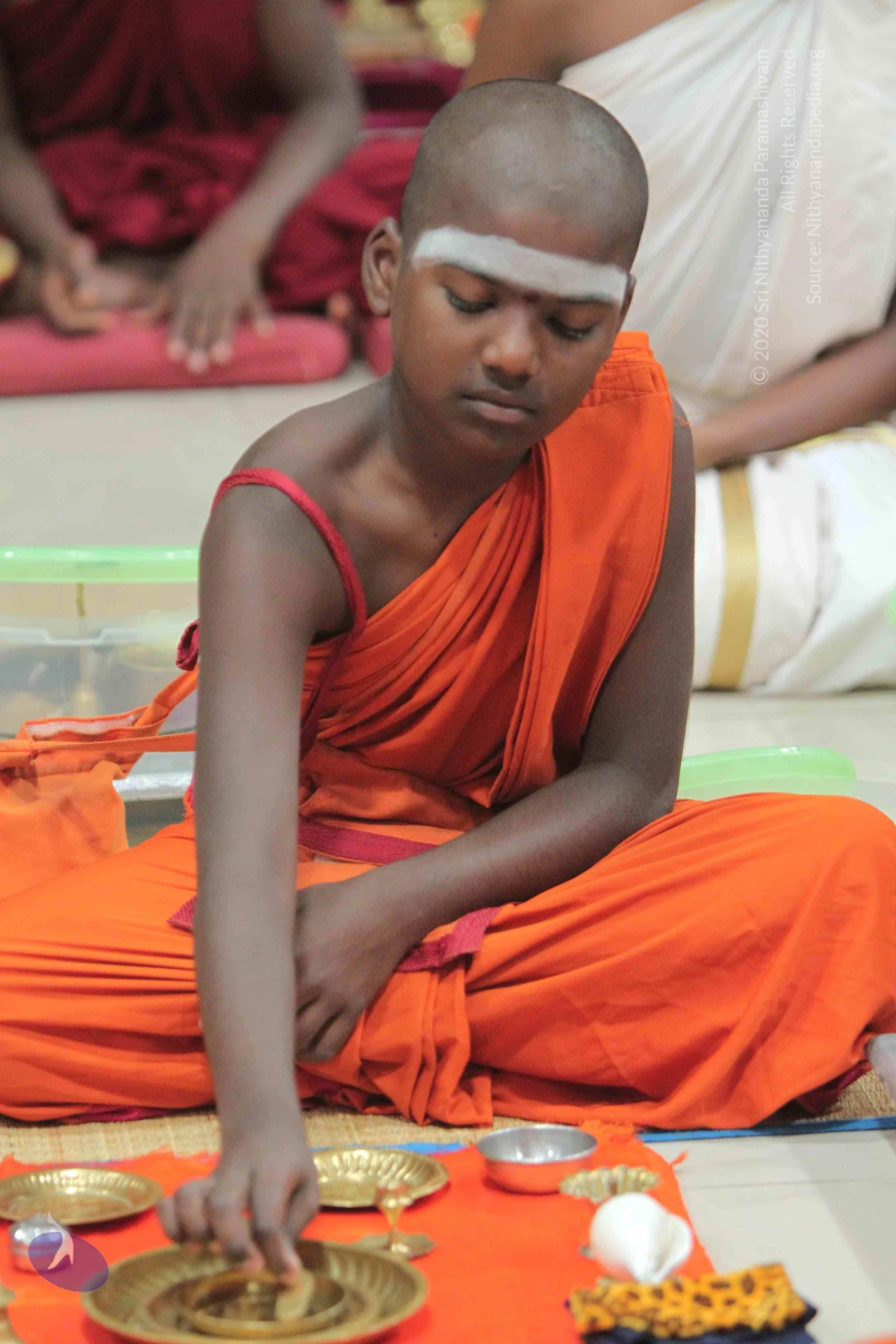
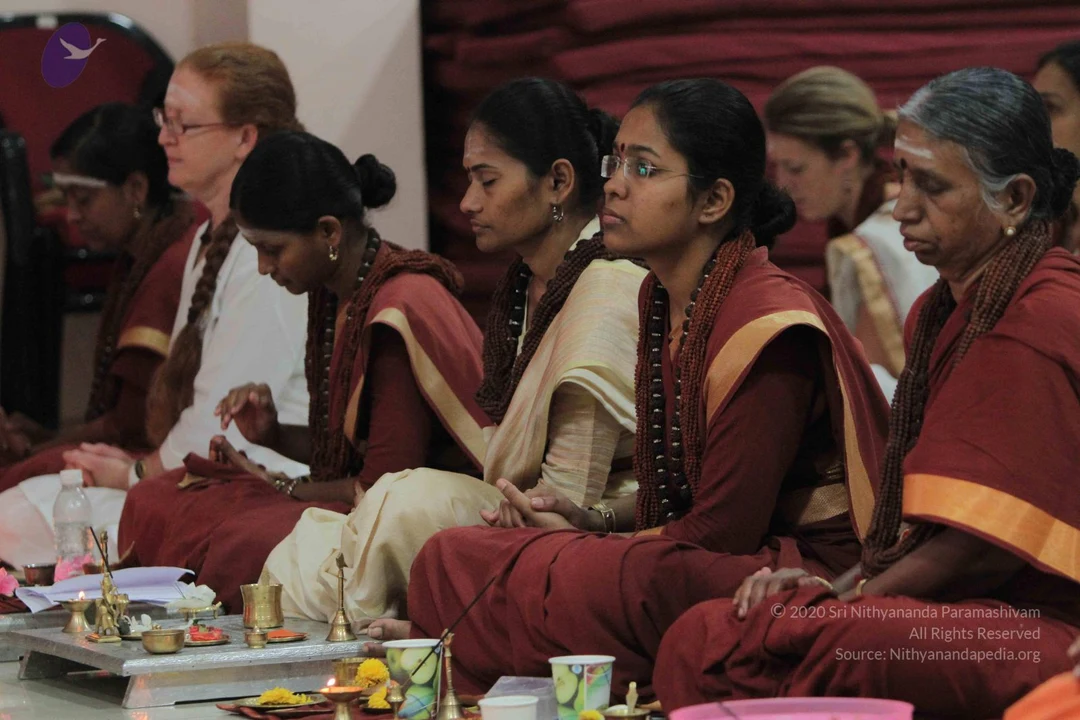
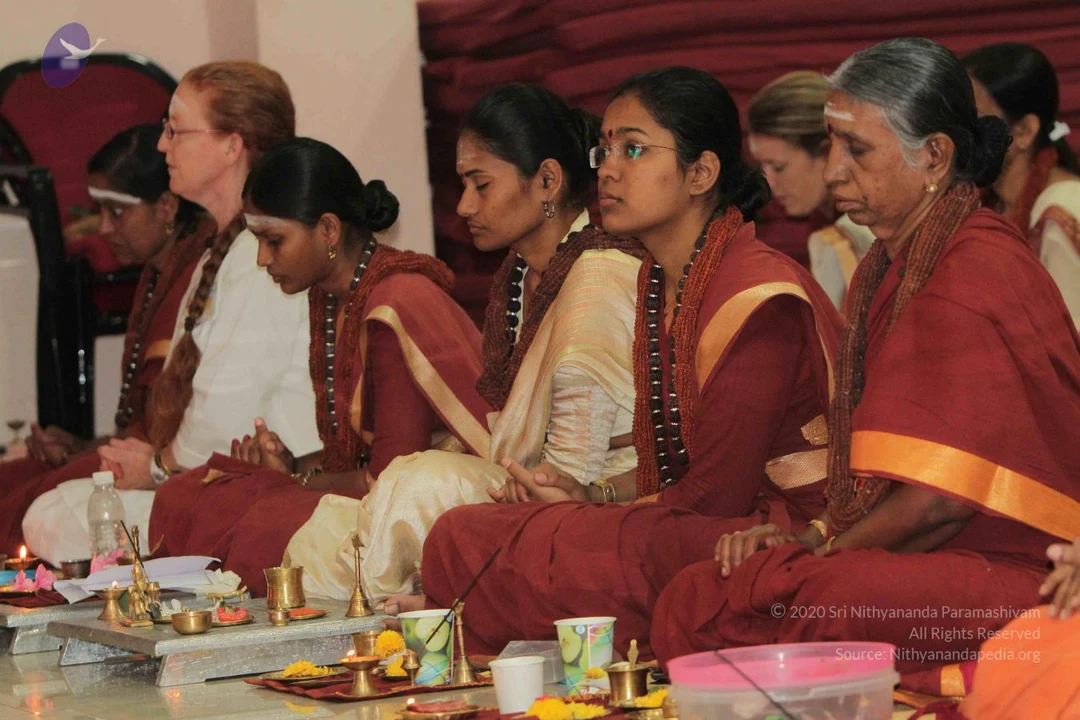
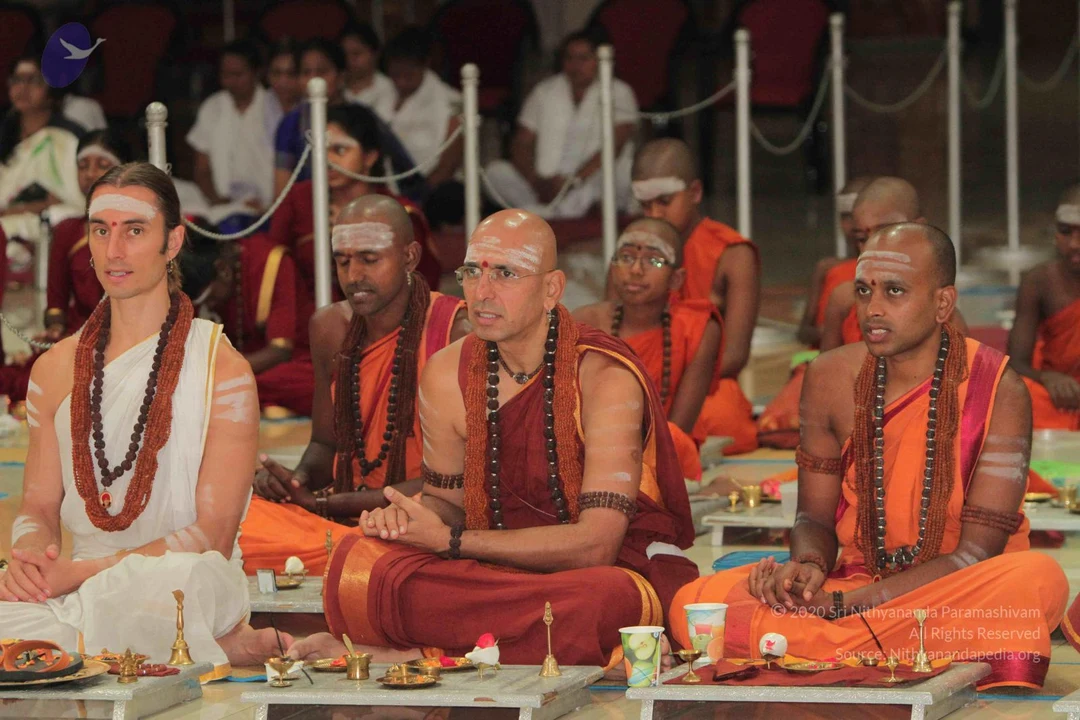
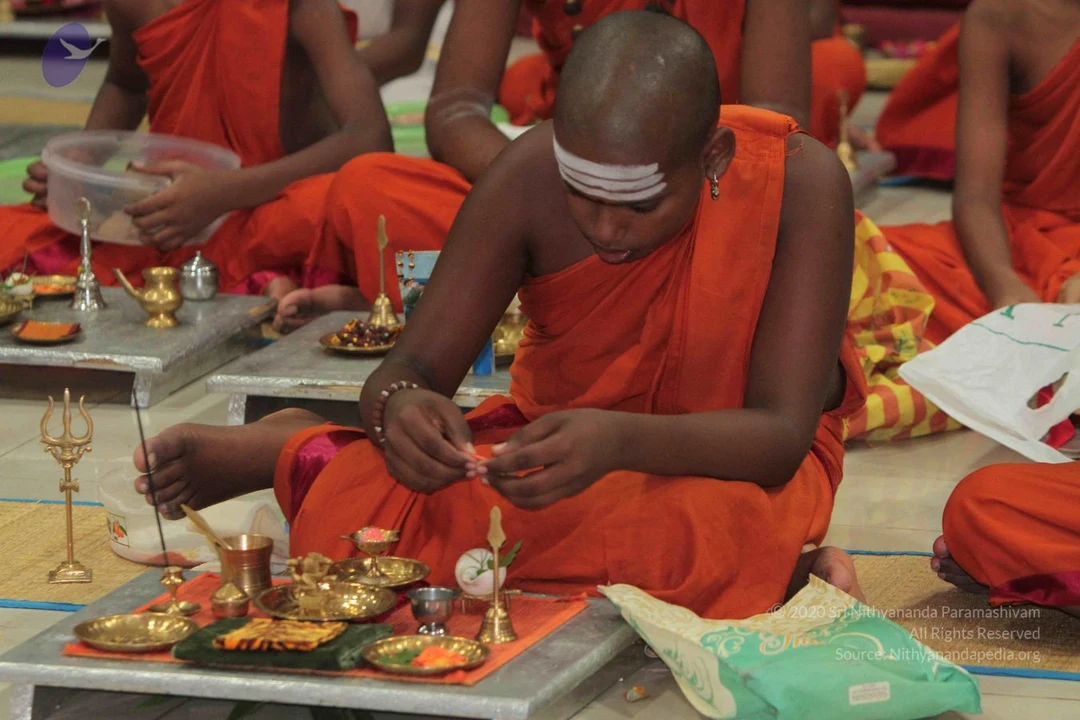
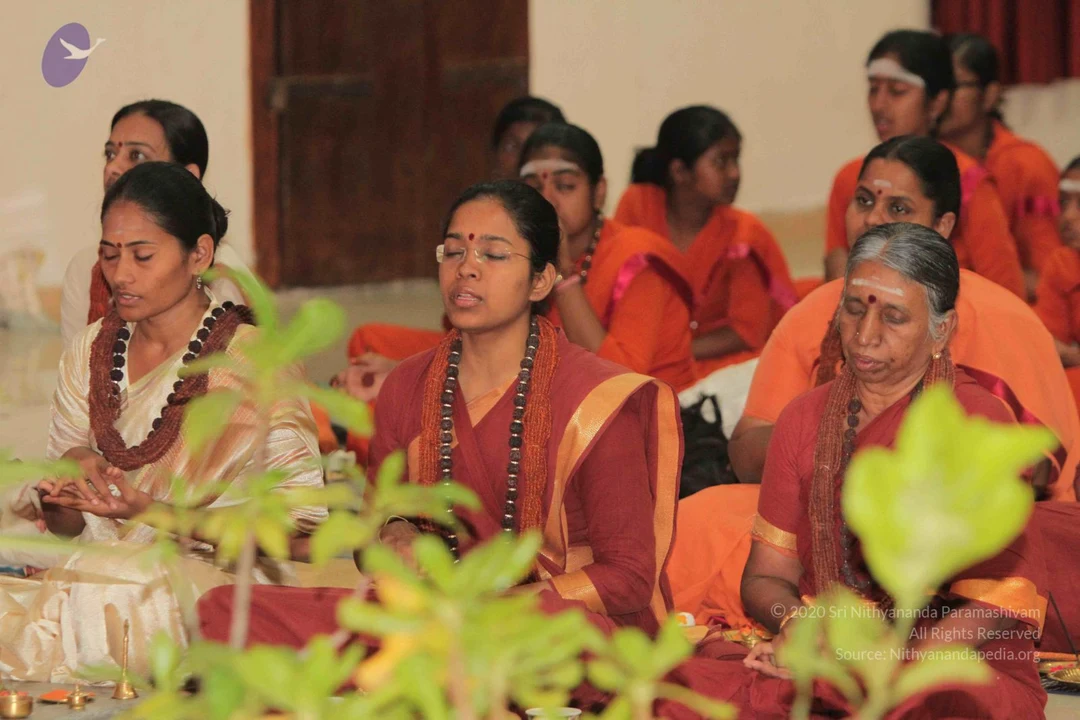
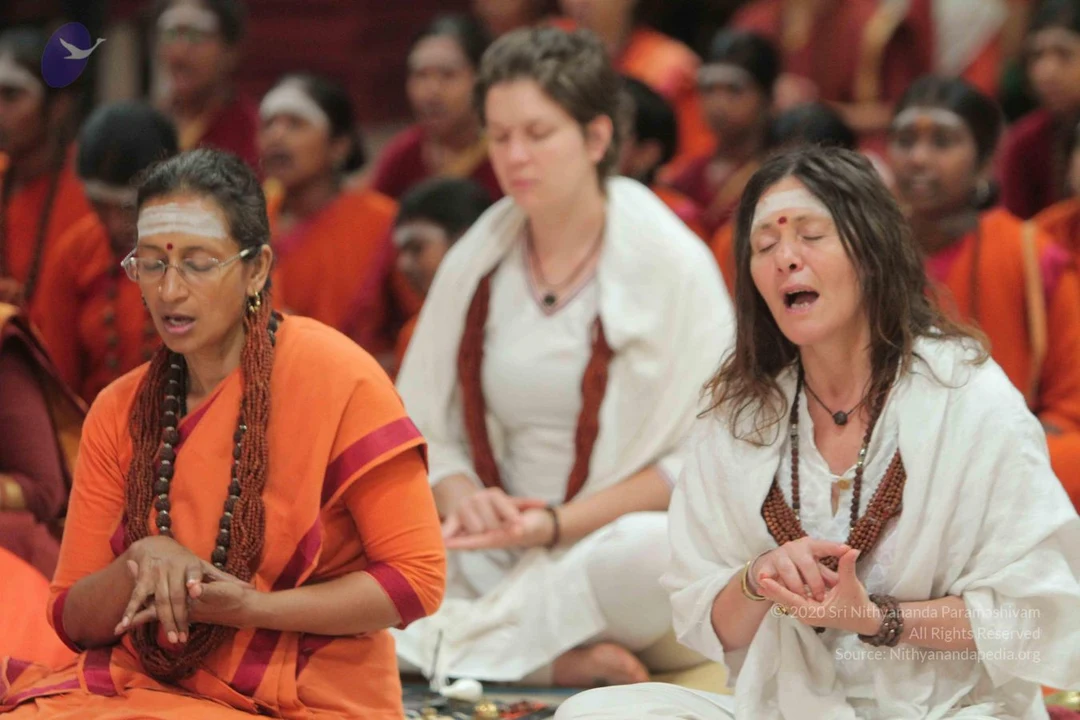
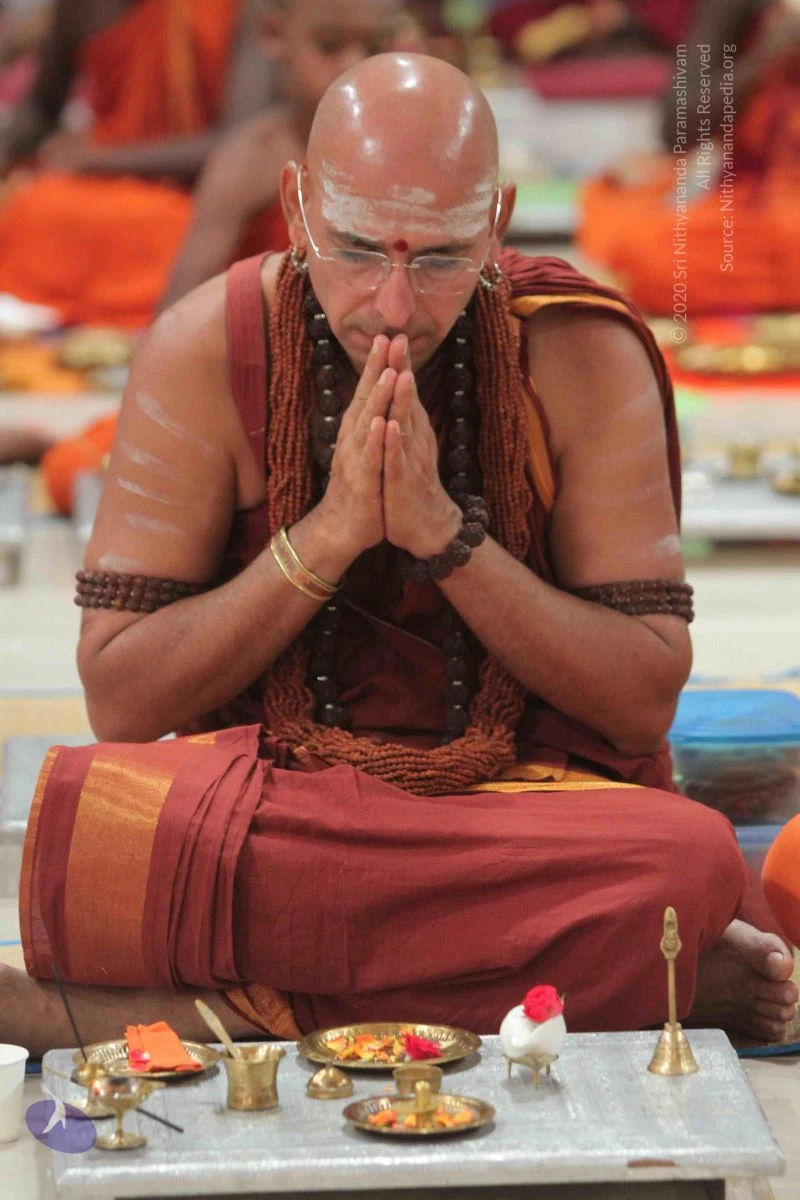
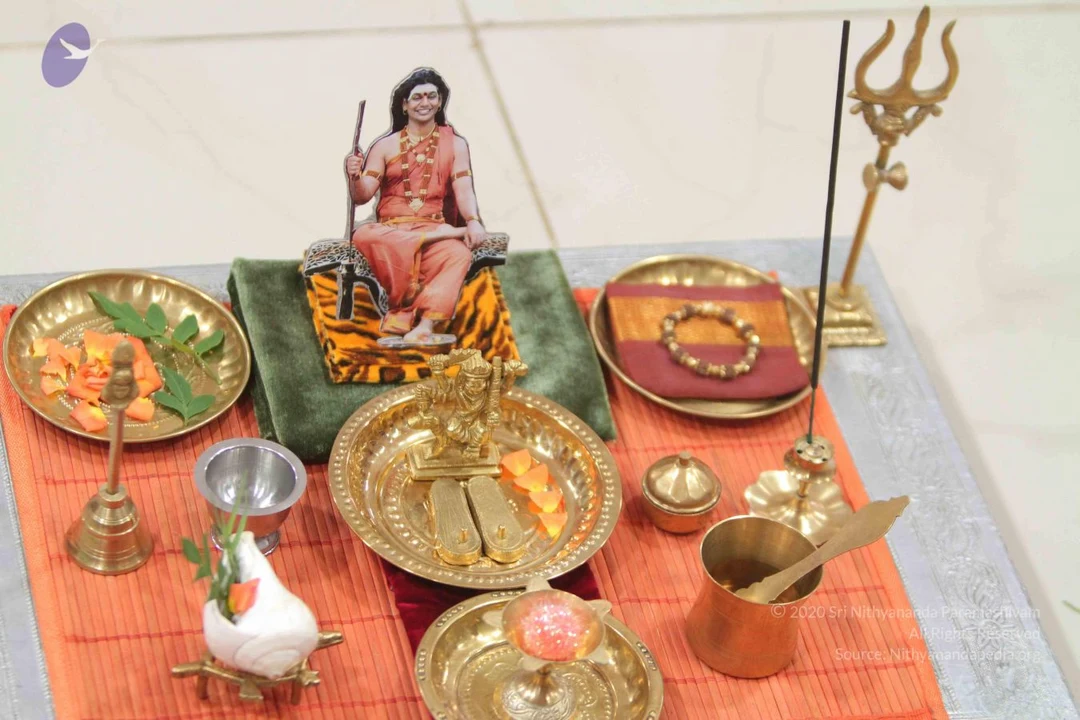
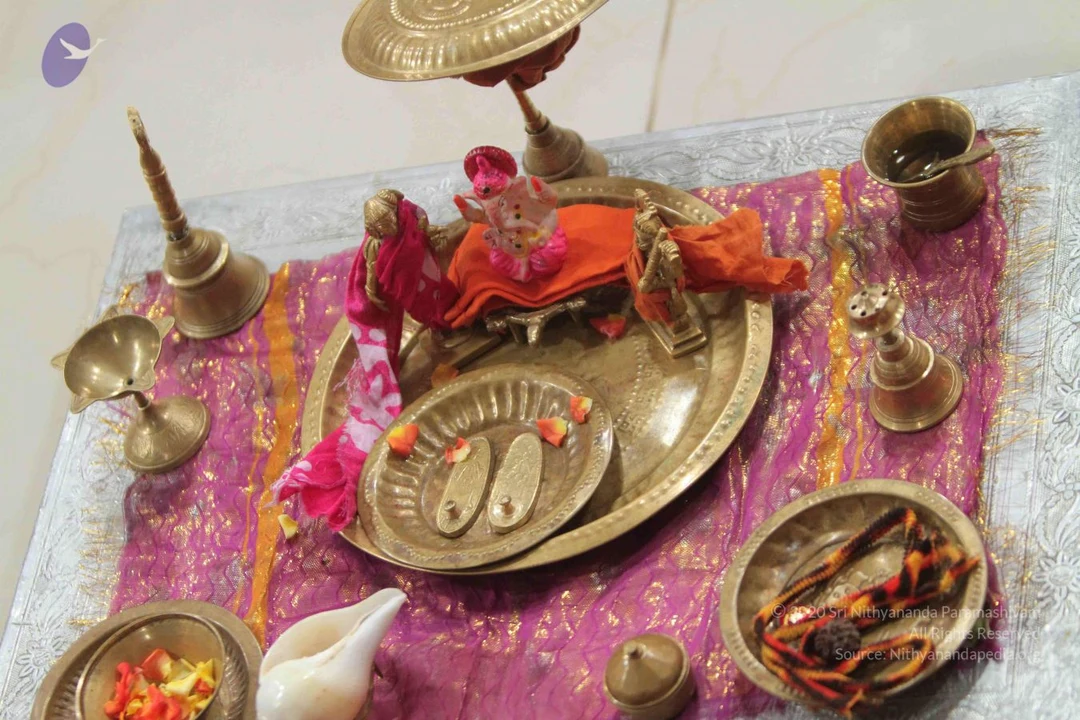
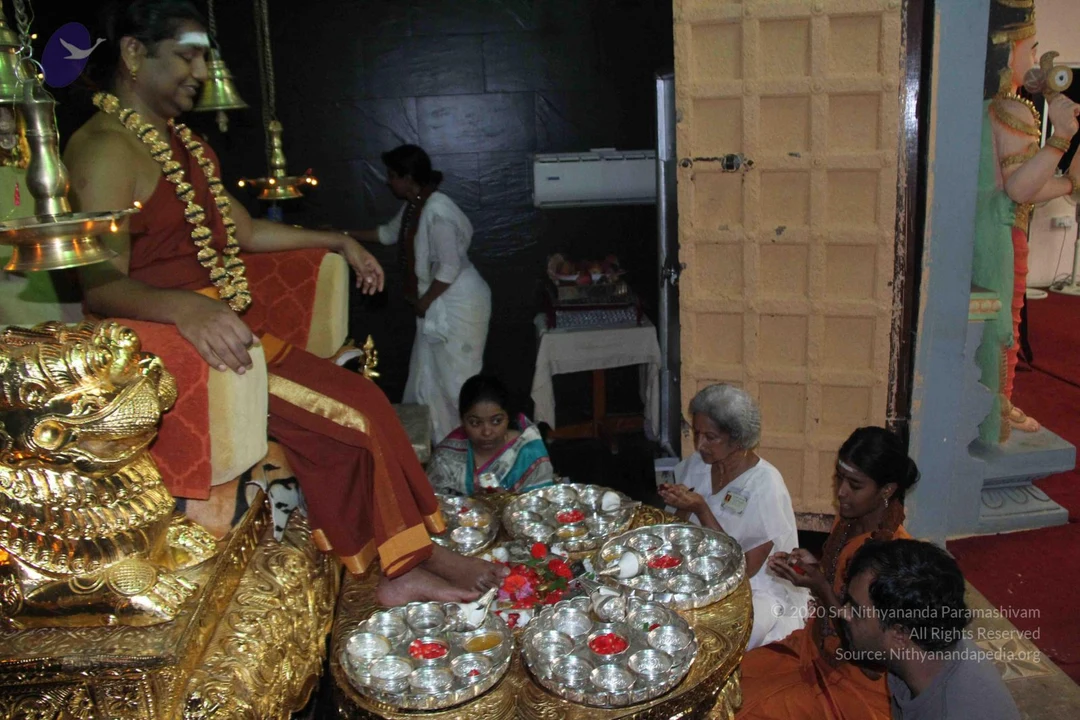
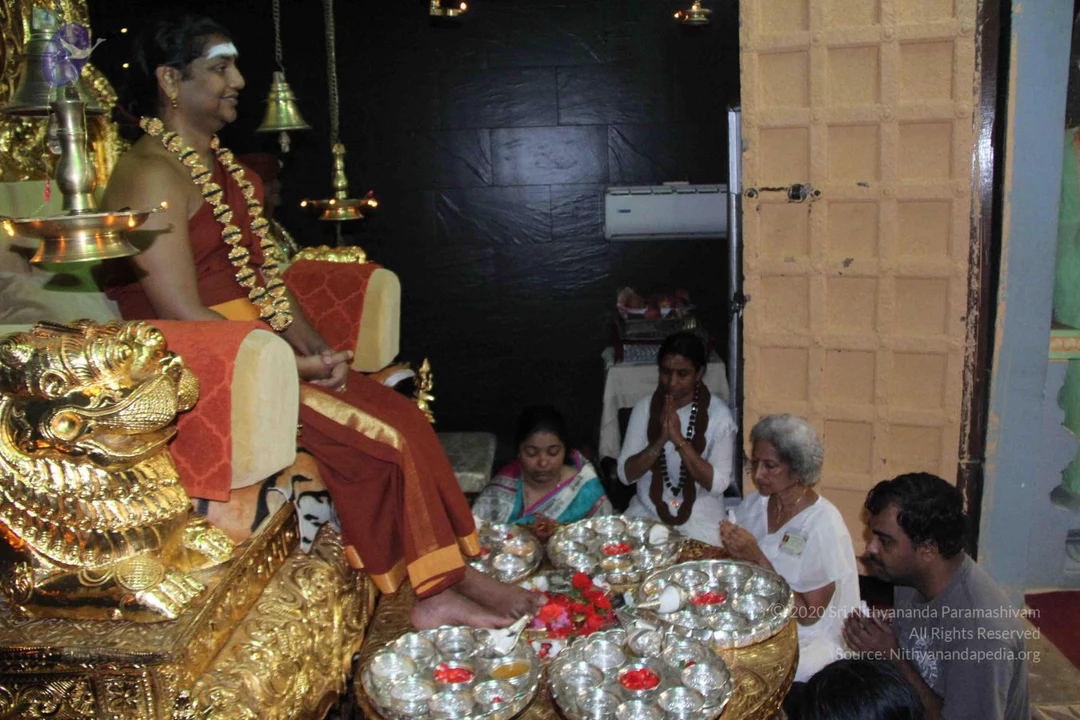
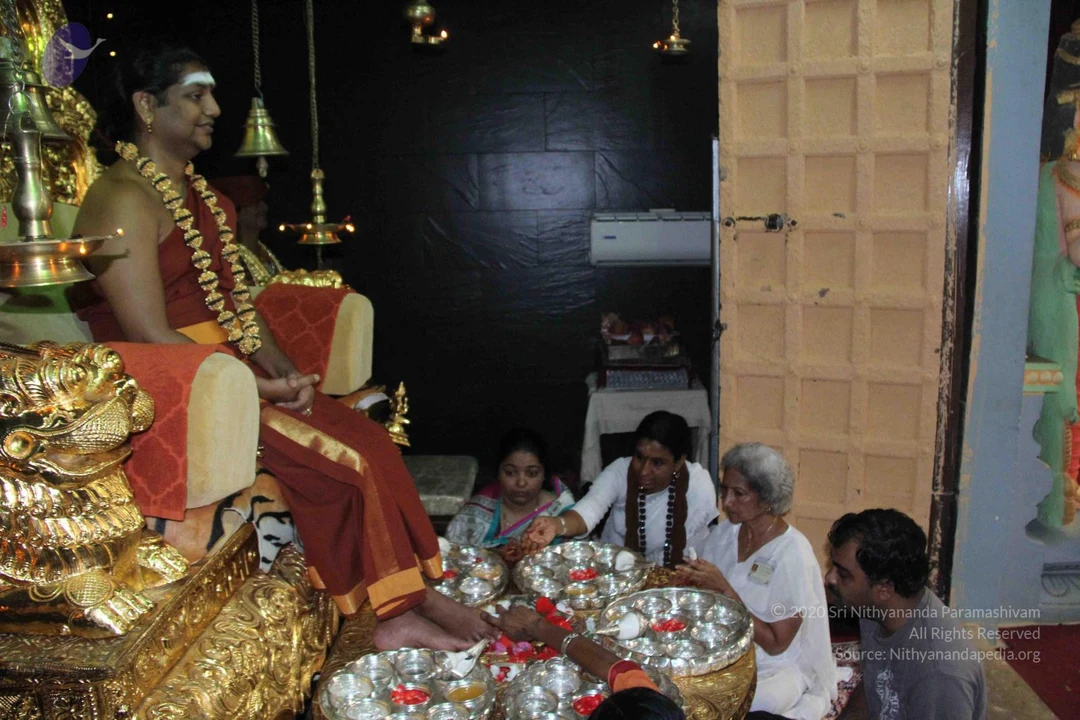
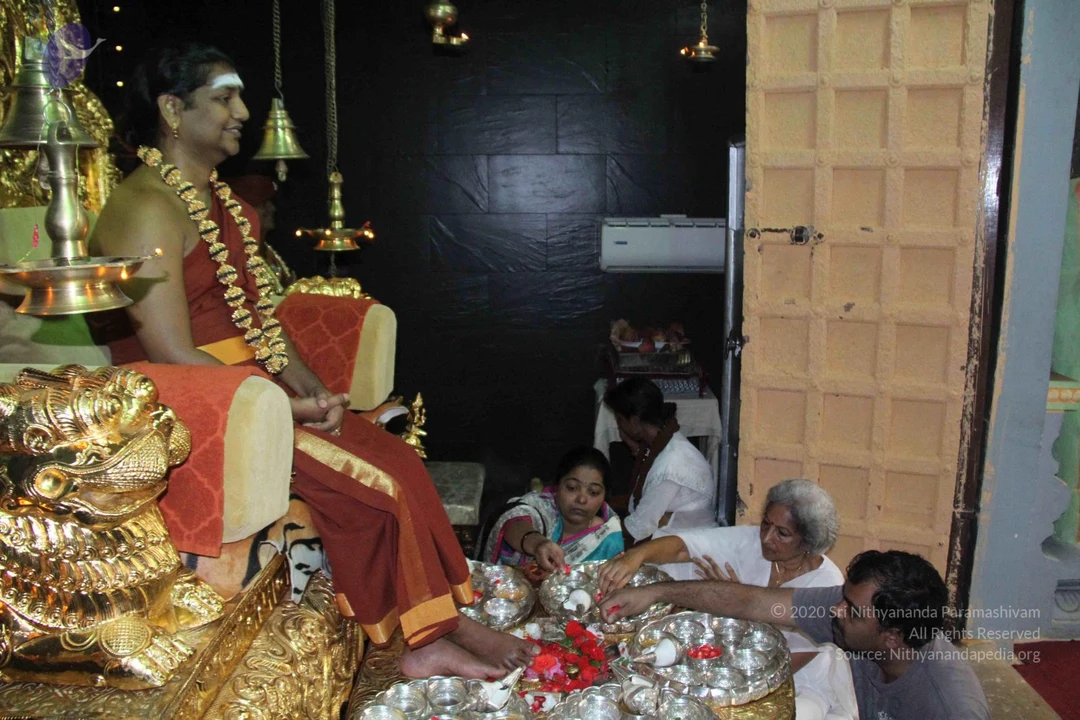
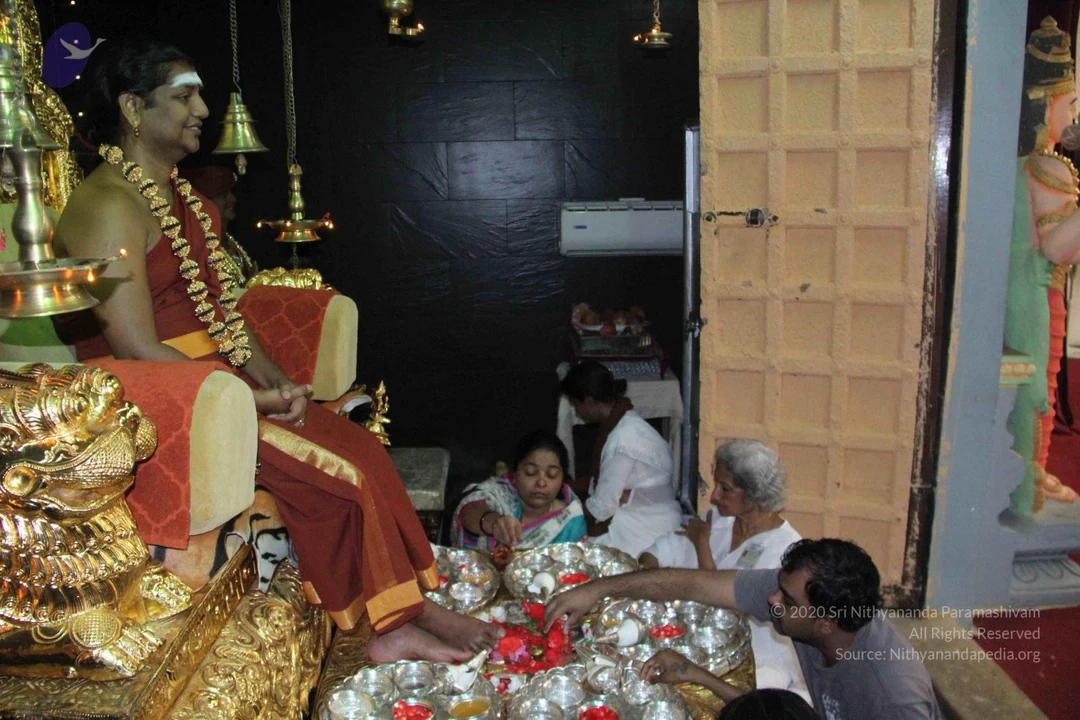
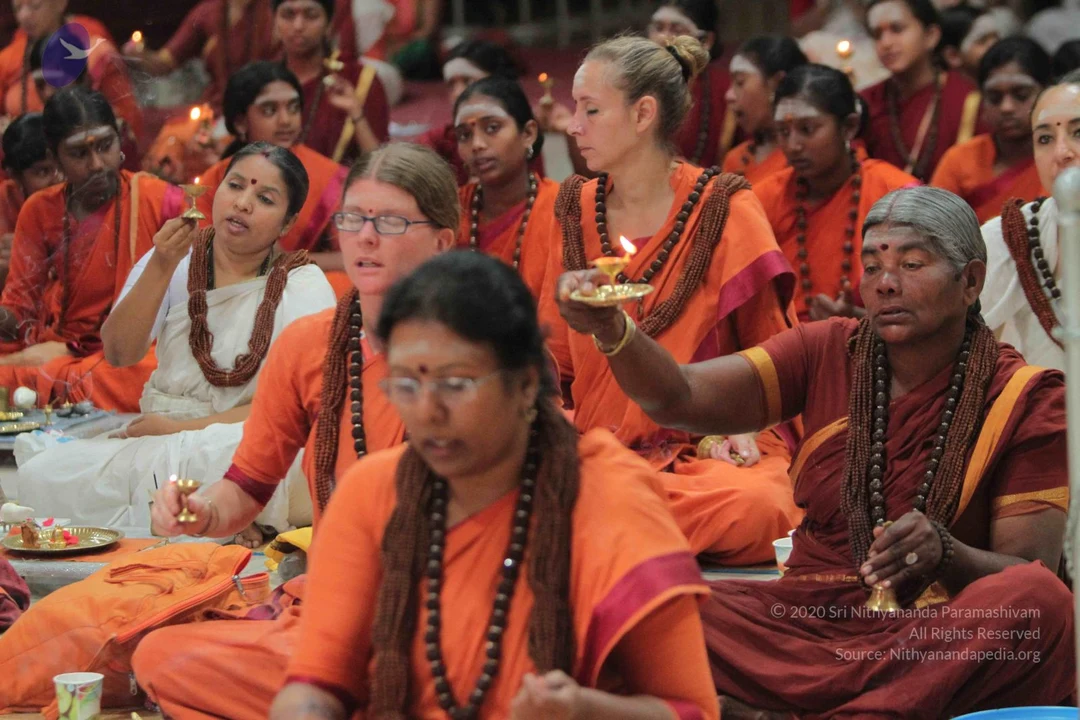
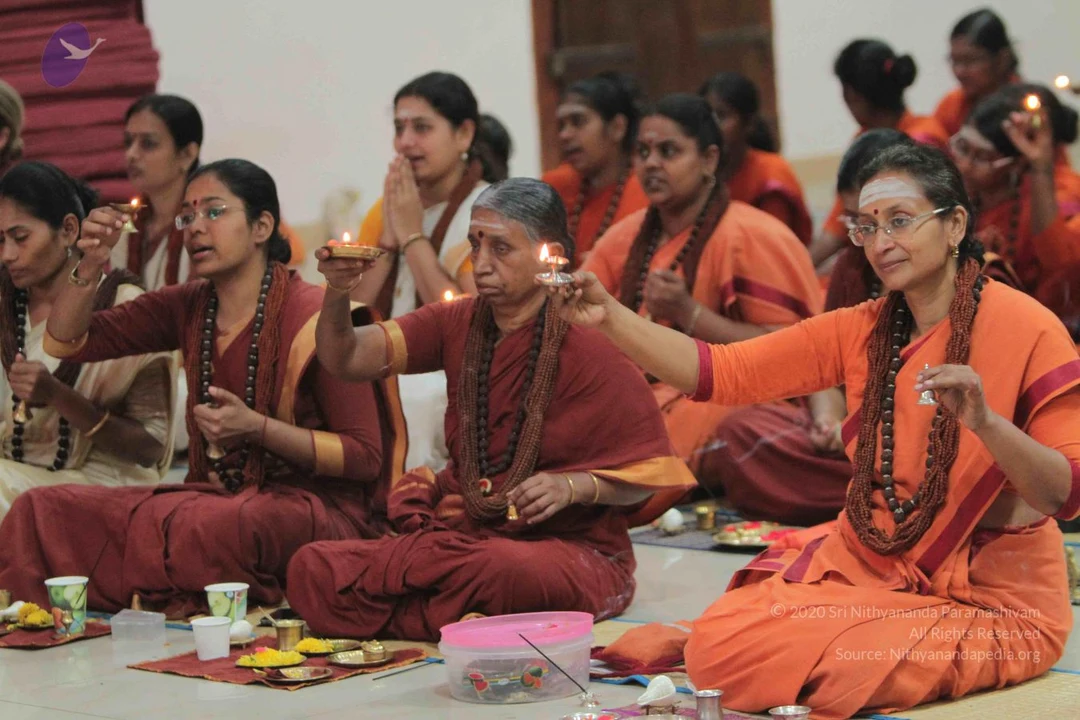
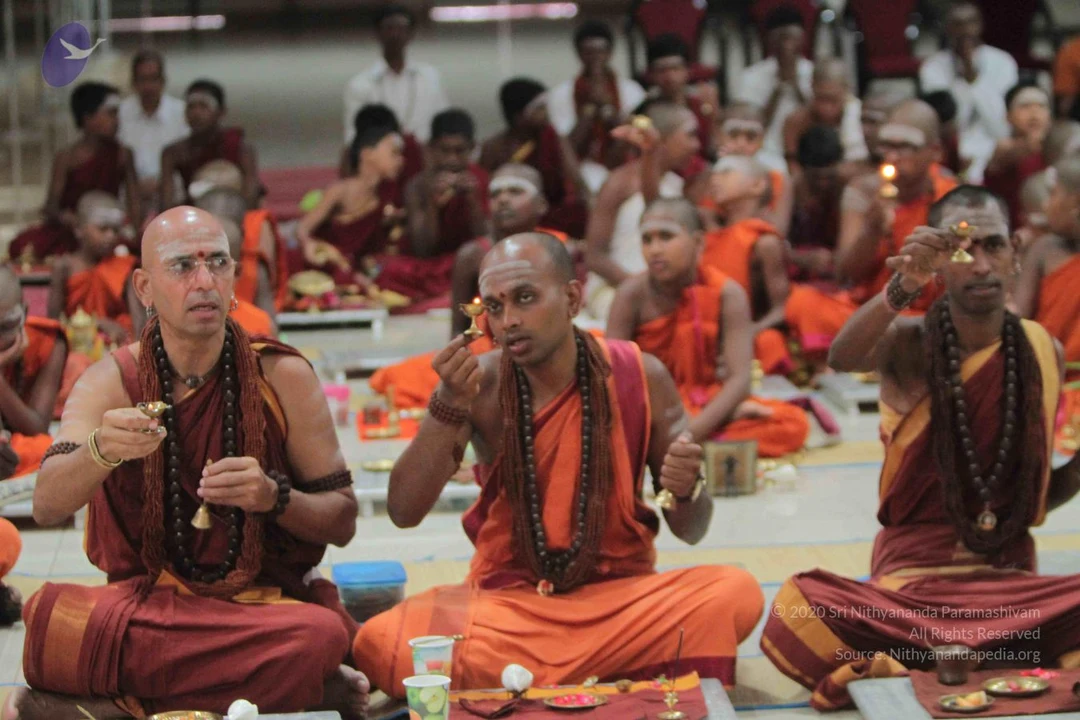
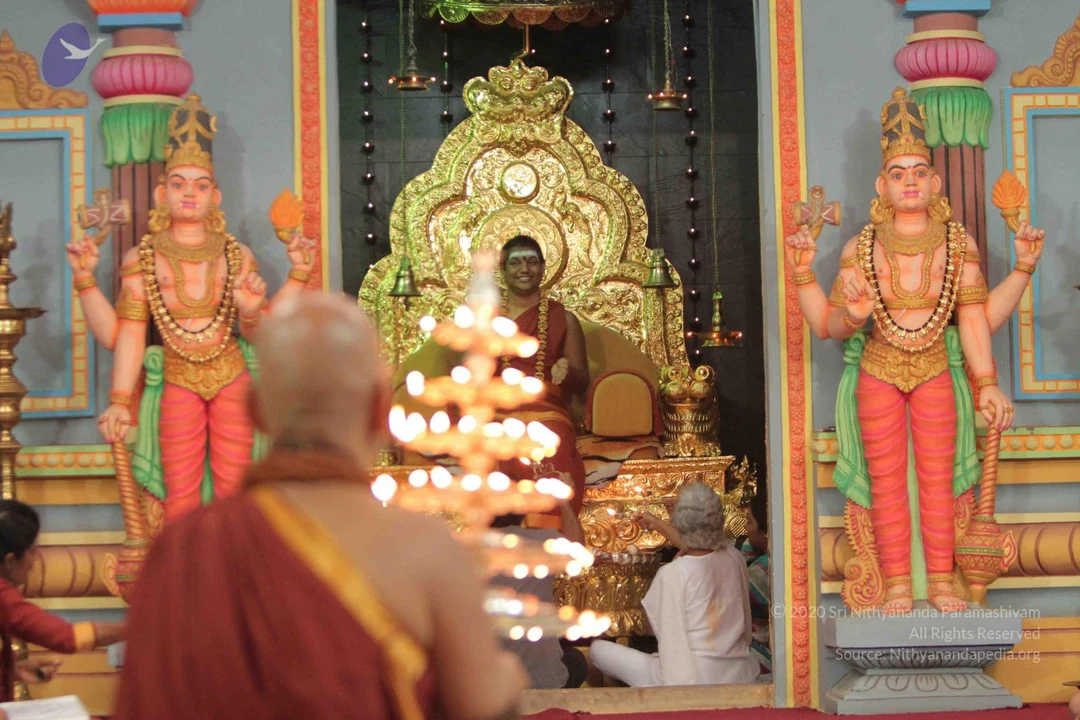
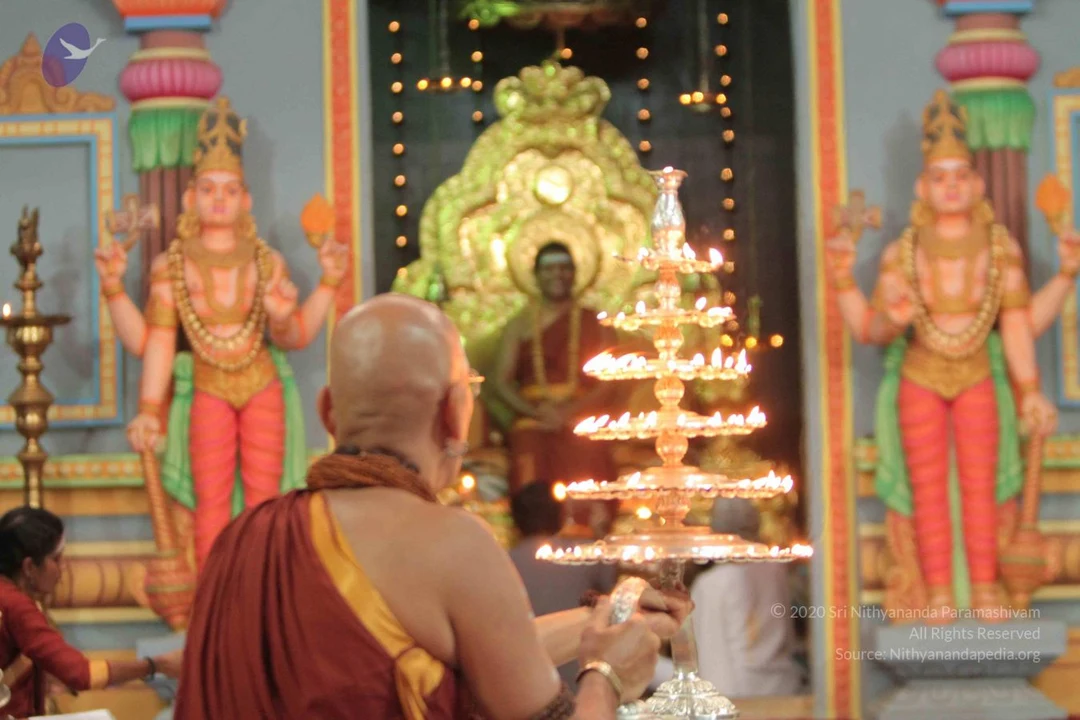
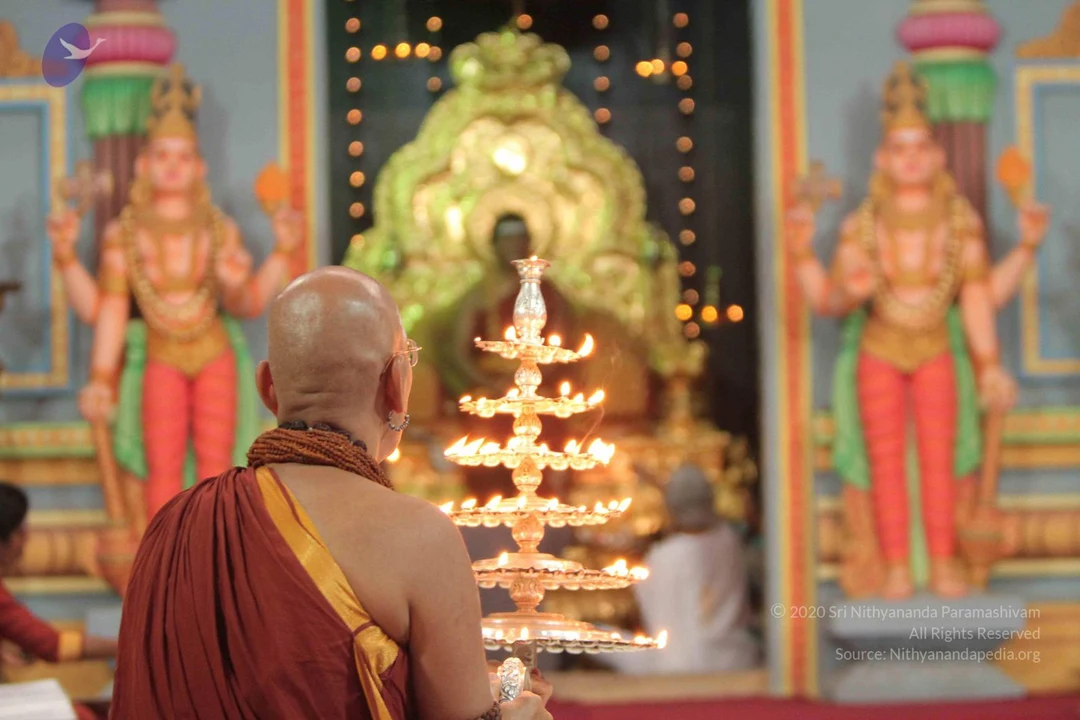
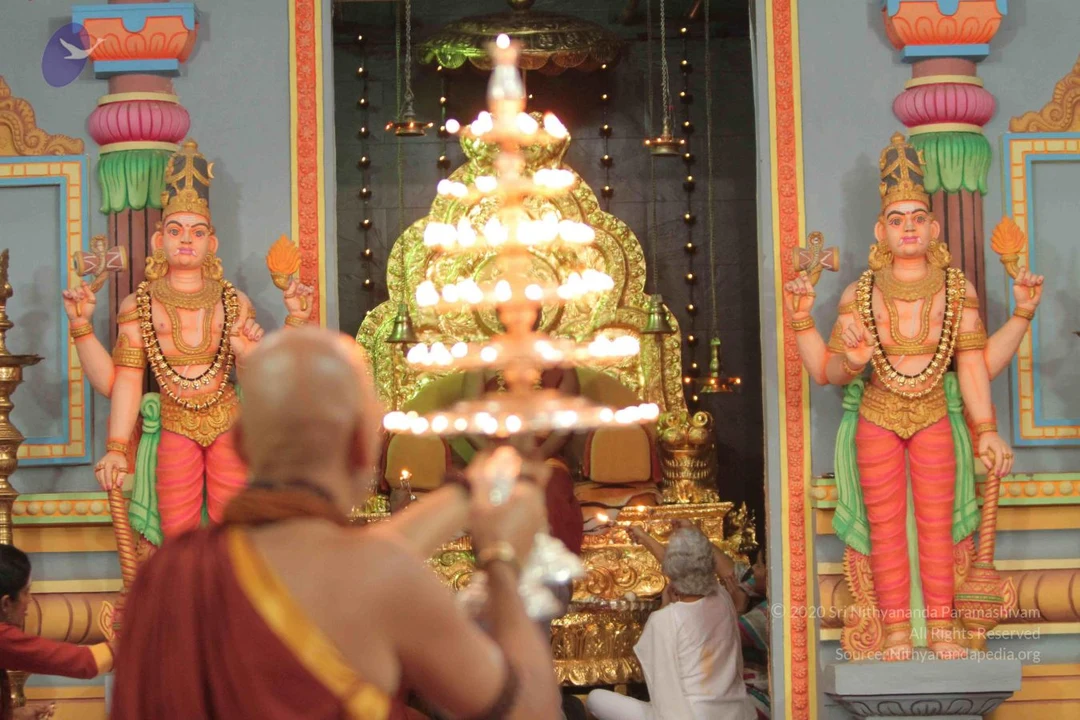
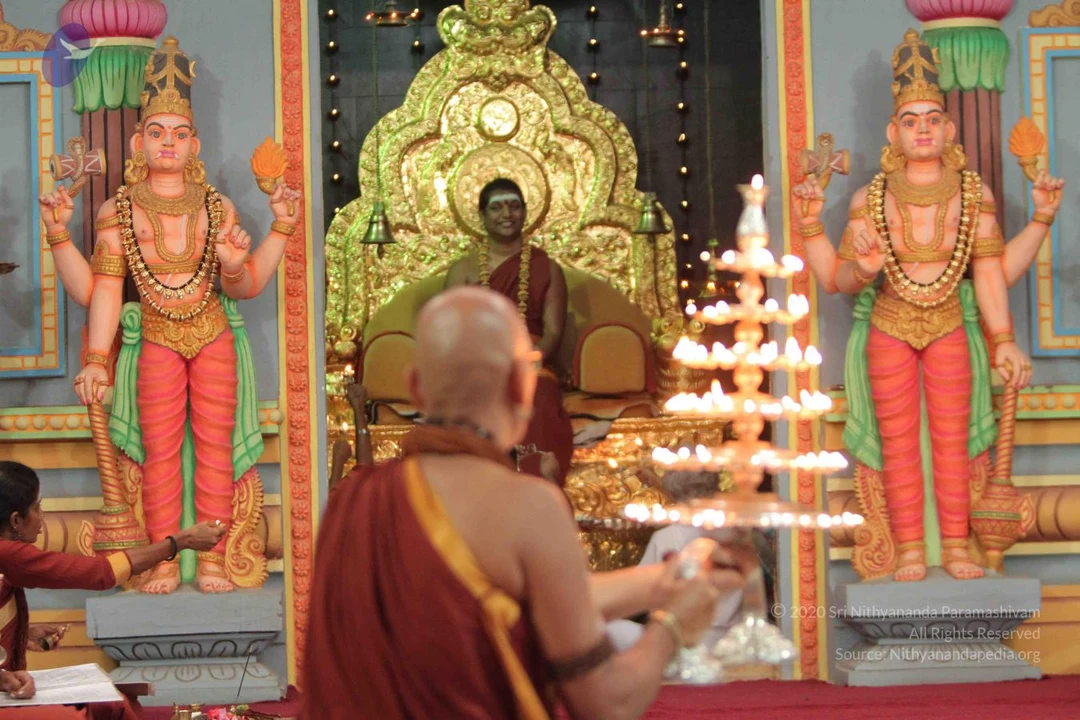
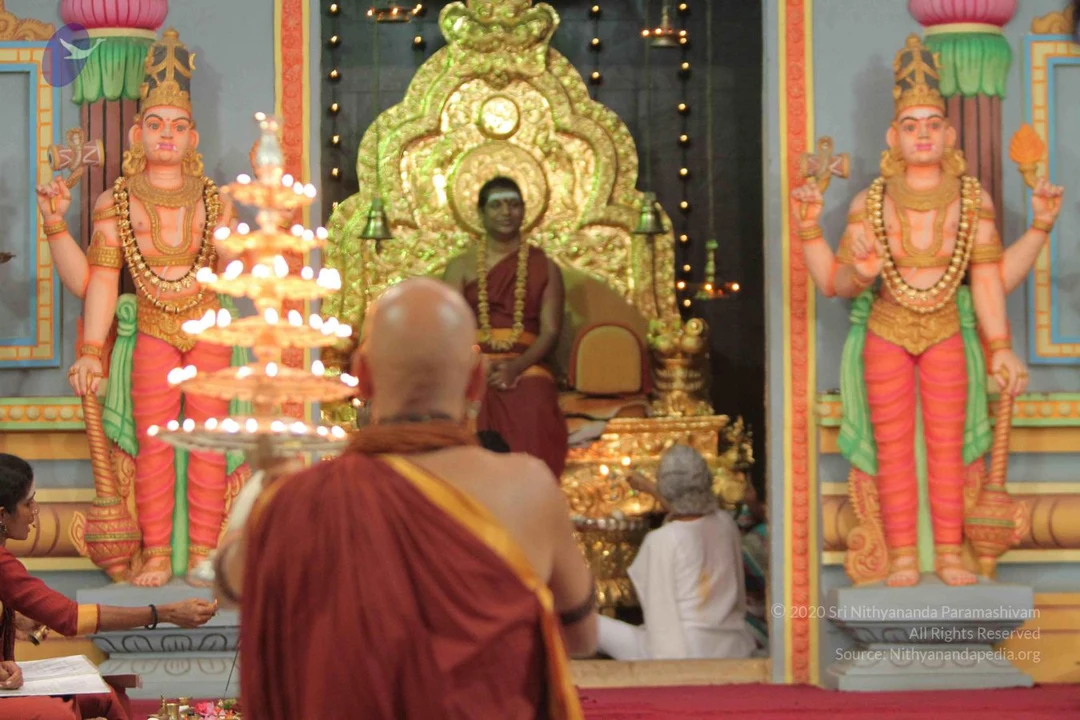
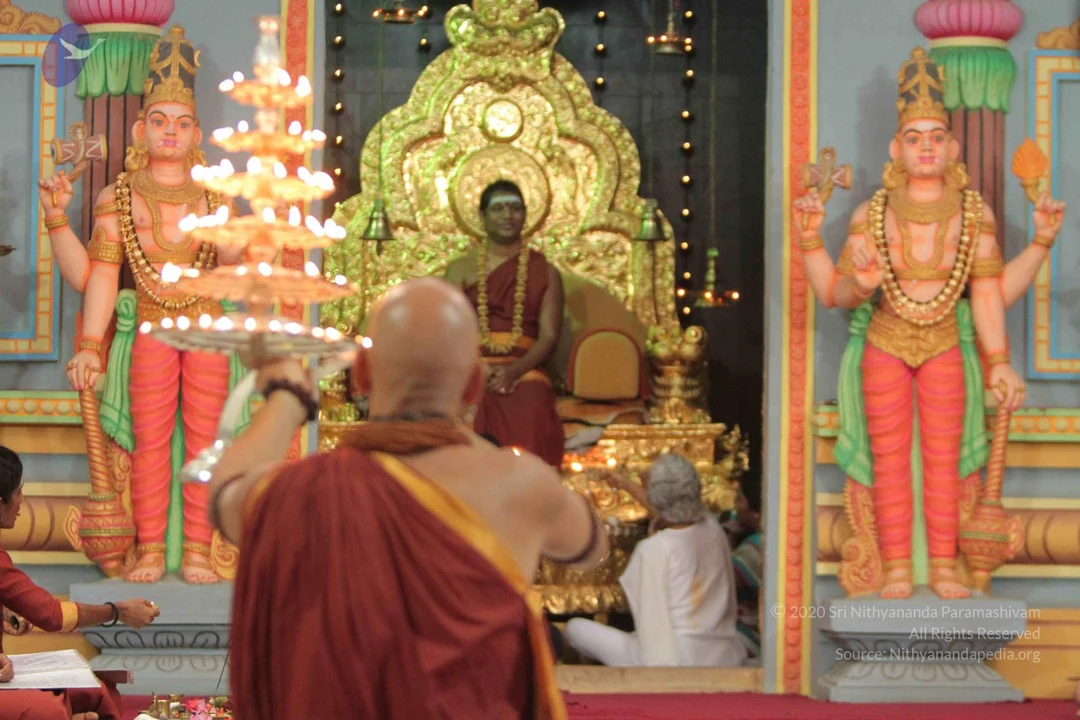
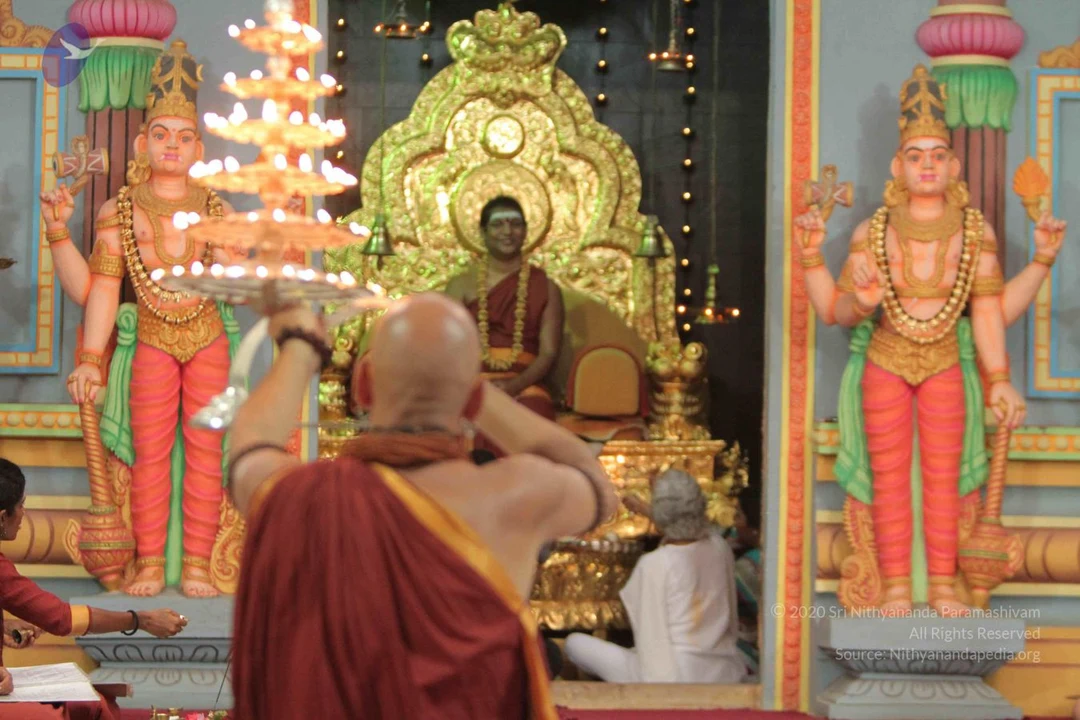
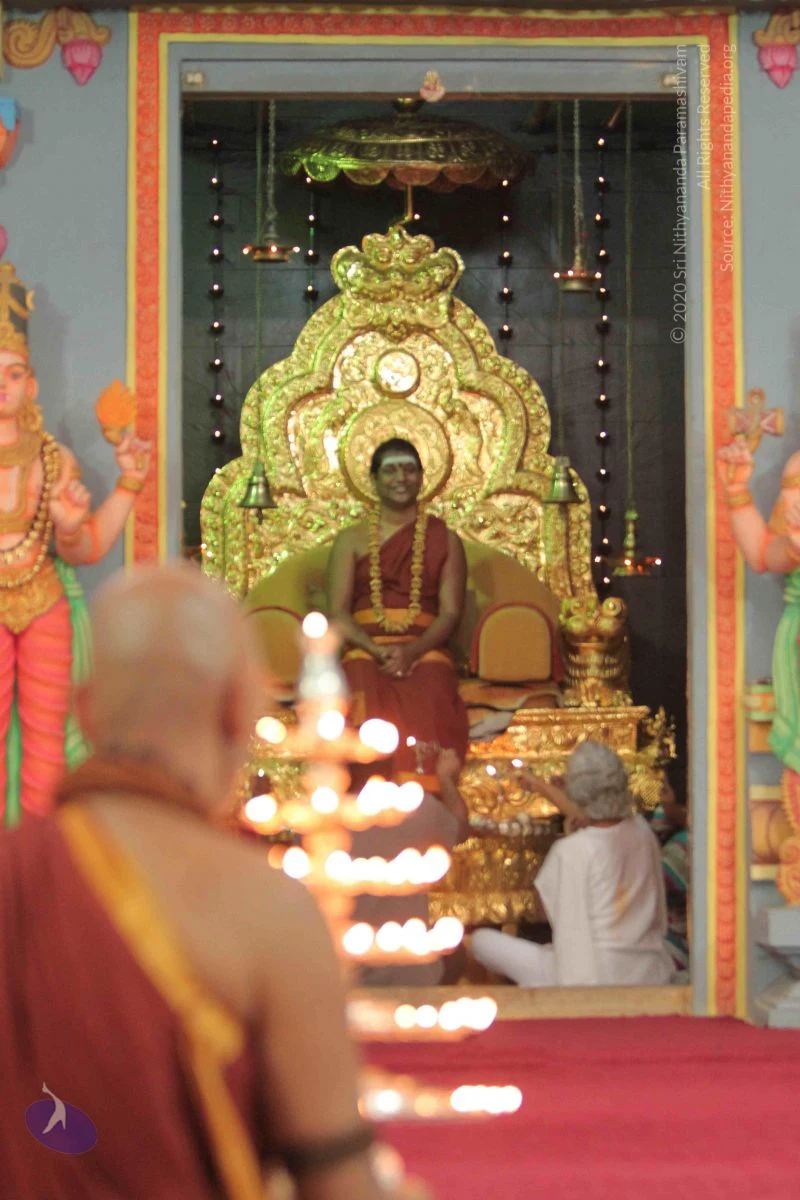
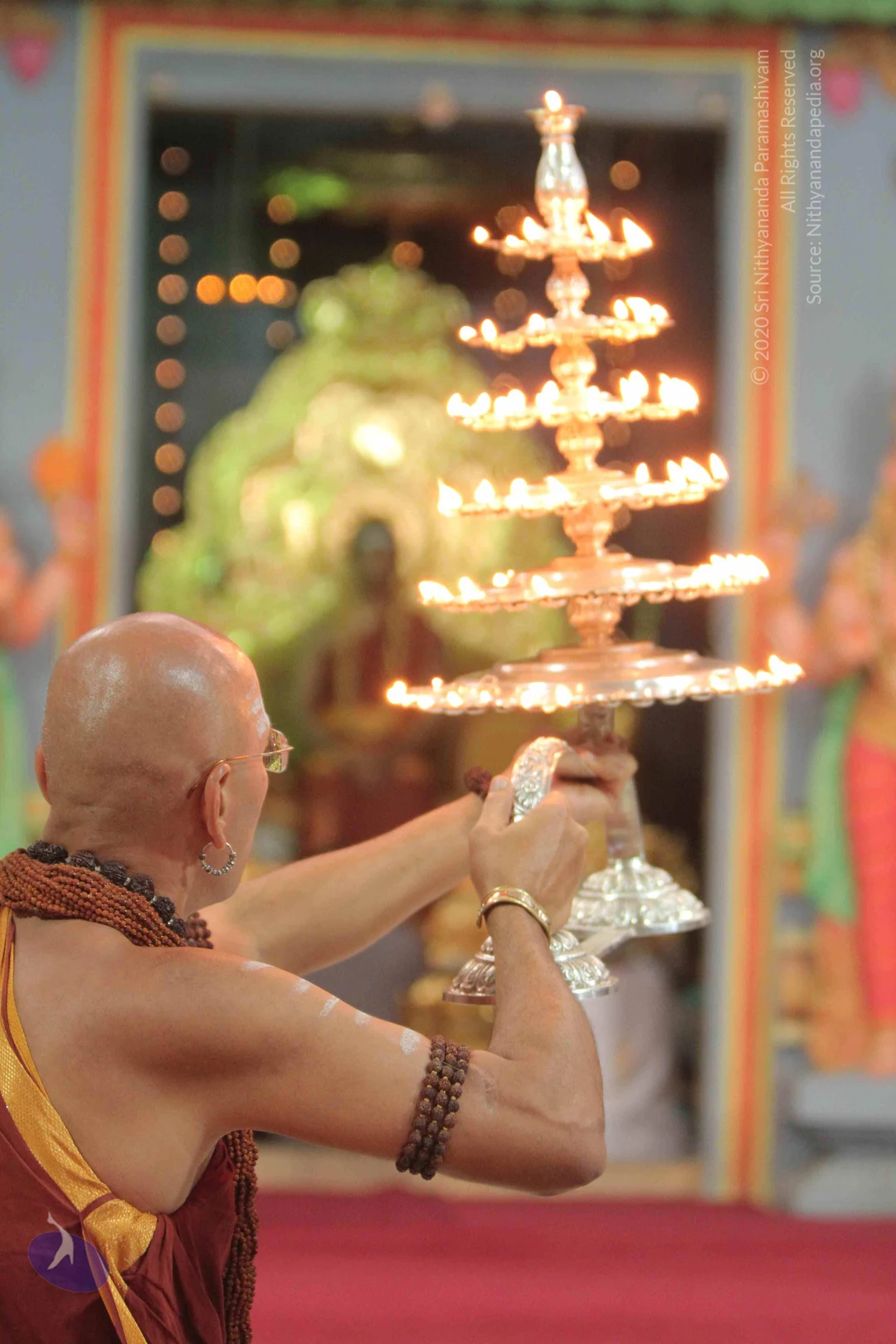
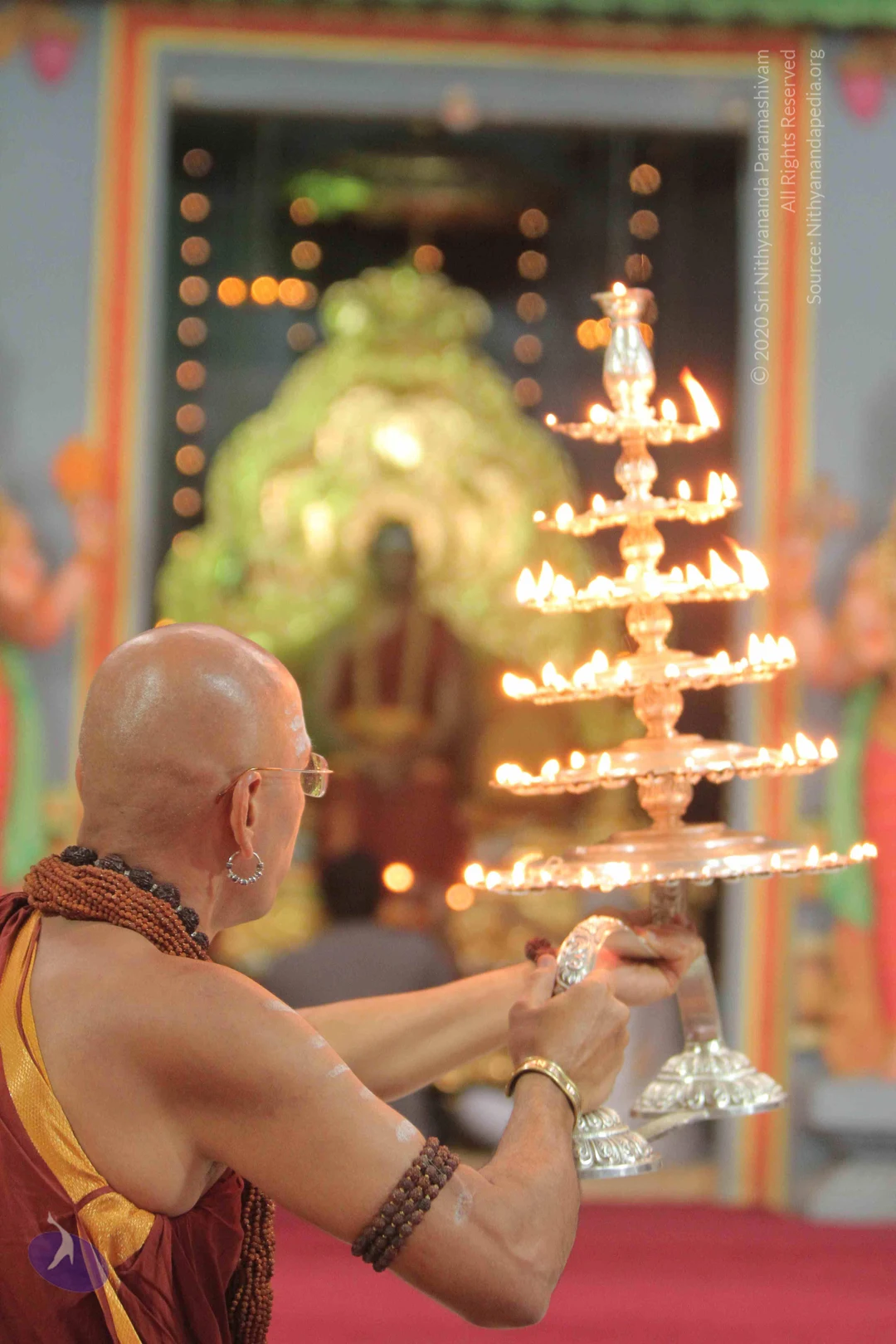
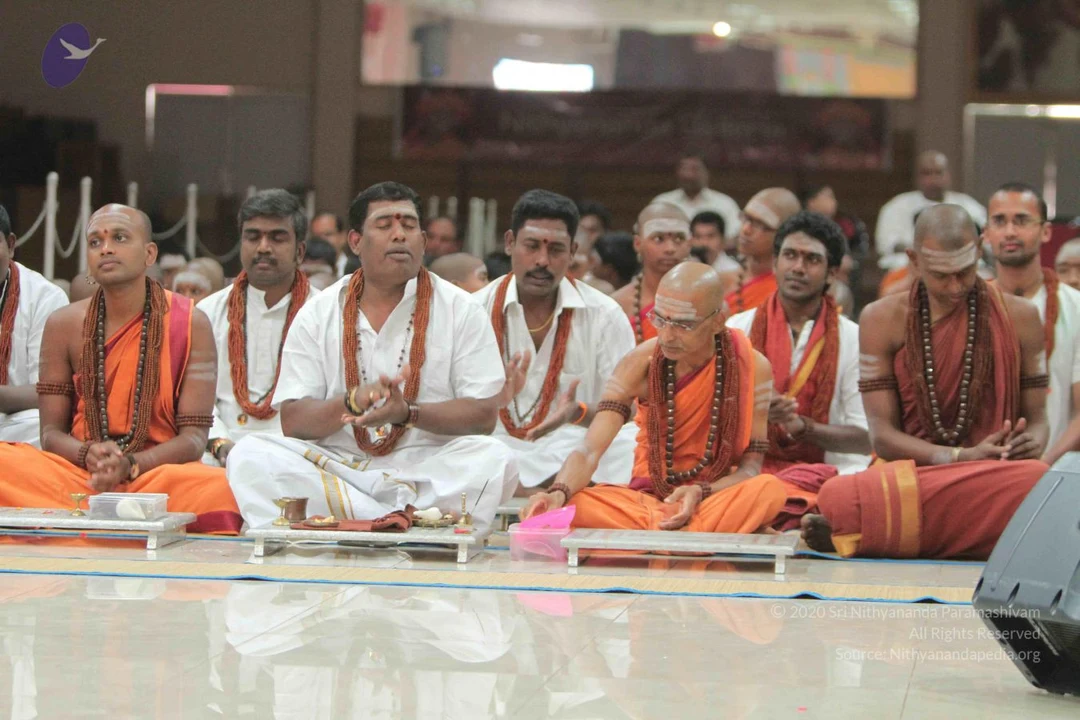
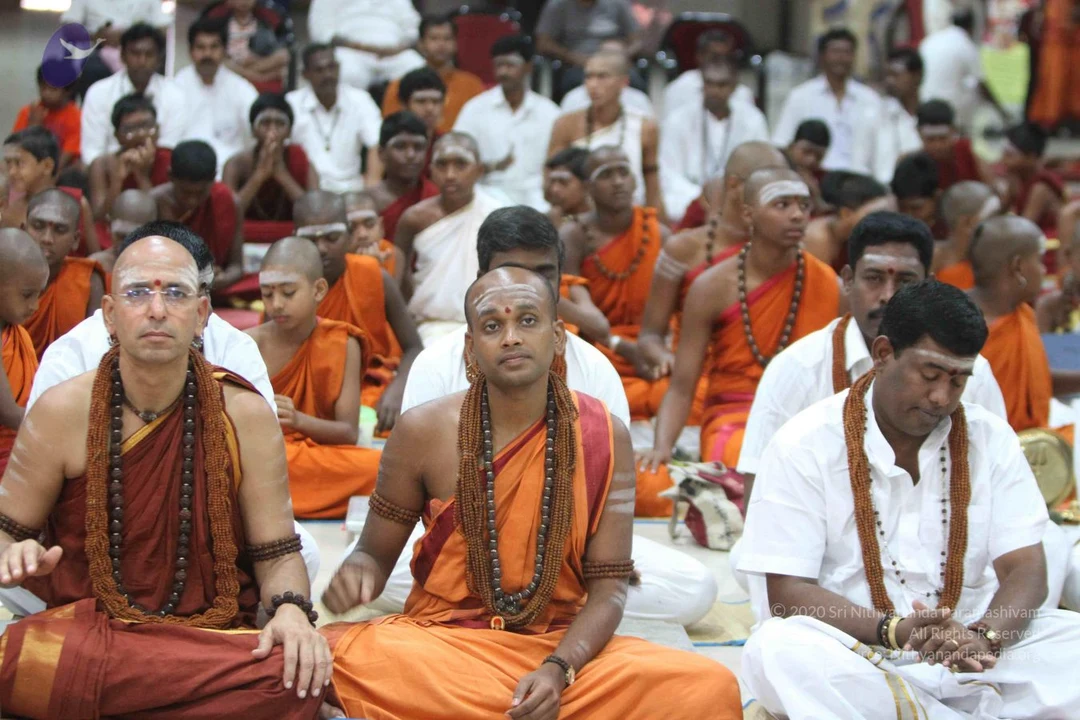
rudrabhishekam
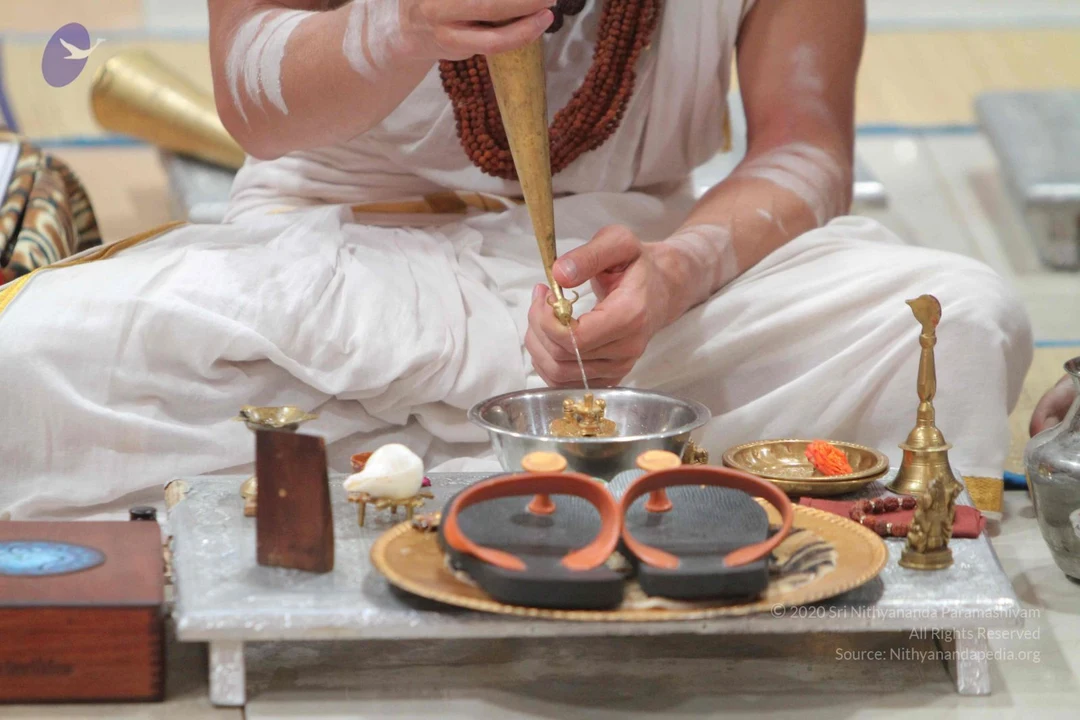
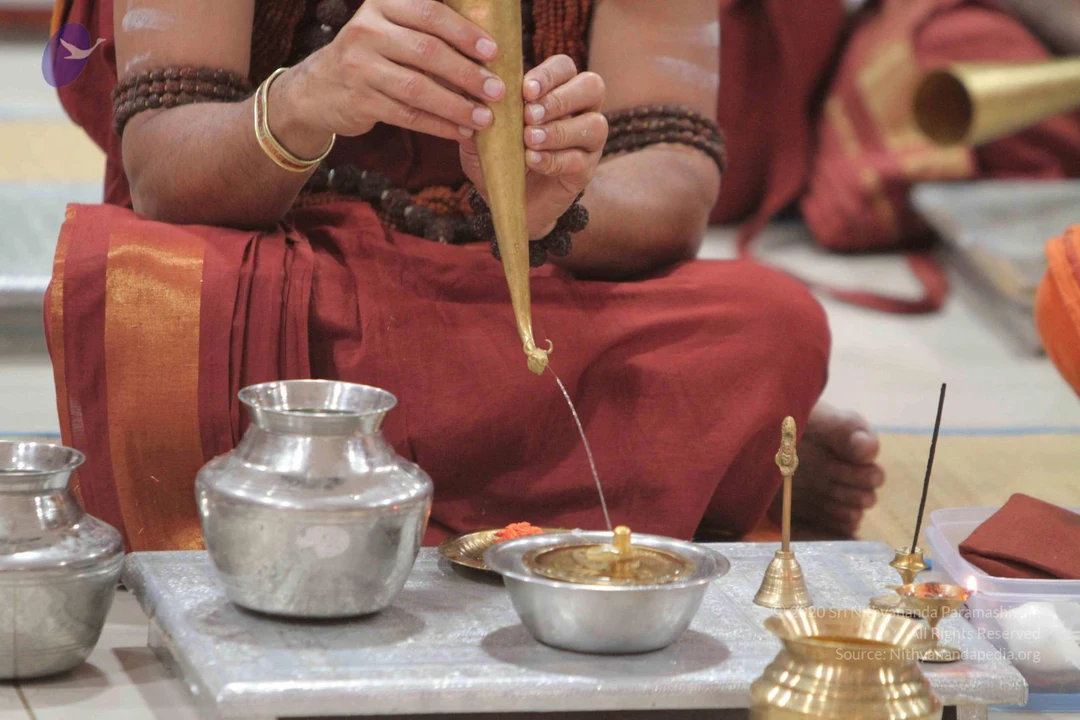
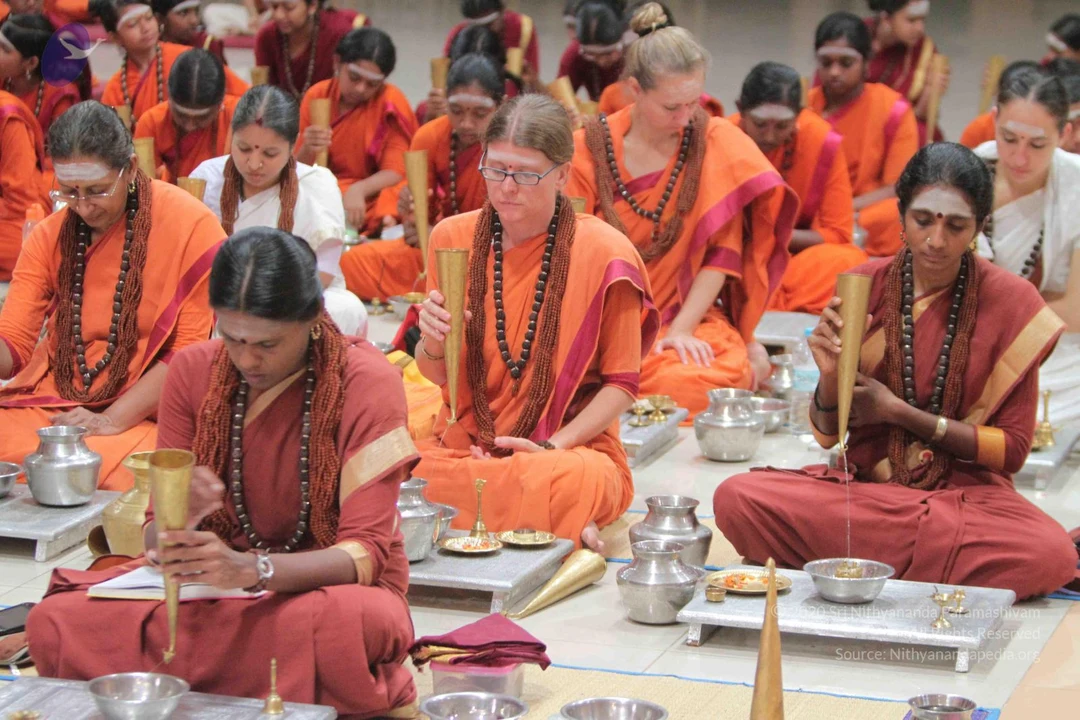

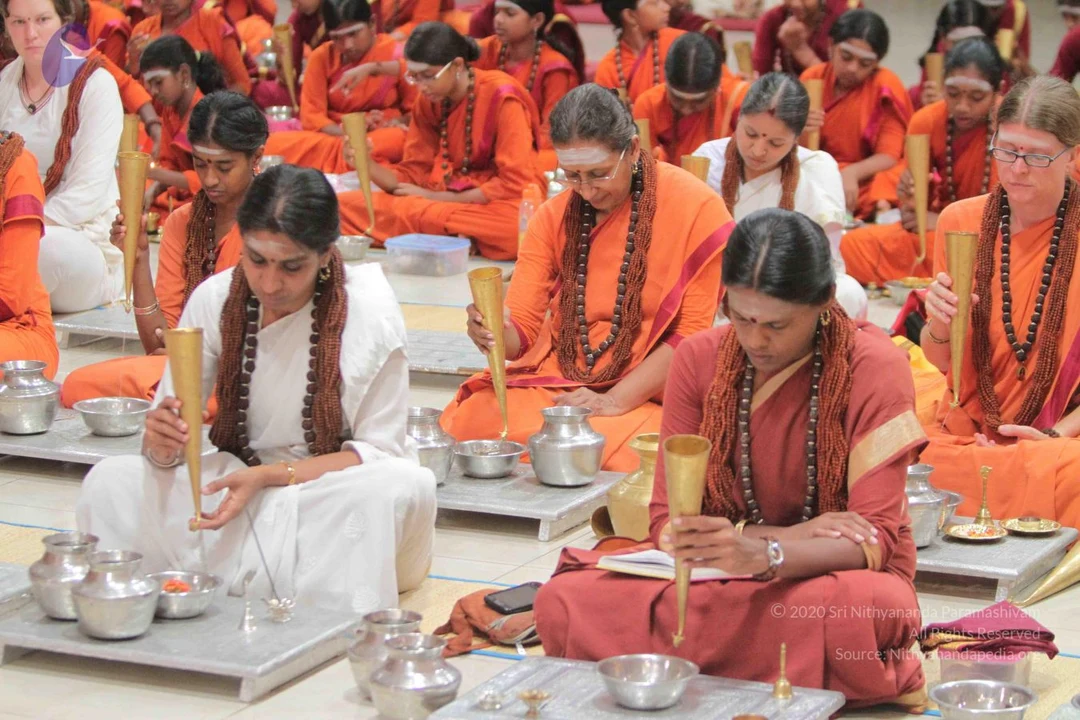

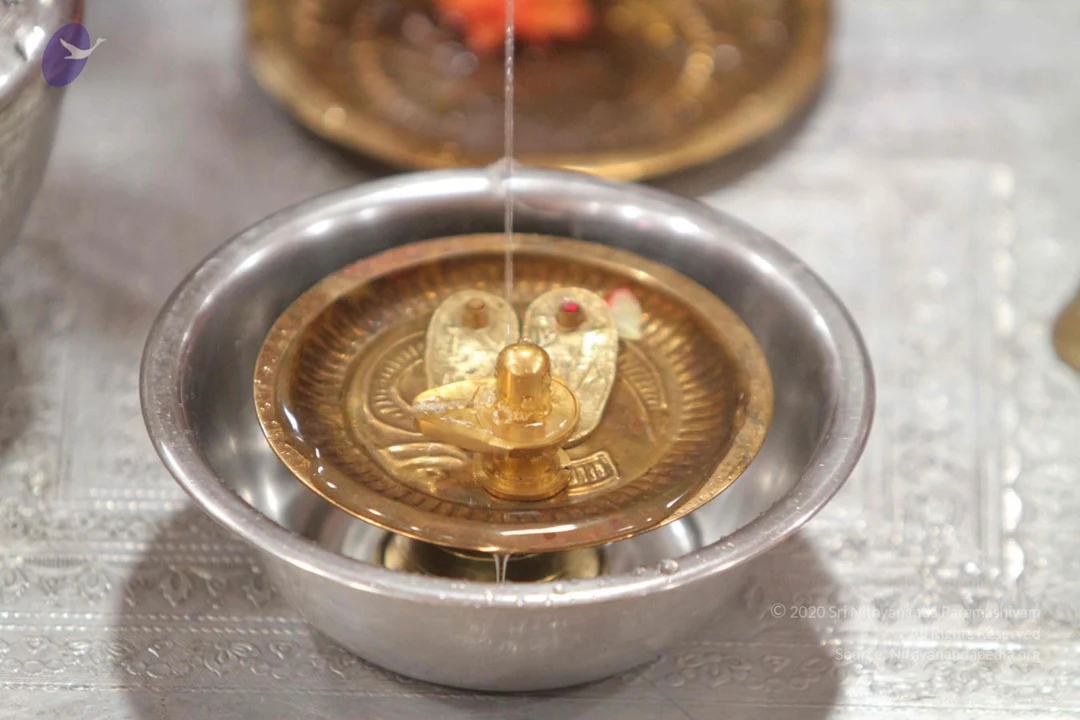
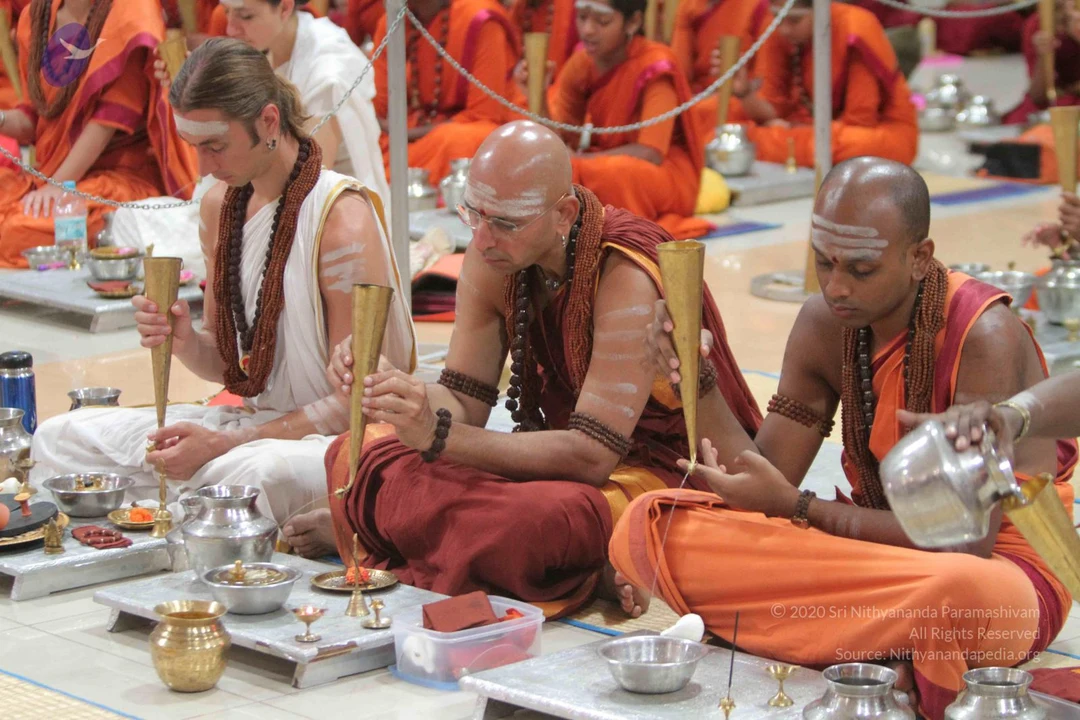
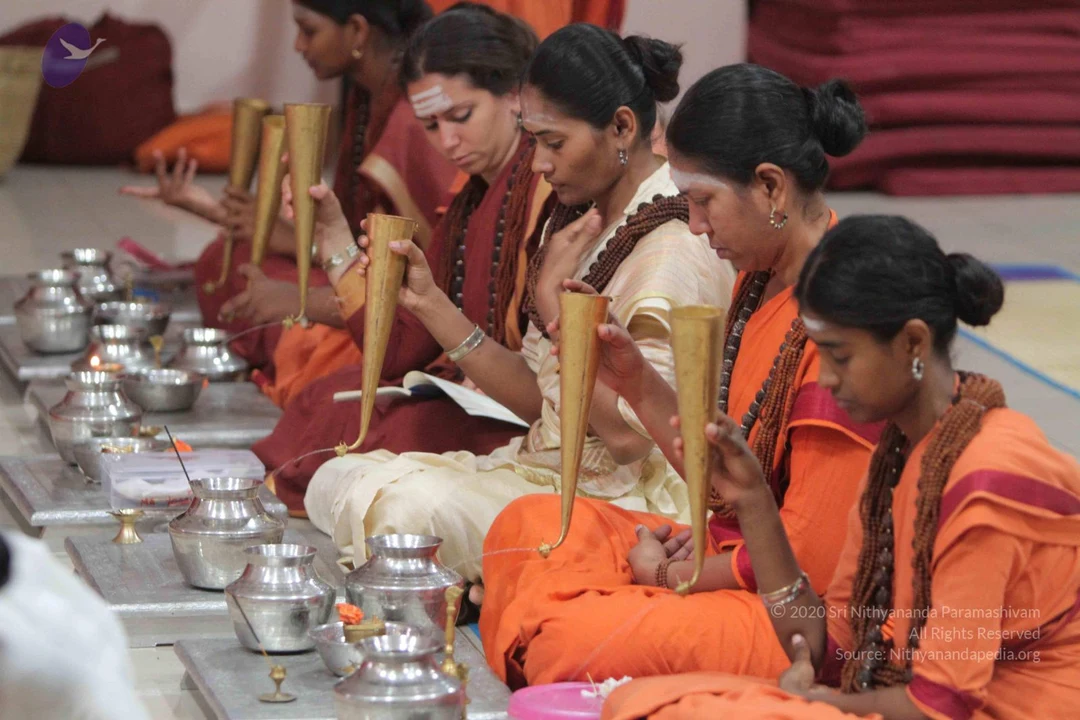
pada-puja
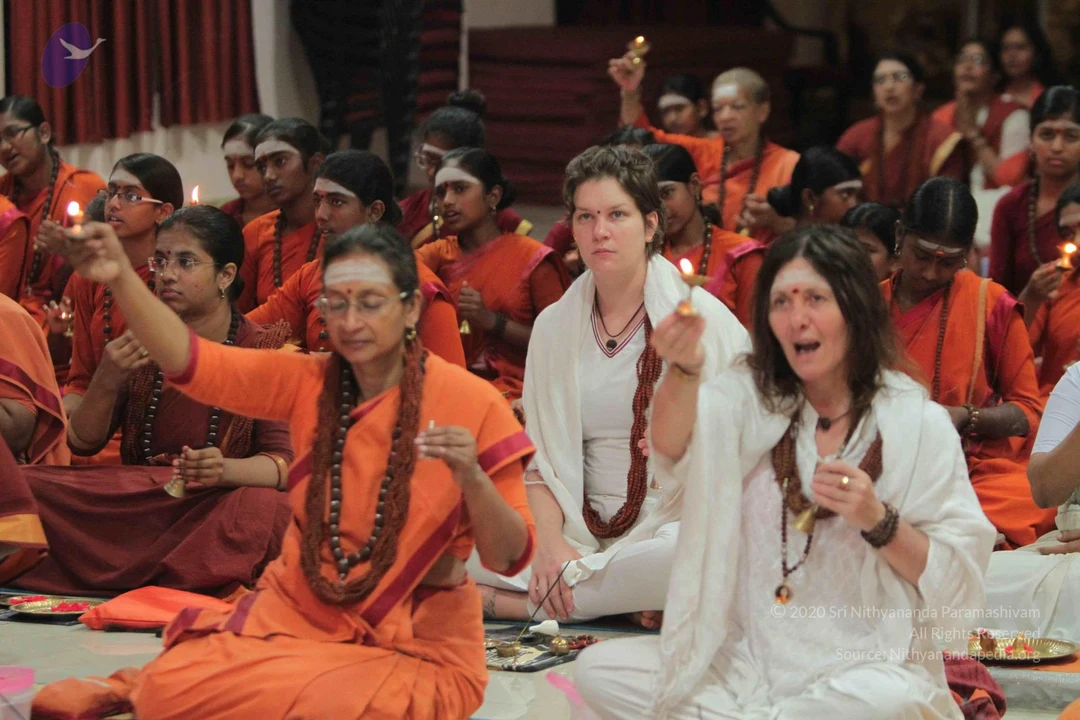
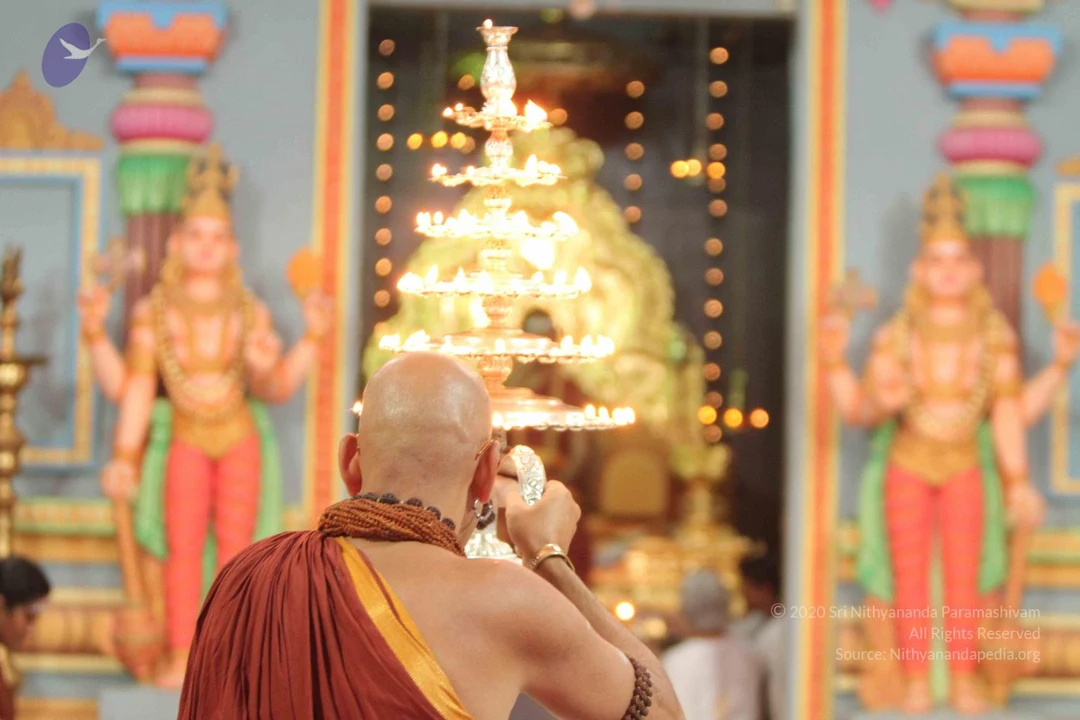
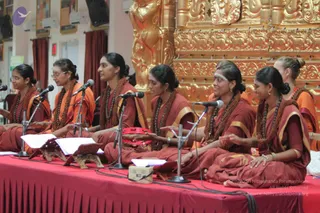
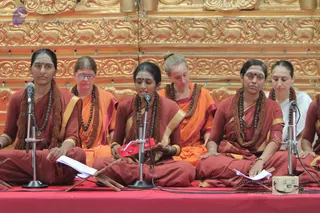
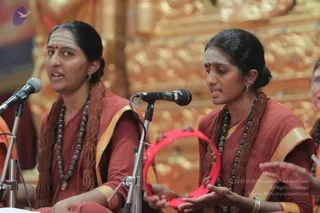
Nithya Kirtans
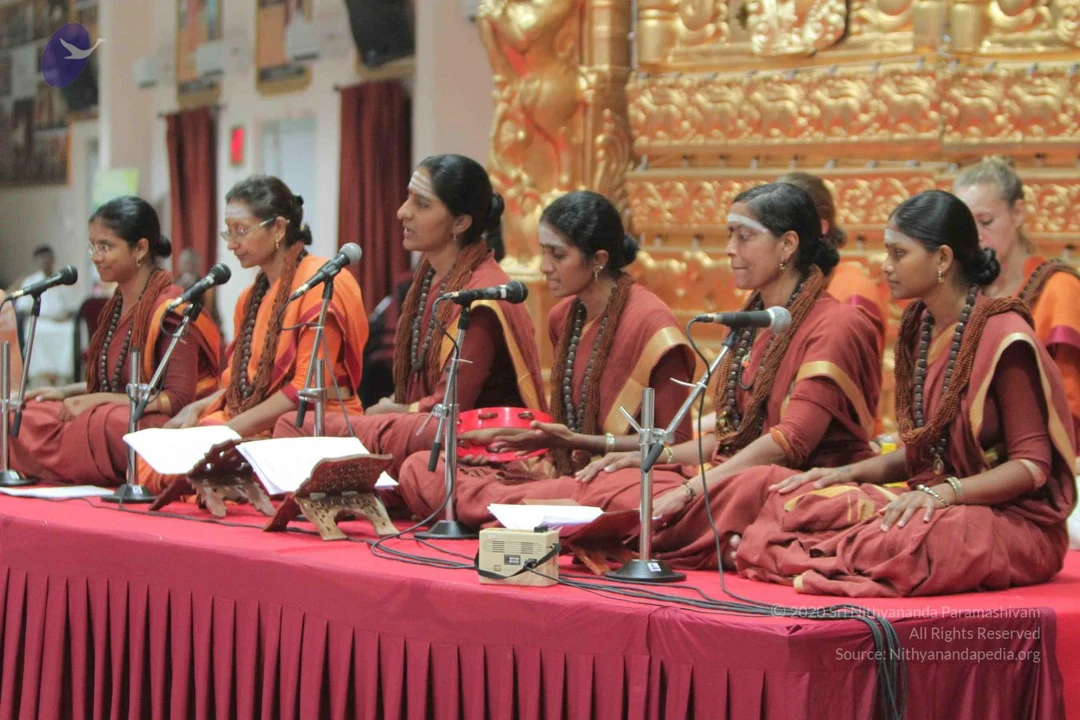
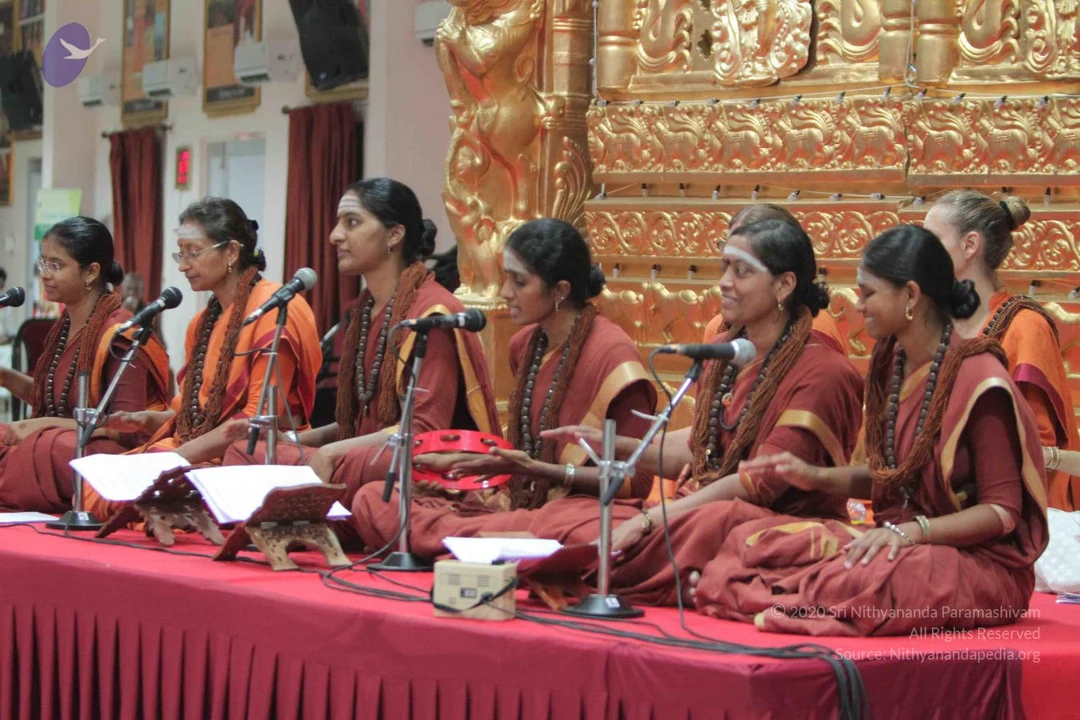
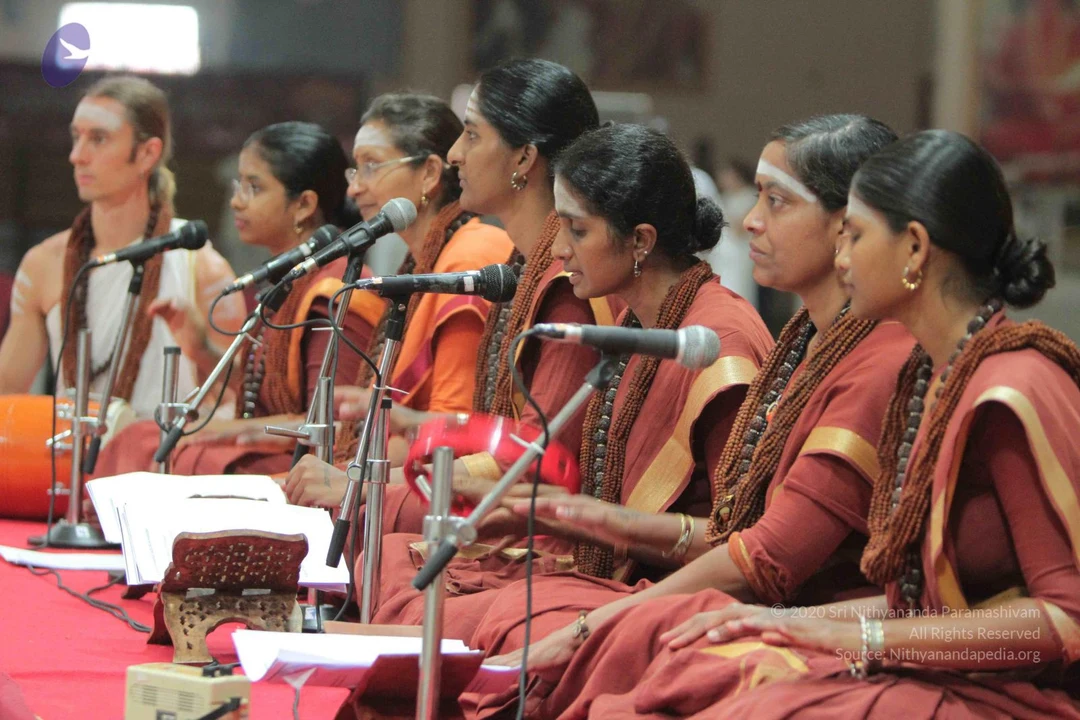
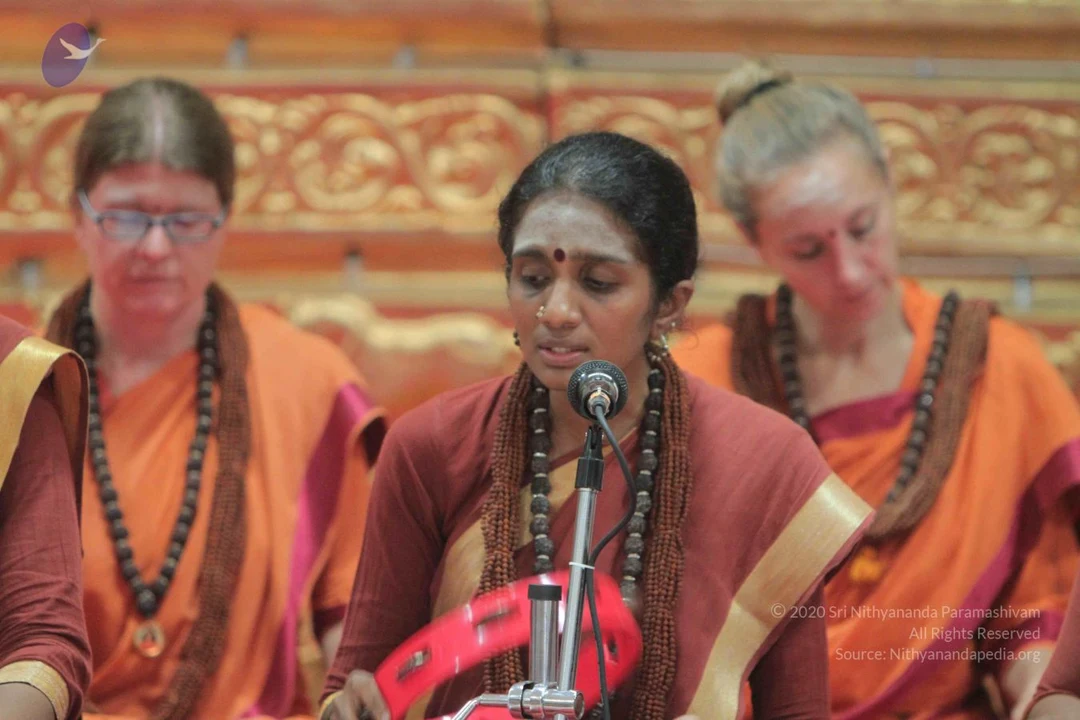
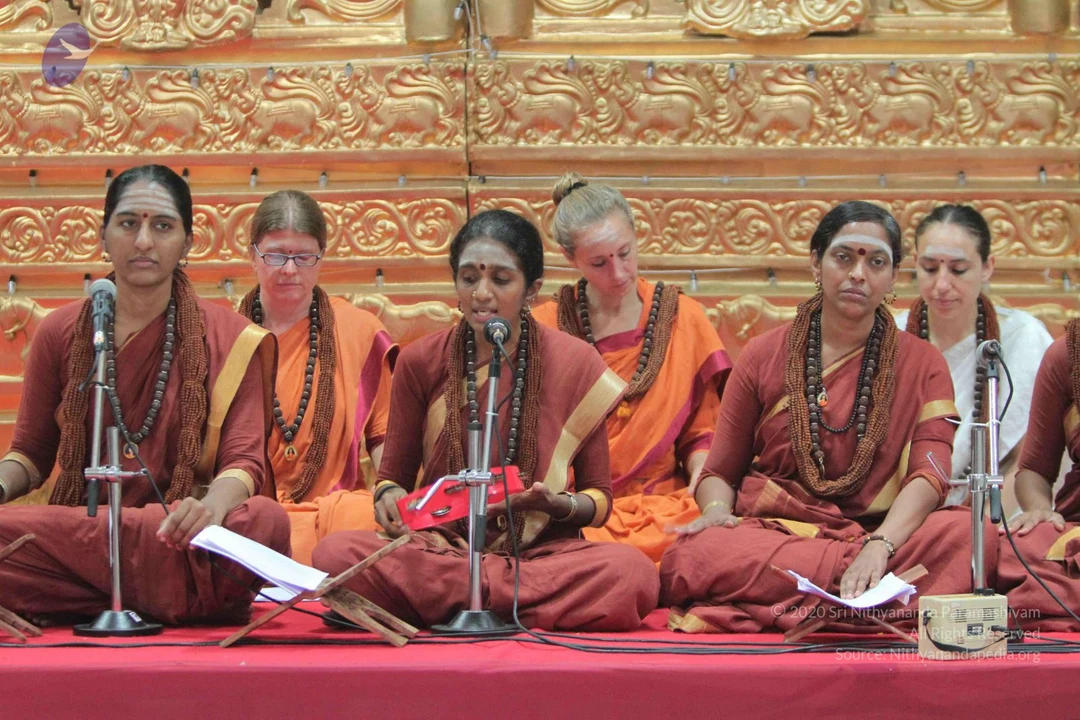
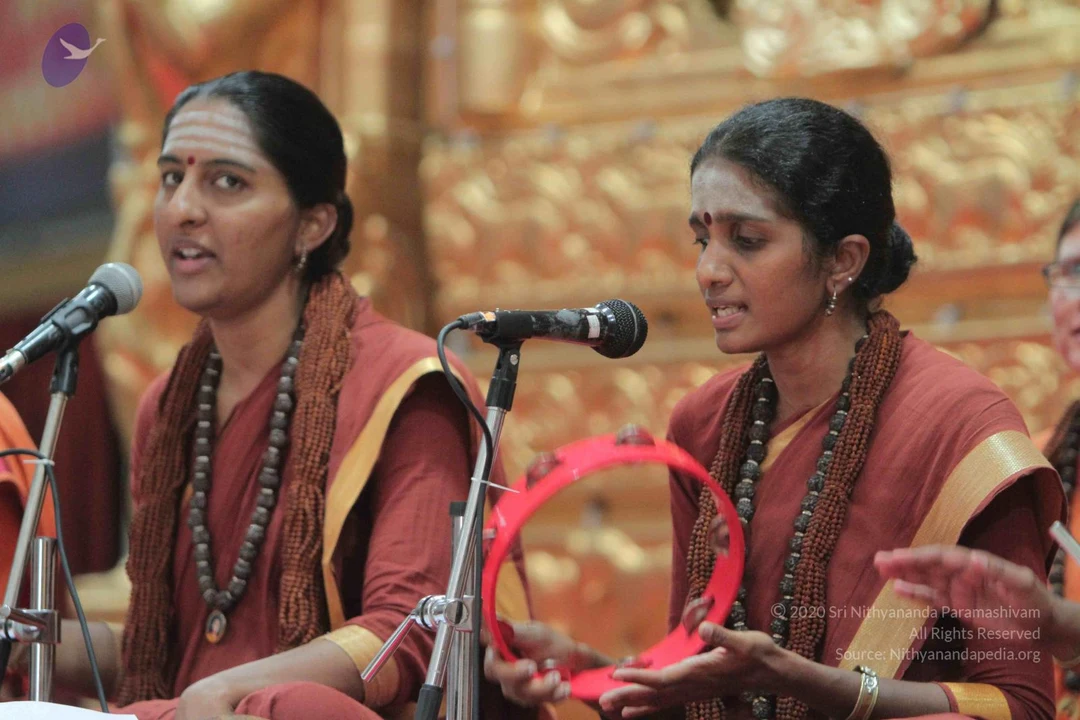
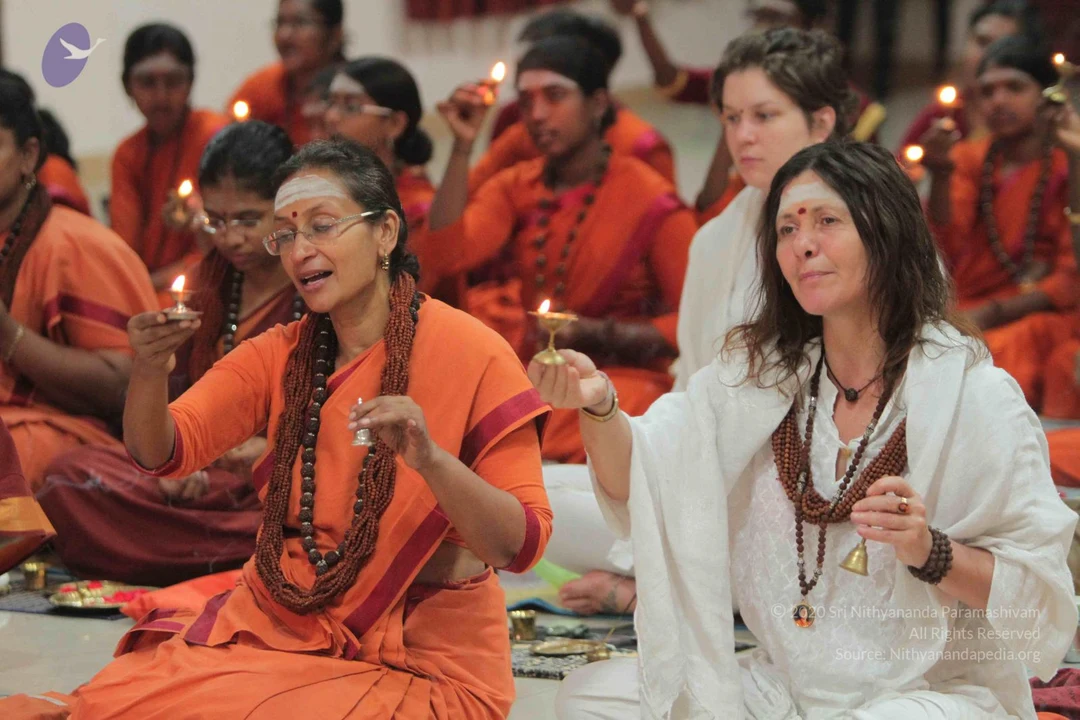
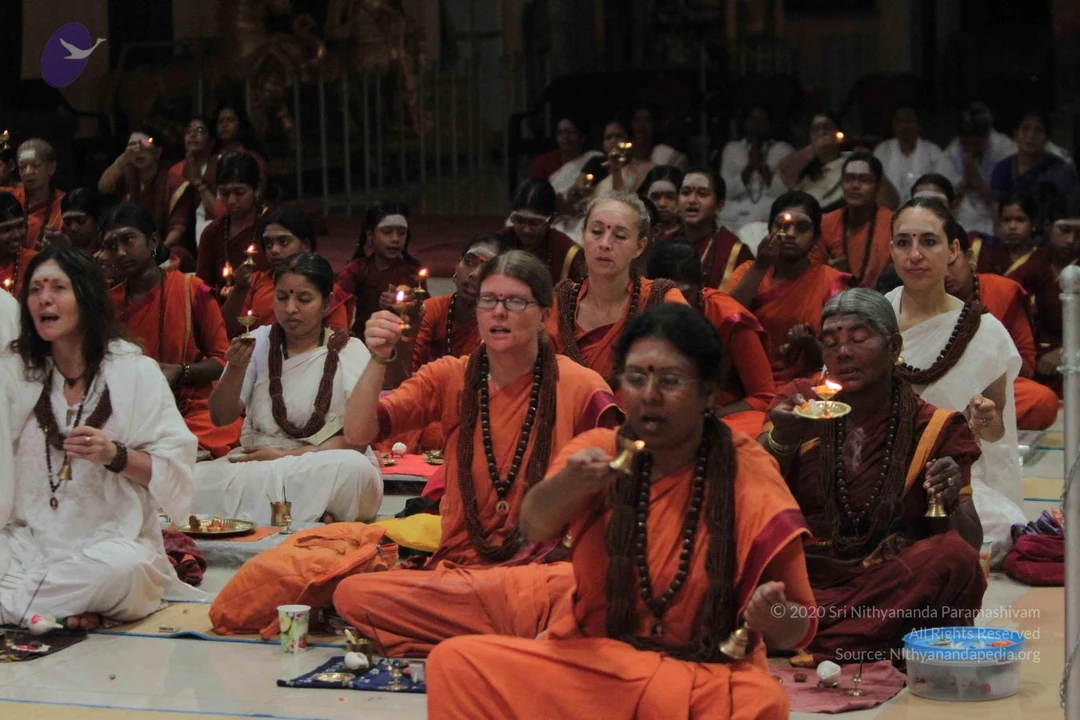
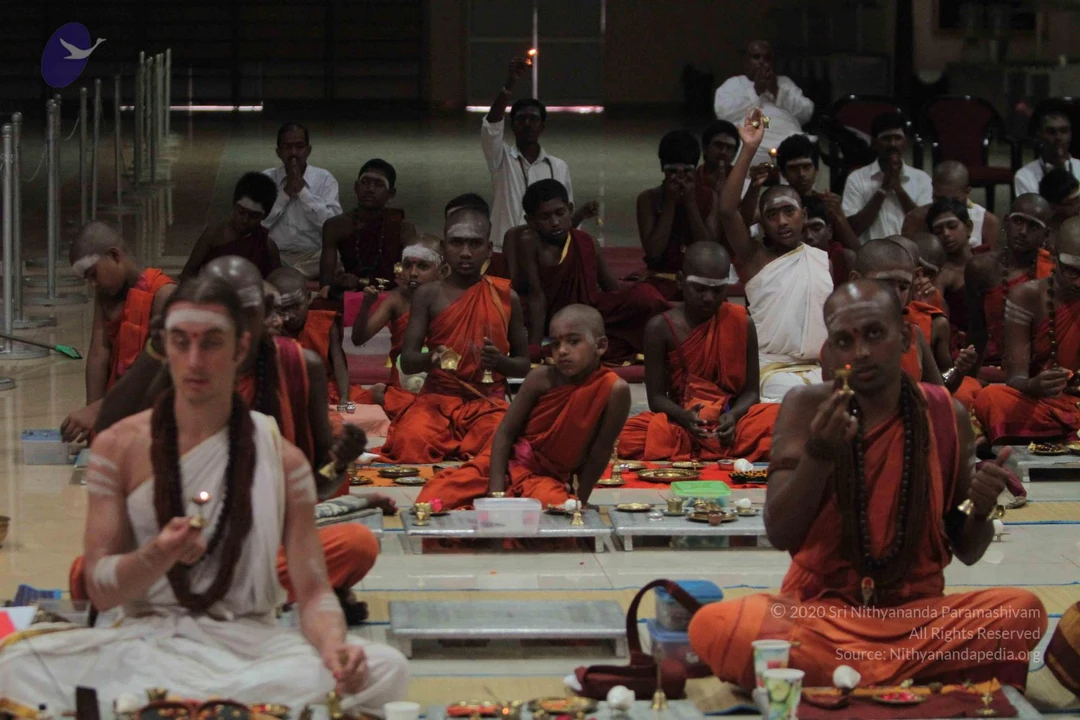
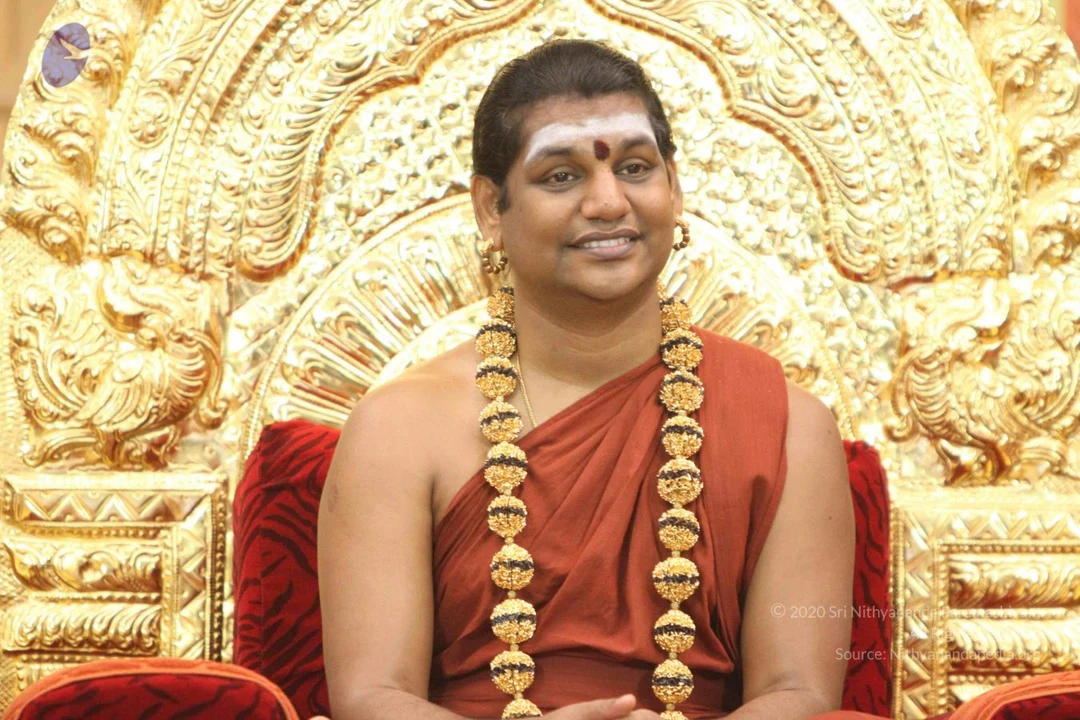
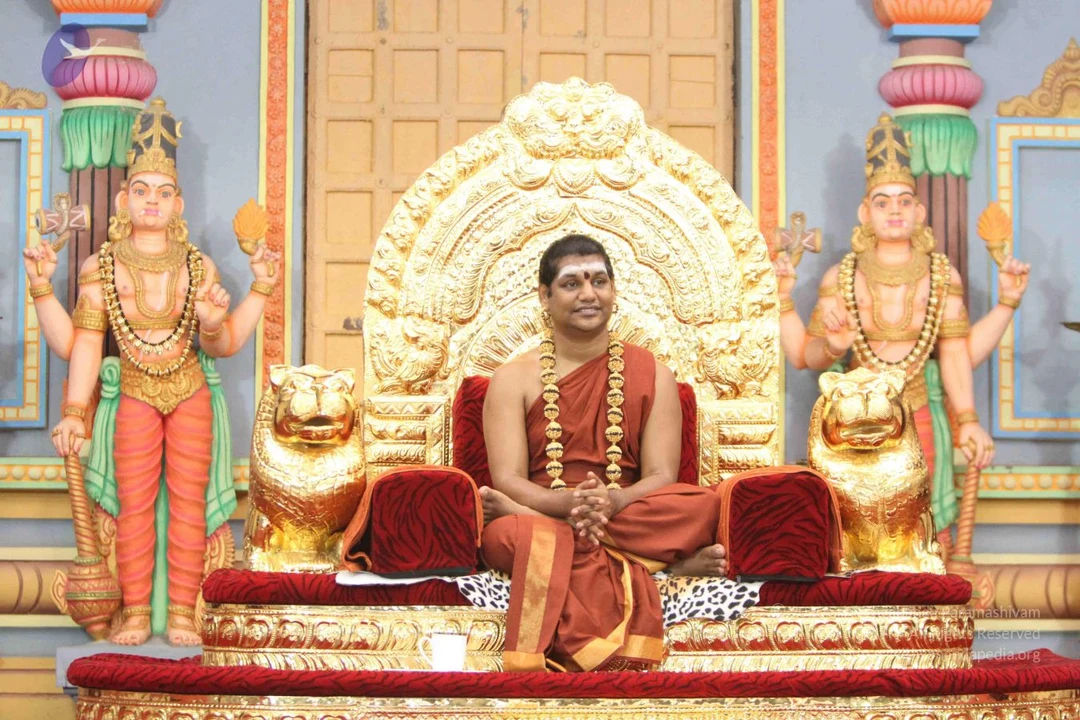
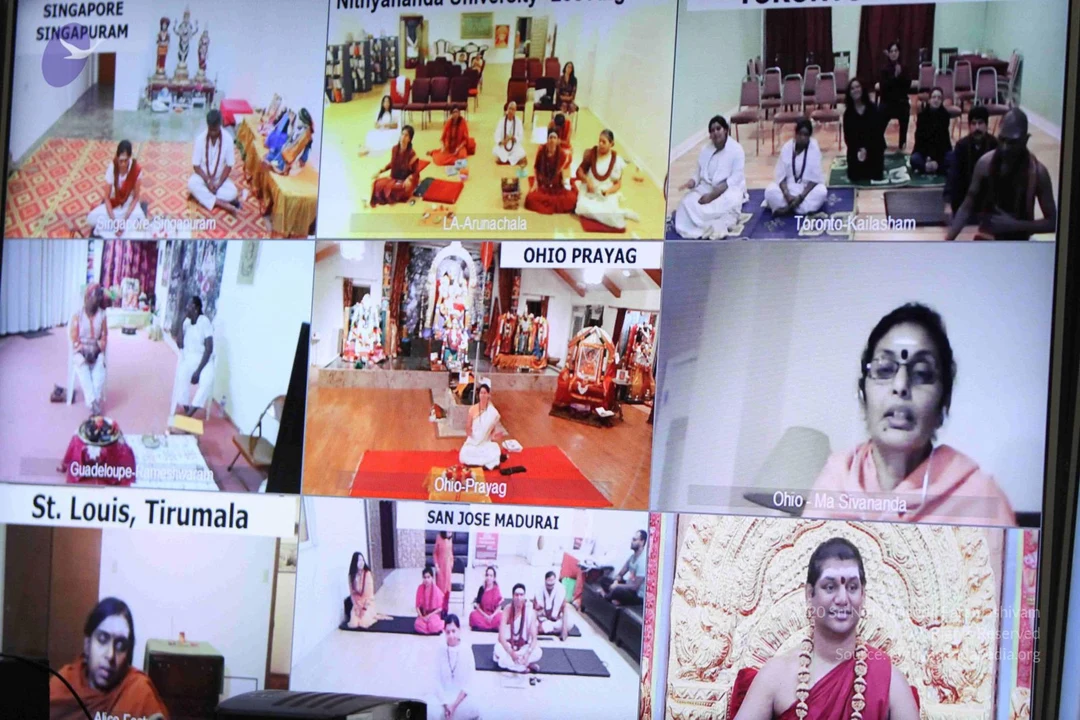
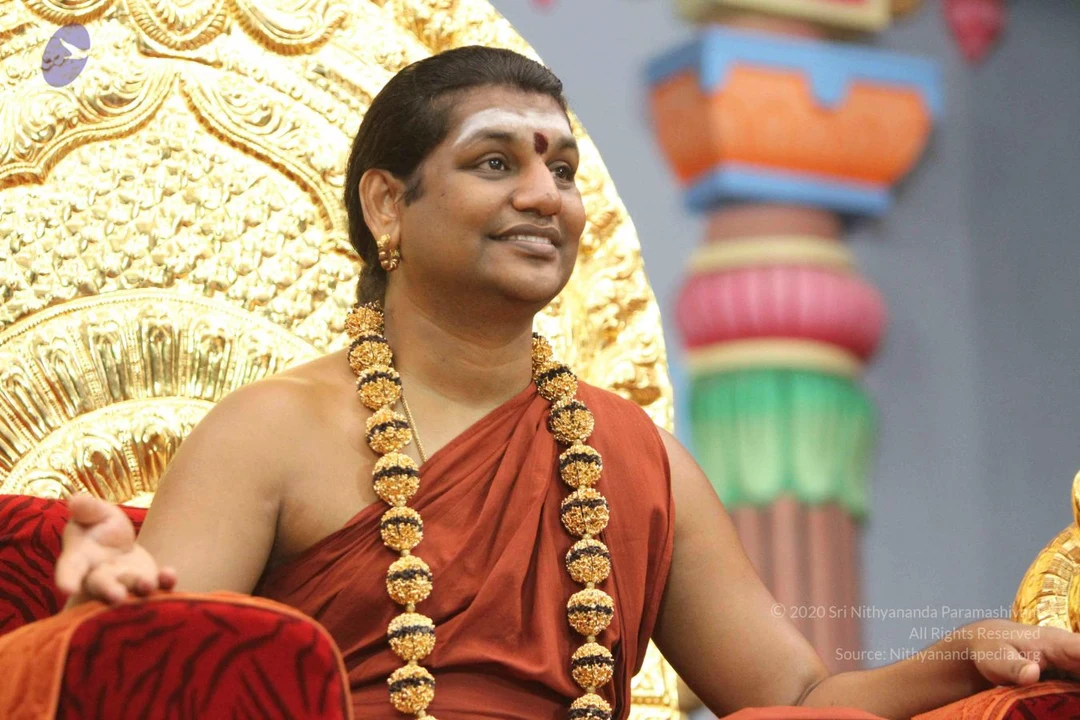
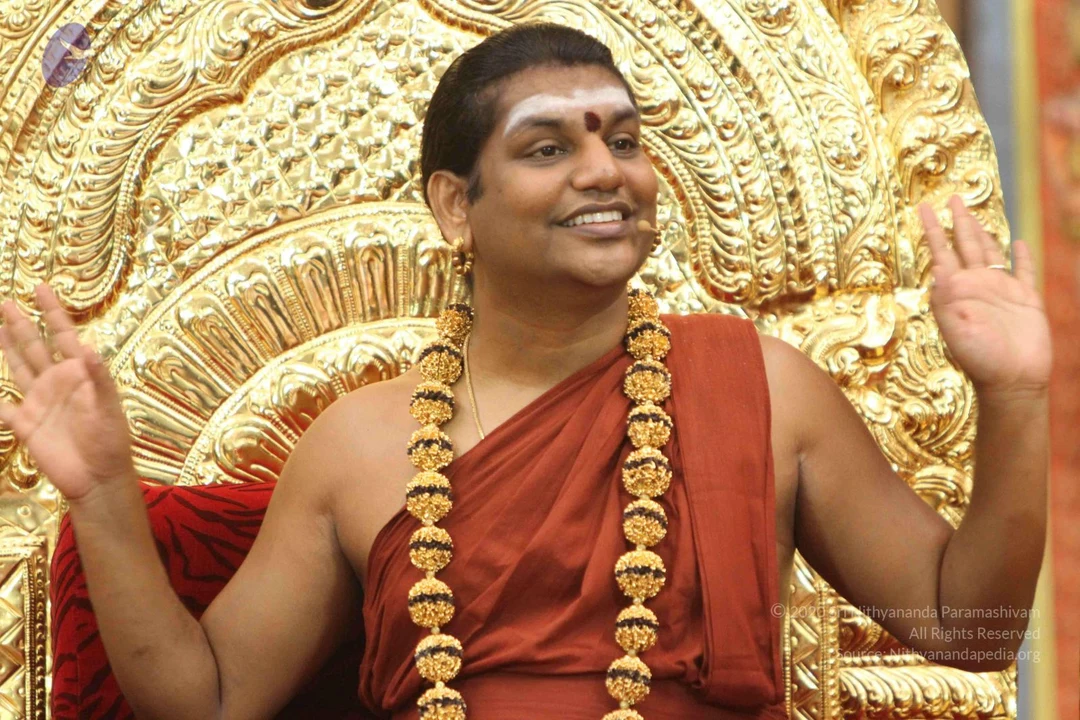
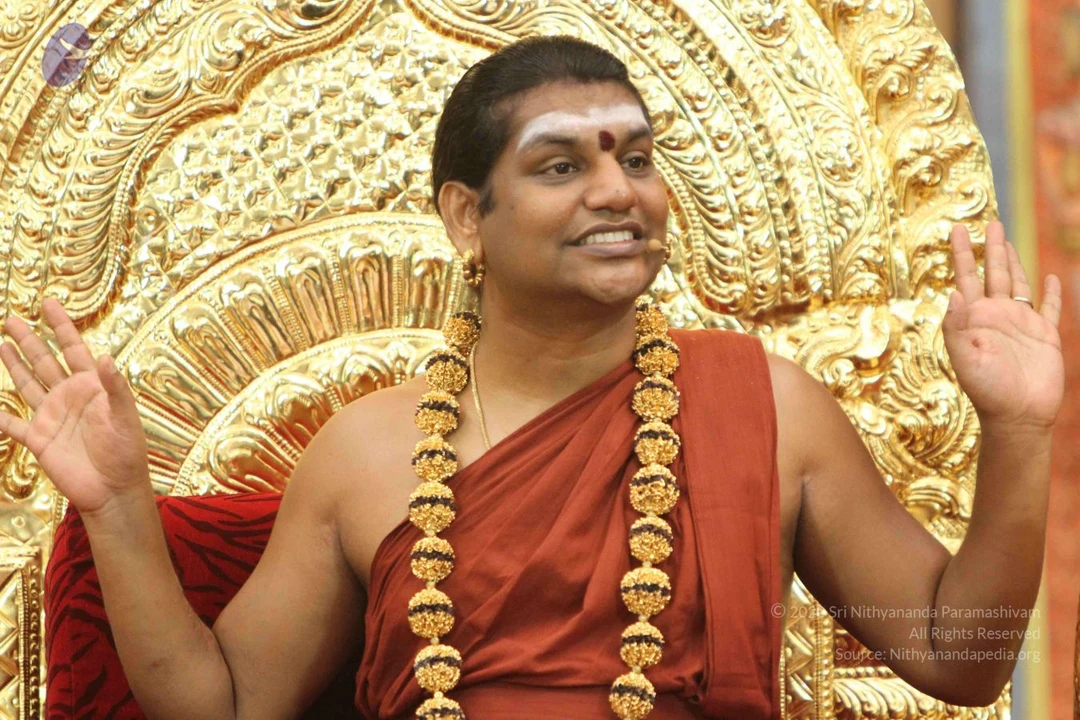
Nithya Satsang
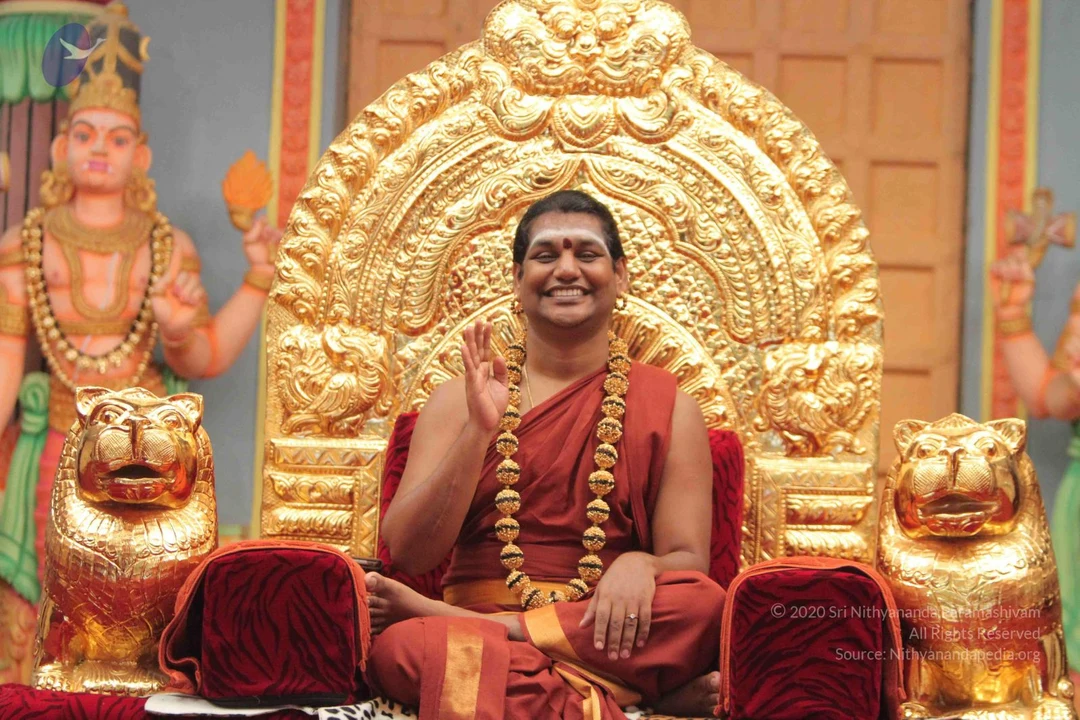
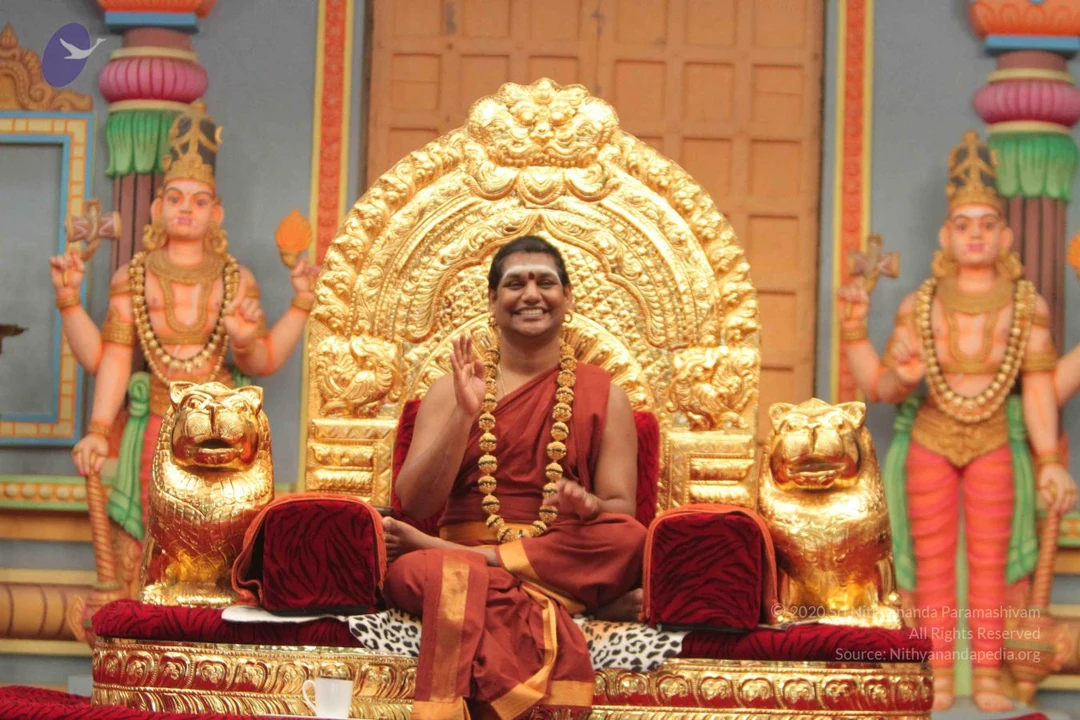
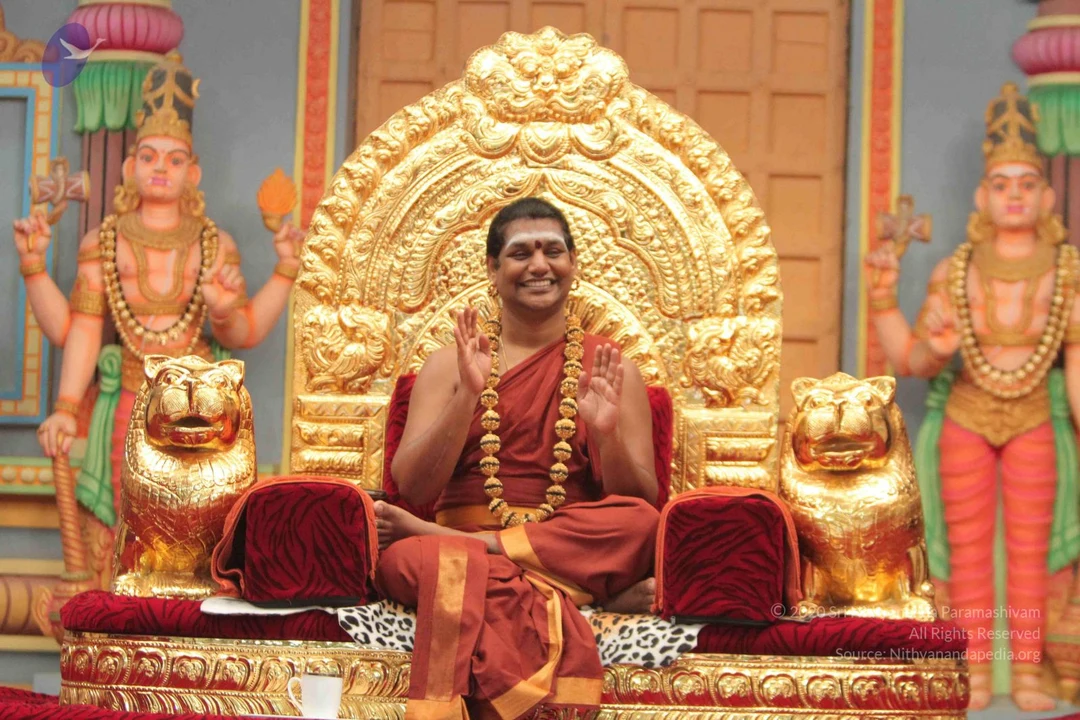
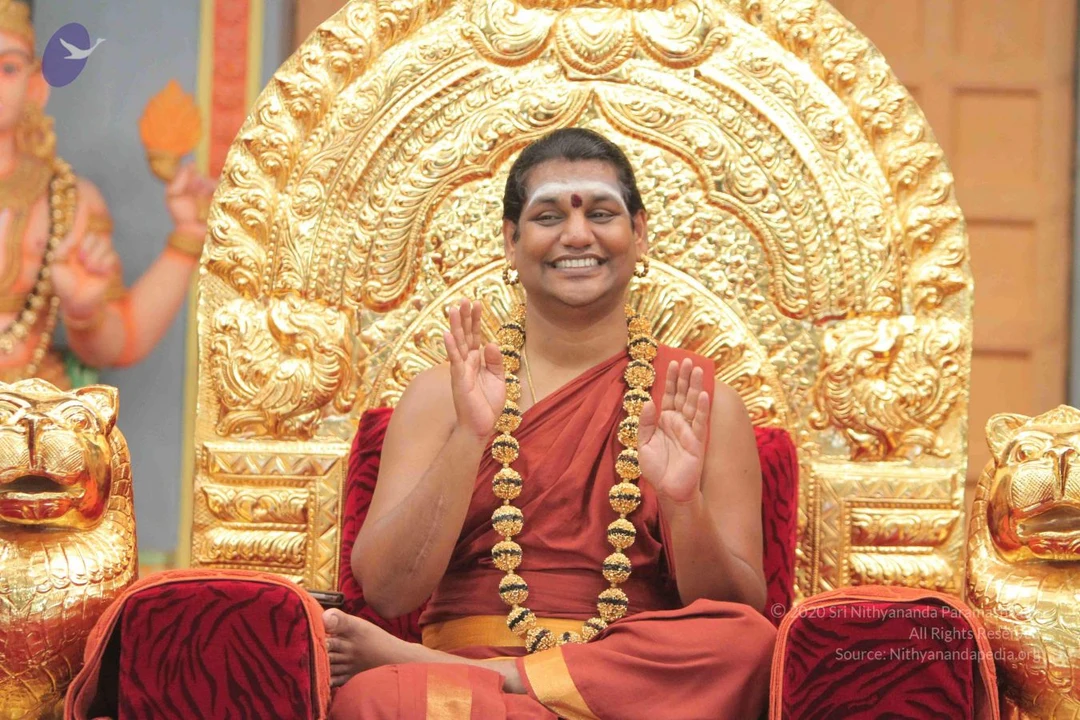
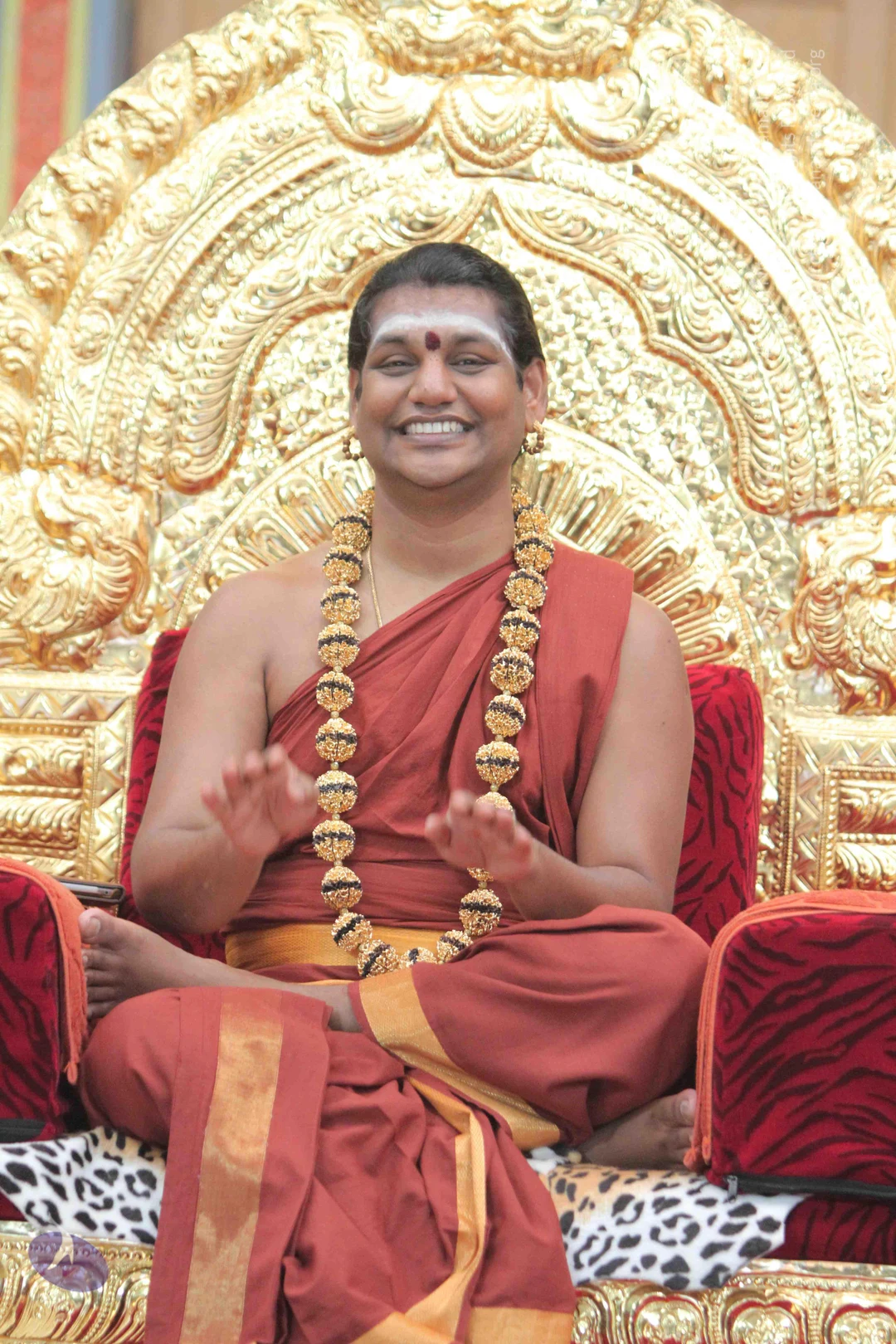
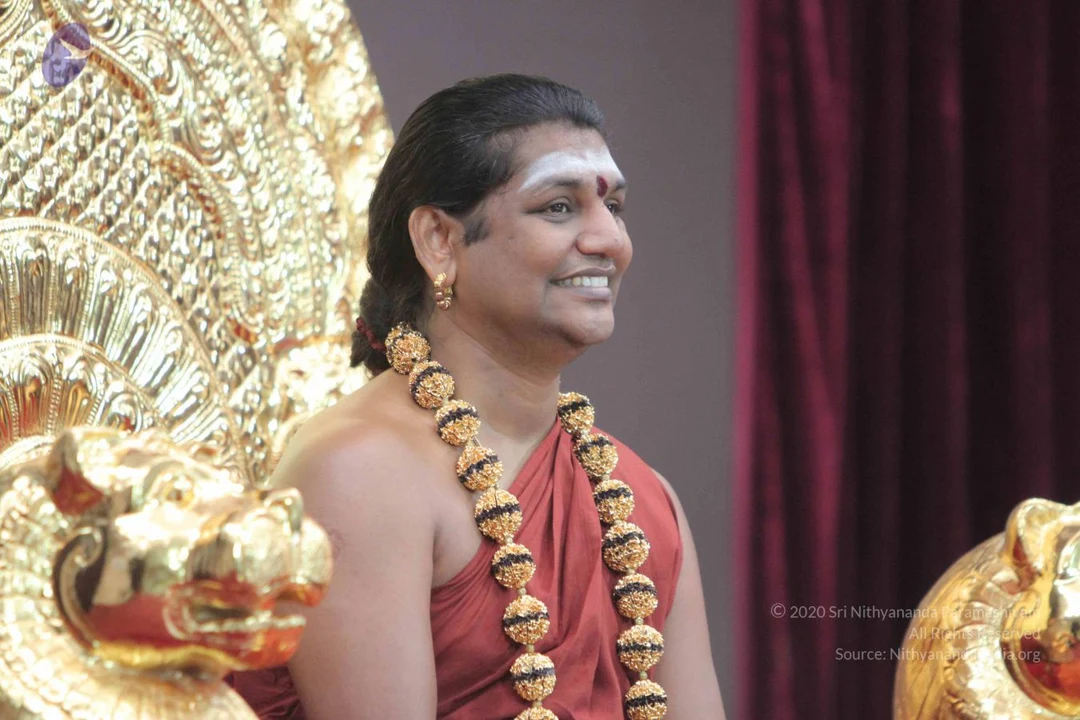
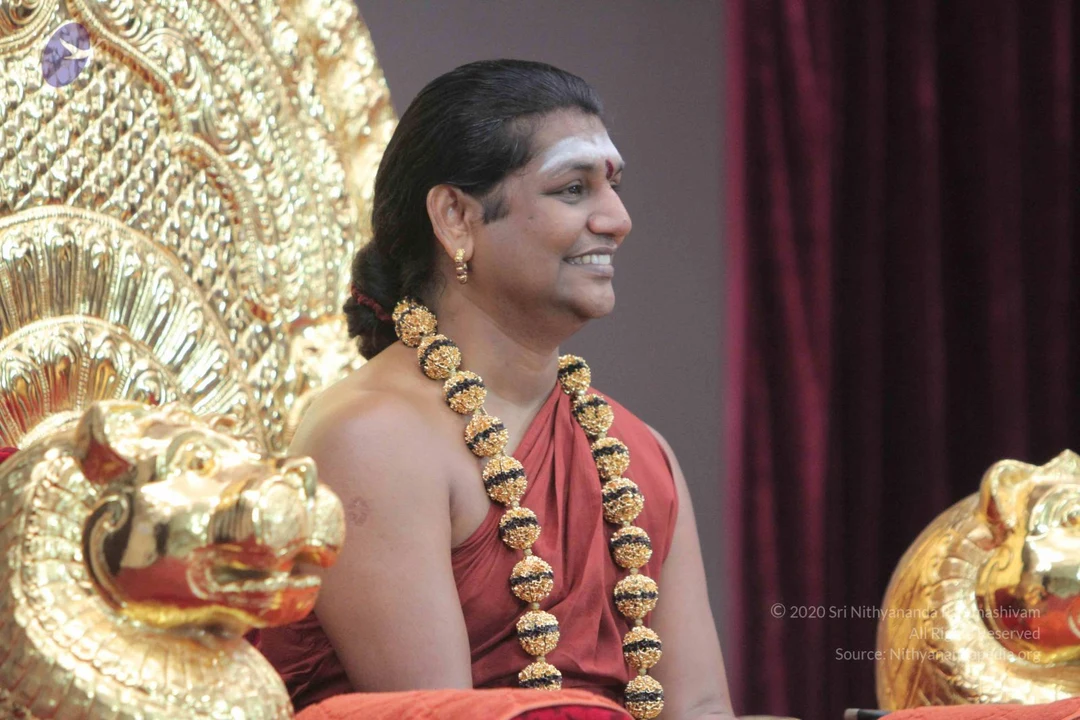
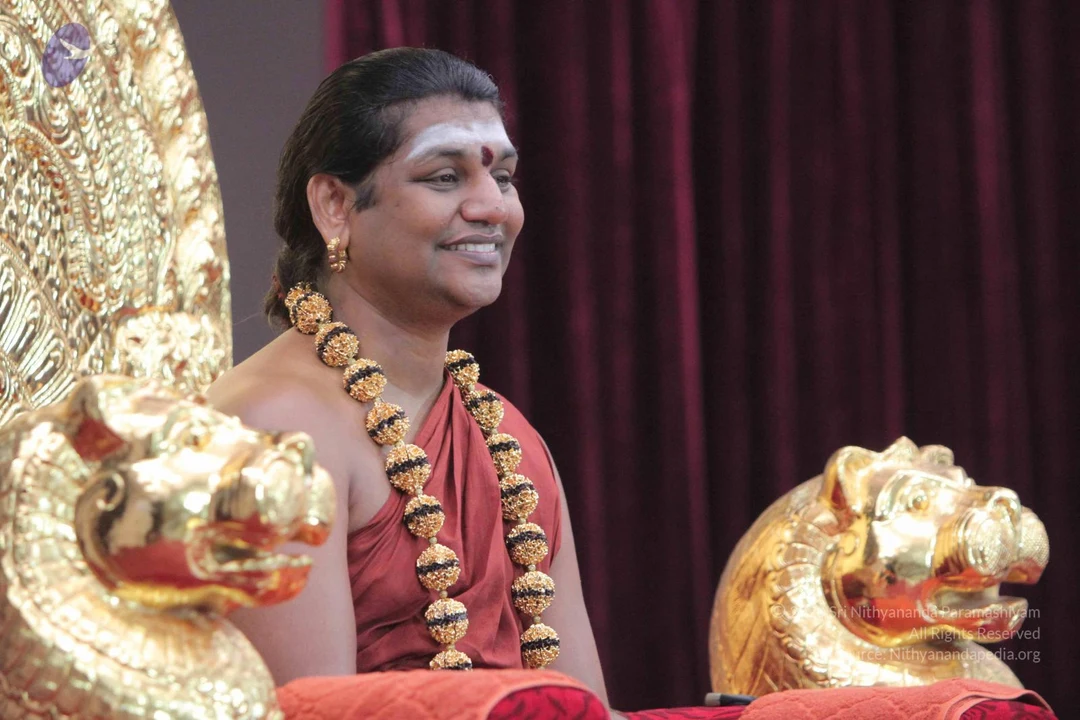
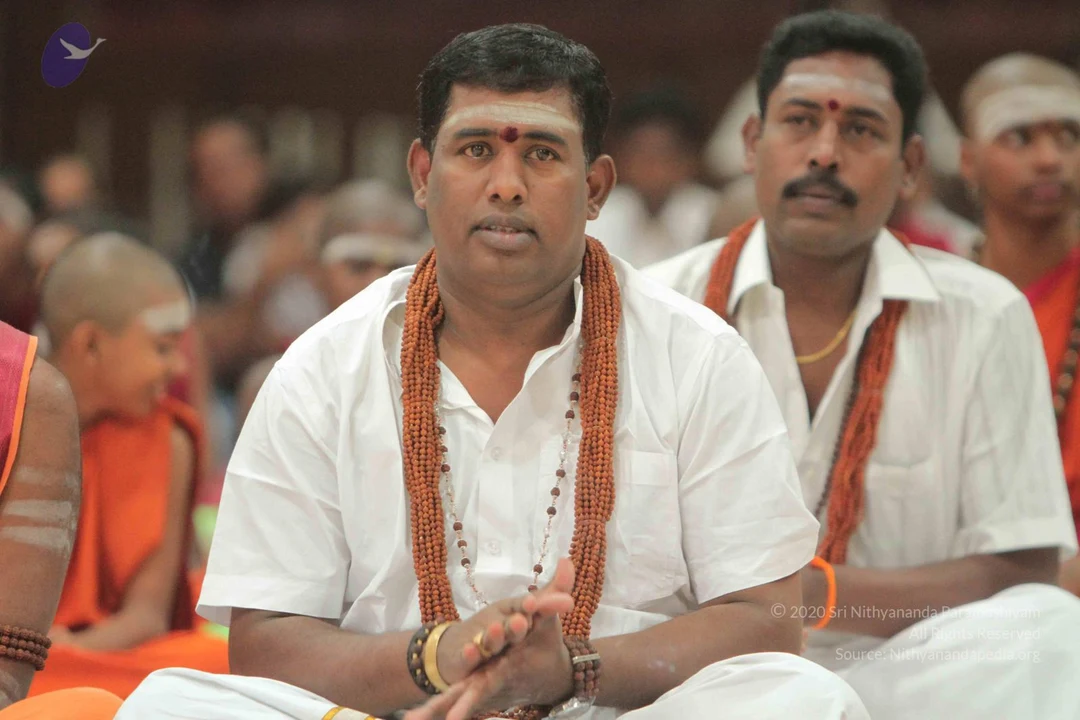
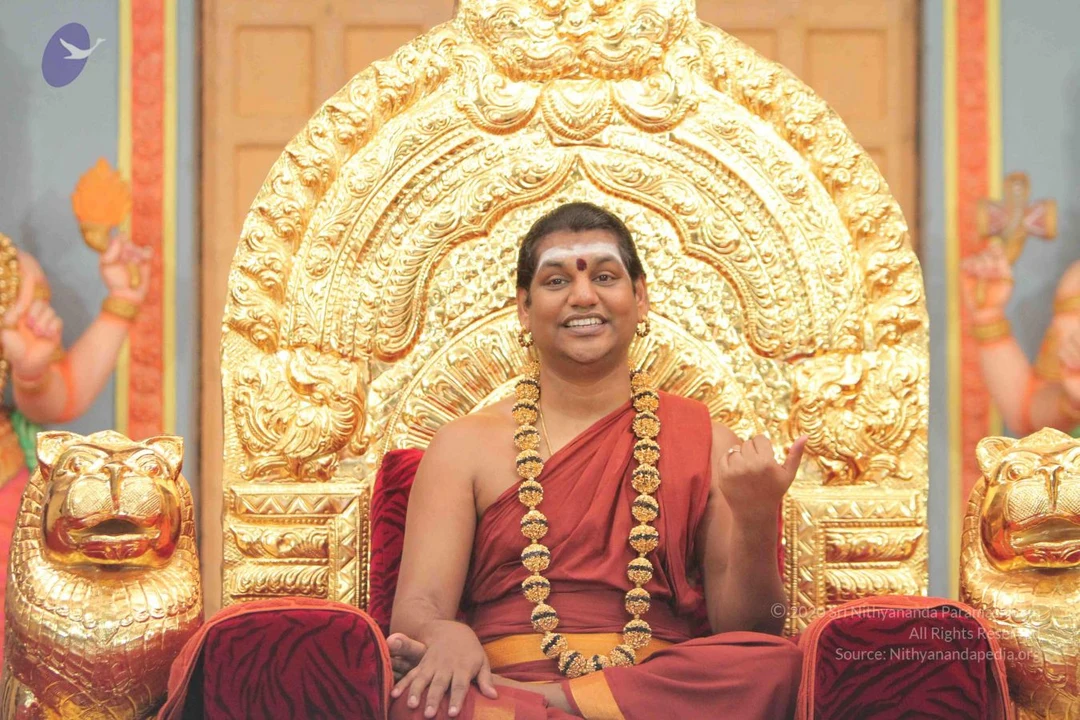
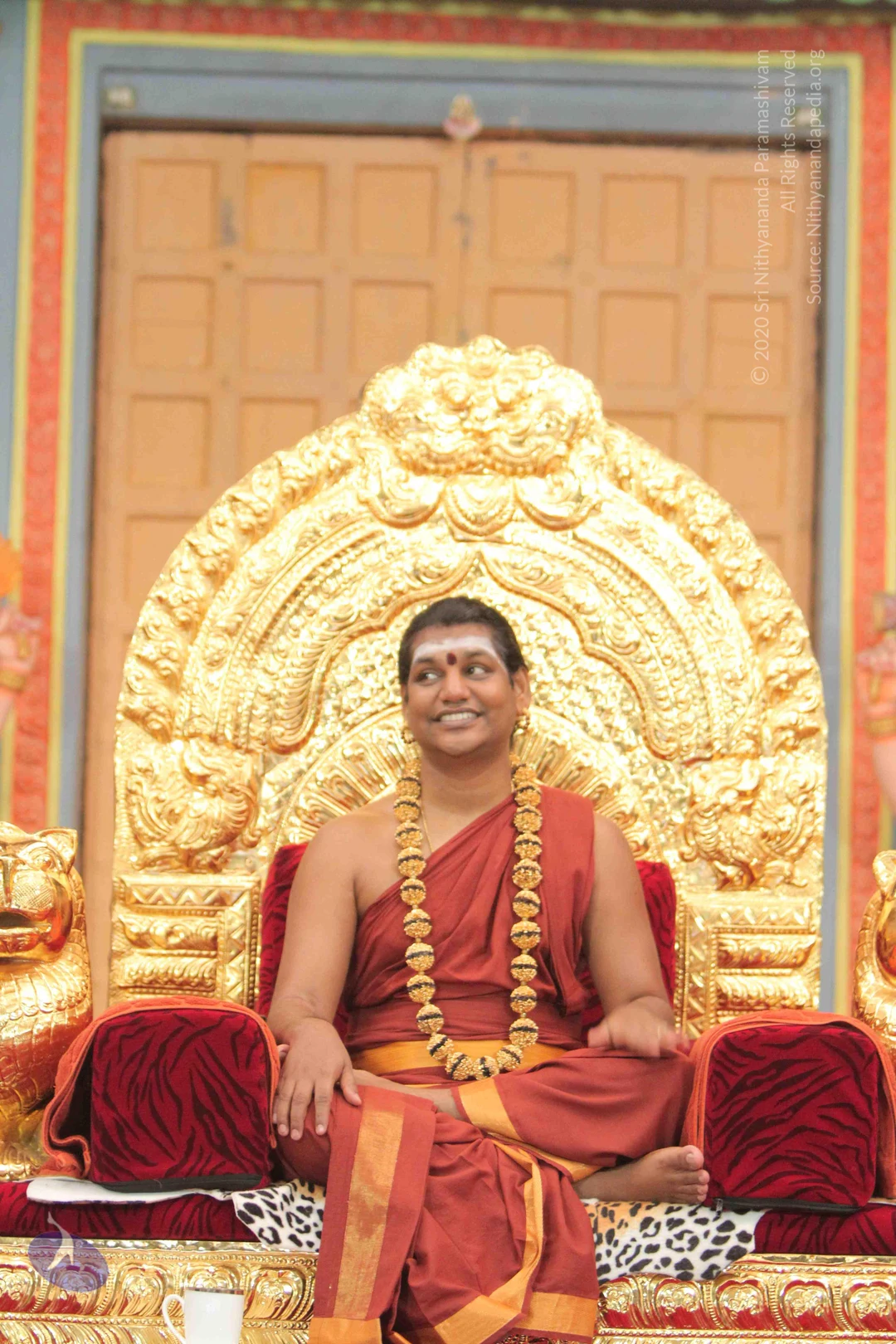
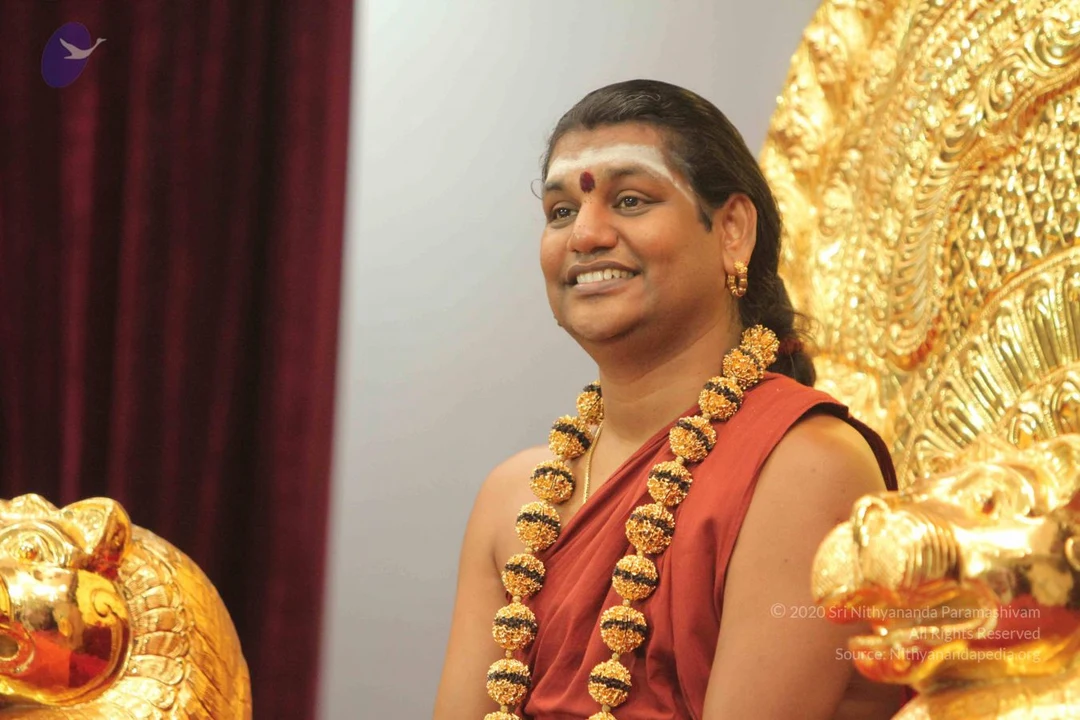
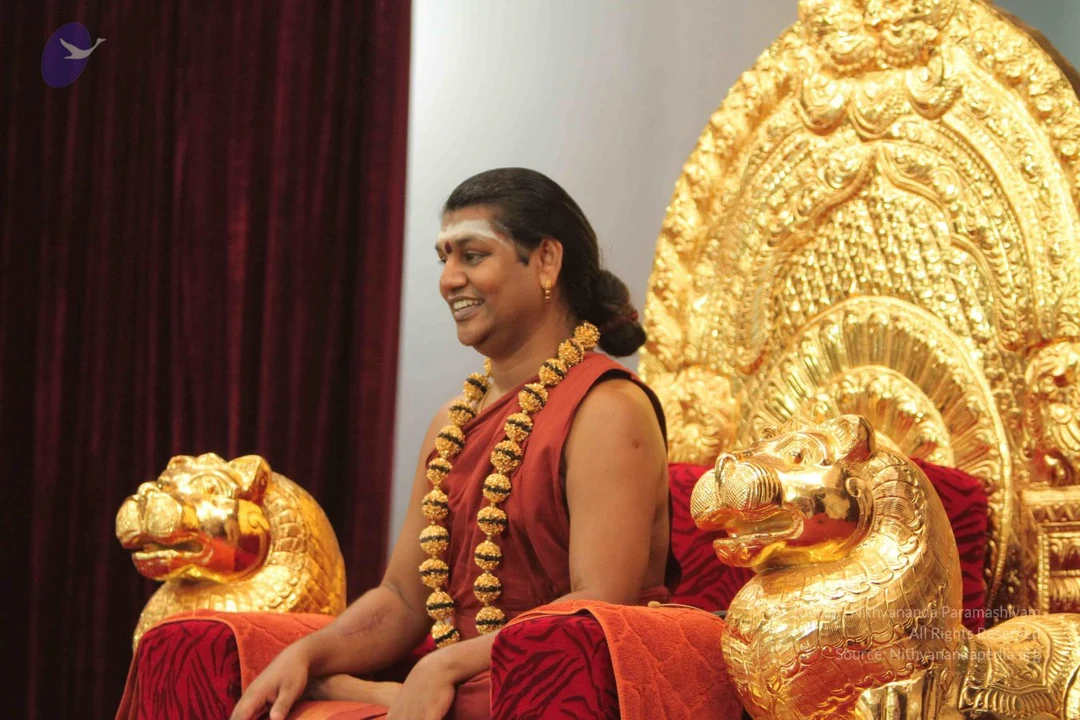
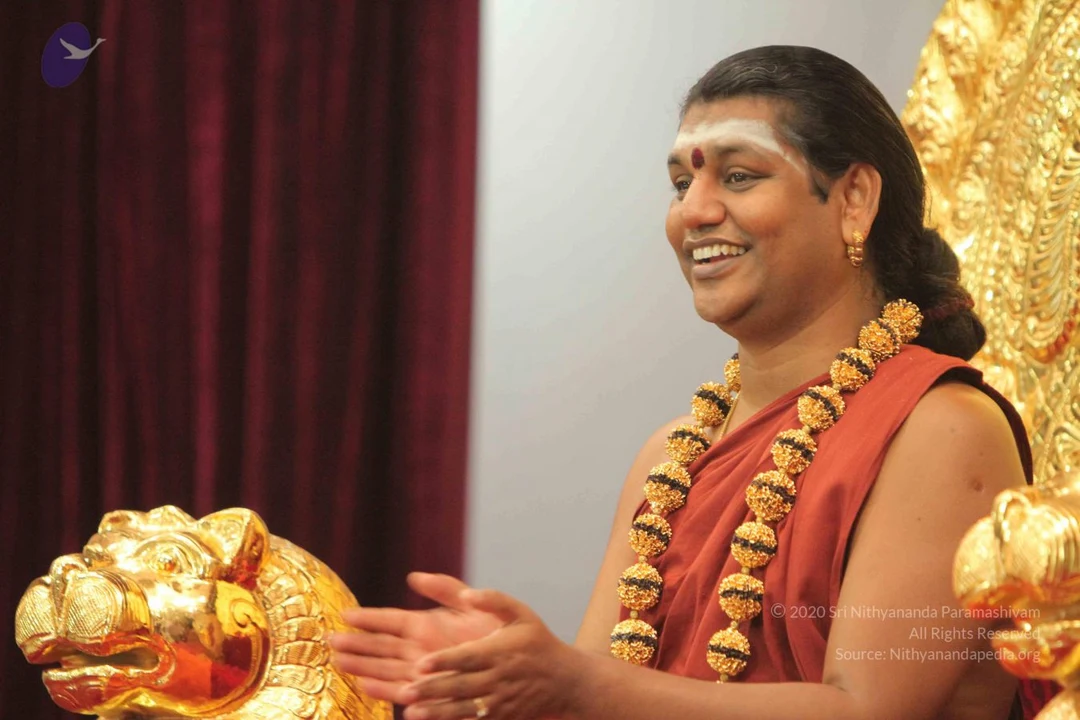
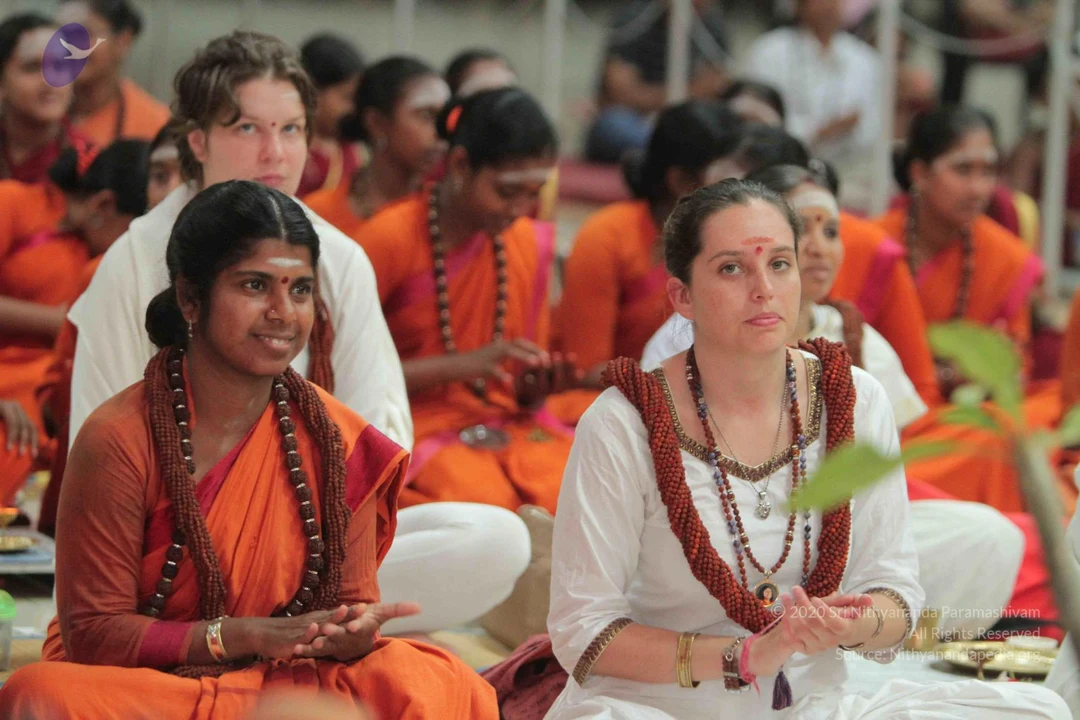
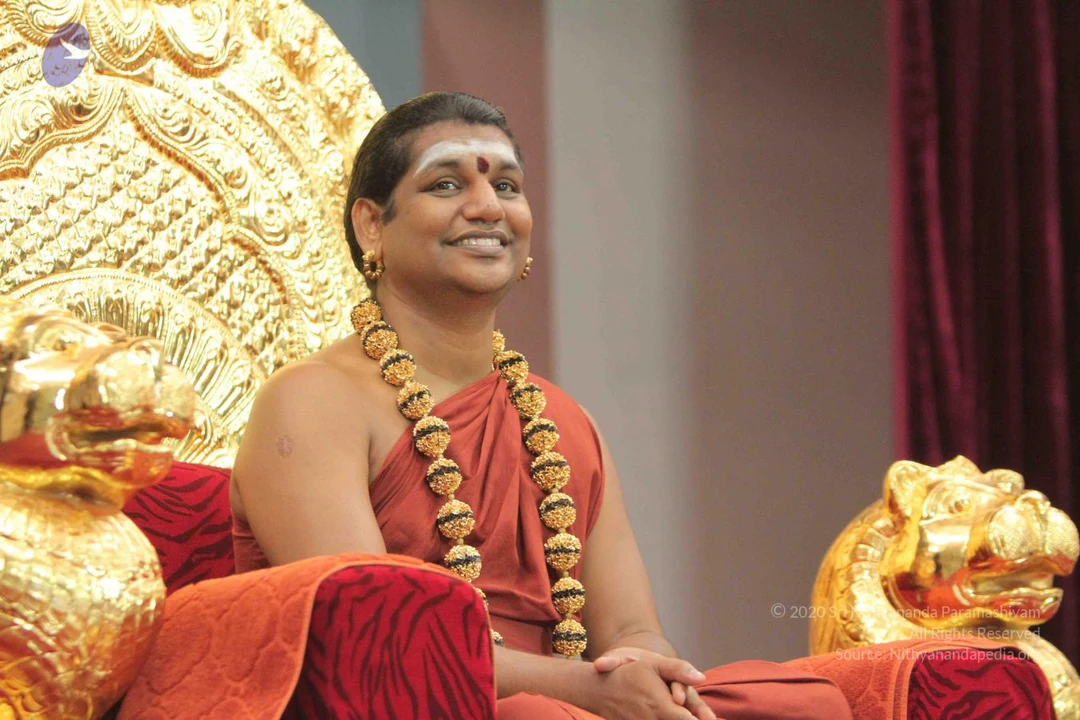
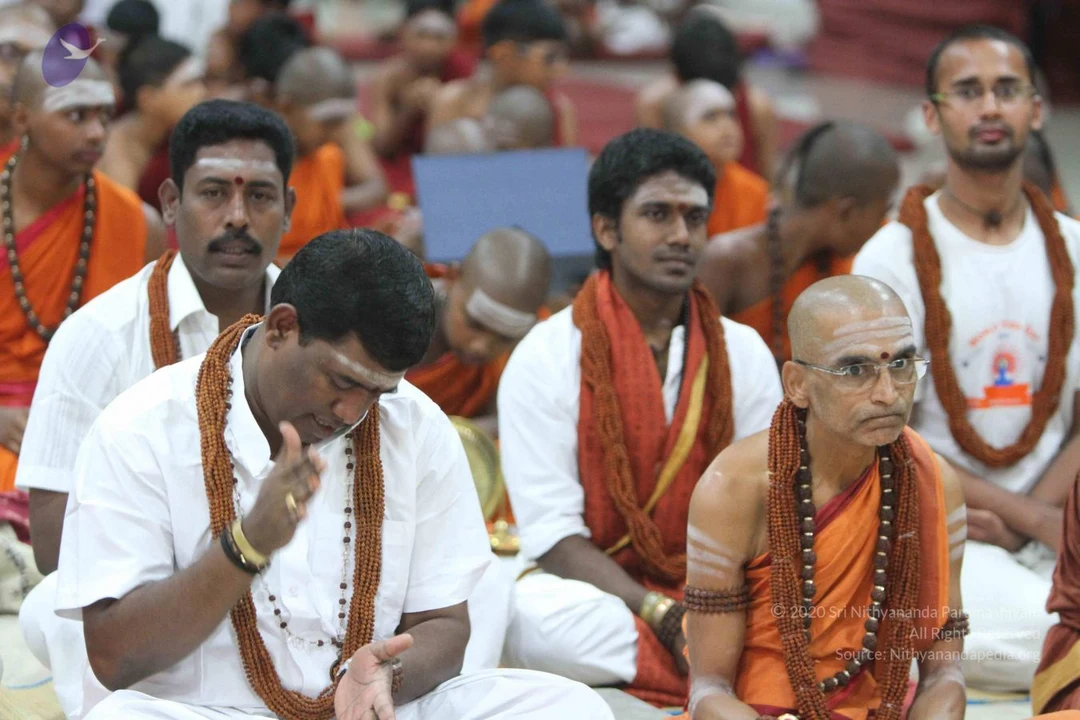
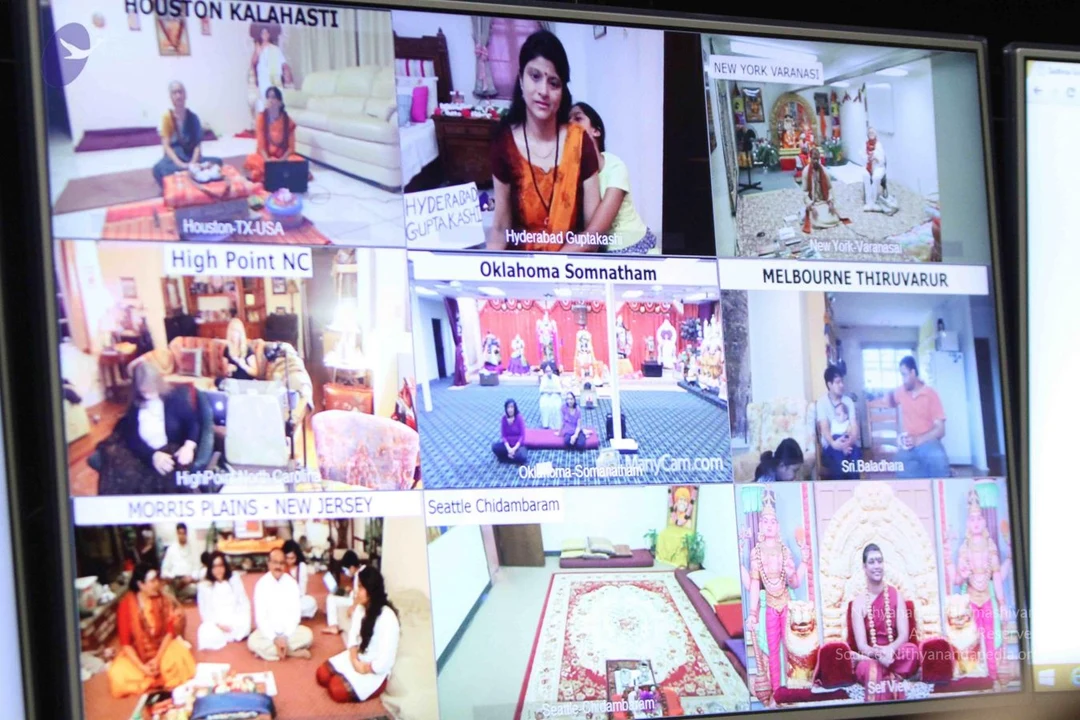
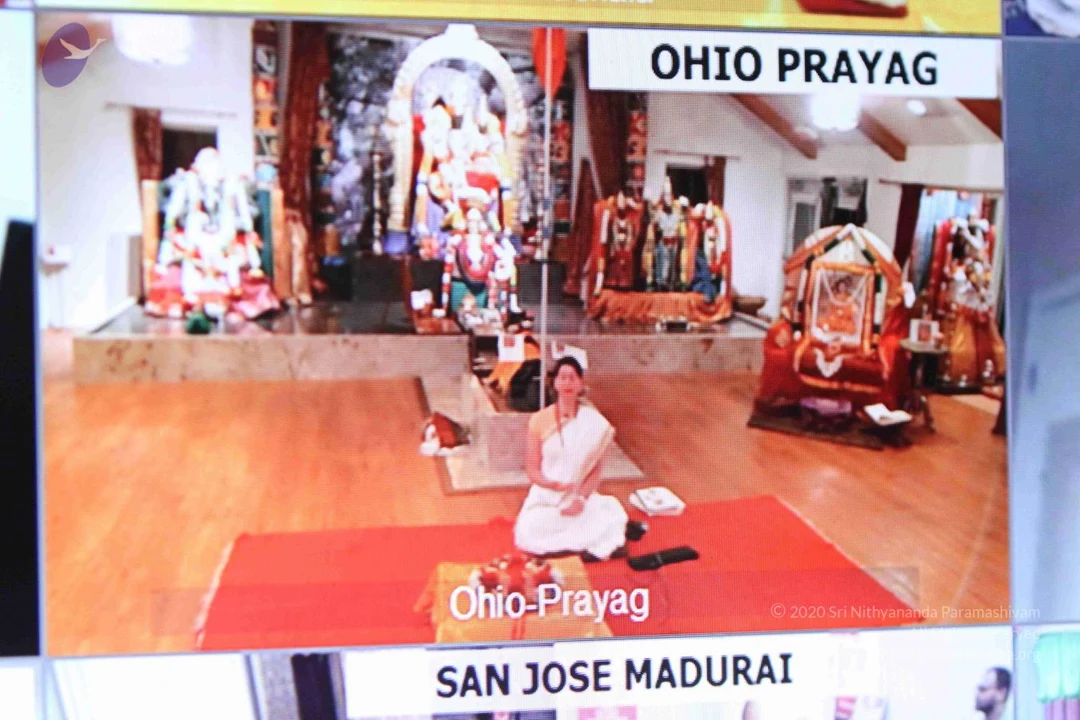
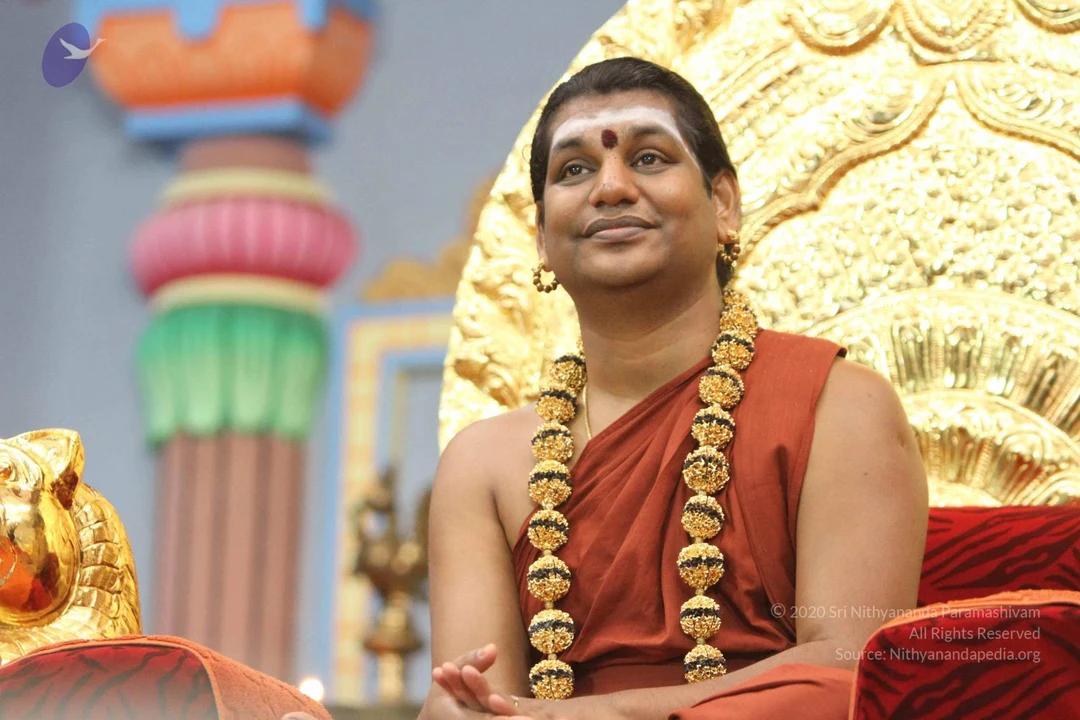
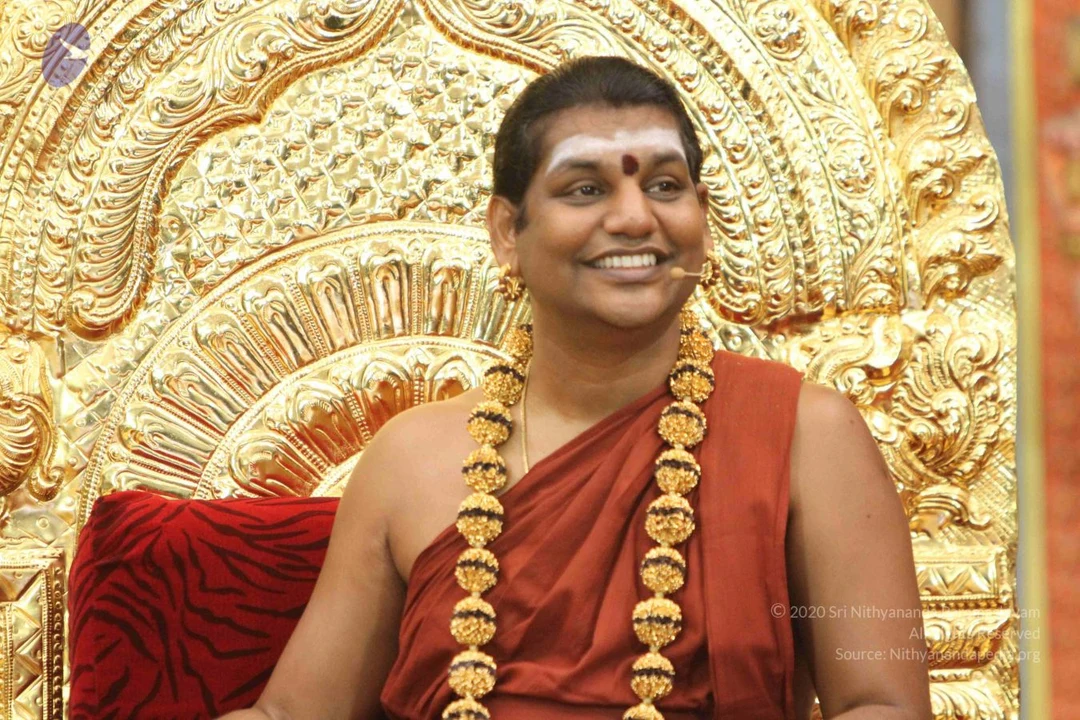
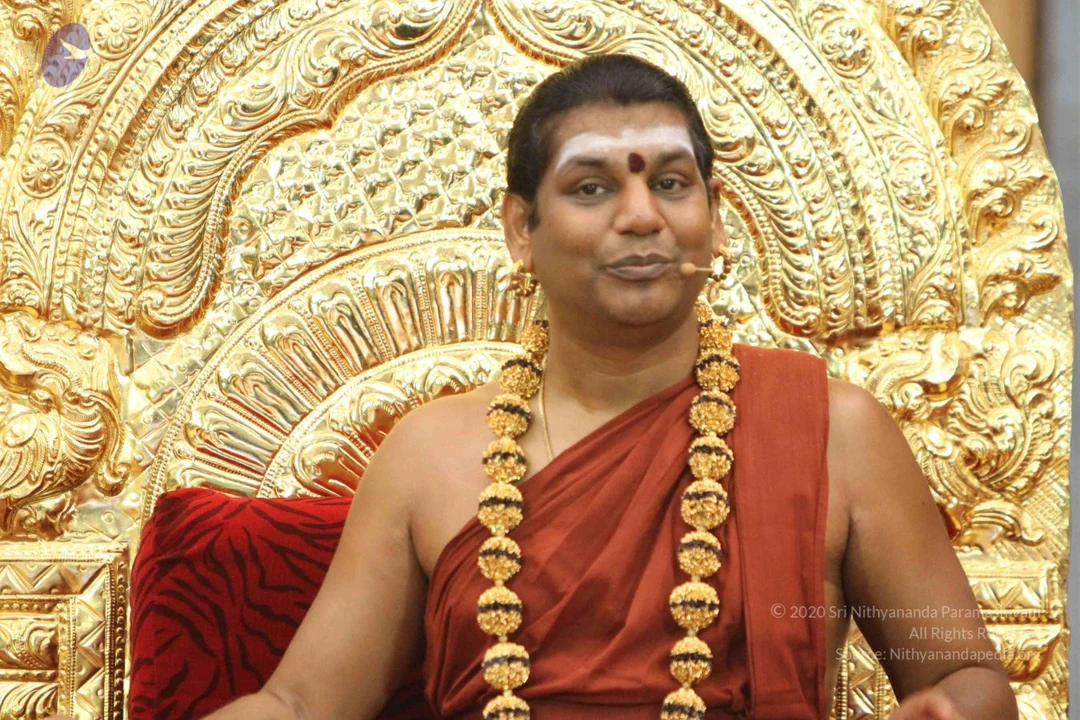
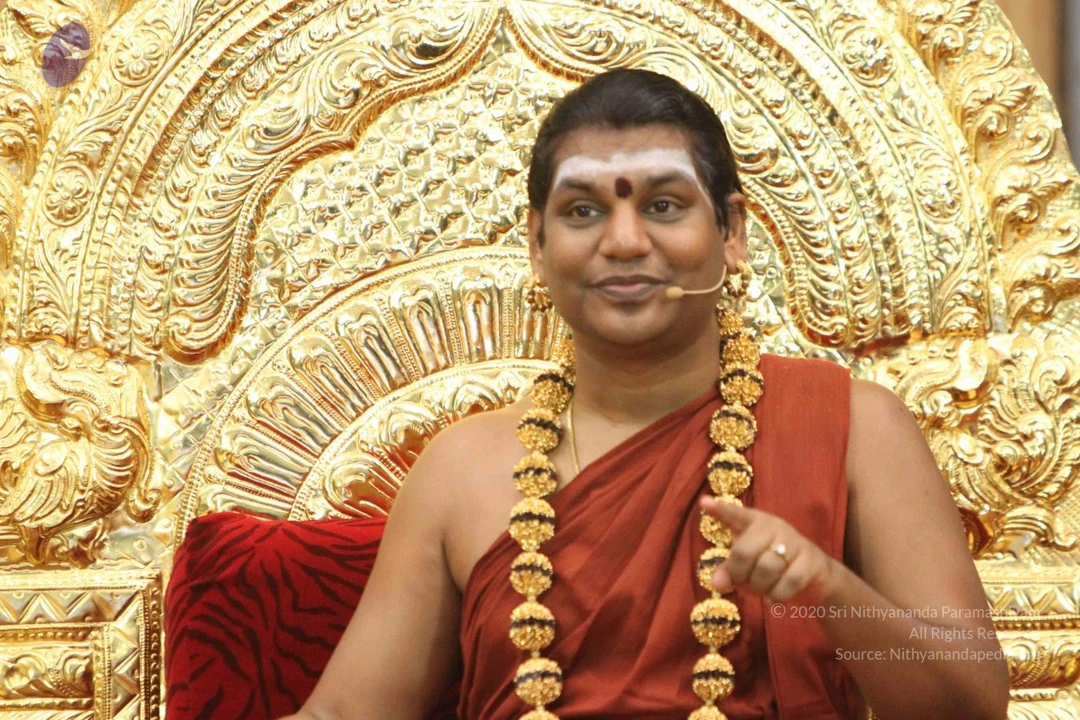
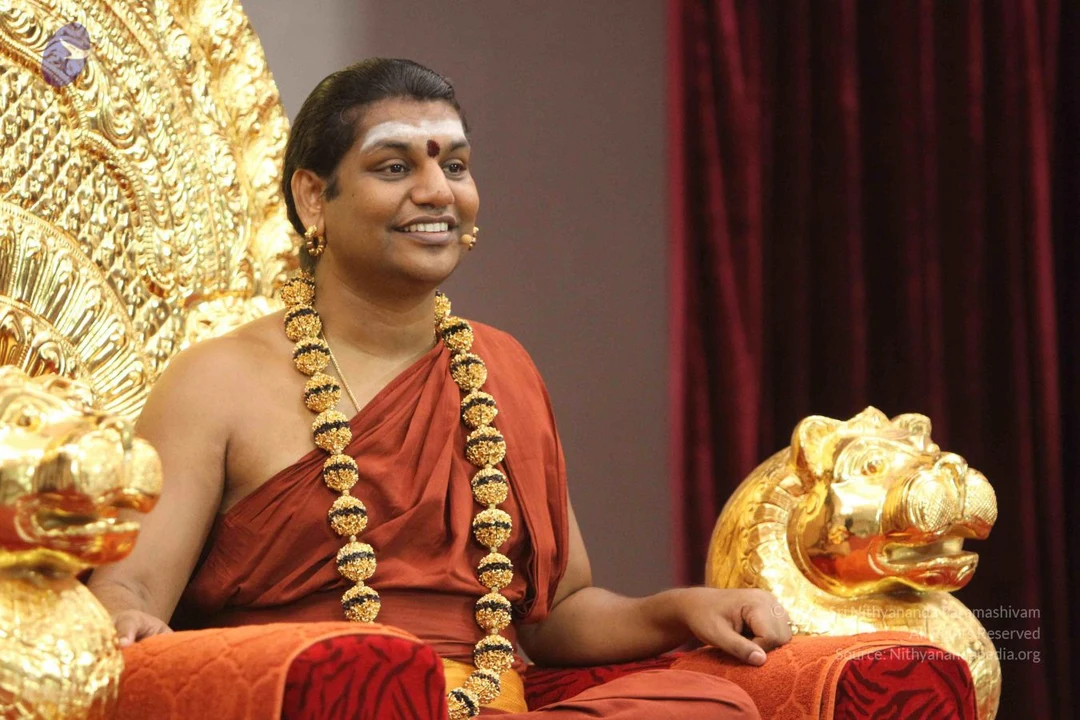
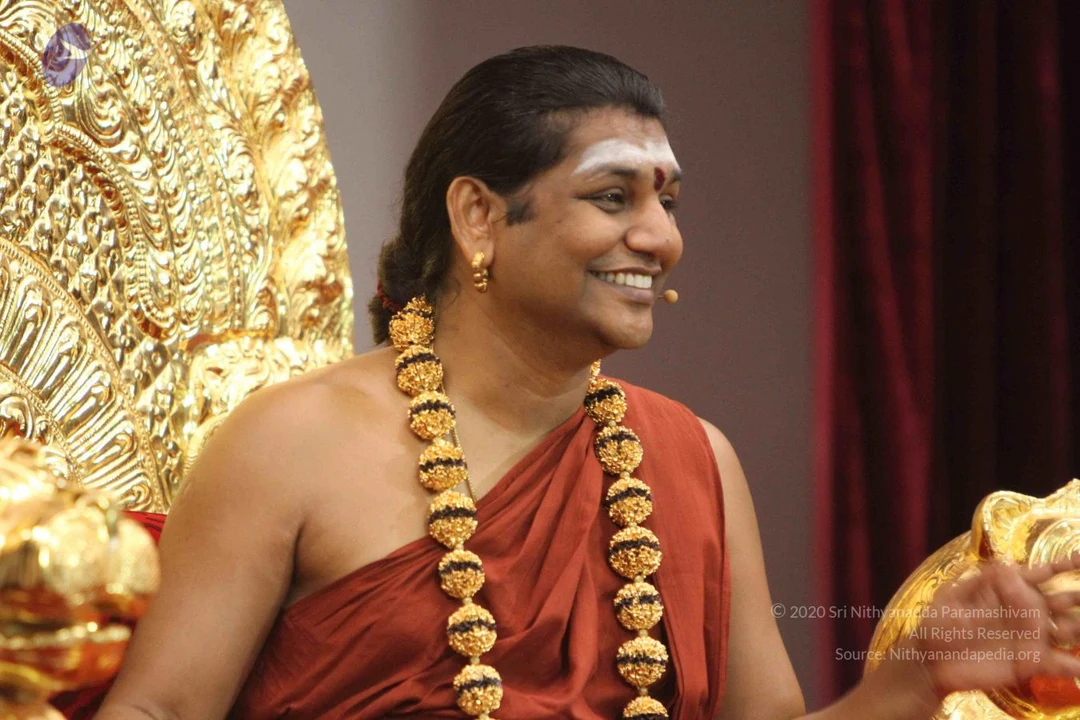
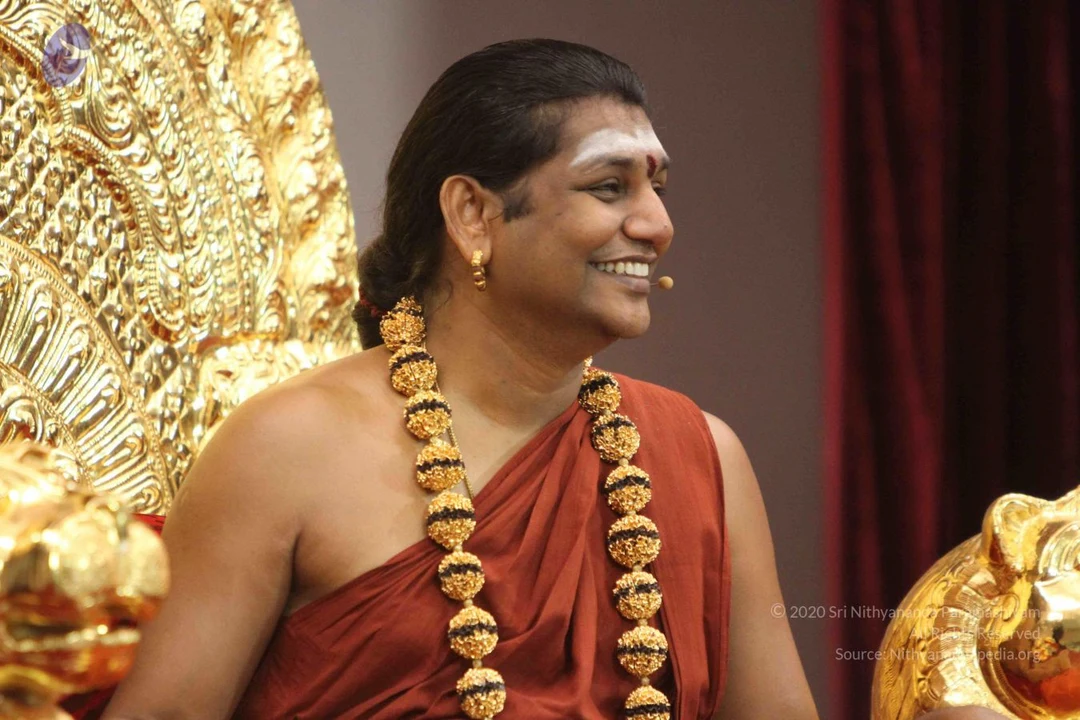
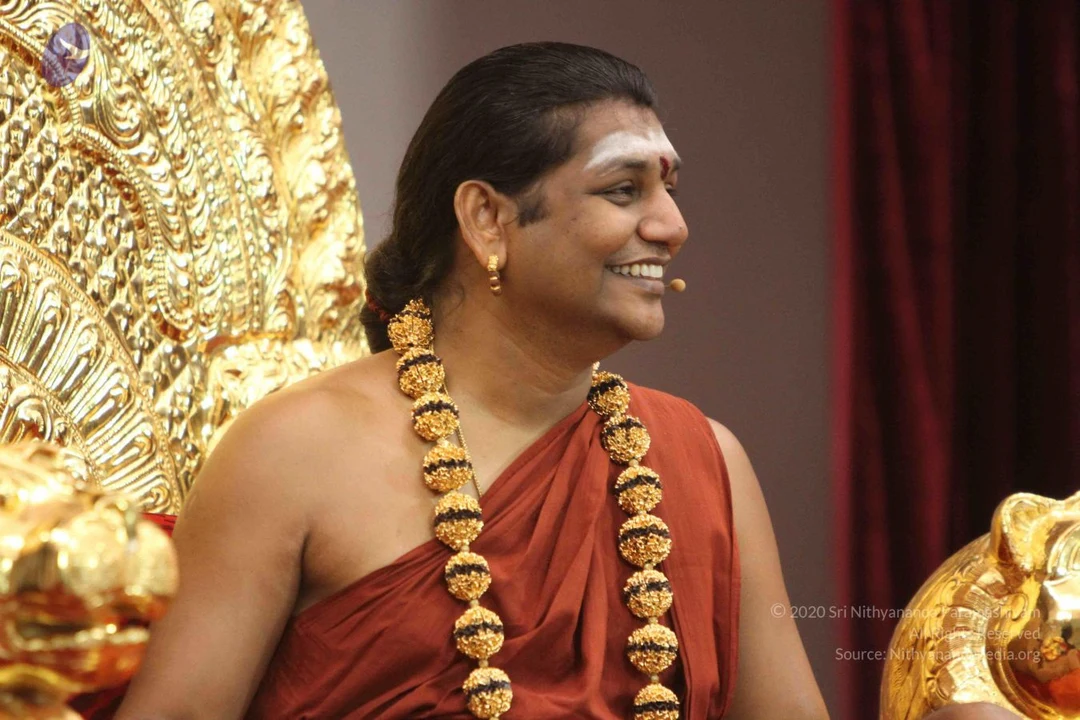
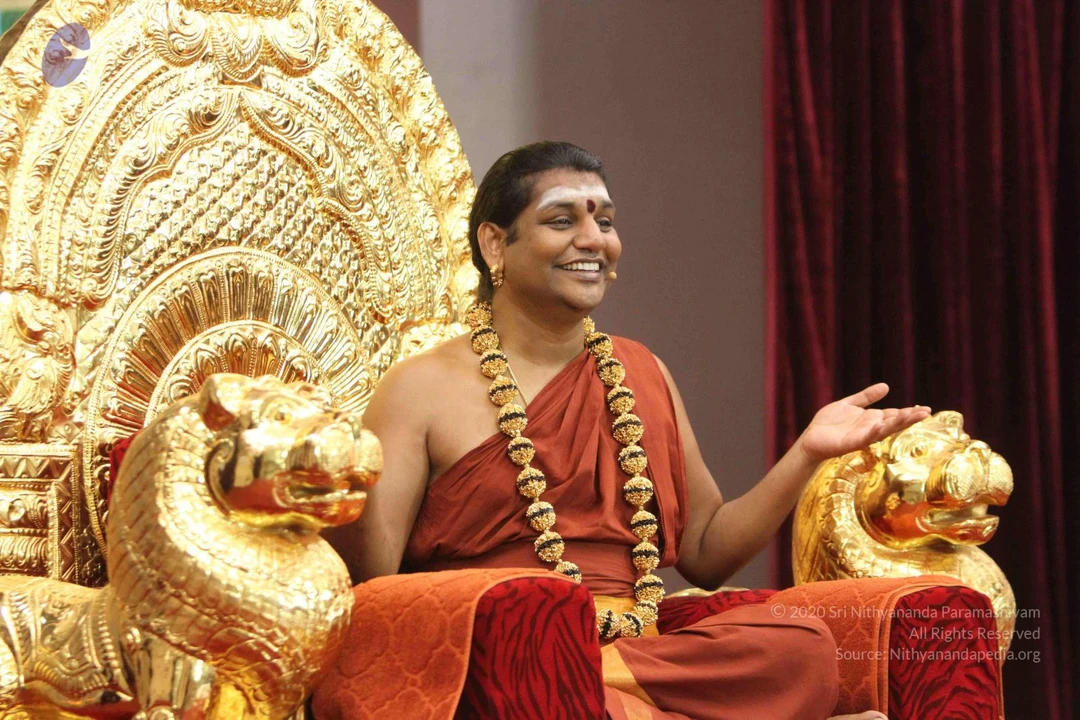

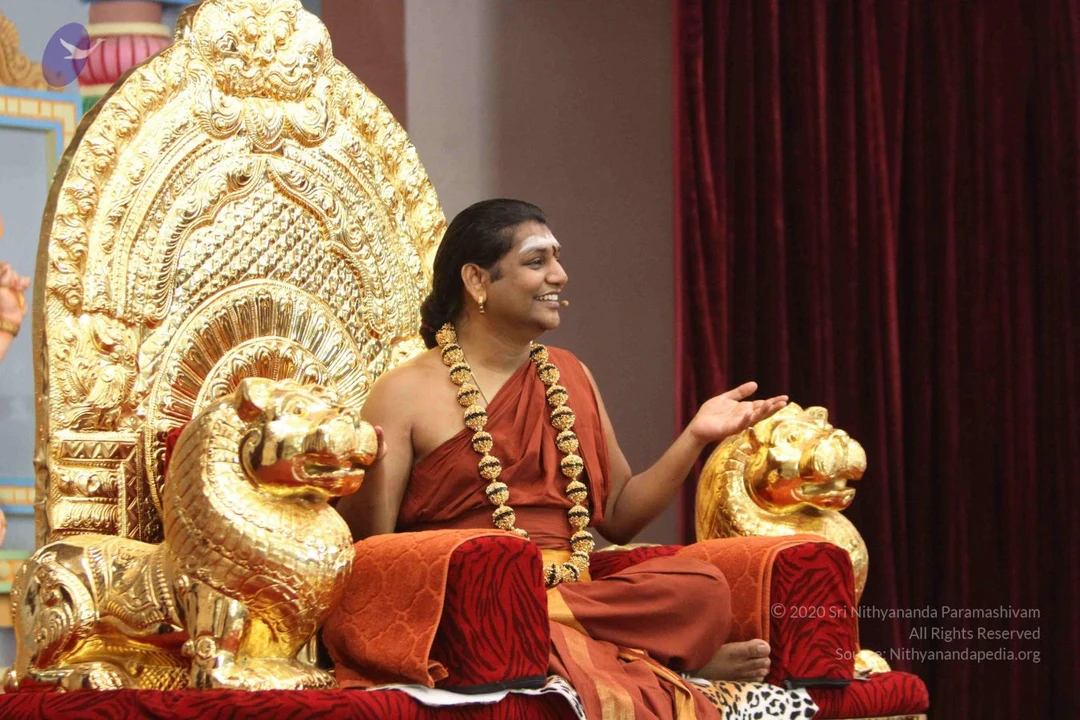
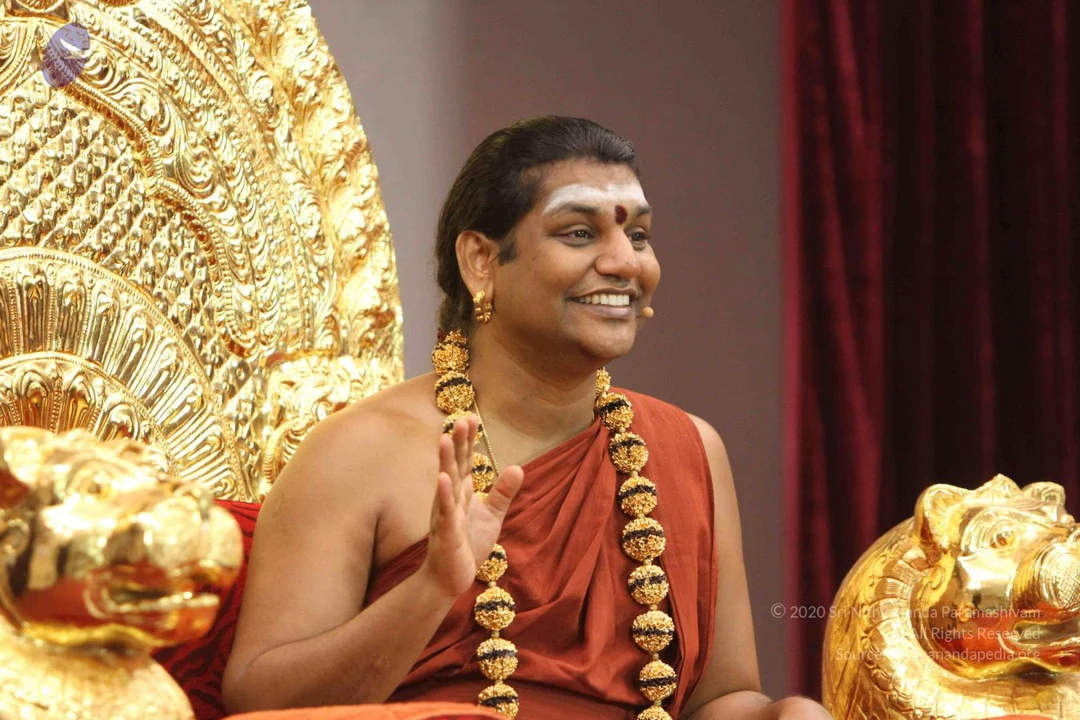
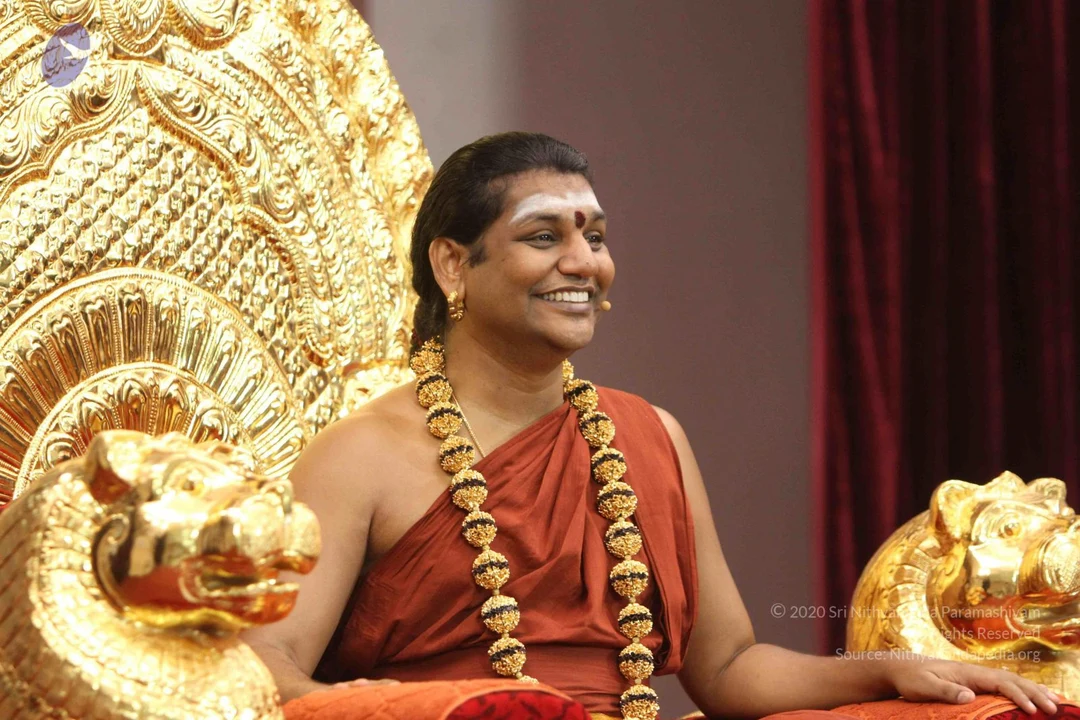
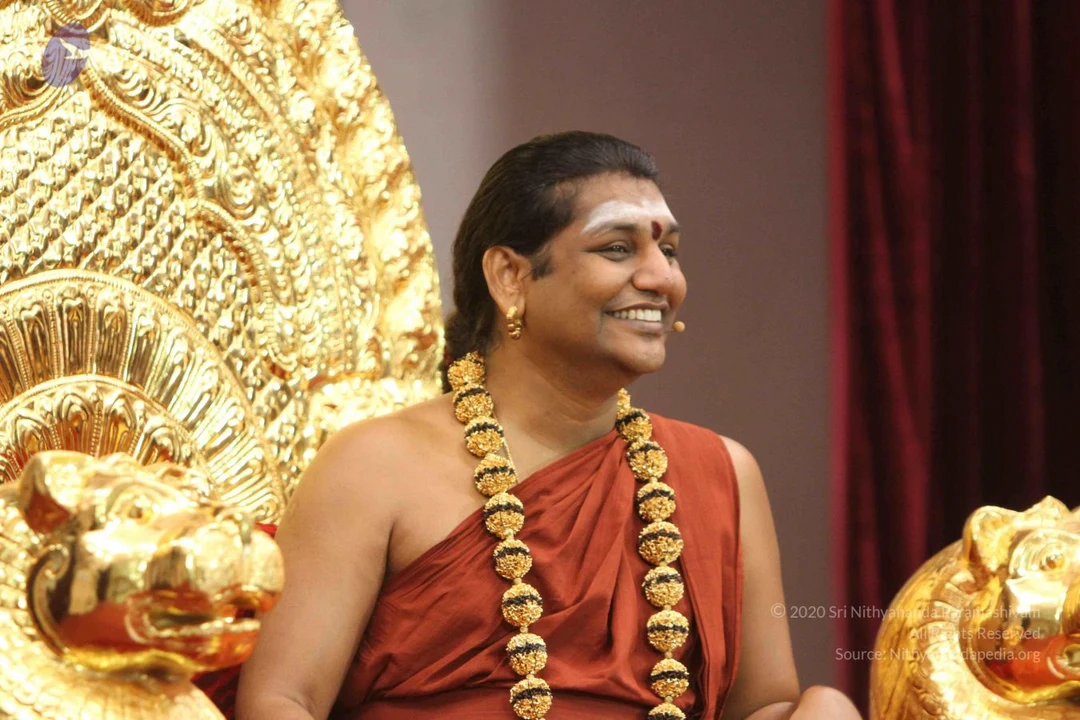
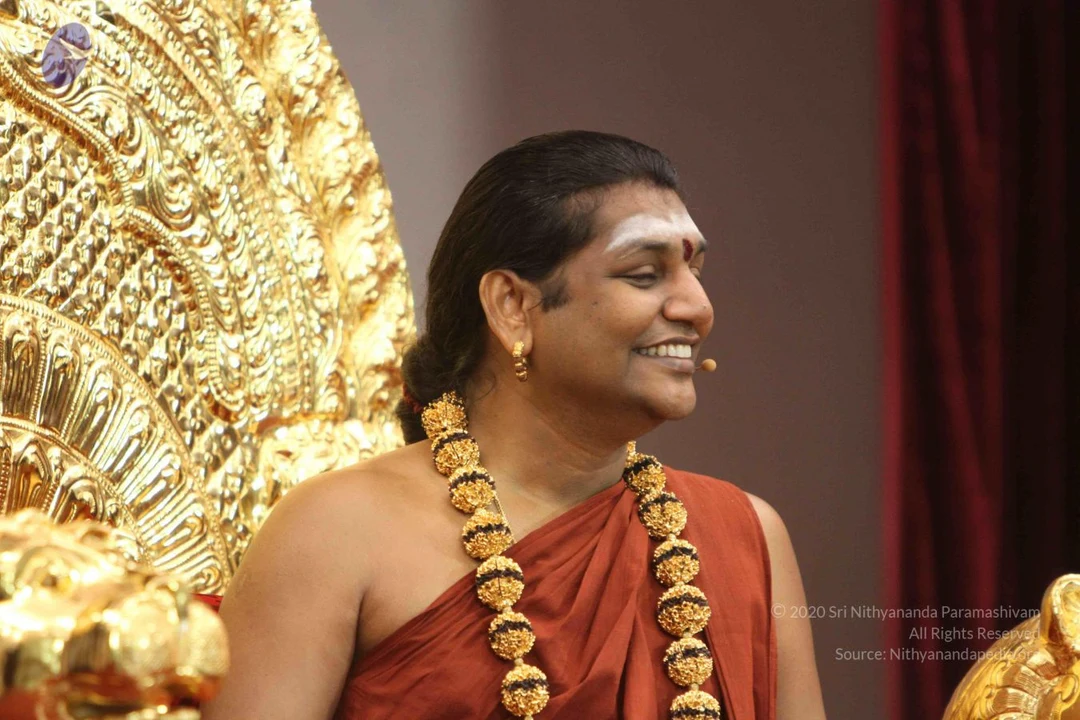
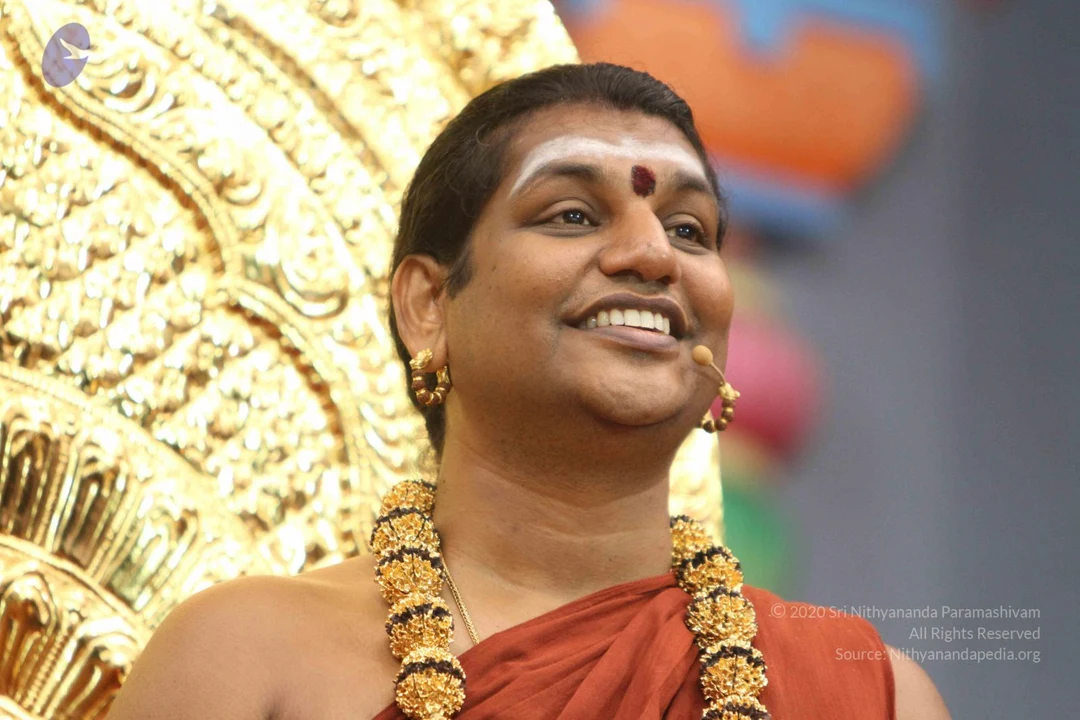
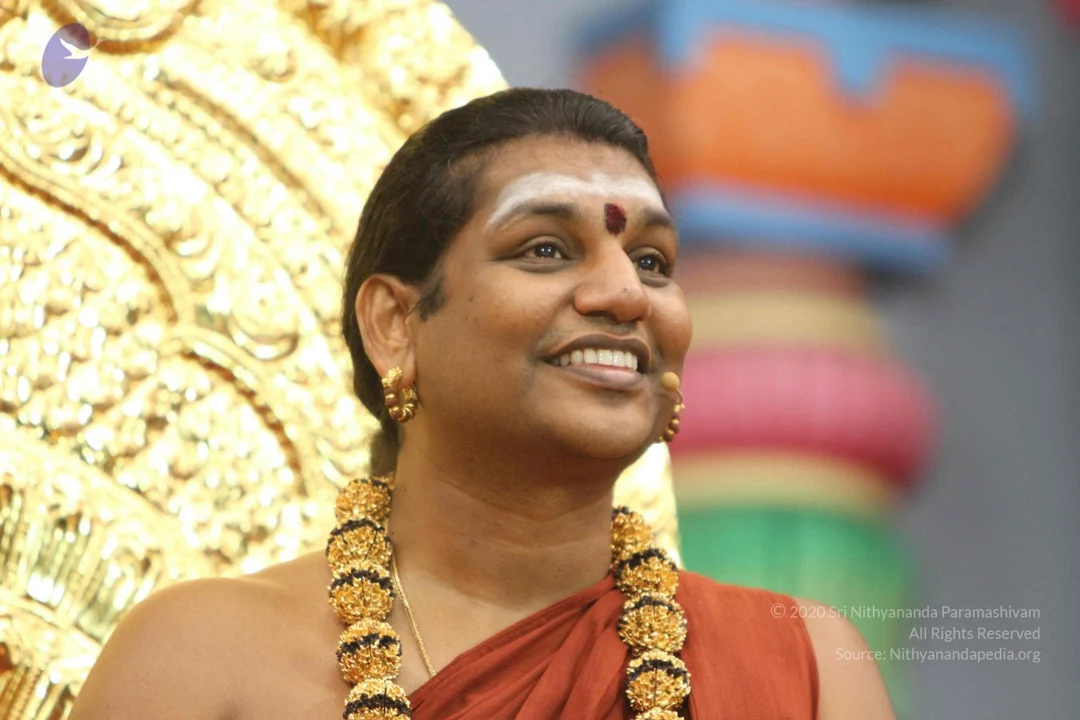
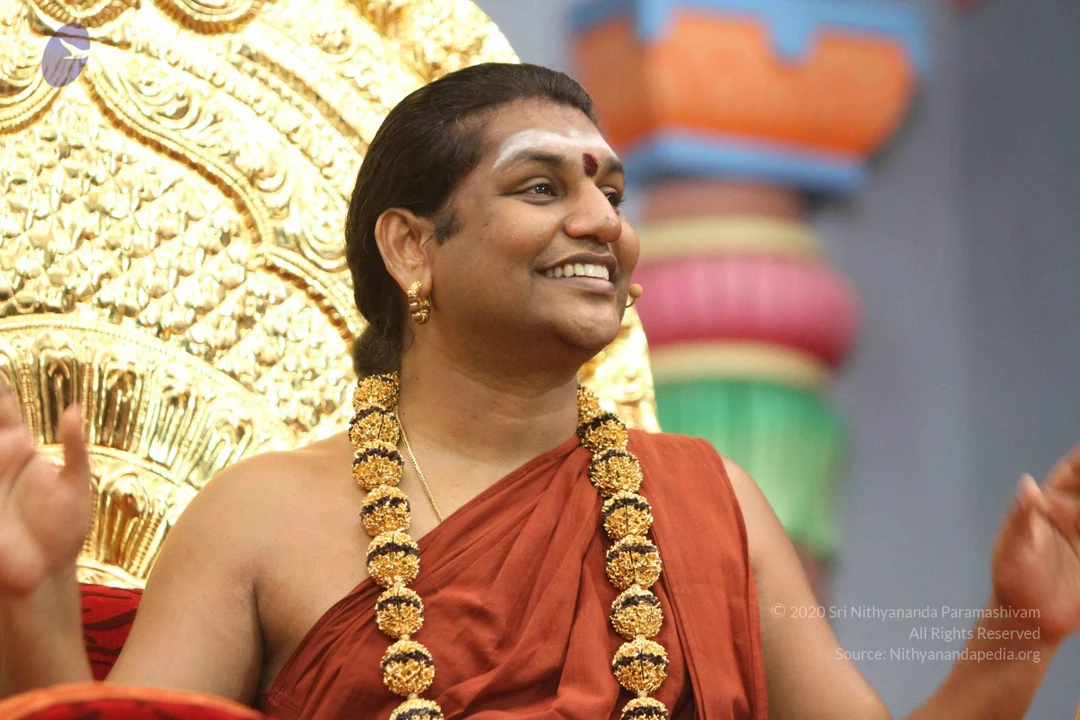
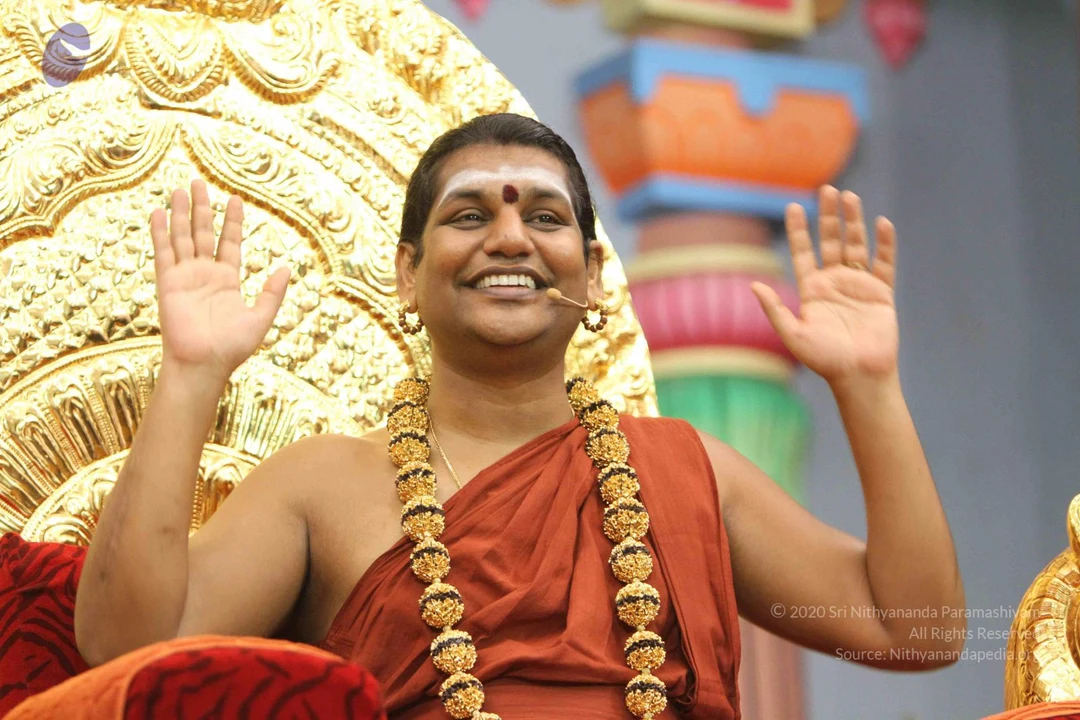
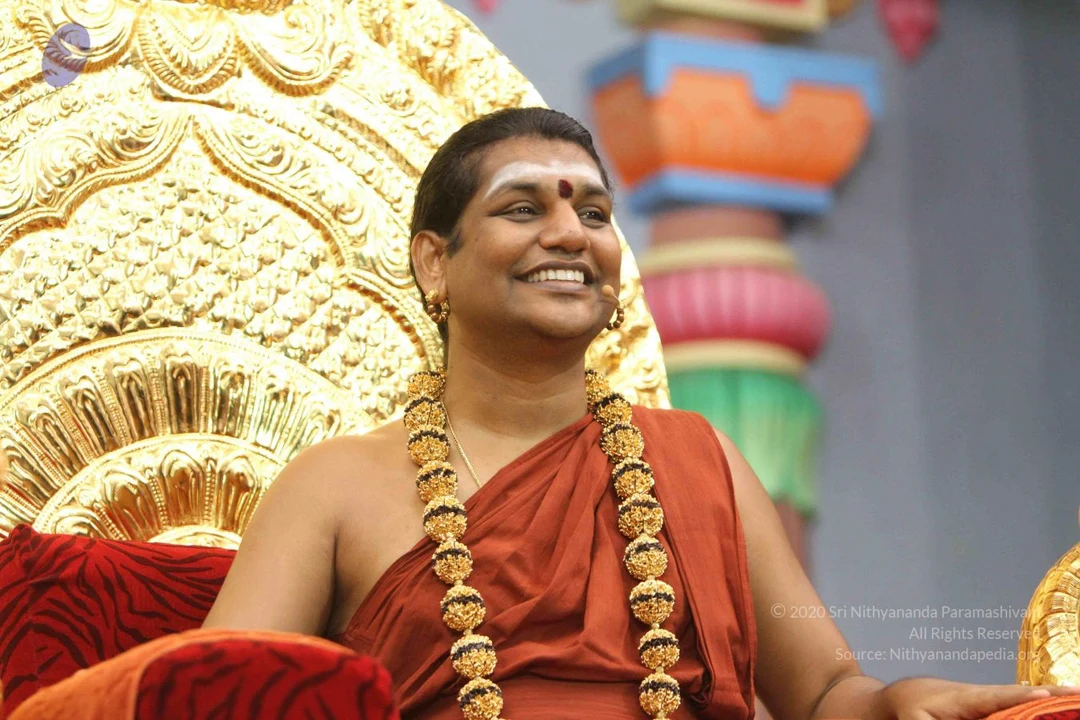
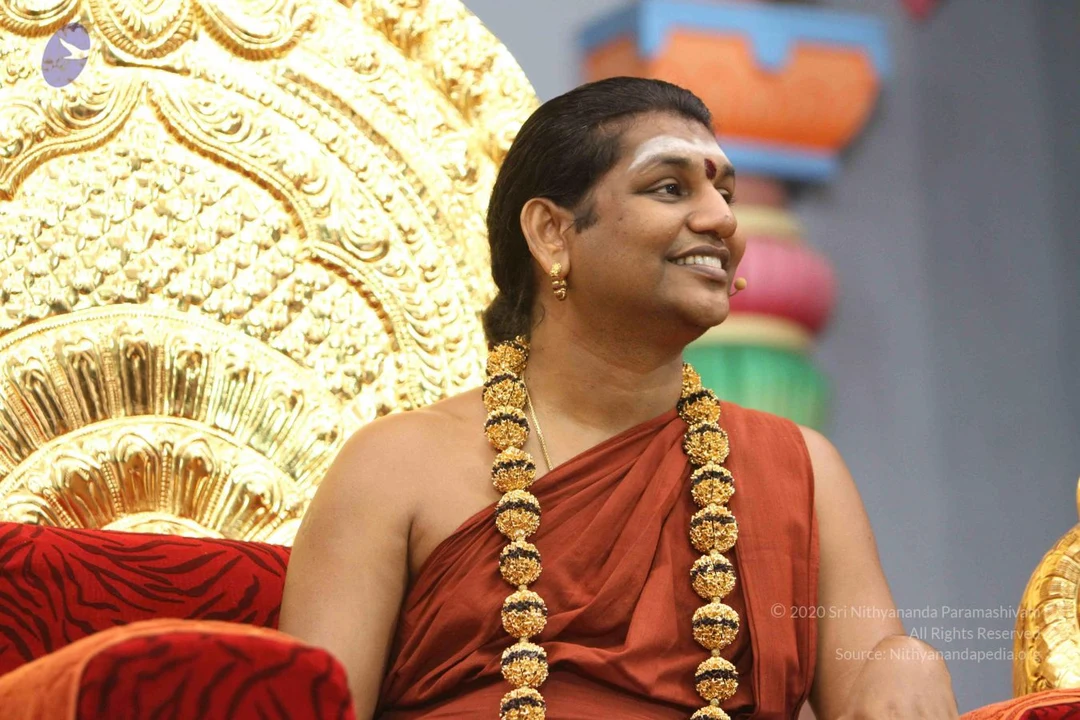
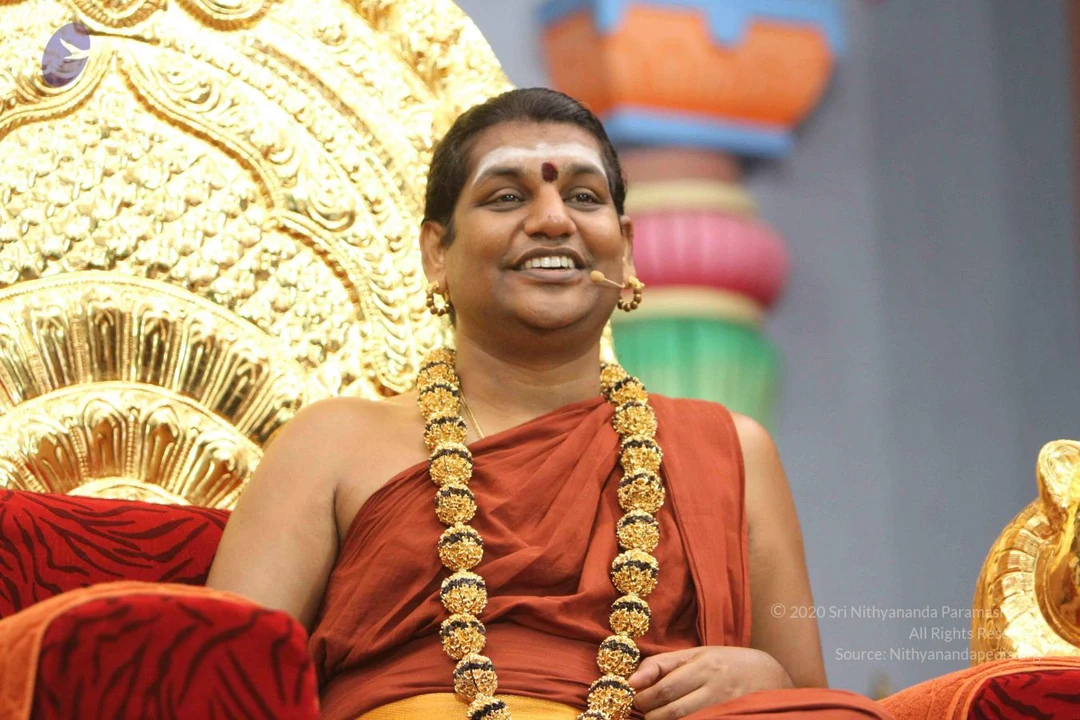
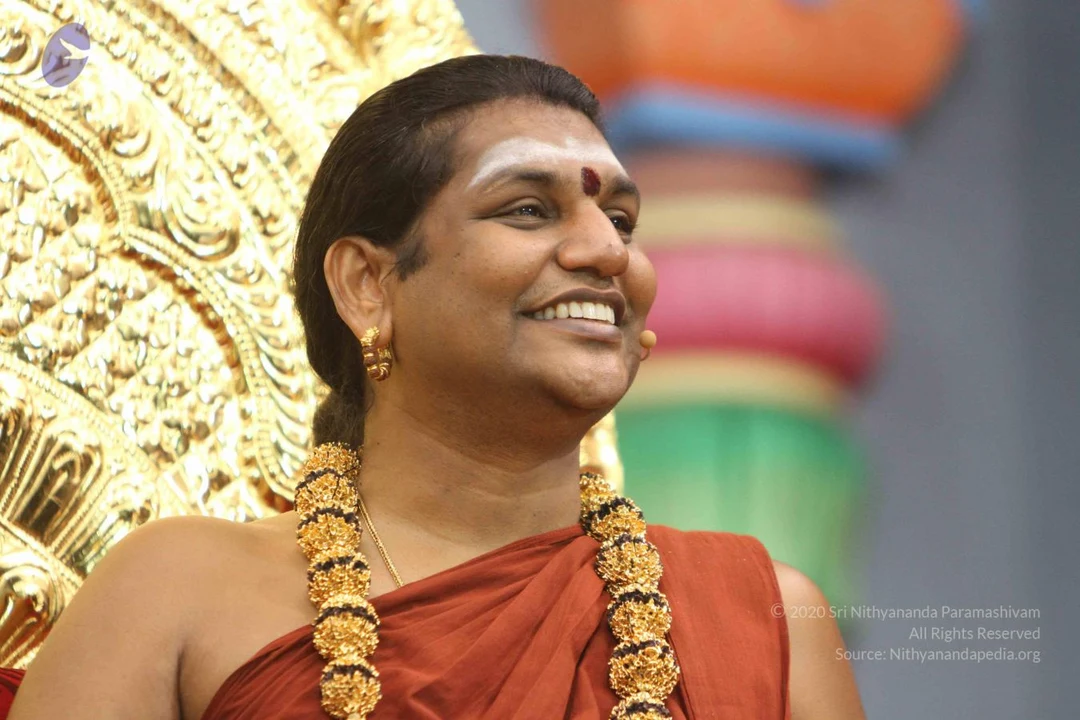

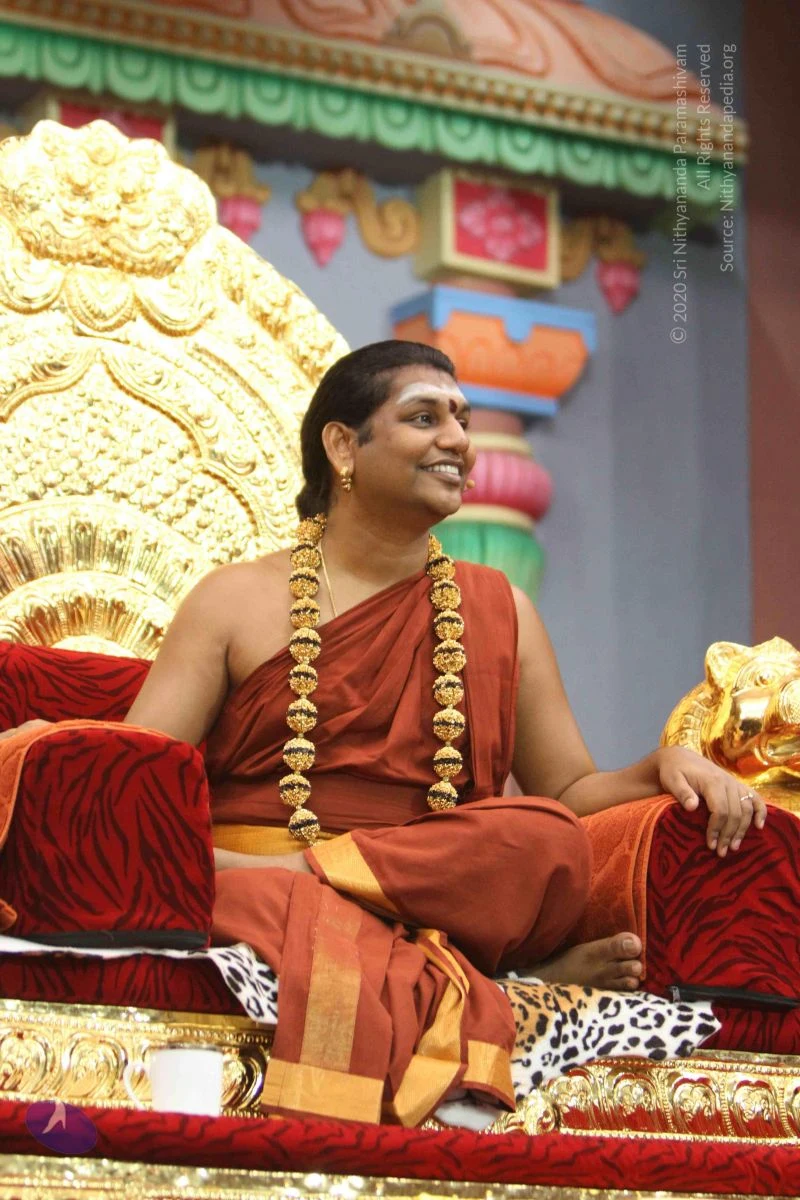
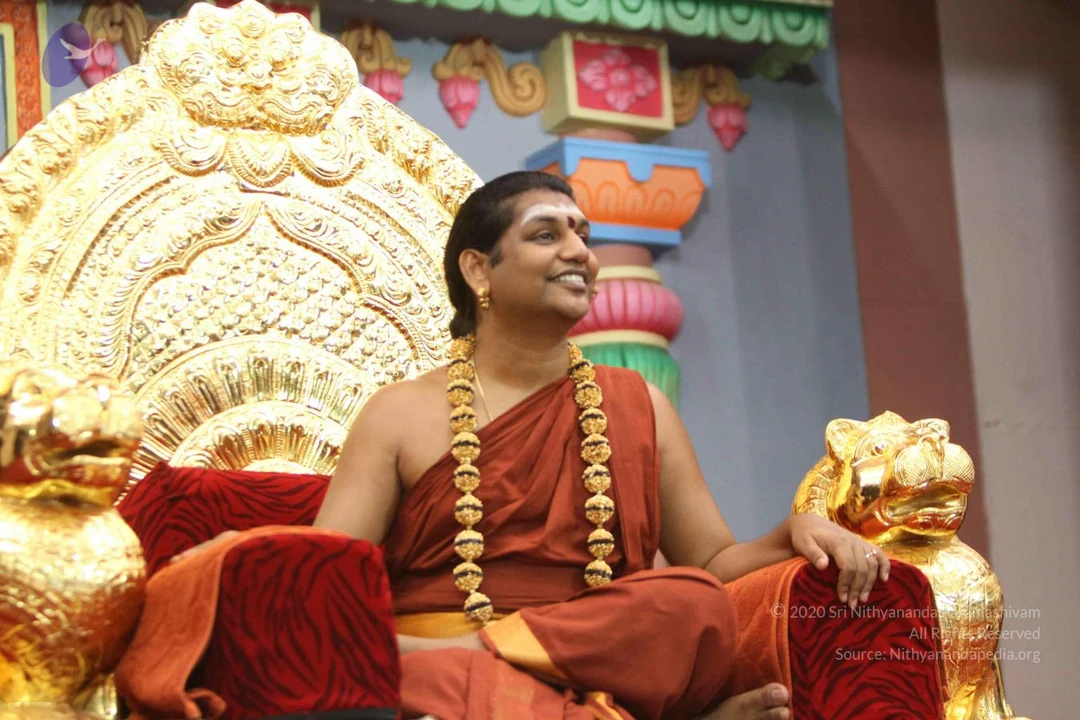
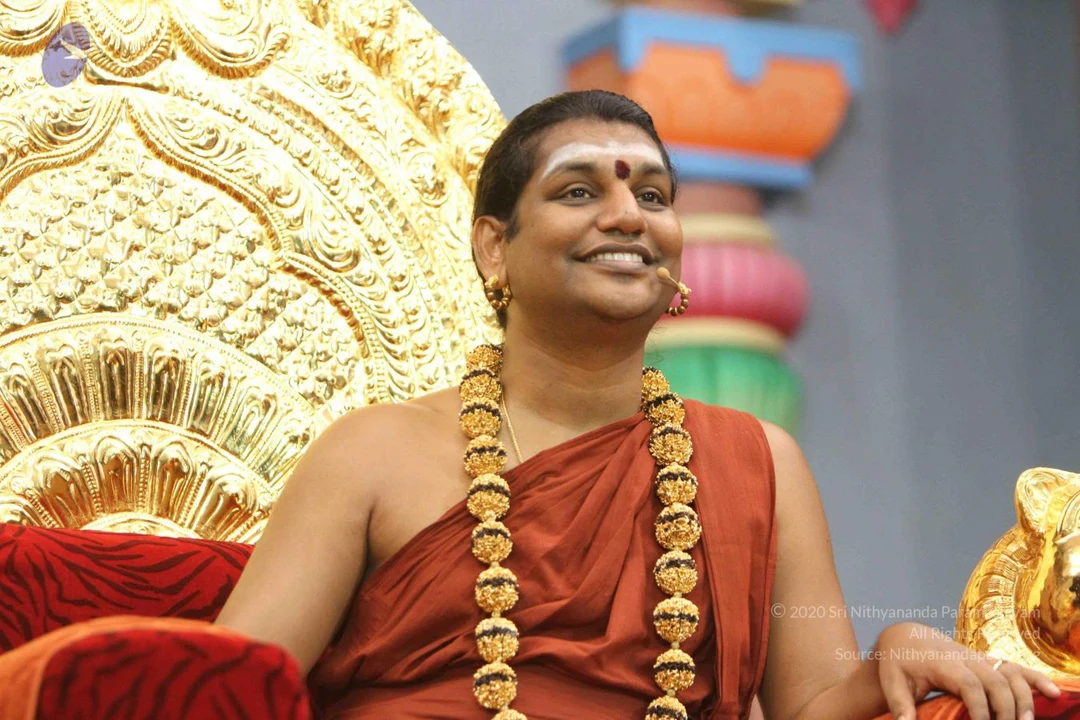
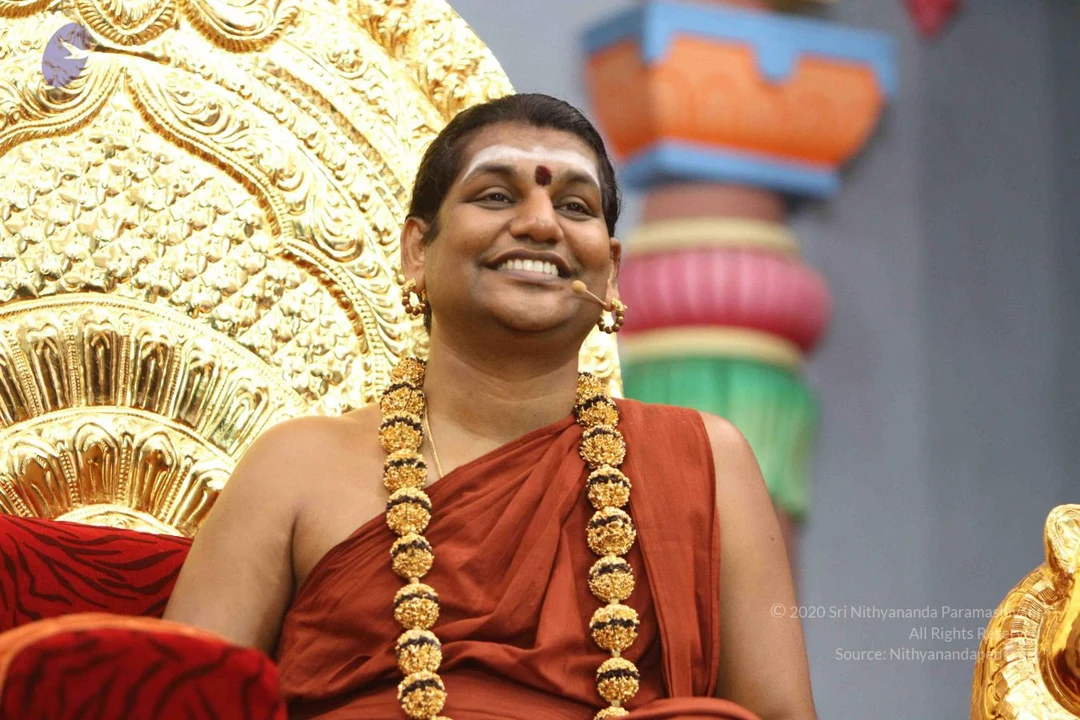
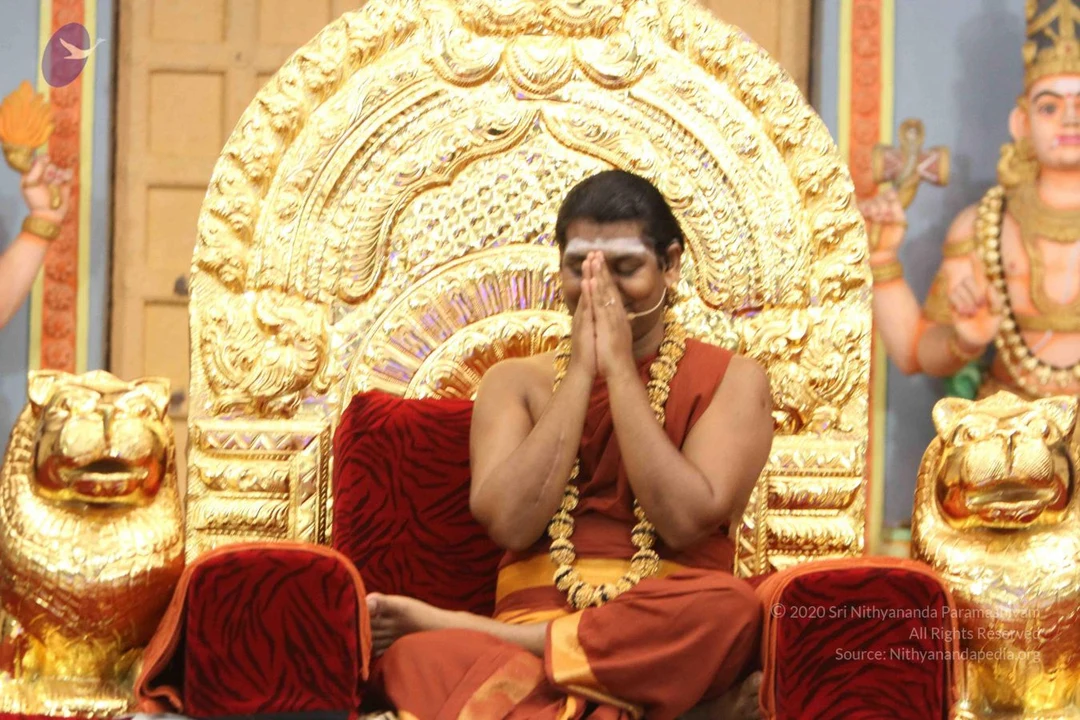
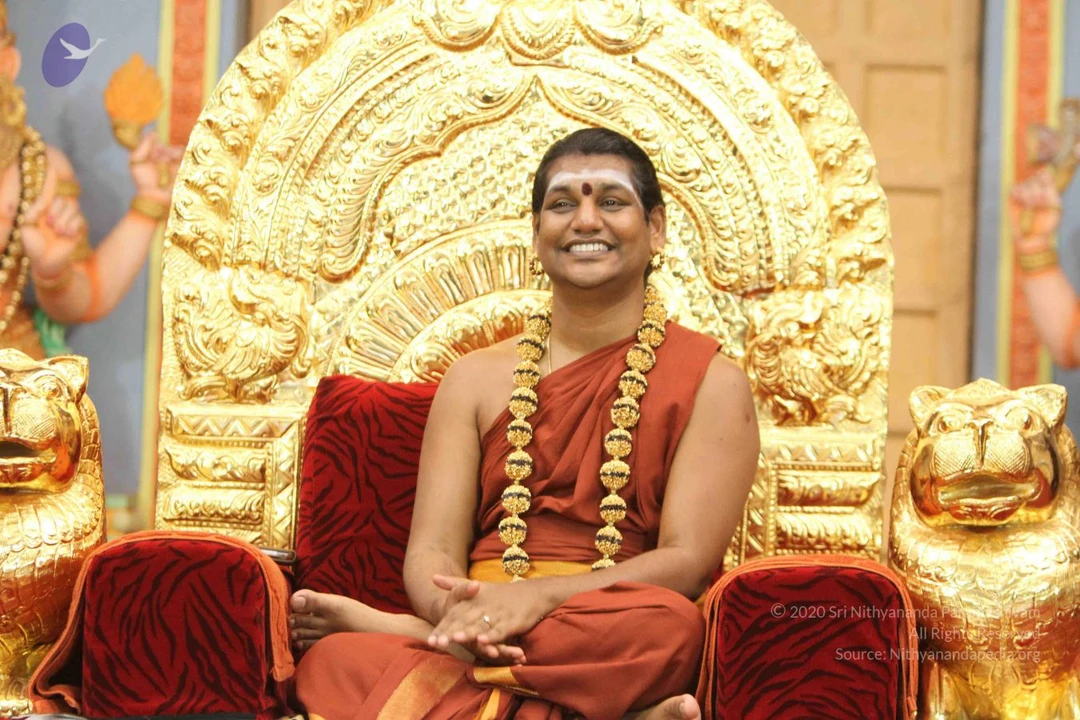
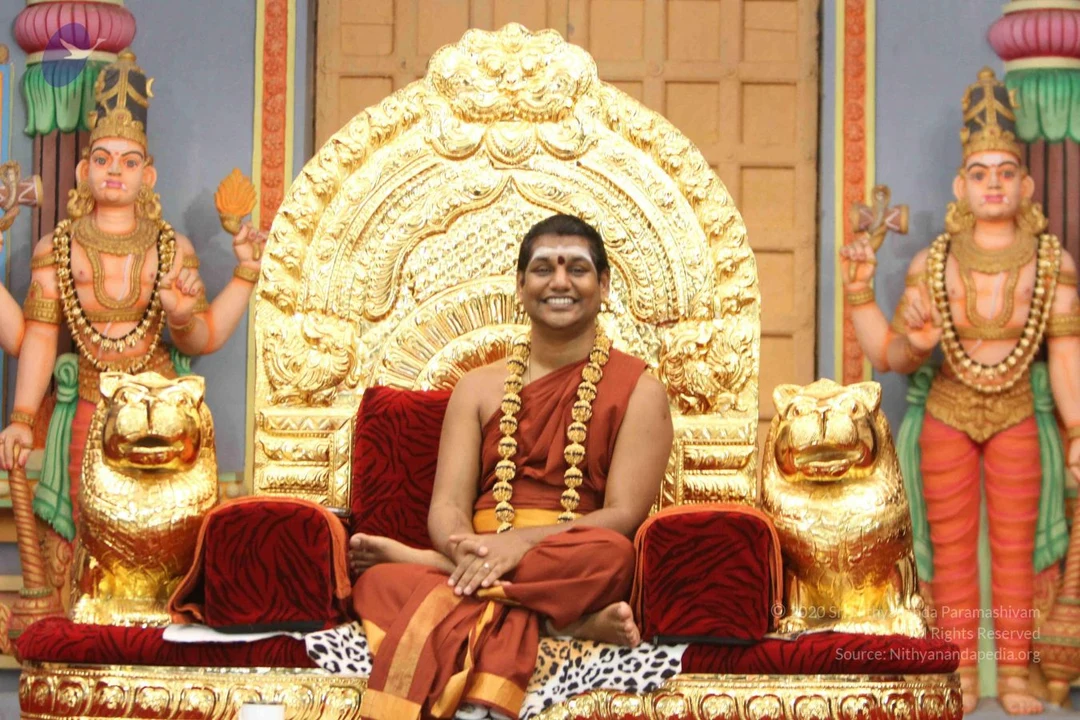
Photos Of The Day:
FB-Photos-of-the-Day
Photos from this day
View all 115 photosrudrabhishekam
8 photosSource gallery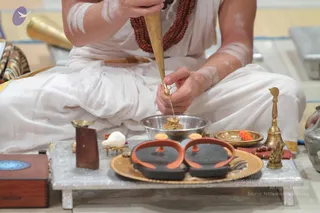
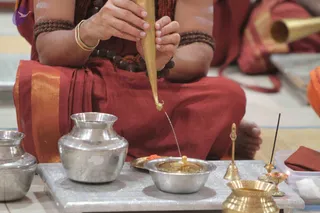
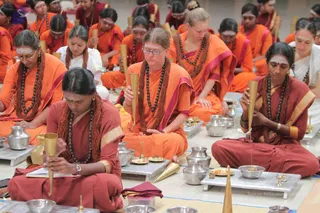
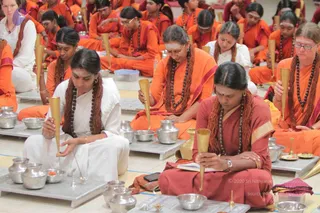
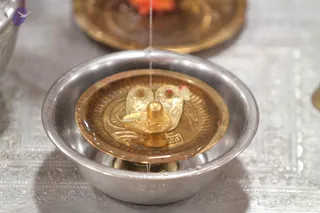
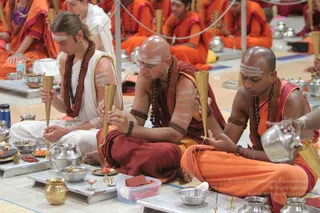
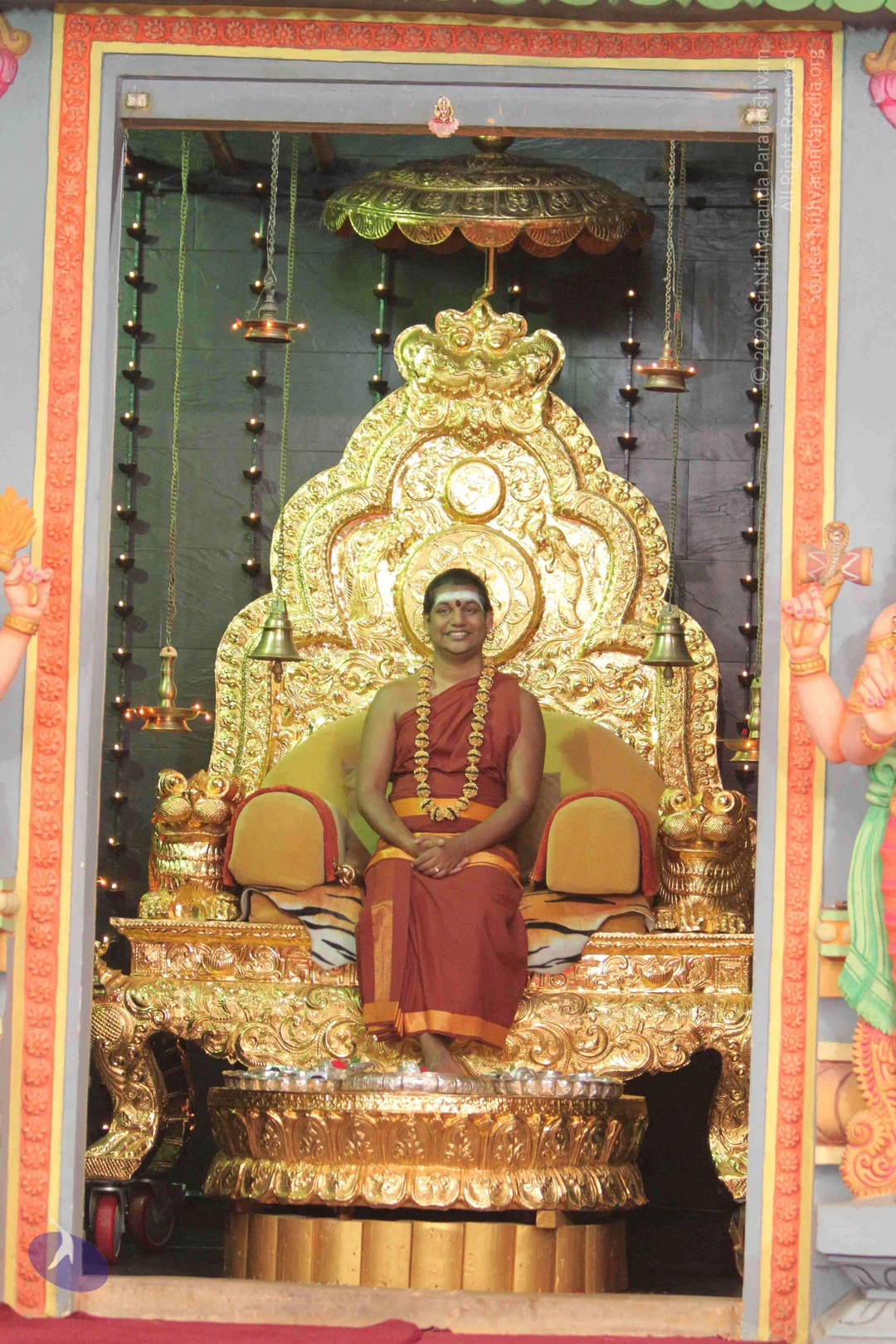
pada-puja
41 photosSource gallery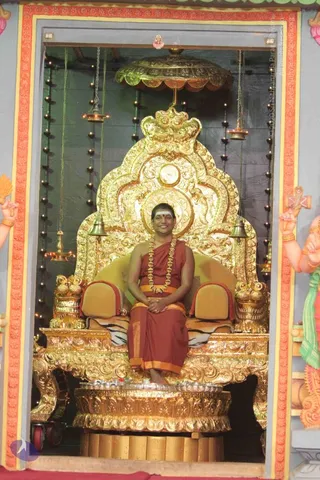
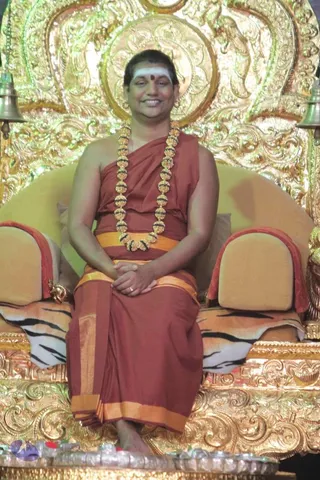
Nithya Kirtans
6 photosSource gallery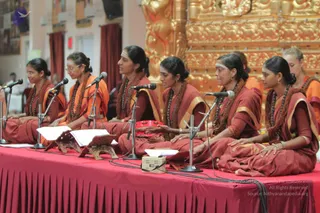
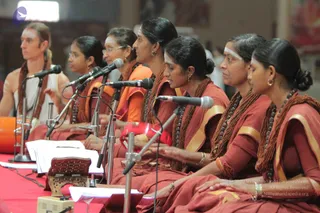
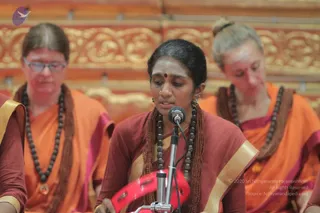
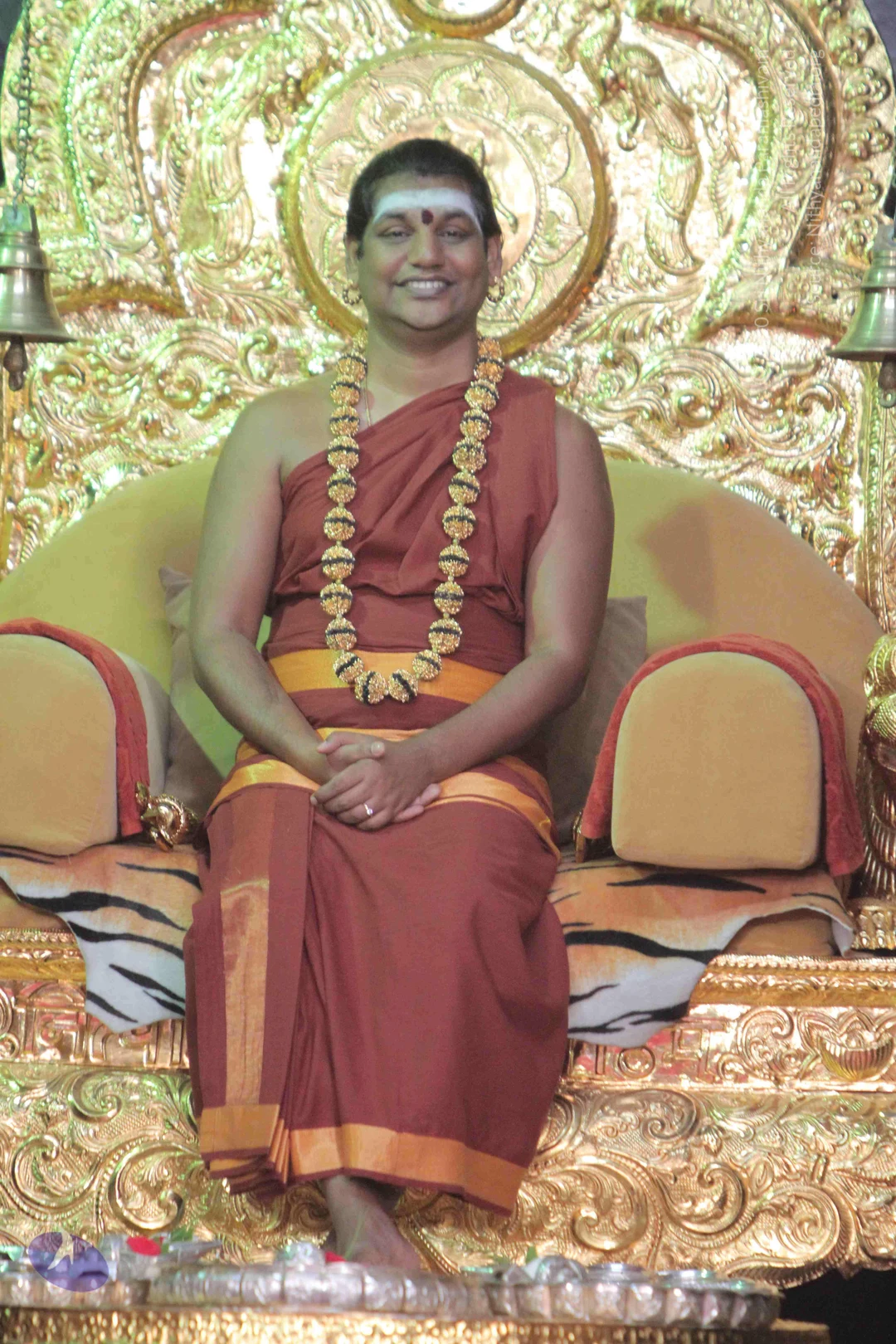
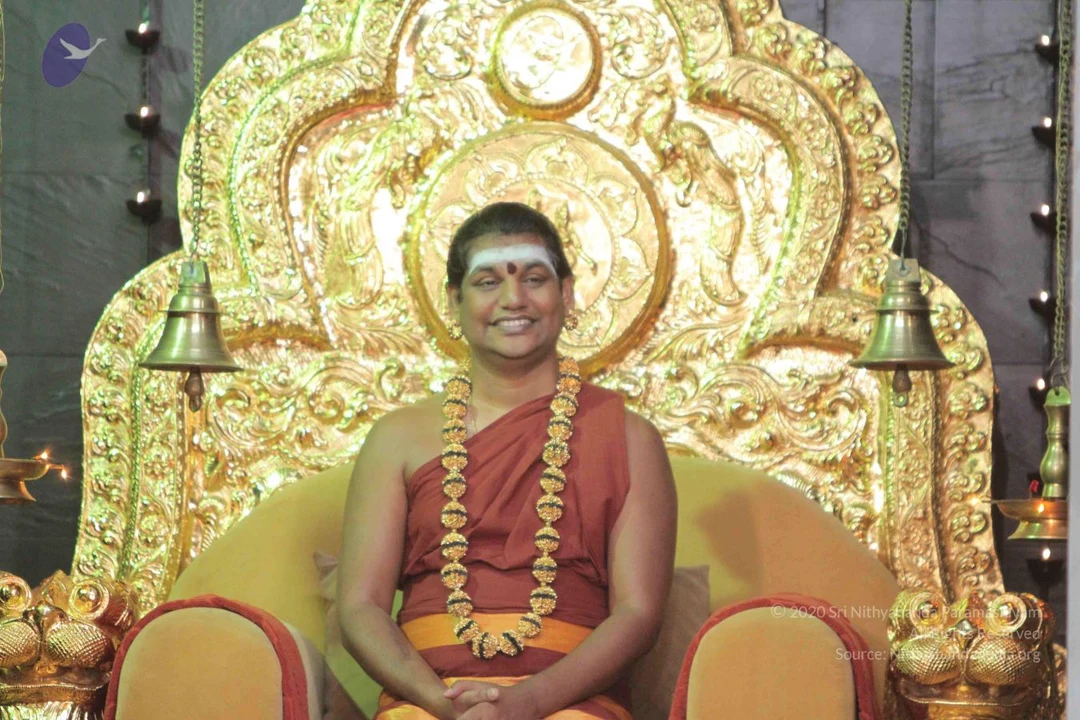
Nithya Satsang
57 photosSource gallery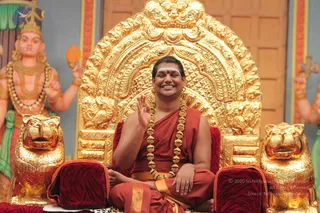
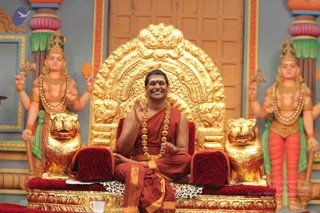
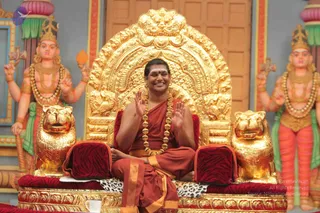
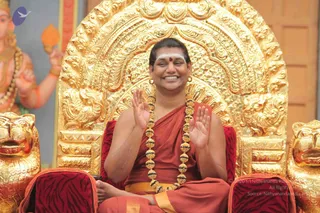
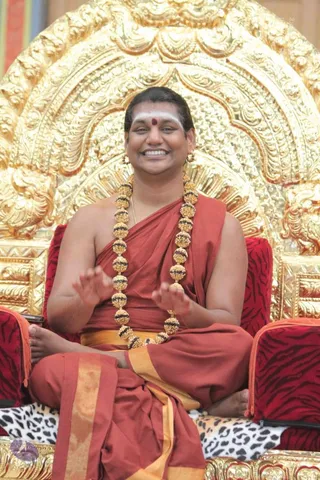
FB-Photos-of-the-Day
3 photosSource gallery