Wednesday
1 October 2014
- Dated photos
- 57
- Source pages
- 1
- Media
- 2
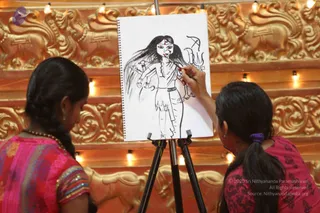
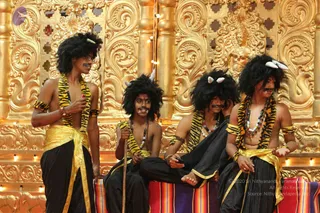
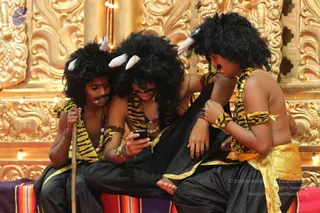
October 01 2014
Original wiki pageDescription:
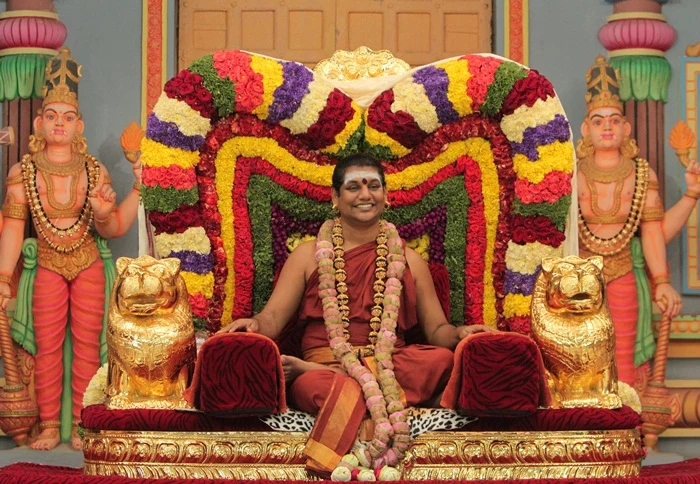
In today’s (01st October, 2014) morning Satsang, Paramahamsa Nithyananda explains how all of us carry the inner image that we have a form. This means that our image about life is form-based and we can only relate to God while he or she is in a form. The brilliance of the Vedic masters has solved this issue by creating a powerful way to relate to the cosmic energy through deity worship. Deity worship is THE way to bring world peace and bliss to humanity.
Link to Video:
| Video | Audio |
Transcript:
Nithyanandeshwara Samaarambhaam Nithyanandeshwari Madhyamaam | Asmath Aachaarya Paryanthaam Vandhey Guru Paramparaam |
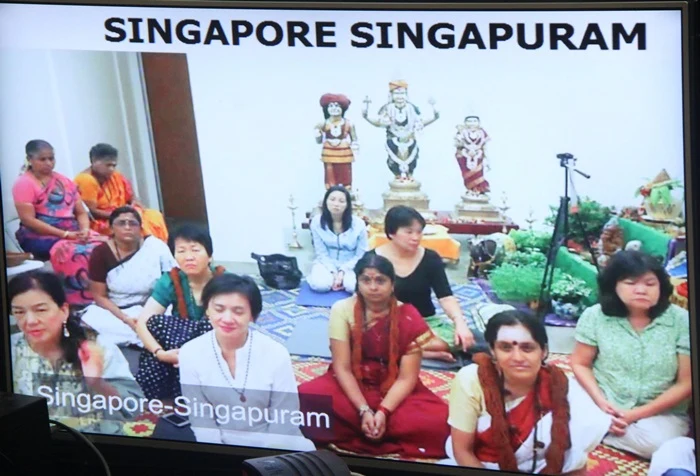
I welcome all the devotees, disciples, samajis, satsanghis, Shrimahants, Mahants, Thanedars, Kotharis, visitors, viewers, sitting with us all over the world through Nithyananda TV and Sadhna TV, and two-way video-conferencing having Nayana Deeksha.
Cities sitting with us in two-way video-conferencing having Nayana Deeksha: Thanjavur, Rajapalayam, Phoenix-Kanchipuram, Varanasi, Amersfoort-Netherlands, Toronto-Kailasam, Grasse-France, San Jose-Madurai, Charlotte-Srisailam, Scottsdale-Arizona, Hong Kong-Sirkazhi, Surrey-Canada, Bangalore North, Hyderabad-Gupta Kashi, Singapore-Singapuram, Nithyananda University-Los Angeles, Jorpati-Nepal, Mumbai, St. Louis-Tirumala, Oklahoma-Somanatham, Nithyananda Nagar-Tiruvannamalai, Kulim-Tiruttani, Mulund-Mumbai, Houston-Kalahasti, Los Angeles- Hollywood, Seattle-Chidambaram, Guadeloupe-Rameshwaram, Hebbal-Bangalore, Ohio-Prayag, Kentucky, Nithyananda Nagaramu-Hyderabad, Colombo- Sri Lanka, Los Angeles-Hollywood...........
I welcome all of you with my love and respects.
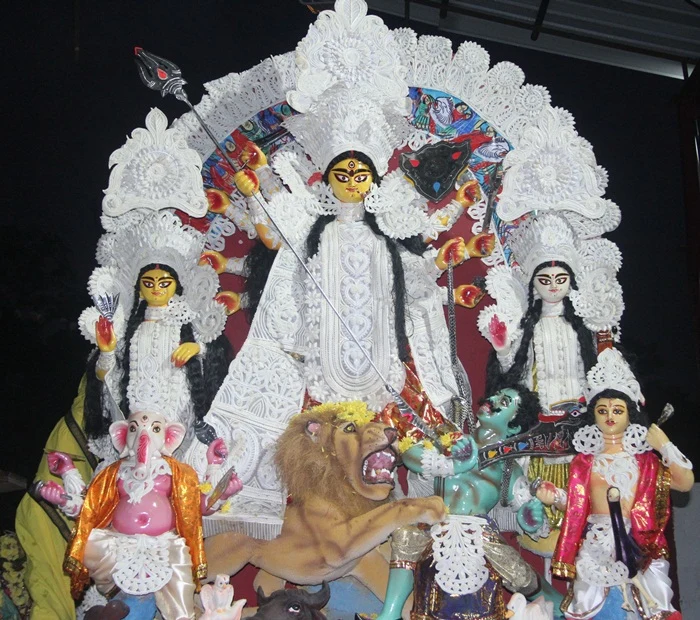
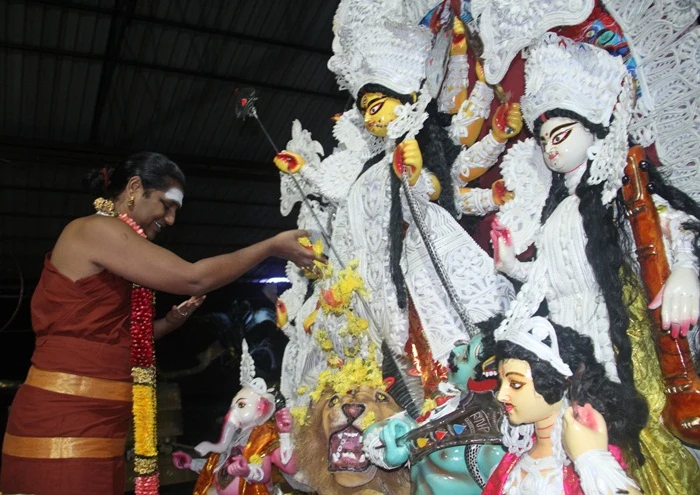
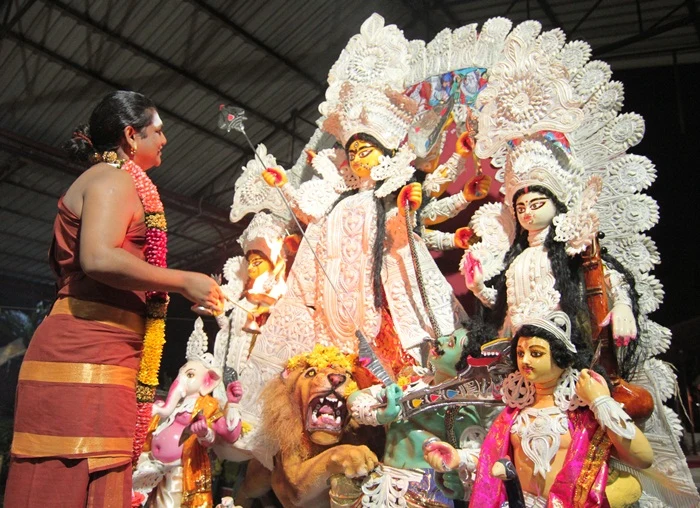
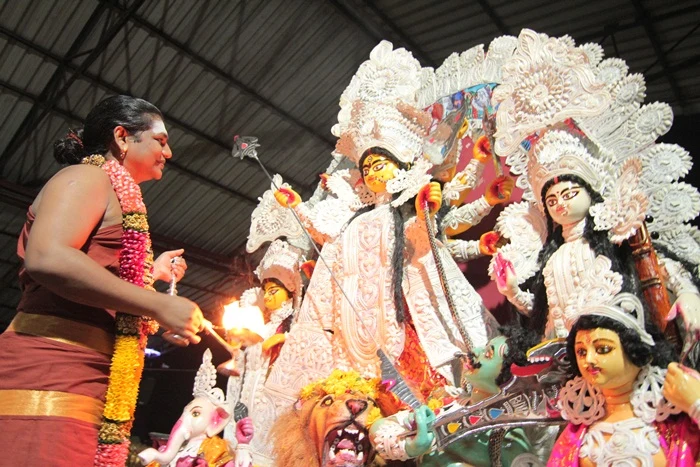
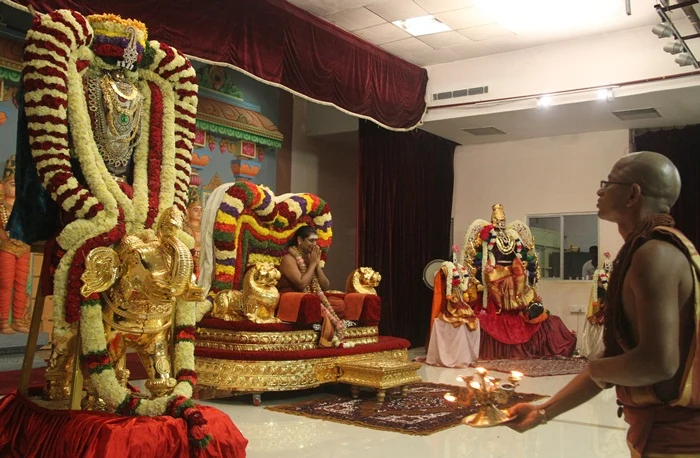
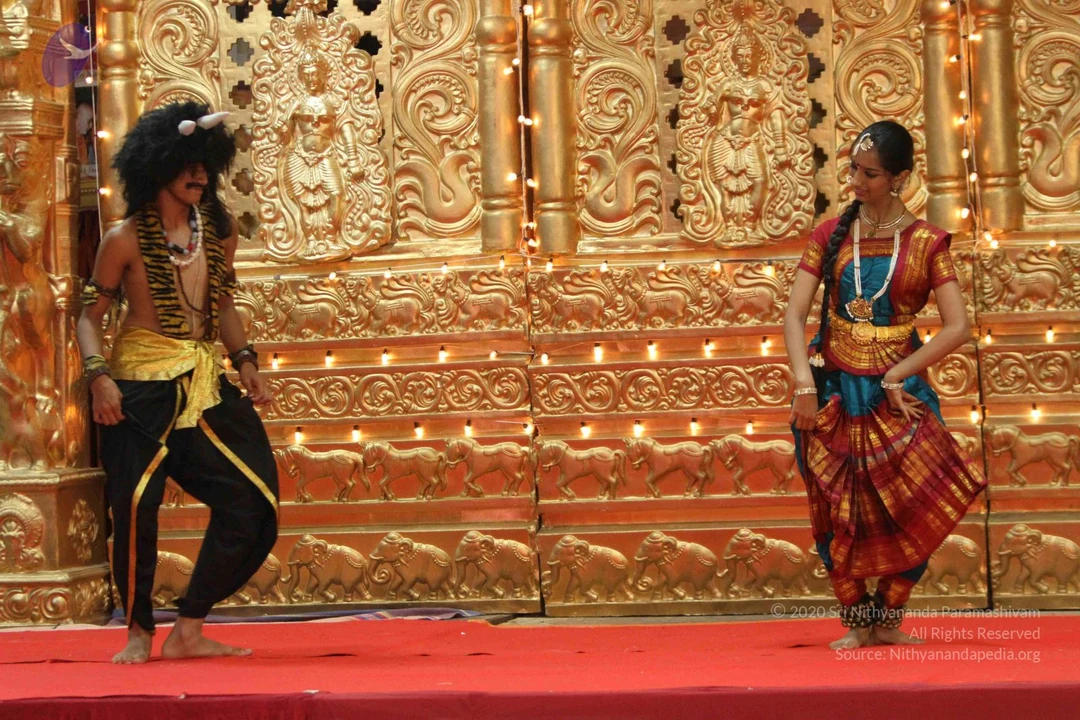
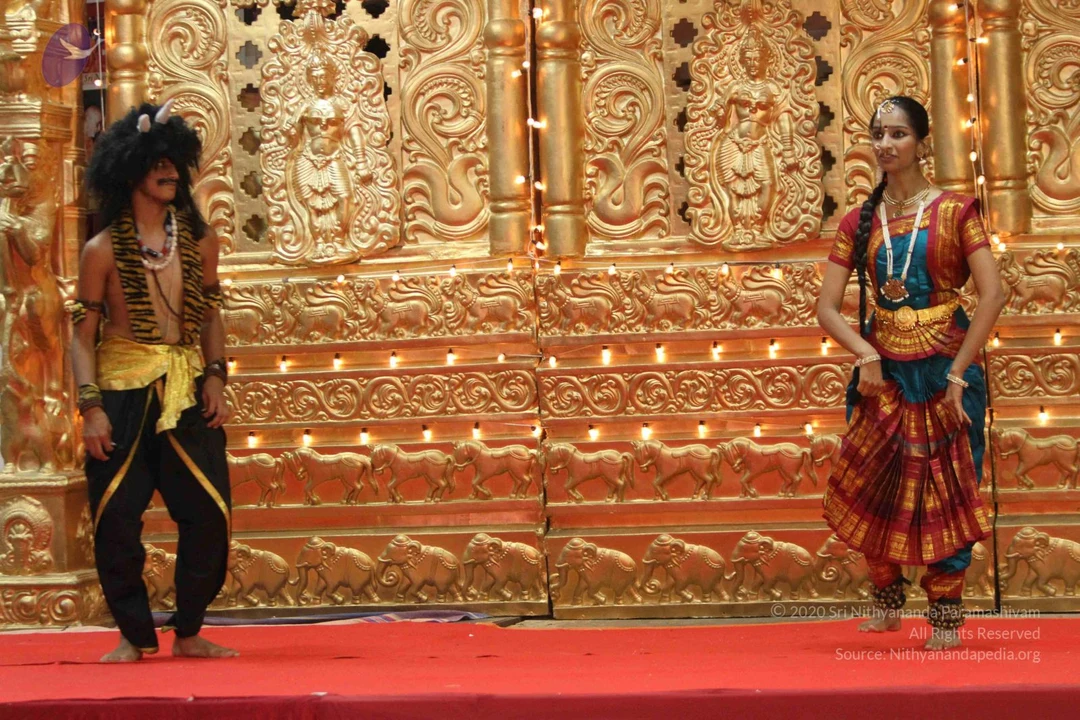
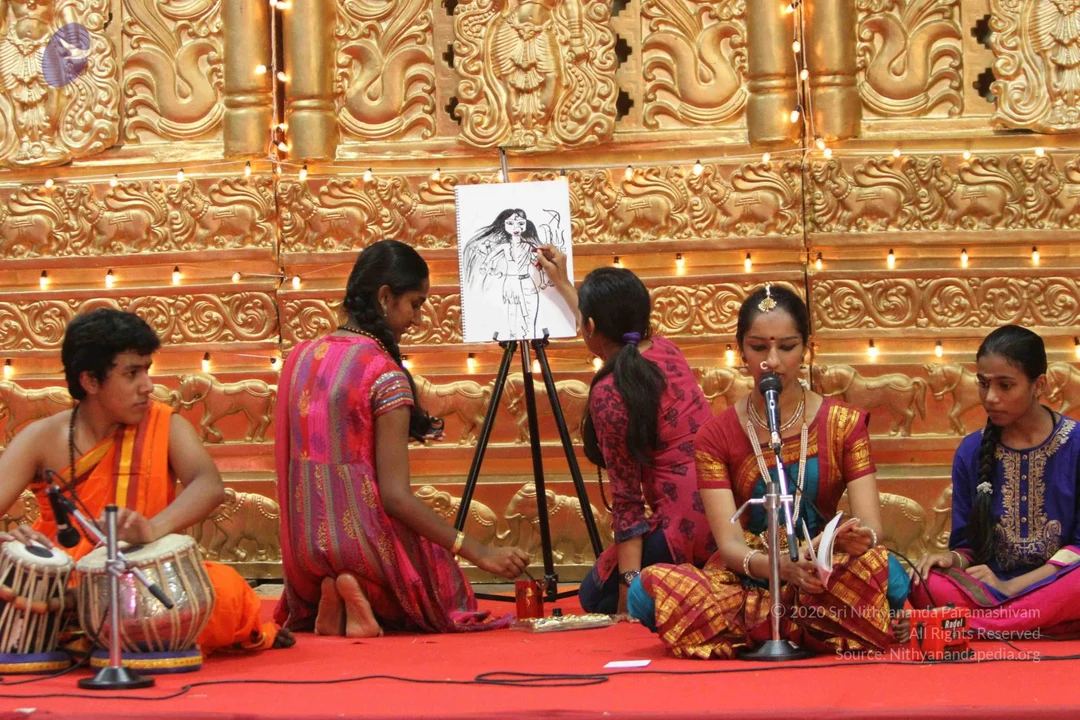
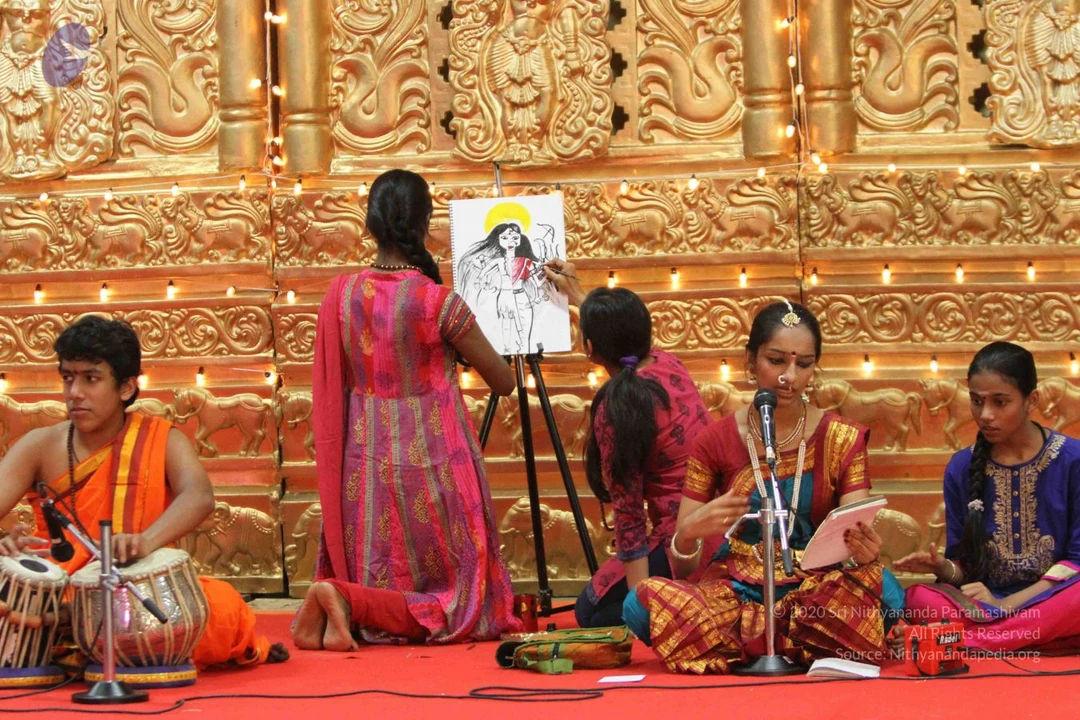
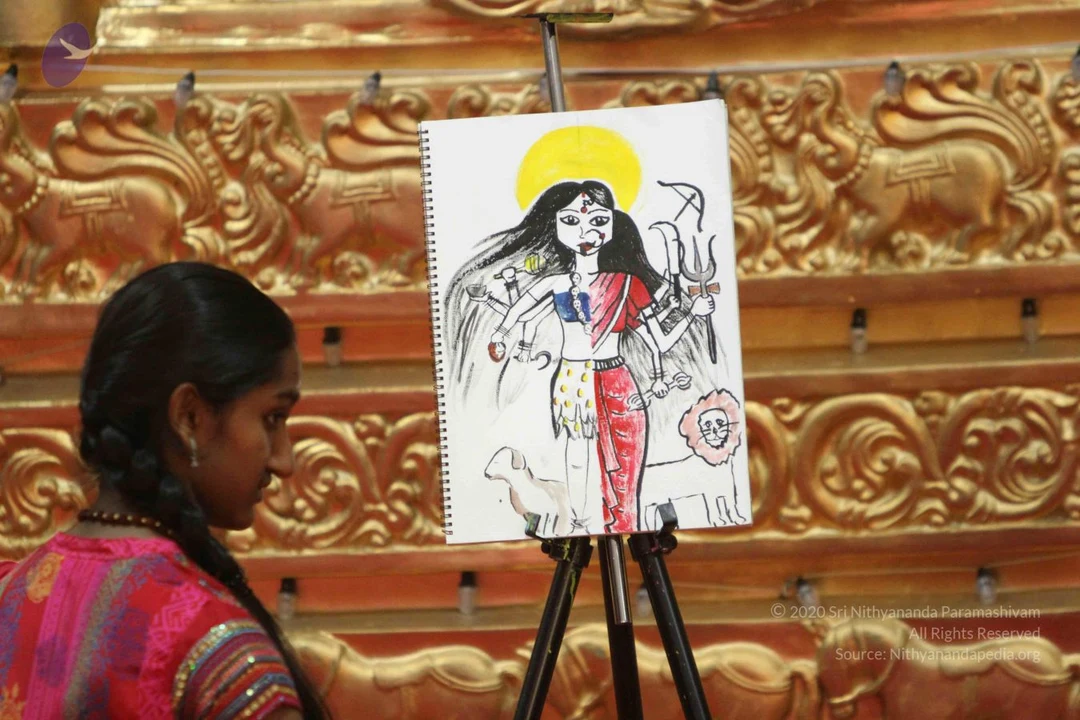
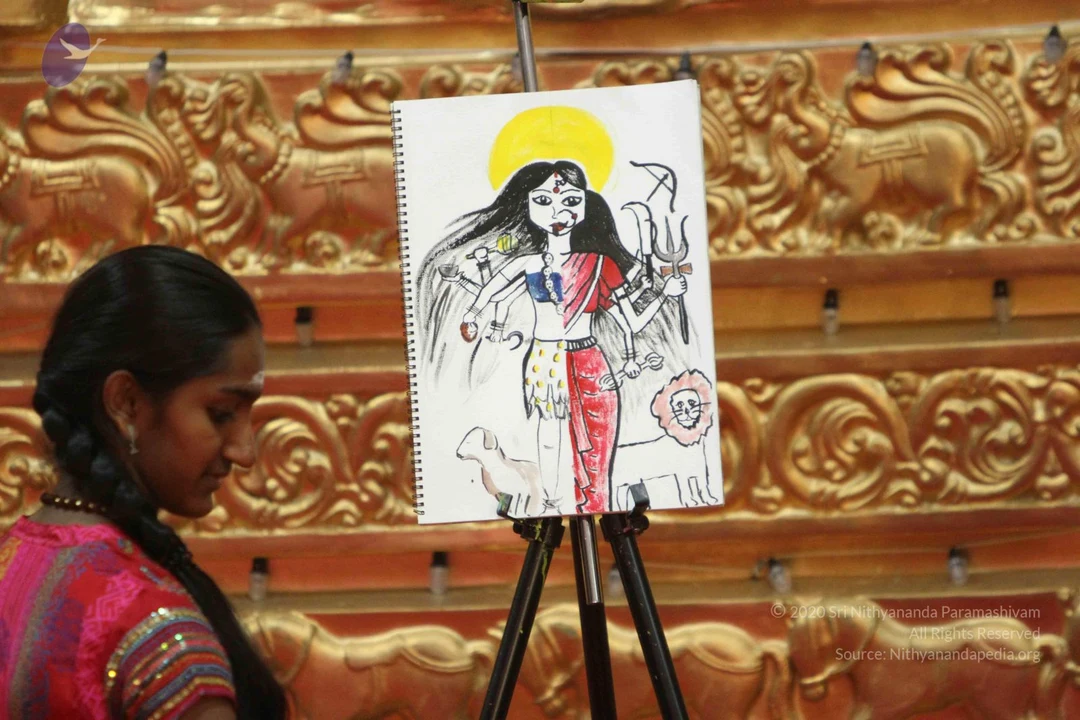
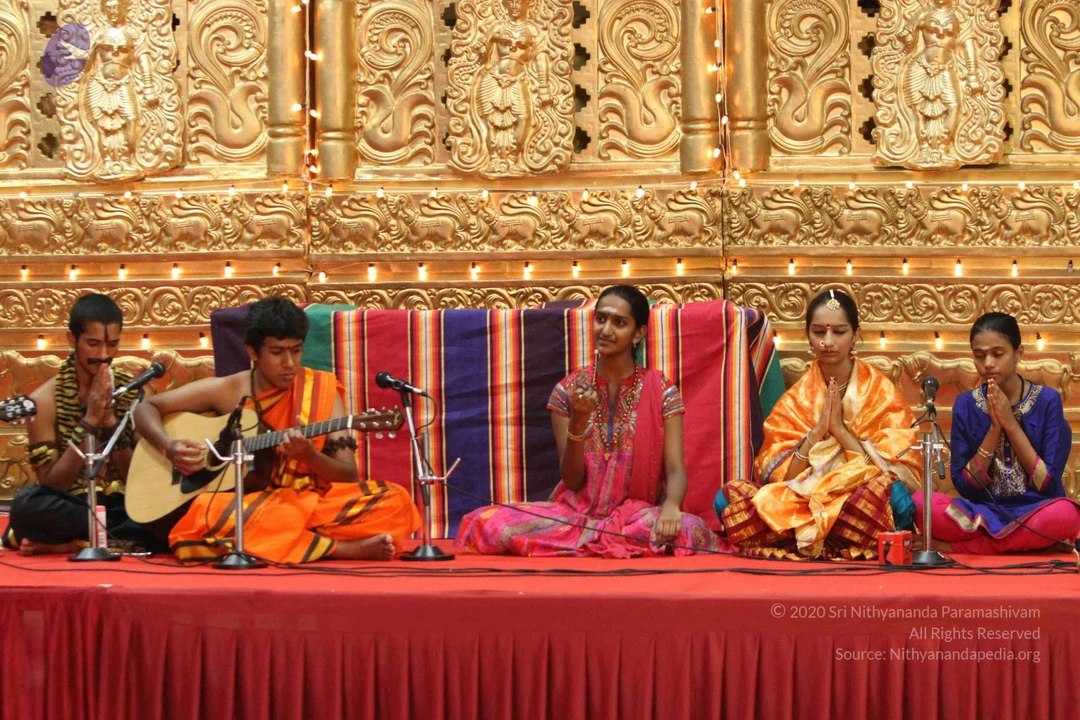
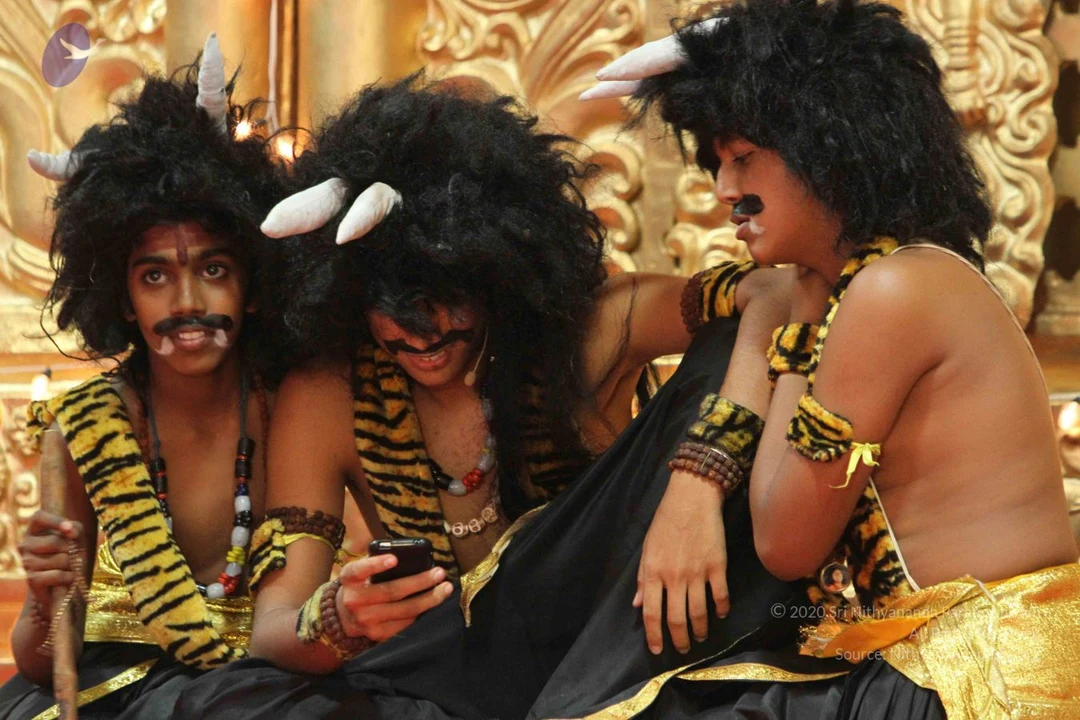
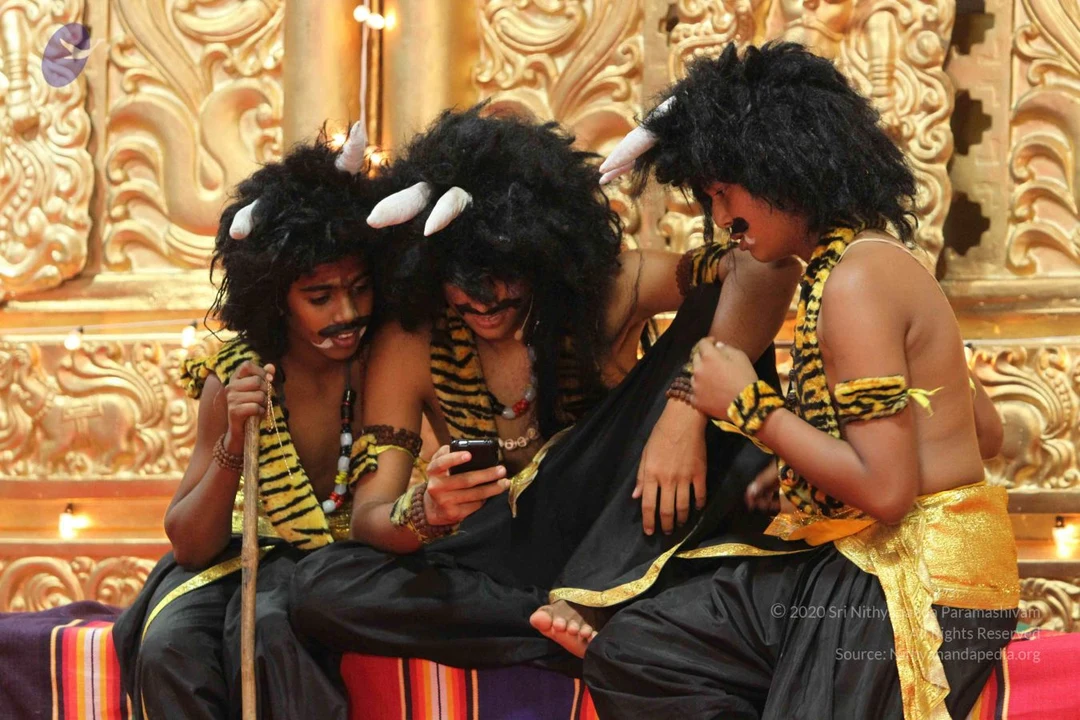
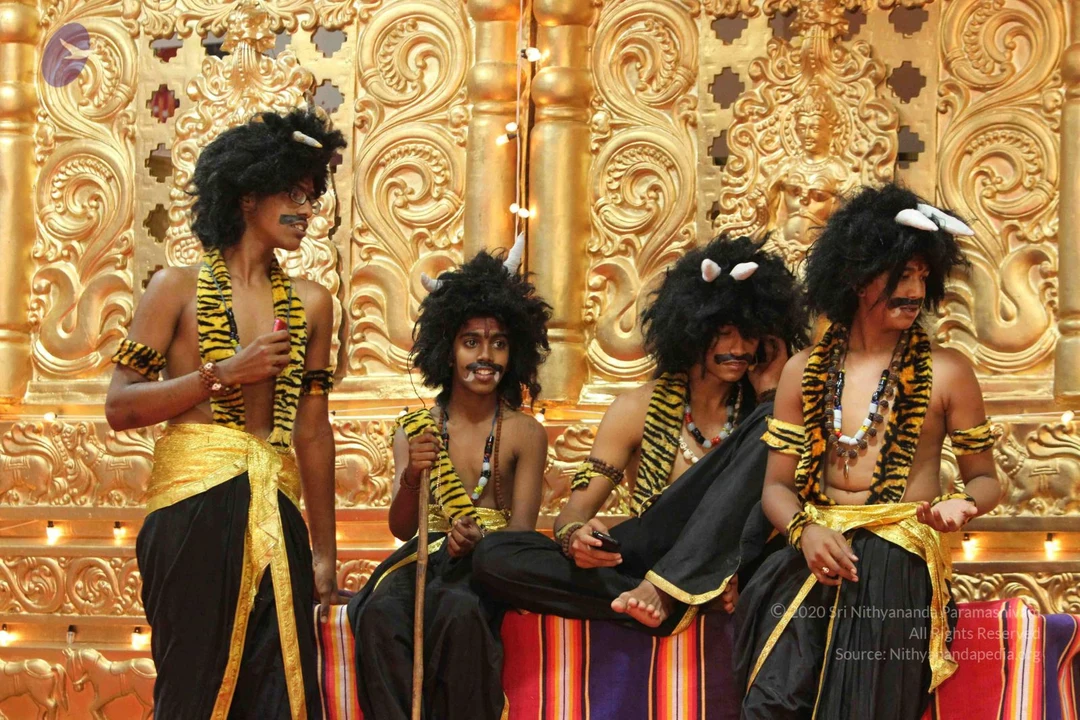
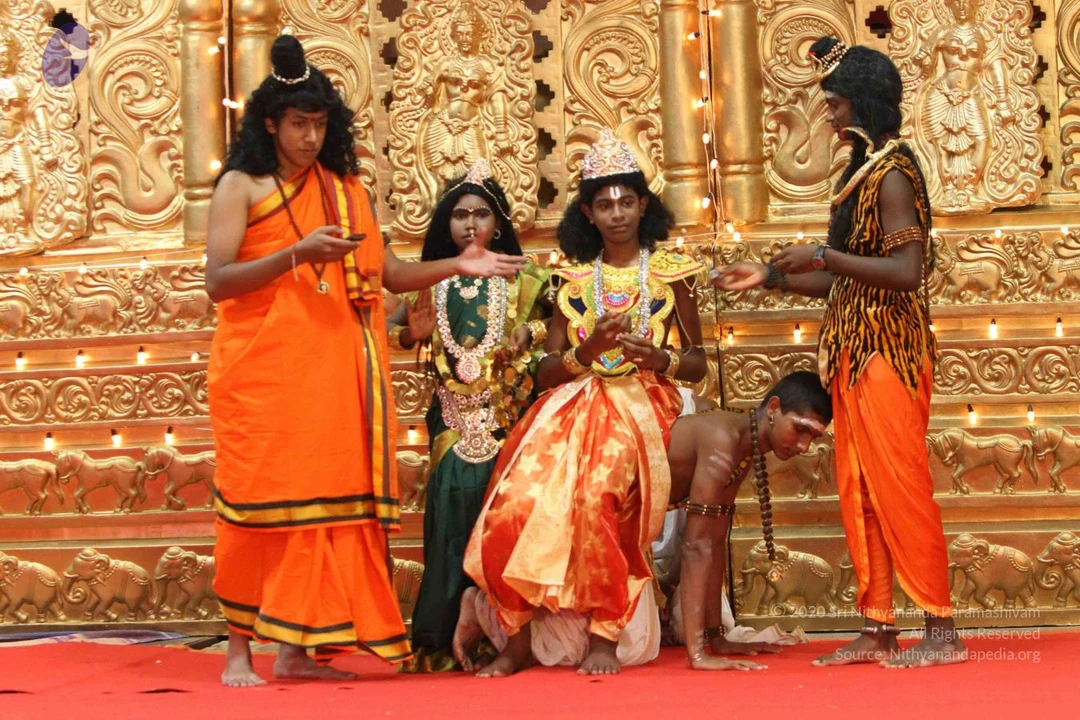
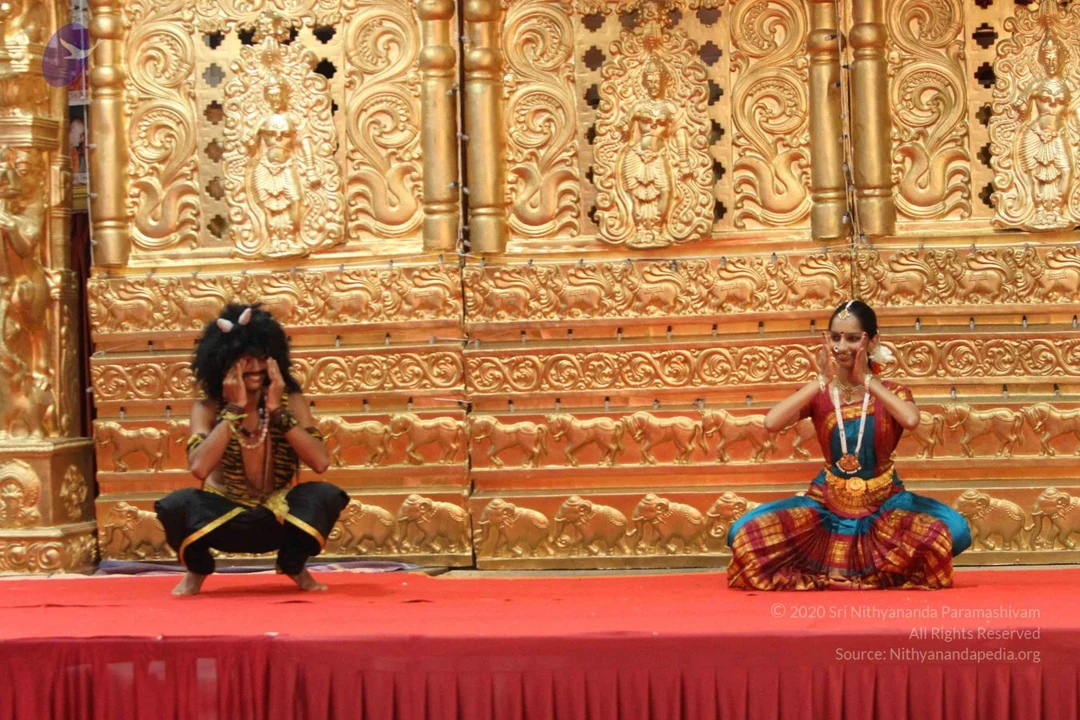
Today, eighth day of the Navaratri Utsava, sixth day of the Venkateshwara Brahmotsava! Srinivasa is gracing us on the Suvarna Gaja Vaahana, Golden Elephant Vehicle, as Raajaadhiraaja Srinivasa. As a king, he is gracing us on the Suvarna Gaja Vaahana. And, Devi is appearing as Mahishasura Mardhini, killing the demon Mahishasura, with Lakshmi and Saraswathi serving her.
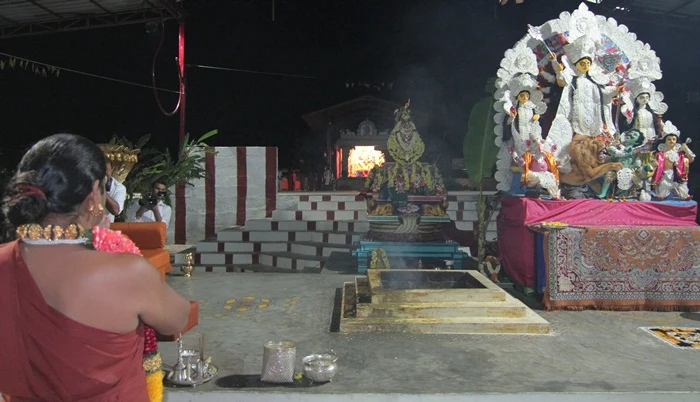
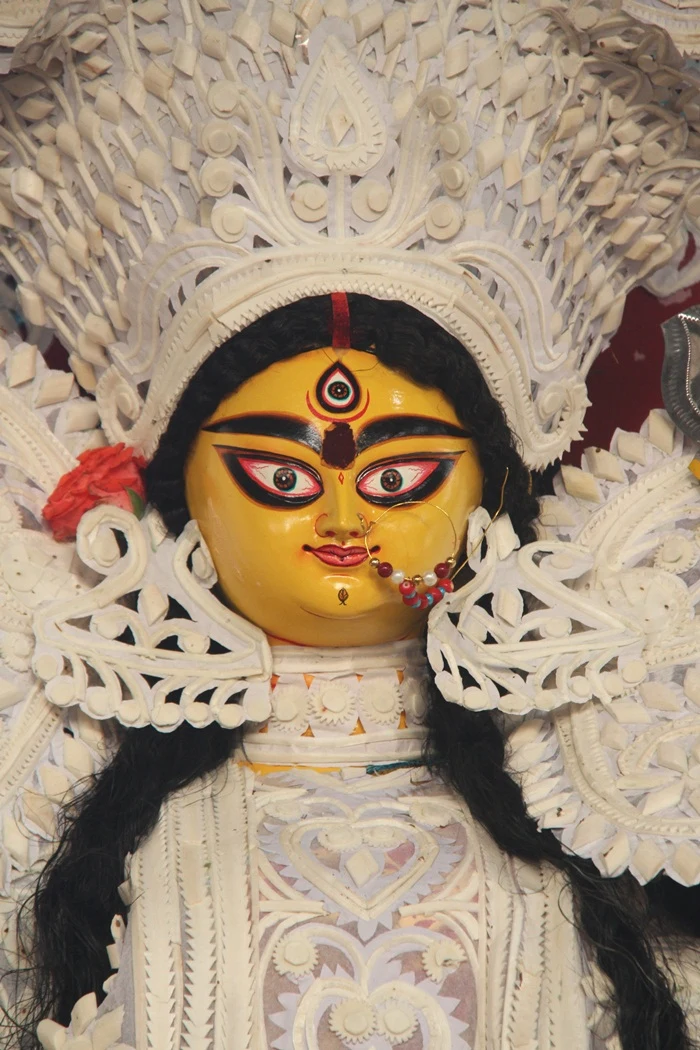
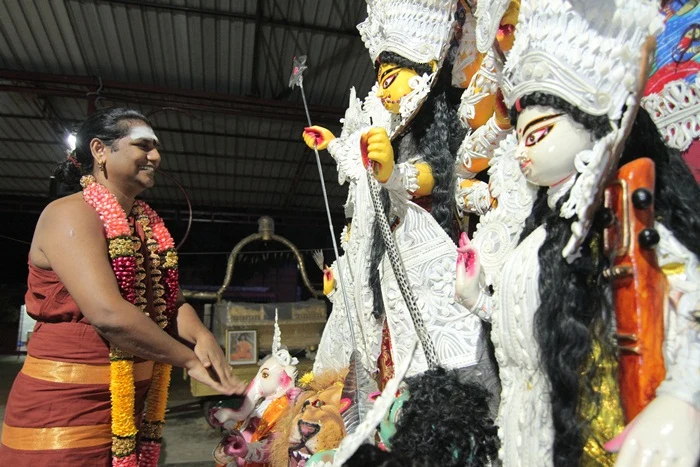
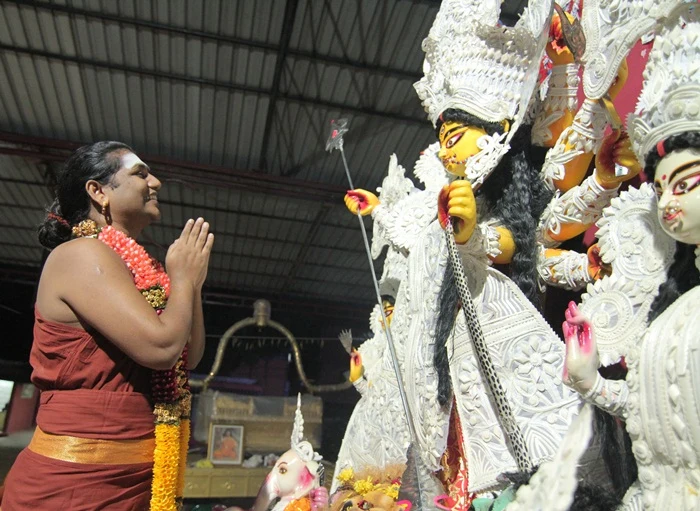
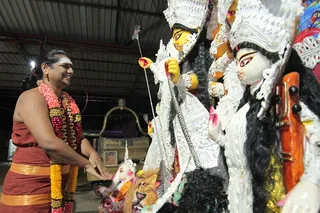
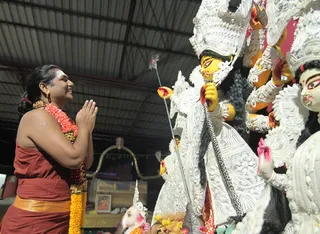
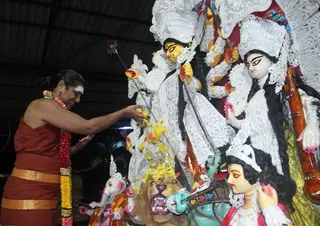
Today we had prana prathishta of Durga Devi in the morning in the temple. Even though today is the eighth day, the thithi is Sapthami Thithi. So, prana prathishta of Mahadevi, Durga, has happened. Means, Durga has landed here to accept our respects and worship and devotion. When she lands, she really lands!
And, along with prana prathishta of Durga Devi, we also had prana prathishta of Nithyanandeshwara, Nithyanandeshwari, and Nithyananda, in Singapore. The Singapore deities were consecrated, the prana prathishta was done. And, after prana prathishta, I said, kumkum and vibhooti will materialize, and it has already started materializing on the deities! Means, the prana prathishta is done, the process is complete! Beautifully, now the Singapore temple and Sangha will happen beautifully, and Nithyanandeshwara, Nithyanandeshwari, and Nithyananda, who are gracing Singapore will bless the whole Singapore, bless the whole Singapore. They will cause all your space into reality, and, all auspiciousness, they will bring all auspiciousness. Now you will see, simply they will do the Completion for everyone! Anyone who does Completion in the presence of those deities will become completely complete! All their prayers will be answered, the space will be made into reality. They will become a powerful energy-centre for Singapore. Blessings! They will become a powerful energy-centre for Singapore. Blessings!
I just want to expand today on the importance of DEITIES AND RITUALISTIC WORSHIP.
Please understand, Deities are not mere idols; they are embodiment of ideals!
We do not worship the idols; we worship the ideals represented through the idols. Again and again, I wanted to insist and remind people, as long as you have the mamakaara that you are with form, you cannot have, you cannot understand, you cannot feel, you cannot experience God without form. It is from your Inner Image that Life Image will be created. What you think about life, others, God, all that will be reflection of your Inner Image. So, everyone who is with the Inner Image that they have a form – it means everyone other than enlightened beings – should know very clearly, listen, should know very clearly that their image about life and God also will be with form.
So, better to accept the reality as it is first, and use the Completion and other methods and evolve to the space of Advaitha. Understand, it is really important to start from where we are standing. Whether your goal is to reach the Sun, or the Moon, or Mars, you have to start from where you are. You have to start from where you are! Deity worship is not only inevitable, it should not be avoided showing any philosophy.
Even a great thinker like Kapila, who is not only the founder of Sankhya Philosophy, the founder of the world’s first philosophy, the person who started thinking first on the Planet Earth logically, who evolve the possible conclusions and probable conclusions using the power of imagination and the probabilities of imagination.
Please understand these words – “possible conclusion”, “probable conclusions”, “using the power of imagination”, and “imaginable conclusions”.
Sankhya is the source of all philosophies and science.
“Possible Conclusions” is Maths.
“Probable Conclusions” is Science.
“Imaginable Conclusions” is Quantum Physics.
“Possible Conclusions” is Math. “Probably Conclusions” is Science. “Imaginable Conclusions” is Quantum Physics.
Listen! I want you to know, I am neither a mathematician, nor a scientist, or a quantum physicist; but, I am a Sankhya!
I am a Sankhya Yogi. That is why I have defined the whole Mathematics, Science, and Quantum Physics in three statements. Possible, Probable, Imaginable, In all these three directions how our energy can flow without fear or desire blocking our energy, without any incompletions blocking our energy, that whole science was so beautifully developed by Bhagawan Kapila. Even he is very clear about meditating, connecting with the form of the God.
In Bhagavatam, Kapila Gita, a beautiful theistic version of Sankhya is expanded and explained so powerfully, so perfectly. Bhagawan Kapila, who was considered to be the greatest thinker, even he is very clear that deity and deity worship should not be avoided, meditating with the form, connecting through the form should not be avoided. I have seen thousands and thousands flower through deity worship. Otherwise, why do you think! I respect, revere so much the deity worship?
Please understand, I am very calculative and lazy. I am very clear about what I am saying. I don’t do anything unnecessarily. I don’t waste time, energy, and I don’t do anything without calculating. You may give your own meaning for the word “calculative” and “lazy”. I am giving you my meaning. Because, both the words I uttered, I am giving you my meaning. If I am promoting deity worship, understand it is directly useful to you. Directly! When I say “directly”, I mean it! It is directly useful to you. Mahadeva is worshipped, I can say, the most worshipped god in the world is Mahadeva. Because, there are many other incarnations, deities, sons of gods, prophets, enlightened beings, siddhas, munis, rishis, sages, so many; they all may be “followed”. But, Mahadeva is the world’s largest worshipped god! Not just followed, but “worshipped”, revered. Most easily accessible; just a little water and one leaf and one small fruit is enough; he is pleased! He is immediately pleased! He answers your questions! He fulfills your requests! He brings Completion! Unimaginable, ultimate being, Mahadeva, worshipping him through the form, through the deity, connecting with him through the form, through the deity, is the most powerful way of connecting, the most powerful space of connecting, most powerful being. Understand, connecting through the deities, relating through the deities is such powerful spiritual practice! I insist every individual to keep this as a lifestyle for you, to keep this as a very being. Because we human-beings, unless we see in the form, we do not relate to it; unless we see it in the names, we do not relate to it. So, the form, name, relating through the form and the name is required as long as you assume that you have a form and name, as long as you have a form and name. And the way the Cosmos comes down to grace us when we relate with it through the form, through the deities, is such an amazing, unimaginable! “Amazing”, “Unimaginable”, that is the word I will use! And in the Vedic Tradition, we have mastered the science of making a stone into god, turning a stone into god.
We mastered the science of bringing the divine to the deities and expressing the divine through the deities. The whole science has been mastered in the Vedic Tradition. The revival of temples will be the revival of world peace and world bliss. Unless there is bliss, peace will always be challenged, because, peace is more like non-existence of problem. Bliss only is the positive affirmation of life. Non-existence of problem is “Peace”. Positive affirmation of life is “Bliss”. Revival of temple culture, the deity worship, where people are made to look in, that is where the revival of Sanatana Dharma, Advaitha Sathya, is going to happen. And, whenever I see, wherever I see people gather in large numbers and worshipping, I see very clearly the very energy of Mahadeva He physically appears and blesses people, accepting their devotion. When I saw that Kawadiya procession from Har Ki Pauri to the various Shiva temples going all over North India literally I saw Mahadeva, like holding his protection and blessing energy like a “kavacha” (armour) from above, and giving them all “Thathaasthu” (“So be it”) for whatever they were praying, the space they were creating. I thought, ‘Oh God! What a powerful method our masters have found to relate with the Cosmic Energy!’
So, immediately I have decided, by next year, in the same season, all over the world, all our devotees, from the nearest river you will do the Kawadia Abhishekam, Kawadiya Snaan for Mahadeva in our temple. Bidadi, go to Cauvery (River Cauvery) and bring water and do abhishekam to Nithyanandeshwara in Bidadi. So, Los Angeles, go to the Colorado River. St. Louis, go to the Mississippi. So, all the temples will go to the nearest river, river point, and from there pick up the Kawadiya and walk up to our temple and offer the ceremonious bath – abhisheka. More and more time should be spent on deity worship. That should be the only entertainment you have. Your entrainment is Satsang, Completion, Your entertainment is deity worship and enriching. Your enlightenment is living. Drop all other entertainments. Fill your life with this. All our ashrams, all our temples should have continuous worship, rituals, happening, happening, happening.
I really wanted to tell all of you, I wanted all our devotees, swamis, disciples, everyone to be more theistic. In the name of Advaitha you are moving more and more towards atheism. I am a theistic advaithi, Ramana Maharshi’s descendant, not J. Krishnamurthy’s or U.G. Krishnamurthy’s. I am declaring very clearly, we are followers of Ramakrishna and Ramana Maharshi, theistic advaithis! We do not belong to the school of J. Krishnamurthy or U.G. Krishnamurthy, atheistic advaithi. No! Buddha belongs to Nirvani Akhada. Nirvani Akhada does not belong to Buddha. Buddha is atheistic advaithi. Kapila is theistic advaithi. Shankara is theistic advaithi. We belong to Shankara, Kapila, Jnanasambandhar, Ramakrishna, and Ramana Maharshi! Theistic advaithis! If I have to put one step further, our worship, theism, respect, devotion, all should not be just imagination, visualization, meditation based, it should be deity based, understand? It is not like if you imagine there is a devi and you offer the naivedhyam and puja and bow down to her, that is not enough. No! You will have the deity, and physically offer the naivedhyam, physically offer the clothes, abhishekam. Just like you eat physically; you don’t just imagine and keep quiet. Even if you become a Nirahari, you drink the juice physically.
So, whatever is done to you, all those respects, services should be done physically! That is what I mean. Not only we are theistic advaithis, our theism, devotion, should be deity based, deity based. That is what I mean. Deity based! That is why temples, rituals, traditions, festivals, celebrations, constantly reminding people about, constantly reminding people about Advaitha Sathya. Advaitha Sathya, Advaitha Sathya should be lived, lived, lived, again and again and again reminded, again and again and again lived, reminded, through the temples and deity worship, through the temples and deity worship.
So, with this, the essence of today’s satsang: Deity worship! And our Sangha should follow deity worship!
With this, I bless you all! Let you all radiate with Integrity, Authenticity, Responsibility, Enriching and Causing eternal bliss, Nithyananda! Thank you!
Photos
Tags:
Paramahamsa Nithyananda, Nithyananda, Swamiji, deity, worship, idol, god, form, cosmic, energy, vedic, inner image
Photos Of The Day:
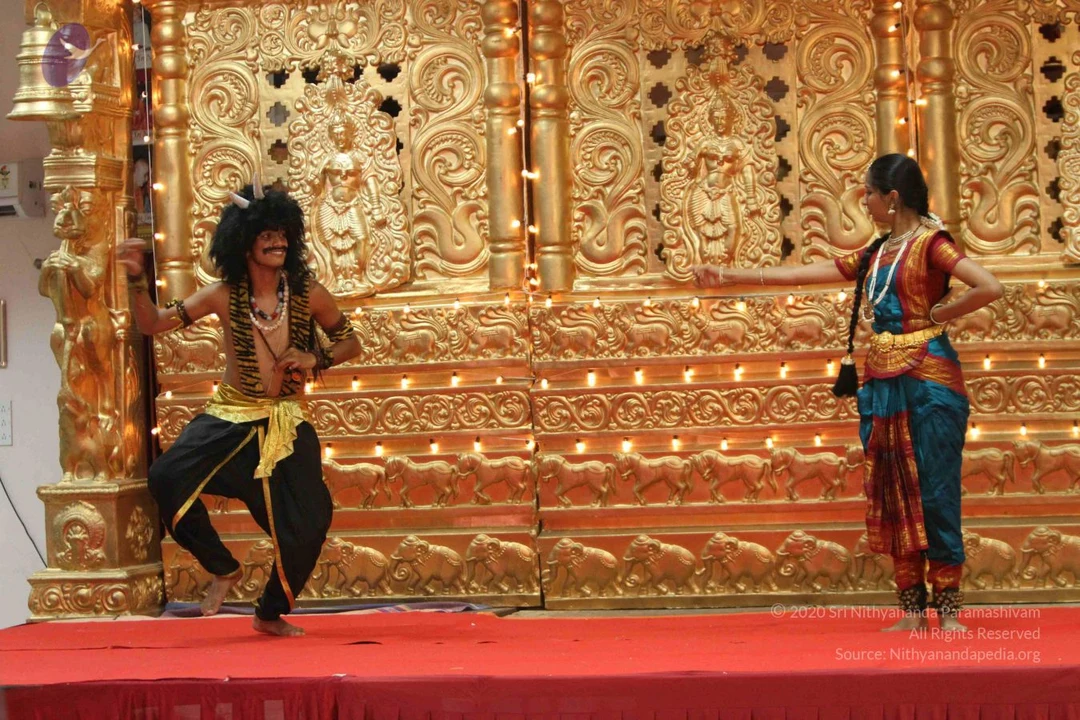
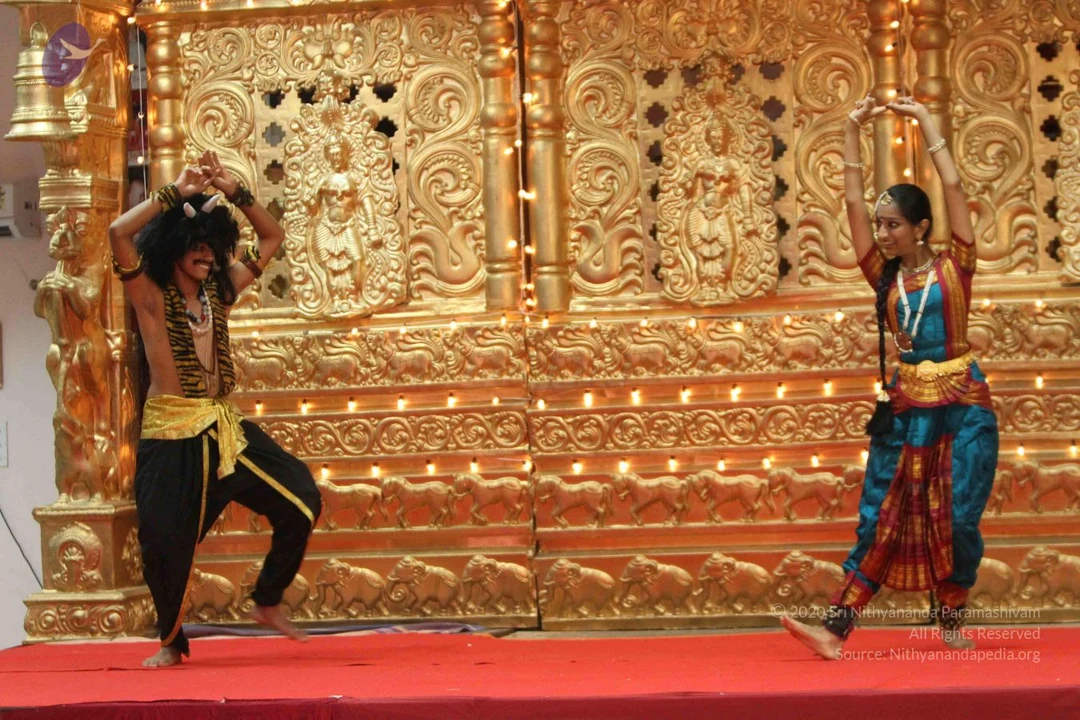
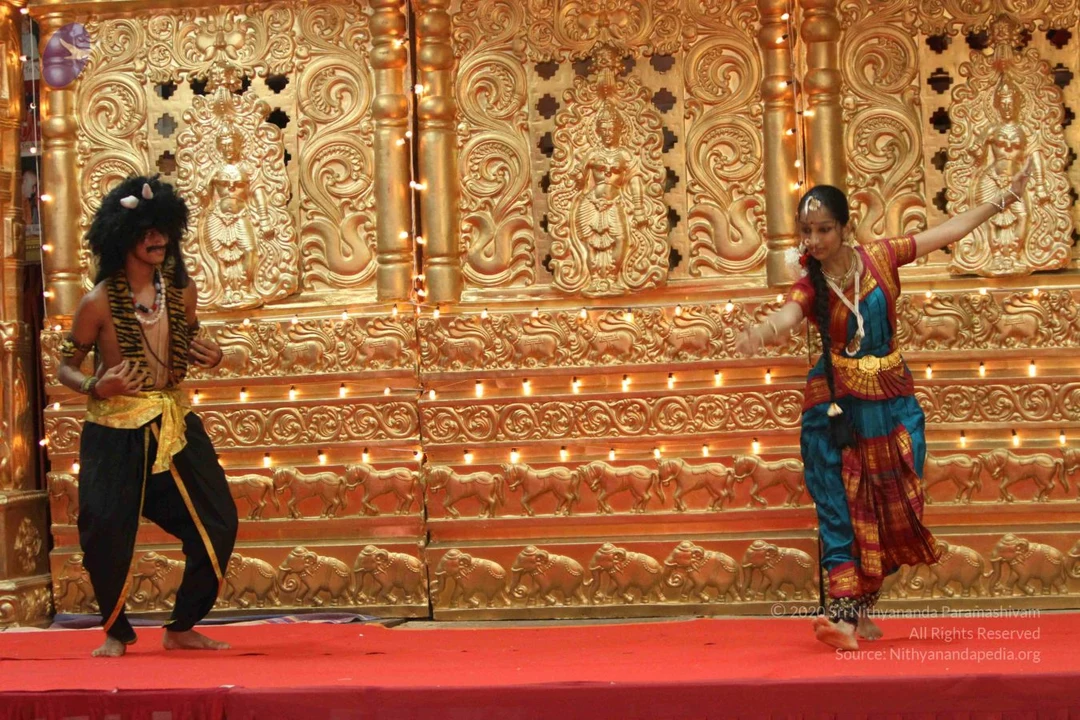
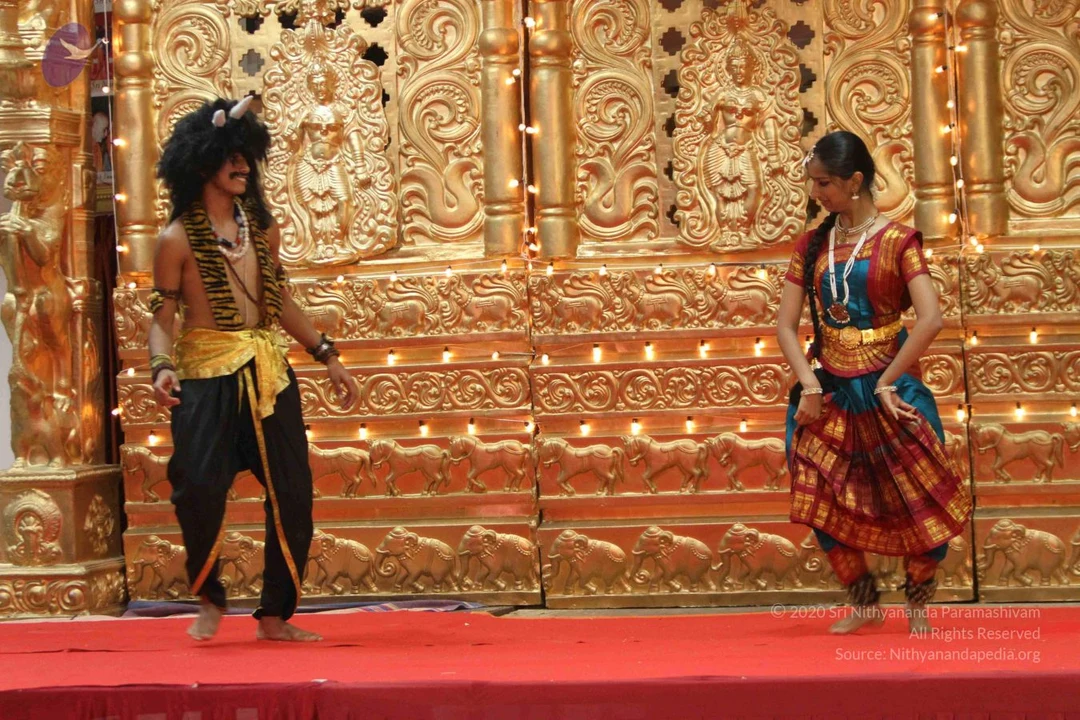



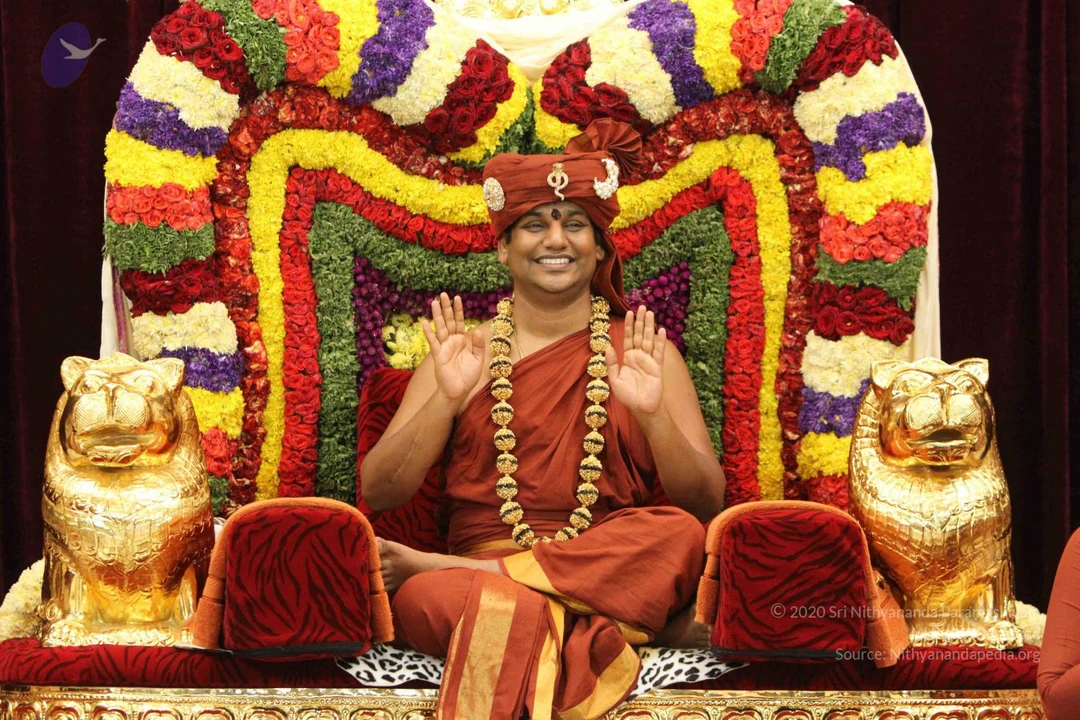
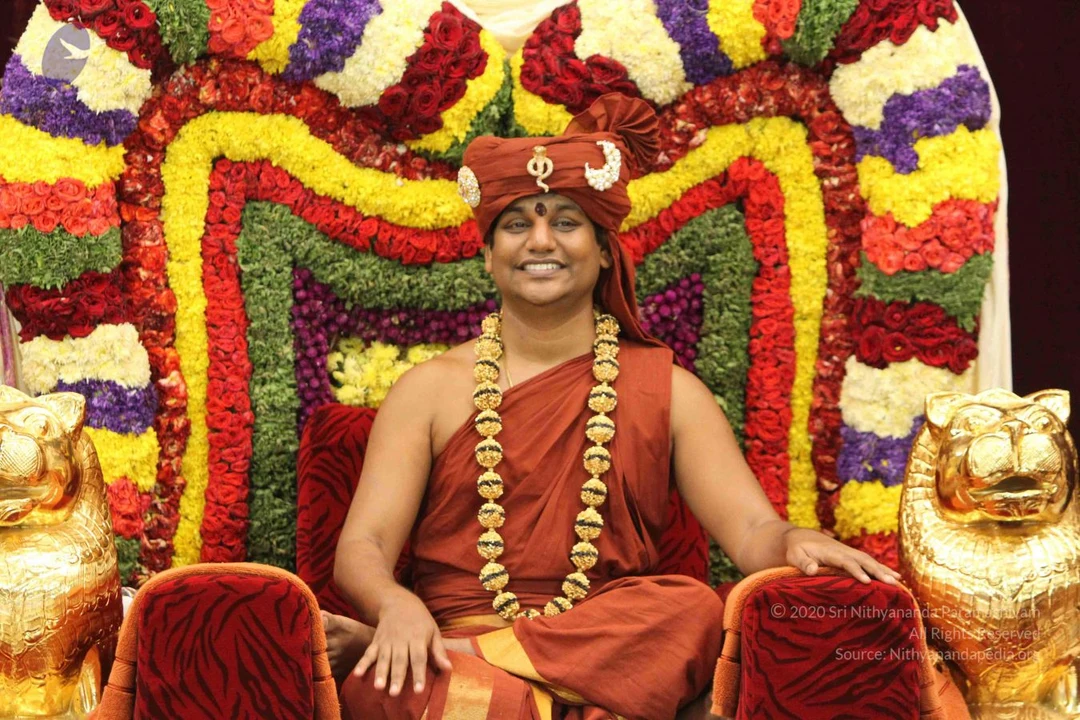
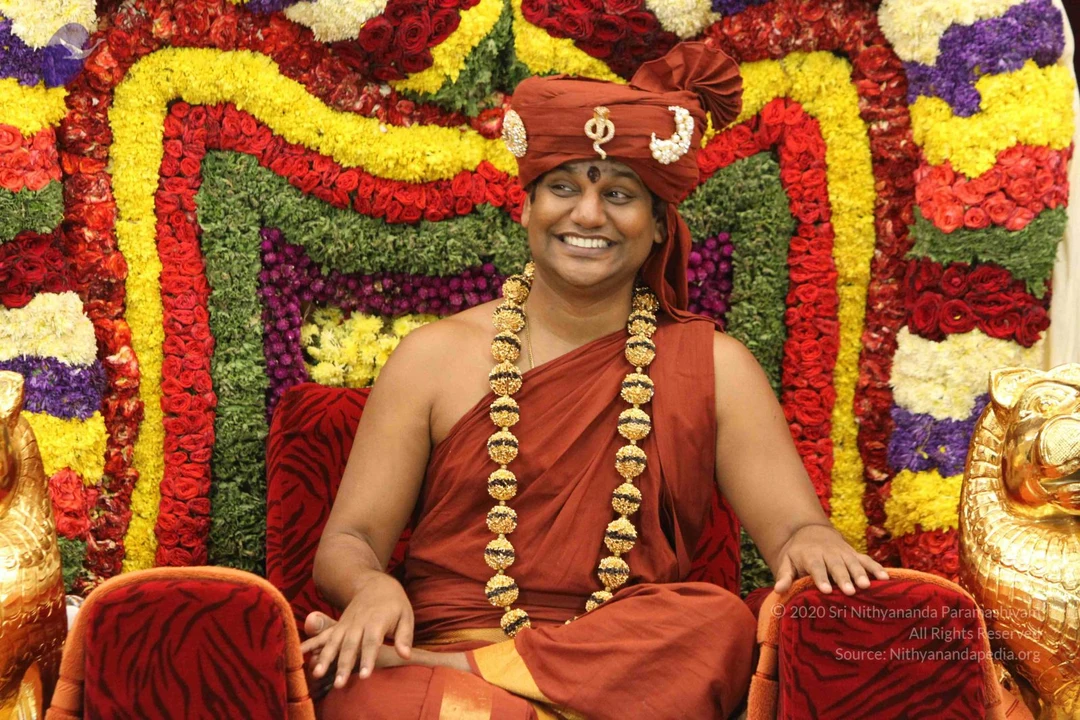
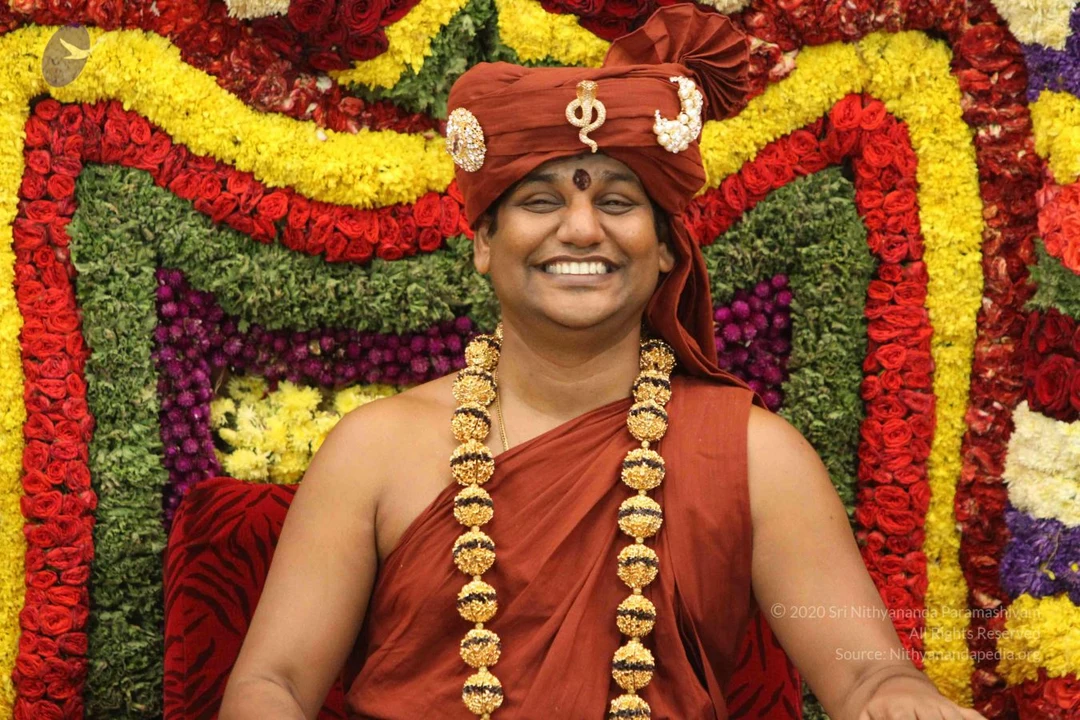
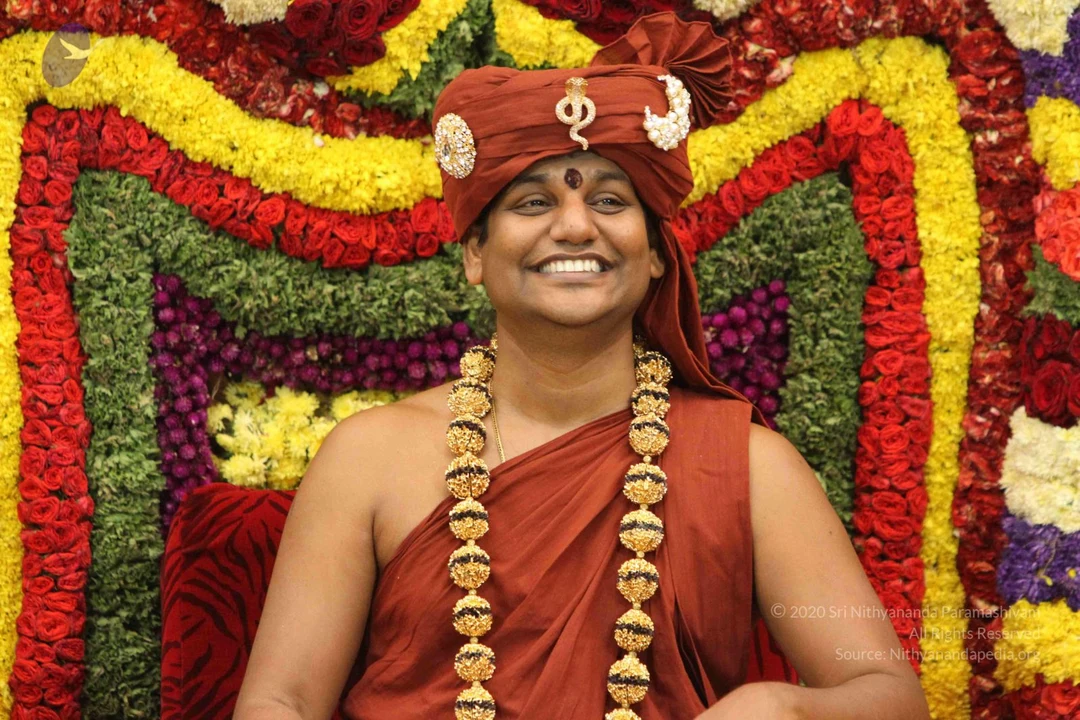
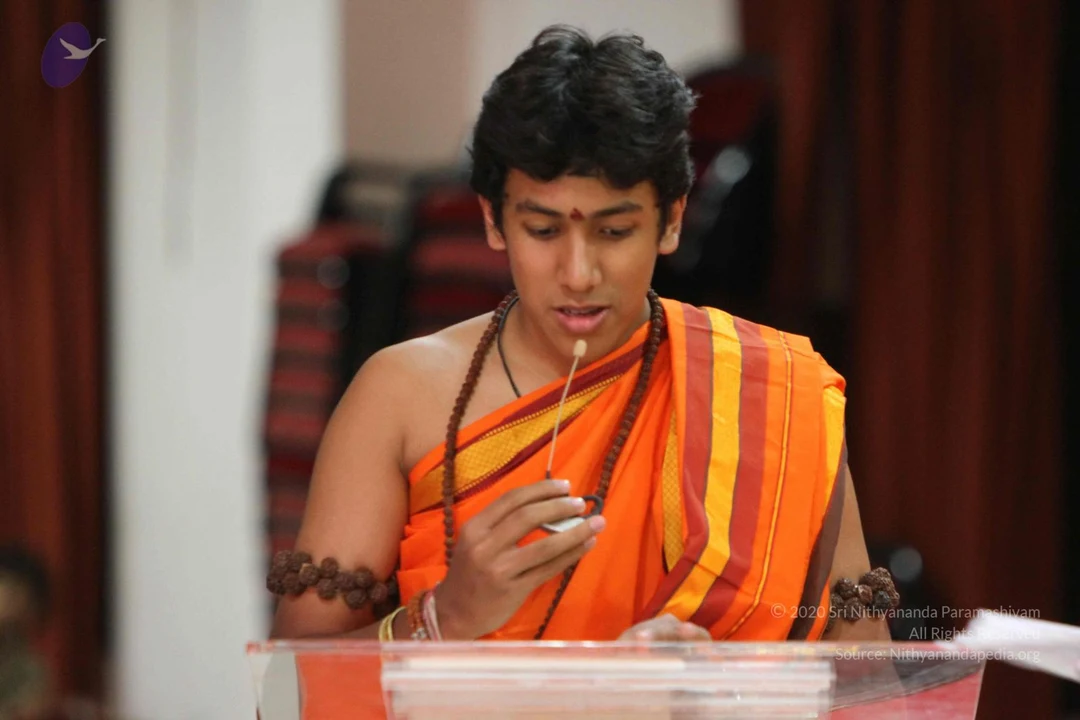
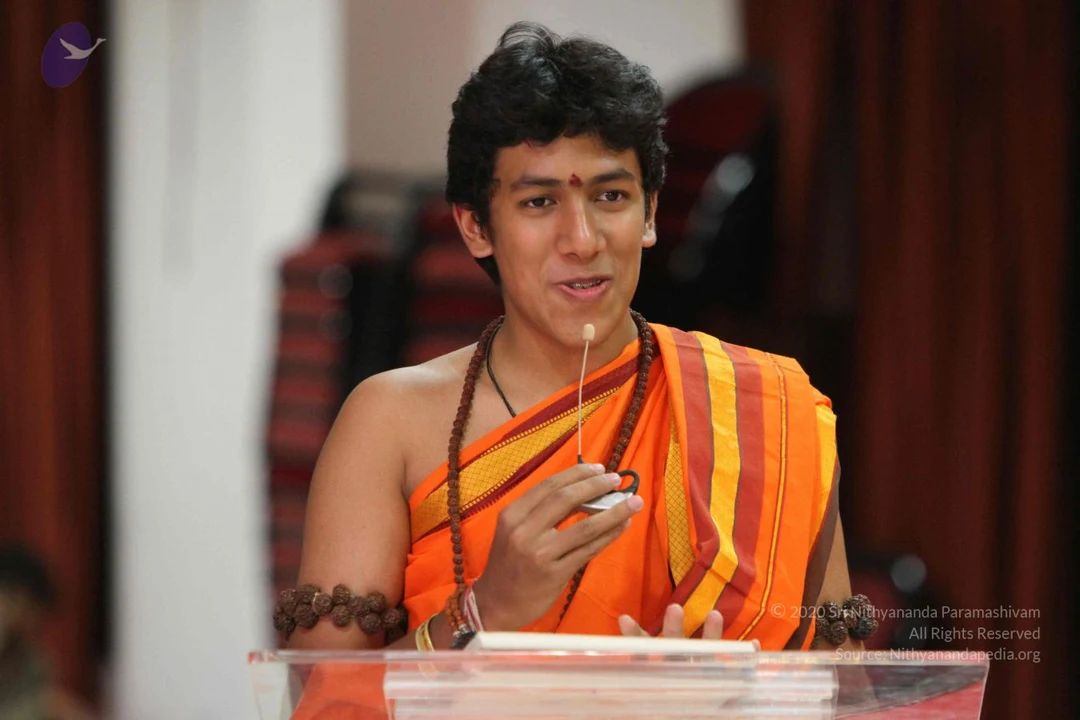
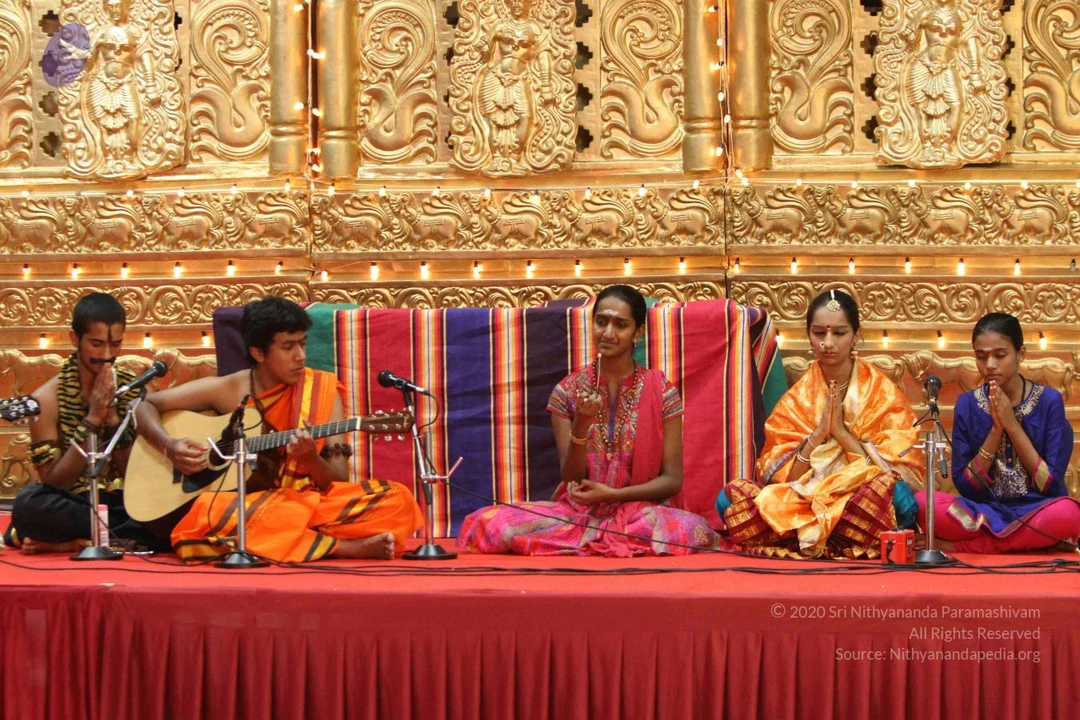
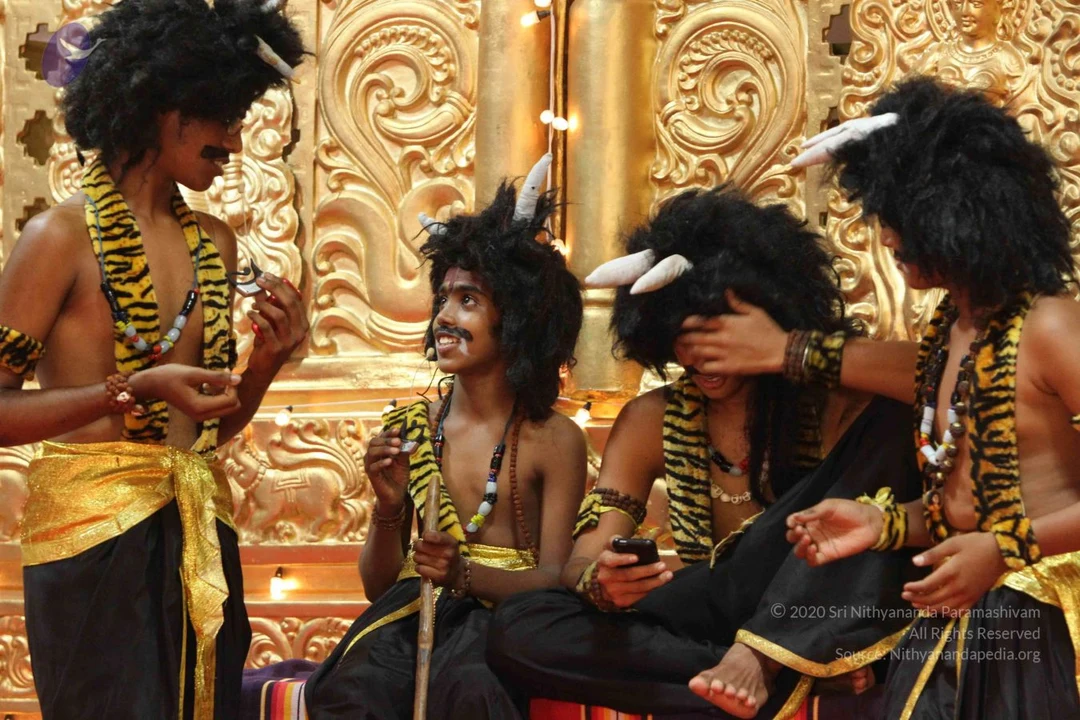
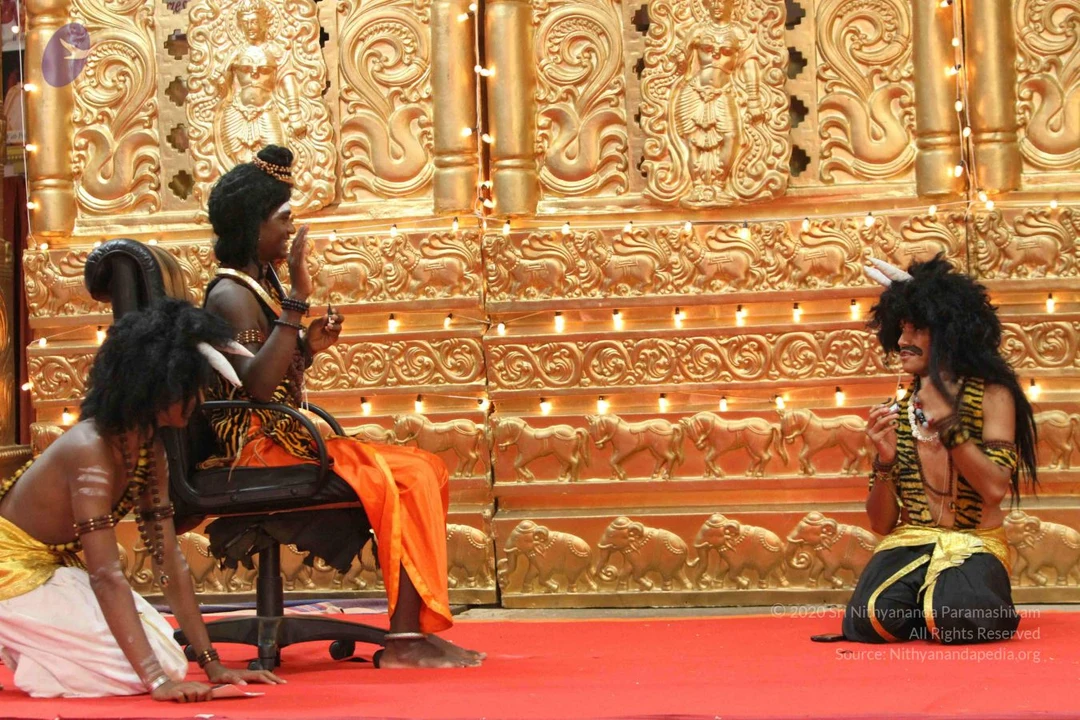
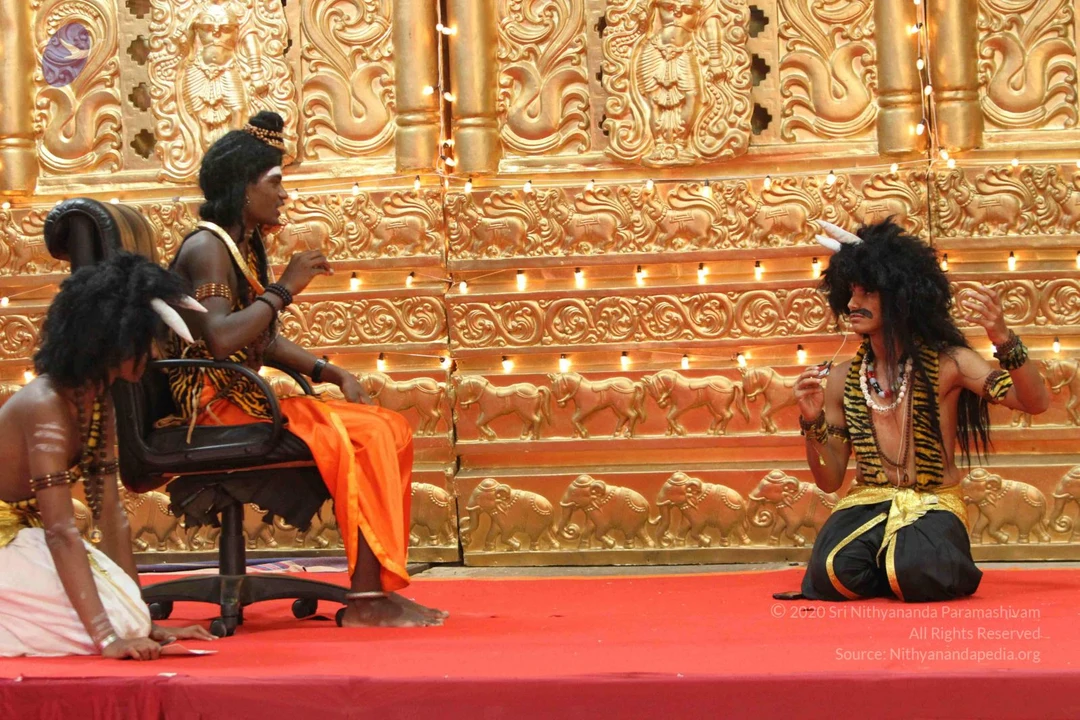

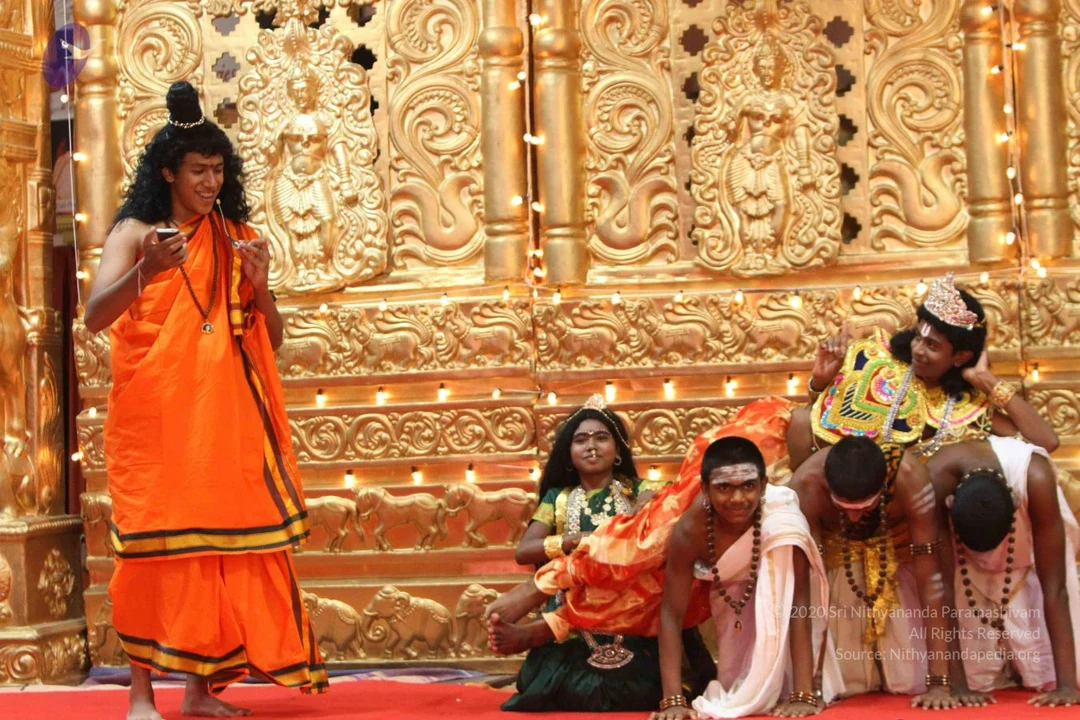
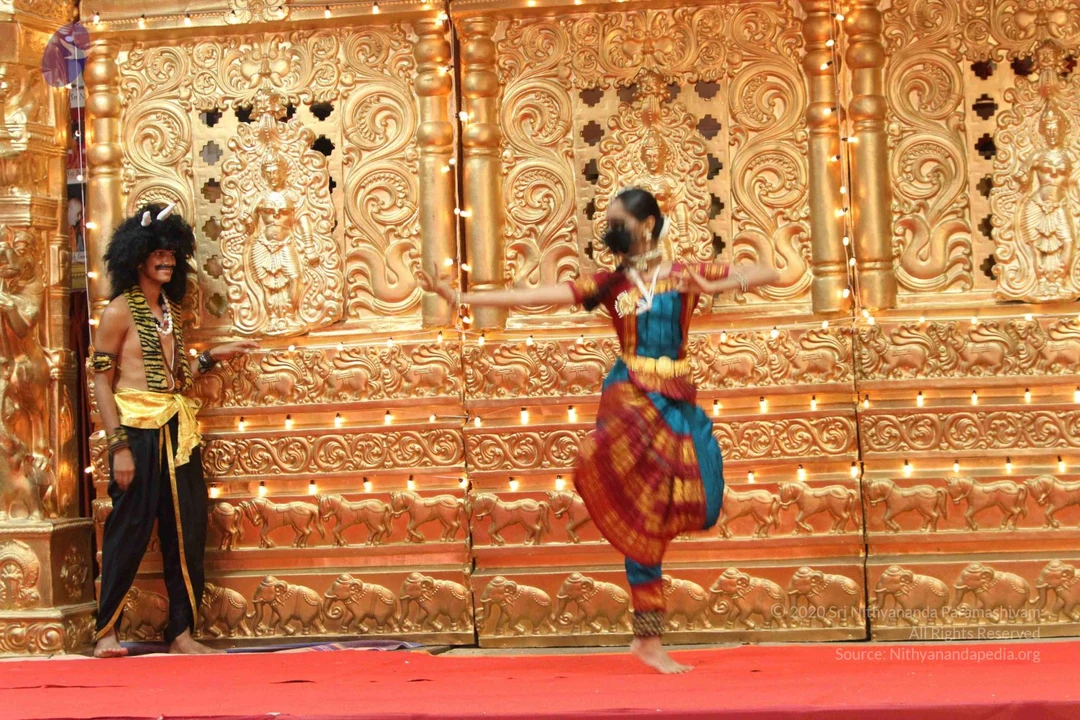
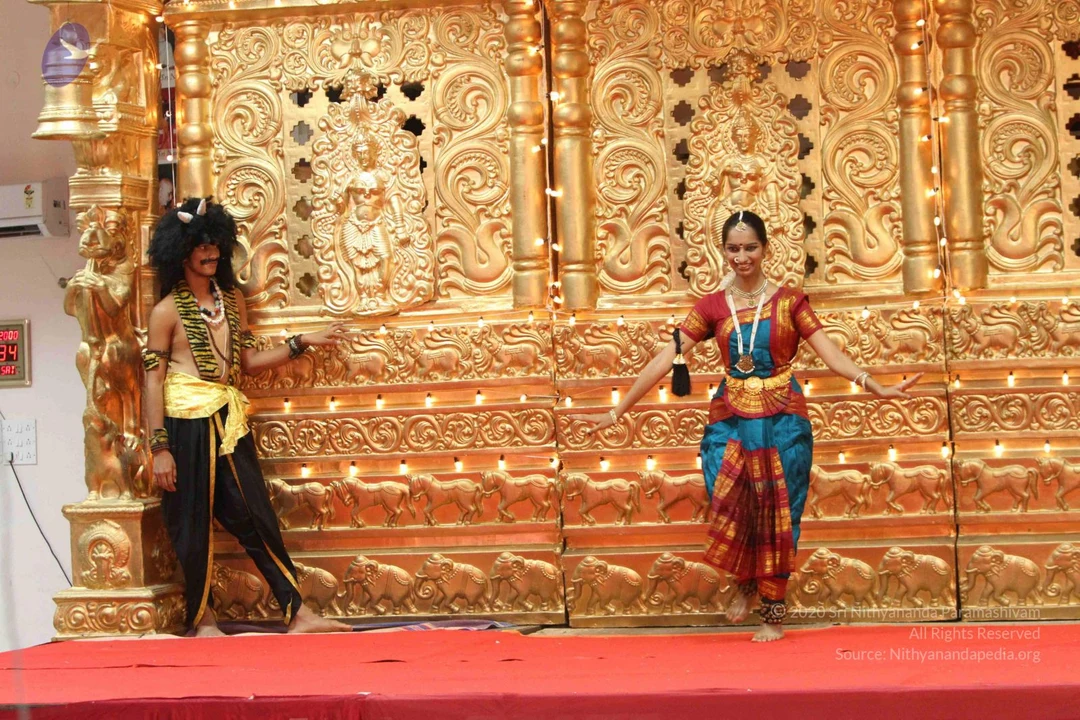
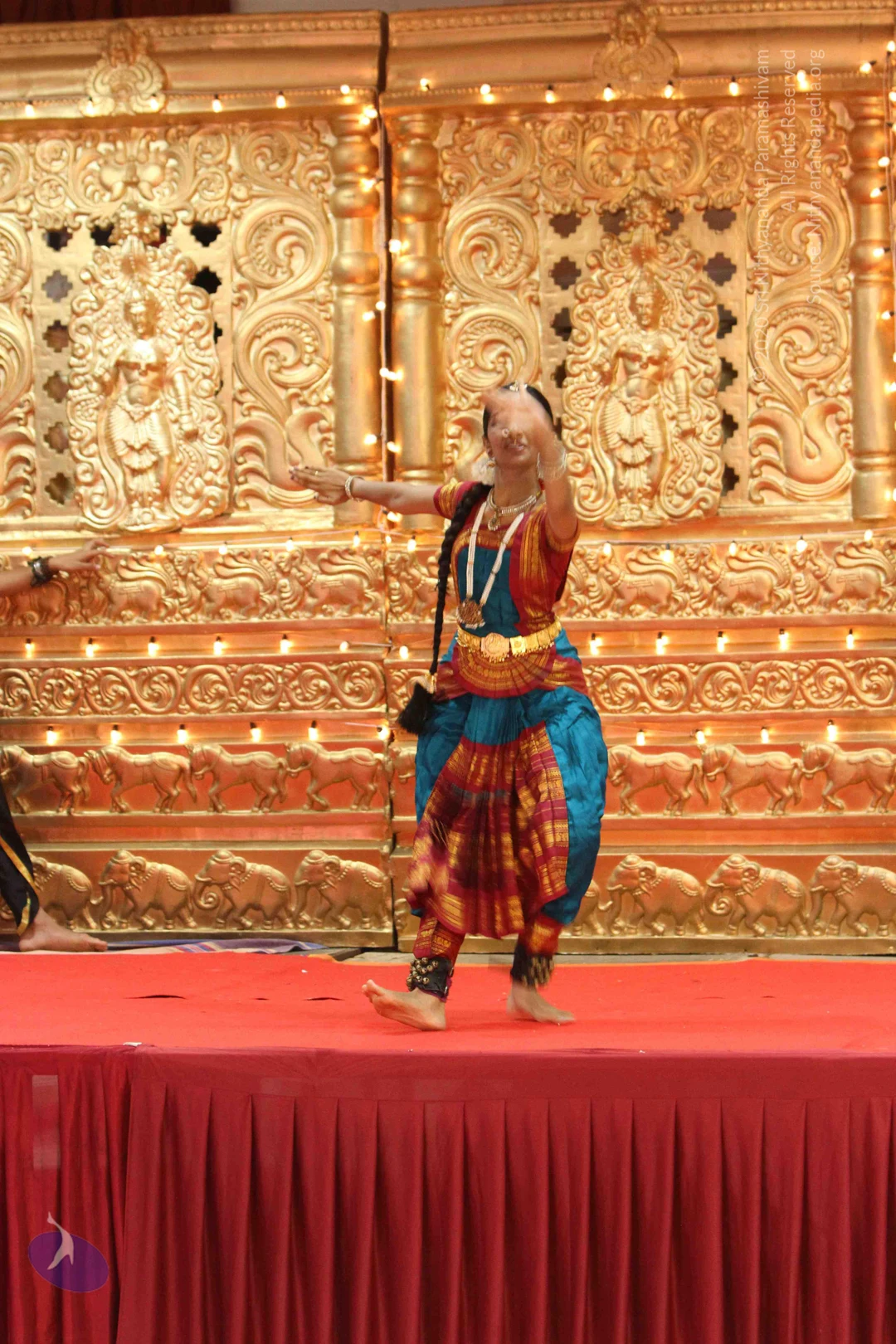
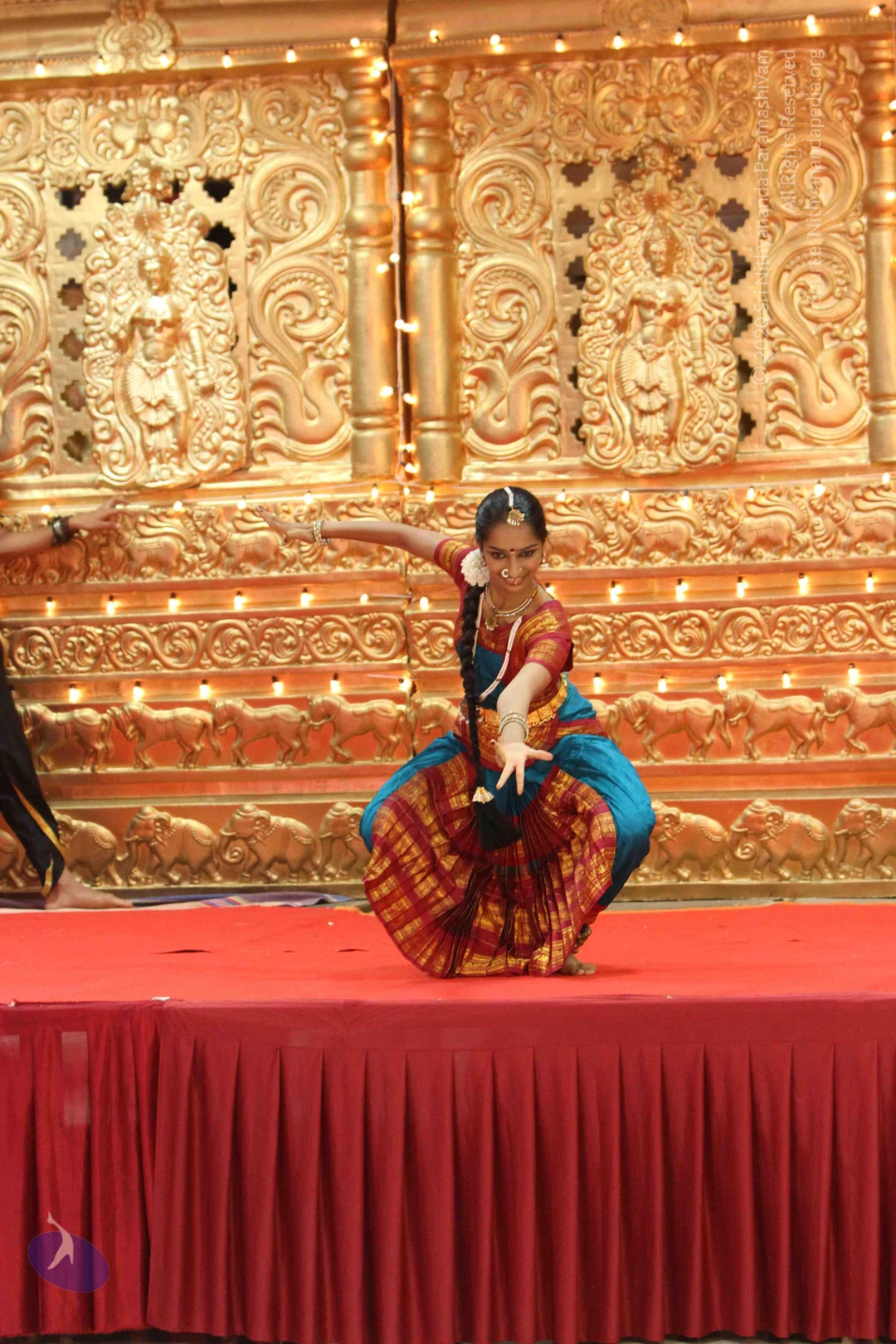
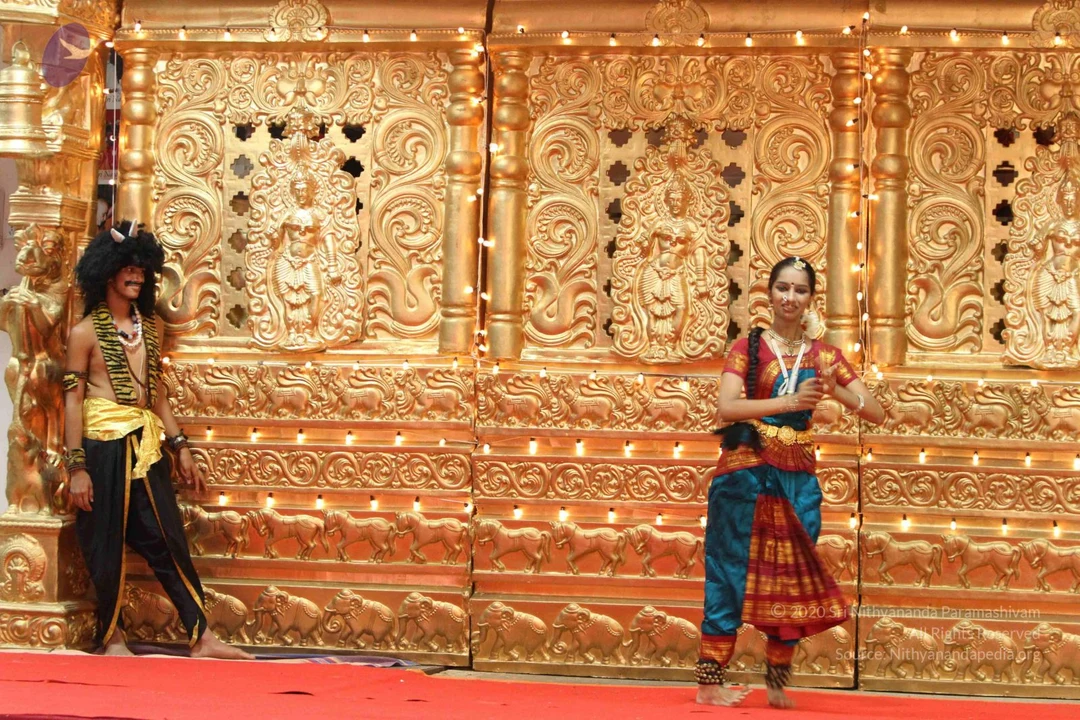
Photos from this day
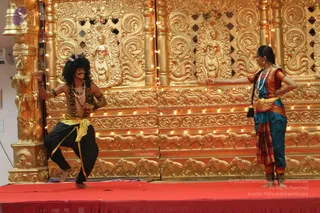
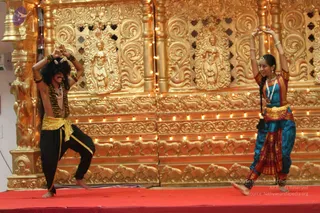
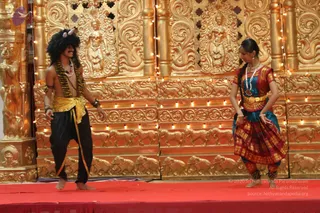
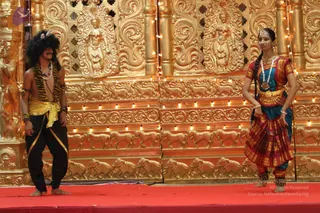
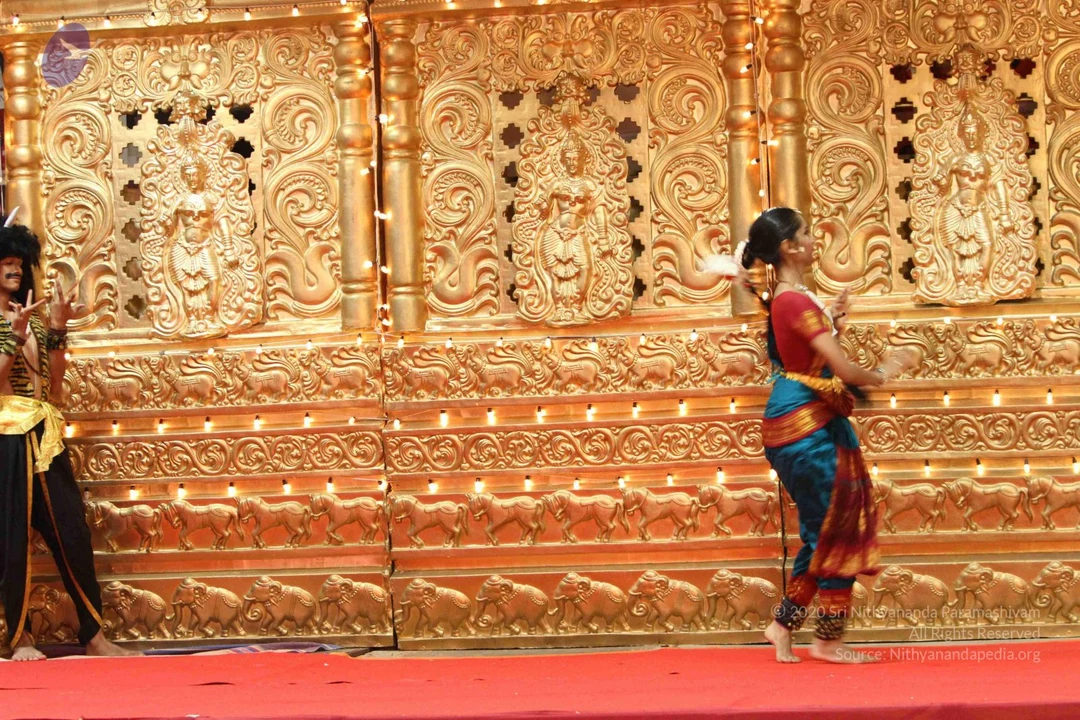
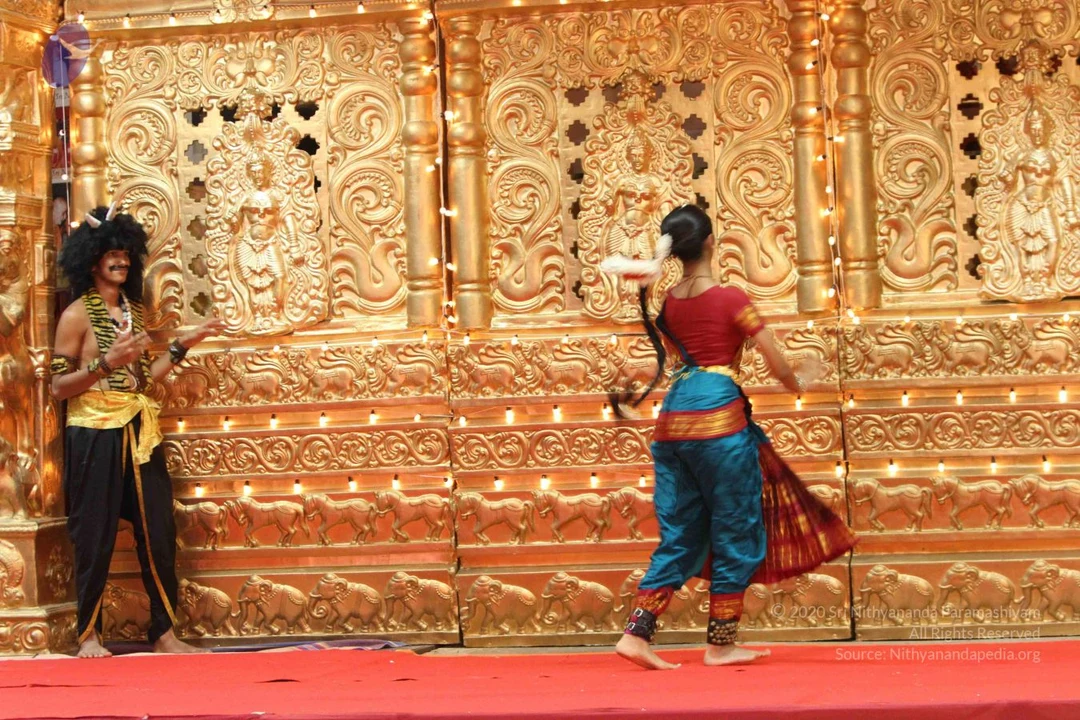
View all 57 photosPadukapuja | Nithya Kirthan | Satsang | Navaratri Celebration
13 photosSource gallery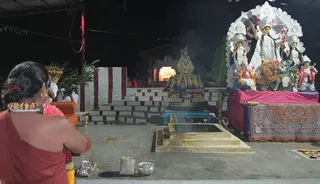
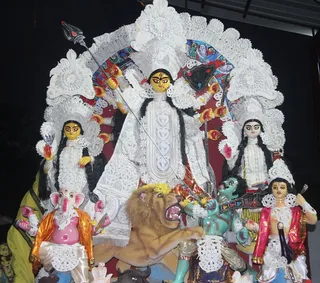
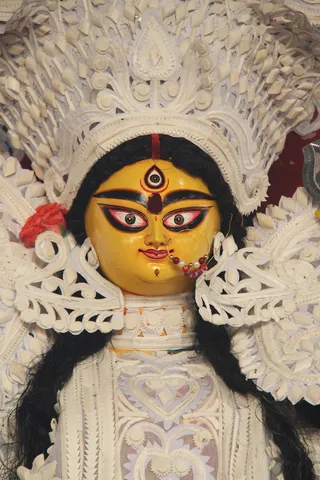
navaratri-culturals
44 photosSource gallery