Skip to content
Monday

1 October 2012

Akashic Readings on Death - part 4

Dated photos
90
Source pages
1
Media
2
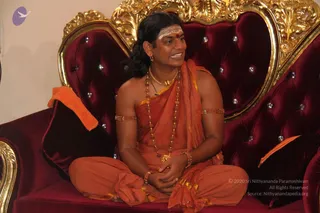
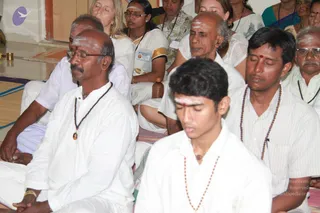
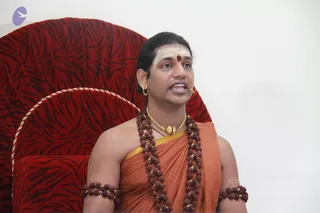
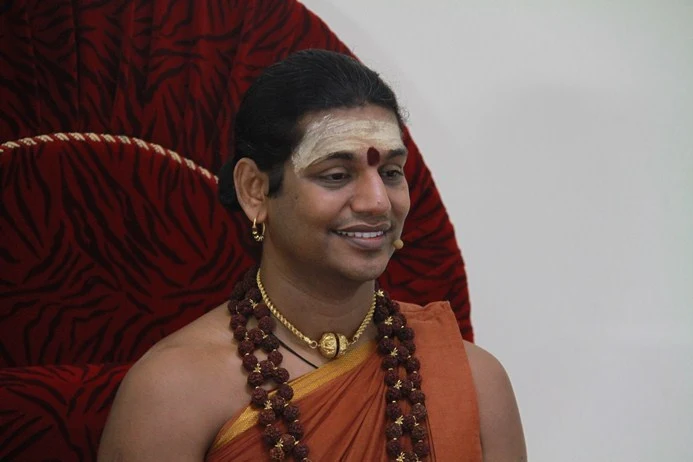
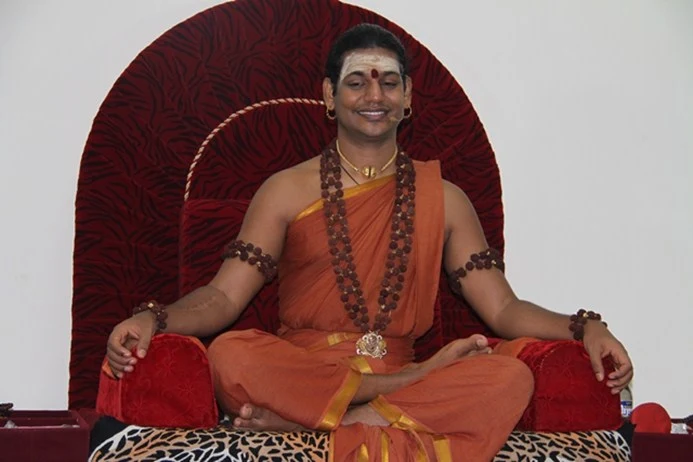
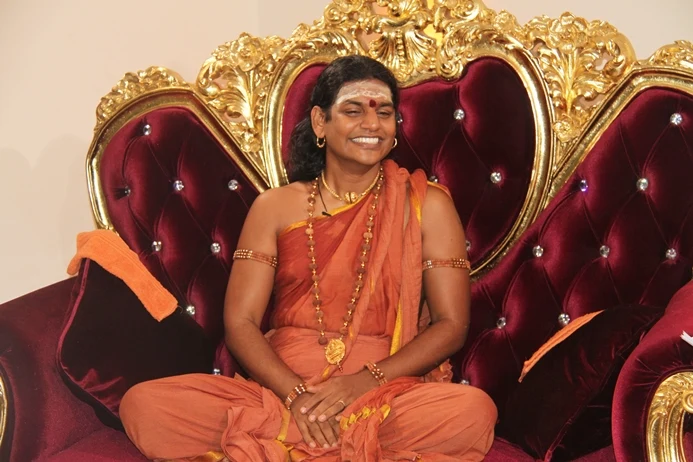
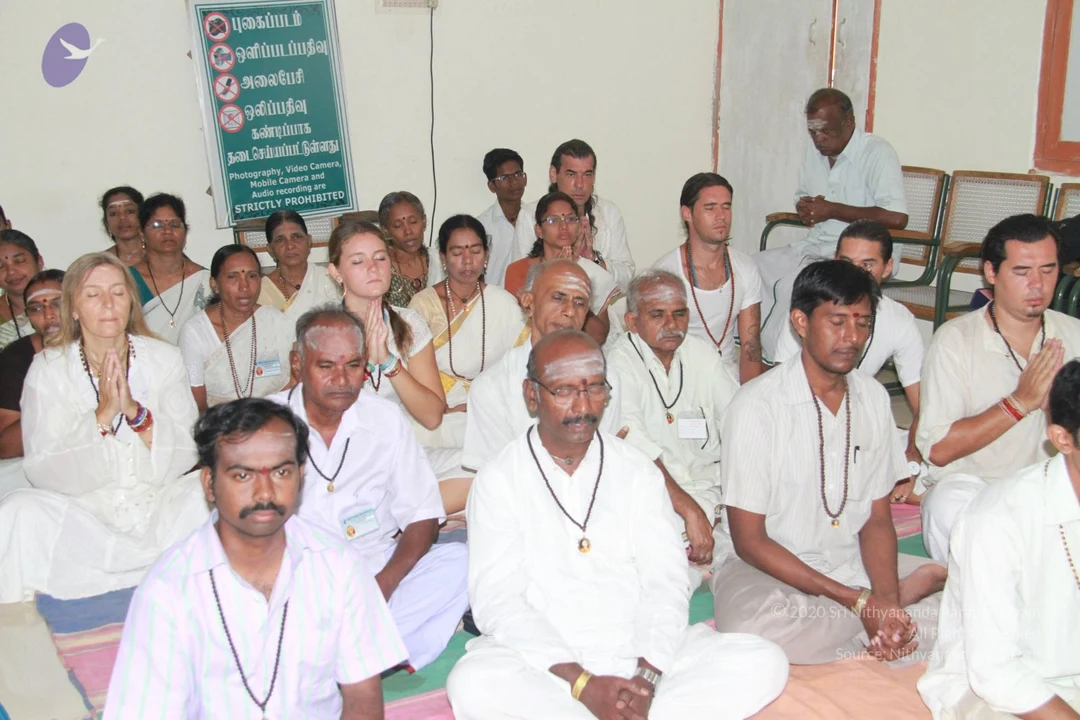
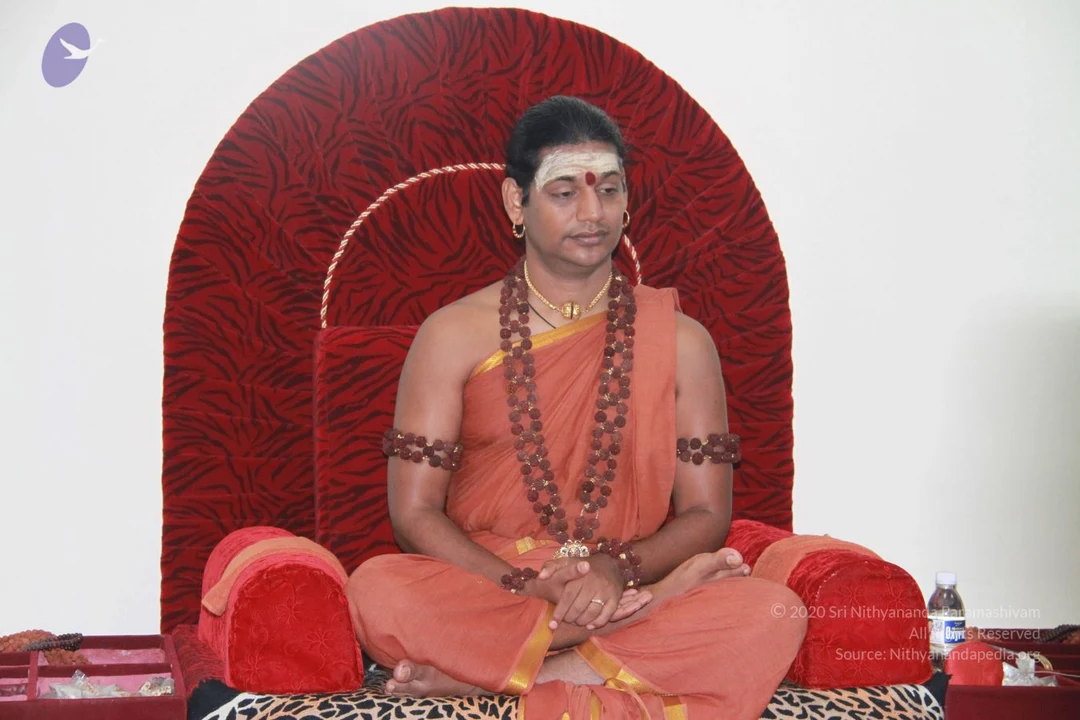
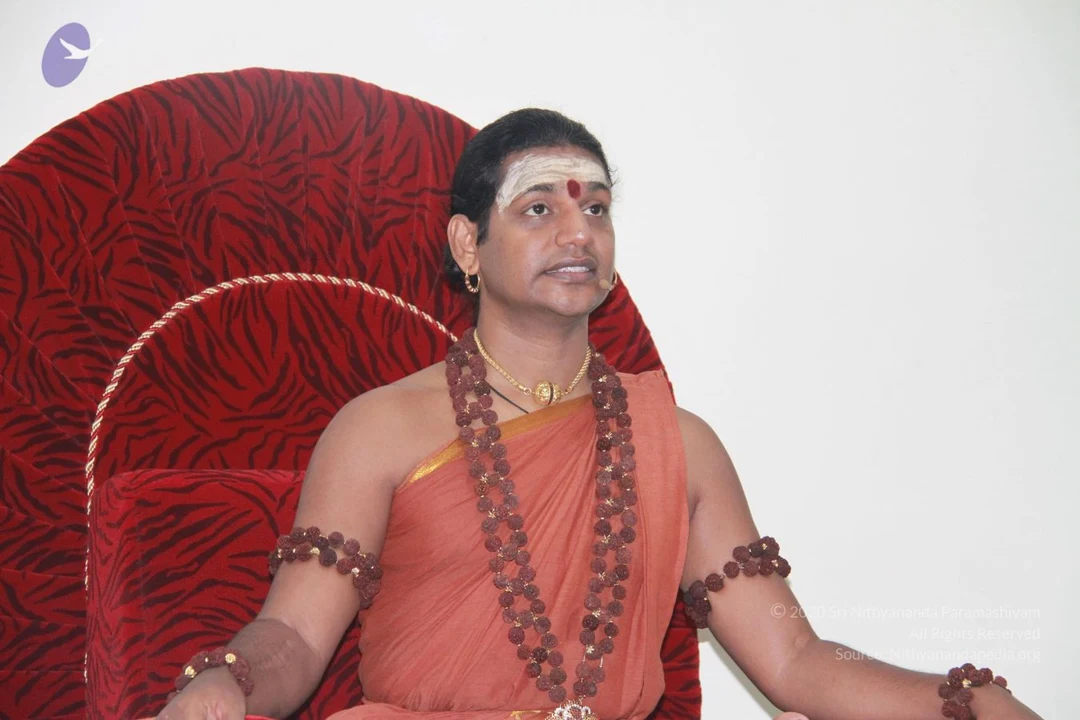
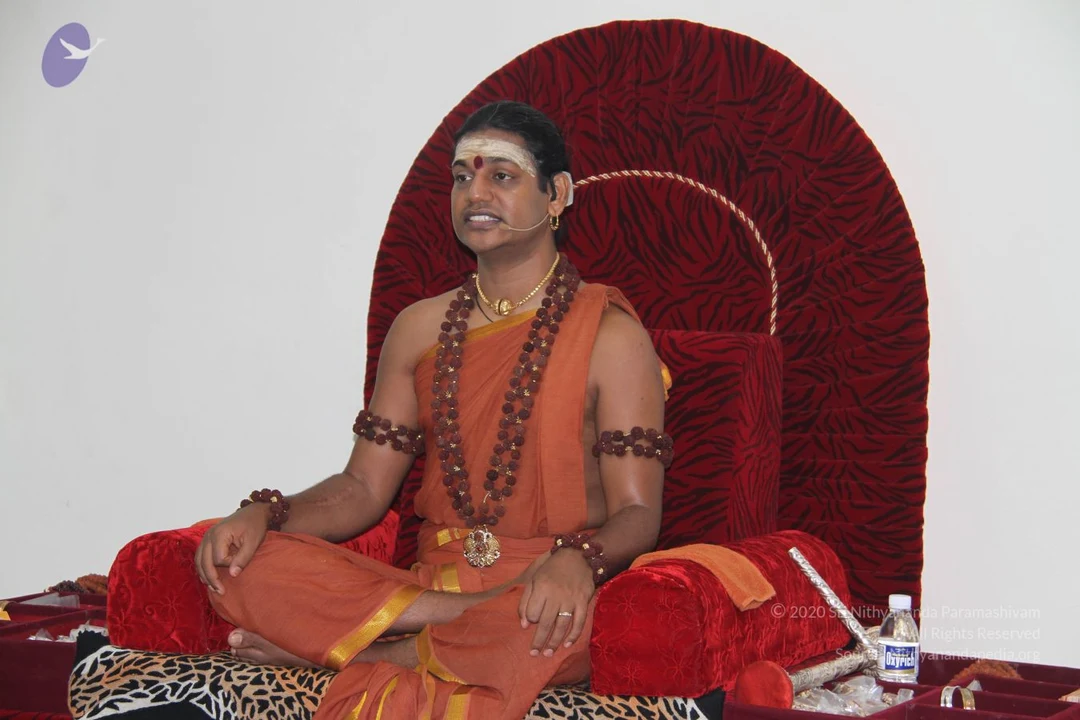
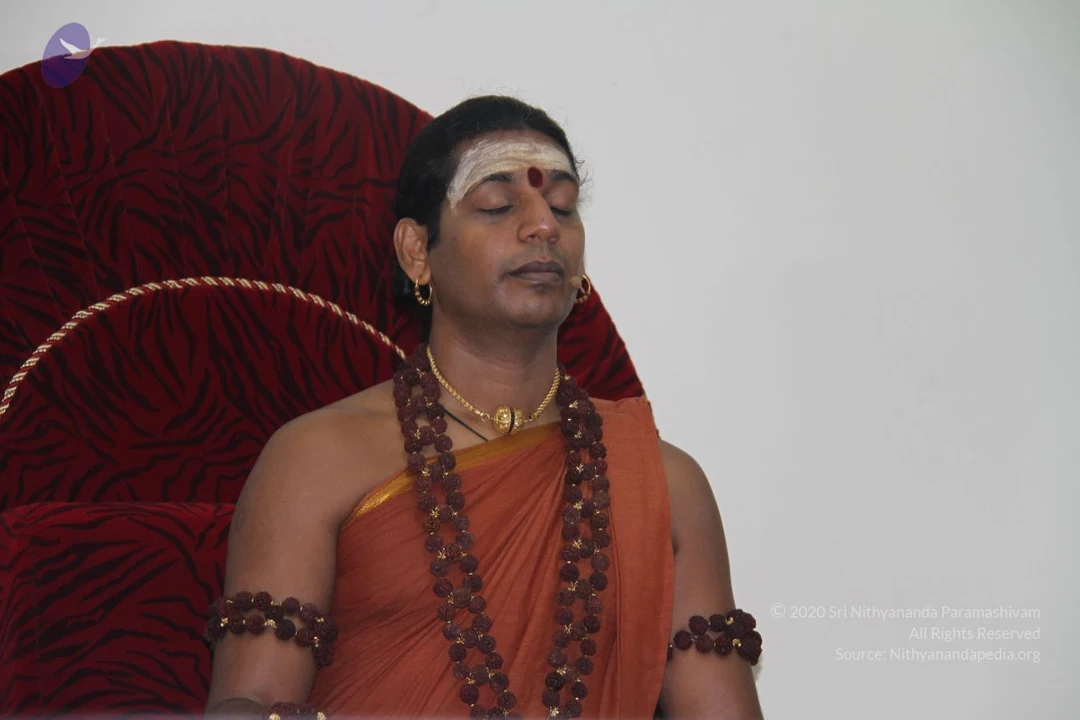
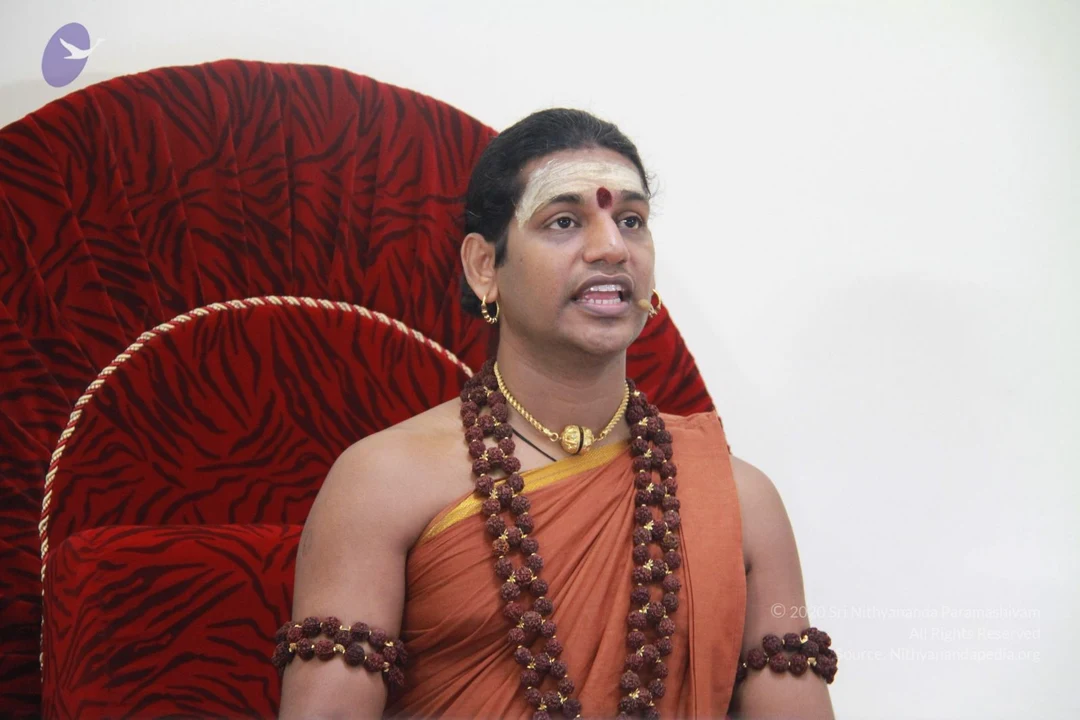
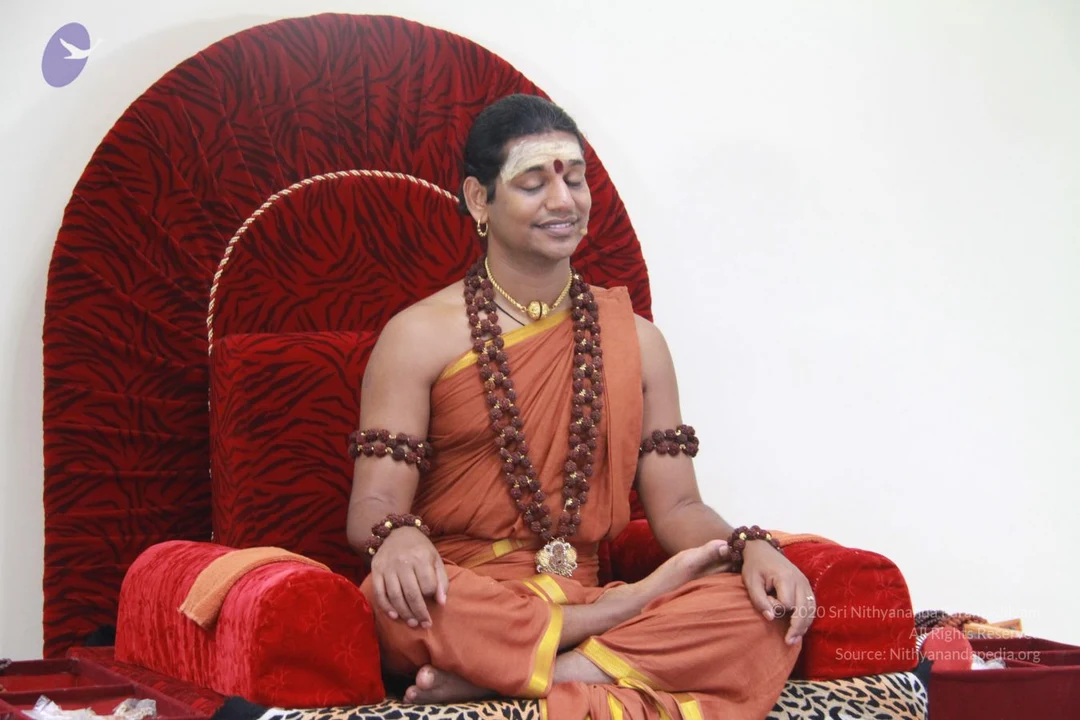
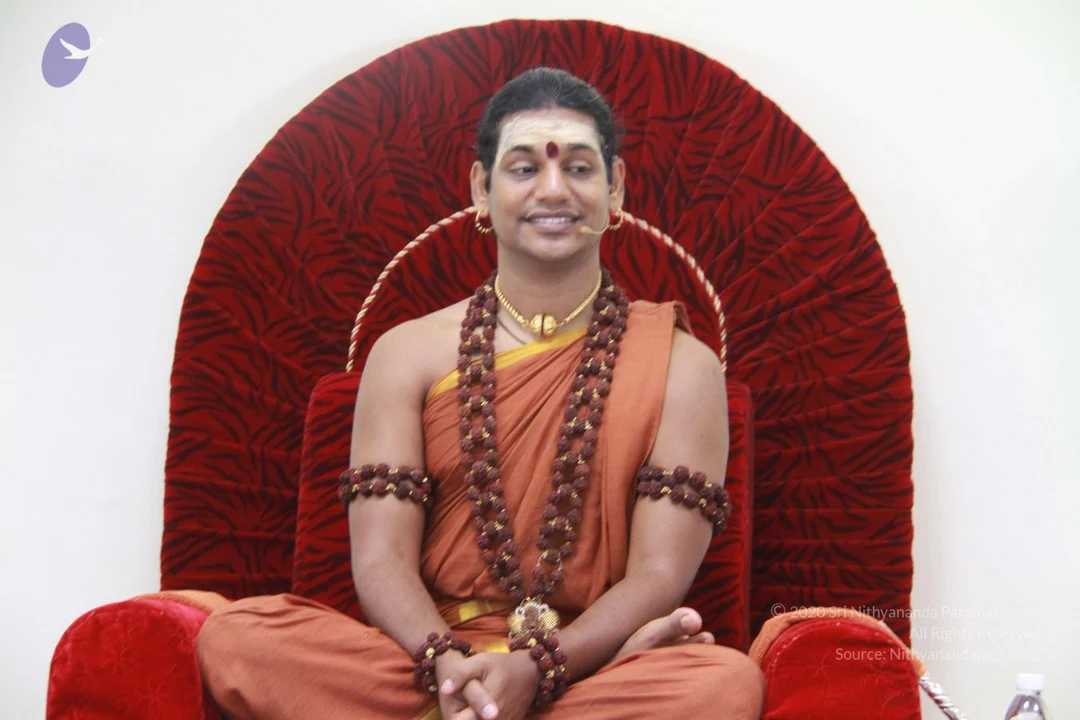
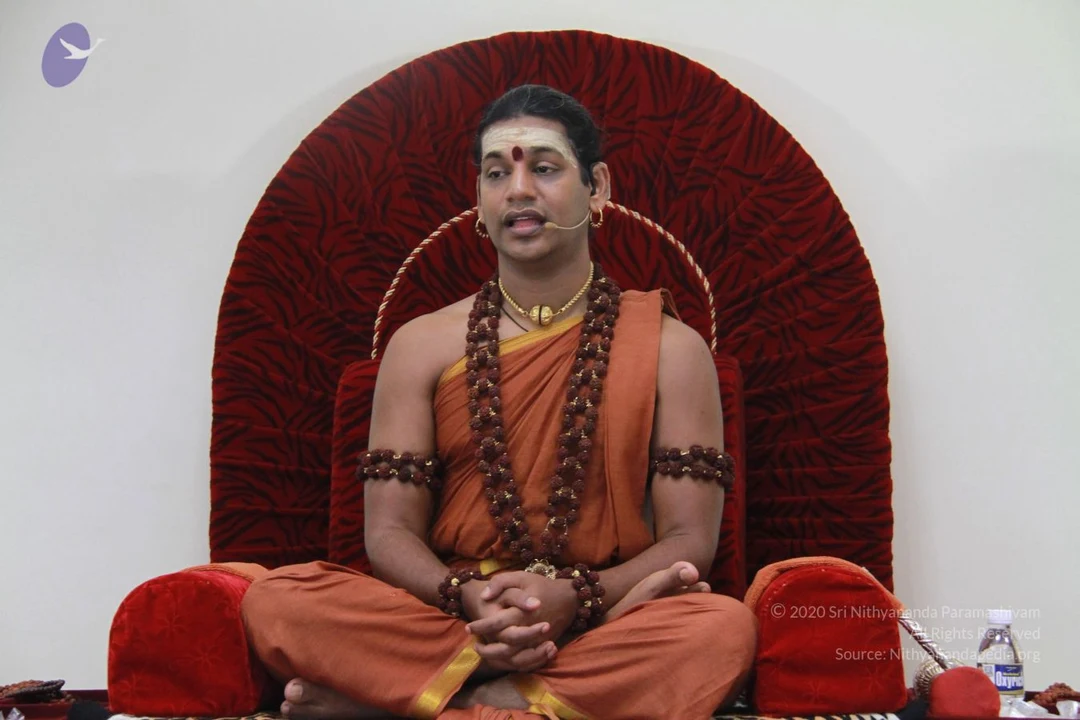
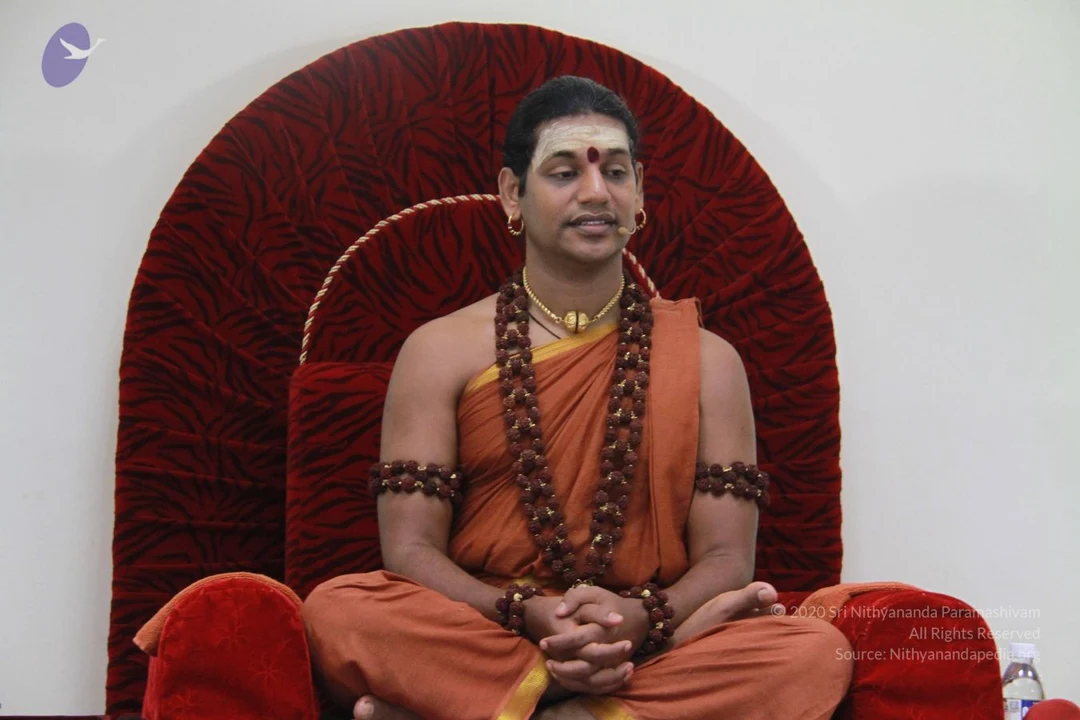
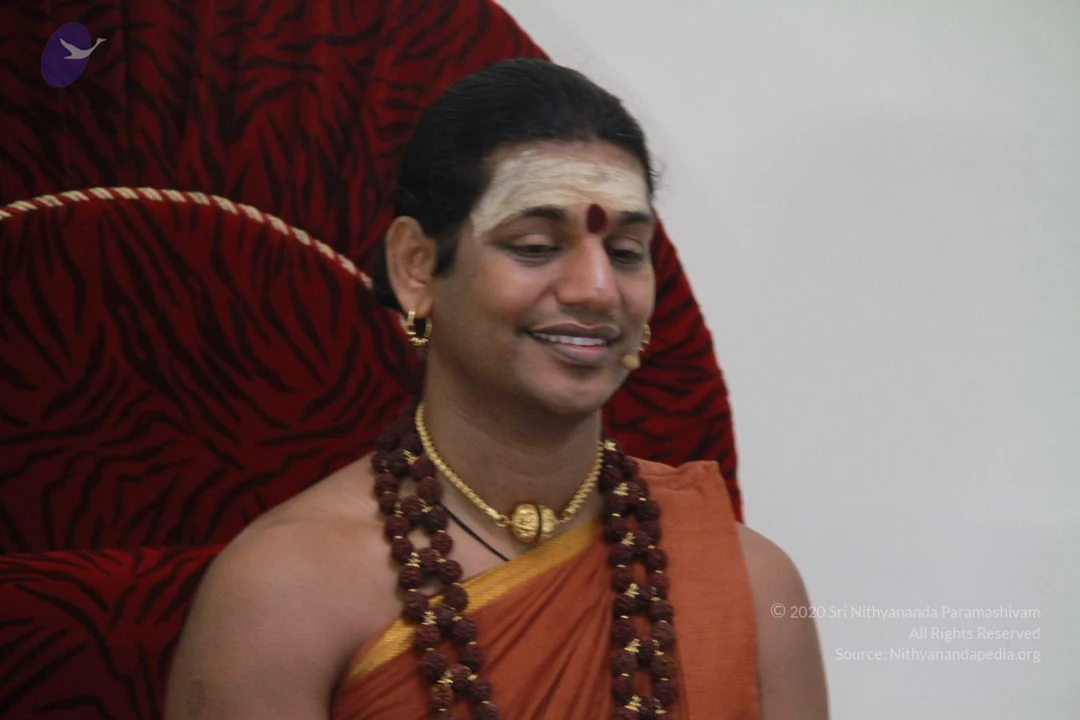
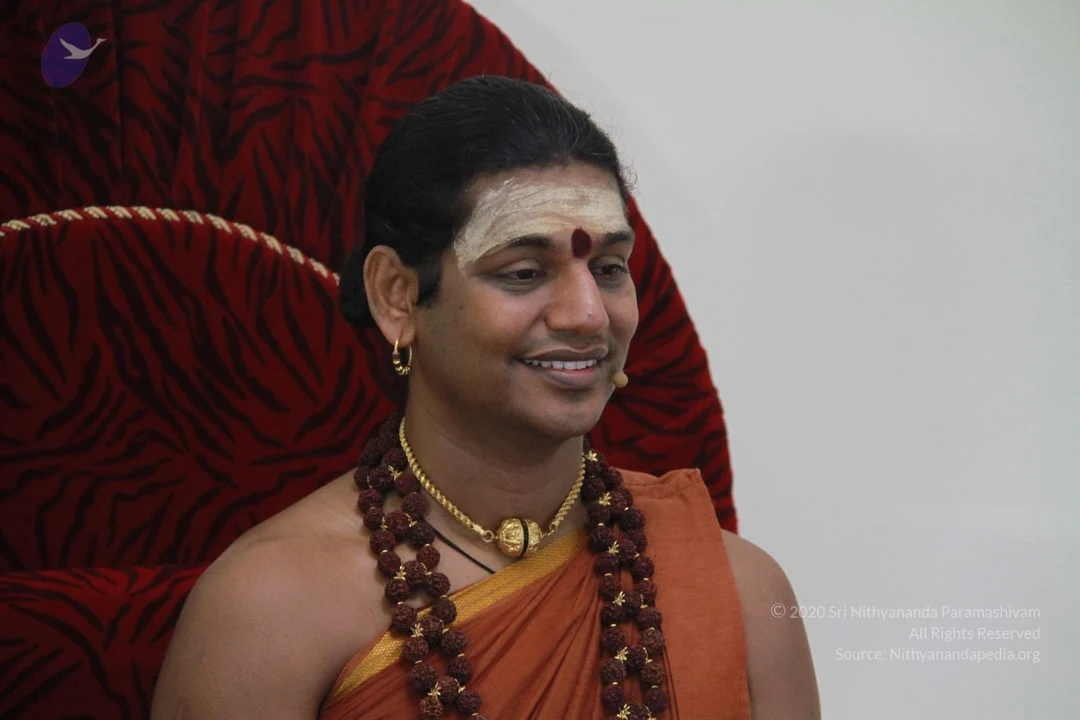
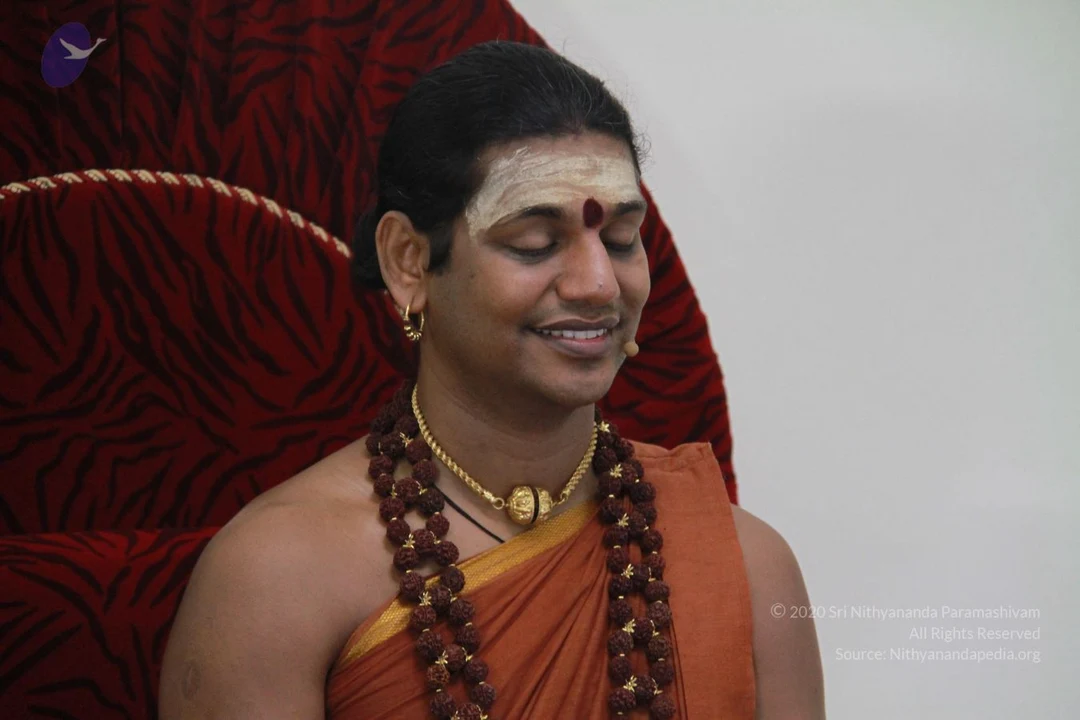
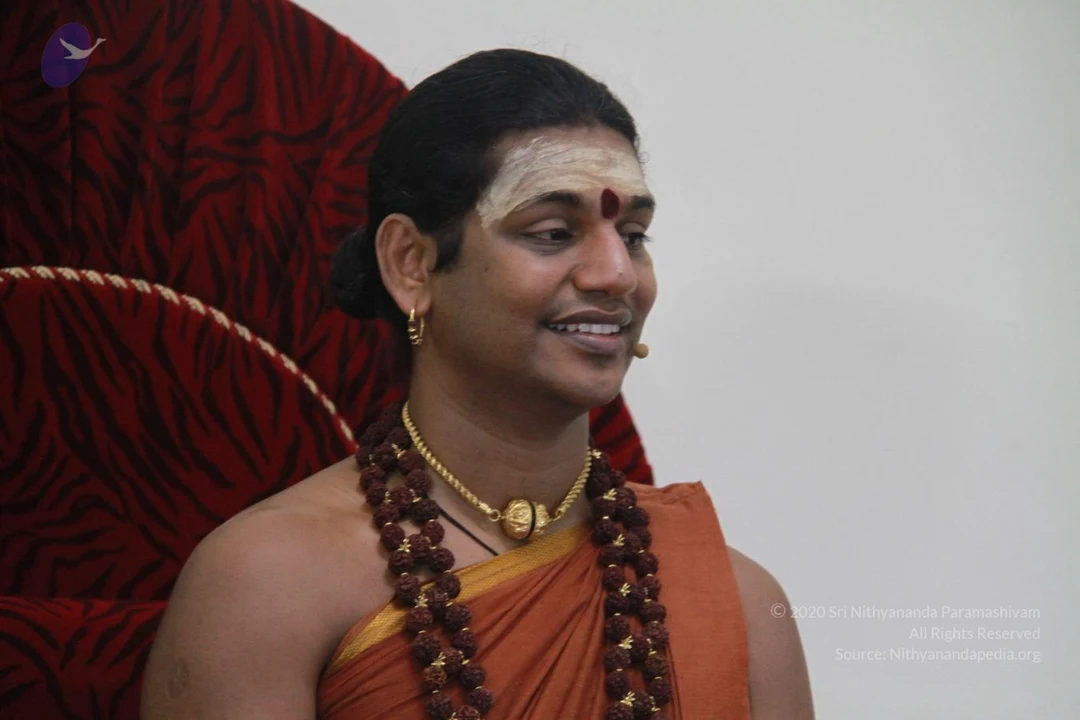
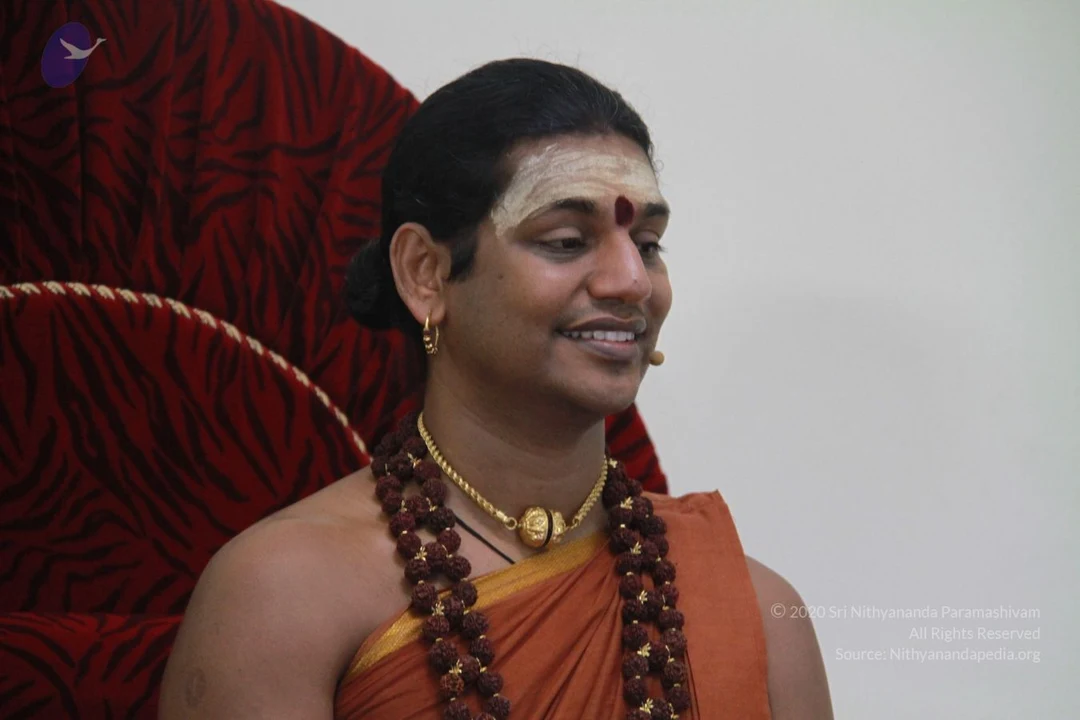
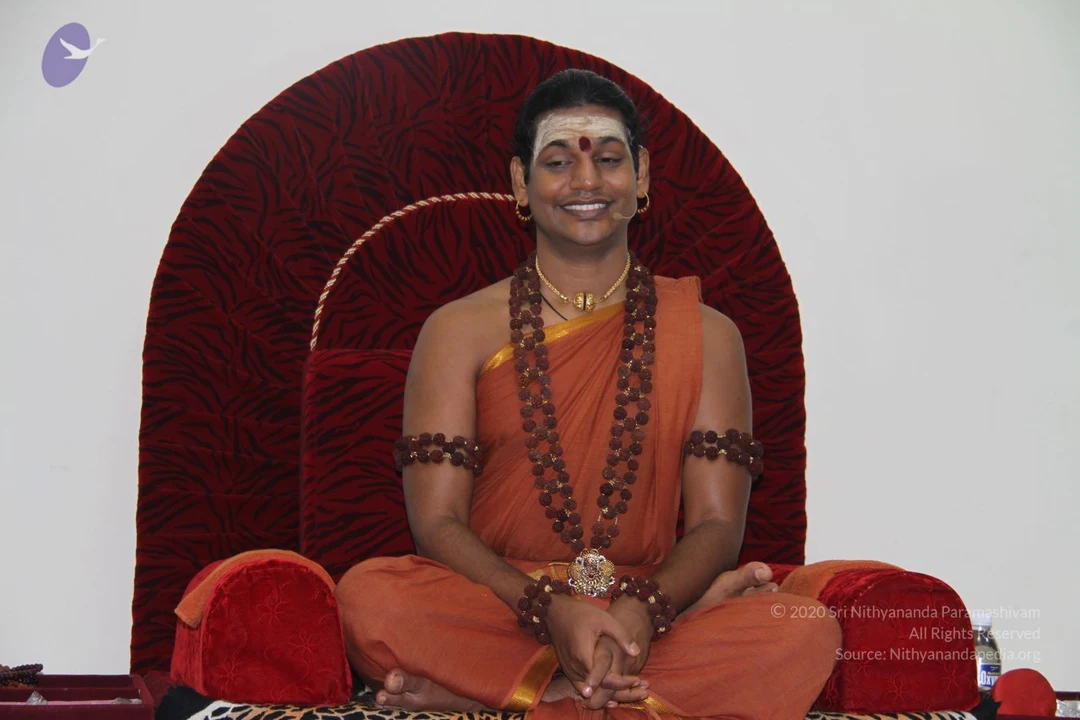
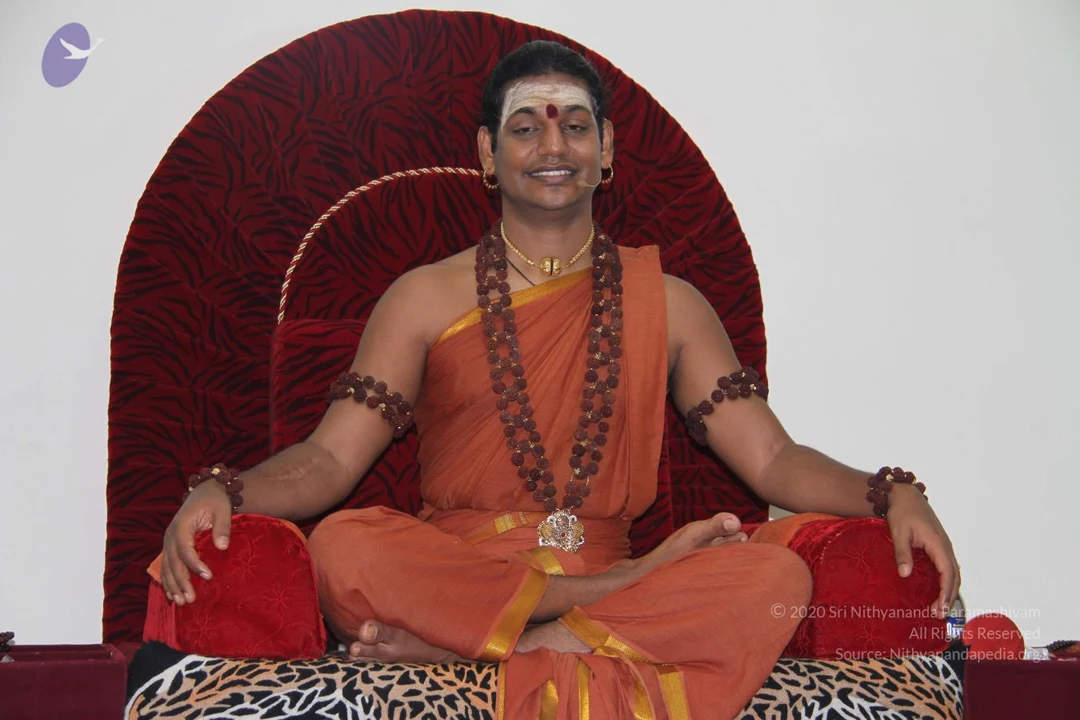
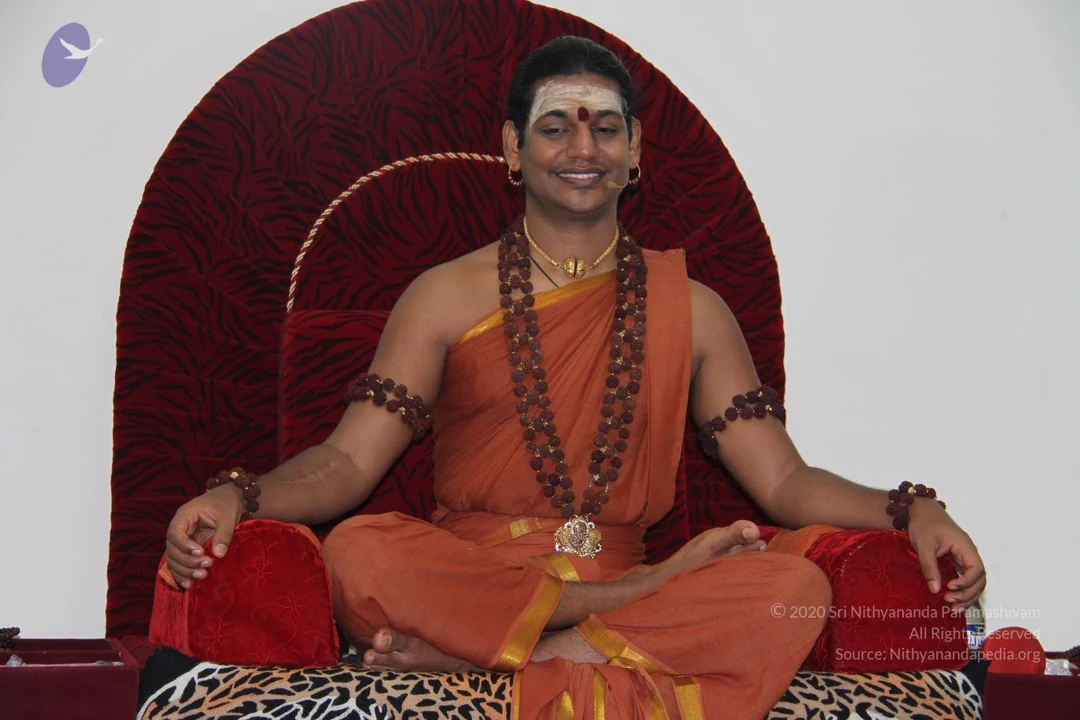
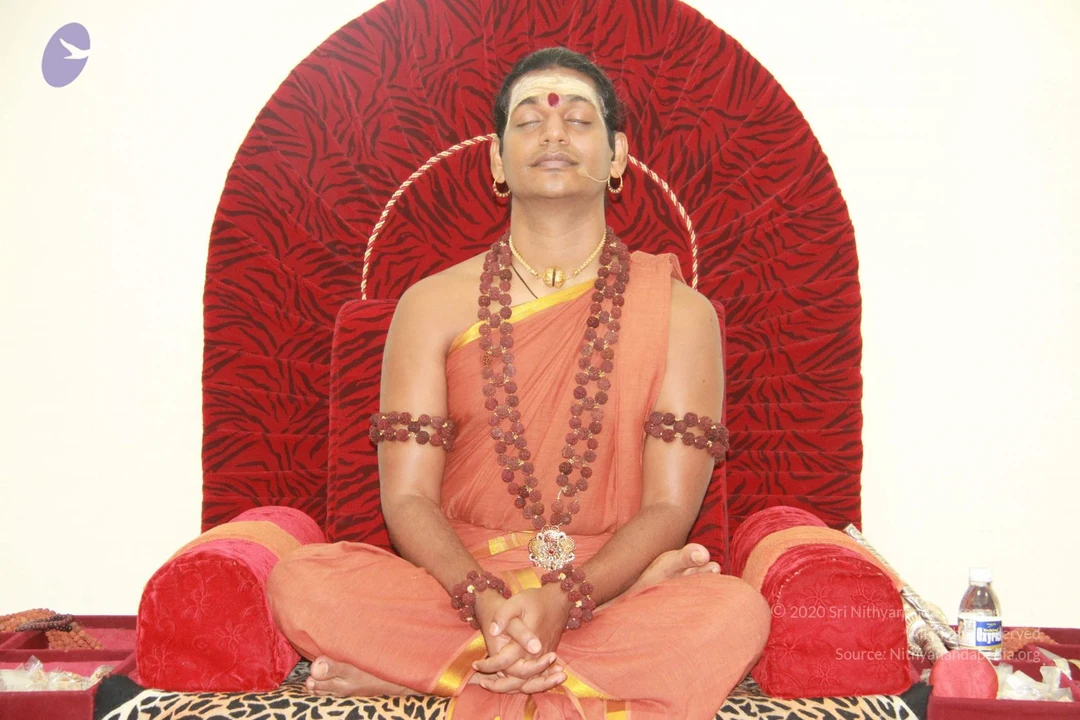
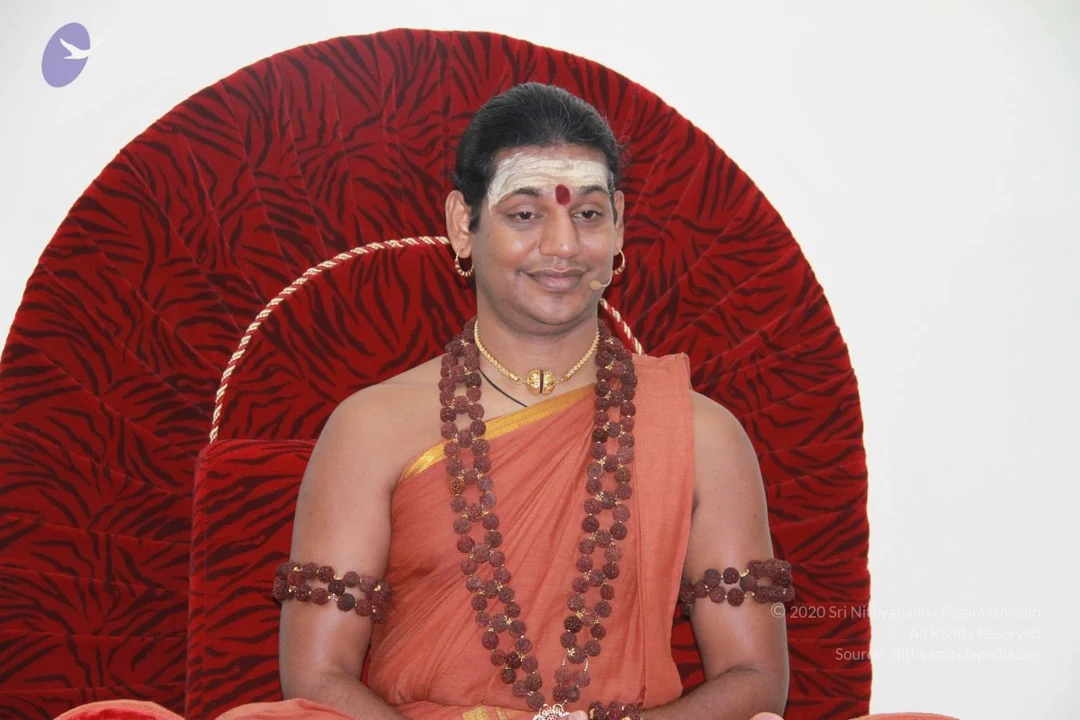
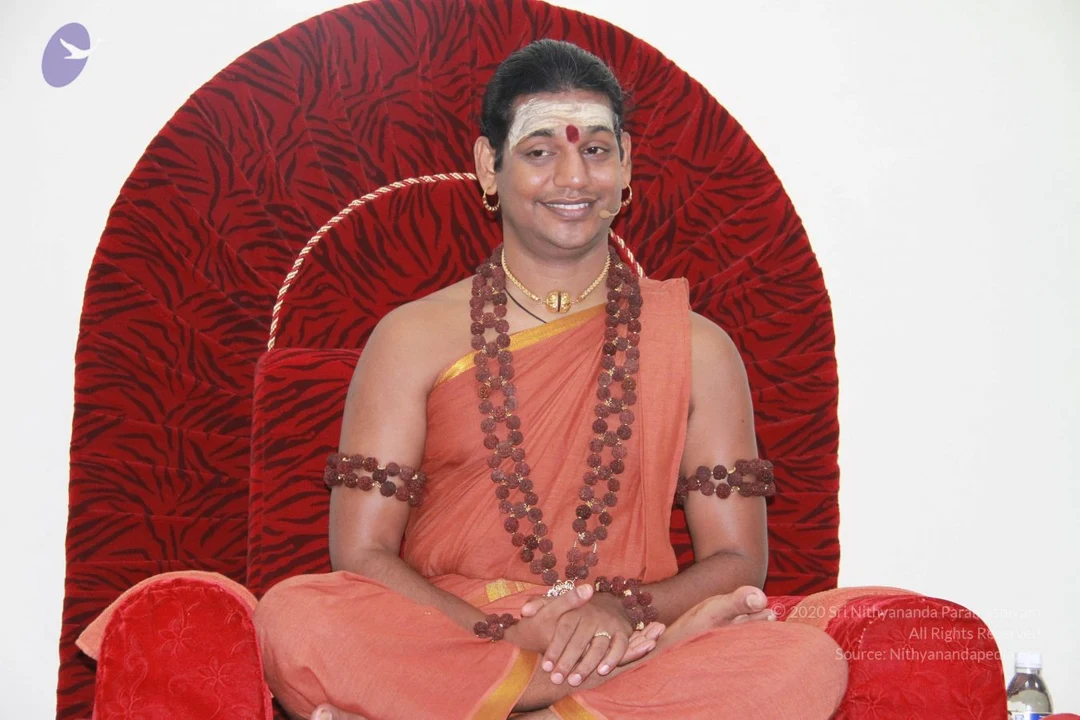
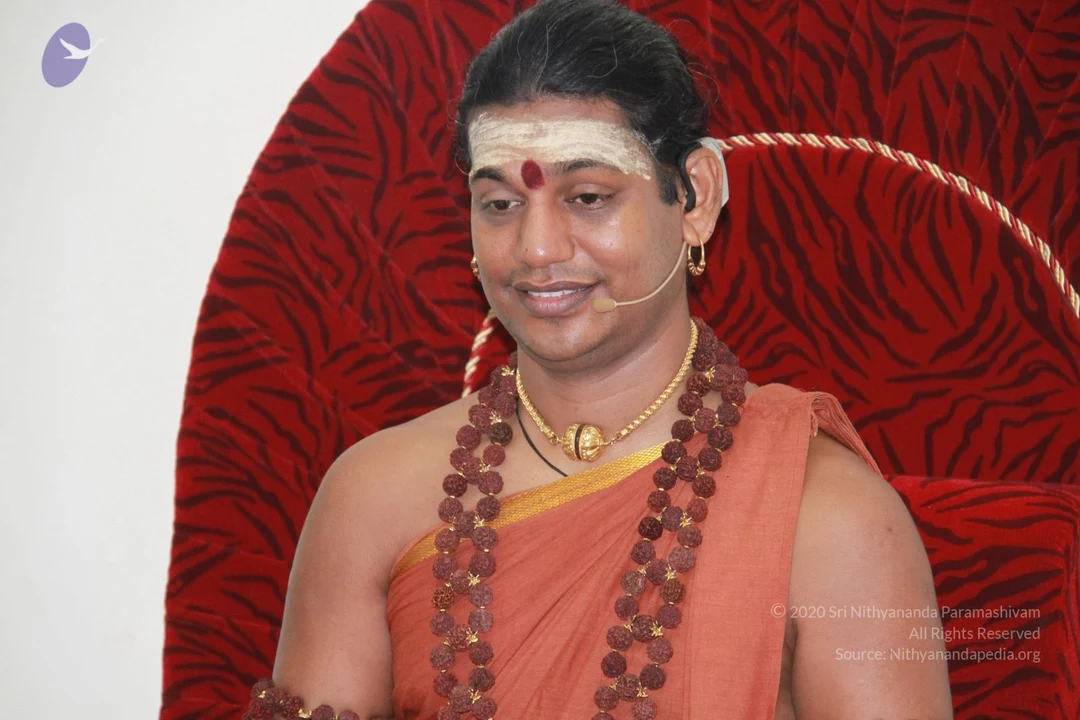
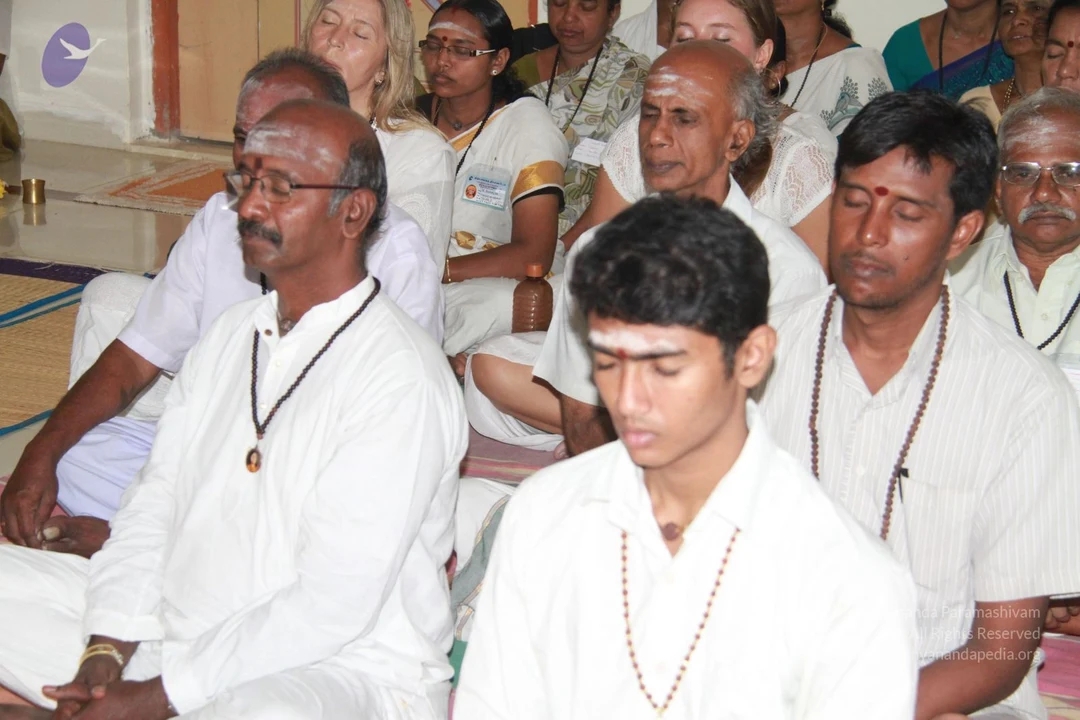
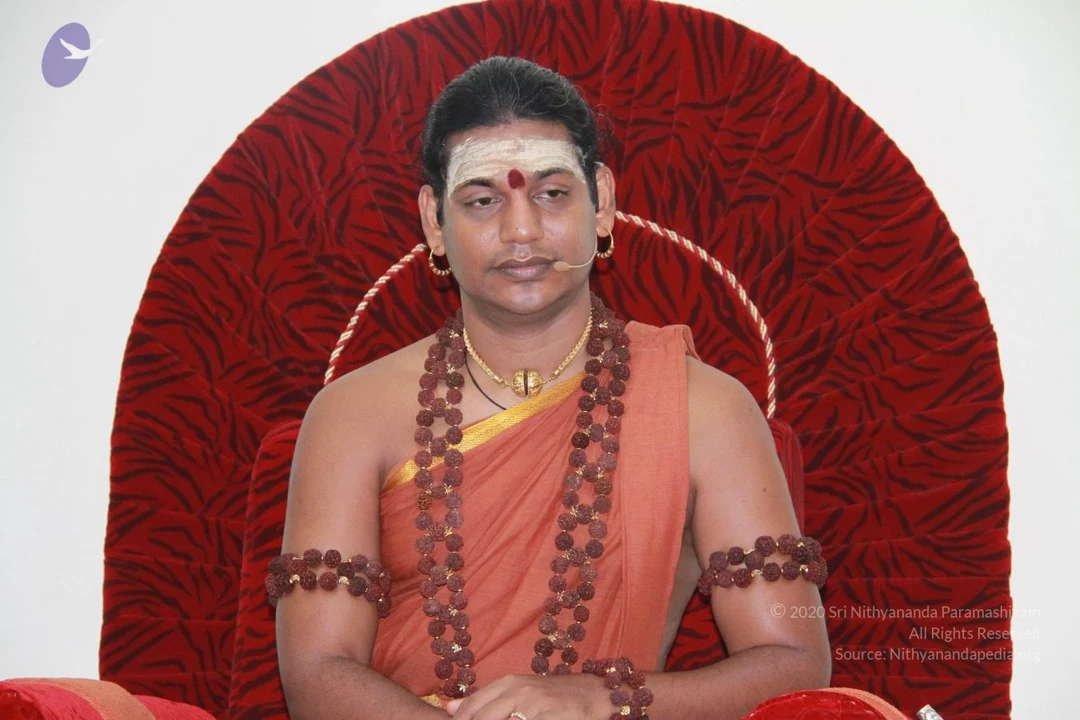
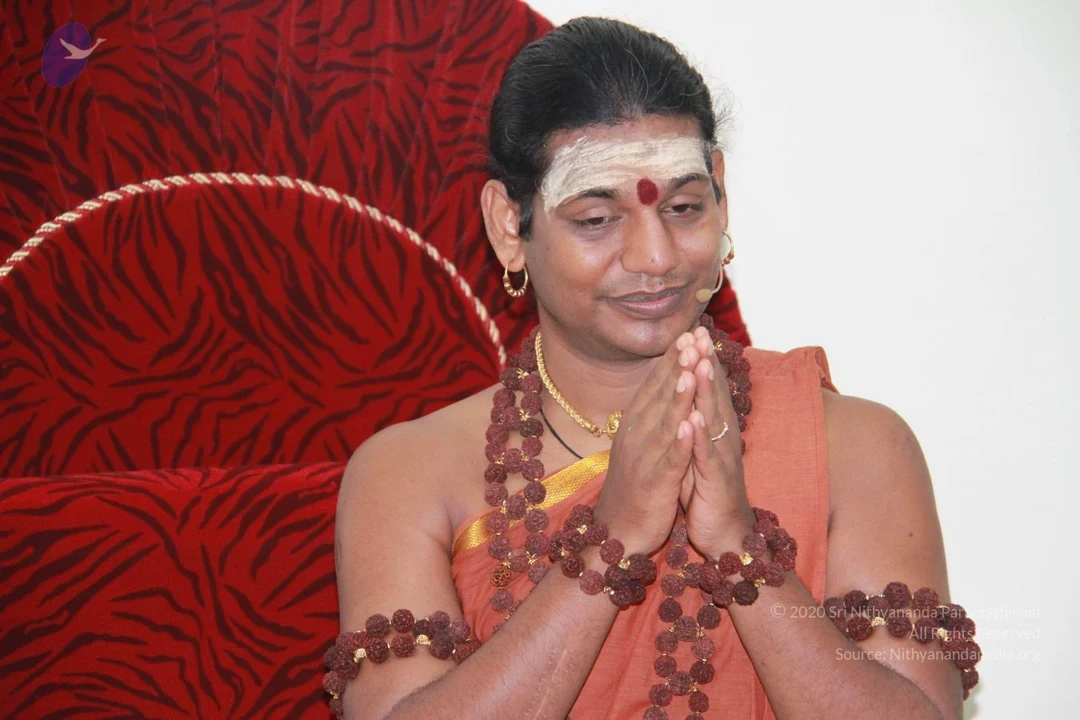
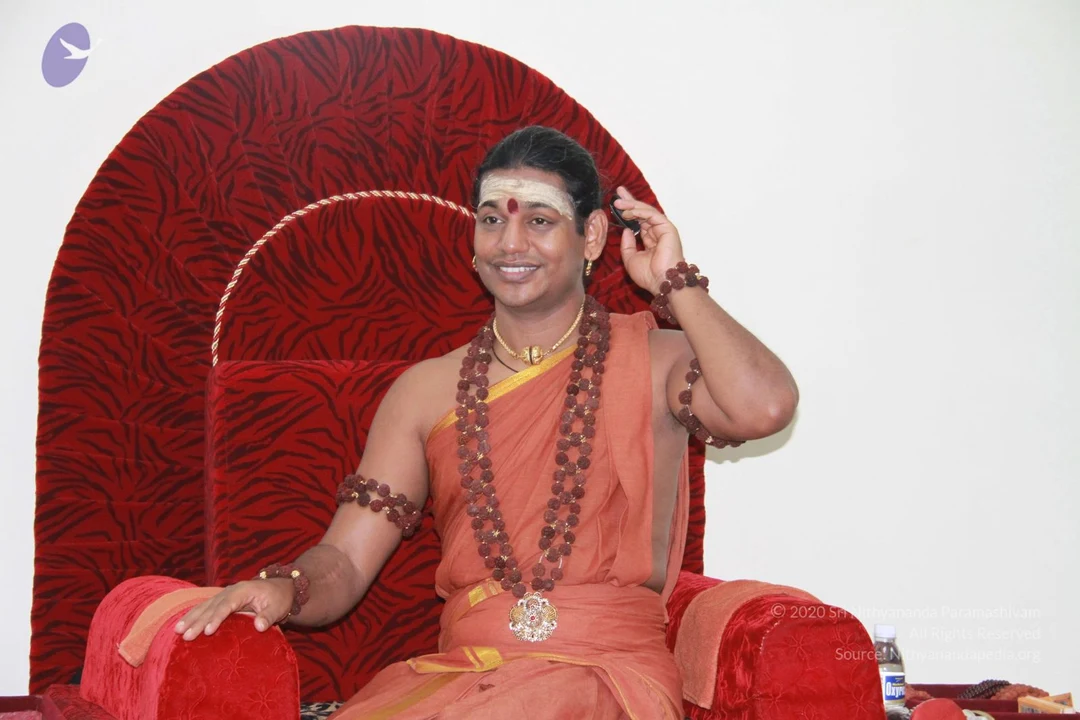
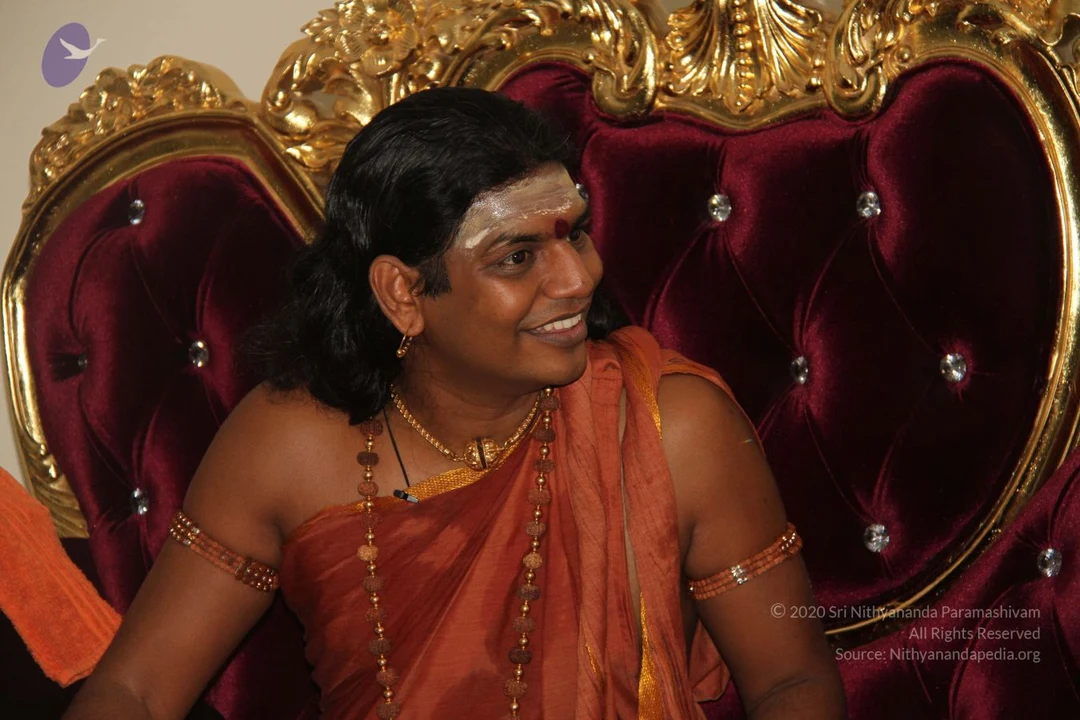
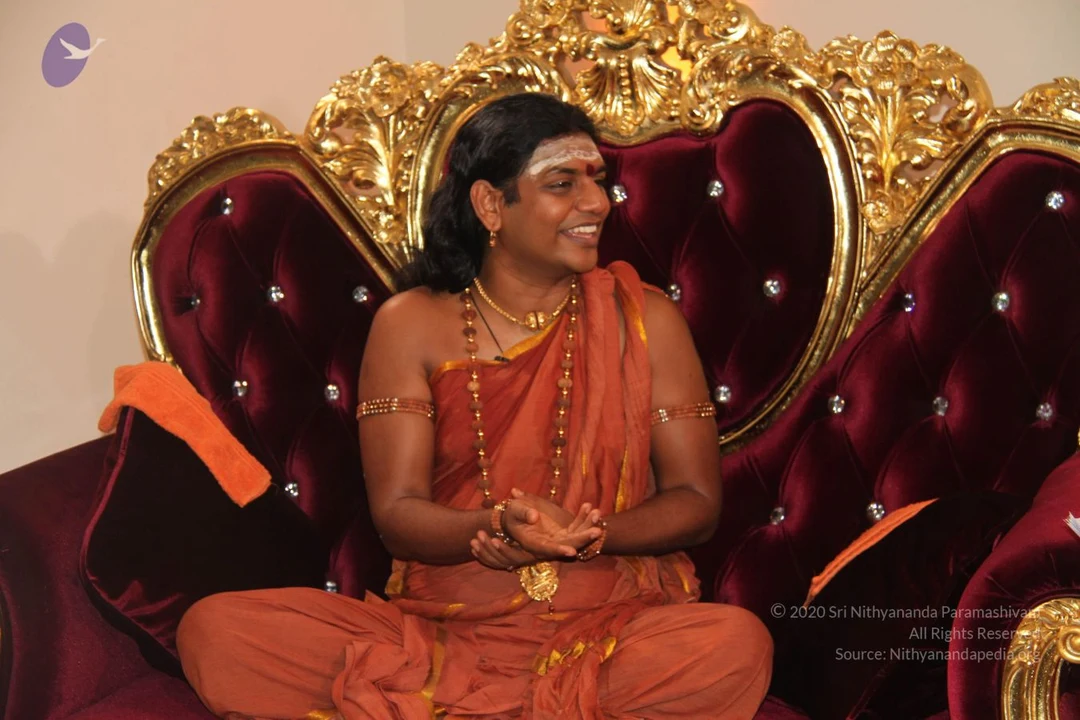
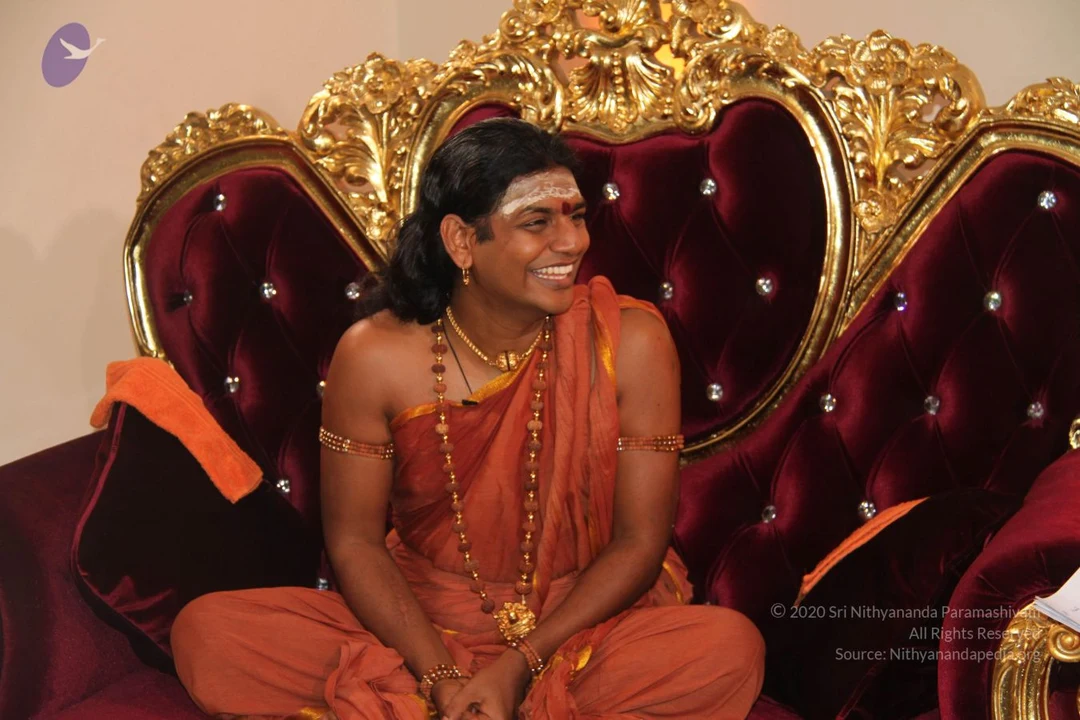
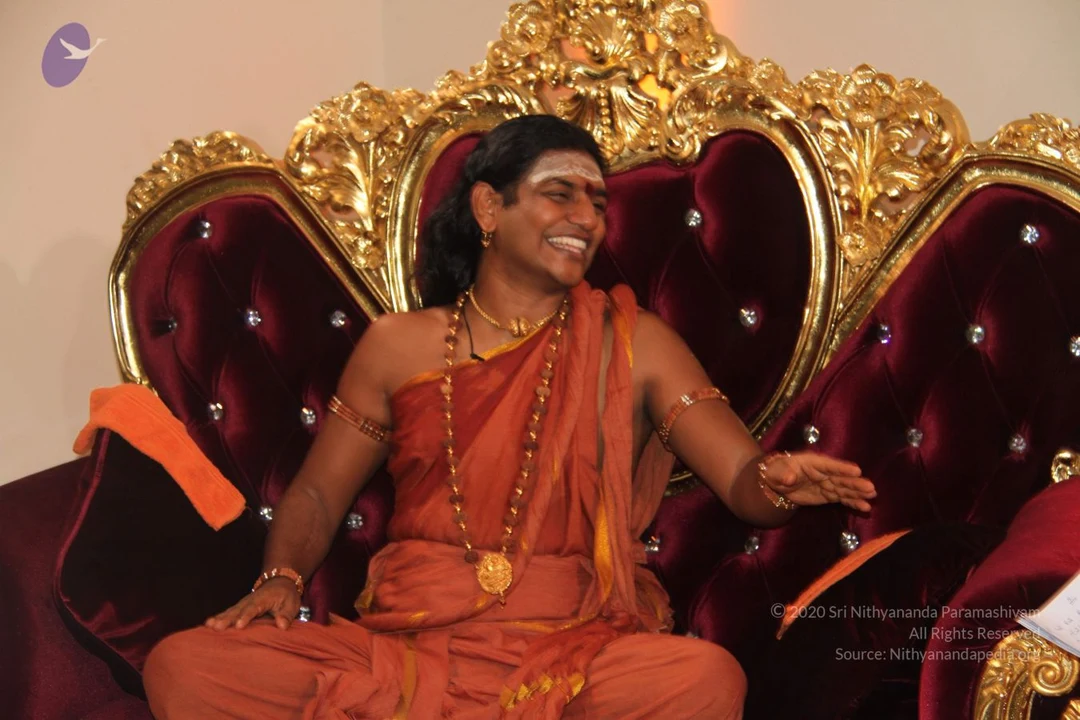
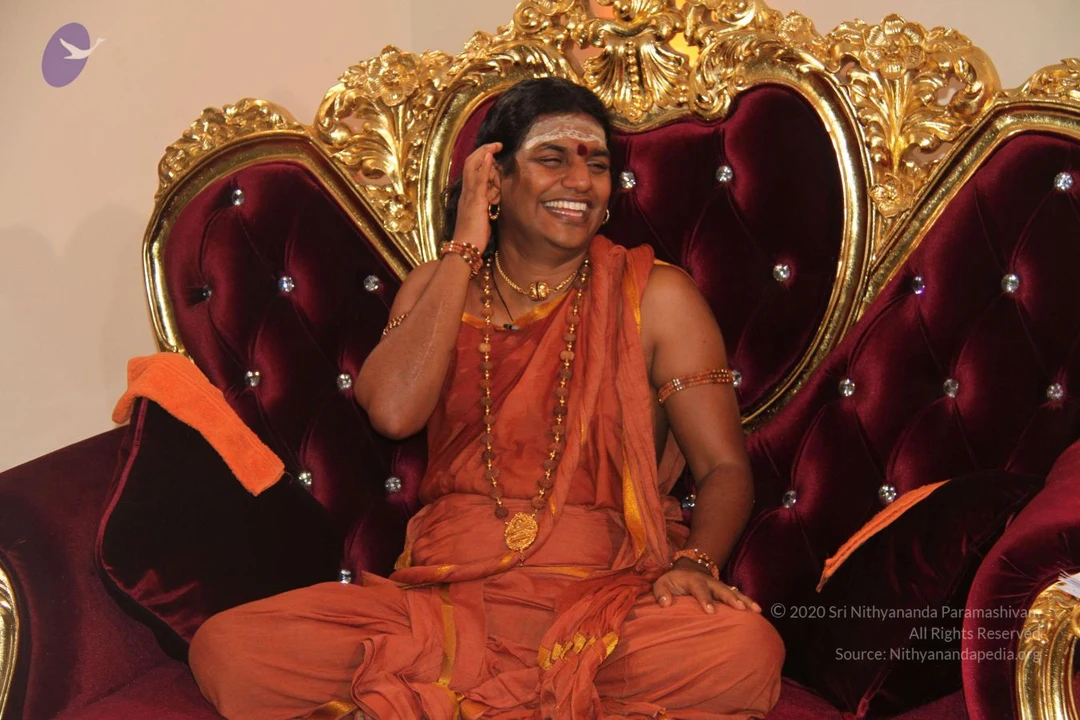
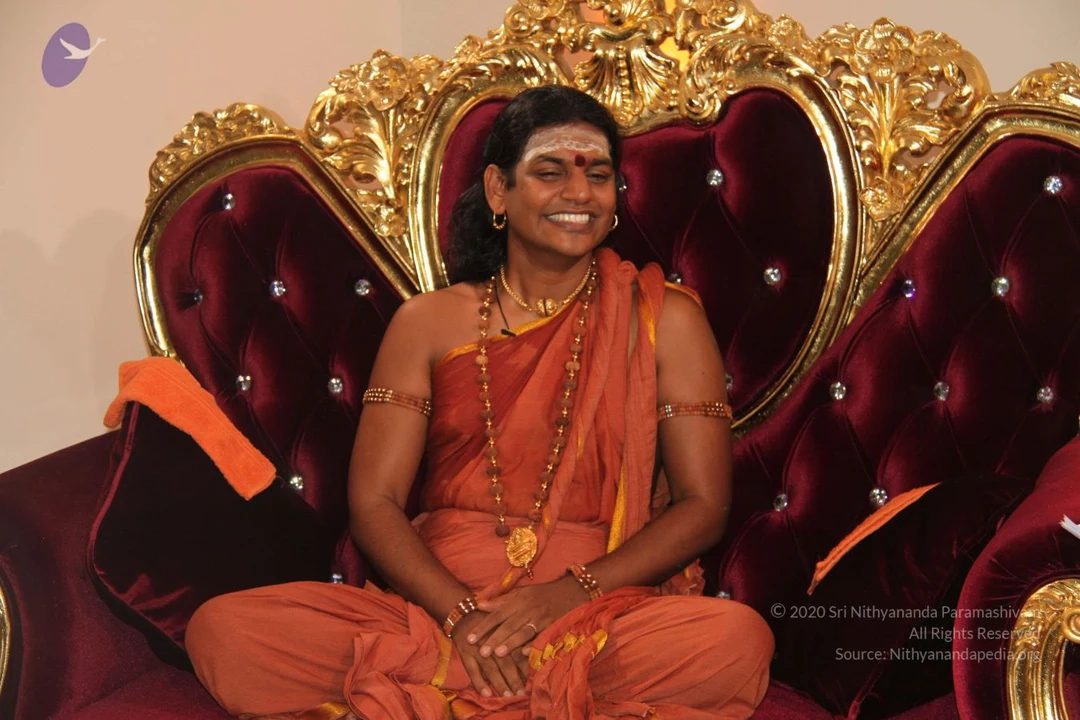
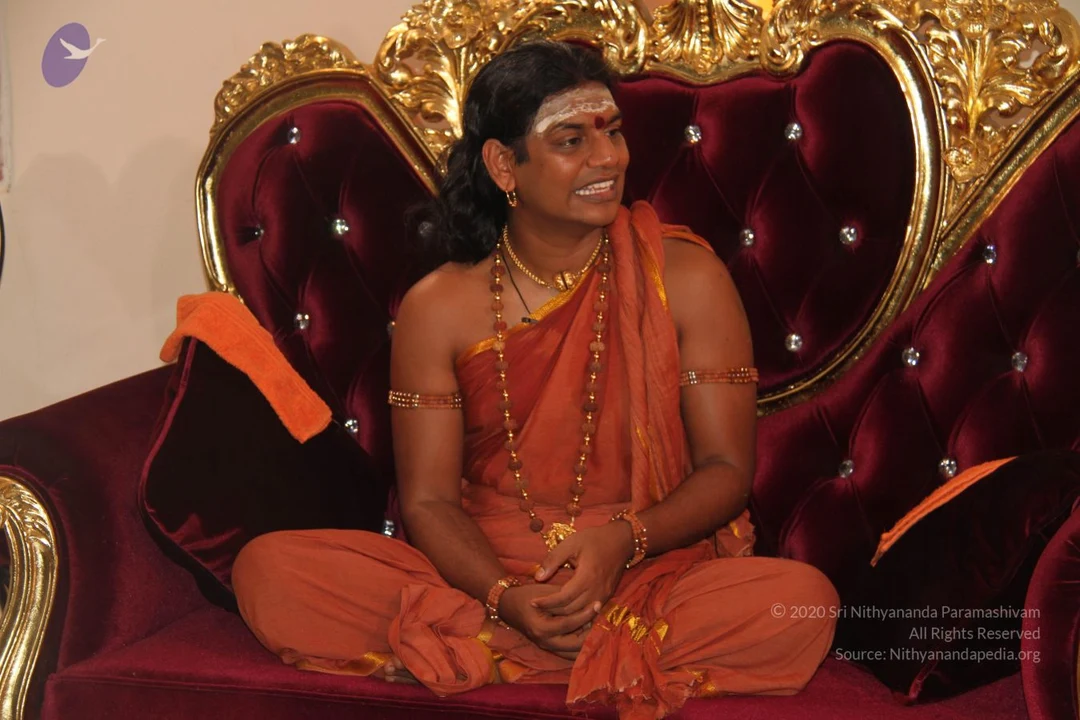
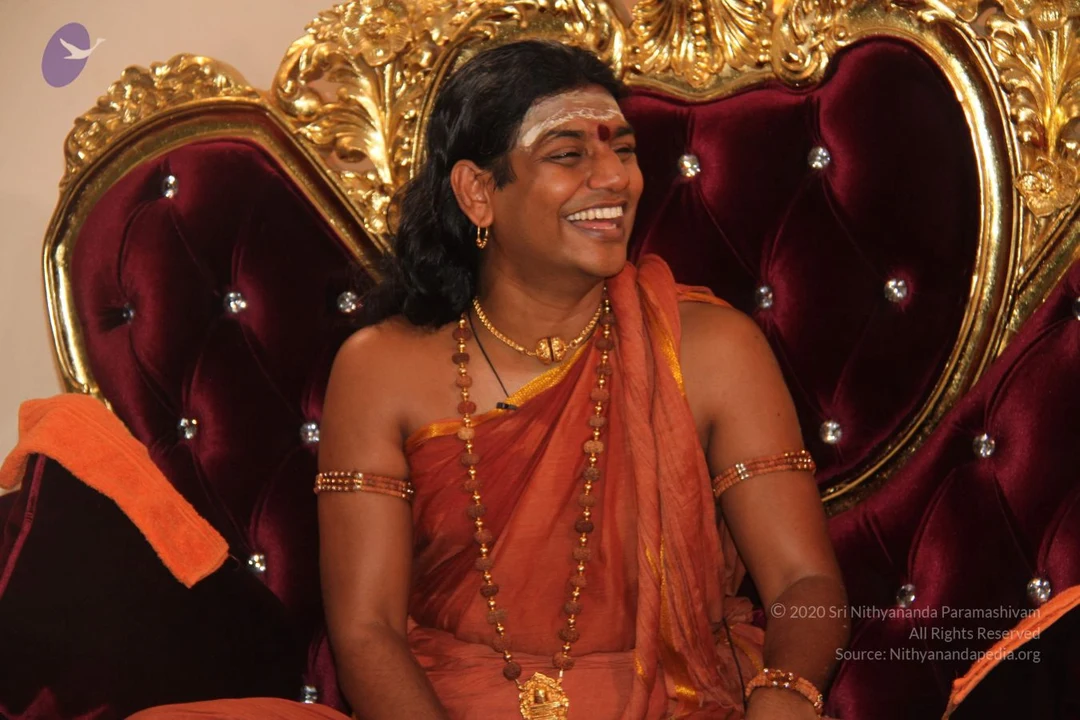
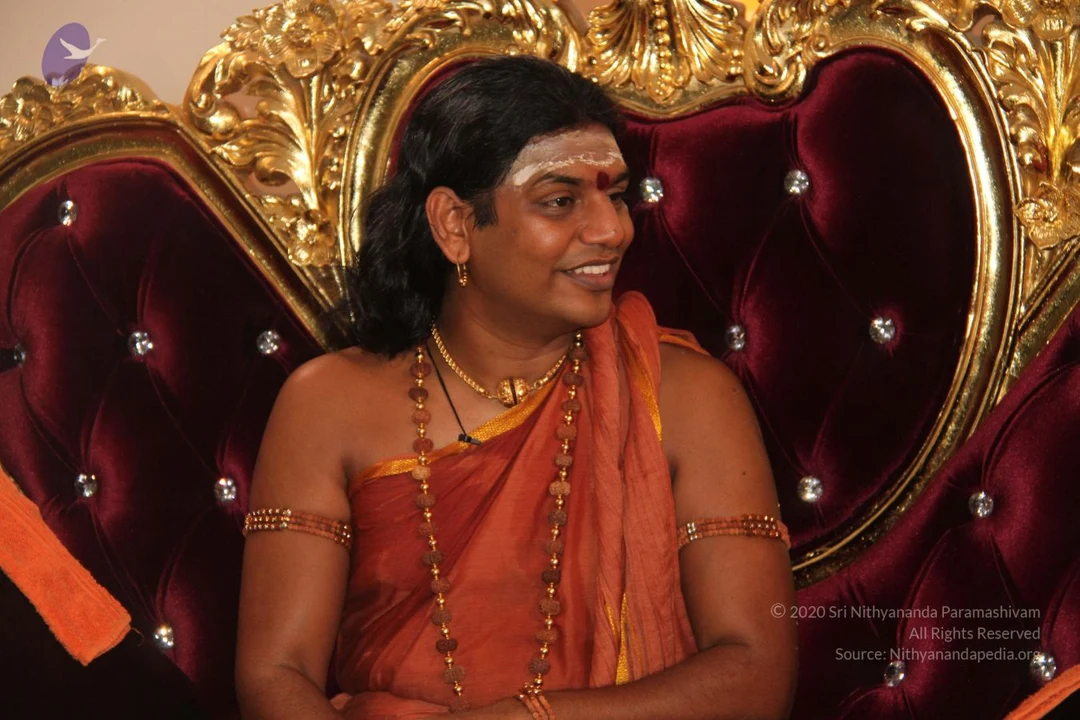
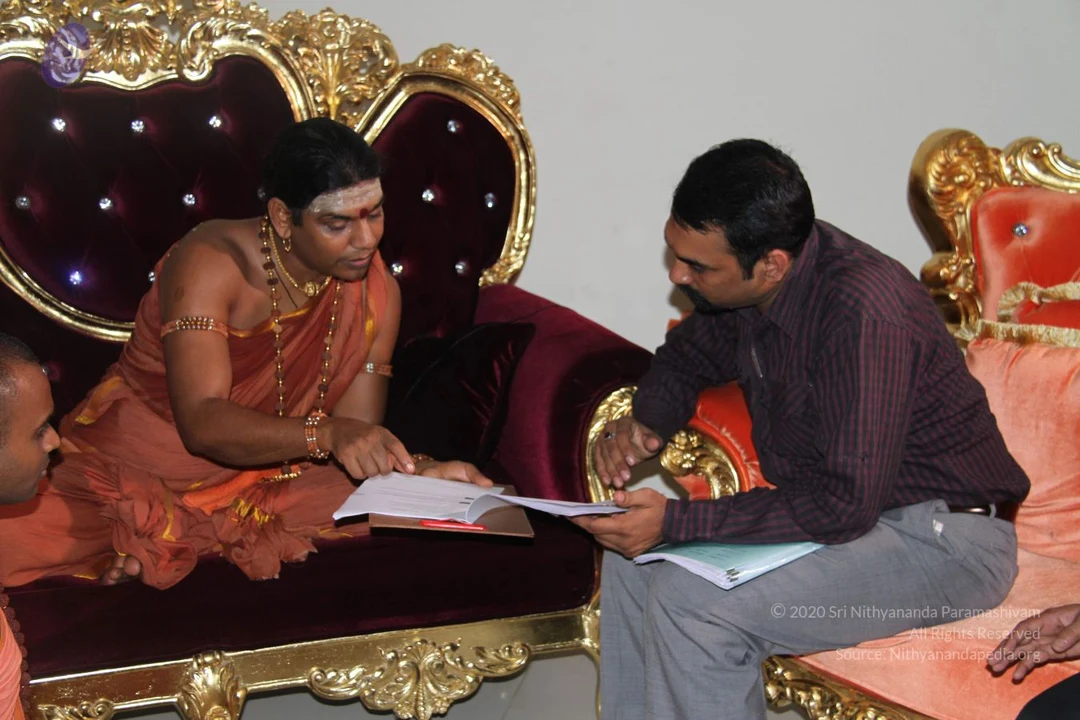
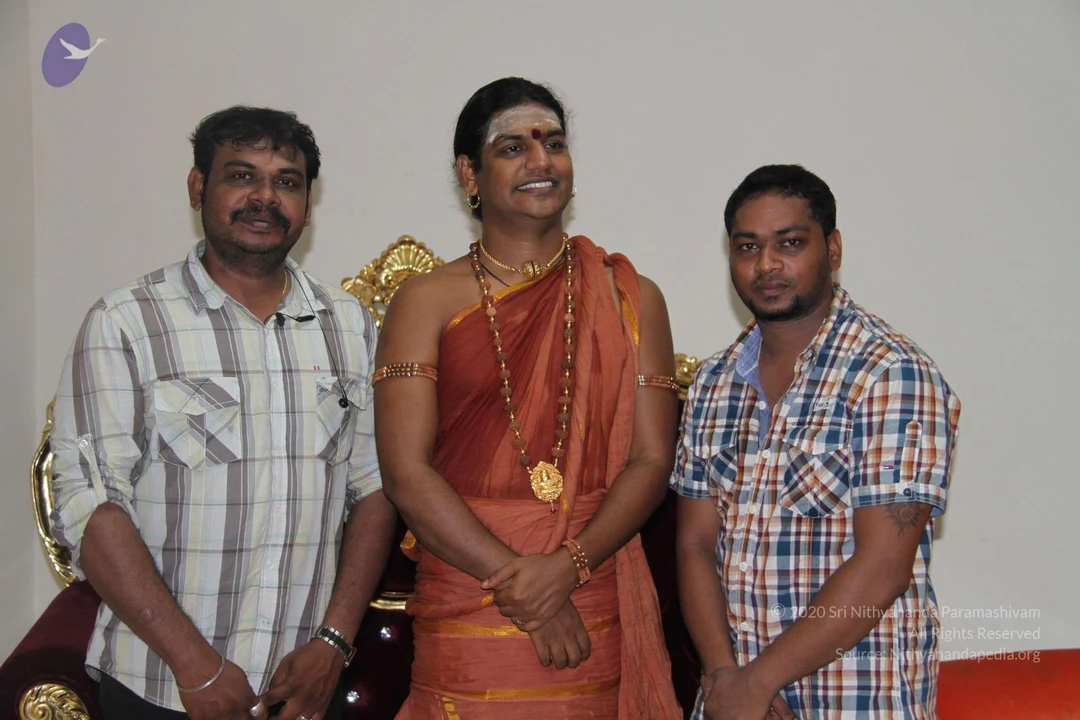
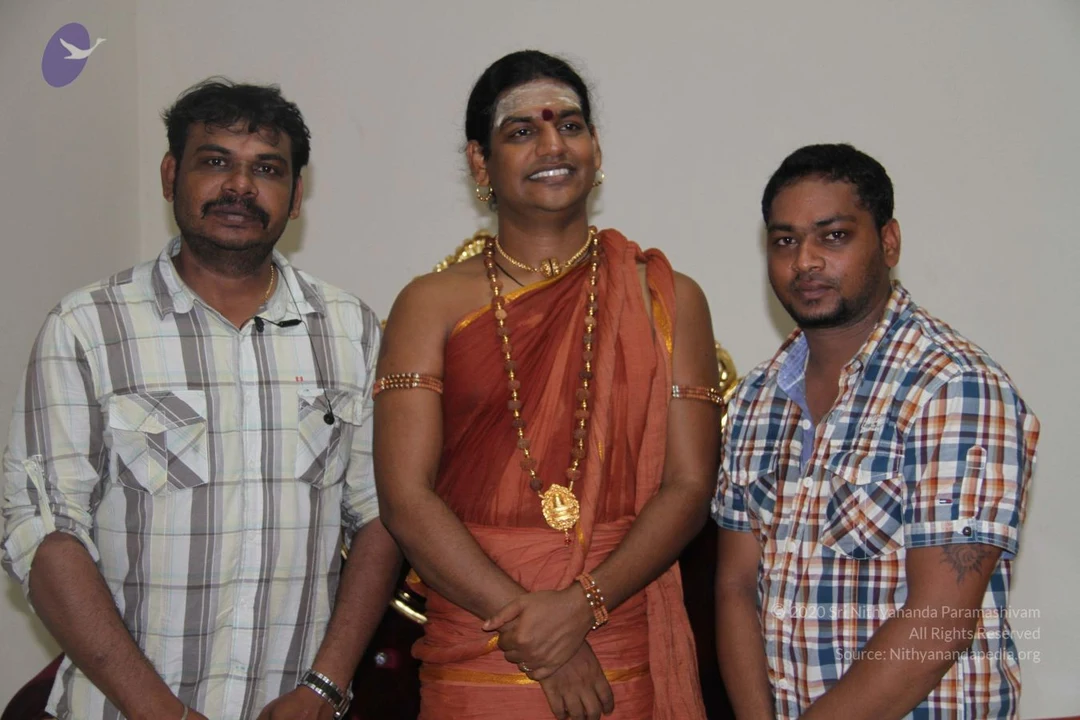
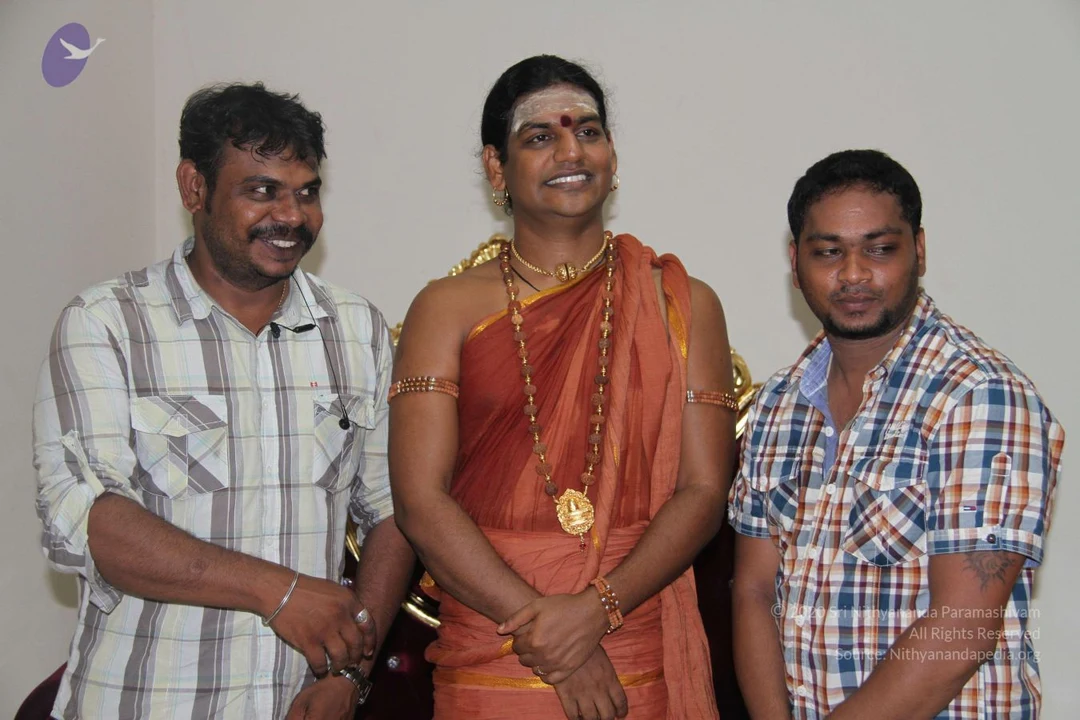
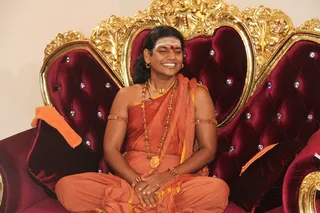
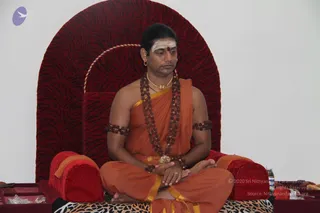
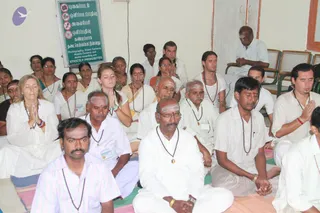
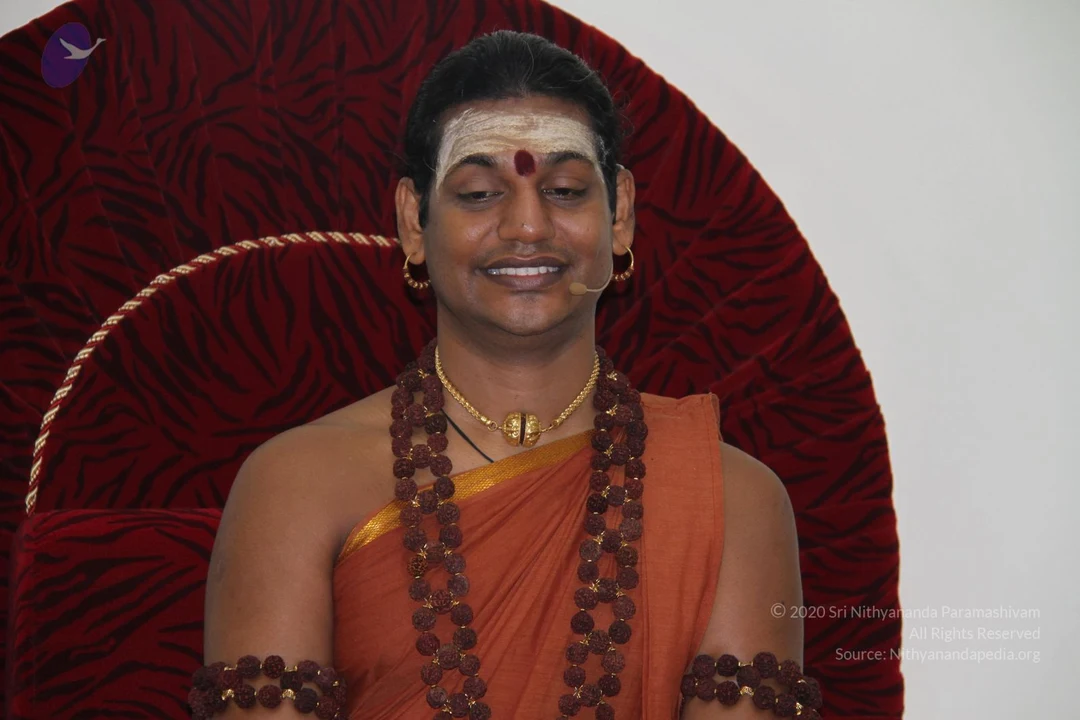
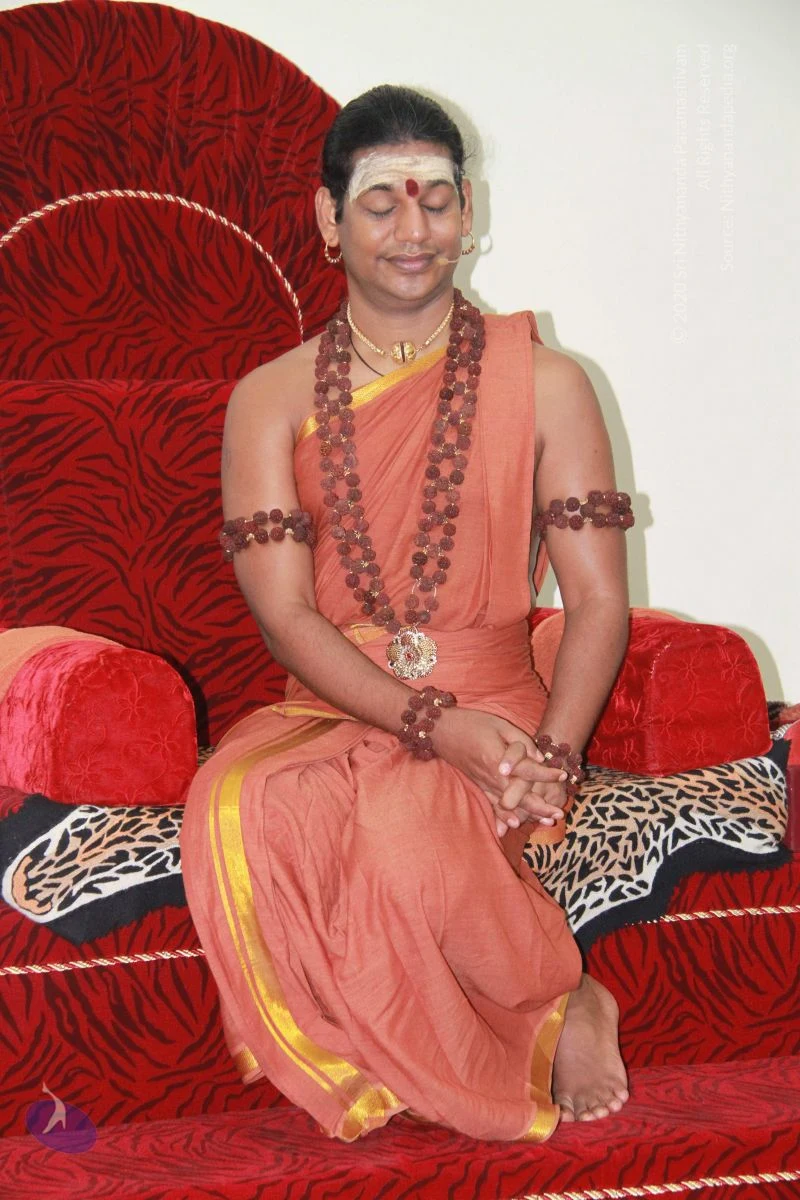
A man with long swept-back dark hair sits cross-legged on a plush burgundy velvet throne with gold carved wooden frame and crystal buttons. He wears an orange saffron garment draped over his shoulder and body, a gold-and-bead necklace, rudraksha-style brown bead malas, orange-and-gold armlets and bangles, and a white horizontal tilak with a red dot on his forehead. He smiles and gazes to the side with hands clasped in his lap, with an orange cushion and towel beside him. Swamiji (probable): long swept-back hair, saffron clothing, rudraksha malas and ceremonial gold necklace, seated on a throne.Seated group meditation indoors during satsang, with devotees in white ritual clothing and sacred marks. In the foreground a young man in white shirt and dhoti with a red bindi and rudraksha-style mala sits with eyes closed. Beside him an older man in white with a mustache, glasses and a mala also meditates. Behind them, men and women sit cross-legged or kneeling, many wearing white or patterned saris and kurtas, several with white vibhuti stripes on their foreheads and beaded malas. A brass vessel sits on the floor at left, and mats cover the floor. No visible a person figure is present in the frame.A photograph of a man seated in a large red throne-style chair with black zebra-stripe pattern and gold rope trim, speaking into a small headset microphone. He wears an orange saffron-coloured shawl draped over his shoulder, multiple strands of rudraksha malas around his neck and forearm bands, a gold ceremonial pendant necklace, gold hoop earrings, and a white tilak with a red bindi on his forehead. The plain white wall behind him is bare.

October 01 2012

Original wiki page
Contents

Title:

Akashic Readings on Death - part 4

Description:

TALKS FROM MORNING SATSANG ON _OCTOBER 1, 2012_AT BIDADI ASHRAM, INDIA In today’s morning satsang, Paramahamsa Nithyananda (Swamiji) reads the Akashic Records on the subject of death. When people confuse their wealth, name and fame, physical body, or any other material acquisition, with their true Self, they live a life of delusion. Death is the great liberator from this existential trap. Until human beings understand that their possessions are not part of their identity, they will continue to require the death experience to remind them of this great truth.

Link to Video:

VideoAudio

Transcript:

AKASHIC READINGS – Death (Part 4) - read through Nithyananda

01 October 2012

Illusioned, expanded, identity possession is life. Life in a deluded way possesses and the possession itself is felt as its own identity because of illusion. When life feels it possesses the body and lands up in a delusion it is the body, it is life. When it feels it possesses wealth and wealth is part of its identity, it is deluded life. Same way when it feels name and fame, rewards and awards it possesses, and the possession itself becomes part of its identity, it is deluded life. Life goes on getting deluded with so many things, with the concept of possession, and in the deeper delusion the possession itself becomes part of its identity. Death comes as a great celebration and liberation as deluded unnecessary illusion and illusory identities. It’s a great relief whenever part of you, what you think as you, is taken away from you. The truth - which was, it was never, it were never part of you is reminded to you.

Understand when money is taken away from you, when you feel the pain that some part of your identity is dying, it is a lesson to you it was never part of you. It was your possession which has deluded and given you the illusory identity it was part of you. When the name and fame is taken away from you, you are reminded to the truth it was never part of you. It was your possession, but due to delusion you identified that as part of your very identity. Same way, when you are reminded the body on which your multiple identities continue to grow, the brain on which the perception of your multiple identities are experienced by you; when that is taken away from you, the very ground on which your multiple possessions and the possibility of that possessions giving that delusive feeling you are part of those possessions and those possessions are your identity, is taken away from you.

A being should constantly remind itself not to identify with any possession. Not having possessions and not identifying with the possessions is the path of renunciation. Even having the possessions but having the clarity the possessions are not part of your identity is path of grihastha. Whether you take up the path of grihastha through the responsibility and having the wealth and everything or the path of renunciation without having possessions itself, the important truth you need to remember is not letting anything become part of your illusory deluded identity. Whether you have possessions or not does not matter; that should not become part of your identity which is already deluded. When the source gets deluded by identifying itself by the, on the body, body itself is your possession. But, when you identify the possession of your body as your identity, the delusion of the identity begins.

When the delusion of identity starts it leads to multiple identities, like identifying yourself with your wealth, with your name and fame, with all other possessions. Death is a reminder, a powerful guru to make your being understand all this was never part of you; these were never part of your illusory or deluded understanding. So relax from the illusion of identifying your possessions as your identity. Possessions are possessions. They are not your identity. Identity should be experienced beyond anything you possess. Possessed does not comprise or compete or fulfill or lead the experience of the true identity. Sometimes your own possessions try to compete your identity. The possessions competing your original identity is disease. When your body competes with your original identity, the competition is disease; when your mind competes with your original identity that is depression. When your possessions competes with your original identity - the possessions themself do not have independent life but the life received from the source identity - your possessions start competing with a source identity. That competition is perversion.

So death clearly neatly irons out your inner space. It makes you understand many things which were never part of your identity but you assumed as part of your identity because of your experiencing possession of those things. Anything which does not say no to you continuously, you feels, you feel as possession. Unfortunately because they do not have any will to say no to you, your will possesses it. When your will possesses something it gets into the delusion that is part of you. Remembering things which does not say no to you is not part of you, is unclutching. Remember, things may not say to you, that does not mean that they are part of your very identity. They may be possessed by you. You may have ownership over them but you cannot have identification over them. Including your body you are only a owner. You cannot impose your identification on them.

Reminding this great truth to you as a natural process is death. Death continues to happen multiple times continuously in your life because you carry multiple identities. You just need awareness to perceive, experience, live through all the multiple deaths happening. When you have the awareness, consciousness, experiencing multiple deaths in your life you go through conscious deaths continuously. Going through conscious deaths continuously does a great conscious cleansing in you. Continuously having conscious cleansing is living enlightenment. Once you are completely cleansed in your consciousness and remain pure you are jeevanmukta, you are radiating enlightenment. Understand the truth - death continuously happening in you consciously is just to remind you about your original purity and help you to remain in purity.

QUESTIONS & ANSWERS

The 1st question today we have is from Sundar from San Diego Tiruvalluvar center: ‘Dear Kalabhairava, yesterday you explained about the nirbhaya meditation. How do we bring out the subconscious and unconscious fear and greed during the nirbhaya meditation? Thank you.’

When you again and again go through the Nirbhaya Dhyana, naturally in few days your subconscious and unconscious patterns open up. In cosmic law there is no separate subconscious or unconscious. Only the deeper layers on which you are not able to lay your hands immediately, you name them as subconscious or unconscious. Again and again peeling your patterns you reach the subconscious and unconscious. There is no need for separate process other than the simple straightforward Nirbhaya Dhyan.

The next question is from Bharat from Dallas: ‘In yesterday’s satsang, you spoke about bhooloka. What exactly do you mean by saying, bhooloka is a less intense projection, and hell and heaven are little higher-level projection? Does it mean that it is more easy to find that bhooloka is a projection?

The possibility for disillusionment and experiencing the other extremes is more easy in bhooloka. In bhooloka you can extremely experience the pain and the opposite extreme of the pain pleasure very easily without difficulty. But in hell you can never experience pleasure; in heaven you can never experience pain. When the opposite extremes are not experienced the delusion continues to delude you. The disillusionment of anything happens only when the opposite extremes are experienced. When you experience the pleasure, disillusionment of pain happens. When you experience pain, disillusionment of pleasure happens. Both disillusionments finally giving you the realization both are illusion can happen easily only in human body in planet earth in bhooloka.

Because never pain happens in swarga, in heaven, people do not perceive, people do not get disillusioned. In heaven they continue to remain, understand, think, that pleasure is eternal. Because the disillusionment does not happen they do not seek the ultimate reality. Same way in hell because the disillusionment of the pain does not happen even by the moment of a pleasure, they continue to remain feeling the hell is eternal. That is the reason people who are in the hell or in the heaven feel it is eternal.

Only in the bhooloka the truth of ephemeral reality comparative reality is experienced. So anybody wants to experience the existential reality which is beyond ephemeral and comparative reality has to land on bhooloka, and bhooloka is the thinnest layer possible for penetration and going beyond your patterns samskaras engrams. Any space you are made to experience both the extremes again and again will make you reach consciousness. All great masters’ feet will make you experience both extremes continuously. Energy fields are the space where both extremes are perceived, continuously experienced, and the completion of both extremes are made to happen in you so that the disillusionment happens very quickly.

The next question is from Murali: ‘Dear Swamiji, pranams. In yesterday’s satsang you spoke about the waking state and deep sleep states. How can we spend majority of sleep time in deep sleep and what practices will help move from deep sleep directly to waking state? Thank you.’

Nirbhaya Dhyan is more than enough. You can also practice unclutching and ajapa japa while you fall asleep. It will reduce the quality and quantity of the time you spend in dream. Directly you can fall asleep. Even directly falling asleep and coming out of the sleep directly to the waking state may help your physical and mental health but that will no way be helpful for enlightenment. For Enlightenment directly falling into turiya state and coming out of turiya is only going to help.

Photos From The Day:
Tags:

Paramahamsa Nithyananda, Akashic Records, death, wealth, fame, physical, body, material, life, existential, human beings, understand, identity, experience, truth.

Photos Of The Day:

Morning Satsang

Services

NDTV Hindu Exclusive

Photos from this day

View all 90 photos

Photos From The Day:
14 photosSource gallery
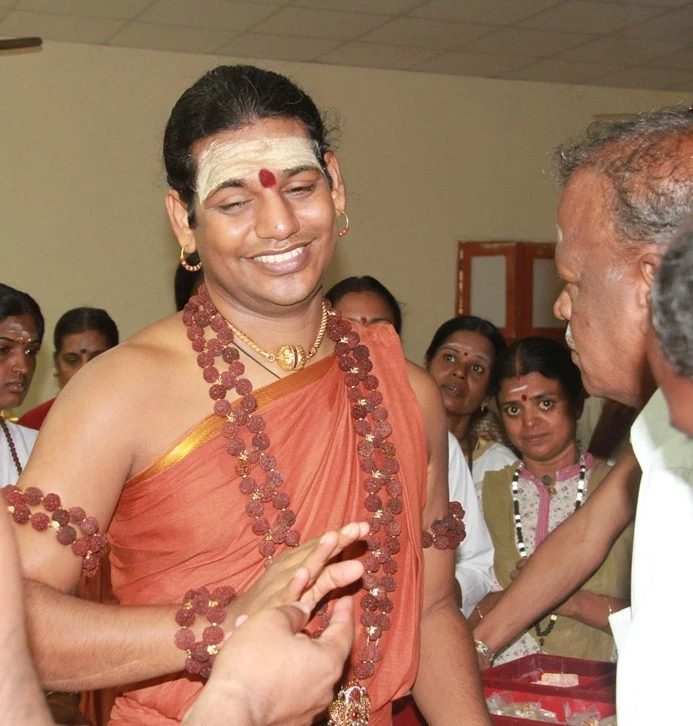
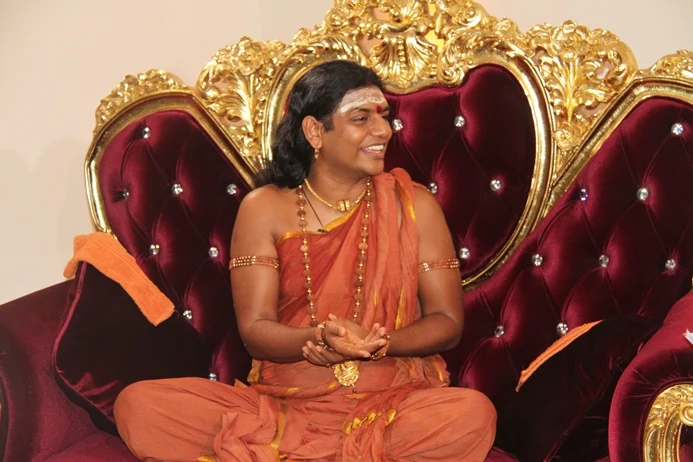
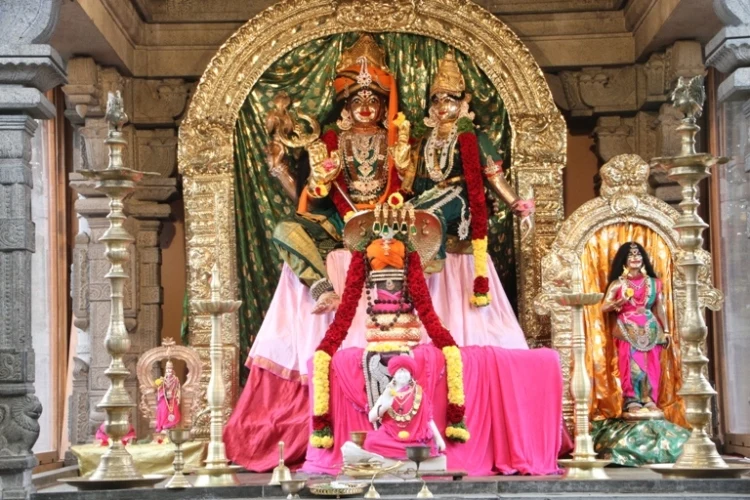
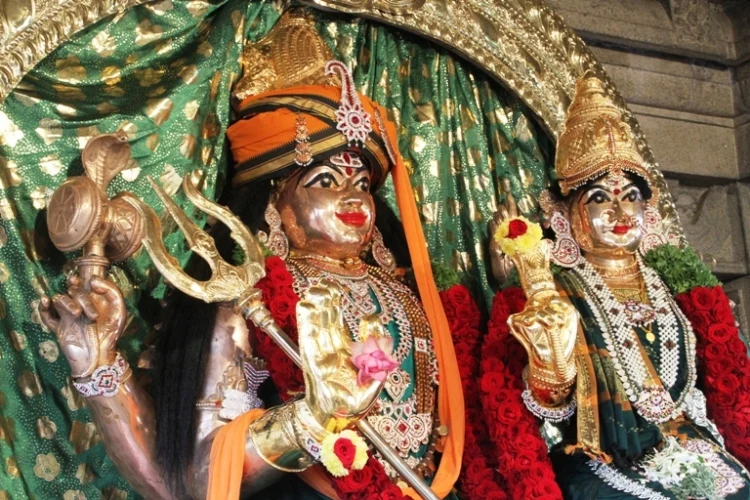
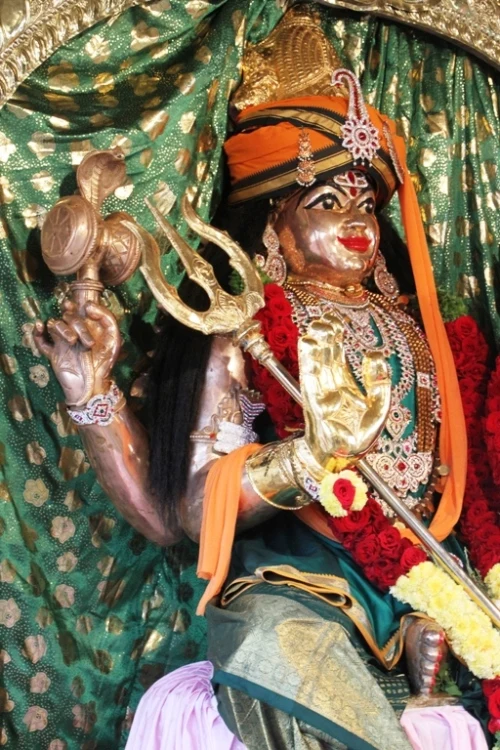
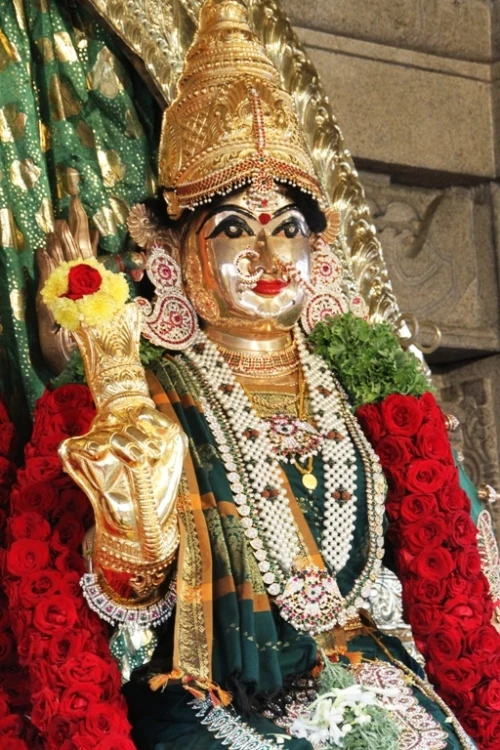
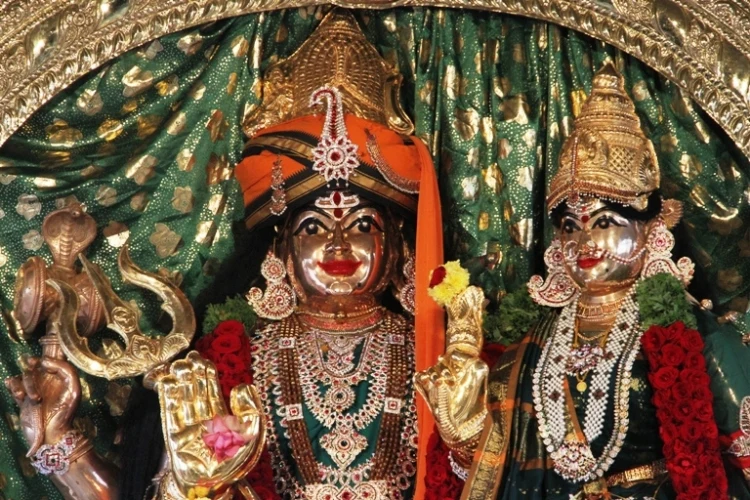
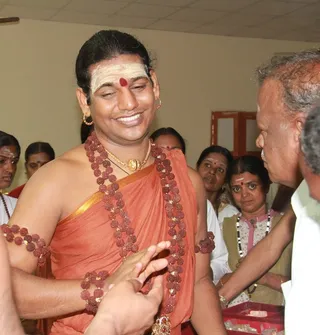
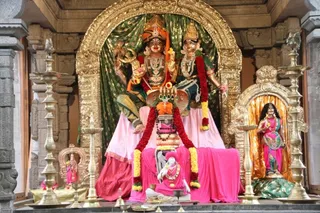
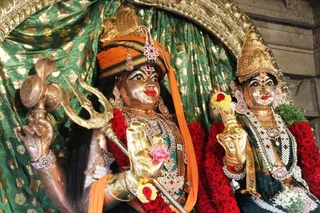
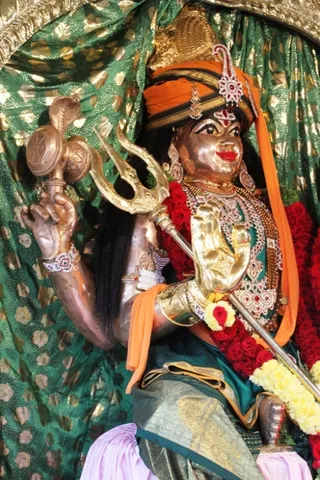
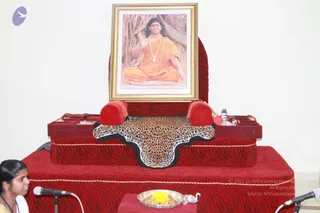
A framed portrait labelled with a print caption sits above an empty satsang seat. The seated figure in the framed photo wears orange robes and a long rudraksha mala with a raised right hand, seated before a tree trunk. Below, a red velvet-draped dais holds two red bolster cushions and a leopard-print mat with a red-and-black zebra-striped cloth. A brass plate with yellow flowers and a microphone stand are in the foreground. No physical people are present.A smiling man in saffron-orange draped garments wears multiple rudraksha mala necklaces and rudraksha armlets, with a gold pendant and gold earring, and a white vibhuti line with a red kumkum dot on his forehead. He stands in a room with a crowd of women and men behind him, some with white and red forehead marks, while an older man in white reaches toward him and another person's hand is extended. Distinctive saffron robes, rudraksha adornments and ceremonial gold necklace suggest a person in a satsang or darshan setting.A smiling person sits cross-legged on an ornate throne with a deep red velvet back, gold carved frame and rhinestone-like buttons. They wear orange-saffron robes with a matching orange shawl draped over one shoulder, a long rudraksha-style bead mala, a gold ceremonial pendant necklace, gold armbands and bangles, and a vertical tilak with a red bindi on the forehead. Long dark hair is swept back. Their hands rest together in the lap. Behind them is a plain light wall. The setting suggests a satsang seat at an ashram hall.Inside a gilded temple shrine, a pair of seated deity murti stand on a pink-draped pedestal before a green curtain, garlanded with marigold and red flower chains. The central figures wear crowns, jewelled necklaces and orange-red garments. Below, a smaller figure in pink with a white elephant-headed image is decorated with flowers. Brass oil lamps (deepa) flank the shrine, and a standing female statue in pink and orange stands at the right. No living people are visible.Two gilded metal deity murtis stand side by side before a green cloth backdrop with gold motifs and an ornate gold arch. The figure on the left, Shiva form, wears an orange turban, a tilak on the forehead, a gold necklace and a damaru-style drum-like object is held in one hand while a golden trident rests in another; a pink flower is tucked into the chest and a red and yellow flower garland hangs at the waist. The figure on the right, a goddess murti, wears a gold crown, red lips, a pearl necklace and a dark green sari with gold border, and holds a yellow and red flower. Red rose garlands drape both figures, and a fresh green leaf garland decorates the right side.A golden-bronze statue of a deity murti seated against a green fabric backdrop with gold motifs. The figure wears an orange turban with a jewelled ornament, a gold crown-like headpiece, red lips, a red forehead mark, and ornate gold and jewelled necklaces. It holds a trident in one hand and a drum-like ritual object in the other, and is garlanded with red roses and yellow flowers. Orange cloth drapes over the shoulder and lap, with a green and gold skirt. No physical people are visible.

Morning Satsang
39 photosSource gallery
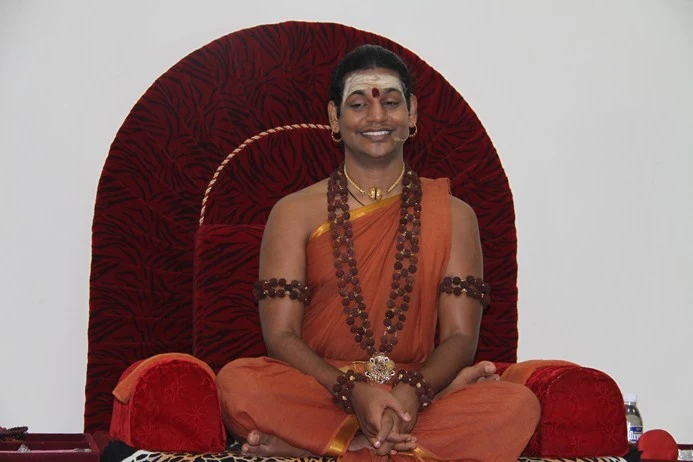
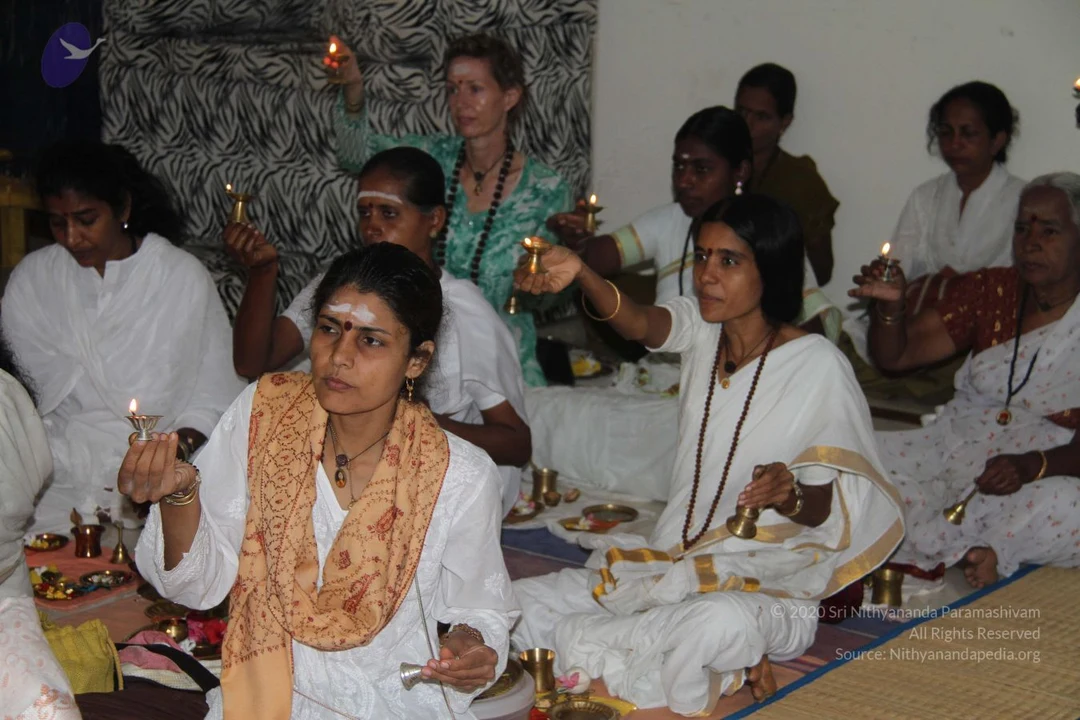
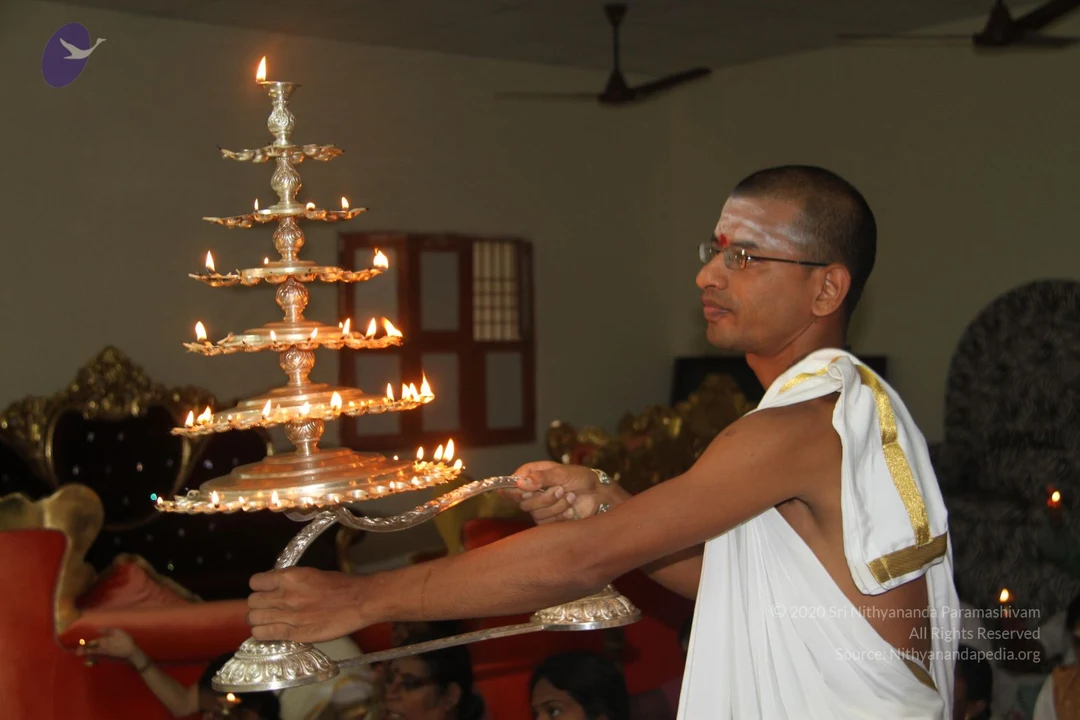
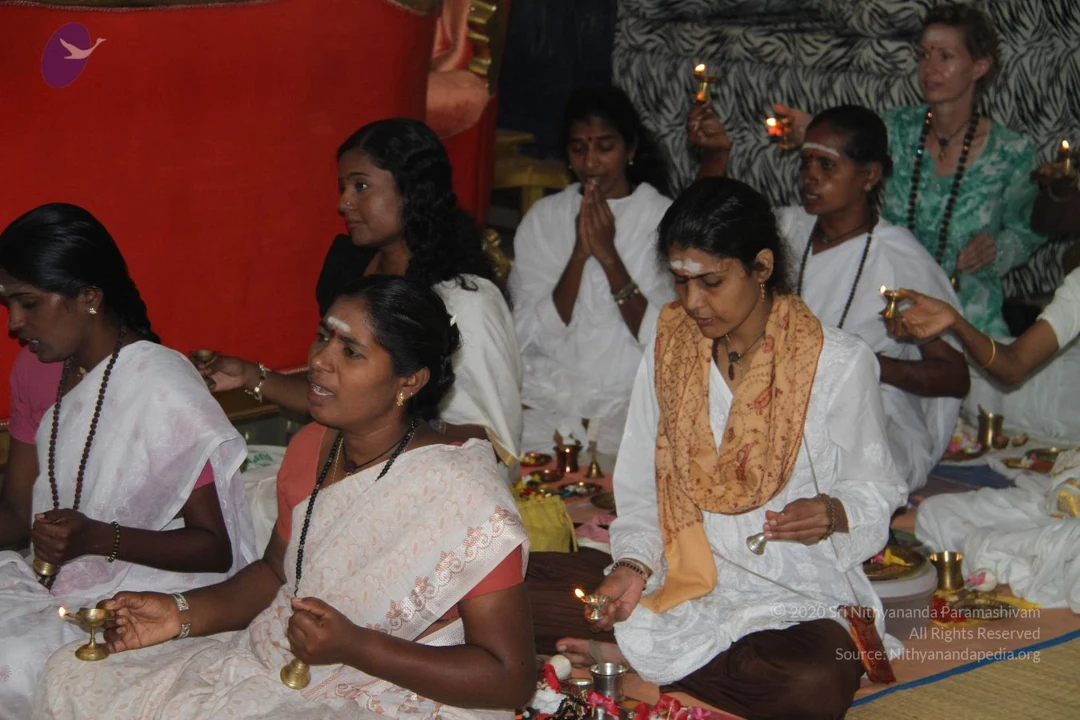
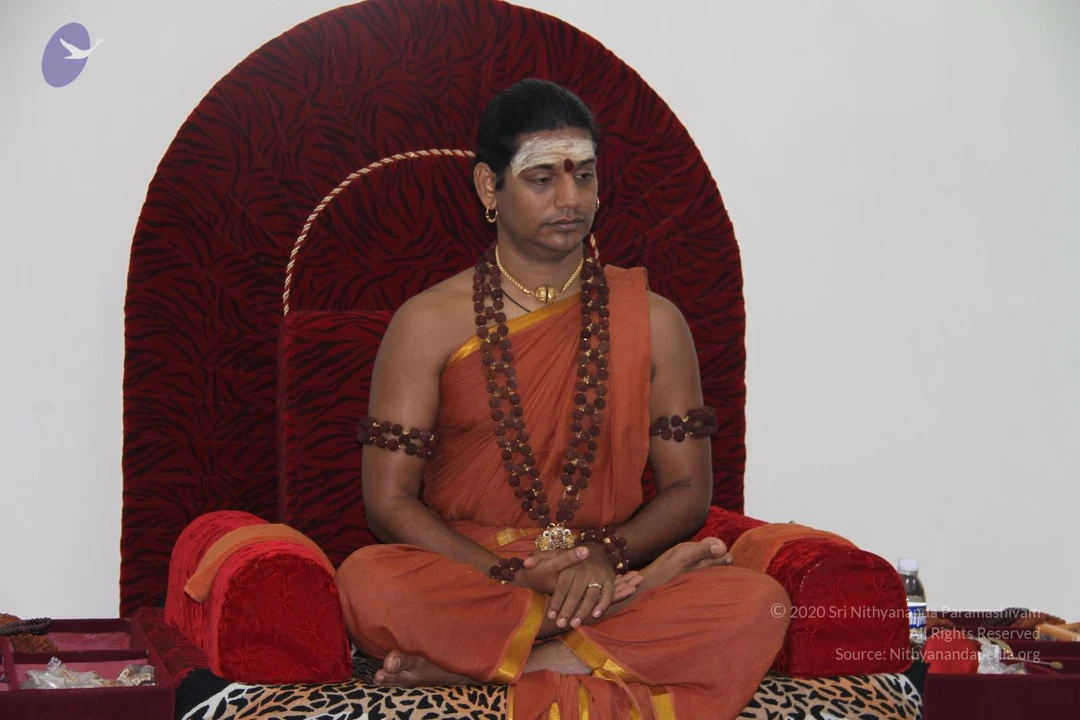
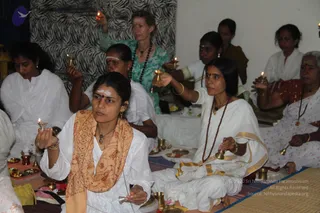
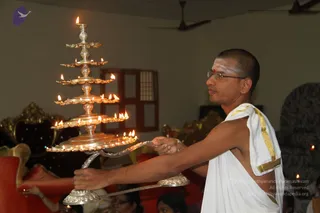
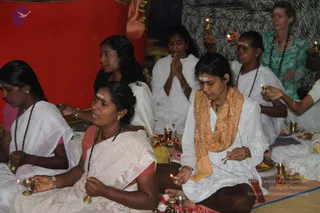
A group of women in white ritual clothes perform an aarti-style worship indoors, holding small oil lamps and brass cups with lit flames. In the foreground a woman in white with a peach-orange shawl and a white forehead mark holds a lamp, while a woman in white with a rudraksha mala and gold-bordered sari sits in the center with a brass vessel. A woman in a green top and beaded necklace raises a lamp behind them, and other seated devotees fill the background. Brass plates with offerings and small lamps rest on a mat before them, and a zebra-print wall forms the backdrop. No a person candidate is visible.Photograph of a satsang dais with a red and zebra-striped velvet cover, a leopard-print mat and red bolsters on a throne-like seat. Above it hangs a framed portrait labelled "Paramahamsa Nithyananda" showing a seated figure in saffron robes and a long beaded necklace, one hand raised in blessing, before a banyan trunk. A silver tray with yellow flowers and offerings sits on a red-draped table in front. At lower left, a woman with dark hair in a white top speaks near a microphone. The portrait is a depiction, and no in-person a person is visible.A shaved-headed man in a white dhoti with gold-bordered edges and a white shawl over his shoulder holds a tiered silver aarti lamp with many lit oil lamps, extending it forward with both hands. He wears a red tilak and thin-framed glasses. Behind him are ornate gold-and-dark-red chairs, a wooden window grille, and partially visible seated devotees at the bottom edge.Devotees seated on the floor in a ritual gathering, several holding small brass oil lamps (deepa) with lit flames. Women in white and cream clothing with white vibhuti marks on their foreheads and rudraksha malas around their necks; one woman in an orange-brown shawl presses her palms together while another in a white-and-cream sari chants with a lamp. A woman in a green top with a mala stands at the upper right holding a lamp. Red drapery and a zebra-print cloth form the backdrop, with brass vessels and flower offerings on the floor in front. This appears to be an aarti-style lamp offering during satsang.A seated man in an orange-saffron dhoti and shawl with gold borders sits cross-legged on red and black tiger-striped cushions before a large red tiger-striped arched throne. He wears a white vertical tilak with a red bindi, long rudraksha malas, rudraksha armlets, and a gold ornamental necklace, with hands folded in lap and eyes lowered in meditation. Small red boxes holding offerings, a water bottle and a leopard-print mat surround him.A photograph of a large group of devotees seated on the floor of an indoor hall during a satsang, most with eyes closed and hands folded in anjali or meditating. Many wear white and cream clothing with rudraksha malas; some women wear sarees and a few men have vibhuti or tilak on their foreheads. A green and white sign on the wall in Tamil and English states that photography, video camera, mobile camera and audio recording are strictly prohibited. Mats and cloth are spread on the floor, and wooden chairs line the back right. No clear a person candidate is visible in the frame.
Services

13 photosSource gallery
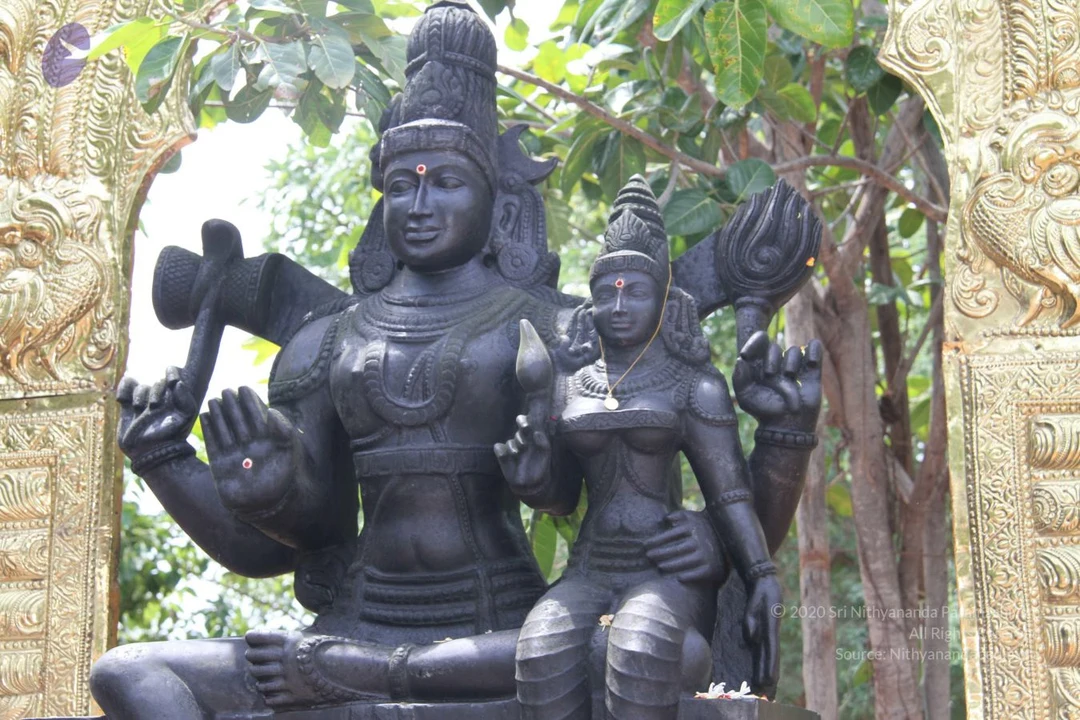
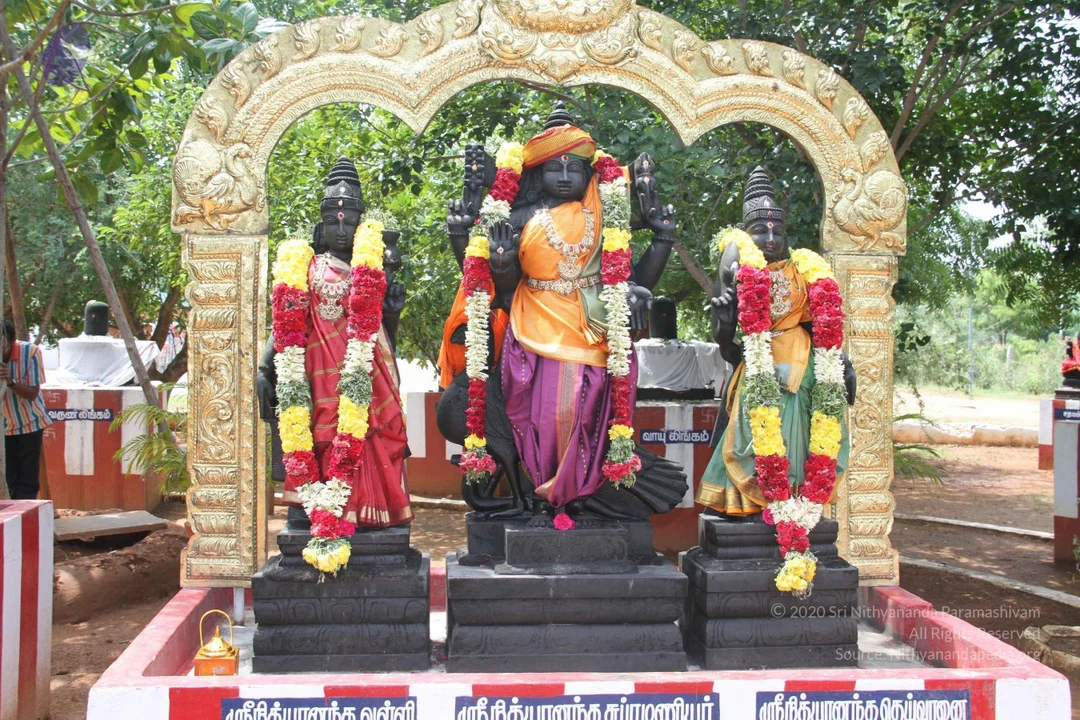
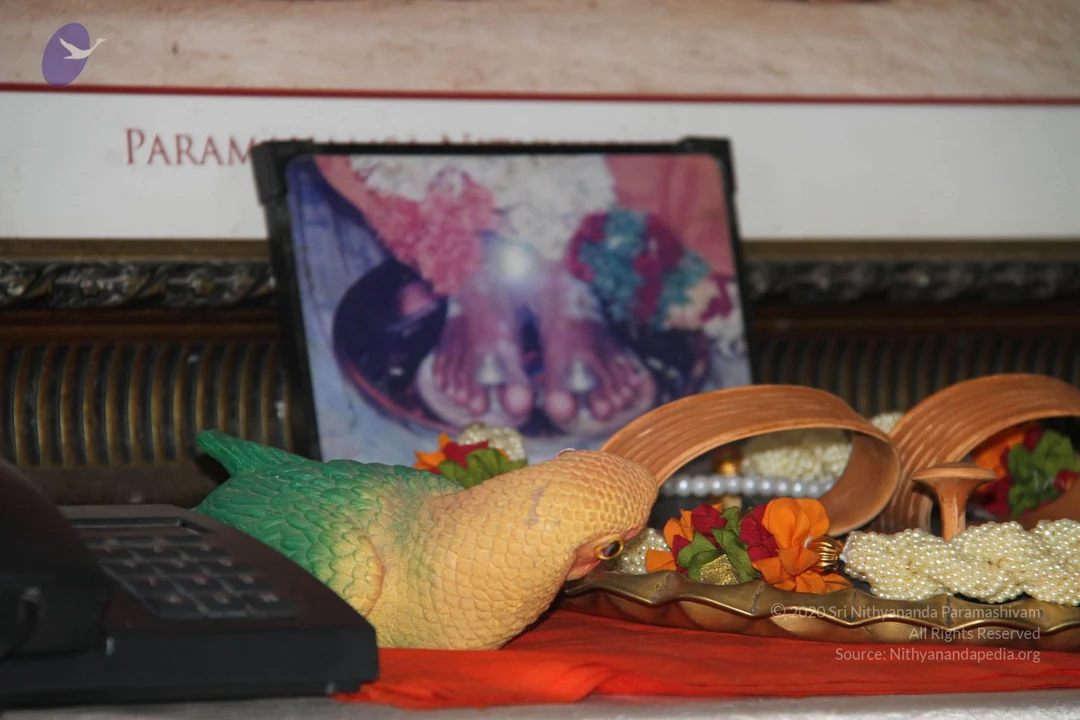
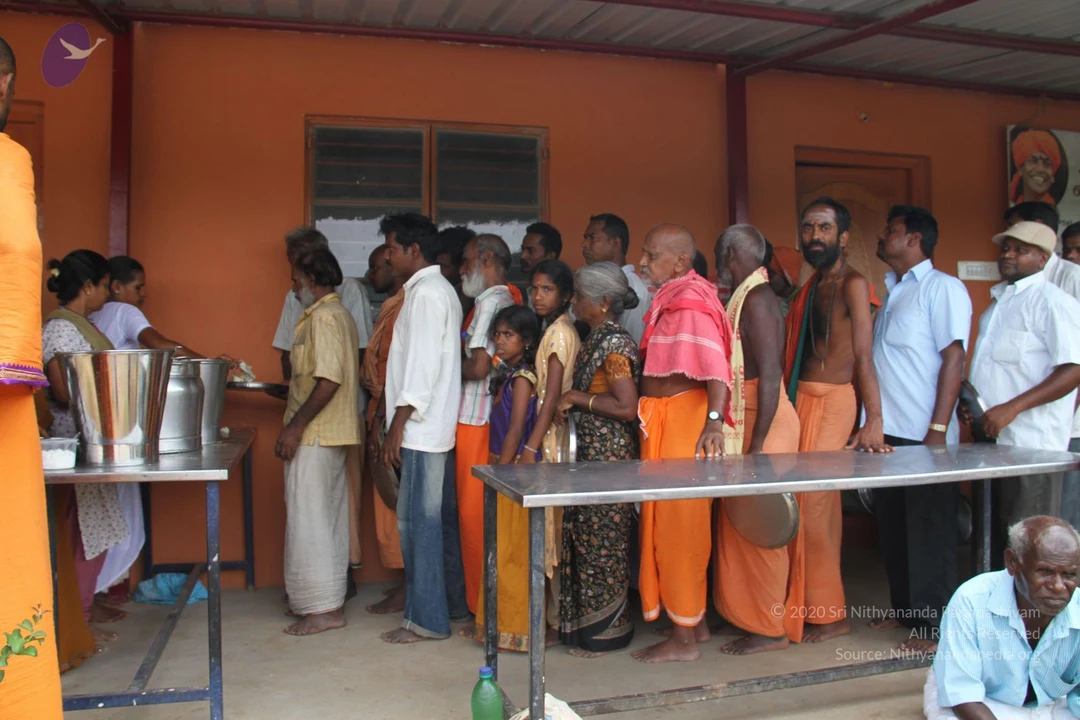
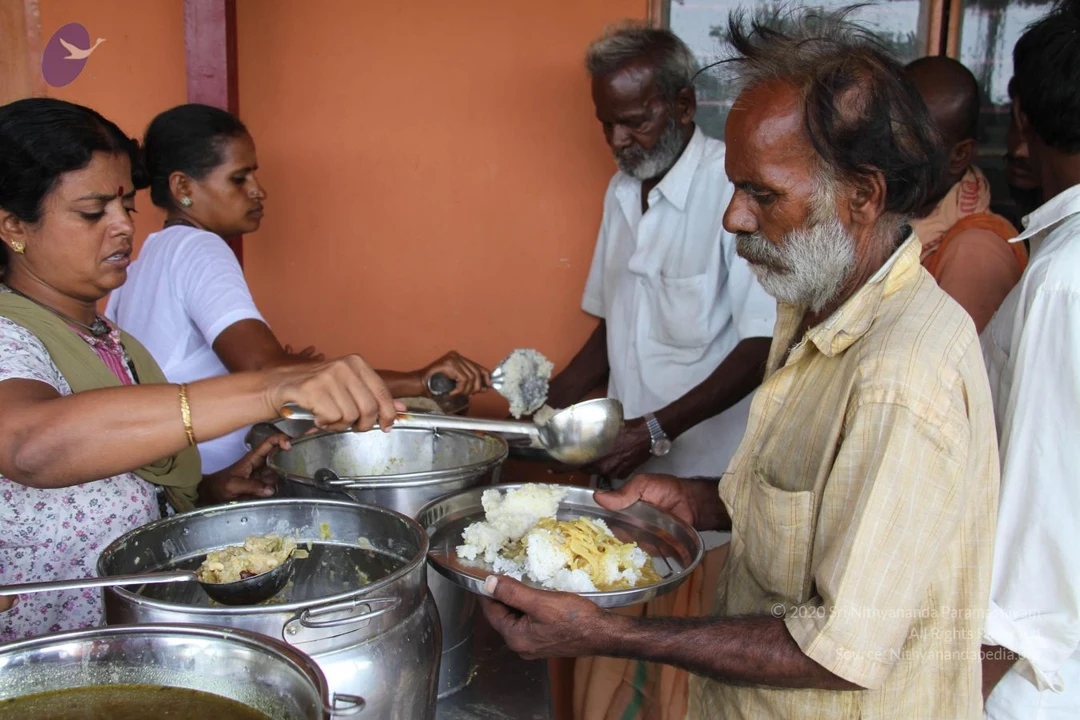
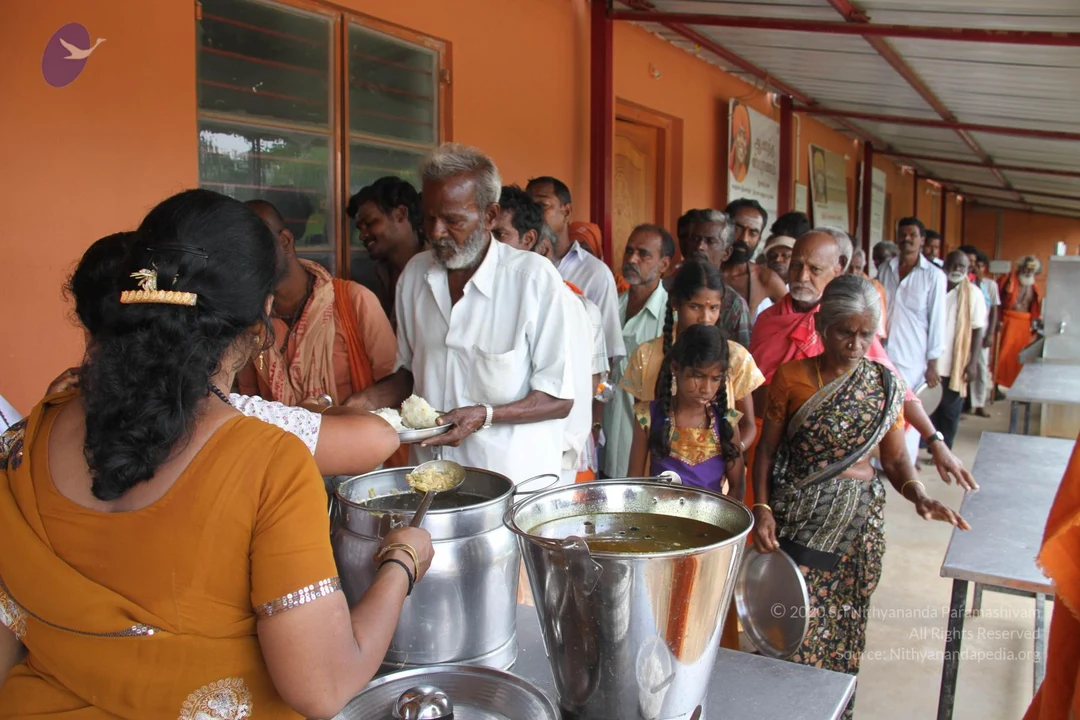
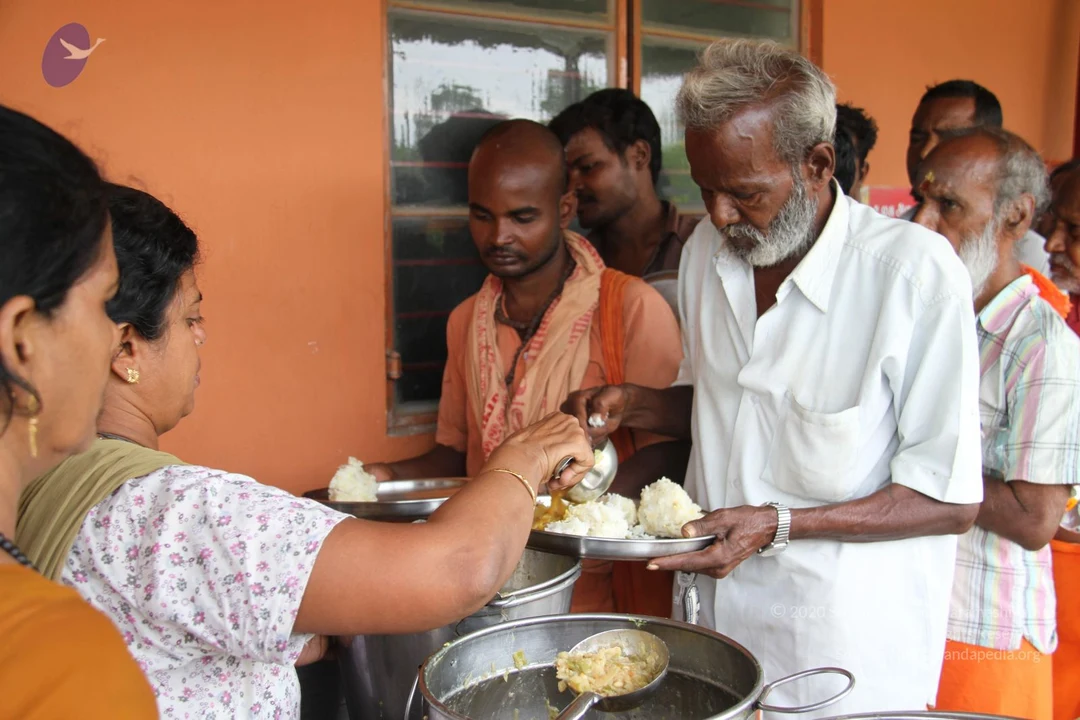
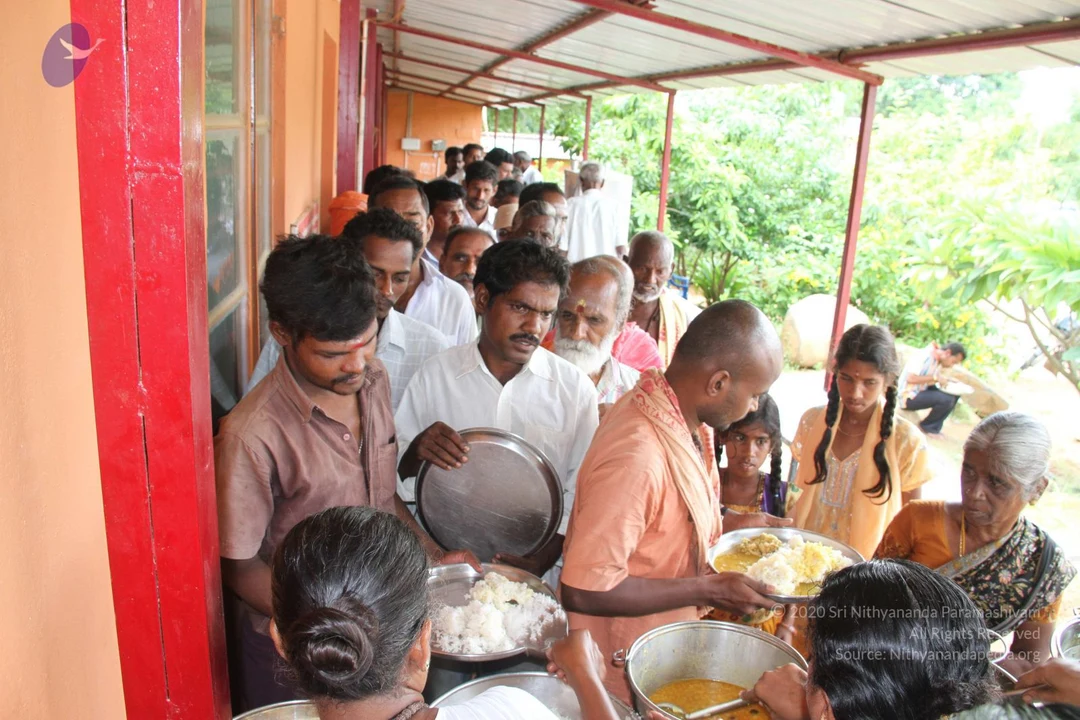
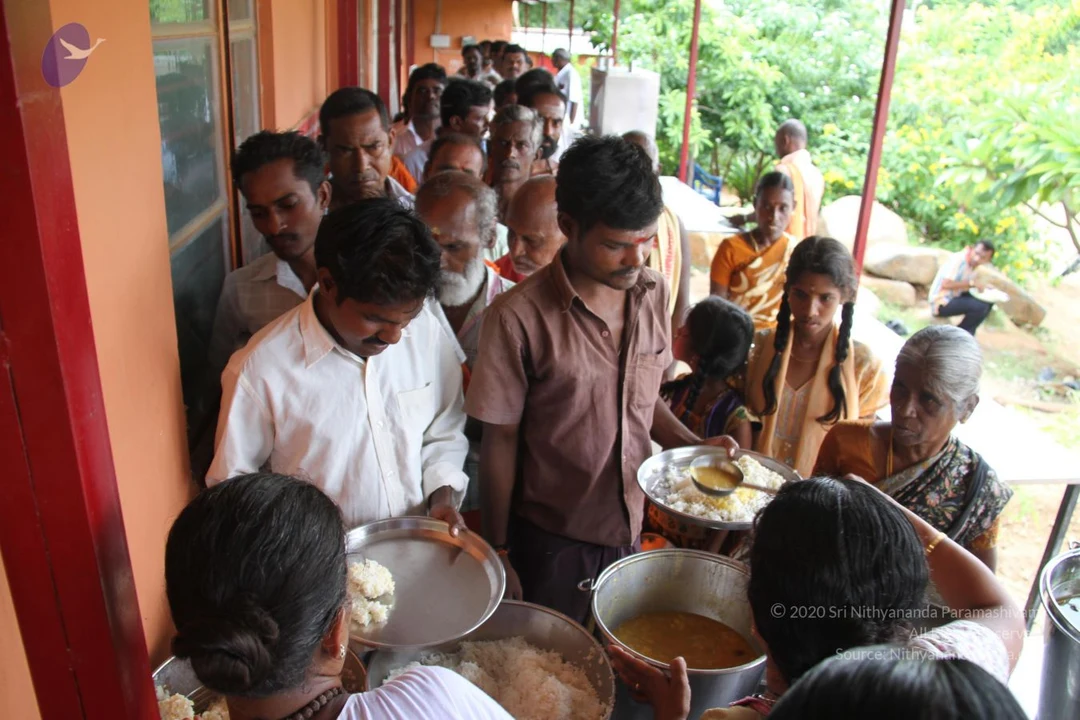
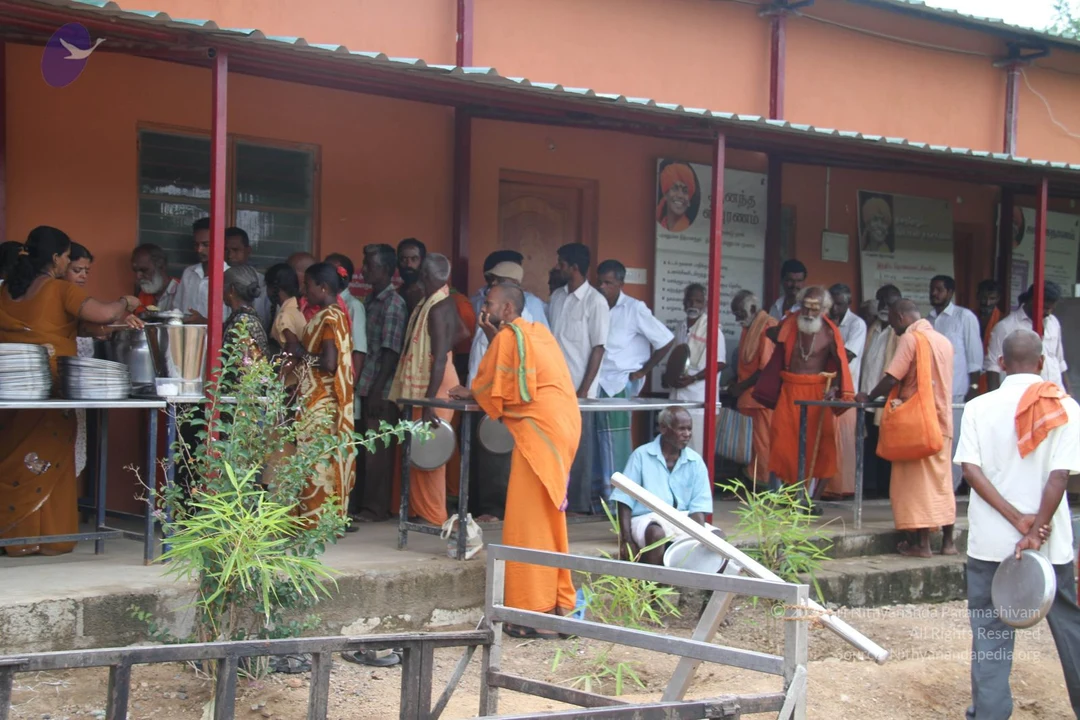
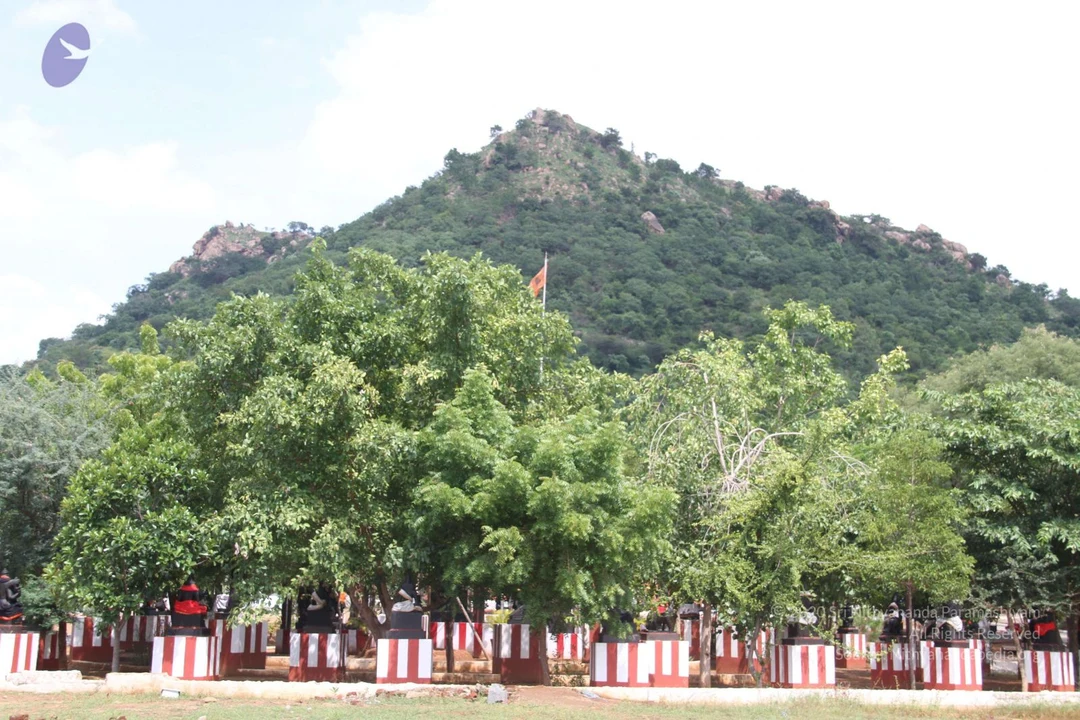
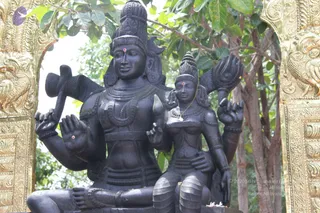
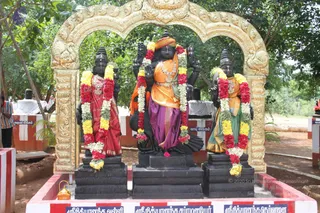
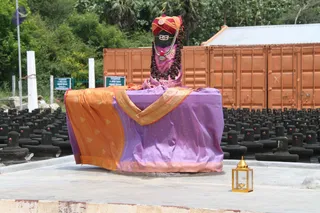
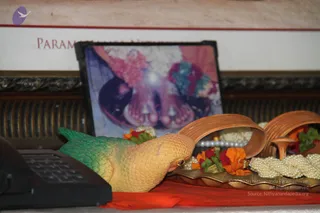
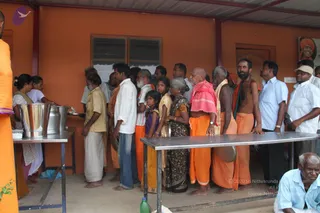
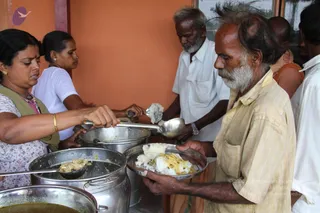
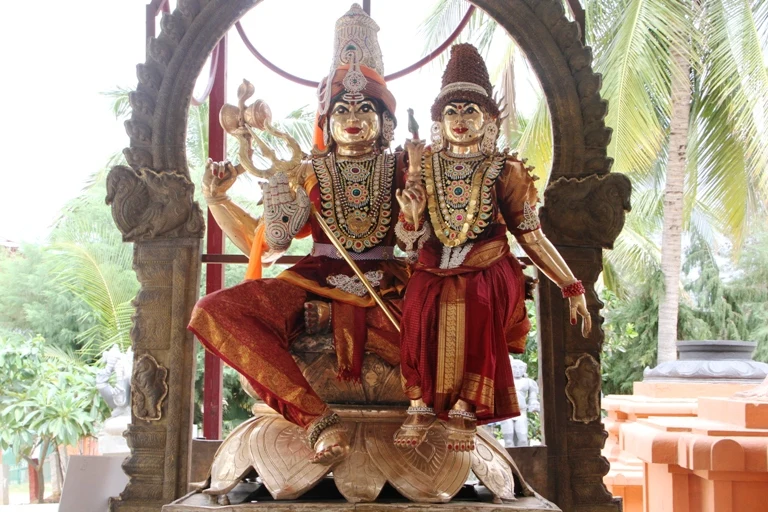
A black stone statue of a four-armed deity seated with a consort, set outdoors in front of gold-embossed ornate arches and green leafy trees. The male figure has a tall crown, a red tilak on the forehead, a holding a trident and a rudraksha-like hand gesture, and the female figure beside him wears a smaller crown, a pendant necklace and jewelry. Small white flower petals lie at their feet. The statue is a deity murti, not a living person, so no living people appear in the scene.Outdoor shrine photograph of three black stone murti statues under a gilded arched canopy with carved floral and animal motifs, set among green trees. The central figure is a multi-armed deity murti with a yellow-orange and purple cloth, a necklace, and a red-and-yellow flower garland. Flanking murtis wear red and green saris, also garlanded with marigolds and red flowers. Each stands on a dark stone pedestal within a red-and-white bordered platform. A small brass oil lamp sits at the lower left, and a few small figures are visible in the background.A photograph of a stone Shiva lingam-like murti draped in an orange and lavender silk cloth with gold border, set on a raised platform. The head is wrapped in a red and orange turban with a gold ornament, the face covered by a black cloth bearing a white tripundra mark, and the neck adorned with rudraksha malas and a red-and-silver necklace. Behind it stand orange shipping containers, and rows of black stone lingams fill the foreground. A small brass lantern with an oil lamp sits at the lower right on the platform.A photograph of a shrine-style display on a table with an orange-red cloth. In the foreground a green and yellow carved parrot figurine leans over a brass tray holding orange and red flower garlands and strands of white pearls. Behind it a framed photograph shows a pair of bare feet adorned with pink and white flowers and a garland, resting on a dark cushion. Two terracotta-coloured bowls and a black telephone sit at the sides. A white wall behind bears printed red lettering reading PARAMAHAMSA NITHYANANDA, partially cropped. No people are visible.A photograph of a covered outdoor serving area with orange-washed walls and a corrugated metal roof, where a line of people waits for a free meal (annadan). Steel pots and a steel serving pan sit on stainless steel tables. Two women in dark clothing serve food on the left. In the queue, a bald man in an orange dhoti with a pink shawl stands beside a bearded man bare-chested in an orange cloth and a rudraksha mala, a girl in a yellow top, an older woman in a dark floral sari, and several men in white shirts. A small framed portrait of a turbaned man hangs on the wall at upper right, showing no visible printed name.A food service line serving rice and curry from stainless steel pots at an ashram-style hall with orange walls. A woman in a floral blouse and olive shawl, with a red bindi and gold bangles, ladles food from a large pot. A woman in a white top serves rice with a spoon, and an older bearded man in a white shirt scoops rice. A grey-bearded man in a yellow striped shirt holds a steel plate of rice and curry. Another man in white stands at the right edge, and a figure in orange robes is partly visible behind the line.

NDTV Hindu Exclusive

24 photosSource gallery
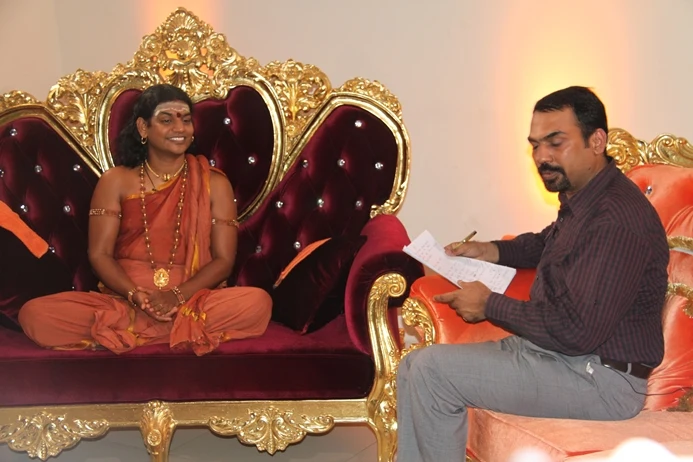
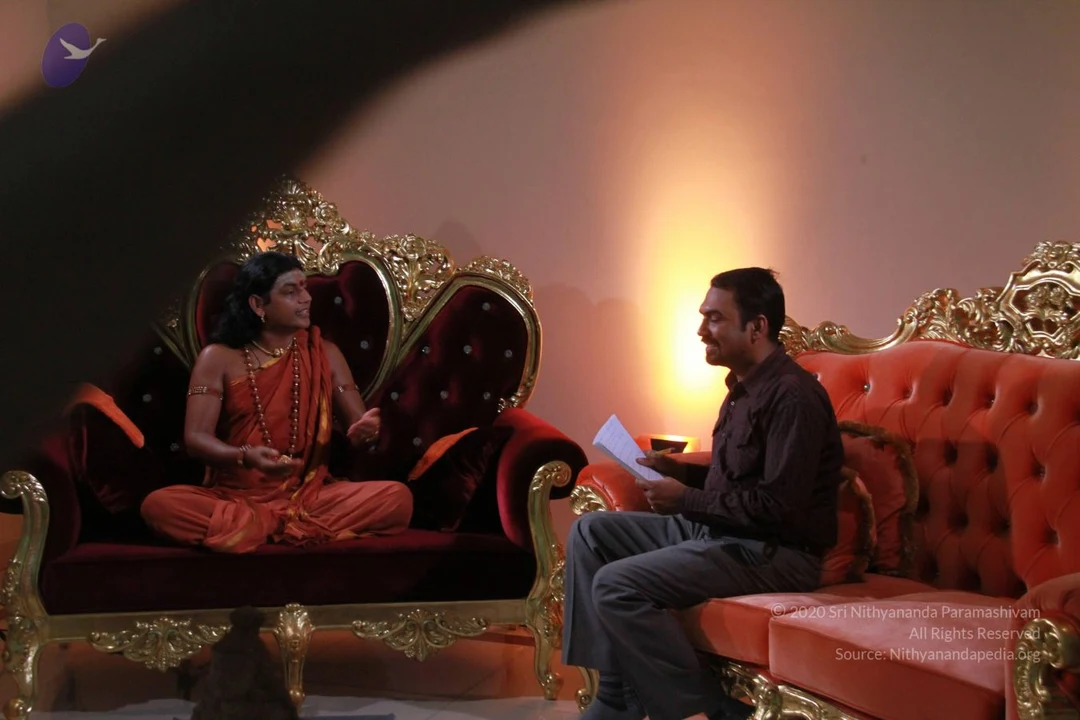
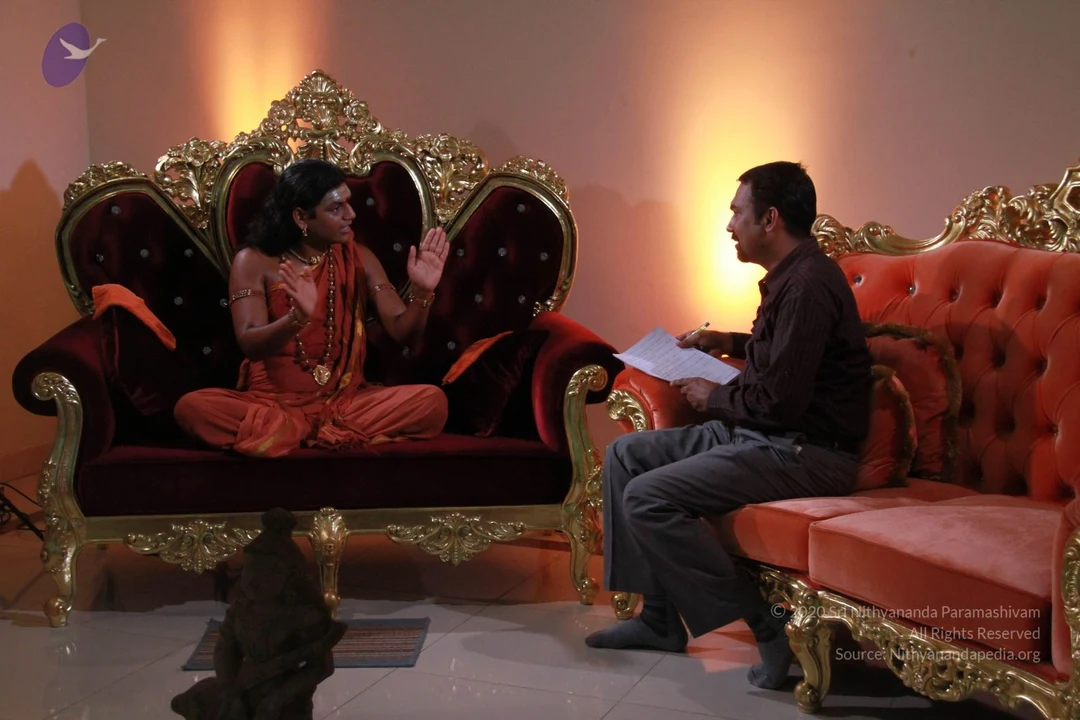
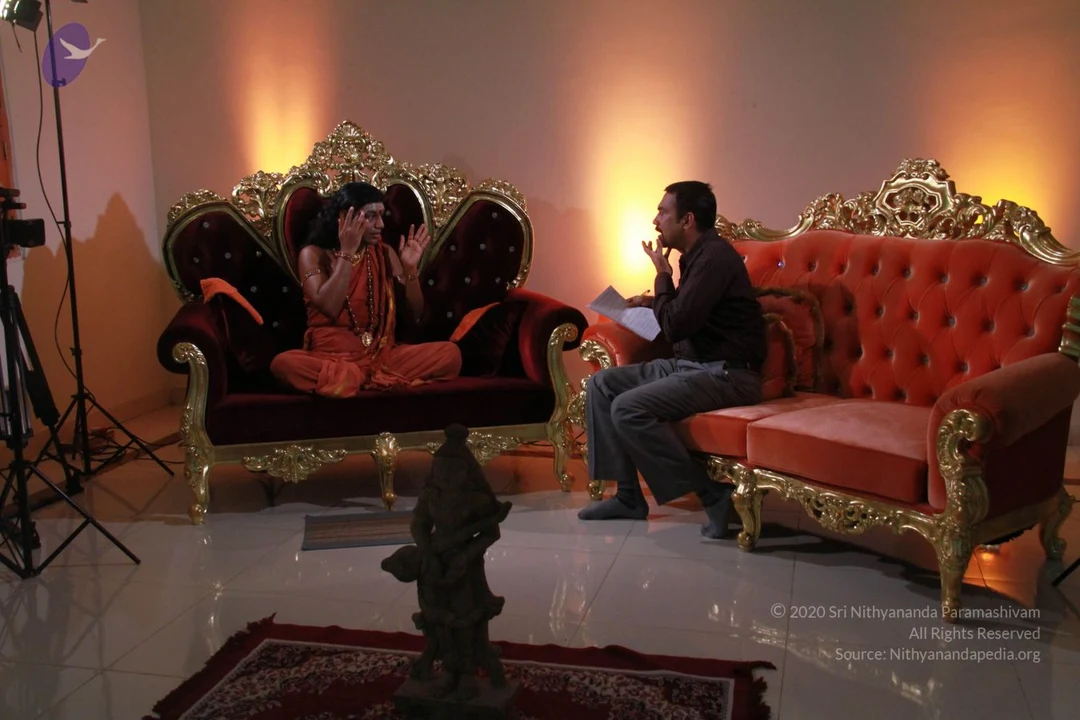
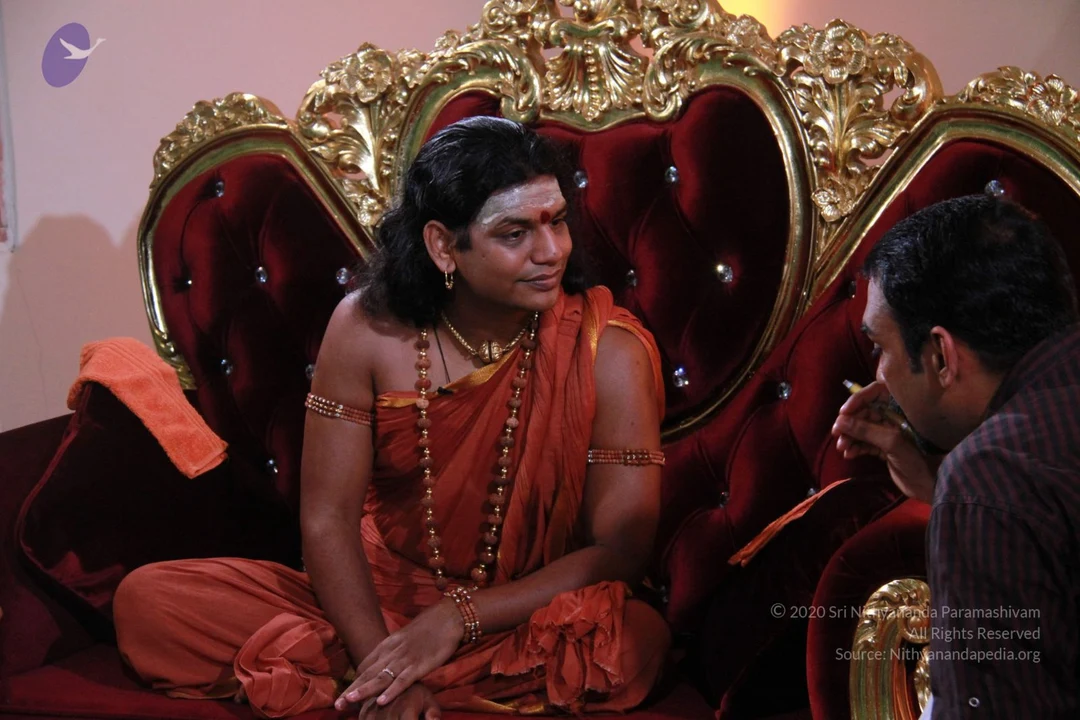
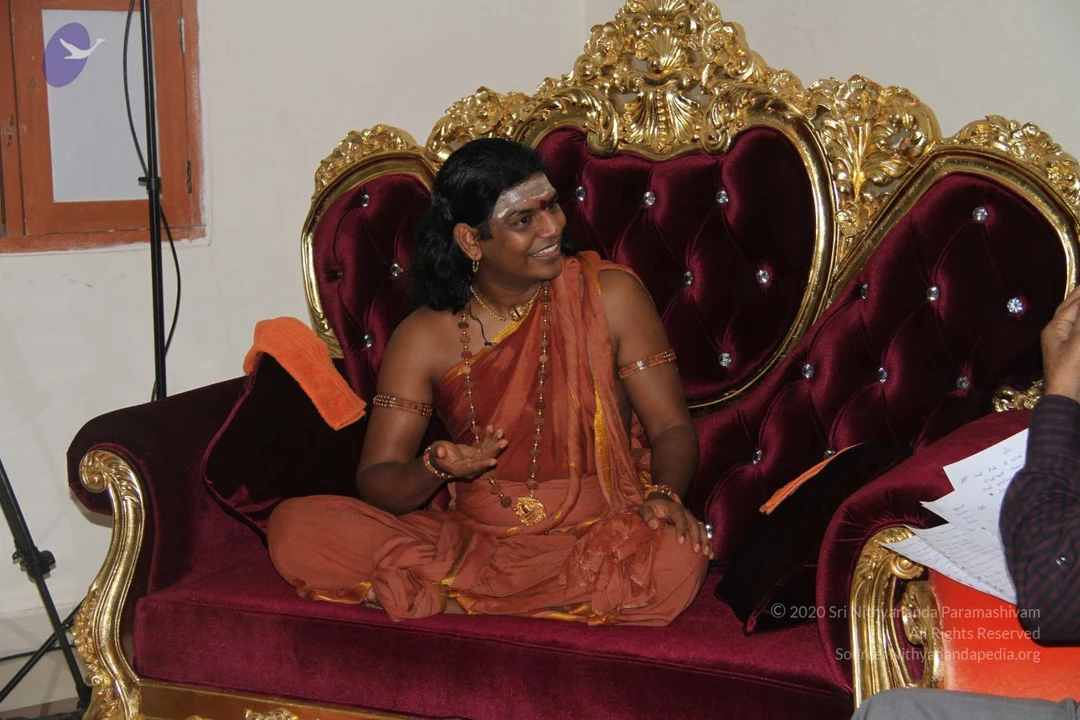
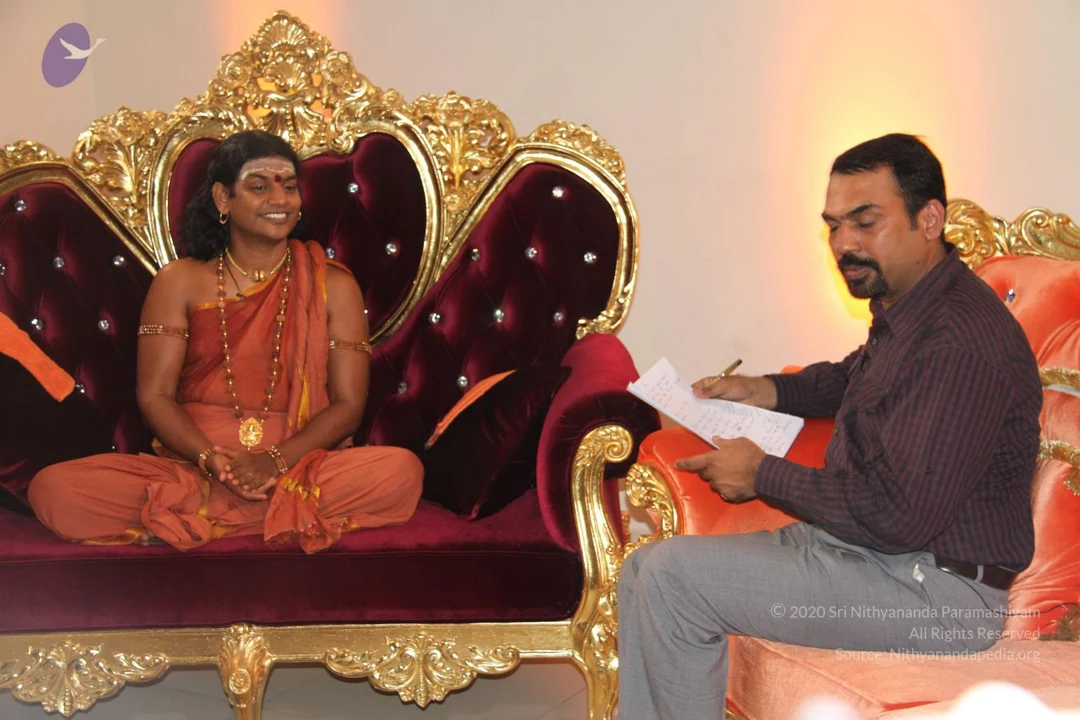
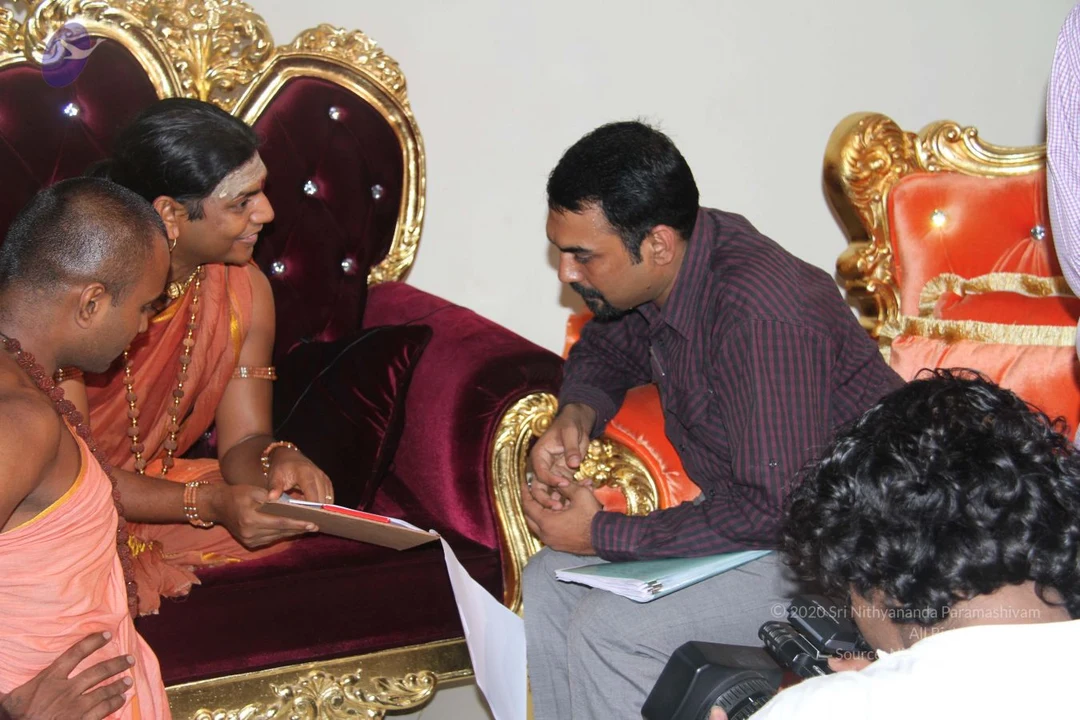
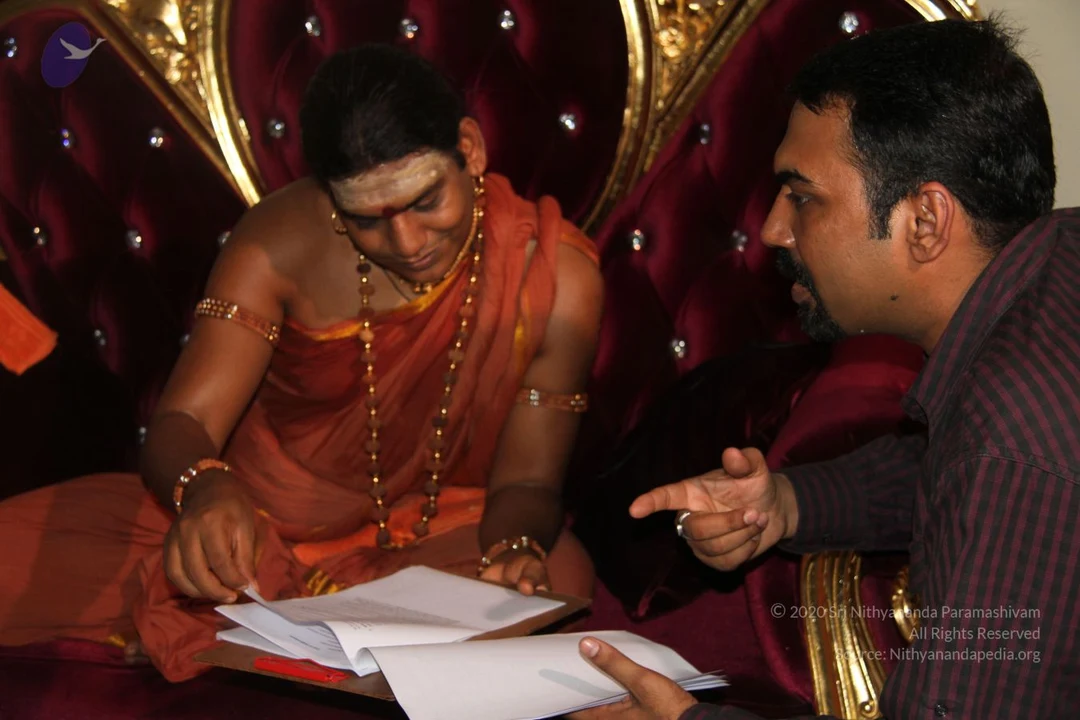
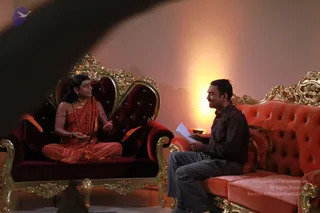
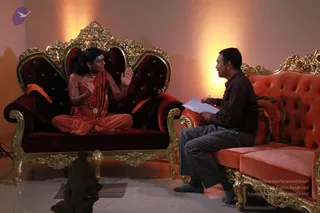
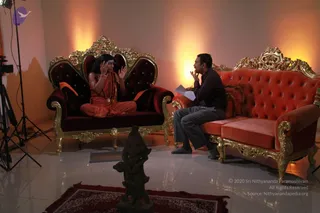
A photograph of two men seated facing each other in a studio-style room. On the left, a man with long dark swept-back hair, a red bindi, gold necklace and rudraksha mala, wearing an orange-saffron shawl and draped orange garment, sits cross-legged on an ornate maroon velvet and gold-trimmed settee, gesturing with his hands. On the right, a man in a dark brown shirt and grey trousers sits on a red-orange tufted sofa with gold carved frame, holding a sheet of paper and smiling. A warm lamp glows behind them.A photograph of an interview in a warmly lit room with pale walls. On the left, a figure with long dark hair wears an orange-saffron wrap, rudraksha-style beaded necklaces and gold armbands, seated on an ornate deep-red velvet throne with gold carved frame and raised hand gesture while speaking. On the right, a man in a dark brown shirt and grey trousers sits on a coral-orange tufted sofa holding a sheet of paper and a pen, listening. A small dark statue sits on the floor in the foreground. Two physical people are visible.A photograph of a filmed talk in a warmly lit studio room with a glossy white tiled floor. A figure with long dark swept-back hair, wearing saffron-orange robes, a rudraksha mala and ornate gold necklace, sits cross-legged on an ornate maroon velvet throne with gold carvings, gesturing with both hands raised. Across from them on a red-orange tufted sofa with gold trim, a man in a dark shirt and grey trousers holds papers and gestures while speaking. A dark stone statue stands on the floor in front of a patterned red rug, and a tripod-mounted camera and light stand are visible at left. Probable Swamiji is seated on the throne, identified by long swept-back hair, saffron robes, rudraksha mala and gold necklace.A photograph of a seated man with long dark swept-back hair and a red bindi, wearing an orange-saffron shawl over the shoulder, rudraksha mala beads, a gold necklace, gold earrings and beaded bracelets, sitting on a plush red velvet throne with ornate gold carved backrest and crystal studs. Beside him on the right, a seated man in a dark striped shirt rests his hand near his face, listening. An orange cloth lies on the armrest at left. Swamiji (probable) is shown in the appearance-based candidate role of the seated teacher in saffron clothing, with the visible cues of long swept-back hair, rudraksha mala, gold necklace and saffron clothing; he is speaking with a listener in a conversational setting, two physical people visible.A photograph of a long-haired man seated cross-legged on an ornate gold-framed sofa with deep burgundy tufted velvet upholstery and rhinestone buttons. He wears saffron-orange robes with a matching shawl draped over one shoulder, gold bangles on his arms, a rudraksha mala, a gold chain and a gold pendant, and a white sandalwood mark with a red dot on his forehead. He gestures with one hand while smiling and looking toward someone off-frame. A person's arm holding loose papers is visible at the right edge, and a microphone stand stands at the left. a person (appearance cues: long swept hair, saffron robes, rudraksha mala and gold ornaments) seated in a satsang setting.Photograph of a smiling man seated in front of an ornate gold-framed throne with deep red tufted velvet upholstery studded with rhinestones. He has long swept-back black hair, white and red tilak marks on his forehead, a gold earring, and a gold necklace over a rudraksha mala. He wears an orange-saffron wrap draped over one shoulder with gold border, and orange-beaded armlets. Probable Swamiji (in person, seated on throne) with distinctive long hair, saffron clothing, rudraksha mala and ceremonial gold necklace. One physical person visible.